A Sordo affair

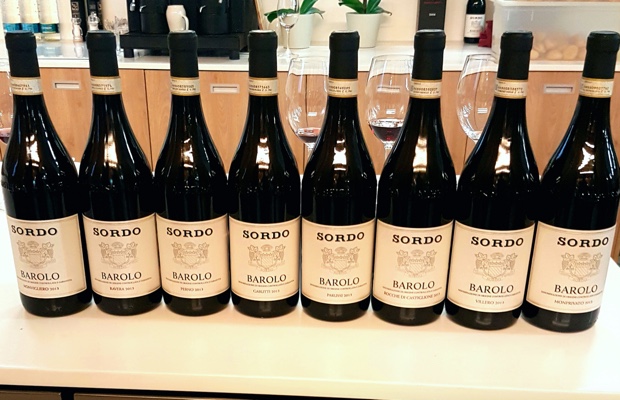
Sordo – I Fantastici 8 Crus di Barolo 2013

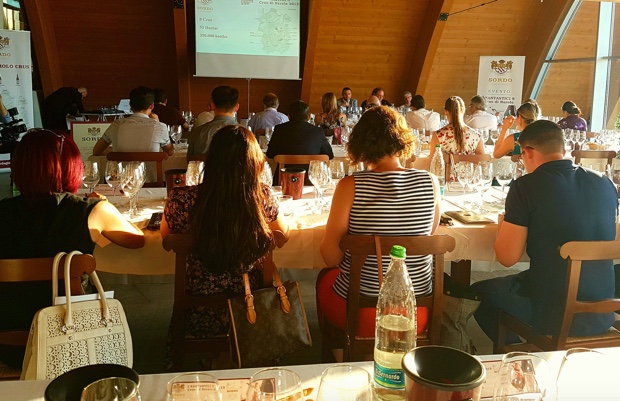
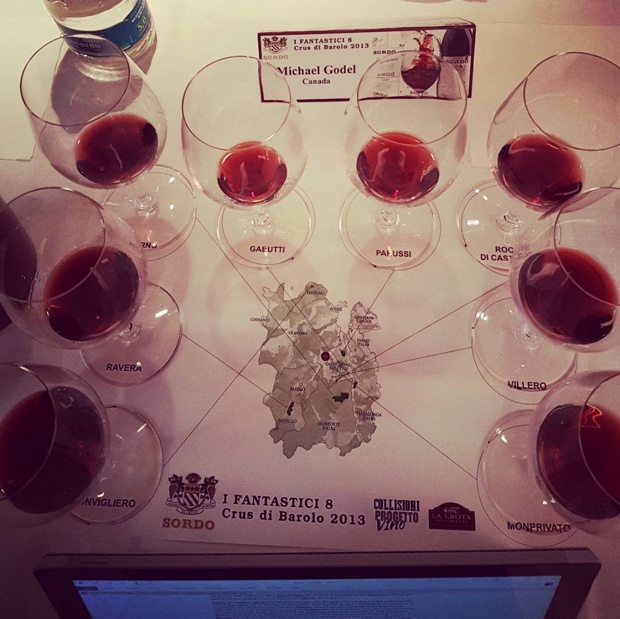
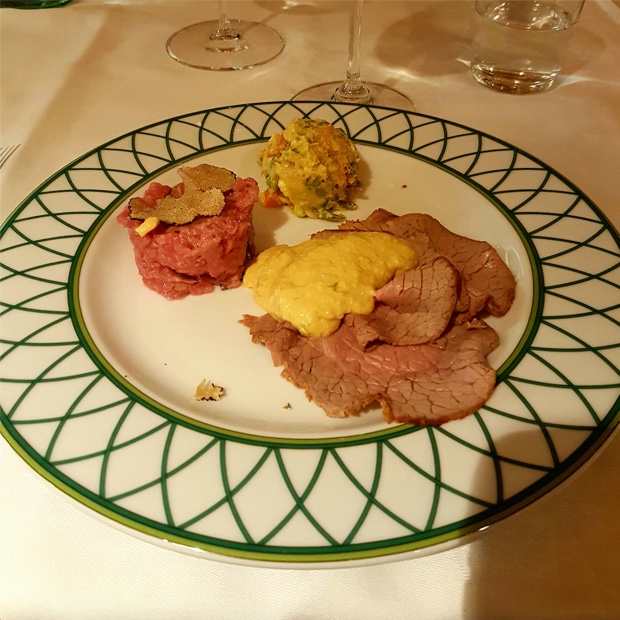
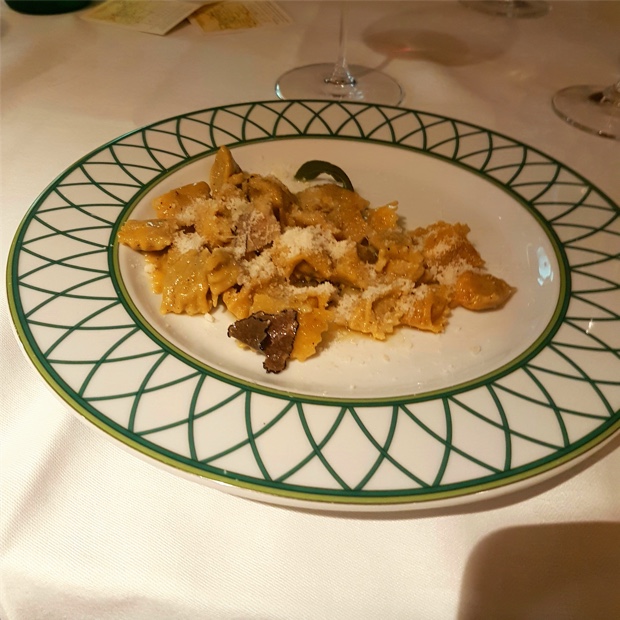
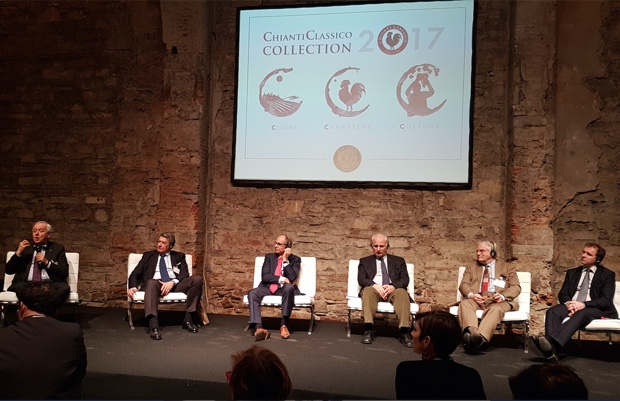
On Thursday, July 13, 2017 an event dedicated to  the “Fantastic 8 cru of Barolo 2013” was held at the farm of Giorgio Sordo. The program included a guided visit to the historic part of the 1912 cellar, the modern 2016 cellar and a tasting of Sordo’s eight Crus di Barolo, attended by experts, opinion leaders, sommeliers, influencers and journalists from all over the world. Senior Sordo Enologist Ernesto Minasso introduced the Sordo terroir and then Ian D’Agata took over, Scientific Director of Vinitaly and the Wine Project of the Collisioni Festival. The teachings of (Armando) Cordero were invoked, in discussion of respect for what each site can deliver, in working them exactly the same way, so that what you are left with is a true sense of each site, to recall an Ontario “climat” terminology, a Barolo somewhereness if you will, tells Mr. D’Agata. Sitting there, listening to these introductions and pronouncements, self says to self  “let’s see about these things.” A dinner followed, prepared at the hands of Chef Danilo Lorusso of La Crota di Roddi.

The two soil epochs of Barolo are divided by a diagonal line that runs from the northeast down to the southwest, drawn between Roddi and Grinzane through Castiglione Falletto down through Barolo and to Novello. The appellation’s two soil types are Tortonian and Serravallian (or Helvetian), both of which were formed millions of years ago and each are responsible for producing different styles of nebbiolo. La Morra and Barolo to the west are lands less compact and more fertile and the general consensus puts these nebbioli in the realms of the elegant and more (relatively) amenable. In and around Serralunga d’Alba, Monforte and Castiglione Falletto, the Serravallian is marked by dense, compact marl and the Barolo there tends to greater body and alcohol, ideal for a potential to longer aging.

La Morra’s famous cru include Arborina, Brunate, Cerequio, Gattera, Gianchi, Marcenasco and Rocche dell’Annunziata. Barolo’s are Bricco Viole, Brunate, Cannubi, Cannubi Boschis, Sarmassa, Via Nuova, Rue and San Lorenz0. In Castiglione Falletto there are Bricco Rocche, Villero, Monprivato, Fiasc, Mariondino, Pira and Ravera. In Serralunga d’Alba the Cru include Falletto, Francia, Marenca, Vigna Rionda, Marenca-Rivette, La Serra, Margheria, Ornato and Parafada. Monforte d’Alba holds the vineyards of Bussia, Cicala, Colonnello, Dardi, Ginestra, Mosconi, Munie, Romirasco and Santo Stefano.

The official recognition of the DOC Barolo happened in 1966 and the DOCG followed, in 1980. The grape variety is 100 per cent nebbiolo in a production zone covering the entire township of three villages; Barolo, Serralunga d’Alba and Castiglione Falletto, plus part of the territory of eight other small townships.  Sordo’s excellent eight are what the parlance of Barolo times would refer to as “sorì”, or Menzione Geografica Aggiuntiva (MGA), or individual vineyard names. There are more than 100 officially recognized MGAs in Barolo.

Sordo’s eight cru are spread across 53 hectares, 80 per cent cultivated to nebbiolo, plus dolcetto, barbera, arneis, chardonnay, viognier and sauvignon blanc. The total production is 350,000 bottles, with vineyards subsidized by grass and ground cover between the rows. No chemicals though sulphur is used, with stainless steel ferments, élevage in large Slavonian oak casks, further time in bottle of six months, 36 for riserva. The vintage 2013 saw a warm, dry winter, above average in that regard, a cold March, rainy spring, warm summer and dry fall. A 15 day harvest was executed across October. Here are the notes on the eight 2013 cru plus three extras poured with dinner.

Sordo Barolo Monvigliero 2013, DOCG Piemonte, Italy (459677, $47.95, WineAlign)

Monvigliero might very well be considered the “Grand Cru” of Verduno village, facing south/south east at 280-320 metres above sea level. The soils are loose, fine and dry marls and in 2013 the harvest happened on the 12th of October. The first vintage was 2005, from a cru set on the west side of the diagonal line drawn between Roddi and Grinzane through Castiglione Falletto down south west through Barolo and to Novello. Here the make up is more (relatively) fertile Tortonian epoch soils, facilitator of earlier developing Baroli. The comparison might be to Paulliac and Saint-Estèphe, to nebbiolo needing four to six years before entering the drinking window. Every producer that owns parcels in Monvigliero ends up with a top three Barolo portfolio cru from within. Here the Sordo ’13 is so very perfumed, of violet and rose petal, certainly an aromatic potpourri, light in hue and transparent, with texture, sour acidity as of cherry, not yet into the tar. The pearls of magnesium rich marly liquid rubies run amok in the mouth. Returning after tasting the last three (Rocche, Villero and Monprivato) musketeers this now shows how lithe, lovely and accessible (relatively speaking of course) this Monvigliero really is. There are 12,900 bottles made. Drink 2020-2029.  Tasted July 2017  sordowine  collisioni  @sordo_wine  @Collisioni  @SordoVini  @CollisioniFestival

Sordo Barolo Ravera 2013, DOCG Piemonte, Italy (AgentWineAlign)

Ravera is on the eastern slope of the township of Novello, also left bank of the diagonal soil epoch dividing line and like Monvigliero, facing south/southeast. Cuts more attitude and altitude, between 420-450 masl. Loose but richer, whitish marl and grey soils typify the cru. The Ravera harvest was on the 19th October, leading to 20,500 bottles and its first vintage was also 2005. It shows more austerity than Monvigliero, owing to being characterized by Serravallian soils found on the right bank, so this is the cru with an identity complex. This is compact, grippy, intense, sour wrapped up in a mystery folded into an enigma. A reticent, brooding hidden gemstone and texture of compression Sordo, but hard to get. Will unravel and work into its flesh no sooner than six plus years on. From a Ravera sweet spot but it’s not sweet now, nor are some other renditions. A return (30 minutes later) brings the unmistakeable nose of fennel. Drink 2022-2032.  Tasted July 2017

Sordo Barolo Perno 2013, DOCG Piemonte, Italy (AgentWineAlign)

Perno belongs to Monforte d’Alba and this particular single-vineyard portion (6.6 hectares of 190.96 total hectares in the large cru) is owned entirely by Sordo, though others farm the rest. Vines age from 15-35 years-old, on red soils with stones and it was the 18th of October for this harvest. The first vintage was 2000. Only Bussia and San Pietro are bigger in all of Barolo so there will be some variegation coming from the Cru. Located on the right bank, immediately to the east of the diagonal line, into Serravallian soils, of calcareous limestone and compacted sands. It’s bloody tannic, but aromatically speaking it does in fact speak its mind, of a fine porous vessel holding a sparked and stark, bitter and macerating cherry liqueur. The palate follows sharp and piercing, compressed, intense, of powerful structure and endless length. Brooding and massive but harnessed power that could run a small nation-state. That power never relents though a silk road certainly runs through that country. There were 48,000 bottles produced. Drink 2024-2036.  Tasted July 2017

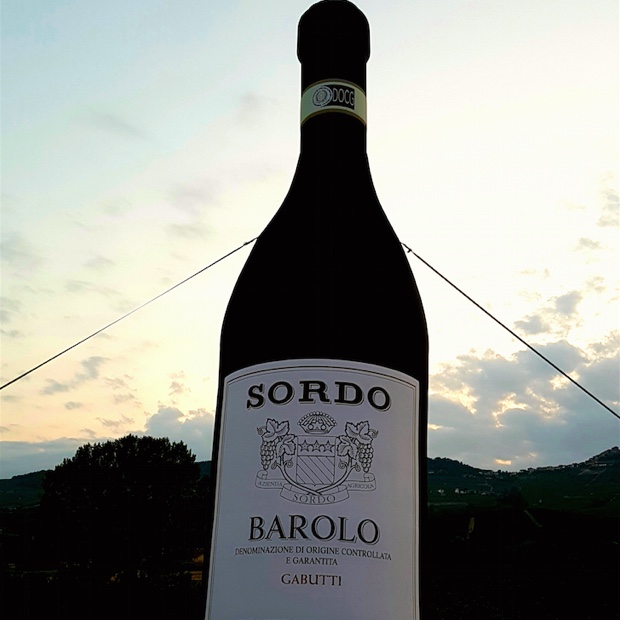
Sordo Barolo Gabutti 2013, DOCG Piemonte, Italy (AgentWineAlign)

Gabutti (Serralunga d’Alba) sits at 250-300 masl, in compacted clay with 1989 being the first vintage. It ranges to the far east set into the quintessential seravalian soil and try hard to argue against the idea that it is the cru almost impossible to figure young. Sordo submits to its potential as unlimited and outrageous. There are spice aromas and acidity up front but otherwise it slams the door, locked tight. I disagree with Id’A in that the nose is not floral and accessible but do agree that it is civilized, on the first wave of palate, with soaking cherries and the idea of tar. Then the clutch sticks, it breaks down and shuts down. Wait 10 years from harvest with proof provided that 30 minutes does nothing to allow a Gabutti relent. It does indeed show some further precison when you get back to the back palate. Ultimately there can be little to say but that the jury is so fully out on Gabutti. There were 26,000 bottles made. Drink 2023-2035.  Tasted July 2017

Sordo Barolo Parussi 2013, DOCG Piemonte, Italy (AgentWineAlign)

Parussi comes from Castiglione Falletto at an elevation of 270-290 masl, with 15-40 year-old vines on loose surface soil and limestone with whitish, grey marls. The harvest was the 15th of October and the first vintage goes back to 2005. Sordo farms 1.8 of a small (13.4) hectares but the whole cru is not suited to nebbiolo, so only 83 per cent is planted to the grape. We are to understand that the idea goes beyond Parussi in that only certain portions are truly nebbiolo-Barolo cru territory. Parussi is from the crossroads of two soil epochs, between Barolo and Monforte and Serralunga to the south and east. The questions is asked whether or not it achieves a balance, of two banks on either side of a diagonal epoch line, like St. Julien, part Margaux and part Paulliac. It does but certainly resides on the brightest side, with the most fruit. The tart cherries are possessive of this striking personality so that they achieve a suspended animated moment in which they equilibrate to sweetness tempered by sour acidity moments and great fineness of demanding tannin. There are 13,000 bottles. Drink 2022-2034.  Tasted July 2017

Vitello Tonnato at Sordo

Sordo Barolo Rocche Di Castiglione 2013, DOCG Piemonte, Italy (AgentWineAlign)

Also from Castiglione Falletto is Rocche Di Castiglione, a formidable nebbiolo from 30-60 years of vine age, including a 1960’s planting. The elevation creeps up to 300-350 masl, on white and blue marl with dry and compacted sandstone. Harvest was on the 17th of October and production goes back to 1987 in this, Sordo’s first original cru. One of the greatest vineyards in all of Barolo, the new name is now Rocche di Castiglione Falletto, a place of crooked cragges or peaks, the altitude delivering more power and structure, but also grace and refinement. This is nebbiolo of a cooler climate personality, wound so tight, with sour cherry, rose petal and so much fruitier on the nose, certainly more than Villero. There is this smooth, satiny consistency through the modernity of flavours on the oldest fruit. A great dichotomy achieved. Drink 2023-2040.  Tasted July 2017

Sordo Barolo Villero 2013, DOCG Piemonte, Italy (AgentWineAlign)

Villero is an accumulation of purchased grapes from a farmer who follows a strict regimen. The cru is composed of calcareous, grey marls and compact grey sand and in this first 2013 vintage the later harvest was the 20th of October. Almost dukes it out with Rocche, this second of three musketeers with Castiglione and Monprivato. A balanced locale submits to make for optimum equilibrium for nebbiolo cru, looking at it this early as big, brawny, stiff and strong in its austerity. Giving so little away and yet it’s all imagination, driven by time. The cru is 22 hectares large with Sordo owning 0.4 and change, very small but it’s a true nebbiolo vineyard. Villero is nothing if not erected as a wall of acidity and tannin, so intensely taut, wound and as of yet, unforgiving. There are 3,600 bottles. Drink 2024-2039.  Tasted July 2017

Sordo Barolo Monprivato 2013, DOCG Piemonte, Italy (AgentWineAlign)

Monprivato is the third of the Castiglione Falletto cru, at variegated elevations from 240-320 masl. Sordo’s are 40 year-old vines and in this inaugural 2013 it was picked earlier (than Villero) on the 17th of October. Another true representative of Serravallian epoch austerity, with formidable tannin and a get down on my knees and beg to ask for more time before delivering accessibility. One of the true great Barolo vineyards, 98 per cent planted to nebbiolo. The 7.12 hectare large site gifts somewhere between the structure of Villero and the richness of Rocche. You get spice and sour cherry right away but also some other fruit in spice format, mulled in a way, of orange rind, apricot and pomegranate. It’s as if a piece of La Tâche suddenly became available to be farmed by someone else. Such fineness and nobility of tannins, richness and fine bitters, in the end the most tonic of all. This may be the whole package, a compromise in a way but an impressive and charming nebbiolo like no other. There are 3,200 bottles. Drink 2023-2040.  Tasted July 2017

More Sordo

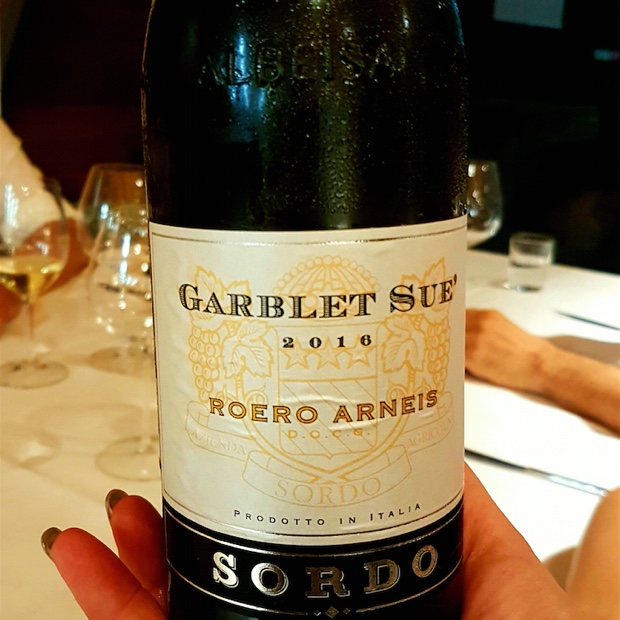
Sordo Roero Arneis Garblet Sué 2016, DOCG Piemonte, Italy (AgentWineAlign)

Garblet Sué is on the Bricco Fiasco, a Castiglione Falletto vineyard owing in name to the Garbelletto Superiore farm that lies below. Sordo’s roero is rich in metallurgy, orchard fruit purity sporting equal parts pear and citrus, almost but not quite savoury. The balance of fruit, soil and salty mineral melts into arneis tannin. Overall it’s simply suave and polished stuff. Drink 2017-2021.  Tasted July 2017

Sordo Barolo Rocche Di Castiglione 2011, DOCG Piemonte, Italy (AgentWineAlign)

It’s difficult to say and even harder to admit that ’11 Rocche is any further advanced than the ’13 tasted 90 minutes prior. The fruit is a bit riper and if development can be quantified it’s a matter of millimetres by cru standards. And so the sour cherry is sweetened, rendered with more baking spice caress and attention to length, elastically so and with precise action. Five years further on and it will fall effortlessly into its next perfect phase, in a place called beautiful. Drink 2021-2032.  Tasted July 2017

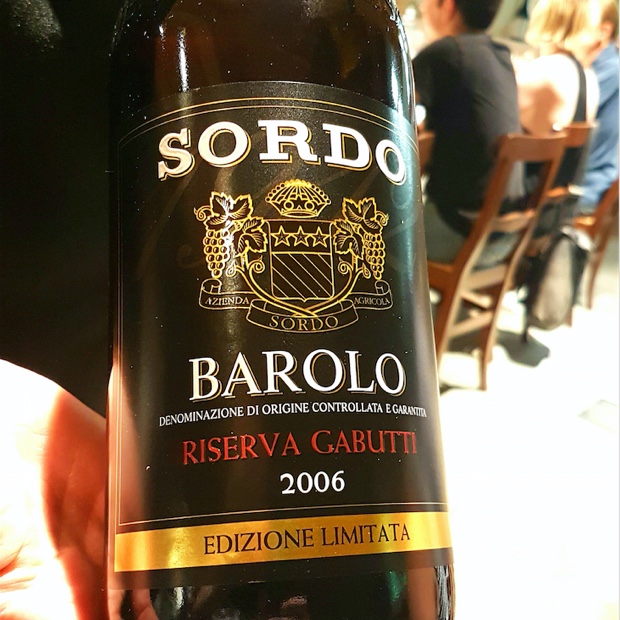
Sordo Riserva Barolo Gabutti Edizione Limitata 2006, DOCG Piemonte, Italy (AgentWineAlign)

Sometimes it’s just a case of instant recognition, of the transparent Barolo-nebbiolo purity, crowned by acidity read from a very particular cru vernacular, spoken without any interference. At this 11-year itch, which incidentally seems only a year or two shy of the optimum window, Gabutti runs just a touch hot. A minor distraction in bitter phenol is balanced by ripe Sordo fruit that when combined acts like a salve melting on a tongue coated with tannin. Can formidable and elegant co-exist? In Gabutti, yes they can, easily, readily and in truth. Drink 2018-2028.  Tasted July 2017

Good to go!

Godello

Twitter: @mgodello

Instagram: mgodello

WineAlign

Flights in and out of Niagara, ere Terroir

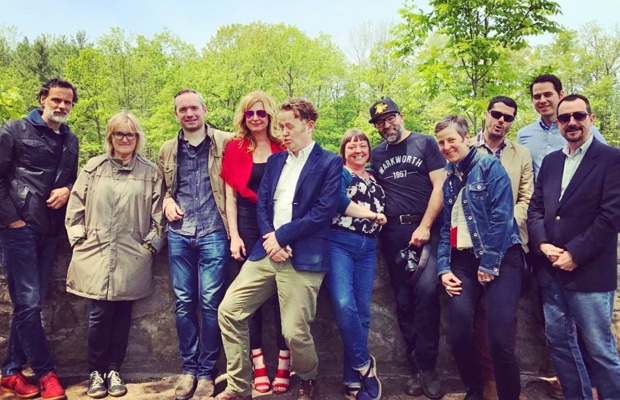
The Niagara crew getting a load of #BallsFalls in Jordan

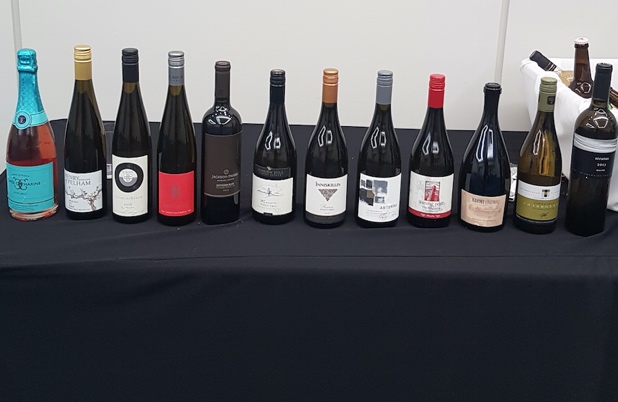
In May of 2017 the 12th annual Terroir Symposium brought many magnificent folk to Ontario. They were dreamers, disruptors, international luminaries, thought leaders, visionaries, creative influencers, innovators, chefs, hoteliers, drink experts, writers and business leaders. With VQA Wines of Ontario and the Wine Marketing Association of Ontario as chaperone, a dozen of these invitees flew from Billy Bishop Airport to Niagara District Airport for an ante-Terroir Talk Sunday fun day in wine country immersion. I joined Robert Gilvesy, Fiona Beckett, Jeremy Bonia, Magdalena Kaiser, Jamie Drummond, Nikki Bayley, Dick Snyder, Ursula Heinzelmann, Christoph Thörle and Jim Poris for the excursion. In between return nine-seater shuttles we ran through flights at Flat Rock Cellars and Henry of Pelham Estate Winery. Who amongst us was not taken by these VQA wines and their unselfconscious excellence?

First a hot air balloon and now this!!!

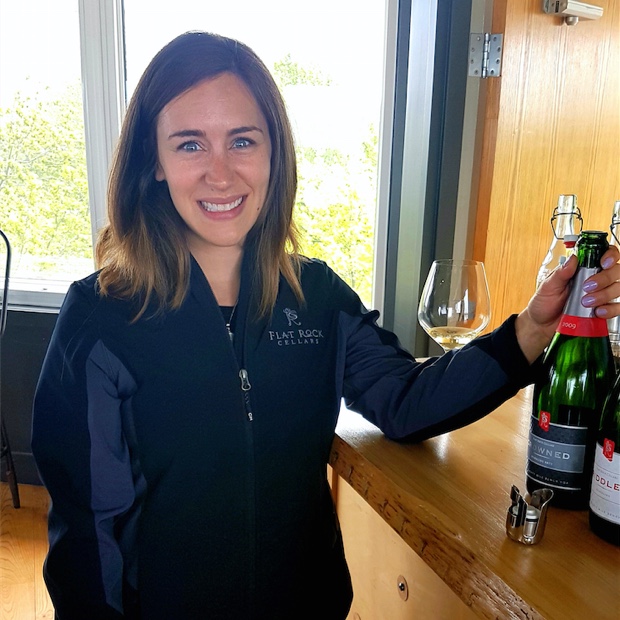
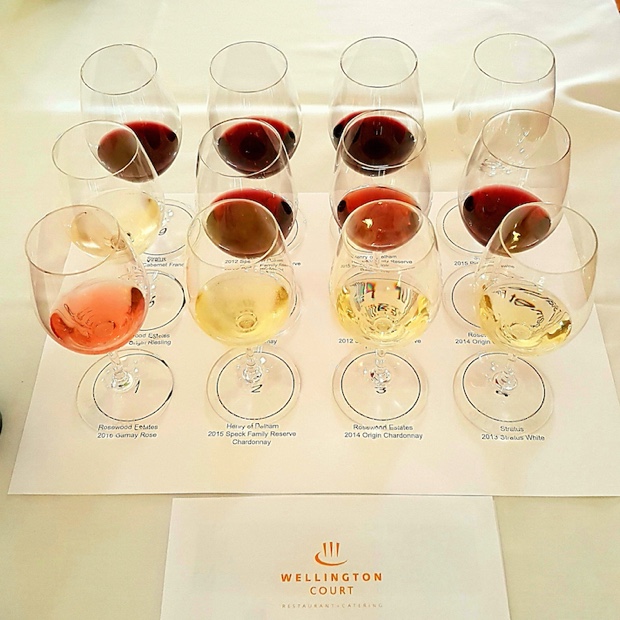
After a quick first pit stop at Ball’s Falls to show off Niagara’s famous escarpment limestone to the international contingent, we settled in at Flat Rock to taste six wines with Cellarmaster Allison Findlay. Next it was a dozen at Henry of Pelham Estate Winery with proprietor Daniel Speck, Ryan Corrigan of Rosewood Estates and Suzanne Janke of Stratus Vineyards. A blow your mind lunch was prepared on site by Wellington Court Chefs Erik Peacock and Cait Bermuhler. Here are the notes on the 18 wines.

Revisits with @Winemakersboots and a seven-year Crowned epiphany

At Flat Rock Cellars

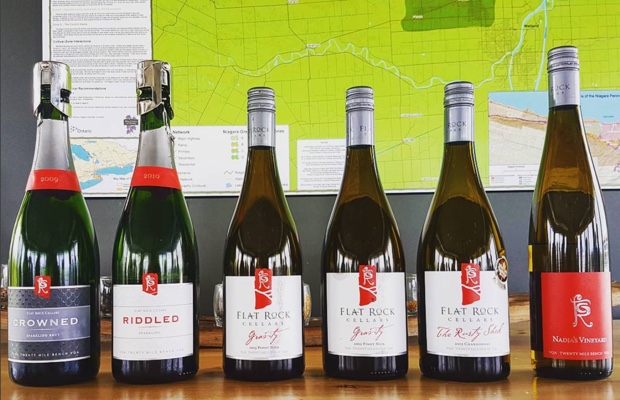
Flat Rock Cellars Riddled Sparkling 2010, Méthode Traditionnelle, VQA Twenty Mile Bench, Niagara Escarpment, Ontario (383315, $29.95, WineAlign)

Time makes a difference so here the extended lees age (six months further, to 60) takes Riddled to another level. Considering the cost and attention to time, in the broad realm of traditional method sparkling wine there are some that are given away. Riddled. A whole lot of biscuit warmth, sody saleratus, gingersnap, tart Ida Red apple, breadth and a smile-inducing creamy palate. There is more wisdom and calm from 2010 so do not come around demanding tension and over-exciteability. Think Grower’s Champagne with Ontario heart and soul, dedication and purpose. The extended arm of Madronich-Johnston love is here, this year. It won’t get much better than this. Great length. Drink 2016-2025.  Tasted October 2016, March and May 2017  flatrockcellars  @Winemakersboots  @FlatRockCellars

Flat Rock Cellars Crowned Sparkling Brut 2009, VQA Twenty Mile Bench, Niagara Escarpment, Ontario (Winery, $45.20, WineAlign)

Crowned ’09 was disgorged this spring after seven years on the lees, sealed under crown cap and sent to market with a crowning achievement in mind. Feather gingery, faintly oxidative, this Blanc de Blancs wafts in copper-veined breezes and fennel frond ahead of its palate piercing chardonnay intensity. It delivers a cooler climate interaction than the Riddled, with preserved lemon and please concentrate if you will on it as a wine of heavy forethoughts. What with it resting on its lees, in limbo this long out of practice, necessity and as a result, now fortuitous and of great luck. The animal was created early on and now anything less might be difficult to justify and accept. Plus the bar is raised for the entire Sparkling community. Here the perfect example of low, slow and minute by minute evolution. Only 500 bottles (plus one) were made. Drink 2017-2023.  Tasted May 2017

Flat Rock Cellarmaster Allison Findlay

Flat Rock Cellars Gravity Pinot Noir 2013, VQA Twenty Mile Bench, Niagara Escarpment, Ontario (1560, $30.25, WineAlign)

Flat Rock’s ever involving vines (on 33 hectares planted in 2001 and 2002) enter a new phase with indicators blinking and refreshing in this 2013 Gravity Pinot Noir. Youthful adolescence and gregarious fruit expression initiated in 2010 and carried through the 2012 vintage. Those years saw to a world of astringency and tension relegated to mites in the rear-view mirror. The wine is now in a nexus cross-roaded with exigency holding pattern. To understand its confusion and survey fast forward to its future is not easy. Gravity is a bit large right now, seemingly advanced, but to me the fight is between that fruit abundant state and the return of, though eased by meditative Jedi tension. Gravity just needs a parachute to bring it back down to earth. That lifeline may not materialize in this 2013 but that does not take anything away from its discriminating and diagnostic tones. Brightness, astatic inflection and succulence. This vintage may suffer from some level of snafu but it will age, evolve and breath. That much fruit has to have some level of expectation. The follow up ’14 and ’15 will win the hearts of horses and men. Drink 2016-2021.  Tasted October 2015 and May 2017

Flat Rock Cellars Gravity Pinot Noir 2012, VQA Twenty Mile Bench, Niagara Escarpment, Ontario (1560, $29.95, WineAlign)

Seven months have softened and mothered Gravity’s adolescence in ways to now see it as the most feminine, certainly of the last four vintages. Pretty dabs, perfumes of natural conditioning, warm days and warm nights in the bottle. More accessible than previous takes and of a new modernity perceived. Sweet dreams and sweet fragrances, roses and cinnamon, nothing fancy here mind you, with no bite and no gathering moss. Cherries and vanilla, lavender and simple pleasures. Straight up Gravity, no pull down, no drag and no excess weight. At $30 and from the best barrels, this trumps $40-50 most locales not called Lowery, La Petite Vineyard, Central Otago, Hengst or Pfinstberg. From my earlier, March 2014 note: “In a vintage potentially muddled by warmth and a humidor of radio frequency, duplicating berry phenolics, Flat Rock’s Gravity remains a definitive, signature house Pinot Noir. In 2011, the head of the FR class from its most expressive barrels shared the limelight (and top juice) with the Pond, Bruce and Summit one-offs. In ’12, Gravity’s sandbox was its own. The style is surely dark, extracted, black cherry bent, as per the vintage. Yet only the Rock’s soil does earth in this variegate, borne and elevated by the barrel’s grain. There are no fake plastic trees in a Flat Rock Pinot. “Gravity always wins.”  Last tasted October 2014 and May 2017

Flat Rock The Rusty Shed Chardonnay 2013, VQA Twenty Mile Bench, Niagara Escarpment, Ontario (1552, $24.95, WineAlign)

It’s as if this label had bided all this time to be the benefactor of 2013 fruit. This Rusty Shed, this 20 miler with the track record to age, a wine that sheds baby fat over a 10 year mineral through echelon stratum, in ways few other peninsula to bench chardonnay can do. This Jay Johnston handled surfer of a wine, buoyant and balanced, centred and able to withstand turbulence, oscillation and tidal sway. Here with sumptuous and spiralled fruit gaged in lode intervals and a tartness held in lope and line by a membrane of extract and tannin. Best ever. Showing well, repeatedly and to forecasted repute. Impressing critics and consumers alike. Bravo. Drink 2016-2025.  Tasted June 2016 and May 2017.

Flat Rock Cellars Nadja’s Vineyard Riesling 2015, VQA Twenty Mile Bench, Niagara Peninsula, Ontario (578625, $24.95, WineAlign)

This is an outlier for the Nadja’s Vineyard riesling, with deeper concentration and compression than before. More Mosel and less Twenty Mile in 2015, of light alcohol and an increase in off-dry, extract meets acidity. There have been Nadja’s with more air and exhale but I can’t recall one with such density in vitality. A great Nadja to be sure but of a deferential sort of character. Two or three years should bring it back into its self-imposed and created line. Drink 2018-2024.  Tasted May 2016 and May 2017

VQA wines at Henry of Pelham Estate Winery, May 2017

At Henry of Pelham Estate Winery

Rosewood Estates Gamay Rosé Emerald Shore Vineyard 2016, VQA Creek Shores, Ontario (Winery, $15.95, WineAlign)

The inaugural gamay Rosé is from fourth leaf vines in the spot where the famous sémillon once lived. It delivers essential gamay aromas; strawberry modified with a tisane into raspberry and cherry, salinity clarified and fined. It’s lactic tonal, nicely tart and with a Beamsville mineral, very specific and just this emerald side of intense. Finished dry, but was allowed to go through three quarters malo to bring the cream and the layers. Finished by the incumbent winemaker Ryan Corrigan who once “lived out of a backpack and chased grapes,” committing in fleeting methodology, to northern and southern hemisphere harvests. In 2017 Niagara is all his. Drink 2017-2018.  Tasted May 2017  rosewood wine  @Rosewoodwine  @rosewoodwine

Welcome to @rosewoodwine Ryan Corrigan. Gamay and Cabernet Franc are in fine hands.

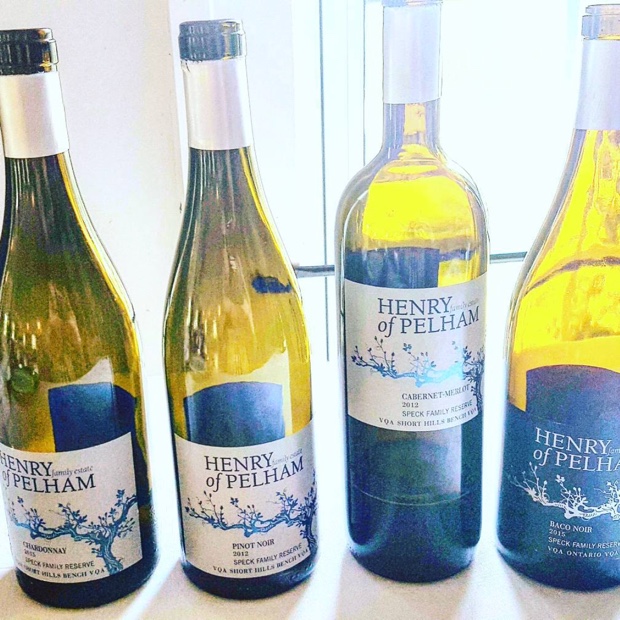
Henry Of Pelham Speck Family Reserve Chardonnay 2015, VQA Short Hills Bench, Niagara Peninsula, Ontario (616466, $29.95, WineAlign)

Spice and toast more than anything else come to define the early life of the SPR ’15 chardonnay. Not overtly or overly fruit forward at this (nearing) two-year mark, but green apple, pear and the unusual tangy bite of south asian palm (Salak) snake fruit are just around the corner. This speaks to the phenolic grab and go, the hang time and then that barrel exploit comes through. The palate delivers sappy moments and then the weight of the wine is felt. If texture were quantifiable in aromatics, it would be the SFR that would provide such intellectual fodder to describe what that might feel like. The perfume is layered, chewy, unctuous and viscous. Another year should inflate the fruit and integrate the wood. Drink 2018-2021.  Tasted twice, May and September 2017  henryofpelham  @HenryofPelham  @SpeckBros  @henryofpelham

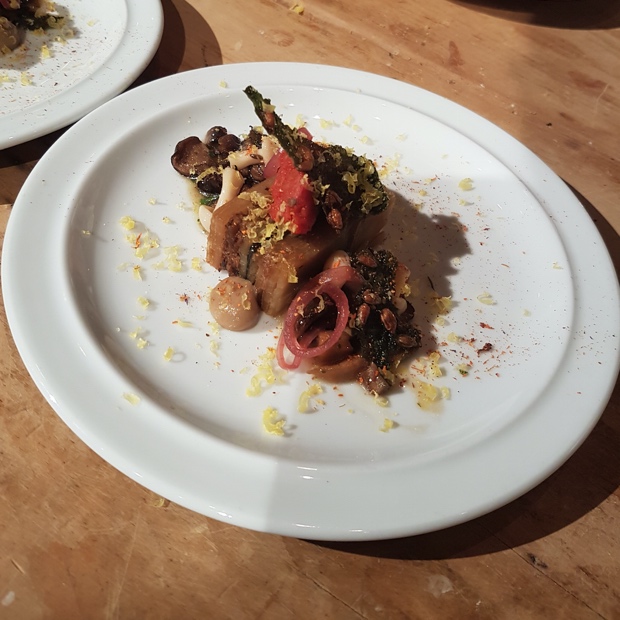
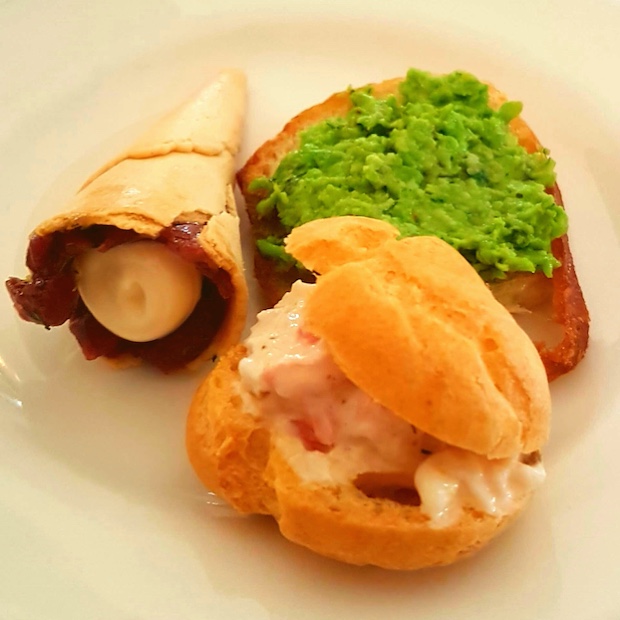
Wellington Court Chef Erik Peacock and Cait Bermuhler’s appetizer trio

Rosewood Estates Chardonnay Origin 2014, VQA Niagara Peninsula, Ontario (Winery, $28.95, WineAlign)

Rosewood’s Origin 2014 is highly representative of Beamsville chardonnay, pacing a bridge that connects the cool of the climate and the nook in the escarpment’s abutting warmth of the overall Bench. The skins matter, as per the departing winemaking Ross Wise expertise, if only and alt-heightened in elevating texture, but even more so the rusty, soil tart, intensely wound and taut orchard fruit speciality. Drink 2017-2020.  Tasted May 2017

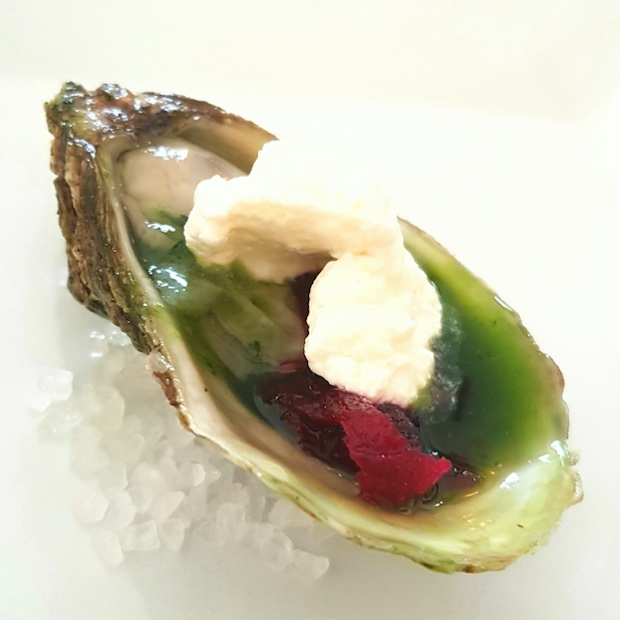
Wellington Court Chef Erik Peacock and Cait Bermuhler’s salt grass point oyster, beet mignonette, cucumber gel, horseradish foam

Stratus Vineyards Stratus White 2013, VQA Niagara Lakeshore, Ontario (660704, $38.20, WineAlign)

There can be little doubt that anticipation would haver to run high for the aromatic, elongated and coolest of Niagara white wine vintages, especially for the chardonnay, but also for the iconic, four-varietal (with sauvignon blanc, sémillon and viognier) blend. The five sensory tenets are solicited and provided for; salty, sour, sweet, briny and umami. The last is exotic and punchy, so this White does it all, speaks for it all and completes it all. It is the most designed and seamless their’s can be.  Last tasted May 2017  stratuswines  @StratusWines  @StratusWines

In 2013 viognier is back in the varietal mix, in reprise of its earlier role in support of chardonnay, sauvignon blanc and riesling. A different sort of vintage here for the White, seemingly led by a circular turning of chardonnay and viognier, like a cat chasing its tail. This really goes round and round with no obvious signs of where it will stop. Quite fleshy and lime juicy with stone fruit flavours in righteous abound. Really amalgamated and seamless even for itself. It is here that I think of it as The White. Niagara’s White. Lake Effect™. Drink 2017-2022.  Tasted November 2016

Rosewood Estates Riesling Origin 2014, VQA Niagara Peninsula, Ontario (Winery, $22.95, WineAlign)

Smells like Bench riesling spirit. The energy comes from the über vineyard’s way of emission, gasseous and vital, linear, introspective and direct. This may just be the most aridity and brine ever teased from a Mima’s riesling, acidity coveting sugar notwithstanding, startling from beginning to end, with spirited shots of lime. Underrated and honest, the consistency of this riesling is possessive of great triggers and so beautifully defines the mineral Bench. Early suffocations blow off with ease and in the denoument there are crunchy stones, forever and always something to like. Mima’s never really needed an abundance of sugar for balance and kudos to that. Drink 2017-2022.  Tasted March and May 2017

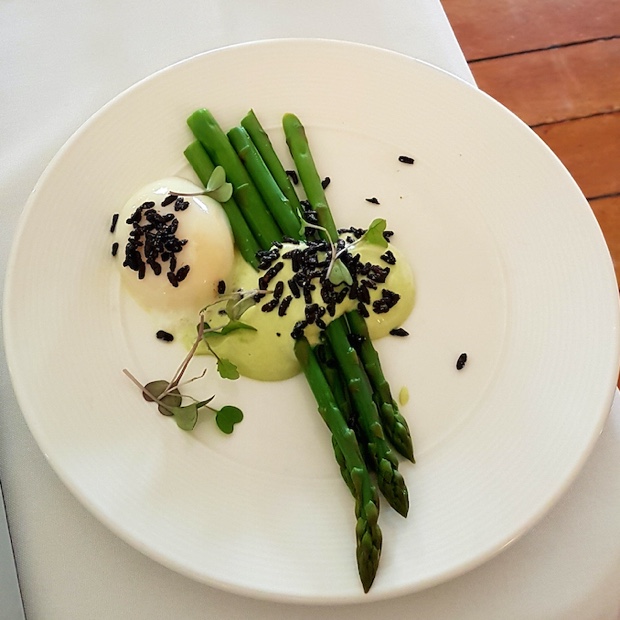
Wellington Court Chef Erik Peacock and Cait Bermuhler’s simcoe asparagus, ramp aioli, sous vide hen’s egg, puffed wild rice

Stratus Gamay 2014, VQA Niagara-on-the-Lake, Ontario (Winery, $29.20, WineAlign)

When asked about his approach to gamay winemaker J-L Groux responds with “continuously with changes.” This is what takes place in 2014 with the barrel time cut back by a full year, now only nine months, if nothing else for to place ultimate emphasis on fruit. Sounds simple but it’s anything but in a Groux universe. His gamay now gifts fresh strawberry and raspberry, a slight 13 per cent alcohol spine and the uplifting effect of zero-noticeable steaminess, steminess, aggression or grass. In contrast to many overly and overtly ambitious Ontario gamay here Stratus enters the antithetical to harsh realm and instead occupies the amenable-ethereal void. Less pressing means smoother transitions and weightless chimera. This captures varietal and place with its coax of maximum fruit. The plantings are from 1992 and 2001 (with an imperfect memory that includes the possibility of 1985 too). Drink 2017-2020.  Tasted twice, May 2017

Thanks for hosting Daniel. Cab-Merlot ’12 SFR @HenryofPelham is one for the ages @WineCouncilOnt @winecountryont

Henry Of Pelham Pinot Noir Speck Family Reserve 2012, VQA Short Hills Bench, Niagara Peninsula, Ontario (Winery, $34.95, WineAlign)

Always the elder, wise and delicate if elegant statesman for Ontario pinot noir. There is real demure and reserve, Speck family style and this dried red berry savour to both aromatics and flavour. Tart is an undercurrant and red currants run above. Right in its wheelhouse now, for a spell and then the slow fade will come. Drink 2017-2021.  Tasted May 2017

Henry Of Pelham Speck Family Reserve Baco Noir 2015, VQA Ontario (Winery, $24.95, WineAlign)

From vines planted in 1984, a more than significant fact of experience, wisdom and acumen from this baco noir. Couple that with what is arguably the finest varietal vintage in many years makes this the collector bottle for the baco fanatic. The rubbery reductiveness is so nicely offset by the flowers, the red fruit and the delicious appeal. Easily the finest ever, by anyone and especially this most prominent house. Great ripe acidity and fine, fine tannin. Drink 2017-2024. Tasted May and June 2017

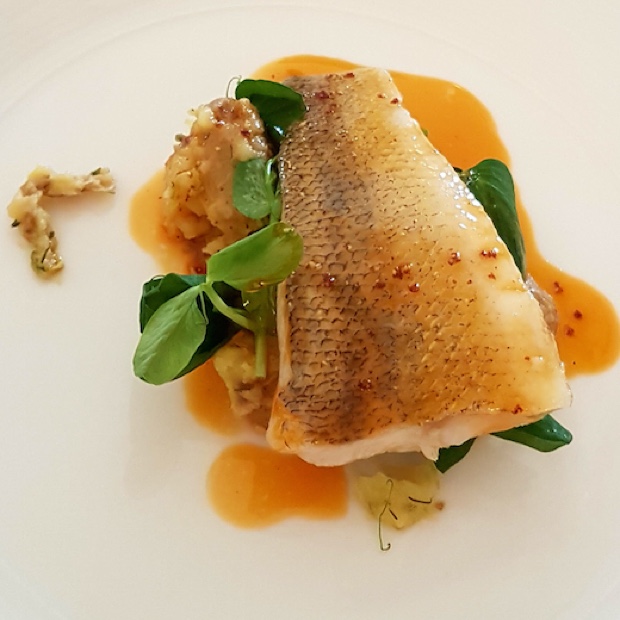
Wellington Court Chef Erik Peacock and Cait Bermuhler’s confit lake huron pickerel, fingerling potatoes, chorizo vinaigrette, celery, capers

Rosewood Origin Cabernet Franc 2014, VQA Beamsville Bench, Ontario (Winery, $29.95, WineAlign)

It’s a deep, dark fruit, rich currant, pyrazine and savoury vintage for the Origin. It’s cabernet franc that brings strawberry, raspberry and ripe rhubarb to the table. It’s tart and layered, rich and even a touch hematic. Quite pure, red fruit driven and of finely tuned acidity. Never tries too hard, refuses to hide the naturally green character, does nothing to sheath or blanket and leaves the fruit to shine red, bright and vital. Drink 2017-2020.  Tasted May 2017

Stratus Cabernet Franc “Decant” 2014, VQA Niagara On The Lake, Ontario (Winery, $95.00, WineAlign)

“A designer’s hands are tied. They are only as good as their opportunities.” The words of the brilliant bottle designer Karim Rashid fully apply to the mirrored universe in which winemaker J-L Groux works, here with a deferential and ulterior cabernet franc, bottled with its lees. When I first tasted it in February (in advance of this auspicious release), its unfiltered state spoke of a hyperbole of perfume, marked by exoticism. The aromatics gave far east five-spice, star anise, cardamom, miso and incense, all natural by-products of its purposed ferment. More grain spoke out but also a roundness of tannin and a smoothness both coating and comforting. There was chocolate accentuated by the treatment, with thanks to those lees left in the bottle. The chopped up and constructed bottle catches the lees while the volume flows out and the function out of form mimics the thought of lees delivering structure and yet they are invisible, caught in a hidden net or nook, out of sight, out of mind. But it’s not about pouring. It’s about the hand, or the slight thereof. Then there is the copycat idealism of strata in the vineyard, of geology transferred to the bottle and kept there, like a ship perfectly preserved inside. This cabernet franc will age better, as is the plan, with thanks to the lees that you’ll never have to deal with. There were 110 cases made. Drink 2019-2029.  Tasted twice, February and May 2017

Wellington Court Chef Erik Peacock and Cait Bermuhler’s earl grey friand, poached rhubarb, vanilla mascarpone mousse

Henry Of Pelham Speck Family Reserve Cabernet Sauvignon/Merlot 2012, VQA Short Hills Bench, Niagara Peninsula, Ontario (616433, $39.95, WineAlign)

The warm 2012 is an ideal vintage for this very specific cabernets and merlot blend, a wine as deliberate and iconic to the Niagara effort as any that have come before or currently exist. The vintage falls into a line that remembers 1998 and 2002 (with a half wink for 2007 and three-quarters nod to 2010). The brightness of red fruit and the dusty grounding of that fruit into earth integrates quietly and when acidity joins, the balance is pitch perfect. The fineness of that acidity will allow the mild astringency and dark chocolate by barrel to melt with slow dripping ooze into proper and educated tannin. Is this Cabernet-Merlot Speck Family Reserve one for the ages? In a word yes and likely to rival that 1998 for a 15 year run through excellence. Drink 2017-2027.  Tasted May 2017

Run any machine on the harnessed marmalade energy of this @StratusWines Riesling Icewine #specialstuff #niagaraonthelake

Stratus Riesling Icewine 2015, VQA Niagara On The Lake (56671, $30.25, 200ml, WineAlign)

The Stratus Riesling Icewine 2015 simulates a true orange and apricot marmalade with a preserved lemon note and a bitter pitch edge. It actually goes into grapefruit a touch, develops unction as it fleshes in the mouth and never fattens or sweetens too much. A show off in triumvirate display of quality, beauty and rhythm. Drink 2019-2030.  Tasted May 2017

Good to go!

Godello

Twitter: @mgodello

Instagram: mgodello

WineAlign

Thörle Riesling, Truly Rheinhessen

Some of Germany’s finest #riesling coming to @TerroirTalk May 29th #thorle #Terroir2017 #christophthorle #saulheim #rheinhessen #terroirsymposium #holle #agotoronto

I first met Christoph Thörle when Wines of Germany rolled their Next Generation Germany roadshow through Toronto in May of 2014. I know that he knew based on my reactions to his Rheinhessen rieslings that we would need to rekindle the relationship at a later date. That opportunity came again in May of 2015, albeit briefly but it was this past March of 2017 that the true immersion took place. Even then it was too quick and too short. But that’s OK because Christoph and his brother Johannes have really only just begun their lifelong journey of winemaking and understanding in Saulheim.

Related – Godello’s March through Prowein, The Ahr Valley and The Rheinhessen

On day three of ProWein I jumped on the großer Magie Bus with 17 international journalists and headed for the Ahr Valley, followed by the Rheinhessen. We stopped in for a visit with Christoph Thörle at Weingut Thörle in Saulheim, the most progressive winery he started with his brother in 2006 after taking over from their parents. Thörle concentrates on natural ferments and they farm organically without certification. The vineyards are planted to 50 per cent riesling, 25 pinot noir and 25 mixed varietals; including silvaner and pinot blanc. The estate structures are narrow and long, mimicked in the vineyards, a leftover from Napoleonic times. This history must be kept in mind because there are so many different terroirs that all need to be kept separate. Fossilized oysters and mussel shells are found in the limestone, plus there is clay, iron-oxide, loam and yellow sands. The blocks roll out on wave-like, hilly landscapes over land that was once submerged beneath an ocean.

Godello with Christoph Thörle at Ball’s Falls, Ontario

The Thörle brothers make full use of their mixed vines ages and variegated terroir qualities to craft a range of riesling from Villages through Premier Cru and into Grand Cru level wines; Trocken, Feinherb, Kabinett, Spätlese and single-vineyard GGs from Hölle and Schlossberg. Their bottles of Weissburgunder and Spätburgunder are anything but afterthoughts and with climate change gaining speed, pinot noir will only increase in importance, not just at Thörle but across the Rheinhessen.

Two class @terroirtalk #riesling fellas, @RavineVineyard Sultan of St. David’s @marty_werner and the Rheinhessen’s Souverän of Saulheim #christophthorle #terroir2017 #terroirsymposium

Christoph came back to Ontario this past May as a special guest speaker of the Terroir Talk Symposium. In advance of that Monday congress we spent a day in Niagara tasting at Flat Rock Cellars with cellar master Allison Findlay and then at Henry of Pelham with Daniel Speck, Ryan Corrigan of Rosewood Estates and Suzanne Janke of Stratus Vineyards. Terroir afforded the opportunity to revisit two of Christoph’s rieslings, the Kabinett and the Schlossberg GG. Back in March I tasted 11 wines at Thörle. Here are the notes.

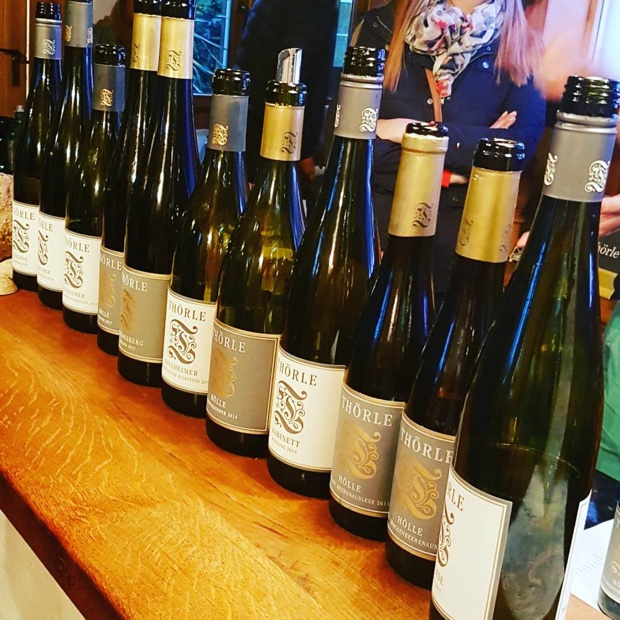
The mythology of #thorle #riesling in Beerenauslese and Trockenbetenauslese #weingutthörle #gabsheim #rheinhessen #holle

Thörle Riesling Feinherb 2016, Rheinhessen, Germany (420091, Agent, $18.95, WineAlign)

Off-dry riesling does not always have to be bottled as such but in the Rheinhessen and at Thörle the category of Feinherb is anything but an afterthought. This started as a side fermentation in its first years but is now an important wine in the estate’s multi-tiered processes. The cuvée is gathered from younger vines plus one barrel of premier cru Saulheim fruit. A slight skin maceration (12-18 hours) is employed which helps to temper the tartaric acid though this will be swapped for whole bunch fermentation in warmer years. Hides some of its sugar, especially on the nose which is quite floral, of white flowers and honeysuckle. Honey and wax with sweet herbs bring all into playful light to taste, with plenty of sweet lime and lik-a-maid sour touches. For every Indian Food list in the world. Drink 2017-2020.  Tasted March 2017  thorle_c  thorleestatewinery  univinscanada  @thoerle  @UNIVINS  @germanwineca  @gen_riesling  

Thörle Riesling Saulheim 2015, Rheinhessen, Germany (WineAlign)

The Trocken and Feinherb bottles aside, this riesling denoted as Saulheim is the signature Thörle product and with succinct style represents this corner of the Rheinhessen, a renaissance region in west-central Germany, due south of Rheingau and southwest of Frankfurt. The fruit sources are several parcels and soils around the village, from vines 28-37 years old and an élèvage in 50 per cent old oak barrels. The avoidance of oaked flavours is part of the ultimate goal, that and balance in a riesling seemingly quite dry. A slight petrol aroma (perceived, or not, towards its future) submits to pure, crisp orchard fruit. Some glycerin and a mineral saltiness will aid in developing these notes over time. As opposed to other regions in Germany and their four levels of quality definitions, the Saulheim here sits between a villages and a Premier Cru, as it is written on the label and as it is defined by its soils. Drink 2017-2020.  Tasted March 2017

Thörle Weissburgunder Saulheim 2015, Rheinhessen, Germany (WineAlign)

Weissburgunder from Saulheim is dubious here as a very dry pinot blanc, presented in that between villages and cru level. The Thörle oeuvre is all about combing and combining soils, “to show the other grapes of Germany,” and expressly important for Rheinhessen. The ’15 went into 500L French Beaune (Allier) Tonneaux. A hot summer so clearly lifts ripeness but says Christoph, “we left it a little bit shorter under the flame.” The oak is 30 per cent new and it really hides it, despite the lower acidity but the wood helps to usher it along and replace the tannins not always originally there. The net function is one third naturally unforced malolactic and good crisp orchard fruit with crunch and persistence. Drink 2017-2019.  Tasted March 2017

Thörle Riesling Hölle 2015, Rheinhessen, Germany (WineAlign)

Hölle is a single-vineyard of high limestone at 35 degree steepness and housing 42 year-old vines, planted by Christoph’s grandfather. Minimal air flow in this valley during the day makes for a warm, still place. So dried fruit results; peach, apricot and plum. I find this streaking in liquid limestone chalk, glistening in glycerin consistency, nearly bone dry and popping in pearls of fine acidity. So focused and precise. This shows precocious acumen, wisdom and patience. Both the fruit and the mineral are never shadowed or will one defeat the other. Let it rest a year or two because the secondary notes will blow you away. Drink 2018-2026.  Tasted March 2017

Thörle Riesling Schlossberg 2013, Rheinhessen, Germany (WineAlign)

Schlossberg is a vineyard in the north of the (Saulheim) village, closer to the Rhine, on clay, iron-oxide and further down, limestone. With converse effect (in relation to Hölle) this higher and cooler spot carries with it more wind and airflow. This and the tenet of a cool 2013 vintage results in quite the floral riesling but it’s also noted by the hint of smoke, flint and therefore, great potential development. The nose is full of flowers to suggest glycerin and petrol even if it’s not quite yet in tune. The body is graced by more structure and variegated soil tang. It’s not dry but it acts dry without austerity or unnecessary intensity. More roundness, body and soul. Drink 2019-2028.  Tasted March 2017

Thörle Spätburgunder Saulheim 2015, Rheinhessen, Germany (WineAlign)

Spätburgunder Saulheim is villages level, aged in 20 per cent (225L) barriques and 80 per cent old barrels for 12 months. It’s a blend of three vineyards, 30 year old and 15 year old vines. Typical for northern Rheinhessen pinot noir, with no stem inclusion, done in open top fermenters and with no added yeast. It’s a palpable mouthful of glycerin fruit, morello cherry, raspberry and a touch of sweet orange. Made in a reductive style, in avoidance of volatile acidity. Quite silky with a liquid limestone, dusty chalk feel. Much prettier and brighter than most and just enough fine grain tannin to make it last five plus years. Drink 2018-2022.  Tasted March 2017

Thörle Spätburgunder Hölle 2014, Rheinhessen, Germany (WineAlign)

Hölle is pinot noir at the Grand Cru (Grosses Gewächs, Großes Gewächs, or GG) level, from the middle part of the slope where plantings owe their history to the 1971 German clone. The élèvage is 20 months in 50 per cent new barrels, similar to the Saulheim but fortified by an extra year in respect to the single vineyard. The cherries and the raspberry repeat but in a deeper liqueur with bigger grains of tannin. Though a comparison is fruitless this is the most NSG of the German pinot noir. Smoky, meaty, and blessed with full on density in structure that will allow it to travel long. Drink 2019-2025.  Tasted March 2017

Thörle Riesling Kabinett 2015, Rheinhessen, Germany (WineAlign)

Thörle’s estate level Riesling Kabinett 2015 comes from young vineyards and is harvested at the beginning of October. It’s a matter of natural fermentation in the cold cellar (at a maximum 22 degrees) and takes 8-10 weeks, then cooled further at seven to eight per cent alcohol. Green tinged, green citrus, crisp and fresh like a bite out of both a green apple and a ripe peach. Pure and refreshing Kabinett to drink by the bucketful, on the beach or wherever works, from now through its 10th birthday. Drink 2018-2024.  Tasted March 2017

Thörle Riesling Spätlese 2015, Rheinhessen, Germany (WineAlign)

The Spätlese was harvested two to three weeks after the Kabinett and with no botrytis, in other worlds, fully healthy grapes. Looking at it now it shines lucent in a yellow-orange hue. The aromatics and flavours repeat what the colour tells them to. A bit less gregarious than the Kabinett, the nose hints at stone fruit and also a smoky, flinty note. More citrus to taste than you’d expect but this added complexity goes along with ripe peach, apricot, passion fruit and even methinks some guava. So focused, of clean lines, pure, precise, linear and inwardly intense. Drink 2019-2027.  Tasted March 2017

Thörle Riesling Beerenauslese Hölle 2011, Rheinhessen, Germany (WineAlign)

Only 350 bottles were produced of the 2011 Riesling Hölle BA (Beerenauslese), an intense Rheinhessen late harvest with “not only a little botrytis but the perfect weather for sweet wine.” Rain in September and the intangible brought on the botrytis and then warm weather persisted through the harvest. The residual number 150 is the minus for sugar but this reached 186 g/L. So much stone fruit with good acidity. Apricot, longan and mangosteen but also this sweet basil note. A wine of clarity, the freshest botrytis, so juicy and as clean a BA as you are ever going to taste. A bit of spice at the end shows further complexity. I’d like to see three years of development so that these notes all contrive to morph and begin anew. Drink 2020-2036.  Tasted March 2017

Thörle Riesling Trockenbeerenauslese Hölle 2011, Rheinhessen, Germany (WineAlign)

The Hölle TBA 2011 is a minuscule 180 bottle single-vineyard production and the vintage was simply perfect for the effort. The process involved the collection of a few berries at a time over the course of three weeks, started in the fridge and was then pressed when the amount of approximately 100L could be obtained. “This is the king’s discipline for creating such a riesling” explains Christoph Thörle. Thick like honey, full of unctuousness and viscosity. It is expressly noticed how the colour and the development have not advanced considering the six year mean. The exoticism is what separates this, with fruits far east, creamy and perfectly easy to assimilate, in flavour, consistency and understanding. Sweet herbology, of thai basil and thyme and candied mandarin rind. Here, a piece of history and legacy from Christoph and Johannes. Drink 2021-2041.  Tasted March 2017

Good to go!

Godello

Twitter: @mgodello

Instagram: mgodello

WineAlign

Twenty white and sparkling wines of the Veneto

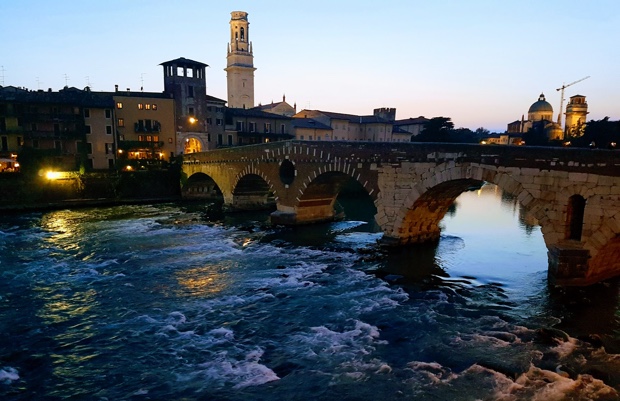
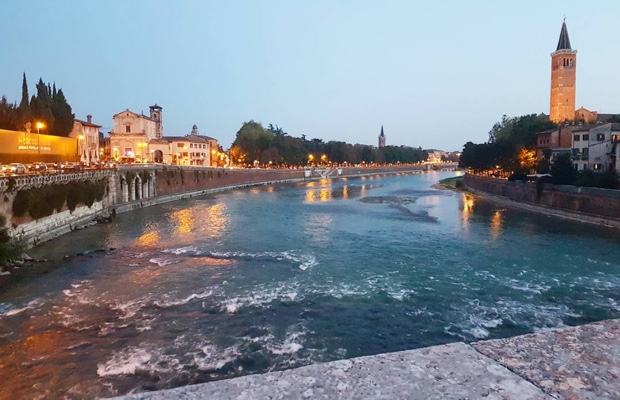
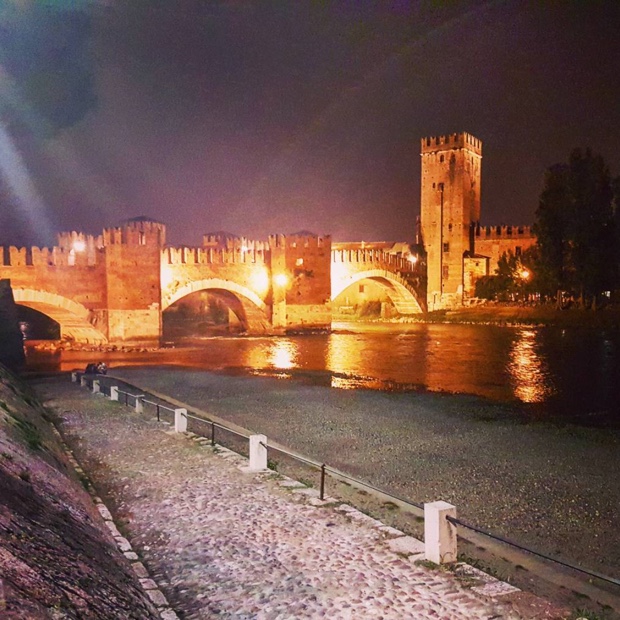
Ponte Pietra, Verona

My trip to Verona and its surrounding hills in September of 2016 was clearly destined to reveal the charms and intricacies of Valpolicella, Ripasso and Amarone. That much I made clear in a report published last week and though it included 64 tasting notes, I’ve yet to make public those on Amarone, in part because a July Masterclass in Barolo at Collisioni will need to join the party. Sooner rather than later all of those reviews are sure to follow.

Related – Valpolicella, Ripasso Valpolicella

I had been travelling with a Canadian contingent tighter than Spoon the Band and a 2014 Chablis Grand Cru. We were a group on the same page, collectively in knowledge and agreement of where we stood on the 100-plus wines we tasted and in how we viewed the 18 producers who poured them. Six of those Valpolicella wineries also presented some white and sparkling wines because they hold estate plots, farm or purchase grapes from Venezia, Soave and Prosecco area vineyards. Some grow garganega and chardonnay on Valpolicella lands. These are the twenty wines tasted.

Sparkling wines

Ca’ Rugate Fulvio Beo Spumante Metodo Classico, Italy (Winery, WineAlign)

Fulvio Beo Spumante Metodo Classico opens the portal to sparkling enriched by Brognoligo di Monteforte d’Alpone volcanic soils and the magic intendment clause it backs with second fermentation in bottle. Beo’s 100 per cent garganega spends 24 months on its lees, developing mid-range texture that will not use ego to steal from the flighty and haute-citrus aromatics. That said the broad palate welcomes plenty of acidity, seemingly equal and opposing to the (6-7 g/L) of sugar. Drink 2016-2019.  Tasted September 2017  carugatevini  oeno2   @oenophilia1  @carugate.aziendaagricola  @ConnexionOenophilia

Ca’ Rugate Amedeo Lessini Durello Riserva Doc Spumante Metodo Classico Pas Dosè, Italy (Winery, WineAlign)

The near solo 90 per cent durello particular sparkling takes on 10 per cent garganega for grounding. The elevated acidity (more than 9 g/L TA) can’t help but deliver this searing lemon nose, reminiscent of an early-picked Franciacorta Blanc de Blancs or generally speaking of a northern Italian chardonnay pierce. A patient 42 months on the lees makes for quite an extraordinary palate, yeasty and plush with plenty of fleshy texture. This is bubble tart and so very to the volcanic point replete with a green streak of mineral-herbal business. Very busy, wound tight and immediately satisfying. It may be taut but its amassed parts mean that it’s ultimately not overly acidic. Drink 2016-2020.  Tasted September 2017

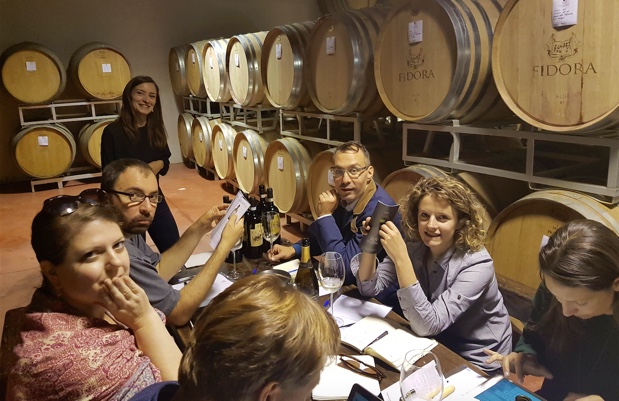
Emilio Fidora

Fidora Tenuta Civranetta Prosecco Spumante Brut, Veneto, Italy (Agent, $19.95, WineAlign)

Fidora’s Tenuta Civranetta Spumante Brut comes from the estate close to Venezia and is composed of one hundred per cent glera. The base wine spends its time in stainless steel, followed by the addition of fresh must and (the 9 g/L RS) collects no extra sugar in dosage. Longer fermentation (six to eight weeks) is completed for a finer pelage, starting out at a low alcohol and then brought up to 11 per cent. The richness is an ulterior one, fruit-driven, must-augmented, double-juiced if you will. A mix of vines of many ages are used, up to 30 and as young as just a few years. Flavours are complex enough to pause at pears and delve into peach, even mango. It’s not creamy and the acidity has a directness to it. Quaffable but also for under $20 Prosecco, a step taken forward. Drink 2016-2017.  Tasted September 2016

Fidora Tenuta Civranetta Prosecco Spumante Extra Dry, Veneto, Italy (Agent, $18.95, WineAlign)

From the Venezia estate known as Tenuta Civranetta the Prosecco qualified as Extra Dry holds 14 g/L of RS but comes across as quite arid despite the healthy must dosage and curiously less aromatic than the Brut. Returns to straight pear and wet concrete, ginger, salinity and pinpoint accurate Prosecco rendering. There is more drinkablilty if less flavour compound complexity and this because the acidity is more direct and directed. A conundrum for sure if you can’t decide, so why not choose both? Drink 2016-2019.  Tasted September 2016  fidorawines  thelivingvine  @eugeniatorelli    @TheLivingVine  @fidorawines  The Living Vine inc.

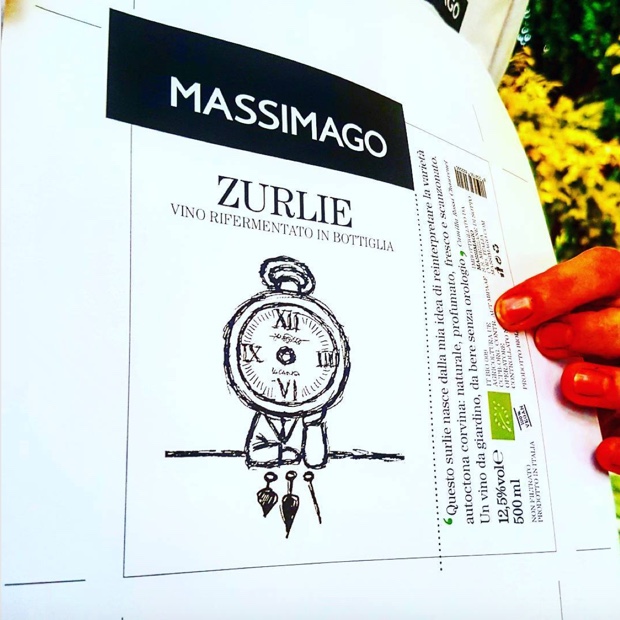
Sneak label preview of Camilla’s @massimago pét-nat sparkling. Così grande, così perfetto

Massimago Zurlie, IGT Verona, Italy (Agent, $21.95, WineAlign)

Zurlie is Massimago’s newest product, a 100 per cent confondere corvina made in the sur lie Vino Rifermentato In Bottiglia style. The fruit is 100 per cent 2015 and until now, no one in Valpolicella has tried to make sparkling wine in this confounding style. Passes through secondary fermentation with sugar added into the bottle and then a seal under crown cap. Extreme acidity abounds because it’s accomplished sur lie, a wine to clean your mouth at the end of a wine tasting. Delicately raises a perfume almost after the fact from an easy drinking picnic wine stolen straight from the fridge. So much fun and just extreme freshness, in a way cider does but also cannot do. This speaks at the highest level of simple brillance. A four year dream in the making. Drink 2016-2018.   Tasted September 2016  massimago  @Massimago  Massimago

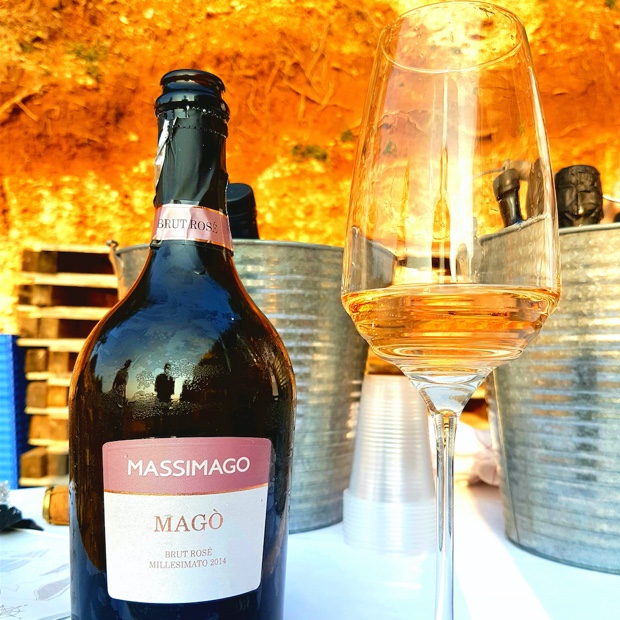
Magò Brut Rosé

Massimago Spumante Brut Rosé Millésime Magò 2014, Veneto, Italy (Agent, $34.95, WineAlign)

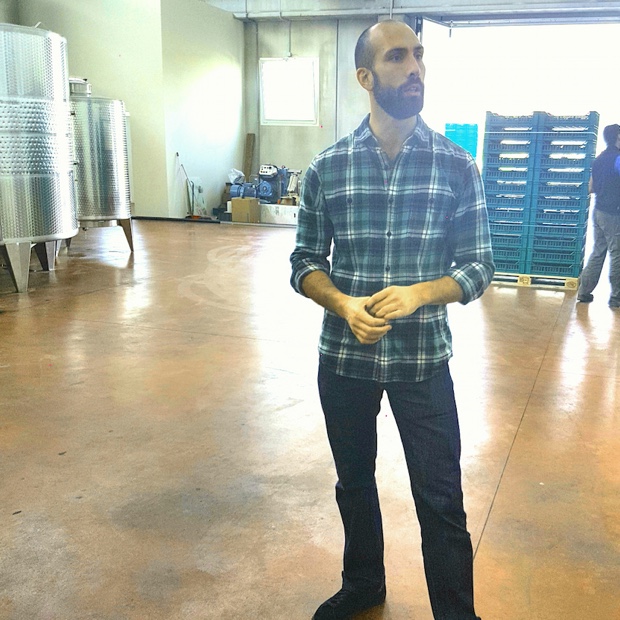
Magò is Camilla Rossi Chauvenet’s Charmat Method, 100 per cent corvina blush sparkler and another Massimago wine born of dreams and initiative. We climb to the top of the exposed white limestone ridge to sample this unmitigated refreshing fizz, light, aromatic and ethereal. To say it does wonders for grape, method and place would be the correct way to explain the situation. Magò sees 10 hours of maceration and eight months of lees aging. Though intentionally sweet (10.4 g/L RS) it is expertly balanced by acidity and even more so by exceptionally dry, limestone-conditioned extract. This is the key and the kicker, that and elevation, on a windswept, exposed geological place of wonder. The setting and presentation notwithstanding this is an impressive effort from the simplest of technologies at the hands of the soft-spoken and the kind. So yes, do enjoy this with “an elegant dress, the magic of waiting and the taste of freedom.” Or whatever romantic notion you prefer to call your own. Drink 2016-2019.  Tasted September 2016

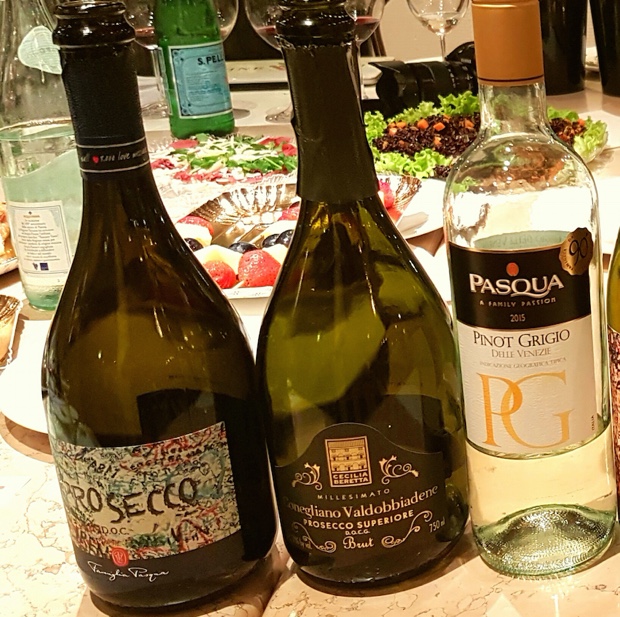
Pasqua Prosecco Doc Treviso Brut Romeo & Juliet, Veneto, Italy (Agent, WineAlign)

Pasqua’s Prosecco is made with 100 per cent glera, from the hills around Conegliano and dosed with approximately 10 g/L of sugar. It’s semi-sweet and fresh tanky, of pears quite ripe, basic as basic gets. Some citrus slips in to taste and a pastry note pipes commercial grade. Would likely retail in Ontario at $14-15. Drink 2016.  Tasted September 2016  pasquawines #ChartonHobbs  @PasquaWinery  @ChartonHobbs  @pasquawinesitaly

Pasqua Prosecco Superiore Conegliano Valdobbiadene Brut Millesimato 2015, Veneto, Italy (Agent, WineAlign)

Like the Romeo and Juliet, this is again 100 per cent glera and much more substantial, with lees contributing to aroma and texture, some yeast into the citrus, much greater persistence and presence. A slice of lemon meringue pie with some positive bitterness. Just a hair less at 9 g/L RS dosage. Should gain a biscuity flavour or two as time passes. Drink 2016-2018.  Tasted September 2016

Tenuta Ca’ Bolani Prosecco, Veneto, Italy (Winery, WineAlign)

A Zonin property, from an estate with 600 hectares of vines, much of it planted to glera for Prosecco, while here there is the inclusion of must from other producers. Very frothy, airy, light and made round by acidity. Dry and just a touch concrete-earthy. Technically sound. Drink 2016-2017.  Tasted September 2016  zonin1821  @Zonin_USA  @zonin

Antica Osteria Paverno

Whites

Ca’ Rugate San Michele Soave Classico 2015, Doc Veneto, Italy (Winery, WineAlign)

The tender young vines take on great responsibility for this 100 per cent garganega, wines from all over the hills, Brognolino and Monte Forte, all Classico, all hillsides. Soave fresh, crisp, crunchy white and yellow fleshed, of really corporeal fruit. The clean, gulpable, cool and minty Soave with a firm finish. Drink 2016-2017.  Tasted September 2016

Ca’ Rugate Soave Classico Monte Fiorentine 2015, Doc Veneto, Italy (Winery, SAQ 12469375 $20.85, WineAlign)

Monte Fiorentine Soave is fully and completely a single cru garganega that was picked over three days late in September (22-24), off of black basalt volcanic soils. It’s rich and mouth filling, variegated in all sorts of lemon; curd spooned atop and with meringue, fleshy and zesty, without pith. Quite amenable and ready to please though by nature it will likely develop some sémillon like honey and gaseous character with a few years. May not be as long lived as some of its more recent vintages so let’s say five plus years to be safe. Drink 2017-2022.  Tasted September 2016

Ca’ Rugate Soave Classico Monte Alto 2014, Doc Veneto, Italy (Winery, SAQ 10775061 $25.85, WineAlign)

Monte Alto is the barrel aged volcanic garganega, subtle in aromatics but much more pronounced on the palate. Spent eight to ten months in big barrels (60 per cent) plus first, second and third fill barriques (40). Even more striking than the wood impart is the flinty, gassy, basalt interference, a static electric push-pull into wood out of soil with a whack of acid on the fruit. It was a very good year 2014. Finishes with another lightning strike. Drink 2017-2024.  Tasted September 2016

Ca’ Rugate Soave Classico Monte Alto 2015, Doc Veneto, Italy (Winery, SAQ 10775061 $25.85, WineAlign)

In a year that saw fruit ripen and develop with both abundance and ease the Monte Alto needed to be less the barrel aged volcanic garganega and more the incredibly fresh, fleshy step up Soave. The scent of scratched peach skin and the multi-vitamin flavours of many a stone fruit abound. Less subtle in aromatics but equally pronounced on the palate, the big barrels and barriques weigh in and reduce the effect of flint, basalt and acidity on the fruit. It was a very warm year so look for flesh in the fantasy. Drink 2016-2024.  Tasted September 2016

Fidora Pinot Grigio Tenuta Civranetta 2015, Doc Venezia, Italy (Agent, $17.95, WineAlign)

This estate’s (near Venezia) organic, mildly (and would hazard a guess nearly unsulphured) pinot grigio is actually dosed at 40 mg/L. A mineral direct articulation and posit tug by association transcends from a second calcareous layer of soil below the fertility line. This layer is replete with sea creature and shell fossilized dirt, appearing in this wine in terms of salinity and funky muscadet-like mustiness. Yet its clean and of a purity borne out of an order delivered by a Venice moment in pinot grigio. Timeless, of clarity and via precision.  Drink 2016-2017.  Tasted September 2016

Fidora Pinot Grigio Tenuta Civranetta 2015, Doc Venezia, Italy

The Tenuta Civranetta experimentation changes gears with pinot grigio and increases the sulphur dose to 90 mg/L. Nothing is lost in terms of salty-mineral-calcareous-fossil shell notes but here we are involved in a game played more alive, an increase of flint and without any noticeable oxidative properties.  Might live to drink fresher one year longer. Drink 2016-2019.  Tasted September 2016

Fidora Pinot Grigio Tenuta Civranetta 2014, Doc Venezia, Italy (Agent, $17.95, WineAlign)

Already a touch oxidative and losing flesh but the mineral is as strong as ever. Lemon and herbs on the back drop of the tart oyster shell and waning moon of acidity. Drink 2016-2017.  Tasted September 2016

Pasqua Pinot Grigio Delle Venezie 2015, Veneto, Italy (213496, $11.95, WineAlign)

Similitude never had it so easy in what is the most generic and unassuming white wine there can be. Fresh as it can and needs to be, kind of terpenic, non-descript multi-apples juice with determined acidity major and sulphur minor. The choice to grow pinot grigio on expensive Valpolicella land is curious but the market demands more so the economy of scale makes the plantings worth the while. Drink 2016-2017.  Tasted September 2016

Tenuta Santa Maria Soave Lepia 2015, Doc Verona, Italy (WineryWineAlign)

Lepia is 100 per cent garganega Soave from the Illasi Valley, rich but with an important mineral influx, not so much a streak but more like a cloud. Leesy, akin to chenin aromatics, almost flinty, with 150 years of Bertani Soave experience behind it, at least in spirit and from 40-45 year old vines. Still acts reductive so shake it up, listen to the Cars and nod in agreement. “Don’t let nobody pick your fun,” step outside the volcano and see how limestone can also perform for Soave, as such a garganega will abide. Drink 2016-2020.  Tasted September 2016  tenutasantamaria  @TenutaPieve  @tenutapieve

Tenuta Santa Maria Chardonnay Torrepieve 2013, Veronese, Italy (WineryWineAlign)

Cool, savoury, flinty and like the garganega, reductive as per the house style and for chardonnay in Italy. Immediately noted as an exceptionality. There is barrel used to great effect and considering there is some age here it is strikinglky youthful and not yet unhinged. Certainly caramel and vanilla aromas and flavours but plenty of lime and spice. The first vintage for the TSM di Gaetano Bertani chardonnay was 2004. Drink 2017-2021.  Tasted September 2016

Zonin Garganega De Gambellara 2015, Veneto, Italy (WineryWineAlign)

Estate grown, from a vineyard 150m above the church in the Classico area (of Prosecco). Though simple and straightforward, the terroir of basalt volcanic delivers a distinct mineral edge. Strikes as chenin like, really chenin like, full of major citrus and minor lees. Perfect vintage, with notes of yellow plum, glade, a touch balmy but plenty of acidity boiling down to sapidity. Hard not to like this a lot with thank you to the dry extract. Keep it chilled and drink to sooth and quench. Drink 2016-2017.  Tasted September 2016

Fall at Fidora

Good to go!

Godello

Twitter: @mgodello

Instagram: mgodello

WineAlign

Valpolicella, Ripasso Valpolicella

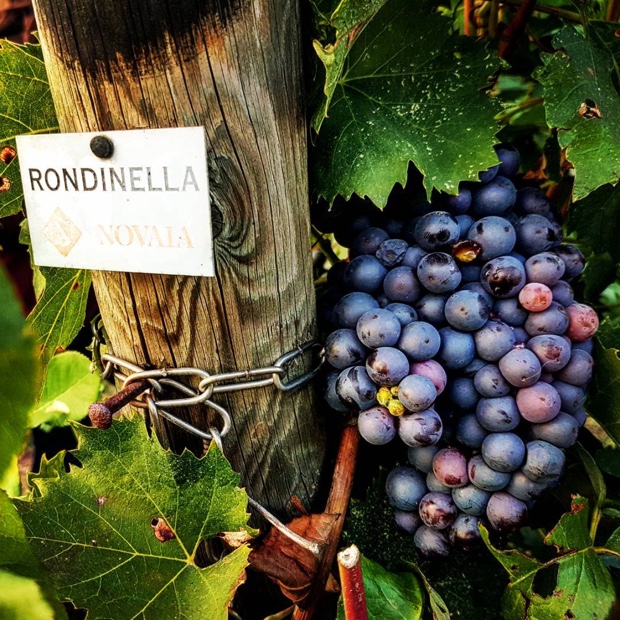
#rondinella #valpolicella #novaia

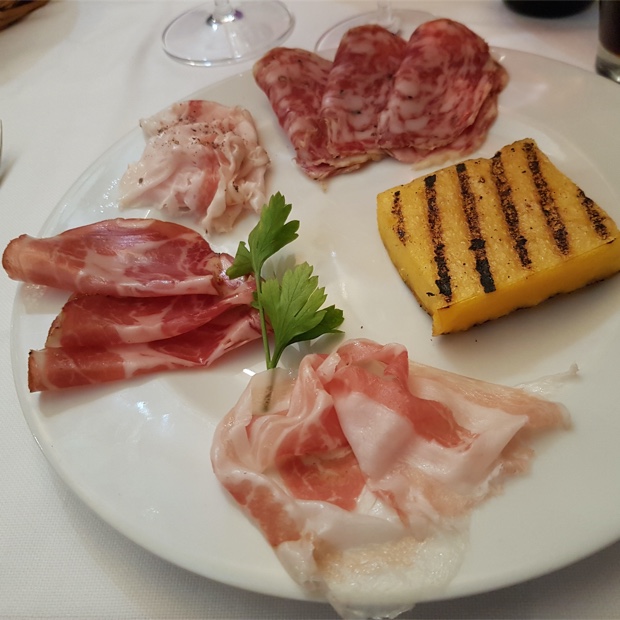
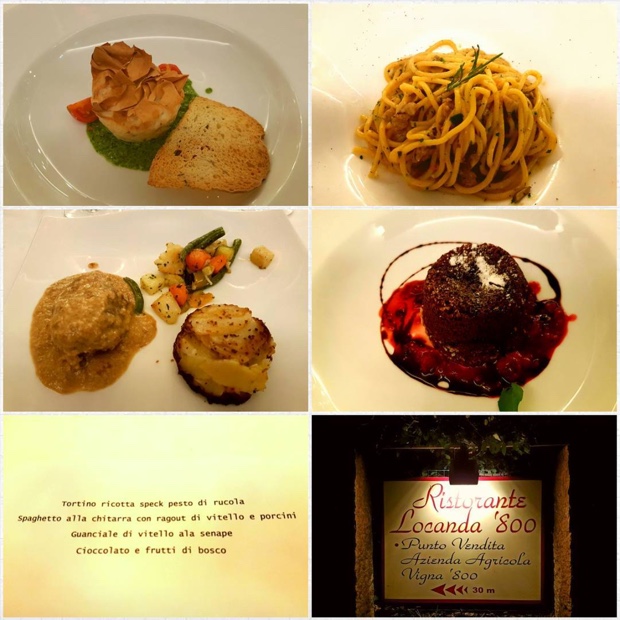
In September of 2016 seven Ontario friends, colleagues and I paid visits to 18 Valpolicella estates over four days. We stayed at the perfectly situated Hotel Villa Moron in Negrar. We were formally introduced to the Veronese gastronomy and a set of Valpolicella wines at Locanda ‘800, a Negrar Valley institution. I expect some of you will know it. We visited the following estates. Buglioni, Pasqua, Santa Sofia, Ca’ La Bionda, Novaia, Sartori di Verona, Nicolis, Tenute Salvaterra, Valentina Cubi, Fidora, Cantina Valpolicella di Negrar, Ettore Righetti, Tenuta Santa Maria Alla Pieve, Massimago, Corte Adami, Bertani, Zonin and Ca’ Rugate. Dinners were also taken at Osteria Numero 1 in Fumane, Antica Osteria Paverno in Marano and Ristorante Nicolis in Verona. It is my pleasure and, indeed, my privilege to tell you this Valpolicella story. Such as it is.

Valpolicella 101 for i canadese #locanda800 @C_Valpolicella

The permutations are many but well-defined. Valpolicella, a style of wine as much as anything though qualified as a set of possibilities all capable of being labeled as a DOC; Valpolicella, Valpolicella Superiore and Valpolicella Classico Superiore. Ripasso, a next level stylistic, a traditional technique that promotes a second fermentation through the basic Valpolicella’s contact with warm dried grape skins from which Amarone has been pressed. This practice slightly decreases the acidity and increases the alcoholic content and enriches the wine with a greater concentration of sugar, glycerine, dry extract, polyphenolic substances and aromas. Ripasso intends to promote a heavier structure and longevity.

Amarone knowingly set aside, at least outside the terms of this report, tradition looks to Ripasso as the top of the pyramid for Valpolicella wines but when we talk of terroir, of marl, clay and limestone, of 11 valleys and all the hills, what represents the truest expression of Valpolicella? Authenticity must be borne out of spontaneity, in a product that shows itself in different ways, in every year. It should never act the same way twice. Valpolicella must remember the primaries; geology, geography and climate but also colours, uncontrollable forces and natural tendencies. Memories are only built on that which is not forced. “The importance of little details,” with thanks to Camilla Rossi Chauvenet.

Lavoro stradinario da cuoco Diego Donatelli #locanda800 #negrar #valpolicella

It’s all about the valleys. Do the grapes grow in the Valpolicella Classica or not? Corvina is king, corvinone and rondinella (often for colour) support while molinara may or may not bring up the rear. Sometimes there is croatina and oseleta. Pergola or Pergoletta Veronese is perpetuated as the training system of record, at times in double Pergoletta style. Guyot and high density planting continues to creep into consciousness. The Burgundy ideal will always play into the minds of all.

Valpolicella hails from the hills north and east from Verona. To the immediate west is Lago Garda and further to the east, Venezia. The Valpolicella extends from Sant’Ambrogio di Valpolicella to Val Tramigna in three sub zones, Valpolicella DOC Classico, Valpolicella DOC Valpantena and the eastern or extended Valpolicella DOC. The valleys; Fumane, Marano, Negrar (Valpolicella Classica), Quinzano and Avesa (Valpolicella), Vaplantena (independent), Squaranto, Marcelisse, Mezzane, Illasi and Tramigna (Eastern Valpolicella). The area is 80,000 hectares of which 7,600 are planted under vine. The Classico area is 45 per cent of the total. More than 60,000,000 bottles are produced annually, 45 per cent of which are Ripasso and (32) Valpolicella. For an in-depth analysis of the appellation production zone and a proposal for the delimitation of the principal viticultural areas of the hillsides seek out the map of Valpolicella Crus by Alessandro Masnaghetti.

Masnaghetti contends “however vast and variegated it might be, the Valpolicella is rather easy to sum up and describe.” Geographically speaking, that much is true. From a quality standpoint, there can be much debate. Tradition, even if spoken in terms of dry red wines, is hard to break and in Valpolicella the collective style is virtually unparalleled anywhere, considering the breadth and quantity of wine produced. Over the past 20 years the area of vineyards has doubled in the Valpolicella and the 60M bottles produced put it highest for any Italian PDO. The consistency of homogeneity is clearly a harbinger of sales and quality but sustaining such growth without a compromise to quality is surely the tallest of orders. Those producers attempting to challenge the current order are necessary for diversity and to preserve the perpetual health of Valpolicella.

When the light is just right #verona

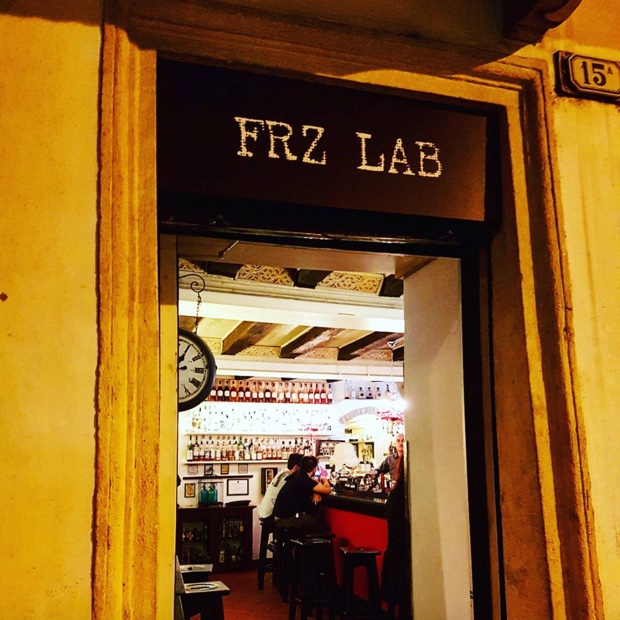
A trip to Valpolicella is a most intense, concentrated and often repetitive exercise, much like and in mimic of the wines produced throughout the vast area and so pit stops in and out of Verona are both obvious and necessary. Verona may be most famous as the setting for Shakespeare’s Romeo and Juliet but it is truly one of the unconscionably beautiful cities of this world. It is a place that brings characters and events to you. With eyes open wide and faculties able to maintain focus you will continuously look and carefully listen, so that the stories come to you. Verona repeatedly delivers moments of awe. At dusk overlooking the Adige from the Ponte Pietra. At night in the busy Piazza delle Erbe. Musing over several hundred varieties of Gin at the Frz Lab Bar. Sipping on Champagne outside of Osteria Alcova del Frate and Patrick Piuze Chablis at Antica Bottega del Vini.

Via Marconi, #verona #frzlab #ginbar

I’ve included some examples of IGT Verona at the end of this report to expound on two polar bookends of the 21st century ideal. Winemakers make use of the designation to fashion Super Veronese, wines of local meets expatriate varietals bathed in oak. Still others make Valpolicella doppelgängers with traditional varieties that can sometimes act more like Valpolicella than so many legal examples approved under the DOC. The IGTs with international grape varieties blended in and subjected to new oak need time to develop and will age into their bubbles welling with balsamic, chocolate, espresso and even truffle. There is no disputing the modernity and mimicry of other Italian brethren and sistren. Recent changes to labelling say that a wine exceeding 80 per cent of a local variety (like corvina) could in fact now be called a Classico Superiore though if the methodology of winemaking (and/or growing) messes with the plan there are some that don’t resemble one in any shape or form.

More pertinent to this investigation is in holding hope that wines produced under the auspices of rogue decisions will soon find their way out of the scrap heap piled high due to discriminatory DOC penalties. Things like bottling under screwcap, omitting sulphites and exploring “the terroir and grape varieties to the fullest by pushing all boundaries.” Valpolicella is and can be even more progressive, not just to increase market presence, Amarone sales and the bottom line of all Valpolicella wines riding the skins of their provider, but also to lead with innovation.

This report is due with great respect and thanks to Olga Bussinello, Director of the Valpolicella Consorzio Tutela Vini. Also to John Szabo M.S. and Federica Shir. The trip and subsequent 8,500 words would not be possible without the company of esteemed, stupid smart and even funnier colleagues; Julie Garton, Joshua Corea, Annette Bruley, Lauren Hall, José Luis Fernández and Nick Chajoglou. Last but certainly at the top of the list are the Valpolicella wineries, their proprietors, winemakers, export and marketing folks who received us. Tiziano Accordini, Roberta Speronello of Bertani, Mariano Buglioni, Alessandro Castelanni of Ca’ La Bionda, Giorgia Lanciai of Ca’ Rugate, Valentina Cubi, Gabriele Righetti (and the whole family) of Ettore, Eugenia Torelli and Emilio Fidora, Camilla Rossi Chauvenet of Massimago, Luca Bissoli of Cantina Valpolicella Negrar, Martina Fornaser and Giuseppe Nicolis, Marcello Vaona of Novaia, Chiara Pinamonte of Pasqua, Gianpiero Rotini of Salvaterra, Alex Guardini, Elisa Biasolo and Giancarlo Begnoni of Santa Sofia, Carmen Stirn and Andrea Sartori, Gaetano Bertani of Tenuta Santa Maria and Francesco Zonin.

I give you 64 reviews; Valpolicella, Ripasso Valpolicella and IGT.

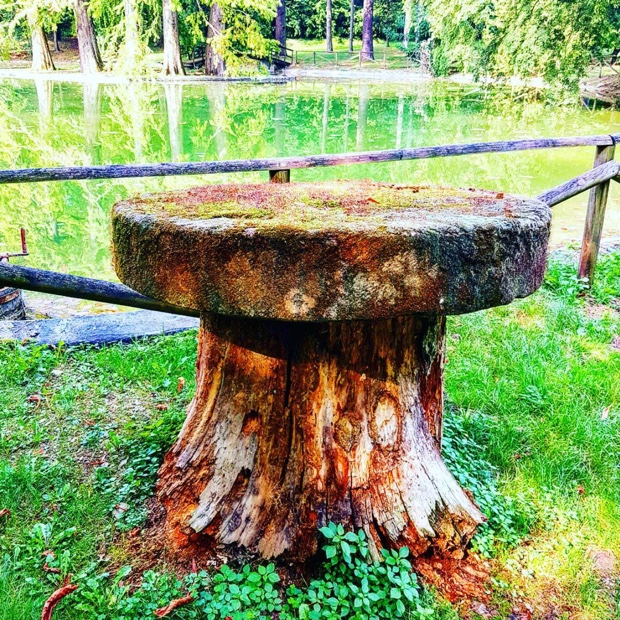
Great old table, Villa Mosconi Bertani

Valpolicella

Bertani Valpolicella DOC 2015, Veneto, Italy (Agent, WineAlign)

Bertani’s Valpolicella is not classified Classico because the grapes come from Valpantena and Valpolicella Classica, 80 per cent corvina and 20 rondinella. Fermented in stainless and aged one year in concrete. Basic, commercial, effective, red cherry and tanky leather, seamless and untouchable. Commercially corrected and correctly traditional Valpolicella. Low in alcohol, acidity and complex capability. Drink 2016-2017.  Tasted September 2016  cantine_bertani  churchillcellars  @CantineBertani  @imbibersreport  @cantine.bertani  @imbibersreport

Cantina Di Negrar Valpolicella DOC 2015, Veneto, Italy  (467936, $11.95, WineAlign)

It gets neither more obvious or direct in a perfectly commercial Valpolicella package, one that is highly fruity with a sidle over to the funky cherry side and would always benefit from a slight chill. A leathery note more suede than new strop distracts but only for a moment because of the omnipresent acidity. Drink 2016-2017.  Tasted June 2016  cantina_valpolicella_negrar  noble_estates  @CantinaNegrar  @Noble_Estates  @CantinaValpolicellaNegrar  @NobleEstates

Ca’ Rugate Valpolicella DOC Rio Albo 2015, Veneto, Italy (Agent, SAQ 10706736, $18.00, WineAlign)

Rio Albo is drawn from vineyards in the hilly area of Montecchia di Crosara and is a blend of corvino (45), corvinone (40) and rondinella (15). Fresh fruity, very tangy, viscous, liquorice and plum Valpolicella. Firm but very juicy, with quite a bit of concentration. Very modern and forward but not overly extracted or pressed. Just up there with the ambitious, confident and in balance. Drink 2016-2019.  Tasted September 2016  carugatevini  @carugate.aziendaagricola

Tasting at Fidora

Fidora Valpolicella DOC Monte Tabor 2015, Veneto, Italy (Agent, $24.95, WineAlign)

Monte Tabor is the name of the Sant’Ambrogio estate and this is pure delight from the purest, cleanest and most honest red fruit found anywhere in Valpolicella. Fermented and aged in only stainless steel, to push the fruit borne in requiem of a proper selection, even in the giving 2015 vintage, but pushed by higher learning from the challenge of the previous one. Establishes a base, like a song in celebration tells Emilio Fidora. “We are very good farmers, even if we are not super with making wines.” Joking aside there is no cheating here, just honesty and back to basics ethics. The notes talk of cherries at peak but then there is this calcari and marbling as per the mimic of the terroir. Drink 2017-2020.  Tasted September 2016 and July 2017  fidorawines  thelivingvine  @eugeniatorelli    @TheLivingVine  @fidorawines  The Living Vine inc.

Fidora Valpolicella DOC Monte Tabor 2014, Veneto, Italy (Agent, $24.95, WineAlign)

From the Illasi Valley, composed of 50 per cent corvina, (30) corvinone and (20) rondinella, another singular effort in its inaugaural vintage, rusty and rustic, not exactly light in spite of its transparency. Great visceral soil tang, in line with a top notch bardolino and while firm there is a brightness about it. A moment of tonic. Could drink this often and with thanks to some good length in its persistence. Excellent for the vintage with 5 g/L of RS and also richer than you think. Drink 2016-2018.  Tasted September 2016

“I gotta have some of your attention, give it to me.” @massimago #special #brassinpocket

Massimago Valpolicella 2014, Veneto, Italy (Agent, $29.95, WineAlign)

Few reference points can prepare you for Massimago’s style of Valpolicella so simply use this as the ingress. Plucked from vines in the Mezzane Valley in the east part of Verona province, rising from the village of Vago towards Mezzane di Sotto. Camilla Rossi Chauvenet’s precocious blend is the crisp, crunchy, pure as driven white limestone portal into the soils laid out in amphitheatre vineyard grid. Camilla uses only stainless steel tanks here to accentuate a basal clarity brush stroke on her Valpolicella canvas. This from a selection of the grapes that will not enter the Amarone process, the second and third pass harvested bunches. Cherry and silty saline mingle at the interces of limestone. How can you miss the white stone in the naked Valpolicella? You can’t. It’s without make-up, transparent, naked to the world. The wine speaks a natural vernacular and the land is spoken for. If villages-level Bourgogne were made like this all would be well in the world. Lithe, delicate and perfumed. Drink 2016-2019.  Tasted September 2016

Marcello Vaona of Novaia

Novaia Valpolicella DOC Vino Biologico 2015, Veneto, Italy (Winery, WineAlign)

Family history matters. It begins with Paolo Vaona, then Bruno, followed by two sons, Gianpaolo and Cesare. Today it is Marcello (Gianpaolo’s son) and Cristina (Cesare’s daughter) who have transformed Novaia, or “new courtyard” into the organic farm it is but also to the new age for Valpolicella, predicated on experimentation, mistakes, triumphs and changing the way the region will think about its storied wines. Because, as Marcello reminds us, “in the beginning there was only Recioto. So getting to this moment was a long journey and Novaia’s Valpolicella named Vino Biologico can’t be labled Classico because it’s under screwcap. That will change. It’s fresh, spicy and of no oak. It’s natural ease and yeasty feel mesh with saline, terroir-drawn variegate and it’s so very specific and focused. Love the cherries and the lithe 12 per cent frame. Drink 2016-2018.  Tasted September 2016  bwwines  @NovaiaAgricola  @bwwines  Marcello Vaona (Novaia)  @bwwines

The last tasting with The Master and the Canadian apostles at #fumane

Valentina Cubi Valpolicella DOC Iperico 2014, Veneto, Italy (Winery, WineAlign)

Iperico (St John’s Wort) is made of corvina (65 per cent), rondinella (25) and molinara (10), a wine confidently in purport of the ’14 intel., with an early note of musty, damp forest floor, currants and flower compost. All of the earthy components are exaggerated by the vintage with nothing to cover it up, but the palate is silky in a transparent way and acidity that softens, like a saline streak, as an ancient underground river would impart, as if by Willamette Valley pinot noir. This is singular stuff in Valpolicella. As before, raised only in steel. Drink 2016-2021.  Tasted September 2016

Valentina Cubi Valpolicella DOC Iperico 2013, Veneto, Italy (Winery, WineAlign)

Iperico is a blend of corvina (65 per cent), rondinella (25) and molinara (10), similar in character to 2014 but with a compressed reduction to the compost and yet a striking come about from an increase to the sharpness. The acetic push is a key factor in the linear definition. Torched marshmallow skin, bitter herbs, umami savour, the flowers still fresh, the fruit vibrant and all tolled, a beautiful vitality. An intense wine, again like pinot but also like Trentino-Alto Adige/Südtirol teroldego or Piemonte alter-ego varieties, specifically grignolino. As with Sin Cero, raised only in steel. Drink 2016-2019.  Tasted September 2016  #valentinacubi  @valentina_cubi  Valentina Cubi

Good times in #valpolicella with @johnszabo

Valpolicella Classico

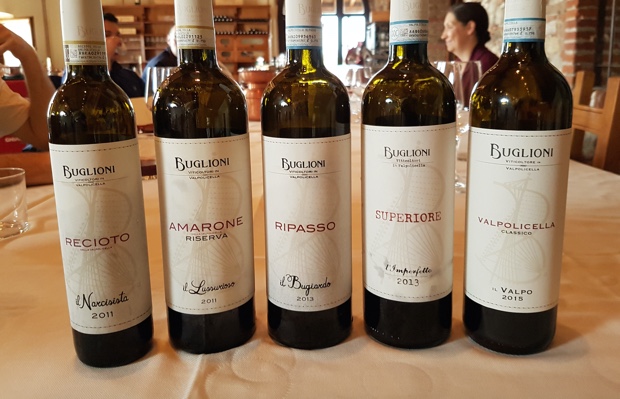
Buglioni Valpolicella Classico DOC 2015, Veneto, Italy (Winery, WineAlign)

In 2014 the entire crop was sold off to bulk wine because the quality was not considered up to standard. The Valpolicella Classico 2015 is composed of corvina, rondinella and 18 per cent croatina, with no oak and a flash raised three months in stainless steel. An increase in quality might arise from training by Guyot (2-4 but generally 3 kilos) says Mariano Buglioni, but this Valpo is from vines trained by pergola to yield quantity (3.5 to five kilos per vine). Certainly some warmth on the nose and the result here is both floral and acetic, fully crushed, simple, firm and fruity, though not too firm nor infirm. The vintage is promising across the range and here this lingers quite long, clean, crisp and a bit chewy. Drink 2016-2018. Tasted September 2016  buglioni_azienda_agricola  marianobuglioni    @cantine.buglioni.9

A sense of wonder beneath the pergola, Vigneti di Ettore

Vigneti Di Ettore Valpolicella Classico DOC 2015, Veneto, Italy (Winery, WineAlign)

From the Righetti family, from grandfather Ettore to grandson Gabriele, Vigneti di Ettore’s Valpolicella Classico may just be possessive of the most quaffability of any Classico, all red fruit and in the optimum bring it on zone. The acidity and whatever momentary firmness accorded is functiional and better still, beautiful. As basic and categorical as life in Valpolicella grapes should be and only made more complex because it pleases so. Drink 2016-2018.  Tasted September 2016 vigneti_di_ettore     @vignetidiettore

Vigneti Di Ettore Valpolicella Classico DOC 2014, Veneto, Italy (Winery, WineAlign)

Stylistically this Ettore Valpolicella Superiore ’14 is a departure, or perhaps it is ’15 that changes course. I get the feeling there is more grandfather Ettore inherent here and grandson Gabriele drives the ship next season. Or perhaps it’s just a case of vintage. Nature versus nurture arguments aside this ’14 takes a step deeper and away from simple red fruits into a more variegated gathering that includes blue (berry) and black (currant). Still quiet and quite restrained, elegant even, said despite the creative license employed with that word. Greater acidity balances the more developed and deeper fruit and so balance is fully realized. More pleasure in a slightly adjusted bell-curve way. I’d drink up some ’15s for a couple more months while waiting for the more awkward 14s to come around. Drink 2016-2020.  Tasted September 2016

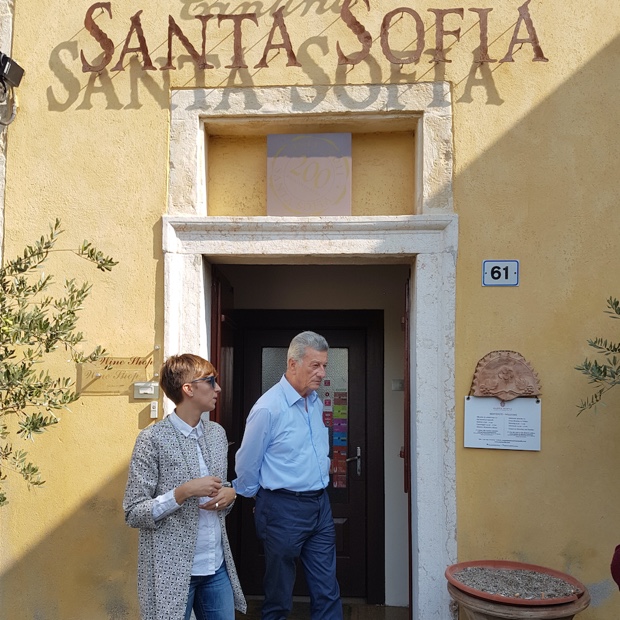
Cantina Santa Sofia

Santa Sofia Valpolicella Classico DOC 2014, Veneto, Italy (Agent, WineAlign)

So simply pure, clear, concise and precise. Ripe cherry, brightness, transparency and unadulterated. Every day Valpolicella, the way it was and the way it needs to be encouraged to remain. Drink 2016-2018.  Tasted September 2016  santa_sofiawines  @SANTASOFIAwines  @SantaSofiaWines

Tasting and lunch at Tenute Salvaterra

Tenute Salvaterra Valpolicella Classico DOC 2014, Veneto, Italy (Winery, WineAlign)

A post oxidative must has made transference to personality lifted by a reductive odour within and expressive of ripe, firm fruit without. Dark but not exactly black cherry, with little to no oak but certainly cariries the characteristics of a wine that has had a cup of coffee with wood. The collection is ultimately reductive, smoky and dangerous. The caramel finish is a sign of a wine not unlike some new world takes on old world grapes. Drink 2016-2018.  Tasted September 2016  tenute_salvaterra  tre.amici.imports  @vinosalvaterra  @treamiciwines  @tenutesalvaterra  

Buongiorno from @sartori_verona @C_Valpolicella

Sartori Valpolicella Classico DOC 2015, Veneto, Italy (378109, $12.95, WineAlign)

This silly inexpensive blend of 45 per cent corvina, (30) corvinone, (20) rondinella and (five) croatina spent five months housed in the big barrels. Valpolicella of stronger, deeper, traditionalist methodology. Firm and low tonal, baritone Classico, mahogany and leather, naugahyde and deep black cherry. Clean and balanced. Old school with a great understanding of things done right. Drink 2016-2018.  Tasted September 2016  sartoriverona  fwmcan  @Sartori_Verona  @FWMCan  @SartoriVerona  @FWMCan

Zonin Valpolicella Classico DOC 2015, Veneto, Italy (475145, $13.10, WineAlign)

Zonin’s Valpolicella Classico 2015 is corvina with some molinara and rondinella, aged in 2nd and 3rd passage large barrels but no barriques. Clean red fruit and despite some tonneaux time really quite fresh. Sour cherry, textbook, elevating, commercial, technically sound. Clean as a whistle. Drink 2016-2018.  Tasted September 2016  zonin1821  @Zonin_USA  @zonin

Ponte Di Castelvecchio

Valpolicella Superiore

Massimago Valpolicella Superiore DOC Profasio 2012, Veneto, Italy (Agent, $54.95, WineAlign)

Profasio establishes new territory for Valpolicella Superiore from Mezzane Valley fruit in a wine over dinner “that lets you talk.” A careful and specific selection of Corvina, Corvinone and Rondinella (65/30/5) is subjected to “un leggero appassimento,” or a “slight withering” from one month of drying and the rest kept thankfully and respectfully fresh. The child is raised in stainless steel for five months plus one year in 2nd and 3rd passage barrels. This is Valpolicella meant to partner up with dinner for two, replete with secret recipes and crossing glances. “We feel the appassimento method is about levels of aromatics,” tells Camilla Rossi Chauvenet. In such a contrary to Superiore belief we find freshness and anti-jam the goal and as a result, the wine is allowed to tell a story. A script written cursively, crisp and pure, crunchy like the normale with an addendum of aromatic profiling; cherry, leather and red citrus. Profasio is a wine of good temper and vision (and could mean profezia, or prophecy, or perhaps a surname in reference to Dante and the Veronese ebraico’s Almanacco Perpetuo), a Valpolicella into a second level of contemplation, but not too much. The wine causes no worries, no anxiety and shoes are left at the bottom of the mountain. Profasio with its hint of dried momentum is a wine of communication and a new way of communicating. Drink 2016-2021.  Tasted September 2016  massimago  @Massimago  Massimago

Valpolicella Classico Superiore

Buglioni Valpolicella Classico Superiore DOC 2013, Veneto, Italy (Winery, WineAlign)

Mariano Buglioni’s Valpolicella Superiore 2013 sees a blend of French and Slavonian oak, aged for two years, the first 18 in Inox plus six months in the barrels. The blend is nearly the same as the Valpolicella Classico 2015 but with eight to 10 per cent croatina. A well-balanced split between fresh and dried fruit comes through on the nose, with some fennel, tar and rosemary. Firm and mildly tannic, black cherry and bokser to the palate, chewy again, of texture, with structure and the slightest tingling fizz. Not so much a fizz as much as an electric current tang. Drink 2016-2018.  Tasted September 2016

Good morning @C_Valpolicella from @accordinilgino

Stefano Accordini Valpolicella Classico Superiore DOC ‘Acinatico’ 2015, Veneto, Italy (Agent, WineAlign)

From the Fumane Valley, an airy, aerified, soft and blowsy, carbonic felt Valpolicella, at once to a whole bunch sensory response and then for thoughts to big hose pumpovers. Saline, from vineyards stretching up the hillside from 350 up to 500 plus metres high. Classic red fruit and nettle meets impartial red limestone, citrus with as much salty sting as their can be. Many Valpolicella turn out this way but few are as blatant and obvious as this. Drink 2016-2018.  Tasted September 2016  accordini_stefano  majesticwinesinc  @AccordiniIgino  @MajesticWineIn  @accordini  @majesticwinecellars

Once you go Casal Vegri you can never go back, Eh @lesommelierwine ?? #calabionda

Ca’ La Bionda Valpolicella Classico Superiore DOC ‘Campo Casal Vegri’ 2015, Veneto, Italy (Agent, $32.95, WineAlign)

In 2015 the blend is 70 per cent corvina, with 20 corvinone, rondinella and molinara. Some producers decide not to produce this level in Valpolicella but Alessandro stresses its importance. It allows him to make a selection for the other categories and the young vines can better service this wine. Only in stainless, bottled in February, this is beautifully natural. Molinara has less colour but brings salinity (a.k.a minerality). Here plays the opening card for the cellar. Fresh cherries, inviting acidity, such freshness, bright, effusive, so drinkable. Began the harvest on September 2nd. Must have been the first in town. The acidity is that special. As a footnote, no Amarone is made from this vineyard. Drink 2016-2020.  Tasted September 2016  #calabionda  lesommelierwine    @LeSommelierWine  Azienda Agricola Cà La Bionda  @LeSommelierWine

Ca’ La Bionda Valpolicella Classico Superiore DOC ‘Campo Casal Vegri’ 2014, Veneto, Italy (Agent, $32.95, WineAlign)

In the world of Valpolicella Classico Superiore 2014 was a difficult vintage with lots of rain, some development of botrytis and as a result many bunches were dropped, reducing the output from 120,000 to 80,000 bottles. It was also (and concurrently) not a great vintage for Amarone so some of the vineyards that would feed the big wine were diverted to the Superiore. Aged 18 months in oak barrels, averaging 20 years (16-25) from Casa Vegri vineyard, the wood is by now integrated, the vintage compendium resolved with kept freshness and ripe tannins. Very young, alive, in and out of biting but never sharp. Drink 2016-2020.  Tasted September 2016

Ca’ La Bionda Valpolicella Classico Superiore DOC ‘Campo Casal Vegri’ 2012, Veneto, Italy (Agent, $32.95, WineAlign)

It was a warm vintage, similar to 2009, here at four years with a stand up and be counted, noticed and no questions asked applauded level of maintained freshness, despite the heat of the moment. I say this because there is a slight elevation in volatility, a hyperbole as compared to 2014, but also more compression and mineral tonic. With eyes shut tight I get to this point with such properly rendered corvina, corvinone et al swirling in my mouth and my senses acute to the variegated fruit character. And I know this is more serious and of a Campo Casal Vegri structure to let it age another seven to eight, at the least. How does this apply to later vintages? Only time will tell. Drink 2016-2024.  Tasted September 2016

Dry, baby dry. Corvina at #calabionda

Ca’ La Bionda Valpolicella Classico Superiore DOC ‘Campo Casal Vegri’ 2010, Veneto, Italy (Agent, $32.95, WineAlign)

Alessandro Castelanni comments how “it’s nice to taste old vintages because we have to stop and note the things we need to do. To figure out how to get acidity, freshness, lesss quantity, more quality.” Looking forward to 2016 Campo Casal Vegri will be the first vineyard of full organic certification and looking back 2002 was the last year using selected yeasts. And 2010? “One of my favouritre, classic vintages,” smiles Alesandro, “cool, with some rain but not too much.” A season of the enervating diurnal shifts in temperature and with “the colour of corvina.” Late September harvest, now here, suddenly, the magical Classico Superiore impossibility, shy but real, the moment of volatility anything but, the plum-cherry-strawberry current running through with live wire elegance. Natural wonder of corvina and subsidiaries, with secondary character just beginning though they were always there, fennel, the territory occupied by he who may not be named, but fresher, cleaner, more precise. Again, not a baby Amarone and not giving the market what it ignorantly thinks it wants. This wine can establish or re-establish the market, to bring back (or bring the contiguous and contagious style from out of the dark and into the mind of tasters that need to be directed. Drink 2016-2023.  Tasted September 2016

Ca’ La Bionda Valpolicella Classico Superiore DOC ‘Campo Casal Vegri’ 2008, Veneto, Italy (Agent, $32.95, WineAlign)

A little bit more rustic than the foward ’10 and ’12 vintages, more liqueure and from a smaller production, more bretty volatility, certainly concentrated, with colour and yet the acidity is still buzzing. “Too rustic for my tastes,” insists Alessandro and here greener than the younger vintages. The linger is quicker and the drying tannin a force more blunt than the forward years. Drink 2016-2017.  Tasted September 2016

Generations of Ca’ La Bionda

Corte Adami Valpolicella Classico Superiore DOC 2013, Veneto, Italy (Winery, WineAlign)

When the vintage offers great fruit ambition often follows and so the strength, volatility and power comes with little surprise. A really dense and equally tart Superiore has this citrus streak running through. After an hour in the glass it’s all chocolate and the perception of heat units increases though 13.5 per cent alcohol is a reasonable frame on which to cling. Give it a year to come together and see it seduce with some secondary notes, including balsamic, dried fruit and spices. Drink 2017-2020.  Tasted September 2016  corte_adami  coliowinery    @ColioWinery  @CorteAdami  @coliowinery

#lastsupper #nicolis #verona

Nicolis Valpolicella Classico Superiore DOC 2015, Veneto, Italy (Agent, WineAlign)

The traditional wines of Nicolis are mostly from the Valpolicella Classica region which are night and day different than those from Valpantena (central Valpolicella and eastern Valpolicella “alla garta,” the stertched boundary. Their Classico shows high acid, cherries, past red before black fruit, liquid pomegranate, red ruby chalk. Reduction keeps talking, a bit hot methinks but with some air it cools off and just acts simple, amenable and what it needs to be, which is fruity. Drink 2016-2018.  Tasted September 2016  nicoliswinery  #thevineagency  @NicolisWinery  @TheVine_RobGroh  @NicolisWinery  The Vine – Robert Groh Agency

Novaia Valpolicella Classico Superiore DOC 2012, Veneto, Italy (Winery, WineAlign)

This Valpolicella is ahead of the Ripasso in terms of quality because it is a particular Superiore, from a volcanic soil and single vineyard, “I Cantoni” at 400m. The wine submitted to a 10 per cent loss during the one month drying process plus 18 months in wood in a combination of barriques but also 1000L and 1500L larger barrels. An expanded, airy, moussy, floating fresh Superiore. There is spice in its step and so it dances on the tongue. Not so much floral as ambrosial in its rich and thick aromatics. Definite bitter chcolate and cimmerian dried fruit but the palate is not heavy or cloying. Some mushroom and truffle demi-glace, savoury, umami initialization in in the stages of the begin. But it can still improve. Drink 2017-2024.  Tasted September 2016

Vero @SantaSofiawines @C_Valpolicella

Santa Sofia Valpolicella Classico Superiore DOC Montegradella 2013, Veneto, Italy (Agent, WineAlign)

Montegradella is 70 per cent corvina and corvinone plus 30 rondinella that saw 40-45 days of drying. The grapes come from the Valpolicella classica region, from vineyards planted on loamy marl in the hilly countryside of Fumane, San Pietro in Cariano and Marano. A special multi-vineyard designate Valpo aged for two years in 70 per cent large oak and 30 per cent small barriques. Some of the terse corners receive the smooth couverture of the amalgamation of barrels, the amore and aroma deeper into black cherry and beginning to hint at chocolate melting into espresso. Structure forms like the first sculpted clay to practice and prepare before switching more permanently to work with the marble of it to receive its first chisled stroke. Persistent and concentrated, Montegradella is a full cupboard of slow-developed spice. Drink 2017-2021.  Tasted September 2016

Valentina Cubi Valpolicella Classico Superiore DOC Il Tabarro 2014, Veneto, Italy (Winery, WineAlign)

Il Tabarro (The Cloak) is an opera in one act by Giacomo Puccini to an Italian libretto by Giuseppe Adami, based on Didier Gold’s play La houppelande. Il Tabbaro the Valpolicella is a house-consistent blend of corvina (65 per cent), rondinella (25) and molinara (10) plus some wood aging after the steel. The use of selected yeasts, temperature control and some sulphite addition separate it from Iperico though the Guyot, Pergola doppia and Pergola semplice growing methods are the same. A selection is completed both in the vineyard and in the winery to pick the right grapes for this classification. Deeper and richer but still pure red fruit, wild cherries and because of the treatment, an extra level of refinement. I would still drink this any day over a high percentage of the region’s Classico Superiore. Bright and alive palate with nothing but fruit and spice. And length. Plenty of length. Drink 2016-2020.  Tasted September 2016

A #verona right of passage #getinthere

Ripasso Valpolicella

Bertani Ripasso Valpolicella DOC 2014, Veneto, Italy (395087, $17.95, WineAlign)

Just released, also a combination of Classica and Valpantena fruit, 85 per cent corvina, 10 merlot and 5 rondinella. Not much distinction from the Valpolicella, of a similar fruit profile, cherry and leather, here restained in alcohol and in avoidance of seeling itself with sugar. Some firm grip, a step towards liqueur but very clean, celar and precise for Ripasso. Quite dry especially in relation to many other regional takes. Aged in Slavonian oak barrels. Drink 2016-2019.  Tasted September 2016

Fidora Ripasso Valpolicella DOC Monte Tabor 2014, Veneto, Italy (Agent, WineAlign)

Certainly carries the torch forward from the Valoplicella but with some pomace addendum, without the concentration and with a mere tacky furthering from the barrels. Older ones (225L) and for just six months. Same on the verge but quite shy of oxidative so that the fruit stands out and the rusty quality remains bright. Plums are fresh with that variegated purple skin/red fleshiness and then plenty of spice. The sugar level is 6.5 g/L RS but it’s negligible considering the style. Drink 2016-2020.  Tasted September 2016

Massimago Ripasso Valpolicella DOC Marchesi Mariabella 2014, Veneto, Italy (Agent, $40.95, WineAlign)

Yet another new launching point, this time for the much maligned Ripasso category, acquiesced through the fresh urgency of the whimsical Marchesi MariaBella. The fruit is borne of a a much earlier ripening vineyard outside of Massimago, perched only at an insignificant 100m on Argileux soil. This a Ripasso I will wager large you have never tasted before. La Bella Poesia, “is different because its literary destiny has followed a strange path.” To say that a feminine disposition, temperament and engagement fills not just the aromatics but also the texture would be a Valpolicella understatent of this early century. There is virtually no dried fruit on the nose; there is more tension than the two classic Valpolicellas which is both counter-intuitive to terroir and to methodology. Ripasso needs to carry both weight and tension. It needs to have some elegance. It requires acidity and freshness. This walks that very line and it will age gracefully and with beauty. Incidentally to answer the query of whimsy each character on the label represents the democracy of the proletariat. Drink 2016-2022.  Tasted September 2016

Novaia Ripasso Valpolicella DOC 2014, Veneto, Italy (Winery, WineAlign)

From a not very good to certainly difficult vintage, the alt-Ripasso is made in the following manner because Macrello Vaona explains that “it’s a strange way to make wine but we do it to improve the body and the structure.” No drying, just the use of the wet skins towards the second fermentation. This has a very elegant, smooth, controlled, cool (13.5 abv) temper. Sees one-year in barriques and larger tonneaux, very little new to gain the calming Ripasso. Black cherry though light and fresh but on the flip side firm and direct. “What I want to produce is a drinkable wine, without thinking too much because the wine is too strong and has destroyed the food.” Well done Marcello. Drink 2016-2021.  Tasted September 2016

Novaia Ripasso Valpolicella DOC 2013, Veneto, Italy (Winery, WineAlign)

The vintage in Novaia’s hands is antithetical in terms of Ripasso, with more acetic notes but also elevated florals, more fresh than potpourri. It’s quite spiced but in deep, masala ways, into the umami of mushroom and a roasted forest wood smoulder. Plenty of tea and then a clearing of the skies with brightness at the finish. One of the more variegated Ripasso studies to ever come across. Drink 2016-2018.  Tasted June 2016

Post i canadesi light lunch carnage @PasquaWinery

Valpolicella Ripasso Superiore

Pasqua Valpolicella Ripasso Superiore DOC Romeo & Juliet 2014, Veneto, Italy (476903, $18.95, WineAlign)

In the realm of Ripasso this busy label Romeo and Juliet love letter of a Venetian is markedly more Valpolicella Superiore in style. No Ripsasso ever breathes so fresh and light and the Pasqua-made red is therefore part deception and part delight. I for one am pleased with the result, all fruit and little to less hydration and rehydration. There is a simplicity to it that leans nouveau but again, the simple and pure act of red fruit love is a laudable attribute. Just a bit of white peppery spice late reminds that fruit was once passed over some Amarone lees and that barrels parts were in the leavening mix. Chill this for best results. Many a consumer will enjoy the platitude. Drink 2017-2018.  Tasted twice, September 2016 and February 2017  pasquawines  #ChartonHobbs  @PasquaWinery  @ChartonHobbs  @pasquawinesitaly  

Hey #rossettadimontagna endemic grapes drying museum #cantinadinegrar #valpolicella #totallycool

Valpolicella Ripasso Classico Superiore

Stefano Accordini Ripasso Valpolicella Classico Superiore DOC ‘Acinatico’ 2014, Veneto, Italy (85159, $19.25, WineAlign)

An inviting initial feigned freshness but then a posit tug of structure in the difficult vintage. Plum fruit and the same balsamic tone afforded the Classico but here the darkness begins to cover the fruit, with the classic but modern secondary fermentation passage over the Amarone skins. One year in French oak plus some large Slavonian oak. Already showing some secondary mushroom and truffle. High acidity, stark and driven, like a Doors Texas back beat. The smokiness heads straight to the back of the brain. Drink 2016-2018.  Tasted September 2016

Stefano Accordini Ripasso Valpolicella Classico Superiore DOC ‘Acinatico’ 2010, Veneto, Italy (Agent, $19.95, WineAlign)

Quite similar and consistent to the ’14 though with more personality and further resolved into the secondary character traits; mushroom, truffle, forest floor, savoury herbs, tart berries, juniper, tonic and nearly umami. Pretty much what would be expected. Some affirming vitality reappears at the end. Nice Ripasso. Drink 2016-2018.  Tasted September 2016

Stefano Accordini Ripasso Valpolicella Classico Superiore DOC ‘Acinatico’ 2009, Veneto, Italy (Agent, $19.95, WineAlign)

Quite evolved, deeper into the boletus and digging into a spongy, mid-autumn forest. Composted pine and some limestone here with more chcolate than either of the two younger (’11 and ’14) were showing. Seems to be more oak impart in 2009, either because the barrels were newer or because the vintage made the request or showed some intrinsic accord with it. Acidity is still quite solid, tannins nearly past. Drink 2016-2017.  Tasted September 2016

Stefano Accordini Ripasso Valpolicella Classico Superiore DOC ‘Acinatico’ 2008, Veneto, Italy (Agent, $19.95, WineAlign)

More acetic vintage and not as much oak as expected, especially as compared to 2009. A consistency of secondary aromas is noted, from the woods and the boletus that appears every fall, depending on the vintage, in 2008 not quite as pronounced. Good persistence, very classic, totally in the zone. Drink 2016-2017.  Tasted September 2016

Buglioni Ripasso Valpolicella Classico Superiore DOC ‘Bugiardo’ 2013, Veneto, Italy (Winery, WineAlign)

Fermented on skins from the Amarone, Buglioni’s Ripasso went with four weeks of drying grapes, blended as 75 per cent with 25 per cent. Nicknamed “Bugiardo,” the liar, because this is what the wine is. Another electric Valpo but here with some salumi, quite a bit of salumi actually and some liquid cherry smoke. Also earthy with a truffled note and then more smoke, smoulder, in the chamber beside the fire. Quite an even keeled Ripasso, in between concentrations, acidity and tannin. Clocks in at a very reasonable 14 per cent. Drink 2017-2021.  Tasted September 2016

Ca’ Rugate Ripasso Valpolicella Classico Superiore DOC 2014, Veneto, Italy (Winery, WineAlign)

Here we are again fully entrenched in 2014, from whence it was nearly impossible to make a really fine, elegant and getable Ripasso. Again 45, 45 and 15 (corvina-corvinone-rondinella), the holes filled in with more extract and careful selection than many. The green current and tobacco are not instigators but rather spectators to the fruit. Perhaps a lower percentage of skins here and more fresh fruit. This has the liquid red ruby citrus-grapefruit and orange play and then some grain in the tart, quite tannic structure. Modernity again and a success for 2014. Drink 2016-2020.  Tasted September 2016

Ca’ Rugate Ripasso Valpolicella Classico Superiore DOC 2015, Veneto, Italy (Winery, WineAlign)

Produced in the traditional way where the pomace from the dried Amarone grapes are left to referment in a Valpolicella wine from the same vintage. The wine is aged half and half in tonneaux and stainless steel for approximately eight months. The gravel and limestone estate vineyards are located in the hills around Montecchia di Crosara. This 2015 perpetuates the house blend of (45 per cent) corvina, (40) corvinone and (15) rondinella, consistent and familial similar to ’14 but carrying more freshness, bite and intensity. It will require a year more settling to bring the Ripasso vigour and rigour into real time Valpolicella by way of Amarone connectivity. Drink 2018-2022.  Tasted September 2016

Cantina Di Negrar Ripasso Valpolicella Classico Superiore DOC Le Roselle 2014, Veneto, Italy (620831, $17.95, WineAlign)

Le Roselle is a woman’s name, the diminutive of Rosa but in Valpolicella terms her character is both rich and acetic, fully consumed from Amarone skins and pressed to the maximum for colour and potential. Her name should see her as feminine from head to toe, but here in Ripasso she is highly permeable to the atmosphere of wherever she happens to be. She can repeat herself too, like the bird or parrot, so that her consistent nature will translate wherever she is consumed. In 2014 the results are quite intense, with full-on acidity wrapping up the optimum concentrated fruit in a Ripasso package so global, so far and wide reaching. Drink 2016-2018.  Tasted September 2016

Cantina Di Negrar Ripasso Valpolicella Classico Superiore DOC Domìni Veneti Vigneti Di Torbe 2014, Veneto, Italy (Agent, $19.95, WineAlign)

Domìni Veneti Vigneti Di Torbe Ripasso is made with the skins of Recioto (as opposed to Amarone), drawing uopn the sweet-bleeding for refermentation towards a developing potential, with heavy fuel, dense compression and brooding character. Another Cantine Negrar cooperative stylistic to make the biggest wine possible from a variegated collection of Classica grapes. Full bore plum fruit, a rage of acidity and some Amaro tannin. Even bigger of an expreession than the already glycerin-listed Le Roselle. Drink 2016-2019.  Tasted September 2016

Cantina Di Negrar Ripasso Valpolicella Classico Superiore DOC Domìni Veneti Vigneti Di Torbe 2013, Veneto, Italy (Agent, $19.95, WineAlign)

This is the third of three Negrar Ripassi tasted side by side by each from a much better vintage without the necessity to over do, not from pressing, not for extract nor to dish hyperbole of concentration and last but so very important, accomplished without heavy oaking. The fruit is a bit baked but not without charm, the sun-ripened and passed over skins sets of berries turned to dehydrated plum and piqued by a contiguous found balance from major wood spice. The equilibrium here is quite improved and born that way. Drink 2016-2019.  Tasted September 2016

Vigneti Di Ettore Ripasso Valpolicella Classico Superiore DOC 2014, Veneto, Italy (Winery, WineAlign)

Ettore’s Ripasso comes from 20 year-old vines, of four grapes, corvina (45 per cent), corvinone (30), rondinella (15) and croatina (10). Needs air because of a minor reduction and a whiff of SO2. The first vintage was 2008 (as with all the Ettore labels) and here the small portion of dried grapes melds into passed over Recioto skins for a (5 hL) tonneaux experienced Ripasso of great spice and cool savour. This is arid and tense Ripasso with linear drive and vital spirit. Ripasso of clarity and direct connectivity, to the 40 million year old friable rock soil, the calcaire and the basalt. Well-made in a very difficult vintage. Drink 2016-2019.  Tasted September 2016

Vigneti Di Ettore Ripasso Valpolicella Classico Superiore DOC 2013, Veneto, Italy (Winery, WineAlign)

The aromatic tones are quite high and even acetic (especially as compared to the bookend vintages) but this Ettore is as floral as they come. It’s a veritable potpourri flower bowl and then meaty, in dried charcuterie and splashed by balsamic. Deep flavours dip into chocolate and then a back bite into char-crusted, rare roast beef. Acidity pierces into the finish, with an injection of pure vanilla and finally some sour cherry. A satisfyingly gastronomic wine. Drink 2016-2019.  Tasted June 2016.

Lunch at Ettore Righetti

Vigneti Di Ettore Ripasso Valpolicella Classico Superiore DOC 2012, Veneto, Italy (Winery, WineAlign)

Assuming Ettore’s Ripasso Valpolicella Superiore ’12 grape make-up is the same as in 2014 the benefit is beautifully obvious from a most excellent vintage that is a gift (especially in comparison to ’14). The real purport to avoid the “sumo-warrior” Valpolicella shows in this bottle of finesse and one that you can finish. These are pure plum notes, in aroma and flavour, with balancing acidity and really fine tannins. This wine is so young still, spicy and spirited, jumping from the glass. What Ripasso can be. Drink 2016-2020.  Tasted September 2016

Nicolis Ripasso Valpolicella Classico Superiore Seccal DOC 2013, Veneto, Italy (Agent, $29.95  WineAlign)

Seccal is a single-vineyard Ripasso, 70 per cent corvina, (20) rondinella, plus five each molinara and croatina. It spends 16 months in big Slavonian oak barrels and takes the stylistic reigns from the fruit juicy Classico. With a firm grip it adds low and slow big wood time lapse release to develop breadth and slightly bretty volatility. Reductive again (a recurring Ripasso theme) dry and tangy, very soil-driven to supersede the volatility and so it really reminds of cooler climate grenache (top part of the southern Rhône Valley) or even salty, marine cannonau. I find this really terroir driven with the fruit less prominent but acids are high and tannin low. A very specific, old-school, the way it used to be Valpolicella but with a tie to the vineyard that is undeniable. Though the grapes comes from a single vineyard because Amarone grape skins are used for the second fermentation its single-vineyard status is changed. Drink 2016-2020.  Tasted September 2016

The @garton_jules and #godello at such a nice place #tenutasalvaterra

Tenute Salvaterra Ripasso Valpolicella Classico Superiore DOC 2013, Veneto, Italy (Winery, WineAlign)

The closest of cousins to the Valpolicella Classico, from a different vintage but similar in styling. Reductive and silky in texture, with the dried grapes addition adding layers of impression and compression. Acidity is neither tough nor linear and while it is present, its support is a lift, not a distraction. Drink 2016-2018.  Tasted September 2016

Santa Sofia Ripasso Valpolicella Classico Superiore DOC 2013, Veneto, Italy (Agent, $27.95, WineAlign)

The Ripasso 2013 is 70 per cent corvina and corvinone plus (30) rondinella, of no dried grapes, only secondary fermentation with amarone grape skins, simply and originally Ripasso. “Many Ripasso are like the small brother of Amarone,” explains proprietor Giancarlo Begnoni, “but in our case Ripasso is the big brother of Valpolicella Superiore.” Something added, augmented, not taken away. Aged only in old (up to 30 years) old (Slavonian) oak barrels. This is completely new and yet so very old, modern but ancient. The great dichotomy built through slow evolved structure. Tense, terse, direct, liquid yellow tufo rock with red citrus, pomegranate and the most refined tonic. More structure than so many but less freshness than some for sure. Superiore speaks only to the appellative minimum content plus context and speaks nothing to structure. That changes in the stylistic hand of Novaia. Drink 2017-2020.  Tasted September 2016

Andrea Sartori and our Lauren Hall

Sartori Ripasso Valpolicella Classico Superiore DOC Valdimezzo 2014, Veneto, Italy (Agent, $17.95, WineAlign)

Sartori’s Ripasso Valdimezzo is a blend of corvina (60 per cent), corvinone (20), rondinella (15) and croatina (five) in a mix of medium and large format oak casks. The deep mahogany wainscotting and black cherry notation is recognized for aligning house style clarity though the acidity and the vital tonality are elevated. The purple to black plum fruit controls the depth. Really high acidity. Drink 2016-2019.  Tasted September 2016

Old school indeed @dobianchi @tenutapieve #gaetanobertani #classico

Tenuta Santa Maria Ripasso Valpolicella Classico Superiore DOC 2014, Veneto, Italy (WineryWineAlign)

Some vibrant bright red fruit bridging fresh to dried, right on that line. The kind of Ripasso that feigns fortified when it really isn’t that way at all. Lots of spice and once again the liqueur like old school, old barrel aged tempranillo or sangiovese but here on the fresher side. Plush texture and tannin. Very solid for a 2014 and not so dry, with 8 g/L RS. Drink 2016-2020.  Tasted September 2016

Valentina Cubi Ripasso Valpolicella Classico Superiore DOC Arusnatico 2013, Veneto, Italy (Winery, WineAlign)

Arusnatico is dedicated to one of the few underground groups that refused to submit to the Romans. This is hard to be believed as Ripasso, light, cool, crisp, very citrus (orange) directed and a bite into chocolate that might be white or dark I couldn’t really say. The nose does not speak to Ripasso (nor does the hue or the construct) but the palate does more so. Richness is observed and permitted with grace throughout and and as more than just an impression. Hard to believe that Amarone pomace is used and in fact it will be impossible to know what churns this Ripasso until we return and the similarly vintage-dated Amarone is tasted. Once again in a league of its own. Drink 2016-2020.  Tasted September 2016

Zonin Ripasso Valpolicella Classico Superiore DOC 2014, Veneto, Italy (170142, $16.40, WineAlign)

Very similar, in fact impossibly consistent with the Classico, of red fruit first, freshness second and commerciality in confident control. Clean, crisp, here smoky and with just those slight notes of earth, forest floor, savour, tobacco, umami. The additions are the smokiness and the 2014 challenges unable to find their clear. Drink 2016-2017.  Tasted September 2016

Zonin Ripasso Valpolicella Classico Superiore DOC 2005, Veneto, Italy (AgentWineAlign)

A test of time for this Ripasso is an all well and incredible Superiore certainty, now all mushroom and truffle, earthy forest, umeboshi plum, darkening soy sauce and bubbling brown sugar. The acidity is clearly alive, then tempered chocolate, dried and slightly torched espresso bean, ground and pressed. Very alive. One punch and a knockout, short finish. Drink 2016-2017.  Tasted September 2016

Valentina Cubi

IGT Rosso Verona, Veneto and Venezia

Valentina Cubi Sin Cero IGT Rosso Verona 2015, Italy (Winery, WineAlign)

The truthful or sincere one is the third vintage after 2012 and 2013 (there was no 2014), a blend of corvina (75 per cent) and rondinella (25), of zero sulphites and possessive of the naturalische, straight from the soil and a breath of fresh air. There too is a bready, yeasty, enzymatic air and this is IGT you are pleased to put in your mouth. Spontaneous fermentation and microbes no other Valpolicella varietal IGT (or approved) has thus far granted. Is it typical? No. Could it be labled Classico Superiore? Stylistically speaking why not. But it’s bloody atypical, potentially consumer confusing but there is every reason to drink it. It’s beautifully dirty and with a cereal quality, like sugar crisp but not the commercial, fructose glazed crap, but more like the bulk bags of slightly earthy, whole foodies stuff. Fermented and aged only in steel. Drink 2016-2020.  Tasted September 2016

Bertani Secco-Bertani IGT Rosso Verona 2013, Italy (Agent, WineAlign)

Secco Bertani is an IGT Verona composed from corvina (80 per cent), sangiovese grosso (10) plus equal parts merlot and cabernet sauvignon. Aged in (cherry and chestnut) Veronese barrels, this is IGT of high tones, red and black fruit and dry-aged beef bresaola. Travels through an acidity fire and comes out smouldering with tobacco and chocolate. Cimmerian IGT of high acidity and big, sweet tannins. Needs two years to settle down before beginning to age into balsamic and truffle territory. Drink 2018-2024.  Tasted September 2016

Vigneti Di Ettore Rosso Veronese IGT Arsi 2011, Italy (Winery, WineAlign)

Arsi is from 15 year year-old vines at 400m in volcanic soil. No malolactic and higher acidity bleed lava from corvina veronese (30 per cent), corvinone (30), croatina (30) and pelara (10). A different wine for Valpolicella and for IGT, the wine is highly saline, from grapes dried for 50 days, of lovely red fruit with the saline streak that is not found in the other wines. A wine I feel many winemakers, especially from the larger houses and cooperatives would not understand. Though there is some emptiness on the palate this highly distinctive, salty umami Rosso is in a world of its own and that world is one I am delighted to visit. Drink 2016-2021.  Tasted September 2016

Nicolis Rosso Verona IGT Testal 2012, Italy (Agent, WineAlign)

Testa, “the head,” from grapes at the head of the vine, left to hang for two or three weeks longer than usual. The Ripasso aspect is the short drying time on the vine. A late harvest IGT from Corvina (90) and 10 per cent other (not named) varieties. This alters the house style and does something other, something Classico Superiore but it can’t be this because it exceeds the DOC Corvina maximum of 80 per cent. The large casks have added more sheathing than you might expect. This is highly wooded and toasty with quite a bit of vanilla, lavender and clove. Certainly made for a crowd that loves this style. Changes to labelling mean you can’t call this Rosso del Veronese anymore but now this wine could in fact be a Classico Superiore. Though it doesn’t resemble one in any shape or form. Drink 2016-2021.  Tasted September 2016

Pasqua Passimento 2014, IGT Veneto, Italy (141952, $13.95, WineAlign)

Passimento is “Passione Sentimento,” part of the Romeo & Juliet line, composed of merlot (40 per cent), corvina (30), and croatina (30). It’s somewhat experimental and yet traditional, from grapes partially dried for one month, half way between Valpolicella Superiore and Amarone, in weight and alcohol. Four months in barriques has given this lean and green red a decidedly merlot bent, with memories of stems and herbal dill plus some balancing corrected sweetness. At 14 per cent alcohol and extra body it represents market driven wine in a nutshell. Drink 2016-2018.  Tasted September 2016

Tenuta Salvaterra Rosso Delle Venezie Igt Lazzarone 2011, Italy (WineryWineAlign)

The word Lazzarone comes from Campania, from the men who hung around the church either begging money or looking for a day’s work. Just a small portion of grapes are dried (30-40 per cent) and for a shorter period than Amarone, between five to seven weeks. A baby Amarone this one, maybe with a bit more umami or certainly a different one, wooly and weedy, herbal and crazy. Some teroldego is added in here with the corvina and rondinella. Some freshness and palate softness but still, it’s the modern house style. The soft back side is filled with plump raisins, fresh figs and a shave of truffle. Oh will people eat this up, for breakfast, lunch and dinner. Drink 2016-2019.  Tasted September 2016

Elisa Biasolo and Giancarlo Begnoni of Santa Sofia

Santa Sofia Igt Rosso Del Veronese Arlèo 2011, Italy (Agent, WineAlign)

Arléo is 85 per cent corvina, the wine Giancarlo Begnoni is proud to have invented, from a longer (60 day) dry-aging, more like Amarone, plus 15 per cent of (not dried) merlot and cabernet sauvignon. Two years in large Botti plus one year in barriques, for body, complexity and variegated intensity. Bretty volatility delivers in the great and righteous stylistic success that walks up to the threshold, teases to climb over, turns, grins and perches at the precipice. This shares a commonality with sangiovese, either Brunello or Gran Selezione, in more ways than you would imagine or think it should. But this is structure, traditional risk and wisely decided upon confident decision making, calculated and successful. The right grapes are essntial to pull it off and the winemaker musty have known otherwise or would not have moved them or this wine in this direction. Drink 2017-2021.  Tasted September 2016

Tenuta Santa Maria Igt Rosso Veronese Pràgal 2013, Italy (WineryWineAlign)

Pràgal is corvina (50 per cent), syrah (25) and merlot (25), all estate fruit and admittedly kind of foxy and boxy. Dried red fruit, fresh figs and grape must. Rustic and oxidative. Then an old Rioja or Chianti liqueur, so in some ways this walks the line. Quite the smouldering, bretty, lit up experience with a note of pickling brine and wet horse. Drink 2016-2017.  Tasted September 2016

The Verona gang, Ponte Di Castelvecchio

Good to go!

Godello

Twitter: @mgodello

Instagram: mgodello

WineAlign

How can i4c the future through cool chardonnay?

Every stop is neatly planned for a poet and a one man band, but #i4c Sunday @ravinevineyard is always #homewardbound

It’s #i4c, the coolest of chardonnay celebrations. It’s a pilgrimage to a local mecca attracting thousands, arriving to praise chardonnay in all its glory. It’s chanted with incantatory connotation by patrons cantilevered like alluvial fans across the Niagara Peninsula. It teaches us about more than chardonnay because the rapidity of climate change is real and the desire for fresh is yet unquenched. This transcends chardonnay. It’s about growing grapes and making wines in places we all previously discounted. Recently scoffed at. It concerns farming higher, further and edgier. This conference and this grape together let us know that we must change.

Few ideals or notions are hotter these days than those relating to cool climate viticulture and the selvage regions from where such wines are produced. That is why each summer for the past seven Niagara has attracted a world-class global presence for its most important annual congress. The seventh installation of the International Cool Chardonnay Celebration made an ironic and apropos choice in California’s Karen MacNeil to act as keynote speaker at The School of Cool. Ironic for obvious reasons because MacNeil spends most of her time talking about and educating on matters pertaining to growing areas generously gifting maximum sunshine to its grapes. Apropos because like any top quality orator she chose to speak about a rapidly changing world and a paradigm shift for wine growing, producing and ultimately consuming being led down an extreme, on the fringe and ultra cool path.
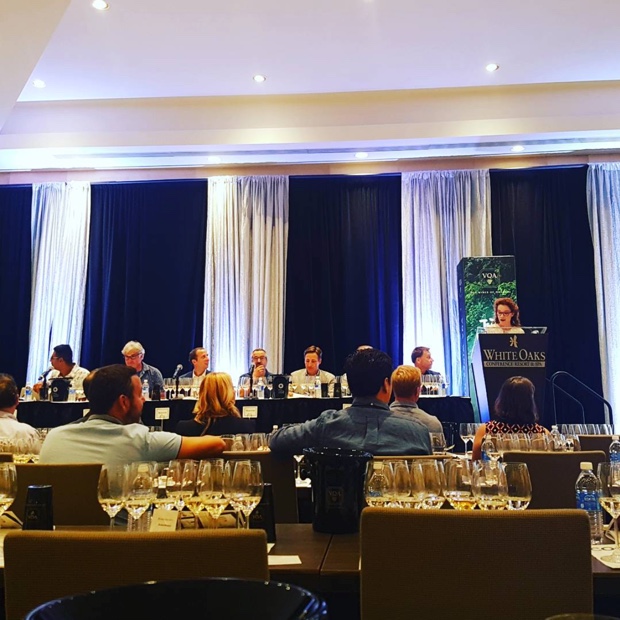
@KMacwine on @coolchardonnay Refrigerated sunlight, conscious marginality, sophisticated choreography. #i4c17

Cool, as in temperature and slowly developed phenolic ripeness. Cool, as in places like Champagne, Nova Scotia, Austria, Uruguay, northern Chile and Ontario. But MacNeil was quick to point out that the greatest terroirs may yet to be known, despite the proverbial Canadian wine cognoscenti already in the possession of harnessed and usable power through information, knowledge that tells us that five of the 15 (also known as one-third) coldest wine regions growing quality grapes, are found in Canada. “Elegance is directly connected to coolness, the slow dance, refrigerated sunlight,” waxes the poetic and rhapsodic MacNeil, “from couch potato chardonnay to lift, spirit and class.” She admits to pitting the world versus “us,” as a challenge against “them,” the overwrought, overblown and over-produced. She asks the question, “why are they not over it already, these cream puff of chardonnays?” and then “oak is like a tattoo, it doesn’t always look good with age.”

If all these warmed by the hot, hotter and hottest sun and fashioned to express this in hyperbole wines all taste so similar, is this really something reassuring and knowable? Apparently it still is, this persistent overloaded ice cream sundae style of chardonnay that will just not go away. But wake up and smell the altitude and the stone-based, craggy outlooks of  “marginal” vineyard locations. “All of the world’s greatest grapes are only great if they exist on the edge,” said the great Willamette Valley Oregonian David Lett. “Complexity is only achieved, paramount to success, by a slow dance or heartbeat. A great wine revels itself sequentially, over time,” insists KMac, as opposed to mindless and soulless. With acidity at the crux of cool climate wines she talks of “conscious marginality” and “sophisticated choreography.” This is how we should see the future, not only in chardonnay, but in all wines subjected and connected to global climate change.
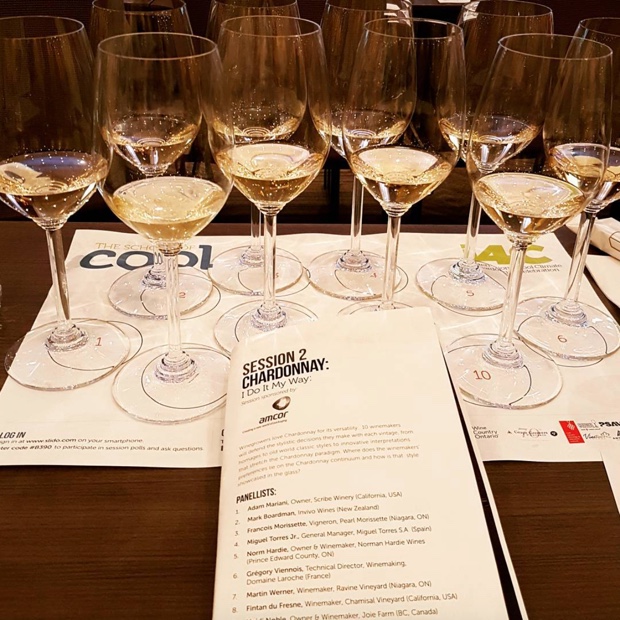
Says @johnszabo apparently winemakers matter too. #i4c17 @coolchardonnay I do it my way #schoolofcool

Related – A link to the School of Cool presentation download

In the first of three Friday School of Cool sessions at White Oaks Conference Resort and Spa it is MC Master Sommelier and WineAlign Partner/Critic John Szabo who introduces the “soil smackdown.” The question “is there a best soil type for chardonnay” is meant to instigate a healthy discourse but like every #i4c that came before it quickly turns to a dissing of the “m” word. Paul Anamosa of Vineyard Soil Technologies, the main man down in California, is the first to speak. He rambles on about trace minerals, nematicides, oils and clay minerals – kaolinite is the smallest and yet still a very big molecule. “I don’t know too many winemakers with deflated ego problems,” is interjected. “Minerality is a metaphor, not a simile (like what it shown on the aroma wheel). It does not get up and impart flavour into the wine. It’s a romantic notion. Limestone doesn’t give up its water readily or easily.” Here we go again.

Anamosa will give up the idea that poor soil structure allows for a low and slow hydration transfer, with no spikes up or down and this uptake certainly affects vine growth, nutrient transfer and ultimately flavour, but its the elements found in the water that effect these impressions. Not “minerality.” Must be hard to go through life with such a scientifically nihilist approach. It sounds exhausting.
I don’t know too many winemakers with deflated ego problems. Paul Anamosa @coolchardonnay #soilsmackdown #i4c17

Three winemakers go pro on the mineral ideal. Paul Berger of Berger-Rive has been making his wine since he was four-years old and unsulphured Rosé no less. He talks of clay over limestone, places where “the ground is in love.”  Thomas Bachelder monkifies the soil plant matrix made to transmit minerality. “It’s as much about photosynthesis in the new world but minerality is still apart of it. Jory soils in Oregon bring a salty tang, a savour. It’s true.” Shiraz Mottiar notes that calcareous soils that start wet and sticky eventually turn to concrete. “They don’t crumble, there is no soil tilt, they are angular, evolving and difficult, self-compacting and that hard-pan deals with high mineral content. So we use cover crops for developing soil tilt and friable structure.” There points for the mineral team. Szabo concludes with “anyone getting the sense that this is pure crap? We’re going to continue with the program anyway. Monkeys in a parallel universe are doing this and doing it better.”

In the second session, “Chardonnay, I do it my way,” Szabo told several hundred #i4c junkies “apparently winemakers matter too.” I thought Invivo Wines’ Mark Boardman said it best. “Rob (winemaker “Crusher” Cameron) is not trying to make a $100 Burgundy here folks,” but rather chardonnay can be so happy in so many places, in so many ways. Here it’s from one of the warmest parts of New Zealand, with high rainfall, on Pacific coast of the South Island. It’s about pleasing the customers, being approachable and “nice” on the palate. “Respect, not patronize the consumer.”

François Morissette, vigneron of Pearl Morissette talked technique. “Whatever we press, we oxidize. We do not oxidize wine, we oxidize must.” There’s a big difference. The stabilization of these wines are attributed to this idea of getting rid of all oxidizable compounds before they enter into the next stages of the winemaking process. Pleasing aromas, flavours, textures and ultimately the sum of the above elevates the cool chardonnay game and speaks to the future. Ravine Vineyard’s Marty Werner remarked on the high degree of heat units but also the cool nights in 2014 so his chardonnay received no cooling, some sulphur for a night, straight to barrel and left a bit empty. Why? “Because it’s different in Niagara, you need to get some oxygen in there, so that we develop some more fruit characteristic.”
Dr. Jamie Goode

Heidi Noble, Owner & Winemaker of B.C.’s Joie Farm coined the term “juiceidity.” She told the crowd, “when (cellarmaster) Karl speaks it’s incredibly important and poignant,” he knows the truth about location, from the most northerly tip of the Sonoran desert but in a zone of what Karen MacNeil called “conscious marginality,” a micro climate of cool within a hot zone.

And finally, le grand ami himself Norman Hardie. “Solids matter to me,” he explains. “We pump out the separated clear juice until the point where I feel like we are getting to the danger zone.” They make use of horizontal tanks, “so the ratio of solids to juice is much higher.” Solids are critical to expressing terroir but too many solids and it’s too reductive. “I’ve gotten braver and braver as time’s gone on.” Mackenzie Brisbois talked about the 2015 vintage, her first full one at Trail Estate. Her methods include hyper-oxidized, cold-settled, natural ferments in stainless steel, put to barrel towards the end, 4o per cent new, 60 neutral, full malo, 10 more months, sulphured, racked out of barrel and a coarse filtration so it’s called unfiltered. “Hopefully my lack of filtration helps you to hear the music in my wine.”

The third School of Cool session looked at dosage in bubbles. “The Sugar Trials,” or as moderator John Szabo M.S. told us “sparkling wines are wines of process and one of the most important events happens right at the end of the trail and that’s called dosage.” Essentially, the crux of what it is, the sugar trials define how much, if any, should be added.

A Sunday #i4c @coolchardonnay morning at the P & P and Josh Ritter covering Modest Mouse. Johnny Cash next.

Dr. Belinda Kemp led the panel discussion and her research at Brock University’s CCOVI lies at the heart of the Ontario wine industry’s investigations. Tawse winemaker Paul Pender had this to say. “Balance is something I strive for but rarely achieve.” He noted that it’s about pleasure, hedonism sometimes, ultimately something that makes you smile, and tastes good. It’s always a moving target, so many things effect how it tastes and more so your perception of sugar and acidity, even what you had for breakfast this morning. “Sugar kind of takes away terroir.” Dr. Jamie Goode added, “it turns out we all live in different taste worlds. Because we model touch, taste, smell and all the sensory perceptions into an unconscionable, alt-reality which bears no real resemblance to how a wine actually tastes. It’s highly personal.”

The i4c weekend takes winemakers, journalists and consumers from White Oaks’ School of Cool and over to Niagara Airport’s hangar for a grand, cool affair. It shuttles past lunch tastings scattered across and throughout the Niagara Peninsula and Escarpment locations and lands at Ridley College for the worlds most grand chardonnay event. It culminates on Sunday at Ravine and Redstone wineries for brunch and if you’ve not had your fill, more chardonnay. Most of all it brings people together but not without an army of volunteers to make it happen. It functions seamlessly because of people like the Cellar Sisters, Angie Jewell and MJ Macdonald, Paul Dearborn and Kari-and Macknight Dearborn. The Cool Chardonnay weekend delivers year after year with thanks to VQA Wines of Ontario, Dorian Anderson and Trisha Molokach and the chefs of Niagara. The media are treated (better than we deserve) because of Wine Country Ontario’s Magdalena Kaiser, Joanna Muratori and Ryan Zanette.

I was not able to taste and review every chardonnay on hand at #i4c17 but I did get to a better percentage than I actually thought I had at the time. Many of these wines are available in small quantities through the VINTAGES Online platform through August 3rd so you have exactly three more days to act. Here are 69 reviews. If you are thinking about injecting some cool chardonnay into the rest of your summer plans then read on and make your picks. I hope I’ve been of some assistance.
Are you ready for an #i4c17 @coolchardonnay Saturday night?

Invivo Chardonnay 2016, Gisborne, North Island, New Zealand (499855, Agent, $16.95, WineAlign)

A nicely green and cool Gisborne composed chardonnay is just the ticket for warm nights, frâche-inflected appetizers and a good chill. This is quite fleshy, creamy and tangy, just stopping short of citrus-sour piercing and intense. It’s that creamy sherbet and tangy gelato character that balances it out. Drink 2017-2019.  Tasted June and July 2017  invivowines  nicholaspearcewines  @InvivoWines   @Nicholaspearce_  @InvivoWines  Nicholas Pearce

Maycas del Limarí Reserva Especial Chardonnay 2015, Limarí Valley, Chile (143768, $18.95, WineAlign)

Lovely vintage and cool-climate conditioning with A-plus exemplary effort from the Limarí specialist. The ripe and bright fruit is buoyed by classically rendered acidity that never relents. I really like the elegance and the way the wood is just a spice accent, not a cream churning machine. Not to be missed. Drink 2017-2020.  Tasted May and July 2017  maycasdellimari  #thevineagency  wines_of_chile_canada  @Maycasdellimari  @TheVine_RobGroh  @WinesofChile  @maycasdellimari  The Vine – Robert Groh Agency  @WinesOfChile

Cheesecake Bar by Chef Frand Dodd, Trius Winery and Restaurant

Trius Barrel Fermented Chardonnay 2015, Niagara Peninsula, Ontario (346064, Winery, $19.95, WineAlign)

Quite flinty and mineral smoky, even for Trius and Niagara chardonnay so it would seem that winemaker Craig McDonald prepared this larger batch with a friendly reductive environment. The aim, goal and result adds up to locked in freshness and a decoding of oak to relegate the label as secondary to the post-modern future of this bottling. It’s crisp, crunchy, spoken of and for place with edging cut with spice. The creamy centre is present and delivers texture, not weight. Really fine effort. Drink 2017-2019.  Tasted July 2017  triuswines  @TriusWines  @triuswines

Esterházy Chardonnay Leithaberg DAC 2015, Burgenland, Austria (511386, Agent, $19.95, WineAlign)

Tangibly full and rich style of chardonnay with a flinty, smoky limestone foundation edge, a pierce running through the barrel spiced mid-palate and quite generous length. Really fleshy, lemon-citrus sparked, clean, precise and stony good. Of markedly fine compression, layers woven of tart and stone. A highly composed and forged composition, in action and temperament, so kudos to the great work out of a warm vintage. It’s a complete wine all the way through, perhaps restrained at first but structure is the key to its success. An Austro-pure, appellative finessed chardonnay if ever there was from a place where the grape thrives unencumbered and blessedly expressive. Drink 2017-2020. Tasted twice, with Stefan Tscheppe, July 2017  #esterhazy @esterhazywein  austrianwine  Esterhazy Wein  @NaturalVines  @oesterreichwein  @AustrianWine  @BirgittaSamavar  Marzia Gallo  @austrianwine

Pierre Sparr Le Clos Sainte Odile Brut Crémant D’alsace, Traditional Method, Ac, Alsace, France (457788, Agent, $19.95, WineAlign)

Sparr’s site specific Crémant would seem counterintuitive to the free and easy-going genre which prides itself on the purpose of wide-ranging food matching but the divergence here in minimal. Le Clos Sainte Odile is equally proportioned though it carries a marked increase in lees and texture. Smells more like Champagne and acts this way too, so in that sense the quality improves and food will benefit several fold. The length is exceptional. Still creamy Crémant but with more layers and fine complex stills. Drink 2017-2020.  Tasted June and July 2017  #pierresparr  profilewinegroup  vinsalsace  drinkalsace  #PierreSparr  @ProfileWineGrp  @AlsaceWines @VinsAlsace  Pierre Sparr  Bernard Sparr  Maison Pierre Sparr Successeurs  Profile Wine Group  @AlsaceWinesOfficial  @vinsalsace
Pierre Sparr Crémant D’alsace Chardonnay Brut Méthode Traditionnelle, Ac Alsace, France (416040, Agent, $20.00, WineAlign)

In Sparr’s eponymous Crémant bottling the dosage is evident in every facet of fizz being to balance out the sour acidity and formidable tension. The most Champagne like of the flight is contextual, textural, elevated and serious. It is a bit on the sweet side (at 8 g/L of RS) as compared to (3.7 TA and pH of 3.29) with 18 months minimum on the lees and aging in oak casks. There is no shortage of fruit and that acidity is surprisingly lively. Tasted with Bernard Sparr who says quite simply, it’s “easy to drink.” Drink 2017-2019.  Tasted July 2017  #pierresparr  profilewinegroup  vinsalsace  drinkalsace  #PierreSparr  @ProfileWineGrp  @AlsaceWines @VinsAlsace  Pierre Sparr  Bernard Sparr  Maison Pierre Sparr Successeurs  Profile Wine Group  @AlsaceWinesOfficial  @vinsalsace

Marcel Cabelier Crémant De Jura Organic 2014, Jura, France (738641, Agent, $19.95, WineAlign)

A most engrossing and provocative Crémant, at first aromatically onion skin sweaty and sweetly caramelized. No citrus to really speak of and then lemon sweetness to taste. Sapid to be sure, leaner, crisp, on the path to a searing style. Fascinating when you consider the dosage number is upwards to 12.3 RS while the actual acidity is 5.26 TA. An elevated 3.37 pH and a ripeness from the warm vintage really helps to hide its sugar, incredibly so. Texture never hurts as well as this spent 24 months on the lees. Will age nicely into secondary waxy territory. Drink 2017-2022.  Tasted with winemaker Nicolas Haeffelin at i4c, July 2017  #marcelcabelier  #andrewpellerimportagency  #jurawine  #marcelcabelier  @APImportAgency  @JuraWine   #marcelcabelier  @APImportAgency  @JuraWine

Cremaschi Furlotti Chardonnay Single Vineyard 2015, Do Loncomillo, Maule Valley, Chile (511097, Agent, $22.00, WineAlign)

DO Loncomilla lies at the heart of the Maule Valley, a place of serious Chilean history. The Battle of Loncomilla was the decisive campaign of the 1851 Chilean Revolution between conservative government and liberal rebel forces. It’s also apparently a terrific place to grow chardonnay. Winemaker Gonzalo Perez’ 2015 is a fuller expression, with green apple piquancy to nose, a wealth of fruit, tart done so right and a true barrel-blessed chardonnay bite. It reeks of stone, acts restrained enough to seem (at times) unsure but in its quietude there is a mineral sway to say this must be the way. It solicits a follow me down the stone road, up to a very orchard palate with gregarious flavours and compressed acidity. Serious, almost brooding chardonnay but very new world. Chewy and very long. The soils are volcanic and alluvial, aiding and assisting to gather into this highly complex, 100 per cent malolactic, reductive, tart and biting chardonnay. The most surprising and intriguing find at #14c17. Drink 2017-2020.  Tasted July 2017  cremaschi_furlotti  @winecremaschi  @cremaschifurlotti

Coteau Rougemont Chardonnay La Côte 2015, Quebec, Canada (Winery, $24.00, WineAlign)

From La Famille Robert and the latest, newest, impressionable cool climate frontier in Rougemont Quebec, climate change delivers another stellar chardonnay attack, here with something quite supple, almost creamy, acid-driven but surprisingly far from scathing and eminently drinkable. These vines are planted on sun-drawing south facing slopes with more than ample pebble and schist in the soil, enough no less to streak a wire of balance through the softened, downy fruit. Well done. Drink 2017-2019.  Tasted July 2017  coteaurougemont  #CoteauRougement  @VinsduQuebec  Vignoble Coteau Rougemont

Creekside Chardonnay Queenston Road Vineyard 2015, Niagara Peninsula, Ontario (Winery, $24.95, WineAlign)

Comes barreling out replete with the highest of chard tones mixed with plenty of richness lifting and layering oak. Quite ambitious, full malo felt, of waves more than dollops of vanilla. The acidity comes later because nothing can get in the way of the creamy texture and voluptuousness. Cool but secondary to these flavours and mouthfeel are incendiary savoury tendencies. Adding things up all being equal the Queenston Road, St. David’s Bench vineyard, with its clay-loam and the eventuality of full-malo effect well, it’s really a thing of richesse. “I wouldn’t say this wine is a whole lot about minerality,” says winemaker Yvonne Irvine, “but it’s there in the bite on the finish.” Fair enough. Drink 2017-2021.  Tasted July 2017  creeksidewine  @CreeksideWine  @CreeksideWine

Inniskillin Montague Vineyard Chardonnay 2014, VQA Four Mile Creek, Niagara Peninsula, Ontario (586347Agent, $24.95, WineAlign)

If you have had the opportunity to taste the Montague Vineyard chardonnay from Niagara’s Four-Mile Creek sub-appellation in at least four consecutive vintages you will know that its style is only exceeded by its consistency. Little has changed; the same warm, barrel-kissed style comforts generously pressed and extracted fruit. It’s not that I don’t deduce soft, downy and buttery fruit from Montague. I do, but this vineyard always offers a counter-point with some firmness and compression, as it does with pinot noir. This 2014 is smoky and faintly smouldering, even a touch flinty. Even if it is a bit baked, spiced or toasted it is also a more mineral vintage for chardonnay. On one hand it offers or gives up too much of itself (and too early), with creamy vanilla, ripe melon and sappy, stone-fruit. On the other it finds balance amongst the dense layering of bigger, harder and more productive moving parts. You are going to want to match this with some protein and a good reduction sauce. I’d look to pulled pork, zesty kohlrabi slaw and a tangy BBQ sauce, duck confit with a savoury-spiked demi-glacé or coq au vin, just to name a few. Drink 2017-2019.  Tasted January 2017  inniskillinwines  cbrandscareers  @InniskillinWine  @CBrandsCareers  Inniskillin Vineyards  

Vasse Felix Filius Chardonnay 2016, Margaret River, Western Australia (416511, $24.95,  WineAlign)

Same price and highly credible follow-up is what we can all hope to taste and make comment to the great winemakers of this world so kudos to Virginia Willcocks of Vasse Felix for doling out another eminently drinkable Filius. Still holds the Australian cool-climate chardonnay candle from the Margaret River though it’s a touch fleshier, riper and creamier in 2016. The combination of salt and stony-mineral adds up to grip and the tightness means some air is needed. A mess of grilled langoustines would also work. Drink 2018-2021.  Tasted June and July 2017  vassefelixwines  margaretriver  @vassefelix  @MargaretRiver  @MargaretRiverWi  @vassefelixwines  @MargaretRiverWineRegion  @margaretriverwines1
Château Des Charmes Paul Bosc Estate Chardonnay 2014, VQA St. David’s Bench, Ontario (511345, Winery, $24.95, WineAlign)

Here is fine example of a winery showing off their rockstar barrel program in a starman of a chardonnay. The dreaminess on the nose and the early 1970’s ambient and textured guitar unction on the palate just get you stoned. “Didn’t know what time it was and the lights were low…Some cat was layin’ down some rock ‘n’ roll, ‘lotta soul.” Tart, lots of wood, bite, so much structure. Is it too much? Not when it’s the kind of chardonnay and music that can stand the test of time. Drink 2018-2022. Tasted blind at NWAC17, June 2017 and at #14c, July 2017  chateaudescharmes  @MBosc  Château des Charmes

Domaine Laroche Chablis Saint Martin 2015, Ac Burgundy, France (289124, $25.25, WineAlign)

The vintage is a ripe, accessible and easy to love one so this marks a 90 degree turn for the Saint Martin. This is Laroche’s most important cuvée, sold in 80 countries and collected from select plots across 60 hectares of vines. Structure will always direct this cuvée and so long as Gregory Viennois is winemaker you can be sure that a taut entry will be joined by some subtle oak richness (in 2015, eight per cent in large, 25 year-old, 55 hL foudres). It’s just an aromatic hint but look forward with eyes closed and inculcate the texture addendum. Acids are soft and caressing. Drink 2017-2021. Tasted July 2016 and 2017  laroche_wines  selectwinemoments  @DomaineLaroche  @SelectWinePros  @Select_Wines  @SelectWinesCanada

Southbrook Chardonnay Triomphe 2015, VQA Niagara Peninsula, Ontario (172338, Agent, $24.95, WineAlign)

The fruit for Ann Sperling’s chardonnay Triomphe ’15 is sourced primarily from Saunders (Beamsville Bench) with auxiliary support out of Heather Laundry’s old vine Lincoln Lakeshore vineyard. There are older, non-clonal blocks with perhaps some Musqué mixed in so the aromatics fly, with no restraint applied by the wild ferment and (mostly 300L) neutral oak. This Triomphe is anything but reductive, a no stress chardonnay from such a far from sluggish, clean ferment. The simplicity and complicity explain how beauty is curated, from a vintage where reduction did not happen or beg to happen so why try to force it. The copacetic re-quiescence bears witness to classic Ann Sperling in such a vintage. Chardonnay of mellow smoulder, of old barrel spice and one to define a certain kind on a line of disparate and unique, cool climate, i4c selections. There are 800 cases made. Drink 2017-2020. Tasted January and July 2017  southbrookvineyards  thelivingvine  @TheLivingVine  @SouthbrookWine   @SouthbrookWine  The Living Vine inc.
Bachelder Chardonnay Niagara 2014, VQA Niagara Peninsula, Ontario (302083, Agent, $24.95, WineAlign)

Thomas Bachelder’s ’15 chardonnay is a story of what happens ’round here, a chardonnay counting the years of peninsula life. It’s so representative, a comfortable stroll through the echelons and stages of a man’s history, in and out of Niagara eponymy and how it relates to a monk’s personal journey. It also traces the stages of vineyard life and for the winemaker, of fruit “slipping through my hands.” Out of 2015 chardonnay can be forgotten, with weather nothing to remember and on the heels of two most excellent seasons. It could easily pass “into the fog where no one notices the contrast of white on white.” Here is the time, place and harvest for Thomas Bachelder to interject and explain, to send a grape into a recognizable future, as far as the crow flies. He uses the barrel to pique the fruit into life, to inject French cream with the very intent in demand of its intention. Flavours are therefore sapid, piquant and variegated. In the end, you can drink this in August and into complexity, everything after. Drink 2017-2020.  Tasted July 2017  bachelder_wines  liffordgram  @Bachelder_wines  @LiffordON  @BachelderWines  @liffordwineandspirits

Joie Farm Unoaked Chardonnay 2016, VQA Okanagan Valley, British Columbia (511261Agent, $25.00, WineAlign)

Terpenes up front, orchard fruit and high acidity in ways that mimic riesling but the broad apple juice swirl and bite on the palate is all chardonnay. Shows sugar tempered by acidity in what is ostensibly fresh and simple, unoaked Okanagan juice. This is made in the vineyard, picked three times, from straightforward winemaking, making use of lots of solids,”lots of liquid aromatics,” as Heidi Noble notes. Champagne yeasts are employed to celebrate place. Drink 2017-2018.  Tasted July 2017  joie farm  liffordgram  #JoieFarm  @LiffordON  @joiefarm  @liffordwineandspirits

Willamette dammit! @bachelder_wines @coolchardonnay #i4c17

Bachelder Chardonnay Willamette 2014, Oregon (273334, Agent, $25.00, WineAlign)

The richest Bachelder Oregon to date for reasons explained by the indubitable and unwavering Thomas is no doubt in leading part a result of one of the earliest vintages on record for Oregon Pinot Noir. His Willamette is a veritable intertwine of mineral, fruit and energy like there is no tomorrow. Also welcome to the lengthy one. The barrel is a caramel pillow, a downy wooden bench, a soft French cream dream. Drinkable is the understatement, pleasure the song. Willamette Dammit. Drink 2017-2020.  Tasted July 2017  bachelder_wines  liffordgram  @Bachelder_wines  @LiffordON  @BachelderWines  @liffordwineandspirits

Westcott Vineyards Estate Chardonnay 2016, VQA Vinemount Ridge, Ontario (427484, Winery, $25.95, WineAlign)

This is one of the first near-premium chardonnays to hit the market from 2016 and so a decision needs to be quickly made if the style is more vintage or house in origin. There really isn’t any estate precedence for this superabundance of fruit on the “normale,” like Christmas coming early or Niagara peaches appearing in June. The ripeness goes beyond freestone fruit and into the tropical realms occupied by mango and pineapple. There is no denying the nectarous and appetizing nature so I’d like to think it’s really a seasonal somewhereness that drives the druthers. Drink this young and with some poached seafood. It will satisfy the pairing. Drink 2017-2019.  Tasted July 2017  westcottvineyards  @WestcottWines  @westcottwines

Domaine Berger Rive Manoir De Mercey Bourgogne Hautes Côtes De Beaune Clos Des Dames 2015, Ac Burgundy, France (Agent, $26.95, WineAlign)

A restrained, faux-sugary, hautes Bourgogne, spirited near but so far from a Reuilly-like nose. You think it’s thin but know it’s not while the fruit struggles to steal the spotlight from the rocks. Very cool chardonnay with crazy natural sweetness and sneaky length. The warm vintage plus the limestone calcareous soil grows on you for sure and so that length shows off the best of its world and the talents of winemaker Paul Berger. Drink 2017-2020.  Tasted July 2017  @FWMCan  #BergerRive  fwmcan  @FWMCan

Traversa Viña Salort Chardonnay Reserve 2016, Canelones, Uruguay (511550, Agent, $29.00, WineAlign)

Chardonnay from Canelones needs to discovered and Traversa’s Reserve is a fine high-end place top start. The name is derived from a species of cinnamon called “canelón, growing along the banks of the homonymous river. This new fringe frontier for chardonnay is found here 50 kms or so north of Uruguay’s capital Montevideo. A specific sort of freshness is locked in tight, reductive in a gassing up the truck sort of way, subduing fruit and inviting mineral meanderings. It’s on the palate where things get very interesting, upon which the spice, buttered toast and brûlee of pears lay. There is a few percentage points too much wood on this next South terroir-Americanific frontier chardonnay but the substantial mid-palate fruit can handle the accents. A fine example in many respects. Drink 2017-2018. Tasted July 2017  familiatraversa  @TraversaUSA

Malivoire Chardonnay Mottiar 2014, VQA Beamsville Bench, Niagara Peninsula, Ontario (Winery, $29.95, WineAlign)

This is classic Mottiar chardonnay, lean, sharp, quivering and yet somehow so knowable and comfortable. As time goes by this generates the confidence to represent the Beamsville Bench as its prodigal son, the handsome one, of pulchritude and with the promise of great memories ahead. If it’s a bit reductive, taut and aerified chardonnay, so be it, but it’s also so very Niagara, essential, the essence of what happens on dolomitic limestone. The low (3.15) pH factor at go time caused a force picked at high acidity to maintain the lean style and a partial (not much) malo assists in effecting this high-level bench factor. Shiraz Mottiar’s eponymous chardonnay is the shit, for Beamsville and for what he does best. Drink 2018-2022.  Tasted July 2017  malivoire  shirazmottiar  @MalivoireWine  @ShirazMottiar  @MalivoireWine  

Rodney Strong Sonoma Coast Chardonnay 2014, Sonoma Coast, California (465724, $29.95, WineAlign)

The first appearance of the Rodney Strong Sonoma Coast bottling is an auspicious one, announced with ripe and delicious clarity. Though the nose is a bit reserved there is no reductive quality and the orchard is but a mere stone’s throw away from really standing out. The wood shows up on the vanilla, caramel tangy and further, deeper into the apple tree’s palate. The finish brings a pie from out of the warm oven. Drink 2017-2020.  Tasted October 2016 and July 2017  rsvineyards  markanthonyon  california.wines  @rsvineyards  @ImportWineMAFWM  @CalifWines_CA  @Rodney.Strong.Vineyards  @MarkAnthonyWine  @CaliforniaWinesCanada

13th Street Sandstone Reserve Chardonnay 2013, VQA Four Mile Creek, Niagara Peninsula, Ontario (Winery, $29.95, WineAlign)

No surprise the vintage is a major plus for the Sandstone and the natural funk it owns. And I mean owns. Only Sandstone has such geological drive, not unlike chardonnay from South Africa’s Hemel-En-Aarde Valley. In 2013 there is a sweetness to the fruit mixed with a misty humidity and finally that falling over backwards with feet stuck in the clay and the calcaire. Wildness from J. P. Colas here and with attentiveness to place and time. Drink 2016-2021. Tasted at #i4c16, July 2016 and #14c17, July 2017  13thstreetwinery  @13thStreetWines  @13thStreetWines

Hidden Bench Estate Chardonnay 2014, VQA Beamsville Bench, Niagara Peninsula, Ontario, (68817, $29.95, WineAlign)

Exemplary follow up to a terrific 2013 with more emerald gemstone, green apple bite and fine textured lees running through. Tart and yet not at the same time, seemingly sweet but only in the way that flavourful salts with added umami can collect, pool and co-exist. Just great focus, precision, fineness and balance. Drink 2018-2022.  Tasted June 2017 and #14c, July 2017  hidden bench  @HiddenBench  @Hidden.Bench

Thirty Bench Small Lot Chardonnay 2014, VQA Beamsville Bench, Ontario (Winery, $30.00, WineAlign)

The nose on this chardonnay is pretty, alive, vibrant and pure. The palate is exceptional, fleshy and full. There is intensity and precision, class and seamless integration of fruit, acidity and texture. Really longDrink 2018-2024. Tasted blind at #NWAC17, June 2017 and at #14c, July 2017  thirty bench  @ThirtyBench  @ThirtyBench
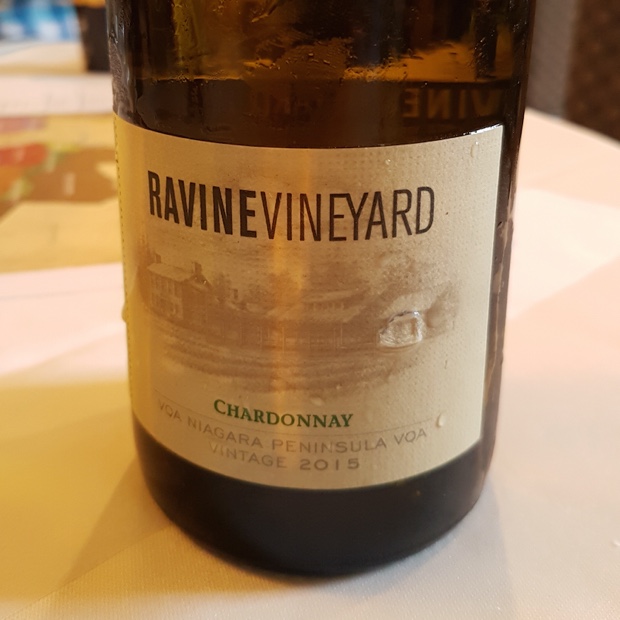
Ravine Vineyard Chardonnay 2015, VQA Niagara Peninsula, Ontario (Winery, $30.00, WineAlign)

Ravine’s is one of those chardonnay blessed with uncanny ability to amalgamate the sumptuousness of fruit warmed by sun and kissed repeatedly by barrel. The equation renders delicacy and texture, so obviously and vehemently spoken in the 2015 Peninsula language. It really is all about texture with a plus-minus spice note codicil and cool unction drawn like butter in suspended animation, a pool into which all parts have melted. Needs a year to finalize the deal and sweeten the pot. Drink 2018-2022.  Tasted July 2017  ravinevineyard  marty_werner  benminaker23  @RavineVineyard  @marty_werner  @BMinaker23  Ravine Vineyard Estate Winery  Martin Werner  Ben Minaker
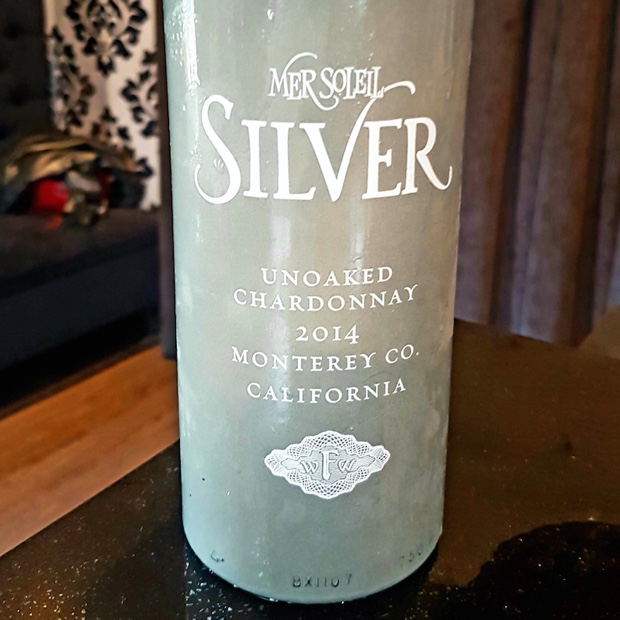
Mer Soleil Silver Unoaked Chardonnay 2014, Monterey, California (220343, Agent, $31.00, WineAlign)

Chardonnay sans wood doesn’t get more premium than this (save for some Chablis) so the use of unlined concrete tanks (a third to a half) allows the sort of micro-oxegynation that elevates the complexity game. Despite the hard-goings of working this way, the delivery is a crisp, crunchy and slightly edgy (and eggy) ’14 with addendum by the confluence of fog, sun and sea. Mer Soleil. More pear than green apple, the character speaks a Monterey note. The packaging has left ceramic behind in favour of electrostatic painted (second-purposed) glass, made to look like (and celebrate) concrete. This is surprisingly creamy so the solids get their say and the conclusion is of a chardonnay made this way that rarely achieves such a level of texture and piquancy. Drink 2017-2019.  Tasted July 2017  mersoleilwine  #andrewpellerimportagency  @MerSoleilChard  @APImportAgency  @MerSoleilVineyard  Andrew Peller (Andrew Peller Import)
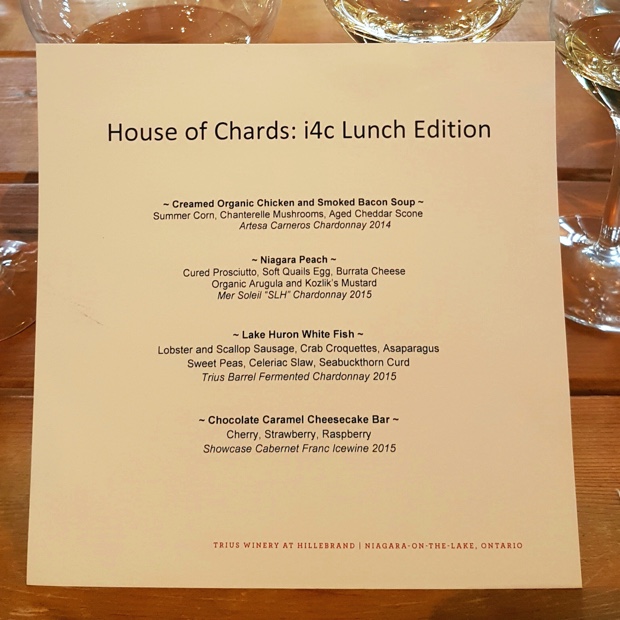
House of Chards #i4c Lunch at Trius

Artesa Chardonnay 2014, Carneros, Napa Valley, California (657585, Agent, $31.00, WineAlign)

The differing and contrastive style in Artesa’s ordinario is literally chardonnay night in comparison to the estate’s reserve day. Absent is the mineral alloy streak, the temper and the level of fruit quality and density so that here the buttery and creamy oak is felt on top and down below. Acidity, tension and posit tugs of intensity are relegated and softened to the mild mannered and middle palate personality. This is 70 per cent estate fruit, simple, rich, soft and mildly spicy chardonnay, antithetical for completion recognition of the basic to reserve paradigm. Drink 2017-2018.  Tasted July 2017  artesawinery  #andrewpellerimportagency  @Artesa  @APImportAgency  @Artesa

Adamo Oaked Chardonnay Willms’ Vineyard 2014, VQA Niagara-on-the-Lake, Ontario (Winery, $32.00, WineAlign)

This is the second vintage of the Willms, a rich and viscous chardonnay with green apple bite. More barrel (15 months, 30 per cent new) on this than others in an #i4c School of Cool flight and also Beaune-styled, ambitious otherwise but certainly the structured and gregarious one. Chardonnay as many would recognize, could be nothing other, some terpenic moments but the cool, sharp and spirited are mixed into the clay. Last tasted July 2017.

Adamo sources from the same vineyard that provides fruit for 13th Street’s Sandstone Reserve in the Four Mile Creek sub-appellation of Niagara-on-the-Lake. Planted in 1983, it is owned and farmed by Erv, Esther and Eric Willms. In its early stages the fruit acted and reacted as a lean, taut and tension fuelled chardonnay with party a sign of letting up. Eight months later the juicy flesh of orchard fruit pushes past the vintage’s grip and lets tis wine breath a sigh of relief. Chalk one up to yet another cool-climate, calcareous clay stuck moment in time. Drink 2017-2019.  Tasted twice, at #i4c16, July 2016 and Taste Ontario, March 2017  adamoestatewinery  @AdamoEstateWine  @adamoestatewinery

Trail Estate Chardonnay Unfiltered 2015, VQA Niagara Peninsula, Ontario (Winery, $32.00, WineAlign)

A blend of vineyards, from Ed Hughes and (Wismer) Foxcroft, perhaps with some influence under the lingering auspices of the Norman Hardie school, here in the playful and progressive hands of Mack Brisbois. Mackenzie employs no sulphur at processing, allowing for chardonnay efficacious and liberally oxidized, settled, cold stabilized, non bentonite-affected, chilled and racked. Not lost is the ever-commented process of going at it with wild ferment, but also caution thrown to the wind via no temperature control (but yes on the Hughes fruit), with the final end game in search of and wanting a fruity Chablis side. Done up in half stainless plus 50 old 500L and two 225L barrels. The sulphur was added in October, the full malo achieved and then bottled in November. All of this technical mumbo-jumbo to say there is still quite a creamy, leesy, oaky feeling but like some others in Niagara (Robyn’s Block, Oliveira and Aberdeen) it totes great palate texture and a “fruitiness,” but it’s not fruity. It may not recreate the Chablis fruit to mineral purity but it is a righteous, proper and Niagara purity fashioned in PEC. There are 266 Cases. Drink 2016-2020.  Tasted December 2016 and July 2017  trailestatewine  mackbrisbois  @TrailEstateWine  @MackBrisbois  @TrailEstateWinery  Mackenzie Brisbois
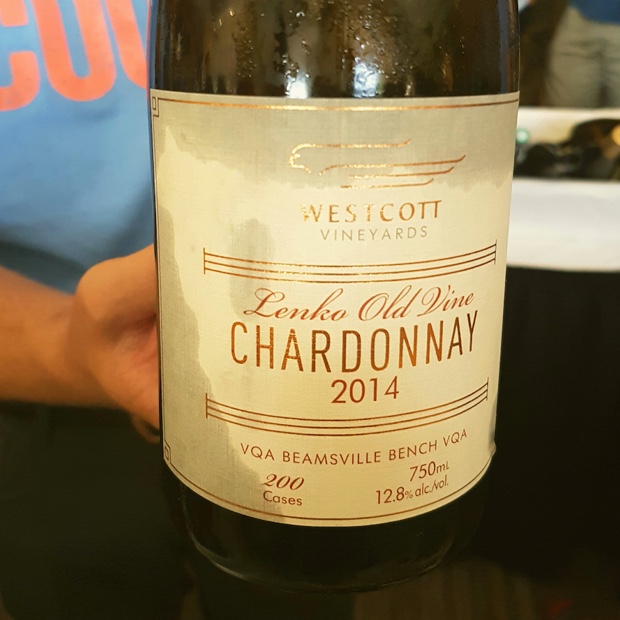
Westcott Vineyards Chardonnay Lenko Old Vine 2014, VQA Niagara Peninsula, Ontario (Winery, $32.95, WineAlign)

The iconic vineyard, the wise old vines, the chance to make some magic; these are all a part of the mystery and the mystique of Lenko placed in the hands of one winemaker at a time, fruit put to bottle in his or her own special way. It’s simple isn’t it? “Go far enough and you will reach, a place where the sea runs underneath,” take up the grapes and do what they need. In terms of chardonnay the vineyard is ground zero, the genesis, the oldest Chardonnay planting in Canada. In Arthur Harder’s hands the fruit reaches you with apposite if ambient sparks while its chords are strummed with 12 strings so that it never loses touch with its structure. A very expressive chardonnay from a benevolent vintage, Westcott’s breaks free from traditional Niagara with this tart and that tart. There is wind, wuthering and it has the uncanny ability “of turning the world so it’s facing the way that I’m going.” Drink 2017-2024.  Tasted July 2017  westcottvineyards  @WestcottWines  @westcottwines

Chateau Des Charmes Blanc De Blanc Sparkling Méthode Traditionelle 2014, VQA Niagara On The Lake, Ontario (511352, $32.95, WineAlign)

A different sort this one, with lots of barrel spice, liquid splinter creaminess, a heavier dosage to be sure, creamy lemon and almond skin, but also pith. Complex if commercially sweeter, rich and fatter, something School of Cool 2017 Sugar Trials panelist Rhys Pender MW agrees with. Making sparkling wine from the warmish Niagara-on-the-Lake regional-appellation (which includes the warm St. David’s Bench) has its pros and cons, the positives mostly tending to richness and the negatives the compromise to energy and verve. Winemaker Amélie Boury manages the dosage of 10 g/L RS with natural acidity (5.5 g/L TA), a forthcoming low pH of 3.16 and a late September pick. “For richer fruit” she notes and then a coupling texture by fermenting in barrels. Look for it on the ambit of tertiary personality after a few years of age. Drink 2017-2021.  Tasted July 2017  chateaudescharmes  @MBosc  Château des Charmes

Domaine De Mauperthuis Chablis Vieilles Vignes Les Malantes 2014, Ac Burgundy, France (511063, $33.95, WineAlign)

From a new family (relatively speaking) to Chablis, the estate belongs to Marie-Noëlle & Laurent Ternynck. The old vines Chablis saw 12 months in foudres, on the lees, with fruit gathered from vineyards in Fleys. The cool spot comes with a higher altitude, on a windswept plateau and so harvest is generally five to six days later. And so their Chablis is cool, direct, taut and sapid stuff, as Chablis will go, from such a climat and handled so. Acidity runs rampant and travels quickly up and down and into parts of the mouth that stand up to take notice. Sharp and focused Chablis. Drink 2017-2022.  Tasted July 2017  #mauperthuis  vinsdechablis  vinsdebourgogne  nicholaspearcewines  #Mauperthuis  @vinsdechablis  @VinsdeBourgogne  @Nicholaspearce_  Vins de Bourgogne / Burgundy wines  Nicholas Pearce

Mer Soleil Chardonnay “SLH” 2015, Santa Lucia Highlands, California (958975, Agent, $34.95, WineAlign)

The sun always shines upon Mer Soleil’s “SLH,” a chardonnay equipped with exceptional fruit purity that welcomes but could go it so much more confidently alone without the mask-caking make-up. It needs a fraction of the wood it receives. A tour de force of ocean and sun (tied together by fog) delivers acidity, sapidity and the fruit is raised to keep things moving swimmingly along. So it’s got that going for it. Which is nice. Drink 2017-2019.  Tasted July 2017  mersoleilwine  #andrewpellerimportagency  @MerSoleilChard  @APImportAgency  @MerSoleilVineyard  Andrew Peller (Andrew Peller Import)
Good man this man. Great winemaker this winemaker #i4c @coolchardonnay

Tawse Quarry Road Vineyard Chardonnay 2013, VQA Vinemount Ridge, Ontario (111989, $35.80, WineAlign)

When I tasted Quarry Road 2013 out of four barrels three years ago the purpose was to take in the nuances and see only the trees. I for one could not help seeing the forest through the trees and imagining percentages of each combining for the final blend. Neutral Mercurey wood looked over infant three year-old vines spoken here with surprising density, tang and tropical melon in both aroma and flavour. This sits on the front palate right now. The mineral Ceres qualifies older fruit as the pretty and the gemstone, essential for Quarry Road, the most like (Meursault) in Burgundy. This fruit transferred to stainless on the lees from September to March before going into bottle now renders to make Quarry the purest expression from the best vineyard. The CLL toast delivers the taut, not yet reductive wood tightening, then and again now, mainly on the finish. Compressed citrus notes are late arriving and even if it is splitting hairs, the oak really impacts the finish. The larger CLL toast Mercurey barrel reveals a fresher, more reductive, less oaky feel. All together we now have one of Paul Pender’s most accomplished to date and all chardonnays considered, one of the finest higher end values around. I think he would agree. Drink 2017-2024.  Tasted May and July 2017  tawsewinery  @Tawse_Winery  @tawsewines

Maycas del Limarí Chardonnay Quebrada Seca 2013, Limarí Valley, Chile (331520, $36.00, WineAlign)

Maycas de Limarí’s Quebrada Seca or “dry-cracked” makes reference to the fragmented soils, a place of low-fertility and chardonnay loving terroir. This spent 14 months in (30 per cent new) but it’s not just the extended barrel time that separates it from the estate’s Reserva. Vintage plays a significant role in conjunction with the soil and it teaches so much about the virtues of patience and time. No malo but high sapidity, lots of bite and the verdant, healthy life are borne out of poor fertility. This is life affirming chardonnay from harsh climes. Drink 2018-2022.  Tasted July 2017  maycasdellimari  #thevineagency  wines_of_chile_canada  @Maycasdellimari  @TheVine_RobGroh  @WinesofChile  @maycasdellimari  The Vine – Robert Groh Agency  @WinesOfChile

Joie Farm Chardonnay “En Famille” 2015, BC VQA Okanagan Valley, British Columbia (511113Agent, $36.00, WineAlign)

The developed layers of fruit are well integrated and interwoven into the mildness of both barrel and tannin. The sweetness of that sun-kissed fruit leaves a lasting impression from what has been brought into being by a warm and impressionable vintage. Exemplary three or four year Okanagan chardonnay that shows off its charming sucrosity. Drink 2017-2020.  Tasted July 2017  joie farm  liffordgram  #JoieFarm  @LiffordON  @joiefarm  @liffordwineandspirits

Sneak peak in the @TriusWines Meunier with Craig McDonald and a true Niagara Grand Cru @coolchardonnay site #lincolnlakeshore #oliveiravineyards #vqa #wildferment

Trius Showcase Chardonnay Wild Ferment Oliveira Vineyard 2015, VQA Lincoln Lakeshore, Ontario (199273, $36.20, WineAlign)

When you consider the level of quality provided by the Wild Ferment 2014 it would be hard to imagine raising the bar any further but this is what winemaker Craig McDonald has managed with his exceptional 2015. The accomplishment is purely based on one year older, wiser and complexities developed Oliveira Farm vineyard fruit, the holy chardonnay grail, Lincoln Lakeshore playground. The site sits along the QEW below the escarpment’s Twenty Mile and Beamsville benches, a recipient of glacial till and rocks left behind by an ancient river running from a lake. It’s a chardonnay wonderland. Intensity of fruit purity, fleshy and real, remarkably juicy and notably crunchy has increased, upping the pleasure game and turning the impression knob up to 11. The windmill generates more power while always maintaining a classic Trius level of finesse. Then you think on the wood integration, equally impressionable because acidity is sweet and refined. Dry extract is also impressive, not to mention a fineness of grape tannin. The site’s unofficial designation as a Niagara Grand Cru should be upgraded with status. There is no better time than the present and the Wild Ferment’s 2015 ability is proof enough. Drink 2017-2023.  Tasted July 2017  triuswines  @TriusWines  @triuswines

Exquisite dish by Frank Dodd @TriusWines #houseofchards #i4c lunch . . . Lake Huron Whitefish, lobster and scallop sausage, crab croquettes, asparagus, sweet peas, celeriac slaw, seabuck

Trius Showcase Chardonnay Wild Ferment Oliveira Vineyard 2014, VQA Lincoln Lakeshore, Ontario (199273, $36.20, WineAlign)

With fruit from the Niagara chardonnay mecca Oliveira Vineyard and the addendum of yet another stellar varietal vintage it is this Craig McDonald speciality that helps to steal the show. Striking out with near-raging acidity (pushing and possibly exceeding the 8 g/L mark) the Wild Ferment is one of the most formidable expressions of 2014, if not ever. All the moving parts work fervently and impressively as if the motor is running and the machine careening around the speedway. To keep composure it is texture that brings about grounding, balance and cadence, from obvious lees perfection and 30 per cent new wood plus the rest forged by two to five year old barrels. This is creamy, energetic and tannic chardonnay, all conspiring to express itself with both weight and poise. From a maker who’s been around the block a few times, the ’14 WF will go the distance. And you can start now. Drink 2017-2024. Tasted at Cuvée, March 2017 an #i4c July 2017  triuswines  @TriusWines  @triuswines

Esterházy Il Magnifico Blanc de Blancs Brut 2013, Burgenland, Austria (511378, Agent, $37.95, WineAlign)

Esterházy was a Hungarian noble family with origins in the Middle Ages, generally bilingual, in Hungarian (as a result of their ethnicity) and German (as they were aristocrats of the Austrian Empire). The family was intrinsically tied to the Austrian composer Joseph Haydn (master to Beethoven) and the estate today shares the same desire; to epitomize the aims and achievements of the Classical era, Hadyn for music and today, Esterházy for contemporary Austrian wine. General Manager Stefan Tscheppe spins a tale of Nikolaus II, the wealthy late 18th and early 19th century prince who lived a charmed life, nicknamed by his sisters as “Il Magnifico.” The namesake sparkler is done in a Brut Nature style, 18 months on the lees and is possessive of a distinctive grapefruit liqueur. The vines grown on limestone-based soil and this is clearly picked on acidity, in the first to second week of September. Il Maginifico may not carry the weight or tone of Hadyn’s The Creation but it is a most excellent Blanc de Blancs composition. Drink 2017-2022.  Tasted July 2017  #esterhazy @esterhazywein  austrianwine  Esterhazy Wein  @NaturalVines  @oesterreichwein  @AustrianWine  @BirgittaSamavar  Marzia Gallo  @austrianwine

Pearl Morissette Chardonnay Cuvée Dix Neuvième 2014, VQA Twenty Mile Bench, Niagara Escarpment, Ontario (303602Winery, $38.20, WineAlign)

It’s never easy to follow up greatness, even for this top quality Niagara chardonnay and yet I am almost ready to believe that this Dix-Neuvième delivers more richness of fruit than its predecessor. The stoicism lost from 2013 is woven texture gained, here in a tapestry of pure chardonnay fruit, beeswaxy, faint honey and an almost imperceptible reductive environment. Francois Morissette and Brent Rowland clearly had texture earmarked as the raison d’être for this ’14, almost to a fault but the result is bloody delicious. No Pearl Morissette wine ever gave of itself so young, so fast. Immediate gratification be darned there will be five blessed textured years ahead. And then the honey will set in. Drink 2017-2022.  Tasted June and July 2017  pearlmorissette  @PearlMorissette  @lassvet  Pearl Morissette

Domaine Laroche Les Vaudevey Chablis Premier Cru 2014, Ac Burgundy, France (416057, Agent, $38.95, WineAlign)

A compressed chardonnay that strikes as a passion play between herbs and limestone and no surprise that the spoils go to the latter. The citrus is gassy, rising, bathed in atmosphere. The structure is predicated on stone, rock and struck flint. Chablis of metal and essential minerality, discovered and defined. This slow-ripened chardonnay will evolve one year for every month contributed by its growing cycle. Drink 2016-2026.  Tasted June 2016 and July 2017  #domainelaroche  selectwinemoments  @DomaineLaroche  @SelectWinePros  @Select_Wines  Domaine Laroche, Chablis 

Mackenzie Brisbois, Trail Estate Winery

Trail Estate Chardonnay Unfiltered 2016, VQA Prince Edward County, Ontario (Winery, $39.00, WineAlign)

Auspicious beginnings transcend the customary for Trail’s winemaker Mackenzie Brisbois, case in point exhibit A with her first fledged County chardonnay, a whole cluster pressed, native yeasts and full malolactic beauty. Only a single barrel was made of this really tight, taut and youthfully vituperative one but it will mature, self-reflect and turn into a respectful and generous wine. There is a toasty note that currently smoulders in the glass but that too will gently peel away. The terrific render of acidity couples at present and will melt with the rest of the intensities. This is the estate’s first kick at this County cru, “things are going great, and they’re only getting better.” The future’s so bright I gotta wear shades. Drink 2018-2022.  Tasted July 2017  trailestatewine  mackbrisbois  @TrailEstateWine  @MackBrisbois  @TrailEstateWinery  Mackenzie Brisbois

Hidden Bench Chardonnay Felseck Vineyard 2014, VQA Beamsville Bench, Niagara Peninsula, Ontario, (276261, $39.20, WineAlign)

Unction and creaminess, lost in a chardonnay dream because to nose it’s a sweet, floral, demure thing. Lees apparent so you can smell the work in progress and feel the texture. But it’s wound loosely tight with just enough give to make it so readily available. Beautiful little wine though I can’t help but imagine there’s more single-focus structure than a blind taste wants to give. Hope to come across this hard to get beauty again someday soon. Drink 2018-2022.  Tasted blind at NWAC17, June 2017 and #14c, July 2017  hidden bench  @HiddenBench  @Hidden.Bench

Norman Hardie Chardonnay Niagara Unfiltered 2015, VQA Niagara Peninsula, Ontario (184432, $39.20, WineAlign)

Norman Hardie’s 2015 Niagara is a reductive yellow goddess dressed chardonnay, connected to the fullest of its fruit, (slowly developed) creamy malolactic, touchstone acidity and grape tannic ability. There is this understated feeling in the throes of richness that the winemaker and the place always seem to agree upon. The display window celebrates and proudly promotes the somewhereness of this ’15 chardonnay. It is never a matter of Niagara versus County, there is little substance to be found, nor is it a necessary point of discussion worth investigating. It’s just highway that separates the two. Both are children of the Norm, both deserving of estate credibility and here, with this next excellent Niagara, taking the Hardie progression one step further. Drink 2017-2022.  Tasted June and July 2017  normanhardiewinery  normhardie  Norman Hardie  @NormanHardieWinery

Domaine De Mauperthuis Chablis Premier Cru Montmains 2015, Ac Burgundy, France (511071, $39.95, WineAlign)

Winemaker Stéphane Saillet’s is a highly compressed, pure and precise Montmains. No wood was used because of the vintage, a season from which the ripe and developed fruit could clearly defend and take care of itself. Carries the essential tenets of texture and chew. Stéphane notes that the challenged ’16 will have some barrel (foudres) because “in the beginning there was nothing,” an important omen with which to help reflect on the fantasy and fantastic effort found in his 2015. Drink 2018-2023.  Tasted July 2017  #mauperthuis  vinsdechablis  vinsdebourgogne  nicholaspearcewines  #Mauperthuis  @vinsdechablis  @VinsdeBourgogne  @Nicholaspearce_  Vins de Bourgogne / Burgundy wines  Nicholas Pearce

Malivoire Chardonnay Moira 2014, VQA Beamsville Bench, Niagara Peninsula, Ontario (Winery, $39.95, WineAlign)

Moira delves much further into the spice with a wood feel into texture, piquancy, savour, sapidity and on repeat in all of the above. The length stretches further as a deeper, more intense expression of Beamsville Bench terroir. It will need to settle and integrate with another year in bottle. Drink 2018-2022.  Tasted July 2017  malivoire  shirazmottiar  @MalivoireWine  @ShirazMottiar  @MalivoireWine 

Lightfoot And Wolfville Chardonnay Ancienne 2014, Nova Scotia (Winery, $40.00, WineAlign)

The name Ancienne and the proximate irony appraised is not lost for its translation as endemic or indigenous for wines made from Burgundian grape varieties raised on Nova Scotia soil. The sophomore chardonnay speaks in a vernacular a year to the wiser but at the expense of excitement, which is actually a good thing. A step back taken will result in two going forward, as I shall explain. The same regime exercised mimics the ’13, of 20 per cent new, 18 months in barrel, but a slight course altered with some reductive play in ’14, as an experiment but also as a plan. There seems to be more lees richness and spice notes that flit like direct darts on the palate. Different clones are harvested at different times, so now the vinifications are staggered and layered, which really shows on the stratified and almost germinating palate. Another year older allows these vines to bring diversified variegation, more Nova Scotia and as a consequence, less winemaking. The growth here is fascinating and enlightening. In the interim it may compromise the flavour profile and the wow factor but in the long run it is structure, longevity and impressibility that will give the green light to estate grown, Minas Basin success. Drink 2017-2021.  Tasted June 2017   lwwines  jhortonns  rachelhopelightfoot  winesofns  @lwwines  @rachel_hope  @WinesofNS  @lightfootandwolfvillewines  Rachel Lightfoot  @winesofns

Bachelder Wismer Vineyard #2 “Foxcroft Block” Chardonnay 2013, VQA Niagara Peninsula, Ontario (512178, Winery, $44.95, WineAlign)

Deeper and deeper into the micro terroir we go, with thanks to the monk himself so strike me down as a cool climate instigator if you must but Thomas Bachelder takes on the challenge, fresh and new as ever. This Wismer Block dubbed #2 is purely and expressly Foxcroft, a divided up for purchase and worked by many vineyard. Few do it justice like the unstressed symbiotic relationship between Bachelder and grower Craig Wismer. From the ideal session of 2013 we have creamy and cracked, fragmented mineral intensity in opposite attitude to Wismer-Parke but more on the fleshy and structured side. The wood is bigger and more integrated, the flesh ripping and of the sort of musculature that shows no aggression nor needs any explanation. It’s just big and beautiful, not to mention an ambassador for cool. Hello world. Drink 2018-2025.  Tasted June and July 2017  bachelder_wines  liffordgram  @Bachelder_wines  @LiffordON  @BachelderWines  @liffordwineandspirits

Henry Of Pelham Cuvée Catharine Blanc De Blanc ‘Carte Blanche’ 2012, Short Hills Bench, Ontario (Winery, $44.95, WineAlign)

Reserved for Ontario sparkling but indicative of a bench-steppe foothills style because it just has that spark. Very much a ball of tart and compressed energy and so intense. A middle of the norm dosage at 8 g/L RS is managed in perfect oscillate with equal and opposing acidity at 7.3 TA. Such precision, ease and high quality serviceability is the equanimity quotient delivered by the estimable work ethic of winemaker Sandrine Bourcier. It boils down to recognition. The benchmark for Niagara Peninsula year-dated sparkling wine juices ripeness out of this warm vintage to perpetuate Cuvée Catharine’s unparalleled fizz consistency. Drink 2017-2021.  Tasted July 2017  henryofpelham  @HenryofPelham @SpeckBros  Henry Pelham

Lightfoot & Wolfville Blanc De Blanc Extra Brut 2013, Nova Scotia, Canada (Winery, $45.00, WineAlign)

Josh Horton and Rachel Lightfoot presented an early, less leesy glimpse of their 100 per cent estate chardonnay at i4c in July of 2016. It was a different animal than this recently disgorged (late February/early March) sparkling wine. The Extra Brut lives up to its designation, from fruit grown on the shores of the Minas Basin under the auspices of a markedly warm year with exceptional phenolic ripeness and 25 per cent malolactic gain. The time relative to texture lees accumulation is approximately 40 months and it’s an accurate representation of Nova Scotia low and slow. The flavours are wisely developed ripe and spicy, leaning into a moment or two of oxygenation, but seemingly richer than the amount of lees time that was given. Now emerging from the shell of not just a warm but a great chardonnay year (as previously proven by the Ancienne released two years ago). The notion here is of a sparkling wine that has been brought home, a B de B that you need to get to know. There are layers and layers of character that fold and unfold. The precision, focus and rendering is citrus tamed, mouthfeel in perpetual expansion and contraction, length linear and elastic. And it’s just the beginning. Drink 2017-2023.  Tasted June and July 2017  lwwines  jhortonns  rachelhopelightfoot  winesofns  @lwwines  @rachel_hope  @WinesofNS  @lightfootandwolfvillewines  Rachel Lightfoot  @winesofns

Bachelder Chardonnay Johnson Vineyard 2013, Yamhill Carlton District, Oregon (416644, Agent, $45.00, WineAlign)

The best of the barrels, always remember the soil, the soil Johnson Vineyard chardonnay will send you spiralling deep into thought, like it or not. It’s origins in Jory, sedimentary soils draw energy from a source unseen, dug down into where the ancients dwell. Thomas Bachelder monkifies the soil plant matrix made to transmit minerality. “It’s as much about photosynthesis in the new world but minerality is still apart of it. Jory soils in Oregon bring a salty tang, a savour. It’s true.” Bachelder speaks of a wisdom once revered, now questioned and he’s fine with needing to work for a living. The Johnson chardonnay is beautifully tart, rich and complex, biting, full of energy, so cool, taut, structured and even still a bit reductive. But it really is pressed, juiced and spirited with lime, for success and to linger, for a decade post harvest, perhaps for even longer a quality length of time. Drink 2018-2023.  Tasted July 2017  bachelder_wines  liffordgram  @Bachelder_wines  @LiffordON  @BachelderWines  @liffordwineandspirits

Norman Hardie Chardonnay Sans Soufre 2015, VQA Niagara Peninsula, Ontario (Winery, $45.00, WineAlign)

Says Norm with matter of factness, as he always does, “it’s the regular Niagara chardonnay, but without sulphur.” So you ask the question up front? Is the unsulphured so different than the other? To the naked senses, no. The charm, power and generosity are all there. It took a full year to pass malolactic inspection. So why do it? Because it reminds of 2012, same slow malo, same deferential and determined kind of wine and the answer comes from something Norm says. “I didn’t have the guts in those days.” But he has them now and yet the decisions imparted this Sans Soufre will be different, with more guts and glory, say in 2022. Perhaps there is a softness about this naked one, something cotton candy about its aromatics and its texture. It’s fine-spun, ethereal and dissipating. It does not argue but you sense it’s possessive of an organized, controlled tension. But don’t be thinking this isn’t a planned piece of parenthood. Did I mention the tannic presence on the palate? How about the wind-up, into tart and the stiff breeze that blows through as if it’s already turning to fall. Drink 2017-2022.  Tasted Twice, June and July 2017  normanhardiewinery  @normhardie  Norman Hardie

Tawse Robyn’s Block Chardonnay 2013, VQA Vinemount Ridge, Ontario (Winery, $45.95, WineAlign)

The temptation and the desire to compare Robyn’s Block and the other Tawse chardonnays is unavoidable but in 2013 it’s a fruitless exercise. Neither warmth, tropical fruit, cold, rain, terpenes or high acidity are hallmark traits of Robyn’s Block 2013. So what is? When I tasted through Robyn’s barrels with winemaker Paul Pender back in April of 2014, the Mercurey (one year-old, CLL toast) from the oldest (32 years) vines off of the richest site worked wonders in tandem with new oak. Very primary, fermenting notes foretold of a reigned in, restrained Robyn. The Mercurey (new) barrel gifted tang and girth into which the barrel disappears, with sappy toast on the back end. It too was quite young in its evolution but was rich, thick and dense. The Céres (Mineral) barrel brought exclamatory fruit and was ready to drink. All together and three years later these barrels have conspired for all of the above but if I had to sum it up in five words or less I’d say Robyn is “full of energy, texture and beans.” She will turn out creamy notes as the decade turns but always maintain her sense of restraint, running sap and fleshy tone. The wine is nothing if not a fascinating introspection into the history and the future of this block.  Drink 2017-2023. Tasted April and July 2017  tawsewinery  @Tawse_Winery  @tawsewines

Sperling Vineyards Blanc De Blancs Brut Nature 2013, VQA Okanagan Valley, British Columbia (511329, Agent, $47.00, WineAlign)

There is no dosage in this directly motivational Blanc de Blancs and plenty of potential palate weight with thanks to 30 months spent on the lees. There is something top single-vineyard cru Alsatian about the savoury and searing coolness in this style, as if it were more than just the sum of chardonnay parts, like some hypothetical pinot blanc and perhaps auxerrois. There is some reductiveness, a lovely washed rind cheese, lemon scrape melted into curd and fine bitters. The flavours are really quite lemony tart. Striking really. School of Cool moderator Karen MacNeil described this like “a nun in catholic school, severe and a bit starched. I’d like to try it a bit sweeter, to mollify the tension.” Though the consensus is one that sees it under-dosed, you have to admire Ann Sperling’s “decision based on lees contact time.” To make it longer. The sharp, angular edges are a by-product of its aggressive nature but like sémillon in its lean and gaunt youth this B de B will develop some faux honey and petrol with age. Drink 2018-2022.  Tasted twice, July 2017  @SperlingVyds  @AnnSperling  @CRUOntario  sperlingvineyards  cruwine  Sperling Vineyards  Ann Sperling

Stratus Chardonnay 2014, VQA Niagara-On-The-Lake, Ontario (307645, Agent, $48.20, WineAlign)

The Stratus 2014 is more reductive than usual, in its case more of a vintage-related affair than others. The “Burgundy method” is employed, but in a “Niagara style” notes winemaker J-L Groux,  that is with native yeasts and a pick that can’t be too early. The wine saw nine months in (25-50 per cent new) oak. This ’14 is Groux’s last of the chardonnay mohicans because in 2015 it will be bottled with lees. This ’14 is nothing if not bloody delicious, ripe orchard fruit swelling, of mild acidity and seamless texture. Drink 2017-2021.  Tasted May and July 2017  stratuswines  @StratusWines  @StratusWines

Southbrook Poetica Chardonnay 2013, VQA Four Mile Creek, Ontario (366500, Agent, $49.95, WineAlign)

Always Ontario’s outlier, eccentric and non-conformist chardonnay and I say this with complimentary, best of intention flattery. The 2013 vintage is simply chivalrous to chardonnay and in Poetica’s corner, a perfect calm case of preux meets elegante. Here is a chardonnay of inherent oxidative wisdom, from cloud cover, cool, long breaths of Niagara air well into the elongated autumn and the address for what I refer to as “the age apparent one.” The iconoclast Poetica ideal conforms because it is matched with equal breadth by richness of fruit and confirms the way Ann Sperling makes her signature wine. Tasted blind my first guess would put this at five years old because of the exuding warmth so 2010 might just be the order. A 2012 Bench chardonnay might have also been the answer. But with Poetica the promise is like Meursault with uptown fruit, honey, vanilla, caramel, a Niagara vapour and ethanol. Such a telling display that only Poetica can play. Drink 2016-2024.  Tasted October 2016 and July 2017  southbrookvineyards  thelivingvine  @TheLivingVine  @SouthbrookWine   @SouthbrookWine  The Living Vine inc.

Viñas Ventisquero Tara Chardonnay 2014, Atacamas, Casablanca Valley, Chile (511337, Agent, $53.00, WineAlign)

Chile’s Atacama Valley frontier is one of the world’s great terroir expansions, a limestone soil-based flat, even further north than the Limari valley. Ventisquero’s winemaker Felipe Tosso has said that Atacama “breaks all the paradigms of what has been produced in the central-southern valleys of Chile.” The salinity in the land translates to notes in chardonnay of almost no precedence, like salty cotton candy and a fineness of acidity singular in chemical design and how it feels in the mouth. It’s like sucking on a stone lozenge that never dissolves. It’s relentless in its pursuit of fruit. Flavours coagulate liquid almond joy and transparent bitters but there is also a sweetness without definition, a simple limestone syrup that melts into the saltiness of the wine. Drink 2017-2021.  Tasted July 2017  vventisquero  univinscanada  wines_of_chile_canada  @vventisquero  @UNIVINS  @WinesofChile  @VentisqueroWines  @UnivinsCanada  @WinesOfChile
Charline Drappier

Champagne Drappier Blanc De Blancs NV, Champagne, France (599860, Agent, $54.95, WineAlign)

Made with five per cent pinot blanc this faintly oxidatively-styled Blanc de Blancs is gingery-leathery and felt as if by extended skin contact. It’s both tannic and orange pith spritzy, also mixed in with grapefruit and lemon. Twenty-four lees-affected months bring body that is fleshy, corporeal and with acidity in charge on the palate. Quite a full fizz with some preserved fruit attentiveness. The dosage is healthy but simply flavour gifting at 7.1 RS because the sugar is a combination of beet and cane aged in oak for 10-15 years. It’s a special Drappier liquor dosage developed at the winery. What it brings is not just sweetness but a complex sweetener that has evolved and developed over time while it has aged. Drink 2017-2021.  Tasted twice with Charline Drappier at #14c, July 2017 #ChampagneDrappier  @FWMCan  champagne_drappier  champagnedrappier  fwmcan  Champagne Drappier  Charline Dppr  @FWMCan

Ravine Vineyard Reserve Chardonnay 2014, VQA St. David’s Bench, Ontario (Winery, $55.00, WineAlign)

The Reserve is 100 per cent estate fruit that spent 18 months in (50 per cent new) barrel. As it’s both barrel fermented and aged the variegation locks the fruit in so bloody tight so even now it’s reductive, smoky and flinty. A mineral chardonnay needs balance from over the top fruit and so track record, acumen and love will have it so. Marty Werner and Ben Minaker’s is a big, summery and gold platinum expression, very expressive, the two-lb steamed in seaweed lobster chardonnay, seemingly Meursault but just as likely from California. But as Ravine’s Reserve on the St. David’s Bench it is purely Niagara Peninsula. Fruit intensity, extract and controlled oxygenation shows off the best of what these men can do. It speaks to their efforts, knowledge accumulation, trials and finally to the culmination of their stamina. Drink 2018-2023.  Tasted July 2017  ravinevineyard  marty_werner  benminaker23  @RavineVineyard  @marty_werner  @BMinaker23  Ravine Vineyard Estate Winery  Martin Werner  Ben Minaker
Adam Mariani, Scribe Winery

Scribe Chardonnay 2014, Carneros, California (511139, Agent, $55.00, WineAlign)

Adam Mariani raised his 2014 in concrete and though we are distracted and of course fully willing to think about the fruit (especially in contrast to his Skin Contact chardonnay) it is the texture that grabs most attention. That this solicits older world comparisons is hard to avoid, but it’s not a Burgundian thematic. Like the garnatxa by Ramon Roqueta Segalés of Domaine Lafou, Scribe’s is a wine that has succeeded in mastering the oxidation process and the scents are of ripe peach, fresh, without overdeveloped sugars but instead a sprinkling of ocean salt. Finishes with a savoury mix of lime, tonic and the liquor of distilled flowers. Drink 2018-2023.  Tasted July 2017  scribe winery  nicholaspearcewines  @scribewinery  @Nicholaspearce_  Scribe Winery  Nicholas Pearce

Familia Torres Chardonnay Milmanda 2014, Catalunya, Spain (332171, Agent, $59.95, WineAlign)

Miguel Torres Jr. tells us his wine comes from a great white wine vintage; cool and rainy, though not great for reds. “I don’t believe in miracles from the vineyard. You have to do some things in the winery,” he adds, like the use of bigger (300L) barrels and a 50 per cent malolactic goal. His chardonnay is a juicy, terpenic, honorary cool climate Canadian. That’s not to say it isn’t barrel rich, but it too speaks a language of the lively, crisp, crunchy and bloody delicious. This is full, satisfying, spicy and buttery teasing chardonnay out of Catalunya and few gallop along with such equine gait and grace, at least not from Spain, without either softening like butter or hardening like stone. Here the twain is met. Drink 2017-2021.  Tasted July 2017  torreswines  @FWMCan  @TorresWines  fwmcan  @bodegastorres  @FWMCan

Scribe Skin Fermented Chardonnay 2015, Carneros, California (511147, Agent, $63.00, WineAlign)

Scribe Winery’s Adam Mariani introduces his antithetical Californian from the Sonoma side of cooler Carneros up on Arrowhead Mountain in the northern part of the region, planted in 2007 abutting the Mayacamas range on volcanic soils. The grapes are skin-fermented cold (in the farenheit 50’s) with native yeasts for five to six weeks until mid-December but over the past several vintages they (the winemaking team) have slowly gained the confidence to get them above 100 days. One bottle (served too warm) is amiss and oxidative and this really accentuates the skin-settling tannins on the palate. A second is beautifully lively, tannins a bit tamed, acidity in tact and fruit concerned and even obsessed with all things lemon. The aging is done in concrete egg and with a correct bottle this is not oxidized, nor is it an orange wine but it most certainly is a Carneros expression of great interest. It should be dealt with young. Drink 2017-2019.  Tasted July 2017  scribe winery  nicholaspearcewines  @scribewinery  @Nicholaspearce_  Scribe Winery  Nicholas Pearce

Artesa Estate Reserve Chardonnay 2014, Carneros, Napa Valley, California (457143, Agent, $67.00, WineAlign)

Artesa or artisan, from the Catalan, an affirmation of style gifted in name from the Barcelona family Raventos. This chardonnay from the base of Mt. Veeder is 100 per cent estate fruit, adjacent Hyde Vineyards, all hillside sits of elevation, sun and under cover of omniscent fog blowing in from San Pablo Bay. The character is unmistakable French (50 per cent new) cream barrel warm and buttered, yet young and still a bit closed for business. The 16 months in wood requires double that to integrate but a fine mineral streak cuts through the caramel. Nothing shocking mind you, grace meets weight and toasted chestnut melds into sweet marzipan. The quality of fruit is unquestionably high and the seamlessness a given. The style can be yours. Drink 2018-2022. Tasted July 2017  artesawinery  #andrewpellerimportagency  @Artesa  @APImportAgency  @MerSoleilVineyard  @Artesa

Chamisal Vineyards Chardonnay Chamise 2014, Edna Valley, California (511212, Agent, $86.00, WineAlign)

The aromatics are slow to reveal but if at first they are mildly mired in solder there is this sweet basil-herbal and lemon-balmy calmness on the entry. Takes some moments and then opens to a creamy, barrel-sweetened, tart and layered chardonnay. Looked at blind I’d certainly peg this as warmer climate, New Zealand perhaps but more likely and gracefully California. Indeed the Chamisal-Chamise of Edna Valley origins completes the picture. The first vineyard planted in the Edna Valley in 1973 near the Pacific and a long temperate growing season adds up to low and slow phenolic developed chardonnay. The warm vintage plus calcareous, clay-rich soil develops further flavour. Shy no more, the namesake flowering plant Adenostoma fasciculatum (chamise or greasewood) native to California bounds away with complex flavours. Drink 2018-2022.  Tasted July 2017  chamisalvyd  #andrewpellerimportagency  @ChamisalVyd  @APImportAgency  @Chamisal.Vineyards  @APImportAgency

Vasse Felix Chardonnay Heytesbury 2015, Margaret River, Western Australia (674648, $91.00,  WineAlign)

Heytesbury is Virginia Willcock’s top chardonnay and while it is one of Australia’s most iconic wines, it may never be made the same way twice. In 2015 the élèvage is in French oak for nine months (57 per cent new and 43, one to two years old) but no malolactic was encouraged. That’s a non-committal way of saying (and Virginia did in fact say) there was no malo in 2015 simply because it was not a vintage in which the acidity needed to be tamed. So with fruit so pure, strong and expressive, what else is there to say? Simply that you would be an idiot to tire of a fresh herb garden, blue slate shoes, ripe pomelo, a wedge of smoked cheddar, fresh scones and a crunch of mellifluous honeycomb. Heytesbury will gift all of this and more. Drink 2019-2027.  Tasted July 2017  vassefelixwines  margaretriver  @vassefelix  @MargaretRiver  @MargaretRiverWi  @vassefelixwines  @MargaretRiverWineRegion  @margaretriverwines1

Benjamin Bridge Méthode Classique Estate Blanc De Blancs 2013, Nova Scotia, (Winery$119.50, WineAlign)

Tasted from a bottle disgorged in May 2017, there alights a plugged-in, three-pronged, dazed, charged and enchanted energy about the Bridge’s ’13 Blanc de Blancs. The history of go it alone pure chardonnay is a relatively short one for the estate so this quickly makes up for lost time or rather with haste sets the timer and heads out at first light. “Like sittin’ on pins and needles, things fall apart, it’s scientific.” Wild, of talking heads temper and yeasts, done up in demi-muids, with a wilder secondary fermentative push riding on the coattails of the primary fermentation. Everything in this wine is a productive child of the vineyard, of no third party sugars or consultations. “How do you do that without making a Pétillant Naturel,” I wonder aloud. It’s a second ferment, non-contiguous is the reason, even if the former is both influencer and mentor to the latter. It certainly falls under the category of “micro-cuvée. Like its cousin and predecessor (Blanc de Noirs 2011), this ’13 BdeB is mired intensely inward within its own specificity and is not so much a sparkling wine with competitive soul. It is a pure representative of chardonnay grown in Nova Scotia for one purpose. So let’s talk about true stories and wild, wild life. “You get on board anytime you like.” Drink 2018-2024.  Tasted July 2017  benjaminbridge  caveman__jones   winesofn  @Benjamin_Bridge  @benjaminbridgevineyards  @WinesofNS  @benjaminbridgevineyards  @winesofns

Cuvée des Amis in grand format from le grand ami @normhardie at an #i4c @coolchardonnay grand tasting dances and trips the light fantastic with unconscionable concentration.

Norman Hardie Chardonnay Cuvée Des Amis 2014, Prince Edward County, Ontario (Winery, $150.00, 1500ml, WineAlign)

As exceptional as chardonnay may have seemed from out of the 2013 Ontario vintage you haven’t lived or loved until you get a taste of (only in magnum format) Norm Hardie’s 2014 Cuvées des Amis. This chardonnay attacks and ascends, recalibrating the inner workings of the brain and how it develops conceptualization. It is a state of the art and all-knowing elixir to remind that ’13 was a vintage with profitable yields and a generously stretched canvas on which to practice on, for when things begin to get real. The CdeA spent 18 months in barrel, the first 12 (in 35 per cent new), the next six in neutral and the last six in stainless steel on the fine lees. The spin class in the mouth manages agility, dextrous, furtive movement and completes many pirouettes. The dance is pure joy but the intensity is equally to disturbingly intrusive, suggesting more settling time is necessary. The flavour pearls are delicate and come straight from the oyster so they carry salinity, power and brine. Pure lemon essence is received by intravenous injection. Sumptuous is translated from Hardie-speak as a four-letter, Prince Edward County word. It doesn’t get more real than right here, with the best fruit, the tripping of the light fantastic, previously unheard and unseen unconscionable concentration. Drink 2019-2025.  Tasted twice, June and July 2017  normanhardiewinery  @normhardie  Norman Hardie
Took all night but it was so worth it. Welcome to #i4c17 @coolchardonnay #ilivechardonnay

Good to go!

Godello

Twitter: @mgodello

Instagram: mgodello

WineAlign

En route to Mondavi

Godello at Mondavi, February 2016 @CalifWines_CA @CBrandsCareers

I’m feeling a Mondavi shiver and a To Kalon shimmer coming on. Another anticipatory Mondavi experience is looming, a next week return venture to the iconic and archetypal Napa Valley winery. This will be my third deep delve into the wines of Robert Mondavi spread out over the past 15 months, after a February 2016 California visit and a June VINTAGES 50th Anniversary structured tasting and dinner. I thought it might be me that was the one getting around but clearly it’s the other way around.

THIS VINEYARD STOOD HEAD AND

SHOULDERS ABOVE THOSE AROUND IT

“The extraordinary quality of this wine originates in Napa Valley’s generous terroir. When I taste this, I’m reminded why Cabernet Sauvignon is the varietal on which Robert Mondavi built his reputation.” These are the comments of Genevieve Janssens, Director of Winemaking. I’d hedge my bets that Fumé Blanc should also fall under the auspicious umbrella of such a statement. Mondavi turned the ideal into copyright and it should be argued that Napa Valley Sauvignon Blanc would not be where it is today without the farming, research and development put in by generations of the Mondavi team.

Mondavi @CalifWines_CA @CBrandsCareers — at Robert Mondavi Vineyard.

No matter the varietal, the To Kalon Vineyard is where it all stems from, the rib from which the eponymous winery was born and the subsequent 50 years of wines that have comes from those storied vines. In 1966 Mondavi chose To Kalon as the epicentre of what would turn out to be a great big winemaking universe. “It was a vineyard with a distinguished history and a magical nature, ” he wrote. “Ideal soils, sunlight and rain – to my eye, the vineyard was a treasure.” Five decades of Fumé Blanc have sprung, along with more than a hundred renditions of Cabernet Sauvignon.

During that February 2016 visit we tasted through Napa, Oakville and Reserve Fumé Blanc and Cabernet Sauvignon. Carneros Pinot Noir and To Kalon Vineyard bottles were poured in the Margarit Mondavi Vineyard Room at dinner prepared by Chef Jeff Mosher, including the 1998 Cabernet Sauvignon Reserve.

Lorenzo Loseto predeliction @georgeonqueen Lobster, asparagus, quinoa, brioche #umami

Last June Mark De Vere MW led a masterclass in celebration of Mondavi’s 50th anniversary. The line up was outstanding bordering on ridiculous. Vintages of Cabernet Sauvignon starting at 2012 and going back through 2007, 1996, 1995, 1994, 1980 and 1975. The VINTAGES sponsored event and dinner at George Restaurant was prepared by the predilection of Executive Chef Lorenzo Loreto.

With 50 years of To Kalon and a specialized certification program up next, there is no better time than the present to publish these notes on 16 Mondavi wines tasted during these recent events and a few others that have found their way through the VINTAGES release program. Here they are.

Feeling a #mondavi shiver and a #tokalon shimmer #50thanniversary @RobertMondavi #markdevere

Robert Mondavi Fumé Blanc 2015, Napa Valley, California (SAQ 221887 $22.95, WineAlign)

The landmark 2015 is the culmination of five Mondavi decades spent elevating and differentiating sauvignon blanc, now in the its 50th vintage. The name fumé blanc and Mondavi are synonymous with one another in unequivocal signature, identical twin, trademark, signature fashion. Not just for Oakville, Napa Valley and California but anywhere and everywhere. You can throw in benchmark, Fodor’s or Lonely Planet guide, dictionary entry or whatever moniker you like. Mondavi’s is all this and in 2015 at its richest and adroitly balanced best. The nose is all ripe orchard fruit from seed to stone and the palate full of texture, acidity and length. The flavours repeat the apple-pear-peach-plum fodder with great tang and near-essential aridity. Great vineyards produce great sauvignon blanc and the rest is history. Drink 2017-2021.  Tasted February 2017

Robert Mondavi Fumé Blanc Oakville 2013, Napa Valley, California (SAQ 13119254 $32.00, WineAlign)

The Oakville fumé blanc is a To Kalon gathering, the vineyard that surrounds the Robert Mondavi Winery. With so many “highest beauty” offerings it’s hard to keep track but this qualifies for the distinction with as much respect as any in the ever moving squall of the portfolio. Here from the geographic mean of the valley, a benchmark Bordeaux blend in bench abutment, composed of 89 per cent sauvignon blanc and (11) sémillon. This is only the third vintage and once in cohorts you note the elevated toast, struck flint and smoke. More citrus involves the senses, something almost rare for Napa Valley, in this way. With time (and please be encouraged to hang out for a while) the butterscotch joins the fumé party. The increased tense intention translates to excellent length. The sémillon makes a statement into the nicely bitter finish, with weight, stoicism and certainly the great potential for age. By way of comparison to the Napa Valley bottle there are 5,000 cases of this Oakville. Drink 2017-2022.  Tasted February 2016

Robert Mondavi Winery Reserve Fumé Blanc To Kalon Vineyard 2012, Napa Valley, California (SAQ 225599 $44.75, WineAlign)

The To Kalon Vineyard Reserve produces 2500 cases (in a big year) and 2012 topped out at 1700. The vintage delivers more green apple and elastic elegance so good luck in your search for reduction, flint, toast and smoke. You should look to 2013 for such a deferential stylistic and make plans to embosom the two side by side 10 years onward. This is mostly sourced from the 1959 planted Robert’s Block within the larger vineyard, primarily gravelly and well-draining with some alluvial soil edged against the Mayacamas Mountains. The spice here is exceptional, with some anomalic Napa Valley mineral tang afforded by the sémillon blended into the sauvignon blanc. Drink 2017-2023.  Tasted February 2016

Robert Mondavi Winery Reserve Chardonnay 2014, Napa Valley, California (492124, $44.95, WineAlign)

There is a richness defined in a Mondavi chardonnay that goes beyond the simple fact that the fruit is Carneros in origin. It’s a luxe composition because of that terroir and also because winemaker Genevieve Janssens is painfully shy to let the fruit speak on its own behalf. The crux and the key lies and turns right there because this is a Mondavi wine. Just as it is always noted with fumé blanc, chardonnay too develops this obeisant disposition, full of emotive ability and perhaps not exactly what you are want to expect, varietally speaking. This is singular for Carneros chardonnay and it’s all Mondavi. It’s both country kitchen in weekend baking mode and a walk in the ripening orchard. It’s a starred Michelin kitchen in baking fury, with a multiplicity of sugars caramelizing overtop a myriad of ramekins welling with tropical fruit. Finally, it’s a Mondavi acidity, elevated and integrated. It’s good chardonnay. Drink 2017-2022.   Tasted April 2017

Robert Mondavi Pinot Noir Reserve 2013, Carneros, Napa Valley, California (SAQ 10219840, $60.50, WineAlign)

Some wise old conditioned and character building vines go into Mondavi’s pinot noir, “purchased from people who have better fruit than we do.” The Hyde Vineyard (40 plus year-old vines) and Rancho Carneros (which includes vines planted in 1979) bring the southernmost windswept part of Napa Valley into the pinot mix. This is optimum extraction in hyperbole, of fruit that runs the gamut from red to deeply dark. It is nothing if not a rich, concentrated and intensely flavourful pinot noir. There is a measure of stuffing to see it drink this way for at least five years from release. Drink 2016-2020.  Tasted February 2016

50th anniversary @RobertMondavi @LCBO #VINTAGES tasting @GeorgeTO #constellationbrands #cabernetsauvignon

Robert Mondavi 50th Anniversary Maestro Red 2013, Napa Valley, California (459933, $60.00, WineAlign)

Maestro the proprietary blend endows another legacy building notch onto the Robert Mondavi name. This is accomplished through the tenets of wisdom in winemaking as an extension from historic estate vineyards. To Kalon is always the rock and in order to make this 50th Anniversary blend there were sources drawn from throughout Napa Valley though mostly from the Stags Leap District. Merlot (59 per cent) is the pillar with cabernet franc (25), cabernet sauvignon (7), petit verdot (6) and malbec. It’s a true five varietal Bordeaux-styled affair with classic Mondavi elevated pH and acidity. The concept is taken from the image of Robert Mondavi as the maestro of the orchestra and of greater Napa Valley. The liquor of merlot provides the base wine, joined dusty and injected with power by jolts of espresso. It’s an interesting 50th anniversary choice of voice, antithetical to the dominant cabernet sauvignon reds that Mondavi is so famous for and the varietal he staked his reputation on. But rich and velvety helps the cause and the result. Drink 2017-2022.  Tasted June 2016

Robert Mondavi Cabernet Sauvignon 2013, Napa Valley, California (255513, $37.95, WineAlign)

The aridity of 2013 has now translated into some lovely development in bottle that trials and tribulates with its wealthy pool of rich, ripe and silky chocolate texture. Such a typically reasoned Napa Valley explanation with 47 years under its increscent belt. Serious tannins need five years to seek settlement and to carry structure for to build a home for the ripe fruit. At 14.8 per cent alcohol there is much to fuel and keep the abode bathed in warmth, along with American oak in pancetta ooze, augmented by smoke and spice. Chewy and huge. Drink 2018-2024.  Tasted twice, February and June 2016

Robert Mondavi Cabernet Sauvignon 1996, Napa Valley, California (459883, $73.00, WineAlign)

This 1996 is the 30th anniversary bottling at 20 years-old showing with impossible structure and beautiful possibilities still lay ahead. Though expecting it to push through to its 30th birthday is overly ambitious it will drink just like this, with freshness, bright red fruit and pitch perfect acidity for at least three more years. The pleasure it currently brings suggests this is what was meant to be, by design, of great fortune or just plain luck, so get it while it rests in this ethereal state. Those who paid nothing for it early on were the wisest of the wise and also lucky. This Mondavi ’96 would be a Left Bank killer in a Bordeaux blind tasting, teasing as it does with whiffs of Cassis and tobacco, plus a fortune in subtle perfume. The finish brings a note of baked bricks, almost like nebbiolo but the structure is all cabernet sauvignon. Drink 2016-2019.  Tasted June 2016

Robert Mondavi Cabernet Sauvignon 1994, Napa Valley, California (459867, $73.00, WineAlign)

From a cool, oft times wet vintage with an elongated ripening season the under appreciated, under-valued and underestimated cabernet sauvignons of Napa Valley continue to get their say. This Mondavi ’94 will not be denied its voice, showing harmonious parts in symphony, of power, grip and elegance from To Kalon Vineyard fruit, amazing acidity and more than impressive longevity. Here now some notes of balsam wood, mushroom and soy have taken hold with more than just two years of extra time as compared to the silly fresh ’96, but the jig is not yet up. The combination of brown sugar and lingering mixed berry fruit is nothing but lovely. Drink up soon. Drink 2016-2017.   Tasted June 2016

Robert Mondavi Cabernet Sauvignon Reserve 2012, Napa Valley, California (670463, $150.00, WineAlign)

Much of the fruit is brought to the Napa Reserve from the To Kalon Vineyard and it is rounded out with complimentary Napa and 16 months in 100 per cent new French oak. From a post 2011 hardship deliverance, more than welcome, hallelujah even vintage. Now a Mondavi return to floral posture above and beyond the Napa and Oakville bottle norms. So very pretty and powerful, out of saturation and into drought from which tannic structure is born. Full on fruit without borders, up to the top of the walls and back down in to the glass. With each sip the tannin builds and builds until the wall is constructed. There is no escape because the architecture is both classic and exceptional. Don’t be in a hurry. Struggle will only tighten the grip. Be patient and the next decade will deliver elegance and grace. Drink 2020-2027.  Tasted February 2016

Robert Mondavi Cabernet Sauvignon Reserve To Kalon Vineyard 2012, Oakville, Napa Valley, California (670463, $150.00, WineAlign)

This is just the second vintage of the To Kalon Oakville Reserve (as opposed to the Napa bottling) from a vineyard where Robert Mondavi established his winery in 1966 and the next “great one,” after 2009. The To Kalon (western) Oakville Reserve is like the Gretzky of cabernet sauvignons, a generational player that only comes along once (or in wine terms, two or three times) a decade. The finest blocks and the “walk in the park” vintage conspired to make To Kalon a focal point once again, of both pH and acidity on the elevated scale, telling us that longevity will never come into question. The wall of tannin exhibited by the Napa Reserve is not duplicated here and so it is a different sort of structure that builds, with more black cherry rich fruit and coveted acescence, but also an absence refined, as if the French barrel hides, deftly woven into the fineness of grain. There is a dusty, ropey and slow developing rise in character, as if a low, barely audible rumble can be heard, or sensed. A waffling between great and outstanding is certainly understood but by the time we reach 2030 and add up the career statistics of this To Kalon I’m quite certain the jury will be out. Drink 2018-2031.  Tasted February and June 2016

Robert Mondavi Reserve Cabernet Sauvignon 2007, Napa Valley, California (670463, $144.95, WineAlign)

Tasted at the nine year mark the vintage warmth has nowhere to hide and the fruit is coming within reason of raisin. A small percentage of petit verdot is part of this Mondavi development from fruit as rich, concentrated and extracted as any. The choices made here surely went a long way towards teaching what subsequent decisions were made with the aridity of 2012, 2013 and 2014. The dried fruit as syrup glazing the layers of cake melts into the decadence of barrel chocolate and a roundness of acidity so different that the 2012s. Some earthy, woodsy floor grounds this ’07 so that you are able to see fruit through the forest’s trees. Drink 2016-2019.  Tasted June 2016

Robert Mondavi Reserve Cabernet Sauvignon 1998, Napa Valley, California (WineAlign)

Though sandwiched betwixt and gobsmacked between some infamous Napa Valley vintages (most notable 1995-7 and 1999) don’t look past this golden era 1998. To Kalon Vineyard is the source so right there is pretty much what you need to know about pedigree and potential. At this 17-18 years point in time a few drops of soy and a melt or two of caramel are noted in the ’98 Reserve’s development. Secondary affirmations and vintage structure bring out the purity of the herbaceous quality in cabernet sauvignon together with the slow evolution of a quiet, respectful wine. A tender and silky balsamic reduction chimes in though time is still a friend, willing and allowing the fruit to continue its natural path towards senectitude. I can’t find any reason to not seek tertiary character and continue to enjoy this over the next six years. Drink 2016-2022.  Tasted February 2016

Robert Mondavi Reserve Cabernet Sauvignon 1995, Napa Valley, California (670463, WineAlign)

A few points of merlot were blended into this 21-year salute to Mondavi’s legacy, a cabernet sauvignon impossibly fresh and bright this deep into life. The acidity is not only persistent it’s downright captivating and spellbinding. With thanks to the vintage of course, after a wet spring and a long, cool summer. Few double digit decade retrospective looks into the Mondavi cabernet sauvignon anthology would deliver such clarity of fruit seemingly immune to the truffled passages of time. By dint of tradition and without any forced supervision wines like this govern themselves and yet this might be a larger consideration regarding the entire portfolio. Drink 2016-2021.  Tasted June 2016

Say, friend – you got any more of that good Sarsaparilla? #thestranger #thebiglebowski #yeahthatsagoodone

Robert Mondavi Cabernet Sauvignon Reserve 1980, Napa Valley, California (WineAlign)

Mondavi’s 1980 Reserve comes from a time when Napa Valley cabernet sauvignon was made in an unidentified, free and indirect style. The young To Kalon Vineyard may have already known its iconic place but if the makers also knew they could not have so easily created such an early success for us to revel in 36 years later. This is now and still fresh, at least in the context of three dozen years in the bag, with that tied To Kalon triumvirate of acidity, tannin and structure seamless and unsevered. How many aromatic notes can be described? Sarsaparilla, root beer, baked bricks, tomato leaf, pipe tobacco, eryngii mushroom, potpourri and mocha are eight that come to mind and nose. It’s a juicy ’80, not so much in terms of fruit though further sips bring faint memories on the back palate. All this 36 years later manages to remove responsibility from the omniscient perspective of the winemaker and lay it comfortably and pleasurably in our hands and minds. So much thanks for this opportunity. Drink 2016-2017.  Tasted June 2016

Robert Mondavi Cabernet Sauvignon Reserve 1975, Napa Valley, California (WineAlign)

Forty one years is a long haul for a wine to hang in there and I’m not sure more than a handful of 1975 Napa Valley cabernet sauvignon not plucked from the future iconic climat of To Kalon Vineyard could have survived this test of time. Even with the impressive longevity and lifeline ability this is now more curiosity than pleasure. Some might say at this stage the wine may be aimless but who can deny that it is also possessive of poised intelligence. From a vintage overshadowed by 1974, there is some old California Golden Seals hockey bag sweat in the aromatic mix along with savoury mulch and mushroom. There really is no fruit left to speak of, prune perhaps but no berries. The acidity still rips with some strength, swirling into the burnt caramel and all things considered this ain’t dead yet. It does show some Bretty notes that the 1980 does not and in the end the adage is true, spoken so eloquently by Mark de Vere MW. “Flavours you cannot replicate without time.” Drink 2016.   Tasted June 2016

Godello at Mondavi, February 2016 @CalifWines_CA @CBrandsCareers

Good to go!
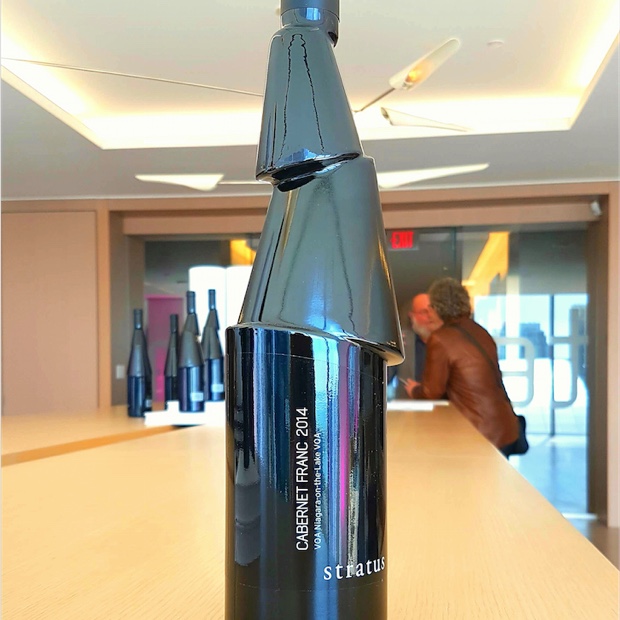
Godello

Twitter: @mgodello

Instagram: mgodello

WineAlign

All in with Chianti Classico

Ci vediamo domani @chianticlassico #cc17 #gallonero #chianticlassico

The Chianti Classico Collection 2017 was held over two days, February 13th and 14th at Stazione Leopolda in Florence, Italy. The largest of the Tuscan Anteprime poured more than 430 examples of DOCG sangiovese grown and produced from estates in the region. There is no other such opportunity to taste such a wide diversity of one multi-faceted entity in one place. Even if you’ve been privileged to attend before and are fortunate enough to be afforded the chance again, sitting in at Anteprima Chianti Classico should always be viewed as a once in a lifetime opportunity.

Related – Three days, eight estates, Chianti Classico

I must always remind you that what we are talking about is Chianti Classico, two words strung together that mean so much. One without the other diminishes the meaning and the significance. Chianti Classico was my rock, my galestro and my home base in and out of February Anteprime tastings. I made six new estate visits in 2017, bringing the total number visited in the last calendar year to 14.

In advance of the two-day affair I joined the Consorzio Vino Chianti Classico’s Christine Lechner on February 12th for a three-estate visit, first to Podere La Cappella, next to Bibbiano and finally, back to Villa Trasqua. I tasted in the most impressive and unparalleled of press rooms on the morning and into the early afternoon of the 13th, followed by a walk through on the producers’ side to assess further with winemakers and vintners. My focus on day one was Annata 2015 and 2014 with a short delve into some young Riserva examples. I took a break to take in a panel discussion led by the Consorzio’s Director Giuseppe Liberatore and on the night of the 13th attended the gala dinner.

Consorzio Vino del Chianti Classico Director Giuseppe Liberatore hosts an Anteprima panel discussion

On the second day of #CCC2017 I began with an Annata refresher and then worked my way through Riserva and Gran Selezione, careful to attack all vintages presented so as to gain some understanding into the tenets of agreeability, evolution, development and to be able to compare and contrast with these thoughts in mind. At the end of day two I jumped in Iacopo Morganti’s car and high-tailed it out of Dodge. We drove to Il Molino di Grace. The next day I joined Silvia Fiorentini for another two visit excursion, to Villa Calcinaia and Carobbio.

Anteprima Chianti Classico 2017

This step back into Chianti Classico time was purposed for an all in, taste as many sangiovese as is humanly possible two-day inculcation at Anteprima 2017. The uninitiated will wonder and ask how this is accomplished. How do you taste so many wines of the same ilk and differentiate from one to the next? The answer is really quite simple and straightforward. The sangiovese of Chianti Classico are like children. They are all different. They are snowflakes.

Related – The most important red wine from Italy

To a world who considers all sangiovese to be cut from the same cloth, from a fichu always woven of volatile acidity, fresh cherry and old leather, there are some things worth knowing. Like for instance did you know that both the Ricasoli and Carobbio estates are variegated with five unique and distinct soil types? Did you know that in Chianti Classico marl and limestone come in many variations, three of which are called Galestro, Alberese and Colombino? Soil matters for what differentiates hundreds of contrastive sangiovese.

But why or more importantly, how are they different? What factors separate Castellina from Tavarnelle Val di Pesa or Gaiole, San Casciano from Poggibonsi or Greve, Mercatale Val di Pesa from Barberino Val d’Elsa or Radda, Castelnuovo Berardenga from Monti, Lamole, San Donato in Poggio or Panzano. Take these last two micro sub zones and dig deeper still. How do the micro-terroirs within these sub-appellative areas like Panzano or San Donato in Poggio differentiate within themselves from one ridge, hill or valley to the next. How is it that one side of the Conca d’Oro is responsible for wines that so profoundly contrast with the other? The answers are never simple but let’s see if we can gain some understanding, especially through an analysis of the DOCG wines presented at the Chianti Classico Collection 2017. Later this month I will host a Masterclass at the Shangri la Hotel and we’ll look to acquiesce some answers through the eyes and the knowledge of seven outstanding producers.

Many of you will recognize the following potentially controversial quote from Roberto Stucchi’s “The Evolution of Chianti Classico.” Stucchi writes “this zone is too large and diverse to remain locked in the current DOCG regulations, which make no distinction between the extremely diverse expressions of Sangiovese in its original territory. The first natural level of evolution above the simple “Chianti Classico” appellation would be naming the Comune [township] of origin of the grapes for wines that truly represent their territory. The next step would be to define the village appellations, the smaller zones that are distinctive and that would clearly define some of the top wines in the appellation. So we could have Panzano, Monti, Lamole, as possible zones as well as the many others that have a common geography and history. This type of classification wouldn’t eclipse the current definitions of Classico, Riserva, Gran Selezione.”

Now I am not here to revive a discussion about breaking Chianti Classico up into sub-zones, based on geology or not, although I wouldn’t get in the way of highly experienced, intelligent and opinionated Chianti Classico folks from expressing their own views. We know that defining sub-zones and sub-sub zones is partially arbitrary, certainly based on subjective opinion, potentially discriminatory and so ultimately, controversial. There are no borders underground so to try and compartmentalize by geology is almost impossible. The only way to draw lines is above ground, by commune, village, river or road.

No, I am here to talk about the multiplicity of sangiovese. Though it is almost impossible to qualify what that means and by the end of this discussion we all may feel even further away from a clear and concise regional definition, we will have traveled through a healthy discourse that sheds more light on the personality and character of these wines. I’m not going to lead us into a pedagogical wasteland but rather open the door to the diversity of Chianti Classico. What we need is to talk about is the allogeneous capabilities of the grape, so that’s the plan.

#chianticlassico #gallonero #cc17

My friend and colleague Dr. Jamie Goode noted “The soils vary quite a bit, and it’s not easy to make a link between the geology and the way the wine tastes.” Jamie’s comment refers to the disconnect between geological zones and administrative boundaries. I don’t disagree with the challenge presented but I wholeheartedly oppose the idea that Chianti Classico’s variegated rocks and earth underfoot do not influence the taste of the wines. This is where the positive and as I have been warned, even the negative connotations of the word complexity come into play. Simply drawing lines and borders does not do justice to the multiplicity of sangiovese throughout the region. There are pockets of each of the many sub-soils found all over. Galestro is not confined to one location with a defined and easily traceable perimeter.  Wherever it is found, the other trace minerals, clay, silt, Macigno sandstone or calcareous tufa it might mix into will alter the character building nutrients it lends to the roots and their vines. Sangiovese in Radda with Galestro in the soil has a distinct character, just as it does a different one in Panzano. Even within Panzano the wines will differ, depending which slope and depression in the land on which the sangiovese digs deep into that galestro.

#cc17 #chianticlassico #gallonero

In Chianti Classico, just as there are anywhere grapes are grown, there are these schema of the earth created and then developed over millions of years. Just as one example there is this ridge, an escarpment really that works its way from Tavernelle and across to San Donato in Poggio. The intendment of this geology and geography and its unique aspects play a vital role in determining some of the most complex sangiovese. The significance of this is not lost on my mission.

Galestro is a sedimentary rock deposit left behind by the ancient Ligurian-Piedmontese ocean. When the Apennine mountain chain was formed the sediments were raised and pushed to the east giving rise to the Tuscan-Emilian Apennines. The galestro, clay and rock known as the “iolithium unit” is also referred to as “palombini” or “colombini” limestones, found (among other locations) in San Donato in Poggio, while in ​​Castellina in Chianti there is this gray-hazel limestone, of fine grain and concoid fracture.

After tasting through 150 sangiovese over two days at Stazione Leopolda in Firenze I joined Iacopo Morganti for the drive to a pin on the map south from Firenze along the Chiantigiana, sidestepping for the Florentine view from Impruneta, then through Greve and into Panzano. The reason for my return began as it always does, to adduce a lifelong pursuit deep into the meaning of sangiovese. It also fosters a fixation dug into the variegated soils of Chianti Classico and even further still, to the nurturing, sub-appellative specificity of sangiovese’s intaglio secrets. With each return it also ingrains a feeling of coming home. In this case home feels like Il Molino di Grace.

#pasta #perfetta #castagnoli

Related – Grace in Chianti Classico

I first visited Il Molino di Grace in May 2016 and was graciously welcomed into the family’s estate by Morganti. In the months leading up to that first visit I had opportunities to assess Chianti Classico, Chianti Classico Riserva and Chianti Classico Gran Selezione at LCBO media lab tastings in Toronto. I became an instant convert and a buyer even before I stepped foot onto Il Molino di Grace’s sloping Galèstro soil-driven vineyards in Panzano. After that May visit I was transformed into a life-long friend.

Later that May I was handed the keys to Chianti Classico’s Gran Selezione Masterclass presentation at The Four Seasons Hotel in Toronto. My role was to open the door to sangiovese perception before a crowd of Toronto sommeliers, agents, buyers and media. It was the Gallo Nero’s 300 year anniversary and its Ontario reputation was entrusted to me by the consorzio braintrust of President Sergio Zingarelli, Director Giuseppe Liberatore, Silvia Fiorentini and Christine Lechner. At that Toronto event I had the pleasure to meet and sit on the panel with Tim Grace.

To say that Il Molino di Grace is an authentic producer of terroir-driven Chianti Classico would be an understatement. Their vineyards are set upon some of the finest Galèstro soil in all of Chianti Classico. The permeations and permutations from that soil have separated this estate from so many others with a portfolio of wines constructed with power, finesse and yes, grace.

The Count Sebastiano Capponi of @villacalcinaia in his element #greveinchianti #ilconte #conticapponi #chianticlassico

Related – Six hundred years of Villa Calcinaia in Chianti Classico

The following morning, on a more than crisp and impossibly beautiful February morning, the Consorzio Vino Chianti Classico’s Silvia Fiorentini, Sebastiano Capponi and I took a walk around Villa Calcinaia, away from the Greve River and onto the fanned amphitheatre of a hill that encompasses the estate’s holdings. Within Calcinaia’s boundaries the soils change dramatically, not unusual for Greve, so the consistency of the landscape alters depending on the proximity to the river. Just across the road it changes again. At Calcinaia we tasted the four classico tiers of Annata, Riserva, Gran Selezione and Vin Santo along with a second line called Piegaia, also organic and produced from younger vines at a slightly more attractive price point.

Silvia Fiorentini and Dario Faccin

Related – Caro Carobbio

What about Tenuta Carrobio? Aside from the specialized plots that deal with Dario Faccin’s best wines, there is this specific, steep-terraced red clay soil vineyard he uses for Rosato. Rosé? Single-vineyard. Terra Rossa. Yes, this is what Chianti Classico brings to the table. A year ago in 2016, as I do now,  I repeat the mantra. Singularite, diversite, qualite. Tenuta Carobbio at Panzano in Chianti lies at the heart of Chianti Classico and below the hilltop town sits the “golden basin” of the Conca d’Oro, once a prized wheat producing area interspersed with grape vineyards and olive groves. Carobbio is not so easy to find. The tight twisting road from Panzano climbs and descends before turning off-road for the descent into the valley where tucked away and recondite Carobbio lies. It is no stretch to call Carobbio a hidden gem. The soils are characterized by a significant proportion of deep clay, sandstone, siltstone strata, marl and Alberese, the latter two most typical of Chianti Classico.

Related – The heart and the hearth of Podere La Cappella

The day before the Chianti Classico Anteprima I toured the region with the Consorzio’s Christine Lechner. Which brings me to this very special visit I made to see Bruno and Natascia Rossini at Podere La Cappella. You do your best to breathe in and with eyes wide open examine to commit to memory the simple and extraordinary truths that you see around a property such as this. You see it as beatific, elysian, baronial and devout, as a small piece of paradise in a sea of paradisiacal estates in Chianti Classico, but here unequivocal to San Donato in Poggio.

Related – Chilling with the bad boy of Chianti Classico

If you stand on the plateau at Bibbiano and look down one slope and then the other, another epiphany will follow. You listen to what Tommaso Marrocchesi Marzi has to say about his vineyards, how each affect his wines but also what happens when he combines the two together.  What stands apart with glaring clarity is the determinate or indeterminate Bibbiano slope each wine draws their fruit from, in some cases one or the other and yes still in others, a combination of the two. Montornello and Vigna del Capannino. The descending vineyards on either side of the Bibbiano plateau offer up an incredible study in contrasting Chianti Classico geology.

A study of the district of Castellina in Chianti and geomorphological Bibbiano is paradigmatic to the variety of the appellation. The estate is placed at the southwestern side of the area with altitudes varying from 250m to 600m. It’s plateau is perched on two slopes, on a late Miocene and early Pliocene seabed platform aged 5-10 million years. On one side the highest and eastern is based on primary boulder platforms; the lowest and western on silt sediments. More specifically it is broken down as calcareous silt and sediments of diverse kinds of clay mixed with round pebbles, rare sands, rare chalk veins on the NE estate side; pure gray clay with fragmented limestones, shattered schists on the SW estate side.

On that glorious February 12th afternoon in between Anteprime days I exited the car at Bibbiano and noticed this most beautiful stone wall bathed in Chianti Classico light. Castellina in Chianti light to be precise, overlooking the Elsa Valley towards the castle of Monteriggioni and I laid my body down for a quick rest. Here in Bibbiano with Montornello on the northwestern side and on the southwestern, Vigna del Capannino. A stillness filled the air. Minutes later, refreshed and ready, I sat down to taste Bibbiano’s wines. A river of adroit style runs through the wines of Bibbiano. They are uncluttered, ingenious, precise and successive sangiovese (and sangiovese grosso) wines of tradition and modernity. I tasted Chianti Classico Annata, Riserva, Gran Selezione.

A restful return and new visit with the #chianticlassico of #villatrasqua #castellinainchianti Thank you Sven. Thank you Giorgia. #graziemille

Related – A Chianti Classico return to Villa Trasqua

Like love, sangiovese from Chianti Classico can’t be owned because no two are the same. It was a return to Villa Trasqua where the revelation snuck into my brain and my heart because while their wines are no exception to the Chianti Classico rule, they are becoming increasingly exceptional and each are their own emotive exemption. I joined Sven Hulsbergen and Villa Trasqua’s Export Manager Giorgia Casadio for dinner and to taste through the estate’s current releases, not to mention some spirited conversation and debate.

I have tasted, assessed and reviewed 121 Chianti Classico Annata, Riserva and Gran Selezione since February 2017. Most of these tasting notes were taken at the Chianti Classico Collection and during my six estate visits. A handful were also done at ProWein 2017 in Düsseldorf, Germany in March.

Journalists at Chianti Classico Collection 2017

Chianti Classico DOCG (Annata) 2015

Villa Belvedere Campoli Chianti Classico 2015, DOCG Tuscany, Italy (WineAlign)

Since January 2016 the estate has been under the ownership of Conte Ferdinando Guicciardini, on the ridge of the hills between Mercatale and Montefiridolfi at an altitude of about 400 meters. Since the 18th century it was held by the Winchler family attending the court of grand duke Pietro Leopoldo of Lorene, located in the village of Mercatale Val di Pesa. The 2015 is notable for a remarkable fresh raspberry purée but with some firm and rich grip. Softens on the palate into a very easy, gulpable, gamay-like sangiovese. Just a fractive bit of sweet tannin comes up the backside, unannounced and soothing. Cool minty finish and ultimately noted as a mineral, Mercatale specific sangiovese. Drink 2017-2018.  Tasted February 2017   Villa Belvedere Campoli  #villabelvederecampoli

Cantine Bonacchi Chianti Classico 2015, DOCG Tuscany, Italy (Agent, WineAlign)

From Castelnuovo Berardenga. Quite bretty and old-school, not so funky but certainly earthy-volatile. Still reeling and not settled in its glass house. Scents of strawberry and the rubbed or bruised leaves, so the savour and herbiage is a good foil to the funk. Chalky finish. Drink 2018-2019. Tasted February 2017  @TheCaseForWine  Cantine Bonacchi  #cantinebonacchi

Castello di Ama Chianti Classico 2015, DOCG Tuscany, Italy (Agent, $34.95, WineAlign)

“The road from Radda leads to Amma,” where some of Chianti Classico’s most fertile land treats sangiovese vines as if they were planted in a garden. Hard not to experience this Gaiole Chianti Classico as a sangiovese of extreme youth for a quick to bottle Ama, so floral and what just has to be so as a result of some whole cluster, feigning carbonic and hyperbole of managed freshness. Some exotic spice in perfume and real, certain, credible clarity. Not that this will entertain notions of Ama longevity but the purity clarifies the 2015 vintage position of consumer and critical mass quality. Drink 2017-2019.  Tasted February 2017  @CastellodiAma  @castellodiama  @HalpernWine  castellodiama  halpernwine  @halpernwine

Castello Di Gabbiano Chianti Classico 2015, Docg Tuscany, Italy (219808, $17.95, WineAlign)

A broad brushstroke of sangiovese around San Casciano in Val di Pesa conjoins and completes Gabbiano’s Chianti Classico, a rich to riches ’15 of pure red berry and some plum fruit. Spice blankets the expression and is certainly needed to match and offset the level of ripeness. This is hands off, ultra-clean work from winemaker Federico Cerelli and über exemplary of the vintage. Consumers will not be able to resist. Drink 2017-2019.  Tasted February 2017  @castgabbiano  @MarkAnthonyWine  castellodigabbiano  markanthonyon  @castellogabbiano  Ivano Reali (Castello Di Gabbiano)

I Collazzi I Bastioni Chianti Classico 2015, DOCG Tuscany, Italy (Agent, WineAlign)

Collazzi has been producing this CC since 2002 from seven hectares located in the adjacent town of San Casciano. The exposure is south/south western on rocky, well drained soils. Quite firm and somewhat muted aromatic entry out of the good must but musty nonetheless. I’m getting white to grey clay but not much fruit. Really solid texture and structure to the palate though again not a Chianti Classico of fruit sort vintage. Austere and demanding though pleasure surely lies ahead. Not absent minded of a fruit deprived style but just that it’s too young. Drink 2018-2020.  Tasted February 2017    @CollazziVini  collazzivini

Colle Bereto Chianti Classico 2015, DOCG Tuscany, Italy (Agent,, $31.95, WineAlign)

From Radda in Chianti and one of Chianti Classico’s great young, forward thinking winemakers Bernardo Bianchi the wisdom is easily noted, deduced, accepted, considered and abided. Red fruit with an earth’s dusty, cracked crust allows for smells like fresh tiles and the just mixed mortar but that fruit is aching to burst forth. Very seamless for a young Chianti Classico, so this building will stand strong and last through the centuries, which in wine years equates to seven, maybe ten. Terrific sweet acidity, life-affriming sapidity and vitality. As good as young CC gets with the longest, pitch perfect tang in elongation, drift and persistence. Drink 2018-2025.  Tasted February 2017    @NokhrinWines  Azienda Agricola Colle Bereto  Azienda Agricola Colle Bereto

Dievole Chianti Classico 2015, DOCG Tuscany, Italy (WineAlign)

The Castelnuovo Berardenga fruit beyond the tart generalities of red cherry delves into something a bit deeper, of that next level from extraction. With this in mind there might be some expectation of tannin onto which fine bitters latch below but this ’15 takes the vintage’s best offerings and travels up the high road. High acidity is both the magnifier and the qualifier so this has to wait, at least a year plus before the mineral-chalk and sustainable grip begin to integrate. Look at this Dievole as existing in the modern Chianti Classico realm that will be at its best in the near but over the dale future.  Drink 2019-2022. Tasted February 2017  @Dievole  @dievole  dievole

Fattoria Nunzi Conti Chianti Classico 2015, DOCG Tuscany, Italy (WineAlign)

Another sangiovese in the slightly calm, quiet and demurred realm where some seem shy and not quite ready to speak. Though that being said the red fruit is gorgeous, alive, with great balancing acidity and tannin. This really works, strikes, reels, lashes again, reveals earth and fruit intertwined. A refined and actually quite modern CC from San Casciano in Val di Pesa. There is a very smart winemaker working this room. Drink 2018-2023.  Tasted February 2017    @famiglianunzicont  Antonio Nunzi Conti  #nunziconti

Fattoria Di Ruppiano Astorre Noti Chianti Classico 2015, DOCG Tuscany, Italy (WineAlign)

Quite tart to nose with funky meanderings and some microbial activity. Palate is better but the grainy, chalky, bitter and astringent tannin brings out the fruit, which happens to be green. From Castelnuovo Berardenga. Drink 2017-2019.  Tasted February 2017  @fattoriadiruppianoastorrenoti  #ruppiano

Pasolini dall’Onda Chianti Classico Sicelle 2015, DOCG Tuscany, Italy (WineAlign)

One of the freshest sangiovese, pure of red fruit, essence of ripe berries and a natural feel that is too often rarely there. This strikes as wild yeast organic, perfectly tart, thirst quenching and second, third and fourth sip inducing. No funk, so clean, precise and pleasing. Takes its Barberino Val d’Elsa hilly clay sloped with gravelly-ciotoloso streaks and runs like a river right through it. Ease of ability, confidence and just fruit to enjoy for the first two years of utmost most enjoyment. Drink 2017-2019.  Tasted February 2017  Fattoria Pasolini dall’Onda Borghese  #FattoriaPasolinidallOnda

Podere La Cappella Chianti Classico 2015, Tuscany, Italy (Agent, $28.95, WineAlign)

Every Chianti Classico tasting should begin with a 2015 and Podere La Cappella’s is the ideal portal. Breaks it consistently down with 90 sangiovese and 10 merlot because, as we are informed by Natascia Rossini, “if you want to make Chianti Classico and drink it (relatively) young, you need to blend in a little bit of merlot or cabernet.” This is the wise sangiovese, from vines seven to 10 years old and still the mineral gives, even from young vines. Important in that it is raised with no new oak and in which richness is balanced by the sort of acidity that tries to remain out of focus, out of the spotlight. The fruit is dark and broods in youth, so a comparison to ’14 will be smart. The contrast reminds us of a more getable, dare it be said commercial vintage in this two sides of the moon sangiovese. Robust, consolidated, sober and gorgeous. Still, a year will make a difference. Drink 2018-2025.  Tasted February 2017      #poderelacappella  Natascia Rossini

Podere Poggio Scalette Chianti Classico 2015, DOCG Tuscany, Italy (Agent, WineAlign)

The seventh vintage for the cement-aged Annata is a firm one, especially for 2015, of quick aromatic demand, already thinking ahead, not necessarily for the here and now. The sangiovese di Lamole from decent Greve in Chianti altitude (450m) delivers some hillside (mountain-isn) herbs and fennel with chicory too. To the palate comes a char on cinghiale roasting over the fire. Top quality acidity rounds out this traditional, fiery red sangiovese with grip and persistence.  Drink 2019-2024.  Tasted February 2017  @ProfileWineGrp    Podere Poggio Scalette  Podere Poggio Scalette

Renzo Marinai Chianti Classico 2015, Docg Tuscany, Italy (WineAlign)

You can take the boy out of the vintage but you can’t take the vintage out of the boy. It may very well be 2015 but the estate style is clear and vivid, wild and intense. This is a massive Panzano-fortified CC in relation to most others. Deep, dark fruit, wild acidity and crazy tannins. Not typically 2015, full of structure and quite the lion. Now is way too early to enjoy and if this is not the CC you want for the here and now so be it. Find another. This is the way of Marinai. This is built for a long journey ahead. But there is no worrying over the rise and fall of the cake. Drink 2018-2026.  Tasted February 2017    #renzomarinai  Renzo Marinai Panzano

Rocca delle Macie Chianti Classico 2015, Docg Tuscany, Italy (741769, $18.95, WineAlign)

Rocca delle Macie’s Chianti Classico 2015 makes the adjustment and will be perfect for the current market, now changing in style again, away from dark colour, with less cabernet sauvignon, to be so very sangiovese and to celebrate the vintage. The classic fresh, bright and righteously dusty red cherry is just so very subtle and refined for what sangiovese can be. You will be hard pressed to find a more amenable, reachable and commercially getable Chianti Classico from a vintage ready to roll. Drink 2017-2019. Tasted February 2017  @roccadellemacie  @roccadellemacie  @ProfileWineGrp  Profile Wine Group  roccadellemacie

Vignamaggio Chianti Classico Terre di Prenzano 2015, DOCG Tuscany, Italy (Agent, WineAlign)

The single-vineyard Greve in Chianti Prenzano is quite traditional sangiovese from vines are 15-20 years old. As with so many 2015’s the youth is glaring and in Vignamaggio coupled with elevated tones. The flowers are in bloom big time, the dark fruit just picked. The settling required here is more pressing so imagine this shed of its current stark realities softening in two years and gifting the warmth and balance of the vintage. Drink 2018-2021.  Tasted February 2017  @vignamaggio  @HHDImports_Wine  Vignamaggio  vignamaggio

Chianti Classico DOCG 2014

Bibbiano Chianti Classico 2014, DOCG Tuscany, Italy (168286, $23.95, WineAlign)

Taken out of both the north and south vineyards (the estate sits on the ridge of Bibbiano at 310m) from the difficult, rainy vintage. Tommaso Marrocchesi Marzi notes that “being organic you have to be very careful with your farming” but despite the adversity the fruit came clean. You get freshness, acidity, florals of a wide range, fennel-liquorice, mint and savour, taut sapidity, but not wound so tight you can’t gain access. The vintage solicited a careful selection, more so than usual but not so out of the ordinary. Yields were low as result. This is very sturdy, essential sangiovese of tradition, proper description of its dual terroir and what it means to be in this wine. From calcareous pebbles in variegated clay and sharp schist in red clay. Smells like the slopes and its natural growth, with just a touch of colorino, raised all in concrete and no wood. Is what it is, perfect and imperfect. Drink 2017-2021.  Tasted February 2017  @bibbianowines  VineWhys Wine Experts  @bibbianowines  bibbianowines

Bindi Sergardi Chianti Classico La Ghirlanda 2014, DOCG Tuscany, Italy (WineAlign)

The Castelnuovo Berardenga Ghirlanda vineyard is found on the Mocenni estate, near Vagliagli. The modern palate in search of Riserva in Chianti Classico will want this, of extraction and compression, not to mention density and a sweeping vat of deep black cherry liqueur. A nice mineral streak comes from soil rich in galestro and alberese at 450 meters. in the shadow of Monteriggioni. It’s tart and tannic but of tannins that are already fully engaged, chalky and established in their grip. It’s all in there now. Drink 2017-2018.  Tasted February 2017   @BindiSergardi  Alessandra Casini Bindi Sergardi  @bindisergardi  bindisergardi

Brogioni Maurizio Chianti Classico 2014, DOCG Tuscany, Italy (WineAlign)

Brogioni Maurizio is plain good funky Greve in Chianti Classico of its own sweet funk with a bounce in its step, a funk that does not so much blow away as carry on with the musicality of the fruit. The palate piles on with great harmonic volatility. The beat is part disco and part Funkadelic R & B  all wrapped and warped into one crazy fun wine.  Drink 2018-2020.  Tasted February 2017  Maurizio Brogioni  #brogionimaurizio

Silvia Fiorentini and Dario Faccin

Tenuta Carobbio Chianti Classico 2014, Tuscany, Italy (Agent, $37.95, WineAlign)

Chianti Classico 2014 is a Panzano in Chianti, Conca d’Oro sangiovese with five per cent merlot that takes just one whiff to gain an understanding of what’s going on with wine director Dario Faccin, Carobbio and where these wines are heading. From the start I would ask to leave vintage concern or controversy out of the equation and simply concentrate on the purity from a variegated sangiovese that is entirely specific to the vineyards here. The red to purple sangiovese, transversing a line from a classic to ultra modern without ever veering from what sangiovese must have been and quintessentially is, off of vines tendered into Carobbio’s soils. The only comparison thus far is the Radda in Chianti Colle Bereto from Bernardo Bianchi, here of course so different, but with perfect hue, avoidance of massive structure and bullish tannin, in a word or two, “molto elegante.” Precise. Drink 2017-2025.  Tasted February 2017  @Tenuta_Carobbio  @apparitionwines  @tenutacarobbio  carobbio_wine

Casa al Vento Chianti Classico Aria 2014, Tuscany, Italy (WineAlign)

In terms of Vendemmia 2014, Aria from Gaiole In Chianti is a wilder expression, more da capo than di sorbetto, with cherries so bright to the point of vivid and a deep exhaling, high-toned and rising still. There is a dusty fennel note as well mixed into the faint but frank acetone. This improves dramatically on the palate and with oak more presence than you would think would or could transmute. Quite fine for a 2014 and looking back on it, pressed deftly for success. Drink 2017-2019.  Tasted February 2017  @casaalvento  borgocasaalvento  @AgriturismoChiantiCasaAlVento

Castello di Monsanto Chianti Classico 2014, Tuscany, Italy (WineAlign)

Monsanto’s sangiovese (with 10 per cent canaiolo and colorino) comes from Barberino Val D’Elsa and the line here is walked by the darker fruit, albeit dusty with a shade of new leather, richness and depth. You can sense the low-yielding, classic savour of the 2014 vintage. Chianti Classico possessive of such fruit, spice, bite and chew. Feels a touch warm at present so needs some settling, but this is quite structured juice. Drink 2018-2022.  Tasted February 2017  @castelmonsanto  castellomonsanto  @castello.dimonsanto

Castello Monterinaldi Chianti Classico 2014, DOCG Tuscany, Italy (383604, $19.95, WineAlign)

The producer notes that the Annata “is both field blend and a cellar cuvée into a worth greater than the sum of Monterinaldi’s single vineyards.” The Castle of Monte Rinaldi is situated in the commune of Radda in Chianti and this sangiovese helps to amagine the air inside, closed and somewhat musty. This Chianti Classico is reserved, not giving too much away at such a young stage. What speaks now is more earth than fruit, with quite a clay grain running through and a hollowness to the mid-palate. Indeed “the Annata usually starts life in a secretive way before conceding herself.” Drink 2019-2021. Tasted February 2017  @monterinaldi  C & E Worldfinds  @monterinaldi  #monterinaldi

Cigliano Chianti Classico 2014, DOCG Tuscany, Italy (189803, $19.95, WineAlign)

Deep, dark and sombre inhalant of grand vineyard fruit in the premium selezione vein, this is indeed a sobering San Casciano in Val di Pesa Chianti Classico with wild berries, herbs and drops of fine liqueur, almost like Vin Santo but without sugar. Cigliano takes a certain road for 2014 and gets away with murder. This could have turned out hot and bothered but the balance is struck by chords of great acidity and tension. This pulls no sangiovese or vintage punches and is clearly the work of a rogue winemaker. Drink 2018-2023.  Tasted February 2017    DB Wine & Spirits  @VilladelCigliano  Fattoria Cigliano

Fattoria Di Corsignano Chianti Classico La Coppia 2014, DOCG Tuscany, Italy (AgentWineAlign)

From Castelnuovo Berardenga and quite the aromatic exotica, of cinnamon, a touch of clove but not too much, nearly and veering volatile but not in a breezy way. It’s an intense potpourri and a very sour-tart palate but the fruit is sound and clear. More old-school than at first thought of and quite tannic but the hue, texture, structure and potential are all pure sangiovese the way it’s supposed to be. Nothing modern, fetischistic or ambitious about it. Will live a decade or more, but it has to be your cup of sangiovese style. Regardless it’s just the vintage done right. Drink 2018-2027.  Tasted February 2017   @corsignano  @tenutadicorsignano  Don Ackerman’s Wines & Spirits  fattoriadicorsignano

Fattoria Terreno Chianti Classico 2014, DOCG Tuscany, Italy (WineAlign)

The typically stony and gravelly galestro south by southwest terraced vineyard at 350m sits in the heart of the Greve Valley. Its sangiovese (with 10 pert cent merlot) resides on the extracted, modern and expressive shore, of black cherry and cabernet sauvignon-esque Cassis meets Ribena. A deep inhalant with mint, clove and menthol repetition. Some pleasantries and expressiveness exist gainfully  on the palate. Quite bright and full of flavour, savour and grip. Really ripe and get me sangiovese.  Drink 2018-2021.  Tasted February 2017   @terrenovino  #fattoriaterreno

Fontodi Chianti Classico 2014, DOCG Tuscany, Italy (933317, $36.95, WineAlign)

No surprise here from stalwart Fontodi, to take a difficult vintage, push vanity aside and select the best fruit for a pure expression of sangiovese, natural and organically made, with precision and clarity. The red Panzano fruit spikes with cran-pom-rasp-currant bursting freshness. iI’s just the right amount of tart and sapid, carefully rippling in acidity. So well made. Drink 2018-2022.  Tasted February 2017    @rogcowines  Az. Agr. Fontodi  #fontodi

Fontodi Chianti Classico Filetta Di Lamole 2014, DOCG Tuscany, Italy (Agent, $35.95, WineAlign)

From the “forgotten corner of Chianti Classico,” Lamole of Greve in Chianti is perched in a natural amphitheatre between Volpaia to the south and Panzano to the west. Some of the vineyard’s older vines are still pruned in the alberello (bush) style. This is Giovanni Manetti’s inaugural vintage of the Filetta in cohorts with his cousin. So, decidedly a diffident partner and opposing force to the Fontodi Annata because the earthy-subterranean dwelling aromatics brood beneath the red, verging to riper and darker fruit. There is a liquor, aperitif amaro-ness to the Lamole. The clay must be darker and more compressed. The balance is struck though on deeper, more brooding and warmer alcohol-felt lines and in 2014, as if it were a Riserva. It’s an oak “vessel’ aged 100 per cent sangiovese, as opposed to other the estate’s usual use of barriques. It is perhaps counterintuitive but this acts more evolved than the “normale.” Neither better or worse but enjoyment time is now. Drink 2017-2019.  Tasted February 2017    @rogcowines  Az. Agr. Fontodi  #fontodi

Il Molino Di Grace Chianti Classico 2014, Docg Tuscany, Italy (85209, $19.95, WineAlign)

Incidentally the first vintage on which the label reads organic, 2014 captures the freshness and the true Chianti Classico, its nature and its truth. No mask, nothing to hide behind, nowhere to run. “In some ways 2014 is more typical a vintage,” suggests Iacopo Morganti, because like other passed over and quickly assessed ones of the recent past (such as 1996, 1998 and 2008) the intrepid purity of sangiovese is decisive and built to last. This is deeply hued Chianti Classico, refreshing, spirited and crafted with a very specific type of actionable drinkability. With pasta, with filetto, with friends. Will not change course for four years and drink comfortably for four more. Sangiovese accented with canaiolo, colorino and malvasia nero. Drink 2017-2025.  Tasted February 2017  @Ilmolinodigrace  Il Molino Di Grace  Frontier Wine Merchants  ilmolinodigrace

La Querce Seconda Chianti Classico 2014, DOCG Tuscany, Italy (WineAlign)

From the most northern Chianti Classico vineyard located in the area of San Casciano Val di Pesa, La Querce Seconda by Niccolá Bernabei is high-spirited, of tart to volatile brightest of bright red fruit with toasted fennel to nose. Quite a tart palate as well with furthered  spirit and quite sweet tannin. This is old school but alive and vital. Will live this kind of life for a spell.  Drink 2018-2022. Tasted February 2017    @LaQuerceSeconda  laquerceseconda

Le Fonti di Panzano Chianti Classico 2014, DOCG Tuscany, Italy (282848, $26.95, WineAlign)

From organic sangiovese from Vicky Schmitt-Vitali in Panzano this Annata caries a most unique sweet, candied nose, part cotton and part hard shell on red delicious apple. Also turkish delight, unusually so, especially for 2014 Chianti Classico. Very ripe fruit with what noses as perhaps a few botrytis berries in the mix. That said it drinks really well with solid acid levels and firm but immediately gratifying engaged tannins. Le Fonti’s is the deepest well of ripe sangiovese offering exceptional consumer appeal for the here and now. Drink 2017-2018.  Tasted February 2017  @LeFontiPanzano  Fattoria Le Fonti – Panzano  @TheVine_RobGroh  @thevineto  poderelefonti

L’Erta Di Radda Chianti Classico 2014, DOCG Tuscany, Italy (WineAlign)

No shrinker this L’Erta Di Radda, the deep clay and what smells perhaps like galestro and certainly an affinity with the Colle Bereto style, if here more of a pressed brooder. Convincing and precise of Radda soils rich in both galestro and alberese, a depth of everything is counted quickly and then countered with grip in tannic structure. This is serious sangiovese, a deep inhalant, welling with aromatic texture and the avidity of layered ripe fruit. I find it exceptional for the vintage. Everything about this is place, terroir, territory, tradition and ambition. Wow. This may be one of the best ’14’s period. Great structure-acidity to tannin continuum. A vacuum of moving parts all in unison and seamless despite the rage inside its machine. Plums and pepper on the finish with great grains of chalky-pebbles, fine, pearly, pomegranate/sour cherry, tapioca like. Drink 2019-2029.  Tasted February 2017 @lerta.diradda 

Machiavelli Solatio Del Tani Chianti Classico 2014, DOCG Tuscany, Italy (WineAlign)

From Grupo Italiano Vini and located in San Casciano Val di Pesa. With s distant connection to exiled Florentine Niccolo Machiavelli on the  of the ancient Fontalle estate the Solatio Del Tani is a bit dark and brooding, “solace for now” in sangiovese pressed for impression. Then the geosmin factor steps up as it goes sweaty and confined, musty and reductive. The reduction is more than the idea of the bacterial but at the end of the solstice there is some not so clean fruit in here. Drink 2017-2018.  Tasted February 2017      @VillaMachiavelli  #villamachiavelli

Montefioralle Chianti Classico 2014, DOCG Tuscany, Italy (WineAlign)

An ambitous ’14 Greve in Chianti Classico of a welling pool filled with cherries steeping in strong herbal, mint and potpourri, aromaticized and certainly romanticized as a sangiovese dream. This has Riserva aspirations and modern Brunello styling. Very commercial, quite delicious and ready to please. Sweetness on the palate confirms it all. Drink 2017-2018.  Tasted February 2017     Montefioralle Winery  Castello Di Montefioralle  montefioralle

Il Palagio di Panzano Chianti Classico 2014, DOCG Tuscany, Italy (WineAlign)

Not to be confused with the Sting-Toscana IGT-Message in a Bottle thing, this is from the truly Chianti Classico-sangiovese- Conca d’Oro-Monia Piccini and Franco Guarducci Il Palagio di Panzano. Quite pretty and pitch vintage perfect for 2014, accomplished with step-back care and respect. Reeks well and fine of the land, dusty, soil savoury and sweet herbal garnish fancy. Quite simply what the vintage wanted, requested and in this balanced CC, to with has been complied. There is a proper sense of tension and fine-grained tannin to bring it all together. Drink 2018-2021.   Tasted February 2017 @palagiodipanzano  palagiopanzano

Piegaia Chianti Classico 2014, Docg Tuscany, Italy (Agent, $19.95, WineAlign)

If the 2014 Chianti Classico vintage was a summons to contest then it was winemaker Sebastiano Capponi that met it head on. Challenging weather and low yields tested mettle and solicited acumen so just as the Villa Calcinaia won the battle, so does the Piegaia. My rudimentary understanding would take this to mean “pious earth,” and it is the clay, silt and mineral Greve in Chianti soil that helps to define this wine. Here is inter-personal sangiovese, umami-aromatic, salato e piccante. There may be less refinement (and maturity) than the older sibling but it does not lack for varietal purity or classic character. Piegaia also confirms if perhaps expands on the tart flavours that define sangiovese, with natural acidity and non-combative tannins. I can’t think of a wine list that wouldn’t benefit from this juicy, organic and time-honoured Chianti Classico. Drink 2017-2020.   Tasted May 2017  @villacalcinaia  @Nicholaspearce_  villacalcinaia  nicholaspearcewines  @calcinaia  Nicholas Pearce

Podere La Cappella Chianti Classico 2014, Tuscany, Italy (Agent, $28.95, WineAlign)

As with the coming unrestricted vintage, the 2014 get together is 90 per cent sangiovese and (10) merlot but such a different animal. The acidity needed to be stronger for deferential (but classic) fruit squeezed from minuscule yields after so much rain. It all called for the requiem of very strict selection and there is this rusticity in ’14 along with so much more herbology and perfume. Roses and fennel, less fruit, more perfume. There is structure in 2014 and it is a wine that will develop secondary character because of the umami that is necessary without as much fruit due to sun deprivation. Frutti di bosco sharing equal aromatic time with frutti di conifere. Walks a more traditional, taut, direct and unconsolidated sedimentary line for Chianti Classico, with time travel ability to a future blooming with Angiosperms. It’s simple really. The sangiovese usually reserved for Corbezzolo went to Riserva and for Riserva relegated to Chianti Classico. Structure is not compromised. Drink 2018-2026.  Tasted February 2017      #poderelacappella  Natascia Rossini

Podere Poggio Scalette Chianti Classico 2014, DOCG Tuscany Italy (Agent, WineAlign)

In the Greve in Chianti Scalette way this takes traditional methodology and strides confidently into the CC future. Shows what a year can effect on this fruit, with deeper richness than ’15 despite the vintages purporting the opposite. The palate tells the real story here with great acids and fine tannin enveloping, protecting and sealing in the purity of the fruit. This has depth and structure. It’s quite the mouthful, brings history into the present and services Chianti Classico with classicism and possibility. Drink 2018-2025.  Tasted February 2017  @ProfileWineGrp    Podere Poggio Scalette  #poderepoggioscalette

Querciabella Chianti Classico 2014, Docg Tuscany, Italy (728816, $37.95, WineAlign)

I am at first quite surprised by the aromatic candy and volatility on this Greve in Chianti Querciabella when considered after the extraordinarily balanced 2013 recently tasted. But this ’14 is still silly young and the sweet opening is just a portal in which to crawl through. Once inside there is this specific liquor, a pool filled with more wealth of sangiovese fruit than the basin can currently hold. So it’s spilling over the edges in its youth and it’s simply too much for the glass to hold. I think the house took this a bit too far in reaction to ’14’s weather and a bit of balance has been compromised. I’m not sure this will ever find the elegance that ’13 showed but it does match the ripeness and the necessary triumvirate opposition forces of grip, acid and tannin. Huge wine. Maybe it just needs five years to settle into its skin because of course the fruit is red bright, not dark, hematic and brooding. Drink 2019-2026.  Tasted February 2017  @Querciabella  @rogcowines  @querciabella  querciabella  querciabella

Renzo Marinai Chianti Classico 2014, Docg Tuscany, Italy (WineAlign)

Renzo Marinai’s Chianti Classico comes from down in the colata of the Conca d’Oro, across the valley from Carobbio. I tasted the 90 per cent sangiovese plus 10 per cent cabernet sauvignon with Managing Director Janmario Hero Reina who tells me that the vintage dictated production of only Annata, so no Riserva and No Gran Selezione, In this fact of matter way Marinai separates itself from other estates but the decisions are also driven by location. After all, Panzano is the organic centre of the Chianti Classico universe. Few CC’s carry this kind of weight, structure and depth of liqueur steeping fruit. There is a touch of pretty volatility so the traditional weight presses upon this sangiovese but it’s a smooth running operator. Needs a year to settle and integrate. Drink 2018-2024.  Drink February 2017    #renzomarinai  Renzo Marinai Panzano

Rocca delle Macie Chianti Classico 2014, Docg Tuscany, Italy (741769, $18.95, WineAlign)

A year in bottle has been kind to what Sergio Zingarelli refers to as “our most important wine,” a VINTAGES essential that despite the low yields, still kept up the quantity in 2014. This was made possible by fruit gathered from near and far by growers engaged in the Rocca delle Macie quality ideal. Quite firm and still some tannins run through like fine grains of sand. Tart in just the right balance and a touch of refining sweetness on the finish. Drink 2017-2020.  Tasted February 2017  @roccadellemacie  @roccadellemacie  @ProfileWineGrp  Profile Wine Group  roccadellemacie

Rocca di Montegrossi Chianti Classico 2014, DOCG Tuscany Italy (AgentWineAlign)

Even at three years the Rocca di Montegrossi Annata ’14 is too young so with a wink and a nod it is understood why the powers that be should hold back their wines longer for best commercial benefit. The classic Rocca amalgamation of sangiovese with equal (five per cent) addendum by colorino and canaiolo is both traditional and necessary. In Gaiole there is this unwritten mythical and antediluvian law that dictates such practice. Though too much stock should not be placed on which varietals, international or otherwise should support sangiovese, this is Monti in Chianti. Enough said. Big (500L) barrels administer the low-yielding, meticulously selected, certified organic grapes with the most subtle and slightest dusty ride through a decidedly old-school Chianti Classico maturation. Copacetic feelings are provided by dehydrated and consequently ripe rehydrated fruit that turns dark and rich. The firm grip at the back end tells us that two more years of development is needed. Drink 2019-2026.  Tasted February 2017  #roccadimontegrossi  @RoccadiMontegrossi  Devon Masciangelo  #roccadimontegrossi

Savignola Paolina Chianti Classico 2014, DOCG Tuscany, Italy (WineAlign)

This sings of of so many Chianti Classico sweet aromatics, ripe red strawberry and raspberry, more palate sweetness and so very easy on the tension. One of the easier, simpler and quietly pleasurable ‘14s, not just from Greve in Chianti but the whole of the territory. Tartness and sour-edged acidity are complimentary if far from elevating. Drink 2017-2019.  Tasted February 2017    Savignola Paolina  savignolapaolina

Vallone de Cecione Chianti Classico 2014, DOCG Tuscany, Italy (WineAlign)

In Panzano, this organic and biodynamic Chianti Classico is the old, wise and profoundly aromatic sangiovese. It’s also built with tidy structure, due in part no doubt to the canaiolo inclusion from a producer that treats the ancient variety with great respect. Their varietal canaiolo is a bright, elegant and architectural wine. Even 10 per cent canaiolo inclusion here lends credible accent and catalyst support. This CC strands ripeness on account of proportion with beneficial elevated acidity melting into richness. It offers the whole package in 2014. Drink 2018-2024.   Tasted February 2017    #vallonedicecione  @vallonedicecione

Villa Calcinaia Chianti Classico 2014, Docg Tuscany, Italy (Agent, $25.95, WineAlign)

From a challenging and low-yielding vintage that took away more than it gave. The varied renditions of Chianti Classico are all over the map so it’s a revelation to come across Sebastiano Capponi’s calm and beautiful ’14 life. His is a sangiovese that was allowed to just be itself, aromatic to savoury, immune from the pressures placed upon by vintage and expectation. Calcinaia’s is a Greve in Chianti of roses, violets, more amenability than most ‘14s and without any real bother from the barrel. Quite pure with very mature sangiovese flavours, circulating and by extension from natural acidity. The length is exceptional for annata. Drink 2018-2022.  Tasted February 2017  @villacalcinaia  @Nicholaspearce_  villacalcinaia  nicholaspearcewines  @calcinaia  Nicholas Pearce

Chianti Classico DOCG 2013

Bibbiano Chianti Classico 2013, DOCG Tuscany, Italy (168286, $23.95, WineAlign)

A rich liquere, weight and warmth define this sangiovese from Castellina in Chianti by Tommaso and Federico Marrocchesi Marzi. While the old school leather, cherries and steeping liquor are in line with many Brunello this is pure Chianti Classico and not Riserva. The clarity and purity of fruit make that determination even if the wine is warm to mulled in feeling. Will settle a bit and develop its mushroom, truffle and forest floor nuances sooner rather than later. For fans of bold CC and the way it can be thought as has to be. Drink 2018-2022.  Tasted January 2017  @bibbianowines  VineWhys Wine Experts  @tenutacarobbio  bibbianowines

Il Molino Di Grace Chianti Classico 2013, Docg Tuscany, Italy (85209, $19.95, WineAlign)

Nine months later so provocative and round, still imbued of the deep pulpier purple Il Molino di Grace hue with ruby tinges. Floral but not bursting, warm, in control and easy. Manages fruit purity and then by extension, the grip from 100 per cent sangiovese. Now gelling into a liqueur typical of ’13, smooth and rapidly developing into a multi-faceted sip. A drink earlier in full enjoyment vintage.  Last tasted February 2017

The 2013 point blank sangiovese Chianti Classico is a softer, rounder version of its normale self, with less spice and dust and as a matter of course, from double the output. A dreamy downy growing season saw to 100,000 bottles and each are so eminently drinkable. There is a soil in there that seeps through because of the vintage, that combination of marl and limestone known locally as galestro and so while the concentration is wontedly in measure to 2012, it is ultimately just a matter of differing result. One wine’s pale is another one’s edge. This ’13 will present for immediate pleasure while ’12 spends one more year coming into view. Drink 2016-2019.  Tasted May 2016  @Ilmolinodigrace   Il Molino Di Grace  Frontier Wine Merchants  ilmolinodigrace

Fattoria La Presura Chianti Classico 2013, DOCG Tuscany, Italy (WineAlign)

La Presura’s Greve in Chianti is indeed under pressure sangiovese with volatility and orange zest all over the nose. This is microbial big time, with nothing left to show on the palate, save perhaps some old raspberry and a bite into a brick wall. Drink 2017.   Tasted February 2017  @www.lapresura.it  #fattorialapresura

Ormanni Chianti Classico 2013, DOCG Tuscany, Italy (Agent, WineAlign)

Ormanni’s is Castellina in Chianti sangiovese of such a beautiful beginning, a demurred, soft and kind-hearted one. Pure red berry fruit and a downy disposition. The palate is less so, with some deep liqueur lost to the drift. Good acidity and grip though in the end a bit commercial and simple so like the Riserva ’10 from a similar vintage, not the finest value around. Drink 2017-2018.  Tasted February 2017    Rogers & Company  #ormanni

Calcinaia 1959

Villa Calcinaia Chianti Classico 2013, Docg Tuscany, Italy (Agent, $25.95, WineAlign)

Chianti Classico 2013 is a Greve in Chianti by-product of what winemaker Conte Sebastiano Capponi will refer to as a cooler vintage. Elongated ripening was trespassed by early September rain so harvest was delayed. Capponi’s tredici Annata is a demurred and soft one, as if the low-lying cloud-cover created a protective environmental layer to keep the perfume of sangiovese perfectly intact and now omnipresent on the aromatics. This is textured CC of a gentle touch and round acidity, pretty, feminine and downy. Fans of the scuola femminile style will live and breathe this in for its first few years. Drink 2017-2020.  Tasted February 2017  @villacalcinaia  @Nicholaspearce_  villacalcinaia  nicholaspearcewines  @calcinaia  Nicholas Pearce

Villa di Geggiano Chianti Classico 2013, Docg Tuscany, Italy (Agent, $35.95, WineAlign)

Villa di Geggiano’s 2013 Annata had only been in bottle one week at the time of tasting so kudos to its confidence, stage presence and all around acumen to show this well. The richness of fruit in this Siena and proximate Castelnuovo Berardenga (Vignone di Geggiano) sangiovese is ushered forth by 18 months in (500L plus 10 per cent new 225L) French barrels. A minor (three to five) per cent augment of cabernet sauvignon distills lush rounding though aromatically speaking this still sits in a state of quiet demure. Geggiano has come a long way since I first visited the estate in 1995. Brothers Alessandro and Andrea Boscu Bianchi Bandinelli, his son Gregorio and partner Malcolm Caplan have led the 16th century estate from a time when wine production was mostly personal and parochial to fashioning Chianti Classico and IGT of international ability. Certified organic and fast forward thinking practices such as the use of dry ice during pressing brings cold temperature freshness to CC, less oxidation and as a result, lower sulphur usage too. This is really grippy sangiovese, fine spun, pure and full bodied-wood spice structured. It’s also gentle and very representative of the Ponte e Bozzone terroir. Geology, earth, time and place. Lovely. Drink 2019-2027.  Tasted February 2017  @VilladiGeggiano  @BarrelSelect  villa_di_geggiano  andreaboscu  barrelselect  @VilladiGeggiano  @barrelselectinc

Villa Trasqua Chianti Classico 2013, DOCG Tuscany, Italy (Agent, $19.95, WineAlign)

Trasqua’s from the Hulsbergen brothers (Alan and Sven) out of an idyllic, naturally rippling and undulating Castellina in Chianti bowl is 100 per cent sangiovese. I have to admit to fully agreeing with Sven when he tells me “you can drink this with red sauce.” I did in fact follow him up on this and tasted it alongside one prepared by him at the estate. The round, soft yet structured CC was, for the vintage and the pasta a perfect match. It’s that simple and you should try it, on a Monday night, as we did, in Chianti Classico, or anywhere else. This is traditional with its tart and edgy red fruit and some tannin. More than that is its smoke and smoulder, coming as it has from eight months in big barrels, eight more in concrete and finally, steel. Drink 2017-2019.  Tasted February 2017      @tenutavillatrasqua  @HULSI_II  Frontier Wine Merchants  villatrasqua

Chianti Classico DOCG 2012

Castell’in Villa Chianti Classico 2012, DOCG Tuscany, Italy (SAQ, 908228, $21.80, WineAlign)

A 100 per cent  Castelnuovo Berardenga sangiovese with floral entry that waltzes in with really pretty albeit traditional red sour fruit aromatics and then stops for all the room to stare. The palate tells me this is no lightweight as it is the terroir and the soil herein that really speaks. It’s a calcareous clay, a red clay perhaps with some variegation. This is old school, firm and decisive CC. It is ready and will drink well for another year or two, not beyond mind you so go, now. Drink 2017-2019.   Tasted February 2017  Castell In Villa  Les Importations Olea inc.  marino_castellinvillarestauran

Il Barlettaio Chianti Classico 2012, DOCG Tuscany, Italy (WineAlign)

From Radda in Chianti, 100 per cent sangiovese and help back like a student a grade behind to get it just right. Sees 24 months in barriques followed by a further 12 bottle, there is nothing about this I would not refer to as old-school, traditional, classic or otherwise. It’s quite firm and internalized, antithetical to the modern concept of Annata Chianti Classico, layered aromatically upon itself with a distinct note of raspberry, sandalwood and the humidity of the earth. So confident, set to purpose and rich without lingering wood or pressed for impressive impression. There is some natural fruit, soil sweetness and the wood melted, integrated, dissolved and nearly disappeared. The evolutionary process has brought about the right time to be with the sangiovese you love. Drink 2017-2019.  Tasted February 2017  @barlettaio    ilbarlettaio

The #alberese of #querciavalle #pontiganello @valerialosi #agricolalosi #sangiovese #granselezione

Losi Querciavalle Chianti Classico 2012, DOCG Tuscany, Italy (Agent, $19.95, WineAlign)

The vintage and five years have seen to some evolution but the tannins remain and persist, firm, grippy and intense. The personality celebrates many generations of winemaking from the family’s south-facing “Leccino” vineyard, a place of high ground sandstone, plus Galestro and Albarese lower down. Sangiovese and canaiolo see 18 months in 50 hL barrels and in concrete. This is very traditional Chianti Classico of rational barrel influence, natural and poetic, both polemical and persuasive. Incarnadine fruit polished and clashing with mixed soil minerality adds up to a wealth of Chianti Classico riches. Drink 2017-2023.  Tasted February 2017  @Valerialosi  @NaturalVines  @marzia_gallo  valerialosi  @famiglialosi  Valeria Losi  Marzia Gallo

Rocca di Cispiano Chianti Classico La Rocca 2012, DOCG Tuscany, Italy (WineAlign)

Located in Castellina in Chianti. Bright and shower curtain volatile and severely old school. One hand will ask for more time but the other will tell you this will all magnify and increase. Extracted but hollow, alora, something went missing here. Drink 2017.  Tasted February 2017  @roccadicispiano  roccadicispiano

Villa Montepaldi Chianti Classico Tagliafune 2012, DOCG Tuscany, Italy (WineAlign)

From vines in San Casciano Val Di Pesa this is a lovely demurred and ultra-ripe Chianti Classico with now perhaps the exact amount of optimum time slid beneath its belt. Joins the dark side of the fruit spectrum with some fig, a layer of caramelization, chocolate, balsamic and the beginning soft soy and five-spice. Has seen its fair share of affectation characterized by wood in a big way (barriques it would seem) so you must decide which camp you are from. This is classic sangiovese but recent classic, like 1995-2005 with real citrus pith and bitters on the finish. It’s highly complex but not the cleanest CC in camp. Drink 2017-2019.  Tasted February 2017   @VillaMontepaldi    villamontepaldi

Chianti Classico DOCG 2011

Sottol’aia Chianti Classico La Lama 2011, DOCG Tuscany, Italy (WineAlign)

Castelnuovo Berardenga. Really pretty inhalant, deep but fresh and certainly with thanks to humidity, balance and delineation in the soil. A combinative excellence met for fruit through earth and into sapidity. There is some older barrel chocolate and a whiff of vanilla in this grown-up juice but all is well where balance is concerned. This comes from winemaking with many tears of expertise, an understanding of the world, trends, reality and what type of CC must be made from this terroir.  Drink 2017-2020.  Tasted February 2017  #SottoLAia  #sottolaia

Solatione Chianti Classico 2011, DOCG Tuscany, Italy (WineAlign)

San Casciano Val di Pesa. Firm, perfectly evolved from really pure fruit and lovely texture. acidity continues to manage the striking raspberry resemblance in a dry, really fine-lined, direct and just ever so slightly microbial CC. This is right in that Rioja-CC aged and will continue to age beautifully wheelhouse. Expert classic winemaking. Speaks a true vernacular. Drink 2017-2020.  Tasted February 2017    #solatione

Chianti Classico Riserva DOCG 2014

Castellare Di Castellina Chianti Classico Riserva 2014, Docg Tuscany, Italy (508507, $29.95, WineAlign)

Castellina in Chianti. If you could imagine sangiovese inside a vacuum or whirling with intense speed lost inside a void you might just get a picture of Castellare’s 2014 CCR. Well what you really find is the vintage itself in Riserva form this early in life. To make Riserva from the mountain scaling challenge you had to be more selective with grapes and barrels than almost ever but with so few Riserva quality grapes and certainly no visions of Gran Selezione the Riserva is king. This is buzzing, percolating, spinning in centrifuge. The fruit is markedly intense and the acidity reeling. A piercing Riserva wound with extreme tightness and if overly sour just blame it on the youth. Drink 2019-2024. Tasted February 2017  @CastellareWines  @CastellarediCastellina  @DionysusWines  @DionysusWinesTO  #castellaredicastellina

Castello Di Gabbiano Chianti Classico Riserva 2014, Docg Tuscany, Italy (216309, $22.95, WineAlign)

The difficulties presented by the vintage were determinate in excluding the Gran Selezione Bellezza from production so it is that bottle’s loss that became the Riserva’s gain. The single vineyard’s 2014 yield may not have been stellar but its significance is not lost on the overall Riserva gathering, down 40 per cent in quantity. It is here that we see the expertise of a winemaker like Federico Cerelli, to work with new parameters literally thrown at him by chaos and uncertainty. Less than 18,000 bottles came out of 2014 and the wine saw its expected time in barriques and botti, none of which were new. This is CCR of sangiovese brightness meets firm ’14 grip. The varietal freshness is preserved in ways previous vintages were not. Once again this incumbent year is put on vivid display, befallen to knowing hands and forward thinking minds. The aging potential here is excellent. From San Casciano in Val di Pesa. Drink 2018-2029.  Tasted February 2017  @castgabbiano  @MarkAnthonyWine  castellodigabbiano  markanthonyon  @castellogabbiano  Ivano Reali (Castello Di Gabbiano)

Dievole Chianti Classico Riserva Novecento 2014, Docg Tuscany, Italy (WineAlign)

So not surprising considering the ripe and rich house style but do not be fooled. The vintage rules and youth is a rebellious and renegade thing. Dievole’s is a meeting of the extracted and the terse but it’s also graced by really sweet and tight, tight-grained tannins. This needs years to unwind and meld its mineral-chalky spice into its formidable structure. Drink 2020-2026. Tasted February 2017  @Dievole  @dievole  dievole

Il Molino Di Grace Chianti Classico Riserva 2014, Docg Tuscany, Italy (382945, $23.95, WineAlign)

Riserva 2014 is certainly positioned further down that democratic line from the Chianti Classico, its hue more variegated with three to four variations of shade and fruit still popping fresh. These two pronto pieces of personality are the hallmarks of the Il Molino di Grace style and singularity. To employ such darker fruit without any compromise to freshness, this is the magic of this place. Iacopo Morganti says there is no magic. “I like to see the colour of the vintage.” It is true, 2014 is one of purple violet fruit so it speaks of a time. As a Riserva it demonstrates guts and creates a shell of protection for itself, sufferable to whoever thinks it may fail to validate the idea of a classic vintage, which it most certainly will turn out to be. Drink 2019-2029.  Tasted February 2017  @Ilmolinodigrace  Il Molino Di Grace  Frontier Wine Merchants  ilmolinodigrace  ilmolinodigrace

Podere La Cappella Chianti Classico Riserva Querciolo 2014, Tuscany, Italy (Agent, $46.95, WineAlign)

The most recent release of Podere La Cappella’s “small oak tree” is a vintage success, as always a sangiovese (90 per cent) and merlot configuration and no other Riserva will ever give such defined perfume and richesse. In this smaller than small crop of a vintage the under-rock current is the galestro and the savoury, here with some spice from increased barrel, though of course no new oak. There is some fine chocolate and there is this sweet defined acidity and tannin. When you taste this side by side by each with the 2012 and the 2013 you begin to note these recurrent themes. The smell of orange skin (and in 2013 it was persimmon) is specific to Querciolo. In the pantheon of CCR this is very refined. Drink 2019-2025.  Tasted February 2017      #poderelacappella  Natascia Rossini

Rocca Delle Macie Chianti Classico Riserva Famiglia Zingarelli 2014, Docg Tuscany, Italy (930966, $23.95, WineAlign)

It takes little time to find more ease, balance and immediately agreeable notions from the Zingarelli Castellina in Chianti CCR ’14. This is a wine that belies the vintage and the early to market release. The fruit is very ripe and supported by relatively copacetic acidity and tannin. The intention here is surely geared towards early gratification to imbibe while so many others gather their collective 2014, Chianti Classico Riserva thoughts. Drink 2017-2020. Tasted February 2017  @roccadellemacie  @roccadellemacie  @ProfileWineGrp  Profile Wine Group  roccadellemacie

Villa Calcinaia Chianti Classico Riserva 2014, Docg Tuscany, Italy (Agent, $43.95, WineAlign)

In the low-yielding vintage like 2014 the current state of Villa Calcinaia’s Chianti Classico Riserva shows the signs of a growth stock as opposed to one that is generating lots of cash. This sangiovese is obviously young and not yet telling its Riserva tale, nevertheless I find it quite soothing and cool but really without any herbs or savour (to speak of). Tannins are fine but not so sweet (like ’13) so this wine begs for more time. Its length and it’s quietude will confirm such a request. The return will be generous and a just reward for those who have exercised patience. Drink 2019-2026.  Tasted February 2017  @villacalcinaia  @Nicholaspearce_  villacalcinaia  nicholaspearcewines  @calcinaia  Nicholas Pearce

Highlights from #cc17 #chianticlassicoriserva 2013

Chianti Classico Riserva DOCG 2013

Bibbiano Chianti Classico Riserva Montornello 2013, DOCG Tuscany, Italy (AgentWineAlign)

Montornello is 100 per cent sangiovese grown on the eponymous northern slope, the one with the variegated soil. Montornello is the (five million years) younger of Bibbiano’s two geologies, a platform of several types of partly calcareous, loose clay; red, yellow, amber and white. As floral as the ’14 annata but more mellow, serious and of a noted confidence. Some barriques are employed but the fruit is not shrouded in any way. Scents of liquorice again, plus graphite, a toasty char, warm tar and some beneficial bitters. Finishes strong, seamless and cool. Drink 2018-2023.  Tasted February 2017   @bibbianowines  VineWhys Wine Experts  bibbianowines  @bibbianowines

A river of adroit style runs through it @bibbianowines #ingenuity #uncluttered #succession #precision #chianticlassico #chianticlassicoriserva #granselezione #bibbianaccio #tomassomarocc

Ca’ Di Pesa Chianti Classico Riserva Burrone 2013, Docg Tuscany, Italy (WineAlign)

Despite reservations or perhaps with great hope from the simplest of labels, like looking for the grail and choosing the least adorned chalice, this is a revelatory 2013 Riserva. So simple, bright and honest. It may have spent Riserva time in barrel but they were certainly large ones and old as the winemakers’s grandparents. What is so special however is the purity and prurient clarity of fruit and even more the way the fruit plays so nicely in the sandbox with the gentle infiltration of Greve in Chianti soil. This has acidity and mild tannin, will age for years without knowledge of its own passage in time or any one knowing any change has taken place, then fade gracefully into the sunset. Drink 2017-2023.  Tasted February 2017    @cadipesa  cadipesa

Capanelle Chianti Classico Riserva 2013, Docg Tuscany, Italy

Reductive, hard and fast Gaiole in Chianti winemaking have shocked the fruit’s system and rendered this nearly paralyzed in its youth. Chalky, tart, grainy and lacking acidity. Will peak and then fade quickly Drink 2017-2018.  Tasted February 2017

Peaceful afternoon in February light at #carrobio #chianticlassico #panzano

Tenuta Carobbio Chianti Classico Riserva 2013, Tuscany, Italy (Agent, $58.95, WineAlign)

For Chianti Classico Riserva the solo performance is 100 per cent sangiovese and just as 2013 must be this grabs you by the olfactory senses with elegant inhalant immediacy. You are immersed straight away into a wine without reserve in the way that the only the purest of Riserva can be. Philanthropic, generous and kind. Even more so and because it is Carobbio, there is no fence to jump over, hoop to hurl through or great wall to climb. Not in aroma and then what follows is palate texture and finally fine-grained tannin. Not even acidity will lash out but rather support, with more kindness. Everything is presented from the start with a wisdom that doesn’t rely on oxidative or cured character. Just elegance. Rich and affirming, for sangiovese and life. Humour this CCR ’13 and wait just one more year, per il rispetto. Drink 2018-2027.  Tasted February 2017  @Tenuta_Carobbio  @apparitionwines  @chianticlassico  @ChiantiClassUSA  @tenutacarobbio  carobbio_wine

Casa al Vento Chianti Classico Riserva Foho 2013, Tuscany, Italy (WineAlign)

Foho is the “fire” in Tuscany, an organic Chianti Classico Riserva from Gaiole in Chianti and like the ’14 Annata it’s similarly striking, bright, vivid and for 2013, vintage driven. There is a slight musty note to dredge the earth a bit and put this in a dry, simply stated realm. A small percentage of merlot and 18 months in barrel rounds out the edges. A demurred Riserva to be sure. Drink 2017-2019.  Tasted February 2017  @casaalvento  borgocasaalvento  @AgriturismoChiantiCasaAlVento

Castello Di Gabbiano Chianti Classico Riserva 2013, Docg Tuscany, Italy (216309, $22.95, WineAlign)

First and foremost it is the wood, or the lack of wood that stands out in the CCR 2013. It may be observed as a different kind of wood, less polished and more natural but what really wins out is the fruit. The cherries are surfeited by impressed tannin and linger with good tonic for a good length of time. Great restraint shown by winemaker Federico Cerelli. From San Casciano in Val di Pesa. Drink 2018-2024.  Tasted June 2016 and February 2017  @castgabbiano  @MarkAnthonyWine  castellodigabbiano  markanthonyon  @castellogabbiano  Ivano Reali (Castello Di Gabbiano)

Castello Di Paneretta Chianti Classico Riserva 2013, DOCG Tuscany, Italy (AgentWineAlign)

As sweet, floral and fine on the aromatic scale as there is likely to be found from CCR 2013 and that says something. Raspberry purée spreads all over the nose and continues onto the palate with more sweetness and dusty notes. I sense a higher percentage of canaiolo in this CCR. Likely 10 per cent at least and there’s certainly not anything wrong with that. It’s quite delicious in a savoury dessert kind of way. Very commercial friendly and eminently drinkable CCR from Barberino Val d’Elsa. Drink 2017-2019. Tasted February 2017  @panerettavino  @HalpernWine  agriturismo Castello della Paneretta  @halpernwine  Castello Della Paneretta  halpernwine  #castellodipaneretta

Castello di Monsanto Chianti Classico Riserva 2013, Tuscany, Italy (WineAlign)

Monsanto’s Chianti Classico Riserva shows the Barberino Val D’Elsa house is clearly fluent in vintage speak because as much as the annata ’14 is deep, savoury and serious, this ’13 is proportionally and deferentially brighter, richly reasoned and chock full of 13’s amenable energy. The strawberry to raspberry realm is covered and though the architectural design is classic, it’s an ornate style (a.k.a. Baroque). This strutting peacock of a Riserva solicits earlier requests for the proverbial dive in, to be poured early and to be enjoyed. Drink 2018-2022.   Tasted February 2017  @castelmonsanto  castellomonsanto  @castello.dimonsanto

Colle Bereto Chianti Classico Riserva 2013, DOCG Tuscany, Italy (Agent, WineAlign)

Colle Bereto’s is just one of those Chianti Classico Riservas that seem caught in the nether land between shy reservation and greatness. The nose speaks but not yet with what it really wants to say. I’d call it serious but what it really is seems so much more than that. The Radda terroir and the great curving amphitheatre of slopes is what matters, not the barrel or just the talents of a great winemaker, though both offer up respectfully obvious interference. The travel from aromatics to palate with texture and into the stabilizing and configuring components of acidity and tannin are all perfectly aligned. The melting pastille texture and effortless lingering of fruit tells me the stars are aligned, not quite in single-vineyard beneath the ancient monastery of perfect exposure way but a really close and respectful second. I imagine this is about as perfect a vintage for Bernardo Bianchi’s  CCR as there ever has or will be. Drink 2019-2028.  Tasted February 2017    @NokhrinWines  Azienda Agricola Colle Bereto  #colleberetowinery

I Sodo Chianti Classico Riserva 2013, Docg Tuscany, Italy (Agent, $29.95, WineAlign)

I Sodi’s Gaiole in Chianti Riserva is on the volatile and over the top youthful side but you can really get a grip upon the terrific red berry and herbal-savoury accents. Certainly led by raspberry but red currants are quite prevalent. Must admit the palate leaves a fuller and more demanding impression which is always important as opposed to the other way around. The change of gears from accelerated vitesse to grip on the road around turns and into pits is a sign of great Italian design. The finish carries dried fruit and compressed acidity with not overly aggressive tannin. Drink 2018-2022.  Tasted February 2017  Agriturismo Le Trappoline – Azienda Agricola I Sodi

Il Molino Di Grace Chianti Classico Riserva 2013, Docg Tuscany, Italy (382945, $23.95, WineAlign)

A better vintage for Riserva (as it is in Chianti Classico for merlot) because of the warmth and highest available poly-phenolic qualities. A return here to deep purple, Il Molino di Grace’s ’13 Riserva is akin to 2009 (though seemingly more in control of its fruit) and also with thanks somewhat like ’14 Chianti Classico, popping, fresh and with its stark moments. It is necessary to stick around, keep checking the glass and it too will lead you down a sexy, sultry, sumptuous road. Shows signs of 2010 in these flaunting ways, with a forward and upwards trajectory through the notions drawn from its very specific Panzano territory. There is chocolatey richness mixed with driving acidity, because “this is the vintage.” Will live long enough, perhaps developing some exoticism and balsamic and/or mushroom notes after seven or eight years time. Drink 2019-2027.  Tasted February 2017  @Ilmolinodigrace  Il Molino Di Grace  Frontier Wine Merchants  ilmolinodigrace

Il Palagio Di Panzano Chianti Classico Riserva 2013, Docg Tuscany, Italy (WineAlign)

This services one of the more interesting aromatic entries thus far, not quite exotic but certainly different. It’s partly reduction, genesis and youth but also a certain soil plus some new barrel. Perhaps the most tannic wine tasted all day, this is way, way too young to gain any sense early of. The structural steel and petrified wood components are massive and untouchable, immovable and indestructible. There is great fruit lurking there and that soil, “under the soil, the soil, the soil, yes, deep in the soil.” So wait at least three years before supper’s ready. Drink 2021-2029.  Tasted February 2017  @palagiodipanzano

Le Fonti di Panzano Chianti Classico Riserva 2013, DOCG Tuscany, Italy (Agent, $33.75, WineAlign)

More special organic Panzano sangiovese here from Vicky Schmitt-Vitali for Riserva this time, surely floral and beautiful but also with some vintage heat on the nose. More than brevity; essence or essential oils of and also smoky, charred meat and forest floor in warm sunlight. Big bright, naturally curated red, chewy, extremely chewy, some chalky substance but nearly liquified, plenty of acidity and so very Panzano. The Galestro runs through this like a beam of laser light. Really airtight example of modern CCR without resorting to the barrel’s swath or crème. Drink 2018-2025.  Tasted February 2017  @LeFontiPanzano  Fattoria Le Fonti – Panzano  @TheVine_RobGroh  @thevineto  poderelefonti

Melini Chianti Classico Riserva Vigneti La Selvanella 2013, DOCG Tuscany, Italy (WineAlign)

From southwest facing,  mainly alberese soils on estate vineyards in the commune of Radda in Chianti, this is a youthful, full-mouthful of rich and barrel-influenced sangiovese, but the fruit is decidedly red and chewy, not soft and chocolate creamy.  This has plenty of monolith coating tannin and needs two years to integrate, including the beneficial bitters. Drink 2019-2024.  Tasted February 2017

Montefioralle Chianti Classico Riserva 2013, DOCG Tuscany, Italy (WineAlign)

The Brett monster has come to play. The nose is all volatility mixed with deep red fruit and variegated clay. The palate is swathed in texture, some bitter chocolate and intensity, merging to join the volatile acidity. Time may take both by the horns and settle the merging beast. Character abounds but just how much can you take? From Greve in Chianti.  Drink 2019-2024.  Tasted February 2017    Montefioralle Winery  Castello Di Montefioralle

Fattoria Nunzi Conti Chianti Classico Riserva 2013, DOCG Tuscany, Italy (WineAlign)

Like the 2015 Chianti Classico from San Casciano in Val di Pesa tasted before, the Fattoria Nunzi Conti CCR is a just, beautifully floral and gingerly aromatic sangiovese with the faintest whiff of toast and smoulder. A sumptuously textured red berry sangiovese with great acidity, bright and zinging, followed by the kind of calcareous-chalky texture that recalls red citrus fruits and a red bleed of rock from clay. This will last a long time. It has both the fruit and the stuffing. Drink 2019-2028. Tasted February 2017    @famiglianunzicont  Antonio Nunzi Conti

Ormanni Chianti Classico Riserva Borro Del Diavolo 2013, DOCG Tuscany, Italy (435149, $42.95, WineAlign)

Borro Del Diavolo, “The Devil’s Gully” is a stunner in 2013, of very ripe and bright red fruit, some tart to note on the nose intertwined with tang. As before it’s a Riserva of really persistent ambition and large-scale balance, not to mention massive tannic structure. It succeeds in carrying all of its massive moving parts together, thanks in large part to the generosity and in turn, the mimic of the vintage. Not a CCR for the immediate gratification seeker nor the faint of sangiovese heart. Let it rest.  Drink 2020-2026.  Tasted February 2017    Rogers & Company

Querciabella Chianti Classico Riserva 2013, Docg Tuscany, Italy (AgentWineAlign)

This Riserva picks up right where the ’13 normale left you hanging and wishing for more. As is so often the case when it can be excellent CC but disappointing, or at least, not quite meeting high expectations from CCR. This Querciabella carries the same pure fruit but with another layer of concentration and purity. Where it really excels is in a combinative and almost but not quite too serious combative struggle between texture and structure. The acidity is red tapioca pearly fine and the tannins ridiculously fine. So appreciative of this Burgundian-style, Beaune winemaking for sangiovese. Certainly Premier Cru in quality though in the end, if only by a splitting hair, I will always choose the CC.  Drink 2019-2025.  Tasted February 2017  @Querciabella  @rogcowines  @querciabella  querciabella

Renzo Marinai Chianti Classico Riserva 2013, Docg Tuscany, Italy (WineAlign)

A high-toned Panzano 2013 and very Riserva, of deep strawberry and raspberry fruit, intense and variegated tart palate structure and then a very long finish. The tannic structure is grainy and a bit wild. Expect two years minimum to tame these wild moving parts. Drink 2019-2026.  Tasted February 2017    #renzomarinai  Renzo Marinai Panzano

Savignola Paolina Chianti Classico Riserva 2013, DOCG Tuscany, Italy (WineAlign)

The Greve in Chianti Savignola Paolina comes with a pretty nose, classic, elongated and slightly upturned. Still a bit of reductive winemaking at play but it’s almost ready to open up. Aeration helps and releases the endorphins. It’s one of those wines that softens the grip on the palate and goes all soft, silky and downy. May as well drink up. Pleasant and correct in a 2004 sort of way. Drink 2017-2018.  Tasted February 2017    Savignola Paolina

Torcibrencoli Chianti Classico Riserva Mariagiaconda 2013, DOCG Tuscany, Italy (WineAlign)

From Greve in Chianti, the Mariagiaconda, loosely translated as “the lies of Maria,” but in all seriousness is actually named for founders Marcello Pini and Maria Gioconda Bucciolini. A Riserva made by children and grandchildren that is quite bright and somewhat volatile but give it time. Great red citrus joins that old-school aromatic sour-edged and tart winemaking style, with more canaiolo (eight per cent) addition than most. Still it is the sangiovese palate that shows some raisin and evolution though the acidity and tannin are fully engaged. Chocolate and espresso are all over the finish. A wild ride, mostly in a conventional sense but with an unconventional result. Drink 2017-2020.  Tasted February 2017   @torcibrencoli

Vallepicciola Chianti Classico Riserva 2013, DOCG Tuscany, Italy (WineAlign)

The complexity of character in this Chianti Classico Riserva extends straight from the name and throughout its being. More than just the “little one,” the Vallepicciola is like the Wormwood, the holy grass of aromatic plants, assenzio maggiore, dry, without sweetness and sometimes without petioles. The irony is not lost here for the name can also translate to petiole. Certainly an off the charts pH and dry extract sangiovese with 10 per cent merlot, from the south facing Val di Picciola vineyard, left of the Arbia River in Castelnuovo Berardenga. The immediate impression given by this exceptional CCR is one of understanding and balance, with aromatics in the ripe berry and plum spectrum. Plenty of earth on the nose, mostly dry and cool forest floor but also some aromatic leaves, herbs and fronds. Like a fennel, porcini and fiddlehead smoothie, with parsley and basil for savoury measure. Remarkable smooth and silky palate, mouthful and viscous nature, followed by plenty of round acidity and forward tannin. Not quite powerfully tonic, febrifuge or anthelmintic but it needs three years to integrate, settle and tell a tale. I will personally really want to know more about this pure and complex specimen. It just tastes expensive. Drink 2019-2028.  Tasted February 2017  @Vallepicciola  @vallepicciola  @vallepicciola

Villa Calcinaia Chianti Classico Riserva 2013, Docg Tuscany, Italy (Agent, $43.95, WineAlign)

So very diffident to that annata Chianti Classico, Villa Calcinaia’s Greve in Chianti Riserva 2013 changes a gear (or three), as it should, into a more reductive and yes, reserved sangiovese. The perfume is deeper clay resolved, texture is amplified and the tannins are not only sweeter than the CC but more toothsome than many Riserva. The acidity is very in line with the annata but perhaps also on the sweeter, even a bit more delicate side. This Capponi walks a very balanced, forward, slow gaining of elevation line, like the vineyards themselves the way they rise with facile incline away from the villa and winery. The peaceful easy feeling gifted by this Riserva impresses the estate’s inclinations, something that is reproduced through a miniature architectural rendering of Calcinaia’s property and vineyards. If you ever pay a visit, don’t miss this fascinating model. Drink 2018-2024.  Tasted February 2017  @villacalcinaia  @Nicholaspearce_  villacalcinaia  nicholaspearcewines  @calcinaia  Nicholas Pearce

Chianti Classico Riserva DOCG 2012

Carpineto Chianti Classico Riserva 2012, DOCG Tuscany, Italy (47118, $29.95, WineAlign)

Really expressive, extremely tonal sangiovese, inching ever so close to that microbial slash volatility threshold, with red citrus lactic notes dominant early and staying persistent. Turns to tapestry texture on the palate with continued earthy-Bretty character. Sweet fruit is certainly well-extracted and an integral part of that impression. Very long finish, certain as a representative of the vintage and its Greve in Chianti sangiovese roots. Drink 2018-2021.  Tasted February 2017  @CarpinetoWines  @UNIVINS  Carpineto Wines  @agence.UNIVINS  carpinetowines  univinscanada

Le Cinciole Chianti Classico Riserva Aluigi 2012, DOCG Tuscany, Italy (WineAlign)

Yet another most excellent Panzano in Chianti sangiovese, from galestro clay/limestone schist and sandstone soils in a southwest facing vineyard. Only 3,000 bottles are made of what is quite a pretty and pulchritudinous nose with bright, puréed red berry fruit. It’s a warm inhalant to be sure and a fine gain is found running in criss-crossing acidity to match tannin on the palate. The variegation of tang and sour is quite something and will need two years to weave, layer and integrate. Drink 2019-2023. Tasted February 2017    Podere Le Cinciole  “Le Cinciole”

Lornano Chianti Classico Riserva Le Bandite 2012, Docg, Tuscany, Italy (230672, $19.95, WineAlign)

By Ontario standards Chianti Classico Riserva value does not come better than Le Bandite, “the bandits,” a sangiovese drawn like a fine line into white sand. Twenty months in “the big barrels” perpetuates the Silvio Campatelli and Nicolò Pozzoli approach to expose the purity of this 100 per cent varietal expression. The vintage gets its say with firm grip and formidable structure so perhaps the fruit is considered the hunted from these grounds where such activity is prohibited. This ’12 is as big as a Lornano ever really gets, possessive of a Castellina in Chianti meets Montereggioni Tuscan reality, positioned somewhere between the bright and the impossible. Its youth mixed into deep clay settles rigid and full on the palate, like ’09 once did and so a year will be needed to open things up. Drink 2018-2025.  Tasted February 2017  @LornanoWines  Frontier Wine Merchants  loran  @lornanochianticlassico

Quercia Al Poggio Chianti Classico Riserva 2012, DOCG Tuscany, Italy (Agent, WineAlign)

From Barberino Val D’Elsa, this aromatically speaking has it all going on. High tones of some markedly round volatility, extreme brightness of cinnamon heart, tart red fruit and cool, savoury, mint-influenced herbology. Quite the toast, roast and over the top carrying notes. There is just too much of too many good and exaggerated things. Drink 2018-2021.  Tasted February 2017  @quercialpoggio  The Small Winemakers Collection  @Smallwinemakers  Quercia al Poggio in Toscana  @smallwinemakerscollection  quercia_al_poggio  

Chianti Classico Riserva DOCG 2011

Losi Querciavalle Chianti Classico Riserva 2011, DOCG Tuscany, Italy (Agent, $24.95, WineAlign)

Not unusual for 2011 Riserva, this is still a bit reductive and along with the loaded combination of galestro and heavy clay there is an impressive level of concentration and compression. My how this settles into its profound acceptance of geological contention to express sangiovese with as much sense of place as any with a Castelnuovo Berardenga address. Aromatics are also unique to the Pontignanello terroir, with notes of lemon and pith, orange, pomegranate and some spicy barrel accenting exotica. Not quite incense but not far from it either. The liqueur is simultaneously bright and deep. The sense of setting the compass right to Querciavalle makes this a soulful and poignant CCR to make grandparents proud. Drink 2019-2026.  Tasted February 2017  @Valerialosi  @NaturalVines  @marzia_gallo  valerialosi  @famiglialosi  Valeria Losi  Marzia Gallo

Machiavelli Chianti Classico Riserva Vigna Di Fontalle 2011, DOCG Tuscany, Italy (WineAlign)

Machiavelli is located at Sant’ Andrea in Percussina (San Casciano Val di Pesa) and yes, the it is place where the Italian Renaissance historian, politician, diplomat, philosopher, humanist, and writer was exiled. This single-vineyard Riserva Vigna Di Fontalle is jammy, slightly raisined and coming into an oxidative period. It’s a bit past its prime which is too bad because there was at some point some really ripe and expressive,  if now just a bit baked fruit.  Drink 2017-2018.  Tasted February 2017    @VillaMachiavelli  #villamachiavelli

Il Palazzino Chianti Classico Riserva Grosso Sanese 2011, DOCG Tuscany, Italy (WineAlign)

Il Palazzino is owned by Alessandro and Andrea Sderci and is located in Monti in Chianti, in Gaiole in Chianti, 20 km northeast of Siena. Their flagship wine is this Grosso Sanese, a sangiovese of gorgeous aromatic waft with complexities provided by fresh cut roses, deeply mined minerality and fresh sliced morning summer fruit. Great tension, so much more variegation from the earth and a natural, let it be who it is and from laissez-faire from Monti village emotion. This is CCR with true soul and it truly is a really clean and natural wine. Really fine tannin, sweetness from round acidity and architectural design set in the past with innovation for the future. Amazing CCR. Drink 2019-2029. Tasted February 2017    Agriturismo Il Palazzino  #ilpalazzino

Vignavecchia Riserva Chianti Classico Odoardo Beccari 2011, Docg Tuscany, Italy (Agent, $33.95, WineAlign)

A consistent and terrific follow-up to 2010 from old vines in Radda in Chianti, this is warm and creeping north (or south depending on your explanatory orientation) from deep, religious aromatics. Fresh slices of fennel bulb and wet concrete are rich, wet, juicy and vaporous. Sweet acidity and tannin join spicy red fruit from what is ostensibly the most unctuous and deeply tangy sangiovese you are likely to ever taste. This is quite something else, both hedonistically indulgent and propitiously wild and engaging. You had better like it hot and bothered, fleshy, gregarious and sexy. This really has it all. Drink 2017-2024.  Tasted February 2017  #vignavecchia    @VignaVecchia

Villa di Geggiano Chianti Classico Riserva 2011, Docg Tuscany, Italy (AgentWineAlign)

Older vines are employed for the Riserva (between 25 and 40 years old) from Geggiano’s southern (Castelnuovo Berardenga) Chianti Classico vineyards northeast of Siena and Ponte e Bozzone. Like the Annata the use of carbon dioxide in the vat followed by autochthonous yeasts in steel tanks delivers the first layer of locked in freshness. The next lengthy step sees 18 months in (12 year-old) 500L casks with 15 per cent augment by new 225L barriques. Another year in larger casks (including 2,000L big boys) sets this CCR up for time-delayed/lapse character release and to this day has retained its freshness. So what’s the secret? “It’s not anything we do,” admits Andrea Boscu Bandinelli Bianchi, “it’s our soil.” An aggregate of clay, river silt and Galestro keeps humidity stable and balanced, when the vintage is warm (or not) and for 2011 this is remarkable. It is admittedly calm, gentle and settled but the brightness carries on. Drink 2017-2022.  Tasted February 2017  @VilladiGeggiano  @BarrelSelect  villa_di_geggiano  andreaboscu  barrelselect  @VilladiGeggiano  @barrelselectinc

Villa Trasqua Chianti Classico Riserva Fanatico 2011, Docg Tuscany, Italy (Agent, $29.95, WineAlign)

Though not declared on the label Fanatico is 100 per cent sangiovese in 2011 and very much in line, vein and style to the Annata Chianti Classico. The Bernabei entusiasta/amatore/appassionato for Trasqua’s exceptional Castellina in Chianti terroir comes across with CC amplifications so this does by its nomenclature in attitude, acidity and big red fruit. To stay clear of hyperbole balance was key to the vintage and here struck with firm, grippy and almost gritty amplitude. As a result it’s nearly atypical to traditional but it speaks to the specificity of Trasqua grown sangiovese. Drink 2018-2023.  Tasted twice, February 2017     Villa Trasqua  @HULSI_II  Frontier Wine Merchants

Chianti Classico Riserva DOCG 2010

Casuccio Tarletti Chianti Classico Riserva Campoalto 2010, DOCG Tuscany, Italy (WineAlign)

From the sandy/clay Ponte a Bozzone section of Castelnuovo Berardenga. A bit warm to be sure and on the coulis to jammy side with plenty of aromatic personality. Has hit its secondary stride and the greenery is coming into view; nettles, herbs and ferns. A full-fledged forest floor in late spring or early summer. Some toast and even a flinty note. Mineralogist of sorts from Campoalto and though the tart, slightly reasoned and raisining fruit is leaning to wax, this is the wise old Chianti Classico speaking. Loving the traditional and the classic in full-bodied form is nothing to be ashamed about.  Drink 2017-2020.  Tasted February 2017

Fattoria La Ripa Chianti Classico Riserva 2010, DOCG Tuscany, Italy (984401, $26.95, WineAlign)

In Castellina in Chianti Ripa ripeness is a virtue and the road is full of clay. This must be pulled from vines reaching deep into the caked and the crusted because the level of density through structure is felt with palpable concentration. It’s a bit stinky and minutely Bretty but well within acceptable reason. Plenty of black cherry blossom and chocolate on the nose in a semi-confected way. Large specimen of CCR, full on, in and with the big barrel inside. Acidity still rages and tannin coats with gamey and hematic brush. Huge wine. Drink 2019-2029.  Tasted February 2017    Nicolas Caramelli  nicolascaramelli  #fattorialaripa

Piemaggio Chianti Classico Riserva Le Fioraie 2010, DOCG Tuscany, Italy (WineAlign)

Le Fioraie is a flower garden indeed, filled with the love, demure and the grace in its aromatics; fresh and dried flowers, gardenia of lavender and rosemary, plus roses and even violets. Really ripe and tender fruit remains in great shape though not ushered along by any true sense of acidity or furthering structure. This represents Castellina in Chianti with the sort of exemplary CCR for current contemplative sipping. Drink 2017-2019.  Tasted February 2017  @Piemaggio  piemaggio

Chianti Classico Riserva DOCG 2009

Casa Di Monte Chianti Classico Riserva Le Capitozze 2009, Docg Tuscany, Italy (WineAlign)

Le Capitozze is a Riserva captured from the estate’s best grape selection out of the Chiesanuova Vineyard in San Casciano Val di Pesa. Here some age and extract signals a return to aromatic raspberry purée though curiously without the dusty, jammy Bordeaux stylistic so sangiovese is categorically preserved in the varietal display. Secondary life has come to this ’09 CCR, with a roasted meat note and sweet tannic interplay. There still persists a red citrus acidity on the finish so three of four more years will find “The Captains” drinking well. “Elegante e leggermente?” É vero. Drink 2017-2020.  Tasted February 2017  Azienda agricola Casa di Monte  #capitozze

A taste of @VilladiGeggiano poured from a fountain of @chianticlassico youth #bianchibandinelli #villadigeggiano #castelnuovoberardenga #chianticlassico #chianticlassicoriserva #cc17 #ga

Chianti Classico Riserva DOCG 2007

Villa di Geggiano Chianti Classico Riserva 2007, Docg Tuscany, Italy (AgentWineAlign)

A warm and balanced vintage, older vines (between 20 and 35 years old) speak straight to me though proprietor Andrea Boscu Bianchi Bandinelli prefers his 2006. Geggiano’s Castelnuovo Berardenga Chianti Classico vineyards are located northeast of Siena and Ponte e Bozzone, a terroir composed of clay, river silt and galestro. Clean, pure and bright, this could easily pass for 2011, or even 2013. The aromatic brightness eases the mind and prepares the palate for the 10 year development of grit and power so in the end there is equity that leads to elegance. Chianti Classico Riserva as a gift of experience. Drink 2017-2021.  Tasted February 2017  @VilladiGeggiano  @BarrelSelect  villa_di_geggiano  andreaboscu  barrelselect  @VilladiGeggiano  @barrelselectinc

Chianti Classico Gran Selezione DOCG 2014

Castello di Ama Chianti Classico Gran Selezione San Lorenzo 2014, Docg Tuscany, Italy (418897, $48.95, WineAlign)

Even with the benevolent San Lorenzo as the sample size, going at 2014 Gran Selezione is like trying to crack a walnut shell with your teeth, the husk so tough you might break two or more trying. What is noted in the single-vineyard San Lorenzo is a hyperbole of 2014’s general characteristics; firm grip, savour, herbology and liqueur. There is extreme Gran Selezione personality humming in San Lorenzo and help me if two years are needed simply for assessment and five for the drinking window to open. The attention to soil and Ama’s prized Gaiole in Chianti climat is duly noted, as is the careful selection from the vintage. I will say this. No amount of selection, barrel or time can allow Gran Selezione to escape from 2014. In the short term it will be a downfall, in the long, long, long run a blessing. Drink 2021-2031.  Tasted February 2017  @CastellodiAma  @castellodiama  @HalpernWine  castellodiama  halpernwine  @halpernwine

Rocca delle Macie Chianti Classico Gran Selezione Riserva Di Fizzano Single Vineyard 2014, Docg Tuscany, Italy (699454, $33.95, WineAlign)

Only 7,000 bottles (as opposed to 30,000 in 2013) were produced and I think I can say with utmost certainly that this single-vineyard Fizzano is and will be the most approachable Gran Selezione out of 2014. The vineyard demands ripe and bright fruit, not too much coveting and even less wood. There is no heat and little to less herbs and savour on the nose. The palate is all smoky raspberry, smouldering rich and very near to coming into present and accounted for balance. Sweetness follows, mostly from fine, resolving tannin and then a return engagement with the perfumed, coulis fruit. Sergio Zingarelli tells me the harvest said great things to his winemaking team so the vintage’s already earned reputation is not what is deserved. The Fizzano is unctuous and savoury but pure and structured and blessed with such chewy, crunchy red fruit. It carries that no lo so liqueur of fruit that will survive and seek a truffled addendum in its tertiary future. Drink 2018-2025.  Tasted twice, at Anteprima Chianti Classico, February 2017 and ProWein, March 2017  @roccadellemacie  @roccadellemacie  @ProfileWineGrp  Profile Wine Group  roccadellemacie

Villa Calcinaia Chianti Classico Gran Selezione La Fornace 2014, Docg Tuscany, Italy (Agent, $67.95, WineAlign)

La Fornace was planted in 1975 in close proximity to the Greve River and its sandier soils bring a contradistinct voice to Chianti Classico produced off of other vineyards on the estate. “The Furnace” is so aptly named because of its solar exposure and how the wine takes it in, bathes in it and extricates it to texture. The plot is not denied some of the typical brick-gray Calcinaia clay and the variegation leads to a beautiful exaggeration of the Capponi sangiovese stylistic. Compared to and in conjunction of what I tasted out of barrel for ’15 this completes the Fornace picture, in line with the texture but leaning away from those sweet accents and returning back to more pure and distinct sangiovese roots. Much time will be needed to elongate those angles. Drink 2020-2029.  Tasted February 2017  @villacalcinaia  @Nicholaspearce_  villacalcinaia  nicholaspearcewines  @calcinaia  Nicholas Pearce

Villa Calcinaia Chianti Classico Gran Selezione La Bastignano 2014, Docg Tuscany, Italy (Agent, $67.95, WineAlign)

I’m not certain whether La Bastignano should translate to “good fortune or “good luck,” (buona fortuna or in bocca al lupo) but regardless of the nomenclature this Chianti Classico Gran Selezione will bring great happiness at some point halfway through the next decade. It is actually called Bastignano after the name of the holding on which the vineyards grow and the name refers to one of the four originally poderi of 1524. Bastignano is to me the most poignant and specific gaze into the mirror rendering of sangiovese, the Villa Calcinaia estate and the maker, a.k.a. Conte Sebastiano Capponi. This Greve in Chianti GS is such an ulterior varietal expression from less clay, more silt, less texture and more elastic structure as a result. There is less density in Bastignano, it’s more elegant and in single-vineyard Gran Selezione, reaching for the ethereal, especially out of 2014, because it has been handled with delicate hands. You get the grilling meats, herbs and an impression that is all location. The wine of place more than any in the Calcinaia line-up, with just a hint of concentrated earth on the finish. Drink 2019-2030.  Tasted February 2017  @villacalcinaia  @Nicholaspearce_  villacalcinaia  nicholaspearcewines  @calcinaia  Nicholas Pearce

Ambassadors of @chianticlassico to the world. 2013 #castellodigabbiano #granselezione (not pictured) will blow your mind #treasurywineestates #sancascianovaldipesa #ilbellezza #chianticlassicoriserva

Chianti Classico Gran Selezione DOCG 2013

Castello Di Gabbiano Gran Selezione Bellezza Chianti Classico 2013, Docg Tuscany, Italy (652438, $39.95, WineAlign)

Tasted with winemaker Federico Cerelli alongside the new era ushering 2012, a wine with six months further resolve, which is really just a moment in life. Looking at this 2013 it clings to that ’12’s ideal, still firm and in need of down time, stirring still, wasting some time. Here a gear switch, alteration and adjustment. A reduction of new oak, an increase of the mineral cogitation specific to the Albarese soil, with tannins great like in 2012 but finer, more elegant. This is more classic in the sangiovese thought because what also is allowed is the level of dry extract, “over 30 for sure” notes Cerelli. This Bellezza is pure sangiovese, the best Bellezza in years, classic to remind of many years ago but a very modern wine. It is the Gabbiano predicament and the predilection to announce what Gran Selezione means so in a word, bravo. You could actually drink this now and then over 25 years. “What is Bellezza? This is the best block of the estate” is the answer as told by Federico. Great tannins, simply great tannins. Drink 2019-2032.  Tasted May 2016 and February 2017  @castgabbiano  @MarkAnthonyWine  castellodigabbiano  markanthonyon  @castellogabbiano  Ivano Reali (Castello Di Gabbiano)

Colle Bereto Chianti Classico Gran Selezione 2013, DOCG Tuscany, Italy (Agent, $67.50, WineAlign)

The current incarnation of the single-vineyard Gran Selezione from “la vigna del Convento” is a wildly rich and structured, intuitive and interpretive expression. The vineyard resides in a great Radda amphitheatre, situated on the slope beneath Il Convento di Radda in Chianti. Winemaker Bernardo Bianchi does nothing to veer away from the house-composed, let the vineyard speak style, from a sun-worshipping, ambitious yet wise, 22 year-old Galestro soil block at a high Chianti Classico 500m peak. All together making for the new super Riserva of restrained power and elegance. If the aromatics in 2011 were of a wow factor they are somehow, magically and inexplicably improved upon in 2013. The field of flowering greens, the deep way you inhale the fruit and above all else, the mineral of this Galestro. It pervades and attacks, especially on the palate but when you taste sangiovese like this you understand the disconnected exaggerations, over-stressed acidity and the (comparative) imbalance in some of the GS peers. Bereto’s is one of the finest Gran Selezione and worthy of every charged sip. Drink 2020-2035.  Tasted February 2017    @NokhrinWines  Azienda Agricola Colle Bereto  Azienda Agricola Colle Bereto

Le Fonti di Panzano Chianti Classico Gran Selezione 2013, DOCG Tuscany, Italy (AgentWineAlign)

From Vicky Schmitt-Vitali in Panzano, the ’13 Gran Selezione is already showing some lovely evolution. There is a sumptuousness and sweet culminating vintage victory in this fruit with certain deep clay mineral undertones. This really delves down and mines for Galestro and as a result is somewhat mysterious mineral stuff. Acidity is beautifully integrated though not quite of the magical layering that can be displayed by the greats in the greatest vintages. Drink 2019-2025.  Tasted February 2017  @LeFontiPanzano  Fattoria Le Fonti – Panzano  @TheVine_RobGroh  @thevineto  poderelefonti

Villa A Sesta Chianti Classico Gran Selezione Sorleone 2013, DOCG Tuscany, Italy (Agent, $61.95, WineAlign)

The sangiovese means of communication comes in many types, some old and some new, like Villa A Sesta, the sixth estate, from the Siena hills in Castelnuovo Berardenga. Sorleone, the lion’s lion, for the lion, a sangiovese of great presence, of fruit over matter, mineral over mind and acidity in every facet of being. While it’s certainly striking and leaves the deepest of impression, in one respect this is quintessential Gran Selezione because it’s so perfectly Chianti Classico and on the other hand it’s a raging machine. So the question begs how long it will take to simmer, integrate and roar down. How much time does the pride of the Gallo Nero need to find its new age, reggae rastafari, Judah zion beat? It will, but that’s in upwards of 10 more years time. Fantastic display of alpha male GS. Drink 2022-2030.  Tasted February 2017  @villa_a_sesta  @StemWineGroup  #villaasesta  stemwinegroup  @villaasesta  @stemwine

Vicchiomaggio Chianti Classico Gran Selezione La Prima 2013, DOCG Tuscany, Italy (Agent, $60.00, WineAlign)

Vicchiomaggio’s ’13 was released just two months ago from the single vineyard La Prima, named for the first vineyard planted by British-Italian winemaker John Matta. On a hill built upon Galestro soil, of rock and clay facing south towards Greve in Chianti. A warm and very heartening Chianti Classico this is, deeply rich in fruit but with both feet deeply planted in that mixed earth. It’s herbaceous in its sweet coulis and lingers long. It’s the structure upon this length that brings perpetual strength. This Gran Selezione would help to push that boulder up the hill. You can count on it. Drink 2019-2029.  Tasted February 2017  @vicchiomaggio  @SignatureWS1  castellovicchiomaggio  Castello Vicchiomaggio

Chianti Classico Gran Selezione DOCG 2012

Concadoro Chianti Classico Gran Selezione 2012, Docg Tuscany, Italy (WineAlign)

Concadoro, from Castellina in Chianti, as opposed to the Conca d’Oro, in Panzano. A slightly musty and even a touch more soil funky for Gran Selezione so aeration is an absolute must. Don’t be afraid to splash this one around and get your hands wet. It needs the air, the multi-decant and the love. It is so much better off for the attention. What you are gifted is great clay with minerals lying in soak at the water table’s basin. You get unnamed fruit, red and rusty, rosy and ruby, ropey and wildly pure. You have curative and restorative power from the sort of GS (that’s just got to be 100 per cent sangiovese) that was always this way and will go forward the same. The fruity roll up flavour is no child’s play candy. It is marbled and textured. Very fibrous sangiovese with tremendous upside, given the shake up and four more years of patience. The old happen upon Gran Reserva Rioja parallel is drawn upon once again. Drink 2021-2034.  Tasted February 2017    Agriturismo Concadoro  #concadoro

Il Molino Di Grace Chianti Classico Gran Selezione Il Margone 2012, Docg Tuscany, Italy (435115, $39.95, WineAlign)

Chianti Classico Gran Selezione Il Margone 2012 comes structured from a vintage with frost in May that compromised 50 per cent of the crop and as a result, bestowed lowest of low yields and concentrated berries. After that happenstance of natural selection the vintage turned to hot and dry, with great weather at harvest. This is and could only have developed into a fleshy and magnanimous Gran Selezione with acidity equivocal and anti-acrimonious to bones draped with the ripest of fruit. And it’s a good thing the acidity is set to high because that fruit and richness will need it going forward. Such a GS had to be crafted this way, with compound aggression and aggressive behaviour. Ultimately defines what it means to be affirmative action Gran Selezione. Drink 2021-2030.  Tasted February 2017  @Ilmolinodigrace  Il Molino Di Grace  Frontier Wine Merchants  ilmolinodigrace

Melini Chianti Classico Gran Selezione Terrarossa 2012, DOCG Tuscany, Italy (WineAlign)

Melini is found in Radda in Chianti and their Gran Selezione clearly ear marks from terra rossa soil, a red clay soil variegate found in Radda and other Chianti Classico locales, like Carrobbio in Panzano. A musty note but once again it’s aeration and agitation that opens the gates to charm and appreciation. I don’t get 100 per cent sangiovese here, more like merlot and cabernet mixed in with the dusty, currant, Cassis, tomato leaf and peppery jolts accenting and sidling alongside the sangiovese. The mineral-saline aroma sears ahead of the fruit which is also bright of light cherry. There is some microbial activity noted and the palate falls a bit flat so this is surely not the most sound example. Drink 2017-2019.  Tasted February 2017

Rocca Delle Macìe Chianti Classico Gran Selezione Sergio Zingarelli 2012, Docg Tuscany, Italy (Agent, $122.95, WineAlign)

This is the flagship wine from the famed estate, a Gran Selezione that bears the patriarchal Sergio Zingarelli name. As expected it is a richer, deeper and depth welling GS, clearly aimed towards the crowning achievement of place, more hedonism, but of course, seeking purity and elegance. The extra year or two in bottle means integration and wood having subsided a bit. “We decided to change the vineyard in 1974 in front of Rocca to be the best vineyard with the best grapes and we will produce our best wine,” I am told by Zingarelli as we taste at ProWein. What was 90 per cent sangiovese (planted in 1999-2000) this 2012 is accented by colorino but in 2014 it will be 100 per cent sangiovese. Elegant as much as sangiovese and Gran Selezione will likely ever strive to be. It is hard not to be impressed with this wine. It bursts with the essence of plums and richest of red cherries, but it’s not without it’s requisite crunch and chew. The absence of astringency is remarkable and speaks to the quality of the fruit and the gentle touch while working with such phenolic ability. Start drinking this anytime. Drink 2017-2025.  Tasted March 2017  @roccadellemacie  @roccadellemacie  @ProfileWineGrp  Profile Wine Group  roccadellemacie

Rocca di Montegrossi Chianti Classico Gran Selezione San Marcellino 2012, DOCG Tuscany Italy (Agent, $59.00, WineAlign)

When the names San Marcellino and Monti in Chianti are invoked for Chianti Classico it evokes a singular sort of tradition and understanding. Stir in the grapes of a vineyard raised in the shadow of the 1000 year-old Pieve San Marcellino, 20-25 per cent of which are pulled from vines 50-plus years old and some ghosts will be summoned. Historians will recall that in 1039 Azzi di Geremia Ricasoli gave his brother all the rights he had on the district and many territorial disputes were to follow. Now in 2017 this 2012 top quality Gran Selezione is the current embodiment of all that tortuous history with welling tension of its own. Two years in barriques plus two more in bottle should be plenty to sooth a savage beast but this ’12 is not there yet. Thankfully a five per cent inclusion (since 2006) of local, endemic Pugnitello raises the complexity, complexion and complimentary game, lifting the sangiovese to bright heights. Red to black fruits on the nose give way to a mouthfeel that is surprisingly unshackling for top-tier Chianti Classico, in fact it’s soothing and comfortable. This is a tale of two Gran Selezione in one glass so leave it be for two years. Seamlessness awaits. Drink 2019-2026.  Tasted February 2017  #roccadimontegrossi  @RoccadiMontegrossi  Devon Masciangelo  #roccadimontegrossi

Vignamaggio Chianti Classico Gran Selezione Di Monna Lisa 2012, DOCG Tuscany, Italy (AgentWineAlign)

Vignamaggio’s Monna Lisa is blessed of demurred and beautifully hazy spirit, like a painting imbued of an artist’s ability to render a spiritual glow. Aromatics are delicate and lifted, certainly ripe berry and rendered by south exposure sunshine. This Gran Selezione is classic Greve in Chianti in every way, riper than many other Chianti Classico because of hill orientation, exposition and location. As always, when such a wine delivers more on the palate than it had in its shy way on the nose, success is immediately qualified. This carries that necessary but never overbearing acidity. Ingenuity and genuine honesty collide in a perfect world from what has to be the Monna Lisa’s great GS vintage. Bravo. Drink 2019-2028.  Tasted February 2017  @vignamaggio  @HHDImports_Wine  Vignamaggio  vignamaggio

Two soils of Bibbiano

Chianti Classico Gran Selezione DOCG 2011

Bibbiano Chianti Classico Gran Selezione Vigna Del Capannino 2011, DOCG Tuscany, Italy (AgentWineAlign)

The vineyard “Del Capannino” was planted in the 1950’s by the late great Giulio Gambelli, assistant to Tancredi Biondi-Santi. Not surprisingly and in connection to Brunello di Montalcino it is a clonal planting of sangiovese grosso, with further propagation done in the 1990s. The rich Albarese soil of Del Capannino enjoys the finest exposure and microclimate on the estate and is considered the best expression of Bibbiano’s “genius loci,” the spirit of the place. The first single vineyard vintage was 1998 and the Riserva designation switched to Gran Selezione in 2014, retroactive to the 2010 vintage. Today Bibbiano uses Botti (di rovere) Grande and Tonneaux (beginning in 2008) after barriques had been used for years. Still and always has been 100 per cent grosso, the only producer to do so in Chianti Classico. And so theirs is a liqueur that of course takes your mind to Brunello but this is purely Castellina and Chianti Classico so don’t be confused or tempted to settle for idyll comparisons. This has freshness, purity and that enticing meets teasing acidity, certainly consistent with and of no divergence to Bibbiano style. Ties to CC and CCR are blatant, necessary and so very pleasing. There is great structure but you can think about drinking this in its youth. It wont let out all its secrets but it will begin to tell its story. A story of territory. Drink 2019-2028.  Tasted February 2017  @bibbianowines  VineWhys Wine Experts  @bibbianowines  bibbianowines

Casa Di Monte Chianti Classico Riserva Gran Selezione Le Capitozze 2011, Docg Tuscany, Italy (WineAlign)

From San Casciano Val di Pesa, Casa Di Monte’s Le Capitozze, perhaps meaning “the spires.” This is the outlier, deeply perfumed and full of mentholated deep rub that wafts with reckless abandon from the glass. The volatility is part Brett and part over indulgence in minty-herbaceous behaviour. Drink 2017-2020. Tasted February 2017  Azienda agricola Casa di Monte  #capitozze

Passolini Dall’onda Chianti Classico Riserva Gran Selezione Sicelle 2011, Docg Tuscany, Italy (WineAlign)

From Barberino Val d’Elsa Sicelle is a fine Gran Selezione is a fine example here of how rich, ripe and strident fruit walks side by side with ripping acidity, never quite forming a perfect unison of cells, yet finding a way to coexist parallel to one another. This is a strong and red liquid ruby, tart and powerful example that certainly needs time to settle. Drink 2019-2023 Tasted February 2017  Fattoria Pasolini dall’Onda Borghese  #FattoriaPasolinidallOnda

Renzo Marinai Chianti Classico Gran Selezione 2011, Docg Tuscany, Italy (WineAlign)

Marinai’s Panzano Gran Selezione 2011 is 100 per cent pulled from the lower slope beginning at 450m and up to 550 called I Cappano, adjacent to La Massa, facing southeast (and also towards Carobbio). At this apropos time it is showing some lessening and integrating volatility along with some drying red fruit, that GS liqueur and plenty of barrique. It’s real time barrel stay is nine months in big barrel plus 18 in barrique. The vines are still quite young (in and around 15 years-old) but the galestro here is a mineral of will and strength. The style is so very 1990’s but one that has been accomplished with great acumen and skill. It’s the style, loyal to the estate and with the accompaniment of great structure. Like 1997 in so many ways. If you want to know something about the house philosophy, the words of the poet Iori Marinai may shed some light. “Come si fa a morire senza aver mai baciato un fiore? Or… “How do you die without ever kissing a flower?” Drink 2019-2026. Tasted February 2017    #renzomarinai  Renzo Marinai Panzano

Villa Trasqua Chianti Classico Gran Selezione Nerento 2011, Docg Tuscany, Italy (459685, $39.95, WineAlign)

Nerento lies at the heart of the Trasqua Vineyards and the vines take root in the deep red soil. The name might be mythical, a tree of life reference or from the Latin “nerent,” meaning courting. This is Gran Selezione that courts like a suitor, charming and suave but built on power and a deep liqueur, like at the bottom of a pure well. The sangiovese is still very kissed by wood and locked shut. The first bottle (over dinner) needed more than one hour to open, eventually releasing fresh florals (violets especially), herbs, savour and forest floor. The second bottle next day was not so eager to do the same. This is compact, woven, textured and refined sangiovese with forceful (and the promise of) delicate tannins. Drink 2019-2026.  Tasted twice, February 2017     Villa Trasqua  @HULSI_II  Frontier Wine Merchants

Good to go!
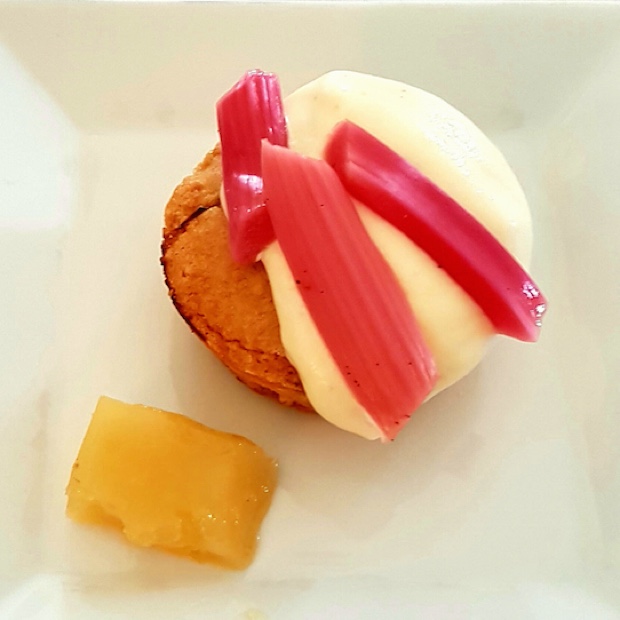
Godello

Twitter: @mgodello

Instagram: mgodello

WineAlign

Godello’s March through Prowein, The Ahr Valley and The Rheinhessen

Godello with Jancis Robinson

as seen on WineAlign

In March I attended Prowein in Düsseldorf, Germany, the world’s largest wine trade fair, tasting a fascinating array of wines. I also added short visits to lesser known regions, first the tiny Ahr Valley as well as Rheinhessen in Germany. Last month I published a brief synopsis report based on the following tastings:

Jancis Robinson, Alsace, Greek Assyrtiko, Chianti Classico, Franken Silvaner, The Ahr Valley and Rheinhessen…

It was one month ago that David and I attended Prowein 2017, the international wine congress in Düsseldorf, Germany of such immense proportion that words, description and explanation just fail to do it justice. If you are an agent your goals are simple; meet with your incumbent suppliers and taste with enough new ones to fill the holes in your portfolio. But what if you are a journalist like me? What do you concentrate on? Were do you start?

Canada’s two coolest wine cats present the country’s cool whites to a packed #Prowein house #Canadianwine #ontariowine #winesofbritishcolumbia #drjanetdorozynski #davidlawrason #beyondco

First things first. As a Canadian and a representative of Wine Country Ontario I hung around the Canadian pavilion, talked with our coast to coast winemakers, vintners and marketing representatives, took in the seminars on cool climate wines led by David and Dr. Janet Dorozynski and of course, tasted some wines. I’m glad I did because I might have otherwise missed out on four exceptional Canadian bottles.

It’s @jamiegoode talking up #Canadianwine at #Prowein

Pillitteri Estates Winery Cabernet Franc 2013, VQA Niagara Peninsula, Ontario (Agent, $24.95, WineAlign)

The quintessential cool climate vintage does for more than chardonnay and riesling as told by this classic tier cabernet franc. From winemaker Aleksandar Kolundzic who is rapidly developing guru status where cabernet franc is concerned, which comes as no surprise when you consider how many variations on the theme he lends his laser focus. The 16 months spent in two to three year-old oak leads to mellow melting integration and that seasoned, grace-gifting wood is used to great advantage. This is floral, expansive, chewy, firm and so very pretty. A wise old cabernet franc that will tell great stories of the years gone by well into the next decade. Drink 2017-2023.  Tasted March 2017  @Pillitteriwines pillitteriwines  @PillitteriEstatesWinery  @WineCountryOnt  winecountryont  @mkaiserwine  @WineCountryOntario

Vineland Estates Elevation Cabernet 2014, VQA Niagara Peninsula, Ontario (173609, $28.00, WineAlign)

The two thirds/one third cabernet franc/cabernet sauvignon stunner from Vineland Estates is pulled (and now labeled) from the 60-acre Bo-Teek Vineyard found within the designated viticultural area Niagara Escarpment (within the broader Twenty Mile Bench) sub-appellation. Estate cabernet of such acumen is predicated on the sound wisdom gathered by a viticulturist and Vineland’s Roman Prydatkewycz knows his cabernet. Winemaker Brian Schmidt takes this paradigmatic escarpment fruit, passes it through the optimal sorter, removes five to eight per cent imperfect berries and a quarter of the cabernet sauvignon fruit. What remains is hand-punched, sent to neutral barrels and is forgotten for 15 months. What emerges is a naturally sweet, vegetal-void elixir, sharp, focused, fervently nervous, tart and captured as if in a dark vacuum or void. It’s all tied inside snug, concentrated and intense. It’s too early for the burst but it will happen within another 12 months time, followed by a six to 12 year slow release of flavour, texture and descendent development of tannin. Drink 2018-2023. Tasted March 2017  @VinelandEstates  @benchwineguy  vinelandestates  benchwineguy  @winery.vinelandestates  Brian Schmidt  @WineCountryOnt  winecountryont  @mkaiserwine  @WineCountryOntario

Attention proweiners- Still time to discover cool @WinesofCanada in Hall 9 @CVAWine @WinesofNS #ontariowine #bcwine

Benjamin Bridge Brut Brut Rosé Sparkling 2012, Nova Scotia (Winery, $44.99, WineAlign)

The adjustment for vintage and evolution means that chardonnay takes more control in the Brut Rosé. Warmth and ripeness were easier to come by in 2012 and though the pinot decrease may seem antithetical and not obvious as a result, it is a brilliant stroke of adjudication. With a 43 per cent stake (plus equal parts noir and meunier) the 2012 Rosé rushes out as an open vein of fleshy aromatics, many of which you will have never nosed before. Citrus and floral exotica, like juice vesicles oozing out of fruit and herbal, of Murraya paniculata, pomelo and kumquat. The omnipresent vitality, energy, intensity and Bridge acidity is never denied and definitely not here but the vintage sets this ’12 apart and furthers the experience with travel around excellency. The liquid hits the palate, expands, vaporizes and recurs. It’s magic really, the sparkling wine tasting equivalent of vaping so cue the health benefits. Just when you thought Benjamin Bridge and winemaker Jean-Benoit Deplauriers had hit the mark they turn the mark on its head. Confirms two salient matters; the Nova Scotia sparkling wine leader is the Canadian commander and blush bubbles are what they do with constant consistency. Drink 2017-2022. Tasted March 2017  @Benjamin_Bridge  @jbdeslauriers  benjaminbridge  caveman__jones  @benjaminbridgevineyards  Jean-Benoit Deslauriers  @WinesofNS  #winesofnovascotia  @winesofns

Blomidon Estate Late Pick Sparkling Chardonnay 2011, Nova Scotia (Winery, $45.00, WineAlign)

The 2011 late-picked chardonnay, the “Hurricane” is a hyperbole of itself. Normally picked in later October, the frost-free weather allowed further time and development. Picked from seaside vineyards just ahead of another hurricane (in a season that included Irene), this is sparkling wine you just have to try. Though lean, taut and as intense as you are likely to taste, the developed character and complexity is visionary for Nova Scotia and Canadian sparkling wine. Three years on the lees brings the texture and fills the gaps, holes and voids created by such a tightly wound cool climate chardonnay. The dry factor is exaggerated in 2011 (a one-off says winemaker Simon Rafuse) but the wine takes full advantage of the Extra-Brut intent. Did it require the anxiety of a recent and an impending cyclone? Can it be duplicated? “That’s the story of the Hurricane.” Visionary for Nova Scotia and Canadian sparkling wine. Drink 2017-2022.  Tasted March 2017  @BlomidonEstate  blomidonestate  @blomidonestatewinery   Simon Rafuse  @WinesofNS  #winesofnovascotia  @winesofns

You can’t see it all, do it all or taste it all, so you pick your spots. The rest of my three-day, 12-pavilion cum airport hangar wanderings can be summed up in five ProWein experiences; Jancis Robinson, Alsace, Greece, Chianti Classico and a great exploration into Franken silvaner and spätburgunder. The grand dame of wine held a special intimate media tasting. With fewer than 18 international journalists in attendance, Jancis Robinson’s seven favourite wines at ProWein were poured, choices she noted “I think should be useful to our readers and seek out value.” Nahe and Weinviertel riesling, Chinese cabernet sauvignon, Crozes-Hermitage, Amontillado and my picks of the lot from Chile and Sicily.

Robinson’s full list of wines chosen and poured were as follows: Weingut Schäfer-Fröhlich Riesling Trocken Bockenaur Schiefergestein 2015, Nahe, Germany, Zillinger Grüner Veltliner Radikal 2015, Weinviertel, Austria, De Martino Cinsault Viejas Tinajas 2014, Itata, Chile, Tenuta delle Terre Nere Santo Spirito Rosso 2014, Sicily, Italy, Chateau Changyu Moser Family Cabernet Sauvignon 2013, Ningxia, China, Maison Tardieu-Laurent Vieilles Vignes 2015, Rhône, France, Williams & Humbert Jalifa 30 Year Old VORS Amontillado NV, Jerez-Manzanilla, Spain.

41 years experience. 65,000 to choose from. Seven meticulous picks. @jancisrobinson @Prowein #Prowein

De Martino Viejas Tinajas Cinsault 2014, Secano Interior/Coelemu, Maule, Chile (BCLDB, 72702 $16.99, WineAlign)

Poured by Jancis Robinson at ProWein 2017, the departure for Chile and cinsault hails from just south of Maule and well south of Santiago. Grapes come from a tiny commune called Coelemu and in fact the name Itata cannot be used for ‘un-noble’ grapes so Secano Interior is the nomenclature employed. Done up in old clay jars called “Tinajas,” the cinsault gets a sort of membrane, a cap if you will, of a layer of tannin and acidity due to the clay after 15 days of carbonic maceration plus a full year in those amphorae. The 31 year-old vines deliver the first strike, a natural cure, then bitter cherry and so the wine would service better with a further chill. Robinson notes that it’s “chock full of fruit and tradition,” an exploration wine, in a part of the world not on the bigger maps. Drink 2017-2019.  Tasted March 2017  @DeMartinoWines  demartinowines  @DeMartinoWines  @WinesofChile  @WinesOfChile  drinkchile  @DrinkChile

Tenuta Delle Terre Nere Santo Spirito Rosso 2014, Sicily, Italy (Agent, $56.95, WineAlign)

Here is a regional defining Etna Rosso that comes 16 years after the pioneers began to bring these volcanic magma gems to the world, like Frank Cornilessen and Andrea Franchetti of Tuscany’s Tenuto Trinoro in the Val D’Orcia. Made by Marco de Grazie, Santo Spirito is a single vineyard Etna made on the “black lands,” composed of 98 per cent nerello mascalese, deep dark and volcanic, off of 40-100 year old vines. It’s deeply hematic and the nose is like a cross between fennel and the marriage of lava and garrigue. The wine is aged in French barriques and it shows; of vanilla, really mellow liquid bitters. It’s warm (14.5 per cent), young, oak-welling though energetic, playful, like dark modern Burgundy. The finish as so very volcanic twang, like country music, Sicilian style. Such chewy and grainy tannin drapes all over that long finish. Drink 2018-2022.  Tasted March 2017  @tenutaterrenere  @WinesSiciliaDoc  @WinesOfSicily  @GroupeSoleilTO  tenutaterrenere  winesofsicily  realbenhardy  @TenutaDelleTerreNere  @WinesOfSicily

The honour and privilege to taste Alsace is always welcome and especially when the sit down happens with two exceptional humans like Christian and Valerie Beyer. Their Lieu-Dit pinot gris and noir were terrific examples but it was the Riesling that blew me away. From special limestone this is more refined than similar Alsace from granite, of a salty minerality and intensely elegant.

An @AlsaceWines reconnect with Christian & Valérie Beyer @EmileBeyer @Prowein #justlikestartingover #eguisheim #riesling #rieslinggrandcru #pfersigberg #pinotgris #lieudit #hohrain #pin

Emile Beyer Riesling Grand Cru Pfersigberg 2012, Ac Alsace, France (Winery, WineAlign)

The Pfersigberg or “hill of peach trees” consists of limestone conglomera Muschelkalk and Jurassic stone. Its south exposure on very deep soil produces early maturing wines but from the exceptional 2012 vintage Christian Beyer’s Pfersigberg will last a decade or more. His family’s domain has been farming organically since ’05, officially since ’12 and half of the producers in Egusheim are indeed organic. Christian explains that this Grand Cru is a special kind of limestone, so similar to Burgundy and it lends the salty minerality of itself. Always carries richness with lime fresh citrus, stone fruit acidity and some honey in a riesling that will turn waxy in secondary life. It’s really about mouthfeel and the crisp crunchy rock salt so I and I believe you should really concentrate on the aftertaste. This is more refined than similar Alsace from granite, here from 35-45 year old vines and 35 hL/L yields. Intensely elegant. Drink 2018-2028.  Tasted March 2017  @EmileBeyer  emilebeyer1580  Emile Beyer  Valérie Beyer  @VinsAlsace  @AlsaceWines  @drinkAlsace  vinsalsace  drinkalsace  @vinsalsace  @AlsaceWinesOfficial

With Panayiota Kalogeropouloun and Margarita Damigou of Domaine Sigalas at ProWein

I also sat down with Panayiota Kalogeropoulou and Margarita Damigou for a ProWein date with assyrtiko and it was a revelation to taste a single-vineyard white that turns the world on its head.

Domaine Sigalas Kavalieros 2015, Santorini, Greece (Agent, SAQ 11814421, $31.00, WineAlign)

I’ve not yet tasted the Kavalieros 2014, so this single-vineyard, 18 months on lees done in stainless steel Kavalieros 2015 made by “Mr. George” is the benchmark for Santorini, assrytiko and salty white wines everywhere. The first release was 2009. Straight up and turning the world on its head, like the old man on the label and upside down against Apollo’s Aegean Cyclades. This ’15 richer still, more than the seven villages wines and a hyperbole as compared to the entry-level assyrtiko, of deeper mineral, compressed, layered and fantastic. Crushed rocks permeate in aggregate, it’s quixotically saline and textured, of intense presence and finally, structured. For 15 years at least. A late shot of natural Santorini tonic swirls in centrifuge with assyrtiko so wound up. This will need 10 years to unwind and allow for cracks to form in the mineral shell, followed by the birth of its fruit. It should never be forgotten that assyrtiko can and will show fruit but with Kavalieros you’ll have to be patient. Drink 2020-2031.  Tasted March 2017  @DomaineSigalas  @MajesticWineInc  domainesigalas  @DomaineSigalas  Panayiota Kalogeropoulou  @DrinkGreekWine  winesofgreece  @newwinesofgreece

As does a natural Peloponnese Roditis, a white that ignites the light fantastic’s wire.

Domaine Tetramythos Roditis 2015, PGI Peloponnese, Greece (Agent, WineAlign)

Roditis 2015 is the natural one, racked from the top and finally now settled (so at this time of tasting 2016 is not yet in bottle but at this time of writing should already be as it always does in April). This is the cleanest and purest of the natural wines on the planet, low in pH, high of natural acidity and without a care in the world. With nothing to fear in regards to spoilage it can go on its own personal shopping spree, accumulate character, personality and confidence with the end result being that there is more of everything in the natural one. Its terrifically repeatable, replicable and clonal acidity makes it quite trippy, stepping on and igniting the light fantastic’s wire. You just have to take a stab in the dark with winemaker Panayiotis Papagiannopoulos’ roditis. Or ye have not yet lived. Drink 2017-2021.  Tasted March 2017  @Tetramythos  #tetramythoswines  @tetramythoswines  Devon Masciangelo  @DrinkGreekWine  winesofgreece  @newwinesofgreece

A roam through the Italian pavilion afforded tastings in Puglia, Sicily and as always Tuscany with a one on one face to face with Chianti Classico’s President Sergio Zingarelli and his estate’s flagship wine.

Rocca Delle Macìe Chianti Classico Gran Selezione Sergio Zingarelli 2012, Docg Tuscany, Italy (Agent, $122.95, WineAlign)

This is the flagship wine from the famed estate, a Gran Selezione that bears the patriarchal Sergio Zingarelli name. As expected it is a richer, deeper and depth welling GS, clearly aimed towards the crowning achievement of place, more hedonism, but of course, seeking purity and elegance. The extra year or two in bottle means integration and wood having subsided a bit. “We decided to change the vineyard in 1974 in front of Rocca to be the best vineyard with the best grapes and we will produce our best wine,” I am told by Zingarelli as we taste at ProWein. What was 90 per cent sangiovese (planted in 1999-2000) this 2012 is accented by colorino but in 2014 it will be 100 per cent sangiovese. Elegant as much as sangiovese and Gran Selezione will likely ever strive to be. It is hard not to be impressed with this wine. It bursts with the essence of plums and richest of red cherries, but it’s not without it’s requisite crunch and chew. The absence of astringency is remarkable and speaks to the quality of the fruit and the gentle touch while working with such phenolic ability. Start drinking this anytime. Drink 2017-2025.  Tasted March 2017  @roccadellemacie  @roccadellemacie  @ProfileWineGrp  Profile Wine Group  roccadellemacie  @chianticlassico  chianticlassico  @ChiantiClassicoUSA

Cantina di Ruvo Grifo Nero di Troia Riserva Augustale 2012, DOCG Castel del  Monte, Puglia, Italy (Winery, WineAlign)

Grifo in Castel del Monte was established in 1960 as a cooperative, with 400 farmers and still operates as such with flagship wines based on the local nero di troia. The output is quantified at 1,200,000 bottles per year and increasing. Augustale is the top tier varietal wine from a selection of the vines and produced in small quantities. There is no mistaking what it is, with that specific yeasty bright fruit, slightly volatile to funky but ripe and generous grape scent and bursting with flavour. Spent approximately one year in oak “but the greatest liars are the winemakers,” says Riccardo Ravasio, Direttore Generale presso (General Manager), with a wink and a smile. Mainly big barrels, plus a smaller percentage of small barriques. Fresher than primitivo and with more structure. This has presence and distinction with just a hint of dried fruit, flowers and truffle towards the finish. Classic adult, mature, experienced NdT.  Drink 2018-2022.  Tasted March 2017    @FedericaSchir  @cantinaruvodipuglia

Miracle on #etna from @PlanetaWinery eruptive #carricante of such acidity! The lime! #eruzione #1614 #patriciatoth #prowein2017 #winesofsicily #Prowein

Planeta Eruzione 1614 Carricante 2014, Doc Sicily, Italy (Agent, $39.95, WineAlign)

“Not everyone can carry the weight of the world,” save perhaps Planeta’s Patricia Tóth, a winemaker who celebrates the past, the endemic varietal and in the present, the glaring truth. The name Eruzione is evocative of the estate’s Cru dell’Etna and in a mind’s eye transports history through the narrative of carricante (with 10 per cent riesling). It brings the legendary 1614 Mount Etna eruption to life, a longest ever recorded catastrophe that lasted ten years, halting just on the border of the vineyards of Sciaranuova. This is veritable mountain altitude wine, from high (790-890m) terraced, volcanic black soils delivering fresh conifer savour, saltiness and palpable mineral style. It is sharp and composed on the nose, with citrus distillate and elevated acidity. It does not matter whether you are wide awake or deep in R.E.M sleep. At all times it is a revelation for carricante. This is what it can be! There was no need for crop thinning, it was picked four to five weeks after the sparkling and it spent five months on the lees. The texture and the potential longevity are thankful for this. “Combien, combien, combien du temps?” At least seven years. Talk about the passion. Drink 2018-2025.  Tasted March 2017  @PlanetaWinery  @Noble_Estates  planetawinery  plant dependent  noble_estates  @planetawinery  Tóth Patricia  @NobleEstates

No self-respecting wine journo departs #Prowein without tasting #carricante @PlanetaWinery with #patriciatoth #etna

The Germany pavilion is the epicentre of the ProWein universe. Gravity would naturally pull you to the Mosel and yet I was in search of an alternative experience. With travels to the Ahr Valley and the Rheinhessen looming I gravitated (naturally) to Franken and more specifically to an intensive workshop with silvaner and spätburgunder. The days of the old flattened ellipsoid, field bottle silvaner packaged in traditional Franconian Bocksbeutel are nearly behind us and while several modern, clean and pure examples match up with the great mineral fresh whites around the planet, one stood apart.

Franken Silvaner

Rudolf May Silvaner Retzstadter Langenberg Der Schäfer 2015, Franken, Germany (Winery, WineAlign)

May’s Der Schäfer silvaner comes from the Retztadter Langenberg, a slope of muschelkalk (predominantly from the lower muschelkalk, or wellenkalk) that characterizes the soil. Looking east the location is protected by the Retzstadt deciduous forest and the warm air of the Maintales flows from the west. This specialized and extra-special silvaner is balanced in its aromatic ability meets proper and right-willing alcohol (13.5), with great quality acidity. True salinity and caper brine put my mind’s senses into concepts where this shares a kinship with assytrtiko. It’s brilliant, stony-gemstone able, savoury, no actually sapid, and exceptionally mouth salivating. Just a touch of texture driven lees builds character and great persistence. Bitters before the end are finely distilled and character building. Fresh to drink now and with more ability than most to age. Drink 2017-2022.  Tasted March 2017  @frankenwein  #frankenwein  Frankenwein Fränkische Weinkönigin  @Weingut.Rudolf.May  @weininstitut  @WinesofGermany  @germanwineca  germanwine_ca  wines_of_germany  @germanwinecanada

So much to say about #silvaner and #spätburgunder #pinotnoir

Passion für Pinot Noir! is the avant-garde Deutscher Qualitäswein Franken slogan for spätburgunder. Rudolf May once again impressed with their Retzbach Benediktusberg but as I was about to pour myself a taste of the next wine, a Franken booth associate swooped in to slip me a Burgundy glass, so I knew this was going to be different. It was the next wine that taught me what Franken pinot noir can be.

Weingut Richard Östreicher Spätburgunder No. 1 Sommeracher Katzenkopf 2013, Franken, Germany (Winery, WineAlign)

No. 1 takes not only the estate’s best pinot noir pick but Franken spätburgunder and paradigmatic pinot noir to an entirely new level. The Katzenkopf (“cat’s head”) is Sommeracher’s best vineyard and it is Weingut Richard Östreicher that demands great respect. As I am about to pour myself a taste a ProWein Franken booth associate swoops in and slips me a Burgundy glass, so this must be different. Certainly an elegance and a refinement not seen yet. I’m thinking only on its perfume from the get go but this Franken sensibility is more important, a soil component that just acts of its own accord in the magic it brings to pinot noir. The compatibility of fruit and acidity with the finest grains of sweet and refined tannin is a revelation. The vintage is an important one to be sure and the firm but still amenably sweet finish mixed with a dash of tonic tells me about the longevity this No. 1 is capable to execute. Drink 2017-2027.  Tasted March 2017  #richardöstreicher  Richard Östreicher  @weininstitut  @WinesofGermany  @germanwineca  germanwine_ca  wines_of_germany  @germanwinecanada

The desparate grade of Ahr Valley vineyards

On day three of ProWein I jumped on the großer Magie Bus with 17 international journalists and headed for the Ahr Valley, one of Germany’s (of 13) furthest northern wine regions. With an area of 150 hectares (of 100,000 total in Germany), even the Mosel is not so far north. Our first visit was to Meyer-Näkel, a young winery in its third generation. Before that there was a winery (Meyer) and Näkel (restaurant). When the grandparents married the entities merged. In 1982 winemaker Meike Näkel’s father took the winery and her uncle the restaurant.

Michael and Meike

Starting out with two, now there are 20 hectares under vines. The slopes are ridiculously steep, prized for their blue slate soils and so difficult to work. Spätburgunder steals the Ahr Valley show and while Meyer-Näkel’s lieu-dit and grand cru (Großes Gewächs) are impassioned and important works, in Ontario you can find their affordable entry-level treat. It really is what basic German spätburgunder needs and is expected to be.

Meyer Näkel Spätburgunder 2015, Deutscher Qualitätswein, Ahr Valley, Germany  (427898, $26.25, WineAlign)

The entry-level pinot noir was bottled in the summer of 2016, after a hot season and dry elsewhere but in the Ahr it rained and it was cool overall. Picking was actually late and the aromatics show off the long, cool, floral temper. De-stemming and fermentation is immediately initialized but the maximum fermentation is 10 and usually six days. The pips are just a quick doo-wop to keep both green and bitter away. A focus on fruit, an absence of tannin and a pure varietal expression. Red trumps green, large wooden casks (15-20 years) also impart no tannin so the finality is simply cherry. That said, this carries some almond pit and green strawberry on the palate. It’s really what basic German spätburgunder is and expected to be. Nicely balanced and in at 13 per cent alcohol. Drink 2017-2019.  Tasted March 2017    @vonterrabev  Weingut Meyer – Näkel  vonterra  @MeyerNaekel  @weininstitut  @WinesofGermany  @germanwineca  germanwine_ca  wines_of_germany  @germanwinecanada

Yet nothing could prepare me for what a former German wine queen would pour. Julia Bertram grew up in Dernau, gained experience at Meyer-Näkel and Klumpp. In 2013 she launched her own her vineyard with just half a hectare and now farms three and a half. Nothing fascinates her and the “SchlAhrVino” (association of young Ahr vintners) as much as ripe wines, especially pinot noir. Her whole bunch, wild ferment spätburgunder is nothing short of intense. The world should get ready for her alternative Ahr universe.

World get ready for #juliabertram and her alternative #ahr universe pinot noir @weininstitut #ahrvalley #spätburgunder #handwerk

Julia Bertram Spätburgunder Handwerk 2015, Ahrweiler, Germany (WineAlign)

Former German Wine Queen Julia Bertram grew up in Dernau, gained experience at Meyer-Näkel and Klumpp. In 2013 she launched her own her vineyard with just half a hectare and now farms three and a half. Nothing fascinates her and the “SchlAhrVino” (association of young Ahr vintners) as much as ripe wines, especially pinot noir. Her whole bunch, wild ferment spätburgunder is nothing short of intense. Bone dry, tart and spirited by crisp acidity, the young vines and used barrels deliver notes that are embattled in a spontaneous, natural, posit tug. The world should get ready for her alternative ahr universe pinot noir. Drink 2017-2020.  Tasted March 2017    #juliabertram  Julia Bertram  @weininstitut  @WinesofGermany  @germanwineca  germanwine_ca  wines_of_germany  @germanwinecanada

The next two were Rheinhessen days, first with five Appenheim village winemakers at Weingut Willems & Hoffman, followed by a visit to taste more deferential and singular spätburgunder at Weingut J. Neus. The single vineyard of Hudertgulden in Appenheim is one of the Rheinhessen’s finest. At Neus we got grippy with the muschelkalk soil meets spontaneous ferments from the team of Operations Manager Lewis Schmitt and agronomist/oenologist/winemaker/cellarmaster Julien Meissner’s pinot noir.

Weingut Knewitz Riesling Hundertgulden 2015, Rheinhessen, Germany (WineAlign)

From the Burgundy-like soils of this special rolling hills nook in the Rheinhessen, replete with shells and corrals, the Hundertgulden, “hundred guilders” is the most important single vineyard in all of Appenheim. The vintage trumps 2014 and nearly bone dry is still the operative in this super salty, linear, lengthy and age-worthy riesling. A true blue limestone vernacular is spoken and the stone simply slides and glides through the wine. Definitive of place, with leesy texture, elegant, balanced and seamlessly woven through. There is more lime zest and juice than the Appenheimer and more overall citrus tendency. The mirror of Appenheim. Drink 2018-2022.  Tasted March 2017    weingutknewitz  @Weingut.Knewitz  @weininstitut  @WinesofGermany  @germanwineca  germanwine_ca  wines_of_germany  @germanwinecanada

Getting grippy with #pinotnoir #jneus @weininstitut #spätburgunder #ingelheim #muschelkalk

Weingut J. Neus Spätburgunder Muschelkalk Alte Raben Trocken Ingelheim Am Rhein 2014, Rheinhessen, Germany (WineAlign)

From vines 25-40 years old, depending on which barrels are chosen for the final blend, off of the estate’s singular limestone muschelkalk soils. Even some 45 year-old vine fruit can be used, ferments kept separate, just as winemaker Julien Meissner will do with the Großes Gewächs. After tasting the younger vines spätburgunder and trocken first this acts less up front fruit forward, now spirited, of a phenolic tonic, variegated, characterful, open and spontaneous. Large (600 and 1000L) 100 per cent new oak barrels add char and spice to the rampant cherry, but also structure that takes you on the ride from background to foreground. “A strict style of pinot noir,” says Meissner, a cellar master who triples as agronomist and oenologist. Reduction begs for patience and time, tannins are taut and there is this minty, Mornington Peninsula pinot effect. Fruit, tannin, chalk and the conduit of Neuss acidity. The whole package. Drink 2018-2022.  Tasted March 2017  @JNeus1881  jneus.ingelheim  @J.Neus.Weingut.seit1881  @weininstitut  @WinesofGermany  @germanwineca  germanwine_ca  wines_of_germany  @germanwinecanada

We moved away from the red wine thematic and into more familiar territory when we stopped in at Weingut Thörle for a visit with Christoph Thörle. The single-vineyard Hölle and Schlossberg rieslings are as exceptional as any in Germany but the Ontario presence of the Feinherb should never be overlooked.

Some of Germany’s finest #riesling coming to @TerroirTalk May 29th #thorle #Terroir2017 #christophthorle #saulheim #rheinhessen #terroirsymposium #holle #agotoronto

Thörle Riesling Feinherb 2016, Qualitätswein Rheinhessen, Germany (420091, $18.95, WineAlign)

Off-dry riesling does not always have to be bottled as such but in the Rheinhessen and at Thörle the category of Feinherb is anything but an afterthought. This started as a side fermentation in its first years but is now an important wine in the estate’s multi-tiered processes. The cuvée is gathered from younger vines plus one barrel of premier cru Saulheim fruit. A slight skin maceration (12-18 hours) is employed which helps to temper the tartaric acid though this will be swapped for whole bunch fermentation in warmer years. Hides some of its sugar, especially on the nose which is quite floral, of white flowers and honeysuckle. Honey and wax with sweet herbs bring all into playful light to taste, with plenty of sweet lime and lik-a-maid sour touches. For every Indian Food list in the world. Drink 2017-2020.  Tasted March 2017  Weingut Thörle  @WeingutThoerleGabsheim  @weininstitut  @WinesofGermany  @germanwineca  germanwine_ca  wines_of_germany  @germanwinecanada

On our last day in the Rheinhessen we stopped in at Weingut Manz and if you ever find yourself in their tasting room, expect a multi-varietal experience. On any given day you may taste weissburgunder (pinot blanc), riesling, grauburgunder (pinot gris), sauvignon blanc, spätburgunder (pinot noir), merlot, cabernet sauvignon and finally, huxelrebe trockenbeerenauslese. On this day it was the wines spoke to the territorial low yields and late harvest work of Eric Manz.

#goodcombo #weingutmanz #rieslingauslese #herrenberg #restaurantvolker #oppenheim

Weingut Manz Riesling Spätlese Trocken Kehr, Weinolsheimer 2015, Rheinhessen, Germany (WineAlign)

The Kehr from Eric Manz is riesling of extremely low yields and a late harvest for what shines to be high in complexity and aging potential. Generous skin contact and even more so in lees action effect makes this quite different than the Kehr “M” but also the Herrenberg Trocken Spätlese. With the sugar here remaining in line with the Hipping (Niersteiner) it is the high acidity that drives the Kehr machine. This seems less arid than the Hipping, more energetic and more reductive than the “M.” Higher potential for aging with so much lime cordial sparkles and brings spirit that will persist into a petrol and honey future that would have to be bright. Drink 2019-2026.  Tasted March 2017     Weingut Manz Weinolsheim   @weingut.manz.weinolsheim  @weininstitut  @WinesofGermany  @germanwineca  germanwine_ca  wines_of_germany  @germanwinecanada

I don’t always taste #roterhang Riesling but when I do it has to be in the #fockenberghütte

The week in Germany saw virtually no sun, that is until the final morning outdoors above the Rhein River under the shelter of the Fockenberghütte. Here we tasted the Nierstien wines of Weingut Domtalhof, St. Antony and Louis Guntrum with our charismatic M.C. Konstantin Guntrum. We walked the famed Roter Hang Vineyard and had the great fortune to taste Guntrum’s ethereal 1976 Neisteiner Heilgen riesling. Guntrum wears the passion for his home vineyard in his expression, on his sleeve and by the way he walks. “Roter Hang is a geological statement,” he explains. Red soils of friable sandstone, steep and breathtaking. Nierstein is the portal into which you can peer to wonder about great riesling grown above the Rhein.

Weingut Louis Guntrum Riesling Trocken Nierstein Oelberg 2015, Rheinhessen, Germany (WineAlign)

Nierstein’s Oelberg is for vintner Konstantin Guntrum a changing landscape, of different light and greater fog. This dry riesling gives off the sense of intelligence and so grabs your attention and demands your concentration. It also solicits conversation. Takes its time to open up, with no petrol note but the grace of mineral is back there. Lean but slowly changing and developing in just the short time in glass, the charm envelops your sense of smell and taste, renders them keen and then you give it up for the aftertaste and the persistence. While the layers will not yet peel away they will, though may need two full years to do so. Forget the need for immediate gratification because this one is mineral skin deep. Drink 2018-2024.  Tasted March 2017  @LouisGuntrum  #louisguntrum  Weingut Louis Guntrum  @weininstitut  @WinesofGermany  @germanwineca  germanwine_ca  wines_of_germany  @germanwinecanada

When you see one grand cru you’ve seen another grand cru #nierstein #rheinhessen #rhein #roterhang

The German wine experience is owed great thanks to Stefan Egge, Christiane Schorn, Brigitte Küppers, Michael Mandel and Carola Keller of ProWein press department, Messe Düsseldorf and Wines of Germany. I have been on many Press trips over the years and the organization in Germany was second to none. I will now begin looking forward to ProWein 2018. Until then.

Good to go!
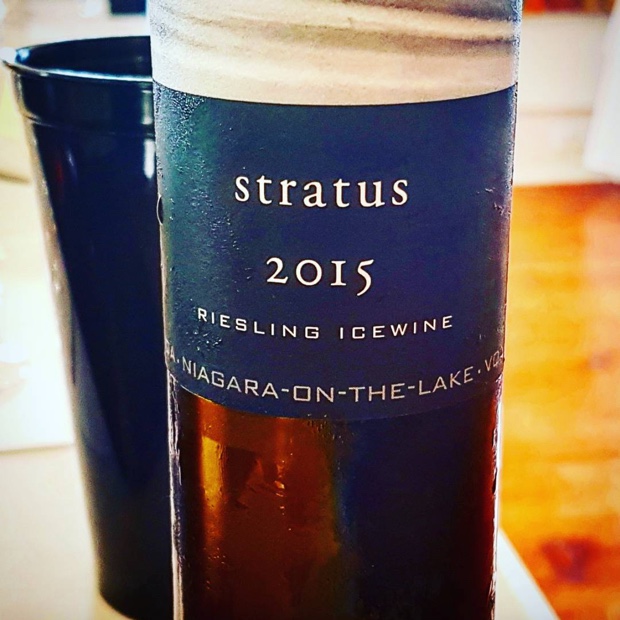
Godello

Twitter: @mgodello

Instagram: mgodello

WineAlign

A Chianti Classico return to Villa Trasqua

I had been to Villa Trasqua once before, in May of 2016. Proprietor Sven Hulsbergen was more than kind and generous to say I would always be welcome back, so I took him up on that offer and returned in February 2017. I joined Sven and Villa Trasqua’s Export Manager Giorgia Casadio for dinner and to taste through the estate’s current releases, not to mention some spirited conversation and debate.

Related – The most important red wine from Italy

The following day in Florence inside Stazione Leopolda at Anteprime’s Chianti Classico Collection 2017 Sven and I run through the wines again with two Villa Trasqua associates, Francesca and Guilia. It is nearly impossible to gain a true sense of an estate’s Chianti Classico through the nadir scope of a single 12-hour window, even by tasting each bottle twice, yet such an ascent towards conceptualization and visualization leads to a higher probability of ken. I could not do this with just any Chianti Classico but Villa Trasqua’s wines are both encouraging and enabling. When sangiovese opportunity knocks, Godello walks through the varietal door.

A restful return and new visit with the #chianticlassico of #villatrasqua #castellinainchianti Thank you Sven. Thank you Giorgia. #graziemille

Related – Three days, eight estates, Chianti Classico

Located north of Siena in Castellina in Chianti with Monteriggioni rising majestically above the estate, Villa Trasqua is built around the ancient and exceptional vineyard known as Nerento. The estate dates back to 1965 and cultivates its 120 hectares and 10 vineyards in the oldest part of Castellina in Chianti. Trasqua is owned by Swiss brothers Sven and Alan Hulsbergen. Organically farmed vines and the gravity fed winery built on several levels are overseen by oenologist Franco Bernabei and Director Armand Metalla. The estate is represented in Ontario by Frontier Wine Merchants.

I tasted four new releases from Villa Trasqua, all from earlier vintages than the norm shown at the Chianti Classico Collection and held back because time in bottle is your ally and your friend. This is one of the ways that Bernabei refuses to let the estate’s wines melt into a puddle of conformity. The wines are not merely executed on behalf of comfort’s sake or stylized to emulate wherever the sangiovese grass is greener. They are specific to the soils with Nerento at the epicentre of it all.

The team at Trasqua takes what the land gives and allows each vintage to speak on its behalf. There are no forcing square pegs into round holes or the stealing of phrasing from other regional, or even more parochially, Castellina in Chianti micro-locales. Like love, sangiovese from Chianti Classico can’t be owned because no two are the same and Villa Trasqua’s are no exception but, they are becoming increasingly exceptional and each are their own emotive exemption. Here are the notes.

Annata, Fanatico, Nerento and Trasgaia

Villa Trasqua Chianti Classico 2013, Docg Tuscany, Italy (Agent, $19.95, WineAlign)

Trasqua’s from the Hulsbergen brothers (Alan and Sven) out of an idyllic, naturally rippling and undulating Castellina in Chianti bowl is 100 per cent sangiovese. I have to admit to fully agreeing with Sven when he tells me “you can drink this with red sauce.” I did in fact retroactively follow-up on this and tasted it alongside one prepared by him at the estate. The round, soft yet structured CC was, for the vintage and the pasta a perfect match. It’s that simple and you should try it, on a Monday night, as we did, in Chianti Classico, or anywhere else. This is traditional (perhaps even more so that their 2012) with its tart and edgy red fruit and some tannin. More than that is its smoke and smoulder, coming as it has from eight months in big barrels, eight more in concrete and finally, steel. Drink 2017-2019.  Tasted twice, February 2017     Villa Trasqua  @HULSI_II  Frontier Wine Merchants

Villa Trasqua Chianti Classico Riserva Fanatico 2011, Docg Tuscany, Italy (Agent, $29.95, WineAlign)

Though not declared on the label Fanatico is 100 per cent sangiovese in 2011 and very much in line, vein and style to the Annata Chianti Classico. The Bernabei entusiasta/amatore/appassionato for Trasqua’s exceptional Castellina in Chianti terroir comes across with CC amplifications so this does by its nomenclature in attitude, acidity and big red fruit. To stay clear of hyperbole balance was key to the vintage and here struck with firm, grippy and almost gritty amplitude. As a result it’s nearly atypical to traditional but it speaks to the specificity of Trasqua grown sangiovese. Drink 2018-2023.  Tasted twice, February 2017

Villa Trasqua Chianti Classico Gran Selezione Nerento 2011, Docg Tuscany, Italy (459685, $39.95, WineAlign)

Nerento lies at the heart of the Trasqua Vineyards and the vines take root in the deep red soil. The name might be mythical, a tree of life reference or from the Latin “nerent,” meaning courting. This is Gran Selezione that courts like a suitor, charming and suave but built on power and a deep liqueur, like at the bottom of a pure well. The sangiovese is still very kissed by wood and locked shut. The first bottle (over dinner) needed more than one hour to open, eventually releasing fresh florals (violets especially), herbs, savour and forest floor. The second bottle next day was not so eager to do the same. This is compact, woven, textured and refined sangiovese with forceful (and the promise of) delicate tannins. Drink 2019-2026.  Tasted twice, February 2017

Villa Trasqua IGT Toscana Trasgaia 2012, Tuscany, Italy (AgentWineAlign)

The IGT foray takes half sangiovese to mingle with two cabernets (35-40 per cent sauvignon and 10-15 franc) from the sandy Trasqua soils abutting Nerento. The name also combines and returns the estate to the earth. The conscious life of this blend centres around a currant crunch and a current of simplicity to solicit early and repetitive consumption with meals. This was bottled in May of 2016 so is now just coming into its window. There is a peaty, smoky note from the oak and this is one instance where sangiovese does not dominate, control or reign. It’s both rich and firm, typically Bernabei in style and with a tannic, beneficially bitter finish. IGT of a democratic and discreet kind. Drink 2017-2019. Tasted twice, February 2017

Good to go!

Godello

Twitter: @mgodello

Instagram: mgodello

WineAlign