Roast Pork Belly, red wine, soy, cassia, star anise, sichuan peppercorn, clove, ginger, garlic
The architecture behind the June 13th VINTAGES release is predicated on many a premise but the cover girl and centre of bubbling attention is Sparkling wine. For this I applaud with as much robust positivity in prejudice as I can afford. The ad nauseam used adage “Sparkling wine goes with everything” is actually ad hoc, meaning it is always the solution, no matter the situation.
That VINTAGES has chosen to put fizz in the spotlight at this juncture is nothing short of brilliant. Yes, brilliant. It’s inconspicuous and dubious (incommensurate to December) and so appropriate (unlike the dead of February winter). Think about it. Father’s Day, on the verge of summer, sitting on decks, patios and porches. Grilling sea-swimming creatures, eating snacks and tapas, enjoying the warmth of life. All these roads lead to bubbles.
The JC Penney VINTAGES catalogue will have you believe that Sparkling is a remarkable entity and that it goes with all these things; lunch, casual dinner, snacks, summer days and evenings, date night, week night, the cottage, weekend brunch and a formal evening. And that would be entirely correct. The catalogue rolls out 20 variations this weekend. I’ve tasted them all and here are the seven to pop, pour and elevate your game.
From left to right: Pierre Sparr Brut Rosé Crémant d’Alsace, Tawse Spark Limestone Ridge Riesling Sparkling 2013, Jackson Triggs Entourage Grand Reserve Brut 2011, Josef Chromy Tasmanian Cuvée, Méthode Traditionnelle, Trius Showcase 5 Blanc De Noirs 2009, D. Henriet Bazin Carte D’or 1er Cru Brut Champagne 2007 and Bollinger Special Cuvée Brut Champagne
Pierre Sparr Brut Rosé Crémant d’Alsace, Méthode Traditionnelle, Ac Alsace, France (39016, $17.95, WineAlign)
Graceful and pink lithe, like cold smoked salmon, delightful Pinot Noir Rosé fizz. Nothing earth shattering, breath-taking or barrier breaking, just well made blush bubbles. The structure and balance are really spot on. Finishes strong and with confidence. Helps to define this genre of Crémant’s creamy texture, matched in contrast by its stony, flinty and mineral style. Tasted November 2014 @ProfileWineGrp
Only a year and in conjunction with an improved Sparkling wine vintage for Riesling, short work has elevated the young Spark’s game. A repeat lees performance initiates the conversation, of cheese melted overtop composite laminate, with yeast burgeoning about. In 2013 the concrete crispness is cemented deeper, etched into stone and thus completing the sub-$20 legacy. That winemaker Paul Pender can coax Riesling character, striking Sparkling wine resolve and yet hover in the air of litheness, well, this is the kneading. Silty, salty earth and soft transitions to citrus acidity are a requiem for success as per the Twenty Mile Bench/Limestone ridges vouchsafe common. Can even imagine a bit of time turning this into sparks and honey. Drink 2015-2019. Tasted May 2015 @Tawse_Winery@Paul_Pender
Jackson Triggs Entourage Grand Reserve Brut 2011, Méthode Classique, VQA Niagara Peninsula, Ontario (234161, $22.95, WineAlign)
This is a very effective bottle of bubbles, consistently produced, vintage after vintage. Some reserve on the nose, notable in its pear and yeasty aromas. Crunchy feel for fizz with a replay in flavour much like prickly pear and the tropical esters of yeast. Really good length. Simply well made. Tasted November 2014 @Jackson_Triggs
Jackson Triggs Entourage Grand Reserve Brut 2011, Josef Chromy Tasmanian Cuvée and Tawse Spark Limestone Ridge Riesling Sparkling 2013
Josef Chromy Tasmanian Cuvée, Méthode Traditionnelle, Tasmania, Australia (409102, $28.95, WineAlign)
Obvious and exemplary cool-climate Sparkling wine, traditionally swayed out of Tasmania where bubbles are meant to be. Composed of northern Tasmanian (Relbia) Estate fruit, of Pinot Noir (67 per cent) and Chardonnay (33). Classic numbers (12.0 per cent alcohol, 7.2 g/l acidity and a pH of 2.91) with 18 months on the lees and triaged with no malolactic fermentation. The result is a stoic and aerified expression, to the upper reaches of the atmosphere, gently toasty and of an aridity that tricks, foils and emanates sweetness. Sharp, tacking and grooved in acidity grippy enough to firmly grasp the frozen, suspended finish. Drink 2015-2018. Tasted May 2015 @JosefChromy@bwwines
Auspicious opening for the top end, new Trius Sparkling wine, based on Pinot Noir (70 per cent) from Four-Mile Creek (Lawrie Vineyard), with support from Pinot Meunier (30). Five is the number of years slumbering on lees, a voyage into triage to transport this singular Niagaran into the stratosphere of the region’s pantheon. Arid, toasty and slightly oxidative as per the wild ferment, Craig McDonald style. The toast is spread with a tapenade of (more) lightly toasted nuts, tarragon, morel and earth. There is a feeling of berries, void of pigment, slightly tart and very fragrant. Also the not so pungent but forest emergence of basidiomycete fungus. Delicate, complex, creamy and simultaneously, so very dry. A wine to sip at a large gathering around an antique harvest table or deep into the next decade. Drink 2015-2028. Tasted May 2015 @TriusWines
Henriet Bazin Champagne 2007
D. Henriet Bazin Carte D’or 1er Cru Brut Champagne 2007, Ac, Champagne, France (415596, $57.95, WineAlign)
In the realm of Champagne theory, this vintage-dated fizz plays a role of the belletristic kind. The characteristic rhetoric of style; beauty, sublimity and propriety all contribute to the old-school way. Composed of 60 per cent Grand Cru Pinot Noir and 40 lieu-dit-esque Chardonnay, from an early bud break (beginning of March) and picked vintage (early September). Has body and depth of fruit, humanistic stratification, density and compression. Bitterly, properly oxidized and rampant in acidity, offering a dance on the back tongue, of paralysis, palaver and paradox. Concentrated and imposing, far from the delicate or easy-going modern Champagne. Has guts and determination, risk-rapport, esteem and respect for vintage dated bubbles. Drink 2015-2022. Tasted May 2015
Bollinger Special Cuvée Brut Champagne, Champagne, France (384529, $73.95, WineAlign)
As direct, elegant and pinpoint accurate as ever. The ever so faint oxidative lean is uncompromising with a floating sachet of ginger, mace, absorbing toasted biscuit and caper brine. From phite to sweet crouton. Composed of 85 per cent Grand and 15 Premier Cru fruit from all over Champagne.
From my earlier note of October 2014:
A wine of social heredity, the Bollinger is tranquilized, entreated and centered by meditation. An arid, atomic and piercing Bollinger. Fine and misty, with ultra-classic subtlety, a living, breathing embodiment of a beloved house style. Exotic to a degree, these are bubbles in colourful pageantry, the Bollywood of Champagne, in grace, of flowing robes, hues in ochre and pastels, flowing like song and dance. There are beautiful bitter tonics on the finish. How can you not admire and be entranced by this style? What’s not to like?
Should you be counting and despite the number of wines you will read about below, I have to tell you honestly that I was a highly competent mathematics student through high school. Distractions including but not restricted to cooking, music, words, pop culture, sports and ancient works of antiquity paved new roads but I can still count to ten. This list goes up to eleven because I could not in good conscience leave Thomas Bachelder’s pulchritudinous NSG out in the first day of June cold.
So I tasted again and have updated my note on La Petite Charmotte 2011, a beneficient Bourgogne that hit LCBO shelves this past weekend. The Bachelder project turns water into wine in three countries. By now you know all about the trinité-terroir schematic as I’ve written about Thomas and Mary many times. The fact that VINTAGES happens to now be releasing the 2011 LPC, predecessor to the already tasted and reviewed 2012, the “single-vineyard NSG hugged up on a northern slope,” is of consequence because it’s a memorable, cellar-worthy wine from a really stunning vintage.
The other top 10 all happen to be reds, save for one exiguous white Burgundy. France and Italy (a.k.a. Old World) dominate the remainder, except for a lone, paradigmatic Chilean Cabernet Sauvignon and a refreshing McLaren Vale Shiraz. Get out there folks, spoken one more time in guiltless refrain. Here are your tasting notes.
From left to right: La Ferme Du Mont Première Côte Côtes Du Rhône 2012, Altivitis Ventoux 2011, Corino Dolcetto d’Alba 2013, Errazuriz Aconcagua Alto Cabernet Sauvignon 2012 and Maison Roche De Bellene Vieilles Vignes Bourgogne Chardonnay 2012
La Ferme Du Mont Première Côte Côtes Du Rhône 2012, Ac Rhône, France (251645, $14.95, WineAlign)
A different sort of CdR works from this unfiltered red, on the side of winemaking that summons modern Rosso Sangiovese Grosso. That’s caused by the concentration of cherry liqueur, dried roses and a greater aromatic feeling of potpourri. Yet there is also fresh raspberry and at the other end of the spectrum, cured meat. With a touch of Brett it recalls Grosso in deeper, more expensive terms. The middle palate is a touch hollow, but at $15 beggars need not be choosers and so much pepper marks the austere finish. Add it up and the two words that come to mind are simply complexity and value. Drink 2015-2019. Tasted May 2015 @Eurovintage@VINSRHONE
Altivitis Ventoux 2011, Ac Rhône, France (414359, $17.95, WineAlign)
Prodigious Ventoux for a pittance considering the stuffing and the Mencia-esque (think Pittacum) deep, dark, black cherry and purple berry dressing. Rich and actually structured with equal and opposing tannins. That said, it never sheds its high-toned, carbonic youthfulness and the aromas are peppered by five spice, mandarin and hoisin. Something about this also reminds of Cru Beaujolais, but like an immature, yet volatile tank sample of Brouilly. But it’s more new world than that, so I wouldn’t construe all this as complexity, or balance for that matter, but instead, distraction. It’s certainly worth a look, with near, value-driven greatness due to righteous acidity, in a modern, semi-distinct representation of the region. If you like to keep it dark and sorcerer powerful, go gothic with this Ventoux. Drink 2015-2018. Tasted May 2015 @AOCVentoux
Three from the Rhône Valley at VINTAGES May 30, 2015
Three district aromas emanate; fresh carbon-stoned fruit, cheese and earth. Plums and liquorice on the palate. More cheese. High acidity with gramercy to punctuality, dimension and peak performance prickling. A minutiae of tannin ekes out an ageing component. Could go both ways bitter finish. Better than most Dolcetto. Drink 2015-2017. Tasted May 2015 @danieliwines@vinidelpiemonte
Presence and exceptional poise define the role played by this Cabernet Sauvignon. The character portraiture is so very Chilean. Florals oscillate in waves of vanilla, along with currants and tobacco. Dig in some Aconcagua earth and bell pepper, melded into and lost in an ol’ tenebrous, cimmerian buttermilk sky. Lush, rich and piqued by cracked pepper, anise and the dusty redundancy of liquorice root. Legitimately oaky but that is entirely OK. Drink 2015-2020. Tasted May 2015 @errazurizwines@Dandurandwines@DrinkChile
Maison Roche De Bellene Vieilles Vignes Bourgogne Chardonnay 2012, Burgundy, France (299867, $20.95, WineAlign)
So stylish for entry-level Burgundy, ascertained and finessed by a light yet steady approach. Creamy texture stands out, above freshness and the under subtle tone of buttery oak. I don’t find it at all toasty but more of a slow, low temperature, moisture deprivation in the whirl of a dehydrator. Enter the forest through the gates of this Bourgogne on the route to Meursault. Drink 2015-2018. Tasted May 2015 @RochedeBellene@Nicholaspearce_
From left to right: Famille Perrin Les Christins Vacqueyras 2012, Serafino Shiraz 2012, Pierre Amadieu Romane Machotte Gigondas 2012, Badia A Coltibuono Chianti Classico Riserva 2009, Bachelder La Petite Charmotte Nuits Saint Georges 2011 and Monte Faustino Amarone Della Valpolicella Classico 2008
Famille Perrin Les Christins Vacqueyras 2012, Ac Rhône, France (973453, $23.95, WineAlign)
I tasted this Vacqueyras back in the fall of 2014 but did not write a formal tasting note. Six months in bottle has done it some serious, generous justice, in the aromatic simulacrum of balance. Settling has tempered what heat there may have been in extreme youth, humouring and buttressing the lamina of red fruit to stand alone, in avoidance of an impasse in jam. This has class in all months, seasons and at every level of education. It is both student and T.A., dug in to study and to mentor younger Vacqueyras in search of such structure and wisdom. Spice and smoke throw signals of added coil, only to relent to the drupe and resolve for involution. Times also allow for pretty florals beholden to garrigue. Chalk and grain give the tannin elasticity. Exemplary and necessary Vac with an inconsequential asking price. Drink 2016-2022. Tasted May 2015 @Beaucastel@ChartonHobbs@VINSRHONE
Serafino Shiraz 2012, McLaren Vale, South Australia, Australia (407718, $28.95, WineAlign)
A richly textured, solidly structured and surprisingly believable, relatively tame, low alcohol (14 per cent) McLaren Vale Shiraz. The flowers are strewn across the aromatic entry, relenting to cedar and ripe berries. What a sincere inhalation of beautiful. Classic bones to carry a sense of place, constructed with heady serenity and savour faire. Shiraz of a tall order, to please many camps, from finesse to power, for instant pleasure and in attraction of the cellar junky. Drink 2016-2022. Tasted May 2015 @SerafinoVino@mclaren_vale
Pierre Amadieu Romane Machotte Gigondas 2012, Rhône Valley, France (973453, $27.95, WineAlign)
Show me an off vintage of the Romane Machotte Gigondas and I’ll throw in the proverbial tasting towel. This Amadieu can never disappoint. The ’12 offers spicy, smoky, piquant accents over top big red fruit. Much reduced yet non-reductive freshness abounds, set upon a valance of liquorice and dried flowers. The stuffing is packed and brimming, the herbs and verdancy sacrosanct with just the right kind of sting. Has savour but I would stop short of calling it savoury. It’s raspy but not rapacious. The Grenache-Syrah blend bides and lingers, long as the road that links Romane and Machotte. Drink 2016-2022. Tasted May 2015 @Amadieu_G
This is a very understated, creeping, impossibly concentrated Chianti Classico Riserva. Positively vital, as classic as classic gets while not once reverting to the kind of rusticity that refuses adaptation, ignores permutation or refutes progress. The cleanest fruit is scented by the dulcet appraisal of truffle and porcini. The pitch is just about perfect, the acidity ideal and the balance struck between fruit, barrel and age. Earth grounds the entire ordeal, rendering it peaceful and pleasurable, the possibilities playing out enjoyable and endless. The organic ’09 can be poured right now and the legs will take this down roads as long as the SP408 to Traversa and Gaiole in Chianti. Drink 2015-2029. Tasted May 2015 @coltibuono@HalpernWine@chianticlassico
Bachelder La Petite Charmotte Nuits Saint Georges 2011, Ac Burgundy, France (357228, $49.95, WineAlign)
The spice notes reign in May, 2015. A smoulder stick of limestone wicks through the red, earthy fruit. Petite only in grace and largesse, in longevity this stretches from Nuits-Saint-Georges to roads leading in all directions. Careful, delicate and yet profoundly, powerfully restrained, not to be ignored Pinot Noir. Drink 2018-2025.
From my earlier note of November 2013:
Is so floral, mineral, intense and hypnotic it might be dubbed the Serpent Charmer. Iron and wine indeed, the iron of Nuits, the perfume of Beaune. This provocative bottling represents the third year of production, is conspicuous in Anis de Flavigny and an underlying gate. If montagnes is the harming one, this is the charming one. These are all from the same barrels, so what really affects the wines the most? Land and hand.
Monte Faustino Amarone Della Valpolicella Classico 2008, Doc Veneto, Italy (327122, $56.95, WineAlign)
You know it’s big, hot and full-bodied. But oh if this isn’t the epitome of how Amarone can woo, thrill and hypnotize. The fig-date-palm-dried fruit feeling proliferates within an anise liqueur base. The caked, cracking and arid earth flakes, chips and cuts with a mustard of spices. The smooth and velvety mouthfeel has variegated chalk and grain. Such a promiscuous Valpolicella that fleshes and swells as it swirls. Intense, rich and yet neither overpowers nor climbs over the top. Drink 2018-2028. Tasted May 2015 @RegioneVeneto
For those keeping score at home, that’s tomorrow, the next stop on the perpetual and seemingly infinite VINTAGES release calendar. The usual varietal suspects dominate the scene; Chardonnay, Pinot Noir and Riesling, along with one well-made and even better priced Cabernet duo.
The eight wines available are of the mortar in bricks variety, further examples of the cement that binds and fortifies the overall depth and ubiquitous quality of Ontario wine. Forget about bad winters, spring frosts and storm clouds raging from LENS, through Niagara and east to PEC. The industry accepts the challenge for a constant and progressive study, from synoptic, to panoptic and into omnoptic surveillance.
The future’s so bright I’ve got to wear shades. This weekend I’ll start the rest of my Ontario wine journey with these eight VINTAGES releases. My notes are here and as always, with scores in tow, published over at WineAlign.
From left to right: Lailey Unoaked Chardonnay 2013, Peninsula Ridge Beal Vineyards Inox Reserve Chardonnay 2013, Redstone Limestone Vineyard South Riesling 2012 and Redstone Cabernet 2012
Derek Barnett’s 2013 unplugged delivers wattage and punch, from freshness and fruit. Epitomizes what oak-less Chardonnay must be, exemplifying the entire side by each association, orchard fruit claim, from apples to white peach. This is fashioned from the highest, cleanest quality fruit, that much is obvious. A river runs rushing through it, pumping even more energy, carrying mineral silt and at the tail, a soluble nori finish. Drink 2015-2017. Tasted May 2015 @laileywinemakr
The Beal Vineyard and Peninsula Ridge team up to offer Ontario yet another stellar oak-less, acier inoxydable, stainless steel INOX Chardonnay. The vintage and the treatment conjoin in a symbiotic palooza to judiciously and generously woo the unoaked Chardonnay convert. For the warm weather, butter happy friend in search of fresh Bench fruit, look no further, deeper or inside the toasty staves of the barrel. This delivers on the promise of fresh, crisp white wine, as a stand in for what used to be and is no more. The consistency of quality and the life affirming energy of the vineyard are wrapped up in a no cover blanket. This just reeks of pure, unadulterated Chardonnay. Of peaches and their flesh, the pit and Ontario pears to boot. It’s a veritable, layered fruit Napolean. Drink 2015-2016. Tasted May 2015 @PeninsulaRidge
So much lime and liquid chalk make for desired and dreamy texture. The lime slides like a slick of oil into the full flavours, spiked by peach and white plum liqueur. Terrific 20 Mile value. Drink 2015-2019. @Tawse_Winery@DanielatTawse
From my earlier note of May 2014:
This inaugural Riesling foray from atop the Twenty Mile Bench out of the Limestone Vineyard is a sister to the Tawse exploration from same. The comparisons end right there. Paul Pender’s take is kinetic, frenetic and electric. Redstone winemaker Rene Van Ede tends to and lends from a reconnaissance that heralds Mosel. His first, fixed take is off-dry (in obvious ubiquity) with circular acidity. The co-agitation is early picked at low brix, with realized high residual sugar (36.4 g/L) and low alcohol (10 per cent). Toothsome, with a ying/yang, lemon/lime, push/pull. The case load is formidable for a first go ’round (1000 plus) yet paddled through limestone acreage with effortless strokes.
Part Cabernet Franc and parcel Cabernet Sauvingon, this Redstone spent 16 months in French oak. Having melded wood into savour, the plum fruit is more than up front ample, with a pepper over and a chocolate under. A fair shake of spice and insistent tannin makes for quite a bracing red mouthful, indicating needed air and age time. Like the Tawse Bordeaux-styled reds that have come before, here is yet another slice of red fruit meets the iron life. Tasted January 2015 @RedstoneWines
From left to right: Raven’s Roost Pinot Noir 2013, Creekside Estate Winery Pinot Noir Queenston Road Vineyard 2013, Hidden Bench Estate Riesling 2013 and Rosehall Run Hungry Point Pinot Noir 2013
Intrinsically Coyote’s Run as per the winemaking style from vineyards tabling edgy, twitching, spirited fruit. What the house refers to as a little side-project wine, the double R is anything but wee. It seems to express just beyond the pale of ripe and hung to soak up the humidity of a wood closet. Holds high aspirations, breathing heavily, in moisture deprivation, paratrophic and then waiting, patiently, calm and with bated breath. A striking and vivid Pinot Noir, demanding, with good bitters and rusty, red astride black earth. The middle offers mint and the length is more than good. A wholly unique style like a Niagara counterpoint to Keint-He’s Portage in Prince Edward County. Drink 2015-2018. Tasted April 2015 @coyotesrun
Still the Kama Sutra Pinot Noir of inviting behaviour. Positions in aroma, taste and texture are all elastic and of an aphorism held together in intimacy. Virtuous and gracious Pinot Noir for the purpose of interaction and pleasure.
From my earlier note of January 2015:
The first made since the 2008 because of a new directional decision to hold onto and no longer forsake these exceptional Queenston Road Vineyard grapes. A wine that folds back the skyline skin of time and reveals a cloning from intimate belongings. Pinot blessed of a Dylan-esque drawl, from a comfortable and crooning time in its life. Penetrates into the QRV earth and draws out subtleties, slow food assuagement and makes no BS about its ease. Though posolutely whiffing and tasting of black cherry, it balances itself with an acerbic wit. This is what winemaker Rob Power refers to as a lay lady lay style. Partners in crime Yvonne Irving and Matt Loney concur. One sip and your partner may just lay across your “big brass bed.” You can always go back to Nashville.
Hidden Bench’s ’13 Riesling is a pure, soft-spoken and balanced reflection of her maker, winemaker Marlize Beyers. Only a month or two of lees and no stirring has brought her Riesling into this current corporeal state. Crunchy Mutsu apple, its acidity vacuuming moisture. The citrus is all flesh, void of pith and with energy that has already incorporated, disguised and covered the zest. If any Hidden Bench Riesling suggest tropical fruit, here it is and yet again, not. Can imagine it fleshing to petrol and honey in five to seven years. Drink 2015-2020. @HiddenBench
From my earlier note of September 2014:
The Estate Riesling is as vigneron-defining as any wine on the Niagara Escarpment. Hidden Bench is a 100 per cent estate-fruit operation so this Riesling is spokesperson, prolocutor, mouthpiece, champion, campaigner and advocate for the concept. The estate ’13 reaches deeper for nutrient pot sweetening, into shale and in conceit of its varied, positively cultivated terroirs. Compact and jelled, this is several steps up from most other entry-level Niagara Riesling and in fact, is really anything but. The transparency here is patent. This is Riesling that simply knows what it is; pure Bench, unequivocally real and forthright. Knows what it wants to be.
Last tasted twice in April 2015
Rosehall Run Hungry Point Pinot Noir 2013, VQA Prince Edward County, Ontario (422519, $24.95, WineAlign)
A whole lot of scenting going on in this PEC Pinot Noir, from espresso and paint to lavender, chalk and stone. The feathery shed of volatility is a welcome whiff for those who like a touch of VA. The Hungry, hungry Pinot is clear, pure and precise. It tosses a dart into the Pinot heart. More like a beef heart within its potency and virility. Only PEC makes Pinot like this and Dan Sullivan has captured the style without voracious or rapacious compromise. Nothing greedy about the treatment, just a minor covet of high-toned excellence. Drink 2016-2019. Tasted May 2015 @Rosehall_Run@sullywine
Somewhereness is not really a word. It’s hokum. Gibberish. Nonsense. Look it up in Merriam-Webster or Oxford. Not there. Its conceived convenience is recorded in Wiktionary, Your Dictionary and other online glossaries though, because there is always an online presence ready and willing to immortalize anything and everything.
The definition of Somewhereness, according to the online “dictionaries.”
The state or quality of being in, occurring in, or belonging to a specific place.
The state or quality of existing in a place that is unknown or cannot be pinpointed.
The unique characteristics imparted on a wine by the conditions of the place in which it was grown.
Somewhereness is not a state of mind, of being, of knowing something is intrinsically right within the parameters or context of here, there, anywhere or everywhere. Somewhereness is not merely a function of good decision-making, of exercising the ideal to expand on terroir, to create something to talk about. Yet that third so-called definition is on the right track. Belief says terroir is what happens in the vineyard, through environment, by geology, geography and topology, from naturally occurring elements and microbes in the soil, by air and of climate. Terroir is the great one. The impossible creator of perfect storms, from out of riddle and enigma. Somewhereness, by extension, is the next one.
Somewhereness exists, albeit with just as much abstruse behaviour and paradox, inside the finished bottle. That’s all you really need to know. Terroir happens before. Somewhereness happens after. The line is drawn when wine enters its final resting place. It evolves, develops and finds its somewhereness inside the bottle. In the case of Champagne (and the wines of Emidio Pepe), the first bottling is merely a temporary shelter and somewhereness knows to wait for the final call. In those cases there are the stages of terroir, disgorgement and finally, somewhereness.
In Ontario, somewhereness has been found (as opposed to “was founded”) by Norman Hardie, Jonas Newman, Vicky Samaras, Bill Redelmeier, Ann Sperling, J-L Groux, Charles Baker, Doug Witty, J.P. Colas, Ed Madronich, Jay Johnston, Tom and Len Pennachetti, Angelo Pavan, Moray Tawse, Paul Pender, Harald Thiel, Marlize Beyers, Mary Bachelder-Delaney, Thomas Bachelder, Martin Malivoire and Shiraz Mottiar.
Somewhereness may have been born to these Ontario parents but it has and will not remain exclusive to the 12 who discovered it. Somewhereness belongs to all wine with true and truthful origins in terroir. The great wines of the world share in the expression and the mystery, even if the gold inside their bottles has never been affixed with such a label. Somewhereness is found inside a bottle of Dujac Bonnes Mares. You will taste it in an Egon Müller Scharzhofberg. It can’t be missed from out of a Margaux pour by the hands of Paul Pontallier. Wines of manic manipulation will never find it. They either do or they don’t, will or they won’t. Somewhereness just happens. Don’t ask me to explain. I’m just the messenger.
Over the past few years, much godello.ca white space has been set aside for glossing in written word and the ever-evolving rumination on the spiritual effect of somewhereness.
Konrad Ejbich holding court in front of De La Terre’s breads
“For a comprehensive look at our province, make sure you read A Pocket Guide to Ontario Wines, Wineries, Vineyards, & Vines by Konrad Ejbich. The discourse concerning somewhereness in Ontario is in full swing. In October of 2012 I wrote, “character and quality has never been better. Riesling continues to impress and let us not ignore the high level of ever-evolving Chardonnay vines. Reds have made great strides, especially Pinot Noir, Gamay and Cabernet Franc. The future looks very bright for Ontario [wines].”
“Abeyance be gone, these next few years have the potential to cement an industry’s power. Only a minority has even the slightest clue that liquid gold is mined out of the peninsula’s glacial clay and limestone. The time is ripe to tell the world the story of somewhereness. The embryo is about to grow in a major way. Financial reward is within reach. So how to alert the world?”
“History may one day remember them as the group of twelve, or perhaps, “The Ontario School.” They are the 12 wineries who have banded together to ensconce a strange but beautiful word on the tongue, in the dictionary and out in the world. Somewhereness. They are purveyors of the land from which their grapes grow and ferment into wine. Facilitators of terroir, working a canvas forged by millions of years of geological and climatic evolution. Their assembly is based on both exigency and on Moira; destiny, share, fate. Like that other famous group, “collectively they agree.” Ontario’s cool-climate wine regions need to qualify and certify a distinctive winemaking style. In juxtaposition to old world, European tradition, the intensity of somewhereness needs to reflect an increasingly Ontario-centric partiality.”
“The Ontario wine industry is the best kept secret in the world. It has grown, accelerated and advanced with more success than might have been imagined as recently as five years ago. In November I wrote, “Ontario winemakers have figured it out. The “world-class” comparative humanities of aging and longevity aside, the comprehensive and widespread phenomenon of excellence, regardless of vintage, is now an Ontario reality.”
Wine Country Ontario’s Magdalena Kaiser
All wonderful hyperbole, to be sure. But for years I missed the point. Somewhereness is not about agreeing, in principle, on how to make wine from a particular place so that it can collectively result in a thing. It is something other. It’s in the bottle. It has always been there but the key lies in Ontario’s industry having matured to a point where we can now taste it, again and again, inside the bottle. The work made it happen. It is well-deserved.
Thomas Bachelder and Mary Delaney-Bachelder
So with the assistance of Trisha Molokach, Dorian Anderson and the vintners who came to realize what happens when terroir is used to bottle divine pleasure, another Somewhereness (the event) happened, at St. James Cathedral in Toronto, on April 20, 2015. Food partners completed the stellar event; Best Baa Dairy, Monforte Dairy, Upper Canada Chees Company, Fat Chance Hand Sliced Cold Smoked Salmon Co., Chef Ryan Crawford & Beverly Hotchkiss of Backhouse, De La Terre Kitchen and Bakery and Schott Zwiesel. Hinterland was not present in 2015 and I skipped two tables, due to quite recent full portfolio tastings, at Bachelder and at Southbrook. Here are some other notes.
Norman Hardie Riesling 2013, VQA Ontario (Winery, $21.00, WineAlign)
With less residual sugar than in 2012 and slightly higher alcohol (the bottle says 10.1 per cent but it’s actually 9.8), the house style persists, if only as a refrain that adjusts and adheres to the vintage. A hint of oyster shell is more than significant, in working alongside Hardie’s Calcaire, effected out of lees fermentation. The minute loss of high-toned aromatics is pitched in favour of fruit, if only from one exploited tank, within the context of producing 1000 cases. The ’13 (70 Niagara/30 PEC) is like very modern Alsace, akin to Schoffit, what with its texture fitted through a tiny hole. Drink 2015-2018. Tasted April 2015
Norman Hardie Calcaire 2013, VQA Ontario (Winery, $23.00, WineAlign)
The field blend of Marcel Deiss is the starting point. Lees imparts texture and the proverbial minerality is rounder than the Riesling, though the acidity just as linear. The breakdown is Chardonnay (40 per cent), Riesling (40), Melon de Bourgogne (10) and Pinot Gris (10). It should be noted that the mid-palate is caressed by a silky cheese curd, sour milk atonement. Drink 2015-2019.
From my earlier note of August 2014:
If any wine growing and producing region not called Alsace has the right to label a wine Calcaire, Prince Edward County is that place. The irony squared of Norman Hardie’s choice of nomenclature is not lost. Olivier Humbrecht makes use of the term because some of his single-varietal wines can no longer (under the local AOC rules) be labeled with the name of the wine-growing village. Marcel Deiss produces ‘field blends’ composed of several varieties grown on Grand Cru soil but he can’t (under other regional rules) label them Grand Cru. Hardie takes Niagara and PEC Grand Cru grapes, fashions an Ontario white blend, not unlike J-L Groux and calls it Calcaire, in ode to the limestone underlay of the County. Are you following me here? This may be new, innovative, yet understood and an early impression, but this cuvée initiates the PEC march to white blend supremacy, much like Stratus White has done over the course of 10 vintages in Niagara. Norm’s Calcaire is a Chardonnay, Pinot Gris, Riesling and Melon de Bourgogne mélange, co-fermented on the lees, striking, all in limestone, full out mineral consequence. There is purified pear and white melon fruit in distillation. There is a house in Wellington, “they call the Rising Sun.” That this animal succeeds so early in its tenure shows the Norm conceit and the swagger. That it will define white blends for a millennium is an arrogance of traditional song and of scripture. So be it.
The ’12 Niagara has swapped spontaneity for coherence, licentiousness for logic. Has entered the stage of non-reductive peel, where skin is discarded, flesh is exposed and juices run free. If you like your Chardonnay settled and yet vitally fresh, now is the time to enjoy the Hardie 2012 Niagara Chardonnay. Drink 2015-2022.
From my earlier more of May 2014:
Norm’s Niagara is such a different animal to the County 2012. The warm summer and dry fall means more humidity and even more reduction. Currently cothurnal so less like Burgundy but only because there elevates the high-tones and percipience from Niagara. Texture is key but this Hardie needs time. It’s not angular but it is steroidal, injected, like a wild thing, as if the yeast were still in control, munching away even though there is no more sugar to be had. Undomesticated ’12, at heart, in spirit, out of mind. Hard to imagine there could be this much anxiety from the even-tempered vintage, but when you pick real early and keep the oak to a bare minimum, Hardie happens. Norm picked ripe fruit between September 7 and 10, six weeks ahead as compared to some years. He said the fruit had a “golden tan, ready to go.” The use of smallish 500L barrels works wonders for texture and though 40 per cent was new wood, you would never know it. Malolactic fermentation didn’t happen until late August, nearly a full year on so no sulphuring was required until that time. This is Hardie’s freshest Niagara fruit ever, from Duarte Oliveira’s farm between Victoria and Ontario Street, the same spot as Hillebrand’s Chardonnay Reserve. Terrific Beamsville Bench Chardonnay.
Hidden Bench’s ’13 Riesling is a pure, soft-spoken and balanced reflection of her maker, winemaker Marlize Beyers. Only a month or two of lees and no stirring has brought her Riesling into this current corporeal state. The citrus is all flesh, void of pith and with acidity that has already incorporated, disguised and covered the zest. If any Hidden Bench Riesling suggest tropical fruit, here it is and yet again, not. Drink 2015-2020.
From my earlier note of September 2014:
The Estate Riesling is as vigneron-defining as any wine on the Niagara Escarpment. Hidden Bench is a 100 per cent estate-fruit operation so this Riesling is spokesperson, prolocutor, mouthpiece, champion, campaigner and advocate for the concept. The estate ’13 reaches deeper for nutrient pot sweetening, into shale and in conceit of its varied, positively cultivated terroirs. Compact and jelled, this is several steps up from most other entry-level Niagara Riesling and in fact, is really anything but. The transparency here is patent. This is Riesling that simply knows what it is; pure Bench, unequivocally real and forthright. Knows what it wants to be.
Produced exclusively for licensee, the Bistro follows a very similar profile to the Estate Riesling, with exactitude in weight and alcohol 911 per cent). The flesh is less, the zest increased and overall you can sense more youth. The Bistro juice comes from Roman Block cuttings planted in Felseck Vineyard in 2008. The simmer here is a simpler, more straightforward pot of sustenance, entirely capable of acting as spokes-Riesling for the Hidden Bench house druthers. The vines will grow up and the juice will move on but other, newer, youthful cuttings will take up residence and the Bistro line will endure. Drink 2015-2017. Tasted April 2015
The (five to) six percent Sémillon speaks at present, in a waxy, bitter gourd winter melon and smoky flint tightness. In this wound moment, it is perceived that another year will be needed for the next unwind. Now vacuous, spinning and whirling as if in a processor’s bowl, an amphitheatre of expression. Drink 2016-2022.
From my earlier notes of September and (at Gold Medal Plates Toronto) November 2014:
Less than six weeks after my first introduction to the NB ’12 complexity shines anew. Such a delicate and elegant take on the Bordeaux white axiom. Void of all the gangly G’s; grasses, gooseberry and green vegetable. Leans to custards and curds with a savoury accent and a limestone tang. Willing to be paired with a multitude of gastronomy. Long finish. From my earlier, September 2014 note: “Taking what the vintage gives, Rosomel’s Sauvignon Blanc was king in 2012, dominating at a 95 per cent share of the Bordeaux-styled blend with Sémillon. Barrels were stirred weekly during fermentation and the creamy texture thanks that regimen, as does the tannic fullness of the round back-end. It rocks out bracing, formidable and nobly bitter, in pear and its pith, in lemon, of rind and in curd. The SB lounges in tall grasses but avoids goose feathers and blanching veg. So very savoury, in gorse tension, thistle and nettle. These notes all cut through the roundness and are finally tied together by the flinty rock of Rosomel.”
A meandering young blend of Pinot Noir, Malbec and Viognier that is super dry (3.2 g/L of residual sugar), “hey, hey, my, my.” The aromas suggest a succession from strawberry to green and red onion but “there’s more to the picture, than meets the eye.” The medley, interrupted by ballads and road stories is like a subtle, sweet, sour and savoury gastronomical pickle, ramps in brine, scopes in sweet alkali. Can there be a drier, more windswept crag, neal to a southern French style made anywhere on the Peninsula than from the Escarpment coliseum up on Locust Lane? Drink 2015-2018. Tasted April 2015
While persistent in aridity as a disciple to the Locust Lane, this Bordeaux blend Rosé packs a fruitier punch. Elevated residual sugar (as compared to the Double L) mans a higher rate of variability and accessibility, not to mention more chance of Ontario patio success. This licensee bottling will work for summer, across the province. Drink 2015-2016. Tasted May 2015
Meg McGrath and and Marlize Beyers of Hidden bench
Still tightly wound with the tannic grain criss-crossing at interstices of fruit (pomegranate/cranberry/strawberry) and acidity (sharp/pointed/direct). A fine, pointillist’s rendering; Locust as Seurat, nobly bitter, to the end. Drink 2016-2022.
From my earlier note of April 2014:
The Locust Lane Vineyard, originally planted in 1998, was Hidden Bench’s first acquisition, in 2003. It has a unique perpendicular cross-slope effect, undulating in all four directions, gathering sun hours in its own special way. The vineyard produces the richest and warmest Pinot Noir with fruit flavours more akin to ripe plum and black cherry than almost anywhere on the Beamsville Bench, certainly as any from the Hidden Bench stable. While the ’11 is not the biggest beast nor the Bordeaux bully of the Terroir Caché, it is surprisingly tannic and strong. It’s anything but hot, though it attacks with fervor. Big berry fruit, macerated strawberry, rich pie notes and spice. A great Locust vintage.
There is so much floral presence in 2011, a showy perfume that parades the relative elegance of Niagara’s Bordeaux reds in the vintage. Structure is comparable to 2010, not in beast mode but rather with a delicacy derived from less burning, high-toned fruit. Still here lays a wine so young, of social encumbrance that might be passed off as a mark of impertinence. This faintly embarrassing condition can be suppressed in a dark cellar, in which the foundation can be laid for the beginning of a cure. The Terroir Caché 2011 will show its best between 2017 and 2020, then develop, slow down, suspend animation and age further, effortlessly and exceptionally. Drink 2017-2024. Tasted April 2015
Oh, the accessibility of Quarry Road in 2012. Still totes the emerald shine, the gemstone tannic scrape and yet the flesh is rendered rich, ripe, ratcheted and riled up. This has tonality like never before, layered and strudel buttery. At this point the vines for Quarry are 17 years of age, sophic and erudite, compounded by the organic, biodynamic and prudent pruning practices that have cemented its vigour. The clay-limestone, fresh-mineral, push-pull is a veritable careening of expression. Though its longevity may not pile towards a compressed future like that of ’09 or ’11, the earlier and often response will act both as Chardonnay charming and Quarry Road magnetizing. For the next five years it will be very hard to turn away. Drink 2017-2020. Tasted April 2015
Tawse Laundry Vineyard Cabernet Franc 2011, VQA Lincoln Lakeshore, Niagara Peninsula, Ontario (130997, $34.95, WineAlign)
A year had added rich note to this ’11, furthering the inflammatory vibrations and purposefulness of Bordeaux (as opposed to Loire) red makings from the vintage. The depth of cherry merging to smoked currants is cool, collected and shaded by brushy, briny strokes. Hints at brambly, even. This is so very Cabernet Franc and even more so, Lincoln Lakeshore. Drink 2015-2019.
From my earlier note of April 2014:
A lean Laundry with as much finesse as winemaker Paul Pender has ever shown in his poignant Cabernet Franc realm. When a vintage deals you calm and scale you sit back and relax. The Lincoln Lakeshore advancing in years vines bring yet unseen front end red berry, licorice and red currant softness in 2011. There is elegance but also a refusal to yield its back end bite. A level of enveloping grain and chalk is unique to this bottle and should be seen as a very good effort with the possibility ahead
Last tasted April 2015
Cave Spring Cellars
Cave Spring Extra Dry Sparkling Riesling 2010, VQA Niagara Escarpment, Niagara Peninsula, Ontario (Winery, $24.95, WineAlign)
From the clay-limestone bench lands abutting the Escarpment, specifically one block of 11 year-old vines at the Beamsville Bench Cave Spring Vineyard. Traditional method fizz accessed of low brix (early picked, 19.3 degrees) and mortar (2.97 pH) numbers, then elevated under microscope magnified sugar (15.5 RS g/L) and acidity (8.4 g/L). So what? So this is a pure CS expression of Riesling, cured and curated in the house style, led to textile weave from 14 months on the lees and finalized just that side of Brut. Functions like a Blanc de Blancs suitably this side of acidity rage and with corresponding remarkable, if close to impossible aridity. Less fat than might be expected and with a swath of sauvage. There sweats ginger and the cuttings of foraged wild things. The extension on the finish is protracted even after the liquid has left the building. Finishes with dry stones, nuts and a rightful oxidative thrust. Drink 2015-2020. Tasted April 2015
Cave Spring Csv Riesling 2013, Cave Spring Vineyard, VQA Beamsville Bench, Niagara Peninsula, Ontario (566026, $29.95, WineAlign)
That flesh, that Kabinett flesh, fills the CSV in every crevice. In 2013 the residual sugar number lies between 15 and 16 g/L, and though the crop was bigger, it was still picked later than in 2012. The result is formidable corporeal concentration, consistency of house style and perhaps the only ’13 Niagara Riesling to imitate, perpetuate and extrapolate on the vintage that came before. This Cave Spring concentrates fruit and Escarpment into a powerful Riesling, streaming like charged particles through changing expressions. A lingering ascension hovers as it rises, until it slowly fades into the welkin, like a balloon that languidly gets lost into the blinding blue of a midday sky. Drink 2017-2025. Tasted April 2015
At present there are sweets, bitters and rich Adam fruit. Only the shadows of a limestone outcrop near the crest of the Niagara Escarpment know why the Adam is so juicy. A chew like no other. Drink 2015-2020.
From my earlier note of October 2014:
A classic Adam, amplified in 2013, riper and not as piercing as previously noted vintages. Still the layering is omnipresent but there is more juicy fruit and texture then ever before. This is a consumer friendly Adam, gregarious, outgoing, off-dry as never before. New slang for the bottling.
From my earlier note of July 2014:
According to Cave Spring’s website this newer Riesling from older (18 to 35 year-old plantings) is from “a single block of vines in the shadows of a limestone outcrop near the crest of the Niagara Escarpment, known as ‘The Adam Steps’. Really apropos, for this Riesling is the cantilever, the one with the outstretched arm. At 10.5 per cent alcohol and with an unmistakably stony, sweet and sour whiff the wine speaks of its off-dryness. The juiciest of all the Cave Spring Rieslings, with rounder acidity and good persistence. This is the all-around good guy, the one with an open invitation, the bridge from Estate to Dolomite to Csv. The well-adjusted one steps up its game to help win one for the team, especially out of the convivial 2013 vintage.
Last tasted April 2015
Cave Spring Cabernet Franc 2012, VQA Beamsville Bench, Niagara Peninsula, Ontario (391995, $19.95, WineAlign)
The 2012 Cabernet Franc needed six further months for the high-toned fruit to settle just enough for the spiced richness to shine. Though Dolomite-designated, this sheds Beamsville light purity, along with a grain variegated by (pomegranate) citrus and chalk. The cool centre is elongated and expansive though it seems to inuit the correct time for retraction. The aerial fruit stresses condense and accept the angles prepared by coriander and eucalyptus. Drink 2015-2018. Tasted April 2015
The Twenty Mile Bench in Jay Johnston’s hands flat out rocks. The Chardonnays “they dig a funky spiel, they’ll make some spiel.” The ’12 Estate has crossed into pretty territory, not shy to wear its thin lamina of oak make-up and not too proud to say drink me now. Drink me here, there and everywhere. Drink 2015-2017.
From my earlier note of March 2014:
Has spent some quality time and knows its way around a barrel but its attitude is young, fresh and alive. From 12 and 13 year-old estate vines and kissed by only 15 per cent new oak. “But here’s a funky fact that I know is real.” Flat Rock’s Chardonnays are red hot and this fresh-faced ’12 has “baby appeal.” Blatant, colorable value on the Twenty.
Always expressive of such manifest certitude, the 2014 can’t be anything but Nadja though there adds a fleshy dimension that pins it to the broader spectrum of Twenty Mile Bench, in as much as what the vineyard culls from its capacious diagrammatic. That broader outlook provides understanding into Nadja’s decrease of stentorian language in the fractionally stagnant vintage. There is a variegation within the sweetness lining the tunnel of aridity. Fourteen is nothing overly special and Nadja suffers as a result. It’s still a very, very good Riesling, just not one for the ages. Drink 2015-2019. Tasted April 2015
The vintage acts as a launch point for Flat Rock Pinot Noir and prepares a palate for the 20 Mile Bench by coating it with utmost approachability. Violets and Nebbiolo-like roses are raised in warmth, albeit beneath the safety net of cloud cover. You’ll find no burn, rust spots and yet you will acquire comfort, in and out of sips. Drink 2015-2018.
From my earlier note of April 2014:
As with Flat Rock’s Chardonnays, here is a vintage and an evolutionary coming of age that becomes a matter of scaling back oak. The quotient here is less than 40 per cent new, leaving the wizened vines and maker’s acumen to coax maximum character, brilliant sheen and recognizable aroma. The 2012 Pinot teases black cherry but never really goes there.
From my earlier note of February 2014:
Nearly 4000 cases will be available of this nearly-unfiltered, very established and always well-thought out Pinot Noir. A consideration of the plots and barrels micro-management that determine the crasis of this Estate wine demands an extrapolation in full-on assessment. The medium-coarse Chinois filtering lends to a tannic chain of texture thick in grain and chalk. A heavier Estate because when the weather gives you heat you make a climate appropriate wine. This monkey is not a product of arctic air and it “got too deep, but how deep is too deep?” Thermal vintage melt, ritzy ripe cherry stuff in 2012. From the Ritz to the Rubble, if you like, or the Flat Rock.
Last tasted April 2015
13th Street Pinot Gris 2012, VQA Creek Shores, Niagara Peninsula, Ontario (Winery, $19.95, WineAlign)
From two blocks on one farm in the centre of Creek Shores, one picked earlier to avoid botrytis. No malo, stainless steel tank fermentation leads to pure, crisp and clean Pinot Gris. The soil-driven funk meets faux-sulphur is typically J.P. Colas, a specificity in undertone that culminates in a dry, variegated finish. Drink 2015-2017.
From my earlier note of April 2014.
Here you have an honest, 100 per cent stainless steel treated Pinot Gris from an estate vineyard located adjacent the market on Fourth Avenue in the Creek Shores appellation. So very dry and really fine fruit, crisp, neoteric, rising and falling in waves of tempered acidity. Made in a comfortable, country-twanged, folk-rock style, like a Cowboy Junkie. Juicy, mouth watering work and very easy to fall for. An angel mine, this 13th Street, “and I know that your skin is as warm and as real as that smile in your eyes.” This effort by Jean-Pierre Colas is as good as it gets, a tally for Creek Shores and its kinship with the variety.
Four months has upped the funk in for ’13, with tar and bitters still and thick as summer air. Rich and ripe, notable for its black cherry aroma and that J.P. Colas natural truncation. Unique, as always and very Gamay. Drink 2015-2019.
From my earlier note of December 2014:
Fruit was sourced from both the Sandstone and Whitty Vineyards for 13th Street’s Gamay Noir, a focused and gritty adjunct in ode to the Cru Beaujolais approach. This ’13 raises the aromatic and texture bar and just may be the most striking from a 13th Street estate mix. All the important berries are there, as are the mineral quandaries. In a Gamay moment this will lead you to gulp and giggle with #GoGamayGo delight.
Fruit was sourced mainly from Wismer Vineyard (Vineland) and a smaller proportion from AJ Lepp (Niagara-on-the-Lake) for this dry as the desert Syrah of deep extract, warmth and density of fruit. All set upon a highly tannic frame, with every indication that longevity will be its best friend, as much as any red has ever been produced in Ontario. A formidable vulcanization marks the entry, a not so inappropriate entreaty to beg for time and lots of it. The current pavane of fruit is exhibitive of excruciating physical reticence though behind the wall there is more than enough indicators to stand the test of time. No new oak (though the Essence saw an extended slumber in three to four year old barrels) has allowed the tapestry of intertwined layers to set up shop and dig in for the long haul. If big-boned Syrah and Niagara are in your cellar plans, this 13th Street 2012 has to have a prominent place. Drink 2020-2027. Tasted April 2015
A dual block blush, from two clones in the Moira Vineyard. Made from 100 per cent Pinot Noir, this second vintage is pale as can be, dry, saline and reeking of fresh peaches and strawberries. The level of purity and intensity is nothing short of amazing. This will rise quickly into the ranks of the Peninsula’s finest Rosés. Drink 2015-2017. Tasted April 2015
The purity and fine-lines of Pinot Gris are defined, delineated and deftly prepared by Shiraz Mottiar and team in 2014. This is a calm rendition, void of tremors, certainly not taking any risks but also not a white of unfulfilled promises. Herbs, lemon, mint and fine PG tannin draws salt from stone. A perfectly dry finish is in play, as with all malivoire whites, to cement the deal. Drink 2015-2018. Tasted April 2015.
It’s hard to recall memories of so much syrup, liqueur and high tonality as coming from Stouck, from any Meritage for that matter and yet the 2011 Bordeaux varietal wines out of Niagara continue to astound. If excess or vivid character is a negative, just look away. The combination of rich extraction and explicit oak generosity dope out fruit from a dry September into wonders of dried timbre and inflection. The drupe is enriched, as is the tannin and a Beamsville buttressing that warps and wraps like never before. At this four-year juncture, the Niagara ’11 varietal compendium is officially a thing, witnessed in example through this Stouck. More than just dramatic Shiraz Mottiar foreshadowing here, but further into thoughts of what vintages co do for red wine as a Peninsula whole. The ’11 Stouck Meritage stands upright at the mirror and its reflection looks right back. Drink 2017-2021. Tasted April 2015
Malivoire M2 Small Lot Gamay 2013, VQA Niagara Escarpment, Niagara Peninsula, Ontario (Winery, $19.95, WineAlign)
The profundity of tart, keen, briny berries dilates in its own very useful layers of citrus, tannin and concentration, beyond even what was observed in 2012. The zesty, spritely argot resonates from the unfurling of floral essentia out of a Gamay in desperate need of time. The flavours and overlay are somewhat impenetrable and yet leave quite an impression. While patience might be the virtue and the reward, if #gogamaygo is the modus operandi, a swig from the bottle like gentlemen of the road is certainly not out of the question. Drink 2016-2021. Tasted April 2015
Charles Baker Riesling Ivan Vineyard 2014, VQA Niagara Escarpment, Niagara Peninsula, Ontario (Winery, $27.00, WineAlign)
From the rich limestone and sandstone beneath the clay, 1.1 acre Misek vineyard, a southerly ledge up from Highway 8 and an easterly hill down from Cherry Avenue. A very linear Ivan combs the catacombs of the Escarpment’s underpinning. A retaining wall of vintage attenuated rocks and stones, a vineyard’s low yields and the voices in Charles’ head have produced a striking Riesling. In 2014 adolescence has entered adulthood. Now before us is a grown up Ivan, mature Ivan, maybe even wise Ivan. Texture is in manifest control in this loyal, stay at home Baker, not yet running wild like free-spirited Picone. Ivan has presence, sometimes a great notion and is Baker’s longest bit of prose to date. The next great Riesling vintage will make it iconic. Drink 2016-2020. Tasted April 2015
The petrol and mighty bee’s sting have taken over, with the honey again not far behind. A lemon prepares to spill its juices as it warms above a bunsen flame. At present it is almost too elemental to define. Will change course again when midnight strikes in 2016. Then it will come into its own. Drink 2016-2020.
From my earlier note of April 2014:
Tasted at Somewhereness 2014 as part of a vertical retrospective going back to 2007. The Vinemount Ridge’s now famous Picone Vineyard is set within a 10-acre estate on the Niagara Escarpment. Planted to the Weis 21 clone, the Riesling grown here digs in for complexity from sectional moieties of clay and sandy soil atop a unique base of limestone bedrock. Charles Baker began working with these grapes in 2005 and it is this 2008 where the learning curve took a turn for the Riesling stratosphere. The ’06 found luck in the stars but this vintage lays the framework and foundation for a master plan. At this stage in the ’08 evolution there is a prodigious and viscous honeyed textured. Ripening tree fruit juices run like maple sap in spring and the run off is beginning to think syrup. A cutting ridge of acidity arrests the sugaring, allowing citrus and flinty rock to recall the wine’s first, fresh steps. Baker’s Riesling time travels in circles with no real beginning and no real end. From my earlier, September 2012 note: ““Whoo-ahhh” Mojito, green apple skin scent of a Riesling. Seductive to sip, a bodacious body of influence, then back-end bite. A wolf pack in sheep’s clothing.”
A blend of Cabernet Franc and Merlot with some Sauvignon Blanc and Riesling added for lift and what J-L Groux admits is rendered “for the consumer.” This essentially marks the twain between sweet and dry, if not quite halfway then pretty darn close. Plenty of herbs and citrus nail the aromas on the proverbial head with more than a grapefruit or two on the half circle. A highly approachable, end-user friendly blush. Drink 2015-2016. Tasted April 2015
Stratus White 2012, VQA Niagara On The Lake, Ontario (660704, $44.20, WineAlign)
In 2012 the blend is Chardonnay, Sauvignon Blanc and Riesling. Viognier was left out because according to winemaker J-L Groux “it did not work in blending trials.” The vintage has laid the foundation for the most density, and unctuous fruit for the Stratus White in what must be, ever. At the high aromatic end there is peppery beeswax, reverberating and echoing in scales and arpeggios. Like an open string singing warmly, the vintage, extraction and residuum combine for texture in mottled unction. Sapid lemon, more beeswax and lanolin mark the palate and then the White drifts into spaces occupied by smoky, back beats and bites. This has great pitch with a knowledge of the path to pleasure. Drink 2017-2025. Tasted April 2015
Stratus Gamay 2012, VQA Niagara On The Lake, Ontario (Winery, $29.00, WineAlign)
t may not be the most idiosyncratic Gamay in Niagara but the Stratus 2012 is without a doubt the most advanced and complex. Gamay fusion is on display, at once a bottle of Niagara’s finest pulchritudinous veneer and then a charcuterie board laid ample with cured bovine parts and sun-dried grapes. Maximum ripeness and then even later picking, to no one’s surprise, have led to this. Two years of ageing in neutral oak barrels has brought about a humid roundness and yet the centre is controlled by Oz-like mint and eucalyptus notes. The jam is gelid, as opposed to temperate. Rarely does Gamay go to such depths, of blackberry, chalk and grain, with an overlord of tannin. Quite serious stuff. Drink 2017-2020. Tasted April 2015
Stratus Red 2012, VQA Niagara On The Lake, Ontario (131037, $44.20, WineAlign)
The Stratus Red 2012 resides both in a virtuoso’s hollow and in a pantheon inhabited by some of Niagara’s great reds. The fact that such ripe phenology can anticipate and foretell to balance and freedom in the byplace of the blending process is nothing short of amazing. Sinuous and exact, of berries so indefatigable, layering raspberry over blackberry atop strawberry. Cedar and red citrus compound, without jamming the fluidity, but certainly accentuating the Fragaria vesca. Confident and fluid in movement, the ’12 neither shakes nor stirs and its acidity is flat out terrific. At this early point in its evolution it is showing as well as could be expected, or hoped for. Its core of fraises du bois will always be there. Time will be kind, gentle and patient. Drink 2015-2024. Tasted April 2015
Long weekend ahead. Must find wine. VINTAGES concentrates on Australia and I am happy to report that the choices are more than impressive, especially in shades of Chardonnay, Sémillon and Marsanne. Three Ontario whites are released with two offering perfect sipping opportunities, from the hands of Rob Power and Richie Roberts. The third, from Craig McDonald, will blow you away in the realm of wild and crazy cool Chardonnay.
Get out there folks, said in refrain, put on some music, pour a glass and seize the day.
From left to right: Creekside Backyard Block Sauvignon Blanc 2013, Tahbilk Marsanne 2013, Kuhlmann Platz Rosé Crémant D’alsace, Méthode Traditionnelle, Fielding Pinot Gris 2014 and Howard Park Flint Rock Chardonnay 2012
The Backyard Block returns for another go around with as much Loire typicity as Niagara does in Sauvignon Blanc. Cements the Creek Shores varietal viability, in ripeness, greens and acidity.
From my earlier note of February 2014: A Creek Shores SB that bridges the gap between spring and summer fruit. From a year in which the choice was made to not blend off into the estate bottling. Recognizable Creekside aromatics stand out in a more than obvious mineral deposit and grapefruit zest way. Here the band plays across The Great Divide so “just grab your hat, and take that ride.” Tasted again in August 2014 and last tasted May 2015 @CreeksideWine@rich_hobbsandco
Tahbilk Marsanne 2013, Nagambie Lakes, Central Victoria, Australia (117945, $17.95, WineAlign)
In this Marsanne music from the big flint can be heard, with more than a wisp of woodsmoke and an aridity that hollows out the theatrical sound. Has that lean, stoic feeling, like Hunter Valley Sémillon, with a mouthful of mineral and stone. Since you asked, yes it does get to the Rhône point and lingers efficiently for longer than a band’s last waltz organ line. Though so dry it dips into the Nagambie Lakes well and seeks epic Evangeline poetic longevity. Marsanne from out of the blue that will gain weight and will age into a Riesling like future, with petrol and honey. Then it will play in refrain, its theme repeated for a good, long, lingering time. Drink 2017-2022. Tasted May 2015 @TahbilkWinery@GrapeExpects@winevic
Kuhlmann Platz Rosé Crémant D’alsace, Méthode Traditionnelle, Alsace, France (400788, $18.95, WineAlign)
Crémant cut from cloth neither chary nor coy, prompted with prejudice though in the archaic, piercing, ultra arid K-P style. Elemental my dear Rosé and cherries, struck by lightning and melting into the silky, sultry and lactic palate. Anything but oxidative with thunderous, Pinot Noir appeal. Pour this everywhere, off of fountains and into large vessels. Drink 2015-2017. Tasted May 2015 @AlsaceWines@VinsAlsace@drinkAlsace
Such a ripe and extroverted Pinot Gris, in a style created and honed by winemaker Richie Roberts, here in 2014 near its apex. Singular without feeling the pressure to induce rapture or revelation. Fleshy ripe, of peaches, plums and nectarines. Typically and expectedly fresh, juicy, industrious, vehement and good, spicy length. Always well-made, hitting essential, doctrinal Pinot Gris notes and so very food versatile. May I suggest a whole grilled fish, lemon and fresh herbs. Drink 2015-2018. Tasted May 2015 @RichieWine@FieldingWinery
Howard Park Flint Rock Chardonnay 2012, Great Southern, Western Australia, Australia (410027, $22.95, WineAlign)
Flint or sulphur, pick your poison and in the case of this Howard Park Chardonnay, it must be called good medicine. Such a lively, struck match seethe, intimating and participating in the act of cool climate performance. A Sandman, an algid atmospheric cover band to the real Metallica, with mineral, toasty notes and driving anxiety. If only there was more than this, more fruit and flesh, this would be a stunner. As it is, the value it represents can’t be denied. Drink 2016-2018. Tasted May 2015 @HowardParkWines@imbibersreport@WestAustralia
From left to right: Tyrrell’s Brookdale Sémillon 2013, D’arenberg The Love Grass Shiraz 2011, Hillebrand Showcase Series Wild Ferment Chardonnay 2011, Bergstrom Old Stones Chardonnay 2011 and Jonata La Sangre De Jonata Syrah 2008
Tyrrell’s Brookdale Sémillon 2013, Hunter Valley, New South Wales, Australia (269316, $24.95, WineAlign)
Hunter Valley Sémillon should never, ever be underestimated. The starved, crazed and raving mad personality is delirium incarnate. This Tyrrell’s ‘basic’ Brookdale is like orchard fruit on a focused and intense diet, thirsty from drought and hungry from deprivation. And it’s simply gorgeous. Wiry, angular and lean, it’s also careening and funky, actually, like a tincture made from dried roots, fruit skins and grasses, ground between two schisty stones. Like lemons left out in the sun to dry, pulverized and inculcated to a professor’s fine elemental powder. For now it knows “all I have is baking and going simple slowly.” Close your eyes and feel past the young tension, to where the body of the wine indicates expansion, to five years on where honey and sweet cold collation will lead this to a special place. Put aside the indifference engine and suck it up buttercup. This is exemplary Hunter Valley Sémillon for a pittance. Drink 2017-2025. Tasted May 2015 @TyrrellsWines@Wine_Australia@HunterValleyAUS
D’arenberg The Love Grass Shiraz 2011, Mclaren Vale, Australia (48785, $25.95, WineAlign)
This Love Grass is the kind of Shiraz with the right stimulants, high-toned but with a kind of resinous, dried fruit that hydrates with an intoxicating perfume. The vineyard’s weed infiltrates and adds savour, stimulating the senses with cool Mediterranean aromas mixed with the flavour of beautifully bitter chocolate. Sticky and able to attach itself across the taste buds, the wolf steps on every nerve, then attacks the teeth and the back palate. All the while you are left with a calm yet enervating feeling. Chester Osborn, “you know the dealer, the dealer is a man, with the love grass in his hand.” This D’arenberg is worth every penny of its $26, especially when the pusher is considered against many peers $20-$30 more costly. Drink 2016-2022. Tasted May 2015 @darenbergwine@mclaren_vale@imbibersreport
Hillebrand Showcase Series Wild Ferment Chardonnay 2011, VQA Lincoln Lakeshore, Niagara Peninsula, Ontario (199273, $36.20, WineAlign)
The ambiguity of site is of little consequence in this texturally striking Niagara Chardonnay. The bookend vintages of 2010 and 2012 list the Oliveira Vineyard on the label and not surprisingly display character akin to Norm Hardie’s Niagara Chardonnay. From Duarte Oliveira’s farm between Victoria and Ontario Street, Hardie calls it Beamsville Bench, Craig McDonald deems it Lincoln Lakeshore. Regardless, those wines of fruit with a “golden tan, ready to go” are undomesticated and wild. This Trius 2011 is different. The fruit’s source is unspecified and the bursting personality takes Peninsula Chardonnay architecture past and well right of the centre line. Rich, ripe and buttressed, from pivot to gyrate, with acidity circling the life affirming yeasts. Pear trees in spring bloom and ready to pick fruit in a dream of tenses, with personality like a Hengst Grand Cru Pinot Gris. The style and varietal take are highly unique, expertly configured, judged and primed to age. Speaks the treble language of the vintage, predicated on bold ideas looking forward towards a bright future. Ultimately it is yeast and vintage, non partisan to site, that elaborate the Wild Ferment 2011. Drink 2017-2023. Tasted May 2015 @TriusWines
Bergstrom Old Stones Chardonnay 2011 and Hillebrand Showcase Series Wild Ferment Chardonnay 2011
Bergstrom Old Stones Chardonnay 2011, Willamette Valley, Oregon (410753, $41.95, WineAlign)
Both estate and purchased fruit sources from several sites make up the Old Stones, a Willamette Chardonnay in which those stones can be imagined travelling a subterranean river, along with salt and volcanic bombs. Balance defined for Oregon, with soft and subtle fruit melded into stiff vintage-driven acidity. This is a not a heavyweight by any stretch, but rather an elegant, confident, demurred Chardonnay with lots of class. It has its popping moments, not quite eruptive but the activity can be sensed. It will evolve and slowly dissipate with time. Drink 2016-2021. Tasted May 2015 @Bergstromwines@HalpernWine@wvwines
D’arenberg The Love Grass Shiraz 2011 and Jonata La Sangre De Jonata Syrah 2008
Jonata La Sangre De Jonata Syrah 2008, Santa Ynez Valley, Santa Barbara County, California (220517, $150.00, WineAlign)
A tremendously ripe, rich and layered Syrah that has few equals or rivals in California so in that sense the price is benevolently justified. Winemaker Matt Dees is no flash in the pan. His wines are cerebrated and cogitated with no stone left unturned. They are showy, chiselled wrestlers, boxers and ultimate fighters but they are the real deal. This ’08 is a veritable protein potpourri, of wafts from the finest boucherie, all hung limbs and wrapped sheep’s cheeses, in caves, on counters and under glass. The expression is also very Côte Rôtie meets côte de bœuf rôtie, with added luxe perfume, chalk and lacy grain. The fruit boundaries are endless, the chew meaty, cured and smoky. Ultra Syrah of never wavering red fruit in a packed vessel with alcohol declared at a meagre 14.9 per cent. Even if it is really more like 15.5, the wealth of fruit, acidity, tannin and structure can handle the heat. With so much happening, this wine will age like the prized hind quarters and mother’s milk solids it smells of. Jonata La Sangre De Jonata Syrah 2008 says something and I’d love to hear what that is 15 years down the road. Drink 2018-2028. Tasted May 2015 @WoodmanWS@CalifWines_CA
From left to right: Gérard Bertrand Languedoc Syrah/Grenache 2011, Markus Molitor Haus Klosterberg Riesling 2013, Salwey Pinot Gris 2013, Elephant Hill Pinot Noir 2013 and Elephant Hill Syrah 2012
Top 10 best buys for VINTAGES, May 2nd release. Get out there folks.
Gérard Bertrand Languedoc Syrah/Grenache 2011, Ap Languedoc-Roussillon, France (413237, $17.00, WineAlign)
Admiration is afforded this tidy little Languedoc, where red fruit meets citrus, lavender and garrigue. Peppery and just the right amount of earthy warmth, spice, softness and yet durability. A pleasure of florality and a fine grain runs through, with no bake, no shake and no cake. Yeomans work in Grenache-Syrah symbiosis. Drink 2015-2019. Tasted April 2015 @GBvins@FwmWine@LanguedocWines
Markus Molitor Haus Klosterberg Riesling 2013, Qualitätswein, Mosel, Germany (409698, $20.95, WineAlign)
Architecturally precise, of cleanly drawn lines, like the Mosel Vinothek acquired and restored by Molitor in 1984 and winner of the “Architekturpreis Wein 2013.” The Riesling mimics the juxtaposition of historical and modern, seemingly steeped in the past and transposed to the present by state-of-the-art winemaking. This has slate, steep steppes rising from subterreanean acquired salinity and ingrained aridity. There is no way to hide from the scree of the past, avoid the incline towards the future, nor can it exist without the run-off of mineral left behind. Brilliant hue, matched density, matchstick wisp and wild tang. Honeyed and suckling porcine in an early roasting stage, with terrific texture. The beautiful arid length is purposed and linear, with much oomph in its gait. Will linger for five to 10 years easy. Tasted February and April 2015 @TrialtoON@GermanWineCa
This Baden Pinot Gris is neither fad nor fashion and not an acquired taste. In terms of modern European Gris to Grigio schematics, it is a step up in class, reaching to a chasm of intensity not oft achieved in Baden or other similarly priced Alsatians or Italians. For mineral streaks it reaches west across the Rhine to seek a Vosges mentality, found within a pure, dry and crisp interior. Quite concentrated and ripe like some stylistically-driven Friuli and yet it is the whole package, the sapidity and the good bitters that give it strength in totality. Drink 2015-2020. Tasted April 2015 @TandemSelection@WinesofGermany@germanwineca
Elephant Hill Pinot Noir 2013, Central Otago, South Island, New Zealand (309583, $22.95, WineAlign)
At this price it might seem a Central Otago impossibility but Elephant Hill achieves proper inertia with this fresh, forward, crisp and pure style, so at the end of the day it’s quite a steal. In consideration of the mostly 1er Cru appellation, it would be hard to find a better deal in Pinot Noir, save for a combined tumescence hailing from Niagara, British Columbia and Bourgogne. Struts carbonic in the best way imaginable, desires little in the way of cerebral complexity and hands over the goods with a quick delivery. But it hits the marks of Pinot Noir, Otago and New Zealand. The earth derived rides with chalky grain and the mudslide slim back side is energetic, mineral laced and just this side of gritty. Pinot Noir to sip towards a blue horizon. “I just might move my feet, ’cause there’s nothing like the sound of sweet soul music.” Taylor-made Central Otago, with easy sipping and listening in mind. Drink 2015-2018. Tasted April 2015 @ElephantHill@COPinotNoirLtd@HHDImports_Wine
Elephant Hill Syrah 2012, Hawke’s Bay, North Island, New Zealand (408633, $22.95, WineAlign)
Much like the Central Otago Pinot Noir by this Hawke’s Bay based outfit, the Syrah is neither shocking nor strikingly complex but it does send a noticeable tip of the hat to the northern Rhône, with a cure on the nose, a smoke meat smouldering in flavour and a cool, sloping bounce in its step. The aromas bring both charcuterie and a braise of spice studded belly to mind. The flavours call upon dark, red fruit, fresh-faced and fleshy, along with needful, percolating acidity. The avoidance of sweetness and jam-layered cake is appreciated while it stays the course of Syrah and Hawke’s Bay, criss-crossing hydrated grains of sand and salinity like a river running beneath and through it. The lengthy finish offers the promise of mid-term cellaring. Drink 2016-2020. Tasted April 2015 @ElephantHill@HawkesBay_NZ@HHDImports_Wine
From left to right: E. Guigal Crozes Hermitage 2011, Bachelder Wines Pinot Noir Oregon 2012, Gundlach Bundschu Estate Pinot Noir 2012, Dog Point Pinot Noir 2012 and Jonata Tierra 2008
E. Guigal Crozes Hermitage 2011, Ac Rhône, France (704908, $28.95, WineAlign)
Syrah with character, personality and expression that stands up to be counted. High-toned, earthy and nearly over the threshold of palatable Bruce Banner-Betty Ross bunching. Hints at oxidation but is oh so sound, oozes liqueur like old-school Tempranillo and yet can be nothing but sloping Rhône. Kirsch, leather, roses, steeped cherries, orange tea, cinnamon, vanilla, charcuterie, bacon, game and acidity that is rapturous and encapsulating. Has it all going on, going strong, with forward motion and a nod to its past. Plays funky beats, swells in Paul Williams baritone and Melvin Franklin deep bass. The temptations of such a wine are hard to resist. In a world where manipulation and critters sell millions of bottles “stop worrying about your neighbors and the fancy things they got.” Focus on the real deal, like this CH from Guigal and “Don’t Let The Joneses Get You Down.” Drink 2016-2022. Tasted April 2015 @DOMAINEGUIGAL@VinexxCanada@VINSRHONE
Bachelder Wines Pinot Noir Oregon 2012, Willamette Valley, Oregon, USA (333278, $34.95, WineAlign)
Pinot Noir packing blankets, covered, hovering like fluffy clouds on a windless day. “Today is a lovely day to run, start up the car with the sun,” to taste a pure and idealistic Bachelder Oregon expression. Big (14.1 per cent) for the monk, ripe, warm and reeling.
From my earlier December 2014 note:
Primarily constructed from the fruit of Yamhill-Carlton vines, a third of which is Lazy River, an apropos moniker because by harvest time it hardly moves. The warm vintage adds a calm dimension to a Pinot Noir more Burgundian than the Bachelder’s Niagara and also more table friendly. Pure perfume and like life in layered, rosy hues, a vie en rose, from the land and the river’s subtle flows. The terra mobilis. The underlying dream in Thomas Bachelder’s Oregon movement is mineral, like salinity, not limestone but something ambiguous from the river’s pull and under the river. Elegance lived and relived. Here is a wine from a very available warm vintage, with a mess of fleshy fruit, yet Thomas does not obfuscate the terroir. In 2012 and needfully so, it is served from a light hand. Currently available at the SAQ in Quebec and coming to VINTAGES in Ontario, Spring 2015. @Bachelder_wines@LiffordON
From winemaker Keith Emerson a Pinot Noir strummed from top to bottom clay loam that is such a matter of controlled emotion and intensity. From out of the fog walks this Sonoman of searing clarity, unapologetic, warm but never hot, telling it like it is. The first chord is the thing, as is the Pinot voice, as sure as Sonoma always turns blue. Beyond that initial substantial impression it glides, even shows the semblance of age, in a beautifully creamy strawberry folded into caramel note. Then potpourri into demi-glace. If the plan is to purchase, pop, pour and saddle alongside duck breast or a veal chop, then giddy-up. “You see it’s all clear, you were meant to be here, from the beginning.” A trilogy of ready, willing and dutifully able. Drink 2015-2017. Tasted April 2015 @gunbunwine@LeSommelierWine@sonomavintners
Dog Point Pinot Noir 2012, Marlborough, New Zealand (329672, $49.95, WineAlign)
Perfectly bright Pinot Noir while simultaneously deep, dark and recondite. Energetic in spirit, ripe and packed with barbed, piquant fruit sewed in threaded badges of spice. Perfumed as if by cinnamon and displacing rose petals. Like the scent of a crystal clear summer’s night, all warm, dry and of dried strawberry juice cracked paint. Grounded and fulfilling, of its own holes, in the mouth and finishes with a feminine touch. A thoroughbred, a filly, that trots on an on, long after it has crossed the finish line. Drink 2016-2021. Tasted April 2015 @DogPointWines@winemarlborough@TrialtoON
Jonata Tierra 2008, Santa Ynez Valley, California (221150, $89.00, WineAlign)
Syrah and Cabernet may be the varietal strikers in winemaker Matt Dees’ arsenal but take one whiff of his ’08 Tierra, a Sangiovese aged a spell to seal the sell and boom! Striking defines the operative, go figure. Never before has the Tuscan expatriate created such a buzz in a California uniform and it has yet been seen to contest with such hot skill. Bounces around in the glass, not so much reductive as plugged in, electric, static and then kinetic, even frenetic. The heat (14.6 alcohol declared) is felt though it’s filtered and spread, tempered by the cooler vintage, blanketing all facets of the composition, albeit with rhythm and in balance. This is Sangiovese from the Santa Inez Valley manifested as flowers and the steep-like tea of modern Nebbiolo wrapped around the enigma of bi-polar Brunello. The ’08 is brined, of olives and a cure, in Syrah braised bacon and smoky tufts of garrigue. Nearly sadistic in its heady risks and chances but how to turn away from the alluring intoxicants? “Forging ahead with precision, now there is no turning back.” This is a wine you can’t walk away from. Has great bitters and lit charcoal on the finish. Tierra the Annihilator. It is most definitely all in. Drink 2015-2020. Tasted April 2015 @WoodmanWS
A visit to Alsace cannot be complete without a stop at Trimbach, the epicentre of rhythm in Ribeauvillé. If that excursion includes a jaunt over to Riquewihr and lunch at Le Sarment d’Or with Jean and Anne Trimbach and their soulful wines, the exercise can be surmised in one word: élan.
Le Sarment d’Or, Riquewihr
The Trimbach aura is triggered by joie de vivre, in pulse, metre and cadence. The wines reflect their makers and out there in the Alsace diaspora Trimbach is what I would refer to as an approachable, accessible and ever-so friendly icon. The wines are paradigmatic and emblematic of Alsatian acidity, from entry-level to preeminence. They are professional and represent the purest form of Alsatian confessional. The wines of Trimbach open up to the world, hide no skeletons, spin no agenda and simply ride out on a prosperous, musical mission to please. Here are notes on four wines tasted in Alsace, June 2014.
Fish Tartare, Le Sarment d’Or, Riquewihr
Réserve Pinot Gris 2011, Ac Alsace, France (971762, $23.95, WineAlign)
For Trimbach this is a top quality vintage to make an example for one of the domain’s signature value wines. This firm and straight shooting Pinot Gris comes from limestone-dominant parcels not so different from the PG taken out of the winery’s Osterberg Grand Cru, just above Ribeauvillé. That a Pinot Gris can bring a nearly (8 g/L) elevated level of residual sugar to the table and come across bone dry, like a walkabout in the outback, remains one of life’s great mysteries. Picked prudently early, or as Alsatians like to say, “right on time,” this Trimbach is eloquent, reeks of wet, cold stone and lies over an ocean tasting of salty minerals. Pour it with the freshest, uncooked fish and a light vegetable pickle.
Seductively Sauternes-like in its orange marmalade viscosity. An immense Gewurz-like PG. Off-dry tropical fruit, lanolin and a macadamia nut streak foils lemon, peppery orange and gold nasturtium. The edible florals are replayed in its sun-blazing technicolour. At 14 g/L of residual sugar and 14 per cent alcohol it marks the vintage but with incredible acidity. Jean Trimbach notes the balance is due to the efforts of his brother Pierre, in spirit, energy, texture and acidity. Drink 2015-2020. Tasted July 2012 and June 2015
Talk begins, if only because of its arresting singularity and how it flashes like a beacon, with the 1998 Cuvée Frédéric Émile’s acidity. Vintage-bound and determined with an exceptional focus that is clear, crisp and precise. From marl-limestone-sandstone and fossil-flecked Muschelkalk out of the Ribeauvillé terroirs Geisberg and Osterberg. A bone dry Riesling with a microscopic number of botrytis in absolute control of its 16 year-old adolescent body and emotions. Decidedly masculine, strong, confident and of a musculature that is developed yet immature. Not quite reckless and not yet taking any unnecessary risks, this will go through a racy period over the next few years before maturing into an industrious and wise adult. In this 1998, with the vineyards in mind, a parallel is drawn from 1990. Drink 2018-2028.
On Monday, June 16th at the Millésimes Alsace, the professional trade fair for Alsace wines, older vintages were poured at the Master. Among them was one of Trimbach’s iconic Riesling.
Introduced as a wine with “the capacity to air” by Sommelier Caroline Furstoss at the Millésimes Alsace Master Class. Riesling from a near-perfect and clean vintage (less than five per cent botrytis) that lays reclined in an evolution that has come to a balance in weightlessness. Frédéric Émile is a cuvée of beautifully impossible chemistry, a meld of dichotomous terroirs, of Geisberg and Osterberg, of stony clay geologically folded into both multicoloured sandstone and calcareous marl. The two plots may be hard to tell apart but this wine is so important because it innately knows how to make magic from the subtle differences and idiosyncratic intricacies of those soils. In 1990 the execution found results in the grandiose. There is no adipose tissue in this Riesling, no wasted notes, no moments of daydreaming. Laser clarity and still wagering its 25 year-old impetuous limestone acidity against the energy that might oppose it. “You can feel the granite soil in the body of the wine,” notes Furstoss. Aromatics call upon orange peel, ginger and a brulée imbued of a late, finishing noble bitterness. Amaranthine Alsace.
What matters most when choosing a bottle of wine? Is the top spot on the criteria scale occupied by a need for value, to spend as little as possible and get the most for the dollar? Are ripeness, extraction and full-bodied the distractions necessary to gain pleasure from bottle? Are location, plot and soil a part of the equation? When the question is posed, “do you believe in terroir?” the answers come from both sides. Cathy Corison wrote this on Saturday.
Terroir. Anything that grows in the earth can speak of time and place. Wine can be very good at that. https://t.co/ODI7TCGF2E
With yet another stretch of inclement and less than soul-warming weather upon us, red wine is back in fashion (does it ever fall from?) and thus the opportunity is afforded to throw a few more bottles into the “ever on the mind” search. More real possibilities offering up increased positives on the probability factor scale. Wines just released on Saturday via the perpetual wheel that is the VINTAGES program.
Italian wines at VINTAGES April 18th, 2015
Wine buying can be as much about humouring the exercitation of the intellect as it can be about the derivation of simple pleasure. With today already having caused a reflection on how rain and water went dripping down the back of the neck on a long promenade from A to B, a craving for deep red has begun. Wines that cause an opine in spiritual meets historical allegory ideation, reds to yearn for in desperate immediacy. Spain and Italy occupy this narcissistic niche, what with their attention to mid-palate, to filling voids, holes, vacuums and structural chasms. On Saturday the following six reds were made available. They are all highly recommended.
From left to right: Brigaldara Valpolicella 2013, Torres Celeste Crianza 2011, Carpineto Chianti Classico 2012, Poliziano Vino Nobile Di Montepulciano 2011, Fattoria Dei Barbi Brunello Di Montalcino 2009 and Alión 2011
Fresh, juicy, ripe, succulent and straightforward Valpolicella. Like Chianti to Classico, this is the star of the less heralded appellative group. Unencumbered fruit prosperity with just a touch of tension on the finish in the forms of earth and citrus. What more could you want and why pay more than this $15 from the Veneto? Elegance, diplomacy, delicatesse and time-honoured elucidation. Drink 2015-2018. Tasted April 2015 @Brigaldarawines@rogcowines@TurismoVeneto@RegioneVeneto
Torres Celeste Crianza 2011, Do Ribera Del Duero, Spain (210872, $20.95, WineAlign)
Tempranillo modernity arrives with 2011 in as much as Celeste has ever shown. Drunken fruit, big bones and high tones lay lashings on the olfactory senses. Full on drupe, tightly turned wires and sparking electrical tacks with a rhythm “that makes your fingers snap crackle pop pop fizz fizz.” Like a jayou, “to knock someone out, or render them unconscious or senseless.” Jurassic Tempranillo with retro hip hop chalky oak overlapping plum, strawberry and cherry. A super fruit group that strikes it rich and raps long. Drink 2015-2020. Tasted April 2015 @TorresWines@FwmWine@DORibera
For Chianti Classico, 2012 was a good year, not too warm yet ripening occurred early, with the quality set to high, but the quantities were low. A winemaker’s vintage. Carpineto’s CC comes from the northern aspect of the appellation, from a conca (amphitheater) seven km’s east of Greve, by the piccolo hamlet of Dudda. It’s cooler in this part of Chianti, with more rock imparting flavour and textured sensations into the reds. The ’12 is essentially 90 percent Sangiovese and 10 per cent Canaiolo, give or take 10 per cent. Aromas of roses and wet rocks, fresh ripe plums mashed into tomatoes, herbs and a spicy side note. Old school and precisely what CC should be, minus the funk (which it does not have or need). Ultimate pasta wine right here. Traditional style in an up to date way with temperature control and all the tools of a modern facility. No VA, no barnyard, but really natural. This explains the axiom of maintaining tradition. With so many story lines already spoken for in sectarian Chianti, maybe that is the only thing Carpineto has left to hang their Zuccotto on. David Lawrason hits the nail head on. A Chianti that “resets the compass.” Drink 2015-2020. Tasted September 2014 and April 2015. @CarpinetoWines@chianticlassico@TandemSelection
Consistently the most accessible and moreover well structured Vino Nobile in this market, never wavering or straying from its style. The 2011 perpetuates the credibility card, in avoidance of trends or fashion. The vintage offers the ever-present multitude of red and black fruits, baking spices and percolating, though never drenching, of wood. The fruit seeps, steeps and the familiarity breeds weeps, with bittersweet thanks to a wine that tastes like home.The 11’s warmth means less tension than some other, grittier years but as always, this is a stellar take on the local strain of Sangiovese known as Prugnolo Gentile. Still, this needs three to four years to come to the right place. Drink 2018-2022. Tasted April 2015 @PolizianoAzAgr@Noble_Estates@consorzionobile
Fattoria Dei Barbi Brunello Di Montalcino 2009, Docg Tuscany, Italy (928028, $49.95, WineAlign)
As Fattoria dei Barbi continues to evolve and esteem its rustic self within the context of modern Brunello, the quality increases with each vintage, regardless it seems, of the weather. If 2008 was the true turning point, 2009 cements the current inclination, in that Barbi combines antique with state-of-the-art as well as any Montalcino house. This ’09 is as accessible as the classic norm of firm, sylvan Barbi can be. More so than even the forward ’07 and yet in many respects unlike any that have come before. Has savoury syrup and earthy concentration, seeped tea and a hint of sweet-scented game. Strawberry in the heat of an early July morning ripening on dewy wet pine straw. The evergreen notes are strong, like a vapour rub and the direct, tart, firm finish brings the wine back to the barometer’s median point. Really fine Brunello offering the best of two worlds. Drink 2018-2024. Tasted April 2015 @FATTORIABARBI@Noble_Estates@ConsBrunello
Alión 2011, Do Ribera Del Duero, Spain (199331, $89.95, WineAlign)
Here in 2011, Ribera all in, with it all going on. The smoky, rich hue, replayed in aroma, with full-on red berries, massively extracted, warm, lush and luscious. Rhubarb, yet picked ripe and sunlit initiates the savoury intent, followed by spice arbor, in vanilla and lavender, clean, brackish, creamy, dense and of a pure sweetness. Acidity, power and tannin beset the back palate environs, laying dominion to a permanent 20-year placard. How can such a wine have it all? Should it be all of these things? How can such a sexy beast exist, strutting, sultry and yet so demanding and occupied with tension? The 2011 Alión is more than impressive, it’s a wine deserving to endure for a very long time. Drink 2018-2031. Tasted April 2015 @DORibera@HalpernWine
At a major Burgundy tasting yesterday I tasted 18 whites and just three reds. Gasp! With the weather and the heaviness of winter still stuck to the bones it just can’t be helped. White wine is working right now.
So today reds it is and reds it will be, as it has been before. Tomorrow I’ll likely return to white once again. That’s all I have to say about that. Just reviews today folks. Mostly from the VINTAGES April 18th release coming this Saturday.
From left to right: M. Chapoutier Les Vignes De Bila Haut Côtes Du Roussillon Villages 2013, Le Cirque Carignan/Mourvèdre/Syrah 2013, Falernia Reserva Syrah 2010, Ravenswood Old Vine Zinfandel 2012, Alpha Crucis Titan Shiraz 2012 and Quail’s Gate Pinot Noir 2013
M. Chapoutier Les Vignes De Bila Haut Côtes Du Roussillon Villages 2013, Ac Languedoc-Roussillon, France (168716, $15.95, WineAlign)
From the VINTAGES April 18th release
Perennial stalwart, especially considering the big box price. There is just so much going on in this veritable melting pot of character and boundless potential, right from the word sniff. Certainly modern and ripe but also layered with brush, scrub, duff, roots and rocks. A touch of briny salinity merges to liquorice and then there are the tannins woven with acidity. The length is a given. Lots of earth, plenty of smoulder and priced to case joint after LCBO joint. Drink 2015-2020. Tasted April 2015 @M_Chapoutier@Dandurandwines@LaRegionLR
Le Cirque Carignan/Mourvèdre/Syrah 2013, Vin De Pays Des Côtes Catalanes, Languedoc-Roussillon, France (277079, $16.95, WineAlign)
From the VINTAGES April 18th release
A depth into earth crusts the dark fruit from wise old vines. Fresh and spring run sappy, from heat to be sure but in classic waves and stretches emanating from a floral, aromatic beginning. The bumble berry traffic jam in the middle is not enough to render it done at that point, despite its inability to avoid working up a sweat towards a woven textured finish. The citrus accent adds enough grain to see it through four more good years. Easy to love, hard to miss and smart to give it a try. Drink 2016-2019. Tasted April 2015 @GBvins@LaRegionLR
Falernia Reserva Syrah 2010, Elquí Valley, Chile (208371, $16.95, WineAlign)
From the VINTAGES April 18th release
Meaty, smoked, cured, reduced, reactionary, reductive, brambly, sappy, syrupy and still warm after the kill. All of these elucidations and more. Coconut and flowers meld in creamy waves within the muscular girth, sinewy grit and confident gumption of this high altitude, cool-climate Syrah. A huge varietal expression, like Barossa in a sausage factory, masculine, testosterone-driven, with layers upon layers of fruit, earth, game, pork belly, pepper and tannin. Not to mention raging acidity. Drink 2016-2020. Tasted April 2015 @FalerniaWine@ProfileWineGrp@DrinkChile
Ravenswood Old Vine Zinfandel 2012, Lodi, California (942599, $20.95, WineAlign)
From the VINTAGES April 18th release
Nearly a quarter of Petite Sirah blends into this (mostly) Lodi wizened vines fruit sourced out of San Joaquin County. Old vines are Zinfandel’s caché thing. The gnarly, petrified plants reach deeper underground and when the interstices of terroir and climate are in accord, the texture imparted by tannin is key. The ’12 Old Vines is a product of a maker (Joel Peterson), plot (Lodi) and conditions (cool and exceptional for the variety). Here a bottle to help define and divine Lodi. Elegance in as much as is possible, juicy in fruit in as much as can be found through texture and balance in so far as can be sheltered. Fresh is ascertained further along (as opposed to dry) on the spectrum, chewy of flesh, but not bone, silky and seductive. High quality Zinfandel in every respect. Drink 2015-2020. Tasted March 2015 @RavenswoodWine@CBrandsCareers@TheZinfandelOrg
Alpha Crucis Titan Shiraz 2012, Mclaren Vale, South Australia (377069, $24.95, WineAlign)
From the VINTAGES April 18th release
Nothing about the source, treatment or specs on this Shiraz scream elegance or restraint but it’s “cool and slow with plenty of precision, with a back beat narrow and hard to master.” Four premium vineyards of mature vines between 20-40 years of age have laid a deeply drawn foundation. McLaren Vale sunshine has given it warmth (14.5 per cent alcohol). Individual lots spending 15 months in small French Oak barrels before being blended together has imparted creamy texture. Added up this might have forced the Titan through the doors to heavy burden. Not so. Dusty, rich, dried fruits and herbage merge seamlessly together. Smoke lodge and graphite, berries, back bite and beat fall into great structure. Big time McLaren Vale that does not sting like a wasp, nor is it a bully. Say what you will but “call it heavenly in it’s brilliance…soft drivin’, slow and mad, like some new language.” Drink 2016-2022. Tasted March 2015 @Azureau@ChalkHillWines@southaustralia
Quails’ Gate Pinot Noir 2013, BC VQA Okanagan Valley, British Columbia (585760, $26.95, WineAlign)
From the VINTAGES April 18th release
In 2013 there is warmth all around; in vintage, fruit, alcohol, tannin and overall character. Much in the way of cherries, black liquorice, pepper and spice. Tilled earth but in no way bespattered or hazy. Fleshy and ripe, of a depth with bitter fathered tones that bite yet fall back in line with misty fun fruit times in Babylon. The upholstering is rewarding though it finishes with some brute stuffing. A warm reclining Pinot Noir for sure. The kind that makes me want to “smoke everything in sight with every girl I’ve ever loved.” Drink 2016-2020. Tasted April 2015 @Quails_Gate@hobbsandco@AMH_hobbsandco@winebcdotcom
From left to right: Domaine Des Roches Neuves 2013, Red Rooster Reserve Merlot 2012, Illahe Pinot Noir 2013, Greywacke Pinot Noir 2011, Louis Jadot Beaune Boucherottes 1er Cru 2009 and Concha Y Toro Don Melchor Cabernet Sauvignon 2010
Domaine Des Roches Neuves 2013, Loire, France (Agent, $27.95, WineAlign)
There is Cabernet Franc, there is Samur and then there is Thierry Germain. Though a more intense single-vineyard bottle might render this one pedestrian, does it matter when the discussion involves biodynamic, 108 year-old, un-grafted, pre-phylloxera vines? The wow aromas and dense, dripping, liquid chalky, if intimidating texture is managed by wild sage, ancillary and marbled currants and acidity through the gambrel. The 2013 yield must have come in wild-eyed because while seemingly circular, in finished form it is a linear composition in diagrams intertwined. Not out of focus and will admittedly confuse a consumer or ten but if you can keep up with the changing gears the experience will be rewarding. Drink 2015-2020. Tasted October 2014 and March 2015 @rochesneuves@GroupeSoleilTO@LoireValleyWine
Domaine Des Roches Neuves 2013
Red Rooster Reserve Merlot 2012, BC VQA Okanagan Valley, British Columbia (408963, $29.95, WineAlign)
From the VINTAGES April 18th release
Remarkably ripe and to the point of extract distraction in Merlot. A vintage-driven, heat days harnessed expression, all about fruit, with kisses from extended maceration and oak. Chewy, dense, rib-sticking red that cries for same in gastronomy. An air dominating smoulder and plenty of basting are sticky upon the mid-palate, a comfort to hold onto in median possession. This density lingers and delays before submitting to the salty lick of bitter denouement. One shouldn’t miss this near-decadent beauty even if the style agitates or aggravates fears of thick brushstroke style. This has five extended years ahead, at the least. Drink 2016-2021. Tasted April 2015 @PellerVQA@winebcdotcom
Illahe Pinot Noir 2013, Willamette Valley, Oregon (403154, $31.95, WineAlign)
From the VINTAGES April 18th release
Chinook speak for “land, earth or soil,” that agglomeration is both calling card and impression left after a taste. When Pinot Noir from Oregon has that pointedly Willamette combination of super terram flora and subterranean salinity it speaks with clarity, however light and un-muscular it may be. One senses a drawn sapid tang from ancient burrowed riverbeds that crawl feel below the surface. Strawberry is the key fruit note but Burgundy is the desire. This reminds of yesterday’s Ponzi and Lemelson, but also today’s Johnson Vineyard, albeit on a frame less taut. The complexity may not equate but the subtlety exceeds those comparisons. It hits just the right piercing notes because it’s shrill is just so pretty. The grain running through is arid, zestful and saline. This has terrific citrus interwoven through texture and the 12.5 per cent alcohol is something to embrace. Were Lewis, Clark and Curtis in search of fine Pinot at the end of an expedition day, this would have been the one. Drink 2015-2019. Tasted April 2015 @illahevineyards@wvwine
Greywacke Pinot Noir 2011
Greywacke Pinot Noir 2011, Marlborough, New Zealand (402651, $49.00, WineAlign)
From the VINTAGES April 18th release
Wow does this exuberant Kevin Judd Pinot Noir ever excite. The intensity of juicy calibrations and echoes, like breathtaking mountain peaks mirrored in the reflections of ancient lakes. Glassy and refractive, replaying upon itself, like a whirlpool of ocean tide. Silky like bean thread, transparent and glossy. A tug posits between cherry and anti-cherry. Layers of dried flowers and savoury accents. Accessible and worthy of a place in the deep cellar. Long and entirely special. Drink 2015-2025. Tasted March 2015 @Greywacke@greywacker@oenophilia1@nzwine
Louis Jadot Beaune Boucherottes 1er Cru 2009, Ac Burgundy, France (121319, $52.95, WineAlign)
From the VINTAGES April 18th release
Interesting to see this 2009 released after the ’10, a vintage that had many swooning. This ’09 is charming and unbelievably accessible. It may strike some as bygone-evolved, ancient history even, but ripe fruit matched by silky tannins will dupe even the most experienced palate. Here the Beaune’s beauty is upfront, outgoing, warm, inviting and flirtatious. What a gorgeous layering of fresh berries and creamy, sweet redolence. Very feminine, fleshy and gregarious. The back end shows a little bit of tension, further proof that this Boucherottes has spine and time left in the till. Distinguished and wondrous as Jadot gets, ready to please and stuffed to last. Drink 2016-2024. Tasted March 2015 @ljadot@HalpernWine@BourgogneWines
Concha Y Toro Don Melchor Cabernet Sauvignon 2010, Maipo Valley, Chile (403980, $70.00, WineAlign)
VINTAGES Online Exclusive
The 2010 Don Melchor harkens backwards, to years like 2001 and 2003, rephrasing and rewriting the paradigmatic book. From seven contiguous, sub-divided blocks of Cabernet, the ’10 speaks most highly of Lot Two, emphasized by chocolate, menthol and mineral, in cohorts with Lot Four, in elegance and depth. Extended glom and time-lapse picking between April 22 and May 27 was the casualty turned blessing of a cooler growing season in the semi-arid Mediterranean-like scrub desert of Puente Alto. The alluvial motion hauteur of slow-ripened fruit can’t be overestimated. The frame by frame capture has resulted in aromatics wafting off the charts; violet, anise, roasting cocoa bean, garrigue, ferric filings, mortar on wet stone, Cassis and eucalyptus. There is no heat, rendering the 14.6 declared alcoholic irrelevant. Best of all, it smells like Chile as much as it does Cabernet. There is no need to discuss the (97 per cent) CS in terms of Bordeaux, that is until you taste. Then the tobacco angst and silky texture elicit Margaux. Black currants and fine chocolate melt on the finish, still with a mouthful of stones. For winemaker Enrique Tirado, this may be his “El opus.” It will age effortlessly for 12-15 years. For anyone who purchased this wine more than 10 vintages ago, comparing current cost can be a byproduct in natural preoccupation. Who would not want a return to the sub-$50 Don Melchor going back a decade or more? Yet while tasting the present decimus, $100 crosses the fiscal mind and seems completely apropos. At $70 the clarity and sonority of its value is the blazon of an epistle. Few Cabernet Sauvignon dominant wines from Bordeaux or Napa Valley can compare. Drink 2016-2025. Tasted April 2015 @conchaytoro@MikeAikins1@DrinkChile
Slightly Barque dry-rubbed roast chicken, scored butternut squash with butter, agave and backyard coriander seed and penne with grape tomato, bocconcini, padano and scallion
Spring has finally sprung. The air and the psyche have found collective exosmosis, leaving the colder, thicker air of winter behind, to begin passage through the membrane into lower pressure. With the exhale and lighter sense of being comes the same in wine. We egress to ferments of lower concentration. In reds we will welcome Gamay, Pinot Noir, Zweigelt, Blaufränkisch and Cabernet Franc.
White wine has more potential in legerity and litheness of being. While Riesling, Pinot Gris and Pinot Blanc are most certainly apropos choices for spring, there are others, variations on the theme, not technically “white” per se, but fitting the bill nonetheless. Like Sparkling wine, and Sake.
Tastings of late have focused on the white stuff and there are many that have already left an indelible mark during this period of emergence, this recent transudation through conduit, out of too many months mired in ice and snow. The parameters of white wine blurred a bit, this group of twelve wines will do you no harm. In fact, any or all will help restore that healthy attitude so desperately needed in this time of rejuvenation. Spring.
From left to right: Château De La Bretesche Muscadet Sèvre Et Maine Sur Lie 2013, Emiliana Adobe Reserva Sauvignon Blanc 2014, La Joya Viognier Reserve 2014, Charles & Charles Chardonnay 2013, Hugel Gentil 2013 and Tokaj Kereskedoház Grand Selection Semi Dry Tokaji Furmint 2012
Château De La Bretesche Muscadet Sèvre Et Maine Sur Lie 2013, Ac Loire, France (412163, $12.95, WineAlign)
From the VINTAGES April 18, 2015 release
From the stable of Domaine de la Chauvinière, the Château De La Bretesche is a gneiss Melon de Bourgogne, crafted at the hands of Muscadet master Jérémie Huchet. Melon of lightness, finesse, ripe restraint, elasticity and breadth beyond the norm. Karpos of many herbs and briny berries. Capable of nurturing and buttressing intensity. Though the scent here is subtle, when it comes to Muscadet, the fresh sea and shell of Pholas dactyls is necessary. In conjunction with its length and a price of $13, in this section of the Loire, the littoral zone and the peak are reached. Drink 2015-2020. Tasted March 2015 @MyLoireValley@LoireValleyWine
It would be hard to imagine Sauvignon Blanc with wilder eyes, as much pop and nearly the zesty fortitude as the Emiliana Adobe. The clarity of organic/biodynamic health in vine and by extension fruit is on blinking display. Fresh and popping, the zest of ripe citrus circulates naturally, as acidity, in juicy squeezes and with nothing but tireless pep. This is an example of exemplary SB for Chile and one can only imagine the depths that might come from older vines and/or a wild yeast meets barrel ferment trial. Drink 2015-2016. Tasted April 2015 @VinosEmiliana
La Joya Viognier Reserve 2014, Colchagua Valley, Chile (168542, $15.95, WineAlign)
From the VINTAGES April 18, 2015 release
As impressive as this very New World take on Viognier was in 2013, the follow-up furthers the absorption. The accented matters of alcohol, residual, mineral, bright fruit and soil continue the train of thought with forward ’14 thinking. This is nothing but a feel good, “why don’t you touch me now” Viognier, a gem-filled musical box of herbs, blanched nuts, flowers and spices. It’s a round and melodic nursery rhyme that’s fun to sniff, taste and listen for its mysterious ministrations and magical charms. Drink 2015-2018. Tasted March 2015 @VBisquertt@DrinkChile@vonTeichman@vonterrabev
Charles & Charles Chardonnay 2013, Columbia Valley, Washington (394734, $15.95, WineAlign)
I would liken this Columbia Valley Chardonnay to the Fourth of July. It’s got tiny moving parts, all in motion, trying to put it all together. Cool orchard fruit, a minor kiss of barrel, a raft of lees, some sweet tropical flavours and round acidity. Needs some time. If it succeeds “it will be like fireworks blowing up in the air like a Fourth of July night sky.” For now it’s a reserved, quietly efficient and harmless Chardonnay. But it does show signs of building momentum. Drink 2016-2020. Tasted March 2015 @KVintners@Dandurandwines
Hugel Gentil 2013, Ac Alsace, France (367284, $15.95, WineAlign)
From the VINTAGES April 18, 2015 release
The five grape blend works confidently and vehemently strives with more love and sympathy than the austerely commandeered Riesling. Sylvaner and Pinot Blanc matter here, helping to negate the dominant aromatic push of the Gewürztraminer and Pinot Gris. Quite dry (3.9 g/L RS), with twitching (5.86 g/L) though steady acidity. This has ingratiating integration and unswerving tannic grain. A coherently textured Riquewihr conflation that is more than well-made. Drink 2015-2020. Tasted March 2015 @Hugelwine@HalpernWine@VinsAlsace
Hungary and more succinctly Hegyalja is on a terrific role of late. I would put many marbles into the probability basket and roll straight to the quality bank on the backs of so many Tokaji examples. This Furmint is not on the lighter, fresher side, but more so the seasoned and effluvious strand. “Regardless of the balance life has become” this Furmint is lush and conversely piercing, an acquired density, thick and profoundly cumbersome. Though it rallies and rails in many ways, “too heavy too light, too black or too white, too wrong or too right, today or tonight,” it’s also honeyed and a riot to drink. Would like to give this seven Mary three years to settle down. Drink 2017-2020. Tasted March 2015 @TokajCE@WineofHungary
From left to right: Vignerons De Buxy Buissonnier Montagny 2011, La Vida Al Camp Cava Brut, Château Belá Riesling 2012, Rapaura Springs Reserve Sauvignon Blanc 2013, Momokawa G Joy Junmai Ginjo Genshu and Trimbach Réserve Riesling 2011
Vignerons De Buxy Buissonnier Montagny 2011, Ac Burgundy, France (382879, $19.95, WineAlign)
From the VINTAGES April 18, 2015 release
Another VINTAGES (2011) shipment of this great value in Côte Chalonnaise Chardonnay from the most southerly portion of the Côte d’Or is fortuitous because eight months has only helped to extricate the fruit from its Marly soil, variegated with White Burgundy-loving limestone shell. This is Montagny with intensity and in language of Burgundy’s essential tenets. Aromas scheme as white fruit punch and fruit that packs a punch. Might be thought of as heavy, syrupy even, in terms of Chardonnay, but the meeting of equal and opposing tannin terms balance. The clay-crusted pebbles in the marl have crawled inside the bottle. Suck on them long enough and they will reveal their inner stone. I dare you to spit them out. Drink 2015-2020. Tasted March 2015 @VinexxWine
La Vida Al Camp Cava Brut, Penedès, Spain (Agent, $19.95, WineAlign)
This blend of Macabeu, Xarel-Lo and Parellada is not only distinguished for Cava, it should be highly regarded in the pantheon of all Sparkling wine. Swelling with personality and urging in demonstrative energy that fizzes and suspends with fervent animation. The activity is one of quick reactions and accumulation. From sweet yeast in lees, from an on the line oxidative cold front and through the warmth of tropical spice. Cava like clouds combing stormy skies from equal and opposing directions and densities. Though marked by a leathery aromatic rind, it’s creamier and less lactic than outright citrus. These are fine bubbles, of twinkling titillations and striking flavours. Drink 2015-2018. Tasted March 2015 @lavidaalcamp@TheVine_RobGroh
Château Belá Riesling 2012, Muzla, Slovakia (410951, $19.95, WineAlign)
From the VINTAGES April 18, 2015 release
For something completely different and yet not, look to Slovakian Riesling at the hands of a German icon. Here from Muzla, a most elemental, atmospheric and petrol driven wine, out of Loess, with blessings beyond Riesling character. A bit reductive, funky and porcine like Baden Grauburgunder, frankly. Heads to an off-dry intersection on the palate, in Spätlese-like headiness. Returns to Trocken in angles of mineral tang and a late, ferocious bite down. Stays this way for nearly a minute. A challenging and compelling respite away from the Mosel. Drink 2016-2022. Tasted March 2015 @ChateauBela@WinesOfSlovakia
Rapaura Springs Reserve Sauvignon Blanc 2013, Marlborough, South Island, New Zealand (388421, $21.95, WineAlign)
From the VINTAGES April 18, 2015 release
Blame it on the midnight, the rain or the Wairau River, but the flow past a rocky aquifer and into the vineyard weaves through this Sauvignon Blanc to achieve an uncanny Marlborough balance. The accord is struck between high tones and mineral undertones. Between tropical lushness and direct citrus connectivity. Between herbal grounding and stratospheric elevation. Really flavourful and structured by texture. In a saturated world it is noted “everywhere is all around, comfort in the crowd,” through a sea of Sauvignon Blanc. Shame on the moon but the Rapaura Springs Reserve stands out for its gentle, meandering and crooning ways. It is highly recommended. It is possessive of an ability to braid, reticulate and evolve. Drink 2015-2020. Tasted March 2015 @Rapaurasprings@nzwine@VinexxWine
Momokawa G Joy Junmai Ginjo Genshu, Oregon (239426, $26.95, WineAlign)
From the VINTAGES April 18, 2015 release
Made from pure, Sacramento Valley Calrose rice polished to 60 per cent and undiluted. The short trek to Oregon is made for the G, a Saké with a foot in two worlds. The Koji-kin and yeast strains are from Japan and the water from Oregon. The American-Japanese arrangement will succeed in pleasing palates east and west. Sacramento soil is in here, enriching the rice with savoury tall grasses and expanding spice. Oregon water draws subterranean salinity and combined with the Japanese elements, comes out like toasted nori. This is lovely and floral, rich and finishes with a feeling of wet stones. Tasted March 2015 @SakeOne@MetroWineSake
Trimbach Réserve Riesling 2011, Ac Alsace, France (995316, $29.95, WineAlign)
From the VINTAGES April 18, 2015 release
Some old vines and a strict selection of grapes from Ribeauvillé and vicinity compose the Trimbach Réserve, another storied chapter of sharpness and focus. Builds upon the similar 2010 and with greater depth. At this price on the Riesling plain this will be a star for the vintage, even it it takes five more years to reach adjudication. With this portal to the finest fruit and handling in mind, it can only be imagined what the same vintage will convey from the terroirs of Geisberg and Osterberg for Cuvée Frédéric Émile. The standard Réserve is rich and propelled to compounding causatum. Aromas go through lemon glade and glaze, then turn the key to lime. The texture is a crackling bite of corral with salinity drawn from oceans far away. The stone cold austerity is a frozen moment of time, a long pause in which there is nothing to do but swallow and forget. Small price to pay for such a thing. Drink 2016-2022. Tasted March 2015 @trimbach@WoodmanWS@AlsaceWines
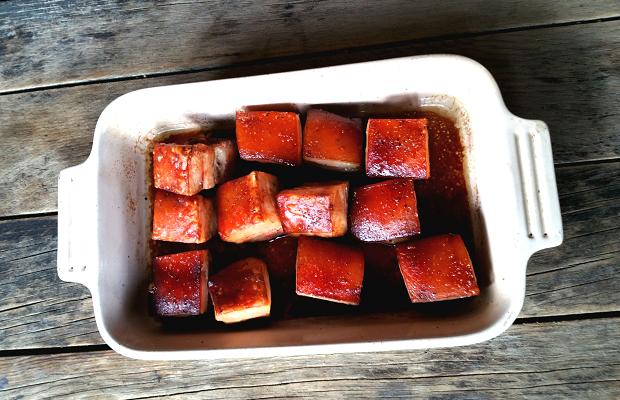
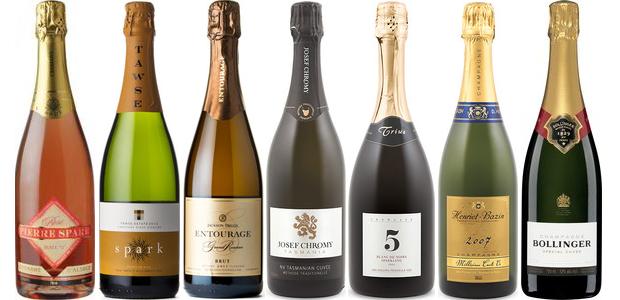
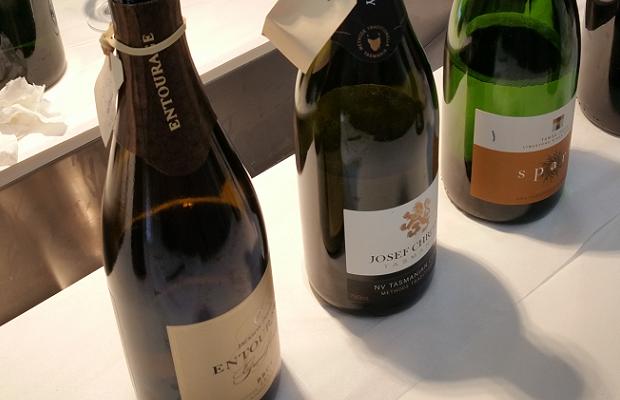
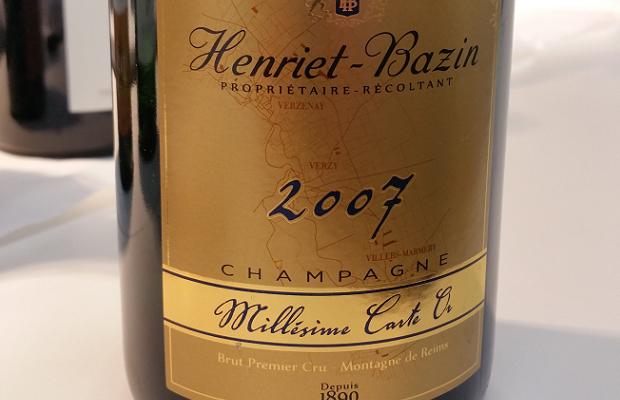
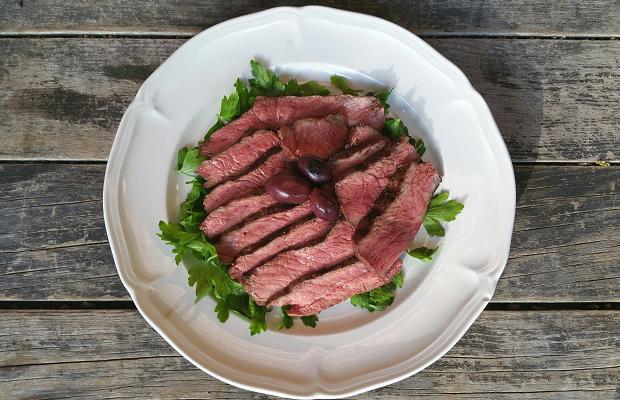
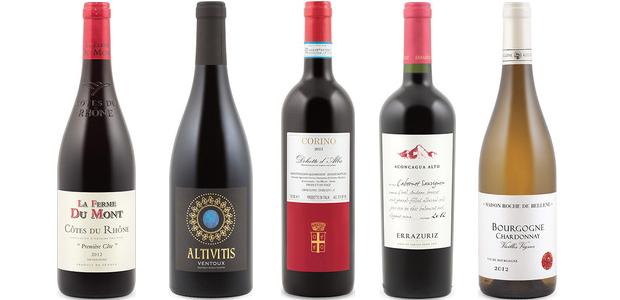
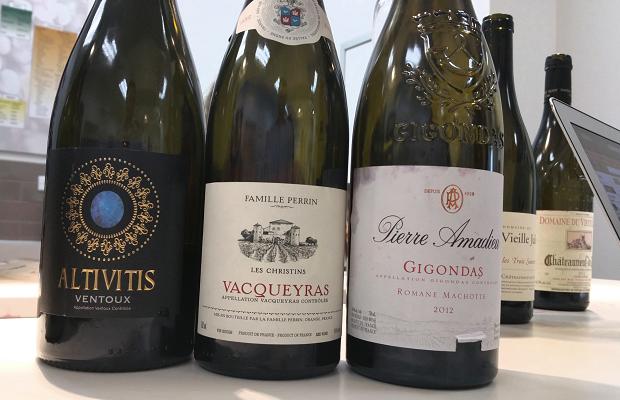
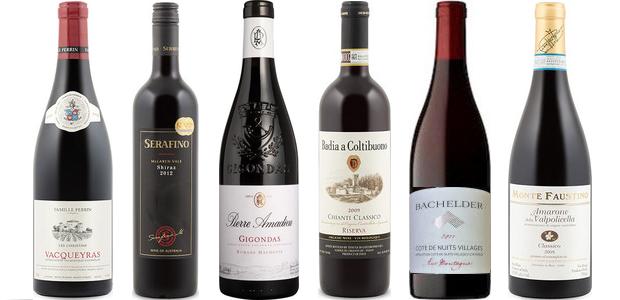
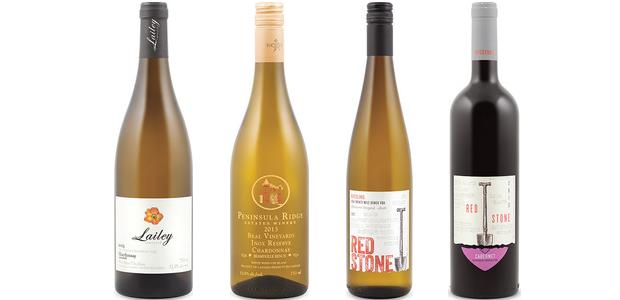
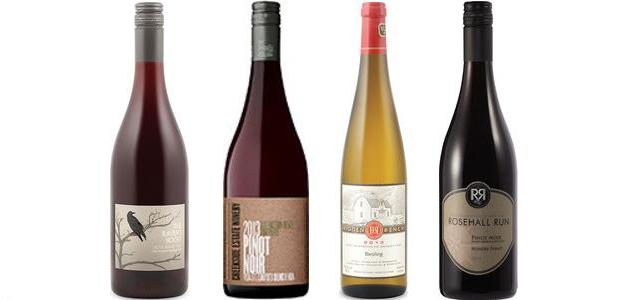
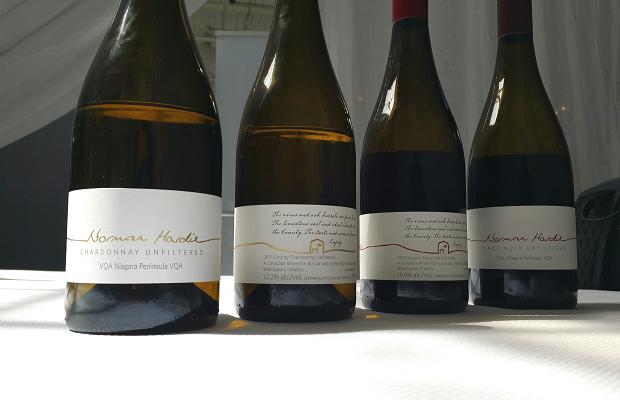


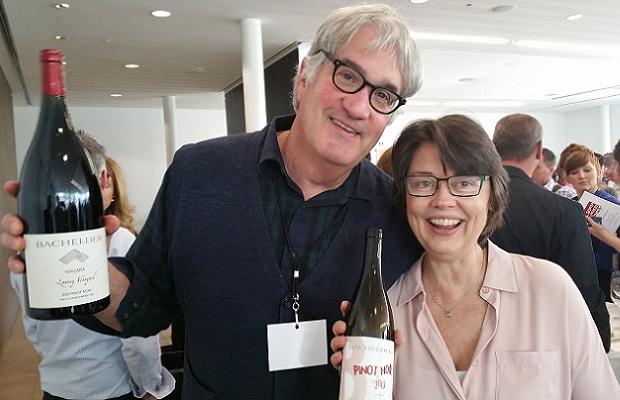

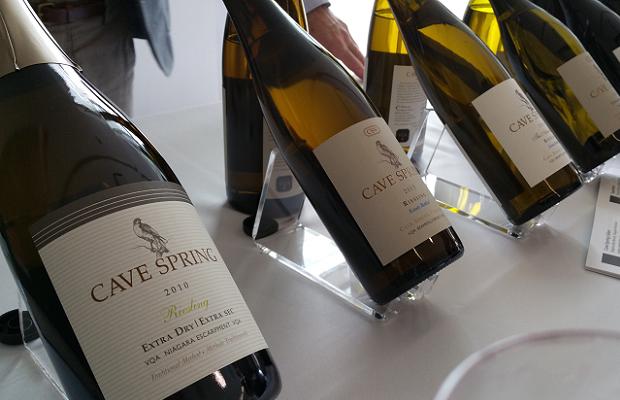
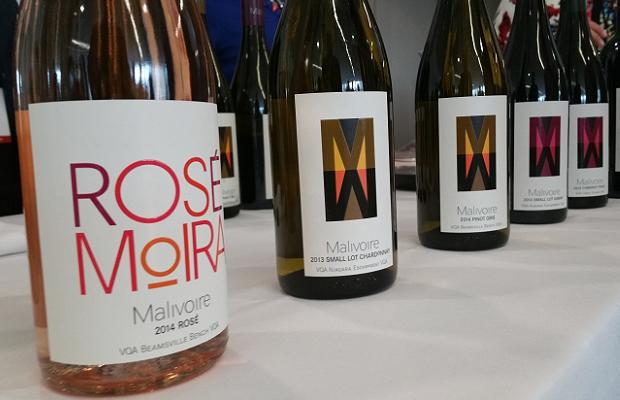
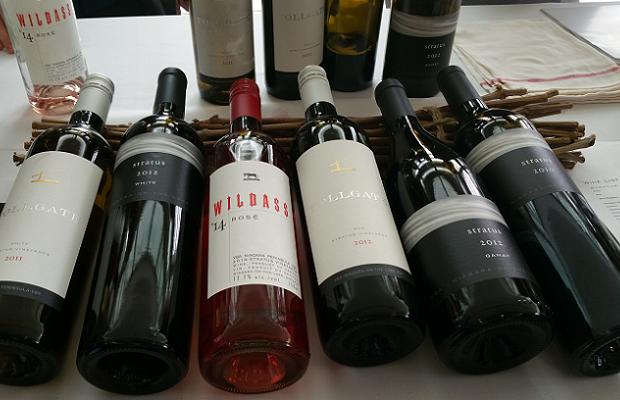

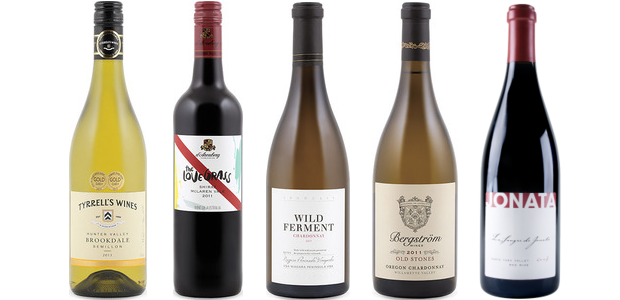
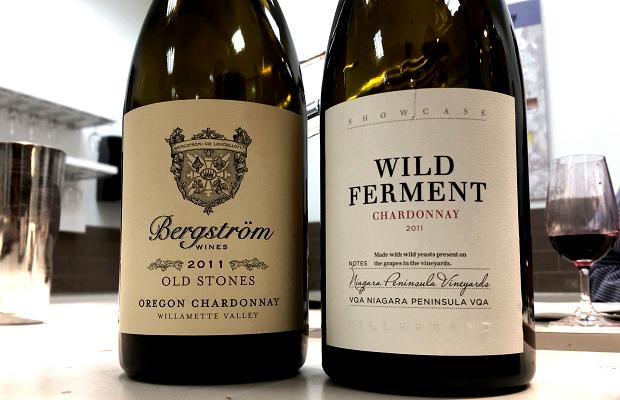
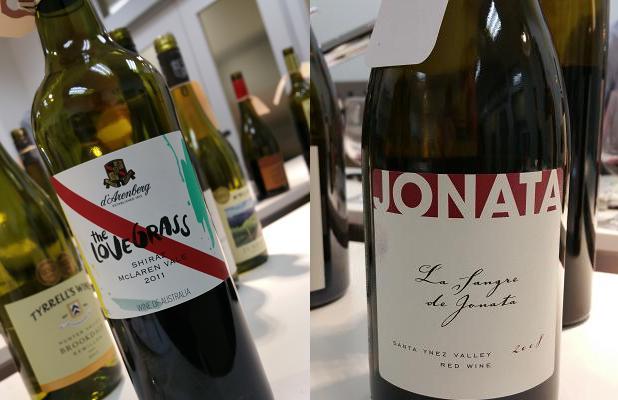
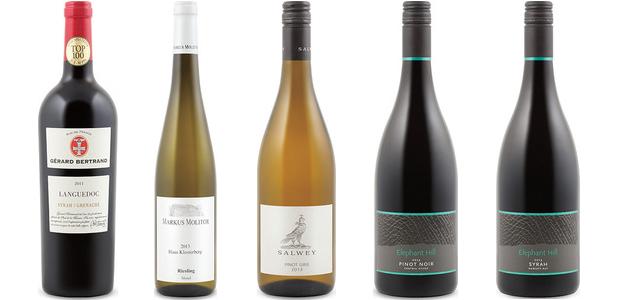
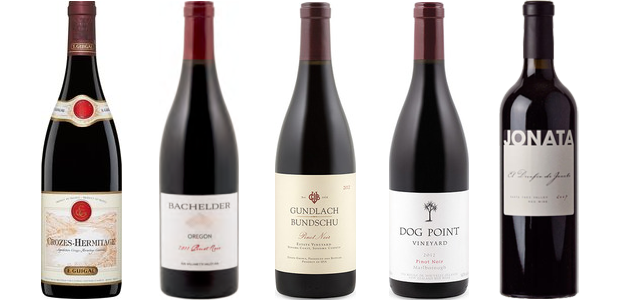

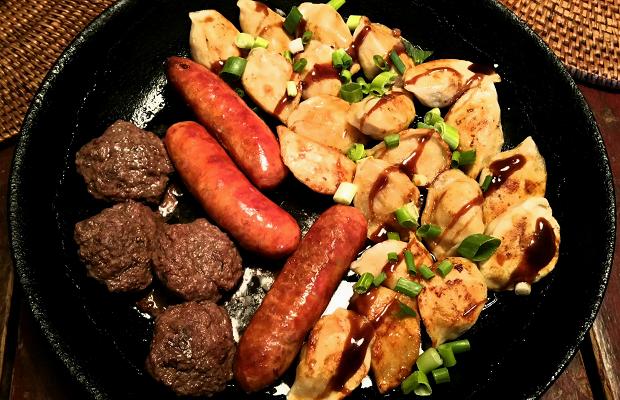
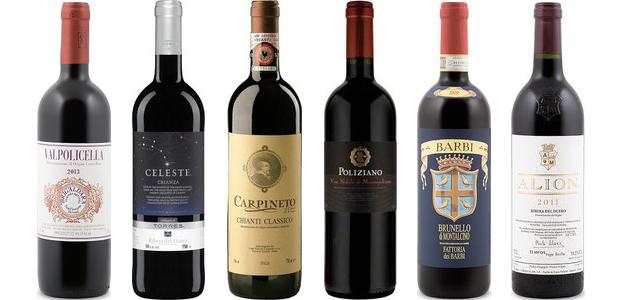

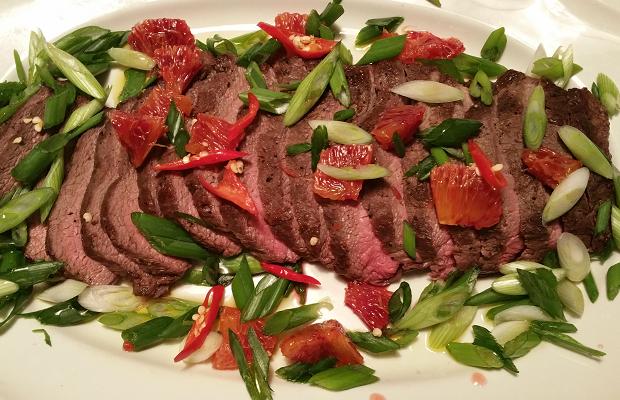
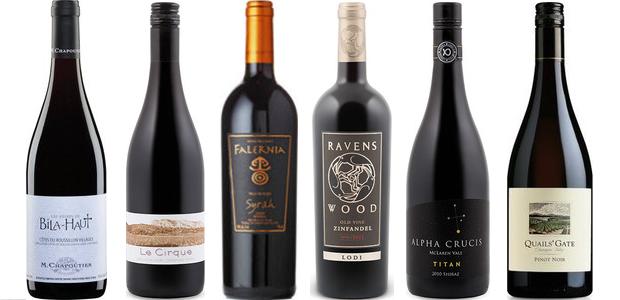
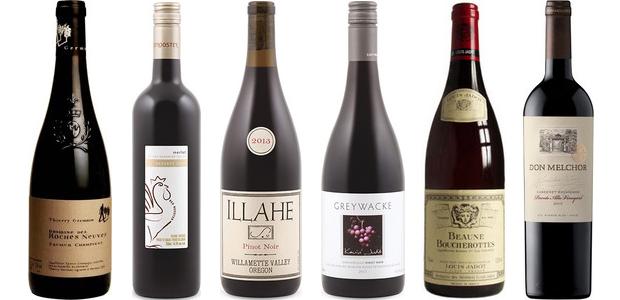
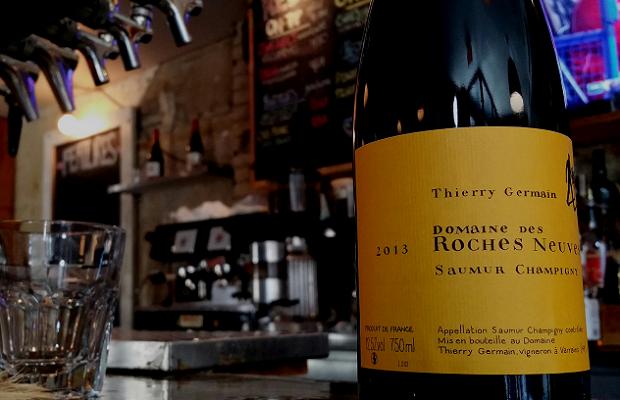
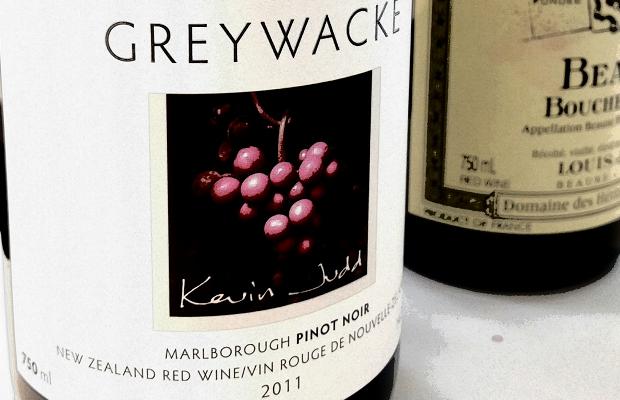
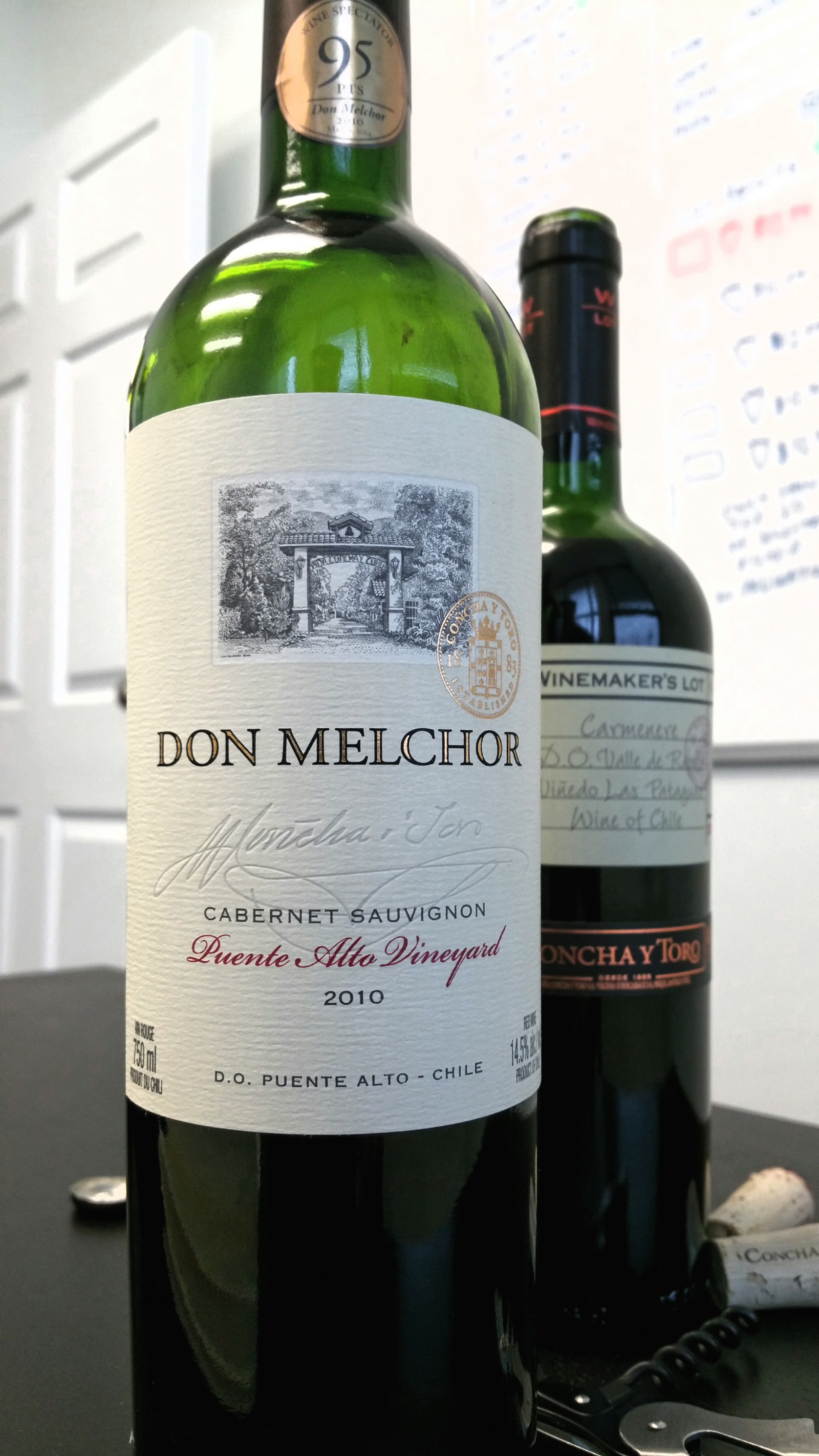
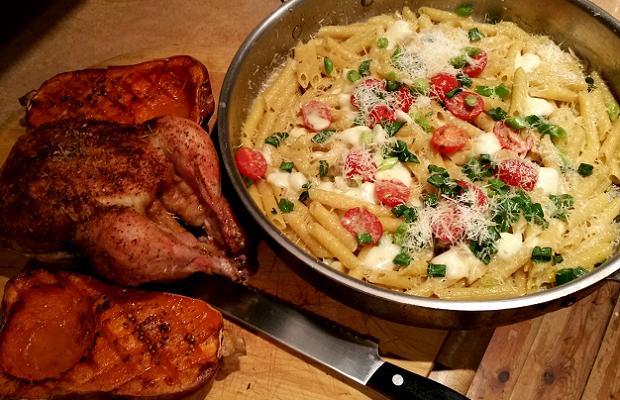

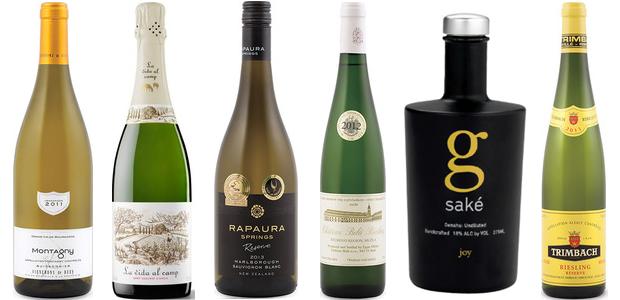
 Godello