Familiar and not so familiar Europe, always cool chardonnay, seeing South African red (and a white)
These past two weeks have been difficult, bizarre and disturbing to say the least. No one is immune to thinking about the twists, turns and horrors of recent world events. With no disrespect to activism, especially on a personal level, at WineAlign our job as critics is to find ways to keep the machine running, in other words, to focus on wine. In 1975 Saturday Night Live did a skit in which Paul Simon played one-on-one basketball against one-time Harlem Globetrotter and NBA legend Connie Hawkins. Just before the game sports reporter Marv Albert asks Simon about his strategy in going up against The Hawk. “Uh, but I’ll just have to play my game, as I usually play it,” says Simon. “I mean, I’m not gonna change anything, I’ve gotta stay with my strengths… basically, singing and songwriting.” At WineAlign we’ll simply do the same.
Wines across the Mediterranean are a primary focus of the VINTAGES February 4th release. A great number of them will coax a feeling of familiarity and there are others that may not ring a bell. In any particular wine purchasing scheme it is always best to strike a balance between the poles of available options so best approached by looking to one and then the other. While France, Spain and Italy will always deliver the tried and true, a gem of a geeky or otherwise deferential varietal can be unearthed if your mind and your heart are open. Get into the corners and alleys of habituated Europe but also a place like Greece. You will marvel at how it can change your outlook to usher in the most interesting of times, in life and in wine.
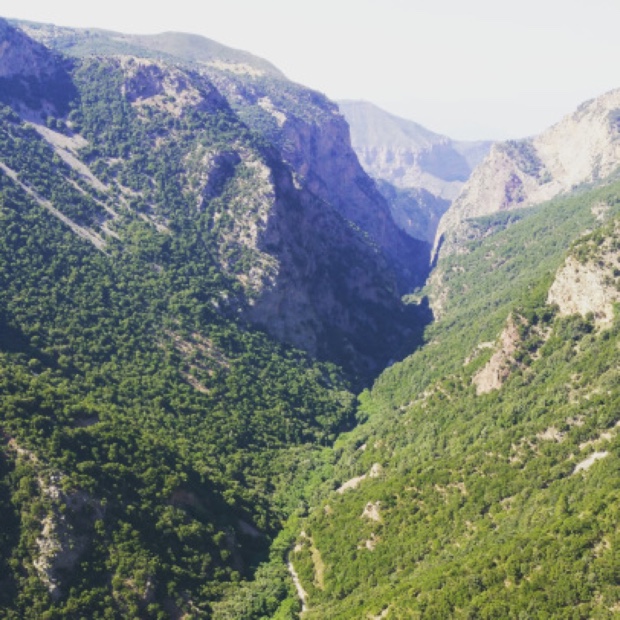
A view through Vouraikos Canyon from Mega Spileo Vineyard
Don’t worry. I’m not going to run off and wax rhapsodic about wines found “off the beaten path,” argue on the semantics of what exactly that means or how it should be defined. But I will tell you a little story. In July of 2016 I visited one of Europe’s most extraordinary vineyards, found in Achaia, located in the northern Peloponnese. At the top of this incredible canyon you stand at the foot of another even more imposing and massive rock face that is home to the 11th century Mega Spileo monastery. Gazing north through the cracks in the mountain cragges you can see the azure blue waters of the Gulf of Corinth. Looking straight down you see the greenery of the healthy Mega Spileo vineyard. The entire footage leaves an indelible mark. What’s the point? The point is to get out there and make discoveries. This also applies to what can be found in the VINTAGES catalogue.
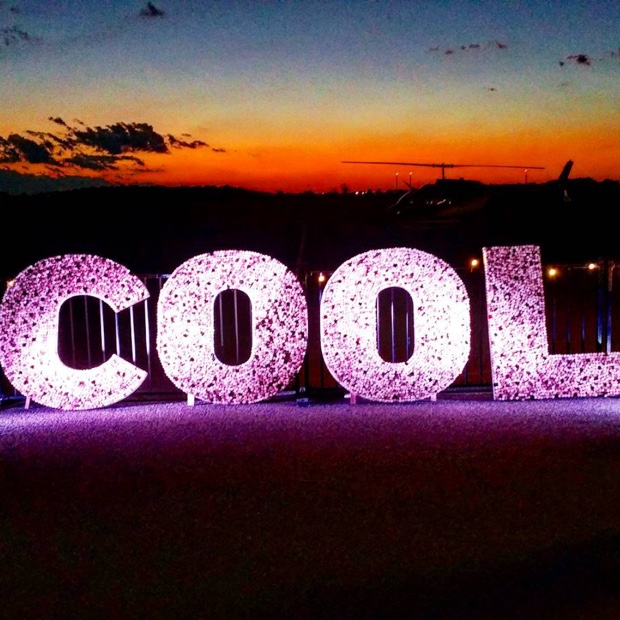
Chardonnay is always in the spotlight so why should February 4th be any different? This past summer at Niagara’s Cool Chardonnay conference I found out that we have to look at organoleptics and ask a very important question. Is your expectation of a Chablis going to be the same as chardonnay made from anywhere else? More important, who are we putting this wine in front of? Ian D’agata’s take struck a Canadian chord. He talked of “a welcome astringency characterized by piercing flavours. These are cool-climate wines. Cool climate chardonnay is not about a long litany of fruit descriptors. If you have a cool-climate viticultural area it behooves you to give the people what they are looking for.” More cool chardonnay examples available on this release are worthy of your time and your dollars.
Bush vines, Groot Drakenstein Mountains @AnthonijRupert Wyne @WOSACanada #lormarins #franschhoek #southafrica #winesofsouthafrica #mesmerizing
South Africa is a geographical and geological land of wonder, of ancient soils and picturesque intrusions. Extreme examples include the shale and schist of Swartland that turns into dust and the granite domes of Paarl, which are 30 million years old. We are talking about beginning of time stuff, but how does it impart into wine? Taste more than just a few South African reds and you will get a sense.
I’ve said it before and will repeat myself. South African wine is not what we thought it was. This mantra can’t be repeated often enough. Ventures into the Cape wine lands, tastings and zealous immersion into Stellenbosch, Paarl, Franschhoek, Swartland and Hemel-En-Aarde see to that. If you’ve not visited you can’t possibly know what revelations lurk but you can get a glimpse by drinking South African wines here in Ontario.
I would like to wish you all great February release wine hunting and gathering. The WineAlign team is in travel mode these days but rest assured the reviews from upcoming VINTAGES releases will be dutifully covered. I’m off to Antiprime Toscane next week and will be back in time for everything March. The February 18th release will find a focus on Australia and March 4th, well, it’s anyone’s guess!
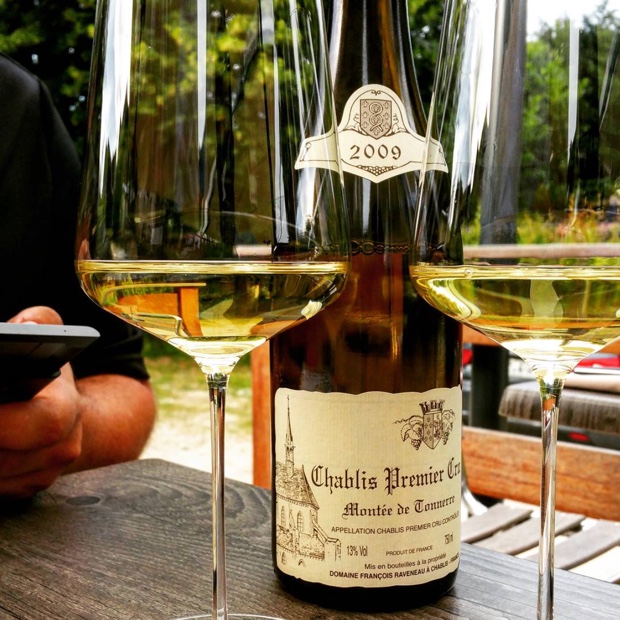
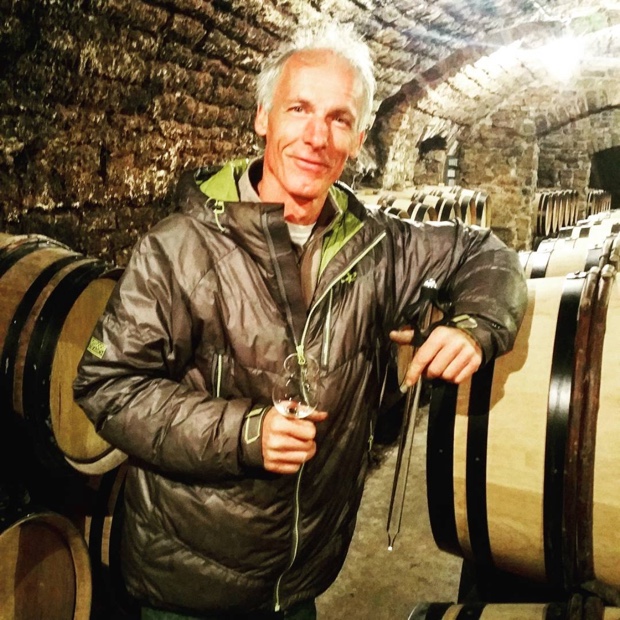
This may or may not have happened #raveneau #memory #monteedetonnerre
It has never been this difficult to narrow it down. This frenetic, fast and forward moving blur of a year has blistered the patterns of thought so much so that I seriously considered throwing the whole 16 in 16 down the drain and laying it all out there. “Here are the 42 mind-blowing wines of 2016…” and then this wave of clarity came over me like a cloudless afternoon in Chablis. I mean I tasted 50-plus Grand Cru Chablis this year. They could all be on this list.
I meant this just the way I wrote it. The simplicity of wine is a beautiful thing. A vine grows and produces grapes. That fruit is picked and ferments itself with help from yeast it just happens to carry in its luggage. Time passes and wine is made. No one had to invent it. The most basic example of shit happens.
As if to presumptuously bookend 2016 before it even began, that first post was apropos. New year, 16 new VINTAGES releases were not mind-blowing by any stretch of the waxing rhapsodic imagination but white space was filled. Like growing grapes in warm climates where just about anything can complete a phenolic journey, the possibilities are endless. So that I may feel comfortable quoting Godello again and again, multeity is the name of the game.
South Africa continued to occupy Godello for the early part of 2016 and that will never cease and desist. Hosting Andrea Mullineux at Barque Butcher Bar was one of the true highlights of the year. The landscape of South African wine is demarcated by ancient geology and by the geographical diversity of its regions, sub-regions and micro-plots. Varietal placement is the key to success. As I mentioned in previous articles, South African winemakers can grow anything they want, to both their discretion and their whimsy. The choice of what grows best and where will determine the successes of the future.
A new riesling on my radar was released in February. Creekside Estate Riesling Marianne Hill Vineyard 2014, Beamsville Bench, Ontario (443572, $19.95, WineAlign) and it paired beautifully with more foreshadowing than I’d like to admit.
Such a showing of 12 from Langton’s does @Wine_Australia proud. Formidable, exemplary #AussieWine #vintagewineconservatory
The Langton’s Classification: Excellent, outstanding, exceptional could have, would have placed 16 wines on this best of list were the rest of the planet not so adept at making wine. Like Wynns Coonawarra Estate John Riddoch Cabernet Sauvignon Limited Release 2010, Coonawarra, South Australia (466748, $99.95, WineAlign). Such a gathering of Australian wine delivers the preponderance of form, with the incantatory capacity of narrative to bring truth to light and fulness out of pleasure. The mantra repeated with Savouring the new Australia.
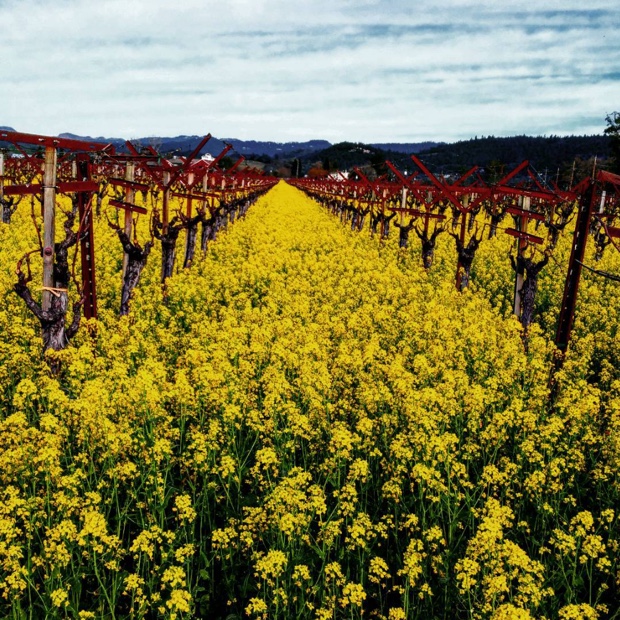
The #napavalley mustard is something else @CalifWines_CA #napa #califwine
Vintage to vintage nuance and the common thread of grothiness, or, @GrothWines in essence @TheVine_RobGroh #suzannegroth #napavalley #oakville #cabernetsauvignon
The most pertinent question now in my mind is this. Can European wine keep up with the fictionality of North American reality? Even these wines could not make this list, however great and exceptional they are. Anakota Helena Montana Vineyard Cabernet Sauvignon 2013, California (181131, $158.95, WineAlign), Forman Cabernet Sauvignon 2012, Napa Valley, California (143925, $160.00, WineAlign) and Groth Cabernet Sauvignon Reserve 1997, Oakville, Napa Valley, California (Agent, $179.95, WineAlign). Sometimes the answer still persists. All in the Primum Familiae Vini. And by the way, The LCBO keeps Kosher.
Much of what I taste is in a lab with no windows. That is because VINTAGES is a mimetic project, which is a few projects too many. We wine trackers and writers are akin to Cricetinae, perpetually running in a wheel or like Sisyphus, forced to roll an immense boulder up a hill, only to watch it roll back down. We read the bi-weekly catalogue, pre-taste the newest offerings, make our lists and check them twice. In every batch there are 10-15 wines that stand out, as much about bell curve positioning as absence of singularity. That is why attending varietal-centric events like The dawning of the age of Austrian wine and travelling the world is so important. Not too mention in my dining room In the Campania of Vini Alois.
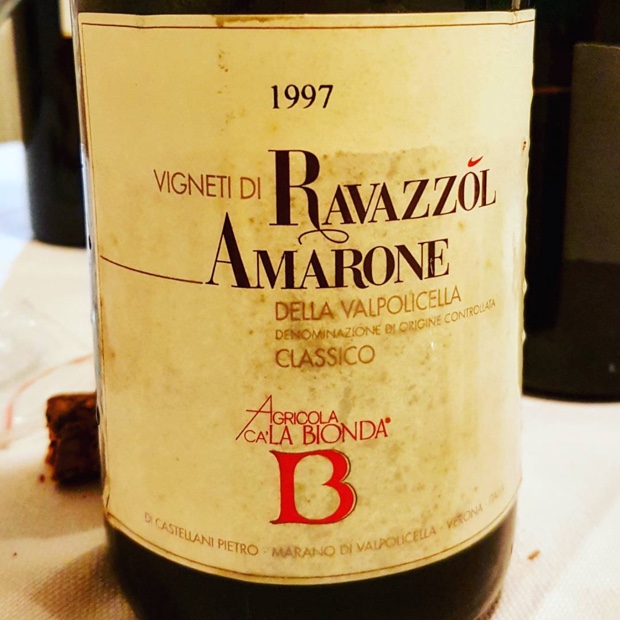
To name a few excursions, I visited California in February, Vinho Verde in March, Chianti Classico in May, Chablis in July and Valpolicella in September. November in Paris I re-connected with Earth and sky. The take aways were extraordinary and flush with the relish of new discoveries and brand new days. Who can forget Ca’ La Bionda Vigneti Di Ravazzol Amarone Della Valpolicella Classico 1997? Italy in the fall reminded me that Franciacorta is the best kept sparkling secret on the planet. November is a sublime time to visit the province of Brescia and the cellars of Franciacorta. Meraviglioso! Meanwhile, Champagne has to be on the list, right? Lallier Cuvée Millésime Grand Cru Brut Champagne 2008, Champagne, France (Agent, $95.00, WineAlign) should be but again, space restrictions and there was this old bubble from the New World. Decisions, decisions.
Which brings me back to Canadian and more parochioally, Ontario wine. The Canadian wine renaissance is attributed to high-end, artisan winemakers like Norman Hardie and Thomas Bachelder. That’s the cool factor. The truth of the matter is that Canadian winemakers have realized and capitalized on the significance and exceptionality of their terroirs in regions such as Niagara, Prince Edward County and the Okanagan Valley. Journalists and buyers from around the globe know it and have begun to spread the Canadian gospel.
And now #cuvee2016 @CCOVIBrockU #vqa @winecountryont #scotiabankconventioncentre
This 16-strong list has much to do with the beg, Drink now or save it for later? I have spent the last 30 years considering wine in some respect. The last 15 much more so. The tries, trials, errors, tricks, and tribulations have taught me one thing. I prefer and receive much more instant gratification from drinking wines young but nothing compares to the insight and the exhilaration of partaking in older wines.
You never forget your first hunk of #kimmeridgian love @BIVBChablis @vinsdebourgogne #chablis #cotedelechet
The year’s greatest distraction came at the hands of Chablis and fair warning, twenty thousand words are coming soon. In 2016 I published three times, Chablis from Dauvissat to Vocoret, Looking for Chablis in Ontario?, Enlightened Chablis of Château De Béru and Paradox in Chablis. Chablis as a varietal concept, as opposed to and unlike anywhere else in the world, seemingly unrelated to chardonnay. How could these extraordinary Chablis not make the list? Domaine Laroche Chablis Grand Cru Les Blanchots Réserve De L’obédience 2014, Ac Burgundy, France (Agent, WineAlign) and Domaine William Fèvre Chablis Grand Cru Bougros Côte Bouguerots 2014, Ac Burgundy, France (Agent, WineAlign). Perhaps because I will soon publish Grand Cru hyperbole next month? That must be it.
Mirror to classicism, history and tradition. Purity from @valerialosi #querciavalle @chianticlassico #agricolalosi #sangiovese #granselezione #pontiganello
For the first time, I think ever, I gave some love to Rosé in the Days of wine and Rosés. I also fell for new dessert wines and these two tried hard but came up just a wee bit short for the list. Domaine Cauhapé Jurançon Symphonie De Novembre 2012, Southwest, France (470344, $38.95, WineAlign), Losi Querciavalle Vin Santo Del Chianti Classico 2000, Docg Tuscany, Italy (Agent, $95.00, WineAlign).
@grahams_port insanity via @abnermallity #onceinalifetime #piratesonapicnic #piratesv4point0 #sharingiscaring #1948 #finestreserve
Singolarità, qualità, diversità. Grazie di tutto @chianticlassico
In 2016, two words. Chianti Classico. The wines have embarked upon an ascension into their contemporary golden age. Image, perception and finalmente, reality, these are the truths all who feel the soul of Chianti Classico are in search of today. Today and moving forward, explaining to the world that Chianti Classico is not what you thought or think it to be. Colle Bereto Chianti Classico Gran Selezione 2011, Docg Tuscany, Italy (Agent, $67.50, WineAlign) was a side-revelation, as were so many others in Three days, eight estates, Chianti Classico and Gran Selezione, The most important red wine from Italy. And in a year when CC is all that seems to matter, Tenuta dell’Ornellaia Ornellaia 2012, Doc Bolgheri Superiore, Tuscany, Italy (722470, $195.50, WineAlign) and Fattoria Dei Barbi Brunello Di Montalcino Riserva 2004, Tuscany, Italy (Agent, $100.00, WineAlign) are but mere mentions in addendum.
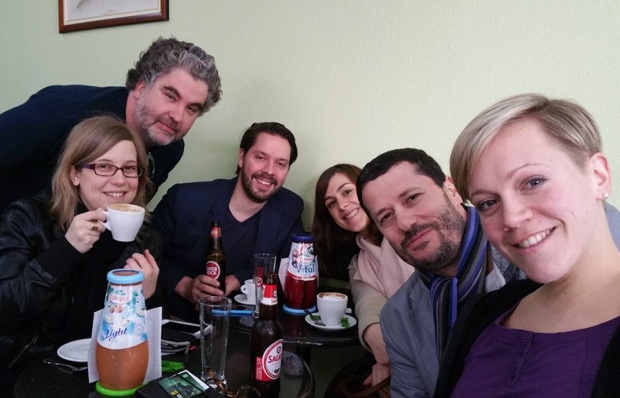
David Pelletier, ‘Le Sommelier Fou’ and friends in Vinho Verde
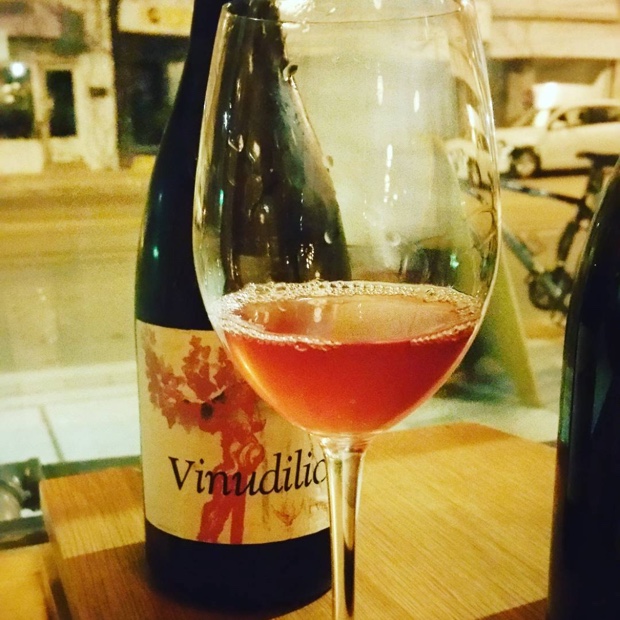
200 yr old vines. 1300m above sea level @vignerietna @somesmartsomm #rosato #vinudilice 2008 #tastethelava #volcanic
I Vigneri Di Salvo Foti Vinudilice 2008, Igt Sicilia Rosè, Sicily, Italy (WineAlign)
So much about this introduction to volcanic Rosato falls under the category and melts into the realm of the impossible. Begin with Vigna Bosco planted to 10,000, (up to) 200 year-old bush-trained (Etnean alberello) vines per hectare in Bronte, Northern Etna. Consider the party goers, endemic alicante, grecanico, minnella and other minor if wholly obscure native varietals. Locate the vineyard at 1,300m above sea level. Tell me it’s not the highest in all of Europe. Go on, tell me. Tended by hand with the help of Ciccio the mule. No refrigeration, yeasts or filtration. Decanting and bottling follow the phases of the moon. Blush has never acted like this, suspended as if put into bottle yesterday, beautifully minutia funky, every detail in laser calm focus. There really is no reference point, not in the south of France or anywhere in Italy to prepare for such an intellection. Vinudilice is nestled in a wood filled with holly oak (quercus ilex or in Sicily, ilice) but in respect for its singularity I would hesitate to categorize or compartmentalize. In fact I would not use the term Rosé, or Orange or natural to realize a need for reason. I would simply taste the lava. Thank you SomeSmartSomm. Drink 2016-2018. Tasted April 2016 @ivigneri@somesmartsomm@WinesOfSicily
Not members Blasted Mechanism. With Chris Wilton and Vasco Croft, Aphros Wines, Vinho Verde
Loureiro of a fashion so rare for Portugal and this region, from a concrete pétillant-naturel style, vinified in stainless steel with wild yeasts and initially no additional sugar, then bottled with 20 grams of natural residual sugar, to alight the single fermentation conclusion. An 11 per cent contrariety of méthode ancestrale dialectic, like a lime-grapefruit cordial housing a dissolving lemon tablet. A bowie cut, boning and dressing of loureiro. This here the whole new way to take the grape, to send it sky-high and bring it down to the rustic roots of glam, sparkling funk. “Like to take a cement fix, be a standing cinema. Dress my friends up just for show, see them as they really are.” Vasco (Andy) Croft walking and his hunky dory pet-nat spinning an original tale of a time and a place, or perhaps a myth, like the rustic deity of the forest riding shotgun to Dionysus and his native war. Drink 2016-2018. Tasted March 2016 #aphroswine@LeSommelierWine
Oldest vines #barossavalley textures in #semillon and #grenache @cirillo1850wine @Wine_Australia #southaustralia #marcocirillo
Cirillo 1850 Ancestor Sémillon 2011, Barossa Valley, South Australia (Agent, $36.00, WineAlign)
A sémillon revelation is found in this Barossa Valley ancient, a wine procured from vines dating back more than 150 years. To discount that prodigious bit of calculated fortuity would be wrong on so many levels. The Cirillo family are guardians of what may be the oldest continuously producing grenache and sémillon vineyards in Australia and by logical extension, the world. Here the combination of dry extract, mineral depth and straight-lined (unsalted) salinity is beyond special. While the Hunter Valley garners the most attention for aging immortal sémillon, this Barossan will likewise escape, somehow, to live another more complicated and mysterious life. I would wait three years for some extract meets tannic sweetness to begin its development and then take it slow for another six to 10. Incredible find here in Ontario from Marco Cirillo. Drink 2019-2029. Tasted May 2016 @Cirillo1850wine@bokkewines@BarossaDirt
Brash Higgins Nero D’avola Amphorae Project 2015, McLaren Vale, South Australia (Winery, $55.00, WineAlign)
The renegade triumvirate of coagulation denotes the shock and awe of this outlier; McLaren Vale, Nero d’Avola and Amphora. Winemaker Brad Hickey and his nickname have taken the troika and created a beautiful monster. A non-oxidative, crunchy, spicy, toasty, chewy and tannic NdA in versicolour, mottled and florid in flavour. There is black and white pepper, cinnamon, zesty orange spritz and a clay influence (plus amphora) to waft one for the ages. The palate flaunts a tapenade of painfully brilliant chalky black olive. The swirl is chocolate and vanilla, mediterranean and meganesian. There should be zero attention paid to the unusual in its concept. This is both a pleasure to taste now and will evolve into something wholly other given enough time. At least 10 years to be sure. Drink 2016-2025. Tasted May 2016 @BrashHiggins@mclaren_vale@TheLivingVine
Rockpile Zinfandel Cemetery Vineyard 2013, Rockpile AVA, Sonoma County, California (Winery, US $47, WineAlign)
Look towards the other arm of Lake Sonoma and let your mind’s eye rest 250 feet higher than Jack’s Cabin Vineyard. The Cemetery plantation is a jagged, craggy outcropping with “a face uneven as a river jag and asperous as the mullein’s flannel.” The Mauritsons are Los Campesinos of Cemetery Vineyard in Rockpile. The rocks below resemble giant headstones along the Rogers Creek fault and you just have to believe all this immensity of geology impacts the vines. It does but don’t ask how or why, just settle into the cimmerian depth of zinfandel touched by black fruit, spice and the akimbo savour of glutamate and amino acid. Three further months in barrel (85 French plus 15 American) accentuates the spice, smoulder and espresso con crema texture. Ripeness of fruit, tannin and acidity are simply stellar out of this dramatic place. “You know us by the way we crawl and you know us by our cemetery gaits.” Drink 2017-2025. Tasted February 2016 @mauritsonwinery@sonomavintners
Though it may long ago have been considered the quintessential one, there may be no other Alsatian gewürztraminer more important than Weinbach’s Cuvée Laurence. The reasons are manyfold but begin and end with memory and legacy. This was daughter and sister Laurence Faller’s prized wine, the wine she put her name to, that defined her gracious winemaking in echo of the estate she worked. Her family has carried the torch and yet her touch is all over this wine. Calm, composed, balanced and ethereal. Laurence is a clear expression of the marly limestone soil beneath the lieu-dit of Altenbourg, located at the base of the great Grand Cru Furstentum vineyard. Where else do you find gewürztraminer of such delicasse, from which classic aromas (rose petal, creamy to boozy-syrupy tropical fruit) and impossible unction combine without ukase? Nowhere. The acidity does not act with impulse. No, it rings, supports and lingers. The extract is intense but out of mind. Exceptional vintage. Drink 2018-2033. Tasted October 2016 #domaineweinbach@AlsaceWines@drinkAlsace@ACT_Alsace@VinsAlsace
Alessandro Palombo is skeptical at first, one eyebrow raised but with the look of possibility on his face. Takes me very little time to acknowledge that this ’79 is very much alive, fruit not predominant (and surely some prune) but neither cooked nor bruised. The brown nose (earth and spice) purports a full concentration of anthocyanins, acidity still full in, dried fraises de bois, black liquorice, dirty leather and worth repeating, still very good acidity. Truffle, forest floor and then black olive tapenade on the palate. This is 70-80 per cent sangiovese with colorino and canaiolo and for 1979 it’s quite incredible. It should not have lasted this long. Antonio says that up to 10 per cent could have been malvasia blanca and trebbiano because at the time it was a field blend, co-planted with the sangiovese, which could explain some of the variegation in the colour. This is a Chianti Classico to lend credence to the idea of using multiple fruit, vegetal and animale descriptors when assessing an old wine. It’s also the reason why you put them away and open them with friends who’s eyes are wide open. Thank you Alessandro for the opportunity and for the connection to your grandfather Alberto. He was a very good winemaker. Drink 2016. Tasted May 2016 @LuiLuiano@chianticlassico
Château De Béru Chablis Clos Béru Monopole 2012, Ac Burgundy, France (Agent, $87.95, WineAlign)
In 2012, less density and iodine matchstick is on display in performance for the historic, south facing vineyard beyond the Château’s walls. From this her eighth vintage in the resurrection of the family’s estate wines, Athénaïs de Béru has assembled fruit from Kimmeridgian limestone in rapport with a vintage of portent and intent towards elegance. The acidity is much more linear (than 2013) and the limestone sensations less metallic. Here the feeling is more of a liquid chalk and the balance is much improved. Also less evolved, bright and a much more amenable of a bitter pith, more citrus (lemon and lime) and not as earthy. Longer finish too. What 2013 lacks this ’12 gains and vice versa. The comparative literature and parenthetical study is duly noted as apples to oranges so the wines are exempt of one another. Neither answer all the questions asked and both express their terroir from their time spent on it. This ’12 story will become clearer in another year or two. Drink 2017-2023. Tasted July 2016 #chateaudebéru@TheLivingVine@vinsdechablis@purechablis
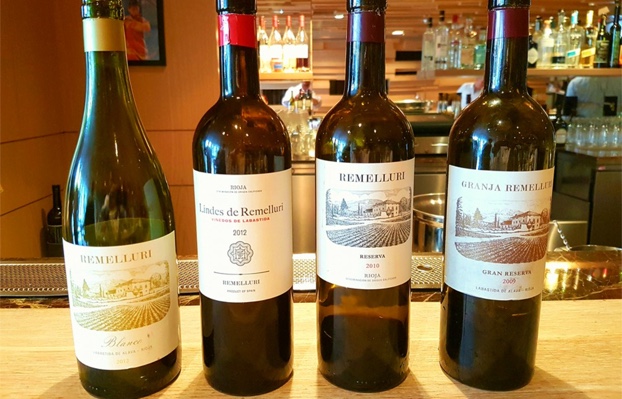
“What is Rioja?” asks Telmo Rodríguez. He notes that Lopez-Heredia still manages small vineyards, Grand Cru and Premier Cru plots, but most Rioja houses are industrial. Their wines age in barrels in 100-150 year old wineries but have no sense of place, of origins, of an amazing vineyard. “I want to be radical. I believe it (Rioja) can be one of the most beautiful places in the world but I told my brothers it needed to go in a very particular direction. My brothers agreed.” So costs went up 35 per cent. They bought no grapes. “If you want to work properly in Spain, you have to be a hero.” You have to work the most difficult vineyards, where production costs are five times that of Grand Vin Bordeaux but the price sells for 10 times less. And so Telmo Rodríguez produces this Gran Reserva, a wine that adheres to a Rioja systematic but does so from a blind-eye turned, high density field-blend planting of tempranillo, garnacha, graciano, muscatel, viura and malvasia. A field blend, unlike Bordeaux but a local village farmed gathering of the best fruit. The 2009 is showing no age but the difference between 2010 Reserva and 2009 Gran Reserva is night and day. This makes the ’10 seem fresh, alive, open, almost simple. Here the variegation is distilled down to laser focus, as if the varieties all become one and most people would simply say tempranillo, but who has ever tasted and been dealt such a tempranillo? This is oozing of a liqueur like no other, rich, viscous, natural and dry-extract sweet. An expression of the best microclimates and their vineyard kin. Wait another five years to allow it to remember and tell its tale. Drink 2022-2034. Tasted September 2016 #Remelluri@TelmoRodriguez_@Noble_Estates
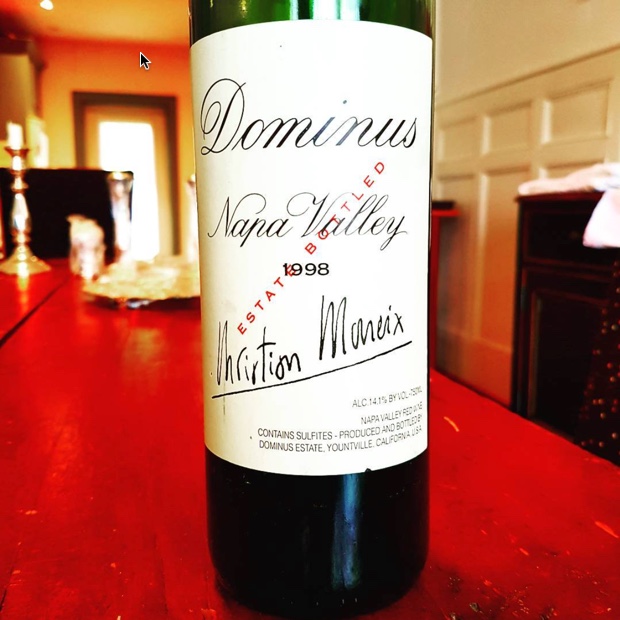
Dominus 1998, Napa Valley, California (212381, $176.95, WineAlign)
When I tasted the 1990 in 2012, hanging on to every thread of oscillation from death to life and back again was exhausting. The 2008 tasted that same year could not have been more life affirming. This ’98 is such a zoetic Dominus beast with an embarrassment of resplendent riches. It is everything 1990 wished it could have been and yet the light-hearted George Hrab geological funk reminds me of that wine. The 1998 trips on a trebuchet and I weep at its aromatic reverie. It is hypnopompic, a state immediately preceding waking up, whiffing the most beautiful Brett there ever was or could ever imagined to be. Volatility in a bubble, circumstantial, lost in a dream. Get lost in the butcher shop, the natural cure here, there, everywhere, curative and comforting. Porcine and rapturous, fruit perfect and entitled, structure supprting every note. If 1998 was both a curious and concerning vintage this wine lays those worries to rest. The fretting may have swayed feelings and been difficult to glide fingers across but the harmonics extend with ease. Finishes with staccato calm, a palpable exhale of breath and silence. Five more years will be like this and five more without threat. Drink 2016-2026. Tasted October 2016 #dominus@rogcowines#ChristianMoueix
Ridge Vineyards Monte Bello 2013, Santa Cruz Mountains, California (405332, $191.95, WineAlign)
From a serious drought vintage, dry, warm and demanding, the 2013 Montebello’s Draper perfume is as heady as ever, to such effect that after one whiff this is where daydreaming takes over consciousness. Montebello gets inside the head, with allegory, radio frequency waves and platonic thought, as if inside a cave. An 80 per cent Cabernet Sauvignon, Petit Verdot (8), Cabernet Franc (7) and Merlot (5) classic, lithe and restrained blend of sheer, utter exceptionality. The balance in 2013 is impeccable but dont be fooled into thinking this is not a big wine. The acidity is dramatic, the tannins fine and demanding and the amount of pure extract whorled and revelling. All in dark red fruit and a coolness through the mid-palate that threads like silk through fine stainless steel fibre. “This goes beyond me, beyond you.” Drink 2018-2030. Tasted May 2016 @RidgeVineyards@rogcowines@CalifWines_CA
Fino, Don P.X. ’86 and ’62 w: @sorgatoBTA @toroalbala @LeSommelierWine Magical, impossible, unchanging. Bucket list to revisit in 150 years #pedroximenez #bodegastoroalbala #montillamoriles #spain
Bodegas Toro Albalá Don P.X. Selección 1967, Do Montilla Moriles, Spain (491647, $199.95, WineAlign)
You know it’s a good month when you are afforded the opportunity to taste two Montilla-Moriles Pedro Ximenez oldies, first the Alvear Solera 1927 in Paris and now this Selección 1967 bottled in November of 2016. The vintage-dated PX are produced from sun-dried grapes fermented for two months to eight or nine per cent alcohol, at which point a distillate made from the same PX pressings is added to bring the wine up to 17 per cent. First in concrete vats and then a transfer into 50-150 year old American oak barrels. Only 630 bottles were filled in a PX of awakening and hope that finished at an indiscernible 17 per cent alcohol. Some dessert wines can be cloying Popskull but Bodegas Toro Albalá delivers yet another impossible and crazy dessert wine of heavy fuel, impeccable balance in the face of Lugduname breaching sweetness and aromas sin fronteras. The gamut glides through roasted nuts and dried fruits, from almonds and Van Gogh Museum memories of their abundant flowers plus pomegranate, apricot, peach, nectarine, damson plum and pistachio. So much pistachio!! In between there is orange marmalade, quince jelly and prune preserve. Plenty of acidity extends and narrows into a sharp, pointed tang. No matter how many times you try to empty the glass there is always more wine. Always another sip. Is it viscosity, a truco del ojo or trampantojo? Is there some kind of wizardry at play? Then finally, well, actually never, a finish with no end, or a pause in a never-ending 49 year-old (and counting) story. So where is the beginning? 1967. Drink 2016-2040. Tasted November 2016 @toroalbala@sorgatoBTA@MontillaMoriles@LeSommelierWine
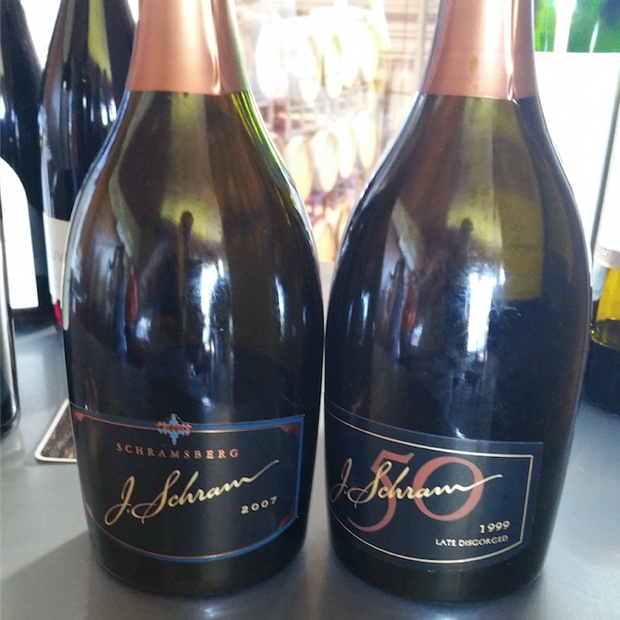
Schramsberg Sparkling J. Schram 50th Anniversary Late disgorged 1999, Napa Valley, California (Winery $175 US, WineAlign)
In celebration of Schramsberg’s golden anniversary, 50 years after Jack and Jamie Davies revived the historic Schramsberg estate for the purpose of making the nation’s first chardonnay and pinot noir based, bottle-fermented sparkling wines. A North Coast (57 per cent Napa, 25 Mendocino, 15 Monterey and 13 Sonoma) blend of 74 per cent chardonnay and 26 pinot noir. Seventeen years have come to ginger, cumin, coriander and galangal in laminous, oxidative ingenuity, wholly arid in kicking up the aromatic dust. Flavours of pressed lemon, bitter brioche and then tannin, yes tannin. From a protracted year, picked as late as October 19th, disgorged in August of 2014 at a dosage of (very necessary) 11.5 g/L RS. Blessed with high natural acidity of 9.8 tA. How can I not concur with Hugh Davies. “What we’re really showing here is Napa Valley Chardonnay.” Drink 2016-2031. Tasted February 2016 @Schramsberg@TheVine_RobGroh
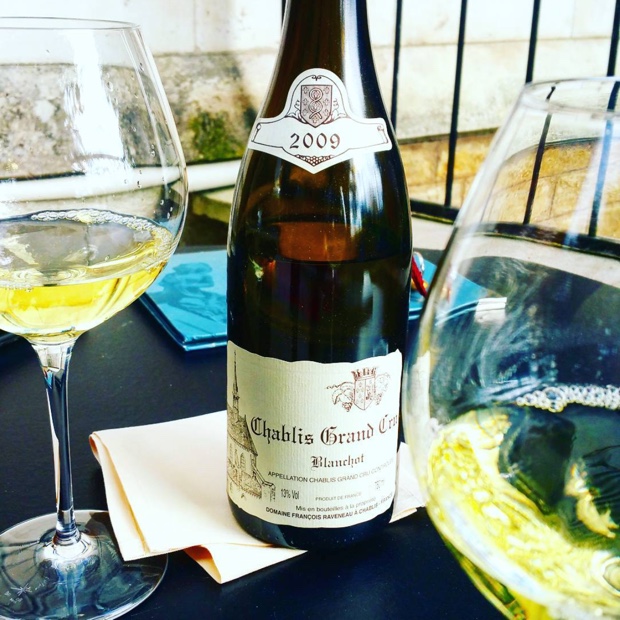
Down by the river with #raveneau #grandcru #blanchot #chablis @lafolieauxerre #2009 #francoisraveneau #thankful
Domaine François Raveneau Chablis Grand Cru Blanchot 2009, Burgundy, France (WineAlign)
It would be misleading to address Raveneau’s Blanchot as chardonnay even as we know it as such because Raveneau produces wines as unique as door keys. They are so inimitable and each will only open the gate to its own unique perception. Blanchot is the southernmost of the seven Chablis Grand Cru climats and blankets the southeastern side of Les Clos. The Raveneau narration does not convey the notion of manifest feeling but instead splits the axiomatic atom of the climat. A sip and you are inside the Blanchot, gliding and passing through rock as if you are the ethereal and the wine is the solid foundation of thought, pathos and avowal. There are aromas that combine citrus and umami with a sweetness that can’t be denied or defined. The wine is just a child, complex, shy and yet unable to express both its meaning and power. But you try to get inside its head, stumbling over kimmeridgian rock replete with the smithereen-crushed shells of ancient fossils. This is a calm young Blanchot and you melt away while under its spell. Three more years should render its hidden meaning. Drink 2019-2034. Tasted July 2016
A great pleasure and exercize in humility to taste with #vincentdauvissat in his cellar @BIVBChablis #humanity #chablis
Domaine René et Vincent Dauvissat Chablis Grand Cru Les Clos 2001, Burgundy, France (WineAlign)
Tasted from a bottle opened five days prior which is nothing really for a wine that can age easily for 30 years. It resides in a perfect state. Vincent concedes “over 20 there is nothing to be gained” and yet the still terrifically raging acidity would suggest this 15 year-old specimen is only halfway there. The texture is nothing if not persuasive. In 1931 Vincent’s father began this journey. Here 70 years later is a wine so perfectly intact, the lemon-waxy aspect almost on the edge of the hive. But not quite because of the taut bracing and tight embracing. There is a chew to this and Dauvissat shrugs. “What’s to say?” Nothing but a great piece of his history and his father’s legacy. If this wine is a sentimental tribute to a childhood village, it is never uncomplicated. Drink 2016-2031. Tasted July 2016
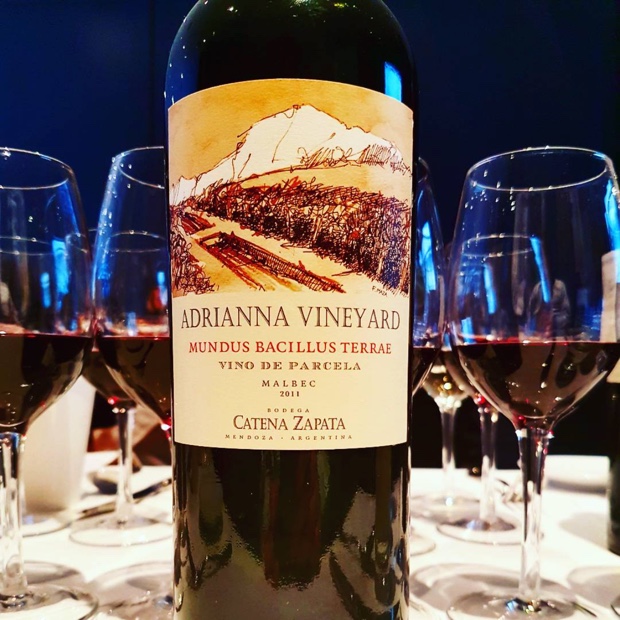
Catena Adrianna Vineyard Mundus Bacillus Terrae Malbec 2011, Mendoza, Argentina (Agent, $325.00, WineAlign)
In this extremely specific malbec from a diagnosed block of the Adrianna Vineyard we are graced with the micro-science of wine. And if you feel that using the name of an aerobic bacteria in the nomenclature is an odd choice, consider the mind of Dr. Laura Catena and her biological approach to viticulture. If we can understand and differentiate the microbes in the soil we can make better wine. It’s as simple as that. When wine is broken down to the biological level it becomes something entirely different and this is the road travelled by the Mundus Bacillus. Catena’s usage of 70 parcel pits per hectare has unearthed this single parcel within the vineyard, again completely different and the pinpointed microbial discussion initiates right here. The soil stakes a claim for this malbec only, certainly not in any way that tends to funk but surely as an impresario of soil. Talk about eugenics in the MBT because that science is compelling and can be related to in this wine. It can offer keys towards improving genetic quality of the vinous population. Here we are faced with rich and dusty, a mean streak of malbec intensity made elegant by earthly microbes. This section draws parallels to the (chardonnay) White Bones soil from which there transfers an excess of dry extract and tannin. Patience please for a malbec that will be long lived. Drink 2019-2027. Tasted November 2016
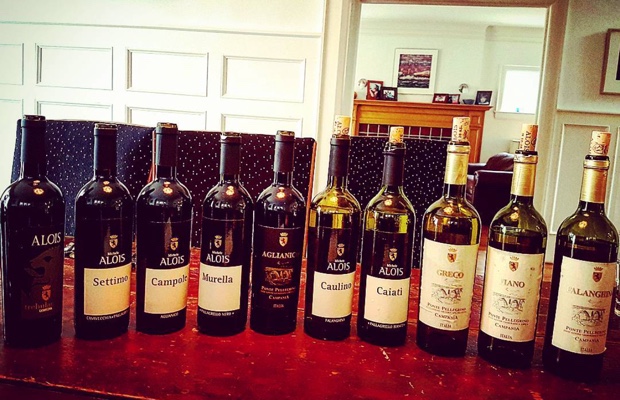
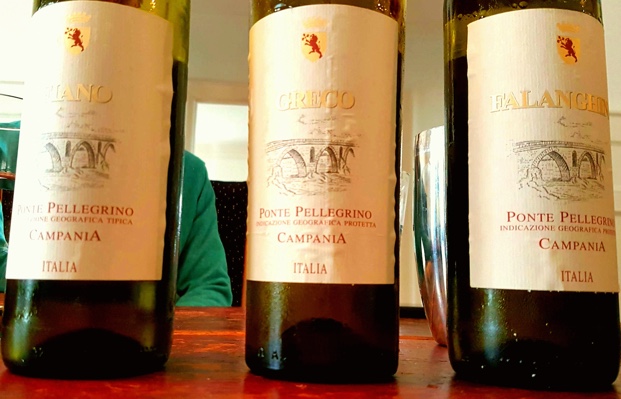
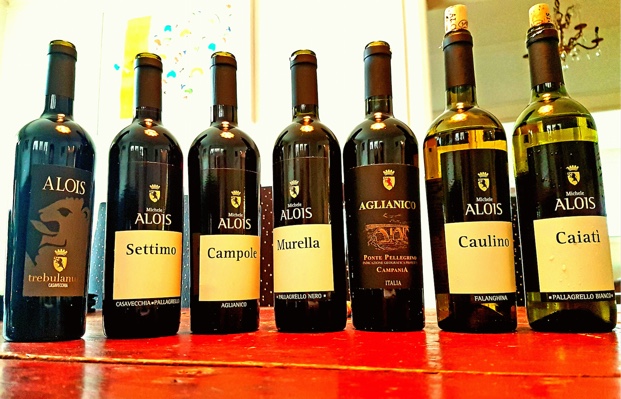
There’s a new obsession in town- #campania @vinalois #falanghina #greco #fiano #aglianico #pallagrello #pallagrellonero #palagrellobianco #cassavecchia #pontepellegrino #therealcampania #massimoalois #vinialois #brandnewdaywines #bndwines
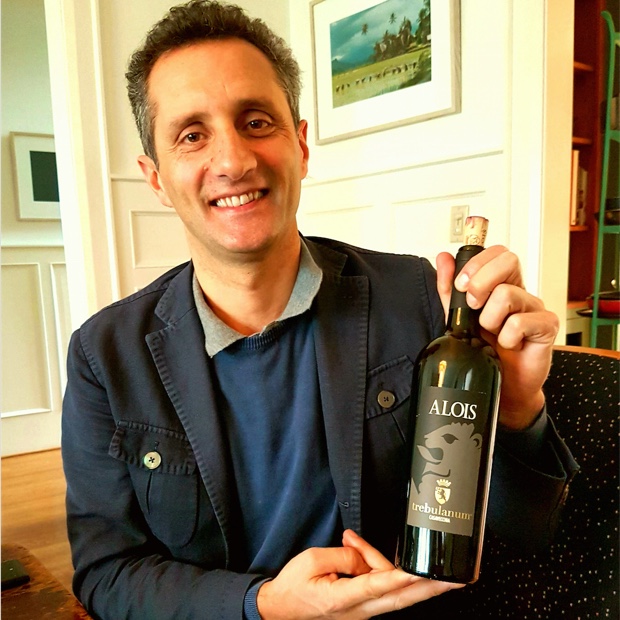
A few weeks back Devon Masciangelo of Brand New Day Wines and Spirits asked if I would have the time to taste through the full portfolio of Vini Alois. I first met Massimo Alois in the fall of 2014 when the Italian Trade Commission rolled out the red carpet at Toronto’s Roy Thomson Hall for the 19th annual tasting of Wines from Italy. At the time I was struck by Massimo’s varietal Cassavecchia called Trebulanum.
Last March a varietal Pallagrello Nero showed up through a VINTAGES In-Store-Discovery release and once again the light went on. With two memorable wines in the bank I was quick to respond to Devon’s request. IN! And then I broke two bones in my foot. So Massimo had to come to me, with BND chaperone Jarek Morawski. I don’t normally conduct tastings in my home but Massimo was happy to oblige.
Massimo and his father Michele so perfectly fit the description I had considered after that Italian tasting two years ago. “You can’t help but notice that modern winemakers with a wistful eye are casting reflexively into the past with a hunger for vinous resurrection. By grafting their pre-Phylloxera ancient vines onto healthy root-stock they have turned the varietal compass on its head. As they have moved through their days with an open-mind to the panoply of grape interactions, they have beget the endemic revival. Old is new again. Meet the awakening of the Italian grape vernacular.”
Vini Alois is the dream of Michele Alois, his winery set amongst the Campania foothills of the Caiatini Moutains in the province of Caserta, on a plateau consisted of nine hectares. His family’s roots are in the silk business. “The name Alois is synonymous with quality in the production and creation of silk cloths that are present in the most famous rooms of the world: from the Italian Parliament to the White House, to the Louvre Museum. Born in 1885 in the time of Ferdinand IV of the Bourbon family, the Alois factory built a constant success under the head of the household, until 1992 when Michele Alois planted 9 autochthonous grape varietals and created a double activity for the already established family dynasty.”
Campania has enjoyed success from a holy trinity of whites, of Greco di Tufo, Falanghina and Fiano di Avellino. But it is in the higher altitudes and volcanic soils where these grapes, where aglianico and especially the ancient and endemic varietals, Casavecchia and Pallagrello, really find their special way. The Ponte Pellegrino “entry-level” wines from Alois should do very well and open the door to the rest of the portfolio. So thank you to Devon and Jarek for sending Massimo my way. Such a fascinating tasting to enforce the adage that endemic is the new vino da tavola.
Tasted with Massimo Alois, the first of ten in a line-up covering two ranges, the Alois all estate and this Falanghina-Ponte Pellegrino from 10-15 percent estate plus purchased grapes from two provinces, Caserta and Benevento. There are approximately 200,000 bottles produced and the queu is so named for the tiny cellar and first vineyard location. This is honest to goodness spot on rich, almost waxy and very golden sunshine-amassed falanghina. It is blessed with such terrific acidity despite the warm but balanced vintage cast in a five-year span out of which systemization and harmonization change and challenge every year. This to Massimo is more like 2010, warm and balanced, unrelenting and typical in its assignment off of volcanic soil. Drink 2016-2018. Tasted November 2016
Set up by Massimo Alois to be tasted between the falanghina and the fiano and for very good reason. The 200,000 bottle output of the Ponte Pellegrino “entry-level” wines are sectionally estate and regnant to the provinces of Caserta and Benevento. The greco channels more dry extract than the falanghina so conversely more weight and structure, a bit more intensity and acidity. This is true and yet foiled by a preserved lemon and chardonnay or chenin-like organoleptic quality from a wine that is not easy to vinify because it oxidizes easily. So here it resolves with such evolved flavours quite beautifully archived in a more than affordable entry-level package. Though it won’t age it presents for here and now pretty exposition. Draws less from its volcanic base and more from the clay. Drink 2016-2017. Tasted November 2016
Massimo Alois pours his fiano behind the falanghina and the greco in order to examine the ternary relationship between and the way in which the latter goes to great lengths to elicit strengths from the first two. This is a step up to an even richer pandemic Ponte Pellegrino from sandy soils in the provinces of Caserta and Benevento plus one seventh homespun estate fruit. The chomp down bite and elastic chew are subdued by a swelling tumescence on the palate, closer to greco than falanghina. Possesses that far reaches of the mouth acidity with similar weight to the greco. Really a best of both worlds Campania for either camp to seek indulgence, typicity and above board fiano relevance. Drink 2016-2018. Tasted November 2016
So many things conspire to bring this provincial Ponte Pellegrino aglianico into perfect entry-level form here in the autumn of 2016. First and foremost is a sense of utter freshness from its gifted volcanic soil. Second is the less is more approach from Michele and Massimo Alois. Third is the volcanic terroir. Did I already mention that? It is presciently less pressed, smothered, angular, tannic and edgy than what secretes from other aglianico terroirs. Smoother in texture, red fruit redolent and potent from the Alois vineyard (60-70 per cent) and raised only in stainless steel. The question begs. Why doesn’t everyone make aglianico this way? The answer abjures. Because of the soil. Drink 2016-2020. Tasted November 2016
Caulino is the estate grown falanghina raised of a totally different élevage than the Ponte Pellegrino. It is fermented for more than five to six weeks with regular batonnage and plenty of racking. Massimo Alois is seeking purity and clarity and so the lees are removed, always cleansing the wine. Immediate notice is given by the pure essence of stone edging to citrus, like kaolin liquified (go figure, with poetic namesake extrapolated license) or imagined from hydrous aluminum silica, like clay into china. Caulino comes by way of very low yields (less than 2kg per plant) and so the resulting inward impression is almost impossibly beautiful, so crisp and pure. There are less than 30,000 bottles made and you will note some bonafide structure and a real easy on the palate creaminess. If falanghina like this is approached with ulterior motives and misguided ways it will go dirty (torbido) as it is a grape (not unlike the others) very susceptible to the lees taking on microbes. Drink 2016-2020. Tasted November 2016
Caiatì is 100 per cent endemic to Campania pallagrello bianco, from the Casertan dialect “u pallarell,” or “small ball,” in reference to the grape’s tiny, round shape. Less than half (maybe 33 per cent or so) of the juice is racked to 3rd or 4th (neutral) oak, urged past malolactic with some batonnage into June for a long (seven month) fermentation. The other half makes use of some noble lees stirred once a month for four months in stainless steel. The two parts are bottled insieme after one year. Their accrued accumulation is nothing if not creamy, like unsweetened honey of naked, viscous purity. Such a grape requires the careful calculation of time, like this volcanic and limestone bianco grown at altitudes up to 900m on land friable with clay on the Caiatini Mountains. The name may carry little meaning passed down through generations but the wine shines like Chablis, albeit on a bank more fruit than mineral. Drink 2016-2021. Tasted November 2016
The union of #campania. Massimo @vinalois #aglianico and #volcanic soil #magic #volcanicwine #campole #massimoalois #vinalois
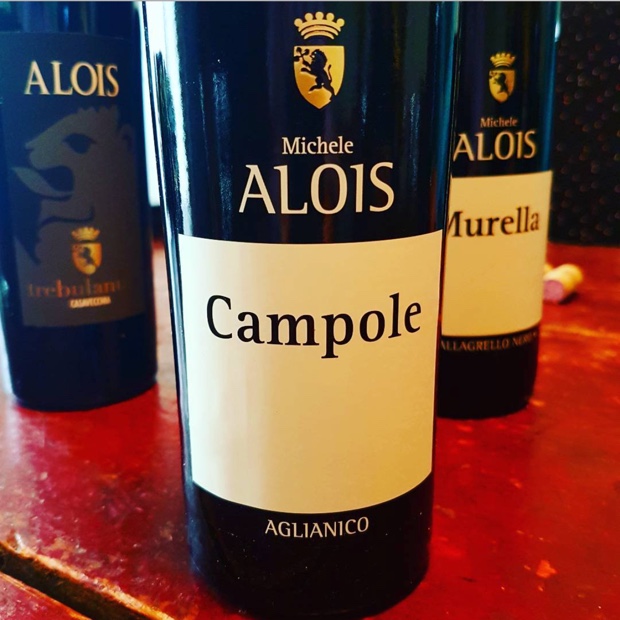
f you are looking for reasons or have ever wondered why aglianico is so difficult to grow successfully beyond Campania you only need a basic 101 sense of ancient geology. Or a few minutes with Massimo Alois. The Campanian simply doesn’t work in limestone insists Alois, why, because in such a terroir it goes strraight to the savoury and gets Damien mean. So if “you give me miles and miles of mountains…I’ll ask for the sea.” Or a volcano. Here from 100 per cent volcanic soil Campole comes across so naturally volcanic with blessedly terrific red fruit, like creamy rice cooked in aglianico, pulsating and alive. It’s simple really. “Volcanoes melt you down.” Drink 2017-2022. Tasted November 2016
Pallagrello is native to the hills around the Campanian town of Caiazzo, and referenced in numerous historical texts, including the Roman “Pilleolata” from the work of Pliny the Elder. In the 19th century it was called by the name “Piedimonte Rosso.” The Pallagrello Nero from Alois sees 18 months in large (85 hL) botti followed by 18 in (25 hL) smaller 10-20 year old casks. The lengthy aging process is necessary for the rustic, natural, perfectly, expertly, so subtley volatile wine. Like greco in hot summers the varietal is subject to certain microbes and the conditioning brings a spicy, subtle volatility or “highlights.” The flavours recall salumi, in cured feelings of gastronomy and this is what makes this wine most drinkable. Such wise older barrel impart but a fruit expression with a citrus, limestone twist. Though this is ready for an immediate go it will offer a 10 year (from vintage) kind of ageablity. Drink 2016-2023. Tasted November 2016
Settimo is composed from casavecchia and pallagrello nero, a working combination of two Campanian horses, vinified separately and then thrown together. Well, not so much thrown as much as the pallagrello sidling up to the casavecchia left overs (as in second wine) after the top tier varietal Trebulanum. This is something special for a “second wine,” a national, seventh heaven, high-stepping over seven bridges affair bringing great breeds together. Shares affinities with high quality reds from disparate places, very Bordelais or perhaps even like a Rhône GSM. Savoury and decidedly Mediterranean, of black olive and tea, garrigue, herbal and dusty. Very cool. Drink 2017-2021. Tasted November 2016
Pliny spoke of a “Vinum trebulanum” from a place called Trebulanis in Campania. In Cicero’s letters a reference is made to Pontius’ house at Trebulanum. From high-level historical figures to a 21st century vine that survived Phylloxera and the parasite fungus of Oidio dated 1851,Trebulanum sits at the pinnacle of the Alois pyramid. The “old house” is from low-yielding hermaphroditic casavecchia, blessedly developed without tight bunches. The antithetical red Campanian, the organic varietal, so resistant to disease, hardy, tough and self-sufficient. Casavecchia is the “cleansed wine,” with 50 of the hL drawn from the 85 hL botti, while the other 35 go to Settimo. After separation it undergoes 18 more months in 25 hL casks, plus one extra year in bottle. A breath of Campania altitude and the frehest of air pervades the perfume. Here the hue is so much deeper, the wine deeply impressed. Unlike the Pallagrello or the blend this represents the perfectly natural expression of Campania, deep and pure. Flowers are redolent for the first time and then there is this exceptional note of citrus. So fresh, for now. I would expect this to gain a smoky stature, some porcine roast and naturally cured, nebbiolo-like tar and roses. Drink 2016-2022. Tasted November 2016
















 Godello