First I thatched the nest and then I fed the birds
Why did I choose this image to introduce a Valentine’s Day post on wine? What pairs perfectly with Christmas, Mother’s Day, Father’s Day, long weekends and Valentine’s day? When restaurants are either swelling with humanity or closed on major holidays and I want to eat out, where do I turn? Chinese. Happy Chinese New Year this coming Monday, February 8th. Welcome to the Year of the Monkey.
This coming Saturday the VINTAGES February 6th release does not coincide with the pink as floyd February 14th holiday so while you wait for next Sunday to arrive, enjoy a mild bite of Chile Peppers. “See what’s in store. Stay all day.” This song merges beautifully into the Love of Your Life. How does YouTube know?
Quite a mixed bag defines the February grouping. The south of France makes hay but I’ve also got Greece, Spain, Barossa, Piedmont and Burgundy in the regional to country mix. Enjoy.
First the pink stuff.
The Rosés of February
Gérard Bertrand Côte Des Roses Rosé 2014, Ap Languedoc, France (373985, $16.95, WineAlign)
The occasions may be rare, but sometimes Rosé needs a half a year to simmer and to show its true colour. What once seemed to be red meets Rosé is now classic, typical, essential blush from Provence. Terrific amalgamation of the holy varietal trinity, with Cinsault the anchor, rock and catalyst to prop up Grenache and Syrah just as they need to be. From soft fruit to a grind of pepper, with aridity and salinity always on stage. Drink 2016-2018. Tasted January 2016 @GBvins@FwmWine@AOCLanguedoc@LanguedocWines
From my earlier note:
Dry, floral, medicinal, quite tight and angled, not angular Rosé. The sea salinity and briny strawberry confluence is quite striking. Doesn’t really linger so in the end it’s a bit of a simple quaffing Rosé but what of it? That’s right. Drink 2015-2016. Tasted August 2015
Pierre Sparr Brut Rosé Crémant D’alsace, Méthode Traditionnelle, Ac Alsace, France (39016, $18.95, WineAlign)
Graceful and pink lithe, like cold smoked salmon, delightful Pinot Noir Rosé fizz. Nothing earth shattering, breath taking or barrier breaking, just well made blush bubbles. The structure and balance are really spot on. Finishes strong and with confidence. Helps to define this genre of Crémant’s creamy texture, matched in contrast by its stony, flinty and mineral style. Drink 2016-2018. Tasted November 2014 and January 2016 @AlsaceWines@VinsAlsace@drinkAlsace@ProfileWineGrp
Lallier Grand Cru Rosé Champagne, Ac Champagne, France (385179, $56.95, WineAlign)
Stoic, startling and nearly, dare I say, revelatory Rosé. Righteously rustic and demandingly devilish. A craftily concocted cool-custard cupid. The talc and the drift are exceptional, wafting aromatics and waving me in, to curl up and be embraced by its charms. This has Valentine’s Champagne scripted with pitch perfect elegance. A Grand Cru effort to be sure. Drink 2016-2019. Tasted January 2016 @LallierAy@azureau
A most consistent Xinomavro untouchable at the price, with the hallmark Syrah-like pepper notes pricking and popping from base and necessary red fruit. This sample is a bit muted aromatically but the palate is alive, kicking and very sound. Think of pomegranates, fresh figs and kalamata olives, a mountain view and the warming afternoon sun. All for $14. Though many Xinos can age for seven to 10 years, this Naoussa is meant for the here, now and tomorrow afternoon. Drink 2016-2019. Tasted January 2016 @boutari@KolonakiGroup@DrinkGreekWine
Clean, direct, massaging Spanish expression of the here and now. A winemaker’s message from an outpost with an endemic grape variety known as Bobal, 100 per cent employed to speak of that place. It does so ripely with cagey dramatics and an acidity seemingly so specific to varietal. This will pave roads for a geek’s obsession and should lay tracks for a consumer’s diversion. It’s worth the detour. Like Aragonese or Catalan Garnacha. Drink 2017-2019. Tasted January 2016 @BSierraNorte@DOUtielRequena@ProfileWineGrp
Sister’s Run Calvary Hill Shiraz 2013, Barossa Valley, South Australia, Australia (222018, $16.95, WineAlign)
On this hill ripe, pure, Barossa fruit fills the glass, “handing out bread and jam just like any picnic.” Don’t be looking for a battle of acidity and tannin on the edge of a savoury, mythical Epping forest. Seek fruit, find fruit. A genesis of material for straightforward Shiraz. If you’ve $16 in your pocket and a deep, rich, red fruit Shiraz is what you’re looking to find, this is the place to stop. “Here come the Cavalry.” Drink 2016-2020. Tasted January 2016 @Gr8TanninWines
Cave De Roquebrun La Grange Des Combes Saint Chinian Roquebrun 2013, Ac Languedoc-Roussillon, France (155804, $18.95, WineAlign)
From Schistous hillsides of Roquebrun, this firm and friendly SGM is the bomb of Beziers. Meaty and wise, its heart beats out of sheer size and from beauty. The opposite of a ferric beast, the valley of the barns wields a weapon but one of glistening, polished stone. The accomplished battle ready fruit knows no limits. Tannins though fierce do nothing to hurt the cause. Syrah (50 per cent), Grenache (30) and Mourvedre (20) adds up to really good Schist. Do you trust a gorgeous wine? Drink 2016-2022. Tasted January 2016 @AOCLanguedoc@LanguedocWines@Eurovintage
Finca Del Marquesado Gran Reserva 2008, Doca Rioja, Spain (384248, $21.95, WineAlign)
A 2008 Rioja that looks, smells and acts like 2008, a plus and a positive rolled into one determinate, fruit roll-up, old-school package. Dried red berries once fervently ripe, now concentrated and dehydrated performing as classic regional flavours would. The acidity persists and the tannins have a leg or two to stand on. This will not improve or go any long distance but for now and two or three years more it’s about as delicious a Rioja red as you are want to taste. Drink 2016-2018. Tasted January 2016 @RiojaWine_ES
Pierre Sparr Schoenenbourg Riesling 2011, Ac Alsace Grand Cru, France (664995, $22.95, WineAlign)
Sparr’s little piece of the Schoenenbourg is a fine one, exemplified in this tidy, gritty and shiny happy Riesling. The tones are not tiny, perhaps tinny and certainly tropical. Mango and pineapple make heady way but the acidity and the tannin are up to the task. This is quite Germanic in my opinion, not new world Alsace. And it’s tasty as need be, with longevity on its side. Drink 2016-2022. Tasted January 2016 @AlsaceWines@VinsAlsace@drinkAlsace@ProfileWineGrp
Joel Gott 815 Cabernet Sauvignon 2013, California (444059, $35.95, WineAlign)
Molten comes to mind from this California Cabernet, as in lava and chocolate. A load of pepper marks its territory and fruit wades through the spicy mocha. Under the sheath there can be no mistaking the grape (with help from Cabernet Franc and Petit Verdot) or the place and yet something ionic speaks, leaving me to wonder where this will go. The chemistry is procured by a hint of carbonic, whole bunch pressing and lees stirring for texture. At present they are not in synchronized rhythm. I would say that instant gratification and crowd pleasing was the intent but the opposite happened and that may turn out to be a blessing in disguise. A year from now this could be a true pleasure in value to drink. I think I wanted to hate it but I can’t. It is possessive of terrific, classic character. I will love it instead. Drink 2017-2020. Tasted January 2016
Domaine De Bellene Les Charmes Dessus Santenay 2013, Ac Burgundy, France (435032, $35.95, WineAlign)
From the flats between hills of the lieu-dit Charmes Dessus, a calcaire pebble’s throw away from the 1er Cru Clos Rousseaux. Adolescent acting fruit comes off of young, 10 year-old vines in Santenay, the most southerly wine-producing commune of the Cote de Beaune. Tight, flinty, developing beneficial bitters of a Burgundy that needs a bit of time to accrue a touch of honey to help the medicine go down. Quite rich and reductive. Very good value. Really good value. Drink 2018-2022. Tasted January 2016 @RochedeBellene@Nicholaspearce_
Domaine Laroche Vieilles Vignes Les Vaillons Chablis 1er Cru 2012, Ac Burgundy, France (991893, $36.95, WineAlign)
Gorgeous and wealthy Chablis of all that makes this unparalleled style of Chardonnay tick. Flinty, struck stone entry, vineyard hyperbole of mineral and the geology of ancients. Lithe, lifted, lightness of being but always brought back down by the minerality. Some flavour density by way of old vines wisdom and persistence that just won’t stop going. Superb quality. Drink 2017-2022. Tasted January 2016 @DomaineLaroche@Select_Wines@BIVBChablis
Secret De Schistes 2011, Igp Côtes Catalanes, Languedoc-Roussillon, France (440669, $41.95, WineAlign)
IGP in which schist happens. Such a bruiser this Château de l’Ou Côtes Catalans, an example the likes this market rarely sees. These Schistes bleed hematic into fruit warmed excessively by the sun. Languedoc-Roussillon that runs with the Rhône terribilta to purpose largesse and rocking good times. This is a very demanding wine, loaded with peppery spice and rabid energy. It needs years to settle. Hopefully its secrets will then be revealed. Drink 2019-2024. Tasted January 2016 @ChateaudeLou@AOCLanguedoc@LanguedocWines
Poderi Colla Dardi Le Rose Bussia Barolo 2010, Docg Piedmont, Italy (596890, $51.95, WineAlign)
The Dardi Le Rose ranks as one of the most consistent performers, mired in tradition and crafted without compromise. The 2010 is a spot on example of balance in Nebbiolo, gritty, floral, tannic and ethereal. The weight is an ambient one, the aromatics resourceful and respectful to varietal and to nature. Dried roses and fresh tar, drier cherries and strolls through verdant gardens. Not the beast of Bussia but certainly bussing its weight in age. This will go quite long. Drink 2018-2025. Tasted January 2016 @glencairnwines@regionepiemonte
Plus one, just because it’s Valentine’s Day.
Domaine Bouchard Père & Fils Meursault Les Clous 2013, Burgundy, France (Agent, $64.00, WineAlign)
Essentially 1er Cru pearl of a vineyard in origin, on marly ground, “walking tightrope high over moral ground.” Such a pretty Chardonnay of faith and of love, subtle, slightly smoky, linear and purposed towards the divine. A lemon drop jam without sweetness and a tart edge that is miles from sour. There are no holes, stops or delays, with acidity that drives forward and length stretching to further length. Grace in gossamer layers. A marker in the Meursault sand. Drink 2017-2024. Tasted January 2016 @WoodmanWS@BourgogneWines@bourgognespress
Tell me you’re not looking for a January cure. A cure for what ails, a respite from depressing news, a way to get through winter’s second and third trimesters. I know you are upset at losing some of your favourite rocks stars or wholly annoyed with those who are. Regardless of which camp you’re in, look me in the eye and tell me a good, honest, proper and satisfying bottle of wine won’t help.
The simplicity of wine is a beautiful thing. A vine grows and produces grapes. That fruit is picked and ferments itself with help from yeast it just happens to carry in its luggage. Time passes and wine is made. No one had to invent it. The most basic example of shit happens.
With a little help from a farmer and a winemaker wine can become something very special. Choosing which examples pass the test is less than automatic and takes many years of trial and error, but eventually the equation reaches a tipping point. This is where probability begins to win over doubtfulness.
VINTAGES spins the wheel again this coming weekend with a list one hundred strong. I have chosen fifteen to win the hearts of the cold, the depressed, the sad, the first responder, the liberal, the conservative, the left, right and all points in between, the cultural injustice fighter, the social media troll and the curmudgeon. Whoever you are or imagine yourself to be, one of these wines may just make you feel a whole lot better. It’s alcohol, after all.
Morality for the masses from parts unknown. Macedonian Merlot plush in carpeted ease. A touch of vinicultural funk bleeds into the drupe for good constancy. Wood is a factor but only for texture. Roast pork would work. Drink 2016-2019. Tasted January 2016 @bozvenimports@WineofMacedonia
La Ferme Du Mont Première Côte Côtes Du Rhône 2013, Ap Rhône, France (251645, $15.95, WineAlign)
The berries are the lead, the middle act and the finish. Extreme in fruit, fully ripened and punching well into classes. Acidity walks along with what heals and together the impression is regionally spot on. No need to look elsewhere for CdR style. Fashioned to induce consumer approaches that occur early, often and with heavy repetition. Drink 2015-2018. Tasted January 2016 @Eurovintage@VINSRHONE@RhoneWine
Rabl Langenlois Grüner Veltliner 2013, Kamptal, Austria (377457, $16.95, WineAlign)
A rouser this Rabl, highly aromatic and filled with creamy green dressing. Langenlois mineral by quatenary rocky red outcrop chip and scrape through the herbs and the citrus. Though a touch lean at present this has the legs and the foresight to age, like Semillon, like Riesling, like good Grüner Veltliner. Really persistent wine. Drink 2017-2023. Tasted January 2016 @BirgittaSamavar@austria_in_ca@AustrianWine
Château Des Demoiselles 2010, Ac Castillon Côtes De Bordeaux, France (348755, $17.95, WineAlign)
A bit of a brooder this Castillon, dusty and all in with Merlot speaking as it should. Typically ripe, not wood shy and instantly gratifying as per the vintage so considering the cost this offers good reason to drink, but not cellar Bordeaux. The flavours add in dark chocolate with tangy angles opening windows and doors. Two to three years of simple pleasure. Drink 2015-2017. Tasted January 2016 @BordeauxWines@HalpernWine
Domaine Chatelain Les Vignes De Saint Laurent L’abbaye Pouilly Fumé 2014, Ac Loire, France (958801, $19.95, WineAlign)
Slight hyperbole of Sauvignon Blanc with epitomizing smoky flint and vegetation healthy to overgrowing. Fresh and spicy, thematic and screaming out loud. The abbeys always make the most authentic wines. This one is no exception. Classic serial killer. Drink 2016-2020. Tasted January 2016 @WoodmanWS@LoireValleyWine
Laurent Gauthier Grand Cras Vieilles Vignes Morgon 2013, Ac Beaujolais, France (279059, $19.95, WineAlign)
Lovely floral entry and good close encounter with the Morgon kind. Certainly on the ripe black cherry trellis but not over, no, by no means over. Firm, charred tight and charcoal lit with the acidity to propel and excite. Gamay as it should be with a red lactic finale. Well done. Cras, cras, not cray, cray. Drink 2016-2019. Tasted January 2016 @DiscoverBojo
Señorío De P. Peciña Crianza 2011, Doca Rioja, Spain (313726, $22.95, WineAlign)
Old school alert. Fruiting body notes of telomorph yeast and room temperature evaporations. High tones and waves of liqueurs. Big old wood barriques and a slow evolutions over decades, with knowledge ingrained and methodology followed with religious zeal. Cherries and cedar, leathers and all sorts of gamy hides. Attack one and put two away and see the past in the distant future. Drink 2016-2026. Tasted January 2016 @BodegasPecina01@LeSommelierWine@RiojaWine_ES
Blue Mountain Chardonnay 2013, Okanagan Valley, British Columbia (350108, $23.95, WineAlign)
The confident, well-delineated structure of a Blue Mountain wine furthered here, with Chardonnay you are simply and unequivocally happy to drink. Mild, mild wood. Minor, minor but present reduction. Flavours overtop flavours, like green apple dipped in mellifluous agave. Salinity, a touch of flint and just general copacetic effectualizing behaviour. Another winner. Drink 2016-2020. Tasted January 2016 @BlueMtnWinery@winebcdotcom
Eric Louis Sancerre Rouge 2013, Ap Loire, France (66613, $24.95, WineAlign)
Red Sancerre plumb, plum too and cerise. Iron strength and a cumbersome ratification to be certain, for longevity and plenty that comes before. From flavour favour savour to acidity tannin in continuum. Rolls through the numbers and the highlights. Alcohol subtlety is a friend at 12.5 per cent and playing bigger than others twice the size. You can use this terrific example from Eric Louis for just about anything your experience desires. Sip, grill fish, finish post meal. Anything really. Drink 2016-2021. Tasted January 2016 @EricLouisWinery@LoireValleyWine
Martin Ray Chardonnay 2013, Russian River Valley, Sonoma County, California (57067, $28.95, WineAlign)
A really nice, relatively inexpensive example from the RRV. The aromatics are balanced with notes ranging from melted duck fat on golden roasted potatoes to a garden with vegetables ripening under a warm morning sun. The attitude towards the barrel is well adjusted and integrated, the flavours built of viscosity and generosity. Quite impressive and persistent with a spice accent on the finish. Drink 2016-2020. Tasted January 2016 @martinraywinery@rogcowines@sonomavintners
Marchand Tawse Saint Romain 2011, Ac Burgundy, France (440206, $31.95, WineAlign)
The genesis of reduction is the man, even four plus years into its time in bottle, here on earth. What to make of this showing at this juncture? From Saint Roman, The Melodist, “Pindar of rhythmic poetry” and very restrained in wood. Who would dare to make Chardonnay this way from this place, to wait for so long. “And all this time has passed me by? It doesn’t seem to matter now.” The fixed expression, the weight gain, the lean, flinty, bony structure in change. Not yet, not yet a musical box of flesh but it will be. Patience for another year. Great acidity. Drink 2017-2022. Tasted January 2016 @MARCHANDTAWSE@Burgundy_Direct
Marchand Tawse Côtes De Nuits Villages 2011, Ac Burgundy, France (440263, $31.95, WineAlign)
Conspicuously and distinctly Pascal Marchand perfumed village Burgundy to showcase regional distinction in the vicinity of affordability. Smells like roses and the aromal water imparted by fresh petals. Tastes like ropey strawberries, a squeeze of cranberry and a crush of pomegranate. Transports to walks up and down slopes in the morning mist. Will wait for fairer weather to come and a harvest table set al fresco. Pinot Noir off grace to invite friends and co-workers to the table. Drink 2017-2020. Tasted January 2016 @MARCHANDTAWSE@Burgundy_Direct
Vincent Girardin Vieilles Vignes Santenay 2013, Ac Burgundy, France (435552, $37.95, WineAlign)
An old vines Santenay from Girardin that demarcates a line back to the way things used to be. Modernity cast aside this is a firmer and cooler Santenay and it is very young. Not yet shed its carbon fat, stemmy tannin and barrel weight. This will need three years to settle, find its strokes and to allow the fruit to be extracted from its tannic and wooden house. “Oh the heart beats in its cage.” Drink 2018-2023. Tasted January 2016
Fattoria Dei Barbi Brunello Di Montalcino 2010, Docg Tuscany, Italy (928028, $49.95, WineAlign)
Quite approachable for the normally firm and hands off in its youth Barbi. Always with a foot firmly rooted in the past and yet the house seems to be slowly waltzing into the modernity of the future. This has hallmark roses and cherries under leathery hides but also a beautifully bright and dynamic luminescence. It also carries a silky texture that should have it pause less than the habitual five years to fully shine. So, a newer and earlier gifting Sangiovese and that’s quite alright. Drink 2017-2023. Tasted January 2016 @FattoriaBarbi@ConsBrunello@Noble_Estates
Peter Franus Cabernet Sauvignon 2012, Napa Valley, California (907477, $66.95, WineAlign)
The floral aspects of this mountain Cabernet are a delight to behold. The ripeness and concentration are optimum to be sure and are mitigated by a cool, altitude-salubrious repairing factor. Cassis and a hint of what smells like juniper are noted. It’s quite botanical actually, in distillate, not fresh or dried. The Franus angles are direct and retractable. Traces steps up and down, in switch backs and with a creamy, acidity backed rise, fall and repeat. Peter elicits notes heightened “in the firmament above and in the deep.” This 2012 is a sustainer, a Parvadigar, a prayer set to music. Very musical Cabernet, scaling, of arpeggios et al. Drink 2016-2022. Tasted January 2016 @ProfileWineGrp
High five Sunday, at #winecarboot with @PIWOSA@WOSA_ZA@WOSACanada #journeysendvineyards #schapenberghills #sirlowryspass
A few weeks ago there was this South African fling in Toronto. Anyone who fancies themselves as anything showed, because everybody was there. Joshua Corea and Archive Wine Bar graciously played host. Cape wine swelled like water and the mass of sommelier humanity flowed like wine.
After we had first returned to Canada from Cape Wine 2015, Will Predhomme and Wines of South Africa Canada’s Laurel Keenan had asked Rémy Charest, Scott Zebarth, Nicholas Pearce and I a question in requiem of some deep Jack Handey thought. Of the bottles we tasted in South Africa, what would we most like to see at a paradigmatic tasting back home? We offered up our lists and many of them were presented at Archive, along with a tumultuous quantity more. The likes of such an amassment had never been seen this side of the great pond. Cape Town loomed in de Chirico casted shadow in the backwater distance, watching, wondering, judging. So I tossed a pondered abstraction out to the winds that drift in the South African wine diaspora. “What page is loomed in the giver?”
My mind travels back to the Western Cape. The retrospection remembers wines yet brought to North American light, to intrepid voyages still to disgorge and to stories ultimately untold. Looking back it occurs to me, from a northern point of view, having witnessed and experienced an immersion and exposure into the culture and wines of South African life, that it is not the thing you fling. It’s the fling itself.
It began with the trebuchet. At Journey’s End the Premium Independent Wineries of South Africa (PIWOSA) threw a car boot and catapulted some rather heavy objects at targets far away.
The prepossession laid out with tastes of The Drift Farm, The Winery of Good Hope, Glenelly Cellars and Mullineux & Leeu. Later the night begged and belonged to vignerons gathered at Longridge Estate, the following morning a tour of the Franschhoek Motor Museum and a tasting at Anthonij Rupert Estate.
Each of the three days at Cape Wine begat evenings in Cape Town of world’s away preoccupation. Velvet dissident South African Braai at Publik, her majesty’s secret service at Ellerman House and born in the USA-DGB in the Winelands. Events de facto, recondite and unshackled.
Publik, Cape Town
Then the Canadian boys played cricket with the Swartland cowboys and while our swings looked more like hockey snap shots and our bowls like little league change-ups, in the end we held serve and thankfully no one got hurt. True Swartland smoking at the hands of Callie Louw linked Groot Frankenstein to Barque Smokehouse BBQ.
Cricket adversaries #swartlandswingers
A #braai in the hand is worth two in the bush #callielouw #porseleinberg @SwartlandRev #swartlandindependents #swartlandswingers #swartland
An epic 12 hours followed the matches, first with Ken Forrester and a speed tasting across a portfolio shot through the heart with some striking, older bottles. Then the group got down to trials at the Winery of Good Hope with Alex Dale and Jacques de Klerk. Remy Charest, Scott Zebarth, Kler-Yann Bouteiller and Godello helped mix, match, add and subtract percentages of fermented juice to decide upon the blend for the Pearce-Predhomme Stellenbosch Chenin Blanc. Nicholas and Will are now taking orders for delivery in the new year. Then in order, wagyu beef and Radford Dale wines at Ken’s 96 Winery Road Restaurant, World Cup Rugby and Burgundy.
The view from the Winery of Good Hope
On the final day we paid a visit to the Hemel-en-Aarde Valley along the Hermanus wine route, with a tasting at Bouchard Finlayson and lunch at La Vierge winery.
I tasted hundreds of wines during the eight-day journey around the Western Cape. In due course I will put up tasting notes for as many as possible but for now here are a couple of dozen, specific to and in conjunction with the people and places that hosted us.
The PIWOSA Wine-Car Boot, Journey’s End Winery
The Drift Farm
The Drift Wines Year of the Rooster Rosé 2014, Overberg Highlands, South Africa (Winery)
Winemaker Bruce Jack’s 100 per cent shaken, not stirred Touriga Franca was inspired by a trip to the Douro. Rhubarb and salinity rub the ripe fruit in the right way. If 007 were to drink Rosé, this would fit the metrosexual bill. From four barrels. Drink 2015-2016. Tasted September 2015 @TheDriftFarm
Drift Farm The Moveable Feast
The Drift Wines The Moveable Feast 2013, Overberg Highlands, South Africa (Winery)
A blend (that drifts and changes every year) of Malbec and Shiraz with Tannat, Touriga Nacional and Pinot Noir. Though the notes are played without excess, the specs ruminate for infinite possibilities, with aspects as from mine run-off, ocean salinity, high body acidity, muted sunshine, rusticity and veneer. Rides a sonic highway, to “crossroads with nothing to lose.” The feast and the famine, a fighter, “put back together by a troubled groove.” From minimalist Hemingway to Foo from Grohl. Get the drift? Drink 2015-2019. Tasted September 2015
The Drift Wines Mary le Bow 2011, Robertson, South Africa (Winery)
A farm-designate red blend (Wildepaardekloof, Langeberg Mountain) built upon Cabernet Sauvignon (38 per cent), Shiraz (31), Petit Verdot (23) and Merlot (8). In ode to the Cockney saint, big Bow Bell and crusader’s crypts. Extended barrel age and the deepest, darkest maturity makes for a brooding red reflective of a Kloof’s tale from a crypt. Not for the faint of red blends. Indeed it trembles with power. Drink 2017-2021. Tasted September 2015
Journey’s End Sauvignon Blanc The Weather Station 2014, Stellenbosch, South Africa (Agent, Winery, WineAlign)
A product of the first Sauvignon Blanc clones planted in South Africa (next to a weather station). The wine had been bottled less than a week ago so while the pyrazine factor is set to high the equal and mitigating fruit freshness trumps the green. Free spirited, of spice, in bite and quickly settling, into balance. Drink 2015-2018. Tasted September 2015 @JourneysEndWine@vonterrabev@colyntruter
Journey’s End Destination Chardonnay 2014, Stellenbosch, South Africa (Agent, Winery, WineAlign)
A nicely, effectively minor reductive Chardonnay that knows the barrel well. Divides by mitosis the cells of mineral and spice into furrows, chiseling a secondary cytokinesis flavour profile in cut by brilliant gemstone flexure. From fruit fracture to cellular overlap, out of (approximately 10 months) wood and into impressionistic stone. Tasting accessed through four stages imagines time to be exigent; through reduction (prophase), oak (metaphase), stone (anaphase) and texture (telophase), until the ultimate descent toward’s the journey’s end. Drink 2016-2022. Tasted September 2015
Journey’s End Trebuchet 2014, Stellenbosch, South Africa (Agent, Winery, WineAlign)
Two Cabernets and a Malbec conjoin to catapult funk-less, heavy laden red fruit into an atmosphere of veneer. The flavours are inclusive of pomegranate and anise, with some rust and circumstantial metallurgical magnification. The tang is a factor to be reckoned with in this primeval red blend. Crushes unsuspecting objects upon landing. Let it settle for 12 months. Drink 2016-2020. Tasted September 2015
Journey’s End Cabernet Sauvignon 2009, Stellenbosch, South Africa (Agent, Winery, WineAlign)
A 100 per cent varietal wine from a wind that blew through and away. The child of a markedly perfect vintage blessed with chalk, grit and terroir. Views from within the new barrel have diminished along with once terrible teeth gnashing tannin. At six years-old it sits cross-legged, big-boned, fruit fleshy, structured and sure. The evolution is far from complete with berries seemingly so presently ripe, the late spice and coffee kick making cause for yet jittery times. Two or three more years will offer further guarantees of pay dirt and peace. Drink 2017-2024. Tasted September 2015
Godello, Leon Esterhuizen and Colyn Truter from Journey’s End
Glenelly Estate Shiraz “Glass Collection” 2011, Wo Stellenbosch, South Africa (Winery, Agent, WineAlign)
Screw cap Shiraz reason number one here, fresh from Stellenbosch, single-vineyard, whole bunch fermented for aromatics and 10 months in one-third new oak, for maximum flavour. “These wines are to be drunk young,” notes export manager Nicolas Bureau, “within five to six years of the vintage.” And so, why put a cork in them? From the hands of winemaker Luke O’Cuinneagain and Secateurs minimal intervention wine consultant Adi Badenhorst. Sparkle, vigour and dew. Drink 2015-2021. Tasted September 2015 @GlenellyWines@VinexxWine
Glenelly Wines
Grand Vin De Glenelly Red 2009, Wo Stellenbosch, South Africa (360339, $19.95, WineAlign)
There are components of the Shiraz and the Cabernet in the Grand Vin though its composure comes neither from sparkle nor funk. Nor does it pay direct homage any more to the Rhône than it does to Bordeaux. With time, the Grand Vin will go it alone, from Stellenbosch to the world. Time spent in oak was lengthy (18 months in one-third new) for a blend composed of Syrah (42 per cent), Cabernet Sauvignon (40), Merlot (14) and Petit Verdot (4). The estate clearly considers blends as more than the sum of parts. The Grand Vin is the thing. The Glenelly king. It’s hard to get under its skin, to comprehend its nuance, to know it as a child. The wood, the terroir and the structure yet relent to understanding. A matriarchal wine to be sure, a generation may need to pass for the Grand Vin to carry the torch. The Pichon Longueville connection is not lost or left to chance but this prodigy will need to find its own voice. Red wine of such eternal maturity exists towards a future that begins now. Or on in two to three years. Drink 2017-2024. Tasted September 2015
Grasps the subterranean funk of the Swartland terroir and runs with in, through fields of atmosphere, in a wholly singular way. A culling combination if shale, schist and granite, brushed by (15 per cent new) oak for 11 months. Pure, natural, fresh and rising, by citrus zest and inflating acidity. The oscillating flavours prick, pierce, push and pull with elemental and mineral inflections. Like a light show in the sky, Chris and Andrea Mullineux’s Syrah is a quiet spectacle. Drink 2016-2026. Tasted September 2015 @MullineuxWines@MullineuxChris@Nicholaspearce_
Mullineux & Leeu Cinsault Rosé 2013, Wo Swartland, South Africa (Winery, Agent)
Tangy tangerine, rhubarb and liquid chalk are the emotive emissions from this skin contact blush as much orange as it is pink. Wild in sauvage, perfectly musty, a Rosé of its own accord and spacing within the parameters of its very won world. Drink 2015-2017. Tasted September 2015
Mullineux & Leeu White 2013, Wo Swartland, South Africa (Winery, Agent, WineAlign)
An old bush vines blend of Chenin Blanc (80 per cent), Clairette Blanc (13) and Viognier, 10 per cent of which was fermented in old oak. A wild and carpeted ride for Chenin Blanc, melding into gentle acidity with layers of smithy portent and even a bit of Greekdom. “The son. And the heir. Of a shyness that is criminally vulgar.” There is so much spice and complexity, from the skins of many citrus fruits. Strips, stripes and skirts the mouth with layers of mineral life. How soon is now for wines like these in South Africa and to be shared with the world? Drink 2015-2023. Tasted September 2015
Mullineux & Leeu Syrah Iron 2013, Wo Swartland, South Africa (Winery, Agent, WineAlign)
If such cure, grip, ferric grab and intense tannin has ever infiltrated South African Syrah it has not yet found its way over to me. In a side by side comparative tasting with the Schist Syrah this one wrestles to win. The Schist is all perfume and soft elegance. The Iron draws power to strength from strength. It is an unrelenting conduit of energy, from soil clearly designed to outlive humanity. The Syrah is a product of geological wonder and winemaking that steps aside to let the terroir speak its mind. Demanding and filled with tension now, time will soften the stranglehold and loosen the wires. Lots of time. Drink 2019-2028. Tasted September 2015
Radford Dale Nudity 2014, Voor-Paardeberg, South Africa (Winery, Agent, WineAlign)
From the Winery of Good Hope, vignerons Alex Dale and Jacques de Klerk. Ancient granite soil from a single-vineyard on Paardeberg mountain. Organic, dry-farmed, total consciousness, flowing robes, grace, striking. Low alcohol, high natural acidity, fresh, spirited, energetic Syrah. Impossible South African Syrah. Drink 2015-2022. Tasted September 2015 @Radforddale@WineryGoodHope@deklerkjacques@Noble_Estates
With the gang from Radford Dale
Radford Dale Black Rock 2013, Perdeberg-Swartland, South Africa (Winery, Agent, WineAlign)
From old bushvine vineyards scattered amongst the granite outcroppings of the Swartland, the blend combines Syrah, Cinsault, Carignan, Grenache, Mourvedre and Viognier for full Rhône homage, if not necessarily effect or intent. The percentages change with each vintage, left to seek harmony in the hands of master blender de Klerk, a man who plays and has the mandate to do so. Natural fermentations persist, as they should and they rightfully accomplish goals of freshness, natural acidity and that elusive you’re born with cure that extends health and longevity. Modern South Africa of ancient longing here on display is just the tip of the bare essentials, in ferments and blends, yet to come. Drink 2015-2020. Tasted September 2015
Working on South Africa with a sundown over Stellenbosch @WOSACanada
The Stellenbosch Experience, Longridge Estate
Fleur du Cap Unfiltered Chenin Blanc 2014
Fleur du Cap Unfiltered Chenin Blanc 2014, Western Cape, South Africa (Winery, Agent, WineAlign)
A markedly different and intriguing Chenin Blanc that saw seven to eight months in second and third fill barrels. Well-groomed, direct, crisp, clean and pure within the wooden framework and not even close to flirting with oxidative leanings or an overly creamy texture. A pleaser avec plaisir in excelsior, expression and exemplary restraint. Very tidy winemaking. Drink 2015-2019. Tasted September 2015 @FleurduCapWines
Venison and salted chocolate, Longridge Estate
Fleur du Cap Unfiltered Pinotage 2014, Western Cape, South Africa (Winery, Agent, WineAlign)
If it was not for this early sip of Fleur de Cap’s Pinotage on the first night of the South Africa trip I’m not sure the doors to new perception would have ever been opened. Fresh, red fruit juicy, base, natural and nearly naked. A step into giving new meaning for the great hybrid history and varietal future. Though other examples over the course of a week would blow my mind, this unfiltered beauty set the altering stage for what was to come. Unexpected excellent match to Venison with salted chocolate. Drink 2015-2018. Tasted September 2015
Longridge Estate Chenin Blanc 2013, Stellenbosch, South Africa (Winery, Agent)
Covers the essentials for Chenin Blanc in a Vouvray style; mineral, lemon, bitters and salinity. Emphasizes mastered qualities with proper stability and a strength of character. Will not usher in any sort of revolution but it takes beautifully bitter pear-like fruit from wizened vines and hits the target. And though it spent 11 months in second and third fill barrels you would never know it. A flinty fleeting moment, a slow ride and a shelter from residual sugar that might try to alter its corse. Instead it will munch on that sweetness to live on. Silky smooth, momentarily pungent and refreshing as can be. Stellar Chenin. Drink 2015-2020. Tasted September 2015 @LongridgeWines
Mainly Grenache and inculcated with varietal layers thereof, though in the end it is the Rhône blend accrual that bounds over hills and dales. I’m not sure any number of Stellenbosch investigations will unearth more expatriate quality for the coin than is found in the Renegade. A true marker of its maker, The specs are spot on to produce heft, strength and confidence from tireless work. Healthy pH, minimal sweetness, virile acidity and generous alcohol. Like a blood transfusion even though you weren’t sick. Like drinking snake’s blood in grain alcohol on the side of a Hanoi road. Like an hour of intense yoga. Ken Forrester, all in, fully, completely engaged. This red blend speaks in his voice. “Renegade! Never been afraid to say. What’s on my mind at, any given time of day.” It’s no jay but it covers the Stellenbosch bases, from A to Z. Drink 2015-2020. Tasted September 2015
Ellerman House
Godello at the edge of the world #capetown #ellermanhouse #banghoekuncorked #southafrica
Tokara Sauvignon Blanc Reserve Collection 2014, Elgin, South Africa (Winery, Agent)
From the atmospheric growing conditions of Elgin, the new South African geographical epiphany for the cool-climate varietal future. From the winery’s Highlands farm, transported to Stellenbosch and fermented with tact, cold, stainless, with acidity intact. Tokara’s Sauvignon Blanc is bone dry (near and dear to 2.0 g/L of RS) and a straight piercing heart of an SB as ever there was. Takes the likes of Marlborough and teaches it a thing or two about the coastal ways of the Western Cape. Tasted with viticulturist Aidan Morton. Drink 2015-2017. Tasted September 2015 @TOKARA_ZA
Oldenberg Vineyards Chenin Blanc 2014, Stellenbosch, South Africa (Winery, Agent, WineAlign)
From vines planted in 2006 on alluvial soils. A tight, lean and bracing Chenin Blanc with seamless attribution. Simplicity of fruit meets oak (30 per cent ferment for 10 months in 300L French barrels, 50 per cent new) but somehow freshness wins outright. This in kind to sharp, feisty, sour-edged acidity that is lemon bracing and a linger for a good length of time. Also in spite of generous alcohol (14.11 per cent) and relatively low pH (3.21). Jasmine and honey? “Fields of flowers deep in his dreams (Ha ha, honey), lead them out to sea by the east (Ha ha, honey).” The reminder of Stellenbosch and Chenin Blanc. Drink 2015-2019. Tasted September 2015 @Oldenburgwines@HHDImports_Wine
Thelema Mountain Blanc de Blancs Méthode Cap Classique 2012, Stellenbosch, South Africa (Winery, Agent, WineAlign)
Sparkling generously donated to with agreeable richness from eight year-old vines out of Tukulu soil. Generous of yield (16 t/hL) at low red/yellow saturated slopes near the basin floor. The dosage keeps it comfortably Brut, the acidity cozily numb. Classic bubble methodology, including three years lees aging, in line for such fine elegance. Runs for a straight purpose, of citrus incarnate with a penchant for piercing. In its youth it knows nothing of oxidative and yet that dimension will lengthen its future. For 15 years it will reside in the refreshing valley in between. Though he is a multi-varietal maestro and with no disrespect to the rest of his Thelma and Sutherland portfolios, if Sparkling is not winemaker Rudi Schultz’s true calling then I’ll have to spend three more hours at dinner with proprietor Thomas Webb to find out what is. Drink 2015-2030. Tasted September 2015 @ThelemaWines@tomwebbsa@EpicW_S
We’ve been expecting you, Mr. Bond #ellermanhouse #banghoekuncorked #007 #capetown
Thelema Sutherland Viognier-Roussanne 2012, Elgin, South Africa (Winery, Agent, WineAlign)
In the realm of two-thirds to one-third ratio from Seven year-old (at the time) vines grown on Tukulu and Glenrosa soils. The ramp up of Roussanne percentage elevates acidity to balance the richer, broader and wide-ranging Viognier breadth. There is great grape tannin in this Elgin white with healthy yet balanced alcohol, negligent sweetness and that bouncy, bountiful acidity. Lays about happily in a pool of bleed from rock and stone. Possessive of the je ne sais quoi all impressionistic whites must have, vry of the land and tonic attention. In the end bitter grapefruit draws a cheek full of wince and sends goose bumps down the spine. Gotta love that. Drink 2015-2021. Tasted September 2015
Panels of terroir @Ellermanhouse Face in the crowd #terroirwall #angustaylor #rammedearth #paulharris #winegallery #cape town
DGB in the Capelands
Others would kill for her Pinot fruit and Lizelle Gerber kills it for @BoschendalWines #dgb #DGBinthewinelands
Boschendal Cap Classique Jean le Long Prestige Cuvée Blanc de Blancs, Stellenbosch, South Africa (Winery, Agent)
Chardonnay curried favour from impeccant and licid (2007 base wine) cool climate fruit and then ingratiated by 60 months plus one year on the lees. Of added significance by only having been sulphured at disgorgement. A yeasty B de B of beautifully beckoning oxidation and bone dry at 2.3 g/L of RS. Fizz of finesse and elegance, a feet sweeping, inveigling, influence exerting Stellenbosch cuvée. A skillfully applied mound of preserved lemon and freshly grated wild ginger, piled like airy mousse, or like lustrous wasabi without the burn. Benchmark for the Méthode Cap Classique B de B style. Drink 2015-2027. Tasted September 2015 @BoschendalWines@LiffordON@liffordwine
Cape Oysters Vietnamese #chefswarehouse #capetown
Boschendal Cap Classique Grand Cuvée Brut 2009, Stellenbosch, South Africa (Winery, Agent, WineAlign)
Time is the settler is this Pinot Noir (51 per cent) and Chardonnay (49) of aeration and ripeness from its days as a sun-worshipper. From fruit primarily sourced in Stellenbosch with some help from the Elgin Valley. Disgorged in the Spring of 2014, six months post 36 months on its yeasts have brought it to a very happy place. As it found itself in requiem of a less than Brut profile, the sugar level is higher (7.8 g/L), a munching magic mousse transformative indeed, enacted during secondary fermentation and measured dosage. Distinctly nutty, rich, torch toasty and presented in purview by citrus. For Cape oysters, at the least, or foie gras and with a bowl of salted nuts. Drink 2015-2029. Tasted September 2015
Boschendal Cap Classique Grand Cuvée Brut 2009
Boschendal Sauvignon Blanc 2014, Elgin, South Africa (Winery, Agent)
From the highest of and one of the latest ripening mountain plateau vineyards in Elgin, 500m above sea level and only 18km away from the Atlantic Ocean. The Eikenhof farm offers well-drained Bokkeveld Shale soils and with a healthy yet restrained sugar component (4.4 g/L), here Sauvignon Blanc goes at it rich and grassy, herbal and highly textured. The white pepper olfaction in lieu of capsicum makes a yummo aromatic impression. Here SB executes in expatiated flection, with layers waiting to be peeled away in discovery of what lays beneath. I would suggest not treading near the surface. You will miss out on the mysteries weighted in its depths. Drink 2016-2021. Tasted September 2015
Pork Belly at DGB in the Capelands food truck event
Boschendal Chardonnay 2013, Elgin, South Africa (Winery, Agent)
Slow-ripened, low-yielding Chardonnay seasoned from unirrigated mountain slopes of Bokkeveld Shale mixed with some clay. Chardonnay paid attention in detail only a small farm can afford, followed by prudent picking in a warmer than average vintage. The barrel has its say in a heartfelt way, the integration with delicate fruit sprouting wings more effete than mannish. One quarter of the 80 per cent oak ferment is new and the rest either second or third fill. Fresh now, reductive to a necessary degree and built for a minimum five with an optimum seven to eight year shelf life. Drink 2015-2020. Tasted September 2015
This guy loves Canada @WOSA_ZA #DGBinthewinelands #foodtrucks
Boschendal Pinot Noir 2013, Elgin, South Africa (Winery, Agent)
This is the bomb. Lizelle Gerber may be benevolently pegged as the white wine maker at Boschendal but place Pinot Noir fruit from the second highest vineyard in South Africa in her hands and shazam; welcome to the hallowed alchemy payoff. The treatment is not unlike what Gerber effects upon her Chardonnay; 50 per cent natural fermentation, 12 months barrel maturation in (25 per cent) new, (35) second fill, (15) third and (25) fourth French oak. Variability comes by way of heavy red clays, from Table Mountain Sandstone, Bokkeveld shale, Tukulu and Silica Quartz with underlying Caoline clay. So what? Balance, so what. Her Pinot Noir finds separation by soil. The small berries are so prized even the baboons want in. The windswept vineyards are a place of chaste, inviolable grounds, where Pinot Noir needs little human interference save for some predator protection. The gathering here imagines Willamette salinity, Otago purity and Beaune delicacy. Gerber’s Pinot is simple, cast from only overnight free-run juice, unpressed, pitch perfect, virtuous and riddled with the tension of decorum. It will age for 10 years plus. Drink 2015-2025. Tasted September 2015
It’s December, baby. In Ontario that means one thing. Cash money for the LCBO. Lineups longer than a 1988 Moscow bread line. If you’re from somewhere other than this magical, monopolized place we call wine central you just wouldn’t understand. You would not be privy to and giddy with isles stacked in pyramids of critter red and whites, Bailey’s Irish Cream and Absolut Durian. Wait, that would be cool.
No, not la vida loca. We are not talking about living the crazy life to make you cool. No party trick, no Spanglish, no politically incorrect, Urban Dictionary Ricky Martin slur. Not this either. “The awkward silence and/or major anticlimax that follows the confession of a big secret that everybody else already knew.”
You want it all in December, the most wine for the money, for gifts, to bring to the holiday party, to stack some away in the cellar. You want the Garden of Eden in a bottle.
In a gadda da vida, honey.
Let me tell ya.
With the ghosts of Christmas gem releases now just a strange, uncomfortable and debilitating nightmare trailing away in the rear-view mirror of Visa cards maxed out past, now is the time to focus on what’s real. To concentrate on purchasing wines in your price bracket, wines that speak of people, places and who will be drinking them.
I have combed, tasted and considered the releases now on shelves for this weekend’s December 12th offering. The parameters are $15 to $35, something for everyone, to purchase with confidence and to equip you with a most necessary advantage, to present them with pride no matter the circumstance. Ten wines to work the holiday room.
Cabriz Reserva 2012, Doc Dão, Portugal (21410, $17.95, WineAlign)
Such a juicy red, of honest imporosity and primed with acidity to prop and speculate. Bang on for the price, in its weight class and with the charm of sweet adolescence. Solid Dao with a whole lot of propensity to mix and match with the multitude of foods at your table. Drink 2015-2019. Tasted November 2015 @wines_portugal@winesportugalCA@Noble_Estates
Gérard Bertrand Grand Terroir Pic Saint Loup 2011, Ap Coteaux Du Languedoc, France (376491, $18.95, WineAlign)
Syrah, Mourvedre and Grenache blend from the Pic Saint-Loup mountain peak and limestone cliff flanks of the the Coteaux du Languedoc. Sharp with concentrated red fruit, tight acidity and just enough tannin to render this marketable to a five-year plan of evolution. Real and as naturally forged as they come from Gérard Bertrand’s Cross Series reds of southern France. Prime example from and one to celebrate a terroir like Pic St Loup which continues to play the unheralded outlier. Really fine and just the right and correct amount of attitude. Drink 2015-2020. Tasted November 2015 @GBvins@FwmWine@LanguedocWines
Only a year and in conjunction with an improved Sparkling wine vintage for Riesling, short work has elevated the young Spark’s game. A repeat lees performance initiates the conversation, of cheese melted overtop composite laminate, with yeast burgeoning about. In 2013 the concrete crispness is cemented deeper, etched into stone and thus completing the sub-$20 legacy. That winemaker Paul Pender can coax Riesling character, striking Sparkling wine resolve and yet hover in the air of litheness, well, this is the kneading. Silty, salty earth and soft transitions to citrus acidity are a requiem for success as per the Twenty Mile Bench/Limestone ridges vouchsafe common. Can even imagine a bit of time turning this into sparks and honey. Drink 2015-2019. Last tasted November 2015 @Tawse_Winery@Paul_Pender
Ernie Els Big Easy 2013, Wo Western Cape, South Africa (220038, $19.95, WineAlign)
Big Easy, Stellenbosch
A massive amount of fruit, caked earth and big, bouncy reduction is packed into this free swinging Western Cape red blend. The reduction mixes with Rhone bacon and its own regional gamey notes. This is both typical and radical. It is made in a style that many love and will continue to love and yet others will balk at its generational specificity. The clean, pure focus in Rhone varietal terminology teams up to subdue the Cabernet though that variety does add lushness to smooth out some of the hard edges. Tons of flavour. Drink 2015-2020. Tasted November 2015 @ErnieElsWinery@WOSACanada@WOSA_ZA
Another terrific vintage for the varietal Ley, wrapping a wreath of pure Graciano fruit around your neck and letting you lay back with a sip of something beautiful. Pure floral liqueur, the violets and the sweat, the sweet fruit and the citrus accent. Soft lactic acid and chewy with an accent of dark chocolate and spice. A bit more burly than the ’09 and certainly increasingly oak apparent but a good mouthful nevertheless. Let it rest for two years to let the wood sink in. Drink 2017-2022. Tasted November 2015 @BaronDeLeyRioja@RiojaWine@AMH_hobbsandco
Stratus Evergreen Red 2008, VQA Niagara On The Lake, Ontario (437434, $24.95, WineAlign)
Where has this been? This harmonious composition, like a Starland Vocal Band, Cabernet Sauvignon (30 per cent) plus Cabernet Franc (30) friendship with a healthy dose of Merlot (27) and a bit of Petit Verdot (4) in minor support. The acidity and the tannin have nearly fully waned but it’s a real pleasure to drink at this seven-year mark. Pretty fruit, creamy texture, just enough energy left to keep the party grooving, weightless and soaring in the air. Some chocolate and dessert like tendency but with the right kind of salty main course or just a few sips leading to that point, this will be an afternoon delight. “My motto’s always been ‘when it’s right, it’s right.’ Why wait until the middle of a cold dark night?” Herbal finish is cool and Northern Ontario like in its slow, easy exhalation. Extra points for the foresight, the opportunistic release point and the effort in a hit or miss vintage. The Evergreen Brickworks market’s loss is the LCBO’s gain. Drink 2015-2018. Tasted November 2015 @StratusWines
Versado Malbec 2013, Luján De Cuyo, Mendoza, Argentina (317008, $25.95, WineAlign)
The rocks beneath the earth precede the rich, dark fruit. After the berries and the candy beets and the spices subside the flowers grow and take over the room. The vintage brings more layers than before. Malbec of character and belief, even a touch of good VA, a coat that only the Southern Hemisphere can provide. It is not usually present in Mendozan Malbec so it’s really a breath of fresh paint here in the Versado. Great purity. Protracted length. Most expansive and intriguing vintage to date. The Reserva will be killer. Last tasted November 2015
A rich, nearly creamy mouthful of Xinomavro, full on red fruit and as much scorched earth as prescribed to be necessary. There is plenty of front end acidity and back-end tannin though the pathway between is rocky, jagged and bumpy. I’d like to see this again in two or three years to see if it has smoothed out. For now it’s certainly edgy and divided though I will admit it has gained my full, undivided attention. Time will tell. Drink 2017-2022. Tasted November 2015 @KolonakiGroup@winesofnaoussa@DrinkGreekWine
Domaine Hamelin Chablis Beauroy Premier Cru 2012, Burgundy, France (391805, $33.95, WineAlign)
May just be the most well-rounded Premier Cru Chablis in the Ontario market today and orbits would not be its prescribed or described path. Linear more like it, star-shooting with trailing sparks from its steely beginnings out of stainless silo. Well-rounded because it draws fruit from every level of Kimmeridgien subsoil up and down the hills, from the bottom of the valley to the top of the slopes. Also because of its pinpoint unoaked Chablis accuracy, from mineral on the tongue to citrus receding and recoiling. So very clean old bones fruit (up to 35 years old) and direct at a price point most Premier Cru fail to touch. Drink 2015-2021. Tasted December 2015 @BIVBChablis@oenophilia1
Classic and I mean classic Chianti Classico, cured, ancient, fruit forward. Modern, gritty, tannic, spicy, desperately in love and bound by leather. Tea and liqueur, all in Chianti Classico. Some iron and animale, bitters, tonics, cherries, medicines, all of the above. Acidity raging, thunder clapping, lightning striking. Needs seven years to shed emotional tears, fully settle and be a memory of its intense self. A wine that will remember. Drink 2018-2026. Tasted November 2015 @chianticlassico@rogcowines
Balance, health, sustainability, organics, bio-dynamics, 21st century science and a posse of ducks. For Johnathan Grieve, these are the tenets of growing grapes and making wine at Avondale. The family owned and operated winery in Paarl, South Africa is a purveyor of wines fashioned with low and slow dynamics. Their dynasty is bred from a form of naturalism practiced in farming and winemaking executed in its purest form.
Take a moment to consider the dowsing effects of viticulture and viniculture driven by divested interests, where natural fermentations and a complete absence of artificial adjustments are the sworn rule. Let yourself go and the tangent will take you further, to incurvate within a grower’s neighbourhood occupied by the dimensions of the spiritual intersected with the existential. You will find yourself stumbling upon life energies, living systems, cosmic influences and rhythms.
I tasted with Grieve in Toronto, May 2015, with thanks to Rare Earth Wines and Wines of South Africa Canada’s Laurel Keenan. I then sat down with him again in September 2015, at Cape Wine, in Cape Town, South Africa. The notes tell the stories.
From a farm dating to 1693 purchased by Johnathan Grieve’s family in 1996. Poster bubbles, for the Blanc de blancs habitation and for the Avondale oeuvre, the Armillary sphere, Roman “circle of life” and ancient astronomical instrument used to show the position of stars around the earth. Traditional production, with a kiss of oak and a final act of dosage. Five total years on the lees, including two on coarse and one in bottle. Picking was accomplished at the end of that January, in purpose of stylistic elegance and beautiful bitters born of natural and integrated acidity. Terrific dip of biscuits into honey. Like Baklava in a glass though equally savoury to dessert. Baller bubble, balanced and with the sense to envision evolution, to the look ahead of an adult age. Would retail for approximately $28 CAN. Drink 2015-2027. Tasted twice, May and September 2015 @Avondalewine@RareEarth_Wines@WOSACanada@WOSA_ZA
Winemaker with a true sense of purpose- Johnathan Grieve @Avondalewine@CapeWine2015 #capewineconnect #terraestvita #paarl #westerncape #southafrica #southafricanwine
Avondale Wines Jonty’s Ducks Pekin White 2013, Paarl, South Africa ($14.95, Winery, Agent, WineAlign)
Named for the young ducks and their voracious appetites for snails on which they go to town in the vineyard. Chenin Blanc driven, with some white Muscat, Semillon and Roussane. Sweet Chenin nose while 10 per cent aged in big French barrels adds texture in fleshy orchard fruit, from white peach to yellow plum. Duck, duck, goose, as in tart, sapid berries and the way they solidify the finish. Drink 2015-2018. Tasted May 2015
Avondale Wines Jonty’s Ducks Pekin White 2014, Paarl, South Africa ($14.95, Winery, Agent, WineAlign)
The house white with the Avondale ducks always in mind. “How does mother nature do it? For each problem there is a natural predator available to do the job.” The holistic approach applies to the winemaking of Johnathan Grieve as well. In 2014 there is an easier and more naturalistic feel. With less oak and lees, some rest and the result is increased freshness, especially for the dominant Chenin Blanc. Ready to go as we speak. Drink 2015-2018. Tasted September 2015
Avondale Wines in Toronto, May 2015
Avondale Wines Jonty’s Ducks Pekin Red 2011, Paarl, South Africa (383547, $14.95, Winery, Agent, WineAlign)
At Avondale they employ beneficial bacteria, predatory wasps, birds of prey and their famous ducks. The Jonty’s posse goes frenetic when escargot are offered up at lunch. The same can be said for hordes of humans and this red blend. Composed from Shiraz, Cabernet Sauvignon, Merlot, Cabernet Franc, Petit Verdot and Malbec, it is seamless at this price. While savoury to be sure, there is no grape dominance. The middle is filled with drupe, kernel and spice. Try finding volatility. You can’t. Speaks, comments and lectures in layers of fruit across its hexa-varietal spectrum. Drink 2015-2020. Tasted May 2015
Avondale Wines Anima Chenin Blanc 2013, Paarl, South Africa ($22.95, Winery, Agent, WineAlign)
Straight shooting Chenin of struck stone and flint, from 100 per cent whole clusters, naturally fermented and aged for 12 months on the lees in large (500L) barrels. Plus bâtonnage, in the name of lees. Offers a sense of wax and pollen, in airy texture, through a valley of sound, with bending notes and a big riff finish. Some bitter melon and unique berries fret about. Has developed its tannic structure with mineral for soul and weight from soil. Terra est vita, soul to soul. Soil to soil. Avondale makes use of concentrated sea salts and cover crops give balance to the vineyard, to add diversity without negativity. Like adding keyboard and saxophone to the blues, for soul. “Get away from the blind side of life.” Change it. Drink 2015-2020. tasted May and September 2015
Avondale Wines Cyclus 2013, Paarl, South Africa ($26.95, Winery, Agent, WineAlign)
A sink full blend of give or take equal (20-24 per cent) parts, with the vortex at Viognier, alongside Chenin Blanc, Marsanne and Roussane with (six to 10 per cent) Sémillon. Ostensibly, sensibly and spoken through megaphone, purporting the drive to and for such an appellative blend in South Africa. A circle of life and energy to announce the need for diversity, in vineyard, by way of bringing varietal togetherness and the notion that anything can be accomplished, anywhere, anytime. Confirms the idea that everything ripens in South Africa and can be showcased with the correct approach. An Avondale holistic approach. A Capelands example for which many should follow. Fruit in every pore, nook, hollow and cranny. Just as the vortices of a cow’s horn encourages blood flow, so are energies focused in the Avondale soil. Breathing in the Autumn, breathing out in Spring. The cycles. Drink 2015-2022. Tasted September 2015
Johnathan Grieve in Toronto, May 2015
Avondale Wines Cyclus 2012, Paarl, South Africa ($26.95, Winery, Agent, WineAlign)
Viognier, Chardonnay, Roussanne, Chenin Blanc and Sémillon. In 2012 it’s as if the five varieties are spinning in centrifuge. Quite the whirling white blend, dynamic, energetic, replete with tropical fruit, metals and pulpy paper. The entire accumulation grooves in a vortex, whorling within a dynamic container. The lees adds a perfume of fine format, of yeast cultures and beneficial bacteria in a frenzy, bringing character and expression. The nine months of coarse solids have filtered in, relegating to elegance and pausing in a northern Rhone way. Up front fruit once quiet is now showy in this, its early stages of development. Fascinating stuff. Drink 2015-2021. Tasted May 2015
A different sort of animal, the Camissa is a Blanc de Noir made from red varieties, Muscat de Frontignan, Mourvedre and Grenache. Tells the story of Table Mountain and the stream that feeds the vineyard. An expression of mostly red fruit; strawberry, raspberry, cranberry and pomegranate, dried, saline and briny. Lithe like dry Rosé and struck by impeccable balance thanks to natural acidity. Citrus claims the finish. Drink 2015-2019. Tasted September 2015
Avondale Wines Samsara 2009, Paarl, South Africa ($32.95, Winery, Agent, WineAlign)
A 100 per cent Syrah of purity, elegance and structure, from beginning to end. Nary a gauze or volatile moment intrudes, nor smoke and tar neither. Floral of violets, red plum and wet clay with just the faintest note of warm coffee grinds. Bright and vivid acidity, a rebirthing of Syrah, of South African roots incarnate and that grounded, earthy, yeasty cure. Much more elegant than the raw and energetic ’07. Drink 2016-2022. Tasted May 2015
Avondale Wines Samsara 2007, Paarl, South Africa ($32.95, Winery, Agent, WineAlign)
Hand-harvested Syrah, whole bunch, naturally warm fermented with no crushing at 30-32 degrees centigrade. Extended (15-16 day) skin contact. All this to gain maximum extraction and optimum flavour. What resulted was a deep, rich, red earth cured, funk-motivated Syrah, driven by soil above all else. Pepper and violets meld into severe grape tannin from those skins. Allspice and red citrus make their mark. Still not yet ready for prime time. Drink 2017-2022. Tasted September 2015
Avondale Wines La Luna 2009, Paarl, South Africa ($34.95, Winery, Agent, WineAlign)
A five Bordeaux varietal blend from Cabernet Sauvignon to Malbec with diminishing percentages by way of and through Cabernet Franc, Merlot and Petit Verdot. A meritage in which the heritage aromatics driven by natural yeasts are accentuated by the bell curve of the ferment, during the decline and before the spike. Cake of the earth, fruit of dense expression and the structure of low and slow development. Extended skin contact, housing the place where yeasts reside, leads to the cultures driving the tannins. A culture club of composure and happiness. Really offers up a sense of what is achievable in South Africa. Drink 2018-2025. Tasted May and September 2015
The flagship, limited release Navitas (just over 1000 bottles) endears juicy, parturient Grenache and Mourvedre to Avondale’s enceinte Syrah in a transformative and characterful Rhône blend. This ’08’s cup runneth over with intense energy in what may be referred to as the powerstream red, 100 per cent whole bunch fermented, powered by natural enzymes and essentially, prolifically gravid with the most severe envy of carbonic maceration. A post ferment skin contact for 30 days and 18 months in gently effacing, new 6o0L oak barrels transports grapes to near nirvana. This is what can be done with fruit that has fully completed a journey to phenolic ripeness. Approximately $139 CAN. Drink 2017-2028. Tasted September 2015
Donatella Cinelli Colombini Brunello Di Montalcino 2010
Expensive wine surrounds us all year-long but in the 30 plus days leading up to Christmas the concentration multiplies. As the shopping days tick down, it seems as though we are inundated by an omnipresent $50-plus crowd. Do these wines have any effect on your life? Do you consider forking out half a yard or two, on yourself or for someone you (sort of) love? Are the jet-setting, usual suspects really worth considering?
In certain cases the answer is yes, but just because some wines are expensive, for a complex variety of reasons, does not make them either good or bad in a decidedly black or white sense. Many outrageously expensive wines are simply awesome bottles of fermented grapes while others are nothing special. High prices can be a reflection of designer labelling and marketing, while others are the summation of genius created by greatness and art. Sometimes it’s just a matter of economics.
I’m going to borrow a hypothesis from my WineAlign colleague John Szabo to illustrate the point. You go to a juice bar. The smoothie or vegan fruit and grass concoction cost not much more than a few dimes to produce. The expertise required came as a result of a half hour’s worth of learning and training. The machine costs a few hundred bucks. And you paid $8.95 for the beverage.
Wine grapes grow on vines that might be as old as 100 years, tended by a farmer far away who was paid a dollar or two for a kilo of his fruit. The vigneron spent perhaps the first 30 days slaving over the initial maceration and fermentation of that fruit and followed that up with at least a year (and in some cases five) to nurture the wine into becoming something special. The bottle and the cork cost another dollar or two and the shipping charges add at least another two again. Then there were the middle men involved; negociants, wholesalers, distributors, agents, retailers and monopolies. That wine might sell for anywhere from $9 to $20 in the Canadian market. And you don’t want to pay $20 for a decent bottle of wine?
Now imagine the fruit coming from some of the most expensive real estate on the planet and processed by the best equipment that money can buy for making wine. Then it is handled by experts in the transportation, selling and marketing fields. You can see how $20 quickly becomes $50 and so on. Don’t misunderstand me. Many wines are ridiculously overpriced. Many are the by-products of marketing juggernauts. It is important to understand, however, that many high-priced wines are deserving of their tags. The margins are not as inflated as you might want to believe.
Iconic wines are always a good buy for someone, but vintages determine when their purchase is the way to go for others. Varied and direct opinion of conceit is rarely witnessed with such certainty as there is found in the world of wine. “I speak therefore it is,” or “I think therefore I am” are two truisms that ring with pomp and circumstance in the world of winemakers, sommeliers and writers. Being sure about everything goes a long way towards determining careers and fortunes.
So, for the first time in this sketch of wine stuff I am offering up a list of high-priced wines that I may or may not be recommending. They are all household names in the world of iconic wine. Some are “best of” vintages while others are head scratches as to why anyone would spend such money on their wood or their contrivance. You are the one to judge. Here are 10 expensive releases from VINTAGES for November 28th, as usual, prodigal in their return in time for the holidays.
Donatella Cinelli Colombini Brunello Di Montalcino 2010, Brunello Di Montalcino, Tuscany, Italy (431718, $56.95, WineAlign)
The fruit in 2010 is jam-packed, sealed in freshness and blessed with the unmistakeable Colombini soil funk. I first tasted this ’10 alongside 2007 and 2008. The dew, bloom and vigor hangs on a line threaded through each vintage. The 2010 stands alone for its poetic perfume. The flowers of Montalcino, along with the burst buds of herbs on the hills. This vintage pours a generous cup of Montalcino mountain tea. Smoky, opaque and of a proprietary liqueur thick and distilled, the level of animale is right there too. With so much aromatic potpourri the wine’s trotters scramble and ascend with a juggernaut of complexity. Beautiful Brunello with so much tradition running through its fast forward veins. It must of course be laid aside for a few years to really get it. Drink 2017-2022. Tasted April and November 2015 @news_donatella@ConsBrunello@LeSommelierWine
Château De Beaucastel Châteauneuf Du Pape 2013, Ac Rhone, France (711317, $89.95, WineAlign)
Quite a mouthful of Beaucastel with more warm, figgy fruit than memory generally serves. The surfeited structure can’t be denied but the advanced, occupied territory reminds of 1988. This ’13 may be viewed as acting with similar haste when it will have reached the age of 25, in earth-crusted caramel and sweet fruit scooped from a forest floor. Up until five years before then it will always have ripe red berries, spice accents, anise and the veritable design of garrigue. Drink 2018-2028. Tasted November 2015 @Beaucastel@VINSRHONE@RhoneWine@ChartonHobbs
Kistler Les Noisetiers Chardonnay 2013, Sonoma Coast, California (251223, $99.95, WineAlign)
A tremendous vintage for Les Noisetiers, cared for, tendered and placated by a clarity in hands-off winemaking. Deeply ingrained from juice maximized out of overloaded sensory sunshine and the choice to let sleeping fruit dogs lie. Possessive of an almond bitter bar not bitten into before and overlaid by lacy organza, a mild sheath overtop of purposed, wild fermented fruit, a lightly toasted barrel slumber and richness beyond the horizon. All in style of west coast Chardonnay, though simply prepared with the freshest local ingredients, with stony lactic lees texture and subtle spice. Drink 2015-2022. Tasted November 2015 @TheVine_RobGroh@sonomavintners
Deep, dark, rich and handsome, a thick red duke of aggressive, conceited, unctuous behaviour. Such tannin and aggression is not so much rarely seen as not always a factor provided by expatriate Cabernet Sauvignon. The dense and massive ferric monster exercises in many, thorough magnanimous machinations. Such a beast. It’s big and it’s good. Drink 2018-2028. Tasted November 2015 @AntinoriFamily@HalpernWine
Here Quintarelli takes it to a new level, away from rusticity and into modernity, though it remembers every step along the historical way. Liquid caramel and red fruit meld into such sweet earth it feels as though the vineyard is right here and now. Some tobacco but just a puff, so much impression, cure without aridity and natural feel without an orange juicing. Intensity and acidity to take it 30 years. Amongst the best ever? No question it must be considered. Impossible to know. Drink 2015-2047. Tasted November 2015 @LiffordON
Luce Della Vite Luce 2012, Igt Toscana, Italy (685263, $114.95, WineAlign)
There can be no denying the density and wealth of flavour. Equally so the solid foundation and unwavering structure is the result of a winemaker’s ability to construct such a formidable pillar of strength. It can be imagined that this Luce will go ten years before budging into evolution even a single iota. It is a beast of fruit, barrel and tannin but more than anything else, oak. As shaken as a creamy, milky, anglaise cappuccino as there ever was or will be. Lots of spice from that oak. A designer label wine made with the finest materials. It really doesn’t matter when it is opened, now or in 15 years. It will take that long before it will begin to change. That is because the sum of its parts happen to be over the top. Drink 2015-2030. Tasted November 2015 @FrescobaldiVini@AuthenticWineON@AuthenticWine
Every once in a while an iconic leader of Tuscan wine feudalism takes a step back from its military rule and offers to feed both the army and its people. In 2012 Sassicaia is restrained, giving, generous and empathetic. The fruit is certainly ripe, as are the tannins and structurally speaking this has the layers, the soft libido and the desire to please like never before. Sassicaia for the people, like it may have once been, a king of the classes and for the masses. Not in price mind you, but you can’t have everything. Drink 2018-2038. Tasted November 2015 @Smarent
Takes the purity of 2011, furthers the integration and mimics the precision, then pumps up the volume. Takes a breath and then, with soluble efficiency it refines the intricately woven lines a few steps furtrher, if that is even possible. I will say that the tannins are a bit tougher in ’12, with a tight string wound depressively around the fruit’s long and elegant tendrils. Fruit is the determinate factor, pure, blossoming and fragrant. It adds up to a consensus of one thought, that this vintage is yet another legend in the making, a fine and linear Ornellaia that should travel 30 plus years, perhaps longer. What liqueur, such botanicals and endless valleys passing through fertile hills. Drink 2019-2045. Tasted November 2015 @Ornellaia@AuthenticWineON@AuthenticWine
Shows off the typically cured and seemingly advanced notes that Solaia always seems to display, whether the vintage purposed days of heat or nights of cold. A wine that seems immune from vintage variation, with fresh and dried fruit shacking up together. In 2011 Solaia is extremely rich, aggressive with acidity and yet with moderate tannins for five years of development, but not much more. Drink 2017-2020. Tasted November 2015 @AntinoriFamily@HalpernWine
Joseph Phelps Insignia 2012, Napa Valley, California (710400, $299.95, WineAlign)
The 2012 Insignia had me at first whiff. At first sip I could not be reached. Massive aromatics blast from this formidable Insignia, clearly noted with immediate clarity as a proprietary blend for the ages. The current torrent is so plugged in and highly climatic, like a visibly sparking conduit, storm and fire all wrapped into one electric happening. The peaks, valleys, waves and intonations are bred of perfectly ripe fruit sets traveling as one in perfect syncopation. The ripe, chain-link tannins will take this very, very far. This is as fine a California wine as I have ever tasted. Drink 2018-2045. Tasted November 2015 @josephphelps@LiffordON@NapaVintners
October 31st is a date empowered. Each year I fall victim to its commercial holiday, Soma-coma induced temptations. I eat candy on Halloween (I never eat candy) and I write about what to drink with in compliment and in conjunction with its tasting menu confection. It’s all so very wrong on so many levels and yet I’m drawn to it like a moth to a flame? Why? What is it about this impossibly sappy and gagged up day that sucks me into its vortex of plastic, vinyl, crinkle and excess?
I blame it on childhood, on a time when innocence, naiveté and gullibility ruled my universe. When running with friends and getting sick on candy was both joyous and an exercise in self-flaggelent stupid. When two hours meant freedom, rebellion and independence. Halloween is a kids’ version of travelling through Europe with a back pack. It’s like quitting a job, like going to Vegas on a stag (I hate the idea of going to Vegas on a stag).
Well, that explains it. As adults, we try to justify the ingenuousness, callousness and asinine holiday, to make sure our kids find happiness in its bent farcicality. We try to grin and bear it. We attempt to embrace its forced beauty and its urban chaos. And we drink wine.
Looking back at those lists from 2012-2014 and the thirty reasons given for drinking wine on Halloween, the best ten can be culled and reformatted into the following quaternary list:
Because sometimes adults need travelling sippy cups too
The polyphenols in red wine can help offset the horrible effects of eating a pound of refined white sugar
A person with a candy bag full of vodka is an alcoholic. A person with a candy bag full of wine is classy
To reduce the chances of having a heart attack or stroke at the sudden comeuppance of the neighbour’s $10,000 Halloween movie set
Why should this night be different from any other?
The doorbell rings every few seconds and beer takes much longer to pour
It rhymes with Frankenstein
For the sake of keeping things new, I’ll add the final new reason to the list:
10. A few glasses of Pinot Noir will make you smile as you remember how much money you saved by staying true to fun-sized candy
Be the life of the neighbourhood and fill those travellers with any of these 10 Halloween wines, subject to budget and chosen from the VINTAGES October 31st release. I promise not to suggest any candy pairings.
The Richie Roberts take on Riesling brings Beamsville to the populace, combining the natural acidity of the variety with the micro-saddle-plot-climat ipseity that the sub-appellation provides. This early to market ’14 is quite tropical, offering an en primeur portal into what invariably will follow. Fresh, juicy, accessible and in near-perfect balance. Slate, calcareous bleed and fruit generosity make for one tidy, markedly gratifying Riesling. Tasted March 2015 @FieldingWinery@RichieWine
Carries with it the efforts and old barrel trials of generations in its classic aromas. Cedar, dried plum, bitumen, dried anise, wood soaking in natural sugar syrup. Really seamless, flourless and austere in a running wild kind of way. Possessive of length and deserving of that oddest of wine descriptions; supple. This will age for 10-12 years with ease. A great wine for the money, right up there with the Montecillo 1991, but cleaner, juicier and with more sex appeal. A red head, a ginger, Rita Hayworth, Julianne Moore, Emma Stone. Tasted March 2015 @bodegasmuriel@RiojaWine
Creekside Estates Laura’s Red 2012, Queenston Road Vineyard, VQA St. David’s Bench, Niagara Peninsula, Ontario (117906, $19.95, WineAlign)
The richest, wealthiest and most lush Laura’s red to date. Constructed in high tones, big fruit and the most oak it has absorbed. Structurally speaking this climbs to play at the top of the Creekside regime game, with tannins formidable to demanding and a texture filled with spirited matter. Behind the scene and to a certain extent the veil there is Niagara, painted and dressed. Laura’s ’12 bites chocolate and picks at buds with impunity. This much plum and berry fruit will find a way to improve then strut in tastings years from now. Drink 2016-2020. Tasted twice, June and July 2015 @CreeksideWine@hobbsandco
Château Pey La Tour Réserve Du Château 2010, Ac Bordeaux Supérieur, Bordeaux, France (349308, $19.95, WineAlign)
Here’s a well-organized, thought out and structured bit of tidy Merlot from the house of Dourthe. Bits of Cabernet Sauvignon, Cabernet Franc and Malbec reinforce the pretty, dusty, deep blue fruit from between Bordeaux and St. Emilion. I wouldn’t call it rustic or old-school but I would mention its wise charm and traditional handling. Just a bit of astringency in the tannic composition will take this five years down the road. Drink 2016-2020. Tasted October 2015 @La_Cave_Dourthe@Dandurandwines
Wolf Blass Gold Label Cabernet Sauvignon 2013, Coonawarra, South Australia (606939, $23.95, WineAlign)
Prodigious Cabernet of and for protein. Melds flavours of salted caramel and real hot chocolate with melting berries like Churros filled with oozing centres, without sweetness. Has expansiveness and connectivity, with acids and direct displays of tannin. The real deal down in the depths of warm climate Cabernet Sauvignon. Drink 2016-2022. Tasted blind at WWAC15, August 2015 @WolfBlassWines
Lavau Vacqueyras 2012, Ac Rhone, France (104927, $24.95, WineAlign)
Rich and very perfumed Vacqueyras composed of Grenache (50 per cent), Syrah (40) and Mourvedre (10). A wine with every intention to seek out a standing rib roast or duck confit to meet its every move. Charges that mix depth of fruit with grain of wood. Stratagem that marks violets moved to red berry fruit and reasonable acidity melded into a fine grain of tannin. There is just enough restraint in the process to consider this a finessed wine of gastronomy. It’s chewy but easy to digest, crusted and built of simple pleasures. Really well-made. No pretension, no attention drawn to itself and just plain affordable. Drink 2015-2019. Tasted October 2015 @oenophilia1@RhoneWine@VINSRHONE
Flat Rock’s ever involving vines (on 33 hectares planted in 2001 and 2002) enter a new phase with indicators blinking and refreshing in this 2013 Gravity Pinot Noir. Youthful adolescence and gregarious fruit expression initiated in 2010 and carried through the 2012 vintage. Those years saw to a world of astringency and tension relegated to mites in the rear-view mirror. The wine is now in a nexus cross-roaded with exigency holding pattern. To understand its confusion and survey fast forward to its future is not easy. Gravity is a bit large right now, seemingly advanced, but to me the fight is between that fruit abundant state and the return of, though eased by meditative Jedi tension. Gravity just needs a parachute to bring it back down to earth. That lifeline may not materialize in this 2013 but that does not take anything away from its discriminating and diagnostic tones. Brightness, astatic inflection and succulence. This vintage may suffer from some level of snafu but it will age, evolve and breath. That much fruit has to have some level of expectation. The follow up ’14 and ’15 will win the hearts of horses and men. Drink 2016-2021. Tasted October 2015 @Winemakersboots@UnfilteredEd@brightlighter1
Burrowing Owl Chardonnay 2012, BC VQA Okanagan Valley, British Columbia (208694, $34.95, WineAlign)
Showing reduction and barrel youth in its veins, pores, gutters and buffers. Smells just like a young Chardonnay after spending 12-18 months in a combination of toasts and forests should smell. A changeling constantly shifting, grooving, picking up steps and notes. Spice, prick and pierce with the gems of proper acidity. Of emeralds and pepper grinds. The piquant nature begs for time. A stab in the Chardonnay dark says Okanagan as distant cousin to Beamsville Bench or Vinemount Ridge. In the end winemaking steals the show. Drink 2017-2020. Tasted blind at NWAC, June 2015 @BurrowingOwlBC@LeSommelierWine
A highly perfumed Pinot Noir from winemaker Kevin Panagapka in 2012, complete with an exotic spice box of aromatics; potpourri, roses, cassia, clove and aamchur. The profile hydrates to a mulled simmer as the wine is once again warmed by the vineyard’s ability to ripen, exaggerated in ’12 but with more grace, bringing its personality in line with its modest (13 per cent) alcohol. The cherry flavour veers black with a paste of tar and charcoal, but again, the psyche is smooth and elongated. Long finish to this Queenston which should see it sing to 2018 and beyond. Drink 2015-2020. Tasted August 2014 @2027cellars
Château Grand Barrail Lamarzelle Figeac 2008, Ac Saint Émilion Grand Cru, Bordeaux, France (425546, $39.95, WineAlign)
Showing a twinge of age at seven years, in rim and out of the natural whiffing forest aromas escaping with ease. The absolute right kind of earthy and barrel-influenced funk emanates, like experienced Bordeaux should, as would Rioja in similar approach to climacteric transition. A bit of leather, licquorice and aged beef join the gritty fray, mixed with aromatic citrus and grainy tannin to seal the destined way. This is ready to drink and yet two more years would not hurt its cause. Drink 2015-2019. Tasted October 2015 @Dandurandwines
Independents, rebels, rogues, zoo biscuits, risk takers, revolution. Buzz words, gathered sects and constituents of rebellion. Clusters of assemblage ruminating, circulating and percolating at the latest edition of organized wine in South Africa.
Who among us might have foretold in dramatic foreshadowing the story of September’s Cape Wine 2015? Who could have known that the southern hemisphere’s largest gathering of producers, marketers, buyers, sellers, sommeliers and journalists would do more to quell preconceived notions and stereotypes for any wine producing country than any trade show that has come before? Total, utter energy.
PIWOSA
Centuries ago, when the fishing and trading boats would return west to the Cape they would mistakenly enter the wrong basin. “There’s that confounded bay again,” they would curse. False Bay. During the week preceding and following Cape Wine we climbed aboard cars and vans headed out from Cape Town or Stellenbosch. En route to a farm, estate or winery, more often than not, out the window, there was False Bay, like a magnet, drawing attention, setting and re-setting the excursion compass. As we watched the bay ache into and fade out of view each jaunt-acquiesced day, it just seemed as though we were always heading north and gaining altitude. Not really.
Cape wine country meanderings exist in requiem well beyond points A to B. Directional challenges are inclusive of L-shapes, U-turns and rotations. Lines draw as much east, southeast and northeast as they do falsely north. Journeys always conclude in a valley, at the base of a mountain or in an amphitheatre bound by geological reality. The getting there is often hazy but the arrival always comfortable.
South African wine is not what we thought it was. This mantra can’t be repeated often enough. Ventures into the wine lands compounded the about-face turn of mind. Tastings, tours and zealous immersion into Stellenbosch, Franschhoek, Swartland and Hemel-En-Aarde saw to that. South Africa is not what you thought folks, but it just might be what you dare to dream. If you’ve not visited you can’t possibly know what revelations lurk.
The frontier is inhabited by cowboys and their multifarious varietal schemes. It’s surfeited by demi-century established Chenin Blanc bush vines, painted pell-mell with expatriate rootstock and cuttings outside the Bordeaux and Burgundy box; Nebbiolo, Barbera, Tinta Barocca, Albarino, Riesling, Gewürztraminer, Pinot Gris, Tempranillo and Tannat. Nothing is sacred and everything is fair game. Rhône blends are the current rage and Cinsault is going it alone with nothing short of remarkable results.
The Zoo Biscuits
Natural fermentation, skin contact and carbonic maceration have infiltrated the winemaker’s psyche. The eco-bio movement has challenged the fundamentalist incumbency and forced sweeping reforms. Fresh, natural, orange, caliginous and tenebrous have taken the Cape by storm. Praetorian makers are changing their ways. Pinotage has abandoned decades of Bordeaux wannabe style to once again don bell bottoms and retro suede. In 2015 South Africa, cats and dogs are living together.
Zoo Biscuits poster
Introduce me to a winemaker who is not in tune with his or her terroir and I’ll show you a winemaker who is either faking it or blindly towing a company line. That breed is few and far between. In South Africa I met exactly none of that ilk. So what? What’s so special about a nation of winemakers who work as one with their soil, their meso-climate and their geology? You’re supposed to intuit those abstracts to make great wine. “You’re supposed to take care of your kids!”
No, what separates South African vignerons from the rest of the world is the playground mentality and the execution in consummation of those ideals. The soils and the weather are nothing short of perfect in the vast growing region known as the Western Cape, or in the local vernacular, the Cape Winelands. Any varietal of choice can find its way to achieve perfect phenolic ripeness virtually anywhere the grapes are planted. The mitigating effect of Cape winds eradicates all disease. The place is a veritable garden of viticulture eden. Or, as in the case of the Hemel-En-Aarde Valley, a verdant, fertile valley known as “heaven on earth,” the adage takes on the paradisiacal guise of the sublime. South Africa is the wine collective equivalent of the wild west. In the Western Cape, anything goes.
I will expand, in due course, on all the wines tasted during the eight days I spent in South Africa. A list of top wines and a preponderant unfurling are sure to follow in the form of fifty odd tasting notes. For now I will concentrate, in the name of lede consistency, on the varietal and stylistic revolution taking place.
Swartland Independents
The following notes will unquestionably focus on three platoons, Premium Independent Wineries of South Africa (PIWOSA), the Swartland Independents and the Zoo Biscuits. The first is a collective of straight-shooting, accordant, premium, independent wine producers from across the diverse wine regions of South Africa’s Western Cape. The second comprises 25 (give or take) cricket playing, indigenous fermenting, Anglikaans-gabbing grape shepherds. The third may draw their name from beloved childhood memories of packaged iced silhouettes of animals on cookies when in actuality they are a gaggle of like-minded, boundary-pushing, fun-loving, serious winemakers.
Suzaan and Chris Alheit
Cape Wine 2015 may have seen 300 presenters toting thousands of South African bottles but the swagger of 40 young vignerons stole the proverbial show. They did it with passion, innocence, acumen beyond years and attention to history. They go it alone and with a pack mentality. They care about old vines, tradition and respect for the land but they also have chutzpah. They don’t really give a fuck what the establishment thinks about their winemaking.
Jamie Goode and Godello, CapeWine2015
Three days at the Cape Town International Convention Centre allowed for extensive coverage of the South African wine scene. It was a perfectly organized show. Credit begins with the vignerons. Their work is tireless, especially when all must be dropped to focus on all-in, three relentless days of pouring while offering elaborate dissertations about their wines and their place in the South African scene.
At the lead there is Wines of South Africa, headed by Michael Jordaan and Siobhan Thompson, chair and CEO, respectively. André Morgenthal and Laurel Keenan head up communications, marketing, events and PR for WOSA, in South Africa and in Canada. The show and the excursions around the Cape Winelands were made possible by their collective efforts. Their immense efforts and impeccable work can’t ever be overestimated.
Chenin Blanc
No discourse on new versus old in South Africa can be addressed without first looking at the modish dialectal of Chenin Blanc. The combination of bush and old vines, coupled with indigenous ferments and skin contact addresses has elevated the stalwart, signature grape to its current reality.
Mullineux & Leeu Family Wines Chenin Blanc Skin Contact 2013, Swartland, South Africa (Winery)
It begins with viticulturist Rosa Kruger and the cleanest fruit this side of Matroosberg Mountain. Vigneron and winemaker Chris and Andrea Mullineux use egg inversion to press and skin contact lasts for three months. This plus old barrels hyper-intensify umami; part bread dough, some pine forest, all wild yeast and a hint of Matsutake mushroom. The meld into acidity is a wild carpeted Chenin ride. Exhibits layers of Greekdom, in spice and complexity. The long inosinate to guanylate finish arrives and lingers in thanks to the scraped skins of many citrus fruits. They strip, stripe and spank the mouth. The spirited lashing and accumulated bejewelling is a sign of spiritual and plentiful life. Drink 2015-2021. Tasted September 2015 @MullineuxWines@MullineuxChris@SwartlandRev
A A Badenhorst Wines
A. A. Badenhorst Secateurs Chenin Blanc 2015, Swartland, South Africa (Winery, SAQ 12135092 $18.05, BC $23.00, WineAlign)
From Adi Badenhorst, old bushvines planted in the 1950’s and 1960’s and whole bunch handled with no crushing or de-stemming. Fruit is transferred to concrete and 500l old foudres. The simple, minimalist approach and lots of less stirring, leading to great texture, right up there with the most complex Chenin. Also possessive of the righteous level in bitters, intense citrus and bookworm herbology. Lucent, lambent, capable Chenin Blanc. Drink 2015-2020. Tasted September 2015 @AABadenhorst@SwartlandRev
Riesling
Not exactly household or predominant by any stretch of the imagination, Riesling does play a bit part in the white idiomatic presentation of South African wine. With the emergence of Elgin as a cool climate growing area capable of expertly ripening both aromatic and aerified varieties, the future will crystallize with more Riesling, Gewürztraminer and offshoot concepts.
Paul Cluver Riesling Close Encounter 2013, Elgin, South Africa (Winery, LCBO 500396, $23.00 WineAlign)
A more serious effort than the sibling ‘Dry Encounter’ because this Riesling knows what it wants to be. On its left may be Alsace and on its right the Mosel but in truth this speaks to a Kabinett reasoning, with Elgin layering. At nine per cent alcohol, 36 g/L RS and 8.2 g/L TA it knows the difference and speaks the truth about off-dry Riesling, with elevated and yet balancing acidity. It pretends to be nothing but what is of and for itself. Flint and an attainable stratosphere (between 300-500m above sea level) accept the airy drifts of oceans and the gathering returns to earth with the weight of wax and glade. If you think South African Riesling is “a real nowhere man, sitting in his nowhere land,” taste Elgin and think again. The skeptical Nowhere man is ignorant to the new frontier for Riesling and to him I say “please listen, you don’t know what you’re missing.” Drink 2015-2020. Tasted September 2015 @paulcluverwines@PIWOSA
White Blends
A category not to be taken lightly, what with so many varieties available to work together and with the idea of appellative blends not necessarily so far off or far-fetched. Chenin Blanc is most certainly the pillar and the rock with support ready, willing and applicable from Clairette Blanc, Verdelho, Chardonnay, Viognier, Gewürztraminer, Semillon, Roussane, Marsanne, Grenache Blanc and Colombard.
A contiguous king blend of Chenin Blanc with Verdelho, Chardonnay and Viognier from vineyards allowing for increased production year after year. Natural fermentations acquiesce varying degrees and species of spiced dipped flowers set upon expressions of lees. The Chenin is 41 year-old Swartland (Paardeberg) fruit with Stellenbosch (Bottelary and Helderberg) quartz soil Chardonnay and Verdelho. Anise, star anise and pure white stone groove me in a gather of complimentary and controvertible Chenin (and friends) complexity. “Uhh! Awww, sookie sookie now!” @SwartlandRev
Other White
What obscure or less heralded white grape variety would you like to play with? Ask the Cape winemaker that question and he or she might keep you awhile. The rules again need not apply. Spin the wheel and work your magic. Odds are at even that a handful of least employed Châteauneuf and/or Gemischter Satz varietal wines show up at a CapeWine Fair sometime soon.
Cederberg Bukettraube 2014, Cederberg Mountains, South Africa (Winery, Agent, WineAlign)
David Nieuwoudt’s Dwarsrivier rare take on the cultivar (less than 77 hectares of vines remain planted worldwide) is a wine with altitude and attitude. Cederberg is one of only three South African farms in kind of these vines in Glenrosa and sandstone soils on the escarpment atop the Cederberg Mountains. Natural sugar of 25 g/L from the arrested ferment is toothsome in a next to Spätlese way, though the citrus and herbal crasis separates this from Riesling. What brings it circling again is the formidable acidity, circulating and rounding up, culminating in a viscosity and a palate coating that ends with none word. Delicious. Drink 2015-2020. Tasted September 2015 @Cederseun@imbibersreport@PIWOSA
Cinsault
There was a time when all South African Rhône varietal wines needed to be compared to the mother land and many continue to encourage the adage “you can take the varieties out of the Rhône but you can’t take the Rhône out of the varieties.” The modern Cinsault maker has turned expatriate exploits on its axiomatic head. You’ve not likely had your way with these versions of Cinsault and like me, once you have, you may never go back.
Radford Dale ‘Thirst’ Cinsault and Gamay Noir
The Winery of Good Hope Radford Dale Cinsault ‘Thirst’ 2015, Stellenbosch, South Africa (Winery)
If the Thirst Gamay from vignerons Alex Dale and Jacques De Klerk is “a live rock concert rather than a manufactured, boyband studio album,” the carbonically macerated Cinsault is weekend long palooza replete with music, clowns, acrobats and roaming minstrels. The wonders of natural, nouveau Gamay are well known but the natural fermentation application on Cinsault goes funky, wild and complex in a whole other attitude. Chilled properly this Thirst adds a Mad max factor to the circus, tannins even and most certainly an explosive grit. If the Gamay is smashable, the Cinsault is obliterateable. Drink 2015-2017. Tasted September 2015 @Radforddale@WineryGoodHope@Noble_Estates@PIWOSA
Syrah
The globe trekking grape has been backed into a corner, with blood primarily spilled at the hands of big box Australian producers but some blame has also circulated South Africa’s way. Heavy petting, elevated heat and alcohol, street tar and vulcanized rubber have combined in resolute, culprit fashion to maim the great variety. As with Cinsault, but in an entirely more mainstream way, the fortunes of Syrah are wafting in the winds of change. Natural fermentations, some carbonic maceration and especially prudent picking from essential Syrah sites are turning the jammy heavy into the genteel and dignified wine it needs to be.
Journey’s End
Journey’s End Syrah ‘The Griffin’ 2012, Stellenbosch, South Africa (Winery, Agent, WineAlign)
The ’12 signifies a departure and a new style for the winery and for Syrah in the Cape. Some (three weeks) of carbonic maceration leads to a dichotomous passion play in which the middle romance is acted out in seven barrels for 18 months of (70 per cent American and 30 per cent French) oak. It’s as if the grapes are shocked into an awakening and then slowly brought down to calm. As if the fruit develops a protective shell, protected from and coerced by and with ushering along by slow motion micro-oxidation. This is Syrah void of cracked nut, pepper, veneer and big league chew. It’s a terribly beautiful experiment, the Syrah equivalent of similar function world’s away, done with Chardonnay, in Orange and all the while with natural yeast that sling the fruit to destinations previously unknown. At least around here. Drink 2016-2022. Tasted September 2015 @JourneysEndWine@colyntruter@vonterrabev@PIWOSA
Callie Louw’s smoker
Porseleinberg Syrah 2013, Swartland, South Africa (Winery)
They call Callie Louw a lekker ou. Having played on his side and under his tutelage for a bowl and a bat or two, I can concur. He is a nice guy. Having eaten his smoked pork shoulder, brisket and wings, I can tell you that he is a master smoker. Having tasted his ’13 Syrah twice, I can also say he is a great winemaker. Louw is proficient at many things, including cricket and smoking Swartland’s best BBQ. Making Syrah from the schist soils of Riebeek Kasteel is his true calling and with thanks to Marc Kent (of Boekenhoutskloof) he is able to work with some of South Africa’s best fruit out of one of its harshest climats. Picked fruit is left to its own devices, 40 per cent in concrete eggs and 60 in larger foudres. I’d hate to smack a natural sticker on this one because it resides outside the realm of labels, generalizations and uneventful stipulations. It has killer tannins and the legs to walk the earth. What else do you need to know? Drink 2017-2030. Tasted September 2015 @SwartlandRev
Porseleinberg Syrah 2013
Pinot Noir
The future for Pinot Noir is bright beyond the pale, with certain exceptional growing sites producing varietal fruit so pure and of ripe phenolics as profound as anywhere on the planet. A few producers have found their way. More will follow and when they do, South Africa will begin to tear away at the market share enjoyed by the likes of New Zealand and California.
Blackwater Wines
Blackwater Wines Pinot Noir Cuvée Terra Lux MMXI 2013 (Winery)
Winemaker Francois Haasbroek is not merely on to something. He has it figured out. The elegance of his wines (sourced from vineyards across the Western Cape) share a strong affinity with one another. In a consistently distinguished line-up this Pinot Noir may not be his most accomplished but it is his most definitive bottle. From three Elgin Vineyards this spent 18 months in older 225L barrels and help me if this does not purely express the humanity of Pinot Noir. Oh, the natural funk of Elgin, where Pinot Noir need be embraced and fostered. Not unlike Haasbroek’s Syrah, the sweetness is impossible, the imagined imaging haunting and asomatous. With time the true luxe will emerge, in the form of mushroom, truffle and candied cherry. Drink 2016-2021. Tasted September 2015 @Blackwaterwine@ZooBiscuitsWine
Pinotage
For so long we ignorant, pathetic and far away people knew not from Pinotage. We imagined its machinations through, by way of and expressed like espresso, forced and pressed with nothing but wood in mind. That the grape variety could have a personality bright and friendly was something we had no reference from which to begin. A visit to the Cape Winelands re-charts the compass and the rebirth is nothing short of born again oenophilia. The new Pinotage may be what it once was but it is also what it can never be again.
David and Nadia Pardelbosch Pinotage 2014
David and Nadia Paardebosch Pinotage 2014, Swartland, South Africa (Winery, WineAlign)
From parcels of the highest possible elevation and black rock that imparts swarthy tannin on a frame of alcohol sharpened at 12.5 per cent. Nothing short of stunning aromatics. Whole bunch fermentation, three weeks of skin contact and minimal punch downs are directed with pinpoint precision to what Pinotage should and simply must be. Fresh, lithe and promising. Good-bye Pinotage being Pinotage. Hello Pinotage in pure, honest perfume. Older oak barrels (4th, 5th and 6th fill) round out the texture, amplify the arroyo seco and excellence washes through, with simple acidity and riverine length. Drink 2015-2019. Tasted September 2015 @DavidandNadia@SwartlandRev
Red Blends
The sky is the limit for what can be attempted and achieved with the varietal kitchen sink of availability. In consideration that any red variety can scour the Cape Winelands in a journeyed search for phenolic ripeness, a prudent pick, ferment (or co-ferment) will certainly, invariably conjoin towards assemblage nirvana. Rhône styling is most often mimicked, from both north and south but OZ indicators and even California flower child prodigies are both seen and heard. There is no tried and true in this outpost of red democracy. In the case of Cape wine, anarchy rules and there is really nothing wrong with that.
Sheree Nothnagel, Wildnhurst Wines
Wilde hurst Red 2012, Swartland, South Africa (Winery)
Shiraz (62 per cent) co-fermented with Viognier (5) is joined in rank by Mourvèdre (33, though is some years it’s Cinsault) in an unembellished red that not only lies back but rises in free spirit. A red to express the personality of its maker, Sheree Nothnagel. Silk and lace, cure and mace, spice and so many things nice are the aspect ratios of a very natal wine, like a prevailing wind. A real stretch in tannin, sweet and smooth of grain leads to length, from Koringberg to the slopes of the Picketberg and Paardeberg mountains. Drink 2015-2020. Tasted September 2015 @WildehurstW@ShereeNothnagel@SwartlandRev
The Western Cape has likely never seen such polish and precocious affinity with its varied soils as it has or likely soon will when Duncan Savage is making wine. The blend of Cinsault (58 per cent), Grenache (21) and Syrah (21) is predominantly Darling grapes and shows a deeper, funkier understanding of Cape soil. Bright red cherry fruit supports life on this brooding planet and propagation is furthered with cinnamon-like spice and a purity for supplementary red fruit so direct and so very pure. The wine’s moniker comes from the farming expression “follow the line.” All rows lead to the farmhouse, eventually. All winemaking roads in the Cape will lead to the name Duncan Savage or at least involve him in the conversation. He is the farmhouse. Drink 2015-2020. Tasted September 2015 @ZooBiscuitsWine
Alheit Vineyards Flotsam & Jetsam and Cartology
Alheit Vineyards Flotsam & Jetsam Days of Yore 2014 (Winery, WineAlign)
Chris Alheit’s brand might allude to a chapter in J. R. R. Tolkien’s The Two Towers but Days of Yore must pay some homage to the 80’s thrash metal band and with great irony. This Cabernet Sauvignon and Cinsault blend is no Doomsday for the Receiver and certainly No Place for Disgrace. What it is instead is pure liquid brilliance. Old 1960 Cabernet Sauvignon bush vines are (even if unintentionally) farmed the way they used to be, back in the days of yore. Now cropped, tended and produced in pitch perfect cure, the resulting wine (when Cabernet is blended with Albeit’s dry-farmed, stomped and tonic-singular Cinsault) shows smoky depth and musicality. Sour-edged or tart can’t begin to describe the tang. It’s something other, unnameable, sapid, fluid and beautiful. It brings South Africa from out of the heart of its wayfinding darkness. Drink 2015-2025. Tasted September 2015 @ChrisAlheit@ZooBiscuitsWine
Other Red
Momento Wines
Momento Wines Tinta Barocca 2013, Bot River, South Africa (Winery)
From a south-facing, 40 year-old, one and a half hectare vineyard in Bot River that Marelise Niemann convinced the farmer not to rip out so that she may continue to produce some 2,000 bottles of a variety you can’t really find or are want to grow anywhere else. This has been a small love affair since 2007 with this block. “My child, my charity case,” she admits. I am not sure I tasted any other wine in South Africa with such fresh, pure, unspoiled innocence as this Tinta Barocca. “You have to have a connection to the vineyard. To guide it.” The underlay of perspicuity is a streak provided by Bokkeveld shale. The clarity of red fruit and deferential tannin is too sacred to spit, too beautiful to spill and too genteel to waste. Drink 2015-2018. Tasted September 2015 @ZooBiscuitsWine
Twenty two wines I tasted from the August 22nd release. Some are really good. So what’s the catch? Some not so much. As always, take a grain of salt and judge for yourself. Godello is not traditionally a site to explore the good, the bad and the ugly. The good news is that the worst of these 22 are actually quite well-made. The bad news is that each will only satisfy a certain kind of palate and a specific sort of temperament.
Something for everyone. LCBO 101. I hope you find something you like.
From left to right: Koncho and Co. Tsinandali 2012, Man Vintners Free Run Steen Chenin Blanc 2014, Featherstone Four Feathers 2014, Grace Lane Riesling 2013, Henri Bourgeois Petit Bourgeois Sauvignon Blanc 2014, Perrin Réserve Rosé 2014, Vineland Sauvignon Blanc 2013 and The Crusher Viognier 2013
Boxy, foxy, contained, constrained, aromatics waiting to burst, in big timbre and quite spicy. A bit reductive and very juicy. Boisterous, wild-eyed expression. Drink 2015-2018. Tasted August 2015 @GeorgianWineSoc
Man Vintners Free Run Steen Chenin Blanc 2014, Wo Coastal Region, South Africa (126847, $13.95, WineAlign)
Good texture and mouthfeel in this Chenin, dry but unctuous, direct and filling. Works coastal wonders in many ways. Drink 2015-2018. Tasted August 2015 @MANVintners@vonterrabev@WOSACanada
Though Riesling dominant this is a shared experience, with cool climate Chardonnay and richly aromatic Gewurztraminer lifting spirits and exhaling breaths. The Sauvignon Blanc seems to add ripeness and juicy palate flow. A mouthful of ripe fruit to be certain and amenable beyond its pragmatic ways. One of the better value white blends and one to look at for Niagara Peninsula propensity within the context of designing an appellative blend. Drink 2015-2017. Tasted August 2015 @featherstonewne
Grace Lane Riesling 2013, Yakima Valley, Washington (420737, $14.95, WineAlign)
Simple, straightforward, slightly spritzy Riesling with a full-blown lemon lime palate and a finishing set of bitter piths. Good length gives it life. Drink 2015-2018. Tasted August 2015
Henri Bourgeois Petit Bourgeois Sauvignon Blanc 2014, Igp Vins De Pays Du Val De Loire, France (672345, $15.95, WineAlign)
A lithe and petite Sauvignon Blanc, balmy, touched by spice accents and a whisper of lemon/lime. Tart but not really striking or biting. Soft Sauvignon Blanc, quick and effortless. Drink 2015-2016. Tasted August 2015 @ChartonHobbs
Perrin Réserve Rosé 2014, Ac Côtes Du Rhone, France (719062, $15.95, WineAlign)
Pretty Rosé, arid enough though really juicy and presentable to a wide army of followers. Some tonic and even more brine. A late feeling of pickles and preserves. Better than many. Drink 2015-2018. Tasted August 2015 @Beaucastel@ChartonHobbs@RhoneWine@VINSRHONE
Spicy vintage for the Escarpment, concentrated in many ways, for juicy fruit, capsicum and savoury herbs. A touch effervescent which does not detract, but rather adds a buoyant lifeline because the tart acidity is really something else. Fun with Sauvignon Blanc from up on the shelf. Drink 2015-2017. Tasted August 2015 @VinelandEstates@benchwineguy
The Crusher Viognier 2013, Wilson Vineyard, Clarksburg, California (361964, $16.95, WineAlign)
Reductive Viognier, nice and fresh for a change, cool Clarksburg fruit thankfully kept shy and in absence of high alcohol, overly heated sunshine gluck. A bit of a mouth breather, tropical in a longan way and of enough though not striking acidity. Finishes overly bitter, in lime pith and a kind of nettle. Drink 2015-2018. Tasted August 2015 @SebastianiWines@Select_Wines
From left to right: Trivento Golden Reserve Malbec 2012, Pascal Jolivet Attitude Sauvignon Blanc 2014, Gérard Bertrand Côte Des Roses Rosé 2014, Paco & Lola Albariño 2013, Herdade Do Rocim Red 2011,S. Cristina Massoni Lugana 2014 and Gray Monk Pinot Blanc 2013
Tanky and metallic, coastal and postal for Trebbiano di Lugana. Quite herbal, reminiscent of Sancerre, with spice, nettle and linear length. Layered and structured white with a seriousness in its expression. Drink 2015-2020. Tasted August 2015
Herdade Do Rocim Red 2011, Alentejo, Portugal (423574, $17.95, WineAlign)
A regional blend of Antao Vaz, Arinto and Roupeiro. Very cimmerian, rich and dense Alentejano, wildly berry delicious and yet fierce. Lots of oak, lots of optimism and plenty of swagger. Very spicy and toasty finish. Drink 2015-2019. Tasted August 2015 @winesportugalCA
Concrete and tank Albarino, steely and mineral, cool and bristling. Turns to stone fruit on the palate, gets down to juicy and then ricochets off the walls, drawing salinity and pulverized limestone into the very linear finish. Such a calcareous, wound white wine, on a spindle, in a vacuous void of aggregate and steel. Drink 2015-2020. Tasted August 2015 @pacolola@azureau
Gérard Bertrand Côte Des Roses Rosé 2014, Ap Languedoc, Languedoc-Roussillon, France (373985, $18.95, WineAlign)
Dry, floral, medicinal, quite tight and angled, not angular Rosé. The sea salinity and briny strawberry confluence is quite striking. Doesn’t really linger so in the end it’s a bit of a simple quaffing Rosé but what of it? That’s right. Drink 2015-2016. Tasted August 2015 @GBvins@LanguedocWines@FwmWine
A neat feat to stretch Sauvignon Blanc like this, in phyllo layers and like bitter greens braised to sweet tenderness. Savoury though the herbs are not the most recognizably cultivated, used or considered. Like winter savoury, or Spruce tip, edible seaweed even. All tossed lightly, gingerly in a citrus vinaigrette. Playful SB, at times tight and bracing and then generous, giving, forthcoming. Previous vintages have had more shine. Drink 2015-2020. Tasted August 2015 @HalpernWine@LoireValleyWine
Trivento Golden Reserve Malbec 2012, Luján De Cuyo, Mendoza, Argentina (588731, $19.95, WineAlign)
Heavy handed, much wood and chalky, full on bloody Malbec. Has Oz strength and gumption. Good lengthy finish. Drink 2015-2019.
From my earlier note of August 2014:
This Golden Reserve Malbec by Trivento is a juicy, dusty, fruit tree addition to the #WWAC14 flight and arrives just in the nick of time. Despite the dark fruit, it has no Drake spoken word conceit. It sings in classic Drake lullaby, with beefy meet pine forest aromas and so “you find that darkness can give the brightest light.” Tender refrains soften chalky, stalky wood and corresponding bitter chocolate. Big tannins on this balladeer. Has impressive stuffing. @TriventoArg@Select_Wines@winesofarg
Last tasted August 2015
Gray Monk Pinot Blanc 2013, BC VQA Okanagan Valley, British Columbia (321612, $20.95, WineAlign)
Into another cool climate Pinot Blanc poster from Gray Monk, the standard bearer for the variety, in this price and stylistic niche, for anyone who cares or dares to join the bandwagon. Juicy stone fruit of a peach, yellow plum and nectarine fold, circular bites of acidity and mineral bleed and just a touch of tonic to tie it all together. Always great stuff. Length even better than in 2012. Drink 2015-2020. Tasted August 2015 @GrayMonkWinery
From left to right: Domaine De Rochebin Vieilles Vignes Bourgogne Pinot Noir 2013, Buena Vista Chardonnay 2013, Benjamin Bridge Nova 7 2013, Featherstone Onyx 2010, King Estate Signature Collection Pinot Noir 2013, Charles Baker Picone Vineyard Riesling 2012 and Cantina Del Pino Barbaresco 2010,
Domaine De Rochebin Vieilles Vignes Bourgogne Pinot Noir 2013, Ac Bourgogne, Burgundy, France (424275, $22.95, WineAlign)
Such a pretty red cherry, fine earth and cinnamon heart confluence on the aromatic front, with no palate or late tannin affront. The acidity seems particularly natural and fitting, the finish quick and efficient. Very good old world look at the world of Bourgogne. Drink 2015-2018. Tasted August 2015 @BourgogneWines
Buena Vista Chardonnay 2013, Carneros, Sonoma County, California (67405, $23.95, WineAlign)
Cream in your coffee, sui generis housed and reductive Chardonnay with a chip on its shoulder. Aromatic rhythms are modulated by the barrel’s influence while flavours are pleasant though not wholly distinctive or full of character. Very directed Chardonnay and an exemplary regional example for the price. Will show better a year on. Drink 2016-2018. Tasted August 2015 @BuenaVistaWines@TandemSelection
Benjamin Bridge Nova 7 2013, Gaspereau Valley, Nova Scotia (256289, $24.95, WineAlign)
Down $1 in price from this time last year.
From a bumper crop, there came to market 11,000 cases of this Nova Scotian feel good, faux-sparkling story. Winemaker Jean-Benoit Deslauriers’ Nova 7 dissimulation in bubbles is a true trick of the trade and though this white wine strikes as if it were a child of a warm vintage, there is a classic lightness of Rosé fizz being in its ever so slight effervescence. A singular wine in many hybrid incarnations, in Muscat ways, of pink Perle de Csaba, segmented and pressed for a sweet burst of grapefruit. It’s low (7 per cent) in alcohol, excellent in acidity, sweet and sour, citrus zesty, juicy and dry at the same time. Batch delineated and loyal to continence, though if the quantity creeps much higher that may come in to question. Grown up pink lemonade and so easy to consume. Tasted June and July 2014, July 2015 @Benjamin_Bridge@jbdeslauriers
Strikes as Cabernet Franc dominant and quite savoury so, slightly cured and richly layered. Merlot appeals and appears with its own distinct clarity, gift-wrapped with tidy flavours in refrain of Franc that acts like fruity Cabernet Sauvignon. The vintage is very in and though it’s warmer and coated with more wood than would best service its needs, this has settled into a really nice glass of red berry and plum red wine. Kudos to the blender and the patience afforded the result. Drink 2015-2018. Tasted August 2015 @featherstonewne
High quotient of ripeness, astringency below, earth above sprinkled and saturating. Quite an effusive design and rambunctious effort. All over the map. Big, bouncy and biting. Drink 2015-2018. Tasted August 2015 @KingEstate
This ripe Picone in 2012, not a surprise and ripping at the same time. The orchard stands out, the texture overlaid and the length outstanding. Picone in ’12 has presence of more immediate notice, standing firm and tall to be counted early and then, for years to come, often. Like juice bled from escarpment cragges, a speciality that is singularly Picone. Drink 2016-2022.
From my earlier note of June 2014:
A vintage that begged to be protected in the vineyard, meaning no leaf plucking and no thinning. A most excellent goal of (0.691895068 kg / m2), or 2.8 tons an acre was realized, as opposed to one in 2010. Heavy vigor slowed down the ripening (leaving that kind of tonnage on the vine), to an elongated balance. Comes from terroir Baker nods to as “a barren tundra,” which you don’t get down the hill. In 2012 there was no waste, no rot, no problems. Its residual climbs to 15 g/L but you’d never know it. There is a confit of citrus, a mellifluous sensation of preserved lemon. Total count is 600 cases.
From my earlier note of March 2014:
“Baker’s iconic child yet breathes in unsettled, spumous emission from out of a warm vintage. So primary and such a hard act to follow. Vanguard Vinemount Ridge, arid as the desert and citrus, carbonic tight. Treated with cool, cooler and colder methods to seek result and strike balance in an opulent, lees-appertained, tangy finish. A Picone that says I don’t live today, so it is told and canvassed, “uh, get experienced, are you experienced?” Last tasted June 2014 @cbriesling
Nebbiolo of intonation, modulation and stress, with a noticeable mid-life moment in volatility, in contrast to an enamoured aromatic loveliness in rose petal and candied flower. Dusty swirls and tight red fruit meets stark acidity. A Barbaresco such as this has historical advantage on its side but scares a bit in the present. A very fair price for a wine that has to be stashed away for at least three years for the angst to subside. Drink 2015-2018. Tasted August 2015 @LeSommelierWine@piemonte_italia
From left to right: Vinum Africa Chenin Blanc 2012, Ken Forrester Reserve Chenin Blanc 2013, De Morgenzon Reserve Chenin Blanc 2011, Boschendal 1685 Shiraz/Mourvèdre 2013, Graham Beck The Game Reserve Shiraz 2012 and Kanonkop Pinotage 2012
A sit down at Montecito Restaurant last month engaged three flights of South African wines, introduced by master of presentation ceremonies Will Predhomme, who declared a federal truth politic. “This is meant for sommeliers but you journalists will get what you need out of it.” Mr. affable’s public service announcement held great meaning. Pour 15 wines from South Africa to a group of somms, journos and consumers to discover there will be something for everyone.
When execution and style is so varied from within one very large wine region, things can turn into dramaturgy verging on the absurd. At any sort of political theatre tasting comprising a range of disparate wines, three things need to go right. First the presenter must have a keen sense of the rug that ties it all together. Second, the support needs to be in place from the larger powers that be and third, the wines must be good. Three for three, first in the care of Jimson Bienenstock and the kitchen at Montecito, then with thanks to Wines of South Africa Canada and finally by way of succinct explanation via Mr. Predhomme.
Lunch at Montecito
A tasting like this, explained Predhomme, “is about expressing what South Africa is but with wines that are available in our market.” South Africa’s wine history, or at least how it exists in relation to the modern world, is quite young yet has advanced with incredible speed. Imagine that Chardonnay did not arrive until 1983 and had to be smuggled in. Some of the world’s finest Chardonnay is now made on South African soils.
Nelson Mandela’s release from prison and the country’s strive for democracy had a profound effect on the revolution, evolution and expedient rush to embrace modernity. Twenty one years later “South Africa as a whole is really starting to see where it fits,” says Predhomme, “though it will still take at least another generation to really figure it out.”
Home to 600 producers, the country exported 22 million litres in 1992 and 417 million in 2012. The U.K. is the number one buyer, followed by Holland and then Canada, who ranks number seven. “You can’t maintain this type of growth,” notes Predhomme, “but you can shape it.” This is why WOSA has set up shop in nearly a dozen countries.
Winegrowing regions of South Africa
South Africa is a geographical and geological land of wonder, of ancient soils and picturesque intrusions. Extreme examples include the shale and schist of Swartland that turns into dust and the granite domes of Paarl, which are 30 million years old. “Beginning of time stuff, but how does it impart into wine?” Taste fifteen wines and you will get a sense.
South Africa is barely older than Ontario in terms of the modern era of winemaking and yet it produces some 18,000 hectares of Chenin Blanc, double the amount in the Loire Valley. In Swartland the betide is nothing short of a Rhône revolution, with producers doing “whatever they want.” There are hot climate wines from dry-farmed table lands with bush vines similar to Mendoza, minus the Andes. A huge diurnal shift is taking place. Wines are coming from high elevations, where it’s hot but the nights are cool. New upcoming areas in cool, coastal areas, in places like Elgin, Bot River and Walker Bay’s Hemel-en-Aarde Valley have Sonoma like conditions, with maritime influences and fog. All of this adds to the diversity of the South African palette.
Montecito
Whites Flight
Villiera Sauvignon Blanc 2014, Stellenbosch-Elgin, Western Cape, South Africa (Agent, $17.95, WineAlign)
Western Cape in the hands of winemaker Jeff Grier is all about varietal fruit, here Stellenbosch helped into blending-like ambition by young, spritely Elgin berries. A kitchen sink varietal nose gathers gooseberry and fig fruit, incorporates earthly elements (3.46 pH), medicines, sugars and tonics. The Sauvignon Blanc aspect is riper than most. Where the discombabulation comes is from atmospheric pressures, rescued in part by a candied (3.7 g/L RS) Granny Smith apple, pyrazine palate. The MOR alcohol (12.9 per cent) and final act of tart (6.3 g/L) acidity is the calling card to remember, acting as the twist, the tie and the rock. Drink 2015-2017. Tasted April 2015 @villiera@AbconWine
Vinum Africa Chenin Blanc 2012, Wo Stellenbosch, South Africa (739995, $15.95, WineAlign)
Robust, high-strung, wrapped tight Chenin Blanc that acutely pushes the limits of excitable fruit. The aromatic tonality causes salivation and the eyes to water, as the nose drifts upwards, like the feeling of looking straight into the sun set high against a perfect blue sky. Then the palate lifts to off-dry, sending tingling sensations rippling through, with a cool-climate Chardonnay like prickling. Some oak and crunchy mineral add a smack of Stellenbosch in this rangy white from Alex Dale from the Winery of Good Hope. Drink 2015-2018. Tasted April 2015 @WineryGoodHope@Noble_Estates
Ken Forrester Reserve Chenin Blanc 2013, Stellenbosch, South Africa (231282, $17.95, WineAlign)
The 2013 Forrester OV Chenin has less early, obvious and striking appeal but that does not take away from its persistent and indubitable quality. This is a most fine and elegant vintage, with a faint yet obvious quiver of honey. Yellow fruit and their flowers mingle with the fleeting sweetness, in the name of balance and purity. A slide from one moment effortlessly into another, through a waft, from a swirl. Though the fruit is harder to find, it’s a cause of placing the origin; something south Asian but not quite tropical sweet. Like Salak or Kumquat or Jack. So much mineral, tightly wound on a spindle, wound to unwind, unwinding to rewind. Drink 2016-2022. Tasted April 2015 @KFwines@Noble_Estates
De Morgenzon Reserve Chenin Blanc 2011, Stellenbosch, South Africa (339762, $29.95, WineAlign)
Even at four years of age, the wood aspect of this Chenin Blanc exaggerates rather then amalgamates. At the time, winemaker Carl van der Merwe held nothing back to fashion a white with considerable heft and weight. Alcohol (14.1 per cent) persists in linking with the barrel for a humid, toasty and sultry affair, cosigned by matching (7.7 g/L) sugar and acid tones. This is a prime example of a love/hate Chenin Blanc relationship. If you are on the varietal fence then the magnifications will drive you away. If Chenin Blanc and barrel fermentation are your splintered cup of tea then this will woo you with passion. The hyperbole of rocks, medicines, tonics, peats, elements (including iodine and heterocyclic aromatic organic compounds) are all here. It’s a veritable CB feast. Drink 2016-2020. Tasted April 2015 @DeMorgenzonWine@TandemSelection
Glenelly Cellars Grand Vin Chardonnay 2012, Wo Coastal Region, Stellenbosch, South Africa (382200, $19.95, WineAlign)
From out of Stellenbosch in the Idas Valley, on the southern slopes of the Simonsberg Mountain, opened in 2010 by May de Lencquesaing. State-of-the-art facilities give range and class to this whole cluster pressed Chardonnay, aged for 10 months in new and second fill 500L barrels and left for nine months on the lees. The intensity of chalk, remedy, tang and tart fruit volleys and assails in many ways. It hangs on the edge and teases. You can take the Chardonnay out of the Coastal Region but you can’t remove the ancient geology granite and schist, reinforced iodine aroma from the Chardonnay. Drink 2015-2018. Tasted April 2015 @GlenellyWines@HHDImports_Wine
Chenin Blanc
Bordeaux Cultivars
Raats Family Cabernet Franc 2010, Stellenbosch, South Africa (Agent, $39.95, WineAlign)
From decomposed Dolomite granite soils and vines in that vigorous young adulthood range of 18 to 25 years. A Cabernet Franc of ripeness, extraction, warmth, picked at fully realized sugar potential and vinified nearly bone dry. No stranger to wood, it spent 18 months in French Vicard and Mercury oak barrels (25% new, 25% second, 25% third fill and 25% fourth fill). Was neither fined nor filtered. All tolled it is quite steroidal, highly ferric and plugged in. Transmits currants by frenetic current, by bush smoulder and melts with macerated cherries. What minor holes in the oak blanket that show through are patched with a thin veneer of pungent compound, decomposed stone and the effects of dry farming. The lack of irrigation trumps the iron gait and grit, limiting the solvent to minute drips and drops. This is a big, arid red with few tears and many years ahead. Drink 2017-2024. Tasted April 2015 @RaatsWines@TandemSelection
Kanonkop Cabernet Sauvignon 2010, Wo Simonsberg-Stellenbosch, South Africa (403964, $48.00, WineAlign)
A mouthful to be sure, this Simonsberg is a cup runneth over “red wine bowl” of a Cabernet. Such a ripe, rich, rapturous and varietally obvious wine, overflowing with red fruit (berries and plums) and gilded enough to beat the ferrous inference into submission. Just a dusty rub of greenery, a sage and charcoal aggregate residue that dissolves into the sappy juice and the rush of late acidity. Quite a clout of sauvage and garrigue in this modern red with a loyal, rustic swell. Drink 2016-2022. Tasted April 2015 @KanonkopEstate@Noble_Estates
Constantia Glen Three Cape Peninsula 2010, Constantia Valley, South Africa (Agent, $21.95, WineAlign)
A stone’s throw from of Cape Town comes this maritime red as close to cool-climate as you are likely to find in those environs. Two Cabs and a Merlot legato conjoin to continue the bent to modernist winemaking, with a twist of old world funk and soul. Smoky jazz beats darken the room filled with bright, ripe, con brio waves of concentrated fruit. Though this has the gauze and the grippy, firm, gritty B key blow of tenor sax, the cool middle tinkling keyboard bars temper the tension and the nerves. Bordeaux blend with a wall of sound and value to boot. Drink 2015-2020. Tasted April 2015 @ConstantiaGlen@TandemSelection@constantia1685
Hartenberg Estate Cabernet Sauvignon 2011, Stellenbosch, South Africa (Agent, $35.00, WineAlign)
A healthy swath of oak (18 months in 60 per cent new and 40 in second fill French) buoys and blankets this deep, cimmerian Cabernet. The nose is quite candied and while floral too, those edibles are dipped in a frosty coating. There are separations between the lines of intention, at once all forest floor, truffle and mushroom and again sugary, sappy and like a stew. Lustrous and silky of texture, with a grain running on tension and a drying out on the finish. Big, brawny, toothsome and hot. Drink 2015-2019. Tasted April 2015 @HartenbergWine@hobbsandco
Villiera Cabernet Sauvignon 2012, Stellenbosch, South Africa (Agent, $18.95, WineAlign)
The nose is quite unusually pretty and floral. So much strawberry, of fruit and leaves. A cool and polished red with a late push of varietal ferrous on the back of the tongue. This has layer upon layer, wave over wave, a veritable cake and vegetable garden, a terrace of nightshades and beets. May not be everyone’s cup of multi-varietal Napolean but it is complex. Drink 2015-2020. Tasted April 2015
Rhône/Blend/Indigenous
Boschendal 1685 S & M Shiraz/Mourvèdre 2013, Wo Coastal Region, South Africa (403667, $19.95, WineAlign)
From the hands of winemaker Bertho van der Westhuizen, this puts 70 per cent Shiraz from vineyards in the Faure area of Stellenbosch, Helderberg and Bottelary hills sites together with 30 per cent Mourvèdre from the Paardeberg area. Goes directly to a happy place so not quite the S & M you might have expected. The playful reverse psychology and complex fermentation regimen spins the world right around (80 per cent of the wine went into 300L oak barrels, a quarter each in 1st, 2nd, 3rd and 4th fill, while the remainder was left unoaked). The S & M spits out with a remarkable impression of weightlessness, of hovering inches above the ground. Like the gentle, almost awkward and swerving of a bouncing rubber ball, playful and innocent, into comfortable Rhône territory. Smoked berries, fine cherry and very persistent, in memory, forward and onwards. Drink 2015-2019. Tasted April 2015 @BoschendalWines@LiffordON
Boekenhoutskloof Syrah 2011, Wellington, South Africa (Agent, $69.95, WineAlign)
A ripe, plush, super annotated, developed and slowly developed aromatic layering that defies even South African logic. A smoky, slow-roasted Syrah seemingly only winemaker Marc Kent could procure, like a combined 24-hour brisket and an entire porcine roast in a pit of sand on Brendan Beach. And yet tell me this does not somehow smell like Curry? Like a full-on, whole spice ground, stratified Masala, of cardamom, dalchini, jaiphal and kalonji. This is Syrah of intense concentration, ripe hauteur, serious breadth and a sense to be Rhône without the bacon cure. Won’t be going anywhere, anytime soon. Drink 2018-2025. Tasted April 2015 @TheWolftrapWine@TandemSelection@PorcupineWines
Graham Beck The Game Reserve Shiraz 2012, Wo Stellenbosch, South Africa (383570, $18.95, WineAlign)
The game is in The Game with musky scents from just charred roast venison and wild boar hide. Also modern, reminiscent of internationally-styled blends from Terra Alta or Montsant. The game works in smothering partnership with heavy, fully ripe and extracted fruit. This is a strong, big willed and boned $18 South African red that should help to alleviate old prejudices and is really quite seamless at the price. Almost tastes volcanic. Wood is used and used well, without pretence or obnoxious behaviour. Drink 2015-2020. Tasted April 2015 @GrahamBeckWines@VinexxCanada
Kanonkop Pinotage 2012, Wo Simonsberg-Stellenbosch, South Africa (Agent, $44.95, WineAlign)
Estate, pedigree and price raise all the bars of expectation for the grape with a modern crush on and for espresso and mochaccino. OK Pinotage, what have you got at $45? A deep red wine in demand to draw plenty of attention, to pluck strings with pizzicato and reverberation? The answer is yes and my attention is indeed captured. Light on chocolate, mocha, creme and nary a lissom or bouncing tone, but instead this Pinotage sings straight lines of red fruit. A stone temple of Pinotage, a pilot of its own fruitful flight. The Pinotage flavour, of tar in summer comes late, is more obvious, notable and grounded as the wine dries to its finish. This is one of the better, even great renditions to date. Bravo. Drink 2017-2022. Tasted April 2015 @KanonkopEstate@Noble_Estates
Bouchard Finlayson Hannibal 2012, Hemel-En-Aarde, Walker Bay, South Africa (Agent, $47.99, WineAlign)
The varietal potpourri is an Italian-French polygamous matrimony, a cross-section of colour, aroma and flavour that somehow comes righteously together. Call it a lavandino della cucina or évier de cuisine but either way you translate this mix is one of gastronomy and oenology, crafted, blended, sautéed and vinified. Hanibal is barrel matured for sixteen months after fermenting the different grapes separately, comprised of Sangiovese, Pinot Noir, Shiraz and Mouvedre, with Nebbiolo and Barbera. The culmination revolves on an axis bold as love, of Brett, funk and circumstance. A wildly natural wine, very 1960’s, smoky and with wafts so thick you need a fork to eat and goggles to see through the haze. A wicked blend of heaven and earth. Meaty, cured, sanguine and charred. Super-charged and running hot. Drink 2016-2022. Tasted April 2015 @BouchFinlayson@LiffordON
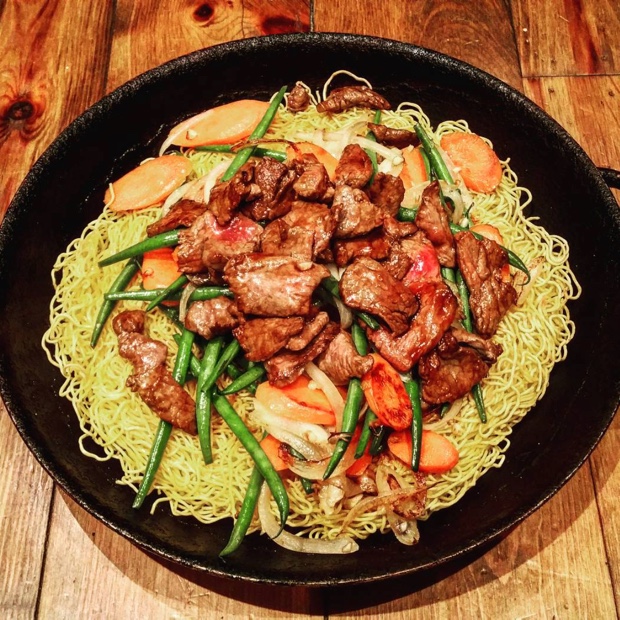
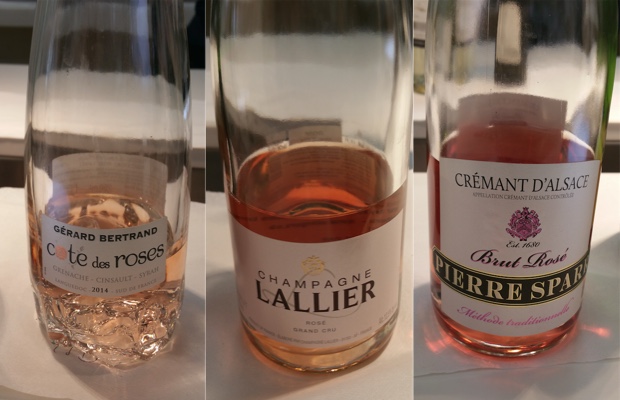

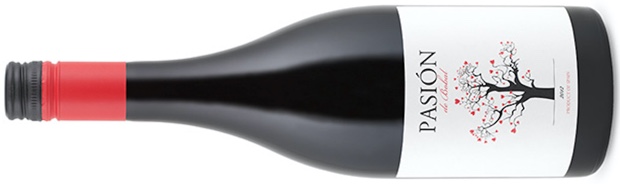

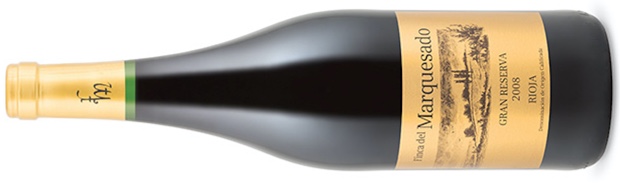

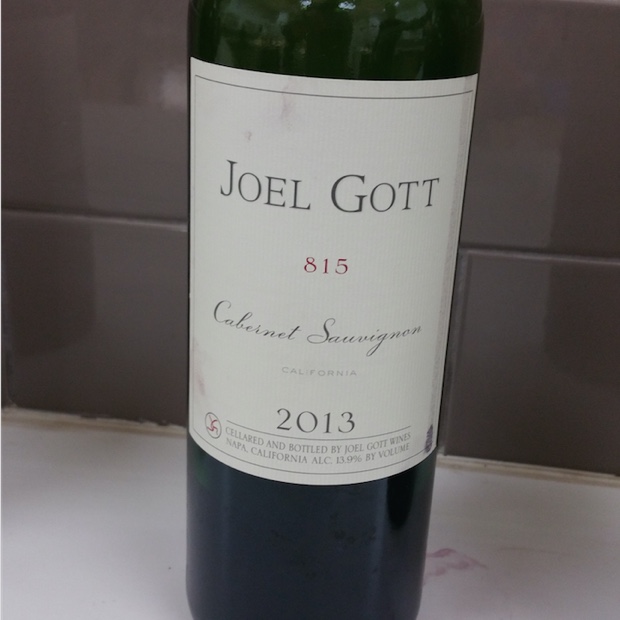
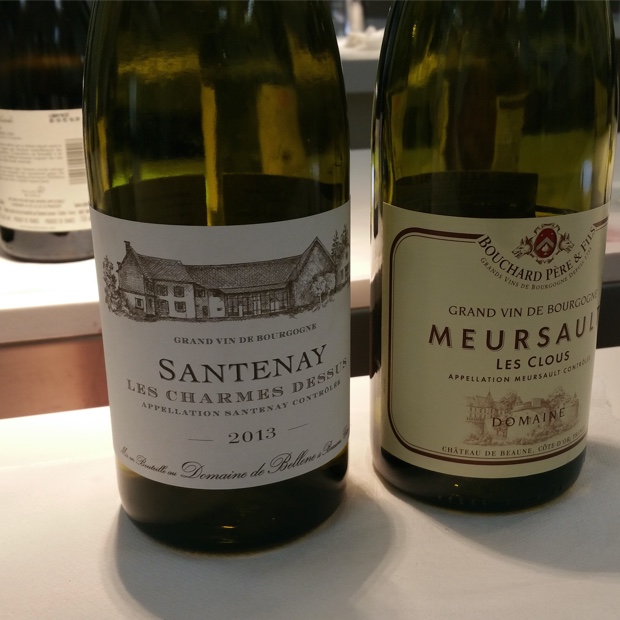
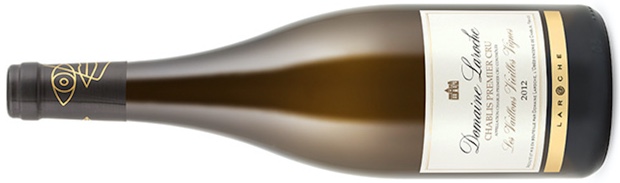

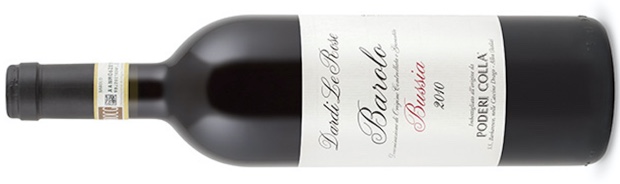
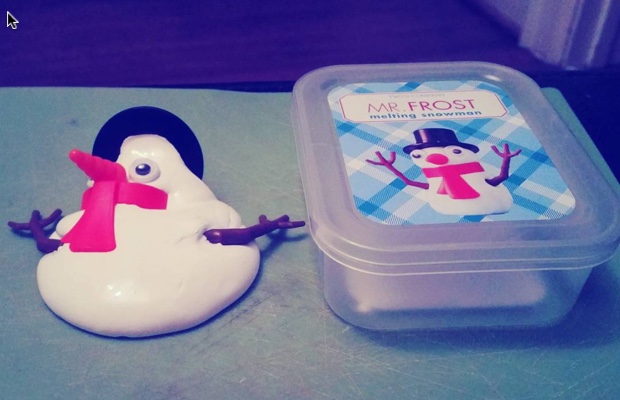
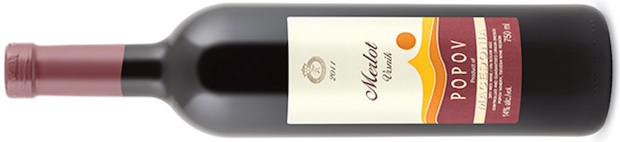
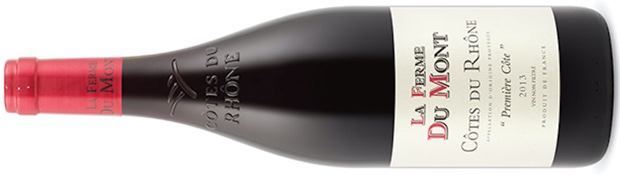

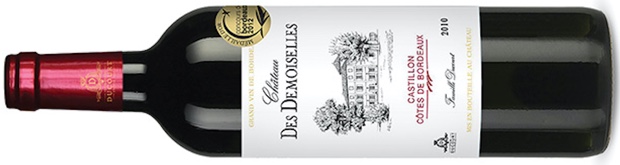
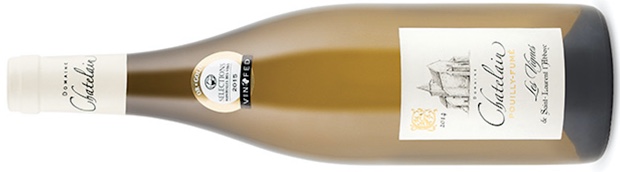
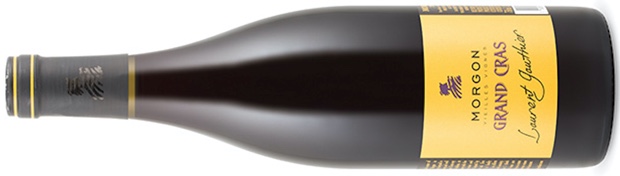
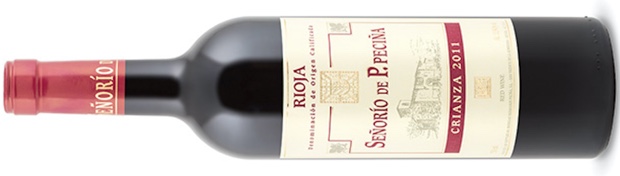
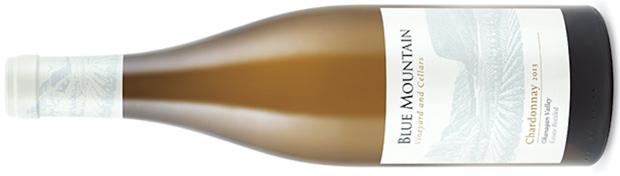
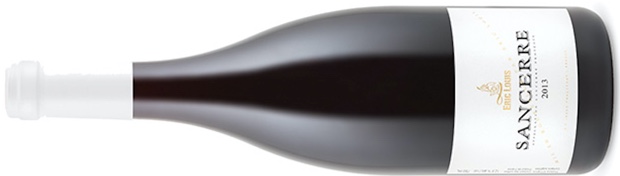

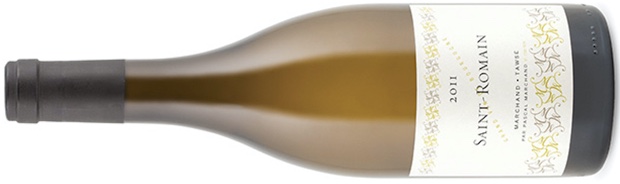
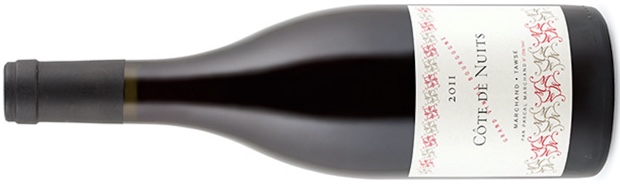

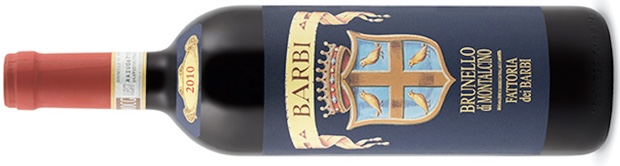
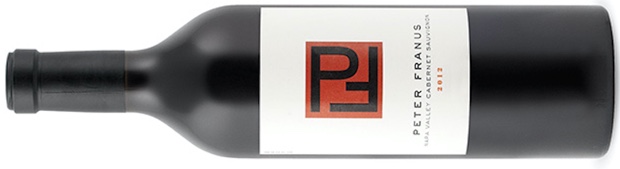
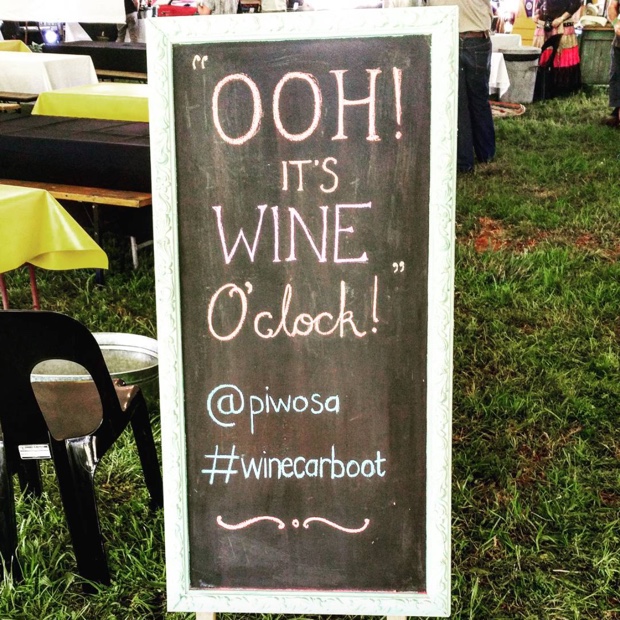
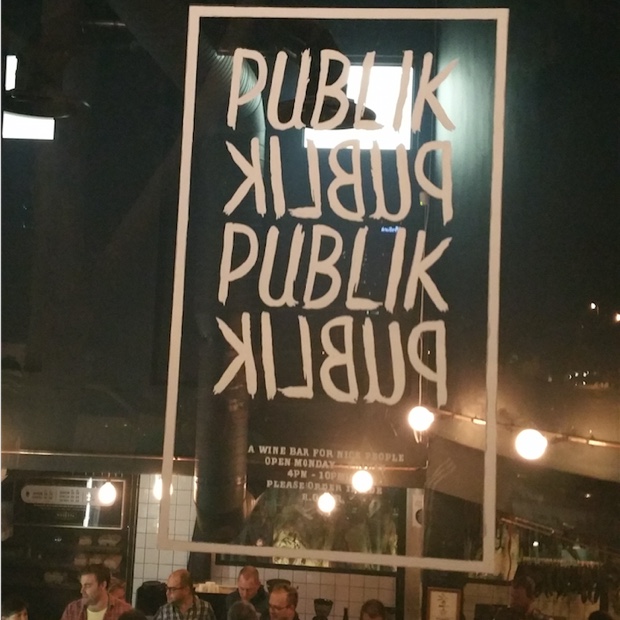
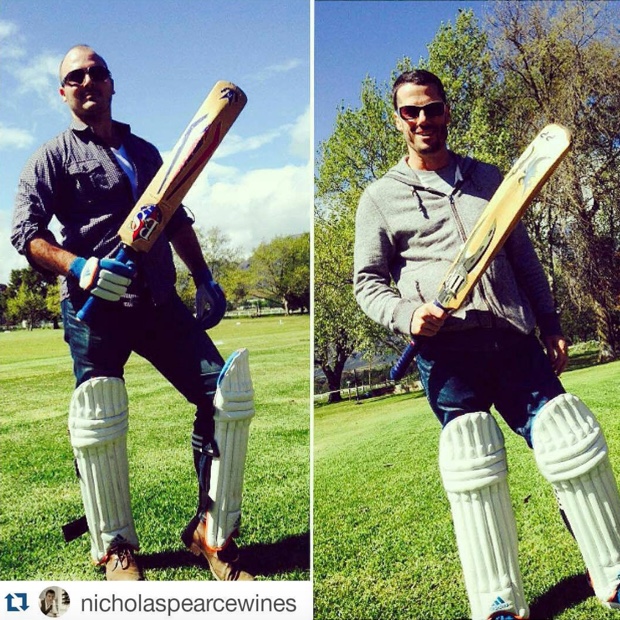
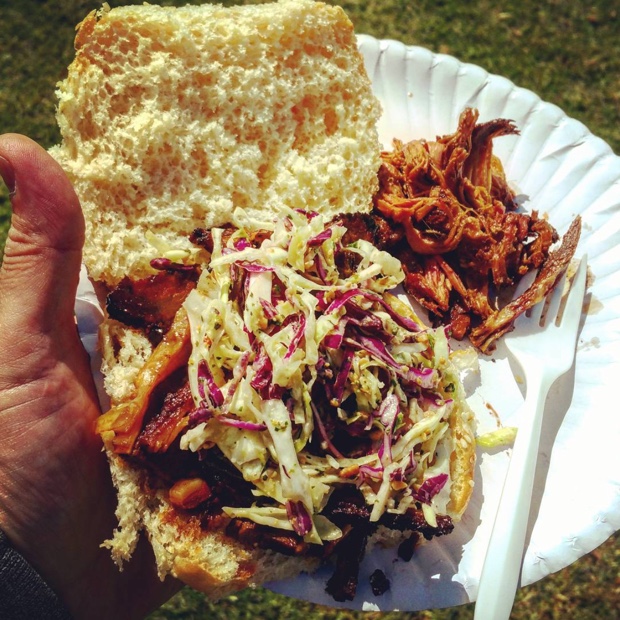
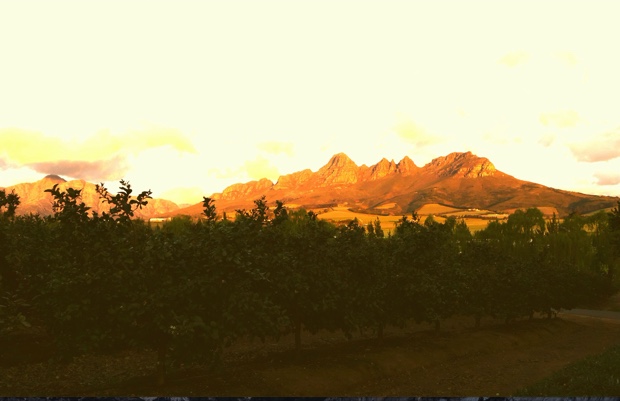
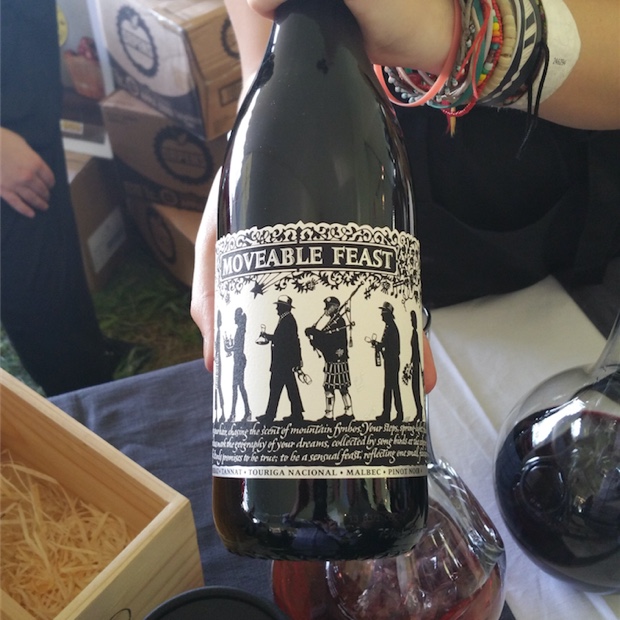

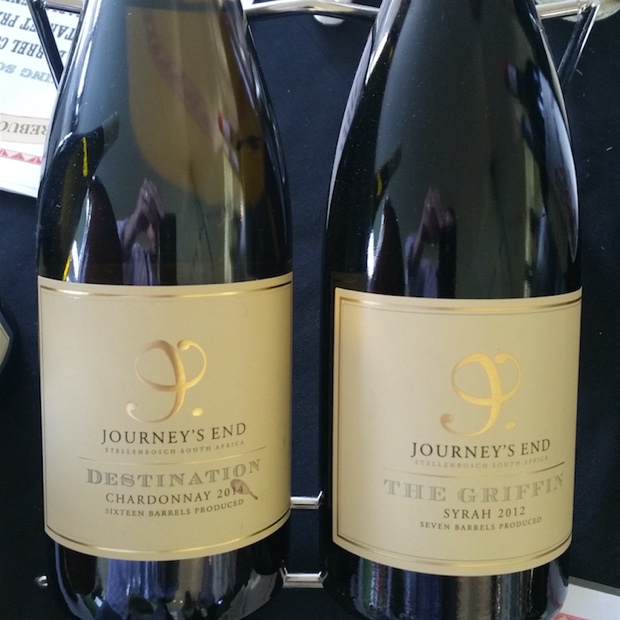
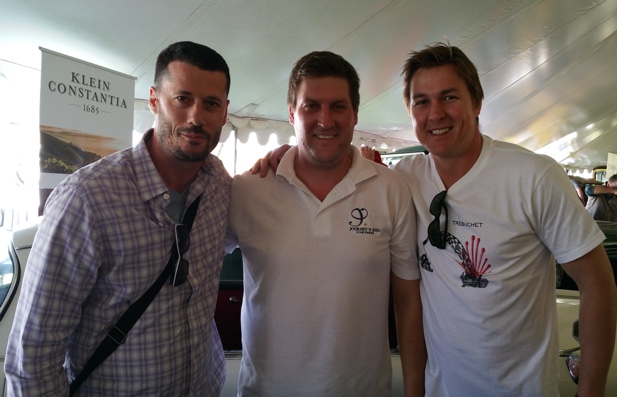
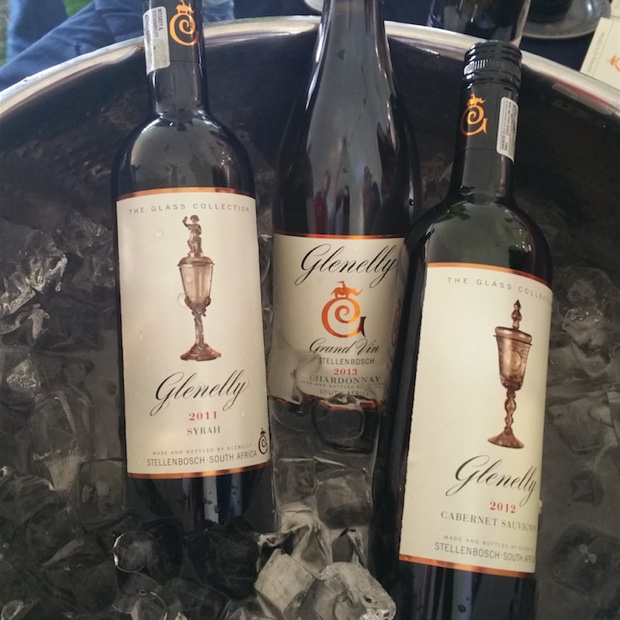


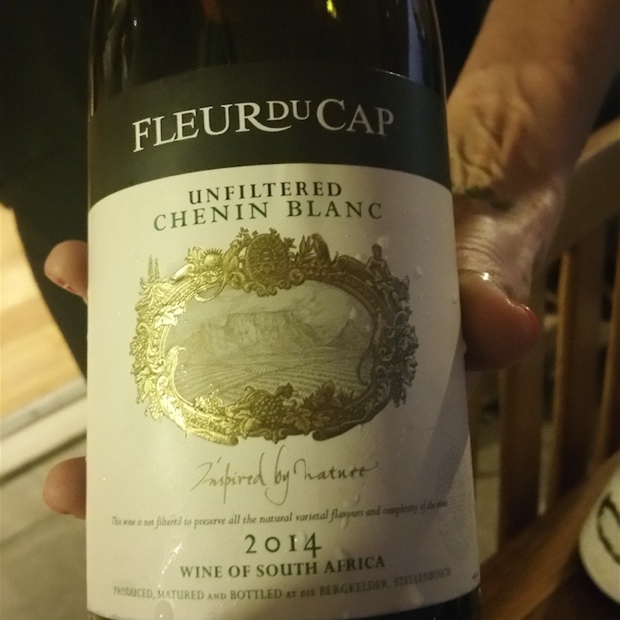

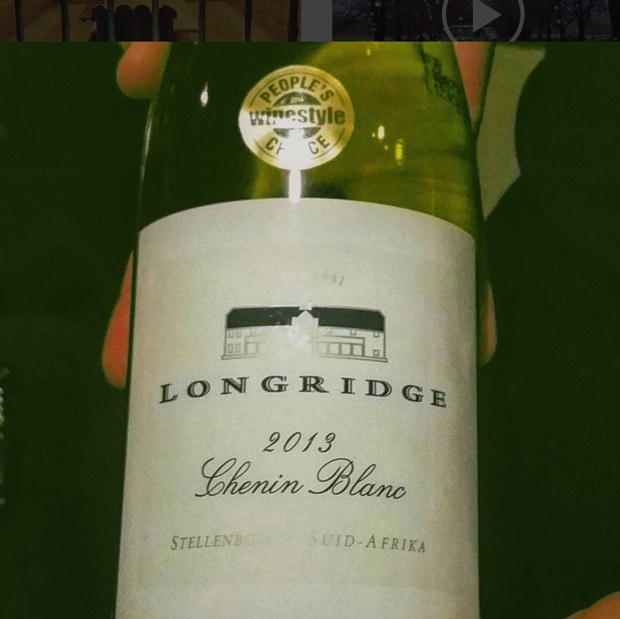
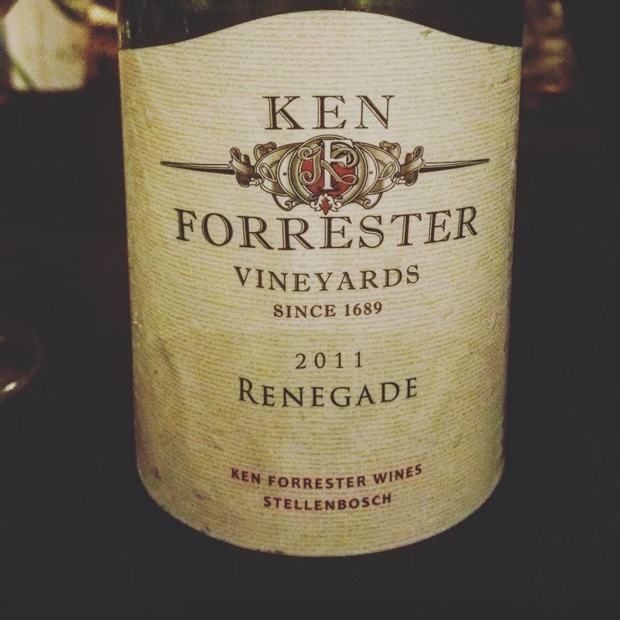

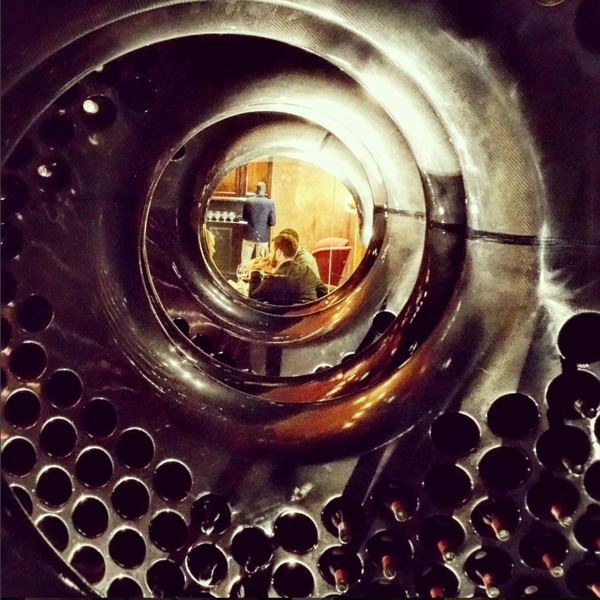

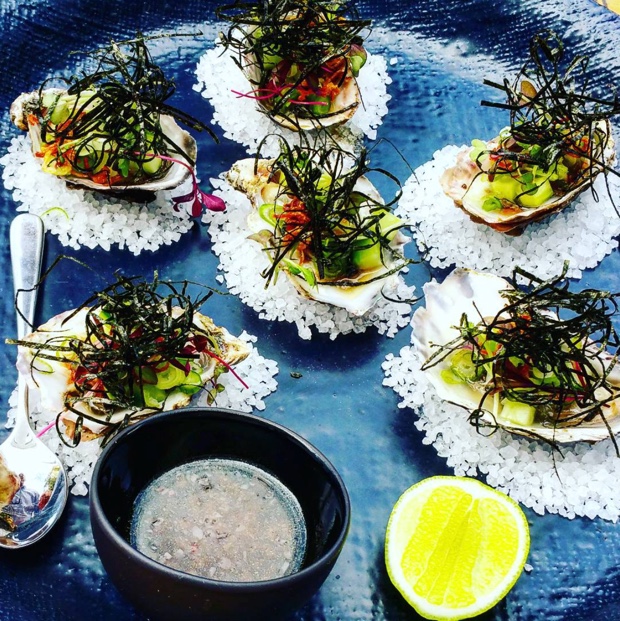

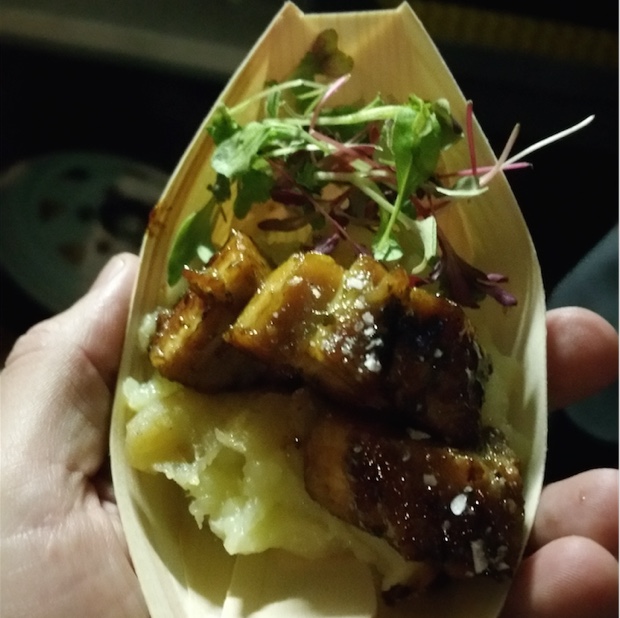
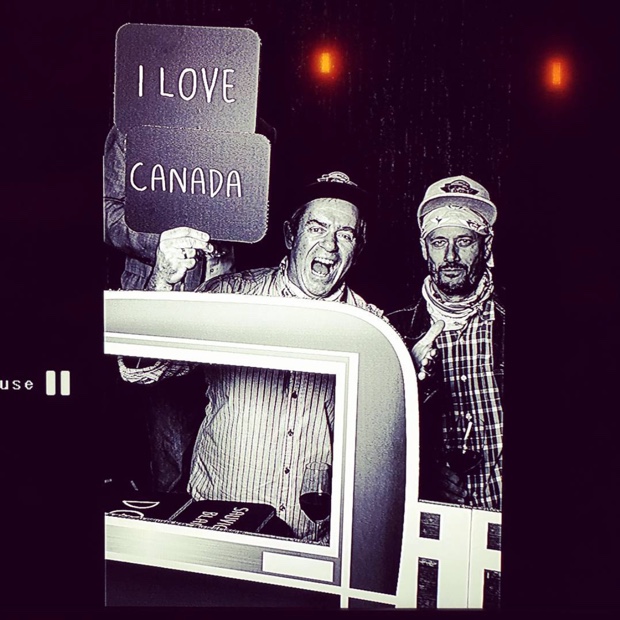
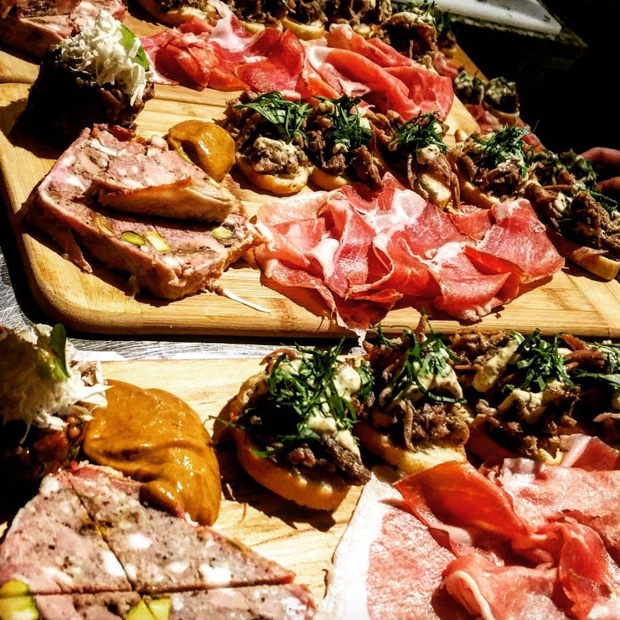



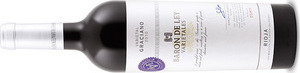

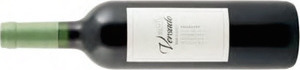


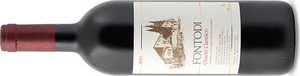

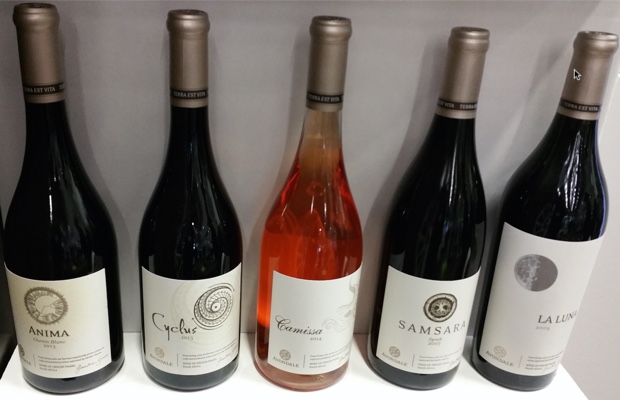
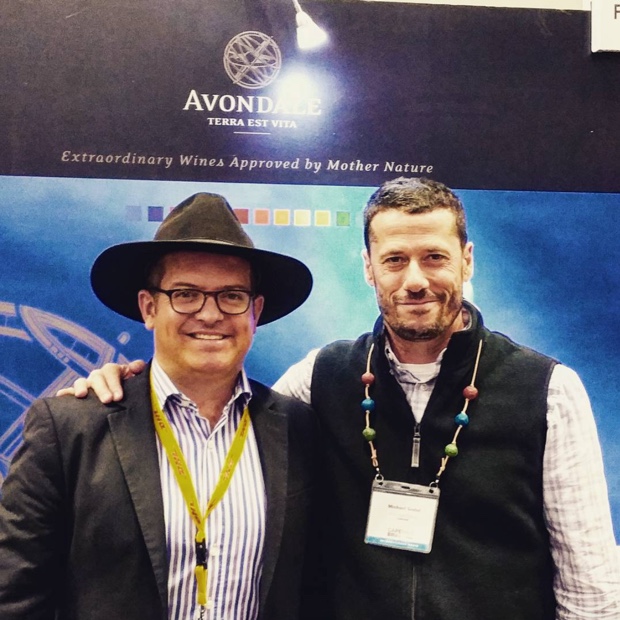
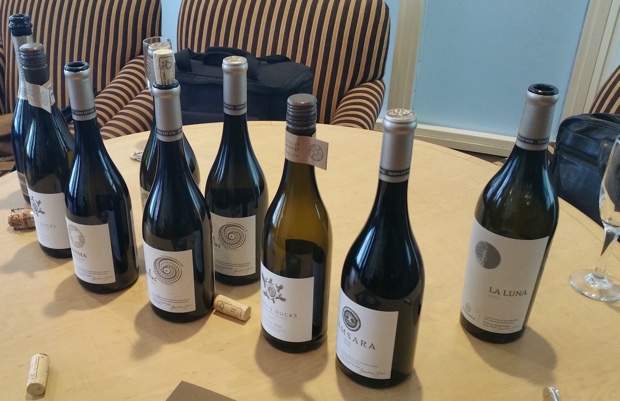
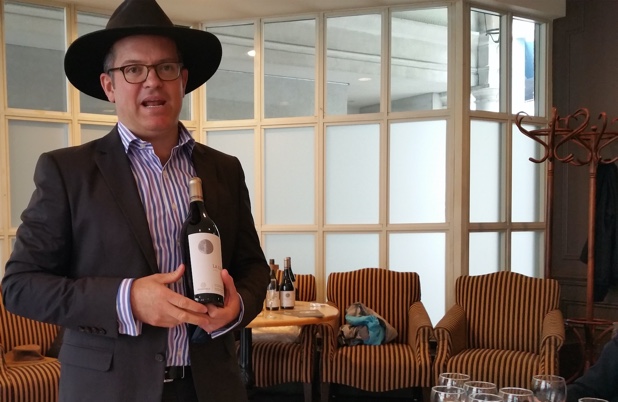
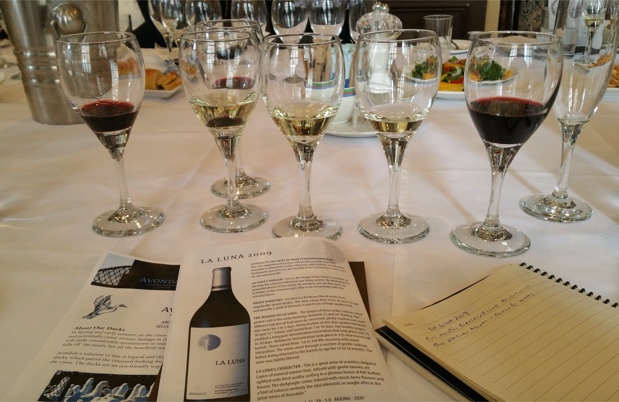
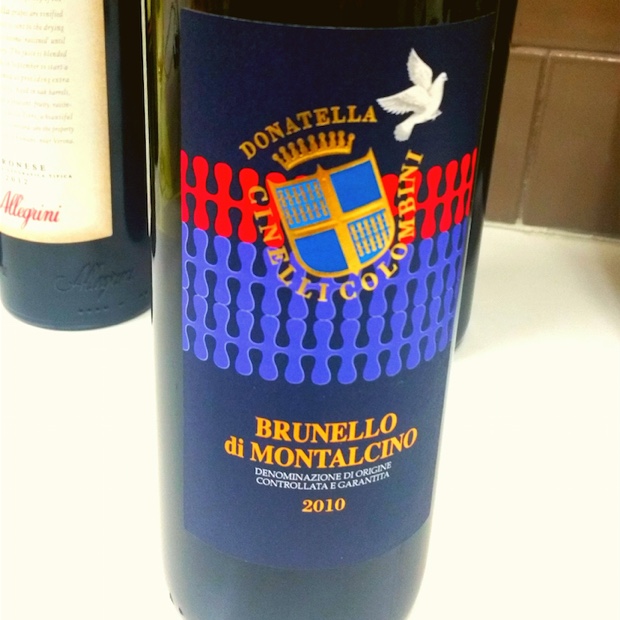
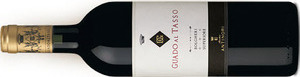
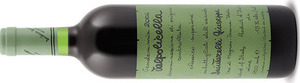
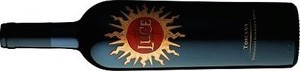

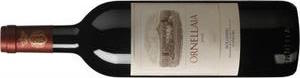
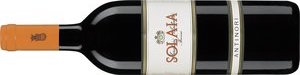


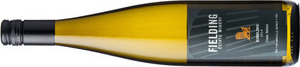
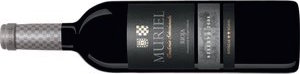
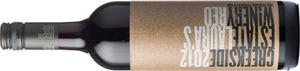
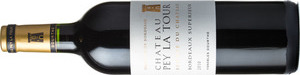


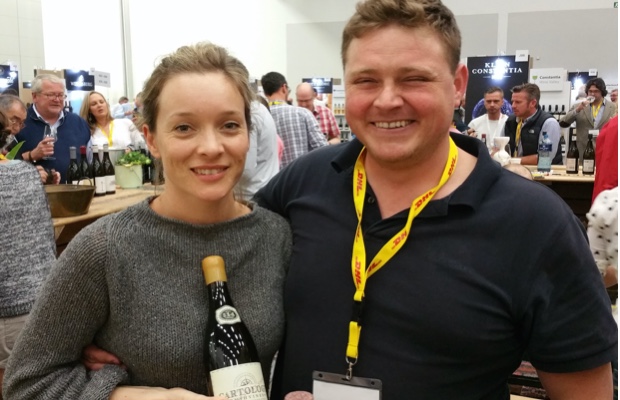
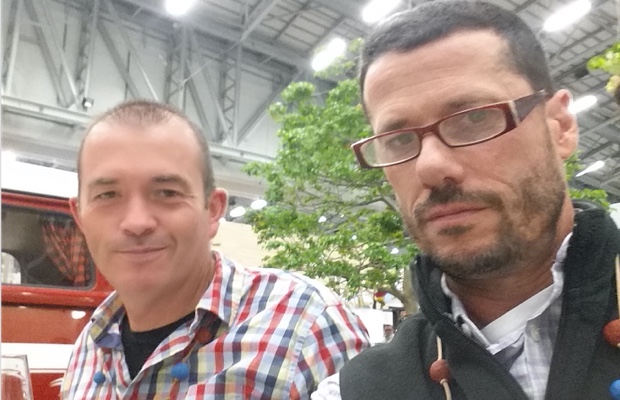
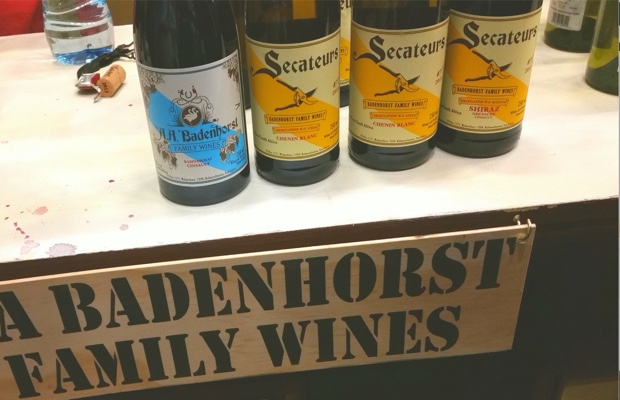
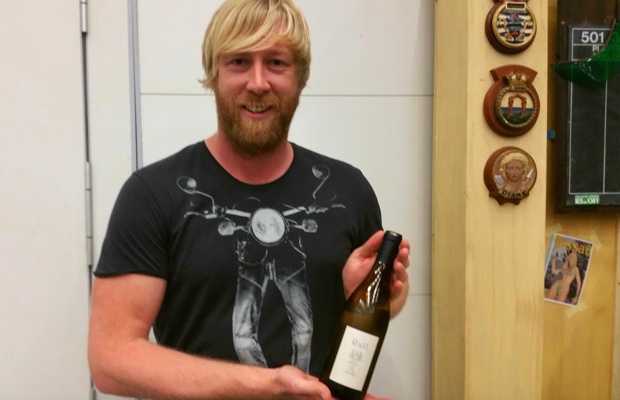
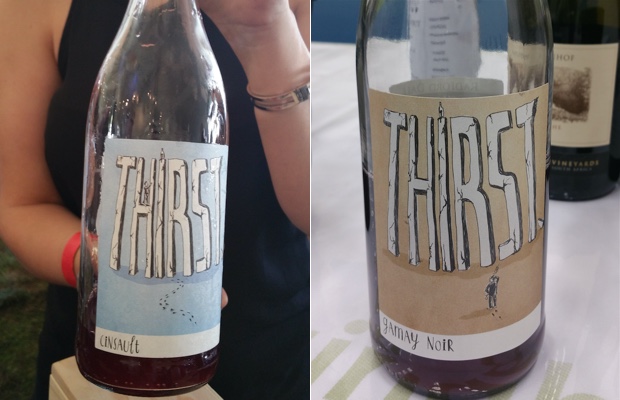

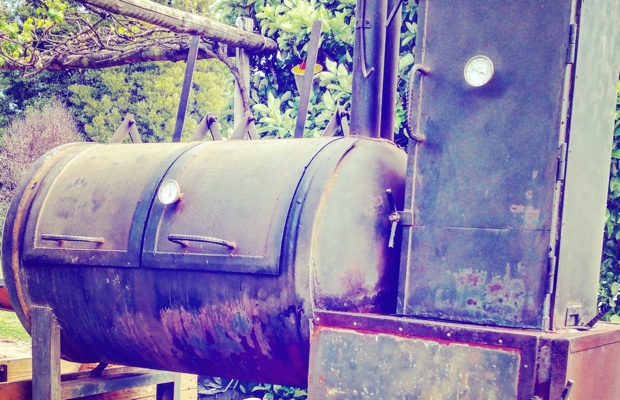
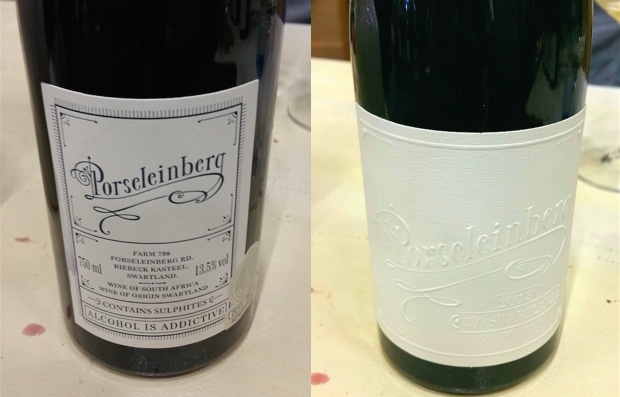

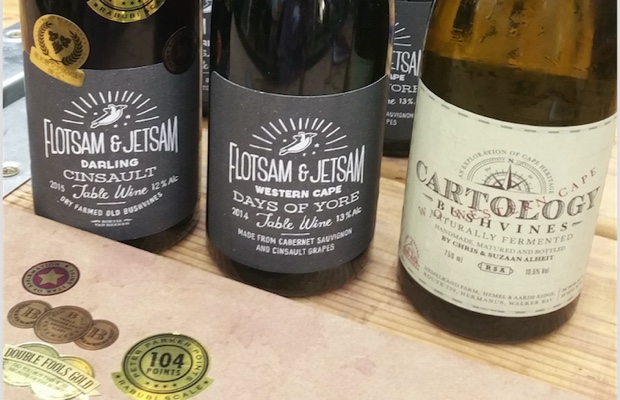

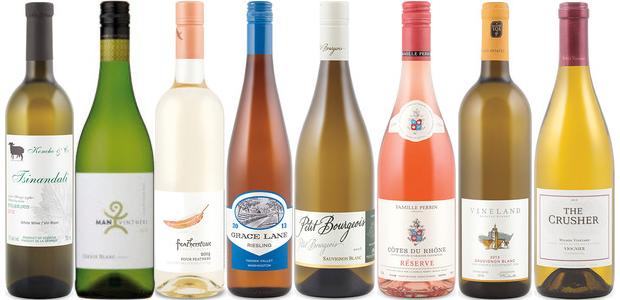
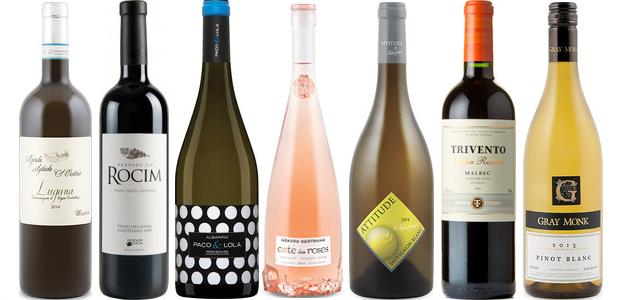
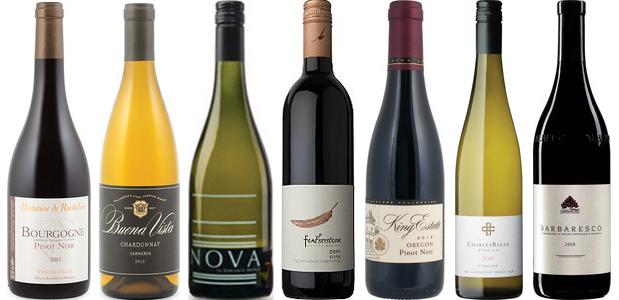
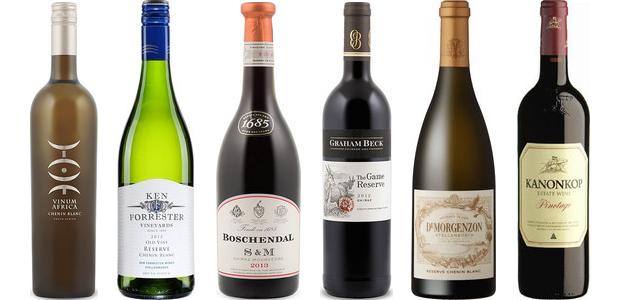
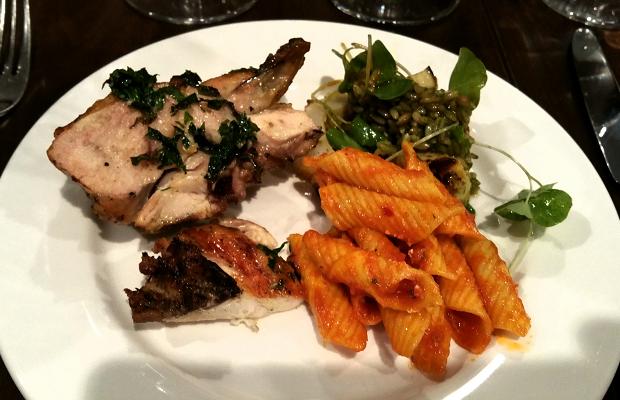
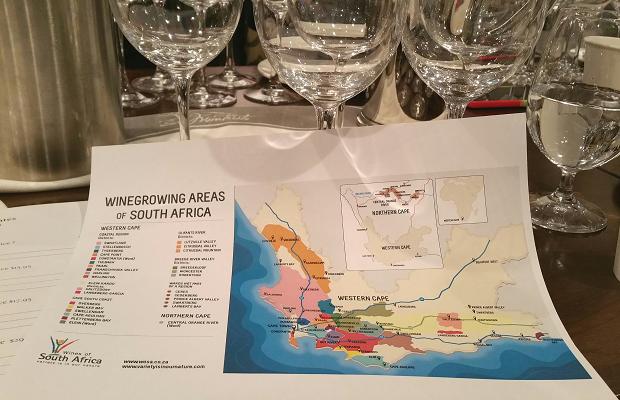
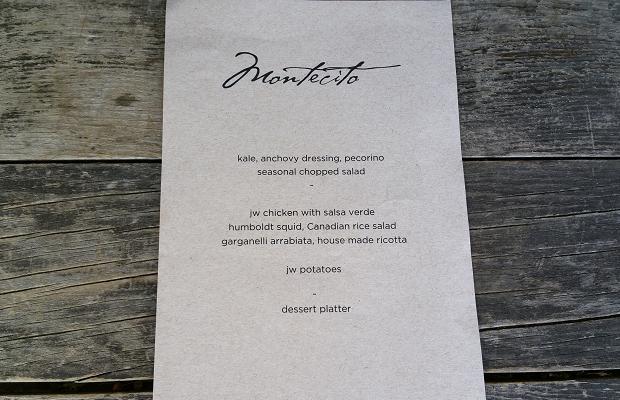
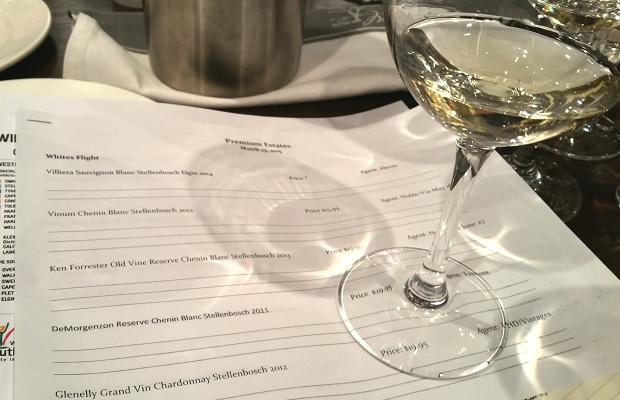
 Godello