We disembarked in the warm, golden, glowing light of a July afternoon. No one around. The tiny village sat motionless, in less than a whisper. Béru. Knock on the door. Athénaïs de Béru welcomes us in. At no other entry point into a domaine in Chablis did it feel like this, like crawling through a portal, back in time, crossing a threshold into a different, magical world.
Béru. Small village southeast of Chablis, to the west of Viviers, tucked into an amphitheatre nook below the Z-curve of the Route d’Auxerre and three valleys, Vau du Puits, Vallée de la Fontaine and Vallée de Foulignot. Béru. Mother in custody of Luke Skywalker. Béru. One of 16 South Pacific islands in the Southern Gilberts, according to legend created by Nareau the Wise and migrating, tree-dwelling Samoan spirits carrying branches from Te Kaintikuaba. Béru. The Left Bank domaine farmed by Athénaïs de Béru, organically, biodynamically and spiritually. Chablis from the tree of life.
Château De Béru
The family history of the five hectare Château De Béru is one recorded back 400 years, a quintessential 300m high Chablis plot on Kimmeridgien, calcareous-clay soils inlaid with fossilized shells dating back 150 million years. Written history tells of the vineyard first tended by first century Romans, ninth century Pontigny Abbey monks and the historical walls of the Clos Béru as having been erected in the 11th or 12th century. All to celebrate and demarcate the quality of the Béru terroir.
Then, in 1887 the phylloxera crisis ended nearly three hundred years of vinous prosperity. Late in the 20th century Count Eric de Béru replanted the vineyards and with loyal concentration on his family’s famous Clos Béru. He passed away suddenly when Athénaïs de Béru was just a child. Years later she returned from Paris to resurrect the vineyard work and produced her first vintage in 2005. A taste of 2015 ten years on marks a new era for Château De Béru. A walk through the underbelly of the winery confirms the direction and the enlightened future, through barrel trials, vin nature experimentation and concrete egg fermentation.
Athénaïs de Béru
The rows outside the 11th-12th century monk’s wall demarcate Le Clos de Béru Vineyard. All of Athénaïs de Béru’s wines are single-vineyard Chablis save for the Terroir de Beru, a wine that gathers all the vineyards to express the all-encompassing Béru terroir. Organic was completed in 2006, biodynamic in 2009. Everything was lost in 2016 to the frost of late April. Béru hardest hit in Chablis. Athénaïs sprayed Chamomile tea on her vines, with love, repeatedly and with utter confidence. They survived. The future remains bright.
We tasted four Chablis with Athénaïs that day, along with an Aligoté and an Irancy. Here are the notes.
Thoroughly enamoured with the @purechablis made by Athénaïs at Château de Béru #chablis #monopoleleclosberu
Château De Béru Chablis Clos Béru Terroirs De Béru 2015, Ac Burgundy, France (Agent, $49.95, WineAlign)
A mere 400 years of family history lays astern of Béru Chablis and what white light now shines is due to the innate and spontaneous hands of Athénaïs de Béru. In the pantheon of the Chablis range from Terroirs through Montserre and to Clos Béru Monopole, this is the conversant spokesperson for the house. Terroirs the child is wild, natural, intrepid and convinced, from a ferment that sees only stainless and bottled as early as December. Trusting and self-sufficient from kimmeridgian limestone, only it as Chablis whiffs such a mix of iodine and smoke and bears witness to its small, windy and concentrated vineyard. A place that bestows low pH meets high acidity. Though warm and gracious 2015 is the catalyst, this is at first lean, then struck from rock and finally the weight of that rock impresses into the wine. Getting white flowers is real and works to foil the recurrence of smoky beats and bites upon the palate. This is new, something akin to imagining the acidity offspring of grüner and assyrtiko but with weight and a metallic minerality. A Béru salinity. An iodine laced salt. Wow. Drink 2016-2022. Tasted July 2016 #chateaudebéru@TheLivingVine@vinsdechablis@purechablis@vinsdebourgogne@BourgogneWines
Château De Béru Chablis Clos Béru Montserre 2015, Ac Burgundy, France (Agent, $55.95, WineAlign)
Montserre is a child of special Chablis geology up on the flat of Béru, primarily limestone with sharp, jagged fragments of rock. Athénaïs de Béru points to the benign nature of this plateau’s climat but the glint in her eye predicts with wine wicca’s wisdom that in 2015 this Chablis will simply be unreal, comme d’habitude. But it’s more than that, the “greenhouse mountain,” smoky single-vineyard Chablis, of white flint hyperbole and dense limestone smoulder. It is striking, intense, trenchant and lingers with arboretum puissance. Gourmand chardonnay, salivating, a success from 100 per cent malolactic conditioning and despite the intensity, blessed of impeccable balance. The bon ton Béru Chablis history now in the oenological hands of Athénaïs de Béru marches to an organic and biodynamic drum. But again, it’s more than that. In the sanctuary of Chablis, Montserre is a connection forged between woman and terroir. It makes perfect sense. Drink 2018-2027. Tasted July 2016
Terroirs de Béru Chablis has arrived via @TheLivingVine #chateaudeberu #chablis #athenaisdeberu
Château De Béru Chablis Clos Béru Monopole 2013, Ac Burgundy, France (Agent, $87.95, WineAlign)
The organic and biodynamic vineyard sits like an earthwork garnison outside the walls of the Béru castle, south facing and slightly southwest at the bottom of the hill. Few are as capable to define the wine monopole as lieu-dit, exclusive, specific and genetic to the 400 year family roots of Athénaïs de Béru. It is in here that the atomic, atmospheric elevation works like an elevator, carrying oozes of liquid limestone up to the surface, passed through the vines into fruit and eventuating in bottle. So very natural and intense, the barrel here is fully felt, in fact still (after three years) dominating the stainless steel. The stones at the surface pulse and quiver from intermingling with marine fossils and sea shells in direct contact with the upper roots. There is a mandarin zest and reduced juice in this, mixed with the saline, Béru-specific note of iodine. The best is yet to come for the Clos Béru Monopole, partly because two improved vintages are up next but also because Athénaïs will have furthered her connection with the exclusive Béru terroir. Drink 2017-2025. Tasted July 2016
Château De Béru Chablis Clos Béru Monopole 2012, Ac Burgundy, France (Agent, $87.95, WineAlign)
In 2012, less density and iodine matchstick is on display in performance for the historic, south facing vineyard beyond the Château’s walls. From this her eighth vintage in the resurrection of the family’s estate wines, Athénaïs de Béru has assembled fruit from Kimmeridgian limestone in rapport with a vintage of portent and intent towards elegance. The acidity is much more linear (than 2013) and the limestone sensations less metallic. Here the feeling is more of a liquid chalk and the balance is much improved. Also less evolved, bright and a much more amenable of a bitter pith, more citrus (lemon and lime) and not as earthy. Longer finish too. What 2013 lacks this ’12 gains and vice versa. The comparative literature and parenthetical study is duly noted as apples to oranges so the wines are exempt of one another. Neither answer all the questions asked and both express their terroir from their time spent on it. This ’12 story will become clearer in another year or two. Drink 2017-2023. Tasted July 2016
Attention @thelivingvine this amphora Chablis from Athénaïs de Béru @ Château de Béru
Château De Béru Aligoté 2015
One month skin contact, pressed and then set in (200L) amphora for approximately eight months. Transferred to tank for settling before bottling. Gives away apple and pear with exotic spice and the most minor bitter pith. Shares the aligoté acidity with impunity which turns on the varietal light of choice. Tannin and white flowers. Meant for sipping while cooking and into the first part of the meal. Drink 2016-2018. Tasted July 2016
Château De Béru Irancy 2015
Irancy is a partnership with friends who work organically, from their high-end cooperative, highly thoughtful picking and operation. Aged in tonnerre, obviously Burgundian (with 15 per cent pinot gris co-planted with the pinot noir). Traditional and typical but simply, unequivocally Béru. A wine loyal to the old co-plantation tradition in a world of Irancy where only pinot noir is re-planted. A balance between pretty red flowers and spicy, near bitter pithy white fruit. Whole bunch (100 per cent) fermentation but no pressing whatsoever. A slight passage under foot but the gentlest approach, suppressing tannin but looking for structure. This is so very crushable and what would likely translate to $75 CAN is something to think about.
The winemaking at Ravine Vineyard is not so much deferential as much as it is a stylistic best described as post modern proletariat. Marty Werner’s modern enrichment often acts like subtraction, as opposed to traditional winemaking which effects the obvious, just and because less is more. His work reflects what once was (in turn of the century Niagara Peninsula) and upon what function emerged out of form, but also what could have been, from successes squeezed out of warm (2005, 2007, 2010) and from mistakes in challenging (2006, 2008, 2009) vintages. The current releases of 2014 and 2015 are wines of augmentation in the form of intensification in the structure rather than for weight or texture. Werner’s plebeian, blue-collar post-modernism is setting a new standard in Niagara. If his work (along with assistant winemaker Ben Minaker) can be viewed as sycophantic than all the better for the copycats and the apostles to hang on and around.
After a wild and multi-faceted chardonnay (plus) weekend down on the farms of Niagara’s flats, shores and across its escarpment benches, it is always the pleasure of pleasures to convene at Ravine Vineyard for a few oysters, a plate of great grub and more chardonnay. It is a time to breath and say another goodbye to the greatest collective consciousness of wine folk on the planet. Then Peter Gamble approaches. “We’re having a little impromptu tasting down in the cellar.” Marty and Ben lead a small group through these wines. We are captivated and motivated by their new work and their mini-vertical presentation. Ian D’Agata, John Szabo M.S., Michael Vaughan, Tony Aspler, Stephen Campbell, Magdalena Kaiser and I. Here are my notes.
John Szabo M.S., Stephen Campbell (Lifford), Ian D’Agata and Peter Gamble
In 2015 winemaker Marty Werner offers up 100 per cent barrel fermented sauvignon blanc aged in 10 per cent new (or just one barrel). The fruit comes from Concession Road 2 between lines 8 and 9, on heavy clay and only four year-old vines. The recovering vineyard is a microcosm for the overall Niagara recovery and the vintage allotted 250 cases when it normally produces upwards of 350. The 2015 ripeness stylistic is up front fruit from young vines. “A pick when you want to, not when you have to vintage” notes assistant winemaker Ben Minaker. Metallic peach and fennel pollen emit and you must appreciate a wine of such tartness on the back end, as opposed to sour patch up front. Stylish is the yeast (one third wild) understatement of the day. Says Werner, “we leave the fruit a bit dirtier coming out of the press,” so it gains some funky complexity, but no malo though. The acidity counteracts in the mid to high sevens. Lush antiquarianism is the end result. Drink 2016-2019. Tasted July 2016.
Some cheesy pungency notes the entry. Some edge of ripeness too. Tropical notes, full, fleshy, enervating and dangerously, precariously close to seed, oxidative even. But it teases and walks a blade’s edge. Lacks grassy middle ground (and again, that is a strength) but varietally speaking it may just be the most sauvignon blanc of any in the flight. Drink 2016-2019. Tasted blind at #NWAC16, June 2016
Marty and Ben establish a new verity for #PinotGris @RavineVineyard … There will be followers. #i4c16 #niagaralakeshore
From a vintage of purportless rainfall, this is expressly (24 hour) skin-soaked pinot gris in candid desire of flavour more than and in second thought to hue. Subsequently sent to barrel for a wild ferment. Picked ripe (so 13.5 per cent alcohol), perhaps a result of, if not necessary from a vintage where mid-october pinot gris fruit was the exception and a last minute decision to bring in this fruit led to an earned foray for such a wine. Seven year-old fruit from (Marty’s parents farm on White Road) really floats a divergent varietal boat with six months of barrel time (25 per cent new). Frankly speaking, it carries such an air of benevolence so you would never know how alternative it really is. If there is a precursor or a reference point I stand at attention to be enlightened. Marty (winemaker Werner) and Ben (assistant winemaker Minaker) establish a new verity for pinot gris. There will be followers. This 2015 needed air, splashing and sloshing and it responded in kind. Drink 2017-2022. Tasted July 2016
Ravine’s Rosé spent the most minimal time on skins, from a posterior fruit position left out in the elements long and aided by leaf removal to break down the pyrazine. These were the second last grapes to pick (because the acidity is high in slightly overcropped fruit), on Slingerland Farm between lines five and six halfway up from Ravine to Highway 55. Though seemingly dry, the 6.0 g/L of RS is used “to bring it into balance for the consumer,” notes Marty Werner. This has some strawberry funk, as if it were macerated in a clay-calcaire bath, like balm as if steeped, cooled and poured over ice. It may be imagined as a saline, faintly honeyed berry granita with just the right amount of gelid texture alongside cool and savoury charcuterie. Simply put, what cabernet franc must be in warm niagara country. Drink 2016-2019. Ravine’s Rosé spent the most minimal time on skins, from a posterior fruit position left out in the elements long and aided by leaf removal to break down the pyrazine. These were the second last grapes to pick (because the acidity is high in slightly overcropped fruit), on Slingerland Farm between lines five and six halfway up from Ravine to Highway 55. Though seemingly dry, the 6.0 g/L of RS is used “to bring it into balance for the consumer,” notes Marty Werner. This has some strawberry funk, as if it were macerated in a clay-calcaire bath, like balm as if steeped, cooled and poured over ice. It may be imagined as a saline, faintly honeyed berry granita with just the right amount of gelid texture alongside cool and savoury charcuterie. Simply put, what cabernet franc must be in warm niagara country. Drink 2016-2019. Tasted July 2016
Mini #lonnasblock @RavineVineyard Cabernet Franc vertical. Loaded with the S-word…structure @marty_werner #i4c16
Ravine Vineyard Cabernet Franc Lonna’s Block 2014, VQA St. David’s Bench, Ontario (Winery, $40.00, WineAlign)
Lonna’a Block alights straight out from the retail shop to the west side of the driveway (and is named for Ravine owner Norma Jean Harber’s sister). The site was planted in 2004 and here, 10 years on, its warm St. Davids’ Bench fruit is simply welling, hermetically sealed and antithetically intense. The block has come to this, in production of cabernet franc with side-splitting, tongue tripping acidity to work lightning crack geometry into the wood-derived chocolate and the ferric-tannic tension. The fissures are filled but there is the right kind of cabernet franc fragmentation. The liquid metal mineral and deep blackberry ooze is smooth and polished. The fruit was “picked early,” or if you will, in Grouxian, Gambleized and risk, Werner reward exercised terms, mid-November. Drink 2017-2024. Tasted July 2016
Ravine Vineyard Cabernet Franc Lonna’s Block 2013, VQA St. David’s Bench, Ontario (Winery, $40.00, WineAlign)
From the same (2004 planted) rows and stylistic as 2014 here cabernet franc desired the requiem of an extra year in bottle to solicit understanding, with a 2013 dried fruit component here and now. The resolve already inherent is indicative from a challenging growing season, in a year from which Peter Gamble chided “I guess you guys (Marty and Ben) really earned your stripes.” Some of these grapes were left on the vine until December 15th. That is not a stretch. This will live into the next decade and though it will surely walk into the barn with the balsamic, the soy and the nibs, it will carry its acidity and its 180-day, growing season development. A cabernet franc of most excellent desiccation, with thanks to thick skins and then variety’s variegated character. Drink 2016-2021. Tasted July 2016
Ravine Vineyard Cabernet Franc Lonna’s Block 2012, VQA St. David’s Bench, Ontario (Winery, $40.00, WineAlign)
From the block dedicated to Ravine owner Norma Jean Harber’s sister, planted in 2004. Though hailing from a recent, post-2010 reach for the sugar stars vintage, there is freshness and vitality mixed with a Napa cabernet from elevation sensibility (think Laurel Glen and Korbin Kameron). This has presence. Real stage presence, gracing the battleground encompassing an intensification of the things that people normally associate with the varietal – fruit, acidity and extract. A cabernet franc granted and given early promise that has crossed a certain varietally correct threshold to travel weightlessly into its current accomplished state. It knows who it is and where it’s going. It will live long. Five to seven, perhaps even 10 more years easy. Drink 2016-2022. Tasted July 2016
It reminds me of Richard Yates at his early career, Revolutionary Road best, in tense humour, as noted by James Woods, “a celebrated indictment of suburban surrender.” Here we are, in 21st century Ontario, preparing to head to our suburban respite sanctuaries with tools, sundries and supplies in hand, only lacking one essential piece. Good wine. We turn to the LCBO, to VINTAGES, to the ceaseless recurrence of release and we find limbo. Last week? Next week? Why not now?
We are willing to submit and surrender but the shelves are stocked with 2nd tier choices, the wines of first degree excitement already having disappeared with the previous week’s first wave. So if you need wine suggestions for the Victoria Day weekend I’ll have to send you on a retroactive search through the May 14th VINTAGES release. “It’s a beautifully typical story of these times and this place.”
Why am I looking forward and into the eyes of May 28th? Well, I’ll tell you why. The finest collection of Canadian wines in some time gathered together at one communal table will become available, sadly just days after the May 24 three-day escape. These wines would have sold well, in droves actually, had VINTAGES made use of their excellence in advance. So, as a messenger for the stars, it is my duty to tell you about their upcoming presence in diplomatic conformity of early 21st century Ontario realism, on the LCBO stage. These be the 10 of them.
Jackson Triggs Okanagan Reserve Series Viognier 2014, BC VQA Okanagan Valley, British Columbia (445700, $15.95, WineAlign)
This 2014 Okanagan take on Viognier is an all out rich, ripe and boozy affair. Sparks fired by a cold play take the lead, singing with spice, marked by galangal and ginger in control over the wishful act of balancing extract. “And I saw sparks, yeah I saw sparks,” enough so for such a Viognier to be on your way. Sharply struck, in smithereens and yet epic for the price. Drink 2016-2018. Tasted May 2016 @JacksonTriggsBC@CBrandsCareers@winebcdotcom
Good unction for the un-oaked Jay Johnston procured Chardonnay, more green apple and early honey than before. This is the purity machine in motion, direct, spoken in a Bench vernacular and zagging like the rows of the vineyard. Still at $17 and not to be bypassed for anything that might think to stand in its way. Can you say petite Chablis? Drink 2016-2020. Tasted February 2016 and May 2016 @Winemakersboots@brightlighter1@UnfilteredEd
The bottle tells you about grapes handed the pink slip during post harvest deliberations, something not lost within its own ironic twist. When you have pink lemons you made pink lemonade, done here to great simulated effect. Tart is the operative, like a perfect square of gelid red citrus on a plate to foil briny sea morsel and verdant greens. With the right herbs and lettuces this pink grapefruit Rosé will handle itself with pairing irony and relative ease. Welcome aboard Sébastien Jacquey. Megalomaniac’s winemaking approach to Rosé never had it so good. Drink 2016-2018. Tasted May 2016 @MegalomaniacJHC
13th Street June’s Vineyard Riesling 2013, VQA Creek Shores, Niagara Peninsula, Ontario (147512, $19.95, WineAlign)
Continues to throw its weight about and has now engaged a phase of typical J-P Colas redolence and pungency. Strict adherence to Creek Shores citrus minerality injects the June for future time-lapse release, an internal ooze that will take years to push its way upwards to the surface.
From my earlier note of December 2014: 2013 was a perfect follow-up for Niagara Riesling, after a vintage where so many exceptional wines were made. The ’12 June’s by Jean-Pierre Colas was his best and with this repeat performance in ’13, the consistency of June’s vineyard is further cemented. Once again, the citrus injection is a Creek Shores thing, a vehemence not matched by other sub appellations. Where ’13 differs is its weight. There is a textural density improved upon and at the same time dragging on the freshness of the fruit. The trade-off will mean less immediate gratification in lieu of more flesh and bone for a longer period of aging. Given at least five years rest, the 2013 June’s Riesling will discover a Ribeauvillé like future.
Such a ripe and extroverted Pinot Gris, in a style created and honed by winemaker Richie Roberts, here in 2014 near its apex. Singular without feeling the pressure to induce rapture or revelation. Fleshy ripe, of peaches, plums and nectarines. Typically and expectedly fresh, juicy, industrious, vehement and good, spicy length. Always well-made, hitting essential, doctrinal Pinot Gris notes and so very food versatile. May I suggest a whole grilled fish, lemon and fresh herbs. Drink 2015-2018. Tasted May 2015 and May 2016 @FieldingWinery@RichieWine
Joie Farm A Noble Blend 2014, BC VQA Okanagan Valley (454793, $23.95, WineAlign)
The dial is turned up in the noble blend, an amalgamation of five grape varieties and nine vineyards. The inspiration and the intent is Alsace, the result lying somewhere in between. It is an inspired blend and it does resemble Alsace but in the end it’s all Joie Farm. Distinct from structure and connectivity, not to mention drinkability, with a shot of spice. Drink 2016-2020. Tasted May 2016 @JoieFarm
At first the 2013 Red alights in high tones juxtaposed by a chew of sultana, an odd entry for the Thirty Bench, carrying on for the first few minutes in the glass. There are sulphide notes, of red onion and yet after a few minutes they begin to resolve, caramelizing to sweetness, mixed with tannin. The transformation continues, playing new notes, of red rooibos tea and seasoned seaweed. Grilled onions and charred poblanos come on the palate. Currants finish off the profile. The emotive cabernet franc really dominates this blend and though at first difficult to crack, the eventuality is an equation figured as a true positive. Drink 2017-2021. Tasted May 2016 @ThirtyBench
This is more than an interesting look back into the Tawse time machine to compare where the Grower’s Blend now sits as compared to what it was like in its youth. Now into liqueur, of cherry and earth, no longer just a hint of what they wish to be. This shows the excellence of the 2011 vintage for Pinot Noir and the master blending acumen of winemaker Paul Pender. Drink 2016-2018. Tasted May 2016 @Tawse_Winery@DanielatTawse@Paul_Pender
Cave Spring Csv Riesling 2013, Estate Bottled, Cave Spring Vineyard, VQA Beamsville Bench, Niagara Peninsula, Ontario (566026, $29.95, WineAlign)
That flesh, that Kabinett flesh, fills the CSV in every crevice. In 2013 the residual sugar number lies between 15 and 16 g/L, and though the crop was bigger, it was still picked later than in 2012. The result is formidable corporeal concentration, consistency of house style and perhaps the only ’13 Niagara Riesling to imitate, perpetuate and extrapolate on the vintage that came before. This Cave Spring concentrates fruit and Escarpment into a powerful Riesling, streaming like charged particles through changing expressions. A lingering ascension hovers as it rises, until it slowly fades into the welkin, like a balloon that languidly gets lost into the blinding blue of a midday sky. Drink 2017-2025. Tasted April 2015 and May 2016 @CaveSpring@TheVine_RobGroh
Bachelder Nuits St Georges La Petite Charmotte 2013, Burgundy, France (357228, $58.95, WineAlign)
From the Nuits St Georges parcel that Thomas reaps, built on the premise of soil, structure and depth. The lithe beauty of this La Petite Charmotte block is lifted and held in the highest esteem in 2013, perhaps with even greater sensibility of character than out of what was an exceptional 2011. The Nuits iron power surge may have descended down a half level but the redolent Beaune balance is spot on. So very perfumed. That Bachelder perfume, expressed in Neaune craving and breadth. Drink 2017-2024. Tasted May 2016 @Bachelder_wines
Humility only exceeded by impossibility @normhardie #pec #countyinthecity Pinot Noir 2014
To me, Prince Edward County is the most enigmatic wine region in the world. Why is that? The coterminous climate and geology comparison to Burgundy never wanes and the vintners who painstakingly cultivate and produce Chardonnay and Pinot Noir never quite abandon the methodology. The Burgundian model of viticulture is almost universally applied to the County microclimate. Think about it further and note that latitude and soil composition aside, PEC is not Burgundy, never will be and the parallels drawn ad nauseum should begin to cease and desist.
There are many reasons for saying this. The most obvious has to do with winter and the painful condition of a once or twice every 10-15 year pain in the arse deep freeze that necessitates the hilling up of vines. Farmers select canes chosen for the following growing season and tie them to a wire very close to the ground. Upwards of two feet of soil is plowed onto the tied-down canes. The labour required is extensive and the subsequent yields are lower than most grape growing places on the planet.
At the 2015 spring County in the City event I noted that WineAlignprimo scrittoreDavid Lawrason presented his PEC state of the union address via the company website. “David touched on some integral points for growers and winemakers in the County, including the rise of Riesling and a case for increasing plantings of varieties like Chenin Blanc.” At the time I hung on to Burgundy with no immediate plans to recognize an imminent diurnal varietal shift.
Last fall I wrote a mini-dissertation on the ridges of PEC. “It all adds up to minerality in the wines and nowhere does the geology matter more than on the ridges.” Which brings me to the third bit of logic and one that is varietal based. Pinot Noir and Chardonnay share the stage with a wide range of planted grape varieties and it is the emergence of Pinot Gris that shakes the foundations of PEC-Burgundy thought. If this year’s grand tasting of County wines at the Berkeley Church showed one thing it’s that Pinot Gris is a must. From Hillier clay-loam to omnipresent limestone, the group begs for Pinot Gris, a mineral-loving, dry extract extricating and tertiary tannin absorbing grape. The makers know it.
A fourth dialectic concerns rules and regulations. A wine growing community may talk a big game of homage and publicly declare with politically correct language their allegiance to, a following of and the emulation of a wine-producing deity that has proven its success with hundreds of years of tradition behind it. But the fact of the matter is Prince Edward County does not yet know exactly what it means to be a community of wine producers. The grand cru, premier cru and lieu-dit blocks are only beginning to be understood and working with the climate is still an unmitigated, trial and error disaster.
So in steps a governing body to determine what winemakers are supposed to and even allowed to produce and what exactly they can call it. Absolute authority is exercised against a brilliant vintner who owns land, lives and produces wines in the County, but can’t label it as such. Forget about the economics of an acronym that saves on taxes. They are not allowed to write Prince Edward County on their label.
I hear you. Regulatory boards are needed to make sure a region is putting its best foot forward out to the country and to the world. You can’t have a golfer wearing cut-off jeans, a fishnet tank and a mesh visor shanking nine-irons on the perfectly groomed country club 18. But what if one guy’s wines are off the charts, gorgeous representations of terroir? So what if her skin-contact whites are not what we are used to? Who cares what either of them are wearing. Who should complain that they make new tracks in their own special way? Exactly how is it they bring shame, detriment or housing market decline to the neighbourhood?
Rant aside, the last piece of the Prince Edward County puzzle stretches from the idea of freedom and into a polemical discussion in which no two County wines are the same. Dynamism has never known such hyperbole as it does in the County. Yet another Sparkling epiphany was had after tasting Lighthall Vineyard’s first (not yet labeled) traditional method fizz. It should be called “Au Courant” because it takes everything we have assimilated from Champenoise bubbles, filters it through Cherry Valley soil and rewrites the book. The collective needs to embrace the Sparkling example set by Jonas Newman, Bruno Francois and Glen Symons.
The endearment “The County” is a term meant to bestow a sense of down to earth affection on a place you have to detour through to pay it a visit. “The County” is in fact Ontario’s most diverse and magnetic wine region. To borrow from the American literary critic James Wood, PEC is “one of those rare occasions where the absence of evidence is evidence.” Everything is changing all the time and everything is new. No County for old wines.
I recently reviewed 20 County wines. Here they are.
First @lighthallvyard strike #methodetraditionelle #2011 #fortytwomonths
Casa Dea Dea’s Cuvee 2015, VQA Ontario (261263, $18.95, WineAlign)
Distinctly August cling stone peach, ripe, lightly crushed and fenocchio glacier. Really pollinated fizz, with a bright pink grapefruit granita personality and cool chardonnay exemption. Pretty, pretty stuff. Lingers precisely and there is nothing remotely precious about it. Well made. Drink 2016-2018. Tasted April 2016 @casadeawinery@PECWinemaker
Huff Estates Cuvee Janine 2013, VQA Prince Edward County, Ontario (Winery, $29.95, WineAlign)
Comes from a place and will return again to the junction where rusticity and elegant oxidative character live. Erstwhile fresh, alive, prescient and yet must have been a challenge to tame. Quite the gustatory, culinary, mis en place of torched vegetables and acidity de-glazed game seared off into caramelization. Intensely real, characterful and attention grabbing Janine but not funky. Slow braise ahead. Drink 2017-2021. Tasted April 2016 @HuffEstatesWine
Huff Estates South Bay Vineyards Chardonnay 2014, VQA Prince Edward County, Ontario (Winery, $29.95, WineAlign)
Reductive and reeling from the pushy barrel, young, tight, angular and closed. Green apple, tart white berries and barrel spice. Emerald gem Chardonnay leaving little to no wonder Niagara Bench winemaker Paul Pender is so interested in the fruit. South Bay is the Quarry Road of the County. Wait for the richness and the platinum peaches and cream to emerge commensurate to ostensibly consummate cool climate Chardonnay. Drink 2018-2022. Tasted April 2016
Karlo Estates Pinot Gris 2015, VQA Prince Edward County, Ontario (Winery, $29.95, WineAlign)
Welcome winemaker Derek Barnett to the County and to Pinot Gris with a Gorrilaz style, “the essence, the basics,” gone ripe beyond the pale, round and full. Sweet green apple and basil relish, veritable tang, baked tart shell filled with apple-citrus curd but so far from sour. Wish it hung around for longer. I suppose I have only myself to blame. “I ain’t happy, I’m feeling glad. I got sunshine in a bag.” Clint Eastwood and Pinot Gris in the County. “The future is coming on.” Drink 2016-2018. Tasted April 2016 @KarloEstates
Karlo Estates Lake On The Mountain Riesling 2015, Prince Edward County, Ontario (Winery, $29.00, WineAlign)
Very Mosel Germanic Riesling Kabinett in style, with some residual and low alcohol. Juicy, round acidity, ripe sapidity and almost tersely spoken from the edge of the late harvest forest. Good length and will live a half decade or more with severity tempered by herbal countenance. Drink 2016-2021. Tasted April 2016
Keint He Portage Chardonnay 2014, VQA Prince Edward County, Ontario (Winery, $25.00, WineAlign)
Tart and tight, rich and tangy, as expected and with some density. What needs from reduction lays low and melds into wood. The handling was necessary from out of a challenging and demanding 2014 vintage. The Portage is fully entrenched as a true County stalwart. This is what defines what Keint He is, has come from and to where it will go. Ground zero for the range, from what others will feed from. Sister Chardonnays Greer and Frost embark from this Portage starting point. Drink 2016-2019. Tasted April 2016 @KeintheWinery@Nicholaspearce_
Keint He Greer Road Chardonnay 2014, VQA Prince Edward County, Ontario (Winery, $30.00, WineAlign)
The specificity of the label conjures up territorial Hillier thoughts for Chardonnay made by Norm Hardie, Dan Sullivan and Paul Battilana. While the Greer thread runs through and keeps it in the family this is all in Keint-He issue. Possessive of a richness shown by few other PEC Chardonnay, there counteracts and stabilizes a cool climate snap, crackle and green apple pop. Tang folds into lovely tart, citrus bitter curd with a wisely executed tumult. And there is no relent. A Chardonnay ripper. Beware the power. Drink 2016-2020. Tasted April 2016
Lighthall Chardonnay 2014, VQA Prince Edward County, Ontario (Winery, $25.00, WineAlign)
Glenn Symons’ 2014 from the southern flank in the Cherry Valley is perhaps the most regionally intense, lights out Chardonnay in Prince Edward County. ‘Twas a good growing season in the Lighthall Road ward so say hello to phenolic ripeness and an old school, reductive and layered striker of flint and wood. The yields being as low as they are and exponentially were, there grunges much tonic reverb stirred into leesy, sweet extract in its rather ripped sonic youth. Such a mineral wine, sword-wielding, axe-grinding and tannin mining. Will find its unctuous way with time. ‘Cause it’s lights out right now. Drink 2017-2022. Tasted April 2016 @lighthallvyard
Lighthall Pinot Noir 2014, VQA Prince Edward County, Ontario (Winery, $30.00, WineAlign)
The paradigm shift that began with Lighthall’s 2013 Pinot Noir continues with this stay the course 2014 and then some. The vintage offered up a slower developed phenolic yawning so the stygian runs deeper than the vermillion. That is to say the cherry fruit turns to black even while such a pretty Pinot pours with tension beneath the rich and glorious surface. Tension yes, but also soil infiltration and cooling breezes to temper the Cherry Valley conflagration. Tautness de-armed by a necessary streak of humus conditioning pomace, for grounding. Voluminous palate notes are repeated in demonstrative refrain. Another step forward for Prince Edward County Pinot excellence. Drink 2016-2019. Tasted April 2016
Lighthall Pinot Gris 2014, VQA Prince Edward County, Ontario (Winery, $25.00, WineAlign)
Made in the Lighthall style mixed with location, location, location. Vines of healthy fruit in the Cherry Valley, making for wines that are stark, sturdy, demanding, self-fortified and of limited quantities. Like its siblings, this Pinot Gris is also exempt from weakness. Here PG reminds of lieu-dit Alsace, of attitude, with tannin, extract, salinity and and of course, mineral. Singular County Pinot Gris. Could age for a decade. Drink 2016-2022. Tasted April 2016
Norman Hardie Riesling 2015, VQA Ontario (131169, $21.00, WineAlign)
More reductive for a Norman Hardie Riesling than even it ordinarily shows and also pervasive of penetratingly concentrated stone fruit. While the acids may be received as hard and potentially malic that perception is calibrated by this wine’s typical aggregate. The walls need breaking down and the road is purposely graded high knowing full well it will eventually finish even with the shoulder. I like the sweet tannins and the difficult way in which it uses extract to a futuristic advantage. Wait a year and imagine the possibilities of balance. Drink 2017-2020. Tasted April 2016 @normhardie
Norman Hardie Pinot Noir 2014, VQA Prince Edward County, Ontario (Winery, $39.00, WineAlign)
In Prince Edward County and for Pinot Noir there is no substitute and no comparison. Quixotically sweet Pinot Noir fruit, from the lowest of the low yields, scrupulously heeded and handled with care and yet also, somehow without a care to the world. As self-effacingly pretty and impossible as ever though in 2014 the tensity is lower, the anxiety bereft and not so crucially or dearly developed. There is almost no crisis from out of this first of the near-crisis vintages. This is an early to love Norm Pinot Noir, brought to life and with red citrus that only a Hardie low alcohol Pinot can bring. Humility only exceeded by impossibility. Ready to enjoy younger than most. Drink 2016-2022. Tasted April 2016
Rosehall Run Pinot Noir J C R Rosehall Vineyard 2013, VQA Prince Edward County, Ontario (Winery, $39.00, WineAlign)
The vintage steps out of a particular shadow and into bright light, exposing the JCR Pinot Noir with a particularly beautiful level of freshness and vitality. What has come before is not forgotten; the County tartness, the limestone preparation and the earthy red ochre fruit. But here is something other, something new, exciting and structured. The balance begins and ends on a seamless circle with no obvious demarcation point. The most elegant Rosehall Run Pinot Noir comes out of this 2013 and its level of poise should see it enjoyed now and for 10 more years easy. Drink 2016-2025. Tasted April 2016 @Rosehall_Run@sullywine
Rosehall Run J C R Rosehall Vineyard Chardonnay 2013, VQA Prince Edward County, Ontario (Winery, $29.95, WineAlign)
A tenderly and beautifully rich, stone roses reductive and buttery Chardonnay, fully malo-activated, in adherence to the consistently classic Dan Sullivan righteous style. Makes me think of 1990’s Manchester post-punk, 60’s retro guitar pop, with a sweet softness as foil to an angst-riddled, contemporary acid house rhythmic sensibility. Sullivan’s JCR draws from influence, playing both time-tested Burgundy and new world Chablis pop hooks. “Where there’s life there’s gotta be hope and where there’s a will there’s a way.” Just sip along with the Rosehall Run JCR Chardonnay. It’s hard not to become enamoured after experiencing such great, coherent length. So young. Drink 2017-2021. Tasted April 2016
Stanners Vineyard Chardonnay 2014, VQA Prince Edward County, Ontario (Winery, $30.00, WineAlign)
Quite remarkable and reductive Chardonnay, from fermentation of a certain halting, the yeast not quite having finished munching and malo just short of finding fulfillment. Low in alcohol after posting pH similarly reserved. This has real gumption, a stalwart of phantasmagorical Chablis allegory in the guise of salty, mineral PEC with minor residual sugar and a dip into the funky well. Just lettin’ it all hang out. This is a very promising wine. Just wait until the weather holds out and the yields go up just enough for Colin Stanners to make a really proper Chardonnay. Drink 2016-2019. Tasted April 2016 @StannersWines@GroupeSoleilTO
It’s not what you think but it’s just what you imagine @Stannerswines @GroupeSoleilTO @therealbenhardy #PinotGris #cuivre #skincontact #pecwine #princeedwardcounty
Stanners Vineyard Pinot Gris Cuivré 2014, VQA Prince Edward County, Ontario (Agent, $25.00, WineAlign)
The coppery-hued Stanners Pinot Gris Cuivré 2014 is like a member of the cup of coffee club, its skin contact time limited but forever significant. The PEC conceptualization may seem as strange as surfing Wellington waters but this Pinot Gris is a boy who trapped the sun, having sealed in brightness and freshness beneath the surface, cauterized during fermentation. This is not an orange wine but rather a a Pinot Gris with poise and a balladeering sense of calm. The Cuivré comes from pure sourced County fruit, spent time in stainless steel, is more than a curiosity, is a little funky and offers a feeling of rosé as a gateway drug to orange wine. Saline, nicely savoury, with a tinge of wild sauvage, all within reason. Such a skin contact white in self-proclamation “when you go into your skin, I’ll be the hope joining the walls.” The missing piece is tension, dynamic tempo changes, rises, falls and a crescendo. Though it lacks such structure it is still a beautiful mistake by the lake. Copper down. Only 230 cases were produced and it was released in February, 2016. Drink 2016-2019. Tasted April 2016
One of three Skin Contact Rieslings from winemaker Mackenzie Brisbois, from Lincoln Lakeshore fruit out of Ed Hughes’ farm. For whatever reason this vineyard is far less reductive then the (Wismer) counterparts. It may be attributed to site, of decreased nitrogen (or not) and/or when sulphur is applied. “Ed Hughes is a very calculated grower,” notes Brisbois, which may account for what stylistic deference is syllogistically accrued. “They’re very dry and they will be very tart,” she warns, “and aromatic.” Pressed when fully dry and 14 days on the skins. Arid is the understatement, this shining and whispering Riesling, of tartness not on top slides beneath the surface of acidity. So much length. Youth is not on its side while it wiles away in withheld revelations though longevity is not necessarily its greatest ally. This is Riesling of stark realities, arid with no Niagara frame of reference and fruit so crisp it cracks into perfectly linear fissures. Laser focus without pierce or citrus. Spellbound skin contact stuff. Needs six months to seek a wave beyond the shock. Only 32 cases made. Drink 2016-2019. Tasted April 2016 @TrailEstateWine@MackBrisbois
Skin contact #Riesling from @MackBrisbois @TrailEstateWine Invisibly stitched and tart-pan curl. #burgunder less than 50 cases #hughes #lakeview #foxcroft
The second of three skin contact, Niagara borrowed Rieslings from winemaker Mackenzie Brisbois. This time from Craig Wismer’s Lakeview, a Twenty Mile Bench block with 18 years-ish old vines. Spent 21 days on the skins and comes through in or around 10 per cent alcohol (like the others). More herbology balms the nose and while it may not waft with equanimity or gregarious aromatics, it’s bleeding delicacy and savoury sapidity breathes freshness. If it just came with an added juicing of lime it would help to bring out structure and balance the anterior acids. As it is the acidity runs through the middle, streaks and halts the fruit from gaining on time. Adheres to acting typical of a 20 Mile Bench Alsatian Clone 49 example. Only 15 cases made. Drink 2016-2020. Tasted April 2016
The third and most effectually ingenious of Mackenzie Brisbois’ skin contact series Rieslings, with far more texture on the palate and overall Riesling acumen. Endowed with a gram less acidity than the Lakeview and burgeoning with veritable Twenty Mile Bench viscosity. Can it be such a coincidence that so many winemakers choose Foxcroft for their Riesling fruit? A real burgunder sensation is to be annexed out of the crafted brim of an invisibly stitched, tart-pan curl. This is irrefutably the most accomplished of the three (that includes Hughes and Lakeview), of length increased, laser focus and thirst quenching pleasure. Such a pity that only 12 cases were made. Drink 2016-2022. Tasted April 2016
The concept is in line with what winemaker Mackenzie Brisbois set out to do with Riesling but the result couldn’t be further from the truth or the ideal. Sauvignon Blanc is nothing like Riesling. It’s malleable, amenable and submissive. The process took de-stemmed fruit, saw it ferment on its own (dry, in nine days), needing no inoculation and then handled with hand-punched, TLC. In the end it was sterile filtered, leaving it to shine with latent lucidity, of brilliant clarity and with skin-deep grace. The whole is a snapshot of nothing less than supple integration. I would like to taste this side by side in 2020 with Jean-Benoit Deslauriers’ similarly struck Benjamin Bridge (sweeter and cloudier) 2014. The divergence should be fascinating and confounding. Only eight cases made. A drop in the skin contact bucket. Drink 2016-2020. Tasted April 2016
While rambling in Vinho Verde last week, I was taken by overnight precipitation that would carpet the mountains above 400m with white stuff. It was magical to wake up in Amarante, Ponte da Barca and Melgaço to see the late March greenery contrasted with a jacket of celestial deliquescence. Then I returned to Toronto. Early April snow just didn’t quite have the same heart-stirring effect.
In VV the reputation is for producing crisp, light and refreshing wines. This from a place where it rains a lot. Nearly all the time. The land is so green you can see the fairies and pixies scurrying about. The place is such a verdant paradise it feels as though life springs from every tuft, tuffet and bit of life-affirming turf. With so much damp, wet and soggy abound you might think that hearty reds are both essential and necessary. To the contrary, it is Alvarinho, Loureiro, Arinto and Avesso that speak the most sincere truths. White wines rule.
The VINTAGES April 16th release is the launching pad for whites and my seven picks will lock in to every wheelhouse wished for, from $16 to $30 and from grape varieties both recognizable and habituated outside the familiar box. From Jacquere to Assyrtiko, through Riesling, Pinot Gris and Chardonnay. Something for all.
Here we are in mid-April, temperatures still hovering around the zero mark and Spring still fighting to break out. Like Frog and Toad I keep turning around, left and right, expecting to find Spring just around the corner. It never seems to come. So in ode to Vinho Verde, the current plan is to seek out cool, crisp whites and to wait patiently, for without even realizing it has happened, Spring will have sprung.
Château Des Charmes Old Vines Riesling 2013, VQA Niagara On The Lake, Ontario (277228, $16.95, WineAlign)
The happy place effect by age in the Château Des Charmes’ vines coupled with location is usually enough to carry this Riesling through an obvious and readily identifiable tunnel but 2013 confounds. The elemental ratio, derived from multiplying reduction by altitude leans thoughts to the Vinemount Ridge or the Cave Spring Escarpment Vineyard. The compound aromatic waft, or more succinctly, the deconstructed stone, the breaking down of periodic Hollywood squares is a force to reckon. That this arrives from such close proximity to the lake is nothing short of amazing. It’s as if this Riesling is the product of stressed vines and the pierce is just so pinpointed. Less accessible than ’12 for sure, so drink up previous vintages going back at least three before even thinking about getting to know 2013. Drink 2018-2022. Tasted May 2015 and April 2016 @MBosc@WineCountryOnt
Pierre Sparr Réserve Pinot Gris 2014, Ac Alsace, France (983395, $16.95, WineAlign)
Mineral trumps fruit is this dry take on Pinot Gris from a house on a seriously competitive roll. Good beneficial bitters join tannic sweetness on the broad palate. This is a prime example of what PG can and should be, albeit without the intensity delivered out of more demanding Alsatian vineyards. Drink 2016-2019. Tasted April 2016 #PierreSparr@VinsAlsace@AlsaceWines@drinkAlsace@ProfileWineGrp
Jean Perrier & Fils Cuvée Gastronomie 2014, Ac Savoie Abymes, France (320093, $18.95, WineAlign)
This montane-raised 100 per cent, low alcohol (11.5 per cent) Jacquere is built on premises of tart, savoury, herbal and peppery fruit not so high in acidity. A very aromatic and flavourful Savoie that could easily confuse for Sauvignon Blanc and without transversing over to high tones territory. Good for patio imbibing and for spring vegetables of all shapes, sizes and subjected to various levels of sauté. Drink 2016-2019. Tasted April 2016
Here in 2014 the triumvirate expression that is St. Urban, of low alcohol, captured natural acidity and necessary sugar talks the Elevation talk. This is a vintage in which expectation is met without waver, whatsoever. It’s very young and not yet exciting. The aerified territory is in teasing, not succeeding mode and the tension floats without ties to anything grounded. This ’14 will have to wait. It should be letf to waft around in the Riesling winds of Bench time until a future arrives when secondary notes will begin to appear, like acacia, honey and maple nectar. At present the stoicism is a trifle frustrating. The willingness to wait will offer just reward. Drink 2018-2026. Tasted April 2016 @VinelandEstates@benchwineguy
Seems to be richer, deeper and increasingly unctuous in 2015 though its extreme youth could be the source. The sheer, utter mineral macho meaning is always felt, along with the purity of its fun. What is so special about this Santorini is not just the early life mineral with the soothsaying protraction to a future filled with thyme-infused honeyed fruit drizzled over stone. No, it’s more complex than that. It’s about the true-heartedness with which it represents consciousness. This essential Argyros always offers the pleasure to bathe in its saline, sunlit waters and drink of its energy. Never failing Assyrtiko. Drink 2016-2020. Tasted April 2016 @Santoriniwines@DrinkGreekWine@KolonakiGroup
Coming to #VINTAGES April 16th @vassefelix Filius #chardonnay 2014. Try and find more gem for $25 #idareyou #youcant #margaretriver #virginiawillcock
Vasse Felix Filius Chardonnay 2014, Margaret River, Western Australia, Australia (416511, $24.95, WineAlign)
It would be an impossible expectation for winemaker Virginia Willcock to do more for the Filius Chardonnay with equal or less in 2014. The 2013 is a cracker for a pittance. The 2014 holds the candle and bears the torch. A prodigal ‘son of’ fathers Premier and Heytsbury and up to the Margaret River task, Filius is the good. Fashioned in the freshest, reductive and ultra-modern way with a sous-vide savoury and animale gait. Crispy, crunchy green apple fruit is joined by a transparent, manifest barrel written in cursive and ladling out a healthy dose of duck soup. This is Australia’s great cool-climate value Chardonnay. The mineral finish is excavated agleam of gemstones. Case buy. Drink 2016-2021. Tasted March 2016 @vassefelix@MargaretRiverWi@WestAustralia@Wine_Australia@bwwines
Bouchard Père & Fils Montagny Premier Cru 2013, Burgundy, France (653683, $29.95, WineAlign)
Quite the round and reductive Chardonnay with exceptional ripe fruit and tamed acidity. Love the tannin and the rotation. This is highly pleasurable though not meant to linger for much of an extended stay. Enjoy it now with something that swam, flakes and is marked by a slight char. Drink 2016-2019. Tasted April 2016 #BouchardPereEtFils@WoodmanWS@BourgogneWines@bourgognespress
A confession. Herein these pages there might seem to be the appearance of astonishing disorder. With music as a muse and a foil to wine, I prefer to look at it as an enjambment, or, as James Woods might explain it, as “the desire to get more in, to challenge metrical closure.” No form, structure or cohesion you think, you mutter, you say? Oh, well.
Over at WineAlign I share my February 20th VINTAGES release picks in the Buyer’s Guide, along with colleagues John Szabo, Sara d’Amato and a travelling David Lawrason. Here at Godello the list expands. First here, with seven whites for snow days and well, just snow. Look for the reds on Saturday.
The white wines of VINTAGES February 20th, 2016
Hugel Gentil 2014, Ac Alsace, France (367284, $16.95, WineAlign)
A bottle blend soft and inviting, teasing tropical fruit but grounded in the continental orchard. Warmth on the nose and cool effervescence on the tongue add up to a waxy, airy finish. This opens up, rises and elevates on the back end. Terrific aperitif out of 2014 with some legs to last through the night. Drink 2016-2019. Tasted February 2016 @FamilleHugel@HalpernWine@AlsaceWines@drinkAlsace@VinsAlsace
Like a gypsy boy, the idea of Riesling, winemaker Rob Power and Creekside Estates do not occupy overtly obvious territory so here, “come over to the window, my little darling. I’d like to try to read your palm.” In it the perfected Cohen lines of classic Bench Riesling, of stalwarts Thirty and Hidden Bench. Same stoic, non-gentrified possibilities unfollowed and new concepts surreptitiously proposed. Terrifically tart, dangerously darting and tasked for mouth watering righteousness. Such succinct lemon-lime continuous balance. Winemaker Rob Power may not have a storied history with Riesling but now that he has gone Marianne Hill he can’t go back. Drink 2016-2021. Tasted February 2016 @CreeksideWine@hobbsandco
Such potential from Croatia found, packaged and articulated in this bottle. Classic Furmint in Grasevina clothing, right along the wire where Pinot Gris looks over towards Chenin Blanc and says “let’s spend the night together.” Honeyed, unctuous, spicy and floral to the stones and back. For days when “I’m going red and my tongue’s gettin’ tied,” turning to white never tasted so good. You gotta try this. Drink 2016-2019. Tasted February 2016 @WinesofCroatia@RolandRussell
From the town of bedrock, Kevin Judd’s Greywacke is a modern, stone-age Sauvignon Blanc. Grown out of vineyards in the Central Wairau and Southern Valleys in Marlborough, Judd’s exploratory to trailblazing SB announces its aromatic arrival like a pick struck on granite. Tannic from the get go and forged with precise angles and friezes, always tied by an indenture with texture. The vintage is a fruit first forward, neighbourly one and it takes a winemaker to keep things etched in stone. This one strikes me as one that could have got away but the reigning was accomplished in lope, guiding the fruit through a precise pattern of circles, spins, and stops. The success lies in the canter of acidity to extend the effect towards a turning and returning, again and again. Drink 2016-2022. Tasted February 2016 @greywacker@Greywacke@oenophilia1
Trimbach Réserve Pinot Gris 2012, Ac Alsace, France (971762, $29.95, WineAlign)
Immediately reminds of 2008 and will go down a similar, slowly turning and evolving path. So purposed and direct though there is a slight elevation in residual sugar as compared to the four four beat four years ago. Pinot Gris of pears and operas, with some spice on the finish. This will aria into something lovely at the age of seven and beyond. Drink 2018-2022. Tasted February 2016 @trimbach@WoodmanWS@AlsaceWines@drinkAlsace@VinsAlsace
Béjot Les Bouchots Montagny 1er Cru 2013, Ac Burgundy, France (438002, $27.95, WineAlign)
Tidy, tide and vine Chardonnay the way with oak it needs to be. Unobtrusive and just a sheet between fruit and acidity, enough for warmth and not too much to bring on the sweats. Snug, spruced, agitated, resplendent even. Drink 2016-2022. Tasted February 2016 @HannaNealWines@BeauneTourisme@BourgogneWines
Josef Chromy Sparkling 2010, Tasmania, Australia (393629, $29.95, WineAlign)
If 2008 has just recently settled into its low heat unit skin then the consideration here can’t yet touch the thought. So much lees and so much time, so little evolution and so little mind. Jeremy Dineen must be grinning from ear to ear with the thought of where this fizz will go, carrying so much wisdom in its autolysis and Tazzy vernacular in its mousse. Great citrus benchmark OZ outpost where the bubbles work hard for their money and offer up nothing but charm. Drink 2016-2023. Tasted February 2016 @JosefChromy@bwwines@Wine_Australia
Olivier Humbrecht came to Toronto last week to pour recent vintages of Pinot Gris, Riesling and Gewürztraminer. With brix and mortar special agent Ben Hodson of Trialto Wine Group leading the tasting room charge, Olivier also added in a few youthful historical gems in the line-up, including an “important and fantastic” Muscat that he so righteously and necessarily continues to insist on keeping both viable and alive.
Tasting Domaine Zind-Humbrecht Muscat, Pinot Gris, Riesling and Gewürztraminer with Olivier Humbrecht at the Fine Wine Reserve, Toronto
Any time you get the chance to taste with Olivier Humbrecht the inevitable, integral and essential phenol-tannin-sugar-acidity sequence is front and centre. His devotion to ripe phenolics and grape tannin in white wines is now legendary and in many ways, revolutionary. Low pH levels continue to dominate his directive. “Ripe phenols come from the vines and Olivier continues to refer to structure and acidity as a direct consequence of what happens in the vineyard.”
The other blast from the past brought to the Fine Wine Reserve tasting was a 2006 Riesling Clos Saint Urbain Rangen de Thann Grand Cru of such pure acidity it speaks an ancient vernacular and spins in perpetual motion.
Humbrecht is the Cru chief of Alsace because of the plethora of terroir from which he chooses to make wine. It would be hard to name another Alsatian vigneron his equal of hands and with such a spirit of terroir understanding. In the 2011 vintage alone Zind-Humbrecht produced 29 different wines for Pinot Gris, Riesling and Gewürztraminer. Spread thin is not an issue. Each Cru, whether Grand, Clos or lieu-dit are approached with equal heedfulness and perpension. Here are the seven wines poured at the Fine Wine Reserve.
Keeping the #Muscat dream alive @TrialtoON #zindhumbrecht #olivierhumbrecht
Domaine Zind-Humbrecht Pinot Gris Rotenberg 2012, Ac Alsace, France (Agent, $44.00, WineAlign)
Keeping jurassic or neolithic relativities in mind, the young(er) limestone results in a buoyant chemical level of free lime and higher pH, in addition to an earthly, marly tang and richness in clay. With 15 months tacked on there is weight are there are settled flavours, as if mimicking the 24-hour open bottle, tasted last June. “Pinot Gris is the most versatile grape we have,” says Olivier, so matter of fact. Drink 2015-2018. Tasted November 2015.
From my earlier note of June 2015:
The Rotenberg’s shallow, red soils (located on top of the Hengst) bring a whole new set of parameters to Pinot Gris, in stark contrast to the Calcaire. Two bottles were poured. A two-day old sample showed settled and mellow flavours. A new bottle was crackerjack reductive, leesy and with a shocky aridity so unusual for Pinot Gris. The soils bring concentration, here magnified and compressed by the hastened moment. All the hallmarks of the Zind-Humbrecht style are there, if suppressed; tang, herbiage and a spicy spike. Very dry (4 g/L) and really invigorating white wine.
Domaine Zind-Humbrecht Muscat Goldert 2009, Ac Alsace, France (Agent, $44.00, WineAlign)
Ripeness is a virtue, magnified here, from a very warm year, now six years on in compression from east facing, oolitic limestone and deep marl soil (classified as argileux calcaire). “Twas in another lifetime, one of toil and blood,” when Muscat was considered in much higher light. The 2009, dramatic at this age, bobs aromatics to the nines, dressed to thrill. Unctuous and magnetic, this has changed gears in ways that the ’12 had not and undoubtedly has yet to click. Lays claim to Olivier’s adage, “any fruit picked unripe will come with acidity but that’s not the kind of acidity you want.” In spite of ripeness this has maintained the correct amount of tartaric acidity and low pH to petrol up the Muscat truck deep into the end of this decade. Muscat to provide shelter from the storm. Drink 2015-2025. Tasted November 2015
Domaine Zind-Humbrecht Riesling Clos Saint Urbain Rangen de Thann Grand Cru 2011, Ac Alsace, France (Agent, $88.00, WineAlign)
A wine always tough to pinpoint its aromatic desires, especially when so young, but it is not difficult to assess the willingness to thrive in spite of the harshest Alsace geological conditioning. That said, this has seen a minor spectre of development. It has made some new acquisitions; rock spirit outward of expression and ready to party from its early (before the 25th of September) harvest ripeness. Struck Riesling, in flint and some signal clarity of medium to thriving acidity. Southern Alsatian with veins running fine slate and bleeding minerals in steaks running across its salty skin. There should be a willingness to concede this as the most accessible immediate, modern era R de T there ever was. Drink 2016-2028. Tasted November 2015
Domaine Zind-Humbrecht Riesling Clos Saint Urbain Rangen de Thann Grand Cru 2006, Ac Alsace, France (Agent, $85.00, WineAlign)
From a professed beautiful vintage until a week of rain at the end of September, leading to noble rot in many places without sufficient drainage. In the Rangen the botrytis hit but the cause, effect and reaction remained within reason. Smoke and noble rot, out of aromas and into hues. The smell is sweet (carried by 35 g/L RS) but the acidity hides at least half that number, so it rings across with unconscionable aridity. Still the proposal insists that the late harvest sensibility can’t be denied, with its Ixion hyperbole of mineral and acidity. Acidity keeping this Riesling swirling like a Thessalian king punished by Zeus for his love of Hera, by being bound to a perpetually revolving winged fiery wheel. Drink 2015-2026. Tasted November 2015.
Domaine Zind-Humbrecht Gewürztraminer Turckheim 2011, Ac Alsace, France (Agent, $27.95, WineAlign)
“What we call a village wine,” says Olivier, “so it’s usually a sweet wine.” From a well-drained vineyard offering blossoms and blessings of full flavours, supple textures that leave the palate with a sense of weightlessness. “In ’11 Gewürztraminer ripened really well and went to a really good level of potential alcohol,” he notes. Here it remains fresh at 12.5 per cent alcohol and at a healthy level of 75 g/L RS, though just short of existing in the land of Vendanges Tardives. A wine made by the vintage. Subsequent wines would and will more often than not be nearly bone dry. Drink 2015-2022. Tasted November 2015
“If you can see the differences of terroir in Gewürz, then you won’t see it in Riesling” @AlsaceWines #olivierhumbrecht
Domaine Zind-Humbrecht Gewürztraminer Clos Windsbuhl 2011, Ac Alsace, France (Agent, $64.00, WineAlign)
This is the most northerly Zind-Humbrecht vineyard, in Hunawihr. Like oil and water from this to 2012. So much more richness, unctuousness, classic western European riverbank gluck and heavy weighted metal. Layers upon layers of texture though not nearly as dramatically sweet as it might appear to be. Hides it so well, thanks to those remarkable Windsbuhl gifting phenols and intense grape tannin. This has presence so very rare in Gewürztraminer. In the end its a glass full of liquid gems, polished, elegant and refined. Allow the sugars several more years to fully realize its potential relationship with the acidity. Drink 2018-2033. Tasted November 2015
Domaine Zind-Humbrecht Gewürztraminer Clos Windsbuhl 2007, Ac Alsace, France (Agent, $69.00, WineAlign)
Settled and amenable in an unexpected way, offering up its level of sweetness that 2011 and certainly 2012, do not, at least not yet. The phenols must have been available in an abundance of riches in 2007. They have allowed for an evolution to take this 2007 into its happy place right now. This has travelled the far eastern path to tropical fruit, of mandarin, in apricot and the mineral cream of south asian stone fruits. Those characterics persist and play nice with the Windsbuhl verve, subduing any notion of drama or over excitement. This is drinking well right now. Drink 2015-2027. Tasted November 2015
Olivier Humbrecht was hoping to pour two more wines, two very singular and very different Sélection de Grains Nobles. The LCBO could not find the shipped cases in their warehouse so they were not present at the tasting. Perhaps they will turn up at the same time the ark of the covenant crate is found.
When I visited and tasted with Olivier at the winery back in June of 2014, I had the opportunity to have a go at a younger vintage of the Pinot Gris. The older 2007 is available through consignment with Trialto, along with the Gewürztraminer Sélection de Grains Nobles Goldert 2007 ($120.00, six-packs). The Pinot Gris Clos Jebsal Sélection de Grains Nobles Trie Spéciale 2007 is also currently available ($180.00, six-packs) in limited quantities. Here was my note on the ’09 Jebsal
Domaine Zind-Humbrecht Pinot Gris Clos Jebsal Sélection de Grains Nobles Trie Spéciale 2009, Ac Alsace, France (Agent, $180.00, WineAlign)
A south-facing, very steep slope of grey marls and gypsum. A vineyard that yielded a miniscule 10 hl/H. A stratospheric residual sugar quotient (in the realm of 500 g/L) and incredulous acidity to prevent the development of the yeasts. A fermentation that finally finished in the late winter of 2012. A wine aged in demi-guid. Selection of grapes of a botrytis so pure and dry. These are the specs of a wine I may never taste again. Olivier concedes he “really tries not to obtain the highest sugar concentration possible” but this 2009 is a “monster of a wine.” It will take forever to assimilate and digest the sugar. Unctuous, lush, rich and gorgeous does not do it justice. Pure distillation of fruit and stone, accented by spice, wild herbs and flowers. Like an injection of pure, Pinot Gris adrenaline. All this from dry extract, slowly rehydrated with magic pixie dust and the wonders of the natural world. Will live for a century and then some. Drink 2020-2115. Tasted June 2014
Anagogic #pec morning begins here #carryingplace #princedwardcounty
The mission is to gain a yet ascertained understanding. The intendments of geology and geography in Prince Edward County are already laid clear and discussed globally, at least by the wine interested, but what of a deeper, more detailed look? What about the moraines? What I really need to know is how a scant fraction of producers are able to produce so much promise? It must be the ridges.
On the Niagara Peninsula The Vinemount Ridge lies just above and south of the brow of the Niagara Escarpment. Its unique aspects play a vital role in determining some of the most complex Riesling and Cabernet Franc in the world. While not visually as dramatic in PEC, the ridges are no less important to viticulture. Driving the corrugations of Prince Edward County, along the Greer, Danforth, Closson and Lighthall roads, I follow the sight lines. With subtle aspects emanating from the northwest or northeast, the ridges along these roads angle east and west, each with their own gentle but effective slope falling ever so gracefully down to Lake Ontario. The significance is not lost on my mission.
Glenn Symons of Lighthall Vineyards tells me that certain parts of his vineyards can reach temperatures that are eight degrees higher than others. The shallow soils are a result of the stratified ice-contact deposits of sand and gravel that occur in this, one of three Prince Edward County esker ridges, trending northeast to southwest in the Cherry Valley area. Battista Calvieri of Hubbs Creek Vineyard notes that his (Lindsay formation from the middle Ordovician period) Danforth Ridge property provides 20 of 40 plantable acres ideally suited to Burgundian grape varieties. Plant at high density and the ridge takes care of the rest. At the Old Third, Bruno Francois walks me through his Pinot Noir and Cabernet Franc vineyards on the Closson Road. Here the ridge falls more dramatically down towards a forest below.
The quaternary geology of the County accounts for glacial, till, glaciofluvial, glaciolacustrine and eolian deposits. The soils are “composed mainly of fine-to medium-crystalline limestone with shaly partings and sublithographic to finely crystalline no dular and shaly limestone. These bedrock formations are the main topographic control, being at, or very near (within 1 m), the surface throughout most of the map-area.” It all adds up to minerality in the wines and nowhere does the geology matter more than on the ridges.
To habituate a time and be privy to the transformation of a people and a place into something special is a rare form of curious, mysterious and spiritual entertainment. How neat it truly is to be witness to a generation awash in tempo collective, in watershed historical. There are many reasons why folks are making the move to Prince Edward County, why grapes are being cultivated, nurtured and paid conspicuous attention. The rise of the County is happening.
My friends and neighbours John and Amy moved out five years ago. They left the big smoke behind, settled in a beautiful house with acreage to die for on the water. They walk and they breath. Long ago an old Montreal family friend opened one of the first wineries in the County. Thanks to David Lawrason I was able to taste through some old vintages of Long Dog last summer. What a peek back to better understand today. A long time friend of my wife recently moved out and opened a restaurant in Bloomfield. Kin Cafe makes a terrific sandwich. Two more friends have put their house up for sale in Toronto and are heading to the County. Is there room?
A #wellington Saturday night @DrakeDevinn quickie #drakedevonshireinn #pec
The answer is yes. Drive in from points north, from Brighton and down the Loyalist Parkway or from Belleville down Highway 62 and the wide open space will hypnotize you. Suddenly you find yourself in Hillier, Wellington, Bloomfield, or Milford. Then, moments later, once again farmland and the gaping sprawl of agrarian living. Truth be told, elevated levels of civilization, hipster happenings, fine gastronomy and modish behaviour have infiltrated the County. That said, the real story is in the ground.
Artists discovered PEC long ago. Ontario’s most thriving community dots the towns, barns and houses on the hills all over the County. Winemakers have followed. A Burgundian climate and geology were the original draw, and still are. The winter of 2015 and a devastating May frost conspire to be the kill of many hopes, but all is not lost and to persevere is to believe in the dream. Climate change and an undiscovered global truth about the County’s greatness are not just stuffing in a piped future. Bests are happening now. Great men and women are putting passion and acumen to work. Prince Edward County’s time is upon us.
Can it be such a coincidence why visiting foreign journalists of humanistic luminosity and their hyperboles of rumination have anointed Prince Edward County with what are effectively statements and essays of religious zeal? No, it is not. The soil, ridges, choice of plantings, winemaking and finally, the 21st century climate are the storm towards which perfection is aimed and eventually heading.
Comity in the County is no joke. A harmonious thread weaves through and ties an inherent commonality together. Stylistically diverse yet magically aligned, up on the slopes of ridges or down in the valleys. This is how I would describe the wines of Prince Edward County. Walk along the Closson, Greer and Danforth roads or down in the Cherry Valley and see what the fuss is about. On an early October weekend I visited eight properties and while that was certainly 10 less than what I would have liked, the cross-section provided ample understanding, plenty of fodder and more than a tease for the next visit.
It’s decorative gourd season mother… #cherryvalley #pec #clinician
This first part report on the County focuses on six properties. Part two will cover the wines of The Old Third tasted with winemaker Bruno Francois at the Cool Climate Chardonnay conference in July and at the winery on this trip. I will also offer notes on the various older vintages I tasted back in June.
With fruit culled from Bench lands on the Niagara Peninsula, the Lacey take on Twenty Mile Bench Riesling is on the light, piercing and linear track of typical. Like a younger, more naive and slightly jittery version of Flat Rock’s Estate take, this is a very tightly wound white, citrus-shaken from head to toe and full-on arid. As direct an example of pick, transport, crush and let sleeping dogs lie as is ever witnessed. A mess of butter chicken would help batten down its hatches. Drink 2015-2017. Tasted October 2015
Lacey Estates Gewürztraminer 2014, VQA Prince Edward County, Ontario (Winery, $19.95, WineAlign)
Lacey has prepared a dry Gewürztraminer with classic varietal tendencies, from rose to lychee by way of nuts and bitter pith. The sapidity is derived from the Closson Road Hillier clay-loam, blanketing the texture and the aromatics with a fuzz, like tiny hairs on a peach. Though still languishing in a proleptic state, the length on this wine indicates a good five years of pleasure ahead. Drink 20160-2020. Tasted October 2015
One more prime #pec Pinot site. Lithe @LaceyEstates804 ’11 with the seven-year itch. ’13 from barrel progessing and professing further #PECwine #clossonridge
Lacey Estates Pinot Noir 2011, VQA Prince Edward County, Ontario (Winery, $22.00, WineAlign)
From a County Pinot Noir block on a plateau of the ridge set aloft the Closson Road, Kimball Lacey’s fruit is a prized commodity, albeit still very young. This vintage is not a weight-bearing one but it offers incite and prognostication. A lovely litheness is embattled by a talkative bitterness and a spectrum of red fruit whorls in circumfuse; cranberry, raspberry, strawberry and pomegranate. All are dispersed and interspersed by citrus. A primary Pinot Noir, with silken dreams and a softening when it may come together. Two to three years should bequeath good behaviour on the 1200 some odd bottles. Drink 2017-2020. Tasted October 2015
Lacey Estates Chardonnay 2013, VQA Prince Edward County, Ontario (Winery, $22.00, WineAlign)
It may strike as a derivative Greer-Closson County Chardonnay with Closson Chase and Norman Hardie as precursors but if Lacey’s 2013 is Fairport Convention to Chuck Berry, The Beatles and Bob Dylan, so be it. Older (4th, French) seasoned barrels bring pique, texture and balance. This is Chardonnay of spine and a touch of limestone funk. Very much a wine positioned on the stony tang of Prince Edward County and possessive of solid, three minute pop-song length. Kimball Lacey is on to something and the ’13 vintage coupled with the Closson Ridge is the right studio to make his music. Before too long the cries will say “why Mr Lacey, why d’you do the things you do? It’s true no one here understands now, but maybe someday they’ll catch up with you.” Drink 2015-2019. Tasted October 2015
Grange Pinot Gris Select 2013, VQA Prince Edward County, Ontario (Winery, $19.95, WineAlign)
Where there’s smoke there’s hue and with impart by 15 hours skin contact prior to pressing, that colour and those aromatics are the result. Four weeks on the lees followed by four months in neutral oak bring distinct Caroline Granger character, in Pinot Gris unction and a mineral mile. Also on the naturally oxidative side of the Closson Road and Hillier clay-loam. Drink 2015-2016. Tasted at Agrarian Restaurant, October 2015
Grange Of Prince Edward Lot 3 Traditional Method Brut, VQA Prince Edward County, Ontario (Winery, $29.95, WineAlign)
The Lot 2 Traditional Method Brut was aged 18 months sur lie and here in the third trimester the complexities are taken months further, to a moment in largely uncharted Prince Edward County territory. This tempo-lapse methodology is highly intriguing, especially in consideration of the occurring happenstance breach of the autolytic-oxidative continuum. In three there is liquorice and scraped orange skin breaths inhaling and exhaling through sensations of tart and in tin. The yet young oxygenation seems to disregard the yeast at this stage, leaving behind a vapour trail of Closson exhaust. It’s both exhilarating and wearying. Absorbed to say the least, still, “I’m wonderin’, I’m wonderin’,” where this will go. Were it a blush Brut it would surely be a shocking pink. Drink 2015-2019. Tasted October 2015
Grange Of Prince Edward Sparkling Riesling 2010, VQA Prince Edward County, Ontario (Winery, $24.95, WineAlign)
The reasons for re-tasting wines are multi-fold but none are more important than learning what you did not know. The batch may be different and any additional lees-affected time would certainly bring about a new wave of complexity. Though assiduously more Riesling than Sparkling, the age has amplified the Mosel temper and yet as bubbles it seems so very primary, with terpene and flint in mid-strike fashion. Stones, stone fruit, lemon pith and peach subdue the sugar and the commonality with the Lot 3 Brut narrates a house style story. “Like leaves, when autumn falls, turn gold, then they hit the ground.” The thrill of it all, in the county, of country life. Sparkling Riesling playing roxy music. Just a bit more balance to the bitters would eventuate bucolic living. Drink 2015-2020.
From my earlier note of December 2012:
Seems more late harvest, Spätlese over Sparkling. Nectarous juice with a squeeze of suspended honey and a light citrus spritz. Waited for the sear but it didn’t arrive. Good Riesling though.
Last tasted October 2015
Grange Of Prince Edward Pinot Noir Diana Block, VQA Prince Edward County, Ontario (Winery, $35.00, WineAlign)
Ripe and bright to a major degree with tannin at the controls. Still in two meanings, unmoving and perpetual. Acidity circulates, percolates, invigorates. Pinot Noir with a slight fever and an even bigger temper, stuck in primary, yet ready to relent. Remarkable and confidently not yet entered stage two of life but the silky texture is caressing and the forbidden fruit is ripe for the picking. So close to approachability, with just the liquorice and the volatility needing to step aside. The methodology of a 28-day primary fermentation, followed by 30 months in neutral French oak is the culprit. Structure can be a bitch. Diana will be worth the wait. Few Ontario Pinot Noir have ever shown such rural planning, architecture and potential. Count them on two hands. Drink 2017-2022. Tasted October 2015
My kingdom for her majestic lees @grangewinery #carolinegranger #pecwine
Grange Of Prince Edward Cabernet Franc Northfield, VQA Prince Edward County, Ontario (Winery, $35.00, WineAlign)
Caroline Granger’s approach to Cabernet Franc is a natural ferment, earthy cure, holistically organic and eco-rich consanguinity. No other varietal hook-up happens like it does with the expatriate Loire currant clipper. Granger’s affinity with the grape is on intensate display with Northfield, especially in the cured, soil funky heat of 2010. Like the Diana Pinot Noir, primary fermentation occurred in stainless steel for 28-days and it was then aged 24 (as opposed to 30) months in neutral French barriques. The extreme unction, steroidal liquorice and streaky garrigue talk about the past and open up windows to the future of this wine. They are one in the same, spoken on behalf of longevity. This is essential for great Cabernet Franc, even in the midst of hyper tones and acquired tastes. Well done. Drink 2015-2018. Tasted October 2015
Leave the @lighthallvyard on for 2014’s Chard & Pinot. Rooms of their own #vintageofthedecade #aheadbyacentury
Lighthall Progression Sparkling Vidal 2013, VQA Prince Edward County, Ontario (Winery, $20.00, WineAlign)
Progression is 100 per cent Sparkling Vidal by Glenn Symons, a.k.a. “Ward 5 Brut.” It brings stonk and soul together. Re-fermented in April and tasted in October, Progression marches forward and retreats, in re-emerging aromatics and of a deconstructed narrative. Singular in its fretting, of nervous energy and in keys altered by capo restrictions, Vidal has never played a tune like this before. Better growing periods and PEC areas are the sheet music, wi nemaking with atmosphere the arrangement. Progression is progressive, it celebrates musicality and it sells records. It also sells out, literally, not figuratively. Drink 2015-2018. Tasted October 2015
This is Glen Symon’s first Sparkling Rosé, a 100 per cent Pinot Noir from estate vineyards, refermented using the Charmat method. Intensely fizzy, in toto fruity and actually gives off a Pinot Noir vibe. Something racy, spicy and wild runs rampant, rendering this blush bubble in an Ontario class of its own. It’s like 1980’s alt-dance fizz, with a New Order or B-52 thing going on. It just seems to do the “she-ga-loo, shy tuna, camel walk, hip-o-crit, coo-ca-choo, aqua velva, dirty dog and escalator.” Has the direct beat, retro and futuristic at the same time. Dance this mess around, in sweet and savoury tones, warm, day-glo, slow and gyrating. Drink 2015-2016. Tasted April and October 2015
Lighthall Chardonnay 2014 (tank sample)
The child of a fortuitous vintage and magical ferment. The wine hit 25 degrees and finished malolactic fermentation in two weeks. One third barrel, one third tank and one third a combination thereof. A perfect trilogy, same limestone pierce as always but with a new order texture and aromatics filling the room. Like 1987, of substance, in transitions, from ceremony to everything gone green. A storm of amalgamation. Really a new benchmark for Glenn, Lighthall, Cherry Valley and Prince Edward County. Tasted October 2015
Lighthall Pinot Noir 2014 (barrel sample)
Best fruit ever. Malo done, only one year in (20 per cent new) oak and yet to feel the preservation effect of sulphur. Living a rich aromatic lifestyle with pollen in the air. Has the tannin to support its excesses (it spent one week plus three on the skins). Should lead to 400 cases and should retail for $35, though Glenn will probably charge $30.
Lighthall Pinot Gris South Bay 2014 (tank sample)
From Huff vineyard fruit, a rich, unguent emanation that shows slightly oxidative (pre-sulphuring). Has a chèvre-Chenin Blanc attitude that will turn to mellifluous honey with time.
Lighthall Muté 2011
Lighthall Muté 2014 (tank sample)
Here is unfermented Vidal, a vin liquoreux that wants to draw comparisons to sherry, straw wine, Rancio, Vin de Paille, you name it but with apologies back and forth, this is in a league of its own. A fortified wine with a distillate added to bring it up to 17-18 per cent alcohol. Distinctly orange in flavour, oxidative and yet religiously addicted to site. There will be 100 cases produced at $30 for a 500 mL bottle.
A library browse with Battista @HubbsCreek #sevenyears #PECwine
Hubbs Creek Vineyard Chardonnay 2014, VQA Prince Edward County, Ontario (Winery, $27.95, WineAlign)
This is Battista Calvieri’s first County Chardonnay from his estate’s seven year-old vines. A minor barrel ferment (15-20 per cent) in French oak and the remainder in stainless steel seeks and finds Chablis. The wood needs two more years to dissipate, find inner-vision and expand in the mouth. The length is already outstanding, before which burst forth exploding pockets of spiced, warm drawn butter with nary an oleaginous feel. The HCV inaugural release is emulsified Chardonnay of silken protein, with pretty drops of vanilla and purity out of a Danforth Ridge vineyard ear-marked for quality varietal pleasure. Drink 2017-2021. Tasted October 2015
Hubbs Creek Vineyard Pinot Noir Unfiltered 2010, VQA Prince Edward County, Ontario (Winery, $28.95, WineAlign)
Now in bottle four years, this sophmore Pinot Noir shines bright as the day it first passed into glass. From fruit really carefully nurtured off nine to ten year old vines, there is no sign of oxidation or advancing maturity. That is nothing short of incredible. Goes from fresh strength to strength in and by tannin. There is great spice (white pepper and dried red peppercorn) and two additional years should bring this to fruition. A minor note of late fall boletus mushroom talks up Burgundy. The HCV Danforth Ridge is clearly a top Pinot site in the County (along with slopes on the Greer and Closson roads). Planted to high density the results are proven in wines like this 2010. Drink 2015-2019. Tasted October 2015
Quick crush of Le Clos ’13 @ClossonChase Purple barn but Pinot all gone #chardonnay #pinotnoir #ccv #clossonchasewinery #clossonchasevineyard
Though I did not taste this in the County, I have been pouring it at Barque Smokehouse since early summer. I am including my March review of the CCV Chardonnay 2103 for perspective.
Closson Chase Vineyard Chardonnay Closson Chase Vineyard 2013, VQA Prince Edward County, Ontario (148866, $27.95, WineAlign)
This CCV Chardonnay is one of departed winemaker Deborah Paskus’ final acts at Closson Chase. It will forever be noted as a legacy-cementing, swan song of career excellence. Crafted by Paskus and bottled by the next one, current winemaker Keith Tyers, the 2013 CCV is simply a tour de force. No such combination of richness, tropicality and pure grape tannin has ever infiltrated this Chardonnay, from this vineyard. I’m not sure there is a comparison in Ontario, at this level of excellence and at this price. A wine of pure impression, with Montrachet-like structure and Folatières-like precision. Seemingly capacious, its facile legerity is hypnotizing, quantitatively escalating in assembly of aromas, flavours, through texture and finally to longevity. The wine spent 16 months in a mere (17.25 per cent new) oak. That it notes 12.5 per cent alcohol on the label is next to impossible. The substance is just too buttressed to be so tender and effete. Impeccable balance, refinement and mineral finish. This is Chardonnay to confuse the world’s fine white collectors, to wreak havoc at international tastings for five to 10 years. Only 712 cases are available and at $27.95, is down $2 in price from the 2012. Best ever, hands down. Drink 2017-2023. Tasted March 2015
Closson Chase South Clos Chardonnay 2013, VQA Prince Edward County, Ontario (Winery, $39.95, WineAlign)
The South Clos is a richer wine in so many ways, detains the barrel with utmost retention and exaggerates the notion of peaches and their stones. Fully opulent, fleshy to the nth degree and marked by a peppy, peppery bite. This flagshig Chardonnay in the CCV stratum should, by all accounts be the unparalleled success story from the 2013 vintage. The specific southern most portion of the vineyard and barrel select accumulation provide it with the tools and the ammunition. So, as good a Chardonnay as it is, why does it recoil from a winemaker’s legacy defining moment? It is because a final act succeeds as the sum of great parts. The CCV Chardonnay is that summation. Le Clos, without team support, howls alone. If the expertly reasoned and balanced CCV was the last great work of Deborah Paskus, the South Clos is her last stand. It is loaded with and weighted down by excess, in orchard fruit, by blanched nuts and in kernel skin. It is very much a Chardonnay of heavy contact. It is a night scene filmed in daylight, a clichéd melodrama, day for night. It should best be enjoyed while the sun still shines. Drink 2016-2019. Tasted October 2015
Hinterland Les Etoiles 2012, VQA Prince Edward County, Ontario (Winery, $39.00, WineAlign)
An axial split between Pinot Noir and Chardonnay balances this traditional method Sparkling wine, specific to and what can only, obviously be from Prince Edward County. Acidity defines its existence in every facet of its being. A rich star to be sure, from a warm vintage, free from frost and more importantly, immune to mould. Jonas Newman talks of the methodology, in growing low to the ground. As the sun goes down, the canopy shades the fruit, slowing down the ripening, extending the season, developing the sugars, the complexities and preserving the acidity. At 6 g/L RS, with limestone communication and that sassy acidity, Les Etoiles in ’12 is pure County Sparkling. It exudes untamed apple and unnamed acidity. The Hinterland acidity. It strikes early and often. Just add warmth, stir and voila. Terrific year. Drink 2015-2021. Tasted October 2015
Hinterland Les Etoiles 2009, VQA Prince Edward County, Ontario (Winery, $39.00, WineAlign)
The effect of three additional years on the lees (this bottle was disgorged on July 7, 2015) can’t be overestimated. In fact, tasting this ’09 Etoiles is like coming upon a new wine altogether. Its assessment is approached with only a present state in mind. The level of fine accumulation after (five years) is like stumbling upon a most convenient truth. Aromatic intricacy is the product of settling ramification. Think baking biscuits, early morning roses, cake yeast, oxidative orchard fruit skins, anise Taralli, ginger and preserved lemon. The ’09 remains opulent and yet nothing means nothing without first knowing that acidity persists as everything. This is Sparkling with an expansive mouthfeel and a burst of helium. Though in the autumn of its life it falls under the category of wow. Drink 2015-2018. Tasted October 2015
Hinterland Blanc de Blancs 2011, VQA Prince Edward County, Ontario (Winery, $39.00, WineAlign)
If Les Etoiles is Hinterland’s Message in a Bottle and the easy drinking, baby maker Ancestral is alright for you, then the Blanc de Blancs could rightfully be the band’s instrumental Reggatta de Blanc. As a Sparkling antithesis to Les Etoiles it exudes much more limestone, in its lactic bleed, its piercing ooze and through the outright white lightning strike that pops in the mouth. Take away the Pinot Noir and a certain level of earthy tension seems to disappear, replaced by a different set of nervy parameters that County Chardonnay protracts in Sparkling wine. Picked on September 18th and 19th, i.e., a normal year, the B de B helps to transition the epistle spoken by the star towards the accessibility of the softer ballads and hits. It’s a bit of a middle child bottle of bubbles and though it sings without words, its meaning is clearly heard. Drink 2015-2021. Tasted October 2015
Notes on #Gamay in shape like Will, shaped by Jonas @northshoreproj #sandstonevineyard #wilms
Jonas Newman is crafting wines for Hockley Valley’s Mario Adamo under the Adamo Estates Winery label. The first releases are borne of fruit out of some of Niagara’s great vineyards; Wismer-Foxcroft, Château des Charmes-St. David’s Bench and 13th Street-Sandstone.
Part of the Adamo Grower’s Series wines, of big, juicy fruit and deliberately sweet at 27 g/L RS. A Kabinett Mosel styled Riesling not just for show but because “this is where the ferment wanted to stop,” says Newman. Fruit is culled from the part of the vineyard that determines such a style and direction. This is classic Twenty Mile Bench Riesling (one step removed from the W-F made by Ilya Senchuk at Leaning Post) that acts neither dry nor sweet but rather feigns aridity in toothsome clothing. Drink 2015-2018. Tasted October 2015
Jonas Newman’s first kick at the St. David’s Bench Gamay gutbucket is just that, raw and spirited in style. The clay and inherent ferric, metal sear resonates from the Château des Charmes vineyard. Considering CdC’s Gamay is as good as it gets for the money and from such farming in Ontario, what a fortuitous and gracious place to start for the Adamo family. Early energy, funky fruit and punchy acidity trill up the amplification. This is punch drunk fun Gamay, very Cru is style and pump per up in volume. It’s no Gamay Muzak, “pump it up, until you can feel it.” Gotta believe Elvis would have liked this Gamay. Drink 2015-2016. Tasted October 2015
Jonas Newman walks out onto hallowed Ontario Pinot Noir ground and offers his two Lowrey Vineyard cents. From the Grand Cru site where Thomas Bachelder, Ilya Senchuk and Wes Lowrey make three of the province’s most important Pinot Noirs, a fourth camarade has entered as the new kid on the block. This is no ordinary plot and the direction of the rows, the angle of the slopes and the venn diagram of overlapping St. David’s Bench and Niagara Peninsula appellative lines may be blurred. Make no mistake. Lowrey fruit is Lowrey fruit and in the hands of a winemaker like Newman, expect more excellence. The fruit is very young in here (three years in this 2013) so the level of inherent virtue is tempered as if by grains of salt. Jonas made this in a “deliberately big, unctuous style,” barrel aged for 10 months in 50 per cent new French Oak, “not built to last.” Big it is and yet pretty, with heaps of Bing cherry equally opposed by till, gravel and heavy clay. A two to three year structure is appropriate considering the age of the fruit. Drink 2015-2018. Tasted October 2015
North Shore Project Gamay Willms Vineyard 2014 (Winery, $24, WineAlign)
This is Will Predhomme’s extended foray into crafting cool climate Ontario wines with Jonas Newman, a project that began with Syrah and Rosé from Lake Erie North Shore vineyards. The fruit for this Gamay is sourced from the Sandstone Vineyard in the Four Mile Creek sub-appellation of Niagara-on-the-Lake. Planted in 1983, it is owned and farmed by friends of 13th Street winery, Erv, Esther and Eric Willms. This Gamay is so Will, bright, energetic, positive, right there with you, all the way. Jonas gave it a bit of debunging for a hint of oxidation, a good move on his part to counteract the high level of excitement and anxiety it currently displays. Should be released in time for Christmas. Drink 2015-2019. Tasted October 2015 @northshoreproj@WillPredhomme
Most consumers regard the LCBO as the only source for purchasing wine in Ontario. That is understandable when you consider the blanketing influence a monopoly has over the public. The commodification of wine in this province can be like gasoline and health care. You know exactly where to go when you need a fill-up, a prescription or a bottle of wine. Or, do you?
There are options. The most obvious is a one or two-hour drive west on the QEW or east on the 401 from Toronto, to the Niagara and Prince Edward County wine regions. A bit further west you can find cellar door availability in the Lake Erie North Shore and Ontario South Coast areas. There is something else out there. You can also buy by the case.
The greatest little secret in Ontario lies in the briefcases full of fine wine in the hands of Ontario’s importers and agents. The importers tote portfolios of consignment wines rarely seen on LCBO shelves, often found on restaurant lists, ready and willing to fill cellars, wine fridges and passive wine racks in homes scattered across this province. You just need to know where to look, who to ask and get some sound advice on what’s worth purchasing, by the case.
The thing is, you have to buy by the case when using an Ontario importer as your source and there are many reasons to do so. At WineAlign we break it down for you. Restaurant pours buy the glass, cellar-worthy wines, cases to split with friends, house wines, etc., etc.
There are some who might question the motive and the execution. It’s quite simple really and transparent. The agenda is straightforward and obvious. WineAlign is a dual-sided platform for wine commerce and education. One hand allows agents and local wineries to promote their wares and to introduce their hard work to a public that might not otherwise know they are there. The other hand allows critics from across the country to write independent reviews on their wines, the best of which are included in reports on those agents and vignerons. Some of the wines do not receive favourable reviews. As a consumer, do you want to see those reviews linked to in the article? Would you not rather be informed about what floated the critical boats and to know what to buy? The sponsored content is advertorial. The reviews are not.
“Importers pay for this service. Ads for some wines may appear at the same time, but the decision on which wines to put forward in our report, if any, is entirely up to each critic, as it is with our reviews of in-store wines.”
A Report on Consignment Wines in Ontario
Written by WineAlign
For an explanation of the program, the process and our 10 Good Reasons to Buy the Case, please click here.
Over the past six months we have tasted wines from several portfolios. I wrote about the first Buy the Case with Trialto Wine Group, listed in the link above. Here are some of my reviews from the more recent tastings, from Noble Estates, Treasury Wine Estates, Cavinona and Da Capo Wines.
Domaine Pfister Pinot Blanc 2013, Alsace, France ($22.99, WineAlign)
Hillside Marl sites provide the fruit and fodder for this precise Pinot Blanc. Auxerrois can be used to infuse brio bolstering punch for such a pristine white made by the deft hands of winemaker Mélanie Pfister. I have tasted this 2013 more than 15 times and it always come up the same; clean, polished, lithe and on a sure bee-line away from the honey comb. The need for development is not the crux of this pleasure. Sips alone and swallows alongside much varied gastronomy is the matter at hand and should be on many an occasion. Drink 2015-2018. Tasted many times, November 2014 to September 2015
Planeta Etna Bianco 2014, Sicily, Italy ($29.99, WineAlign)
From Castiglione di Sicilia (Catania) and the most ancient of Sicilian grape varieties, what more could be ingratiated in depth of Carricante and its carbon dating fascination. The rich mineral layering is intense and munificent at the same time. Herbs and salinity in candied flowers grace both nose and palate. This is a near perfect vintage for such a wine. Clearly built slowly by sunshine and long shadows. Finishes as philanthropic as it began. Drink 2015-2021. Tasted September 2015 @PlanetaWinery@WinesOfSicily
Hedges Cuvee Marcel Dupont Syrah Red Mountain Les Gosses Vineyard 2012, Washington ($49.99, WineAlign)
Less than 3,000 cases were produced of this single-vineyard (Les Gosses), 100 per cent Syrah. This has the je ne sais quoi of Syrah meets Red Mountain AVA, in fact it has the JNSQ of anywhere in the Syrah diaspora. The regular attributes of meaty, gritty, peppery, pitchy and prime are all in. What sets it apart is balance and chivalry. “Everybody has their own opinion” and mine of this wine could lead to addiction. Addicted to the mountain song it sings in refrain, again and again. This is no Jane doe of a Syrah. It steals the limelight and puts on a terrific show. Drink 2015-2022. Tasted September 2015 @hedgeswine@WINESofWA
Nickel & Nickel John C. Sullenger Vineyard Cabernet Sauvignon 2012, Napa Valley, California (142546, $174.99, WineAlign)
Gorgeous aromatics from the depths of deep clay, raised on sunshine and held back from crossing any extracted or sullen wood lines. A keen sense of graphite shredded into wheat and concrete streaks through the purity that is pristine 2012 Oakville fruit. This is Cabernet for the cellar, to collect by the half dozen (or more if you can afford it) and open one every two years for the next 12 to 24. This has the legs and the agility to slowly braise and develop for at least that long. The balance and the length are as good as it gets. Drink 2017-2036. Tasted October 2015 @NickelandNickel
Laurent Perrier Grand Siècle Grand Cuvée, Champagne, France (379982, $199.99, WineAlign)
Grand Siècle is a wine paid full attention in detail. The master’s blown glass should make that crystal clear. Chardonnay (55 per cent) and Pinot Noir (45), give or take a few approximating points is culled from a blend of 11 grands crus; Avize, Chouilly, Cramant, Le Mesnil-sur-Oger, Ambonnay, Bouzy, Louvois, Mailly, Tours-sur-Marne and Verzenay. If freshness, elegance and structure are the intent, here is a wine in kind of a perfect three for three, though elegance is the clear winner. When all aspects are aligned, where finesse talks in soft spoken tones and why Champagne can be so delicate is the mystery revealed in the Grand Siècle. A walk through this cuvée is getting lost in a ten foot flower garden, canopy overhead. A taste means delicate gastronomy. A glide to the finish is effortless. All this adds up to wonderful symmetry. Champagne can be great when it tows a direct, purposed line. This will last decades and it can certainly, twist my arm, be enjoyed now. Great combo. Drink 2015-2035. Tasted September 2015 @ChampagneLPUSA
Chateau St. Jean Cabernet Sauvignon 2012, California ($19.95, WineAlign)
This California-designated Cabernet is composed from fruit drawn out of the North Coast and Central Coast. The North Coast vineyards stretch from Sonoma to Lake County and the Central Coast fruit in Paso Robles and Santa Barbara. A warm (13.8 per cent alcohol) Cab to be sure but several shades this side of hot. The tones are elevated and a bit jumpy, with fruit noting plum, pomegranate and ultra ripe to sweetened cranberry. Wood spice (from eight months in French and American oak) gives cinnamon and Goji berry. The perfume keeps wafting in waves, intoxicatingly so, prepping the palate for really solid fruit flavours. Though not the deepest nor the longest spoke on the Cabernet wheel, this CSJ works in the simplest, apropos ways. Highly aromatic, well-structured, righteously crafted and respectfully restrained. The sweet finish is dipped in chocolate. Drink 2015-2019. Tasted May 2015 @CSJWines
Always at or near the apex of CCR value, the 2011 is of a rich, modern, pitched deeply and highly purposed vintage. It elevates its game in all facets; fruit, acidity, tannin and warmth. A muzzle of bees seems to add muted, buzzing complexity in a Sangiovese with a faint if unusual smell of honey. In this Riserva, the “sun gets passed, sea to sea…with the breeze blown through.” The natural ripening leads to aromas indicating slow-cured plum, anise, and candied rose petals. The deeper tones are like hot autostrada surface, the gait slow roasted, with charred protein and dehydrating red fruits. In three years the fruit will seem fully dried, slightly oxidized and potentially caramelized. Express compliance of these instructions need heed by agreeing to drink this in the short term with an hour or two of radio air time. This to allow the astringent tannin to be tamed. Roger, Wilco that. Drink 2015-2018. Tasted May 2015 @castgabbiano@chianticlassico
Coldstream Hills Pinot Noir 2012, Yarra Valley, Australia ($29.95, WineAlign)
Culled from the upper and lower Yarra Valleys, the ’12 is a high-toned tome of rusty, dusty, ricochet in fruit. Seemingly warmer than its 13.5 alcohol suggests, but like the Arizona desert, it’s a dry heat. The metal urgency of sloping hillside impart is a bit tense. The is the OZ equivalent of terse Burgundy when mired in youth. The copious quantity of red fruit, both tart and ripe, is admirably in and with more time, beyond the current anxious phase, will come around again. The depth of flavour and grain ingrained in texture pushes the point. The finish is distinctly parallel and long. Drink 2016-2020. Tasted May 2015
Etude Pinot Gris 2013, Carneros, California ($39.95, WineAlign)
Made in Pinot Gris exactitude, of inklings warm, in certitude dry, to intimations Alsatian, with nobly bitter flavours and a wealth of grape tannin. The preceding aromas recalled late August orchard’s stone fruit. With lieu-dit (think Altenbourg) premier cru (equivalent) ability, this is a very stylish Pinot Gris with layers of fruit and acidity. It’s certainly one for the cellar, to forget and allow for a secondary set of developments, in wax, honey and atmospheric, elemental aerified notions. Quite fearless PG. Were it $30, it would surely be a multi-case buy. Drink 2017-2022. Tasted May 2015 @etudewines@CarnerosWine
Mas Las Cabes Côtes Du Roussillon 2012, Ac Côtes Du Roussillon, Languedoc-Roussillon, France ($19.75, WineAlign)
Beautifully funky southern French Syrah-Grenache meld, at once warm and then modern, entrenched in earth and laden with a smother and a smoulder. Syrupy but characterful far beyond simple, with spice, savour and garagiste intent. The garrigue accent runs across the grain in high altitude, windswept ways. Solid protein red for any day of the week and a candidate for restaurant list partner. Drink 2015-2019. Tasted August 2015 @LanguedocWines
Frank Family Zinfandel 2012, Napa Valley, California ($42.75, WineAlign)
A really lovely Zinfandel, of pure red fruits and just a fine, delineating, if zig-zagging swath of bramble. Though the alcohol (listed at 14.8 per cent) is anything but peckish, the heat does not overtake the fruit. This has so many barbecue forms and fetishes written into its DNA. It will comply with nary a complaint. Drink 2015-2020. Tasted August 2015 @FrankFamilyWine@TheZinfandelOrg
Point blank Barberesco, autarchic and traditional, built on memories and bent on making new ones. From a clay-limestone, south facing, single vineyard in a cru called Montersino (in the Treiso commune). Where it differs from the Ronchi is the natural cure coursing in slow food motion through its blood stream, carrying micro-oxygenated blood. There are notes of crushed aniseed and sweaty clay. The mouthfeel is silkier, more refined and the tannins sweeter. Can actually imagine this pleasing sooner and also for longer. Drink 2017-2032. Tasted August 2015 @regionepiemonte
Kudyah is the arabic name for the Sicilian town of Licodea Eubea nearest to Terre di Giurfo’s vineyards. Quite classic, rich, ruby red raspberry and earth Nero d’Avola. Tons of fruit, chews of liquorice and a mineral finish add up to a very direct, simple pleasure. A scrape of orange zest adds a florality to lift spirits and relieve stress. Just a bit salutary and saline on the finish. Very honest Nero. Tasted 2015-2018. Tasted July 2015 @WinesOfSicily
Statuesque, rustic, ancient ruin of Franciacorta, on a clear day, of tall grasses, oxidative apples and slices of hard Lombardian cheese. A total, classical, storied package of gastronomy in a bottle. Not so much Rosé as much as bubbles with a fostered history of age. Arid as the desert and piercing from acidity. This will be misunderstood by some, reveled in by others. Drink 2015-2020. Tasted July 2015 @contadicastaldi@Franciacorta
Fattoria Di Milziade Antano Montefalco Rosso Riserva 2011, Doc Umbria, Italy ($50.50, WineAlign)
From arguably a better vintage than 2012, this Montefalco exhibits a deeper treasury of fruit, thankful and necessary to handle the wood it has been dealt. The fusion into such a sanguine and ferric stream has been achieved with more direct consciousness than the free-feeling and liberismo 2012 normale. The red fruit here is dense, steroidal even, yet still pure and direct. Largesse in rusticity is the plainly assessed goings on, chewy and dusty, a figure head for Sagrantino in Umbria. This is Italian wine to define the meaning of provinciale, deeply ingrained for place, history and tradition. Like its baby brother it will need time to settle but not so much that the fruit submits to the tannin. Drink 2018-2023. Tasted July 2015
Niedermorschwihr and Sommerberg Grand Cru Vineyard, Alsace
It has been more than 15 months since I returned from a pivotal, seminal and transmogrifying week in Alsace. The thoughts transposed to words continue to flow freely and with crystalline clarity. This may be the curtain call on that trip. Or not.
Type in the words “Alsace” and “philosophy” into a Google search page and the results will tell a Grand Cru story. The Alsace home page launches from terroir. It has to. Every winery, trade, marketing or governing organization’s website is ingrained to emphasize the rubric, to explain the true essence of Alsace wine. The local philosophy, indicating the cerebral and the spiritual component for producing exceptional wine, is both necessary and fundamental. There is nothing remotely parenthetical about the notion of terroir, not in Alsace.
As wine geeks we are constantly seeking it out and sometimes we imagine it, chat it up when it’s not really there. After we are immersed in Alsace, we cannot deny its existence. Terroir, defined as “the complete natural environment in which a particular wine is produced, including factors such as the soil, topography and climate.” Or, goûts de terroir, as in “taste of the earth.” Wherever wine is made around the world, soil is always as important, if not more important than any facet of the winemaking oeuvre. In Alsace, it is religion. I suss it, you suss it and in Alsace, they might say, “we all suss terroir.”
Alsace presents as a long strip of stupidly beautiful, verdant vistas, wedged between the faults and valleys forged with the Vosges Mountains on its west side and the Germany buffering Rhine River to the east. To consider its location as a province of France, drive 500 kilometres east of Paris and draw a line south from Strasbourg, to Colmar and to Basel. Wars have seen to make sure the region can never be too comfortable with its identity, causing an ever-annoying oscillation in governance.
Godello and Restaurant Laurea Montreal’s Fred Fortin
Alsatians are the possessed refugees of Europe, tossed around like orphaned children from one foster family to another. That they can be so comfortable in their own skin is to accept their conceit as a French paradox, through ignoring its Franco-Germanic past, its passage back and forth between hands and its current state as a region governed by France. The confluence of cultures and of shared borders (and airports) would think to cause a crisis of identity. The names of towns and villages may act out a who’s who or what’s what of French sobriquet and German spitzname. None of that matters. The people, the places, the food and the wine are purely and unequivocally in ownership of their own vernacular, dialect and culture: Alsatian.
Phillipe Blanck in the Schlossberg Photo (c): Cassidy Havens, http://teuwen.com/
When a winemaker wants to lay an insult upon you he will say something like “oh, that’s so Anglo-Saxon.” Ouch. He will mean it, for sure, but he will also grace you with a wink and a smile. He likes you and he respects your choice to come from far away to learn something of his wines. And you like him. The winemaker will also complement you when your palate aligns with his, when your thoughts intuit something about his acuity and his groove. His flattery will be genuine. The winemaker will pour old vintages and without a hem or a haw. She will share generously, not because she wants to sell more, but because she wants better people to drink her wine.
To ascertain a grip on the Alsace codex it must begin in the vineyard. The steep slopes, zig-zagging ridges and fertile valleys are composed of highly intricate, alternating and complex geological compositions. The landscape switches repeatedly from clay to marl, from calcaire (limestone) to schist, from volcanic to granitic rock. Each vineyard and even more parochial, each plot contributes to define the wine that will be made from that specific micro-parcel. The wine grower and winemaker’s job is to treat the soil with utmost respect. To plow the land, to add organic material, to refuse the use of fertilizers and to spray with solutions composed of non-chemical material.
Organic and biodynamic viticulture is widespread across the globe but Alsace is a leader in the practices, particularly in the latter’s holistic, asomatous way. Though more than 900 producers make wines, including many who do not partake in a bio-supernal and subterraneal kinship with the vines and the earth, the ones who do are fanatical about their winegrowing ways. Alsatian winemakers bond with their fruit, by employing the Austrian philosopher Rudolf Steiner’s teachings as a predicate from which to apply spiritual connections to the physical act of tending vines.
Godello and Christophe Ehrhart, Domaine Josmeyer, Kientzenheim
The belief is that great wine can only be made from healthy, natural and disease resistant plants. Steiner’s studies on chemical fertilizers looked into the effect on plants growing near bombs in the earth. The growth was observed to be abnormal and unhealthy. Christophe Ehrhart of Domaine Josmeyer compared this to humans, who eat too much salt and thus need to drink too much. I tasted more than 150 naturally made wines from biodynamically farmed soils. The proof of quality and complexity is in the glass.
The winemaker of Alsace shows a respect for the earth that might be seen as a verduous variation on the teachings of theologian, philosopher, physician, medical missionary and humanitarian Albert Schweitzer. The Alsatian-born Schweitzer gave to the world his theory on the “reverence for life,” a term he used for a universal concept of ethics. “He believed that such an ethic would reconcile the drives of altruism and egoism by requiring a respect for the lives of all other beings and by demanding the highest development of the individual’s resources.” The biodynamic approach, through its human to vegetable relationship, echoes the concept. Careful care not to disrupt the balance of nature allows the vines to develop the strength to survive and to flourish in less than optimum climatic conditions, especially during times of drought. The quality of grapes and in turn, the complexity of wine, is the result.
Grand Cru Riesling, Alsace
The focus on soil and terroir is ultimately disseminated into the idea of tasting minerality in wine, a most contentious aspect of the wine tasting and writing debate. Nary an expert will admit that the impart of trace minerals can be ascertained from a wine’s aroma and most believe that it can be found in taste. An American geologist debunked the mineral to taste theory at the annual meeting of the Geological Society of America held in Portland Oregon. “The idea is romantic and highly useful commercially, but it is scientifically untenable,” wrote Alex Maltman, a professor at the Institute of Geography and Earth Sciences at Aberystwyth University. Maltman’s claim is simple. Vines absorb minerals from the earth but the amount is far too small for human detection.
Christophe Ehrhart of Domaine Josmeyer in Wintzenheim agrees to disagree. Ehrhart concedes that the quantitative number is small (only three to five percent) for a vine to derive its personality, divined though the earth’s brine. The remainder is a consequence of photosynthesis. Ever the spiritual and natural advocate, Christophe borrows from the writings of David Lefebvre. The journalist and wine consultant’s The minerality from David Lefebvre tells the story of why natural wines without sulfur express minerality. Lefebvre makes clear the argument that naturally-farmed (biodynamic and/or, but necessarily organic) vines are qualitatively richer in (salt minerals) than those raised with chemicals. “All fermentation, from milk to cheese, from grape to wine, is accompanied by the appearance of the component saline, one could say mineral, in the taste of the fermented product.” Chemicals and fertilizers inhibit growth and vigor, ostensibly wiping out an already minuscule number. If food is available at the surface, vine roots will feed right there. They will then lose their ability to create the beneficial bacteria necessary to metabolize deep earth enzymatic material. They essentially abandon their will to fight for nutrition deep within the fissures of the rock. Lefebvre’s conclusion? “All biocides and other products that block mineralization, such as SO2, inhibit the expression mineral.”
At the end of the day Lefebvre is a wine taster and not a scientist and the argument must be considered within the realm of the natural world. “The taste of stone exists in Alsace, Burgundy, the Loire (all France) when the winegrower uses organic farming and indigenous, winemaking yeasts.” American made wine rarely does this, though change is occurring. Ontario winemakers are different. Taste the wines of Tawse or Southbrook and note the difference. Or, taste the difference a vegetable, like a tomato, or a piece of fruit, like a peach tastes when picked straight from the garden, or orchard, as opposed to the conventional piles of the supermarket. There can be no argument there.
A week tasting through nearly 300 wines in Alsace may sound exhausting when in fact it is an experience that had me constantly, “as the expression goes, gespannt wie ein Flitzebogens,” or as it is loosely employed from the German in the Grand Budapest Hotel, “that is, on the edge of my seat.” I watched Wes Anderson’s film on the Air France flight over from Toronto to Paris and enjoyed it so much that I watched it again on my return. That kind of spiritual, dry European humour is not unlike that of the fraternity of Alsatian winemakers and how they discuss their wines. From Olivier Zind-Humbrecht to Pierre Blanck, to MauriceBarthelmé and to Jean-Pierre Frick there is an Edward Norton to Bill Murray, Tom Wilkinson to Harvey Keitel, Adrien Brody to Ray Fiennes affinity. Or perhaps it’s just me.
Alsace is distinguished by a very specific set of vinous attributes. No other area in France is as dry and only Champagne is further north in latitude. The aridity of the summer months, followed by the humidity of the fall fosters the development of a beneficial fungus called Botrytis cinerea, the fungus better known as noble rot, which concentrates the sugars and preserves acidity. Pierre Gassmann of Rolly Gassman says all of his wines are noble rot wines, but he calls them Riesling.
The uninitiated into the wines of Alsace think it is one big pool of sickly sweet and cloying white wine. If perhaps this were, at least to some extent, once true, it is no longer. The progressive and philosophically attentive producer picks grapes (especially the particularly susceptible Pinot Gris) before the onset of botrytis. If a dry, mineral-driven style is the goal, picking must be complete before what Phillippe Zinck refers to as D-Day. Pinot Gris goes over the edge in an instant, even more so because of the advancing maturation due to the warm temperatures induced by Global Warming.
Sommerberg Grand Cru
The global wine community’s ignorance to the multeity of Alsace wines, “as mutually producing and explaining each other…resulting in shapeliness,” needs addressing and so steps in the valedictorian, Christophe Ehrhart. The Josmeyer viniculturalist devised a system, a sugar scale to grace a bottle’s back label. Whites are coded from one to five, one being Sec (Dry) and five Doux (Sweet). The codification is not as simple as just incorporating residual sugar levels. Total acidity is taken into consideration against the sugar level, like a Football team’s plus-minus statistic. In Alsace the relationship between sugar, acidity and PH is unlike any other white wine region. Late Harvest (Vendanges Tardives, or Spätlese in German) is Late Harvest but Vin desprit sec or demi-sec in Alsace should not generally be correlated to similar distinctions in Champagne or the Loire. In Alsace, wines with vigorous levels of acidity and even more importantly PH bedeck of tannin and structure. Perceived sweetness is mitigated and many whites, though quantified with residual sugar numbering in the teens, or more, can seem totally dry.
Returning to the idea of increasingly warmer seasonal temperatures, the red wines of Alsace have improved by leaps and bounds. “We could not have made Pinot Noir of this quality 20 years ago,” admits Maurice Barthelmé. Oh, the humanity and the irony of it all.
This sort of quirky response to nature and science is typical of the artisan winemaker. There is more humour, lightness of being and constater than anywhere else on this winemaking planet. There just seems to be a collective and pragmatic voice. Maurice makes a 10,000 case Riesling called Cuvee Albert, “because I have to make a wine for the market.” Yet Maurice is also a dreamer and a geologist. To him, “Pinot Noir, like Riesling, is a mineralogist.”
Domaine Albert Mann’s Jacky Barthelmé: “Before Jesus Christ was born we have had vines here in the Schlossberg. So it is a very old story.” The Alsace vigneron is only human and works in a vinous void of certitude. They do not fuck with their land or attempt to direct its course. The young Arnaud Baur of Domaine Charles Baur insists that you “don’t cheat with your terroir or it will catch up with you. You will be exposed. You can make a mistake but you will still lose the game.” What an even more wonderful world it would be if he only understood the complexity in his multiple entendre.
Philippe Blanck is a philosopher, a dreamer, an existentialist and a lover. He is Descartes, the aforementioned Bill Murray and Bob Dylan rolled into one, a man not of selection but of election. He is both prolific and also one who buys the whole record catalogue, not just the hits. He opens old vintages freely and without hesitation. When asked how often does he have the opportunity to open wines like these he answers simply, “when people come.”
Pierre Frick et Fils
Then there is the far-out Jean-Pierre Frick, the man who let a 2006 Auxerrois ferment for five years before bottling it in 2011. “After one year I check the wine and he is not ready. I see him after two years and he says I am not ready. So I wait. After five years he says, I am finished. So I put him in the bottle.” On his Riesling 2012 he says, “This is a wine for mouse feeding.” Upon cracking open his remarkable, natural winemaking at its peak 2010 Sylvaner he chuckles like M. Gustave and smirks, “he is a funny wine.”
Few wine regions tell their story through geology as succinctly and in as much variegated detail as Alsace. The exploration of its Grand (and other vital) Cru (for the purposes of this trip) was through soils (or not) variegated of clay, sandy clay, marl, granite, volcanic rock, limestone and sandstone. To complicate things further, a Cru can be composed of more than one type of terra firma and still others have more than one arrangement within the particular plot. All very complicated and yet so simple at the same time. The Crus tasted came from the following:
Domaine Schoenheitz Linsenberg Riesling 1990, Ac Alsace, France (Winery, 196618, WineAlign)
During a picnic, on a plateau up on the Linsenberg lieu-dit set above the Wihr-au-Val, this 24 year-old bottle acts as a kind of Alsatian Trou Normand. A pause between courses, which involves alcohol and you need to ask for its proof of age. Culled from deep dug vines out of stony and shallow granite soil. Soil rich in micas with a fractured basement. From a dream vintage with marvellous semi-low yields and a student of south-facing, self-effacing steep steppes. A sun worshipper prodigy of winemaker Henri Schoenheitz, a child of terroir du solaire. Rich and arid in simultaneous fashion (the RS is only 8-10 g/L), the years have yet to add mileage to its face and its internal clock. It may ride another 15, or 20. Drink 2015-2030. Tasted June 2015 @VinsSchoenheitz
Schoenheitz Picnic, Wihr-au-Val
Domaine Albert Boxler Pinot Blanc Reserve 2013, Ac Alsace, France (SAQ $27.70 11903328, WineAlign)
From fruit drawn off the granitic Grand Cru of the Brand but not labeled as such. Laser focus (what Jean Boxler wine is not) and texture. Possessive of the unmistakable Brand tang, like mineral rich Burgundy. The minerality ann the acidity from the granite are exceptional in a wine known as “Pinot Blanc Reserve.” As good a developing PB are you are ever likely to taste. Drink 2015-2019. Tasted June 2014
Domaine Albert Boxler Riesling Old Vines Sommerberg Grand Cru 2013, Ac Alsace, France (SAQ, 11698521, WineAlign)
A direct expression of winemaker (since 1996) Jean Boxler and his 150 year-old casks. This is Riesling suspended in the realm of dry extract, texture and a precision of finesse rarely paralleled in Alsace. It reads the truth of facteur for Sommerberg, its face, slope and pitch. Exceeds the clarity of the younger parcel in its contiguous continuance of learning, of pure, linear, laser styling. There is more maturity here and the must had to have been exceptional. “The juice must be balanced when it goes into the vats or the wine will not be balanced,” insists Jean Boxler. And he would be correct. Drink 2016-2025. Tasted June 2014
Domaine Albert Boxler
Domaine Albert Boxler Tokay-Pinot Gris Sommerberg Grand Cru 1996, Ac Alsace, France (Alsace)
From volcanic and granitic soils together combining for and equating to structure. A matter concerning “purity of what you can do from a great ground,” notes Master Sommelier Romain Iltis. Perception is stronger than reality because despite the sugar, the acidity reign to lead this to be imagined and reasoned as a dry wine. Ripe, fresh, smoky, with crushed hazelnut and seamless structure. Stays focused and intense in mouthfeel. Takes the wine down a long, long road. Quite remarkable. No longer labeled “Takay” after the 2007 vintage. Drink 2015-2026. Tasted June 2014
Domaine Albert Mann Pinot Gris Grand Cru Furstentum 2008, Alsace, France (Winery)
The Marl accentuated Hengst and its muscular heft receives more Barthelmé limelight but the always understated Furstentum Grand Cru is a special expression of the variety. As refined as Pinot Gris can be, with a healthy level of residual sugar, “like me” smiles Marie-Thérèse Barthelmé. The sugar polls late to the party while the acidity swells in pools, but the finish is forever. “Pinot Gris is a fabulous grape but we serve it too young,” says Maurice. “It needs time to develop its sugars.” Truffle, mushroom, underbrush and stone fruit would match well to sweet and sour cuisine. Flinty mineral arrives and despite the residual obstacle, is able to hop the sweet fencing. The potential here is boundless. Drink 2018-2026. Tasted June 2014 @albertmannwines
Dinner wines at La Table du Gourmet, Riquewihr
Domaine Paul Zinck Gewürztraminer Grand Cru Goldert 2010, Alsace, France (Agent)
From the village of Gueberschwihr and from soil composed of sandstone, chalk and clay. The vines average 50 years in age and the wine saw a maturation on the lees for 11 months. Philippe Zinck notes that “the terroir is stronger than the variety.” If any grape would stand to contradict that statement it would be Gewürztraminer but the ’10 Goldert begs to differ. Its herbal, arid Mediterranean quality can only be Goldert talking. Though it measures 20 g/L of RS it tastes almost perfectly dry. It reeks of lemongrass, fresh, split and emanating distilled florals. This is classic and quintessential stuff. Drink 2015-2025. Tasted June 2014 @domainezinck@LiffordON
Domaine Zind-Humbrecht Gewürztraminer Vendanges Tardives Goldert Grand Cru 1985
Tasted from magnum at Les Millésimes Alsace, a wine described by Caroline Furstoss as “unusual for late harvest,” because the terroir is simply stronger than the variety. Another economically non-viable low yield LH, “from a vintage more on the reductive than the oxidative side.” Even at 30 years it requires aeration and time to open up. Travels from spicy to smoky with that air. There is a density in bitterness, an attrition miles away from resolve and a promise for rebate, if further patience is granted. The spices inherent are ground, exhumed and combine with the base elements to rise atomically. A spatially magnificent wine of sugars not yet clarified and an acquired taste not quite elucidated. A taste of an ancient kind. Drink 2015-2035. Tasted June 2014
Marno-Calcaire/Marl-Limestone (Altenberg de Bergheim, Clos Hauserer, Eichberg, Hengst, Kappelweg de Rorschwihr, Mambourg, Mandelberg, Osterberg, Pfersigberg, Sonnenglanz, Steingrubler)
Marcel Deiss Schoffweg “Le Chemins Des Brebis” 2010, Bergheim, Alsace, France (Agent, $60.95, WineAlign)
A pulsating and metallic, mineral streak turns the screws directly through this spirited Bergheim. From Schoffweg, one of nine Deiss Premier Crus planted to Riesling and Pinots. A pour at Domaine Stentz Buecher from fellow winemaker Carolyn Sipp simulates a trip, to stand upon a scree of calcaire, the earth below a mirror, reflecting above a multitude of stars. “He’s a character,” smiles Sipp, “and perhaps even he does not know the actual blend.” The amalgamate is surely Riesling dominant, at least in this impetuous ’10, a savant of fleshy breadth and caracoling acidity. The Schoffweg does not sprint in any direction. It is purposed and precise, geometric, linear and prolonging of the Deiss magic. This is a different piece of cake, an ulterior approach to assemblage, “a bigger better slice” of Alsace. It should not be missed. Tasted June 2014 @LeSommelierWine
Marcel Deiss Mambourg Grand Cru 2011, Bergheim, Alsace, France (Agent, $114.95, WineAlign)
In a select portfolio tasting that includes a trio of highly mineral yet approachable 2010’s (Rotenberg, Schoffberg and Schoenenbourg), the ’11 Mambourg stands out for its barbarous youth. It seems purposely reductive and strobes like a hyper-intensified beacon. Rigid, reserved and unforgiving, the Mambourg is also dense and viscous. Acts of propellant and wet concrete circulate in the tank, compress and further the dangerous liaison. This is a brooding Deiss, so different than the jurassic citrus from Rotenberg, the terroir monster in Schoffberg and the weight of Schoenenbourg. In a field of supervised beauty, the Mambourg may seem like punishment but there can be no denying the attraction. Five years will alter the laws of its physics and soften its biology. The difficult childhood will be forgotten. Drink 2019-2026. Tasted June 2014 @LeSommelierWine
Rogue Alsace, classic Deiss five varietal field blend specific to one hangout. The steep, terraced, granite Langenberg, terroir from Saint Hippolyte. Deiss coaxes, expects and demands precocious behaviour from four supporting varieties to lift and place the Riesling, with the intent being a result in “salty symphony.” This is approachable, something 2011 could not have been easy to accomplish. The accents are spice, sapidity and acidity, from the granite, for the people. Isn’t this what a mischievous brew should be about? Drink 2015-2022. Tasted June 2014 @LeSommelierWine
Léon Beyer Riesling Cuvée Des Comtes D’Eguisheim 1985, Alsace, France (316174, $50.00, WineAlign)
I wonder is any Alsace Riesling sublimates history, religion and occupation more than Cuvée Des Comtes D’eguisheim. It breathes the past; of popes, Augustinians of Marbach, Benedictines of Ebersmunster, Cistercians of Paris and Dominicans of Colmar. From the limestone-clay for the most part of the Grand Cru Pfersigberg and only produced in exceptional vintages. In 1985 low yields, same for botrytis and then 29 years of low and slow maturation. In 2014, is the herbal, aromatic, limestone salinity a case of vineyards, grape or evolution? All of the above but time is in charge. It has evolved exactly as it should, as its makers would have wished for. It is ready to drink. The defined minerality, with fresh lemon and a struck flint spark has rounded out, without the need for sugar. Drink 2015-2017. Tasted June 2014 @TandemSelection
Charles Baur Riesling Grand Cru Eichberg 2009, Ac Alsace, France (Winery)
Arnaud Baur understands his place and his family’s position in the Alsace continuum. “You can make a mistake and you can still lose the game.” His use of entendre is subconsciously brilliant. In 2009 the warmth went on seemingly forever and so Baur did not even bother trying to make a dry Riesling. “We really respect the vintage,” says Arnaud. Meanwhile at 18 g/L RS and 7.0 g/L TA the balance is struck. Many grapes were dried by the sun, ripeness was rampant, flavours travelled to tropical and acidity went lemon linear. The 14.2 per cent alcohol concludes these activities. Matched with foie gras, the vintage is marinated and married. There is certainly some crème fraîche on the nose and the wine plays a beautiful, funky beat. As much fun and quivering vibration as you will find in Alsace Marno-Calcaire. Drink 2015-2024. Tasted June 2014
Dinner wines at L’Epicurien, Colmar
Charles Baur Gewürztraminer Grand Cru Pfersigberg 2007, Ac Alsace, France (Winery)
A good vintage for Riesling and considering the heat, an even better one for Gewürztraminer. The vineyard offers 50-70cm of clay atop Jurassic yellow limestone where roots can penetrate the rock. They suck the life into this enzymatic white. This, of digestibility, “a wine you don’t want to drink two glasses of, but three.” Delicious, clean, precise Gewürz that Mr. Baur recommends you “drink moderately, but drink a lot.” Arnaud is very proud of this ’07, for good reason. Two actually. Balance and length. Drink 2017-2027. Tasted June 2014
Domaine Albert Mann Pinot Gris Grand Cru Hengst 2013, Alsace, France (SAQ $41.50 11343711, WineAlign)
Tasted not long after bottling, the yet labeled ’13 is drawn from a vintage with a touch of botrytis. “We don’t sell too much of this,” admits Maurice Barthelmé. Along with the sweet entry there are herbs and some spice, in layers upon layers. Almost savoury, this interest lies in the interchange between sweet and savour, with stone fruit (peach and apricot) elevated by a feeling of fumée. A playful, postmodernist style of short fiction. Drink 2017-2024. Tasted June 2015 @albertmannwines@Smallwinemakers
Domaine Albert Mann Pinot Gris Grand Cru Hengst 2008, Alsace, France (SAQ $41.50 11343711, WineAlign)
In 2008 the brothers Barthelmé used the Hengst’s strength and the vintage to fashion a remarkable Pinot Gris. It is blessed of antiquity, like concrete to bitters, with power, tension and a posit tub between fruit and sugar. At 34 g/L RS and 7.6 g/L TA there is enough centrifuge to whirl, whorl and pop, culminating in a healthy alcohol at 14 per cent. Quite the reductive Pinot Gris, to this day, with a sweetness that is manifested in mineral flavours, glazed in crushed rocks. “It smells like mushroom you threw into a dead fire,” notes Fred Fortin. This is the bomb. Needs four more years to develop another gear. Drink 2018-2033. Tasted June 2015 @albertmannwines@Smallwinemakers
Domaine Albert Mann Gewürztraminer Grand Cru Steingrubler 2008, Alsace, France (Winery)
From marly-limestone-sandstone, “a fa-bulous terroir,” says Maurice with a smile. The “stone carrier wagon” is mostly calcaire, especially in the middle slope. This has a roundness, an approachability. It really is clean, clean, Gewürztraminer. It’s erotic, gorgeous, certainly not slutty or pornographic. The colder limestone preserves the freshness, with a need for magnesium, to cool the factor further and to develop the terpenes. Gelid and stone cold cool wine. Drink 2018-2035. Tasted June 2015 @albertmannwines@Smallwinemakers
Bott Geyl Riesling Grand Cru Mandelberg 2010, Alsace, France (Agent)
The Mandelberg receives the early morning sun and so this Grand Cru is an early ripener and the first of the Bott-Geyls to be picked. The added warmth of 2010 introduced noble rot into a vineyard that often avoids it so the residual sugar here is elevated to an off-dry (even for Alsace) number of 30 g/L. The rush to pick in this case preserved the natural acidity, allowing the flint to speak. Additional notes of cream cheese and formidable dry extract have helped to balance the sweetness. Truly exceptional Riesling from Christophe Bott-Geyl. Drink 2015-2025. Tasted June 2014 @bott_geyl@DanielBeiles
Pierre Frick Sylvaner Bergweingarten 2010, Alsace, France (Winery)
The vines of southeast exposure are in the 35 year-old range for this Vin moelleux, “young vines” says Jean-Pierre Frick. “I am a defender of Sylvaner.” This ’10 is freshly opened, as opposed to the ’09 poured after sitting open a week. That ’09’s healthy amount of noble rot is not repeated in this ’10, what Frick refers to as “a funny wine.” A two year fermentation and a potential for 17 per cent alcohol (it’s actually in the 14-15 range), a touch of spritz and no sulphur means it goes it alone, natural, naked, innocent. It’s a passionate, iconoclastic Sylvaner, distilled and concentrated from and in lemon/lime. It may carry 53 g/L of sugar but it also totes huge acidity. Enamel stripping acidity. Full of energy, that is its calling, its niche, its category. The honey is pure and despite the level of alcohol it’s as though it has never actually fermented. Natural winemaking at the apex, not out of intent but from a base and simply purposed necessity. Drink 2015-2025. Tasted June 2014 @LeCavisteTO
Fleischanaka at Domaine PIerre Frick
Sablo-Argileux/Sandy-Clay (Schlossberg)
Domaine Albert Mann Riesling Schlossberg Grand Cru 2008, Alsace, France (SAQ 11967751 $48.25, WineAlign)
What a fantastic expression of the Schlossberg, like a cold granite countertop. A Riesling that tells you what is essentiality in granite from what you thought might be the sensation of petrol. Full output of crushed stone, flint and magnesium, but never petrol. Now just beginning to enter its gold stage, just beginning to warm up, in energy, in the sound of the alarm clock. “You can almost see the rock breaking and the smoke rising out,” remarks Eleven Madison Park’s Jonathan Ross. A definitive sketch with a 12 g/L sugar quotient lost in the structure of its terroir. A Schlossberg a day keeps the doctor away. Drink 2015-2025. Tasted June 2014
Pierre Frick Auxerrois Carrière 2006 (Embouteille en 2011), Alsace, France (Winery)
“He has fermented five years,” says Jean-Pierre Frick, stone faced, matter of factly. “That’s how long he took.” Here, one of the most impossible, idiosyncratic and unusual wines made anywhere in the world. On on hand it’s a strange but beautiful experiment. On another there can be no logical explanation as to why one would bother. The third makes perfect sense; allowing a wine to ferment at its own speed, advocate for itself and become what it inherently wanted to be. Auxerrois with a little bit of sweetness (16 g/L RS) and a kindred spirit to the Jura (and with a potential of 15 per cent alcohol). This is drawn from the lieu-dit terroir Krottenfues, of marl-sandstone soils in the hills above the Grand Cru Vorbourg. Tasting this wine is like slumbering through a murky and demurred dream. Drink 2015-2021. Tasted September 2015
Pierre Frick Auxerrois Carrière 2006 (Embouteille en 2011)
Argilo-calcaire/Clay-Limestone (Eichberg, Engelberg, Kanzlernerg, Pflaenzerreben de Rorschwihr, Steinert)
Paul & Phillipe Zinck Pinot Blanc Terroir 2011, Alsace, France (BCLDB 414557 $15.79, WineAlign)
From 35 year-old vines on Eguisheim’s argilo-calcaire slopes with straight out acidity, trailed by earth-driven fruit. Less floral than some and pushed by the mineral. A difficult vintage that saw a full heat spike to cause a mid-palate grape unction. Pinot Blanc with a late vintage complex because of that sun on the mid slope. Drink 2015-2017. Tasted June 2014 @domainezinck@LiffordON
Paul & Phillipe Zinck Pinot Gris Terroir 2012, Alsace, France (Agent, $22.99, WineAlign)
From chalk and clay soils surrounding the Eichberg Grand Cru, this is a decidedly terroir-driven style and far from overripe. In fact, Philippe Zinck is adamant about picking time, especially with Pinot Gris. “The most tricky grape to harvest in Alsace,” he tells me. So hard to get serious structure and many growers are duped by high brix. Philippe tells of the 24-hour varietal picking window, the “D-Day” grape. Zinck’s ’12 is pure, balanced and bound by its earthy character. Drink 2015-2017. Tasted June 2014 @domainezinck@LiffordON
“I like acidity, whoo-ahh,” says Pierre Frick, dry as Monsieur Ivan. The sugar on top of acidity here, it’s exciting. This one is a gift from nature, for culture. So interesting, a dream, a story. This has a citrus sweetness, telling a story never before experienced. There’s a depth of reduced apricot syrup, pure, natural, holy. “Tell no one. They’ll explain everything.” Drink 2015-2040. Tasted June 2014
From Argilo-Calcaire vineyards flanking the Rot Murlé, at a time when a minor amount of sulphuring was employed (1999 was their first sulphur-free vintage). Was Demeter certified, in 1992! This is all about intensity and acidity. An incredibly natural dessert wine, upwards of 150 g/L RS but balanced by nearly 10 g/L TA. The power is relentless, the finish on the road to never-ending. Drink 2015-2022. Tasted September 2015
Domaine Ostertag Tokay Pinot Gris Grand Cru Muenchberg 1996, Alsace, France (Agent, $65, WineAlign)
From clay and limestone, fully aged in barrel, taking, sending and stratifying in and away from its own and everyone else’s comfort zone. Only the best barrels would do and yet the quality of the wood thought aside, this is Ostertag’s unique and fully autocratic take on Tokay-PG. Stands out with a structure wholly singular for the overall prefecture, with a twenty year note of white truffle, handled and enhanced by the wood maturation. Yellow fruits persist as if they were picked just yesterday but the glass is commandeered by the complex funk. It’s nearly outrageous, bracing and yet the flavour urged on by the aromatics return to their youth. To citron, ginger and tropical unction. This is oscillating and magnificent. Drink 2015-2026. Tasted June 2014 @TheLivingVine
Audrey et Christian Binner Grand Cru Kaefferkopf 2010, Alsace France (Winery)
A blend of Gewürztraminer (60 per cent), Riesling (30) and Muscat (10) that spent two years in foudres. Christian has no time for technicalities, specs and conventions. “I just make wine.” At 13.5 per cent alcohol and 20 g/L RS the expectation would be vitality and striking lines but it’s really quite oxidative, natural and nearly orange. “But it’s OK. It’s the life,” he adds. An acquired, unique and at times extraordinary taste, complex, demanding, like Frick but further down a certain line. “For me, to be a great Alsace wine, it must be easy to drink. You have to pout it in your body.” Drink 2015-2019. Tasted September 2015
You see, no wine is poured, tasted and deliberated over without the introduction of the soil (or lack thereof) from which it came. To confine any study to just the Grand Cru would do the entire region an injustice. Though the original 1975 appellative system set out to define the plots of highest quality and esteem, many wines not classified GC are fashioned from terroir comingling with, surrounding, located next or adjacent to a vineyard called Grand Cru. Serious consideration is being given by CIVA and the winemakers to establish a Premier Cru and Villages system. While this will certainly increase levels of definition and understanding for Alsace, it may also disregard some quality wines, not to mention further alienate some producers whose artisanal and progressive wines go against the norm. A further consequence may result in elevating some average wines currently labeled Grand Cru into undeserved stratospheres.
The Grand Cru story is heavy but not everything. Rarely has there been witnessed (outside of Burgundy) the kind of symbiotic relationship between vineyard and village. Perfect examples are those like Schlossberg and Furstentum with Kintzheim, Sommerberg and Niedermorschwihr, Hengst and Wintzenheim, Brand and Turckheim or Steingrübler and Wettolsheim. Domaine Weinbach’s cellars sit across and just down the road from both Kitzheim and Kayserberg. Albert Boxler’s cellar is right in the fairy tale town of Niedermorschwihr, just like Albert Mann’s location in Wettlosheim.
It is time, finally and thankfully, for a return to the reason for such a rambling on. With respect to the “cerebral and the spiritual component for producing exceptional wine” being “necessary and fundamental,” examples tasted in June of 2014 indicate that the notion of terroir grows from nature and is nurtured by the vigneron. These 25 wines surmise and summarize, either by connecting the dotted lines of constellatory figuration or by Sudoku interconnectivity, the imaginable chronicle that is Alsace.
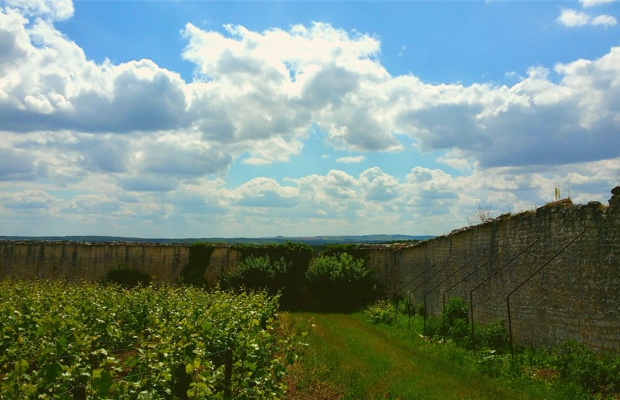

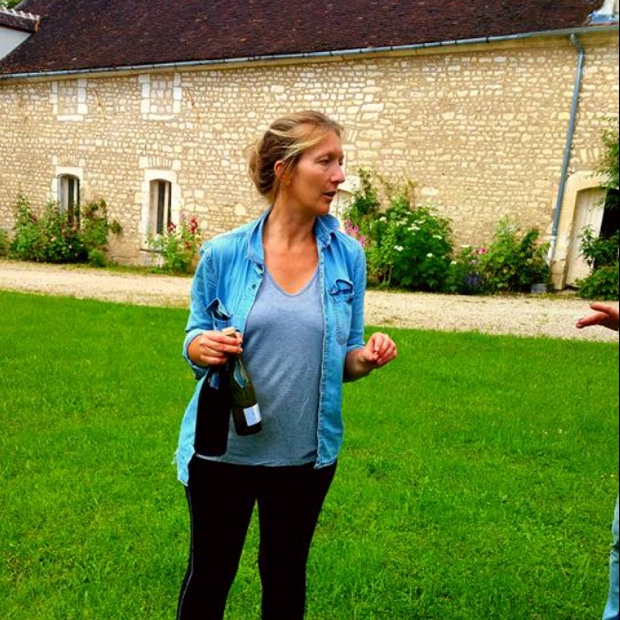

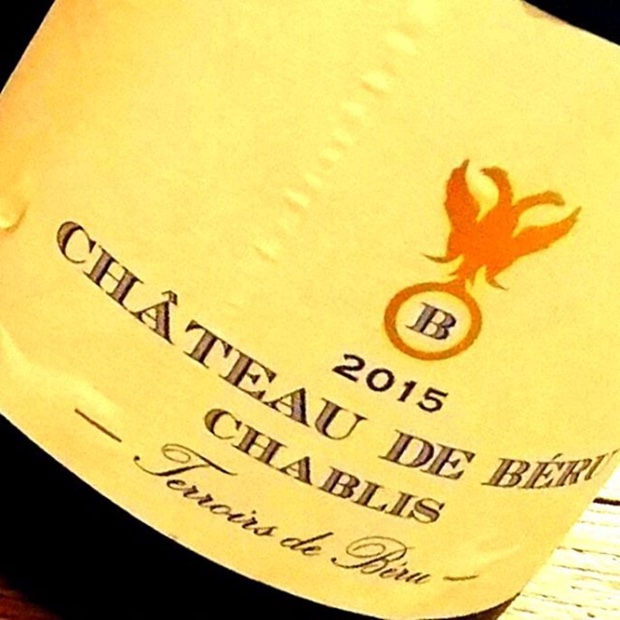
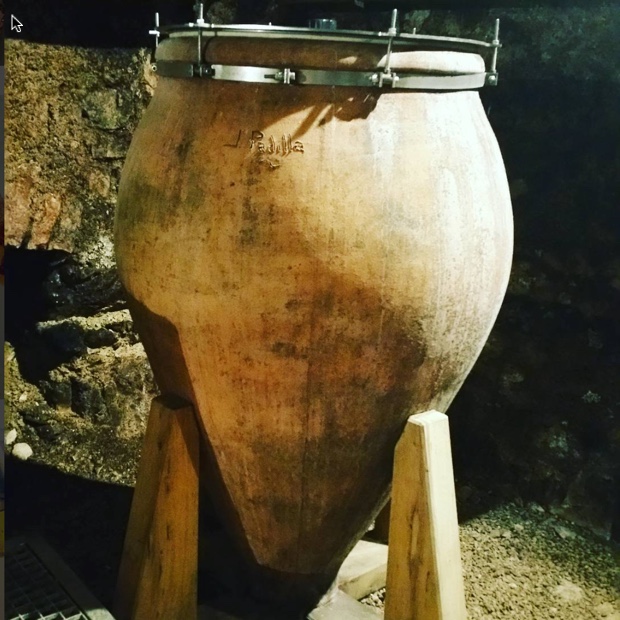


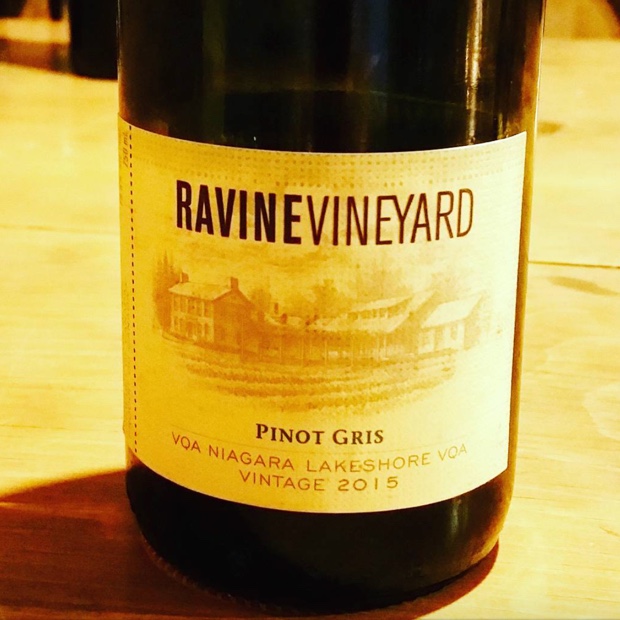
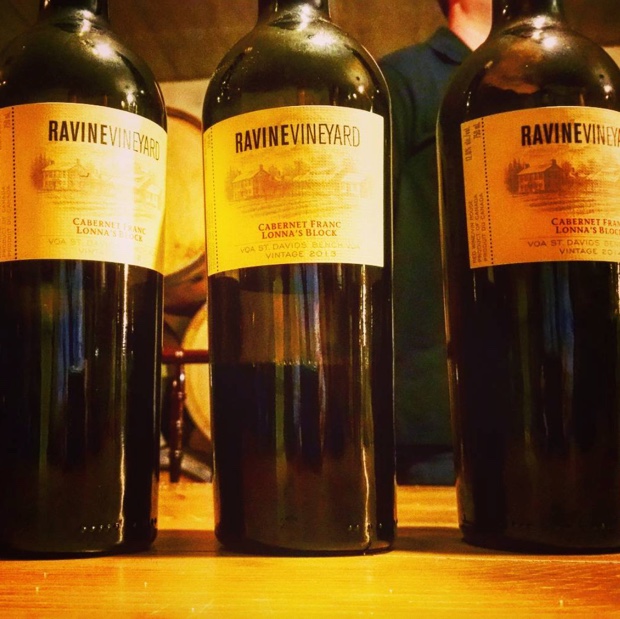
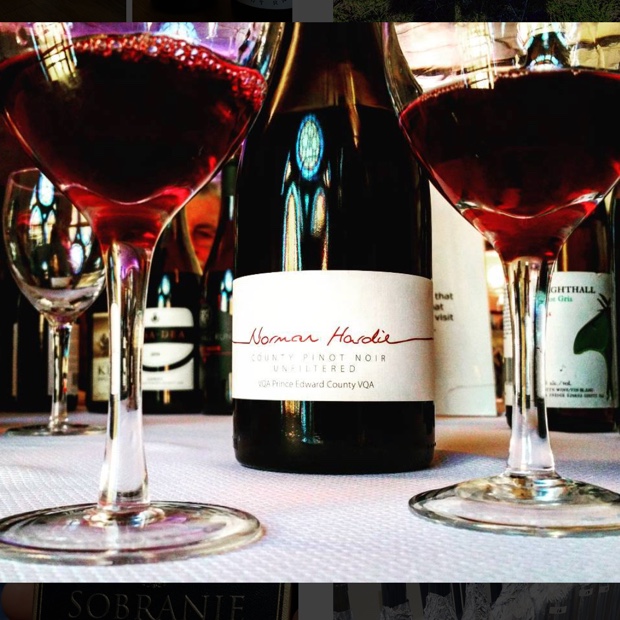


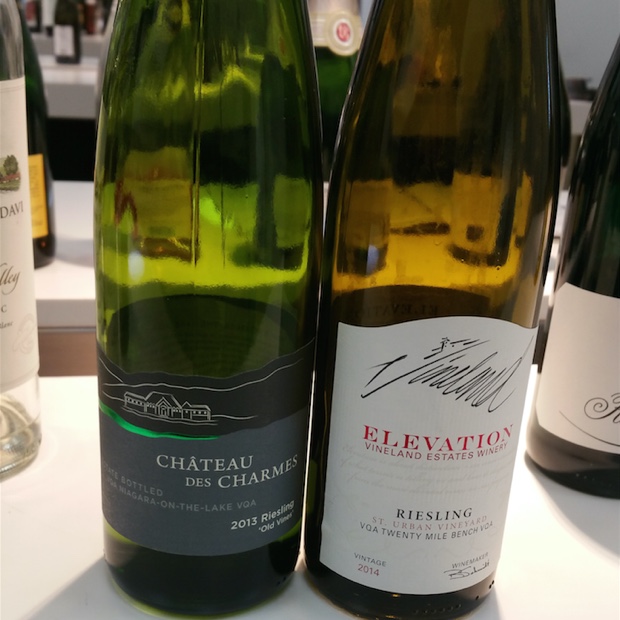
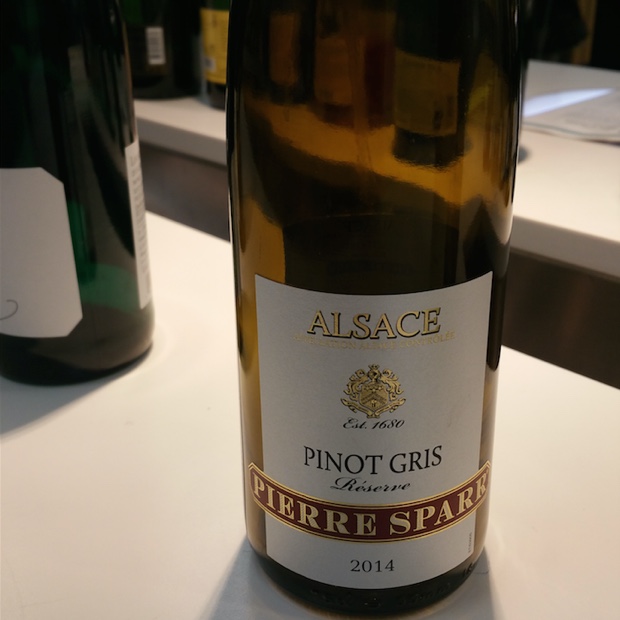

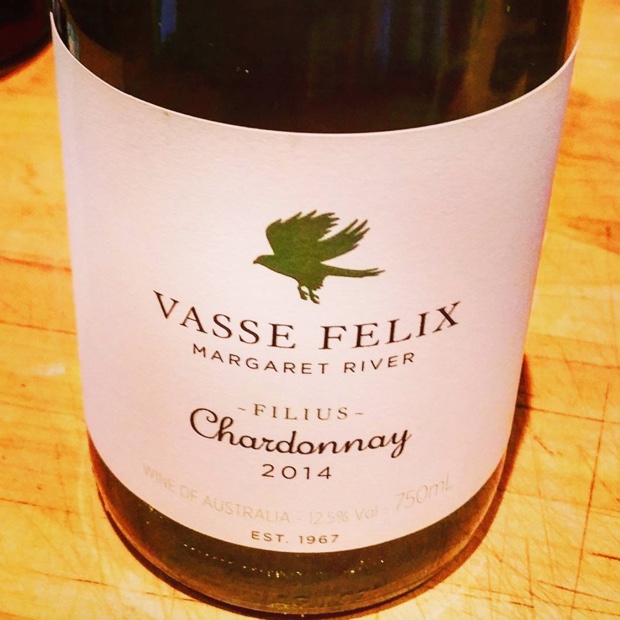
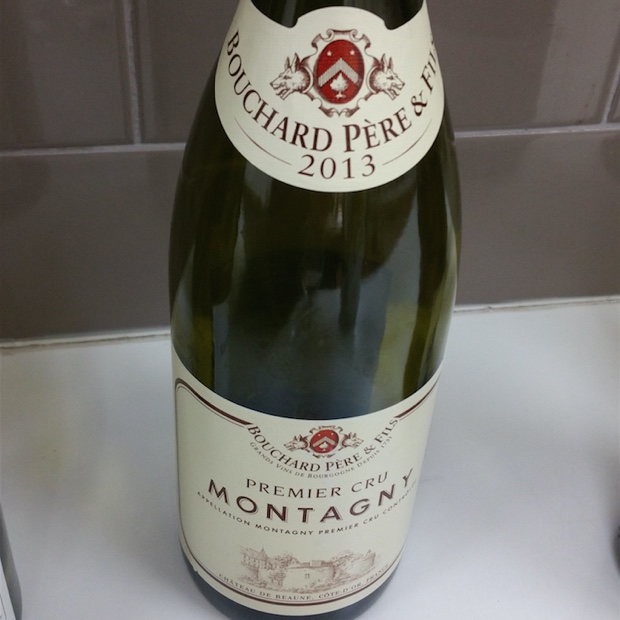

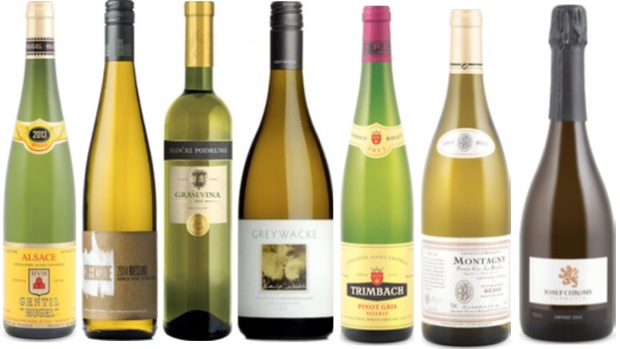
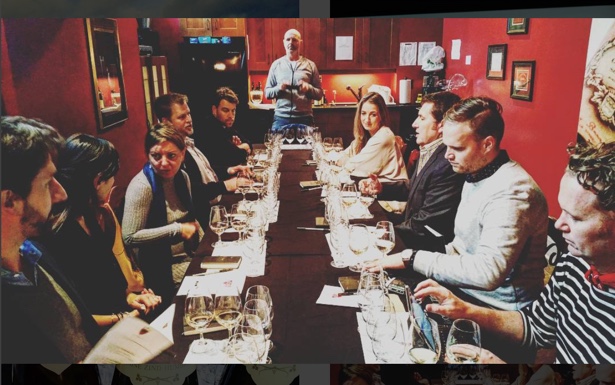
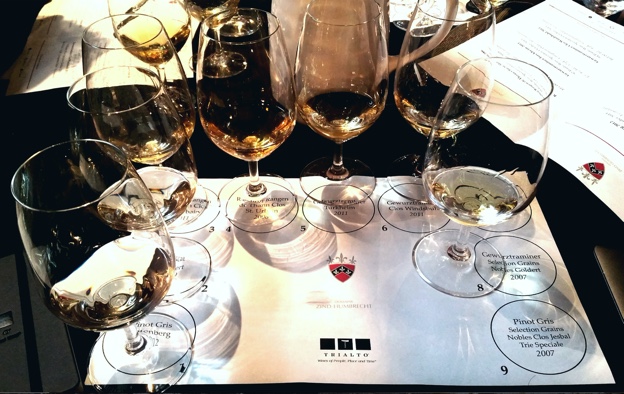
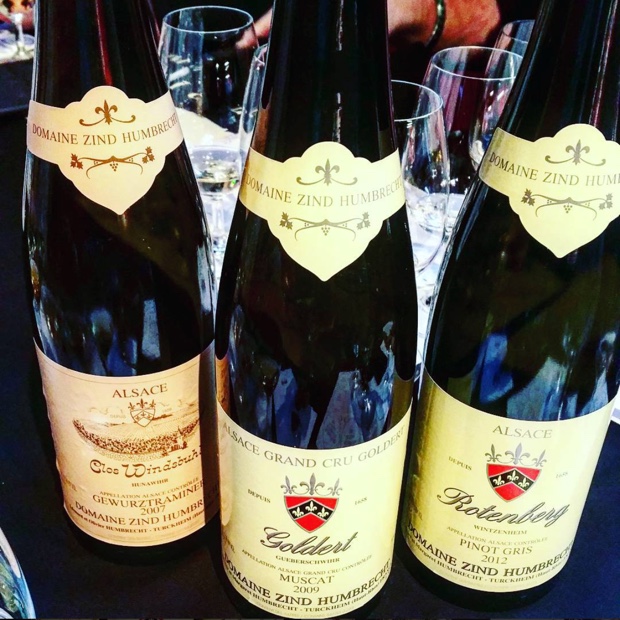
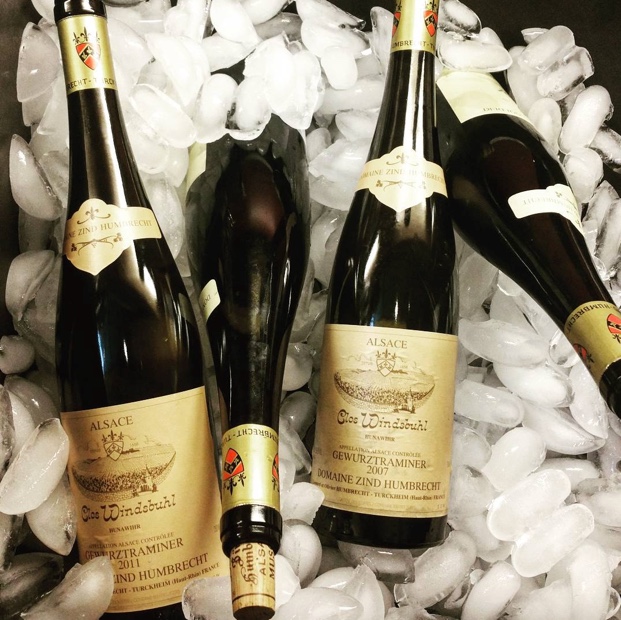


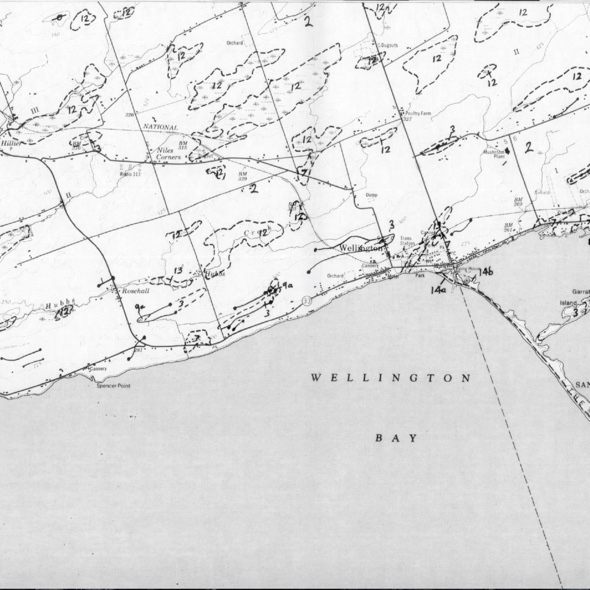


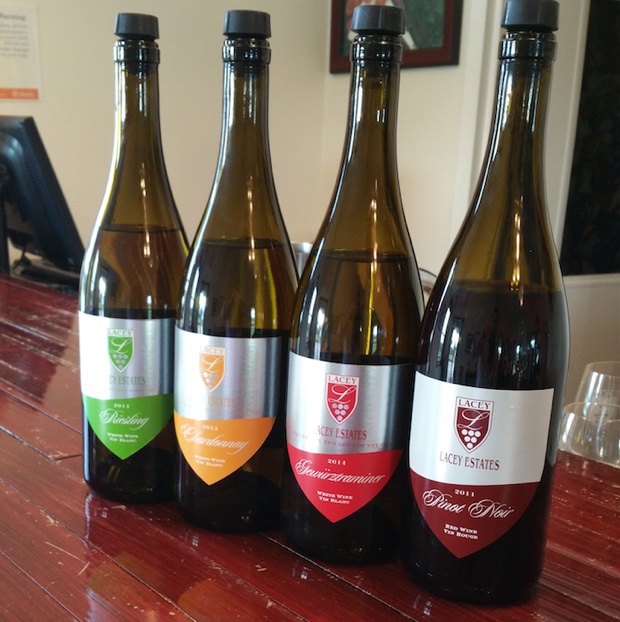
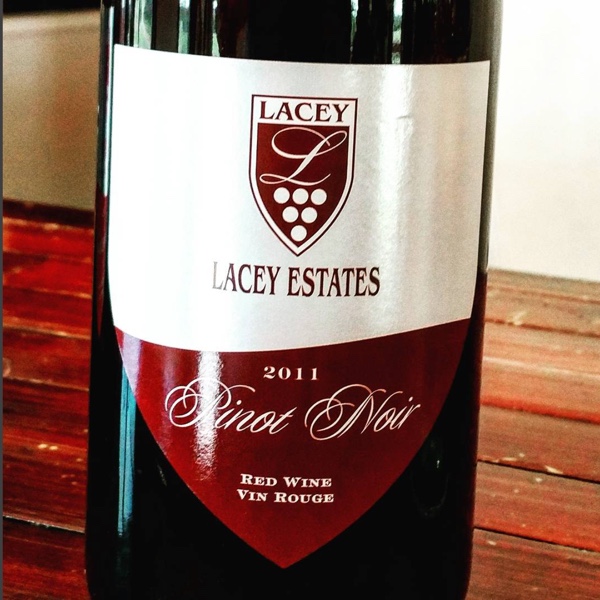


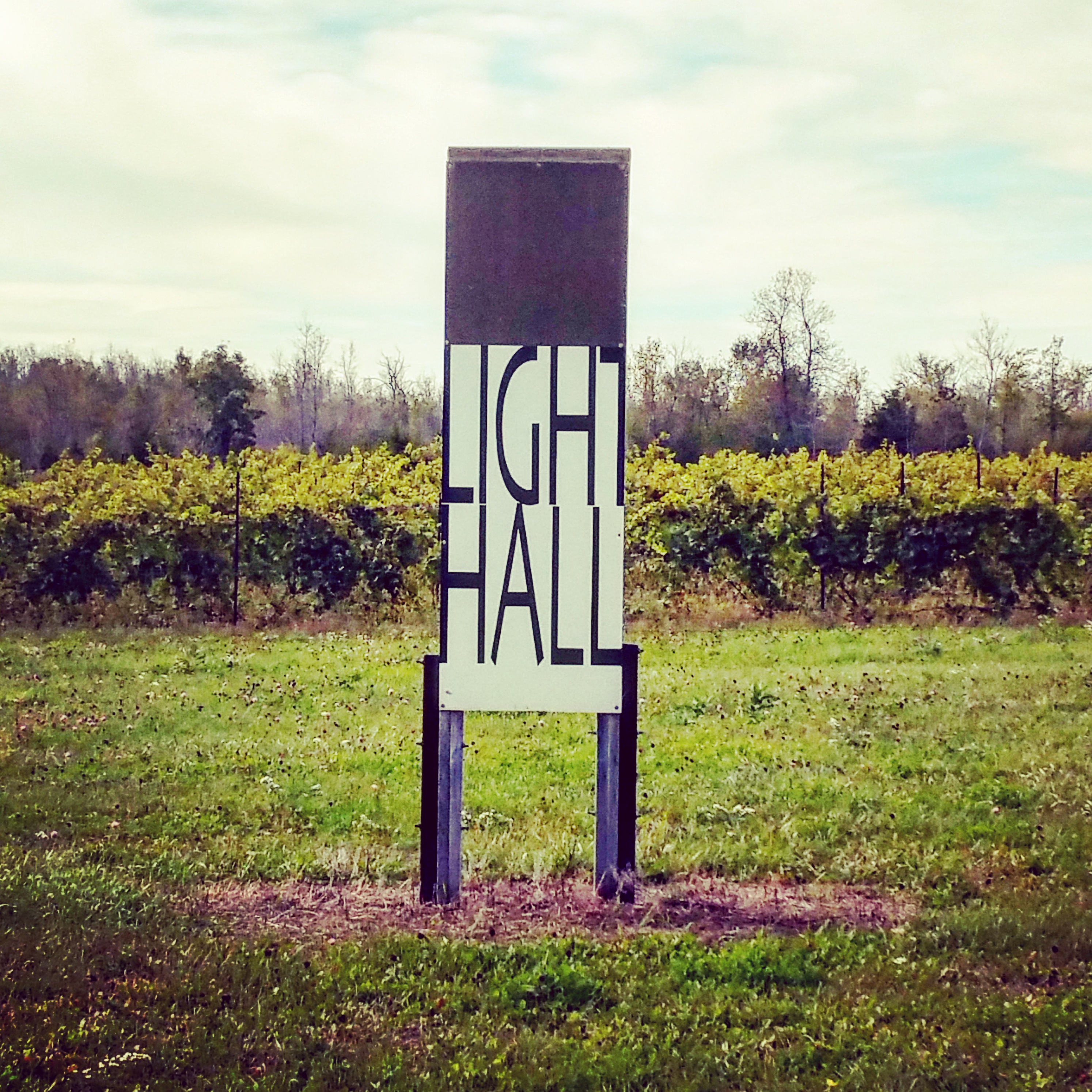

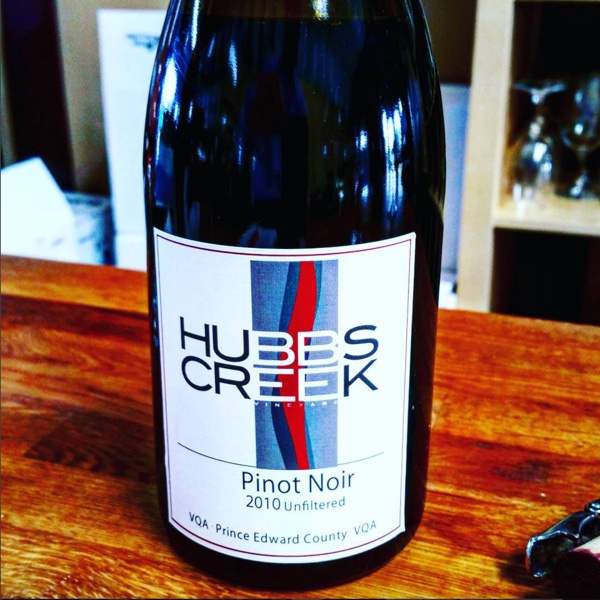
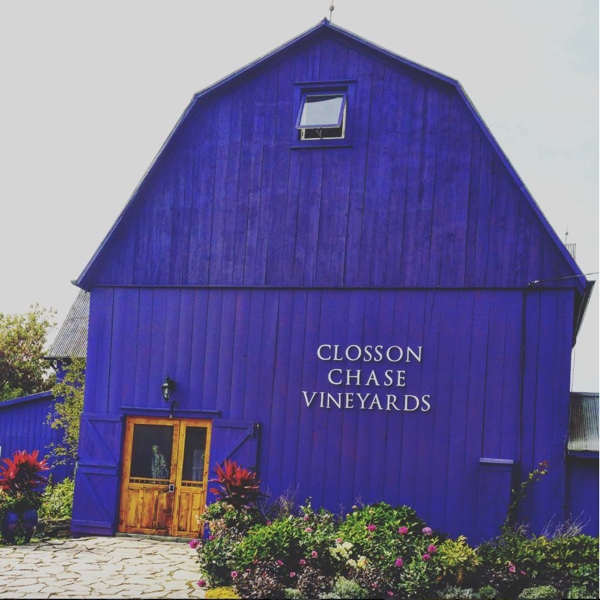

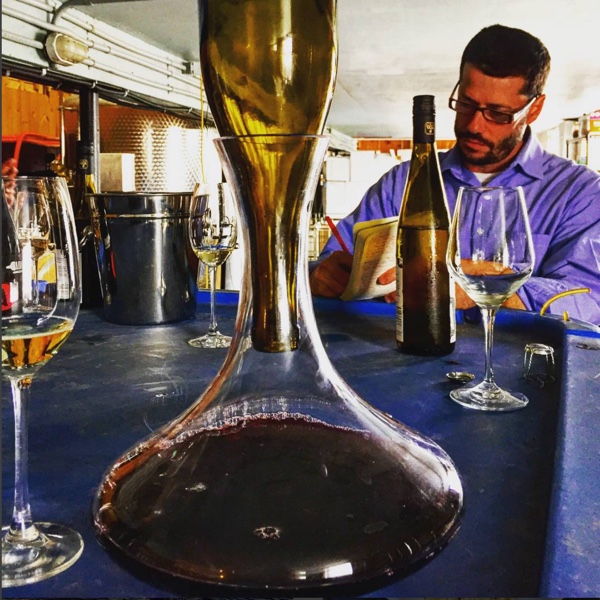

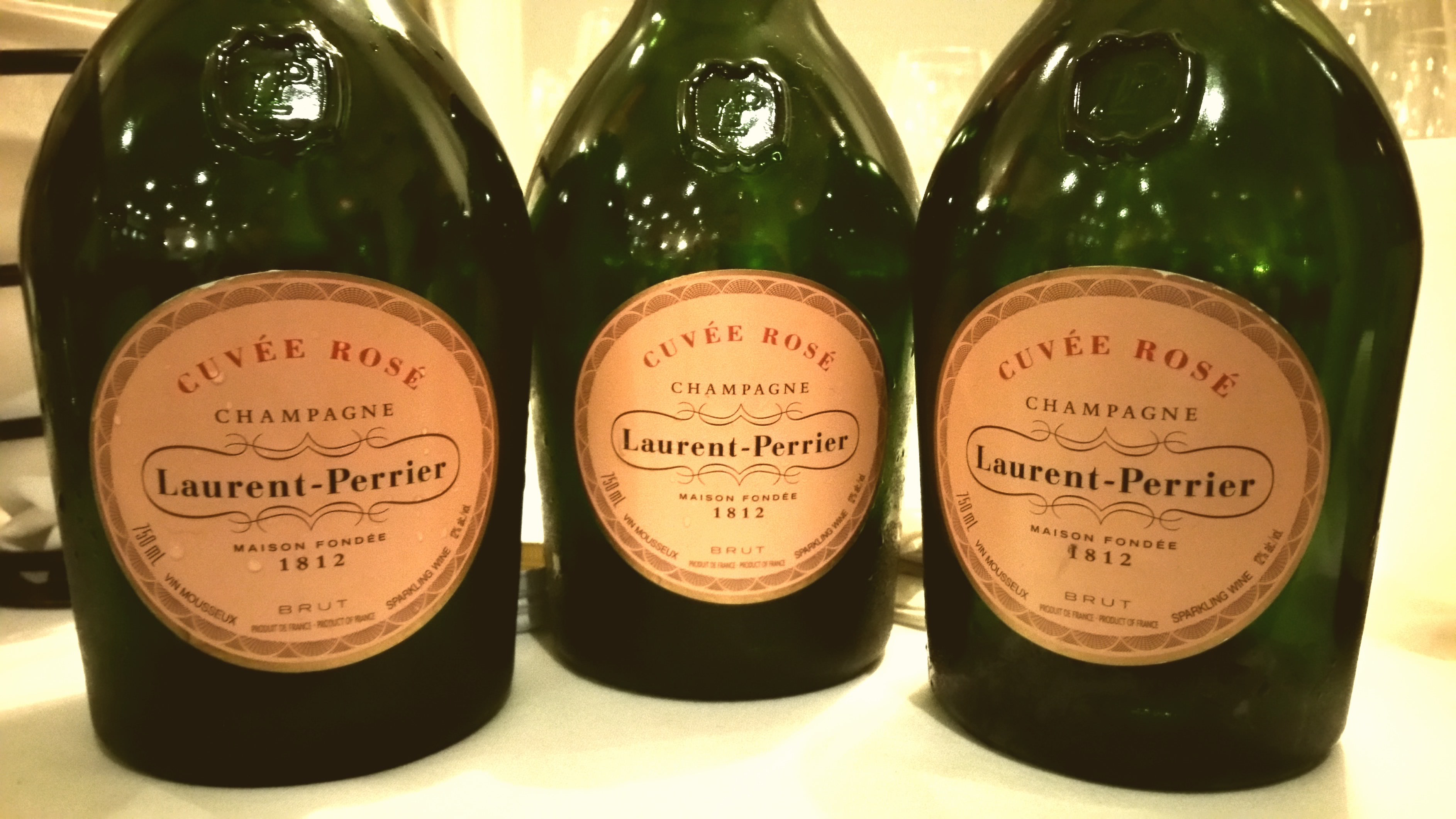

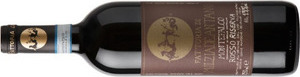

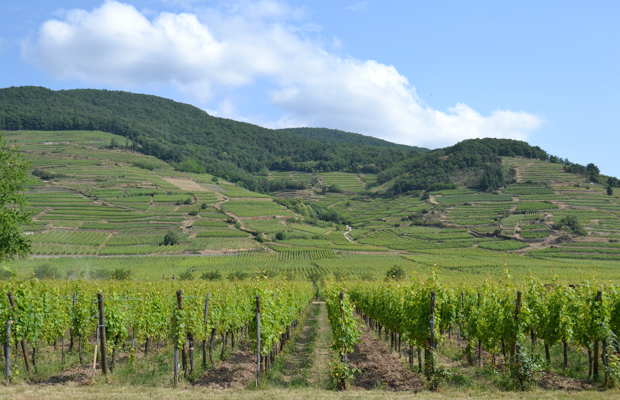
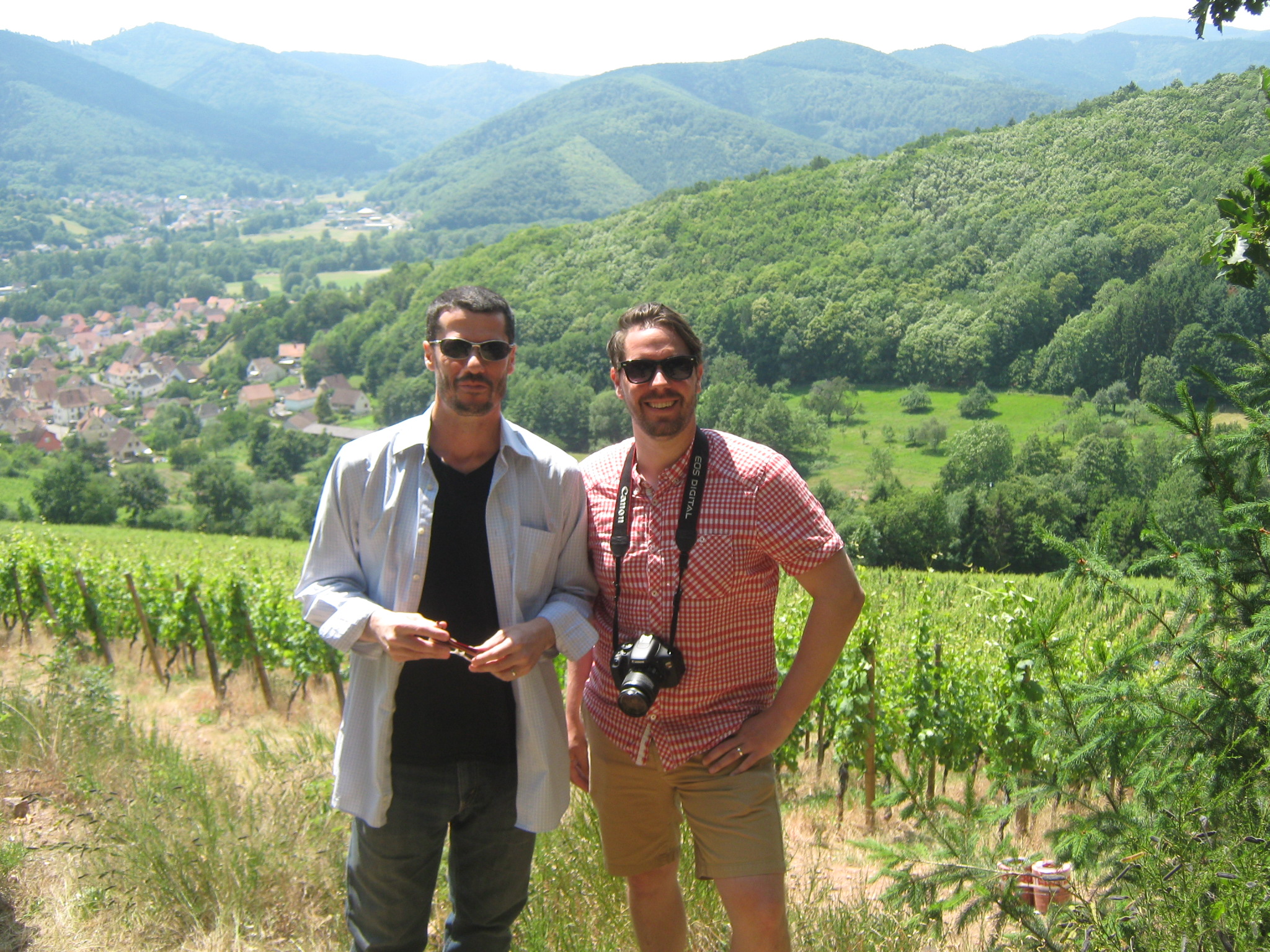
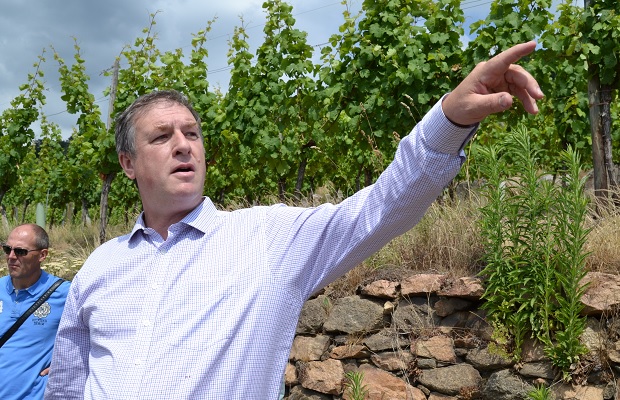
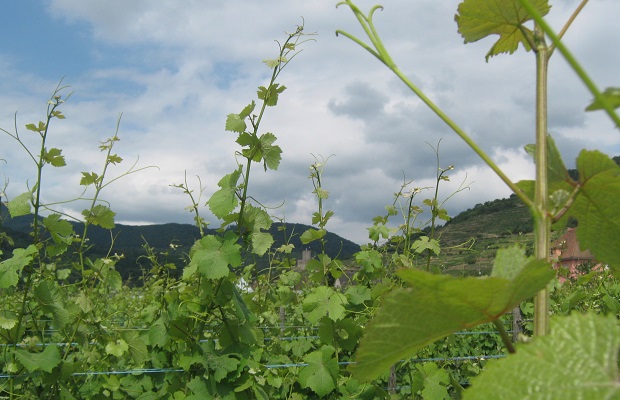

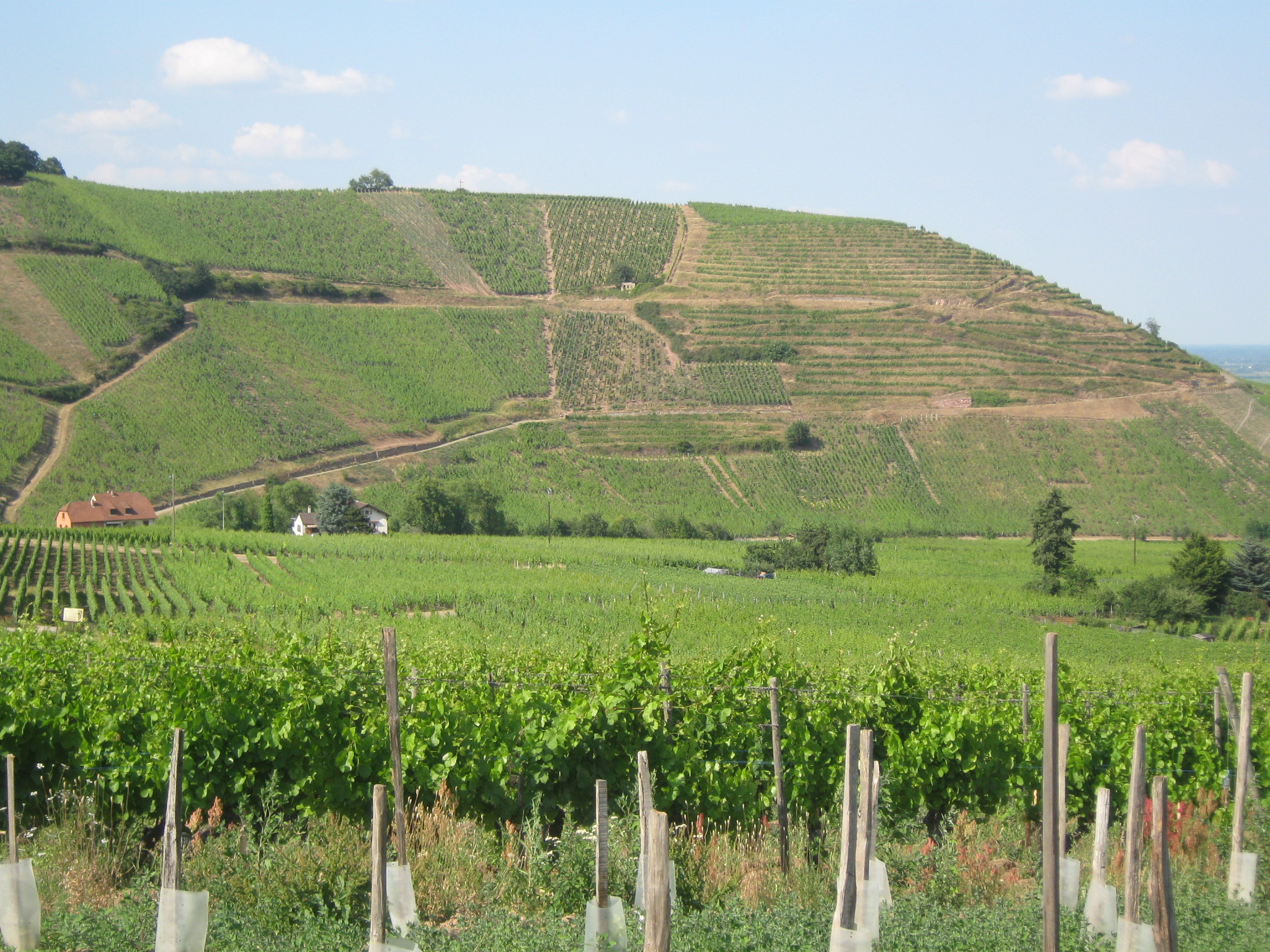
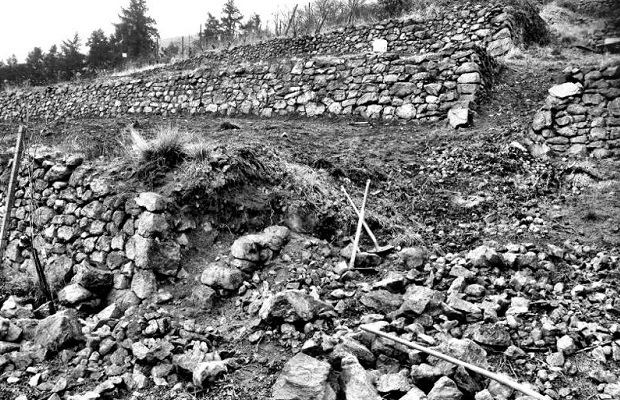


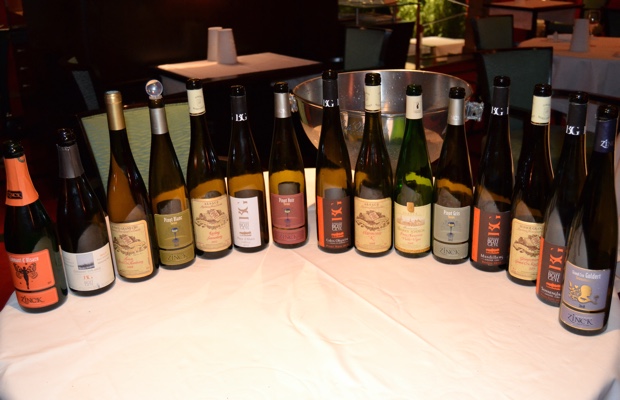
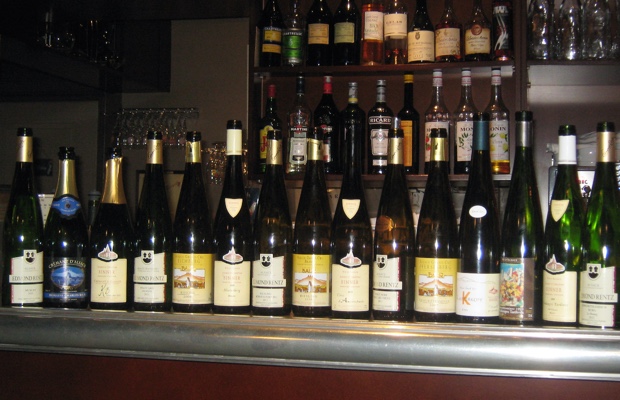
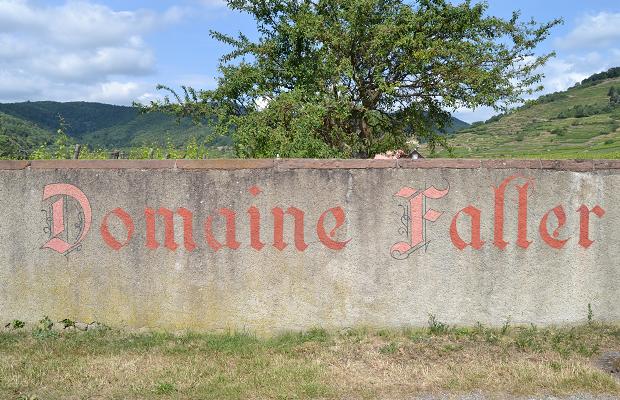


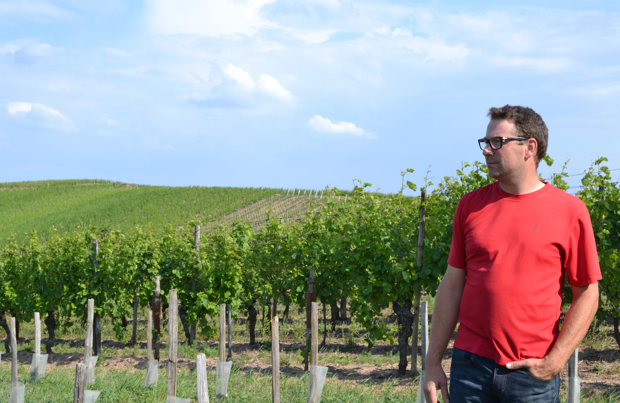
 Godello