Next level in tactile Chardonnay releases from @LeaningPostWine & @Witte_wine #niagarapeninsula #twentymilebench
It’s already been a very busy 2016 for Ilya and Nadia Senchuk. A whole lot of new has been accrued. New addition to the family, new machinery, new winemaking equipment, maturing (new-ish) vineyard fruit, new facade and interior additions to the 1850’s barn. Leaning Post Wines is no longer the new kid on the block.
Ilya and Nadia, along with the unconditional support of assistant winemaker Ryan de Witte may just be the poster children for the Ontario/Niagara dream. In twenty years they will look back, admire what they created and they will be very proud. We are already smiling. Last year I noted that hands-off winemaking and natural (sic) wines were not even on the Senchuk radar. It’s not that a flip-flop in technique has shaken the LP foundation but experimentation is part of the new process. Ilya and Ryan are geeking out. Big time.
I sat down with Butch and Sundance in early March to pass the time and try some new stuff. Here is what I found.
Crafted with appellative consistency from mostly Wismer Vineyards Foxcroft (70 per cent) plus (30) Featherstone Vineyard. Let’s call it proximity driven and of a ripeness pushing style, with some residual sugar in the 11-12 g/L range. Phenolic ripeness happens and matters, with similar ripe-ripping acidity, yet in ’14 there circles a rounder and weighty keen vibe. A particular Vineland oeuvre abides, of lemon condense chided by a benign vintage when it just had to be cool every day. “You shouldn’t worry about losing acidity,” says Senchuk, “just get to ripe. Wait, keep waiting, but don’t obsess.” And yet it maintains its acidity with obsession. You can’t do this with every Niagara locale and the crux requires taking a new route, a chance and a direction, as it always does. Fuller, richer Riesling with atomic bits of botrytis and VA, just a smidgen mind you, with purpose, for weight. 191 cases made. Drink 2016-2021. Tasted March 2016
Leaning Post Riesling “The Geek” 2014, VQA Niagara Peninsula, Ontario (Winery, $32.00, WineAlign)
Senchuk and swot-out cohort Ryan de Witte pulled 350 litres of riesling aside, accoutred with all readily available lees and shacked the whole gross mess in tank together, Vinification was completed at nine grams (RS) nearly-dry, in what can only be described as a reductive, cloudy, super-geeky riesling. Acquires an increased resonance from its designation stowed at a way station on what really is a longer, personal journey. The 2015 will be bone dry and like this ’14 will sit for 18 months in encouragement of a truly experimental, waiting for something to happen riesling. Time will act to fill in the gaps and increase its already developed texture. If you have ever had the pleasure you will see this as Jean-Pierre Frick-ish to be sure. When asked the question, he ‘The Geek’ will repeatedly reply, “I am not ready.” Drink 2018-2022. Tasted March 2016
Leaning Post Chardonnay “The Fifty” 2014, VQA Niagara Peninsula, Ontario (Winery, $25.00, WineAlign)
Barrel fermented but no malolactic and housed in stainless steel tanks for 11 months sur lie. The Chablis embodiment of the anti-oaked chardonnay despite seeing the inside of a barrel for a “few to several weeks” during ferment. Here in early life the aromatic lees of trickery and textural barrel magic construct an architectural chardonnay with more wood on the palate than there really is. All about and in for that texture with a late pique and tight acidity. Finishes with sushi rice seasoning after a close shave. Kind of, perhaps and perchance a visit with backwards winemaking, practically speaking. Drink 2016-2019. Tasted March 2016
Here chardonnay enters the lodge for a sit-in with fully assumed lees, neither shaken nor stirred and with no weird chemistry. Saw 12 months in barrel which is blessedly integrated and rich without ostentation. This Wismer is a wine travelled down a less worked word, speaking in subtleties and to great lengths. A wine that was allowed to do its thing. It’s not the fruit you think, it’s the fruit itself. The next goal will be to produce two single vineyard chardonnays, this and the home vineyard, along with the 50/50. 120 cases were made. Drink 2016-2021. Tasted March 2016
Time has constructed a completely different animal, meatier, grittier, younger version of the same style and so very vintage driven. More prick and spice. Cry baby cry, cru Gamay with hanks to more VA. A terrific, anterior way to go with Gamay, of substance and laser focus. “Make your mother sigh, she’s old enough to know better.” 360 cases made. Drink 2016-2018. Tasted March 2016.
From my earlier (tank sample) note of June 2015:
Increases the colline built of earth and endemic Gamay character. Keeps the funk grooving with a precise, focused beat. So very like pinot, with grains and tannin interwoven to length. Chewy, sanguine and gamy, a manducate of meaty sashimi or a mouthful of raw, marbled rib-eye, seconded on charcoal for a split second. On tap at Barque Butcher Bar.
The totality here is a paltry 220L or 25 cases, accomplished with the same McNally approach and concept, from a wild ferment and full malo (well, full as far as Ilya can tell). No sulphur is added in the first year and so he smells like Mcnally, weird, wonderful and clothed in musk. Tastes like Leaning Post pinot and as McNally, urged on by just pinot lees. This vineyard sheds more citrus and bitters with terrific elongated stretch. This 2013 is ready to go, never marginalized by its bitters nor its harmonic minor VA on the finish. Drink 2016-2020. Tasted March 2016
Ilya Senchuk’s 2012 merlot is not vineyard labeled, though 85 per cent hails from a single-vineyard specific (Demoura) Niagara-on-the-Lake terroir plus (15 per cent) from Beal vineyard in Beamsville. It was massaged by three barrels in total of French and American oak and corresponds from the oak cellar markedly aromatic in vanilla and by lavender. It also posts up continentally orated in a booming black olive and briny voice, by spice, beck, cull and call. So rare to see a Bench or Peninsula winemaker go here, in this way, with dialled and filled in middle grip. Pause with this merlot and notice it tempered by a chocolate linger with more earth than 2010 (which was McNally fruit). In the end the disclosure carries that Italianate animale meets right bank-ish thing that ’10 just did not have. Drink 2017-2022. Tasted March 2016
“The knowledge of yourself will preserve you from vanity.” (Miguel de Cervantes)
“Vanity is the healthiest thing in life.” (Karl Lagerfeld)
“How long shall your vain thoughts lodge within you?” (Jeremiah 4:14)
“When you have a lot of success you don’t need vanity any more.” (Amelie Nothomb)
The headline reads as a current VINTAGES vanity plate. Nothing shouts VANITY like the bi-weekly VINTAGES releases, that is unless you can read between the lines, seek out anti-narcissistic wines made with honesty, from and for success. The LCBO is full of itself, as it should be, because billions of dollars of revenue for the monopoly and the province is a favourite sin. The consumer can protect themselves by knowing themselves, their personal tastes and which wines will see to personal success.
The Judgement of Paris happened 40 years ago. VINTAGES celebrates seven players that not only participated but were granted instant celebrity. Now 40 years later, VINTAGES puts the legends back in the spotlight. I tasted all seven wines. Were I afforded sackfuls of cash I would gladly indulge in their collective vanity.
For full reviews on all the Judgement of Paris wines, please visit me at WineAlign
It is indeed healthy to be a winemaker, distributor, agent or retailer of self-assurance, to believe in a body of work or portfolio, to know that it represents quality and to flaunt it for the world to relish in its revelry. It is equally healthy to know humility, to create with impunity in knowing the confidence of fashion has resulted in the singularity of accomplishment. All the better when verecundity is found in a wine made by a big house.
Eight current releases speak to success, beyond vanity. My notes.
Casal De Ventozela Loureiro Vinho Verde 2014, Portugal (445098, $14.95, WineAlign)
Loureiro from Villa Verde, grippy and mineral as it should be, marked by citrus, herbs and the slightest spark of CO2. This must have been prime, perfect in fact, in the wheelhouse even…six months ago. Still refreshing and yet savoury, nearly, though one step away from complex for the grape and a sense of place, from point A to B. Drink 2016. Tasted May 2016 #casaldeventozela@LeSommelierWine@vinhosverdes@VinhoVerdeCA@wines_portugal@winesportugalCA
The Rafael is an honest, purposed product culled from what such endemic grapes together with wood will combine for perfectly typical effect. Here the package is respectfully lithe and speaks of what Valpolicella may once have righteously been, should still and can eminently be. Fresh, wound tart, amenable and easy to love. Yes, please. Drink 2016-2019. Tasted May 2016 @Tommasiwine@UNIVINS@C_Valpolicella
Benmarco Malbec 2013, Unfined And Unfiltered, Uco Valley, Argentina (657601, $17.95, WineAlign)
Clearly ripe and ripping like so many malbec brethren and sistren but at 3,000 feet of Vistaflores altitude the Benmarco delivers an extra level of ratcheted intensity, especially at $18. Extreme aromatics, of black, blue and boysenberry fruit are bigger than the oak, the soil and the malbec genre. This is the best Benmarco since the formidable 2002, a wine that still drinks well today. Drink 2016-2028. Tasted May 2016 @sbalbowines@ProfileWineGrp@winesofarg@ArgentinaWineCA
Most righteous Rioja, dusty and leathery but fresh, vibrant and alive. Terrifically rich palate, full of strawberry, liquorice and pastis. Acidity is all over the fruit, enveloping and then a short pause ensues, followed by the caressing tannins. There is more than a Crianza mouthful of wine in here. Wait one or two and then watch this turn over and over for the next 10 years. Drink 2017-2026. Tasted May 2016 #Tobia@_La_Rioja@RiojaWine_ES
A Chianti Classico with a foot in two worlds, the traditional (Greve) and the modern. The tart red berries are sour to nose and to taste but it’s the kind of sour that reels you in and gets you too beg for more. The level of clean, fresh lees is very 2013, something that Chianti Classico needs more of. Dry extract and tannin are spot on for the overall intent. Drink 2016-2020. Tasted May 2016 #Viticcio@chianticlassico@MajesticWineInc
Big mouth strikes again, with phenolic ripeness set against stinging nettle greens from out of the warmth in 2012 Niagara. “Sweetness, sweetness I was only joking.” Plums turning into prunes and back again, of fruit not sure if its coming in or heading out the door. Hanging in like Morrissey at a Smiths reunion concert. Drink 2016-2018. Tasted May 2016 @MegalomaniacJHC
Heitz Chardonnay 2014, Napa Valley, California (205500, $49.95, WineAlign)
When the Napa Valley name Heitz is mentioned it is Cabernet Sauvignon that comes to most minds, 99 per cent of the time. Chardonnay is a Heitz thing, dating back to 1961. The 2014 rendition is the iron fist-velvet glove version of classic Napa Valley (usually reserved for Cabernet Sauvignon allusion). This is quite a rich and variegated Chardonnay full of typically warm Napa sunshine but it’s also a study in barrel restraint and judgement. The flavours are loaded with citrus, compressed and taut. Wound tighter than a wire around a boat winch, this just needs some time to settle in. Drink 2018-2021. Tasted May 2016 #Heitz@NapaVintners@CalifWines_CA
Judgement of Paris Chardonnay
Ridge Vineyards Monte Bello 2013, Santa Cruz Mountains, California (405332, $191.95, WineAlign)
From a serious drought vintage, dry, warm and demanding, the 2013 Montebello’s Draper perfume is as heady as ever, to such effect that after one whiff this is where daydreaming takes over consciousness. Montebello gets inside the head, with allegory, radio frequency waves and platonic thought, as if inside a cave. An 80 per cent Cabernet Sauvignon, Petit Verdot (8), Cabernet Franc (7) and Merlot (5) classic, lithe and restrained blend of sheer, utter exceptionality. The balance in 2013 is impeccable but dont be fooled into thinking this is not a big wine. The acidity is dramatic, the tannins fine and demanding and the amount of pure extract whorled and revelling. All in dark red fruit and a coolness through the mid-palate that threads like silk through fine stainless steel fibre. “This goes beyond me, beyond you.” Drink 2018-2030. Tasted May 2016 @RidgeVineyards@rogcowines@CalifWines_CA
Back in the savour again @Wine_Australia #SavourAus #history #evolution #revolution
Back in early February a group of Aussies were pulled from pocket, heralded with perspicacious aptitude by Mark Davidson and poured at the Vintage Conservatory for Toronto’s want to know wine community. The murmurs could be heard speaking the unspoken profound. I took coadjutant note. In late February I surmised that “the seminar offered a welcoming respite from my monthly treadle of reviewing. The Langton’s wines collectively commit to the idea that wine is a blueprint with entrepreneurial elements, an elixir akin to the maker’s inventive secret machines. It is always refreshing to taste wines that are not exaggerated or sentimental. These Aussies are representative of all this and more.”
“Such a gathering of Australian wine delivers the preponderance of form, with the incantatory capacity of narrative to bring truth to light and fulness out of pleasure.”
On the heels of that twelve strong Langton’s Classification Toronto tasting came another stellar gathering, this time expatiated as Savour Australia. Just when you think the best of the best had come to town, the best got better.
Ooh, no, not @VintageMD but yes, @johnszabo for #SavourAus @Wine_Australia
Wine Australia and her woman about town Anne Popoff gathered 28 producers from 14 regions at George Restaurant on May 16, 2016. The HER (history-evolution-revolution) trade seminar was presented by Master Sommelier John Szabo. The wines were nothing short of exceptional. Once again Australia delivered, not only in terms of quality but also with deferential diversity. Imagine the possibilities when the new effects of restraint and change begin to trickle down to less expensive and more commercially produced wines. Australia will become a new global force to be reckoned with. Here are my notes on the 12 seminar wines plus a few new finds.
Gotta say good on ya @Wine_Australia & @lesavoirvivre59 for today’s neoteric rainbow of #SavourAus
History
Kilikanoon Mort’s Block Riesling 2005, Clare Valley, South Australia (233791, $50.00, WineAlign)
From 45 year-old vines planted by Kevin Mitchell and dedicated to his father Mort, the Reserve Watervale riesling has entered Clare Valley 10 years plus of age nirvana. From pristine free-run juice, this is premium, intensely sun-juicy Riesling, notable for its key-lime aroma and flavour. A key to your citrus pie heart, it took all this time to bring out the complimentary toast. Racy, revelling riesling as a bone outstretched from the stone of Clare Valley soil. Drink 2016-2020. Tasted May 2016 @kilikanoon@ChartonHobbs@ClareValleySA
D’arenberg The Derelict Vineyard Grenache 2012, McLaren Vale, South Australia (Agent, $35.00, WineAlign)
From a vineyard abandoned and left for dead, with bush vines as old as 100 years revived and restored. No new French wood houses d’Arenberg’s delicately dangerous grenache fruit for 12 months. The intro guitar chords from these plants of arms outstretched are George Harrison generous and give fruit more sweet than dandy. Grenache can seem so sketched, lithographed, Warhol copied and godless, but from old vines handled with care it takes a more godly direction. Here there is a slow-settled sense of cure and a liqueur distilled as if by red soil into liquid mineral. It is also fresher than other old vines grenache, say from Aragon or the southern Rhône. “But it takes so long, my Lord.” In McLaren Vale, 100 years. Thank goodness this 2012 has been prepped to please beginning in 2016. Drink 2016-2022. Tasted May 2016 @darenbergwine@TashStoodley@imbibersreport@mclaren_vale
Hollick Ravenswood Cabernet Sauvignon 2012, Coonawarra, South Australia (Agent, $75.00, WineAlign)
No Coonawarra cabernet sauvignon can be considered without the signature, what Hollick’s Rebecca Poynter points out as the “GI,” the Geographical Indication. Registered back in 2003, the ideal demarcates exact boundaries and the deeper we try and understand the terra rossa soil and what it means for cabernet sauvignon, the more it seems that Classico should be added to discern the local varietal specification. First made in 1988 and only produced in exceptional vintages, Ravenswood (Lane) is the link between Hollick’s Neilson Block and Wilgha Coonawarra Vineyards. A bonny doon uprising of cool temperatures from the ocean and the terra rossa create a combined mineral-savoury undertone and a long, cool growing elegance. Iconic attribution, the marriage of old vines and best plots, 18 months plus 18 in bottle. All this to see depth in red plus black fruit, such developed acidity and in the end, bramble on. Drink 2017-2027. Tasted May 2016 @hollickwines@LiffordON@CoonawarraWine
St. Hallett Old Block Shiraz 2013, Barossa Valley, South Australia (Agent, $80.00, WineAlign)
An Eden and Barossa Valley blend from vines that range between 60 and 100 years old, the Old Block 2013 is perhaps the most exotic, romantic and profusely perfumed Shiraz in South Australia. The evocative and ambrosial mix of wild rose bud tisane, unlit Indonesian kretek tobacco and Eucalyptus Leucoxylon Rosea is herbaceous, spicy and ambrosial. You might expect a hammer on an anvil but a bridge between the two valleys conjoins the fruit, layers with balance and forms a silky and seductive story that is a great read into texture, from prime extraction and the lavender-vanilla seduction of new and old French oak. Drink 2019-2027. Tasted May 2016 @StHallettWines@Select_Wines@BarossaDirt
Evolution
Leeuwin Estate Art Series Chardonnay 2013, Margaret River, Western Australia (Agent, $99.95, WineAlign)
Young is the operative understatement, whilst toast and butter in peak pomade are equally opposed yet lifted by the blossoms of white flowers. What erudite reduction brings and how it stops time. The best barrel selections from powerful Block 20 fruit cause the commotion in a zero shame Chardonnay, philosophically captured though perhaps one step back from unabashed. Ripeness was clearly not an issue. Freshness balances all else. At present the youth is seemingly everlasting. The effects of a moderate climate and corresponding alcohol, in at 13.5 per cent, are edifying to the western tongue. The length is exceptional. In this opinion, classification easily and unquestionably upheld. Drink 2017-2025. Tasted February 2016 @Leeuwin_Estate@TFBrands@MargaretRiverWi
I love the smell of blood orange in the morning @SoumahWines @Wine_Australia #SavourAus #pinotnoir #yarravalley #singlevineyard
Souma Single Vineyard Pinot Noir 2015, Yarra Valley, Victoria, South Australia (Agent, $34.95, WineAlign)
Old sandstones, silky loam and minor clay nourish vines planted in 1994, “to a fruit salad,” explains Steven Worley and which eventually evolved into pinot noir. The Soumah Single-Vineyard wines are named after train stations (i.e. Bluestone, Hexham) and they refer to an eastern French didactic. The aromatics abound from 2015, in plethora of orange musk; first blossom, then zest and finally a liqueur. Pinpointed further it’s blood orange, studded with clove, then squeezed into a Mimosa. Early fruit phenolic ripeness, high-picked acidity, wild yeasts and some whole bunch (10 per cent) fermentation leads with freshness, tension and precision. In this pinot noir you can’t help but note the new world cure and pastis flavours in what is very much a treatment in old world homage. An Amaro note slides along the terrific length. Very expressive wine. I love the smell of blood orange in the morning. Drink 2016-2022. Tasted May 2016 @SoumahWines@vonterrabev@yarra_valley
Alpha Box & Dice Xola Aglianico 2011, McLaren Vale, South Australia (Winery, $45.00, WineAlign)
This first vintage of the grippy aglianico from a variety of growers and blocks is certainly multi-environmental and drinking with five-tear resolved, prescient acceptability. Owners Justin and Dylan Fairweather practice self-proclaimed vinous bricolage, laying down the ferment for four years in oak (none new) to heap a nosing of liquorice root with the clay still caked and clinging. A humidity this side short of damp relents to florals and then, as expected, a forceful tannic structure. The Xola is the winery’s study in wine duality, as per William Blake’s opposites of existence, masculine aglianico swaddled and softened in feminine wood, exhorting the concept of “complementary dualism.” Or, if you like, in Jim Jarmusch vernacular, “Exaybachay. he who talks loud, saying nothing.” This southern Italian varietal speaks with emphasis, as it does with minerality, from its original existence, “close to the ocean.” As it does here, “perfect for Mclaren Vale.” Drink 2016-2023. Tasted May 2016 @AlphaBoxDice@mclaren_vale
Shadow puppets @chefcmcdonald and @johnszabo talkin’ @Wine_Australia #SavourAus
Fowles Ladies Who Shoot Their Lunch Shiraz 2012, Victoria, South Australia (243592, $35.95, WineAlign)
Quite savoury shiraz, reductive, soil funky and forceful. A plum tart, mince meat pie, layer cake of variegation. Acidity circulates and the finish is very much on the toasty, peppery side of the Victoria understanding. Drink 2016-2019. Tasted May 2016 @LadiesWhoShoot@vonterrabev
Revolution
BK Wines Skin & Bones White 2015, Adelaide Hills, South Australia (Winery, $50.00, WineAlign)
With a nudge-nudge, wink-wink nod to the Jura, here savagnin finds oxidative, skin contact hope in the Adelaide Hills. Lobethal savagnin (98 per cent) plus a smidgen of chardonnay develops with wild yeasts, sees nine months bâttonage and 12 months in 100 per cent neutral French oak. Smell the sweet grass, while away with the mellow acidity and suffer no slings, arrows or consequence with nary a bite or a pop. Here balance is ushered by dry extract and tannin in a white Rhône-ish way, with tonic-herbal flavours of white cola and less than minor minerality. The skin contact is a plus, as is the lime finish. Drink 2016-2019. Tasted May 2016 @bkwines
Jauma Like Raindrops Grenache 2015, McLaren Vale, South Australia (Winery, $60.00, WineAlign)
Grenache as determined by theories of natural selection, like raindrops, as put forth by Jauma’s James Erskine, is here, like stolen kisses. The basic intent, the accidentally intentional purport, the let it be, three vineyard blend. All this for the attitude from cause and to the effect of dropping inhibitions and to drink this grenache without pause. The vineyards are Ascension, in the alluvial basin of the northern slopes of McLaren Vale proper; Genovese, the white beach sands of McLaren Flat and Wood, the sandy ironstone ridge of Clarendon. Yes it’s earthy but also very fruity. One hundred per cent whole cluster achieves a South-African Stellenbosch like cousin performance, but also akin to a similarly-crown capped Jean-Pierre Frick-ish natural Pinot Noir tendency. Here there forges more acidity, but also a banana boat of carbonic whirlpool-ness. This is a thirst wine, a quencher. Drink 2016-2018. Tasted May 2016 @JaumaWines@mclaren_vale@TheLivingVine
Ochota Barrels I Am The Owl Syrah 2015, Adelaide Hills, South Australia (Winery, $60.00, WineAlign)
Syrah like you’ve never tasted before, to send you spinning, from Taras Ochota, a.k.a. the “European Flying Winemaker.” Syrah from cool climate and of whole bunch fermentation. Syrah reductive and soil funky, of an achievement uncomplicated, simple, truncated and with near-zero intervention. Fresh, atypical, chewy, chunky, altitude-affected, naturliga syrah. Syrah that sees the failings and mistakes of others and can’t help but allude to a Dead Kennedys’ song, “for clean livin’ folks like me.” I am the owl. We are the beneficiaries. Not to lay down. Drink 2016-2019. Tasted May 2016 #OchotaBarrels@TheLivingVine
Brash Higgins Nero D’avola Amphorae Project 2015, McLaren Vale, South Australia (Winery, $55.00, WineAlign)
The renegade triumvirate of coagulation denotes the shock and awe of this outlier; McLaren Vale, Nero d’Avola and Amphora. Winemaker Brad Hickey and his nickname have taken the troika and created a beautiful monster. A non-oxidative, crunchy, spicy, toasty, chewy and tannic NdA in versicolour, mottled and florid in flavour. There is black and white pepper, cinnamon, zesty orange spritz and a clay influence (plus amphora) to waft one for the ages. The palate flaunts a tapenade of painfully brilliant chalky black olive. The swirl is chocolate and vanilla, mediterranean and meganesian. There should be zero attention paid to the unusual in its concept. This is both a pleasure to taste now and will evolve into something wholly other given enough time. At least 10 years to be sure. Drink 2016-2025. Tasted May 2016 @BrashHiggins@mclaren_vale@TheLivingVine
New Finds
Cirillo 1850 Ancestor Sémillon 2011, Barossa Valley, South Australia (Agent, $36.00, WineAlign)
A sémillon revelation is found in this Barossa Valley ancient, a wine procured from vines dating back more than 150 years. To discount that prodigious bit of calculated fortuity would be wrong on so many levels. The Cirillo family are guardians of what may be the oldest continuously producing grenache and sémillon vineyards in Australia and by logical extension, the world. Here the combination of dry extract, mineral depth and straight-lined (unsalted) salinity is beyond special. While the Hunter Valley garners the most attention for aging immortal sémillon, this Barossan will likewise escape, somehow, to live another more complicated and mysterious life. I would wait three years for some extract meets tannic sweetness to begin its development and then take it slow for another six to 10. Incredible find here in Ontario from Marco Cirillo. Drink 2019-2029. Tasted May 2016 @Cirillo1850wine@bokkewines@BarossaDirt
Oldest vines #barossavalley textures in #semillon and #grenache @cirillo1850wine @Wine_Australia #southaustralia #marcocirillo
Cirillo 1850 The Vincent Grenache 2015, Barossa Valley, South Australia (Agent, $30.00, WineAlign)
It may feel like a wine framed fresh from uncharted grenache territory but this “entry-level” Cirillo has charted old vines dating back 80 years. The estate’s Old Vine 1850 is resolved from vines time-worn to 160, considered the oldest for the varietal anywhere in the world. Here beautiful and gorgeous come directly to mind, as does silky and deep beyond commonplace grenache depths. Fine, sweet tannins and balancing acidity are the endearment to unblemished, hardly handled red fruit. Marco Cirillo is the benefactor and the facilitator of this old vine bounty and his edifying handling makes for grenache both winsome and with age ability. It should be considered for one and then the other. Drink 2016-2025. Tasted May 2016
Cirillo 1850 Steingarten Shiraz 2014, Barossa Valley, South Australia (Agent, $35.00, WineAlign)
Steingarten is an iconic Eden Valley Vineyard in name and nature for riesling but in Cirillo’s case it’s a matter of high altitude shiraz vines at the crossroads of the Barossa and Eden Valley ranges. Marco Cirillo’s handling involves open top fermenters, natural yeasts, basket presses and French meets American oak for 12 months. A stony, schisty distinction can’t help but compare to a northern Rhône, St. Joseph styling, with dark, pepper-laced fruit slipped into a velvet glove. Fresh and spirited, the tannins creep deftly and dutifully in, asking for patience and time. Drink 2018-2024. Tasted May 2016
Stonier Chardonnay 2015, Mornington Peninsula, Victoria, Australia (25353, $35.00, WineAlign)
The fresh, minimalist approach entices and offers up such pure, unadulterated excitement, with thanks to the Mornington Peninsula and vines that first took root in 1978. The Stonier chardonnay has been off the radar and always beautifully made but this vintage will turn and attract new heads. Unshakable, racy, fleshy and spirited, this represents more than mere cool climate chardonnay, it vociferates the major importance of such an exhilarative maritime clime. Chardonnay and pinot noir heaven. Drink 2016-2020. Tasted May 2016 @StonierWines@Select_Wines
Humility only exceeded by impossibility @normhardie #pec #countyinthecity Pinot Noir 2014
To me, Prince Edward County is the most enigmatic wine region in the world. Why is that? The coterminous climate and geology comparison to Burgundy never wanes and the vintners who painstakingly cultivate and produce Chardonnay and Pinot Noir never quite abandon the methodology. The Burgundian model of viticulture is almost universally applied to the County microclimate. Think about it further and note that latitude and soil composition aside, PEC is not Burgundy, never will be and the parallels drawn ad nauseum should begin to cease and desist.
There are many reasons for saying this. The most obvious has to do with winter and the painful condition of a once or twice every 10-15 year pain in the arse deep freeze that necessitates the hilling up of vines. Farmers select canes chosen for the following growing season and tie them to a wire very close to the ground. Upwards of two feet of soil is plowed onto the tied-down canes. The labour required is extensive and the subsequent yields are lower than most grape growing places on the planet.
At the 2015 spring County in the City event I noted that WineAlignprimo scrittoreDavid Lawrason presented his PEC state of the union address via the company website. “David touched on some integral points for growers and winemakers in the County, including the rise of Riesling and a case for increasing plantings of varieties like Chenin Blanc.” At the time I hung on to Burgundy with no immediate plans to recognize an imminent diurnal varietal shift.
Last fall I wrote a mini-dissertation on the ridges of PEC. “It all adds up to minerality in the wines and nowhere does the geology matter more than on the ridges.” Which brings me to the third bit of logic and one that is varietal based. Pinot Noir and Chardonnay share the stage with a wide range of planted grape varieties and it is the emergence of Pinot Gris that shakes the foundations of PEC-Burgundy thought. If this year’s grand tasting of County wines at the Berkeley Church showed one thing it’s that Pinot Gris is a must. From Hillier clay-loam to omnipresent limestone, the group begs for Pinot Gris, a mineral-loving, dry extract extricating and tertiary tannin absorbing grape. The makers know it.
A fourth dialectic concerns rules and regulations. A wine growing community may talk a big game of homage and publicly declare with politically correct language their allegiance to, a following of and the emulation of a wine-producing deity that has proven its success with hundreds of years of tradition behind it. But the fact of the matter is Prince Edward County does not yet know exactly what it means to be a community of wine producers. The grand cru, premier cru and lieu-dit blocks are only beginning to be understood and working with the climate is still an unmitigated, trial and error disaster.
So in steps a governing body to determine what winemakers are supposed to and even allowed to produce and what exactly they can call it. Absolute authority is exercised against a brilliant vintner who owns land, lives and produces wines in the County, but can’t label it as such. Forget about the economics of an acronym that saves on taxes. They are not allowed to write Prince Edward County on their label.
I hear you. Regulatory boards are needed to make sure a region is putting its best foot forward out to the country and to the world. You can’t have a golfer wearing cut-off jeans, a fishnet tank and a mesh visor shanking nine-irons on the perfectly groomed country club 18. But what if one guy’s wines are off the charts, gorgeous representations of terroir? So what if her skin-contact whites are not what we are used to? Who cares what either of them are wearing. Who should complain that they make new tracks in their own special way? Exactly how is it they bring shame, detriment or housing market decline to the neighbourhood?
Rant aside, the last piece of the Prince Edward County puzzle stretches from the idea of freedom and into a polemical discussion in which no two County wines are the same. Dynamism has never known such hyperbole as it does in the County. Yet another Sparkling epiphany was had after tasting Lighthall Vineyard’s first (not yet labeled) traditional method fizz. It should be called “Au Courant” because it takes everything we have assimilated from Champenoise bubbles, filters it through Cherry Valley soil and rewrites the book. The collective needs to embrace the Sparkling example set by Jonas Newman, Bruno Francois and Glen Symons.
The endearment “The County” is a term meant to bestow a sense of down to earth affection on a place you have to detour through to pay it a visit. “The County” is in fact Ontario’s most diverse and magnetic wine region. To borrow from the American literary critic James Wood, PEC is “one of those rare occasions where the absence of evidence is evidence.” Everything is changing all the time and everything is new. No County for old wines.
I recently reviewed 20 County wines. Here they are.
First @lighthallvyard strike #methodetraditionelle #2011 #fortytwomonths
Casa Dea Dea’s Cuvee 2015, VQA Ontario (261263, $18.95, WineAlign)
Distinctly August cling stone peach, ripe, lightly crushed and fenocchio glacier. Really pollinated fizz, with a bright pink grapefruit granita personality and cool chardonnay exemption. Pretty, pretty stuff. Lingers precisely and there is nothing remotely precious about it. Well made. Drink 2016-2018. Tasted April 2016 @casadeawinery@PECWinemaker
Huff Estates Cuvee Janine 2013, VQA Prince Edward County, Ontario (Winery, $29.95, WineAlign)
Comes from a place and will return again to the junction where rusticity and elegant oxidative character live. Erstwhile fresh, alive, prescient and yet must have been a challenge to tame. Quite the gustatory, culinary, mis en place of torched vegetables and acidity de-glazed game seared off into caramelization. Intensely real, characterful and attention grabbing Janine but not funky. Slow braise ahead. Drink 2017-2021. Tasted April 2016 @HuffEstatesWine
Huff Estates South Bay Vineyards Chardonnay 2014, VQA Prince Edward County, Ontario (Winery, $29.95, WineAlign)
Reductive and reeling from the pushy barrel, young, tight, angular and closed. Green apple, tart white berries and barrel spice. Emerald gem Chardonnay leaving little to no wonder Niagara Bench winemaker Paul Pender is so interested in the fruit. South Bay is the Quarry Road of the County. Wait for the richness and the platinum peaches and cream to emerge commensurate to ostensibly consummate cool climate Chardonnay. Drink 2018-2022. Tasted April 2016
Karlo Estates Pinot Gris 2015, VQA Prince Edward County, Ontario (Winery, $29.95, WineAlign)
Welcome winemaker Derek Barnett to the County and to Pinot Gris with a Gorrilaz style, “the essence, the basics,” gone ripe beyond the pale, round and full. Sweet green apple and basil relish, veritable tang, baked tart shell filled with apple-citrus curd but so far from sour. Wish it hung around for longer. I suppose I have only myself to blame. “I ain’t happy, I’m feeling glad. I got sunshine in a bag.” Clint Eastwood and Pinot Gris in the County. “The future is coming on.” Drink 2016-2018. Tasted April 2016 @KarloEstates
Karlo Estates Lake On The Mountain Riesling 2015, Prince Edward County, Ontario (Winery, $29.00, WineAlign)
Very Mosel Germanic Riesling Kabinett in style, with some residual and low alcohol. Juicy, round acidity, ripe sapidity and almost tersely spoken from the edge of the late harvest forest. Good length and will live a half decade or more with severity tempered by herbal countenance. Drink 2016-2021. Tasted April 2016
Keint He Portage Chardonnay 2014, VQA Prince Edward County, Ontario (Winery, $25.00, WineAlign)
Tart and tight, rich and tangy, as expected and with some density. What needs from reduction lays low and melds into wood. The handling was necessary from out of a challenging and demanding 2014 vintage. The Portage is fully entrenched as a true County stalwart. This is what defines what Keint He is, has come from and to where it will go. Ground zero for the range, from what others will feed from. Sister Chardonnays Greer and Frost embark from this Portage starting point. Drink 2016-2019. Tasted April 2016 @KeintheWinery@Nicholaspearce_
Keint He Greer Road Chardonnay 2014, VQA Prince Edward County, Ontario (Winery, $30.00, WineAlign)
The specificity of the label conjures up territorial Hillier thoughts for Chardonnay made by Norm Hardie, Dan Sullivan and Paul Battilana. While the Greer thread runs through and keeps it in the family this is all in Keint-He issue. Possessive of a richness shown by few other PEC Chardonnay, there counteracts and stabilizes a cool climate snap, crackle and green apple pop. Tang folds into lovely tart, citrus bitter curd with a wisely executed tumult. And there is no relent. A Chardonnay ripper. Beware the power. Drink 2016-2020. Tasted April 2016
Lighthall Chardonnay 2014, VQA Prince Edward County, Ontario (Winery, $25.00, WineAlign)
Glenn Symons’ 2014 from the southern flank in the Cherry Valley is perhaps the most regionally intense, lights out Chardonnay in Prince Edward County. ‘Twas a good growing season in the Lighthall Road ward so say hello to phenolic ripeness and an old school, reductive and layered striker of flint and wood. The yields being as low as they are and exponentially were, there grunges much tonic reverb stirred into leesy, sweet extract in its rather ripped sonic youth. Such a mineral wine, sword-wielding, axe-grinding and tannin mining. Will find its unctuous way with time. ‘Cause it’s lights out right now. Drink 2017-2022. Tasted April 2016 @lighthallvyard
Lighthall Pinot Noir 2014, VQA Prince Edward County, Ontario (Winery, $30.00, WineAlign)
The paradigm shift that began with Lighthall’s 2013 Pinot Noir continues with this stay the course 2014 and then some. The vintage offered up a slower developed phenolic yawning so the stygian runs deeper than the vermillion. That is to say the cherry fruit turns to black even while such a pretty Pinot pours with tension beneath the rich and glorious surface. Tension yes, but also soil infiltration and cooling breezes to temper the Cherry Valley conflagration. Tautness de-armed by a necessary streak of humus conditioning pomace, for grounding. Voluminous palate notes are repeated in demonstrative refrain. Another step forward for Prince Edward County Pinot excellence. Drink 2016-2019. Tasted April 2016
Lighthall Pinot Gris 2014, VQA Prince Edward County, Ontario (Winery, $25.00, WineAlign)
Made in the Lighthall style mixed with location, location, location. Vines of healthy fruit in the Cherry Valley, making for wines that are stark, sturdy, demanding, self-fortified and of limited quantities. Like its siblings, this Pinot Gris is also exempt from weakness. Here PG reminds of lieu-dit Alsace, of attitude, with tannin, extract, salinity and and of course, mineral. Singular County Pinot Gris. Could age for a decade. Drink 2016-2022. Tasted April 2016
Norman Hardie Riesling 2015, VQA Ontario (131169, $21.00, WineAlign)
More reductive for a Norman Hardie Riesling than even it ordinarily shows and also pervasive of penetratingly concentrated stone fruit. While the acids may be received as hard and potentially malic that perception is calibrated by this wine’s typical aggregate. The walls need breaking down and the road is purposely graded high knowing full well it will eventually finish even with the shoulder. I like the sweet tannins and the difficult way in which it uses extract to a futuristic advantage. Wait a year and imagine the possibilities of balance. Drink 2017-2020. Tasted April 2016 @normhardie
Norman Hardie Pinot Noir 2014, VQA Prince Edward County, Ontario (Winery, $39.00, WineAlign)
In Prince Edward County and for Pinot Noir there is no substitute and no comparison. Quixotically sweet Pinot Noir fruit, from the lowest of the low yields, scrupulously heeded and handled with care and yet also, somehow without a care to the world. As self-effacingly pretty and impossible as ever though in 2014 the tensity is lower, the anxiety bereft and not so crucially or dearly developed. There is almost no crisis from out of this first of the near-crisis vintages. This is an early to love Norm Pinot Noir, brought to life and with red citrus that only a Hardie low alcohol Pinot can bring. Humility only exceeded by impossibility. Ready to enjoy younger than most. Drink 2016-2022. Tasted April 2016
Rosehall Run Pinot Noir J C R Rosehall Vineyard 2013, VQA Prince Edward County, Ontario (Winery, $39.00, WineAlign)
The vintage steps out of a particular shadow and into bright light, exposing the JCR Pinot Noir with a particularly beautiful level of freshness and vitality. What has come before is not forgotten; the County tartness, the limestone preparation and the earthy red ochre fruit. But here is something other, something new, exciting and structured. The balance begins and ends on a seamless circle with no obvious demarcation point. The most elegant Rosehall Run Pinot Noir comes out of this 2013 and its level of poise should see it enjoyed now and for 10 more years easy. Drink 2016-2025. Tasted April 2016 @Rosehall_Run@sullywine
Rosehall Run J C R Rosehall Vineyard Chardonnay 2013, VQA Prince Edward County, Ontario (Winery, $29.95, WineAlign)
A tenderly and beautifully rich, stone roses reductive and buttery Chardonnay, fully malo-activated, in adherence to the consistently classic Dan Sullivan righteous style. Makes me think of 1990’s Manchester post-punk, 60’s retro guitar pop, with a sweet softness as foil to an angst-riddled, contemporary acid house rhythmic sensibility. Sullivan’s JCR draws from influence, playing both time-tested Burgundy and new world Chablis pop hooks. “Where there’s life there’s gotta be hope and where there’s a will there’s a way.” Just sip along with the Rosehall Run JCR Chardonnay. It’s hard not to become enamoured after experiencing such great, coherent length. So young. Drink 2017-2021. Tasted April 2016
Stanners Vineyard Chardonnay 2014, VQA Prince Edward County, Ontario (Winery, $30.00, WineAlign)
Quite remarkable and reductive Chardonnay, from fermentation of a certain halting, the yeast not quite having finished munching and malo just short of finding fulfillment. Low in alcohol after posting pH similarly reserved. This has real gumption, a stalwart of phantasmagorical Chablis allegory in the guise of salty, mineral PEC with minor residual sugar and a dip into the funky well. Just lettin’ it all hang out. This is a very promising wine. Just wait until the weather holds out and the yields go up just enough for Colin Stanners to make a really proper Chardonnay. Drink 2016-2019. Tasted April 2016 @StannersWines@GroupeSoleilTO
It’s not what you think but it’s just what you imagine @Stannerswines @GroupeSoleilTO @therealbenhardy #PinotGris #cuivre #skincontact #pecwine #princeedwardcounty
Stanners Vineyard Pinot Gris Cuivré 2014, VQA Prince Edward County, Ontario (Agent, $25.00, WineAlign)
The coppery-hued Stanners Pinot Gris Cuivré 2014 is like a member of the cup of coffee club, its skin contact time limited but forever significant. The PEC conceptualization may seem as strange as surfing Wellington waters but this Pinot Gris is a boy who trapped the sun, having sealed in brightness and freshness beneath the surface, cauterized during fermentation. This is not an orange wine but rather a a Pinot Gris with poise and a balladeering sense of calm. The Cuivré comes from pure sourced County fruit, spent time in stainless steel, is more than a curiosity, is a little funky and offers a feeling of rosé as a gateway drug to orange wine. Saline, nicely savoury, with a tinge of wild sauvage, all within reason. Such a skin contact white in self-proclamation “when you go into your skin, I’ll be the hope joining the walls.” The missing piece is tension, dynamic tempo changes, rises, falls and a crescendo. Though it lacks such structure it is still a beautiful mistake by the lake. Copper down. Only 230 cases were produced and it was released in February, 2016. Drink 2016-2019. Tasted April 2016
One of three Skin Contact Rieslings from winemaker Mackenzie Brisbois, from Lincoln Lakeshore fruit out of Ed Hughes’ farm. For whatever reason this vineyard is far less reductive then the (Wismer) counterparts. It may be attributed to site, of decreased nitrogen (or not) and/or when sulphur is applied. “Ed Hughes is a very calculated grower,” notes Brisbois, which may account for what stylistic deference is syllogistically accrued. “They’re very dry and they will be very tart,” she warns, “and aromatic.” Pressed when fully dry and 14 days on the skins. Arid is the understatement, this shining and whispering Riesling, of tartness not on top slides beneath the surface of acidity. So much length. Youth is not on its side while it wiles away in withheld revelations though longevity is not necessarily its greatest ally. This is Riesling of stark realities, arid with no Niagara frame of reference and fruit so crisp it cracks into perfectly linear fissures. Laser focus without pierce or citrus. Spellbound skin contact stuff. Needs six months to seek a wave beyond the shock. Only 32 cases made. Drink 2016-2019. Tasted April 2016 @TrailEstateWine@MackBrisbois
Skin contact #Riesling from @MackBrisbois @TrailEstateWine Invisibly stitched and tart-pan curl. #burgunder less than 50 cases #hughes #lakeview #foxcroft
The second of three skin contact, Niagara borrowed Rieslings from winemaker Mackenzie Brisbois. This time from Craig Wismer’s Lakeview, a Twenty Mile Bench block with 18 years-ish old vines. Spent 21 days on the skins and comes through in or around 10 per cent alcohol (like the others). More herbology balms the nose and while it may not waft with equanimity or gregarious aromatics, it’s bleeding delicacy and savoury sapidity breathes freshness. If it just came with an added juicing of lime it would help to bring out structure and balance the anterior acids. As it is the acidity runs through the middle, streaks and halts the fruit from gaining on time. Adheres to acting typical of a 20 Mile Bench Alsatian Clone 49 example. Only 15 cases made. Drink 2016-2020. Tasted April 2016
The third and most effectually ingenious of Mackenzie Brisbois’ skin contact series Rieslings, with far more texture on the palate and overall Riesling acumen. Endowed with a gram less acidity than the Lakeview and burgeoning with veritable Twenty Mile Bench viscosity. Can it be such a coincidence that so many winemakers choose Foxcroft for their Riesling fruit? A real burgunder sensation is to be annexed out of the crafted brim of an invisibly stitched, tart-pan curl. This is irrefutably the most accomplished of the three (that includes Hughes and Lakeview), of length increased, laser focus and thirst quenching pleasure. Such a pity that only 12 cases were made. Drink 2016-2022. Tasted April 2016
The concept is in line with what winemaker Mackenzie Brisbois set out to do with Riesling but the result couldn’t be further from the truth or the ideal. Sauvignon Blanc is nothing like Riesling. It’s malleable, amenable and submissive. The process took de-stemmed fruit, saw it ferment on its own (dry, in nine days), needing no inoculation and then handled with hand-punched, TLC. In the end it was sterile filtered, leaving it to shine with latent lucidity, of brilliant clarity and with skin-deep grace. The whole is a snapshot of nothing less than supple integration. I would like to taste this side by side in 2020 with Jean-Benoit Deslauriers’ similarly struck Benjamin Bridge (sweeter and cloudier) 2014. The divergence should be fascinating and confounding. Only eight cases made. A drop in the skin contact bucket. Drink 2016-2020. Tasted April 2016
“Every time I look at you I go blind.” #timetotaste @WineAlign
Saturday will bring forth yet another LCBO Ontario VINTAGES release. Every other Friday (and most Tuesdays) I taste through them, along with my colleagues at WineAlign (David Lawrason, John Szabo M.S. and Sara d’Amato), as well as a dozen or more multifarious and multi-motley wine writers. The wines and spirits are laid out with Warsaw Pact jibing intendment and we plod through, free as birds, privy with full disclosure for what we are assembled to inspect.
At WineAlign David, John, Sara, Steve Thurlow and I spend quality time with LCBO and/or VINTAGES destined products but we do so with wine-apprisement obliquity. When we arrive at the office and sit down to taste we are met with bottles covered with aluminum foil. We taste blind. Not completely mind you. A spreadsheet tells us the varietal(s) and region/country of origin. I too wonder if this can be truly be considered tasting blind.
The debate chases down critics and systems of evaluation with dogged persistence. Should wine be judged without any prior knowledge or preconceived notion about what’s in the glass? Must a tasting be conducted blind for a critic to objectively dispense an unbiased, unswayed and uninfluenced assessment of a wine?
The short answer is yes. Wine competitions are conducted blind, with only the varietal and perhaps place of origin as the sole bits of information with which to go on. The understanding is that if there are medals to be doled out, picking winners must be done with prejudice and favouritism set deliberately aside. But the wringer runs deeper. By definition, should any information be available at all?
To blind or not to blind, that is the question
As for grapes, a Gamay should be judged against other Gamays and so a critic may as well know that the flight is filled with nothing but Gamay. Mixing varietals within a flight distorts the playing field and skews the results. Place of origin is more complicated. While it is helpful to know where a wine hails from so that it may get a fair shake against competitors or peers composed of the same grape, that seemingly insignificant bit of information adds bias to the process. At the WineAlign Wine Awards of Canada the region is not pre-disclosed, except that the judges know that all the wines come from Canada. In competitions involving wines from around the world the regions are also excluded. Only the grape and price range is mentioned. Shouldn’t we do the same for all blind tastings? In fact, the bias of price might also be avoided.
The tougher question is whether we as critics should be tasting all wines blind, all the time, or at least whenever possible. That is to say, whenever investigations are being processed for the purpose of publishing tasting notes and perhaps more importantly, assigning scores or ratings. Who does not believe that wine must be tasted without any assistance from marketing, pedigree and prior experience? The devil’s advocate approach would declare it unfair to so many honest wines to not be given credit for many years of hard work and success. Why should a wine with a longstanding reputation for excellence have to begin again in every vintage just to prove itself? The rub I feel, is there.
The following 11 recommendations from the VINTAGES April 30th release were not tasted blind. They succeed because they are honest, well-made and accurate representations of varietal and place. I am confident they would all fare just as well had they been assessed without knowing what they were. Good wine has a habit of finding its way into a taster’s heart, blind, or not.
Mcguigan Bin 9000 Semillon 2015, Hunter Valley, New South Wales, Australia (444554, $14.95, WineAlign)
Distinguishes itself for the Hunter Valley oeuvre with impossibly pale yet rich and stark-dressed fruit. More fruity than most and so nearly, just on the cusp of getable at such a young age. A terrific example to gain entry into the valley’s great white varietal hope while waiting for the serious crew to open the doors to their longevity-accrued perceptions. Takes one for the team with bells ringing and whistles blowing. It will drink well for five years and just develop a bit of that aged Semillon character near the end of the fruit line. Drink 2016-2020. Tasted April 2016 @mcguiganwines@Wine_Australia@ChartonHobbs
Impressively expressive early to market 2015 Riesling, off-dry, partially pungent and markedly concentrated. The Black Sheep always smells and tastes like this; fifty-fifty fruit to mineral, concentrated and sweet from ripe extract and tannin. Whether you are an expert or a newbie to Niagara Peninsula Riesling, the Black Sheep is guaranteed. Drink 2016-2020. Tasted April 2016 @featherstonewne
El Maestro Sierra Pedro Ximénez Sherry, Do Jerez, Spain (451468, $17.95, WineAlign)
Now. We. Are. Talking. Vino dulce natural of quite reasonably low alcohol and extreme elevated unction. Nutty and full of dried apricots, sweeter than some but really well balanced. Dessert all by itself with just enough acidity. Tart and tight, nuts again, spice and marzipan. Really tricks the tongue and pricks the senses. Sweet. Drink 2016-2018. Tasted April 2016 @MaestroSierra@TFBrands
Montes Outer Limits Sauvignon Blanc Zapallar Vineyard 2015, Aconcagua Valley, Chile (389643, $19.95, WineAlign)
This is an exciting hyperbole of Chile, a Sauvignon Blanc from the coast with wild flavours and singing aromatics. An inwardly deliciousness SB filled from within by a lactic streak and an exceptionally reserved tartness. Great length. So different, so new, so exciting. If it’s a bit warm and perhaps higher than alcohol than it notes, so be it. It has real vitality. Job well done with this newly directed Montes. Drink 2016-2020. Tasted April 2016 @MontesWines@WinesofChile@DrinkChile@ProfileWineGrp
Stratus Vineyards Wildass Red 2012, VQA Niagara On The Lake, Ontario (86363, $19.95, WineAlign)
It would be hard to figure any sub-$20 red Ontario blend showing a deeper sense of ripeness, wood intent, sinew, cure, triturate resin and dry barbecue rub – than this Stratus ’12. It’s a bit of a head scratching, game-changing meritage, altering the course for $20 red blends forever. At the risk of forming comparisons, it puts me in mind of other places, like Roussillon, Campania and Navarra. It has coal running through its arteries and tonic spewing out of its fountains. Wild my ass? Yes. Drink 2015-2019. Tasted September 2015 @StratusWines
Four months has upped the funk for ’13, with tar and bitters still and thick as summer air. Rich and ripe, notable for its black cherry aroma and that J.P. Colas natural truncation. Unique, as always and very Gamay. Drink 2015-2019.
From my earlier note of December 2014:
Fruit was sourced from both the Sandstone and Whitty Vineyards for 13th Street’s Gamay Noir, a focused and gritty adjunct in ode to the Cru Beaujolais approach. This ’13 raises the aromatic and texture bar and just may be the most striking from a 13th Street estate mix. All the important berries are there, as are the mineral quandaries. In a Gamay moment this will lead you to gulp and giggle with #GoGamayGo delight.
Extreme freshness, ripe red fruit and ripping acidity in such a young Chianti Classico. Possessive of an underlying mineral and dry tannic structure with such correct use of older oak and kept clean under the threshold of over-modernising alcohol. This reeks of some whole cluster work and tastes of the soil though never in any funky way. It’s extreme purity and cleanliness is second to none. This will last for longer than imagined. Drink 2016-2023. Tasted April 2016 #TenutaDiCapraia@chianticlassico@ProfileWineGrp
Jeremy Dineen of Josef Chromy Wines, Tasmania
Josef Chromy Chardonnay ‘Pepik’ 2014, Tasmania, Australia (378240, $22.95, WineAlign)
Combines beauty and bitters for a streak of natural selection through a field of texture. Heads for the cream risen to the top of rich, pulls over and steps aside to allow for a crunch of green apple. The bite is real, lit by match and cut with spice. Great length. Drink 2015-2020. Tasted July 2015 @JosefChromy@bwwines
De Grendel Shiraz 2013, Wo Coastal Region, Durbanville, Coastal Region, South Africa (174557, $24.95, WineAlign)
Strapping, youthful, dark as night Cape of Good Hope Shiraz, full of rich beginnings, soil reduction and barrel imaging. Vivid off the charts, rich red fruit, mineral undercurrent, wreaths of floral tethering and a rip tide riding rolling waves of cape intensity. Quite wow. Crazy good value. Drink 2018-2025. Tasted April 2016 @degrendelwines@WOSA_ZA@WOSACanada@imbibersreport
Vincent Mothe Chablis 2014, Ac Burgundy, France (390468, $26.95, WineAlign)
Perfectly pretty little village Chablis, flinty, lemon piercing and pouring like crystal clear, tiny drops of rain. Chardonnay on needles and pins, a white scintillant with tart berries, tannin and extra layers of dry extract. Terrific for so many reasons and with every reason to pair and to believe. While others moan “I been meek and hard like an oak,” with a glass of the Mothe I am blessed with “buckets of moonbeams in my hand.” If this were $20 it would be right up there with best ever. Close enough. This is a perfect example of why everyone should drink Chablis. Drink 2016-2019. Tasted April 2016 #VincentMothe@BIVBChablis@bourgognespress@BourgogneWines
Kim Crawford Small Parcels Corner 50 Vineyard Merlot/Cabernet 2013, Hawkes Bay, North Island, Marlborough, New Zealand (447433, $29.95, WineAlign)
Made from fruit grown in the Corner 50 vineyard located in the Bridge Pa Triangle wine district on the western side of the Heretaunga Plains of Hawke’s Bay. Diverse soils of Ngatarawa Gravels, Takapau Silty-loam (free draining red metal of mixed alluvial and volcanic origin) work towards a Bordeaux kind of varietal character and charm. Red recreational fruit and ripe, ropey acidity interact together in this very spirited North Island red. A Hawke’s Bay beauty with vivid and spirited energy. The oak is still very much in play but in no way on top. The cake factor is very low, the lushness happening in texture though not on the level of plush. Really good effort. Drink 2016-2018. Tasted April 2016 @kimcrawfordwine@CBrandsCareers@nzwine@NZwineCanada
It’s hard not to compare Norman Hardie’s Niagara Chardonnay side by side with his County-grown and produced estate counterpart but also with other top end Niagara bottles. The fruit he sources from Duarte Oliveira’s Beamsville Bench farm offers the first leg up. The reductive and minimalist handling style is the second piece of the impossibility puzzle. Though not as closed as some in the past, freshness has never been so bright. The slow Hardie Chard evolution and painstaking road to malolactic could result in perdition but miraculously never does. The cumulative culled from out of patience leads to a reward in near perfect textural deference and defiance. The 12.2 per cent declaration of alcohol is exemplary though it could hardly cross the 11.5 threshold if it wanted to or tried. Chardonnay left alone, to find its way, fend for itself, unstirred, unassailed and deft above or beyond reproach. Enjoy a Hardie Niagara Chardonnay in its early youth. They are not meant to be stashed away forever. Drink 2017-2021. Tasted April 2016 @normhardie
Trapiche Terroir Series Malbec Finca Ambrosia 2010, Single Vineyard, Mendoza, Argentina (402941, $39.95, WineAlign)
The pitchiest Malbec of dark black fruit, weight and substance. Really ambrosial, a thick swath of berry, wood and tannin. This Malbec can run with the players any day of the week. Structurally sound and massive, fully, completely accomplished and offering much reward. There is a resinous, cedar and briar note of amalgamation and complexity. It will take three or more years to bring all the exceptional components together. Drink 2019-2024. Tasted April 2016 @TrapicheWines@winesofarg@ArgentinaWineCA
On a Friday in mid-April a group of veteran wine tasters come upon a table of Oregon Pinot Noir laid out beneath the white neon wash of light in the LCBO sensory lab. Most are more than duly impressed. One extreme professional refers to the line-up as the greatest grouping ever assembled for a VINTAGES release. Roger that straight from the shoulder VINTAGES assessment.
The quaternary Oregon Pinot Noir contingent stands out like a fantastic four in a justice league of second tier super heroes. The rest of the Pacific thematic from Oregon and Washington is filled with average to good examples, the best of which are the A to Z Wineworks Chardonnay and the Unbroken Bordeaux Blend from Horse Heaven Hills in Washington. The act of trying to assay these wines invites California thoughts, especially with Sonoma County Pinot Noir so latterly fixated upon by personal hermeneutic. Those who sell you on the idea that Oregon is becoming like California have never truly immersed themselves into the underground Willamette salinity and ancient riverbed imparting minerality. Nor do they intuit that no two wines from Sonoma County are the same. “The multeity of style and the illimitable viticultural approach illustrates how Sonoma’s 16 AVA’s (American Viticultural Areas) are a study in variegation and variance.”
California dreaming aside, let’s shift our thoughts back to Oregon. More than anywhere else in the diaspora where the Burgundy expatriate is re-produced, the Pinot Noir from out of the Willamette Valley transmogrifies the parataxis of French narration. It understands that to repeat a note can be an enrichment, not an exhaustion. Oregon doesn’t merely resemble Burgundy, it actually exceeds it.
In Ontario we consider specific Niagara sub-appellations as capable of narrating a Beaune fictive, including those from the Benches of Beamsville and St. David’s. Prince Edward County’s limestone viaduct of geology and Burgundian geography is always part of the wine country Ontario Pinot Noir discussion. Central Otago and other New Zealand regions can be given due genetic consideration, as can very isolated parcels in Alsace, the Western Cape, the Mornington Peninsula and the Ahr. In the case of Oregon vs. Burgundy, ask Norman Hardie, Thomas Bachelder, Will Predhomme or Nicholas Pearce. They will tell you that it is most certainly not Niagara and while neither are Burgundy, it is the former where the closest comparisons can be made.
I reviewed the four Pinot Noir coming through VINTAGES on April 30th. They are all worth the investigation and two are exceptional. To the purpose of expanding on the west coast leitmotif I have added a white from Oregon, a sumptuous red blend from Washington and two big reds from California and B.C. Next weekend, head out for the west coast.
West coast offence Pinot, essentially Willamette Valley though labeled as Oregon. Rich and just a bit soil funky, with a slight rubber reductive quality in its still beating youth. The glass is very full when Pinot such as this is poured, the dial turned up and the sun seemingly always high in the sky. Will use of most of its energy in the next few years. Drink 2016-2020. Tasted April 2016 @RareEarth_Wines
Gorgeously perfumed Pinot Noir from Domaine Danielle Laurent, crossing femininity with a lithe scorching and torching of earth. Ripeness is a virtue, the road is full of bloody tension, “beauty walks a razor’s edge” and the partnership between fruit and tannin is rife with love. Big within correct and structured means. There have been others but this YC-WV is currently on my mind, to put aside and then “someday I’ll make it mine.” Perfect companion with which to take shelter from the storm. Drink 2017-2024. Tasted April 2016 @solenaestate@Oregon_Wine@Nicholaspearce_
So pretty and so very restrained, near tart and sweet but never going too close to either edge. Drinking this on a daily basis would be so easy to abide, with its ripe and slightly spicy berries, plums and mild citrus. Would expect it to turn tart or sour but it leans to mild tannin instead. Not necessarily a wine for 10 years but exceptional for five. Drink 2016-2020. Tasted April 2016 @willakenziewine@MalcolmCocks1
Maison L’envoyé Two Messengers Pinot Noir 2013, Willamette Valley, Oregon (453357, $41.95, WineAlign)
The two messengers are winemakers Louis-Michel Liger-Belair and Max Marriott and somehow they have crafted a most amazing Pinot Noir from out of the potentially disastrous tale of three harvests: fruit picked before, during and then after the typhoon. The fruit comes from four AVA’s and eight vineyards: Eola Amity – Eagle Crest, Eola Springs, Popcorn; McMinnville – Hyland; Willamette Valley – Croft; Yamhill Carlton – Fairsing, Gran Moraine, Stardance. A Côte de Nuits ringer in Willamette clothing, multi-terroir dependent and singing the amalgamated praises of its serious sense of place. Whatever combination of hill, nook and petite colline this was culled from has fed the Burgundy machine. The sweetness is palpable but created by soil and tannin. Quite seamless, not to mention travelling along underfoot with the Willamette salinity rolling along in the ancient river below. Terrific Pinot Noir with stuffing and age ahead ability. Does it succeed in “pursuing transcendent Pinot Noir through gilded terroir?” I’d say yes. Drink 2017-2024. Tasted April 2016 @MaisonLEnvoye
A To Z Wineworks Chardonnay 2014, Oregon (269258, $24.95, WineAlign)
Plenty of grape extract feigning sweetness, more exuberant on the palate then in the aromatics. A composed and highly concentrated Chardonnay with accents, spice and extra flavour provided by the barrel plans. Crafty and well-executed in craft. Drink 2016-2019. Tasted April 2016 @AtoZWineworks@Gr8TanninWines@Nicholaspearce_
McKinley Springs Unbroken Blended Red 2012, Horse Heaven Hills, Washington (444729, $26.95, WineAlign)
Cabernet Sauvignon (43 per cent), Merlot (37), Malbec (19) and Cabernet Franc (11) fill in the baritone blend, unbroken, as in spirit, as opposed to thinking in terms of single-varietal. Though the warmth and wood are gainful and very much a part of the chain, the fruit and the grain are interwoven, fully integrated, spice regaled and determinate. Great red fruit, graphite and grip. So very impressed with the spirit of this Horse Heaven Hills red. Drink 2016-2021. Tasted April 2016 @mckinleysprings@WINESofWA@HHDImports_Wine
Laughing Stock Portfolio 2013, BC VQA Okanagan Valley, Ontario (71464, $54.95, WineAlign)
The five-varietal classic Bordeaux blend in 2013 is Merlot (41 per cent), Cabernet Sauvignon (30), Cabernet Franc (18), Malbec (8) and Petit Verdot (3). Together they seamlessly amalgamate in 36 per cent new barrel and (64) second fill for 19 months. All tolled the group is characterized as not shy. There is a squaring of deep, deep intent, dark, dark pitchy hue and full, full body. Phenolically ripe and properly volatile on the edge of the precipice with bringing it acidity. Tastes of berries and brine, rare venison and caramelized plantain. The more abstract flavour profile is described as a ferric welling with hematic humour. For now take one deep breath of the beauty and wait two years with the rest for full enjoyment. Drink 2018-2024. Tasted April 2016 @lfngwine@winebcdotcom
Ferrari Carano Reserve Cabernet Sauvignon 2010, Mountain Vineyards, Alexander Valley, California (450429, $74.95, WineAlign)
Hefty, rich and spicy Cabernet with yet raging, formidable tannins. Caky, savoury, currant, graphite and cassis laden fruit. Some liquorice, peace stone and dipped chocolate berries. All of everything, the above, earth and sky. The fountains and the cup runneth over. Hedonistic, oak behemoth of exceptional mountain vineyard fruit overlooking the Alexander Valley. Drink 2018-2025. Tasted April 2016 @FerrariCarano@HalpernWine
No two wines from Sonoma County are the same. I believe that statement to ring expressly true and so should you. Jean-Claude Boisset saw the potential in Sonoma and created Boisset Family Estates with singular viniculturaliste swagger. Boisset Family Estates is led by Jean-Charles Boisset, who is also President of Boisset, La Famille des Grands Vins. Eight wineries make up the California collection, including DeLoach Vineyards. It was there that we tasted eight conspicuous examples of Pinot Noir and Chardonnay.
Mapping a cru systematic out of Sonoma County is a massive and seemingly boundless undertaking. This wine country section of Northern California is one of the most complex regions in the world, with valleys, plains, ridges, slopes and mountains of every aspect. There are more single-vineyard wines pulled from vines dotting micro-climatic, highly specific sites than anywhere in the world. Or so it seems. Unlike Burgundy, so many vintners farm and/or produce the only wine made from that specific parcel. The permutations of cru definition are multiplied 100-fold. The diagram is drawn with near-infinite numbers of circles and lines.
The multeity of style and the illimitable viticultural approach illustrates how Sonoma’s 16 AVA’s (American Viticultural Areas) are a study in variegation and variance. The multifarious geographical scope of coast, penetrating valleys and mountain ranch land conspire to design the impossibility of squeezing out clarity from a region in direct contrast to concepts that choose to exhort compounding synchronisms.
The last time I approached the Sonoma expostulation I talked of course about the fog. “Sonoma’s fog is a stern exertion of soda and salt and when its atomic dipoles get together to dance with ripe grapes and the puffy gaieties of yeast, the syntagmatic rearrangement in the region’s wines are all the merrier and made most remarkably interesting. Fog complicates and makes complex the ferments from Sonoma’s hills and valleys. The second fiddle status to Napa Valley’s hugeness is both ridiculous and absurd. Sonoma Chardonnay and Pinot Noir is already known for its kinetic inquisitiveness but other varieties are also gaining major traction. Cabernet Sauvignon, when ripened upwards of that fog and yet inextricably linked to the miasma, gains a level of synergistically precipitated elaboration that blows Napa out of the water.”
That still holds water but it’s just not that simple, nor is it a matter of direct comparison. Sonoma’s cool-climate condition is incomparable to other aptly-named wine regions, from Napa to Niagara. The coastal fog bank blows in, “accompanied by cold air capable of such rapid temperature shrinkage it can be measured by swings as much as 50 ºF. The manifest vital spark that runs through all of Sonoma County’s fiords and chords, spuming with an irrepressible puissance is that fog.”
When I returned from California in February I wrote “the most pertinent question now in my mind is this. Can European wine keep up with the fictionality of North American reality?” Unearthing discoveries from idiosyncrasy to heterogeneity is what people want and it’s not just rambling wine journalists or thrill-seeking sommeliers who are looking for wine-contrariety nirvana. Craft is in. Small batch, low-production, around the corner from nowhere, never heard of that is what sells. And Sonoma has got more than enough answers to last for centuries.
Which brings us to the discussion centring on Pinot Noir and Chardonnay, the varietal darlings of Sonoma County, especially when the vineyards that grow them are tied directly to the fog’s greatest chaperone, the Petaluma Wine Gap. The different strokes inherent to the Burgundian expatriates raised on the coast, on inbound slopes and on craggy ridges is mind-numbing. The thread that ties them together is related to the fog but it is not enough to formalize, generalize or philosophize a unifying theme. Bring the wines of DeLoach, Patz & Hall, Flowers and Hartford together in one room and you might expect some repetition. I found none, save for one mien of chiaroscuro connection. Creep out from that shadow and find a world of deference and difference, from Pinot to Pinot and from Chardonnay to Chardonnay.
In conjunction with California Wines Canada, The California Wine Institute, Sonoma Vintners and Boisset Family Estates, a group of Canadian journalists and sommeliers were invited to DeLoach Vineyards to taste four Pinot Noir and four Chardonnay. Here are my notes.
Flowers Camp Meeting Ridge Chardonnay 2013, Sonoma Coast, Sonoma County, California (416529, US $80.00, WineAlign)
Camp Meeting Ridge is what Director of Winemaking Dave Keatly considers a “remarkable site” with shallow soils, a product of volcanic and tectonic activity. Even with two plus years tucked away this persists as a tight, tense infant of a Chardonnay suspended within a reductive environment. The trenchant draught seems to emanate directly from the wildly imagined vineyard, with the scent of white flowers and ripping green fruits, from lime to mango. Focused, linear, compact, wound, wire patrolling Chardonnay. This was bottled 17 months after pick with a tank aging component, for phenolic structure and a healthy presentation of fruit. Certainly the most Burgundian (from Boisset Estates and in the greater Sonoma sphere) with engaging spice. Drink 2016-2024. Tasted February 2016 @FlowersWinery@rogcowines
Flowers Pinot Noir Estate Sea Ridge Vineyard 2013, Sonoma Coast, Sonoma County, California (328062, US $65.00, WineAlign)
Older vines (planted in 1998) provide the wisdom while winemaking (Dave Keatly) encourages atticism. A 50 degree, nine day cold soak, native fermentation and 18 months in (35 per cent) new French oak lay down the parameters. Post nurturing it’s all about time travel back to nature. Back to the organic and biodynamically farmed extreme (with elevations of 1,400 to 1,875 feet) Sea View Ridge Estate Vineyard. The site is antediluvian, a former sea bed where ridge tops are shallow and rocky, lower blocks are volcanic and high ones filled with broken sandstone and shale. Yields are naturally, unavoidably low. This Pinot Noir is defined not just by its elevation but also by its proximity to the coast. Sea Ridge is not on the label but will eventually be. The pleasure and maritime elegance is winnowed from the start. There is no need to wait for it. Quite amazing considering the young age of the vineyard. Very pure, almost impossibly so and yet, just a bit of sweetness softens and demures. A mineral driven and lithe red though the hue is not a harbinger for what will follow. The tannic structure will let this go at it with purpose and drive but without haste. Drink 2016-2023. Tasted February 2016
Patz & Hall Chardonnay Zio Tony Ranch 2013, Russian River Valley, Sonoma County, California (Agent, US $70.00, WineAlign)
Cool, infinitely linear Chardonnay that when considered in mind of Dutton Ranch and Hyde Vineyard, is prepossessed of a creamier, open-door policy. From an easy vintage to ripen, it was treated with grand respect, first with whole clusters and then small barrel fermentation, 100 per cent malolactic, sur lie. From fruit on a Frei Road farm owned by the Martinelli family, an east facing, rolling vineyard on the western hills of the Gravenstein highway. The soil is fluffy Goldridge,”like walking through flour, volcanic, porous and dusty up to the knees,” explains Donald Patz. Rarely does Chardonnay seem ferric but Zio Tony carries that metal from a feeling deep into that soil. The output is small, between 300-500 cases a year. The high acid site makes for Chardonnay incurrent as toasty and taut, tense and terse. The open door will be agape after its need for some time to unwind. Drink 2017-2022. Tasted February 2016 @PatzHall@TrialtoON
Patz & Hall Pinot Noir Gap’s Crown Vineyard 2013, Sonoma Coast, California (Winery, US $70.00, WineAlign)
From a vineyard with boundless potential, still young and procuring youthful wines. All necessary energies have graced this Pinot Noir, nothing has been left behind or filtered out. The sweetness on the nose is an intoxicant and a bit of reduction joins in, realized upon a sniff. There is anxiety in both its ripeness and its tannin though the acidity plateaus on an even stephen hep. The Gap’s Crown is furthest east of a set of four vineyard cousins, significant for its rocky hillside essence. Done up with 15 per cent whole clusters and indeed it’s not entirely fruity, anything but blackberry juice, leaning more to the savour and the chaparral. With thanks to the Petaluma Wind Gap bringing in all that cool air. The Sonoma Coast, fog, mineral, Patz & Hall style. They all “gather up strength, as thoroughfare gap. No distance, it’s the ride.” All towards a crowning achievement. Sometime early in the coming decade towards that end. Drink 2017-2024. Tasted February 2016
Hartford Court Chardonnay Fog Dance 2013, Green Valley of Russian River Valley, Sonoma County (Agent, US $65.00, WineAlign)
Though this coils in tight wind to a certain degree there is more cream, increased silken texture and a more obvious dose of newer oak. An all indigenous ferment, 16 months barrel fermentation and sur lie. There is a density of all the aspects; aroma, flavour and lees texture. Add the parlay of barrel feel and you get so much layered density and character for your money. The slightly southwest facing vineyard that runs down to Green Valley creek, “in a little bowl” is named Fog Dance says winemaker Jeff Stewart, “because it’s a lot sexier than Jones or Ross Road.” That or the time lapse view of the fog coming in over this 500 foot ridge top. The vines grow in a toupée of yellowish, fluffy soil, farmed organically, of no ferric adjunct and impelling citrus drive, but also exotic with a heavy accent. Like a margarita, yes, it has that too, thought the thought of Chablis runs in its RRV veins. Drink 2016-2020. Tasted February 2016 #hartfordfamilywinery@HartfordWines@RRVWinegrowers
Hartford Court Pinot Noir Fog Dance 2013, Green Valley of Russian River Valley, Sonoma County (Winery, US $65.00, WineAlign)
Pinot Noir from a hillside vineyard in full vaporous view and under the influence from the omnipresent swirling samba of Sonoma fog. Pine and black combine for an elevated, revenant-rich, full-bodied and warm expression. Also possessive of a reductive, almost rubber-accented note but on second thought, even more so of meaty and smoky flavour. From classic Goldridge soils, planted in the 1990’s, from the holy trinity of Dijon clones, 667, 777 and 115. The sidling saunter of a blood orange note separates itself from the rest. So very viscous and bone dry, this is a big Pinot Noir, even for Hartford. It could use another year in bottle to collect composure and then drink with style for five more after that. Drink 2017-2022. Tasted February 2016
DeLoach Vineyards Chardonnay Estate 2013, Russian River Valley, Sonoma County, California (Agent, US $50, WineAlign)
Rich and decadent, into some simplicity, supple, safe and yet savoury Chardonnay. The taster is aware of the lees, malo and barrel, all hyper present and apparent. From loamy soil with a clay layer two or three feet down, these are vines that must be controlled to keep the roots from descending too far. Beautifully presented Chardonnay with no smoke or mirrors, from whole clusters, native yeasts, 14-15 months and 40-50 per cent new oak. A classic drink young, glass half full expression. Drink 2016-2018. Tasted February 2016 @DeLoachVineyard@LiffordON
DeLoach Vineyards Pinot Noir Estate 2013, Russian River Valley, Sonoma County, California (Winery, US $70, WineAlign)
Eric Pooler grows Pinot Noir from 20 year-old vines in Huichica Loam for DeLoach on the Olivet Ranch Vineyard. This estate block is farmed organically and biodynamically and has been owned by Boisset Family Estates since 2003. The vegetal aspect of this Pinot Noir purports strength, umami flavours and an abstract celebration of the vineyard’s health from metabolic growth. From safflower through barley and into grapes, the structure and conditioning of this Pinot has travelled from medicinal, through cereal and now into fruit richness. Good 2013 ripeness and extraction passes through a toll of sweet and sour complexion. The reduction and meaty vinyl is in here as well. There is a definite thread running through the De Loach Estate, the Hartford Fog Dance and the Patz & Hall Gap’s Crown. Only the Flowers Sea Ridge doesn’t seem to have it. It is more than fog; it’s the Pinot Noir version of chiaroscuro, in which strong contrasts between light and dark affect the greater composition. Picked clone by clone, block by block, the last of which saw whole cluster fermentation, adding weight and tension. Drink 2016-2019. Tasted February 2016
Kosher Wine Boutique, 675 Wilson Ave. (near Dufferin), North York
The LCBO has begun to keep Kosher, that is they have just celebrated the grand opening of three kosher boutique stores as part of the relatively new initiative “Products of the World” program. In addition to the boutique stores, more seasonal kosher products have been released than ever before, ahead of Passover, including Canada’s first kosher Icewine.
Each of the three destination stores offer more than 100 different kosher wines and spirits. While more than 500 LCBO stores across Ontario carry kosher offerings, the three destination boutiques are stocked with an expanded selection pulled from exclusive wines and spirits out of the Consignment Program. The selection will be regularly refreshed and will include many products previously only available to licensees. The LCBO kosher boutique locations are:
The LCBO boutique program is a renaissance of sorts for the Kosher category, one that only last year seemed to be entering the category of “passed over.” I had relayed the concern to more than one higher level VINTAGES representative and while I am quite confident my message had nothing to do with the elevated attention, perhaps I was not the only voice of dissidence. Good on the LCBO for stepping up their Kosher game.
Last minute Passover shopping is upon the Jewish community of Ontario. I reviewed the five VINTAGES products from the March 19th, 2016 release. While these five are just a drop in the available bucket, they are the only wines that were presented to the media for assessment.
Light, middle of the road, innocuous, easy-going Riesling. Slightly dilute and yet certainly, obviously and respectably Riesling. You could commit worse acts of hostess gifting by bringing this to auntie Mimi’s Seder. Drink 2016. Tasted March 2016
Interesting Samson blend, both in bedfellows and locale. The Petite Sirah inclusion is more than obvious. This one is decidedly cooked. Drink 2016-2017. Tasted March 2016
Segal’s Merlot/Cabernet Franc/Cabernet Sauvignon Kp M 2013, Galilee Heights, Israel (157206, $24.95, WineAlign)
High-toned aromatics, plums and cherries, very modern and not so Bordeaux. Not so shaken and splintered, which is nice but it is a bit carbonic and lactic. Simple and drinkable with a spice accent on the back end. Drink 2016-2018. Tasted March 2016
Gilgal Pinot Noir Kp 2013, Galilee, Israel (440651, $29.95, WineAlign)
From Yarden, Golan Heights Winery. This smells just like a cup of tea. Fruit tea, orange zinger, rooibos or something fruity. Simple, easy Pinot with negative tannins and just a hint of staying alive acidity. Certainly Pinot though and with no baking activity whatsoever. Drink 2016-2017. Tasted March 2016
Tulip Winery Just Cabernet Sauvignon 2014, Upper Galilee, Israel (440420, $29.95, WineAlign)
Have always appreciated the natural and honest feel of the Tulip Cabernet Sauvignon, with pure and ripe red fruit. It’s just and right, picked and developed with simple, sweet, spicy and leathery flavours. Cassis gets in there. It’s well made. Hanging round for days. “Teach you how to be a holy cow.” Drink 2016-2018. Tasted March 2016
Psâgot Winery M Series Chardonnay Kp 2014, Jerusalem Mountain Vineyards, Israel (441675, $33.95, WineAlign)
A new and improved Chardonnay listing for the LCBO from limestone at altitude (900m) in the Jerusalem (Mountains) Hills. Not exactly “Great Revolt” or “Amphora” antiquity but this has some old school Chardonnay character while making spicy use of the modern barrel. Apples and mango or somewhere in between define the fruit while cool, upper altitude climate reminds of Sonoma. Wish it carried terrific acidity. If it had it would have been the best KFP Chardonnay to grace this market in a stone age. Still decent work for Mevushal. Drink 2016-2017. Tasted March 2016
Recanati David Vineyard Reserve Cabernet Sauvignon Kp 2012, Upper Galilee, Israel (356683, $42.95, WineAlign)
Shaken, presently volatile, rich and reductive Cabernet with plenty of new, rich and swaddling oak. With this David Vineyard release the house is clearly going for a rich west coast style though the acidity, acetic venting and tart fruit puts it more in line with the Galilee. And that’s a good thing, a biblical foil to what it doesn’t get right. There is a hint of cooked fruit on the hot finish and loads of tannin. The pentateuch of fruit, mineral, oak, acidity and tannin may at times seem overbearing but there is a sensitivity that greatly refreshes if sometimes estranges. I can promise however, it will not be familiar to those who have been drinking Mevushal wines for many years. Drink 2016-20219. Tasted March 2016
Yeoman’s try not yet having been taught by @mkaiserwine #schnitzel
Funny time of year, ain’t it? Are the winter blahs and blues really behind us? Today I believe they are. The sun shines and my immediate Ontario wine community family finds itself entrenched at the mid-point of a week filled with a persistent number of sequential events; California Wine Fair, LCBO lab, WineAlign group tasting, Austrian Wine Fair, County in the City, LCBO April 30th release. I will taste 300 wines this week. Easy.
As is my pejorative want, I tend to recommend, purchase and drink wines that seem to contradict the moment, the weather and the mood. Last week I prepped with The White Stuff, fighting off gelid temperatures and an intruding cold with pale tannin and clear fluids. The blues can always be dealt with when wine is in your life.
Wine doles out the importance of appeal, with the dynamism of narrative to bring truths to light and incite the tumescence of pleasure. Though I have been and will continue to enjoy more whites, today marks a necessary paradigm shift, towards accepting an open invitation to the reds.
The VINTAGES April 16th release is filled with such a summons, from Croatia to Chianti, Chinon to Coonawarra. I’ve got 10 reds to recommend. Here:
Vina Laguna Terra Rossa 2013, Istria, Croatia (450437, $15.95, WineAlign)
Juicy and ripe Croatian with survivalist acidity and some liquorice flavour dipped in tannin. Ferric and hematic, like deep Garnacha or Cannonau, welling with earth and dark red fruit. I can’t imagine it improving much but I can certainly see it pairing beautifully with a spice-rubbed roast chicken and potatoes. Points awarded for originality and sheer drinkability. Drink 2016-2018. Tasted April 2016 @WinesofCroatia#vinalaguna
Couly Dutheil Les Gravières D’amador Abbé De Turpenay Chinon 2014, Ac Loire, France (446328, $19.95, WineAlign)
When Cabernet Franc properly and confidently exhibits grassy, herbaceous and red peppery accents the verse is written by Chinon and this Couly Dutheil takes a page out of that savoury book. This is wise, sage and tarragon bombed balm, with full on dark red fruit and mineral stony play. Quite rich for the genre, deep and full of oscillating (advancing) cool and (receding) warm tides. Extreme unction and flavour form Cabernet Franc. Were the Peninsula’s Lincoln Lakeshore Francs always this forthcoming then Niagara would surely rise above. Drink 2016-2019. Tasted April 2016 #CoulyDutheil@LoireValleyWine@HHDImports_Wine
The basic Hauner Rosso picks up where the bigger brother Hiera leaves off, albeit with a flinty funk exposed. Red earth and redder fruit shales and strives for depth within the secondary framework and for all intents and purposes it really succeeds. There is some advanced character so don’t wait to enjoy. Personally I would like to see this paired alongside Sicilian Purpu Vugghiutu with a smear of briny, black olive tapenade. Drink 2016-2019. Tasted April 2016 #hauner@WinesOfSicily@WoodmanWS
William Fèvre Chile Espino Gran Cuvée Cabernet Sauvignon 2012, Maipo Valley, Chile (444430, $19.95, WineAlign)
The Fevre Cabernet take is decidedly Maipo, full of currants and a raging current of grand energy. Capsicum tingles the senses, red fruit wraps around the tongue and the barrel takes over the approach. Quite fresh and refreshing for the varietal play. Cabernet of altitude and a fresh attitude. Drink 2016-2020. Tasted April 2016 @williamfevrecl@WinesofChile@DrinkChile
Bel Echo Pinot Noir By Clos Henri 2014, Marlborough, New Zealand (159137, $23.95, WineAlign)
Lovely aromatic Pinot Noir by Clos Henri, sumptuous, ideologically sweet and celebratory of its river stones terroir. The fruit is primed to ripeness, conjuring dreams of perfect weather and utter calm. The palate delivers the tension with precisely handled reason and well within the limits of healthy curiosity. Distinctly Marlborough and frankly effortless. Such ideal value. Drink 2017-2021. Tasted April 2016 @ClosHenri@ChartonHobbs@nzwine
Wynns Coonawarra Estate Cabernet/Shiraz/Merlot 2012, Coonawarra, South Australia, Australia (511600, $24.95, WineAlign)
The blend formerly known as “Cabernet Hermitage” involves vines dating back as far as 1969. Versatility and varietal integration is so very key to success when Cabernet, Shiraz and Merlot share the Terra Rossa sandbox, or any soil receptacle for that matter. This has real even keel, somewhat feminine character, silky smooth texture and is yet built on sharp wit. Would like to match it with seven straight nights of variegated dinners. A highly quaffable red blend that brilliantly shows the deft touch of winemaker Sue Hodder. Drink 2016-2020. Tasted April 2016 @sueatwynns@Wine_Australia@CoonawarraWine#wynnscoonawarraestate
Culmina R&D Red Blend 2014, BC VQA Golden Mile Bench, Okanagan Valley, British Columbia (445494, $25.95, WineAlign)
The research and development continues, reeling deeper in 2014, to sous bois, fraises du bois and with true raison d’être. A healthy press and crush fills the earthy cup with dark fruit, real determination and ripe darkness. This is assemblage to reach for dinner and reap serious reward. The culmination of R & D is this D-league red blend, Culmina 250. Drink 2016-2019. Tasted April 2016 @CulminaWinery@FWMCan@winebcdotcom
San Felice Il Grigio Chianti Classico Riserva 2011, Tuscany, Italy (716266, $27.95, WineAlign)
A most perfectly funky, robust and dusty CCR with meat on its bones and velutinous structure in its demi-glace. Dried strawberry, roses and aniseed all contribute exoticism and danger. Colloquially old-school and yet at war with itself because of the welling up tension coursing through its Sangiovese-oozing arterial veins. A Duke of a Riserva not yet in its comfort zone and with so many years left ahead. Drink 2018-2024. Tasted April 2016 @AgricolaSFelice@ChartonHobbs@chianticlassico
Mas Des Bressades Cuvée Quintessence 2013, Ap Costierès De Nîmes, Rhône, France (443085, $32.95, WineAlign)
Extracted from hyper-low yields, this is a big expression for Grenache, especially from the Costierès De Nîmes, built on a solid foundation of alcohol and rich fruit. Brings with it high tones, acidity and waves of chocolate ganache. Very reminiscent of say Fagus, hailing from Aragon’s Campo de Borja, but bigger, broader and more exuberant. The ambition is palpable and the curiosity, at least in terms of Grenache, should be encouraged. A fine example even if it may seem expensive to those who might not afford the stretch. Drink 2016-2020. Tasted April 2016 @VINSRHONE#MasdesBressades#costieresdenimes@Vinexxperts
La Lecciaia Brunello Di Montalcino 2010, Tuscany, Italy (121905, $57.95, WineAlign)
Deep and driven Sangiovese inhalant, of fully exonerated fruit having developed a wide swath of brushstroke aromatics; red berries, cherries, earth, graphite, iron and the imagined, enchanted garden. Full bodied but so far from heavy, typically Brunello but atypically fresh and yet densely layered like sagaciously-executed mille feuille piccolo forno, Montalcino style. If you are going to buy one walk-in to VINTAGES available Brunello in plus-one increments, this just has to be the one. La Lecciaia will evolve slowly, effortlessly, with beguiling behaviour over a 20 years span. Drink 2018-2038. Tasted April 2016 @TheWineCoaches@ConsBrunello
Primum Familiae Vini tasting at Toronto’s Four Seasons Hotel, April 23rd, 2015
Can there be a more visceral wine experience than tasting some of the world’s greatest wine estates and all the while their principals just seem to only talk about history and family? Makes me think about parents, grandparents and children. About accomplishments, passing torches and smelling roses. Or something like that.
Perhaps it was the news of Etienne Hugel’s passing that was the impetus for me to relive this day, where giants gathered and mere mortals did their best to take in the magnitude of such a coterie of distinction. That afternoon gifted me and others their five minutes with Mr. Hugel, the epitome of Alsatian, a tireless ambassador for the Hugel brand, Alsace wines and the Primum Familiae Vini congregation of producers. Or maybe it was just the right time, a crossroads one year later where the confluence of circumstance and thought conjoined to let the notes come out.
Tastes of PFV
As a stark contrast to the increasingly agitating globalization of wine, the Primum Familiae Vini members stand out as leading wine families whose aim it is “to defend and promote the traditions and values of family owned wine companies, and ensure that such ideals survive and prosper for future generations.” The PFV is an international association of some of the world’s finest wine producing families from France, Germany, Italy, Portugal and Spain. Created in 1992, membership into the organization is by invitation only, with a maximum of 12 highly respected families contributing generations of expertise.
PFV
The PFV estate principals arrived in Toronto for an April 23rd, 2015 Press Lunch at the Four Seasons Hotel organized by wine ambassador Christophe Brunet. On hand were Hubert De Billy, Etienne Hugel, Laurent Drouhin, Egon Müller, Miguel Torres, Priscilla Incise della Rocchetta, Thomas Perrin, Allegra Antinori, Julien Beaumarchais de Rothschild, Pablo Alvarez and Rupert Symington. Each arrived to represent eleven of the world’s leading families that at the time of the tasting, made up the association: Marchesi Antinori, Château Mouton Rothschild, Joseph Drouhin, Egon Müller Scharzhof, Hugel & Fils, Champagne Pol Roger, Famille Perrin, Symington Family Estates, Tenuta San Guido, Miguel Torres and Vega Sicilia. Each family owns vineyard estates, is one of its country’s most prestigious producers, and enjoys an international reputation for its wines. Each year in turn, a member of the association is elected President. The 2014/2015 President was Alessia Antinori, while in 2015/2016 she was succeeded by Miguel Torres.
PFV wines
Primum Familiae Vini supports charitable causes, hosting gala dinners to raise funds for a local charity by auctioning a PFV Collection Case. The beneficiaries have primarily been focused on helping disadvantaged children, the handicapped and specialist hospitals including. Some of these beneficiaries have been Childhood Brazil, Brasil, San Patrignano Charity, Italy, Grapes for Humanity, USA, Somdetya Charity Fund, Thailand, Kidney Dialysis Foundation (KDF), Singapore, The Public Welfare of Bunkyo Ward, Tokyo and the The Toronto Foundation for Student Success. In total, over $325K has been raised.
Pablo Alvarez, Vega-Sicilia with Godello and Larent Drouhin, Maison Joseph Drouin
As you well know it’s all about the wine and the tasting note for Godello. The art of composing snapshots of wines tasted is a cathartic experience and the only way to bring about closure. It is a necessary process, cannot and will not be abandoned. The scores attached can stay put or go away. Neither relevant nor essential, scores are merely road signs on the exegetical path through wine. Once you pass them by their use is no longer needed.
My notes for the wines tasted are long and prosaic, even longer than most that I write, which says something about the profundity of such a tasting. That it took me the better part of a year to finalize my thoughts is not surprising. Until now I found no way to serve proper justice to these wines.
Primum Familiae Vini
Famille Hugel Riesling Jubilee 2010, Aoc Alsace, France (731448, $55.00, WineAlign)
The Jubilee’s style mirrors a reflection, of name, its maker and in the ripples it will gently spread as it progresses through time. Riesling that will eventuate to luxe, calme et volupté, like coming home after 50 years, resolved of sin, “in this year of jubilee each of you shall return to his property.” Hugel’s Jubilee is sourced from family-owned vines on the steep slopes of the Grand Cru Schoenenbourg above the village of Riquewihr. Terroir of great variegation; Keuper, marl, dolomite and gypsum, quaternary siliceous gravel, Vosges sandstone, Muschelkalk and periphery Lias marl limestones. The vintage is special, with no allowance for yields to climb and rife with sought after Riesling attributes. That of tannic intent, coursing coarseness of mineral condensation and repossessing acidity wrapped up in an enigma. Going forward it will gently give back but also remain rigid, slightly hidden, at times dormant, until such time when paraffin and honey take over. One of the finer Riesling cuvées of Alsace. Drink 2018-2022. Tasted April 2015 @FamilleHugel@HalpernWine@AlsaceWines@VinsAlsace@drinkAlsace
Super #champagne overture. I will always surrender. @Pol_Roger #sirwinstonchurchill 2002 #primumfamiliaevini
Pol Roger Cuvée Sir Winston Churchill Vintage Brut Champagne 2002, Champagne, France (SAQ, 12027016, $247.25, WineAlign)
From one of the great Champagne vintages of the last 20 years, the 2002 ode to the British Bulldog is full of French vigor and supernatant rationalism. In 2015 its hue is golden gingered and the fine mousse causes sensory skips in the heart’s beats. These bubbles pay attention and tease the most sensitive olfactory nerve endings. The brioche baking and crumbs toasting are still just mere twinkles in the aromatic eye. The year 1996 is on many tasters’ minds and this wine has no qualms telling a direct lineage tale. Can there be more proof than what is spoken in the structure of this young wine? The bitters are forged from compression, without weight and void of oppression. A pleasure to taste, this Champagne is a deactivated refugee from an ancient European dominion. It’s hard to imagine it ever being anything but elegant and cool. Drink 2016-2027. Tasted April 2015 @Pol_Roger@Champagne@HalpernWine
Scallop, kumquat, baby leek, caviar #fourseasonstoronto #julienlaffargue #primumfamiliaevini with #drouhin #chablis grand cru les clos 2012 and #egonmuller #riesling #scharzhofberger kabinett 1994
Joseph Drouhin Chablis Grand Cru Les Clos 2012
Joseph Drouhin Chablis Grand Cru Les Clos 2012, Burgundy, France (SAQ, 10998708, $88.00, WineAlign)
Drouhin’s Les Clos is Chablis incarnate. It delivers the importance of form and structure, with the incantatory power of storytelling to foresee the eventuality of its Moirai. It possesses the staying power to reveal the truth and reward with the fullness of gratification. Imagine pears, some dried and some fresh, pulverized and turned into gold stone. That is Les Clos. Barrels used are one to four years old and since 2004 there is no stirring of the lees. This determination arranges to opt for longevity of structure over immediacy in elegance. The enclosure is lacy organza, the interior filled with ripe fruit. Time (60 minutes) induces a mine of mineral wealth emergence, of shifting plates and rising outcrops from the quarry underfoot. Patience is required to bring all the moving parts in line. Drink 2017-2027. Tasted April 2015 @JDrouhin@BIVBChablis@BourgogneWines@FWMCan@Dandurandwines
Keep the car running. Magic 1994 #riesling from #egonmuller #primumfamiliaevini #scharzhofberger #rieslingkabinett
It must first be said that after 90 minutes in the glass the orange blossoms open in the early morning to release their spring fragrance into the room. In a conference room at Toronto’s Four Seasons Hotel. Now I don’t really know if the Scharzhofberg vineyard was actually planted by the Romans or if it was occupied by eighth century Trier St Marien ad Martyres monks. If following the French Revolution it was in the possession of the Duchy of Luxembourg I couldn’t say. I can equivocate, with irrefutable conviction that tasting Egon Müller’s 1994 twenty one years after its release confirms the vineyard’s reputation for housing irreverent Riesling. The arcade fire of remarkable hue, life-affirming aromatic energy and sky-lift brilliance is palpable. At 20 plus years the ideology, eventuality and passionate progression of purely distilled Mosel fruit is realized. Currently suspended in jet-trail animation, the sugars over gas of this Kabinett are quantitatively resilient. The relationship has seen a symbiotic feeding for longevity. Riesling of stoicism, classic prevalence and perfect balance. The specific Scharzhofberg tang has been revised to elevate a new order derivative recorded in every pure note. “There’s a weight that’s pressing down, late at night you can hear the sound.” Time held will move forward ever so slowly. Keep the car running. Drink 2015-2034. Tasted April 2015 #EgonMuller@germanwineca
Miguel Torres Mas La Plana 2010
Miguel Torres Mas La Plana Cabernet Sauvignon 2010, Penedès, Spain (129676, $59.00, WineAlign)
The Torres Mas La Plana explains to the world why Penedès is one of the most important Cabernet Sauvignon outposts on the planet. In deference to its moniker, flat is not the operative word. With such lifted exuberance, richness and depth of fruit, it must be dared said that Bordeaux wisdom speaks from its Spanish roots. If Mas La Plana can always be good, this vintage is great. The layering of wood over Penedès soil gives it spice and subterranean pungency; cinnamon, clove, truffle and morel. This wine is now an internationally-styled giant, an expatriate made French wine with Spanish flair. Layered, structured and so much special fruit. All about the fruit. Drink 2016-2023. Tasted April 2015 @TorresWines@dopenedes
The reds of lunch. #vegasicilia #moutonrothschild #sassicaia #solaia #chateaudebeaucastel #maslaplana #primumfamiliaevini
Château De Beaucastel Châteauneuf Du Pape 2005
Château De Beaucastel Châteauneuf Du Pape 2005, Rhône, France (711317, $89.95, WineAlign)
Expectations are high for 2005 and the opening notes of warmth, amenity and avail confirm the dream. Soon thereafter the Beaucastel plays hard to get, walks away and closes down. At this 10 year juncture its evolution is only matched by its elegance, especially considering the initial arterial ardor in mimic of the vintage. Resurfacing to conjure up character in aromatics, mint, eucalyptus, garrigue, coal and tar evince this pure Châteauneuf Du Pape. A wine of global receptiveness, the 2005 rendition tames the conception. There is very little about its personality that is parochial but rather it represents what it means to be a star, everywhere, omnipresent, for everyone. After 60 minutes it actually closes down again. This will be one of the longest lived Beaucastels. Drink 2017-2045. Tasted April 2015 @Beaucastel@RhoneWine@VINSRHONE@ChartonHobbs
Tasting the 2007 Solaia feels like looking directly skyward into the high noon sun with a semi-peeled orange in one hand, juices dripping, zest split and fragrant. Flowers bloom all around, cypress trees stand as sentries, sentient and giving off a savoury musk. The rosemary joins in, as do the lavender and the fennochio, because there is a breeze. Then there is only the pitchy darkness, the iron and the animale. This Solaia exudes sunshine, creme caramel and maturity. As per the style, especially in warmer vintages, Solaia always speaks of early evolved character though you know it will last for a very long time. This I have come to know, expect and believe. Drink 2015-2022. Tasted April 2015 @AntinoriFamily@HalpernWine
Now increasingly accessible, the ripe and ferric Sassicaia ’09 continues to roar but the gamy musk of the wild beast is on the subside. The tannins have begun to relent and yet no holes, empty spaces or time-outs are to be found. With 60 minutes of air time the fruit speaks of plum hyperbole and dried flowers fill the air. Ten more years lay comfortably ahead. Drink 2015-2025. Last tasted April 2015 #TenutaSanGuido@Smarent
Sassicaia 2009
From my earlier note of November 2012:
The raven brunette is anything but sappy or syrupy yet is impossibly viscous. Hints at ripe berries growing in the crags of maritime gravel and the most expected hits of sanguine, animal musk. A huge wine in the making, the adolescent hunter Sassicaia off-roads up a steep incline to go tell it on the mountain of tannin. Disappears into parts unknown and will only reappear as a mature adult. Look to 2025 and it may say “the perspective to say the very least, changes only with the journey.”
No cartoon. The real deal. Gehry lines. #chateaumoutonrothschild 2005 @PFvini #firstgrowth #paulliac #bordeaux #onceinalifetime #primumfamiliaevini
Château Mouton Rothschild 2005, Ac Pauillac, Bordeaux, France (SAQ 10654286, $965.00, BCLBDB, 649582, $1895.00, WineAlign)
Where to begin? That Cabernet Sauvignon can so facilely lay down the law, with deputy Merlot and deputized Cabernet Franc in support, that it can syncopate and elucidate the infinite, of soil information into warmth and depth, that is does so in such a wondrous way, well, that is the crux. Mouton of incredulous form, of a liqueur that is wholly unique, even to Bordeaux. An intoxicant and yes, funky, a distilled terroir, compressed, eschewing the fractional and essaying to integration. Reduced, layered and yet bereft of cheese, cloy or cake. Healthy as a community of organisms can be, wealthy in its archetypal discretion and drawn of an architectural line to ritualize structure. Precise, innate, insistent and balanced. The cleanest, purest and ripest fruit from 10 years ago had always and continues to cut an exegetical rug on one of the greatest dance floors of wine. An age exemplary Mouton in requiem of Italian sculptor Giuseppe Penone’s label design. After 60 minutes it neither closes nor shrinks away. Open for business. Drink 2015-2045. Tasted April 2015 #moutonrothschild
Vega-Sicilia Único 2004
Vega-Sicilia Único 2004, Ribera Del Duero, Spain (702852, $475.00, WineAlign)
In a room full of Primum Familiae Vini no iconic red stands out with more singular parlous deference than the 2004 Unico. Sitting next to Pablo Alvarez and seeing his immediate reaction speaks volumes about its place in time and how it is showing. Alvarez does not smile so much as he simply acknowledges the work put in. Unico is correct and it is priceless. Is Alvarez making a comparison in his mind? Is he thinking 1970 or perhaps 1994? It does not matter because this blend of Tempranillo (87 per cent) and Cabernet Sauvignon (13) obviates derivative characteristics and so exhibits a kind of synoptic insatiability. Its persona is simply me, myself and I. The liqueur is not Bordeaux or IGT. The aromatics are exotic to the nth degree. The succulence and sucking inward grape tension is old and wise but the wine has 30-40 years of undetected evolution ahead. There is no need for a longevity prayer, just let it be. My ears hear “mais qu’est-ce que c’est bon!” perhaps from Alvarez, or maybe it came from Laurent Drouin to my left. The youthful Unico is like Les Enfantastiques, it has the “no se que” and we can call it terroir, from place, soil, climat and culture. Something that advances this early and yet has gone nowhere should be impossible. The precocious wisdom is beyond years, has reached a point at 10 that is palpable and yet so far from what it may become. It should be left alone for five more to find out. Drink 2020-2055. Tasted April 2015 @Tvegasicilia@DORibera
1977 @grahams_port…Oh to live to 111 and re-taste in 2077. @PFvini #symington #symingtonfamilyestates #rupertsymington #port #vintageport #primumfamiliaevini
Graham’s Vintage Port 1977, Douro, Portugal (706663, $109.00, WineAlign)
The year 1977 was a huge one for the Douro and this Peter Symington vintage interpretation echoes the overemotionalism. The pitchy rim seems to be writhing, the aromatics roiling and my first thought is one of a houseguest that wishes he could escape an over vivid host. Vegetative freshness calms the savage beast; bouquet garni, garrigue and savoury herbiage from high yielding fruit. If cherries were roses and vice versa, they too would deter and distract. This VP has presence and distinction. It changes tempo, wades in the waters of age and treads with minimum effort. The toasted nut component is subtle, more than many and certainly in comparison to the modern era of Graham’s and others. The dry florals whiff as if the petals never dropped or ever will. The perfume drives upwards, to the ethereal. Nice little piece of Vintage Port history. Drink 2015-2022. Tasted April 2015 @grahams_port@winesportugalCA


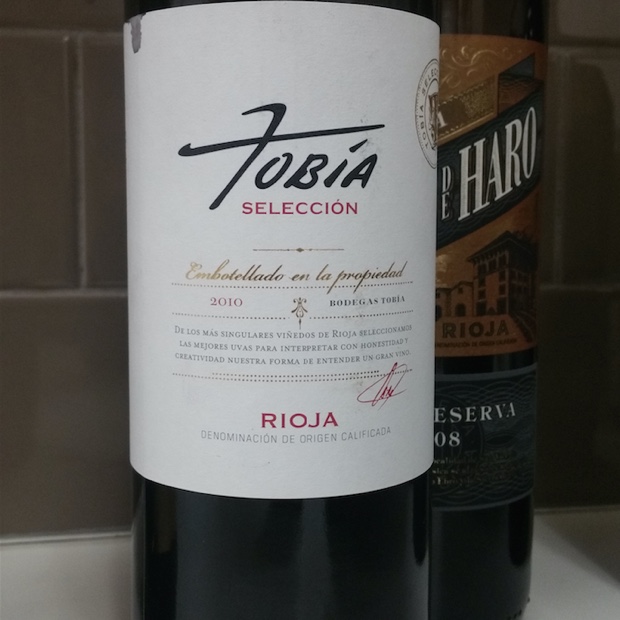
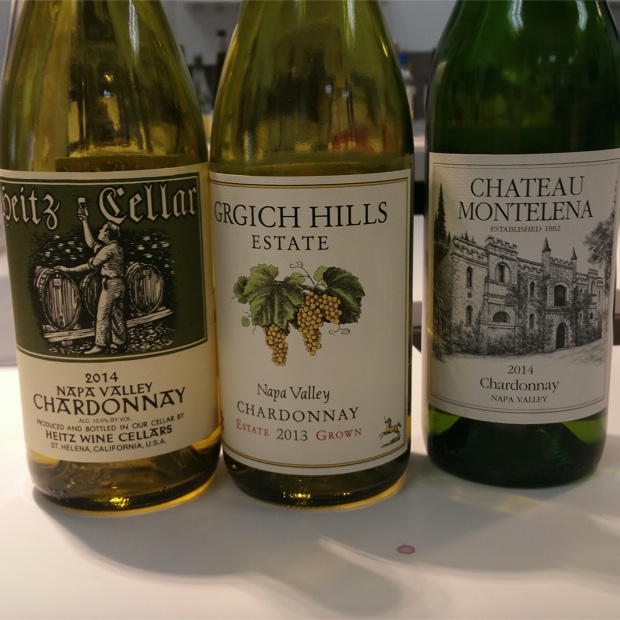
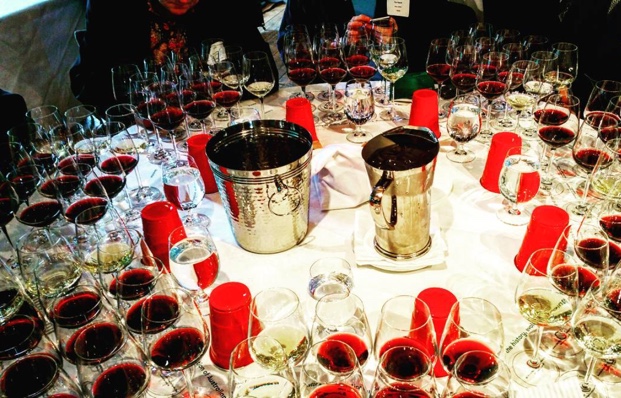


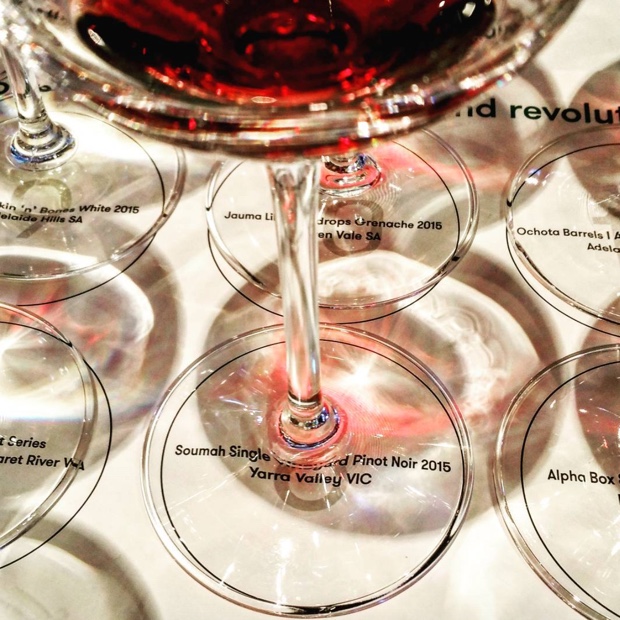
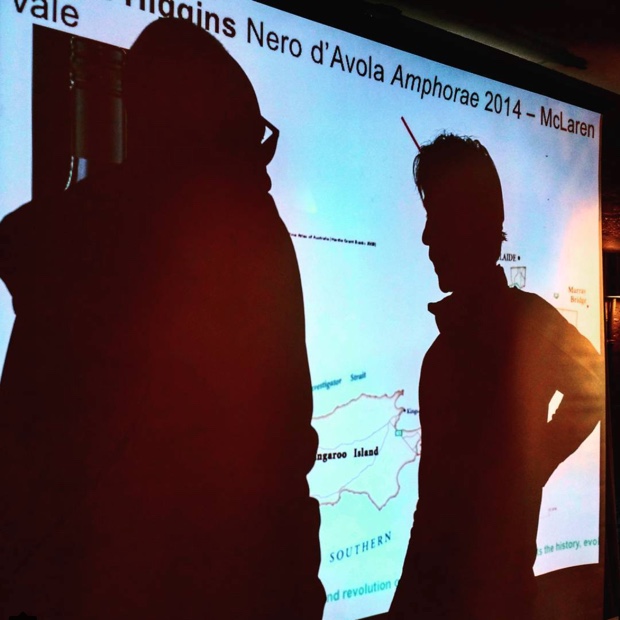

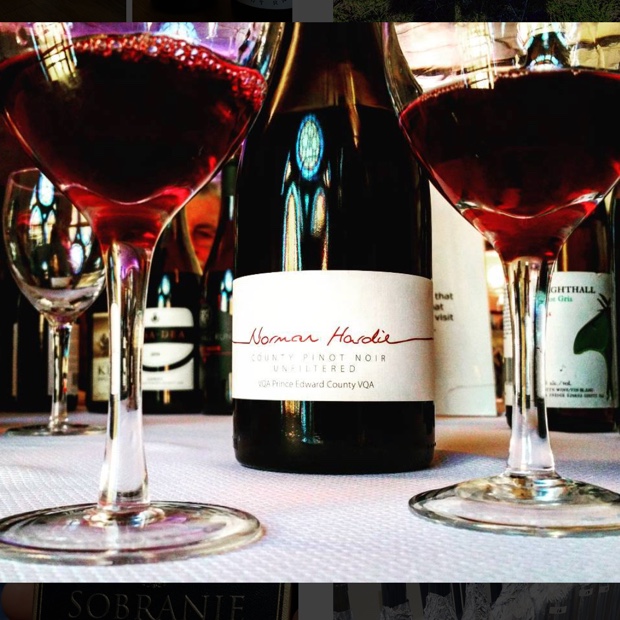


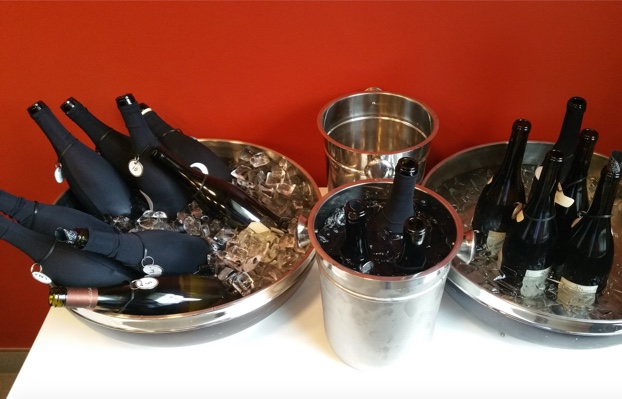

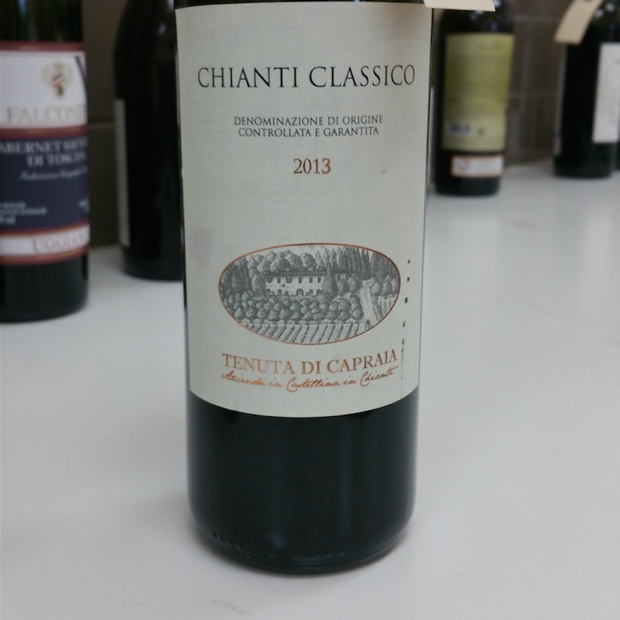
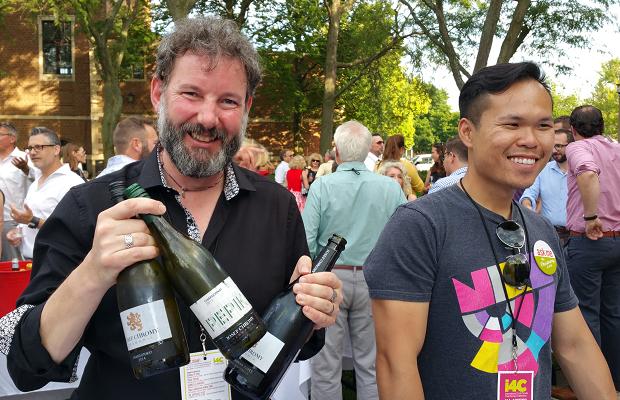

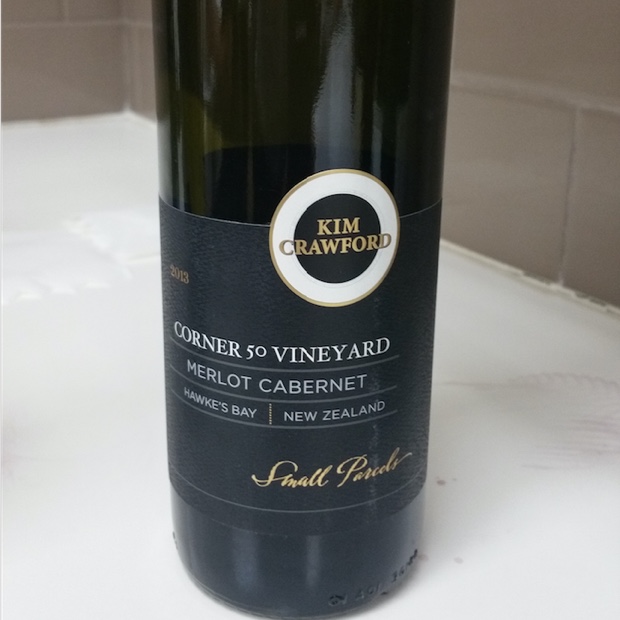


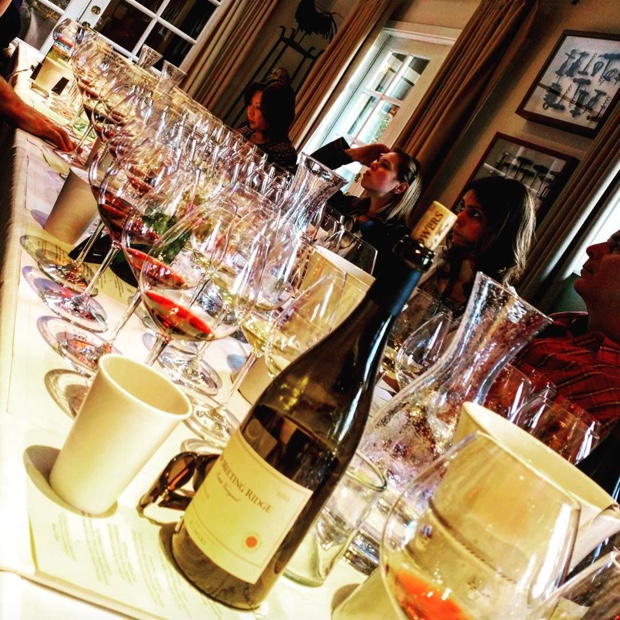
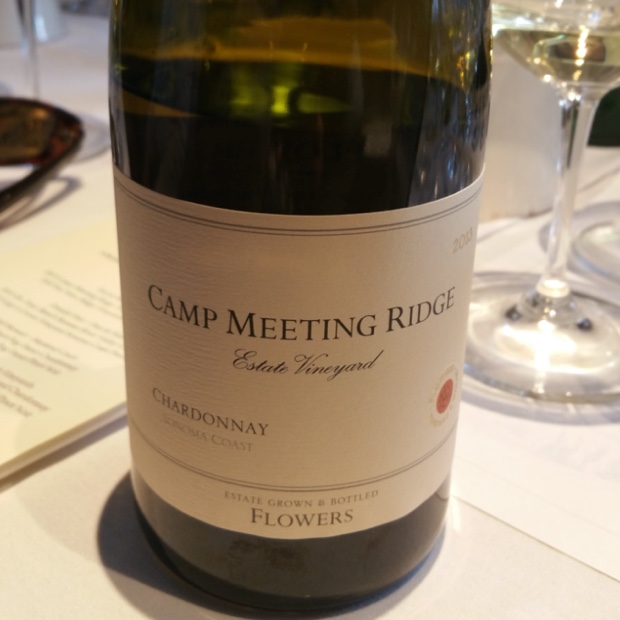

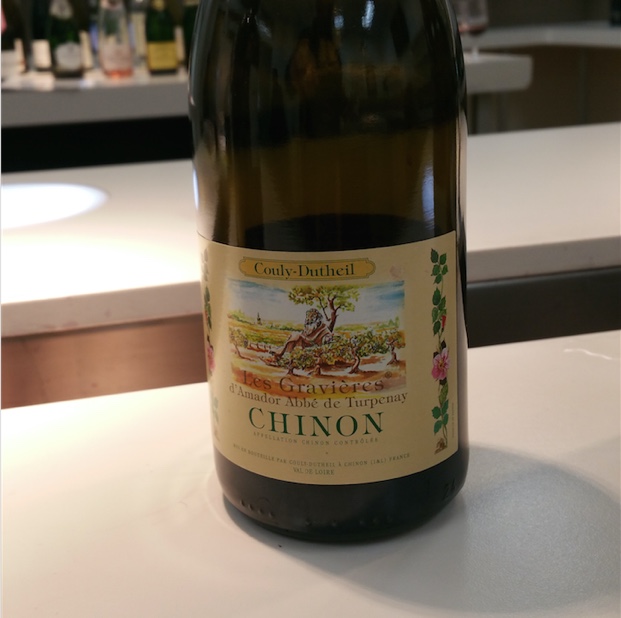
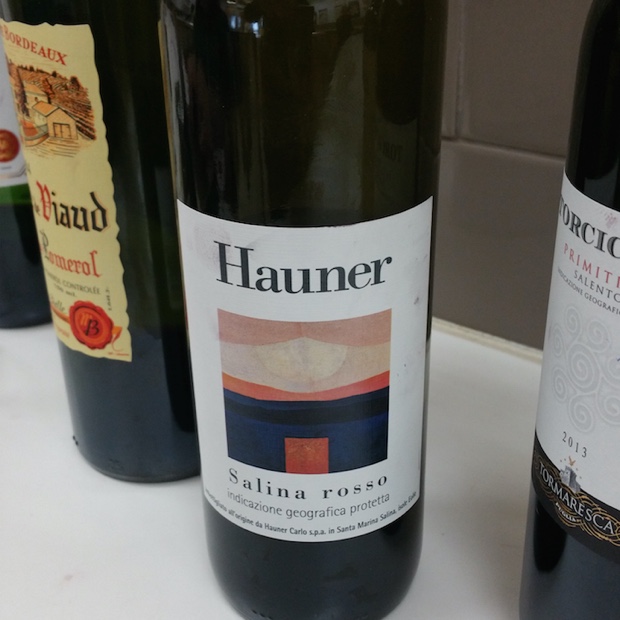
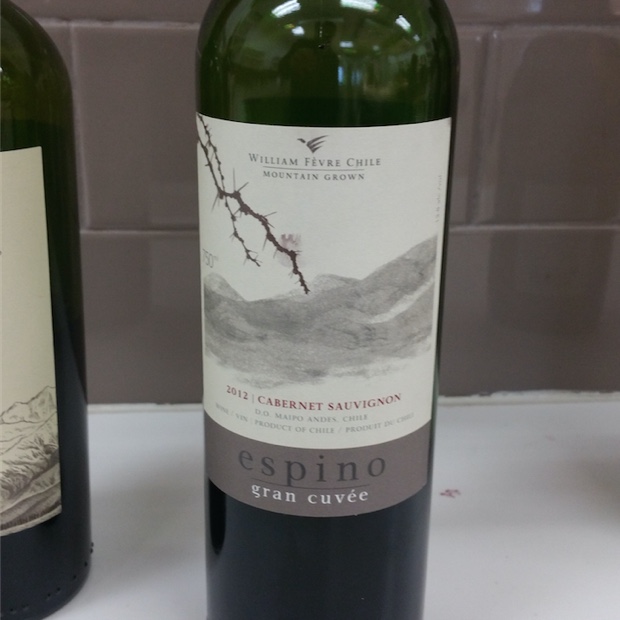


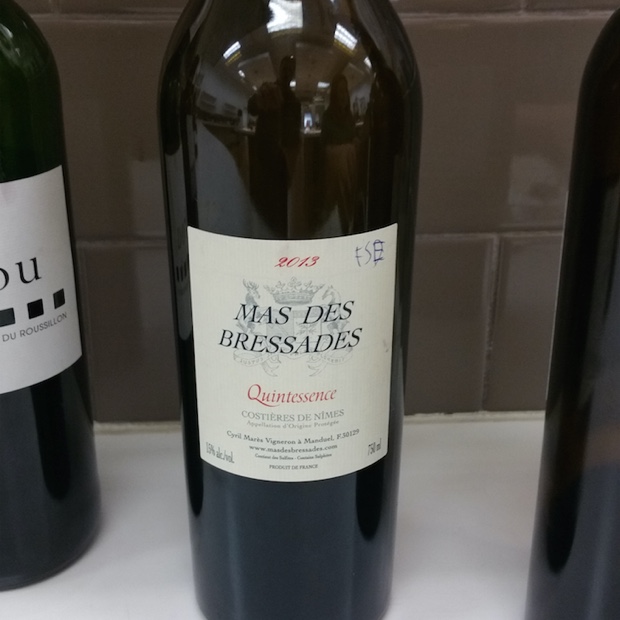
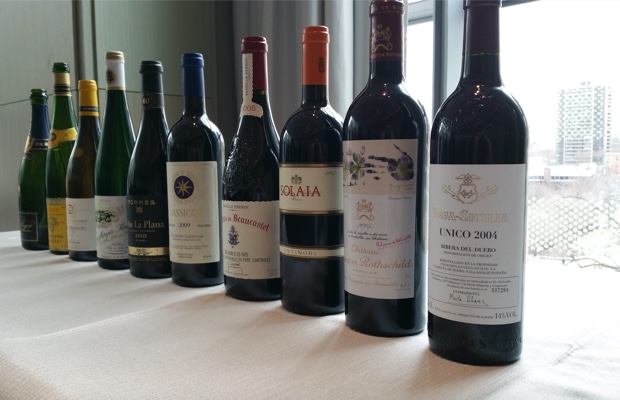
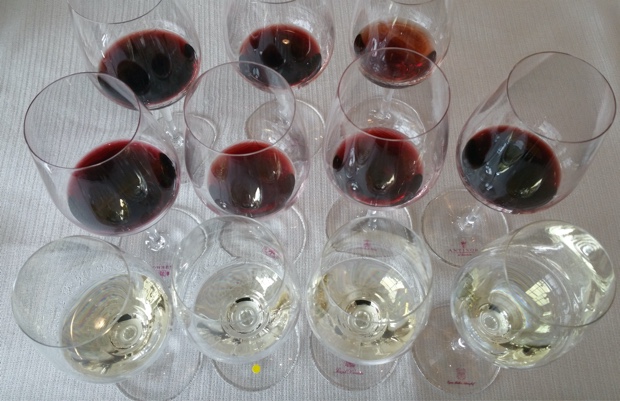
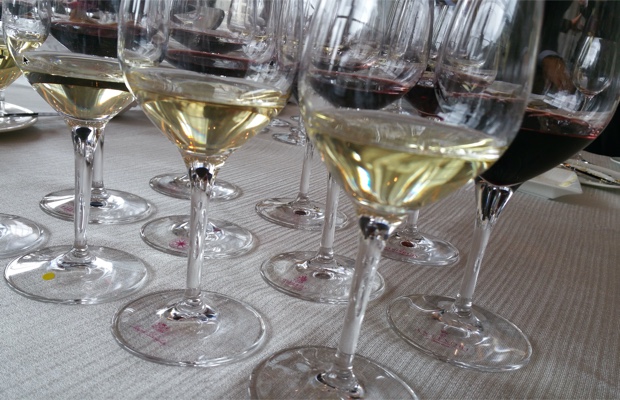
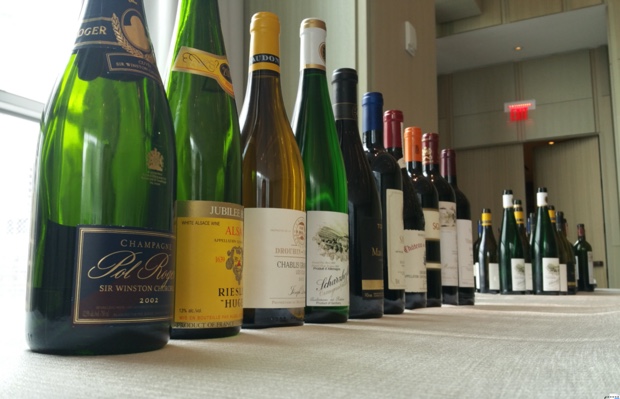
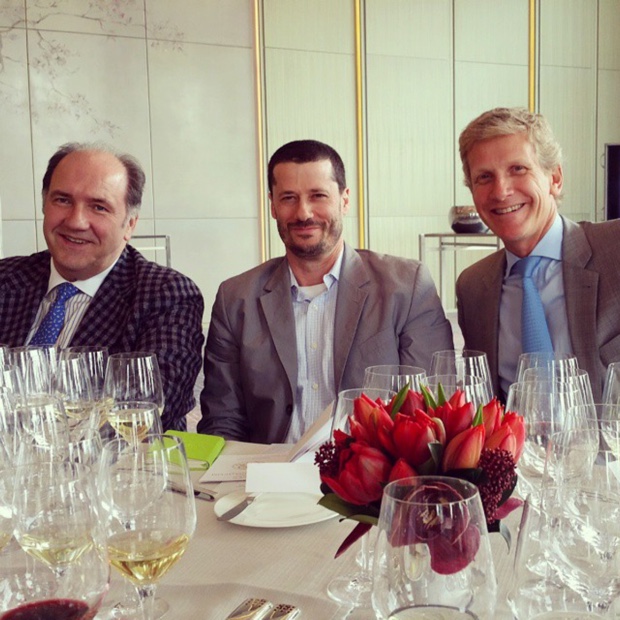
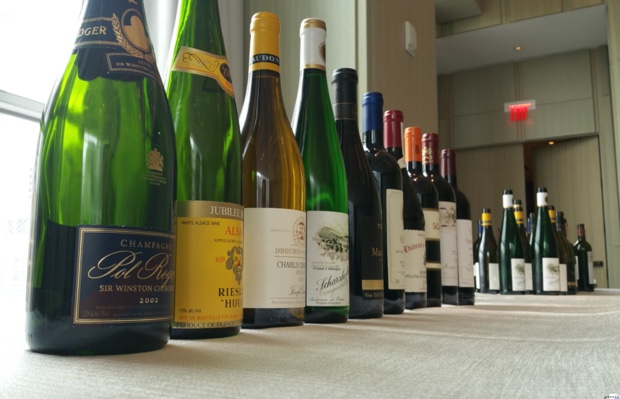


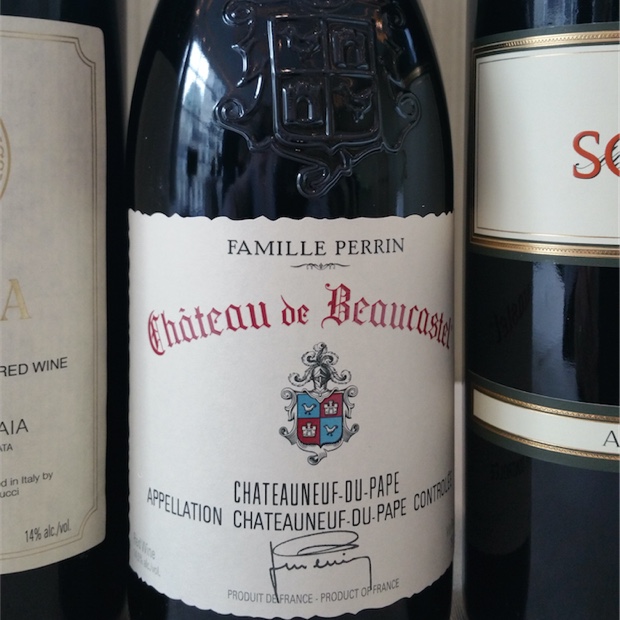
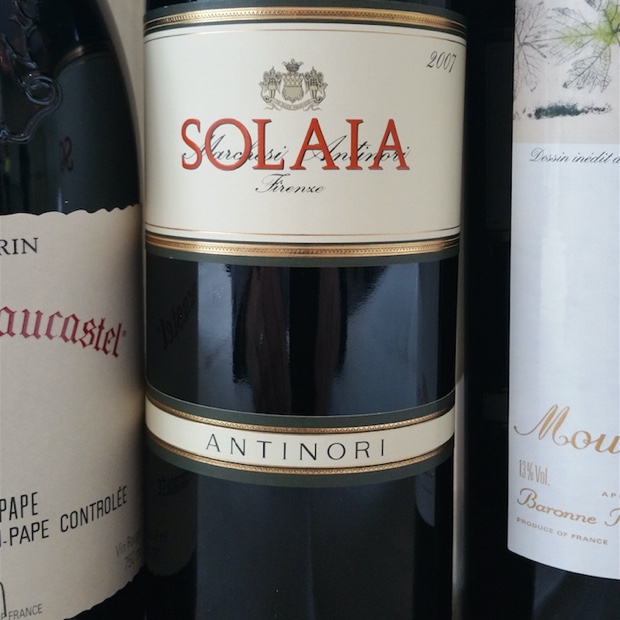
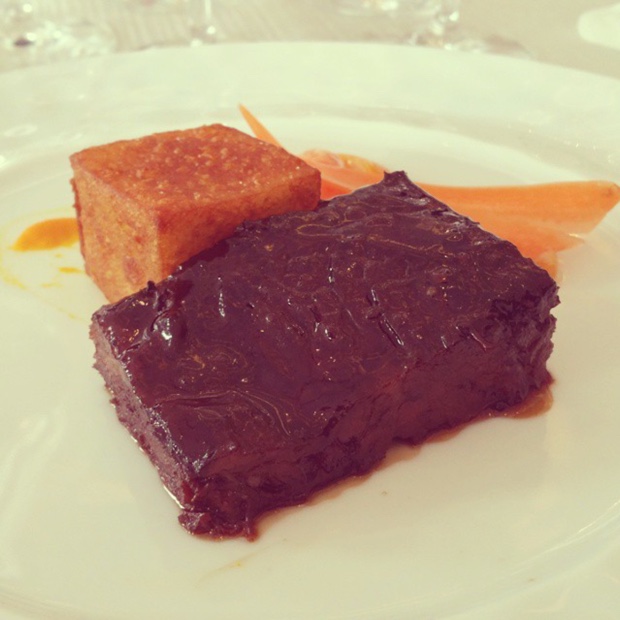
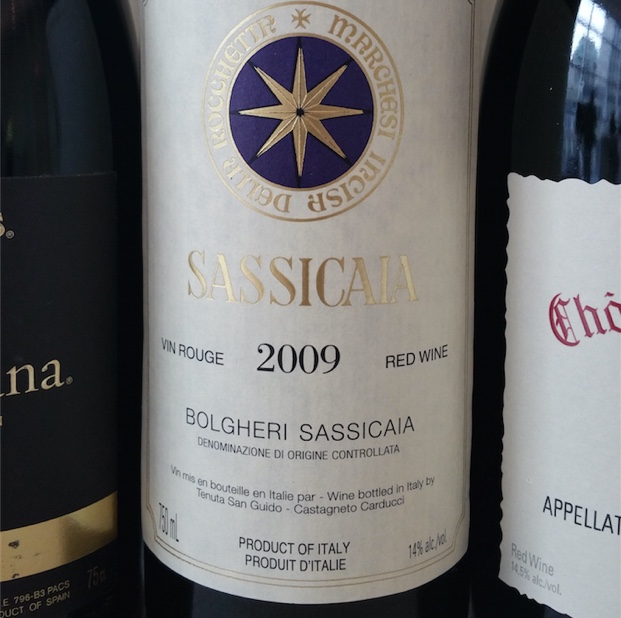
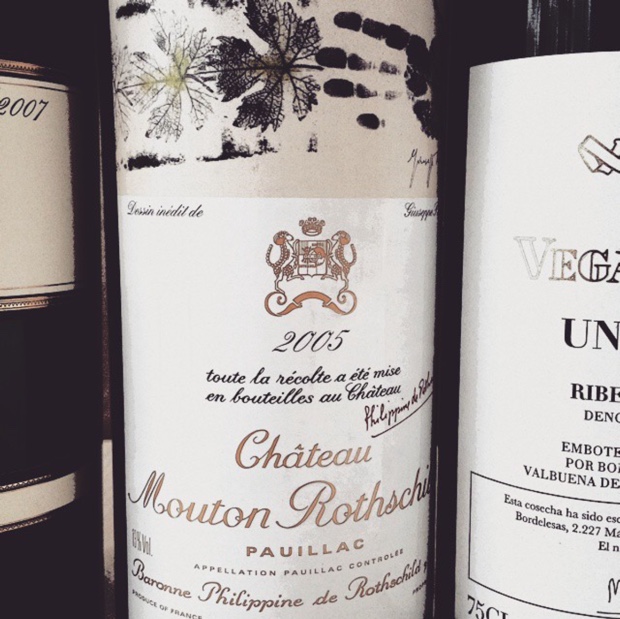


 Godello