On tasting blind and VINTAGES April 30th

"Every time I look at you I go blind." #timetotaste @WineAlign

“Every time I look at you I go blind.” #timetotaste @WineAlign

Saturday will bring forth yet another LCBO Ontario VINTAGES release. Every other Friday (and most Tuesdays) I taste through them, along with my colleagues at WineAlign (David Lawrason, John Szabo M.S. and Sara d’Amato), as well as a dozen or more multifarious and multi-motley wine writers. The wines and spirits are laid out with Warsaw Pact jibing intendment and we plod through, free as birds, privy with full disclosure for what we are assembled to inspect.

Related – Heading out for the west coast

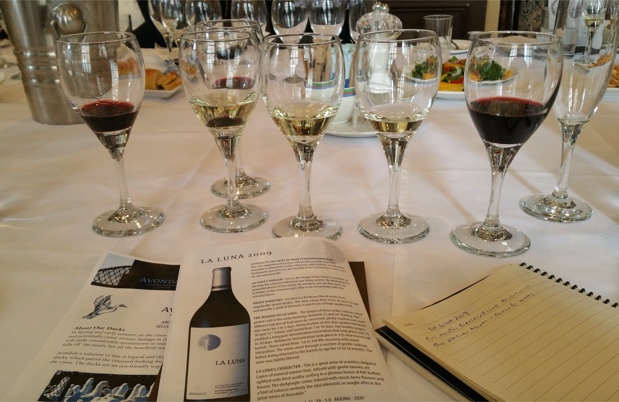
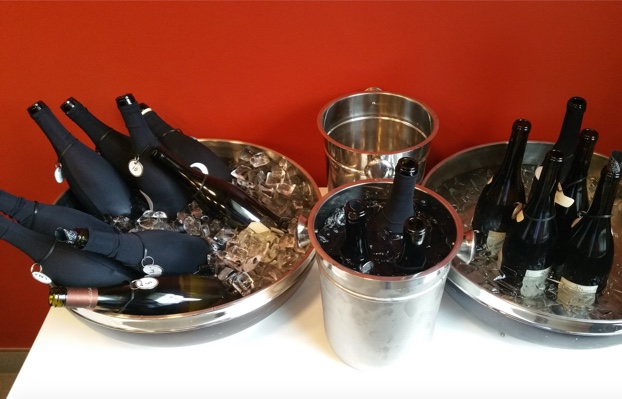
At WineAlign David, John, Sara, Steve Thurlow and I spend quality time with LCBO and/or VINTAGES destined products but we do so with wine-apprisement obliquity. When we arrive at the office and sit down to taste we are met with bottles covered with aluminum foil. We taste blind. Not completely mind you. A spreadsheet tells us the varietal(s) and region/country of origin. I too wonder if this can be truly be considered tasting blind.

https://www.youtube.com/watch?v=fMZSSVt355I

The debate chases down critics and systems of evaluation with dogged persistence. Should wine be judged without any prior knowledge or preconceived notion about what’s in the glass? Must a tasting be conducted blind for a critic to objectively dispense an unbiased, unswayed and uninfluenced assessment of a wine?

The short answer is yes. Wine competitions are conducted blind, with only the varietal and perhaps place of origin as the sole bits of information with which to go on. The understanding is that if there are medals to be doled out, picking winners must be done with prejudice and favouritism set deliberately aside. But the wringer runs deeper. By definition, should any information be available at all?
Blinds

To blind or not to blind, that is the question

As for grapes, a Gamay should be judged against other Gamays and so a critic may as well know that the flight is filled with nothing but Gamay. Mixing varietals within a flight distorts the playing field and skews the results. Place of origin is more complicated. While it is helpful to know where a wine hails from so that it may get a fair shake against competitors or peers composed of the same grape, that seemingly insignificant bit of information adds bias to the process. At the WineAlign Wine Awards of Canada the region is not pre-disclosed, except that the judges know that all the wines come from Canada. In competitions involving wines from around the world the regions are also excluded. Only the grape and price range is mentioned. Shouldn’t we do the same for all blind tastings? In fact, the bias of price might also be avoided.

I don’t know what it is

Something in me just won’t give it a chance

I think it’s just that I feel more confused by the deal

The tougher question is whether we as critics should be tasting all wines blind, all the time, or at least whenever possible. That is to say, whenever investigations are being processed for the purpose of publishing tasting notes and perhaps more importantly, assigning scores or ratings. Who does not believe that wine must be tasted without any assistance from marketing, pedigree and prior experience? The devil’s advocate approach would declare it unfair to so many honest wines to not be given credit for many years of hard work and success. Why should a wine with a longstanding reputation for excellence have to begin again in every vintage just to prove itself? The rub I feel, is there.

I think it’s that because I have seen all the fuss

And it’s no big deal

The following 11 recommendations from the VINTAGES April 30th release were not tasted blind. They succeed because they are honest, well-made and accurate representations of varietal and place. I am confident they would all fare just as well had they been assessed without knowing what they were. Good wine has a habit of finding its way into a taster’s heart, blind, or not.

Mcguigan Bin 9000 Semillon 2015, Hunter Valley, New South Wales, Australia (444554, $14.95, WineAlign)

Distinguishes itself for the Hunter Valley oeuvre with impossibly pale yet rich and stark-dressed fruit. More fruity than most and so nearly, just on the cusp of getable at such a young age. A terrific example to gain entry into the valley’s great white varietal hope while waiting for the serious crew to open the doors to their longevity-accrued perceptions. Takes one for the team with bells ringing and whistles blowing. It will drink well for five years and just develop a bit of that aged Semillon character near the end of the fruit line. Drink 2016-2020.  Tasted April 2016  @mcguiganwines  @Wine_Australia  @ChartonHobbs

Featherstone Black Sheep Riesling 2015, VQA Niagara Peninsula, Ontario (80234, $16.95, WineAlign)

Impressively expressive early to market 2015 Riesling, off-dry, partially pungent and markedly concentrated. The Black Sheep always smells and tastes like this; fifty-fifty fruit to mineral, concentrated and sweet from ripe extract and tannin. Whether you are an expert or a newbie to Niagara Peninsula Riesling, the Black Sheep is guaranteed. Drink 2016-2020.  Tasted April 2016  @featherstonewne

El Maestro Sierra Pedro Ximénez Sherry, Do Jerez, Spain (451468, $17.95, WineAlign)

Now. We. Are. Talking. Vino dulce natural of quite reasonably low alcohol and extreme elevated unction. Nutty and full of dried apricots, sweeter than some but really well balanced. Dessert all by itself with just enough acidity. Tart and tight, nuts again, spice and marzipan. Really tricks the tongue and pricks the senses. Sweet. Drink 2016-2018.  Tasted April 2016  @MaestroSierra  @TFBrands

Montes Outer Limits Sauvignon Blanc Zapallar Vineyard 2015, Aconcagua Valley, Chile (389643, $19.95, WineAlign)

This is an exciting hyperbole of Chile, a Sauvignon Blanc from the coast with wild flavours and singing aromatics. An inwardly deliciousness SB filled from within by a lactic streak and an exceptionally reserved tartness. Great length. So different, so new, so exciting. If it’s a bit warm and perhaps higher than alcohol than it notes, so be it. It has real vitality. Job well done with this newly directed Montes. Drink 2016-2020.  Tasted April 2016  @MontesWines  @WinesofChile  @DrinkChile  @ProfileWineGrp

Wildass

Stratus Vineyards Wildass Red 2012, VQA Niagara On The Lake, Ontario (86363, $19.95, WineAlign)

It would be hard to figure any sub-$20 red Ontario blend showing a deeper sense of ripeness, wood intent, sinew, cure, triturate resin and dry barbecue rub – than this Stratus ’12. It’s a bit of a head scratching, game-changing meritage, altering the course for $20 red blends forever. At the risk of forming comparisons, it puts me in mind of other places, like Roussillon, Campania and Navarra. It has coal running through its arteries and tonic spewing out of its fountains. Wild my ass? Yes. Drink 2015-2019. Tasted September 2015  @StratusWines

13th Street Gamay Noir 2013, VQA Niagara Peninsula, Ontario (177824, $19.95, WineAlign)

Four months has upped the funk for ’13, with tar and bitters still and thick as summer air. Rich and ripe, notable for its black cherry aroma and that J.P. Colas natural truncation. Unique, as always and very Gamay. Drink 2015-2019.

From my earlier note of December 2014:

Fruit was sourced from both the Sandstone and Whitty Vineyards for 13th Street’s Gamay Noir, a focused and gritty adjunct in ode to the Cru Beaujolais approach. This ’13 raises the aromatic and texture bar and just may be the most striking from a 13th Street estate mix. All the important berries are there, as are the mineral quandaries. In a Gamay moment this will lead you to gulp and giggle with #GoGamayGo delight.

Last tasted April and Sepetember 2015, April 2016  @13thStreetWines  @Noble_Estates
Chianti

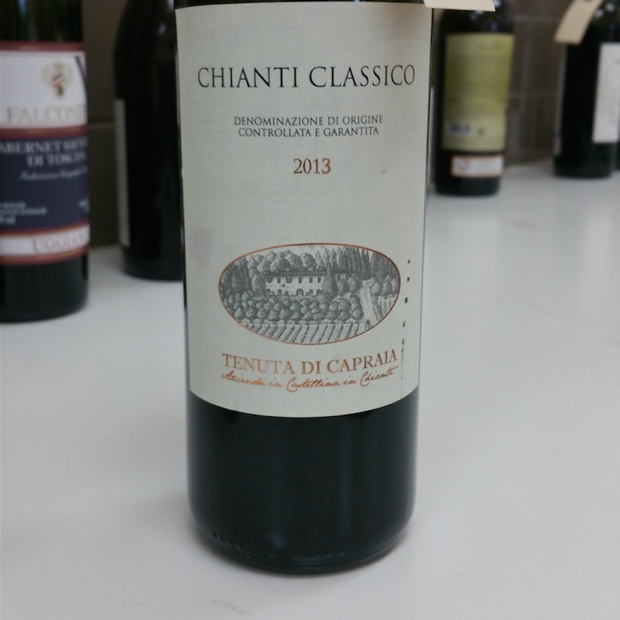
Tenuta Di Capraia Chianti Classico 2013, Docg Tuscany, Italy (135277, $21.95, WineAlign)

Extreme freshness, ripe red fruit and ripping acidity in such a young Chianti Classico. Possessive of an underlying mineral and dry tannic structure with such correct use of older oak and kept clean under the threshold of over-modernising alcohol. This reeks of some whole cluster work and tastes of the soil though never in any funky way. It’s extreme purity and cleanliness is second to none. This will last for longer than imagined. Drink 2016-2023.  Tasted April 2016    @chianticlassico  @ProfileWineGrp

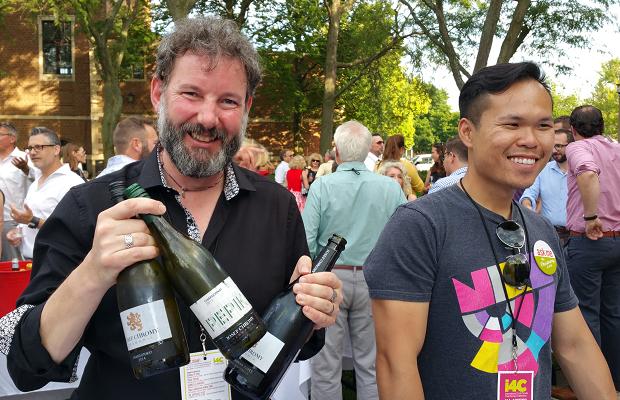
Jeremy Dineen of Josef Chromy Wines, Tasmania

Jeremy Dineen of Josef Chromy Wines, Tasmania

Josef Chromy Chardonnay ‘Pepik’ 2014, Tasmania, Australia (378240, $22.95, WineAlign)

Combines beauty and bitters for a streak of natural selection through a field of texture. Heads for the cream risen to the top of rich, pulls over and steps aside to allow for a crunch of green apple. The bite is real, lit by match and cut with spice. Great length. Drink 2015-2020.  Tasted July 2015  @JosefChromy  @bwwines

Grendel

De Grendel Shiraz 2013, Wo Coastal Region, Durbanville, Coastal Region, South Africa (174557, $24.95, WineAlign)

Strapping, youthful, dark as night Cape of Good Hope Shiraz, full of rich beginnings, soil reduction and barrel imaging. Vivid off the charts, rich red fruit, mineral undercurrent, wreaths of floral tethering and a rip tide riding rolling waves of cape intensity. Quite wow. Crazy good value. Drink 2018-2025.  Tasted April 2016  @degrendelwines  @WOSA_ZA  @WOSACanada  @imbibersreport

Vincent Mothe Chablis 2014, Ac Burgundy, France (390468, $26.95, WineAlign)

Perfectly pretty little village Chablis, flinty, lemon piercing and pouring like crystal clear, tiny drops of rain. Chardonnay on needles and pins, a white scintillant with tart berries, tannin and extra layers of dry extract. Terrific for so many reasons and with every reason to pair and to believe. While others moan “I been meek and hard like an oak,” with a glass of the Mothe I am blessed with “buckets of moonbeams in my hand.” If this were $20 it would be right up there with best ever. Close enough. This is a perfect example of why everyone should drink Chablis. Drink 2016-2019.  Tasted April 2016    @BIVBChablis  @bourgognespress  @BourgogneWines
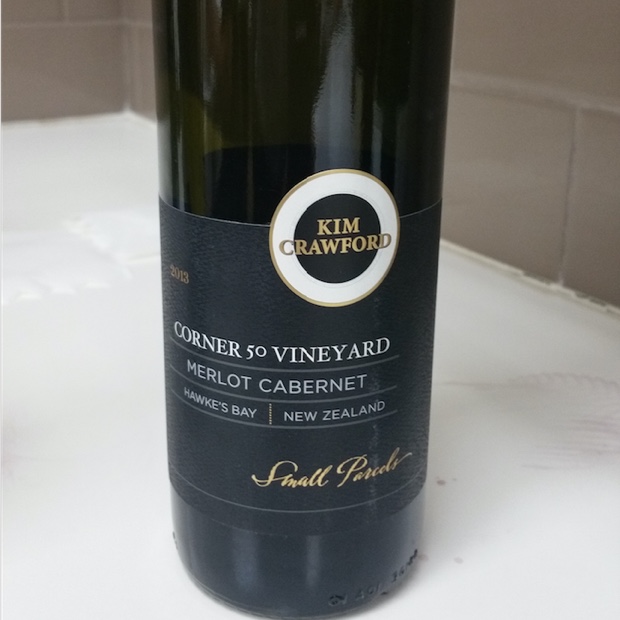
Crawford

Kim Crawford Small Parcels Corner 50 Vineyard Merlot/Cabernet 2013, Hawkes Bay, North Island, Marlborough, New Zealand (447433, $29.95, WineAlign)

Made from fruit grown in the Corner 50 vineyard located in the Bridge Pa Triangle wine district on the western side of the Heretaunga Plains of Hawke’s Bay. Diverse soils of Ngatarawa Gravels, Takapau Silty-loam (free draining red metal of mixed alluvial and volcanic origin) work towards a Bordeaux kind of varietal character and charm. Red recreational fruit and ripe, ropey acidity interact together in this very spirited North Island red. A Hawke’s Bay beauty with vivid and spirited energy. The oak is still very much in play but in no way on top. The cake factor is very low, the lushness happening in texture though not on the level of plush. Really good effort. Drink 2016-2018.  Tasted April 2016  @kimcrawfordwine @CBrandsCareers  @nzwine  @NZwineCanada

Norman Hardie Niagara Unfiltered Chardonnay 2014, VQA Niagara Peninsula, Ontario (184432, $39.00, WineAlign)

It’s hard not to compare Norman Hardie’s Niagara Chardonnay side by side with his County-grown and produced estate counterpart but also with other top end Niagara bottles. The fruit he sources from Duarte Oliveira’s Beamsville Bench farm offers the first leg up. The reductive and minimalist handling style is the second piece of the impossibility puzzle. Though not as closed as some in the past, freshness has never been so bright. The slow Hardie Chard evolution and painstaking road to malolactic could result in perdition but miraculously never does. The cumulative culled from out of patience leads to a reward in near perfect textural deference and defiance. The 12.2 per cent declaration of alcohol is exemplary though it could hardly cross the 11.5 threshold if it wanted to or tried. Chardonnay left alone, to find its way, fend for itself, unstirred, unassailed and deft above or beyond reproach. Enjoy a Hardie Niagara Chardonnay in its early youth. They are not meant to be stashed away forever. Drink 2017-2021.  Tasted April 2016  @normhardie

Trapiche Terroir Series Malbec Finca Ambrosia 2010, Single Vineyard, Mendoza, Argentina (402941, $39.95, WineAlign)

The pitchiest Malbec of dark black fruit, weight and substance. Really ambrosial, a thick swath of berry, wood and tannin. This Malbec can run with the players any day of the week. Structurally sound and massive, fully, completely accomplished and offering much reward. There is a resinous, cedar and briar note of amalgamation and complexity. It will take three or more years to bring all the exceptional components together. Drink 2019-2024.  Tasted April 2016  @TrapicheWines  @winesofarg  @ArgentinaWineCA

Good to go!

Twitter: @mgodello

Instagram: mgodello

WineAlign

Facebook

An open invitation to the reds

Yeoman's try not yet having been taught by @mkaiserwine #schnitzel

Yeoman’s try not yet having been taught by @mkaiserwine #schnitzel

Funny time of year, ain’t it? Are the winter blahs and blues really behind us? Today I believe they are. The sun shines and my immediate Ontario wine community family finds itself entrenched at the mid-point of a week filled with a persistent number of sequential events; California Wine Fair, LCBO lab, WineAlign group tasting, Austrian Wine Fair, County in the City, LCBO April 30th release. I will taste 300 wines this week. Easy.

Got a crazy sensation, go or stay? now I gotta choose
And I’ll accept your invitation to the blues

As is my pejorative want, I tend to recommend, purchase and drink wines that seem to contradict the moment, the weather and the mood. Last week I prepped with The White Stuff, fighting off gelid temperatures and an intruding cold with pale tannin and clear fluids. The blues can always be dealt with when wine is in your life.

Wine doles out the importance of appeal, with the dynamism of narrative to bring truths to light and incite the tumescence of pleasure. Though I have been and will continue to enjoy more whites, today marks a necessary paradigm shift, towards accepting an open invitation to the reds.

The VINTAGES April 16th release is filled with such a summons, from Croatia to Chianti, Chinon to Coonawarra. I’ve got 10 reds to recommend. Here:

Vina Laguna Terra Rossa 2013, Istria, Croatia (450437, $15.95, WineAlign)

Juicy and ripe Croatian with survivalist acidity and some liquorice flavour dipped in tannin. Ferric and hematic, like deep Garnacha or Cannonau, welling with earth and dark red fruit. I can’t imagine it improving much but I can certainly see it pairing beautifully with a spice-rubbed roast chicken and potatoes. Points awarded for originality and sheer drinkability. Drink 2016-2018.  Tasted April 2016 @WinesofCroatia  

Chinon

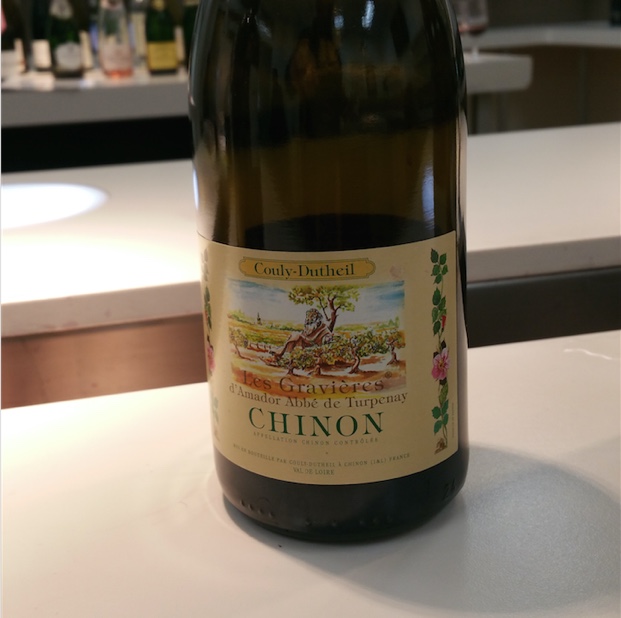
Couly Dutheil Les Gravières D’amador Abbé De Turpenay Chinon 2014, Ac Loire, France (446328, $19.95, WineAlign)

When Cabernet Franc properly and confidently exhibits grassy, herbaceous and red peppery accents the verse is written by Chinon and this Couly Dutheil takes a page out of that savoury book. This is wise, sage and tarragon bombed balm, with full on dark red fruit and mineral stony play. Quite rich for the genre, deep and full of oscillating (advancing) cool and (receding) warm tides. Extreme unction and flavour form Cabernet Franc. Were the Peninsula’s Lincoln Lakeshore Francs always this forthcoming then Niagara would surely rise above. Drink 2016-2019.  Tasted April 2016      @HHDImports_Wine

Hauner

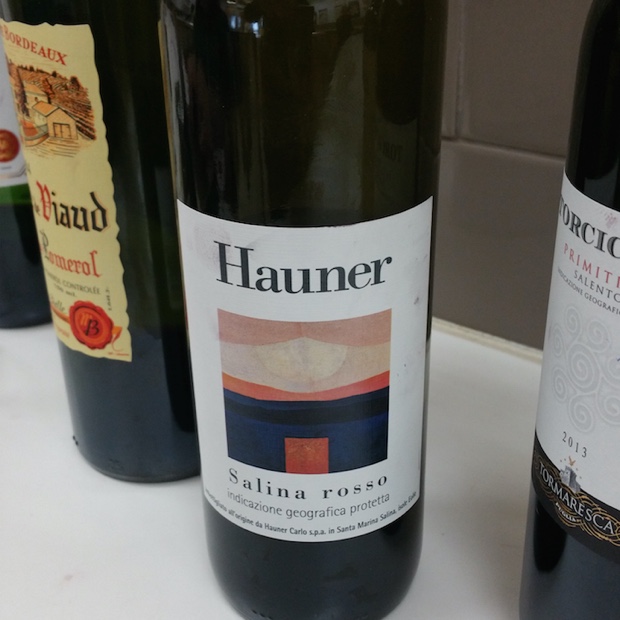
Hauner Salina Rosso 2013, Igp Sicily, Italy (440784, $19.95, WineAlign)

The basic Hauner Rosso picks up where the bigger brother Hiera leaves off, albeit with a flinty funk exposed. Red earth and redder fruit shales and strives for depth within the secondary framework and for all intents and purposes it really succeeds. There is some advanced character so don’t wait to enjoy. Personally I would like to see this paired alongside Sicilian Purpu Vugghiutu with a smear of briny, black olive tapenade. Drink 2016-2019.  Tasted April 2016  #hauner  @WinesOfSicily  @WoodmanWS

Fevre

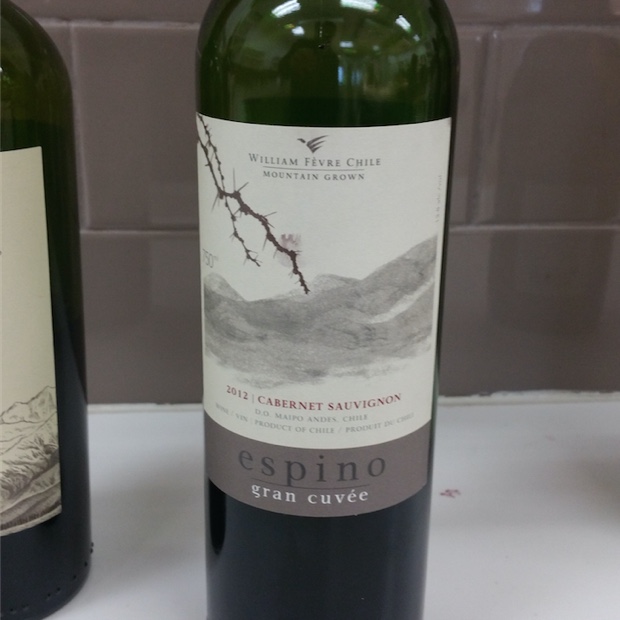
William Fèvre Chile Espino Gran Cuvée Cabernet Sauvignon 2012, Maipo Valley, Chile (444430, $19.95, WineAlign)

The Fevre Cabernet take is decidedly Maipo, full of currants and a raging current of grand energy. Capsicum tingles the senses, red fruit wraps around the tongue and the barrel takes over the approach. Quite fresh and refreshing for the varietal play. Cabernet of altitude and a fresh attitude. Drink 2016-2020.  Tasted April 2016  @williamfevrecl  @WinesofChile  @DrinkChile

Bel Echo

Bel Echo Pinot Noir By Clos Henri 2014, Marlborough, New Zealand (159137, $23.95, WineAlign)

Lovely aromatic Pinot Noir by Clos Henri, sumptuous, ideologically sweet and celebratory of its river stones terroir. The fruit is primed to ripeness, conjuring dreams of perfect weather and utter calm. The palate delivers the tension with precisely handled reason and well within the limits of healthy curiosity. Distinctly Marlborough and frankly effortless. Such ideal value. Drink 2017-2021.  Tasted April 2016  @ClosHenri  @ChartonHobbs  @nzwine

wynns

Wynns Coonawarra Estate Cabernet/Shiraz/Merlot 2012, Coonawarra, South Australia, Australia (511600, $24.95, WineAlign)

The blend formerly known as “Cabernet Hermitage” involves vines dating back as far as 1969. Versatility and varietal integration is so very key to success when Cabernet, Shiraz and Merlot share the Terra Rossa sandbox, or any soil receptacle for that matter. This has real even keel, somewhat feminine character, silky smooth texture and is yet built on sharp wit. Would like to match it with seven straight nights of variegated dinners. A highly quaffable red blend that brilliantly shows the deft touch of winemaker Sue Hodder. Drink 2016-2020.  Tasted April 2016  @sueatwynns  @Wine_Australia  @CoonawarraWine  

Culmina R&D Red Blend 2014, BC VQA Golden Mile Bench, Okanagan Valley, British Columbia (445494, $25.95, WineAlign)

The research and development continues, reeling deeper in 2014, to sous bois, fraises du bois and with true raison d’être. A healthy press and crush fills the earthy cup with dark fruit, real determination and ripe darkness. This is assemblage to reach for dinner and reap serious reward. The culmination of R & D is this D-league red blend, Culmina 250. Drink 2016-2019. Tasted April 2016  @CulminaWinery  @FWMCan  @winebcdotcom

San Felice Il Grigio Chianti Classico Riserva 2011, Tuscany, Italy (716266, $27.95, WineAlign)

A most perfectly funky, robust and dusty CCR with meat on its bones and velutinous structure in its demi-glace. Dried strawberry, roses and aniseed all contribute exoticism and danger. Colloquially old-school and yet at war with itself because of the welling up tension coursing through its Sangiovese-oozing arterial veins. A Duke of a Riserva not yet in its comfort zone and with so many years left ahead. Drink 2018-2024.  Tasted April 2016  @AgricolaSFelice  @ChartonHobbs  @chianticlassico

Bressades

Mas Des Bressades Cuvée Quintessence 2013, Ap Costierès De Nîmes, Rhône, France (443085, $32.95, WineAlign)

Extracted from hyper-low yields, this is a big expression for Grenache, especially from the Costierès De Nîmes, built on a solid foundation of alcohol and rich fruit. Brings with it high tones, acidity and waves of chocolate ganache. Very reminiscent of say Fagus, hailing from Aragon’s Campo de Borja, but bigger, broader and more exuberant. The ambition is palpable and the curiosity, at least in terms of Grenache, should be encouraged. A fine example even if it may seem expensive to those who might not afford the stretch. Drink 2016-2020.  Tasted April 2016  @VINSRHONE      @Vinexxperts

La Lecciaia Brunello Di Montalcino 2010, Tuscany, Italy (121905, $57.95, WineAlign)

Deep and driven Sangiovese inhalant, of fully exonerated fruit having developed a wide swath of brushstroke aromatics; red berries, cherries, earth, graphite, iron and the imagined, enchanted garden. Full bodied but so far from heavy, typically Brunello but atypically fresh and yet densely layered like sagaciously-executed mille feuille piccolo forno, Montalcino style. If you are going to buy one walk-in to VINTAGES available Brunello in plus-one increments, this just has to be the one. La Lecciaia will evolve slowly, effortlessly, with beguiling behaviour over a 20 years span. Drink 2018-2038.  Tasted April 2016    @ConsBrunello

Good to go!

Twitter: @mgodello

Instagram: mgodello
WineAlign: Michael Godel

Facebook

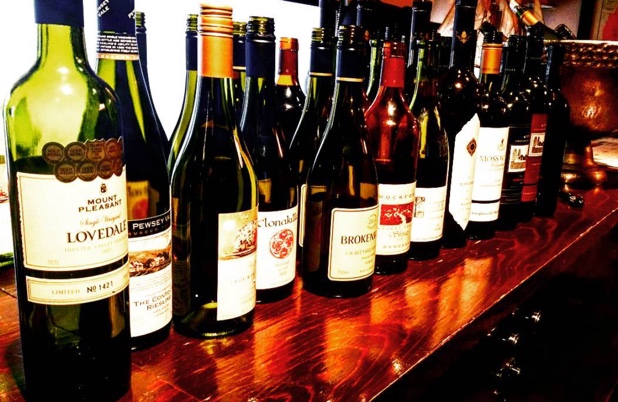
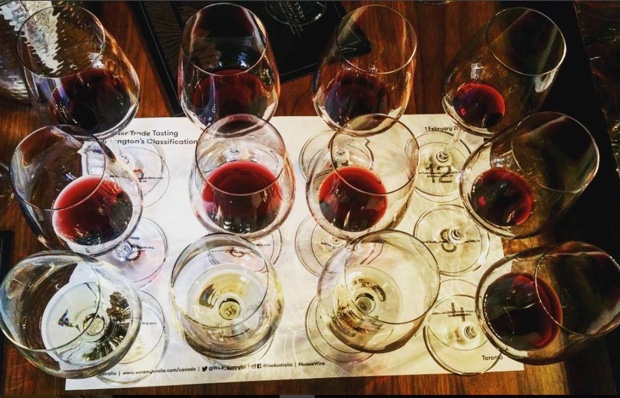
Langton’s Classification: Excellent, outstanding, exceptional

Exceptional-Outstanding-Excellent Langton's Class. VI @Wine_Australia @VinConservatory #AussieWine

Exceptional-Outstanding-Excellent Langton’s Class. VI @Wine_Australia @VinConservatory #AussieWine

Twenty-four days ago, on February 1st, 2015 I attended the Langton’s Classification VI at the Vintage Conservatory in Toronto. For those of you who are new to Australian rules wine classifications, Langton’s is the continent’s premier wine auction house and the LC is their prestigious list of iconic wines classified as excellent, outstanding and exceptional.

The criteria of determination are based on demand of attraction and a ten-year realized price index. The class is commonly referred to as the ‘hour role’ for Aussie wine. The intimate Toronto seminar was moderated by Mark Davidson, one of the hardest working Australian wine advocates on the planet. Winemaker Sue Hodder of Wynns Coonawarra Wine Estate sat in. That same week David Lawrason, Sara d’Amato and I filmed a segment with Sue at Barque Smokehouse in Toronto over a glass of her Black Label Cabernet Sauvignon. You can watch that segment here.

Sue Hodder’s Black Label Cabernet was the outlier in the Langton’s line-up but only in price. Few varietal examples worldwide can match it for quality, authenticity and age-ability. The wine sat in as understudy (again, only in price) for the absent Coldstream Hills Reserve Pinot Noir 2012.

The seminar offered a welcoming respite from my monthly treadle of reviewing. The Langton’s wines collectively commit to the idea that wine is a blueprint with entrepreneurial elements, an elixir akin to the maker’s inventive secret machines. It is always refreshing to taste wines that are not exaggerated or sentimental. These Aussies are representative of all this and more.

Such a gathering of Australian wine delivers the preponderance of form, with the incantatory capacity of narrative to bring truth to light and fulness out of pleasure. Here are twelve wines to drive that point.

Such a showing of 12 from Langton's does @Wine_Australia proud. Formidable, exemplary #AussieWine #vintagewineconservatory

Such a showing of 12 from Langton’s does @Wine_Australia proud. Formidable, exemplary #AussieWine #vintagewineconservatory

Pewsey Vale The Contours Old Vine Riesling 2012, Eden Valley, South Australia, Australia (Agent, $42.95, WineAlign)

From vines originally planted in 1847, here is Riesling worthy of the longest run on sentence. Riesling of conventional wisdom from a cold, windy, chilly place, pricked with holes, atomized infiltrations, queued with basic intent, wise, driven, young, gaseous, of concentrated rage, bone dry and no, it does not feign sweetness, even if the texture makes nefarious attempts at confusing the palate. A decade on this will blow your mind, if you let it. Drink 2018-2024.  Tasted February 2016  @PewseyVale  @bwwines

McWilliams Mount Pleasant Lovedale Sémillon 2007, Hunter Valley, New South Wales, Australia (Agent, $59.00, WineAlign)

From vines originally planted in 1946 by Morris O’Shea on sandy grey loam. I tasted this five months ago and just this short interval in bottle has propagated a textural leesy funk exhibiting like ebullient streaks in the steely, cool disposition and out of the combing citrus. In effect this eight and half year old ripper has just recently acquired more flesh to rock up with its ever adding layers of pierce. The jam remains in check so the citrus flows with the lees lingering in bottle. Textbook is the operative word under the broiler. The challenge has begun to relent and still, weary, uninformed buyers and collectors are not buying in. They do not know what they are missing. So demonstrative, so inescapably Hunter Valley Sémillon. Drink 2017-2032.  Tasted February 2016 @McWilliamsWines  @MtPleasantWines  @gallocareers

Leeuwin Estate Art Series Chardonnay 2013, Margaret River, Western Australia (Agent, $99.95, WineAlign)

Young is the operative understatement, whilst toast and butter in peak pomade are equally opposed yet lifted by the blossoms of white flowers. What erudite reduction brings and how it stops time. The best barrel selections from powerful Block 20 fruit cause the commotion in a zero shame Chardonnay, philosophically captured though perhaps one step back from unabashed. Ripeness was clearly not an issue. Freshness balances all else. At present the youth is seemingly everlasting. The effects of a moderate climate and corresponding alcohol, in at 13.5 per cent, are edifying to the western tongue. The length is exceptional. In this opinion, classification easily and unquestionably upheld. Drink 2017-2025.  Tasted February 2016  @Leeuwin_Estate  @TFBrands

Wynns Coonawarra Estate Black Label Cabernet Sauvignon 2013, Coonawarra, South Australia (84996, $27.95, WineAlign)

Wynns holdings of more than 10 per cent of all Cabernet Sauvignon planted in Coonawarra is expressly manifested in the Black Label bottling. It is the spokesperson for the Terra Rossa soil and the cool climate style. The natural freedom and cure is special in this vintage, initially notified by a ferric repute which is neither heavy nor laden. The 2013 is a Cabernet seemingly fast forwarded to what it will become, already there in the now, yet not advanced or evolved in any way. Black cherry sure but also a savoury beat from continental climate trees, their fruit and the dry wind that blows through. The age ability is undeniable. Twelve plus years will change next to nothing, visual, audible, olfactory or gustatory. It already has wise character. There aren’t many places in the world for your mind to travel and find such ethereal Cabernet. Coonawarra is definitely near the top of the list. Drink 2016-2028.  Tasted February 2016  @sueatwynns

Clonakilla Shiraz/Viognier 2013, Canberra District, New South Wales, Australia (Agent, $106.95, WineAlign)

From the Canberra District in New South Wales, this Shiraz exemplifies a good Shiraz soldier’s illustration of progression d’effet. Every note carries the wine forward and it holds the taster’s interest. Simultaneously meaty and floral, the “meadow of the church” is a restrained, co-fermented blissful drop. Granite grips, loam expands and brittle clay deepens the expression. Saline, savoury, salivating Shiraz. Whole bunch balm and Viognier spur. There is youth, rebellion, revolution and caution thrown to the wind. Nothing old school in here really. This is the future. Don’t imagine this to go into a deep distance but will show with remarkable conceptualization for a minimum four to seven years. Drink 2016-2023.  Tasted February 2016  @Clonakilla  @Alto_Vino

Brokenwood Graveyard Vineyard Shiraz 2013, Hunter Valley, New South Wales, Australia (Agent, $169.95, WineAlign)

Somehow you just get the feeling the Graveyard Vineyard compresses and elucidates vast amounts of soil information into this formidable account of Shiraz. It does not get much dustier or arid in lovingly excoriated varietal Australia. The inflammation is followed up by a ferric punch. This may very well be the new bent and intent in New South Wales from the depths of iron soil Syrah. The profile freewheels with a punchy aesthetic and a fervent behavioural nature. Very plum pudding and mince meat pie. The soil in here is pushy, weighted, distilled, wreaking textural havoc. Enough fruit will wait out the mineral though the latter will always be the defining signature. A highly demanding drop in need of two years (at the very least) to open the cemetery gates. Drink 2018-2028.  Tasted February 2016  @Brokenwood  @LiffordON

Perfectly multiloquent masterclass by @VintageMD for Langton's @Wine_Australia #AussieWine

Perfectly multiloquent masterclass by @VintageMD for Langton’s @Wine_Australia #AussieWine

Rockford Basket Press Shiraz 2008, Barossa Valley, South Australia (Agent, $110.00, WineAlign)

A whole other animal ingratiates itself amongst a field of diverse Australian red wine champions and even with seven years age is still so very primary. Smoked meat sweats while the sentiment is challenging and if it were ever overripe it was simply not. There is almost no sweetness or confiture, though there is plenty of red citrus and essential flower oil perfume. This is exceptional Barossa Shiraz, old school and pertinent. A wine remembered by its own, singular accord and one that is refreshing to taste because it is not puerile or straining to be noticed. Drink 2016-2023.  Tasted February 2016  @bwwines

Torbreck Runrig Shiraz 2010, Barossa Valley, South Australia (Agent, $220.00, WineAlign)

It’s hard to be sure which came first, the drawn Northern Rhône comparisons or the self-proclaimed Côte Rôtie look in the mirror but regardless, the reflection is there. This is consistently flirtatious, sultry Shiraz, warm and full of fruit jacked upon its own fruit. Do not dismiss the intent. With tongue lashing, high alcohol and mind-numbing anaesthesia cooperated in support by a tag-team workout of acidity and tannin you might think this is just a massive wine that can only be considered today. No such basic cop out luck. The amount of fruit will carry this through a decade and a half of virtually unchanged animation. Spend big and wait. That has to be the plan with the Run Rig. Drink 2020-2030.  Tasted February 2016  @TorbreckBarossa  @Noble_Estates

Majella The Malleea Cabernet Shiraz 2010, Coonawarra, South Australia (Agent, $70.00, WineAlign)

The flagship red from winemaker Bruce Gregory makes use of the ripest parcels from the estate’s oldest vines. The significance for cool-climate Coonawarra lies in that phenolically-realized fruit. When you taste this amongst a class of varietal wines, such a procreated Australian blend can’t help but seem to play the part of outlier. A very pretty all in red, The Malleea (green paddock) is full of same hued fruit, plenty of florality and copious spice cutting a course across the coarse palate. Texture is less a drift than a tattoo. Raging acidity elevates the tones. This shines with the most volatility on the table but without shame, nor does it dishonour the righteous, ripping fruit. Cooler stables means more currants and savour. It comes with the territory. Drink 2016-2022.  Tasted February 2016  @HalpernWine  @CoonawarraWine

Moss Wood Vineyard Cabernet Sauvignon 2012, Margaret River, Western Australia (Agent, $120.00, WineAlign)

The coastal Wilyabrup Cabernet Sauvignon with support from Cabernet Franc and Petit Verdot is a minced savoury, mulberry dusty and naturally mined fossil fuel kind of red, with less up front fruit and more deep cure. Aroma to texture imagines purple flowers floating in a slick of oil. In this wine we can forgive alot of stasis because the textural rewards are so very high. Quite a load of dark cherry, red citrus and black olive on the middle palate. Very tannic. Their is some disproportion though five plus years will bring the pole into the middle. Drink 2018-2023. Tasted February 2016  @Moss_Wood  @TFBrands

Wynns Coonawarra Estate John Riddoch Cabernet Sauvignon Limited Release 2010, Coonawarra, South Australia (466748, $99.95, WineAlign)

A flagship wine from a simple plan and a beautiful mind. Only the best fruit from across the Coonawarra and made only in vintages of quality and esteem. The John Riddoch is like an exaggeration of the Black label, of attributes all repeated but concentrated, layered and natural to supplementary, afterburner degrees. Terra Rossa to the tenth, tannins multiplied, fruit in reduction and excavations carving down to the oft envisaged ancient coastline. A deeper, increased blending result, of variegation from soil and integration of pickings. Those tannins are so established and in control. Sue Hodder’s John Riddoch 2010 carries meaning dispersed parthegonetically throughout the wine. If the idea is to imagine the Riddoch as a pasturalist and a parliamentarian then both homage and altruism are attained. The temperament and ambassadorship fit the bill so yes, honour is upheld. Fifteen years before much change (in my opinion) lay ahead. Drink 2018-2034. Tasted February 2016  @sueatwynns

Henschke Cyril Henschke 2010, Eden Valley, South Australia (Agent, $188.00, WineAlign)

Completely different here. Intensity not exhibited by others in the Langton’s Classification or perhaps even immediately capable of. Gives more for more right upfront. Candied flowers, sour savour, some soil funk. An example of Eden Valley warmth and purposed direction. A Cabernet Sauvignon zealot, member of the brigade, willing to act on rich, ripe fruit and go the pleasure fight distance. This strikes me as an example of South Australian Cabernet that would not show best in its first five years post vintage but will steal spotlights everywhere for the next five. Its type of mid-grain, poa Bermuda-like tannins have softened and won’t hold up for decades. This is a beautiful wine for the rest of these teens but in my opinion not necessarily to be carried and kept into the 20’s. Drink 2016-2021.  Tasted February 2016  @henschkewine  @bwwines

Good to go!

Twitter: @mgodello

Instagram: mgodello
WineAlign: Michael Godel

Facebook

Warm days, warmer reds for VINTAGES February 20th

Arizona Taco mis-en-place and @etudewines Grace Benoist Ranch Pinot Noir #carneros

Arizona Taco mis-en-place and @etudewines Grace Benoist Ranch Pinot Noir #carneros

I walked into a Fry’s in Scottsdale, Arizona on Tuesday this week. The wine section was very impressive for a store that also sells 25 varieties of processed cheese and double that in tortillas and cream-filled nuclear cake snacks. Adjacent the shelves was a walk-in fridge advisedly stocked with California imports along with a smattering of Brunello, Chianti, Barolo, Bordeaux and Burgundy. I found three exceptional oldish vintages of Cali Pinot and Cabernet, all at very reasonable prices.

Like a walk in the desert

Like a walk in the desert

Related – Seven snow day whites for VINTAGES February 20th

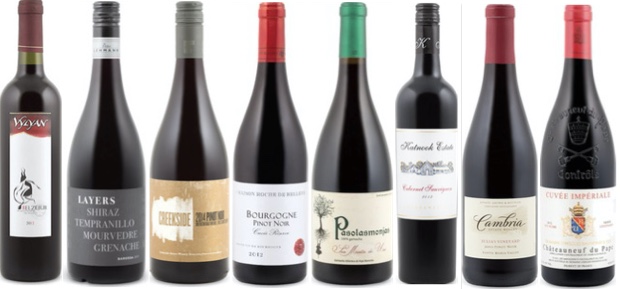
Here are eight red VINTAGES releases you won’t soon (or ever) find in grocery stores. Read between my conspiracy theory thought lines, if you will.

Vylyan Belzebub 2012, Villány, Hungary (437350, $14.95, WineAlign)

The “amorous devil” indeed, bohemian, queen, crooner and axe smith. Fun to fervent, slow to start, picking up tempo, acting, feigning sweet and then boom, frantic until the heavy breathing denouement. “Is this the real life? Is this just fantasy? Caught in a landslide,” between fruity and properly bitter. Capable of causing gord and millennial alike to bob their heads in near-convulsive behaviour. Dries out on the lingering finish. Drink 2016-2018.  Tasted February 2016  @VylyanPinceszet  @WineofHungary  @HalpernWine

Layers Shiraz/Tempranillo/Mourvèdre/Grenache 2012, Barossa, South Australia, Australia (138883, $17.95, WineAlign)

Here the red trilogy melds together for a naturally curated blend, with the firmness of Moruvedre lending strength to Tempranillo clearly grown in the right place, plus Grenache of pure red fruit flavour. Silky, working together, just about as balanced as it can be and with $18 on the table, the world is good. Mille-feuille layers with a touch of Barossa grace. Drink 2016-2020. Tasted February 2016  @plwines  @Dandurandwines  @Wine_Australia

Creekside Estates Queenston Road Pinot Noir 2014, VQA St. David’s Bench, Niagara Peninsula, Ontario (415877, $18.95, WineAlign)

If 2013 was procured in a lay, lady lay style, the follow-up 2014 is more of a girl from north country. Not so much more serious as hard working and in need of a coat. Here Pinot Noir nearly void of bob, varnish, tension, anxiety and plumped up with baby fat. “If you go when the snowflakes falls. When the rivers freeze and summer ends,” take this QRV along. Pinot Noir ready to dance and offer up her hand as a companion for the winter. Pinot Noir to walk with arm in arm. Drink 2016-2019.  Tasted February 2016  @CreeksideWine  @hobbsandco  @AMH_hobbsandco

Roche De Bellene Cuvée Réserve Pinot Noir Bourgogne 2013, Ac Burgundy, France (299859, $19.95, WineAlign)

From Nicolas Potel who makes Bourgogne Pinot Noir more accessible with every passing vintage, redundancy notwithstanding. Bright and bing in simultaneous retort, from the sky to red cherry. There are some dried herbs and underbrush on the palate, through the basic but solid structure and into the surprisingly tannic finish. Drink 2016-2019.  Tasted February 2016  @RochedeBellene  @Gr8TanninWines  @Nicholaspearce_  @BourgogneWines

Pasolasmonjas 2011, San Martín De Unx, Navarra, Spain (438739, $24.95, WineAlign)

Oh ye musty, dusty and delicate Garnacha, especially one of moderate to strapping alcohol and tempered fruit. Unencumbered and unadulterated Garnacha, the way it needs to be, even from such a varietal outpost as Navarra. This is handled with Spanish care and shows how the grape needs no support when left to shine like this. Pure berry fruit and lashing acidity. Tapas and Pintxos come forth. Drink 2016-2019.  Tasted February 2016  @SpainFoodWineCA  @DSGvineyards  @loyalimportsltd  @navarrawine

Katnook Cabernet Sauvignon 2012, Coonawarra, South Australia, Australia (590471, $29.95, WineAlign)

Leave it to Katnook to do things the very right way. Yes to dark, rich, ripe and swaddled fruit, no to heat and pomp. This pumps up not, nor dopes it jack or jam. It sings and dances, trips across the tongue, slings corporeal fruit and brings cool rain in the form of acidity and tannin. Just right. And it’s pretty much ready to go. Drink 2016-2020.  Tasted February 2016  @Katnook  @imbibersreport  @Wine_Australia

Cambria Julia’s Vineyard Pinot Noir 2012, Certified Sustainable, Santa Maria Valley, California (980482, $29.95, WineAlign)

Pinot Noir with a tenor tone and a floral lilt. It’s quite arid and even more racy at such a young age. Cherry and plum are subdued by acidity and a persistent activation by the working forces in its being. A very important Santa Maria Valley Vineyard has gifted more verve in 2012 than even it usually has. No fruit bomb here but with time, could very well become the bomb. Drink 2018-2023.  Tasted February 2016  @CambriaWines  @CalifWines_CA

Raymond Usseglio Cuvée Impériale Châteauneuf Du Pape 2012, Ac Rhône, France (22319, $57.95, WineAlign)

Taking the parameters into consideration, of alcohol, appellation, producer and style, it is surprising to note the muted aromatics. Hiding in waiting this CdP plays hard to get and in my opinion, is at first difficult to understand. The palate is slightly more gregarious but not exactly pushy. The late acidity and lashing tannin is a cruel reminder of the largesse mired in the here and now. This is a beast of modern Rhône proportions with a wink and a twinkle in its Grenache eye. I would suggest waiting five years for sure. I hope is turns into something exceptional. Drink 2020-2030.  Tasted February 2016  @TheCaseForWine  @VINSRHONE  @RhoneWine

Good to go!

Twitter: @mgodello

Instagram: mgodello
WineAlign: Michael Godel

Facebook


South Africa’s Capelands in VINTAGES February 6th

South Africa comes to VINTAGES February 6th

South Africa comes to VINTAGES February 6th

For a comprehensive look at South Africa’s Capelands, read my report at WineAlign.

Related – Welcome to South Africa’s Capelands

On Saturday, February 6th, VINTAGES is running a feature on South African wines. Laid out in varietal by varietal terms, South Africa is deconstructed to articulate and accentuate what’s happening in today’s Western Cape and how it translates to markets around the world. I spent some time back in September with VINTAGES product manager Ann Patel in the Cape. Her picks have much to do with what she found, in excitement from “breaking boundaries and forging new ground with winemaking.” As consumers we should look forward to more chances taken in LCBO purchasing decisions, in varietals and from a more eclectic mix of wineries.

Related – Once upon a time in the Western Cape

The landscape of South African wine is demarcated by ancient geology and by the geographical diversity of its regions, sub-regions and micro-plots. Varietal placement is the key to success. As I mentioned in previous articles, South African winemakers can grow anything they want, to both their discretion and their whimsy. The choice of what grows best and where will determine the successes of the future.

Related – Wines of South Africa: It’s the fling itself

As the understanding of cool-climate locales dotting the landscape continues to develop, so too does the Sparkling wine oeuvre. The association that determines the authenticity of Méthode Cap Classique is more than just a marketing strategy and a copy of Méthode Champenoise. It is a distinctly South African program, established in 1992. Rules dictate a minimum of 12 months on the lees and post disgorgement, further maturation under cork. Winemakers are free to play with beyond those simple parameters. That is the South African way. Stand together and act alone.

Related – Wines of South Africa: Go Cars Go

In addition to these February 6th South African releases I have reviewed many added highlights. Next week I will publish 50 more tasting notes on important wines tasting in the Cape last September. Some are available through their Ontario wine agents while others are not. At least not yet. There are many undiscovered South African wines that will soon be finding their way into our market. Here are the eight wines coming to VINTAGES on February 6th.

Related South African duck dynasty

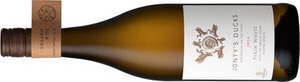
Avondale_Wines_Jonty_s_Ducks_Pekin_White_web

Avondale Wines Jonty’s Ducks Pekin White 2014, Wo Paarl, South Africa (439554, $14,95, WineAlign)

The house white with the Avondale ducks always in mind. “How does mother nature do it? For each problem there is a natural predator available to do the job.” The holistic approach applies to the winemaking of Johnathan Grieve as well. In 2014 there is an easier and more naturalistic feel. With less oak and lees, some rest and the result is increased freshness, especially for the dominant Chenin Blanc. Ready to go as we speak. Drink 2015-2018.  Tasted September 2015 and January 2016  @Avondalewine  @RareEarth_Wines

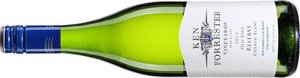
Ken Forrester Old Vine Reserve Chenin Blanc 2015

Ken Forrester Chenin Blanc Old Vine Reserve 2015, Wo Stellenbosch, South Africa (231282, $17,95, WineAlign)

The signature purpose with respect to Chenin Blanc by Ken Forrester skips zero beats and misses no opportunity to varietal boldly go for what Stellenbosch just needs. Draw fruit from old vines, let it work its grape tannic magic then spin away, a rising child of centrifuge into constellatory divination. Ken Forrester says he’s always afraid of stretching too far. “If the eastern and western fronts are too far apart, you lose the war.” From 1965 plantings in Piekenierskloof, two weeks of skin contact was followed by time in 300L, 8-10 year old barrels, “neutral as hell.” When tasted in September 2015, the wine was reductive, with a bit of aromatic grit and VA. It was a raw and unfiltered wallower. Now? Chenin Blanc of heft, poise and tenderness. It’s all in the preparations. Such juice at such an absence of cost should be illegal. Drink 2016-2020.  Tasted January 2016  @KFwines  @Noble_Estates

Graham Beck Brut Rosé Méthode Cap Classique, Wo Western Cape, South Africa (175588, $19.95, WineAlign)

An ode and an adherence to the magic of Cap Classique style, always with that sage feeling of evolution in age. Made pretty with its skin pink depth though I must admit to nosing and tasting the inimitable South African soil. Still, it is clearly and decisively Pinot Noir that floats the boat and rights the ship. This has noirs in its psyche and the Western Cape in its soul. Drink 2016-2020.  Tasted January 2016  @GrahamBeckWines  @Vinexxperts

Nederburg Manor House Shiraz 2013, Wo Coastal Region, South Africa (68775, $16.95, WineAlign)

Meaty, dark fruit and soil pure Shiraz. At this point in South Africa’s red wine production I would go to lengths to call this old school. It’s a blast from the recent and forward thinking past. Stew recommended, marbled protein required. Drink 2016-2020.  Tasted January 2016  @Nederburg  @MarkAnthonyWine  @ImportWineMAFWM

Cathedral Cellar Pinotage 2013, Wo Coastal Region, South Africa (99267, $16.95, WineAlign)

A twain marker, bridge gapper, two worlds colliding Pinotage. Full of spice and soil chalky spirit. There may well yet be one foot half-depressed into the clay of the last two decades of Pinotage but the other is pointed north, into the bright future. Some weighty density keeps the Western Cape fruit brutally honest and yet the cathedral is bright, filled with light and carefully slight. This will please camps on either end of the field. I would suspect that future vintages will pull the other foot from the muck and see this Pinotage walk off into the proverbial Pinotage sunset. Drink 2016-2019.  Tasted January 2016  @KWVwines  @Dandurandwines

Graham Beck The Game Reserve Cabernet Sauvignon 2013, Western Cape, South Africa (2519, $18.95, WineAlign)

Beck’s GM is spot on Cabernet Sauvignon of place; rich, ferric, tightly spun and wait for it…gamy. Not funky mind you but meaty in a fresh kill, flesh charred, grilled and juices settled way. If red protein and something South African are on the mind, this cracker of a Graham Beck signature varietal dutifully fulfills the dream. And it will age to change. Drink 2016-2020.  Tasted January 2016  @GrahamBeckWines  @Vinexxperts

Rustenberg R.M. Nicholson 2013, Wo Stellenbosch, South Africa (278390, $19.95, WineAlign)

A Shiraz, Merlot and Cabernet Sauvignon blend of chaste class and haute style, if decidedly warm and ripe. The aromatics are berry directed, with a floral lilt and a volatile note well within an acceptable and supporting role. Carries its alcohol with confidence in ease, to develop the flavours and lengthen the pleasure. Wait a year for it to show best. Drink 2017-2020.  Tasted January 2016  @RustenbergWines  @WoodmanWS

Rupert & Rothschild Classique 2012, Wo Western Cape, South Africa (434787, $22.95, WineAlign)

This stellar value stalwart Cabernet Sauvignon (60 per cent) and Merlot (40) of Left Bank leanings brings together the brains and braun of Anthonij Rupert Wyne Estate and Benjamin de Rothschild. The vintage picks up where 2011 left off, built on a pillar of protein, soluble fruit and salt. A Franschhoek Valley gibbous and velutinous red with sweet plasma running through adolescent testosterone veins. The barrel treatment (18 months in 225L French) is the fabric softener. The balance encompassing ripe fruit, savoury salinity and spindled acidity makes for a formidable if quiescent package. Will take its sweet time developing secondary and tertiary characteristics. Great value. Drink 2016-2020.  Tasted January 2016  @RupertRoths  @Dandurandwines

Good to go!

Twitter: @mgodello

Instagram: mgodello

WineAlign: Michael Godel

Facebook

‘Twas the week before Valentine’s

First I thatched the nest and then I fed the birds

First I thatched the nest and then I fed the birds

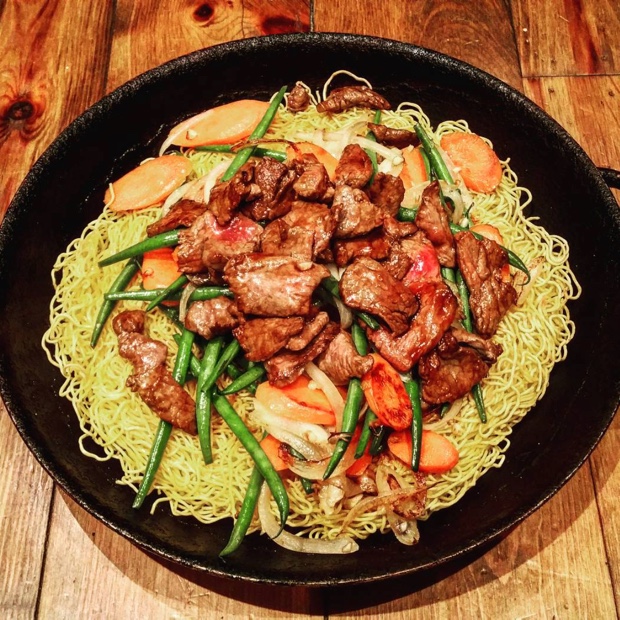
Why did I choose this image to introduce a Valentine’s Day post on wine? What pairs perfectly with Christmas, Mother’s Day, Father’s Day, long weekends and Valentine’s day? When restaurants are either swelling with humanity or closed on major holidays and I want to eat out, where do I turn? Chinese. Happy Chinese New Year this coming Monday, February 8th. Welcome to the Year of the Monkey.

This coming Saturday the VINTAGES February 6th release does not coincide with the pink as floyd February 14th holiday so while you wait for next Sunday to arrive, enjoy a mild bite of Chile Peppers. “See what’s in store. Stay all day.” This song merges beautifully into the Love of Your Life. How does YouTube know?

Quite a mixed bag defines the February grouping. The south of France makes hay but I’ve also got Greece, Spain, Barossa, Piedmont and Burgundy in the regional to country mix. Enjoy.

First the pink stuff.

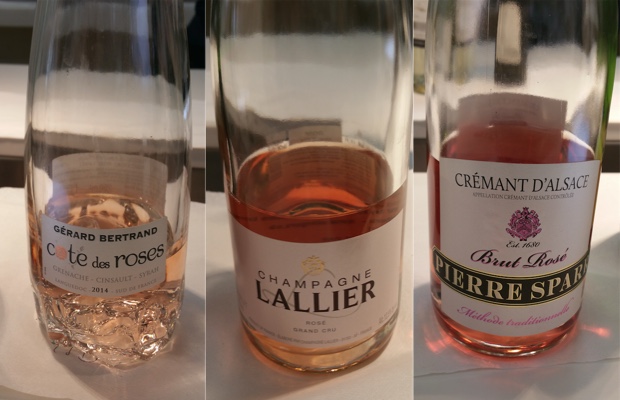
Roses

The Rosés of February

Gérard Bertrand Côte Des Roses Rosé 2014, Ap Languedoc, France (373985, $16.95, WineAlign)

The occasions may be rare, but sometimes Rosé needs a half a year to simmer and to show its true colour. What once seemed to be red meets Rosé is now classic, typical, essential blush from Provence. Terrific amalgamation of the holy varietal trinity, with Cinsault the anchor, rock and catalyst to prop up Grenache and Syrah just as they need to be. From soft fruit to a grind of pepper, with aridity and salinity always on stage. Drink 2016-2018.  Tasted January 2016 @GBvins  @FwmWine  @AOCLanguedoc  @LanguedocWines

From my earlier note:

Dry, floral, medicinal, quite tight and angled, not angular Rosé. The sea salinity and briny strawberry confluence is quite striking. Doesn’t really linger so in the end it’s a bit of a simple quaffing Rosé but what of it? That’s right. Drink 2015-2016.  Tasted August 2015

Pierre Sparr Brut Rosé Crémant D’alsace, Méthode Traditionnelle, Ac Alsace, France (39016, $18.95, WineAlign)

Graceful and pink lithe, like cold smoked salmon, delightful Pinot Noir Rosé fizz. Nothing earth shattering, breath taking or barrier breaking, just well made blush bubbles. The structure and balance are really spot on. Finishes strong and with confidence. Helps to define this genre of Crémant’s creamy texture, matched in contrast by its stony, flinty and mineral style. Drink 2016-2018.  Tasted November 2014 and January 2016  @AlsaceWines  @VinsAlsace  @drinkAlsace  @ProfileWineGrp

Lallier Grand Cru Rosé Champagne, Ac Champagne, France (385179, $56.95, WineAlign)

Stoic, startling and nearly, dare I say, revelatory Rosé. Righteously rustic and demandingly devilish. A craftily concocted cool-custard cupid. The talc and the drift are exceptional, wafting aromatics and waving me in, to curl up and be embraced by its charms. This has Valentine’s Champagne scripted with pitch perfect elegance. A Grand Cru effort to be sure. Drink 2016-2019.  Tasted January 2016  @LallierAy  @azureau

Boutari Naoussa Xinomavro 2013

Boutari Naoussa Xinomavro 2013, Naoussa, Greece (23218, $13.95, WineAlign)

A most consistent Xinomavro untouchable at the price, with the hallmark Syrah-like pepper notes pricking and popping from base and necessary red fruit. This sample is a bit muted aromatically but the palate is alive, kicking and very sound. Think of pomegranates, fresh figs and kalamata olives, a mountain view and the warming afternoon sun. All for $14. Though many Xinos can age for seven to 10 years, this Naoussa is meant for the here, now and tomorrow afternoon. Drink 2016-2019.  Tasted January 2016  @boutari  @KolonakiGroup  @DrinkGreekWine

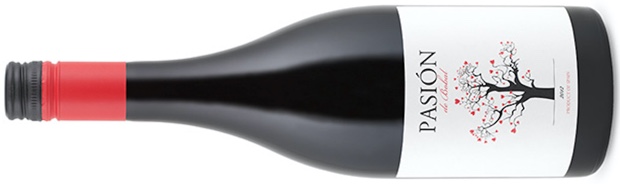
Pasión De Bobal 2012

Pasión De Bobal 2012, Dop Utiel Requena, Spain (439679, $16.95, WineAlign)

Clean, direct, massaging Spanish expression of the here and now. A winemaker’s message from an outpost with an endemic grape variety known as Bobal, 100 per cent employed to speak of that place. It does so ripely with cagey dramatics and an acidity seemingly so specific to varietal. This will pave roads for a geek’s obsession and should lay tracks for a consumer’s diversion. It’s worth the detour. Like Aragonese or Catalan Garnacha. Drink 2017-2019.  Tasted January 2016  @BSierraNorte  @DOUtielRequena  @ProfileWineGrp

Sister's Run Calvary Hill Shiraz 2013

Sister’s Run Calvary Hill Shiraz 2013, Barossa Valley, South Australia, Australia (222018, $16.95, WineAlign)

On this hill ripe, pure, Barossa fruit fills the glass, “handing out bread and jam just like any picnic.” Don’t be looking for a battle of acidity and tannin on the edge of a savoury, mythical Epping forest. Seek fruit, find fruit. A genesis of material for straightforward Shiraz. If you’ve $16 in your pocket and a deep, rich, red fruit Shiraz is what you’re looking to find, this is the place to stop. “Here come the Cavalry.” Drink 2016-2020.  Tasted January 2016  @Gr8TanninWines

Cave De Roquebrun La Grange Des Combes Saint Chinian Roquebrun 2013, Ac Languedoc-Roussillon, France (155804, $18.95, WineAlign)

From Schistous hillsides of Roquebrun, this firm and friendly SGM is the bomb of Beziers. Meaty and wise, its heart beats out of sheer size and from beauty. The opposite of a ferric beast, the valley of the barns wields a weapon but one of glistening, polished stone. The accomplished battle ready fruit knows no limits. Tannins though fierce do nothing to hurt the cause. Syrah (50 per cent), Grenache (30) and Mourvedre (20) adds up to really good Schist. Do you trust a gorgeous wine? Drink 2016-2022.  Tasted January 2016   @AOCLanguedoc  @LanguedocWines  @Eurovintage

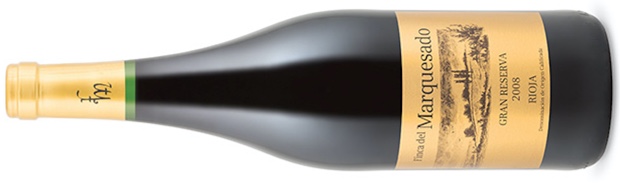
Finca Del Marquesado Gran Reserva 2008

Finca Del Marquesado Gran Reserva 2008, Doca Rioja, Spain (384248, $21.95, WineAlign)

A 2008 Rioja that looks, smells and acts like 2008, a plus and a positive rolled into one determinate, fruit roll-up, old-school package. Dried red berries once fervently ripe, now concentrated and dehydrated performing as classic regional flavours would. The acidity persists and the tannins have a leg or two to stand on. This will not improve or go any long distance but for now and two or three years more it’s about as delicious a Rioja red as you are want to taste. Drink 2016-2018.  Tasted January 2016  @RiojaWine_ES

Pierre Sparr Schoenenbourg Riesling 2011

Pierre Sparr Schoenenbourg Riesling 2011, Ac Alsace Grand Cru, France (664995, $22.95, WineAlign)

Sparr’s little piece of the Schoenenbourg is a fine one, exemplified in this tidy, gritty and shiny happy Riesling. The tones are not tiny, perhaps tinny and certainly tropical. Mango and pineapple make heady way but the acidity and the tannin are up to the task. This is quite Germanic in my opinion, not new world Alsace. And it’s tasty as need be, with longevity on its side. Drink 2016-2022.  Tasted January 2016  @AlsaceWines  @VinsAlsace  @drinkAlsace  @ProfileWineGrp

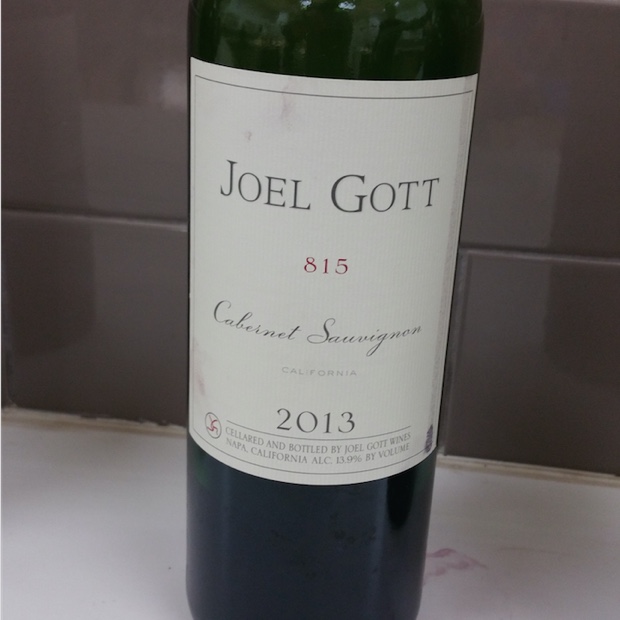
Joel Gott

Joel Gott 815 Cabernet Sauvignon 2013, California (444059, $35.95, WineAlign)

Molten comes to mind from this California Cabernet, as in lava and chocolate. A load of pepper marks its territory and fruit wades through the spicy mocha. Under the sheath there can be no mistaking the grape (with help from Cabernet Franc and Petit Verdot) or the place and yet something ionic speaks, leaving me to wonder where this will go. The chemistry is procured by a hint of carbonic, whole bunch pressing and lees stirring for texture. At present they are not in synchronized rhythm. I would say that instant gratification and crowd pleasing was the intent but the opposite happened and that may turn out to be a blessing in disguise. A year from now this could be a true pleasure in value to drink. I think I wanted to hate it but I can’t. It is possessive of terrific, classic character. I will love it instead. Drink 2017-2020.  Tasted January 2016

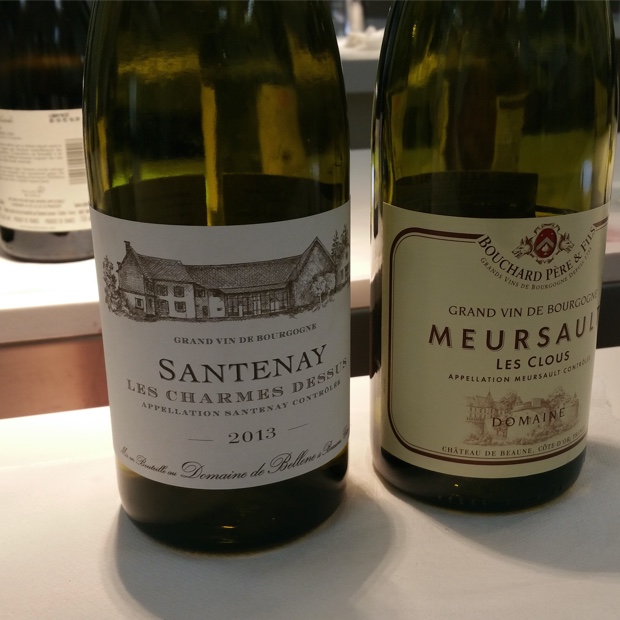
Bellene and Bouchard

Domaine De Bellene Les Charmes Dessus Santenay 2013, Ac Burgundy, France (435032, $35.95, WineAlign)

From the flats between hills of the lieu-dit Charmes Dessus, a calcaire pebble’s throw away from the 1er Cru Clos Rousseaux. Adolescent acting fruit comes off of young, 10 year-old vines in Santenay, the most southerly wine-producing commune of the Cote de Beaune. Tight, flinty, developing beneficial bitters of a Burgundy that needs a bit of time to accrue a touch of honey to help the medicine go down. Quite rich and reductive. Very good value. Really good value. Drink 2018-2022.  Tasted January 2016  @RochedeBellene  @Nicholaspearce_

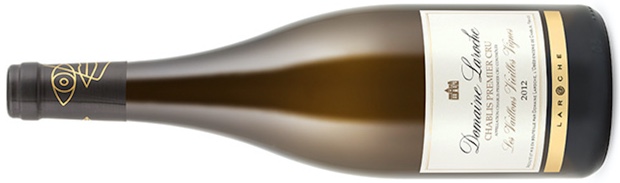
Domaine Laroche Vieilles Vignes Les Vaillons Chablis 1er Cru 2012

Domaine Laroche Vieilles Vignes Les Vaillons Chablis 1er Cru 2012, Ac Burgundy, France (991893, $36.95, WineAlign)

Gorgeous and wealthy Chablis of all that makes this unparalleled style of Chardonnay tick. Flinty, struck stone entry, vineyard hyperbole of mineral and the geology of ancients. Lithe, lifted, lightness of being but always brought back down by the minerality. Some flavour density by way of old vines wisdom and persistence that just won’t stop going. Superb quality. Drink 2017-2022.  Tasted January 2016  @DomaineLaroche  @Select_Wines  @BIVBChablis

Schistes

Secret De Schistes 2011, Igp Côtes Catalanes, Languedoc-Roussillon, France (440669, $41.95, WineAlign)

IGP in which schist happens. Such a bruiser this Château de l’Ou Côtes Catalans, an example the likes this market rarely sees. These Schistes bleed hematic into fruit warmed excessively by the sun. Languedoc-Roussillon that runs with the Rhône terribilta to purpose largesse and rocking good times. This is a very demanding wine, loaded with peppery spice and rabid energy. It needs years to settle. Hopefully its secrets will then be revealed. Drink 2019-2024.  Tasted January 2016  @ChateaudeLou  @AOCLanguedoc  @LanguedocWines

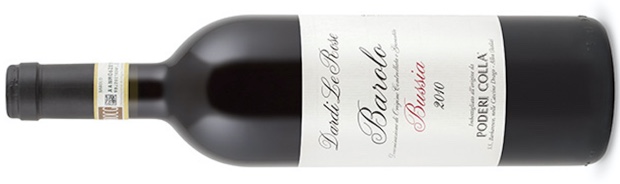
Colla

Poderi Colla Dardi Le Rose Bussia Barolo 2010, Docg Piedmont, Italy (596890, $51.95, WineAlign)

The Dardi Le Rose ranks as one of the most consistent performers, mired in tradition and crafted without compromise. The 2010 is a spot on example of balance in Nebbiolo, gritty, floral, tannic and ethereal. The weight is an ambient one, the aromatics resourceful and respectful to varietal and to nature. Dried roses and fresh tar, drier cherries and strolls through verdant gardens. Not the beast of Bussia but certainly bussing its weight in age. This will go quite long. Drink 2018-2025.  Tasted January 2016  @glencairnwines  @regionepiemonte

Plus one, just because it’s Valentine’s Day.

Domaine Bouchard Père & Fils Meursault Les Clous 2013, Burgundy, France (Agent, $64.00, WineAlign)

Essentially 1er Cru pearl of a vineyard in origin, on marly ground, “walking tightrope high over moral ground.” Such a pretty Chardonnay of faith and of love, subtle, slightly smoky, linear and purposed towards the divine. A lemon drop jam without sweetness and a tart edge that is miles from sour. There are no holes, stops or delays, with acidity that drives forward and length stretching to further length. Grace in gossamer layers. A marker in the Meursault sand. Drink 2017-2024.  Tasted January 2016  @WoodmanWS  @BourgogneWines  @bourgognespress

Good to go!

Twitter: @mgodello

Instagram: mgodello

WineAlign: Michael Godel

Facebook

Wines of South Africa: It’s the fling itself

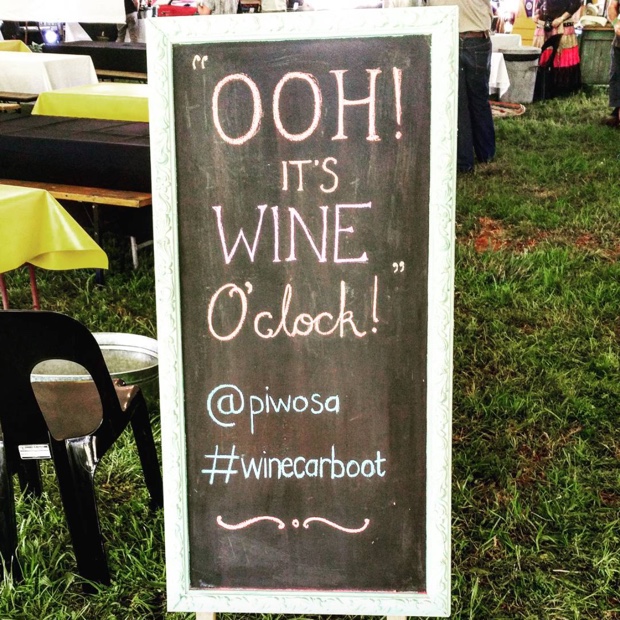
High five Sunday, at #winecarboot with @PIWOSA @WOSA_ZA @WOSACanada #journeysendvineyards #schapenberghills #sirlowryspass

High five Sunday, at #winecarboot with @PIWOSA @WOSA_ZA @WOSACanada #journeysendvineyards #schapenberghills #sirlowryspass

A few weeks ago there was this South African fling in Toronto. Anyone who fancies themselves as anything showed, because everybody was there. Joshua Corea and Archive Wine Bar graciously played host. Cape wine swelled like water and the mass of sommelier humanity flowed like wine.

After we had first returned to Canada from Cape Wine 2015, Will Predhomme and Wines of South Africa Canada’s Laurel Keenan had asked Rémy Charest, Scott Zebarth, Nicholas Pearce and I a question in requiem of some deep Jack Handey thought. Of the bottles we tasted in South Africa, what would we most like to see at a paradigmatic tasting back home? We offered up our lists and many of them were presented at Archive, along with a tumultuous quantity more. The likes of such an amassment had never been seen this side of the great pond. Cape Town loomed in de Chirico casted shadow in the backwater distance, watching, wondering, judging. So I tossed a pondered abstraction out to the winds that drift in the South African wine diaspora. “What page is loomed in the giver?”

Related – Once upon a time in the Western Cape

My mind travels back to the Western Cape. The retrospection remembers wines yet brought to North American light, to intrepid voyages still to disgorge and to stories ultimately untold. Looking back it occurs to me, from a northern point of view, having witnessed and experienced an immersion and exposure into the culture and wines of South African life, that it is not the thing you fling. It’s the fling itself.

It began with the trebuchet. At Journey’s End the Premium Independent Wineries of South Africa (PIWOSA) threw a car boot and catapulted some rather heavy objects at targets far away.

The prepossession laid out with tastes of The Drift Farm, The Winery of Good Hope, Glenelly Cellars and Mullineux & Leeu. Later the night begged and belonged to vignerons gathered at Longridge Estate, the following morning a tour of the Franschhoek Motor Museum and a tasting at Anthonij Rupert Estate.

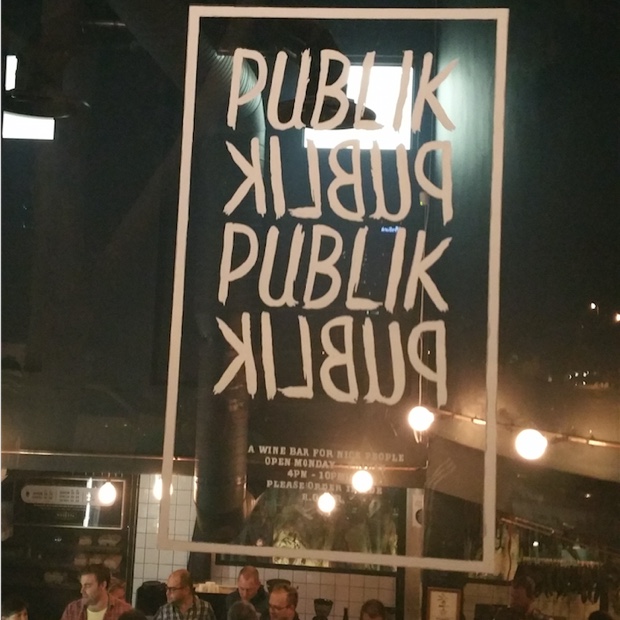
Each of the three days at Cape Wine begat evenings in Cape Town of world’s away preoccupation. Velvet dissident South African Braai at Publik, her majesty’s secret service at Ellerman House and born in the USA-DGB in the Winelands. Events de facto, recondite and unshackled.

Publik, Cape Town

Publik, Cape Town

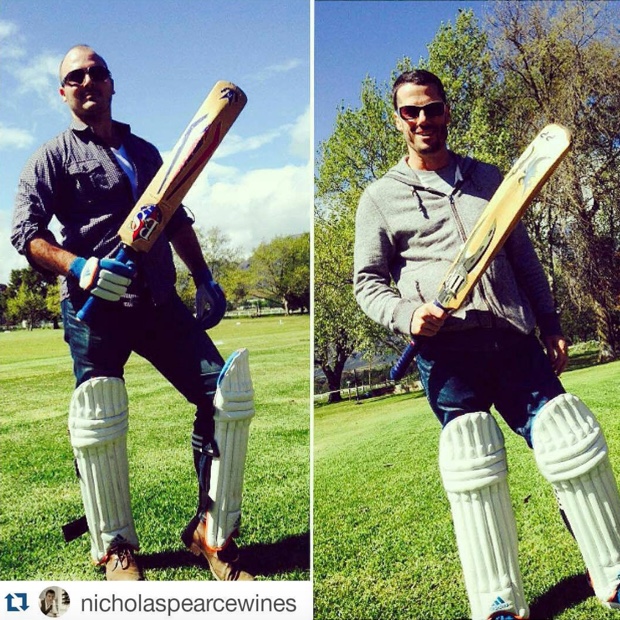
Then the Canadian boys played cricket with the Swartland cowboys and while our swings looked more like hockey snap shots and our bowls like little league change-ups, in the end we held serve and thankfully no one got hurt. True Swartland smoking at the hands of Callie Louw linked Groot Frankenstein to Barque Smokehouse BBQ.

Cricket adversaries #swartlandswingers

Cricket adversaries #swartlandswingers

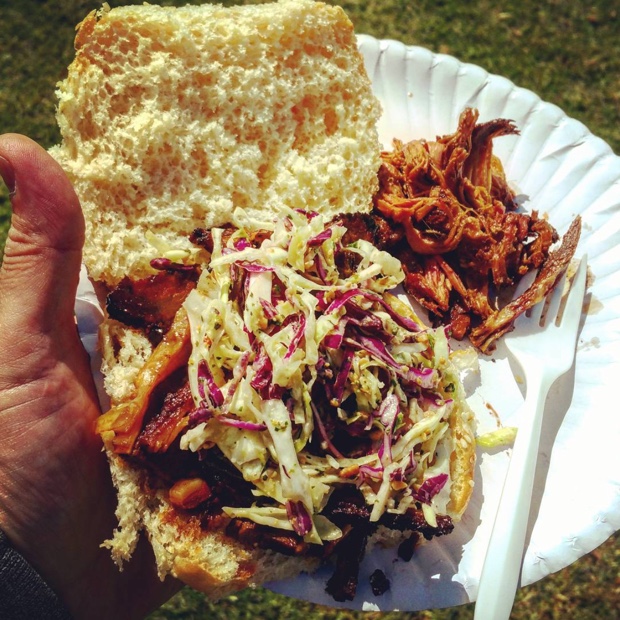
A #braai in the hand is worth two in the bush #callielouw #porseleinberg @SwartlandRev #swartlandindependents #swartlandswingers #swartland

A #braai in the hand is worth two in the bush #callielouw #porseleinberg @SwartlandRev #swartlandindependents #swartlandswingers #swartland

An epic 12 hours followed the matches, first with Ken Forrester and a speed tasting across a portfolio shot through the heart with some striking, older bottles. Then the group got down to trials at the Winery of Good Hope with Alex Dale and Jacques de Klerk. Remy Charest, Scott Zebarth, Kler-Yann Bouteiller and Godello helped mix, match, add and subtract percentages of fermented juice to decide upon the blend for the Pearce-Predhomme Stellenbosch Chenin Blanc. Nicholas and Will are now taking orders for delivery in the new year. Then in order, wagyu beef and Radford Dale wines at Ken’s 96 Winery Road Restaurant, World Cup Rugby and Burgundy.

The view from the Winery of Good Hope

The view from the Winery of Good Hope

On the final day we paid a visit to the Hemel-en-Aarde Valley along the Hermanus wine route, with a tasting at Bouchard Finlayson and lunch at La Vierge winery.

I tasted hundreds of wines during the eight-day journey around the Western Cape. In due course I will put up tasting notes for as many as possible but for now here are a couple of dozen, specific to and in conjunction with the people and places that hosted us.

The PIWOSA Wine-Car Boot, Journey’s End Winery

The Drift Farm

The Drift Farm

The Drift Wines Year of the Rooster Rosé 2014, Overberg Highlands, South Africa (Winery)

Winemaker Bruce Jack’s 100 per cent shaken, not stirred Touriga Franca was inspired by a trip to the Douro. Rhubarb and salinity rub the ripe fruit in the right way. If 007 were to drink Rosé, this would fit the metrosexual bill. From four barrels. Drink 2015-2016.  Tasted September 2015  @TheDriftFarm

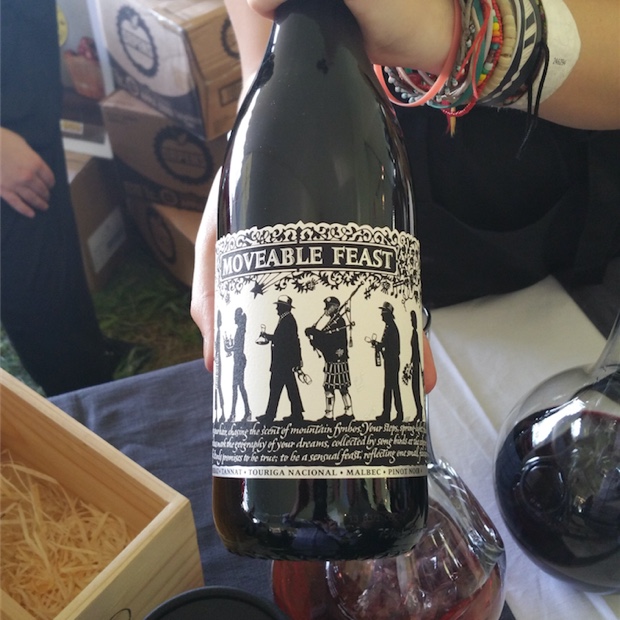
Drift Farm The Moveable Feast

Drift Farm The Moveable Feast

The Drift Wines The Moveable Feast 2013, Overberg Highlands, South Africa (Winery)

A blend (that drifts and changes every year) of Malbec and Shiraz with Tannat, Touriga Nacional and Pinot Noir. Though the notes are played without excess, the specs ruminate for infinite possibilities, with aspects as from mine run-off, ocean salinity, high body acidity, muted sunshine, rusticity and veneer. Rides a sonic highway, to “crossroads with nothing to lose.” The feast and the famine, a fighter, “put back together by a troubled groove.” From minimalist Hemingway to Foo from Grohl. Get the drift? Drink 2015-2019.  Tasted September 2015

The Drift Wines Mary le Bow 2011, Robertson, South Africa (Winery)

A farm-designate red blend (Wildepaardekloof, Langeberg Mountain) built upon Cabernet Sauvignon (38 per cent), Shiraz (31), Petit Verdot (23) and Merlot (8). In ode to the Cockney saint, big Bow Bell and crusader’s crypts. Extended barrel age and the deepest, darkest maturity makes for a brooding red reflective of a Kloof’s tale from a crypt. Not for the faint of red blends. Indeed it trembles with power. Drink 2017-2021.  Tasted September 2015

JRN3YS End

Journey’s End Sauvignon Blanc The Weather Station 2014, Stellenbosch, South Africa (AgentWinery, WineAlign)

A product of the first Sauvignon Blanc clones planted in South Africa (next to a weather station). The wine had been bottled less than a week ago so while the pyrazine factor is set to high the equal and mitigating fruit freshness trumps the green. Free spirited, of spice, in bite and quickly settling, into balance. Drink 2015-2018.  Tasted September 2015  @JourneysEndWine  @vonterrabev  @colyntruter

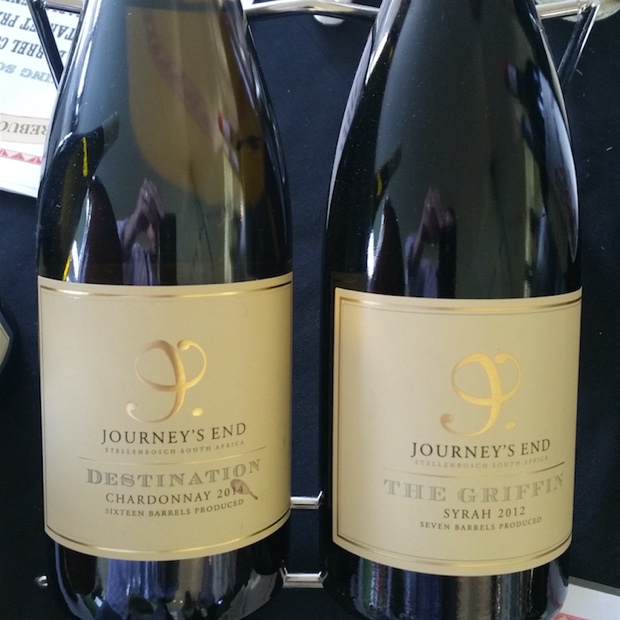
Journey’s End Destination Chardonnay 2014, Stellenbosch, South Africa (AgentWineryWineAlign)

A nicely, effectively minor reductive Chardonnay that knows the barrel well. Divides by mitosis the cells of mineral and spice into furrows, chiseling a secondary cytokinesis flavour profile in cut by brilliant gemstone flexure. From fruit fracture to cellular overlap, out of (approximately 10 months) wood and into impressionistic stone. Tasting accessed through four stages imagines time to be exigent; through reduction (prophase), oak (metaphase), stone (anaphase) and texture (telophase), until the ultimate descent toward’s the journey’s end. Drink 2016-2022.  Tasted September 2015

Journey’s End Trebuchet 2014, Stellenbosch, South Africa (AgentWinery, WineAlign)

Two Cabernets and a Malbec conjoin to catapult funk-less, heavy laden red fruit into an atmosphere of veneer. The flavours are inclusive of pomegranate and anise, with some rust and circumstantial metallurgical magnification. The tang is a factor to be reckoned with in this primeval red blend. Crushes unsuspecting objects upon landing. Let it settle for 12 months. Drink 2016-2020.  Tasted September 2015

Journey’s End Cabernet Sauvignon 2009, Stellenbosch, South Africa (AgentWineryWineAlign)

A 100 per cent varietal wine from a wind that blew through and away. The child of a markedly perfect vintage blessed with chalk, grit and terroir. Views from within the new barrel have diminished along with once terrible teeth gnashing tannin. At six years-old it sits cross-legged, big-boned, fruit fleshy, structured and sure. The evolution is far from complete with berries seemingly so presently ripe, the late spice and coffee kick making cause for yet jittery times. Two or three more years will offer further guarantees of pay dirt and peace. Drink 2017-2024.  Tasted September 2015

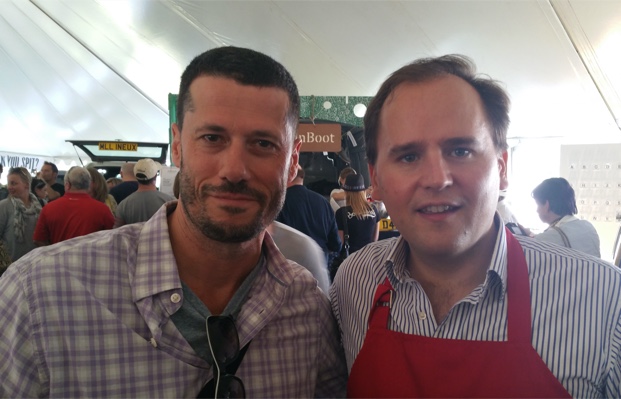
Godello, Leon Esterhuizen and Colyn Truter from Journey's End

Godello, Leon Esterhuizen and Colyn Truter from Journey’s End

Glenelly Estate Shiraz “Glass Collection” 2011, Wo Stellenbosch, South Africa (Winery, Agent, WineAlign)

Screw cap Shiraz reason number one here, fresh from Stellenbosch, single-vineyard, whole bunch fermented for aromatics and 10 months in one-third new oak, for maximum flavour. “These wines are to be drunk young,” notes export manager Nicolas Bureau, “within five to six years of the vintage.” And so, why put a cork in them? From the hands of winemaker Luke O’Cuinneagain and Secateurs minimal intervention wine consultant Adi Badenhorst. Sparkle, vigour and dew. Drink 2015-2021.  Tasted September 2015  @GlenellyWines  @VinexxWine

Glenelly Wines

Glenelly Wines

Grand Vin De Glenelly Red 2009, Wo Stellenbosch, South Africa (360339, $19.95, WineAlign)

There are components of the Shiraz and the Cabernet in the Grand Vin though its composure comes neither from sparkle nor funk. Nor does it pay direct homage any more to the Rhône than it does to Bordeaux. With time, the Grand Vin will go it alone, from Stellenbosch to the world. Time spent in oak was lengthy (18 months in one-third new) for a blend composed of Syrah (42 per cent), Cabernet Sauvignon (40), Merlot (14) and Petit Verdot (4). The estate clearly considers blends as more than the sum of parts. The Grand Vin is the thing. The Glenelly king. It’s hard to get under its skin, to comprehend its nuance, to know it as a child. The wood, the terroir and the structure yet relent to understanding. A matriarchal wine to be sure, a generation may need to pass for the Grand Vin to carry the torch. The Pichon Longueville connection is not lost or left to chance but this prodigy will need to find its own voice. Red wine of such eternal maturity exists towards a future that begins now. Or on in two to three years. Drink 2017-2024.  Tasted September 2015

With Nicolas Bureau, Glenelly Estate

With Nicolas Bureau, Glenelly Estate

Mullineux & Leeu Syrah 2011, Wo Swartland, South Africa (Winery, Agent, SAQ 12490545, $36.00, WineAlign)

Grasps the subterranean funk of the Swartland terroir and runs with in, through fields of atmosphere, in a wholly singular way. A culling combination if shale, schist and granite, brushed by (15 per cent new) oak for 11 months. Pure, natural, fresh and rising, by citrus zest and inflating acidity. The oscillating flavours prick, pierce, push and pull with elemental and mineral inflections. Like a light show in the sky, Chris and Andrea Mullineux’s Syrah is a quiet spectacle. Drink 2016-2026.  Tasted September 2015  @MullineuxWines  @MullineuxChris  @Nicholaspearce_

Mullineux & Leeu Cinsault Rosé 2013, Wo Swartland, South Africa (WineryAgent)

Tangy tangerine, rhubarb and liquid chalk are the emotive emissions from this skin contact blush as much orange as it is pink. Wild in sauvage, perfectly musty, a Rosé of its own accord and spacing within the parameters of its very won world. Drink 2015-2017. Tasted September 2015

Mullineux & Leeu White 2013, Wo Swartland, South Africa (WineryAgentWineAlign)

An old bush vines blend of Chenin Blanc (80 per cent), Clairette Blanc (13) and Viognier, 10 per cent of which was fermented in old oak. A wild and carpeted ride for Chenin Blanc, melding into gentle acidity with layers of smithy portent and even a bit of Greekdom. “The son. And the heir. Of a shyness that is criminally vulgar.” There is so much spice and complexity, from the skins of many citrus fruits. Strips, stripes and skirts the mouth with layers of mineral life. How soon is now for wines like these in South Africa and to be shared with the world? Drink 2015-2023.  Tasted September 2015

Mullineux & Leeu Syrah Iron 2013, Wo Swartland, South Africa (WineryAgentWineAlign)

If such cure, grip, ferric grab and intense tannin has ever infiltrated South African Syrah it has not yet found its way over to me. In a side by side comparative tasting with the Schist Syrah this one wrestles to win. The Schist is all perfume and soft elegance. The Iron draws power to strength from strength. It is an unrelenting conduit of energy, from soil clearly designed to outlive humanity. The Syrah is a product of geological wonder and winemaking that steps aside to let the terroir speak its mind. Demanding and filled with tension now, time will soften the stranglehold and loosen the wires. Lots of time. Drink 2019-2028.  Tasted September 2015

Radford Dale Nudity 2014, Voor-Paardeberg, South Africa (Winery, AgentWineAlign)

From the Winery of Good Hope, vignerons Alex Dale and Jacques de Klerk. Ancient granite soil from a single-vineyard on Paardeberg mountain. Organic, dry-farmed, total consciousness, flowing robes, grace, striking. Low alcohol, high natural acidity, fresh, spirited, energetic Syrah. Impossible South African Syrah. Drink 2015-2022.  Tasted September 2015  @Radforddale  @WineryGoodHope  @deklerkjacques  @Noble_Estates

With the gang from Radford Dale

With the gang from Radford Dale

Radford Dale Black Rock 2013, Perdeberg-Swartland, South Africa (Winery, AgentWineAlign)

From old bushvine vineyards scattered amongst the granite outcroppings of the Swartland, the blend combines Syrah, Cinsault, Carignan, Grenache, Mourvedre and Viognier for full Rhône homage, if not necessarily effect or intent. The percentages change with each vintage, left to seek harmony in the hands of master blender de Klerk, a man who plays and has the mandate to do so. Natural fermentations persist, as they should and they rightfully accomplish goals of freshness, natural acidity and that elusive you’re born with cure that extends health and longevity. Modern South Africa of ancient longing here on display is just the tip of the bare essentials, in ferments and blends, yet to come. Drink 2015-2020.  Tasted September 2015

Working on South Africa with a sundown over Stellenbosch @WOSACanada

Working on South Africa with a sundown over Stellenbosch @WOSACanada

The Stellenbosch Experience, Longridge Estate

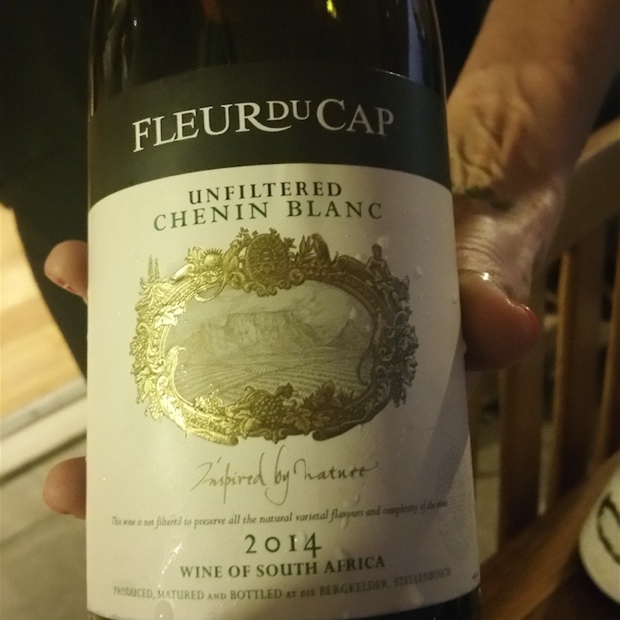
Fleur du Cap Unfiltered Chenin Blanc 2014

Fleur du Cap Unfiltered Chenin Blanc 2014

Fleur du Cap Unfiltered Chenin Blanc 2014, Western Cape, South Africa (Winery, Agent, WineAlign)

A markedly different and intriguing Chenin Blanc that saw seven to eight months in second and third fill barrels. Well-groomed, direct, crisp, clean and pure within the wooden framework and not even close to flirting with oxidative leanings or an overly creamy texture. A pleaser avec plaisir in excelsior, expression and exemplary restraint. Very tidy winemaking. Drink 2015-2019.  Tasted September 2015  @FleurduCapWines

Venison and salted chocolate, Longridge Estate

Venison and salted chocolate, Longridge Estate

Fleur du Cap Unfiltered Pinotage 2014, Western Cape, South Africa (WineryAgentWineAlign)

If it was not for this early sip of Fleur de Cap’s Pinotage on the first night of the South Africa trip I’m not sure the doors to new perception would have ever been opened. Fresh, red fruit juicy, base, natural and nearly naked. A step into giving new meaning for the great hybrid history and varietal future. Though other examples over the course of a week would blow my mind, this unfiltered beauty set the altering stage for what was to come. Unexpected excellent match to Venison with salted chocolate. Drink 2015-2018.  Tasted September 2015

Chenin gem @LongridgeWines & munificent hospitality @StellWineRoute @WOSA_ZA @WOSACanada #stellenblog

Chenin gem @LongridgeWines & munificent hospitality @StellWineRoute @WOSA_ZA @WOSACanada #stellenblog

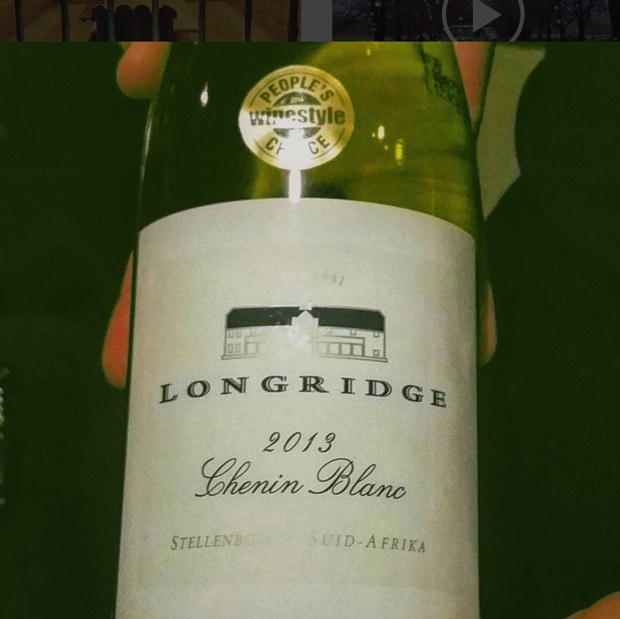
Longridge Estate Chenin Blanc 2013, Stellenbosch, South Africa (Winery, Agent)

Covers the essentials for Chenin Blanc in a Vouvray style; mineral, lemon, bitters and salinity. Emphasizes mastered qualities with proper stability and a strength of character. Will not usher in any sort of revolution but it takes beautifully bitter pear-like fruit from wizened vines and hits the target. And though it spent 11 months in second and third fill barrels you would never know it. A flinty fleeting moment, a slow ride and a shelter from residual sugar that might try to alter its corse. Instead it will munch on that sweetness to live on. Silky smooth, momentarily pungent and refreshing as can be. Stellar Chenin. Drink 2015-2020.  Tasted September 2015  @LongridgeWines

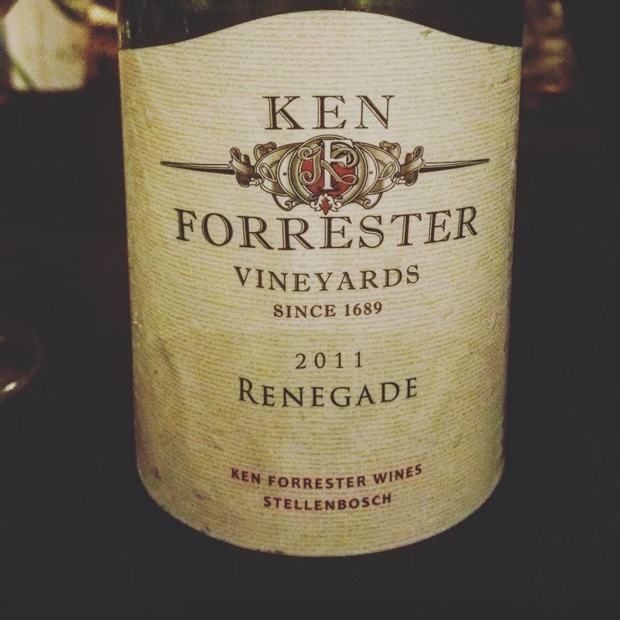
Ken Forrester Vineyards Renegade 2011

Ken Forrester Vineyards Renegade 2011

Ken Forrester Renegade 2011, Stellenbosch, South Africa (SAQ 10703084 $24.25, Winery, Agent, WineAlign)

Mainly Grenache and inculcated with varietal layers thereof, though in the end it is the Rhône blend accrual that bounds over hills and dales. I’m not sure any number of Stellenbosch investigations will unearth more expatriate quality for the coin than is found in the Renegade. A true marker of its maker, The specs are spot on to produce heft, strength and confidence from tireless work. Healthy pH, minimal sweetness, virile acidity and generous alcohol. Like a blood transfusion even though you weren’t sick. Like drinking snake’s blood in grain alcohol on the side of a Hanoi road. Like an hour of intense yoga. Ken Forrester, all in, fully, completely engaged. This red blend speaks in his voice. “Renegade! Never been afraid to say. What’s on my mind at, any given time of day.” It’s no jay but it covers the Stellenbosch bases, from A to Z. Drink 2015-2020. Tasted September 2015

Ellerman House

Godello at the edge of the world #capetown #ellermanhouse #banghoekuncorked #southafrica

Godello at the edge of the world #capetown #ellermanhouse #banghoekuncorked #southafrica

Tokara Sauvignon Blanc Reserve Collection 2014, Elgin, South Africa (Winery, Agent)

From the atmospheric growing conditions of Elgin, the new South African geographical epiphany for the cool-climate varietal future. From the winery’s Highlands farm, transported to Stellenbosch and fermented with tact, cold, stainless, with acidity intact. Tokara’s Sauvignon Blanc is bone dry (near and dear to 2.0 g/L of RS) and a straight piercing heart of an SB as ever there was. Takes the likes of Marlborough and teaches it a thing or two about the coastal ways of the Western Cape. Tasted with viticulturist Aidan Morton. Drink 2015-2017.  Tasted September 2015  @TOKARA_ZA

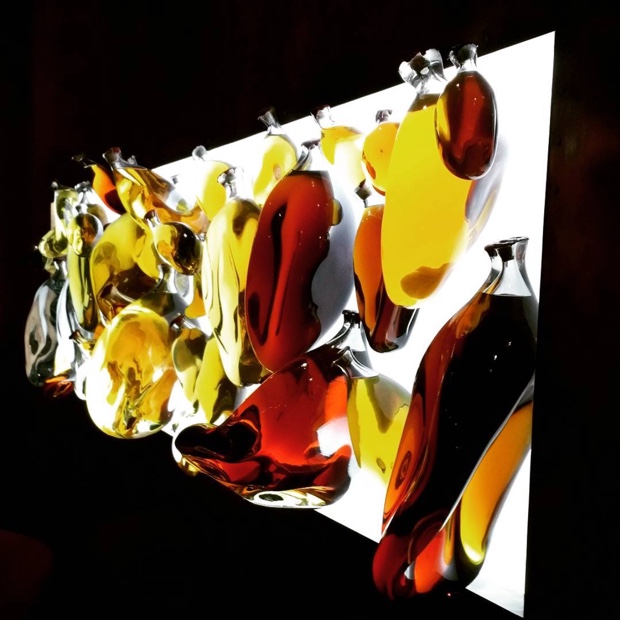
Brandy sculpture @Ellermanhouse @WOSA_ZA #banghoekUncorked #capetown #southafrica

Brandy sculpture @Ellermanhouse @WOSA_ZA #banghoekUncorked #capetown #southafrica

Oldenberg Vineyards Chenin Blanc 2014, Stellenbosch, South Africa (Winery, AgentWineAlign)

From vines planted in 2006 on alluvial soils. A tight, lean and bracing Chenin Blanc with seamless attribution. Simplicity of fruit meets oak (30 per cent ferment for 10 months in 300L French barrels, 50 per cent new) but somehow freshness wins outright. This in kind to sharp, feisty, sour-edged acidity that is lemon bracing and a linger for a good length of time. Also in spite of generous alcohol (14.11 per cent) and relatively low pH (3.21). Jasmine and honey? “Fields of flowers deep in his dreams (Ha ha, honey), lead them out to sea by the east (Ha ha, honey).” The reminder of Stellenbosch and Chenin Blanc. Drink 2015-2019.  Tasted September 2015  @Oldenburgwines  @HHDImports_Wine

Thelema Mountain Blanc de Blancs Méthode Cap Classique 2012, Stellenbosch, South Africa (Winery, Agent, WineAlign)

Sparkling generously donated to with agreeable richness from eight year-old vines out of Tukulu soil. Generous of yield (16 t/hL) at low red/yellow saturated slopes near the basin floor. The dosage keeps it comfortably Brut, the acidity cozily numb. Classic bubble methodology, including three years lees aging, in line for such fine elegance. Runs for a straight purpose, of citrus incarnate with a penchant for piercing. In its youth it knows nothing of oxidative and yet that dimension will lengthen its future. For 15 years it will reside in the refreshing valley in between. Though he is a multi-varietal maestro and with no disrespect to the rest of his Thelma and Sutherland portfolios, if Sparkling is not winemaker Rudi Schultz’s true calling then I’ll have to spend three more hours at dinner with proprietor Thomas Webb to find out what is. Drink 2015-2030. Tasted September 2015  @ThelemaWines  @tomwebbsa  @EpicW_S

We've been expecting you, Mr. Bond #ellermanhouse #banghoekuncorked #007 #capetown

We’ve been expecting you, Mr. Bond #ellermanhouse #banghoekuncorked #007 #capetown

Thelema Sutherland Viognier-Roussanne 2012, Elgin, South Africa (WineryAgent, WineAlign)

In the realm of two-thirds to one-third ratio from Seven year-old (at the time) vines grown on Tukulu and Glenrosa soils. The ramp up of Roussanne percentage elevates acidity to balance the richer, broader and wide-ranging Viognier breadth. There is great grape tannin in this Elgin white with healthy yet balanced alcohol, negligent sweetness and that bouncy, bountiful acidity. Lays about happily in a pool of bleed from rock and stone. Possessive of the je ne sais quoi all impressionistic whites must have, vry of the land and tonic attention. In the end bitter grapefruit draws a cheek full of wince and sends goose bumps down the spine. Gotta love that. Drink 2015-2021.  Tasted September 2015

Panels of terroir @Ellermanhouse Face in the crowd #terroirwall #angustaylor #rammedearth #paulharris #winegallery #capetown

Panels of terroir @Ellermanhouse Face in the crowd #terroirwall #angustaylor #rammedearth #paulharris #winegallery #cape town

DGB in the Capelands

Others would kill for her Pinot fruit and Lizelle Gerber kills it for @BoschendalWines #dgb #DGBinthewinelands

Others would kill for her Pinot fruit and Lizelle Gerber kills it for @BoschendalWines #dgb #DGBinthewinelands

Boschendal Cap Classique Jean le Long Prestige Cuvée Blanc de Blancs, Stellenbosch, South Africa (Winery, Agent)

Chardonnay curried favour from impeccant and licid (2007 base wine) cool climate fruit and then ingratiated by 60 months plus one year on the lees. Of added significance by only having been sulphured at disgorgement. A yeasty B de B of beautifully beckoning oxidation and bone dry at 2.3 g/L of RS. Fizz of finesse and elegance, a feet sweeping, inveigling, influence exerting Stellenbosch cuvée. A skillfully applied mound of preserved lemon and freshly grated wild ginger, piled like airy mousse, or like lustrous wasabi without the burn. Benchmark for the Méthode Cap Classique B de B style. Drink 2015-2027.  Tasted September 2015  @BoschendalWines  @LiffordON  @liffordwine

Cape Oysters Vietnamese #chefswarehouse #capetown

Cape Oysters Vietnamese #chefswarehouse #capetown

Boschendal Cap Classique Grand Cuvée Brut 2009, Stellenbosch, South Africa (Winery, Agent, WineAlign)

Time is the settler is this Pinot Noir (51 per cent) and Chardonnay (49) of aeration and ripeness from its days as a sun-worshipper. From fruit primarily sourced in Stellenbosch with some help from the Elgin Valley. Disgorged in the Spring of 2014, six months post 36 months on its yeasts have brought it to a very happy place. As it found itself in requiem of a less than Brut profile, the sugar level is higher (7.8 g/L), a munching magic mousse transformative indeed, enacted during secondary fermentation and measured dosage. Distinctly nutty, rich, torch toasty and presented in purview by citrus. For Cape oysters, at the least, or foie gras and with a bowl of salted nuts. Drink 2015-2029.  Tasted September 2015

Boschendal Cap Classique Grand Cuvée Brut 2009

Boschendal Cap Classique Grand Cuvée Brut 2009

Boschendal Sauvignon Blanc 2014, Elgin, South Africa (WineryAgent)

From the highest of and one of the latest ripening mountain plateau vineyards in Elgin, 500m above sea level and only 18km away from the Atlantic Ocean. The Eikenhof farm offers well-drained Bokkeveld Shale soils and with a healthy yet restrained sugar component (4.4 g/L), here Sauvignon Blanc goes at it rich and grassy, herbal and highly textured. The white pepper olfaction in lieu of capsicum makes a yummo aromatic impression. Here SB executes in expatiated flection, with layers waiting to be peeled away in discovery of what lays beneath. I would suggest not treading near the surface. You will miss out on the mysteries weighted in its depths. Drink 2016-2021.  Tasted September 2015

Pork Belly at DGB in the Capelands food truck event

Pork Belly at DGB in the Capelands food truck event

Boschendal Chardonnay 2013, Elgin, South Africa (WineryAgent)

Slow-ripened, low-yielding Chardonnay seasoned from unirrigated mountain slopes of Bokkeveld Shale mixed with some clay. Chardonnay paid attention in detail only a small farm can afford, followed by prudent picking in a warmer than average vintage. The barrel has its say in a heartfelt way, the integration with delicate fruit sprouting wings more effete than mannish. One quarter of the 80 per cent oak ferment is new and the rest either second or third fill. Fresh now, reductive to a necessary degree and built for a minimum five with an optimum seven to eight year shelf life. Drink 2015-2020.  Tasted September 2015

This guy loves Canada @WOSA_ZA #DGBinthewinelands #foodtrucks

This guy loves Canada @WOSA_ZA #DGBinthewinelands #foodtrucks

Boschendal Pinot Noir 2013, Elgin, South Africa (WineryAgent)

This is the bomb. Lizelle Gerber may be benevolently pegged as the white wine maker at Boschendal but place Pinot Noir fruit from the second highest vineyard in South Africa in her hands and shazam; welcome to the hallowed alchemy payoff. The treatment is not unlike what Gerber effects upon her Chardonnay; 50 per cent natural fermentation, 12 months barrel maturation in (25 per cent) new, (35) second fill, (15) third and (25) fourth French oak. Variability comes by way of heavy red clays, from Table Mountain Sandstone, Bokkeveld shale, Tukulu and Silica Quartz with underlying Caoline clay. So what? Balance, so what. Her Pinot Noir finds separation by soil. The small berries are so prized even the baboons want in. The windswept vineyards are a place of chaste, inviolable grounds, where Pinot Noir needs little human interference save for some predator protection. The gathering here imagines Willamette salinity, Otago purity and Beaune delicacy. Gerber’s Pinot is simple, cast from only overnight free-run juice, unpressed, pitch perfect, virtuous and riddled with the tension of decorum. It will age for 10 years plus. Drink 2015-2025. Tasted September 2015

Good to go!

Twitter: @mgodello

Instagram: mgodello
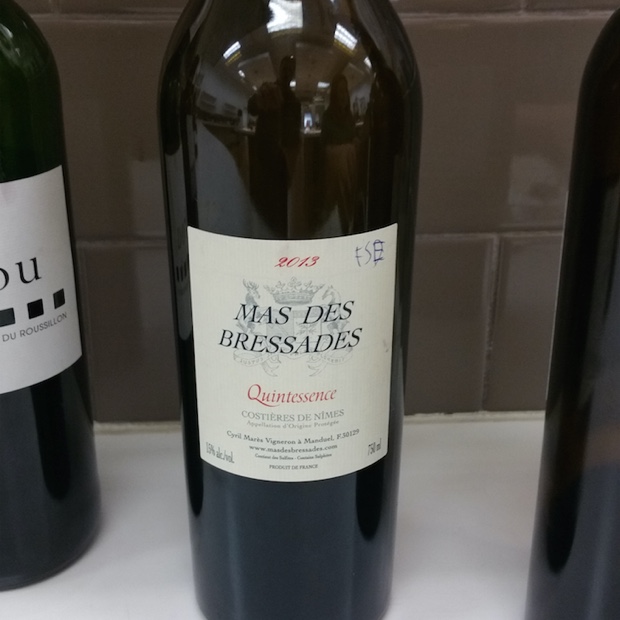
WineAlign: Michael Godel

Facebook

South African duck dynasty

Avondale Wines Navitas 2008

Avondale Wines Navitas 2008

Balance, health, sustainability, organics, bio-dynamics, 21st century science and a posse of ducks. For Johnathan Grieve, these are the tenets of growing grapes and making wine at Avondale. The family owned and operated winery in Paarl, South Africa is a purveyor of wines fashioned with low and slow dynamics. Their dynasty is bred from a form of naturalism practiced in farming and winemaking executed in its purest form.

Take a moment to consider the dowsing effects of viticulture and viniculture driven by divested interests, where natural fermentations and a complete absence of artificial adjustments are the sworn rule. Let yourself go and the tangent will take you further, to incurvate within a grower’s neighbourhood occupied by the dimensions of the spiritual intersected with the existential. You will find yourself stumbling upon life energies, living systems, cosmic influences and rhythms.

I tasted with Grieve in Toronto, May 2015, with thanks to Rare Earth Wines and Wines of South Africa Canada’s Laurel Keenan. I then sat down with him again in September 2015, at Cape Wine, in Cape Town, South Africa. The notes tell the stories.

Avondale Wines at Cape Wine 2015

Avondale Wines at Cape Wine 2015

Avondale Wines Armilla 2009, Paarl, South Africa (WineryAgent, WineAlign)

From a farm dating to 1693 purchased by Johnathan Grieve’s family in 1996. Poster bubbles, for the Blanc de blancs habitation and for the Avondale oeuvre, the Armillary sphere, Roman “circle of life” and ancient astronomical instrument used to show the position of stars around the earth. Traditional production, with a kiss of oak and a final act of dosage. Five total years on the lees, including two on coarse and one in bottle. Picking was accomplished at the end of that January, in purpose of stylistic elegance and beautiful bitters born of natural and integrated acidity. Terrific dip of biscuits into honey. Like Baklava in a glass though equally savoury to dessert. Baller bubble, balanced and with the sense to envision evolution, to the look ahead of an adult age. Would retail for approximately $28 CAN. Drink 2015-2027.  Tasted twice, May and September 2015  @Avondalewine  @RareEarth_Wines  @WOSACanada  @WOSA_ZA

Winemaker with a true sense of purpose- Johnathan Grieve @Avondalewine @CapeWine2015 #capewineconnect #terraestvita #paarl #westerncape #southafrica #southafricanwine

Winemaker with a true sense of purpose- Johnathan Grieve @Avondalewine @CapeWine2015 #capewineconnect #terraestvita #paarl #westerncape #southafrica #southafricanwine

Avondale Wines Jonty’s Ducks Pekin White 2013, Paarl, South Africa ($14.95, WineryAgent, WineAlign)

Named for the young ducks and their voracious appetites for snails on which they go to town in the vineyard. Chenin Blanc driven, with some white Muscat, Semillon and Roussane. Sweet Chenin nose while 10 per cent aged in big French barrels adds texture in fleshy orchard fruit, from white peach to yellow plum. Duck, duck, goose, as in tart, sapid berries and the way they solidify the finish. Drink 2015-2018.  Tasted May 2015

Avondale Wines Jonty’s Ducks Pekin White 2014, Paarl, South Africa ($14.95, WineryAgent, WineAlign)

The house white with the Avondale ducks always in mind. “How does mother nature do it? For each problem there is a natural predator available to do the job.” The holistic approach applies to the winemaking of Johnathan Grieve as well. In 2014 there is an easier and more naturalistic feel. With less oak and lees, some rest and the result is increased freshness, especially for the dominant Chenin Blanc. Ready to go as we speak. Drink 2015-2018.  Tasted September 2015

Avondale Wines in Toronto, May 2015

Avondale Wines in Toronto, May 2015

Avondale Wines Jonty’s Ducks Pekin Red 2011, Paarl, South Africa (383547, $14.95, WineryAgentWineAlign)

At Avondale they employ beneficial bacteria, predatory wasps, birds of prey and their famous ducks. The Jonty’s posse goes frenetic when escargot are offered up at lunch. The same can be said for hordes of humans and this red blend. Composed from Shiraz, Cabernet Sauvignon, Merlot, Cabernet Franc, Petit Verdot and Malbec, it is seamless at this price. While savoury to be sure, there is no grape dominance. The middle is filled with drupe, kernel and spice. Try finding volatility. You can’t. Speaks, comments and lectures in layers of fruit across its hexa-varietal spectrum. Drink 2015-2020.  Tasted May 2015

Avondale Wines Anima Chenin Blanc 2013, Paarl, South Africa ($22.95, WineryAgentWineAlign)

Straight shooting Chenin of struck stone and flint, from 100 per cent whole clusters, naturally fermented and aged for 12 months on the lees in large (500L) barrels. Plus bâtonnage, in the name of lees. Offers a sense of wax and pollen, in airy texture, through a valley of sound, with bending notes and a big riff finish. Some bitter melon and unique berries fret about. Has developed its tannic structure with mineral for soul and weight from soil. Terra est vitasoul to soul. Soil to soil. Avondale makes use of concentrated sea salts and cover crops give balance to the vineyard, to add diversity without negativity. Like adding keyboard and saxophone to the blues, for soul. “Get away from the blind side of life.” Change it. Drink 2015-2020.  tasted May and September 2015

Avondale Wines Cyclus 2013, Paarl, South Africa ($26.95, WineryAgentWineAlign)

A sink full blend of give or take equal (20-24 per cent) parts, with the vortex at Viognier, alongside Chenin Blanc, Marsanne and Roussane with (six to 10 per cent) Sémillon. Ostensibly, sensibly and spoken through megaphone, purporting the drive to and for such an appellative blend in South Africa. A circle of life and energy to announce the need for diversity, in vineyard, by way of bringing varietal togetherness and the notion that anything can be accomplished, anywhere, anytime. Confirms the idea that everything ripens in South Africa and can be showcased with the correct approach. An Avondale holistic approach. A Capelands example for which many should follow. Fruit in every pore, nook, hollow and cranny. Just as the vortices of a cow’s horn encourages blood flow, so are energies focused in the Avondale soil. Breathing in the Autumn, breathing out in Spring. The cycles. Drink 2015-2022.  Tasted September 2015

Johnathan Grieve in Toronto, May 2015

Johnathan Grieve in Toronto, May 2015

Avondale Wines Cyclus 2012, Paarl, South Africa ($26.95, WineryAgentWineAlign)

Viognier, Chardonnay, Roussanne, Chenin Blanc and Sémillon. In 2012 it’s as if the five varieties are spinning in centrifuge. Quite the whirling white blend, dynamic, energetic, replete with tropical fruit, metals and pulpy paper. The entire accumulation grooves in a vortex, whorling within a dynamic container. The lees adds a perfume of fine format, of yeast cultures and beneficial bacteria in a frenzy, bringing character and expression. The nine months of coarse solids have filtered in, relegating to elegance and pausing in a northern Rhone way. Up front fruit once quiet is now showy in this, its early stages of development. Fascinating stuff. Drink 2015-2021.  Tasted May 2015

Avondale Wines Camissa 2014, Paarl, South Africa ( WineryAgentWineAlign)

A different sort of animal, the Camissa is a Blanc de Noir made from red varieties, Muscat de Frontignan, Mourvedre and Grenache. Tells the story of Table Mountain and the stream that feeds the vineyard. An expression of mostly red fruit; strawberry, raspberry, cranberry and pomegranate, dried, saline and briny. Lithe like dry Rosé and struck by impeccable balance thanks to natural acidity. Citrus claims the finish. Drink 2015-2019.  Tasted September 2015

Avondale Wines Samsara 2009, Paarl, South Africa ($32.95, WineryAgentWineAlign)

A 100 per cent Syrah of purity, elegance and structure, from beginning to end. Nary a gauze or volatile moment intrudes, nor smoke and tar neither. Floral of violets, red plum and wet clay with just the faintest note of warm coffee grinds. Bright and vivid acidity, a rebirthing of Syrah, of South African roots incarnate and that grounded, earthy, yeasty cure. Much more elegant than the raw and energetic ’07. Drink 2016-2022.  Tasted May 2015

Avondale Wines Samsara 2007, Paarl, South Africa ($32.95, WineryAgentWineAlign)

Hand-harvested Syrah, whole bunch, naturally warm fermented with no crushing at 30-32 degrees centigrade. Extended (15-16 day) skin contact. All this to gain maximum extraction and optimum flavour. What resulted was a deep, rich, red earth cured, funk-motivated Syrah, driven by soil above all else. Pepper and violets meld into severe grape tannin from those skins. Allspice and red citrus make their mark. Still not yet ready for prime time. Drink 2017-2022.  Tasted September 2015

Avondale Wines La Luna 2009, Paarl, South Africa ($34.95, WineryAgentWineAlign)

A five Bordeaux varietal blend from Cabernet Sauvignon to Malbec with diminishing percentages by way of and through Cabernet Franc, Merlot and Petit Verdot. A meritage in which the heritage aromatics driven by natural yeasts are accentuated by the bell curve of the ferment, during the decline and before the spike. Cake of the earth, fruit of dense expression and the structure of low and slow development. Extended skin contact, housing the place where yeasts reside, leads to the cultures driving the tannins. A culture club of composure and happiness. Really offers up a sense of what is achievable in South Africa. Drink 2018-2025.  Tasted May and September 2015

Avondale Wines Navitas 2008, Paarl, South Africa (WineryAgentWineAlign)

The flagship, limited release Navitas (just over 1000 bottles) endears juicy, parturient Grenache and Mourvedre to Avondale’s enceinte Syrah in a transformative and characterful Rhône blend. This ’08’s cup runneth over with intense energy in what may be referred to as the powerstream red, 100 per cent whole bunch fermented, powered by natural enzymes and essentially, prolifically gravid with the most severe envy of carbonic maceration. A post ferment skin contact for 30 days and 18 months in gently effacing, new 6o0L oak barrels transports grapes to near nirvana. This is what can be done with fruit that has fully completed a journey to phenolic ripeness. Approximately $139 CAN. Drink 2017-2028.  Tasted September 2015

Good to go!

Twitter: @mgodello

Instagram: mgodello
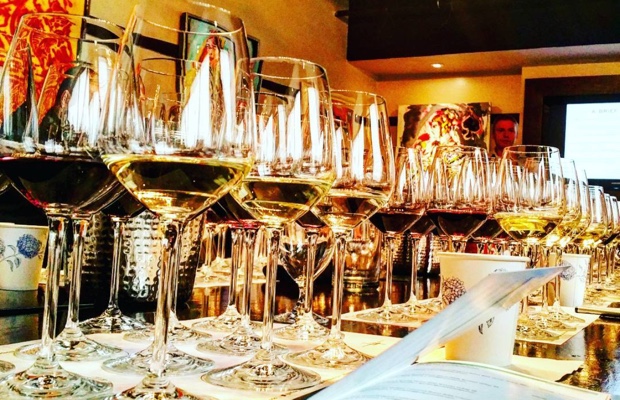
WineAlign: Michael Godel

Facebook

Top ten imports at VINTAGES from May 30th

Organic Sirloin, parsley, black olive

Organic Sirloin, parsley, black olive

Should you be counting and despite the number of wines you will read about below, I have to tell you honestly that I was a highly competent mathematics student through high school. Distractions including but not restricted to cooking, music, words, pop culture, sports and ancient works of antiquity paved new roads but I can still count to ten. This list goes up to eleven because I could not in good conscience leave Thomas Bachelder’s pulchritudinous NSG out in the first day of June cold.

Related – Du bon Bachelder: Burgundy, Oregon, Niagara

So I tasted again and have updated my note on La Petite Charmotte 2011, a beneficient Bourgogne that hit LCBO shelves this past weekend. The Bachelder project turns water into wine in three countries. By now you know all about the trinité-terroir schematic as I’ve written about Thomas and Mary many times. The fact that VINTAGES happens to now be releasing the 2011 LPC, predecessor to the already tasted and reviewed 2012, the “single-vineyard NSG hugged up on a northern slope,” is of consequence because it’s a memorable, cellar-worthy wine from a really stunning vintage.

Related – Eight Ontarians to be released on May 30th

The other top 10 all happen to be reds, save for one exiguous white Burgundy. France and Italy (a.k.a. Old World) dominate the remainder, except for a lone, paradigmatic Chilean Cabernet Sauvignon and a refreshing McLaren Vale Shiraz. Get out there folks, spoken one more time in guiltless refrain. Here are your tasting notes.

From left to right: La Ferme Du Mont Première Côte Côtes Du Rhône 2012, Altivitis Ventoux 2011, Corino Dolcetto d'Alba 2013, Errazuriz Aconcagua Alto Cabernet Sauvignon 2012 and Maison Roche De Bellene Vieilles Vignes Bourgogne Chardonnay 2012

From left to right: La Ferme Du Mont Première Côte Côtes Du Rhône 2012, Altivitis Ventoux 2011, Corino Dolcetto d’Alba 2013, Errazuriz Aconcagua Alto Cabernet Sauvignon 2012 and Maison Roche De Bellene Vieilles Vignes Bourgogne Chardonnay 2012

La Ferme Du Mont Première Côte Côtes Du Rhône 2012, Ac Rhône, France (251645, $14.95, WineAlign)

A different sort of CdR works from this unfiltered red, on the side of winemaking that summons modern Rosso Sangiovese Grosso. That’s caused by the concentration of cherry liqueur, dried roses and a greater aromatic feeling of potpourri. Yet there is also fresh raspberry and at the other end of the spectrum, cured meat. With a touch of Brett it recalls Grosso in deeper, more expensive terms. The middle palate is a touch hollow, but at $15 beggars need not be choosers and so much pepper marks the austere finish. Add it up and the two words that come to mind are simply complexity and value. Drink 2015-2019.  Tasted May 2015  @Eurovintage  @VINSRHONE

Altivitis Ventoux 2011, Ac Rhône, France (414359, $17.95, WineAlign)

Prodigious Ventoux for a pittance considering the stuffing and the Mencia-esque (think Pittacum) deep, dark, black cherry and purple berry dressing. Rich and actually structured with equal and opposing tannins. That said, it never sheds its high-toned, carbonic youthfulness and the aromas are peppered by five spice, mandarin and hoisin. Something about this also reminds of Cru Beaujolais, but like an immature, yet volatile tank sample of Brouilly. But it’s more new world than that, so I wouldn’t construe all this as complexity, or balance for that matter, but instead, distraction. It’s certainly worth a look, with near, value-driven greatness due to righteous acidity, in a modern, semi-distinct representation of the region. If you like to keep it dark and sorcerer powerful, go gothic with this Ventoux. Drink 2015-2018.  Tasted May 2015  @AOCVentoux

Three from the Rhône Valley at VINTAGES May 30, 2015

Three from the Rhône Valley at VINTAGES May 30, 2015

Corino Dolcetto d’Alba 2013, Doc Piedmont, Italy (412353, $18.95WineAlign)

Three district aromas emanate; fresh carbon-stoned fruit, cheese and earth. Plums and liquorice on the palate. More cheese. High acidity with gramercy to punctuality, dimension and peak performance prickling. A minutiae of tannin ekes out an ageing component. Could go both ways bitter finish. Better than most Dolcetto. Drink 2015-2017.  Tasted May 2015  @danieliwines  @vinidelpiemonte

Errazuriz Aconcagua Alto Cabernet Sauvignon 2012, Aconcagua Valley, Chile (203364, $19.95, WineAlign)

Presence and exceptional poise define the role played by this Cabernet Sauvignon. The character portraiture is so very Chilean. Florals oscillate in waves of vanilla, along with currants and tobacco. Dig in some Aconcagua earth and bell pepper, melded into and lost in an ol’ tenebrous, cimmerian buttermilk sky. Lush, rich and piqued by cracked pepper, anise and the dusty redundancy of liquorice root. Legitimately oaky but that is entirely OK. Drink 2015-2020.  Tasted May 2015  @errazurizwines  @Dandurandwines  @DrinkChile

Maison Roche De Bellene Vieilles Vignes Bourgogne Chardonnay 2012, Burgundy, France (299867, $20.95, WineAlign)

So stylish for entry-level Burgundy, ascertained and finessed by a light yet steady approach. Creamy texture stands out, above freshness and the under subtle tone of buttery oak. I don’t find it at all toasty but more of a slow, low temperature, moisture deprivation in the whirl of a dehydrator. Enter the forest through the gates of this Bourgogne on the route to Meursault. Drink 2015-2018.  Tasted May 2015  @RochedeBellene  @Nicholaspearce_

From left to right: Famille Perrin Les Christins Vacqueyras 2012, Serafino Shiraz 2012, Pierre Amadieu Romane Machotte Gigondas 2012, Badia A Coltibuono Chianti Classico Riserva 2009, Bachelder La Petite Charmotte Nuits Saint Georges 2011 and Monte Faustino Amarone Della Valpolicella Classico 2008

From left to right: Famille Perrin Les Christins Vacqueyras 2012, Serafino Shiraz 2012, Pierre Amadieu Romane Machotte Gigondas 2012, Badia A Coltibuono Chianti Classico Riserva 2009, Bachelder La Petite Charmotte Nuits Saint Georges 2011 and Monte Faustino Amarone Della Valpolicella Classico 2008

Famille Perrin Les Christins Vacqueyras 2012, Ac Rhône, France (973453, $23.95, WineAlign)

I tasted this Vacqueyras back in the fall of 2014 but did not write a formal tasting note. Six months in bottle has done it some serious, generous justice, in the aromatic simulacrum of balance. Settling has tempered what heat there may have been in extreme youth, humouring and buttressing the lamina of red fruit to stand alone, in avoidance of an impasse in jam. This has class in all months, seasons and at every level of education. It is both student and T.A., dug in to study and to mentor younger Vacqueyras in search of such structure and wisdom. Spice and smoke throw signals of added coil, only to relent to the drupe and resolve for involution. Times also allow for pretty florals beholden to garrigue. Chalk and grain give the tannin elasticity. Exemplary and necessary Vac with an inconsequential asking price. Drink 2016-2022.  Tasted May 2015  @Beaucastel  @ChartonHobbs  @VINSRHONE

Serafino Shiraz 2012, McLaren Vale, South Australia, Australia (407718, $28.95, WineAlign)

A richly textured, solidly structured and surprisingly believable, relatively tame, low alcohol (14 per cent) McLaren Vale Shiraz. The flowers are strewn across the aromatic entry, relenting to cedar and ripe berries. What a sincere inhalation of beautiful. Classic bones to carry a sense of place, constructed with heady serenity and savour faire. Shiraz of a tall order, to please many camps, from finesse to power, for instant pleasure and in attraction of the cellar junky. Drink 2016-2022.  Tasted May 2015  @SerafinoVino  @mclaren_vale

Pierre Amadieu Romane Machotte Gigondas 2012, Rhône Valley, France (973453, $27.95, WineAlign)

Show me an off vintage of the Romane Machotte Gigondas and I’ll throw in the proverbial tasting towel. This Amadieu can never disappoint. The ’12 offers spicy, smoky, piquant accents over top big red fruit. Much reduced yet non-reductive freshness abounds, set upon a valance of liquorice and dried flowers. The stuffing is packed and brimming, the herbs and verdancy sacrosanct with just the right kind of sting. Has savour but I would stop short of calling it savoury. It’s raspy but not rapacious. The Grenache-Syrah blend bides and lingers, long as the road that links Romane and Machotte. Drink 2016-2022.  Tasted May 2015  @Amadieu_G

Badia A Coltibuono Chianti Classico Riserva 2009, Docg Tuscany, Italy (683474, $38.95WineAlign)

This is a very understated, creeping, impossibly concentrated Chianti Classico Riserva. Positively vital, as classic as classic gets while not once reverting to the kind of rusticity that refuses adaptation, ignores permutation or refutes progress. The cleanest fruit is scented by the dulcet appraisal of truffle and porcini. The pitch is just about perfect, the acidity ideal and the balance struck between fruit, barrel and age. Earth grounds the entire ordeal, rendering it peaceful and pleasurable, the possibilities playing out enjoyable and endless. The organic ’09 can be poured right now and the legs will take this down roads as long as the SP408 to Traversa and Gaiole in Chianti. Drink 2015-2029.  Tasted May 2015   @coltibuono  @HalpernWine  @chianticlassico

Bachelder La Petite Charmotte Nuits Saint Georges 2011, Ac Burgundy, France (357228, $49.95, WineAlign)

The spice notes reign in May, 2015. A smoulder stick of limestone wicks through the red, earthy fruit. Petite only in grace and largesse, in longevity this stretches from Nuits-Saint-Georges to roads leading in all directions. Careful, delicate and yet profoundly, powerfully restrained, not to be ignored Pinot Noir. Drink 2018-2025.

From my earlier note of November 2013:

Is so floral, mineral, intense and hypnotic it might be dubbed the Serpent Charmer. Iron and wine indeed, the iron of Nuits, the perfume of Beaune. This provocative bottling represents the third year of production, is conspicuous in Anis de Flavigny and an underlying gate. If montagnes is the harming one, this is the charming one. These are all from the same barrels, so what really affects the wines the most? Land and hand.

Last tasted May 2015  @Bachelder_wines

Monte Faustino Amarone Della Valpolicella Classico 2008, Doc Veneto, Italy (327122, $56.95, WineAlign)

You know it’s big, hot and full-bodied. But oh if this isn’t the epitome of how Amarone can woo, thrill and hypnotize. The fig-date-palm-dried fruit feeling proliferates within an anise liqueur base. The caked, cracking and arid earth flakes, chips and cuts with a mustard of spices. The smooth and velvety mouthfeel has variegated chalk and grain. Such a promiscuous Valpolicella that fleshes and swells as it swirls. Intense, rich and yet neither overpowers nor climbs over the top. Drink 2018-2028.  Tasted May 2015  @RegioneVeneto

Good to go!

http://www.winealign.com/profile/2058-mjg

Shades of South Africa

From left to right: Vinum Africa Chenin Blanc 2012, Ken Forrester Reserve Chenin Blanc 2013, De Morgenzon Reserve Chenin Blanc 2011, Boschendal 1685 Shiraz/Mourvèdre 2013, Graham Beck The Game Reserve Shiraz 2012 and Kanonkop Pinotage 2012

From left to right: Vinum Africa Chenin Blanc 2012, Ken Forrester Reserve Chenin Blanc 2013, De Morgenzon Reserve Chenin Blanc 2011, Boschendal 1685 Shiraz/Mourvèdre 2013, Graham Beck The Game Reserve Shiraz 2012 and Kanonkop Pinotage 2012

A sit down at Montecito Restaurant last month engaged three flights of South African wines, introduced by master of presentation ceremonies Will Predhomme, who declared a federal truth politic. “This is meant for sommeliers but you journalists will get what you need out of it.” Mr. affable’s public service announcement held great meaning. Pour 15 wines from South Africa to a group of somms, journos and consumers to discover there will be something for everyone.

When execution and style is so varied from within one very large wine region, things can turn into dramaturgy verging on the absurd. At any sort of political theatre tasting comprising a range of disparate wines, three things need to go right. First the presenter must have a keen sense of the rug that ties it all together. Second, the support needs to be in place from the larger powers that be and third, the wines must be good. Three for three, first in the care of Jimson Bienenstock and the kitchen at Montecito, then with thanks to Wines of South Africa Canada and finally by way of succinct explanation via Mr. Predhomme.

Lunch at Montecito

Lunch at Montecito

A tasting like this, explained Predhomme, “is about expressing what South Africa is but with wines that are available in our market.” South Africa’s wine history, or at least how it exists in relation to the modern world, is quite young yet has advanced with incredible speed. Imagine that Chardonnay did not arrive until 1983 and had to be smuggled in. Some of the world’s finest Chardonnay is now made on South African soils.

Nelson Mandela’s release from prison and the country’s strive for democracy had a profound effect on the revolution, evolution and expedient rush to embrace modernity. Twenty one years later “South Africa as a whole is really starting to see where it fits,” says Predhomme, “though it will still take at least another generation to really figure it out.”

Home to 600 producers, the country exported 22 million litres in 1992 and 417 million in 2012. The U.K. is the number one buyer, followed by Holland and then Canada, who ranks number seven. “You can’t maintain this type of growth,” notes Predhomme, “but you can shape it.” This is why WOSA has set up shop in nearly a dozen countries.

Winegrowing regions of South Africa

Winegrowing regions of South Africa

South Africa is a geographical and geological land of wonder, of ancient soils and picturesque intrusions. Extreme examples include the shale and schist of Swartland that turns into dust and the granite domes of Paarl, which are 30 million years old. “Beginning of time stuff, but how does it impart into wine?” Taste fifteen wines and you will get a sense.

South Africa is barely older than Ontario in terms of the modern era of winemaking and yet it produces some 18,000 hectares of Chenin Blanc, double the amount in the Loire Valley. In Swartland the betide is nothing short of a Rhône revolution, with producers doing “whatever they want.” There are hot climate wines from dry-farmed table lands with bush vines similar to Mendoza, minus the Andes. A huge diurnal shift is taking place. Wines are coming from high elevations, where it’s hot but the nights are cool. New upcoming areas in cool, coastal areas, in places like Elgin, Bot River and Walker Bay’s Hemel-en-Aarde Valley have Sonoma like conditions, with maritime influences and fog. All of this adds to the diversity of the South African palette.

Montecito

Montecito

Whites Flight

Villiera Sauvignon Blanc 2014, Stellenbosch-Elgin, Western Cape, South Africa (Agent, $17.95, WineAlign)

Western Cape in the hands of winemaker Jeff Grier is all about varietal fruit, here Stellenbosch helped into blending-like ambition by young, spritely Elgin berries. A kitchen sink varietal nose gathers gooseberry and fig fruit, incorporates earthly elements (3.46 pH), medicines, sugars and tonics. The Sauvignon Blanc aspect is riper than most. Where the discombabulation comes is from atmospheric pressures, rescued in part by a candied (3.7 g/L RS) Granny Smith apple, pyrazine palate. The MOR alcohol (12.9 per cent) and final act of tart (6.3 g/L) acidity is the calling card to remember, acting as the twist, the tie and the rock. Drink 2015-2017.  Tasted April 2015  @villiera  @AbconWine

Vinum Africa Chenin Blanc 2012, Wo Stellenbosch, South Africa (739995, $15.95, WineAlign)

Robust, high-strung, wrapped tight Chenin Blanc that acutely pushes the limits of excitable fruit. The aromatic tonality causes salivation and the eyes to water, as the nose drifts upwards, like the feeling of looking straight into the sun set high against a perfect blue sky. Then the palate lifts to off-dry, sending tingling sensations rippling through, with a cool-climate Chardonnay like prickling. Some oak and crunchy mineral add a smack of Stellenbosch in this rangy white from Alex Dale from the Winery of Good Hope. Drink 2015-2018.  Tasted April 2015  @WineryGoodHope  @Noble_Estates

Ken Forrester Reserve Chenin Blanc 2013, Stellenbosch, South Africa (231282, $17.95, WineAlign)

The 2013 Forrester OV Chenin has less early, obvious and striking appeal but that does not take away from its persistent and indubitable quality. This is a most fine and elegant vintage, with a faint yet obvious quiver of honey. Yellow fruit and their flowers mingle with the fleeting sweetness, in the name of balance and purity. A slide from one moment effortlessly into another, through a waft, from a swirl. Though the fruit is harder to find, it’s a cause of placing the origin; something south Asian but not quite tropical sweet. Like Salak or Kumquat or Jack. So much mineral, tightly wound on a spindle, wound to unwind, unwinding to rewind. Drink 2016-2022.  Tasted April 2015  @KFwines  @Noble_Estates

De Morgenzon Reserve Chenin Blanc 2011, Stellenbosch, South Africa (339762, $29.95, WineAlign)

Even at four years of age, the wood aspect of this Chenin Blanc exaggerates rather then amalgamates. At the time, winemaker Carl van der Merwe held nothing back to fashion a white with considerable heft and weight. Alcohol (14.1 per cent) persists in linking with the barrel for a humid, toasty and sultry affair, cosigned by matching (7.7 g/L) sugar and acid tones. This is a prime example of a love/hate Chenin Blanc relationship. If you are on the varietal fence then the magnifications will drive you away. If Chenin Blanc and barrel fermentation are your splintered cup of tea then this will woo you with passion. The hyperbole of rocks, medicines, tonics, peats, elements (including iodine and heterocyclic aromatic organic compounds) are all here. It’s a veritable CB feast. Drink 2016-2020.  Tasted April 2015  @DeMorgenzonWine  @TandemSelection

Glenelly Cellars Grand Vin Chardonnay 2012, Wo Coastal Region, Stellenbosch, South Africa (382200, $19.95, WineAlign)

From out of Stellenbosch in the Idas Valley, on the southern slopes of the Simonsberg Mountain, opened in 2010 by May de Lencquesaing. State-of-the-art facilities give range and class to this whole cluster pressed Chardonnay, aged for 10 months in new and second fill 500L barrels and left for nine months on the lees. The intensity of chalk, remedy, tang and tart fruit volleys and assails in many ways. It hangs on the edge and teases. You can take the Chardonnay out of the Coastal Region but you can’t remove the ancient geology granite and schist, reinforced iodine aroma from the Chardonnay. Drink 2015-2018.  Tasted April 2015  @GlenellyWines  @HHDImports_Wine

Chenin Blanc

Chenin Blanc

Bordeaux Cultivars

Raats Family Cabernet Franc 2010, Stellenbosch, South Africa (Agent, $39.95, WineAlign)

From decomposed Dolomite granite soils and vines in that vigorous young adulthood range of 18 to 25 years. A Cabernet Franc of ripeness, extraction, warmth, picked at fully realized sugar potential and vinified nearly bone dry. No stranger to wood, it spent 18 months in French Vicard and Mercury oak barrels (25% new, 25% second, 25% third fill and 25% fourth fill). Was neither fined nor filtered. All tolled it is quite steroidal, highly ferric and plugged in. Transmits currants by frenetic current, by bush smoulder and melts with macerated cherries. What minor holes in the oak blanket that show through are patched with a thin veneer of pungent compound, decomposed stone and the effects of dry farming. The lack of irrigation trumps the iron gait and grit, limiting the solvent to minute drips and drops. This is a big, arid red with few tears and many years ahead. Drink 2017-2024.  Tasted April 2015  @RaatsWines  @TandemSelection

Kanonkop Cabernet Sauvignon 2010, Wo Simonsberg-Stellenbosch, South Africa (403964, $48.00, WineAlign)

A mouthful to be sure, this Simonsberg is a cup runneth over “red wine bowl” of a Cabernet. Such a ripe, rich, rapturous and varietally obvious wine, overflowing with red fruit (berries and plums) and gilded enough to beat the ferrous inference into submission. Just a dusty rub of greenery, a sage and charcoal aggregate residue that dissolves into the sappy juice and the rush of late acidity. Quite a clout of sauvage and garrigue in this modern red with a loyal, rustic swell. Drink 2016-2022.  Tasted April 2015  @KanonkopEstate  @Noble_Estates

Constantia Glen Three Cape Peninsula 2010, Constantia Valley, South Africa (Agent, $21.95, WineAlign)

A stone’s throw from of Cape Town comes this maritime red as close to cool-climate as you are likely to find in those environs. Two Cabs and a Merlot legato conjoin to continue the bent to modernist winemaking, with a twist of old world funk and soul. Smoky jazz beats darken the room filled with bright, ripe, con brio waves of concentrated fruit. Though this has the gauze and the grippy, firm, gritty B key blow of tenor sax, the cool middle tinkling keyboard bars temper the tension and the nerves. Bordeaux blend with a wall of sound and value to boot. Drink 2015-2020.  Tasted April 2015   @ConstantiaGlen  @TandemSelection  @constantia1685

Hartenberg Estate Cabernet Sauvignon 2011, Stellenbosch, South Africa (Agent, $35.00, WineAlign)

A healthy swath of oak (18 months in 60 per cent new and 40 in second fill French) buoys and blankets this deep, cimmerian Cabernet. The nose is quite candied and while floral too, those edibles are dipped in a frosty coating. There are separations between the lines of intention, at once all forest floor, truffle and mushroom and again sugary, sappy and like a stew. Lustrous and silky of texture, with a grain running on tension and a drying out on the finish. Big, brawny, toothsome and hot. Drink 2015-2019.  Tasted April 2015  @HartenbergWine  @hobbsandco

Villiera Cabernet Sauvignon 2012, Stellenbosch, South Africa (Agent, $18.95, WineAlign)

The nose is quite unusually pretty and floral. So much strawberry, of fruit and leaves. A cool and polished red with a late push of varietal ferrous on the back of the tongue. This has layer upon layer, wave over wave, a veritable cake and vegetable garden, a terrace of nightshades and beets. May not be everyone’s cup of multi-varietal Napolean but it is complex. Drink 2015-2020.  Tasted April 2015

Rhône/Blend/Indigenous

Boschendal 1685 S & M Shiraz/Mourvèdre 2013, Wo Coastal Region, South Africa (403667, $19.95, WineAlign)

From the hands of winemaker Bertho van der Westhuizen, this puts 70 per cent Shiraz from vineyards in the Faure area of Stellenbosch, Helderberg and Bottelary hills sites together with 30 per cent Mourvèdre from the Paardeberg area. Goes directly to a happy place so not quite the S & M you might have expected. The playful reverse psychology and complex fermentation regimen spins the world right around (80 per cent of the wine went into 300L oak barrels, a quarter each in 1st, 2nd, 3rd and 4th fill, while the remainder was left unoaked). The S & M spits out with a remarkable impression of weightlessness, of hovering inches above the ground. Like the gentle, almost awkward and swerving of a bouncing rubber ball, playful and innocent, into comfortable Rhône territory. Smoked berries, fine cherry and very persistent, in memory, forward and onwards. Drink 2015-2019.  Tasted April 2015  @BoschendalWines  @LiffordON

Boekenhoutskloof Syrah 2011, Wellington, South Africa (Agent, $69.95, WineAlign)

A ripe, plush, super annotated, developed and slowly developed aromatic layering that defies even South African logic. A smoky, slow-roasted Syrah seemingly only winemaker Marc Kent could procure, like a combined 24-hour brisket and an entire porcine roast in a pit of sand on Brendan Beach. And yet tell me this does not somehow smell like Curry? Like a full-on, whole spice ground, stratified Masala, of cardamom, dalchini, jaiphal and kalonji. This is Syrah of intense concentration, ripe hauteur, serious breadth and a sense to be Rhône without the bacon cure. Won’t be going anywhere, anytime soon. Drink 2018-2025.  Tasted April 2015  @TheWolftrapWine  @TandemSelection  @PorcupineWines

Graham Beck The Game Reserve Shiraz 2012, Wo Stellenbosch, South Africa (383570, $18.95, WineAlign)

The game is in The Game with musky scents from just charred roast venison and wild boar hide. Also modern, reminiscent of internationally-styled blends from Terra Alta or Montsant. The game works in smothering partnership with heavy, fully ripe and extracted fruit. This is a strong, big willed and boned $18 South African red that should help to alleviate old prejudices and is really quite seamless at the price. Almost tastes volcanic. Wood is used and used well, without pretence or obnoxious behaviour. Drink 2015-2020.  Tasted April 2015  @GrahamBeckWines  @VinexxCanada

Kanonkop Pinotage 2012, Wo Simonsberg-Stellenbosch, South Africa (Agent, $44.95, WineAlign)

Estate, pedigree and price raise all the bars of expectation for the grape with a modern crush on and for espresso and mochaccino. OK Pinotage, what have you got at $45? A deep red wine in demand to draw plenty of attention, to pluck strings with pizzicato and reverberation? The answer is yes and my attention is indeed captured. Light on chocolate, mocha, creme and nary a lissom or bouncing tone, but instead this Pinotage sings straight lines of red fruit. A stone temple of Pinotage, a pilot of its own fruitful flight. The Pinotage flavour, of tar in summer comes late, is more obvious, notable and grounded as the wine dries to its finish. This is one of the better, even great renditions to date. Bravo. Drink 2017-2022.  Tasted April 2015  @KanonkopEstate  @Noble_Estates

Bouchard Finlayson Hannibal 2012, Hemel-En-Aarde, Walker Bay, South Africa (Agent, $47.99, WineAlign)

The varietal potpourri is an Italian-French polygamous matrimony, a cross-section of colour, aroma and flavour that somehow comes righteously together. Call it a lavandino della cucina or évier de cuisine but either way you translate this mix is one of gastronomy and oenology, crafted, blended, sautéed and vinified. Hanibal is barrel matured for sixteen months after fermenting the different grapes separately, comprised of Sangiovese, Pinot Noir, Shiraz and Mouvedre, with Nebbiolo and Barbera. The culmination revolves on an axis bold as love, of Brett, funk and circumstance. A wildly natural wine, very 1960’s, smoky and with wafts so thick you need a fork to eat and goggles to see through the haze. A wicked blend of heaven and earth. Meaty, cured, sanguine and charred. Super-charged and running hot. Drink 2016-2022.  Tasted April 2015  @BouchFinlayson  @LiffordON
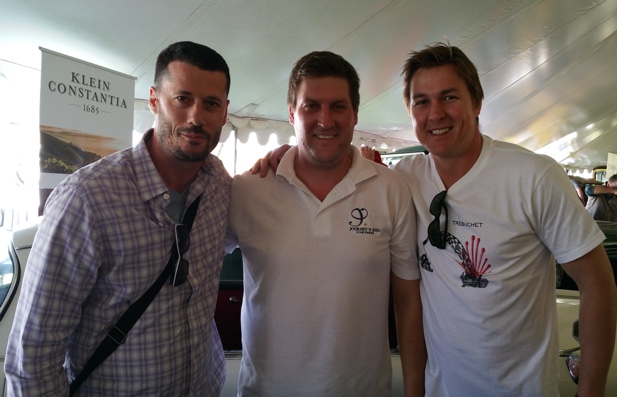
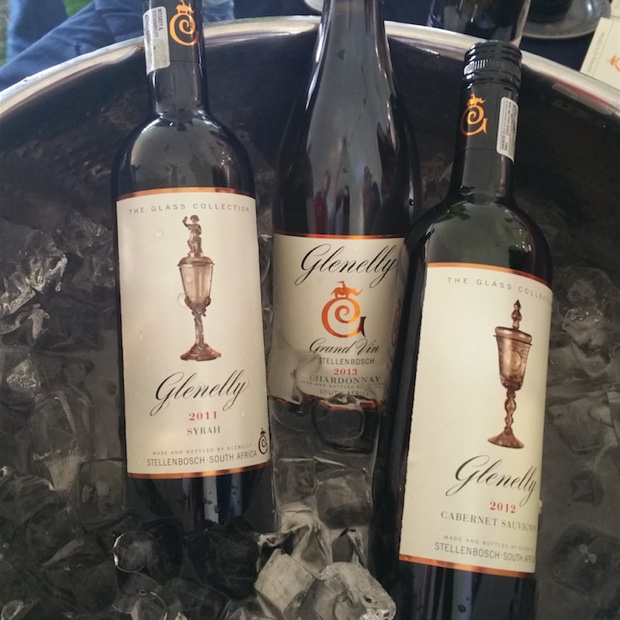
Good to go!

http://www.winealign.com/profile/2058-mjg