
Sangiovese is the future – Montefioralle, Greve in Chianti
The Chianti Classico Collection preview takes place this coming Monday at Stazione Leopolda in Firenze. There will be upwards of 200 producers on hand pouring their new Annata, Riserva and Gran Selezione in reserve. That means it must be time for me to publish all the wines I tasted in Chianti Classico in advance of this coming Anteprima.
In September and November of 2018 I paid visits to 25 Chianti Classico estates, tasted, assessed and reviewed 150 wines. I’ve published five articles on some of those visits, for the most part and in particular with respect to properties I had not previously visited. I also dropped two posts, one on the Chianti Classico website so succinctly translated into Italian by the Consorzio del Vino Chianti Classico’s Silvia Fiorentini. This was no simple or easy exercise for Silvia as any of you who know the meandering style of my prose. The second was in English, as I had originally composed, set up on Godello.
Related – as seen in Chianti Classico Magazine, translated into Italian – Il sogno Canadese del Chianti Classico abbraccia il più nobile dei Sangiovese Italiani
Related – Chianti Classico’s Canadian dream

Castelnuovo Berardenga
Here are the 150 wines tasted and assessed in Chianti Classico September and November 2018, listed in alphabetical order.
Antinori

The many mind-bending architectural splendors of @marchesiantinori in @chianticlassico
Marchesi Antinori Villa Antinori 2017, IGT Toscana, Tuscany, Italy (SAQ, 12392574, $17.80, WineAlign)
All fruit and aromatics. Mostly trebbiano with malvasia. Simple, functional, direct and traditional. Emblematic of the family and the name Antinori. Drink 2018-2020. Tasted November 2018 marchesiantinori halpernwine markanthonyqc @AntinoriFamily @HalpernWin e @MarchesiAntinori @halpernwine
Antinori Pèppoli Chianti Classico DOCG 2016, Tuscany, Italy (606541, $19.95, WineAlign)
Not unlike the Villa Antinori in concept and white it is the red Peppoli Annata from the 1985-1987 purchased eponymous estate, it similarly acts as spokesperson, or export manager if you will. Roses and dried flower floral, light, fresh, from a vintage gifting more fruit than many. It’s a Mercatale Val di Pesa specificity albeit on the largest possible stage and size while straddling both the communes of San Casciano and Greve in Chianti. Drink 2018-2021. Tasted November 2018
Villa Antinori Chianti Classico Riserva DOCG 2015, Tuscany, Italy (512384, $29.95, WineAlign)
Not so much a vineyard/estate wine as an Antinori wine, based on selection. It’s sangiovese with a small percentage (10 per cent) of merlot. The majority of the grapes comes from the recently acquired Tenuta di Sansano estate. The Riserva is the artist simply known as “Villa” and is fruitier, juicier and less liqueur concentrated than many Riserva. It’s approachability is immediate with thanks to its freshness. Sweet and mild tannins are persistent. Drink 2018-2022. Tasted November 2018

Marchese Antinori Chianti Classico Riserva DOCG 2015, Tuscany, Italy (512384, $42.95, WineAlign)
Produced only from grapes that come from the Tignanello Estate. Here sangiovese with 10 per cent cabernet sauvignon, From second and third used barrels that came from Solaia and Tignanello IGT. A much bigger, broader further structured Riserva as compared to “Villa,” now with some ferric intensity and grip. Drink 2018-2021. Last tasted November 2018.
Antinori’s is a deep and satisfying Riserva with dark fruit taken from Mercatale Val di Pesa vineyards at the estate’s Tenuta Tignanello. It’s very juicy and forthright, readier than many though the acidity is quite strong. This is heavily influenced by wood spice and there is no turning away from its spikes and charms. Quite dark and intense, no doubt due to the vineyard location between the Greve and Pesa river valleys and between the two villages of Montefiridolfi and Santa Maria a Macerata. Drink 2019-2023. Tasted February 2018
Badia A Passignano Chianti Classico Gran Selezione DOCG 2015, Tuscany, Italy (384552, $49.95, WineAlign)
Instantly recognizable archetype of the continuum in Chianti Classico excellence and one of the original seven Gran Selezione. Badia a Passignano comes to life in 2015 with the generosity of fruit that not all in the top of the pyramid category will exhibit as best in show. The classically styled tenets of structure, acidities and tannins are qualified fine as fine can be. Purposefully produced to be this way, to dot every I, T and traditional Italian restaurant wine list. Very fine. Drink 2019-2025. Tasted November 2018
Barone Ricaosli, Gaiole in Chianti

Barone Ricasoli Torricella 2016, IGT Toscana, Tuscany, Italy (Winery, WineAlign)
Comprised of 80 per cent chardonnay with sauvignon blanc. In the past it was a blend that included malvasia, going back as far as 1927. Some oak aging, no malolactic, the sauvignon blanc enters just at the final stage of the final blend, after the chardonnay has rested for 10 months in tonneaux. Direct, lean, mineral, composed and in no way strict as a Gaiole chardonnay. And yet here it is. Reduction comes back to bring it full circle. Drink 2018-2024. Tasted September 2018 ricasoli1141 francescoricasoli churchillcellars @ricasoli_1141 @imbibersreport @ricasoli1141 @imbibersreport
Barone Ricasoli Chianti Classico DOCG 2016, Tuscany, Italy (3962, $23.95, WineAlign)
The bambino of the family is so grown up in 2016, young, sharp, crisp and carrying a basket full of ripe cherries. From a vintage where everything came together, in harmony, for all kinds of ripening. An agronomist’s and an oenologist’s dream, where following the making of this ’16 to them sleep would have come easier. For us the drift will be effortless after the expense of energy and vividness of tasting this wine. Drink 2018-2022. Tasted September 2018

Barone Ricasoli Chianti Classico Riserva DOCG 2015, Tuscany, Italy (418822, $34.95, WineAlign)
The blending of many different parcels from five variegated soils is the art and the science behind this liqueur of a sangiovese (85 per cent) regaling in 2015 vintage hyperbole. While the follow up 2016 may throw this next statement to the wolves, it needs saying that this ’15 writes the Brolio book for Riserva. Clean, pure, sumptuous and perfectly executed, with those Ricasoli cherries sweet and seeping in their own orange-inflected juice. Drink 2019-2024. Tasted September 2018
Barone Ricasoli Chianti Classico Gran Selezione DOCG 2015, Tuscany, Italy (293522, $51.95, WineAlign)

Be prepared, for it will be the frazioni sangiovese future @ricasoli1141 to expand our minds and tell so many more important Gaiole stories
Barone Ricasoli Roncicone 2015, IGT Toscana, Tuscany, Italy (Winery, WineAlign)
This is the next single-vineyard focused sangiovese in the Brolio portfolio and part of the new era, project and study intensification. Years of analysis, of soils and diversity of vineyards prepares us to look at various interpretations so that we may try to follow along and understand. This site is the marine deposit soil type with more presence of clay, richness of the organic earth and a big oak tree. And yet it’s a leaner expression, earthier, tannic and savoury. Not quite Alberese but the structure is chalkier, yet not in a purely calcareous way. Sharp, lifted and nearly explosive. Really needs time. Drink 2022-2030. Tasted September 201
Barone Ricasoli Chianti Classico Gran Selezione DOCG 2015, Tuscany, Italy (942607, $59.95, WineAlign)
This is the flagship Chianti Classico established in 1997, always the man, the most important and expensive wine of the estate. It’s also the first to shun the Super Tuscan commodities, eschewed to establish a Chianti Classico at the top of the game. Pioneer for a place that was once and can forever be great, now travelling retroactively back to the future of fame. In this context it surely makes sense that it then moved forward into the Gran Selezione category going back to 2007, always priced near the top. This generous and mostly easy vintage brings together classic Brolio cherries and acidity with powerful, linear and soliciting 2015 tannins. Draws you in, ties you up and keeps you around for the long run. Drink 2021-2029. Tasted September 2018

Two soils of Bibbiano
Bibbiano Chianti Classico Gran Selezione Vigna Del Capannino 2013, DOCG Tuscany, Italy (Agent, $43.95, WineAlign)
Today Vigna Del Capannino 2013 is a powerful rider, a.k.a. the racer Gianni Bugno, 1990 overall winner ]and of nine stages at the Giro d’Italia plus four for the Tour de France. The interaction is forceful and the wine is deeply herbal, minty and with an amaro finish. Averna leads to tobacco with naturally curated and gifted elegance. Last tasted September 2018 bibbianowines lesommelierwine @bibbianowines @LeSommelierWine Bibbiano Chianti Classico Le Sommelier, Wine Agency
The Chianti Classico Gran Selezione Vigna Del Capannino 2013 is monstrous, from ’58 and ’62 sangiovese grosso vines put in by Giulio Gambelli, then grafts from that material for masale propagation in 1999 and the 2000s. The departure from Brunello is here, a huge, muscular, dare it be said Bibbianaccio of the sangiovese Bibbiano family, in GS form, thick, tannic, brooding, exceptionally structured, robust and 15 years away from announcing its true plans. This bottle is subdued however slightly from a spot of TCA but not enough to warrant skipping on past. Wow. Drink 2021-2032. Tasted September 2017
Buondonno, Castellina in Chianti

Buondonno Rosato Podere Casavecchia Alla Piazza 2017, IGT Toscana, Tuscany, Italy (Winery, WineAlign)
Early picked, high acidity and surprisingly good phenolic Rosato with the highest level of tang albeit within balance. Full of red citrus, lime and grapefruit. Crazy good to drink. Drink 2018-2020. Tasted September 2018 #buondonno #buondonno #casavecchiaallapiazza

Buondonno Lèmme Lèmme, da Vecchie Viti Maritate 2016, Podere Casavecchia Alla Piazza, IGT Toscana, Tuscany, Italy (Winery, WineAlign)
From an old bush vine vineyard planted in 1936 to many varieties; sangiovese, canaiolo, colorino, malvasia, trebbiano and many others forgotten, misplaced and unknown. Even the older folks are not entirely sure, if they ever were, and who today still refer to them asuva di rignano. Approximately 1000 bottles are made from this place in a wine that is tart, tight, tannic and high in ancient wisdom. A true blue field blend of acidity that wraps up exceptionally wise and naturally resonant black fruit and olive tapenade. It’s the Tuscan equivalent of old field blends, especially Californians like Ridge Vineyards but like an Etruscan version of such an idea. Goes into a ceramic tank, with porosity like oak but to preserve the fruit and not hinder it with spice. Just the grapes and nothing but the grapes. Piano, piano, lèmme, lèmme. Drink 2019-2025. Tasted September 2018

Buondonno Chianti Classico DOCG 2016, Podere Casavecchia Alla Piazza, Tuscany, Italy (Winery, WineAlign)
Virtually sangiovese, perhaps a few points of canaiolo, maybe not. From what Gabriele considers a strange vintage because it’s 6.7 per cent acidity is something that hasn’t been seen in 25 years. But it’s also 15 per cent alcohol and so for this day and climate warming age, it emerges beautifully balanced. You’d never know it, the fruit standing firm upright and supremely confident. Sees time in a mix of botti, tonneaux and barriques, none of the vessels new. Brightest of cherries, linear direction, dry but sweet tannins. Purity of fruit is in the elite company of the territory, within the style. This will age for 20 years and become something calm, demurred and extraordinary. Drink 2020-2032. Last tasted September 2018
Gabriele Buondonno and Valeria Sodano bought the Castellina in Chianti farm known as Casavecchia alla Piazza in 1988, a plot that clearly appeared on the maps of the “Capitani di Parte Guelfa” in 1549 and is marked as the “place of Lionardo Buonarroti,” nephew to Michelangelo. Their Chianti Classico is 90 per cent sangiovese, plus merlot and syrah from a place Michelangelo once wrote to his uncle “I would rather have two barrels of Trebbiano than eight shirts.” Clearly pulled of of a special terroir, Buondonno’s organic Annata is pretty and purposed, with fresh tart strawberry and an intensity of acidity. It’s very long, unrelenting, showing some focus above and beyond. Drink 2019-2023. Tasted February 2018 #buondonno #buondonno

cabernet franc comparative where you’d least expect it ~ Toscana vs Niagara ~ #buondonno vs #interloper ~ #castellina vs #niagaraonthelake ~ @ravinevineyard
Buondonno Cabernet Franc Casavecchia Alla Piazza 2016, IGT Toscana, Tuscany, Italy (Winery, WineAlign)
Planted in 1999 in the Vigna di Sotto, the lower vineyard, from Guillaume, because merlot was ordered and they also sent 400 plants of cabernet franc. First vintage was 2015, here now in number two it’s beginning to express itself, however small the batch. It really is cabernet franc, a bit verdant, spicy, more spiced really, completely unlike sangiovese but clearly from this property, in Castellina but on the far western side of the Panzano Conca d’Oro. It’s chewy, chalky (in liquid form) and tannic. Needs a few years to come together. Drink 2018-2021. Tasted September 2018

Buondonno Chianti Classico Riserva DOCG 2015, Podere Casavecchia Alla Piazza, Tuscany, Italy (Winery, WineAlign)
Sangiovese with a small amount of canaiolo, 25 days outdoors fermentation and then into a mix of botti, tonneaux and barriques, 10 per cent new. From the estate vineyards of Casavecchia, Sicelle and Sicellino. The latter planted in the 1970s with exposure to the North-East. This fruit from a cooler site will be essential to the assemblage going forward. Such an accomplished Riserva out of 2015, clearly designed to tell the Castellina-Panzano straddling story, with rich, structured fruit and a intention to travel far. Full, wise, stratified, variegated and weighty, in at 15.5 per cent. Drink 2020-2028. Tasted September 2018

Buondonno Bianco Alla Marta Podere Casavecchia Alla Piazza 2016, IGT Toscana, Tuscany, Italy (Winery, WineAlign)
Marta is Gabriele’s daughter and hers is essentially a skin-contact white, orange or amber wine if you prefer the nomenclature. The concept stems from Podere Casavecchia Alla Piazza’s goat cheese and the Buondonno goat cheese making master. Hers is clean as a whistle, with more trebbiano than malvasia, 10 days on the skins, qualifying as skin-contact so let’s keep it there and resist the temptation to call it orange. It’s beautifully and mildly tannic, full of acidity and dry as the desert. Light on the oxidation and volatile acidity. From vines planted in 1974, then 42 and now almost 45 years old. So proper and just right, really, truly, honestly, humbly and born of a person’s tremendous work ethic. Drink 2018-2024. Tasted September 2018
Podere Campriano, Greve in Chianti

Podere Campriano Chianti Classico DOCG 2015, Tuscany, Italy (Winery, WineAlign)
From the sandy soils with great Galestro prevalence on the steep, east bank of the Greve River. Same soil profile as Montefioralle across on the west bank but the weather is so different; less humidity, more diurnal temperature fluctuations but also extreme conditions. Never easy to farm here and the wines are proficiently perfumed. Simple and never boring, of purity and nuance by land that can’t help but speak to all that it has to say. The texture is one of softness, caressing and really just pure speciality in delight. Finesse and delicasse. Drink 2018-2023. Tasted September 2018 poderecampriano @ElenaCampriano Elena Podere Campriano Lapini(Podere Campriano ) Elena Lapini
Podere Campriano Chianti Classico Riserva DOC Le Balze Di Montefioralle 2014, Tuscany, Italy (Winery, WineAlign)
Varietal is the populist notion once again, as only a solo act, out of a purity by one hundred per cent sangiovese. From land once covered in forest, of a magically, or eerily a same soil profile as the other Greve in Chianti bank, sandy and rich in Galestro. The Riserva profile gives this more depth and even a certain next level of extraction, but it’s more about fruit-earth-rock layering and variegation. What comes from this side of the tracks is spice interwoven through dusty and bushy aromatics and then, the liquid palate texture derived from the rendering of that spice. Drink 2019-2024. Tasted September 2018
Podere Campriano Chianti Classico Riserva DOC Le Balze Di Montefioralle 2015, Tuscany, Italy (Winery, WineAlign)
Just put to market, the vintage will surely have so much to say and that it in fact already does, with a combination of perfume and spice. Still dusty, with fennel and endemic herbs, teas and brushy plants. There’s a raspberry to dried currant fruitiness that ’14 doesn’t have, also more mid-palate flesh and overall juiciness. A different sort of structure, still with long capabilities but will likely go into a drier fruit profile after the seven year mark. Elena Lapini is a very busy agriturismo and viticoltore proprietor these days and if these most recent 100 per cent sangiovese from two sides of the Greve river tracks are any indication, she’ll be busier than ever before. Drink 2019-2025. Tasted September 2018

It is said let @chianticlassico be elegant and @poderecampriano obliged ~ #greveinchianti #montefioralle #altavalledellagreve #sangiovese #chianticlassicoriserva
Podere Campriano 80 (Ottonta) IGT Alta Valle delle Greve 2013, Tuscany, Italy (Winery, WineAlign)
From Elena Lapini’s grandfather’s 1980 planted vines, a “table wine” that is 100 per cent sangiovese from those 35 year-old vines. It’s on the fruity spectrum while coming from roots burrowed deep into the Galestro. A serious, intense, wise and composed sangiovese, with more mid-palate liqueur and viscosity. This could technically be classified as Gran Selezione, like Carobbio’s Leone (as an example), but that just might confuse. And so by 2015 it may be labeled Riserva, a second Riserva. Or perhaps further down the road with a dozen archetypal others and come back to the appellation with a mention of Alta Greve in tow. Who’s to say? Drink 2019-2025. Tasted September 2018
Capannelle, Gaiole in Chianti

Capannelle Chardonnay Oro Bianco 2015, IGT Di Toscana, Tuscany, Italy (Winery, WineAlign)
Only made in stainless and only bottled in magnum format. Clean, stony, high acid and really classy from a house that has been making chardonnay since 1988 and this unoaked rendition since 1988. Extremely linear but what is most accomplished about it is texture and the lack of medicinal florality. I would never confuse this for Chablis but only because it’s so unlike anything else. Drink 2019-2026. Tasted September 2018 capannelle @Capannellewines
Capannelle Chardonnay 2015, IGT Di Toscana, Tuscany, Italy (Winery, WineAlign)
The “traditional” chardonnay, aged for six months in 20 per cent new oak. Now thirty years into this white wine movement there is a concern and a professionalism so perfectly understood, that much is obvious. Someone back in the 1980s understood the rocks, the acidity and the potential for chardonnay in Gaiole. Not Bourgogne but Gaiole. Galestro raised chardonnay with a real elemental push, stretched phenols and acidities. Drink 2019-2026. Tasted September 2018
Capannelle Chianti Classico Riserva DOCG 2014, Tuscany, Italy (Winery, WineAlign)
The aromatics on the ’14 Riserva are expressly Gaiole, of the Galestro, the dusty, stony vineyard, the altitude and the forest. It’s more than savoury but into frutta di bosco, wild herbs and evergreen. It really is a Gaiole scent, in the air, fresh and spirited. It will turn to balsamico and porcini, of that I am convinced. Texture is also zonazione specific, to these heavily wooded hills surrounding and protecting these vines. Texture is smooth, not silk but glycerin, light and nearly ethereal. Drink 2019-2026. Tasted September 2018
Capannelle Chianti Classico Gran Selezione DOCG 2013, Tuscany, Italy (Winery, WineAlign)
This first edition of Gran Selezione for Capannelle is an amzing combination of authenticity and polish, with Gaiole’s infamous acidity and herbology combining to deliver a promise of today and for the future. The estate produces no Annata because winemaker Simone has always felt that the acidity here would be over the top in the freshest wines of the year. This Gran Selezione confirms the ideology but the near future may change the plan. Meanwhile kudos for waiting before making Gran Selezione and matched to Tagliatelle con Funghi Porcini. Drink 2020-2026. Tasted September 2018
Capannelle Solare 2011, IGT Di Toscana, Tuscany, Italy (Winery, WineAlign)
Sangiovese (80 per cent) is blended with malvasia nera, bringing Gaiole’s altitude, acidity and dried herb scents along by the conduit of malvasia’s body and weight. Very Cappanelle, very Gaiole and very savoury in accent to really fine, evolved and ready to enjoy. A traditional blend of grapes that attempts to bridge the gap between regional Chianti Classico and Drink 2018-2022. Tasted September 2018

Cappanelle Solare 50 & 50 2015, IGT Di Toscana, Tuscany, Italy (Winery, WineAlign)
The project goes back a few decades with Avignonesi in Montepulciano, blending their Cortona (La Selva) merlot (also used for Desiderio) with the sangiovese of Capennelle. It’s the softest wine of this estate, seemingly or at least perceptively set at 50 per cent acidity. It’s a joint venture between wineries that goes back 30 years and that’s not nothing. Drink 2018-2020. Tasted September 2018
Carpineta Fontalpino

Montaperti, Carpineta Fontalpino, Castelnuovo Berardenga
Fontalpino Chianti Classico DOCG 2015, Tuscany, Italy (275859, $24.95, WineAlign)
From Castelnuovo Berardenga in the hands of Filippo and Gioia Cresti. Their new direction is moving towards a cru project, truly and entirely. The Fontalpino Annata is sangiovese of the broadest expression and it’s a very fully rendered red fruit. So much promised, especially from 2015 and so much delivered. The wisdom and the understanding are wholly realized, recognized and welcomed. Sets us up for the cru 15s and 16s to come. Drink 2018-2020. Tasted November 2018 carpinetafontalpino gioiacresti filippocresti grape_brands #CarpinetaFontalpino GRAPEBRANDS @CarpinetaFontalpino Gioia Cresti Filippo Cresti
Fontalpino Chianti Classico DOCG 2016, Tuscany, Italy (275859, $24.95, WineAlign)
This Fontalpino is the best of both worlds Chianti Classico for the estate and here it comes smiling along with the biggest vintage breath of sigh, calm and release. It’s a bigger wine than ’15, felt in part that way because of its youth. Still the generosity and the confidence but certainly the wisdom. This broad estate expression is meant to be consumed early and as far as looking for early drinking Annata pleasure is concerned, Gioia and Filippo Cresti’s 2016 is one to make as much use of as is humanly possible. Drink 2019-2021. Tasted November 2018

Fontalpino Chianti Classico DOCG Montaperto 2015, Tuscany, Italy (Agent, WineAlign)
The cru that is Montaperto is higher in elevation and marked by a fit of pure Galestro on the edgy limestone side of soil. And so it’s a lightning red fruit red, of a style that is both place and grace. There is a certain way of it being so effusive and in its own way elegant. The finessed one of the three cru in an obvious display of itself. Pure, pretty and delicate. Drink 2018-2021. Tasted November 2018
Fontalpino Chianti Classico DOCG Montaperto 2016, Tuscany, Italy (Agent, WineAlign)
In Montaperto the finessed one you will note with great immediacy that 2016 is a perfectly ripened vintage, both for sweet fruit and more so from specialized cru-heady phenolics. All might be for naught were it not accompanied by the finest up reach in acidity. Here sangiovese is preached with utmost structure and ability. The accomplishment attains a level of clarity and transparency despite or perhaps in spite of the tactile habituation and architectural conditioning in its bones. Conclusion? Just gorgeous sangiovese juice of pure limestone expression. Drink 2020-2029. Tasted November 2018
Fontalpino Chianti Classico DOCG Dofana 2015, Tuscany, Italy (Agent, WineAlign)
Comes from a combination of many soils; limestone, clay and tufo. There is a prevalence of all the Chianti Classico stones; Galestro and Alberese but it’s just the greatest confluence that makes for their grippiest sangiovese. And that said it’s magically delicate. The red berries darken but only because the framework of organized Castelnuovo design insists on taking the fruit deeper, into the fabric of the earth and it speaks to one word; cru. Such a structured sangiovese. Drink 2019-2026. Tasted November 2018
Fontalpino Chianti Classico DOCG Dofana 2016, Tuscany, Italy (Agent, WineAlign)
The variegation of soils; sand, clay, stone and tuff will have great effect on any sangiovese but see what delivers when you pull grapes from the Dofana cru and out of 2016. It’s a confluence of everything that matters, for tradition, land and the people who make the wine. The fruit is here right from the start and although the tannins are strong and sharp they are so refined and come equipped with fruit made available from the very beginning. Really direct sangiovese. Drink 2021-2028. Tasted November 2018

Filippo e Gioia Cresti
Fattoria Carpineta Fontalpino Do Ut Des 2013, IGT Toscana, Tuscany, Italy (Agent, $39.95, WineAlign)
What “do they give” from this one-third each combination of sangiovese, cabernet sauvignon and merlot? As compared to the DOCG sangiovese there is more height, aerified nature and just plain attitude to the IGT. Sources are various vineyards around the estate which sit on the border between Chianti Classico and the Chianti Colli Senesi. In subsequent vintages the sangiovese will be dropped and replaced by petit verdot. Partly because it’s too important to take it away from the cru CCs but also because this IGT is and needs to be separated. It’s just different, darker, more of a liqueur, with less finesse and more ferric depth. The answer? “”I give and give.” Drink 2018-2020. Tasted November 2018

Castellinuzza E Piuca Chianti Classico DOCG 2016, Tuscany, Italy (Winery, WineAlign)
From Greve in Chianti, the sangiovese di Lamole here is strong, youthful, firm and pure. Bright red fruit so typical of the frazione indicates limestone for cherries. Also a salumi of Mortadella and yes, that sort of connection is imaginable and possible. Very fresh with big acidity from the cool night air at 550m above sea level. The inclusion of 10 per cent canaiolo only accentuates the sapidity and the terraced sense of place. If it were a rider it would be Felice Gimondi, precocious and gregarious, a rookie who was a 1965 Tour de France winner in his first try. Drink 2018-2022. Tasted September 2018 castellinuzza.chianti.classico #castellinuzza @poderecastellinuzza
Castello Di Monsanto, Barberino Val d’Elsa

Castello Di Monsanto Chardonnay Collezione Dai Vigneti Di Monsanto 2016, IGT Toscana, Tuscany, Italy (Winery, WineAlign)
Planted first in 1976, one third of the fruit sees tonneaux and is then blended after seven months with the stainless portion. Quite rich, vaporous and viscous, intensely mineral. Very lemon, vehemently tangy, gold liquid chalky. Subversively Tuscan chardonnay. Drink 2018-2020. Tasted September 2018 castellomonsanto @castelmonsanto @castello.dimonsanto
Castello Di Monsanto Chianti Classico DOCG 2016, Tuscany, Italy (Winery, WineAlign)
Annata of 90 per cent sangiovese with both canaiolo and colorino, traditional, loyal and streaked by the Galestro qualified off this ridge extended out of San Donato in Poggio. Juicy, fresh and forward, expressive of the vintage, not so muscular. Sangiovese like going home and crawling into the bed you slept in as a child. Drink 2018-2021. Tasted September 2018
Castello Di Monsanto Chianti Classico Riserva DOCG 2015, Tuscany, Italy (719864, $34.95, WineAlign)
The blend is the same as the Annata (sangiovese with 10 per cent canaiolo and colorino combined) but the execution different. It begins in January, where lots are tasted blind and the process begins to decide which barrels will be destined into Riserva. Barriques are also used though like the Annata’s tonneaux, none are new. What separates this is more than fruit, it’s the exceptional and specific acidity. In here Galestro talks with effluent and affluent ability. No matter the modern glow there is always a timeless beauty so you can still place this in the oldest of sangiovese worlds, with the finer tannic talents showing through. Drink 2019-2023. Tasted September 2018

Castello Di Monsanto Chianti Classico Riserva DOCG Il Poggio 2013, Tuscany, Italy (719864, $85.00, WineAlign)
The cooler, cloudy vintage has been taking its time to emerge and 2018 is now live, in the present and in the flesh, ready for its time. This is confirmed by the grand artist known as Riserva from perhaps the most iconic hill in all of Chianti Classico. Still bright, effusive and not fully ready to let its tannin melt away. The sangiovese component is in the 90-95 per cent range, again with canaiolo and colorino coming around to complete the whole. The tension persists and the tannic structure in this “Selezione” is much tighter than the Annata or the first, non terroir specified Riserva. Still hard to believe how grippy this is. A soon to come epiphany with the 1968 helps to explain Il Poggio’s phenomenon. As a racer Monsanto’s Riserva 2013 is Marco Pantani, greatest climber of a generation, with so much grandiosity, potential and possibility, straight to the top of Il Poggio. Drink 2020-2030. Tasted September 2018
Castello Di Monsanto Chianti Classico Riserva DOCG Il Poggio 2001, Tuscany, Italy (719864, $85.00, WineAlign)
Fascinating 17 year look back into where sangiovese from this Barberino Val d’Elsa Galestro began and to where it has travelled. The acidity still rages and the sweetness of this fruit continues to burst and pop, one berry at a time. What a structured wine this was and persists to be, with a mid-palate coating to speak of time and place. Age has brought even more grip, certainly variegation, in hue and temper. Though these next seven years will be the very best, there will be at least 10 more after that out of which curiosity, interest and pleasure are all a guarantee. Drink 2018-2025. Tasted September 2018

50 years ago this #chianticlassico entered the world. Suffices to say 1968 was a pretty good year ~ @castellomonsanto
Castello Di Monsanto Chianti Classico Riserva DOCG Il Poggio 1968, Tuscany, Italy (719864, $85.00, WineAlign)
“A good, not an outstanding vintage, with some vines affected by botrytis,” explains Laura Bianchi, though truth be told she’s relating the information from stories and legends. You can taste it, in a sweetness that reminds of quince and apricot. Plums are dusted with white pepper, sherry drizzles over sugar plums and in the end, acidity continues to shine. It’s still a dramatic drop of sangiovese, with longevity preservation going back to the era (1962-1969) when the wines were aged in chestnut barrels. This at 50 years of age is so alive, time encapsulated, dew sweetened, ethereal. Drink 2018. Tasted September 2018
Castello di Querceto, Greve in Chianti

Gallo Nero, Castello di Querceto, Greve in Chianti
Castello Di Querceto Chianti Classico DOCG 2016, Tuscany, Italy (680496, $24.95, WineAlign)
Essentially sangiovese with a few percentage points of canaiolo and colorino. Aged in grandi botti, 1500L and 2000L. This is the epitome of the black raspberry-currant, dusty, high acid sangiovese. A traditional poster child for Chianti Classico Annata and for the generosity of the 2016 vintage. In the end it’s firm and grippy stuff. Last tasted September 2018 castellodiquerceto @CastQuerceto Castello di Querceto
Castello di Querceto’s Greve in Chianti 2016 is perfumed by just a lovely fresh fruit nose, a mixed bowl of berries, juices yet running, plump, swelling, dusty and sanguine. Certainly on the riper end of the spectrum and with a finishing moment of bitters. Drink 2018-2021. Tasted February 2018
Castello Di Querceto Chianti Classico Riserva DOCG 2015, Tuscany, Italy (650754, $35.95, WineAlign)
Classically styled 2015, honest, pure and welling with extracted sangiovese depth. Acidity, grip and then tension all consistently woven from and beyond Annata, but it too is silky smooth,with a liquid liquorice ooze. Smooth bitter balsamic finish. Drink 2020-2024. Tasted September 2018

Castello Di Querceto Chianti Classico Gran Selezione DOCG 2014, Tuscany, Italy (938738, $47.95, WineAlign)
Il Pichio makes reference to the old name of the land housing the vineyard. It’s the same sourcing and winemaking for what was Riserva reinvented now as Gran Selezione. Big extraction, concentration and rendering, from low yields (700-900g per vine). Amazing consistency, old school, deeply hued, so very structured, conservative. The thread running through is as obvious as any, as sangiovese for Chianti Classico. Drink 2021-2027. Tasted September 2018
Castello Di Querceto Le Corte IGT Colli Delle Toscana Centrale 2012, Tuscany, Italy (Winery, WineAlign)
From the 120 year-old vineyard planted by Alessandro Francois’ grandfather, this too is 100 per cent sangiovese with Querceto’s ultimate level of silky smooth consistency and deep purity. It’s a very perfumed sangiovese with tannins matching the texture though they are not shy to assert their power and grip. “Because the soil on this side of the valley is special,” he notes, but tough on the wines when they are still young. The seven or eight year mark is really the place to start. Drink 2021-2029. Tasted September 2018
Cecchi, Castellina in Chianti

Cecchi Chianti Classico DOCG Storia Di Famiglia 2015, Tuscany, Italy (540922, $17.95, WineAlign)
Fresh cherry and also dusty, plus savoury and accented with acidity. Variegated fruit, ripe, riper and approaching the maximum ripe, managed by adjustments necessary to find the balance. A developed tang unique to this accumulation. Keep the pasta pairing simple. Last tasted September 2018 famigliacecchi #FamigliaCecchi
It’s an amazing story in a glass this Storia di Famiglia. It’s a long family history with Chianti Classico roots as long as any and it shows. This ’15 is quite classico for the vintage with exceptional fruit and it takes every if full advantage of the year’s generosity. So much so the fruit is darkened to black, perhaps of raspberry but surely at optimum phenolics. There is a corresponding minor Bretty meets acetico notation but also the richness of reduced balsamic, tar and candied roses. It’s almost truffled and figgy, not quite, but it will go there in a year or two. Lots of interest and character for $18. Drink 2018-2020. Tasted April 2018
Cecchi Chianti Classico Riserva DOCG Di Famiglia 2015, Tuscany, Italy (Winery, WineAlign)
Profile very consistent to the Annata if ostensibly fortified by the extra time in large barrel. The similarity of varied ripenesses makes for a layering, like red cherry trifle with alacrity and high acidity. Drink 2018-2021. Tasted September 2018

Cecchi Chianti Classico Gran Selezione DOCG Valore Di Famiglia 2015, Tuscany, Italy (Winery, WineAlign)
The consistency continues for the Famiglia story, from Storia Annata through Riserva and into Valore Gran Selezione. The fruit for all three Castellina in Chianti 2015s shows many layers of ripe stylistics and it it this Gran Selezione that shows the most evolution, leaning into a world where balsamico, fig, raisin and lifted aromatics live. The classicism here is noted, the tradition occupied and the conservatism understood. Drink 2019-2023. Tasted September 2018
Cecchi Villa Cerna Chianti Classico DOCG Primocolle 2015, Tuscany, Italy (573501, $19.95, WineAlign)
The aromatics dole out sweet sangiovese candy and also a rose petal potpourri with fruit not only bled from a uniform ripeness but also a soil-gifted freshness that can’t be denied. This is red fruit, marl lifted sangiovese, bright, lightning tart and extracted, though just rightly so. The palate brings an extra level of fresh, like biting into a peach or a red plum with ideal acidity. Lovely example of traditional Annata set in a modern world. Drink 2018-2021. Tasted September 2018
Cecchi Villa Cerna Chianti Classico Riserva DOCG Primocolle 2015, Tuscany, Italy (Winery, WineAlign)
Riserva from Villa Cerna is wildly lifted and edgy sangiovese climbing skyward with unresolved volatility. This high level of freshness and pulse is the conduit for red, red fruit not yet ready to be first to speak. This follows the trail blazed by the Annata but with the highest of acidities. It’s not typical for Riserva (if there is such a thing) but it is an example of one that needs a few years to settle into its tight, tart and energetic skin. Long finish confirms the plan. Drink 2020-2025. Tasted September 2018
Cecchi Villa Rosa Chianti Classico Gran Selezione DOCG 2015, Tuscany, Italy (Winery, WineAlign)
These are not the richest and most extracted Chianti Classico and they are truly driven by acidity, a Castellina acidity to be sure, edgy, expected or not. The red fruit is direct and linear lightning, not overly complex and certainly true to consistent form. It’s actually quite amazing to note this form of sangiovese structure as being very specific to commune, very close to the Valore Gran Selezione and recognizable for place as much as any in the entire territory. This will evolve slower than the Valore, in fact I can’t see it changing all that much in the next five years. Drink 2019-2026. Tasted September 2018
Tenuta Cinciano, Poggibonsi

Tenuta Cinciano Chianti Classico DOCG 2016, Tuscany, Italy (Winery, WineAlign)
The Annata is 100 per cent sangiovese from 8-12 months in the largest of the estate’s Slavonian oak barrels. An estate who’s oenologist (Stefano Porcinai) who knows clonal selection as well as any in the territory having worked as lead on the Consorzio’s 2000 project. Not to mention training systems and rootstocks. Each vineyard is planted to the right clone matched to the soil and Cinciano has it all; sand, clay, marl, Galestro, marine fossil and sediment, Alberese. Rich red fruit so lifted, edged by blood orange, so red citrus, pomegranate and though wood is in play it’s really about florals and spice. So sharp and tight with plenty of fruit to match the introductory and important tannins. Last tasted September and October 2018 fattoriacinciano @fattoriadicinciano
Cinciano is 100 sangiovese from chalky Poggibonsi vineyards at 250-350m of elevation. Youthfully speaking this ’16 sits en retard, reductive and only seems to want to breathe as a deep inhalant of argilo sangiovese. This CC is an even bigger than the average, broader and scope encompassing expression to taste with an impressive ferric intensity. The potential is great. Drink 2019-2025. Tasted February 2018

Tenuta Cinciano Chianti Classico Riserva DOCG 2015, Tuscany, Italy (Winery, WineAlign)
Riserva comes from the oldest vineyard, averaging 45 years old on soils of more Alberese stone than any other on the property, right in the middle belt, middle slope on a southern exposure. Structure and tannin support intense rich purple fruit but fruit with the great lightning streak and searing acidity of Alberese and what it means. It’s harvested later and with great confidence, made with completely different intention. This goes into smaller Slavonian barrels for longer but it is expressly a matter of expression on behalf of the vineyard. Drink 2021-2028. Tasted September 2018
Tenuta Cinciano Chianti Classico Selezione DOCG 2014, Tuscany, Italy (Winery, WineAlign)
Only in 2014 the decision was made to use the oldest vineyard’s fruit to blend in with the best grapes to make this 100 per cent sangiovese Gran Selezione because there was not enough quantity to make the Riserva. Floral, mineral, a taste of grapes, sangiovese purity. It’s rich as Gran Selezione should be, with heavy fruit and fine tannin but the oak is merely a spice agent. The clonal selection meeting the later harvest brings a breadth, depth and broad shouldered set of tannin, aggressive but in control. Another unique wine with a connection to the sister and the brother. Same father and mother to be sure. Juicier, with morbido fruit and serious tannin. Drink 2022-2030. Tasted September 2018

Absolutely lovely, lively and pure sangiovese from Stefano and Andrea @fattoriacinciano ~ coming home with these beautiful @chianticlassico for sure!
Tenuta Cinciano Pietraforte 2012 IGT Toscana, Tuscany, Italy (Winery, WineAlign)
A blend of 40 per cent each merlot and cabernet sauvignon with sangiovese. Aged in French oak barriques and tonneaux, all new. Massive fruit accumulation, ripe and generous, wood all around but very much part of the package, some earthy Brettiness and huge acidity. Enormous wine that may need as much as five more years to settle. Drink 2021-2029. Tasted September 2018
Colle Bereto, Radda in Chianti

Colle Bereto Brut Rosé Vino Spumante di Qualita Metodo Classico, Tuscany, Italy (Winery, WineAlign)
First disgorgement was November 2008, now 10 years later, this particular bottle was disgorged just two months ago. Skin is maintained with juice for only one night, from 100 per cent pinot noir. Having spent three years on lees this is rich, toasty, biscuit-riveting, red citrus, currant and fine aridity sparkling wine. Beautifully dry, direct and purposed. Drink 2018-2022. Tasted September 2018 colleberetowinery #collebereto @NokhrinWines Azienda Agricola Colle Bereto Azienda Agricola Colle Bereto
Colle Bereto Chianti Classico DOCG 2015, Tuscany, Italy (Agent, $31.95, WineAlign)
From the vintage for which the “Dream Machine” is first used, where stems are kept intact and the tramoja (corkscrew) is no longer employed and stems are not disrupted, broken, or led to bitterness. So polished, full, extracted, silky and classy. Last tasted September 2018
From Radda in Chianti and one of Chianti Classico’s great young, forward thinking winemakers Bernardo Bianchi the wisdom is easily noted, deduced, accepted, considered and abided. Red fruit with an earth’s dusty, cracked crust allows for smells like fresh tiles and the just mixed mortar but that fruit is aching to burst forth. Very seamless for a young Chianti Classico, so this building will stand strong and last through the centuries, which in wine years equates to seven, maybe ten. Terrific sweet acidity, life-affriming sapidity and vitality. As good as young CC gets with the longest, pitch perfect tang in elongation, drift and persistence. Drink 2018-2025. Tasted at Anteprime Chianti Classico Collection, February 2017
Colle Bereto Chianti Classico Riserva DOCG 2014, Tuscany, Italy (Agent, WineAlign)
The highest quality of polished tannin receives sangiovese’s and more specifically Radda’s raddese acidity, from this shared amphitheatre of a valley for a Riserva silky smooth, integrated and blessed of a Colle Bereto liqueur. Forget Brunello di Montalcino for a while and concentrate on this haut level of sangiovese. Textbook fashion, Vuitton level quality. Drink 2020-2028. Tasted September 2018

Bernardo Bianchi @collebereto in #raddainchianti @chianticlassico
Colle Bereto Chianti Classico DOCG Gran Selezione 2014, Tuscany, Italy (Agent, $67.50, WineAlign)
The level of richness and further climb up the polished ladder eases onto a cloud with whispering tannin. The Dream Machine is the source of the tannin whisperer and we all listen with the greatest intent. Bernardo Bianchi is the messenger, interpreter and storyteller for this vineyard in the theatre’s warmest spot. The tannins stop here and take a rest. The most accomplished, polished and commercially, fashionable to accountable Chianti Classico. Drink 2020-2028. Last tasted September 2018
Colle Bereto’s is a Radda in Chianti single-vineyard expression from La Vigna del Convento which lies at the foot of the former Il Convento di Radda, now Casa Chianti Classico. The Galestro soil is surely the catalyst for this 23 year-old block. There is no substitute for the acumen and the hard work that develops such a wise and mature Gran Selezione. Firm, no shortage of virility, fine acidity, finer tannin and exceptional length. Drink 2020-2030. Tasted February 2018
Colle Bereto Pinot Noir Il Cénno 2015, Tuscany, Italy (Winery, WineAlign)
Interesting how pinot noir translates from these Radda soils, as much parochial and territorial as it may try to be varietal. There is a wild berry meets feral posit tug that confirms the equality and the symbiosis. Generous and delicate, more so than the sangiovese from this estate, which may or not be a sign. Il Cénno. Drink 2018-2022. Tasted September 2018
Colle Bereto Merlot Il Tócco 2015, IGT Toscana Rosso, Tuscany, Italy (Winery, WineAlign)
The first vintage was 2000, after making sangiovese from the vineyard, exclusively for Pinchiori in Firenze, then moving forward to celebrate a varietal other, a merlot. Now merlot is a different animal, softer, fruit sweeter and quite beautifully tender, finessed and lifted. Only the acidity of Radda separates it from itself, “such a mass of motion, do not know where it goes.” Here the most polished and effete merlot in the territory, perhaps or just because, cries Il Tócco, “I have the touch.” Drink 2018-2023. Tasted September 2018
Dievole, Castelnuovo Berardenga

Dievole Chianti Classico DOCG 2016, Tuscany, Italy (283101, $23.95, WineAlign)
This third vintage of fermenting in concrete egg tank presents fruit pulled off of vines nestled into a heavily forested property housing five singular sets of vineyards. Though officially part of the Castelnuovo Berardenga commune, Dievole has much in common with Radda because of the effect of those woods on the growing environment. Generosity is not in mimic of wide open space but due to atmospheric depth and breadth. This ’16 marks not just a return but a proclamation of prominence. Last Tasted September 2018 @dievole profilewinegroup @Dievole @ProfileWineGrp dievole Profile Wine Group
The Dievole Annata stands out for 2016 with the sweetest noted fruit, bright, ripe and pulsating. Wow and oh my has this got a bounce in its step. While certainly tart and intense it’s possessive of more pure joy than many, easily avoiding the trappings of over-extraction and over-pressing. Some may find this too electric but what reason could there be not to get excited by such an abundance of sangiovese energy? Drink 2019-2024. Tasted February 2018

Dievole Chianti Classico Riserva DOCG Novocento 2015, Tuscany, Italy (213926, $37.95, WineAlign)
The generosity of sangiovese’s philanthropy is always inherent but not always respected. So, when a Riserva like this from Dievole is given its sun, all is good in Vagliagli, Castelnuovo Berardenga and Chianti Classico. This vintage and this wine celebrate time, timing, place and commune with style. It’s rich, almost opulently so and balanced, credibly so. It’s deep, elastically elongated so. Notice real fruit boasting of an ideologue’s honesty and traditional results in as much as you’d hope for and even expect. Exemplary is one thing but the steps towards new pioneering make Dievole an estate from which to use words like leader and benchmark. Hard not to see this as a top estate example for Annata. Drink 2020-2026. Tasted September 2018

Dievole Chianti Classico Gran Selezione DOCG Vigna Disessina 2015, Tuscany, Italy (Agent, WineAlign)
Dievole’s Castelnuovo Berardenga Gran Selezione takes the single-vineyard route to express the category. Disessina is the highest vineyard block where the soil turns to a Macigno (sandstone) base littered with soft rocks that lends the originality of a sensory perfume expressly written in a Dievole vernacular. Here the liquid rose petal aroma is rendered through the fine silty earth so that it’s both berry fruity and duff ethereal where delicious lives. The delicate world is an occupation somewhere between dream and reality. The most approachable meeting place is a Gran Selezione middle ground that more examples might want to explore so that greater understanding might exist on the market today. Drink 2020-2027. Tasted September 2018
Fèlsina

Bella mattina @felsinawines
Fèlsina Vino Spumante Di Qualità Brut Metodo Classico, IGT Toscana, Tuscany, Italy (Agent, WineAlign)
This was reviewed before here although from a bottle disgorged a year earlier and from fruit primarily sourced out of 2014.
The sparkling program is taking flight, here from 60 per cent sangiovese, (20) chardonnay and (20) pinot noir. There is really no commercial reason to make this wine (only 9,000-12,000 bottles are produced) so it’s done just for fun, experimentation and learning. It’s a gingery and toasty sparkling wine, remarkably rich with thanks to a 2015 vintage that provided some pretty solid early ripening. The first vintage was essentially 2009, or mainly fruit from that initial attempt. This is 28 months on lees, disgorged in May 2018 and no dosage. Lemon squeeze over baked apples and toasted hazelnuts. Lovely of a certain style. Drink 2018-2020. Tasted November 2018 felsina_wines liffordgram @felsinawines @LiffordON @felsina @liffordwineandspirits
Fèlsina Vino Spumante Di Qualità Brut Metodo Classico 2012, IGT Toscana, Tuscany, Italy (Agent, WineAlign)
The vintage was a forceful one although as an early harvested sparkling wine (the chardonnay especially, but even the sangiovese) it carries some ripeness and certainly acidity. The gingered notes are met with plenty of far eastern spice and a mild citrus bitterness. Again the toastiness is a major factor to bring energy and vigour into an arid sparkling wine’s environment of impression and tastiness. Drink 2018-2022. Tasted November 2018
Fèlsina Chardonnay I Sistri 2016, IGT Toscana, Italy (Agent, $41.99, WineAlign)
The first vintage was 1987, from chardonnay grafted onto Bolgheri trebbiano. “The sisters” refers to the ancient Egyptian instrument known as “sistro” which was agitated by a sound in echo of agriculture. There are 20,000 bottles produced, of and for sunshine, by history, with high level 2016 ripeness and a mellow acidity. Takes a step back from ’15 with more cellulose, unction and conjunctive character. Drink 2018-2020. Tasted November 2018

Chiara Leonini, Fèlsina
Fèlsina Berardenga Chianti Classico DOCG 2016, Tuscany, Italy (730788, $39.99, WineAlign)
The ’16 continues to be a young and viscous sangiovese, rich in liquorice liqueur and 240,000 to 250,000 bottles are produced from all aspects of the estate. It’s a transparent remark on the Castelnuovo Berardenga varietal vernacular. Tasted November 2018
From the great wide Berardenga open Fèlsina’s is just the Annata to tell us how these snowflakes are all just a bit different from one another, each with a new vintage, redefined temper, starting from singular points of soil interest. The greatest purity and unbridled joy in Chianti Classico sangiovese is found in the young Annata and it is Fèlsina’s that tells a full story. The curative wisdom and variegated stratum as told by thick as thieves though stretched and elastic fruit is just amazing. Drink 2019-2026. Tasted February 2018
Fèlsina Berardenga Chianti Classico Riserva DOCG 2016, Tuscany, Italy (230722, $38.95, WineAlign)
In 2016 the Riserva is a layered affair with plenty of salumi variegation, of fat and protein well integrated and as a meaty wine it truly expresses the musculature of the terroir. Sangiovese from Castelnuovo Beradenga is many things but it is never copied or emulated like this. Drink 2019-2025. Tasted November 2018
Fèlsina Berardenga Chianti Classico Riserva DOCG 2015, Tuscany, Italy (230722, $38.95, WineAlign)
Once again I find Fèlsina’s 2015 sangiovese fresher than their ’16, or rather I should say that the ‘16s are possessive of so much structure that they will need more time in bottle than the transparent ‘15s. And yet here you will find the proof that 100 per cent sangiovese from Fèlsina’s Castelnuovo Berardenga soils need time and in fact solicit more patience than most. This combination of generous and gregarious fruit meeting formidable structure is a product of the commune, the micro-terroir and certainly the house style. The ’15 Riserva is recommended with the caveat to insist that a buyer be warned to exercise great restraint. Drink 2019-2027. Tasted November 2018
Fèlsina Fontalloro 2016, IGT Toscana, Tuscany, Italy (Agent, $101.99, WineAlign)
Fontalloro is a two-headed Toscana red grape creature that comes from vineyards straddling the border between both the Chianti Classico and the Chianti Colli Senesi denominations. It combines sand, silty loam and river pebbles with the limestone and marl of Alberese and Galestro. Here 2016 is accessed with righteousness, purity and high tonality. The acidity is elevating and bright, making for red fruit that shines. Spicy tannins speak to its structure. Drink 2020-2029. Tasted November 2018
Fèlsina Fontalloro 2015, IGT Toscana, Tuscany, Italy (Agent, $101.99, WineAlign)
The thematic is nearly complete, first for the argument that Fèlsina wines need more time in bottle than most in the territory but also how stylistically they are brighter in 2015. The red fruit from this Chianti Classico/Chianti Colli Senesi mash-up sings from and on behalf of the vintage. It’s a complete wine, from fruit and through acidity into its formidable structure. As for its place in the Super Tuscan-Gran Selezione discussion it’s really an apples to oranges subversion because of not being 100 per cent Classico fruit. Fontalloro stands firm, grippy, alone and should always be given its privacy and space. Drink 2019-2027. Tasted November 2018
Fèlsina Chianti Classico Gran Selezione DOCG Colonia 2013, Tuscany, Italy (Agent, $208.99, WineAlign)
How Colonia can not be looked upon and discussed as a pioneer would be beyond comprehension. The artist formerly known as IGT or Super Tuscan changed gears and re-joined the band back in 2009. This is the most Riserva of vintages and therefore a perfect sidle up to the Gran Selezione stage. It sings and plays its no wasted notes with confidence, clarity and sangiovese noise. It’s a huge wine with swagger and confidence, not to mention huge amounts of spicy beats. Not an easy wine to appreciate this young. As a rider it equates to Fausto Coppi, Campionissimo, L’Airone (The Heron), patient, calm, tranquil and able to climb uphill. State of grace. Drink 2021-2032. Tasted November 2018

Fattoria Di Fèlsina Chianti Classico DOCG Pagliarese 2016, Tuscany, Italy (Agent, WineAlign)
Pagliarese is an older “brand,” from a time gone by, in an area close to Castel’inVilla. The land is 21 hectares (of Fèlsina’s 90) and was once under the consulting auspices of Giulio Gambelli. It was purchased by the Poggialli family in 1995 with the idea to bring the brand back to Chianti Classico prominence. This is the second vintage of the Chianti Classico, of 90 per cent sangiovese with canaiolo and mammolo. The soils are sandier so expect a simpler structure and fruit. It’s a beautiful example of straightforward CC with transparent red fruit. Approximately 20,000 bottles are made. Drink 2018-2021. Tasted November 2018
Fattoria Di Fèlsina Chianti Classico Riserva DOCG Pagliarese 2016, Tuscany, Italy (Agent, WineAlign)
Pagliarese is an older “brand,” from a time gone by, in an area close to Castel’inVilla. The land is 21 hecatares (of Fèlsina’s 90) and was once under the consulting auspices of Giulio Gambelli. It was purchased by the Poggialli family in 1995 with the idea to bring the brand back to Chianti Classico prominence. This is the first vintage of the new revival and in Riserva form takes the red fruit and magnifies its intensity. It’s classic 2015 from Fèlsina with brightness and intensity. Approximately 20,000 bottles are made. Drink 2019-2023. Tasted November 2018
Fontodi, Panzano in Chianti

Consorzio Vino Chianti Classico President Giovanni Manetti, Fontodi, Panzano in Chianti
Related – Fontodi’s one hundred per cent sangiovese
Fontodi Meriggio 2017, Colli Toscana Centrale IGT, Italy (Agent, WineAlign)
The last vintage from which amphora will play only a small role (20 per cent) because in 2018 the number will be 50. Some barrel aging delivers the texture but ultimately freshness and a respite from sun for a rest in the shade. This is the meaning of Merrigio, where the mind takes a break and rids itself of stress.“Everyone thinks sauvignon blanc should be a reductive wine,” says Giovanni Manetti, but it can be wine of complexity, from a vessel and a lees time that can give it richness, especially on the mid-palate. This grows at the bottom of the Conca d’Oro where warm days meet much cooler nights and that diurnal fluctuation delineates fresh developing abilities. From a hot and dry vintage and it’s fresh, popping, yellow fruit focused and with very mature, proper and dedicated acidity. I’ll take a bottle, in the shade. Drink 2018-2022. Tasted September and November 2018 #Fontodi rogersandcompanywines #fontodi @rogcowines Az. Agr. Fontodi
Fontodi Chianti Classico DOCG 2015, Tuscany, Italy (933317, $36.95, WineAlign)
More acidity, structure and body comes from Panzano and also a clean and distinct purity. Still working through its liquid chalk, no more than a year away from entering the next phase of its life. Last tasted September and November 2018
If balance were the ultimate end to all sangiovese means then one nose into this Annata 2015 tells us most of what we need to know. When Giovanni Manetti talks of 2015’s great acidity we may not have been able to inuit or ultimately know what he meant, at least as far as the peer into the collective lens of other wines. Through Manetti’s Panzano focus we now understand. The integration, inclusion and open-armed grande abbraccio of Fontodi’s 2015 talks of fineness, precision, elegance and soft-spoken power. There is the finest of sangiovese dust and the circling of tannic wagons enveloping optimized fruit and bringing the entire family in this wine together. It’s a great vintage for Fontodi. Drink 2019-2025. Tasted February 2018

Fontodi Chianti Classico Filetta Di Lamole DOCG 2015, Tuscany, Italy (Agent, $35.95, WineAlign)
From Giovanni Manetti’s cousin who has documentation that the family has been in Lamole since 1049. The vintage takes this old vines project to another level, with an inherent understanding of the natural order of Panzano translated over for things specific to Lamole. The Annata from Fontodi’s Conca d’Oro vineyards is cleaner, more easily understood, less dramatic, natural. Lamole is a clean funk that is bred from mountainous terroir, feral and wild. Last tasted September and November 2018
Lamole, though still wild west and yet underdeveloped is clearly the next important Chianti Classico sub-sub-zone terroir. With so much untapped potential it is Giovanni Manetti’s of Fontodi that speaks the earliest, clearest truth about such capabilities. Not that we want to see too quick an exploit of this unique micro-climate and geological wonder but the insatiable thirst of curiosity begs to know. What earth gets into, inside and beneath this sub-strata is dramatic and so bloody personal. It’s a thing of forest floor, rock interface, space and sky, all encompassing, with the filtered, dappled light of sangiovese all pervasive and ethereal. Great chalk and dust particles visible to the naked eye in those streaks of lightning acidity and fine tannin swirl to lightness of being. Though 2014 is a sangiovese of great brood, flavour and commercial appeal, now there is greater potential. This ’15 is perhaps the first Fontodi of Lamole that has crossed into the true reality of the territory. Drink 2019-2025. Tasted February 2018

Fontodi Dino IGT Toscana Centrale 2015, Tuscany, Italy (Agent, WineAlign)
Here the sangiovese taken from the higher elevation section of the vineyard in the Conca d’Oro just below the village of Panzano. Named after Giovanni Manetti’s father, Dino is aged for a minimum nine months on skins in amphora and not just any but in the “orci,” with Fontodi clay made by the Manetti family. Dino is a reflection on life and the lessons learned through the generations and for Manetti it’s about a modern look using ancient tools. The polymer chain development of tannins is completely different, here with an early and on repeat cycle occurrence of oxygenation, along with several layers of protection. Such unique tannins and structure aboard great richness and yet intrinsically in proviso of necessary freshness. It’s so chewy and almost crunchy but in an airy nougat or savoury meringue meets panetone kind of way. Dino stands singular, sturdy and go it alone. Drink 2020-2027. Tasted November 2018
Fontodi Flaccianello della Pieve IGT Toscana Centrale 2015, Tuscany, Italy (Agent, $147.95, WineAlign)
A wine with its roots in 1981, amidst the birth of the Super Tuscans during strict regulatory times. First made as a breaking the rules reaction to be the finest wine from the estate. It could be a Chianti Classico, which is how it is made and de-classified the day before bottling. Born, raised and rebelling just before it goes out to the world. It will come back to the appellation, along with Percarlo, Tignanello, Cepparello, Fontalloro and many others, when the solution is agreed upon and the time is right. “I’m a dreamer,” says Giovanni Manetti. He’s not the only one but he is the one to imagine the possibilities and the changes. Flaccianello the 100 per cent sangiovese is the finessed, salty and sexy one although in 2015 there is no love lost between its vintage and its soul. The quality of the tannins are some of the best ever. Such a strong character for the pure IGT and although some 15s are overly generous, Fontodi’s are stronger, bolder, polymerized and in exhibition of greater intensity. Even Flaccianello needs much more time, however, beginning in 2013 the time in small barrels was reduced and here by 2015 it’s 18, no longer 24 months. Astringency be gone and fruit quality so high the result is a eureka one, with perfume in aromatics brought to the highest quality. Finally Giovanni, you are on to something. Drink 2021-2034. Tasted September and November 2018

The boys at Fontodi
Fontodi Chianti Classico Gran Selezione DOCG Vigna Del Sorbo 2015, Tuscany, Italy (Agent, $85.95, WineAlign)
From the rocky parcel of 50 year-old vines, planted facing south by southwest. The fruit concentration is obvious, a rising tide of high quality consciousness that raises the bar for all. The tannins are exceptional in their tight-grained coiling, wound like fishing wire around a spool. Some of Fontodi’s darkest cherry fruit is here, along with real genuine leather and a chef’s purposely dehydrated fennel powder meant to foil and compliment a deeply rendered demi-glacé, slicking out from beneath the arrosto di cinghiale. The 2015 Vigna del Sorbo is a meaty wine, il corso principale del pasto. Drink 2021-2032. Tasted November 2018
Fontodi Chianti Classico Gran Selezione DOCG Vigna Del Sorbo 2014, Tuscany, Italy (Agent, $85.95, WineAlign)
As a racer the ’14 Vigna del Sorbo might as well be Giuseppe (Beppe) Saronni, winner in 1978 of three stages in the Giro d’Italia, 24 overall and champion in 1979 and 1983. In 1982 he won the world cup with Paolo Rossi. Sorbo is a global sangiovese, the people’s “campione,” beloved sprinter, collaborator and legacy definer. Today the sangiovese from Fontodi’s Conca d’Oro vineyard smells like rabarbaro (rhubarb), black cherry and cut grass. Beautiful combination. Last tasted September 2018
The older vines are between 52 and 54 years old, the first vintage being 1985 and until 2011, contained some cabernet sauvignon, vines that have since been pulled out. The now site-specific, 100 per cent sangiovese Vigna del Sorbo may have been muscular in 2012 but no such hyperbole exists in 2014. The vintage determined this and despite the deep black cherry chalkiness the true spirit and stripped down honesty of sangiovese is in display. Purity has returned, floral like an artistically-rendered natural, realist and perpetual field of flowers in bloom, in installation, of violet light and rose-scented glass. I can imagine drinking this for decades, with its albarese-galestro saltiness and effortless concentration. Sometimes sangiovese never relents and at the same time never tires. Meraviglioso. Drink 2020-2038. Tasted September 2017
Fontodi Chianti Classico Riserva Vigna Del Sorbo 2004, Tuscany, Italy (Agent, WineAlign)
Carries 10 per cent cabernet sauvignon with the old vines sangiovese and at this 14 year stage it’s now into the denouement of its secondary character, a period that still has three to four years remaining. Umami ushered with no rush or rapid heart rate on the pulse of acidity begins its full swing, with mushroom and truffle on the horizon. The destination is still a matter of parts unknown further on down the road. Quite a firm vintage by tannin still leaving its grip on the plum meets wild strawberry fruit. Drink 2018-2028. Tasted September 2018

Fontodi Chianti Classico Riserva Vigna Del Sorbo 1993, Tuscany, Italy (Agent, WineAlign)
The vines in 1993 would have been half the age they are now and this from a cooler, slightly wet but not too rainy a season. A slow-ripening vintage with high acidity. The wines were tight and rigid for many years and tannins mostly unrelenting. This from around the time that the vineyard was beginning to show how it would turn out something different every vintage and so a young Giovanni wanted it to be a single-vineyard wine. This is fresh with striking acidity during all stages of its enjoyment. It’s airiness shows at the very beginning and then returns full circle, upon and with linger at the finish. The earthiness runs through but also plays second to the liqueur and especially that acidity. The direct explanation comes from the maker himself. “The fresh finish (of the 1993 wine) should be the trademark of Chianti Classico wines.” Drink 2018-2024. Tasted November 2018
Isole e Olena, Barberino Val d’Elsa

Isole e Olena Chianti Classico DOCG 2016, Tuscany, Italy (704346, $34.95, WineAlign)
Was finally bottled in July, to be released in February. “I like 2016, it’s a very different vintage.” As usual there is 15 per cent canaiolo mixed in. Why Canaiolo? “Because it’s from here. And it’s a late ripening variety like sangiovese, and also not heavy and jammy like merlot.” Canaiolo is like sangiovese in that it must be selected and used in very particular ways. Paolo’s is actually a darker depth of fruit from 2016 while the spice is so much more sophisticated. There is so much wisdom now, more than even before and a calm, settling depth about this wine. Last tasted November 2018 #isoleeolena @HalpernWine #isoleeolena halpernwine Isole e Olena @halpernwine
Chianti Classico 2016 is composed of 80 per cent sangiovese, (15) canaiolo and (5) syrah, which since the 1980s has always held a spot, in fact it may have been as much as 10 two plus decades ago. Paolo de Marchi explains.”Syrah in my opinion, was really about thinking, about blending in an earlier ripening variety.” It also added colour, not for quality necessarily, but for pleasure. “If I were a consultant I don’t think I would recommend to plant it anymore.” But Paolo loves it, its bright acidity and lower pH, and loves the warmth. You can feel the liquid peppery hug from the combination of canaiolo and syrah in the constitution of this CC and now a new texture evolved from a traditional one, clearly passed on through generations. It is spoken in the clarity of this 2016, but it has taken decades to arrive here. Finessed, soft tannins and an effulgent acidity wrap fruit chewy and yet very crisp. Singular again and alone but quicker to please, at least for now. Perhaps it too will shut down in 2019. Perhaps not. Drink 2019-2028. Tasted February 2018

The Galestro of Isole e Olena, Barberino Val d’Elsa
Isole e Olena Chianti Classico DOCG 2016, Tuscany, Italy (704346, $34.95, WineAlign)
Confirms the spice that is so layered by Galestro and Alberese but also 15 per cent canaiolo. It’s sangiovese, place of origin, San Donato and the accumulation of grapes grown in this set of ridges in and around Olena. Certainly more of a sour-sapid note in this ’15, a higher tone and more effusion than ’16. At least in terms of Isole e Olena. Last tasted November 2018
Paolo de Marchi’s Annata is not exactly the most typical ’15 because of its unabashed sapidity, still a bit reductive out of origins in freshness incarnate, with acids burgeoning and expanding in the mouth. Liquorice and carob flavours climb on top of the lingering smell of balsam wood. Full and expansive, intense and bigger than many though a right-proper texture it most certainly delivers. “This is only one-third of the potential of the vintage,” says De Marchi about how it is showing a year and a half in, now imploding and beginning to shut down. This seems to be the trend in Paolo’s wines, fresh and vibrant just when and after being bottled, then protective of themselves before turning into something beautiful once again. This will develop into a decades long lived Chianti Classico. Drink 2020-2033. Tasted February 2018
Isole e Olena Cepparello 2015, IGT Toscana, Tuscany, Italy (25650, $108.95, WineAlign)
Many believe you can’t go home again and this 100 per cent sangiovese is one of the original locals, along with 11 (or more) Super Tuscans that in many ways are no longer, nor for arguments’ sake should be. As such Cepparello is one of the wines destined to lead a literary, intellectual or at least historical return that says you can go home again. Home to Chianti Classico and specifically here, Olena as part of San Donato. This is an exceptional Cepparello, seamless, blessed of pure, perfectly phenolic fruit, unblemished, stylish and with pitch perfect acidity. What else can be done here that is hoped for, wished for, dreamed of or wanted? Feels like home. Drink 2020-2032. Tasted November 2018

Isole e Olena Chianti Classico Gran Selezione DOCG 2013, Tuscany, Italy (Agent, WineAlign)
Gran Selezione as a matter of assemblage. “It can come from one of two ideas in your heart but why don’t we take the experience of the Super Tuscan and shift the quality of the blend. To fix the ups and down of sangiovese?” The words of Paolo de Marchi. “What is Chianti Classico? It is the beauty and the transparency of the acidity. I’m trying to solve the idea of Gran Selezione myself. I don’t have answers yet.” He continues. “I’m not at war with anybody anymore, as long as there is quality.” So 2013 is simply that, 2013, exaggerated with great hyperbole from Paolo de Marchi’s world. It’s identifiable as such, perfectly sour in seamless connectivity to itself and then place from where it came. Intense and architectural structure. Last tasted November 2018
When the Gran Selezione 2013 was in the conception stage there was “the search to integrate the experience of Super-Tuscan into the research of sangiovese.” The acidity is even higher in this ’13 than the same vintage Cepparello, because of 90 per cent sangiovese. Something textural is ganache oozing, connected to an espresso-noted and tobacco waft, followed by such spice. This is a moist intense expression of GS, likely needing 10 years to settle in. Long and exciting, plugged in and pulsating. Drink 2022-2032. Tasted February 2018
Isole e Olena Chianti Classico Gran Selezione DOCG 2010, Tuscany, Italy (Agent, WineAlign)
According to Paolo de Marchi Gran Selezione “has to be a wine of Super Tuscan roots, set in a Chianti Classico setting.” Just a little bit more than 80 per cent sangiovese with cabernet sauvignon and syrah. The acidity and transparency is Chianti Classico while the gentler touch is in a way, not. This turns the entire Gran Selezione idea on its head. It’s the antithetical one, in opposition to what or where the category seems to be going but at the same time fully entrenched within the ideal and the rules. It’s a rich and complex liqueur, truly red cherry and new leather, truly high-toned and truly a matter made by a master of assemblage. Truly Gran Selezione. From and for a moving target, out of vineyards and through the cellar. At least in terms of today. The enigma, the past and the future. Puts the question before the answer. Last tasted November 2018
Isole E Olena Gran Selezione 2010 graces a factor in which “the blend lifts up the quality,” a noble venture or undertaking that balances the angles and trips into light. The reductive one is, as per the firm and grippy vintage, tannic and taut, wound still in the present, with the carob and the savour. The minty one, in a way, and with graphite and creosote. Very sapid, tight and intense. The most brooding of the four (’15, ’13 this and ’06). Drink 2021-2030. Tasted February 2018
Istine

Walking on Alberese with Angela Fronti in her @istine_raddainchianti and #cavarchione Gaiole in Chianti vineyards ~ #chianticlassico #vignaistine #vignacavarchione
Istine Chianti Classico Vigna Istine 2015, DOCG, Tuscany, Italy (Winery, WineAlign)
That this Vigna Istine is so different than what comes later out of 2016 shows how this particular site will offer up the most diversity, complexity and multiplicity over a stretch of vintages. Here from 2015 the flowers are in full bloom and the acidity stretching upwards with lift and light. It’s a lovely insight into the beauty of edgy volatility when managed so right. Love how this walks an edge of danger to form a liaison between vineyard, through maker to glass. Last tasted September 2018
Istine Chianti Classico is made by Angela Fronti out of vineyards set quite high between 480 and 550m, on the road that runs from Radda to Castellina in Chianti. From a great variegation of soils; Alberese, marly limestone, Galestro and some light presence of quartz. A rich red limestone ruby sangiovese is the result, collecting to a mild but notable unctuous liqueur, manageable acidity and tannin. This sharp and correct CC is lovely, well made, so proper. Drink 2017-2020. Tasted September 2017 istine_raddainchianti angela_fronti #Istine @istineraddainchianti

Istine Chianti Classico DOCG Vigna Istine 2016, Tuscany, Italy (Winery, WineAlign)
Eponymous winery vineyard facing northwest, surrounded by forest at 550m, rocky, steep, full of both Galestro and Alberese, bottled in May 2018 and will be sent to market in January 2019. The dusty, savoury and structured one, from the steep slope and if there is a vineyard that delivers more black olive tapenade and wild earthy complexity, please let me know. This needs time, loads of precious time to get into a charming place. It’s a matter of layers waiting to peel back, air and breath. It’s also a thing of powerful beauty, linear, direct and vines that breathe in the forest and bathe in the morning sun. Harvested third week of October, a month before 2017 and two weeks before what will be in 2018. Submits a new voice into the modern lexicon of Chianti Classico. Drink 2021-2028. Tasted September 2018
Istine Chianti Classico DOCG Vigna Casanova Dell’Aia 2015, Tuscany, Italy (Winery, WineAlign)
Casanova Dell’Aia is the vineyard closest to the village of Radda, thickened by much more clay, facing due south. The mineral being Alberese in limestone chunks and so there is this combination or richness and rocks but through a marked earthiness. The flowery aromatics are certainly there but again, bound up in the notes prepared, presented and presupposed by the soil. It’s rounder to be sure by the direction of vineyard, but also vintage driven. In the end it’s nothing if not handsome, fulsome and looking to achieve a relationship with a char outside and medium rare in, cut two inches thick. Drink 2018-2022. Tasted September 2018

Istine Chianti Classico Docg Vigna Cavarchione 2016, Tuscany, Italy (Winery, WineAlign)
A dramatic vineyard somewhat a distance from Istine (25 minutes return as far as the car drives). Really rocky, full of Galestro and Alberese, bottled in May 2018 and will be sent to market in January 2019. There is a richness to Cavarchione that comes sooner but it’s also a taut and herbal affair with a lower grumbling of acidity than Istine. Ripe and deeply rendered fruit abounds, in waves that build, as if they might accumulate into a tsunami of sangiovese aromatics. It’s also floral, of violets and roses. Sweet balsamic and fine tannin will take this deep. Drink 2020-2027. Tasted September 2018
Istine Chianti Classico Docg Vigna Cavarchione 2015, Tuscany, Italy (Winery, WineAlign)
Time has clearly helped to open up the aromatics of this more generous vintage gifting wine and yet despite this thought I have to say that the vintage variation in Angela Fronti’s wines are not afforded so simple an explanation. Thinking about the differences, comparisons and contrasts in her three single-vineyard sangiovese is truly a complicated matter. All that said this is beginning to drink with beautiful pulchritude and gentility. Also with Gaiole’s acidity, savoury and intense. Last tasted September 2018
Angela Fronti produces three single-vineyard Chianti Classico, this being the one from Vertine in Gaiole. She began vinifying her three parcels separately in 2012 but also makes a general Annata and a Riserva that combines the three. The real passion comes through in these single expressions and Cavarchione might just be the the most impressive, at least in this vintage, even if it happens to be the outlier so far from the Istine estate. Precocious wisdom born of age-old dispensation is what drives this sangiovese, just as it does in the Vigna Istine (between Radda and Castellina) and the Vigna Casanova dell’Aia (near Radda). Cavarchione shows deep wisdom, perfect impression and with an eye looking forward for a terroir reveal. It’s an intensely calm sangiovese and while this is not as immediately drinkable as the Annata ‘normale’ it is not far from warming up and bringing the heat. Drink 2019-2024. Tasted February 2018

Monte Bernardi Chianti Classico DOCG Retromarcia 2016, Tuscany, Italy (Winery, WineAlign)
Retromarcia is like the Swahili pole, pole, a reminder to us all to slow down, gear down, chill out, take it easy. This Annata has been a 100 per cent, Panzano in Chianti estate grown sangiovese since 2010. The fruit is some of the sweetest and purest sangiovese out there, with a scent of anise, a whiff of tobacco. It’s unequivocally molto frutto, with glycerin texture, especially for the frazione annd also nosing spiced floral notes. Fresh, light in the tannic department, light in weight and also in alcohol (13.5). Just a joy to drink. As a match to an Italian racer it’s a sprinter, Gino Bartali, Cavaliere di Gran Croce, Gino the Pious, 1950 winner in San Remo. Drink 2018-2021. Tasted September 2018 michaelschmelzer #montebernardi @montebernardi @Michael_MonteB @montebernardi Michael Schmelzer
Azienda Agricola Montefioralle, Montefioralle-Greve in Chianti

Montefioralle, Greve in Chianti
Montefioralle Chianti Classico DOCG 2016, Tuscany, Italy (Winery, WineAlign)
Harvested at the end of September from the warmest and most gracious gifting vintage. Stock in colour may be unnecessary but oh so beautiful this one, deeply hued, rendered of a purple that’s really just perfect. Grace in acidity meets depth of fruit and such polish. There is nothing rustic about this and yet the perfumed meets spice profile is exacting and pure for this Montefioralle terroir, which incidentally is three hectares of planted vineyards. Silk in sangiovese, honest and pure. Drink 2019-2025. Tasted September 2018 montefioralle @MontefioralleWi @montefioralle Lorenzo Sieni
Montefioralle Chianti Classico DOCG 2015, Tuscany, Italy (Winery, WineAlign)
“The year, in my opinion, was too hot,” explains Lorenzo Sieni. “We don’t have perfect tannin in this vintage.” At least not for the Annata made from younger vines. More than one year in bottle now, still nervy but the levels of phenolic ripeness and juiciness are exceptional. More firmly structured than many ‘15s because of the place, the altitude and the solar exposure. Striking acidity brings about the balance. Drink 2019-2024. Last tasted September 2018
Perhaps this vintage is necessary to gain an understanding of Montefioralle or perhaps it was always there and a connection just needed to be found. The inhalant of elemental abstraction is remarkable and singular so let us open the discussion about the interest and in fact the necessity for Montefioralle. Just gorgeous from a fruit perspective, dusty and rising in tone with breaches considered and levels touched but never crossed. The risks are many with the rewards justified, palpable and great potential comes as a result. Check out Montefioralle. This tells you why. Drink 2019-2025. Tasted February 2018

Montefioralle Chianti Classico Riserva DOCG 2015, Tuscany, Italy (Winery, WineAlign)
So very young and powerful, just a few months in bottle. Primary and beautifully perfumed with the liquified deep fruit chalk of the frazioni and a hit of exotic spice. An intensity that ’14 just did not show and the polish we know to be the kind mastered out of Montefioralle by this passion project house. The liqueur is again one of textured silk, a viscosity to nearing the vanishing point of glück and in the end, total domination. Drink 2019-2024. Tasted September 2018
Montefioralle Chianti Classico Riserva DOCG 2014, Tuscany, Italy (Winery, WineAlign)
“The only way to increase the quality was to decrease the quantity,” is Lorenzo Sieni’s explanation of the vintage. Plenty of cutting (40 per cent) led to 1,800 bottles produced, “but I’m very proud of the result.” True liqueur and it’s actually begun to show some secondary character, dried fruit and a hint of porcini and such, certainly not typical but that was this vintage. Intense perfume, high liqueur, incense, peppermint and smells of salons and apothecaries. A wild Riserva ride. Drink 2018-2022. Last tasted September 2018
Montefioralle is a deeply felt sensation of sangiovese preservation bringing everything that is Montefioralle within Greve with power and grace. Such fruit wealth is remarkable for 2014, distinct from its geological birthing and powerful to the end. Oh how this celebrates a zone within a zone. Drink 2019-2025. Tasted February 2018

Montefioralle VinSanto del Chianti Classico DOCG 2014, Tuscany, Italy (Winery, WineAlign)
From trebbiano and malvasia at a sugar content of 129 g/L, soft, lighter, in balance with its acidity. Nothing heavy or cloying, noting peaches and apricots, perfect for a bite of biscotti. Only three years of aging, the minimum, for a light and fresh VinSanto. Thanks to Carlo in his element inside the Vinsantaia. Drink 2018-2022. Tasted September 2018
Monteraponi, Radda in Chianti

#monteraponi #raddainchianti
My first visit with Michele Braganti and Alessandra Deiana @monteraponi in Radda takes me back to the genesis of the Chianti Classico script. Though having often told many tales of others, I was perhaps not ready to assimilate this level of understanding until this time. Things do now in fact make more sense than they did before and many new tales will be told.
Monteraponi Chianti Classico DOCG 2016, Tuscany, Italy (Agent, $42.60, WineAlign)
Michele Braganti’s 2016 Annata is 95 per cent sangiovese with canaiolo, certified organic, off of the youngest (9-15) year-old vineyards. “Here is Radda,” he insists. Generally speaking at Monteraponi “the stone is highly rich in stone,” which sounds like a proverb and believably so, plus the altitude does not allow for Michele to make powerful wines. It’s cold here, even in September it can be five degrees at night. Acidity comes from structure and the fruit walks like un funambolo, a tightrope walker. It’s both linear and climbing uphill. This is red limestone lightning sangiovese of absolute purity, transparency, honesty and connectivity. To the land. Drink 2019-2029. Tasted September 2018 monteraponi deianaalessandra1 @Monteraponi @Cavinona @Monteraponi @cavinona

Monteraponi Chianti Classico Riserva DOCG Campitello 2015, Tuscany, Italy (Agent, $109.27, WineAlign)
From the Campitello cru, an existing vineyard inherited by Michele Braganti’s father when he purchased Monteraponi in 1974. A sangiovese (90 per cent) existential storditore with canaiolo and colorino. From Alberese and Galestro soils, the combination of which is not lost on the veritable intuitions of multiplicity. It makes for the most structured of these wines. Multiply the purity and the direct connection to place and this is Campitello. The only Riserva anywhere in the territory to deliver this particular combination of transparent, luminescent lightning red fruit and structure. Drink 2020-2028. Tasted September 2018

With Michele Briganti
Monteraponi Baron’Ugo 2015, IGT Toscana Rosso, Tuscany, Italy (Agent, WineAlign)
Michael Braganti changed from DOCG to IGT in 2012 Why? The simple fact of rule because at 12.5 it did not qualify for Chianti Classico and so it had to be Toscana Rosso. He was a very famous man this barone named Ugo, placed in heaven, not hell, by Dante Alghieri because of what he did for Florence. The Chianti farmhouse of Monteraponi once belonged to Earl Ugo, Marquis and Governor of Tuscany. The vineyard was planted by Michele’s father in 1974, copying the grapes of Campitello; sangiovese, canaiolo, colorino, trebbiano and malvasia. It’s just the vineyard that separates it, that and the Bourgogne bottle. Purity again, of place. Drink 2020-2028. Tasted September 2018
Ormanni, Barberino Val d’Elsa and Poggibonsi

The answer to what is @chianticlassico could very well start with these pure sangiovese of #fattoriaormanni ~ #poggibonsi #barberinovaldelsa
Ormanni Chianti Classico DOCG 2015, Tuscany, Italy (Winery, WineAlign)
The traditional meets the modern, forward and progressive at a crest, a poggio point from a one year aging in large cask meets used barrel. Precise and pinpointed best describes this savoury sangiovese of ripe fruit that is elongated by elastic phenolics and tannins. The altitude (400m), windswept vineyards and locale make for late ripening. And so a warm and generous vintage like 2015 is so in control, more consistent and wise from this estate. Drink 2019-2022. Tasted September 2018
Ormanni Chianti Classico Riserva DOCG Borro del Diavolo 2015, Tuscany, Italy (435149, $42.95, WineAlign)
Fruit from the Borro del Diavolo vineyard and from the nearby Montignano vineyard see only small barrels, new and 2nd fill are used to age the Riserva. Extremely useful and far from any open door at this mark so first thoughts say don’t even try to go there now. The vineyards are teeming with both Galestro and Alberese so the structure is both fortified and elastic. This is Riserva built on grape and terroir, purely, inextricably, truly Barberino Val d’Elsa on the edge of Poggibonsi. Transparent, savoury, grippy and serious. After 20 minutes the fruit seems to sweeten and allows this to open itself up for consumption. Two years will see to it blooming immediately upon opening. Drink 2020-2028. Tasted September 2018 #fattoriaormanni rogersandcompanywines #fattoriaormanni @rogcowines @fattoriaormanni @rogcowines
Ormanni Chianti Classico Gran Selezione DOCG Etichetta Storica 2012, Tuscany, Italy (Winery, WineAlign)
A very wise, established, traditional, clean and advancing sangiovese in Gran Selezione clothing. There is a deep understanding and a subtlety in this wine, from a warm yet firm vintage, just now softening, integrating and getting ready to show its true abilities. This from a vintage for drinking and for waiting. So sweetly savoury, crisp, juicy, chewy and cerebral. Drink 2019-2027. Tasted September 2018
Ormanni Canaiolo IGT Toscana Vino Biologico 2017, Tuscany, Italy (Winery, WineAlign)
Fresh to a startling point, juicy, crisp and liquid chalky. Simple and effective acidity with negligible tannin. You can see how canaiolo would add juiciness and another level of savoury to sangiovese. Drink 2018-2020. Tasted September 2018
Fattoria Pomona

Fattoria Pomona Piero Rosso IGT Toscana 2016, Tuscany, Italy (Winery, WineAlign)
The work of Monica Raspi, veterinarian transformed into winemaker, her mother Inga, on a property housing an abandoned brick factory deserted after the owner lost money to horses. The founder was Bandini, great grandfather who purchased the estate after it sat empty between the 50s and 80s. The work is rounded out by Monica’s husband Enrico, Rheumatologist and cook, he of a palate extraordinaire. Here in Castellina in Chianti where fruit from the lowest part and youngest section of the vineyard offers its pure, raspy, bright red cherry sangiovese, richer than you might expect and of “hair combed just right.” It’s IGT that “came out with its soul untouched.” One day it will finish growin’ up and become Chianti Classico. Drink 2018-2020. Tasted September 2018 fattoria_pomona #fattoriapomona @fattoriapomona

Fattoria Pomona Chianti Classico DOCG 2016, Tuscany, Italy (Winery, WineAlign)
Essentially 100 per cent sangiovese, from the better and higher part of the vineyards planted in 2004 and 1998. From hot days, cold nights and eight months in barrel. Beautiful. Fruit, fruit and more fruit. Calcareous marl and Alberese stone interchangeable for the make up the vineyard and the house, with pietraforte, quartz, everything all in, together in conglomerate. In the end, combined with organic farming and low pH, there is a salty vein running through the deeply rendered red fruit. Sapidity unique to this vineyard. Perfect with caponata, carpione and pecorino. This Annata needs to be drawn from every part of the estate because it’s terroir is one of the most variegated in all of the territory. Drink 2018-2022. Tasted September 2018

Fattoria Pomona Chianti Classico Riserva Bandini DOCG 2015, Tuscany, Italy (Winery, WineAlign)
From the last of the vineyard planted in 1987, now ripped out in 2018 mainly because of it having grown older and tired and having come into a time of lowest of the low production. ’Twas the Vignavecchia. This takes the conglomerate of soil and intensifies the sangiovese, by way of 15 months in grandi botti, then transferred to concrete for nine months before bottling. “Needs to be more elegant, not heavier,” insists Monica Raspi. That it is, in balance, far from dense and weighty, pretty, in pulchritude, with not a whisper noted by the wood. Wonderfully, respectively and gently rendered Riserva. In 2016 it becomes just Pomona. Drink 2019-2027. Tasted September 2018
Principe Corsini – Le Corti

With @principecorsini at Le Corti and the many varied shades of his sangiovese. The genesis of San Casciano, right here, as always, right now.
Principe Corsini Le Corti Chianti Classico DOCG 2015, Tuscany, Italy (400861, $26.95, WineAlign)
“A gate vintage,” smiles Duccio Corsini, wryly I might add. Nice in quantity and quality. Aged in concrete vats, from 95 per cent sangiovese, with colorino. The rich, dark, handsome and polished blend. The level of spice is quite amazing when you consider there is no wood involved. Last tasted September 2018 principecorsini artisanal_wine_imports @PrincipeCorsini @ArtWineGuru Principe Corsini Artisanal Wine Imports
Duccio Corsini’s sangiovese is the amenable one in the name of Villa Le Corti 2015, rich and fully developed, chalky and chewy as only San Casciano can be, There is extraction with a purpose towards a rendering of the most modern expression leading to great appeal. The fine-grain in the structure will help to lead this down an even and timely developing path. Drink 2018-2022. Tasted February 2018
Principe Corsini Le Corti Chianti Classico Riserva DOCG Cortevecchia 2015, Tuscany, Italy (429117, $47.95, WineAlign)
“The old court” Riserva from the modernist’s gateway vintage is another ’15 from Duccio Corsini up there in quantity and certainly quality. Aged in grandi botti the 95 per cent sangiovese is augmented by a traditional colorino, as per the usual law laid out by these courts. Similar spice to the Annata though expanded and sonorous, despite such a different élevage, here out of large barrels. The texture adds to the ideal, going wide and thickening into a consistency likely or at least imaginatively bled from a river stones terroir. Here the land augments well-extracted, full-on San Casciano hillsides fruit. Youthful remains the understatement, possibilities the attenuazione. Drink 2021-2028. Tasted September 2018

Principe Corsini Le Corti Chianti Classico Gran Selezione DOCG 2015, Tuscany, Italy (429109, $69.95, WineAlign)
“A gate vintage,” informs Duccio Corsini, “nice in quantity and quality.” Aged in tonneaux, 80 per cent sangiovese and (20) merlot. Don Tommaso has been intense and brooding in the past but now here things have climbed to another level. The fruit extraction is optimum, dense and intense. The fine chocolate coated dark fruit swirls into concentrated acidity and welcomes silky, bejewelled tannin. There’s a smoothness unlike any other in San Casciano and rarely matched anywhere in the greater territory. Drink 2022-2030. Tasted September 2018
Principe Corsini Le Corti ZAC IGT Toscana 2015, Tuscany, Italy (Winery, WineAlign)
Zac is the most important wine in Le Corti’s portfolio, a 100 per cent sangiovese that will always serve to remember the light of family and San Casciano life. It could be speculated that the greatest attention is paid to this by Prinicipe Duccio Corsini, the most pragmatically cerebral of all Chianti Classico winemakers. “Think of Don Tommaso with no merlot and taste ZAC,” he asks. From Gugliaie Vineyard, a single cru, and brother, or in this case sister to Don Tomasso’s Gran Selezione, Zia-Anna-Corisini, sister to Duccio’s grandfather. Without merlot it is truly naked, edges not rounded, acidity making for a mouth watering rise, spray and fall, then into the cognizance of ultima purity unearthed. It’s a pure San Casciano expression within the context of a Gran Selezione culture, but in the end it is the fruit of a Cru to come as a child would and will always conjure the best of memories. Innocent, pure and sweet. Drink 2020-2029. Tasted September 2018
Tenuta Marsiliana Birillo 2016, IGT Costa Toscana Rosso, Tuscany, Italy (Winery, WineAlign)
This Maremma estate owned by Prinicipe Corsini – Le Corti (of Chianti Classico) is a hot and dry climate, mainly flat though with a wash down of metallic red iron soil through the fields. Aged one year in barrel the liqueur is lush, welling, oily and parochially incredible. The blend for anywhere is 60 per cent cabernet with (40 merlot). Fresh, high acidity, iron fisted but not in or of tannin. High value quotient. Drink 2018-2020. Tasted September 2018
San Felice, Castelnouvo Berardenga

San Felice Chianti Classico DOCG 2016, Tuscany, Italy (282996, $19.95, WineAlign)
Sangiovese with colorino and pugnitello. The little fist bunches once included for added colour but that is no longer the need. It is now the quality of the tannin and ulterior complexities that keep it in the blend. The top quality vintage is a spice machine giver, tight, fruity, tart and intense. Last tasted September 2018 borgosanfelice chartonhobbs #BorgoSanFelice @ChartonHobbs Borgo San Felice
Particularly standard and middle road taken sangiovese, expressive of ripe annata 2016 fruit, tart and pressed to weight. Filled in and ready for the earliest enjoyment is clearly the intent, from fruit taken full advantage and tannin kept to a minimum. Just a touch of verdant berry intertwine is noted. Drink 2018-2020. Tasted February 2018

San Felice Chianti Classico Riserva DOCG Il Grigio 2014, Tuscany, Italy (716266, $28.95, WineAlign)
Here 100 per cent Sangiovese from Castelnuovo Berardenga comes across with vintage quality tannin, tight and locked shut, still and not ready to emerge, even at this four year mark. Last tasted September 2018
Not an easy vintage to create the archetype Riserva Il Grigio but if you are partial to the savoury, slightly cedary, high-toned and charmingly low alcohol exception to the modern Chianti Classico rule then you’ve come to the right place. This sangiovese is as old-school as it gets for San Felice and props are afforded for listening to the vintage wind and coming forward as a messenger for the words whispered by those atypical breezes. This is balanced and correct, taking no prisoners and holding no conference. It’s an as is CCR with confidence and grace. Drink 2018-2022. Tasted May 2018

San Felice Chianti Classico Gran Selezione DOCG Il Grigio 2014, Tuscany, Italy (403477, $48.95, WineAlign)
The Gran Selezione is minimum 80 per cent sangiovese plus indigenous varieties only, including pugnitello. Very firm, dusty, multi-variegated, tart red fruit and serious in structure. Il Grigio hyperbole in complete mimic of the Riserva with a half year’s extra aging. Might gift an extra three or fours years longevity. Drink 2019-2024. Tasted September 2018
San Felice Chianti Classico DOCG Poggio Rosso 2007, Tuscany, Italy (SAQ 11213191, $46.25, WineAlign)
Poggio Rosso was the appellation sangiovese that turned into Gran Selezione in 2011, in the second year of the category and creating a second for the estate. The first year having been only one produced from a separate selection. Really developing at this point, with balsamico and mushroom notes coming from the warm vintage after spring frosts and the result being a small crop. Spice notes really exaggerate the cherries and the tannin is quite sweetly intense. Chalky chocolate finish. Drink 2018-2021. Tasted September 2018
San Felice Vigorello IGT Toscana 2013, Tuscany, Italy (726463, $64.00, WineAlign)
Was a varietal sangiovese for 14 years and is now 35 per cent pugnitello, (30) cabernet sauvignon and merlot plus (5) petit verdot. It’s quite reductive, big, bouncy and settling into a hedonistic place. Very tannic, full of peppery chocolate, demanding and then there is this tobacco, mentholated and graphitic cool quality, complex and intense. Drink 2021-2029. Tasted September 2018
Tenuta Perano

Welcome #lambertofrescobaldi @frescobaldivini to Chianti Classico. So many reasons to smile ~ incredible vineyards #alberese #galestro #steepslope #gaioleinchianti #tenutaperano #peranoestate #collinedigaiole
Tenuta Perano Chianti Classico DOCG 2015, Tuscany, Italy (Agent, WineAlign)
The second harvest (though the first to enter the market) for Frescobaldi’s Tenuta Perano in Gaiole is a fortuitous one and you have to see these steep vineyards for yourself to believe what possibilities there can be. The unusual situation of a simultaneous release alongside the same vintage Riserva is necessary and understood because the ’14 fruit was de-classified and sold off. Chianti Classico Annata is proper when this much freshness abounds, with high acidity and Gaiole savour. So very and bloody Gaiole and I say this with blood orange in mind. There is also a forested nod and a wink in affinity over the hills to Radda but this remains secure in its Gaiole clothing. The angles, slopes and aspects of Perano’s steepness are echoed in the way this sangiovese ambles across the palate, expanding and contracting as sangiovese likes to and will often do. Temperature fluctuations will also impart this sense of breaths taken in and out. Great intrigue here and with no surprise why Frescobaldi coveted this impressive property. Drink 2018-2022. Tasted September 2018 frescobaldivini philippedandurandwines @FrescobaldiVini @Dandurandwines @FrescobaldiVini @VinsPhilippeDandurand

Tenuta Perano Chianti Classico Riserva DOCG 2015, Tuscany, Italy (Agent, $35.00, WineAlign)
In Riserva the essence of this Gaiole location is continued to be captured, along with a strong Frescobaldi identity instituted for an early defined Perano style. It’s a severe set of vineyard landscapes here and appropriating the place is necessary to making quality sangiovese. The sanguinity and orange citrus aspects speak of the white limestone and chalkiness in the soils, here accompanied by a Riserva glaze, slightly caramelized and charred al forno. The fruit multiplied by earth richness is properly rendered and texturally you can imagine this to feel like elastic pizza dough. Acidity is everything, the key to success and the director of the project. As it should be with sangiovese, Chianti Classico and this place. The focus begins right away with vintage number one and so the future of Gaiole is ensured inclusive with the talents of Frescobaldi. Truly. Drink 2019-2023. Tasted September 2018
Terrabianca, Radda in Chianti

Terrabianca Chianti Classico Riserva DOCG Croce 2014, Tuscany, Italy (Winery, WineAlign)
Croce is 100 per cent sangiovese 15 months in Slavonian oak and six months in bottle. The richest 2014 CCR in the region or at least the one dying for trying. Smooth and velvet chocolate ganache, with savoury edging accenting a full extractive complement. Big sangiovese. Drink 2018-2021. Tasted September 2018 terrabianca_winery profilewinegroup #Terrabianca @ProfileWineGrp @ProfileWineGroup

Terrabianca Campaccio IGT Toscana 2013, Tuscany, Italy (Agent, $39.95, WineAlign)
Aromas are wild in this sangiovese, cabernet sauvignon and merlot from Radda in Chianti blend aged for a year in French and American oak. The potpourri of Chinese five-spice, clove, violet and mint is extraordinary, Rioja like. It’s a massive nose with an endless supply of scents. Incense and peppermint. Drink 2020-2026. Tasted September 2018
Terrabianca Campaccio Selezione IGT Toscana 2011, Tuscany, Italy (Agent, $56.00, WineAlign)
The Super Tuscan formerly known as Campaccio Riserva rested for two years in small barrels (French and American) plus one year in bottle. The Radda in Chianti blend of sangiovese, cabernet sauvignon and merlot repeats the potpourri of wild and exotic aromas though with greater glaring hyperbole. The acidity too is exaggerated but funnily enough, not the tannin. The extra year in wood and the specificities of the vintage are to thank. Drink 2018-2025. Tasted September 2018
Val Delle Corti, Radda in Chianti

A result of our manic research on the quintessential search for #sangiovese in Radda and @valdellecorti. Roberto Bianchi’s sangiovese, now with even more consciousness.
Val Delle Corti Lo Stranieri Rosso IGT Toscana 2015, Tuscany, Italy (Winery, WineAlign)
This 60 per cent sangiovese and 40 per cent merlot is bottled to celebrate the estate’s merlot plantings with sangiovese as its host. Now in production for six years (planted in 2000 and then in 2008). “Non complicato,” and that it is, only for IGT, now developed well enough to produce good fruit, a passion play and for pane, salumi, with Radda acidity, “right between the eyes.” Drink 2018-2021. Tasted September 2018
valdellecorti @ValdelleCorti @valdellecorti
Val Delle Corti Chianti Classico DOCG 2016, Tuscany, Italy (Winery, WineAlign)
Just bottled and I mean just bottled, a sangiovese of bright red to purple fruit with a 30-40 per cent assistance by what Roberto Bianchi employs through fermentation called “piemontazino,” or macherazione carbonica a capello son merso.” Leaving 30-40 per cent of the fruit in stainless steel tank on skins for three to four months. Tames the Raddesse acidity for the Annata and makes it more than drinkable. In 2016 it’s crushable, back up the truck gulpable. Beauty in sangiovese “questa, è radda.” This, is Radda. Drink 2019-2023. Tasted September 2018
Val Delle Corti Chianti Classico DOCG 2015, Tuscany, Italy (Winery, WineAlign)
“I like the ’15 very much,” says Bianchi and it has been in bottle one year. Classico. Annata. Radda. Holds approximately three per cent canaiolo, as in every year. “We can be good and smart and cunning as we want but the factor of luck is absolutely important.” Climate change affords enormous advantage but the element of luck is key. Lots of luck here. Bright red fruit, so much energy, so much life. Drink 2018-2023. Last tasted September 2018
Roberto Bianchi’s 2015 is a reserved and restrained aromatic Chianti Classico but there is a subliminal Galestro or Macigno message being delivered here and it would seem to be a grey to darker calcareous rock expression. The fruit is quiet but felt plummy and tart on the palate. This is a bit older schooled but surely carries great presence and length. A rich thorough finish concludes that ride through the mineral life. Tasted September 2017
Val Delle Corti Chianti Classico Riserva DOCG 2015, Tuscany, Italy (Winery, WineAlign)
The 45 year old vines are responsible for this single cru, 100 per cent sangiovese that while older is yet bolder than the barrel sample tasted of 2016. Here you feel the hottest weeks of the summer, less elasticity, fluidity and fluency than that 2016. And yet it is so intuitively elastic, fluid and fluent in mineral rich, marly limestone soil. Here from the Corti Valley on the east facing slope above the river below. Richness, weight and red fruit so specific to this place meets the Radda acidity head on but can’t help but be submissive and respectful. Pure expression of estate, valley and commune. Truly. Drink 2020-2029. Tasted September 2018
Val Delle Corti Extra IGT Toscana 2014, Tuscany, Italy (Winery, WineAlign)
Extra is “a result of our manic research on the quintessential search for sangiovese in Radda and Valdellecorti,” explains Roberto Bianchi. A Riserva of the Riserva, from Chianti Classico vineyards, first done in 2013, now with “even more consciousness.” The formula is a matter of selecting results of barrels that have really done something special. In the future it may come from a cru vineyard, up above the cantina, where the cypress trees grow with a history of producing great sangiovese. Planted in 2017 in the old terraced way to prevent erosion with heat resistant clones to mitigate stress in drought and better for water retention. Here from the challenge of 2014, it is certainly smoother, richer and expressive of more accomplished fruit, with an extra year in really old barrel. Still the acidity. Perhaps when the cru is ready this will become the estate’s Gran Selezione? The future is wide open. Drink 2021-2030. Tasted September 2018
Vignavecchia, Radda in Chianti

Big love for the #fiasco of @vignavecchiafattoria and even bigger love for the passion, tradition and quality of the sangiovese. Grazie Orsola ~ #raddainchianti
Vignavecchia Chianti Classico DOCG 2016, Tuscany, Italy (Winery, WineAlign)
Tasted with Orsola Beccari in Radda in Chianti, from a just about ready barrel sample. The dusty rose and violet perfume, pretty and savoury of a particular Vignavecchi localitá nose. This is the Macigno and the Alberese speaking, of elegance woven through structure. Lovely purity. Drink 2020-2027. Tasted September 2018 #vignavecchia #Vignavecchia @VignaVecchia
Vignavecchia Chianti Classico DOCG 2015, Tuscany, Italy (Winery, WineAlign)
Almost no movement in a wine that reached an accord and a fruit-acidity-tannin agreement early in its tenure. It’s still there and not evolving yet. Amazing considering no oak was used. Drink 2019-2025. Last tasted September 2018
Sometimes there comes along a sangiovese of seriousness and classic nature to explain some things, particularly about the commune and the ground underfoot. Vignavecchia’s is such a Radda in Chianti animal, rooted in mineral traced earth, fruit seeping in its own bled liqueur and the chains of acidity and tannin strung together with inexplicable seamlessness. The fine exquisite character of this sangiovese is a testament to honesty, purity and clarity. This house just travels from strength to strength, with no break in the accord. Drink 2019-2025. Tasted February 2018
Vignavecchia Chianti Classico Riserva DOCG Odoardo Beccari 2014, Tuscany, Italy (478875, $33.95, WineAlign)
“It’s not a very complicated or complex Riserva,” tells Orsola Beccari. Right of passage is second, third and fourth use barrels, with a small percentage (10ish) of merlot. It’s tight and reductive, at the peak of Radda acidity, perhaps not with fully uniform ripeness and so it is the lack of density that delivers the charm to match the Radda perfume. Paints another Vignavecchia picture. Drink 2019-2025. Tasted September 2018
Vignavecchia Chianti Classico Riserva DOCG Odoardo Beccari 2011, Tuscany, Italy (478875, $33.95, WineAlign)
There’s almost a Burgundian comparison, the perfume and power, like Volnay, not masculine, but athletic. Like the climbing Cashmere goat, always walking uphill, not up and down, until it will arrive at where it needs to graze and breathe. No oscillation, just a rising. Come on up. Very representative, of Orsola, Odoardo, Vignavecchia and vintage. More impressive than ever before. Tasted September 2018
A consistent and terrific follow-up to 2010 from old vines in Radda in Chianti, this is warm and creeping north (or south depending on your explanatory orientation) from deep, religious aromatics. Fresh slices of fennel bulb and wet concrete are rich, wet, juicy and vaporous. Sweet acidity and tannin join spicy red fruit from what is ostensibly the most unctuous and deeply tangy sangiovese you are likely to ever taste. This is quite something else, both hedonistically indulgent and propitiously wild and engaging. You had better like it hot and bothered, fleshy, gregarious and sexy. This really has it all. Drink 2017-2024. Tasted February 2017
Vignavecchia Chianti Classico Gran Selezione DOCG Odoardo Beccari 2014, Tuscany, Italy (Agent, WineAlign)
With 10 per cent canaiolo, just from the first, many terraced, closest to home estate vineyard. This has changed since last February, however minor, softened even. Aged in Grandi Botti, 8,000 bottles produced. Will be one of the great 2014 Gran Selezione. Last tasted September 2018
Vignavecchia’s Odoardo Beccari is the obstinate one showing the first major number of reduction or at least it acts this way relative to nine other examples. Perhaps an opinion is skewed by having been in awe of recent examples or maybe its just a hunch or a feeling but this is stylistically found to be closer to Riserva and further from Gran Selezione. That is said in the most positive way. Still the soil is everything and the fruit abides. Crazy tannin here overtop serious acidity. Remains six years away, at least, from opening to charm and enjoyment. The structure is founded in deep classicism. Just remarkable sangiovese. Drink 2022-2030. Tasted February 2018

The author Godello in Radda in Chianti
Vignavecchia Raddese IGT Colli della Toscana Centrale 2014, Tuscany, Italy (Agent, WineAlign)
In the past it was not possible to produce 100 per cent sangiovese as CC and so Raddese was born, like so many other IGT. It could in fact now be Gran Selezione, but it is simply Raddese, from Radda, a local, from this place. It’s a selection, 4,000 bottle lot, the best bunches of the year, champion sangiovese of the season. It’s like Leone, Flacianello, etc, a lieu-dit like name, as an administrative word to create an estate gathered representative of the people who make wine in this place. Raddese. Very pretty wine, softer than the Chianti Classicos and the finest Radda acidity. Drink 2018-2025. Tasted September 2018
Vignavecchia VinSanto del Chianti Classico DOCG Casuario 2009, Tuscany, Italy (Agent, 375 mL, WineAlign)
A beautiful and aggressive Vin Santo. Dried herbs; rosemary, thyme and marjoram. Figs and apricot, with great sweetness and several conjugating dense acidities. Still quite primary, caramelized with great savour and working through some awkward moments towards a connubial future. Drink 2020-2030. Tasted September 2018
Villa di Geggiano

Villa Di Geggiano Bandinello 2017, IGT Toscana Rosso, Tuscany, Italy (Agent, $24.95, WineAlign)
A 60/20/20 sangiovese/syrah/ciliegiolo mix, two weeks in stainless and a few months in old wood. The concept of design is to create fruity and ask to be consumed when young. Beautiful acidity from a southern, warmer clime possessive of necessary ventilation and a micro-climate where frosts and hail seem to pass on by. A tiny micro conca d’oro climate within a larger area typified by a great variegation in the soil; Alberese, schisty Galestro, limestone and clay with some sand. An extra level of interest is piqued by a rhubarb and black cherry meeting. Only 15,000 bottles were produced in 2017. Drink 2018-2021. Tasted September 2018 villadigeggiano andreaboscu barrelselect @VilladiGeggiano @BarrelSelect @villadigeggianowinery @barrelselect
Villa Di Geggiano Chianti Classico DOCG 2015, Tuscany, Italy (Agent, $35.95, WineAlign)
It is noted that Geggiano’s terroir delivers a dark hue and deep profile but not the weight and thick constitution that might be thought to accompany or expect. It’s 100 per cent sangiovese and it does clock in at 15 per cent, though not surprising considering the vintage and the southerly location. A bit of new French tonneaux but mostly older, for 12-14 months. High acidity and elasticity takes this into balance. Delicious sangiovese comes from place and respect and Geggiano’s carries forth with tonality and depth. First wholly varietal wine in this vintage. Last tasted September 2018
Geggiano’s particular corner of Castelnuovo Berardenga delivers the gift of calm and collected, deeply fruity and sneaky, streaky, stony sangiovese. It gets neither more subtle nor more appreciable than these wines and in 2015 there is warmth indeed but also a cool sliver of mineral truth. This Chianti Classico does not guess at its ways and intentions, it commits to them with implicit and intuitive, life affirming strength. Great length, really great length. Drink 2019-2024. Tasted February 2018

Villa Di Geggiano Chianti Classico Riserva DOCG 2012, Tuscany, Italy (Winery, WineAlign)
The 2012 is the current release because they (Geggiano and sangiovese) need time in the bottle. They simply keep a firm grip on their youth for quite an extended period of time. Riserva for the Bianchi-Bandinelli brothers is a matter of the best vines and the better barrel samples. Creosote and graphite really come from this nose, with tapenade, blood orange and violets. It’s almost more red fruit than the Annata “but that’s alchemy,” says Alessandro BB. This is a great example of work done alongside sangiovese oenologist Paolo Vagaggini, to transfer the variegate of the vineyard, through the conduit of time, into the glass. Still so young with great chains of stretched tannins, to be better in three more years. Drink 2020-2031. Tasted September 2018

Four words for you babe- Mi-cro Cli-mate ~ #castelnuovoberardenga ~ Riserva ’09 by @villadigeggiano ~ #initforthelonghall
Villa Di Geggiano Chianti Classico Riserva DOCG 2009, Tuscany, Italy (Winery, WineAlign)
Tasted alongside the 2012 there is a marked humidity and warmth of vintage and now three years on the balsamico and chocolate are really beginning to emerge. Certainly more strength and depth, the chains of tannin and command are breaking down and the wine is entering its next stage of life. Warm, silky smooth and soothing. Drink 2020-2027. Tasted September 2018
Volpaia, Radda in Chianti

Castello di Volpaia Chianti Classico DOCG 2016, Tuscany, Italy (953828, $30.95, WineAlign)
Sangiovese simply stated is the fresh maker from the vintage that speaks to a maximum loud and clear pronouncement. Here Volpaia takes ripeness and wraps it up in a shell of protection that can and will not be broken. You can absolutely smell the freshest of red fruits in this ’16 and it’s a feeling that never dissipates. Always a benchmark for Radda and the greater territory. Drink 2019-2025. Tasted November 2018 castellodivolpaia rogersandcompanywines @volpaia @rogcowines @volpaia
Castello di Volpaia Chianti Classico Riserva DOCG 2014, Tuscany, Italy (705335, $41.95, WineAlign)
From the vintage out of which no single vineyard wines were made. All of them are here, in this Riserva. With high elevation comes later picking and so because the weather turned beautiful in late September and early October it allowed hang time and more developed phenolics. And so here there is length, elongated loveliness and very restricted, properly managed, pent up aggression. It’s real and will age with some wavering here and there, for a decade or more, before really going into a secondary state you may or may not be interested in drinking. I for one will always be. Last tasted November 2018
Volpaia Chianti Classico Riserva 2014 is expressly reductive with layers of beautiful fruit laid comfortable and resting below. The glycerin texture and fine, fine tannins tell us the life of this CCR will be long, slow developed and over time will become more beautiful than imagined. Benvenuto to the blessed nature of Macigno terroir exorcized properly, in allowance of place to hold court and fruit to slowly dance upon its stage, rhythmically and harmoniously together. This takes every advantage of a vintage that will build structure if you let it. Wait for Volpaia’s ’14 because two plus years from now the florality will floor you. So pretty. Drink 2019-2026. Tasted September 2017

Castello di Volpaia Chianti Classico Riserva DOCG 1991, Tuscany, Italy (Winery, WineAlign)
From back in the days of the old Chianti Classico and the rules when white grapes were allowed in the mix and here they are very present. There persists a fresh fruit construct even while earthy, umami, forest floor secondary notes are very much in play. Opened for hours ahead but not decanted, there develops a wild strawberry note that reeks of at once maceration and then, leather. The acidity is there but on a linear plane so not necessarily upholding its end, but that matters not because the persistence is unwavering. Drink 2018-2020. Tasted November 2018
Castello di Volpaia Chianti Classico Riserva DOCG 1988, Tuscany, Italy (Winery, WineAlign)
This return to a time in Chianti Classico when rules were lax and white grapes were permitted to mingle and variegate with the reds. This ’88 is amazingly floral, older earthy of course but alive with flowers so blessedly perfumed. The acidity is striking for thirty years, vibrant, eyes to the world and showing little sign of walking away from the theatre. It’s a testament to everything Volpaia has worked for and all that it can be. This will drink so well for five to seen more years. Wait 20 minutes and boom, fennocchio! And toffee, even a bit of caffé. Drink 2018-2024. Tasted November 2018
Castello di Volpaia Chianti Classico Gran Selezione DOCG Coltassala 2015, Tuscany, Italy (Winery, $60.00, WineAlign)
Perfumed and powerful but quite frankly I can’t see any development since February of 2017. The fruit is out, up and in full control of its destiny. A long life ahead confirmed. Last tasted November 2018
Welcome to the new age for Chianti Classico Gran Selezione longevity, meaning this is one to go further, deeper, well into the Radda in Chianti night. In answer to the question of category content, Coltassala was a Riserva (labeled as IGT) until the ’14 vintage (and there is no ’14 GS), always with five per cent mammolo, from the plot co-planted at the end of the 1960s. Then the vineyard was grafted in the late 70s (before Coltassala was created) in the early 80s. “Coltassala is a question of what was in this vineyard” notes Giovannella Stianti Mascheroni. Most interesting is how this Chianti Classico carries 10 times the acidity of the Annata and the Riserva, in great tension and demand, dominating and to be honest, is quite distracting. It’s nearly an impossible proposition of structure but from a night when a 1987 Riserva showed zero signs of decline, anything is to be believed. Coltassala is truly a body of work to represent this 500m vineyard and Volpaia with the highest nobility. Drink 2022-2032. Tasted February 2018

Castello di Volpaia Chianti Classico Gran Selezione DOCG Il Puro 2011, Tuscany, Italy (Winery, $150.00, WineAlign)
Il Puro is as you would imagined it would be, the pure one, a 100 per cent sangiovese made from 25 different and combined clones. It’s a project concerned with protecting and preserving the genetic diversity of 60 years involved with the local and endemic varietal relationship. It’s all happened in Volpaia’s single vineyard Casanova. Quite bright and high-toned, there are layers upon layers of sangiovese-ness in a quite seamless package. It’s round, warm, soothing and welling with liquorice. Velvety tannins and so a lithe, liquid structure for optimum early to mid-years consumption. Drink 2018-2024. Tasted November 2018
Good to go!
godello
Sangiovese is the future – Montefioralle, Greve in Chianti
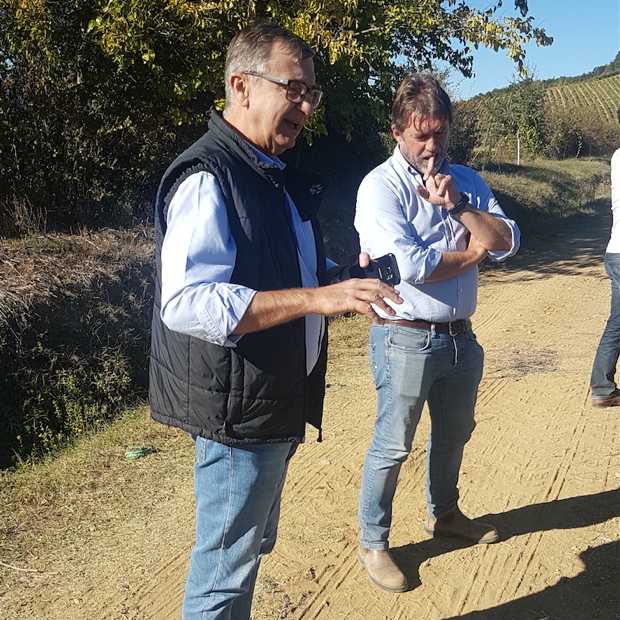
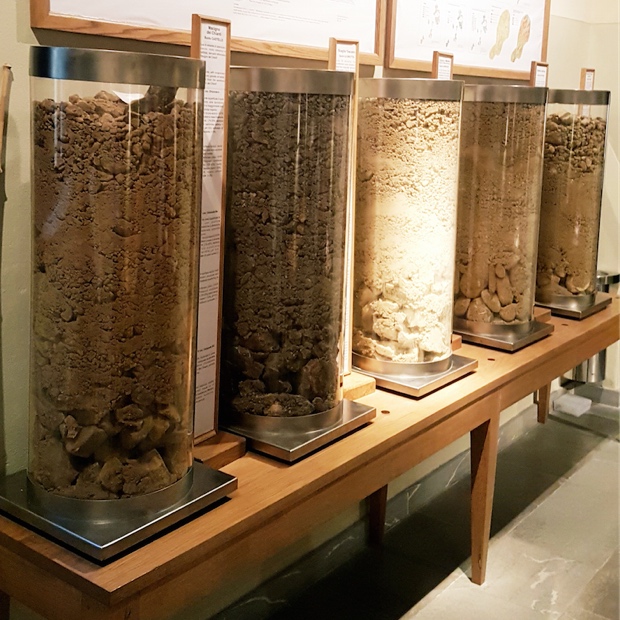
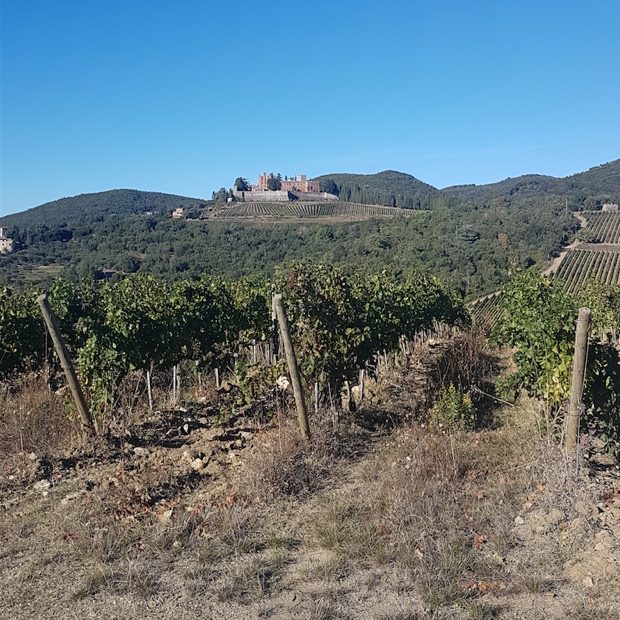


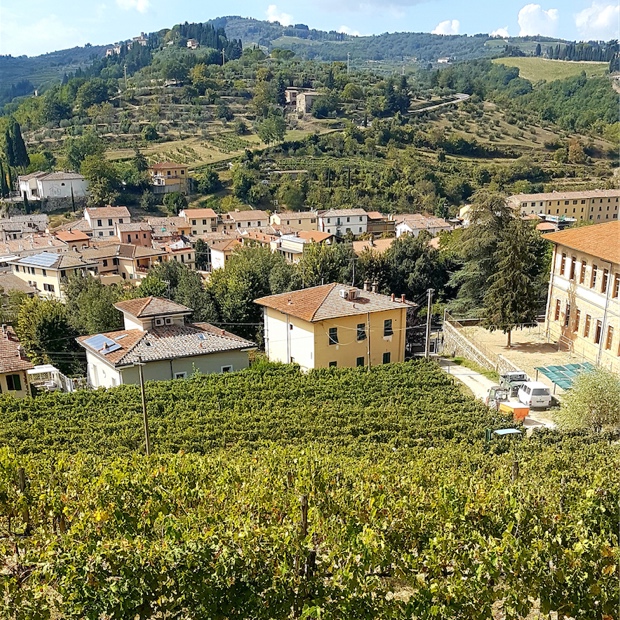
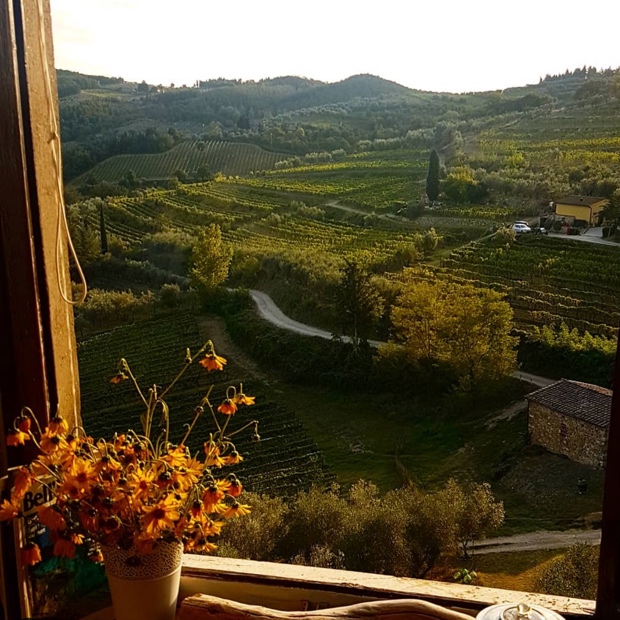
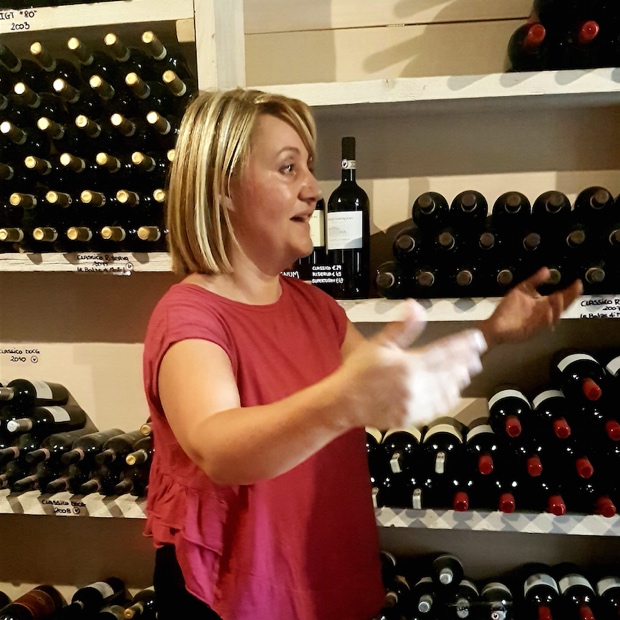
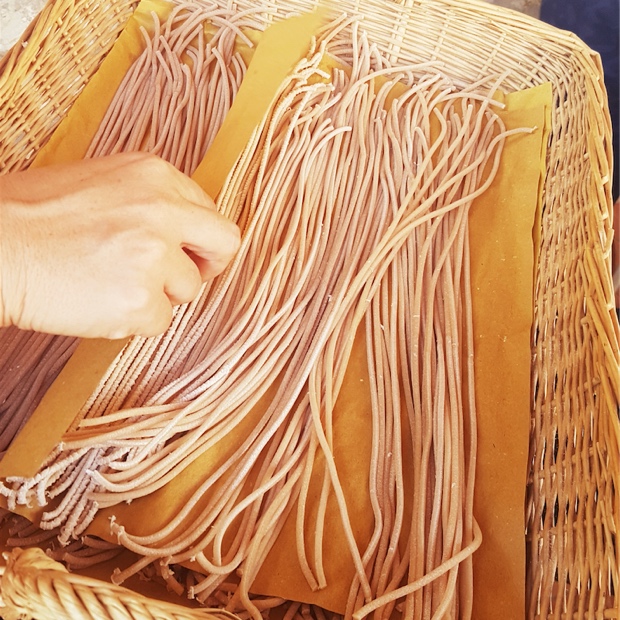
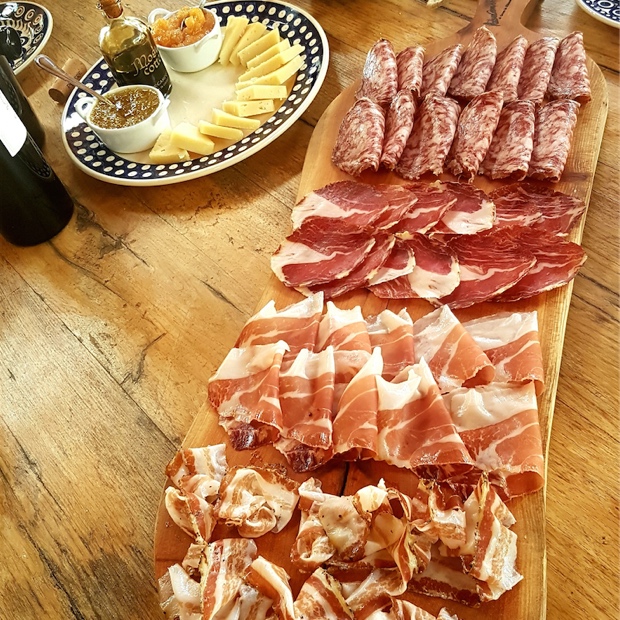
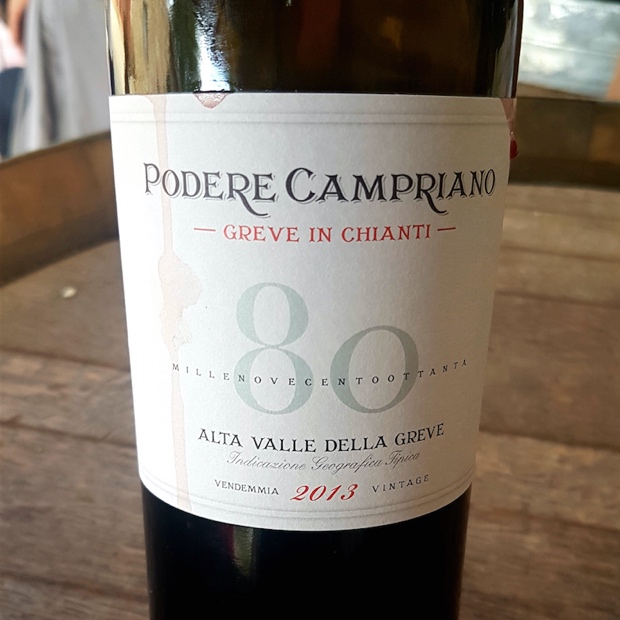

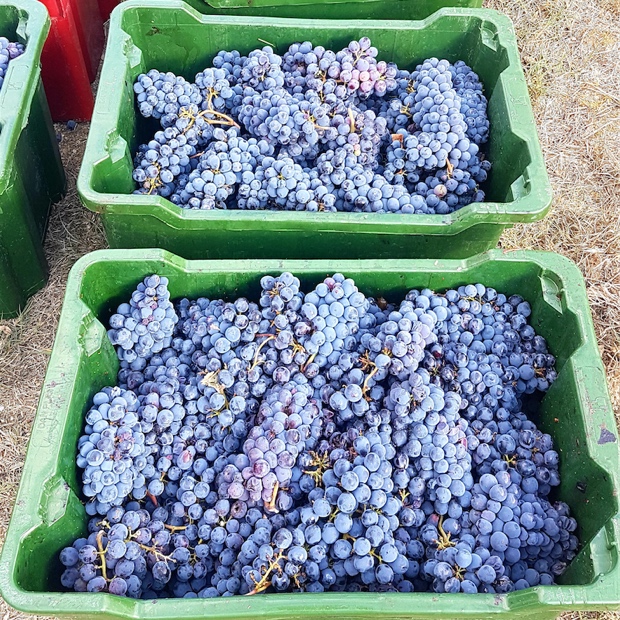
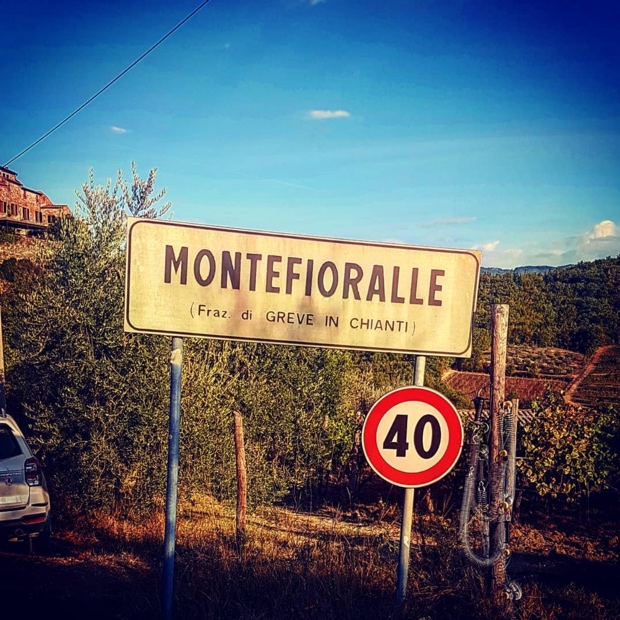
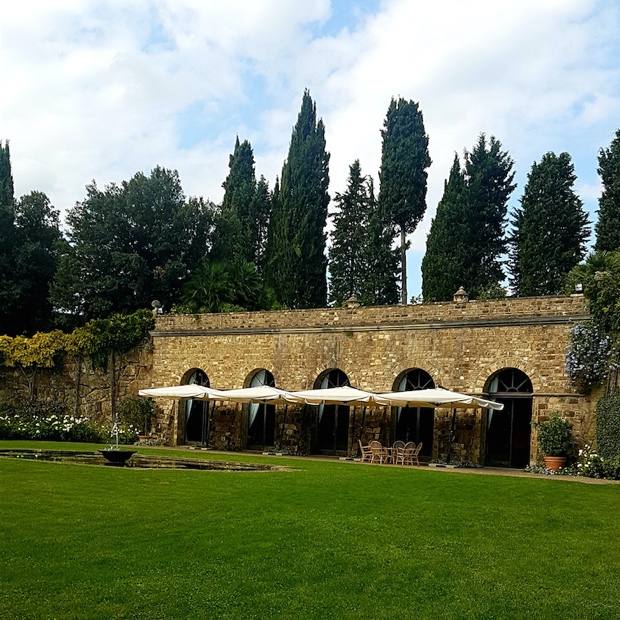
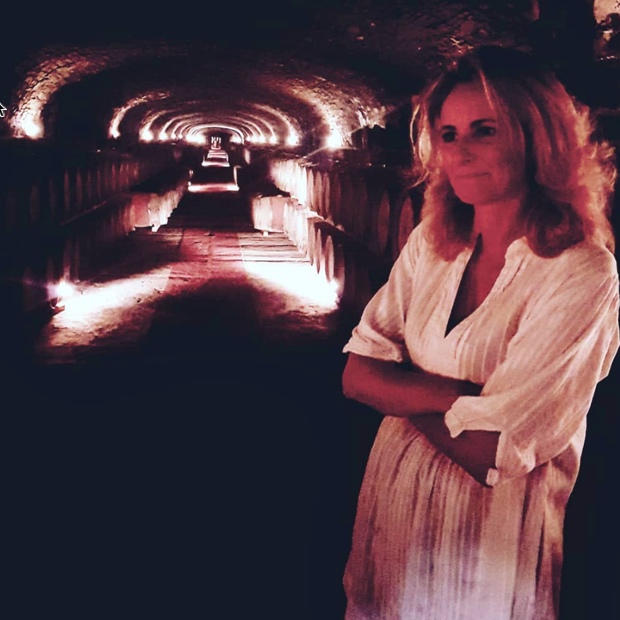
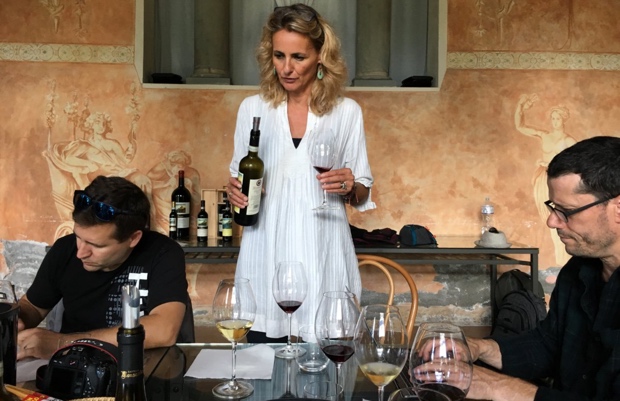

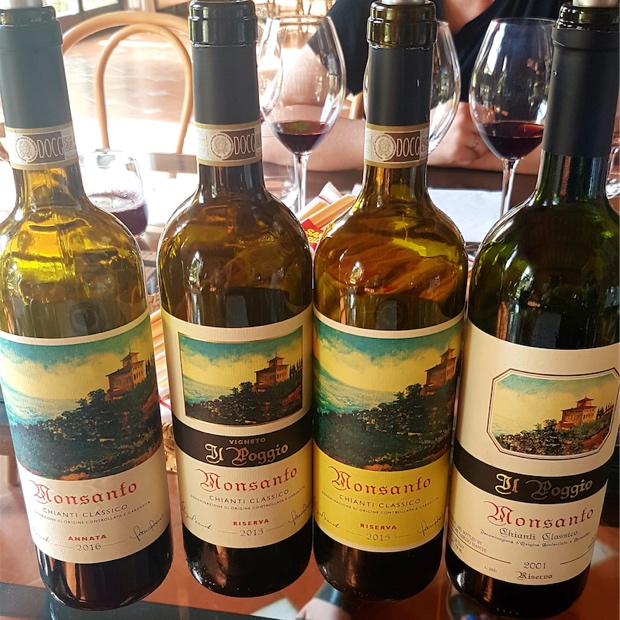



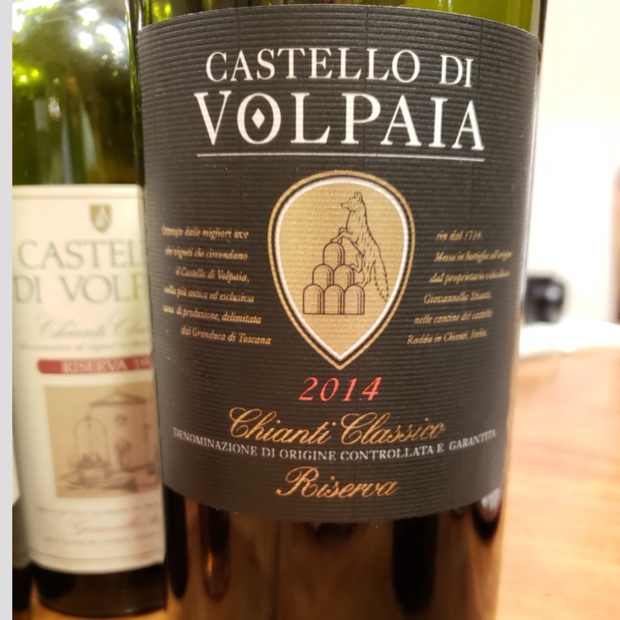
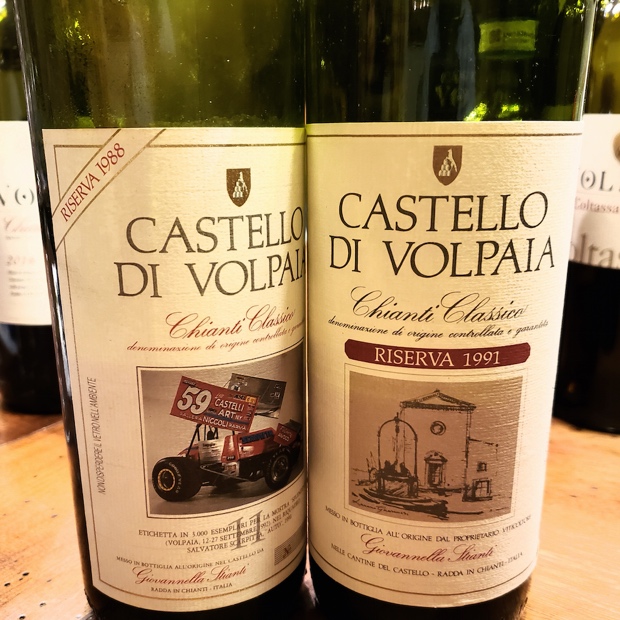
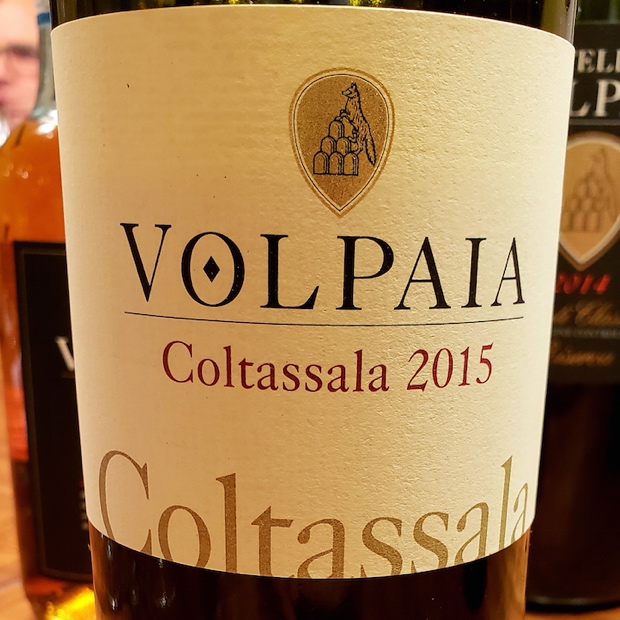















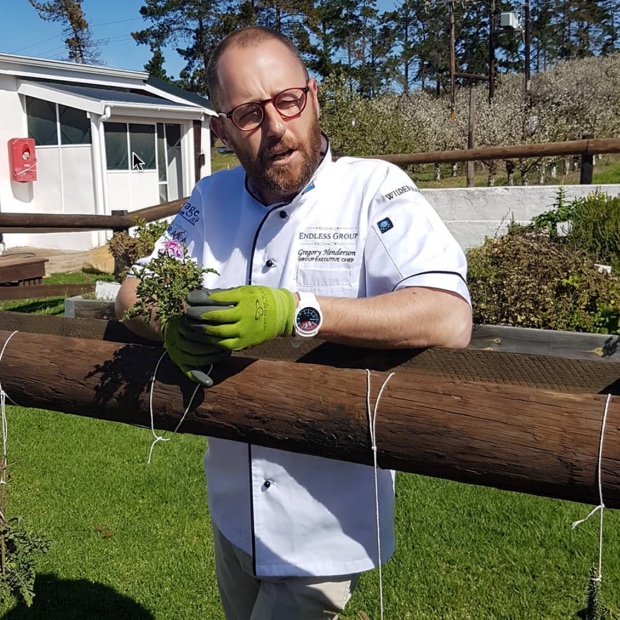


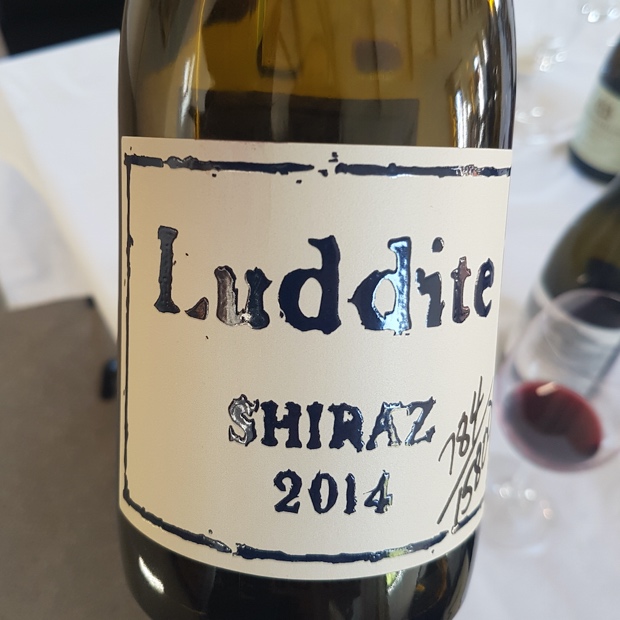


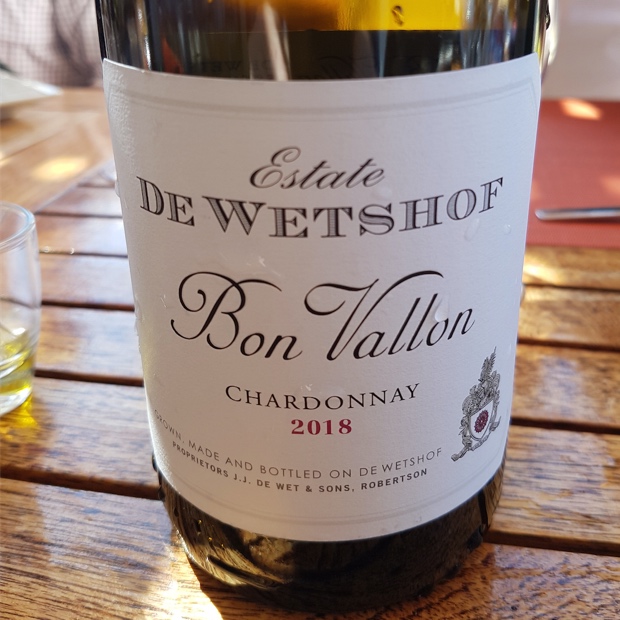
























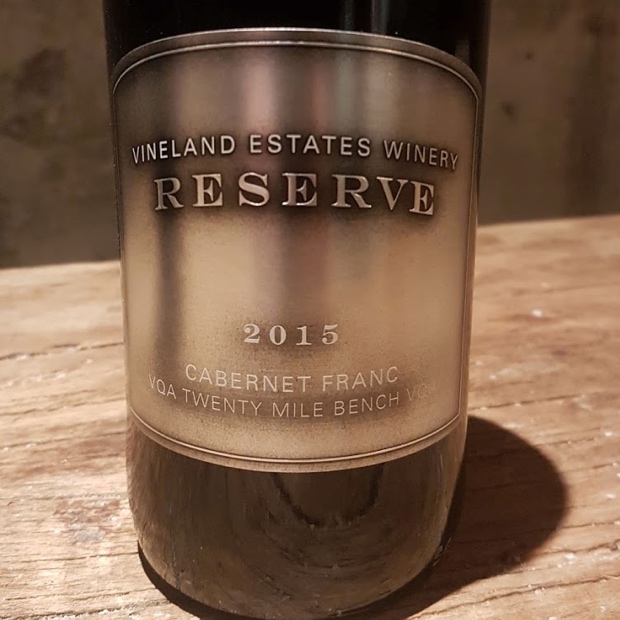
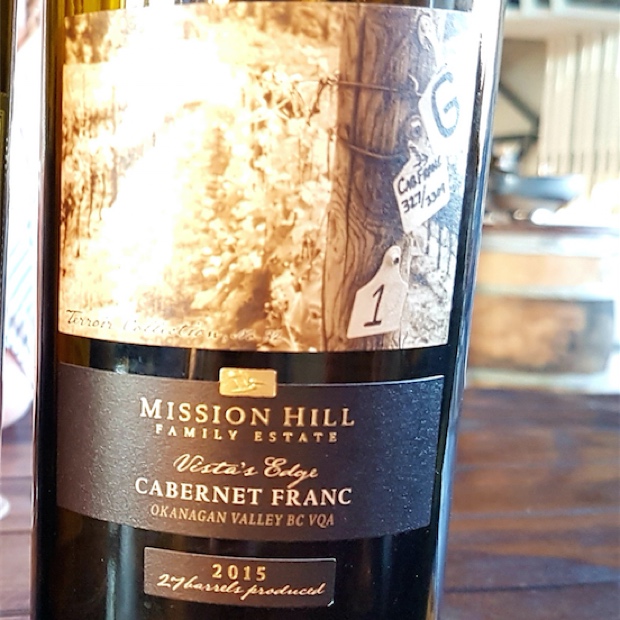


 Godello