Québec native and Niagara Peninsula resident Thomas Bachelder makes Pinot Noir and Chardonnay in three countries. He may not be the only gypsy winemaker on this planet but he certainly ranks as the most focused. Over the past few years I have had many opportunities to taste and be privy to the diversity, overlapping and incrassation of his portfolio. By now I know so much and understand so little.
There is one thing I do know for sure. Bachelder and partner Mary Delaney form a formidable wine-producing juggernaut. Together they are the vine and the fence. The question is which one is the vine and which one is the fence. If asked they and their guests would likely all produce different answers.
In Oregon Bachelder made wines at Ponzi and Lemelson Vineyards. In Niagara he was best known for creating a world-renowned portfolio of Pinot Noir and Chardonnay through an artfully applied science at Le Clos Jordanne. Beyond Bachelder there is now the Thomas effect at Domaine Queylus. He’s like the Chicken Man, “he’s everywhere, he’s everywhere.”
In Ontario his Pinot Noir fruit mainly comes from the St. David’s Bench vineyard owned by the Lowrey family. The Chardonnays are drawn from the Wismer Vineyard on the Twenty Mile Bench and the Saunders Vineyard closer to Lake Ontario. In Oregon, the sturdy contrariness of the vines show a marked preference for the sandstone and volcanic (Basaltic) strata, in Yamhill-Carlton and the Willamette, rhymes with dammit – thanks Mary … ;), Valley. In Burgundy the terroir in micro-plots diversify the stratagem even while some are considered lesser locales for growing great Burgundy. But one thing is clear. The lieu-dits that give of their fruit all qualify as appellative wonders of the Bachelder diaspora.
Thomas Bachelder loves his map of Bourgogne. He would crawl inside it if he could.
For a brief history on the Burgundy, Oregon and Niagara terroirist, check out my two previous posts on the Bachelder project.
Wine writers hard at work. Clockwise from bottom left. Godello, Rick VanSickle, Evan Saviolidis and Michael Pinkus Photo: (Elena Galey-Pride, http://www.winestains.ca)
Order is an extreme obsession for Thomas Bachelder, in an organized, chaotic way. For this reason, the wines were tasted in the following progression, to make sense of the complexity and variegation in each country from the three distinct yet wholly antithetic bon (Burgundy-Oregon-Niagara) terroirs.
From old vines in the commune of Puligny-Montrachet, Bachelder’s Aligoté is a flinty, indiscreetly pinching and itinerant example. More complex than it needs to be, it can be accused of being a risk taker. If Chardonnay is considered in terms of finding excellence out of cool climates, this Aligoté is downright gelid. The wine doth go both ways, at once reductive and then terpenic. Lime citrus concentrates aromas and flavours within a very platinum, mineral frame. Speaks several languages that can be related to but only if you can pry through the cracks in the hard protective shell. Confounding really, yet a fascinating study. Bachelder could do for varietal Burgundy Aligoté in ways similar to Sylvaner in Alsace. Tasted December 2014
Pinot Noir Oregon 2012, Willamette Valley, Oregon, USA (333278, $34.95, WineAlign)
Primarily constructed from the fruit of Yamhill-Carlton vines, a third of which is Lazy River, an apropos moniker because by harvest time it hardly moves. The warm vintage adds a calm dimension to a Pinot Noir more Burgundian than the Bachelder’s Niagara and also more table friendly. Pure perfume and like life in layered, rosy hues, a vie en rose, from the land and the river’s subtle flows. The terra mobilis. The underlying dream in Thomas Bachelder’s Oregon movement is mineral, like salinity, not limestone but something ambiguous from the river’s pull and under the river. Elegance lived and relived. Here is a wine from a very available warm vintage, with a mess of fleshy fruit, yet Thomas does not obfuscate the terroir. In 2012 and needfully so, it is served from a light hand. Currently available at the SAQ in Quebec and coming to VINTAGES in Ontario, Spring 2015. Tasted December 2014
The fruit for Bachelder’s local environ comes from Wismer Parke within the essential Niagara vineyard. By way of setting bearings straight, the Park is contiguous to the Foxcroft and Wingfield sections of the Lowrey Vineyard. A precocious and most positive net gain Pinot Noir most of which, as Thomas so adroitly points out, will be consumed before being allowed to hit its prime. Despite the generic labelling, this is not a mass-produced bottling by any stretch and was swallowed up by licences. It’s a hallmark expression of warmth, texture, vintage and the capability of Pinot Noir in this specific place. What Thomas has achieved, with effective persuasion, is a cloning from intimate belongings; earth, fruit, Lowrey. Tasted December 2014
Côtes De Nuits Villages Aux Montagnes 2012, Burgundy, France ($45, WineAlign)
Named for La Montagne, to recognize it for place because local rules forbid calling it what it really is, nudge, nudge, wink, wink. So what was ‘La’ is now ‘Aux’ and with the change, in this vintage, comes something formidable, eliciting a response of aux la la. Let’s talk about this, with no mocking tone, just real thoughts. Anything but regional, this Bachelder is so very Villages, specifically lieu-dit, with its depth of earth and release of perfume. A piercing sort of Pinot Noir from a which a sauce could be fashioned out of its sheer intensity, to bathe meats. The concentration has a citrus feign, bright, in the back, along with a giving and Burgundy forgiving mineral funk. In this Burgundy, the mountain lurks, in spirit torque. Will unwind for up to 10 years. Available at the SAQ in Quebec. Tasted December 2014
Pinot Noir Johnson Vineyard Oregon 2012 and Côtes De Nuits Villages Aux Montagnes 2012
Pinot Noir Johnson Vineyard Oregon 2012, Willamette Valley, Oregon (SAQ 12065338, $44.50, WineAlign)
A hard-working wine that reaches for fibres not available for weave in the Bachelder ‘basic’ Oregon Pinot, the Johnson digs into the salty waters beneath the earth. Draws up its hydration, the astonishing fidelity of minerals magnetized and then redacts the smokey, splintering spokes of wood. The juice in 2012 flows and follows the inconsistencies of the skin and the barrel like the river travels along the irregularities of the land. Rich, dusty, brooding and intuitive. The Johnson is bent on serious intent, like a sculptor’s dentil relief, with increased shadow, less mannerist in 2012, deeper, darker and of more solemnity. When the ’11 was at first hard to figure then soon after revealed its charms, this ’12 will take much longer to unravel. The brightness of Oregon Pinot Noir is perhaps its greatest attribute so here that light is not yet known. Wait three to five years to find out its truth. Tasted December 2014
A balanced and thoughtful wine, from five rows of mostly mysterious, and unknown clones. There simply is no other locale in Ontario that you can grow Pinot Noir any further away from lake and river and still unearth such depth. Though terroir-driven, this shares little with other geographical perimeter outliers, like Ravine and Coyote’s Run. Can only be Lowrey; folkish, demotic, St. David’s Bench vernacular. From my earlier, October 2014 note: “To those who wonder aloud about the annual love affair with this vineyard, suck it and see. This connectivity and this wine renew again. Same time, this year. Bursts of all that have come from it before, are here now and in temptation of what will be for years to come. Has “the type of kisses where teeth collide,” a Sam Cooke ages to Arctic Monkeys kind of reckless serenade. It’s also a balladeer, this scaled back Bachelder, if that can be said to be done. Here now soft, elegant, perfumed, demurred, sweet, downy, pretty, not yet fleshed, surprisingly void in tannin, anxiety and tension. Work with it for 10 minutes and it will then begin to bite back, show its teeth, pearly white as they are, grind it out. There will be 10 years of development in this Lowrey, if not less, but in ’12, that is more.” Last tasted December 2014
Nuits St Georges La Petite Charmotte 2012, Burgundy, France (357228, $49.95, WineAlign)
Here grinds a wine that could want for some decant, a pause for thought while the imbibers assess their ways through Oregon, Niagara, Johnson and Lowrey. A pent-up perfume, when allowed to breath in and then out, results in a concentration of aromatic certainty. Tight and bracing, with cedar and bitumen, cherry and rose, this single-vineyard NSG hugged up on a northern slope is both adamantine Nuits and the pretty dame of Beaune. Straddles the arrondissement’s Burgundian twain, the Neaune, from iron to sublime. The imprint of yearning and distance. Tasted December 2014
Les Bas Liards Savigny Lès Beaune 2012, Burgundy, France (SAQ 12089567, $38.25, WineAlign)
Only two barrels (one and two year-old, zero per cent new oak) were procured of this 100 per cent Pinot Blanc. “I’m a barrel fermenting maniac,” admits Bachelder. He might also say “I’ve got a job, I explore, I follow every little whiff and I want my life to smell like this.” Stone fruit is in resolution and integration, fully, completely. This quenches thirst, like chewing on raw fish. Why Pinot Blanc in Savigny Lès Beaune is the $64K question with an answer tragically not really known. Its taste is not just Pinot Blanc, it is the flavour of Savigny Lès Beaune. It is PB looking for a place to happen. The argument is logomachy, the reality is Savigny. What it delivers is a clean, hip Burgundian message and at the same time asks, “do you taste Chardonnay?” Yes? No, I taste Savigny Lès Beaune. Tasted December 2014
Bachelder Chardonnay Johnson Vineyard 2012, Willamette Valley, Oregon, USA ($44.95, WineAlign)
From the best four of twenty barrels (and 15 – 18 per cent new oak). The salinity drawn is deeper still, like a bone from the skin of the sea. Rich tones, components, tannic texture, filibuster Chardonnay. From my earlier, May 2014 note: “More specifically a product of its ocean meets sous terre soil than Bachelder’s basic (term used loosely) Chardonnay, the Johnson nicks more richesse, around and around fullness. Not to mention the cerebral wisdom of two Scots and a Charlemagne. Johnson’s progressive and forward thinking maker works with inconspicuous wood and the science of introducing oxygen into wine in a controlled manner. He might say “for it is wisdom that we have for sale.” Like a white-winged dove, the 2012 will trod lightly towards a long walk to a very long life. It can be imagined aging to the edge of seventeen. The earthy feel, the salinity, not from tannin but from soil, “the music there, well, it was hauntingly familiar.” This is iridescent Oregon in a Bachelder voice. No doubt.” Last tasted December 2014
Primarily fruit sourced from Wismer-Foxcroft and Wismer-Wingfield plots, the oak treatment is 15 per cent new. Shows so much more warmth than Oregon. More honey and tropical notes than many peers as well. And still limestone crusted apple is the major finishing key in a Chardonnay that sings a familiar Niagara hymn. From my earlier May 2014 note: “Bottled just one month ago, contrary to the monk’s assertion, there is nothing shocky about her. Her fruit is downy soft, round without being fat because as Bachelder maintains, real as always, you “can’t have the minerality of that perfect 2011, I’m not going to bullshit you.” The 2012 is a wine unconscious in its own obviousness, ready for anything. Gregarious, golden, fresh fruit that was ready to roll out of its barrel and into the waiting glass long before its maker was prepared to open the valve. And of course there is a mineral finish. It can’t help but be.” Last tasted December 2014
Bourgogne Chardonnay 2012 and Niagara Chardonnay 2012
From a site 2.5 km’s from the lake, right on the highway at 30 Bench. Derives its plushness from mere proximity so “serve it first,” pleads Thomas. So much lush, more richesse and yet today, Saunders is a bit closed, primary even. Will yet need some time to find its way. Coming to VINTAGES, Spring 2015. From my earlier, May 2014 note: “Though presently showing a bit inferential, no amount of Bachelder reduction can keep good fruit down nor can it dismantle the mastery of mineral impart. An arras of texture conceals the portal to both vineyard and barrel with streaks of salinity, charcoal and chalk. The 2012 rendition is a canvas laden with pure golden paint, concealing “hidden forms and shifting states.” Thomas has found a rhythm in Saunders through thick brush strokes, full and advancing. This warm vintage is not a receding one, its flavours and its texture do the opposite. They jump out at you in waves. For Thomas, the sublime is now.” Last tasted December 2014
An appraisal of Wismer, much further up on the Bench as compared to Saunders, is always fraught with side by each guilt. The two coax and dissuade each other in every respect, from vintage to vintage and in flip-book oscillation. Once again, the reversal is complete in 2012. Wismer gives not just power and warmth, but layering. Its voice is an astonishing fidelity of native rock magnetized. Wismer finds a way to make grace necessary and to make necessity graceful. While Saunders made yeoman’s work of 11’s crazies with precision and poise, Wismer takes the glow of ’12 and turns it into cool sunshine. This Chardonnay of wealthy fruit, controlled oak, olivine and feldspar tannin will slowly wash up like driftwood on the gravelly beach of life. Give it a year or two to assimilate the components and drink it for 10 more. Tasted December 2014
Bourgogne Chardonnay 2012, Burgundy, France (272005, $35.95, WineAlign)
From lower Puligny, this is rich, forward and expressive Chardonnay. While it may gangle out with a fierce, pierce of the tang, a change fills the air after much discussion about a barrel, how it is used and to what effect, both for its current and predictable future. Has that honeyed, lemon toasty unctuousness, a weave that is weighty and glazed. Some wood spice and a colourable, creamy curd of citrus. Oak compounds the sweetness and layering. Puligny runs through its wooden veins and pumps micro-oxygenated nutrients to the important, internal organs. The eventuality here is the alleviation of pressure and a retrofit of fruit to elegance. Strike another notch up and step forward for the Bachelder Burgundy sojourn. There is still so much to learn and even this will seem pedestrian compared to what will come but for now it’s just fine, thank you very much. Tasted December 2014
Savigny Lès Beaune Les Bas Liards 2012 and Marsannay Clos du Roy 2012
Marsannay Clos du Roy 2012, Burgundy, France ($39.25, WineAlign)
The ‘King’s Hill’ which is just half of the misnomer because how can a plot of such ability be considered so low on the Cru pole. Half of a new barrel went into the minuscule (two barrel) blend. Chardonnay like lace, from nothing less than an appellation prepared to offer up fine drink, in pastry and in textile. Tropical tree fruits hang in rows, connected by cream and the contending forces of smoke and bite. Always the end game of rock envelops the whole, like gabbroid nodules, permeating every fissure. And so, because a Bachelder Chardonnay must comply, as the earth invisibly prepares its vines for successes and failures, so history is the creeping intent. Tasted December 2014
Gold Medal winning plate, Gold Medal Plates, Toronto 2014: Canoe’s Chef John Horne’s Grandview Short Ribs Glazed with Tree Syrups (c) Ronald Ng Photography
When head judge David Lawrason asked me to join him and fellow WineAlign colleague Sara d’Amato to preside over the wines at Gold Medal Plates Toronto, I paused for a brief moment. I knew right away the answer was an emphatic yes but I had to breathe in the possibilities. One: Sample 10 wondrous culinary creations by 10 sacrosanct chefs. Two: Spend an evening with Canadian Olympic medallists and recording artists. Three: Taste and judge the sagacious efforts by some of Ontario’s most venerated winemakers.
Gold Medal Plates was founded in 2003 and is so much more than an organization. It is a Canadian institution. The primary goal of the coast to coast galas are to “celebrate Canadian excellence in food, wine, athletic achievement and entertainment.” The tour makes stops in 11 Canadian cities and raises funds for the Canadian Olympic Foundation to support Olympic athletes. Net proceeds are donated to support high performance programs such as Own The Podium. To date over $8.2 million has been raised. (Update: Gold Medal Plates tweeted on December 10th that the number is now $9.5 million).
Gold Medal Plates Toronto 2014 bronze, gold and silver medal winning chefs Damon Campbell, John Horne and Jason Bangerter (c) Ronald Ng Photography
In each city the invited chefs prepare a regional dish and in Toronto, more than 700 people tasted through a complex variety of creations. The gold medal chef in each city goes on to compete at the Gold Medal Plates Finale at the Canadian Culinary Championships. In 2015 the host will be Kelowna, British Columbia on February 6 and 7. The term “career changer” is used to describe the chef who is crowned tops in Canada.
With unprecedented support from the event’s title sponsor Deloitte, the Toronto event was held at the Metro Toronto Convention Centre on Wednesday, November 12, 2014. The culinary judging was headed up by former Toronto Life Magazine food critic James Chatto. Joining Mr. Chatto were chef/author Sasha Chapman, chef/TV personality Christine Cushing, author/CBC radio host Anita Stewart, George Brown chef school’s John Higgins and the 2013 Canadian Culinary Champion Lorenzo Loseto of George Restaurant.
Candian musicians and atheletes sing O Canada at Gold Medal Plates Toronto 2014 (c) Ronald Ng Photography
The plates in Toronto were really quite incredible. Canoe’s Chef John Horne was the gold medal winner. His Grandview Farms Short Ribs glazed with tree syrups was a ground breaker, an original composition of intrigue, a wild sequestered spot of gastronomy. The other plates were exceptional, each in their own right, but chef Horne travelled to a zone alone. Congratulations Chef.
Gold Medal Plates wines (c) Ronald Ng Photography
In David Lawrason’s recap to the audience, he noted how close the wine judging really was. “It was the highest quality level from bottle to bottle I have seen in the country this year, making the judging of the Best of Show Award rather tough. But when each judged ranked their top five, the same five wines showed up. It was then the ordering that became difficult, and only two points separated first and second place.” In the end we chose Norman Hardie‘s Niagara Unfiltered Pinot Noir 2011 as the Gold Medal winning wine. Hardie’s take on Twenty Mile Bench Pinot Noir is pure, complex and made with a deft, hands-off approach.
The wines ware all impressive, each and every one. The Hidden Bench approach on a Bordeaux-styled white is as impressive as any that have come before it, which is why the Nuit Blanche Rosomel Vineyard 2012 finished a very close second, taking home the Silver Medal. Syrah in the hands of winemaker Rob Power is a beautiful thing indeed. Creekside Estate‘s Iconoclast Syrah 2012 was the Bronze Medal winner. Pinot Noir by Leaning Post and Cabernet Franc by Rosewood Estates were fractional points behind.
David, Sara and I tasted and judged 12 wines, 10 of which were paired to the 10 chef’s plates. Here are the tasting notes and pairings.
Gold Medal Plates Toronto 2014 dishes and paired wines
High acidity, negligible tannin and no surprise, the black burn of charcoal crushed, tarry fruit. A wallop of pepper for accented measure stings as per the effect of a Rhône, so like Syrah this is a good example of Baco. An airplane taxiing down a tobacco road. “But it’s home, the only life (its) ever known.” Definitely Baco. Tasted at Gold Medal Plates Toronto, November 2014 @PellerVQA
Like bottled pastry, sweet, soft apples baking. Warm wafting aromatics, mild toast and caramelizing butter, effectively creamy and palate coating. Evolved to the point of full integration and absolute oak resolution. Drink now. Tasted at Gold Medal Plates Toronto, November 2014 @PellerVQA
Creekside Estates Syrah Iconoclast 2012, VQA Niagara Peninsula, Ontario (Winery, $18.05) Paired with Canoe’s Chef John Horne’s Grandview Farms Short Ribs Glazed with Tree Syrups
Winemaker Rob Power is on the fast track (if he is not there already) at becoming the King of Syrah in Ontario. The Queenston Road vineyard helps. Years of acumen development is key. Passion for the Rhône and Niagara’s climatic and stylistic kinship wraps the package. A ton of effort goes into the production of this $19 wine. The methodology here differs greatly from the co-fermented two-clone meets Viognier (and twice the price) Brokenpress Syrah. Here the fruit from three vineyards (including the Queenston Road) were fermented separately in stainless steel tanks and 1 tonne fruit bins. Malolactic fermentation took place in barrel where the wine aged for 12 months. The (30 percent new) barrel mix is (53 per cent) American, (42) French and (five) Hungarian. The result? In Rob Power’s hands, you can take Syrah out of the Rhône and Australia but you can’t take the cool climate out of the Syrah. Meat, pepper and smoke pique, pinch and pop. Pow! A totem in proclivity for the variety. The water is at times dishy but the fruit swells and fills in every gap. Tasted at Gold Medal Plates Toronto, November 2014 @CreeksideWine
13th Street Gamay Noir 2012, VQA Niagara Peninsula, Ontario (177824, $19.95, WineAlign) Paired with Bestellen’s Chef Rob Rossi’s 60 Day Dry-Aged Beef Crudo, B.C. Pine Mushrooms, Concord Grape Mustard and Truffle Sauce
Spice and rich fruit head straight to Gamay welkin derived direct from the soil’s core, of Sandstone, Schwenker and the winery’s home vineyard at Fourth Avenue. Swirl away the gathered must and moss to reveal more Cru fruit than you can shake a stirring rod at. Such verve, said grit, such persistence. The thing about Gamay is, “if you want inside of her, well boy you better make her a raspberry swirl.” 13th Street has certainly made the raspberry sing in the ’12 Gamay so “raspberry swirl, mmm let’s go.” Tasted at Gold Medal Plates Toronto, November 2014 @13thStreetWines
Hidden Bench Nuit Blanche Rosomel Vineyard 2012, VQA Beamsville Bench, Ontario (Winery, $20.00, WineAlign) Paired with Splendido’s Chef Victor Barry’s Smoked Rocky Point Oyster, Yukon Gold Potato and Chive
Less than six weeks after my first introduction to the NB ’12 complexity shines anew. Such a delicate and elegant take on the Bordeaux white axiom. Void of all the gangly G’s; grasses, gooseberry and green vegetable. Leans to custards and curds with a savoury accent and a limestone tang. Willing to be paired with a multitude of gastronomy. Long finish. From my earlier, September 2014 note: “Taking what the vintage gives, Rosomel’s Sauvignon Blanc was king in 2012, dominating at a 95 per cent share of the Bordeaux-styled blend with Sémillon. Barrels were stirred weekly during fermentation and the creamy texture thanks that regimen, as does the tannic fullness of the round back-end. It rocks out bracing, formidable and nobly bitter, in pear and its pith, in lemon, of rind and in curd. The SB lounges in tall grasses but avoids goose feathers and blanching veg. So very savoury, in gorse tension, thistle and nettle. These notes all cut through the roundness and are finally tied together by the flinty rock of Rosomel.” Last tasted at Gold Medal Plates Toronto November 2014 @HiddenBench
Marben Restaurant’s Chef Rob Bragagnolo’s Canadian Paella, Crab, Lobster & Mussel Suquet, Crispy Wild Rice, Red Pepper-Saffron Aioli and Almond (c) Michael Godel
Rosewood Estates Cabernet Franc Origin Series 2012, VQA Beamsville Bench, Ontario (Winery, $26.20, WineAlign) Paired with Marben Restaurant’s Chef Rob Bragagnolo’s Canadian Paella, Crab, Lobster & Mussel Suquet, Crispy Wild Rice, Red Pepper-Saffron Aioli and Almond
From fruit grown on the Estate’s Beamsville Bench (Renaceau) vineyard. As per the house directive, this is not oak shy. So as the house finds collective varietal success from inside a barrel, the Origin Cabernet Franc 2012 falls into line. Fruit is bright and sour-edged, softened, filled in and tempered by wood. Lush berries and plums, herbs and did I mention oak? A roasted kind of sweetness comes wafting and pan-dripping in, with currants, mint and eucalyptus with a far away look. Intensely modish CF, with a swath of chocolate, springy and extensible length. Tasted at Gold Medal Plates Toronto, November 2014 @Rosewoodwine
Rosewood Estates Chardonnay Origin Series 2012, VQA Beamsville Bench, Ontario (Winery, $28.20) Paired with Buca’s Chef Rob Gentile’s Ravioli alla Tonnara, Tuna Blood Pasta, Tuna N’duja and Stracciatella Cheese
The Chardonnay formerly known as Renaceau Estate Vineyard, followed by Reserve and now Origin continues to hail from the Beamsville locale and persists as one of the most viscous and rich of its ilk. The glaring mismatch in sugar (20.8 g/L) and acidity (1.8 g/L) could spell disaster but to the contrary, this finds its tongue. Quite drawn, in a southern sort of lobster dipped in butter drawl. Unrequited malo fermentative linguistics suppress any tension that might distract from the bounty of warm vintage, perfectly ripe fruit smothered in a creamy lather of French oak (nine months in 50% new and 50% seasoned). Tasted at Gold Medal Plates Toronto, November 2014 @Rosewoodwine
The Farm Pinot Noir 2012, VQA Twenty Mile Bench, Ontario (Winery) Paired withCafé Boulud’s Chef Tyler Shedden’s Haida Gwaii Pink Salmon, Preserved Porcini Mushroom, Nasturtium and Smoked Sabayon
Those familiar with the Neudorf farm fruit know it well because of the single vineyard Pinot Noir “La Petite Colline” made by then Le Clos Jordanne winemaker Thomas Bachelder and carried forth by Sébastien Jacquey. Most of the harvest was then scooped up by Bachelder’s newest Niagara venture with some Quebec buddies at Domaine Queylus. In 2012 the Neudorf family decided to allocate a small commercial gifting of their own minuscule production of Estate Pinot Noir. Eleven restaurants in Southern Ontario carry this luxurious and humid red. The aromatics are pure Neudorf; a blackberry-rapt silt and clay-earth mingle with a sideshow of coated limestone primer. Just a smidgen past ripe, this blood pedigree redaction has plenty of charm if less earnest finesse than the Bachelder siphoned bottles. Tasted at Gold Medal Plates Toronto, November 2014
Langdon Hall’s Chef Jason Bangerter’s Wild Flower & Herb Smoked Game Fowl, Fermented Berry & Celery Root (c) Ronald Ng Photography
Leaning Post Pinot Noir Lowrey Vineyard 2010, VQA St. David’s Bench, Niagara Peninsula, Ontario (Winery, $38.20, WineAlign) Paired with Langdon Hall’s Chef Jason Bangerter’s Wild Flower & Herb Smoked Game Fowl, Fermented Berry & Celery Root
One year later and in conjunction with stopping to think about them (other vintages and other reds at #GMP2014), the most terroir and aromatic focus comes from Ilya Senchuk’s ’10. Cherry, pomegranate and earth. Only Lowrey goes deep like this. Such a palate refresher. From my earlier, November 2013 note: “Can’t say I’m all that surprised but this is so much more approachable, pretty and glamorous. From an unrelenting hot vintage (picked Sept. 11th), a full six weeks earlier than ’09 and from the same vineyard. This was necessary as a means to preserve freshness. More sunshine, less earth but still there’s a cure and metal tendency that really defines Lowrey. Could of course be considered more of a crowd pleaser but it’s not as simple as that. That I can taste these two mano a mano, in my life is a rubber soul stamp. “All these places have their moments.” 125 cases.” Last tasted at Gold Medal Plates Toronto, November 2014 @LeaningPostWine
Norman Hardie Unfiltered Niagara Pinot Noir 2011, VQA Niagara Peninsula, Ontario (208702, $39.20, WineAlign) Paired with The Drake Hotel’s Chef Alexandra Feswick’s Beef Tongue, Plums and Almonds
The tension in the ’11 Niagara Pinot is palpable, ongoing and yet, as noted previously, not like it used to be. Expertly judged in a major key of complexity. Like candied nuts strung along a chain of tannin. Layers of depth and active ingredients. From my earlier, August 2014 note: “Hardie’s 2011 Pinot Noir comes out of deep clay, 20 Mile Bench soil, an impart not lost in the rich though dusty character of the wine. The flesh is both corporeal and marbled and a chalky grain runs through, with thanks to what feels like smithereens of limestone blasted through. “It was long ago, seems like yesterday,” that Norm’s Niagara Pinot carried an unwieldy level of anxiety but here the tannins have settled, the volatility has relented and there is a curious combination now, of blood and roses. Though meaty, the ’11 Pinot’s juices are concentrated, contained, not running out. The aromas are floral, heightened and intoxicating. Once again, classic comes by way of low alcohol and minimalist intervention. Last tasted at Gold Medal Plates Toronto, November 2014 @normhardie
The Chase’s Chef Michael Steh’s Tuna Toro, Foie Gras, Ginger Pork Dumpling and Damsum Plum Sauce (c) Michael Godel
Stratus White 2010, VQA Niagara On The Lake, Ontario (660704, $44.20, WineAlign) Paired with The Chase’s Chef Michael Steh’s Tuna Toro, Foie Gras, Ginger Pork Dumpling and Damsum Plum Sauce
Tropical notes are currently blanketing the radar on the long flight to future decades. From my earlier, October 2013 note: “Quite possibly the most textured yet. A casted mass, like ingot or sélection de grains nobles, where viscosity meets candied fruit, apricot, quince and acacia flowers. A white moon with a medicinal and peaty tang that shows so much verve, earth floor even. This cracker jack ’10 will continue to add heft and flesh to earn its white stripes. Could be a classic for 20 years plus.” From my earlier, September 2013 note: “Sends me immediately towards Bordeaux, in neo-marmalade, but also buoyed in perfume and body by 25 percent Viognier. “This variety worked so well in the vineyard in 2010,” notes Groux. Niagara honey and near-botrytis via Semillon and Sauvignon Blanc void of grass, full of vigor. A sharp note, neither metallic nor mineral, but a combination of the two is present in this so very concentrated ’10. Of a warm vintage (self-explanatory) fully picked by October 23. Though loaded with early Spring maple sap, foie gras and appley terpines, its sharp and framed by “tannic” tang and protracted length.” Last tasted at Gold Medal Plates Toronto, November 2014
The Shangri-La Hotel’s Damon Campbell Nova Scotia Lobster, Potato Gnocchi, Forest Mushroom, Black Truffle and Lobster Emulsion (c) Ronald Ng Photography
Southbrook Poetica Chardonnay 2011, VQA Niagara Peninsula, Ontario (366500, $50.20, WineAlign) Paired with The Shangri-La Hotel’s Chef Damon Campbell’s Nova Scotia Lobster, Potato Gnocchi, Forest Mushroom, Black Truffle and Lobster Emulsion
There is still a tough outer layer to crack. A poem of many stanzas has only just begun. Mute yet delicate, the stratified vineyard is the Poetica’s poetry; tight, yet forwardly futuristic towards the ephemeral and the aerified. From my earlier July 2014 note: “Has integrated nicely though certainly persists as a big, lush Chardonnay. If there were splinters or sinewy bits they have melted away.” From my earlier, May 2014 note: “The Poetica underwhelms at the present time, or perhaps hides in her youth. She’s a calm, buttery, mildly toasted, supportive softie and more accessible than her Sperling west coast sistren. Like a cool Chardonnay soffit hiding beneath a warm bench, the Poetica speaks not for the vintage but more for the current vineyard, a warm and hip spot in the Four Mile Creek appellation. The site remains (at least to me) understood but the unctuous aspect in texture and gathering sweetness with time in the glass will realize a richesse yet unseen. Poetica’s refrain is like “wind on the weathervane,” her tragically subdued fruit quiet, but able to travel long. Time will be the reveal, so be patient.” Last tasted at Gold Medal Plates Toronto, November 2014 @SouthbrookWine@thesirengroup
The wineries of Plumpjack, Cade and Odette bring three distinct Napa Valley growing areas together; Oakville, Howell Mountain and the Silverado Trail. When the unified program cascades into town it has a tremendous evangelical effect, proselytizing many. Though well-known and regarded California grape varieties like Chardonnay, Merlot and Syrah are part of the PCO output, that stalwart varietal behemoth called Cabernet Sauvignon stands alone. For this group of Napa wineries, life is a Cabernet.
Plumpjack is the heart and soul of the operation. In 2015 the Oakville outfit will celebrate 20 years of collocating wines from plots of Napa significance. In a universe steeped in the paradox of what was Bordeaux and is now California, Plumpjack makes work in fractive reflection of a vineyard’s take on that paradox. The estate’s 42 acres are nestled between the foothills of the Vaca mountain range and the Napa River flood zone. Cade works with Howell Mountain’s fog on 54 acres above the valley. The extremes of temperature and moisture do for Cade like the Petaluma Gap ushers to Sonoma but with more consistency from vintage to vintage. On Howell Mountain, balance is everything. Odette is the new, wunderkind venture, with Jeff Owens as winemaker, spiraled and sprawled across 54 acres against the Stag’s Leap Palisades knuckled down with all five Bordeaux varietals.
The Napa triumvirate of Plumpjack, Cade and Odette is represented in Ontario by The Vine Agency, a Toronto based wine bureau of authority, rebelliously in focus through the eyes of Rob Groh. Groh is an indefatigable defender of honest juice with a penchant for estate-grown, family procured, characterful wines. He and Derek Kranenborg brought General Manager John Conover to the Distillery District’s Cluny Bistro last month for an intense fixation, mostly and righteously on Cabernet Sauvignon.
From left to right: Adaptation Chardonnay 2011, Adaptation Cabernet Sauvignon 2012, Plumpjack Chardonnay Reserve 2013, Plumpjack Merlot 2012, Plumpjack Estate Cabernet Sauvignon 2011, Cade Cabernet Sauvignon Howell Mountain 2010
Adaptation Chardonnay 2011, Napa Valley, California (Agent, $32.95) Consignment
A full on crème filling feel is awash in tropical nuance. At once young and tender like hearts of palm and then again like roasted cart nuts and a bonfire on the beach, eventually cooled by palm fronds and prevailing winds. Nothing would suit this better than a suckling pig and a mess of lobsters. Seamless in texture all the way through, finishing with dessert cream and buttery pastry. Tasted October 2014
Plumpjack Chardonnay Reserve 2013, Napa Valley, California (325019, Agent, $67.00) VINTAGES Classics December 2014
Part Carneros and part St. Helena with the former trumping the latter as this is much cooler and linear, with apples in stereo acidity, cogitated in a self-professed “alternative California style.” Definition: zero malolactic fermentation. This is the second such recent animal (along with Gundlach-Bundschu) though the first Napa to do Ontario in such dissident manner. Feathers a tickle up the olfactory passage and bounds in restless bounce within the walls of the jumpy castle. Not quite indelicate but high-toned at the present time. Such a nimbly carved ride in wild yeast serried within an expressive ferment, with a Fernet note and a request for patience. Really long finish. Tasted October 2014
Adaptation Cabernet Sauvignon 2012, Napa Valley, California (353102, $49.95, WineAlign) VINTAGES Release November 8, 2014
As a second wine to Plumpjack, Adaptation offers a similar, if less complex mental state to the dean Cabernet. The stress-free vintage gives very ripe, lush and excelling fruit in the throes of oak and circumstance. Tones are bright, aromas defined, with patent black cherry and Cassis. As noted, oak is not unbeknownst but it infuses the fruit with just a little chalk and from a very fine grain. Somewhat savoury sweet currants bring delicate flavour, along with a mild cure in its marbled flesh. Turns devilish with spice box, a drag on a hand rolled cigar and a slice of rye toast, caramelized on the edges. Will adapt to protein, with banter and good cheer. Tasted October 2014
Cade Cabernet Sauvignon 2011, Napa Valley, California (Agent, 325027, $112.95, WineAlign)
Though prepped by notions of a cooler and later ripening vintage, there is even more savoury, tobacco and cool clime (altitude) aromatics than might have been imagined. This Cade is so very bright in a cherry-plum-pomegranate continuum yet in contrast to a (negatively impacting) sweet-sour-tang drupe. Tends to angles more akin to Tuscan summer savour, like lavender, rosemary, sage, and vanilla. The overall impression to palate is that of a chew of the toffee that might be made by the aromatic combination, or a pull of syrupy tea. In the end there is nothing simple about this thoughtfully crafted Cade. Tasted October 2014
Plumpjack Merlot 2012, Napa Valley, California (Agent, $78.95) Consignment
Fruit from the Oak Knoll Vineyard etched as ripe a Napa Merlot that can or would ever want to be. That it teeters on the scarp, laughing at the greens, partying with the reds and joking with the blacks, this Merlot is quite righteous in quintessential necessity. It screams fruit, picked just at THE moment. At 15.2 per cent the expectation would be intensity, like a moth with a fatal attraction to a book fire but it manages the sun and ripeness with ease. Drink this now, if you can afford it and wait five more to see where it goes. Tasted October 2014
Plumpjack Cabernet Sauvignon Reserve Oakville 2007 (screwcap), Napa Valley, California (Winery)
There’s a dusty aromatic feel here with tar, charcoal and the ardor of wet stones roasting in a hot room. The barrel is still speaking this many years on, the fruit lurking, the wood caressing but with a strong and outstretched hand. Dark berries come out of the waft in full play and when tasted, with tobacco and many candied flowers. Very Paulliac. Full warmth, with a texture of cream, vanilla, layer cake and nuzzled by sweet tannins. In spite of the compass it is approachable (stupidly so) and still worthy of a lazy petering for 10 years forward. Tasted October 2014
Plumpjack Cabernet Sauvignon Reserve Oakville 2007 (cork), Napa Valley, California (Winery)
Less dust but that’s splitting hairs. When making comparisons without the necessity of blind pours the minute distinctions are conjured by plotting and conjecture. Same wood up front, same sweet fruit behind. The texture of cream filled layer cake and some spice with tobacco on the back palate. This is extreme modernity incarnate. It seeks love and love it receives. Tasted October 2014
Cluny Bistro Octopus
Plumpjack Estate Cabernet Sauvignon 2011, Oakville, Napa Valley (296483, $140.95, WineAlign) VINTAGES Release November 22, 2014
Just an incredible crack of aromatics mark what seems like 10-plus minutes of thunder Plumpjack; Spring wildflowers, black raspberry, roasted game and crushed steen as if from Gironde-banked, well-drained gravel, sandy stone and clay soils. Ripe, seamless and nonrigid. “I dare you to smell bell pepper in this,” chides General Manager John Conover. Though 2011 caused some Napa concern, Plumpjack will have had none of its woes and whimpers. The Oakville Cabernet “does this thing she calls the jump back Jack, she’s got the heart of a ballerina.” Dried and fresh herbs define its vintage-related nuance and their herbal presence, etched in balance with well-thought out barrels means “my heart’s wood, she’s a carpenter, she’s an angel in the night, what she does is alright.” Really approachable now, though it will go very long and deep. Tasted October 2014 @PlumpJackWinery
Cade Cabernet Sauvignon Howell Mountain 2010 (cork), Napa Valley (325027, $99.95, WineAlign) VINTAGES Release March 15, 2014
As rich and hedonistic as is the animal of Oakville ‘07, this 2010 is the bomb. Pure, clear mountain fruit, unencumbered, free, card-carrying member. Spokesperson and player, cool and collected, conceited, sure, gay, straightforward, then warm and lush again. This has layers and layers of fruit, waves of feigned sweetness, grape tannins interwoven in chains, molecules tumbling over one another. Heartfelt expression creates a massive Howell Mountain impression. Tasted October 2014
From a second bottle tasted from screwcap: Just as the comparison of ’07’s revealed, the similarities are just what the wine expects you to find. Large and full of fruit with sweet, integrated and ingratiating tannins. There is actually another level of open window brightness in the Stelvin, but that same (cork closure) spice and high altitude conceit takes the fruit on honeymoon and sexes the hell out of it. Tasted October 2014
Odette Cabernet Sauvignon Estate Cabernet Stag’s Leap District 2012, Napa Valley (Agent, $145.00) Consignment, February 2015
Here storms in the inaugural vintage, personally carried, delivered and poured by John Conover. The level of purity trumps the rest. The clarity and chaste structure are defined in lines of no blur and no confusion. Full of brisk, red-blooded, indelible ink of a cabaret magician’s brew. Built on axon terminals of mnemonic neurons. Sweetest dewy smells, unreal fruit, remarkable wildflowers – this reminds me of an Ornellaia, an ’01 or and ’11. Essence of just picked berries – strawberry and blackberry, leaves in an instant and an ooze of freshness. Knots of tannin will take 15-20 years to untangle but the fruit is up to every moment of engagement. “It’s only a (Cabernet), old chum. And I love a (Cabernet).”
As we creep deeper and deeper into late autumn days, with afternoons bereft of light and evenings full of chill, we begin to search for more than a pipkin of warmth. Wine can fill the void and it is no simple folderol that we seek. The bicameral brain on one lobe wants deep, earthy reds, dynamic and changeless, the other asks for bombs with damp fuses.
But enough about that. Tomorrow marks the VINTAGES November 8th release. One short of the big holiday mess but full of big wines nonetheless. Here are nine to pass the time, to tell the cold to buzz off and to share with an unbridled generosity of spirit.
From left to right: Boeckel Brandluft Riesling 2012, Jean Max Roger Cuvée Les Chante Alouettes Pouilly Fumé 201, Michael David 6th Sense Syrah 2012, Tenuta San Guido Le Difese 2012
Boeckel Brandluft Riesling 2012, Alsace, France (392928, $17.95, WineAlign)
From a northern part of Alsace, southwest of Strasbourg comes this epitome of Dry Alsace Riesling, stone cold stoic and bereft. The impossibility of this style is what Alsace does with impunity and propriety; gaseous and aerified without petrol or vitriol. But it will condense and go there after five years time. The quality is excellent for the price, from a limestone and silica lieu-dit just this side short of Grand Cru. Citrus would be the wrong descriptor but it does act like an exuding of citric acid. So stark and beautiful. Such a mineral expression in every fighting sense of the argument. Like chewing on rock salts and dehydrated limestone, the second tablet then dropped into the glass. A famous wine merchant in London sells this for $25 CAN. In Ontario, this is a must purchase by the case. Tasted October 2014 @HHDImports_Wine@drinkAlsace
Michael David 6th Sense Syrah 2012, Lodi, California (394395, $24.95, WineAlign)
Considering it’s only $25, this is a screaming deal. The level of quality and concentration, regardless of the excess, is almost impossible. Not so much smelling like Syrah (it is devoid of any sort of roasting or cured meat) but what it lacks in porcine caramelization it makes up for in candied flowers, dense all-day cake and smoked beef ribs. So much rub (with too much brown sugar) needs slow cooking to assimilate, so wait a few years. This reminds me of good value Napa Petite Sirah (no relation) but for Lodi, at this price, this is the finest Syrah to be found. Great acidity, verve, incredulous modernity, unabashed behaviour and high alcohol – but it handles it well. Tasted October 2014 @MDWinery@imbibersreport
Jean Max Roger Cuvée Les Chante Alouettes Pouilly Fumé 2013, Loire, France (391623, $28.95, WineAlign)
Calm, reserved and intelligent. Just a faint hint of smoke, a whiff or a puff, here today, gone tomorrow. Glade after a misty rain, glacial till, tangy in very good ways, intense but on the right edge of bearishness. Good quality. Tasted October 2014 @oenophilia1
Tenuta San Guido Le Difese 2012, Igt Toscana, Italy (147876, $31.95, WineAlign)
La Difese, “the defences,” is the third wine of Tenuta San Guido and has been produced since 2003. The blend is Cabernet Sauvignon (70 per cent) and Sangiovese (30). Though the price hike is a slight, if splitting hair concern, in 2012 the IGT continues to, as they say, consegnare la merce. The vintage persists in ripe fruit and firm alcohol (14 per cent) but exhibits just the right sort of modernity. Sugars, oak and acidity follow suit, all in check. Smells like all sorts of licorice, below, above and in the ground. A seamless wine, so perfect for pasta and protein, an expatriate grape influenced baby Brunello, in a way, but clean and never gamy. Polished and with a foot entrenched in tradition. A delicious vintage for the Difese. Tasted October 2014 @Smarent
From left to right: Ontanon Gran Reserva 2001, Churton Estate Pinot Noir 2010, Aurelio Settimo Rocche Dell’annunziata Barolo 2008, Jonata Todos Red 2010, Bollinger Special Cuvée Brut Champagne
Ontanon Gran Reserva 2001, Rioja, Spain (939736, $39.95, WineAlign)
A re-taste ups the ante and the score. Here, finally a 2001 Rioja that reeks of the maturity it announces. For a 13 year-old wine it displays all the tertiary components that are in high demand; worn leather, dried fruit, roasted cherries and the demi-glazing bones of a young calf. Imagine this with the finest preparation of ri de veau. Oh baby. Still churning its creamy oak and dried spice accents with some verve and just a wisp of cherry wood smoking in the open air fire pit. Really lovely. From my earlier August 2014 note: “This Tempranillo dominant and Graciano blend is of a funk more sister than brother. Class, breeding and elegance are the call cards, while grace, control and style are her moves. Still, a funk’s a funk, like Thomas East or Gloria Williams. Sister Funk with no words. An all-instrumental Rioja, with old-school rampart fortification, smells of coffee ground through stones and a flowing, dressy, showy and colourful display of fabric and texture. She has a slight temper but so much confidence. A strutting Gran Reserva, in leather boots and tight, curled acidity. Last tasted November 2014 @OntanonWines@TandemSelection
A whole lot more complexity here for $40 than the bulk of Marlborough Pinot Noir – more earth, mineral and biodynamic love are in this bottle with egos checked at the door. Florality trumps varnish, fruit is occupied but always ready to be bitten, crushed rocks are crumbling and bleeding in the bottle. Finesse, “Liberté, Égalité, Fraternité,” regal red fruit and dirt so fine, filtered and sweet. High quality and ageability intuit their philosophy into the practicum because the acidity and tannin are refined, hydrated, yet gritty in their ultra-composed way. Bring on the Petit Manseng. Tasted October 2014 @LeSommelierWine@ChurtonWines
A most daunting yet approachable Rocche by Settimo, cinnamon splintered and floral spice in a flat out rocking Nebbiolo. With roses and tisane of orange rind mixed with coriander and pungent earth, this has all the aromatics you could dream on, along with a whack of dry, grainy tannin. A most excellent and righteous, properly made, capable of aging for a minimum two decades Barolo. Tasted October 2014 @AURELIOSETTIMOV
Jonata Todos Red 2010, Santa Ynez Valley, Santa Barbara County, California (218941, $67.95, WineAlign)
Lays out a new Santa Ynez Valley Rhône ranging slang. Huge wine but so beautifully Syrah. Literally dripping with memories of rendered, just crisping Pancetta and barque crusted smoked meat. Offers a sensation of Mediterranean brine, the warmth of a sunshine coast and the density of a thousand layers of chocolate covered cracklings. Wow. Huge and intense in every way; fruit, acidity, texture and tannin. Could further dream of consuming in Todos completion with the largest pork rib from the most ancient, prehistoric pig. This is a 30-year wine. Has to be. Best ever Todos made by Jonata. Tasted October 2014 @WoodmanWS
Bollinger Special Cuvée Brut Champagne, Champagne, France (384529, $75.95, WineAlign)
A wine of social heredity, the Bollinger is tranquilized, entreated and centered by meditation. An arid, atomic and piercing Bollinger. Fine and misty, with ultra-classic subtlety, a living, breathing embodiment of a beloved house style. Exotic to a degree, these are bubbles in colourful pageantry, the Bollywood of Champagne, in grace, of flowing robes, hues in ochre and pastels, flowing like song and dance. There are beautiful bitter tonics on the finish. How can you not admire and be entranced by this style? What’s not to like? Tasted October 2014 @BollingerFrance@andrewhanna
A visit to the Beamsville Bench on a warm September morning is a beautiful thing. Facilitated by their sagacious Ontario agent Bernard Stramwasser of Le Sommelier, the royal welcome was presented at Hidden Bench Vineyards and Winery. Proprietor Harald Thiel and winemaker Marlize Beyers left no barrel, vine, wine or helping left to the imagination. What a terrific day.
Marlize Beyers is as close to artisanal perfectionism as it gets on the Niagara Peninsula. The texture and grace of the wines reflect their maker. Beyers showed off the underbelly of Hidden Bench, including the 600L concrete egg fermenter (which actually holds 700L of juice). The concrete must be primed with tartaric acid before use or the egg will de-acidify the wine. What will emerge from within the thick chitinous walls of that oospore is on my future tasting agenda.
Out in the vineyard, vigneron Harald Thiel tells the story of Fel-seck, the “corner of a cliff,” in the angled nook of the Niagara Escarpment. The soil is filled with glacial till left from ancient Lake Iroquois pulled up from four retreating glaciers. “The glacial till deposit IS the Bench,” says Thiel. His winery operates on more than a quarter of the Beamsville Bench, in high density plantings. All wines are made from estate fruit. The control centre manages that fruit 24/7. The crux of the operation. And leaves.
Harald Thiel in front of Pinot Noir vines in the Felseck Vineyard
Leaves are a huge preoccupation at Hidden Bench. “Rule of thumb is you need 14 leaves to ripen one bunch,” confirms Harald. Canopy leaf management is a rigorous exercise, to compensate for wrong orientation. The inherited Felseck was planted east-west, but the south gets the sun, the north not so much. The spur pruning system (as opposed to double-Guyot) works to benefit in Felseck. To compensate for the winter of ’14 and to stop the “middle-age spread,” the leaves (shoots) are kept between wires. Other benefits include less disease stress and no fruit shadowing.
Sun on the fruit in the morning is key and to avoid sunburn, the leaf orientation is managed accordingly. “Manage the umbrella leaves,” notes Thiel. What about birds? “We use 32 km’s of nets,” and no bird bangers. “Pinot Noir is the favourite varietal of birds,” because they turn colour first. Anti-aviary veraison. Insects? “We use sexual confusion to ward off (insects).” There are 7500 pheremone ties (of the Paralobesia Viteana or female Grape Berry Moth) in the vineyards. Confuses the hell out the males. Translation: No insecticides.
Harald is proud to say this about Marlize. “Winemaking is an artfully applied science.” This was Beyers’ answer to the age-old question,”art or science?” So it goes without saying that grapes are picked on flavour, not sugar levels determined in the laboratory. You take what the vintage gives and make the appropriate, corresponding wine. Ideally Chardonnay is picked at 21-22 degrees brix, but regardless, at Hidden Bench it is always picked on flavour.
Pinot Noir comes from high density planting, with one cane and a single Guyot system. Yields are Grand Cru in quantity (1.6 – 1.9 tonnes per acre or 26-28 hL/L) but not at proportionate pricing. To many a consumer and outspoken wine trade professional they are exceedingly high. Spend some time with Harald and Marlize and you may just figure out why.
The two have developed a “Bistro” line bottled for the restaurant licensee industry. The Pinot Noir, Chardonnay, Riesling, Red Blend and Rosé are essentially the sum total of the collected and filtered run-off from the rich and select HB vineyard pool. The Riesling ’13 slings sugar and salinity in a push-pull, posit tug. It serves up typicity with bias and honesty. The Chardonnay ’13 is a perfectly round sipper, coagulating all of Marlize’s varietal plans; canopy management, earlier picking, gentle pressing, pumpover, the management of new wood barrels – all in the name of affordable structure. The Red ’11 is composed of Cabernet Franc (68 per cent), Malbec and Merlot. The CF smothers and smoulders above the M & M’s with all its currant, tobacco and black pepper power.
Here are notes on the 16 other wines tasted at Hidden Bench that day. Not to mention a sumptuous Coq au Vin.
Hidden Bench La Brunante 2011 and Select Late Harvest Gewürztraminer Vendanges Tardives 2013
The Estate Riesling is as vigneron-defining as any wine on the Niagara Escarpment. Hidden Bench is a 100 per cent estate-fruit operation so this Riesling is spokesperson, prolocutor, mouthpiece, champion, campaigner and advocate for the concept. The estate ’13 reaches deeper for nutrient pot sweetening, into shale and in conceit of its varied, positively cultivated terroirs. Compact and jelled, this is several steps up from most other entry-level Niagara Riesling and in fact, is really anything but. The transparency here is patent. This is Riesling that simply knows what it is; pure Bench, unequivocally real and forthright. Knows what it wants to be. Tasted September 2014
Felseck, “the corner of the cliff,” creates twisted Riesling, as per the directive in this angled, mineral nook of the Niagara Escarpment. Choose your planting politics if you will, left of centre Chardonnay or right of the compass Riesling, to determine which one speaks in the amphitheater’s clearest varietal vernacular. If sugar is a determinant or a catalyst in this ’13, it would take a zafrero to suss out that truth because sweetness succumbs to noble bitterness. The Felseck Riesling mixes ginger in tonic in a hyper-linear solution. It’s tightly wound, like a spooled reel rid of memory and twisting. A soldier marching in patriotic allegiance, to the soil and to the maker. There is no hurry to drink this ’13. Its pot will sweeten after the fighting’s done. Tasted September 2014
Of the estate’s Rosomel Vineyard from vines exceeding 35 years in age. This is the belletristic Riesling in the Hidden Bench stable, handled with mathematical precision and utmost care; specific sun exposure, green harvesting, low yields (29.4 L/hL) and a free run juice cap at (500 L). The density and distinct crux of the Bench nook character circulates aromatics in through the out-door. Lime melds to lemon and returns. The wine is plentiful, nearly generous but not all is sweet and amenable. Roman is policed by wild sage in dusty herbal efficacy unleashed. Honey is a fleeting tease but the numeral knowledge indicates mellifluous viscosity down the road. This is Riesling of finesse to realize power and sting. “It’s murder by numbers, one, two, three. It’s as easy to learn as your ABC’s.” Wait five years and settle with Roman’s synchronicity for five years more. Tasted September 2014
Taking what the vintage gives, Rosomel’s Sauvignon Blanc was king in 2012, dominating at a 95 per cent share of the Bordeaux-styled blend with Sémillon. Barrels were stirred weekly during fermentation and the creamy texture thanks that regimen, as does the tannic fullness of the round back-end. It rocks out bracing, formidable and nobly bitter, in pear and its pith, in lemon, of rind and in curd. The SB lounges in tall grasses but avoids goose feathers and blanching veg. So very savoury, in gorse tension, thistle and nettle. These notes all cut through the roundness and are finally tied together by the flinty rock of Rosomel. Tasted September 2014
The varietal components of the 2007 NB were not blended until August 2008 and then filtered to bottle. That barrel time and prior weekly stirring provided the pelage texture and now developed, tepefying character. Rumour has it I’d tasted this ’07 once before when it fact it was the ’08 in March of 2012. Must be the “marzipan, musky and risky, on the edge of a roasted, toasted Nutella thing.” The Niagara white Bordeaux idiom and its use of prime vineyard space has yet to prove itself so to this Nuit Blanche I would say, “you made my heart melt, yet I’m cold to the core.” Perhaps by ‘21 that attitude will have changed. Tasted September 2014
The key to ripeness is sunlight, something both 2012 and the practice of leaf removal on the East sides of the canopy gave this Felseck stunner. Oh so full with a hint of that typical glycerin and bitter pith so necessary for definition. This reminds me of an off-dry Zind-Humbrecht take, with its late feel of residual sugar and planing finish. There is a wonderfully humid condensation of south Asian drupe and fruit moisture droplet, never in syrup, but rather on the glistening, post-rain skin. Top Bench example. Tasted September 2014
East sides of the canopy to encourage fruit ripening
Yet rigid in its youth, the wood is not yet settled. Bottled in September of 2012, the ’12 will need every day of its first year to be ready, willing and able to please upon release. From my earlier, May 2014 note: “Always aromatically embossed and texturally creamy, the Estate Chardonnay finds a way to elevate its game with each passing vintage. The uplifting elegance factor acquiesces the poise needed to battle the effects of ultra-ripe fruit out of a warm vintage. In ’12 the middle ground exchanges more pleasantries though the finale speaks in terse, toasted nut and piquant daikon terms. Not harshly or witchy, mind you, but effectively and within reason of the season. When you look in the window at Harald (proprietor Thiel) and Marlize’s (winemaker Beyers) Chardonnay, “you’ve got to pick up every stitch.” Last tasted July 2014
The richness has yet to melt away, nor will it likely do so any time soon. Must give credit where due; ’10 managed to seek out tempering acidity where it was not necessarily in sui generis mind, nor did it want to be found. From my earlier March 2013 note: “Akin to Russian River Valley, allowing the comparison, in platinum, edging to gold and in stony, mineral rigidity. Tends to the orchard in a fell swoop of swelling fruit. Nobody does it better on the Bench. The sec who loves me, “makes me feel sad for the rest.” Last tasted September 2014
Hidden Bench Tête De Cuvée Chardonnay 2011, VQA Beamsville Bench, Niagara Peninsula, Ontario (20906, $45.00, WineAlign)
Tête De Cuvée by Hidden Bench, like a Champagne best of the best abstraction, makes an appeal to self-esteem and esteem for others, to consumers who have come to recognize Niagara and even more specifically, the Beamsville Bench for head of the class, cool climate Chardonnay. That mouthful congregates and works in congruence with the quality in the Tête’s composition; full-on freshness, density, weeping cerate texture, toasted and popping kernel, fine-grained localization, utterly integrated barrel. There was scant quantity (32.5 hL/h) from some very old and wise vines, pronounced like others but louder than most, from the bullhorn of a stentorian vintage. What is felt and spoken about the quality inherent from out of the finest parcels in the Locust Lane and Rosomel Vineyards Chardonnay fruit is more than a patent observation. The ability to take on toast cuts to the nougat and the synoptic rises to the ethereal ozone. Not to mention gross minerality. On the shortlist for best Niagara Chardonnay to date. Drink now and beyond 2025. Tasted twice, September and October 2014
Now into the mid-point of its six to seven year life, this essential Bench Pinot brings worlds together. A toffee, taffy, salted (not caramelized) caramel mulch comes from pinpoint smoke oak. Has a palpable sende of chew and density. From my earlier, February 2014 note: “Five months more in bottle has come to this, a Bench perfumed state of mind. On a red raspberry road to absolution. The international coat has now begun to surrender to the maturity and wisdom of the local vine’s intellect, its maker and overseer acting as artificers in planned execution.” From my earlier, October 2013 note: “Deeper, earthier, decreased propriety and more pelage than the previous two vintages. I sense longer hang time, more redress and slower slumber. In Hidden Bench I thought I knew and would always associate with a specific Pinot Noir feel but this ’11 confounds. In a way, that is a large compliment. Fruit reminiscent of a top Central Otago in that it grips my Pinot interest if not my Ontario heart.” Last tasted September 2014
The summer swelter of the 2007 vintage was not lost on this Pinot Noir and although the black fruit spectrum was picked clean from all available plum, fig and cherries, they and their tannins have evolved in clemency and snug harmony. That and a whipped beet shake of hide, vanilla and lavender. This would be a diverting and polarizing ringer to toss into a blind tasting. Tasted September 2014
Transplants Nuits-Saint-Georges into the coliseum of Felseck with frisky and fine-grained tannin. The aromatic aggregate of flowers, orange grove and red cherry is akin to Les Perrières. This is micro-managed, micro-plot Niagara at its very core, the diminutive, wee berries singing the nook’s furtive, foxy and salient song. The late bitter note is both beautiful and honed in on the vineyard’s frequency. Graphite trails with back-end nerve. This Felseck has entered the zone. Drink over the next three years. Tasted September 2014
On benches all along the Niagara Escarpment, each single-vineyard grown, vinified and bottled Pinot Noir has an affinity for a particular vintage. The Locust Lane and 2010 share a commonality that exceeds the level of companionship seen in the more rigid, bookend vintages of ’09 and ’11. Here is the richest density, though still teasing and leaning against the black cherry tree. There is a limestone, Alsatian, Albert Mann thing going on, rolling like thunder, bobbing like drinking birds. Still formidable, the stuffing yet burst from its cloud. A sniff and a sip of the ’10 “and the locusts sang, yeah, it give me a chill. Yeah, the locusts sang such a sweet melody.” The vineyard takes heat and gives Pinot Noir its energy. The ardor will slowly release over the next eight to 10 years. Tasted September 2014
With another summer beneath its brooding belt, the aromatics are now in full flight. From my earlier, June 2014 note: “The richest Terroir Caché to date, making use of its barrel in judicious but never obnoxious ways. Huge Bench wine, needs 10 years for sure. From my earlier, April 2014 note: “No other Niagara red and for sure no alternative Peninsula Bordeaux blend exists in such a vacuum of dichotomous behaviour. Act one is an out-and-out boastful, opulent show of Rococo. Act two a gnawing and gnashing by beasts. The pitch and pull of the Terroir Caché 2010 optates and culls the extraordinary through the practice of extended délestage, what Hidden Bench notes as “a traditional method of gently draining the wine and returning it to tank with its skins during fermentation.” The ’10 is about as huge as it gets, highly ferric and tannic. Still chemically reactive, you can almost imagine its once small molecules fitfully growing into long chains. Berries of the darkest night and he who should not be named black fruit are confounded by minerals forcing the juice into a cold sweat. Will require a minimum of 10 years to soften its all-powerful grip. From my earlier March 2013 note: “Has rich, voluptuous Napa Valley written all over it. Sister Merlot dominant, Beamsville Bench sledge monster. Plumbago, mineral, blackberry and coffee in a wine that will be the ringer in a blind tasting 10 years on. Harald may be saying “this is our family jewel.” Mr. Thiel, you make good wine.” Last tasted September 2014
Welcome to the world ’11 LB, the flotilla leader in the Hidden Bench brigade. This fierce Bordeaux-styled blend of exemplary fruit out of the three Estate parcels is composed from Merlot, Cabernet Sauvignon, Malbec and Cabernet Franc. Not home from a hot climate, and not the most likely candidate to be made in the 2011 vintage, La Brunante is “like a mudship becalmed in a rusty bay cracking with an emboldened abandon.” Bottled in a strong compression but without aggression, it lies in wait, creaking, twitching, smoldering and aching with desire. When it should be released, somewhere up to 10 years down the road, it will sail, cutting through waves of tannin, with multiple berries, dust, diesel and into a show that never ends. Tasted September 2014
The benchmark for such a rare Niagara animal is of course Alsace and more specifically the iconic and consumer-recognizable brands such as Zind-Humbrecht and Domaine Weinbach from the Hengst and Furstentum Grand Crus. This HB is decidedly not that. Even the kings of Alsace late harvest only go to bofttle in the finest vintages, when a level upwards of 50 percent botrytis is achieved. After a few freeze/thaw cycles the fruit was picked on the 28th of November. The ’13 Vendanges Tardives has the subtlety and attributes to call itself VT, with residual sugar (119 g/L) and alcohol (10.5 per cent) numbers in line. Near-needed acidity, PH and exceptional phenolic character mix to balance and so the reduction in sweetness is nicely tempered. Pears meet apricots in hinted whispers. As per the Alsatian requiem, this never enters the arena of the cloyingly sweet and absurd. Utilitarian to a fundamental degree, in the end I would have liked more acidity in this very pretty wine. Tasted September 2014
Grange of Prince Edward Trumpour’s Mill Gamay Noir 2012, Southbrook Triomphe Cabernet Franc 2012, Norman Hardie Unfiltered Niagara Pinot Noir 2011, Stoney Ridge Estate Excellence Pinot Gris 2010
If you ask Heather MacGregor or Lisa Murray, the two responsible for leading the LCBO’s media relations and communications department, they will tell you this. “For the last 23 years LCBO has been a steadfast and proud supporter of locally produced Ontario VQA wine.” That is certainly true.
Three things would add measurable weight to that statement. Private VQA wine stores, increased shelf space in current LCBO stores and a lifting of the embargo for “typicity” qualifying standards of locally and exceptionally produced wine. Not to mention speaking out publicly on the necessity of developing a Canadian wine culture by allowing the importing of VQA wine into Ontario that is made in other Canadian provinces. Oh, but I seriously digress.
In fiscal 2013-14, sales of Ontario wine at LCBO were $396 million, 4.1per cent higher than the year before. VQA sales ended the year at $123 million, growth of nearly 2.1 per cent over fiscal 2012-13. Year-to-date 2014-15, VQA wines are up an impressive 5.8 per cent and significantly outpacing imports. Give credit where it is due. With their backs to the proverbial sandbox wall, the LCBO is working feverishly to put Niagara, Prince Edward County and Lake Erie North Shore on the monopoly map. They can thank Wine Country Ontario for the support, the expertise and the professional lead.
The LCBO WINES category offers 526 Ontario- produced wines, including 330 VQA wines. What makes up the other 196 might be questioned and that category could be improved were it to include, let us say, for the purposes of argumentation, a Pearl Morisstte Riesling. That said, 330 is a highly significant number. Good on you LCBO.
Our Wine Country Boutiques
Three stores in St.Catharines, Niagara Falls, and Windsor boast excellent local wine selections. The sommelier and restaurant community in Toronto has embraced Ontario wines. Their presence at events like Cool Chardonnay and the Ontario Technical Sparkling Wine Symposium are proof of the phenomenon. So are dozens of wine lists city-wide. The question is why does an Our Wine Country Boutique not exist in a flagship store such as Queen’s Quay or Bayview Village? The Toronto consumer requires chiding and the flock will submit if shown the righteous path. Bring OWCB’s to the city.
The LCBO is doing yeomans work to help small wineries in their own parochial scene and the bigger picture is taken care of through VINTAGES releases. The work has just begun. Change and progress are necessary. A good first step is an event such as was held on Thursday August 14th: Taste Local, Love Local. The match was to pie, kitschy yet effective. There were 21 wines on hand. These were the best three.
Grange of Prince Edward County Gamay Noir 2012, VQA Prince Edward County, Ontario (615062, $14.95, WineAlign)
As Gamay continues to gain traction, it is examples such as this ’12 from Grange that will help to solidify its position as a go to variety for versatile food matching and pure, simple quaffing pleasure. Though this ’12 and its warm vintage baggage render it beefy, spicy and veering to black cherry, it holds freshness and juicy acidity in retainer. The ripe tree fruit sensation never really relents so the style is heady but it shows the strength and excellent value to be found in Gamay. Tasted August 2014 @grangewinery
Southbrook Triomphe Cabernet Franc 2012, VQA Niagara On The Lake, Ontario (275958, $21.95, WineAlign)
The 2012 Triomphe Cabernet Franc receives a meld of mellow, blending support from 12.4 per cent Merlot and the marriage is quietly non-contentious. That blending decision by winemaker Ann Sperling, along with the praiseworthy choice to forgo obtrusive oak is as good as a golpe on the Niagara Cab Franc oeuvre. The use of large format (80 hectolitre), no splinters allowed oak vats over wood spice and milkshake imparting barrels is an easy swallow for sore palates. The ’12 Triomphe is an elongated and elastic Cab Franc, with nary a foray into the tobacco, bell pepper and cloying currant currency of so many predecessors. The co-fermenting of disparate, north and south, estate blocks in those vats has done wonders on the preservation of a warm vintage’s, judiciously-picked (21.8 per cent brix at harvest) fresh fruit. Terrific decisions all in for a highly accessible, brand and varietal ambassador for Niagara. Tasted August 2014 @SouthbrookWine
Hardie’s 2011 Pinot Noir comes out of deep clay, 20 Mile Bench soil, an impart not lost in the rich though dusty character of the wine. The flesh is both corporeal and marbled and a chalky grain runs through, with thanks to what feels like smithereens of limestone blasted through. “It was long ago, seems like yesterday,” that Norm’s Niagara Pinot carried an unwieldy level of anxiety but here the tannins have settled, the volatility has relented and there is a curious combination now, of blood and roses. Though meaty, the ’11 Pinot’s juices are concentrated, contained, not running out. The aromas are floral, heightened and intoxicating. Once again, classic comes by way of low alcohol and minimalist intervention. Tasted August 2014 @normhardie
Meanwhile, back at the WineAlign ranch, yet another local standout is available for tasting. This Pinot Gris was a most excellent surprise.
From the deep soil of the Twenty Mile Bench sub-appellation, this is certainly made in a honeyed, Pinot Gris, noble bitter excellence style, conjuring up a Pierre Frick Pfaffenheim reminiscence. The golden hue and blanched nut aroma indicate a slight yet subtle advanced oxidation but the low (3.4) pH and necessary fortifying (5.8 g/L) acidity round-up and subdue the sugar (4.5 g/L) and alcohol (13.3 per cent), whose specs are nothing to cause any real concern in the first place. The intensity is only overshadowed by the natural sweetness which comes across the palate by way of texture and tannin. A mineral underlay is noted with props to a limestone and shale drip from the Bench down through soil towards the Niagara Lakeshore. This 2010 found symmetry in moving parts to reach its current peak and to propel the Excellence towards a 10 year future of graceful decline. Tasted August 2014 @stoneyridgewine
Headed out for the East Coast, pulled by a great maritime tide, family in tow. To a cape and back. Ontario-New York-Massachusetts-New Hampshire-Maine-New Brunswick-Nova Scotia-New Brunswick-Quebec-Ontario. The voyage imagined as a whole is revealed as an ebb that rides a crest outward bound for the tip of Cape Breton Island. A drive to reaches with no ability to seek accessory in further extensions. The inward sail as a retreat back to the Big Smoke, requiring returns equal and proportionate to the outward gains. Each day the tides carried us to promulgate layovers, to begin flowing again each seriate day, at the hour of its reversal.
Corneybrook Falls, Cape Breton Island
Some tides 101. Tides are the periodic rise and falling of large bodies of water. They are created because like magnets, the Earth and the moon are attracted to each other. The gravitational force of the moon is one ten-millionth that of earth, but when you combine other forces such as the earth’s centrifugal force created by its spin, you get tides. The sun is important as well, but in minutia as compared to the moon.
Water is what the Earth holds on to and every day (well, actually in a span of 12 hours and 25 minutes), there is a period between two high tides. Spring tides occur during the full moon and the new moon. Neap tides occur during quarter moons.
Tide out, Big Cove, Northumberland Strait
Are you in or are you out?
Tide in, on the Northumberland, very free, and easy
Of all the impressive vistas, formidable rock faces and seemingly endless, edge of the world bodies of water to perpend, way out and beyond on the east coast of Canada, none feast more blatant than the Bay of Fundy. Each day 160 billion tonnes of seawater flows in and out of the Bay that intersects Maine, Nova Scotia and New Brunswick. Nowhere else in the world resembles the scabrous shorelines, islands and waters of this wondrous place.
The Bay of Fundy lies in a rift valley known as the Fundy Basin and is home to the world’s biggest tides, highest in the Minas Basin, Nova Scotia. “The uniqueness of the Fundy tides can be attributed to three factors, the shape and size of the bay, the substantial amount of water that flows in and out of the bay, and the gravitational pull of the moon, which pulls the water towards itself, causing a bulge on the ocean surface.”
The Flower Pot Rocks
In a quirk of geographical fate, the amount of time it takes an incoming wave to get to the end of the Bay of Fundy and return to the ocean coincides with the time between high and low tides – 12.4 hours. “Like a father pushing his daughter on a swing, the gentle Atlantic tidal pulse pushes the waters of the Bay of Fundy-Gulf of Maine basin at nearly the optimum frequency to cause a large to-and-fro oscillation.” The galance is simply awesome.
Grand Manan Lighthouse
Nicknames abound. Its waters near St. John and west to Grand Manan Island are known as the “aquarium without walls,” and the shores near the 1984 dinosaur bones unearthed at Parsborro harbour are called “nature’s jewel box.” It’s the winemakers of the Gaspereau Valley who conspired to coin the most significant moniker. Fundy is hereby known as “Tidal Bay.”
Tidal Bay Blends 2013
Tidal Bay is the first wine appellation for Nova Scotia and is crafted from carefully selected varieties, produced exclusively by (now) 12 wineries. To be labeled Tidal Bay, maximum brix levels and minimum acidity (9 g/L) must be reached. Pressing takes place by bladder or basket, all in the name of a “regionally recognizable local style.” The 100 per cent Nova Scotian blends “pair well with seafood and ocean views.” Though essential to the maritime wine oeuvre, the Tidal Bay wave remains young and the wines a work in progress. I will connect with the full range in a year or two, perhaps on it 15th birthday, in 2017. Here are three tasted in July.
Gaspereau Vineyards Tidal Bay 2013
Gaspereau Vineyards Tidal Bay 2013 (Winery, $21.99)
Aromatics are the show in this cool breeze blend. Combines Seyval Blanc, Vidal Blanc, Pinot Grigio, Chardonnay and (13 per cent) mitigating and rounding Muscat. In character of what it sets out to define, this 2013 Tidal Bay concentrates Nova Scotia brightness with tight acids and a clear, stain removing shout into the machine. A warm streak of Fundy salinity soothes the savage cool-climate beast. @gaspereauwine
Made from Nova Scotia’s most promising L’Acadie Blanc variety in combination with Chardonnay. Winemaker Bruce Ewart coaxed maximum freshness and a consolidation in balance. Chardonnay gives body but does not steal the show. Acids are prominent yet never treacherous. Though not technically an example of Tidal Bay, the sexy, waxy, saline and bright personality make it distinctly Nova Scotia. Tasted at the Governors Pub, Sydney. @lacadiewine
Heterocyclic aromatics go bonkers in this blend of Traminette, L’Acadie and Vidal Blanc. Smells like ready to ripen Sauvignon Blanc, grassy, high in citrus and spiked by capsicum. An ear-to-ear smile of brightness and acidity drives the blend and you might ask it, “you walk cool, but darlin’, can you walk the line?” In the Nova Scotian world of Tidal Bay, Pete Luckett’s take can do just that and so it will not break the ties that bind. @luckettvineyard
Tidal bores, red mudflats, flowerpot rocks, sea caves, the largest whirlpool in the Western Hemisphere, all impossible irregularities that belong to the Bay of Fundy. So what? The muddy beaches and chocolate rivers might be characterized by the Acadian expression, “Quellebaraque!” or, they might induce chills, “gorziller,” hallucinations even. When a moment is taken, they become unique, quirky barometers to re-calibrate the mire of mundane repetitious behaviour and one’s dizzying and insignificant place in this great big world.
Shake’s head. Emerges from the dream. Begins to put the pieces together. Memories of a long trip. An east coast swing.
Hole in the Wall, Grand Manan, New Brunswick
From Black’s Harbour to Grand Manan Island, through St. John’s and up to Big Cove by Baie Verte. A Northumberland Straight traverse past Port Howe, Am Baile Mór, Inverness, a jog up to Cheticamp and Corneybrook. Around the Cabot Trail of Cape Breton Island, a sidetrack to Bay St. Lawrence and Meat Cove, then a decussate and a zig-zag of the fiords to mark an “X” in Sydney.
Cooking lobster on Grand Manan
Up the heart of the province, past Truro, down the Annapolis Valley and a u-turn back up and into Wolfville. It is there, in the heart of the Gaspereau Valley, that the essence of Nova Scotia’s wine industry walks out from beneath the fog to reveal itself in an elongated moment of clarity.
Campfire lobster supper
The tractive is a thing to and of itself. The pauses to gather at points along the process remember lobsters roasting over an open fire, a cottage visit with new-found friends, a hike into the cavern of a waterfall and a swim in a tidal river. Memories are made in rites of passage, though in the end, like the photographs, they too will be demurred by time. Indelible stamps they are, cemented in commitment to reaching and by necessity, descending summits. A road trip to the eastern part of Canada realizes the bigger plan. The key is making it safely home, before the tide rolls in.
Next up will be the wines of the Gaspereau Valley, inextricably linked by a prodigal son come home in the name of Peter Gamble. Until then, take it slow and easy, on the East Coast.
Good things come in threes and once in a calendar blue moon the LCBO’s VINTAGES wine release cycle rolls out that magic number. There can be no better month than August for the cosmic confluence to occur, particularly when the 31-day stretch hovers and encompasses two Canadian long weekends.
The fundamental postulate of accepting abetment to be ushered down a path of vinous enlightenment and the subsequent pleasure derived from having matched recommended bottles to the meals of summer is a priceless thing indeed. Make the connection enough times and behold the sense of empowerment. The beneficiary then becomes the facilitator. A torch is passed and the gift pays forward. Say what you will but no other wine program offers this type of retail-critic-consumer relationship. This is the beauty of the VINTAGES program. Bordeaux futures don’t count. That’s a racket.
The three August releases of the 2nd, 16th and 30th, though encumbered by a sea of suffusion, are also filled with excellence. Here are nine wines to consider for the final (gasp) summer long weekend of 2014.
Clockwise, from left to right: The Royal Old Vine Steen Chenin Blanc 2013, Creekside Backyard Block Sauvignon Blanc 2013, Redstone Limestone Vineyard South Riesling 2012, Château Des Charmes Estate Bottled Old Vines Pinot Noir 2010, Nyarai Cellars Viognier 2012, Robert Mondavi Fumé Blanc 2012, Greywacke Sauvignon Blanc 2013, Huff Estates South Bay Chardonnay 2010, Le Clos Jordanne Village Reserve Pinot Noir 2011, Norman Hardie Niagara Unfiltered Chardonnay 2012, (c) Jason Dziver, http://www.winealign.com
The Royal Old Vine Steen Chenin Blanc 2013, Wo Swartland, South Africa (376871, $13.95, WineAlign) From the VINTAGES August 2, 2014 Release
While other expat varieties ride in to town, “see the glory, of the royal scam” and dupe new consumers into thinking greatness has immigrated here, Chenin Blanc in South Africa, like Malbec in Argentina, is the real deal. That an example like this Steen old vines can offer ten degrees of advanced proficiency in steely, dan-like refrain is a testament to the necessity of its promotion. Chenin Blanc is the grape for Swartland, for Stellenbosch, for the Western Cape, for South Africa. It comes equipped with energy, “wearing coats that shined, both red and green, colors from their sunny island, from their boats of iron.” It works many sides of the wine pairing practicum, for protein fleshy and flaky, for vegetables prepared in many ways. The Royal is textured and even if the tale is told with quick and efficient pluck, at $14 per play, what more is there to say. Tasted August 2014 @oenophilia1@kysela
Creekside Backyard Block Sauvignon Blanc 2013, VQA Creek Shores, Niagara Peninsula, Ontario (341792, $17.95, WineAlign) From the VINTAGES August 30, 2014 Release
A Creek Shores SB that bridges the gap between spring and summer fruit. From a year in which the choice was made to not blend off into the estate bottling. Recognizable Creekside aromatics stand out in a more than obvious mineral deposit and grapefruit zest way. Here the band plays across The Great Divide so “just grab your hat, and take that ride.” Will be a VINTAGES August 30 release. Tasted February 2014 @CreeksideWine
Château Des Charmes Estate Bottled Old Vines Pinot Noir 2010, VQA Niagara On The Lake, Ontario (256834, $17.95, WineAlign) From the VINTAGES August 30, 2014 Release
The CdC Pinot schematic is never predicated on pectin or reduction but rather the pungent molasses of earth. What better vintage (until the 2012 comes our way) can there be to accentuate the warmth of the St. David’s Bench (within a Pinot Noir plat) and to elevate sylvan fruit for complex results? The raisining is within reason and concentrates botany, not plums or figs. The somewhat elevated (7.0 g/L) residual comes across in tannin and texture so forgiveness is granted. Bigmouth (critic) strikes again, “oh…sweetness, sweetness,” but “I was only joking.” The Old Vines Pinot brings about smithy balance, of brix, treacle, iron, acidity, rusticty and mortar. It should be considered as good a value at $18 as any basic Bourgogne rouge. Tasted August 2014 @MBosc
Redstone Limestone Vineyard South Riesling 2012, VQA Twenty Mile Bench, Ontario (381251, $21.95, WineAlign) From the VINTAGES August 16, 2014 Release
This inaugural Riesling foray from atop the Twenty Mile Bench out of the Limestone Vineyard is a sister to the Tawse exploration from same. The comparisons end right there. Paul Pender’s take is kinetic, frenetic and electric. Redstone winemaker Rene Van Ede tends to and lends from a reconnaissance that heralds Mosel. His first, fixed take is off-dry (in obvious ubiquity) with circular acidity. The co-agitation is early picked at low brix, with realized high residual sugar (36.4 g/L) and low alcohol (10 per cent). Toothsome, with a ying/yang, lemon/lime, push/pull. The case load is formidable for a first go ’round (1000 plus) yet paddled through limestone acreage with effortless strokes. Tasted May 2014 @RedstoneWines
Nyarai Cellars Viognier 2012, VQA Niagara Peninsula, Ontario (378414, $21.95, WineAlign) From the VINTAGES August 2, 2014 Release
Look, I get it. Wine is made from grapes so why command a host of other fruits to offer context for aromas and tastes? Just have a moment with Steve Byfield’s “virtual” Viognier 2012. Virtual tree meets stone fruit. Smells just like a ripe peach. The flavour bears an uncanny resemblance to apricots. Virtual my Equus africanus asinus. The winery is virtual, the Viognier anything but. Speaks a Condrieu varietal truth by way of Niagara’s Redfoot vineyard. Carries a soil-driven, mineral-flecked, microscopically-oxidized metal tang so essential to invigorating Viognier. Blessed stuff from a Shona’s humble hands. Tasted twice, March and June 2014 @NyaraiCellars
Robert Mondavi Fumé Blanc 2012, Napa Valley, California (221887, $23.95, WineAlign) From the VINTAGES August 2, 2014 Release
A nod to the typical White Bordeaux blend with 87 per cent Sauvignon Blanc and 13 Semillon. Another vintage that shows the direction taken by the winery is a righteous one. Drawn in chromatic patina, characterized by an oxidized style and with extreme arid prejudice. Though it’s a storied expression of warm Napa Valley it bears an uncanny resemblance to a wild yeast affected, cool climate Sauvignon Blanc style, with extended lees contact. There is ripe pear and some chalk, excellent tang, faux sugars and stretched out length. Served well chilled is a plus, accentuating the zest and mineral components. Very good showing and vintage for this iconic wine. Tasted April 2014 @CBrandsCareers
Greywacke Sauvignon Blanc 2013, Marlborough, New Zealand (164228, $24.95, WineAlign) From the VINTAGES August 2, 2014 Release
With caution to what is likely a captain obvious comment, the suggestion here is that this (former Cloudy Bay winemaker) Kevin Judd Sauvignon Blanc makes perfect use of the over thruster to travel back in time. A time in the late 90’s/early 2000’s when Marlborough SB was the white bomb. Might it be more than obvious to ask for some briny Pacific oysters to accompany and match the elegance in salinity of this Woodbourne, Renwick and Rapaura fruit amalgamation? Potent, if distilled Marlborough delivering excellence here, with a notion of sweetness, not of a suffering palate, but in aromatics. The late summer garden by the sea, in a stiff mineral breeze and in ripening, southern hemisphere tree fruit. The grasses are somewhere else, there are no speed limits and no undesirable tang. The Greywacke is refined, perhaps to a fault, but prime and worth every bit of its dime. Tasted August 2014 @greywacker
Huff Estates South Bay Chardonnay 2010, VQA Prince Edward County, Ontario (88955, $29.95, WineAlign) From the VINTAGES August 2, 2014 Release
The oak repeal in decreased new barrel impact allows the County to speak in the clearest of voice. As it should, from a South Bay landscape and terroir as rugged and dramatic that can be found anywhere Chardonnay is made in Ontario. There is a honeyed unctuous and viscous feel to the South Bay ’10, no doubt a result of its middle filled in by a meritorious and pure lees. Limestone wraps up the fruit in a clean, crisp and pure package. Tasted April 2014 @HuffEstatesWine
Le Clos Jordanne Village Reserve Pinot Noir 2011, VQA Niagara Peninsula, Ontario (33894, $33.00, WineAlign) From the VINTAGES August 2, 2014 Release
Something’s missing, or rather something is happening here. The LCJ omnipresent warm Pinot coat of harm is conspicuous in its absence, or has it been reigned in? This 2011 is so much more friendly, more soft-spoken, expertly judged and picked ripe fruit richer than before. Plenty of tang and tannin but the pronouncement is in a savoury basil/chervil kind of way. Not just another high made by just another crazy guy. A most excellent, bright, roxy Village Reserve, full of atmosphere and ambient music. Tasted February 2014 @LeClosJordanne
Norman Hardie Niagara Unfiltered Chardonnay 2012, VQA Niagara Peninsula, Ontario (184432, $39.20, WineAlign) From the VINTAGES August 30, 2014 Release
Norm’s Niagara is such a different animal to the County 2012. The warm summer and dry fall means more humidity and even more reduction. Currently cothurnal so less like Burgundy but only because there elevates the high-tones and percipience from Niagara. Texture is key but this Hardie needs time. It’s not angular but it is steroidal, injected, like a wild thing, as if the yeast were still in control, munching away even though there is no more sugar to be had. Undomesticated ’12, at heart, in spirit, out of mind. Hard to imagine there could be this much anxiety from the even-tempered vintage, but when you pick real early and keep the oak to a bare minimum, Hardie happens. Norm picked ripe fruit between September 7 and 10, six weeks ahead as compared to some years. He said the fruit had a “golden tan, ready to go.” The use of smallish 500L barrels works wonders for texture and though 40 per cent was new wood, you would never know it. Malolactic fermentation didn’t happen until late August, nearly a full year on so no sulphuring was required until that time. This is Hardie’s freshest Niagara fruit ever, from Duarte Oliveira’s farm between Victoria and Ontario Street, the same spot as Hillebrand’s Chardonnay Reserve. Terrific Beamsville Bench Chardonnay. Tasted May 2014 @normhardie
I arrived at Brock University for the Cool Chardonnay conference on Friday and we began tasting the first of 117 sometime around 11:00 am. On Friday night we convened under the stars st 13th Street Winery for the Barrels and Bonfires event. On Saturday I taxied up the Cave Spring Road runway for an afternoon in the Cave Spring vineyard with the Pennachettis and on Saturday bussed over to Vineland Research and Innovation Centre for the grand Cool Chardonnay dinner.
On Sunday we wrapped up at Ravine Vineyard. In between events, we tasted Chardonnay in the Media Room at White Oaks Resort and Spa. All of this not would not have been possible without the efforts of Wine Country Ontario. I posted 20 or so tasting notes in Monday’s column, scribbles apropos to the events associated with the presented wines.
Here are 50 more tasting notes in 5,000 Godello words, add or subtract a few hundred. If you follow doctor’s orders and take one Chardonnay every hour for 50 hours, this is the result.
I’ve fallen and I can’t get up. @mikedicaro channelling his inner MacGyver to save #i4c14
The long hanging fruit left to develop sugar and richness, the new oak, the eight months rest on the lees. These are all winemaker favourite things, stylistic choices that contribute to a viscous mess of a Chardonnay. A full take has been liberally advantaged from the hot vintage. The alcohol is listed at 13.5 per cent but the wine sweats higher, in a sun-caramelized toast, leaning to oxidative, even bruised and battered orchard fruit territory. As a consequence and in retreat, the acidity dot does follow. The new wood has melded well and good so in terms of texture, the old vines feel right. Tasted July 2014
The Mountainview, despite being a value offering as compared to the Old Vines just seems to be in better temper. There is more mineral on the palate, too. Angles here are less extreme, fruit not as languid or encumbered. The persistence in length seems greater, thanks in most part to freshness, even if the fruit is not quite as fleshy as the OV. Tasted July 2014
Has Wismer found a cruising altitude? Has this Grand Cru vineyard from a most perplexing 2011 vintage entered the telephone booth in civilian clothes, only to soon emerge as a super hero? Will it sing, “I am, I am Superman and I can do anything?” Wismer has rounded out a bit, at present in a grounded form, but we know it will fly to greater heights and at faster speeds. From my earlier, February 2014 note: “Got game tonight, in auxiliary moxie, magisterial atmosphere and long strides up and down the ice.” Earlier notes: “Increased richesse and oomph and though I continue to hesitate to admit it, Saunders is the (Jackson Browne) elegant bottling in ’11. Wismer the (Warren Zevon) gregarious, mineral character werewolf of Niagara, what with it’s touch of anxiety, fuller texture and “bite down…draw blood!” From my earlier November 2013 note: “From the Wingfield Block within the 20 Mile Bench grand cru vineyard, ’11 Wismer is greener, in apple and sapid behaviour. The tension is palpable, quarryful, querulous, more calciferous. Fruit here is picked at an altitude as high as the lowest part of Flat Rock’s vineyard. Can a spot be pinpointed, anywhere on the peninsula that produces more piercing Chardonnay in 2011 as this Wismer micro-block?” Last Tasted July 2014
Blue Mountain Chardonnay 2012, Okanagan Valley, British Columbia (350108, $23.95, WineAlign)
Juicy and immediately perceived as existing in unwavering balance. The juxtaposition of the stainless steel and (three year-old oak for seven months) barrel aging intertwines fresh and reductive aromas to a common meld. More orchard fruit than I remember, more linear acidity, more expression. Raises the bar and the score. From my earlier, April 2014 note: “Half barrel-aged, this Chardonnay has a silky mouth feel and as much nip as can be assimilated in a single mouthful. Green apple, blanched nuts and a metallic tickle give the sensation of chewing on crumbling stones. There is considerable girth and texture here, spicy folds and tangible tension. The alloy trumps the fruit so consider drinking up now and for another year or two.” Last tasted July 2014
Blue Mountain Chardonnay 2011, Okanagan Valley, British Columbia (350108, $23.95, WineAlign)
A thick, rich and medicated goo this ’11 Blue Mountain Chardonnay. “Mother Nature just brewed it and there’s nothing really to it I know.” A traffic of oak waves in not so much woody but more so simply tannic. The palate is clenched, those tannins angular and ever so slightly bitter, intense and want to be bigger than the fruit would be willing to allow. This is Chardonnay with personality and ability, if just a bit big for its own head. Tasted July 2014
Cave Spring wines
Cave Spring Blanc De Blancs Brut, VQA Niagara Escarpment, Ontario (213983, $29.95, WineAlign)
Today a fine misty Blancs, looking very much the coppery, crisp slice of apple it need be. Slate stone tone directive, grapefruit very much in play. A slice of tart key lime pie. From my earlier May 2014 note: “The freshest style of the #ONfizz B de B flight. Fruit, escarpment bench stone layering, richesse, biscuits and toast are all in. Acidity meets complexity.” From my earlier, December 2012 note: “Sees no malolactic fermentation and sits at the top end of dry (12-14 dosage). Most of the fruit is 2008, despite the NV designation. A soda fountain of argon and nitrogen bunsens forth through clean lines and carries an entire cider house orchard of Spartan apple. This one certainly hints at Champagne-like characteristics, of brioche and toast. The apples never relent.” Last tasted July 2014
The Dolomite is the eponymous CS Chardonnay via 86 per cent Beamsville Bench (Cave Spring Vineyard) and 14 per cent Lincoln Lakeshore . Driven to the licensee market, this is 25 years of winemaking in a nut (or limestone) shell. Made in a fresh, clean, juicy and oh so approachable style, the Dolomite finishes with a slight bitter pith, very obvious citrus zest slant. Remains clean and pure throughout, thanks in large part to the 26 percent more aromatic and very presentable portion of Chardonnay Musqué. Tasted July 2014
Never get out of the bus. On the road to @CaveSpring for Vistas and Vintages and, wait for it…Chardonnay. #i4c14
Cave Spring Estate Bottled Chardonnay Musqué 2011, Cave Spring Vineyard, VQA Beamsville Bench, Niagara Peninsula, Ontario (246579, $15.95, WineAlign)
Musqué is slowly creeping into the Niagara consciousness and into the hearts of winemakers across the peninsula. The aptitude with which it accedes to perfumed heights and respectable complexity without needing excessive coercion makes it both necessary and inviting, especially when a vigneron like Cave Spring is attempting to produce so many levels of quality juice. Chardonnay made easy and without compromise, exemplified here, though the CS take heads straight to the mandarin-clementine stage. Dry, direct, linear, fine and knowing Musqué, not unlike basic yet effective Gruner Veltliner. Tasted July 2014
Cave Spring Estate Chardonnay 2012, Cave Spring Vineyard, VQA Beamsville Bench, Niagara Peninsula, Ontario (256552, $18.95, WineAlign)
The vine age on the Estate runs between 18 and 35 years, a wisdom not to be ignored. Usage of older Hungarian oak lends spice to Chardonnay on-line and always climbing the right and proper varietal tower. From my earlier, May 2014 note: “Terrific balance to the warm and inviting fruit, certainly orchard driven and kissed by the Spring’s obvious mineral slate. Clean, open-knit, ready, willing and able.” Last tasted July 2014
Though currently subtle and reserved, if the Csv were once in a wonky phase, the doors to a new perception are now open. Soaked orchard fruit, the underlay of stone and a surround sound of chalky tenderness leads to length, for time is what this Chardonnay has got. From my earlier, May 2014 note: “Here is a vibrant and wild at heart expression of Bench Grand Cru terroir, the Cave Spring Vineyard. While the first impression may be a warm one it seems (for the vintage) that is because it’s big, boisterous and a bit clumsy in wood right now. The acidity seems buried at times and at others on top. It is also a touch reductive so this will need more years to settle and to play nice. The aromas indicate green apple meets metal pipe, the flavours orchard and salinity by way of limestone minerality. The length is more than admiral and admirable.” Last tasted July 2014
Clois du Bois Calcaire Chardonnay 2011, Russian River Valley, California, USA (421941, $28, WineAlign)
Inserting the calcaire nomenclature into your RRV label is to announce that your Chardonnay is influenced by calcium carbonate and the ancient, long ago decomposed bones of coral and foraminifera. A heady designation for sure and Clos Du Bois backs it up with its sedimentary and chalky textured ’11. There is a fine stone-ground spice and floral lilt, not to mention a demurred wave, like an under water coral and vegetative scene in slow motion. Clean, pure, lively fruit, picked just in time and left to develop low and slow. I can see this Calcaire gaining complexity for 10 plus years and always living up to its name. Tasted July 2014
Creation Chardonnay 2012, WO Walker Bay, South Africa (379297, $29, WineAlign)
A macadam drafts from the Creation drawn from what might provocatively be a pair of gravel pits at the base of the Hemel En Aarde Valley. A soul 2012 brother to the Sumaridge though grounded and layered by the lower slopes. That said it does the heavy lifting, offers up more green apple driven fruit and less tannic mineral activity. A bigger wine but by no means a serf to its wood liege. Another stellar ’12. Tasted July 2014
Creation Chardonnay 2013, WO Walker Bay, South Africa (378554, $32, WineAlign)
Creation brightens in 2013, lifts up to more intense rose flower and potpourri aromas. The intensity follows on the very viscous palate, bringing an increased ocean breeze salinity and scraped rock sensibility. There is a granitic feel that reminds of Rangen Riesling in its own tannic way. In the end the elegance factor takes over and the wine perseveres for a spell. Tasted July 2014
Decelle Villa Savigny Les Beaune Blanc 2012, Ac Burgundy, France (378208, $40.95, WineAlign)
From low-yielding (20 hL/l) vines, like all of Burgundy (wink, wink, nudge, nudge), as opposed to the 40-45 quotient that might be expected from much of ‘lighter’ Savigny Les Beaune, especially for Chardonnay. Aged for 12 months in two year-old, 500l barrels, there is an alluring and rich feel here, though the wine is fresh, inviting and immediately integrated. A more than approachable White Burgundy to relish now and for a quick tour of the village. Tasted July 2014
Decelle Saint Aubin 2012
Decelle Villa Saint Aubin 1er Cru Sur Gamay 2012, Saint Aubin, Burgundy, France (377713, $69, WineAlign)
From the partnership of Olivier Decelle, Pierre-Jean Villa and the confidence of winemaker Jean Lupatelli. The town is Gamay, the variety Chardonnay. Only five barrels (125 cases) were produced by a trio of men with zero interest in speculating over land, fruit or success. Barrel fermentation is key, natural yeast a must and a kinship with Puligny uncanny. Not surprising considering the famed locale is but three kilometres away. This cooler fruit spent 15 months in two year-old barrels and though only bottled five weeks prior to tasting there is nary a shocky note. Such a well-adjusted Gamay. Entrancing and engaging Chardonnay. Tasted July 2014
Domaine Dublère Savigny-Lès-Beaune Aux Vergelesses 1er Cru 2011, AC Burgundy, France (376095, $58.95, WineAlign)
Unusual nose that begins with white candy floss, transforms to gun powder and finishes into the toasty mystic. Unexpectedly warm, buttery and tingling on the tongue, though that is just a faint and fleeting notion. A taste brings out apple-butter terpenes, though once again, that’s just for an instant. While looking for richness their instead ticks intelligence but everything is in foreign tongue shorthand. Balance is key and that it has but ultimately there lacks a certain level of depth. Tasted July 2014
Domaine Dublère Les Terres Blanches Nuits-St.-Georges 1er Cru 2011, AC Burgundy, France (376079, $105, WineAlign)
Big, boisterous and highly terpenic, so steroidal in apples. MdC “Donut wines…a hole in the middle.” A tang as well that just doesn’t sit right, a dog that bites. Bitter, tight, bracing, non repentant for its sins. Don’t really get it. Tasted July 2014
Gérard Bertrand Domaine De L’Aigle Limoux Chardonnay 2012, AC Midi, France (377671, $33.00, WineAlign)
Rich, honeyed and seemingly sweet, not from sugar (3 g/L) but rather the pressing, squeezing and juicing of stones. That limestone tannin is a trick only grape must and its parent vines know, wondrous and inexplicable. Great body and mouthfeel come from this baby Aigle, a Chardonnay with locally incomparable structure, if not quite the elastic length and girth of the Bertrand Royal. Exceptional quality from the Midi. Tasted July 2014
Gérard Bertrand Aigle Royal Chardonnay 2012, AP Limoux, Midi, France (377689, $75.00)
Anxiety in high caste mineral, in ingot and in southern French platinum rock. Full textured beauty of attitude and high-slope altitude, with formidable weight, smouldering, perfumed toast and exceptional texture. Full in every way, taking every liberty in the name of equality, and quality. A who knew such bounds could be leaped by the warmth of the place. Tasted July 2014
Yet rigid in its youth, the wood is not yet settled. Bottled in September of 2012, the ’12 will need every day of its first year to be ready, willing and able to please upon release. From my earlier, May 2014 note: “Always aromatically embossed and texturally creamy, the Estate Chardonnay finds a way to elevate its game with each passing vintage. The uplifting elegance factor acquiesces the poise needed to battle the effects of ultra-ripe fruit out of a warm vintage. In ’12 the middle ground exchanges more pleasantries though the finale speaks in terse, toasted nut and piquant daikon terms. Not harshly or witchy, mind you, but effectively and within reason of the season. When you look in the window at Harald (proprietor Thiel) and Marlize’s (winemaker Beyers) Chardonnay, “you’ve got to pick up every stitch.” Last tasted July 2014
Bottled in March of 2014, the Felseck draws fruit from vines planted in 1988. Proprietor Harald Thiel notes a three-pronged picking regimen, early, mid and late, vinified separately and brought together to bring layering and tapestry out of this extraordinary vineyard and into the finished wine. The many folds and clay-silt soil provide a tannic structure dichotomously “champlant” in style, pastoral even, subdued and ethereal. The nerve in this Chardonnay comes by way of the active limestone, highest in Felseck as compared to any other HB block. This may be the most direct Chardonnay in all of Niagara, the house of permanent cards, the as of yet not witnessed balance achieved. This is the check that affirms a stand and a step towards a legacy. Tasted twice, July 2014
Godello and Jeremy Dineen of Josef Chromy Wines
Josef Chromy Chardonnay ‘Pepik’ 2012, Tasmania, Australia (378240, $22)
Chardonnay of stainless steel from Chromy’s estate vineyard at Relbia in northern Tasmania, cool, savoury green, spirited and grinding in tight, sharp angles. From what winemaker Jeremy Dineen describes as “a pungent must,” the Pepik is entry-level and anything but. There is a gentle, stable and clarified zesty personality in ‘er, fragrant, snappy and poignant. Versatile for a walkabout with many a pre-dinner flavour. Tasted July 2014
Josef Chromy Chardonnay 2013, Tasmania, Australia (378232, $32, WineAlign)
In a world where 30+ degrees celsius is a veritable anomaly and the maritime winds spray salt to and fro, there can be little argument against the celebration of (winemaker) Jeremy Dineen’s Chardonnay at a cool climate conference. Sulphured early and housed in one-third new French oak, his lees were stirred often and always. Highly textured, he is succinctly clean, cutting and crunchy with an underlying chalky rationale and smokey, tonic toast. The Chromy ’13 is a demanding croon that must creep up to get a hold of you. Though you tell him “you treat me badly, I love you madly,” there is a miracle in his non-malolactic ways. Tasted July 2014
Kistler Les Noisetiers 2012, Sonoma Coast, California (251223, $80, WineAlign)
Long distance runner built for endurance, a cool customer able to withstand the heat from a season’s relentless, though moderate, gentle sun, from start to finish. No shortage of ripe fruit and certainly not wanting for the micro-oxygenated slow release of a prized barrel. This might be the two-bit Kistler bottling but it offers up exemplary Sonoma fruit with the temperament and conceit of high caste Burgundy. The style is culled from two poles and pulls in two directions. At once sharp and piquant, then golden and in mirth. All in all it’s exactly what should be wanted for the buyer who wants what it has to give. Tasted three times, July 2014
Kistler Stone Flat Vineyard 2012, Carneros, California (agent, $80, WineAlign)
The Carneros vineyard of Tuscan clay is filled with giant river stones. It consequently offers up more of a stone groove, but also an everglade humidity, a lemony spray and a rub of savoury, evergreen. The palate brings a crisp, cool, mountain morning, a rushing stream of fresh water and the cool mountain air. There is a piercing bite on the mid-palate, a peppery spice that lingers than releases for a full wash, a cleanse in mineral. Amazing balance in tightrope tension and length to a horizon out of sight. Great wine. Finds its elegance and its cool without any effort, like the power lift of a ballet dancer. Tasted three times, July 2014
Kistler Vine Hill Vineyard 2011, Sonoma Coast, California (agent, $89.95, WineAlign)
This is from the vineyard in surround of Kistler’s home base and from soil anything but flattering to the host vines. Sandy, deficient in nutrients, “like beach sand,” says Geoff Labitzke, MW, that seemingly has no bottom. Irrigational tubing is employed and perhaps some nitrogen in mid-summer but as per the Kistler stratagem, the VH is dry-farmed. This has the most golden sunshine of the three Chardonnays tasted at #i4C14. It’s brighter, with linear acidity and a very toasty, nutty feel. Sitting with it a while is necessary to appreciate its charm and gathering power. Tasted July 2014
Derek Barnett, Lailey Vineyard at 13th Street Winery
From a vineyard planted in 2004 on the east end of the Lailey property, right next to the river. The red clay soil, the cooler nights and the longer growing season produced just 70 cases of this highly singular and stupidly inexpensive Niagara Chardonnay. This is a vineyard transformed over 10 years from a brickyard and cherry tree farm, now rich yet elegant in simultaneous motion, not to mention seamless in transition, within and without. Brother Derek Barnett is generously giving this rare, small lot Chardonnay away, all the while “talking, about the space between us all…and life flows on,” along the Niagara River. Tasted July 2014
Lailey Vineyard Chardonnay Old Vines 2012, VQA Niagara River, Niagara Peninsula (Winery, $40.20, WineAlign)
The old Vines were planted between 1974 and 1978, ancient by Niagara standards. Only gnarly old, gristle veteran dudes like these could handle the beastly burden of 16 months in 50 per cent new French oak, not to mention all the while sitting on top of the lees heap. It may ask you “am I hard enough, am I rough enough, am I rich enough?” You may tell it “you’re tropical, you’re subtle, you’re sweet yet cool in mouthfeel, you’re elegant and you’re “not too blind to see,” but you carry that oak with ease. Tasted July 2014
Essentially bone-dry, kissed by a minor peck of new oak and consistently established, here from fruit out of Estate, Moira and (10 per cent) Vinemount Ridge vineyards. The latter adds flinty complexity by way of an intangible, aeriform note, magnified by the warmth of the vintage. The humidity is very minor, thanks to prudent early (September 1 to 12) picking of Beamsville Bench grapes in ever-present rooted stability. Here is hospitable Chardonnay gaining traction and interest with each passing vintage, showcasing the work of winemaker Shiraz Mottiar and as a portal to the investigations of Small Lot, Moira, Mottiar and Cat on the Bench. Tasted July 2014
In admiral control this summer, rich in stone-churned butter and in residence of a right honourable place. From my earlier, April 2014 note: “Gamay may be winemaker Shiraz Mottiar’s decisive resource but Chardonnay is his thing. The Moira’s ranks as one of Niagara’s best, vintage in, vintage out and this Mottiar, from the winemaker’s home vineyard is the trump card. This Malivoire special agent is set in 2 – 5 year old 300 L French oak hogsheads and aged on the lees in barrel for 10 months. The result? Texture. With the use, or lack thereof in new oak, Mottiar’s Chardonnay becomes a study in compages, with strong abilities and the accents of green orchard fruit and a faint sensation of blanched nut. Nothing toasty mind you because it’s all about density and girth; a Shiraz thing. I find his Chardonnay is all about texture.” Last tasted July 2014
Manciat-Poncet Crémant de Bourgogne Brut NV, Burgundy, France (378653, $28)
A tragically gingered peach, a candied rhinestone, a ready to bake hip cake for the easy oven. Safe bubbles here, “pale as a light bulb hanging on a wire, sucking up to someone just to stoke the fire,” from a distance, with simplicity and caution. Like getting caught in New Orleans with a sinking feeling. Tasted July 2014
Marie-Pierre Manciat Les Morizottes Mâcon 2012, Burgundy, France (376137, $27, WineAlign)
There are some unhinged and unusual aromas in this Mâcon, of carbon copies, a stainless tank and Musa. Pears too, pinballing and ready for poaching. Faux or perhaps near-mineral texture, slightly saline, with flint and slate. The complexities are boundless and confounding. Highly expressive but the expressions are not all created equal. Tasted July 2014
Marie-Pierre Manciat Les Petites Bruyères Pouilly-Fuissé 2012, Burgundy, France (376129, $39, WineAlign)
There is a deep rust, faded jeans vine wisdom in the Pouilly-Fuissé. It steps out with more richness and tension than the Mâcon. Balanced energy and stretched length. Tasted July 2014
Marimar Estate La Masía Don Miguel Vineyard Chardonnay 2010, Russian River Valley, Sonoma, (331918, $49, WineAlign)
First notes are high in the hills of the tropics, in pineapple, mango and papaya. A veritable smoothie of very ripe, creamy fruit and though it carries a 14 per cent mark in alcohol there rests a jury of acceptable behaviour. Finesse has won the argument, leaving bits of white pepper, reduction and vineyard funk behind. There is a persistence that belies the price on this judiciously-oaked Chardonnay, complete with its avocation of high-powered notations in an expensive suit. Tasted July 2014
The Chardonnay of #i4c14
Maycas Del Limarì Sumaq Chardonnay 2013, Limari Valley, Chile (Agent, $15.00, WineAlign)
This unoaked Chilean is fresh yet herbal, though mildly so and lime-accented, but certainly not spiked in any Tequila or other southern hemisphere distilled spirit from a large seeping plant kind of way. Fine and subtle actually, so not overtly cool or lifted by altitude influenced climatic acidity. Peacefully, Pacifically tempered Chardonnay. Tasted July 2014
Maycas Del Limarí Reserva Especial Chardonnay 2010, Limarí Valley, Chile (162040, $20.00, WineAlign)
This unoaked Chilean is fresh yet herbal, though mildly so and lime-accented, but certainly not spiked in any Tequila or other southern hemisphere distilled spirit from a large seeping plant kind of way. Fine and subtle actually, so not overtly cool or lifted by altitude influenced climatic acidity. Peacefully, Pacifically tempered Chardonnay. Tasted July 2014
Maycas Del Limarì Quebrada Seca Chardonnay 2011, Limari Valley, Chile
Known as the “dry cliff” this is from a southern parcel (Pinot Noir comes from the north), a calcium carbonate plot that leads to this stone-driven Chardonnay. Nearly 200 metres above sea level, the altitude brings more cool to this bottling, more ventilated salinity, an almost wet-air, asthmatic sense of breathing. Really defined by oyster shell, this has more fruit than the value-based offerings, increased density, more citrus, both dried and condensed. A lot going on here, quite unique and worth a good look. Tasted July 2014
Niagara College Teaching Winery Balance Barrel Fermented Chardonnay Donald Ziraldo Vineyard 2011, VQA Niagara Peninsula, Ontario ($19.15, WineAlign)
From the St. David’s Bench, this avant-garde label saw 11 months in French and American barriques, along with regular lees stirring. Certainly hovering and circulating in wide-ranging textural graces. A whole lotta love and learning is in this bottle; it’s round and golden with a high-spirited tang. At once typical and contrived, it’s also reeking and soaking like a sponge. Many an orchard makes an aromatic class audit. A high-toned citrus exam demands attention and focus. The wood is obvious but it too will learn. All in all this is cool Chardonnay, well-made and ready for the world. Tasted July 2014
Winemaker Martin Werner’s 2012 may just be the hardest working Chardonnay in showbiz and in Niagara. Winnowed from Estate (St. David’s Bench) and (Niagara) river fruit, there lurks within, a 20-30 percent perfumed compression of Chardonnay Musqué. The additive is a tonic fanned from the wine’s olfactic communicative nerve centre, adding tree fruit notes no more serious than should be gathered. Werner picked real early, like five weeks ahead (first of September) and the resulting noisome perfume makes for some funk. “It’s these little things, they can pull you under,” but they blow away and settle into a rich, viscous Chardonnay for the palate to collect, contain and command. “Oh, oh, but sweetness follows.” This Ravine works automatically, of the people, for the people. Tasted July 2014
From 100 per cent hillside Estate fruit, a limestone and slate parcel in St. David’s on the Niagara Escarpment. This is fruit from low yields that spent 24 months of unabashed pleasure in French oak. Though highly concentrated and bent in an oxygenated stratosphere, the reduction is in elevated citrus aromas and piercing mineral flavours. Bigger than many, than your head, than a yottabyte. The complex notations are elevated in so many ways. Strung tighter than a leer kite, the heterocyclic aromatic organic compounds are years away from settling so put this Ravine away. Come back next decade to see where it’s at. Tasted July 2014
Rex Hill Dijon Clone Chardonnay 2011, Willamette Valley, Oregon (378455, $46.00, WineAlign)
Palate cleansing Chardonnay, an attribute that can’t be stressed or praised enough when tasting 117 renditions in a span of 50 hours. The Rex Hill is lithe, crisp and pure, a wine with a sense of wisdom. He is a subtle act of wine generosity. He smells like clove-scented, fine-casted ingot and is full of health increasing salinity and minerality. A wine of direct discovery, simple professionalism, restraint and impeccable balance. There is a green apple flavour, gently pressed and juiced. There is a texture from quarry rocks, the creamed kind, slightly piquant, merely dusted. The Rex is a very fine, calm representative with a sure sense of place. Tasted July 2014
Southbrook Vineyards Whimsy! “Richness” Chardonnay 2012, VQA Niagara On The Lake, Ontario (winery, $34.95, WineAlign)
This special, specific and idiosyncratic batch by winemaker Ann Sperling is a whirlwind of terpene, wood and lees, all in a whorl. Though all three demanding notions make a play to bully the fruit, this is no ordinary fruit and touched by no passive hands. Complex and textured like angelic cake, there is a distinct aroma coming from the righteous barrel, a high octane, tropical nuance, in smouldering pineapple, creamy mango and mangosteen. This Chardonnay spits the vintage heat out through the gap in its front teeth, goes all tense and nervous, does not relax. There is chalk and stone, like slate, like Calcaire Riesling, all in at 14.3 per cent abv. An all out intense effort, a wow bit of Niagara, but what exactly is this monster? The amazing thing is that there is just a ton of fruit so you can let this settle down for 10 years or more. As BMS notes, “it’s raw and unleashed.” Tasted July 2014
Has integrated nicely though certainly persists as a big, lush Chardonnay. If there were splinters or sinewy bits they have melted away. From my earlier, May 2014 note: “The Poetica underwhelms at the present time, or perhaps hides in her youth. She’s a calm, buttery, mildly toasted, supportive softie and more accessible than her Sperling west coast sistren. Like a cool Chardonnay soffit hiding beneath a warm bench, the Poetica speaks not for the vintage but more for the current vineyard, a warm and hip spot in the Four Mile Creek appellation. The site remains (at least to me) understood but the unctuous aspect in texture and gathering sweetness with time in the glass will realize a richesse yet unseen. Poetica’s refrain is like “wind on the weathervane,” her tragically subdued fruit quiet, but able to travel long. Time will be the reveal, so be patient.” Last tasted July 2014
Sumaridge Chardonnay 2012, Wo Upper Hemel En Aarde Valley, South Africa (378760, $35, WineAlign)
In direct antithesis to what was a more than commendable 2011, this follow-up takes the Sumaridge illustrious Cru torch and raises the Hemel En Arde bar to the most complex portion of the ridge. Proprietor Holly Bellingham notes the near perfect vintage, with rain falling gracefully and slowly throughout, unlike the heavy shelling just before the 2011 harvest. Here the seamless connections of ocean winds, granite give and beatific vines mean this ’12 is super bad. Sunshine intensity, cool godfather of soul moves and dancing nerve are all as one. This is like a mineral sponge, sopping up fresh fruit and the slightest notion of toasted nuts. “Gimme, gimme, gimme, gimme, gimme, gimme, gimme. Heeeeey, (scream). Uh, come on!” How will Sumaridge top this? Tasted July 2014
Sumaridge Chardonnay 2011, Wo Upper Hemel En Aarde Valley, South Africa (378760, $35, WineAlign)
Though it lacks the elegance of the astonishing 2012, there is a freshness and a vigor that still defines the Valley. The aromatics create an expectation despite the heavy rains at harvest, a deluge that had a thinning effect on the fruit. The kick or punch in the pith caused neither dilution nor disease and this ’11 rebounded to carry the fire. From my earlier, May 2014 note: “Though it would be naïve to think every Chardonnay produced out of the Hemel En Aarde Valley is the stuff of grand cru, recent examples have done nothing but impress. Sumaridge joins Hamilton Russell and Creation on the Walker Bay dream team. Ocean breeze-cooled slopes and deprived soils of decomposed granite loam with quartzite manage rich fruit with cool ease. In this 2011 a most excellent trifecta of dryness (1.7 g/L), acidity (6.9 g/L) and PH (3.45) brings together texture and tannin. Though seemingly sweet it is anything but a cloying example. Buttery but mild in toast, quite piercing yet tempered by an herbal quality, not warm or balmy, but inexorably herbal. Schematically waxy, splashed by lemon and piqued by zest.” Last tasted July 2014
Talley Vineyards Chardonnay 2012, Arroyo Grande Valley, California, USA (agent, $41.95, WineAlign)
Tasted with proprietor Brian Talley at Cave Spring Vineyard in a setting to do justice for a wine with an irrigated gully of heart. Barrel fermented, using wild yeasts and aged for 10 months in French oak, 20 per cent of it new. Pours thick, rich and viscous into the glass with a reality that is pure, light and elegant. This is so much cooler in direction than could be perceived or believed. “I want to make wine that tastes like our grapes and not someone else’s barrels,” insists Talley. That philosophy equates to a pansophy of orange citrus and the misty spray of its scored skin, so aromatic, so in blossom, so floral. Not sure there has been nosed such succulence in restraint from Arroyo, from California or from anywhere Chardonnay grows in warm climes. Tasted July 2014
Talley Vineyards Rincon Vineyard Chardonnay 2012, Arroyo Grande Valley, California, USA (winery, $61.95, WineAlign)
The Rincon Block was planted in 1984, the “home” vineyard next to the winery. Tight, bracing, savoury and bound by a tannic, mineral extraction. Only 17 barrels (just under 500 cases) were produced of this 100 per cent (14 months in 20 per cent new oak) barrel fermented Chardonnay marked by wow intensity. “Jump back, what’s that sound, here she comes, full blast and top down.” Wailin’ Halen Chardonnay trampled underfoot, what can you say, like chanting “Panama ah-oh-oh-oh-oh.” Talley’s Rincon ’12 never relents, stays on the throttle, puts the pedal to the metal and speeds the van towards a persistent, consistent finish. Bring on the Digby, Nova Scotia scallops, from coast to coast. Tasted July 2014
Tantalus Chardonnay 2012, VQA Okanagan Valley, British Columbia (VINTAGES 378821, $42, BC VQA, 114884, $29.90, WineAlign)
The immediacy of this Chardonnay is felt, in perfumed poise, in palate roundness, in a velvet wrap of texture. A finely balanced and over-achieving elegance from out of a single vineyard, specifically “block 6,” which sits above a gravel bed, on an eastern aspect in South East Kelowna. A mild toast, a blanch of nuts and creamy citrus coagulate to create a transcendent B.C. Chardonnay experience, one that seems like it could be eaten with a spoon. “It peels off and ties that bind me,” and after tasting I saw the light. Chardonnay with an unconscious redirection of feelings, a transference unique and welcome. Tasted July 2014
Thelema Mountain Blanc de Blancs 1994, WO Stellenbosch, South Africa (376111, $28)
Méthode Cap Classique fine bubbles still motivated and in blender motion that if fading can be excused with a thousand pardons. With no more than 2 g/L of residual sugar it’s an Extra Brut style that has survived two decades. Far eastern spices and orange melon that remain cool, juicy and unfermented give it youthful aromas. One of those hard to believe 20 year-old success stories that will continue to give to 25. Wild yeast and grated wasabi square off the peg in this Stellenbosch ringer for vintage Champagne. Buy one now at VINTAGES Shop Online, bring it to a party, be the coolest Chardonnay cat around. Tasted July 2014
A selection of international and Ontario sparkling wines on ice. Photo (c) Steven Elphick & Associates
Tinhorn Creek Chardonnay 2012, Okanagan Valley, British Columbia (20431, $23, WineAlign)
Fruit divides time and space from the (sandy, Black Sage) Diamondback Vineyard and the (sandy gravel, Golden Mile) Tinhorn Creek Vineyard. So what? So let’s dance to Andrew Moon and Sandra Oldfield’s fresh recognisance mission, to offer up a slight oak and stirred lees textural sui generis, but mostly the intent to keep things crisp and real. The sugar and PH are low, the acids medium to high. Overall there generates a cool orchard fruit blooming breeze and a south-west feeling of ease. Bring it on. Tasted July 2014
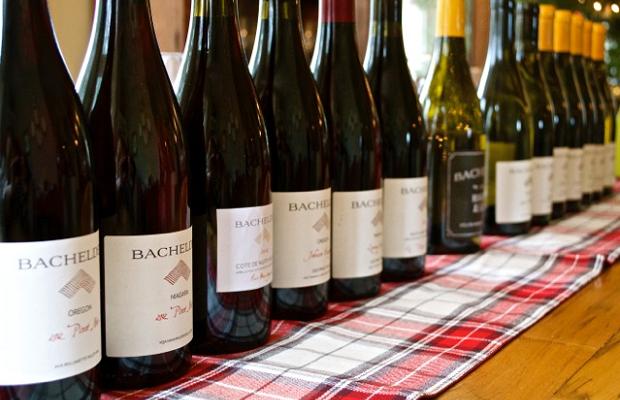
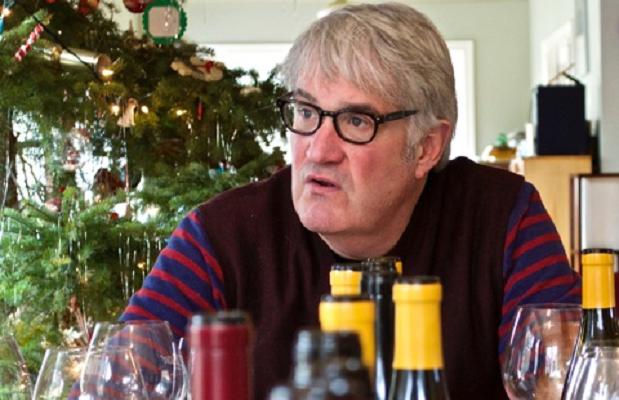
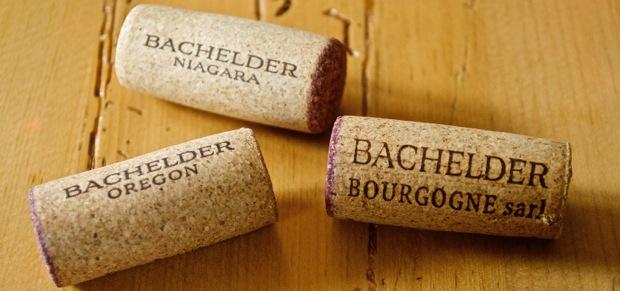
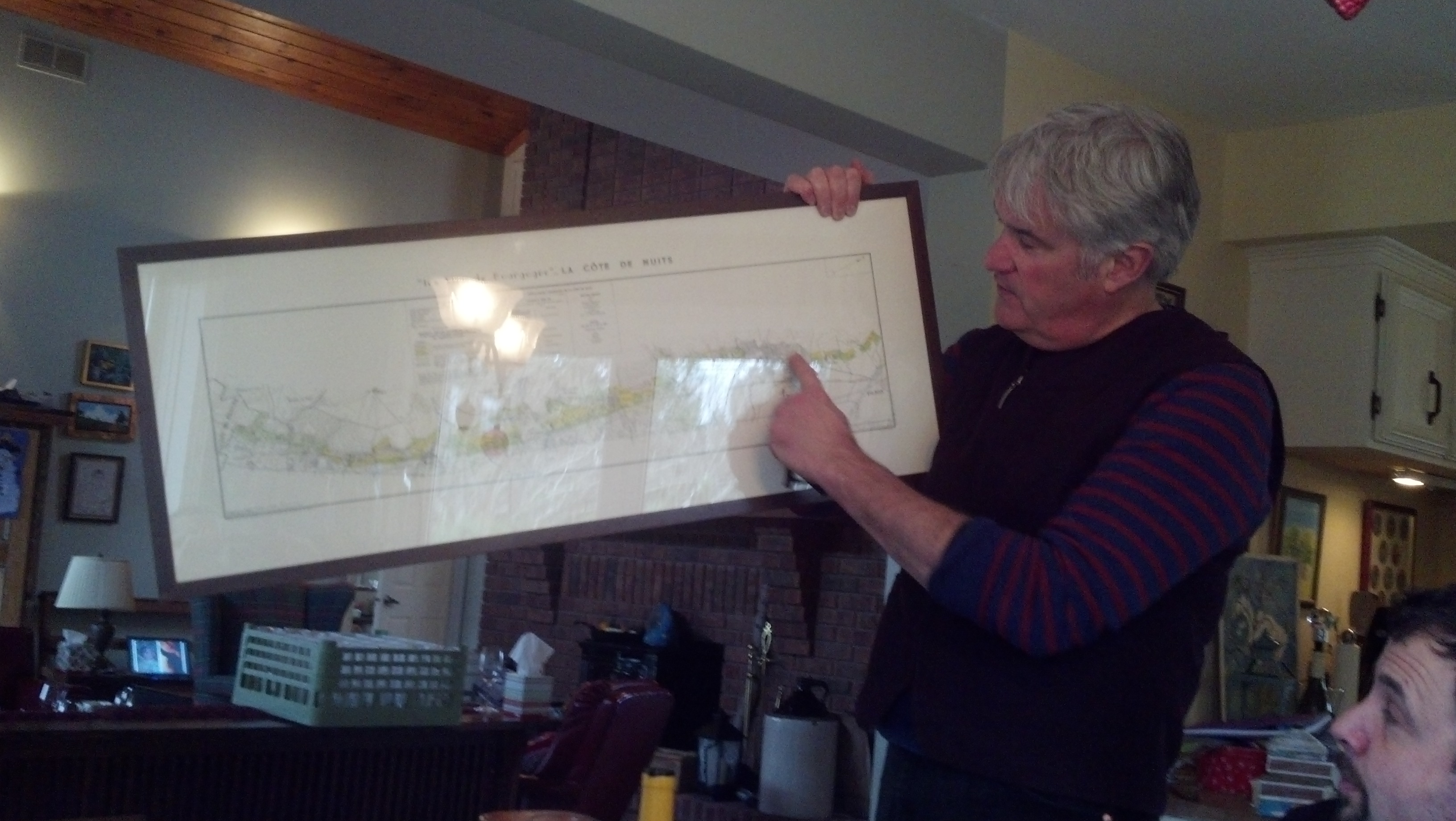
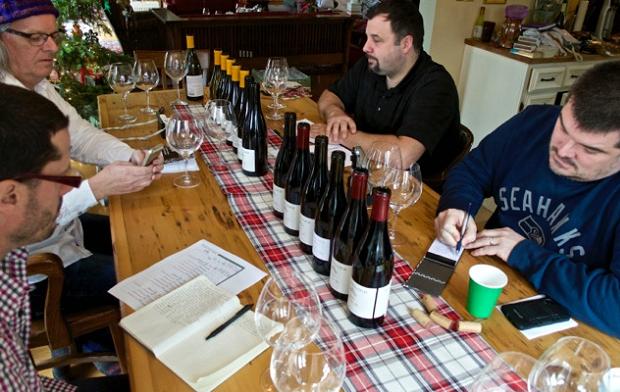
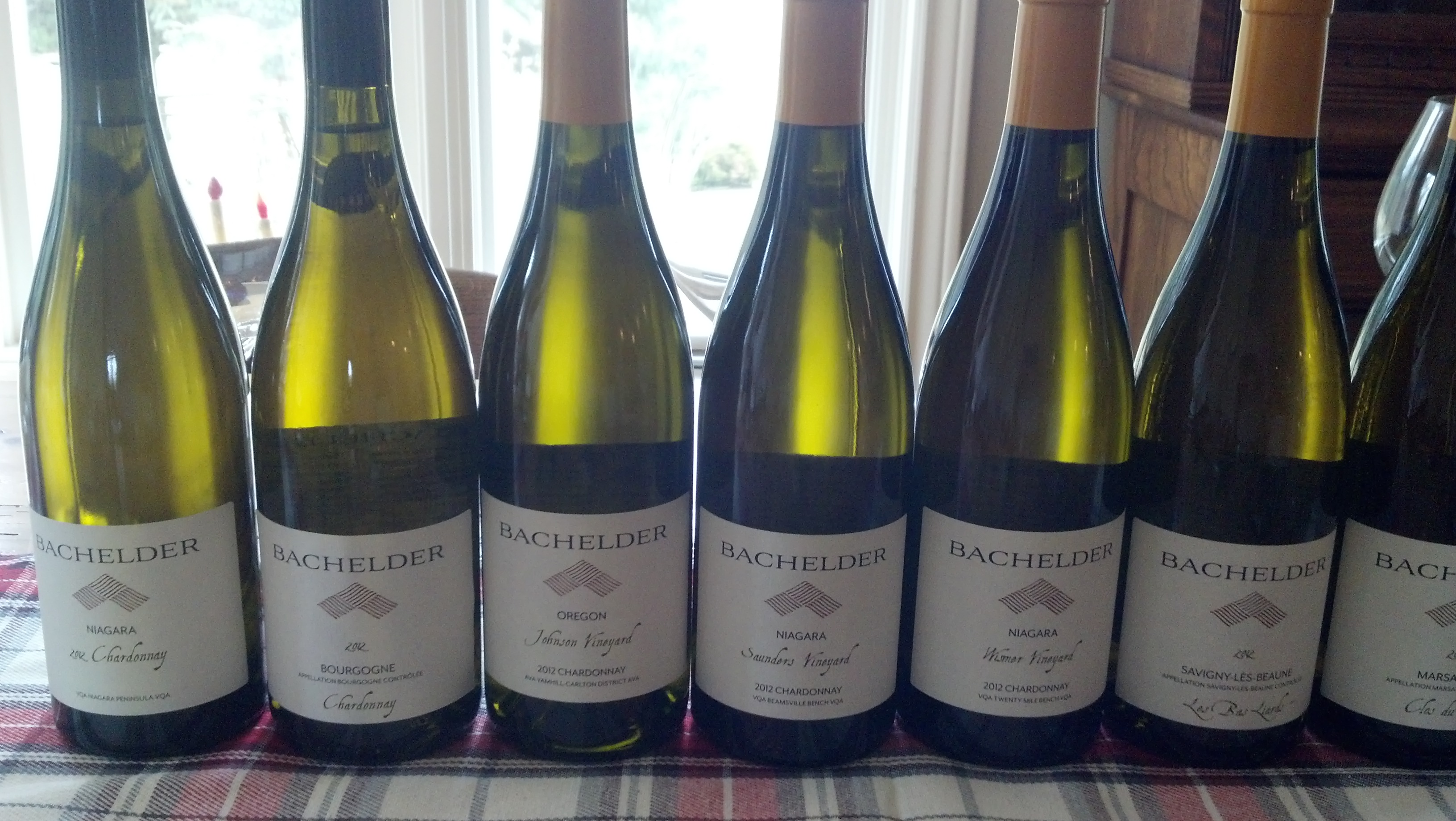
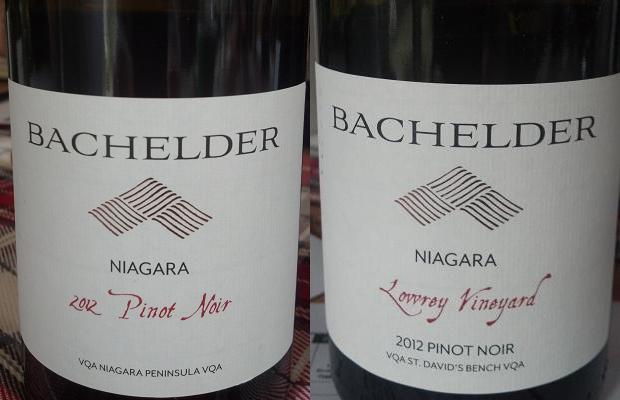
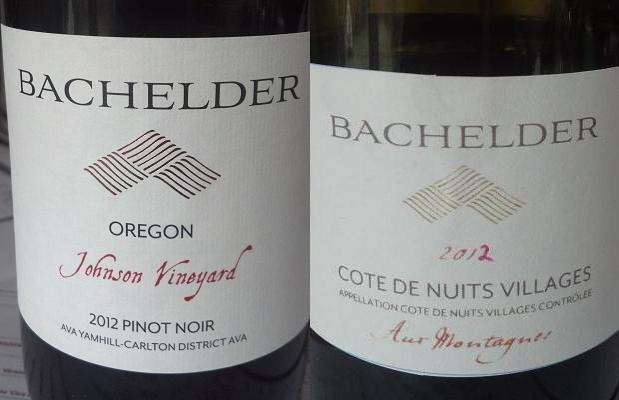
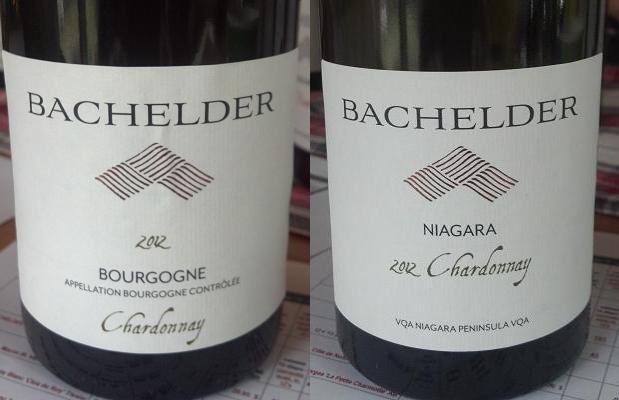
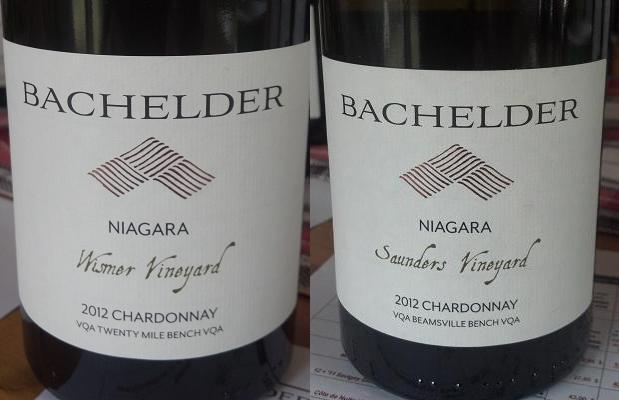


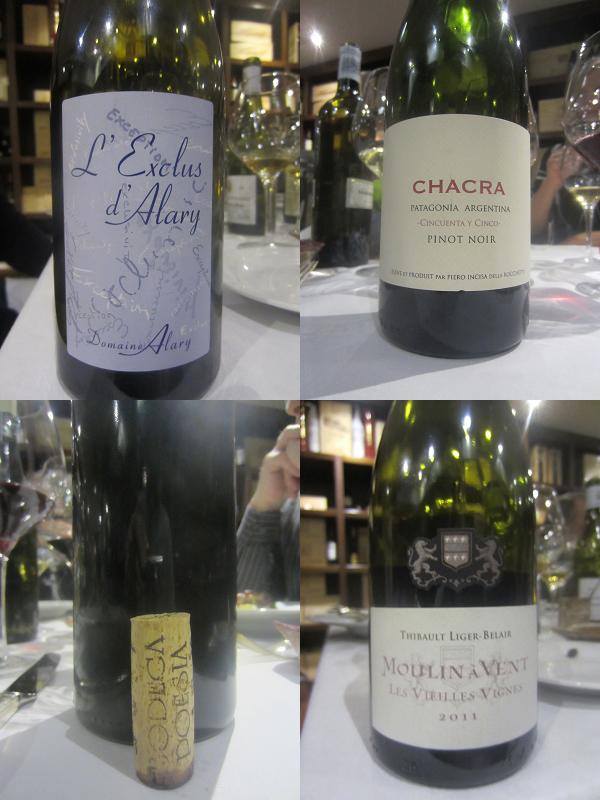

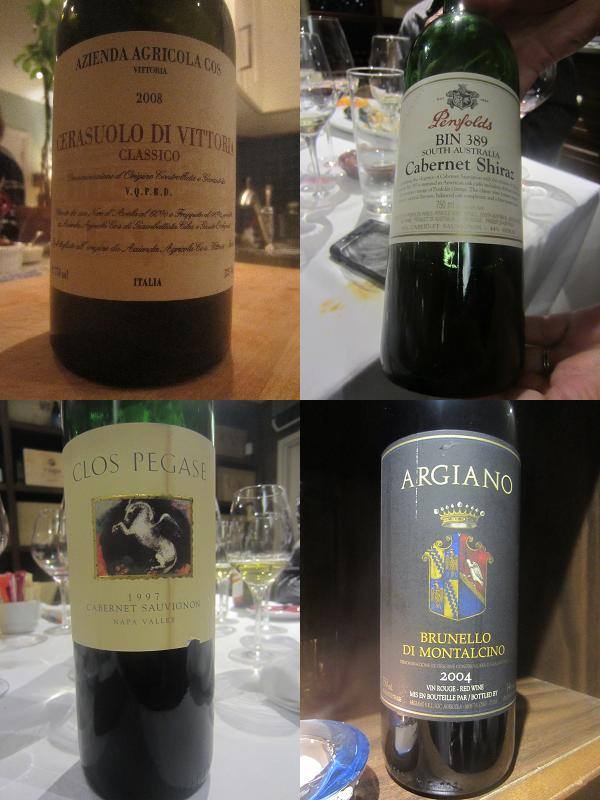
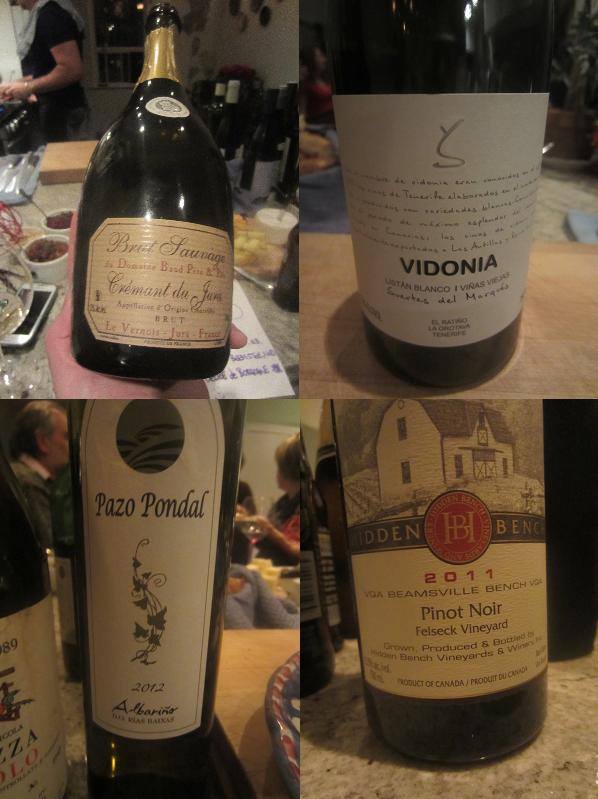

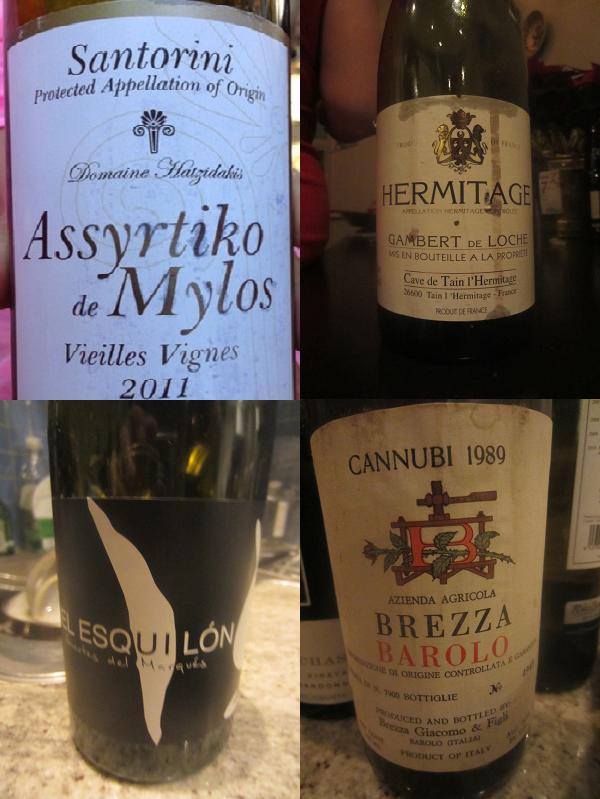

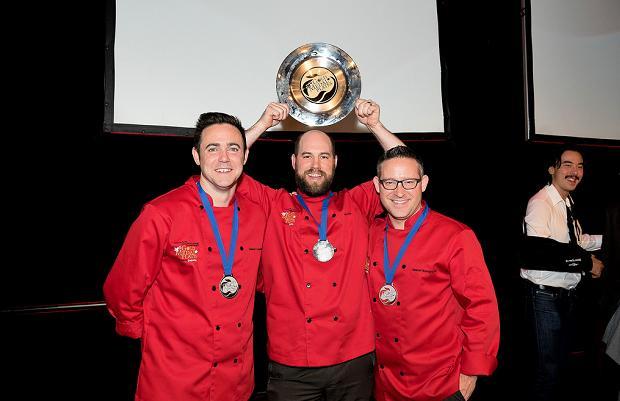
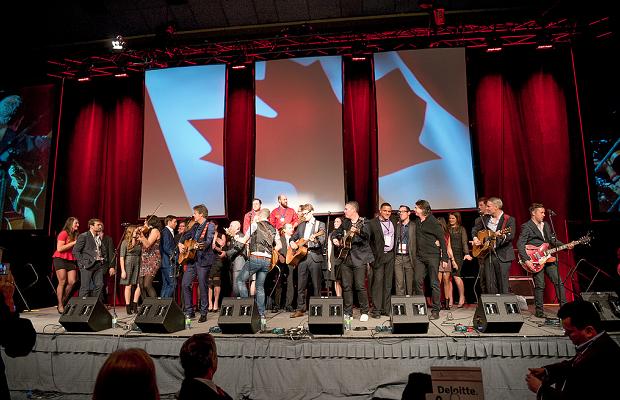

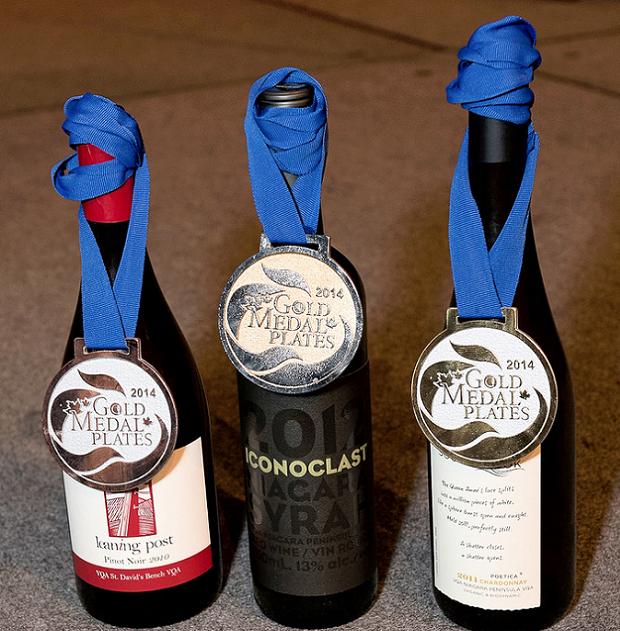
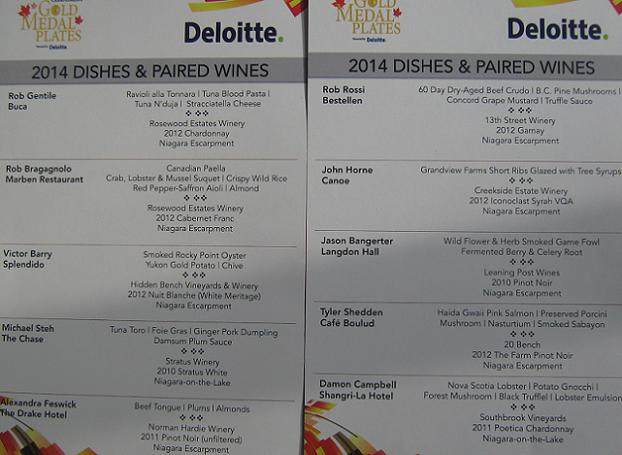
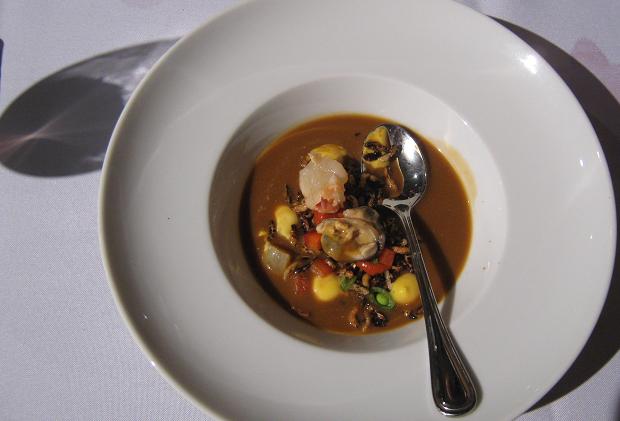
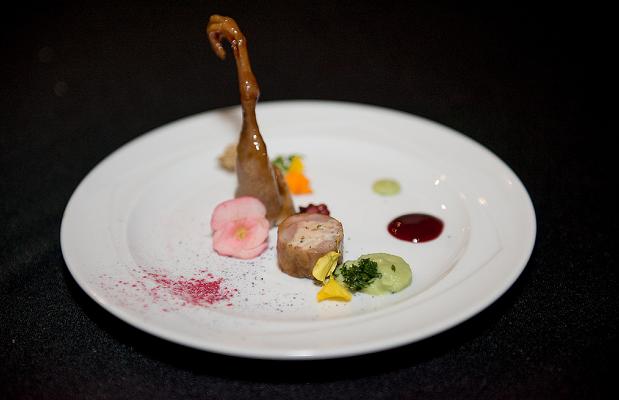

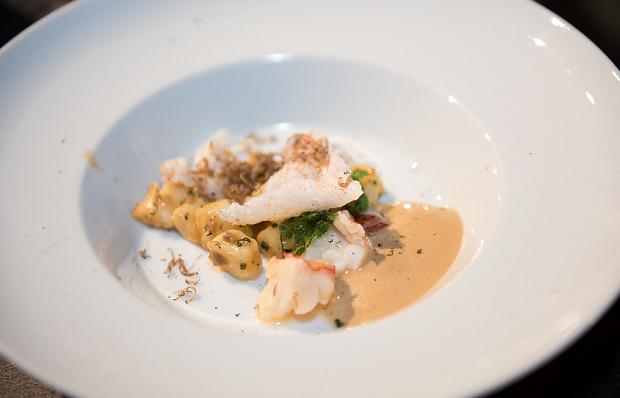
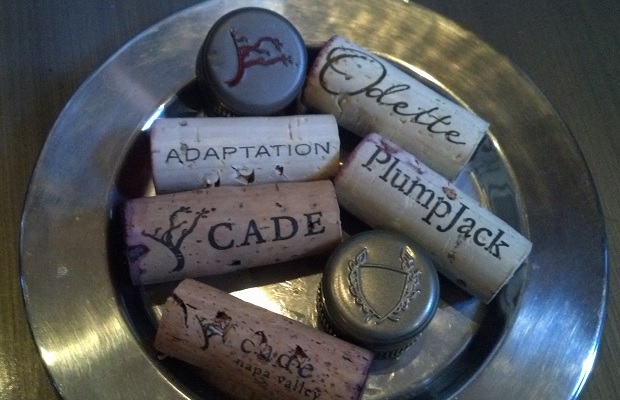
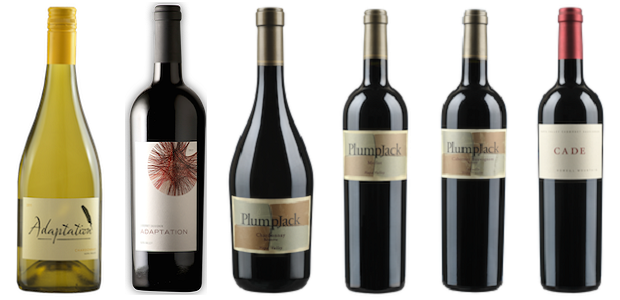
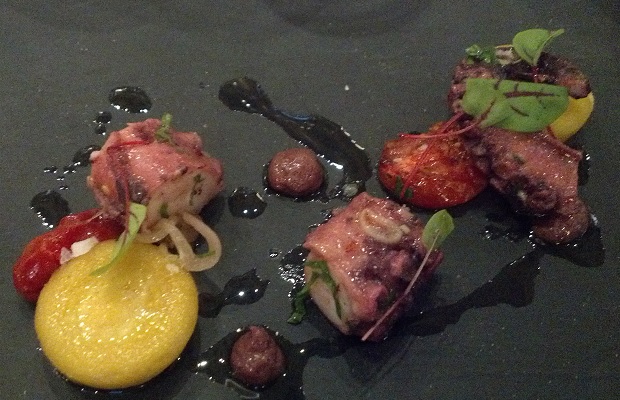
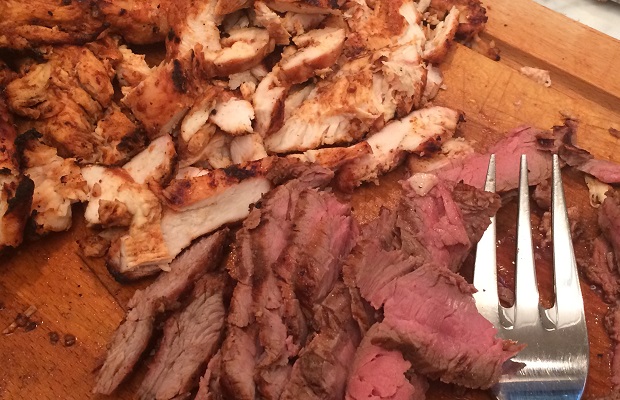
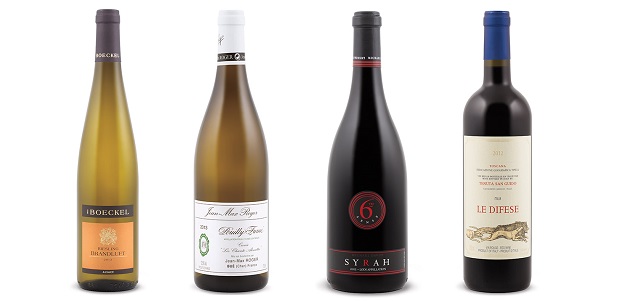
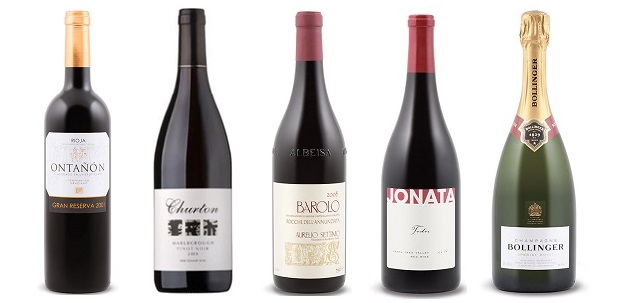
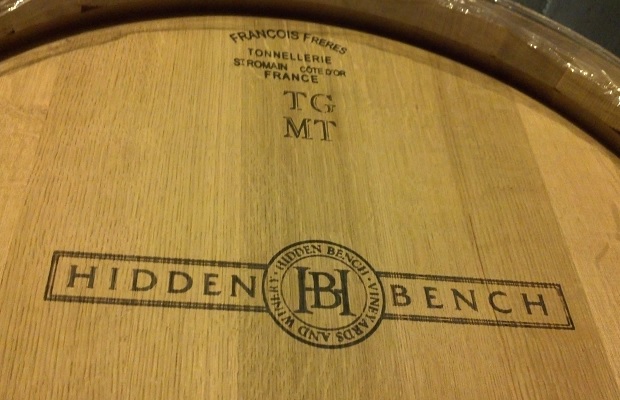
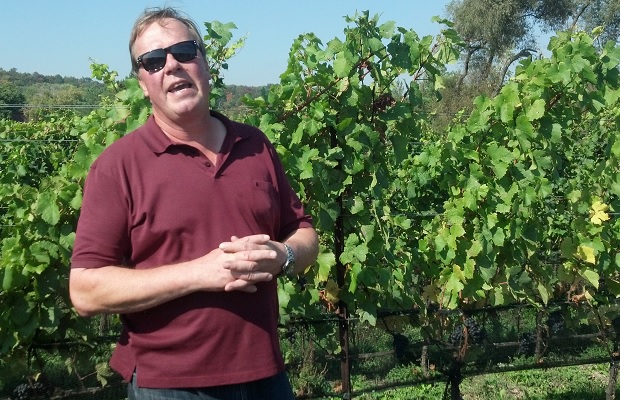
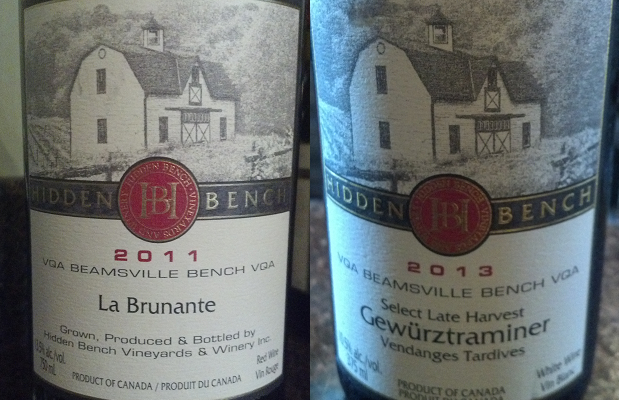
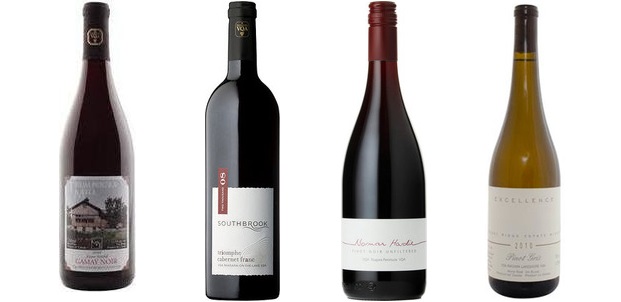
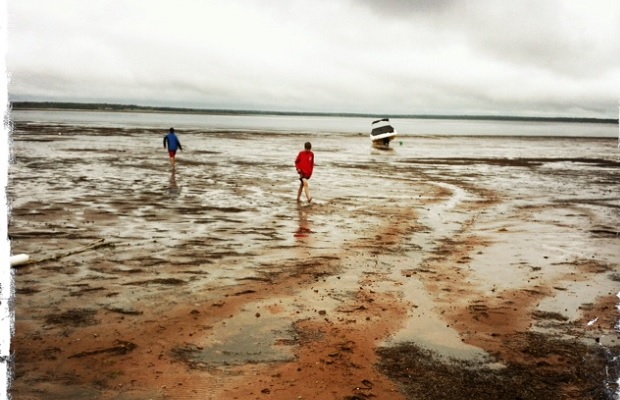


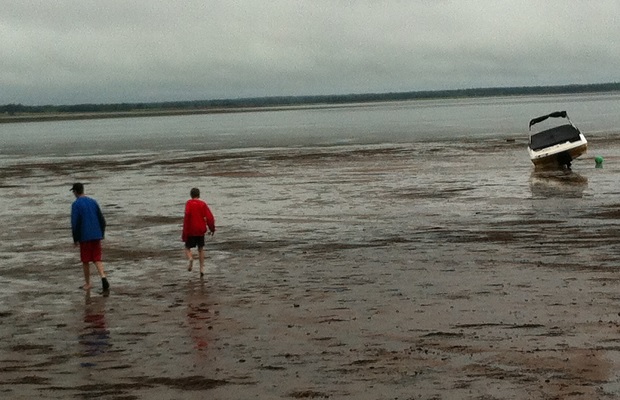


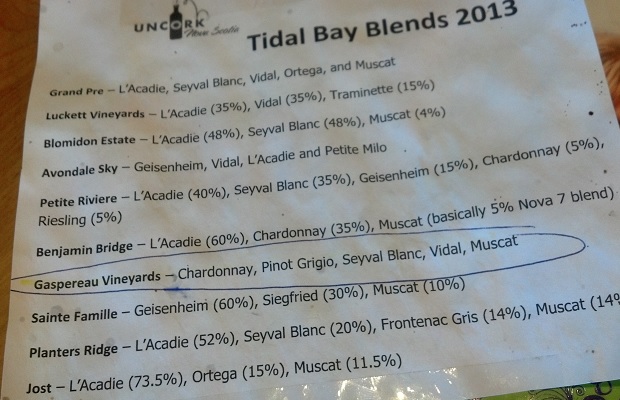


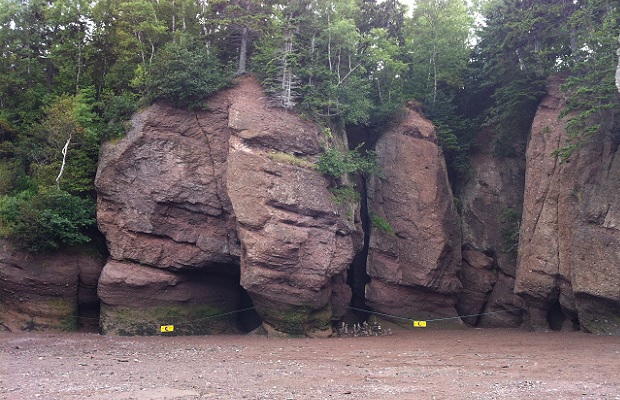


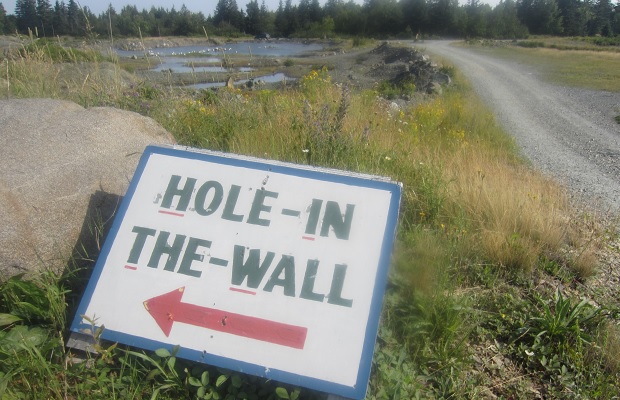


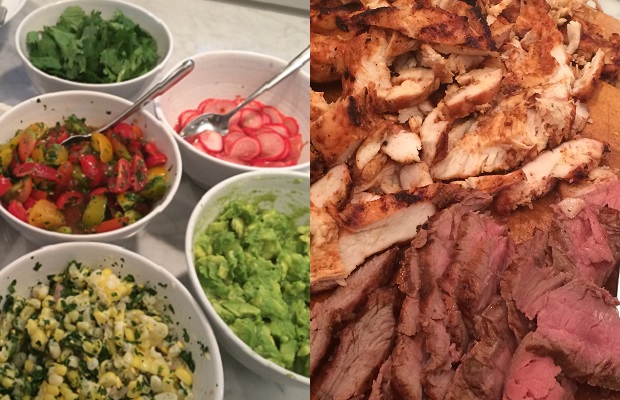
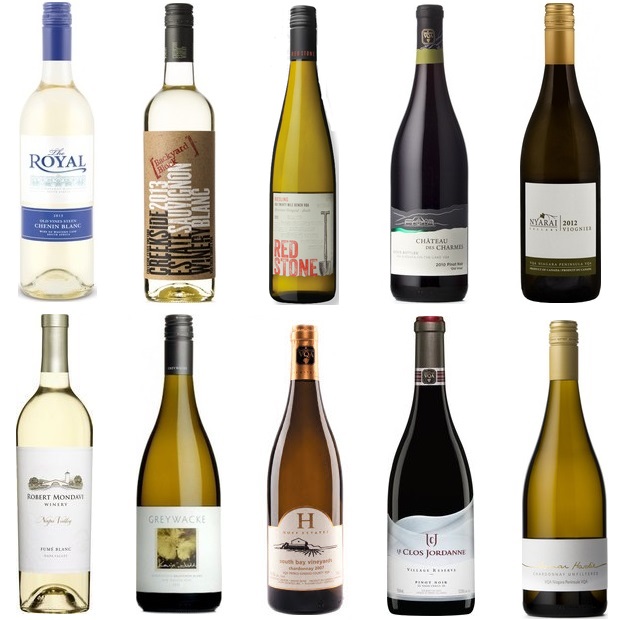


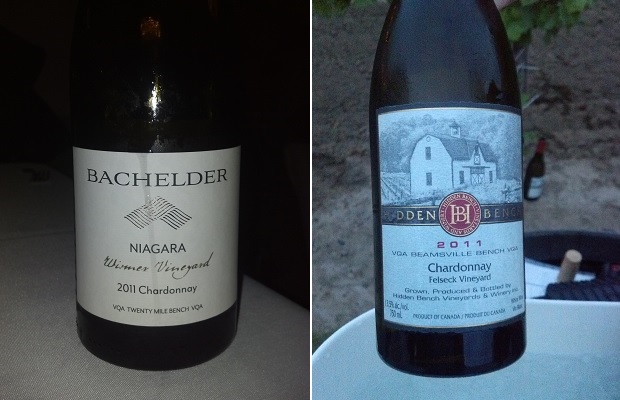


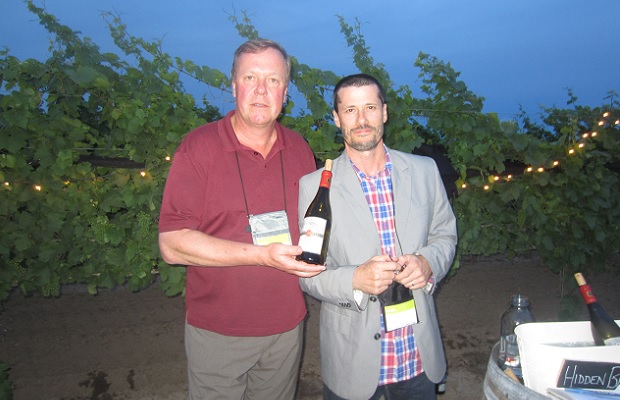

 Godello