More reasons are requested, given, offered, presented and needed for purchasing and consuming wine during the month of December than at any other time of the year. And so, 12 more suggestions, falling this time within the realm of mortal affordability yet special enough to gift and to make you feel like you’ve done something nice for yourself. Go ahead, indulge. All from the November 28th VINTAGES release.
Casas Del Bosque Reserva Sauvignon Blanc 2014, Casablanca Valley, Chile (974717, $13.95, WineAlign)
Could not be anything but Casablanca Sauvignon Blanc, movie quotes and all. Tossed like a cayenne dart at a yellow plum tree board. Sweet and salty, like white taffy and sprigs of rosemary on a bacon-wrapped scallop. Odd combo and why not. On the edge of tomatillo and nettle? Perhaps, but also composed with an acerbic wit, as time goes by. “It’s still the same old story. A fight for love and glory.” Drink 2015-2018. Tasted November 2015 @CasasdelBosque@azureau@DrinkChile
Delheim Family Chenin Blanc 2014, Wo Stellenbosch, South Africa (429720, $17.95, WineAlign)
Flinty, smoky, reductive Chenin, certainly produced with quantity and accessibility in mind. Typically, succinctly Stellenbosch, with a level of sweetness available and in balance with the stony fruit that is marked by a mineral mine. Has good acidity and even better length. Drink 2015-2019. Tasted September and November 2015 @Delheim@Noble_Estates@WOSACanada@WOSA_ZA
So unexpectedly and remarkably fresh Umbrian of red fruit and ripe acids without any overkill from wood or tannin. This is a pure breath of fresh air in a world dominated by barrel, heat, over-extraction and covert winemaking operations. The fruit may not be Caprai’s most prized but it works a basic stratagem of interpretative and integrated, integral magic. It must be lauded for its honesty. Drink 2015-2018. Tasted November 2015 @Arnaldocaprai@StemWineGroup
Josef Chromy Pepik Sekt, Tasmania, Australia, (429704, $26.95, WineAlign)
A whole whorl of aromas kick up the dust from this pearl of a Tazzy with an arid and saline sense of destiny. Density and weight are surprising features, along with orchard fruit and wild machinations. Jams and swaggers with so much personality, from lime lining the velodramatic slopes of its groove to fish jumping out of its waters. Calling it alive would be an understatement. “Yeah, yeah, yeah, yeah.” Drink 2015-2020. Tasted November 2015 @JosefChromy@bwwines
Jean Max Roger Cuvée G.C. Sancerre 2014, Loire Valley, France (189126, $28.95, WineAlign)
Sweet scenting and spicy wafting Sauvignon Blanc, with white pepper and cool herbiage (mint, savoury, tarragon and basil). Good solid Sancerre, always, organically developed and of a verbiage that is modern, proper and articulate. Always spot on. Drink 2015-2020. Tasted November 2015 @oenophilia1@LoireValleyWine
Spy Valley Envoy Sauvignon Blanc 2013, Waihopai Valley, Marlborough, South Island, New Zealand (429308, $29.95, WineAlign)
Elevated, reductive, flinty tones, noticeably crash course modern and reactive for New Zealand. Capsicum and juicy fruit gum, matchstick and tropical fruit, then citrus on the palate with opiate numbing. This is Sauvignon Blanc like Semillon, as if the winemaker at Spy Valley, with the best fruit possible from Waihopai Valley, had the intention of making the most serious SB on the planet. With a bit of barrel effect, though that may be a stretch I’m looking at a 10 year development here, into honey, rocks and a blast of propellent. Uncharted territory. Will have its share of naysaying anti-stylistic poo-pooers. Drink 2016-2026. Tasted November 2015 @spyvalleywine@SpyValleyUK@nzwine@TrialtoON
Château Bernadotte 2005, Ac Haut Médoc, Bordeaux, France (431775, $32.95, WineAlign)
A really nice drop of Bordeaux that has fully resolved from the semi-heat of 2005. This is good to go, with both acidity and tannin gracefully interconnected while the fruit remains. A good leathery hide and a slight ferric bleed fills the nooks. Lovely semi-old Bordeaux. Drink 2015-2017. Tasted November 2015
Majella Coonawarra Cabernet Sauvignon 2012, Coonawarra, South Australia (301531, $33.95, WineAlign)
A massive combination of fruit, tannin and wood whorl in a ferric, tough, gritty and ready for nothing in any particular hurry Cabernet. That said, it is silky smooth, spicy and velvety too. A really big mouthful of so much goodness to last 20 years or more. Out it aside for all the major players to get in tune and it will be music to your ears. And pleasure to your lips. Drink 2017-2032. Tasted November 2015 @aussiewineguy@HalpernWine@CoonawarraWine
Faustino I Gran Reserva 2004, Doca Rioja, Spain (976662, $35.95, WineAlign)
Rioja of another era, of tradition, curated history and the famous rusty liqueur. Steeping cherries, elongated acidity, rifling ripples of leather, cedar, cypress and chestnut. The right kind of Rioja with just a hint of plum and plenty of naturally orchestrated enjoyment. Drink 2015-2024. Tasted November 2015 @RiojaWine@Select_Wines
Stags’ Leap Winery Petite Sirah 2012, Napa Valley, California (590356, $39.95, WineAlign)
Dark, dusty and devilishly rich. Must be noted from the start that this is quite restrained for Petite Sirah, cautiously oaked and modest in alcohol. It’s no introvert mind you. A note of volatility keeps it on the edge and the flavours are steeped in tea, coffee and cocoa nib. The vintage agrees with the varietal transplantation and the burgeoning acidity makes for a relationship built on mutual respect. Good and plenty. The handshake is currently quite gripped so waiting another 18 months or so should and will soften the clasp. Drink 2016-2022. Tasted November 2015 @stagsleapwines
Along with Rudesheim and Johannisberg, Hochheim was anointed by Goethe as one of the magnates of the Rheingau. From a singular cone-shaped hill locale on the unshaded east-west aspect of the Rhine River. The mediterranean micro-climate makes for, simply stated, stupid good Riesling. Riesling of richness and minerality, strength and length, perfectly good bitters and even better health assisting tonics. Fruit density in the realm of peach and apricot lives in due part because of the Cyrena marl and its soil matrix of dark, alluvial loamy loess. Bounty buoyed by energy. Layers and layers of health, wealth and old vines wisdom. Drink 2018-2035. Tasted May and November 2015 @Noble_Estates@germanwineca@WinesofGermany
Catena Alta Cabernet Sauvignon 2012, Mendoza, Argentina (959965, $46.95, WineAlign)
A very pretty, floral and flirtatious Cabernet, supported by extremely ripe and ripping tannins currently caught in a veritable uproar. Elongating drivers are chalky but not grainy and while the sweetness of those conduits are astonishing, the immediate gratification tells me I won’t see this continuing to develop for the better after the ten year mark. Five to ten will be just right. Drink 2017-2022. Tasted November 2015 @CatenaMalbec@LauraCatena@winesofarg@ArgentinaWineCA@TrialtoON
Donatella Cinelli Colombini Brunello Di Montalcino 2010
Expensive wine surrounds us all year-long but in the 30 plus days leading up to Christmas the concentration multiplies. As the shopping days tick down, it seems as though we are inundated by an omnipresent $50-plus crowd. Do these wines have any effect on your life? Do you consider forking out half a yard or two, on yourself or for someone you (sort of) love? Are the jet-setting, usual suspects really worth considering?
In certain cases the answer is yes, but just because some wines are expensive, for a complex variety of reasons, does not make them either good or bad in a decidedly black or white sense. Many outrageously expensive wines are simply awesome bottles of fermented grapes while others are nothing special. High prices can be a reflection of designer labelling and marketing, while others are the summation of genius created by greatness and art. Sometimes it’s just a matter of economics.
I’m going to borrow a hypothesis from my WineAlign colleague John Szabo to illustrate the point. You go to a juice bar. The smoothie or vegan fruit and grass concoction cost not much more than a few dimes to produce. The expertise required came as a result of a half hour’s worth of learning and training. The machine costs a few hundred bucks. And you paid $8.95 for the beverage.
Wine grapes grow on vines that might be as old as 100 years, tended by a farmer far away who was paid a dollar or two for a kilo of his fruit. The vigneron spent perhaps the first 30 days slaving over the initial maceration and fermentation of that fruit and followed that up with at least a year (and in some cases five) to nurture the wine into becoming something special. The bottle and the cork cost another dollar or two and the shipping charges add at least another two again. Then there were the middle men involved; negociants, wholesalers, distributors, agents, retailers and monopolies. That wine might sell for anywhere from $9 to $20 in the Canadian market. And you don’t want to pay $20 for a decent bottle of wine?
Now imagine the fruit coming from some of the most expensive real estate on the planet and processed by the best equipment that money can buy for making wine. Then it is handled by experts in the transportation, selling and marketing fields. You can see how $20 quickly becomes $50 and so on. Don’t misunderstand me. Many wines are ridiculously overpriced. Many are the by-products of marketing juggernauts. It is important to understand, however, that many high-priced wines are deserving of their tags. The margins are not as inflated as you might want to believe.
Iconic wines are always a good buy for someone, but vintages determine when their purchase is the way to go for others. Varied and direct opinion of conceit is rarely witnessed with such certainty as there is found in the world of wine. “I speak therefore it is,” or “I think therefore I am” are two truisms that ring with pomp and circumstance in the world of winemakers, sommeliers and writers. Being sure about everything goes a long way towards determining careers and fortunes.
So, for the first time in this sketch of wine stuff I am offering up a list of high-priced wines that I may or may not be recommending. They are all household names in the world of iconic wine. Some are “best of” vintages while others are head scratches as to why anyone would spend such money on their wood or their contrivance. You are the one to judge. Here are 10 expensive releases from VINTAGES for November 28th, as usual, prodigal in their return in time for the holidays.
Donatella Cinelli Colombini Brunello Di Montalcino 2010, Brunello Di Montalcino, Tuscany, Italy (431718, $56.95, WineAlign)
The fruit in 2010 is jam-packed, sealed in freshness and blessed with the unmistakeable Colombini soil funk. I first tasted this ’10 alongside 2007 and 2008. The dew, bloom and vigor hangs on a line threaded through each vintage. The 2010 stands alone for its poetic perfume. The flowers of Montalcino, along with the burst buds of herbs on the hills. This vintage pours a generous cup of Montalcino mountain tea. Smoky, opaque and of a proprietary liqueur thick and distilled, the level of animale is right there too. With so much aromatic potpourri the wine’s trotters scramble and ascend with a juggernaut of complexity. Beautiful Brunello with so much tradition running through its fast forward veins. It must of course be laid aside for a few years to really get it. Drink 2017-2022. Tasted April and November 2015 @news_donatella@ConsBrunello@LeSommelierWine
Château De Beaucastel Châteauneuf Du Pape 2013, Ac Rhone, France (711317, $89.95, WineAlign)
Quite a mouthful of Beaucastel with more warm, figgy fruit than memory generally serves. The surfeited structure can’t be denied but the advanced, occupied territory reminds of 1988. This ’13 may be viewed as acting with similar haste when it will have reached the age of 25, in earth-crusted caramel and sweet fruit scooped from a forest floor. Up until five years before then it will always have ripe red berries, spice accents, anise and the veritable design of garrigue. Drink 2018-2028. Tasted November 2015 @Beaucastel@VINSRHONE@RhoneWine@ChartonHobbs
Kistler Les Noisetiers Chardonnay 2013, Sonoma Coast, California (251223, $99.95, WineAlign)
A tremendous vintage for Les Noisetiers, cared for, tendered and placated by a clarity in hands-off winemaking. Deeply ingrained from juice maximized out of overloaded sensory sunshine and the choice to let sleeping fruit dogs lie. Possessive of an almond bitter bar not bitten into before and overlaid by lacy organza, a mild sheath overtop of purposed, wild fermented fruit, a lightly toasted barrel slumber and richness beyond the horizon. All in style of west coast Chardonnay, though simply prepared with the freshest local ingredients, with stony lactic lees texture and subtle spice. Drink 2015-2022. Tasted November 2015 @TheVine_RobGroh@sonomavintners
Deep, dark, rich and handsome, a thick red duke of aggressive, conceited, unctuous behaviour. Such tannin and aggression is not so much rarely seen as not always a factor provided by expatriate Cabernet Sauvignon. The dense and massive ferric monster exercises in many, thorough magnanimous machinations. Such a beast. It’s big and it’s good. Drink 2018-2028. Tasted November 2015 @AntinoriFamily@HalpernWine
Here Quintarelli takes it to a new level, away from rusticity and into modernity, though it remembers every step along the historical way. Liquid caramel and red fruit meld into such sweet earth it feels as though the vineyard is right here and now. Some tobacco but just a puff, so much impression, cure without aridity and natural feel without an orange juicing. Intensity and acidity to take it 30 years. Amongst the best ever? No question it must be considered. Impossible to know. Drink 2015-2047. Tasted November 2015 @LiffordON
Luce Della Vite Luce 2012, Igt Toscana, Italy (685263, $114.95, WineAlign)
There can be no denying the density and wealth of flavour. Equally so the solid foundation and unwavering structure is the result of a winemaker’s ability to construct such a formidable pillar of strength. It can be imagined that this Luce will go ten years before budging into evolution even a single iota. It is a beast of fruit, barrel and tannin but more than anything else, oak. As shaken as a creamy, milky, anglaise cappuccino as there ever was or will be. Lots of spice from that oak. A designer label wine made with the finest materials. It really doesn’t matter when it is opened, now or in 15 years. It will take that long before it will begin to change. That is because the sum of its parts happen to be over the top. Drink 2015-2030. Tasted November 2015 @FrescobaldiVini@AuthenticWineON@AuthenticWine
Every once in a while an iconic leader of Tuscan wine feudalism takes a step back from its military rule and offers to feed both the army and its people. In 2012 Sassicaia is restrained, giving, generous and empathetic. The fruit is certainly ripe, as are the tannins and structurally speaking this has the layers, the soft libido and the desire to please like never before. Sassicaia for the people, like it may have once been, a king of the classes and for the masses. Not in price mind you, but you can’t have everything. Drink 2018-2038. Tasted November 2015 @Smarent
Takes the purity of 2011, furthers the integration and mimics the precision, then pumps up the volume. Takes a breath and then, with soluble efficiency it refines the intricately woven lines a few steps furtrher, if that is even possible. I will say that the tannins are a bit tougher in ’12, with a tight string wound depressively around the fruit’s long and elegant tendrils. Fruit is the determinate factor, pure, blossoming and fragrant. It adds up to a consensus of one thought, that this vintage is yet another legend in the making, a fine and linear Ornellaia that should travel 30 plus years, perhaps longer. What liqueur, such botanicals and endless valleys passing through fertile hills. Drink 2019-2045. Tasted November 2015 @Ornellaia@AuthenticWineON@AuthenticWine
Shows off the typically cured and seemingly advanced notes that Solaia always seems to display, whether the vintage purposed days of heat or nights of cold. A wine that seems immune from vintage variation, with fresh and dried fruit shacking up together. In 2011 Solaia is extremely rich, aggressive with acidity and yet with moderate tannins for five years of development, but not much more. Drink 2017-2020. Tasted November 2015 @AntinoriFamily@HalpernWine
Joseph Phelps Insignia 2012, Napa Valley, California (710400, $299.95, WineAlign)
The 2012 Insignia had me at first whiff. At first sip I could not be reached. Massive aromatics blast from this formidable Insignia, clearly noted with immediate clarity as a proprietary blend for the ages. The current torrent is so plugged in and highly climatic, like a visibly sparking conduit, storm and fire all wrapped into one electric happening. The peaks, valleys, waves and intonations are bred of perfectly ripe fruit sets traveling as one in perfect syncopation. The ripe, chain-link tannins will take this very, very far. This is as fine a California wine as I have ever tasted. Drink 2018-2045. Tasted November 2015 @josephphelps@LiffordON@NapaVintners
Olivier Humbrecht came to Toronto last week to pour recent vintages of Pinot Gris, Riesling and Gewürztraminer. With brix and mortar special agent Ben Hodson of Trialto Wine Group leading the tasting room charge, Olivier also added in a few youthful historical gems in the line-up, including an “important and fantastic” Muscat that he so righteously and necessarily continues to insist on keeping both viable and alive.
Tasting Domaine Zind-Humbrecht Muscat, Pinot Gris, Riesling and Gewürztraminer with Olivier Humbrecht at the Fine Wine Reserve, Toronto
Any time you get the chance to taste with Olivier Humbrecht the inevitable, integral and essential phenol-tannin-sugar-acidity sequence is front and centre. His devotion to ripe phenolics and grape tannin in white wines is now legendary and in many ways, revolutionary. Low pH levels continue to dominate his directive. “Ripe phenols come from the vines and Olivier continues to refer to structure and acidity as a direct consequence of what happens in the vineyard.”
The other blast from the past brought to the Fine Wine Reserve tasting was a 2006 Riesling Clos Saint Urbain Rangen de Thann Grand Cru of such pure acidity it speaks an ancient vernacular and spins in perpetual motion.
Humbrecht is the Cru chief of Alsace because of the plethora of terroir from which he chooses to make wine. It would be hard to name another Alsatian vigneron his equal of hands and with such a spirit of terroir understanding. In the 2011 vintage alone Zind-Humbrecht produced 29 different wines for Pinot Gris, Riesling and Gewürztraminer. Spread thin is not an issue. Each Cru, whether Grand, Clos or lieu-dit are approached with equal heedfulness and perpension. Here are the seven wines poured at the Fine Wine Reserve.
Keeping the #Muscat dream alive @TrialtoON #zindhumbrecht #olivierhumbrecht
Domaine Zind-Humbrecht Pinot Gris Rotenberg 2012, Ac Alsace, France (Agent, $44.00, WineAlign)
Keeping jurassic or neolithic relativities in mind, the young(er) limestone results in a buoyant chemical level of free lime and higher pH, in addition to an earthly, marly tang and richness in clay. With 15 months tacked on there is weight are there are settled flavours, as if mimicking the 24-hour open bottle, tasted last June. “Pinot Gris is the most versatile grape we have,” says Olivier, so matter of fact. Drink 2015-2018. Tasted November 2015.
From my earlier note of June 2015:
The Rotenberg’s shallow, red soils (located on top of the Hengst) bring a whole new set of parameters to Pinot Gris, in stark contrast to the Calcaire. Two bottles were poured. A two-day old sample showed settled and mellow flavours. A new bottle was crackerjack reductive, leesy and with a shocky aridity so unusual for Pinot Gris. The soils bring concentration, here magnified and compressed by the hastened moment. All the hallmarks of the Zind-Humbrecht style are there, if suppressed; tang, herbiage and a spicy spike. Very dry (4 g/L) and really invigorating white wine.
Domaine Zind-Humbrecht Muscat Goldert 2009, Ac Alsace, France (Agent, $44.00, WineAlign)
Ripeness is a virtue, magnified here, from a very warm year, now six years on in compression from east facing, oolitic limestone and deep marl soil (classified as argileux calcaire). “Twas in another lifetime, one of toil and blood,” when Muscat was considered in much higher light. The 2009, dramatic at this age, bobs aromatics to the nines, dressed to thrill. Unctuous and magnetic, this has changed gears in ways that the ’12 had not and undoubtedly has yet to click. Lays claim to Olivier’s adage, “any fruit picked unripe will come with acidity but that’s not the kind of acidity you want.” In spite of ripeness this has maintained the correct amount of tartaric acidity and low pH to petrol up the Muscat truck deep into the end of this decade. Muscat to provide shelter from the storm. Drink 2015-2025. Tasted November 2015
Domaine Zind-Humbrecht Riesling Clos Saint Urbain Rangen de Thann Grand Cru 2011, Ac Alsace, France (Agent, $88.00, WineAlign)
A wine always tough to pinpoint its aromatic desires, especially when so young, but it is not difficult to assess the willingness to thrive in spite of the harshest Alsace geological conditioning. That said, this has seen a minor spectre of development. It has made some new acquisitions; rock spirit outward of expression and ready to party from its early (before the 25th of September) harvest ripeness. Struck Riesling, in flint and some signal clarity of medium to thriving acidity. Southern Alsatian with veins running fine slate and bleeding minerals in steaks running across its salty skin. There should be a willingness to concede this as the most accessible immediate, modern era R de T there ever was. Drink 2016-2028. Tasted November 2015
Domaine Zind-Humbrecht Riesling Clos Saint Urbain Rangen de Thann Grand Cru 2006, Ac Alsace, France (Agent, $85.00, WineAlign)
From a professed beautiful vintage until a week of rain at the end of September, leading to noble rot in many places without sufficient drainage. In the Rangen the botrytis hit but the cause, effect and reaction remained within reason. Smoke and noble rot, out of aromas and into hues. The smell is sweet (carried by 35 g/L RS) but the acidity hides at least half that number, so it rings across with unconscionable aridity. Still the proposal insists that the late harvest sensibility can’t be denied, with its Ixion hyperbole of mineral and acidity. Acidity keeping this Riesling swirling like a Thessalian king punished by Zeus for his love of Hera, by being bound to a perpetually revolving winged fiery wheel. Drink 2015-2026. Tasted November 2015.
Domaine Zind-Humbrecht Gewürztraminer Turckheim 2011, Ac Alsace, France (Agent, $27.95, WineAlign)
“What we call a village wine,” says Olivier, “so it’s usually a sweet wine.” From a well-drained vineyard offering blossoms and blessings of full flavours, supple textures that leave the palate with a sense of weightlessness. “In ’11 Gewürztraminer ripened really well and went to a really good level of potential alcohol,” he notes. Here it remains fresh at 12.5 per cent alcohol and at a healthy level of 75 g/L RS, though just short of existing in the land of Vendanges Tardives. A wine made by the vintage. Subsequent wines would and will more often than not be nearly bone dry. Drink 2015-2022. Tasted November 2015
“If you can see the differences of terroir in Gewürz, then you won’t see it in Riesling” @AlsaceWines #olivierhumbrecht
Domaine Zind-Humbrecht Gewürztraminer Clos Windsbuhl 2011, Ac Alsace, France (Agent, $64.00, WineAlign)
This is the most northerly Zind-Humbrecht vineyard, in Hunawihr. Like oil and water from this to 2012. So much more richness, unctuousness, classic western European riverbank gluck and heavy weighted metal. Layers upon layers of texture though not nearly as dramatically sweet as it might appear to be. Hides it so well, thanks to those remarkable Windsbuhl gifting phenols and intense grape tannin. This has presence so very rare in Gewürztraminer. In the end its a glass full of liquid gems, polished, elegant and refined. Allow the sugars several more years to fully realize its potential relationship with the acidity. Drink 2018-2033. Tasted November 2015
Domaine Zind-Humbrecht Gewürztraminer Clos Windsbuhl 2007, Ac Alsace, France (Agent, $69.00, WineAlign)
Settled and amenable in an unexpected way, offering up its level of sweetness that 2011 and certainly 2012, do not, at least not yet. The phenols must have been available in an abundance of riches in 2007. They have allowed for an evolution to take this 2007 into its happy place right now. This has travelled the far eastern path to tropical fruit, of mandarin, in apricot and the mineral cream of south asian stone fruits. Those characterics persist and play nice with the Windsbuhl verve, subduing any notion of drama or over excitement. This is drinking well right now. Drink 2015-2027. Tasted November 2015
Olivier Humbrecht was hoping to pour two more wines, two very singular and very different Sélection de Grains Nobles. The LCBO could not find the shipped cases in their warehouse so they were not present at the tasting. Perhaps they will turn up at the same time the ark of the covenant crate is found.
When I visited and tasted with Olivier at the winery back in June of 2014, I had the opportunity to have a go at a younger vintage of the Pinot Gris. The older 2007 is available through consignment with Trialto, along with the Gewürztraminer Sélection de Grains Nobles Goldert 2007 ($120.00, six-packs). The Pinot Gris Clos Jebsal Sélection de Grains Nobles Trie Spéciale 2007 is also currently available ($180.00, six-packs) in limited quantities. Here was my note on the ’09 Jebsal
Domaine Zind-Humbrecht Pinot Gris Clos Jebsal Sélection de Grains Nobles Trie Spéciale 2009, Ac Alsace, France (Agent, $180.00, WineAlign)
A south-facing, very steep slope of grey marls and gypsum. A vineyard that yielded a miniscule 10 hl/H. A stratospheric residual sugar quotient (in the realm of 500 g/L) and incredulous acidity to prevent the development of the yeasts. A fermentation that finally finished in the late winter of 2012. A wine aged in demi-guid. Selection of grapes of a botrytis so pure and dry. These are the specs of a wine I may never taste again. Olivier concedes he “really tries not to obtain the highest sugar concentration possible” but this 2009 is a “monster of a wine.” It will take forever to assimilate and digest the sugar. Unctuous, lush, rich and gorgeous does not do it justice. Pure distillation of fruit and stone, accented by spice, wild herbs and flowers. Like an injection of pure, Pinot Gris adrenaline. All this from dry extract, slowly rehydrated with magic pixie dust and the wonders of the natural world. Will live for a century and then some. Drink 2020-2115. Tasted June 2014
Only on the rarest of occasions do I consider the Zodiac. Same goes for the constellations though if you slump my tired body into the comfort fitting contours of a Thermarest on a Killarney campsite I’ll happily, dreamily stare up into a near-northern sky. Or on a dock in cottage country if the Aurora Borealis happens to make a magical appearance.
In September I spent some time scanning a South African, southern hemisphere sky with Ken Forrester. Ever the romantic, Ken offered up a short dissertation on one of the special treats afforded a stay in Stellenbosch. I have seen the Southern Cross several times before and yet standing there at 10:30 pm with the South African vigneron-poet, taking in the twinkling balls of time travel, something struck me anew.
I like to line things up. Wine tasting notes with music; a lyric or an artist. You may have noticed. I also find ways to forge bonds, synaesthetic perceptions and Chaldean correlations, regardless of whether they are there for the connecting. Sometimes you just need to fulfill the urge to divide the ecliptic into 12 equal, 30 degree pieces of a pie. Perhaps it’s just the M.O.T. in me.
This coming weekend VINTAGES rolls out the first major release in preparation for the looming holiday addiction. The headlines of “stars of the season,” and “star-studded” can mean only one thing. Expensive and iconic wines will dominate LCBO shelves from now through Christmas. And most of these high ticket items will sell through. Why is that you ask? Mainly because many of them are really good wines. Mostly because desperate people will buy anything when faced with holiday gift-giving deadlines.
My job is to separate the exciting from the boring, the exceptional from the drab. I’ve chosen 12 bottles, each with their own horoscopic identity, wines that illustrate their own idiosyncratic hook-up with a sign of the zodiac. It’s a stretch to be sure but it’s my stretch, so deal with it. If you connect and agree with just one, it may change your perception too.
From left to right: J. Fritsch Riesling 2014, Closson Chase Chardonnay Closson Chase Vineyard 2013, Segura Viudas Brut Reserva Heredad Cava, La Chablisienne Montmains Chablis 1er Cru 2012, Hidden Bench Terroir Caché Meritage 2011 and Stratus White 2012
Sure-footed, hard worker, self-disciplined, over-achiever
J. Fritsch Riesling 2014, Ac Alsace, France (430520, $19.95, WineAlign)
Kientzheim Riesling, full, fleshy, opulent but not tropical in style, aromatically fleshy and full of orange rind, lemon zest and tonic. Has that necessary mineral bleed and rock tang. Schlossberg like but not as tannic and certainly ready for prime time at a much younger age. Hints at sweetness but acidity by way of early picked fruit is key. Granite feel. Drink 2015-2019. Tasted October 2015 @VinsAlsace@Alsace_info@AlsaceWines@drinkAlsace
Closson Chase Chardonnay Closson Chase Vineyard 2013, VQA Prince Edward County, Ontario (Winery, $27.95, WineAlign)
This CCV Chardonnay is one of departed winemaker Deborah Paskus’ final acts at Closson Chase. It will forever be noted as a legacy-cementing, swan song of career excellence. Crafted by Paskus and bottled by the next one, current winemaker Keith Tyers, the 2013 CCV is simply a tour de force. No such combination of richness, tropicality and pure grape tannin has ever infiltrated this Chardonnay, from this vineyard. I’m not sure there is a comparison in Ontario, at this level of excellence and at this price. A wine of pure impression, with Montrachet-like structure and Folatières-like precision. Seemingly capacious, its facile legerity is hypnotizing, quantitatively escalating in assembly of aromas, flavours, through texture and finally to longevity. The wine spent 16 months in a mere (17.25 per cent new) oak. That it notes 12.5 per cent alcohol on the label is next to impossible. The substance is just too buttressed to be so tender and effete. Impeccable balance, refinement and mineral finish. This is Chardonnay to confuse the world’s fine white collectors, to wreak havoc at international tastings for five to 10 years. Only 712 cases are available and at $27.95, is down $2 in price from the 2012. Best ever, hands down. Drink 2017-2023. Tasted March 2015 @ClossonChase
An intricate and elaborate Reserva elevation of Cava, even a bit skunky in the most endearing of ways, like a 55 day dry-aged steak cooked rare. A waft of yet blown sulphur is managed and tempered by smartly sweet yeast. At once clunky and disjointed, then heavy in citrus and the shells of molluscs. Citrus climbs all over the finish, from lime to lemon and into pomello. Complex Cava with the taste of acquired affection in requiem of a very open mind. Drink 2015-2019. Tasted October 2015 @hseguraviudas@imbibersreport@cavaswine
La Chablisienne Montmains Chablis 1er Cru 2012, Ac Burgundy, France (265090, $32.95, WineAlign)
In a word, yes. Beautiful girl this Montmains, layered of delicate aromas, from flowers through kimmeridgian soil and into fresh forest glade. A child of the cooler, Butteaux sub-climat in which the citrus melds into the soft wooden (228L barriques) notes and all is elevated by such pinpoint-posted acidity. The oak lends cream, the lees fine spun silky texture and the talc a grape tannic ingrained sense of fullness. Terrific wine. Drink 2015-2022. Tasted October 2015 @VinexxCanada@chablisienne@BourgogneWines@BIVBChablis
There is so much floral presence in 2011, a showy perfume that parades the relative elegance of Niagara’s Bordeaux reds in the vintage. Structure is comparable to 2010, not in beast mode but rather with a delicacy derived from less burning, high-toned fruit. Still here lays a wine so young, of social encumbrance that might be passed off as a mark of impertinence. This faintly embarrassing condition can be suppressed in a dark cellar, in which the foundation can be laid for the beginning of a cure. The Terroir Caché 2011 will show its best between 2017 and 2020, then develop, slow down, suspend animation and age further, effortlessly and exceptionally. Drink 2017-2024. Tasted April 2015 @HiddenBench@BenchVigneron@LeSommelierWine
Stratus White 2012, VQA Niagara Peninsula, Ontario (660704, $44.20, WineAlign)
In magnified aromatic persistence, on and over top of even two months earlier, in such a hyper-grapey way with terrific dry extract chained to tannin and humid minerality. The many months of leave in gentle oak is stating its technically procured, quote unquote de-classified case.
From my earlier note of April 2015:
In 2012 the blend is Chardonnay, Sauvignon Blanc and Riesling. Viognier was left out because according to winemaker J-L Groux “it did not work in blending trials.” The vintage has laid the foundation for the most density and unctuous fruit for the Stratus White in what must be, ever. At the high aromatic end there is peppery beeswax, reverberating and echoing in scales and arpeggios. Like an open string singing warmly, the vintage, extraction and residuum combine for texture in mottled unction. Sapid lemon, more beeswax and lanolin mark the palate and then the White drifts into spaces occupied by smoky back beats and bites. This has great pitch with a knowledge of the path to pleasure. Drink 2017-2025
From left to right: Stratus Red 2012, Bachelder wines Niagara Chardonnay Saunders Vineyard 2012, Ca’marcanda Promis 2013, Versado Malbec Reserva 2011, Flowers Sonoma Coast Chardonnay 2013 and J. Christopher Bella Vida Vineyard Pinot Noir 2011
Stratus Red 2012, VQA Niagara On The Lake, Ontario (131037, $44.20, WineAlign)
The Stratus Red 2012 resides both in a virtuoso’s hollow and in a pantheon inhabited by some of Niagara’s great reds. The fact that such ripe phenology can anticipate and foretell to balance and freedom in the byplace of the blending process is nothing short of amazing. Sinuous and exact, of berries so indefatigable, layering raspberry over blackberry atop strawberry. Cedar and red citrus compound, without jamming the fluidity, but certainly accentuating the Fragaria vesca. Confident and fluid in movement, the ’12 neither shakes nor stirs and its acidity is flat out terrific. At this early point in its evolution it is showing as well as could be expected, or hoped for. Its core of fraises du bois will always be there. Time will be kind, gentle and patient. Drink 2015-2024. Tasted April and June 2015
From a site 2.5 km’s from the lake, right on the highway at 30 Bench. Derives its plushness from mere proximity so “serve it first,” pleads Thomas. So much lush, more richesse and yet today, Saunders is a bit closed, primary even. Will yet need some time to find its way. Drink 2015-2021.
From my earlier note of May 2014:
Though presently showing a bit inferential, no amount of Bachelder reduction can keep good fruit down nor can it dismantle the mastery of mineral impart. An arras of texture conceals the portal to both vineyard and barrel with streaks of salinity, charcoal and chalk. The 2012 rendition is a canvas laden with pure golden paint, concealing “hidden forms and shifting states.” Thomas has found a rhythm in Saunders through thick brush strokes, full and advancing. This warm vintage is not a receding one, its flavours and its texture do the opposite. They jump out at you in waves. For Thomas, the sublime is now.
In the only vintage for which such a trial was performed (2003), the chance was had to taste this 2013 under cork side by side with that vintage under screw cap. The difference was vividly palpable, for good or bad, better or worse. Under cork the young wine is like a perfectly shone lump of cool, refulgent coal with so much spice and accent in permeate of an aromatic fruitcake wheel. Under Stelvin the 12 year-old Promis’s freshness is amplified, of early immortality, with the ripest of tannins. The acidity is markedly formidable and yet both wines display a cured nature in undercurrent. Two 10 years separated Promis of spine, spirit and grounded in earth. Leave this 2013 be for two more years, screw cap or not. Drink 2016-2024. Tasted October 2015 @StemWineGroup
Adventurous traveller, mythological and experiential
Versado Malbec Reserva 2011, Luján De Cuyo, Mendoza, Argentina (316984, $59.95, WineAlign)
Peter Gamble describes the ’11 Reserva as “integrated right out of the gate” and blessed with “a little more fruit component.” That is can show such freshness this early in its life span (especially in consideration of the beasts that are 2009 and 2010) is nothing short of a Malbec miracle. This is a wine that saw spontaneous fermentation, which made for very nervous times in the winemaking hands of Roberto de la Mota. Stems were used and their participation lends a Mediterranean feel, in the aromatic impart of sea salinity and kelp. The oak is scaled back a touch so the chalk push, while present, integrates in finer grain within the gritty, iron structure. This is the softest (hyper-relatively speaking) Reserva to date with a newly defined massive attack. The temperature fluctuations of the vineyard are integral in its structure and the question needs to be asked, “how can you have a day without a night?” In the Versado Reserva 2011 you have both. It is a Malbec of unfinished sympathy. Drink this sooner, starting in 2017 and for longer, to 2030. Tasted September 2014 and October 2015 @VersadoWine@winesofarg
If 2013 is turning out to be the first truly great Chardonnay vintage of the century out of Sonoma, the Flowers SC is categorically up front and centre in that discussion. The epic’s lead paragraph initializes here in a wine that is severely accurate, a blinding and gorgeous expression that brings the flowers in its game. A wield of pulchritude and balance by acidity spot on. Pure flavour extract expands and the components zing on the finish. Could there lurk a Meursault notion in its lace? You know what, forget that. Strike comparisons from the record. The Flowers is extraordinary of Chardonnay, by Chardonnay and for Chardonnay. Drink 2016-2025. Tasted July 2015 @FlowersWinery@rogcowines@sonomavintners
Secretive, perceptive, intense, insightful, with a strength of will
J. Christopher Bella Vida Vineyard Pinot Noir 2011, Dundee Hills, Willamette Valley, Oregon (432823, $64.95, WineAlign)
Lithe and extremely pretty Pinot Noir, reeking of that ancient underground, saline Willamette stream and above ground, Dundee Hills fresh summer berries. Has the best tense intentions, readily available sultry, soluble tannins and just pitch perfect, happy helping acidity. This has the svelte cure and the natural tug of positivity. Sanguine, hematic, volcanic. Great stuff. Drink 2016-2022. Tasted October 2015 @BellaVidaWine@Oregon_Wine@Select_Wines
October 31st is a date empowered. Each year I fall victim to its commercial holiday, Soma-coma induced temptations. I eat candy on Halloween (I never eat candy) and I write about what to drink with in compliment and in conjunction with its tasting menu confection. It’s all so very wrong on so many levels and yet I’m drawn to it like a moth to a flame? Why? What is it about this impossibly sappy and gagged up day that sucks me into its vortex of plastic, vinyl, crinkle and excess?
I blame it on childhood, on a time when innocence, naiveté and gullibility ruled my universe. When running with friends and getting sick on candy was both joyous and an exercise in self-flaggelent stupid. When two hours meant freedom, rebellion and independence. Halloween is a kids’ version of travelling through Europe with a back pack. It’s like quitting a job, like going to Vegas on a stag (I hate the idea of going to Vegas on a stag).
Well, that explains it. As adults, we try to justify the ingenuousness, callousness and asinine holiday, to make sure our kids find happiness in its bent farcicality. We try to grin and bear it. We attempt to embrace its forced beauty and its urban chaos. And we drink wine.
Looking back at those lists from 2012-2014 and the thirty reasons given for drinking wine on Halloween, the best ten can be culled and reformatted into the following quaternary list:
Because sometimes adults need travelling sippy cups too
The polyphenols in red wine can help offset the horrible effects of eating a pound of refined white sugar
A person with a candy bag full of vodka is an alcoholic. A person with a candy bag full of wine is classy
To reduce the chances of having a heart attack or stroke at the sudden comeuppance of the neighbour’s $10,000 Halloween movie set
Why should this night be different from any other?
The doorbell rings every few seconds and beer takes much longer to pour
It rhymes with Frankenstein
For the sake of keeping things new, I’ll add the final new reason to the list:
10. A few glasses of Pinot Noir will make you smile as you remember how much money you saved by staying true to fun-sized candy
Be the life of the neighbourhood and fill those travellers with any of these 10 Halloween wines, subject to budget and chosen from the VINTAGES October 31st release. I promise not to suggest any candy pairings.
The Richie Roberts take on Riesling brings Beamsville to the populace, combining the natural acidity of the variety with the micro-saddle-plot-climat ipseity that the sub-appellation provides. This early to market ’14 is quite tropical, offering an en primeur portal into what invariably will follow. Fresh, juicy, accessible and in near-perfect balance. Slate, calcareous bleed and fruit generosity make for one tidy, markedly gratifying Riesling. Tasted March 2015 @FieldingWinery@RichieWine
Carries with it the efforts and old barrel trials of generations in its classic aromas. Cedar, dried plum, bitumen, dried anise, wood soaking in natural sugar syrup. Really seamless, flourless and austere in a running wild kind of way. Possessive of length and deserving of that oddest of wine descriptions; supple. This will age for 10-12 years with ease. A great wine for the money, right up there with the Montecillo 1991, but cleaner, juicier and with more sex appeal. A red head, a ginger, Rita Hayworth, Julianne Moore, Emma Stone. Tasted March 2015 @bodegasmuriel@RiojaWine
Creekside Estates Laura’s Red 2012, Queenston Road Vineyard, VQA St. David’s Bench, Niagara Peninsula, Ontario (117906, $19.95, WineAlign)
The richest, wealthiest and most lush Laura’s red to date. Constructed in high tones, big fruit and the most oak it has absorbed. Structurally speaking this climbs to play at the top of the Creekside regime game, with tannins formidable to demanding and a texture filled with spirited matter. Behind the scene and to a certain extent the veil there is Niagara, painted and dressed. Laura’s ’12 bites chocolate and picks at buds with impunity. This much plum and berry fruit will find a way to improve then strut in tastings years from now. Drink 2016-2020. Tasted twice, June and July 2015 @CreeksideWine@hobbsandco
Château Pey La Tour Réserve Du Château 2010, Ac Bordeaux Supérieur, Bordeaux, France (349308, $19.95, WineAlign)
Here’s a well-organized, thought out and structured bit of tidy Merlot from the house of Dourthe. Bits of Cabernet Sauvignon, Cabernet Franc and Malbec reinforce the pretty, dusty, deep blue fruit from between Bordeaux and St. Emilion. I wouldn’t call it rustic or old-school but I would mention its wise charm and traditional handling. Just a bit of astringency in the tannic composition will take this five years down the road. Drink 2016-2020. Tasted October 2015 @La_Cave_Dourthe@Dandurandwines
Wolf Blass Gold Label Cabernet Sauvignon 2013, Coonawarra, South Australia (606939, $23.95, WineAlign)
Prodigious Cabernet of and for protein. Melds flavours of salted caramel and real hot chocolate with melting berries like Churros filled with oozing centres, without sweetness. Has expansiveness and connectivity, with acids and direct displays of tannin. The real deal down in the depths of warm climate Cabernet Sauvignon. Drink 2016-2022. Tasted blind at WWAC15, August 2015 @WolfBlassWines
Lavau Vacqueyras 2012, Ac Rhone, France (104927, $24.95, WineAlign)
Rich and very perfumed Vacqueyras composed of Grenache (50 per cent), Syrah (40) and Mourvedre (10). A wine with every intention to seek out a standing rib roast or duck confit to meet its every move. Charges that mix depth of fruit with grain of wood. Stratagem that marks violets moved to red berry fruit and reasonable acidity melded into a fine grain of tannin. There is just enough restraint in the process to consider this a finessed wine of gastronomy. It’s chewy but easy to digest, crusted and built of simple pleasures. Really well-made. No pretension, no attention drawn to itself and just plain affordable. Drink 2015-2019. Tasted October 2015 @oenophilia1@RhoneWine@VINSRHONE
Flat Rock’s ever involving vines (on 33 hectares planted in 2001 and 2002) enter a new phase with indicators blinking and refreshing in this 2013 Gravity Pinot Noir. Youthful adolescence and gregarious fruit expression initiated in 2010 and carried through the 2012 vintage. Those years saw to a world of astringency and tension relegated to mites in the rear-view mirror. The wine is now in a nexus cross-roaded with exigency holding pattern. To understand its confusion and survey fast forward to its future is not easy. Gravity is a bit large right now, seemingly advanced, but to me the fight is between that fruit abundant state and the return of, though eased by meditative Jedi tension. Gravity just needs a parachute to bring it back down to earth. That lifeline may not materialize in this 2013 but that does not take anything away from its discriminating and diagnostic tones. Brightness, astatic inflection and succulence. This vintage may suffer from some level of snafu but it will age, evolve and breath. That much fruit has to have some level of expectation. The follow up ’14 and ’15 will win the hearts of horses and men. Drink 2016-2021. Tasted October 2015 @Winemakersboots@UnfilteredEd@brightlighter1
Burrowing Owl Chardonnay 2012, BC VQA Okanagan Valley, British Columbia (208694, $34.95, WineAlign)
Showing reduction and barrel youth in its veins, pores, gutters and buffers. Smells just like a young Chardonnay after spending 12-18 months in a combination of toasts and forests should smell. A changeling constantly shifting, grooving, picking up steps and notes. Spice, prick and pierce with the gems of proper acidity. Of emeralds and pepper grinds. The piquant nature begs for time. A stab in the Chardonnay dark says Okanagan as distant cousin to Beamsville Bench or Vinemount Ridge. In the end winemaking steals the show. Drink 2017-2020. Tasted blind at NWAC, June 2015 @BurrowingOwlBC@LeSommelierWine
A highly perfumed Pinot Noir from winemaker Kevin Panagapka in 2012, complete with an exotic spice box of aromatics; potpourri, roses, cassia, clove and aamchur. The profile hydrates to a mulled simmer as the wine is once again warmed by the vineyard’s ability to ripen, exaggerated in ’12 but with more grace, bringing its personality in line with its modest (13 per cent) alcohol. The cherry flavour veers black with a paste of tar and charcoal, but again, the psyche is smooth and elongated. Long finish to this Queenston which should see it sing to 2018 and beyond. Drink 2015-2020. Tasted August 2014 @2027cellars
Château Grand Barrail Lamarzelle Figeac 2008, Ac Saint Émilion Grand Cru, Bordeaux, France (425546, $39.95, WineAlign)
Showing a twinge of age at seven years, in rim and out of the natural whiffing forest aromas escaping with ease. The absolute right kind of earthy and barrel-influenced funk emanates, like experienced Bordeaux should, as would Rioja in similar approach to climacteric transition. A bit of leather, licquorice and aged beef join the gritty fray, mixed with aromatic citrus and grainy tannin to seal the destined way. This is ready to drink and yet two more years would not hurt its cause. Drink 2015-2019. Tasted October 2015 @Dandurandwines
Most consumers regard the LCBO as the only source for purchasing wine in Ontario. That is understandable when you consider the blanketing influence a monopoly has over the public. The commodification of wine in this province can be like gasoline and health care. You know exactly where to go when you need a fill-up, a prescription or a bottle of wine. Or, do you?
There are options. The most obvious is a one or two-hour drive west on the QEW or east on the 401 from Toronto, to the Niagara and Prince Edward County wine regions. A bit further west you can find cellar door availability in the Lake Erie North Shore and Ontario South Coast areas. There is something else out there. You can also buy by the case.
The greatest little secret in Ontario lies in the briefcases full of fine wine in the hands of Ontario’s importers and agents. The importers tote portfolios of consignment wines rarely seen on LCBO shelves, often found on restaurant lists, ready and willing to fill cellars, wine fridges and passive wine racks in homes scattered across this province. You just need to know where to look, who to ask and get some sound advice on what’s worth purchasing, by the case.
The thing is, you have to buy by the case when using an Ontario importer as your source and there are many reasons to do so. At WineAlign we break it down for you. Restaurant pours buy the glass, cellar-worthy wines, cases to split with friends, house wines, etc., etc.
There are some who might question the motive and the execution. It’s quite simple really and transparent. The agenda is straightforward and obvious. WineAlign is a dual-sided platform for wine commerce and education. One hand allows agents and local wineries to promote their wares and to introduce their hard work to a public that might not otherwise know they are there. The other hand allows critics from across the country to write independent reviews on their wines, the best of which are included in reports on those agents and vignerons. Some of the wines do not receive favourable reviews. As a consumer, do you want to see those reviews linked to in the article? Would you not rather be informed about what floated the critical boats and to know what to buy? The sponsored content is advertorial. The reviews are not.
“Importers pay for this service. Ads for some wines may appear at the same time, but the decision on which wines to put forward in our report, if any, is entirely up to each critic, as it is with our reviews of in-store wines.”
A Report on Consignment Wines in Ontario
Written by WineAlign
For an explanation of the program, the process and our 10 Good Reasons to Buy the Case, please click here.
Over the past six months we have tasted wines from several portfolios. I wrote about the first Buy the Case with Trialto Wine Group, listed in the link above. Here are some of my reviews from the more recent tastings, from Noble Estates, Treasury Wine Estates, Cavinona and Da Capo Wines.
Domaine Pfister Pinot Blanc 2013, Alsace, France ($22.99, WineAlign)
Hillside Marl sites provide the fruit and fodder for this precise Pinot Blanc. Auxerrois can be used to infuse brio bolstering punch for such a pristine white made by the deft hands of winemaker Mélanie Pfister. I have tasted this 2013 more than 15 times and it always come up the same; clean, polished, lithe and on a sure bee-line away from the honey comb. The need for development is not the crux of this pleasure. Sips alone and swallows alongside much varied gastronomy is the matter at hand and should be on many an occasion. Drink 2015-2018. Tasted many times, November 2014 to September 2015
Planeta Etna Bianco 2014, Sicily, Italy ($29.99, WineAlign)
From Castiglione di Sicilia (Catania) and the most ancient of Sicilian grape varieties, what more could be ingratiated in depth of Carricante and its carbon dating fascination. The rich mineral layering is intense and munificent at the same time. Herbs and salinity in candied flowers grace both nose and palate. This is a near perfect vintage for such a wine. Clearly built slowly by sunshine and long shadows. Finishes as philanthropic as it began. Drink 2015-2021. Tasted September 2015 @PlanetaWinery@WinesOfSicily
Hedges Cuvee Marcel Dupont Syrah Red Mountain Les Gosses Vineyard 2012, Washington ($49.99, WineAlign)
Less than 3,000 cases were produced of this single-vineyard (Les Gosses), 100 per cent Syrah. This has the je ne sais quoi of Syrah meets Red Mountain AVA, in fact it has the JNSQ of anywhere in the Syrah diaspora. The regular attributes of meaty, gritty, peppery, pitchy and prime are all in. What sets it apart is balance and chivalry. “Everybody has their own opinion” and mine of this wine could lead to addiction. Addicted to the mountain song it sings in refrain, again and again. This is no Jane doe of a Syrah. It steals the limelight and puts on a terrific show. Drink 2015-2022. Tasted September 2015 @hedgeswine@WINESofWA
Nickel & Nickel John C. Sullenger Vineyard Cabernet Sauvignon 2012, Napa Valley, California (142546, $174.99, WineAlign)
Gorgeous aromatics from the depths of deep clay, raised on sunshine and held back from crossing any extracted or sullen wood lines. A keen sense of graphite shredded into wheat and concrete streaks through the purity that is pristine 2012 Oakville fruit. This is Cabernet for the cellar, to collect by the half dozen (or more if you can afford it) and open one every two years for the next 12 to 24. This has the legs and the agility to slowly braise and develop for at least that long. The balance and the length are as good as it gets. Drink 2017-2036. Tasted October 2015 @NickelandNickel
Laurent Perrier Grand Siècle Grand Cuvée, Champagne, France (379982, $199.99, WineAlign)
Grand Siècle is a wine paid full attention in detail. The master’s blown glass should make that crystal clear. Chardonnay (55 per cent) and Pinot Noir (45), give or take a few approximating points is culled from a blend of 11 grands crus; Avize, Chouilly, Cramant, Le Mesnil-sur-Oger, Ambonnay, Bouzy, Louvois, Mailly, Tours-sur-Marne and Verzenay. If freshness, elegance and structure are the intent, here is a wine in kind of a perfect three for three, though elegance is the clear winner. When all aspects are aligned, where finesse talks in soft spoken tones and why Champagne can be so delicate is the mystery revealed in the Grand Siècle. A walk through this cuvée is getting lost in a ten foot flower garden, canopy overhead. A taste means delicate gastronomy. A glide to the finish is effortless. All this adds up to wonderful symmetry. Champagne can be great when it tows a direct, purposed line. This will last decades and it can certainly, twist my arm, be enjoyed now. Great combo. Drink 2015-2035. Tasted September 2015 @ChampagneLPUSA
Chateau St. Jean Cabernet Sauvignon 2012, California ($19.95, WineAlign)
This California-designated Cabernet is composed from fruit drawn out of the North Coast and Central Coast. The North Coast vineyards stretch from Sonoma to Lake County and the Central Coast fruit in Paso Robles and Santa Barbara. A warm (13.8 per cent alcohol) Cab to be sure but several shades this side of hot. The tones are elevated and a bit jumpy, with fruit noting plum, pomegranate and ultra ripe to sweetened cranberry. Wood spice (from eight months in French and American oak) gives cinnamon and Goji berry. The perfume keeps wafting in waves, intoxicatingly so, prepping the palate for really solid fruit flavours. Though not the deepest nor the longest spoke on the Cabernet wheel, this CSJ works in the simplest, apropos ways. Highly aromatic, well-structured, righteously crafted and respectfully restrained. The sweet finish is dipped in chocolate. Drink 2015-2019. Tasted May 2015 @CSJWines
Always at or near the apex of CCR value, the 2011 is of a rich, modern, pitched deeply and highly purposed vintage. It elevates its game in all facets; fruit, acidity, tannin and warmth. A muzzle of bees seems to add muted, buzzing complexity in a Sangiovese with a faint if unusual smell of honey. In this Riserva, the “sun gets passed, sea to sea…with the breeze blown through.” The natural ripening leads to aromas indicating slow-cured plum, anise, and candied rose petals. The deeper tones are like hot autostrada surface, the gait slow roasted, with charred protein and dehydrating red fruits. In three years the fruit will seem fully dried, slightly oxidized and potentially caramelized. Express compliance of these instructions need heed by agreeing to drink this in the short term with an hour or two of radio air time. This to allow the astringent tannin to be tamed. Roger, Wilco that. Drink 2015-2018. Tasted May 2015 @castgabbiano@chianticlassico
Coldstream Hills Pinot Noir 2012, Yarra Valley, Australia ($29.95, WineAlign)
Culled from the upper and lower Yarra Valleys, the ’12 is a high-toned tome of rusty, dusty, ricochet in fruit. Seemingly warmer than its 13.5 alcohol suggests, but like the Arizona desert, it’s a dry heat. The metal urgency of sloping hillside impart is a bit tense. The is the OZ equivalent of terse Burgundy when mired in youth. The copious quantity of red fruit, both tart and ripe, is admirably in and with more time, beyond the current anxious phase, will come around again. The depth of flavour and grain ingrained in texture pushes the point. The finish is distinctly parallel and long. Drink 2016-2020. Tasted May 2015
Etude Pinot Gris 2013, Carneros, California ($39.95, WineAlign)
Made in Pinot Gris exactitude, of inklings warm, in certitude dry, to intimations Alsatian, with nobly bitter flavours and a wealth of grape tannin. The preceding aromas recalled late August orchard’s stone fruit. With lieu-dit (think Altenbourg) premier cru (equivalent) ability, this is a very stylish Pinot Gris with layers of fruit and acidity. It’s certainly one for the cellar, to forget and allow for a secondary set of developments, in wax, honey and atmospheric, elemental aerified notions. Quite fearless PG. Were it $30, it would surely be a multi-case buy. Drink 2017-2022. Tasted May 2015 @etudewines@CarnerosWine
Mas Las Cabes Côtes Du Roussillon 2012, Ac Côtes Du Roussillon, Languedoc-Roussillon, France ($19.75, WineAlign)
Beautifully funky southern French Syrah-Grenache meld, at once warm and then modern, entrenched in earth and laden with a smother and a smoulder. Syrupy but characterful far beyond simple, with spice, savour and garagiste intent. The garrigue accent runs across the grain in high altitude, windswept ways. Solid protein red for any day of the week and a candidate for restaurant list partner. Drink 2015-2019. Tasted August 2015 @LanguedocWines
Frank Family Zinfandel 2012, Napa Valley, California ($42.75, WineAlign)
A really lovely Zinfandel, of pure red fruits and just a fine, delineating, if zig-zagging swath of bramble. Though the alcohol (listed at 14.8 per cent) is anything but peckish, the heat does not overtake the fruit. This has so many barbecue forms and fetishes written into its DNA. It will comply with nary a complaint. Drink 2015-2020. Tasted August 2015 @FrankFamilyWine@TheZinfandelOrg
Point blank Barberesco, autarchic and traditional, built on memories and bent on making new ones. From a clay-limestone, south facing, single vineyard in a cru called Montersino (in the Treiso commune). Where it differs from the Ronchi is the natural cure coursing in slow food motion through its blood stream, carrying micro-oxygenated blood. There are notes of crushed aniseed and sweaty clay. The mouthfeel is silkier, more refined and the tannins sweeter. Can actually imagine this pleasing sooner and also for longer. Drink 2017-2032. Tasted August 2015 @regionepiemonte
Kudyah is the arabic name for the Sicilian town of Licodea Eubea nearest to Terre di Giurfo’s vineyards. Quite classic, rich, ruby red raspberry and earth Nero d’Avola. Tons of fruit, chews of liquorice and a mineral finish add up to a very direct, simple pleasure. A scrape of orange zest adds a florality to lift spirits and relieve stress. Just a bit salutary and saline on the finish. Very honest Nero. Tasted 2015-2018. Tasted July 2015 @WinesOfSicily
Statuesque, rustic, ancient ruin of Franciacorta, on a clear day, of tall grasses, oxidative apples and slices of hard Lombardian cheese. A total, classical, storied package of gastronomy in a bottle. Not so much Rosé as much as bubbles with a fostered history of age. Arid as the desert and piercing from acidity. This will be misunderstood by some, reveled in by others. Drink 2015-2020. Tasted July 2015 @contadicastaldi@Franciacorta
Fattoria Di Milziade Antano Montefalco Rosso Riserva 2011, Doc Umbria, Italy ($50.50, WineAlign)
From arguably a better vintage than 2012, this Montefalco exhibits a deeper treasury of fruit, thankful and necessary to handle the wood it has been dealt. The fusion into such a sanguine and ferric stream has been achieved with more direct consciousness than the free-feeling and liberismo 2012 normale. The red fruit here is dense, steroidal even, yet still pure and direct. Largesse in rusticity is the plainly assessed goings on, chewy and dusty, a figure head for Sagrantino in Umbria. This is Italian wine to define the meaning of provinciale, deeply ingrained for place, history and tradition. Like its baby brother it will need time to settle but not so much that the fruit submits to the tannin. Drink 2018-2023. Tasted July 2015
It has finally happened. It has come to this. Inflation has hit the LCBO. The old Mason-Dixon line for finer wine has left the building. We are finally rid of the oppressive bar of redundancy and free from the high water mark. First it was the penny, now it’s the $20 dollar bill. The over-under threshold of $21.95 is the new $19.95.
The wines I have chosen to recommend speak to the change, beginning with, going forth and prospering from the VINTAGES October 17th, 2015 release. One lonely bottle from the Okanagan Valley of British Columbia’s west coast stands to keep the frontier from moving north but the tide has risen and prices are no longer safe. Mark my words. Beginning in the fall of 2015, a twenty and a toonie in your pocket is the new requiem to make purchase for the common denominator in competent and felicitous dinner companions. On that note, everyone should be given a 20 per cent raise. Surely we don’t want any drinking of less than stellar LCBO issued wines.
Here are the picks.
From left to right: San Raffaele Monte Tabor Pinot Grigio 2014, Dirty Laundry Gewurztraminer Madames 2013, Palacios Remondo La Montesa 2012, Trimbach Riesling 2012, Southbrook Triomphe Cabernet Franc 2013, and Red Hill Estate Pinot Noir 2013 and Hinterland Borealis Method Charmat Rosé 2014
San Raffaele Monte Tabor Pinot Grigio 2014, Igt Veronese, Italy (204768, $14.95, WineAlign)
Ripeness extended out of extraction leads to slight distraction in 2014, with mineral notes falling off the charts. The vintage is one of hyperbole for this particular Pinot Grigio abstraction, fruit compressed, stones crushed and dry extract seared by arid ice. Salinity and brine are magnified too though the overall impression in ’14 is one of weight, like the elements are being sent substrata, as opposed to the typically aerified course. Still there can be no denying the complexity such a $14 white affords, even if the line here is a bit right of centre. Drink now for hedonistic pleasure, with any savoury sea creature and alongside the next 60 days of increasingly cooler nights. Drink 2015-2016. Tasted September 2015 @oenophilia1
Dirty Laundry Gewurztraminer Madames 2013, BC VQA Okanagan Valley (423228, $21.95, WineAlign)
Illustrated Gewürztraminer of appreciably pointed attributes, on the off-dry side of town but with enough acidity to float on. Les Madames offers up the most sweet and inviting set of vinous virtues for the triple-threat DL schematic. The Summerland vines and warmth make for a fully expected and dramatized aromatic wine with the most unctuous behaviour. Were the pH and the grape tannin of a higher combined force this would also be a wine to lay down, to wait and watch for the sugars to slowly develop into things tertiary. As it is, find some flavourful and spicy fare to seek succulence through osmosis. Drink 2015-2018. Tasted October 2015 @DirtyLaundryVin@winebcdotcom@bottleneckdrive
This perennial confluence of the left and the right, of two oceans, grapes and barrels is the red wine portal into the Álvaro Palacios idiom. The modern polish and sanctity of Rioja conjoin for the most representative first pass at Tempranillo-Garnacha you will and should encounter. The vintage is not a rigid one, the wine a downy entry into the style and the equation. The fruit dominates calcareous longing and leaning but for the time being and the audience reached out to, there are no questions or complaints. Red plum and subtle liquorice meander into clay, get a sprinkle of white rock and distill into a seasoned, approachable liquid. Cracks are filled, bonds are cemented and dinner is properly accompanied. What won’t this work with and for? Drink 2015-2019. Tasted October 2015 @WoodmanWS@RiojaWine
Trimbach Riesling 2012, Ac Alsace, France (734517, $21.95, WineAlign)
“Six plus months will do wonders” is a statement of probability for well-made Riesling and for Trimbach, of the obvious. Coequality between fruit and mineral bobs on the surface of the vineyard and the rim of pale platinum beauty. Illustrative Alsace. Drink 2015-2022.
From my earlier note of March 2015:
To Jean and Anne Trimbach and most Alsatians, this Riesling from their ‘Classic’ range may represent the best that basic can be but when it travels oversees it gains a stature well beyond its humble roots. Here is another one of the those dictionary entry wines meant to depict and define. Quite simply emblematic Alsace. Built with acidity to envelop sweetness, marked by herbiage that is alive and fresh. Weight and density draw from Ribeauvillé rocks. Parity is realized in osmosis by fruit and mineral. As always, there is the tannic underlay, the length and the purposed bitter finish.
Six months have amplified the current, running in a direct aromatic-flavour line from strawberry to black currant. Such healthy up front fruit with nary a moment of humidity shines while the wine remains just grounded enough to call it Niagara.
From my earlier note of December 2014:
Still organic through and through, despite only a small portion of estate fruit contributing to the overall design of the Triomphe Cabernet Franc ’13. Contracted growers fuel and fulfill the Southbrook ideology, to seek purity in healthy berries. The red fruit here shines on with Daliesque impunity. Its agglomeration makes a juicy, gregarious offer to sip. The vanilla-lavender streak brings elegance, more so than in ’12, along with an elevated sense of savour and really compounded red, red fruit. A natural sweetness and long finish are easy on the gustatory senses. Will be available at VINTAGES in February 2015, when the ’12 runs dry.
Red Hill Estate Pinot Noir 2013, Mornington Peninsula, Victoria, Australia (58073, $21.95, WineAlign)
The Mornington perfume, distinct, ethereal, lifted, elevated, fresh with a bit sauvage, not of musk, but of a wild road less trodden. A step beyond fresh, into learned territory and also above crisp, into crunchy. Very interesting and complex Pinot Noir, so obvious as anything but, yet unique, tart, striking and long. This should have many consumer fans and expand horizons for broad appeal, but also be a friend to the discerning taster. Most impressive. Tasted November 2014 @RedHillEstate@Noble_Estates
The Ancestral cousin continues its arid ways in 2014, ostensibly a better vintage for the sparkling tank methodology. The fruit, acidity, volatility and tension all elevate and there is nothing surprising about that but where this sophomore succeeds is in the dry take on Gamay bubbles. So many winemakers would be tempted into higher dosage and the soft allure of enticing a younger audience with sweetness. Jonas Newman won’t go there. This is fun and simple but its aridity and dry extract keep it real. Like a September Algonquin campsite gaze upwards at the Aurora Borealis. “The icy sky at night.” Drink 2015-2018. Tasted October 2015 @hinterlandwine
From left to right: Creekside Estate Reserve Viognier Queenston Road Vineyard 2013, Dominio De Tares Cepas Viejas Mencia 2011, Tenuta Rocca Barolo 2010, Cvne Imperial Reserva 2009, Prunotto Barolo 2010, Tawse Pinot Noir Lauritzen Vineyard 2012, Duckhorn Merlot 2012 and Banfi Poggio Alle Mura Brunello Di Montalcino 2010
Exceedingly mineral in 2013, decidedly varietal and power prepositioned for the purpose of small lot, attention to detail Creekside adjudication. Though Syrah and Cabernet Franc would seem to define the winery’s signature strokes, it is this small production Queenston Road Vineyard labour of love that crawls beneath the radar. The ’13 is outright juicy, unctuous, feathered in weight and warm-pitched to verdant greens. The vintage doles out more warmth than expected but acidity carries the weight, over the water and onto the dance floor. I’d wait a couple of years for some more floral and honeyed notes to develop. Drink 2017- 2022. Tasted October 2015 @CreeksideWine@hobbsandco
This is rich and powerful Mencia, even for itself, sheathed and layered by the alternating variegation of French and American oak. From Alliers to Missouri there is comfort to be found in its warm blanket, alcohol (14.5 degrees) and depth of fruit. It might come across as figgy and raisined and indeed those aromas and flavours are imagined, but they are fresh, not dried. Acidity and tannin envelop fruit. Old vines offer substantial heft, concentration and brambly fruit like Zinfandel and Primitivo, but here there is a citrus lift to carry the weight. Emblematic Bierzo that has and will be more exciting with just that much more freshness and tension. Drink 2015-2019. Tasted October 2015 @DominiodeTares@oenophilia1@dobierzo
Modern speak and safely on the pleasurable side of volatile. A real deal for Nebbiolo, ready and willing in afford of whatever’s in your pocket. Framework is well-delineated, wood properly judged, the view clearly visible from multiple correct vantage points. Not earth shattering but at the price reaches more than appropriate goals. Drink 2016-2020. Tasted September 2015 @regionepiemonte
Another impressive, formidable and structured Tempranillo from the Cvne stable, from old vineyards and the comforts of both French and American oak. Such a rich and deep exhalant, as much fruit as tannin, mineral as acidity. There are many moving parts but one day they will align. Like a jigsaw falling into place, “the beat goes round and round,” swirling with tannic noise and plum fruit aromas, with earthy and botanical flavours. This begins with a murmur and ends with thunder. It rocks and wails in between. Rioja made only in the best vintages and the kind of $39 wine to lay down for 15 plus years. It will play on the radio and in your head for at least that long. Drink 2019-2029. Tasted October 2015 @Cvne@vonterrabev@RiojaWine
The faintest hue. The rusty pilgrim. Such a pretty scent. Fresh roses and the beginnings of osseous imagination, to seek a classic pairing, with osso bucco. The real deal in normale Barolo. The righteous Nebbiolo beginning. The jumping off point with no sharks in the water. The effortless offering. Drink 2016-2021. Tasted September 2015 @HalpernWine
Typically Tawse and exemplary of Lauritzen. The highest of the vineyard tones and a plot up on a ridge (now 11 years of age) growing up before our eyes. The fruit is not shy in any way. Possessive of earth alternating with min real neither Cherry nor Quarry nor Laidlaw can lay claim. This is a Pender Pinot that seethes, oozes and owns its vineyard’s fruit, rocks and clay, earth and elements. Upwards and drying, with tannins that shriek. Ripping and yet at once, a few years down the road to be, elegant Pinot Noir. Drink 2017-2020. Tasted September 2015 @Tawse_Winery@Paul_Pender@DanielatTawse
Duckhorn Merlot 2012, Napa Valley, California (992529, $59.95, WineAlign)
Always rich and flavourful, the champion vintage here elicits a nearly massive Merlot in benchmark Napa ideal. This has strength in situation and there is something you can’t quite put a finger on, but it emanates from a special brand of umami. Strength, poise and sweetness that never cloys. There grades a balanced capability and pure, grainy, sweet, supple tannin. Alcohol travels a really grand yet gracious line. It’s not hot at all. This is a Merlot steal, with fruit to match a long, meandering road. Drink 2016-2025. Tasted September 2015 @duckhornwine@rogcowines@NapaVintners
Banfi Poggio Alle Mura Brunello Di Montalcino 2010, Tuscany, Italy (372250, $69.95, WineAlign)
Arguably the most modern and stylishly put together Brunello on the market today yet without an overdoing of oak hinderance. Like the deliciously devilish 2007 this has a wealth of beauty and gregarious aromatics but unlike that precocious vintage there is weight and brooding behaviour as well. The depth of fruit and earth are not weighted down by excessive alcohol (a very good thing) though there is a bit of dried fruit and flowers mixed in to the cure. There is also a bitter almond pith note ties into the aggressive but starry-eyed tannins. This needs three to five years to come together. The hope is for that slight bit of green tannin to find its integrated way with the fruit. Drink 2018-2025. Tasted October 2015 @CastelloBanfi@AuthenticWineON
Niedermorschwihr and Sommerberg Grand Cru Vineyard, Alsace
It has been more than 15 months since I returned from a pivotal, seminal and transmogrifying week in Alsace. The thoughts transposed to words continue to flow freely and with crystalline clarity. This may be the curtain call on that trip. Or not.
Type in the words “Alsace” and “philosophy” into a Google search page and the results will tell a Grand Cru story. The Alsace home page launches from terroir. It has to. Every winery, trade, marketing or governing organization’s website is ingrained to emphasize the rubric, to explain the true essence of Alsace wine. The local philosophy, indicating the cerebral and the spiritual component for producing exceptional wine, is both necessary and fundamental. There is nothing remotely parenthetical about the notion of terroir, not in Alsace.
As wine geeks we are constantly seeking it out and sometimes we imagine it, chat it up when it’s not really there. After we are immersed in Alsace, we cannot deny its existence. Terroir, defined as “the complete natural environment in which a particular wine is produced, including factors such as the soil, topography and climate.” Or, goûts de terroir, as in “taste of the earth.” Wherever wine is made around the world, soil is always as important, if not more important than any facet of the winemaking oeuvre. In Alsace, it is religion. I suss it, you suss it and in Alsace, they might say, “we all suss terroir.”
Alsace presents as a long strip of stupidly beautiful, verdant vistas, wedged between the faults and valleys forged with the Vosges Mountains on its west side and the Germany buffering Rhine River to the east. To consider its location as a province of France, drive 500 kilometres east of Paris and draw a line south from Strasbourg, to Colmar and to Basel. Wars have seen to make sure the region can never be too comfortable with its identity, causing an ever-annoying oscillation in governance.
Godello and Restaurant Laurea Montreal’s Fred Fortin
Alsatians are the possessed refugees of Europe, tossed around like orphaned children from one foster family to another. That they can be so comfortable in their own skin is to accept their conceit as a French paradox, through ignoring its Franco-Germanic past, its passage back and forth between hands and its current state as a region governed by France. The confluence of cultures and of shared borders (and airports) would think to cause a crisis of identity. The names of towns and villages may act out a who’s who or what’s what of French sobriquet and German spitzname. None of that matters. The people, the places, the food and the wine are purely and unequivocally in ownership of their own vernacular, dialect and culture: Alsatian.
Phillipe Blanck in the Schlossberg Photo (c): Cassidy Havens, http://teuwen.com/
When a winemaker wants to lay an insult upon you he will say something like “oh, that’s so Anglo-Saxon.” Ouch. He will mean it, for sure, but he will also grace you with a wink and a smile. He likes you and he respects your choice to come from far away to learn something of his wines. And you like him. The winemaker will also complement you when your palate aligns with his, when your thoughts intuit something about his acuity and his groove. His flattery will be genuine. The winemaker will pour old vintages and without a hem or a haw. She will share generously, not because she wants to sell more, but because she wants better people to drink her wine.
To ascertain a grip on the Alsace codex it must begin in the vineyard. The steep slopes, zig-zagging ridges and fertile valleys are composed of highly intricate, alternating and complex geological compositions. The landscape switches repeatedly from clay to marl, from calcaire (limestone) to schist, from volcanic to granitic rock. Each vineyard and even more parochial, each plot contributes to define the wine that will be made from that specific micro-parcel. The wine grower and winemaker’s job is to treat the soil with utmost respect. To plow the land, to add organic material, to refuse the use of fertilizers and to spray with solutions composed of non-chemical material.
Organic and biodynamic viticulture is widespread across the globe but Alsace is a leader in the practices, particularly in the latter’s holistic, asomatous way. Though more than 900 producers make wines, including many who do not partake in a bio-supernal and subterraneal kinship with the vines and the earth, the ones who do are fanatical about their winegrowing ways. Alsatian winemakers bond with their fruit, by employing the Austrian philosopher Rudolf Steiner’s teachings as a predicate from which to apply spiritual connections to the physical act of tending vines.
Godello and Christophe Ehrhart, Domaine Josmeyer, Kientzenheim
The belief is that great wine can only be made from healthy, natural and disease resistant plants. Steiner’s studies on chemical fertilizers looked into the effect on plants growing near bombs in the earth. The growth was observed to be abnormal and unhealthy. Christophe Ehrhart of Domaine Josmeyer compared this to humans, who eat too much salt and thus need to drink too much. I tasted more than 150 naturally made wines from biodynamically farmed soils. The proof of quality and complexity is in the glass.
The winemaker of Alsace shows a respect for the earth that might be seen as a verduous variation on the teachings of theologian, philosopher, physician, medical missionary and humanitarian Albert Schweitzer. The Alsatian-born Schweitzer gave to the world his theory on the “reverence for life,” a term he used for a universal concept of ethics. “He believed that such an ethic would reconcile the drives of altruism and egoism by requiring a respect for the lives of all other beings and by demanding the highest development of the individual’s resources.” The biodynamic approach, through its human to vegetable relationship, echoes the concept. Careful care not to disrupt the balance of nature allows the vines to develop the strength to survive and to flourish in less than optimum climatic conditions, especially during times of drought. The quality of grapes and in turn, the complexity of wine, is the result.
Grand Cru Riesling, Alsace
The focus on soil and terroir is ultimately disseminated into the idea of tasting minerality in wine, a most contentious aspect of the wine tasting and writing debate. Nary an expert will admit that the impart of trace minerals can be ascertained from a wine’s aroma and most believe that it can be found in taste. An American geologist debunked the mineral to taste theory at the annual meeting of the Geological Society of America held in Portland Oregon. “The idea is romantic and highly useful commercially, but it is scientifically untenable,” wrote Alex Maltman, a professor at the Institute of Geography and Earth Sciences at Aberystwyth University. Maltman’s claim is simple. Vines absorb minerals from the earth but the amount is far too small for human detection.
Christophe Ehrhart of Domaine Josmeyer in Wintzenheim agrees to disagree. Ehrhart concedes that the quantitative number is small (only three to five percent) for a vine to derive its personality, divined though the earth’s brine. The remainder is a consequence of photosynthesis. Ever the spiritual and natural advocate, Christophe borrows from the writings of David Lefebvre. The journalist and wine consultant’s The minerality from David Lefebvre tells the story of why natural wines without sulfur express minerality. Lefebvre makes clear the argument that naturally-farmed (biodynamic and/or, but necessarily organic) vines are qualitatively richer in (salt minerals) than those raised with chemicals. “All fermentation, from milk to cheese, from grape to wine, is accompanied by the appearance of the component saline, one could say mineral, in the taste of the fermented product.” Chemicals and fertilizers inhibit growth and vigor, ostensibly wiping out an already minuscule number. If food is available at the surface, vine roots will feed right there. They will then lose their ability to create the beneficial bacteria necessary to metabolize deep earth enzymatic material. They essentially abandon their will to fight for nutrition deep within the fissures of the rock. Lefebvre’s conclusion? “All biocides and other products that block mineralization, such as SO2, inhibit the expression mineral.”
At the end of the day Lefebvre is a wine taster and not a scientist and the argument must be considered within the realm of the natural world. “The taste of stone exists in Alsace, Burgundy, the Loire (all France) when the winegrower uses organic farming and indigenous, winemaking yeasts.” American made wine rarely does this, though change is occurring. Ontario winemakers are different. Taste the wines of Tawse or Southbrook and note the difference. Or, taste the difference a vegetable, like a tomato, or a piece of fruit, like a peach tastes when picked straight from the garden, or orchard, as opposed to the conventional piles of the supermarket. There can be no argument there.
A week tasting through nearly 300 wines in Alsace may sound exhausting when in fact it is an experience that had me constantly, “as the expression goes, gespannt wie ein Flitzebogens,” or as it is loosely employed from the German in the Grand Budapest Hotel, “that is, on the edge of my seat.” I watched Wes Anderson’s film on the Air France flight over from Toronto to Paris and enjoyed it so much that I watched it again on my return. That kind of spiritual, dry European humour is not unlike that of the fraternity of Alsatian winemakers and how they discuss their wines. From Olivier Zind-Humbrecht to Pierre Blanck, to MauriceBarthelmé and to Jean-Pierre Frick there is an Edward Norton to Bill Murray, Tom Wilkinson to Harvey Keitel, Adrien Brody to Ray Fiennes affinity. Or perhaps it’s just me.
Alsace is distinguished by a very specific set of vinous attributes. No other area in France is as dry and only Champagne is further north in latitude. The aridity of the summer months, followed by the humidity of the fall fosters the development of a beneficial fungus called Botrytis cinerea, the fungus better known as noble rot, which concentrates the sugars and preserves acidity. Pierre Gassmann of Rolly Gassman says all of his wines are noble rot wines, but he calls them Riesling.
The uninitiated into the wines of Alsace think it is one big pool of sickly sweet and cloying white wine. If perhaps this were, at least to some extent, once true, it is no longer. The progressive and philosophically attentive producer picks grapes (especially the particularly susceptible Pinot Gris) before the onset of botrytis. If a dry, mineral-driven style is the goal, picking must be complete before what Phillippe Zinck refers to as D-Day. Pinot Gris goes over the edge in an instant, even more so because of the advancing maturation due to the warm temperatures induced by Global Warming.
Sommerberg Grand Cru
The global wine community’s ignorance to the multeity of Alsace wines, “as mutually producing and explaining each other…resulting in shapeliness,” needs addressing and so steps in the valedictorian, Christophe Ehrhart. The Josmeyer viniculturalist devised a system, a sugar scale to grace a bottle’s back label. Whites are coded from one to five, one being Sec (Dry) and five Doux (Sweet). The codification is not as simple as just incorporating residual sugar levels. Total acidity is taken into consideration against the sugar level, like a Football team’s plus-minus statistic. In Alsace the relationship between sugar, acidity and PH is unlike any other white wine region. Late Harvest (Vendanges Tardives, or Spätlese in German) is Late Harvest but Vin desprit sec or demi-sec in Alsace should not generally be correlated to similar distinctions in Champagne or the Loire. In Alsace, wines with vigorous levels of acidity and even more importantly PH bedeck of tannin and structure. Perceived sweetness is mitigated and many whites, though quantified with residual sugar numbering in the teens, or more, can seem totally dry.
Returning to the idea of increasingly warmer seasonal temperatures, the red wines of Alsace have improved by leaps and bounds. “We could not have made Pinot Noir of this quality 20 years ago,” admits Maurice Barthelmé. Oh, the humanity and the irony of it all.
This sort of quirky response to nature and science is typical of the artisan winemaker. There is more humour, lightness of being and constater than anywhere else on this winemaking planet. There just seems to be a collective and pragmatic voice. Maurice makes a 10,000 case Riesling called Cuvee Albert, “because I have to make a wine for the market.” Yet Maurice is also a dreamer and a geologist. To him, “Pinot Noir, like Riesling, is a mineralogist.”
Domaine Albert Mann’s Jacky Barthelmé: “Before Jesus Christ was born we have had vines here in the Schlossberg. So it is a very old story.” The Alsace vigneron is only human and works in a vinous void of certitude. They do not fuck with their land or attempt to direct its course. The young Arnaud Baur of Domaine Charles Baur insists that you “don’t cheat with your terroir or it will catch up with you. You will be exposed. You can make a mistake but you will still lose the game.” What an even more wonderful world it would be if he only understood the complexity in his multiple entendre.
Philippe Blanck is a philosopher, a dreamer, an existentialist and a lover. He is Descartes, the aforementioned Bill Murray and Bob Dylan rolled into one, a man not of selection but of election. He is both prolific and also one who buys the whole record catalogue, not just the hits. He opens old vintages freely and without hesitation. When asked how often does he have the opportunity to open wines like these he answers simply, “when people come.”
Pierre Frick et Fils
Then there is the far-out Jean-Pierre Frick, the man who let a 2006 Auxerrois ferment for five years before bottling it in 2011. “After one year I check the wine and he is not ready. I see him after two years and he says I am not ready. So I wait. After five years he says, I am finished. So I put him in the bottle.” On his Riesling 2012 he says, “This is a wine for mouse feeding.” Upon cracking open his remarkable, natural winemaking at its peak 2010 Sylvaner he chuckles like M. Gustave and smirks, “he is a funny wine.”
Few wine regions tell their story through geology as succinctly and in as much variegated detail as Alsace. The exploration of its Grand (and other vital) Cru (for the purposes of this trip) was through soils (or not) variegated of clay, sandy clay, marl, granite, volcanic rock, limestone and sandstone. To complicate things further, a Cru can be composed of more than one type of terra firma and still others have more than one arrangement within the particular plot. All very complicated and yet so simple at the same time. The Crus tasted came from the following:
Domaine Schoenheitz Linsenberg Riesling 1990, Ac Alsace, France (Winery, 196618, WineAlign)
During a picnic, on a plateau up on the Linsenberg lieu-dit set above the Wihr-au-Val, this 24 year-old bottle acts as a kind of Alsatian Trou Normand. A pause between courses, which involves alcohol and you need to ask for its proof of age. Culled from deep dug vines out of stony and shallow granite soil. Soil rich in micas with a fractured basement. From a dream vintage with marvellous semi-low yields and a student of south-facing, self-effacing steep steppes. A sun worshipper prodigy of winemaker Henri Schoenheitz, a child of terroir du solaire. Rich and arid in simultaneous fashion (the RS is only 8-10 g/L), the years have yet to add mileage to its face and its internal clock. It may ride another 15, or 20. Drink 2015-2030. Tasted June 2015 @VinsSchoenheitz
Schoenheitz Picnic, Wihr-au-Val
Domaine Albert Boxler Pinot Blanc Reserve 2013, Ac Alsace, France (SAQ $27.70 11903328, WineAlign)
From fruit drawn off the granitic Grand Cru of the Brand but not labeled as such. Laser focus (what Jean Boxler wine is not) and texture. Possessive of the unmistakable Brand tang, like mineral rich Burgundy. The minerality ann the acidity from the granite are exceptional in a wine known as “Pinot Blanc Reserve.” As good a developing PB are you are ever likely to taste. Drink 2015-2019. Tasted June 2014
Domaine Albert Boxler Riesling Old Vines Sommerberg Grand Cru 2013, Ac Alsace, France (SAQ, 11698521, WineAlign)
A direct expression of winemaker (since 1996) Jean Boxler and his 150 year-old casks. This is Riesling suspended in the realm of dry extract, texture and a precision of finesse rarely paralleled in Alsace. It reads the truth of facteur for Sommerberg, its face, slope and pitch. Exceeds the clarity of the younger parcel in its contiguous continuance of learning, of pure, linear, laser styling. There is more maturity here and the must had to have been exceptional. “The juice must be balanced when it goes into the vats or the wine will not be balanced,” insists Jean Boxler. And he would be correct. Drink 2016-2025. Tasted June 2014
Domaine Albert Boxler
Domaine Albert Boxler Tokay-Pinot Gris Sommerberg Grand Cru 1996, Ac Alsace, France (Alsace)
From volcanic and granitic soils together combining for and equating to structure. A matter concerning “purity of what you can do from a great ground,” notes Master Sommelier Romain Iltis. Perception is stronger than reality because despite the sugar, the acidity reign to lead this to be imagined and reasoned as a dry wine. Ripe, fresh, smoky, with crushed hazelnut and seamless structure. Stays focused and intense in mouthfeel. Takes the wine down a long, long road. Quite remarkable. No longer labeled “Takay” after the 2007 vintage. Drink 2015-2026. Tasted June 2014
Domaine Albert Mann Pinot Gris Grand Cru Furstentum 2008, Alsace, France (Winery)
The Marl accentuated Hengst and its muscular heft receives more Barthelmé limelight but the always understated Furstentum Grand Cru is a special expression of the variety. As refined as Pinot Gris can be, with a healthy level of residual sugar, “like me” smiles Marie-Thérèse Barthelmé. The sugar polls late to the party while the acidity swells in pools, but the finish is forever. “Pinot Gris is a fabulous grape but we serve it too young,” says Maurice. “It needs time to develop its sugars.” Truffle, mushroom, underbrush and stone fruit would match well to sweet and sour cuisine. Flinty mineral arrives and despite the residual obstacle, is able to hop the sweet fencing. The potential here is boundless. Drink 2018-2026. Tasted June 2014 @albertmannwines
Dinner wines at La Table du Gourmet, Riquewihr
Domaine Paul Zinck Gewürztraminer Grand Cru Goldert 2010, Alsace, France (Agent)
From the village of Gueberschwihr and from soil composed of sandstone, chalk and clay. The vines average 50 years in age and the wine saw a maturation on the lees for 11 months. Philippe Zinck notes that “the terroir is stronger than the variety.” If any grape would stand to contradict that statement it would be Gewürztraminer but the ’10 Goldert begs to differ. Its herbal, arid Mediterranean quality can only be Goldert talking. Though it measures 20 g/L of RS it tastes almost perfectly dry. It reeks of lemongrass, fresh, split and emanating distilled florals. This is classic and quintessential stuff. Drink 2015-2025. Tasted June 2014 @domainezinck@LiffordON
Domaine Zind-Humbrecht Gewürztraminer Vendanges Tardives Goldert Grand Cru 1985
Tasted from magnum at Les Millésimes Alsace, a wine described by Caroline Furstoss as “unusual for late harvest,” because the terroir is simply stronger than the variety. Another economically non-viable low yield LH, “from a vintage more on the reductive than the oxidative side.” Even at 30 years it requires aeration and time to open up. Travels from spicy to smoky with that air. There is a density in bitterness, an attrition miles away from resolve and a promise for rebate, if further patience is granted. The spices inherent are ground, exhumed and combine with the base elements to rise atomically. A spatially magnificent wine of sugars not yet clarified and an acquired taste not quite elucidated. A taste of an ancient kind. Drink 2015-2035. Tasted June 2014
Marno-Calcaire/Marl-Limestone (Altenberg de Bergheim, Clos Hauserer, Eichberg, Hengst, Kappelweg de Rorschwihr, Mambourg, Mandelberg, Osterberg, Pfersigberg, Sonnenglanz, Steingrubler)
Marcel Deiss Schoffweg “Le Chemins Des Brebis” 2010, Bergheim, Alsace, France (Agent, $60.95, WineAlign)
A pulsating and metallic, mineral streak turns the screws directly through this spirited Bergheim. From Schoffweg, one of nine Deiss Premier Crus planted to Riesling and Pinots. A pour at Domaine Stentz Buecher from fellow winemaker Carolyn Sipp simulates a trip, to stand upon a scree of calcaire, the earth below a mirror, reflecting above a multitude of stars. “He’s a character,” smiles Sipp, “and perhaps even he does not know the actual blend.” The amalgamate is surely Riesling dominant, at least in this impetuous ’10, a savant of fleshy breadth and caracoling acidity. The Schoffweg does not sprint in any direction. It is purposed and precise, geometric, linear and prolonging of the Deiss magic. This is a different piece of cake, an ulterior approach to assemblage, “a bigger better slice” of Alsace. It should not be missed. Tasted June 2014 @LeSommelierWine
Marcel Deiss Mambourg Grand Cru 2011, Bergheim, Alsace, France (Agent, $114.95, WineAlign)
In a select portfolio tasting that includes a trio of highly mineral yet approachable 2010’s (Rotenberg, Schoffberg and Schoenenbourg), the ’11 Mambourg stands out for its barbarous youth. It seems purposely reductive and strobes like a hyper-intensified beacon. Rigid, reserved and unforgiving, the Mambourg is also dense and viscous. Acts of propellant and wet concrete circulate in the tank, compress and further the dangerous liaison. This is a brooding Deiss, so different than the jurassic citrus from Rotenberg, the terroir monster in Schoffberg and the weight of Schoenenbourg. In a field of supervised beauty, the Mambourg may seem like punishment but there can be no denying the attraction. Five years will alter the laws of its physics and soften its biology. The difficult childhood will be forgotten. Drink 2019-2026. Tasted June 2014 @LeSommelierWine
Rogue Alsace, classic Deiss five varietal field blend specific to one hangout. The steep, terraced, granite Langenberg, terroir from Saint Hippolyte. Deiss coaxes, expects and demands precocious behaviour from four supporting varieties to lift and place the Riesling, with the intent being a result in “salty symphony.” This is approachable, something 2011 could not have been easy to accomplish. The accents are spice, sapidity and acidity, from the granite, for the people. Isn’t this what a mischievous brew should be about? Drink 2015-2022. Tasted June 2014 @LeSommelierWine
Léon Beyer Riesling Cuvée Des Comtes D’Eguisheim 1985, Alsace, France (316174, $50.00, WineAlign)
I wonder is any Alsace Riesling sublimates history, religion and occupation more than Cuvée Des Comtes D’eguisheim. It breathes the past; of popes, Augustinians of Marbach, Benedictines of Ebersmunster, Cistercians of Paris and Dominicans of Colmar. From the limestone-clay for the most part of the Grand Cru Pfersigberg and only produced in exceptional vintages. In 1985 low yields, same for botrytis and then 29 years of low and slow maturation. In 2014, is the herbal, aromatic, limestone salinity a case of vineyards, grape or evolution? All of the above but time is in charge. It has evolved exactly as it should, as its makers would have wished for. It is ready to drink. The defined minerality, with fresh lemon and a struck flint spark has rounded out, without the need for sugar. Drink 2015-2017. Tasted June 2014 @TandemSelection
Charles Baur Riesling Grand Cru Eichberg 2009, Ac Alsace, France (Winery)
Arnaud Baur understands his place and his family’s position in the Alsace continuum. “You can make a mistake and you can still lose the game.” His use of entendre is subconsciously brilliant. In 2009 the warmth went on seemingly forever and so Baur did not even bother trying to make a dry Riesling. “We really respect the vintage,” says Arnaud. Meanwhile at 18 g/L RS and 7.0 g/L TA the balance is struck. Many grapes were dried by the sun, ripeness was rampant, flavours travelled to tropical and acidity went lemon linear. The 14.2 per cent alcohol concludes these activities. Matched with foie gras, the vintage is marinated and married. There is certainly some crème fraîche on the nose and the wine plays a beautiful, funky beat. As much fun and quivering vibration as you will find in Alsace Marno-Calcaire. Drink 2015-2024. Tasted June 2014
Dinner wines at L’Epicurien, Colmar
Charles Baur Gewürztraminer Grand Cru Pfersigberg 2007, Ac Alsace, France (Winery)
A good vintage for Riesling and considering the heat, an even better one for Gewürztraminer. The vineyard offers 50-70cm of clay atop Jurassic yellow limestone where roots can penetrate the rock. They suck the life into this enzymatic white. This, of digestibility, “a wine you don’t want to drink two glasses of, but three.” Delicious, clean, precise Gewürz that Mr. Baur recommends you “drink moderately, but drink a lot.” Arnaud is very proud of this ’07, for good reason. Two actually. Balance and length. Drink 2017-2027. Tasted June 2014
Domaine Albert Mann Pinot Gris Grand Cru Hengst 2013, Alsace, France (SAQ $41.50 11343711, WineAlign)
Tasted not long after bottling, the yet labeled ’13 is drawn from a vintage with a touch of botrytis. “We don’t sell too much of this,” admits Maurice Barthelmé. Along with the sweet entry there are herbs and some spice, in layers upon layers. Almost savoury, this interest lies in the interchange between sweet and savour, with stone fruit (peach and apricot) elevated by a feeling of fumée. A playful, postmodernist style of short fiction. Drink 2017-2024. Tasted June 2015 @albertmannwines@Smallwinemakers
Domaine Albert Mann Pinot Gris Grand Cru Hengst 2008, Alsace, France (SAQ $41.50 11343711, WineAlign)
In 2008 the brothers Barthelmé used the Hengst’s strength and the vintage to fashion a remarkable Pinot Gris. It is blessed of antiquity, like concrete to bitters, with power, tension and a posit tub between fruit and sugar. At 34 g/L RS and 7.6 g/L TA there is enough centrifuge to whirl, whorl and pop, culminating in a healthy alcohol at 14 per cent. Quite the reductive Pinot Gris, to this day, with a sweetness that is manifested in mineral flavours, glazed in crushed rocks. “It smells like mushroom you threw into a dead fire,” notes Fred Fortin. This is the bomb. Needs four more years to develop another gear. Drink 2018-2033. Tasted June 2015 @albertmannwines@Smallwinemakers
Domaine Albert Mann Gewürztraminer Grand Cru Steingrubler 2008, Alsace, France (Winery)
From marly-limestone-sandstone, “a fa-bulous terroir,” says Maurice with a smile. The “stone carrier wagon” is mostly calcaire, especially in the middle slope. This has a roundness, an approachability. It really is clean, clean, Gewürztraminer. It’s erotic, gorgeous, certainly not slutty or pornographic. The colder limestone preserves the freshness, with a need for magnesium, to cool the factor further and to develop the terpenes. Gelid and stone cold cool wine. Drink 2018-2035. Tasted June 2015 @albertmannwines@Smallwinemakers
Bott Geyl Riesling Grand Cru Mandelberg 2010, Alsace, France (Agent)
The Mandelberg receives the early morning sun and so this Grand Cru is an early ripener and the first of the Bott-Geyls to be picked. The added warmth of 2010 introduced noble rot into a vineyard that often avoids it so the residual sugar here is elevated to an off-dry (even for Alsace) number of 30 g/L. The rush to pick in this case preserved the natural acidity, allowing the flint to speak. Additional notes of cream cheese and formidable dry extract have helped to balance the sweetness. Truly exceptional Riesling from Christophe Bott-Geyl. Drink 2015-2025. Tasted June 2014 @bott_geyl@DanielBeiles
Pierre Frick Sylvaner Bergweingarten 2010, Alsace, France (Winery)
The vines of southeast exposure are in the 35 year-old range for this Vin moelleux, “young vines” says Jean-Pierre Frick. “I am a defender of Sylvaner.” This ’10 is freshly opened, as opposed to the ’09 poured after sitting open a week. That ’09’s healthy amount of noble rot is not repeated in this ’10, what Frick refers to as “a funny wine.” A two year fermentation and a potential for 17 per cent alcohol (it’s actually in the 14-15 range), a touch of spritz and no sulphur means it goes it alone, natural, naked, innocent. It’s a passionate, iconoclastic Sylvaner, distilled and concentrated from and in lemon/lime. It may carry 53 g/L of sugar but it also totes huge acidity. Enamel stripping acidity. Full of energy, that is its calling, its niche, its category. The honey is pure and despite the level of alcohol it’s as though it has never actually fermented. Natural winemaking at the apex, not out of intent but from a base and simply purposed necessity. Drink 2015-2025. Tasted June 2014 @LeCavisteTO
Fleischanaka at Domaine PIerre Frick
Sablo-Argileux/Sandy-Clay (Schlossberg)
Domaine Albert Mann Riesling Schlossberg Grand Cru 2008, Alsace, France (SAQ 11967751 $48.25, WineAlign)
What a fantastic expression of the Schlossberg, like a cold granite countertop. A Riesling that tells you what is essentiality in granite from what you thought might be the sensation of petrol. Full output of crushed stone, flint and magnesium, but never petrol. Now just beginning to enter its gold stage, just beginning to warm up, in energy, in the sound of the alarm clock. “You can almost see the rock breaking and the smoke rising out,” remarks Eleven Madison Park’s Jonathan Ross. A definitive sketch with a 12 g/L sugar quotient lost in the structure of its terroir. A Schlossberg a day keeps the doctor away. Drink 2015-2025. Tasted June 2014
Pierre Frick Auxerrois Carrière 2006 (Embouteille en 2011), Alsace, France (Winery)
“He has fermented five years,” says Jean-Pierre Frick, stone faced, matter of factly. “That’s how long he took.” Here, one of the most impossible, idiosyncratic and unusual wines made anywhere in the world. On on hand it’s a strange but beautiful experiment. On another there can be no logical explanation as to why one would bother. The third makes perfect sense; allowing a wine to ferment at its own speed, advocate for itself and become what it inherently wanted to be. Auxerrois with a little bit of sweetness (16 g/L RS) and a kindred spirit to the Jura (and with a potential of 15 per cent alcohol). This is drawn from the lieu-dit terroir Krottenfues, of marl-sandstone soils in the hills above the Grand Cru Vorbourg. Tasting this wine is like slumbering through a murky and demurred dream. Drink 2015-2021. Tasted September 2015
Pierre Frick Auxerrois Carrière 2006 (Embouteille en 2011)
Argilo-calcaire/Clay-Limestone (Eichberg, Engelberg, Kanzlernerg, Pflaenzerreben de Rorschwihr, Steinert)
Paul & Phillipe Zinck Pinot Blanc Terroir 2011, Alsace, France (BCLDB 414557 $15.79, WineAlign)
From 35 year-old vines on Eguisheim’s argilo-calcaire slopes with straight out acidity, trailed by earth-driven fruit. Less floral than some and pushed by the mineral. A difficult vintage that saw a full heat spike to cause a mid-palate grape unction. Pinot Blanc with a late vintage complex because of that sun on the mid slope. Drink 2015-2017. Tasted June 2014 @domainezinck@LiffordON
Paul & Phillipe Zinck Pinot Gris Terroir 2012, Alsace, France (Agent, $22.99, WineAlign)
From chalk and clay soils surrounding the Eichberg Grand Cru, this is a decidedly terroir-driven style and far from overripe. In fact, Philippe Zinck is adamant about picking time, especially with Pinot Gris. “The most tricky grape to harvest in Alsace,” he tells me. So hard to get serious structure and many growers are duped by high brix. Philippe tells of the 24-hour varietal picking window, the “D-Day” grape. Zinck’s ’12 is pure, balanced and bound by its earthy character. Drink 2015-2017. Tasted June 2014 @domainezinck@LiffordON
“I like acidity, whoo-ahh,” says Pierre Frick, dry as Monsieur Ivan. The sugar on top of acidity here, it’s exciting. This one is a gift from nature, for culture. So interesting, a dream, a story. This has a citrus sweetness, telling a story never before experienced. There’s a depth of reduced apricot syrup, pure, natural, holy. “Tell no one. They’ll explain everything.” Drink 2015-2040. Tasted June 2014
From Argilo-Calcaire vineyards flanking the Rot Murlé, at a time when a minor amount of sulphuring was employed (1999 was their first sulphur-free vintage). Was Demeter certified, in 1992! This is all about intensity and acidity. An incredibly natural dessert wine, upwards of 150 g/L RS but balanced by nearly 10 g/L TA. The power is relentless, the finish on the road to never-ending. Drink 2015-2022. Tasted September 2015
Domaine Ostertag Tokay Pinot Gris Grand Cru Muenchberg 1996, Alsace, France (Agent, $65, WineAlign)
From clay and limestone, fully aged in barrel, taking, sending and stratifying in and away from its own and everyone else’s comfort zone. Only the best barrels would do and yet the quality of the wood thought aside, this is Ostertag’s unique and fully autocratic take on Tokay-PG. Stands out with a structure wholly singular for the overall prefecture, with a twenty year note of white truffle, handled and enhanced by the wood maturation. Yellow fruits persist as if they were picked just yesterday but the glass is commandeered by the complex funk. It’s nearly outrageous, bracing and yet the flavour urged on by the aromatics return to their youth. To citron, ginger and tropical unction. This is oscillating and magnificent. Drink 2015-2026. Tasted June 2014 @TheLivingVine
Audrey et Christian Binner Grand Cru Kaefferkopf 2010, Alsace France (Winery)
A blend of Gewürztraminer (60 per cent), Riesling (30) and Muscat (10) that spent two years in foudres. Christian has no time for technicalities, specs and conventions. “I just make wine.” At 13.5 per cent alcohol and 20 g/L RS the expectation would be vitality and striking lines but it’s really quite oxidative, natural and nearly orange. “But it’s OK. It’s the life,” he adds. An acquired, unique and at times extraordinary taste, complex, demanding, like Frick but further down a certain line. “For me, to be a great Alsace wine, it must be easy to drink. You have to pout it in your body.” Drink 2015-2019. Tasted September 2015
You see, no wine is poured, tasted and deliberated over without the introduction of the soil (or lack thereof) from which it came. To confine any study to just the Grand Cru would do the entire region an injustice. Though the original 1975 appellative system set out to define the plots of highest quality and esteem, many wines not classified GC are fashioned from terroir comingling with, surrounding, located next or adjacent to a vineyard called Grand Cru. Serious consideration is being given by CIVA and the winemakers to establish a Premier Cru and Villages system. While this will certainly increase levels of definition and understanding for Alsace, it may also disregard some quality wines, not to mention further alienate some producers whose artisanal and progressive wines go against the norm. A further consequence may result in elevating some average wines currently labeled Grand Cru into undeserved stratospheres.
The Grand Cru story is heavy but not everything. Rarely has there been witnessed (outside of Burgundy) the kind of symbiotic relationship between vineyard and village. Perfect examples are those like Schlossberg and Furstentum with Kintzheim, Sommerberg and Niedermorschwihr, Hengst and Wintzenheim, Brand and Turckheim or Steingrübler and Wettolsheim. Domaine Weinbach’s cellars sit across and just down the road from both Kitzheim and Kayserberg. Albert Boxler’s cellar is right in the fairy tale town of Niedermorschwihr, just like Albert Mann’s location in Wettlosheim.
It is time, finally and thankfully, for a return to the reason for such a rambling on. With respect to the “cerebral and the spiritual component for producing exceptional wine” being “necessary and fundamental,” examples tasted in June of 2014 indicate that the notion of terroir grows from nature and is nurtured by the vigneron. These 25 wines surmise and summarize, either by connecting the dotted lines of constellatory figuration or by Sudoku interconnectivity, the imaginable chronicle that is Alsace.
Beef shank, romano bean and lentil soup, tomato, basil, nasturtium
Just over two weeks separates us from another federal election, a national concern in address of criminal activity. Criminal because the choice, at least in the hazy, politically discharged context of my age of voting lifetime, has never been more difficult to make. This I can say. If any of the three leaders pulls out an October surprise from their proverbial political hat, I’m calling their bluff.
Political theory and editorial aside, the one organization that clearly invokes the OS trump card repeatedly and with outright conceit is the LCBO. The operating system is predicated on spin tactics to influence booze czars and to turn business reports inside out. Every month of the year can be aligned with surprise, to make certain the Province of Ontario and whichever elected (or keys to the castle given) Premier stays on the lee side.
Ontario beer, wine and spirit commentary aside, the VINTAGES release calendar continues to cycle on through with expert efficiency and en ever-increasing delightful, thoughtfully purchased and seemingly never-ending supply of quality wine. In 2015, the October surprise is one I can get behind, support and outright cheer for. Finding 10 wines I’d feel honoured to sip, pour and relegate to the mid-life crisis racks of the cellar is nothing short of shooting fish in a barrel. For October 3rd, here they are.
From left to right: Cave Spring Cabernet Franc 2013, Stephane Aviron Vieilles Vignes Morgon Côte Du Py 2012, Altos Las Hormigas Terroir Malbec 2012, Rosewood Origin Cabernet Franc 2013 and 2027 Cellars Wismer Vineyard Fox Croft Block Chardonnay 2012
Cave Spring Cabernet Franc 2013, VQA Niagara Escarpment, Ontario (391995, $19.95, WineAlign)
Another notch on the Escarpment knows Cabernet Franc totem, with similar if deeper, earthy red fruit character in 2013 for the Cave Spring. The tonalities are further elevated in a vintage that should offer more balance. That it does in terms of handling ripeness in opposition to acidity but at a young age it is further from its intended truth than was the ’12. This may be a better, bigger and deeper CF of potentiality but it’s awkward right now. Give it a year plus to answer the bell. Drink 2016-2019. Tasted September 2015 @CaveSpring@TheVine_RobGroh
Stephane Aviron Vieilles Vignes Morgon Côte Du Py 2012, Ac Beaujolais, France (424804, $19.95, WineAlign)
Like dark cherry for freshness, maceration for thickness. Entirely, satisfyingly and flat-out rung up in juicy Côte de Puy. Meaty and leaning to roasted, this consistent Morgon makes an honest bedfellow with the Cru. Drink 2015-2018. Tasted September 2015 @Nicholaspearce_
Altos Las Hormigas Terroir Malbec 2012, Uco Valley, Mendoza, Argentina (366005, $22.95, WineAlign)
Tremendously different Malbec, within the context of largesse. Deep, natural funk, like Syrah of meaty, smoky, porcine intent, from the northern Rhone or Franschhoek. But as Malbec, to Cahors, or not, it is simply cimmerian, intense, of iodine and blood, of minerals not often sensed. Well scripted by a big box outfit with much on its plate. High commendation to be sure. Drink 2016-2020. Tasted September 2015 @ALHmalbec@winesofarg
Cabernet Franc moving with all the correct intentions. Plods a disciplined direction of self-harnessing variegated power out of the ripening challenges abetted by The Bench’s rolling hillside vineyards. Esteemed of low alcohol, on a knife’s edge verge of ripe, ripe fruit and with tannin to add necessary stuffing. Depth of Cab Franc terroir clay, simulating the beautiful rascal flats of the lakeshore, here up higher, crusted by the Escarpment, combining for depth and matter. This matter. This bottle matters, this varietal necessity, this excerpt. It has meaty, smoky, binging bent. It will age for a minimum five and likely, efficiently, for an excavating seven or eight. Drink 2015-2023. Tasted September 2015 @Rosewoodwine
In the hands of winemaker Kevin Panagapka, Craig Wismer’s fruit retains un underlay of power not recognized in other Foxcroft Chardonnays. Neither Thomas Bachelder nor Ross Wise (Keint-He) make anything near spirited as this 2027 take. Chardonnay loves the sun in the Foxcroft Block and Panagapka loves to see that sun hook up with the inside of a barrel. This ’12 makes a nice date for a wood wedding. A product of the Dijon 96 clone, the reduction in this Chardonnay drives its fresh, spritely if mettlesome nature, with a bark and a barrel bellow, but longevity will not suffer as a result. This could take 30 years to oxidize, it’s that audacious and also courageous. Let it and its buttered popcorn rest a while. Drink 2017-2025. Tasted May 2015 @2027cellars
From left to right: Penfolds Bin 128 Shiraz 2013, Vina Real Gran Reserva 2008, Kenwood Jack London Vineyard Cabernet Sauvignon 2012, Burrowing Owl Cabernet Franc 2013 and Le Vieux Donjon Châteauneuf Du Pape 2013
Penfolds Bin 128 Shiraz 2013, Coonawarra, South Australia (509919, $34.95, WineAlign)
One thing is certain, never judge a Penfolds by its cover, in its youth. Here Shiraz is meaty and pepper laces the brawny fruit. A purely bovine expression with enough ganache to ice a birthday cake for 50. But the level of structure, brick laying foundation and utter momentous occasion means this must be assessed with a waiting for the compression to emerge, from out beneath the cumbrous suppression. In time, that it will. Drink 2017-2022. Tasted September 2015 @penfolds@alyons_wine
Vina Real Gran Reserva 2008, Rioja, Spain (280545, $36.95, WineAlign)
Highly volatile at this stage and perhaps will be at further stages, but the fruit slinging to acidity bringing it to and from tannin is immense and beautiful. Big structure, stuffing and stage one temper. Has every right to fly its name up high because this represents firm 2008 Rioja with distinction and is as real as it gets. Needs three years to settle down and play a proper, righteous Rioja tune. Wow. Drink 2018-2023. Tasted September 2015 @Cvne@vonterrabev
Kenwood Jack London Vineyard Cabernet Sauvignon 2012, Sonoma Mountain, Sonoma County, California (944843, $39.95, WineAlign)
Always fruitful, full and necessary. No holes, plentiful in high quality chocolate and bountiful by way of stuffing. Deep and intense. Big tannins. Tells it from Sonoma Mountain in the way the author would have prescribed. In the proper function of Cabernet, “to live, not to exist. I shall not waste my days in trying to prolong them. I shall use my time.” Persists as a top under $40 California Cabernet, as it always has. A London for the 10-15 year haul. Drink 2017-2025. Tasted September 2015 @KenwoodVineyard@sonomavintners
Burrowing Owl Cabernet Franc 2013, BC VQA Okanagan Valley (349019, $44.95, WineAlign)
No combination of ripeness and desert derived concentration can be found in any Cabernet Franc, not just in this country but really anywhere. That the Owl can achieve such massive structure and red fruit containment is remarkable, unparalleled and in singular ownership of style. Extraction clearly matters, layering is key and quality must ride with ripeness. “You know what I’m saying baby,” this is a sky rocket of a Cabernet Franc. Full on, flat-out expression, without compromise. Drink 2015-2020. Tasted September 2015 @BurrowingOwlBC@LeSommelierWine
Le Vieux Donjon Châteauneuf Du Pape 2013, Rhône, France (700922, $58.95, WineAlign)
A thankful. restful and wistful return to form, away from heat and into perfume. Cherry melting into garrigue, beautiful musty wood, the way things were, not so long ago, when the evening meal and the garden mattered. As things do and will again. This Donjon will be a part of future’s past. Drink 2017-2024. Tasted September 2015 @VINSRHONE@RhoneWine
From left to right: Pella The Vanilla Chenin Blanc 2013, Dominio De Punctum Viento Aliseo Viognier 2014, Laurenz Und Sophie Singing Grüner Veltliner 2013, Barton Merlot 2012 and Scacciadiavoli Montefalco Rosso 2011
Back from South Africa and while I was gone some pretty good wines were released this past weekend. The VINTAGES September 19th release must have been methodized with this late September summer climatic empressement in mind. I tasted these 10 back in August and at the time said to myself, “self, these will make for superb late September sipping.” Here are the notes.
Pella The Vanilla Chenin Blanc 2013, Wo Stellenbosch, South Africa (389619, $14.95, WineAlign)
The vanilla is an odd moniker for any wine, let alone Chenin Blanc and the usage ends here. The bush vine savagery, atlantic wind and poor gravel soil have more influence than the barrel though there is a distinct aroma that reminds of wood fires on an old oak forest campsite. Creamiest of creamy Chenin Blanc, with the flavour of roasted marshmallow with almost no sweetness or cloy. An acquired taste to be certain but I will pull up a rock or a log to its comforts any day. Drink 2015-2019. Tasted September 2015 @SSVineyards@WOSACanada
Dominio De Punctum Viento Aliseo Viognier 2014, Do La Mancha, Spain (424713, $15.95, WineAlign)
O and B Viognier of profound aromatics and lithe enough to call itself a gentleman. White flowers lit by beeswax candle, white pepper and prettier than most herbs. Punctuates with a palate built on mineral and perpetuates good feelings with acidity and structure. More La Mancha than Viognier and rightfully so. Drink 2015-2019. Tasted September 2015 @DePunctum@TheLivingVine@vinodelamancha
Laurenz Und Sophie Singing Grüner Veltliner 2013, Niederösterreich, Austria (87627, $16.95, WineAlign)
Stonking mineral Gruner, herbal and gravel inflected, its voice scratchy and smoky like a good Veltliner can be. Actually reminds me of Touraine Sauvignon Blanc, with the herbs and the minor spritz but as Gruner, that’s a bit of a stretch. Eminently drinkable nonetheless. Drink 2015-2018. Tasted September 2015 @KylixWines@AustrianWine
Barton Merlot 2012, Wo Walker Bay, South Africa (424143, $14.95, WineAlign)
So much soil funk, gritty, chalky, like liquid concrete and crumbling clay, mixed into a high-acting cocktail. This Merlot is alive, full of tingles and tricks, rich and chocolate fixated. If the acidity were a bit north of the 34/19 line, it would be a formidable red to drink for 10 more years. As it is five will do just fine. Drink 2015-2019. Tasted September 2015 @WOSA_ZA
Natural to a degree, ripe to a larger one and angled with juicy tang and ripe tannins. Nothing overdone, but there is deep intent, rigid lines and membranes, daunting like facing a large stance of game animals and their dangerous racks. Step aside, let them pass and come back when they are older and more docile. The tannins I mean. Drink 2018-2022. Tasted September 2015 @Scacciadiavoli1@ConsSagrantino
From left to right: Tandem Macula 2006, Talbott Kali Hart Chardonnay 2013, Schiopetto Pinot Grigio 2013, Capanna Brunello Di Montalcino 2009 and Paschal Marchand Meursault 2012
Tandem Macula 2006, Navarra, Spain (424705, $24.95, WineAlign)
Like dried red fruit sprinkled with a fine aggregate of sweet concrete, if such a combination of inanimate flora existed, plated upon a pool of sanguine fauna below. Funky omeboshi and a torch of garrigue, like spruce tips and a struck match, Dripping, unctuous liquor of varietal amalgamation, having soaked up sunshine and now slowly, naturally leaning towards Nirvana. Where have you been Macula? Drink 2015-2021. Tasted September 2015 @jmfraile@hobbsandco@navarrawine
Talbott Kali Hart Chardonnay 2013, Monterey County, California (46417, $27.95, WineAlign)
Always upscale and like a sheep in wolf’s clothing, matchstick jumpy and full of barrel bounty. Rich and thick like fresh churned butter on rye toast, spice and effectuality. Really ramps up in the vintage and makes a bold Monterey statement. Drink 2015-2020. Tasted September 2015 @TalbottVineyard@MontereyWines@Smallwinemakers
Holy great mineral Batman. A coolio, Collio trove of fruit goodness and stony tang. Some musty notes and plenty of fruit offset the rocky, badass bent. Full and distinctive, with northern character and ready, steady climb. Build and builds. Many steps up from 99 per cent of Pinot Grigio realities. Drink 2015-2020. Tasted September 2015 @schiopetto@LeSommelierWine
Capanna Brunello Di Montalcino 2009, Tuscany, Italy (378513, $44.95, WineAlign)
Liqueur distilled into Sangiovese, with Grosso layering and from a vintage that meant business from go. Cherries never dried so well, fennel never whiffed so sweet and wood resin never reduced to flavour with such elegance. A very pretty Brunello with massive tannins to send it down the 20 year road in all directions departing Montalcino. Beautiful stuff for a song. Drink 2018-2030. Tasted September 2015 @ConsBrunello
Marchand Tawse Meursault 2012, Burgundy, France (285866, $52.95, WineAlign)
Rich Meursault if two-dimensionally direct, out of a very good vintage. Unctuous along the line to mineral. Brings both butter and beauty. Layered and complex. Fine bass line, with percussion fills between the beats. Drink 2017-2022. Tasted September 2015 @MARCHANDTAWSE
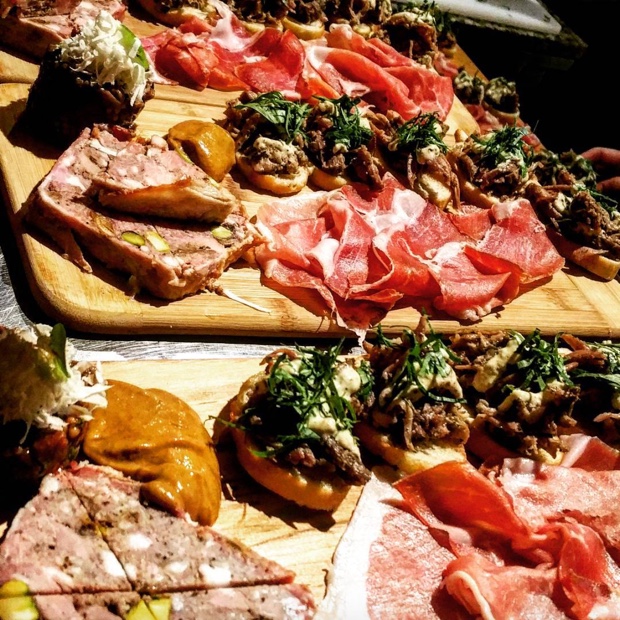







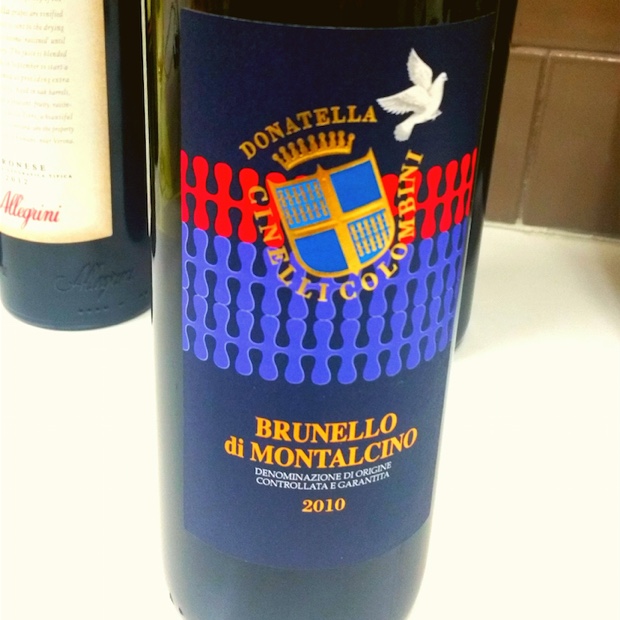
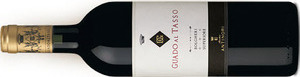
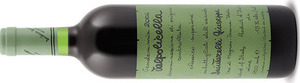
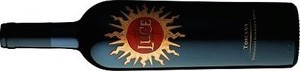

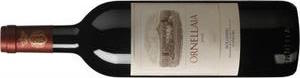
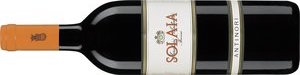

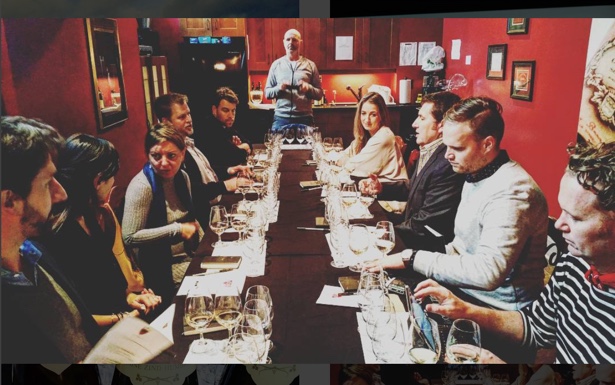
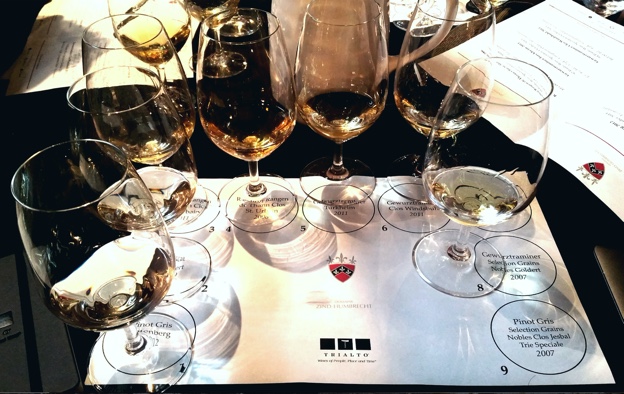
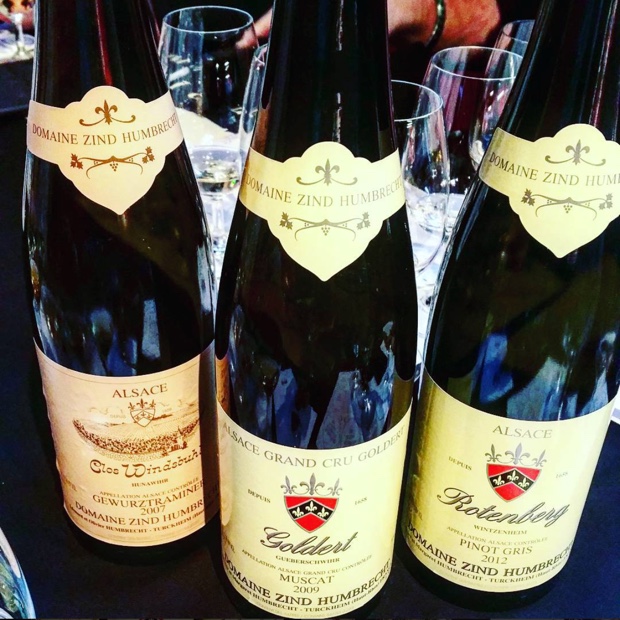
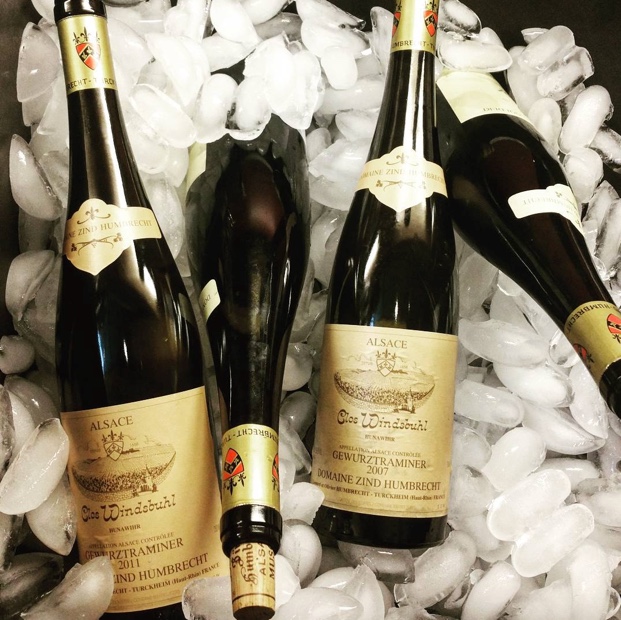



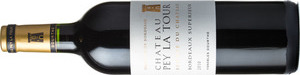
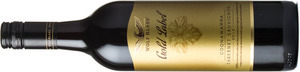
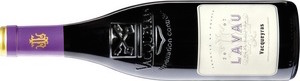
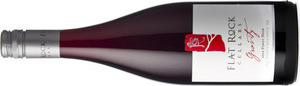
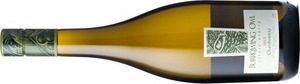
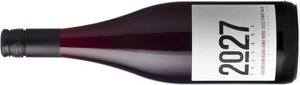
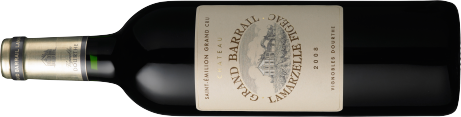
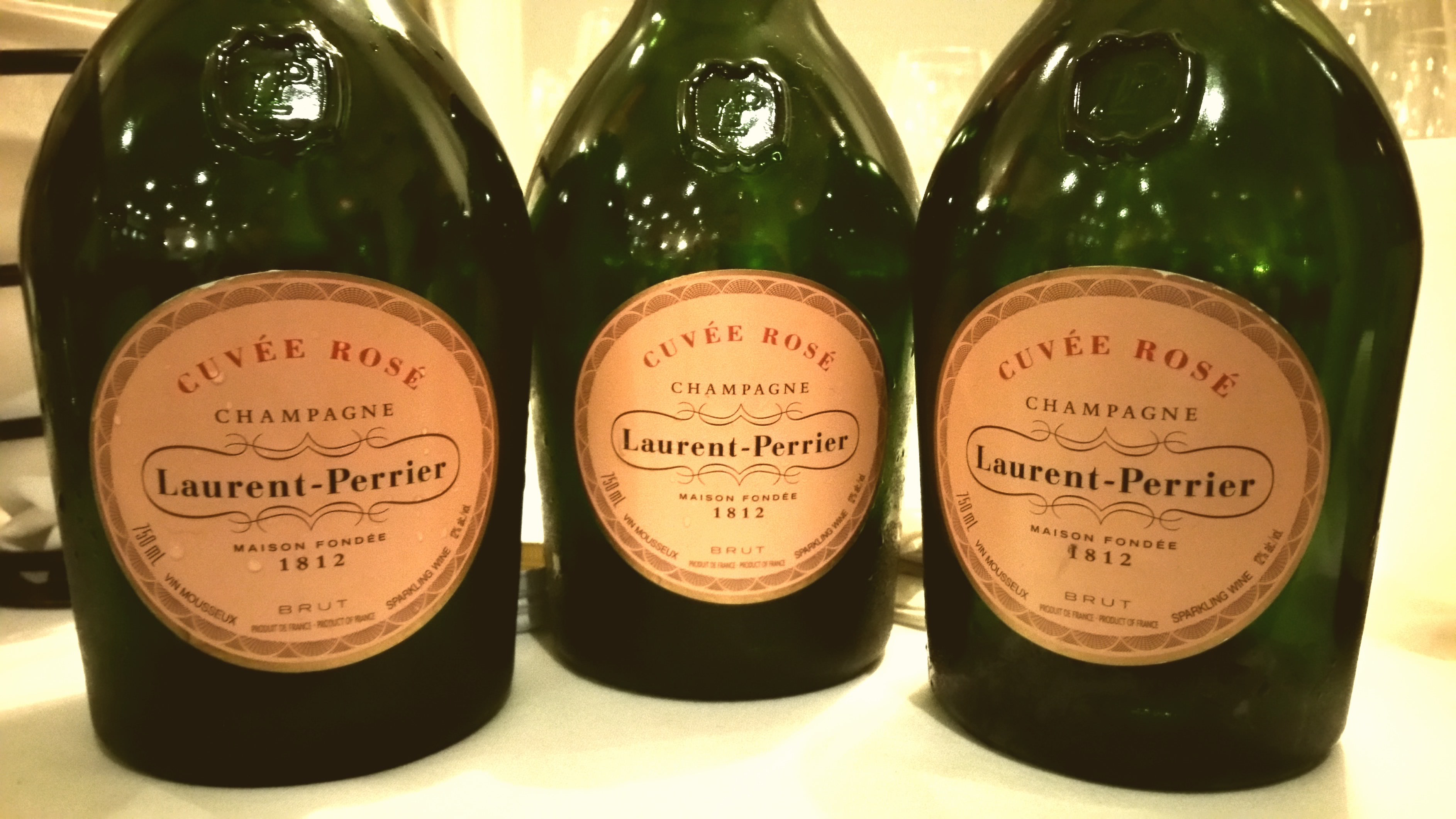

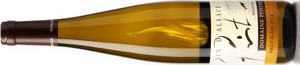
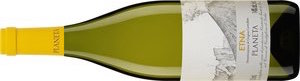
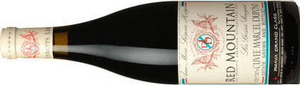
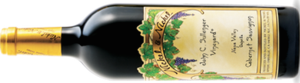
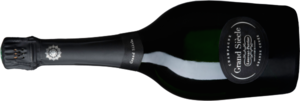
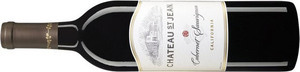
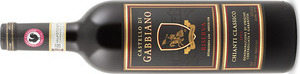
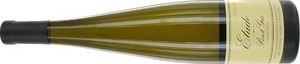
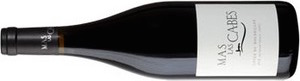
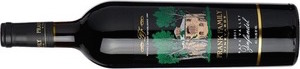
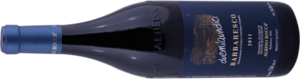
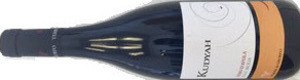
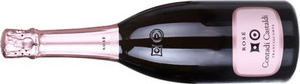
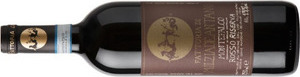
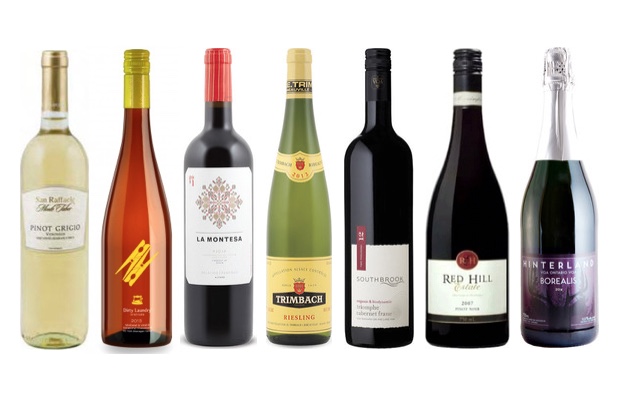


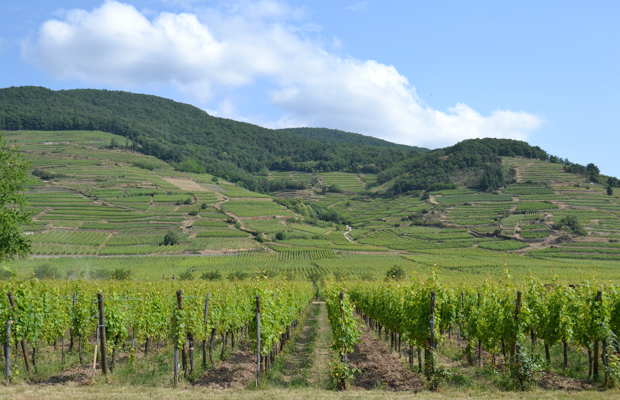
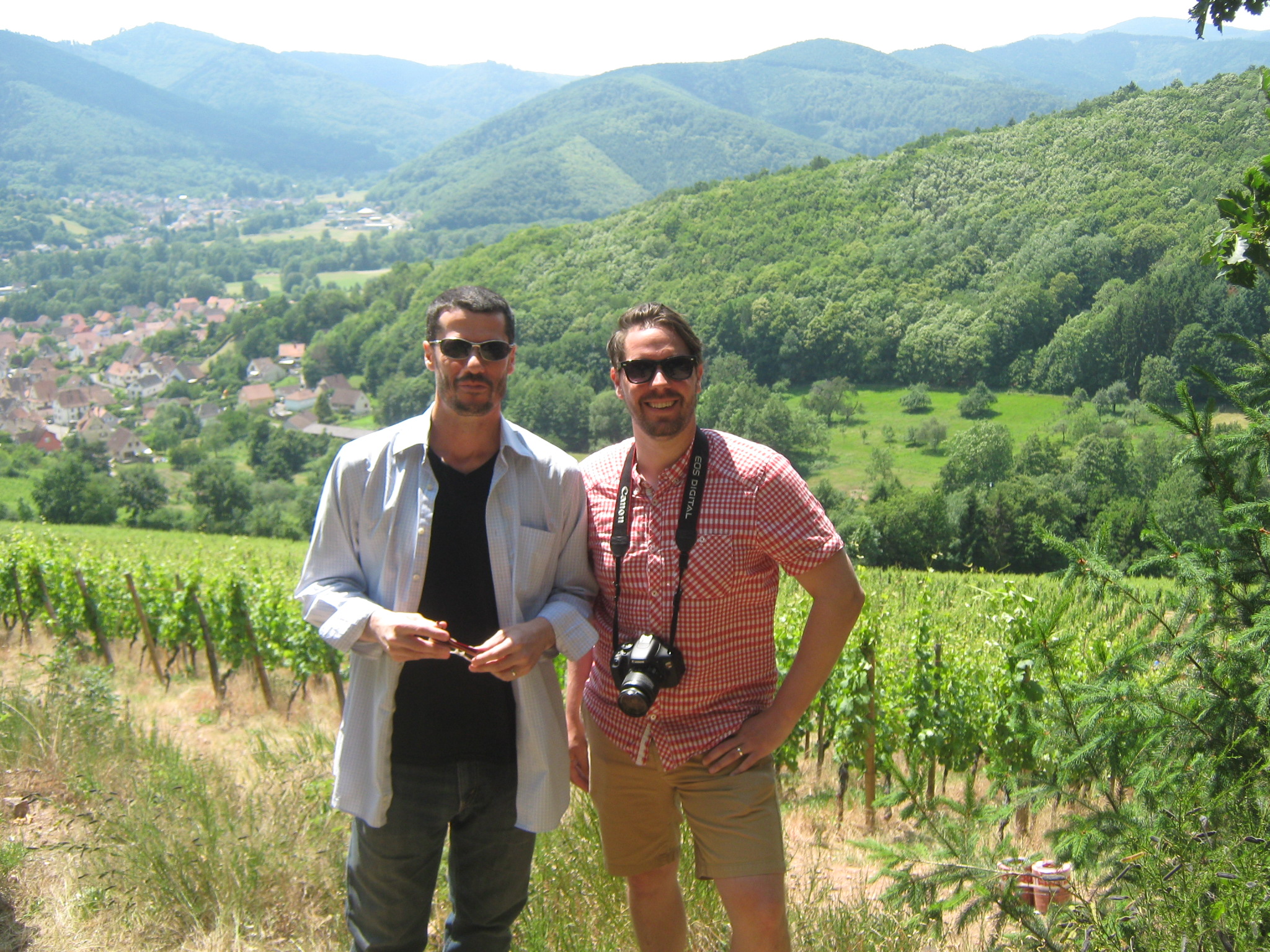
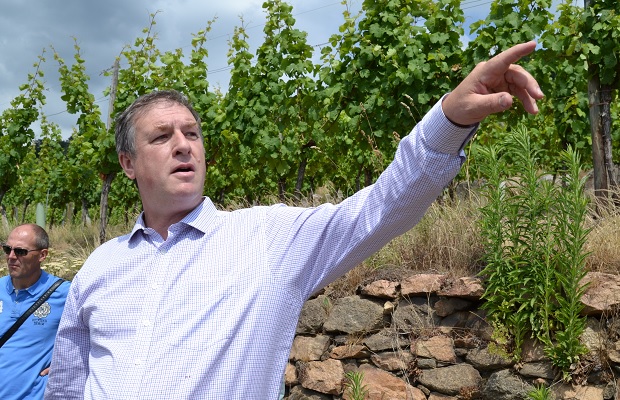
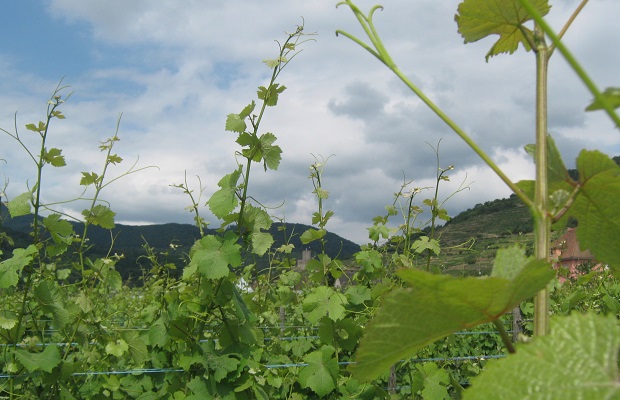

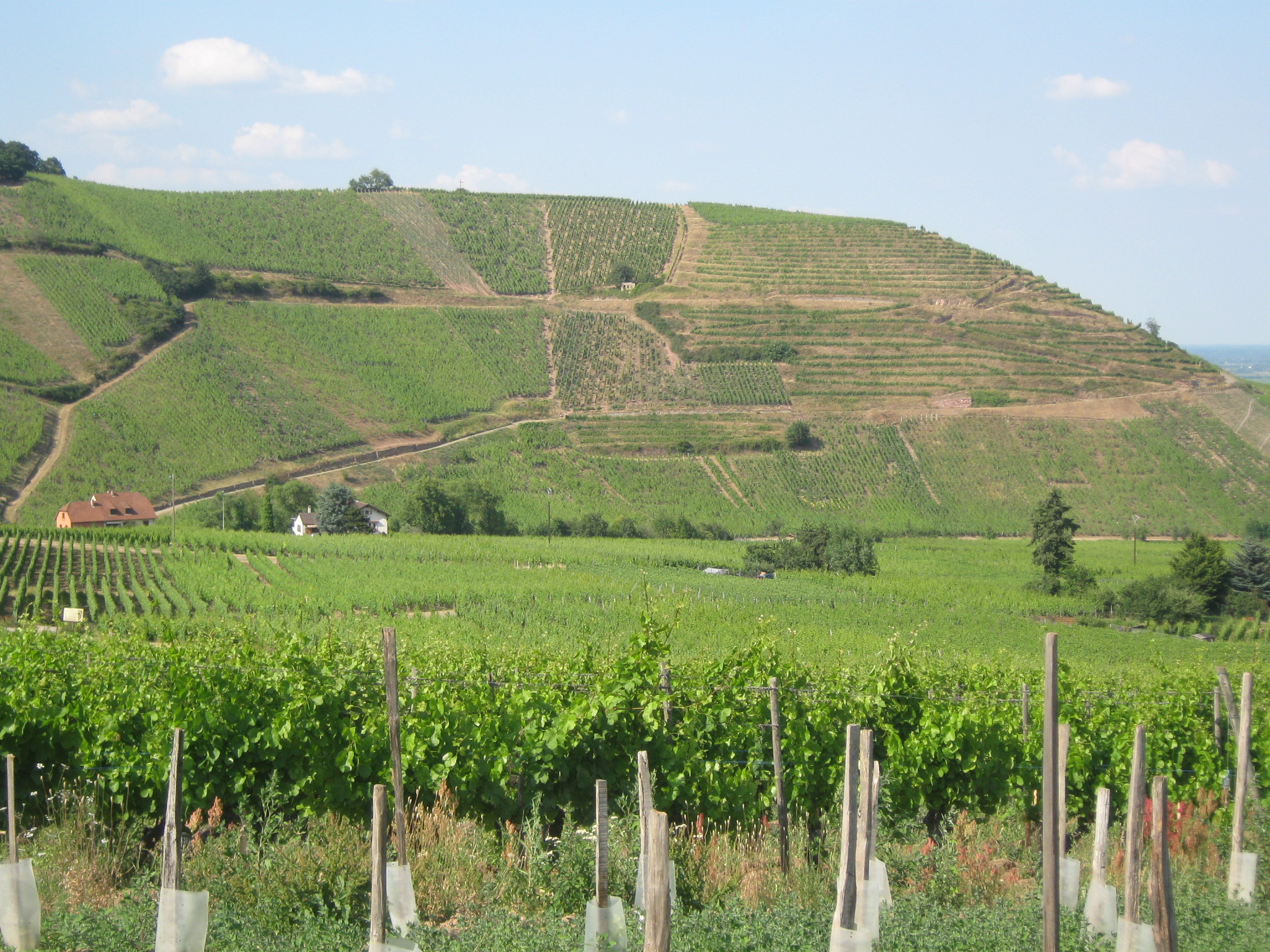
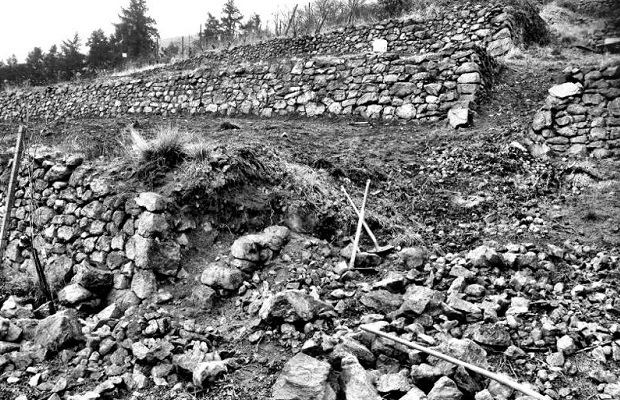
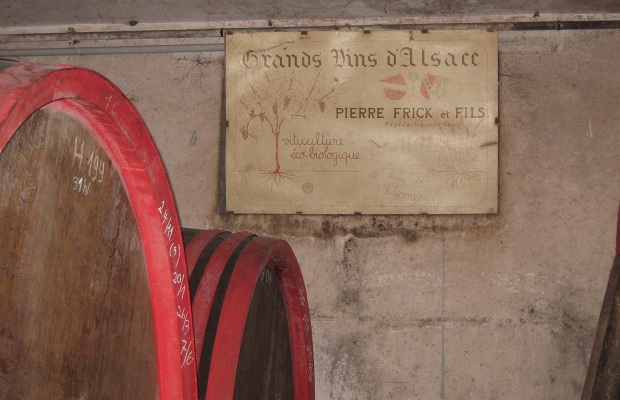

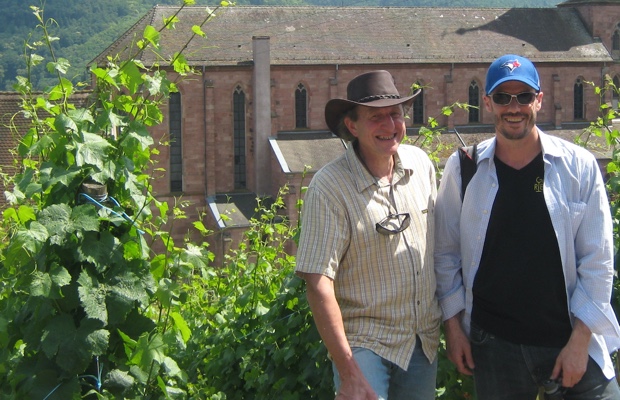

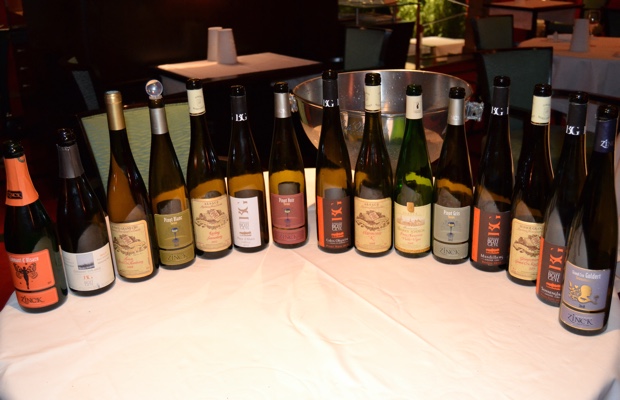
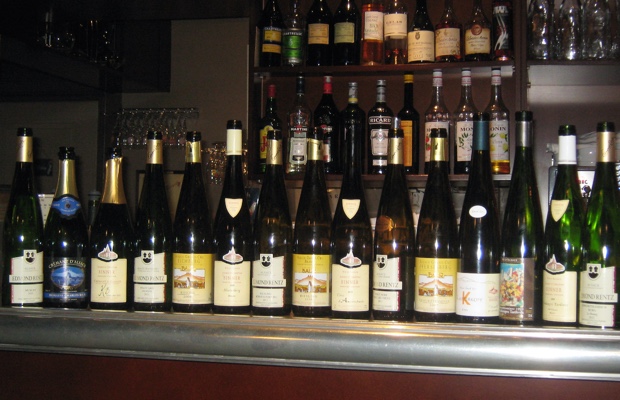
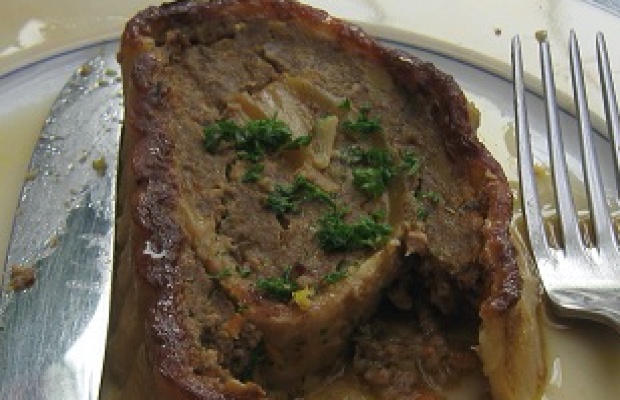


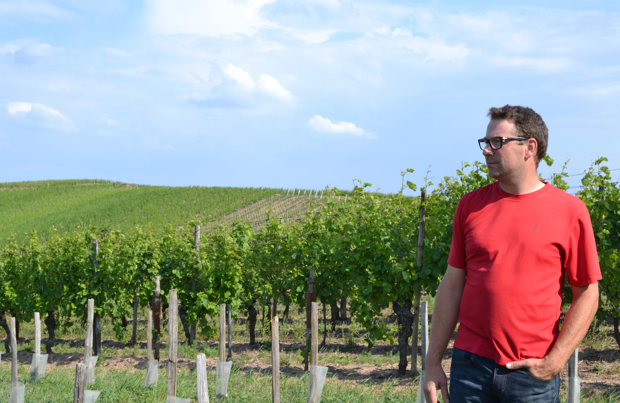
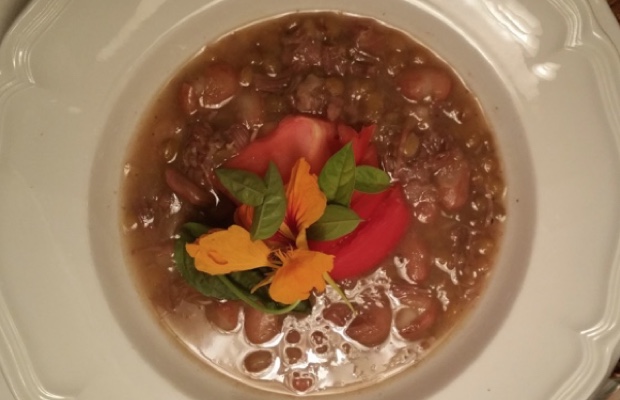
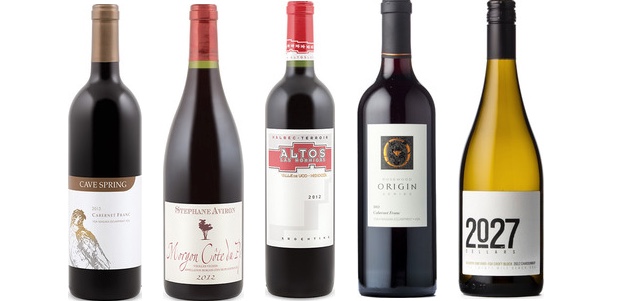


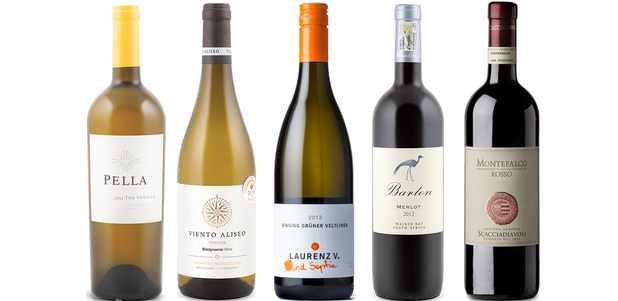

 Godello