Rocking out with the 2014 WineAlign World Wine Awards of Canada

WineAlign World Wine Awards of Canada 2014

WineAlign World Wine Awards of Canada 2014

The results are in. Closure has come. Category champions and Judge’s picks are now live.

The highly regarded WineAlign World Wine Awards of Canada is categorized and justified as a “must enter” for winemakers and vintners who want to be a part of a genuine, above-board wine competition. For consumers in Canada it is a place to discover the best value wines available on the market today. Say what you will about the concours concept. The straightforward WineAlign offer implements an expertly designed bracket to ultimately crown a covey of thoroughly deserving champions. Wines are carefully scrutinized, judged with fair play and at times, brutal honesty. Each wine must impress the judges more than once. “Up to the task” is never in question. At “The Worlds,” the best minds are on the job.

Related – He spits, he scores: 2013 World Wine Awards of Canada results

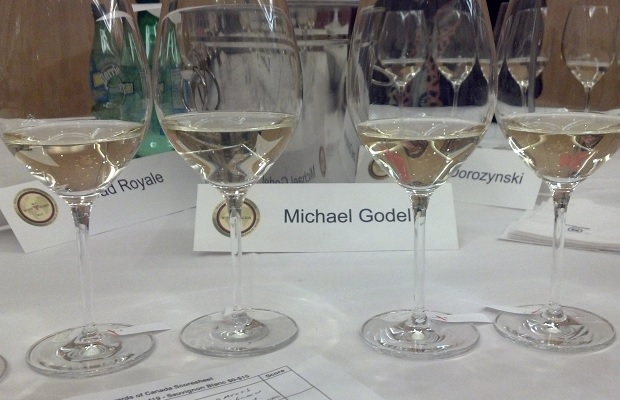
Panorama of judging and wines at WWAC14 Photo: Jason Dziver (www.jasondziver.com)

Panorama of judging and wines at WWAC14
Photo: Jason Dziver (www.jasondziver.com)

It was the week of August 18 to 22. Eighteen critics, two czars, a tech guy, a database custodian, a logistics steward, “her bitch” (sic) and a dedicated team of volunteers gathered to administer vinous justice for 1000 (give or take) hopeful wines. The tasting road was long yet filled with much success. Never have so many wines with the intention of offering value and simple pleasure shown so well and with so much grace.

Head judge Anthony Gismondi talks with Rhys Pender MW, Steve Thurlow, DJ Kearney and Godello Photo: Jason Dziver (www.jasondziver.com)

Head judge Anthony Gismondi talks with Rhys Pender MW, Steve Thurlow, DJ Kearney and Godello
Photo: Jason Dziver (www.jasondziver.com)

In today’s WineAlign WWAC14 results dissertation, Anthony Gismondi tells us that “nothing has value unless you give it some.” The awards are about assessing daily drinkers, wines that the repeat consumer look for often, especially the bargains. They are for consumers first, of and for the common people. For the wineries, agents and writers, the competition is effectuated without bias. “The tastings are computerized from start to finish allowing wineries, agents or retailers to enter, pay, and eventually track their results online.” 

In 2014 my position is this. Oak and cheap tricks are on the way out, at least when it comes to wines submitted to the WineAlign World Wine Awards of Canada. Sugar, wood chips, agar agar, artificial colour, manipulated flavour, reverse osmosis and added acidity are trade practices reserved for wines out there in the fast food stratosphere. The judges at the WWAC14 were fortunate to be granted immunity from having to taste and assess such a most unnatural lot. These awards represent and foster an altruistic commonality between vigneron and critic. Make an honest wine and it will be judged with honourable intent.

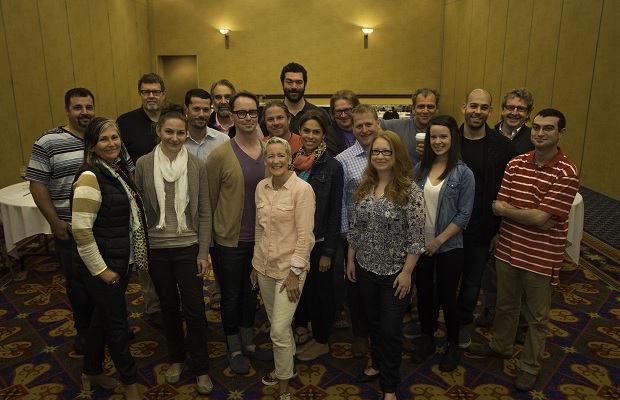
WWAC14 Judging Panel

WWAC14 Judging Panel

The writers and judges that make up the panels evaluate wines under $50 that are sold somewhere in Canada in the year of the competition. Entries are judged in flights along with similar varietal wines in three price categories; under $15, $15 to $25 and over $25. Starting with the 2014 awards all wines entered will not only be posted on WineAlign with bottle images, but reviews will be included as well (many in both French and English). Again in 2014, orchestration was overseen by one of North America’s most respected wine critics, Vancouver Sun columnist and WineAlign Partner Anthony Gismondi, aka The Spitter.

Panel of judges DJ Kearney, Godello and Rhys Pender MW Photo: Jason Dziver (www.jasondziver.com)

Panel of judges DJ Kearney, Godello and Rhys Pender MW
Photo: Jason Dziver (www.jasondziver.com)

Some startling results came out of this year’s tastings. Who would have ever put money on Carménère under $15 not only showing well, but blowing the collective minds of no less than five critics? Should Malbec in the $15-25 range, half of which are made by large and recognizable houses, have impressed with so much structure and restraint? A group of eight red blends under $15 were all good, five of them garnering very good scores. That same concept group of $15-25 were nearly all exceptional. Southern Italy fared with top value results in the under $15 category. Syrah/Shiraz $15-25 really surprised, as did Cabernet Sauvignon, Pinot Noir and Chardonnay in the same range. Not to mention a flight of five fruit wines, four of which scored between 85 and 88. Not bad. All this can be attributed to one basic premise. WineAlign does not attract more producers than other concours. It attracts better ones.

WWAC14 judges Photo: Jason Dziver (www.jasondziver.com)

WWAC14 judges
Photo: Jason Dziver (www.jasondziver.com)

As in 2013, this year I was invited to join the other 17 judges in Mississauga, Ontario. Fortune is measured by the company one keeps. The 2014 judges were David LawrasonSteve Thurlow, Sara d’Amato, Bill Zacharkiw, Dr. Janet Dorozynski, Rémy Charest, Craig Pinhey, Rhys Pender, MWDJ Kearney, Treve Ring, Brad RoyaleJulian Hitner, Evan SaviolidisBruce Wallner, MSMichelle Bouffard, Emily Maclean, Adam Hijazi and Jake Lewis.

Released today, here are the results from #WWAC14, presented by WineAlign. Wines were awarded for the categories of Top Value WinesBest of CountryCategory Champions and Judges’ Choice. In addition to the work of the judges, the Worlds were really made possible by Head Wineaux Bryan McCaw, along with Earl Paxton, Jason Dziver (Photography), Carol Ann Jessiman, Sarah GoddardMiho Yamomoto and the volunteers.

2014 World Wine Awards of Canada Results

WWAC14

WWAC14

Each judge was asked to write reviews on a specific cross-section of wines they were a part of assessing during the competition. Here are my notes on 30 wines tasted blind, across a wide range of categories, in August of 2014 at #WWAC14 and the songs they inspired.

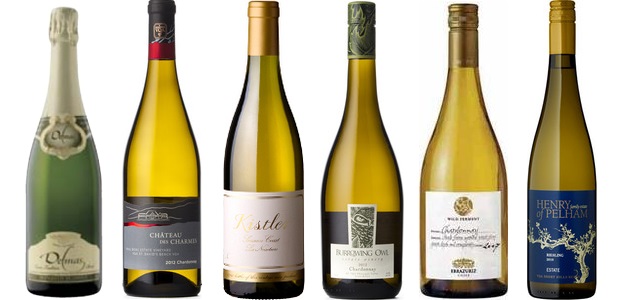
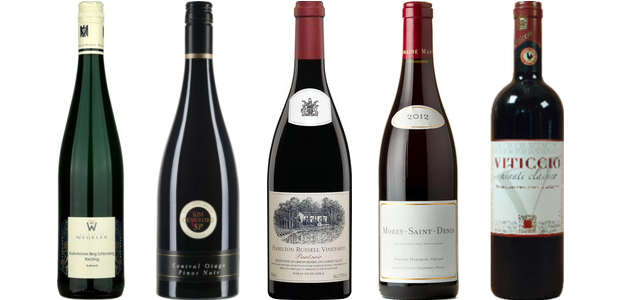
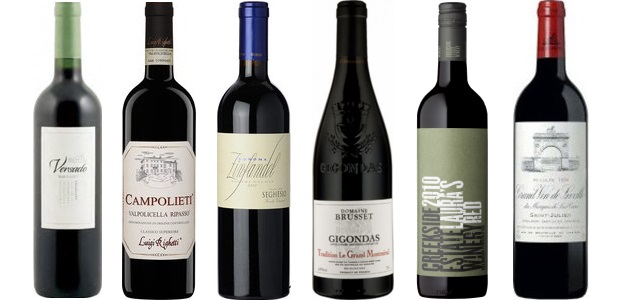
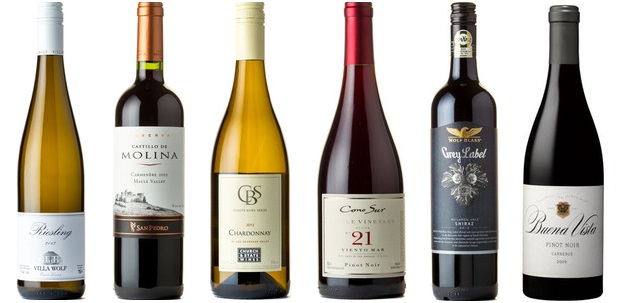
Category champion wines from left to right: Villa Wolf Riesling 2013, Castillo De Molina Reserva Carmenère 2012, Church & State Coyote Bowl Series Chardonnay 2012, Cono Sur Single Vineyard Block No. 21 Viento Mar Pinot Noir 2012, Wolf Blass Grey Label Shiraz 2012, Buena Vista Pinot Noir 2011

Category champion wines from left to right: Villa Wolf Riesling 2013, Castillo De Molina Reserva Carmenère 2012, Church & State Coyote Bowl Series Chardonnay 2012, Cono Sur Single Vineyard Block No. 21 Viento Mar Pinot Noir 2012, Wolf Blass Grey Label Shiraz 2012, Buena Vista Pinot Noir 2011

Cabernet Sauvignon $15-25

Wolf Blass Gold Label Cabernet Sauvignon 2012, Coonawarra, South Australia, Australia (606939, $24.95, WineAlign)

Funny thing about Cabernet Sauvignon, “sometimes they rock and roll, sometimes they stay at home and it’s just fine,” Wolf Blass makes all kinds. This Coonawarra GL seems to do both. It’s ripe and presumptuous, rocks in the glass but also has good, homebody, varietal tendency. It has a heart that’s on fire, a wolf parade of iron, sanguine tension and tannin, but also hung walls of home woven tapestry texture. The core of fruit, earth and tar cries out for prey. The finish is long and returns, back to base Blass.

Icewine – Riesling-Gewurz-Apple

La Face Cachée de la Pomme 2011 Neige Première Ice Pink Cider, Quebec (39305, 375ml, $22.95, WineAlign)

“Breathe, breathe in the air” of intensity, in apples. One hundred squared apples on top of one another. Never mind the few bruised and oxidative ones because the fresh and concentrated mass smothers those minor notes. Pink and ambient, the major sweetness and top-notch acidity speak to me in waves of demonstrative, Floydian verse. Here you will find a Québécois response to “there is no dark side in the moon, really. As a matter of fact it’s all dark.” There is Icewine on the bright side and then there is Iced Cider on la face cachée, “balanced on the biggest wave.”

Mission Hill Family Estate Reserve Riesling Icewine 2013, Okanagan Valley, British Columbia (winery, 375ml, $59.95, WineAlign)

A vanimated astral week’s of emotion is met by an animal musk, both hard to define. There is a high quotient of lemon, in curd, zest and pith. The sweetness is tempered by nudging acidity though it lingers long. All Riesling Icewine has to do “is ring a bell and step right up” so despite the electric Kool-Aid sugar syrup moments, this one spins and twirls, as Riesling does, just like a ballerina.

Inniskillin Niagara Estate Riesling Icewine 2012, Niagara-on-the-Lake, Niagara Peninsula, Ontario (601021, 375ml, $69.95, WineAlign)

Here sweetness, acerbity and a slightly advanced character are brought into balance by high grape sugar intensity and real linear acidity. Long and elastic, medicinally pretty and sacrosanct with seasoned complexity. Tasted this one and “felt a spark.” Tasted it twice and it tingled to the bone. What begun as a bob between evaluations ended with a simple twist of fate.  WWAC 2014 Category Champion

Pinot Noir $15-25

Villa Maria Private Bin Pinot Noir 2011, Marlborough, South Island, New Zealand (146548, $21.95, WineAlign)

Deep earth and black cherry combine for the most extraction in the $15-25 Pinot Noir flight. There’s dust in them hills as the wine acts as if it were borne of the mountains. Has attitude in altitude. All things considered, the fruit is clean and crisp, perhaps a hair over the overripe line. The cool temperament and temperature in the cold room aid in giving it some love. From my earlier, January 2014 note: “That Villa Maria can make 80,000 cases of Pinot Noir this proper is nothing short of remarkable. Aged in French oak for 8-10 months. As Pinot like as could be hoped for considering the case amount. Every drop must go through Malolactic fermentation. Winemaker Josh Hammond and crew insist upon it, though it’s nothing but painstaking cellar/lab work. The Pinot character initially shines, with loads of plum and black cherry, but there is a momentary lapse. But, “if you’re standing in the middle, ain’t no way you’re gonna stop.” So, the definitive Marlborough ectodermal line painted through the in door speaks quickly and leaves by the out door. From a smoking gun, rising like a Zeppelin. Large volume, big production, drinkable in the evening Pinot Noir.”  Last tasted August 2014  WWAC 2014 Judges’ Choice

Unsworth Vineyards Pinot Noir 2012, Vancouver Island, British Columbia (winery, $$23.90, WineAlign)

Now here we’re talking about a Pinot Noir from a another mother. It heads generously into fragrances not yet nosed in this flight of $15-25 Pinot Noir. Exotic byrne of a perfume on high alert; jasmine, violets, roses and Summer ‘David’ Phlox. Exquisite, fresh and bright. There is tang and tannin. Vibrancy to raise eyebrows. Also wild sage, wild fruit, an animal on a walk in a virgin forest. So much Pinot Noir is hairy, this one is “living on nuts and berries.”  WWAC 2014 Judges’ Choice

Malbec $15-25

Trivento Golden Reserve Malbec 2012, Mendoza, Argentina (agent, $19.95, WineAlign)

This Golden Reserve Malbec by Trivento is a juicy, dusty, fruit tree addition to the #WWAC14 flight and arrives just in the nick of time. Despite the dark fruit, it has no Drake spoken word conceit. It sings in classic Drake lullaby, with beefy meet pine forest aromas and so “you find that darkness can give the brightest light.” Tender refrains soften chalky, stalky wood and corresponding bitter chocolate. Big tannins on this balladeer. Has impressive stuffing.  WWAC 2014 Judges’ Choice

Red Blends over $25

Tinhorn Creek Oldfield Series 2 Bench Red 2011, Okanagan Valley, British Columbia (winery, $29.95, WineAlign)

Wonderful, tangy red fruits define this well-structured Bordeaux blend. Cool and concise, it plays a tight riff and bangs a drum slowly. Comfortable on a big stage, it charges into a funky break and whips a crowd into a frenzy. So much energy from a band of five varietal friends, complimenting each other’s playing with mutual respect. Does the two Bench two-step and steals the show. “Celebrate we will because life is short but sweet for certain. We’re climbing two by two, to be sure these days continue.”

Vin Parfait Red 2012, Adelaide Hills, South Australia, Australia (350512, $29.95, WineAlign)

Circuitous mounds of round, stone ground aromas in coffee, Goji berry, red licorice and red ochre. A Jackson Pollock Expressionist splatter of notion and motion, flirtations and tension. Tempranillo, Shiraz and Grenache in does it, or will it come together beyond the abstract? Number 8 did. This one s’got to too.

Number 8, 1949 by Jackson Pollock www.jackson-pollock.org

Number 8, 1949 by Jackson Pollock
http://www.jackson-pollock.org

Grenache $10-20

Castillo de Monseran Garnacha 2013, Cariñena, Aragon, Spain (73395, $9.95, WineAlign)

A slightly cooked character is evident but within reason. Despite the heat it’s a bit of an arctic monkey, with tomato and cherry sprinkled over by Queso Fresco and followed up with a slice of blueberry pie. Simple yet effective, pleasant palate. There is some heat and tension from the tannins and “I’d like to poke them in their prying eyes,” but they do relent. The length is more than appropriate, given the tag. Only question is, “will the teasing of the fire be followed by the thud?” At $10, who really cares. Represents excellent value.

Artadi Artazuri Garnacha 2013, Navarra and Basque Country, Spain ($19.50, WineAlign)

Garnacha from the old world west with incredible citrus bursts, like orange blossoms and the spirit of the zest. A spritz from a lemon too. A smoulder of burning charcoal with a spit-roasting goat adds to the roadside attraction. Palm branches help to create the smoke. This is exotic and creative stuff. Finishes with a dessert note of bitter plum. Velada, “you got yourself a 1, 2, 3, 4, 5 star reaction.” Really unique red.  WWAC 2014 Judges’ Choice

http://grooveshark.com/#!/s/Roadside+Attraction/33YBUM?src=5

Sauvignon Blanc Under $15

Caliterra Tributo Single Vineyard Sauvignon Blanc 2013, Leyda Valley, Region de Aconcagua, Chile (283648, $14.95, WineAlign)

A step up from multi-site, southern hemisphere Sauvignon Blanc with direct intentions, all the right moves and in all the right places. So much going on in both its aromatic and textural world. Wax, lanolin and Bordeaux-like temperance and consistent with the growing SB trend, “the grass is getting greener each day.” Decent one republic attack on the palate though nothing fantastic. Has heart and Sauvignon Blanc soul.  WWAC 2014 Judges’ Choice

Southern Italy Under $15

Grandi Muri Primitivo Promovi Salento 2013, Puglia, Italy (agent, $13.50, WineAlign)

A red-veined Primitivo, with the savoury blood of Swiss Chard and hoisin and red bean paste coarsing through it. Smells like spicy and sweet Hunan dishes, sweet sweat and sour, but it is not a matter of oxidation. It’s a caramelized soy sensation but written in reverse. Spoon this over cereal, ice cream, charred beef, anything. It’s got Chinese five-spice powder and coriander. Like a bowl of most excellent Pho. Fantastic exotics. “We’re gettin’ you raw and it feels real good.” Rocking Primitivo.  WWAC 2014 Judges’ Choice

Shiraz/Syrah $15-25

Layer Cake Shiraz 2012, South Australia, Australia ($24.99, WineAlign)

Unquestionably warm but with restraint. That may be perceived as a bad, obvious and reprehensible dichotomous comment but in transparency it speaks truths. Shows good savour and sapidity. It’s an aurulent burnt orange and smoked pineapple offering, blanketed in dusty chocolate and syrupy to a certain extreme. It’s long, creamy, silken and covered further in darker chocolate. “True colors fly in blue and black, bruised silken sky and burning flag.” Warm but you too will indubitably see the pleasures in its layer cake.  WWAC 2014 Judges’ Choice

White Blends Under $15

Pelee Gewurztraminer Riesling 2012, Lake Erie North Shore, Ontario (109991, $10.95, WineAlign)

A ray of golden sunshine. The glade and the classic Gewurz attributes are here and highly floral. Rose petals soaking in good medicine. This could be my beloved monster. Such a dry example. She wears “a raincoat that has four sleeves, gets us through all kinds of weather.” Match with BBQ’s eels. Not for everyone but it works.  WWAC 2014 Judges’ Choice

Shiraz/Syrah Over $25

Wolf Blass Grey Label Shiraz 2012, McLaren Vale, South Australia, Australia (390872, $29.95, WineAlign)

This is the most accomplished and wise drop of Shiraz tasted at the WineAlign #WWAC14. A hit of snowy sulphur shows just how much growing up it needs. Such a precocious and heady example. A thick, gluey mess of fruit, unsettled and in rapture within its tannic walls. The voilets and the rest of the garden rules really tie the room together. Shiraz entrenched, grown and raised, “where the nettle met the rose.” For five years later and on patrol for ten more after that. Wow.  WWAC 2014 Category Champion  WWAC 2014 Best of Country

Jackson-Triggs Niagara Estate Delaine Syrah 2011, Niagara Peninsula, Ontario (86553, $32.95, WineAlign)

Here blows a fine, exuberant and expresive muzzle with ambrosial flavours. A garrigue and olive dirty martini with sweet drops pf berry syrup. Juniper and conifer verdure meet inklings of berries. There is a sense of mushroom and truffle which can go either way, but here it brings paradigmatic character. Like words added to an intense Billy Preston instrumental. This may “take your brain to another dimension. Pay close attention.” Dark, brooding and out of space. A prodigy and a real deal in cool climate Syrah.  WWAC 2014 Judges’ Choice  WWAC 2014 Best of Country

Cabernet Sauvignon $15-25

Kaiken Ultra Cabernet Sauvignon 2012, Mendoza, Argentina (135202, $19.95, WineAlign)

A genesis in clean fruit of high extract order is linear, direct, forceful and in Cab conceit. A narcissistic brooder with ripples of underbrush and underworld scents. Thinks highly of itself, demands attention, seeks followers, stares into a pool. “The face in the water looks up and she shakes her head as if to say, that it’s the last time you’ll look like today.” With a few more reflecting and reflective refrains this Cabernet will realize a softness, turn away from the mirror and settle into its skin.  WWAC 2014 Judges’ Choice

Lake Sonoma Alexander Valley Cabernet Sauvignon 2012, Napa – Sonoma – Mendocino, California, United States (Agent, $26.99, WineAlign)

From the outset this engages the imbiber simple because it acts as though its one time tension has been massaged and released. The flat feeling is there, though not detracting, because of an inherent notion that there was and still can be beautiful fruit. It just needs “that spark to get psyched back up.” A rapping modern facade is the cover page for earth savoury meets candied M & M flavour, docile, downy glycerin Cabernet texture, with acidity and tannin waning. Was serious, now friendly and will be late leaving the party.  WWAC 2014 Judges’ Choice

Chardonnay $15-25

Kendall Jackson Avant Chardonnay 2013, Mendocino County, California, United States ($19.00, WineAlign)

This may be a winner. I love the immediacy of its fruit, the antebellum tension and just a kiss from the barrel. You know its there but in subtlety, class and as background noise. The aromas of citrus, beeswax and honey and all accents to clean orchard fruit. This has the most balance in a flight of eleven verry tidy Chardonnay in a consumer-driven $15-25 price bracket. Lady spirited and at times a bit anxious, or perhaps not yet entirely comfortable in its skin, this is nonetheless best in show.  WWAC 2014 Judges’ Choice

Carmenère Under $15

Castillo De Molina Reserva Carmenère 2012, Valle del Maule, Region del Valle Central, Chile (Agent, $14.95, WineAlign)

The first thought on this Carmenère is the scaling back of new oak, lifting it above the crowd in an under $15 flight. The freshness factor makes for a whole new animal, or botanical rather. This has candied jasmine, pansy, bergamot and nasturtium. It’s a veritable salad of candied edibles. The middle palate is marked by Mentholatum and the finale is persistent in acidulated action. What a warm, mazzy gift of a Carmenère, a star of a Chilean red that would be welcome, just like flowers in December. “Send me a flower of your December. Save me a drink of your candy wine.”  WWAC 2014 Category Champion

Chardonnay Over $25

Church & State Coyote Bowl Series Chardonnay 2012, Okanagan Valley, British Columbia (winery, $26.90, WineAlign)

Quiet, muted, beautiful and reserved. This is the “iconoclastic and restlessly innovative” style of a wine that bravely explores other territories of pop Chardonnay. Anything but fashioned in an in your face style, this one is in it for the Hejira, the journey and the time. Ripe yellow apples and pears and then come the lees. Could pass for unoaked Chablis. The appreciation and gathering are a style that should be used more.  “No regrets coyote,” you just come “from such different sets of circumstance.”  WWAC 2014 Judges’ Choice  WWAC 2014 Top Value Wines

Stags’ Leap Winery Chardonnay 2012, Napa Valley, California, United States (655381, $34.95, WineAlign)

Has hallmarks of essential fruit from a top notch vintage, the most complexity and schooling. The reduction is pure essence of grape must, with no fault to either the vine or the maker. Every wine’s “screwed up in their own special way.” A rmineral tannin gets on top early like a Ramones riff, stays for dinner and repeats in refrain. The crisp and mister punchy orchard fruit is kissed by wood. Sucks face. The texture is seamless and verve excellent, by acidity and forward to pronounced length.  WWAC 2014 Judges’ Choice

Sparkling

Delouvin Bagnost N/V Brut, Champagne, France (agent, $42.75, WineAlign)

Tends to a trend in sweet aromatic beginnings which is nothing but endearing. A leesy pear and ris de veau nose split by a bowie and filled with pearls of sugary syrup. To taste there is the metallic gaminess of uncooked other white meat. Sweet meat, sweet thing. The gathering sensation is an elemental display of ethereal, aerified climatic conditions. Though made in an oxidized style, the complexity of character is not to be denied.  “Runs to the center of things where the knowing one says, boys, boys, its a sweet thing.” In the end the burst of energy is invigorating and heart piercing.  WWAC 2014 Judges’ Choice

Pinot Noir Over $25

Cono Sur Single Vineyard Block No. 21 Viento Mar Pinot Noir 2012, Valle de San Antonio, Region de Aconcagua, Chile (agent, $19.99, WineAlign)

You can always pick out the wines made from unique, little feat sites, wherever in the world they may have been raised. Even when they stink up the joint, smell like a 16 year-old hockey change room or like candied paint poured over fresh cedar planks, they stand out like beacons of Pinot amon din. Lord of the Pinot rings here that’s “been kicked by the wind, robbed by the sleet…baked by the sun,” fire lit, rosemary branches and oxtail smoldering and simmering over fresh cut ash from a deciduous forest. Cool mint and pine. The most savoury things of fantasy imagined. Wild ride in and most willin’ Pinot Noir.  WWAC 2014 Category Champion

Buena Vista Pinot Noir, Carneros 2011, Napa Valley, California, United States (304105, $24.95, WineAlign)

This is really quite impressive Pinot Noir. Fastidiously judged if bullish fruit having way too much fun, causing varietal envy amongst other price category peers. Clearly fashioned from stocks of quality fruit, providing an environment for the coming together of many red berries and the earth of contigious vines. All roads lead to a grand palate marked by exotic, spicy and righteous fleet of wood tones. I wonder if I’m in over my head and tell it “your mood is like a circus wheel, you’re changing all the time.” Quite something this MacPinot specimen and though I wonder if it’s a bit too much, it always seems to have an answer and it sure feels fine.  WWAC 2013 Category Champion  WWAC 2013 Best of Variety $15 – $25  WWAC 2014 Category Champion  WWAC 2014 Top Value Wines

Tinhorn Creek Oldfield Series Pinot Noir 2010, Okanagan Valley, British Columbia (winery, $29.99, WineAlign)

The grace of time has ladled felicity upon this left coast Pinot Noir. What once were harsh and mephitic stuck in a cola can kind of smells have been released and are just a faint memory of their once formidable, terrible teeth gnashing remains. Twas root beer that fouled the air but now the saline sea and verdure of hills speaks in clear vernacular. The sailor has “sailed across weeks and through a year,” met with wild things, to now return home and offer up her Pinot Noir, to be enjoyed with supper that is still warm.  WWAC 2014 Judges’ Choice

Riesling Under $15

Villa Wolf Riesling 2013, Pfalz, Germany (agent, $14.95, WineAlign)

This has a lovely, head of its class, nearly value-driven exquisite nature and aromatic richness. In consideration of the price bracket, the sulphur is trumped by that radio dialed in richesse. Exotic Riesling specific fruit. A crisp apple meets a ripe pineapple. A wolf at the door, “out pops the cracker, smacks you in the head.” Decent acidity, better length, good bitters.  WWAC 2014 Category Champion

Red Blends Under $15

Miguel Torres Sangre de Toro 2012, Cataluña, Spain (6585, $12.95, WineAlign)

This Garnacha and Carignan blend works a stoned immaculate contrivance as well as any red blend under $15 you are ever likely to upend. “Soft driven slow and mad, like some new language.” The action is effective, properly conceived and opens the doors to value-based perception. Perhaps a bit thin but the lack of wood and sweetener is a breath of fresh air. What it lacks in girth it makes up for with complexity, in notes of graphite, fennel and sea air. Lovely little Mediterranean red.  WWAC 2014 Judges’ Choice

Good to go!
https://twitter.com/mgodello

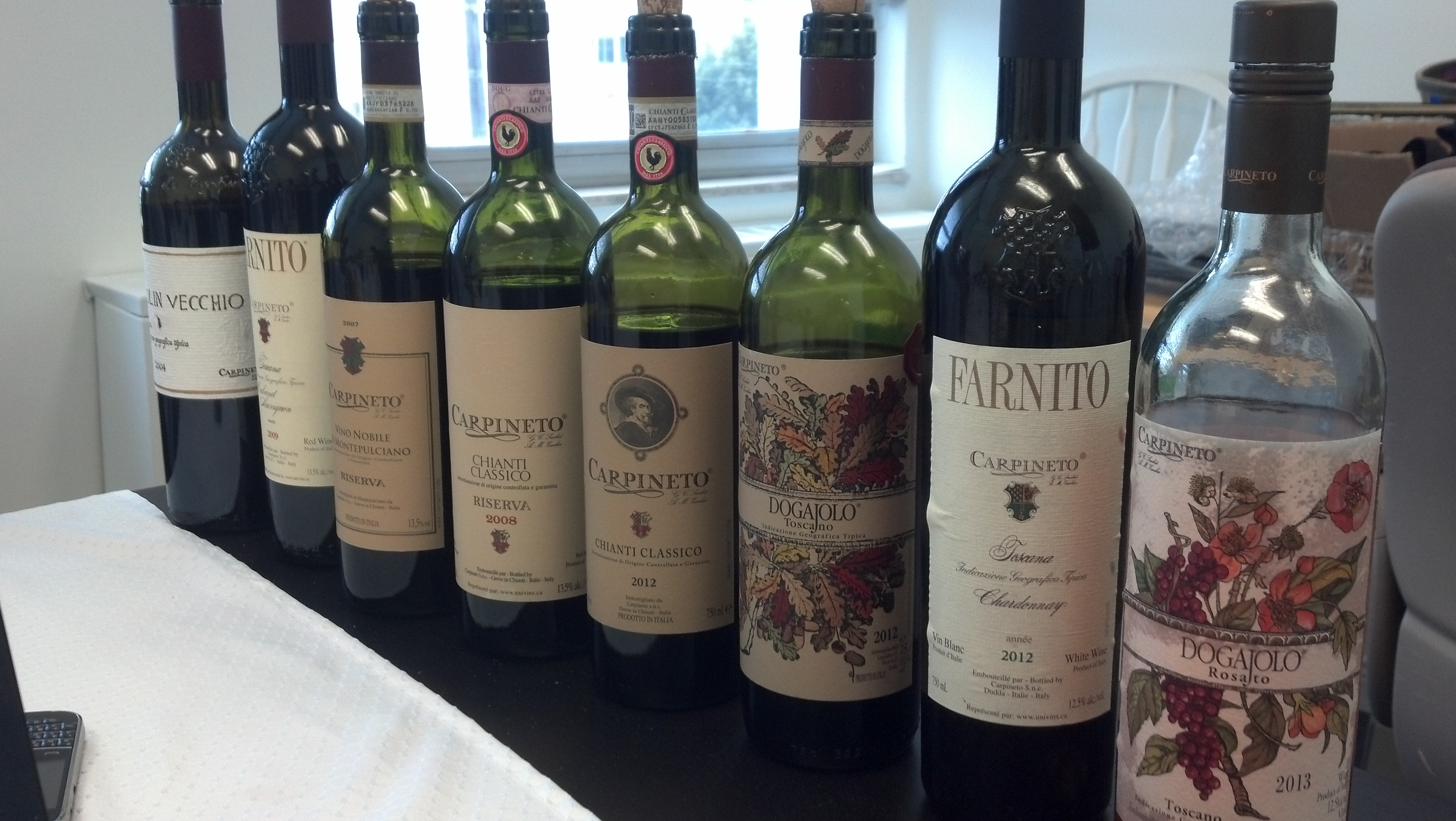
A traditional afternoon with the wines of Carpineto

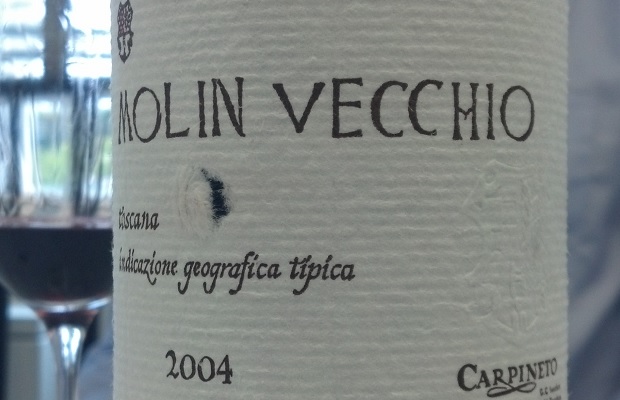
Carpineto Molin Vecchio 2004

Carpineto Molin Vecchio 2004

Carpineto brings “la Toscana e i suoi vini magliori” to the world. The producer near Greve in Chianti fashions wines from most of the better, best, requisite and constituent locales of Tuscany. The Carpineto library has been laid down from foundations in the DOC and DOCGs of Montereggio, Chianti Classico, Vino Nobile di Montepulciano and Brunello di Montalcino. Were the Bolgheri on the Maremma coast a part of their portfolio their reputation would surely be further cemented amongst the elite agricole of the region.

What dials Carpineto’s wines in to the natural and honest zone, especially when compared to so many modern peers, is their attention to simple detail. The wines across the board are restrained in alcohol, low in residual sugar and unencumbered by an excess of new oak. The wines are pure Tuscany distilled with seamless though mitigated texture. To a bottle they are a pleasure to taste.

Last Thursday Antonio Michael Zaccheo Jr. of Carpineto came to the WineAlign offices, along with eight of his wines. Together with Tandem Selections, WineAlign principals David Lawrason and Steve Thurlow we tasted through this noteworthy cross section of the Carpineto registry.

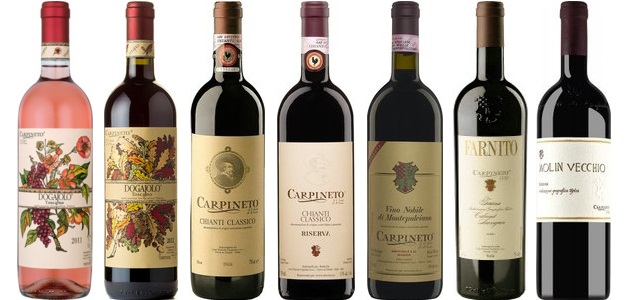
From left to right: Rosato 2013, Dogajolo Rosso 2012, Chianti Classico 2012, Chianti Classico Riserva 2008, Vino Nobile Di Montepulciano Riserva 2007, Farnito Cabernet Sauvignon 2009, Molin Vechio 2004

From left to right: Rosato 2013, Dogajolo Rosso 2012, Chianti Classico 2012, Chianti Classico Riserva 2008, Vino Nobile Di Montepulciano Riserva 2007, Farnito Cabernet Sauvignon 2009, Molin Vechio 2004 Photos: Jason Dziver, Photographer (http://www.jasondziver.com/)

Rosato 2013, Tuscany, Italy (699934, $15.95, WineAlign)

The Dogajolo Rosato is a right proper and serviceable Rosé, made from 90 per cent Sangiovese and 10 Canaiolo from holdings in both Chianti Classico and Vino Nobile. Sells quite well at the LCBO and even better at the SAQ where there is a different “attitude towards Rosé.” A gaseous medicine with exceptional salinity. Very dry saigneé, savoury and approachable. The freshly pickled strawberry is a nice touch.

Farnito White 2012, Tuscany, Italy ($24.95, WineAlign)

The Carpineto “White” is made from 100 per cent Chardonnay. Though the intent may be Burgundy, the Tuscan take here is very Italian; tight and forthright in flexure and focus. It is quite amazing how very primary it shows, with its whisper of a kiss by just a chip off the old barrel. Fresh, bone dry and bestowed the angle of Tuscan herbiage. So young that it offers the sensation of just having left the tanks and the wood. Like a leaner and cleaner version of the Cervaro della Sella. Can you say Linguine con le Vongole?

Dogajolo Rosso 2012, Igt Toscana, Tuscany, Italy (361501, $14.95, WineAlign)

Maybe it’s just a marketing term but Carpineto’s Antonio Michael Zaccheo Jr. refers to this as a “baby Super Tuscan,” because that is what it is. To pay $15 for a quarter century of winemaking acumen is anything but a hardship. Lithesome of fruit as opposed to sweet, it’s actually bone-dry (one g/L residual sugar), and artfully crafted for both the primi and secondi piatti. “Now we are in the Sangiovese camp, so good to go.” Well said, Antonio.

Chianti Classico 2012, Tuscany, Italy (356048, $21.95, WineAlign)

For Chianti Classico, 2012 was a good year, not too warm yet ripening occurred early, with the quality set to high, but the quantities were low. A winemaker’s vintage. Carpineto’s CC comes from the northern aspect of the appellation, from a conca (amphitheater) seven km’s east of Greve, by the piccolo hamlet of Dudda. It’s cooler in this part of Chianti, with more rock imparting flavour and textured sensations into the reds. The ’12 is essentially 90 percent Sangiovese and 10 per cent Canaiolo, give or take 10 per cent. Aromas of roses and wet rocks, fresh ripe plums mashed into tomatoes, herbs and a spicy side note. Old school and precisely what CC should be, minus the funk (which it does not have or need). Ultimate pasta wine right here. Traditional style in an up to date way with temperature control and all the tools of a modern facility. No VA, no barnyard, but really natural. This explains the axiom of maintaining tradition. With so many story lines already spoken for in sectarian Chianti, maybe that is the only thing Carpineto has left to hang their Zuccotto on. David Lawrason hits the nail head on. A Chianti that “resets the compass.”  Coming to VINTAGES April 18, 2015

Chianti Classico Riserva 2008, Tuscany, Italy (47118, $29.95, WineAlign)

A wine that is “already performing at purchase time,” like the Chianti Classico but turned up to 11. This has a more than a touch of funk, not exactly barnyard, but surely an earthy forest carpeting. Attribute this to the extra concentration and the élevage – time spent soaking up the barrel. The added marinade works to opposite effect as compared to the CC normale and in my opinion it’s an adverse one. Lost is the freshness and spirit. Still a wine of great Tuscan antiquity, in maintenance of its acidity and full of dark, iron and sanguine pulsing fruit.

Carpineto line-up at www.winealign.com

Carpineto line-up at http://www.winealign.com

Vino Nobile Di Montepulciano Riserva 2007, Tuscany, Italy (368910, $29.95, WineAlign)

Carpineto’s Vino Nobile hails from further inland, where the climate is more continental and the dry-farmed clay soils help carry the grapes through warm summers like 2007. Has an intense grapey, raisin and resin character. Really big fruit yet still old school enough to remind us all of the Carpineto oeuvre. This has stuffing, with nary an advancing moment towards a premature future. Blessed with a seamless nose to palate to tannins structure. This is really fine Vino Nobile, “scelto,” a chosen mocker. It’s thick and full but not from oak in any shaken or splintered way. This Prugnolo Gentile comes by its substance naturally, with minimal effort or need of applause.

Farnito Cabernet Sauvignon 2009, Igt Toscana, Tuscany, Italy (996553, $29.95 WineAlign)

Cabernet planted as 8,000 vines per hectare in Montepulciano resulting in the production of one bottle per vine. Love that equation. Eight tons per hectare is low but not an economically impossible yield. Antonio Michael Zaccheo Jr. insists the single vineyard plot is the largest contiguous vineyard in all of Italy. The vineyard was 15 years old at the time this wine was made, so we’re talking prime time for making world class wine. Spent one year in one third new French and American oak and then a few years in bottle. Not quite as ready to pop and pour like the CCR, this has beast mode written all over its expatriate face. Juicy, chalky and dusty which puts it in contrast to the Sangiovese. This is much more internationally styled and “needs cholesterol of any kind, “ says Antonio Michael. It’s more floral than the Chiantis and the Vino Nobile. Ripe but not overripe, international but unmistakably Tuscany.

Molin Vechio 2004, I.G.T. Toscana, Tuscany, Italy (995308, $59.00, WineAlign)

This vintage is from a single, five hectare vineyard (the wine moves around through vineyards, depending on an assessment of which shows best from year to year). Spent one year in new oak and was bottled in spring 2006. The “Old Mill” is a Tuscan-Bordeaux-Rhône gathering of Sangiovese (70 per cent), Cabernet Sauvignon (20) and Syrah (10). This has a Boschetto al Tartufo (shaved white truffles in cheese) note that is intoxicating. From sandy clay soils, southerly facing with marine sediments planted in the early nineties so the marine impart is just starting to show. Recent vintages should give increased salinity and minerality. Has the aroma of roasting game and savoury, Mediterranean bushes – this is akin to some southern Rhône big wines but the texture is stretched and seamless, not cake-baked and chalky. Great acidity and length. Still quite edgy. Needs at least five more years to come around. Released as part of the VINTAGES September Classics.

Good to go!
 

A common weal of September VINTAGES best buys

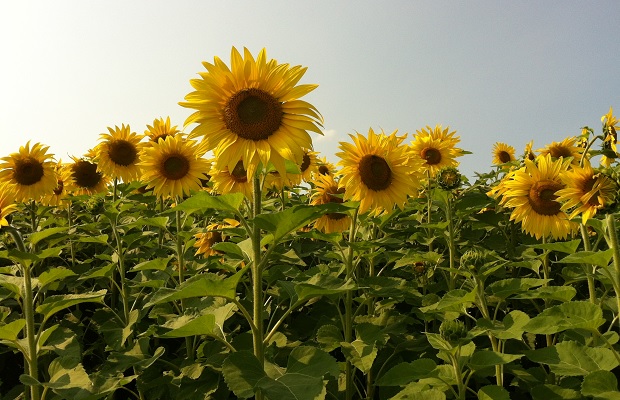
Innisfiil Sunflowers

Innisfiil Sunflowers

September has its share of excellence being revealed, particularly this coming weekend with the VINTAGES September 13, 2014 release. This is a perfect time to investigate the wares from this province. The weekend also marks the launch of the  initiative, in conjunction with Wine Country Ontario. Then on October 2nd, Wine Country is coming to the Royal Ontario Museum. There will be 255 wines poured by 55 producers at Taste Ontario.

Related – The LCBO and WineAlign go local

For years now the fine wine and premium spirits division of the LCBO, known benevolently to Wineontarians as VINTAGES, has been rolling out releases every two weeks. There are always somewhere between five and ten wines on each listing that, were I independently wealthy and helplessly wine obsessed in reckless abandon, would always buy. There are also upwards of 100 or more that I would not. Were I presented a glass half full, to most of them I would offer my thanks and sip away. There are also five to ten not worth the price of admission. As a member of the wine writer’s commonwealth of Ontario it is my trusted duty to help make sense of the bi-weekly barrage and to separate the wheat from the chaff.

Wine critics can be fussy people, tough mudders with palates sheathed by caparison. They can go from saying things like “not as good as the last shipment” to “I’m tired of tasting shit.” Even the most curmudgeonly of critics must play his part to promote the happiness, health, and wine safety of all of the people of a community. It is an honour to be trusted with a duty to taste, consider and then discard what is simply not right. The expectation and the responsibility is to find the most natural and honest wines made available, however fleeting and rare the opportunities may be.

Here are four from across the pond and 10 Ontario wines being unpacked onto LCBO shelves as we speak. Get out there and #LCBOGoLocal.

From left to right: Flat Rock Riesling 2013, Château Saint Estève Corbières 2011, Palazzo Maffei Ripasso Valpolicella Superiore 2011, Rosehall Run Cuvée County Chardonnay 2011, Peller Estates Private Reserve Cabernet Franc 2011, Southbrook Triomphe Cabernet Franc 2012, Thirty Bench Red 2012                                      Photos: Jason Dziver

From left to right: Flat Rock Riesling 2013, Château Saint Estève Corbières 2011, Palazzo Maffei Ripasso Valpolicella Superiore 2011, Rosehall Run Cuvée County Chardonnay 2011, Peller Estates Private Reserve Cabernet Franc 2011, Southbrook Triomphe Cabernet Franc 2012, Thirty Bench Red 2012 Photos: Jason Dziver, Photographer (http://www.jasondziver.com/)

Flat Rock Riesling 2013, VQA Twenty Mile Bench, Ontario (43281, $16.95, WineAlign)

The FR Riesling cover girl gets a swift kick in the backside by gas blanketed, dehydrated pear and a sprinkle of rock sugar. Citrus peel, candied again, with medicinal silt. Rocky Riesling spread liberally across a horizontal canvas. From my earlier April 2014 note: “Just bottled a few weeks ago so the note to self is to expect a subtraction of preoccupation. Anything but. Though not as frantic as the Nadja’s sampled from tank back in February, the preview to the ’13 Estate is in show of so much zest, premature acidity and an overly enthusiastic outpouring of juicy emotion. The scraped zest is present in every respect, along with green mango, Himalayan salt and a squeeze of lime. There is attitude and altitude from this precocious Riesling and there’s no doubt it and the ’13 Nadja will be better than anticipated out of tank. Forget the infancy, wow is it showing well.”  Last tasted August 2014  @Winemakersboots  @brightlighter1  @UnfilteredEd

Château Saint Estève Corbières 2011, Ap, Languedoc-Roussillon, France (377218, $17.95, WineAlign)

Corbieres excellence. Nothing funky going on here. A minor amount sees the inside of the fûts but how great it is to find such a clean, fruit forward, straight from the tank example. Made from (40 per cent) Grenache, (30) Syrah, (20) Carignan and (10) Mourvèdre. Certainly showing modern fruit but the low yield (35hl/ha) altruism and cleanliness is next to Midi-ness. A touch of chalk and milky chocolate with some vanilla and lavender too. Simple, effective (if a touch soapy) French red.  Tasted August 2014

Palazzo Maffei Ripasso Valpolicella Superiore 2011, Doc (338913, $17.95, WineAlign)

This is a massive Valpolicella, fully enriched by chocolate in countless ways, on many levels and in dry ice dreams. It’s a baby Amarone incarnate and if you are going that route, try this on instead for a mere pittance at $18. Huge wine, with exaggerated mannerisms in oak and high alcohol, though not volatile, even if the structure is value-driven pedestrian. Will work for a welcoming, big-hair crowd.  Tasted August 2014  @HHDImports_Wine

Rosehall Run Cuvée County Chardonnay 2011, VQA Prince Edward County (132928, $21.95, WineAlign)

Today Dan Sullivan’s Chardonnay concentrates on its excellence while compressing in reduction. Beyond the encapsulating abstraction there are the rocks beneath the earth and by extension, the vines of hard-working fruit. Fruit surrounded by the spice of barrel. Tasted extensively over a 24 hour period I found this walks the line, takes on all comers, hovers over and has the guts to merely sigh at the distractions. Give this Chardonnay years, more than most, perhaps even 10 plus. In 2011, Chablis trumps barrel.  Tasted August 2014  @Rosehall_Run  @sullywine

Peller Estates Private Reserve Cabernet Franc 2011, VQA Four Mile Creek, Ontario (598078, $21.95, WineAlign)

A touch of reduction but the thought goes straight to serious wine and attentive winemaking. The barrel is not king, the fruit big and boisterous. It’s a bit hyper-fruity, steroidal even but it is anything but thin and certainly not encumbered by process or wood. A hint of soap is a detractor admittedly, but the acumen and level of higher learning is evident and commendable. This will be a wine to look at for years to come.  Tasted August 2014  @PellerVQA

Southbrook Triomphe Cabernet Franc 2012, VQA Niagara On The Lake, Ontario (275958, $21.95, WineAlign)

The 2012 Triomphe Cabernet Franc receives a meld of mellow, blending support from 12.4 per cent Merlot and the marriage is quietly non-contentious. That blending decision by winemaker Ann Sperling, along with the praiseworthy choice to forego obtrusive oak is as good as a golpe on the Niagara Cab Franc oeuvre. The use of large format (80 hectolitre), no splinters allowed oak vats over wood spice and milkshake imparting barrels is an easy swallow for sore palates. The ’12 Triomphe is an elongated and elastic Cab Franc, with nary a foray into the tobacco, bell pepper and cloying currant currency of so many predecessors. The co-fermenting of disparate, north and south, estate blocks in those vats has done wonders on the preservation of a warm vintage’s, judiciously picked (21.8 per cent brix at harvest) fresh fruit. Terrific decisions all in for a highly accessible, brand and varietal ambassador for Niagara.  Tasted August 2014  @SouthbrookWine

Thirty Bench Red 2012, VQA Beamsville Bench, Ontario (320986, $24.00, WineAlign)

Big red machine, really ahead of the class, especially in this price range, with this much stuffing. A full complement of fruit, bushy and falling just as it’s picked from the trees, not to mention quality, quality, sweet earth. This is jazzy, boozy and sparked, from ‘round midnight, smoky, exotic and global. Has the discipline of a monk to groove low and low, the stuffing and Thelonious tannin to boot. Wait for it, let the band play then give way. The solo will be fantastic.  Tasted August 2014  @ThirtyBench

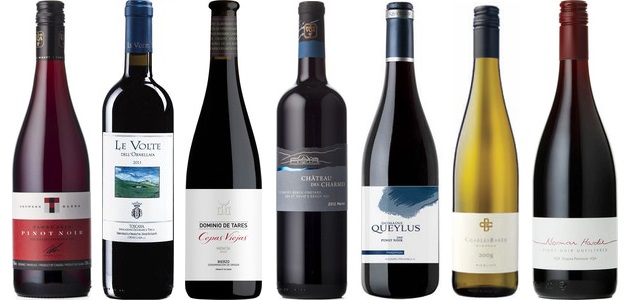
Norman Hardie Unfiltered Niagara Pinot Noir 2011, VQA Niagara Peninsula

From left to right: Tawse Pinot Noir Growers Blend 2010, Tenuta dell’Ornellaia Le Volte Dell’ornellaia 2012, Dominio De Tares Cepas Viejas Mencia 2009, Château Des Charmes Merlot St. David’s Bench Vineyard 2012, Domaine Queylus Tradition Pinot Noir 2011, Charles Baker Wines Riesling ‘Picone Vineyard’ 2011, Norman Hardie Unfiltered Niagara Pinot Noir 2011 Photos: Jason Dziver, Photographer (http://www.jasondziver.com/)

Tawse Pinot Noir Growers Blend 2010, VQA Niagara Peninsula, Ontario (284570, $26.95, WineAlign)

Where at one time the GB Pinot Noir fought among its moving parts it now sits in permanent cease-fire mode. A position that realizes warm fruit, settled wood spice and linear acidity. Needs no more scaling or ropy ascension. It has reached the planing platform and going forward will glide effortlessly back down to ground. Where it began. From my earlier October 2013, April and May 2014 notes. “Though it’s a blend of several sites, this Tawse Pinot stands alone and of itself as a grower; it grows on you after multiple tastings. The first go ’round seems simple, vintage warm and tight. Taste again and the sappy wood seeps mineral, the phenolic red cherry ripeness turns black and the tempering is led by a sweet earth kind. Earth that smoulders in a rising Zeppelin kept afloat by tobacco and the swirling spores of pungent mushroom. Pinot Noir truth and value from a Niagara house of the holy kind. “You know-whoa, that’s right.” The univocal Pender perfume permeates the Tawse stable of Pinot Noir and seems only magnified in the multiple site Grower‘s Blend. Vintage related warmth and inferable incrassation of fruit. Delves into a deep connection to disparate lands possessive of a common goal.  As if making wine is “your taste combined with all the years of wasting time.” Graceful Pinot Noir with moments touched by hot rocks, toasted red rice, a gentle smoulder and delicate grains of sand.”  Last Tasted August 2014  @Tawse_Winery  @Paul_Pender

Tenuta dell’Ornellaia Le Volte Dell’ornellaia 2012, Igt Toscana (964221, $26.95,WineAlign)

What can you say about Le Volte? Is she the most immediately rewarding, fruit forward and accessible Super Tuscan ever put on offer? Does this cuvée  of Merlot (50 per cent), Sangiovese (30) and Cabernet Sauvignon (20) offer a portal through which to peer into the future of the Ornellaia grande? From a warm but not excessively hot season, the fruit teases, like a kiss that leaves a lipstick stain on the cheek, a taste that makes you crazy and dreaming of more. Time spent in barrels once used by the matron first wine equates to a morning of chocolate, Nutella and cappuccino in the piazza. Full on, with much more texture than ever before. She is beautiful, but is her beauty fleeting? Drink over the next two to four years.  Tasted August 2014  @Ornellaia  @AuthenticWineON

Dominio De Tares Cepas Viejas Mencia 2009, Bierzo, Spain (379891, $26.95, WineAlign)

Fruit for this Bierzo is from old vines and is aged in a combination of French and American oak. An industrious rolling stone and two steps up example above and beyond for what usually passes as basic and simple Mencia. The Dominio de Tares is exactly the reason to ante up. Bierzo as a region produces exceptional quality wines at this price point but suffers a stenosis in the lower ranges. Here the intoxicating and delicious fumes are resonant of just caramelizing brown sugared fruits, formidable though sweet tannins and an enveloping that’s “all right now, in fact, it’s a gas” Displays and prances about with an incredible amount of energy and jumping jack flash. “It’s a gas, gas, gas.”  Tasted August 2014  @oenophilia1

Château Des Charmes Merlot St. David’s Bench Vineyard 2012, VQA St. David’s Bench, Ontario (453431, $29.95, WineAlign)

The vintage does Merlot a wondrous gifting and coupled with what strikes as an unusual salinity, this is a most unique take on the Merlot perspective. In the middle vacuum what is expected takes a turn; shaken, crushed berries with chocolate shavings and brushstrokes made by a weighty utensil but in the end it returns to the vintage specific layering. Well made with caveat to and from Merlot.  Tasted August 2014  @MBosc

Domaine Queylus Tradition Pinot Noir 2011, VQA Niagara Peninsula, Ontario (392738, $29.95, WineAlign)

The passion from the Thomas Bachelder Niagara project has shifted into Domaine Queylus. With no disrespect to Thomas’ eponymous bottling from vineyards so nearby, the quality time has now been granted the Tradition. Here lies Mountainview and Le Petite Colline earth, here crushes Niagara cherries in hand, juice running down a clay caked forearm. Fresh and bright yet streaked by chalk and enveloping brush stroke. Sour? For a flash but in neither malic nor astringent form. This is a must buy. From my earlier June 2014 note: “Reverberates with the unmistakable calling card character of the storied Neudorf family La Petite vineyard with equal and opposite amounts of attraction and new life breathed in by the Lincoln Lakeshore fruit. Ethereally sifted earth of old meets cherries of new. Enriching Pinot Noir, a bit gangling like a primitive young giraffe but near to finding its legs. Hard working red, insistent, confident and having already paid some dirty fingernail dues. Excellent length.”  Last tasted August 2014  @QueylusVin

Charles Baker Wines Riesling ‘Picone Vineyard’ 2011, VQA Vinemount Ridge, Ontario (241182, $35.20, WineAlign)

You can take Riesling from out of the Vinemount Ridge but you can’t take Vinemount Ridge out from a Charles Baker Picone. The layers of tectonic shale and the slowly espressed fruit that swim within the waves of those layers make for the total oscillating package. Has moved nowhere, not sideways even, since last tasted, though today, from this bottle, there’s an awkward, shy adolescence. From my earlier May 2014 note: “Some sweetness now, but not in a flirting way. This will be a September VINTAGES release (with pink on the label as part of an LCBO/Princess Margaret fundraiser). Has not so much evolved but rather “come groovin’ up slowly,” since last tasted. Still got “joo joo eyeballs,” still tough in tension. Years left before it will come together, yeah.” From my earlier, October 2013 note: “does not so much pick up where cracking ’09 left off (with no offence meant to the soothing and tuneful ’10) but rather re-writes the Baker book. From the almost famous windswept vineyard atop the Vinemount Ridge, this Picone, from older Riesling plantings is crazy lively. That ’10 is now imbued with rich, oily glück. The ’11 will realize such a future, but much further along and in combination with its inborn tension. Right up there with Baker’s “perfect vintage” 2006.  Last tasted August 2014  @cbriesling  @StratusWines

Norman Hardie Unfiltered Niagara Pinot Noir 2012, VQA Niagara Peninsula, Ontario (125310, $39.00, WineAlign)

This County ’12 by Norman Hardie needs fresh air, County air and time. Leave the wine alone in bottle counted out in five years time. There is pure intensity in aerified flight. Shows length, persistence, purity, phenolic ripeness and in time will show its ability to wade across raging rivers. From my earlier April 2014 note: “Hardie’s 2012 County Pinot Noir is a beacon, a flashing light on the shore, an invitation to copycats because this is what making red wine from limestone foundations is all about. To taste this ’12 is to experience Hardie’s purest berry maceration and distillation to date. It’s as if there was no alcohol present and in fact, at 11.5 per cent it is a modest and transparent pronouncement. Longevity may not bless the ’12 as in other vintages but this is certainly the most groomed and coiffed County Pinot Noir.” From my earlier October 2013 note: “Cuts a rug with immense, stepping out juicy behaviour. It’s both turntable old-school, astatic in smooth groove rotation, but also digitally forward thinking towards a perdurable future. The nose is Norm’s most intense floral burst to date, with incredible brightness and sparkling acidity in the key of fresh plum. This brings to mind indelible Burgundy, enveloped in PEC’s warm ’12 blanket. Hardie’s measure of consistency abides in a Pinot of parity and undemanding polish.”  Last tasted August 2014  @normhardie

Good to go!
Release the summer wine

A white wine for all seasons, Pinot Gris, by Maison Trimbach<br />

A white wine for all seasons, Pinot Gris, by Maison Trimbach
PHOTO: http://www.trimbach.fr/

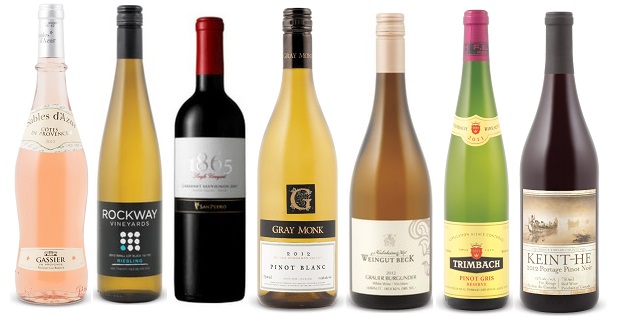
These are the wines of summer.  Dry, saline Rosé made from classic varieties; Grenache, Syrah and Cinsault. Crisp, flinty Riesling, turned to stone. All things Pinot. B.C. Cured Pinot Blanc struck by both juicy fruit and mouth-watering acidity. Pinot Gris from Alsace, impossibly dry. The same grape but from across the Rhine and under another name: Grauburgunder. Pinot Noir from Prince Edward County. Nothing else in the world smells like it. Smells like, teen spirit.

White wine that feigns bubbles and brings the wonder of Nova Scotia to the world. Chardonnay by a young winemaker in Ontario just coming into his own, ready to become a star. Classic varieties for summer grilling; Cabernet Sauvignon for a green day, Sangiovese to make your day, Merlot, Cabernet Franc and that melting pot of red wines, Châteauneuf Du Pape. All VINTAGES Ontario releases for July 19th. These are some of my summer wines. All 13 of them.

From left to right: Gassier Sables D'azur Rosé 2013, Rockway Small Lot Block 12 150 Riesling 2012, San Pedro 1865 Single Vineyard Cabernet Sauvignon 2011, Gray Monk Pinot Blanc 2012, Hedesheimer Hof Weingut Beck Grauer Burgunder Kabinett Trocken 2012, Trimbach Réserve Pinot Gris 2011, Keint He Portage Pinot Noir 2012

From left to right: Gassier Sables D’azur Rosé 2013, Rockway Small Lot Block 12 150 Riesling 2012, San Pedro 1865 Single Vineyard Cabernet Sauvignon 2011, Gray Monk Pinot Blanc 2012, Hedesheimer Hof Weingut Beck Grauer Burgunder Kabinett Trocken 2012, Trimbach Réserve Pinot Gris 2011, Keint He Portage Pinot Noir 2012

Gassier Sables D’azur Rosé 2013, Ac Côtes De Provence, France (33621, $14.95, WineAlign)

Always dry, dusty and salt lick oriented. A mineral bath of verdigris and rusty rainwater.  Light but all about minerals, salinity, beach and sun. What more should be requested and ascertained from value given Côtes De Provence Rosé?   Tasted June 2014  @MichelGassier

Rockway Small Lot Block 12 150 Riesling 2012, VQA Twenty Mile Bench, Niagara Peninsula, Ontario, Canada (372441, $18.95, WineAlign)

Noticeably dry but also earthy/funky. Struck match and plowed earth. As it settles into its skin and your consciousness it develops body, depth and acidity. Grows and expands, reaches heights you thought it would not. The vintage works wonders for the Twenty Mile Bench and this block has expansive stuffing to take it long, not to mention the earthy complexity to see it change and evolve. It may go through a disturbing, unusual phase but be patient and set one aside for 15 years from now. You will be amazed what honey and deep geology it discovers and uncovers.  Tasted June 2014  @RockwayVineyard

San Pedro 1865 Single Vineyard Cabernet Sauvignon 2011, Maipo Valley, Chile (37911, $19.95, WineAlign)

When it comes to Cabernet Sauvignon, “well, I heard it all before.” This Maipo beauty begs to be different. Here is a $20 Cab with a $50 reductive funk. A heady, heavy red that needs more than just a swirl. The average Joe may smell a green day and not get it straight away. My advice would be to hang in there because with 10 minutes aeration the fresh currant, mint and rain-soaked flower aromatics will come around. And come around they do. Mocha and semi-chocolate driven, tannic like crazy and banging out a beat of crazy acidity. A ton of wine for $20.  Tasted June 2014  @Dandurandwines

Gray Monk Pinot Blanc 2012, BC VQA Okanagan Valley, British Columbia  (321612, $19.95, WineAlign)

Ah, terrific cool climate Pinot Blanc, with juicy acidity from a bite into a nectarine just falling from the tree. On a night like this “it goes deep, it goes deeper still,” in neo-tropical fruit (from seemingly slightly elevated alcohol). A most cured white wine, with a tannic quality that gives it texture and structure. Strike another Lloyd Braun mark on the British Columbia-Pinot Blanc free competition continuum to develop this variety with prejudice.  Seamless, with excellent length.   Tasted June 2014  @GrayMonkWinery

Hedesheimer Hof Weingut Beck Grauer Burgunder Kabinett Trocken 2012, Prädikatswein, Germany (378349, $20.95, WineAlign)

This rare Pinot Gris VINTAGES sighting is a jet-gassy funky, disparate complex mess of penciled, earthy, grassy and off-dry stone fruit aromas. It’s also viscous, distracting, and propelled by thriving acidity. While the Grauburgunder hails from the other side of the Rhine, it shares a tannic, saline and mineral affinity with the Vosges PG’s of Alsace. Lives up to its Trocken designation through a rocky impart yet seems just slightly sweet in a very Kabinett way. Herbal and long. Contemporary Prädikatswein worth a look and a more than temporary place in the cellar.  Tasted June 2014  @TandemSelection

Trimbach Réserve Pinot Gris 2011, Ac Alsace, France (971762, $23.95, WineAlign)

For Trimbach this is a top quality vintage to make an example for one of the domain’s signature value wines. This firm and straight shooting Pinot Gris comes from limestone-dominant parcels not so different from the PG taken out of the winery’s Osterberg Grand Cru, just above Ribeauvillé. That a Pinot Gris can bring a nearly (8 g/L) elevated level of residual sugar to the table and come across bone dry, like a walkabout in the outback, remains one of life’s great mysteries. Picked prudently early, or as Alsatians like to say, “right on time,” this Trimbach is eloquent, reeks of wet, cold stone and lies over an ocean tasting of salty minerals. Pour it with the freshest, uncooked fish and a light vegetable pickle. Tasted June 2014  @trimbach

Keint He Portage Pinot Noir 2012, Prince Edward County, Ontario (373415, $25.00, WineAlign)

The most juicy, fruit forward and gregarious of the estate’s Pinots. Only Keint He Pinot smells like this, in Ontario, or elsewhere for that matter. Smells like teen spirit. It really is that unique but at the same time, undeniably Pinot. Just picked and torn cherry blossom petals and bitter chocolate dust strewn overtop fresh macerated cherries. Further coated with iron fillings. “And I forget just why I taste, oh yeah, I guess it makes me smile.” Prince Edward County Pinot Noir on the road to nirvana.  Tasted June 2014  @KeintheWinery

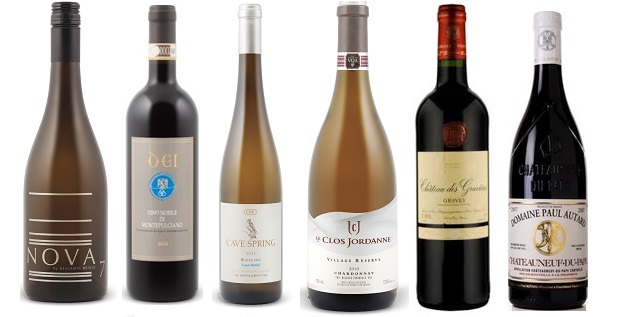
Benjamin Bridge Nova 7 2013, Gaspereau Valley, Nova Scotia (256289, $25.95, WineAlign)

From a bumper crop, there came to market 11,000 cases of this Nova Scotian feel good, faux-sparkling story. Winemaker Jean-Benoit Deslauriers’ Nova 7 dissimulation in bubbles is a true trick of the trade and though this white wine strikes as if it were a child of a warm vintage, there is a classic lightness of Rosé fizz being in its ever so slight effervescence. A singular wine in many hybrid incarnations, in Muscat ways, of pink Perle de Csaba, segmented and pressed for a sweet burst of grapefruit. It’s low (7 per cent) in alcohol, excellent in acidity, sweet and sour, citrus zesty, juicy and dry at the same time. Batch delineated and loyal to continence, though if the quantity creeps much higher that may come in to question. Grown up pink lemonade and so easy to consume.  Tasted June and July 2014  @Benjamin_Bridge  @jbdeslauriers

From left to right: Benjamin Bridge Nova 7 2013, Dei Vino Nobile Di Montepulciano 2010, Cave Spring Riesling Csv 2011, Le Clos Jordanne Village Reserve Chardonnay 2011, Château Les Gravières 2010, Paul Autard Châteauneuf Du Pape 2010

From left to right: Benjamin Bridge Nova 7 2013, Dei Vino Nobile Di Montepulciano 2010, Cave Spring Riesling Csv 2011, Le Clos Jordanne Village Reserve Chardonnay 2011, Château Les Gravières 2010, Paul Autard Châteauneuf Du Pape 2010

Dei Vino Nobile Di Montepulciano 2010, Docg, Tuscany, Italy (285510, $27.95, WineAlign)

The entry of Dei’s balanced Vino Nobile was very juicy but at the same time serious and brooding. At first rhythmic, tight and anxious, you couldn’t but help but feel the strong mocker of this Sangiovese. Iron, hard rocks, knocks and a day in medieval life. If it should be opened any time in the next five years it will require a rare fleshy partner and plenty of air time. Though there was nothing faint about it, with time it found a path to a crescendo and then changed chords. It sang like a bird for a verse or two, softened enough to open a window to its future and when it spoke “I went into a dream.” Finished with a piano bass note that droned on for nearly a minute.  Tasted June 2014  @LeSommelierWine

Cave Spring Riesling Csv 2011, VQA Beamsville Bench, Ontario  (566026, $29.95, WineAlign)

The 2011 issue is the driest, slate-driven, flinty Cave Spring Csv as it can ever be. Don’t be looking at its heart for richness and body but there is a wall of texture forged in stone. The Csv speaks “of everything that is alive in my blue world.” One taste and all goes electric, lights up and the orchestra begins to play. Turn the stone of this statuesque Riesling to drink in the long and true loyalty to ever fibre and fissure of its rocky being. Excellent. What more could you expect, or want?  Tasted June 2014  @CaveSpring

Le Clos Jordanne Village Reserve Chardonnay 2011, VQA Niagara Peninsula, Ontario  (33936, $30.00, WineAlign)

Winemaker Sébastien Jacquey’s “entry-level” Chardonnay currently resides in a bitten and certainly not shy mode. The 2011 is a Villages Reserve that is in a bit of a purgatorial place at the moment, closed down since its grand opening last summer. The rocks are speaking, as is the hubris of wood, but the fruit is up there, wafting in the proverbial wind. Let it blow and gather atmosphere, to return two or three years on, to reintegrate with the earthly elements and reform a convivial bond.  Tasted June 2014  @LeClosJordanne

Château Les Gravières 2010, Ac Saint-Émilion, Right Bank, Bordeau, France (257733, $36.85, WineAlign)

Highly concentrated, big berry crushed Saint-Émilion. Floral too and the fruits are exquisitely ripe and red. There is great tension and acidity. Crazy tannins. Exceptional wine but will need 15 years time to settle, integrate and play nice. Qualifies as the finest 14 per cent Bordeaux I’ve tasted in quite some time. A wild sense of mineral and animale climb on top. Highly ferric. Really fine.  Tasted June 2014

Paul Autard Châteauneuf Du Pape 2010, Ac, Rhône, France (380667, $49.95, WineAlign)

A refreshingly lithe and graceful 14.5 percent Châteauneuf Du Pape with every bit of richness necessary to fulfill its contract to typicity. Just a hint of both earth and animal musk, demanding tannin and more than its share of rocks and mineral give. A real winner for the vintage and in fresh air contrast to the gaining ridiculousness of extract and over-bearing alcohol-driven Rhônes. This might just be the bottle to reaffirm my waning faith in the region.  Tasted June 2014

Good to go!

A go long weekend wine list

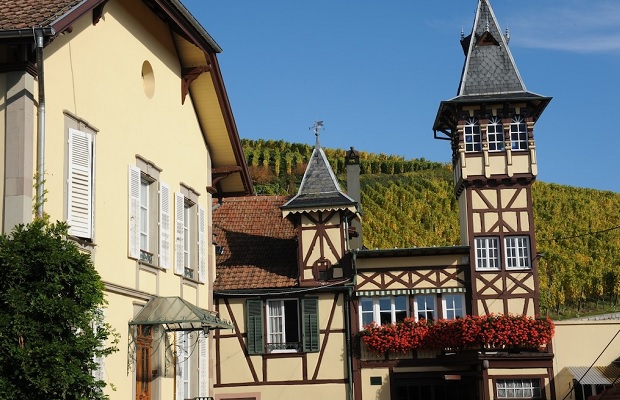
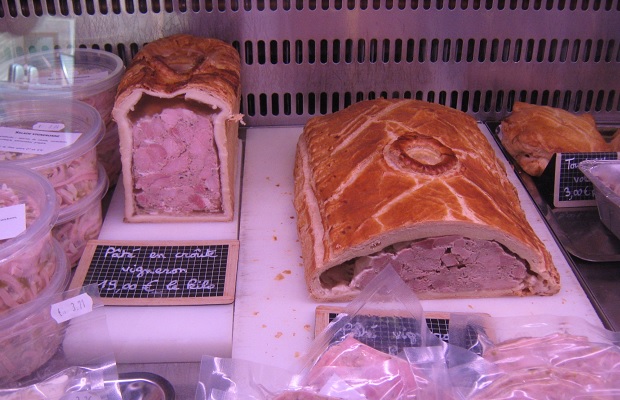
Pâté en Croûte, Niedermorschwihr, Alsace, France PHOTO: Michael Godel

Pâté en Croûte, Niedermorschwihr, Alsace, France
PHOTO: Michael Godel

The first long weekend of the 2014 summer is on the way. A fortuitous confluence of the calendar means a longer than usual respite from the tribulations of work, construction and city angst. Bottom line is with four straight days of nothing you’re going to need more wine. Last weekend’s VINTAGES release was filled with admiral and admirable choices, short on Canada’s finest mind you, but long on global composition.

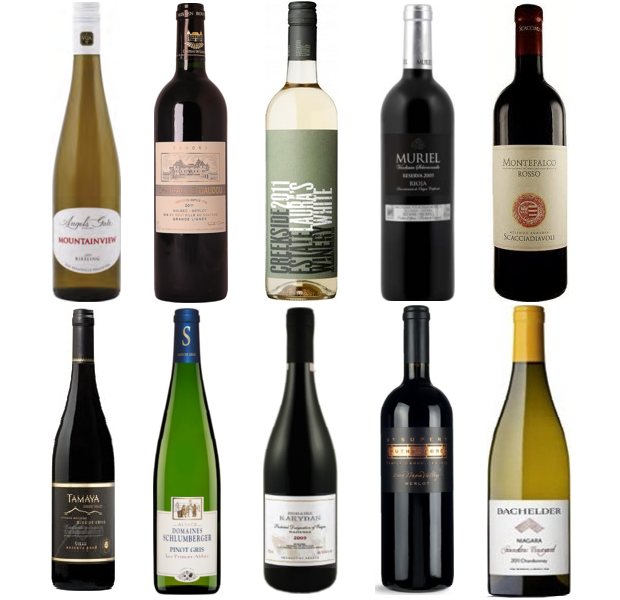
Here are ten wines tasted, reviewed and given the Godello stamp of approval.

Clockwise from left to right: Angels Gate Mountainview Riesling 2009, Château De Gaudou Grand Lignée Malbec/Merlot 2010, Creekside Estates Laura's White 2012, Muriel Reserva 2008, Scacciadiavoli Montefalco Rosso 2009, Tamaya Syrah Gran Reserva 2011, Domaines Schlumberger Les Princes Abbés Pinot Gris 2011, Domaine Karydas Naoussa 2009, Bachelder Saunders Vineyard Chardonnay 2011, St. Supéry Rutherford Merlot 2010

Clockwise from left to right: Angels Gate Mountainview Riesling 2009, Château De Gaudou Grand Lignée Malbec/Merlot 2010, Creekside Estates Laura’s White 2012, Muriel Reserva 2008, Scacciadiavoli Montefalco Rosso 2009, Tamaya Syrah Gran Reserva 2011, Domaines Schlumberger Les Princes Abbés Pinot Gris 2011, Domaine Karydas Naoussa 2009, Bachelder Saunders Vineyard Chardonnay 2011, St. Supéry Rutherford Merlot 2010

Angels Gate Mountainview Riesling 2009, VQA Beamsville Bench, Niagara Peninsula, Ontario (373175, $16.95, WineAlign) From the VINTAGES June 21, 2014 release

Riesling that could dry tears. Just seems to write the Bench book. Dry and drier, numb and number. Though hard to see past the stark aridity there cries and froths forth a spirited and significant citrus zest.  A Riesling to be told, “don’t tell me you don’t know the difference, between a lover and a fighter.” The cry lingers for a Costello verse or three, then tiptoes away in everyday refrain. Drink up.  Tasted May 2014  @angelsgatewines

Château De Gaudou Grand Lignée Malbec/Merlot 2010, Ac Cahors, Southwest, France (370239, $18.95, WineAlign) From the VINTAGES June 21, 2014 release

This southern French ArtPop blend of Malbec and Merlot will sell through a boat load of bottles if the post-modern palate gets a hold of its velvety crush and ambient oak overture. Decidedly more Malbec than Merlot in approach though the latter does offer softness and dusty grain. Wood spice and tobacco are fervent and ardent suppliers of good, peppery fun. A red meat, outdoor grill wine if there ever was one, its aridity only eclipsed by its ladylike modernity. If it went deeper toward le zone des buts it would merit more applause. As it is, geeks, critics and pop culture freaks will go gaga for it.  Tasted May 2014  @wineonline_ca

Creekside Estates Laura’s White 2012, VQA Niagara Peninsula, Ontario (121764, $18.95, WineAlign) From the VINTAGES June 21, 2014 release

With a tilt of the head to 90 degrees the bottle is assessed and the glass contemplated. She’s a flirt, a gregarious girl this Laura, so orchard driven and with a perfumed attraction. From my earlier, February 2014 note: “Laura’s White combines Sauvignon Blanc, Pinot Gris, Chardonnay, Riesling and Gewürztraminer in a kitchen sink blend that sees a bit of oak. What’s notable about the ’12 is the omission of two highly aromatic components, the previously employed stalwarts Viognier and Chardonnay Musqué. The adage is justified in that you take what the vintage gives you. If it gives you lemons, (shift tangents) you let the busy aromatics of more flavourful grapes (like Chardonnay) do the floral work. Laura’s ’12 will be a standout for the concept, a revivalist blend to help bring back some religion to the region’s renditions. Coming to VINTAGES in June.” Last Tasted May 2014  @CreeksideWine

Muriel Reserva 2008, Doca Rioja, Spain (276030, $19.95, WineAlign) From the VINTAGES June 21, 2014 release

Call it tradition or simply forget the pleasantries and call a Bret a Brett. This old-school Tempranillo oozes character and the vineyard layering of a quilted past, never mind that it’s such an inexpensive young stud. Big, ripe red fruit, the stable’s terra mierda and iron rust. If you like a funky red with coarseness and a bit of age under its saddle, not to mention a penchant for the past, then this Rioja is for you.  Tasted May 2014

Scacciadiavoli Montefalco Rosso 2009, Doc Umbria, Italy (372458, $21.95) From the VINTAGES June 21, 2014 release

Rockin’ it old school goes this Montefalco with more terroir than fruit, more vine earth than crush. Great spice, old wood notes, licorice and stretched bitterness. A gritty, coarse, fun and combative wine. If there are fruits they are very red. Such tension. Great value.  Tasted May 2014

Tamaya Syrah Gran Reserva 2011, Limari Valley, Chile (374306, $21.95) From the VINTAGES June 21, 2014 release

Sweet candied bacon and cool mountain scents. Salinity, tight and wonderful. Big, brawny, minty mountain herbs and greenery. Tobacco. Complex.  Tasted May 2014

Domaines Schlumberger Les Princes Abbés Pinot Gris 2011, Ac Alsace, France (21253, $22.95, WineAlign) From the VINTAGES June 21, 2014 release

Always exceptional value in Pinot Gris, picked on time and before any real discernible level of botrytis can set in. While it would never be considered truly dry, the round white tannins and salinity from volcanic subsoil in Schimberg’s Guebwiller valley give this bottling good structure, density and muti-national flavours. This vintage seems a bit softer though it is never a high acid monster. Juicy orchard fruit leading layers of flesh and zest grow better with time and develop a sweetness which stems from the purity and quality of the fruit.  Tasted May 2014  @VinexxCanada

Domaine Karydas Naoussa 2009, Dop Naoussa, Greece (272013, $26.95, WineAlign) From the VINTAGES June 21, 2014 release

Spicy Xinomavro, a veritable bonfire of Greek humility and good fortune in cinnamon, clove, anise, wood-spice, wood smoke and tobacco. Intriguing and worthy of its place. Not a young fresh red fruit-styled Xino but more so a deeper, earthy and smouldering one. A touch of matchstick and even more campfire. Great acidity and wow length. Yes sir.  Tasted May 2014  @KolonakiGroup

Bachelder Saunders Vineyard Chardonnay 2011, VQA Beamsville Bench, Niagara Peninsula, Ontario  (324103, $44.95, WineAlign) From the VINTAGES June 21, 2014 release

Yet another look at the Saunders ’11 confirms its tapestry of texture and its density. A Boulangerie’s roll of perfect, flaky puff pastry filled with a honey drizzled nougat and marzipan filling. Very bright, full-on sunshine driven Chardonnay. From my earlier February 2014, November and July 2013 notes: “Saunders is quiet right now, in cool waiting and in display of the most elegance I’ve encountered from any Bachelder Chard, at anytime, anywhere. Background spice, backing vocals are in the isolated spotlight. This I am keying on as much as any note, in any wine here tonight. Not giving it up as easy as before. Extra swirl time required. Will re-visit in the summer. Right, Thomas? From my earlier July and November 2013 notes: “From Beamsville, right beside 30 bench, has a texture, a depth and a mouth feel in ’11 that bounds and leaps towards the ethereal. A dancing stag, displaying, performing a mating ritual dance. Melons, ripe and fleshy are in this Saunders. “What’s carrying this wine is site, site and site.” A great clay slice of the Beamsville Bench. From my earlier note: ”Takes the baton from Wismer ’10 in a transfer of power, tension and excitement. Clarity of textural fruit is driven by Beamsville Bench clay-silt soil. Highly dependent on yeast chains, sticking, spreading and expanding. Savoury, buttered stones show negligible encumbrance due to vines that will not carry an excess of new oak.”  Last Tasted May 2014  @Bachelder_wines

St. Supéry Rutherford Merlot 2010, Napa Valley, California, USA (376939, $58.95, WineAlign) From the VINTAGES June 21, 2014 release

Enormous Merlot in sonic youth, pushing ripeness boundaries but with so much natural fighting and balancing acidity. If you like dusty, cake-layered, oak oil-sweating, sweetly viscous bleeding Merlot, well, this is for you. It has all the stuffing with its huge fruit and big acidity, not to mention formidable tannins. Imbued in “shards of sweet shine of voice and flute.” This will go long, something like 20 years, into a dripping dream, slowly and gracefully integrating its largesse, all the while being generous for all that time.  Tasted May 2014  @StSupery


Good to go!

Down on the Ornellaia

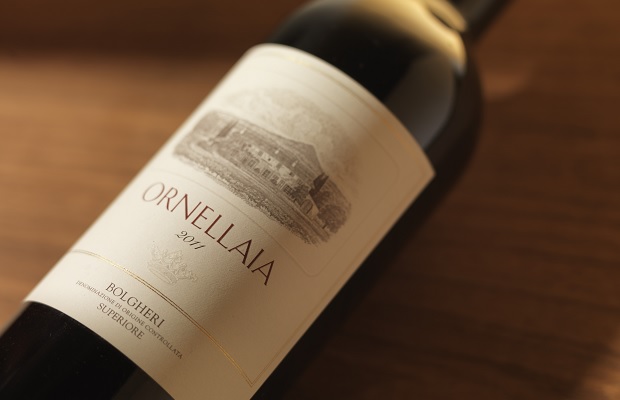
Ornellaia 2011 PHOTO: http://www.ornellaia.com/

Ornellaia 2011
PHOTO: http://www.ornellaia.com/

It’s no secret the heart’s soft spot will gladly make room for fine and expensive wine, but not all will walk through that open door. Much Bordeaux intimidation vicariously hectors by way of outlandish collusion in en primeur dictation and so hardens the arteries. Though less so, the Burgundy intimidation relegates the lesser earthling to hide, cower and tense up in circulatory distress. Champagne can be quite kind. Even more so is the Bolgheri.

Tenuta Dell’ornellaia is the benchmark for Super Tuscan solicitude. It pours with pleasure. It reminds us of what was once good and approachable in the pretentious and obnoxious world of expensive wine. It resembles its patriarch, a man who comes to Toronto as a patron of the arts and as a steward of his wine’s goodness.

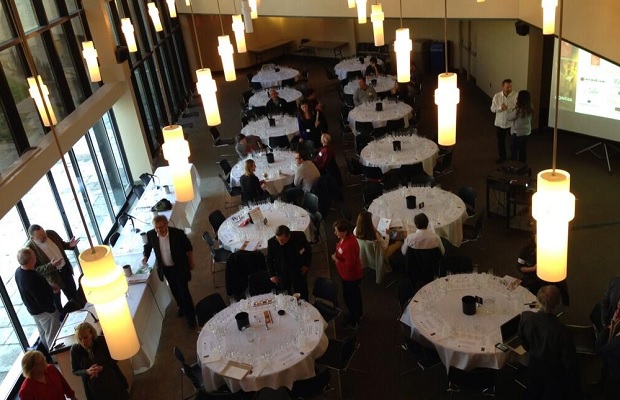
After tasting through mind-altering back vintages of Ornellaia I am typing away on my laptop in the Art Gallery of Ontario where the Marchesi de’ Frescobaldi and winemaker Axel Heinz are generously sharing their wares with a group of journalists, sommeliers and restaurateurs. Ferdinando leans over on a knee, like Brando in the garden of the grand film and smiles at me. “Perché non mangi?” he asks. “Si accende, anche una piastra. Si prega, si mangia.” I may as well be in his home, in Tuscany, in his kitchen, snacking on formaggi. But I am in Toronto and contemplating $1000 worth of exceptional red wine.

One of the softest spots is for Ornellaia. It’s a gorgeously perfumed principessa. Both the previously tasted and reviewed 2010 and 2009 perpetuate the notion.

Related – Holiday wine gems hit November shelves and The Best Wine Releases of 2012

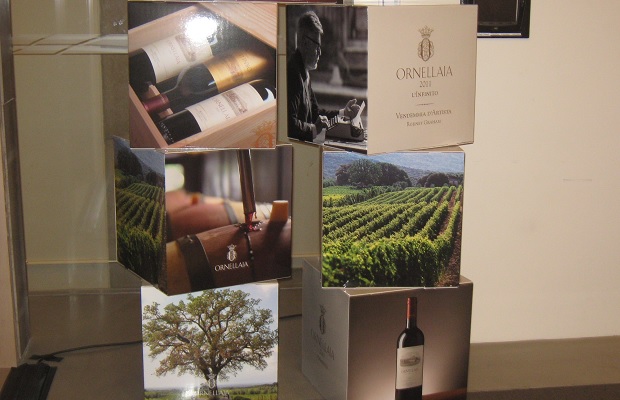
Facilitated by Authentic Wines and Spirits and Sherry Naylor and Associates, the Marchese Ferdinando Frescobaldi and Mr. Giovanni Geddes da Filicaja came to represent Ornellaia for a vertical tasting presented by Axel Heinz. The visit coincided with the 2011 vintage and its association with “Vendemmia d’Artista.” Beginning with the 2006 vintage, the Estate launched the special art project, purposed to celebrate the unique character of each new vintage matched by an artist’s interpretation of that vintage.

Vendemmia d'Artista

Vendemmia d’Artista

For 2011, the “Infinity” character or “L’Infinito” was interpreted by Canadian born artist Rodney Graham. Graham created a work of art and a series of exclusive labels for large format bottles. Each one individually signed and numbered and adorned 100 3-litre Double Magnums, 10 6-litre Imperials and a unique 9-litre Salmanazar. An auction was held at the AGO and raised $126,000 for the institution.

There are vertical tastings and then there are vertical tastings that bring you up. One such as this makes just cause to say I am down on Ornellaia. “People come from all around to watch the magic boy…Bring a nickel, tap your feet.” Here are my notes on the Ornellaia wines tasted at the AGO.

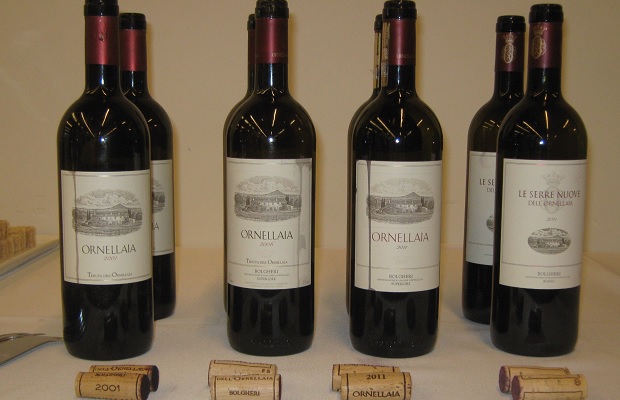
Ornellaia Vertical

Ornellaia Vertical

Le Serre Nuove Dell’ornellaia 2011, Doc Bolgheri Rosso, Tuscany, Italy (606194, $59.95, WineAlign)

Produced since the 1997 vintage, from younger vines and with the intent to produce a ripe and approachable wine. Agefd in barriques (25 per cent new and 75 per cent one year-old). Left for 15 months though assembled after 12 and returned for the last three. The practice induces settling and approachability. Cleary focused with an Ornellaia intent, with the goings on of deep, dark fruit and dusty hedonistic, mulberry fruit. Not quite the Da Vinci muscled cherub that is the big brother renaissance wine, but still the Serre Nuove can’t help show an uncanny resemblance as a younger sibling to Ornellaia. Rich, vanilla mocha, thick and mildly tannic. A three to five-year full-on gamut of pleasure awaits.  Tasted twice, October 2013 and June 2014

Ornellaia 2011, Doc Bolgheri Superiore, Tuscany, Italy (SAQ, 11973238, $189.25, LCBO, 722470 (2010), $189.95, WineAlign)

The blend of the 2011 Rosso Superiore is Cabernet Sauvignon (51 per cent), Merlot (32), Cabernet Franc (11) and Petit Verdot (6). From a near-sweltering vintage, tempered by a cooling spell in June and July. The late August heat spike brought on early ripening which explains the intense aromatic waft that fills the AGO’s tasting room air. Though following the same (post 12-month) assemblage and return to barriques for a further six months, the richesse in fruit quality and 70 per cent new oak envelopes this ’11 with so many structured layers there remains many years to see where it will go. The rose petal meets violet florality can elicit no parochial parallel, the anxiety in hematological ooze neither. A consideration of the phenolic exceptionality follows suit. Chalky tannins follow chains in a world spinning ’round in lush circles. This is the reference point for such assemblage in Bolgheri. The breakdown will not begin for a minimum 10 years and evolution will continue comfortably, gently and effortlessly for 15-30 after that.  Tasted June 2014

Ornellaia 2006, Doc Bolgheri Superiore (722470, $189.95, WineAlign)

The blend of the 2006 Rosso Superiore is Cabernet Sauvignon (56 per cent), Merlot (27), Cabernet Franc (12) and Petit Verdot (5). Tasting its not yet developed charms, what is most clear is its strength and vigor. A different Ornellaia, with perfect conditions to ripen Merlot and Cabernet Franc so that their characters have combined to speak their peace. Rolling huge but cool, mint-spiked, black currant and stone emotions come across the aromatic profile. Those right side of the river brain varieties and the Cabernet Sauvignon dominant fruit were clearly all picked at such levels of ripeness as to put the ’06 at harmonious level of sugar, alcohol and rich fruit likely never before seen from this grand vin. The ’06 was fashioned with each vineyard block fermented separately, for a total of 66 different base wines. “So stealthy, so animal quiet,” give this Ornellaia 15 more years of time and it will come to your emotional rescue. It will whisper in a falsetto voice, “I’ll be your savior, steadfast and true.”  Tasted June 2014

Ornellaia 2001, Doc Bolgheri Superiore (Agent, $189.95, WineAlign)

The blend of the 2001 Rosso Superiore is Cabernet Sauvignon (65 per cent), Merlot (30) and Cabernet Franc (5). Though strange to say and admittedly a retrospective comment, the minute quantity of Cabernet Franc and not yet inclusion of Petit Verdot result in a more straightforward and not as heavily layered Ornellaia. The structure is more linear and understandable, the fruit not as variegated. Complexity and Tuscan spiritualism are not compromised by the Cabernet Sauvignon and Merlot dominant line, in fact, assessing the evolution at 13 years on reveals the Bolgheri terroir in ways the magnanimous and opulent more recent vintages just don’t reach. There is a refreshing acidity in this young and developing ’01 in a streak that again, the baby Superiore do not seem to possess. This is a striking Ornellaia, a wine that would work with exceptional cuisine of varied cultures. It can be enjoyed now and will respond with grace and thanks for 30 plus years more. Tasted June 2014

Good to Go!


New fizz on the Brock

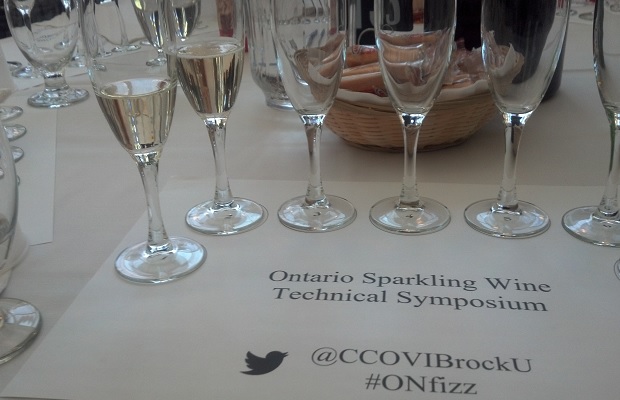
Brock U. CCOVI Sparkling Wine Technical Symposium Photo: http://brocku.ca/ccovi/

Brock U. CCOVI Sparkling Wine Technical Symposium
Photo: http://brocku.ca/ccovi/

The Ontario Sparkling Wine Technical Symposium. Like a Trekkie convention for oenophiles. To a wine geek it was eight hours spent searching for the meaning of life. To a consumer who just likes to drink it would have been time lost forever with no chance to get it back. The Brock University Cool Climate Oenology & Viticulture Institute’s Pond Inlet was the setting. The presentations were very technical, that is until Dr. Jamie Goode took the podium and breathed context into the room.

According to the LCBO, in 2013, sales in Vintages of VQA sparkling wine were up 59.2 per cent from 2012 sales data. In Canada there are 36 wineries producing sparkling wine and that number is growing. As it should.

The abstruse conditions of the #ONfizz event set the table as a vocational assurance draw for Ontario winemakers, viticulture and viniculture research specialists. Seated at my table were a butcher, a baker and a candlestick maker. That should be loosely translated as a scientist (Dr. Jim Willwerth), a product manager (LCBO’s Ontario expert Astrid Brummer) and two winemakers (Hinterland’s Jonas Newman and Gaspereau Vineyards’ Gina Haverstock).

Brock’s Dr. Debbie Inglis introduced Bertrand Robillard, Ph.d., Director of Research and Development at the Institut Oenologique de Champagne. Before getting to the subject at hand, on disgorging, gushing and foaming, he first laid an open attack on beer. “The form is always better in a crystal glass,” insisted Robillard. For Champagne. Not beer. “That’s just false. It’s just appearance. People in Champagne do not appreciate this kind of resolute,” comparing the pouring of Champagne to beer.

Then on to Sparkling wine’s integral and necessary marketing draw. Bubbles. “No dishwashing,” begged Robillard. “It’s a very efficient way to kill the foam.” By principle, to have foam you need bubbles. It’s all about stabilizing the foam. High ethanol (five per cent) in fizz is good content for foam stabilization. CO2 (protein concentration and polysaccharides) all contribute to stability.

So why do the bubbles collapse? Why do they not make it from the centre to the wall of the glass? Why is a hole in the middle created and the bubbles fall into the hole and disappear? The answer is gushing. A “shameful disease” that can be considered as a disequilibrium between foam formation and foam collapse. Bubbles cannot exist if their radius are less than 0.1 microns, or they will dissolve into the wine. Bubbles are detached when gravity forces are higher than capillary forces.

The conclusion? Surface area and CO2 are the driving force behind gushing. Contaminations inside the wall of the bottle must be eliminated. Oxygen heterogeneity is essential, even more so more than CO2 and sugar. The news that there is no relationship between wine composition and gushing means winemakers can make the Sparkling wine style of their choosing. The representative from Champagne said so.

Next up was Ed Carr, Sparkling winemaker, Accolade wines in Australia. Carr plies his trade in Tasmania. Not the Tasmania of The English Passengers full of exiled convicts, invading Brits, sinister men like Dr. Thomas Potter and his thesis about the races of men. No, Carr makes bubbles on an island quickly becoming a (vinous) garden of Eden, known to a heroic aboriginal and envisioned by Reverend Geoffrey Wilson. Carr explained the company’s choice of locale. “These (cold and mostly maritime influenced climate) numbers are a gross simplification of what the world is really like, but this is why we went to Tasmania, looking at that 1000 number for heat degree days.”

On spacing: “The guy growing your vines is likely using the same tractor to grow spuds.” On vineyard management: “Lots of leaf plucking done, bunch thinning…canopy management is key. Supplemental irrigation a must.” On Sparkling wine stylistic choices: “Oxidation is a big thing, a real style choice. Chilling picked fruit reduces phenolic extraction and oxidation but also reduces fruit.”

On flaws: “Brettanomyces I refer to the ‘black death of Europe’ for wine. The little buggers love sulphur dioxide conditions. Residual sugar left in the bottle on the way to second fermentation helps the yeasts on their way. Rapid ferment and as dry as possible is the way to go.”

On closures: “I don’t really think you apply screw cap closure trials from still wines to sparkling. It does not translate to the reductive character of sparkling. We primarily believe in the use of traditional cork, with some agglomerate closure usage.”

Third speaker was Larry Mawby of Michigan’s Leelanau Peninsula L. Mawby Vineyards. “The thing that I realized was negatively impacting on my ability to make good sparkling wine was the fact that I wasn’t just making sparkling wine.” The response from Hinterland’s (Prince Edward County Sparkling wine maker) Jonas Newman. “I like his style.” I can hear you thinking, Sparkling wine in Michigan? More than this. Mawby makes 21 different renditions, with the usual suspects, Chardonnay and Pinot Noir, in traditional ways. He also goes at it Charmat-style with Riesling, Pinot Gris and Vignoles. Not to mention Cayuga, Vidal, Regent, Marechal Foch and Muscat in the Cuve Close method.

Continued Mawby, “in this century we’ve made nothing but sparkling wines.” During the terrible winter of 2003 there were temperatures of 45 degrees (Fahrenheit) and below. “Killed any vine not beneath the snow. I panicked.” So Mawby added his ‘Cuve Closed’ a bulk production, Charmat-style sparkling wine. On the technicalities of making fizz: “I don’t believe the chemistry of fruit should be your guideline. What does the fruit taste like?” On varietal integrity: “Almost nobody on the planet buys Sparkling wine based on grape variety.”

Jamie Goode, Ph.D., London-based wine writer (www.wineanorak.com) and wine columnist, The Sunday Express talked on wine closures and purchaser perception of local, national and international sparkling wines. Mostly he spoke about incontestable truths.

On closures: “Traditional is best but the Mytik in an excellent alternative.” It now closes 192 million of 6 billion bottles. The Crown Cap? “Yes, why not? It’s recognizable, like beer and comfortable. With the right liner it’s OTR transmission is very acceptable.” Dr. Goode’s closure talk resulted in some wine writer comedy.

On the world’s most famous fizz: “Champagne can be wonderful, but there’s some ropey stuff coming to the UK. With Champagne, your expectation is everything.” On Cava, “People don’t really like it. It’s made in the traditional method and it should be a really good product but it’s trying to be something it’s not.”

On vintage dated bubbles, Goode spoke from an unequivocal marketing perspective. “People don’t really care about vintage.” On the emerging Canadian and British sparkling wine industries. “Do English or Canadian wines need a special name?” No.”

On the now-universal nomenclature: “Sparkling wine has become an accepted one, not a pejorative one.” Goode’s perspective is always fresh, nearly cynical and full of truth. On leaving the country he bade farewell with thanks.

Participants also had the opportunity to taste two sparkling wine research trials that are currently underway at local wineries as well as a comparative blind tasting.  The blind tasting presented a selection of local and international Sparkling wines and Champagnes and was moderated by Jamie Goode.  The three flights featured Blanc de Blancs, Cuvée/blends and alternative varieties. Thank you can never be said too many times to Barbara Tatarnic, Magdalena Kaiser-Smit and Trisha Molokach for their generosity in invitation and unwavering hospitality. I am always humbled to be included in their warm world of wine.

I will admit that I would have liked to see more Ontario representation in the flights, as well as at least one example from both British Columbia and especially Nova Scotia’s Gaspereau Valley. With that emerging region and vintners like Benjamin Bridge and Gaspereau Vineyards on the Sparkling stardom stage/horizon, including their wines would have upped the complexity factor tenfold. Not to mention something British. New York State’s Finger Lakes (Chateau Frank Célèbre) and North Fork of Long Island’s (Sparkling Pointe Brut Seduction) should definitely be players in the next #ONfizz symposium.

Brock University CCOVI Sparkling Wine Technical Symposium

Brock University CCOVI Sparkling Wine Technical Symposium

Sparkling Wine Trial Tasting – Unfinished samples from Trius Wines

  1. Trius Base on lees two years. Chardonnay (70 per cent), Pinot Noir (25), Pinot Meunier (5). Each (cane sugar) dosage was 20 mL towards an end of 8 g/L of residual sugar. Barrel fermentation and barrel aging leans this towards an oxidixed style. Arid, high in citrus and high-toned oak character.
  2. Blanc de Noirs 2009. Left on the lees for four years. Use of cane sugar. Less giving and resolute in micro-wood spice. This sample is from the oldest (sparkling) wine in their cellar.
  3. From the Trius Brut wine. Dosage again with cane sugar. Acts the most polished and finished, the most accomplished. This is the rock and the anchor.

Comparative Blind Tasting – Flight 1: Blanc de Blanc

Family Estate Cuvée No. 1 Blanc De Blancs NV, Méthode Traditionelle, Marlborough, New Zealand (56358, $34.95, WineAlign)

The sample poured at the OSWTS was unfortunately corked but here was my previous review: “Aromatic rhetoric would argue this Marlborough bottle of bubbles is a ringer for classic Blanc de Blancs. Promises pleasure and class from the first whiff. Decidedly lemon citrus tight and stony until an herbal, splintered, stemmy tarragon balm takes over, rendering the wine more of its place than what it tries to emulate. Still, a really terrific effort.”  Tasted November 2013  @oenophilia1

From left to right: L. Mawby Vineyards Blanc de Blanc Chardonnay NV, Cave Spring Blanc De Blancs Brut, Henry Of Pelham Cuvée Catharine Carte Blanche Blanc De Blanc 2008, Drappier Signature Blanc De Blancs Brut Champagne, House of Arras Blanc de Blancs 2004

From left to right: L. Mawby Vineyards Blanc de Blanc Chardonnay NV, Cave Spring Blanc De Blancs Brut, Henry Of Pelham Cuvée Catharine Carte Blanche Blanc De Blanc 2008, Drappier Signature Blanc De Blancs Brut Champagne, House of Arras Blanc de Blancs 2004

L. Mawby Vineyards Blanc de Blanc Chardonnay NV, Michigan, USA (winery, US $23)

Like distilled white Swedish berries high on acidity. Herbal, tight, gainful simplicity. Pear ciderish and clear as a cool climate bell.  @mibubbly

Angels Gate Archangel Chardonnay Brut 2011, VQA Niagara Peninsula, Ontario (227009, $21.95, WineAlign)

A not so dry (9.8 g/L residual sugar) stylistic choice leads this angel to sparkling late harvest territory with ripe orchard fruit that buzzes with terpenes, surface bruises and slight oxidized notes. The archangel rolls over a knife’s edge and sits too long in the sun but it’s neither cut nor cooked. There is beauty in its 90’s big hair, big sound and you might tell her that “tears drop like diamonds from your golden eyes.” There’s yet a spring in her step and a hay note from afield.  Tasted May 2014  @angelsgatewines

House of Arras Blanc de Blancs 2004, Tasmania, Australia (winery, $80 AUS)

Big barrel oak influence leaves splinters in the mouth, albeit gentle and dissolvable ones. Creamy and chalky like ice cream made from tea. Not much yeast and biscuit activity as it’s all about fruit and barrel.  @AccoladeWinesAU

Cave Spring Blanc De Blancs Brut, VQA Niagara Escarpment, Ontario (213983, $29.95, WineAlign)

The freshest style of the #ONfizz B de B flight. Fruit, escarpment bench stone layering, richesse, biscuits and toast are all in. Acidity meets complexity. From my earlier, December 2012 note: “Sees no malolactic fermentation and sits at the top end of dry (12-14 dosage). Most of the fruit is 2008, despite the NV designation. A soda fountain of argon and nitrogen bunsens forth through clean lines and carries an entire cider house orchard of Spartan apple. This one certainly hints at Champagne-like characteristics, of brioche and toast. The apples never relent.”  Last tasted May 2014  @CaveSpring

Drappier Signature Blanc De Blancs Brut Champagne, Ac, Champagne, France (599860, $46.95, WineAlign)

Here showing a bruised apple note with the lees and PH on steroids. Fruit seems to be in from a less than stellar vintage and so the lack of consistency is disappointing. “It’s a style,” says Jonas Newman. “He’s a natural wine guy.” NV Champagne needs aggregate scoring so my 90 comes down. From my earlier, April 2013 note: “Continues a VINTAGES string of excellent value in Champagne releases. Made from 100% Chardonnay, this BdB is pronounced in , yeasty dough definition, hinting at agave and unwashed cheese rind. Where there’s bubbles there’s a way and I like where this one is going. The agave replays in sweet waves, as does the sour in faint yet discernible sloshes. Much to contemplate in this NV sparkler.” Last Tasted May 2014

Henry Of Pelham Cuvée Catharine Carte Blanche Blanc De Blanc 2008, VQA Short Hills Bench, Niagara Peninsula, Méthode Traditionnelle, Ontario (315200, $44.95, WineAlign)

Rocks the driest end of the free world Blanc de Blanc spectrum. Lets carte blanche reign in a taut style and reeks of a minimum four years of autolytic lees activity. In that sense it loses some of its sense of place, in Catherine’s case that Short Hills Bench clay-silt-loam-gravel agglomeration. The soil composition usually brings vigor and richness to Chardonnay but here as a sparkling wine the sensation is of citrus soaked concrete. Racy bubbles of intensity that do not quite match the weight and elegance of the 2007.   @HenryofPelham

From left to right: Château Des Charmes Brut Méthode Traditionnelle, Fielding Estate Brut NV, Cattier Brut Premier Cru, Tarlant Brut Reserve Champagne, House of Arras Rosé 2005

From left to right: Château Des Charmes Brut Méthode Traditionnelle, Fielding Estate Brut NV, Cattier Brut Premier Cru, Tarlant Brut Reserve Champagne, House of Arras Rosé 2005

Comparative Blind Tasting – Flight 2: Blends

Fielding Estate Brut NV, VQA Niagara Peninsula, Ontario (winery, $34.95, WineAlign)

An impressive debut for winemaker Richie Roberts and team. This is a classic Chardonnay (55 per cent) and Pinot Noir (45) cuvée from Fielding’s Tufford Road vineyard. A surprisingly rich example, toasty and with a sweet meets sweaty, minty-herbiage. A primer for even greater vintages (this is essentially 2009) to come, where the focus will be more on yeast fielding to citrus and less about yielding to a non-metallic elemental finish.   @FieldingWinery

L. Mawby Vineyards Talismon NV, Michigan, USA (winery, US $37)

Tasted blind this strikes out as heteromorphic fizz from less than charted territory (like Michigan) with juicy, hybrid acting histrionics. Though it’s actually a blend of Pinot Noir, Pinot Gris and Chardonnay it lacks vinifera varietal complexity. The fruit is clear and fair but the méthode champenoise brings no enzymatic or citric display.

Tarlant Brut Reserve Champagne, France (325167, $43.95, WineAlign)

Here is a cuvée of égalité that combines one-third each Chardonnay, Pinot Noir and Pinot Meunier. Like the varietal make-up, these slightly reductive yet elegant bubbles offer up thirds of brioche, toast and demi-glacé. Fashioned from the 2006 harvest with reserve wine added and aged in oak. Chic and affordable but in no shape or form a knock off of the real deal. There’s a theoretical Champagne void within filled with citrus, sharp ginger and pungent spice. Blessed with unmatched length as compared to the others in the #ONfizz cuvée flight.

House of Arras Grand Vintage 2004, Tasmania, Australia (winery, $60 AUS)

“A polarizing wine,” notes winemaker Ed Carr. Full of savoury, herbal notes but also the unmistakable scent of that other white meat. The cure is indeed a porcine one, sweating in a hung game way, which gives this fizz such an old-world, old cellar quality. A slow (spring) malolactic evolution in barrel gives this (65.9 percent) Chardonnay and (34.1) Pinot Noir its silky, milky feel. Good to even better than good length.

Cattier Brut Premier Cru, Champagne, France (325720, $44.60, WineAlign)

This is really bitter, in a really good way. The nobility in brine is likely a result of whole (non-separated) bunch pressing, the Pinot Noir skins impart giving the fruity must its resident bitterness. A highly distinctive style of high caste and longevity, composed of Pinot Meunier (45 per cent), Pinot Noir  (35) and Chardonnay (25). As deep as any tasted at #ONfizz 2014.

Château Des Charmes Brut Méthode Traditionnelle, VQA Niagara On The Lake, Ontario (224766, $22.95, WineAlign)

Chardonnay (75 per cent) and Pinot Noir (25) at an attractive price. Attacks with a gently cloying, weeping sweetness, string-bending terpenes and fades out with a savoury, bitter finish. Light, approachable and wide-reaching style. Bubbles with broad appeal.   @MBosc

House of Arras Rosé 2005, Tasmania, Australia (winery, $60 AUS)

The composition here is Pinot Noir (62.5 per cent) and Chardonnay (37.5) from pickings in Lower Derwent, Upper Derwent and the Houn Valley. Emerges out of a year where warmer temperatures coaxed an increase of richer fruit from the rounder and fatter white grape. Good lees effect (seven years) in 2005 and also a balmy tarragon accent atop strawberry, verging to cherry fruit. Finishes with expert balancing acidity, this fizz trumps its Blanc de Blanc and Grand Vintage sistren at this tasting.

From left to right: Hungaria Grande Cuvée Brut, Girls' Night Out Sparkling, Giusti Brut Prosecco Asolo, Brédif Brut Vouvray NV, Hinterland Ancestral 2013

From left to right: Hungaria Grande Cuvée Brut, Girls’ Night Out Sparkling, Giusti Brut Prosecco Asolo, Brédif Brut Vouvray NV, Hinterland Ancestral 2013

Comparative Blind Tasting – Flight 3: Alternative Varieties

Trius at Hillebrand Sparkling Sauvignon Blanc 2009, VQA Niagara Peninsula, (winery, $35.20)

Spent 12 months ageing ‘sur lie’ in the estate’s underground sparkling caves. Winemaker Craig McDonald comments to the negative effect of light on bubbles. “Light strike causes a serious reaction on sparkling wine.” Here a mephitic aroma should likely be attributed to reduction or the beam of sunlight blanketing the room. There is a resinous salinity to this SB that does not want to blow off. Needs to be revisited from 2015 to 2018.

Green Extra-Sec by M. Lawrence, Michigan, USA (winery, $15)

The Green is part of Larry Mawby’s colourful, sexy and artfully named M. Lawrence investigation into the diversity of Sparkling wine. Absurdly dry, this put together Vidal and Cayuga concept is all about musky grape dehydration. Its cool climate constitution rescues the fruit to rehydrate and act like an orange picked straight from the greenhouse tree. There’s a malic medicinal tone that buries the sweet (17 g/L residual), resulting in a tart, low in alcohol, unwoven bottle of slim bubble.

Girls’ Night Out Sparkling, Ontario VQA, Ontario, Canada (215632, $14.95, WineAlign)

Here is a modest and useful 100% Riesling, Charmat Method, Cuve Close bottle of fizz from Lake Erie North Shore producer Colio Estates. With a residual remainder of nearly 20 g/L it falls into the off-dry category with aromatic notes that stroll directly through Ontario orchards. Tasty, easy to enjoy and smelling peculiarly like bubble gum. Well-made, good quality bubbles nouveau.

Giusti Brut Prosecco Asolo DOCG, Veneto, Italy (agent, $20.99, WineAlign)

A 100 per cent Glera, from Veneto’s Montello and the Asolo hills. As per Giusti’s description, this definitive Prosecco is “appropriately evanescent, with fine and lingering perlage.” Though reserved on the nose, the palate is very lively. A case in point for any aridity-driven examples to follow.

Brédif Brut Vouvray NV, Loire, France (352179, $20.95, WineAlign)

A touch yeasty, with citrus and large bubbles. Good verve, complex palate with a Champagne bent, or at least a toasted sentiment. From my earlier, November 2013 note: “Arid, frothy and fitful, atomically speaking. White peach and preceding spring flowers. Charcoal rubbed, also clean and fine. Sparkling Chenin Blanc done right.”  Last tasted May 2014

Hungaria Grande Cuvée Brut, Hungary (619288, $12.25, WineAlign)

A more than interesting set of aromatics define and drive this blend of Királyleányka Rizling (Rhine Riesling), Pinot Noir and Chardonnay. A stinky, reductive twang is joined by peach, rubber, pencil, duff and sandy sediment. Although the palate is a bit dullish with a taste of wet concrete there thickens a liqueur-like viscous texture to win sweet hearts. Would win even more were the residual (9 g/L) even higher.

Hinterland Ancestral 2013, Prince Edward County (winery, $25, WineAlign)

Released back in October of 2013, the Ancestral is what Hinterland’s Vicky Samaras refers to as the “unicorn” or the “babymaker.” This is Gamay Noir in postal service of the ancient process known as méthode ancestrale. Fermentation, which produces the carbon dioxide, occurs in the bottle and lees disgorgement is skipped. Hinterland’s Ancrestral brings sweet currant jelly, strawberry and mint notes (36 g/L residual sugar) to a wine low in alcohol (8 per cent) yet high in balancing (7.8 g/L) natural acidity. The components are all lifted to such great heights. A babymaker because the aromatics, palate, texture and finish “are mirror images and when we kiss they’re perfectly aligned.”


Good to go!

Reds for a blood moon

Reds for a blood moon

From left to right: Concha Y Toro Marques De Casa Concha Carmenère 2008, Jim Barry The Cover Drive Cabernet Sauvignon 2010, L’ecole No. 41 Red Wine 2011, Blue Mountain Reserve Pinot Noir 2011, Michele Castellani Colle Cristi Collezione Ca’ Del Pipa Amarone Della Valpolicella Classico 2008, Domaine Des Martinelles Hermitage 2009, Painted Rock Red Icon 2011

That the ‘Blood Moon” tetrad of 2014-2015 fall on Passover and Sukkot should come as no surprise. That it’s snowing again on April 15th while the Moon meets the Earth’s shadow for a total lunar eclipse is a cosmic connection that requires red wine. Big reds.

Last weekend’s VINTAGES April 12th release had some beauties and a recent tasting at WineAlign of B.C. wines showed that power and finesse can co-exist on the Left Coast. Who knew they would come in handy with the mercury again dipping below zero and people everywhere howling at a moon they can’t see. Crazy times.

Thanks to Dave Dickinson, the lunar phenomenon is broken down into laymen’s terms, in shades of red. “Does the eclipsed Moon appear reddish to you? What you’re seeing is the sunlight of a thousand sunsets worldwide, streaming through the Earth’s atmosphere into the shadow. This color can vary considerably from eclipse to eclipse, causing it to appear anywhere from a dark tea-stained color to a bright cherry red. This variation is due to the amount of dust currently in the Earth’s atmosphere, and is measured on what is known as the Danjon scale.”

Here are seven immense red wines, from three continents, each with their own unique style, to match with a blood moon.

Concha Y Toro Marques De Casa Concha Carmenère 2008, Peumo Vineyard, Rapel Valley, Chile (169862, $19.95, WineAlign)

A trifecta of regard makes this worth looking at, the least of which, at first thought, is the effect of some age. The Concha y Toro Carmenère examination, in Carmín de Peumo, in Terrunyo and in Marques de Casa Concha is the Chilean reference point for the variety. The impart of deep, clay soils and the expectation of gentle tannins make for a curiosity call when considering an ’08 specimen. Tough and gritty, on one hand, on the other soapy, sandalwood and waxy. The third hand has smouldering wood, berries and tannins. Very much like its Cab and Merlot brethren, the fruit is just starting to be outrun. Try it now and see what Carmenère can bring.  Tasted March 2014  @conchaytoro

Jim Barry The Cover Drive Cabernet Sauvignon 2010, Coonawarra, South Australia (677476, $26.95, WineAlign)

Young-ish vines on the site of the old Coonawarra Penola cricket ground receive perpetual hydro-mineral support from porous limestone under rich terra rossa soil. That fruit is then blended with extract from estate vineyards in the Clare Valley. Smashes the cover off the grapes towards a full on gain of flavour. Charred peppers and lush black berries are smothered and splintered by a 50/50 split of French and American oak in no less than a crush of conceit. Tannin, grit, joy, flesh, full on deep fruit and mineral. Obviously over-swung and with too much club (switching sports), like using Driver used when a long iron would have sufficed. But you drive for show and this Barry can putt for dough.  Tasted March 2014  @Jimbarrywines

L’ecole No. 41 Red Wine 2011, Columbia Valley, Washington, USA (366237, $29.95, WineAlign)

A really good, high-octane red blend if blatantly massive. Like the smell of a shiny, varnished, fresh wood cabin glazed by highly aromatic and resinous epoxy extract. That’s the simple tasting note. The more complex version includes a perfume potpourri of Bougainvillea, violet, orange peel, cinnamon, dark chocolate and a lumber factory. The electric, fully plugged in blend is Syrah, Merlot, Cabernet Sauvignon, Malbec, Cabernet Franc and Grenache (38, 36, 15, 6, 4 and 1). The quotient seeks learned Nirvana and with a little luck, some power chords, a bit of screaming and historical, retro-cult exoneration, it may just get there. Right now it just feels like High School. Impulsive and uncomfortable. Wouldn’t you believe it, it’s just my luck. No recess.”  Tasted March 2014  @lecole41

Blue Mountain Reserve Pinot Noir 2011, Okanagan Valley, British Columbia, Canada (Winery, $36.00, WineAlign)

The Reserve Pinot is intoxicating to say the list. Some whole clusters in the fermentation process add mouth feel, cure and needed grit but how this can not be viewed overall in the shiniest west coast light would be confounding. The reserve ’11 is both “sky as I kite, sticky as lips” and “as licky as trips.” If there was ever an Okanagan Pinot Noir to get you high, this would be the one. What a boisterous effort out of a less than scorching vintage and considering the modest to riches price, no shame in visiting with flavourful fare, imbued with spice, any day of the week.  Tasted April 2014  @BlueMtnWinery

Michele Castellani Colle Cristi Collezione Ca’ Del Pipa Amarone Della Valpolicella Classico 2008, Veneto, Italy (222109, $45.95, WineAlign)

The magic of age is a friend to Amarone and funk trumps fruit. In a nutshell the axiom describes the old-school Colle Cristi. A brooding Amarone, cut by zest that’s citrus-like and savoury/earthy in pine needles, juniper and a Venetian forest in autumn. Inviatura and Chiaroscuro. Caravaggio meets Giorgione. The most complex Valpolicella in the April 12th VINTAGES line-up.  Tasted March 2014

Domaine Des Martinelles Hermitage 2009, Rhone, France (112268, $54.95, WineAlign)

Clearly modern and style-heavy though not out-of-place in the world of Hermitage. From steep slopes of stony brown sand, a high level of grit might be expected but this Syrah is refined, lush and smooth as silk. At 14.5 percent it’s no shrinking violet, honest and futuristically traditional. At $55 it’s a mandatory, appellative Northern Rhone steal. Matter-of-fact acidity, verve and mineral content are all in, with elegance and balance. Really fine Syrah with a five to ten-year fruit-tannin power struggle ahead.  Tasted March 2014  @LeSommelierWine

Painted Rock Red Icon 2011, VQA Okanagan Valley, British Columbia, Canada (Agent, $55.00, WineAlign)

Painted Rock’s red icon could be considered more black than red, as exemplified by the layering of grapes, their pitchy extracts and the fruit associated with their gathering. If the man should ask, “tell him what we said ’bout ‘Paint It Black.’ Rock ‘n Roll is here to stay.” Yes, the Icon will be a big star someday and perhaps this ’11, despite the cooler vintage, will be the first. Might have to wait 13 years or more to find out because the tannic structure is in beast mode and will remain so for likely that much time. The wine plays memorable chords and its song lingers on the brain.  Tasted April 2014  @liffordwine  @PaintedRockJohn

Good to go!


When Sangiovese comes to town

Caprili Brunello Di Montalcino Riserva 2008

From left to right: Argiano Rosso Di Montalcino 2011, Banfi Poggio All’oro Brunello Di Montalcino Riserva 2007, Fattoria Dei Barbi Brunello Di Montalcino 2008, Capanne Ricci Brunello Di Montalcino 2008, Caprili Brunello Di Montalcino Riserva 2008, Col D’orcia Brunello Di Montalcino 1997, La Fiorita Brunello Di Montalcino 2007, Paradisone Brunello Di Montalcino 2007

Love comes to town I’m gonna jump that train
When love comes to town I’m gonna catch that plane

The Consortium of the Brunello of Montalcino is an “association between winemakers bent on safeguarding their wine and on accentuating its qualities.” The group organizes events in Italy and abroad, including trade fairs such as the Benvenuto Brunello. After 47 years of honing their description about one of Italy’s most famous wines, this is Brunello in the Consortium’s nutshell. “A visibly limpid, brilliant wine, with a bright garnet colour. It has an intense perfume, persistent, ample and ethereal. One can recognize scents of undergrowth, aromatic wood, berries, light vanilla and jam. To the taste the wine has an elegant harmonious body, vigorous and racy, it is dry with a lengthy aromatic persistence.”

On March 10, 2014, VINTAGES and the Conzorzio Del Vino Brunello Di Montalcino brought an impressive range of Rosso and Brunello to the Art Gallery of Ontario. Infatuation renewed. VINTAGES Shop Online added nearly 100 wines for sale on their website, many of which have no Ontario importer. For fans of Brunello, this offer is the Tuscan equivalent of the kid being given the keys to the candy store.

It was twenty years ago that B.B. King brought love to town and taught a band to play. It has also been twenty years since I last visited Montalcino. The next visit is high on the bucket list. Imagine the room full of happy tasters when Sangiovese came to town by way of Benvenuto Brunello 2014. The Grosso from Montalcino is loved by many.

Many cellars brim with Brunelli from 1997, 1999 and 2001. More than a handful from 2000, 2003 and 2004. The houses most represented chez Godello are Fuligni, Poggio Salvi, Poggio Antico, Agostini Pieri, Ciacci Piccolomini, Poggio Sotto, Siro Pacenti and Lisini. Like salting your food before knowing what it tastes like, there was a time when purchasing was done as much by habit as by probability. From the 2005 vintage forward there has been an apprehension to spend frivolously and without consent by way of tasting, assessing and determining value.

They’ve been going in and out of style
But they’re guaranteed to raise a smile

The 2006 vintage is both distressing and exciting. Simply speaking, it’s just not showing well right now and yet it may turn out to be great. Taking a flyer on the 06’s is a leap of faith. Power to those who do and win. The 2007’s are exquisite and in my mind, a short term gain. Some 2008’s are brilliant, others not so much. Picking was crucial, cliché to say, but crucial. The jury is still out on the difficult 2009’s.

So may I introduce to you 25 notes on Rosso and Brunello tasted @ConsBrunello Benvenuto Brunello.

Argiano Rosso Di Montalcino 2011, Tuscany, Italy (SAQ 10252869 $24.10, WineAlign)

When a Montalcino vintage such as 2011 offers up prolonged heat and hang time, typicity can be challenged. Enter Argiano, Sangiovese specialist in adherence to what is base and necessary. Even in such a vintage, Rosso can never be confused with Brunello, the oak just doesn’t have the time to stake its claim. So here there is sour cherry, leather, currants, licorice, anise and especially spice. In 2011 the spice is royal and ancient. The alcohol is hot but the flavours are resplendent. The cherry is tempered by chalky tannin so as a Rosso, this ’11 will give a little bit. A masculine Rosso, “take his hand, you’ll be surprised.”

Argiano Brunello Di Montalcino 2008, Tuscany, Italy (Agent $60.00, WineAlign)

A purposed, perennial powerhouse of consistency, the 2008 incarnation of Argiano keeps the streak alive in a not so perfectly certain vintage. A mess of mineral in polarizing magnetism connects red tree fruit to tilled crop soil. Tannins are not noticeably biting so long-term potential appears to be somewhat stifled. Though only one year into its young history, this Sangiovese Grosso already begs to be enjoyed, if admittedly just a few years young to be the life of the party.

Argiano Brunello Di Montalcino 2009, Tuscany, Italy (LCBO 0154609 $53.00, WineAlign)

If Argiano’s treatment of the 2009 vintage is any harbinger for the community as a whole, sparks will surely fly. Like 2007 there is a sense of flamboyance but unlike ’07 the flirting and cajoling is less about desire and more about sodden, succulent Sangiovese. A rampart of medieval, marching tannin and a keen acidity mark the territory and the terroir. A beautiful vintage, in rejection of rusticity and sure to live for a decade and a half.

Banfi Rosso Di Montalcino 2012, Tuscany, Italy (BCLDB 557967 $26.97, SAQ 864900 $25.00) Such a sneak preview at a precocious young wine can rarely do any true justice in the written assessment but Banfi’s ’12 offers more invitation than most. A wide-reaching, consumer-friendly cherry bomb this Rosso, ergo sumptuous, from a sweet fruit core to the uncritical fringes. Rosso vernacular, for the Hic et nunc.

Banfi Rosso Di Montalcino 2011, Tuscany, Italy (BCLDB 557967 $26.97, SAQ 864900 $25.00, WineAlign)

From estate vineyards in the southern part of Montalcino, clonal selection of the local Sangiovese always plays a focused and pivotal role in Banfi’s Rosso. In 2011 no single-vineyard Brunello wines were made (Poggio alle Mura and Poggio all’Oro) so this Rosso reeks of all the hallmarks of those iconic Brunelli; black fruit, violets, tobacco and the aridty of earth and spice. Most obvious is the sanguine scorched, iron fist that calls for time and as much patience as a Rosso can be afforded. Five years would be nice.

Banfi Brunello Di Montalcino 2008, Docg, Tuscany, Italy (LCBO 378257 $59.95, BCLDB 127183 $69.95, SAQ 701920 $70.00, WineAlign)

Every bit of obdurate soil and the vintage’s inflexible impart have made their way into Banfi’s extreme games ’08. The pitch is black as night, the aroma dank, expressed espresso and the texture thick as tar. Perhaps it’s the southern Montalcino hills that work severe fruit towards this kind of complex end or maybe it’s just a Banfi thing. Regardless, I can’t think of a recent Banfi normale with such verve, length and attitude. Will settle eventually, to drift off into middle age as a classic Brunello.

Banfi Brunello Di Montalcino Poggio Alle Mura 2007, Tuscany, Italy (Agent, BCLDB 127183 $69.95, SAQ 701920 $70.00, WineAlign)

Beginning with this 2007, Banfi beamed the 15 year-old single-vineyard Poggio alle Mura fruit into state of the art, Horizon hybrid stainless steel and wood tanks. The double whammy effect of a most extraordinary gregarious and flamboyant vintage coupled with the new production style fast trekked this Sangiovese to yet seen, nosed or tasted heights. An elixir of satin sheen and glycerin texture, the Mura walks with a firm iron gait and bleeds a mineral rich, hematic ooze. Fierce and delicious at the same time, it’s almost too hot to handle now. Give it five years to settle and enjoy it for five more.

Banfi Poggio All’oro Brunello Di Montalcino Riserva 2007, Tuscany, Italy (LCBO 0354571 $95.00, BCLDB 439810 $144.00, WineAlign)

The single “Poggio all’Oro” (golden knoll) vineyard released in the 6th year after harvest needed every minute of its slumber before giving away any idea of itself. An absolute brut of a Brunello at this stage and this in a very forward vintage. Risible to think you understand him, this growling animale, this swelling bruise of pure, raging Sangiovese. Earthy red, rich, reactive, forceful and 20 years from ready.

Fattoria Dei Barbi Brunello Di Montalcino 2008, Tuscany, Italy (LCBO 0372938 $49.95, WineAlign)

As expected, this is a gritty effort from Barbi, in part the impart of a testosterone-laden vintage, along with the drier and cooler climate from Barbi’s southeastern Montalcino vineyards. A low and slow ripening will surely translate to extended longevity, but the rusticity and leather/cherry continuum will never disappear. No doubt a classic example and very well-priced for such authenticity, still it can’t be helped to see Barbi’s ’08 as entrenched in an earlier period of time. The wine will need 10 years to soften its edges and reveal the refinement and elegance of a well-documented Brunello.

Capanne Ricci Rosso Di Montalcino 2012, Tuscany, Italy (LCBO 0375170, $27.00)

Sangiovese in such a primary state, A steaming, ferric soup of oxhide flavoured with wood spice. The kiss of chalk and grain confirms an aged intent that succeeds here, even if the practice is not normally recommended for the fresh and juicy Rosso and less so for the vintage. No matter, just wait a year and indulge.

Capanne Ricci Brunello Di Montalcino 2008, Tuscany, Italy (LCBO 0375162 $57.00)

An ultra modern Brunello from a vintage seeing more grit than gift. The fresh fruit fragrances and flavours, notably plum and black cherry, are hallmarks of innovation. This under 20 year-old producer dishes out gettable Brunello and this ’08 makes a clean accouch of the practice. Short term gains are on the plate so do no wait.

Caprili Brunello Di Montalcino 2008, Tuscany, Italy (SAQ 11334065 $45.00, WineAlign)

Any Brunello pushing the 15 percent alcohol by volume threshold could never be accused of resisting forward thinking. The Caprili ’08 revs its engine at the start line while the exhaust performs in a state of cathartic extravasation. Sangiovese Grosso aromas of old spew forth, like leather, tobacco smoke, salty cherry and the mineral grit of mean tannins. The car screeches forth in extravagation, leaves the old character behind and races towards a prodigal future. The zoom forward means a profile more akin to representing a superior clone’s expert ripening ability. Thankfully this Caprili resists homogeneity and sets a fine example for the new Brunello.

Caprili Brunello Di Montalcino 2009, Tuscany, Italy (LCBOQ 0305888 $55.00, WineAlign)

From estate grapes grown on the hillside which slopes down towards the Orcia and Ombrone rivers. The Bartolommei family needed a summons of their winemaker’s acumen to reign in advanced fruit from a vintage that saw soaring summer temperatures. This ’09 runs on full throttle, high-octane Grosso and yet is a remarkably, obiter dicta fresh flood of sanguine, berry chalky juice. All that and more actually and while it’s flat out fun to taste at such a young age, its ability to go long is not a sure thing. Plan to enjoy now and for three to five big years.

Caprili Brunello Di Montalcino Riserva 2008, Tuscany, Italy (LCBOQ 0372755 $65.00, WineAlign)

Caprili’s 2008 Riserva will stand as one of the success stories from a vintage that thrives as a result of where the grapes are planted, a Montalcino truth that is undeniable for all involved. While others sing the blues because of the weather (rain) the Caprili whistles in pentose-underscored Anthocyanin reds, like rooibos and cherry. A leathery Riserva in confident control, marked by great acidity and formidable tannins.

Col D’orcia Brunello Di Montalcino 1997, Tuscany, Italy (LCBO 0961714 $145.00, WineAlign)

From a golden vintage, this ’97 is crazy good. A fixed, double-edged blade fighting knife dipped into a warm pool of developed liqueur-like sweetness. Seventeen years of languorous modulation and wood-fruit integration had resulted in a gracious Brunello, intrinsically delicious and living large in senescence. Life for the Col D’orcia ’97 is a bowl of cherries. Open one now and for the next three to five years and you’ll know exactly what you’re going to get. Me, “I’ll stick with you baby for a thousand years. Nothing’s gonna touch you in these golden years.”

Col D’orcia Brunello Di Montalcino 2006, Tuscany, Italy (SAQ 403642 $46.50, WineAlign)

The Montalcino Sangiovese from 2006 will be long-lived and Col D’orcia’s normale bottling is a poster child for the notion. This wine exhibits everything you would expect from an adolescent Brunello of that vintage. Serious and contemplative, the typicity is patent; leather, cherry, smoke and hemic in texture, this is tightly wound and very real. Like so many renditions of 2006, the Col D’orcia showed well in its first year, stepped back to a gritty state and will show its best beginning in 2016. It will age gracefully for 10 more after that.

Col D’orcia Poggio Al Vento Brunello Di Montalcino Riserva 2004, Tuscany, Italy (LCBO 0965525 $129.00, WineAlign)

The juxtaposition of vintages (2004 and 2006) is both evident and stupefying. The latter is certainly one to look at in terms of 15-20 years, while the former is one of post-immediate gratification. Two extra years of age has done wonders for this Riserva’s evolution and desire to please. Lush, irresistibly delicious fruit strutting down the catwalk in smooth, leggy, creamy and linear fashion. Brunello rarely pleases in taste and refinement with modern clarity like this ’04. Enjoy now and for 10 more enchanting years.

Col D’orcia Poggio Al Vento Brunello Di Montalcino Riserva 2006, Tuscany, Italy (LCBO 0316158 $121.00, WineAlign)

Everything the ’06 Col D’orcia Brunello is, the Riserva is that and more. Densely concentrated, all is amplified; the leather, the cherry and the grit in savoury tannins. The weathered hand of rusticity and blue-collar Sangiovese ethic has a vice-tight grip on the suppressed fruit. It will take a minimum five years to see any type of true release from the natural fortifying acidity of the iron gate prison. Put this Brunello aside and forget about it. Revisit in 2020 and again five to 15 years after that.

La Fiorita Brunello Di Montalcino 2007, Tuscany, Italy (LCBO 0998195 $75.00, WineAlign)

If La Fiorita’s 2008 Brunello is thatched of pure silk then this 2007 is a metaphorical pillow quilted and dripping of the finest velvet. Pure strung Sangiovese on the softest rope from a duo of Montalcino vineyards and carried ethereally on a Tuscan wind through Slavonian casks and into bottle five plus years later. All this and still remarkably tannic for a Brunello from 2007. A reversal of vintages in aperture, aroma and taste, the ’08 acting out the convivial philandering of its mates, this ’07 metagrobolizing the notion of a repeat performance but asking for more time.

La Fiorita Brunello Di Montalcino 2008, Tuscany, Italy (LCBO 0998195 $75.00, WineAlign)

A stunning example of modern Brunello and the closest to pure silk as any at the Benvenuto. From two estate vineyards, Poggio al Sole and Pian Bossolino, one conveying strength, the other delicata. A “white” Brunello this Fiora, so fine, so fair, so beautiful. The fabric is so stylishly woven, it will never be easy to keep down in the cellar. So enjoy it if you can swing it, now and for five pleasurable years.

La Fiorita Brunello Di Montalcino Riserva 2007, Tuscany, Italy (LCBO 0372557 $129.00, WineAlign)

La Fiorita’s Riserva is full of wildflower fragrance, deeply concentrated and very much a child of a best fruit forward vintage. Precociously evolved tannins and wizened tree fruit play the a modernity card in a rustic suit. A Brunello with sweet talent, all in for pleasure. A familiar and representative ’07.

Paradisone Rosso Di Montalcino 2008, Tuscany, Italy (LCBO 0374223 $40.00, WineAlign)

Colle degli Angeli’s 2008 Rosso is a pillar of Sangiovese strength with more structure than most, in girth, density and anxiety. The debate may rage on the merits, yay or nay of such seriousness but knowing what you’re getting is half the battle. Not that this is anti-fresh (there is plenty of cherry extract and rosehip), but the layers of fruit, acidity and tannin go deeper, if a bit towards the earth’s crust. Now six years on, a full settling is not entirely likely, but kudos for the effort. Will drink best in 2015 and for two to three years after that.

Paradisone Rosso Di Montalcino 2009, Tuscany, Italy (LCBO 0374223 $40.00, WineAlign) The success of Colle degli Angeli’s Rosso 2009 lies in its attention to the details of territory. Like the 2008, it sweats the larger things, namely the tensions between soil, vine vigor and the carbolic acid activity by way of the grape’s extract. Breaking down cherry is the obvious aroma and by natural extension, the flavour. In ’09, a splintered and sinewy rusticity dominates the proportion so match it to a sauce, be it dressing up pasta or smothering a stew. The wine will benefit from the companionship.

Paradisone Brunello Di Montalcino 2007, Tuscany, Italy (LCBO 0374215 $69.00, WineAlign) Colle degli Angeli’s 2007 Brunello goes against the vintage’s grain by exerting a testosterone attitude in a chapter of predominantly feminine inclination. Butch‘s horse kicks up 15 per cent abv dust, in well-performed aggregate of high alcohol and a sugar quotient of only 1.8 g/L of rose perfumed fruit. Grips the tannic gun tight and outrides Brunello’s sacred laws of palturition. In other words, despite the grit, this ’07 gives birth to a young wine that is quite approachable. The kid performs a sun dance as per the warm vintage. New to Ontario’s market, it might be asked, “who are those guys?”

Paradisone Brunello Di Montalcino 2009, Tuscany, Italy (LCBO 0374215 $69.00, WineAlign)

Colle degli Angeli’s 2009 Brunello forges a dramatic relationship between grapes, climate and territory. When considered in relative terms to the ’07, the sugar is up a touch (2.3 g/L) and the alcohol down (14.5 per cent). Negligible numbers really but the phenolic make up results in a Sangiovese whose sink is full of funk, alcohol, suede and creamy glycerin. Like the ’07, the grapes come from young, self-willed and boisterous vines ready and willing to tackle both a modern age in Montalcino and the rigors of climate variation. While the azienda agricola may not yet be a household name, the wines are indicative of the goût du terroir as expressed in this rendition.

Good to go!


The death of wine scores?


Is the rating simply a tool understood within the context of marketing? Photo: Maria Vazquez/Fotolia.com

Is the rating simply a tool understood within the context of marketing?
Photo: Maria Vazquez/Fotolia.com

as seen on canada.com

Not so fast.

As time goes by, I am hearing less comments like, “well that one got a 95,” and “that one is better value because it got a 90.” Wine ratings may increasingly becoming maligned and less frequently employed but that does not mean they don’t have their place. Scores continue to be necessary as a way to evaluate wines that lack a certain level of honesty. Wines on the edge of being dodgily made, encumbered by heavy-handed, industry-fed, mass marketing machines. Scores separate and differentiate the wheat from the chaff when dealing with over the top residual sugar, hyper-acidification, bloated alcohol and (lack of fruit) masking. Embrocating one Malbec an 85 over another’s 84 makes a comment on the relative validities of those two sweetened confections.

Attaching a rating to a tasting note is not a question of right versus wrong. Ratings measure a bottle of wine against its peers. That is the simple answer. The problem is that the tasting experience is a subjective one and each reviewer has personal preferences, so in order to align with one (or more), the consumer must self-calibrate alongside a critic whose palate they’ve figured out. Very difficult to do, so relying on scores has always been the easiest road to travel.

Part of the problem is that tasting notes, on their own, are often fleeting and impossible to grasp. Guilty as charged. Fred Swan put this is the most eloquent terms. “Tasting notes are like photographs, portraying a subject at one brief moment in time and without a back story.” If tasting notes are just snapshots, is that not compelling testimony as to the need for an accompanying score? Or is the rating simply a tool understood within the context of marketing?

Jamie Goode’s take. “I find myself in a tricky position: I use points even though I don’t like to because readers find them useful. And I have to calibrate my scale with the major critics. This pushes me into a corner.”

Still the debate is growing and for good reason. The wine community is tiring of seeing scores, especially those tabulated using the Robert Parker Jr. anointed 100-point scale, attached to a critic’s wine tasting note. The question has always been this. Why would you need scores to sell wine?

Mr. Parker feels so strongly about the entrenched longevity of his system that he’s announced the launch of a new lifestyle magazine called “100 Points by Robert Parker.” Does this sound like a last gasp fling from a captain going down with his ship? Bill Zacharkiw seems to intimate the idea, but the Montreal Gazette wine critic is smarter than to lash out and drag anyone through the mud. Taking a high road, Zacharkiw writes, “from grapes to wine styles, there is truly a wine for everyone. I have my taste, you have yours, and Parker has his.” No, nor scores neither. Nor scores neither.

The fervor and sometimes rage in the argument reminds me of the (second) most famous of Hamlet soliloquys. “Why it appeareth nothing to me but a foul and pestilent congregation of vapours. What a piece of work is a man!” Most of the voices chiming in on this hot topic only see the ratings world in black and white. There are more shades of grey than many would freely admit. Scores have their place.

Meanwhile, Decanter is reporting that Château Pontet-Canet made a bold decision to test (more than 20 years) of uncharted waters by setting their en Primeur pricing in advance of the taste and ratings levies by the major critics. Since the nineties the likes of Parker, Decanter and Wine Spectator have all but determined Bordeaux Futures pricing. Pontet-Canet’s move is being seen as another nail in the 100-point coffin. One Bordeaux négociant commented, “If other chateaux follow this same pricing model, we might as well go home now.”

The real issue is the bottle itself. In the new world of wine, who has not thrown new stock and a vested interest into wines made naturally, in sustainable, biodynamic or organic ways? Who has not made a resolution to drink more honest wine? Producing good wine still trumps the natural theatre of viticulture and viniculture but honesty is the new order. Honest wines should go forth and be free of wine ratings.

Wine scores can be ignored if we concentrate on what matters. Like apiculate yeast, fermentative vigor, microflora, clonal selection and soil. We also need to talk more about and mention flaws, like chlorinated compounds, hydrogen sulphide and volatile acidity. These are things that are too often brushed under the rug.

I will continue to post ratings of the wines I review on WineAlign because as a community of critics we offer a round table of opinions that allow the wine buyer to make gathered, educated and informed decisions. In consideration that this forum is a singular expression of opinions, this column will no longer attach scores to tasting notes. It’s quite obvious, plain and simple. I only write about honest wines for canada.com. The prose speaks for itself.

With spring beginning this Friday, no joke, here are the last of the great big winter reds. Five wines recently tasted that thrilled by way of their fairness, their honor and their virtue. Wines that need no score.

From left: Mi Terruño Reserve Cabernet Sauvignon 2010, Pearl Morissette Cabernet Franc Cuvée Madeline 2010, Ruffino Ducale Oro Riserva Chianti Classico 2008, The Hess Collection Cabernet Sauvignon 1990, and Château Calon Ségur 2010, Ac Saint Estèphe

From left: Mi Terruño Reserve Cabernet Sauvignon 2010, Pearl Morissette Cabernet Franc Cuvée Madeline 2010, Ruffino Ducale Oro Riserva Chianti Classico 2008, The Hess Collection Cabernet Sauvignon 1990, and Château Calon Ségur 2010, Ac Saint Estèphe

Mi Terruño Reserve Cabernet Sauvignon 2010, Mendoza, Argentina (364133, $15.95, WineAlign) From the VINTAGES March 29, 2014 Release

Stands out for its honest fruit, this Mendozan from San Roque district in Maipú county. Qualified by an admirable level of restraint, low in residual sugar and alcohol, straightforward, unencumbered. Winemakers María Eugenia Baigorria and Sergio Giménez have let the fruit speak in clean, level tones, in red berries, licorice red and black, a dusting of spice, red cherry and even strawberry. This is textbook hands off winemaking with nearly exceptional length and simply solid from start to finish. Mi sueno, mi terruño.  Tasted March 2014

Pearl Morissette Cabernet Franc Cuvée Madeline 2010, VQA Twenty Mile Bench, Niagara Peninsula (winery, $38, WineAlign)

Francois Morissette’s 2010 is a pioneering example towards defining Bench appellation Cabernet Franc isomeric reactions. Relationships between grapes of a growing area and their ultimate destination in bottle. An affair of veraison, leaf drop, frost, hand harvesting, whole cluster sorting and berry oak fermenting.  Indigenous yeast, punch downs and overs for phenolic skin extraction and polymerization. Neutral oak and sulfur dioxide to provide antimicrobial and antioxidant protection. An eighteen month somniac’s rest, fine lees and no filtration. The structural arrangement in cohabitation of radicals and ions leads to such a Cabernet Franc. Fully expressive of an endemic, very ripe, vegetal varietal vicissitude that is both inbred and necessary. Currants and peppered berries of power and grit. Dry (2 g/L residual sugar), plump (13.7 per cent alcohol) and scarce (618 cases made). Reflective of the warm 2010 vintage and will always act in stark contrast to the elegant 2011.  Tasted July 2013 and March 2014  @PearlMorissette  On the card at Barque Smokehouse

Ruffino Ducale Oro Riserva Chianti Classico 2008, Tuscany, Italy (353201, $43.95, WineAlign) From the VINTAGES March 29, 2014 Release

A re-release showing an exuberance of advanced character. Now acting out the strikingly rich and golden vintage, in Lamé and gilded iron. Speaking a most Tuscan, elite vernacular, already recognizable and evolving into its own skin, with a notion towards herbaceous, dried fruit. A classic pasta and roasted meats red wine. Nonna’s Trattoria kitchen in a glass. Drying just a touch, so drink up. Earlier note: “Slight earthy funk, imparted by the vineyard floor and in part from the wood. Sappy, resinous, distinctively warm-blooded, plummy fruit. Tuscan tang though light on pucker.”  Tasted October 2013 and March 2014

The Hess Collection Cabernet Sauvignon 1990, Mount Veeder, Napa Valley, California, USA (662015, $59.00, WineAlign)

A seminal bottling from a game-changing year, for two all important reasons. One, it was a great vintage for Napa reds and two, the Mount Veeder sub-appellation was established. While only 24 years ago, a mere five wineries existed there at the time, including Mayacamas, Mt. Veeder and Hess. No hyperbole to say this is tasting a piece of history. Despite my “shouting all about love,” this splendidly aged Cabernet is not so much about resilience as it is persistence and infinite wisdom. All those years ago there were Napa reds made at a mere 12.5 per cent alcohol, with finesse and a sense of George-like calm. With little aeration there is fig, prune and toffee gently weeping but with air the aged fruit is swept away by a wave of gob stopping Cassis before its time. Preconceived notions of banausic, early days Cabernet are smothered by the magic dust of this Hess religion, a Dharma of licorice, ash and enlightenment. A wine to make you forget where you are. Depth, length and up to a half decade yet of reserved life lay ahead.  Tasted March 2014  @HessCollection 

Château Calon Ségur 2010, Ac Saint Estèphe, Bordeaux, France (259010, $149.85, WineAlign) An In-Store Discovery from the VINTAGES March 29, 2014 Release

A blend that in 2010 is extremely high in Cabernet Sauvignon (86 per cent), with support from Merlot (12) and Petit Verdot (2). Immaculate hue in blue jasmine meets red ochre, echoed by blue and red fruit aromas. A purity of freshness and an exotic perfume distracts from the absurdity of the price, if just long enough to become intoxicated by its qualifications. It really does have it all. Red velvet layer cake made of the finest chocolate, the world’s least refined and highest quality sugar, spices only found in places reached and hand-picked by agile, primate-like humans. So approachable and marked by sweet tannins that will carry this Saint Estèphe for three decades.  Tasted March 2014

Good to go!