I spent more than 20 years cooking. It was hard work and it was fulfilling work. When I was 19 a fellow McGill student asked my why I cooked so much. I said that when I was cooking I never thought I should be doing something else. I never felt guilty that I wasn’t studying or considered that I might be wasting time. I started writing about wine in 2005 and really had no plans to make a career out of it. I would have been content occupying my time working as hard as any wine professional, writing tasting notes and developing prose for eight or nine hours a day. I began the wine writing partly to avoid working on harder things but also for the pleasure of it.
Here I am 11 years later, working as a professional in wine. I feel like Dick van Patten, sitting at my desk in a house where kids come and go, typing away, solving life’s problems one wine at a time. Tom Bradford did not have VINTAGES bi-weekly releases to keep him busy but lucky me, I get to review 150-plus wines every month from the endless cycle of offerings.
For April 2nd and in the category of “expensive but affordable because they’re good” I think that eight is enough. Here are my notes.
Possibly an ode to the 17th century fairytale “Lo cunto de li cunti,” the tale of tales, or story of stories, now called Pentamerone by seventeenth-century Italian poet and courtier Giambattista Basile. Maximum ripeness, almost into dried fruit but on the naturally cured and curated edge. Pallagrello Nero finds its way into ethereal while living dangerously close to that razor’s edge. Dry tannic finish, firm and ragged. If that collection of tales could influence the form of fairytales in Europe, perhaps the Alois Palagrello Nero can do the same for natural wine. Drink 2016-2021. Tasted March 2016 @vinialois@Reg_Campania
Maison Chanzy En Rosey Rully 2013, Ac Burgundy, France (446153, $26.95, WineAlign)
Rusty and firm Pinot Noir from Rully with enough bright fruit and acidity to keep it from hiding in caves and stepping into shadows. Even brighter on the palate with Côte Chalonnaise’s own specific tangy red fruit flavour and really ripe tannins. Terrific Rully, better known for its Chardonnay but this is a stellar example of its Pinot Noir. A poor person’s Burgundy bargoon. Drink 2017-2022. Tasted March 2016 @le_tastevin@maisonchanzy@BourgogneWines
Ruffino Modus 2012, Igt Toscana, Italy (912956, $29.95, WineAlign)
A VINTAGES re-release for the ostensible Tuscan, a perennially accessible Super food with as much mineral feel and ferric substance as it has ever shown. Not so much a showy vintage as it is a production made for best in show. Red stone fruit bounds fleshy and just a touch of properly bitter accents are provided by wood, much appreciated by the weight and pitch. A tight but lyrically measured Modus of restraint and moderation that would do well with a major decant and some char on an aged hunk of flesh on the bone. Walk before you run to find this ode. Drink 2017-2021. Tasted March 2016 @RuffinoWines@CBrandsCareers
Chianti Classico Riserva rarely smells like this these days. It’s not as though this harkens back twenty years but it certainly recalls a time from the turn of the century when Sangiovese was Sangiovese and Tuscans were Tuscans. The musk, sour cherry, leather, pannetone, meat and gladiator brawn from honest fruit sent to spend time in big casks sitting like giant buddhas underground. Here CCR does what it once did best, preserving and freezing time, only to emerge unscathed, healed and ready to tell a life-time of stories. Drink 2016-2023. Tasted March 2016 @ProfileWineGrp@chianticlassico
Sylvain Mosnier Côte De Lechet Chablis 1er Cru 2013, Ac Burgundy, France (318139, $35.95, WineAlign)
Classic Chablis from a very old vineyard (belonged to the Pontigny’s monk) with southeast exposure west of the town of Chablis and just above the small village of Milly. Mosnier’s parcel gifts delicate fruit, just so fortuitous in quantity and quality of lees overtures on stony lime-driven texture. Chardonnay in hands of terroir so flinty, lacy, organza fine. What more could be asked of for this next to nothing 1er Cru Chablis price? Drink 2017-2024. Tasted March 2016 @BIVBChablis
Burrowing Owl Syrah 2013, BC VQA Okanagan Valley, British Columbia (73072, $40.95, WineAlign)
More Northern Rhone depth drives a beefy steak through the desert heart of Burrowing Owl’s 2013 Syrah, a wine of smelting liqueur and fierce ooze. The layers are so compressed, like tumbled earth and rock at the bottom of a steep slope. The flavours are covered in a rich ganache for the time being but a gravelly unearthing is already starting to begin excavations. This is a big Syrah with plenty of time on its side. “Let it ride. Let it ride easy down the road. Let it take away all of the darkness.” Drink 2018-2024. Tasted March 2016 @BurrowingOwlBC@LeSommelierWine@winebcdotcom
Jean Luc Colombo Terres Brûlées Cornas Syrah 2012, Ac Rhone, France (448837, $72.95, WineAlign)
The darkest knight for Colombo full of every crush imaginable. Hematic and welling up with tension. Rich behind the pale and with acidity that scales it back, not elevates it out of reach. Wild berries and some vineyard funk. Quite the mouthful and spicy kick on the back. Wow Cornas, sumptuous Syrah. Drink 2018-2025. Tasted March 2016 @vinscolombo@bwwines@RhoneWine@VINSRHONE
Groth Cabernet Sauvignon 2012, Oakville, Napa Valley, California (606517, $112.95, WineAlign)
Exactement. Exacting 2012 to explain the weather in Napa Valley from a vintage all were thankful for. High brix. Optimum ripeness. Rich and spicy. How does this Groth fall in line with the question to age? Ten years for sure. What about 25? Though it remains to be seen, today’s ripeness quotient in cool, dry, elongated years is not consistent with 1982, 1992 or 2002. This Groth ’12 finds itself poised in balance and answers no skewed questions of structure. It is more accessible than many peers and also as compared to itself, right now, or with the equivalent of a one year decant. Drink 2017-2024. Tasted March 2016 @GrothWines@TheVine_RobGroh@NapaVintners
In February, Cuvaison Estate Wines in Carneros, The California Wine Institute and Napa Valley Vintners welcomed a group of curious Canadians for a walk in the fields and a comprehensive tasting. Some older and old-ish bottles were opened in the session with Cuvaison’s winemaker Steve Rogstad, Groth’s Suzanne Groth, Schramsberg’s Hugh Davies and Trefethen’s Loren Trefethen. Journalists and sommeliers are always pleased to see some (bottle) age in a tasting.
Youthful ingress into back pages of @GrothWines nearly three decades past @NapaVintners @CalifWines_CA #napavalley
We drink wine to experience moments that do not occur in other situations, settings or with other beverages. When we taste older wines we look into the past and pause, for thought and for who might have had a hand in this glass, back then, for us to wonder about now. To dislike older wines is to arraign a censuring of the past and a refusal to let it testify on its own behalf. The dismissal of aged wine is an act of complacent idleness. It is spiteful, incurious and therefore inept. It may seem pedantic to harp on the anti-older wine curmudgeon but let’s face it. The act of self-moralizing without admitting to being a moralist is just not cool.
In 1981 Napa Valley became the first Califronia-designate American Viticultural Area to hold such a distinction. You have to pay a visit not only to comprehend its beauty but also its stature. In terms of size it is just 30 miles long and a few miles wide, is planted to a mere five per cent for viticulture and represents just four per cent of California’s wine grape harvest. And it’s a mammoth in the global wine industry.
Cuvaison, Carneros, Napa Valley
Los Carneros is the largest AVA and the only appellation located at the crossroads of two major wine regions, the Napa and Sonoma Valleys. The area is influenced by the maritime breezes and fog from its southern border with the extension of the San Francisco Bay. Cuvaison is a Pinot Noir and Chardonnay specialist taking full advantage to use that cool fog for its rolling hills perched above San Pablo Bay. Time spent in Carneros with winemaker Steve Rogstad and President Jay Schuppert leads to a coveting, of its undulating vineyards and its tasting room warmth. A room with a view and an uncanny ability to turn all into calm.
A great Manitoban tastes at Cuvaison
A motley Canadian crew of Quebeckers, Ontarians and one great Manitoban saunter through the winter mustard with Schuppert and Rogstad who explains that the plant material in Napa Valley then (twenty-five plus years ago) was not what it is today. There was so much virus so ripeness conversion was very different. Today with everything being so clean, ripeness is less of a challenge.
Though this is one of the first stops on the compressed and consigned three-day Napa Valley tour, the thematic is already unfolding like the bedtime transformation inside a sustainable, high-tech, architecturally modish, 800 square foot, pre-fab home. Napa Valley’s chief concern, like the home’s comfort, efficiency, giving back to the grid and common sense, equates to ripeness. It’s what everyone is after. It’s what matters. If a grape completes its phenolic journey and achieves optimum ripeness, related to and specific to site, then the mission is complete. What follows is less important.
Though the quest for ripeness is easily assessed in 2016, especially because the last four Napa vintages have seen to produce perfect fruit, there is something to be said for what happened back in the day. Napa Valley garnered attention long before the vines were this clean of disease and virus. Ripeness was a virtue and still is, but today’s definition has little or nothing to do with what passed for fulfillment in the 8o’s and 90’s. Today’s wines are bigger, darker, deeper, higher in alcohol, hedonistic and lush. They are not this way because of stylistic divergence. They are this way because that’s what the weather and the vines are giving. My recent visit confirmed this sense of clarity.
We tasted eight comparative wines with Hugh, Steve, Suzanne and Loren. Here are my notes.
Schramsberg Sparkling J. Schram 50th Anniversary Late disgorged 1999, Napa Valley, California (Winery $175 US, Agent)
In celebration of Schramsberg’s golden anniversary, 50 years after Jack and Jamie Davies revived the historic Schramsberg estate for the purpose of making the nation’s first Chardonnay and Pinot Noir based, bottle-fermented sparkling wines. A North Coast (57 per cent Napa, 25 Mendocino, 15 Monterey and 13 Sonoma) blend of 74 per cent Chardonnay and 26 Pinot Noir. Seventeen years have come to ginger, cumin, coriander and galangal in laminous, oxidative ingenuity, wholly arid in kicking up the aromatic dust. Flavours of pressed lemon, bitter brioche and then tannin, yes tannin. From a protracted year, picked as late as October 19th, disgorged in August of 2014 at a dosage of (very necessary) 11.5 g/L RS. Blessed with high natural acidity of 9.8 tA. How can I not concur with Hugh Davies. “What we’re really showing here is Napa Valley Chardonnay.” Drink 2016-2031. Tasted February 2016 @Schramsberg@TheVine_RobGroh
Schramsberg Sparkling J. Schram 2007, Napa Valley, California (Winery $120 US, Agent)
A Blanc-domainted sparkling dedicated to Schramsberg’s founder Jacob Schram, gathered from the very best base wine lots of approximately 250 that simmer each year. North Coast (65 per cent Napa, 19 Sonoma, nine Mendocino and seven Marin) Chardonnay (84 per cent) and Pinot Noir (16) from significantly low pH, high habitual acidity and healthy dosage define the signature sparkler in the arsenal of winemakers Sean Thompson and Hugh Davies. Spent seven years on the lees and was disgorged less than a year ago. So similar to 1999 but obviously brighter, though the profile is a microcosmic version. With citrus more pronounced, by lime and grapefruit in addition to the lemon. I wonder if they might fully dissipate with time. Not as dense and pressed but again, thank/blame time and/or vintage relations, not to mention evolutionary stresses. Earlier dosage is certainly a factor. This 2007 is a more moderate bubble from a vintage finished by the end of September. Drink 2016-2024. Tasted February 2016
Steve Rogstad
Cuvaison Pinot Noir Estate 2009, Los Carneros, Napa Valley, California (Agent, $42.95, WineAlign)
Very expressive Pinot Noir that within the context of tone I find the VA noticeably elevated, as are the aromas of fennel and a transition from balsamic to soy. Quite advanced while aerating brings out a floral foil, namely violet. A sweet and tart palate comes with a bite of what seems ironically like mustard seed, thoughtfully Japanese in origin and condiment. This would pair well with the eclectic flavours of teppanyaki. Drink 2016-2018. Tasted February 2016 @cuvaison@LiffordON
Cuvaison Pinot Noir Spire 2013, Los Carneros, California (Agent, Winery, $52.00 US)
Part of winemaker (since 2002) Steve Rogstad’s Single Block Series, from a drought vintage’s fruit aged for 16 months in French oak puncheons. Fresh and bright, within and without, from a solid black cherry core to framed by the same. Cool from San Pablo Bay fog, savoury and dusty with cocoa to long espresso. Typical Carneros ripe and pure Pinot Noir to the nth degree. Drink 2016-2022. Tasted February 2016
Groth Cabernet Sauvignon Reserve 2012, Oakville, Napa Valley, California (Agent, $179.95, WineAlign)
Tasted alongside the alluring 1987 with Suzanne Groth. Extremely primary and struck as if by cool fog and mineral mist. Unmelted and unshaken tempered chocolate to be sure, cracked and fissured into shards. The flavours welcome Cassis and graphite with quite the lightning on the tongue. Enervating Cabernet, pulsating and tingling. Should age long but not quite like the 1980’s. Contains 12 per cent Merlot and saw 22 months in 100 per cent oak, but notes Suzanne, “other than that everything is completely different.” Drink 2018-2032. Tasted February 2016 @GrothWines@TheVine_RobGroh
Groth Cabernet Sauvignon Reserve 1987, Oakville, Napa Valley, California (Agent, WineAlign)
Not so much the look but it is the feel that is fuelled by dill weed and a touch of mushroom soy. Almost inconsequential older aromas are dissed by the positivity of flowers, some dried into potpourri while other’s drape sprung and stoic in the hanging pot’s balance. A slice of dried orange sits on the wrought iron porch table. Here is the wonder of 28 year-old Cabernet that persists as a pleasure to drink, not because it’s exciting but because its lovely and alive. Blessed with a truffled finish. Quite amazing actually. A child of a small crop and very healthy year, with 10 per cent Merlot, 22 months in 100 per cent French oak and the nerve to emerge like this in 2016, which is quite incredible. Made at a time when the fruit was protected from burn. “Definitely tastes like Cabernet from the 1980’s.” Drink 2016-2018. Tasted February 2016
Trefethen Family Vineyards Cabernet Sauvignon Oak Knoll District 2001, Napa Valley, California (Agent, Winery $60 US)
From one of Napa Valley’s lithesome and adroit plots, the gravelly soils in the northwestern quadrant of Trefethen’s estate vineyard. Fifteen year-old Cabernet in a demurred state of grace, pausing, reflecting its own incredible condition. Cool and stretchy, still so primary, kernel coated in chocolate and dark berries. Mineral too with a few plus a couple of years to go. A creature conditioned by a soil’s alluvial fan giving courage and strength. Drink 2016-2021. Tasted February 2016 @trefethenfamily@Vinexxperts
Trefethen Family Vineyards Cabernet Sauvignon Oak Knoll District 2012, Napa Valley, California (Agent, Winery $60 US)
Forceful, almost brooding, with a plethora combined of chocolate and savour, from mint and with a touch of eucalyptus. Wonderful fruit components are accented by spice. Here the accumulated knowledge of re-planted vineyards has come to this in which elegance meets power and with your next great meal in mind. Loren Trefethen notes the use of double T trellising so that the grapes are subjected to a dapple light effect with which they are neither tanning nor shaded. Certainly some levied tones that will need to settle. Fascinating wine of geology, vineyard management and a redux return to an older way of fashion. Drink 2018-2029. Tasted February 2016
You need only spend a few days in Napa Valley to gain a basic understanding of what drives the machine. Immerse yourself into three or four structured tastings and hear the mantra repeated. Listen to the winemaker and the viticulturist talk about the growing seasons and intuit the very basic premise, the essential doctrine and the constitutive aspect on everyone’s mind. Ripeness.
The 2011 vintage was an unmitigated disaster. Cold, rain and low brix levels made for less than stellar Napa Valley reds and whites. At the time it wasn’t so much swept under the rug as much as shrugged off. Still some very good wines were made. Even today critical proponents of cool-climate and understated wines will champion the elegance and proportion of 2011 Napa reds, especially the Cabernets. Talk to or listen to a local winemaker speak and know they will (mostly) all agree to disagree with those ideas. There was little to no phenolic journey fully completed in 2011. Relativity is the general, special and principle quizlet to compare and contrast Napa Valley wines. The next vintage afforded the opportunity to put 2011 behind them. The proximate three relegated 2011 to the footnotes of history.
What followed 2011 was drought, extended drought, difficult times drought. Grapevines do quite will when they struggle, provided their keepers have equipped them with the organic and self-preserving tools to survive without water. While the rest of the state suffered, Napa Valley grapevines produced exceptional fruit. From 2012 to 2015 the pilgrimage to maturity happened with ease. Quality over quantity? Sometimes both. In 2012 there was a huge crop from an incredible growing vintage. Along with 2013 they are being heralded as two of the best vintages in the last 30 years.
If a tutored Napa Valley tasting is centred around Cabernet Sauvignon and parent grape variety Sauvignon Blanc then the mind may wander into comparative territories with Bordeaux clearly on the analogous radar. Cabernet defines Napa Valley, hook, line and sinker. Nearly everyone grows it, bottles it and employs it to define who and what they are. The numbers corroborate the abstraction. Cabernet is still the king. The interesting diversion is Sauvignon Blanc. In the context of Bordeaux it is not a diversion at all but Napa growers and producers are infatuated with it. It makes for good but rarely great wines. Chardonnay has proven its Napa Valley pedigree. So why Sauvignon Blanc?
If Bordeaux epitomizes a mono-worshipping culture then deconstructing Napa Valley reflects the effort of extricating monotheism out of a polytheistic context. But Napa is not Bordeaux and also avoids the affectation and mannerisms of monotheistic worship, something that is very specific to Bordeaux and even more so to other ancient wine-producing regions. In Napa there is great interest and time set aside for Chardonnay but also some love Pinot Noir and Zinfandel. Cabernet Sauvignon leads with authoritarianism on a chilling scale and Sauvignon Blanc exists in a polar opposite vacuum. Nothing is inexpensive to grow and most markets expect to pay a premium for quality. Demand will perpetually support Cabernet, Merlot, Chardonnay, Pinot Noir and Zinfandel. Sauvignon Blanc above $20 and not from Bordeaux is different. It is Napa’s greatest curiosity, made with great care and thrown caution to the marketplace wind. And it sells. Looked at from both sides clarity is noted in the adage that Napa Valley is not Bordeaux.
Berry to bottle
On February 9th, 2016 nine Canadians sat down to taste with the principals of three Napa wineries, Joseph Phelps, St. Supery and host Silverado Vineyards. Karen MacNeil is a wine author, journalist, educator and consultant. MacNeil moderated a two-varietal tasting with Bill Phelps (President of Joseph Phelps Vineyards), Emma Swain (CEO at St. Supery), Russ Weis and John Emmerich (GM and winemaker at Silverado). From berry to bottle was organized by the California Wine Institute and Napa Vintners.
“Dirt is once again the sexy part of the business,” began MacNeil’s presentation. “Place is the core construct and inescapable construct.” The hills, slopes, ridges and valleys of the Valley are indeed intricate and the soil sets as diverse as you are want to find anywhere. Napa Valley contains 33 soil series with more than 100 soil variations and half of the soil orders that exist within the world can be found in the Napa Valley. At the end of the day ripeness follows. At all other times it leads. We tasted six wines that day. Here are the notes.
Cabernet Sauvignon and Sauvignon Blanc
Joseph Phelps Sauvignon Blanc 2014, St. Helena, Napa Valley, California (Agent, $59.95, WineAlign)
Graced by and driven for texture, with lees, out of second fill barrels and finished struck across a scraped mineral tang. Highly refreshing compression of density and weight. Long linger of stone fruit, primary peach and secondary apricot. Non-discernible citrus. Phelps has been producing this wine since 1975 from the home ranch vineyard, typically in increments of 2500 cases. If Sauvignon Blanc were made in Alsace, this is what it would be like. Unpronounced acidity and a floral note pay thanks to integrated Musque clones Bill Phelps says are integral to the mix. Drink 2016-2019. Tasted February 2016 @josephphelps@LiffordON
Joseph Phelps Insignia 2012, Napa Valley, California (710400, Agent, $299.95, WineAlign)
The 2012 Insignia had me at first whiff. At first sip I could not be reached. Massive aromatics blast from this formidable Insignia, clearly noted with immediate clarity as a proprietary blend for the ages. The current torrent is so plugged in and highly climatic, like a visibly sparking conduit, storm and fire all wrapped into one electric happening. The peaks, valleys, waves and intonations are bred of perfectly ripe fruit sets traveling as one in perfect syncopation. The ripe, chain-link tannins will take this very, very far. This is as fine a California wine as I have ever tasted. The first vintage was 1974. All five bordeaux varietals are represented which is not often the equation. In 2012 the blend is 75 per cent Cabernet Sauvignon, 10 Merlot, 10 Petit Verdot with bits of Malbec and Cabernet Franc. Drink 2018-2045. Tasted November 2015 and February 2016
St. Supery Estate Vineyards and Winery Sauvignon Blanc Dollarhide Estate 2014, Napa Valley, California (Agent, Winery, $35 US)
An altitude effected, single-vineyard, warm days, cool nights Sauvignon Blanc so much more in residence of varietal hyperbole, from grass to gooseberry, apple terpenes and finishing spice. Highly emotional SB of San Pablo Bay cooling and antithetical drought thanks to Sierra Nevada snowpack, or lack thereof. Stainless on lees stirred weekly bolstered in texture by 18 per cent barrel fermentation. Aussie expat winemaker Michael Schultz controls this big, vivid and vital style. Drink 2016-2019. Tasted February 2016 @StSupery@vonterrabev
St. Supery Estate Vineyards and Winery Cabernet Sauvignon Dollarhide Estate 2012, Napa Valley, California (Agent, Winery, $100 US)
Dollarhide was a cattle farm, a 1530 acre enormity of a ranch, now one of the more impressive Napa vineyards of altitude, micro-climate and heterogeneous soil series. The 2012 is a 100 per cent Cabernet Sauvignon cornered from the finest (number eight) 30 year-old vines parcel, planted in 1982. It is youthful and even a bit reductive, with dark red fruit and cooler savoury curation. Possessive of some black olive and mint-like coolness. Sweet tannins and espresso, specified and agreed from all French oak, left to decide a hillside expression. A fine chocolate finish is far from bitter with paid homage to that parcel which is a combination of volcanic and ancient sea sediment. Large shells have been found in the vineyard at 1200 feet. Tres cool. Drink 2018-2027. Tasted February 2016
Silverado Vineyards Sauvignon Blanc Miller Ranch 2014, Napa Valley, California (Agent, Winery, $35 US, WineAlign)
Fruit from vines burrowed into seep soil on a Yountville site between Hopper Creek and the Napa River (though 5 per cent is from Soda Creek Vineyard). A small elbow (four per cent) of Sémillon injects a shot of vitality into the arm of Sauvignon Blanc. For winemaker Jon Emmerich Miller Ranch in a climate sweet spot, a go between in which cool evening and morning temperatures mitigate the sweat of warm sunshine. Its home soils are blessed with terrific water capacity. No de-stemming is performed and the wine sees a long, cold (up to two months) fermentation. All in the name of aromatics. And so the Silverado home ranch Sauvignon Blanc lies somewhere in between the excitable and the elegant. Quite Bordelais but also grapefruit refreshing, with a slight spritzy tingle. Drink 2016-2018. Tasted February 2016 @SilveradoSOLO@KylixWines
Silverado Vineyards Cabernet Sauvignon Solo 2012, Napa Valley, California (Agent $119.00, Winery, WineAlign)
From heritage Cabernet Sauvignon vines recognized by the University of California, Davis, in other words, a clone unto itself. The home ranch estate vineyard was planted in 1968 and over two decades the vines adapted to Silverado’s steep, shale soils and mutated. Through meticulous field selections an entirely new clone of Cabernet Sauvignon emerged. Here is one of only three Cabernet Sauvignons to attain this status and the only one from Stags Leap District. Who knew such magic lurked in the Napa hills? The stuff of Roald Dahl imagination. This is a dusty and grounded red, of chaparral in arid, arenose, hillside forest floor character. Higher tones (there is a bit of VA) leaps with this SOLO’s Cabernet metamorphosed self, in a semblance of the clone it used to be. It honours a perfect growing season. From General Manager Russ Weis: “In Stag’s Leap we are not looking for something mouth-filling as much as mouth coating.” Drink 2019-2028. Tasted February 2016
Having recently returned from a week spent sizing up Napa Valley and Sonoma County it is personally apropos for VINTAGES to roll out this California release next weekend. Like any high quality engrossing preoccupation, the trip changed everything. Whatever I thought I knew or felt about the California wine industry now needs to be rewritten. The most pertinent question now in my mind is this. Can European wine keep up with the fictionality of North American reality?
When you travel to wine regions in Europe you can’t help but be struck by history, tradition and a general sense that things are the way they are because, well, just because. California reinvents the wheel. It shakes the foundations of thought. Forget Socratic maieutics. Questions that probe assumptions, implications or consequences are so European. You don’t ask a California winemaker “are you picking earlier to preserve acidity or because of global warming.” Ripeness is everything and a given.
Prices are not cheap when it comes to great wines made anywhere but in the case of California the outrageousness carries many meanings. The cost of land, labour and water sends grape purchasing through the roof. You are not being hosed by California wine. It costs what it costs for many good reasons. I will expand on all this in 10,000 words or more coming soon. For now, here are eight beauties in VINTAGES March 5th.
VINTAGES March 5th
Frei Brothers Reserve Pinot Noir 2012, Russian River Valley, Sonoma County, California (91025, $26.95, WineAlign)
Very ripe Pinot Noir from winemaker Scott Kozel, to no one’s surprise. What is surprising is the level of tension and soil tang, exposed in tone that is elevated above and beyond the rich, bing cherry fruit. This is true aggregate, composite, regionally amalgamated Pinot Noir made in large batches for commercial amassment and appeal. It works dutifully within the framework and the intent. Drink 2016-2019. Tasted February 2016 @gallocareers@GalloFamily@sonomavintners
The barrel cellar at Frei Brothers Ranch
Treana White 2013, Central Coast, California (11247, $29.95, WineAlign)
In which Marsanne and Viognier co-exist for pure, unadulterated pleasure. While the former does not dominate the latter, it does win the aromatic tug in floral inertia and gaseous minutia. A very golden California sun worshipping Rhone-ish blend with a candied flavour and texture tang. Certainly warm and blustery in style. A char on Char or shellfish would hold up well to its unctuous demand. Drink 2016-2020. Tasted February 2016 @hopefamilywines@TrialtoON
Macrostie Chardonnay 2013, Sonoma Coast, California (244467, $35.95, WineAlign)
Sonoma Coast Chardonnay in definition and carefully realized misty commotion, raised with classic barrel toast and celebrating expertly gaged ripe fruit out of a foggy, cool-climate California shell. The fruit is viscous and elastic, gaining texture because of that wood, along with spice and exoticism. Finishes with beneficial bitters. Nothing shocking and everything excellent pulled from expectation. Drink 2016-2021. Tasted February 2016 @MacRostie@sonomavintners
Cuvaison and Brandlin winemaker Steve Rogstad
Brandlin Estate Cabernet Sauvignon 2012, Mount Veeder, Napa Valley, California (340513, $54.95, WineAlign)
This walks a lovely mid-point between two styles of Napa Cabernet. It is neither stark nor blowsy, currant-focused or mocha chocolate obsessed. At $55 it marks the exact twain, exhibiting aspects of both camps and is regionally exacted for the Mt. Veeder appellation. Cabernet Sauvignon can sing like this sometimes. “Got my indignation but I’m pure in all my thoughts. I’m alive.” Brandlin’s sings like a Vedder ballad, with solemnity and hope. It may lack the Pearl Jam swagger but it’s stripped down beauty maintains an exceptional level of integrity. Guaranteed. Drink 2017-2022. Tasted February 2016 @BRANDLIN_wine@LiffordON@NapaVintners
Storybook Mountain Mayacamas Range Napa Estate Zinfandel 2012, Napa Valley, California (682989, $69.95, WineAlign)
Warm berry, bramble and Red Twizzler Zinfandel secured with full and necessary extraction. The pool is wide and deep for Mayacamas run-off, coruscation and welcome alterity. Appreciation must be afforded the red ochre aspects, from soil through crusted fruit as this Zinfandel stops well short of over-exposure and over-wrought tonality. It’s well judged mired within the accountable coffers of its bigness. Drink 2016-2019. Tasted February 2016 @StorybookWines @TheVine_RobGroh@NapaVintners
Jonata Todos Red 2011, Santa Ynez Valley, Santa Barbara County, California (218941, $79.95, WineAlign)
The 2011 Todos by winemaker Matt Dees at $80 dares a superfluity of surfeited California peers to hold water, weight, candles or dovetail to match up against its prodigious abilities. Blending never tasted so worthy. Syrah (75 per cent), Merlot (7), Cabernet Sauvignon (7), Sangiovese (4), Petit Verdot (4), Viognier, (2) and Cabernet Franc (1) add up to something fine. Better than Morocco, “the dreams are rolling down across the places in my mind.” Anise and charcoal mark the entry, ripe berries fill in early, expert acidity gains control and sweet, charred, fine-grained tannins take hold. This is warm but within reason and the length is exceptional. Love the bitter finish. Like early Jackson Browne. Drink 2017-2025. Tasted February 2016 @WoodmanWS
Frog’s Leap Cabernet Sauvignon 2013, Rutherford, Napa Valley, California (932400, $83.95, WineAlign)
This is a welcome respite from heat, alcohol and maximum extraction. The fruit is ripe and just because there is an underlying green note it should not be perceived as unripe. The current rings a bell and draws red currants through. The spice is wood-derived and complimentary. This wine is lauded for its antidisestablishmentariansim. Give it some love. It has fine tannins and plenty of life ahead. And it will drink with different and alternating strokes for five to ten explicitly characterful years. Drink 2016-2023. Tasted February 2016 @frogsleap@rogcowines@NapaVintners
To my mind the McCrea Vineyard is the coolest climatic Kistler, a Sonoma Mountain parcel that exudes a gemstone and tart orchard fruit personality. The ripe, ropey phenolics and slick barrel impart run from strength to strength, with a piercing sensation zip-lining in ascension through and carrying along the generosity of aromatics. Here we find Kistler at its juicy, mineral best. This is a striking Chardonnay with impressive, 25,000 bottle quantity produced length. Drink 2016-2022. Tasted February 2016 @TheVine_RobGroh@sonomavintners
First I thatched the nest and then I fed the birds
Why did I choose this image to introduce a Valentine’s Day post on wine? What pairs perfectly with Christmas, Mother’s Day, Father’s Day, long weekends and Valentine’s day? When restaurants are either swelling with humanity or closed on major holidays and I want to eat out, where do I turn? Chinese. Happy Chinese New Year this coming Monday, February 8th. Welcome to the Year of the Monkey.
This coming Saturday the VINTAGES February 6th release does not coincide with the pink as floyd February 14th holiday so while you wait for next Sunday to arrive, enjoy a mild bite of Chile Peppers. “See what’s in store. Stay all day.” This song merges beautifully into the Love of Your Life. How does YouTube know?
Quite a mixed bag defines the February grouping. The south of France makes hay but I’ve also got Greece, Spain, Barossa, Piedmont and Burgundy in the regional to country mix. Enjoy.
First the pink stuff.
The Rosés of February
Gérard Bertrand Côte Des Roses Rosé 2014, Ap Languedoc, France (373985, $16.95, WineAlign)
The occasions may be rare, but sometimes Rosé needs a half a year to simmer and to show its true colour. What once seemed to be red meets Rosé is now classic, typical, essential blush from Provence. Terrific amalgamation of the holy varietal trinity, with Cinsault the anchor, rock and catalyst to prop up Grenache and Syrah just as they need to be. From soft fruit to a grind of pepper, with aridity and salinity always on stage. Drink 2016-2018. Tasted January 2016 @GBvins@FwmWine@AOCLanguedoc@LanguedocWines
From my earlier note:
Dry, floral, medicinal, quite tight and angled, not angular Rosé. The sea salinity and briny strawberry confluence is quite striking. Doesn’t really linger so in the end it’s a bit of a simple quaffing Rosé but what of it? That’s right. Drink 2015-2016. Tasted August 2015
Pierre Sparr Brut Rosé Crémant D’alsace, Méthode Traditionnelle, Ac Alsace, France (39016, $18.95, WineAlign)
Graceful and pink lithe, like cold smoked salmon, delightful Pinot Noir Rosé fizz. Nothing earth shattering, breath taking or barrier breaking, just well made blush bubbles. The structure and balance are really spot on. Finishes strong and with confidence. Helps to define this genre of Crémant’s creamy texture, matched in contrast by its stony, flinty and mineral style. Drink 2016-2018. Tasted November 2014 and January 2016 @AlsaceWines@VinsAlsace@drinkAlsace@ProfileWineGrp
Lallier Grand Cru Rosé Champagne, Ac Champagne, France (385179, $56.95, WineAlign)
Stoic, startling and nearly, dare I say, revelatory Rosé. Righteously rustic and demandingly devilish. A craftily concocted cool-custard cupid. The talc and the drift are exceptional, wafting aromatics and waving me in, to curl up and be embraced by its charms. This has Valentine’s Champagne scripted with pitch perfect elegance. A Grand Cru effort to be sure. Drink 2016-2019. Tasted January 2016 @LallierAy@azureau
A most consistent Xinomavro untouchable at the price, with the hallmark Syrah-like pepper notes pricking and popping from base and necessary red fruit. This sample is a bit muted aromatically but the palate is alive, kicking and very sound. Think of pomegranates, fresh figs and kalamata olives, a mountain view and the warming afternoon sun. All for $14. Though many Xinos can age for seven to 10 years, this Naoussa is meant for the here, now and tomorrow afternoon. Drink 2016-2019. Tasted January 2016 @boutari@KolonakiGroup@DrinkGreekWine
Clean, direct, massaging Spanish expression of the here and now. A winemaker’s message from an outpost with an endemic grape variety known as Bobal, 100 per cent employed to speak of that place. It does so ripely with cagey dramatics and an acidity seemingly so specific to varietal. This will pave roads for a geek’s obsession and should lay tracks for a consumer’s diversion. It’s worth the detour. Like Aragonese or Catalan Garnacha. Drink 2017-2019. Tasted January 2016 @BSierraNorte@DOUtielRequena@ProfileWineGrp
Sister’s Run Calvary Hill Shiraz 2013, Barossa Valley, South Australia, Australia (222018, $16.95, WineAlign)
On this hill ripe, pure, Barossa fruit fills the glass, “handing out bread and jam just like any picnic.” Don’t be looking for a battle of acidity and tannin on the edge of a savoury, mythical Epping forest. Seek fruit, find fruit. A genesis of material for straightforward Shiraz. If you’ve $16 in your pocket and a deep, rich, red fruit Shiraz is what you’re looking to find, this is the place to stop. “Here come the Cavalry.” Drink 2016-2020. Tasted January 2016 @Gr8TanninWines
Cave De Roquebrun La Grange Des Combes Saint Chinian Roquebrun 2013, Ac Languedoc-Roussillon, France (155804, $18.95, WineAlign)
From Schistous hillsides of Roquebrun, this firm and friendly SGM is the bomb of Beziers. Meaty and wise, its heart beats out of sheer size and from beauty. The opposite of a ferric beast, the valley of the barns wields a weapon but one of glistening, polished stone. The accomplished battle ready fruit knows no limits. Tannins though fierce do nothing to hurt the cause. Syrah (50 per cent), Grenache (30) and Mourvedre (20) adds up to really good Schist. Do you trust a gorgeous wine? Drink 2016-2022. Tasted January 2016 @AOCLanguedoc@LanguedocWines@Eurovintage
Finca Del Marquesado Gran Reserva 2008, Doca Rioja, Spain (384248, $21.95, WineAlign)
A 2008 Rioja that looks, smells and acts like 2008, a plus and a positive rolled into one determinate, fruit roll-up, old-school package. Dried red berries once fervently ripe, now concentrated and dehydrated performing as classic regional flavours would. The acidity persists and the tannins have a leg or two to stand on. This will not improve or go any long distance but for now and two or three years more it’s about as delicious a Rioja red as you are want to taste. Drink 2016-2018. Tasted January 2016 @RiojaWine_ES
Pierre Sparr Schoenenbourg Riesling 2011, Ac Alsace Grand Cru, France (664995, $22.95, WineAlign)
Sparr’s little piece of the Schoenenbourg is a fine one, exemplified in this tidy, gritty and shiny happy Riesling. The tones are not tiny, perhaps tinny and certainly tropical. Mango and pineapple make heady way but the acidity and the tannin are up to the task. This is quite Germanic in my opinion, not new world Alsace. And it’s tasty as need be, with longevity on its side. Drink 2016-2022. Tasted January 2016 @AlsaceWines@VinsAlsace@drinkAlsace@ProfileWineGrp
Joel Gott 815 Cabernet Sauvignon 2013, California (444059, $35.95, WineAlign)
Molten comes to mind from this California Cabernet, as in lava and chocolate. A load of pepper marks its territory and fruit wades through the spicy mocha. Under the sheath there can be no mistaking the grape (with help from Cabernet Franc and Petit Verdot) or the place and yet something ionic speaks, leaving me to wonder where this will go. The chemistry is procured by a hint of carbonic, whole bunch pressing and lees stirring for texture. At present they are not in synchronized rhythm. I would say that instant gratification and crowd pleasing was the intent but the opposite happened and that may turn out to be a blessing in disguise. A year from now this could be a true pleasure in value to drink. I think I wanted to hate it but I can’t. It is possessive of terrific, classic character. I will love it instead. Drink 2017-2020. Tasted January 2016
Domaine De Bellene Les Charmes Dessus Santenay 2013, Ac Burgundy, France (435032, $35.95, WineAlign)
From the flats between hills of the lieu-dit Charmes Dessus, a calcaire pebble’s throw away from the 1er Cru Clos Rousseaux. Adolescent acting fruit comes off of young, 10 year-old vines in Santenay, the most southerly wine-producing commune of the Cote de Beaune. Tight, flinty, developing beneficial bitters of a Burgundy that needs a bit of time to accrue a touch of honey to help the medicine go down. Quite rich and reductive. Very good value. Really good value. Drink 2018-2022. Tasted January 2016 @RochedeBellene@Nicholaspearce_
Domaine Laroche Vieilles Vignes Les Vaillons Chablis 1er Cru 2012, Ac Burgundy, France (991893, $36.95, WineAlign)
Gorgeous and wealthy Chablis of all that makes this unparalleled style of Chardonnay tick. Flinty, struck stone entry, vineyard hyperbole of mineral and the geology of ancients. Lithe, lifted, lightness of being but always brought back down by the minerality. Some flavour density by way of old vines wisdom and persistence that just won’t stop going. Superb quality. Drink 2017-2022. Tasted January 2016 @DomaineLaroche@Select_Wines@BIVBChablis
Secret De Schistes 2011, Igp Côtes Catalanes, Languedoc-Roussillon, France (440669, $41.95, WineAlign)
IGP in which schist happens. Such a bruiser this Château de l’Ou Côtes Catalans, an example the likes this market rarely sees. These Schistes bleed hematic into fruit warmed excessively by the sun. Languedoc-Roussillon that runs with the Rhône terribilta to purpose largesse and rocking good times. This is a very demanding wine, loaded with peppery spice and rabid energy. It needs years to settle. Hopefully its secrets will then be revealed. Drink 2019-2024. Tasted January 2016 @ChateaudeLou@AOCLanguedoc@LanguedocWines
Poderi Colla Dardi Le Rose Bussia Barolo 2010, Docg Piedmont, Italy (596890, $51.95, WineAlign)
The Dardi Le Rose ranks as one of the most consistent performers, mired in tradition and crafted without compromise. The 2010 is a spot on example of balance in Nebbiolo, gritty, floral, tannic and ethereal. The weight is an ambient one, the aromatics resourceful and respectful to varietal and to nature. Dried roses and fresh tar, drier cherries and strolls through verdant gardens. Not the beast of Bussia but certainly bussing its weight in age. This will go quite long. Drink 2018-2025. Tasted January 2016 @glencairnwines@regionepiemonte
Plus one, just because it’s Valentine’s Day.
Domaine Bouchard Père & Fils Meursault Les Clous 2013, Burgundy, France (Agent, $64.00, WineAlign)
Essentially 1er Cru pearl of a vineyard in origin, on marly ground, “walking tightrope high over moral ground.” Such a pretty Chardonnay of faith and of love, subtle, slightly smoky, linear and purposed towards the divine. A lemon drop jam without sweetness and a tart edge that is miles from sour. There are no holes, stops or delays, with acidity that drives forward and length stretching to further length. Grace in gossamer layers. A marker in the Meursault sand. Drink 2017-2024. Tasted January 2016 @WoodmanWS@BourgogneWines@bourgognespress
Tell me you’re not looking for a January cure. A cure for what ails, a respite from depressing news, a way to get through winter’s second and third trimesters. I know you are upset at losing some of your favourite rocks stars or wholly annoyed with those who are. Regardless of which camp you’re in, look me in the eye and tell me a good, honest, proper and satisfying bottle of wine won’t help.
The simplicity of wine is a beautiful thing. A vine grows and produces grapes. That fruit is picked and ferments itself with help from yeast it just happens to carry in its luggage. Time passes and wine is made. No one had to invent it. The most basic example of shit happens.
With a little help from a farmer and a winemaker wine can become something very special. Choosing which examples pass the test is less than automatic and takes many years of trial and error, but eventually the equation reaches a tipping point. This is where probability begins to win over doubtfulness.
VINTAGES spins the wheel again this coming weekend with a list one hundred strong. I have chosen fifteen to win the hearts of the cold, the depressed, the sad, the first responder, the liberal, the conservative, the left, right and all points in between, the cultural injustice fighter, the social media troll and the curmudgeon. Whoever you are or imagine yourself to be, one of these wines may just make you feel a whole lot better. It’s alcohol, after all.
Morality for the masses from parts unknown. Macedonian Merlot plush in carpeted ease. A touch of vinicultural funk bleeds into the drupe for good constancy. Wood is a factor but only for texture. Roast pork would work. Drink 2016-2019. Tasted January 2016 @bozvenimports@WineofMacedonia
La Ferme Du Mont Première Côte Côtes Du Rhône 2013, Ap Rhône, France (251645, $15.95, WineAlign)
The berries are the lead, the middle act and the finish. Extreme in fruit, fully ripened and punching well into classes. Acidity walks along with what heals and together the impression is regionally spot on. No need to look elsewhere for CdR style. Fashioned to induce consumer approaches that occur early, often and with heavy repetition. Drink 2015-2018. Tasted January 2016 @Eurovintage@VINSRHONE@RhoneWine
Rabl Langenlois Grüner Veltliner 2013, Kamptal, Austria (377457, $16.95, WineAlign)
A rouser this Rabl, highly aromatic and filled with creamy green dressing. Langenlois mineral by quatenary rocky red outcrop chip and scrape through the herbs and the citrus. Though a touch lean at present this has the legs and the foresight to age, like Semillon, like Riesling, like good Grüner Veltliner. Really persistent wine. Drink 2017-2023. Tasted January 2016 @BirgittaSamavar@austria_in_ca@AustrianWine
Château Des Demoiselles 2010, Ac Castillon Côtes De Bordeaux, France (348755, $17.95, WineAlign)
A bit of a brooder this Castillon, dusty and all in with Merlot speaking as it should. Typically ripe, not wood shy and instantly gratifying as per the vintage so considering the cost this offers good reason to drink, but not cellar Bordeaux. The flavours add in dark chocolate with tangy angles opening windows and doors. Two to three years of simple pleasure. Drink 2015-2017. Tasted January 2016 @BordeauxWines@HalpernWine
Domaine Chatelain Les Vignes De Saint Laurent L’abbaye Pouilly Fumé 2014, Ac Loire, France (958801, $19.95, WineAlign)
Slight hyperbole of Sauvignon Blanc with epitomizing smoky flint and vegetation healthy to overgrowing. Fresh and spicy, thematic and screaming out loud. The abbeys always make the most authentic wines. This one is no exception. Classic serial killer. Drink 2016-2020. Tasted January 2016 @WoodmanWS@LoireValleyWine
Laurent Gauthier Grand Cras Vieilles Vignes Morgon 2013, Ac Beaujolais, France (279059, $19.95, WineAlign)
Lovely floral entry and good close encounter with the Morgon kind. Certainly on the ripe black cherry trellis but not over, no, by no means over. Firm, charred tight and charcoal lit with the acidity to propel and excite. Gamay as it should be with a red lactic finale. Well done. Cras, cras, not cray, cray. Drink 2016-2019. Tasted January 2016 @DiscoverBojo
Señorío De P. Peciña Crianza 2011, Doca Rioja, Spain (313726, $22.95, WineAlign)
Old school alert. Fruiting body notes of telomorph yeast and room temperature evaporations. High tones and waves of liqueurs. Big old wood barriques and a slow evolutions over decades, with knowledge ingrained and methodology followed with religious zeal. Cherries and cedar, leathers and all sorts of gamy hides. Attack one and put two away and see the past in the distant future. Drink 2016-2026. Tasted January 2016 @BodegasPecina01@LeSommelierWine@RiojaWine_ES
Blue Mountain Chardonnay 2013, Okanagan Valley, British Columbia (350108, $23.95, WineAlign)
The confident, well-delineated structure of a Blue Mountain wine furthered here, with Chardonnay you are simply and unequivocally happy to drink. Mild, mild wood. Minor, minor but present reduction. Flavours overtop flavours, like green apple dipped in mellifluous agave. Salinity, a touch of flint and just general copacetic effectualizing behaviour. Another winner. Drink 2016-2020. Tasted January 2016 @BlueMtnWinery@winebcdotcom
Eric Louis Sancerre Rouge 2013, Ap Loire, France (66613, $24.95, WineAlign)
Red Sancerre plumb, plum too and cerise. Iron strength and a cumbersome ratification to be certain, for longevity and plenty that comes before. From flavour favour savour to acidity tannin in continuum. Rolls through the numbers and the highlights. Alcohol subtlety is a friend at 12.5 per cent and playing bigger than others twice the size. You can use this terrific example from Eric Louis for just about anything your experience desires. Sip, grill fish, finish post meal. Anything really. Drink 2016-2021. Tasted January 2016 @EricLouisWinery@LoireValleyWine
Martin Ray Chardonnay 2013, Russian River Valley, Sonoma County, California (57067, $28.95, WineAlign)
A really nice, relatively inexpensive example from the RRV. The aromatics are balanced with notes ranging from melted duck fat on golden roasted potatoes to a garden with vegetables ripening under a warm morning sun. The attitude towards the barrel is well adjusted and integrated, the flavours built of viscosity and generosity. Quite impressive and persistent with a spice accent on the finish. Drink 2016-2020. Tasted January 2016 @martinraywinery@rogcowines@sonomavintners
Marchand Tawse Saint Romain 2011, Ac Burgundy, France (440206, $31.95, WineAlign)
The genesis of reduction is the man, even four plus years into its time in bottle, here on earth. What to make of this showing at this juncture? From Saint Roman, The Melodist, “Pindar of rhythmic poetry” and very restrained in wood. Who would dare to make Chardonnay this way from this place, to wait for so long. “And all this time has passed me by? It doesn’t seem to matter now.” The fixed expression, the weight gain, the lean, flinty, bony structure in change. Not yet, not yet a musical box of flesh but it will be. Patience for another year. Great acidity. Drink 2017-2022. Tasted January 2016 @MARCHANDTAWSE@Burgundy_Direct
Marchand Tawse Côtes De Nuits Villages 2011, Ac Burgundy, France (440263, $31.95, WineAlign)
Conspicuously and distinctly Pascal Marchand perfumed village Burgundy to showcase regional distinction in the vicinity of affordability. Smells like roses and the aromal water imparted by fresh petals. Tastes like ropey strawberries, a squeeze of cranberry and a crush of pomegranate. Transports to walks up and down slopes in the morning mist. Will wait for fairer weather to come and a harvest table set al fresco. Pinot Noir off grace to invite friends and co-workers to the table. Drink 2017-2020. Tasted January 2016 @MARCHANDTAWSE@Burgundy_Direct
Vincent Girardin Vieilles Vignes Santenay 2013, Ac Burgundy, France (435552, $37.95, WineAlign)
An old vines Santenay from Girardin that demarcates a line back to the way things used to be. Modernity cast aside this is a firmer and cooler Santenay and it is very young. Not yet shed its carbon fat, stemmy tannin and barrel weight. This will need three years to settle, find its strokes and to allow the fruit to be extracted from its tannic and wooden house. “Oh the heart beats in its cage.” Drink 2018-2023. Tasted January 2016
Fattoria Dei Barbi Brunello Di Montalcino 2010, Docg Tuscany, Italy (928028, $49.95, WineAlign)
Quite approachable for the normally firm and hands off in its youth Barbi. Always with a foot firmly rooted in the past and yet the house seems to be slowly waltzing into the modernity of the future. This has hallmark roses and cherries under leathery hides but also a beautifully bright and dynamic luminescence. It also carries a silky texture that should have it pause less than the habitual five years to fully shine. So, a newer and earlier gifting Sangiovese and that’s quite alright. Drink 2017-2023. Tasted January 2016 @FattoriaBarbi@ConsBrunello@Noble_Estates
Peter Franus Cabernet Sauvignon 2012, Napa Valley, California (907477, $66.95, WineAlign)
The floral aspects of this mountain Cabernet are a delight to behold. The ripeness and concentration are optimum to be sure and are mitigated by a cool, altitude-salubrious repairing factor. Cassis and a hint of what smells like juniper are noted. It’s quite botanical actually, in distillate, not fresh or dried. The Franus angles are direct and retractable. Traces steps up and down, in switch backs and with a creamy, acidity backed rise, fall and repeat. Peter elicits notes heightened “in the firmament above and in the deep.” This 2012 is a sustainer, a Parvadigar, a prayer set to music. Very musical Cabernet, scaling, of arpeggios et al. Drink 2016-2022. Tasted January 2016 @ProfileWineGrp
More reasons are requested, given, offered, presented and needed for purchasing and consuming wine during the month of December than at any other time of the year. And so, 12 more suggestions, falling this time within the realm of mortal affordability yet special enough to gift and to make you feel like you’ve done something nice for yourself. Go ahead, indulge. All from the November 28th VINTAGES release.
Casas Del Bosque Reserva Sauvignon Blanc 2014, Casablanca Valley, Chile (974717, $13.95, WineAlign)
Could not be anything but Casablanca Sauvignon Blanc, movie quotes and all. Tossed like a cayenne dart at a yellow plum tree board. Sweet and salty, like white taffy and sprigs of rosemary on a bacon-wrapped scallop. Odd combo and why not. On the edge of tomatillo and nettle? Perhaps, but also composed with an acerbic wit, as time goes by. “It’s still the same old story. A fight for love and glory.” Drink 2015-2018. Tasted November 2015 @CasasdelBosque@azureau@DrinkChile
Delheim Family Chenin Blanc 2014, Wo Stellenbosch, South Africa (429720, $17.95, WineAlign)
Flinty, smoky, reductive Chenin, certainly produced with quantity and accessibility in mind. Typically, succinctly Stellenbosch, with a level of sweetness available and in balance with the stony fruit that is marked by a mineral mine. Has good acidity and even better length. Drink 2015-2019. Tasted September and November 2015 @Delheim@Noble_Estates@WOSACanada@WOSA_ZA
So unexpectedly and remarkably fresh Umbrian of red fruit and ripe acids without any overkill from wood or tannin. This is a pure breath of fresh air in a world dominated by barrel, heat, over-extraction and covert winemaking operations. The fruit may not be Caprai’s most prized but it works a basic stratagem of interpretative and integrated, integral magic. It must be lauded for its honesty. Drink 2015-2018. Tasted November 2015 @Arnaldocaprai@StemWineGroup
Josef Chromy Pepik Sekt, Tasmania, Australia, (429704, $26.95, WineAlign)
A whole whorl of aromas kick up the dust from this pearl of a Tazzy with an arid and saline sense of destiny. Density and weight are surprising features, along with orchard fruit and wild machinations. Jams and swaggers with so much personality, from lime lining the velodramatic slopes of its groove to fish jumping out of its waters. Calling it alive would be an understatement. “Yeah, yeah, yeah, yeah.” Drink 2015-2020. Tasted November 2015 @JosefChromy@bwwines
Jean Max Roger Cuvée G.C. Sancerre 2014, Loire Valley, France (189126, $28.95, WineAlign)
Sweet scenting and spicy wafting Sauvignon Blanc, with white pepper and cool herbiage (mint, savoury, tarragon and basil). Good solid Sancerre, always, organically developed and of a verbiage that is modern, proper and articulate. Always spot on. Drink 2015-2020. Tasted November 2015 @oenophilia1@LoireValleyWine
Spy Valley Envoy Sauvignon Blanc 2013, Waihopai Valley, Marlborough, South Island, New Zealand (429308, $29.95, WineAlign)
Elevated, reductive, flinty tones, noticeably crash course modern and reactive for New Zealand. Capsicum and juicy fruit gum, matchstick and tropical fruit, then citrus on the palate with opiate numbing. This is Sauvignon Blanc like Semillon, as if the winemaker at Spy Valley, with the best fruit possible from Waihopai Valley, had the intention of making the most serious SB on the planet. With a bit of barrel effect, though that may be a stretch I’m looking at a 10 year development here, into honey, rocks and a blast of propellent. Uncharted territory. Will have its share of naysaying anti-stylistic poo-pooers. Drink 2016-2026. Tasted November 2015 @spyvalleywine@SpyValleyUK@nzwine@TrialtoON
Château Bernadotte 2005, Ac Haut Médoc, Bordeaux, France (431775, $32.95, WineAlign)
A really nice drop of Bordeaux that has fully resolved from the semi-heat of 2005. This is good to go, with both acidity and tannin gracefully interconnected while the fruit remains. A good leathery hide and a slight ferric bleed fills the nooks. Lovely semi-old Bordeaux. Drink 2015-2017. Tasted November 2015
Majella Coonawarra Cabernet Sauvignon 2012, Coonawarra, South Australia (301531, $33.95, WineAlign)
A massive combination of fruit, tannin and wood whorl in a ferric, tough, gritty and ready for nothing in any particular hurry Cabernet. That said, it is silky smooth, spicy and velvety too. A really big mouthful of so much goodness to last 20 years or more. Out it aside for all the major players to get in tune and it will be music to your ears. And pleasure to your lips. Drink 2017-2032. Tasted November 2015 @aussiewineguy@HalpernWine@CoonawarraWine
Faustino I Gran Reserva 2004, Doca Rioja, Spain (976662, $35.95, WineAlign)
Rioja of another era, of tradition, curated history and the famous rusty liqueur. Steeping cherries, elongated acidity, rifling ripples of leather, cedar, cypress and chestnut. The right kind of Rioja with just a hint of plum and plenty of naturally orchestrated enjoyment. Drink 2015-2024. Tasted November 2015 @RiojaWine@Select_Wines
Stags’ Leap Winery Petite Sirah 2012, Napa Valley, California (590356, $39.95, WineAlign)
Dark, dusty and devilishly rich. Must be noted from the start that this is quite restrained for Petite Sirah, cautiously oaked and modest in alcohol. It’s no introvert mind you. A note of volatility keeps it on the edge and the flavours are steeped in tea, coffee and cocoa nib. The vintage agrees with the varietal transplantation and the burgeoning acidity makes for a relationship built on mutual respect. Good and plenty. The handshake is currently quite gripped so waiting another 18 months or so should and will soften the clasp. Drink 2016-2022. Tasted November 2015 @stagsleapwines
Along with Rudesheim and Johannisberg, Hochheim was anointed by Goethe as one of the magnates of the Rheingau. From a singular cone-shaped hill locale on the unshaded east-west aspect of the Rhine River. The mediterranean micro-climate makes for, simply stated, stupid good Riesling. Riesling of richness and minerality, strength and length, perfectly good bitters and even better health assisting tonics. Fruit density in the realm of peach and apricot lives in due part because of the Cyrena marl and its soil matrix of dark, alluvial loamy loess. Bounty buoyed by energy. Layers and layers of health, wealth and old vines wisdom. Drink 2018-2035. Tasted May and November 2015 @Noble_Estates@germanwineca@WinesofGermany
Catena Alta Cabernet Sauvignon 2012, Mendoza, Argentina (959965, $46.95, WineAlign)
A very pretty, floral and flirtatious Cabernet, supported by extremely ripe and ripping tannins currently caught in a veritable uproar. Elongating drivers are chalky but not grainy and while the sweetness of those conduits are astonishing, the immediate gratification tells me I won’t see this continuing to develop for the better after the ten year mark. Five to ten will be just right. Drink 2017-2022. Tasted November 2015 @CatenaMalbec@LauraCatena@winesofarg@ArgentinaWineCA@TrialtoON
Donatella Cinelli Colombini Brunello Di Montalcino 2010
Expensive wine surrounds us all year-long but in the 30 plus days leading up to Christmas the concentration multiplies. As the shopping days tick down, it seems as though we are inundated by an omnipresent $50-plus crowd. Do these wines have any effect on your life? Do you consider forking out half a yard or two, on yourself or for someone you (sort of) love? Are the jet-setting, usual suspects really worth considering?
In certain cases the answer is yes, but just because some wines are expensive, for a complex variety of reasons, does not make them either good or bad in a decidedly black or white sense. Many outrageously expensive wines are simply awesome bottles of fermented grapes while others are nothing special. High prices can be a reflection of designer labelling and marketing, while others are the summation of genius created by greatness and art. Sometimes it’s just a matter of economics.
I’m going to borrow a hypothesis from my WineAlign colleague John Szabo to illustrate the point. You go to a juice bar. The smoothie or vegan fruit and grass concoction cost not much more than a few dimes to produce. The expertise required came as a result of a half hour’s worth of learning and training. The machine costs a few hundred bucks. And you paid $8.95 for the beverage.
Wine grapes grow on vines that might be as old as 100 years, tended by a farmer far away who was paid a dollar or two for a kilo of his fruit. The vigneron spent perhaps the first 30 days slaving over the initial maceration and fermentation of that fruit and followed that up with at least a year (and in some cases five) to nurture the wine into becoming something special. The bottle and the cork cost another dollar or two and the shipping charges add at least another two again. Then there were the middle men involved; negociants, wholesalers, distributors, agents, retailers and monopolies. That wine might sell for anywhere from $9 to $20 in the Canadian market. And you don’t want to pay $20 for a decent bottle of wine?
Now imagine the fruit coming from some of the most expensive real estate on the planet and processed by the best equipment that money can buy for making wine. Then it is handled by experts in the transportation, selling and marketing fields. You can see how $20 quickly becomes $50 and so on. Don’t misunderstand me. Many wines are ridiculously overpriced. Many are the by-products of marketing juggernauts. It is important to understand, however, that many high-priced wines are deserving of their tags. The margins are not as inflated as you might want to believe.
Iconic wines are always a good buy for someone, but vintages determine when their purchase is the way to go for others. Varied and direct opinion of conceit is rarely witnessed with such certainty as there is found in the world of wine. “I speak therefore it is,” or “I think therefore I am” are two truisms that ring with pomp and circumstance in the world of winemakers, sommeliers and writers. Being sure about everything goes a long way towards determining careers and fortunes.
So, for the first time in this sketch of wine stuff I am offering up a list of high-priced wines that I may or may not be recommending. They are all household names in the world of iconic wine. Some are “best of” vintages while others are head scratches as to why anyone would spend such money on their wood or their contrivance. You are the one to judge. Here are 10 expensive releases from VINTAGES for November 28th, as usual, prodigal in their return in time for the holidays.
Donatella Cinelli Colombini Brunello Di Montalcino 2010, Brunello Di Montalcino, Tuscany, Italy (431718, $56.95, WineAlign)
The fruit in 2010 is jam-packed, sealed in freshness and blessed with the unmistakeable Colombini soil funk. I first tasted this ’10 alongside 2007 and 2008. The dew, bloom and vigor hangs on a line threaded through each vintage. The 2010 stands alone for its poetic perfume. The flowers of Montalcino, along with the burst buds of herbs on the hills. This vintage pours a generous cup of Montalcino mountain tea. Smoky, opaque and of a proprietary liqueur thick and distilled, the level of animale is right there too. With so much aromatic potpourri the wine’s trotters scramble and ascend with a juggernaut of complexity. Beautiful Brunello with so much tradition running through its fast forward veins. It must of course be laid aside for a few years to really get it. Drink 2017-2022. Tasted April and November 2015 @news_donatella@ConsBrunello@LeSommelierWine
Château De Beaucastel Châteauneuf Du Pape 2013, Ac Rhone, France (711317, $89.95, WineAlign)
Quite a mouthful of Beaucastel with more warm, figgy fruit than memory generally serves. The surfeited structure can’t be denied but the advanced, occupied territory reminds of 1988. This ’13 may be viewed as acting with similar haste when it will have reached the age of 25, in earth-crusted caramel and sweet fruit scooped from a forest floor. Up until five years before then it will always have ripe red berries, spice accents, anise and the veritable design of garrigue. Drink 2018-2028. Tasted November 2015 @Beaucastel@VINSRHONE@RhoneWine@ChartonHobbs
Kistler Les Noisetiers Chardonnay 2013, Sonoma Coast, California (251223, $99.95, WineAlign)
A tremendous vintage for Les Noisetiers, cared for, tendered and placated by a clarity in hands-off winemaking. Deeply ingrained from juice maximized out of overloaded sensory sunshine and the choice to let sleeping fruit dogs lie. Possessive of an almond bitter bar not bitten into before and overlaid by lacy organza, a mild sheath overtop of purposed, wild fermented fruit, a lightly toasted barrel slumber and richness beyond the horizon. All in style of west coast Chardonnay, though simply prepared with the freshest local ingredients, with stony lactic lees texture and subtle spice. Drink 2015-2022. Tasted November 2015 @TheVine_RobGroh@sonomavintners
Deep, dark, rich and handsome, a thick red duke of aggressive, conceited, unctuous behaviour. Such tannin and aggression is not so much rarely seen as not always a factor provided by expatriate Cabernet Sauvignon. The dense and massive ferric monster exercises in many, thorough magnanimous machinations. Such a beast. It’s big and it’s good. Drink 2018-2028. Tasted November 2015 @AntinoriFamily@HalpernWine
Here Quintarelli takes it to a new level, away from rusticity and into modernity, though it remembers every step along the historical way. Liquid caramel and red fruit meld into such sweet earth it feels as though the vineyard is right here and now. Some tobacco but just a puff, so much impression, cure without aridity and natural feel without an orange juicing. Intensity and acidity to take it 30 years. Amongst the best ever? No question it must be considered. Impossible to know. Drink 2015-2047. Tasted November 2015 @LiffordON
Luce Della Vite Luce 2012, Igt Toscana, Italy (685263, $114.95, WineAlign)
There can be no denying the density and wealth of flavour. Equally so the solid foundation and unwavering structure is the result of a winemaker’s ability to construct such a formidable pillar of strength. It can be imagined that this Luce will go ten years before budging into evolution even a single iota. It is a beast of fruit, barrel and tannin but more than anything else, oak. As shaken as a creamy, milky, anglaise cappuccino as there ever was or will be. Lots of spice from that oak. A designer label wine made with the finest materials. It really doesn’t matter when it is opened, now or in 15 years. It will take that long before it will begin to change. That is because the sum of its parts happen to be over the top. Drink 2015-2030. Tasted November 2015 @FrescobaldiVini@AuthenticWineON@AuthenticWine
Every once in a while an iconic leader of Tuscan wine feudalism takes a step back from its military rule and offers to feed both the army and its people. In 2012 Sassicaia is restrained, giving, generous and empathetic. The fruit is certainly ripe, as are the tannins and structurally speaking this has the layers, the soft libido and the desire to please like never before. Sassicaia for the people, like it may have once been, a king of the classes and for the masses. Not in price mind you, but you can’t have everything. Drink 2018-2038. Tasted November 2015 @Smarent
Takes the purity of 2011, furthers the integration and mimics the precision, then pumps up the volume. Takes a breath and then, with soluble efficiency it refines the intricately woven lines a few steps furtrher, if that is even possible. I will say that the tannins are a bit tougher in ’12, with a tight string wound depressively around the fruit’s long and elegant tendrils. Fruit is the determinate factor, pure, blossoming and fragrant. It adds up to a consensus of one thought, that this vintage is yet another legend in the making, a fine and linear Ornellaia that should travel 30 plus years, perhaps longer. What liqueur, such botanicals and endless valleys passing through fertile hills. Drink 2019-2045. Tasted November 2015 @Ornellaia@AuthenticWineON@AuthenticWine
Shows off the typically cured and seemingly advanced notes that Solaia always seems to display, whether the vintage purposed days of heat or nights of cold. A wine that seems immune from vintage variation, with fresh and dried fruit shacking up together. In 2011 Solaia is extremely rich, aggressive with acidity and yet with moderate tannins for five years of development, but not much more. Drink 2017-2020. Tasted November 2015 @AntinoriFamily@HalpernWine
Joseph Phelps Insignia 2012, Napa Valley, California (710400, $299.95, WineAlign)
The 2012 Insignia had me at first whiff. At first sip I could not be reached. Massive aromatics blast from this formidable Insignia, clearly noted with immediate clarity as a proprietary blend for the ages. The current torrent is so plugged in and highly climatic, like a visibly sparking conduit, storm and fire all wrapped into one electric happening. The peaks, valleys, waves and intonations are bred of perfectly ripe fruit sets traveling as one in perfect syncopation. The ripe, chain-link tannins will take this very, very far. This is as fine a California wine as I have ever tasted. Drink 2018-2045. Tasted November 2015 @josephphelps@LiffordON@NapaVintners
Most consumers regard the LCBO as the only source for purchasing wine in Ontario. That is understandable when you consider the blanketing influence a monopoly has over the public. The commodification of wine in this province can be like gasoline and health care. You know exactly where to go when you need a fill-up, a prescription or a bottle of wine. Or, do you?
There are options. The most obvious is a one or two-hour drive west on the QEW or east on the 401 from Toronto, to the Niagara and Prince Edward County wine regions. A bit further west you can find cellar door availability in the Lake Erie North Shore and Ontario South Coast areas. There is something else out there. You can also buy by the case.
The greatest little secret in Ontario lies in the briefcases full of fine wine in the hands of Ontario’s importers and agents. The importers tote portfolios of consignment wines rarely seen on LCBO shelves, often found on restaurant lists, ready and willing to fill cellars, wine fridges and passive wine racks in homes scattered across this province. You just need to know where to look, who to ask and get some sound advice on what’s worth purchasing, by the case.
The thing is, you have to buy by the case when using an Ontario importer as your source and there are many reasons to do so. At WineAlign we break it down for you. Restaurant pours buy the glass, cellar-worthy wines, cases to split with friends, house wines, etc., etc.
There are some who might question the motive and the execution. It’s quite simple really and transparent. The agenda is straightforward and obvious. WineAlign is a dual-sided platform for wine commerce and education. One hand allows agents and local wineries to promote their wares and to introduce their hard work to a public that might not otherwise know they are there. The other hand allows critics from across the country to write independent reviews on their wines, the best of which are included in reports on those agents and vignerons. Some of the wines do not receive favourable reviews. As a consumer, do you want to see those reviews linked to in the article? Would you not rather be informed about what floated the critical boats and to know what to buy? The sponsored content is advertorial. The reviews are not.
“Importers pay for this service. Ads for some wines may appear at the same time, but the decision on which wines to put forward in our report, if any, is entirely up to each critic, as it is with our reviews of in-store wines.”
A Report on Consignment Wines in Ontario
Written by WineAlign
For an explanation of the program, the process and our 10 Good Reasons to Buy the Case, please click here.
Over the past six months we have tasted wines from several portfolios. I wrote about the first Buy the Case with Trialto Wine Group, listed in the link above. Here are some of my reviews from the more recent tastings, from Noble Estates, Treasury Wine Estates, Cavinona and Da Capo Wines.
Domaine Pfister Pinot Blanc 2013, Alsace, France ($22.99, WineAlign)
Hillside Marl sites provide the fruit and fodder for this precise Pinot Blanc. Auxerrois can be used to infuse brio bolstering punch for such a pristine white made by the deft hands of winemaker Mélanie Pfister. I have tasted this 2013 more than 15 times and it always come up the same; clean, polished, lithe and on a sure bee-line away from the honey comb. The need for development is not the crux of this pleasure. Sips alone and swallows alongside much varied gastronomy is the matter at hand and should be on many an occasion. Drink 2015-2018. Tasted many times, November 2014 to September 2015
Planeta Etna Bianco 2014, Sicily, Italy ($29.99, WineAlign)
From Castiglione di Sicilia (Catania) and the most ancient of Sicilian grape varieties, what more could be ingratiated in depth of Carricante and its carbon dating fascination. The rich mineral layering is intense and munificent at the same time. Herbs and salinity in candied flowers grace both nose and palate. This is a near perfect vintage for such a wine. Clearly built slowly by sunshine and long shadows. Finishes as philanthropic as it began. Drink 2015-2021. Tasted September 2015 @PlanetaWinery@WinesOfSicily
Hedges Cuvee Marcel Dupont Syrah Red Mountain Les Gosses Vineyard 2012, Washington ($49.99, WineAlign)
Less than 3,000 cases were produced of this single-vineyard (Les Gosses), 100 per cent Syrah. This has the je ne sais quoi of Syrah meets Red Mountain AVA, in fact it has the JNSQ of anywhere in the Syrah diaspora. The regular attributes of meaty, gritty, peppery, pitchy and prime are all in. What sets it apart is balance and chivalry. “Everybody has their own opinion” and mine of this wine could lead to addiction. Addicted to the mountain song it sings in refrain, again and again. This is no Jane doe of a Syrah. It steals the limelight and puts on a terrific show. Drink 2015-2022. Tasted September 2015 @hedgeswine@WINESofWA
Nickel & Nickel John C. Sullenger Vineyard Cabernet Sauvignon 2012, Napa Valley, California (142546, $174.99, WineAlign)
Gorgeous aromatics from the depths of deep clay, raised on sunshine and held back from crossing any extracted or sullen wood lines. A keen sense of graphite shredded into wheat and concrete streaks through the purity that is pristine 2012 Oakville fruit. This is Cabernet for the cellar, to collect by the half dozen (or more if you can afford it) and open one every two years for the next 12 to 24. This has the legs and the agility to slowly braise and develop for at least that long. The balance and the length are as good as it gets. Drink 2017-2036. Tasted October 2015 @NickelandNickel
Laurent Perrier Grand Siècle Grand Cuvée, Champagne, France (379982, $199.99, WineAlign)
Grand Siècle is a wine paid full attention in detail. The master’s blown glass should make that crystal clear. Chardonnay (55 per cent) and Pinot Noir (45), give or take a few approximating points is culled from a blend of 11 grands crus; Avize, Chouilly, Cramant, Le Mesnil-sur-Oger, Ambonnay, Bouzy, Louvois, Mailly, Tours-sur-Marne and Verzenay. If freshness, elegance and structure are the intent, here is a wine in kind of a perfect three for three, though elegance is the clear winner. When all aspects are aligned, where finesse talks in soft spoken tones and why Champagne can be so delicate is the mystery revealed in the Grand Siècle. A walk through this cuvée is getting lost in a ten foot flower garden, canopy overhead. A taste means delicate gastronomy. A glide to the finish is effortless. All this adds up to wonderful symmetry. Champagne can be great when it tows a direct, purposed line. This will last decades and it can certainly, twist my arm, be enjoyed now. Great combo. Drink 2015-2035. Tasted September 2015 @ChampagneLPUSA
Chateau St. Jean Cabernet Sauvignon 2012, California ($19.95, WineAlign)
This California-designated Cabernet is composed from fruit drawn out of the North Coast and Central Coast. The North Coast vineyards stretch from Sonoma to Lake County and the Central Coast fruit in Paso Robles and Santa Barbara. A warm (13.8 per cent alcohol) Cab to be sure but several shades this side of hot. The tones are elevated and a bit jumpy, with fruit noting plum, pomegranate and ultra ripe to sweetened cranberry. Wood spice (from eight months in French and American oak) gives cinnamon and Goji berry. The perfume keeps wafting in waves, intoxicatingly so, prepping the palate for really solid fruit flavours. Though not the deepest nor the longest spoke on the Cabernet wheel, this CSJ works in the simplest, apropos ways. Highly aromatic, well-structured, righteously crafted and respectfully restrained. The sweet finish is dipped in chocolate. Drink 2015-2019. Tasted May 2015 @CSJWines
Always at or near the apex of CCR value, the 2011 is of a rich, modern, pitched deeply and highly purposed vintage. It elevates its game in all facets; fruit, acidity, tannin and warmth. A muzzle of bees seems to add muted, buzzing complexity in a Sangiovese with a faint if unusual smell of honey. In this Riserva, the “sun gets passed, sea to sea…with the breeze blown through.” The natural ripening leads to aromas indicating slow-cured plum, anise, and candied rose petals. The deeper tones are like hot autostrada surface, the gait slow roasted, with charred protein and dehydrating red fruits. In three years the fruit will seem fully dried, slightly oxidized and potentially caramelized. Express compliance of these instructions need heed by agreeing to drink this in the short term with an hour or two of radio air time. This to allow the astringent tannin to be tamed. Roger, Wilco that. Drink 2015-2018. Tasted May 2015 @castgabbiano@chianticlassico
Coldstream Hills Pinot Noir 2012, Yarra Valley, Australia ($29.95, WineAlign)
Culled from the upper and lower Yarra Valleys, the ’12 is a high-toned tome of rusty, dusty, ricochet in fruit. Seemingly warmer than its 13.5 alcohol suggests, but like the Arizona desert, it’s a dry heat. The metal urgency of sloping hillside impart is a bit tense. The is the OZ equivalent of terse Burgundy when mired in youth. The copious quantity of red fruit, both tart and ripe, is admirably in and with more time, beyond the current anxious phase, will come around again. The depth of flavour and grain ingrained in texture pushes the point. The finish is distinctly parallel and long. Drink 2016-2020. Tasted May 2015
Etude Pinot Gris 2013, Carneros, California ($39.95, WineAlign)
Made in Pinot Gris exactitude, of inklings warm, in certitude dry, to intimations Alsatian, with nobly bitter flavours and a wealth of grape tannin. The preceding aromas recalled late August orchard’s stone fruit. With lieu-dit (think Altenbourg) premier cru (equivalent) ability, this is a very stylish Pinot Gris with layers of fruit and acidity. It’s certainly one for the cellar, to forget and allow for a secondary set of developments, in wax, honey and atmospheric, elemental aerified notions. Quite fearless PG. Were it $30, it would surely be a multi-case buy. Drink 2017-2022. Tasted May 2015 @etudewines@CarnerosWine
Mas Las Cabes Côtes Du Roussillon 2012, Ac Côtes Du Roussillon, Languedoc-Roussillon, France ($19.75, WineAlign)
Beautifully funky southern French Syrah-Grenache meld, at once warm and then modern, entrenched in earth and laden with a smother and a smoulder. Syrupy but characterful far beyond simple, with spice, savour and garagiste intent. The garrigue accent runs across the grain in high altitude, windswept ways. Solid protein red for any day of the week and a candidate for restaurant list partner. Drink 2015-2019. Tasted August 2015 @LanguedocWines
Frank Family Zinfandel 2012, Napa Valley, California ($42.75, WineAlign)
A really lovely Zinfandel, of pure red fruits and just a fine, delineating, if zig-zagging swath of bramble. Though the alcohol (listed at 14.8 per cent) is anything but peckish, the heat does not overtake the fruit. This has so many barbecue forms and fetishes written into its DNA. It will comply with nary a complaint. Drink 2015-2020. Tasted August 2015 @FrankFamilyWine@TheZinfandelOrg
Point blank Barberesco, autarchic and traditional, built on memories and bent on making new ones. From a clay-limestone, south facing, single vineyard in a cru called Montersino (in the Treiso commune). Where it differs from the Ronchi is the natural cure coursing in slow food motion through its blood stream, carrying micro-oxygenated blood. There are notes of crushed aniseed and sweaty clay. The mouthfeel is silkier, more refined and the tannins sweeter. Can actually imagine this pleasing sooner and also for longer. Drink 2017-2032. Tasted August 2015 @regionepiemonte
Kudyah is the arabic name for the Sicilian town of Licodea Eubea nearest to Terre di Giurfo’s vineyards. Quite classic, rich, ruby red raspberry and earth Nero d’Avola. Tons of fruit, chews of liquorice and a mineral finish add up to a very direct, simple pleasure. A scrape of orange zest adds a florality to lift spirits and relieve stress. Just a bit salutary and saline on the finish. Very honest Nero. Tasted 2015-2018. Tasted July 2015 @WinesOfSicily
Statuesque, rustic, ancient ruin of Franciacorta, on a clear day, of tall grasses, oxidative apples and slices of hard Lombardian cheese. A total, classical, storied package of gastronomy in a bottle. Not so much Rosé as much as bubbles with a fostered history of age. Arid as the desert and piercing from acidity. This will be misunderstood by some, reveled in by others. Drink 2015-2020. Tasted July 2015 @contadicastaldi@Franciacorta
Fattoria Di Milziade Antano Montefalco Rosso Riserva 2011, Doc Umbria, Italy ($50.50, WineAlign)
From arguably a better vintage than 2012, this Montefalco exhibits a deeper treasury of fruit, thankful and necessary to handle the wood it has been dealt. The fusion into such a sanguine and ferric stream has been achieved with more direct consciousness than the free-feeling and liberismo 2012 normale. The red fruit here is dense, steroidal even, yet still pure and direct. Largesse in rusticity is the plainly assessed goings on, chewy and dusty, a figure head for Sagrantino in Umbria. This is Italian wine to define the meaning of provinciale, deeply ingrained for place, history and tradition. Like its baby brother it will need time to settle but not so much that the fruit submits to the tannin. Drink 2018-2023. Tasted July 2015
It has finally happened. It has come to this. Inflation has hit the LCBO. The old Mason-Dixon line for finer wine has left the building. We are finally rid of the oppressive bar of redundancy and free from the high water mark. First it was the penny, now it’s the $20 dollar bill. The over-under threshold of $21.95 is the new $19.95.
The wines I have chosen to recommend speak to the change, beginning with, going forth and prospering from the VINTAGES October 17th, 2015 release. One lonely bottle from the Okanagan Valley of British Columbia’s west coast stands to keep the frontier from moving north but the tide has risen and prices are no longer safe. Mark my words. Beginning in the fall of 2015, a twenty and a toonie in your pocket is the new requiem to make purchase for the common denominator in competent and felicitous dinner companions. On that note, everyone should be given a 20 per cent raise. Surely we don’t want any drinking of less than stellar LCBO issued wines.
Here are the picks.
From left to right: San Raffaele Monte Tabor Pinot Grigio 2014, Dirty Laundry Gewurztraminer Madames 2013, Palacios Remondo La Montesa 2012, Trimbach Riesling 2012, Southbrook Triomphe Cabernet Franc 2013, and Red Hill Estate Pinot Noir 2013 and Hinterland Borealis Method Charmat Rosé 2014
San Raffaele Monte Tabor Pinot Grigio 2014, Igt Veronese, Italy (204768, $14.95, WineAlign)
Ripeness extended out of extraction leads to slight distraction in 2014, with mineral notes falling off the charts. The vintage is one of hyperbole for this particular Pinot Grigio abstraction, fruit compressed, stones crushed and dry extract seared by arid ice. Salinity and brine are magnified too though the overall impression in ’14 is one of weight, like the elements are being sent substrata, as opposed to the typically aerified course. Still there can be no denying the complexity such a $14 white affords, even if the line here is a bit right of centre. Drink now for hedonistic pleasure, with any savoury sea creature and alongside the next 60 days of increasingly cooler nights. Drink 2015-2016. Tasted September 2015 @oenophilia1
Dirty Laundry Gewurztraminer Madames 2013, BC VQA Okanagan Valley (423228, $21.95, WineAlign)
Illustrated Gewürztraminer of appreciably pointed attributes, on the off-dry side of town but with enough acidity to float on. Les Madames offers up the most sweet and inviting set of vinous virtues for the triple-threat DL schematic. The Summerland vines and warmth make for a fully expected and dramatized aromatic wine with the most unctuous behaviour. Were the pH and the grape tannin of a higher combined force this would also be a wine to lay down, to wait and watch for the sugars to slowly develop into things tertiary. As it is, find some flavourful and spicy fare to seek succulence through osmosis. Drink 2015-2018. Tasted October 2015 @DirtyLaundryVin@winebcdotcom@bottleneckdrive
This perennial confluence of the left and the right, of two oceans, grapes and barrels is the red wine portal into the Álvaro Palacios idiom. The modern polish and sanctity of Rioja conjoin for the most representative first pass at Tempranillo-Garnacha you will and should encounter. The vintage is not a rigid one, the wine a downy entry into the style and the equation. The fruit dominates calcareous longing and leaning but for the time being and the audience reached out to, there are no questions or complaints. Red plum and subtle liquorice meander into clay, get a sprinkle of white rock and distill into a seasoned, approachable liquid. Cracks are filled, bonds are cemented and dinner is properly accompanied. What won’t this work with and for? Drink 2015-2019. Tasted October 2015 @WoodmanWS@RiojaWine
Trimbach Riesling 2012, Ac Alsace, France (734517, $21.95, WineAlign)
“Six plus months will do wonders” is a statement of probability for well-made Riesling and for Trimbach, of the obvious. Coequality between fruit and mineral bobs on the surface of the vineyard and the rim of pale platinum beauty. Illustrative Alsace. Drink 2015-2022.
From my earlier note of March 2015:
To Jean and Anne Trimbach and most Alsatians, this Riesling from their ‘Classic’ range may represent the best that basic can be but when it travels oversees it gains a stature well beyond its humble roots. Here is another one of the those dictionary entry wines meant to depict and define. Quite simply emblematic Alsace. Built with acidity to envelop sweetness, marked by herbiage that is alive and fresh. Weight and density draw from Ribeauvillé rocks. Parity is realized in osmosis by fruit and mineral. As always, there is the tannic underlay, the length and the purposed bitter finish.
Six months have amplified the current, running in a direct aromatic-flavour line from strawberry to black currant. Such healthy up front fruit with nary a moment of humidity shines while the wine remains just grounded enough to call it Niagara.
From my earlier note of December 2014:
Still organic through and through, despite only a small portion of estate fruit contributing to the overall design of the Triomphe Cabernet Franc ’13. Contracted growers fuel and fulfill the Southbrook ideology, to seek purity in healthy berries. The red fruit here shines on with Daliesque impunity. Its agglomeration makes a juicy, gregarious offer to sip. The vanilla-lavender streak brings elegance, more so than in ’12, along with an elevated sense of savour and really compounded red, red fruit. A natural sweetness and long finish are easy on the gustatory senses. Will be available at VINTAGES in February 2015, when the ’12 runs dry.
Red Hill Estate Pinot Noir 2013, Mornington Peninsula, Victoria, Australia (58073, $21.95, WineAlign)
The Mornington perfume, distinct, ethereal, lifted, elevated, fresh with a bit sauvage, not of musk, but of a wild road less trodden. A step beyond fresh, into learned territory and also above crisp, into crunchy. Very interesting and complex Pinot Noir, so obvious as anything but, yet unique, tart, striking and long. This should have many consumer fans and expand horizons for broad appeal, but also be a friend to the discerning taster. Most impressive. Tasted November 2014 @RedHillEstate@Noble_Estates
The Ancestral cousin continues its arid ways in 2014, ostensibly a better vintage for the sparkling tank methodology. The fruit, acidity, volatility and tension all elevate and there is nothing surprising about that but where this sophomore succeeds is in the dry take on Gamay bubbles. So many winemakers would be tempted into higher dosage and the soft allure of enticing a younger audience with sweetness. Jonas Newman won’t go there. This is fun and simple but its aridity and dry extract keep it real. Like a September Algonquin campsite gaze upwards at the Aurora Borealis. “The icy sky at night.” Drink 2015-2018. Tasted October 2015 @hinterlandwine
From left to right: Creekside Estate Reserve Viognier Queenston Road Vineyard 2013, Dominio De Tares Cepas Viejas Mencia 2011, Tenuta Rocca Barolo 2010, Cvne Imperial Reserva 2009, Prunotto Barolo 2010, Tawse Pinot Noir Lauritzen Vineyard 2012, Duckhorn Merlot 2012 and Banfi Poggio Alle Mura Brunello Di Montalcino 2010
Exceedingly mineral in 2013, decidedly varietal and power prepositioned for the purpose of small lot, attention to detail Creekside adjudication. Though Syrah and Cabernet Franc would seem to define the winery’s signature strokes, it is this small production Queenston Road Vineyard labour of love that crawls beneath the radar. The ’13 is outright juicy, unctuous, feathered in weight and warm-pitched to verdant greens. The vintage doles out more warmth than expected but acidity carries the weight, over the water and onto the dance floor. I’d wait a couple of years for some more floral and honeyed notes to develop. Drink 2017- 2022. Tasted October 2015 @CreeksideWine@hobbsandco
This is rich and powerful Mencia, even for itself, sheathed and layered by the alternating variegation of French and American oak. From Alliers to Missouri there is comfort to be found in its warm blanket, alcohol (14.5 degrees) and depth of fruit. It might come across as figgy and raisined and indeed those aromas and flavours are imagined, but they are fresh, not dried. Acidity and tannin envelop fruit. Old vines offer substantial heft, concentration and brambly fruit like Zinfandel and Primitivo, but here there is a citrus lift to carry the weight. Emblematic Bierzo that has and will be more exciting with just that much more freshness and tension. Drink 2015-2019. Tasted October 2015 @DominiodeTares@oenophilia1@dobierzo
Modern speak and safely on the pleasurable side of volatile. A real deal for Nebbiolo, ready and willing in afford of whatever’s in your pocket. Framework is well-delineated, wood properly judged, the view clearly visible from multiple correct vantage points. Not earth shattering but at the price reaches more than appropriate goals. Drink 2016-2020. Tasted September 2015 @regionepiemonte
Another impressive, formidable and structured Tempranillo from the Cvne stable, from old vineyards and the comforts of both French and American oak. Such a rich and deep exhalant, as much fruit as tannin, mineral as acidity. There are many moving parts but one day they will align. Like a jigsaw falling into place, “the beat goes round and round,” swirling with tannic noise and plum fruit aromas, with earthy and botanical flavours. This begins with a murmur and ends with thunder. It rocks and wails in between. Rioja made only in the best vintages and the kind of $39 wine to lay down for 15 plus years. It will play on the radio and in your head for at least that long. Drink 2019-2029. Tasted October 2015 @Cvne@vonterrabev@RiojaWine
The faintest hue. The rusty pilgrim. Such a pretty scent. Fresh roses and the beginnings of osseous imagination, to seek a classic pairing, with osso bucco. The real deal in normale Barolo. The righteous Nebbiolo beginning. The jumping off point with no sharks in the water. The effortless offering. Drink 2016-2021. Tasted September 2015 @HalpernWine
Typically Tawse and exemplary of Lauritzen. The highest of the vineyard tones and a plot up on a ridge (now 11 years of age) growing up before our eyes. The fruit is not shy in any way. Possessive of earth alternating with min real neither Cherry nor Quarry nor Laidlaw can lay claim. This is a Pender Pinot that seethes, oozes and owns its vineyard’s fruit, rocks and clay, earth and elements. Upwards and drying, with tannins that shriek. Ripping and yet at once, a few years down the road to be, elegant Pinot Noir. Drink 2017-2020. Tasted September 2015 @Tawse_Winery@Paul_Pender@DanielatTawse
Duckhorn Merlot 2012, Napa Valley, California (992529, $59.95, WineAlign)
Always rich and flavourful, the champion vintage here elicits a nearly massive Merlot in benchmark Napa ideal. This has strength in situation and there is something you can’t quite put a finger on, but it emanates from a special brand of umami. Strength, poise and sweetness that never cloys. There grades a balanced capability and pure, grainy, sweet, supple tannin. Alcohol travels a really grand yet gracious line. It’s not hot at all. This is a Merlot steal, with fruit to match a long, meandering road. Drink 2016-2025. Tasted September 2015 @duckhornwine@rogcowines@NapaVintners
Banfi Poggio Alle Mura Brunello Di Montalcino 2010, Tuscany, Italy (372250, $69.95, WineAlign)
Arguably the most modern and stylishly put together Brunello on the market today yet without an overdoing of oak hinderance. Like the deliciously devilish 2007 this has a wealth of beauty and gregarious aromatics but unlike that precocious vintage there is weight and brooding behaviour as well. The depth of fruit and earth are not weighted down by excessive alcohol (a very good thing) though there is a bit of dried fruit and flowers mixed in to the cure. There is also a bitter almond pith note ties into the aggressive but starry-eyed tannins. This needs three to five years to come together. The hope is for that slight bit of green tannin to find its integrated way with the fruit. Drink 2018-2025. Tasted October 2015 @CastelloBanfi@AuthenticWineON

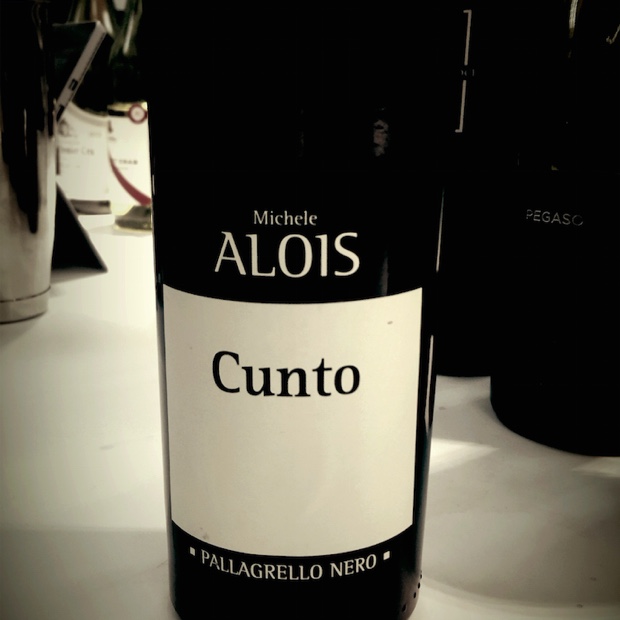

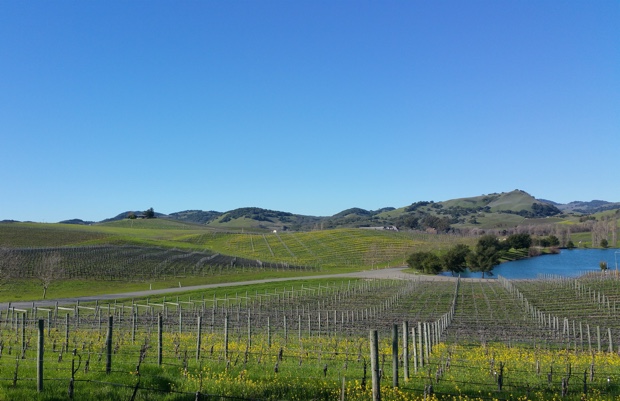
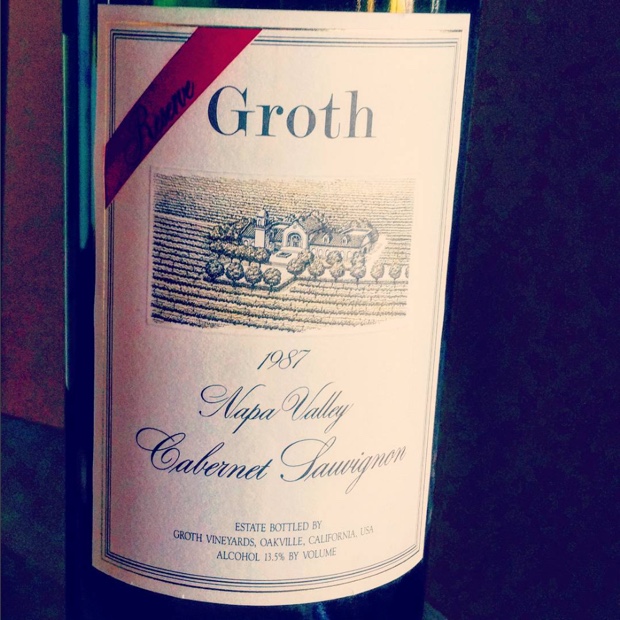
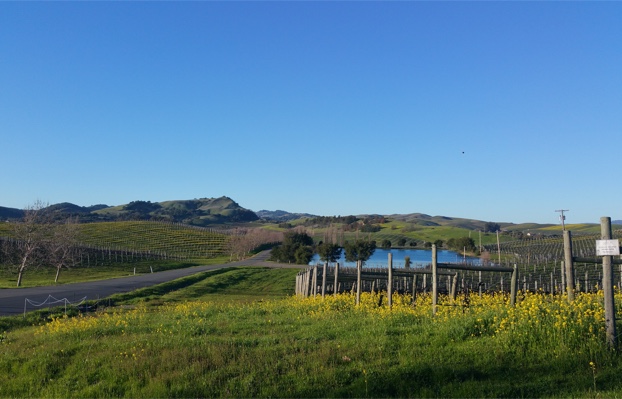


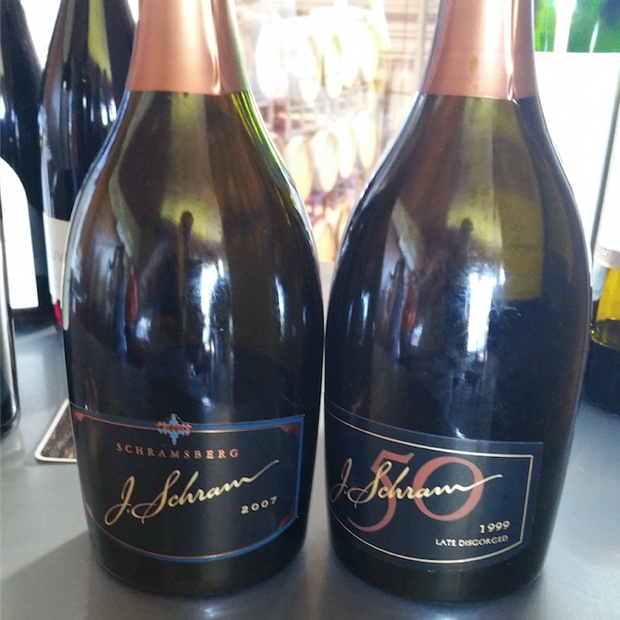


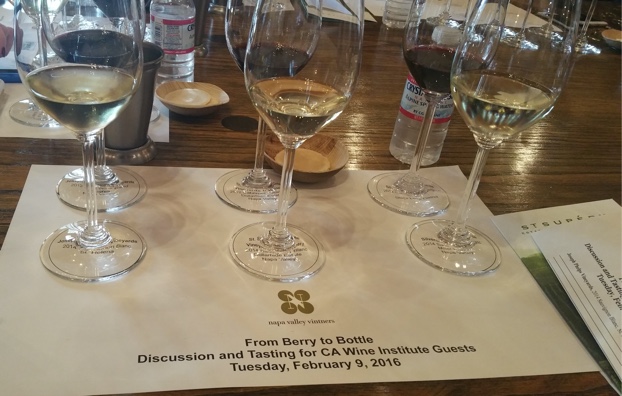


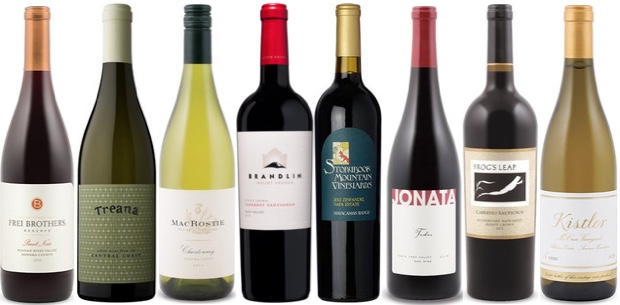
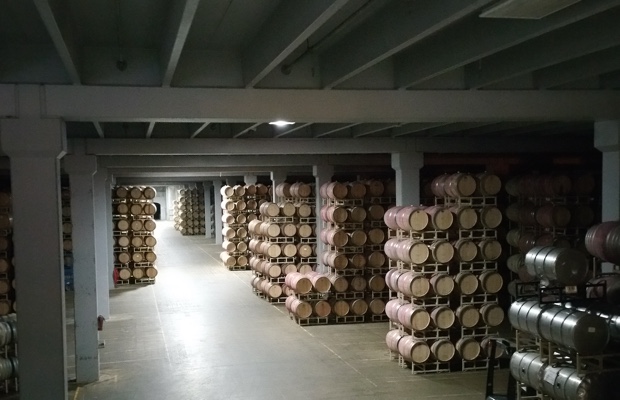
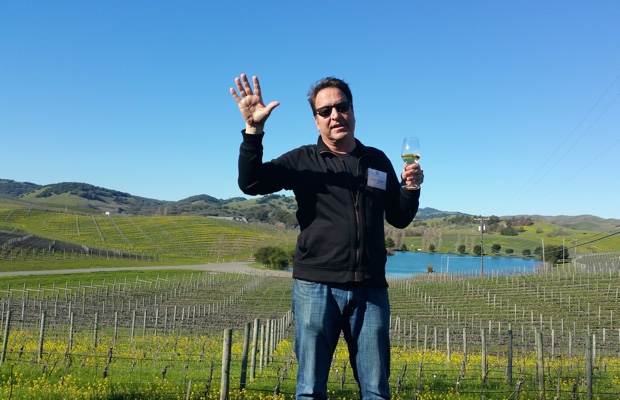
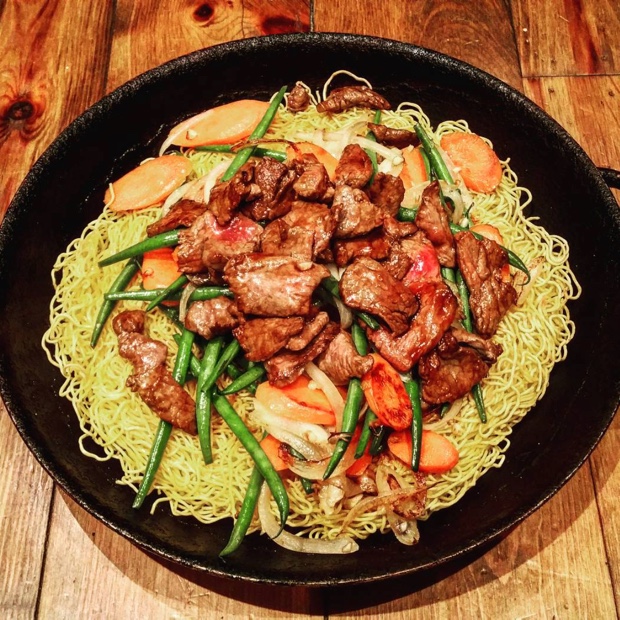
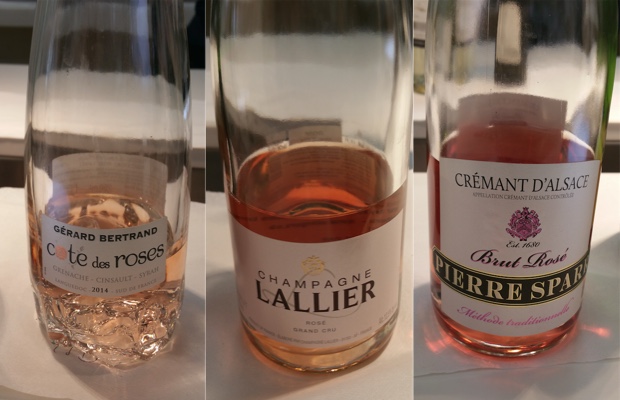

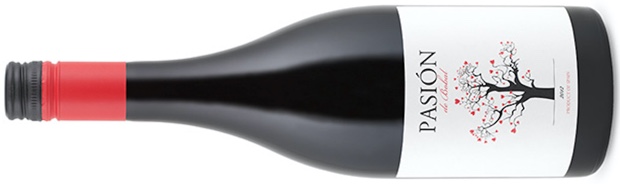

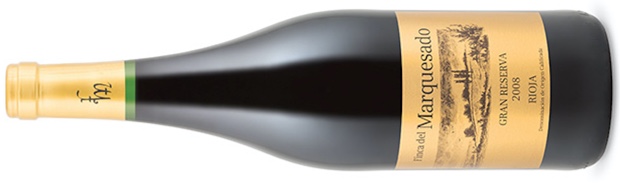

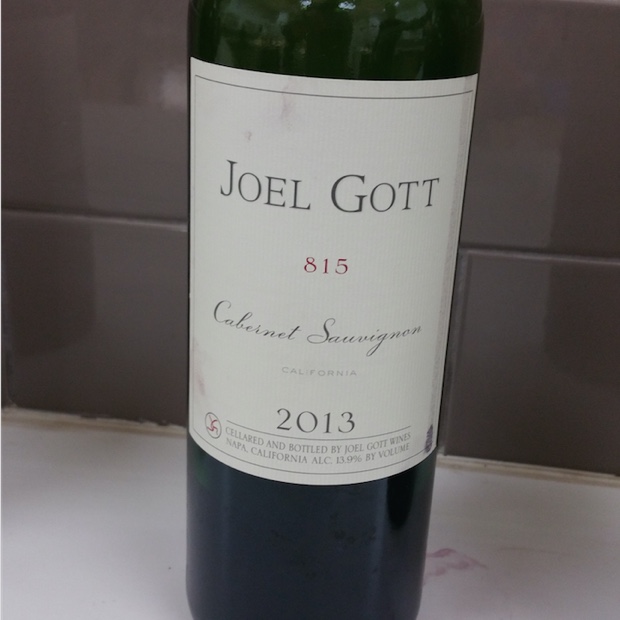
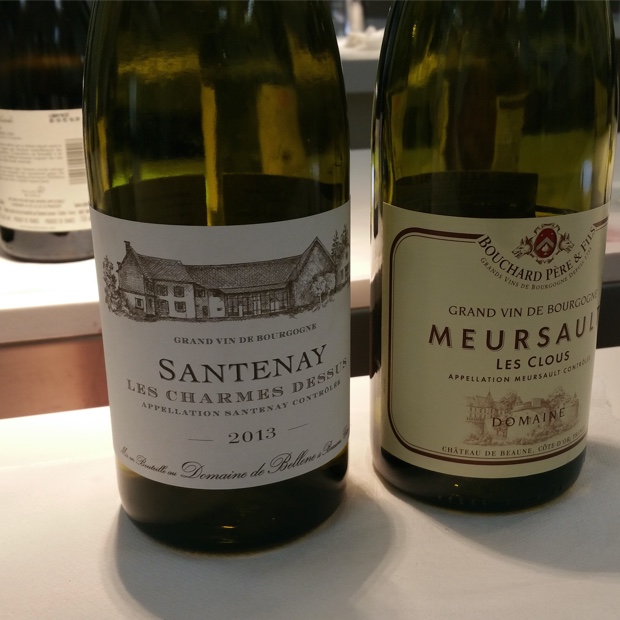
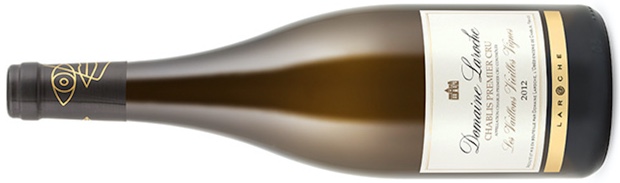

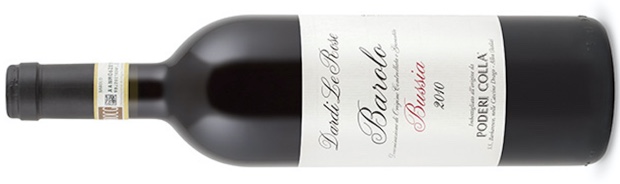

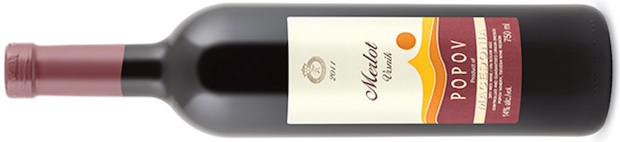
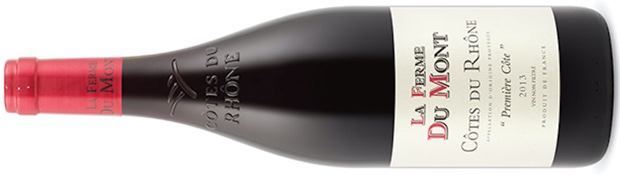

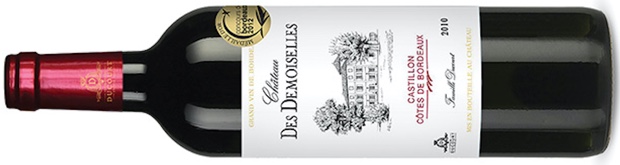
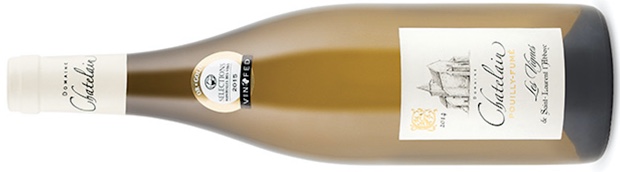
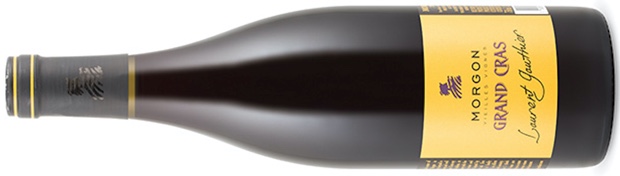
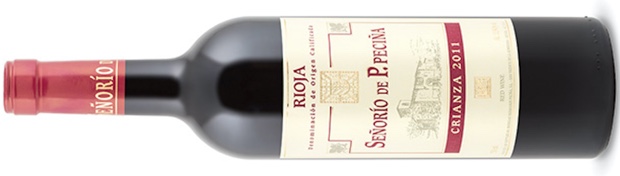
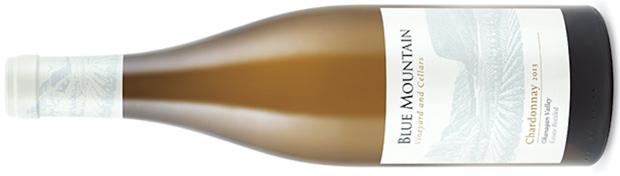
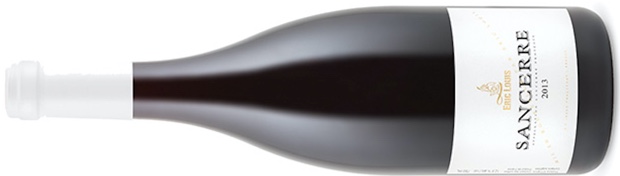

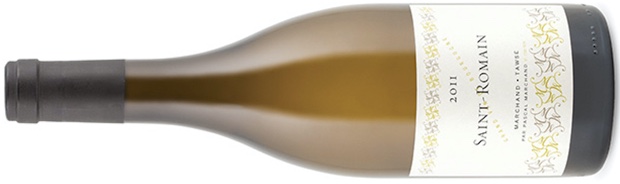
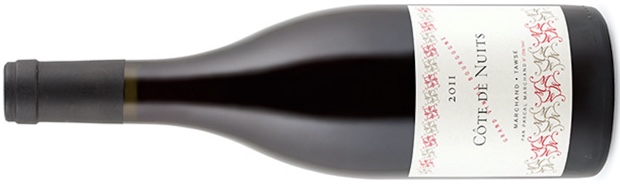

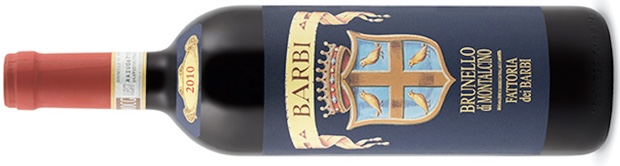
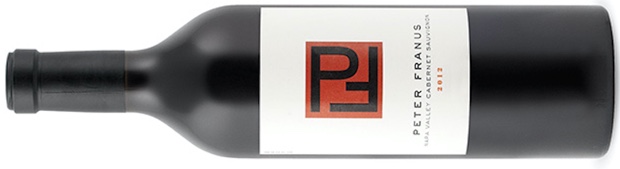
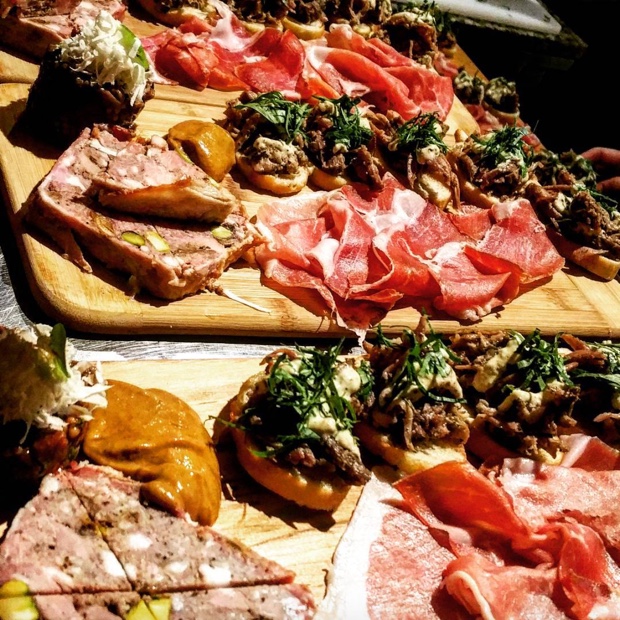







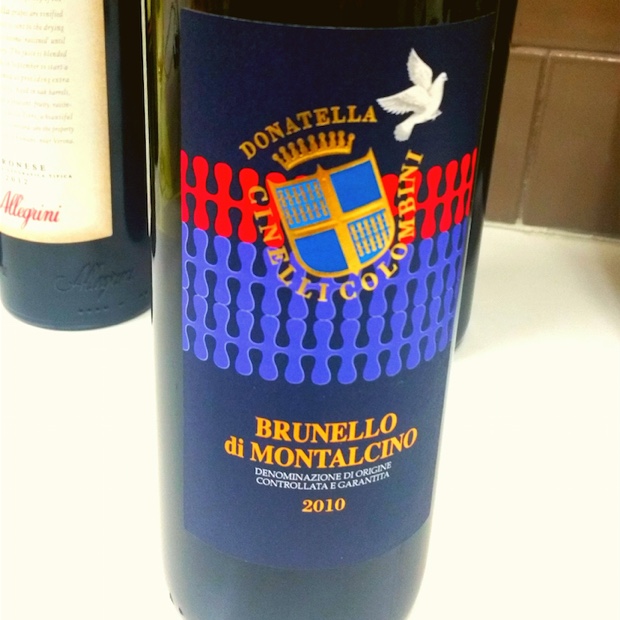
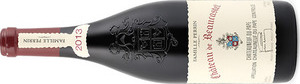
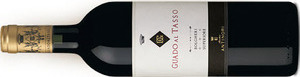
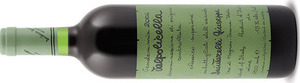
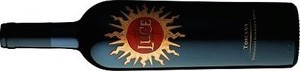

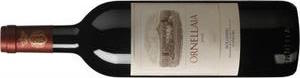
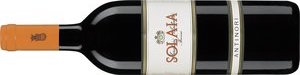

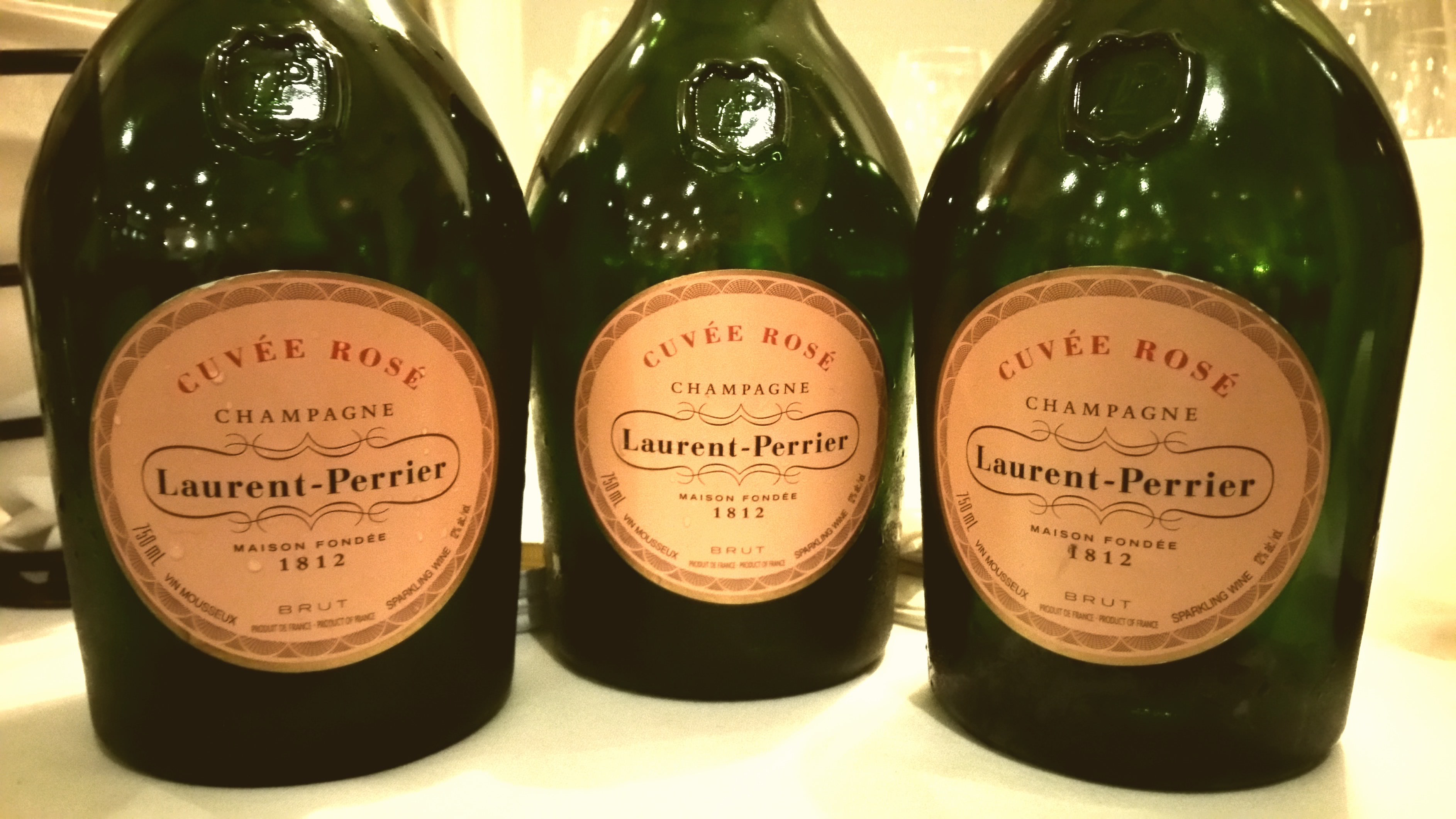

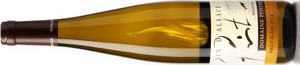
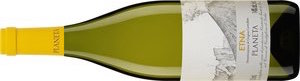
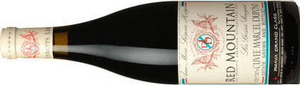
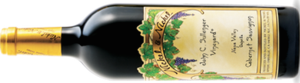
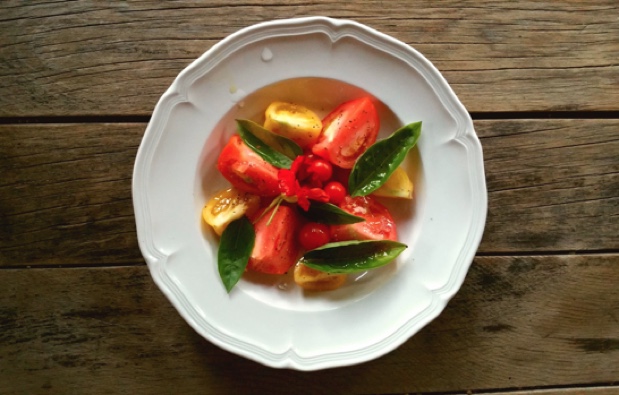
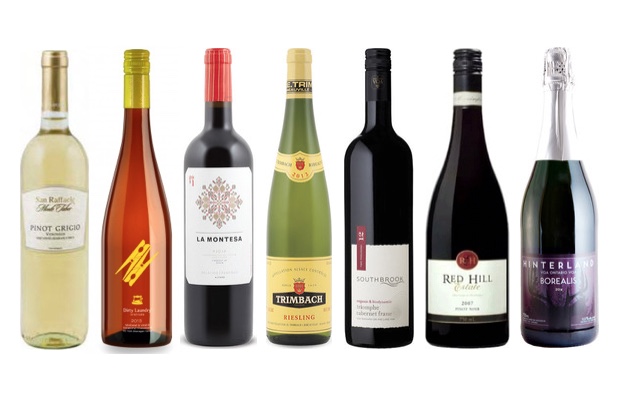

 Godello