Were that it were so simple. You nailed it chef #duckconfit @chabrolto #dougpenfold
It’s Friday!! Brevity like you’ve never seen is here with more VINTAGES December 10th picks. Time to bagschool, be on one’s beanwater, get frisky, live a little, enjoy the weekend. This week’s earlier posts explored the new and the local.
You will notice more than a 50 per cent share in favour of white wines. That’s what I like to drink, more often than not and nothing opens the palate for dinner like a crisp, dry white. That and sparkling wine. Trust me, you need more white wine in your life. It will bring balance and happiness. We now move into the comfort zone of the old world with 14 recommendations.
Quinta Das Setencostas Alenquer 2012, Doc Portugal (50930, $13.95, WineAlign)
As you all know I am one of the five principle critics for WineAlign in Ontario. This is a position I am extremely proud of and very fortunate to hold. That I am able to work alongside Ontario’s most notable experts is something I say thanks for and appreciate every single day. David Lawrason, John Szabo M.S., Sara d’Amato and Steve Thurlow are my friends and colleagues. I could not ask for association with a finer group of writers.
Which brings me to why you need to know that I am making some changes at godello.ca. Since February of 2012 I have been posting VINTAGES release recommendations and notes on this website. Though in March of 2014 I eliminated scores on Godello I have continued to publish full tasting notes. Every single one of my VINTAGES release picks has been simultaneously published on WineAlign (with scores), along with dozens more on wines that don’t make the shortlist.
I will no longer be publishing my current VINTAGES release tasting notes on Godello. You can still read them on WineAlign though there is a paywall behind which only premium paying subscribers are able to see the most recent reviews in the first 30 days. This is necessary and I hope you will all understand why I feel so strong about the time being right to effect such a change. WineAlign is the most important, comprehensive and trusted source in Ontario for critical review of VINTAGES wine releases. I fully support and endorse our protocol and hope that you will visit the website for your Ontario wine purchasing needs.
For those of you who wish to read my full tastings notes, I would highly encourage you to pay the WineAlign $35 yearly subscription fee (or $9.95 per quarter) to read the reviews and get the scores as they are published, to the second, in real time. You can still access my bi-weekly list of picks and to do so all you have to do is sign up as a non-paying member. I have a link called “Michael’s Mix” and my VINTAGES recommendations are assembled there.
As for now, here is my list for November 26th, if only as a teaser so that I don’t leave you all high and dry.
At least one of every two or three of you will be donning a costume to make a ghastly appearance at a party tomorrow night. A lack of clothing and some make-up to indicate gashes, scars and likely death will trump Game of Thrones and then again, nothing trumps Trump, does it? Please, no clown masks this year.
Saturday’s VINTAGES October 29th release features some highly recommended top-end wines. I’ll try to put them up on Godello next week but if you are a WineAlign subscriber you can find them on Michael’s Mix tomorrow. For now you need some affordable juice to offer up to hosts, to fill those travellers and for your glass next to the candy bowl on Monday night. Here they be, your top 10 wines to pour on Halloween.
Kir Yianni Estate White Samaropetra Vineyard 2015, Macedonia, Greece (464511, $17.95, WineAlign)
This Ktima begs for more than a curiosity and well-beyond a major point of interest. The split between roditis and sauvignon blanc brings two disparate worlds together out of a single (Samaropetra) vineyard. The stark and mineral roditis is lifted by the sweet extract of sauvignon blanc and the union is remarkably seamless. This carries texture and presence. It is very easy to drink. If the acidity were naturally improved upon it would be just perfect. Perhaps a few per cent more roditis and less (Macedonian) sauvignon blanc would do the balancing trick. Drink 2016-2019. Tasted September 2016 @kiryianni@KolonakiGroup@DrinkGreekWine
An extra year of aging has softened the one taut 2011 character of Lornano’s straight-shooting Chianti Classico. If it represented good value at this time last year then it is now simply being given away. There are few equals at $18 for honest, pure and modern sangiovese. Nearly 110 years after Lornano was created, Nicolò Pozzoli and Silvio Campatelli have gifted this plum, cedar, leather and dark cherry sangiovese to the Ontario market. With its vibrant acidity intact and the tannins still fighting for shelf space, why even allow this to gather dust. By a case and drink one every two months for the next two years. Drink 2016-2018. Tasted September 2016 @LornanoWines@chianticlassico
Niepoort Dão Rótulo Red 2013, Doc Dão, Portugal (452722, $18.95, WineAlign)
“Don’t think me unkind. Words are hard to find.” Straightforward, slightly carbonic, juicy and somehwat, somehow firmly policed Douro blend kickstarted to the Ontario consumer for a three minute pop song. Light in alcohol and solidly set on its feet. “De do do do,” Da dao, dao, dao, “is all I want to say to you.” Drink 2016-2019. Tasted October 2016 @NiepoortWines@winesportugalCA
Château Du Bois Chantant Cuvée Laurence H. 2012, Ap Bordeaux Supérieur, Bordeaux, France (421206, $18.95, WineAlign)
Here is a beautufully funky, up tempo, old-school red, tie askew, unshaven, the bad boy in private school. Bordeaux Superieur with an attitude, like a young Peter Townshend, unhearalded but boy can he sing. Fruit really does sing, acids are elastic and prominent, tannins do their thing. This is a very solid, youthful, anxiety-riddled three minute Bordeaux pop song. “Not trying to ’cause a big s-s-sensation,” just one for my generation. Drink 2016-2019. Tasted September 2016 @ImportWineMAFWM@MarkAnthonyWine@BordeauxWines
Borsao Berola 2012, Do Campo De Borja, Spain (371518, $18.95, WineAlign)
Berola is the old name of the 12th century Cistercian Monasterio de Veruela, home to the offices occupied by the Denominación de Origen. Borsao’s choice of nomenclature is perfectly ironic. Berola is beautifully pure and juicy (80 per cent) garnacha from Campo de Borja. Syrah (20 per cent) plays a prominent and effective role, in partcular on the palate. Campo de Borja as an appellation just seems destined to be the next big syrah thing south of the Pyrennes despite garnacha’s endemic, planted and attentive dominance. Alluvial geology and a cool, arid climate suits the ex-pat variety. This is all about fruit, with some elevation addendum, mineral meets prevailing wind affectation and big bones. Tannin and alcohol are a factor, the latter much more so but where else are warmth and boozy liqueur handled with such ataraxy and ease? Balanced and ethereal combine for stupid value. Drink 2016-2020. Tasted twice, September and October 2016 @BorsaoBodegas@ChartonHobbs
Mastroberardino Fiano Di Avellino 2014, Campania, Italy (323998, $19.95, WineAlign)
Cracking vintage for what is consistently weighty and viscous Fiano with Chablis-like minerality to offset the near-honeyed aromatics and flavours. This is quite the romantic one from Campania, with a hint of Champagne lees, spice and texture minus the mousse. The requiem here is shellfish in a rich broth, either heavily scented or thickened by potato, or even an Italian tipo di minestra like Vichyssoise would be ideal. Drink 2016-2019. Tasted September 2016 @Mastroberardino@ProfileWineGrp
Creekside Iconoclast Syrah 2013, VQA St. David’s Bench, Niagara On The Lake, Ontario (471797, $22.95, WineAlign)
Iconoclast may sit in the Creekside nether syrah bailiwick but it smartly connects the entry-level with the BrokenPress by way of the St. David’s Bench. Freshness out of the purview 2013 growing season and minor keys played by wood are quiet as compared to the many shakes of the syrah peppermill. This is meaty syrah, like a slice of rootsy, gutsy and gritty Americana humble and independent pie. No one else in Ontario brings flowers, front porches, traditional riffs and smart, modern styling to syrah with such consistency. From winemaker Rob Power, singer, songwriter, renaissance man and all-around winemaking bon syrah vivant. Drink 2017-2022. Tasted September 2016 @CreeksideWine@hobbsandco@AMH_hobbsandco
Château Teyssier 2012, Ac Montagne Saint-Émilion, Bordeaux, France (226035, $24.95, WineAlign)
This is well-judged right bank Bordeaux with a hint of beneficial volatility and a life-affirming note of bitter tonic. Though taut and for a moment bracing, the fruit is lifted to handle the truth. Espresso dusts the finish post-haste but long after the party ahd been raging on. Temper and then tempered from a satellite appellation with a well-deserved righteous reputation. Drink 2017-2020. Tasted September 2016 @JCPMaltus@Dandurandwines@BordeauxWines
Jean Max Roger Cuvée Les Caillottes Sancerre 2015, Ac Loire, France (65573, $26.95, WineAlign)
One of the youngest, freshest and early to market Sancerre from Roger with striking stark reality right there at the forefront. From Caillottes soils out of Saint Martin, L’Epée and other vineyards located in the communes of Bué and Amigny. It is the blanket coverage of young (six or seven years) to near (40 year)-old vines that allows for a variegated expression and great value-driven Sancerre. The vintage is all about fruit and this one has it oozing in and out of every pore. It is the simplest Sancerre, partly vintage driven and partly due to its youth but I can’t really see much developing into the tertiary stage. Enjoy in the short term. Drink 2016-2019. Tasted October 2016 @oenophilia1@LoireValleyWine
Heredad De Baroja Gran Reserva 2002, Doca Rioja, Spain (276113, $29.95, WineAlign)
Don’t adjust your set. This label does indeed read 2002. There have been times when a vintage like 2001 has passed through VINTAGES and the integrity of the (100 per cent) age of the juice is called into question. Not only because of hue but also frehsness. There is no mistaking the age of this Rioja. The fruit has advanced into deeply evolved territory with shades of dried floral and sun-ripened leather. Such a liqueur can only be distilled from older Spain or Italy and this Baroja has it down. The acidity remains intact even as the tannin has fallen away. In the end the wine lingers and does nothing to indicate falling apart. This is a lovely old drop that will drink well for up to four more years so scoop some up. It won’t blow your mind but $30 is a pittance to pay for someone else doing all the cellaring work. Drink 2016-2019. Tasted October 2016 #HeredadDeBaroja@HHDImports_Wine
No country for old #vinhao or as @sommelierfou would say, “Apocalypse Vinhão.”
I recently returned home following an arduous, wild and exciting five days in Verona and Valpolicella. That night I fell into a coma even before my head had sunk into my memory foam pillow. I slept without a care to the world. When I awoke early Saturday morning my phone looked at me as if to say, “I’m sorry, but I have some bad news.”
David Pelletier, ‘Le Sommelier Fou’ and friends in Vinho Verde
I first met David Pelletier six months ago at the airport in Oporto, Portugal on Tuesday, March 29th, 2016. Before that time he was to me simply Le Sommelier Fou, an online presence for the intelligent, thorough and exacting French Canadian musings of a wine writer with a sensitive voice. Two things struck me straight away about Mr. Pelletier. His sweet and caring eyes and his uncanny and impossible ability to travel back and forth between the French and English languages as if he had been born with two tongues.
David Pelletier and group aboard the Vinho Verde bus, photo (c) Christopher Wilton
Sadly, while travelling in California a few weeks ago, David Pelletier passed away. It was a terrible shock. His family and friends have lost the man who smiled with his eyes. They have lost a brother, son, confidant, mentor, teacher and companion. My friends and colleagues in Quebec share a collective hole in their hearts. I can’t begin to understand their pain. My time with David Pelletier can only be measured in commatic and cosmetic terms. It was not enough.
As the week in Portugal’s Vinho Verde region progressed, I got to know some things about David, about his life at the Trafalgar School, about his desire to devote his professional life entirely to wine. I sympathized with him having recently converted my personal commitment to the same dream. We stayed in contact after Portugal. On September 6th he sent me this message. “Hi Michael, could I get an email address from you? yours, ideally. It’s to illegally apply for a credit card. Kidding of course. But your email address would be cool. Thanks.” I never got that e-mail from him and will never know what it might have been about.
The photobombing Le Sommelier Fou, photo (c) Christopher Wilton
With David’s passing I’ve decided that it is time to finally share some thoughts on that trip to Vinho Verde. With no disrespect intended towards the producers, winemakers, the administrative and marketing staff of the region, their wines and the places must share this stage with Mr. Pelletier. His memory will always be inextricably linked to my time spent there. I think my travel companions will agree. Evan Saviolidis, Michael Pinkus, Drew Innes, Christopher Wilton and Anton Potvin from Ontario. Marie-Michèle Grenier, Fred Fortin, Marie-Hélène Boisvert and Émilie Courtois of Quebec. To you all and to David I will always raise my glass of Vinho Verde in memory of Le Sommelier Fou.
Vinho Verde: Green And Light
History shows that Vinho Verde was mentioned by Seneca and Pliny between 96-51 BC. The name comes from the green colour that carpets the landscape and to the youth of the wine, historically held by believers as said to be best consumed within the first year. As you will soon find out, thing have changed.
The Comissão de Viticultura da Região dos Vinhos Verdes was created in 1926 and the demarcated Vinho Verde Region originally defined on September 18, 1908. Vinho Verde extends across the northwest of Portugal, in the area traditionally known as Entre-Douro-e-Minho. The Minho River is its northern frontier, forming part of the border with Spain. Its southern border is formed by the Douro River and the Freita, Arada and Montemuro mountains, to the east it’s bordered by the mountains of Peneda, Gerês, Cabreira and Marão, and the western border is the Atlantic Ocean. In Portugal its 21,000 hectares, 119,000 parcels, 19,000 grape growers, 600 bottlers and 2000 brands make up one tenth of total vineyards. In terms of geographical area, it is the largest Portuguese demarcated region and one of the largest in Europe.
There are four steps to certification; registration, labelling, yields and guarantee of quality. White Vinho Verde (84 per cent) is most often composed from a combination of these varieties; alvarinho, arinto, avesso, azal, loureiro and trajadura. More and more we find it flying solo as a varietal wine and increasingly from single-vineyards as well. Rosé (6 per cent) comes by way of espadeiro and padeiro and vinhão is the lone source for Red (10 per cent) Vinho Verde. The past 11 years have seen to growth for exports between two and four per cent and here in Canada we are the number four purchaser behind the US, Germany and France.
Meteorological and geographical connections begin with high rainfall (1200mm per year, concentrated between October and April) and a severe maritime influence, along with the thread running through that are Vinho Verde’s rivers. Subregions are demarcated by the rivers and thus the micro climates are created. Monção and Melgaço, Lima, Cávado, Ave, Basto, Sousa, Baião, Paiva and Amarante. Soils are mainly granite, of low depth, sandy or Franco-sandy, leaning towards moderate to high acidity, poorly phosphorous and of low fertility. Vinho Verde’s salinity and minerality is derived from the granitic soil.
Most consumers think of Vinho Verde as a slightly effervescent, simple white wine. Fizz is no longer created by secondary fermentation in the bottle. Now just a bit of Co2 is left behind to appease consumer demand. “We want to maintain Vinho Verde as it is known, as a light, low alcohol, aromatic wine.” So limiting the alcohol and designating the acidity (at 4.5 TA) is employed. “O Verde E Leve.” Green And Light.
Into the landscape Monverde Wine Experience Hotel @quintadalixa #vinhoverde #oporto #amarante #portugal
An introduction to Vinho Verde
I have been fortunate to taste examples of Vinho Verde on a regular basis in Toronto so my idea of style and diversity has expanded generously over the past five years. For most Ontario consumers Vinho Verde means, cheap, effervescent, gulpable white wine that you find in droves on LCBO shelves at the Dufferin and Dupont Galleria Mall. Many folks think of Vinho Verde as a grape variety and that all of the wines are exactly the same. To alter consciousness, the quest begins with a great effort. The demarcation point of initiative in requiem of supposition to lay bare and recalibrate the region’s unjustly exposed and indefensible position. The journey to Vinho Verde diversity begins at the Monverde Wine Experience Hotel.
At the Monverde Wine Experience Hotel Tomás Gonçalves of the Comissão de Viticultura da Região dos Vinhos Verdes pours 18 examples, including 12 single-varietal whites, two Rosé, a sparkling, a Vinhão and only two Vinho Verde blends. Fifteeen producers and nine sub-regions are represented. The decision to introduce a five-day intensive program with a heavy focus on varietal Vinho Verde is a brilliant first strike. Then follows a portfolio tasting of Monverde host winery Quinta da Lixa’s wines. The family owned company (two brothers and a cousin) ripped out and re-planted their vines in 1999. The $10-12 (Canadian projected) wines fall into the category of stupid, crazy value. It is here that the introduction to Vinho Verde is clearly compassed in varietal trajadura, loureiro and especially alvarinho. Ten Canadian journalists and sommeliers are hooked, their collective attention secured and kept curious into the first warm days of April. Well played Vinho Verde. Some notes from the Monverde Experience.
Architectural wonder of Monverde Wine Experience Hotel @vinhoverdeCA #visitvihnoverderegion
Casa de VilacetinhoVinho Verde Grande Escolha 2014, Vinho Verde, Portugal
The lost art and singular reason for blending endemic is found here in three A’s and one L. Here with avesso, arinto, azal and loureiro all aboard the mineral train with variegated tannin and salinity in tow. Pear skin, a touch of botrytis in the guise of banana bring warmth and sumptuousness to the palate though in the end all is qualified by terrific acidity. Drink 2016-2019. Tasted March 2016
Casal De Ventozela Loureiro Vinho Verde 2014, Vinho Verde, Portugal (445098, $14.95, WineAlign)
Loureiro from Villa Verde, grippy and mineral as it should be, marked by citrus, herbs and the slightest spark of CO2. This must have been prime, perfect in fact, in the wheelhouse even…six months ago. Still refreshing and yet savoury, nearly, though one step away from complex for the grape and a sense of place, from point A to B. Drink 2016. Tasted May 2016
Richer by nature of its glycerin texture, weightier and lifted by alcohol expression, a slight spritz and visions of petrol two to three years away. Mineral tang unlike the compatriots in side by five VV tasting flight. Green olive emerges with five minutes of air like brine from the Manzanilla jar and then acidity sets in. Loueiro all the way. Tasted March 2016 @LeSommelierWine
Modestu’s Vinho Verde 2014, Doc Vinho Verde, Portugal
From the sub region Região de Basto this 100 per cent arinto carries an aromatic mustiness matched and foiled by a lively palate, in what is ostensibly a seconded VV with serious mineral tang. Such great presence is catchy and gaining on you with an underlying savoury pinning. Reminds me of tea leaf chenin blanc, with intruding notes of anise and Chá. Drink 2016-2019. Tasted March 2016
Quinta da Levada Azal 2014, Doc Vinho Verde, Portugal
Azal steps up and claims worthy status from the word go with energy, open aromatics and a pressing matter of density. The tumult of mineral will speak but first brightness full of glade under dappled sun. Stone fruit flavours and their pith with mineral wrap around takes the palate to fully juiced and spirited territory. The most expression and balance is ascertained thus far, halfway through an 18 strong Vinho Verde tasting. The length is exceptional. Drink 2016-2020. Tasted March 2016
With the Comissão de Viticultura da Região dos Vinhos Verdes at the Monverde World Experience Hotel
Quinta De Linhares Azal Vinho Verde 2014, Doc Vinho Verde, Portugal (218222, $14.95, WineAlign)
Here boasts another terrific azal expression but with more litheness within the context of freshness. The level of spritz is charmingly old school and together with that lighter density not as full and therefore in any evolving hurry. Pricks early and dissipates to calm at the finish. Drink 2016-2020. Tasted March 2016
Quinta do Regueiro Alvarinho Monção and Melgaço Reserva 2014, Doc Vinho Verde, Portugal
Seductively saline and ever so venerable, nascent briny, fresh borne alighting Alvarinho, spritely, sharp and fresh. The hyperbole of inchoate viridity and sparkle should alarm in effervescence but the green and the vegetal make for real life twice what other similarly styled alvarinho are wont to express. A run on sentence of Vinho Verde if ever there was. A regional voice and a score for the alvarinho out of Monção and Melgaço conjunction. Drink 2016-2019. Tasted March 2016
Quinta da Lixa Escolha Colheita 2015, Doc Vinho Verde, Portugal
Though trajadura is not the most usual of single-varietal bottlers, this exceptionally fruity example comes from the best harvest in the last 50 years. “A winemaker’s harvest,” observes oenologist Carlos Teixeira, sunny at pick, but low in nitrogen, with a natural fermentation in need of a bit of a boost with some selected yeasts. S’got that chenin blanc faux sugar thing going on, much mineral and a leesy nose. Lees work is maximized in a very short period as the wines are bottled before the new year. Pear, green apple and white plum, fruity florals, very clean and then even more into the mineral. Mono-varietal purity in the cleanest fashion of low malic acidity but magic in acidity nevertheless, like it just doesn’t need any reason to rage. Drink 2016-2019. Tasted March 2016
Quinta da Lixa Alvarinho Pouco Comum 2015, Minho, Portugal
The “uncommon” alvarinho is the winery’s celebration of Portugal’s most noble white variety. Has the platinum and inside pipe tang. Very mineral. Made from four different single-varietal wines and blended together. Selected yeasts are chosen to bring out the different characters of alvarinho; fruity, floral and mineral. This really, really reminds me of pinot grigio made in a slightly advanced, reaching for complexity out of simplicity way. Complicit Vinho Verde with nary a moment of residual spritz. Drink 2016-2020. Tasted March 2016 @QuintadaLixa
At the Tempus Hotel and Spa we tasted through the ViniVerde, Estreia portfolio. Promoção e Comércio de Vinhos Verdes, SA is a holding company whose shareholders are several companies in the Vinho Verde Region and was incorporated with the objective to produce, promote and market the wines and derived more popular from its shareholders and also their own brands. We tasted through Espumante de Vinho Verde Branco, Rosé, Ponte de Barca vinhão and varietal loureiro and alvarinho. The straightforward Branco was first and stole the show.
Estreia Vinho Verde Branco 2015, Doc Vinho Verde, Portugal
The name translates to “début,” from the outfit laying claim to launching first to market. There is certainly something to be said for extreme youthfulness, unbridled energy and quivering character. Such a millenial Vinho Verde with the shortest of attention spans and pure, unadulterated flavour. Simple, slight and with a mere hint of effervescence. Should work out to $9.95 in Ontario. Drink 2016-2017. Tasted March 2016
In Ponte de Lima we dined at lunch with winemaker Rita da Silva Araújo, resident oenologist at the Adega Cooperativa de Ponte de Lima. Founded in 1959 the cooperative produces the most traditional of Vinho Verde wines with a focus on loureiro because of its affinity with the Lima River Valley.
Leite Creme at Petiscas Restaurante #pontelima through the lens of @MHeleneB #portugal
Adega Ponte de Lima Vinho Verde 2015, Doc Vinho Verde, Portugal
Made from 100 per cent loureiro and the first winery to go this varietal route. A wine that “maintains the image of our town and region,” notes Rita da Silva Araújo, resident oenologist at the Adega. Very citrus oriented, in mineral speak and blessed with briny-saline aridity. A good dose of CO2 spritz and dogged persistence mark the finish. Drink 2016-2017. Tasted April 2016 @MuniLima
Adega Ponte de Lima Loueiro 2015, Doc Vinho Verde, Portugal
This 100 per cent loueiro may sit on a poor man’s throne of typically lithe alcohol (11 per cent) and restrained residual sugar but it carries a secondary depth of grape tannin, Lima soil tang and warm viscosity. From a selected harvest over two days of only the best grapes and subjected to four or five hours of skin contact. Time on the lees with batonnage brings the mouthfeel and the sweet caress. Here we climb to another level and through tertiary layers of pierce, salinity, aridity and finely tuned stone fruit. Very nice. Drink 2016-2019. Tasted April 2016
Colours of Quinta da Raza and Monte da Sr.ª da Graça #vinhoverde
Transitions
The transition from the straightforward towards ascending the steps into the arena of the complex begins with a visit to Quinta de Raza, located in Peneireiros, Celorico de Basto, adjacent to the Douro Region. It is here the Teixeira Coelho family has been committed to wine production since the XVII century. Today the estate is run by José Diogo Teixeira Coelho. Soils of granite origins are mixed with areas of schist and clay, atypical and unusual in the Vinho Verde Region. The microclimate is created by the mountains in the west and the valley of the Tamega river which, unlike the other rivers of the region does not run from East to West, but from Northeast to Southwest, which together prevent the influence of the Atlantic winds. Less rain and greater temperature range equates to increased sun exposure, more than many vineyards in the Vinho Verde Region. Couple this with an average altitude of 250 meters and things begin to get interesting.
Quinta da Raza hosts and their exceptional value @vinhoverdewines
Dom Diogo Azal-Arinto-Trajadura 2015, Doc Vinho Verde, Portugal
The blend breaks down to 35/50/15 and like three layers of conditioned lemon, juicy, curdish and gelid, this is very vibrant from out of the auspices of a typical blend. The winery sells this at two euros ex-cellar price which is so ridiculous. This means the top end Canadian price would be $9.95. So fresh (azal) balanced in the clay of trajadura, not necessarily so long but really, who cares? Carries a granite toughness, this simply perfect warm weather blend, with a little bit of secured happiness provided by 7 g/L of residual sugar. Appellative excellence. Drink 2016-2017. Tasted March 2016
Dom Diogo Azal 2015, Doc Vinho Verde, Portugal
The surprise varietal, venerated by a whopping price increase to three euros (which would translate to $12.95 CAN), firm and with more righteous bitters. Here the agar, the orange citrus and a wealthy (8 g/L RS) weight for white wine personality. More length and grip with character increasing via a stick of Vinho Verde dynamite. Just delicious. Drink 2016-2018. Tasted March 2016
Hello world. Meet the new #vinhoverde #quintadaraza #avesso #alvarinho
Quinta da Raza Avesso-Alvarinho 2015, Doc Vinho Verde, Portugal
The blend’s split is 60/40 and the ex-cellar price up to five euros but this is the finest and most refined VV of the lot. The two A’s are combined and purposed with the best intent for aging, or at least the most potential. Quinta de Raza is the only vintner to tempt fortune and compete with such a complex symbiosis from the region. The new ideal is here in this inaugural release because Diogo has a soft spot for avesso. The augmentation is by 10 per cent new French barrel to induce and encourage avesso and allow for higher alcohol (13.5) and acidity. The great stirred contact bleeds to warmth and this is ostensibly top end alcohol for the region. You can sense the malolactic and the tannin. The balance will require 12-18 months to integrate, bringing the nose and the palate together, though not too much longer for fear of losing fruit. That said it’s (1.5 g/L) bone dry. Plus the avesso is culled off of young vines so vintages down the road should see more potential. Drink 2017-2020. Tasted March 2016
Also northeast out of Porto and close by is Quinta das Arcas, a family company founded in 1985 by António Esteves Monteiro. The production is mainly obtained from 120 hectares spread across three estates located in the Valongo and Penafiel area. The Quinta das Arcas estate covers 55 hectares of 20 year old-plus vineyards planted to loureiro, trajadura and arinto. The winemaking team lead by engineer Fernando Machado. Vinification is classically performed, with quick destemming, pressing and low temperature fermentation in stainless steel with an experiment or two in barrel. The company’s Vinho Verde is bottled under the labels Arca Nova and Conde Villar.
Arca Nova Vinho Verde Branco 2015, Doc Vinho Verde, Portugal
The blend is loureiro (50 per cent), arinto (40 per) and trajadura (10), in a classic, central to the estate’s oeuvre Vinho Verde. From a warm, dry year so more structure; this has the tannin, ripe fruit and tingle. The hue is somewhat developed, like grigio to gris and it is a real step up from the average and the norm. Both sugar and acidity (6 g/L) are paired with equal and opposing formality. The traditional yet modern full-on stone fruit flavours with a nick of citrus pit. Drink 2016-2018. Tasted April 2016 @quintadasarcas
Conde Villar Alvarinho and Trajadura 2015, Doc Vinho Verde, Portugal
Close to an even split with alvarinho edging out the trajadura and the fruit is all estate (others include some purchased grapes). This separate line is intended to offer a different expression from the Quinta and you can feel the density, assess the effect of ripeness and sugar. The nose is so very preserved lemon, the extract terrific and here there is a weight feigning effected by lees in surround of that ripe fruit. Drink 2016-2019. Tasted April 2016
Quinta da Arcas Vinhão 2014, Doc Vinho Verde, Portugal
Only made in special years and so important to call out for how it abandons centuries of astringency. Spent six months in new French oak (and a small percentage of American) to establish a whole new concept for red Vinho Verde, round and in surround for vinhão. The astringency falls away and lets the fruit shine in spite of the wood. Reminds of petite sirah on the elegant side and with a sapidity stung back bite. Lots of cocoa, espresso, and dusty tannin. Solid, non-traditional vinhão. Drink 2016-2020. Tasted April 2016
The granite soils of Quinta de Curvos are located in a valley with influences from the Neiva River and the Atlantic Ocean within the demarcated region of Vinho Verde (Entre-Douro e-Minho). The 27 hectares of vineyards are distributed among four properties located in Forjães, Ponte de Lima and Barcelos. The vineyards underwent a major process of restructuring and in 2014, the production of wine rose to a volume of 275,000 litres. Sustainability in the biodiversity of the vineyard’s ecosystem and the reduction of environmental impact are major priorities and so tractors and herbicides have been replaced by sheep.
Quinta de Curvos Superior 2015, Doc Vinho Verde, Portugal
Most expected blend composed of loueiro, trajadura and arinto in the words of Miguel Fonseca “most traditional wine, very dry and very gastronomic.” The entry-level honesty, basic instruction and 101 effectualization is spot on. What more in needed in under $10? Carries all the hallmark points and notes of Escolha Vinho Verde. Bay laurel, citrus and an edge of stone, by granite and into fruit. Drink 2016-2018. Tasted April 2016 @quintadecurvos
Quinta de Curvos Alvarinho 2015, Doc Vinho Verde, Portugal (471276, $17.95, WineAlign)
A regional varietal wine not permitted to be labled Vinho Verde so Vino Regional Minho it must be. This 100 per cent alvarinho is labled as such in Portugal and Afectus for the Ontario market, Latin for “emotions.” Quite consistently fashioned like the avesso and the loueiro varietal Vinho Verde, of low tones, fresh, sprite, fully lemon and all around good guy acidity. Not so much a matter of varietal distinction so much as an adherence to a stylistic thread. So by extension I suppose the Curvos wines are about terroir. Afectus for the rest of us. Drink 2016-2019. Tasted April 2016
Quinta de Curvos Avesso 2015, Doc Vinho Verde, Portugal
Just seems to breathe a calm, natural, simple, easy, clean and proper ideal with broad appeal. Lemon is all over this avesso, again like the varietal loureiro and alvarinho, this pushes the company line. With sea bream and dorado the pairing receives an emphatic two thumbs up. Another vital and pure Vinho Verde from Quinta de Curvos. Drink 2016-2019. Tasted April 2016
Not members of Blasted Mechanism. With @MagnusPim and Vasco Croft #AphrosWines #vinhoverde
The diurnal motion of Vinho Verde
A visit to Aphros with winemaker Vasco Croft levigates and recalibrates thoughts, perception and meaning. It is here that the cosmology of Vinho Verde does not so much begin to take shape but pops like a genie from the bottle. The name Aphros (Greek, “sea-foam”) is drawn from ichthyocentaurs (sea-god centaurs) of late poetical Greek mythology. The aquatic centaur has been endowed with the ability to swim with great speed, breathe and communicate underwater. Aphros was thought of as the first king of the sea-going Aphroi (Carthaginians).
“Quality of life is dependent on the quality of water,” insists Vasco Croft. To Croft it all begins with “water’s plasticity and its relationship with the cosmic influences on earthly forces.” Biodynamics. Water dynamization. Double infinity vortex design. Life forces. Amphora. “You must line the amphorae with beeswax and though it is not so economical it acts as a natural preservative and it has the memory of the hive.” A master amphora craftsman in Alentejo does the work. He is one of the last in Portugal to keep the tradition alive.
Vasco Croft’s are risky, primogenitor reviving, genus defining, impossible wines. His is the sole ardent and wavering organic and biodynamic approach in Vinho Verde with complete attention diverted towards spiritual demure and anodyne morphology. I speak for the group when I say that the extramundane was breached at the Aphros tasting. Upon further retrospective consideration it was not so much a matter of wine tasting as it was a disquitionary quest to apprehend the meaning of Vinho Verde’s platonic and sacrosanct future. Croft’s wines are self-professed radical artisanal and produced impractically with no electricity. He investigates the powers of loureiro and vinhão, skin contact, concrete eggs and Pet-Nat. My understanding is gleaned through Vasco’s work and by a momentary hypnotization from a dynamic machine.
Today’s cosmogonal #vinhoverde line-up #AphrosWines with Vasco Croft @LeSommelierWine
Loureiro of a fashion so rare for Portugal and this region, from a concrete pétillant-naturel style, vinified in stainless steel with wild yeasts and initially no additional sugar, then bottled with 20 grams of natural residual sugar, to alight the single fermentation conclusion. An 11 per cent contrariety of méthode ancestrale dialectic, like a lime-grapefruit cordial housing a dissolving lemon tablet. A bowie cut, boning and dressing of loueiro. This here the whole new way to take the grape, to send it sky-high and bring it down to the rustic roots of glam, sparkling funk. “Like to take a cement fix, be a standing cinema. Dress my friends up just for show, see them as they really are.” Vasco (Andy) Croft walking and his hunky dory pet-nat spinning an original tale of a time and a place, or perhaps a myth, like the rustic deity of the forest riding shotgun to Dionysus and his native war. Drink 2016-2018. Tasted March 2016 #aphroswine@LeSommelierWine
Immediately emits or rather feigns a sense of barrel though it’s fully completely an Inox stainless steel wine. From what Vasco Croft describes as a “classic” early harvest, this delimited, restrained and flirty fresh loureiro sits at a lithe 10 per cent alcohol with some minor residual sugar to balance out the brisk acidity. Texture and sumptuousness is prescribed by four months lees with stirring. The freshness is lit by candle wax and a delicious little smoulder. The bees lees. Drink 2016-2018. Tasted March 2016
With fruit from southern exposures off of granitic and sandy soils this is 100 per cent loureiro that saw 12 hours of skin maceration and 30 per cent fermentation in barriques (1/2 new) for six months. A wine now coming into a Frick-esque zone, waxy, whiffing bay laurel and frankly would be so hard to pick out in a blind tasting. The mind might veer to barrel-aged semillon or older riesling. Though a bit oleaginous the wine is balanced by a smoulder and a sharp, petrol-invoking, mineral tang. It is here that the wisdom of loureiro is coronated for having settled in the Lima Valley. Imagine the past and future blossoms, hives and honey. Drink 2016-2020. Tasted March 2016
#amphora #loureiro Phaunus 2015. Nothing I have tasted before could have prepped me to expect this heteróclito #quixotic
Nothing I have tasted before could have prepped me to expect this heteróclito, a quixotic and deferential loureiro that re-writes the varietal script. Spent two and a half months of skin maceration time in beeswax-lined amphora and in the end we are graced with something completely other. Lemon meets mineral funky pottery, clunch depression and then slow-roasted vegetal gastronomy. A tagine or maraq scented by cumin, coriander and a slow-roasted carrot without any caramelization. Leaves a salve in the mouth and doesn’t go away. Clarifed, loureiro broth. Drink 2016-2020. Tasted March 2016
#amphora #2 Phaunus Palhete 2015, 80/20 #loureiro / #vinhao, again no reference point #chimerical #monkwine
No, this beeswax-lined, amphora-raised 80 per cent white (loueiro) and 20 per cent red (vinhão) is not a theatrical performance by a Portuguese electro-rock band with alien-themed costumes. This blasted mechanism is a chimerical ode to the wines and their medieval proportions used by Port monks. It’s a battle of tribes with no reference point that will blast your mind. Its rosé, day-glo pink hue of earthy demure and it is hard to figure which funk reigns, tart fruit or adobe-argil-earth. Moreover it is the herbal, balmy, savoury, sapid variegation that garners the most attention. “Simple things, giant wonders, emotions, I blast your mind today.” Great length. I can’t say anything previous to right now has prepared me for tasting this but my mind and my palate are micronized wide open. “Break free from your own anxiety. Break free from your own desire.” Drink 2016-2022. Tasted March 2016 @blastedmind
Aphros Sparkling Loureiro Reserve 2012, Sub Região Lima, Doc Vinho Verde, Portugal (Agent, $27.95, WineAlign)
Also known as the Loureiro Reserva Bruto, a traditional method, 18 months on lees sparkler with its own set of antithetical parameters and rules. So different from the pet-nat, here surprisingly more artisanal, the most risk-taking of the Aphros sparklers, in deep concentration, at once delicate and then submerging into preserved citrus. Like salient, jagged stones projecting from a karst cave. The lees time is mid-range but the Lima loving loureiro and the Aphros gamble combine for extreme length. Drink 2016-2022. Tasted March 2016
Aphros Pan 2012, Sub-Região Lima, Doc Vinho Verde, Portugal (Agent, $27.95, WineAlign)
The simplest of the Aphros sparkling wines which is anything but simple in the pansophy of the “other red” ideal. From 100 per cent vinhão free run juice and a short period of second fermentation, this is traditional method (nine months) reach for the stars as only the cosmic-minded Vasco Croft can do. Another baby maker here though it’s deferential and antithetical to the ancestrale, pet-nat approach. Not so much strawberry as cherry, with herbiage, litheness (no maceration). “A young fawn of the forest.” Drink 2016-2021. Tasted March 2016
Vinhão in part stainless steel and part barriques, for aging and to calm it down. The relationship allows it to settle upon itself and at five and a half years on it has barely budged, still entangled in a web of acidity and tannin. Not that I, my travel companions or most mere mortals have any great history or experience with vinhão but the intensity is expertly corralled and such length is clearly a trademark of the house. Drink 2016-2022. Tasted March 2016
Vinhão is simply and astringently a teinturière (dyer) variety which happens to be the most planted red grape in Vinho Verde and to a western palate, unpalatable. It is known as Sousão in the Douro, where it is employed in Port assemblage. The raising of this still table red is done in granite tanks and with foot treading. In the hands of Vasco Croft it emits pretty aromatics in contrast to the demands of such an inky wine, from violets but then handed over to that natural cure of porcine élevage. The one and only vinhão of immediate wisdom and confident conditioning, the kind that will linger for 10 years without changing. Still there is this firm acidity and tannin, but restrained. Sharp citrus and as with all of the Aphros line, great length. Drink 2018-2024. Tasted March 2016
Enlightened red Sparkling from #AphrosWines 2006 #vinhao @LeSommelierWine @VinhoVerdeCA #yakkos #vinhoverde
Aphros Yakkos Grande Reserva 2006, Sub-Região Lima, Doc Vinho Verde, Portugal (Agent, $34.95, WineAlign)
A Sparkling vinhão, Vinho Espumante Tinto, aged 48 months on the lees and again, with no real reference point to launch from so it’s like starting over. Where fun and intentional meet, as do tart and bitter. A sparkler that dries out with beauty because of impressive tannins backing up blackberry fruit. How can this not be lauded for sheer and utter imagination, speciality and ultimately, success. It does not get much more interesting than this. With the aridity dial set to 3 g/L RS this would sidle up to and celebrate blueberry pancakes, duck confit and crème fraîche. Drink 2016-2026. Tasted March 2016
With Anselmo Mendes
The multiplicity of Vinho Verde
At the most northern tip of Vinho Verde lies Monção and Melgaço in the Minho Valley and this is where Anselmo Mendes grows and produces his alvarinho. With variances created by way of barrel aging, skin and lees contacts, Mendes imagines, creates and realizes a muliplicity of Vinho Verde that both alters and raises the bar for the entire region’s white wines.
Mendes is the former winemaker at Quinta Melgaço and began producing his own alvarinho in 1998 but his perspicacity, the elaboration of his vineyards and the pansophy of these young wines would make you think their history went back much further. The affinity shared by his alvarinho with Spanish albariño is one of proximity only, separated by the Minho River but consummated of an entirely different truth. Under the umbrella of his 70 farmed acres Mendes also produces loureiro in the Lima Valley and avesso in the Douro Valley. His passion is directed to alvarinho. Anselmo is a winemaker with a favourite child. The blends and entry-level varietal wines are labeled under the brand Muros Antigos. The skin contact, extended lees and barrel aged alvarinho each carry a moniker of their own within the Anselmo Mendes line. Constantino Ramos is Assistant Winemaker while Vasco Magalhães is in charge of sales.
“Our philosophy is the natural expression of the land, with principal characteristic that is mineral, not to make up something new, but we want to experience technology, important to know but just to see what we cannot do. The rest is business. We need to re-educate people, not that they’re wrong, but to know that there is another style for Vinho Verde. The next project is more experience.”
Formal originality of #anselmomendes @terroirimports @winesportugalCA #alvarinho #vinhoverde #melgaco
The blend is loureiro (40 per cent), avesso (40) and alvarinho (20), the spokeswines for the ““raditional” range, all from vineyards near the Lima River, but 150 kg’s apart. “Literally a blend of the region,” notes Mendes, four months on lees with batonnage, of aromatic freshness and exuberance with feelings and sapidity from the Atlantic Ocean. Unique marine minerality, mixed with accents of continental climate. Avesso metal and alvarinho body. Terrific entry-level, top quality, cleaner and more direct than almost any and all others. Drink 2016-2019. Tasted March 2016 @AnselmoVinhos@VascoMaga@terroirtoronto
According to Anselmo Mendes the best loureiro terroir is along the Lima River and it is his varietal ’15 where the warmth and the alcohol are more apparent (as compared to the more northerly alvarinho). Spent the traditional Mendes entry-level four months on the lees with batonnage. The mineral emits less so, the floral and petrol more so. The stone works in close relationship with the palate, of a tang specific to near-northerly vineyards, the back side more into the chalky tannin. Not so much lengthy as much as intense, of an imploding persistence. Drink 2016-2018. Tasted March 2016
From a vintage that saw very little sun throughout the growing season. Cool temperatures and unrequited elongation coupled with some unexpected age means an entrance into new territory for loureiro, in verbalization of a new tang vernacular, a way for Loureiro to speak in a way you could not know it could. The notes are citrus essential oil and extract, with a hint of saffron and a splash of Amaro. Very cool but no honey and a bit lactic. The 2012 wines are evolving and developing all over the map. Experience gathered from tasting and trying to figure them out will go a long way for the winemakers and the taster towards assessing the current ’15’s. Drink 2016-2018. Tasted March 2016
From the vintage in which phenolics had difficulty keeping up with developed alcohol. Adjustments were made to every wine but the range of expression and subsequent expectation is neither consistent nor predictable. The mineral is patina-laced, verdigris, gemstone emerald and there is a whiff of snappy green apple. This reminds me of chardonnay grown on Niagara’s Vinemount Ridge. It’s striking avesso, like popping, cool-climate chardonnay, green and nutty. So much potential. As always, it was treated to four months on the lees with batonnage. As only the second vintage it really is not to be believed. Drink 2016-2019. Tasted March 2016
From granite soils on mountain vineyards quite similar to those on the Melgaço estate. The varietal alravinho was introduced to four months lees and batonnage. In here the most fruit emerges as compared with the entry-level (Douro) avesso and (Ponte Lima) loureiro, along with the most body. There bounds and rebounds an elasticity on the palate where the tannin and mineral emerge. Such preserve is built upon a foundation of citrus and density, exuberant and elevated by the heat of the vintage. Stands erect on guard and in protection of itself with direct, purposed length. Drink 2016-2019. Tasted March 2022
The vintage was a difficult one for all Vinho Verde varietal wines and so blending was not just prominent but essential. Unless you were Alselmo Mendes. This one from mountain granite soils in kinship with the Melgaço estate. Four months of lees contact, batonnage and four years onwards into notes of a beneficial bitter pill dissolving in petrol waters, this has really entered nirvana for what surely was an anticipated secondary expression. Citrus is also bitter (orange and lemon) and their combined twangs of tang like crazy. Four years to pay dirt guaranteed in the Mendes varietal play though the vintage decreases the chance of longer term aging. Drink 2016-2018. Tasted March 2016
Redraft the #alvarinho manifesto #anselmomendes @terroirimports #2001 #murosantigos #vinhoverde
Still sharply aromatic and spiked, with gelid marmalade and onion skin, its honeyed hue not nearly as advanced as expectation would demand. A fromage like chenin blanc note in there from a washed rind, with apricot and peach blossom. This alvarinho from a dry ferment, but there is nothing to really, truly compare it too. Acidity still trenchant. the bitters remain but on its exit in dissipation. Ultimately just wow, amazing, who knew. Drink 2016-2017. Tasted March 2016
As the name suggests here varietal alvarinho spends its most early formative moments in 12 hours skin contact submerge. Initially there is some reservation on the nose and that skin contact feigns the antithetic idea of mineral up front in aromatic gregariousness. It’s as if all that welled up grape tannin is over-anxious and straining to be noticed. The omni-executed four months lees plus batonnage both adds up front and then subtracts so that the palate will settle you in with creamy, just shy of caramelizing and nutty notes. This is done with remarkable restraint. Comes from the sandy soil banks of the Minho River. Requires an earlier or equal consumption zone to its lesser kissing cousin. Drink 2016-2020. Tasted March 2016
Exhibits a very similar profile to the ’15, that perception of high-octane alvarinho of prescient mineral through ripe phenolics, electric and eclectic grape tannin. The citrus is more pronounced at this stage, as is the weight. Finishes with more bitters than the ’15, clearly conditioned and thinking on it now it is understood as to why 12 hours is plenty of skin contact time for the thick-skinned, small berries. Drink 2016-2017. Tasted March 2016.
Muros de Melgaço Alvarinho 2014, Doc Vinho Verde, Portugal (Agent, $39.95, WineAlign)
Alvarinho as you’ve never encountered before, habituated for six months in used French barriques (225 and 400L 2-8 years old) on the lees with batonnage. The first vintage of this unorthodox and recherché alvarinho was 1998. The prophetic Anselmo Mendes is well into a third decade with this amazing alvarinho of Boxler-esque Alsace conceptualization, with density and malo laminate in mouthful with no paste, no chalk, no scotch guard but acidity brilliantly written in blanc stone. Agility and ageability is clearly on time’s side, from here for eight to 10 years for sure. This is the bomb. Yes the wood is a bit up front but will the fruit survive? Yes. Drink 2018-2024. Tasted March 2016
Muros de Melgaço Alvarinho 2012, Doc Vinho Verde, Portugal (Agent, $39.95, WineAlign)
Four years has ushered in some unexpected advanced evolution and a Vouvray-like fromage. Though the eight to 10 years afforded the 2014 may be ambitious, the 2012 vintage was anything but helpful and confidence is what you glean from wines like these. Incredible depth of a granite soil’s mineral tang especially as the palate absorbs the nutrients, the old French wood and the subsequent piquancy. The wine seems to prickle at this stage. Drink 2016-2017. Tasted March 2016
Treated with the same respect and élevage as the Muros de Melgaço, for six months in used French barriques (225 and 400L 2-8 years old) on the lees with batonnage. Here not announcing its varietal because the secret is in Melgaço, not in alvarinho, though it is the most experienced expression of the grape in the region. An amalgamated incline. The oak is of very light toast and here not as apparent as it is in the Melgaço. More clarity and purity, cooler, though the coppery hue might suggest otherwise. This is a dart, sharp and pointed…and then, calm. Such precise treatment from alvarinho expressing the terroir. A slight tinge of tonic in compressed into the citrus finish. Drink 2017-2023. Tasted March 2016
L’élevage is heightened to nine months in used French barriques (225 and 400L 2-8 years old) on the lees with batonnage. The name translates to “bronzage,” or literally, “to extract” on the skins for 12 hours and “to party” with mineral jam. More fruit works with the extra oak plus one year in bottle before release. Now we have left the building and entered into a futuristic alvarinho from which the length is outstanding. Causes a Fortin shiver, lingers and caresses. Like a Fitzgerald novel it seems richer, more complete and more justifiable when viewed against the biographical backdrop of Anselmo Mendes and Vinho Verde. “Between a life that we expected and the way it’s always been,” tender is the night. Drink 2018-2024. Tasted March 2016
From the challenging vintage here the artist known as “the bronzage” is an example of a wine made by a winemaker unfased by such inconsequential roadblocks. Anselmo Mendes the earliest of Vinho Verde visionaries, treading archaically and swimming in futuristic waters. Making an alvarinho connection through the usage of French barriques (225 and 400L 2-8 years old) on the lees with batonnage. This 2012 tactile and layered. Does what no other alvarinho has or currently does and will age with slow movement more than the others. If only today though I wager it’s not, his 2012 settles with the most balance of the portfolio. IMO. Drink 2016-2022. Tasted March 2016
Estate Vineyard at Anselmo Mendes
Anselmo Mendes Parcela Única Alvarinho 2013, Doc Vinho Verde, Portugal (Agent, $64.95, WineAlign)
The treatment here is similar to the Curtimenta, nine months, though in new (400L) French barriques on lees with batonnage. Just above the tasting room is a premium Monção and Melgaço block on the Mendes estate, a single-parcel, in the monk’s area, “a vineyard that always gives an exceptional and elegant alvarinho.” As sheath to this singular, pellucid and top-drawer fruit the new oak is very obvious though necessary for what this wants to be. And so it puts in a patient request for time with the promise of penitence, charity and deliverance. Drink 2018-2025. Tasted March 2016
Anselmo Mendes Parcela Única Alvarinho 2012, Doc Vinho Verde, Portugal (Agent, $64.95, WineAlign)
One year makes all the difference. The new wood (400L, nine months) has melted, tempered and now oozes in flavour. The texture is butyraceous, bled, like a creamy foam that begins to lose its air. This is the hedonism that rises above the rest. It is the most internationally-styled, Burgundy to Napa simulacrum. Flirty alvarinho from Monção and Melgaço. Drink 2017-2022. Tasted March 2016
Oporto Verde
Über beauty, From Porto to the River Minho
The Vinho Verde focus was certainly geared towards the wines but the powers that be who plan the journalist-sommelier junkets know full well that the allure of landscape, architecture, culture, history and gastronomy is such an integral part of the experience. The Monverde Experience Hotel set the stage and though it seemed like nothing that followed would have any chance to thrill and excite, the hits just kept on coming.
Canadians in Melgaço
On the last day of March we drove north to Melgaço in the Viana do Castelo District. From the fortress contracted by the then first king of Portugal D. Alfonso Henriques we took in the view a stone’s throw across the River Minho looking out towards Galicia in Spain. Late in the afternoon we crossed the River Lima into Viana do Castelo and arrived at the Pousada Hotel. As if in a dream, or a movie, we marvelled at the views.
Viana do Castello
Set on the hill of Sta. Luzia the Pousada was built in 1918 by a wealthy Brazilian as a gift to the city. Down the slope lies the shrine of Sta. Luzia, built in an unusual Neo-Byzantine style and then further down the slope is the city centre of Viano do Castelo and the estuary of the River Lima.
“Are you M. Gustave of the #grandbudapesthotel in Nebelsbad?” @PestanaHotels @Pousadas #pousadavianadocastelo #portoenorte #uhhuh
It’s that time of summer when transitions begin to set in, in paradoxical slow surges and breezes, sonic wallows and fond, rueful, ironic gaps. It also brings the unofficial last one of the season (gasp), the upcoming VINTAGES August 20th release. The limits of probability, possibility and potentiality are great, delineated and distilled to 17 wines tasted, reviewed and laid out right here.
The barrel need not be employed to gain success for chardonnay from the excellent Niagara 2013 vintage. Calamus has done right by the no-wood approach, allowing the slow-ripened fruit to shine solo and brightly. Steely chardonnay for steamy days. Drink 2016-2017. Tasted August 2016 @calamuswinery
Val De Vid Verdejo 2015, Do Rueda, Spain (452086, $14.95, WineAlign)
Quite a racy Rueda with lemon and lime juiced and cooling the warm stone aspect. Were the acidity a touch more in tune this would really plug in the senses. But it is delicious and worthy of some seafood tapas. Drink 2016-2018. Tasted August 2016 @DORueda@rogcowines
Schloss Schönborn Riesling 2011, Qualitätswein, Rheingau, Germany (653535, $16.95, WineAlign)
Schloss Schönborn’s basic, entry-level, come and get it Qualitätswein is seemingly riesling from out of a designate void and no strings attached. It’s actually highly specified riesling but without label verbiage and from a most excellent vintage. The oscillation runs the gamut from propellant to scintillant, with pumped in air and rising cool temperature behaviour. There is a balanced, posit tug between acidity and sweetness, over the line and back again. The cumulative flavours recall long lasting pastilles, of gin, tonic and agave. Drink 2017-2025. Tasted August 2016 #schlossschonborn@HHDImports_Wine@germanwineca
Stoic and aerified vermentino emanating like semillon or riesling, with a vapour trail and simply terrific mineral feel. You might imagine riesling from calcareous soils or semillon off of dry, arid plains, but this vermentino is striking on its own accord and illuminates as a developing experiment. The next big thing perhaps for geeks and mineral freaks in search of a profound, axiomatic, aromatic experience? More than perhaps and Sardegna beckons. Terrific tonic and beneficial bitters mark the rather lengthy finish. Drink 2016-2020. Tasted August 2016 @WineOfSardinia@vinosardegna
Quinta Nova De Nossa Senhora Do Carmo Colheita Tinto 2011, Doc Douro, Portugal (452748, $19.95, WineAlign)
A blend of four endemic varieties, two from touriga and two by tinto. The label tells us it’s “unoaked.” Brilliant. Such knowledge is power and usually an exclusive bit reserved for whites, especially chardonnay. Why not tell us your red wine spent no time in barrel? This is nothing short of awesome for the consumer. And so we have pure fruit, excellent extraction, very little in the way of masking or shrouding (if any) and a simple, unadulterated experience. Terrific summer red when procured with a chill that will serve and protect your palate and your will. At five years of age it has held up beautifully, a testament to hands off and trustworthy winemaking. Drink 2016-2018. Tasted August 2016 @LeSommelierWine@winesportugalCA
Charmat or otherwise, grapes grown on Lighthall’s beautifully stark, wind-swept and electrifying property destined for sparkling wine does so with profound meaning. This is lit with the finest Ontario spark of vidal, also known as “Ward 5 Brut.” Unparalleled in its treatment to effect continuum, Progression is possessive of real intent and fine-grained precision. It’s simply meant to be. Their are notes of green apple and grapefruit, sweetness from extract, wild and wooly texture. This and fresh summer basil pesto would work every time. Just imagine the possibilities when Glenn Symons adds further lees and traditional method applications to his sparkling fruit. Just you wait and see what it does to elevate the category in Ontario. Drink 2016-2019. Tasted July 2016 @lighthallvyard
Tart, waxy, off-dry, herbal and very sapid. Tremendous appeal on the scales of sweet, sour and racy. Great acidity and a fine pesto of herbs. Balance is spot on. Really well made. Drink 2016-2021. Tasted August 2016 @thoerle@UNIVINS@germanwineca
From Radda in Chianti on the Monterinaldi Estate, here the prevalent liqueur of intuitive and naturally occurring sangiovese wafts like ripe, red fruit warming in compote with wildflower honey. While this may seem a touch raisined (and even slightly volatile) it is in fact both those things. But it’s beautifully bitter and richly old-school. A certain kind of CC and a style that is slowly dying out but there is something to be said in support of drying sangiovese fruit once steeped and macerated in its own narcissistic liqueur. I for one am happy to spend time with this and like my grandfather, would know to miss him when he’s gone. His old and drying tannins really grow on you. Great deal in old-school Chianti Classico. Drink 2017-2021. Tasted August 2016 @monterinaldi@chianticlassico
Jean Marc Brocard Domaine Sainte Claire Chablis 2014, Ac Burgundy, France (356634, $23.95, WineAlign)
In a year for acidity and total, utter freshness the Saint Claire rushes and wells with excitement. Beautifully green apple tart and crunchy. The saline temperature is measured in an ooze running through and with the lees. Cracker vintage keeps the deep salinity intense, vital, searing and so naked to the world. Pure Chablis with length that stretches away from richness and into a lean lingering. Drink 2016-2019. Tasted twice, July 2016 @chablisbrocard @BIVBChablis@purechablis
André Goichot Les Guignottes Montagny 2014, Ac Burgundy, France (455139, $26.95, WineAlign)
As in the case of Chablis, 2014 is a stellar vintage from the ever-increasingly excellent Côte Chalonnaise subregion from which chardonnay fervently shines. André Goichot’s fruit is rich, ripe and beautifully pressed, expressed and plays with the determination of the mineral obsessed. Oh the vitality and the range this displays, with balance and exceptional layering. Breath is actually taken slightly away on the acidity’s back side and the airy, elemental finish. Simply wow Montagny. Drink 2016-2022. Tasted August 2016 @vinsdebourgogne@BourgogneWines
Dutschke Jackson Cabernet/Shiraz 2012, Lyndoch, Barossa Valley, South Australia, Australia (447037, $27.95, WineAlign)
This marriage of shiraz (60 per cent) and cabernet sauvignon is a deep well filled to overflowing with Barossa berry and Lyndoch savour. The smell of ripening pomegranate and red berry is in the air but the blend is grounded by a lactic-limestone like liquid chalkiness. This is seamless stuff, pretty and modern but also following down a very direct line. The dualistic varietal speak is a thing of seamless, duet, two-part harmony. Will pair and compliment anything you throw at it over the following five years. Drink 2016-2021. Tasted August 2016 @DutschkeWines@Wine_Australia@TFBrands
Closson Chase Vineyard Chardonnay 2014, VQA Prince Edward County, Ontario (148866, $29.00, WineAlign)
Keith Tyers’ follow-up to the tour de force that was the hypnotizing 2013 is a step forward in the vineyard’s progression out of a vintage that takes a step back from buttressed substance. Taking into account that 2014 was cooler than the year before, the barrel swaddle needed to also scale back, but just a bit. This CCV chardonnay takes a clean and lean precise line, drawing up PEC mineral with mining acumen and wrapping perfectly phenolic ripe fruit coiled like gelid citrus around a gemstone wire popsicle stick. The palate does provide an orchard meets stone fruit creamy respite from the rocks of entry and exit but it is the mineral County notes that make the biggest impression. Terrific balance is struck, on flint and over the course of so many levels. Leave this a year to stretch and flex while you enjoy every waking moment with the ’13. Drink 2017-2023. Tasted May 2016 @ClossonChase
Fonterutoli’s “second wine” pays exceptional attention to fruit quality, drawing from five different limestone sites and bringing them all together with balance. The minor tonic is an asset to the major fruit and a tie of acidity. Classic Castellina in Chianti richness and sun-driven excellence. Few CC’s are as firm and structured within the arena of such exceptional fruit. This is so modern and bright you might have to wear shades but the stylistic is achieved with grace, class and culture. Never forget where you are from. Mazzei. Fonterutoli. Castellina. Chianti Classico. Drink 2018-2024. Tasted August 2016 @MarchesiMazzei@chianticlassico@ProfileWineGrp
Jean Collet & Fils Montée De Tonnerre Chablis 1er Cru 2014, Ac Burgundy, France (405720, $37.95, WineAlign)
Just amazing pitch and imploding vitality from a climat that demands traditional winemaking (in 100 per cent old wood) so as not to detract from a classic flinty, steely Chablis direction. No bells and whistles, just rocks and stones and straight ahead chardonnay. Takes what the vintage gives and tackles the rest. Drink 2018-2024. Tasted August 2016 @BIVBChablis@purechablis
Every great wine dissolves a genre or creates a new one and in the context of Gran Selezione, Pietro Losi and Giorgio Baldi’s Millenium 2010 concludes the latter. In a category where so much changes and yet nothing at all, the choice to pick individual plants, specific vines and particular bunches of grapes as destined for a vision of greatness defines the ideal that wine is indeed made in the vineyard. This Chianti Classico Riserva sees 36 months in 10hL barrels and it is a wine that has essentially been made since since 1997. It went to market again in 1999 and then it was 2000 that prescribed the Millenium, followed by 2001, 2003, 2005, 2007 and 2009. Subsequent top quality vintages are 2011, 2012 and 2015. The selected vines and particular bunches produce on average and approximately 4800 bottles. Take note of the most perfume and yet not the most savour, forest or truffle but there are hints, with some fennochio and the most grip to lead a sangiovese (with five per cent each canaiolo and malvasia nera) structure. The finest tannic grain runs through, lifted by tang meets sour over tart so round and specific to Gran Selezione. This wine is a highly accomplished specimen and a portal in ode to a great grandfather who started his day with wine and cheese, for energy. He imbibed for everyday consumption, just as water would nourish as it should be with this wine for food and contemplation. A wine with a finish minutes long. Drink 2018-2028. Tasted May 2016 @Valerialosi@chianticlassico
Humility only exceeded by impossibility @normhardie #pec #countyinthecity Pinot Noir 2014
Norman Hardie County Unfiltered Pinot Noir 2014, VQA Prince Edward County, Ontario (125310, $45.20, WineAlign)
A second taste four months later confirms the impossibility from Hardie in 2014, a vintage that just begs for Norm’s magic handling, from exemplary, slow-developed fruit off of a vintage’s hyperbole of low-yielding vines. The low alcohol continuum persists, the freshness and richness of County berries magnifies and the development of flavour is beyond and above. The tart is a membrane and the sweetness a virtue, feigned and delicate. Tremendous work made easy by Norm and a pinot noir that will live longer than any he has produced before. Drink 2017-2027. Tasted August 2016.
In Prince Edward County and for Pinot Noir there is no substitute and no comparison. Quixotically sweet Pinot Noir fruit, from the lowest of the low yields, scrupulously heeded and handled with care and yet also, somehow without a care to the world. As self-effacingly pretty and impossible as ever though in 2014 the tensity is lower, the anxiety bereft and not so crucially or dearly developed. There is almost no crisis from out of this first of the near-crisis vintages. This is an early to love Norm Pinot Noir, brought to life and with red citrus that only a Hardie low alcohol Pinot can bring. Humility only exceeded by impossibility. Ready to enjoy younger than most. Tasted April 2016 @normhardie
Beautifully firm Dundee Hills pinot noir requesting some patience before it will submit and offer near instant gratification. The fruit is wonderfully, naturally sweet with an underlying saline current and so much ripe yet tart currant fruit. This gift wraps French Beaune soul and Oregon soil in one exemplary pinot noir package. Will develop righteously for up to ten years. A stroke of balanced genius from winemaker Arron Bell. Drink 2018-2023. Tasted August 2016 @DrouhinOregon@FWMCan
“The knowledge of yourself will preserve you from vanity.” (Miguel de Cervantes)
“Vanity is the healthiest thing in life.” (Karl Lagerfeld)
“How long shall your vain thoughts lodge within you?” (Jeremiah 4:14)
“When you have a lot of success you don’t need vanity any more.” (Amelie Nothomb)
The headline reads as a current VINTAGES vanity plate. Nothing shouts VANITY like the bi-weekly VINTAGES releases, that is unless you can read between the lines, seek out anti-narcissistic wines made with honesty, from and for success. The LCBO is full of itself, as it should be, because billions of dollars of revenue for the monopoly and the province is a favourite sin. The consumer can protect themselves by knowing themselves, their personal tastes and which wines will see to personal success.
The Judgement of Paris happened 40 years ago. VINTAGES celebrates seven players that not only participated but were granted instant celebrity. Now 40 years later, VINTAGES puts the legends back in the spotlight. I tasted all seven wines. Were I afforded sackfuls of cash I would gladly indulge in their collective vanity.
For full reviews on all the Judgement of Paris wines, please visit me at WineAlign
It is indeed healthy to be a winemaker, distributor, agent or retailer of self-assurance, to believe in a body of work or portfolio, to know that it represents quality and to flaunt it for the world to relish in its revelry. It is equally healthy to know humility, to create with impunity in knowing the confidence of fashion has resulted in the singularity of accomplishment. All the better when verecundity is found in a wine made by a big house.
Eight current releases speak to success, beyond vanity. My notes.
Casal De Ventozela Loureiro Vinho Verde 2014, Portugal (445098, $14.95, WineAlign)
Loureiro from Villa Verde, grippy and mineral as it should be, marked by citrus, herbs and the slightest spark of CO2. This must have been prime, perfect in fact, in the wheelhouse even…six months ago. Still refreshing and yet savoury, nearly, though one step away from complex for the grape and a sense of place, from point A to B. Drink 2016. Tasted May 2016 #casaldeventozela@LeSommelierWine@vinhosverdes@VinhoVerdeCA@wines_portugal@winesportugalCA
The Rafael is an honest, purposed product culled from what such endemic grapes together with wood will combine for perfectly typical effect. Here the package is respectfully lithe and speaks of what Valpolicella may once have righteously been, should still and can eminently be. Fresh, wound tart, amenable and easy to love. Yes, please. Drink 2016-2019. Tasted May 2016 @Tommasiwine@UNIVINS@C_Valpolicella
Benmarco Malbec 2013, Unfined And Unfiltered, Uco Valley, Argentina (657601, $17.95, WineAlign)
Clearly ripe and ripping like so many malbec brethren and sistren but at 3,000 feet of Vistaflores altitude the Benmarco delivers an extra level of ratcheted intensity, especially at $18. Extreme aromatics, of black, blue and boysenberry fruit are bigger than the oak, the soil and the malbec genre. This is the best Benmarco since the formidable 2002, a wine that still drinks well today. Drink 2016-2028. Tasted May 2016 @sbalbowines@ProfileWineGrp@winesofarg@ArgentinaWineCA
Most righteous Rioja, dusty and leathery but fresh, vibrant and alive. Terrifically rich palate, full of strawberry, liquorice and pastis. Acidity is all over the fruit, enveloping and then a short pause ensues, followed by the caressing tannins. There is more than a Crianza mouthful of wine in here. Wait one or two and then watch this turn over and over for the next 10 years. Drink 2017-2026. Tasted May 2016 #Tobia@_La_Rioja@RiojaWine_ES
A Chianti Classico with a foot in two worlds, the traditional (Greve) and the modern. The tart red berries are sour to nose and to taste but it’s the kind of sour that reels you in and gets you too beg for more. The level of clean, fresh lees is very 2013, something that Chianti Classico needs more of. Dry extract and tannin are spot on for the overall intent. Drink 2016-2020. Tasted May 2016 #Viticcio@chianticlassico@MajesticWineInc
Big mouth strikes again, with phenolic ripeness set against stinging nettle greens from out of the warmth in 2012 Niagara. “Sweetness, sweetness I was only joking.” Plums turning into prunes and back again, of fruit not sure if its coming in or heading out the door. Hanging in like Morrissey at a Smiths reunion concert. Drink 2016-2018. Tasted May 2016 @MegalomaniacJHC
Heitz Chardonnay 2014, Napa Valley, California (205500, $49.95, WineAlign)
When the Napa Valley name Heitz is mentioned it is Cabernet Sauvignon that comes to most minds, 99 per cent of the time. Chardonnay is a Heitz thing, dating back to 1961. The 2014 rendition is the iron fist-velvet glove version of classic Napa Valley (usually reserved for Cabernet Sauvignon allusion). This is quite a rich and variegated Chardonnay full of typically warm Napa sunshine but it’s also a study in barrel restraint and judgement. The flavours are loaded with citrus, compressed and taut. Wound tighter than a wire around a boat winch, this just needs some time to settle in. Drink 2018-2021. Tasted May 2016 #Heitz@NapaVintners@CalifWines_CA
Judgement of Paris Chardonnay
Ridge Vineyards Monte Bello 2013, Santa Cruz Mountains, California (405332, $191.95, WineAlign)
From a serious drought vintage, dry, warm and demanding, the 2013 Montebello’s Draper perfume is as heady as ever, to such effect that after one whiff this is where daydreaming takes over consciousness. Montebello gets inside the head, with allegory, radio frequency waves and platonic thought, as if inside a cave. An 80 per cent Cabernet Sauvignon, Petit Verdot (8), Cabernet Franc (7) and Merlot (5) classic, lithe and restrained blend of sheer, utter exceptionality. The balance in 2013 is impeccable but dont be fooled into thinking this is not a big wine. The acidity is dramatic, the tannins fine and demanding and the amount of pure extract whorled and revelling. All in dark red fruit and a coolness through the mid-palate that threads like silk through fine stainless steel fibre. “This goes beyond me, beyond you.” Drink 2018-2030. Tasted May 2016 @RidgeVineyards@rogcowines@CalifWines_CA
Olá, a partir de Vinho Verde. At the moment I am whirling about in a scalene triangle of grapes up here in the cool, rainy, verdant north west region of Portugal. Alvarinho, Trajadura and Loureiro are on my mind, not to mention what red revelations lurk in Vinhao. I will return before you can shoot “look, there’s the Super New Moon.” No waxing prosaic preamble today folks while I scour the hills and cellars of Vinho Verde for the next great white epiphany. Next weekend’s April 2nd VINTAGES release is full of spills and chills, along with some fine values for spring sun and for 10 degree rainy days.
I will return next week with a report on what’s available for Passover taken from the March 19th release. For now here are seven sub-$20 values for April 2nd.
Château Haut Philippon 2014, Ac Entre Deux Mers, Bordeaux, France (445171, $14.95, WineAlign)
More and more the wines of Entre-Deux-Mers creep into the positive vibrations of Sauvignon Blanc pleasure. This highly expressive beauty makes great work of the ideal with 20 per cent Semillon and 10 Muscadelle lending balancing left and right hands. The herbiage is a cool savour and on the ripe mineral edge of flinty. The value quotient runs high between the seas. Drink 2016-2019. Tasted March 2016 @FWMCan
Dr. Hermann From The Slate Riesling 2013, Qualitätswein, Mosel, Germany (446617, $17.95, WineAlign)
Lovely mineral weight compresses the sugars in this mildly flinty and even more so, slight and lithe by citrus Riesling. Doctor, my eyes now see the light into this Qualitätswein from the house that Hermann built. “Cause I have wandered through this world and as each moment has unfurled,” because of acidity, in which there mingles tropical and beneficial bitters. The action makes for a great little drop from soils fractured with slate. Exemplary Mosel, especially at the gifted price. Drink 2016-2020. Tasted March 2016 @germanwineca@WinesofGermany
Fabre Montmayou Reserva Malbec 2012, Mendoza, Argentina (261867, $18.95, WineAlign)
Made up in the direct, in your face, ripe and firm Mendoza style, from full on sunshine-fleshy Malbec with a decidedly ferric undertone. This has attitude and gumption. It needs a few years to settle into its leathery hide. Always one of the better value propositions although spiked in price for 2013 to where it should rightfully be. Drink 2018-2022. Tasted March 2016 @FabreMontmayou@ArgentinaWineCA@winesofarg
Exemplary Barbera, firm and with tart red fruit, spikes of spice and nicely drying tannin. The sour lactic flavours are full of bright red berries and an edge of astringency while the length is more than merely exceptional. Bricco to win. Drink 2016-2019. Tasted March 2016 @LiffordON
Marques De Gelida Exlusive Brut Gran Reserva Cava 2010, Do Penedès, Spain (441956, $19.95, WineAlign)
The aromas are painted at dusk, misty, musty and compressed. The palate shows much more vitality and even a shot of exuberance. By the time the two ends of the sparkling spectrum come to an accord the baking spices of ginger, cardamom and turmeric have taken charge. Painted bottles and an oxidative Cava. Packaged to sell. “Painted ladies and a bottle of wine mama…They took my money like I knew they would.” Drink 2016-2019. Tasted March 2016
Deu La Deu Alvarinho 2014, Monção E Melgaço, Doc Vinho Verde, Portugal (40642, $19.95, WineAlign)
Rich and unctuous Vinho Verde, full in with lemon and custard, like a Pasteis de Nata swimming in a pool of Moscatel liqueur. High in tang and even more so with spirit. Nothing really lithe about it though it expresses Vinho Verde life with clear and concise language. A far cry from the commercial Vinho Verde found on most LCBO shelves. Drink 2016-2019. Tasted March 2016 @terroirimports
Ravenswood Old Vine Zinfandel 2014, Lodi, California (942599, $19.95, WineAlign)
The old vines advantage is exercised with altruistic gifting in Joel Peterson’s 2014 through a stealth advent in savoury, smoky red fruit, a smouldering olive branch and off the Zinfandel chart, blooming roses. This has a fine streak running through, not mean, but assuredly firm, mildly tannic and very, very mineral. It reminds at times of schist Syrah and alluvial flats Grenache. There’s something about Zinfandel old vines that educes such a pipe dream. The metal backbone is neither copper nor rust but something umami ore other. Terrific complexity from OV Lodi. Let it rest a bit just to be sure you can handle its orthodoxy. Drink 2017-2021. Tasted March 2016 @CBrandsCareers
Barque Butcher Bar Fried Chicken, ‘Bama Baby Back Ribs and 12-Hour Beef Brisket
The VINTAGES release program certainly lends structure and a targeted faculty of morphology to the selling and buying of courtly wine in Ontario. It’s a part of the LCBO juggernaut that deserves to be celebrated, particularly when it offers glimpses of hope and excitement. Optimism does exist and persist within the confines of an otherwise habitually oppressive system. A system that tends to function with coordinate construction, of paratactic verse that heavily promotes wines of narrative brunt.
On the other hand, VINTAGES is a mimetic project, which is a few projects too many. We wine trackers and writers are akin to Cricetinae, perpetually running in a wheel or like Sisyphus, forced to roll an immense boulder up a hill, only to watch it roll back down. We read the bi-weekly catalogue, pre-taste the newest offerings, make our lists and check them twice. In every batch there are 10-15 wines that stand out, as much about bell curve positioning as absence of singularity.
We don’t want to waste time drinking shite. There can be no good reason to swill sugar, contrived acidity or fast drink laboratory concoctions. Bring us wine of humility and humanity. Pour us truth and honesty. Separate the wheat from the chaff and don’t waste our time or insult our character. Give us wine from people, with roots and a sense of place. VINTAGES abides with a class of red shirt freshmen each and every release. That much I can concede.
From what I have tasted in advance of the VINTAGES March 5th release, what has excited me most is perhaps more a reaction to the unseasonably warm weather or maybe it’s just that I am presently satiated by tannic and acidity-molifiying white wines during winter. Last week I reported on the California stars as a follow-up to my recent Napa/Sonoma trip and in advance of April’s California wine fair. Brunello di Montalcino is in the spotlight what with Benvenuto Brunello coming next week. The Sangiovese Grosso line-up for March 5th is solid if underwhelming. My consensus pick of one is potentially polarizing. It will seem tired to some palates and precociously wise and cultured to others. The difference of critical opinion keeps the VINTAGES wheel turning and I am of sound mind to believe that’s a good thing.
Wine Country Ontario comes to the Royal Ontario Museum today for Taste Ontario in Toronto, the annual gathering of winemakers from The Niagara Peninsula, Prince Edward County and Lake Erie North Shore. On Saturday four peninsula whites will be released, three of which are typicity poster children for VQA good sportsmanship awards. Felicitous and regionally befitting Chardonnay, Riesling and Gewürztraminer that succeed as they should even while they bypass the idea that creative voices should be heard. Are we witnessing the dearth crumbling of stylistic freedom or is change coming, necessary and inevitable? The fourth white on offer is a shining example of the Ontario appellative blend, a category ever elusive, uncapitalized upon and necessary to the industry’s future success.
Superior South Africa, Vinho Verde Portugal not allowed to be labeled as such and Spanish Garnacha, white and red, grace this list. I also recommend an Ann Sperling Okanagan from the B.C. homestead and one freaking, awesome Sancerre. Here are 11 picks on March 5th in the year 2016. Enjoy.
Excelsior Sauvignon Blanc 2014, Wo Robertson, South Africa (382085, $13.95, WineAlign)
Warm climate conditions, a thunderstorm-inflicted harvest and prudent, hasty picking are what winemaker Johan Stemmet had to contend with in 2014. Kudos as a little something for the effort. Quiet and subdued aromatics are levied and bolstered by extreme fruit sensations exhibited on the palate. Crunchy green apple and green mango spritzed by lime forge a tight, angular and nearly tense relationship with linear and direct acidity. Sauvignon Blanc of meaning, unencumbered by the tenets of global style. A certain kind to be sure. Drink 2016-2019. Tasted February 2016 @Excelsior_Wines@WOSACanada@WOSA_ZA
Casa Do Arrabalde Avesso/Alvarinho/Arinto 2014, Vinho Regional Minho, Portugal (429324, $14.95, WineAlign)
Here $15 of pure Minho beauty, ripe and rich, regionally representative, if generalized in name because Alvarinho alights in the varietal mix. Smells and tastes just like a tart Mutsu apple picked post fully completed phenolics. The minor spritz on the tongue screams Vinho Verde, as does the stony eligibility. Well-chilled, warm day, grilled fish. Yes, please. Drink 2016-20218. Tasted February 2016
Talk about bottled up compression. Twist the screwcap and thwop! The cap nearly popped like a Champagne cork. This baby has energy and drive. The vintage is compressed and pile-driven as nosed by the density opposed by reticulated 9.5 per cent alcohol. This has Mosel tattooed on its being, from neck to bottom. A dead ringer for fine Kabinett, the tropical fruit in apricot and dragon reaching back to join Ontario, in apple and pear. A good flinty stone and raging acidity combine forces to exaggerate a Riesling reticulum in what is not the missive’s greatest ever vintage. Will live five to seven easy and just go for soda. Go ahead and quaff the hell out of this one, from 2015-2020, from bottles one through twelve. Tasted March 2015 and February 2016 @Winemakersboots@brightlighter1@UnfilteredEd
Henry Of Pelham Family Tree White 2013, VQA Niagara Peninsula, Ontario (251116, $17.95, WineAlign)
Very accessible and balanced white rabbet with tree fruit aromas and flavours, from yellow plum to white peach and back again. Straight up juicy circulation with a limestone tang amidst the weight of clay. Good value from the Peninsula to drink in the short term. An appellative blend to feed the category concept and perfect for sipping high in the skies. Pour this on your airplanes Air Canada. “Feed your head, feed your head.” Drink 2016-2018. Tasted February 2016 @HenryofPelham@SpeckBros
Residing on the correct side of off-dry with a waxy, lemon-honey drop secession from smell to taste. Brings proverbial lychee and rosewater into play, stirring the lees and pressing upon the palate in a faint, yeasty way. Ostensibly Fielding in conception to work with Vietnamese, Japanese and Thai. Food that is. Drink 2016-2020. Tasted February 2016 @FieldingWinery@RichieWine
Time has befriended Philip Dowell’s organic and creamery fresh-churned Chardonnay. The Kew is Bench defined and not shy in embrace of its wood. Abiding Chardonnay denuded in a healthy symbiotic relationship with ripe and recessive fruit. More mineral than before from Beamsville soil lands this somewhere along the pantheistic line featuring such stalwarts as Fielding and Hidden Bench. Will follow a casual down-to-earth grounding over the next five years. Drink 2016-2021. Tasted February 2016 @kewvineyards
Jaspi Blanc 2014, Do Terra Alta, Spain (439570, $23.95, WineAlign)
Such a culturally gregarious, aromatically generous and varietally gracious white blend from Terra Alta should be received with the most open of arms. This rare sighting in Ontario is mostly Garnatxa Blanca, with a minor (kept alive) amount of Macabeo, a grape of sweet realization and rainbow veraison. This is a classic indication of the subtlety that is derived from the soft, cuddly and rock-free panal soils in Terra Alta. A terraced white wine, cascading like lemon and bubbles, as if it were an ethereal, tart, savoury sabayon. Will be a pleasure to drink for the the next two to three years. Drink 2016-2019. Tasted February 2016 @cocaifito@doterraalta
Jardín De Lúculo 2012, Do Navarra, Spain (438655, $23.95, WineAlign)
Lovely, tidy Navarra with perfectly ripe cherries and an underlay of tension to give it real vitality. Oak (if any) bothers with nary an intrusive beat. Though there is a dried herb and drying savoury-minty ending it lingers, long after the paint has dried. Really necessary Navarra, a region portrayed in such a wine on the qui vive for exotic adventure. Drink 2017-2020. Tasted February 2016 @louisgeirnaerdt@vinosnavarra@navarrawines@navarrawine@hobbsandco@AMH_hobbsandco
Sperling Vineyards Pinot Noir 2013, BC VQA Okanagan Valley, British Columbia (382283, $27.95, WineAlign)
Here a vintage cementing a Sperling Pinot Noir into altruistic west coast territory occupied by the ripe and famous. Were I able to recall so much warmth, elevated tones and ripping aromatics while the wheels are spinning, still the memories remain in neutral. The gravelly grit and fine lined elucidation is in, but here things turn tropical, with far eastern spice and melted, oozing liquorice. Flavour coaxing is at an all time high but the question begs. Can you handle this hyperbole of efficiently convenient Okanagan truth? Drink 2016-2019. Tasted February 2016 @SperlingVyds@AnnSperling@CRUOntario@StratusWines
Jean Max Roger Cuvée Les Caillottes Sancerre 2014, Ac Loire, France (65573, $27.95, WineAlign)
Were all Sancerre this floral we might be forced to re-learn the typicity and the vernacular. Les Caillottes stands alone, if only for a few whiffs, before retreating back to the Sauvignon Blanc norm of mineral and white berry. Here Sancerre seems to take chances, steps out of the box and ventures into wild sage and thyme territory. Ends with lemon and lime, echoing the florally of tiny flowers on the tips of that thyme. I can imagine honey flowing in five years time, still gaining on the oxidative effects of time. Drink 2016-2022. Tasted February 2016 @oenophilia1@LoireValleyWine
More than a classic vintage for this seminal bottle of Sangiovese. The liqueur is so comfortably and rigorously distilled, the floral aspects fresh in their potpourri disguise. The aromatics, like eclipses, arrive early, but tend to exact themselves profoundly. Balance is everything with wine and transparently so for Brunello because if the tannins are overdone than pleasure can’t ever be truly discerned. Here they are like rhythmic, venting spasms at the end of a sentence. This offers early accessibility in spite of its ferocity. Drink 2019-2030. Tasted February 2016 @TrialtoON@ConsBrunello
It’s December, baby. In Ontario that means one thing. Cash money for the LCBO. Lineups longer than a 1988 Moscow bread line. If you’re from somewhere other than this magical, monopolized place we call wine central you just wouldn’t understand. You would not be privy to and giddy with isles stacked in pyramids of critter red and whites, Bailey’s Irish Cream and Absolut Durian. Wait, that would be cool.
No, not la vida loca. We are not talking about living the crazy life to make you cool. No party trick, no Spanglish, no politically incorrect, Urban Dictionary Ricky Martin slur. Not this either. “The awkward silence and/or major anticlimax that follows the confession of a big secret that everybody else already knew.”
You want it all in December, the most wine for the money, for gifts, to bring to the holiday party, to stack some away in the cellar. You want the Garden of Eden in a bottle.
In a gadda da vida, honey.
Let me tell ya.
With the ghosts of Christmas gem releases now just a strange, uncomfortable and debilitating nightmare trailing away in the rear-view mirror of Visa cards maxed out past, now is the time to focus on what’s real. To concentrate on purchasing wines in your price bracket, wines that speak of people, places and who will be drinking them.
I have combed, tasted and considered the releases now on shelves for this weekend’s December 12th offering. The parameters are $15 to $35, something for everyone, to purchase with confidence and to equip you with a most necessary advantage, to present them with pride no matter the circumstance. Ten wines to work the holiday room.
Cabriz Reserva 2012, Doc Dão, Portugal (21410, $17.95, WineAlign)
Such a juicy red, of honest imporosity and primed with acidity to prop and speculate. Bang on for the price, in its weight class and with the charm of sweet adolescence. Solid Dao with a whole lot of propensity to mix and match with the multitude of foods at your table. Drink 2015-2019. Tasted November 2015 @wines_portugal@winesportugalCA@Noble_Estates
Gérard Bertrand Grand Terroir Pic Saint Loup 2011, Ap Coteaux Du Languedoc, France (376491, $18.95, WineAlign)
Syrah, Mourvedre and Grenache blend from the Pic Saint-Loup mountain peak and limestone cliff flanks of the the Coteaux du Languedoc. Sharp with concentrated red fruit, tight acidity and just enough tannin to render this marketable to a five-year plan of evolution. Real and as naturally forged as they come from Gérard Bertrand’s Cross Series reds of southern France. Prime example from and one to celebrate a terroir like Pic St Loup which continues to play the unheralded outlier. Really fine and just the right and correct amount of attitude. Drink 2015-2020. Tasted November 2015 @GBvins@FwmWine@LanguedocWines
Only a year and in conjunction with an improved Sparkling wine vintage for Riesling, short work has elevated the young Spark’s game. A repeat lees performance initiates the conversation, of cheese melted overtop composite laminate, with yeast burgeoning about. In 2013 the concrete crispness is cemented deeper, etched into stone and thus completing the sub-$20 legacy. That winemaker Paul Pender can coax Riesling character, striking Sparkling wine resolve and yet hover in the air of litheness, well, this is the kneading. Silty, salty earth and soft transitions to citrus acidity are a requiem for success as per the Twenty Mile Bench/Limestone ridges vouchsafe common. Can even imagine a bit of time turning this into sparks and honey. Drink 2015-2019. Last tasted November 2015 @Tawse_Winery@Paul_Pender
Ernie Els Big Easy 2013, Wo Western Cape, South Africa (220038, $19.95, WineAlign)
Big Easy, Stellenbosch
A massive amount of fruit, caked earth and big, bouncy reduction is packed into this free swinging Western Cape red blend. The reduction mixes with Rhone bacon and its own regional gamey notes. This is both typical and radical. It is made in a style that many love and will continue to love and yet others will balk at its generational specificity. The clean, pure focus in Rhone varietal terminology teams up to subdue the Cabernet though that variety does add lushness to smooth out some of the hard edges. Tons of flavour. Drink 2015-2020. Tasted November 2015 @ErnieElsWinery@WOSACanada@WOSA_ZA
Another terrific vintage for the varietal Ley, wrapping a wreath of pure Graciano fruit around your neck and letting you lay back with a sip of something beautiful. Pure floral liqueur, the violets and the sweat, the sweet fruit and the citrus accent. Soft lactic acid and chewy with an accent of dark chocolate and spice. A bit more burly than the ’09 and certainly increasingly oak apparent but a good mouthful nevertheless. Let it rest for two years to let the wood sink in. Drink 2017-2022. Tasted November 2015 @BaronDeLeyRioja@RiojaWine@AMH_hobbsandco
Stratus Evergreen Red 2008, VQA Niagara On The Lake, Ontario (437434, $24.95, WineAlign)
Where has this been? This harmonious composition, like a Starland Vocal Band, Cabernet Sauvignon (30 per cent) plus Cabernet Franc (30) friendship with a healthy dose of Merlot (27) and a bit of Petit Verdot (4) in minor support. The acidity and the tannin have nearly fully waned but it’s a real pleasure to drink at this seven-year mark. Pretty fruit, creamy texture, just enough energy left to keep the party grooving, weightless and soaring in the air. Some chocolate and dessert like tendency but with the right kind of salty main course or just a few sips leading to that point, this will be an afternoon delight. “My motto’s always been ‘when it’s right, it’s right.’ Why wait until the middle of a cold dark night?” Herbal finish is cool and Northern Ontario like in its slow, easy exhalation. Extra points for the foresight, the opportunistic release point and the effort in a hit or miss vintage. The Evergreen Brickworks market’s loss is the LCBO’s gain. Drink 2015-2018. Tasted November 2015 @StratusWines
Versado Malbec 2013, Luján De Cuyo, Mendoza, Argentina (317008, $25.95, WineAlign)
The rocks beneath the earth precede the rich, dark fruit. After the berries and the candy beets and the spices subside the flowers grow and take over the room. The vintage brings more layers than before. Malbec of character and belief, even a touch of good VA, a coat that only the Southern Hemisphere can provide. It is not usually present in Mendozan Malbec so it’s really a breath of fresh paint here in the Versado. Great purity. Protracted length. Most expansive and intriguing vintage to date. The Reserva will be killer. Last tasted November 2015
A rich, nearly creamy mouthful of Xinomavro, full on red fruit and as much scorched earth as prescribed to be necessary. There is plenty of front end acidity and back-end tannin though the pathway between is rocky, jagged and bumpy. I’d like to see this again in two or three years to see if it has smoothed out. For now it’s certainly edgy and divided though I will admit it has gained my full, undivided attention. Time will tell. Drink 2017-2022. Tasted November 2015 @KolonakiGroup@winesofnaoussa@DrinkGreekWine
Domaine Hamelin Chablis Beauroy Premier Cru 2012, Burgundy, France (391805, $33.95, WineAlign)
May just be the most well-rounded Premier Cru Chablis in the Ontario market today and orbits would not be its prescribed or described path. Linear more like it, star-shooting with trailing sparks from its steely beginnings out of stainless silo. Well-rounded because it draws fruit from every level of Kimmeridgien subsoil up and down the hills, from the bottom of the valley to the top of the slopes. Also because of its pinpoint unoaked Chablis accuracy, from mineral on the tongue to citrus receding and recoiling. So very clean old bones fruit (up to 35 years old) and direct at a price point most Premier Cru fail to touch. Drink 2015-2021. Tasted December 2015 @BIVBChablis@oenophilia1
Classic and I mean classic Chianti Classico, cured, ancient, fruit forward. Modern, gritty, tannic, spicy, desperately in love and bound by leather. Tea and liqueur, all in Chianti Classico. Some iron and animale, bitters, tonics, cherries, medicines, all of the above. Acidity raging, thunder clapping, lightning striking. Needs seven years to shed emotional tears, fully settle and be a memory of its intense self. A wine that will remember. Drink 2018-2026. Tasted November 2015 @chianticlassico@rogcowines
What is the only way to tell the difference between a wine geek and a wine snob? A geek will not drink just anything but will taste everything. In the name of science, of course.
Silly high society rules, like not drinking whites after Labour Day are the wine equivalent of late 19th century fashion precepts and as ridiculous as they may seem, you just can’t make this shit up. Just ask Google.
The first VINTAGES release of the new year (on the Hebrew calendar) or depending on your angle, the last of the summer (preceding Labour Day), is rich with excellent whites. There are 15 choices from September 5th that I highly recommend. Get them while they and it, are hot.
From left to right: Old Vines In Young Hands White 201, Dr. L Dry Riesling 2014, Domaine La Haute Févrie Sur Lie Muscadet Sèvre & Maine 2014, Thelema Sutherland Sauvignon Blanc 2013, Cave Spring Estate Bottled Chardonnay Musqué 2013, Flat Rock Riesling 2014, Boutari Santorini Assyrtiko 2014 and Bailly Lapierre Saint Bris Sauvignon Blanc 2014
Old Vines In Young Hands White 2013, Doc Douro, Portugal (424374, $12.95, WineAlign)
Young winemakers, a country’s support, a new vernacular, simplicity and imaging in ode to old ways. The packaging and the intent is spot on. The wine follows suit. Arid, saline, savoury and elemental, like QBA Riesling or Peloponnese Kidonitsa. I’m digging and buying the style, both in clean winemaking and in appeal to a whole new world. Drink 2015-2017. Tasted August 2015 @MichaelAndBrand@winesportugalCA
Dr. L Dry Riesling 2014, Qualitätswein, Mosel, Germany (409680, $13.95, WineAlign)
Another sock it to me Dr. L, straight up, spot on, exactly what it purports to be. General index of Riesling expression. Read it, use it as a reference, calibrate your palate to where you want to go. Drink 2015-2016. Tasted August 2015 @drloosenwines@Select_Wines@GermanWineCa
Domaine La Haute Févrie Sur Lie Muscadet Sèvre & Maine 2014, Ac Loire, France (390625, $13.95, WineAlign)
Perfectly, typically, ostensibly and decidedly Melon for what it’s worth. The sea, its salt, a briny shell and crisp acidity for what ails. Simple, slightly spritzy, a touch balmy and ultimately refined, when cooled, with a mess of sea creatures. Odelay, “of elevator bones and your whip-flash tones.” Where it’s at. At your beck and call Muscadet. Drink 2015-2018. Tasted August 2015 @LoireValleyWine@oenophilia1
Thelema Sutherland Sauvignon Blanc 2013, Wo Elgin, South Africa (203877, $14.95, WineAlign)
Striking Sauvignon Blanc, minted by a flinty beginning, with perhaps the highest discernible level of sweet gooseberry on the nose that has ever been measured by the olfactometer. Hard to imagine such an inexpensive Elgin white to be so dramatically forthright in smile and open arms. Grapefruit of the pinkest, ripest most juicy crunch burst into flame flavours well-defined, not overbearing, properly bitter and in reprise, like a bite into juicy citrus with just perfectly ripe acidity. A new benchmark for value Sauvignon Blanc in South Africa. Raises the bar folks. Look to Elgin. Ask the producers to plant more. Impossibly long SB finish. Drink 2015-2018. Tasted August 2015 @ThelemaWines@WOSACanada@WOSA_ZA@EpicW_S
As good as 2013 is a vintage for Niagara Chardonnay, relatively speaking it may be an even bigger quality boon for the aromatic Musqué. The level of depth, breadth and weight in this Cave Spring is new and improved. The florals are heightened, as if bottled in eau de. The parfum is an intoxicant and the flavours compressed, like roll up, like a Musqué napolean, of peach, plum and pear. Who knew? A fall necessity. Better than before. Drink 2015-2017. @CaveSpring@TheVine_RobGroh
From my earlier note of May 2o15:
Produced from the 77 clone, the vintage has heightened the high herbal and feigned sweetness aromatic pastis. The palate is extraordinarily viscous, with Yellow Muscat and Gewürztraminer attributes, not so out of the ordinary considering Cave Spring’s older world execution. Drives from lemon to mandarin, through almond pit and into peach. Always solid Musqué.
Talk about bottled up compression. Twist the screwcap and thwop! The cap nearly popped like a Champagne cork. This baby has energy and drive. The vintage is compressed and pile-driven as nosed by the density opposed by reticulated 9.5 per cent alcohol. This has Mosel tattooed on its being, from neck to bottom. A dead ringer for fine Kabinett, the tropical fruit in apricot and dragon reaching back to join Ontario, in apple and pear. A good flinty stone and raging acidity combine forces to exaggerate a Riesling reticulum in what is not the missive’s greatest ever vintage. Will live five to seven easy and just go for soda. Go ahead and quaff the hell out of this one, from 2015-2020, from bottles one through twelve. Tasted March 2015 @Winemakersboots@UnfilteredEd@brightlighter1
A weighty Assyrtiko of breadth and gumption. The varietal salinity found virtually nowhere else is omnipresent and yet different of fruit in the hands of Boutari. Opulence beyond the Santorini norm and yet held back as if to say, “not yet, not yet.” There is a cool, wet patina as if by ruins slowly grown over at the bottom of the sea. A white swath of scraped rock paints the middle palate and is not removable. Can’t go wrong with a chilled bottle and a gaggle of calamari on the grill. Drink 2015-2017. Tasted August 2015 @boutari@KolonakiGroup@Santoriniwines
Bailly Lapierre Saint Bris Sauvignon Blanc 2014, Burgundy, France (424655, $19.95, WineAlign)
Flint meets reduction in a Saint Bris plugged in both ways, AC/DC. Sauvignon Blanc of dirty deeds done dirt cheap. Quite savoury, spicy and cool up the nose like mint and eucalyptus ointment. Serious and strong, like Aligoté but with more verve and natural musculature. No shrinker here and very long, juicy and crazy for acidity. Such expression is rare for the hallowed if needfully paid further attention appellation. Show up anytime at my place with a bottle of Saint Bris, “We’ll have ourselves a ball.” Drink 2015-2018. Tasted August 2015 @BourgogneWines@VinexxCanada
From left to right: Henry Of Pelham Estate Chardonnay 2013, Studert Prüm Graacher Himmelreich Spätlese Riesling 2009, Redstone Limestone Vineyard Sauvignon Blanc 2013, Pierre Sparr Mambourg Pinot Gris 2011, Hidden Bench Chardonnay 2013, Domaine Laroche Les Vaudevey Chablis 1er Cru 2012 and Dom Pérignon Brut Vintage Champagne 2005
Henry Of Pelham Estate Chardonnay 2013, VQA Short Hills Bench, Ontario (268342, $19.95, WineAlign)
Sunlight is the key to this ripe Chardonnay, snatched from vines that grow on the most easterly of the Niagara Escarpment’s sub-appellation. Here Henry of Pelham calmly puts its hegemony over Short Hills Bench Chardonnay on display. The fruit layering is very impressive, compressed even, with just a spiced spirit injection from the barrel. The Estate Chardonnay is in a mid-range class of its own, this gatherer of heat days, hoarder in spring water retention, cleanser in sand and gravel drainage. The vintage just seems perfect for this niche bottling, balanced, primed to finespun texture, stretched for length and good to age at least five years. Last tasted March 2015 @HenryofPelham@SpeckBros
Blue slate in deep soil and steep, southwest-facing slopes elucidate the Graacher Himmelreich enterprise, quite possibly the most personal vineyard in the Mosel. Autonomy, astronomy, autocratic assuage and elemental tyranny are not for the Riesling faint of benevolence. The Studert Prüm Spätlese from the GH vineyard in 2009 is so very stubborn, stark and austere like matches struck on rocks, rocketing flares as if in a sci-fi action scene. It is possessive of a full, sweet and medicinal palate and enough energy if not the most balancing of acidities ever paired with the flint and the petrol. Good bitters and exceptional length will lead to many years of marbling evolution. Drink 2016-2024. Tasted August 2015 @StudertPruem@VinexxWine@GermanWineCa
If a Niagara Sauvignon Blanc could be endeared with the term ‘calcaire,’ Rene Van Ede’s Limestone Vineyard would lead the shortlist, not only because of the eponymous vineyard but because it oozes of the rock’s chalky chafe. Plenty of orchard fruit belies the lime, in an unoaked Chardonnay way and the wine makes full use of limestone’s hematic shed. This is one of the most stylish Sauvignon Blancs made in Canada, even if the average consumer were not able to recognize it as such. A winemaker from Sancerre would know it immediately and intuitively. Here a crushed reef of limestone memory permeates the wine from beginning to end. One of the more outstanding Sauvignon Blancs made in Ontario to date. Tasted January 2015 @RedstoneWines
Pierre Sparr Mambourg Pinot Gris 2011, Ac Alsace Grand Cru, France (686451, $24.95, WineAlign)
Arid and direct, quite an ascending Pinot Gris, with almost unfindable residual and yet not the most distinct Grand Cru you are ever going to ponder. Has more weight and sweetness on the palate which tends to lychee, pineapple, apricot and lemon pith. Proper old school Mambourg. Drink 2015-2020. Tasted August 2015 @AlsaceWines@VinsAlsace@ProfileWineGrp
A best of both worlds Chardonnay; indicative of the giving vintage (in quality, not quantity, prestige, not prosper) and an Estate, house style with some cosmetics to enhance the consequence. Really typifies and explains what a Marlize Beyers Chardonnay is. Elegant, stylish, with perfect skin, tones, understated beauty and the soft vernacular of few yet precise words. The texture and feel of this Chardonnay is downy, lacey and so very understated. You simply can’t take your eyes off its charms and your palate away from its soft feel. A wine of character and poise. Drink 2015-2020. Tasted August 2015 @HiddenBench@BenchVigneron@LeSommelierWine
Domaine Laroche Les Vaudevey Chablis 1er Cru 2012, Ac Burgundy, France (416057, $38.95, WineAlign)
Prudently flinty Vau de Vey, full of rocks, stones, cragges, broken pieces and slices of pure limestone. Such struck sensation could go too far but here it rises and lingers, tickles, fancies and plays, never bothering or acting with distraction. Quite remarkable and gentle of handling. Softer on the palate but still the limestone beats, with bitters. Just not enough circulating acidity in the end. Drink 2015-2020. Tasted August 2015 @DomaineLaroche@BIVBChablis@Select_Wines
Dom Pérignon Brut Vintage Champagne 2005, With Gift Box, Ac Champagne, France (280461, $219.95, WineAlign)
Surprisingly waxing en route to the oxidative side yet suspended in crystal animation. Apperceive the level of concentration, finesse and poise, a trinity of DPVBC not to be tested. These are serious, brooding, executively organized and effected bubbles. They are the real deal and they are not for everyman, either by price or for pleasure. They do not effect change or progress but they do speak of what has been, has worked and will not soon see any arresting waver. Another what it is moment in iconic Champagne. Drink 2015-2025. Tasted August 2015 @MoetUSA@ChartonHobbs@Champagne@ChampagneBureau
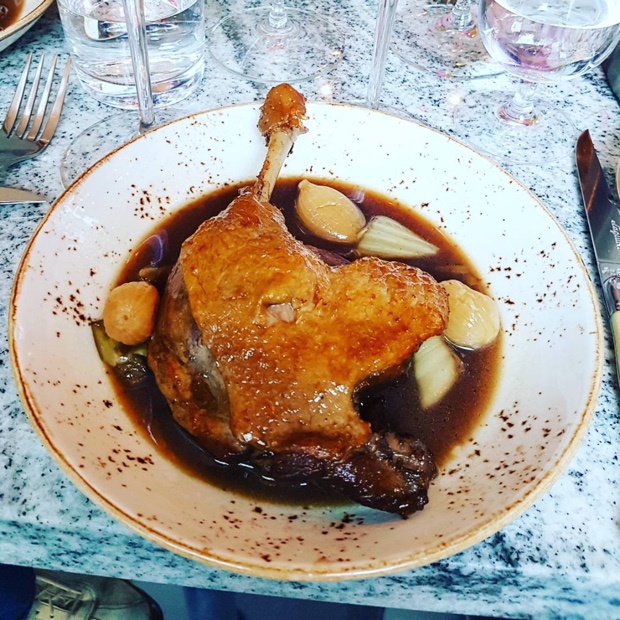

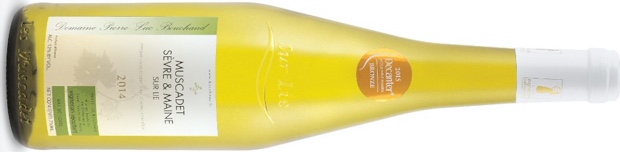
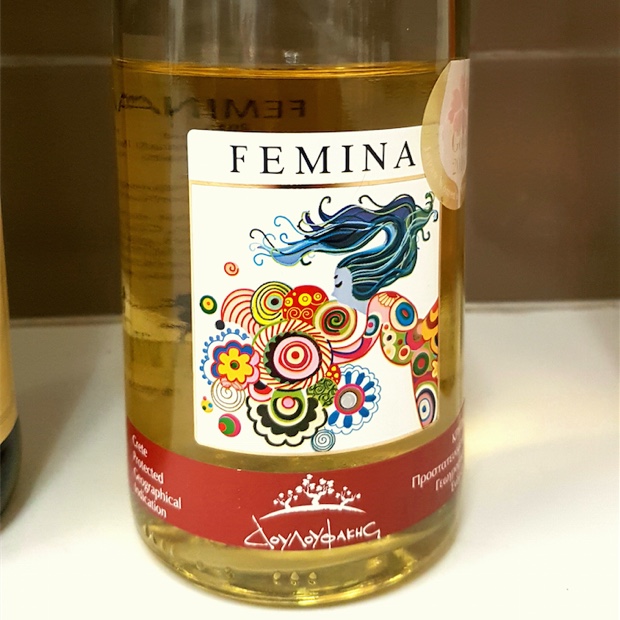
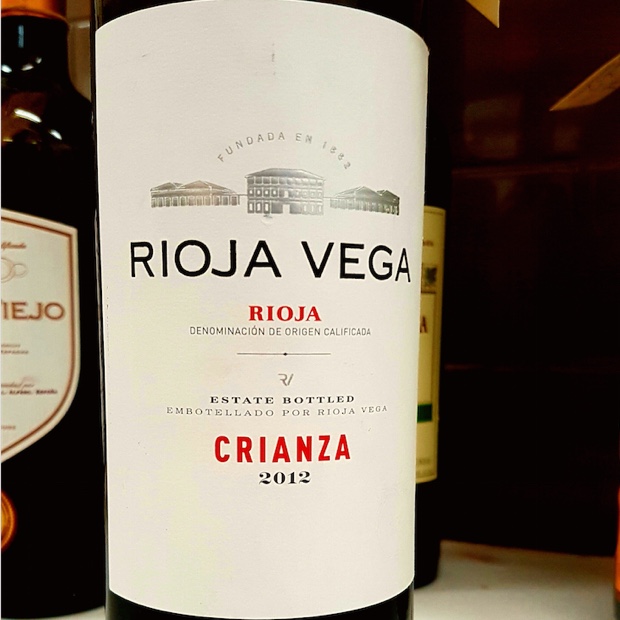
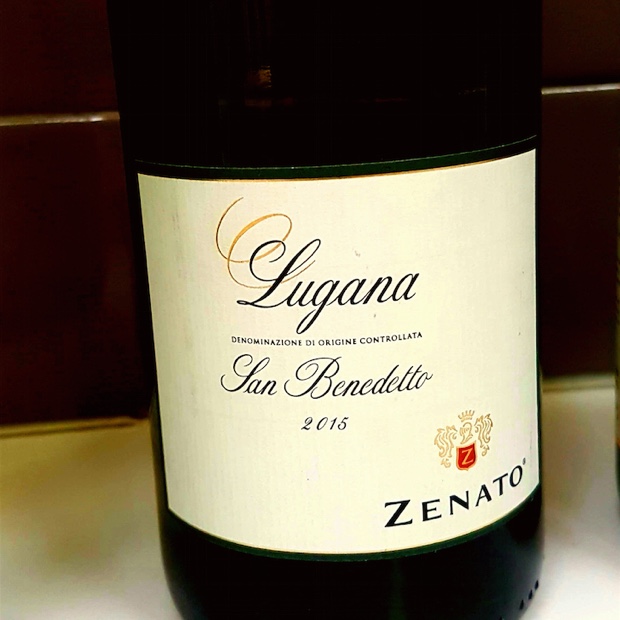

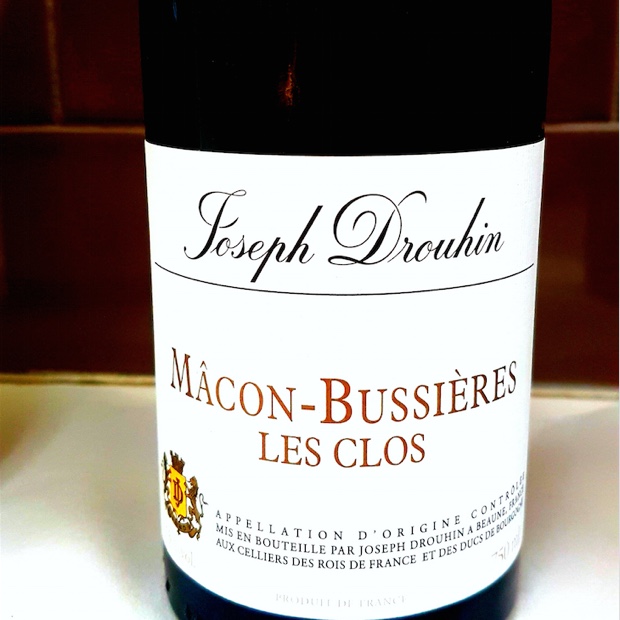


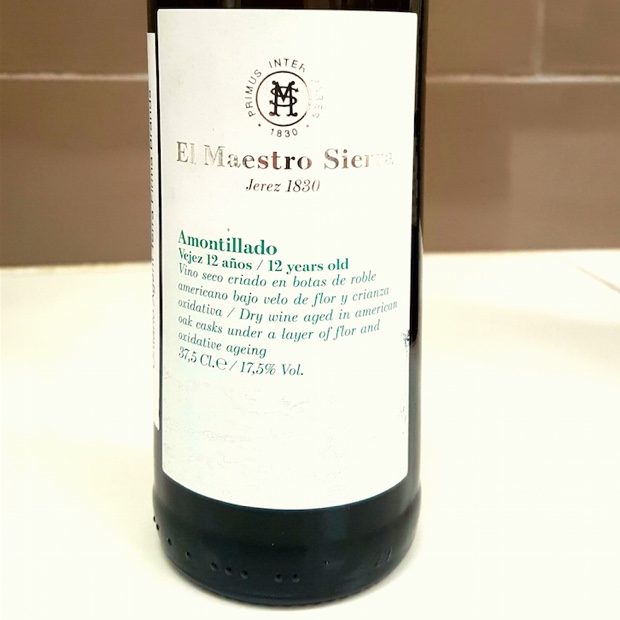


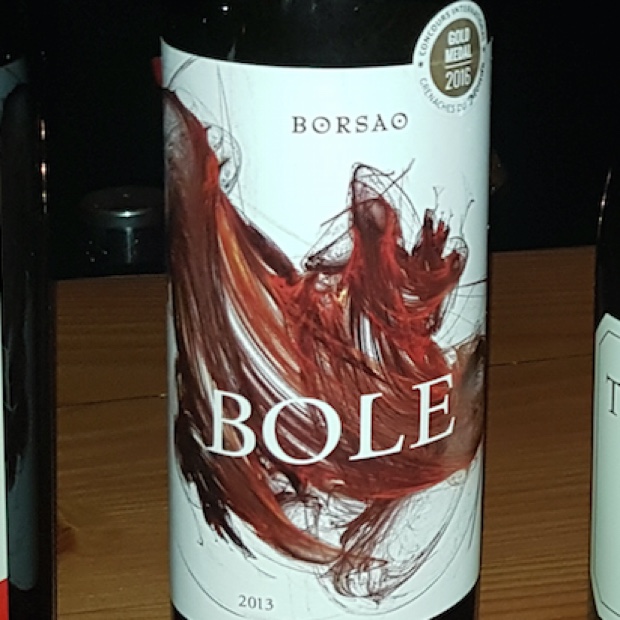
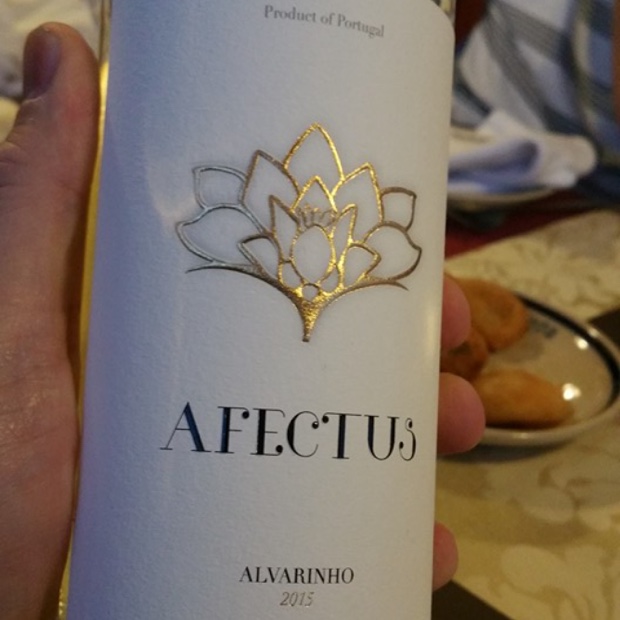


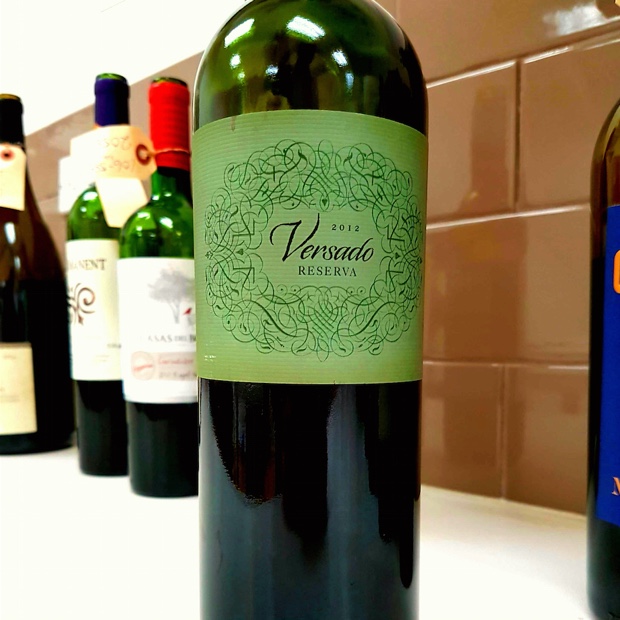




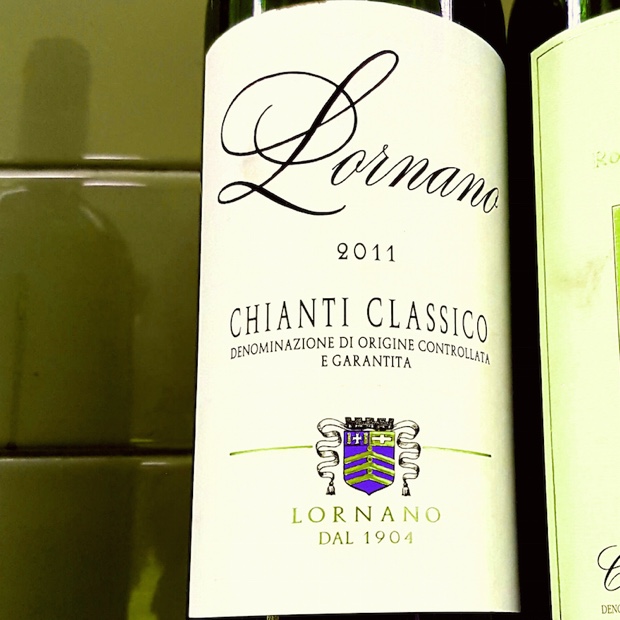


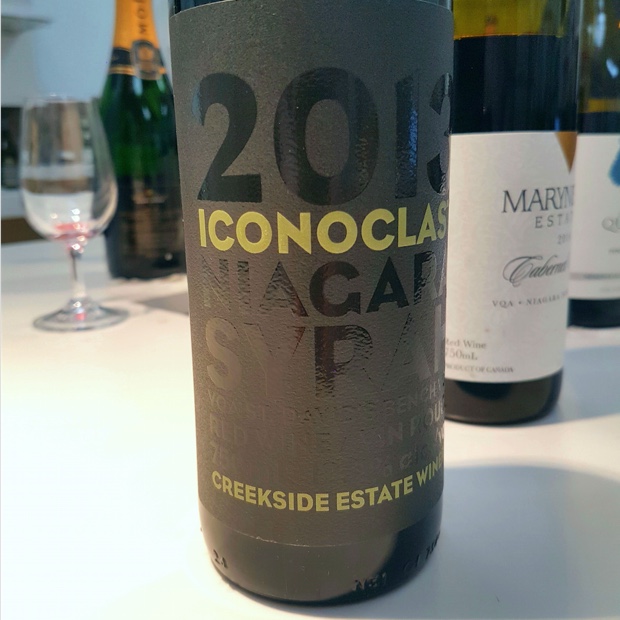
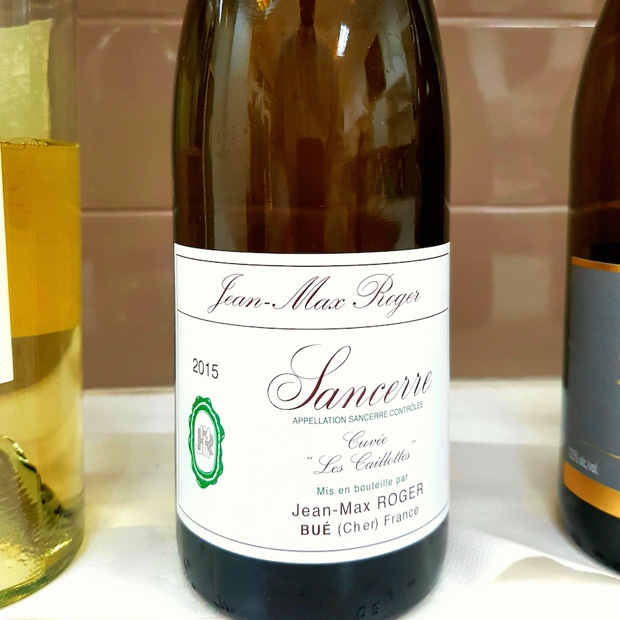
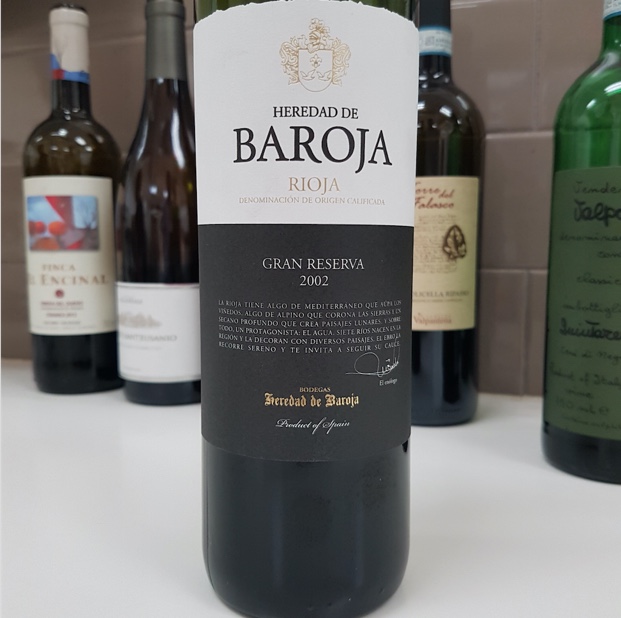
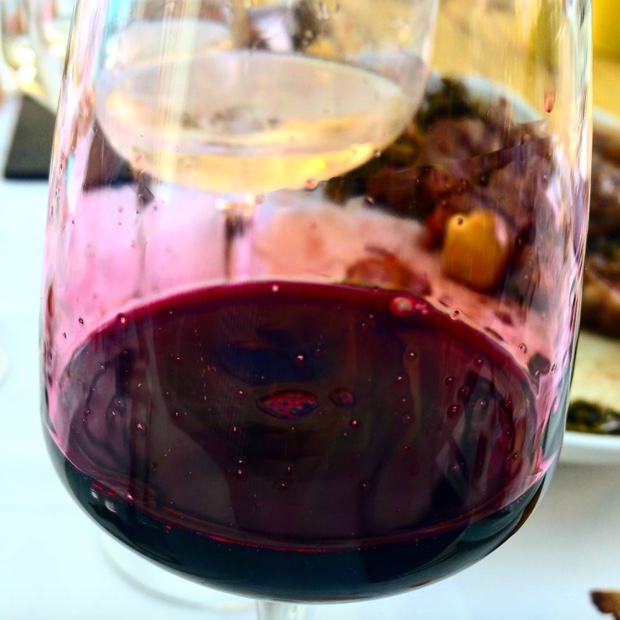

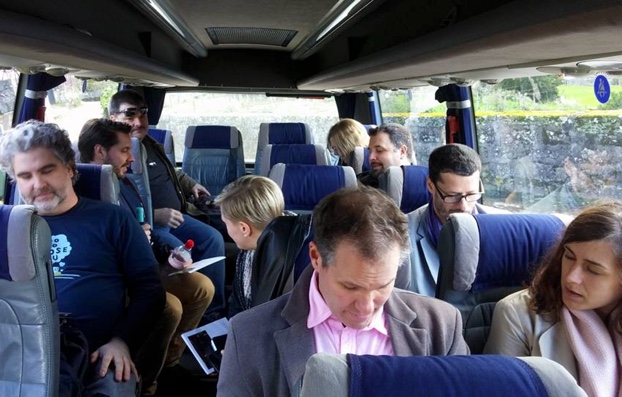
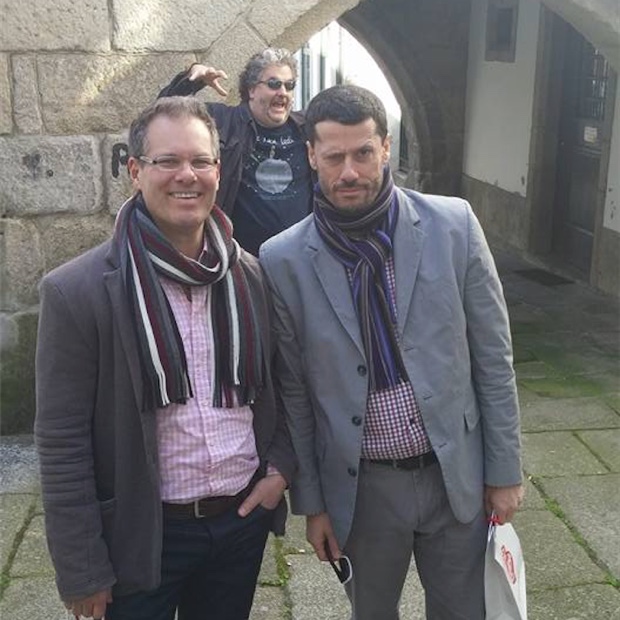
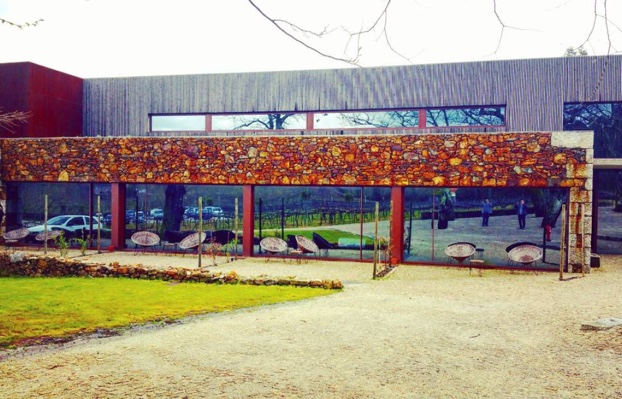
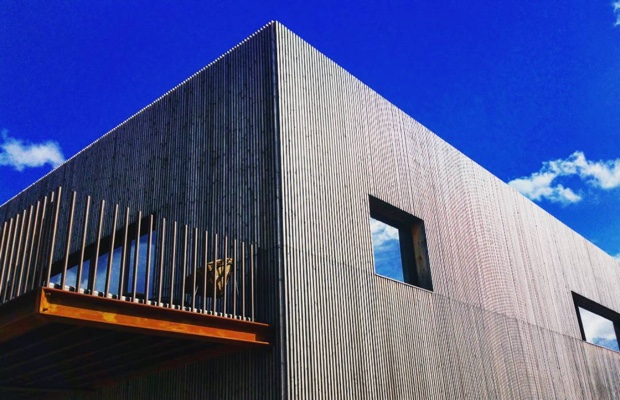
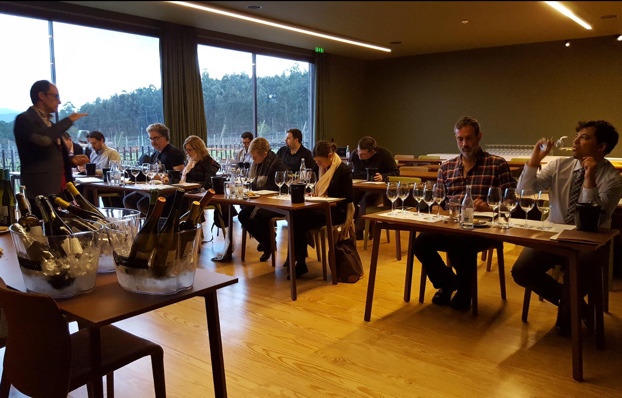
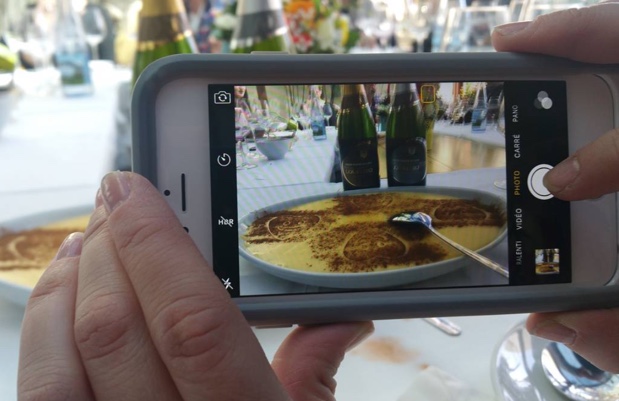
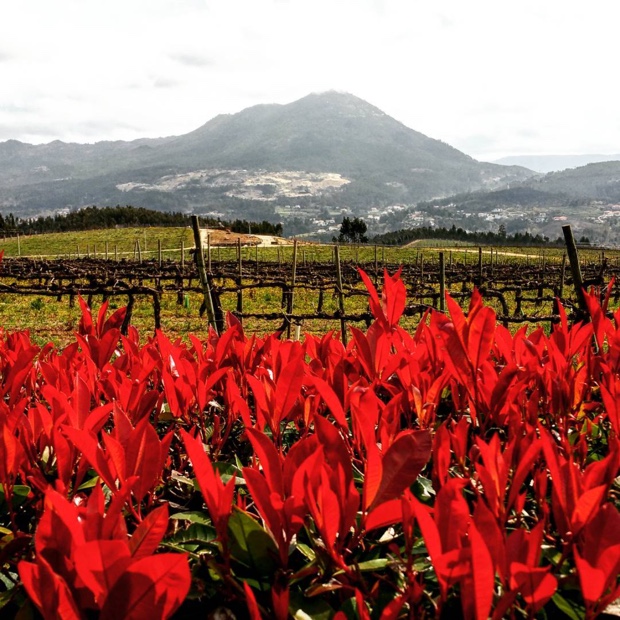
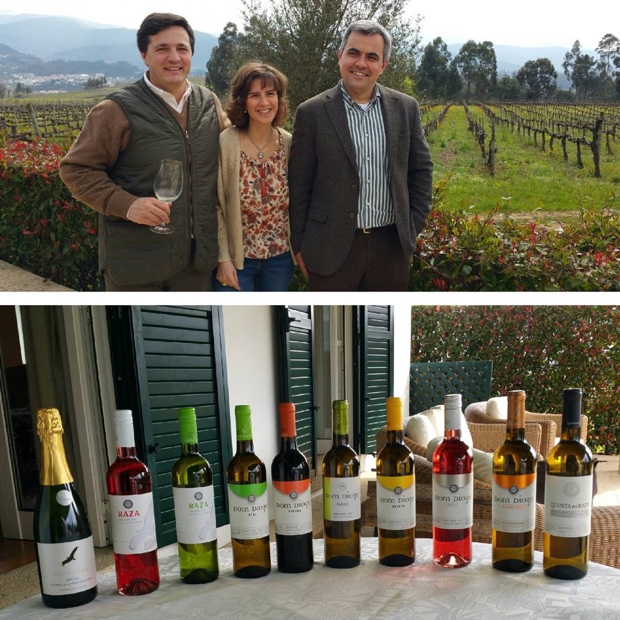
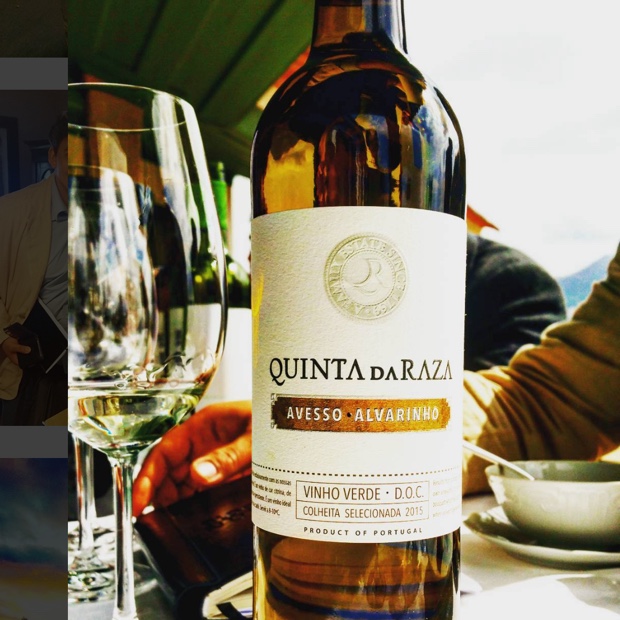
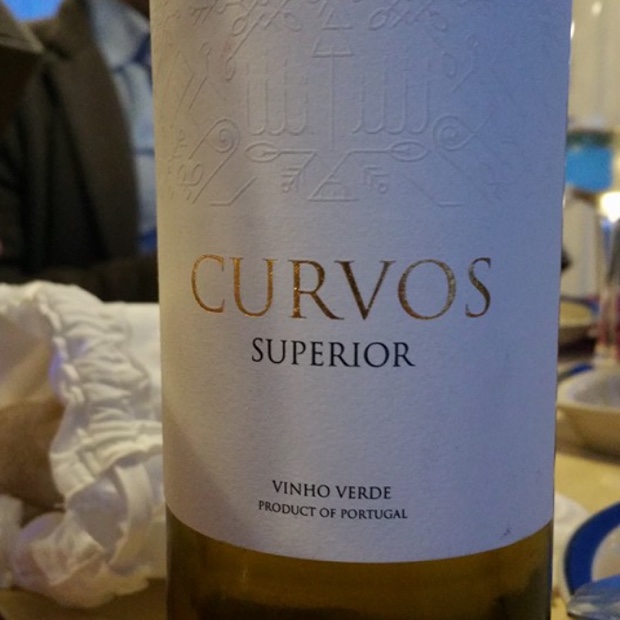
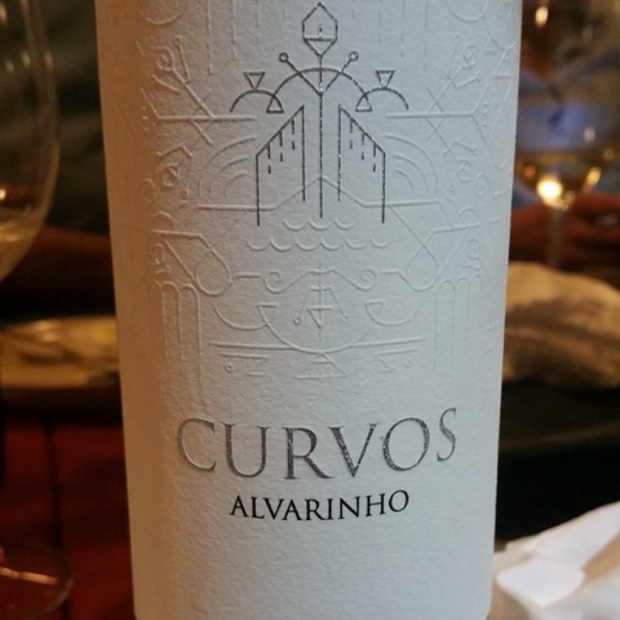
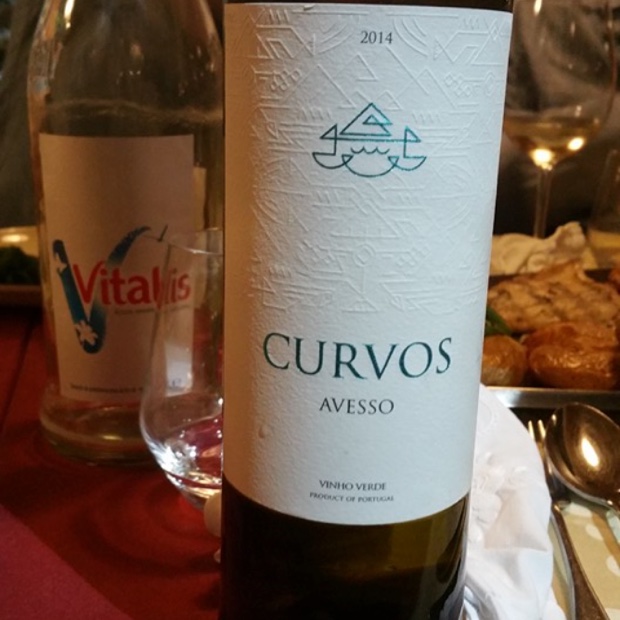
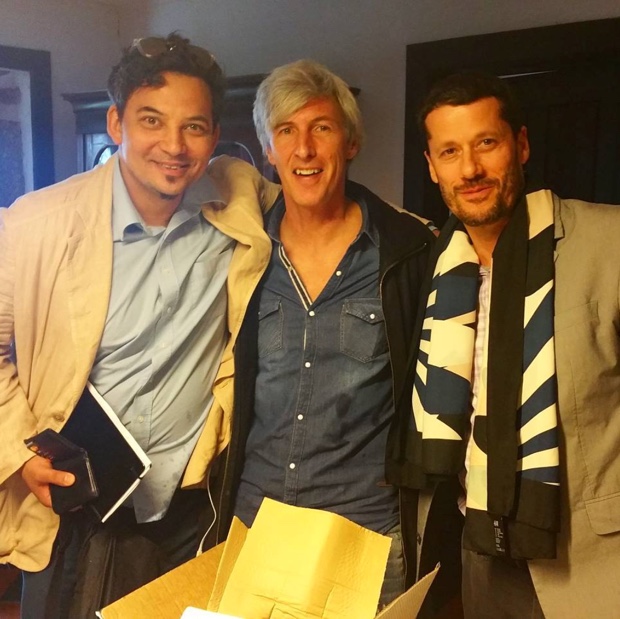
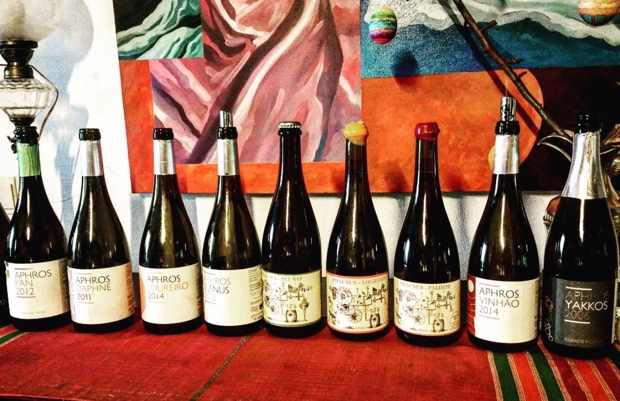
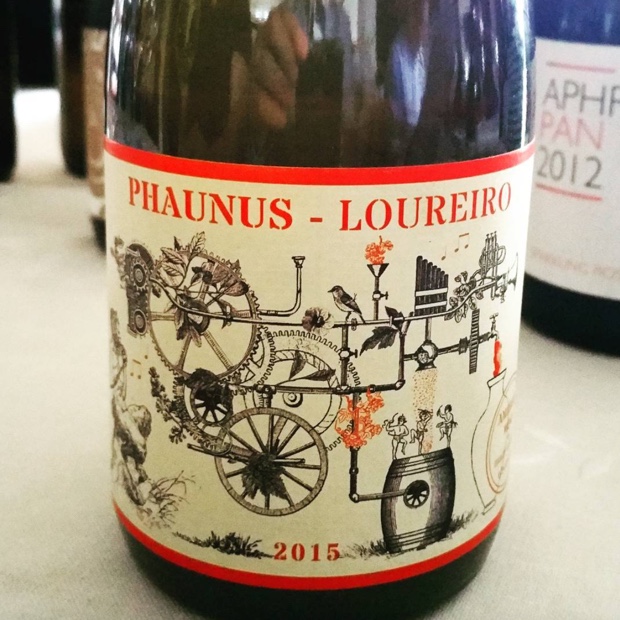
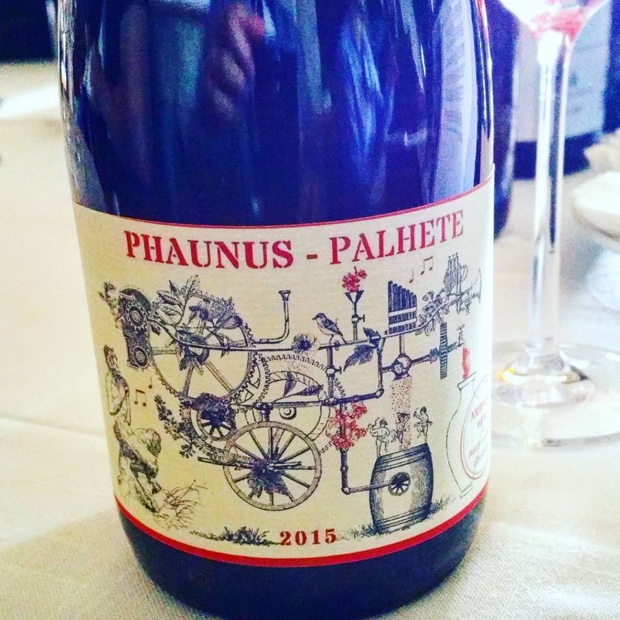
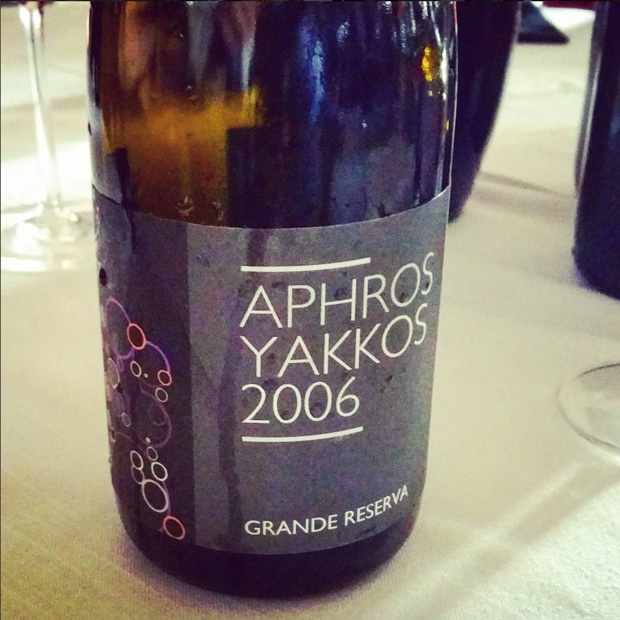
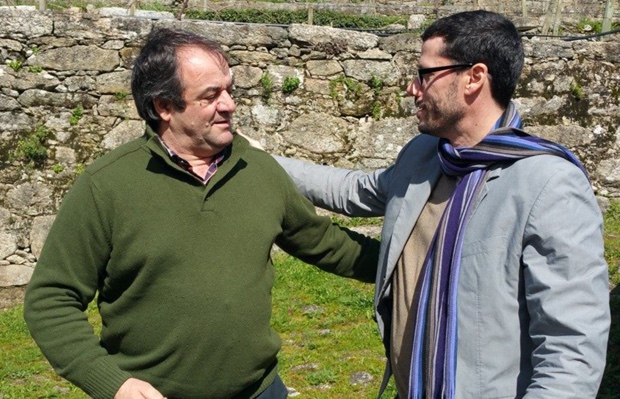
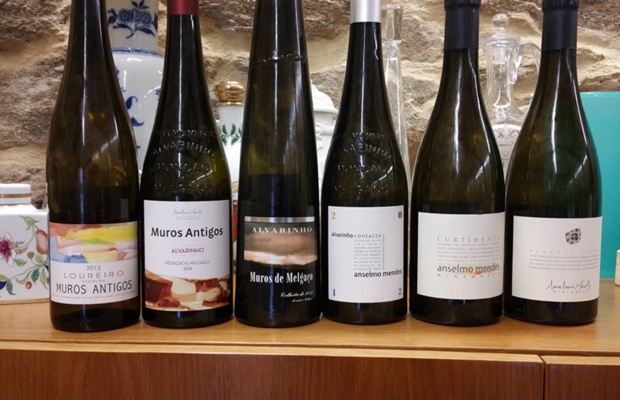
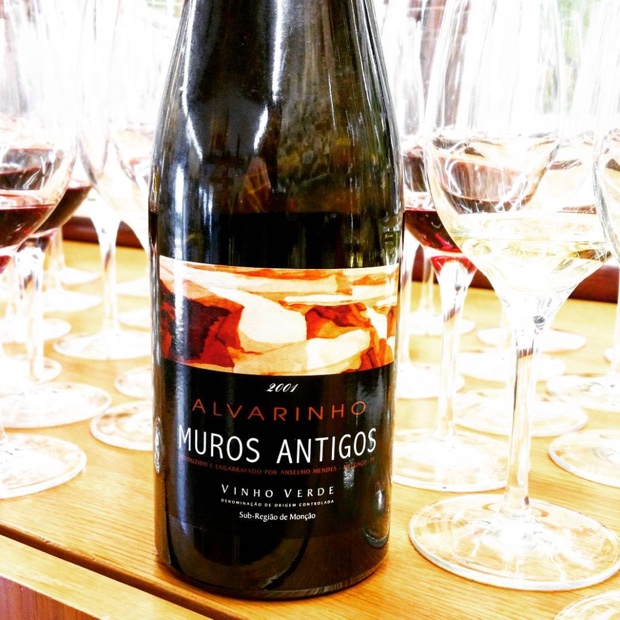
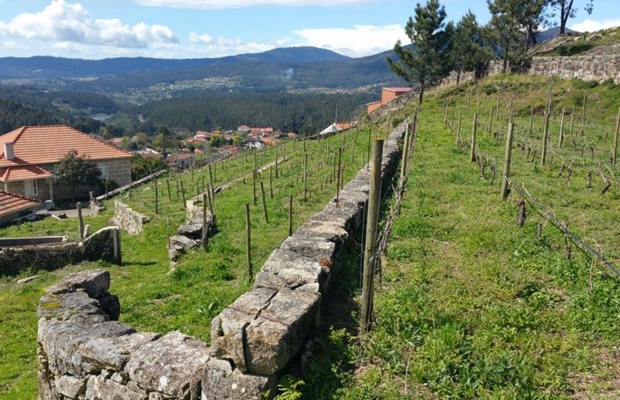
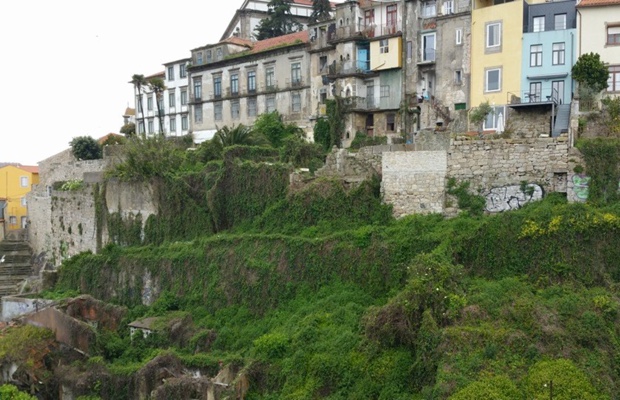
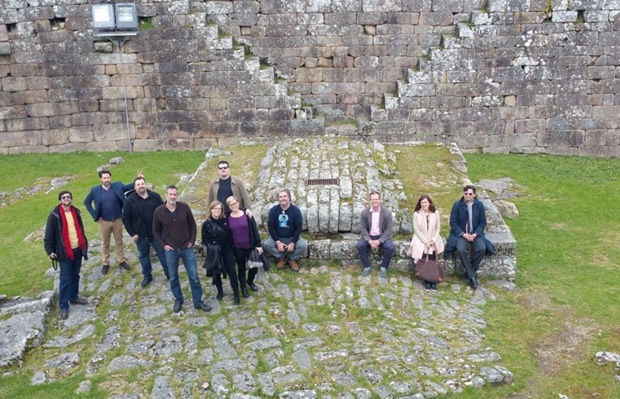
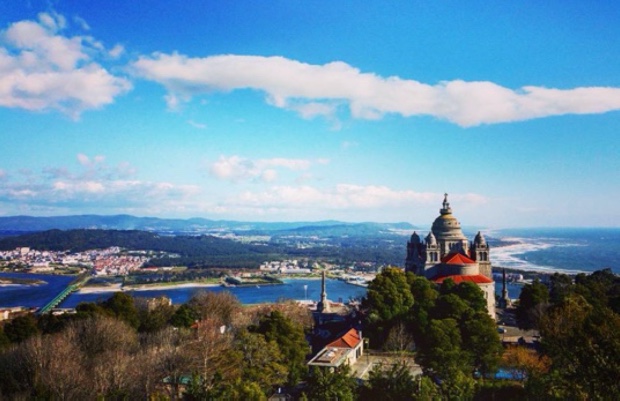
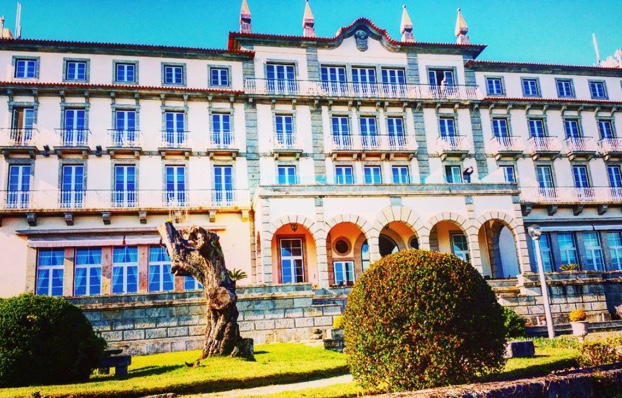
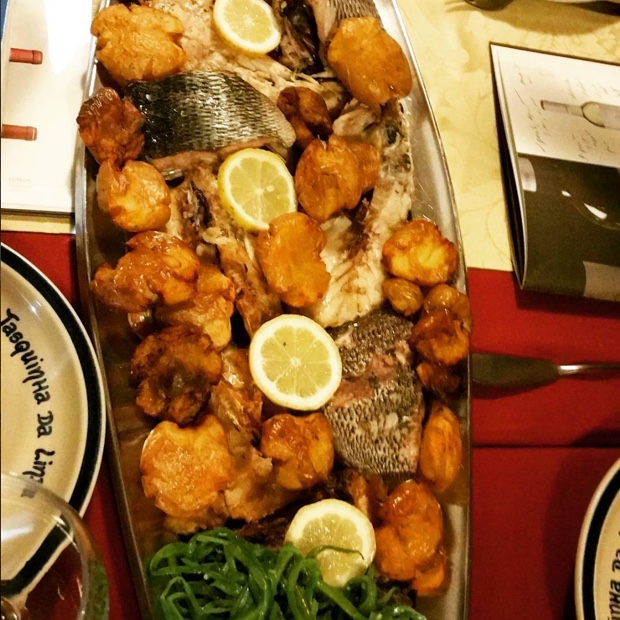
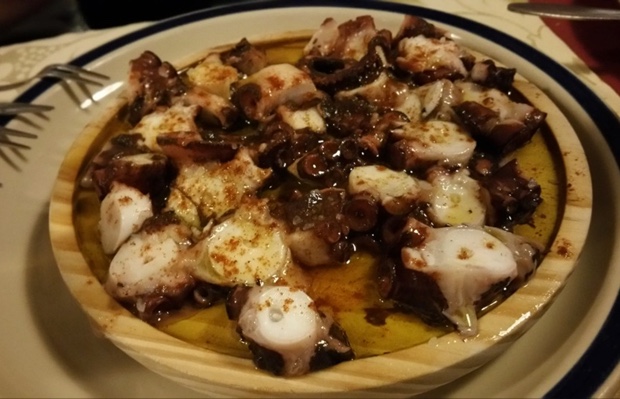
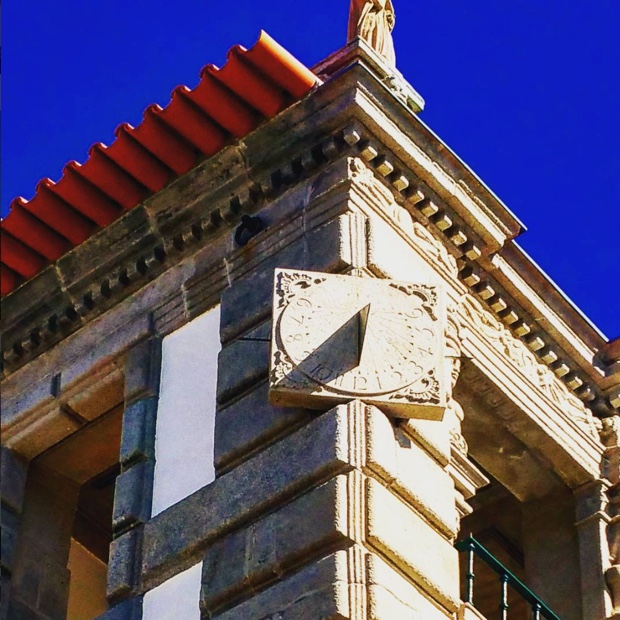

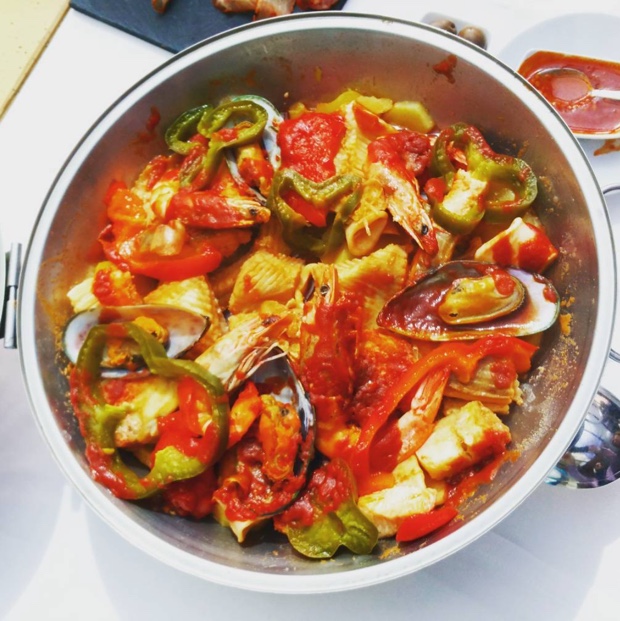
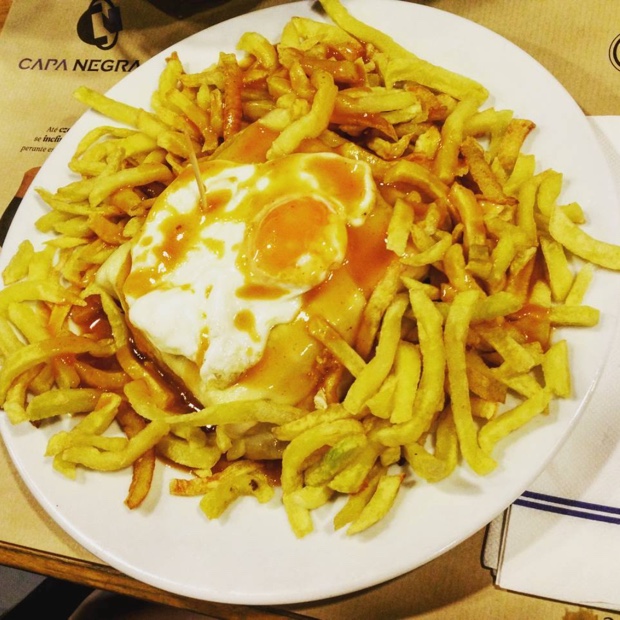
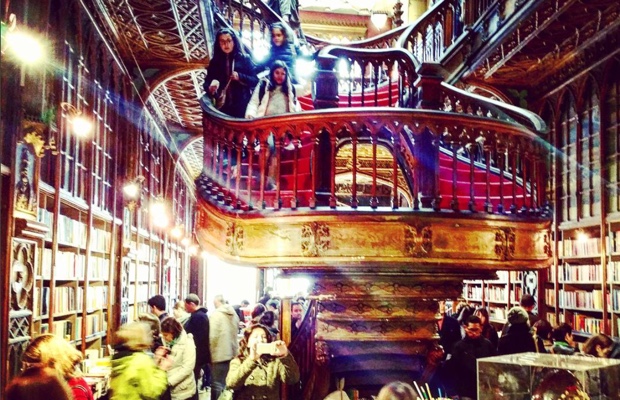


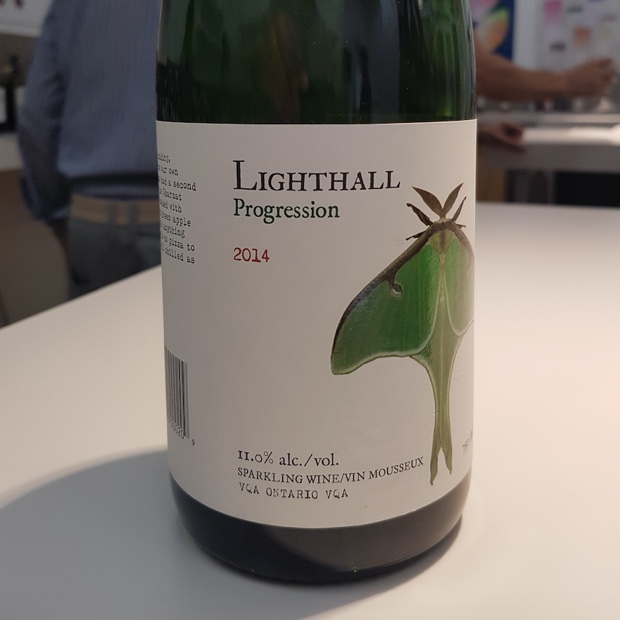


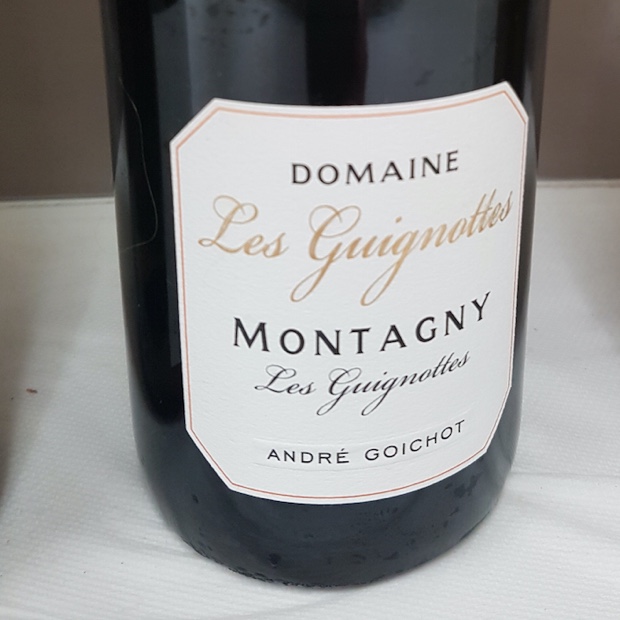
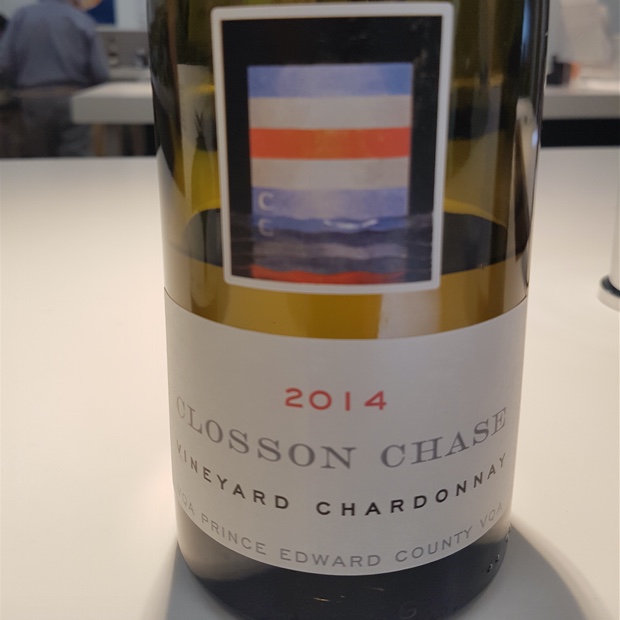
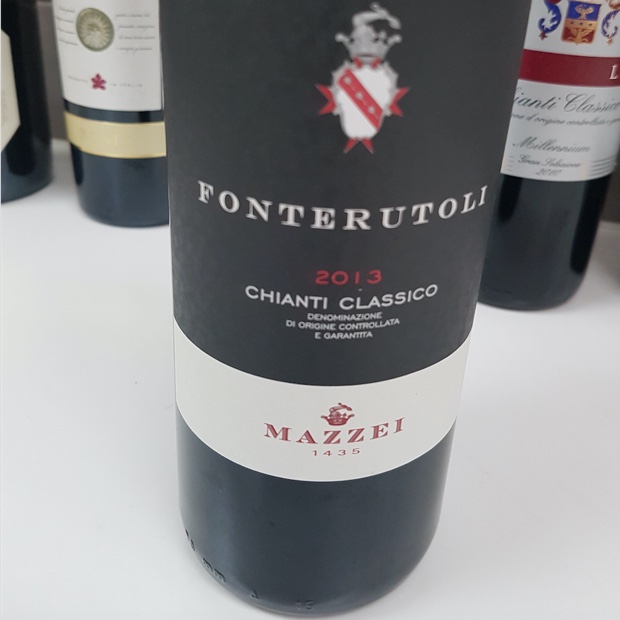
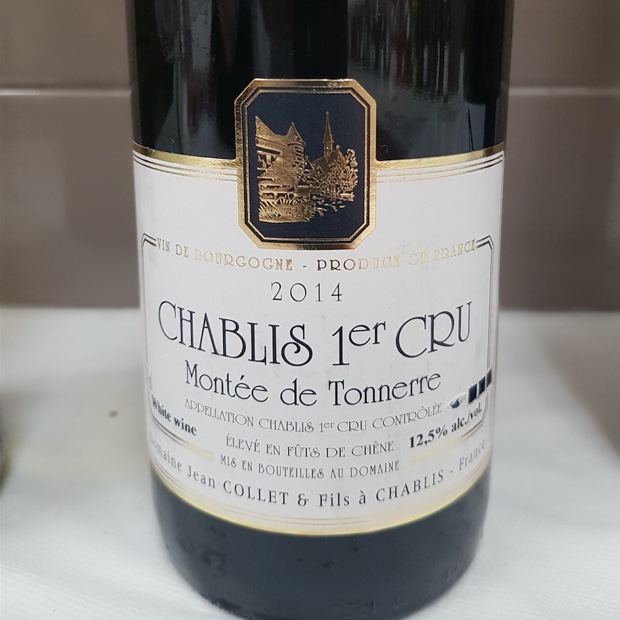

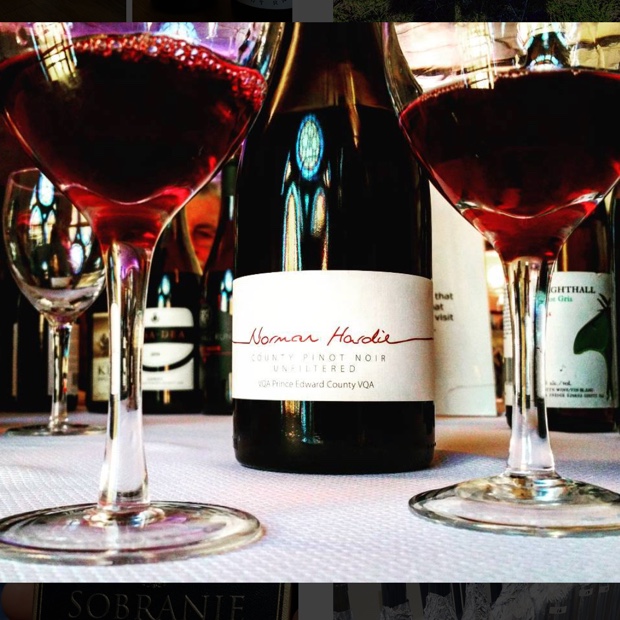
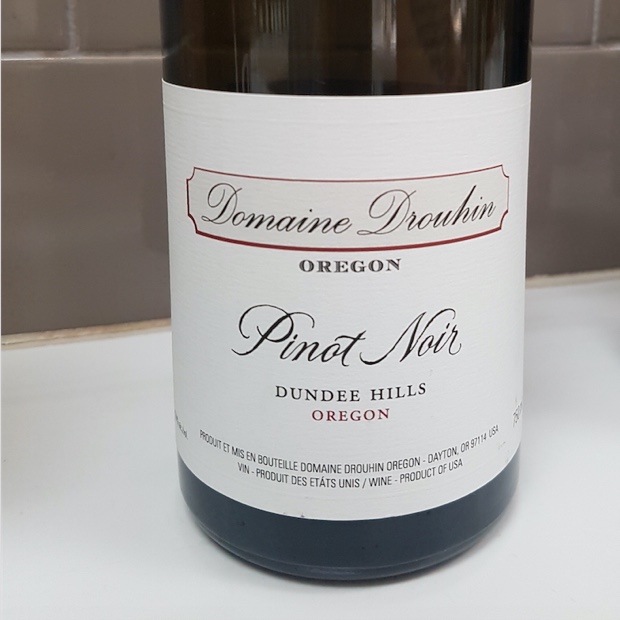


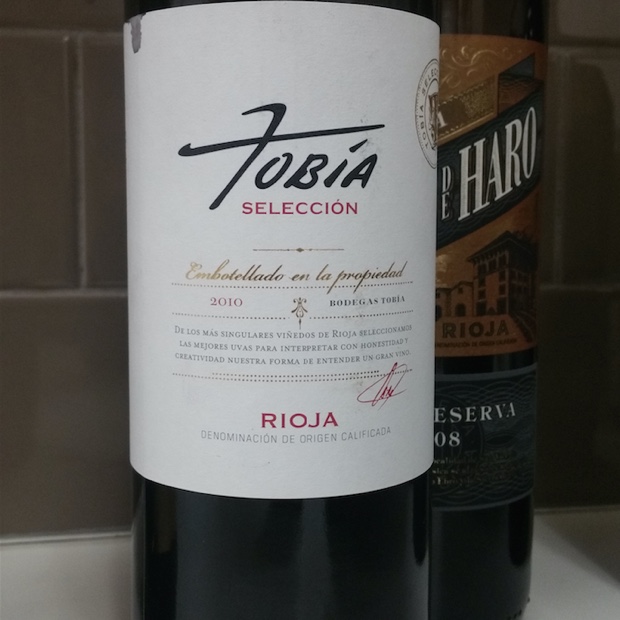
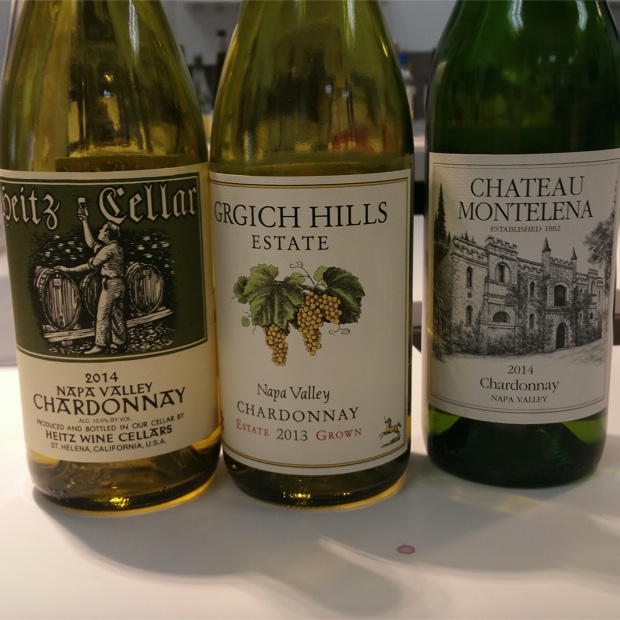

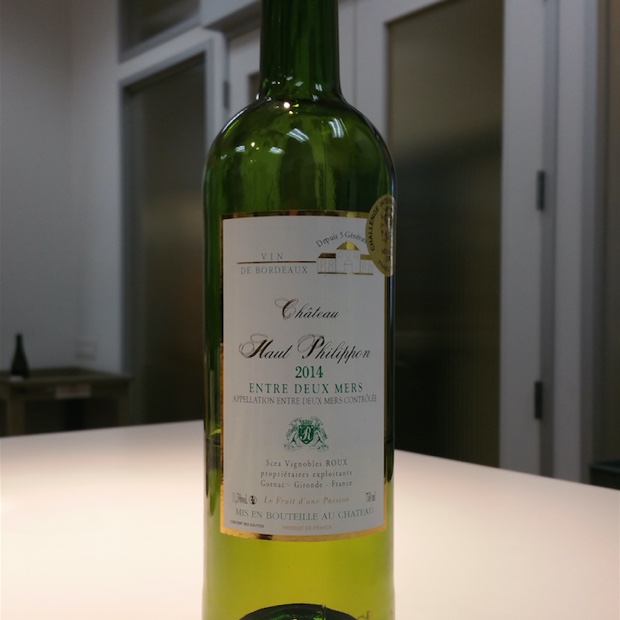

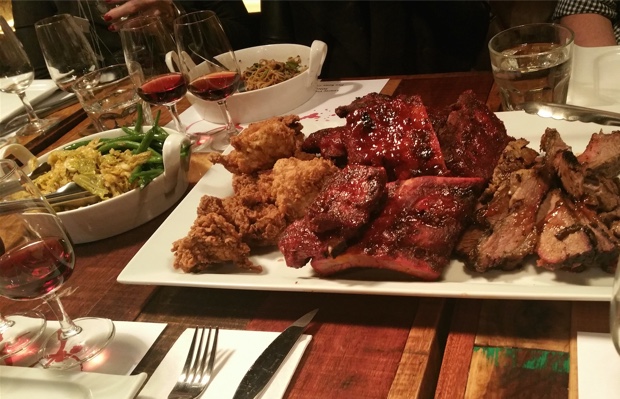
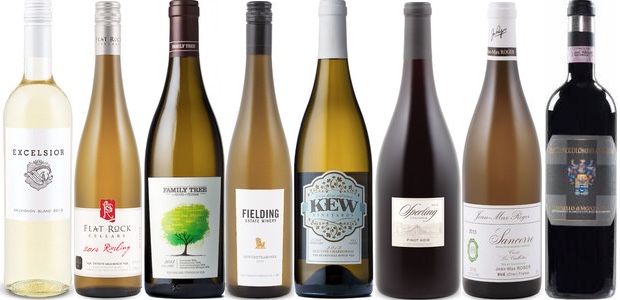
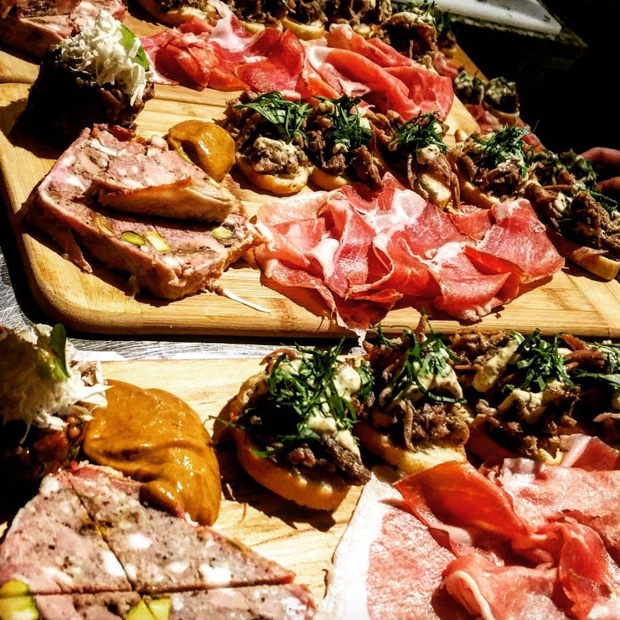








 Godello