October 31st is a date empowered. Each year I fall victim to its commercial holiday, Soma-coma induced temptations. I eat candy on Halloween (I never eat candy) and I write about what to drink with in compliment and in conjunction with its tasting menu confection. It’s all so very wrong on so many levels and yet I’m drawn to it like a moth to a flame? Why? What is it about this impossibly sappy and gagged up day that sucks me into its vortex of plastic, vinyl, crinkle and excess?
I blame it on childhood, on a time when innocence, naiveté and gullibility ruled my universe. When running with friends and getting sick on candy was both joyous and an exercise in self-flaggelent stupid. When two hours meant freedom, rebellion and independence. Halloween is a kids’ version of travelling through Europe with a back pack. It’s like quitting a job, like going to Vegas on a stag (I hate the idea of going to Vegas on a stag).
Well, that explains it. As adults, we try to justify the ingenuousness, callousness and asinine holiday, to make sure our kids find happiness in its bent farcicality. We try to grin and bear it. We attempt to embrace its forced beauty and its urban chaos. And we drink wine.
Looking back at those lists from 2012-2014 and the thirty reasons given for drinking wine on Halloween, the best ten can be culled and reformatted into the following quaternary list:
Because sometimes adults need travelling sippy cups too
The polyphenols in red wine can help offset the horrible effects of eating a pound of refined white sugar
A person with a candy bag full of vodka is an alcoholic. A person with a candy bag full of wine is classy
To reduce the chances of having a heart attack or stroke at the sudden comeuppance of the neighbour’s $10,000 Halloween movie set
Why should this night be different from any other?
The doorbell rings every few seconds and beer takes much longer to pour
It rhymes with Frankenstein
For the sake of keeping things new, I’ll add the final new reason to the list:
10. A few glasses of Pinot Noir will make you smile as you remember how much money you saved by staying true to fun-sized candy
Be the life of the neighbourhood and fill those travellers with any of these 10 Halloween wines, subject to budget and chosen from the VINTAGES October 31st release. I promise not to suggest any candy pairings.
The Richie Roberts take on Riesling brings Beamsville to the populace, combining the natural acidity of the variety with the micro-saddle-plot-climat ipseity that the sub-appellation provides. This early to market ’14 is quite tropical, offering an en primeur portal into what invariably will follow. Fresh, juicy, accessible and in near-perfect balance. Slate, calcareous bleed and fruit generosity make for one tidy, markedly gratifying Riesling. Tasted March 2015 @FieldingWinery@RichieWine
Carries with it the efforts and old barrel trials of generations in its classic aromas. Cedar, dried plum, bitumen, dried anise, wood soaking in natural sugar syrup. Really seamless, flourless and austere in a running wild kind of way. Possessive of length and deserving of that oddest of wine descriptions; supple. This will age for 10-12 years with ease. A great wine for the money, right up there with the Montecillo 1991, but cleaner, juicier and with more sex appeal. A red head, a ginger, Rita Hayworth, Julianne Moore, Emma Stone. Tasted March 2015 @bodegasmuriel@RiojaWine
Creekside Estates Laura’s Red 2012, Queenston Road Vineyard, VQA St. David’s Bench, Niagara Peninsula, Ontario (117906, $19.95, WineAlign)
The richest, wealthiest and most lush Laura’s red to date. Constructed in high tones, big fruit and the most oak it has absorbed. Structurally speaking this climbs to play at the top of the Creekside regime game, with tannins formidable to demanding and a texture filled with spirited matter. Behind the scene and to a certain extent the veil there is Niagara, painted and dressed. Laura’s ’12 bites chocolate and picks at buds with impunity. This much plum and berry fruit will find a way to improve then strut in tastings years from now. Drink 2016-2020. Tasted twice, June and July 2015 @CreeksideWine@hobbsandco
Château Pey La Tour Réserve Du Château 2010, Ac Bordeaux Supérieur, Bordeaux, France (349308, $19.95, WineAlign)
Here’s a well-organized, thought out and structured bit of tidy Merlot from the house of Dourthe. Bits of Cabernet Sauvignon, Cabernet Franc and Malbec reinforce the pretty, dusty, deep blue fruit from between Bordeaux and St. Emilion. I wouldn’t call it rustic or old-school but I would mention its wise charm and traditional handling. Just a bit of astringency in the tannic composition will take this five years down the road. Drink 2016-2020. Tasted October 2015 @La_Cave_Dourthe@Dandurandwines
Wolf Blass Gold Label Cabernet Sauvignon 2013, Coonawarra, South Australia (606939, $23.95, WineAlign)
Prodigious Cabernet of and for protein. Melds flavours of salted caramel and real hot chocolate with melting berries like Churros filled with oozing centres, without sweetness. Has expansiveness and connectivity, with acids and direct displays of tannin. The real deal down in the depths of warm climate Cabernet Sauvignon. Drink 2016-2022. Tasted blind at WWAC15, August 2015 @WolfBlassWines
Lavau Vacqueyras 2012, Ac Rhone, France (104927, $24.95, WineAlign)
Rich and very perfumed Vacqueyras composed of Grenache (50 per cent), Syrah (40) and Mourvedre (10). A wine with every intention to seek out a standing rib roast or duck confit to meet its every move. Charges that mix depth of fruit with grain of wood. Stratagem that marks violets moved to red berry fruit and reasonable acidity melded into a fine grain of tannin. There is just enough restraint in the process to consider this a finessed wine of gastronomy. It’s chewy but easy to digest, crusted and built of simple pleasures. Really well-made. No pretension, no attention drawn to itself and just plain affordable. Drink 2015-2019. Tasted October 2015 @oenophilia1@RhoneWine@VINSRHONE
Flat Rock’s ever involving vines (on 33 hectares planted in 2001 and 2002) enter a new phase with indicators blinking and refreshing in this 2013 Gravity Pinot Noir. Youthful adolescence and gregarious fruit expression initiated in 2010 and carried through the 2012 vintage. Those years saw to a world of astringency and tension relegated to mites in the rear-view mirror. The wine is now in a nexus cross-roaded with exigency holding pattern. To understand its confusion and survey fast forward to its future is not easy. Gravity is a bit large right now, seemingly advanced, but to me the fight is between that fruit abundant state and the return of, though eased by meditative Jedi tension. Gravity just needs a parachute to bring it back down to earth. That lifeline may not materialize in this 2013 but that does not take anything away from its discriminating and diagnostic tones. Brightness, astatic inflection and succulence. This vintage may suffer from some level of snafu but it will age, evolve and breath. That much fruit has to have some level of expectation. The follow up ’14 and ’15 will win the hearts of horses and men. Drink 2016-2021. Tasted October 2015 @Winemakersboots@UnfilteredEd@brightlighter1
Burrowing Owl Chardonnay 2012, BC VQA Okanagan Valley, British Columbia (208694, $34.95, WineAlign)
Showing reduction and barrel youth in its veins, pores, gutters and buffers. Smells just like a young Chardonnay after spending 12-18 months in a combination of toasts and forests should smell. A changeling constantly shifting, grooving, picking up steps and notes. Spice, prick and pierce with the gems of proper acidity. Of emeralds and pepper grinds. The piquant nature begs for time. A stab in the Chardonnay dark says Okanagan as distant cousin to Beamsville Bench or Vinemount Ridge. In the end winemaking steals the show. Drink 2017-2020. Tasted blind at NWAC, June 2015 @BurrowingOwlBC@LeSommelierWine
A highly perfumed Pinot Noir from winemaker Kevin Panagapka in 2012, complete with an exotic spice box of aromatics; potpourri, roses, cassia, clove and aamchur. The profile hydrates to a mulled simmer as the wine is once again warmed by the vineyard’s ability to ripen, exaggerated in ’12 but with more grace, bringing its personality in line with its modest (13 per cent) alcohol. The cherry flavour veers black with a paste of tar and charcoal, but again, the psyche is smooth and elongated. Long finish to this Queenston which should see it sing to 2018 and beyond. Drink 2015-2020. Tasted August 2014 @2027cellars
Château Grand Barrail Lamarzelle Figeac 2008, Ac Saint Émilion Grand Cru, Bordeaux, France (425546, $39.95, WineAlign)
Showing a twinge of age at seven years, in rim and out of the natural whiffing forest aromas escaping with ease. The absolute right kind of earthy and barrel-influenced funk emanates, like experienced Bordeaux should, as would Rioja in similar approach to climacteric transition. A bit of leather, licquorice and aged beef join the gritty fray, mixed with aromatic citrus and grainy tannin to seal the destined way. This is ready to drink and yet two more years would not hurt its cause. Drink 2015-2019. Tasted October 2015 @Dandurandwines
Beef shank, romano bean and lentil soup, tomato, basil, nasturtium
Just over two weeks separates us from another federal election, a national concern in address of criminal activity. Criminal because the choice, at least in the hazy, politically discharged context of my age of voting lifetime, has never been more difficult to make. This I can say. If any of the three leaders pulls out an October surprise from their proverbial political hat, I’m calling their bluff.
Political theory and editorial aside, the one organization that clearly invokes the OS trump card repeatedly and with outright conceit is the LCBO. The operating system is predicated on spin tactics to influence booze czars and to turn business reports inside out. Every month of the year can be aligned with surprise, to make certain the Province of Ontario and whichever elected (or keys to the castle given) Premier stays on the lee side.
Ontario beer, wine and spirit commentary aside, the VINTAGES release calendar continues to cycle on through with expert efficiency and en ever-increasing delightful, thoughtfully purchased and seemingly never-ending supply of quality wine. In 2015, the October surprise is one I can get behind, support and outright cheer for. Finding 10 wines I’d feel honoured to sip, pour and relegate to the mid-life crisis racks of the cellar is nothing short of shooting fish in a barrel. For October 3rd, here they are.
From left to right: Cave Spring Cabernet Franc 2013, Stephane Aviron Vieilles Vignes Morgon Côte Du Py 2012, Altos Las Hormigas Terroir Malbec 2012, Rosewood Origin Cabernet Franc 2013 and 2027 Cellars Wismer Vineyard Fox Croft Block Chardonnay 2012
Cave Spring Cabernet Franc 2013, VQA Niagara Escarpment, Ontario (391995, $19.95, WineAlign)
Another notch on the Escarpment knows Cabernet Franc totem, with similar if deeper, earthy red fruit character in 2013 for the Cave Spring. The tonalities are further elevated in a vintage that should offer more balance. That it does in terms of handling ripeness in opposition to acidity but at a young age it is further from its intended truth than was the ’12. This may be a better, bigger and deeper CF of potentiality but it’s awkward right now. Give it a year plus to answer the bell. Drink 2016-2019. Tasted September 2015 @CaveSpring@TheVine_RobGroh
Stephane Aviron Vieilles Vignes Morgon Côte Du Py 2012, Ac Beaujolais, France (424804, $19.95, WineAlign)
Like dark cherry for freshness, maceration for thickness. Entirely, satisfyingly and flat-out rung up in juicy Côte de Puy. Meaty and leaning to roasted, this consistent Morgon makes an honest bedfellow with the Cru. Drink 2015-2018. Tasted September 2015 @Nicholaspearce_
Altos Las Hormigas Terroir Malbec 2012, Uco Valley, Mendoza, Argentina (366005, $22.95, WineAlign)
Tremendously different Malbec, within the context of largesse. Deep, natural funk, like Syrah of meaty, smoky, porcine intent, from the northern Rhone or Franschhoek. But as Malbec, to Cahors, or not, it is simply cimmerian, intense, of iodine and blood, of minerals not often sensed. Well scripted by a big box outfit with much on its plate. High commendation to be sure. Drink 2016-2020. Tasted September 2015 @ALHmalbec@winesofarg
Cabernet Franc moving with all the correct intentions. Plods a disciplined direction of self-harnessing variegated power out of the ripening challenges abetted by The Bench’s rolling hillside vineyards. Esteemed of low alcohol, on a knife’s edge verge of ripe, ripe fruit and with tannin to add necessary stuffing. Depth of Cab Franc terroir clay, simulating the beautiful rascal flats of the lakeshore, here up higher, crusted by the Escarpment, combining for depth and matter. This matter. This bottle matters, this varietal necessity, this excerpt. It has meaty, smoky, binging bent. It will age for a minimum five and likely, efficiently, for an excavating seven or eight. Drink 2015-2023. Tasted September 2015 @Rosewoodwine
In the hands of winemaker Kevin Panagapka, Craig Wismer’s fruit retains un underlay of power not recognized in other Foxcroft Chardonnays. Neither Thomas Bachelder nor Ross Wise (Keint-He) make anything near spirited as this 2027 take. Chardonnay loves the sun in the Foxcroft Block and Panagapka loves to see that sun hook up with the inside of a barrel. This ’12 makes a nice date for a wood wedding. A product of the Dijon 96 clone, the reduction in this Chardonnay drives its fresh, spritely if mettlesome nature, with a bark and a barrel bellow, but longevity will not suffer as a result. This could take 30 years to oxidize, it’s that audacious and also courageous. Let it and its buttered popcorn rest a while. Drink 2017-2025. Tasted May 2015 @2027cellars
From left to right: Penfolds Bin 128 Shiraz 2013, Vina Real Gran Reserva 2008, Kenwood Jack London Vineyard Cabernet Sauvignon 2012, Burrowing Owl Cabernet Franc 2013 and Le Vieux Donjon Châteauneuf Du Pape 2013
Penfolds Bin 128 Shiraz 2013, Coonawarra, South Australia (509919, $34.95, WineAlign)
One thing is certain, never judge a Penfolds by its cover, in its youth. Here Shiraz is meaty and pepper laces the brawny fruit. A purely bovine expression with enough ganache to ice a birthday cake for 50. But the level of structure, brick laying foundation and utter momentous occasion means this must be assessed with a waiting for the compression to emerge, from out beneath the cumbrous suppression. In time, that it will. Drink 2017-2022. Tasted September 2015 @penfolds@alyons_wine
Vina Real Gran Reserva 2008, Rioja, Spain (280545, $36.95, WineAlign)
Highly volatile at this stage and perhaps will be at further stages, but the fruit slinging to acidity bringing it to and from tannin is immense and beautiful. Big structure, stuffing and stage one temper. Has every right to fly its name up high because this represents firm 2008 Rioja with distinction and is as real as it gets. Needs three years to settle down and play a proper, righteous Rioja tune. Wow. Drink 2018-2023. Tasted September 2015 @Cvne@vonterrabev
Kenwood Jack London Vineyard Cabernet Sauvignon 2012, Sonoma Mountain, Sonoma County, California (944843, $39.95, WineAlign)
Always fruitful, full and necessary. No holes, plentiful in high quality chocolate and bountiful by way of stuffing. Deep and intense. Big tannins. Tells it from Sonoma Mountain in the way the author would have prescribed. In the proper function of Cabernet, “to live, not to exist. I shall not waste my days in trying to prolong them. I shall use my time.” Persists as a top under $40 California Cabernet, as it always has. A London for the 10-15 year haul. Drink 2017-2025. Tasted September 2015 @KenwoodVineyard@sonomavintners
Burrowing Owl Cabernet Franc 2013, BC VQA Okanagan Valley (349019, $44.95, WineAlign)
No combination of ripeness and desert derived concentration can be found in any Cabernet Franc, not just in this country but really anywhere. That the Owl can achieve such massive structure and red fruit containment is remarkable, unparalleled and in singular ownership of style. Extraction clearly matters, layering is key and quality must ride with ripeness. “You know what I’m saying baby,” this is a sky rocket of a Cabernet Franc. Full on, flat-out expression, without compromise. Drink 2015-2020. Tasted September 2015 @BurrowingOwlBC@LeSommelierWine
Le Vieux Donjon Châteauneuf Du Pape 2013, Rhône, France (700922, $58.95, WineAlign)
A thankful. restful and wistful return to form, away from heat and into perfume. Cherry melting into garrigue, beautiful musty wood, the way things were, not so long ago, when the evening meal and the garden mattered. As things do and will again. This Donjon will be a part of future’s past. Drink 2017-2024. Tasted September 2015 @VINSRHONE@RhoneWine
From left to right: Thirty Bench Riesling 2013, Stratus Vineyards Wildass Red 2012, Rockway Estate Small Lot Meritage 2012, Huff Estate Gamay 2012, 13th Street Gamay Noir 2013, Westcott Vineyards Estate Chardonnay 2013 and Norman Hardie County Unfiltered Pinot Noir 2013
Currently off in South Africa on the Stellenbosch Wine Route with CapeWine2015 on the immediate horizon but I left some local reviews behind in anticipation of the VINTAGES September 19th release. A few are out for another go ’round and do hear this. Their timely and welcome recurrence is not something to take lightly. If you missed them the first time, get them now. It’s another one of those essential times of the year when we all fall into the cask of go local, #LCBOTasteLocal and reap the benefits of Wine Country Ontario. See you in a few weeks back in the old country for the first October release.
The classification for Thirty Bench here as a ‘basic’ Riesling is such a stretch in consideration that the fruit is meant for this bottle and that fruit is of the highest Beamsville distinction. What a treat in 2013, ready to please with immediacy, great balance between sugar, acids and mineral-lactic travels to and fro, back and forth. Torque at its finest and most pure in Ontario. Drink 2015-2018. Tasted September 2015 @ThirtyBench
Kew Riesling, Young Family Organic Vineyard 2013, VQA Beamsville Bench, Niagara Peninsula, Ontario (426460, $18.95, WineAlign)
The idea that Beamsville Riesling can attack such hallowed territory is one of exigency and wonder. Kew does so with organic, Germanic and elemental attitude to the apogee of Escarpment degree. Everything in the Phillip Dowell mastery mix exists in the rare air of Beamsville essentia. When it hits optimum minutia and does temporarily descend to the ground, the ’13 Riesling sticks in beeswax and lanolin, not to mention lemons dipped into more rosin. Quite singular, even within the context of a Beamsville style. Drink 2015-2019. Tasted repeated times, July, August and September 2015 @kewvineyards
Stratus Vineyards Wildass Red 2012, VQA Niagara On The Lake, Ontario (86363, $19.95, WineAlign)
It would be hard to figure any sub-$20 red Ontario blend showing a deeper sense of ripeness, wood intent, sinew, cure, triturate resin and dry barbecue rub – than this Stratus ’12. It’s a bit of a head scratching, game-changing meritage, altering the course for $20 red blends forever. At the risk of forming comparisons, it puts me in mind of other places, like Roussillon, Campania and Navarra. It has coal running through its arteries and tonic spewing out of its fountains. Wild my ass? Yes. Drink 2015-2019. Tasted September 2015 @StratusWines
Rockway Estate Small Lot Meritage 2012, VQA Twenty Mile Bench, Niagara Peninsula, Ontario (388264, $19.95, WineAlign)
Twenty Mile red charcuterie and ripe blackberries baked into a Peninsula pie. Highly consumable red blend, with natural feeling acidity and grainy, slightly bitter tannins. Will settle nicely in two years and drink for three more. Drink 2017-2020. Tasted September 2015 @RockwayVineyard
Four months has upped the funk in for ’13, with tar and bitters still and thick as summer air. Rich and ripe, notable for its black cherry aroma and that J.P. Colas natural truncation. Unique, as always and very Gamay. Drink 2015-2019.
From my earlier note of December 2014:
Fruit was sourced from both the Sandstone and Whitty Vineyards for 13th Street’s Gamay Noir, a focused and gritty adjunct in ode to the Cru Beaujolais approach. This ’13 raises the aromatic and texture bar and just may be the most striking from a 13th Street estate mix. All the important berries are there, as are the mineral quandaries. In a Gamay moment this will lead you to gulp and giggle with #GoGamayGo delight.
If $25 seems a premium to pay for Ontario Gamay, consider all that is on offer in winemaker Frédéric Picard’s take on the friendly French grape. Picard caddies for 13th Street (Niagara) fruit, vinifies it bone-dry with the minimalist edge of 14 months in 15 per cent new French oak. The fruit is so very ripe, in raspberry and gritless, creamy blueberry. Like savoury adult ice cream, silky smooth and with nary a hint of chalky grain. Well-designed and consumer-friendly as any Gamay has ever graced the Ontario consciousness. So you’ve “got that going for you, which is nice.” Shack up with Huff’s Gamay treat. Tasted at County in the City, April 2014 and again, September 2015 @HuffEstatesWine@PECWines
The barrel fermented and aged Estate Chardonnay spent 12 months in two-thirds new and one-third second fill wood. Lees stirring is slightly increased as compared to the unplugged. Again, it’s about aromatic intensity leading the way to palate density. By the sounds of Westcott’s comments “we’re pleased with its remarkable irony — dry and sturdy, yet creamy and rather curvy,” you might think the team was stirring with impunity. Not so. The Estate Chard does the dance of mild spice and butter on toast to reach a texture that would appease savages. Unavoidable and typical low yields from the Vinemount Ridge picked at the right moment and handled with caring tabula rasa are the spirit in this wine. Delightful and charming. Drink 2015-2020. Tasted June, July and September 2015 @WestcottWines
Norman Hardie County Unfiltered Pinot Noir 2013, VQA Prince Edward County, Ontario (125310, $39.00, WineAlign)
Procuring depth in County Pinot Noir is a tough task within the constraints of resisting a temptation to reach for sugars, alcohol and dark berry fruit. Norm Hardie’s 2013 unfiltered (at 10.9 per cent) and lambent exegesis succeeds because it offers the best of all available worlds. Roots for vines that burrow to limestone develop a structure that while may have at one time been inconsistent, have crossed the threshold in ’13 to establish a guarantee. A Hardie PEC Pinot Noir can be bright and accessible. It can also be tough, tart and tannic, as it is here, again, but not without its foil. The work is now innate, the transitions seamless, the crossroads left in the dust. This wine will please two camps; those who can afford and demand immediate gratification and those who are willing to wait for secondary (two to three years) and tertiary (four to seven) character development. Drink 2017-2022. Tasted April and September 2015 @normhardie
What is the only way to tell the difference between a wine geek and a wine snob? A geek will not drink just anything but will taste everything. In the name of science, of course.
Silly high society rules, like not drinking whites after Labour Day are the wine equivalent of late 19th century fashion precepts and as ridiculous as they may seem, you just can’t make this shit up. Just ask Google.
The first VINTAGES release of the new year (on the Hebrew calendar) or depending on your angle, the last of the summer (preceding Labour Day), is rich with excellent whites. There are 15 choices from September 5th that I highly recommend. Get them while they and it, are hot.
From left to right: Old Vines In Young Hands White 201, Dr. L Dry Riesling 2014, Domaine La Haute Févrie Sur Lie Muscadet Sèvre & Maine 2014, Thelema Sutherland Sauvignon Blanc 2013, Cave Spring Estate Bottled Chardonnay Musqué 2013, Flat Rock Riesling 2014, Boutari Santorini Assyrtiko 2014 and Bailly Lapierre Saint Bris Sauvignon Blanc 2014
Old Vines In Young Hands White 2013, Doc Douro, Portugal (424374, $12.95, WineAlign)
Young winemakers, a country’s support, a new vernacular, simplicity and imaging in ode to old ways. The packaging and the intent is spot on. The wine follows suit. Arid, saline, savoury and elemental, like QBA Riesling or Peloponnese Kidonitsa. I’m digging and buying the style, both in clean winemaking and in appeal to a whole new world. Drink 2015-2017. Tasted August 2015 @MichaelAndBrand@winesportugalCA
Dr. L Dry Riesling 2014, Qualitätswein, Mosel, Germany (409680, $13.95, WineAlign)
Another sock it to me Dr. L, straight up, spot on, exactly what it purports to be. General index of Riesling expression. Read it, use it as a reference, calibrate your palate to where you want to go. Drink 2015-2016. Tasted August 2015 @drloosenwines@Select_Wines@GermanWineCa
Domaine La Haute Févrie Sur Lie Muscadet Sèvre & Maine 2014, Ac Loire, France (390625, $13.95, WineAlign)
Perfectly, typically, ostensibly and decidedly Melon for what it’s worth. The sea, its salt, a briny shell and crisp acidity for what ails. Simple, slightly spritzy, a touch balmy and ultimately refined, when cooled, with a mess of sea creatures. Odelay, “of elevator bones and your whip-flash tones.” Where it’s at. At your beck and call Muscadet. Drink 2015-2018. Tasted August 2015 @LoireValleyWine@oenophilia1
Thelema Sutherland Sauvignon Blanc 2013, Wo Elgin, South Africa (203877, $14.95, WineAlign)
Striking Sauvignon Blanc, minted by a flinty beginning, with perhaps the highest discernible level of sweet gooseberry on the nose that has ever been measured by the olfactometer. Hard to imagine such an inexpensive Elgin white to be so dramatically forthright in smile and open arms. Grapefruit of the pinkest, ripest most juicy crunch burst into flame flavours well-defined, not overbearing, properly bitter and in reprise, like a bite into juicy citrus with just perfectly ripe acidity. A new benchmark for value Sauvignon Blanc in South Africa. Raises the bar folks. Look to Elgin. Ask the producers to plant more. Impossibly long SB finish. Drink 2015-2018. Tasted August 2015 @ThelemaWines@WOSACanada@WOSA_ZA@EpicW_S
As good as 2013 is a vintage for Niagara Chardonnay, relatively speaking it may be an even bigger quality boon for the aromatic Musqué. The level of depth, breadth and weight in this Cave Spring is new and improved. The florals are heightened, as if bottled in eau de. The parfum is an intoxicant and the flavours compressed, like roll up, like a Musqué napolean, of peach, plum and pear. Who knew? A fall necessity. Better than before. Drink 2015-2017. @CaveSpring@TheVine_RobGroh
From my earlier note of May 2o15:
Produced from the 77 clone, the vintage has heightened the high herbal and feigned sweetness aromatic pastis. The palate is extraordinarily viscous, with Yellow Muscat and Gewürztraminer attributes, not so out of the ordinary considering Cave Spring’s older world execution. Drives from lemon to mandarin, through almond pit and into peach. Always solid Musqué.
Talk about bottled up compression. Twist the screwcap and thwop! The cap nearly popped like a Champagne cork. This baby has energy and drive. The vintage is compressed and pile-driven as nosed by the density opposed by reticulated 9.5 per cent alcohol. This has Mosel tattooed on its being, from neck to bottom. A dead ringer for fine Kabinett, the tropical fruit in apricot and dragon reaching back to join Ontario, in apple and pear. A good flinty stone and raging acidity combine forces to exaggerate a Riesling reticulum in what is not the missive’s greatest ever vintage. Will live five to seven easy and just go for soda. Go ahead and quaff the hell out of this one, from 2015-2020, from bottles one through twelve. Tasted March 2015 @Winemakersboots@UnfilteredEd@brightlighter1
A weighty Assyrtiko of breadth and gumption. The varietal salinity found virtually nowhere else is omnipresent and yet different of fruit in the hands of Boutari. Opulence beyond the Santorini norm and yet held back as if to say, “not yet, not yet.” There is a cool, wet patina as if by ruins slowly grown over at the bottom of the sea. A white swath of scraped rock paints the middle palate and is not removable. Can’t go wrong with a chilled bottle and a gaggle of calamari on the grill. Drink 2015-2017. Tasted August 2015 @boutari@KolonakiGroup@Santoriniwines
Bailly Lapierre Saint Bris Sauvignon Blanc 2014, Burgundy, France (424655, $19.95, WineAlign)
Flint meets reduction in a Saint Bris plugged in both ways, AC/DC. Sauvignon Blanc of dirty deeds done dirt cheap. Quite savoury, spicy and cool up the nose like mint and eucalyptus ointment. Serious and strong, like Aligoté but with more verve and natural musculature. No shrinker here and very long, juicy and crazy for acidity. Such expression is rare for the hallowed if needfully paid further attention appellation. Show up anytime at my place with a bottle of Saint Bris, “We’ll have ourselves a ball.” Drink 2015-2018. Tasted August 2015 @BourgogneWines@VinexxCanada
From left to right: Henry Of Pelham Estate Chardonnay 2013, Studert Prüm Graacher Himmelreich Spätlese Riesling 2009, Redstone Limestone Vineyard Sauvignon Blanc 2013, Pierre Sparr Mambourg Pinot Gris 2011, Hidden Bench Chardonnay 2013, Domaine Laroche Les Vaudevey Chablis 1er Cru 2012 and Dom Pérignon Brut Vintage Champagne 2005
Henry Of Pelham Estate Chardonnay 2013, VQA Short Hills Bench, Ontario (268342, $19.95, WineAlign)
Sunlight is the key to this ripe Chardonnay, snatched from vines that grow on the most easterly of the Niagara Escarpment’s sub-appellation. Here Henry of Pelham calmly puts its hegemony over Short Hills Bench Chardonnay on display. The fruit layering is very impressive, compressed even, with just a spiced spirit injection from the barrel. The Estate Chardonnay is in a mid-range class of its own, this gatherer of heat days, hoarder in spring water retention, cleanser in sand and gravel drainage. The vintage just seems perfect for this niche bottling, balanced, primed to finespun texture, stretched for length and good to age at least five years. Last tasted March 2015 @HenryofPelham@SpeckBros
Blue slate in deep soil and steep, southwest-facing slopes elucidate the Graacher Himmelreich enterprise, quite possibly the most personal vineyard in the Mosel. Autonomy, astronomy, autocratic assuage and elemental tyranny are not for the Riesling faint of benevolence. The Studert Prüm Spätlese from the GH vineyard in 2009 is so very stubborn, stark and austere like matches struck on rocks, rocketing flares as if in a sci-fi action scene. It is possessive of a full, sweet and medicinal palate and enough energy if not the most balancing of acidities ever paired with the flint and the petrol. Good bitters and exceptional length will lead to many years of marbling evolution. Drink 2016-2024. Tasted August 2015 @StudertPruem@VinexxWine@GermanWineCa
If a Niagara Sauvignon Blanc could be endeared with the term ‘calcaire,’ Rene Van Ede’s Limestone Vineyard would lead the shortlist, not only because of the eponymous vineyard but because it oozes of the rock’s chalky chafe. Plenty of orchard fruit belies the lime, in an unoaked Chardonnay way and the wine makes full use of limestone’s hematic shed. This is one of the most stylish Sauvignon Blancs made in Canada, even if the average consumer were not able to recognize it as such. A winemaker from Sancerre would know it immediately and intuitively. Here a crushed reef of limestone memory permeates the wine from beginning to end. One of the more outstanding Sauvignon Blancs made in Ontario to date. Tasted January 2015 @RedstoneWines
Pierre Sparr Mambourg Pinot Gris 2011, Ac Alsace Grand Cru, France (686451, $24.95, WineAlign)
Arid and direct, quite an ascending Pinot Gris, with almost unfindable residual and yet not the most distinct Grand Cru you are ever going to ponder. Has more weight and sweetness on the palate which tends to lychee, pineapple, apricot and lemon pith. Proper old school Mambourg. Drink 2015-2020. Tasted August 2015 @AlsaceWines@VinsAlsace@ProfileWineGrp
A best of both worlds Chardonnay; indicative of the giving vintage (in quality, not quantity, prestige, not prosper) and an Estate, house style with some cosmetics to enhance the consequence. Really typifies and explains what a Marlize Beyers Chardonnay is. Elegant, stylish, with perfect skin, tones, understated beauty and the soft vernacular of few yet precise words. The texture and feel of this Chardonnay is downy, lacey and so very understated. You simply can’t take your eyes off its charms and your palate away from its soft feel. A wine of character and poise. Drink 2015-2020. Tasted August 2015 @HiddenBench@BenchVigneron@LeSommelierWine
Domaine Laroche Les Vaudevey Chablis 1er Cru 2012, Ac Burgundy, France (416057, $38.95, WineAlign)
Prudently flinty Vau de Vey, full of rocks, stones, cragges, broken pieces and slices of pure limestone. Such struck sensation could go too far but here it rises and lingers, tickles, fancies and plays, never bothering or acting with distraction. Quite remarkable and gentle of handling. Softer on the palate but still the limestone beats, with bitters. Just not enough circulating acidity in the end. Drink 2015-2020. Tasted August 2015 @DomaineLaroche@BIVBChablis@Select_Wines
Dom Pérignon Brut Vintage Champagne 2005, With Gift Box, Ac Champagne, France (280461, $219.95, WineAlign)
Surprisingly waxing en route to the oxidative side yet suspended in crystal animation. Apperceive the level of concentration, finesse and poise, a trinity of DPVBC not to be tested. These are serious, brooding, executively organized and effected bubbles. They are the real deal and they are not for everyman, either by price or for pleasure. They do not effect change or progress but they do speak of what has been, has worked and will not soon see any arresting waver. Another what it is moment in iconic Champagne. Drink 2015-2025. Tasted August 2015 @MoetUSA@ChartonHobbs@Champagne@ChampagneBureau
Five is a big number. Any annual convention that survives and thrives into a fifth caucus must be divined by some unseen force, a guiding hand perhaps, by avatar or prosopopoeia. And something other. The International Cool Climate Chardonnay Celebration has priceless equity on its side. Three aces in the hole. Canadian climate and geology, adroit farmers and winemakers, simpatico of communities.
West coast writer Alder Yarrow spent three days in Ontario and referred to The Brilliance of Canadian Chardonnay. Wine Spectator contributing editor Matt Kramer said that Ontario is possessive of a “luminosity of flavour” and that its Chardonnay offers up “the element of surprise.” In Modern Wine Myths he tells the world about the measure of Canadian wine.
What is it that draws foreign winemakers and journalists to Canada? If people will come, their work meets vacation migration must want for a cause and effect to be a part of something special. South Africa’s Anthony Hamilton Russell said that “a layered, complex wine has to have completed its phenolic journey.” Despite what the world might think and think they know, peregrination by wine grapes, from bud break, through fruit set, véraison and into ripening, is a beautiful reality in Canada.
We walked away from the fourth Cool Chardonnay Conference last year wondering, asking that ubiquitous question, the same one we ask at the Expert’s Tasting every year.
Who among us had not believed that the pinnacle of hype had been compassed? Had four years of gatherings not fully realized a conspiracy to inject more than enough cool Chardonnay into thousands of minds and veins? Had anyone not wholly submitted to a seemingly seized reality in apogee of conversions, of maximum, critical mass?
Godello in the media room, White Oaks Conference Resort and Spa
Yes, we thought these things and then year number five blew our minds. We had been wrong. We found out that the bar had yet been breached. Further was still out there, not yet claimed, hovering in the realm of the possible and still, going forward, yet remains plausible. Looking back on the weekend of July 17-19, 2015, at locations blanketed across the Niagara Peninsula, Chardonnay got even cooler.
With a cavalry in cavalcade of Chardonnay volunteers making it real and sealing the deal, the surfeited excellence of events crossed with happenings rolled on, from the School of Cool – Viticultural and Winemaking Sessions, through Barrels & Bonfires, past Cool Chardonnay World Tour Tasting & Dinner and into The Moveable Feast. There were maestri to applaud – Master Sommelier Bruce Wallner, Angie Jewell and MJ Macdonald – trumpeters of Chardonnay. Did you seek out and thank Dorian Anderson, Trisha Molokach, Magdalena Kaiser and Joanna Muratori? – concierge and purveyors of cool climate heaven. Had you a word or two with Del Rollo, Suzanne Janke and the vintners of the i4C? – gatekeepers of the plans and secrets, where Ontario schemes, greets, welcomes and celebrates frore, global brilliance.
The school of Cool, White Oaks Conference Resort and Spa
The School of Cool presented by Wine Country Ontario and the Grape Growers of Ontario moved to White Oaks Conference Resort & Spa for the first time in 2015. Panel partners included the passer of the torch Cool Climate Oenology and Viticulture Institute at Brock University, VineTech Canada, Kerry Canada and Riedel Canada. Master Sommelier John Szabo once again moderated three sessions focused on international perspectives to viticulture and winemaking in cool climate regions, with a special feature on Sparkling Chardonnay. In 2011 Wine Spectator‘s Matt Kramer was the keynote speaker and he reprised that contribution in 2015.
Dr. Belinda Kemp, CCOVI Brock Univeristy and Godello at The School of Cool, White Oaks Conference Resort and Spa
The School of Cool 2015 sessions were controversial, heated and extremely effective. On them I will need to expand upon at another time, in another post. For now, the crux of the conversation concerned two intense Chardonnay algorithms. First, consequence versus cosmetics. Said Kramer, “Niagara has the ability and the opportunity to create Chardonnays of consequence.” Marlize Beyers of Hidden Bench allowed this. “I do believe Chardonnay needs a little bit of cosmetics. Mouthfeel is important.” Discuss.
The second and most managed thread of discussion concerned the idea of minerality. Is it real? Dr. Gary Pickering: “Who cares?” Dr Alex Maltman: “It’s a lovely idea, journalists love it, has marketing capability, but it doesn’t hold up.” Paul Pender: “It’s a great story. I’m not 100 per cent sure its true. It’s more complex than that.” Albrecht Seeger: “Minerality is part of the terroir.” Matt Kramer: “The scientists don’t know a goddamn thing about wine.” Discuss.
Barrels and Bonfires, 13th Street Winery
On Friday night at 13th Street the theme was “boots & blue jeans,” to compliment Chardonnay, with a smoke-inspired feast, live music and cozy bonfires set amongst the vines.
Jay Johnston of Flat Rock Vineyards and Godello at Barrels and Bonfires, 13th Street Winery
On Saturday Chardonistas blanketed the Niagara region.
Westcott Vineyards
I spent the afternoon with winemaker Arthur Harder, Grant, Carolyn and Victoria Westcott at their Vinemount Ridge Westcott Vineyards property.
Fresh Salmon hors d’oeuvre by Lorenzo Loseto of George Restaurant, at Westcott Vineyards
George Restaurant Chef Lorenzo Loseto and Sommelier Christopher Sealy came to cook and pour. They went to town. Appetites were whetted, palates amused, bellies satiated, hearts skewered, minds hooked and time was lost to well spent.
Lunch at Westcott Vineyards
The main event’s setting was St. Catharines’ Ridley College, at which Chef Paul Harber (Ravine Vineyard Restaurant) and Chef Craig Youdale (Canadian Food & Wine Institute) assembled a dream team of the region’s top Vineyard Chefs to present an Ontario-centric family-style feast. Beer and red wine, “oh my,” “gasp,” “what sacrilege,” followed dinner.
#ILiveChardonnay at the Cool Chardonnay World Tour Tasting and Dinner at Ridley College
On Sunday morning the final convene took place, as it always does, at Ravine Vineyard. More stellar bites, oysters from Tide and Vine, Niagara cured gold Pingue prosciutto from Niagara Food Specialties and ping-pong in the vineyard. In the end, the love was felt, for the community that celebrates Ontario wine, for all the cool climate folks who came thousands of miles to participate and for Chardonnay.
The events provided opportunities to taste the Chardonnays on hand and with thanks to Wine Country Ontario, a media room was set up at White Oaks with full representation. Many of my tasting notes were formulated in that space. Here are twenty-five new Chardonnay reviews from the weekend at i4C15.
Cool Chardonnay in the media room at White Oaks Conference Resort and Spa
Calmel & Joseph Villa Blanche Chardonnay 2014, Languedoc-Roussillon, France (375071, $13.95, WineAlign)
Quite simple and surprisingly lush with more than ample acidity to keep vitality in the air. A balanced effort in a pretty plush Chardonnay. Drink 2015-2017. Tasted July 2015
If you reside in Ontario or happen to be passing through before September 13, 2015, the perfect value storm of Chardonnay swirls in your corner. It may be the most excellent 2012 you will find on shelves but looking forward to this (2013) vintage you will encounter a varietal tempest, a house crafted dictionary entry and in retrospect, memories regarding that two dollar limited time offer price reduction that doled out 10 per cent more satisfaction. The essentia of fresh glade aroma, cream in your corn texture and a gaol of circulating acidity add up to one seriously fleshy ($20 and/or $18), cool-climate, hovering in and around the Beamsville Bench Chardonnay. The Malivoire base wine is one of no beginning and no end so in that sense it will always get inside you. Drink 2015-2018. Tasted July 2015 @MalivoireWine@ShirazMottiar
Toro De Piedra Grand Reserve Chardonnay 2014, Maule Valley, Chile (417493, $17.95, WineAlign)
Rich, toasty and nutty Maule Chardonnay, full on, out and in favour of ambitious, lofty heights. Has massive creamy meets chalky mouthfeel and tropical fruit with spice by wood in spikes, not to mention high toned acidity and alcohol. It’s an aggressive if clumsy expression. Drink 2015-2018. Tasted twice, June and July 2015 @VinaRequingua@DrinkChile
Sur-lie barrel fermented Chardonnay all in for texture and fabric with a taste of soft French cream. Very ripe, especially in consideration of the vintage. The late flavours recall lemon curd and a touch of rind. In the end an elemental tonic push carries this skyward, as opposed to downward in earthy dredge, so imagine forward to a petrolish driven future, the engine leaving a trail of disposed energy. Quite complex and certainly fixed with boards to add nuts to the melting, oozing bolts. I would recommend leaving this for two years for the tension to subside. Then the creamy centre will spill out from beneath the pastry crust. Drink 2017-2020. Tasted July 2015 @TriusWines
13th Street June’s Vineyard Chardonnay 2013, VQA Creek Shores, Niagara Peninsula, Ontario (Winery, $21.95, WineAlign)
The vineyard speaks louder and clearer with every passing vintage. In 2013 the level of atomic and aerified atmospheric pressure is unparalleled, from June and for any Chardonnay produced in the Creek Shores sub-appellation. At this early stage the ’13’s awkward, backward and racy character is uncomfortable but impossible to taste away from. This is Chardonnay on gym candy to be sure, rocking like a hurricane, dancing up a storm. The terpenes are titillating, the enzymes discharging. There is a bronze/patina/inside of a pipe metallic feel that adds to the texture improvisation. Nothing about this says drink now nor does it let you settle into a comfort zone. It’s just that all over the place. Will revisit in three years. Tasted December 2014 and July 2015 @13thStreetWines@Noble_Estates
Kirsten Searle, Matawhero Wines
Matawhero Chardonnay 2014, Gisborne, North Island, New Zealand (Agent, $21.95)
Unoaked but full malo crisp up this true blue, north island Chardonnay. A bob of fruit from the oldest (40 years) winery in the region and under current ownership for the past eight. You can tell after tasting with Kirsten Searle that the project has been a labour of love. Her words seem to say “heading out for the East Coast Lord knows I’ve paid some dues gettin’ through. Tangled up in blue.” Round and properly bitter, the world should not be demanded. East coast will do. Drink 2015-2018. Tasted July 2015
Quails’ Gate Chardonnay 2013, BC VQA Okanagan Valley, British Columbia (377770, $21.95, WineAlign)
A strength in aromatic temper initializes the confrontation and the relationship. Once hooked, lemon and a waxy texture usher the palate through the middle reaches, then a swirl, tongue on a swivel, off to glide with sweetness into a gin and tonic backside ride. Goes fat and caressing for a spell, through a toasty phase and yet the wood is hidden or at least negligible. Could very well pass for unoaked in a way, especially considering the tang and the persistence. A very solid wine at a very workable price. Drink 2015-2018. Tasted twice, June and July 2015 @Quails_Gate@hobbsandco
Josef Chromy Chardonnay ‘Pepik’ 2014, Tasmania, Australia (Agent, $22.95)
Combines beauty and bitters for a streak of natural selection through a field of texture. Heads for the cream risen to the top of rich, pulls over and steps aside to allow for a crunch of green apple. The bite is real, lit by match and cut with spice. Great length. Drink 2015-2020. Tasted July 2015 @JosefChromy@bwwines
Domaine Laroche Chablis Saint Martin 2013, Burgundy, France (289124, $24.95, WineAlign)
Climbs more than a rung or two up the reverent Chablis ladder to mingle with the Cru boys. Something about 2013 strikes as more serious, punctilious and free. This is benchmark Saint Martin, chalky and textured from soup to nuts, of spirits high and sky-scraping tang. The acidity is frank, the structure unwavering and the fruit to mineral dichotomy of a pure, mature and essential hookup. From verve to intensity and back again. Up and down, primary and natural. Drink 2015-2019. Tasted July 2015 @DomaineLaroche@Select_Wines@BIVBChablis
Chamisal Stainless Chardonnay 2014, Central Coast, California (416065, $24.95, WineAlign)
Quite classically cooled and unplugged yet intensely sunshine tangy. Fun yet on a seesaw of play and a boat on a rough sea up and down in balance. That is not to say that acidity does not exist but the tang is like heavy salad dressing, emulsified and sultry. No malolactic equates to green apples and blanched nuts, or those hulled direct from the tree. Texture is the thing, a child of crisp, cool fermentation. Freshness could use just a bit more ventilation. Drink 2015-2017. Tasted twice, June and July 2015 @ChamisalVyd@LiffordON
Chamisal Estate Chardonnay 2013, Edna Valley, California (Agent, $24.95)
French oak (45 per cent) and (25 per cent) of it new mixed with (50 per cent) malo has created an herbal cream piqued by spice. It’s kind of a chewy Chardonnay, well-judged, blended and crafted with both stainless steel and wood ramifications in meld together mind. A true dichotomy of pleasures, green and red, old and new, yes and no. Drink 2015-2021. Tasted July 2015 @ChamisalVyd@LiffordON
From vines planted by soil guru Alain Sutre, two km’s from the lake, close to Green Lane. If you make a comparison to Bench sites, this is an understated, hyper elegant version of a Chardonnay. It’s an underdog, plain and simple. Sixteen months of élevage has raised a beautiful, bitter green dignity, pith nicety and polite terpenes. A child in many ways who’s offspring will only serve to honour the family name. Drink 2015-2018. Tasted June and July 2015 @QueylusVin@LiffordON
Vasse Felix Filius Chardonnay 2013, Margaret River, Western Australia (Agent, $25)
At a third of the cost of the Heytsbury, expectations for the Filius need not exceed prediction. Screw cap has sealed in reduction, sulphur and acidity so that upon liberation the wave of anxiety is nearly overwhelming. The Filius transmits waves of complexity, layers of predilection and outright Margaret River coolness but decanting that character is not unthinkable. Smoulder, struck match and green apple fruit are massively intertwined. Bold Chardonnay. Drink 2016-2020. Tasted July 2015 @vassefelix@bwwines
Jean Bourdy Côtes De Jura White 2008, Ac Jura, France (Agent, $28.00, WineAlign)
Tasting his Jura whites with Jean Bourdy can’t help but funnel the exercise into a tunnel, a vacuum and a bilateral directive inward and centripetal. Tradition is everything and this ’09 is neither the exception nor the anti-establishment rebel to the rule. Herbal balm and oxidized character persist but nowhere in the world can so much implosive energy exist in wine such as a Bourdy Jura. This vintage does not reinvent the oueille but the four fermenting years in oak, as per the centuries-old Côtes du Jura method seems to improve with the cleanliness of the process. Another white to follow well into the third decade of this century. Drink 2015-2035. Tasted July 2015 @CAVESJEANBOURDY@LiffordON
The 2012 early picked Reserve Chardonnay was the raw player, the talented yet unproven one, all about foreplay. Here in ’13, from fruit picked on October 7th is a different rock ‘n roll animal, wiser to vintage, mature in acumen, confident, a Ziggy Stardust. This charismatic leader of the Vinemount Ridge Chardonnay band, “could lick ’em by smiling, he could leave ’em to hang, came on so loaded man, well hung and snow white tan.” Works opulence with prejudice and here acts, sings, dances and displays equipped with nothing short of immediate distinction. There is nothing held back, no remedial work in progress and wisdom oozes beyond its years, in and of learning. The right time and the right place for the winemaker, the accomplice, the peer and the confidence of the partners. Drink 2015-2021. Tasted July 2015 @WestcottWines@VWestcott
What should small Vinemount Ridge yields, collected solar units and wise, thinking ahead of the curve decision making combine to procure? Grace under pressure. This is what winemaker Arthur Harder, proprietors Grant and Carolyn Westcott and Chardonnay have conspired to achieve out of the warm and challenging 2012 vintage. They picked in very early September. They laid the fruit down for 12 months in (four) 1st, 2nd and 3rd fill barrels. They sat back and waited for amalgamation. If 2012 shows this level of restraint, respect and reserve, well, let’s not get ahead of ourselves. This is deserving of meritorious accolades at a very reasonable price. Drink 2015-2019.
From my earlier note of February 2014:
From vineyards planted in 2005, this new kid on the Jordan block spent 12 months in oak, half of it new. To a taster, you would never know it. In clone cousin to Le Clos Jordanne’s Chardonnay, this special project is the nephew of a set aside, four-barrel selection. Winemaker Arthur Harder (Calamus) has fashioned a head-turning clean, pure and most mineral-driven Chardonnay from impossibly young Vinemount Ridge vines. A quartz chord runs through it and with just two or three more years of vine age the fruit and adjoining texture will catch up to the rock. That integrated, subtle oak impart is of a Granny Smith apple kind, crisp and taut. Such a memorable inauguration with so much promise that lays ahead.
The omnipresent Escarpment stone etched, nicked and saturated into ferment from out of the Cave Spring Vineyard may never have extolled virtue any more so than out of the 2012 vintage. A tropical CSV and its accompanying mild, understated toast combs the faces for balance and bobs its keel in well-structured, puff pastry layering. A bitter sachet of schist on the back end steps into a really fine linger. CSV of real presence even in the midst of a summer swelter. Drink 2016-2020. Tasted twice, June and July 2015 @CaveSpring@TheVine_RobGro
There are many variations on the Lailey Chardonnay theme but none speaks as clear a Brother Derek Barnett vernacular as the Brickyard, a wine composed in clarity of Niagara River fruit. The former cherry tree and yes, brickyard site is blessed with a red clay soil and Niagara micro-climate that just circulates with enunciated vowels, consonants and graceful intonations. That this seminal vintage will be Barnett’s Lailey swan song is not lost on gist or preponderancy. The full intention, weight and breadth of fruit circles the wagons, prepares the last supper and the silence that follows knows this. This winemaker and this Chardonnay work harder than a great bulk of the competition and in the end, they together are a seamless, relentless and unflappable study in cool climate success. This wine must hold a rightful place in every wine country Ontario inamorato cellar. Drink 2016-2023. Tasted July 2015 @LaileyWinery
Jeremy Dineen of Josef Chromy Wines, Tasmania
Josef Chromy Chardonnay 2014, Tasmania, Australia (416339, $30.95, WineAlign)
Jeremy Dineen’s 2014 takes over the conversation at the precise moment the previous vintage left off, grabs attention and travels further along. With baton firmly in grasp, the ’14’s acidity dances in a filly’s realm, jittery, agitated, ready to jump out ahead of the pack. The citrus flavours are implosive, concentrated, in demand, distinctly Tasmanian. Though our time was short, to this Texas Tazzy I say, “we were together, I was blown away, just like paper from a fan.” If the ’13 was a creeping crooner, this ’14 is more a smoky-voiced songstress, trotting a longer track. It would be hard not to imagine seeing this Chardonnay as nearly unchanging in its first decade of life. Drink 2016-2025. Tasted July 2015 @JosefChromy @bwwines
Gérard Bertrand Domaine De L’aigle Chardonnay 2013, Limoux, Languedoc-Roussillon, France (Agent, $33.00, WineAlign)
A purposed effort from 2013 with even more direct precision, spice, freshness and linear strike flurry. A vital Limoux, of higher yield, lowered oak and acidity defined simply as the real deal. A tremendously exceptional and experiential vintage and one to help define the true identity of cool Chardonnay. Drink 2015-2022. Tasted July 2015 @GBvins@FwmWine@LanguedocWines
Megan Clubb of L’ecole 41 Wines
L’ecole 41 Chardonnay 2013, Columbia Valley, Washington (416370, $34.95, WineAlign)
A co-composed 60 per cent Yakima Valley (planted in the 1970’s) and 40 per cent Evergreen (mineral slope) Chardonnay extensive and extended of orchard fruit with a penchant for texture. The house style reached for uniformity, employing mostly older barrels and laying out bed linens for a brief five-months slumber. Hear this though, the 41 is the sum of its parts and may sport a fat lip but it’s no “victim of your conformity.” Texture is the thing, a result of a warm vintage, cool Evergreen nights in the fall and rampant malolactic fermentation (despite attempts to block it). A Chardonnay “strollin’ to the party like (his) name is El ninio.” Arabesque weave and flavours that go punk and pop. Drink 2015-2020. Tasted July 2015 @lecole41@TrialtoON@WineCommission
If the 2011 Wild Ferment spoke in treble clef, this ’12 pounds out a deeply resonating bass note, from instruments wooden and speaking on behalf of the vintage. Deeply smoky, layered and rich beyond yeasty belief, this is a massively structured wine for Niagara, specific to the Lincoln Lakeshore and its ability to ripen fruit of such density. The tang factor is set to 12, above and beyond what winemaker Craig McDonald has reached for before. This vintage, surmised with such yeast, takes ’10, layers it with ’11 and pops out the most plush to date. Missing is the exceptional acidity of 2011 though the overall anatomy and architecture can’t be denied. Drink 2016-2021. Tasted July 2015
The 2012 Felseck is a wine dramatically and diametrically opposed to many other vintages from out of this fundamental Hidden Bench vineyard. Here oozes Chardonnay so very lees layered, emulsified, misty-eyed and far from reductive, having left the 44 per cent new, 14 months in barrel behind. From fruit culled off of east-west Felseck rows in a hot year that saw fundamental leaf plucking/canopy management. The wondrous emotion is condensed in taste and texture, with the bitters turned up a notch, though in their finale they use spice to conjure up ardor, for to melt into length. Unwavering Chardonnay. Drink 2016-2020. Tasted July 2015 @HiddenBench@BenchVigneron
Winemaker Thomas Bachelder combed the blocks of the lowland “villages” sites and in slow-forward cohorts with the most subtle barrels, came up with the cuvée for the Reserve ’13. The same percentage of new oak fed the fruit with love, time, juncture and encouragement. A creamy lustre careens into honey, giving retrospective cue to suckle and accumulating richness. What fortune to work with 2013 for the purpose of announcing a Queylus take on tiers of Chardonnay to the world. Drink 2016-2021. Tasted June and July 2015
If 2013 is turning out to be the first truly great Chardonnay vintage of the century out of Sonoma, the Flowers SC is categorically up front and centre in that discussion. The epic’s lead paragraph initializes here in a wine that is severely accurate, a blinding and gorgeous expression that brings the flowers in its game. A wield of pulchritude and balance by acidity spot on. Pure flavour extract expands and the components zing on the finish. Could there lurk a Meursault notion in its lace? You know what, forget that. Strike comparisons from the record. The Flowers is extraordinary of Chardonnay, by Chardonnay and for Chardonnay. Drink 2016-2025. Tasted July 2015 @FlowersWinery@rogcowines@sonomavintners
Taittinger Comtes De Champagne Blanc De Blancs Vintage Brut Champagne 2005, Champagne, France (Agent, $225.00, WineAlign)
From a warm vintage out of the top Grand Cru terroir of the Comptes. Essential white flower essence, pure driven snow and liquid chalk. Even though at this 10 year mark this is essentially a gift to assess, the Comtes is entirely approachable in requiem for no further delay. Plenty of energy drives the flavours straight to the back of the buds and were they to linger longer than they prolong to do, the wine would be an utter stroke of genius. As it is, that bench is nearly marked. Drink 2015-2025. Tasted July 2015 @Taittinger_FR@TaittingerUSA@FwmWine
Twenty-five previously reviewed Chardonnays poured at the 2015 Cool Chardonnay weekend:
Leaning Post Wines in Winona, Ontario is a must stop on every wine pursuer’s bucket list. The budding to burgeoning vintner may not call Beamsville, Vineland, Jordan, Virgil, St. David’s or Niagara-on-the-Lake home, but turning off of the QEW and onto the Fifty Road need never be thought of as a time-wasting detour.
Set in a warm nook abutting the Niagara Escarpment, Ilya and Nadia Senchuk‘s base is but a mere stone’s throw from significant points metropolitan, rural and urban Niagara, from Toronto, Hamilton, the towns along The Bench, St. Catharines, Niagara Falls, Oakville and Burlington. I have meandered through portfolios, tanks and barrels with Ilya mano a mano three times now, twice during visits on spring pilgrimages. His wines reside in the complex realm of obliquity, in a physical zone known as the borderland between fracas and order. And while they seem to follow no comfortable or obvious pattern, without prevarication I can safely say there is such a thing as the Senchuk style.
Ilya Senchuk has little interest is making wine like everyone else in Niagara. His modus vivendi is predicated on basic, unembellished and crucial tenets. Three V’s. Vineyard, vintage and variance. Senchuk truly believes that greatness is determined by varietal variegation, from vineyard to vineyard and from year to year. Perspective and point of view are an advantage, not to mention prejudice. Hands-off winemaking? Natural wines? Forget about it. Make the best possible wine using the best possible fruit and in the best possible way. End of story.
Senchuk is on mission. He is a Pinot Noir specialist and is one of only three winemakers to produce from holdings in arguably the finest Grand Cru (sic) Peninsula site, a.k.a. the Lowrey Vineyard. The others are Thomas Bachelder and Wes Lowrey. He makes Riesling with impunity. His Chardonnay is modernity incarnate. Gamay in a class of its own. Syrah to redefine what can be done in the cool countenance of the New World. The 2012 was pressed the night (second son) Ruslan was born so the wine is (rightfully so) dedicated to wife Nadia. It is also in support of a farm growing Syrah purposed for greatness.
Ilya arranged a tasting through his current portfolio. Melissa Bogaert was tasting next to me in the barn’s renovated room with assistant winemaker Ryan Corrigan. It was nice to put a face to a Twitter personality. Senchuk and I followed the current selections with a ride through some tanks and barrels to get a sense of the resting ’13 Pinot, Merlot and Syrah. My interest in his agglomerated use of both French and American oak was certainly piqued, but we’ll save that talk for another, finished wine in bottle day. The notes here are (mostly) on the finished wines.
A Gamay (70 per cent) and Cabernet Franc (30) split, all picked at an acidity weight-bearing 19 brix from Cattail Creek’s farm. Unlike 99.9 per cent of the Rosé produced on this planet, this fruit was explicitly grown and picked with complicity for Rosé, not red wine. Saigneé be damned, Ilya Senchuk has entered a world of savoury relish, as opposed to herbal pain. From berries to citrus and mouth feel only such blush can know. There is weight without density, more rutaceae on the finish and in a strange Winona way, like a red ringer for skin contact Sauvignon Blanc. So says just a messenger. Drink 2015-2017. On tap at Barque Smokehouse. Tasted multiple times in June and July 2015
Increases the colline built of earth and endemic Gamay character. Keeps the funk grooving with a precise, focused beat. So very like Pinot, with grains and tannin interwoven to length. Chewy, sanguine and gamy, a manducate of meaty sashimi or a mouthful of raw, marbled rib-eye, seconded on charcoal for a split second. On tap at Barque Butcher Bar.
Leaning Post Rosé 2014 on tap at Barque Smokehouse
A year has clarified the must into a venerable, beneficial decay, like effulgent, liquid rust. The shine of antiquity and then a blast of cinnamon dominates for the first major swirl. So lithe and profound like wise Pinot Noir, minus the Niagara coat of arms and lacquered veneer. Whatever anxiety may have held down the brightness has eased to deliver this current, optimum drinking window. Drink 2015-2016.
From my earlier (tank sample) note of May 2014:
Guiltless and virtuous straight out of stainless, the meaty side of Gamay game boldly goes where few from the Bench have gone before. Like a rare venison steak sitting in a silky pool of lavender-scented demi-glace. Floral like Fleurie and despite zero new oak, vanilla joins the gravy. A Senchuk steal of quality Wismer (McLeary…sort of) fruit sets this Gamay up for easy sell success.
Senchuk’s swallow of Lowrey fruit from rows part sloping St. David’s Bench and Niagara-on-the-Lake flats are heretofore known as The “Pommatago.” Stated with utter, dire, climeractic swoon, it begs saying that it’s actually pretty. I mean gorgeous. Florals range from roses to violets. A departure from ’09 and ’10 to be sure, this combines Pommard (al fresco detail) and Central Otago (potpourri). The late grip, girth and mirth rounds out like Nebbiolo, with a (13 per cent alcohol) finality in litheness with legs. Structure to age is written in blatant physiognomy. The tannic grain wields from out of 15 months in barrel, followed by eight plus months in bottle, to release its hounds. Says Senchuk, “I like what Pinot does after 24 months.” So will we. Drink 2015-2021. Tasted June 2015
Here, the numbers game. The 2012 Lowrey is riper and yet lighter than ’10, like taking ’10 and turning it up to ’11. A Pinot Noir of spine, tapped from Grand Cru Niagara Peninsula fruit, of St. David’s Bench underwritten by Niagara-on-the-Lake. From a year where 20 degrees was the new 28 (as in 2010) and so density at its very core is bankrolled by that vintage. Accents are the beast; spice, smoked brisket and still a hint of haute, though not quite as delicate like ’11. The delicacy is enriching even in the early absence of litheness. It’s gastronomy is old world, albeit a western one and then in retrospect on the finish, you realize it dances remarkably light on it hovering feet. The transition to tannin on the finish is seamless, moving beyond the fits, stops and restarts of ’11. The barrel sees it to this end. “Certainly, in the topsy-turvy world of heavy rock, having a good solid piece of wood in your hand is often useful.” Accessibility be thy Pinot name in 2012. Drink 2015-2020. Tasted June 2015
“I want you to see the difference between vineyards. That’s terroir.” This the crux and the impetus to abide and acquiesce fruit from McNally, a cooler, higher site of younger vines. For Ilya, this is “truffle hunting, eating roasted pig, at the base of an oak tree.” The forest floor and the catalytic funk come across more in flavour than smell, following cherries in the dead of an aromatic night. Modernity be damned, this strikes ripe, layered and nearly indelicate. The wine’s got some real chew to it, along with crispy flowers, like nasturtium and lavender. “I think this is the best Pinot that I’ve made,” boasts Senchuk, from 15 year-old vines at Peninsula Ridge. Ilya’s muse came from the 2010 made by winemaker Jamie Evans, along with the Voyageur ’10 made by Ross Wise at Keint-He. Wines that spoke in a vernacular that Senchuk could understand and relate to on a deeper level. Prime ripeness defines 2012. Though it teases of grandiose terroir, its complexities reign in the power with each sip, every time. Drink 2016-2022. Tasted June 2015
As much as Pinot Noir attempts to define what Leaning Post represents, this intoxicating inhalant from the Lincoln Lakeshore elucidates the bent and the intent for 2012. Rich in smoking meats, lavender and white pepper, the Hwy. 8 vineyard (where Quarry Road comes down) site transmits flavour, purports cool-climate necessity and is yet warm enough to purpose ripe fruit of a briny, Mediterranean cure. The plot is one km closer to Beamsville than the Redstone Vineyard and very near to Malivoire’s Stouck. More than just prime Cabernet Franc territory, Keczan is the epicentre of Niagara Syrah. This has layers of texture, at once gripping and then conversely popping. At 13.8 per cent alcohol it’s physical without being crazy, warm yet short of cured, rich but shy of acting nubilous. A benchmark. Drink 2015-2022. Tasted June 2015
A oaked/unoaked split that Senchuk says this about.”I don’t like air in my Chardonnay. I like a bit of reduction (for freshness) but don’t want to make a reductive wine.” Tasted from barrel, on its lees (not stirred), this is all about texture. It is creamy with a hint of nuts in nougat. The reductive aspect is negligible to unnoticeable. Has kept its dextrous, youthful charm, inoculated by the lees, exhibiting nary a disparaging phrase. Will champion the style that is so very Senchuk.
Treadwell Restaurant is a wine bar, an Ontario extrapolation on farm-to-table cuisine and an iconic Niagara experience. It opened its doors in Port Dalhousie in 2006, has always been ingredient based and has help to usher in a niche simply called “Niagara cuisine.” Now located (since March of 2013) right in the heart of Niagara-on-the-Lake, Treadwells must be experienced at least once.
In June I had the fortune of visiting the restaurant twice. While Chef Stephen Treadwell‘s plates are the show, they are also the support and the reason for Sommelier James Treadwell‘s wine. Ontario and more specifically Niagara are explored, above all else and righteously beyond the pale. I taste more Niagara wine than the average geek. At Treadwell there is no shortage of new discovery. It’s a veritable playground for Ontario wine. The Chef de Cuisine is Matthew Payne. With chef’s eyes I watched him closely on my first visit. I wanted to climb over the counter, to contribute and execute for him, but did there was no reason to. His team was right on line.
Hoison Glazed “VG’s” Beef Short Ribs, potato purée, pickled red onion, summer vegetables
My visits to Treadwell were made possible by Magdalena Kaiser, Joanna Muratori and the presence of our provincial marketing treasure, Wine Country Ontario. I had the opportunity to sample more than 20 Niagara wines during the two visits. After judging day two at the WineAlign National Wine Awards of Canada (#NWAC15) the group was entertained at Treadwells and despite a power outage that put NOTL in the dark from 6:30 until nearly 10:00 pm, Stephen, James, Matthew and their incredible staff soldiered on and produced a most exceptional meal. Amazing.
WineAlign judges, a rainbow and the American Falls
Before we made our way to Niagara-on-the-Lake team Rosé donned vermillion ponchos, climbed aboard the Hornblower run by Niagara Cruises and took the most famous of all Canadian boat excursions to the base of Niagara Falls. Then off to Treadwells.
Aboard the Hornblower approaching the Horseshoe Falls
We tasted a few bubbles but they were all wines I have reviewed on previous occasions. The only note I wrote was for a bottle of Sussex fizz brought in by British wine writer Jamie Goode. Thank you Jamie for that treat and the portal into a new market to explore. The winemakers who joined us that night were Shiraz Mottiar (Malivoire), Jay Johnston (Flat Rock), Amelie Boury (Château Des Charmes), Ilya Senchuk (Leaning Post), Brent Anomyces (Associate winemaker at Pearl Morissette) and Martin Werner (Ravine). Here are notes on 14 of the wines tasted and assessed spread across the two visits.
Nyetimber Classic Cuvee 2010 and its excited purveyor Dr. Jamie Goode
Nyetimber Classic Cuvée 2010, Chiltington, West Sussex, England (Winery, £31.95 – BBR)
From the English house with as much accumulated wisdom and experience as any, theClassic Cuvée spent three years on the lees and it shows. Has trod a textured path laid down by the stirred solids towards an increased noblesse. Certainly lean, direct and adaptable, to equivocate a bubble of yeast, toast and a baker’s kitchen, replete with apples and honey ardent in their crust. The residual sugar plays a minor while the acidity (approximately 9 g/L) tintinnabulates in a major key. Citrus pushes all the right elements. This is not your Uncle Monty‘s English fizz. “Free to those that can afford it, very expensive to those that can’t.” Drink 2015-2020. Tasted June 2015 @Nyetimber
Back 10 Cellars The Big Reach Riesling 2013 and Bachelder Pinot Noir Parfum 2013
Back 10 Cellars The Big Reach Riesling 2013, VQA Lincoln Lakeshore, Ontario (Winery, $22.95, WineAlign)
Here Riesling that has reached back and risen up into a breach, beyond the average and the norm. More than a hint of residual sugar catapults and disintegrates into the stratosphere at the hands of linear, direct, pointed and piercing acidity. The citrus is pure squeezed lemon, so natural and circulating in the elemental. The Big Reach takes chances, tries to go where many fear, to extend “and bend our backs and hearts together standing in the breach.” With a few years time it will return from its fissure in the sky and settle into more comfortable closure. Drink 2018-2022. Tasted May 2015 @back10cellars
Flat Rock Gewürztraminer 2012, Twenty Mile Bench, Ontario (Winery, $23.15)
Crafted in the warm vintages, the fruit is a mix from Niagara Benchlands and Estate vineyards. If not fundamentally necessitous this does hit all the right, bright ’12 and 20 Mile notes with clean vision gazing far and beyond to the eastern horizon. Grinds nuts into paste, to a pulpy, whizzed and pure taffeta to tussah. This solid palpation rises above and beyond the expected florals and sweetness so receptive its money. Texture is ultimately key and indispensable in the absence of unmitigated acidity. Drink 2015-2019. Tasted June 2015 @Winemakersboots@brightlighter1
Initially muzzy, moving past the nose for a moment the residual is noted as set to high. It’s immediately interesting to taste such a sweetness, one in line with the Riesling Reserve ’13 yet also in belay of Ravine’s ’14 step back in such matters, tasted same night. The ’13 Gewürztraminer does not concern itself with striking connectivity, but instead concentrates on the corporeity of botrytis and texture. Yet another 2013 in which Martin Werner pushes buttons, envelopes and ways of the Peninsula world. Drink 2015-2019. Tasted June 2015 @RavineVineyard@marty_werner
Even without prior knowledge that the botrytis number was down (to 30 per cent) in this late fall, estate picked organic St. Davids Bench ’14, such a vector is indicated by the salinity on the nose. The miasma reduction, depressed pedal ere impressed metal suppresses sugar, as does the voluminous yet lightning-free (9.6 g/L) total acidity. The unconventional aspect has come back to the appellative norm, like tropical fruit picked in seasons void of rain, humidity and late afternoon storms. This strides into oversized footsteps, in and out of ages, but not to where the wild things are. Winemaker Martin Werner has reigned in the impulse to freak out with this Riesling, in part to see how the other half lives and also because brilliance is a bumpy, two steps forward, one step back road. With the right botrytis and a look at Riesling from both sides now, the ’15 should have every reason to be revolutionary, trend setting and iconic. Damn if waiting to see what will happen won’t be high on the Niagara periscope agenda. Drink 2016-2021. Tasted June 2015
It may hail from the Foxcroft-Wismer-Twenty Mile Bench triangle of Grand Cru territory but this does not go where Rieslings have gone before. The vintage declares tyranny on typical, but it’s not exactly shocking. There is a controlled litheness to be sure, a lime road, an extraction that while not as expansive, is dense somehow. A Senchuk take on Wismer, colour upon colour, in abstraction, time after time.
From my earlier note of April 2014:
Marks a return to the variety for Senchuk, with a dynamic and resounding charge. This barely resembles what may be pigeon-holed as Niagara Peninsula Riesling as it disses the lean, citrus pierce of the dry norm. Don’t panic, it’s not that different, but it does comment on “homes, places we’ve grown, all of us are done for.” From 18 year-old (south block) Foxcroft vines, 15.8 grams of residual sugar and 11.3 grams acidity. Bottled just eight days ago, this is a wine that was “left to develop on its own,” on it lees and with no stirring. “It’s not late harvest, it’s mature, with just enough sugar to make it palatable.” Makes a cold play for warmth, extract, viscosity and natural sweetness. Reaches for complexity beyond acidity, to places old and new, to Germany and to Niagara. Gotta citrus back, endgame palate. I can’t say with certainty that in time this vintage will push the sweetness to the background and develop leathery, gamey and earthy characters. I can say that given some more experience, Senchuk will develop the acumen to make it happen. “There’s nothing here to run from ’cause here, everybody here’s got somebody to lean on.” 200 cases made.
Kevin Panagapka’s take on Niagara Riesling is specific enough for the need to look deeper than its broader Twenty Mile Bench roots. The plot thickens within the confines of Craig Wismer’s Vineyard, to the Foxcroft block where Chardonnay and Riesling are meant to be. Kevin is not alone is making use of this exceptional fruit. Tawse, Leaning Post and now Two Sisters all work from there, but no one puts the spirit into Foxcroft like Panagapka, as he does similarly with his Foxcroft Chardonnay. If the electric spin were toned down a touch in ’12 and ’13, here in ’14 the plug is back in, the amplification turned up to 11 and the house is simply rocking. This probes and punctures citrus fruit to burst, crackle and pop but it has no aspirations for weightlessness and atmosphere. It is so very concrete, grounded on 20 Mile terra firma, present, accounted for, looking straight into your eyes. Pale to purposed, striking in its missive for anti-tropical flavours and nearly massive in its thin delight. Dramatically truthful Riesling. Drink 2015-2022. Tasted May 2015 @2027cellars
Treadwell’s Pan Seared East Coast Scallops, caramelized cauliflower, guanciale, caper vinaigrette and Ontario Asparagus, poached “Bertha’s Bounty” egg , truffled burnt butter vinaigrette
Big Head Wines Chenin Blanc 2013, VQA Niagara Peninsula, Ontario (Winery, $25.00, WineAlign)
The grape that begat Big Head is so versatile that even in the technical and experimental hands of winemaker Andrzej Lipinski it retains true identity. Appassimento treatment and aging in old oak barrels may add layer and viscosity in the reds but in the whites the leesy funk remains, as does an off-dry, mineral bent. Dried earth, salinity and bitter pith join the fruit wrecking party. This is a bold expression with a big head. We’re the fruit strong enough to defend itself it would be something very special. Poured from a magnum at Treadwell restaurant. Drink 2015-2017. Tasted May 2015 @BigHeadWine
Here is a clean, almost silky Beamsville addition to the Ontario Melon de Bourgogne game, of melons picked ripe with no need for trucks and travel, just cut ’em in half and pull out a spoon. Cool climate lime juice acidulates the melon, it’s that direct and simple. Acidity need not distract from the purity but it’s there, off to the side, on a need to know basis. Glug, glug Melon, a white wine that would pour so fine from the tap. As in wine on…Drink 2015-2017. Tasted June 2015 @MalivoireWine@ShirazMottiar
Château Des Charmes Old Vines Riesling 2008 Ravine Vineyard Reserve Riesling 2014
Château Des Charmes Old Vines Riesling 2008, VQA Niagara On The Lake, Ontario (277228, $16.95, WineAlign)
Perhaps the assessment seven years later creates an unfair advantage but come now, a great wine is a great wine from its humble beginnings. At $16.95, in 2008 or 2015, in Niagara-on-the-Lake, on the Peninsula, this type of emerging propensity is more than gold or platinum, it’s money. This is a Riesling to vacuum up global accolades, to open eyes wide and to enjoy drinking Riesling. The ’08 CdC does what the vintage demanded; created a union for off-dry reasoning, denaturant gleaning, acceptance of petrol, lime condensation, salinity and herbal behaviour. If it were ever once a rough sketch, it is now and will continue to be all those things, a candy’s room full of treasures. With Riesling “if you wanna be wild, you got a lot to learn, close your eyes, let them melt, let them fire, let them burn.” In time, in capable hands, it all comes together. Drink 2015-2020. Tasted June 2015 @MBosc
Château Des Charmes Equuleus 2012, Paul Bosc Estate Vineyard, VQA St. David’s Bench, Niagara Peninsula, Ontario (319525, $30.00, WineAlign)
The Cabernet Sauvignon (50 per cent), Cabernet Franc (25) and Merlot (25) Paul Bosc Estate Vineyard confluence produced in heteroclite (warm, warmer and warmest) years has learned from itself. Where at one time the scarce Niagara heat was a blessing, the ability in winemaking consistency in the present and going forward can determine adversity should the winemaker’s hands play the heavy. Subtlety is key, as in here, the moorish weight shed and the black, wood shrouded fruit left behind in the old stable. The oak may not so much have changed as much as the wisdom of the start to finish process, especially in the picking and the soak. The red fruit has been avowed of purity so 2012 affords an increase in legerity, by hand and in kind for the classic Bordeaux assembly. Drink 2018-2022. Tasted June 2015
The Parfum is a departure for Thomas Bachelder, a path not previously taken to pick, ferment and vinify in the name of perfume. The aromatics and legerity have delighted into a Pinot Noir for a licensee song. Don’t be fooled by the sachet of felicity. This wine is also built on extraction, intensity, volupté and richness. A slight rust is observed, one that never sleeps in a Bachelder world, one that works harder with eyes closed, thinking, mulling, fuelling the next thought. The Parfum makes and leaves an impression. It’s quite beautiful and accesible. Drink 2015-2018. Tasted April and June 2015 @Bachelder_wines
Malivoire Melon 2014 and Pearl Morissette Gamay Cuvée Mon Unique 2014
Pearl Morissette Gamay Cuvée Mon Unique 2014, VQA Lincoln Lakeshore, Niagara Peninsula, Ontario (Winery, $29.00, WineAlign)
In December of 2014 I counted the ’13 CMU Gamay as one of my mind-blowing wines of the year. Once again we are witness to the authentic, raw and natural impossibility of the wine, from 100 per cent whole clusters sent to cement fermenters. The hue is just impossible, the wine sulphur-free. That ’13 Gamay did not last. I tasted again this winter and it failed me. It may return. This ’14 will never leave. It is natural to the 14th degree and yet its rich, smokey chocolate centre and structure of pure physical stature will not let it slide, into a dumb phase or oblivion. This Gamay will strut. It already does. Drink 2015-2020. Tasted June 2014 @PearlMorissette
Has reached near-nirvana. The intensely focused withdrawal, the inward spiral to a fully condensed state is so very close. This is Pearl Morissette’s most shelf-talking Chardonnay, of lemon preserved, reversed, jammed into its own half shell, like a honey-tart sorbet, creamy, fleshed and inward. This is true wine of impression, a marvel in rewind.
From my earlier note of July 2013:
Tragically singular in expression, regardless and in spite of the terroir, mixes metaphors and pulls it off. “Takes arms against a sea of troubles,” by convincing ADHD fruit of an uncertain vintage to settle, play nice and “by opposing, end them.” Now entering the load out zone, this Hamlet cuvée is “the first to come and the last to leave, working for that minimum wage.” A sentimental ballad here to stay, be remembered and to set the stage for all dix-neuvième to come.
After the final day of preliminary round judging was wrapped and tied with a computer algorithm’s bow at the WineAlign National Wine Awards of Canada it was time to take to the skies. The judges and WineAlign cognoscenti embussed into autogiro cabins at Niagara Helicopters. With a quick and nearly non-discernible thrust we rose like knives through butter up into the Niagara sky. A zig over the cartoon city adjacent the horseshoe and American cascades and then a zag across the Whirlpool Golf Course later, the choppers headed for the Falls.
Flying to Trius with fellow #NWAC15 judges Nadia Fournier and John Szabo
Viewing the tumbling wonders from this vantage point is a thing of extraordinary exhilaration. The two-dimensional flatness of the river careening towards a three-dimensional, 90-degree downward fall into the gorge below is a trompe l’oeil for the eyes. With nothing but a thin glass veil acting in separation, I would have thought that a Dolly Zoom effect might occur. On the contrary, from within there would be no semblance of Hitchcock technique in recession to simulate vertigo. The weightlessness and effortless glide is a situation akin to being a kid in a candy store. I highly recommend the experience.
Niagara Helicopter
Minutes later the helicopter did soar, headed east and descended upon the agricultural and viticultural wonder of Niagara-on-the-Lake. From high above, the acreage of vines looked like tiny peas all in a row. As the land crept up into view the dots came into focus and to see the canes and their early summer foliage as such a magnanimous maze from above is a perspective all should experience.
Niagara Falls, Ontario
The elapsed time between landing at Trius and diving head first into a glass of Marco Piccoli‘s Jackson Triggs Entourage Grand Reserve Brut 2011, Méthode Traditionnelle, VQA Niagara Peninsula, Ontario (234161, $24.95, WineAlign) happened in the blink of a transmogrifying eye. A Sparkler or four, Chardonnay, Sauvignon Blanc and Pinot Noir or six and some quick tasting note scribbles later we were seated at a ridiculously long harvest table beneath the arbour and ready for dinner.
The vines of Trius Estates at Hillebrand
Winemakers and from several Niagara wineries were on hand to join us at Trius. J-L Groux (Stratus), Arthur Harder (Westcott), Adam Pearce (Two Sisters), Ann Sperling (Southbrook), Kent Macdonald (Henry of Pelham) and Marco Piccoli (Jackson Triggs) extrapolated on the passion of their work, in their wines and for Niagara as a community. Four courses and fourteen wines were touched, nosed, tasted and assessed. But for the Trius and by extension Peller staff, ushered by the grace of uncompromising and unparalleled generosity at the hands of Magdalena Kaiser and Joanna Muratori from Wine Country Ontario, this was an event to commit to heart and to memory. On a very personal note that night now belongs and rests in reminiscence within this log.
WineAlign team at Trius
Peller Estates
Signature Series Sauvignon Blanc 2013, VQA Niagara On The Lake, Ontario (405043, $24.95, WineAlign)
The 2013 Signature Sauvignon Blanc carries forth from the ripe, mature, oxidative and intensely flavourful 2012. This next vintage cements the full-on style, even while it candies the fruit, seemingly in reaction to temperatures and precipitation that came and went with inconsistent extremes. There is a kid in a candy store, multi-coloured ribbon of taffy sensation, curiously antithetical to the rusty, yeasty, platinum scenting elixir. The effects of barrel fermentation (80 per cent) and concrete egg fermenter (20) dispatch has this Sauvignon stretching, pulling and elastically boomeranging about the glass. Magnetic to be sure, not always a success, but encouraged. Drink 2015-2018. Tasted June 2015 @PellerVQA
Soubrook Whimsy! Orange 2014 and Westcott Vineyards Violette Sparkling
Winemaker Arthur Harder makes no bones, excuses or sets the goals too lofty in this second Lillia’s unplugged. “What you get is what you get,” from seven year-old estate, pristine fruit in 2013. Infrequent but texture stirring lees has mottled the nose with glycerin and avoirdupois while bottling early in the spring in advance of warm days has locked in freshness. Expression arrives by way of herbiage and lime. Continues where ’12 left off, further akin of Chablis. Drink 2015-2017. Tasted June 2015 @WestcottWines
Like the aviatrix muse Violette, the inaugural Westcott sparkler is pioneering and flies out of the glass. Made in the Charmat method at Vieni Estate where bubbles are quickly becoming a thing, this is from the 2012 vintage, though it is not noted on the bottle. Come down from the high horse and embrace the nascent, lambent breezes of Violette. After all, texture is rarely negotiated in Charmat as it is in this lemon concentrated fizz. It finishes with a dash of good bitters. In these respects the Violette has earned her wings. Drink 2015-2018. Tasted June 2015
The barrel fermented and aged Estate Chardonnay spent 12 months in two-thirds new and one-third second fill wood. Lees stirring is slightly increased as compared to the unplugged. Again, it’s about aromatic intensity leading the way to palate density. By the sounds of Westcott’s comments “we’re pleased with its remarkable irony — dry and sturdy, yet creamy and rather curvy,” you might think the team was stirring with impunity. Not so. The Estate Chard does the dance of mild spice and butter on toast to reach a texture that would appease savages. Unavoidable and typical low yields from the Vinemount Ridge picked at the right moment and handled with caring tabula rasa are the spirit in this wine. Delightful and charming. Drink 2015-2020. Tasted June 2015
Once again, from the challenging and commercially impaired soils of the Vinemount Ridge, a wine of richness, layering, intellect and intrigue. Riesling and Cabernet Franc are the axiomatic varieties to speak of the Ridge’s terroir but this Westcott reinforces the Pinot habitation, defined by Tawse (Quarry Road, Lauritzen and Laidlaw), now complimented by Big Head, Le Clos Jordanne, Vieni and Westcott. Natural soil given tendencies to ferric aridity, spice and limestone silk fill this Harder composition, softened by the warmth of the vintage. Concentration talks, a touch of VA walks and expected tannic grip secures the lustrous, dark cherry fruit. This is a stygian version of a VR Pinot Noir with tones that go for big and structure that supports the hyperbole. It should not be ignored. Drink 2016-2020. Tasted June 2015
Ontario asparagus and hot smoked salmon
Stratus Vineyards
Tempranillo 2012, Niagara On The Lake, Ontario (Winery, $42.00, WineAlign)
In 2012 the J-L Groux take on the expatriate Spaniard is warm, rich, cake-driven and yet balanced in ways the 2010 was unable to exhort. This vintage appeases Groux’s ends of the earth search for aromatics, picking on them, executing vinification to encourage them and barrel-aging for the purpose of cementing them. The 2012 is an aromatic success. It exudes red fruit, flowers, baker’s kitchens and wet Niagara on the Lake earth. This is a clean and jerk Tempranillo, a bouquet to success. The palate, mouthfeel and mellow finish return the favour of 2010 when it was noted that the variety in this place is a stretch, overweening perhaps, certainly self-effacing if admittedly short of contumelious behaviour. Drink 2015-2019. Tasted June 2015 @StratusWines
Cabernet Franc 2012, Niagara On The Lake, Ontario (Winery, $38.00, WineAlign)
A Cabernet Franc of settled, harmonious tones, of oak that sets sights and heights to heah, now integrated at such an early age. The grape succeeds and bleeds an exemplary, stalwart varietal suspension within the Stratus pantheon, a sanctuary where fiddles are yet played by other outfits across the region. Cabernet Franc will increase in the Stratus red, for good measure and reason. This ’12 is simply smothered in an embarrasment of red fruit, smoky from raspy reds to plugged in currants. It is of a favour in flavour that reminds of Swedish berries, in modulated hög, though not in sweetness. Drink 2015-2021. Tasted June 2015
Beef Rib-eye and Pastrami beef shortrib
Two Sisters
Merlot 2012, VQA Niagara River, Ontario (Winery, $48.00, WineAlign)
“The river man runs, the river man runs.” With this turn a phrase and changing of a guard Merlot, winemaker Adam Pearce ushers in the new Two Sisters oeuvre, for the betterment of all. No longer over-produced yet still ambient, the ’12 sets the turntable for less oaky Sisters’ reds to come. With new barrels on the way out and older and ductile wood coming in, Bordeaux varieties in Pearce’s hands echo and play notes within notes, strum electric in mature chords, then finish with strings and saxophone brass. The 2012 is a true Niagara Riverman, adhering to intrinsic warmth and carrying with it the deep clay rich earth and a wild raspberry luxuriance. It will take seven to ten years to peel back the layers of uberty in this Noel cake Merlot from Niagara River. Drink 2017-2022. Tasted June 2015 @2SistersVine@KVH_Wine
Southbrook Vineyards
Whimsy! Orange Wine 2014, Niagara On The Lake, Ontario (Winery, $34.95, WineAlign)
The post blind-tasted discovery that Ann Sperling’s Orange was in fact a 100 per cent Vidal made perfect regional sense, something expertly opined at the time by Rick Van Sickle. Having poured the natural saffronage on tap at Barque Smokehouse for two months I was curious to view it through another lens, to see it tipped from bottle. It has settled now, the acidity squeegeed and rolled out a TA point or two. What was grapefruit in demand is now grape in fruit cup. Still viably fresh, it is now pretty, accessible, settled comfortably into its skin. The verve will yet persist through this temperate time in the temporal lobe. Drink 2015-2016.
From my earlier note of December 2014:
“We’ve been waiting to do small batch, stem fermentation,” Ann Sperling tells us as we have a good look at the lustrous, foggy glass of orange-yellow colour more micro-described as either croceate or gamboge. “Now we have the infrastructure to do so.” Stems add architecture (and a preservative effect), something that is otherwise compromised in a sulphite-free wine. This nameless natural wine was biodynamically-raised, indigenously-yeasted and freed from the constraints of temperature control. No wood was used, only stainless steel and glass carboys. The orange and natural classification comes by way of the complex ebullition (closest in style to the Collio hills wines of Josko Gravner), in colour, weight, elegance and the dichotomy of skin fermentation. Sperling used acumen derived from the concept at Argentina’s Versado, where skins are employed in a similar way when making Malbec with husband Peter Gamble. This young wine is filled with terpenes and is highly, desperately aromatic. Lemon curd is up front and centre. It’s got a tart tang and at (approximately) 11.8 per cent alcohol, the gravity is impossibly beautiful. Sperling’s take is “a fair reflection on the vintage” and it’s the mouthfeel that sets it apart. What’s the varietal make up, single or a blend? If the latter, was it co-fermented? Ann will only tell us that it was harvested over a two week period in October. The big question is will it receive VQA approval. Viognier and Pinot Gris should certainly be options but I’m not aware of Southbrook ever having employed their use. Sperling’s Whimsy! Winemaker’s White uses Muscat so perhaps we could go that direction but the aromatics don’t jive. Riesling is the simplest road to take and if the Southbrook Connect Organic White 2013 is any indication, the combined effect with Vidal could certainly steer this Orange ship. But If I were made to guess, to have some fun with concept, I would suggest that it’s a blend of white and red grapes, but Southbrook does not grow Pinot Noir so that should rule out Chardonnay as well. So I conjure up a song. “Well I had a dream I stood beneath an orange sky.” With a union of grape varieties standing by. Cabernet Franc and Sauvignon Blanc feed my Spidey senses, so under the auspices of that marriage, what we might have here is an offspring, a Cabernet Sauvignon. A very natural one. An orange one.
Last tasted June 2015
Poetica Chardonnay 2011, VQA Niagara On The Lake, Ontario (Winery, $49.95, WineAlign)
The 2011 has entered an uncommunicative phase though the soft tones and whispering harmony offer faint prefaces to honey and burgeoning viscocity. The next flip of the calendar will tell a story. Drink 2016-2021.
From my earlier note at Gold Medal Plates, Toronto, November 2014:
There is still a tough outer layer to crack. A poem of many stanzas has only just begun. Mute yet delicate, the stratified vineyard is the Poetica’s poetry; tight, yet forwardly futuristic towards the ephemeral and the aerified.
From my earlier note of July 2014 note:
Has integrated nicely though certainly persists as a big, lush Chardonnay. If there were splinters or sinewy bits they have melted away.
From my earlier note of May 2014:
The Poetica underwhelms at the present time, or perhaps hides in her youth. She’s a calm, buttery, mildly toasted, supportive softie and more accessible than her Sperling west coast sistren. Like a cool Chardonnay soffit hiding beneath a warm bench, the Poetica speaks not for the vintage but more for the current vineyard, a warm and hip spot in the Four Mile Creek appellation. The site remains (at least to me) understood but the unctuous aspect in texture and gathering sweetness with time in the glass will realize a richesse yet unseen. Poetica’s refrain is like “wind on the weathervane,” her tragically subdued fruit quiet, but able to travel long. Time will be the reveal, so be patient.
Last tasted June 2015
Poetica Red 2010, VQA Niagara On The Lake, Ontario (Winery, $54.95, WineAlign)
At the young adult age of five the Poetica ’10 has retreated and redacted from the heat of that scorching vintage, centred itself and found balance. Gravity no longer shackles the gathering, shaped from Cabernet Sauvignon (51 per cent), Cabernet Franc (31), Merlot (15) and Petit Verdot (3). The next Poetica (2012) used PV as an adjuvant, something the 2010 would now be singing along with were they to have known then what they know now. The ’10 now heli-glides, as if hovering in kind to a set of blades on high whirl, up to where energy is effortless and tension keeps the craft afloat. More of that intensity will continue for 18 months to two years, after which the blades will loiter and wind down for a five to seven years further finale. Drink 2016-2022. Tasted June 2015 @SouthbrookWine@AnnSperling
Southbrook Vineyards Poetica Red 2010 and 2012
Poetica Red 2012, VQA Niagara On The Lake, Ontario (Winery, $54.95, WineAlign)
Now that the Poetica ’12 has seen release, it of course ironically submerges into slumber. The natural palate funk, chalk, talc and clay condensed grain are the gravity while pepper-savoury aromatics catalyze the supply. Credit time with future comings out. Drink 2020-2027.
From my earlier more of December 2014:
The Poetica Red ’12, slated for a Spring 2015 release, is amazing and intriguing on many levels. But for the fact that Petit Verdot (26.5 per cent) plays such a major varietal role, what must first be declared is the disseminated learning applied to this application. The dos and don’ts of previous (only produced in) warm vintage Poetica Reds will see a shedding of those don’ts in this 2012. Ann Sperling ushers in a new era for Niagara Bordeaux assemblage and if this wine is any harbinger, others will follow suit. Here celebrates a love for the land (environment), poetry and more specifically, Canadian poets. Chief Dan George, he of North Vancouver and the Hollywood screen, penned “Words to a Grandchild.” In it he wrote, “in the midst of a land without silence, you have to make a place for yourself.” Poetica Red ’12 will have done that when viewed retrospectively, 10-15 years from now. It will have grown old, but also wise. As for now it’s brooding, melancholy even. It’s all of that and this; endemic, entrenched, crenellated, ensconced and indoctrinated with Niagara knowledge. Has a dusty, earthy, even funky poetry. More depth than many, much realized acumen and will live long. Given 30 minutes of air it showed the ribbons of classic Niagara reds. All these concepts combine to see Poetica Red ’12 not so much as huge, but with depth and complexity.
Last tasted June 2015
Thirty Bench
Small Lot Benchmark Red 2010, VQA Beamsville Bench, Niagara Peninsula (winery, $60)
The landmark red from grit inducing Bench soils has added a splenetic pitch to its already peppery temper. Like “dry and wet ice, they both melt,” the modest Merlot plus two Cabs mix is in a frenetic, edgy place. Allow for three more years before having a new listen and taste. Drink 2018-2023.
From my earlier note of February 2014:
Indoctrinated Right Bank agglomerate built on 62 per cent Merlot, supported by equal parts Cabernet Franc and Sauvignon. Impressively warm and dusty, large, bursting berry dominated with a peppering dredge all around. So much flavour abounds, blanketed by a shaker full of vanilla spice, like “an endless ocean landing on an endless desert.” Still the Benchmark is modest, oaked (18 months) but not overly soaked, pure and in balance. The berry concentration renders it as a resident of the dark centre of the Niagara red blend universe. Last tasted June 2015 @ThirtyBench
Auspicious opening for the top end, new Trius Sparkling wine, based on Pinot Noir (70 per cent) from Four-Mile Creek (Lawrie Vineyard), with support from Pinot Meunier (30). Five is the number of years slumbering on lees, a voyage into triage to transport this singular Niagaran into the stratosphere of the region’s pantheon. Arid, toasty and slightly oxidative as per the wild ferment, Craig McDonald style. The toast is spread with a tapenade of (more) lightly toasted nuts, tarragon, morel and earth. There is a feeling of berries, void of pigment, slightly tart and very fragrant. Also the not so pungent but forest emergence of basidiomycete fungus. Delicate, complex, creamy and simultaneously, so very dry. A wine to sip at a large gathering around an antique harvest table or deep into the next decade. Drink 2015-2028. Tasted May and June 2015 @TriusWines
A Gamay Masterclass, Terroir Hospitality Symposium, May 11, 2015, Arcadian Court
The Terroir Hospitality Symposium took place on May 11, 2015 at Arcadian Court in downtown Toronto. The one day food and wine colloquium was a massive simmering feast set in sprawling fashion within an undersized, intricate urban labyrinth. Despite the frenzied and condensed action in the downtown venue, that congress merely offered a look at the tip of the proverbial Terroir iceberg. With upwards of 3o team members leading the charge, the movement left the big fat city address and trekked to set up shop at a local farm and out to the rock at the eastern outermost edge of the country. Terroir moves outwards, onwards and upwards, taking it to the fields and the oceans.
The Terroir Best Practice Culinary Mission went to St. John’s, Newfoundland from May 14th to 17th. The One Fish expedition travelled “to meet fishing industry experts, to explore and examine both the history and the current realities of an Atlantic community built on an economy of the fishing industry.” There was also “the feast that keeps on giving,” at which the Feast Ontario team was hosted at Grandview Farms in Thornbury, Ontario
Led by Founder & Chair Arlene Stein, Vice Chair & Awards Rebecca Leheup, Terroir Talk the dextrosinistral/sinistrodextral enterprise is an undertaking of the extreme variety.
Terroir is an event, a series of gatherings, a notion, a philosophy and a way of life. Its mandate is this: “Terroir Hospitality brings together innovative and creative influencers from the field of hospitality, including chefs, food and beverage experts, writers and business leaders.” It’s also not without detractors. There are some who feel it is a negative representation of the culinary and cultural scene in Toronto. That it’s “white, urban, Euro-centric. It ain’t Canada, or 2015. Not funny.”
If the list of participating speakers, chefs and winemakers had been correlated with shortsighted discrimination, ill-curated and preordained with exclusive, malice prepense, you would have been hard-pressed to get an interview with any guest who would have chosen to speak about the called-out lack of representation or narrow-minded decision-making. If the culture and the colour of the event needs to change it will do so with holistic bias and sympathy, with the right sort of urging from the global culinary and vinicultural community. If the pundits are correct, future sessions will reflect the will of the people. In 2015, the atmosphere was wholly copacetic.
The connection between food and wine is an intrinsic one. They are like chicken and egg, contrary to reason in electing which comes first. Chefs and winemakers, purveyors of the land from which their produce grows, transmuted into cuisine and fermented into wine. Facilitators of terroir, harvesting at optimum ripeness and then initiating the transmogrification with immediate haste, in urgency, to capture, lock in and bottle aroma, flavour and texture, before any chance of deterioration or spoilage.
But what the fuck is terroir? The most used word in the language of wine is in fact, terroir. Nothing else compares, comes even remotely close, or causes as much debate. Except for minerality, but those who concern themselves in the matters of ridicule, dismissal and denial ignore the fact that the opposite of fruit is simply, unequivocally and finally, incontestably, mineral.
Were the notion of terroir to be a belief as simple as “what happens in the vineyard, through environment, by geology, geography and topology, from naturally occurring elements and microbes in the soil, by air and of climate. Were it just a matter concerning “the impossible creator of perfect storms, from out of riddle and enigma,” well, then, we could all just go home. It’s much more complicated than that and real.
Most winemakers will agree, in principle, to this. “The final goal is to make the finest wines that express terroir.” Organic and biodynamic are important. Terroir is more important. But winemakers are no fools. They know that “during the grape’s life cycle, genealogy and climate shape its development. But even after it is plucked from the vine it still carries no true identity, in so far as what it will become as a wine. This is the point where nature gives way to nurture. Environment now acts as the catalyst to shape the wine’s life. Wine does not evolve because of natural selection. It evolves at the hands of the winemaker.” Anti-terroir?
At this year’s Terroir Talk Symposium, Gamay was chosen as the first wine session’s go to grape variety, to investigate both the serious and not-so serious sides of its existential weightlessness. To revel in its lithe, brightness of being and to unearth its deep roots. That we have come to a time in history where both aspects can be studied in Burgundy and in Ontario is fortuitous indeed. As a Gamay groupie, I feel blessed to be born under a good sign, at the right time.
As a reminder, it’s always the right time to be with the Gamay you love. I have been urging Ontario farmers to plant, cultivate and nurture Gamay; for winemakers to make it more and more. I made “a proclamation in favour of a great grape and one that forges signature wines out of Canadian soils. I am an ardent supporter of and a willing rider on the Gamay bandwagon, in the name of connaitre and savoir, kennen and wissen, recognition and understanding.”
It’s working. Rosewood Estates just planted it for the first time. Gamay is poured at the cellar door, at tasting events and in private gatherings all the time now. Bottom line is Gamay costs half of the price compared to Pinot Noir and Syrah and it thrives in Ontario. It can make serious Cru quality reds and even at the highest end, sell for less than $30. It has been, continues to be and will always be #GoGamayGo time in Ontario.
Moderator Chris Waters and the Gamay Masterclass panel: Jamie Drummond, Magdalena Kaiser, Martin Malivoire, Shiraz Mottiar, Bill Zacharkiw and Guillaume de Castelnau
The first Masterclass: Gamay The Next Little Thing
“The intent of the first of the three wine sessions, was meant to investigate how it performs in Ontario and elsewhere in the world.”
The Panelists:
Winemaker Guillaume de Castelnau, Chief Winemaker/Director, Château des Jacques, Louis Jadot Beaujolais (Beaujolais, France)
Vigneron Martin Malivoire (Malivore, Beamsville Bench, Ontario, Canada)
Winemaker Shiraz Mottiar (Malivoire)
Wine writer/Sommelier Bill Zacharkiw (Montreal Gazette/Wine Align, Montreal, Quebec, Canada)
The Moderator: Wine writer Chris Waters (Vines Magazine/Intervin, Ontario, Canada)
To many, Gamay is a wonderful drug and though much maligned, its suitors and supporters can never tire of its freshness and its lightness of being. Moderator Chris Waters refers to Gamay as “a gateway grape, to transition drinkers from white to red wine.” In a world according to Guillaume de Castelnau, “Gamay is lazy, generous and fragile.” Bill Zacharkiw minces nothing, not words, nor feelings. “I love Beaujolais.” In the Terroir Master Class, there were 13 variations on Gamay, from semi-carbonic to old and baked, with many shades, hues, intensities and variations in between. Here are my notes.
Shiraz Mottiar refers to the young, Beaujolais impressionist as “Sammy Carbono,” a semi-carbonically macerated Gamay, with one foot in Nouveau and the other in a dusty, freshly spirited aromatic whirl. The tanky feel makes it accesibly gulpable. Like a leaping horse it is also twitchy, hopping in dressage, popping in the mouth. Fun if beside the point. Drink 2015. Tasted May 2015
Malivoire M2 Small Lot Gamay 2013, VQA Niagara Escarpment, Niagara Peninsula, Ontario (Winery, $19.95, WineAlign)
A month later the pepper runs from white to black, by way of red. Terrific sour edged fruit. Strawberry and cranberry tied together by citrus. Will need two years minimum to fully integrate.
From my earlier note of April 2015:
The profundity of tart, keen, briny berries dilates in its own very useful layers of citrus, tannin and concentration, beyond even what was observed in 2012. The zesty, spritely argot resonates from the unfurling of floral essentia out of a Gamay in desperate need of time. The flavours and overlay are somewhat impenetrable and yet leave quite an impression. While patience might be the virtue and the reward, if #gogamaygo is the modus operandi, a swig from the bottle like gentlemen of the road is certainly not out of the question. Drink 2016-2021.
Last tasted May 2015
Leaning Post Gamay 2013, VQA Niagara Peninsula, Ontario (Winery, $25.00)
A year has clarified the must into a venerable, beneficial decay, like effulgent, liquid rust. The shine of antiquity and then a blast of cinnamon dominates for the first major swirl. So lithe and profound like wise Pinot Noir, minus the Niagara coat of arms and lacquered veneer. Whatever anxiety may have held down the brightness has eased to deliver this current, optimum drinking window. Drink 2015-2016. Tasted May 2015
From my earlier (tank sample) note of May 2014:
Guiltless and virtuous straight out of stainless, the meaty side of Gamay game boldly goes where few from the Bench have gone before. Like a rare venison steak sitting in a silky pool of lavender-scented demi-glace. Floral like Fleurie and despite zero new oak, vanilla joins the gravy. A Senchuk steal of quality Wismer (McLeary…sort of) fruit sets this Gamay up for easy sell success.
Time has been a friend to the ’13 Fielding Gamay, a wine who’s elevated tones of floral fruit and acidity have settled in the name of structure. Dusty ground nubbins and mint swirl with layered if yet rigid fruit. Low-cropped vines are on display, in single-vineyard like attention to specific detail, akin to Malivoire’s Courtney. This is in fact sourced from a single-vineyard up on the cool Vinemount Ridge sub-appellation. The site is a couple of kilometres south of Peninsula Ridge’s McNally Vineyard, the source of Ilya Senchuk’s terrific Leaning Post 2012 Pinot Noir. The Procyshyn family has been farming this plot (without fanfare) for decades in Beamsville. The pristine fruit that Theo and Shelley Procyshyn grow, along with their three sons, Nolan, Dalton and Brayden, yield as low as 1.5 tonnes and up to 3.5 tonnes per acre, depending on the year. The ’13 was around 3 t/a. Fielding has never labelled this Gamay ‘single vineyard’ because they have always hoped to bring in new Gamay blocks on as part of that wine, but that’s not yet worked out. The ’13 is very, very red raspberry, with a craggy, spiked point of liqueur, like a weeping peak upon that Vinemount Ridge in the afternoon sun. Has Beamsville’s upper reaches written all over its corporeal self. Drink 2015-2017. Tasted May 2015
13th Street “Sandstone” Gamay 2013, VQA Four Mile Creek, Niagara Peninsula, Ontario (Winery, $19.95, WineAlign)
May just be the first Gamay with a simulacrum towards a style best described as appassimento, what with the overripe fruit, aromatic cure, baked and sun-dried flavours. Sniff the confluence of black raspberry, scorched earth and roasting game bones, its sinew crackling over humid old growth wood. Gets rich into the vanilla, reeking of late harvest lavender and then a mutton funk. Could easily pass for a wealthy, unforgiving style of Cru Beaujolais, like Chénas from Christophe Pacalet. Or it could just be acting older than its age, by seven or eight years. Most prepossessing and confounding Gamay. Drink 2015-2018. Tasted May 2015
Stratus Gamay 2012, VQA Niagara On The Lake, Ontario (Winery, $29.00, WineAlign)
Esteem elevated by structure, matched in poise and presence mottled in smears of darker, richer black cherry. If a slight absence of brightness is sensed due to the syrupy compression, like New World, west coast Pinot Noir, the gleaning from acidity and tannin times perfectly the effluent escape.
From my earlier note of April 2015:
It may not be the most idiosyncratic Gamay in Niagara but the Stratus 2012 is without a doubt the most advanced and complex. Gamay fusion is on display, at once a bottle of Niagara’s finest pulchritudinous veneer and then a charcuterie board laid ample with cured bovine parts and sun-dried grapes. Maximum ripeness and then even later picking, to no one’s surprise, have led to this. Two years of ageing in neutral oak barrels has brought about a humid roundness and yet the centre is controlled by Oz-like mint and eucalyptus notes. The jam is gelid, as opposed to temperate. Rarely does Gamay go to such depths, of blackberry, chalk and grain, with an overlord of tannin. Quite serious stuff. Drink 2017-2020.
Last tasted May 2015
Château-De-Jacques and Malivoire Courtney in the Gamay Masterclass
Château-De-Jacques Morgon 2013, Ac Beaujolais, France (653584, $24.95, WineAlign)
The flushed scarlet animation is active and astir, like a soft serve swirl of dusty, cherry molasses, bathing in its own natural acidity. Has the presence of wine to integrate chalk, grain and Morgon tannin, in equal, opposite and variegated layers. Nothing shy about this gateway Cru Beaujolais. Drink 2015-2019. Tasted May 2015
Château-De-Jacques Morgon Côte du Py 2013, Ac Beaujolais, France (Agent, $53.95)
In this rigid and stoic Morgon, the south-facing, blue volcanic slopes of the Côte du Py have provided a measure of firm fruit that will require a minimum two to three years to crack. The gears of the Gamay machinery may be grinding but the windows are yet open, the doors locked tight. This is the least forward, most inwardly introspective and least gregarious of the CdJ Beaujolais. Sharp sapidity, biting tang and piercing penetrating tannin deny immediate or even short-term access. Even the middle palate seems lifeless, devoid of cherry fruit and seamless layering, medicinal even. Judgement should be reserved, with knowledge of pedigree and how a bottle such as this will suddenly, effortlessly spring to life with time. Drink 2018-2022. Tasted May 2015
Château-De-Jacques Moulin a Vent 2010,Ac Beaujolais, France (Agent, $36.95)
The undergraduate’s blend comes from the appellation’s Château des Jacques parcels; Carquelin, Rochegrès, Champ de Cour, Thorins and La Roche. Granite soils from each spice with symptomatic diversification and combine for a flippant funk that hitches straightforward out of the gate. Here Gamay leaves dusty behind with an urging away from humble and towards nobility. Richly aromatic, amplifying into palate. Such acidity and such grain. For this MaV the time is now, the arrival already announced. A late sense of veneer on the lengthy bitter finish indicates more good times ahead. Drink 2015-2020. Tasted May 2015<
Château-De-Jacques Moulin a Vent Clos de Rochegres 2010,Ac Beaujolais, France (Agent, $44.95, WineAlign)
From the appellation’s highest parcel, the red sandstone soils of the Clos de Rochegrès are gently sloping and fed by underground streams. I always sense salinity and an effusive, stony energy in wines blessed with subterranean irrigation. The drinking window for this 2010 is wide open and the funk meets age introduction has been made. Already in display of a dried fruit shrivel, the ’10 acts like Sangiovese of a similar senescence, like CCR or Vino Nobile with three to five years of age. The liqueur of roses, the earth and the cherries are culpable and yet the varnish and the baking spice crusting ensure that no one conclusion can yet be made. This is highly seasoned and not quite unfurled Gamay. Two more years should complete its conditioning. Drink 2017-2020. Tasted May 2015
Château-De-Jacques Moulin a Vent Clos de Rochegres 2007,Ac Beaujolais, France (Agent, $43.95, WineAlign)
Poured from a magnum, the 2007 Clos de Rochgeres is the portal in which to peer, to see what can happen with Gamay. Baked, caked, figgy, funky and oxidative, more than ample fruit was present and persists, with the savoury edges now integrated throughout. Strawberry rhubarb pie comes to mind, with eyes closed and sniffing senses heightened. A bit indelicate, the humidity in tomato leaf and garrigue add to the idea of age though the citric punch and lactic texture are reminders of Gamay’s fun side. There is no shortage of complexity and evolution here. That said, consumption time is now. Drink 2015-2016. Tasted May 2015
The wow aromatics can’t be denied, fully explained nor perfunctorily taken for granted. Age has educated the fruit, stratified and fully saturated this Gamay. Strawberries have shot from an adrenaline cannon and structure has been fully realized with (non-Gamay) Old World confidence. A note of orange blossom, like an early evening Sevilla garden, is rousing. The natural evolve of such a Gamay, with wood, yeast and fruit in expert harmony, recalls the impossible acts of red wines like those made by Emidio Pepe. If the stretch is considered a conceit of poetic licence, so be it. The yet beating heart of raging acidity circling plenteous fruit and so much savour is nothing short of a Gamay miracle. Power and masculinity, by way of a conduit in oak, have been used to great advantage. This has life yet to live. Drink 2015-2020. Tasted May 2015
Château-De-Jacques Morgon Côte du Py 2006,Ac Beaujolais, France (Agent, $53.95)
Seamless and eminently structured, developed low and slow. The blue volcanic soil has procured an evolutionary subsumption, a roasted, developed personality. The seeping liquor oozes, of earthy cherries, again like Sangiovese, but inelastic and close-grained, as per the Côte du Py idiom. This ’06 offers clarity and gives reason to forgive the brutal ’13, to abstain for commenting further. This wine is quite ferric and still tannic. The oak remains a factor. Through the walls the Gamay fruit does transude and so the master plan is coming into effect, perhaps not immediately but will be very soon. Just around the corner. Drink 2016-2020. Tasted May 2015
Moderator Sara d’Amato and the Terroir Masterclass panel: Magdalena Kaiser, Dr. Jim Willwerth, Emma Garner, Stuart Piggott and Dr. Kevin Pogue
The second Masterclass: A Different Look At Terroir: How Much Do Soils Actually Matter?
“In this seminar/tasting we ask what the term really means, and how much do its many different elements actually influence the character of the finished wine?”
The Panelists:
Dr. Kevin Pogue Phd. Geology, Whitman College, Walla Walla, Washington State, USA
Dr. Jim Willwerth Phd. Biological Sciences: Plant Sciences; Oenology and Viticulture (CCOVI, Brock University, Niagara, Canada)
Winemaker Emma Garner (Thirty Bench, Beamsville Bench, Ontario, Canada)
Winewriter Stuart Pigott (Author of Riesling: Best White Wine On Earth, Berlin, Germany)
The Moderator: Wine writer/Sommelier Sara d’Amato (Wine Align, Toronto, Canada)
Dr. Willwerth offered up his opinion on how minerality is achieved in Riesling. “If you don’t get maturity in the variety at the end of the growing season, you won’t get the full expression of minerality. Overripe will eliminate minerality.” In Ontario, “The Bench is home to a mineral wealth of local Riesling, singular in composition not only by way of a global comparison, but also from plot to plot, soil to soil and vineyard to vineyard.” That persuasion has spread, down to the shores of Lake Ontario, by Niagara-on-the-Lake and in Prince Edward County. “Riesling brokers the nescient consumer with the gift of grape enlightenment.”
Seven Ontario Rieslings were tasted in the Masterclass. The notes.
This is Cave Spring’s bridge, offering safe passage from Estate to CSV Riesling. Vinified with consistency in a quasi-Kabinett style, its elevated though classic numbers steadfast in sugar (17.55 g/L) and acidity (7.2 g/L TA). The dolomite limestone of the Escarpment means business in this calm, fit, chiseled and consumer-lissome Riesling. Palate is really the thing, seamless to attraction, from fruit to stone. Orchards and citrus groves alight to rock. Phenolically ripe yet shy of the tropical planet. Is there transference here? Absolutely. Drink 2015-2018. Tasted May 2015
Château Des Charmes Old Vines Riesling 2013, VQA Niagara On The Lake, Ontario (277228, $16.95, WineAlign)
The happy place effect by age in the Château Des Charmes’ vines coupled with location is usually enough to carry this Riesling through an obvious and readily identifiable tunnel but 2013 confounds. The elemental ratio, derived from multiplying reduction by altitude leans thoughts to the Vinemount Ridge or the Cave Spring Escarpment Vineyard. The compound aromatic waft, or more succinctly, the deconstructed stone, the breaking down of periodic Hollywood squares is a force to reckon. That this arrives from such close proximity to the lake is nothing short of amazing. It’s as if this Riesling is the product of stressed vines and the pierce is just so pinpointed. Less accessible than ’12 for sure, so drink up previous vintages going back at least three before even thinking about getting to know 2013. Drink 2018-2022. Tasted May 2015
Norman Hardie Riesling 2014, Prince Edward County, Ontario (Tank Sample)
At this prepossessed stage the terpenic fruit might fail in competition but succeed in the marketplace. Easy access, smelling of perfumed must, juicy, with citrus and burgeoning acidity. Low alcohol and good length stretch out an endless lemon summer. The wine will reverse itself within a year and beat impossible odds. A Hardie always does. Tasted May 2015
Thirty Bench Riesling Small Lot Triangle Vineyard 2009, VQA Beamsville Bench, Niagara Peninsula, Ontario (Winery, $30.00, WineAlign)
The brilliant hue slides through patina and heads for gold. Some fumes have emerged with age, part petrol, part pure mineral, but of what kind and more importantly how, or why? Viscous, near oily, waxy and the most Glück of the three Thirty Bench single-vineyard Rieslings. Tossed with spice, pepper, lemon and honey that is more molasses than clover. The mineral is a result of the lowest water retentive soil as compared to Steel Post and Wood Post. The transmission for (orchard or tropical) fruit is minimized, the vigour low. The result is mineral. Drink 2015-2020. Tasted May 2015
Thirty Bench Riesling Small Lot Steel Post Vineyard 2009, VQA Beamsville Bench, Niagara Peninsula, Ontario (Winery, $30.00, WineAlign)
Balance is and therefore always was struck. The match percusses flint for a mere nano-second, with just a brush on cymbal, the rock bleeds but is quickly clotted because the fruit shines still, like around the clock light. The steely aspect is a posterior one, antithetical and yet purposed, from this vineyard. Youth tells common sense to think 2011. The Riesling behaviour seems to play that part, of a chalky, piercing acidity, so typical of that vintage and so distinctly Thirty Bench. That the wine is older is not a big surprise because 2009 is the bomb. It may just be the best Riesling vintage, from on that Bench, in the last 10. Drink 2015-2025. Tasted May 2015
Thirty Bench Riesling Small Lot Wood Post Vineyard 2009, VQA Beamsville Bench, Niagara Peninsula, Ontario (Winery, $30.00, WineAlign)
Age is a factor but less so than its Bench sisters due to a fine sense of calm. Showing less evolution, less viscosity, less wax and honey. More than that, the periodic table has yet to fill in. The Wood Post exhibits more warmth, savour and balm. A taste offers a sapidity that combines toasted fennel and candied lemon. Poised and yet incomplete, the vineyard fetters this Riesling to breath slowly and take its (will get to) sweet time. Drink 2017-2027. Tasted May 2015
Going back a few years, this Flat Rock Weis 21 clone Riesling from atop the Niagara Escarpment was made by former winemaker Ross Wise. Six years has concentrated both aromas and flavours while concurrently reducing the cutting drill. The hyperbole is read by tablet, of etchings in stone, immortalizing the terroir (not so) long before it was truly known how this could happen. What sticks out the most is the bleeding limestone texture and the striking aridity. Later vintages of Nadja improve on the flesh. Drink 2015-2017. Tasted May 2015
Clone Wars Masterclass
The third Masterclass: “The Clone Wars”: What Do Different Clones Bring To The Glass & Why?
“Looks at Riesling, Cabernet Franc and Pinot Noir. The varying clones utilized are a point of pride for some winemakers, and yet not even mentioned by others. Over the course of this detailed seminar/tasting we hope to answer why this is the case.”
The Panelists:
Dr. Kevin Pogue Phd. Geology Whitman College, Walla Walla, Washington State, USA
Dr. Jim Willwerth Phd. Biological Sciences: Plant Sciences; Oenology and Viticulture (CCOVI, Brock University, Niagara, Canada)
Winemaker Jay Johnston (Flat Rock, Beamsville Bench, Ontario, Canada)
The Moderator: Sommelier Katy Moore (Langdon Hall, Cambridge, Ontario, Canada)
Dr. Jim Willwerth asserts that “clones are essential for viticulture, propagated asexually, through cuttings.” Angelo Pavan notes “clonal research to cold heartiness is very important for Niagara and also for yields.” Clones no doubt drive the industry, at least behind the scenes, but when it comes to making great wine, is it the be all, end all? “I still believe plot trumps clone,” says Jay Johnston. The defence rests. Here are the wines tasted in the final Masterclass.
Clone Wars Masterclass line-up
Greenlane Riesling Old Vines 2011, VQA Lincoln Lakeshore, Niagara Peninsula, Ontario (351486, $21.95, WineAlign)
While aridity suggests Alsace Clone 49, this is actually Weiss 21, made saline and arid out of Lincoln Lakeshore soil. The herbal aspect has propagated to combine with Twenty Bench like distinction and with less citrus than Vinemount Ridge or Beamsville Bench. The Mosel density has developed with time in bottle. Drink 2015-2019.
From my earlier note of October 2013:
Cracks the mineral whip, froths lime into foam and atomizes stone fruit into sweet and sour heaven. Wants to be semi-dry but never quite goes there. Walks a fine line, a tightrope actually. Up there with Charles Baker and Thirty Bench for sheer madness.
Last tasted May 2015
Trius Winery At Hillebrand Showcase Riesling Ghost Creek Vineyard 2013, VQA Four Mile Creek, Ontario (Winery, $25.00, WineAlign)
The Ghost Creek Riesling comes from the shadow of a river bed vineyard planted to the Alsace clone 49. The fruit is much richer than most, coupled with the aridity and salinity that former stony wadi plots and this particular clone will conspire to effect. The citrus intensity is however tempered by a humidity that comes from seemingly sunburnt fruit, tanned and wet down by the revenant reservoir. Drink 2015-2017. Tasted May 2015
Produced from the 77 clone, the vintage has heightened the high herbal and feigned sweetness aromatic pastis. The palate is extraordinarily viscous, with Yellow Muscat and Gewürztraminer attributes, not so out of the ordinary considering Cave Spring’s older world execution. Drives from lemon to mandarin, through almond pit and into peach. Always solid Musqué. Drink 2015-2017. Tasted May 2015
In the hands of winemaker Kevin Panagapka, Craig Wismer’s fruit retains un underlay of power not recognized in other Foxcroft Chardonnays. Neither Thomas Bachelder nor Ross Wise (Keint-He) make anything near spirited as this 2027 take. Chardonnay loves the sun in the Foxcroft Block and Panagapka loves to see that sun hook up with the inside of a barrel. This ’12 makes a nice date for a wood wedding. A product of the Dijon 96 clone, the reduction in this Chardonnay drives its fresh, spritely if mettlesome nature, with a bark and a barrel bellow, but longevity will not suffer as a result. This could take 30 years to oxidize, it’s that audacious and also courageous. Let it and its buttered popcorn rest a while. Drink 2017-2025. Tasted May 2015
When it comes to clones, winemaker Shiraz Mottiar distills the Moira Vineyard into the realm of “field selection.” Not to be confused with field blend though I suppose that’s what it is, of sorts. The ’13 is the dictionary entry for Moira, typically balanced, from pedigree, in warmth, amiability, gathered and distributed, from acumen and confidence, to customary placement. Fruit and acidity relax on a sofa of equilibrium, taking little in the way of risks, making no mistakes. Reduction isn’t even a twinkle in its fresh versus oxidative eye. The vintage and the handling purports to throw infantile, developed and matured into one big machine for a readout that grants immediate gratification. Exemplary take on cool-climate, Niagara Peninsula, slightly warmer Beamsville Bench Chardonnay proper. Not for the long-term. Drink 2015-2019. Tasted May 2015
Assessed blind it smells just like the Flat Rock’s Gravity Pinot Noir yet singled out in fractions. Here the mellifluent block, of sweet crooning fruit, careening and submissive to Siamese brother triplet Summit’s tension.
From my earlier note of October 2013:
Crosses the twain between Bruce and Summit. A cottony touch, most pronounced perfume and of the three, the lowest acidity. Mellow, easy, J.J. Cale peaceful, void of chalk, grain or angst. Speaks in a cherry voice, smells like cherry and returns that cherry to taste. Ripe and soft. “Sweet as a morning sunrise, fresh as a mountain dew.”
The most perfumed and yes, Burgundian of the three blocks, the Pommard in the group. Still limestone chalky and gaining weight. This is a single-block wine to me made again.From my earlier note of October 2013:This block’s base is slightly deeper, spreading over dolomite limestone. Diminished average temperatures mean berries develop lower and slower, hang longer (up to three weeks) resulting in higher phenolic ripeness. Summit may be the caveman of the three, seemingly in dire straits, covered in leaves, snapped twigs, truffles and porcini mushroom but damn if impossible Burgundy does not come to mind. This is one to ask where do you think you’re going? It will surely reply, “if you ain’t with me girl, you’re gonna be without me.”Last tasted May 2015
Flat Rock Pinot Noir Bruce Block 2011, VQA Twenty Mile Bench, Ontario (Winery, $29.95, WineAlign)
The light and delicate place translates to hue, texture and ultimately elegance. Yet there persists an underlying anxiety, essential for gravity.
From my earlier note of October 2013:
From the northern most block, up at the Escarpment/Bruce trail. Thin, one foot deep soil meshes flaky limestone at this elevation. Smallish berries predominate and an earthly mote accents the flowers, cherries, strawberry and classic purity of this bonny Bruce. A Oregonian lightness of being, if you will. From one of the few south-facing slopes in Niagara (because of 20 Mile Creek), where the limestone chalk imparts fine-grained tannin so apparent to taste.
For those keeping score at home, that’s tomorrow, the next stop on the perpetual and seemingly infinite VINTAGES release calendar. The usual varietal suspects dominate the scene; Chardonnay, Pinot Noir and Riesling, along with one well-made and even better priced Cabernet duo.
The eight wines available are of the mortar in bricks variety, further examples of the cement that binds and fortifies the overall depth and ubiquitous quality of Ontario wine. Forget about bad winters, spring frosts and storm clouds raging from LENS, through Niagara and east to PEC. The industry accepts the challenge for a constant and progressive study, from synoptic, to panoptic and into omnoptic surveillance.
The future’s so bright I’ve got to wear shades. This weekend I’ll start the rest of my Ontario wine journey with these eight VINTAGES releases. My notes are here and as always, with scores in tow, published over at WineAlign.
From left to right: Lailey Unoaked Chardonnay 2013, Peninsula Ridge Beal Vineyards Inox Reserve Chardonnay 2013, Redstone Limestone Vineyard South Riesling 2012 and Redstone Cabernet 2012
Derek Barnett’s 2013 unplugged delivers wattage and punch, from freshness and fruit. Epitomizes what oak-less Chardonnay must be, exemplifying the entire side by each association, orchard fruit claim, from apples to white peach. This is fashioned from the highest, cleanest quality fruit, that much is obvious. A river runs rushing through it, pumping even more energy, carrying mineral silt and at the tail, a soluble nori finish. Drink 2015-2017. Tasted May 2015 @laileywinemakr
The Beal Vineyard and Peninsula Ridge team up to offer Ontario yet another stellar oak-less, acier inoxydable, stainless steel INOX Chardonnay. The vintage and the treatment conjoin in a symbiotic palooza to judiciously and generously woo the unoaked Chardonnay convert. For the warm weather, butter happy friend in search of fresh Bench fruit, look no further, deeper or inside the toasty staves of the barrel. This delivers on the promise of fresh, crisp white wine, as a stand in for what used to be and is no more. The consistency of quality and the life affirming energy of the vineyard are wrapped up in a no cover blanket. This just reeks of pure, unadulterated Chardonnay. Of peaches and their flesh, the pit and Ontario pears to boot. It’s a veritable, layered fruit Napolean. Drink 2015-2016. Tasted May 2015 @PeninsulaRidge
So much lime and liquid chalk make for desired and dreamy texture. The lime slides like a slick of oil into the full flavours, spiked by peach and white plum liqueur. Terrific 20 Mile value. Drink 2015-2019. @Tawse_Winery@DanielatTawse
From my earlier note of May 2014:
This inaugural Riesling foray from atop the Twenty Mile Bench out of the Limestone Vineyard is a sister to the Tawse exploration from same. The comparisons end right there. Paul Pender’s take is kinetic, frenetic and electric. Redstone winemaker Rene Van Ede tends to and lends from a reconnaissance that heralds Mosel. His first, fixed take is off-dry (in obvious ubiquity) with circular acidity. The co-agitation is early picked at low brix, with realized high residual sugar (36.4 g/L) and low alcohol (10 per cent). Toothsome, with a ying/yang, lemon/lime, push/pull. The case load is formidable for a first go ’round (1000 plus) yet paddled through limestone acreage with effortless strokes.
Part Cabernet Franc and parcel Cabernet Sauvingon, this Redstone spent 16 months in French oak. Having melded wood into savour, the plum fruit is more than up front ample, with a pepper over and a chocolate under. A fair shake of spice and insistent tannin makes for quite a bracing red mouthful, indicating needed air and age time. Like the Tawse Bordeaux-styled reds that have come before, here is yet another slice of red fruit meets the iron life. Tasted January 2015 @RedstoneWines
From left to right: Raven’s Roost Pinot Noir 2013, Creekside Estate Winery Pinot Noir Queenston Road Vineyard 2013, Hidden Bench Estate Riesling 2013 and Rosehall Run Hungry Point Pinot Noir 2013
Intrinsically Coyote’s Run as per the winemaking style from vineyards tabling edgy, twitching, spirited fruit. What the house refers to as a little side-project wine, the double R is anything but wee. It seems to express just beyond the pale of ripe and hung to soak up the humidity of a wood closet. Holds high aspirations, breathing heavily, in moisture deprivation, paratrophic and then waiting, patiently, calm and with bated breath. A striking and vivid Pinot Noir, demanding, with good bitters and rusty, red astride black earth. The middle offers mint and the length is more than good. A wholly unique style like a Niagara counterpoint to Keint-He’s Portage in Prince Edward County. Drink 2015-2018. Tasted April 2015 @coyotesrun
Still the Kama Sutra Pinot Noir of inviting behaviour. Positions in aroma, taste and texture are all elastic and of an aphorism held together in intimacy. Virtuous and gracious Pinot Noir for the purpose of interaction and pleasure.
From my earlier note of January 2015:
The first made since the 2008 because of a new directional decision to hold onto and no longer forsake these exceptional Queenston Road Vineyard grapes. A wine that folds back the skyline skin of time and reveals a cloning from intimate belongings. Pinot blessed of a Dylan-esque drawl, from a comfortable and crooning time in its life. Penetrates into the QRV earth and draws out subtleties, slow food assuagement and makes no BS about its ease. Though posolutely whiffing and tasting of black cherry, it balances itself with an acerbic wit. This is what winemaker Rob Power refers to as a lay lady lay style. Partners in crime Yvonne Irving and Matt Loney concur. One sip and your partner may just lay across your “big brass bed.” You can always go back to Nashville.
Hidden Bench’s ’13 Riesling is a pure, soft-spoken and balanced reflection of her maker, winemaker Marlize Beyers. Only a month or two of lees and no stirring has brought her Riesling into this current corporeal state. Crunchy Mutsu apple, its acidity vacuuming moisture. The citrus is all flesh, void of pith and with energy that has already incorporated, disguised and covered the zest. If any Hidden Bench Riesling suggest tropical fruit, here it is and yet again, not. Can imagine it fleshing to petrol and honey in five to seven years. Drink 2015-2020. @HiddenBench
From my earlier note of September 2014:
The Estate Riesling is as vigneron-defining as any wine on the Niagara Escarpment. Hidden Bench is a 100 per cent estate-fruit operation so this Riesling is spokesperson, prolocutor, mouthpiece, champion, campaigner and advocate for the concept. The estate ’13 reaches deeper for nutrient pot sweetening, into shale and in conceit of its varied, positively cultivated terroirs. Compact and jelled, this is several steps up from most other entry-level Niagara Riesling and in fact, is really anything but. The transparency here is patent. This is Riesling that simply knows what it is; pure Bench, unequivocally real and forthright. Knows what it wants to be.
Last tasted twice in April 2015
Rosehall Run Hungry Point Pinot Noir 2013, VQA Prince Edward County, Ontario (422519, $24.95, WineAlign)
A whole lot of scenting going on in this PEC Pinot Noir, from espresso and paint to lavender, chalk and stone. The feathery shed of volatility is a welcome whiff for those who like a touch of VA. The Hungry, hungry Pinot is clear, pure and precise. It tosses a dart into the Pinot heart. More like a beef heart within its potency and virility. Only PEC makes Pinot like this and Dan Sullivan has captured the style without voracious or rapacious compromise. Nothing greedy about the treatment, just a minor covet of high-toned excellence. Drink 2016-2019. Tasted May 2015 @Rosehall_Run@sullywine

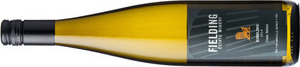
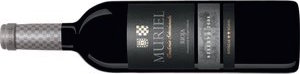
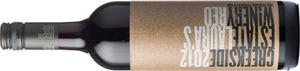
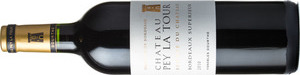
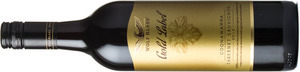
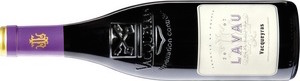
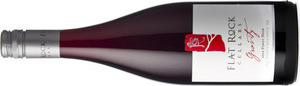
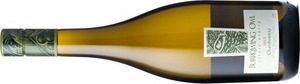
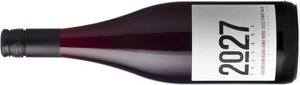
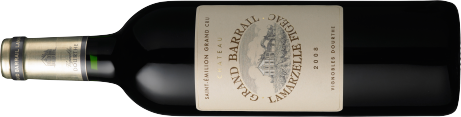
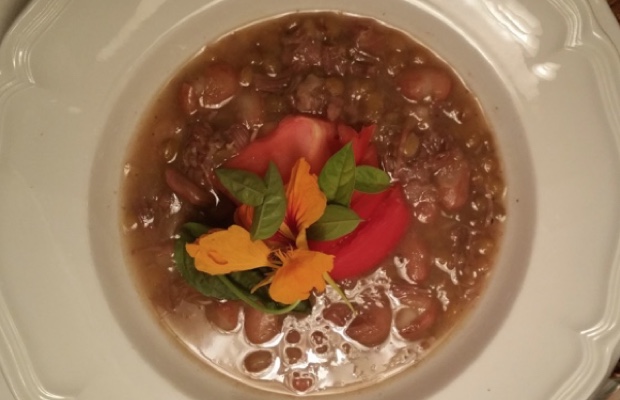
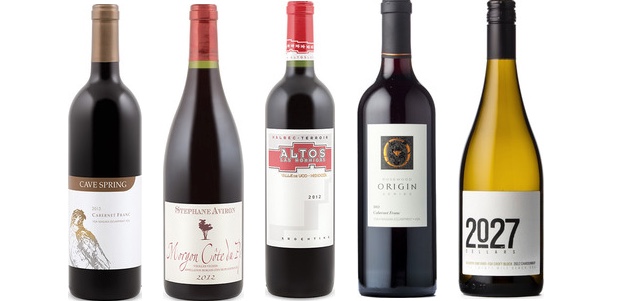


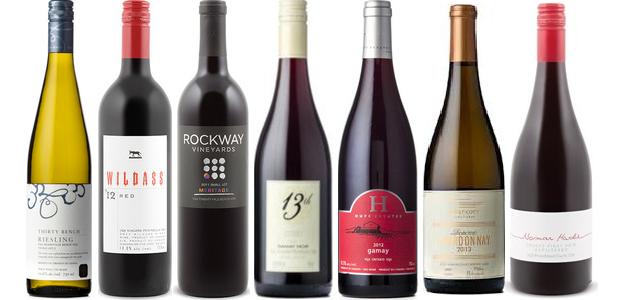


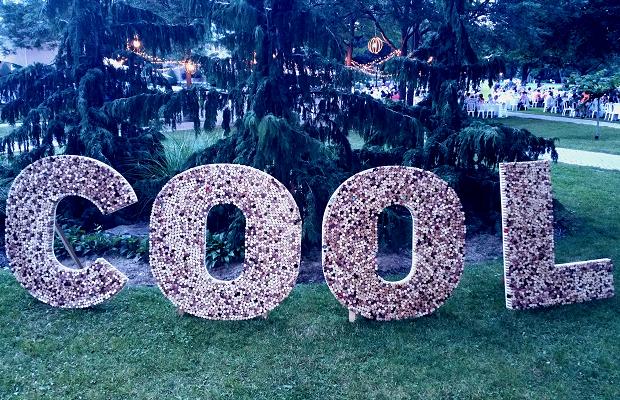


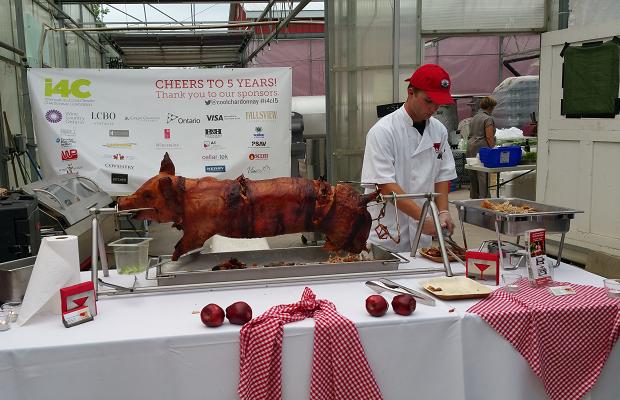

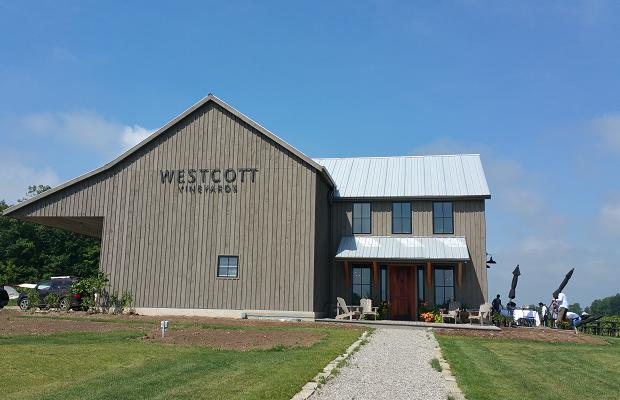
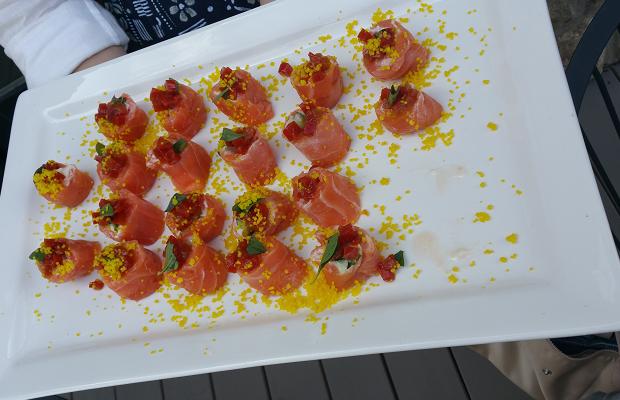

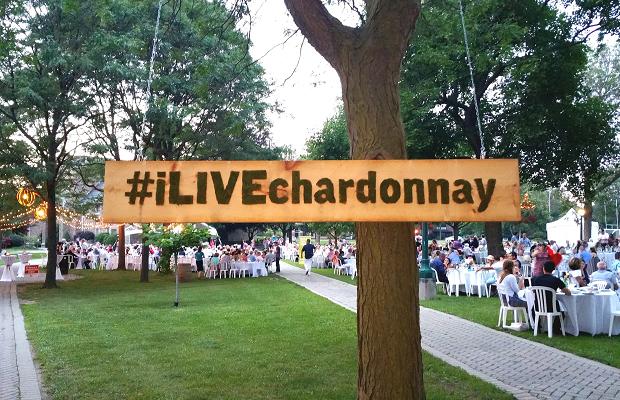
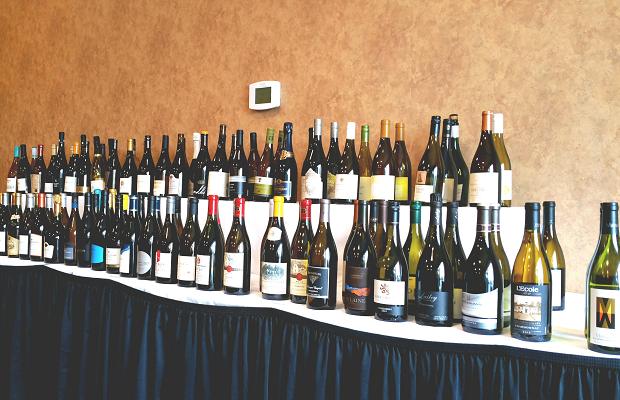
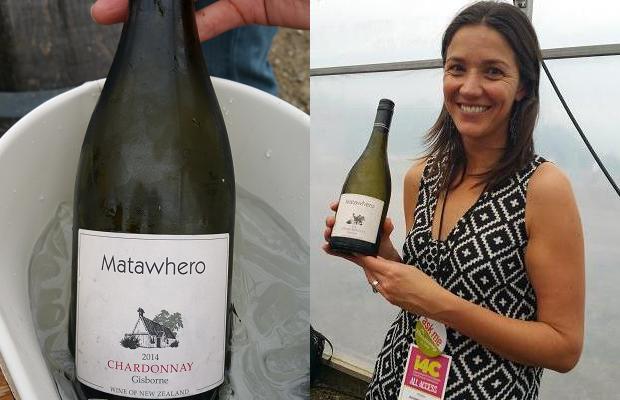
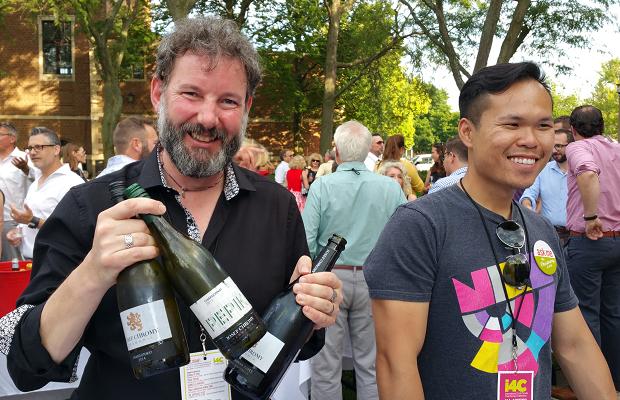
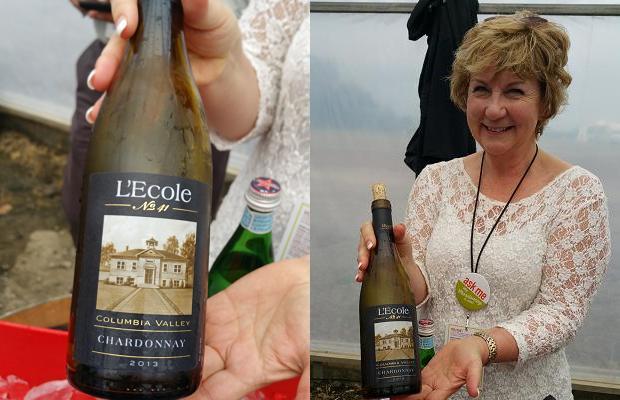

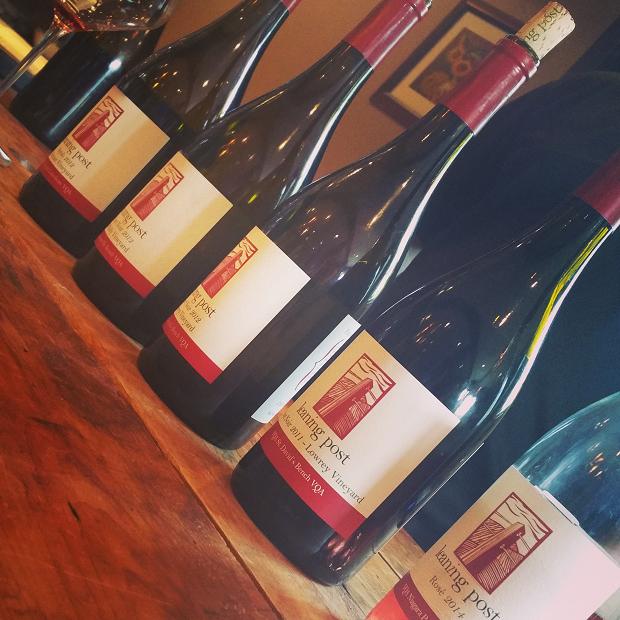
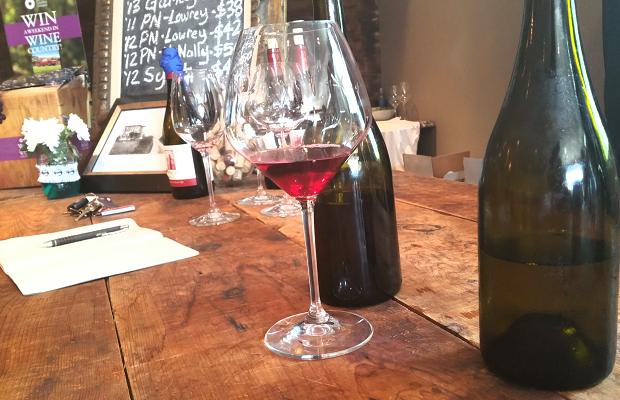
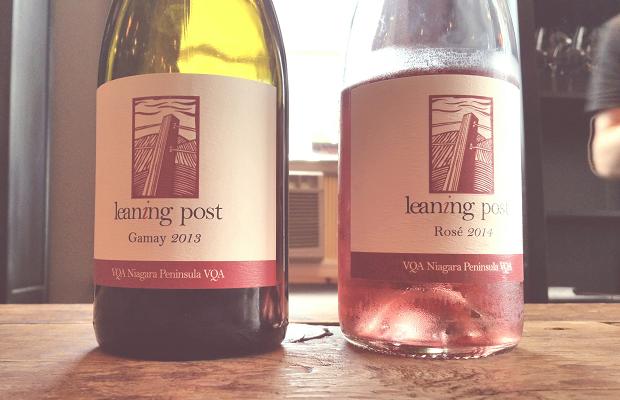
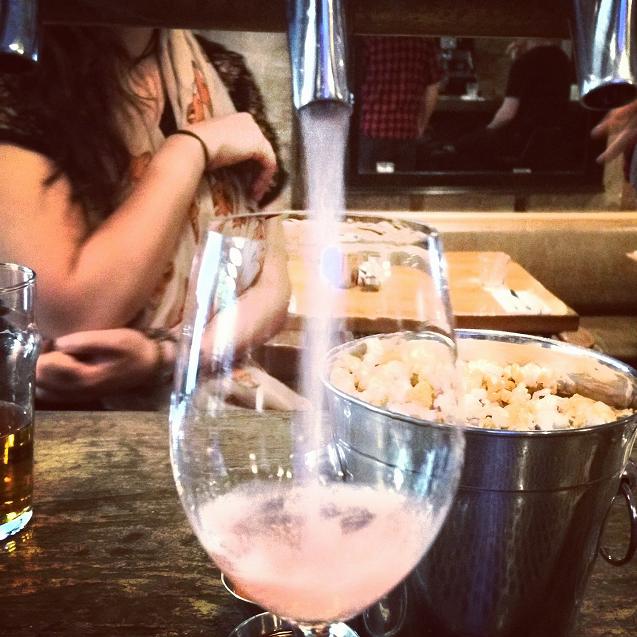
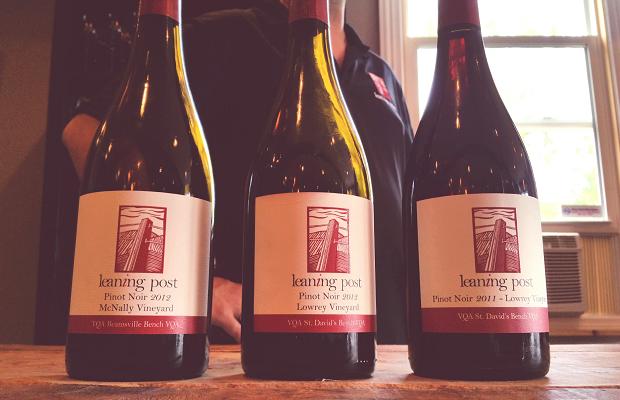

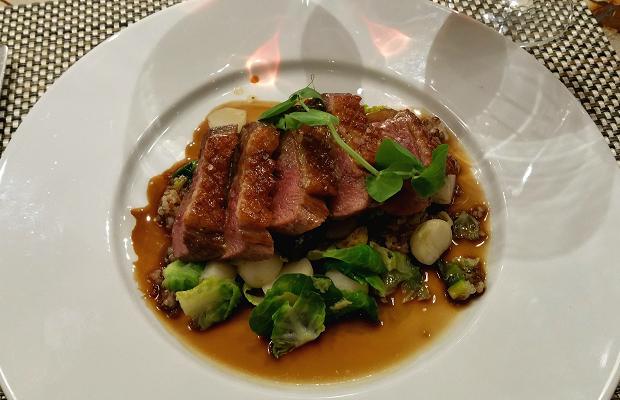
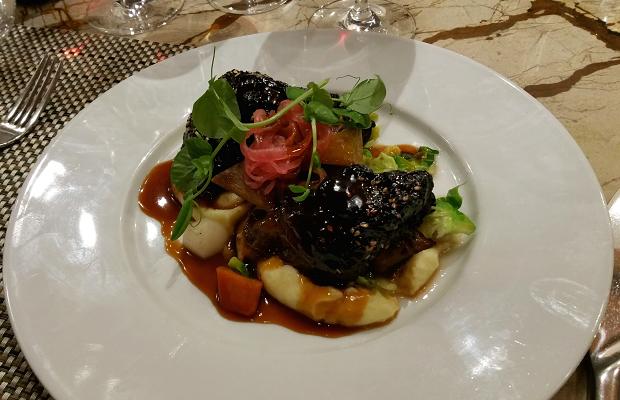


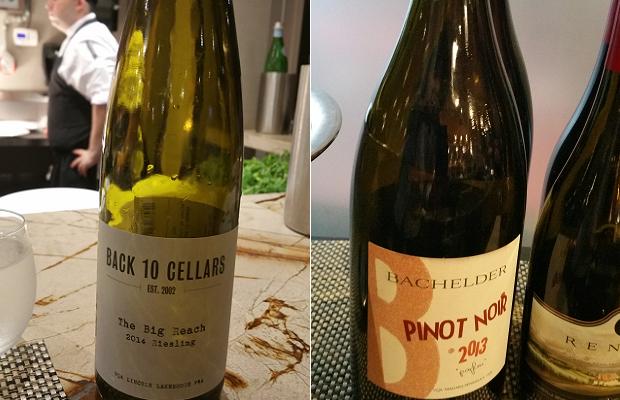
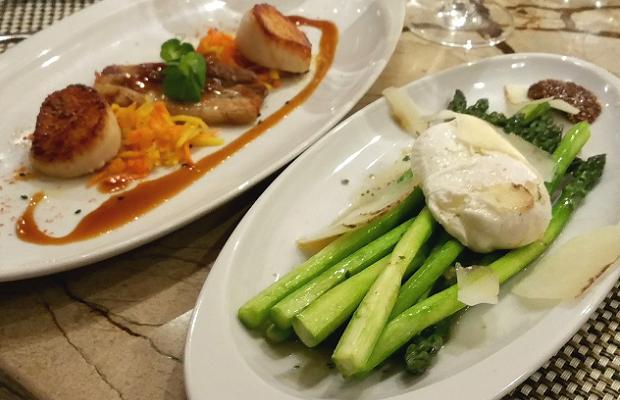
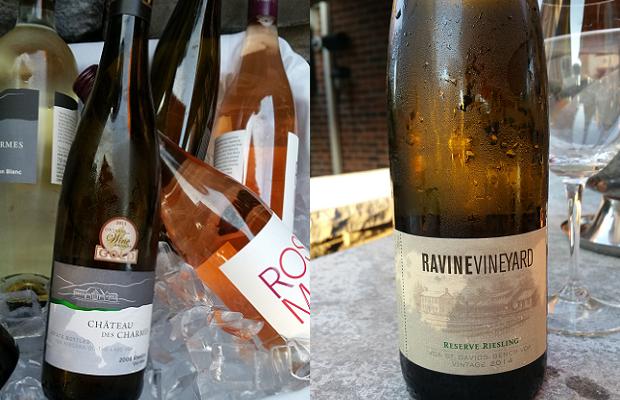



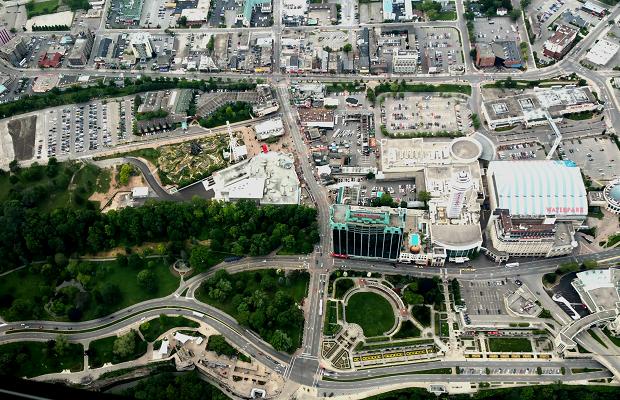
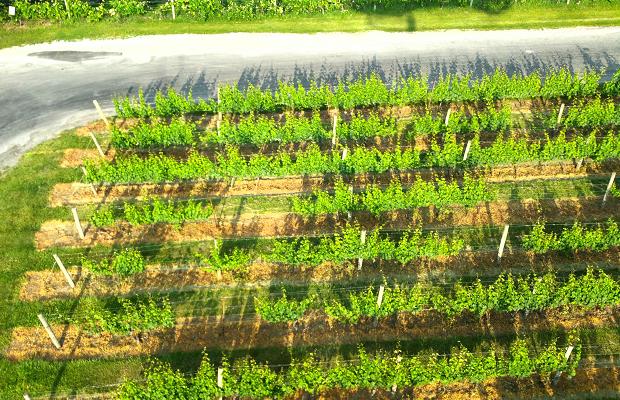


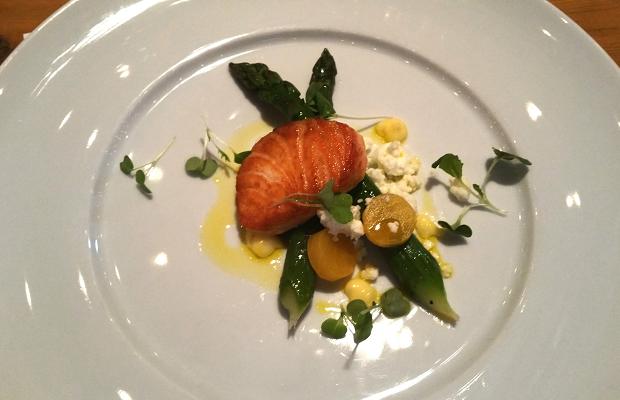

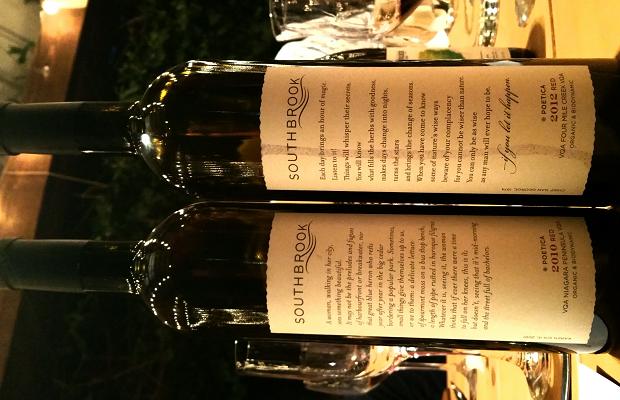
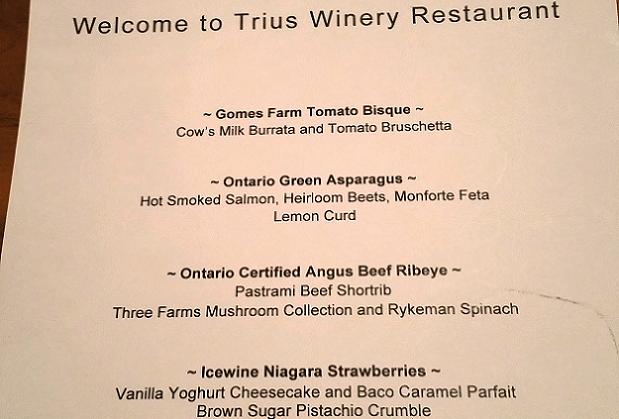
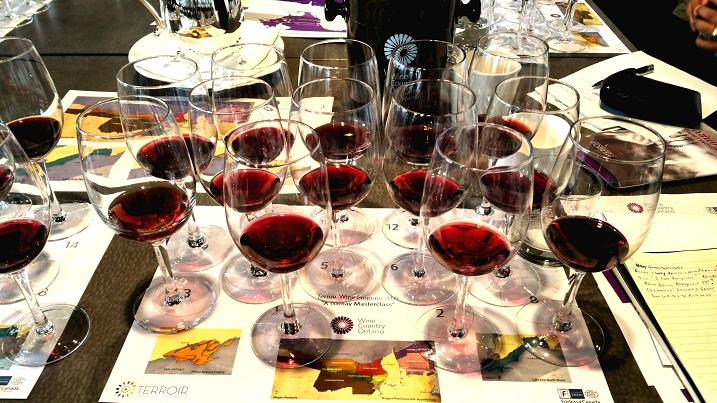
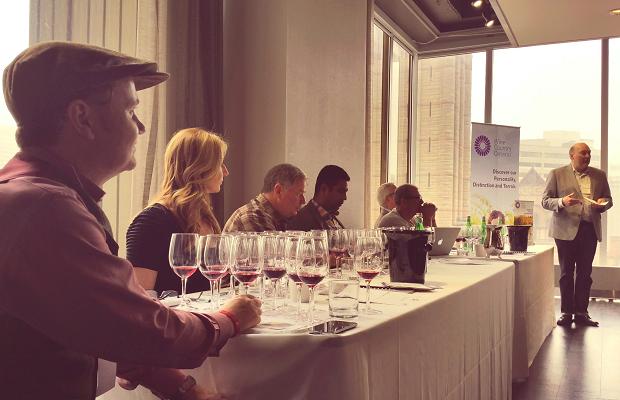

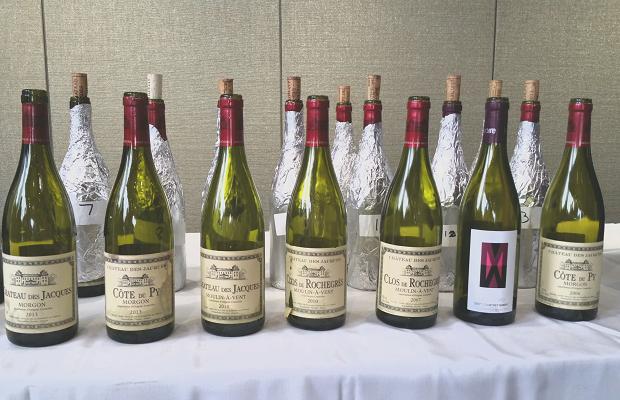
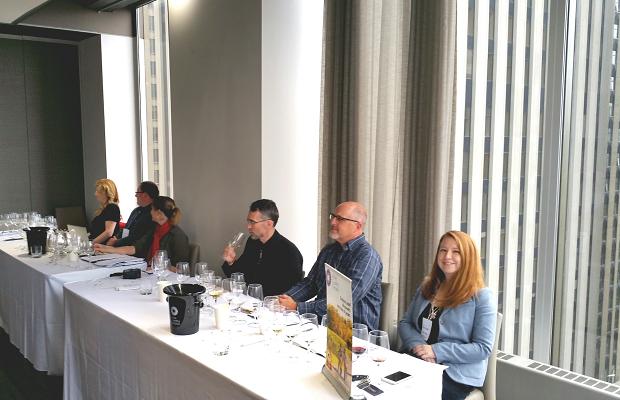
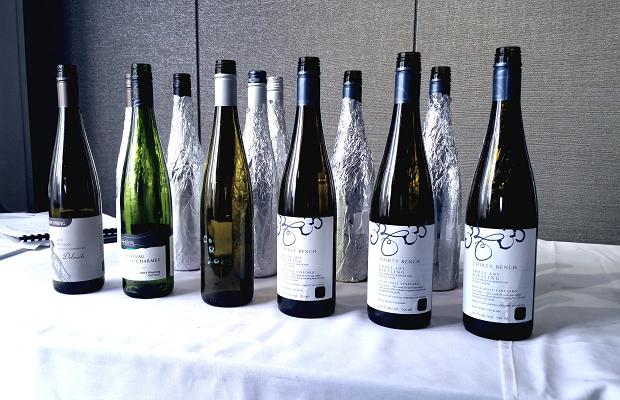
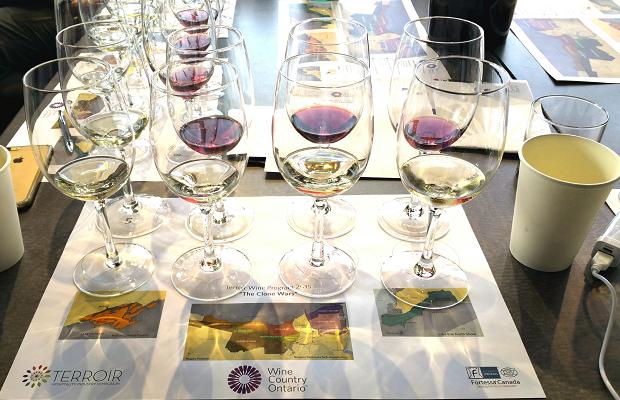
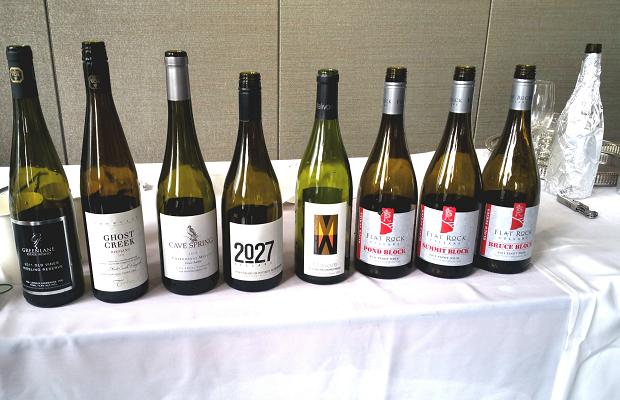
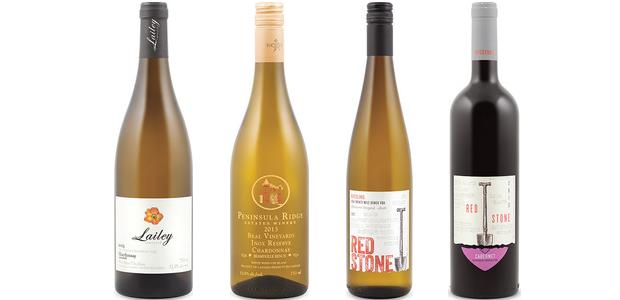
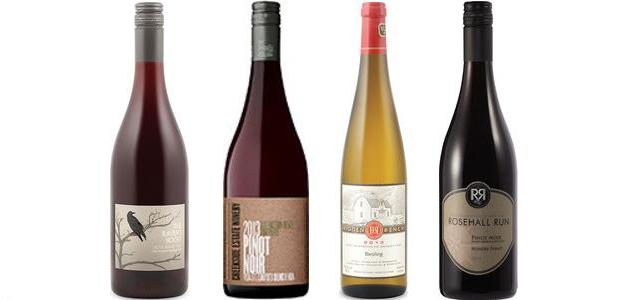
 Godello