Chardonnay is never too cool for school

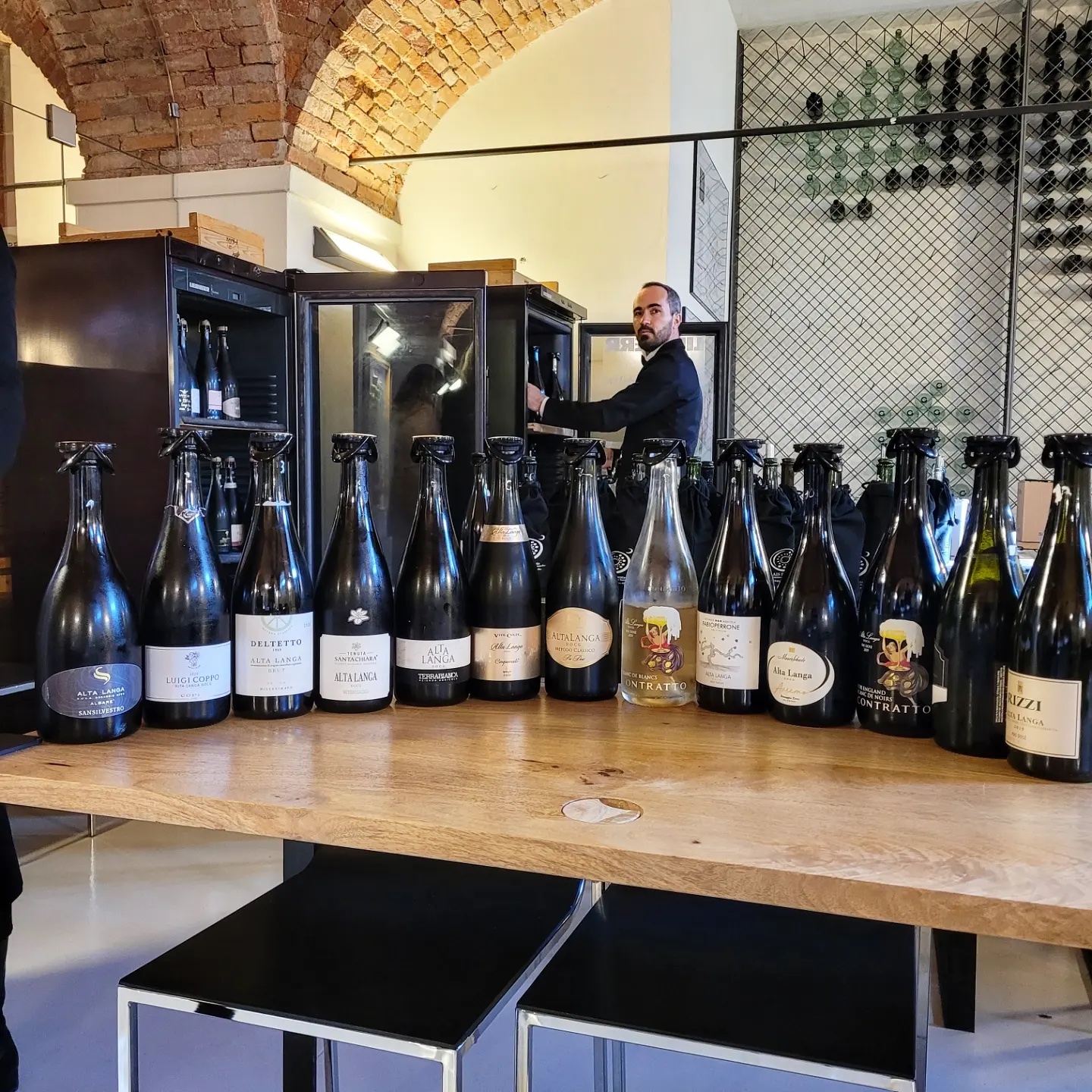
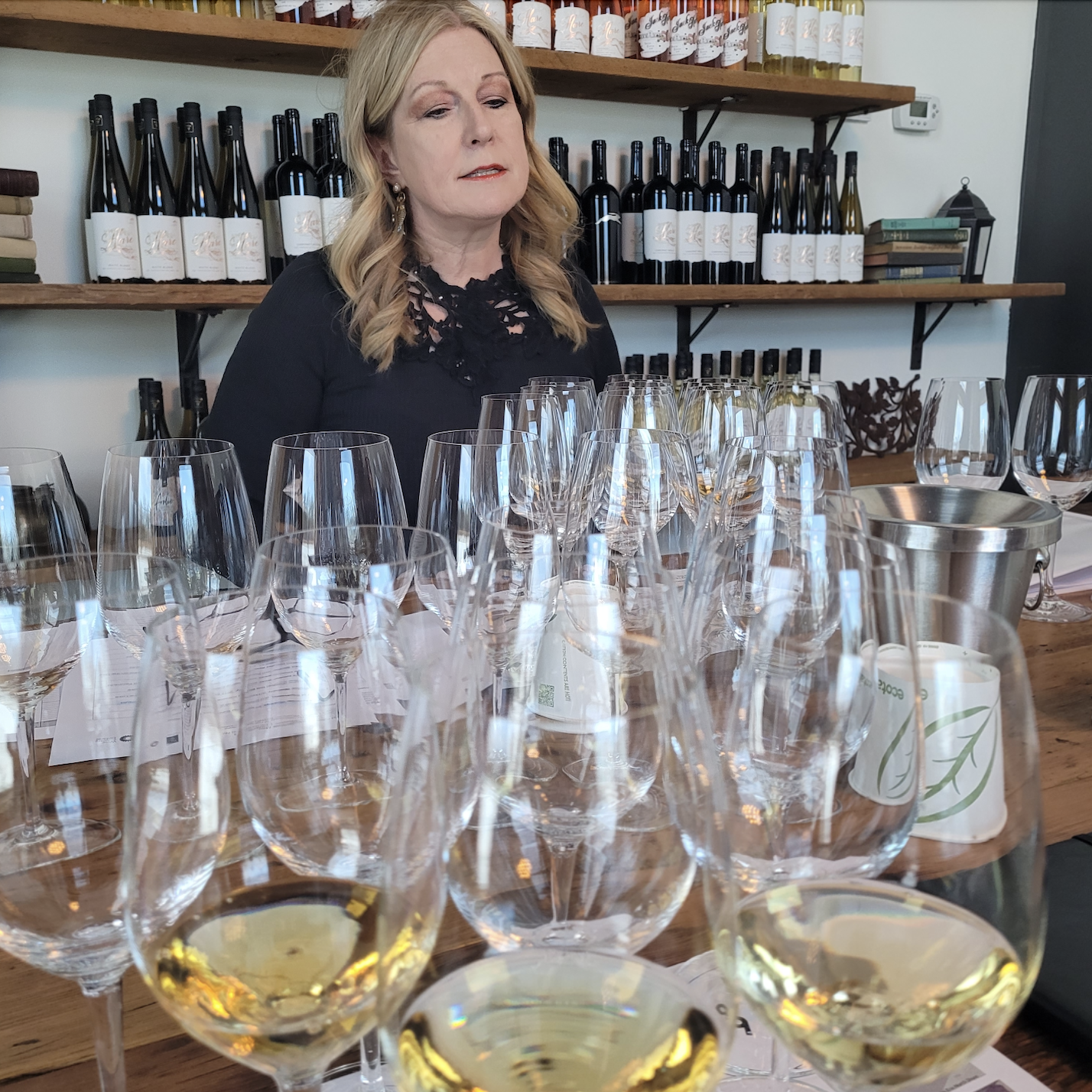
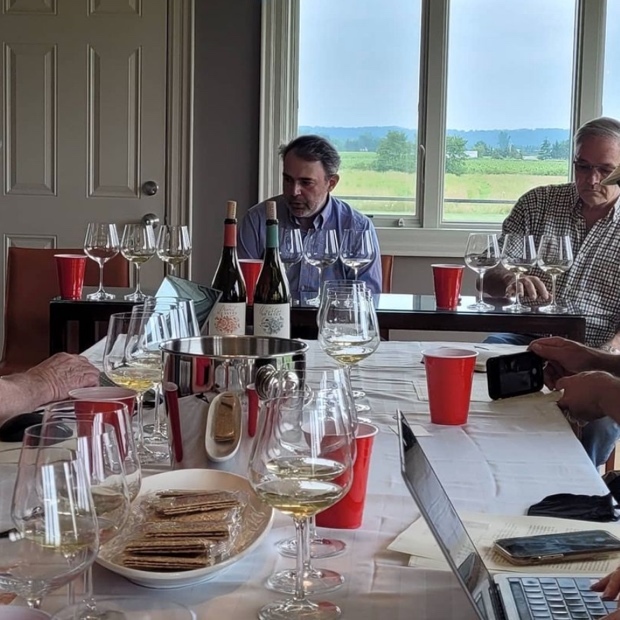
Flight #1 at the 2024 School of Cool
(c) i4C

Will fully admit to having seriously considered not using the word “cool” in the title for this latest exposé on i4C, Niagara’s annual International Cool Climate Chardonnay Conference. Then good conscience and reality set in because the original dub for Canada’s most important and successful wine congress will always be too good to dismiss. They coined it, built it and people have most certainly come. To foresee and then to consummate this collective pursuit of excellence inscribes Cool Chardonnay into the lexicon of wine forever. Hard to predict just how many more of these joyous to potentially annual profound (four-day) weekends there will be, but were this the last then hundreds upon hundreds of producers, winemakers, media, influencers and consumers over the years will have walked away happy, better for it and with memories to last a lifetime. The extraordinary 2024 edition of i4C went deeper still, to deliver the coolest quality and finest balance between information, socialization, revelry, society and of course, chardonnay. Cool as ever, gotta be cool, relax and never too cool for school.

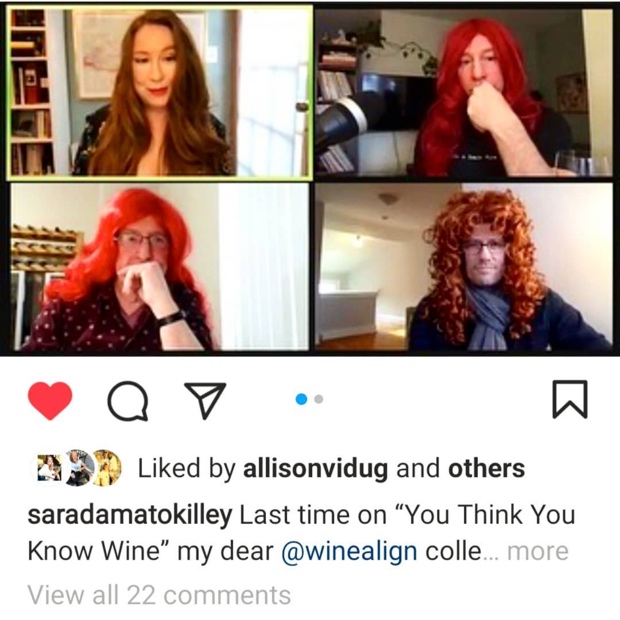
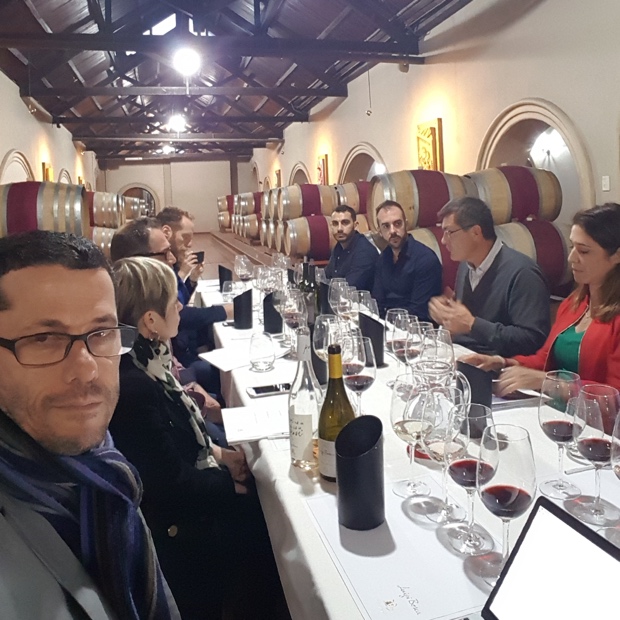
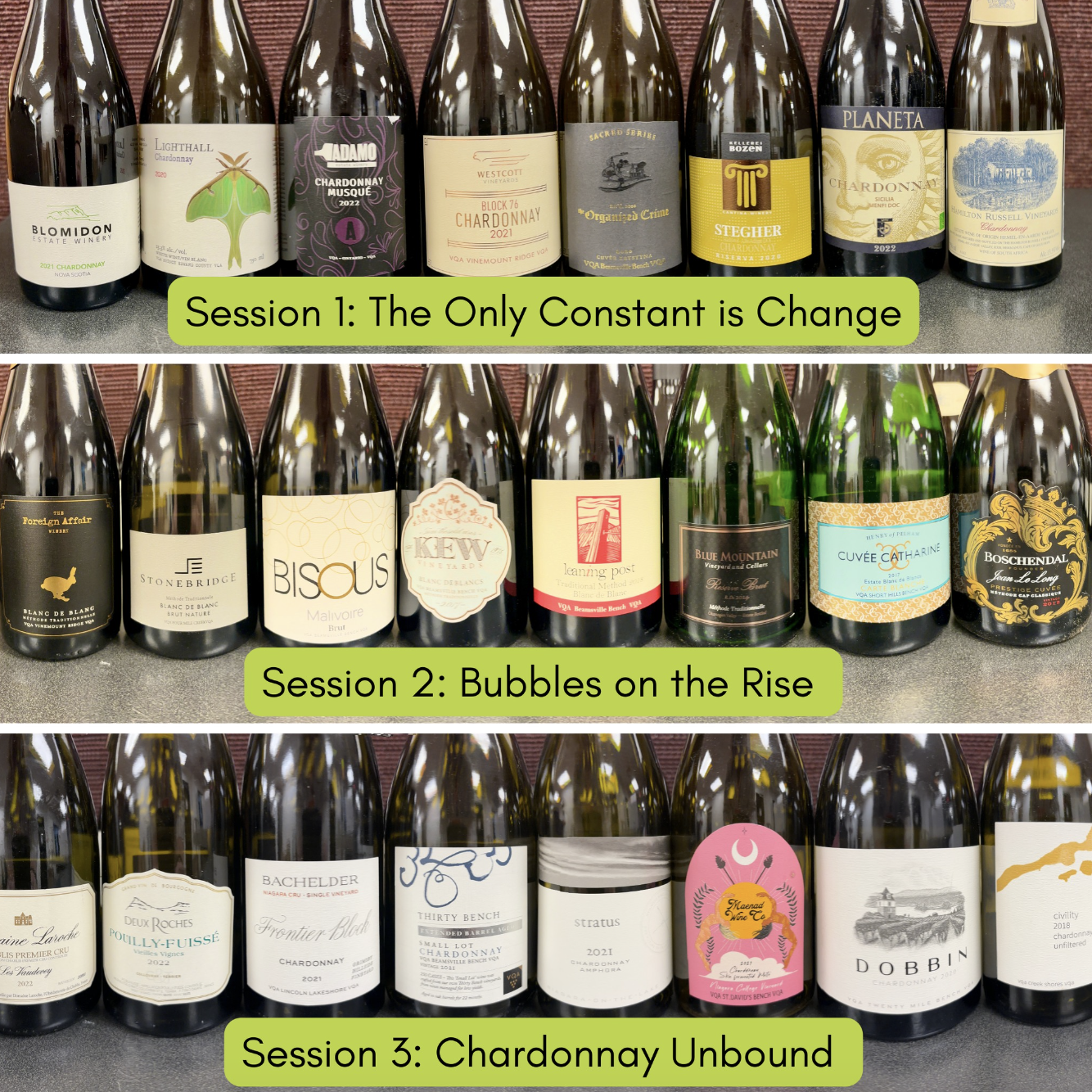
Three panels of i4C School of Cool 2024

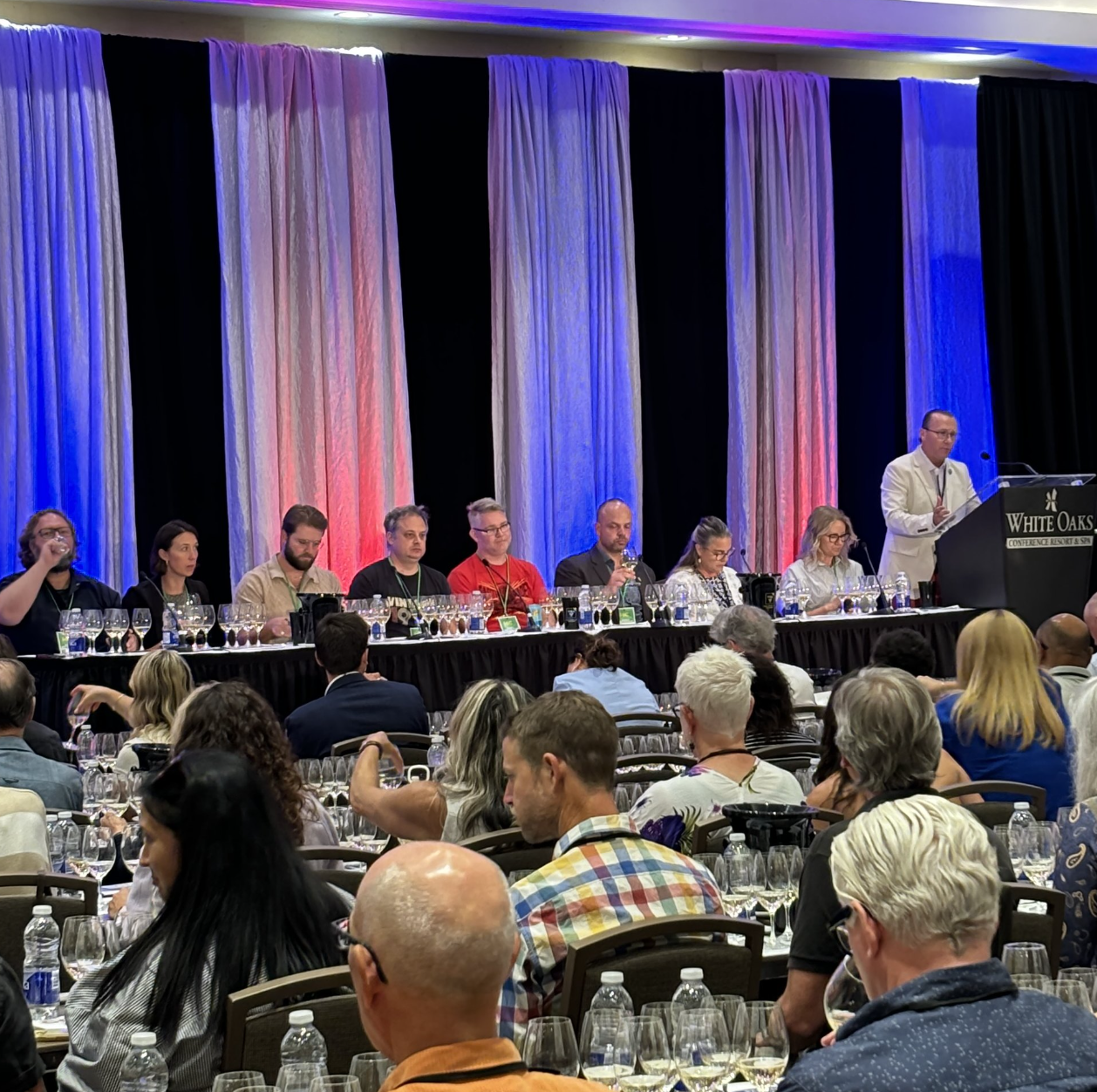
The School of Cool gets into sessions with wise and wily words from Past Chair Suzanne Janke, a lifer for the cool climate cause, public face of Stratus Vineyards and light of the room. Janke’s input, along with the i4C Board, Concierge Kim Auty and Event Director Trisha Molokach shows a highest level of intuition for what can only be judged as a cracker choice for keynote speaker at the 2024 School of Cool. That would be the affable character, next level intelligence and dry as the desert humour of Austrian-born, London-living Master of Wine Stefan Neumann. Mr. Neumann peeks out from behind his little boy grin to invoke the legend that is Laura Catena, to introduce his intentions as it pertains to cool climate chardonnay. “She slapped me on the brain and said there is no such thing as good warm climate chardonnay.” The wheels are turning, theories circulate and then from his own powers of reasoning Stefan announces, “I really think the world needs to know more about Canada and cool climate chardonnay, because it’s really important.” Not that he is late to the party, but the choir nods silently and knowingly, all smiling wryly. You can hear the collective internal dialogue working. “We like this guy.” Then he speaks to they who are not in the room. “Every cool chardonnay has a cool admirer out there,” he insists, “just as every pot has a lid.” The analogy might have got lost in translation from within the history of some ironic Viennese dialect. Note to self: Send Ernst Molden a note to ask for clarification. In any case Neumann comes from a place of hospitality. “As a guest you need someone who can help you,” he explains. “As a sommelier, if I’m going to explain cool climate chardonnay to a guest I’m not going to start with the Winkler classification.” Truer words never spoken.
School of Cool
(c) i4C

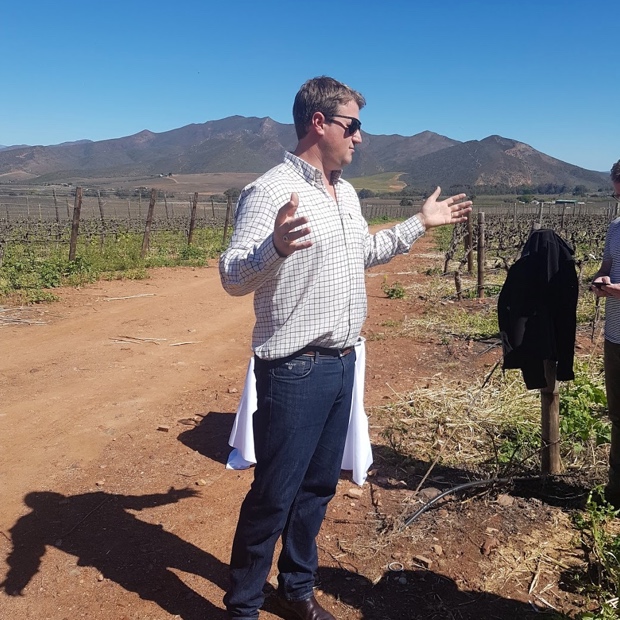
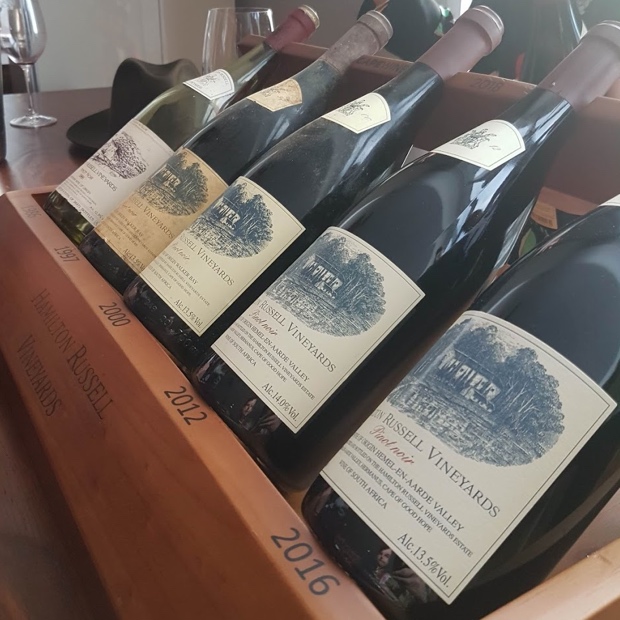
South Africa’s Anthony Hamilton Russell leads the first session where things turn immediately laugh out loud funny, if simply because Hamilton Russell is an Afrikaans lekker of off-the-charts intellect, dry wit and a brand of self-deprecating meets sweet roasting and toasting humour that is by all accounts infectious. “The only constant is change,” he begins with an address that may or may not attempt to tackle climate change. “All the hard rains and frosts are just noise in the background and it’s about how we are going to deal with it.” Anthony wisely chooses to order the chardonnay tasting from north to south. His first notation is to explain “how important it is to precipitate proper dormancy in chardonnay.” Then he poses the question, “what is the worst climate problem?“ He is answered by (Nova Scotia’s) Blomidon Estate winemaker Simon Rafuse. “Depending on when you ask me, the answer will be about what just happened.” For Adamo’s Vanessa McKean “it’s a big catch up in the spring to get ahead of things, remove the (geo-thermal) blankets as late as possible before the weeds get out of hand and also late frosts compounded by the textiles still in surround of the vines.” Westcott’s Casey Kulczyk notes that bud break occurs earlier, growing seasons are warmer and ripening is quicker, while also more uneven. Are you sensing a (lack of) discernible Canadian patterning? Even in winemaking, from west to east Canada is comprised of many different vine-growing countries.
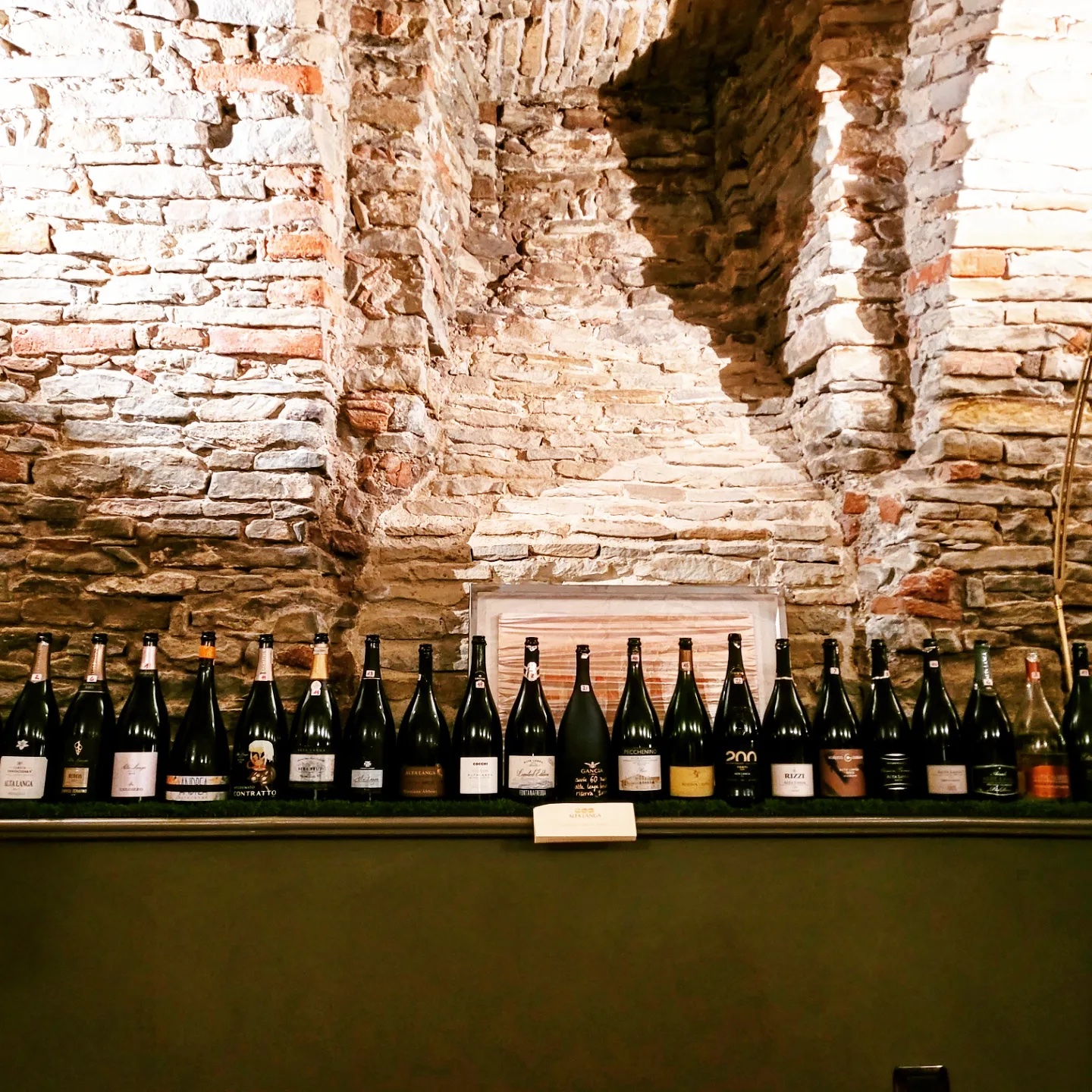
Sparkling Flight led by Peter Rod
(c) i4C

Session two is led by Peter Rod, he of chivalrous and consortable character, a prodigy and mentor for Niagara educator royalty and if the audience thinks Neumann’s humour is dry, they are then treated to Rod’s mix of dead-pan, amusement and bemusement. Fine decision to put Peter at the fore for the Sparkling wine flight because nowhere does that category receive more attention, research and investigation than that at his seat of higher learning. Peter Rod is surrounded by bubbles at Brock University’s CCOVI where fizz is considered on a daily basis. An effervescent panel delves deep into discourse for what Peter dubs as “Bubbles on the Rise.” Then the third set of eight pours, this time returning to still waters, holds title for “Chardonnay Unbound,” a varietal discovery with different faces, from different countries. Stefan Neumann returns and keeps the room engaged. Then Suzanne Janke is back at the podium and tells the audience her outfit blends seamlessly into the drapes, as if no one had noticed. Janke’s words are sing-song, showing the skills of a melodist with a sweeping sense of purpose. All she says focuses on the patrons, panelists and chardonnay, but never the I. Piano-woman, “quick with a joke or to light up your smoke….Oh, la, la-la, di-dee-da. La-la, di-dee-da, da-dum.”
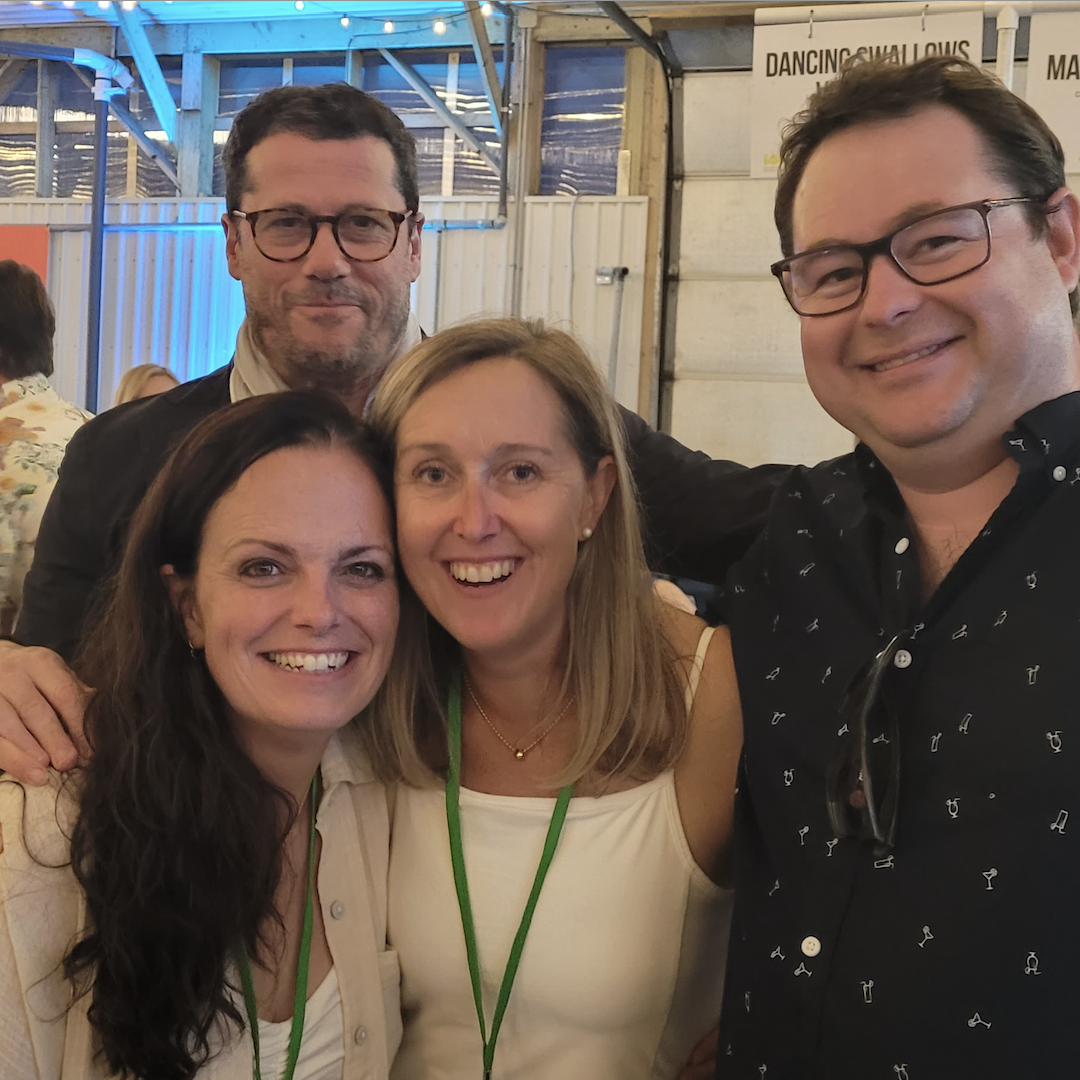
With Katie Dickieson, Emma Garner and Ben Minaker – Andrew Peller Ltd.

In the end these are three memorable panel experiences at the 2024 i4C Cool Chardonnay School of Cool. Three expertly moderated sessions by Anthony Hamilton Russell, Peter Rod and keynote speaker Stefan Neumann MS. Intel of the highest order from 21 Chardonnay winemakers. In 12 years of attending this conference there has never been a better organized, finer seamless set of transitions or more to learn. Bravo to Concierge Kim Auty, Event Director Trisha Molokach, Past Chair Suzanne Janke, the producers and entire team of volunteers. Friday night we tasted Friday Night Flights with the producers at Cherry Lane Farms in Vineland. On Saturday night we returned for Chardonnay in the Vineyard World Tour Tasting and Dinner at The Riverbend Inn, Niagara-on-the-Lake. And there were visits orchestrated by the Wine Marketing Association of Ontario’s Andrea Peters. To Chef Ryan Crawford’s Bar Ruffino with J-L Groux, Dean Stokya and Suzanne Janke of Stratus Vineyards. To Dobbin Estate with Wade Dobbin, Peter Gamble and Ann Sperling. To Flat Rock Cellars with Ed Madronich. To Le Clos Jordanne with Thomas Bachelder, Phillip Brown, Kerri Crawford and tasty treats from Chef Crawford. Finally, an i4C lunch at Westcott Vineyards’ Butlers’ Grant Vineyard with Grant Westcott, Carolyn Hurst, Casey Kulczyk and magnificence from Chef Tim Mackiddie. Alas, here are 83 tasting notes, 63 for chardonnay and 20 others. 

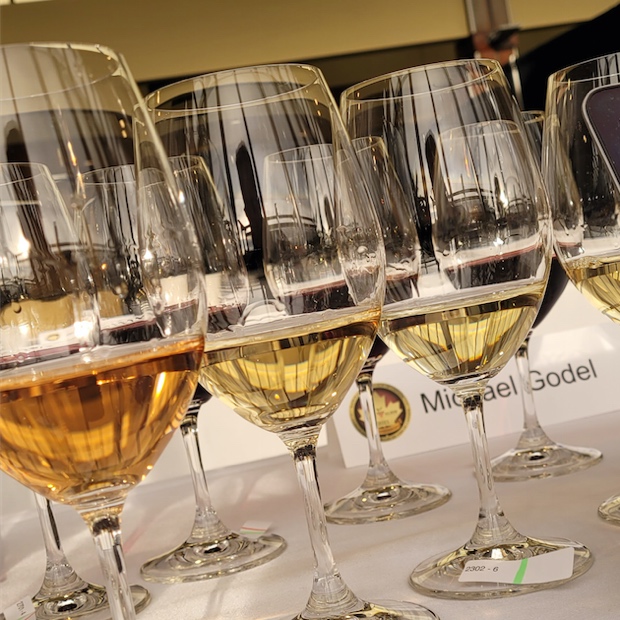
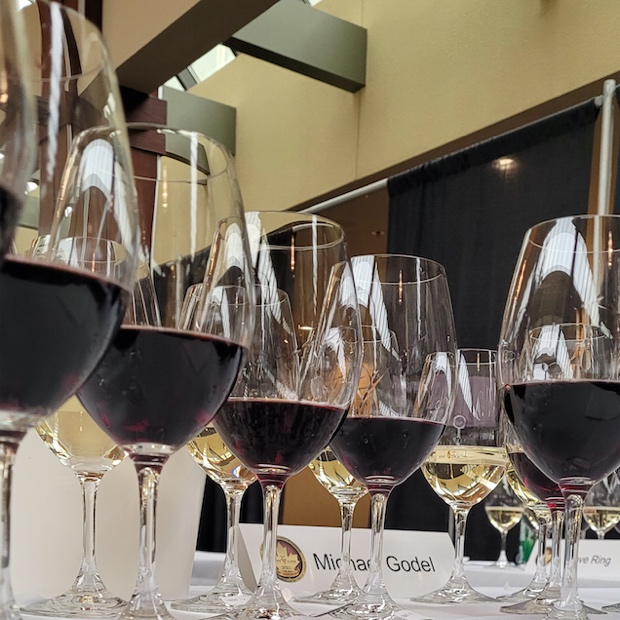
Three panel blinds

Blomidon Estate Winery Chardonnay 2021, Nova Scotia

“We have been growing chardonnay since the 1990s,” tells winemaker Simon Rafuse. “We can definitely ripen and picking is weeks ahead of the past, but we have experienced more extreme climate events in the last decade, whether it be frost, flash flooding, polar vortexes, hurricanes and disease pressure.” His ’21 is made in a clean style, whole cluster pressed, on lees for 12 months. Sharp yet rich, intense while full, apropos, meaningful and direct. Top vintage without a shadow of a doubt. Drink 2024-2027. Tasted at i4C, July 2024

Adamo Estate Chardonnay Musqué 2022, VQA Ontario

From an emerging Ontario region – Hockley Valley. Does not quite feel like 100 percent chardonnay musqué but more like an interplanting or layering with some linear, vertical and incisive Burgundian chardonnay. Less fruit from this bottle replaced by mineral salts yet with no compromise to the flowers by musqué. Producers and consumers of fleshy to buttery chardonnay will find holes but the rest will relish in this outcome all the same. “We farm in an area not great for growing grapes” says winemaker Vanessa McKean. ”We don’t have a large body of water to mitigate extreme temperatures so we cover out our entire 18 acres with geo-textile blankets.” Air flow through the vineyard is essential and being at the top of the hill is helpful. Barrel fermented in neutral wood with the musqué portion delivering more floral notes than most Ontario chardonnay. There is a tinned orchard fruit character that invites more than it distracts and the sharpness of this palate journeying acidity is really quite special. Drink 2024-2026.  Tasted twice at i4C, July 2024
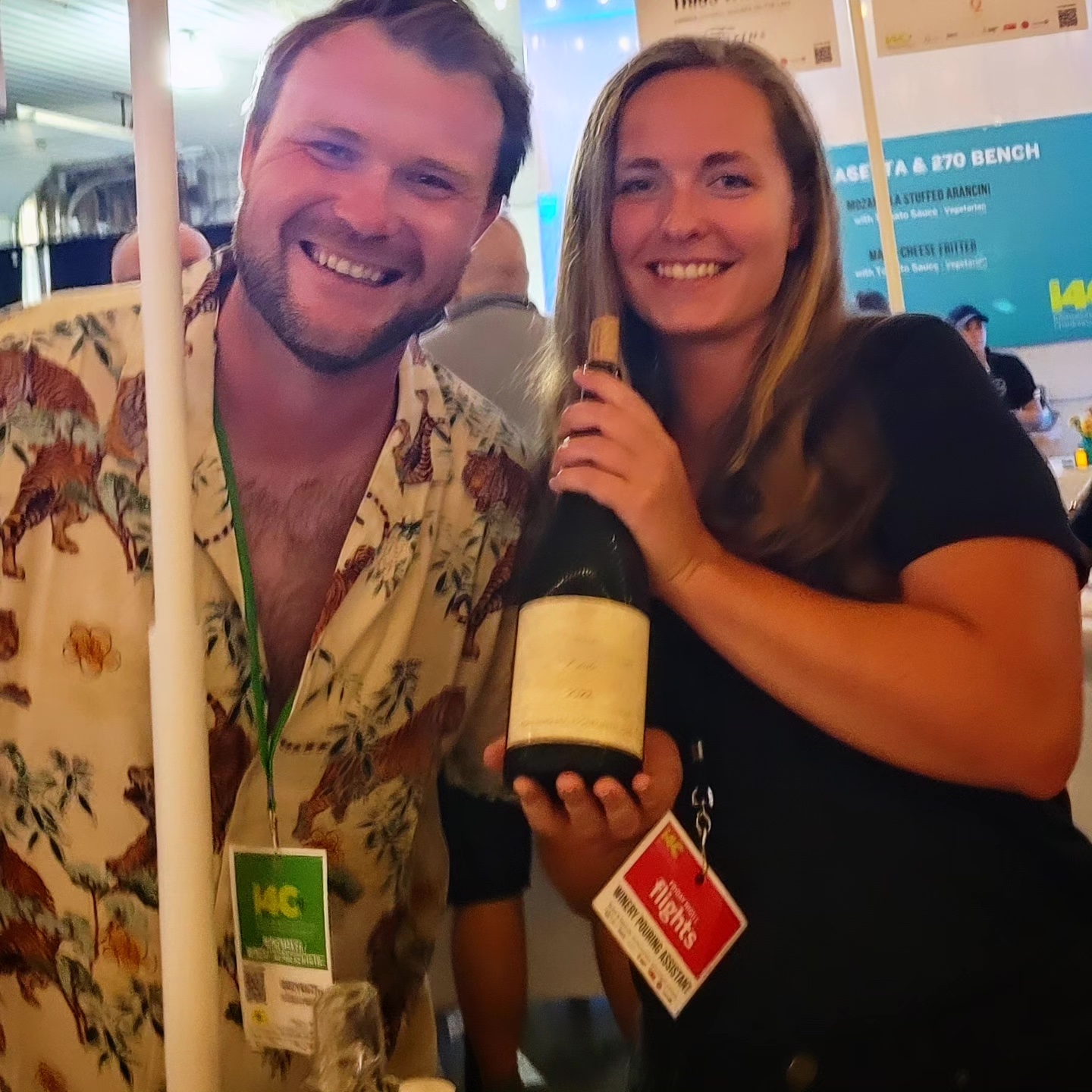
The winemakers are alright – Westcott Vineyards

Westcott Vineyards Chardonnay Block 76 2021, VQA Vinemount Ridge

From the home farm of 26 acres and the lowest elevation, teardrop block on shales and gravels, facing east. Earlier ripening, acid retentive and sees 10 months in barriques, followed by six months in puncheon filled with the previous vintages’ clean lees. Like connective tissue that links the past to the present to prepare the chardonnay for a longer future. Texture is mineral, set below tannin, in command of the palate from a chardonnay built to celebrate and also abide by it’s double-barrelled shotgun approach. Fires, attacks and conquers the palate from above and below so that there is no escape. Spirit of ’76 all the way with more vibrancy than ever. Impressive like few others. Will age really well. Made for seafood dishes poached, bathed and sautéed in butter. Drink 2024-2028.  Tasted at i4C, July 2024

Greg Yemen – The Organized Crime

The Organized Crime Winery Inc. Chardonnay Sacred Series Cuvée Krystyna 2020, VQA Beamsville Bench

As implosive and protected as any Niagara chardonnay to speak of a year older example that acts and feels as young as any on recent record. Terrific sweetness of fruit and a testament to a full and in this case also long ripening season. Crisp and biting, orchard fruit crunch and no sign of breaking down. Gambles with nature, shows off precision winemaking and confidence exudes from a chardonnay constantly reopening and one you can do so much with. There are savoury elements that suggest food pairing with be a most fun and rewarding exercise.  Last tasted twice at i4C, July 2024

Powerful, reductive and in charge chardonnay, assuming the risk and in delivery of the reward. Platinum gold hue and attitude, serious, grippy and über conscious of its abilities. Top notch with vanilla and cereals that swirl into the full fruit complement of a chardonnay you just bloody want to drink. Consume away, with abandon because it asks this of you. Abide and oblige. Drink 2022-2026.  Tasted blind at NWAC2022, June 2022

Kellerei Bozen Chardonnay Riserva Stegher 2020, Alto Adige, Italy

From a vineyard at 650m with picking happening at least a week earlier than just 10 years ago and a dolomitic mountain air that breathes great life into this special sort of cool climate chardonnay. A yellow apple just short of ripe, with acidity sweeter than the drupe itself and a classic northerly sharpness that speaks to place as well as any European chardonnay. Drink 2024-2026.  Tasted at i4C, July 2024

Planeta Chardonnay 2022, Sicilia DOC 

Production began in 1995 while the vines are now nearly 45 years of age. In the southwest part of Sicily, in the Ulmo area around the village of Menfi where a corridor of wind, “our favourite friend,” tells Santi Planeta, blowing through between the lake and the sea. Through vines growing between 100 and 450m, breathing cool life, especially in the summer. The 2022 vintage saw plenty of rain though not concentrated at any particular time and so the constant events of moderation were something remarkable considering how often extreme climate events are increasingly more prevalent. The coming vintage of 2023 and 2024 will be affected by them, mostly because there was no rain. This chardonnay is impeccably balanced between fruit and acidity, acidity and texture, texture and tannin. The progression is seamless, the result precise and anyone who does not the recognize the experience and continued work put in may not be paying close attention. That’s fine but know just how special a (relatively) large production, semi-cool climate chardonnay this truly is. Planeta’s year-to-year consistency is truly impressive. Drink 2024-2028.  Tasted at i4C, July 2024

Hamilton Russell Vineyards Chardonnay 2023, WO Hemel En Aarde Valley, South Africa

The spirited intensity is unrelenting and speaks to how the HRV chardonnay tastes more profoundly serious than any other of its ilk. “Young and primary,” insists Anthony Hamilton Russell. “I like the complexity that our chardonnay develops with time in the bottle.” Well said but truth be told the wine already exhibits an electric variegate character and so what’s to come may just blow the mind.  Last tasted at i4C, July 2024

Freshness and abundance incarnate for Hemel-en-Aarde Valley chardonnay from the HR team that simply gets this grape from this place. A citrus vintage, less reductive than some whilst bursting with energy. Delight in lemon custard, all the zest, crunchy, mellifluously honeyed and never over-arching above and beyond the target. A scintillant of fruit through variety, to ache with love and to please, simply and unequivocally by design. Peak performance, summarily in the best of ways.  Drink 2024-2029. Tasted July 2024

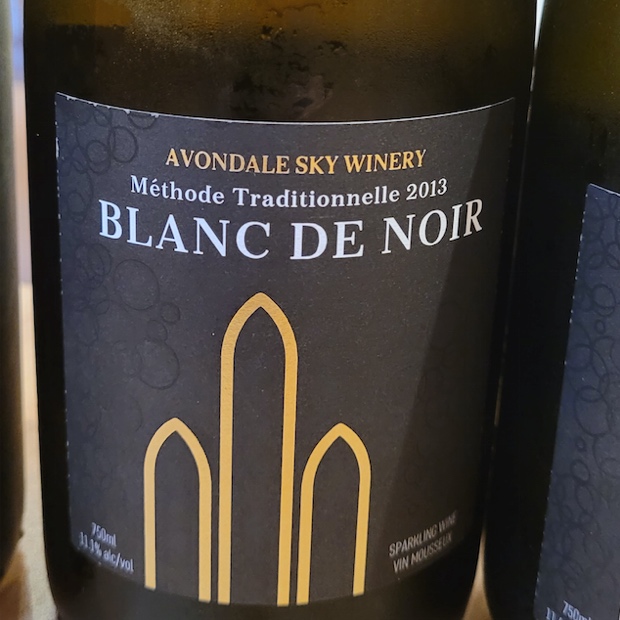
The Foreign Affair Blanc de Blancs 2021, Methode Traditionelle VQA Vinemount Ridge

Light toast, easy goes, no long lees but a good signed lease to hang around for a few years time. True as chardonnay blanc de blanc, apples part terpene and part mashed. Smells like baked and cooled apple pie. Palate spirit yet agin those apples are all over, all consuming and all in. Some wood aging, Brut in style, somewhere between six and 10 g/L of dosage laid over 24 months leased lees aging. The second iteration of this sparkling wine.  Last tasted blind at i4C, July 2024

The bottle lists Vinemount Ridge as the fruit source though the website writes Lincoln Lakeshore so lets go with the bottle! Regardless we are looking at 100 percent chardonnay crafted in the dry, intense, citric, high energy style. This shows real energy and a couple of sips nearly take your breath away. The elucidations are green apple, piques of white pepper and the flavour profile slash texture much like sabayon extended by a few shots of limoncello. So much interest here. Drink 2023-2026.  Tasted November 2023

Stonebridge Blanc De Blanc Brut Nature 2020, VQA Four Mile Creek

More autolytic than some and even more than that, mellow, malolactified and softening quickly. Botanical flavours and fine bitters, creamy style, easy and ready. From chardonnay first made off of the estate in 2017 and looking forward to seeing what can be learned from the idylls of experience towards trying this first sparkling wine made at Stonebridge. Old puncheons and stainless steel combine for a punchiness that come out of several cuvées to try and abide by site, structure and ultimately consumer appeal. Richness of the site begets texture and in turn that appeal. The flavours persist though this is ready to drink sooner than many. Drink 2024-2025.  Tasted blind at i4C, July 2024

Kew Vineyards Blanc de Blanc 2017, VQA Beamsville Bench

Golden toast, truly brioche style, equipped with fruit a plenty marked by a note that reminds of good and plenty. Stage presence, persistence and length. A dosage of 5.9 g/L of residual sugar which may be the highest in a flight of eight but still very low for sparkling that is essentially dry. Made by Phillip Dowell with chardonnay that would have been planted on the property back in 1980. As concentrated as it gets for chardonnay sparkling wine but the vintage was acid driven and so the sugar extends the flesh.  Last tasted blind at i4C, July 2024

High energy, raging acidity, captivating and intense Blanc de Noirs right here. Eye-opening, olfactory shocking and palate enervating in every which way but loose. Taut, tight and demanding. Party wine. Drink 2020-2023.  Tasted October 2020

Leaning Post Traditional Method Sparkling Blanc de Blancs 2018, VQA Beamsville Bench

From Hemeris Vineyard on the Beamsville Bench, primary fermentation for six months in barrel, another six with lees and then the full lees aging of 36 months. An emotive sparkling wine that elicits and solicits emotion. Could this be a unicorn wine in its own special way? Evocative of what it makes you feel and what you would like a bubble to taste like? The long lees aging is clearly appropriate and leads the autolysis to a place of warmth, beauty and comfort. Oxidative and yet searing, a blanc be blancs no doubter that mans serious chardonnay business. Complex and curious, crafty and creative.The acidity here is special and in charge. An ideal mix of 9.2 g/L of total acidity and 3 g/L of residual sugar. “The vineyard was asking to become this kind of wine” explains Ilya Senchuk. “The purpose is a single vineyard expression.” Here’s to hoping the 2019 will add a few more months on lees to take that next step upwards.  Last tasted blind at i4C, July 2024

Single vineyard block called Hemeris (an old term for garden, or “something like that,” from the Greek). Of chardonnay, location between (Hidden Bench’s) Rosomel Vineyard and Cave Spring, picked late September and sometimes early October, for sparkling. Base wine is barrel fermented and aged in oak for six months. Spent 36 months on lees in bottle, finished at 2 g/L dosage (so essentially bone dry) and is now about to be released. This was the wine Nadia Senchuk pushed her husband for and this is the chardonnay tract that was needed to create it. Listen to the vineyard says Ilya, “because it’s basically growing bubbles.” Rich and exciting in the same breath, essential through autolytic response elicited and the breath stolen, literally taken away, every move made for the connection between I and it. An auspicious debut and were it not for the prophetic mind and ravishing palate of the winemaker’s better half, well then access to supply might not be so limited. Drink 2022-2026.  Tasted June 2022

Blue Mountain Vineyard and Cellars Brut Reserve R.D. 2014, VQA Okanagan Valley

Aromatic complexity, a chardonnay and pinot noir (55-45) sear of raging citrus but never lean because there is flesh all over the palate. The lemon segments are ripe and delicious, the red fruit character compliments with added spice, the persistence endless and the winemaking clearly coming from a place of experience and respect to place.  Last tasted blind at i4C, July 2024

Always pleased to welcome the BR R.D. into a glass and here is an old but a proverbial goody, that being 2014 and consumers must be reminded just how special this research and development is to determine the excellence of Blue Moutnain’s indagative sparkling wine. A blend of chardonnay and pinot noir, the first 10 percent more than the last with some of the most restrained, reserved and demure aromatics in the Okanagan Valley. All ways to say this is lovely, quietly generous and so settled to gift pleasure above all else. A most complex game of citrus and orchard fruit, distillate by nature, expertly seasoned with fine sea salt, white pepper and lemongrass powder. Such a gift nine years after vintage at a ridiculously reasonable price. Drink 2023-2027.  Tasted November 2023

Henry Of Pelham Cuvée Catharine Carte Blanche Estate Blanc De Blancs 2017, Traditional Method, VQA Short Hills Bench, Niagara Escarpment

Stoic, reserved, full scenting, flavoured and expressive. Tons of fruit here in what could only be 100 percent chardonnay. From a vineyard planted in the 1990s to Clone 95 chardonnay and a place of incredible consistency, “one of the most I’ve ever worked with,” tells winemaker Lawrence Buhler. Sees 54 months on its lees and while it may be difficult four to five years ahead to know what will happen – this is Ontario’s benchmark sparkling wine that always comes through. Not merely a matter of replication but more like intuition conjoined with persistence.  Last tasted blind at i4C, July 2024

Consistently crafted as a Blanc de Blancs that sees 60 months on the lees from estate grown chardonnay. From a varietal growing season so ideally destined for sparkling wine because a cool and wet spring plus summer emerged in late August to hot days and cool nights through October. In the middle of that spell is the chardonnay pick for sparkling and as good, complex and riveting as this arch-classic Ontario bubble may have been before – well bring on 2017 for next level complexities. Tasty, piquant and toothsome, of toasty brioche like never before and this swirl of creamy fruits and exotic seasonings. Feels like aged Growers’ Champagne and the fact that it is from Niagara makes it all that much more satisfying. Plenty of crunch, succulence and acid-driven energy from a meticulous bubble. The benchmark for local. Drink 2023-2027.  Tasted November 2023
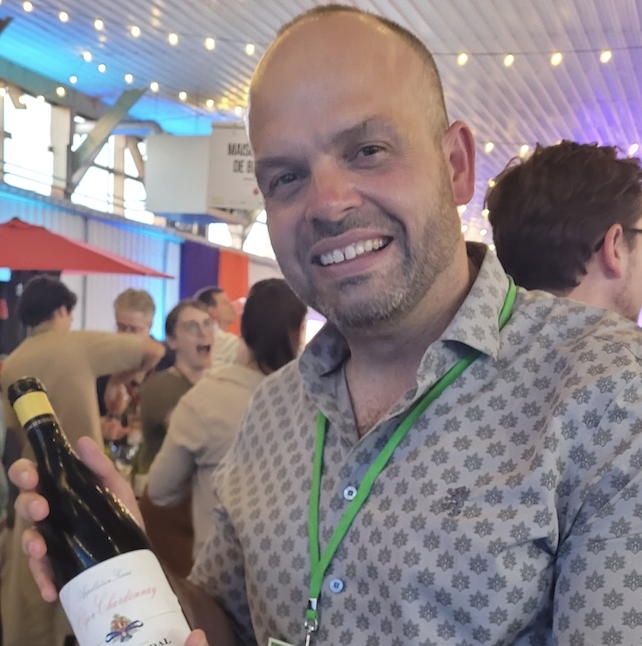
Jacques Viljoen – Boschendal

Boschendal Cap Classique Jean Le Long Prestige Cuvée Blanc De Blancs 2012, WO Elgin

Presented by cellar master Jacques Viljoen for a sparkling wine coming from one of South Africa’s coolest climate area. The first vintage was 2007 and these are vines planted south-facing (i.e. cooler in the southern hemisphere) and facing the sea. A place where grapes can hang long and develop phenolic ripeness even while coming in at a brix number just above 19. Lower dosage now and so the autolytic notes (if not globally classic in their expression) and also excitement are increased. As much toast, autolytic and oxidative notes as any in a blind flight of eight. Pushes the envelope to see what can be done with sparkling wine, malolactic fermentation, wood aging, near dry dosage and lees aging. Not so much the classic brioche or baked bread representation but there are complex notions perceived from that aforementioned style clearly chosen, conceived, attempted and for the greater part, succeeded. Drink 2024-2027. Tasted blind at i4C, July 2024

Kyle Loney and Whitney Collins – Advini and Domaine Laroche

Domaine Laroche Chablis Les Vaudevey Premier Cru 2022, Bourgogne AOC, France

The word precise is often used to describe Chablis and many other global chardonnays, sometimes gratuitously but here perfectly applies to the Laroche Vaudeyey. Les VdV ’22 is focused to a virtue with its equality, equanimity and equilibrium from start to finish. A lexical entry to figure out the crux and relationship between cru and village.  Tasted a second time, July 2024

The immediate feeling perceived would be of a chardonnay bottled with lees, of a certain level of autolysis though neither by brioche or with respect to the sparkling kind. More like washed cheese rind, preserved lemon and that kind of texture that skin contact whites also deliver. The sort that settles on the tongue like a dissolving salve but here the subtlety suggest lees in the bottle more than light “orange.” In fact this is essential Chablis and does it not just feel like Ontario winemakers (in particular) are trying to emulate such a style by keeping lees in their bottles? Drink 2024-2028.  Tasted blind i4C, July 2024

Deux Roches Pouilly-Fuissé Vieilles Vignes Deux Roches 2022, Bourgogne AOC, France

Also a bottled with lees style of chardonnay with a level of richness so rightly and righteously older/traditional schooled, but so bloody clean and expertly made. Express and expert tang, layers of citrus, more grapefruit than many, fine tonics and also sweet bitters. There is some fat here but also acidity and verticality, in other words tension, more so than many of the appellation. Recommended by Export Manager Romain Bourgeois and also Stefan Neumann M.S. to pair with The Little Sparrow, a.k.a. La Vie En Rose, the one and only Édith Piaf. Drink 2024-2027.  Tasted blind at i4C, July 2024

Bachelder Chardonnay Grimsby Hillside Vineyard Frontier Block 2021, VQA Lincoln Lakeshore

So much to digest, first with knowledge of chardonnay in the hands of one monkified human that shall be named Bachelder and second of so much to take in and absorb from the label on the bottle. Niagara Cru (there are many), Single Vineyard (there are more), Grimsby Hillside Vineyard (current status Grand Cru, in progress) and Frontier Block (one of two within the great new frontier, inclusive of Red Clay Barn). Two-toned, of bites and textural chew, sexy chardonnay, clean and focused. Highest level aromatics at the peak of what is possible out of Ontario, positively spicy, white peppery even. Cleanest lees usage for a chardonnay of clarity and relatively speaking, also substance.  Last tasted blind at i4C, July 2024

Vintage number three from Grimsby Hillside Vineyard and now more specific by way of a split, with the Frontier Block as the plot within the larger plot, along with that of Red Clay Barn. Drilling down into this historical vineyard that has risen as fast as any New World terroir, just about anywhere these sorts of things are measured. Here named for the final frontier, that being the “last terroir” in Niagara and who knows, maybe it will soon be the first rolling off of everyone’s lips. GHV-FB 2021 is a force, that much is clear from the first look. Or nose, for what matters. Cool and stony style from a wide open space where limestone, shale and gravels conspire to create something new and with absolute potential. It’s already arrived thank you very much and while words like luxe and opulent do not come to the tip, others like succulent and scintillating do. Just something so real and right at your doorstep, vivid beyond chardonnay compare, a stealth fish swimming in clear waters. Truly complex for chardonnay and it must be noted, unlike any other in the world though at the same time feeling like something you’ve known your whole life. Make an exception to delve into this exception because when it comes to chardonnay, this is what we need. Remarkable clarity and distinction, precision extraordinaire and a wine to cast nets far and wide to secure as many bottles that could be found. Drink 2024-2032.  Tasted December 2023

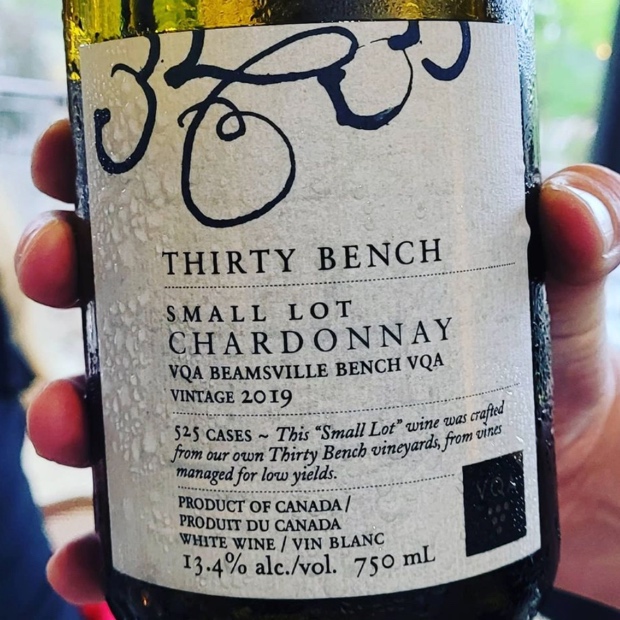
Thirty Bench Chardonnay Small Lot Extended Lees Aging 2021, VQA Beamsville Bench

Spent 22 months in barrel, in other words space was not needed for new juice after 10, nor did Emma Garner feel the need to remove this lot and so 22 months it was. For good reason, great measure and bonafide success. You know the extra wood melt is there and integration is so complete. No compromise to fruit from a vintage aboard the Beamsville Bench that gave of itself selflessly to mingle in cahoots with the cohorts of those barrels and nuances at every turn. Acumen begets probability which in turn generates prospect. Conclusions drawn are expressed with silent nods, a twinkle and smile. This will age gracefully for 10 years.  Tasted a second time, July 2024

Maximum ripeness, warm vintage no doubt, captured and locked into what feels like a reserve style of chardonnay. Full and fine, fleshy and yet sturdy, chiseled musculature, riveting and attention so locked in. As is ours because we simply can’t turn away. Not an easy vintage tells Emma Garner because there was some rot, botrytis and less than desirable grapes. But there was also plenty of great fruit once the chaff was culled, the wheat came in and in turn a terrific chardonnay was made. The length is outstanding.   Tasted blind at i4C, July 2024

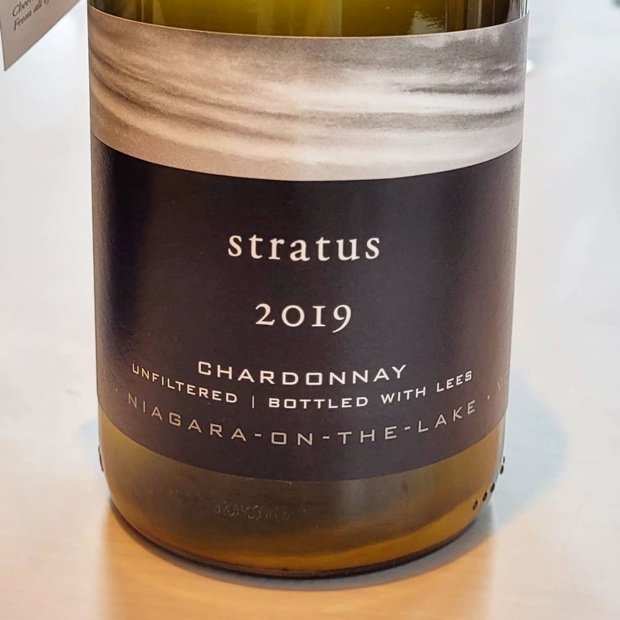
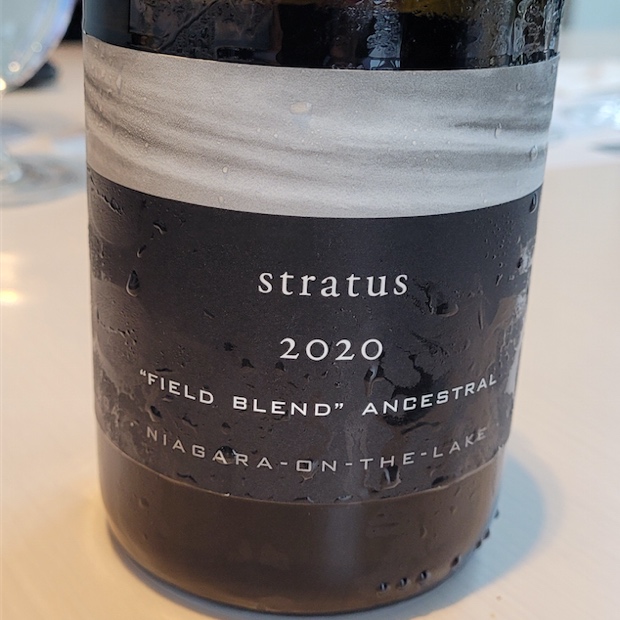
Stratus Vineyards Chardonnay Amphora 2021, VQA Niagara-on-the-Lake

Several factors are here at play, namely lees but also vessel so that the mineral aspect exhumed and manifested as texture makes us think about place. Spices run amok and that housing continues to occupy the impression that is distinctly Ontario chardonnay. Bottled with lees would be the reason behind the feeling and also the fact that it has been aged in amphora. First edition, fermented and aged in the clay vessels, influenced by Rene Barbier Jr. says winemaker Dean Stoyka. “It really respects the fruit and causes some restraint in the wine,” he explains. “Giving some salinity and richness on the mid palate.” A unique way to make chardonnay indeed.  Last tasted blind at i4C, July 2024

Along with cabernet franc this chardonnay was also tucked into and raised in amphora, no surprise because these have been two varieties suited up for experimental tests. Very late harvested (November 4th) from the 2021 vintage and specs are not very elevated for this wine. Moderate across the board and yet it is the clay that defines what we nose, taste and feel. Wet clay, a preserve with notable vegetal and savoury elements, banana esters, soft wool and ultimately a new set of varietal parameters imagined. One assumes this is bottled with a similar amount of lees as the R & D Stratus OG chardonnay but the clarity and transparency of the AC suggests something other, or wise. All in all a conundrum frankly, jury still out, much left to figure, pilot, trial, error and decide. Drink 2023-2025.  Tasted September 2023
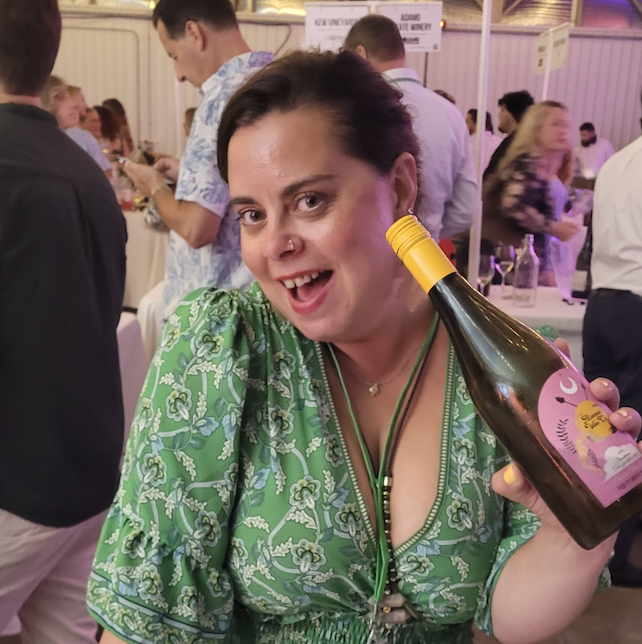
Maenad Wine Company’s Yvonne Irvine

Maenad Wine Co. Chardonnay Skin Contact 2021, VQA St. David’s Bench

Orange chardonnay is a thing and this leads by example. Cloudy, hazy and yet much cleaner than the visuals might suggest. From Yvonne Irvine’s virtual wine project, made at Creekside and sold through the retail license at Marynissen Estates. Breaks down regular conventions like busy beavers taking apart wood and making their dens. To be honest skin contact wines don’t get much more delicious than this, especially from chardonnay, fruit having been “borrowed” from the vineyard owned and farmed at Niagara College. Full malolactic, lees stirring, older French wood for seven months. The richness, roundness and cozy-fuzzy feeling on the palate shows just how well this turned out. Should be so interesting to see how this ages – can’t hep but think it will go through the process with ease. Drink 2024-2027.  Tasted blind at i4C, July 2024
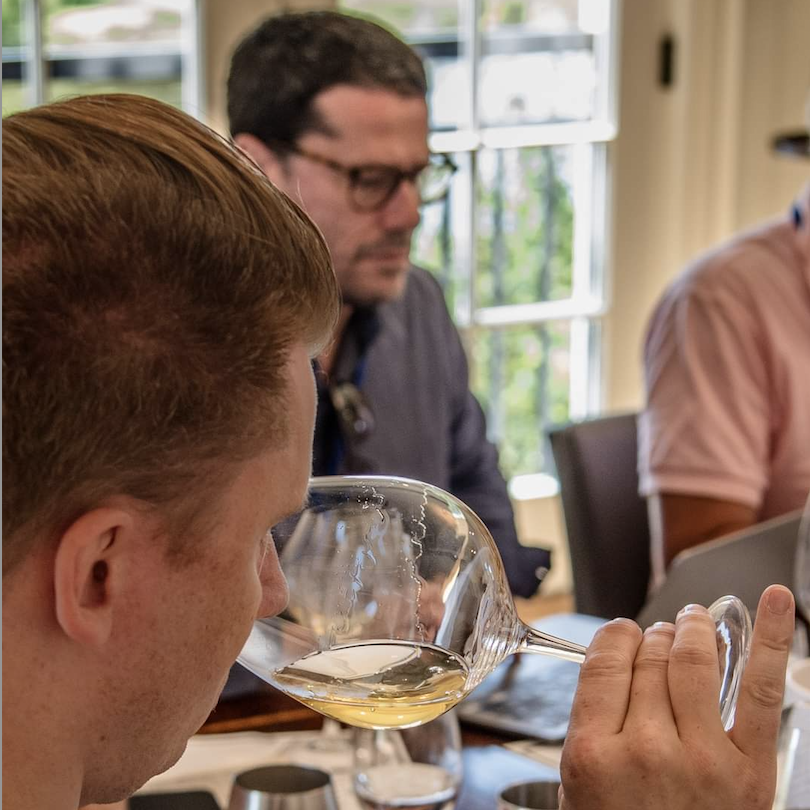
Stefan Neumann MS

Dobbin Estate Vineyard & Winery Chardonnay 2020, VQA Twenty Mile Bench

As full, rich and riveting a style of Niagara chardonnay as there has ever been. Ripeness at peak, wood in full glory, generously yet judiciously used and the overall effect is something usually reserved for what many will think of as a story written over centuries by Beaune chardonnay. There is delicacy here and if this chardonnay were a book it would be a page turner, which says this vintage in particular should likely appeal to a great and wide audience. Make no mistake though because a wine like this is comfortably affordable to the haves. That it turns out to be a Peter Gamble and Ann Sperling made chardonnay from a top warmth vintage comes as little surprise. Drink 2024-2027.  Tasted blind at i4C, July 2024
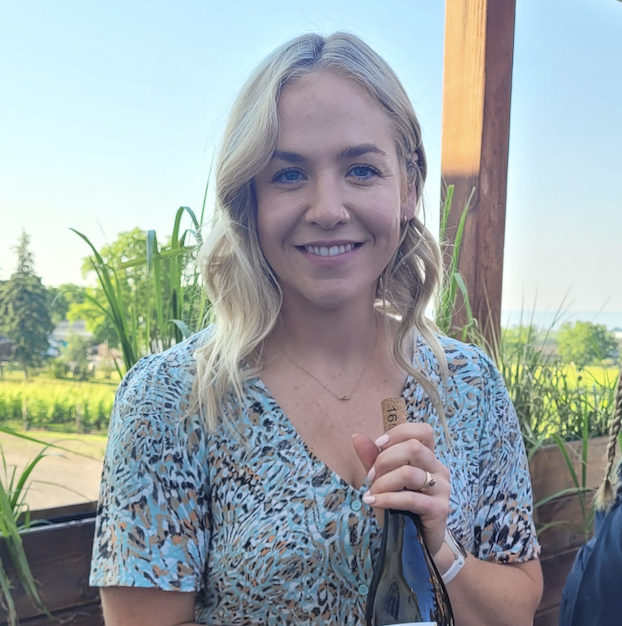
Morgan Juniper – 16 Mile Cellar

16 Mile Vineyard Chardonnay Civility 2018, VQA Beamsville Bench

Just carries and emits the feel of classic chardonnay winemaking, without hesitation or equivocation to result in something so knowably Niagara. The wood is on the weighty side and maturity has begun to see this wine acting its age. “I really think it’s important to honour the process of patience in winemaking,” says winemaker Morgan Juniper. The opportunity is not always available to do that but the ripeness here presented the proposition on a platter. “This wine is like waiting for a child to actualize their full potential,” she adds. “I wanted to push the boundaries to see this actualize at a later date.” As it has and the window is fully open with another year or two of enjoying this light lees-affected, barrel-aged and now of a chardonnay at this all in butterscotch stage. Drink 2024-2026.  Tasted blind at i4C, July 2024

Not labeled as such but essentially a Reserve wine taken from a single barrel housing all estate fruit. High level of concentration and richness in the face of a vintage considered cool and challenging, but when you take a smallest of small lot wines like this that just does not apply. Everything about this is classic, basket pressed, natural ferment, full natural malolactic, 22 months maximum for oak aging, Burgundian obviously and medium of toast. “We come to barrel turbid – we like density,” notes Peter Gamble. (Peter) and Ann Sperling really liked this one particular barrel and decided to put it to magnums only. From late September and early October picks, finished at 14.5 percent alcohol and ultimately mouthfeel that rivals some pretty warm wine growing regions. A chardonnay that moves beyond Bourgogne to offer up its very own definition of Niagara’s Twenty Mile Bench.  Last tasted July 2024

Friday, Saturday and Media room tastings

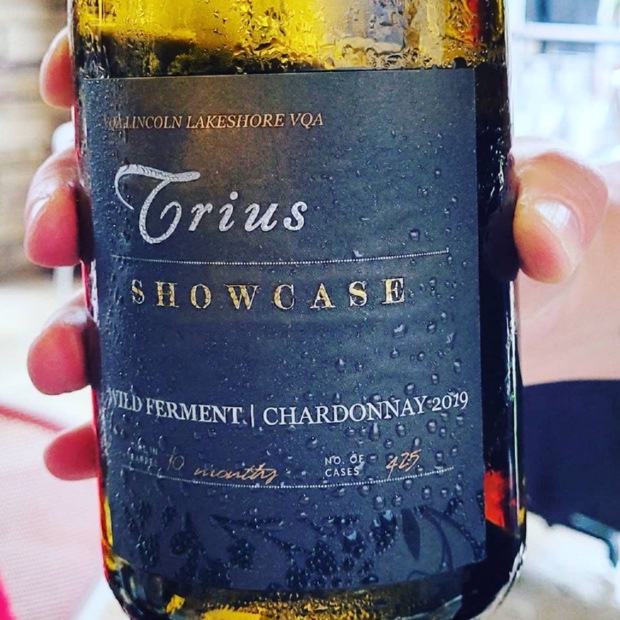
Trius Chardonnay Showcase Wild Ferment 2021, VQA Lincoln Lakeshore

A matter of factor decided by two essential aspects, the first being this chardonnay’s wild ferment and the second surely vintage. Turbidity endured and yeasty ebullition understood are how Wild Ferment ’21 co-opt and conjoin for aromas dedicated and unique to the Trius distinction. Scents of tropical fruit bathing in opaque waters cleansed by energy and movement to result in seriously complex chardonnay. Some spice tipping the tongue and tripping the palate fantastic for machinations of dreams and fantasy. Curious 2021, wild and woolly of texture with the confusion in delivery of a great part of the fun. The back label reminds that the fruit source continues to be Watching Tree Vineyard. Drink 2024-2027.  Tasted July 2024

Rosehall Run Chardonnay JCR Rosehall Vineyard 2021, VQA Prince Edward County

More of a restrained, stoic and while not reductive as chardonnay per se there is a wall erected between aromatics and early joy. A JCR dictated by its extract and structure, a compound butter in hard shell, surely not one in delivery of early returns. The crispiest, crunchiest, saltiest and most savoury of all the Dan Sullivan draws from the oh so important PEC Rosehall Vineyard. Try not to blink for many chardonnay that change straight away but with Rosehall that is far from the case. Twenty minutes in a glass and plus ça change, as they say. Immovably youthful chardonnay, stark and as a contrast, so sown, sworn, authoritative and stone cold of its own accord. There are 2021s from Ontario what will last comfortably in states of fickle freshness for 15-plus years. This could very well be one of them. Drink 2025-2031.  Tasted July 2024

Domaine Queylus Chardonnay Tradition 2022, VQA Niagara Peninsula

Warm and inviting, textural like silk, some glycerol and running soothingly smooth from start to finish shows a different look and separates itself from other vintages. Kelly Mason’s ability to change it up while still maintaining an always high level is a chardonnay testament to a team that ranks with the hardest working makers in Niagara Peninsula show business. There are clean yeasty notes, like sourdough in the proofing stage and subtle baking spice with texture truly divining the directive for high quality “classico” Niagara chardonnay. Never gives up or in, never too hot or cold, a great vintage in Mason’s estimation, but then again, “anything was better than ’21.” Drink 2024-2027.  Tasted July 2024

Taylor Emerson and Jonathan McLean – Black Bank Hill

Black Bank Hill Chardonnay Runway 2023, VQA Lincoln Lakeshore

Gotta be the first chardonnay out of the gates from the 2023 vintage and if this cracker example is any indication of what’s coming then hold on to your senses. Recently bottled and even with an early (September) pick this saw less than 10 months of aging, but the mix of indelible lees and high voltage (8.5 g/L) total acidity put this in scintillant, dare it be said Blanc de Blancs styled territory. So very different to the Runway White (blend) because of its intensity but also warmth at 13.8 alcohol, not quite torridity, but a white peppery scorch nonetheless. Wild and exciting shift from vintner Taylor Emerson and winemaker Jonathan McLean. Will be hard to wait and anticipate what the next level chardonnay turns out to be. Drink 2024-2026.  Tasted at i4C, July 2024

Alex Baines – Hidden Bench

Hidden Bench Chardonnay Unfiltered 2022, VQA Beamsville Bench

Say 10 months in French barrel, a warm vintage to coax out full concentration though “bunch weight and tonnage were actually lower than 2021,” tells winemaker Alex Baines. “More on the average” and yet this Estate level is all that 2022 could be and more, of fruit so silkily rendered, starred gastronomy plated and proffered as if by sous vide and reverse seared white meat, asparagus, salsify and yucca for one of HB’s most sweetly vegetal and succulently situated chardonnays. Gentle spice, firm grasp of the Beamsville Bench, extract accumulated at the peak of the proverbial chart and elastic tannin. All fine, refined and stylish.  Last tasted blind at i4C, July 2024

Full and wholly substantial chardonnay wth fruit juiciness, acidity and intensity. Never relents, takes a break or falls away. Keeps a straight line and follows the progression to a vanishing point. The perspective here is focused and linear. Top “Villages” example. Drink 2024-2027.  Tasted blind at NWACs24, June 2024

Dancing Swallows Chardonnay “Composite Number” Unfiltered 2019, VQA Ontario

Maturing, acetic and yet quite complex aromatics offer more than curious intrigue. Über cool climate, variegate ripenesses in the fruit and the acetone incites the proverbial shower curtain comment. All that said there is promise and even pleasure to be had.  Tasted July 2024

Hidden Bench Estate Winery Chardonnay Felseck Vineyard 2021, VQA Beamsville Bench

My goodness this is special chardonnay, coming as no surprise and if your thoughts and emotions for 2021 Niagara chardonnay need buoying than begin the bob right here. Precise aromas, immediate and echoing, more fruit than frankly necessity should expect as the mother of invention because mineral and saltness demand our utmost attention. Yet the fruit stands firm and even pulpy in the face of the crushed stone infiltrate from a vineyard stop on the grandest of Niagara cru tours. Exemplary to speak on behalf of a vintage that separates wheat from chaff, pinpointed location from just anywhere and adults from the gambling trials of youth. Drink 2024-2028.  Tasted July 2024
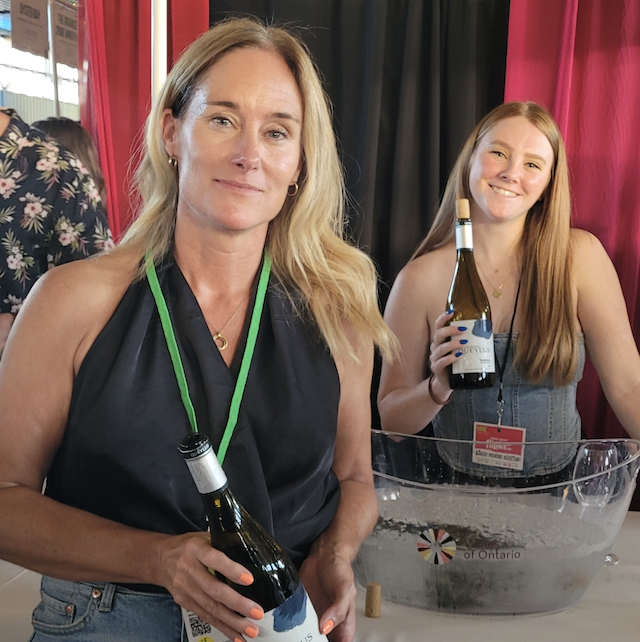
Kelly Mason and Brooke Husband – Domaine Queylus

Domaine Queylus Chardonnay Réserve du Domaine 2022, VQA Niagara Peninsula

Kelly Mason has hit the proverbial nail on the chardonnay head with her focused and balanced work with 2022 fruit to create what will forever exists as a quintessential Réserve du Domaine. The sort that will linger for years and be compared with when subsequent vintages are produced over the next 10-15 years. Remember the 2022 they will say. Ideal posit tug and a correct split between ripe fruit and stony goodness, also considered as mineral wealth to equip the wine with structure and subsequently longevity. All this despite a slight miss on acidity, which really turns out to be a thing of vintage. Brava team Mason. Sometimes there are misses when we taste blind.  Tasted July 2024

Oak all over, toasty notes in the orchard fruit aromas, mid-palate texture and no glissade but instead a settling on the palate. A bit heavy though just a year’s time will integrate the cloud. Lacks the right kind of acidity to really make it sing. Drink 2024-2026.  Tasted blind at #NWACS24, June 2024
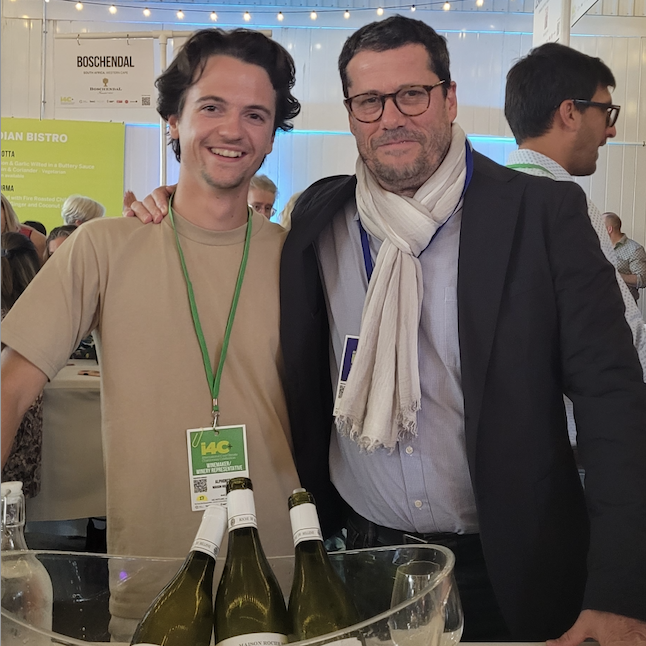
With Alphonse Potel – Domaine de Bellene

Maison Roche De Bellene Vieilles Vignes Bourgogne Chardonnay 2022, AC Bourgogne

A vieilles vignes at Bourgogne AOC level that proves the ’22 point just how universal these wines should be admired and can be your friend. Bellene’s is luxe, focused and balanced.  Last tasted at i4C, July 2024

Sharp chardonnay from Nicolas Potel’s Maison Roche de Bellene out of 2022, lightly reductive, tightly wound and beaming with energetic light. Got a buzz and a vitality about it, with old vines concentration keeping pace and developing texture as we speak. This has been a good sku in the past but Potel has hit the proverbial varietal nail on the head this time around. Drink 2024-2026.  Tasted July 2024

Nadia and Ilya Senchuk – Leaning Post

Leaning Post The Fifty Chardonnay 2022, VQA Niagara Peninsula

What was once a true matter of 50-50 barrel to steel raising has morphed and is now another matter. A concrete matter for today’s 50, full of fruit and fuller after its cementing, a posit tug still, even though wood and steel no longer play the push-pull game. More about fruit versus lees, tension so tight the rope never seems to budge, but it sways and slings within inches of itself. A bloody poignant vintage in spite of warmth, contiguous from its wild ferment and winemaking truth. Drink 2024-2026.  Tasted at i4C, July 2024

Matthias Messner – Kellerei Bolzen

Kellerei Bozen Chardonnay Bolzano 2022, Südtirol Alto Adige DOC

Really hot year tells Matthias Messner for a steel only raised chardonnay on lees from vines at 550-600m of elevation. Close to the south of Balzano, “a windy area” with cooling temperatures at nigt. Straight as a marksman’s arrow, cracker sharp and the sort of chardonnay to pierce your heart. Quenching, satisfying and Südtirol perfumed. So drinkable.  Last tasted at i4C, July 2024

Has been three vintages since getting back to tasting this archetypal Südtirol-Alto Adige chardonnay from top quality and quantity cooperative producer Bolzano. Can’t go wrong with the style or the effect, of no oaks given and the most lemony sunshine one could arrive hoping to find. This is a terrific vintage for a chardonnay we could all afford to drink a boatload of. Drink 2024-2026.  Tasted July 2024

Boschendal Chardonnay Appellation Series 2021, WO Elgin

“It’s easy to make quality chardonnay,” says cellar master Jacques Viljoen, “but hard to make sellable quality. Also scaleable but Boschendal seems to have accomplished all three with their high level tiered Appellation Series Chardonnay. What could be called a 2021 of dramatic restraint, of tension but never nervous, of grip but no abuse of power. Brilliant chardonnay and Ontario consumers should be happy to know it will become available in the upcoming VINTAGES September Classics. Drink 2025-2028.  Tasted at i4C, July 2024

Lydia Tomek – Ravine Vineyard

Ravine Vineyard Chardonnay 2021, VQA Niagara-on-the Lake

All Niagara-on-the-Lake fruit, from three vineyards and with just a wee bit of musqué inclusion to give Ravine’s chardonnay that gentle spirit and floral lift. Just that subtle hint of jasmine flower, oxalic acid lemony scent of purslane and faint anise of chervil. Spends 18 months in a majority of old wood which does develop texture to find this somewhere comfortably between pillowy and elastic tension. You may not always have you’re best stuff but you can still contribute admirably to the team. Though 2021 is not the recent vintage to set Niagara chardonnay up for its greatest balance, “you take everything you’re given and make the best of it,” reassures winemaker Lydia Tomek. Which she clearly does to deliver a chardonnay to keep the dream alive and the streak unbroken. Drink 2024-2026.  Tasted at i4C, July 2024

Thirty Bench Small Lot Chardonnay 2021, VQA Beamsville Bench

True to Bench chardonnay sprit and energy, standing upright, demanding to be noticed and in turn we are paying attention. A harvest of demand forces the team to focus and pay extra attention, to do everything possible for greater returns. Picking and sorting strategies finds the best available fruit to create something cool, gelid, succulent and shockingly Chablis like. Should age longer than first anticipated.  Last tasted at i4C, July 2024

Small Lot just has to be the ownver of the lowest of low alcohol number as it pertains to the Beamsville Bench and at 12.6 percent the conversion rate falls under the categorical auspices of magic. This is not a light chardonnay but it is a lithe, elastic and effusive one. Aromatically demure yet soft and almost caressing, without peppery (and sharp apple) bites or jolting in any way. The palate runs a similar course, gracing with soft and round flavours that are easy and stretched. Lovely and amenable 2021 here from Emma Garner and one to savour slowly, in a calm and tranquil setting. Drink 2023-2025.  Tasted July 2023

Katie Dickieson – Peller Estates

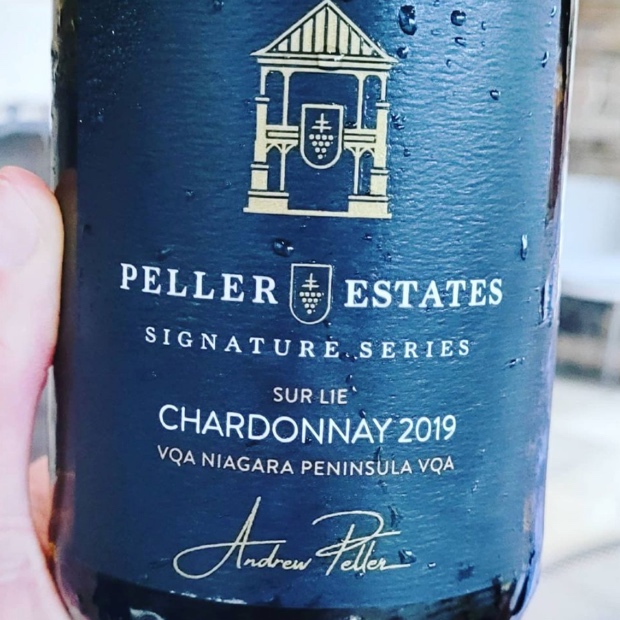
Peller Estates Private Reserve Chardonnay 2022, VQA Niagara Peninsula

A factor of chardonnay and also musqué interplanting, unique for Niagara and smartly put to a 50-50 ferment between steel and oak. What follows is 12 months in barrel and mostly no malolactic fermentation though says Katie Dickieson, “some might happen.” Clear, clean, precise, pristine and from an ideal vintage to make this style of direct, ready to rock chardonnay. Beautiful. Drink 2024-2025.  Tasted at i4C, July 2024

Westcott Chardonnay Estate 2022, VQA Niagara Escarpment

Wild ferment and malolactic happenstance, “and if it occurs simultaneously,” says winemaker Casey Kulczyk, “it’s fine, I want this.” Barrel fermented, super turbid going in and also desired. Welcome to 2022, a vintage for which its maker forgets and leaves everything behind because adversity and challenges always puts one on their toes. Cold snap in winter, vine damage and a 60-plus percent loss of buds (on chardonnay). Great quality nonetheless, a new or different estate mix to result in a more linear, tight, bright and for Westcott, extreme iteration. Yet this arrives brilliantly, very young, not itinerantly fruity, but sharp and hyper real. Drink 2025-2029.  Tasted at i4C, July 2024

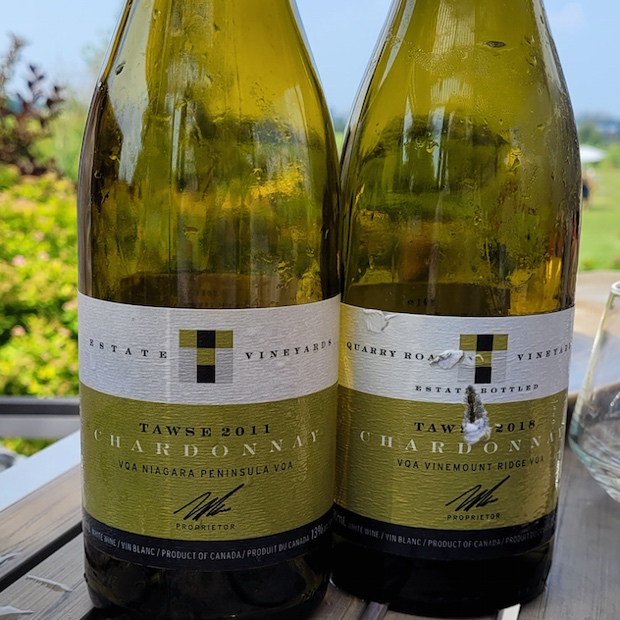
Tawse Chardonnay Quarry Road Vineyard 2021, VQA Vinemount Ridge

No shock or surprise that Quarry Road ’21 is a mineral bomb, coming away on that rocky side of the 50-50 fruit to stone compendium. Forget everything you’ve heard or read about this arch-cool Vinemount Ridge chardonnay, but also ignore all the noise about unmitigated disaster by vintage. Niagara winemakers should always make quality cool chardonnay these days and Tawse holds more water and responsibility than most. Jessica Otting is ten times equal to the task with a Quarry so precise and focused it may just make a tooth or two feel the mineral pain. A chardonnay chillingly representative of its vineyard yet, rewriting the jazz because of the shall not be named vintage. The naysayers can run away and hide in their holes because history will be kind to these wines, especially when they shine on in tastings ten years forward. No crutch or apology, sorry not sorry. Remember 2011 and 2013. Now forget them and only speak of 2021. Just great chardonnay. Drink 2025-2030.  Tasted at i4C, July 2024

Cave Spring Estate Blanc De Blancs, VQA Beamsville Bench

Classic, sharp, intense and ideal. A ripper, “and I love that” says Stephen Gash. Dry as the desert in such a plainfully proverbial way. Scintillant extraordinaire.  Last tasted at i4C, July 2024

For the first time in quite some time the next look at the Cave Spring Estate Blanc De Blancs is bang on one year later and so yes, freshness is the thing. Crisp and crunchy, stylistically so consistent and really set up to act as the dictionary entry for chardonnay as sparkling wine out of Niagara. It’s just so spot on, high in energy and exacting for style, place and estate.  Tasted November 2023

Domaine Des Deux Roches Saint Veran Vieilles Vignes 2022, Bourgogne AC

From the estate’s flagship old vines holdings in the village of Saint-Véran on the slopes set below the famous two rock faces (Deux Roches). They happen to be the largest holder of hectarage and as such this is one of six cuvées in the Véran. As crunchy as any in the Bourgogne Mâconnais, or will ever be, with crisp bites and never dissipating tension. Sharp, representative of great value with several Premier Cru coming to mind and a vintage quality to solidify and formalize the overall trenchant intention, consolidation and voice. Drink 2024-2028.  Tasted at i4C, July 2024
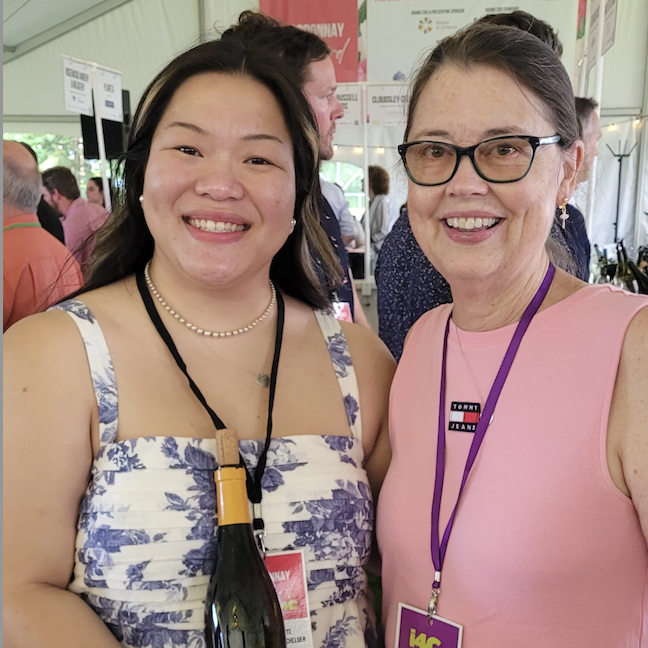
Violette Bachelder and Mary Delaney – Bachelder Vineyards

Bachelder Wismer Wingfield Chardonnay 2021, VQA Twenty Mile Bench

By this time Wismer-Wingfield is the standard Bachelder chardonnay, the one of great acumen and knowledge accrued, the most middle of the road of the Toussaint releases. This is said with greatest of compliment because there is no substitute for experience and Thomas has long since figured out how to make this most high level and consistent chardonnay. No lack for all this and more from 2021, of a wine where fruit and wood share equal space but both exist on the same footing. As always the presence of waxy, aerosol and resinous notes that chardonnay for Wismer-Wingfiled always displays. There is something to be said for the same old. Drink 2023-2026.  Tasted December 2023 and at i4C July 2024

Leaning Post Chardonnay Senchuk Vineyard 2021, VQA Lincoln Lakeshore

“I fought the grapes…and the grapes almost won,” quips Ilya Senchuk. We should note that the the temps are/were five to six degrees cooler in Grimsby/Senchuk Vineyard and so he and Nadia feel quite strong about their success for cool climate chardonnay out of the adversarial vintage. A “war of attrition” perhaps and some losses but in the end more wins, but you have to buy and taste these wines to find out. Ilya agrees that sometimes “you have to get out of the fruit zone,” and not just with respect to pinot noir. The mineral aptitude and stony goodness of this cracker ’21 Senchuk chardonnay will not be denied. Not to mention at 12.5 percent alcohol we need to look past lean and consider magical conversion rates. See for yourself. Drink 2025-2029.  Tasted July 2024

Cloudsley Chardonnay Twenty Mile Bench 2022, VQA Twenty Mile Bench

Always a mix of Wismer fruit, of Wingfield and Foxcroft, same bat fermentation and same bat channel. Wild ferment that is, followed by 18 months in French wood with one-quarter or so being new barrels. Balance of the old and new, the buttery and the grippy, the soft and the profound. A recurring fruit theme for 2022 with less tension and tightening as compared to say ’19 and ’21. Getable as chardonnay though persistent in its inherent cool climate origins. Still it will attract more and more consumers who hold preconceived notions about the idea of chardonnay. Drink 2024-2027.  Tasted July 2024
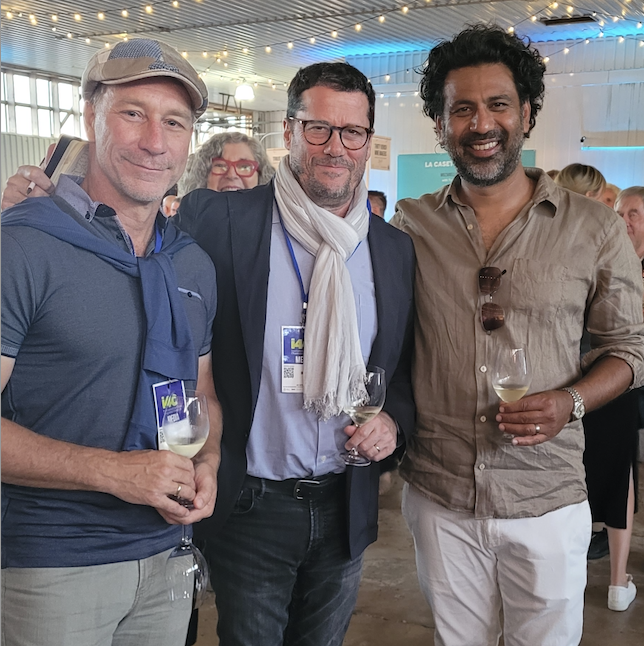
John Szabo M.S., Godello and Malivoire’s Shiraz Mottiar

Malivoire Chardonnay Mottiar 2020, VQA Beamsville Bench

In a state of grace resolve on course to deliver its best at every step of development. In the heart of the matter now, primary yet moving forward with finespun caramel right ahead. So well conceived and made to honour its origins.  Last tasted at i4C, July 2024

Sure there is a full and subtly opulent quality to the Mottiar 2020 but from the beginning there is confidence and balance. Always this way but ’20 is special in that regard, comfortable in its skin and so sure of what it brings to the chardonnay table. Beamsville Bench beauty and bounty, acidity so sweet and developed it feels like it has not yet acted just like this before. A hint of paraffin and beeswax, a lilt and a rise in beats here and there but most of all freshness and that aforementioned surety of conviction. Drink 2023-2027.  Tasted July 2023

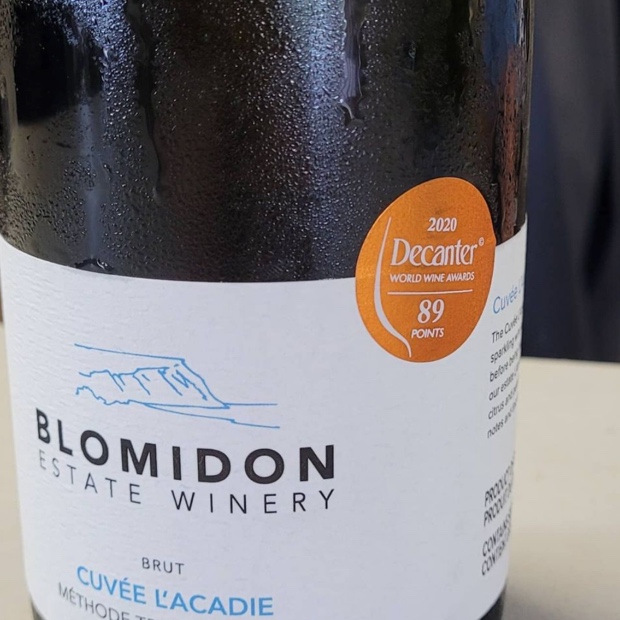
Blomidon Brut Réserve NV, Annapolis Valley, Nova Scotia

Put to bottle in 2019 and so five years on lees ain’t nothing to develop complexities, eccentricities and potential variability. This pour comes out of sound and vision, disgorged in March of 2024, set to be released in the early Fall. Makes great use of 2016 and 2017 fruit, plus a small amount of the frost vintage 2018. Youthful, appropriately Blomidon Peninsula/Annapolis Valley tightly wound and in a way very chardonnay, though not glaringly so. “For us this is the future for non-vintage,” explains Simon Rafuse, “and to save the cooler vintages for Blanc de Blancs.” It’s a reverse engineering kind of approach. Simply put, in cooler vintages you can’t push wines through malolactic and so chardonnay is best purposed for sparkling when acids are high and pH levels are low.” Like 2011, but not 2010 and Rafuse adds that “the problem is you have to wait many years to see the results. But it’s worth it because they are really good.” True that. Drink 2024-2028.  Tasted at i4C, July 2024
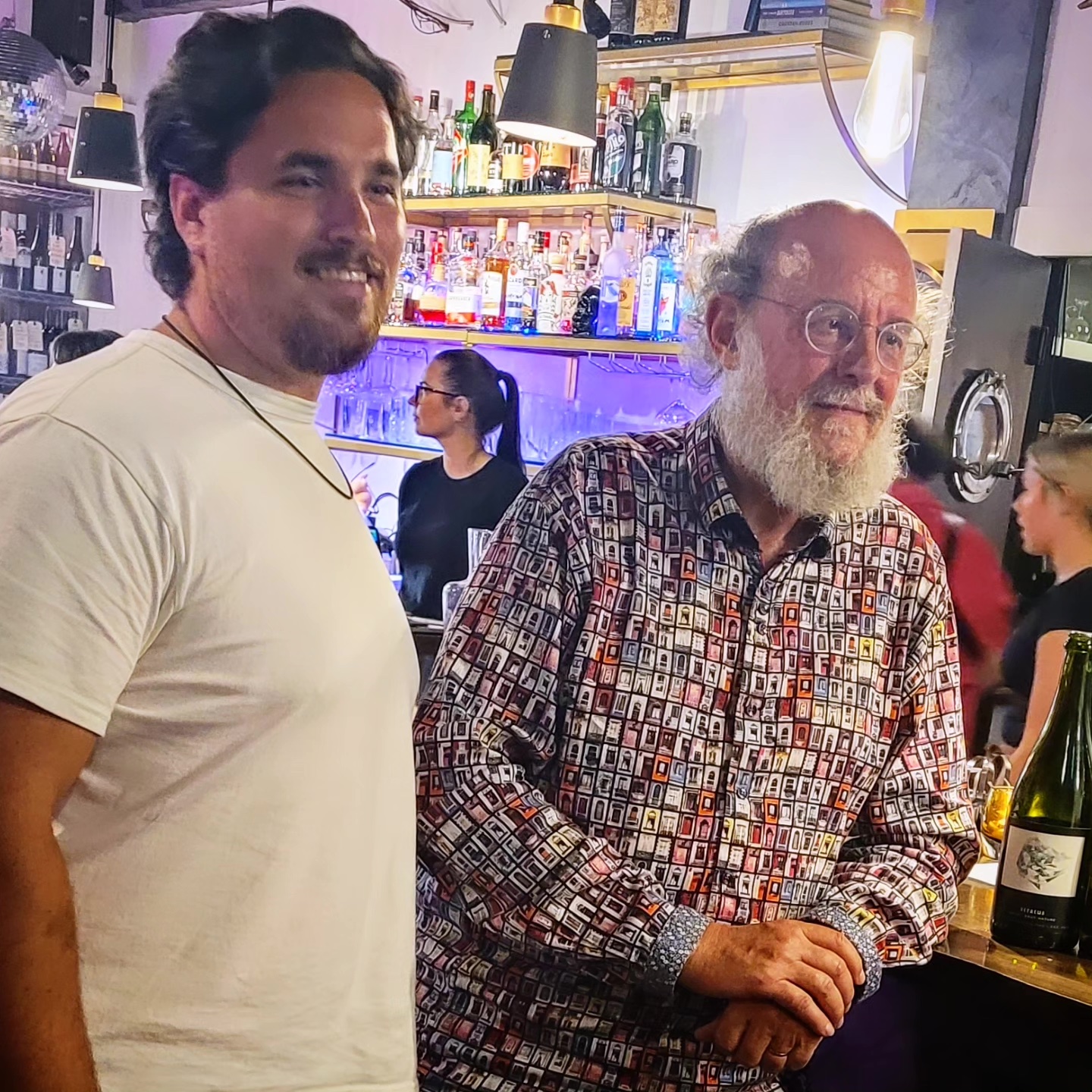
Dean Stoyka and J-L Groux – Stratus Vineyards

And there were visits

Stratus Vineyards at Bar Ruffino

Stratus Brut Nature Zero Dosage 2013, VQA Niagara-on-the-Lake

J-L Groux explains that the main factor for making this kind of sparkling wine is PH, “because the aromatics will be built upon six to seven years of lees aging time.” J-L feels this ’13 is going to be the winner now, and for 20 years. Not far off it would seem because of the “partial disgorgement” method, well within VQA rules and thus you arrive at a toasty smoulder unlike any other sparkling wine. The lees are the thing, in fact they are everything. They prevent the aromas and the wine from oxidizing. Amazing.  Last tasted July 2024

Comes across a bit cloudy, at least as compared to the B de B with thanks to the natural, lees left intact style. The citrus component is so pronounced, as is the taut, direct, lean and intense manifold destiny of what is truly a singular Sparkling wine. That being a living, breathing, inhaling and exhaling wine, slowly releasing proteins, acids and realizing its B de B Nature dream. Just amazing what lees can do for sparkling wine.  Tasted July 2021

Released side by each with the Stratus Blanc de Blanc 2013 and while vintage and grape are the same, the similarities almost seemingly, ostensibly and allegedly end there. Yes in fact this 100 per cent chardonnay is a child of the most excellent varietal vintage and like the B de B spent six years on the lees. Comparisons cast aside it is the very fact that because much of the lees were transferred to bottle by a minimalist’s disgorging that this cloudy bubble with a Canadian artist’s series set of labels can’t help but elicit another memory. The Lilies of Monet and their clouds represent neither the horizon, nor the top or the bottom. Nor does a bottle of this Zéro Dosage Brut. The elements of water, air, sky and earth become intertwined in a composition without perspective, or so it goes in this hazy, opaque and dry as the desert sparkling wine. So many layers of lemon can be peeled, juiced and scraped away. If a Stratus wine could be a a riddle, wrapped in a mystery, inside an enigma then here it is. The texture here is palpable and the intrigue factor surely high, so it should be imagined that longevity will be this wine’s calling card. It’s more austere than the Blanc de Blanc but I think in fact it will. Drink 2022-2029.  Tasted November 2020

Stratus Chardonnay Reserve 2002, VQA Niagara-on-the-Lake

Harvested between October 4th and 6th which for J-L Groux was early, akin to harvesting in early September in the Stratus world of today. Barrel fermented for 350 days in a mix of new, second and third fill French wood. Low(ish) acid and high pH vintage from the vineyard purchased just two years prior. The team went about immediately reducing yields from eight to two tonnes per hectare, “direct to concentration,” says J-L, who at the time partnered with Peter Gamble to make this rare iteration labeled as a Reserve wine. They selected barrels for this premium chardonnay and truth can feel counterintuitive because many years after having tasted the (Non-Reserve) 2002 it is this ultra varietal bottle that shows impossible freshness. Persistent in reserve, laden with grapefruit and as much texture as wood is want to impart. Well, actually a bit less than expected but as a chardonnay expression with the same fruit the special barrels chosen have come about with such a different result. Less preserved lemon, wax, late bitters and oxidation. Therefore sharper and fruitier while in the end likely just what Peter and Jean-Laurent were looking for. Drink 2024-2026.  Tasted July 2024
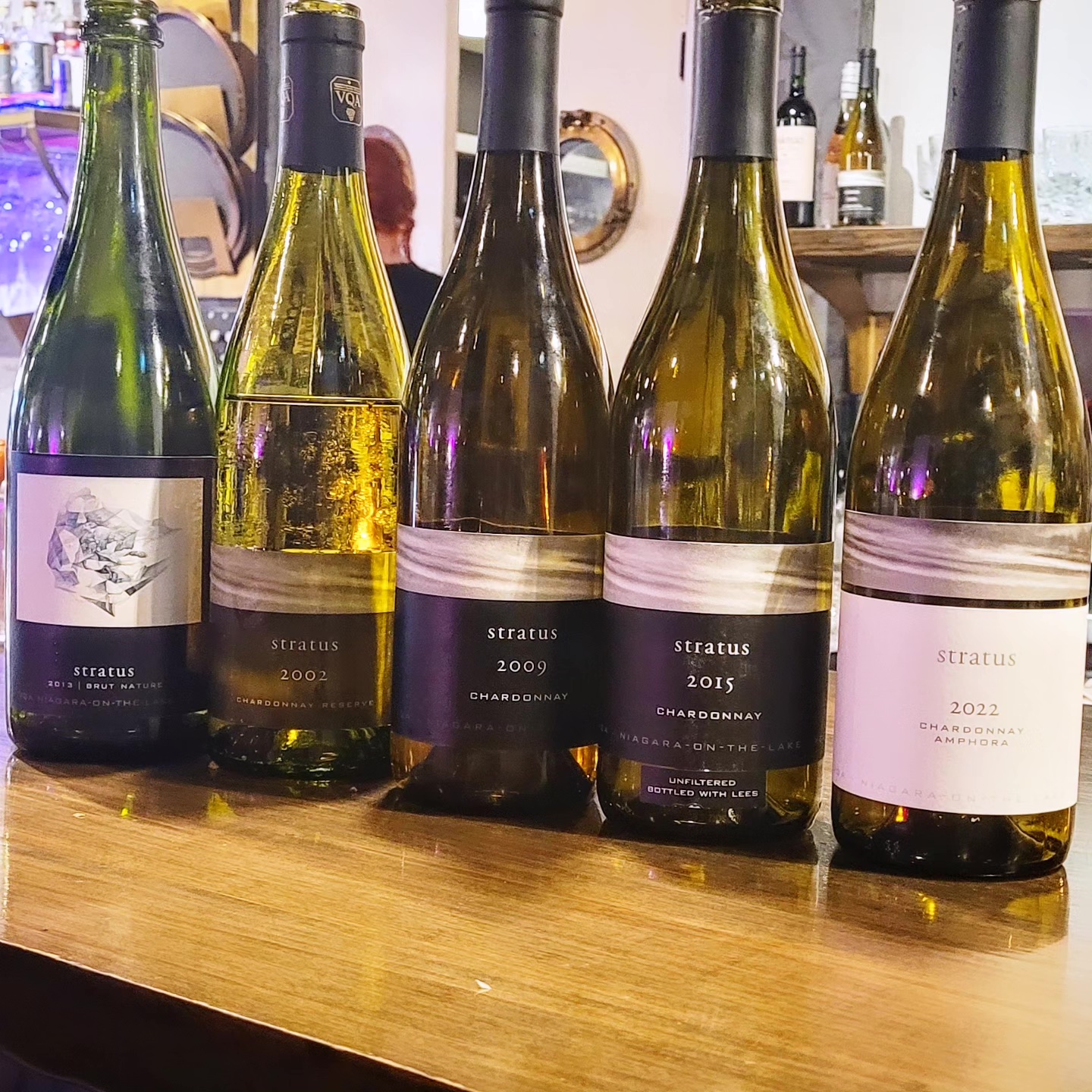
Stratus Vineyards Retrospective at Bar Ruffino

Stratus Chardonnay 2009, VQA Niagara-on-the-Lake

Late pick (November 10th), high acid, smoky and smouldering chardonnay, connecting it to a course of action for those that are made today. A precursor and one that the winemakers surely look back at and draw upon for current preoccupations. Especially Dean Stoyka who stirred some lees and learned how to get his chardonnay through malo during his Niagara College educational days. Looking at 2009 helps to consider the sparkling wine program because the specs and style of this wine are clearly inspirational towards that end.  Last tasted July 2024

Comes off like a white blend, aka Stratus White but this is the outright, unchaste vintage talking. Winemaker J-L Groux crafted three wines with viticulturist Paul Hobbs. Here they split the project 50/50 with Hobbs including wild yeast fermentation and whole bunch pressing and J-L adding short skin contact, controlled yeasts and no whole bunch pressing. From extreme low yields, this one puts on a show after only 10 months in barrel. High on aroma, brazen in texture, ambient in flavour bites. Very Niagara if inexactly Chardonnay.  Tasted March 2014

Stratus Chardonnay Bottled with Lees 2015, VQA Niagara-on-the-Lake

Medium acid and low pH year, picked across September which is early (and necessary because acids would have waned) but what matters most are the lees kept in bottle. To develop aromas over time and ward off oxidation. So unlike the 2009 tasted side by each, here from a “winter damage year” tells Dean Stoyka. Small crop, somewhere between 88 and 91 tonnes (the number changes form time to time), average heat and precipitation. Serious chardonnay concentration, fruit persistent, in great shape and a better wine today than it showed as seven years ago.  Last tasted July 2024

The 2014 vintage was essentially the first year when barrel lees would be left in the bottle and my how conservative this ’15 really was as compared to an evolution that culminates (currently) with the full on lees filled chardonnay vintage. Quite the opulent vintage mixed with aromatics still morphing, developing lees, brash and blushing by 40 per cent new oak, complimented by generous acidity. Showing with controlled drama and though the yields were low (only 88 tonnes) there is something quite special about this emotionally charged, vivid, scarce and remarkable chardonnay.  Last tasted July 2021

Stratus Amphora Chardonnay 2022, VQA Niagara-on-the-Lake

“Slightly, maybe three times more oxidative than a barrel,” explains Dean Stoyka as it pertains to amphorae. Kind of surprising but then again there needs to be a good reason for choosing these tight-grained Tava Amphora baked at higher temperatures, especially as compared to Georgian Qvevri. More oxidation means more lees and more lees means kept freshness plus the ability for aromas to develop into complexities over time. As for a a second kick at the chardonnay in amphora can by Stratus well then assessment out of expectation also triples and the learning curve realized by Stoyka becomes three times the fun. Where is the reference point? Who cares because the nurturing of this fruit and palate caress conspire to create a feeling, as if you have known this wine your whole life. A matter of great positivity and understanding. Dios mio, man. Longevity should never be questioned and reasons why never argued. Keep at it, keep on keeping on. Drink 2024-2030.  Tasted July 2024
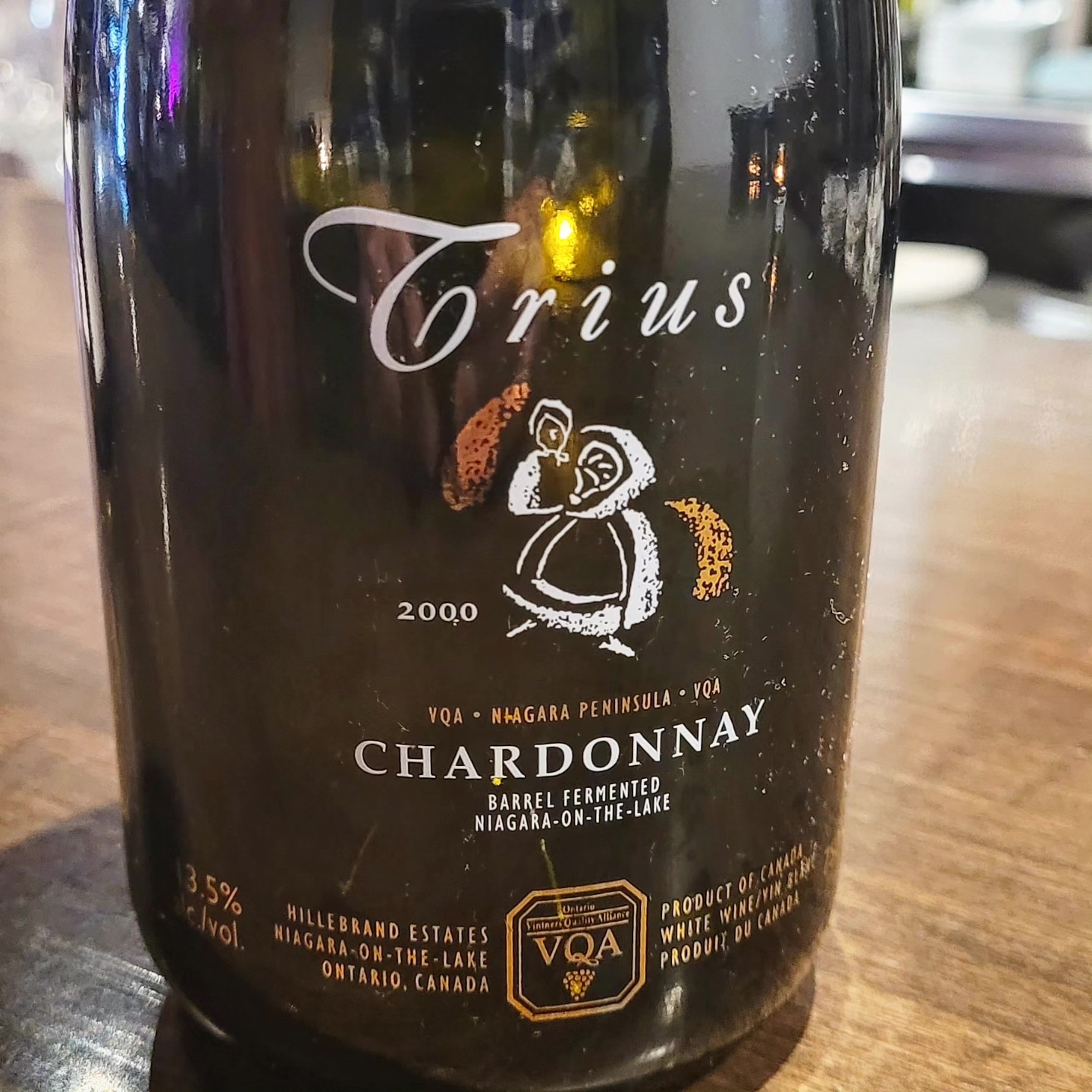
Hillebrand Trius Barrel Fermented Chardonnay 2000, VQA Niagara Peninsula

Nutty, flor oxidative and 24 years of age. From a very cool year and J-L Groux’s roots as a Niagara winemaker. Reluctantly fresh and honestly a good showing at this ripe old age easily into a time when the ideas and thoughts of mortality and finality can’t help but creep in. Though the wine would not shine to the dispassionate it does cause a stir of interest to a group of writers, influencers and sommeliers, all happy to drink one glass. Kudos to the Stratus team for offering up this cool piece of chardonnay history.  Tasted July 2024
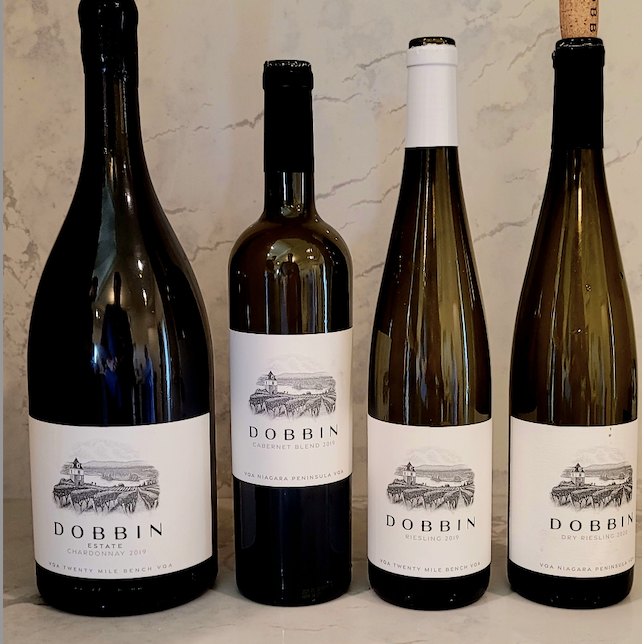
Dobbin Estate Vineyard & Winery

Dobbin Estate Vineyard & Winery Chardonnay 2019, VQA Twenty Mile Bench

This may be just the first stages of Dobbin’s tenure making high end wines from the Twenty Mile Bench but auspicious does not begin to describe the level of sophistication marking these beginnings. The erudite oenological consulting team of Ann Sperling and Peter Gamble have taken chardonnay into territory they are quite familiar with but always keep in mind that top terroir, vineyard conditioning and uncompromising preparation are what collectively set this up for success. This 2019 is from a cool climate vintage out of a cool climate place and recent history tells us that these are chardonnay that live good, long and healthy varietal lives. Luxe yet still crunchy, high quality wood used generously if judiciously and in the end this kind of rocks the world. In a chardonnay way. Drink 2024-2028.  Tasted April 2024

The Tower at Dobbin Estate

Dobbin Estate Vineyard & Winery Cabernet Blend 2019, VQA Twenty Mile Bench

From a cool vintage, long one though and cabernets cropped at the lowest of the low – less than one tonne per acre. ”A drinkable style,” says Peter Gamble and “I like the ‘19s from Niagara for that reason.” Pretty much a 50-50 final blend, almost too easy if by design and immensely popular with those who know, but also those who do not necessarily know the how or why. This is not a Caymus drinker’s red but it will inform and in turn impress they who should do better than their muscle memory habits of consuming over ripened, elevated alcohol, sugary reds. The ’19 is not particularly structured as a cabernet squared though the modelo drinking window is a good one.  Last tasted July 2024

First release for the new, high-end estate found on the Twenty Mile Bench with this stylish, Right Bank in make-up cabernet franc (inclusive of 15 percent merlot) having been sourced from a mix of the Homefront along with Creek Shores and Four Mile Creek. Oenologists Ann Sperling and Peter Gamble have consulted from the beginning and this is what would be considered a “Peninsula” wine because the fruit is drawn from three very different micro-climates. Sure seems like single site iterations are the future once each have been trialled and understood but for now the mix makes for a treat of layering and integration. Chic, full, substantial and generously oaky in the classic Sperling-Gamble style for full-bodied but never over the top Bordeaux reds for Niagara. The wood lends sweetness, fine chocolate ganache and a smoothness that is a hallmark of their wines. They did not go for structured broke in this inaugural bottle but the result is dreamy and leaves an impression, without seemingly trying to be impressive. No doubt a Napa Valley feel here which is always a compliment as it pertains to Niagara reds. The only qualm is the lack of franc-ness but that feels somewhat intentional. Drink 2024-2026.  Tasted April 2024
Tasting at Dobbin Estate

Dobbin Estate Vineyard & Winery Riesling 2019, VQA Twenty Mile Bench

Classic and balanced, concentration meeting at the intersection where a righteous mix of sugars and acidities form layers from. Vineyard blocks are what define the intention and i turn the results of this riesling. Nothing overt, neither by salinity or sapidity, though their are hints, shadows and subtleties indicated by both. And so the requiem for this riesling’s success lies in its ability to please without speaking loud or acting with any sort of impunity or demand. This is why people who know nothing about riesling will gravitate to enjoying this as a glass of a special white wine. And those who get it will be hard pressed to label or pigeon-hole it as Ontario. The inclusion of some botrytized grapes has something to do with this. Drink 2024-2028.  Tasted July 2024

Dobbin Estate Vineyard & Winery Riesling 2020, VQA Twenty Mile Bench

A much warmer vintage for all of Niagara and with riesling the difference between 2019 and 2020 is truly the proverbial might and day. Almost an about face style with the ripest and juiciest ripe fruit, lower sugar and (less botrytis) but truth be told there is more richness and flesh in 2020. Intensity by implosion and higher sugar number (15-16 g/L) as compared top 10.5 fro 2019. Unrelenting flavours and a profile more Germanic than that more chiseled and muscular ’19. Drink 2024-2028.  Tasted July 2024
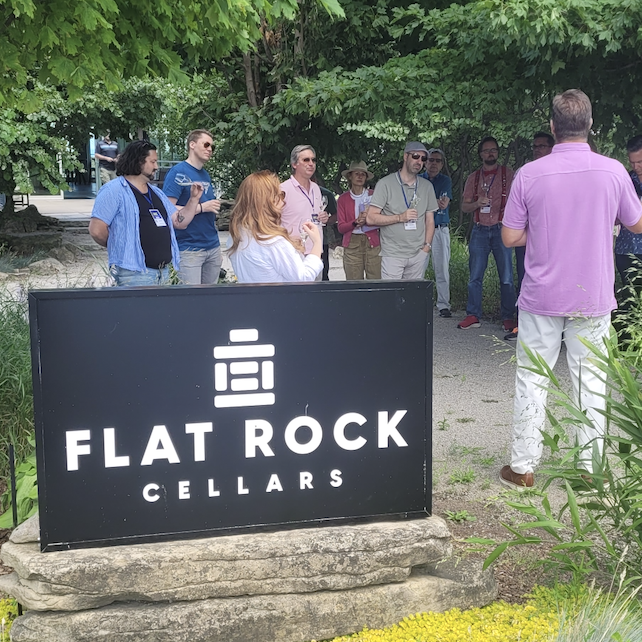
Ed Madronich holding court at Flat Rock Cellars

Flat Rock Cellars

Flat Rock Cellars Pinot Noir Foundation Series 2022, VQA Niagara Peninsula

The separation between Foundation and Gravity is essentially barrel selection with the winemaking being the same. So specific to this place, rusty and busy tart fruit, a mix of plum and cranberry, always curious, always complete. Gently and fluidly volatile, crunchy at its peaks and low rumbles in the valleys. A 5,000 case production (on average) as compared to 1,000 of Gravity. Never a question that this is and represents Flat Rock.  Last tasted at i4C, July 2024

No questioning the ripeness on all fronts, to the edge and precariously so with maturity and also a glycerol meets acetic set of circumstances. As such there is a raw cookie dough note, also potpourri and natural medicinals. A very specific tang carries the flavours and the sensation of style is duly noted. Gets chalky and the acidity takes over on the backside of this distinguishable pinot noir. Drink 2024-2025.  Tasted July 2024

Flat Rock Cellars Pinot Noir Gravity 2020, Twenty Mile Bench VQA

Warm vintage and about as high-toned that Gravity as pinot noir will ever be. A tight and to be frank also austere iteration that still remains and persists in this state of the unforgiven. If a Gravity has ever needed for time than this 2020 is certainly up for debate. Muscular, concentrated, broad shouldered, full of texture and buzz in its extremities. There is plenty of substance and so when the wine settles in it will do what intention asked it to do.  Last tasted July 2024

Jury’s still out on the season’s relationship between pinot noir, Niagara and especially the tattooed effect painted by the Escarpment’s benches. Gravity ’20 is still showing some early earthy, fermentative aromatic volatility by way of bread dough, tar, strawberry red fruit and coniferous-evergreen energy. Some stem inclusion surely, an early pick on acidity in a warm year, strength in maceration and equally pressed so that the Ontario greens also come through on the flexed rope of tannins. Like hastily hand-stretched pizza dough popping holes, or pulling liquorice too fast and causing cracks. Gravity is meant to fall softly downwards, gracefully and gently. The sour accents speak another language, a bit unfamiliar and yet the track record of this wine deserves respect and time. Jury will be hung and a new one will come back in two years for next assessment. Drink 2024-2027.  Tasted October 2022

Flat Rock Cellars Pinot Noir Gravity 2010, VQA Twenty Mile Bench

Really warm vintage, one of those in that time that ripened fruit to the max and so pinot noir went where it so boldly wished to go. One of those substantial examples that has surprisingly lasted deeper into its tenure than assessment of that vintage would have predicted. Good showing today and some duck prosciutto would work really well alongside.  Last tasted July 2024

Reels in Twenty Mile Bench fruit in a warm vintage as well if not better than any of its peers. Founder Ed Madronich is clearly slope and soil obsessed and this Pinot Noir is a study in topography and geology. To paraphrase Madronich, it’s ”more Pommard than Volnay, in a deeper and more masculine way than the Estate bottling.” Pinot barrels most representative of the Gravity style were chosen for the final blend, in this case noted by woodsy black cherry and spiced root vegetable. “Get a little savagery in your life.”  Tasted twice, April and December 2013
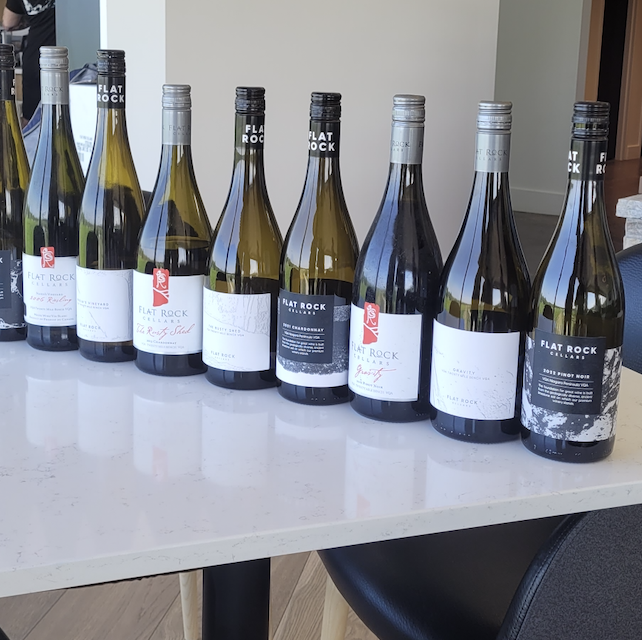
Flat Rock Cellars Chardonnay Foundation 2021, VQA Twenty Mile Bench

Middle road traveled, taken and projected for chardonnay definitive of a 25-year study by Flat Rock makers to arrive at this time. Lovely, juicy, prolific and in its Flat Rock way also a quintessential Twenty Mile Bench example of chardonnay What more needs to be said?  Last tasted July 2024

Foundation Series: Our Classics redefines the Flat Rock entry to market and gateway for their chardonnay. If you’ve been tasting these wines for a decade or more you’ll recognize these aromas from a 2021 that resonates of the house style. Inviting, somewhere between vanilla crème frâiche and lemon crème brûlée, soft and demure. Creamy palate texture, a swirl of butterscotch ripple curd and easy drinking all the way through. Many will find this soft but it’s best considered as a comfort food kind of chardonnay. Drink 2023-2024.  Tasted October 2023

Flat Rock Cellars Chardonnay The Rusty Shed 2021, VQA Twenty Mile Bench

If the Foundation delivers a quintessential Flat Rock chardonnay experience than The Rusty Shed takes it further. More substantial fruit and aromatic muskiness if less immediate joy and juiciness. No shock because RS is a wine that can and will age with this being one of those vintages that fit the bill. Reminds of 2011 or 2013, or maybe a combination of the two with the modern world of love and varietal development taking chardonnay from FR to new heights. Will hit the zone sometime later this year or early next. Drink 2024-2027.  Tasted July 2024

Flat Rock Cellars Chardonnay The Rusty Shed 2013, VQA Twenty Mile Bench

A more than appropriate vintage to pour side by each with 2021 because they share that Flat Rock Rusty Shed affinity of chardonnay needing some time to open up before delivering the juicy, gelid and fleshy character they will almost always eventually do. The ’21 will get to this place and few Niagara or Bench chards can go light years ahead into such a place of beauty. Just knew 2013 would get there and what a joy to be here with it.  Last tasted July 2024

It’s as if this label had bided all this time to be the benefactor of 2013 fruit. This Rusty Shed, this 20 miler with the track record to age, a wine that sheds baby fat over a 10 year mineral through echelon stratum, in ways few other peninsula to bench chardonnay can do. This Jay Johnston handled surfer of a wine, buoyant and balanced, centred and able to withstand turbulence, oscillation and tidal sway. Here with sumptuous and spiralled fruit gaged in lode intervals and a tartness held in lope and line by a membrane of extract and tannin. Best ever. Showing well, repeatedly and to forecasted repute. Impressing critics and consumers alike. Bravo. Drink 2016-2025.  Tasted June 2016
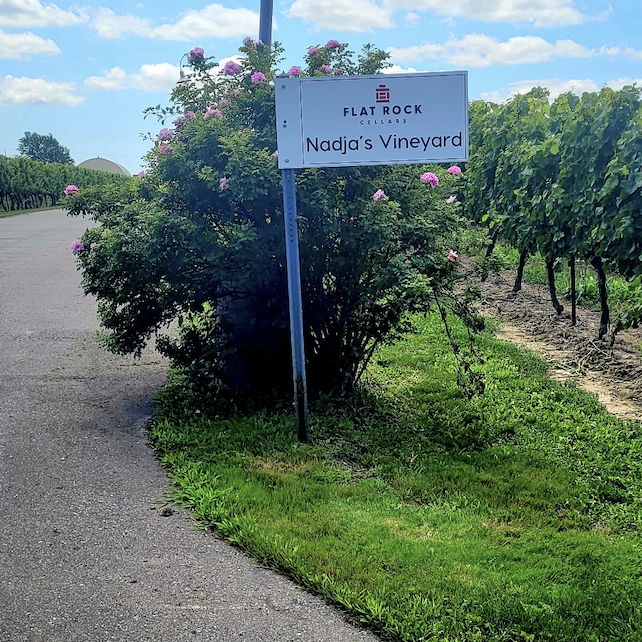
Flat Rock Cellars Riesling Nadja’s Vineyard 2021, VQA Twenty Mile Bench

A savoury, mineral and waxy Nadja as riesling, citrus as high and spritzed with energy as it will ever be. Not a vintage of concentration but rather one that is structured and so bloody specific to the vineyard higher up upon the estate’s step of the Niagara Escarpment. Flat Rock is perhaps the only estate with this level of elevation change, as much as a 10 story building from the this top vineyard to the (pinot noir) bottom. A place of air flow, equidistant to the lake and to the top of the Escarpment. Crisp, crunchy, tart and high level intensity, even for Najda. Need to wait a few years to see what next steps it will take. Drink 2025-2029.  Tasted July 2024

Flat Rock Cellars Riesling Nadja’s Vineyard 2006, VQA Twenty Mile Bench

Tough vintage but are they not the ones that find the magic of aging to deliver a wine like this? Phenolic and mineral as the saltiest of Nadja rieslings, ultra aromatic and a bit yeasty but the vintage had much to do with this. The rest is soil and location, up on the Twenty Mile bench on a second step up towards the crest of the Niagara Escarpment. Crunchy in every way, citrus as always but accentuated here (as it will repeat 15 years forward with 2021) and as Nadja, so very recognizable. Drink 2024-2026.  Tasted July 2024
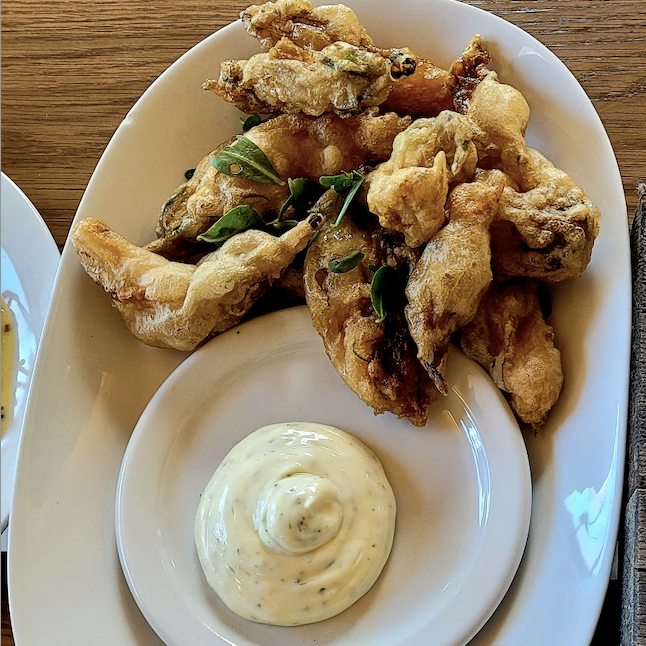
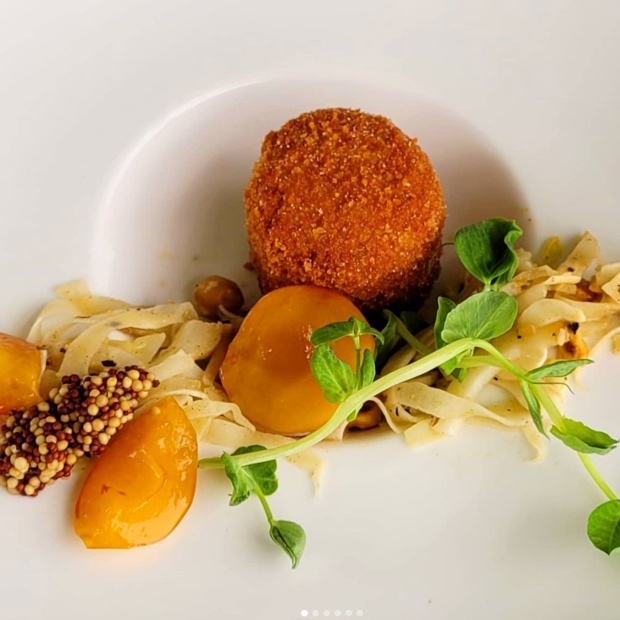
Chey Ryan Crawford’s Fried Zucchini Blossoms

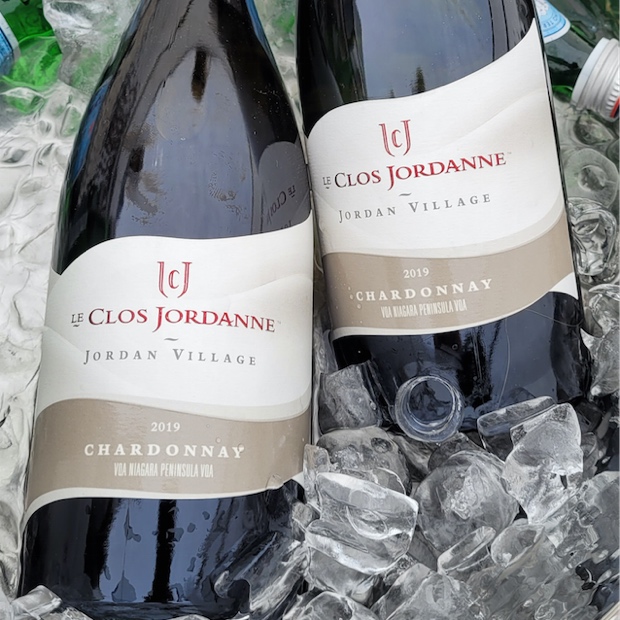
Le Clos Jordanne

Le Clos Jordanne Pinot Noir Villages 2021, VQA Niagara Peninsula

A few more red fleshed drops of fruit after only three months further in bottle. Fine impression gained from these Jordan Bench blocks acceding a seamless layering and all is right in this Villages world.  Last tasted July 2024

Off the top a more structured pinot noir vintage for Le Clos Jordanne and the aromatics are not shy to announce their swaggered arrival. Bigger bones and flesh hanging tightly, tannins very much apart of the mix, holding firm, lightly chalky in constitution and a notable wine meant for aging, surely be design. Very different to the 2019 and 2020 LCJ pinots which is both curious and effective. Drink 2025-2028.  Tasted April 2024
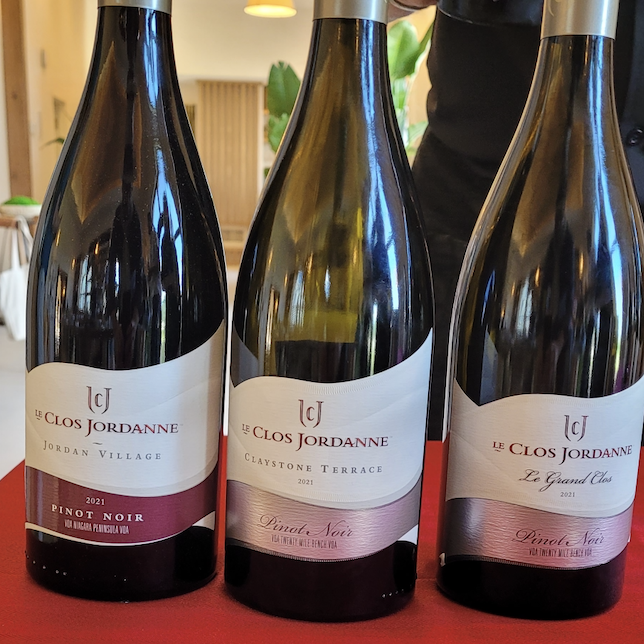
Le Clos Jordanne Pinot Noir Claystone Terrace 2021, VQA Twenty Mile Bench

This is a first kiss with and assessment of Claystone Terrace aboard the Twenty Mile Bench which Thomas Bachelder sets the record straight for how it is a contiguous tract connected with the terroir of the Jordan Bench. What it shares with Le Grand Clos Vineyard is a west to east gradation that moves from the structured to the blowsy. In other words every block acts differently but also incrementally and when their individual barrels are assembled they are done so to make the best and most balanced wine with nuts, bits, bolts and pieces drawn out of each gradation. From 2021 the softer aspects shine on because austerity and tension just don’t hold court as strong as they might in some cooler and also much warmer vintages. More middle road (for Claystone specifically) and the beneficiaries of such a pinot noir are all of us. Still another year will soften the last of the tannins and gripping tension. Drink 2025-2029.  Tasted July 2024

Le Clos Jordanne Pinot Noir Le Grand Clos 2021, VQA Twenty Mile Bench

As with Claystone Terrace the Grand Clos Vineyard blocks running from west to east move through this fruit gradation from structured and austere through to soft and amenable. For 2021 the middle ground is duly noted with a signature and arch classic Jordan/Twenty Mile Bench pinot noir that sings in youthful life as early as it ever has. The team (Thomas Bachelder, Kerri Crawford and Phillip Brown) have coaxed out the sweetest natural fruit. While it flows with ease it’s also equipped to slow down, reflect, and then re-emerge a few years thereafter, post pause and not atypical varietal dumb phase. Th3 2021 is found to be chic, suave and stylish as ever, fruit in a dark red cherry state and acidity meeting texture for mouthfeel of a most finessed kind. Drink 2025-2031.  Tasted July 2024

Chey Ryan Crawford’s Salmon Sack

Le Clos Jordanne Chardonnay Villages 2021, VQA Niagara Peninsula

Something about the Goldilocks vintage for chardonnay brings the three LCJ wines closer together. Villages may lack the complexities of Claystone Terrace and Le Grand Clos but its juiciness, open aromas, flavours and texture are all there. When you consider price there is no debate in how much value this offers and the gentle spice masala on all parts of the palate are really special. The attack of CT and le roi cru block LGC are there, albeit here less grippy and weighty, but Villages gives all that you want and need. Drink 2024-2026.  Tasted July 2024
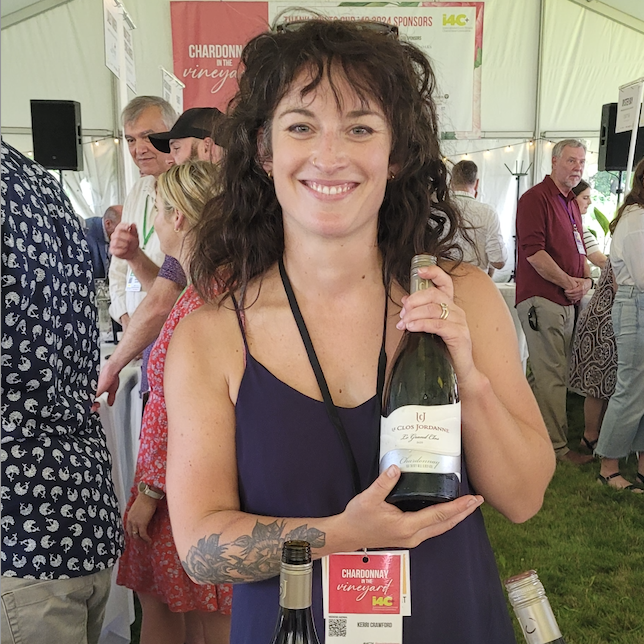
Kerri Crawford – Le Clos Jordanne

Le Clos Jordanne Chardonnay Claystone Terrace 2021, VQA Niagara Peninsula

The Claystone Terrace attacks direct into vision, up the olfactory and drilling into the cerebral cortex, no holds barred, nor does it wait to express anything it needs to say. Like a blast of sunlight straight out of the west on a late July afternoon, not blinding but warm and inviting, though not what would be considered subtle. This speaks from the vineyard in a more substantial way than Villages and also Le Grand Clos, if not quite at the level of aromatic and textural complexity of the highest tier, signature chardonnay. CT scans your senses and takes hold of them. It is anything but tripping the light but it is quite fantastic. Captain Claystone fantastic. The bomb for 2021 as a Le Clos Jordanne chardonnay. Drink 2024-2027.  Tasted July 2024

Le Clos Jordanne Chardonnay Le Grand Clos 2021, VQA Niagara Peninsula

Feels like a bit more easterly block fruit from barrels chosen for the 2021 Le Grand Clos because there is a softness (though far from blowsiness) about the mouthfeel and mellow flavours. The Claystone exhibits more drama and while complexities are on par it is this LCJ that should actually be consumed sooner rather than later. Thinking however that more folks would love and appreciate this style from this vintage.  Last tasted July 2024.

A bit sweet it needs saying straight away from wood aging that mixes with fruit quite ripe though not seductively so. Surely cool climate and well judged but the barrels do lend some oily texture and weight to this otherwise fine chardonnay. Solid mid-weight example. Drink 2024-2026.  Tasted blind at #NWACS24, June 2024

Westcott Vineyards

Westcott Vineyards Chardonnay Reserve 2022, VQA Vinemount Ridge

Like Block 76, also from the home farm of 26 acres on the Vinemount Ridge. Warmer parameters for richer and well-developed chardonnay cut through with fine chiseling because of the limestone bedrock beneath the slim soils for what can be best described as Westcott salinity. Reverberations and consequences are a mix of quantifiable component and marbling, also with thanks to the mix of 95 and 96 clones. Reserve always comes from the same rows of two blocks and while it may have once been a barrel selection, over time it has come to abide by the strictest regimen of only those rows. A retro Reserve if you will with a return to fully celebrating specific fruit no matter the vintage or circumstances. What separates this chardonnay is more than concentration, but rather the underlying salinity that is more pronounced that that of the Block 76.  Drink 2024-2027. Tasted July 2024

Westcott Vineyards Chardonnay Estate 2016, VQA Vinemount Ridge

Amazing how age can be a graceful and beautiful thing and the ideal truly applies to Westcott’s Estate chardonnay. The ’16 was made by then winemaker Arthur Harder and subsequently blended and bottled by Casey Kulzyck. Now in a pretty good place, fine and refined, Still some linger of primary fruit.  Last tasted July 2024

This is one of the first near-premium chardonnays to hit the market from 2016 and so a decision needs to be quickly made if the style is more vintage or house in origin. There really isn’t any estate precedence for this superabundance of fruit on the “normale,” like Christmas coming early or Niagara peaches appearing in June. The ripeness goes beyond freestone fruit and into the tropical realms occupied by mango and pineapple. There is no denying the nectarous and appetizing nature so I’d like to think it’s really a seasonal somewhereness that drives the druthers. Drink this young and with some poached seafood. It will satisfy the pairing. Drink 2017-2019.  Tasted July 2017
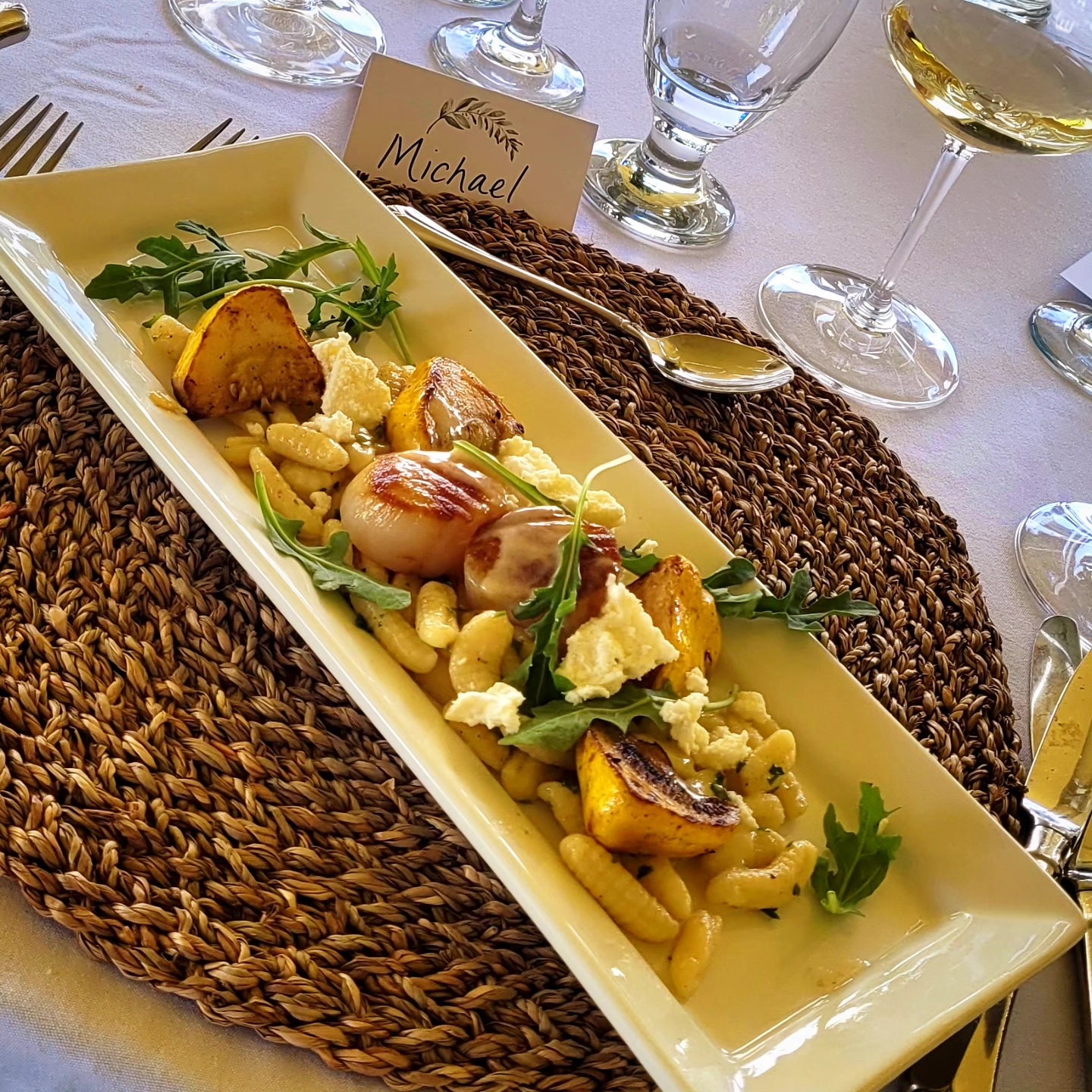
Chef Tim Mackiddie’s Scallops, Cavatelli and Chardonnay – At Butlers’ Grant, Wetscott Vineyards

Westcott Vineyards Chardonnay Butlers’ Grant Old Vines 2022, VQA Twenty Mile Bench

Old Vines refers to the 1989 planting of Clone 76 on a 5.08 acre block on the northwest side of the 43 acre Vineland Bench property. The long and rectangular chardonnay block culminates on the southeastern side at Butlers’ Workshops and is paramount for a site that was a grower’s vineyard up until the Westcotts purchased the land that immediately abuts the Bruce Trail. So many c’s are apt descriptors for this chardonnay; copacetic, coalescing, conditioned and commendable. From a recalcitrant vintage in some ways, adversarial and short of crop but the chosen fruit seemed eager to please and access feels easy. Concentration is impressive and immediate gratification is on offer. Extract and tannin take this to another level and so the probabilities are positive for a chardonnay you may choose to age. Drink 2024-2028.  Tasted July 2024

Westcott Vineyards Pinot Noir Butler’s Grant Carolyn’s Block 2020, VQA Twenty Mile Bench

From the block closest to the house planted to the 667 clone. Youth still the understatement, vintage accessibility be recognized and quickly cast aside. A mix of flintiness and delicacy when rich and fat could have been this pinot noir’s everything. Not in this case.  Last tasted July 2024

From riesling to chardonnay and now pinot noir, all planted in 1988 under the name of Butler’s Grant and here the pinot is dedicated to Westcott proprietor Carolyn Hurst. A clone first iteration, or at least one owning as much as site itself because vinous, resinous and intense is what oozes from this Twenty Mile Bench wine. Hard to find this much varietal expression so reminiscent of some Beaune counterparts because austerity, intensity and implosive behaviour are all compounded with tough love, seriousness and respect. The vintage gives and is in turn captured for a wine that will command your undivided attention, in part because some suspected whole bunch fermentation just seemed like recssecity is the mother of invention. Need is the primary driving force behind Carolyn’s strong-willed pinot noir. Drink 2024-2028.  Tasted August 2023

Westcott Vineyards Pinot Noir Butler’s Grant Carolyn’s Block 2019, VQA Twenty Mile Bench

The 2020 Carolyn’s Block is something joyous but get a scent of (a now well-aged) 2019 and the aromatic world changes dramatically. A vintage advantage and clearly a pinot noir in need of time to set it aromas straight. From eccentricity to complexity, wildly spiced and now entrancing. An affinity with Cuesta the the south and Hanck to the north yet perfectly idiosyncratic in between. Some sweet seduction, ripe acidity and organza texture.  Tasted July 2024

Westcott Vineyards Pinot Noir Butlers’ Grant Old Vines 2019, Twenty Mile Bench

The 2020 Carolyn’s Block is something joyous but get a scent of (a now well-aged) 2019 and the aromatic world changes dramatically. A vintage advantage and clearly a pinot noir in need of time to set it aromas straight. From eccentricity to complexity, wildly spiced and now entrancing. An affinity with Cuesta the the south and Hanck to the north yet perfectly idiosyncratic in between. Some sweet seduction, ripe acidity and organza texture.  Last tasted July 2024

Funny aroma to begin, paint or something metallic but also tomato purée. Verdant as well, chalky and chewy, ready to rock and roll. Something amiss or at least distracting but there is this great palate presence and structural appeal. Silkiness and wood define the finish. Drink 2022-2025.  Tasted blind at NWAC2021, October 2021

Westcott Vineyards Pinot Noir Butlers’ Grant Old Vines 2020, VQA Twenty Mile Bench

Elevated concentration, of course, but an immediate burst of energy and immediacy really command attention. Spice and potpourri, full and up front, unabashed, without hesitation, standing vertical to be noticed. Clone is 828 planted in 1988 on the southwest corner of the Vineland Bench property. Explicit varietal assemblage curving to the substantial to decide the outcome for pinot noir designed to please. The gratification is underscored by a mineral underlay to say that tine is on side. Two more great years and two to for more with positive secondary characteristics.  Last tasted July 2024

Dark fruit, ambitious and tannic. Bold and structured pinot noir from a hot summer clime. Drink 2024-2026.  Tasted blind at #NWACS24, June 2024.

Westcott Vineyards Pinot Noir Butlers’ Grant Old Vines 2019, VQA Twenty Mile Bench

The second harvest of this block foreshadows what will be concluded as a dramatic difference between the ’20 and this ’19 residing in the arena of the vivid. A level of chalkiness and therefore structure now explain why tasting this early would have been confusing to deduce how clone and place will conspire for great pronouncement. This Twenty Mile (or Vineland) Bench geology directs the show and old vines concentration does the rest. Who knows, maybe Carolyn’s Block will act like this 28 years from now. For now Butlers’ Grant Old Vines is the one in command.  Last tasted July 2024

Funny aroma to begin, paint or something metallic but also tomato purée. Verdant as well, chalky and chewy, ready to rock and roll. Something amiss or at least distracting but there is this great palate presence and structural appeal. Silkiness and wood define the finish. Drink 2022-2025.  Tasted blind at NWAC2021, October 2021

Westcott Vineyards Brilliant Traditional Method Blanc De Blancs, VQA Vinemount Ridge

Winemaker Casey Kulczyk explains how chardonnay is always picked at a minimum 19 brix which not only influences but extends flavours and also exaggerates texture. Plenty of acidity mind you though the complex profile wins over all else. Sees 30 months on lees and makes every iota of their use to accentuate and autolyze for increased extensibility, plasticity and the aforementioned flavour. Yes this shows smoother texture and strengthened chains of mousse. Westcott’s sparkling processes are at the head of the game. Drink 2024-2027.  Tasted July 2024

Westcott Vineyards Brilliant Traditional Method Blanc De Noirs, VQA Vinemount Ridge

As with the Blanc de Blancs the pick is done at a minimum 19 brix and lees aging time is 30 months. The mix of chardonnay, pinot noir and meunier shows off ample freshness and sharp acidity, leading to boundless energy tethered with creamy flavours. Red fruit prominent but the truth lies in mellifluous textures ruling the day. Drink 2024-2026.  Tasted July 2024

Good to go!

godello

Flight #1 at the 2024 School of Cool
(c) i4C

Twitter: @mgodello

Instagram: mgodello
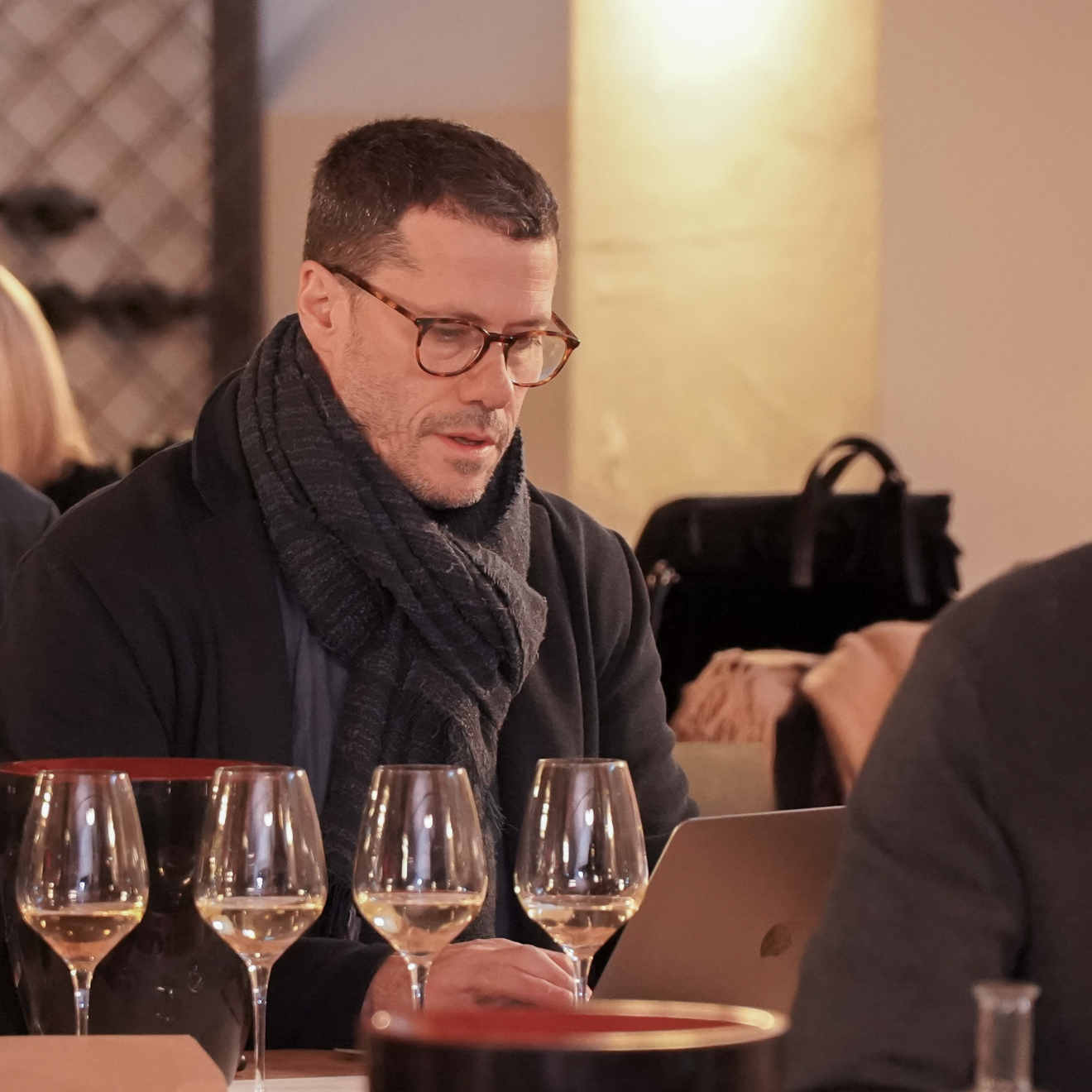
WineAlign

The sparkling rise of Alta Langa

Godello, Alta Langa blind tasting (c) Anastasia Florea and Consorzio Alta Langa DOCG

This is the story of Alta Langa, Alte Bollicine Piemontesi. A portrait of proposal for a clearly defined class and style of sparkling wines led by a young, energetic and promising 20-year old Consorzio. An organization led by President MariaCristina Castelletta of Tosti1820 and Vice-President Giovanni Carlo Bussi of San Marzano Oliveto charged with the valourization of Alta Langa DOCG, a dry, vintage-dated Spumante obtained through the traditional method from pinot noir and chardonnay grapes grown on the Piedmontese hills. Their work carries forward from past Consorzio Alta Langa presidents Giulio Bava (Giulio Cocchi, 2013-2022), Lamberto Vallarino Gancia (F.lli Gancia, 2010-2013), Giovanni Carlo Bussi (Viticoltore di San Marzano Oliveto, 2004-2010) and Giorgio Giusiana (Martini & Rossi, 2001-2004). The date was June 15, 2001 in Asti, after more than 10 years of in-depth and methodical research and studies on the suitability of the area, to bring together winegrowers and producers involved in the development of a wine, an appellation and a territory. The common link was the steadfast adherence to classic Champenoise method sparkling wines made with grapes six years after planting. Il Consorzio Alta Langa protects and promotes the ideals of like-minded producers in search of the finest bubbles that can be made.

For the last two years the wine and also social media narrative has been played annoyingly on repeat, of grave reports concerning the decline of global wine consumption and yet there is an essential category on the rise. Sparkling wines are doing fine, with thanks of course in great part to bottles of Italian method examples produced in the hundreds of millions. A skewed graph perhaps but as long as there are bubbles we can’t really complain and yet we know that traditional method styles are what matter most. This is why news of the acclivity and proliferation of classic method effervescent wines is of the best kind. The question is how many are aware about production out of the northwestern part of Italy? For there is Piemonte, from the word piedmont, meaning “at the foot of a mountain,” an alpine arc of a vineterland surrounded to the south, west, and north by the vast Ligurian Apennines. Best known for growing red grape varieties, namely nebbiolo, barbera and dolcetto, also the whites of cortese and arneis, but in Piedmont there is this great affinity with the expatriate grapes from Champagne. The affair is nearly 175 years old, but what has been occurring over the last two decades will act as the impetus for shaping the future.

Where in Piemonte?

The Alta Langa DOCG area of production of grapes intended for the production of Alta Langa sparkling wines consists of the parcels on hillsides in the provinces of Cuneo, Asti and Alessandria, in the territories of the following municipalities:

Province of Alessandria: Acqui Terme, Alice Bel Colle, Belforte Monferrato, Bistagno, Bosio, Capriata d’Orba, Carpeneto, Cartosio, Casaleggio Boiro, Castelnuovo Bormida, Castelletto d’Erro, Castelletto d’Orba, Cassine, Cassinelle, Cavatore, Cremolino, Denice, Grognardo, Lerma, Malvicino, Melazzo, Merana, Molare, Montaldeo, Montaldo Bormida, Montechiaro d’Acqui, Morbello, Mornese, Morsasco, Orsara Bormida, Ovada, Pareto, Parodi Ligure, Ponti, Ponzone, Prasco, Predosa, Ricaldone, Rivalta Bormida, Rocca Grimalda, San Cris toforo, Sezzadio, Silvano d’Orba, Spigno Monferrato, Strevi, Tagliolo Monferrato, Terzo, Trisobbio and Visone.

Province of Asti: Bubbio, Calamandrana, Calosso, Canelli, Cassinasco, Castel Boglione, Castelletto Molina, Castelrocchero, Cessole, Coazzolo, Fontanile, Loazzolo, Maranzana, Monastero Bormida, Mombaldone, Mombaruzzo, Montabone, Olmo Gentile, Quaranti, Roccaverano, Rocchetta Palafea, San Giorgio Scarampi, San Marzano Oliveto, Serole, Sessame and Vesime.

Province of Cuneo: Alba (territori alla destra orografica del fiume Tanaro), Albaretto Torre, Arguello, Bastia, Belvedere Langhe, Benevello, Bergolo, Bonvicino, Borgomale, Bosia, Bossolasco, Briaglia, Camerana, Camo, Carrù, Castellino Tanaro, Castelletto Uzzone, Castiglione Tinella, Castino, Cerretto Langhe, Ceva (territori alla destra orografica del torrente Cevetta fino alla confluenza nel Tanaro, da qui i territori alla destra orografica del fiume Tanaro), Cigliè, Clavesana, Cortemilia, Cossano Belbo, Cravanzana, Diano d’Alba, Dogliani, Farigliano, Feisoglio, Cissone, Gorzegno, Gottasecca, Grinzane Cavour, Igliano, Lequio Berria, Levice, Mango, Marsaglia, Mombarcaro, Monchiero, Mondovi’ (territori alla destra orografica del torrente Ellero fino a raggiungere da sud l’abitato di Mondovi, quindi proseguendo verso nord-est i territori a destra della s.s. 28 per Fossano, fino al confine comunale con Magliano Alpi), Monesiglio, Monforte d’Alba, Montelupo Albese, Murazzano, Neviglie, Niella Belbo, Niella Tanaro, Novello, Paroldo, Perletto, Pezzolo Valle Uzzone, Piozzo, Prunetto, Roascio, Rocca di Cigliè, Rocchetta Belbo, Roddino, Rodello, Sale Langhe, Sale San Giovanni, Saliceto, San Benedetto Belbo, Santo Stefano Belbo, Serralunga d’Alba, Serravalle Langhe, Sinio, Somano, Torre Bormida, Torresina, Treiso, Trezzo Tinella and Vicoforte.

Alba truffles

The goods on geology

Two agronomy experts, Edmondo Bonelli (soils) and Maurizio Gily (viticulture) present Alta Langa to a group of local and foreign journalists. It begins with the sedimentary origin of crystalline rocks from two geological areas, first the firmer central and then the outer areas of alpine rocks. Currently there are no vineyards in this area yet but likely will be so in the future. Challenging terroir, but it’s coming. Sedimentary soils are of marine origin, silty or sandy, on hillsides and usually calcareous, most relatively high in water retention capacity. The calcaire is not the same as chalk but it is calcium carbonate. Layered rocks with marls, sand, conglomerates or gypsum, 30-2.5 million years in origin (Oligocene-Miocene-Pliocene), again sand-silt-clay-calcium carbonate. Sandstones are Pietra di Langhe and can be as deep as six kms of stratified rocks down into the earth. The descriptor “Langhe” comes from Langiano or Langian – a geological epoch named after this area. There are the Molare Formation, Cassinasco Formation and sandstones of Diano. Monseglio Formation, Cortemilla Formation, Cessole Formation, Lequio Formation, Murazzano Formation, each named after a village in the Langhe area (of sandy and silty layers and high calcium carbonate). Rochetta Formation, Marls of Parolo, Sant’Agata Marls (silty medium calcium carbonate).

Tajarin con Tartufo Alba Bianco

The Carta Geologica dell’Alta Lange is spilt into eight formations, of eight colours, highlighted by La Malora Beppe Fenoglio, famous Romanzo from San Benedetto Belbo. If we compare Winkler zones, the area is ccooler than Barolo yet quite a bit warmer than Champagne. Biodiversity of the hills is always considered, as are the forests, animals and rivers, they being the Tanaro, Bello, Bormida and Orba. Light soils “dip,” darker soils “anti-dip.” Truth is they are relatively young geologically speaking with lots of erosion and soil movement. Their retention and release of water depends on soil structure and this is also what determines vine (and canopy) growth more than any other factor. But it is the type of soil that deals in different water dynamics. The vines adapt their metabolism  by following their soil conditions. A lot of research has gone into picking the right clone of pinot nero for making Alta Langa.

Alta Langa journalists with President Mariacristina Castelletta of Tosti1820 (c) Anastasia Florea and Consorzio Alta Langa DOCG

Disciplinare

Alta Langa DOCG regulations say that pinot noir and/or chardonnay vines account for 90 to 100 percent of the wines and grapes from non-aromatic varieties suitable for cultivation in Piedmont and may contribute the remaining 10 percent. In the vineyards minimum elevation is set at 250 masl, planting density not less than 4,000 vines per hectare, training forms and pruning systems need be traditional, of low espalier with traditional Guyot or spurred cordon pruning. Maximum grape yields are 11 tonnes per hectare and minimum alcohol is set at 11.5 percent abv. Minimum total acidity is 5 g/l and minimum non-reducing extract is 15 g/l. Yields are subject to change, by approval, in circumstances of favourable and also challenging vintages. Vinification, bottling, processing and aging operations of “Alta Langa” wines must be carried out in Piedmont. From vintage to vintage the maximum addition is 15 percent, of younger “Alta Langa” to older “Alta Langa.”

With the AIS Piemonte Sommeliers

The use of the simple term “bottle fermentation” is prohibited in the designation of Alta Langa DOCG. Allowable definitions and descriptions are  “bottle fermentation according to the traditional method,” or “traditional method,” or “classic method,” or “traditional classic method.” Lees aging rules are no  less than thirty months for Alta Langa Spumante DOCG and Alta Langa Spumante Rosé DOCG. Wines labelled as Riserva require 36 months of lees aging.

Godello at the Masterclass given by Bonelli and Gily (c) Anastasia Florea and Consorzio Alta Langa DOCG

History

It was around 1850 when Marquis Leopoldo Incisa included several French grape varieties in his ampelographic collection located in the vineyards of Rocchetta Tanaro, in what was then the province of Alessandria (which also included Asti). At that time these grape varieties did not meet with much favour, especially among winegrowers. However Gancia created the first Italian Spumante with a Muscat base, in 1865, at a time when farmers held an aversion to foreign vines. This was still witnessed toward the end of the century by the complaints of the owner who succeeded Marquis Incisa, who could find no farmers willing to grow them. In fact, by the mid-19th century, there was no shortage of pinot noir plantings in Piedmont. As early as the first decades of the 1800s, the Counts of Sambuy had begun to introduce some renowned French grape varieties with the specific aim of improving local wine production.

Blind tasting Alta Langa DOCG wines (c) Anastasia Florea and Consorzio Alta Langa

Carlo Gancia was the pioneer who favoured the spread of pinot noir and chardonnay among the winegrowers in the Canelli district. Gancia saw the possibilities for having a certain quantity to use in the production of his sparkling wines. With the Spumante Metodo Classico Project in Piedmont, of which the “Alta Langa” appellation was born, the Piedmont sparkling wine industry made a valuable contribution of economic and technological commitment to a vocation that had remained unexpressed for decades outside the mere scientific sphere. It was shown that the hills of Piedmont, where vines had over time settled a significant and enduring presence, could work very well with the French grape varieties.

With Gancia oenologist Dr. Donato Lanati

The wines of Gancia today

Gancia is the forerunner of today’s experimental innovation that acts as the basis for the production of the Brut Alta Langa. In 1931 the company contributed to the creation of the denomination Asti for sweet sparkling wines made from muscat and also the first white vermouth made from the moscato. In 1980 they launched the first sparkling wine “pinot di pinot,” using three varieties of that family of grapes. The most important work has come with lees aging using a mix of Champagne grapes. “Whether or not you like a particular aroma in a wine is a subjective fact,” explains renowned Oenologist Dr. Donato Lanati. “It’s all about the amino acids coming together over time – they make the aromas.” Dr. Lanati believes the wines plateau after a 60-70 months stay on lees. After that they will not continues to develop enough favourable nuance and complexity. He recommends that after 10 years you have to turn the bottles nose down in storage to avoid unwanted excess oxidation.

Gancia Vino Base Pinot Nero 36 Mesi Rosé Alta Langa (Campione Da Vasca) 2023

A base wine destined for Alta Langa, still turbid with a high content of yeast activity using amino acids to get somewhere intentional over a long period of time. Salty entry and salty finish with intensities through the middle, grapefruit standing out and unrefined acids – rough for now. Comes from vineyards at 450m and the breeze does blow through this striking base wine. Dr. Donato Lanati explains that it is ”kept cloudy on purpose to avoid having to sulphur because the yeasts are a thousand times more effective as a protector against oxidation then sulphur dioxide.” Just a part of a cuvée and the process that sees an opaque sample mix with other cloudy base wines to create clarity in its final housing.  Tasted December 2023

Gancia Cuvée Gancia 36 Mesi Alta Langa Rosé DOCG 2018

Minor reduction which is in fact something that is important because “things would be a lot more serious if drinking a glass would make you want to drink a glass of water,” kids Dr. Donato Lanati. Sounds like a joke but in these climate change and extreme times you can taste what would not have been tasted before and Gancia knows, with 150 years of experience in crafting sparkling wines. Aging some of the base wines in wood goes a long way to control the reduction and yet some reduction is a good thing. There is some sweetness in the perfume which is a result of a portion having been aged in a “sweet” wood. This sulphur dioxide character mixed with some acetates that have yet to fully dissipate are what drive aromatic pulchritude and it is the esters (within reason) which will bind with amino acids to eliminate any semblance of confection. There is a small dosage here but it in fact under wonderful control and while Rosé by nature is rounder than Bianco, well no matter or judgement because the mix of tension and elasticity is really well managed. Drink 2024-2029.  Tasted December 2023

Gancia Cuvée Gancia 36 Mesi Brut Alta Langa DOCG 2015

Same amount of time on the yeasts and yet three years further bottle time although Bianco (Brut) is always different than Rosé with this Gancia Alta Langa immediately caught with more tension and overall taut behaviour. Freshness incarnate and scintillant intensity without compromise and all intentions are exercised for good and proper reason. Impressive balance and stage presence here from a master sparkling wine producer that is not just the original but currently under the supervisor of a master scientist, that being Dr. Donato Lanati who is one with the chemistry and physiology of these sparkling wines. Drink 2025-2032.  Tasted December 2023

Gancia Cuvée Gancia Riserva 60 Mesi Brut Alta Langa DOCG 2012

Wild to taste this just about five years to the day after the 24 month-ages 2012 back in December of 2019. All the scientific tenets of sulphur dioxide, amino acids, yeasts and esters come to their development line at 60 months of aging on the less and this Brut has passed over by leaving any awkwardness of unresolved notes behind. It is now in fine linear verticality and drinks with Bianco distinction. Crisp, fresh, crunchy and fraught with important if profound tension, citrus and herbs, length and just that right amount of finishing bitters. Scientific does not begin to explain how precise and well designed this acts and delivers as Alta Langa sparkling wine. That said another year will only serve to solidify the evolution and set this up for all we, they and everyone else could hope it could be. Drink 2024-2034.  Tasted December 2023

Cuvée Gancia Riserva 170 Mesi Brut Alta Langa DOCG 2005

From a wine made by previous illustrious oenologist Piergiorgio Cane and found by Dr. Donato Lanati who resisted any temptation to change, delete or add anything to the wine. That it has aged between 14 and 15 years on the lees begs the question of how long is too long or more to the point where is the line at which the wine no longer changes to develop more nuances for positive results. Intuitively, if also extrospectively in its maturation to arrive at this dried porcino mushroom and oxidative state. It’s a museum wine in every respect and while it does not deliver freshness or pretty pleasure it does deliver a most fascinating tasting experience. The palate is really in fine shape and that is where some excitement and freshness persists. Twenty minutes does not kill the wine and it continues to evolve, so in the end this does what it surely was intended and wanted to do. Drink 2023-2025.  Tasted December 2023

Enrico Serafino

The innovation of Enrico Serafino

In a word, a visionary. Cavaliere Enrico Serafino (of the Romano Cavanese) is considered to be one of the “wise men of oenology” that defines Italian wine. He sold wine in China as far bak as 1910 and the winery is one of the first producers of Alta Langa to invest in concrete vats.  Today the company led by President & CEO Nico Conta produces eight different sparkling wines from 56 parcels in 41 vineyards found in 16 villages. In 1994 Enrico Serafino joined the (1990 established) Piedmont Sparkling Wine Project, the year of the first experimental vintage, with the aim of identifying the best areas to plant pinot noir and chardonnay. The 2023 harvest marked their 145th and the annual sparkling production is approximately 200,000 (of 360,000 total) bottles. Serafino ws acquired in 2014 by Kyle Krause Gentile and the current ownership recently purchased Elena Penna and Luca Corrado’s Vietti.

The company practices sustainable viticulture, biodiversity protection and the promotion of social initiatives. It actively works to reduce water consumption and uses 100 percent electricity from renewable sources. Bottles are made from at least 65 percent recycled glass, packaging from 70 percent natural paper (International Forest Certification System and corks are 100 percent recyclable. In 2021 Serafino obtained the renewal of VIVA Certification of Organization as well as product for Alta Langa Oudeis, the only Alta Langa certified. VIVA is a protocol of the Italian Ministry of Environment and Land and Sea Protection designed to assess sustainability performance and communicate it to consumers.

Enrico Serafino Alta Langa Riserva DOCG Zero Pas Dosé 2012

The no dosage metodo classico is known as Sboccatura Tardiva, meaning late disgorgement and a wine first made in 2004. Poured from magnum which is well known to deliver a markedly fresher and youthful sparkling wine when the traditional method is involved. The ’12 is the first to be a solo pinot noir, here with zero residual sugar and a disgorgment from 2018. Extreme level of toast and a pH under 3.0, wondrous and excitable because the total acidity runs higher than 8.5 g/L, yet comfortably under 9.0. Makes for a salty bubble compounded by the silty, calcareous soils of marine origin. Citrus zesty, both lemon and orange, with more spiced accents to this dry Martini of a sparkling wine. Lip-smacking, briny and effortlessly saline, chalky-dry and so well arranged from 100 months on its lees. Drink 2024-2028.  Tasted December 2023

Enrico Serafino Alta Langa Riserva DOCG Zero 140 Pas Dosé 2012

“140,” as in that number of months “potentially” spent on lees which in many cases runs past the vanishing point of increased returns, but with Serafino the extra 40 (or more) seems plenty justified. A 20,000-30,000 bottle production that acts so much more demure and soft than the (100 – 2012) with aromatics spoken in a seductive whisper. Everything changes with a dynamic paradigm shift onto the explosive palate where the 85 percent pinot noir (and 15 chardonnay) begins to quiver with nervous tension and excitement before complex flavours emerge. This bottle was disgorged this year and so took the full 140 advantage. The longest level of aging suggests this should be left open to evolve in the glass as long as any sparkling wine on the planet. That is if you are looking for an aromatic emergence, with an awakening forest, pencil shavings and poached pear. Subtle at first, many layers to unfold, a toasty quality, acidity and chalky earth, less obvious than the ’12 but with more mystery, fantasy and possibility. Drink 2024-2030.  Tasted December 2023

Alta Langa dinner at

Some dinner wines

Bera Alta Langa DOCG Brut 2018

Also labeled as DOP because “dad always believed that DOP stood for quality,” tells oenologist Umberto Bera. He was also one of the first 10 to join the Consorzio Alta Langa. The mix is 70 percent chardonnay and (30) pinot noir, 15 months on lees. A mix of toasty and autolytic notes, 5 g/L of RS, well beneath the Brut threshold. Disgorged in May, 2023 and so the aging time is nearly three times that 15 months and Bera disgorges three times per year. Showing some secondary level maturity with ample freshness preserved and a persistence of energy.  Last tasted December 2023

Nothing overt but yes there is a phenolic and also metallic presence within the aromas. Lemon drop and also herbs, not quite sweet but like basil or better yet slightly more resinous like tarragon. Good crunch in palate texture with stuffing and a mouthful to be had before moving sideways into more metals and botanicals. A periodic wave of elements and emotions form this Extra Brut mix of chardonnay and pinot noir, likely close to half and half. Drink 2023-2026.  Tasted Blind with the Consorzio Alta Langa in Asti, December 2023

Cocchi Alta Langa DOCG Blanc De Noirs Pas Dosé 2017

Under the ownership of Giulio Bava, created in 1981 and has always produced Alta Langa in Piemonte. “Alta Langa has a soul of its own,” tells Roberto Bava, “and a personality reflective of just two varieties, pinot noir and chardonnay.” The B de N is 100 percent pinot, five years spent on lees and Bava notes the sapidity of this wine. “next to (minerality), which all Alta Langa wines must have, played out in different ways.” Truly stoic and direct with dried herbal notes, pencil lead, sage and dry, dry, dry. Who needs sugar in such wines? Drink 2023-2026.  Tasted December 2023

Deltetto Alta Langa DOCG Blanc de Blancs Pas Dosé 2016

“A great passion of my father was Spumante Método Classico, first made in 1980,” tells Carlo Deltetto. “The business card of the winery is the Alta Langa.” This despite the winery being primarily a Roero producer. The ’16 is the inaugural Riserva, pas dosé style which for Alta Langa incidentally is done incredibly well as a sparkling wine region. The key here is elevation, of vineyards averaging 470m, directing the sapid nature of this bubble. Who needs sugar when you have an arc of both richness and flavour, developed of natural sweetness, all leading to captured balance. Impressive acids help the wine be direct and precise, already now with good age in pocket. Drink 2023-2027.  Tasted December 2023

Enrico Serafino Alta Langa Rosato Riserva DOCG Pas Dosé Zero De Saignée 2016

Ripe, high level fruit and mature, advancing and settling into a secondary state. Scents of lemon iced tea and this from a wine no longer part of the Serafino portfolio. Simple, 100 percent pinot nero, pas dosé, disgorged in 2022. Demure on the nose yet explosively expressive on the palate. Labeled saignée but like much of Alta Langa Rosato it’s really just a matter of a quick maceration to bring out the rusty hue. A curious acidity to make this seem as dry as any of the no dosage style. Drink 2023-2025.  Tasted December 2023

Ettore Germano Alta Langa Riserva DOCG Pas Dosé Blanc De Blanc 65 Mesi 2016

If at first this seems to be par for the no dosage course well think again because with chardonnay the fruit stands out so very expressive. Germano’s dream was to make Bianco and so 1988 was the year to exploit riesling and chardonnay at 500-600m of vineyard elevation in the Tanaro River valley. In 2000 the sparkling journey began and the first cuvée was made in 2003. This ’16 marks the second vintage of the blanc de blanc, 65 months on lees, an equal mix of salinity and sapidity for gastronomy in a bottle. Three essential pillars of Alta Lang that give the sessantacinque its credibility and promise of top quality. Precise, chiseled and full of class. Fabulous traditional method sparkling white. Drink 2023-2029.  Tasted December 2023

Gancia Cuvée Gancia 60 Mesi Brut Riserva Alta Langa DOCG 2011

Clarity of a blue sky with some density to it and the smoothest, most polished Gancia Alta Langa there ever was. For the entire denomination in fact, or any style of sparkling wine. Obviously vintage related but also the extra time allotted, above and beyond 60 months on lees. Luxe aromas and flavours, rich polyphenolic moments and the sweetset sapidity ever. Polyphonic, multi tonal, melodic lines melting into and becoming one another. Tonic, lemon preserve and the finest of bitters. Serious simultaneity and seamless presence. Drink 2023-2026.  Tasted December 2023

Tosti1820 Alta Langa Riserva DOCG Bicentenario Pas Dosé 2010

Tosti has spent 200 years of making this 100 percent pinot noir, pas dosé cuvée, not always but this anniversary edition saw some wood aging. Just 2-3 g/L of (inconsequential) residual sugar an 105 months of lees aging, disgorged in 2020. From two plots in Canelli and Alba, estate and grower fruit. Rich, a mellow golden toast, intensity of flavour, fleshy and lengthy. Very all-purpose sparkling wine, well formed, formulated and generous. Quintessentially Alta Langa. Drink 2023-2026.  Tasted December 2023

Alta Langa seminar

The blind tasting (69 wines)

Bianco

San Silvestro Alta Langa DOCG Albarè Pas Dosé 2020

Blanc de Blancs, only chardonnay as per the disciplinare and pas dosé so just the natural fruit facts. Subtlety and therefore what should be noted as a light toast and once again the fruity notes continue to press the theory that chardonnay performs more in this way with no dosage as compared to pinot noir. The sharpness and lightning strike on the palate is consistent with the theoretical style. Finishes with neutral citrus pith and minor bitters. Drink 2023-2026.  Tasted Blind with the Consorzio Alta Langa in Asti, December 2023

Coppo Alta Langa DOCG Brut Luigi Coppo 2020

Strikes out at a higher aromatic tone, less subtle and demure as a chardonnay and so the terroir feels heavier, of more density in the soil structure and a weightier result comes out. Palate presence is sturdy and strong, flavours wild and exotic, lemongrass namely and also a guava to lemon curd connection. Great flavour intensity and length. Drink 2023-2027.  Tasted Blind with the Consorzio Alta Langa in Asti, December 2023

Deltetto Alta Langa DOCG Brut 2020

A heavy aromatic inhalant, weighty and not easily induced with little to no aerosol quality. An oxidative style with lemongrass, ginger and cardamom, neither herbal nor particularly fruity. Quite tart, citrus namely and quite chardonnay of nature, though a bit gangly and awkward overall. Drink 2023-2024.  Tasted Blind with the Consorzio Alta Langa in Asti, December 2023

Ferraris Agricola Alta Langa DOCG Brut Tenuta Santa Chiara 2020

Leaning oxidative with maturing notes up front. Complex and exotic, gingered, toasty and very expressive with a wide range of fruit, herb and mineral flavours. Textural as well to add another dimension and potentially three of them from this curious and crafty chardonnay. That early note of oxidation will serve it well. Not long on the lees, yet really well made. Drink 2023-2026.  Tasted Blind with the Consorzio Alta Langa in Asti, December 2023

Terrabianca Alta Langa DOCG Brut 2021

Young specimen, a Bianco (therefore 100 percent chardonnay) not long, if likely the bare minimum on its lees. Tight, I mean really taut and wound around like a winch tightening a spindle. There is citrus but not really any other fruit to speak largely of. Lighting strike of Alta Langa without autolysis, bready-yeasty quality of density. Power is all up front and neutrality follows. Just too young to see through the trees but not certain much else will follow. Drink 2023-2024.  Tasted Blind with the Consorzio Alta Langa in Asti, December 2023

Vite Colte Alta Langa DOCG Brut Cinquecento 2020

Quite the complex nose for a young Alta Langa Bianco with that nice little note of fresh cheese that should develop some nuttiness, compound butter flavour and receive its structure after some time in bottle. Even more so than other cuvées of similar vintage and ilk that have yet to be disgorged. Brut so there is some sugar but hardly noticeable because acids and intensity are both in charge. Drink 2024-2027.  Tasted Blind with the Consorzio Alta Langa in Asti, December 2023

Cerrino Alta Langa DOCG Pas Dosé 2019

Nothing but chardonnay and a few years on lease for a yeasty, autolytic and on autopilot example. A bit too much autolytic behaviour and so some odd flavours have crept in. Not a pristine pour to be sure.  Tasted Blind with the Consorzio Alta Langa in Asti, December 2023

Contratto Alta Langa DOCG Pas Dosé Blanc de Blancs 2019

Brilliant beginning to this 100 percent chardonnay without dosage. Power yet a restrained one and seamless transitions throughout. Fine balance between acidity and texture, intention and complexity. True deal in the Alta Langa style that delivers fruit from chardonnay while also a matter of soil and place. Drink 2024-2029.  Tasted Blind with the Consorzio Alta Langa in Asti, December 2023

Fabio Perrone Alta Langa DOCG Pas Dosé 2019

Chardonnay and no dosage with that ever consistent play of fruit first on the nose and then replayed with lovely swirls as the palate presence and flavours march on. Good density and purity here with fine acid structure though either a bit young or not necessarily the most complex example. Perfect right now and will stay this way for another year – after that it will likely soften and the bitters expand upon. Drink 2023-2024.  Tasted Blind with the Consorzio Alta Langa in Asti, December 2023

Mauro Sebaste Alta Langa DOCG Pas Dosé Avremo 2019

Some foraged fungi on the nose, not unusual for chardonnay however it replaces the fruit to a good degree. Good and fine bitters with lemon in many respects. A bit of preserve but mostly the juiced fruit if not the one most perfectly fresh. Drink 2023-2024.  Tasted Blind with the Consorzio Alta Langa in Asti, December 2023

Alta Langa blind tasting revealed

Contratto Alta Langa DOCG Pas Dosé For England Blanc de Noirs 2019

Maturing and oxidative example, noted first in golden hue and then the bronzing, sun-tanned feeling on the aromatics. Gingered and orange scraped palate notes yet dry as the desert and caught up in taut intensity. Really complex, very “Cap Classique” in style or Champagne that leans notably oxidative. A specific way of doing things for sure and one done very well. Drink 2023-2026.  Tasted Blind with the Consorzio Alta Langa in Asti, December 2023

Pianbello Alta Langa DOCG Pas Dosé Orme 2019

Quite classic, stoic, taut and yet highly tonal pronounced iteration of untreated chardonnay without dosage. Straightforward, unabashed, running hither and thither with just about everything Alta Langa will offer in this dry, untamed and free to be style. Very well made in all these knowable respects. Drink 2023-2027.  Tasted Blind with the Consorzio Alta Langa in Asti, December 2023

Rizzi Alta Langa DOCG Pas Dosé 2019

Aromatic, more than many, especially considering the style, that being Blanc de Blancs without any dosage. The flavours and textures follow suit though the autolysis takes charge in notes of cheese rind plus bitters. A bit overdone in this regard and so the finish falls off as a result though there is certainly character and charm for short term drinking. Drink 2023-2024.  Tasted Blind with the Consorzio Alta Langa in Asti, December 2023

Tenuta Carretta Alta Langa DOCG Pas Dosé Airali 2019

Quite phenolic and reserved aromatically speaking. True aridity in the pas dosé idiom and the palate changes nothing about that in this way. Crunchy Alta Langa and it does begin to change and become something other with some time in glass. Next level flavours and also texture comes out to finish with that pencil lead and bitter tincture drops of chardonnay God. Give this some time. Drink 2024-2028.  Tasted Blind with the Consorzio Alta Langa in Asti, December 2023

Banfi Alta Langa DOCG Extra Brut Cuvée Aurora 2019

Another phenolic entry and so one of those sapid style of Alta Langa chardonnay is expected. And so it is with dry botanical aromatic notes followed by great flesh, lemon and lime in all their parts and extended play for a very important and lengthy example. Holds all the necessary tenets and stuffing to see this age well, but also evolve to become something special. Drink 2024-2028.  Tasted Blind with the Consorzio Alta Langa in Asti, December 2023

Daffara & Grasso Alta Langa DOCG Extra Brut 2019

Very lemon up front, bigger aromatic thrust than many but we’re out of Pas Dosé and into Extra Brut with this Blanc de Blancs. Fine lines and pretty good purity with quite a notable level of bitters though we are aware of how well they integrate into the fabric and framework of a properly executed and structured sparkling wine. Drink 2023-2027.  Tasted Blind with the Consorzio Alta Langa in Asti, December 2023

Ettore Germano Alta Langa DOCG Extra Brut 2019

Extra Brut accommodation and you feel the juxtaposition of sugars and acids in the aromatics. Feels riper and fleshier but only the palate can confirm or confound that idea. Does the first and then goes into full citrus juice squeeze, though it’s manifold, of lemon, lime and also grapefruit. The destiny of this wine is to see some cheese and funk in the future but so many will see the love and the beats in that next stage. Drink 2023-2026.  Tasted Blind with the Consorzio Alta Langa in Asti, December 2023

Alta Langa at Relais San Maurizio, Santo Stefano Belbo

Ivaldi Alta Langa DOCG Extra Brut Andrea Blanc de Blancs 2019

Quite phenolic, plenty of citrus flesh but also custardy orchard fruit. Extra Brut and you note the sweetness, nothing simple here and it does elevate the style. This will have wide appeal for its easy, if earlier drinking ability. Drink 2023-2024.  Tasted Blind with the Consorzio Alta Langa in Asti, December 2023

Marcalberto Alta Langa DOCG Extra Brut Millesimo2mila19 2019

Truly proper in the Extra Brut Bianco ways of Alta Langa are extracted, exerted and extrapolated upon with a fine 2019. Lemons and apples, tart and tight on the palate, great acidity moving all ways including sideways, all parts together, linear, vertical and powerfully restrained. A very fine example from a warm and yet promising vintage. Drink 2024-2029.  Tasted Blind with the Consorzio Alta Langa in Asti, December 2023

Marziano Abbona Alta Langa DOCG Extra Brut 2019

The sapidity spoken of by agronomists and producers is here on the phenolic front in this Bianco Extra Brut. Captures a certain side of Chardonnay and does so with stoic, reserved, complicated and trenchant nature. This wine has purpose and feels so very serious. It will need a few years to settle and hopefully prepare some flesh for a more pronounced Alta Langa experience. Drink 2025-2030.  Tasted Blind with the Consorzio Alta Langa in Asti, December 2023

Massimo Rivetti Alta Langa DOCG Extra Brut 2019

More juiciness and terpene action up front as compared to many and so a slightly later harvest from a warm vintage seems to be the fruit matter on order. Some maturity and a bruised apple note in the flavour profile confirms this and while acidity is spot on there is this feeling of flattening out at the finish. Drink 2023-2024.  Tasted Blind with the Consorzio Alta Langa in Asti, December 2023

Roberto Garbarino Alta Langa DOCG Extra Brut Le Rapide 2019

The Extra Brut Alta Langa as Bianco seem to act tart in one of the three ways. Sharp and restrained, maturing or as it does here which is phenolic to imagine a sapid sparkling wine. Not exactly the opposite of salty but a different sort of mineral style, that is to say a sparkling wine that is a direct result or at least one that speaks with true correlative nature to the place. That being a terroir surely sandstone based with some slit, minor calcareous parts and older soils, geologically speaking. A vertical wine with great apposite if transferring and complimentary fleshy texture and a wine as long as is gets. Drink 2024-2029.  Tasted Blind with the Consorzio Alta Langa in Asti, December 2023

Roccasanta Alta Langa DOCG Extra Brut 2019

Phenolic, for the most part with some green notes and plenty of terpene as well. A bit overdone, likely picked a bit tardy and so acidity is more dense and botanical than the team probably wished it to be. Drink 2023-2024.  Tasted Blind with the Consorzio Alta Langa in Asti, December 2023

Tenuta Rocca Alta Langa DOCG Extra Brut 2019

Expressive and quite tightly wound example of Extra Brut for chardonnay as a Bianco or Blanc de Blancs style. Lemon in every respect, more juice and zest than pith but it’s all truly represented. Fine work in a very specific, taut, direct and scintillant way. Drink 2023-2026.  Tasted Blind with the Consorzio Alta Langa in Asti, December 2023

Roberto Garbarino Alta Langa DOCG Extra Brut Il Viaggio 2019

Still in the Extra Brut conceptualization for (chardonnay) Bianco and of the three styles this comes out phenolic and well extracted. An example that transfers really well onto the palate with tart juiciness and true blue varietal acidity that travels up and down the sides of the palate. Not the most complex sparkling wine and lacks some depth but it’s solid, well made and serves great purpose. Drink 2023-2026.  Tasted Blind with the Consorzio Alta Langa in Asti, December 2023

Agricola Brandini Alta Langa DOCG Brut 2019

The first true reductive Alta Langa in flight of 69 with this being the 26th pour. Agitation does blow off some steam and allow fruit to rise like cream to the surface. What is next is great purity and a creaminess to the mousse unlike any other thus far. These flavours are rich and frankly delicious though that reduction will be a detraction for some. The finish is long and nurturing. Stick with this wine if you want the right kind of reward. Drink 2023-2027.  Tasted Blind with the Consorzio Alta Langa in Asti, December 2023

Blind tasting Alta Langa (c) Anastasia Florea and Consorzio Alta Langa DOCG

Bosca Alta Langa DOCG Brut Ispiro 2019

As quiet as it gets aromatically speaking from a Brut for chardonnay out of a warm and promising vintage. Though the entry was a reserved and yet giving one there is much more happening on the palate. Heavy dose of lemon, fresh squeezed and ready to integrate with the sapid-mineral wealth of this wishing to be serious example. Here is an Alta Langa with true karst from bones that stand upright with great skeletal verticality that suggests poor soils and plenty of calcium carbonate for a result that could only be like this. This winemaking team paid great respect to the terroir. Drink 2024-2029.  Tasted Blind with the Consorzio Alta Langa in Asti, December 2023

Cascina Cerutti Alta Langa DOCG Brut Enrico Cerutti 2019

Well made, simple, straightforward, a bit bitter and creamy iteration of chardonnay in the local ways of Brut sparkling wine. Short and to the point. Drink 2023-2024.  Tasted Blind with the Consorzio Alta Langa in Asti, December 2023

Fontanafredda Alta Langa DOCG Brut Blanc de Blancs 2019

Quite the phenolic lift as opposed to that aromatic ripeness style that can sometimes weigh down Alta Langa sparkling. A botanical example with replay on the palate that confirms the suspicion. Good integration of parts with acidity more than well and good but the phenols outweigh all else and take back power in the end. An herbal example, possibly because of heavier and more organic soils that deliver some increased vigour and therefore likely yields iin the vines. Drink 2023-2024.  Tasted Blind with the Consorzio Alta Langa in Asti, December 2023

Il Cascinone Alta Langa Riserva DOCG Brut Alasia 2019

The first Alta Langa Riserva at pour number 30 in a flight of 69 and a stoic one at that, with must reserve in the tank. High ranking parts, namely substantial if notably compact fruit that puts this is a place of yet unresolved business. The acidity is similar of nature meaning its not of scintillant action but rather one of weight as well. This could use some time to see if it will open up and rise up as it likely wants to, after being interred by too much gravity. Drink 2024-2027.  Tasted Blind with the Consorzio Alta Langa in Asti, December 2023

Paolo Berutti Alta Langa DOCG Brut 2019

High terpene level and so orchard fruit (namely apples) are front and centre for this chardonnay of Brut categorization. Crisp enough and acidity is elevated though the parts are a bit disparate and there is some bruising of the fruit. Drink 2023-2024.  Tasted Blind with the Consorzio Alta Langa in Asti, December 2023

Pecchenino Alta Langa DOCG Brut Ecole 2019

Cheese funky and bruised. Not a good bottle or perhaps past prime.  Tasted Blind with the Consorzio Alta Langa in Asti, December 2023

With Alta Langa Consorzio President Mariacristina Castelletta and Journalist Åsa Johansson (c) Anastasia Florea and Consorzio Alta Langa DOCG

Piazzo Comm. Armando Alta Langa DOCG Brut Ritorno in 2019

Reduction released by agitation quite quickly so note to self and to others be sure to give this sparkling Alta Langa a swish and a swirl. Grippy example, fully fleshed and giving much aromatic fruit, palate presence, fleshiness, some creamy texture and finally that local sapidity so often talked about. There is much going on in this Brut though it does not soften in the end. Drink 2023-2026.  Tasted Blind with the Consorzio Alta Langa in Asti, December 2023

Sara Vezza Alta Langa DOCG Brut 2019

The kind of aromatic entry that causes a raise of one eyebrow because it’s a combination of maturity and intrigue. A very young wine in one respect and on the other also one of experience. Rich at first and then repeated, but also a matter of fine acidity before rising and then settling with tonic and bitters. Seriously complex activity here and if perhaps a polarizing Bianco then so be it because the chardonnay and pinot noir each do so much to variegate the blend. They make this work. Drink 2023-2028.  Tasted Blind with the Consorzio Alta Langa in Asti, December 2023

Vinchio Vaglio Alta Langa DOCG Brut 2019

Cool, sapid, salt-licked, rising to meet the ethereal and the first notably mint-savoury Alta Langa noted in this long flight of 69. Tart and full on tang, fleshy, ripe and chewy – sure more than 95 percent of what can be tasted. This will have great appeal for its generosity and acumen.  Tasted Blind with the Consorzio Alta Langa in Asti, December 2023

Ravasini Alta Langa Riserva DOCG Pas Dosé 2019

Mature, oxidative and not perfectly clean. Very natural feel, pas dosé and obvious for a style that was intended to be played out. Does not quite function as we, or at least some might have wished it to. Not convinced Alta Langa can yet do this style consistenly well, at least not this early in its tenure. Drink 2023-2026.  Tasted Blind with the Consorzio Alta Langa in Asti, December 2023

Enrico Serafino Alta Langa DOCG Extra Brut Parcellaire 2019

An Extra Brut Bianco with some extra lees aging time, here from a cooler and wetter vintage which is duly noted on the aromatic entry of the wine. Part reduction and part reserve, a tight and grippy wine that shows its strength through structure overarching above all else. A sapidity that its maker surely wanted and a holding back so that it can continue to develop, morph and become something next or at at the very least, other. The palate delivers the full experience and there is some great flesh hanging taut on these solid bones. A fine Alta Langa in this specific style – there can be no arguing this as a fact. Drink 2024-2028.  Tasted Blind with the Consorzio Alta Langa in Asti, December 2023

Terre del Barolo Alta Langa DOCG Extra Brut Vinum Vita Est 2019

Firm iteration of an Extra Brut stylistic that could use some generous aeration so that the aromas can be released. They will and do, though it would seem acting less effusive then some. This goes more at a line that is tight and the end of Alta Langa predicated on intensity and drive. Plenty of spirit here and a finish dotted by fine bitters, of pith and tubers. Drink 2023-2027.  Tasted Blind with the Consorzio Alta Langa in Asti, December 2023

Bera Alta Langa DOCG Brut 2018

Also labeled as DOP because “dad always believed that DOP stood for quality,” tells oenologist Umberto Bera. He was also one of the first 10 to join the Consorzio Alta Langa. The mix is 70 percent chardonnay and (30) pinot noir, 15 months on lees. A mix of toasty and autolytic notes, 5 g/L of RS, well beneath the Brut threshold. Disgorged in May, 2023 and so the aging time is nearly three times that 15 months and Bera disgorges three times per year. Showing some secondary level maturity with ample freshness preserved and a persistence of energy.  Last tasted December 2023

Nothing overt but yes there is a phenolic and also metallic presence within the aromas. Lemon drop and also herbs, not quite sweet but like basil or better yet slightly more resinous like tarragon. Good crunch in palate texture with stuffing and a mouthful to be had before moving sideways into more metals and botanicals. A periodic wave of elements and emotions form this Extra Brut mix of chardonnay and pinot noir, likely close to half and half. Drink 2023-2026.  Tasted Blind with the Consorzio Alta Langa in Asti, December 2023

Ravasini Alta Langa DOCG Brut Cuvée Leonora 2018

Maturing aromas and so the vintage plus lees aging have come to a place where the wine is moving into secondary stage. Just that hint of fungi, basic like a meadow variety, horse or commercial button, but with no sign of truffle. That will likely happen soon enough so get at this Brut styled Bianco sooner rather than later. Flavour profile is open and strong though again evolution is in full movement forward. Drink 2023-2024.  Tasted Blind with the Consorzio Alta Langa in Asti, December 2023

Cocchi Alta Langa DOCG Pas Dosé 2017

Now heading back a few years with a warm and dry vintage of little worry for a producer and their pas dosé methodology. The nose is quiet and comforting, the perfumes more demure and beautiful than many of similar ilk. This Alta Langa may not scream of its intentions nor will it appeal to a mass audience but it’s character is quietly impressive and its style something worth repeating. Consistently reserved, never demanding and always in complete control. Fine and proper if again not the most gregarious sparkling wine you are likely to encounter. Drink 2023-2027.  Tasted Blind with the Consorzio Alta Langa in Asti, December 2023

Tosti1820 Alta Langa DOCG Brut Giulio I 2017

Truly unique nose on this 2017 Brut which seems to put pinot noir first though not convinced its percentage exceeds that of chardonnay. A clean funk or better said classic Langhe earthiness involved and so this seems to be an Alta Langa true to terroir. Plenty of textural chew and citrus preserve but also this cool, gelid and slightly bitter feeling to the fruit. The lees are a major part of this exercise and while they are not 100 percent clean they are the kind that lend and promote great character. Drink 2023-2026.  Tasted Blind with the Consorzio Alta Langa in Asti, December 2023

Cocchi Alta Langa DOCG Brut Bianc’d Bianc 2017

Plenty of lees aging and effect here for a 2017 Alta Langa of a warm and extremely dry vintage. Seems to have really settled into its skin with softening aroma and creaming textures that are seamlessly integrated at this advanced stage. If getting to know and understand aged Alta Langa and its potential is on your wish list then this Brut is a very solid place to start that journey. Drink 2023-2025.  Tasted Blind with the Consorzio Alta Langa in Asti, December 2023

Banfi Alta Langa DOCG Pas Dosé Cuvée Aurora Blanc de Noirs 2016

Truly toasty and piquant example of pas dosé Alta Langa with a curious cotton candy or slightly caramelized peachy note to begin. Really well aged with clean lees and a fine gem-metal aspect to join the maturing fruit notes. This holds its line and maintains its composure to great length and effect. Drink 2023-2027.  Tasted Blind with the Consorzio Alta Langa in Asti, December 2023

Tenute Rade Alta Langa DOCG Pas Dosé 2016

No dosage and a very restrained example that whiffs of neutral or virgin concrete, dry and severe. Not a sound bottle perhaps though a second bottle delivers much of the same. The palate is improved with fleshy citrus flavours yet that musty note prevails.  Tasted Blind with the Consorzio Alta Langa in Asti, December 2023

Ettore Germano Alta Langa Riserva DOCG Pas Dosé Blanc de Noir 65 Mesi 2016

It seems that Riserva is not just a matter of longer aging time but also a product of greater fruit quality. This 2016 from a powerful and tannic vintage brings the goods in ways few others seem want to deliver. Crisp and in charge, an intensity of parts that begin with quality fruit never letting up or seemingly willing to relent. Carries items with dignity and confidence for a wine or great Alta Langa respect, of its heritage and place. Feels like the clear juice from pinot noir stands above the chardonnay in this cuvée of great purpose and interest. Drink 2023-2030.  Tasted Blind with the Consorzio Alta Langa in Asti, December 2023

Roccasanta Alta Langa Riserva DOCG Pas Dosé 2016

Not overly expressive in fact this holds back despite its age and lees aging time as per the Riserva style. The palate is appsoite, mature, of slight caramel and notably soft. This has done its time and the time is now to drink up. Has developed a minor cider note to confer that suggestion.  Tasted Blind with the Consorzio Alta Langa in Asti, December 2023

Tenute Rade Alta Langa Riserva DOCG Pas Dosé 2015

From 2015 and a no dosage Bianco iteration of volatility, maturity and a mix of caramelization meets oxidation. A lovely old drop in one respect and because the acidity rises high it’s well preserved and so should be well perceived and received as a sparkling wine of age. Flattens after the initial weak palate display before fading off into the proverbial Alta Langa sunset.  Tasted Blind with the Consorzio Alta Langa in Asti, December 2023

Daffara & Grasso Alta Langa Riserva DOCG Pas Dosé 290 mesi 2014

Alta Langa in Riserva form with that extension from extra Lees aging and no dosage for that magical combination. This has truly developed next level character while staying level on its legs and staying a course that will allow even further aging excellence. Labels Bianco though tasted blind it can be nothing but Blanc de Blancs because the chardonnay stands out like a hitchhiker with an extra large thump. A guide to the Alta Langa galaxy right here in the glass, heady, steady and grippy with a real plan, even if the world may not think that this place and these wines have this fully entrenched in mind. The real deal will reveal itself and this 2014 has done just that. Drink 2023-2027.   Tasted Blind with the Consorzio Alta Langa in Asti, December 2023

Fontanafredda Alta Langa Riserva DOCG Pas Dosé Vigna Gatinera 96 mesi Blanc Noir 2014

Only Alta Langa it seems can effect this intricate mix of long lees aging time and no dosage for such great and curious effect. As here though this 2014 Bianco is showing some oxidative maturity even even while it persists as a reductive example by way of its pinot noir and chardonnay cuvée. Still crunchy and truly flavourful with both yellow citrus and small red berry fruit in combinative affair. Finds its groove late and accumulates more and more pleasantries as you taste through a few sips. You need to hang in with this nine year-old Alta Langa and if you do there will be greater reward. Drink 2023-2026.  Tasted Blind with the Consorzio Alta Langa in Asti, December 2023. asted December 2023

Gancia Alta Langa DOCG Pas Dosé Cuvée 36 mesi 2014

A Bianco long on its lees and showing maturity though also a stoic nature to begin. Still crunchy and like a mouthful of citrus and stones. This would have been singing with its finest voice just a year ore two ago though still does so dutifully and truthfully today. Drink 2023-2025.  Tasted Blind with the Consorzio Alta Langa in Asti, December 2023

Bera Alta Langa DOCG Brut (90 mesi) 2013

A mildly oxidative and advancing example though having strong 10 years in. Plenty of experience, of creamy fruit, almost a custard of the orchards and while pinot noir makes a play it is the Chardonnay making the bigger statement. Shows off heritage and good planning to exact more emotion for what kind of potential Alta Langa holds for wines to age this length of time. Drink 2023-2025.  Tasted Blind with the Consorzio Alta Langa in Asti, December 2023

Coppo Alta Langa Riserva DOCG Brut Riserva Piero Coppo 2013

A Riserva of Bianco that reeks at least as much of pinot noir as it does so from chardonnay. At ten years of age it have proven to have lasted and lingered as well as could be expected with the best times presented right here and now. Feels like a wine of age and drinks with nurturing comfort at this stage, like a blanket or a parent. Drink up and savour every last moment.  Last tasted blind with the Consorzio Alta Langa in Asti, December 2023

The 2013 vintage is the turning point to this 60 percent pinot noir and (40) chardonnay becoming and being labeled Alta Langa, recently disgorged in 2022. Previous disgorgements were labelled Vino Spumante di Qualità. Now into wildly vivid and famous complexity, toasty yes but there’s a crème frâiche and an almost strawberries and cream component. Eonologists GianMario Cerrutti, Guiliermo Grasso and Vittorio Pescarmona conspired to see this age 85 to 90 months on the lees, almost unprecedented around Asti. Has hit its stride, in the right place between crunchy and the kind of sparkling wine that you begin to ruminate with in the mouth. Cerebral wine in every respect. Drink 2023-2027.  Tasted January 2023

Tosti1820 Alta Langa Riserva DOCG Riserva Giulio I 100 Mesi 2012

More than 10 years old and still a quietly demure and not overtly philanthropic example of Alta Langa Riserva. Getting as much red fruit pinot noir as citrus chardonnay on the nose though together they combine and accumulate for a very fruity sparkling wine. Also toasty and even just flinty enough to consider the calcari, the argilla and the arenaria in the earth from whence this once emerged and has now arrived. A beautiful ALR after all these years and I for one would relish a pour anytime it might be forthcoming. Drink 2023-2026.  Tasted Blind with the Consorzio Alta Langa in Asti, December 2023

Enrico Serafino Alta Langa Riserva DOCG Pas Dosé Zero 140 2010

No sugar added at tirage and yet you will not find more natural fruit in an Alta Langa Bianco or Riserva, especially in this style. Magnificently organized and perfumed of all the fruit blossoms and then the ripeness of that fruit as it arrived at fruition. Toasty, even still slightly reductive and almost no signs of true maturity – certainly limited oxidation. The truth is alive and these bubbles prove that Alta Langa ages really, really well. Drink 2023-2027.  Tasted Blind with the Consorzio Alta Langa in Asti, December 2023

Gancia Alta Langa Riserva DOCG Brut Cuvée 120 mesi 2010

Nearly 13 years of age and a wine doing well, thank you very much. Many years (upwards of 140 months) on its lees and using every bit of those clean yeasts to conduct a current and fully realize the fruit for dramatic effect. Just a bit toasty and over excited (as it must have always been) to rise above the fruit but acidity is fine, racy and its charge well executed to make this work as well as it should. Drink 2023-2026.  Tasted Blind with the Consorzio Alta Langa in Asti, December 2023

Blind tasting Alta Langa (c) Anastasia Florea and Consorzio Alta Langa DOCG

Rosato

Colombo Alta Langa Rosato DOCG Brut 2020

Just a wee youthful one, of maximum 24 months on lees for a Rosato (namely Blanc de Noirs) that modernizes Alta Langa with ever increasingly utilized pinot noir. Well short of saignée and just a few hours run off with clean juice that came from pure fruit of a well timed sparkling pick. The clarity puts this in spot on territory for the idiom. Creates a dictionary entry Rosato for the denomination. Drink 2023-2027.  Tasted Blind with the Consorzio Alta Langa in Asti, December 2023

Ivaldi Alta Langa Rosato DOCG Extra Brut Andrea 2020

Extra Brut with a bit more dosage that foils if not perfectly aligns with the fruit and acidity for what collates as a slightly rustic example. Well and substantial fruit and complimentary savour if just off-putting because the combinations create some mismatching and misappropriated flavours. More than serviceable if not truly representative of potential. Drink 2023-2025.  Tasted Blind with the Consorzio Alta Langa in Asti, December 2023

Banfi Alta Langa Rosato DOCG Extra Brut Cuvée Aurora 2019

A few years of lees aging has done well to set this Extra Brut Rosato up for rusty copper Alta Langa success. More than ample richness, orchard fruit that involves crab apple and then a turn to more savoury elements with low-creeping vines that deliver leaf and red fruit in elastic flavours. Carries with nimble ability, without distraction and only purity. Very well made with the capability to age at least a few if not five-plus years. Drink 2023-2028.  Tasted Blind with the Consorzio Alta Langa in Asti, December 2023

Massimo Rivetti Alta Langa Rosato DOCG Extra Brut 2019

Quite pale for Alta Langa Rosato and so though a factor of pinot noir and blanc de noirs it is noted how the maceration was quick and oh so gentle. Not as overtly aromatic as some though there is a yeasty autolytic note involved to tell us quite a bit about the style and also the intention. Pay attention to the stage presence and the seriousness with which this intends to capture your palate. Succeeds for the most part though does not hold on as long as some deeper and more impressive examples. Drink 2023-2026.  Tasted Blind with the Consorzio Alta Langa in Asti, December 2023

Il Cascinone Alta Langa Rosato DOCG Brut Alasia 2019

Quiet aromas, a bit of citrus tablet dissolve and more dosage noted than many. Simpler, easy and getable ahead of the game. Lacks the complexity and drive of more serious examples in the Brut Rosato category. Drink 2023-2025.  Tasted Blind with the Consorzio Alta Langa in Asti, December 2023

Ravasini Alta Langa Rosato DOCG Brut Cuvée Leonora Rosé 2019

Cider notes, of terpene and juiced orchard fruit that suggests more than pinot noir but is likely just a matter of how this was pressed. Acetic and volatile more than anything else. Something went wrong in this case.  Tasted Blind with the Consorzio Alta Langa in Asti, December 2023

Tosti1820 Alta Langa Rosato DOCG Brut Rachele Rosè 2019

A funky cheese rind note mixes with a rusty and rustic red fruit style anchored by strawberry then accepted by rhubarb, baking spices and earth. A savoury kind of Brut Rosato that’s not so much a matter of overripe fruit bit more so terroir and then winemaking. An is what it is Alta Langa that succeeds because it is unique. Sweetness comes out at the finish to mix and merge with tonics and bitters. Drink 2023-2025.  Tasted Blind with the Consorzio Alta Langa in Asti, December 2023

Agricola Brandini Alta Langa Rosato DOCG Brut 2018

Crisp, earthy and crunchy Rosato, savoury and with some strawberry sweetness across the board. Begins savoury and finishes on a sweeter if also earthier note. An interesting Rosato that will likely morph and change into something of greater interest because the yeasts are clean, the fruit pure and the potential quite good. Drink 2024-2027.  Tasted Blind with the Consorzio Alta Langa in Asti, December 2023

Gancia Alta Langa Rosato DOCG Brut Cuvée 36 Mesi Rosé 2018

Rusty, savoury and cheese rind aromatic with plenty of yeasty lees notes that likely need more time to integrate. That said the rusticity can’t be ignored nor denied so keep in mind how parochial and local this will always purport to be. It’s really quite comforting and with some excited energy on the palate their is a true affinity with growers’ Rosé Champagne. That’s a compliment because authenticity and respect for terroir are more than half the battle and reason to appreciate an Alta Langa sparkling wine.  Last tasted Blind with the Consorzio Alta Langa in Asti, December 2023

Minor reduction which is in fact something that is important because “things would be a lot more serious if drinking a glass would make you want to drink a glass of water,” kids Dr. Donato Lanati. Sounds like a joke but in these climate change and extreme times you can taste what would not have been tasted before and Gancia knows, with 150 years of experience in crafting sparkling wines. Aging some of the base wines in wood goes a long way to control the reduction and yet some reduction is a good thing. There is some sweetness in the perfume which is a result of a portion having been aged in a “sweet” wood. This sulphur dioxide character mixed with some acetates that have yet to fully dissipate are what drive aromatic pulchritude and it is the esters (within reason) which will bind with amino acids to eliminate any semblance of confection. There is a small dosage here but it in fact under wonderful control and while Rosé by nature is rounder than Bianco, well no matter or judgement because the mix of tension and elasticity is really well managed. Drink 2024-2029.  Tasted December 2023

Enrico Serafino Alta Langa Rosato Riserva DOCG Pas Dosé Zero Rosé 2017

This Rosato may be pas dosé but screams form the glass with a wealth of ripe fruit captured to be put to great use. Richness and energy combine from start to finish, exert upon the palate and continue to rise through every moment of this fine Alta Langa sparkling wine. No let up, time off, sick days, stops or starts. Continuous and righteous. The potential is still great and the faint bitterness on the palate is just so appropriate. Drink 2023-2026.  Tasted Blind with the Consorzio Alta Langa in Asti, December 2023

Cocchi Alta Langa Rosato DOCG Brut Rösa 2017

Good aromatic presence, a nose into Orange Pekoe tea and earth before the leafy red fruit notes become involved. Tight and bracing on the palate with piercing acidity, never acetic nor volatile but very much in charge. An intense example that still needs time to flesh out even if it’s a wine from back in 2017. Not sure it will ever really change but if you like this excitable style than this is the Alta Langa Rosato for you. Drink 2023-2026.  Tasted Blind with the Consorzio Alta Langa in Asti, December 2023

Fontanafredda Alta Langa Rosato DOCG Brut Contessa Rosa Rosè 2017

Notable extra fruit substance and also yeasty notes determine the Riserva designation and set this Rosato up for plenty of slow maturing, unfolding and unraveling days ahead. Rusty, earthy, gingered and tonic-botanical notes but also evergreen so quite a variegate composition from pinot noir. Complex tones for sure if just that ever so slight disadvantage as a wine that will act and therefore be an acquired taste. Drink 2023-2026.  Tasted Blind with the Consorzio Alta Langa in Asti, December 2023

Roberto Garbarino Alta Langa Rosato DOCG Extra Brut L’Istinto 2016

The oldest of the Roasto and the only one defined as Extra Brut in a flight of 13 Alta Langa examples. The most fruit blossom forward on the nose, rich and expressive, sweetness so well incorporated and the fruit comes away so finely crossed between citrus and berries. Really well delineated and defined, of accords struck and alliances formed. This will live a great long iife. Drink 2023-2028. Tasted Blind with the Consorzio Alta Langa in Asti, December 2023

Good to go!

godello

Godello, Alta Langa blind tasting

Twitter: @mgodello

Instagram: mgodello
WineAlign

To Icewine and beyond

The Tunnel at Niagara Parks Power Station

Icewine. A Niagara wine-growing region speciality, long-suited to place, world renowned and in a way a curse because mistakenly global perception thinks only this kind of wine can be made great out of this coldest of cool viticultural climates. For quite some time Icewine has been Canada’s infinity, a national star and success story that have been the Ontario wine industry’s burden to bear, it being the ONLY wine capable of excellence in the minds of consumers and also many wine industry peeps worldwide. This is finally changing, in no small part thanks to ambassadors like The Wine Marketing Association of Ontario’s Magdalena Kaiser and Canadian Trade Commissioner Dr. Janet Dorozynski PhD. They, along with dozens of Canadians producers and winemakers have presented many years of Canadian wine tastings in London, at Germany’s Prowein Trade Fair and most recently through masterclasses in Copenhagen and Berlin. Their efforts and an exponential leap in collective quality have helped to raise the profile of the great breadth of Canadian wines.

The Wine Marketing Association of Ontario’s Magdalena Kaiser

Is it not finally time to prove two 21st century facts? First that wine consumers from Timmins to Torino are actually privy to a vinous Canadiana scene that includes but is no longer confined to the gelid, glycerin and bracing late harvest elixir. Second, Icewine and other forms of fermented grapes are evermore intrinsically connected, bonded by their growers and makers whose climate change evolving portfolios are now the sort that are chock full of inclusivity. Is it not possible to celebrate Icewine without sacrificing the progresses made by other styles of wine? Of course it is and our Ontario (and also British Columbia, Nova Scotia, New Brunswick and Québec) includes all walks of appellative, varietal and stylistic life.

The Horseshoe Falls lit up in Pride colours

The time has come to reflect upon Icewine as an entity the likes of say VinSanto or Sauternes, sweet labours of love perpetuated because of tradition and climates that continue to encourage their production. Icewine in Ontario are intrinsically connected to a winery’s portfolio; to the consumer-friendly, classic and small lot wines. European wine producing regions were once sweet-centric too and Ontario is at long last maturing into a new epoch where Icewine the founder is begetting table wines, the current board of directors. They and all Canadian wines are prepared and experienced to travel far, well outside the Icewine universe. Their destination looks past infinity, to the beyond.

The Savoury – From Chef Tim Mackiddie’s “Savoury, Spicy and Sweet” Icewine pairing preparations

Back in January the WineAlign crü shuffled off to Niagara Falls for the 2023 iteration of Niagara’s Icewine Festival. It was inside the renovated event space halls of the Niagara Parks Power Station where the gala event was held. If you’ve not been the time has come to make a visit because the installations are spectacular. Then there is the inspiring experience that is a 600m walk through the early 1900s tunnel construction that empties beneath the Horseshoe Falls. Many Icewine and other Ontario wine samples were tasted that evening, this following a truly special Icewine Masterclass given by WMAO’s Kaiser at the tasting room of The Hare Wine Company. Kaiser put together an 18-strong Icewine line-up in conjunction with Chef’ Tim Mackiddie’s “Savoury, Spicy and Sweet” pairing menu, all to fascinating results. “Icewine is the strongest post pandemic recovery for a Niagara wine category,“ informed Kaiser. “Younger males lead the resurgence.” She noted an increased use in cocktails, making use of Icewine instead of simple syrup because the traditional dessert wine is such a high quality ingredient, with natural sweetness. At the gala it was Kaiser’s son Maximilian Smit, creator of the Niagara Icewine Sour, who mixed up two unique and bloody delicious Icewine cocktails for hundreds of guests. The masterclass and the cocktails demonstrated how Icewine is no longer just about dessert. 

The Spicy – From Chef Tim Mackiddie’s “Savoury, Spicy and Sweet” Icewine pairing preparations

On Sunday after the Icewine fète the group paid two visits, to Queenston Mile Vineyard and Henry of Pelham Family Estate. The following 30 tasting notes cover Magdalena’s Masterclass and the wines tasted at the two Sunday morning stops.

Cave Spring Riesling Icewine 2019, VQA Niagara Peninsula

Stars and acids through the proverbial roof with thanks to a November 14th harvest, earliest on record by what has to be a long-shot. Specs come in at 245 g\L RS, 15.3 TA, and 9 percent abv. Full aromatic wealth and viscosity, apricot and golden pineapple, acids coming through on the nose to set up everything wanted and needed on the palate. As unctuous and fell-throttle expressive an Icewine from riesling that could ever be. Kudos to the vintage and to the makers for capturing all parts at peak. Top performer without a doubt. Drink 2023-2029.  Tasted January 2023

Henry Of Pelham Riesling Icewine 2019, VQA Short Hills Bench

Part scintillant and part fruit bomb with high active acidity in great categorical respect. Lemon, apricot and pineapple all in, gelid and cool, high in balancing acid from one of the earliest picks by one of the earlier pickers so certainly in the first two weeks of November. Also as much a petrol and airy aromatic propulsion signalling near equal to any indicators the fruit might elicit for Icewine temptation. With sugar plus acid so high and meshing together there are no spikes, searing moments or overt richness, though in the end there is a white peppery warmth. Lemon and tea, heavy sweetener and naturally tannic. Unique Icewine when you get down to the brass tacks. Registers as 9.5 percent alcohol and what’s also special is a saline streak running through. Sweet lemon desserts only serve to accentuate the sweetness and the lemon. Drink 2023-2027.  Tasted January 2023

The WineAlign Crü with Magdalena Kaiser

Magnotta Riesling Icewine Niagara Peninsula Limited Edition 2019, VQA Niagara Peninsula

A nose of ulterior style leading to different sort of reactions though the palate is much more classic, standard and expected. Reserved and limited and then exuberant, forceful, heavy steel reinforced. Really attacks the sides of the mouth upwards to the upper wisdom corners and pineapple is everywhere. Old school, white fleshed and high acid. 194 g\L of RS and 10 percent abv.  Last tasted January 2023

The lemon iced tea in Icewine makes riesling go its own direction and run with the ideal. This has energy and pizzazz, style that makes one want to know more and more. Great tension and acidity puts this in a place of its own. Drink 2024-2030.  Tasted blind at NWAC2022, June 2022

Riverview Cellars Estate Winery Riesling Icewine 2019, VQA Niagara-on-the Lake

Exotic scents in riesling out of 2019 running the mango to pineapple, papaya to litchi gamut of ripe, tart, rich and creamy. Extreme sweetness and delectable flavour profile. Chewy stuff, heavy concentrate of the tropical doused by heavy yellow citrus. Lacks a bit of balance. 189 g\L of RS, 11 abv. Drink 2023-2025.  Tasted January 2023

Byland Riesling Icewine 2019, VQA Niagara-on-the Lake

Some understatement here, aromatically speaking at the very least and the first in a comprehensive Icewine tasting to feel herbal, stem-scented and evergreen savoury. Mint and fennel, sweetness never overloading the palate or making any demands. Almost a tonic or cocktail bitters note near the finish, though persistently subtle and agreeable. Unique Icewine is every which way but loose. 192 g\L RS, 11 abv. Drink 2023-2026.  Last tasted January 2023

Byland Estate Winery is a newer Niagara-on-the-Lake, 13-acre vineyard owned by Jackson Bai since 2015. It was acquired from Frank Di Paola and his three decades of grape growing experience. The vineyard has been providing grapes for Magnotta Winery for 25 years. Their riesling Icewine is high-toned, aggressively tart and intensely implosive. Lemon and also lemongrass nose, orange crème brûlée and lime flavours with some bitterness inherent in all that layered citrus. Good length here.  Tasted November 2020

Peller Estates Andrew Peller Signature Series Riesling Icewine 2019, VQA Niagara Peninsula 

Densely concentrated and from the beginning an impressive balance in accord between sugars and acids so that the two move swimmingly along from the start through to a long lingering finish. One sip and the Icewine becomes one with your palate, hangs on, repeats upon itself and as far as that kind of attraction is concerned you welcome the linger. Special dedication and technique here to be sure. 179 gL RS and 10.5 percent abv.  Last tasted January 2023

Stratus Riesling Icewine 2020, VQA Niagara Lakeshore

Perhaps the most aromatic, palate density and intense character of any in a long Icewine flight but also a lovely swarthiness to take things to an entirely new level. Of promise and age-worthiness, to imagine a wine equipped with structure and fortitude, to change with incremental tempo (and opposite of haste), to spend a couple of decades evolving. Impressive and intoxicating in every way while sweetness is lowest in importance. 142 g\L RS, 9.3 tA, 14 abv. Drink 2023-2033.  Tasted January 2023

Densely concentrated, heavy fuel and sweetness overload Icewine that delivers all the expectations in that dessert wine category. Classic example, not overtly exotic but full of stone fruit in the peach, nectarine and yellow plum spectrum. Not the longest yet of a more than ample lingering finish. 235 g\L RS, 8 tA, 10 abv. Drink 2023-2026.  Tasted January 2023

Lakeview Cellars Gewürztraminer Icewine 2019, VQA Niagara Peninsula

Über sweet Icewine, oily of viscosity, a chewy mouthful of stone fruit fleshiness. Pulpy in textural feel, a mouthful all the way through. Yeoman acidity work and moderate length in a correct to highly proper example. Expressly gewürztraminer so it’s got that going for it, which is nice. 188 g\L RS, 9 TA, 9 abv. Drink 2023-2026.  Tasted January 2023

Vineland Estates Vidal Icewine 2017, VQA Niagara Peninsula

Wildly aromatic Icewine, unique and savoury, almost smells like charcuterie with pork rillette and a mix of pickles. Does not act so overtly sweet as compared to so many others and is remarkably characterful. But just look at the numbers. Residual sugar of 271 g\L, 8.2 TA, 9 abv. Onion skin and the musky cured skin of pork salumi. So bloody interesting. Would age this a year or two. 271 g\L, 8.2 tA, 9 abvDrink 2025-2033.  Tasted January 2023

Sue Ann Staff Howard’s Vidal Icewine 2017, VQA Niagara Peninsula

Desperately sweet and intensely concentrated Icewine, as fortified and full as they come. Not a tropical one but certainly the kind that makes one think of ripe stone fruit after a different sort of Ontario summer that turned into a hot September. Good capture of a season that was turned on its head that delivered something new. 209 g\L RS, 11 abv. Drink 2023-2027.  Tasted January 2023

Chateau Des Charmes Vidal Icewine 2018, VQA Niagara Peninsula

Concentrated of fruit times more fruit sweetness to define the style and quality of this vidal in Icemen clothing. Pineapple and apricot namely, lemon drop and a tisane finish. Quite tannic, unexpectedly so. Drink 2023-2026.  Last tasted January 2023

Lithe and charming use of vidal in Icewine from Château des Charmes, of such proper middle ground concentration and intensity. Sweet pear and caramel apple, mango purée and maple syrup on snow. Simple and oh so very effective.  Drink 2020-2023

The Sweet – From Chef Tim Mackiddie’s “Savoury, Spicy and Sweet” Icewine pairing preparations

Hare Wine Frontier Collection Vidal Icewine 2019, VQA Niagara-on-the-Lake

Impressive concentration meets a savoury edginess, white peppery dusted and full on character of an Icewine made with vidal. Classic preparation and presentation, no side-steps or derivations but simple, capable and proud. Really well made. 171 g\L RS, 10.3 abv. Drink 2023-2026.  Tasted January 2023

Reif Estate Grand Reserve Vidal Icewine 2018, VQA Niagara Peninsula

Indelibly stamped and incredible density from an Icewine that delivers maximum fruit substance from maximum effort. Here the work and the patience is justified because this is what the wine has to be. Acids do well to keep up with some much sweetness and fruit character. The crème brûlée of vidal all the way. 270 g\L RS, 10.5 tA, 9.5 abv. Drink 2023-2028.  Tasted January 2023

Ferox By Fabian Reis Dornfelder Icewine 2017, VQA Niagara Peninsula

Pungent in so many ways with serious wood elements that manifest as soy, carob, dill, tar and chocolate. In a way tastes like Cherry Blossom in childhood memory recall but its clearly more complex that that. Pot of Gold perhaps, the finest Laura Secord mixed box and so much more. Chocolate and red jam persist long after the wine has been swallowed. As much like Port as it is representative of Icewine. Picked at -10 degrees Celsius and fermented for six weeks. 90 percent stainless steel and (10) neutral French oak. 250 g\L RS, 6.4 tA, 10 abv. Drink 2023-2026.  Tasted January 2023

Pelee Island Winery Cabernet Franc Icewine 2017, VQA South Islands

Truly savoury, wholly identifiable as cabernet franc and ultimately a varietal wine that stands tall. Lacks concentration to be sure but ultimately this does the yeoman work. 187 g\L RS, 11 abv. Drink 2023-2025.  Tasted January 2023

Really does taste like cabernet sauvignon but what really stands out is the candied red apple skin character above all else. A petrol note as well however subtle and always that truth in red fruit, of currant, pomegranate and cherry character. Quality Icewine from less than classic varietal origins. 224.5 g\L RS, 10.3 tA, 9.5 abv.  Last tasted January 2023

This is a well-priced Icewine made from cabernet franc with tell-tale varietal signs. Smells like red currants, roasted peppers, strawberry or cherry pie and Ju Jubes, a Canadian Candy classic or wait, Swedish Berries. Nicely concentrated with mid-weight Icewine feel and really good length. Quality, not over the top and a pique of relish make this a highly plausible dessert wine for red wine drinkers. Drink 2020-2024.  Tasted November 2020

Queenston Mile Vineyard Blanc De Noirs Brut 2018, VQA St. David’s Bench

Two-hour cold soak for colour and spends 38 months on lees for one of Niagara’s most fully developed and also bodied Blanc de Noirs, bar none. Fruit comes from The Mile’s original 25 year-old plantings, totalling 33 acres. A light toasty and generously expressive traditional method sparkling wine not so much pink as platinum gold shaded subtly of pink salmon. High acid above 9 g\L of tA and just a few pinches (in and around) 4 g/L of residual sugar. Taut and residing somewhere between bracing and embracing in a balanced pinot noir off of these deep and heavy clay St. David’s Bench soils, to suit up sparkling from pinot noir ready, willing and able to abide. Dry and focused, precise, proper and balanced. Just a few more than 300 cases are produced. Drink 2023-2026.  Tasted January 2023

Queenston Mile Vineyard Grand Mile 2017, VQA St. David’s Bench

Just about half the production of the Blanc de Noirs (at 155 cases total) and a traditional method example with 11.2 g/L of tA and higher sugar than the B de N, upwards of 9 g/L. Aged 39 months on the lees, fuller and though the acid is so high there’s actually some creamy and mouth filling expansiveness to this pinot noir based sparkling wine. The matching sugar walks hand in hand along with the pierce of intensity so expect nervous energy and tension from this antonym to the straight pinot noir. Needs more time to integrate, seek and accede its intended balance.  Last tasted January 2023

Odd climatic vintage and while chardonnay had little trouble staying the course the same could not be said for pinot noir. It was late and it was all strawberry in 2017 so at 40 per cent of the classic mix it just can’t be denied. White strawberry in sparkling that is, leafy and savoury, unique beyond. Nearly 40 months on lees puts this is a justice league where Niagara sparklers congregate and debate with philosophical force. Grand Mile is a contemplative one, its tension suppressed yet ready to rise anytime. The moment has not yet arrived but when it does sometime in 2023 this fizz will stand up to be noticed. Such are the important matters of sparkling wine programs like these in Ontario. Drink 2023-2026.  Tasted November 2022

Queenston Mile Viognier Pét-Nat 2021, VQA St. David’s Bench

There have been still viogniers and pinot noir Pét-Nats but methinks this to be the first ancestral method viognier for The Mile. Cloudy and aromatically tart, a 100 per cent, estate fruit viognier that acts as much like a yeasty sour beer as much as it might seem to fit into the sparkling wine system. Pretty clean to be honest and there is certainly a mashed banana, creamed mango and puréed pineapple feel from this pèttilant speaking directly to hipster fashion. It’s the bacon for vegans and the air-conditioner for fans of fans. Drink 2023-2024.  Tasted January 2023

Queenston Mile Vineyard Pinot Noir Pét-Nat Sparkling Rosé 2020, VQA St. David’s Bench

Strawberries in a glass, through and through, the brain trust, child and wild thing amour of winemaker Yvonne Irving and if asked, I would imagine winemaker partner Rob Power saying, “I love all my children and I want them to discover themselves.” Which is what this pink P-N is want to do but more so allow a curious crowd the ability to get with trends, ancient method resurgences and wild thing vibes. Much drier than expected with a bin full of play dough, rye bread in the proofing stage and stewing strawberry/rhubarb. There is an unusual and au naturel, dancing in the dark profile to be sure but this kind of enzymatic presence is something to behold. Mon dieu Cellar Monkey! Well, remember this. “You can’t start a fire without a spark.” Drink 2023-2025.  Tasted January 2023

Queenston Mile Mile High NV, VQA St. David’s Bench

A Charmat method sparkling wine in a heavy fruit matched by sour lactic yogurt meets lime doused mango kind of profile. More than ample to impressive complexity for an Italian method sparkling wine though without the traditional lees aging there is a brief exchange of values and shorter finish. No surprise and because much is happening both on the nose and the palate this services the intellect although the story ends in an abrupt way. Drink 2023-2024.  Tasted January 2023

Queenston Mile Vineyard Chardonnay 2020, VQA St. David’s Bench

From the estate Queenston Mile Vineyard and spends a year in neutral barriques plus undergoes partial malolactic fermentation. Flinty and really quite yeasty for chardonnay, a raw bread dough note which seems to be something that happens in many of the QM still and especially sparkling wines. Fine bitters too, the kind you wish for in your cocktail with that kiss of oak you cherish and are so pleased it’s that and no more. Some capsicum and sweet basil come later, integrating and making for a complex and quality chardonnay. Drink 2023-2025.  Tasted January 2023

Queenston Mile Pinot Noir Unoaked 2021, VQA St. Davids Bench

As advertised there is no wood employed to ink or embellish this neutral St. David’s Bench pinot noir and the natural result is just that. Maybe not a first but writing “unoaked” on a pinot noir label is certainly not the norm and here we are with Queenston Mile’s fresh 2021. Would like to say this is all about fruit but my there are so many more goings on. Likely a healthy stem inclusion because the notes from nightshade and other sundry vegetables are swirling in the checkered and mottled aromatic profile. Some resin to varnish scents, gentle swarthiness manifesting the rusticity but naked is naked and this wine wears clarity on its sleeve. Smells like a September tomato canning day and tastes like a strawberry-rhubarb fruit roll up, though much more of saline piquant-tang than that of any level of sweetness within. Crunchy as well with a good long finish. Imagine the excitement and vinous intensity were there a higher level of whole bunch and carbonic maceration methodology involved. Drink 2023-2025.  Tasted twice, January 2023

Queenston Mile Proud Pour Pinot Noir For Bees 2020, VQA St. David’s Bench

A wine that exults the idea of “Cheers to Change” as five per cent of profits gives back to 20 non-profit organizations. Sees eight months in wood to put it in the middle tier of the three QM pinots. Gains a sweetness and a cream-centred textural verging towards Turkish Delight in a pinot not that is eminently and imminently drinkable from the day it’s bottled. No tension or sharp angles here, just roundness and amenability. Drink 2023-2024.  Tasted January 2023

Queenston Mile Vineyard Pinot Noir 2017, VQA St. David’s Bench

Nearly three years have passed and things have really changed, as they should have and now the whole bunch retreats from its original attack, fruit flanks running short in residual terms. The verdancy of stem inclusion makes this feel almost reductive but mostly it is the toasted and roasted notes that remain. The flavours are most important at this stage and so food pairing is truly key. Duck confit and crispy potatoes but also a sweetened fruit demi-glacé would elevate the wine and leave the savoury exaggerations behind.  Last tasted January 2023

The ’17 is even dustier than ’16, in fact it’s sitting compressed and pressed in a bowl inside a bin. Roasted, toasted and intense, particularly string, grippy and potent. The warmth of St. David’s and the heat of September really speaks but curiously noted and question asked is where is the strawberry jam? Lost in the foil provided by whole bunches it would seem. Drink 2021-2025.  Tasted March 2019

Queenston Mile Vineyard Cabernet Franc Icewine 2017, VQA Niagara Peninsula

Once again a wine from a vintage turned upside down with cool summer weather resolving into the hottest September and early October on record. For cabernet franc the harvest date was January 2, 2018 and yet for 2017 that would have been a vintage where acidity was easily maintained to that date. Clocks in above 9 g\L to match the 204 g\L of residual sugar with esteem and balance for Icewine of proper red fruit character, part raspberry and part red currant. Nice level of tart here but there is a roundness to what could have been sharp edges. Well made to be sure. Drink 2023-2027.  Tasted January 2023

Henry Of Pelham Cuvée Catharine Carte Blanche Estate Blanc De Blanc 2015, Traditional Method, VQA Short Hills Bench

From a specially identified block of chardonnay vines. Best of the best are destined for this top Niagara sparkling and it was Matthew of the Speck Bros. that determined the direction of this Ontario essential. One quarter barrel aged and 60 months on lees, as gently toasted and smooth sailing as a Blanc de Blancs can be – in the context of fizz that is always a scintillant without repose. Some warmth now emitting from 2015 matched by intensity and so very long.  Last tasted January 2023 

As always 100 per cent chardonnay and 2015 is perhaps the vintage of the most golden toast, as if made by agemono, with the most lemon and lees ever assembled in a Cuvée Catharine, vintage-dated Sparkling wine. An intensity of aromas swirl around in citrus centrifuge into which the gross cells don’t seem to want to go. On the palate is where they rest, layered and leesy, textured with a sense of weightlessness and wonder. Henry of Pelham channelling an inner Japanese cooking technique. Feels like some time is warranted to pull all this together. Drink 2021-2025.  Tasted October 2020

Henry Of Pelham Speck Family Reserve Riesling 2020, VQA Short Hills Bench

When winemaker Lawrence Buehler came on board in 2017 he quite soon thereafter introduced 3000L foudres to age riesling. For Henry of Pelham it continues to evolve as a game changer. Tames acidity to an extent while in certain years the truth spoken by this varietal wine in the SFR line is truly indicative of Henry of Pelham’s raison d’Être. Not merely a matter of high intensity (though there is plenty of that in high regard) but the warm 2020 season concentrates the fluid to gelid texture up the middle of this balanced wine. Youthfulness supersedes what secondary notes might choose to emerge but there is a sense of early emission, namely petrol or the equivalent aching to emerge just around the bend. Drink 2023-2027.  Tasted January 2023

Henry Of Pelham Speck Family Reserve Pinot Noir 2019, Sustainable, VQA Short Hills Bench

Vines upwards of 30 years of age provide the drupe and great Scott (or Speck) fruit it is indeed for what is almost Willamette sweet in correspondence and style. That strawberry purée and raspberry coulis effect comes pure, unadulterated and about as natural as one might imagine a varietal wine of this level of quality could come to be. Some sugar involved, maximizing around 7 g\L. Not a year of major tension but they can’t all be so drink this young, for four to five years after harvest, for best results.  Last tasted January 2023

Not so crazy young anymore in fact the perfume has become an intoxicant, spellbinding, hypnotic even. But also because the oak vanillin swirls through and is further imagined as sweetness on the palate. In the zone, as they say, all parts melted and melded together. These next six months will mark the height of this SFR Reserve with the succeeding two years being the slowly descending denouement.  Last tasted November 2022

Crazy young but somehow lovely aromatic potpourri to the SFR ’19 and a benchmark as such for the Short Hill sub-appellation. What you want to nose from the are that borders, ties and links all surrounding pinot noir lands together, especially Twenty Mile and St. David’s Bench. This just fits right in and into itself with snug togetherness. Juicy fruit, fine acids and tightly coiled tannin. Just the right kind of sour tang. Real varietal gastronomy and ideal for three to four years, some salty protein and even a side of pickle. Drink 2020-2024.  Tasted November 2020

Henry Of Pelham Baco Noir Speck Family Reserve 2020, VQA Ontario

The top seller of all of its Pelham wines and just about as promising a vintage there could possibly be for this scientifically orchestrated varietal wine. High yielding season, absence of stress, plenty of ripe fruit for a hybrid variety and ultimately the best there can really be. Picking time is crucial to ward off incoming and oncoming funk which this fruit-centric wine does not show. No barnyard, earthiness nor swarthy character neither. No – it’s so very blackberry and dark cherry, void of the feral and so well assimilated of its American oak. Pure honest tang and even though the residual sugar pushes 12 g\L it’s not the most prominent aspect of the wine. Tannins are also sweet, plush and positive. It just works, like it or not. Drink 2023-2026.  Tasted January 2023

Good to go!

godello

Twitter: @mgodello

Instagram: mgodello
WineAlign

Twenty-one Canadian wines that rocked in 2021

Another year comes to a close, one filled with the dark moments and the light, the romantic entanglements and debacles, highs and lows. In life, love and wine, here with any reference to a gesture, gaze, smile or any other sensory reaction coming from an account of someone who witnessed it. In this particular case that would be Godello and much of what he saw and heard included odd little episodes that reveal how grapes really lived under the conditions of not only this vintage, but also the ones that came before. This ninth edition of 21 Canadian wines that rocked in 2021 comes out as a derivative, spin-off and postscript to all of this.

Godello in the Similkameen Valley

Related – Twenty Canadian wines that rocked in 2020

As a reminder, year-end lists are a matter of personal fascination and should be met with a certain level of judgement so that highly subjective descriptors such as “best” or “most” can be consumed with doubt, thoughts askance and even heated moments of disbelief. That which makes us feel moved, stirred, excited, ignited and set aflame could very well be someone else’s nothingness. Classification, indexing and charting is truly personal and as such opens up wide for criticism and hopefully, healthy debate. So keep it real but also civil, if you please.

Related – Nineteen Canadian wines that rocked in 2019

If we thought the 12 months that made up the 2020 calendar took things deep into the arena of the unfathomable and the absurd, then 2021 left the stadium and flew into the stratosphere of the preposterous. One silly year led to another but this one just seems to be concluding with some sort of level best described as fraught with “Vonnegutian violence.” Thank goodness there is Canadian wine to fall back onto and though it has been said before, this was indeed the very best year for the local stuff. A 2021 from which the highest to date level of greatness was achieved. Though these holidays are bittersweet and conditioned with some great unknowns, take solace in Canadian wine and what can be learned from their progression, evolution and continued excellence. They never give in or up but always strive forward, getting better all the time. To quote and then paraphrase from Britt Daniel and his band Spoon, “when you think your thoughts be sure that they are sweet ones. Don’t you know, love, you’re alright…don’t you know your (glass) awaits and now it’s time for (tasting).”

Related – Godello’s 24-hour Nova Scotia revival

This latest rocking roster of Canadian made wine is now the ninth annual for an exercise that first began back in 2013. When 2022 comes to a close the 10th will come to fruition in print, with 22 of Canada’s best laid to order. In 2021 Canadian wines were made available at every turn, especially at the WineAlign tasting table. In July the WineAlign critics’ crü took in Niagara for a pseudo-i4C 2021 Cool Chardonnay weekend. Godello made his own way to Nova Scotia in September to meet with and taste alongside eight of that province’s great winemaking teams. In October the WineAlign judging cartel sat through more than 2,000 entries at the National Wine Awards of Canada in the Okanagan Valley. Events such as the VQA Oyster competition, Somewhereness and Terroir Symposium were still no shows, or gos, nor walk-around tastings neither. Once again sad to miss Tony Aspler’s Ontario Wine Awards and David Lawrason’s Great Canadian Kitchen Party, the artist formerly known as Gold Medal Plates. Here’s to hoping 2022 will finally usher in a return to assessing and celebrating together.

Related – Niagara’s cool for chards

As per previous incarnations of this annual compendium, “the numbers chosen to cant, recant and decant excellence in Canadian wine continue to march ahead, as promised by the annual billing. In 2019 the list counted 19. In 2018 there were 18 and in 2017, 17 noted. In 2016 that meant 16 and 15 for 2015, just as in 2014 the filtered list showed 14, after  13 for 2013. Last year? You would be correct if you guessed 20. “Whence comes the sense of wonder we perceive when we encounter certain bottles of art?” Note that a third of the 21 most exciting Canadian wines of 2021 are in sparkling form. Does that need to be qualified? Of course not. Godello gives you twenty-one Canadian wines that rocked in 2021.

13th Street Premier Cuvée Sparkling 2015, Traditional Method, VQA Niagara Peninsula, Ontario

Racy sparkling wine of traditional ways, dry, toasty and of great vigour. Top notch autolysis, fine lees and guesses to the end would have to be in the 48-plus month arena. The real deal, richly rendered, acids in charge, instructive and carrying the fruit to the mountain’s peak. Hard to top this in Canada. Drink 2021-2027.  Tasted blind at NWAC2021, October 2021

Avondale Sky Winery Méthode Traditionelle Blanc De Noir 2013, Nova Scotia

While Ben Swetnam had wanted to dabble in sparkling going back to 2009 he can thank everyone in the Nova Scotia industry for showing him the ropes. That includes Gina Haverstock at Gaspereau, Bruce Ewart at L’Acadie, Simon Rafuse at Blomidon, Jean-Benoit Deslauriers at Benjamin Bridge and others. The 2011 would have been the first vintage of pinot noir production with the intent of making sparkling wine, of hot to cool years and all others in between. Dijon clones and a warmer edge of a ’13 season, a riper style but brought in at classic sparkling numbers, acids 11-12.5 and brix 17-19, picking in the third week of October. An early vintage. Intensity meets richness halfway there, fruit flavours are exceptional, just shy of eight years on lees, disgorged three months ago. “For the pinot I always wanted to do a minimum five years and the acidity was always there,” tells Ben. “The tertiary qualities were not out yet so the pause every six months kept the decisions at bay.” Got this apricot chanterelle fungi character, mousse and bubble are really in tact, dosage is 7.5 g/L almost fully hidden by that Nova Scotia acidity. There is something about this sight that maintains higher acidity levels while sugars rise but as an example perhaps it’s the gypsum based soil underneath the whole vineyard, or the tidal rivers and the specific diurnal fluctuations, cooler at night and “it’s something we can always rely on, in every year, that backbone of acidity.” So very Nova Scotia. Usually 500 bottles produced per year. Drink 2021-2027.  Tasted August 2021

Benjamin Bridge Méthode Classique Brut Rosé 2017, Nova Scotia

One of the first wines to come to the surface with Pascal Agrapart’s involvement with winemakers Jean-Benoit Deslauriers and Alex Morozov. When tasted the sentiment was that this particular vintage of this very particular sparkling wine was not yet there yet in terms of readiness or rather publicizing but truth be told, never have texture and acids come together as one in a BB Rosé. Crunch and chew, riff and rise, bellow and beauty, all despite the spiralling zeitgeist that underscores its urgency. Drink 2022-2027.  Tasted August 2021

Blomidon Estate Winery Méthode Traditionelle Blanc De Noirs 2016, Nova Scotia

Give or take 76 per cent pinot noir and 24 meunier, a similar vintage to 2015 (though a touch warmer) and here picked on the 17th of November. Almost all from Woodside Vineyard and some meunier off of the Blomidon estate vines, no longer here. Disgorged today, yes today and my oh my the potential here elevates to a very high ceiling. Just under 6 g/L RS so exactly extra brut, really primary but with the dosage that will arrive before you know it. The pinot delivers more fruit than the chardonnay, perhaps a counterintuitive concept but that’s Nova Scotia. And every vintage will flip the head and make you think again. Small lot, 50 cases or so. Searing succulence, a structural richness and transformative beyond the complex, curious and interesting. Assiduous if conceited blanc de noirs, pejorative to chardonnay, entangled inside enigma, mystery and riddle. Literally. Drink 2022-2027.  Tasted August 2021

Blue Mountain Blanc De Blancs R.D. 2012, VQA Okanagan Valley, British Columbia

A varietal estate grown chardonnay that spent upwards of 78 months sur lie is nothing short of dramatic, if not unconscionable. Not that no one else, anywhere else does such a thing but to do so, change so little and deliver unquestionable excellence is what dreams, expression and delivery are all about. If the Brut Reserve is Fillmore East than this Blanc de Blancs is Montreux, electric, mind-bending and so very exotique. João Gilberto, Marvin Gaye and Lou Reed wrapped into one, a sparkling wine of influence that only incidentally expands into mainstream visibility. This has stage presence and breaks fresh ground with creative sensibility, not to mention a deliciousness of flavour and mousse. That and 2012 in pocket permanently affixed to to the album cover. Drink 2021-2029.  Tasted March 2021

Henry Of Pelham Estate Winery Cuvée Catharine Centenary Estate Blanc De Blanc 2010, VQA Short Hills Bench, Ontario

As a reminder this top H of P traditional method sparkling wine is named after Catharine Smith, Henry of Pelham’s wife and this Centenary is the crème de la crème for the label. A rarity for the estate and for Canadian wine, partially (20 per cent) barrel fermented and aged for up to 100 months on the lees. All Short Hills Bench chardonnay, all in with a hyperbole of toasty development and the most brûlée of any bubble in the village. The sparkling stage presence and prescience of being so connected to grape and place make this true to itself. Not to be missed. Drink 2021-2026.  Tasted December 2021

L’Acadie Vineyards Prestige Brut Estate Méthode Traditionelle 2014, Nova Scotia

Was embargoed until September 9th after having just received the Lieutenant Governor Award. Has evolved into a seriously toasted arena, gone long with lees contact, looking for peaceful co-existence between yeast autolysis and the fruit of the wine. “You don’t want conflict, you want that harmony, tells Bruce Ewart.” Disgorged January 2021 and so spent more than the minimum five years on lees. An insignificant dosage (more than most of these wines). Bruce’s program goes at it in terms of two and five year aging and he believes that while Nova Scotia can do ten or more there is only a minor incremental increase in complexity by doing so. This at six-plus has hit such a sweet spot, still in retention of currant and white/red berry fruit but also low and slow golden, tanned and long as an August afternoon Gaspereau shadow. Drink 2021-2026.  Tasted September 2021

Two Sisters Blanc De Franc 2018, VQA Niagara River, Ontario

Stellar work here in blanc de franc, understated and effusive, lifted of black currants and sweet pepperoncini yet grounded by serious grape tannin. A sparkling wine of grape extract so full of depth and breadth. Not a wine of high autolysis but rather tart, tight and in command of all it wants to be. Last tasted blind at NWAC2021, October 2021.

The third vintage of Adam Pearce’s ground-breaking Blanc de Franc is as you would imagine a white sparkling wine made from the red cabernet franc grape. The aromas are distinct and secure, squarely wrested from the red currant and sweet peppery varietal post, expressed in a uniquely Two Sisters bubble that may once again, or rather should continue to rock one’s world. More richness and also excitement than ever before, risk taken and reward achieved. No acquiescence, no adjacent meanders but head down, goal in sight and hurdles overcome. At the end of the day this is one of the most impressive and essential wines made in Ontario. Nova Scotia is on the franc idea and others locally are beginning to follow. Autolytic and delicious, on point and regal. Drink 2021-2027.  Tasted September 2021

Malivoire Rosé Moira 2020, VQA Beamsville Bench, Niagara Escarpment, Ontario

From vines planted by proprietor Martin Malivoire “close to home” in what is the eponymous vineyard. Moira is a Beamsville Bench icon and has been for quite some time now, without question, nothing to discuss here, case closed. There is a complex and layered developed notation that Vivant does not have, not fort better or worse but Moira requires more thought and consternation. You can no longer think on it in terms of salinity, sapidity and satisfaction. Something more and other must be considered. Style. Style is what separates Moira from most other Ontario Rosé and in 2020 it exudes with prejudice and finesse. When a sip of a wine in this category stays with you for as long as Moira does, well you just know greatness is in the glass. This can saunter with the very best of Southern France. That’s the truth. Kudos to winemaker Shiraz Mottiar for this. Drink 2021-2025.  Tasted April 2021

Martin’s Lane Riesling Fritzi’s Vineyard 2018, BC VQA Okanagan Valley, British Columbia

Shane Munn’s riesling from the volcanic, clay and white quarts Fritzi’s Vineyard continues to get better, all the while with a wine he seems to do less and less to try and control. Must be the place and the fruit from this 21 year-old block (as of this 2018 vintage) seeking a 48 hour skin-contact for oxidatively handled juice. Pressed once, lightly and so softly treated, then transferred to German casks where it stays for up to eight months. Just bloody delicious, hard to not conjure a frothie for this freshest of phenolic rieslings, which incidentally was only sulphured once, four months into the trek. Walks about from grippy to lovely and back again, with silk stops along the way. Will shine brightest two years from now. Drink 2023-2029.  Tasted twice, October and December 2021

A really creative sémillon, rich, creamy and fulsome which is classic Mt. Boucherie while never abandoning the grape’s pointed and intense linearity. Hard not to be impressed by the soil intendment and how it creates a backbone in the wine, beyond acidity and into something sarsen-like, upright, timeless, forever. Plenty of grip, essential elements, minerals and metallics. Keeps the sémillon sensibility alive of an unconquerable nature, varietal invictus, solid construct but with more than ample fruit. Convincing follow-up to 2019 and really quite on par in every respect. Drink 2021-2025.  Tasted October 2021

Closson Chase South Clos Chardonnay 2019, VQA Prince Edward County, Ontario

Notable reduction marks South Clos’ youthful entry and with that first nose in the glass we are put on immediate notice that 2019 will be a structured year for winemaker Keith Tyers’ and Closson Chase’s chardonnay. This and the following vintage will trade blows for bragging rights, longevity and excellence, so pay attention to this pool of varietal estate wines. That is something CC so generously affords their customers. Here at the top level the fruit is glorious, pristine, pure and cut by diamond clarity. The reduction flies away and a nose of marzipan, lemon preserve and a fresh bitten Ida Red apple come away from the vineyard. Acids here are tight, crunchy, friable, felt from the tongue’s tip to the wisdoms. The liquidity is so finely chalky with all signs pointing to spirit and balance with that ’19 crop of South Clos fruit at the core. Does not get much better from PEC, Ontario or Canada. Anywhere. Drink 2022-2028.  Tasted October 2021

Hidden Bench Chardonnay Felseck Vineyard 2019, VQA Beamsville Bench

Tasted as part of an #14c21 seven year vertical Felseck Vineyard retrospective. No stirring, “I don’t like bâtonnage,” tells winemaker Jay Johnston, “unless I’m trying to get a wine to dry.” Never mind the lees aeration or the emulsification because texture in this ’19 is extraordinary to behold, gliding across the palate with Bench orchard fruit cleverness, penetrating perspicacity and juices running through unblemished flesh. Tighter and taut than ’18, while seemingly improbable but here yet unwound, far from the pinnacle at which point full expression will surely ache to be. The ’18 may be a beautiful thing but the ’19 is structured, manifold in destiny and ideal for those who know, or at least think they do. Drink 2023-2030.  Tasted July 2021

Lightfoot And Wolfville Ancienne Chardonnay 2018, Annapolis Valley, Nova Scotia

Frost year for the valley but again an escape by the vines at Lightfoot & Wolfville with thanks to the tidal influence to keep the chardonnay vines happy, healthy and secure. So much fruit and warm summer sunshine, a glade bathed in light and a luminescence rarely found in chardonnay. Consistent L & W elévage, increasingly into puncheons and away from 225L barriques. You can never forget and not remember what chardonnay has done for L & W, while now the richness and restraint work in optimized tandem. Less reductive than previous incantations, with new and improved connotations, consistencies and harmonic sway. Also a matter of vintage and cooperage. Stability is the key to being great. Drink 2022-2026.  Tasted September 2021

Westcott Reserve Chardonnay 2020, VQA Vinemount Ridge, Ontario

Almost seems redundant to say anything about the Reserve from 2020 because what more is there that was not already expounded upon from the Estate chardonnay. Same soft entry, slow developing charm, fruit neither richest nor gregarious but yet in Reserve truly ideal, less variegated and hinting at opulence. That is the crux and the key, hints, in shadows, speculations, possibilities and in Reserve form most surely probabilities. Elevates the crisp crunch and gets real trenchant with the pulverulent and tactile sensations. Seriously credible, professional and still emotive work here from Westcott at the pinnacle of Vinemount Ridge, but also Bench and Escarpment chardonnay. Drink 2022-2027.  Tasted October 2021

The Bachelder Vineyard Map

Bachelder Bai Xu Gamay Noir Niagara Cru 2019, VQA Four Mile Creek, Ontario

Bai Xu is unique within the Bachelder gamay domain encompassing whole cluster ferments and cru investigations. It reminds us all that time and patience are a must, an academic approach is not enough and one must follow their intuition, instinct and heart to deliver appreciated wine. In Niagara the philosophy has merged with gamay in ways the monk could never have known were possible. Here 20 per cent whole cluster may be less than the 22 and 52 crus, but this is a broader matter and one that fruits beyond the Wismer-Foxcroft Vineyard. In a sense, a villages-plus wine (think Côte d’Or) but as a conceptual one. The clarity and slow release of flavour in Bai Xu happens without power, grip or forceful intent. The acidity neither startles nor does it cry out, but instead acts as architect for the infrastructure and the mosaic. Bai (it is presumed) from a Chinese language, meaning “pure,” (depending on the dialect and vowel’s accent) and Xu, “slowly, calmly.” Thomas Bachelder is surely looking for the chaste gamay, unadulterated and one that rushes nowhere, takes the slow and winding path, feet securely on solid ground. More than anything else, this gamay cru won’t chase after what it thinks may make us happy or search for things that deliver one and done, immediate and short-lived excitement. As another one of nature’s mysterious constructs the captured poise and effect make cause for great delight. Drink 2021-2026.  Tasted June 2021

Cloudsley Cellars Cuesta Vineyard Pinot Noir 2018, VQA Twenty Mile Bench

Cuesta as a vineyard has more history behind it than one might have assumed, having been planted back in 2002. Adam Lowy has made 65 cases from Cuesta’s deeply resonant and soulful fruit, so as a consequence given it more new oak (28 per cent) than any of his other three single-vineyard pinot noirs. Clearly the brightest, most tonally effusive and transparent of the quadrangle, as Burgundian as it gets when it comes to mapping or contemplating the connectivity with the mothership. Just a lovely, elegant and sweet-scented pinot noir, classically arranged, scientifically opined and romantically delivered by Lowy’s prudent if so very hopeful elévage. The Côtes de Nuits notation is clearly defined, intuited and understood. Not quite but resembling Marsannay, or perhaps even something just a plot or three further south. Cuesta conduits as the “Robbinsian” one for which “the scientist keeps the romantic honest and the romantic keeps the scientist human.” Drink 2022-2027.  Tasted August 2021

Checkmate Silent Bishop Merlot 2015, BC VQA Okanagan Valley, British Columbia

One of four Checkmate merlots, regional expressions, here a blend of three benches, Osoyoos West, Oliver North and Golden Mile. A Silent Bishop and a merlot are more powerful than those who speak and their ordinations may also be called consecrations. Here the silent 2015 is one that is dedicated, coordinated, devoted and sacred to proprietors, winemaker and place. When a merlot is silent it moves in dynamic tactical effect and like the bishop moving on a position, does not capture or attack an enemy piece. Truth be told this is a stealth merlot, of fruit so dark and mysterious, of structure hidden, enigmatic and prepared to go the distance. Such an efficient wine and the kind to cause a ripple effect. Taste this and you too will want to pursue making profound Okanagan merlot, an endeavour as frustrating as it can be elusive. Drink 2022-2029.  Tasted June 2021

La Stella Maestoso “Solo Merlot” 2017, BC VQA Okanagan Valley, British Columbia

The decision whether to listen to Chopin’s Piano Concerto No.2 or Handel’s Allegro Maestoso (Water Music Suite 2) while tasting and sipping through La Stella’s “Solo” merlot is a difficult one. Less obvious than it might seem and the question is which piece best exemplifies “the highest peak in the crescendo, that moment of realizing you are in the presence of majesty.” Both, to be fair and so I find myself in good ears, and taste by the triad grace of Chopin, Handel and La Stella hands. Let’s revise to encompass all three, in decadence, rolling rhythm and Okanagan Valley merlot-defining precociousness come crashing onto a shore of strings. This is where the maestroso moment happens, in cumulative fruit substance joined by fine acid intensity, wrapped up in structural soundness. All this after a great deal of strong tempo variations which are prominent features in this Severine Pinte interpretation. The instruments are Glacio Fluvial and Fluvial Fan; Clay and Gravel mix, Alluvial deposit and Clay, playing in the orchestra of Osoyoos Lake District and Golden Mile. Support from the Okanagan’s best, written as a top merlot composition and executed flawlessly by the winemaking team. Bravissimo. Drink 2023-2032.  Tasted May 2021

Phantom Creek Phantom Creek Vineyard Cabernet Sauvignon 2017, BC VQA Okanagan Valley, British Columbia

Two weeks later than the usual norm defined the 2017 spring but hot and dry summer weather confirmed the intensity of Phantom Creek Vineyard’s southern Okanagan growing season. The cabernet sauvignon grows on the lower terrace of the Black Sage Bench’s Osoyoos sandy loam and it has been approximately 15 years that these vines have been fostering these wines. Magnanimously ripe and conspicuously copious fruit sees the unabashed generosity of (75 per cent new) French wood in a bone dry, healthy acidity endowed and elevated pH cabernet. This is essential edging up and into quintessential Okanagan varietal chattel, a wine of substance, grip and winched binding, oozing with expensive taste, fine dark chocolate and a depth of fruit that aches to be heard. That will have to wait and so should you because the structural parsimony will need three years or more to release and allow for stretching and breathing room. A prouheze as they say. Drink 2024-2032.  Tasted May 2021

Stag’s Hollow Syrah 2018, BC VQA Okanagan Valley, British Columbia

Roes floral, elegant, ethereal, really effusive and just lovely stuff. Nothing remotely over the top, no blow to the head nor a crashing upon the senses. Sweet acids and silky tannins are the finality in what is clearly generated to conclude upon the notion of a very great wine. Drink 2022-2026.  Tasted blind at NWAC2021, October 2021

Good to go!

godello

Twitter: @mgodello

Instagram: mgodello
WineAlign

Godello’s 24-hour Nova Scotia revival

Lightfoot & Wolfville estate vines overlooking the Minas Basin

Neither travel fatigue nor Ida on a wet and grey last day of August and first of September could hardly dampen the spirit nor get in the way of a most rewarding and highly educational visit to Nova Scotia wine country. On Thursday the skies looked like an unripe olive as photographed through gauze yet the fabric gifted a palpable feeling of optimism. As Friday progressed the resolute mood took on a confidence in airs. An exchange of ideas and a refreshed positivism rang from Newport to Wolfville, the Blomidon Peninsula, Gaspereau Valley and through permeate points dotting the Minas Basin. Looking back one month later, a persistent study in reflection wonders if the blood of Nova Scotia wines are closer to seawater than its bones are to soil. Considering the growing of grapes so proximate to the immense tidal sways of the Bay of Fundy can weaken or perhaps even profane the recurring thought, as if in fact in the whole of the Annapolis Valley there may be more earth than sea. If that is the answer then what is the question? Ponder this. Can you taste Nova Scotia terroir in the wine?

A rebirth with new blood. Caitlyn McNamara, Erin Carroll, Cat Taylor. Three new faces of Nova Scotia winemaking. Innovators, bringers of new, fresh and forward-thinking ideas to an industry well past the cusp, fully cognizant of and cementing its command of greatness. Arbiters of viticulture and viniculture who have joined the ranks of teams already entrenched and with positions of leadership occupied; Louis Coutinho, Jean-Benoit Deslauriers, Bruce Ewart, Harold Gaudy, Gina Haverstock, Josh Horton, Rachel Lightfoot, Mike Mainguy, Alex Morozov, Simon Rafuse, Jürg Stutz and Ben Swetnam. There are others of course and yet on my most recent east coast swing to the Annapolis Valley there were six visits in total plus two remarkable if isolated wine experiences and meals; first at Heather Rankin’s Obladee Wine Bar in Halifax and then at Chef Geoffrey Hopgood’s Juniper in Wolfville. Add to that an ocean submerging of 300 bottles of sparkling wine and some after the fact assessments of more Nova Scotia bottles. Funny how a 24 hour jaunty through Nova Scotia wine country is the stuff of bagatelles, dear and near to a naturalist’s heartstrings, familiar as family and yet wrought with equalizing, objective professionalism. Please read on for a 2021 update to winery profiles and tasting notes for 40 wines from Nova Scotia.

Related – Consider the Gaspereau Valley

Winemaker Ben Swetnam, Avondale Sky Winery

Avondale Sky Winery, Newport

Andrew and Mary Bennet first planted the vineyard in 1987, in one of the hotter provincial zones. It would have been an old dairy farm, with an original schoolhouse, six old dug wells and the same number of split properties/buildinAvila,gs on the farm. In 2008 they realized the 12.5 acres was a bit much so put it up for sale. They were picky about the buyer and keen to keep it going. Winemaker Ben Swetnam was at Petite Rivière on the South Shore at the time and was hired by Chef Ray Bear, then Avondale sold five months later to Lorraine Vassalo who kept Ben on. They relocated an old hay barn from down the road without water and doors but that first harvest went through beautifully. The Coutinho family bought Avondale Sky Winery and Restaurant at the tail end of November 2019. They lost 95 per cent of their crop to the 2018 frosts. As an example l’acdie’s primary, secondary and tertiary buds all come out at the same time, not exactly frost protection and all hybrids were lost. The original 12.5 acres have turned into 25 which now includes an acre of pinot noir and this coming Spring the plan is to add more, along with pinot gris (as far as cleared land) with a possible five cares uncleared that could be used in the future. Up to 5,000-5,500 total cases at this point. Vineyard manager is Pete Smits and has been at Avondale for five years. The family are all involved; Louis (vineyard), Avila (finance), Sean (hospitality), Karl (CEO) and Jamie (Social Media).

Avondale Sky Winery

Avondale Sky Winery Gamay Pet Nat 2019, Nova Scotia ($50)

From a grower (Andre Dant’emont) in Mahoney Bay who has a small amount (he sold winemaker Ben Swetnam 96 kilos) with the intention of making a red from whole cluster and a gentle mash. Swetnam instead decided to “let this happen” because it just smelled clean. An as it happens sparkling pet-nat with just the right amount of lees, and a quick three day riddle so that it wouldn’t explode as Rosé P-N is want to be a little jumpy. Bloody delicious, as juicy and forthright as could possibly be. Bottled on November 18th, 2019, only 23 bottles made, from grapes brought in November 2nd and 3rd. Showing with vigour, intendment and kept determination. Drink 2021-2023.  Tasted August 2021

Avondale Sky Winery Méthode Traditionelle Blanc De Noir 2013, Nova Scotia ($75)

While Ben Swetnam had wanted to dabble in sparkling going back to 2009 he can thank everyone in the Nova Scotia industry for showing him the ropes. That includes Gina Haverstock at Gaspereau, Bruce Ewart at L’Acadie, Simon Rafuse at Blomidon, Jean-Benoit Deslauriers at Benjamin Bridge and others. The 2011 would have been the first vintage of pinot noir production with the intent of making sparkling wine, of hot to cool years and all others in between. Dijon clones and a warmer edge of a ’13 season, a riper style but brought in at classic sparkling numbers, acids 11-12.5 and brix 17-19, picking in the third week of October. An early vintage. Intensity meets richness halfway there, fruit flavours are exceptional, just shy of eight years on lees, disgorged three months ago. “For the pinot I always wanted to do a minimum five years and the acidity was always there,” tells Ben. “The tertiary qualities were not out yet so the pause every six months kept the decisions at bay.” Got this apricot chanterelle fungi character, mousse and bubble are really in tact, dosage is 7.5 g/L almost fully hidden by that Nova Scotia acidity. There is something about this sight that maintains higher acidity levels while sugars rise but as an example perhaps it’s the gypsum based soil underneath the whole vineyard, or the tidal rivers and the specific diurnal fluctuations, cooler at night and “it’s something we can always rely on, in every year, that backbone of acidity.” So very Nova Scotia. Usually 500 bottles produced per year. Drink 2021-2027.  Tasted August 2021

Avondale Sky Winery Méthode Traditionelle L’Acadie 2015, Nova Scotia ($55)

A first attempt at l’acadie (with 86 per cent estate) and because there was no pinot noir available at the time there is instead some frontenac blanc by a grower in Truro (grown in a gravel parking lot). It lends some (lol) acidity (21 g/L) but it’s almost all tartaric, meaning you can lose much of it during cold stabilization, which incidentally may have been lacking (hard to believe) while the fruit essentially came in at 19-21 brix. L’Acadie comes in around 18-18.5 brix with acid 10-10.5, so much less bracing than what reputation may proceed it. In fact it can be flabby if harvested late and happens to act the part of texture grape for Tidal Bay. May be revelatory to think this way but it is the least of the bunch. About five years on lees, disgorged this winter, 10.5 g/L of RS, mineral push, now out of the searing and into developing secondary moments, petrol to mild caramelization. Only 300 bottles disgorged, more citrus, a touch of pith, fine bitters, botanical, orange scrape, length, striking. Hair raising though never a scare. Drink 2021-2025.  Tasted August 2021

Avondale Sky Benediction 2017, Nova Scotia ($35)

“Our cheap and cheerful bubble as you will find here,” targeting 18 months on lees, with the idea being geisenheim fruit and higher dosage (20 g/L) to balance out geisenheim’s acidity. Smells like geisenheim alright, star fruit to the edge of elderflower, picked 17-18 brix, before the cabbage and burnt orange but with the fresh citrus well intact. The bliss (stalled ferment geisenheim) is employed for more green apple and grapey notes. More dried herbs here, fennel and a touch of anise. All works really well together. Surely one of the more consistent sparkling wines and ’17 may be a more linear, shall we say “classic,” unmeshed, non messed with or plussed vintage. So drinkable with great and sweet acids. Drink 2021-2023.  Tasted August 2021

Avondale Sky Winery Riesling Small Lot NV, Nova Scotia ($25)

“A rescue wine,” blending re-fermented 2018 fruit with 2019 and “the wine is better as a blend than either one would have been on their own.” Super biased towards the Mosel (Ben Swetnam worked at St. Urbans-Hof in 2005) and so a riesling to prove that terroir does indeed exist. A child of stalled ferments, sugar kept naturally. Almost entirely Warner Vineyards fruit, down in the valley, been working with them since 2012. The sugar level is higher than imagined, upwards of 26 g/L (the ’18 fruit was at 38 and the ’19 part 40 and part fully dry). A better methodology to keep aromatics and shy away from vinous qualities. Also in avoidance of dilution, here the concentration and texture are in upright rise and uprising. Citrus prominence and at the lower end of the phenolic spectrum. Terrific work. Drink 2022-2026.  Tasted August 2021

Avondale Sky Tidal Bay 2020, Nova Scotia ($23)

A blend of l’acadie, vidal, frontenac blanc, geisenheim and muscat. The plan is “don’t screw it up, stick to your guns” and stay consistent. Even in frost destroying 2018 there was no non-Nova Scotia grapes allowed. Each winery has their own style and Avondale Sky’s is on the sweeter, stalled ferment part of the spectrum, keeping balance with the searing acids, finishing at 16-17 g/L of residual sugar, centring around fruit. So citrus, with plenty of juiced orange. Sweet and sassy, tart with a faux botrytis sauvignon character managed by riesling like acidity. Quite complex for Tidal Bay, sweet yet classy. Look beyond seafood for this, in particular hot and spicy. Hot wings and south asian dhosa, as examples. First made in 2010, first official vintage was 2011. Drink 2021-2023. Tasted August 2021

JB and Morozov, Benjamin Bridge

Related – Crush on Benjamin Bridge

Benjamin Bridge, Wolfville

From the name of the bridge that crosses the Gaspereau Valley and pays tribute to the Benjamin family who dammed up the river to become the first industrialists here. Sparkling wine specialist, unquestioned leader and now moving into uncharted territory but also deep waters. Watch these videos to learn more about the 2011 Blanc de Noirs that was “dunked into the sea to age and drift with the tides to test the effects of underwater ageing on sparkling.”

Each bottle has been carefully wrapped so as not to disturb the Bryozoa and sediments. The project was inspired by recovered Champagne on shipwrecks on the ocean floor and the fun daydreaming ways through the inquiring minds of Alex Morozov and Maxime Daigle. After a year at sea, though ice and snow, this wine is finally surfacing. But there’s more in the works at Benjamin Bridge, including newest member of the winemaking team Erin Carroll’s “Gamay Col Fondo,” a hybrid concept in ancient meets futuristic sparkling wine. The fun never ends at the Bridge, nor does the excitement.

Benjamin Bridge Méthode Classique Brut Rosé 2017, Nova Scotia ($49.95)

One of the first wines to come to the surface with Pascal Agrapart’s involvement with winemakers Jean-Benoit Deslauriers and Alex Morozov. When tasted the sentiment was that this particular vintage of this very particular sparkling wine was not yet there yet in terms of readiness or rather publicizing but truth be told, never have texture and acids come together as one in a BB Rosé. Crunch and chew, riff and rise, bellow and beauty, all despite the spiralling zeitgeist that underscores its urgency. Drink 2022-2027.  Tasted August 2021

Benjamin Bridge Gamay Col Fondo Handcrafted Small Lot 2020, Nova Scotia ($49.95)

A hybrid concept, between Ancestrale and Traditional Method sparkling wine, driven by experimentation, constant reassessment of a varietal progression and the new injection of intelligence through the focused lens of assistant winemaker Erin Carroll. Though the term is normally associated with Prosecco there is really no reference point as such, not with gamay and certainly not the way the BB team approaches their work. Such gamay-ness glaring, vivid and concentrated never graced a glass, not before nor likely any time soon. Refosco meets Lambrusco and a quasi Valpolicella rifermermentato in bottiglia futuristic sentimentality. Despite the Nova Scotia acid structure that hangs in the balance it should be considered that Carroll’s Col Fondo is not likely to allow objectivity to nudge itself off of the pillar of its own perspective. Drink 2021-2024.  Tasted August 2021

Benjamin Bridge Méthode Classique Brut 2016, Nova Scotia ($45.00)

Perfect conditions, “an Olympic year.” The most tightly wound toast, the year that acidity through the roof while in control will bring the dosage down, from 8.5 to 2.6 g/L. At the most. And so Brut Reserve will be Brut zero. The epiphany, or at least the latest epiphany is upon Alex Morozov and Jean-Benoit Deslauriers. No longer the project incarnate, defined, teachable house style. Now the realization of a prophecy from words spoken three years ago by Deslauriers, then echoing in your head, now coming to idealistic fruition. “With the possibility of absolute transcendency.” Back then it was a matter of eventuality. Today it is the truth. This may not turn out to be the finest Brut made by the team in the new era but it sets a course for a neoteric sparkling wizardry shore, where climate, acids, vines, sugars and controlled emotion all meet to advocate in realization of their necessary dynamic. Drink 2022-2027.  Tasted August 2021

Winemaker Simon Rafuse, Blomidon Estate

Blomidon Estate Winery, Canning

Blomidon Estate Winery is set on the western pastoral shelf of a shore overlooking the the Minas Basin in Nova Scotia’s Annapolis Valley. Perhaps the most intimate of all the seaside settings there is a sense of singularity in the milieu and atmospheric conditions on this side of the basin’s shores edging northerly up the Blomidon Peninsula. Surely a sparkling wine specialist but also a champion of chardonnay both in still and sparkling forms. Co-owner Tim Ramey purchased the property in 2007 and Simon Rafuse is the Winemaker alongside Harold Gaudy, the viticulturist.

Blomidon Estate Winery Crémant NV, Nova Scotia ($28)

Disgorged March of 2021, based on the 2019 harvest, bottled in early 2020. Three grapes, approx 60-20-20, seyval blanc, l’acadie and chardonnay. Moving up in pressure and therefore a new sweet spot, up to 5.5 bars of pressure, at 14-16 g/L RS, with more texture. This is the balanced spot, with seyval’s acidity equalizing into citrus and tree (peach) fruit. Tart and full on tang, fulsome and a healthy dose of fruit, so late in ripening, old school Nova Scotia. If too old school so be it because longevity and slow development is everything. Easy to drink and yet pointed, poignant even. Drink 2021-2025.  Tasted August 2021

Blomidon Estate Winery Cuvée L’Acadie Brut Méthode Traditionelle, Nova Scotia ($39.95)

A 100 per cent estate l’acadie disgorged in March 2020, approx. 65-70 per cent 2017 with 2016 and a splash of 2015, 2,500 bottles caged in August 2018. Dosage is 6 g/L, very Brut, dry as the desert and not just because of a concept in which l’acadie is an acid king, because in fact it can be quite the opposite. A phenolic sparkler, picked early (first in fact) and therefore a self-starter, enthusiastic, cranking and varietally zealous. There will be 24 cases coming to VINTAGES in mid-September. Drink 2021-2025.  Tasted August 2021

Charcuterie, Obladee Wine Bar, Halifax

Blomidon Estate Winery Brut Réserve Méthode Traditionelle 2014, Nova Scotia ($45.00)

A 100 per cent estate chardonnay picked relatively early (21st of October), having seen no malolactic fermentation and six years on the lees. Feels like this has moved into both secondary and tertiary character, that and so much deeper engagement with structure. Disgorged in the spring of 2020 then held for eight months before release. This to get new reactions past dosage (that was 6.5 g/L). The mushroom notes and other evolutionary gains are vintage driven and the lemon crème brûlée meets Nova Scotia finish is bridged by orchard fruits as creamy as they are striking. Toasty dichotomous bubbles of the extraordinary kind. Drink 2021-2025.  Tasted August 2021

Blomidon Estate Winery Méthode Traditionelle Woodside Road Vineyard 2015, Nova Scotia ($45.00)

The second iteration, disgorged on August 31st, no malo, 7 g/L dosage, picked on the 20th of October. Made from 70 per cent chardonnay, (20) pinot noir, (5) meunier and splashes of pinot gris plus blanc. Base wines were bottled late summer 2016 and so now five years and a bit of lees aging. The pinot brings much ado in small quantity. The aromatics are temporarily not quite integrated, the gas is working the room and in due course all will come back together. Complex, graphing a new Minas course, small lot, 50 cases or so. Drink 2022-2027.  Tasted August 2021

Shrimp Cocktail at Juniper, Wolfville

Blomidon Estate Winery Méthode Traditionelle Blanc De Noirs 2016, Nova Scotia ($45.00)

Give or take 76 per cent pinot noir and 24 meunier, a similar vintage to 2015 (though a touch warmer) and here picked on the 17th of November. Almost all from Woodside Vineyard and some meunier off of the Blomidon estate vines, no longer here. Disgorged today, yes today and my oh my the potential here elevates to a very high ceiling. Just under 6 g/L RS so exactly extra brut, really primary but with the dosage that will arrive before you know it. The pinot delivers more fruit than the chardonnay, perhaps a counterintuitive concept but that’s Nova Scotia. And every vintage will flip the head and make you think again. Small lot, 50 cases or so. Searing succulence, a structural richness and transformative beyond the complex, curious and interesting. Assiduous if conceited blanc de noirs, pejorative to chardonnay, entangled inside enigma, mystery and riddle. Literally. Drink 2022-2027.  Tasted August 2021

Jürg Stutz, Winemaker at Domaine de Grand Pré

Related – East coast swing 2015: Time, tides and wine

Domaine De Grand Pré, Grand Pré

Domaine De Grand Pré has recently celebrated 20 years of erudite work leading the Nova Scotia wine industry. As for riesling, well the work of Jürg Stutz speaks for itself and now in sparkling the game is on. A visit is well worth the tasting, local knowledge and great gastronomy of Chef Jason Lynch.

Domaine De Grand Pré Riesling Extra Dry Traditional Method NV, Nova Scotia ($44.50)

A blend of 2019 and (more) 2018 fruit reviewed by the traditional method and 12 months of lees aging, finishing at 18 g/L dosage of RS. Just released one month ago, the first such sparkling wine at Grand Pré. The ’18 juices at low pH and high acidity was adjusted by the ’19s, then sent back to bottle for an additional 12 months. Sometimes not acting with pragmatic immediacy turns into something special and complex. A matter of adjustments and not the ripest ’18 grapes but here the combination of autolysis and phenolics goes beyond acidity. Three thousand bottles of great energy in the wine, green apple bite and that phenolic rush. Very singular, even for Nova Scotia sparkling. Drink 2021-2023.  Tasted September 2021

Domaine De Grand Pré Riesling 2020, Nova Scotia ($22.50)

Harvested Oct. 23rd at 18.3 brix, a pH of 3.05, with total acidity at 10.4, no malo and 18 g/L of RS. Picking can be the first week of November but 2020 saw picking towards the later stages of October. A wine without changes, a Grand Pré way stuck to, given extra care, in vinifera extra work put in, with cluster thinning and battling all the disease pressure grapes are likely to meet in this climate. Vinous riesling, fermented through with adding back sugar in a complex, layered and Mosel like riesling. Really balanced and perfect with subtly spiced cuisine. Will improve with two to three years of age. Drink 2021-2024.  Tasted September 2021

Domaine De Grand Pré Tidal Bay 2020, Nova Scotia ($22.00)

In 2020 a blend of mainly l’acadie (44 per cent), with vidal (20), ortega (16), muscat (12) and seyval (8). TA is 8.6 g/L; RS 12 g/L; 11 per cent alc./vol. Certainly one of the most aromatic of all Tidal Bays, fruit spread across yellow, white and green spectrums, flowers too. Really pushes the appellative concept, ties the room together, bedroom, living space and community. Plums and oranges, apricots, peached and green apples. All the fruits, all in full regale and blossoms in bloom. The most fruit adjustment of all. The next (2021) will be labelled Annapolis Valley. Drink 2021-2023.  Tasted September 2021

Domaine De Grand Pré Chardonnay 2020, Annapolis Valley, Nova Scotia ($35.00)

Second vintage from young Melanson Vineyard vines (planted in 2017), low yielding, definitely a work in progress. Harvested Oct. 16t at 20 brix, barrel fermented in new French oak, passed through malo and remained there for nine months altogether. Only two barrels were gained of this flinty, sulphide felt, clearly reductive style but also one that is explicitly Nova Scotia. The pH is 3.11, the tA 9.4. Some of this fruit will go to sparkling and it’s really quite a special vineyard (Melanson) that sits across the river in the Gaspereau Valley across from L’Acadie Vineyards. This will morph and flesh, placate the over-cumbersome wood at present and then settle in. Work in progress as mentioned. The vineyard is also planted to some pinot noir and cabernet franc. Drink 2021-2023.  Tasted September 2021

Domaine De Grand Pré Millot 2017, Nova Scotia ($28.50)

One hundred per cent Leon Millot in American oak for two years. Was already planted when the Stutz family arrived, along with Marechal Foch. A lighter red here, lending itself to barrel aging, green when fresh and urged on to fleshy substance with two or three years of barrel put behind. A warm vintage and a remarkable brightness having emerged with gamay-like tang and circumstance. Very cherry, almost black but short of that darker hue-flavour profile. The least musky and foxy of hybrid reds. Really well made. Drink 2021-2024.  Tasted September 2021

Domaine De Grand Pré 20 By Domaine De Grand Pré, Nova Scotia ($28.50)

A one-off, three part blend of cabernet foch (40 per cent) with equal (30) parts marquette and marechal foch, released to celebrate the winery’s 20th anniversary. Mainly from the hot 2016 vintage (70 per cent) with some warm 2017 mixed in. Again in American oak, most for two years, some even longer. Layered with some further musk this time, skins of dark red fruits and a forest floor component. A bit of tar and so much tang. More chalky texture and chew but still good balance. Was recently pulled off the shelf because only 20 cases remained. Drink 2021-2023.  Tasted September 2021

Bruce Ewart, L’Acadie Vineyards

L’Acadie Vineyards, Wolfville

Bruce Ewart hired a viticultural manager and performed a three year terroir study on his vineyards in collaboration with three other wineries (Benjamin Bridge, Domaine de Grand Pré and Lightfoot & Wolfville). The study was assembled by the department of agriculture, or rather it was part of a program informally known as “farm extension,” services provided by Perennia on behalf of the Nova Scotia Department of Agriculture. The idea was to get a good representation of the Nova Scotia wine industry. Rodrigo Layette who is Directeur Général de trois domaines (a Bordeaux viticultural consultant) dug test holes to look at the schist and sandstone. They found roots were three feet deep and like children and if you give them everything they want (like soft clay and loam) they will stay near the surface where the water is. If they have to work for the nutrients they will dig deeper and find the trace elements and minerals. Ewart also converted to Clover and Timothy employed as ground cover, part of the organic practice and to till only occasionally. The use of compost and horsetail teas, humus, etc. Caitlin McNamara is the vineyard manager and she did her degree at the university (Acadia), of which Bruce is half the faculty. “We used to employ organic chicken manure and the study determined this was no longer necessary. L’Acadie wanted to find a non-biodynamic organization.” They found Biocyclic Vegan (from Germany) whose concept is farming without any form of animal or animal product, opposite or rather apposite to biodynamism. This year (2021) they will become certified and from 2021 onwards their bottles will wear the certification. L’Acadie Vineyards will be the first in North America to gain this status.

L’Acadie Vineyards Pétillant Naturel Méthode Ancestrale 2020, Nova Scotia ($29.00)

This is the story of Saccharomyces paradoxus. Wild yeast present in the vineyard, naturally, like pre-packaged enzymatic magic ready and prepared to give a Pétillant Naturel its head start. Bruce Ewart explains they know this from analyses of the lees and his Pet-Nat acts as a conduit for microbial terroir, with no inputs showing itself off. Whole cluster pressed with no skin contact, a light disgorgement, no residual sugar, bottled just at dryness. Subtly orange, lithely citric, a marriage of acidities, tremendous flavour development and amazingly so considering the grapes are picked at sparkling time, four weeks ahead of when the l’acadie is picked for the still bottling. Drink 2021-2024.  Tasted September 2021

L’Acadie Vineyards Prestige Brut Estate Méthode Traditionelle 2014, Nova Scotia ($50.00)

Was embargoed until September 9th after having just received the Lieutenant Governor Award. Has evolved into a seriously toasted arena, gone long with lees contact, looking for peaceful co-existence between yeast autolysis and the fruit of the wine. “You don’t want conflict, you want that harmony, tells Bruce Ewart.” Disgorged January 2021 and so spent more than the minimum five years on lees. An insignificant dosage (more than most of these wines). Bruce’s program goes at it in terms of two and five year aging and he believes that while Nova Scotia can do ten or more there is only a minor incremental increase in complexity by doing so. This at six-plus has hit such a sweet spot, still in retention of currant and white/red berry fruit but also low and slow golden, tanned and long as an August afternoon Gaspereau shadow. Drink 2021-2026.  Tasted September 2021

Tuna, Obladee Wine Bar, Halifax

L’Acadie Vineyards Joie De Vivre Charmat Method 2019, Nova Scotia ($28.00)

From a project that began three years ago, with vessels from Northern Italy, wines rested in tank during the pandemic, made from l’acadie (85 per cent) and (15) seyval blanc. “An earlier release, fruity sparkling for the market.” Held at 0-2 degrees celsius. The tanks arrived in early May and this was bottled last week. From the later picked l’acadie, fuller of tree fruit and lower in acidity. Low dosage for the style at 8 g/L and lithe at 11.1 per cent alcohol. Peach and apricot in a moscato d’asti vein, albeit higher of alcohol, mingling with yeasty col fondo, though crystal clean. Simple and satisfying. Delightful. Drink 2021-2023.  Tasted September 2021

L’Acadie Vineyards Vintage Cuvée Méthode Traditionelle 2018, Nova Scotia ($35.00)

From the frost year (June 5th), a blend of l’acadie and seyval blanc in a sparkling wine that shows the formers’s resilience, having raced out to meet bloom, veraison and harvest dates. In a 30 per cent crop but vines that bounced back the following year for a full yield out of harvest. A wine that meets the LV twain, somewhere between the fruit first sparklers and those of the longest tirage. The length of this is more than surprisingly impressive from a wine that looks for a new slate in every vintage. A wine of trials, investigations and experiments. Not at the toast ceiling but consistently malolactic and in that 8-12 g/L dosage. Truly a Brut style and middle of the road in the most complimentary way. Drink 2022-2026.  Tasted September 2021

L’Acadie Vineyards Tidal Bay 2020, Nova Scotia ($24.00)

Bruce Ewart’s first Tidal Bay, now being a part of the committee that holds a new standard to protect Nova Scotia wines from artificial carbonation. Here a combination of the two grape varieties where the hat is hung upon, they being l’acadie and seyval blanc. “My take on Tidal Bay is dry, even at five or ten g/L of RS it is not really our market.” Many are going dry and while there is stone fruit and white citrus this is truly a TB of mineral push and salty Fundy air. Just tastes like the vineyard so clearly showing off as a terroir based wine. Nova Scotia, part of a common thread but pretty specific to here. Drink 2021-2022.  Tasted September 2021

Cat Taylor, Rachel Lightfoot and Godello

Related – The future is now for Lightfoot and Wolfville Vineyards

Lightfoot & Wolfville Vineyards, Wolfville

When I first arrived on the shores of the Minas Basin in 2013 to begin a near decade long (by now) immersion into the Nova Scotia wine industry it was Mike Lightfoot that I first came to know. With thanks to consulting oenologist Peter Gamble I spent a great chunk of time with the Lightfoots and their exciting new Wolfville project. My how things have changed, evolved, progressed and come to this astonishing point.

There is the home vineyard, Raven Hill across the road and what may just be the valley’s most important knoll in a vineyard at Avonport. Along with the most precocious work being executed by winemaker Josh Horton, Rachel Lightfoot and now with the addition of Assistant Winemaker Cat Taylor. Cat came from Toronto in logistics (Unilever) for 10 years, went to New York, then to wine school in France. She staged with Zind-Humbrecht alongside Biodynamic guru Olivier Humbrecht in 2016, worked at Tawse in Ontario with Paul Pender in 2017, then arrived here to Lightfoot & Wolfville in 2018. A biodynamic journey and now she is responsible for implementing the biodynamic aspect of the farming. “Using what’s on the farm around you,” Taylor notes, “seeing what the books say and what your farm says. It took me a while to get used to Nova Scotia acidity, I’m now much more comfortable with it.” Cat also brought in foudres from Alsace with thanks to Olivier Humbrecht. If around the time Cat Taylor arrived in Wolfville coincided with The future being now for Lightfoot and Wolfville Vineyards, well then that future is now the present.

The tasting line-up at Lightfoot & Wolfville

Lightfoot & Wolfville Blanc De Blancs Extra Brut 2014, Nova Scotia ($75.00)

From a specific lower-cropped section of the home farm vineyard and an early 2019 disgorgement so an additional year on its lees, rounding it out just a hair further. Still the ripeness and added creamy character, engaging a new complexity by way of fruit fleshiness and crisp exterior crunches. This is the window, open, acclimatized and staid through a holding pattern of complex energies.  Last tasted September 2021

Disgorged just now. Looking for a late spring release. Built on 100 per cent clone 95 and 96 estate fruit, on its lees almost 50 months. This carries the most texture meeting energy piqued by pungency. The story is now beginning to truly set in with formative consistency. The lemon curd is swirled with bits of zest for a salty citrus intensity not yet known from this chardonnay. Was picked a bit riper and that’s quite obvious, plus some new play time with malo. Needs nine or ten more months of integration for the moving parts of tension and density to come together. Yet another Nova Scotia sparkling wine to inform us all. This must be the place and the sky is the limit. Drink 2019-2026.  Tasted October 2018

Lobster Gnocchi at Juniper, Wolfville

Lightfoot & Wolfville Blanc De Blanc Brut 2015, Annapolis Valley ($45.00)

From all three blocks of the home vineyard, 100 per cent chardonnay, classic line, part tank and part barrel, an extra year in barrel. Disgorged in February 2020, still only at 15 per cent malolactic, soon to become near 100 per cent in 2017. In these early-ish sparkling wine program days there was worry about how high to go with malic conversions and with so much acidity to play with these things were not yet known. Less tension, more cream, 15 g/L in RS as compared to 4 g/L in the Extra Brut. Still a toasted element and at 50-plus months of lees contact this is just shy of that perfect window. Some tropical fruit joins tree peach and pure yellow citrus, all following the brushy herbs. Drink 2021-2024.  Tasted September 2021

Lightfoot & Wolfville Brut Rosé 2019, Annapolis Valley ($45.00)

Made from 100 per cent pinot noir off of the certified organic, third year Raven Hill Vineyard fruit across the road from the winery. Full malolactic fermentation and a wine that needed a few more months of time before disgorgement. Also to step away and allow the wine to say what it wants to say. After all it’s a wine made with red fruit, of more pulp and circumstance, fruit substance in waves and surely a great season following and in spite of the challenging 2018. Who would not be wooed, pleased and gainfully satisfied by a glass of this class, craft and equanimous Rosé? Methinks no one paying any attention. A gorgeous wine that shows off the L & W ability for shortening the wait times on enjoyment for their ever maturing, evolving and appetizing sparkling wines. Drink 2021-2026.  Tasted September 2021

Lightfoot & Wolfville Small Lots Oak Island Vineyard Sparkling Chenin Blanc 2016, Annapolis Valley ($55.00)

In 2016 the one acre Oak Island Vineyard crop was split between this sparkling wine and the (still) barrel-fermented chenin blanc. The wine has progressed with slow haste, still tense and exited while in exemplary control. Driving forward with rhythmic dance step, forward and sideways but also times always gaining.  Last tasted September 2021

I tasted this unfinished wine in the Oak Island Vineyard back in November 2018 and I remember at the time Mike Lightfoot saying “out goes the muscat, in goes the chardonnay.” Truth is, in goes the chenin blanc as well. To say the grape variety is suitable to Nova Scotia sparkling would be a gross understatement. What it delivers is the expected tight and bracing local acidity but with longer hang time also the potential to accept a lees-aging development for downy to fluffy texture. Mousse without compromise to emotion and ardor. As with the L & W Blanc De Blanc Brut there is some white lightning by direct sunlight extended and mixed into weeks of cloud cover for a full east coast sparkling wine experience. Phenolics, acidities and specificity of flavours. Ideal now with a foreshadowing towards the memorable, three to four years ahead. Drink 2021-2025.  Tasted February 2021

Lightfoot & Wolfville Ancienne Oak Island Vineyard Chenin Blanc 2017, Annapolis Valley ($39.00)

In a most interesting phase, not dumb but reserved, needing some coaxing. Shows off the 2017 structure, long-lasting and ever-bearing. Or vice versa. Spent 18 months in neutral French oak (three barrels full) and a vintage meant for still wines, not necessarily for sparkling. Hung really long, picked in early November and finishing at a remarkable 23-plus brix. Tough mudder this variety (on California rootstock) set into Nova Scotia soils. An Avonport, Oak Island child, one acre in an open place to the elements and elements there almost always are. Richness, fulsome character and textural gains are possible, even if there could have been no way to know it. A beautiful fall, especially October led to the hang, develop and creation of minutia facets of this wine. A one off perhaps but also the future.  Last tasted September 2021

The Oak Island hill in Avonport is Nova Scotia’s “mini Corton,” a vineyard unlike any other in surround of The Bay of Fundy’s Minas Basin. Lightfoot & Wolfville planted many engaging varieties on that convex mound through the course of the last decade and chenin blanc is just now coming into fruition. It was October of 2018 when I last walked it with winemaker Josh Horton, Mike and Rachel Lightfoot. The purpose that day was to sample the chenin projects, still and sparkling, while also tasting grapes just a couple of weeks away from picking. While still from young vines this 2017 shows great charm, a curious varietal precociousness and calling it a quick study speaks to the land and the choice of plantation. Aromatically sits in a tirage de liqueur place, prominent and demanding. Acids are Oak Knoll special, lifted and crunchy. High ceiling relationship between varietal and place is in the books, this being just the new beginning. Drink 2021-2024.  Tasted February 2021

Lightfoot & Wolfville Gamay Noir Terroir Series 2020, Annapolis Valley ($30)

From a block just now coming into its own, on the far end of the Oak Island, Avonport Vineyard, planted in 2013 and 2014. The first vintage was 2018 though this is the fullest of the three and the question begs, is gamay perfect for Nova Scotia? Some neutral oak was incorporated because of increased ripeness, though just for a few months. Freshness of course but also a marine funk that speaks to food pairing possibilities. Lovely musk that talks of the grape and also other fruit skins. Very primary, delightful, floral and as Rachel Lightfoot says, “weirdly popular.” As it should be. Drink 2021-2023.  Tasted September 2021

Lightfoot & Wolfville Ancienne Wild Ferment Pinot Noir 2018, Annapolis Valley ($45)

Despite the early frost of 2018 (June 5th) the pinot noir was unaffected, even at the Oak Island site where other (earlier developing) varieties were hit. The rest of the season was beautiful and with today being a spice day (or earth if you prefer) the sandalwood, fenugreek, cinnamon and cardamom all come through. Such a seep of tea, red tea that is, not quite rooibos but more floral, into hibiscus without any doubt. A wine of oscillations and grooves, sensitive, emotive, ever changing. That said the mood is more than good at this stage, an intuitive and responsive, paying attention and ranging to so many edges, corners and plateaus. Already secondary, perhaps empathetic in speaking about other vines’ suffering and expressive of beauty for all. Almost as if the pinot noir is saying I’ll take all the attention right now while the rest of you get healthy. 3,000 bottles made, approximately. Drink 2022-2027.  Tasted September 2021

Lightfoot & Wolfville Kékfrankos 2018, Annapolis Valley ($30)

A near-finished product but still needing the final touches after nine months in mostly older wood. Well hello there Kék, welcome to the world. Structured like nothing that came previous and floral off the charts. Still so youthful in exuberance and yet to settle in, the richness and caky barrel notes still very much in charge. Oh my the sweetness of fruit, so ripe, full on tang, tannins a bit lowered but so much richesse. Vinous and primary, expressive and working through the gears of its journey. Drink 2022-2025.  Tasted September 2021

Rachel Lightfoot and Cat Taylor

Lightfoot & Wolfville Ancienne Chardonnay 2018, Annapolis Valley ($56.95)

Frost year for the valley but again an escape by the vines at Lightfoot & Wolfville with thanks to the tidal influence to keep the chardonnay vines happy, healthy and secure. So much fruit and warm summer sunshine, a glade bathed in light and a luminescence rarely found in chardonnay. Consistent L & W elévage, increasingly into puncheons and away from 225L barriques. You can never forget and not remember what chardonnay has done for L & W, while now the richness and restraint work in optimized tandem. Less reductive than previous incantations, with new and improved connotations, consistencies and harmonic sway. Also a matter of vintage and cooperage. Stability is the key to being great. Drink 2022-2026.  Tasted September 2021

Lightfoot & Wolfville Riesling 2020, Annapolis Valley ($30)

A not quite finished wine but so very close, raised in foudres, lighter in oak impact as compared to what might happen in smaller barrel. Hard not to imagine an Alsace-Zind Humbrecht idealistic connection, long-pressed and slowly done, a 10-12 hour cycle without compromising the pH. That’s because you get plenty before it trickles in at the end of the cycle. Full malo as well, a few grams of sugar and definitely a lemon curd, perhaps but not in a Windsbuhl manner. Just enough crunch but to be fair the texture is more emulsified than in any other way. Gonna be a stunner. Drink 2022-2027.  Tasted September 2021

Lightfoot & Wolfville Tidal Bay 2020, Annapolis Valley ($30)

Tidal Bay’s mix in 2020 is 50 per cent l’acadie with an almost equal amount of geisenheim and chardonnay. In a tree fruit moment, in apples and pears with citrus in the background. Sugar in the 12 g/L area and trying for drier, with higher toned fruit due to the pressing on l’acadie’s skins. Over time the sugars are less important, especially as compared to the wine in its extreme youth. This is the Tidal Bay for all and all will love what it brings to the appellative table. Drink 2021-2023.  Tasted September 2021

Lightfoot & Wolfville Terroir Series Scheurebe 2020, Annapolis Valley ($30)

Skipped in 2018 due to the hurricane’s fall effect and now here back in 2020. Not merely a classic varietal vintage but an exaggerated one, in harmony and open to any and all benefactors. A benevolent and philanthropic scheurebe, a touch drier than before, toned back in the range of 10-12 g/L of sugar, along with the matching decreased acidity. Stays focused and balanced throughout. So much stone orchard fruit unrelenting and with feeling. Passion fruit as well, open-knit, expressive and very giving. Drink 2022-2027.  Tasted September 2021

Luckett Vineyards, Wolfville

While I did not visit with winemaker Mike Mainguy on this trip I did have the pleasure of tasting through some of his essentials. These are three that stand out as wholly representative of Luckett’s increasingly focused varietal persona.

Luckett Vineyards Rosetta Rosé 2019 ($20)

The plan has been to get back to Nova Scotia and get a bottle of Luckett winemaker Mike Mainguy’s Rosé. Took two years to do so and Rosetta is the one, perhaps (if only in this fantasy) a reference to Lennon’s only utterance ahead of McCartney’s final crooning upon a London rooftop. Also a vidal, riesling and leon millet chorus of Nova Scotia phenolics, soft-pressed sentimentality and faintly funky-earthy Fundy salt. Consistently reeking of red berry and citrus, sweetly herbal and coaxing out (or in) stone fruit. Drinking well more than a year in. Crushable delicasse. Optimization and individuality meet upon a plain where all can enjoy this satisfying Rosé. Drink 2021-2022.  Tasted September 2021

Luckett Vineyards Tidal Bay 2020 ($20)

Confirms the billing of 100 per cent Nova Scotia, as per the Tidal Bay manifesto and in Luckett’s view (which incidentally is a spectacular one) screams local, parochial and beneficially biased. The l’acadie, seyval blanc, chardonnay and ortega all conspire to speak the language or even more so the spirited vernacular of Tidal Bay. This package may have once been a searing machine but the ripenesses reached besides maintaining early enough picked acidity is a miracle of climate change and wine-growing intelligence. This new era is coming out clean, obvious and beautiful with new phenolic frontiers gained. Yes the lemon incarnate zests, juices and zings throughout this 2020 but so do orange, jasmine, lemongrass and honeyed herbals. Dry as it seems to get for the category yet opulent in its very own light alcohol, marine breezes, oyster shell way. Hello Santorini assyrtiko and Muscadet Sèvre et Maine melon de Bourgogne. Meet the new Tidal Bay. Drink 2021-2023.  Tasted September 2021

Luckett Vineyards Chardonnay 2020 ($25)

Grapes are grown in Avonport, one of Nova Scotia’s wildcard if tiny micro zones in Kings County. The land is graced by flats, rolls of hills and well-positioned knobs or hillocks set between the mouths of the Avon and Gaspereau Rivers. No other Nova Scotia terroir offers up the kind of varietal-vinifera playground as Avonport and Luckett’s unoaked beauty takes on the marine air, silty saltiness and Fundy-proximate sway. Lean and characterful, herbaceous in an ox-eye daisy way, nearly chamomile and no woody parts denoted. Quite a precise chardonnay with snap-back green apple bite and positive energy. Drink early and on repeat. Drink 2020-2021.  Tasted September 2021

Good to go!

godello

Lightfoot & Wolfville estate vines overlooking the Minas Basin

Twitter: @mgodello

Instagram: mgodello
WineAlign

Niagara’s cool for chards


Niagara chardonnay, cornerstone of an industry, another one of nature’s mysterious constants, long-time member of both local and globally recognized greatness. A pandemic be damned the time had finally come to glide on down the QEW, inch by inch, to arrive in Niagara’s wine-lands and taste recently bottled vineyard bounty, plus some older surprises. At the behest, felicitations and facilitations of WMAO we the crü at WineAlign abided by the invitation. The visits included Le Clos Jordanne, On Seven Estate Winery, Stratus Vineyards, Trius Winery and Restaurant, Hidden Bench Estate Winery, Tawse Winery, Redstone Winery and Restaurant and the Bat Caves at Bachelder Wines. The next trip will take in at least seven more and after that, no less than seven again. And so on. Niagara is not conquered in a day, or a weekend.

And everybody tells me that it’s cool to be a cat
Cool for cats (cool for cats)

Related – A Chardonnay toast to Cool and the gang

The steamy and canicular July varietal sally coincided with the physical return, if only in part and to limited display, of the region’s annual i4c Cool Climate Chardonnay Celebration. Ontario’s most famous annual gathering inclusive of international winemaking stars is one that so many media, sommeliers, producers, importers, marketers and consumers have come to know, embrace and love. With a commitment for more arms to get jabbed and further progress towards community safety be made in these next 11 months, there should be every reason for optimism that i4c 2022 will return in full force next July.

Thomas Bachelder between Hanck East and West

Related – David Lawrason’s Canadian Wine Insider – Niagara’s Regeneration

In addition to chardonnay (that cool refreshing drink) there too were touring pours of sparkling wines, riesling, pinot gris, skin contact whites, rosé, pinot noir, cabernet franc and gamay. Those tasting notes are included in this report because quite frankly Niagara’s varietal diversity and inclusivity on full display should be duly noted. The festivities concluded on Sunday afternoon with not one but two Bat Cave barrel tastings with the stupefied, hyper-hypnotized and monkified winemaking tour de force himself, the other tall and thin white duke, Thomas Bachelder. No I did not make any formal notes on the dozens of chardonnay and gamay thieved from his barrels because frenetics and focus do not jive, not when Bachelder, barrels and argumentative discourse are involved. Bachelder began with some re-visits of finished “Villages” wines in the guise of Mineralité de Niagara and L’Ardoise, same same but for different markets (Ontario and Québec), both from the 2019 vintage. Then the surprise of the tasting emerged, two unmarked magnums, as of that very moment yet untasted and very special. “From the Heart Cuvée Number 1” is a project with fellow enlightened, philanthropic aiding and abetting abbot Steven Campbell. Their chardonnay crushes the concept with its dynamic and lush configuration. Why because of the very notion of being figuratively layered, blessed with a frictional vitality burnished into its collective heart and chardonnay soul. I had to stop after each sip to reassemble my nervous system and scrape my mind of the cosmos, not to mention the universe, galaxies and stars.

Crazy eyes in the throes of a four-hour Bachelder barrel tasting

The concept began as an annual Canadian Charity Wine Auction in support of the battle against climate change and then further developed into the Rescue the Grapes auction in NYC in partnership with Christie’s. Campbell and Bachelder convinced dozens of winemakers to donate small-ish lots of unfinished wines to be gathered and vinified as a single wine, an Ontario supergroup-cuvée if you will and finished by Thomas, acting as lead singer and songwriter. In Canada he and Steven are asking wineries to sponsor winemakers dinners in their home province and if they do host a dinner also support our auctions in the other two provinces. For the other province they donate a six pack of wine and will include  VIP “Passport” to the winery to promote interprovincial wine tourism. So far in Ontario Trail Estate, Malivoire, Southbrook, The Farm, Trius, Cave Spring, Pearl Morissette, Bachelder, Henry of Pehlam, Tawse and Rosehall run have all stepped up with a few more in the wings. In British Columbia Black Hills, Stag Hollow, Burrowing Owl, Okanagan Crush Pad, Tin Horn Creek, Tantalus, Quails Gate, Mission Hill and an Arterra winery are in with more to come.

The Bachelder Vineyard Map

The chardonnays were pulled from Willms Vineyard, Wismer-Wingfield est and ouest, Wismer-Foxcroft, Saunders Organic and Bio and Grimsby Hillside Escarpment Red Clay Barn Block. The gamay barrels tasted were Bator, Jackson-Bai “Bai Xu,” Wismer-Parke, Hanck est and ouest. Thomas did reveal the first ever bottle of Grimsby Hillside Chardonnay. The personal connection to that storied plot along the Lincoln Lakeshore in Winona will be investigated to the fullest extent of Godello law in a report coming soon.

Godello with Hidden Bench winemaker Jay Johnston

Has one really taken full advantage of a cool chardonnay weekend if one has not gone nose, palate, heart and mind deep into a seven year Hidden Bench Marlize Beyers to Jay Johnston Felseck Vineyard Chardonnay vertical? Methinks not. Not to mention a viticultural tour with J.J. and Joel Williams, Brut 2014, Rachis & Derma skin-contact and of course, Gamay. Thanks to proprietor Harald Thiel and congrats on being bestowed with the honour of “Champion Chardonnay of the year!” Couldn’t have happened to a more deserving and industry leading partner. 👏 👏 👏

Hidden Bench Winemaker Jay Johnston and Viticulturist Joel Williams

New to the Niagara Peninsula scene is On Seven Estate Winery, headed up by Vittorio de Stefano and with the charge in the hands of Canada’s most accomplished consulting winemaker Peter Gamble. Just as he has made giant viticultural and vinicultural strides with the likes of Stratus, Benjamin Bridge and Lightfoot & Wolfville, in typical, ambitious and big picture defining fashion it is Gamble who sees unlimited qualitative potential in the mineral-rich soils of OSEW’s Niagara-on-the-Lake soils. 

The sit-down at Stratus Vineyards titled “To lees or not to lees? That is the tasting” explained from the word go about the new direction concerns all things lees. To see two winemakers, they being J.L. Groux and Dean Stoyka existing on the same mad scientist solids page is something all Ontario wine pursuers should choose to follow. The pursuit is being played out in chardonnays and multifarious sparkling wines, in Blanc de Blancs, Brut Nature Zero Dosage and “Field Blend” Ancestral. For Ontario this means serious sparkling wine business.

Panko-Crusted Pork Rilette, poached plum & charred fennel salad, toasted hazelnuts, honey dressing, pickled mustard seeds – Executive Chef Steve Sperling, Tide and Vine Oyster House

“Lunch and Launch in Le Clos Jordanne Vineyard” moved us in many ways, first through distant Upper and immediate Lower Jordan Bench views, of Le Clos, Talon Ridge and Claystone Terrace. Tide and Vine Oyster House was responsible for feeding us to the breaking point, by oysters, yellow fin tuna tartar, cold smoked salmon, vichyssoise, pork rillete, surf & turf and olive oil cake. The chardonnay flowed, with Village and Grand Clos examples by hosts LCJ, but also international stars; Tasmania, Australia’s Dalrymple, Hemel-en-Aarde, South Africa’s Hamilton Russell and Russian River Valley, Sonoma County, California’s Gary Farrell. Here are my notes on those three wines.

Dalrymple Cave Block Chardonnay 2018, Tasmania, Australia ($70.95, Noble Estates)

A steely year with the vineyard’s hallmark acidity in a cracker Tazzy chardonnay with lip-smacking energy, intensity and drive. Soil, site and place in relentless pursuit of a focus at the head of body and game. Crunchy, crisp, indelibly fresh and piqued with the finest wisp of white peppery kicks. Nuts, complexity, bolts and length. All in. Drink 2021-2026.  Tasted July 2021

Hamilton Russel Vineyard Chardonnay 2018, Hemel-en-Aarde Valley, South Africa ($47.95, Noble Estates)

From the air-conditioned, cool breeze motivated vineyards (52 hectares) 100 miles from the ocean. Wet vintage, cool and long-hanging. Concentrated flavours in chardonnay that draws from all parcels which is more than just the Hamilton Russell way but in fact the only way. No fruit is wasted, all parts commit and contribute to the whole. A vintage like this is special, restrained, understated and one should not be misled by the shadowy depth and layering. Fruit is but a conduit for all else happening in this streamlined chardonnay. The alcohol and opulence are subtle, the pleasure calming, the capitulations promising. Methinks time will be long, slow and kind to HRV ’18. Drink 2021-2027.  Tasted July 2021

Garry Farrell Chardonnay Olivet Lane 2018, Russian River Valley, Sonoma County, California ($69.00, Noble Estates)

Pellegrini’s 1975 planted Olivet Lane Vineyard sits on 65 acres of sloping benchland in the Santa Rosa Plain, in between the warmer Westside Road region and the cooler Green Valley. If taking a step up from Gary Farrell’s estate label is even a possibility then yes Olivet Lane is just such an animal. Threefold (or ten times) more expressive, from jump started to flying ahead, in freshness, vitality and tightly wound intensity. Flesh and opulence submit to energy, motion and emotion. Captivated and caught up in a bold embrace. Forget bracing but surely feel the fineness and the purpose towards effecting satisfaction. Top, right, fine. Drink 2022-2027.  Tasted July 2021

Tres Cool Chardonnay

We’ve called on many estates over the last 10 years but truth is the visits were epic this time around, with thanks to the talent involved; Thomas Bachelder, Elsa MacDonald MW, Eugene Mlynczyk MW and the Arterra Wines Canada crew; Tide and Vine’s Mike Langley, Chef Steve Sperling and team; On Seven Estate Winery’s Vittorio de Stefano and Consulting Winemaker Peter Gamble; Stratus Vineyards Assistant Winemaker Dean Stoyka and Estate Director Suzanne Janke; Trius Winery and Restaurant’s Executive Chef Frank Dodd and team; Hidden Bench Estate Winery’s Winemaker Jay Johnston and Viticulturalist Joel Williams; Tawse Winery Winemakers Paul Pender and Jessica Otting; The Restaurant at Redstone Executive Chef Dave Sider and team; Thomas Bachelder and Mary Delaney. These are the 40 finished wines tasted over a near 30-hour period on July 24th and 25th, 2021.

Felseck Vertical

Hidden Bench Chardonnay Felseck Vineyard 2019, VQA Beamsville Bench ($42.20)

Tasted as part of an #14c21 seven year vertical Felseck Vineyard retrospective. No stirring, “I don’t like bâtonnage,” tells winemaker Jay Johnston, “unless I’m trying to get a wine to dry.” Never mind the lees aeration or the emulsification because texture in this ’19 is extraordinary to behold, gliding across the palate with Bench orchard fruit cleverness, penetrating perspicacity and juices running through unblemished flesh. Tighter and taut than ’18, while seemingly improbable but here yet unwound, far from the pinnacle at which point full expression will surely ache to be. The ’18 may be a beautiful thing but the ’19 is structured, manifold in destiny and ideal for those who know, or at least think they do. Drink 2023-2030.  Tasted July 2021

Hidden Bench Chardonnay Felseck Vineyard 2018, VQA Beamsville Bench

First a walk through the Felseck Vineyard and then a tasting with winemaker Jay Johnston and viticulturist Joel Williams as part of an #14c21 seven year vertical retrospective. Very warm season, much like 2016 though not quite as scorching and sun-filled. Would not call this stoic but would say that concentration, grace and all things stretched are in optimum balance this time around. Pretty quick turn around for Johnston to exact an ideal Felseck chardonnay just a year and a bit into his tenure at Hidden Bench. Just crunchy enough, more than ample and most importantly understated within the context of a great richness inherent in its varietal meets plantation DNA. There is no denying how enticing, invigorating and attractive this chardonnay is and will be to many who showed buyer’s foresight, but also those now lucky enough to come across its terroir-motivated beauty. Drink 2022-2028.  Tasted July 2021

Hidden Bench Chardonnay Felseck Vineyard 2017, VQA Beamsville Bench

Tasted as part of an #14c21 seven year vertical Felseck Vineyard retrospective. A vintage of survival, saved by a glorious September and into October. Looks like the richness made it with thanks to the fall weather and yet the elongation, length, elasticity and texture are all what matters to speak, walk, talk and tow the Felseck line. Solid, mid-weight, mid-acid and structure chardonnay that acts with perfectly middling emotion between the warm ’16 and ’18.  Last tasted July 2021

Felseck gifts what chardonnay needs with fruit equipped to start out subtle, gain traction and then commit to gliding into grace. That state of delicasse is now, with a natural orchard-stone-melon sweetness and an integration seamless, layered and eternal. Drinking this now makes great sense and the honey notes that may follow will only add to the mystique. The Ontario epitome of intelligent and refined chardonnay. Drink 2020-2025.  Tasted May 2020

Felseck Vineyard

Hidden Bench Chardonnay Felseck Vineyard 2016, VQA Beamsville Bench

Tasted as part of an #14c21 seven year vertical Felseck Vineyard retrospective. Smoking hot season, much like 2018. No other vintage will impress and woo a more general if elevated palate than this ’16 (save perhaps the high award winning ’18) because both concentration and grace reside in the arena of the beautiful, together, side by side. Not the tightest grain in the vertical retrospective Felseck ship. Can’t say this will live as long as the ’13 and ’14 but there is plenty of life in this gorgeous and not so alone 2016. Drink 2021-2026.  Tasted July 2021

Hidden Bench Chardonnay Felseck Vineyard 2015, VQA Beamsville Bench

Tasted as part of an #14c21 seven year vertical Felseck Vineyard retrospective. A short crop year, “we got slammed,” says winemaker Jay Johnstone, “but a wine of definite concentration.” Showing evolution and age in tones, developed richesse and caramelization well beyond both that of ’13 and ’14. No corn however, despite what the initial nose might have indicated. A faux creamed presentation that ended up more peach to apricot in drupe, not niblet. Nutty too, again idiosyncratic and a unique Felseck as such.  Last tasted July 2021

Sometimes I’m “walking down the street, minding my own business” when a taste of a chardonnay makes my eyes go wide. Like this lovely thing of really compelling and nuanced aromatics, diverting, bright and effusive. Intoxicating really, “must have been the sun beating down on me.” A soulful chardonnay, Darondo luscious, strutting at you, with golden fruit, layers of slaty under-vein, a bit of ancient bivalve fossil shell, piqued and long. Gets its texture from a pinpointed cru for sure and is very cool-climate Canadian, almost certainly Bench Niagara, more than likely in Beamsville. Drink 2019-2025.  Tasted blind at NWAC18, June 2018

Hidden Bench Chardonnay Felseck Vineyard 2014, VQA Beamsville Bench

Tasted as part of an #14c21 seven year vertical Felseck Vineyard retrospective. A short crop year but a solid year. Now expressive with croccante and cracker sensibility. Aromatically touched by croissant to brioche biscuit richness, with still pulsing acids and mouthfeel second to none. This is a next era Hidden Bench Felseck and the launch point from off of the work put in through the previous five or six vintages. Tasted blind four years previous to now was a completely different experience. Drink 2021-2026.  Last tasted July 2021

Unction and creaminess, lost in a chardonnay dream because to nose it’s a sweet, floral, demure thing. Lees apparent so you can smell the work in progress and feel the texture. But it’s wound loosely tight with just enough give to make it so readily available. Beautiful little wine though I can’t help but imagine there’s more single-focus structure than a blind taste wants to give. Hope to come across this hard to get beauty again someday soon.  Tasted blind at NWAC17, June 2017

Hidden Bench Chardonnay Felseck Vineyard 2013, VQA Beamsville Bench

Tasted with incumbent winemaker Jay Johnston as part of an #14c21 seven year vertical Felseck Vineyard retrospective. The vintage may very well be considered much like 2021 is shaping up to be, wet and humid, culminating in a late season. A short crop year but surely one of the Bench’s best dating back to 2009. Persistently flinty and aromatic, holding the citrus and stone fruit line, still quite tight and yet to evolve with any considerable haste. Not one to think on as a specific Bourguignons terroir per se but definitely Hidden Bench, amphitheatric Beamsville of origin, expression and conclusion. Drink 2021-2025.  Tasted July 2021

Le Clos Jordanne Jordan Village Chardonnay 2019, VQA Niagara Peninsula ($24.95)

The first attempt and rather obvious pronouncement towards creating a Bourguignons Villages wine is this over-delivering for the price chardonnay from Thomas Bachelder and the re-invented spirit of Le Clos Jordanne. Jordan Village as in grapes gathered from the lower and upper Jordan benches. When warmed in the glass and were it drawn from a warmer vintage there might be even more fleshy opulence but with 2019 and this collection of LCJ single vineyards there is fresh magnification and edgy dance moves, shimmer and glitter, not to mention of glimmer of what this commercially viable brand will ultimately bring to the collective entity that is cool climate Ontario chardonnay. Drink 2021-2024.  Tasted July 2021

Le Clos Jordanne Le Grand Clos Chardonnay 2018, VQA Twenty Mile Bench ($44.95)

Le Grand Clos signals the return of the lower Jordan Bench and “I’m very happen it’s back in the (Escarpment) lexicon,” says winemaker Thomas Bachelder for a chardonnay of origins truly different than the upper benches in Beamsville, Vineland and Jordan. A svelte vintage, not lean by any stretch but surely tight and what some might say restrained. That may or may not include fine white caramel, liqueur glazed fennel and a mild sense of grilling. A chardonnay from vines in a season that needed not shut down to either hydric nor heat stress. Funny how both 2018 in Niagara and Hermanus produced similar results. The big “E,” fine-tuning, chiseled features and sneaky structure.  Last tasted July 2021

Thomas Bachelder’s second vintage since the reprise of Le Clos Jordanne’s chardonnay and pinot noir is perhaps the most nurtured (and nurturing) because he and team treated this varietal fruit through all the early stages; newborn, infant, toddler and child. The attention to detail, from choosing cooperage, forests, barrels and in elévage design is both mathematical and surgical. After 22 months the result is just so imperfectly perfect. Unequivocally noted as a high acid vintage and rather then fatten up this fruit the monk chose the direction of vintage seasoning and identity. Drills down into the Clos and where it fits within the Twenty Mile Bench. The exiguity and heretical transparency makes this a great ’18 Le Clos because ambiguity is the enemy of accountability and also progress. As a forward thinking chardonnay it represents itself, the maker and proffers a sense of place. Perfectly easy to drink right now and imperfectly set up for aging, but that’s just not the point. Drink 2020-2025.  Tasted November 2020

On Seven Estate Winery The Pursuit On Seven Chardonnay 2018, VQA Niagara-on-the-Lake ($45.00)

Seven acres, thus the name, in the hands of Vittorio de Stefano, “and a project paramount to wanting something sustainable that can compete at the international level and standard.” The vineyard is five acres and the property now 15.5. Planted half each to chardonnay and pinot noir, all organic. Bourgogne is the impetus, Niagara the goal. The genesis of planting decisions dates back to 2009, high vigour rootball SO4 rootstocks and clones finally acquired in 2014. Now at seven years of age the vines are ready to rock. A place of science, with oenological consultant/winemaker Peter Gamble at the fore and wines of minimalist approach starting out in reductive tendency, then finishing with longevity defining acidity. Richness and intensity meet at a general Côte d’Or vortex but in the end Niagara lake-proximate flesh and tension are the true meeting point. There is a distinct flintiness (and unlike other flinty chardonnays) but also a caramelization of high delectability and flavour. Vim and vigour, vivid and 20 per cent new oak over three years to gain such favour. Exotic too, with wood contributing to the extract, but surely essential trace elements; manganese, iron and calcium of causation allowing the minerals to make themselves heard. Intriguing wine if only at the beginning of a long story yet to be told. Only 82 cases made. The goal as the vines mature will be 800. Drink 2021-2024.  Tasted July 2021

On Seven Estate Winery The Pursuit On Seven Chardonnay 2017, VQA Niagara-on-the-Lake ($45.00)

Perhaps not the highest of knowable excellence yet clearly the most intriguing chardonnay that may never be emulated any time soon, certainly not out of 2019 or 2020. Singular stylistic wine, reductive and opulent, more Pouilly-Fuissé (with thanks to 2017) and a warmth that creates such a textural buzz. More fat in spite of that 8 g/L acidity, but such energy and considering the age at this point it almost seems the wine is going a bit backwards. That said the vanilla and caramel comes in wafts and waves, the flavours and textures in layers, long, lingering, forever. Only 108 cases made.  Last tasted July 2021

The newest Peter Gamble consulting joint is this from upstart The Pursuit of Seven. The chardonnay fruit is Niagara-on-the-Lake and the concentration suggest established vines (of at least 15 years-old it would seem) and no holds barred in terms of extraction and wood support. The density and fruit bang for buck are impressive and there is some volatility in distraction. Ambitious to be sure and the acumen employed true to form, not to mention distinctly clear. Drink 2020-2023.  Tasted March 2020

Vittorio de Stefano of @onsevenwinery with consulting oenologist Peter Gamble

On Seven Estate Winery The Devotion On Seven Chardonnay 2018, VQA Niagara-on-the-Lake ($65.00)

Imagine the minerals from these Niagara-on-the-Lake soils (manganese, iron and calcium) and the highest intensity fruit getting together in a tiny lot chardonnay case load. Then consider going against the grain with harder (elevated) turbidity in the ferments for more skin feel and purposed pulp for upfront loaded flavour intensity. That’s the direction and hyperbole of pursuit in The Devotion on Seven, an (only) 31 cases made chardonnay. Doubles (or perhaps triples) down on reduction, fulsome flesh and yet the warner vintage has as much to say as the inherent processes involved. Also a tannic chardonnay, in dramatic sensory extract as compared to the Pursuit on Seven ’18, though it can’t help but express more of everything as compared to the Pursuit of Seven. The acidity number of 8 g/L might seem extraordinary when considering the warmth and the ripeness of the vintage, however, and this matters most, ultimately it is the terroir that drives both the texture and the acidity of this special, barrel selection wine. Drink 2021-2025.  Tasted July 2021

Peller Estates Signature Series Chardonnay Sur Lie 2019, VQA Niagara-on-the-Lake

Yet another cracker 2019 chardonnay with the coolest of vintages meeting varietal bones and a karst of energy to drive the lees machine. Spent 10 months sur lie to be exact in a fully malolactic confirmed textural tang that benefits from a certain restraint only such a season can affirm. That being particularly cool and elongated for a chardonnay just crunchy enough to support the promise and extend enjoyment for a good, long and fruitful spree. Expect a future filled with a soft and creamy centre, eventuating in some creamed Niagara corn. Drink 2021-2024.  Tasted July 2021

Stratus Chardonnay ‘Unfiltered’ & Bottled With Lees 2019, VQA Niagara-on-the-Lake ($49.20)

“It’s not that we’re trying to change something every year,” explains assistant winemaker Dean Stoyka, which means that the R and D projects are in constant motion and take four to five years to come to fruition. The October 18-26 stretch is the latest harvest in quite some time (since 2009), fermented in various clay vessels and French oak, 76 per cent in neutral barrels and (24) in stainless steel. Great naturally developed acidity and just enough ripeness to gain favour with the fully-completely accessed, utilized and kept in the bottle lees. So lemon, so balanced and very fine. There is a combinative effect of mad scientist acumen for a wine that needs to be explained to a consumer mixed with absolute pleasure and amenability. One of the finest chardonnay peaks conquered nut just in Ontario but anywhere cool varietal mountains are meant to be climbed.  Last tasted July 2021

Tight one this 2019 chardonnay, seductively reductive and unwilling to relent this early in life. Knowable richness is optimized by being associated with green orchard fruit bite. Though so youthful and shrink wrapped at this time there are some ways to pair with potential and eek out enough charm. Boy do you feel the lees but the freshness really shines. Prosciutto comes to mind, as does mortadella, especially if it’s from Faenza. Drink 2022-2027.  Tasted October 2020

Stratus Chardonnay ‘Unfiltered’ & Bottled With Lees 2017, VQA Niagara-on-the-Lake

Warm and ripe vintage if only because of a gorgeous September into October, more lees than ever before, no new wood and an extended elévage nearing a year in length. Alcohol has risen, as has the pH though neither are what you might call vivid. The palate is actually tightly strung, the texture fulfilling and a cloudiness so perfect for what the winemaking team had long wanted to achieve. Hard not to see 2017 as the teaching wine where lees usage is concerned, the (after the fact) ah-hah moment whereby knowing what to do and how deep to go was learned by how 2017 turned out. In this case fulsome of stone fruit, opaque clarity, an oxymoronic ying-yang of positives in apposite attractions. A Monet vintage, modernized and so very J-L Groux. A Stratus, unlike any other. Drink 2021-2025.  Tasted July 2021

Stratus Chardonnay 2015, VQA Niagara-on-the-Lake

The 2014 vintage was essentially the first year when barrel lees would be left in the bottle and my how conservative this ’15 really was as compared to an evolution that culminates (currently) with the full on lees filed chardonnay vintage. Quite the opulent vintage mixed with aromatics still morphing, developing lees, brash and blushing by 40 per cent new oak, complimented by generous acidity. Showing with controlled drama and though the yields were low (only 88 tonnes) there is something quite special about this emotionally charged, vivid, scarce and remarkable chardonnay.  Last tasted July 2021

Stratus Chardonnay 2012, VQA Niagara-on-the-Lake

Tasting with assistant winemaker Dean Stoyka as part of a vertical exercise in “to lees or not to lees.” Neither hue nor aromatics suggest much evolution though the low-ish acidity and tropical fruit tell an emerging secondary story. Creamy and centred, gregarious of flavour, nothing left unsaid, hidden or kept hidden away. Up front and talking vintage warmth, opulence and ripeness. Was housed in only 18 per cent new wood. For a good time, drink up.  Last tasted July 2021

As per the house promulgation, in chardonnay, “still an assemblage process,” insists Groux, “no matter what we do.” Some grapes grown for Sparkling were added back in, for acidity, complexity and ultimately balance. That and though notably barrel burdened (a good, hard burden to bare) leading to a bargain, “the best I ever had.” Major key of whose who of Niagara fruit, power acoustic chords and 12-string harmonics. Drink 2015-2022.  Tasted June 2015

A change in direction is duly noted with J-L Groux’s 2012 chardonnay, from fruit picked six weeks earlier than in 2010. The program is scaled back and the wine is more “typical” of the region, in weight, in barrel effect and in alcohol. Still quite defined by natural yeasts that “sometimes go a bit wild, but I’m getting better at it,” concedes the clinician of vinous letters. Those feisty microbes are difficult to work with, like dealing with a wine that lacks natural clarity. “You have to shut down the bacteria, teach the yeast to stop stealing the lees. In 2013 I really got it.” The ’12’s altered course is welcome and encouraged and the world should wait with bated breath for what ’13 will bring. Here the complexity of aromatics is matched only by the intensity of tropical fruit. Has balance and a soft, round feel. Again, more texture and aromatics than natural acidity. Classic J-L style. “It’s not about trying to imitate anyone. It’s about making the most interesting and most complex chardonnay in Niagara.”  Tasted March 2014

Tawse Chardonnay Quarry Road 2018, VQA Vinemount Ridge ($35.95)

Definitely a warm vintage, picked on the early side, bite still clamped down, a bit of pesto and far from reductive as noted in Quarry Roads of the recent past (i.e 2011 and 2013). Pine nut pronunciation, no malic residual transformations (there will never me) and just bloody good freshness. Last tasted July 2021

No shocker that Quarry Road always finds a way to morph and change gears, meaning every so often, a year and up to two years later there will be some significant movement in this wine. Something about the Vinemount Ridge and how its players are in constant flux, adjusting sentiments and character to keep things curious, interesting and alive. Still the unencumbered and free-flowing expression it set out to be, free to be Quarry Road and as for me, I am always enamoured by how it marries personality with age. Natural (not unlike the Natural version of itself), enigmatic and very personal. Let it be. Drink 2021-2026.  Tasted May 2021

Tawse winemakers Paul Pender and Jessica Otting

Tawse Quarry Road Chardonnay 2011, VQA Vinemount Ridge

Fantastic ten years after flinty reduction from arguably the most cracking vintage of the previous decade. As it is said, “you’ve got to feed the beauty, it doth not come cheap.” And that is what Paul Pender went for in 2011. At 10 Quarry is light on its feet, fresh, spirited jumping rope and spinning in concentric chardonnay circles. It simply reeks of beautiful Vinemount Ridge stone.  Last tasted July 2021

The pinpoint accuracy and gemstone capture of the Quarry is exaggerated in ’11, amplified and fully plugged in. From my earlier, October 2013 note: “Carries that classic Paul Pender perfume; rocks and stones, flaxen, refulgent toast and the verdure Vinemount terroir. A free flying, linear, atmospheric smear of thermal fortitude and backbone. A polemic Bowie Chardonnay to make you believe “the strangest things, loving the alien.”  Tasted May 2014

Resides on the mineral, slate and lime side of the tracks. The calcareous quality imparted by its eponymous SV terroir makes it the antithesis of David. Creamy, 24-karat fruit.  Tasted March 2012 (barrel sample)

Thirty Bench Small Lot Chardonnay 2019, VQA Beamsville Bench ($34.95)

Prick, punch and torque from the conceptual vintage get-go, a classic 2019 in the making, if by so many yet to be understood standards. A chardonnay so cool it causes a brain freeze while simultaneously moving the soul. In fact put on some vinyl Gaye, get in on, or even disco foreshadowing Temptations, echoing the chardonnay law of the land. Don’t sleep on the high level fruit, not quite fleshy but surely potent and dynamic to match the season’s verve in acidity. Fine lees, better texture and all-around vitality so essential to chardonnay. Will improve with six more months in bottle. Drink 2022-2026.  Tasted July 2021

Trius Showcase Chardonnay Wild Ferment 2019, VQA Lincoln Lakeshore ($36.75)

A single-vineyard chardonnay once labelled Oliveira and then watching Tree Vineyard but no longer, though the source remains the same. Embraces a cool 2019 vintage played out through rewards in the guise of reduction, toast, flint and drive. In cool climate varietal terms this ’19 reminds of 2011 though to be clear and certain there is more focus where by the quantity and quality of ripenesses meet at the essential points of acidity and tannin. Here is a vintage to end a decade in the most poised and poignant way. Spot on, striking and graceful chardonnay. Drink 2021-2026.  Tasted July 2021

Remarkable finesse, flavours and design @triuswines and Restaurant by Chef Frank Dodd with @coolchardonnay accompaniments.

Beyond Chardonnay

Hidden Bench Blanc De Blanc Zero Dosage 2014, VQA Beamsville Bench ($48.00)

Second vintage from a tightly contested and smaller crop, initiated by then winemaker Marlize Beyers and subsequently disgorged by Jay Johnston, following five years on the lees. Moves from the practice of poetics to the anticipatory embracing of tomorrow’s science. Full disclosure this was tasted while walking the Hidden Bench chardonnay vineyards with a traditional method sparkling wine in hand first disgorged in the summer of 2019, when the yeasts were removed and the bottle was topped with the same wine. This tasting featured a January 2021 disgorgement and the term “Brut Nature Zero Dosage used when no sugar is added to the finished wine, which provides the most authentic expression of (the Hidden Bench) terroir.” Truth and synchronicity, grace, striking engagement, pure citrus and pleasure. Who could not anticipate and wait on subsequent vintages of this wine? The best is yet to come. Drink 2021-2027.  Tasted July 2021

Stratus Brut Nature Zero Dosage 2013, VQA Niagara-on-the-Lake ($100.00)

Comes across a bit cloudy, at least as compared to the B de B with thanks to the natural, lees left intact style. The citrus component is so pronounced, as is the taut, direct, lean and intense manifold destiny of what is truly a singular Sparkling wine. That being a living, breathing, inhaling and exhaling wine, slowly releasing proteins, acids and realizing its B de B Nature dream. Just amazing what lees can do for sparkling wine.  Last tasted July 2021

Released side by each with the Stratus Blanc de Blanc 2013 and while vintage and grape are the same, the similarities almost seemingly, ostensibly and allegedly end there. Yes in fact this 100 per cent chardonnay is a child of the most excellent varietal vintage and like the B de B spent six years on the lees. Comparisons cast aside it is the very fact that because much of the lees were transferred to bottle by a minimalist’s disgorging that this cloudy bubble with a Canadian artist’s series set of labels can’t help but elicit another memory. The Lilies of Monet and their clouds represent neither the horizon, nor the top or the bottom. Nor does a bottle of this Zéro Dosage Brut. The elements of water, air, sky and earth become intertwined in a composition without perspective, or so it goes in this hazy, opaque and dry as the desert sparkling wine. So many layers of lemon can be peeled, juiced and scraped away. If a Stratus wine could be a a riddle, wrapped in a mystery, inside an enigma then here it is. The texture here is palpable and the intrigue factor surely high, so it should be imagined that longevity will be this wine’s calling card. It’s more austere than the Blanc de Blanc but I think in fact it will. Drink 2022-2029.  Tasted November 2020

Stratus Blanc De Blancs 2013, VQA Niagara-on-the-Lake ($75.00)

One gram of dosage, disgorged in January 2020. Nearly six years on the lees based on the first R & D trials done in 2006 and 2007. High level autolytic entity, a toasted affair and an idea long time coming for the Stratus team. Fine tonic and bitters. With 15 minutes of air the blooming happens, floral, expressive and complex. This wine has really developed more layers, emotions and complexity.  Last tasted July 2021

The first (commercial) J-L Groux foray into traditional method Sparkling wine has been six plus years in the making, or in this case, senescence as the lees fly and his Blanc de Blanc has finally arrived. A notable moment in the Stratus continuum as they too now own a program of development, time, investment, research and acumen. The nose on this bubble tells a pensive story, or as fantasy goes like dipping your face into a tale-spun pensieve as it takes you back in time. In 2013 chardonnay excelled on the Niagara Peninsula and still today in 2020 we are drinking vintage examples persistent in their freshness and durability of construct. That this reeks of varietal lore is a hallmark moment, that and a conscientious adherence to reverence for solids and the focus on rotational detail. Speaks a Blanc de Blanc vernacular as a chardonnay should, with a bite out of a sharp fall apple, a pesto of verdant aromatics and a crunch of texture before drifting saline, briny and fine. Pretty good work J-L. Kudos for getting from there to here with intelligence and humility. Drink 2020-2026.  Tasted November 2020

Stratus Vineyards “Field Blend” Ancestral 2020, VQA Niagara-on-the-Lake ($35.00)

The inaugural Stratus commercially labelled release is what winemaker Dean Stoyka refers to as “in the mindset of monks.” A field blend of sémillon, chardonnay, riesling and viognier. Pressed all together, fermented dry and then re-fermented in the bottle with no sugar added. Dry enough, or so it seems, non-disgorged, under crown cap and so very fruity. Floral, allspice and spiciness overtop apricot, pear and black walnuts conceptually turning into Vin de Noix or Nocino. A natural testament to assemblage and a great use of varieties without a home. 100 cases produced. Drink 2021-2024.  Tasted July 2021

Tawse Spark Laundry Vineyard Blanc De Noirs 2013, VQA Lincoln Lakeshore

Actually quite shocked I’ve never tasted this wine before, a Spark about which winemaker Paul Pender exults by saying “2013 is my favourite vintage for all our sparklings.” Traditional method, pinot noir from Heather Laundry’s double L vineyard and a fizz that fits and sparks. Gingered and toasty, crunchy, wave cresting and fulsome by six years on the lees. The dosage was five to six g/L, in that Pender sweet spot all around, just right, so well and good. A little romanticism goes a long way where science is concerned, especially in this medium and in Spark Blanc De Noirs 2013 one is simply good for the other. Drink 2021-2025.  Tasted July 2021

Tawse David’s Block Estate Vineyard Spark 2014, VQA Twenty Mile Bench

Tasted side by side with the 2013 Blanc de Noirs, making for a striking if surprisingly antithetical contrasting contract with this Blanc de Blancs. Aged three years on the lees and finished with the same 5-6 g/L of dosage yet here so upfront, centred and personal. More immediate richness than what pinot seems to do from Laundry Vineyard and so even in sparkling it is David’s Block and chardonnay that gift quicker satisfaction. Likely vintage driven (again, even in sparkling), very pear and shortbread, a savoury dessert of a sparkling wine. Like olive oil cake, all about the simple pleasures. Drink 2021-2023.  Tasted July 2021

Trius Showcase Brut Nature NV Méthode Traditionelle, VQA Niagara Peninsula ($55.00)

The dry as the desert Brut nature initiates with a yeasty faradism of excitement from what strikes as a minimum four to five years spent sitting on those fascinating lees. While the wine does not exactly smoulder with a toasty salutation that is no matter because textural acidity and blooming aromatics also arrive to an applause of immediate gratification. There is an exceptional level of “croccante” satisfaction that parlays that “texture” into a lasting display of bits and bites. The make up is 50 per cent chardonnay and (45) pinot noir with (5) pinot meunier and 2014 being the primary vintage source, though there is some 2013 involved. Zero dosage, top tier, notch and drop. Drink 2021-2027.  Tasted July 2021

Tawse Rosé Limestone Vineyard 2020, VQA Twenty Mile Bench ($27.95)

Tawse began crafting Rosé from (Vinemount Ridge) Quarry Road Vineyard fruit in 2017 and now here they come with Twenty Mile Bench pinot noir. From Limestone Vineyard this represents a heads and tails Rosé, meaning 40 per cent is used for Spark traditional method bubbles and the bookends is destined for this salty, straight-shooting and crisp-freckled single-vineyard blush. Double-redheaded wow! Grape, place and style all on side for so many good reasons. 1000 bottles made. Drink 2021-2023.  Tasted July 2021

Tawse Pinot Gris Lawrie Vineyard 2019, VQA Niagara-on-the-Lake ($27.15)

Not to be confused with the Lowrey Vineyard on St. David’s Bench and a best varietal vintage for Paul Pender. Far from being a “Miller-Lite or Corona” pinot gris, instead creamy, fulsome, well-versed and elastic. The furthest away from metallic and/or turbid, low on phenols, no bitters, nor tonics neither.  Last tasted July 2021

Fresh and while this young is full of its original fruit, which is the biggest plus for pinot gris because dry varietal wines have a hard time after enough time has passed on by. Sulphur is not really an issue so this delivers the varietal and stylistic goods with fruit at the lead. Good acids, persistence and balance. Drink 2020-2022.  Tasted October 2020

Tawse Winery Carly’s Block Riesling 2015, VQA Twenty Mile Bench

A sleeper vintage, not necessarily exacting out of the blocks, not heavy cropped, middle of the road in so many respects. If I tasted this before memory fails to draw any retrospective conclusions) but Carly’s ’15 has already turned towards the petrol sun, “let the shadows fall behind you, don’t look back, just carry on.” This perhaps began more than a year or two ago and today acts Rihanna outspokenly so. Lime and almost cordial by now, warm and friendly as a riesling liqueur. Quite stable, animated, holding its patterning, likely to do so for an additional three or fours years. Drink before it returns home. Drink 2021-2024.  Tasted July 2021

Tawse Limestone Ridge Riesling 2012, VQA Twenty Mile Bench

Unlike the Carly’s ’15 (tasted at the same time) this Limestone ’12 has not moved forward with any vehement haste. The lack of advancing towards petrol is curious but the softening is surely comforting. Still resplendent with a particular 2012 meets Twenty Mile Bench acidity, now oscillating while integrating with waning fruit. Drinking beautifully.  Last tasted July 2021

From the newest estate vineyard, the single-vineyard Limestone Ridge exteriorizes its name in a rubric of pressed rock, struck flint and chalky density. Paul Pender has coaxed a multiplicity oft linear character, with major notes of lime zest and juice, persistent from start to finish. A mid-pause of oozing, residual sinensis is the determinant towards the wine’s matrix of longevity. A longer, leaner, meaner and mightier Riesling charged by a different sort of power. Kinetic, frenetic and electric.  Tasted twice, April and May 2014

Hidden Bench Rachis & Derma Aromatiq! Skin Fermented White 2020, VQA Niagara Peninsula ($35.00)

Whole cluster sauvignon blanc, viognier and riesling, layered atop one another, full on hilt in spice, a hit of gingerbread, light in talc and salve. Good-natured and textured when well chilled, oxidative for sure, drinkable, pleasurable, done in one puncheon. Simple really. Drink 2021-2023.  Tasted July 2021

Hidden Bench Rachis & Derma Chardonnay Skin Fermented White 2020, VQA Niagara Peninsula ($35.00)

Whole cluster chardonnay, more spirited than the Aromatiq!, crunchy even, definitely with more spice and plenty of bite. More tannin too, structurally sound to allow more secondary character and time spent developing cooler, more energetic waves of spirit. Wild ride yet just sound and subtle enough to attract the right kind of attention. Drink 2021-2024.  Tasted July 2021

Hidden Bench Gamay Unfiltered 2019, VQA Lincoln Lakeshore ($29.95)

The inaugural gamay release from Hidden Bench is eight years in the planning and making, from 2013 through planting in 2017 and with third leaf fruit for this game changing 2019. That is because the grape and the maker were made for each other so the question begs, what took so long to take the plunge? No matter because such an auspicious start can never come too late. A wine of native yeasts, a properly prolonged, 24-day maceration, an eighth of new wood and the Lincoln Lakeshore being the ideal appellation for what wants and surely needs. More than impressive for such young vine fruit, of a light smoulder lending an essence of jasmine and by argan to red, red fruit, tightly winding acids and such gamay crunch, the likes of which are attributed to expectation, hopes and dreams. When the vineyard grows up there will be further anticipations, exegeses further afield to include cru and reserve concepts. That is a countable fact based on current evidence and credible speculation.  Drink 2021-2023. Tasted April and July 2021

Hidden Bench Rachis & Derma Gamay 2019, VQA Niagara Peninsula

Naturally refined, welcoming, open-knit and my oh my, juicy as a basket of Niagara plums and peaches blended into rooibos kombucha. Rachis, “main axis or shaft, a stem of a plant, bearing flower stalks at short intervals.” Derma, or Dermis, “the inner layer of the two main layers of the skin.” In R & D the inner workings of gamay are accessed at the natural axis between light to fruity and joyful to dark, before sous serious and after vide structured. Middle ground, believable and exhibiting intrinsic purity. Drink 2021-2024.  Tasted July 2021

Tawse Pinot Noir Tintern Vineyard 2013, VQA Vinemount Ridge ($50.15)

This July 2021 tasting is my first for Pinot Noir Tintern 2013 in bottle but I did run through two different barrels with Paul Pender back in March of 2014. The vines were only three years old at the time, on a site (next door to John Howard) Pender likens to “reclaiming the swamps,” or “the Golan Heights project.” From the Vosges medium toast the wine was already showing colour, freshness and drive. From the Vosges, medium plus toast it was a bit reductive, with more tannin and more sappy wood. This look back reveals not a vintage of varietal exhilaration but a malic one with credit due the high levels of potassium in the soil. A cherry generosity a la Central Otago by way of the Vinemount Ridge. Almost a volcanic presence, but not and yes a pinot from young vines come about as a result of winemaking. Up front, in motion, drinking really well. Drink 2021-2023.  Tasted July 2021

Redstone Restaurant

Tawse Pinot Noir Cherry Avenue Vineyard 2017, VQA Twenty Mile Bench ($49.15)

Another high-toned pinot noir from an inverted vintage, in cherry spirit, a hit of fennel and enough lingering energy while there is a meld and morph towards darker black fruit. Broad shouldered, now tannic, settling in as a pretty big wine.  Last tasted July 2021

As for Cherry Avenue the twain is met, somewhere between Tintern and Quarry, in the middle of vintage and classic Tawse styling. Both firm and bright, the fruit a cherry but a darkening black one and then the grip of place though well within vintage reason. Less structured than Quarry but not as hematic and brooding as Tintern. Solid pinot noir. Drink 2021-2025.  Tasted June 2020

Tawse Cabernet Franc Growers Blend 2010, VQA Niagara Peninsula

How remarkably fresh, inviting, enticing and that is just the aromatic front. Effusive, the greater good of burgeoning, smelling like Bourgeuil in uncanny resemblance. Nothing leafy here, just the smell of youth, post-adolescence and from a notably warm vintage. A freshness that just may be a foreshadowing of what’s to come from 2021. Heat and water, humidity and rain, yet no vine stress nor disease pressure neither. A product of great agriculture and an example of 2010’s longevity. “On the riper side but not overly ripe,” tells Paul Pender with a pragmatically raised brow. Indeed. Drink 2021-2024.  Tasted July 2021

Tawse David’s Block Cabernet Franc 2013, VQA Niagara Peninsula

Whole-souled, benevolent and keyed up though that’s the vineyard, persistent and in perpetuity. Red to charcoal fruit, quite firm and tannic for the Tawse-varietal relationship and in that sense mostly related to vintage. Was not picked until November 15th and stayed in barrel for 18 months. Not showy really, not the ripest vintage after all but surely one to promote variegation, fruit/acid layers and particularities. Wait long enough (as in seven-plus years) and these things become complexities. Drink 2021-2023.  Tasted July 2021

Good to go!

godello


Twitter: @mgodello

Instagram: mgodello
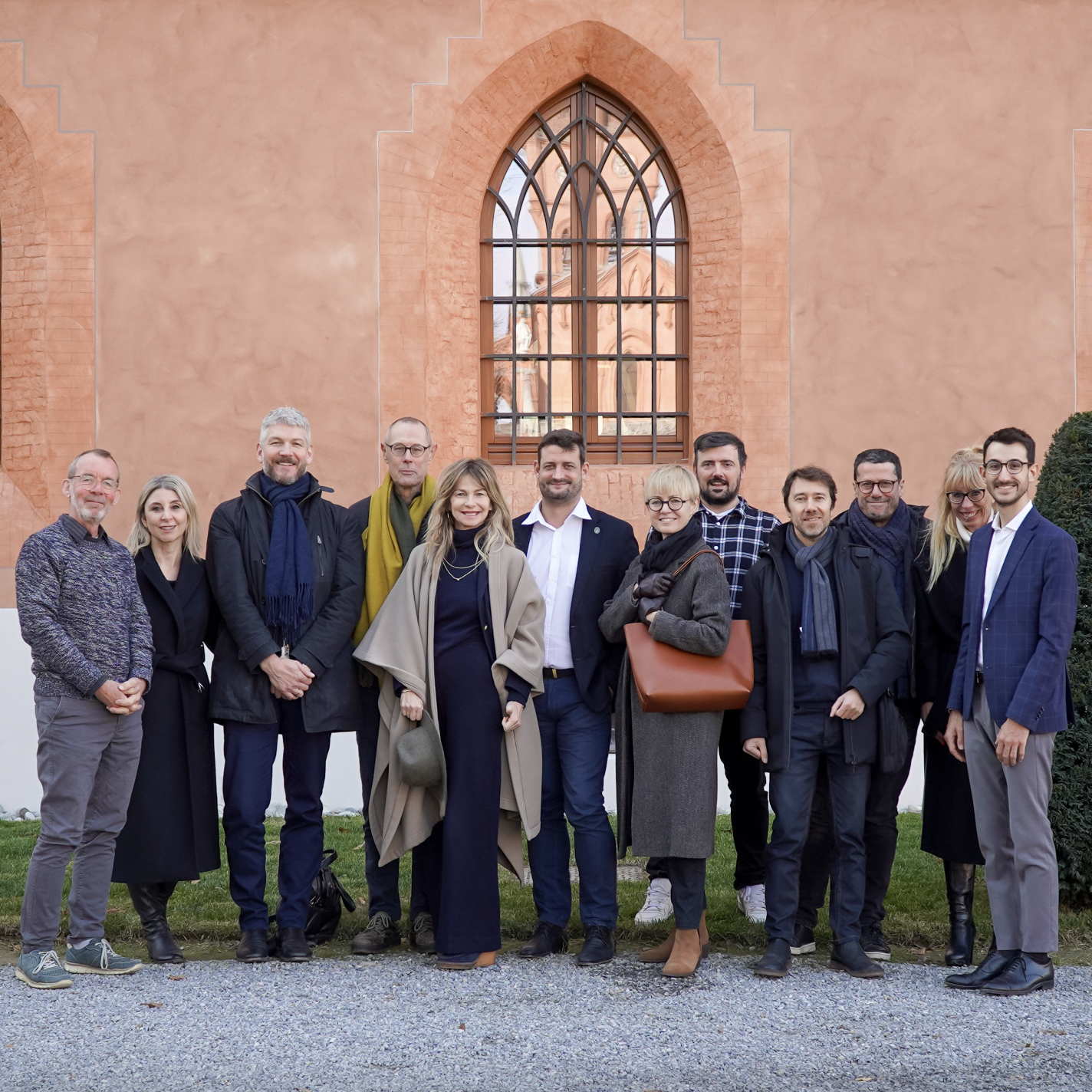
WineAlign

Memories of South Africa in 60 notes

Water hole, South Africa

As this passage through weltschmerz marches on, the defining feeling of melancholy and world-weariness continues, no doubt magnified in the hearts and minds of the wanderlusts accustomed to consistent world travel. So the question begs, as it has for 12 months, how to summon thoughts that will keep a deep sadness about the inadequacy or imperfection of the world at bay? Speaking from a personal place, a simple and distracting way is to compose retroactive wine reviews, unearthing and editing nuggets of meaningful playfulness, tasting notes created in the past but never having found their way to the light of day. Recent thoughts about South Africa are the impetus for this story.

Related – Searching for great heart in South Africa

In a pandemic-free world Cape Town’s Cape Wine would be taking place six months from now but a difficult and necessary decision by Wines of South Africa has moved the trade show from September 2021 to October 2022. Intensive planning for one of the great triennial wine fairs on the planet begins 18 months out and so with vaccine promise and good hope the time has arrived for the industry to launch preparations for a Spring 2022 Capelands revival. Soon enough the hurdles, obstacles, impediments and hoops of pandemic, lockdowns, sponsorship landing and export bans will be added to the growing list of “what has been overcome.”

Fly me back to South Africa

Related – Spotlight on South Africa in VINTAGES August 6th

Wine trips afford tasting hundreds of wines in a week’s time and while all bottles poured by every producer are given full attention and solicit a hundred or so scribbled words on history, tradition, agriculture, winemaking, varietal and regional relativity, many remain in raw form, relegated to computer folders and on the pages of moleskin journals. Pulling them out months, if not years later can induce that elusive feeling of relief and in some extraordinary occasions, epiphany. This to the creator of course, not necessarily to the producer, wine prose seeker, consumer, regional administrator or marketer. Notwithstanding who may be watching or reading, the exercise is a satisfying one and stands on its own merit, if only to be soothed and take refuge in a safe prosaic haven, free from the savage talon grip of a world gone mad.

“What happens in Cape Town stays in Cape Town” carries a three year statute of limitation. With the inimitable Ken Forrester

Nature, farmers and winemakers continue their work. Grapes are still growing and wines are still being made. Cape Wine is one of the greats, a collection and gathering by an industry of more varied character and industriousness than you will ever find. Let’s hope a global correction and stabilization brings everyone back together. During the last edition in 2018 I published several articles and many notes but these are the fruits of unfinished business left unsaid, scattered and streaming bits of consciousness having patiently waited it out for this moment in the sun. With thanks to all these erudite producers who shared a few ounces, engaged in conversation and offered up their time. These are the 60 wines tasted 30 months ago, assessed, critiqued, enjoyed and until now, unpublished.

A.A. Badenhorst Family White Blend 2016, WO Swartland

Simply a case of “fantastic grapes from old vineyards,” small parcels from Adi Badenhorst’s Kalmoesfontein farm, around the Swartland and the greater Paardeberg Mountain. A tienvoudig veldversnit of chenin blanc, roussanne, marsanne, grenache blanc, viognier, verdehlo, grenache gris, clairette blanche, sémillon and palomino. Hard to imagine that ten grapes could be so tactful and get together for such a discreet nose, but they are and they do. Secretive and seductive, full of mystery and enigma, ferments in 3000L vessels and then concrete, of a co-existence executing balance and a dedicated focus on texture. A ten-fold paradigm shift as part of the pioneering, Western Cape appellative white blend parade. Those who know it get lost in the varietal party and just like the makers the soirée will go on forever. Drink 2018-2022.  Tasted September 2018

A.A. Badenhorst Pinot Noir Bokkeveld 2017, WO Swartland

Grown further afield of the great old white grape vineyards, higher into mountainous terrain on the famed Bokkeveld shales. Makes for transitory, lifted pinot noir, “rain-slick’d, rubbed-cool, ethereal,” a little pastiche in a glass. Provides a cool flush of red berries, a note of allspice and truth is the fruit is really quite naturally sweet. Clean, characterful and only an afterthought of subtle savour. More than anything this pinot noir drifts and rises, kind of like reciting poetry. Drink 2018-2022.  Tasted September 2018

Hanneke Krüger, A.A. Badenhorst

A.A. Badenhorst Secateurs Cinsault 2018, WO Swartland

Of the Badenhorst second tier of wines, a red blend though mainly cinsault (82 per cent) with (10) syrah and (8) grenache. Though this is technically a tank sample it will be bottled next week so essentially across the finish line. There will be 130,000 bottles of this unfiltered wine. Red fruit incarnate Cape style, sweet baking spices and from a band knowing what is needed for playing live in concert, lekker balance seekers capable of working with any instrumentation, including 4,500 and 7,200L blending tanks. Badass sound, fury and energy, dry rocket fuel, pure, raw emotion and precision. Drink 2018-2025.  Tasted September 2018

A.A. Badenhorst Grenache Raaigras 2017, WO Swartland

From the home farm at Kalmoesfontein, a scant 1268 vines by lowest of low yields and considered to be the oldest (1951) grenache vines in South Africa. The Raaigras (ryegrass) is a vineyard choker so without human intervention it would literally strangle a vineyard. One of those wonderful whole bunch ferments though a portion is de-stemmed and well if this is not the right stuff from the right place, transparent, curative, a gastronomy of ancient meatiness and spice. Tannic yet elastic and one of those wines ready to go from creation but won’t likely change anytime soon. For now, long and wide. Feel free to think “see you in 15 years on the other side.” Drink 2019-2029.  Tasted September 2018

Springbock Burger anyone?

David And Nadia Sadie Wines Chenin Blanc 2017, WO Swartland

A chenin blanc blend of 35-65 year-old 1960s, 70s and early 80s, mainly Paardeberg dry-farmed bush vine vineyards in the Swartland. Some shale and clay soils mix in for a top end chenin meritage with a faint if feigned salty vanilla sweetness. High and dry extract and grape tannin conspire in their conscription and into a stretched intensity requiring some patience for the opening up. Lingers forever thereafter. Drink 2018-2026.  Tasted September 2018

David And Nadia Skaliekop 2017, WO Swartland

Skaliekop, “hill of shale,” a curious dale of fine-grained, clastic sedimentary rock amongst the Paardeberg granite. For David and Nadia Sadie a chance to make a chenin blanc with both prescient soils lending their presence and tutelage. The people here speak of the Skaliekop, knowing well the wisdom and aridity, the windswept open space, exposed and warm. They recognize and tell of the difference it makes, how a wine such as this can act so implosive, salty, targeted and fervent. The vintage only serves to magnify a sentiment already assured, that fruitful and mineral will align, swell and expand as one from these first grapes to be harvested in the wider Paardeberg zone. Drink 2019-2029.  Tasted September 2018

David and Nadia Aristargos 2017, WO Swartland

In 2017 a Swartland appellative white blend of chenin blanc (58 per cent), viognier (14), clairette blanche (13), sémillon (7), roussanne (5) and marsanne (3). David and Nadia’s only white that sees enough skin-contact to inch it up to but not quite breaching the natural-orange-amber stereotype so moving along now. A free-form, stacked blanc of multifarious juxtaposition, a Cape sensation that does this thing better and more interesting than anywhere else on the planet. Complex because florals and salinity get together and express the Swartland without a care in the world. What really comes across the palate is texture, downy and coddling with a finishing pesto of sweetly herbal fynbos and renosterveld. A perfectly broad expression overall though please don’t typecast or compartmentalize the Sadies’ white blend. Let it be. Drink 2018-2024.  Tasted September 2018

David and Nadia Sadie Wines Elpidios 2016, WO Swartland

An ever evolving or rather moving target, Rhône motivated but at this point in South Africa’s modern tenure just better to say Cape inspired. Has had many lead singers in its time; syrah, carignan and based on David Sadie’s language, who knows, perhaps grenache will take a turn at the microphone. Here in ’16 carignan (39 per cent) is centre stage with syrah (31), pinotage (16), cinsault (9) and grenache (5) rounding out the players. Elpidios means hope, as in “Cape of Good” and like the place itself there are so many layers to peel away from this heady foreland of a red wine. The berry aspect is magnified by the pinotage and you should know that David and Nadia treat this grape with utmost respect. A mix of styles and inspirations make this both muddled and brilliant as it stretches into breadth and potential. A nexus of varietal and micro-terroirs caught up in a whirlwind of extracts, flavours, liqueurs and expression. Still fresh, spirited and alive so drink this well over a ten year span. Drink 2018-2026.  Tasted September 2018

De Kleine Wijn Koöp Kreatuur Die Synachin 2017, WO Coastal Region

“A collaboration between a bunch of young blokes, making of-the-moment wines from little-known vineyards around the Cape,” and under monikers that refer to “pushmi-pullyu animals.” Also with the winemaking help of Alexander Milner from Natte Valleij. Really quite the drinkable Rhône-ish blend of 56 per cent syrah, (26) grenache and (18) cinsault. Iron in multifarious soils (mainly granitic) make this hematic and deeply plum but still, not so difficult to knock back. Drink 2018-2021.  Tasted September 2018

De Kleine Wijn Kop Ou Treffer Cinsault 2017, WO Stellenbosch

Ou Treffer, as in the ‘old hit’ in Afrikaans, also the old workhorse, in reference to cinsault of the Western Cape. Or if you will, like a hit song as the grape just seems to be the it one in South Africa these days. Or perhaps Traffic, by the Stereophonics. Beautifully aromatic, rich fruit and a soild funk from the particularities in these Stellenbosch vineyards. Half the ferment is de-stemmed, meaning the other half is whole bunch and old vines surely concentrate the fruit, stem funk and spun feeling all-around. Besides, “is anyone going anywhere? Everyone’s gotta be somewhere.” Drink 2018-2022.  Tasted September 2018

De Kleine Wijn Koöp Knapsekêrel 2016, WO Stellenbosch

The second cabernet franc release of the De Kleine Wijn Koöp boys’ Knapsekêrel (a.k.a the spiky little black Cape plant) comes from the Polkadraai Hills. Not just any vineyard mind you but one planted in 2000 and biodynamically farmed by Old Vines Project pioneer Rosa Kruger and current Stellenbosch guru Johan Reyneke. The winemaking hands of Lukas van Loggerenberg are to thank and while this shows the sultry smoky smoulder that often emits from Cape franc it is a challenge and work in project to find the varietal sweet spot. That’s because cool temps and long growing seasons are best but look out for this breadth of a team’s members to find what works. In the meantime the tobacco, dusty plum and pushed to the raisin precipice make up a tasty if humid treat in a glass. Drink 2018-2019.  Tasted September 2018

De Kleine Wijn Koöp Heimwee 2015, WO Stellenbosch

As with the Knapsekêrel cabernet franc, the Polkadraai west of Stellenbosch is the fruit source, a biodynamic vineyard farmed by Rosa Kruger and Johan Reyneke. The boys at the Koöp are back in varietal town and refer to this all-around floral spiced cabernet sauvignon as running “with tannins as smooth as your grandmother’s polished imbuia coffee table.” No doubt and you can almost hear them singing in Phil Lynott workingman’s poetry. That said, this cab is no thin Lizzy, more like thick as a brick. Hung long and well-developed, of a liqueur that oozes of red, red fruit. Or perhaps, “man when I tell you she was cool, she was red hot. I mean, she was steamin’…” Drink 2018-2020.  Tasted September 2018

Johannes de Wet in Robertson

De Wetshof Riesling 2017, WO Robertson

A known fact that riesling and limestone make a great couple so this look at de Wetshof’s Robertson ’17 is met with great mineral anticipation. Yes the finest calcareous blocks are dedicated to chardonnay because Bourgogne is the de Wet inspiration but anyone who has learned a thing about riesling around the world will know that limestone can work wonders. Alsace of course, as in Clos Windsbul but also The Niagara Escarpment’s dolomitic limestone and Germany’s Muschelkalk (especially in the Rheinhessen, Pfalz and Franconia). And so Robertson joins the list as witnessed by this linguistically aromatic example, working the glass with a pure lime distillate notion. A nod to Alsace more than anything else with acidity that doesn’t need to scream and shout but it’s truly there. The potential to pioneer the movement is here, along with Elgin as Cape riesling standard bearers. Drink 2018-2022.  Tasted September 2018

De Wetshof Chardonnay Limestone Hll 2018, WO Robertson

Youth and drought make for the most naked and transparent of the past few Limestone Hill chardonnays. Absolute cool Kelvin freshness and a 270 degree vineyard scope to gather de Wetshof’s Robertson fruit from an amphitheatre of slope and aspect so subtle yet so meaningful. A fulsome regional DNA creates varietal layers gathered to make this cuvée a true spokes-wine for the limestone-based estate. Set foot on these soils, spin around, take it in. Then feel and intuit the truth in chardonnay that speaks to a place. Drink 2018-2020.  Tasted September 2018

De Wetshof Chardonnay Bataleur 2016, WO Robertson

Bataleur, as in a battalion of chardonnay soldiers, fruit up front, reduction and wood falling in, acids taking up the flanks and structure in support by land, air and sea. Or so it seems because this just marches like a military exercise in chardonnay. Flinty, biting back, yet buttered and toasted on the mid-palate with Roberston’s unique limestone felt from start to finish. Vanilla then white caramel with soft French cream fill and then the snap of lime acidity. Biting and downy, one and then the other, all tied up in robes and pearls, equalling out in the end. Fine work from 2016. Drink 2019-2023.  Tasted September 2018

Hamilton Russell Pinot Noir 2000, WO Hemel-en-Aarde Valley, Walker Bay

By this time 2000 is the 15th vintage of Hamilton Russell’s pinot noir and tasting both the 1986 and 1997 ahead of this only serves to heighten anticipation knowing full well longevity is by now a solid guarantee. The vintage seems like it must have been a demanding one because there is more hard grip, aridity and austerity here but it really has aged gracefully and beautifully. The posit tug between fruit and earth notes is performed like a string instrument’s bow, bending and angling with dexterity in balanced, fluid motion. Brings in the herbs and spices, wholly and truly of Hemel-en-Aarde origin, on hillsides and between rows of sagacious pinot vines. This is a treat and opens a portal into the future, beginning with the 2012 vintage that will usher in a string of sequentially impressive HR pinot noir. Drink 2018.  Tasted September 2018

Huis Van Chevallerie Circa Rosecco NV, WO Swartland

From a 32 year-old pinotage vineyard, great old vines that received some TLC from Old Vines Project pioneer Rosa Kruger. Secondary bottle fermented with a little help from “a special blend of liqueur de triage,” so unlike Prosecco in that regard. Early picked which is a given considering the granitic soil and therefore a “Rosecco” of low pH and severely high acidity. ‘Twas just a slight dosage and therefore comes across arid like the Swartland desert. A well cultured sparkling Rosé, crushable and easy like Sunday morning. Drink it for breakfast, lunch and dinner. Drink 2018-2021.  Tasted September 2018

Jan Harmsgat Chardonnay 2015, WO Robertson

True reduction yet to dissipate as noted by the smoky smoulder with a healthy compliment of wood still needing to melt in and away. Looking to settle over the next six months or so and allow the combination of vanilla extract and green apple purée to integrate, compliment and go forward in agreement. Though creamy there is a bite back at the finish so while this is good now it still shows promise for improvement down the road. Drink 2019-2021.  Tasted September 2018

Klein Constantia Sauvignon Blanc 2009, WO Constantia

Poured by Managing Director Hans Astrom in Cape Town alongside the 1987 labeled “Blanc de Blanc” and the 1994. The vines date back to 1979, with the first South African sauvignon blanc made in 1986. That ’87 was a B de B because of the botrytis-affected vintage. A 100 per cent varietal wine, built by the soil and so bloody mineral as a result. Oak texture but really that’s the end of wood talk, a salty streak, so direct and so personal. The kind of sauvignon blanc that invades your airspace and a vintage more Bordeaux than the rest. Or, if you will Sancerre but not so much this time around. Drink 2019-2023.  Tasted September 2018

Klein Constantia Sauvignon Blanc 1994, WO Constantia

Poured by Managing Director Hans Astrom in Cape Town alongside the 1987 labeled “Blanc de Blanc” and the 2009. The vines date back to 1979, with the first South African sauvignon blanc made in 1986. That ’87 was a B de B because of the botrytis-affected vintage. The ’94 vintage was another story altogether, apposite, far away from developing noble rot. Not the baller and perhaps even a bit “weak” with less weight but a saltiness that is more than intriguing. Perhaps more Sancerre-esque as a result but certainly lends longevity credibility to those passed over cool vintages neither celebrated nor considered to carry much staying power. May not be fleshy but is surely a curious and electric surprise. Drink 2018-2020.  Tasted September 2018

Leeu Passant Chardonnay 2016, WO Stellenbosch

Andrea Mullineux continues to foster the Leeu Passant line of heritage vines wines with work from Rosa KrMuger alongside. The “post (leaf-roll) virus vineyard,” of smuggled in clean material planted in Stellenbosch in the 1980s. The site is home to loam-rich soils of the Helderberg and the wine stylistically modelled after the oxidative approach to chardonnay. “Death and resurrection,” as Andrea puts it, meaning after the fermentation you allow the must to oxidize again, literally to the colour of cola. Risk reward actionable take and one that requires some shall we say, cojones. This chardonnay is not about luck and the methodology can’t help but connect you to the vineyard. You end up with this unctuous, astonishingly rich chardonnay that bears a resemblance to the vines and the place from whence it came. Unlike the Mullineux chenins or Swartland and so say hello to Meursault. Drink 2018-2025.  Tasted September 2018

Leeu Passant Dry Red Wine 2016, WO Western Cape

The throwback, ode and homage to South African reds made in the 50s, 60s, 70s, rustic, tannic, structured and reeking of the ancient soils that gave them life. Three locales are in the mix; Wellington, Franschhoek and Stellenbosch. The vineyards are the first pro-Phylloxera planted sites, a willy-nilly varietal scattering, blocks of two cinsault, a cabernet sauvignon and a cabernet franc. “It’s a deconstructed reconstruction,” says Andrea Mullineux, “where you break down what you love and build it back up again.” First thing is to show utmost submissive respect to 95 and 117 year-olds, the oldest registered red wine vineyards in South Africa. So you hand harvest their low yields and keep a minimum half of the bunches intact for to ferment these wise and experienced grapes. They spend 20 months in barrel then emerge structured and fit for 20 years of longevity. As with those post mid-20th century wines the profile is rich, tart, spicy, robust and layered with serious grounding. Revivalist red, keeper of faith and a lost style, uniquely South African. Today that translates to vogue. Boom. Drink 2020-2032.  Tasted September 2018

Lismore Sauvignon Blanc 2016, WO Greyton

The Cape’s south coast work of Samantha O’Keefe, a (500L) barrel fermented sauvignon blanc made in an oxidative way, or rather a wine of early introductions made with oxygen. Flinty no doubt then rich and full on the palate, of throttling grape tannin who’s antidote is a sense of settled calm. Late spice, Bordeaux in temperament but cooler still, an almost northern Sancerre-ish dexterity and layering. Composed and so very genteel. Drink 2018-2024.  Tasted September 2018

Lismore Chardonnay Estate 2016, WO Greyton

From the Cape’s south coast and Samantha O’Keefe’s original Greyton Farm, in re-build for a promising future. This ’16 is 90 per cent estate fruit, a natural ferment and all done up in neutral (300L) barrels, 11 months on lees. No malo except when a great vintage comes along. Simply an orchard and gingered and delight, a woven tapestry of backroads eccentricities and southern exposures, with a kick and twist of finishing spice. Drink 2019-2024. Tasted September 2018

Lismore The Age Of Grace 2017, WO Elgin

From rose-quartz soil in cool Elgin, a 100 per cent viognier, so apposite relative to the achromatic shades of Greyton sauvignon blanc and chardonnay. High demeanour and a sense of vivid colour in the aromatic wonder but more so in the levels of palate, front through middle to back. They come like a rainbow, rolling, over stones, in “colours in the air, oh, everywhere.” Orange, peach, nectarine and fine, fine Elgin acidity. They are wrapped in sour spice yet sit cross-legged, in complete control. An aristocratic flower child, surely full of and situated in an age of grace. Drink 2018-2023.  Tasted September 2018

Lismore Pinot Noir 2017, WO Western Cape

Fruit from both Walker Bay and Elgin and 30 per cent whole bunch (the first vintage was 15). So very herbal, savoury, stemmy and honest. A beacon in pinot noir you want to drink that comes equipped with an edginess about it. Full purity on display, grip, intensity and packed with provisions for the picnic. Marks the early beginnings of a varietal journey with some naïveté and dreams but look out. Drink 2019-2024.  Tasted September 2018

Alette de Boer, Lowerland

Lowerland Tolbos Tannat 2016, WO Prieksa, Noord Kap

From South Africa’s furthest northern wine-growing area, a joint effort between grower Bertie Coetzee and winemaker Lukas van Loggerenberg. Wow does this ever smell like tannat with its depth of earthy fruit and suspension of oxidative animation. High acidity reminds of the really cool climate, more Niagara per se than southwest France. There really is something special here, as with Lowerland’s stellar whites, something singular, yet undefined, in enigma and mystery. Drink 2018-2021.  Tasted September 2018

Lowerland Witgat Viognier 2017, WO Prieska Noord Kaap

The viognier may scent of exotic flowers and tropical fruits but as with most of Alette de Beer and Bertie Coetzee’s range this is surely a cool climate wine. Subtly so and yet of a tension and a demand that accrue a sense of northerly South African wine-growing sense. The wine was made by JD Pretorius at the Constantia property Steenberg and it comes about quite normal, varietally speaking but also beautiful. There is a liquid chalky feel, a product no doubt of quality dry extract mixed with Prieksa soil of desert sand and silty clay. Lean and structured, a lanky viognier that in the end delivers quite the delight. Drink 2018-2021.  Tasted September 2018

Lowerland Die Verlore Bokooi 2016, WO Prieska Noord Kaap

Literally “easy drinking blend,” spoken through an indigenous vernacular from “the place of the lost goat.” At the time a blend of merlot, shiraz and tannat but like the Herd Sire Reserve that too will change over time. A racy and ripe red, earthy and parochial though fruitful in its red, black and blue mixed berry basket. There really is nothing to compare this too, neither old world origin or varietal mash up so assess it on its own terms. Just knock it back. Drink 2018-2019.  Tasted September 2018

Lowerland Herd Sire Reserve 2015, WO Prieska Noord Kaap

A red blend that will evolve (varietally speaking) but in 2015 it is based on cabernet sauvignon with petit verdot and a small amount of merlot. Bordeaux being the message but that too will change because the north of South Africa may actually share more affinity with the southwestern French wine-growing than anywhere else. This unique Noord Kaap Wyn van Oorsprong’s cool climate makes for early drinking reds and the 13 year-old vines here follow the party line for a red blend ripe enough to do what needs. There is more liqueur and spice here than what is noted in the merlot/shirtaz/tannat and also increased acid intensity. Somewhat oxidative but holding well and doling pleasure. Drink 2018-2019.  Tasted September 2018

Nina Mari and Ernst Bruwer, Mont Blois

Mont Blois Estate Chardonnay Kweekkamp 2016, WO Robertson

After 28 of not bottling their own wines the husband and wife team of Ernst and Nina-Mari Bruwer began again in 2017. This is one of the first, a single vineyard chardonnay off of 12 year-old vines, barrel fermented and aged 11 months. Speaks of Robertson, not specifically by limestone but with that WO’s orchard fruit and realism, by passing spice that’s merely a thought. Lovely snap, crack and bite which is truly Robertson while in delivery of everyday texture and mellow disposition. The kind of chardonnay to stay quiet and simply sip. Drink 2018-2021.  Tasted September 2018

Mont Blois Chardonnay Hoog en Laag 2016, WO Robertson

“High And low,” in reference to the vineyard being a terraced block on clay. Heavy clay that is, a Robertson specialty and the Hoog En Laag receives the same elévage as the Kweekkamp chardonnay. Certainly a richer and fruit fulsome expression, less snap and bite. No subtle spice either and yet the barrel notes are equally noted. What this has is full-fledged texture, creamy and smooth, all day long. Drink 2018-2020.  Tasted September 2018

Mont Blois Chenin Blanc Groot Steen 2016, WO Robertson

The “big” chenin blanc because of the dense clay that gives nutrient life to the 32 year-old block of vines. Quite the steen intensity, ripping with fruit and a mineral streak for layer upon layer of Robertson quality. Naturally sweet pears, ripe and dripping, plus an unusual or unaccustomed to herbology. Perhaps it’s the famous local Rooibos talking. Really persistent chenin with loads of potential. Likely some flint and smoulder in its future. Drink 2018-2024.  Tasted September 2018

Mullineux Kloof Street Chenin Blanc 2018, WO Western Cape

A true Cape chenin blanc assemblage, in fact it gives meaning to the gathered idea, like an AOC Chablis made by a houses in names of Fèvre, Drouhin, Moreau or La Chablisienne. Mullineux’s twist is the back blending with some old barrel ferments to balance to new and “other” fruit components. A chenin blanc that is bottled the same year it was picked though that’s easier to do in the southern hemisphere where harvest happens in the first quarter months. Expectation always dictates value from the Kloof Street and 2018 does not disappoint with an attractive spiciness that speaks to the preservation of freshness in a chenin blanc possessive of no boundaries. One of the most versatile wines on the planet. Sheet pan sausages and fennel would be just ideal. Drink 2018-2022.  Tasted September 2018

Mullineux Chenin Blanc Quartz 2017, WO Swartland

Soil is the single matter, catalyst and difference maker to dictate the peculiarities, idiosyncrasies and unique sets of behaviours in the Mullineux single-terroir wines. The chenin develops “freckles” in the sun, tells winemaker Andrea Mullineux and the warmth of the high presence of quartz retains and returns warmth, translating to a conduit of concentrated ripeness passing through the vines. Not a direct heat, otherwise the berries would burn but a reflected back-beat of light and one that is slowly transmitted with naturally occurring temperature control for how and when the plants are in need. The greatest positive is in the maturation of phenolics in the skins and not by a hasty overload in developed sugars. From out of the silica oxide comes vegetative growth that promotes and preserves a physiological process in retention of acid freshness. The result? A phenolic journey unique to chenin blanc as here with a striking 2017, dry as drought yet fresh as a daisy. Though there is some creamy texture there too is hyper intense clarity, a variegate of dappled aromatics and brindled flavours, all bound up in animated acid bounces. Drink 2019-2029.  Tasted September 2018

Mullineux Chenin Blanc Granite 2017, WO Swartland

In chenin blanc the Mullineuxs engage in this single-terroir comparison, first by Quartz and now through Granite. The reference is to the predominant mineral presence in the soil and in how it influences the chameleon varietal. In 2017 Quartz is a major concern but switching to sandy, decomposed rocky soil and everything changes. Berries leave the world of mottled and piebald to one of demure and decor with thanks to the diffused light set upon them. That and a place where roots must burrow, digging deeper through hunks of rock into the sub-strata. This is where trace elements and minerals are to be found in the water table below and while limestone and silex is not the tablet there is some ideological affinity here with the Loire. As such it is this Granite that speaks in a leaner, thoroughly mineral, less spice and increased sharpness vernacular. Precision cut, flint struck, metallic, a song of science and silence. Body and flesh are ambient, less “creamy” than in Quartz, linear in travels, long and of an aging potential surely cast forward. Focused all the way through, unrelenting but always in layers of overlap and subtlety. Drink 2020-2033.  Tasted September 2018

Mullineux Kloof Street Red 2017, WO Swartland

Kloof Street is a “heritage blend,” says Andrea Mullineux, “it’s a wine about the love for making wine, but having preferences.” From vintage to vintage maybe check the bottle for varieties because there is no steadfast formula. Heritage, as opposed to Rhône means playfulness, choices and the inclusion of a structure fortifying grape like tinta barocca, truly integral to the Western Cape meritage experience. Here in 2017 there are some notable added layers of flesh, drying tannin and largesse. An early extracted wine in fast stages of maceration to coax out the fruit and deter astringency. Comes away rich and robust, rocking the free and new world. Drink 2018-2022.  Tasted September 2018

Mullineux Syrah 2016, WO Swartland

“I still consider it a blend,” insists Andrea Mullineux,”because it comes from seven vineyards on three soils.” Spends up to six weeks on skins, depending on how big the tannins are. Big equals patience. Burly early with spice and elongation but that heft and girth will slowly melt away. An invisible friend called acidity will usher the transformation, those gnomes of silent structure. The next stage will celebrate the leathery cherry fruit and cumulative Swartland savour.  Last tasted September 2018

The first drought vintage for the Swartland syrah and so the extract, concentration and density are all in compression mode. The change is felt with palpable impression, meatier, more char, even tar, and a little bit of dogma was necessary to bring in more granite-raised syrah to keep things swimmingly cool and savoury along. It’s a hematic one in 2016. To some this would be the bomb, the massive reason to believe and to others it might seem an impossible wall to scale. With a combination of love and patience the ’16 will please them all. Drink 2020-2028.  Tasted May 2018

Mullineux Syrah Schist 2016, WO Swartland

As with the two chenin blanc Quartz and Granite introspections there too is a Mullineux terroir combing of Swartland soils through the lens of syrah, there by Iron and here through Schist. The style or rather the result is befitting the monikers because Schist is the tamer one of the two and it is interesting to note that the syrah “blend” as Andrea Mullineux calls it is more like Iron than this elegant one. A huge January heat wave could have led this into the raisin danger zone because ripening under the shotgun is no way to approach harvest. Cooler heads and temperatures prevailed to allow for an unfurling, a plumping and a perking up. Schist comes out regal, aromatically civil and demure, but also juicier than a nosing might indicate. Acid retention is strong, sweet and quite friendly to work in cohorts with the cane and Baleni based spice. Dark in complexion, yes brooding yet sneakily serene, salty and so comfortable in its own skin. Drink 2020-2032.  Tasted September 2018

Mullineux Syrah Iron 2016, WO Swartland

The second of two Mullineux soil investigations for syrah is this dramatic and hematic nonpareil exemplar. Cultivar meets terroir, raised off of a heavy, gravelly clay, rich in iron, impressive and hallowed as antediluvian viticultural ground. That may not be completely Cape uncommon but this is clearly a paradigm shifter for drilled down South African syrah in attack meets beast mode, cimmerian, ferric and intense. Modish though, while inexorable character oozes from every pore and a mid-palate wells of extraordinary fill. Sharpens its wits on bullish tannin and expresses Northwest of Malmesbury iron with raw emotion and power, though without rusticity. What it may lack in elegance is made up by sheer force in reckoning, at first engaging and then gripping the palate by all means necessary. The velvet glove future lies somewhere in the next decade, likely latter first half. Drink 2022-2034.  Tasted September 2018

Paul Cluver Pinot Noir Seven Flags 2013, WO Elgin

Just a hint of evolution is showing in this five year-old pinot noir which is something because you had to work to find any in the just tasted 2009. The sweetest fruit comes from 2013, on of the riper, purest and most pristine vintages to express what Elgin has to offer. Ethereal actually, not loosely but effortlessly structured with a seamless bond forged between fruit and acids. Tannins are already subsiding in this elegant, balanced and slightly spiced pinot. Drink 2018-2026.  Tasted September 2018

Paul Cluver Pinot Noir Seven Flags 2011, WO Elgin

Such a composed vintage, cool, calm and collected. A Beaune Villages feel here, perhaps Aloxe-Corton with darker pinot noir fruit, almost black cherry but less obvious, more complex, full of baking spice. A genial and genteel Seven Flags nonetheless, elastic, pliable, amenable but not without undeniable and underlying composure. That backbone may bend with curvature ease but will not break. Provides the basis to see this Cluver from Elgin live easily up to and likely beyond its 12th birthday. Drink 2018-2023.  Tasted September 2018

Paul Cluver Pinot Noir Seven Flags 2009, WO Elgin

Harkens back to a time when the 1987 planted 113 clone was no longer the sole provider for the Seven Flags family after 115 and 667 had been planted in 2001. From 2009 it seems quite obvious the vintage was one to create big, robust, ripe and warm pinot noir. Even as it approaches its ninth birthday the evolution equation remains in early steps computation, perhaps just now moving to the next stage. Secondary development is still around the bend or on the next page, noted by the persistence of a cool climate, liquid but still grainy chalk. Also acts just a bit reductive which seems almost impossible but stranger things have happened out of South African vineyards. Just imagine the futuristic possibilities when these vines soon achieve heritage age. Remind me to ask Paul Cluver for a look at vintages from 2022 onward at Cape Wine 2039. Drink 2018-2023.  Tasted September 2018

Callie Louw, Porseleinberg

Porseleinberg Syrah 2016, WO Swartland

Poured by Callie Louw at Cape Wine 2018, this Riebeek Kasteel, Porcelain Mountain syrah somehow sits at a pantheon’s peak vintage after vintage, as if each one is a once in a lifetime effort. This must have been the epitome of such a consideration because Louw calls it “a fucking hard vintage, eh.” Strong talking words from the stoic and pragmatic BBQ smoker, winemaker and cricket master. Callie may have experienced a craftsman’s pain but the 70 per cent foudres and 30 concrete elévage not only tamed the savage beast, it helped to turn heads and remind of where greatness comes from. Tasted side by each with 2012 and 2013 only magnifies the massive structure in this ’16, a reductively bouncy, glycerin and impenetrable syrah in need of getting lost in the cellar. Will also need an epic song, “into the blue again, after the money’s gone.” Through the next decade and well into the following one this syrah will remain in light. “Same as it ever was.” Drink 2022-2040.  Tasted September 2018

Callie Louw’s smoker hard at work in Malmesbury

The Sadie Family Palladius 2014, WO Swartland

If you Google “South African white appellative blend” the number one result should surely be Eben Sadie’s Palladius and these are the 11 reasons why; chenin blanc, grenache blanc, marsanne, sémillon, sémillon gris, viognier, clairette blanche, roussanne, verdelho, colombard and palomino. Eleven blocks, all on granites, some from the Riebeek-Kasteel side. If looking forward to the brilliant ’16 and seeing it as a wine of mixed tenses, then this ’14 speaks in the imperfect because it strikes as the one to talk about the past and to say what used to happen. As in language, love, war and the past continuous, all is fair when it comes to assessing the verticals of wine, especially in descriptions. The 2014 Palladius is the back to the future vintage, of warmth and spice when things were picked overripe and new beginnings are constantly forged. But the citrus preserve and sheer electric lemon-lime energy looks ahead to the intensity of a youthful 2016, leaving a taster confounded, satisfied and awake all at the same time. This may go forward before it retreats once again. Drink 2018-2028.  Tasted September 2018

The Sadie Family Palladius 2009, WO Swartland

When talking about the 2009 vintage Eben Sadie talks of the decision to add sémillon, clairette blanche and palomino to his appellative white blend that already held chenin blanc, colmbard, grenache blanc and viognier. “To up the acidity,” aid and abet the tendencies of fleshy fruit to fatten in overripe behaviour. More than just acidity mind you, Sadie also looked to heighten the “acoustics” in a wine that was quickly becoming a major Swartland concern. Tasting this is September 2018 it can’t help but be noted how development and evolution have nearly caught up to 2005, a vintage cause and effect action no doubt. Here is the spiciest, sauciest and flat out nasty attitude Palladius, unabashed and already having done most of its living. That said the track record of these wines tells us to stay put, be patient and continue to relish the sapid, saline and ever-changing paths carved out. Drink 2018-2023.  Tasted September 2018

The Sadie Family Pofadder 2017, WO Swartland

Part of Eben Sadie and family’s “Die Ouwingerdreeks,” the old vine series and a reference to either or both puff adder snakes and the small “bushman’s land” town in the Northern Cape. Can be 100 per cent cinsault though the percentage is 85 in 2017, aged in old but not Jurassic wood. The ideal, epitome and exemplar bench-land varietal wine, not to mention a pioneer in the South African paradigm shift to conscious exultation of a plan in collective commitment for varietal, heritage vine and whole cluster ferments. From granite shales (not the decomposed kind) and yet another red fruit incarnate, freshest of the fresh precision wines. Pure Cape cinsault is this, with tannin but the kind that is sweet and stretched. No bullshit here. Drink 2019-2025.  Tasted September 2018

The Sadie Family Treinspoor 2017, WO Swartland

Afrikaans for “railroad,” perhaps a reference to the method of transportation that brought these European grapes to the Cape, depending on how far back tinta barocca arrived in the Swartland. In fact it was in the 1920’s and now just a bit more than 200 ha’s of this hardy, rustic, dark-skinned, early ripening and versatile red lay scattered about, accounting for two one hundredth’s of a per cent for vineyard area in South Africa. Sadie’s is a single-vineyard line running through the Darling side of Malmesbury, a cimmerian blackish red reeking of Renosterbos which is ironic because animal activists have always believed that the railroads threaten Rhino habitat. Digressions aside this is a prime example of why some might consider tinta barocca to be the future grape of Swartland. Sweetly floral and in 2017 both ways perfectly ripe. Botanicals abound, bosplante in bloom while flowers await the bees. Where this shares affinities with cinsault and grenache is in the curative and salumi aromas leading to sweet yet elastic tannins. The finish and length are expressly Swartland in nature. Drink 2020-2028.  Tasted September 2018

The Sadie Family Columella 2016, WO Swartland

Red counterpart to the Sadie white signature Palladius and residing in the upper echelon of Western Cape appellative blends. Ontario lays claim to the Stratus White and Red while the Cape knows these. Allowing for some levity there is a kinship to be considered between Eben Sadie and J-L Groulx, two of the more unlikely mad scientists able to capture the lit and woke disposition of mastered assemblage. Imagine Groulx also pouring varietal shots of many different farmed varieties from the back of his pick up truck during a lawn bowl in Niagara-on-the-Lake. The full name is Columella Liberatus in Castro Bonae Spei, Latin for “liberated in the Cape of Good Hope” and as a pillar of strength Columella’s syrah, grenache, mourvèdre, cinsault and tinta barroca ascend to dramatic expression. Variegated in every respect; hue, perfume, flavour and structure, at once layered and then stratified with doric strength, able to bear the most concentrated weight. Relative acidity, fluted or grooved, wider in youth to help support and lengthen. Intensely fortified with help from the barocca, naturally and of itself, intuitively wild yet controlled. Such a focused wine one rarely comes upon. Drink 2019-2030.  Tasted September 2018

The Sadie Family ‘T Voetpad 2017, WO Swartland

The “footpath” from both the Dutch (het Voedpad) and Afrikaans, also the name of Dirk Brand’s rooibos and wheat farm next to this oldest vineyard in the Kapteinskloof near Piketberg. Some say the oldest in South Africa, planted between 1920 an 1928, but others will say the first vines went in around the 1890’s through to the early 1900’s. Takes the Sadie Family “Die Ouwingerdreeks” to the farthest, most extreme reaches of the old vineyards idea. “The vines have seen it all,” tells Eben Sadie, “don’t fuck with us” is their message. “Don’t mess this up.” And so Eben co-ferments in an as is format but more importantly works at the agriculture to a point of obsession. Newer inter-plantings will go in, of sémillon, sémillon gris and palomino from massal selected material. To deal with drought cover crops will also be added between rows, all of course through an organic approach. The blend is sémillon, sémillon gris, palomino, chenin blanc and muscat d’Alexandrie, all processed together, but this is not about extreme winemaking. More like extreme farming, finding ways to keep these twisted kurktrekker and cavatappi bending vines alive for to produce their magic. The wine that emerges is all about tendencies and multiplicities of texture. The dry extract here is off the charts making it seem forcefully and fiercely tannic. Fantasy and zeitgeist just happens and the results are right there in the bottle. A remarkable wine and vintage from an isolated vineyard where drought is always a factor. Drink 2019-2033.  Tasted September 2018

Abrie Bruwer, Springfield Estate

Springfield Estate Chardonnay Méthode Ancienne 2016, WO Robertson

Burgundian ode, ancient method of making chardonnay, a rare approach these days, with wild yeasts and no fining or filtration. No surprise that Springfield Estate is willing to give it a go because that’s how they roll. The plan is for deep longevity by a method akin to anti-aging serum, though 15 to 20 years would be astonishing in any case. Ground control to major tang, circuits wired tohu vavohu and a lemon custard to curd constitution that is simply merveilleux. Yes it is true that a hint of orange could turn into Cointreau after a half decade or more and the mid-palate cloud cover will continue to deliver warmth and appeal. Curious methodology plus romantic acumen equates to one of a kind. We’ll see where this goes. Drink 2019-2024.  Tasted September 2018

Van Loggerenberg Wines Break A Leg Blanc De Noirs 2017, WO Paarl

Often referred to as a pink wine but to choose this term to call Lukas van Loggerenberg’s 100 per cent cinsault grown on Helderberg granite would not tell the right story. Blanc de noirs is more apt but even then more detail is necessary to do it justice. Sees nine months of lees time, “to remove the tutti frutti,” snarks van Loggerenberg, without jest but can you really know when he’s being serious? Leaves the arena of the Rosé absurd and settles at a hue of proper B de N colour, as if that really matters. Saltiness is the thing, the granite kind, the sort to set your eyes ablaze and your heart to rest. Not really a wine about texture, though there is plenty, but that’s not the goal. Anything but sweet and a wresting away from norms into a matter of reckoning. And all about five knee surgeries, something the winemaker and the critic know all about. Drink 2018-2021.  Tasted September 2018

Van Loggerenberg Wines Chenin Blanc Trust Your Gut 2017, WO Western Cape

While there are wines in Lukas van Loggerenberg’s world that travel down the kamikaze viaduct, Trust Your Gut is not one of them. In fact there is a normalcy, a recognizable structure and an older Euro soul to the way this chenin blanc acts and feels. Sees 10 months sur lie in old French oak but no bâttonage, nor malo neither. Three zones bring the fruit; 45 per cent each Stellenbosch and Swartland plus 10 from Paarl. Take chenin blanc and treat it like a Villages wine by imagining Loire aromatics merging with Chablis texture. This my friends is a classic example of amalgamated Western Cape chenin style. There is irony in the name and no shocker there. Drink 2018-2022.  Tasted September 2018

Early springtime in Cape Town

Van Loggerenberg Wines Cinsault Geronimo 2017, WO Western Cape

Geronimo is 100 per cent cinsault, 60 per cent from Stellenbosch and 40 “Break a Leg” Paarl. The get together finds energy that one without the other would not find “because cinsault doesn’t have high natural acidity,” explains Lukas van Loggerenberg, “it is a very good indicator of vintage.” The 2017 is, wait for it, 80 per cent whole bunch and while that is a factor of the Western Cape’s ripen anything, anywhere, anytime great advantage, it’s still an impressive strategy no matter where you are making wine. Spends nine months in barrel and comes out smelling like roses, candied petals mainly but other florals, hibiscus and such. A handsome cinsault to be sure and one that will take precious time to unwind, great acidity or not. Like the red Cape equivalent of white friulano in Collio, sneaky long and structured. Drink 2018-2024.  Tasted September 2018

Van Loggerenberg Cabernet Franc Breton 2017, WO Stellenbosch

A more than obvious ode to the Loire Valley, 100 per cent cabernet franc bearing the old world varietal name. Fruit drawn from Stellenbosch’s decomposed granite soils gets the 60 per cent whole bunch treatment, followed by 11 months in barrel. Transparent as cabernet franc is the understatement, open wide, ease of alcohol at 12.8 per cent and in delivery for the rapture of being alive. Lots of verdant tones but nary a green tannic moment. Seems like the beginning of a beautiful friendship so the future too is wide open. Drink 2018-2020.  Tasted September 2018

Sheree Nothnagel

Wildehurst Velo White 2016, WO Swartland

A testament to non-pareil, Cape appellative white blend equanimity, of colombard, grenache blanc and viognier, 33 of each, give or take one per cent. Only the viognier is barrel fermented though the equilibrium os never compromised. Intensely herbal, of a nose uncanny in its fynbos reek, lovely glycerin texture, again balanced and knowing the place it wants to be. Acid structure travels though in a pas trop travaillé, no trouble way. Drink 2018-2021.  Tasted September 2018

Wildehurst Chenin Blanc 2017, WO Swartland

Barrel fermented and six months matured, 100 per cent chenin blanc, acting as if freshly spiced and in Cape terms, a really chewy white wine. Counterbalanced by a leanness in vintage while wound tight, just now perhaps beginning to unwind in repeat of its specific refrain. Acid structure makes up the lyrical couplets, sung again and again, as a reminder that fruit and wood will always align and submit to the citrus rhyme. Almost feels like still perlage and chenin blanc like this is very much a string of pearls, inclusive of tannins in long chains. Helps to explain the success of Wildehurst’s Méthode Cap Classique. Drink 2019-2024.  Tasted September 2018

Wildehurst Red 2014, WO Swartland

A blend of shiraz, grenache, mourvèdre, viognier and cinsault, aged in old French barrels for 18 months. Like the solo cinsault but an even more held back and hard to crack the savoury and sweet candied shell. Both elements emerge with good agitation, first the sweet variegate of red fruit and then the brushy and dusty fynbos bushiness, here acting as an energizer for equal opportunity. Spills over with that Wildehurst acid-tannin continuum as all the wines take their time to ready, pivot in the glass and then speak of their age ability going forward. Big bursts are all power and no cake. Rich yet elastic and surely capable of going deep. Drink 2019-2025.  Tasted September 2018

Wildehurst Cinsault 2017, WO Swartland

Just two barrels were found to be extraordinary and thus pulled by Sheree Nothnagel, away from the red blend and into this solo album. Quite the richly emulsified and ropey red fruit cinsault and while it follows along the varietal Swartland thread the differences are as great as they are to the party’s similarities. That is due in respect to the Wildehurst style, tighter and more acid-structure intense, higher-toned and less in the meaty-salumi-curative vein. Still possessive of that red as red can be fruit but here more akin to barbera or sangiovese from high altitudes and limestone soils. There must be something about Koringberg and the other Swartland sites that bring a special je ne sais quoi to Joanne Hurst’s wines. Maybe in thanks to Swartland shale, granite, silcrete and alluvium Renosterveld. Who does not love the smell of Renosterveld in the morning? Drink 2019-2027. Tasted September 2018

The Wine Thief Costa Del Swart Viura 2017, WO Voor Paardeberg

From the Western Cape’s chameleon of a region where anything goes and all things are considered. Case in point this viura of Spanish roots as part of the single barrel series. Surely Swartland specific (as opposed to Paarl), 100 per cent viura and only 180 bottles produced. Less alchemy and more herbology, but flinty, sharp and exciting. Direct, full of fun and even a bit waxy, with a riesling or sémillon feel that can only mean some petrol in its future. So much citrus gets ya in the end. Drink 2018-2022.  Tasted September 2018

Good to go!

godello

Twitter: @mgodello

Instagram: mgodello

WineAlign

The grower’s spirit of William Saintot Champagne

Only a grower’s Champagne could reveal so much distinction from cuvée to cuvée ~ Behold the diversity of @williamsaintot ~ with thanks to @riverdalewines

Looking for Champagne for the holiday season? Wanting Grower’s Champagne with a négoce angle to the story? In today’s changing climate and through the multifarious meaning of that expression we are sensing and seeing a decline of former and rise of the latter. The landscape and scales are changing, mainly for reasons pertaining to logistics plus economics and so the blurred lines of growing, grape-accumulating and bottling are the rising trend, fashion and reality of the Champagne business. For a full, comprehensive and brilliant report on the subject, right-click, open a new tab and migrate over to read Treve Ring’s take at Jamie Goode’s Wine Anorak on the burgeoning subject.

Related – Beyond grower Champagne: where have all the growers gone?

Last April I had the immense pleasure to sit down with Riverdale Wines and taste the portfolio of William Saintot Champagne. These are the notes and yes I highly recommend making these wines your go to fizz for the upcoming last two weeks of 2019 revelry.

William Saintot La Cuvée Séduction Blanc De Blancs Champagne Premier Cru ($82.00)

The parcel for this cuvée is 50-plus years of age, 100 per cent chardonnay on Bisseuil limestone. We don’t often describe Champagne straight out as fruity but this goes all out to deliver. Fresh fruit, sliced, sluiced and dripping; peach, yellow plum and lemon, humid and in the air. Great freshness though more than just acidity is the seducer here. Gets tropical, into lemongrass and more. Appealing in the highest end commercial way. Drink 2019-2022.  Tasted April 2019

William Saintot Brut Blanc De Noirs Champagne Premier Cru ($62.00)

Fruit from 2014 (94 per cent) and 2015, in stainless steel tanks from the three pinot growing areas. Fresh and toasty and a seamless gathering of three pinpointed pinot noir terroirs. Avenay, Val d’Or and Muligny et Bisseuil get together for a three-layer, triad-pronged effect of fruit, acidity and exceptional Champagne tannin. Brilliant Blanc de Noirs (of 6.5 rS) and exceptional length. Drink 2019-2025.  Tasted April 2019

William Saintot Blanc De Noirs Champagne Premier Cru Chopine ($62.00, 375ml)

From the same pinot noir triad of terroirs (as the 750 mL B de N) but here in a split of the Brut and fruit going back to 2011 and 2010. That’s really the only difference, a monumental one truthfully speaking and disgorged in 2017. The toasty tastiness is accentuated and if you like brioche, baked apple, salve of texture, greater tannin and enough freshness to bely the oxidative tendency of ginger feathery Champagne then you will find the brilliance in this wine. Finishes with a smirk of orange créme brûlée. Great fun, pomp and circumstance in a serious way. Drink 2019-2023.  Tasted April 2019

William Saintot La Roseraie Champagne Premier Cru ($64.00)

Two growing areas contribute to this saignée Rosé, Muligny and Busseuil, with vines that average old, older and oldest, from the 60s – 80s, with some 100 year old plants. The blend is 72 per cent pinot plus (28) chardonnay, disgorged in 2018. The sugar level is raised just a touch to 6.5 rS and the alcohol a consistent 12 per cent. Berries and currants gain spirit from cranberry and pomegranate in a really energetic, tension-driven fruit affair. Truly stylish. Drink 2019-2023.  Tasted April 2019

William Saintot La Cuvée Prestige Champagne Premier Cru ($77.00)

The Prestige is an 80 per cent pinot noir and (20) chardonnay get together, disgorged in 2018. It’s a retrospective, trend-setting style, based on the Solera ideal with fruit inclusion going back to 2010. It’s not nearly as oxidative as you might expect, in fact its freshness is a sustainable guarantee. There are layers and layers involved that will take as long to peel away as they took have taken to accumulate since 2010. So much citrus in so many ways and once again that amazing grower’s acidity. It really works. Drink 2019-2026.  Tasted April 2019

William Saintot Brut Millésime Champagne Premier Cru 2012 ($89.00)

From chardonnay at Avenay Val d’or planted in 1970 plus chardonnay in Bisseuil planted in 1964. Here the most spirit, citrus accentuation and for the next time (not the first) a real distinction from one wine to the next. This shows the grower individuality and from one Champagne to the next. There is fennel, garrigue and beautiful savoury aspects here but still mainstream enough to challenge every household name for what to drink. Drink 2019-2027.  Tasted April 2019

William Saintot Extra Brut Champagne Premier Cru La Côte De Chignon 2011 ($150.00)

Disgorged 2017, nature and 2.6 rS, 100 per cent pinot from Avenay Val d’Or, only 1250 bottles made. The first to challenge our notions of earthy, elemental and even funky in Champagne. Lemon, seville orange and ginger, fresh and dried herbs but also a wet concrete meets clay earthiness. Fruit is managed and anything hut relegated while acidity keeps all the mille-feuille parts integrated, in-synch and complimentary. Very special Grower’s Champagne. Drink 2019-2028.  Tasted April 2019

Good to go!

godello

Only a grower’s Champagne could reveal so much distinction from cuvée to cuvée ~ Behold the diversity of @williamsaintot ~ with thanks to @riverdalewines

Twitter: @mgodello

Instagram: mgodello

WineAlign


Making tracks in Argentina

Where there’s smoke there’s Godello

Deeper varietal discussion about Argentina’s terroir diversity, 128 images and 118 more wines reviewed

As first seen on WineAlign

Old torrontés vineyards at El Esteco, Cafayate Valley, Salta

A November 2018 journey to Argentina did so much more than simply introduce me to that great country’s wines. That trip was a bold reminder that travelling to the source is precisely how we leave our preconceptions behind and allow for new education to change and alter our thoughts. The people behind the product are the real story and meeting so many of Argentina’s amazing people has transubstantiated my personal Wines of Argentina psyche. I hope for your wine sake you all will find the opportunity to experience what I have, but failing that many have taken part in a short term solution. 

The author in Cafayate, Salta, Argentina

Related – High altitude heliophiles in Argentina

Not too long ago I published that article about a trip that was indeed exactly what the title says. A Masterclass across Argentina. Visits to Mendoza and Salta helped me to gain a deeper understanding of solar radiation and high altitude wines. WineAlign has now finalized the WineAlign Exchange Argentine Wine Masterclass 12-pack. Those who have not made immediate plans to travel to Argentina they have instead signed up to have that country’s remarkable wines come to them instead.

Baby pork, apple, pineapple, Azafrán, Mendoza

In November I had the favourable and fortuitous opportunity to travel around with the team at Wines of Argentina and now WineAlign has teamed up with WOFA to bring 12 carefully curated wines to the Ontario consumer. The box holds 12 archetypal examples (malbec and much more), selected in unanimous accord by the WineAlign crü of critics, through tastings in Argentina and at our offices. Quality in all regions of Argentina has never been higher so the pool from which to pick was deep and wide. This is the invitation to taste the diversity of high-altitude vineyards.

El Esteco, Cafayate Valley, Salta Province

For those who see Argentina as a unilateral place of malbec, malbec and more malbec, think again. New plantations from 1200m to 2200m have characterized the need to qualify the variegate and highly diverse terroirs of Mendoza. There are now more than 1,000 hectares of cabernet franc and 18,000-plus of cabernet sauvignon. Yes there are 42,000 of malbec but that’s two-thirds and not necessarily increasing. Wouldn’t you have thought that number to be much greater? I certainly did. WOFA Educator Joaquin Hidalgo calls it “big noise from some nuts,” which loosely translates to “don’t believe everything you read or hear.” In fact 85 per cent of malbec is grown in Mendoza and there are great ulterior terroirs out there. The key is to seek and create new styles of malbec. Notes Hidalgo, “if we use the variety to create terroir diversity it will be a great benefit.”

Canadians, Tupungato and the Andes

Only 2,249 of 21,000 plantable hectares in Guatallary are full with vines. Huge potential is still out there but water/irrigation is a limiting factor.  As are ants (again, who knew?) and the foxes who chew through irrigation lines. So farmers put out water to satiate them. They must also deal with the Zonda, hot and dry winds that often come off of the eastern slopes of the Andes. Through all these challenges there is more and more talk about moving to an elegant way of producing wines. “Argentina can produce better wine. The more you talk about oak not being the thing to notice the more its shows how oaky the wines really are. The idea is to offer fruity, not so oaky wines.”

Beef tartar, egg yolk, pickles, soy, Azafrán, Mendoza

Conversations with winemakers, agriculturalists, estate directors and export managers bred a consistency of attitude and expectation across the country. And yet each encounter meant and led to something different. Dinner with Winemaker Gabriel Bloise of Chakana, Josefina Alessio of Ernesto Catena and Andrej Razumovsky of Alpamanta focused on alternative varietals, new, innovative and alternative winemaking styles. Razumovsky talked about the rains of 2016 and how harvest was three full weeks late. “Everyone was nervous,” tells Andrej, “with so much rot but the yields were so low and yet the grapes we picked were so healthy.” Strike another notch for organic and biodynamic grape growing.

Enjoying a Salta in Salta

In Agrelo Finca Decero has predicated it’s success on a massive single vineyard called Remolinos but smaller production projects are the new norm. It has lead to growing cabernet franc (plus tannat and syrah) and the recent addition of larger barrels is leading to wines of more florals ands overall complexities. “We’re trying to separate what we perceive is different,” explains CEO Juan Marcó. “This means increased micro-vinifications of specific blocks and plots as part of the larger single-vineyard.” Decero “from nothing” also has 15 hectares of planted petit verdot, which accounts for at least five if not close to 10 per cent of the total in Argentina.

Ani Lucero and Marilyn Demandre, WOFA

In Cafayate, Salta Province it is the Amalaya/Colomé agriculturalists, winemakers and oenologists, (including Jorge Noguera. Thibaut Delmotte, Rafael Racedo and Javier Grané) who know about the “expectation of a miracle,” especially with respect to finding water, but for here, the miracle is to be able to grow grapes and make wine. The prized vineyard El Adrenal literally means “sunny place.” and its altitude brings the sun direct to the vines. El Esteco’s Agriculturalist Rosario and Winemaker Alejandro Pepa showed us sun-kissed criolla and torrontés vines vines of 70 years or more. The moonscape of Piattelli Vineyards is where John and Arlene Malinski’s team produces exceptionally concentrated wines out of the desert; Agriculturalist Santiago Acosta, Winemakers Valeria Antolín and Javier Saldaño, Consulting Oenologist Roberto de la Mota.

With the Women of WOFA in Mendoza

I tasted upwards of 150 wines in my week spent in Argentina. That first report covered 37 wines from 37 producers. They were the 37 that struck me as being exceptional, ahead of the curve or simply the perfect sort of examples to speak about climate, soil and of course, altitude. The following 118 tasting notes expand on so much of what Argentina does best. Crafting quality wines at high altitudes, from Patagonia to Mendoza and Salta.

Melon soup, prawns, cucumber, Azafrán, Mendoza

Sparkling Wines

Chakana Vino Espumante Nuna Vineyard NV, Luján De Cuyo, Mendoza, Argentina (Agent, WineAlign)

This biodynamic Brut is a chardonnay-sauvignon, 60-40 split of ambient yeasts and natural acidities. A dry Brut at 4 g/L dosage made in the Charmat Method. Full and I mean full mousse effect, light on the sweet sweats and a nectarine, peach and pear profile. Creamy character and so good alongside melon soup with cucumber and prawns. It seems so perfectly arid and right in balance. Drink 2018-2019.  Tasted November 2018  chakanawines  oeno2   @chakanawines  @oenophilia1  @bodegachakana  @ConnexionOenophilia

Josefina Alessio, Alma Negra and Ernesto Catena Wines

Domaine Alma Negra Brut Nature NV, Mendoza, Argentina (Agent, WineAlign)

A traditional method Rosé and while Josefina Alessio insists “we don’t confess on grape varieties,” this is in fact a pinot noir and malbec sparkler of eight to as much as 16 months on lees. The grapes comes from uncertified biodynamic vineyards in the production zones of Vistaflores, Tunuyán, Mendoza (3,608 feet) and Gualtallary, Tupungato, Mendoza (4,265 feet). An implosive bubble, all about energy and a side-step, two-step into texture. Raspberry is everywhere, as if it could be nerello mascalese sidling up to malbec. Low pH and just about dry adds up to red fruit, lime and overall zest. Drink 2018-2020.  Tasted November 2018  domainealmanegra   Alma Negra  Ernesto Catena Vineyards

Quebrada de las Conchas

Amalaya Brut Nature, Valle De Cafayate, Salta, Argentina (Winery, WineAlign)

A charmat method sparkling wine made from riesling (80 per cent) plus torrontés. A fizz of cloudy demure and a leesy funk directed by the warm climate at 1,750m in sand near La Mercedes. Also smells of lime doused guava and orange blossoms from the torrontés. Simple with notable sweetness, creamy and just tart enough to offer balanced fun. Drink 2018-2019.  Tasted November 2018  bodegaamalaya  hesscollection  liffordgram  @AmalayaBodega  @HessCollection  @LiffordON  @bodegaamalaya @hesscollection  @liffordwineandspirits

Canadians in Tupungato

Whites

Familia Schroeder Alpataco Chardonnay 2018, Patagonia, Argentina (629428, $16.95, WineAlign)

No oak, only stainless steel and all cool, southern Argentina climate in this Paul Hobbs Patagonia outpost chardonnay. Fresh and green apple delicious, simple and crisp. Really crisp. Like a bite into an edgy tart nectarine with slight green note. Beautifully salty and grippy, like Petit Chablis. Would be just perfect to kick back with a half dozen oysters. Drink 2018-2021.  Tasted November 2018  schroederwines   @SchroederWines  Familia Schroeder

Andrej Razumovsky, Alpamanta

Alpamanta Breva Estate Chardonnay 2016, Luján De Cuyo, Mendoza, Argentina (Agent, WineAlign)

This is biodynamic produced chardonnay that saw 13 months in oak foudres after a slow fermentation, no malo and then, no filtration. “Typical of the  area,” says Austrian born Andrej Razumovsky and yet his run is a mere 2,000 bottles. From a vintage where “it rained like Europe,” 1200mm, six times the norm. High acidity is the result, very dramatic but all the while propping up and celebrating fruit. Rich, viscous and forward, full of pulse and energy. Drink 2018-2021.  Tasted November 2018  alpamanta  rogersandcompanywines  @Alpamanta  @rogcowines  @alpamanta  @rogcowines

Carla Castorina, Trapiche

Trapiche Chardonnay Costa & Pampa 2016, Chapadmal, Buenos Aires, Argentina (Agent, WineAlign)

Costa & Pampa is Trapiche’s south Atlantic foray into a new appellation down on the coast southeast of Buenos Aires. Their chardonnay is a rich, youthful, precocious and grippy one, crisp and guaranteed to sell you on quality and possibility. Terrific first look. Drink 2018-2020.  Tasted November 2018  trapichearg  trapichewines  philippedandurandwines  @TrapicheWines  @Dandurandwines   @TrapicheArgentinaInt  @VinsPhilippeDandurand

Fish at Luigi Bosca

Casarena Chardonnay Owen’s Vineyard 2015, Agrelo, Mendoza, Argentina (Agent, WineAlign)

From Agrelo down south of Luján de Cuyo and next to Casarena’s other single vineyards, Lauren and Naoki. Owen’s is named after a grandchild, one of four. Nice and properly reductive, the work her from winemaker Leandro Azin shows a learned ambition, a nod to Bourgogne and a grounding in greater Mendoza chardonnay need. It’s a tart, angular and yet fleshy chardonnay, urgent and delicious, welling in grape tannin, extract and acidity. Drink 2018-2021.  Tasted November 2018

Federico Landrone, Andeluna and Damian Rubin, Bodega Bianchi

Andeluna 1300 Chardonnay 2018, Tupungato, Mendoza, Argentina (Agent, $16.99, WineAlign)

Represents and sets the imagination free to accept the Andean rain shadow, masl manifesto “vines touching the sky.” An fresh, crisp, clean and cool unoaked chardonnay of exceptional clarity and superb value. Apple bite with a similar note by pear from a soil-climate-altitude driven white with purity and finally, acidity. Drink 2018-2020.  Tasted November 2018

Snacks at Domaine Bousquet

Familia Zuccardi Q Chardonnay 2017, Mendoza, Argentina (232702, $18.95, WineAlign)

Zuccardi’s Tupungato chardonnay is a best of both worlds effort, from Gualtallary and El Peral, one giving the sun and the other layering over with freshness. Ferments done up all in concrete then the usage of some older (third and fourth use) barrels. Feel the fruit and the acidity as interchangeable parts plus a true sense of varietal purity. Very orchard apple, taut and pretty, polished and petit, as in Chablis. Drink 2018-2021.  Tasted November 2018

Snacks

Famiglia Bianchi Chardonnay 2017, San Rafael, Mendoza, Argentina (1461, $18.95, WineAlign)

A 50-50 stainless steel-barrel raised chardonnay with as much bite as any. Reductive and creamy with bitters and crackling acidity. The oak is very present, not so much in texture but certainly in palate character. Tart and finishing with further bitters. Drink 2018-2019.  Tasted November 2018

Boys at Finca Decero

Susana Balbo Signature Barrel Fermented Torrontés 2016, Uco Valley, Mendoza, Argentina (384339, $19.95, WineAlign)

Sees four to six months of barrel and plenty of lees stirring. Tells the truth to say it’s all about texture so that it separates itself from a sea full of achromatic torrontés. The idea is to tame and temper both the terpenes and the florals. It succeeds in this regard and is in delivery of a very viscous wine. Still floral but very textural. Drink 2018-2019.  Tasted November 2018

Restaurante El Rancho, Cafayate

Colomé Estate Torrontés 2018, Calchaquí Valley, Salta, Argentina (357913, $15.95, WineAlign)

There is no substitution for altitude and temperature fluctuations to manage the balance in torrontés. Yes it’s floral but also driven by tonic, white fruit and acidity. It’s also fleshy and creamy from fruit like guava and peach but the aridity and altitude dry this into a fierce creature home from a hot climate. Better than ever, with more concentration from the vintage. Drink 2018-2020.  Tasted November 2018  bodegacolome  hesscollection  liffordgram  @BodegaColome  @HessCollection  @LiffordON @bodegacolome  @hesscollection  @liffordwineandspirits

Winemaker Ramiro Balliro, Bodega DiamAndes

Bodega DiamAndes de Uco Viognier 2017, Uco Valley, Mendoza, Argentina (SAQ 11963806, $23.35, WineAlign)

Thirty percent of the French oak used is new on fruit from the foothills of the Andes at 1100m. Warm alcohol on the nose and the intensity of a white flower distillate. Very vanilla, a minor heed of oak spice and more dry extract than many, viognier or otherwise. “Blue girls come in every size, some are wise and some otherwise, they got pretty blue eyes.” The genesis of Uco Valley viognier in solar radiated ripples and minor bitters rippling effect. Drink 2018-2021.  Tasted November 2018  bodegadiamandes  maitredechai_ca    @maitredechai  @diamandes  Francis Dubé

Domaine Bousquet

Atamisque Serbal Viognier 2018, Tupungato, Valle Du Uco, Mendoza, Argentina (Agent, WineAlign)

A viognier high on citrus and notable for tangerine though curiously more about flavour than aromatics. Sharp, tangy and calcareously salty with proper sour edging and plenty of energy at the entry level. Drink 2018-2020.  Tasted November 2018

Crudo, Domaine Bousquet

Domaine Bousquet Sauvignon Blanc 2017, Tupungato, Mendoza, Argentina (Agent, WineAlign)

Particularly fresh and vibrant expression with some energy created by residual CO2 still pulsing in the bottle. Quality acidity encapsulates a wealth of fruit from apples through peaches. Mild pungency and ultimately a right proper way of expressing sauvignon blanc. Drink 2018-2020.  Tasted November 2018  domainebousquet  @domaineBousquet  @DomaineBousquetUSA

Bousquet, Tupungato

Salentein Sauvignon Blanc Portillo 2018, Valle De Uco, Mendoza, Argentina (Agent, WineAlign)

Described as fashioned through the matter of “nieve carbonica,” carbonic snow, to prevent oxidation, like using dry ice on garganega to protect and preserve freshness. Quite fresh in fact right here, pure and precise. Somewhat stoic even for a wine that believe it or not was first produced in 2009. Where is this in our market? Drink 2018-2019.  Tasted November 2018  salenteinbodega  azureau  @BodegaSalentein  @azureau  @BodegasSalentein  @BodegasSalentein

Empanadas at Luigi Bosca

Luigi Bosca Del Alma White Blend 2018, Wine of Argentina (WineryWineAlign)

“From the soul,” which is a base of chardonnay (30 per cent) blended with sauvignon blanc (30) viognier (20) and riesling (20). Some carbonic pulse to this metallic and simple blend of extreme freshness. Really good acids, melon flavours and a true tang at the finish. Citrus tablet and pears too. Drink 2018-2019.  Tasted November 2018  bodegaluigibosca  fwmcan  @LuigiBoscaBodeg  @FWMCan  @BodegaLuigiBosca  @FWMCan

Empanada, Restaurante El Rancho, Cafayate

Amalaya Blanco De Corte 2013, Valle De Cafayate, Salta, Argentina (Winery, WineAlign)

The signature, entry-level white blend is torrontés (85 per cent) with riesling. When you think about torrontés as being one of the most floral white grapes this is exactly what you expect. The riesling manages the potpourri with a splash of stone, acidity and ultimately freshness. Drink 2018-2019.  Tasted November 2018

Caminito, Buenos Aires

Fincas Las Moras Sea Creatures Lady Blanc (De Blancs) 2018, San Juan, Argentina (Agent, WineAlign)

A curious concoction of trebbiano, chenin blanc and viognier from Tulum in the lower valley of San Juan. White flowers and white fruit fill the air while citrus and grape spirit flavour bring high favour to the fresh and crunchy spirit. Also some verdancy and in the end really likeable. Drink 2018-2019.  Tasted November 2018

A toast in Cafayate

Casa De Uco El Salvaje Blend De Blancs 2017, Valle De Uco, Mendoza, Argentina (Winery, WineAlign)

A three-pronged blend and élévage from sauvignon blanc, chardonnay and torrontés raised with concrete, oak and steel ferments. Sweet fruit in layers, quite floral and triply aromatic, easy, balanced and with resdiual sugar mitigated by near equal acidity. The new appellative Uco Valley blend. Peak effect. Drink 2018-2019.  Tasted November 2018  casadeuco  @CasadeUco  @CasadeUco

Snacks at Bodega DiamAndes

Masi Tupungato Passo Blanco 2017, Mendoza, Argentina (Agent, WineAlign)

The connective tissue is altitude at 1,100m to tie pinot gris (60 per cent) with torrontés done up with some dried grape appassimento styling. High ion dry extract, creeping up there in glycerin and though low in acidity it’s quite rich, stylish and persistent. Drink 2018-2019. Tasted November 2018  masitupungato  masicanada  @MrAmaroneMasi  @MasiWineExperience  

Jamon at Bosca

Luigi Bosca A Rosé Is A Rosé Is A Rosé 2018, Wine of Argentina (553032, $19.95, WineAlign)

Drawn from Maipu, 60 per cent pinot noir with (40) pinot gris. Lithe, rusty, low in alcohol, tangy and fresh. Very citrus, very vin gris, very serviceable and lovely in its saltiness. Solid. Drink 2018-2019.  Tasted November 2018

BBQ at El Esteco

El Esteco Blanc de Noirs 2015, Valle De Calchaquí, Salta, Argentina (Agent, WineAlign)

A table wine raised 50-50 in concrete eggs and stainless steel, Rosé by nature, freshness wholly preserved and tannins very much apart of the mix. Ever bearing for strawberries and with a real lemon citrus bend. The dry extract-tannic effort is more than notable. Drink 2019-2023.  Tasted November 2018

Malbec

Familia Schroeder Saurus Select Malbec 2017, Patagonia, Argentina (379313, $34.95, WineAlign)

A malbec from which only the highly concentrated dry-skin maceration is sent straight to 225L barrels for fermentation. The time was a precise one, eight months plus one week and taken out on November 22nd. The Hobbsian obsession of full out expression is on full display, with fruit bombing the senses in hyper-real layers of bright intensity. Locked in, big, bountiful and moving. Gets in and attacks the olfactory nerves with purpose, like smelling salts, as only Patagonian malbec can do. A truly polished wine. Drink 2019-2024.  Tasted November 2018

With Rocío Campoy Morist, Alta Vista and Carla Castorina, Trapiche

Trapiche Medalla Malbec 2016, Uco Valley, Mendoza, Argentina (547869, $17.00, WineAlign)

This grippy middle tier Uco malbec is rich in chocolate and spice supplied by generous oak and 40-plus year-old vines. Earth is the catalyst for character a bit scorched and also lending a particular brand of Mendoza funk. Certainly malbec of a combined wisdom and personality to separate itself from other high-volume lots. Drink 2018-2020.  Tasted November 2018

Fuego Blanco Malbec Flintstone 2016, Do Valle Del Pedernal, San Juan, Argentina (Winery, WineAlign)

More or less at 1,500m and 800 kms south of Salta from the extreme climate of San Juan, here’s a brooding, able-bodied and highly hematic malbec. The glass is a bit reductive-effluent so work with it but it’s really quite stubborn and an earthy-worthy malbec with a bit of green meets paratrophic funk. Lower alcohol, pH and acidity, higher learning and curiosity.Then again it’s 70 per cent fermented in concrete egg so that explains quite a bit. Drink 2018-2021.  Tasted November 2018  fuegoblancowines  Fuego Blanco

Don Julio, Buenos Aires

Bodega Del Fin Del Mundo Reserva Malbec 2017, San Patricio Del Chañar, Neuquen, Patagonia, Argentina (Winery, WineAlign)

A warm location, even in Patagonia, low in altitude. At 350m and a wine that explains why malbec is planted everywhere, because it’s one that matches latitude and altitude to climate. Moderate alcohol and acidity comes explosively out of high pH and the overall feeling of sweet fruit, more fruit and all fruit. A very familiar and comforting red. Drink 2018-2022.  Tasted November 2018  findelmundowines  @BodFinDelMundo  Bodega Del Fin del Mundo

Caminito, Buenos Aires

Lamadrid Single Vineyard Gran Reserva Malbec 2015, Agrelo, Luján De Cuyo, Mendoza, Argentina (375485, $25.95, WineAlign)

Middle of the numbers road in every way, alcohol, acidity and pH. MOR in so many stylistic and emotional response respects. It’s sweetly fruity, somewhat salty, full, rich, thick and perched comfortably in balance right on the median line. Drink 2018-2022.  Tasted November 2018  lamadridwines  @LamadridEstate  Lamadrid Estate Wines

Beef tartar, egg yolk, pickles, soy, Azafrán, Mendoza

Hector Durigutti HD Reserva Malbec 2016, Paraje Altamira, San Carlos, Uco Valley, Mendoza, Argentina (322735, $34.95, WineAlign)

From a 1955 planted vineyard at 1,150m. Rich but also salty, really giving you the feeling of ripeness and elasticity. It’s made in just a minor reductive way that supports the fruit and then in terms of tannin goes through this chalky texture influx for structure. So very interesting. Drink 2019-2025.  Tasted November 2018  hectordurigutti  duriguttiwinemakers  @HectorDurigutti  @DuriguttiWines  Hector Durigutti  DURIGUTTI Winemakers 

The boys of Ama Always, Michael Mizzi and Alexander Raphael

Finca Decero Malbec Remolinos Vineyard 2015, Agrelo, Luján De Cuyo, Mendoza, Argentina (195677, $25.99, WineAlign)

From the vineyard of mini whirlwinds that twirl on a site where many of these little gusts of air stir up the bare earth into dancing spiral forms. More floral than both the syrah and the cabernet sauvignon. Violets certainly come to mind. Smooth and the flavour is almost candied rose petal with oak integration providing a finishing spice. Very smooth wine. Drink 2018-2021.  Tasted November 2018

Bodegas Sottano Malbec Classico 2017, Mendoza, Argentina (WineryWineAlign)

“The idea of this line of varietal wines is drinkability, to maintain freshness and fruitiness,” explains Christian Magnenat. Sottano’s is simple, correct malbec, of dark red fruit, balanced, drawn from many disparate, moving and amalgamated vineyard parts. From here, Agrelo, Uco Valey and others. Slightly astringent finish. Drink 2018-2019.  Tasted November 2018  bodegasottano  @bodegasottano  @bodega.sottano

Roasted rabbit, bacon, black radish, Azafrán, Mendoza

Vicentin Blend de Malbecs 2016, Mendoza, Argentina (299735, $19.95, WineAlign)

The core wine of Vicentin, it’s dark, hematic and so very sheathed in many barrels of all shapes, sizes and origins. Full and completely structured malbec constructed out of 60 per cent (on average) new barrels. Again the palate takes it to a better place, namely because of texture and then the concentration takes over with some bitters on the finish. Yes it surely is a power pumped wine. Drink 2019-2022.  Tasted November 2018

Mark Bradbury

Vicentin Colosso V 2015, Mendoza, Argentina (WineryWineAlign)

This 100 per cent malbec is all resinous oak, soupy umami aromas and syrupy flavours. Cedar, rosemary, tobacco and really high toned acidity. It’s kind of akin to a Chuck Wagner meets Rioja with plenty of residual sugar. Drink 2019-2022.  Tasted November 2018

Bodegas Sottano Malbec Judas 2015, Mendoza, Argentina (WineryWineAlign)

A blend of malbecs that was a single-vineyard wine. Quite resinous and sinewy, of great depth, some violet florality and much ado about high-toned acidity meeting deep woody notes. Once again more astringency but balanced by the smooth consistency. Clearly a step up in ambition and quality. Drink 2019-2022.  Tasted November 2018

Beef at Bosca

Luigi Bosca La Linda Private Selection Old Vines Malbec 2016, Luján De Cuyo, Mendoza, Argentina (WineryWineAlign)

The PS or Private Selection puts a focus on young wines of fresh fruit character. From the oldest vines (35 years-old) in La Linda, the highest area of Luján de Cuyo. A smoky, charred, grilled herbs and garriga multiplicity in character. It’s true Criolla plant garrique, bushy and fragrant with dark raspberry fruit, juicy acidity and spicy bite. All in balance. Drink 2018-2022.  Tasted November 2018

Bosca Empanadas

Luigi Bosca Malbec DOC 2016, Luján De Cuyo, Mendoza, Argentina (452672, $18.95, WineAlign)

The DOC was established in 1989 and this icon of a malbec was first produced in 1991. From Luján de Cuyo fruit, remarkably rich and emblematic for the whole of Mendoza Province. Just what you expect, need and could ever want without an ounce of pretence or ambition. Drink 2019-2023.  Tasted November 2018

Tortilla at Bosca

Luigi Bosca Terroir Los Miradores Malbec 2016, Uco Valley, Mendoza, Argentina (132340, $32.95, WineAlign)

From 70 year-old vines in Valle de Uco with lowest of low yields so that one vine does not even function to produce a whole bottle. From the same genetic cutting materials, massal selection of the DOC malbec, but with obvious concentration and specificity. So much more floral, of a baking spice and a fruit intensity that truly is the bomb. An implosive wine with modesty, purity and a 40 per cent oak housing. Big and balanced with great structure and tannins that invoke seven senses. Put some aside and we’ll have some further discussions in 10 years. Drink 2021-2029.  Tasted November 2018

Yann Janvier – snap (c) @marylinedemandre

Domaine Bousquet Malbec 2018, Tupungato Valley, Mendoza, Argentina (160952, $13.95, WineAlign)

Draws fruit from Paraje Altamira and Gualtallary, no oak, simply in stainless. Fresh and equally savoury, relative concentration and simple in effusive red fruit. Really negligible tannins and a sweet as opposed to astringent finish. Perhaps the best vintage ever for this entry-level malbec. Drink 2018-2020.  Tasted November 2018   domainebousquet  @domaineBousquet  @DomaineBousquetUSA

Flank Steak, Domaine Bousquet

Domaine Bousquet Malbec Grande Reserve Vino Orgánico 2015, Tupungato Valley, Mendoza, Argentina (WineryWineAlign)

The top tier malbec is a full barrel seasoned one though no new oak, with five per cent each cabernet sauvignon, merlot and syrah blended in. Reduction and spice are dominant but true blue black fruit layers, lingers and lurks. High-toned overview above and beyond the cimmerian aspect so it’s just a matter of time before the slope adjusts and the fruit takes control. Violets meet deep savour with mid-term age probability a real opportunity. Quite taut and spicy, a true testament to mixing fruit from Tupungato and Guatallary. Drink 2019-2025.  Tasted November 2018

Julianne Pons, Bodega DiamAndes

Bodega DiamAndes de Uco Malbec 2013, Uco Valley, Mendoza, Argentina (404145, $23.25, WineAlign)

Harvested between March 18th and April 16th, this style of malbec is certainly gone for broke in 30 per cent new French oak for 12 months. There is less savour and more sweetness in both the fruit and the tannins and while it’s certainly the typical and the archetypal for the Uco Valley, it’s not quite as complex as the cabernet. It’s splitting hairs to say so but to be honest this is the wine to drink now and for three to five years while the cabernet and its great structure will go longer. Drink 2019-2022.  Tasted November 2018

Beef, Restaurante El Rancho, Cafayate

Amalaya Malbec 2017, Valle De Calchaquí, Salta, Argentina (Agent, $19.99, WineAlign)

The flagship red in the Amalaya/Donald Hess property in Salta from high altitude in the northern Calchaquí Valley is a rich and concentrated wine heading towards these eastern foothills of the Andes mountain range. Dominated by malbec with cabernet sauvignon (10 per cent) and (5) petit verdot. Rich, succinct and driven by solar radiated concentration. Drink 2018-2019.  Tasted November 2018

With Marilyne Demandre, WOFA Canada in Salta Province

Colomé Malbec Lote Especial La Brava 2016, Valle De Calchaquí, Salta, Argentina (Agent, $29.99, WineAlign)

From a mainly sandy soil with small gravel pebbles at 1,700m and one of three site specific Colomé malbec investigations. The combination of flavour concentration and saltiness is exceptional in a wine fully equipped with solar radiation, acidity preserving temperature fluctuations and altitude enlivening libido. The combination of fruit layering and tannic structure is nothing short of remarkable. Drink 2019-2024.  Tasted November 2018

Smelling the Garrigue at Amalaya

Colomé Malbec Lote Especial El Arenal 2016, Valle De Calchaquí, Salta, Argentina (575290, $29.95, WineAlign)

The vineyard here is at 2,600m and the first vineyard purchased by Donald Hess, in a place and at an altitude that did not yet exist in Argentina. So the question is what does an added 300m (and 900 as compared to La Brava) bring to malbec? The answer is simply more of everything but especially concentration. This is smoother and more silk-textured, with less high-tonality and more Napa like consistency. It’s certainly the richest and most consumer friendly. Drink 2019-2024.  Last tasted November 2018

El Arenal is the pinpointed location for Colomé’s deep, dark and delicious malbec, especially for the Calchaquí-Salta locale. A warmth by vintage and richness by extraction has matched the saltiness of the air and the aridity of the place. The lengthy finish is notable and fruit persevering. Drink 2019-2023.  Tasted September 2018

Quebrada de las Conchas

Colomé Estate Malbec 2016, Calchaquí Valley, Salta, Argentina (477315, $24.95, WineAlign)

The Estate gathering draws from all three Lote Especial vineyards (La Brava, Colomé and El Arenal) plus fruit from Altura Maxima at 3,100. Bring them all together and the broadest expression with the middle ground concentration and the fullest texture is realized. It’s a cooler, more savoury malbec with a balance of richness and high tonality. Drink 2019-2022.  Tasted November 2018

Canadians at Tres Cruces

Bodega Colomé Malbec Autentico 2017, Calchaqui Valley, Salta, Argentina (Agent, WineAlign)

This malbec is drawn from 2,300m of altitude and the vineyard of oldest vineyards raised with no oak, only stainless steel. The idea is “the typical malbec from the Valle de Calchaquí.” The vineyards are pre-phylloxera and the wine is naked to the world, fresh and floral, salty, tangy, tart and quite intense. It’s even more rugged and rustic than expected but rich and full of possibilities. Peppery too in a reductive meets carbonic way. Drink 2019-2024.  Tasted November 2018

Steaks at Don Julio

Colomé Malbec Altura Maxima 2015, Calchaqui Valley, Salta, Argentina (Agent, WineAlign)

From the Donald Hess farm purchased in 2005, with plantings between 3,000 and 3,200m of altitude. The extreme nature of this (and some of Argentina’s) highest of estate vineyards means frost and hail are very much apart of the challenge. And when you taste it side by each with the three Lote Especial malbecs you see that it is something very different indeed. The floral aspect is dramatic and the flavours the most intense. The saltiness and high tonality are off the charts. This will age for two decades without pause. Drink 2021-2033.  Tasted November 2018

El Esteco

El Esteco Malbec 2016, Valle De Calchaquí, Salta, Argentina (Agent, WineAlign)

From two terroirs, Punco and Cafayate, aged in second and third passage oak barrels. Like blackberries and Yerba Seca, a native savoury brushy herb that grows in this cactus populated desert. So reminds of sage pointed reds from the Okanagan Valley, albeit with more brine. Drink 2018-2021.  Tasted November 2018  bodegaelesteco  philippedandurandwines  @ElEstecoWines  @Dandurandwines  @elestecowines  @VinsPhilippeDandurand  

With John Malinski, Piattelli Vineyards

Piattelli Vineyards Reserve Malbec 2017, Cafayate Valley, Salta, Argentina (Agent, WineAlign)

Malbec at 6,000 feet on a gentle rising slope in Cafayate is aged for nine months in only American barrels. Few malbec are clothed with as much barrel class in a Rioja way as this and no French is used, namely because of cost in a much larger production wine. The oak is done to bury the pyrazines and it works like a charm. Drink 2018-2021.  Tasted November 2018

New Piattelli Vineyards planting in the high altitude desert of the Calchaqui Valley

Piattelli Vineyards Gran Reserve Malbec 2016, Cafayate Valley, Salta, Argentina (Agent, WineAlign)

In this version of Piatelli’s high altitude malbec the components are all bigger, stringer, faster and of specs where pH, alcohol, glycerin and also acidity are all elevated. The Grand Reserve sees both American and French oak and for 13 months time. The Spanish connection, whether it be Ribera del Duero or Montsant is evident in polish, silky texture, vanilla and liquid graphite. Very sweet black cherry, pencil shavings and even a note of cigar. Chalky, earthy finish. Drink 2019-2023.  Tasted November 2018

Altos Las Hormigas Malbec Clásico 2017, Mendoza, Argentina (Agent, WineAlign)

Approximately 20 per cent of the fruit comes from the Uco Valley with the yeoman’s work provided by vines grown in Luján de Cuyo. What the house considers as a good vintage with a great 2018 looming on the horizon. At present a bit peppery-rubber stamped reductive so truly a baby with grip and concentrated liqueur. Strange in how it reminds of Western Cape syrah and ultimately solicits an expression of wow. Drink 2019-2022.  Tasted November 2018  altoslashormigas  @ALHmalbec  @ALTOSLASHORMIGASWINERY

At Luigi Bosca

Navarro Correas Reserva Malbec Selección Del Parcelas 2017, Mendoza, Argentina (Agent, WineAlign)

The reserve malbec story is a three-fold one, from three blocks each no bigger than two hectares; La Consulta (San Carlos, Uco Valley), Los Árboles (Tunuyán, Uco Valley) and Agrelo (Luján de Cuyo). Each adds their own piece into the puzzle, from florals through red fruit to cool savour. Adds up to a layered malbec big in fruit, acidity and bones. Drink 2019-2022.  Tasted November 2018

An excited Yann Janvier eyeing dinner at Luigi Bosca

Pascual Toso Malbec 2016, Mendoza, Argentina (35170, $14.25, WineAlign)

If you are looking for a malbec on the spectrum that is brighter and lighter with properly and wisely integrated wood into that effulgent fruit, here is your $14 best bet. The Mendoza malbec tenets of smoky and spicy are quite subtle and fruit stands out, ushered along by a calming and supportive energy. Drink 2018-2019.  Tasted March and November 2018

Fritters at Bosca

Viña Cobos Felino Malbec 2017, Mendoza, Argentina (118067, $19.95, WineAlign)

A blend of several properties’ fruit though 70-80 per cent comes from vines growing in 40 vineyards situated in Luján de Cuyo. A big sweet fruit and high acidity bomb meeting at the intersection of grip and freshness. The blend of sites amalgamates and mediates to spread great malbec love for all to share. Drink 2018-2021.  Tasted November 2018

Salad at Luigi Bosca

Viña Cobos Bramare Malbec 2016, Uco Valley, Mendoza (123729, $39.95, WineAlign)

Not the easiest vintage to deal with but the low quantity of fruit availability surely means quality of the highest order and a malbec here that could never be accused of flat, peppery or fat. The Luján de Cuyo fruit from four farmed estate vineyards is 100 per cent all in for a true to terroir malbec that even Paul Hobbs can’t override, no matter how hard he and his team might try. The accessibility playing field is levelled by an intensity built by alternating stratifying layers of acidity and structure. Smoke, smoulder, spice and then patience move from availability through need. Drink 2020-2027.  Tasted November 2018

Mark Bradbury and Marilyne Demandre, Buenos Aires

Bodegas Bianchi Finca Los Primos Malbec 2018, Mendoza, Argentina (572123, $12.40, WineAlign)

Made from 100 per cent San Raphael fruit on alluvial soils with clay. Leads to great malbec depth plus surely hematic pulse and strength. It’s red fruit albeit highly concentrated, extracted, intense, spicy, smoky and full. Drink 2018-2020.  Tasted November 2018

Andeluna Malbec Altitud 2016, Gualtallary, Tupungato, Uco Valley, Mendoza, Argentina (Agent, $25.99, WineAlign)

Fruit is 100 per cent Gualtallary and yes Altitud is a factor of a rise towards the Andean wall. More than altitude this malbec carries attitude, in good solid grip and firm intensity. A very meaty malbec, pitchy and sure of itself in every respect. These Tupungato soils give way top some pretty heady and deeply satisfying red fruit, especially malbec. Drink 2018-2022.  Tasted November 2018

Bodega Atamisque Serbal Malbec 2018, Tupungato, Mendoza, Argentina (444737, $15.95, WineAlign)

Simply stated pinot noir of strawberry red fruit, a fluff of spice and ultimately easy to comprehend. Highly drinkable stuff that speaks a varietal language with obviousness and without complication. Nothing more needs top be said. Drink 2018-2019.  Tasted November 2018

Zuccardi Polígonos 2016, San Pablo, Uco Valley, Mendoza, Argentina (568915 $29.95, WineAlign)

The Vinos de Montaña line from Zuccardi employs the name Poigomnos to refer to the many sides of a vineyard, also mimicked by Seb Zuccardi in his drive to celebrate micro-vinifications and the new diversity of Mendoza terroirs. The soils are alluvial and very stony, an elemental-mineral transference fact that needs to be contemplated and copnsidered within the context of a malbec effect and from this place in San Pablo, Uco Valley. This is in fact a different sort, from pyrazine to pepperoncino, dry, tannic and unique in its new spark of dark fruit. Quite remarkable for its ulterior motive and unique way of speaking for both the specific place and the estate. Drink 2019-2025.  Tasted November 2018   zuccardivalledeuco  szuccardi  dionysuswines  @ZuccardiWines  @FamiliaZuccardi  @SebaZuccardi  @ZuccardiValleDeUco  @DionysusWinesTO

Cecilia Carrasco, Zuccardi and Julia Halupczok, Finca Sophenia

Zuccardi Concreto Malbec 2017, Paraje Altamira, Uco Valley, Mendoza, Argentina (455774 $39.95, WineAlign)

Concreto as noted and understood is a malbec raised only in concrete and not a barrel, stave or chip to be found anywhere near the purity of this fruit. Paraje Altamira is the pinpointed location and one of the Uco Valleys great new frontiers at 1,100masl. The spot is a spectacular alluvial fan laid out beneath the Andes and a certain depth meets richness of red fruit abounds, accented or rather accentuated by Zuccardi’s use of concrete vats. A very fine liqueur is the result and if the ’16 was thought to be luxe, this next step (and warmer, more nurturing vintage) brings malbec into luxury, bordering on hedonism. But it’s pure, exacting and transparent. Drink 2019-2023.  Tasted November 2018

Finca Sophenia Estate Wine Malbec 2017, Tupungato, Mendoza, Argentina (Agent, WineAlign)

All estate fruit from vineyards at 1,200masl surrounding the winery in Gualtallary. Winemaker Julia Halupczok brings out the sweetest red fruit of simple purity and pleasure, augmented with mild oak spice. Gracious, generous and in the end, grateful for such a malbec. Drink 2018-2020.  Tasted November 2018

Salentein Reserve Malbec 2017, Uco Valley, Mendoza, Argentina (640854, $17.95, WineAlign)

Located at one of Mendoza’s highest altitude terroirs at upwards of 1,300m in the Uco Valley. Mostly older (third use) barrels bring a combination of peppery reduction and oak accented spice. Actually a bit quiet to begin and then the fits, jolts and sparks begin to announce the presence of pent up energy and near aggression. This will take a couple of years to settle, unfold and allow the protected fruit to speak up. That it will, with good grip and even better structure. Drink 2019-2022.  Tasted November 2018

Cabernet Franc

Zuccardi Cabernet Franc Polígonos 2017, San Pablo, Uco Valley, Mendoza, Argentina (Agent, $29.95, WineAlign)

The Polígonos exploration is a many vineyard sided affair and the altitude is significant at 1,300m from San Pablo in Valle de Uco, Mendoza. A relatively early pick preserves nigh high acidity and the alcohol is beautifully restrained. Just a hint of dusty, pyrazine edgy fruitiness drives the machine and keeps this pulsing with terrific energy. Both food amenability and aging potential here are excellent. If it’s verdant that’s a compliment to local character. Drink 2019-2024.  Tasted November 2018  zuccardivalledeuco  szuccardi  dionysuswines  @ZuccardiWines  @FamiliaZuccardi  @SebaZuccardi  @ZuccardiValleDeUco  @DionysusWinesTO

Rocío Campoy Morist, Alta Vista

Alta Vista Premium Cabernet Franc 2016, Mendoza, Argentina (609081 $17.95, WineAlign)

The estate’s highest vineyards are the source for this beautifully pungent cabernet franc and strike another notch on the varietal card for growing this is in the right spots in Mendoza. It’s a dark fruit expression with high and mighty acidity to find equitable footing. The tangy, tart and intense acidulated liquidity really drives the point even if the woody aspects are just a bit up and above what would make this nearly complete. So drinkable and offering up great interest nonetheless and completely understandable for its style. Drink 2018-2022.  Tasted October and November 2018  bodegaaltavista  hhdwines  @bodegaaltavista  @HHDImports_Wine  @BodegaAltaVista  @HHDImportsInc

Trivento Cabernet Franc Golden Reserve Black Edition 2017, Altamira, Uco Valley, Mendoza, Argentina (AgentWineAlign)

Made by winemaker Germán Di Césare there is a respect for land (alluvial, sand and some lime) but also for varietal. It’s well-endowed, juicy, plummy and full flavoured though it’s oaky tendencies are quietly respectful as well. The tone of the wine hums and resonates with ambience in complete control. It’s really quite fine and just about to enter its perfectly integrated, resolved and balanced window. High acidity example and wouldn’t hurt to settle for just a few more months. Drink 2019-2022.  Tasted November 2018  triventoarg  triventoarg  #escaladewines  @Trivento   @TriventoArg  @TriventoCanada

Bodega Andeluna Cabernet Franc Pasionado 2015, Gualtallary, Tupungato, Uco Valley, Mendoza, Argentina (Agent, $54.99, WineAlign)

Classic Uco terroir at high altitude (1,300m) that mixes alluvial soils with sand, limestone and here loam make for a pretty subtle rendition in terms of cabernet franc. That’s especially true when you consider the small vessels used (225L barrels) and much of it new. You feel the wood in vanilla and berry coulis, a bit of spice and liquified graphite. Quite a molten flow this cabernet franc and with demanding quality in its tannins. Drink 2018-2023.  Tasted November 2018 bodegaandeluna  stemwinegroup  @BodegaAndeluna  @StemWineGroup  @BodegaAndeluna  @stemwine

snap (c) @marylinedemandre

Escorihuela Gascón Pequeñas Producciones Cabernet Franc 2016, San José De Tupungato, Mendoza, Argentina (Winery, WineAlign)

At just under 1,100m this from Matias Ciciani is Mendoza tradition in a varietal glass. There is a later picked, well-extracted feel to the fruit, with a dried component, though plenty of freshness is maintained. It feels like oxygen was introduced to this at the correct time and so it’s developed, ready but also protected from advancing too quickly. Lovely wine with some firm grip and tension inits structure. Drink 2018-2021.  Tasted November 2018  escorihuelag  @Escorihuelag  Escorihuela Gascón

Godello post masterclass on cabernet sauvignon and franc with Viña Cobos winemkaer Andreas Vignoni

Viña Cobos Bramare Cabernet Franc Chañares Estate 2016, Los árboles, Tunuyán, Valle De Uco, Mendoza, Argentina (Winery, WineAlign)

At just under 1,200m, off of well-drained alluvial soils with a good presence of larger stones and pebbles. From an El Niño season of extra rainfall, this is still certainly polished and endowed with a fully rendered liqueur. The varietal character is there though early on it’s behind the veil of wood. Big structure, concrete architecture and timeless really. The Chañares Estate in Los Árboles is clearly capable of delivering one of Argentina’s great cabernet franc terroirs. While this is surely an impressive Uco Valley red the story of varietal and place is yet to truly be told. Drink 2018-2022.  Tasted November 2018  vina.cobos  awsmwest  @VinaCobos  @AuthenticWineON  @vinacobos  @awsmon

Filet Mignon, pumpkin and white chocolate purée, criolla sauce with black olives, pan-seared potato and sea asparagus, Finca Decero

Finca Decero Cabernet Franc Mini Ediciones Remolinos Vineyard 2017, Agrelo, Luján De Cuyo, Mendoza, Argentina (AgentWineAlign)

The simple and emotional response to this special effort is more cabernet franc, in Remolinos, Agrelo, Luján de Cuyo please. Varietal notability for sure with more than ample barrel smoothing and gentle spice character. Tannins are bigger and more grippy than you might think. Plenty of age potential here. Drink 2019-2024.  Tasted November 2018

Vicentin Dorado Cabernet Franc 2016, Mendoza, Argentina (WineryWineAlign)

Labeled the “Tiger of the Rivers” it reeks of American oak, welling with vanilla, lavender and graphite. Couldn’t pick this out as a cabernet franc blind because all varietal notes, Loire, Mendoza or anywhere are hidden behind the Silver Oak meets Rioja sheathing. The palate is an improvement with good savoury flavours, even a squeeze of fresh pomegranate but the acidity is a conundrum. Where are the realities of place? Drink 2018-2020.  Tasted November 2018  vicentinfw  @carotizio ‏ Vicentin Wines

Vicentin Banda de Los Tres Sucios Se Busca Vino/Sin Tomar El Tramposo Cabernet Franc Peligroso E Imparable 2016, Mendoza, Argentina (WineryWineAlign)

Now 18 months in barrel, the name is the Cheater and the band of three; cheater, smuggler and renegade. It’s all oak and more oak with almost no cabernet franc character. It’s red fruit with green, tobacco and concentrated variabilities. Mostly French and some (20 per cent) American oak. Not much linger or staying power in terms of the finish. Whimsy without equitable substance. Drink 2019-2022.  Tasted November 2018

Carrot at Decero

Argento Reserva Cabernet Franc 2016, Mendoza, Argentina (Agent, $18.99, WineAlign)

A beautiful freshness here without too much barrel sheathing, in and out of second and third passage wood. A gainfully employed and effective franc, true to varietal, crunchy and quite serious for value. Incidentally Argento is from the owners of Uruguay’s Bodega Garzón, Chianti Classico’s Dievole and Montalcino’s Podere Brizio. Drink 2018-2020.  Tasted November 2018  bodegaargento  profilewinegroup  @BodegaArgento  @ProfileWineGrp  @bodegaargento  @ProfileWineGroup

Cabernet Sauvignon

Familia Schroeder Saurus Cabernet Sauvignon 2016, Patagonia, Argentina (Agent, $21.95, WineAlign)

After tasting a few examples of the Paul Hobbs influence on these Patagonian wines it is quite clear just how evident there is this smooth consistency of style. Big time ripe fruit, darkening as per varietal and here a sense of cured salumi, all in, no holds barred and also fully developed and rendered texture. That factor times purity allows this to lean linear almost into elegant. Warm, comforting and then with rendered spice. Drink 2019-2023.  Tasted November 2018

Pascual Toso Cabernet Sauvignon Alta Barrancas Vineyards 2016, Mendoza, Argentina (261958, $33.95, WineAlign)

How deep is the impact from the altitude out of this part of Mendoza? Deep as it is wide, from every corner abutting and always facing the wall of the Andes. Even at a low steppe like Maipú. Plenty of barrel style here, mixed with a cool vintage and so the pH is low in such a tricky year. Acidity is high and it’s pretty darn fresh considering the oak. From 700-800m, very floral and so all the parts are somewhat confounding yet also remind of Rioja tempranillo. This needs a few years to settle down. Drink 2020-2026. Tasted November 2018  pascualtoso  eurovintage  @PascualToso  @Eurovintage  @pascualtosowinesargentina  @Eurovintage

Aldo’s, Buenos Aires

Familia Schroeder Cabernet Sauvignon Saurus 2017, Patagonia, Argentina (Agent, $21.95, WineAlign)

Schroeder is a Paul Hobbs Patagonia outpost and across the board they are truly smooth, cool and polished wines. Tasted after the pinot noir and malbec we see by now the consistency of style and with great evidence. Big time ripe and dark varietal fruit, salumi accents, all in, no holds barred and a cool factor with texture times purity. It finds its way through the ooze to act linear and come out quite elegant. In the end it warms and brings much comfort, finishing with a rendering and lingering spice. Drink 2019-2023.  Tasted November 2018  schroederwines  @SchroederWines  @stemaren  @BodegaFamiliaSchroeder

Tasting at Sottano

Sottano Reserva De Familia Cabernet Sauvignon 2016, Mendoza, Argentina (324707, $24.95, WineAlign)

Sottano’s cabernet sauvignon exhibits less of an oak influence or exaggeration, especially not a hinderance or a matter of make up. Smells like cabernet sauvignon with loads of ribena and black currant on top of each other and then the oak really takes over. Half of the grapes are estate and the other half Altamira in Uco Valley. Not so much a terroir investigation as it is a thing of Mendozan assemblage. It’s far from elegant but it is creamy smooth and velvety, if not the best wine thus far in the portfolio. Drink 2019-2024.  Tasted November 2018  bodegasottano  @bodegasottano  @bodega.sottano

Dessert at Decero

Susana Balbo Cabernet Sauvignon Signature 2016, Uco Valley, Mendoza, Argentina (260919, $19.95, WineAlign)

From a wet year but locales with good exposure and drainage fared quite well. Regardless here is a rich, grippy and powerful cabernet sauvignon (with five per cent franc), of high natural acidity and cumulative depth. The parcels are Uco Valley and Los Arboles just below Gaultallary. Chocolate is cut by a rocky streak from fruit grown over a dry river bed with stones, quite the opposite from Agrelo. It’s a veritable expression of a unique set of alluvial and stony soils. Excellent work to bring out a sense of place. Drink 2019-2022.  Tasted November 2018  susanabalbowines  profilewinegroup  @sbalbowines  @ProfileWineGrp  @SusanaBalboWines  Susana Balbo  @ProfileWineGroup

With Soledad Juncosa, WOFA

Sophenia Cabernet Sauvignon Synthesis 2014, Gualtallary, Tupungato, Uco Valley, Mendoza, Argentina (AgentWineAlign)

A wine made by Julia Hulupczok and Matiás Michelini. From a wild vineyard upwards of 1,300m where ripening is a challenge and tannins can be formidable. There’s a greenness to be sure and yet also a subtle grace about it. A different structure, impossibly dichotic and surely one you would not have found in Argentina just 10 years ago. Drink 2018-2024.  Tasted November 2018  fincasophenia  @FincaSophenia  @Juliahilux  @FincaSopheniaWines  Julia Halupczok

Viña Cobos Bramare Cabernet Sauvignon Marchiori Estate 2015Perdriel, Luján de Cuyo, Valle de Uco, Mendoza, Argentina (Agent, $119.00, WineAlign)

At 1,000m few other cabernet wines out of Valle de Uco will deliver such concentration and polish. It’s also huge in acidity, grippy tannin and overall structure. Almost two-thirds new oak is used and the fortunate thing is really the highest quality fruit able to withstand this woody onslaught. Deep soils work hard for vines less than 25 years old, the upper strata built of clay-loam to sandy-loam and the substrata of river-washed cobbles and round stones. It was an early ripening vintage with harvest temperatures above the historical record. Not surprising to receive such a massive, not so much brooding but more like a swagger of attitude in a cabernet that can go the distance. Drink 2020-2027.  Tasted November 2018  vina.cobos  awsmwest  @VinaCobos  @AuthenticWineON  @vinacobos  @awsmon

Lunch, El Esteco

Bodega El Esteco Finca Notables Cabernet Sauvignon 2015, Calchaquí Valley, Salta, Argentina (WineryWineAlign)

In addition to a more “generalized” cabernet sauvignon, which is so odd to say when you consider the extreme altitude as its source, nevertheless this is the other one from El Esteco and Peñaflor. A single-vineyard draw from an “Alturas” block at 1,700m in the Valles Calchaquíes from winemaker Alejandro Pepa, the lowest of yields, off of deep loamy and sandy soil. Very tart, tight, taut, almost reductive, peppery and really herbal cabernet sauvignon. A true mildly sweet liqueur bitters red, of dark fruit and iodine. Drink 2018-2021.  Tasted November 2018  bodegaelesteco  #mondiaalliance  @ElEstecoWines  @Mondia_Alliance  @elestecowines  @mondiaalliance

Finca El Origen Reserva Cabernet Sauvignon 2015, Uco Valley, Mendoza, Argentina (128991, $15.95, WineAlign)

Grapes are taken from La Esperanza in Vista Flores at 1,200m. Very spicy cabernet sauvignon, with some verdant pyrazine and also high toned, smoky bites and lots of chocolate. Very different winemaking style and from notable pH into edgy, volatile acidity with some dried fruit, raisin character. Drink 2019-2022.  Tasted November 2018  fincaelorigen  chartonhobbs  @Fincaelorigen  @ChartonHobbs  @fincaelorigen  Charton Hobbs Canada

snap (c) @marylinedemandre

Trapiche Cabernet Sauvignon Terroir Series Editíon Limitada Finca Laborde 2013, La Consulta, San Carlos, Mendoza, Argentina (Winery, WineAlign)

At nearly 1,000m and a very high-toned cabernet with grippy acidity and still raging tannins. The 18 months in barrel will take at least three times that amount to integrate, settle and slip into a balanced state of grace. So I’d look to 2020 or so before imagining that transformation to have really begun. Chocolate is all over the finish, in fact it begins deep in the recesses of the mid palate. Drink 2020-2027.   Tasted November 2018  trapichewines  trapichearg  philippedandurandwines  @TrapicheWines  @Dandurandwines  @TrapicheArgentinaInt  @VinsPhilippeDandurand  

Juan E. Marcó CEO, Finca Decero

Finca Decero Cabernet Sauvignon Remolinos Vineyard 2015, Agrelo, Luján De Cuyo, Mendoza, Argentina (195677, $23.99, WineAlign)

Deep fruit meets savour and takes the time to enjoy a cup of coffee. In cabernet sauvignon you get a sense of the barrel but also the shrubs that grew here before the vineyard was planted. It’s a very transparent varietal wine that acts like a window to the terroir. A bit chewy and yet also soft for a very pleasant mouthfeel. Perfectly lengthy in the grown at altitude varietal way. Drink 2018-2022.  Tasted November 2018

Marilyn Demandre, DiamAndes

Bodega DiamAndes de Uco Cabernet Sauvignon 2015, Uco Valley, Mendoza, Argentina (WineryWineAlign)

Harvested on April 22nd. A gone for it style of cabernet sauvignon in 30 per cent new French oak for 12 months, fully purposed alcohol and ripeness at the threshold of the Andes’ foothills. Big wine, full malo, extracted and concentrated. This is cabernet sauvignon for real, in the big league, time and place. It could only be Valle de Uco. Truly. Drink 2020-2027.  Tasted November 2018

With Yann Janvier, El Esteco

Bodega El Esteco Finca Notables Cabernet Sauvignon 2015, Calchaquí Valley, Salta, Argentina (WineryWineAlign)

The pyrazine factor runs high though in red bell pepper as opposed to green and the sweet fruit is very cherry, tangy, tart and in hard candy form. The closest comparison would be Australian, namely Langhorne Creek or Adelaide Hills, with a bit of Coonawarra in its rosa feel. Deeply savoury. Drink 2018-2023.  Tasted November 2018

Piattelli Vineyards

Piattelli Vineyards Reserve Cabernet Sauvignon 2017, Cafayate Valley, Salta, Argentina (Agent, WineAlign)

From the high altitude vineyards in Cafayate aged in both French and American barrels. It’s a polished and highly correct cabernet from the most arid of world climates, where at up to 2,000m solar radiation is the real deal. Ripe, savoury and adjustable in every way. The savoury verdancy is the complexity that raises the bar for this particular varietal wine. Drink 2018-2021.  Tasted November 2018

Argento Cabernet Sauvignon Reserva 2016, Mendoza, Argentina (164764, $18.95, WineAlign)

Like the cabernet franc the treatment is a stainless ferment followed by a three-quarter aging in older (two and three year-old barrels) plus one-quarter kept in steel. Luján de Cuyo and Ugarteche are the sources for this reductive, hematic and highly savoury cabernet sauvignon. There’s a depth in its character and an ability of mildly if notably structured tannins. Trades the sister franc’s freshness for grip. Drink 2019-2022.  Tasted November 2018

Paul Madden

Navarro Correas Alegoría Cabernet Sauvignon Gran Reserva 2015, Agrelo, Mendoza, Argentina (AgentWineAlign)

From Agrelo’s rising flats in the 900m range and a true varietal wine of Cassis and Ribena with plenty of brushy savour. Plenty of spice, tobacco smoulder and freshly ground peppery jolts from a winemaker who really likes wood and knows how to use it. Drink 2019-2022.  Tasted November 2018

La Mascota Cabernet Sauvignon 2017, Cruz De Piedra, Mendoza, Argentina (292110, $15.50, WineAlign)

From Maipú a cabernet notched into stainless steel followed by 50-50 French and American wood of second and third passage. Delicate red fruit is treated to a shift towards reduction, of graphite and vanilla, spice and red liquorice. Sweetly fruity and silky smooth. Drink 2018-2021.  Tasted November 2018

Finca Sophenia Estate Wine Cabernet Sauvignon 2017, Tupungato, Mendoza, Argentina (Agent, WineAlign)

Transparently varietal wine and yet just like the malbec; 100 per cent estate vines in Gualtallary, sweet red fruit, gerenous and gracious. The conclusion quickly ascertained is of a winemaker asking for the terroir to be given its due. This 1,200m place talks the talk and walks the walk. It’s lightning struck red fruit, tart, with currants and a liquid chalky feel. Drink 2018-2020.  Tasted November 2018

Other Reds and Blends

Familia Schroeder Saurus Select Pinot Noir 2017, Patagonia, Argentina (55442, $23.95, WineAlign)

Sauras makes reference to fossilized dinosaur bones found at the winery right at the surface of the Patagonian terroir. Schroeder’s is effusive pinot noir with a cured salumi character, from a dry and windy place where rainfall is curiously scarce. It has that lack of watering, needing to struggle personality. There is a lovely bit of dusty volatility and an acidity-tension pull. Sweet red fruit, indicative of strawberry and a maritime moment of ripeness make for a perfect entry into the regional ideal. Drink 2018-2022.  Tasted November 2018

Bodega Atamisque Serbal Pinot Noir 2018, Tupungato, Mendoza, Argentina (AgentWineAlign)

Simply stated pinot noir of strawberry red fruit, a fluff of spice and ultimately easy to comprehend. Highly drinkable stuff that speaks a varietal language with obviousness and without complication. Nothing more needs top be said. Drink 2018-2019.  Tasted November 2018  bodegaatamisque  #MCOwines    Bodega Atamisque

Finca Decero Syrah Remolinos Vineyard 2015, Agrelo, Luján De Cuyo, Mendoza, Argentina (AgentWineAlign)

Remolinos Vineyard is the place of the “tiny whirlwinds,” grown on bare land where only wild shrubs grew. At 3,500 feet (1,050 meters) it is Agrelo’s highest plateau and its syrah is round, full and welling with some iodine and a hematoma of dark fruit. Soft actually with a proper balance in acidity and unaggressive tannins. An absence of meaty, charred or cured character is noted. Quite a pure expression of the vineyard, in a Hobbsian style, at least in terms of syrah. Drink 2018-2021.  Tasted November 2018  fincadecero  liffordgram  @FincaDecero  @LiffordON  Finca Decero  Lifford Wine and Spirits

Yann Janvier

Finca Decero Petit Verdot Mini Ediciones Remolinos Vineyard 2014, Agrelo, Luján De Cuyo, Mendoza, Argentina (Agent, $44.99, WineAlign)

The fruit is different here, almost tropical and certainly developed. Plum, pomegranate, apricot and quince, even persimmon, hung to dry and allowed to turn intensely fruity-tangy-leathery with time. Great acidity, big time grip and lots of forward thinking purpose. Drink 2020-2025.  Tasted November 2018

Tourists in BA, with Paul Madden and Marilyn Demandre

Colonia Las Liebres Bonarda Clasica 2018, Mendoza, Argentina (Agent, WineAlign)

Vines are grown in the Pergola method to protect the vulnerable bonarda from direct sunlight. Organic (though label certification will begin on the 2019 label). Early ripening and in fact was picked on February 23rd for a deeply rendered and pitchy red with briny acidity and subtle, if fine and supple tannin. Drink 2018-2021.  Tasted November 2018

Finca Decero Amano Remolinos Vineyard 2014, Agrelo, Luján De Cuyo, Mendoza, Argentina (270975, $79.99, WineAlign)

The top wine of the estate, the great blend driven by malbec (approx. 66 per cent), with (25) cabernet savignon and smaller percentages of petit verdot and tannat. Lots of clonal material from B1 and B2 malbec blocks in one of the biggest, broadest and most hematic wines around. Smooth, polished and clearly the hedonistic one of the line-up. For the owner, the owner’s cronies and every restaurant list that sells iconic, big bottles. Big, bold flavours as king of the hill at the top of the heap. Drink 2020-2027.  Tasted November 2018

Bodegas Sottano Reserva Blend 2016, Mendoza, Argentina (WineryWineAlign)

“The influence of oak is meritorious,” it is said at the tasting table, in this case 12 months in new and second use barrels, plus several months more in bottle before release. All three oaks are employed; 60-70 per cent French plus American and Hungarian. Includes up to 20 per cent cabernet sauvignon and franc. Also contains malbec from Vista Flores. The aromas are violets, all berries, bitters and simple syrup. Polished and built as a liqueur of a red blend that solves the business equation of supply and demand, in fads and through trends, for what the average consumer is out to buy. A go large red for big box upscale restos, i.e. Milestones and Keg. Drink 2018-2021.  Tasted November 2018

Pablo Cúneo, Head Winemaker, Luigi Bosca

Luigi Bosca La Linda Private Selection Smart Blend Cabernet Sauvignon, Syrah & Tannat 2016, Luján De Cuyo, Mendoza, Argentina (WineryWineAlign)

This Private Selection blend is deeply rendered, hematic with unaggressive pyrazine and pepper purée, so much pepper in every shade and crunchiness. Black fruit everywhere with capsicum bite. Smoky again and the tannat shrinks away in no way at all. Grippy tannins and in the end, a variegated amaro meets roasted bell pepper liqueur. Drink 2019-2023.  Tasted November 2018

With Gabriela Millan, Luigi Bosca

Luigi Bosca Gala 2 DOC, Luján De Cuyo, Mendoza, Argentina (542647, $36.95, WineAlign)

A Bordeaux blend of two cabernets and merlot, a wine that was first made in 2001. From Vistalba Carodilla y Las Compuertas in Luján de Cuyo. There is a wild berry and peppery aspect, as Bosca wines are always want to be and do. Bountiful and hedonistic but in a very different way than the old vines malbec, now more liqueur and satin texture, with caressing tannins at the iron hand wearing a velvet glove. Drink 2020-2027.  Tasted November 2018

Luigi Bosca

Luigi Bosca Finca Los Nobles Cabernet-Bouschet “Field Blend” 2013Las Compuertas, Luján de Cuyo, Mendoza, Argentina (WineryWineAlign)

A field blend that combines cabernet sauvignon with bouschet which is considered an ancient clone of cabernet franc. The smokiness and spice are now joined by a Dry Creek Valley like dried fruit and bramble character. It’s so rich and the oak is really felt. Needs time though it will go umami-oxidative before these fine but demanding tannins fully settle in. It remains to be seen if that perfect optimum balancing point is really possible but it would be so much fun to wait one out and try. Drink 2021-2028.  Tasted November 2018

Beef Tenderloin at Luigi Bosca

Luigi Bosca Icono 2011, Las Compuertas, Luján de Cuyo, Mendoza, Argentina (WineryWineAlign)

The blend is malbec (57 per cent) and cabernet sauvignon, in push-pull, touch and go, ying and yang, fraternal twin relationship struggle. The most liqueur, fructose-pectin personality is how this rolls with texture and viscosity. Once again here is the Bosca peppery character and with more structure meets age probability than any wine in the portfolio. With two years further (than the Field Blend) it is beginning to show its settling but there are at least three more to go before the window will really be open. Will travel in to balsamic and other savoury-umami notes when it does. Drink 2021-2028.  Tasted November 2018

Flank Steak, Domaine Bousquet

Domaine Bousquet Gaia Red Blend Vino Orgánico 2017, Tupungato Valley, Mendoza, Argentina (WineryWineAlign)

The earth is a malbec (50 per cent), syrah (45) and cabernet sauvignon blend. The syrah brings pepper, clove and further edgy baking spice to the red-black fruit malbec. Quite concentrated and while the wood is not over the top it is tipping a bit ahead of all else in a wine trying hard in striving for balance. Juicy and hot at the same time, with high pH and just enough acidity to make it work well with anything pulled from the grill. Drink 2018-2022.  Tasted November 2018  

DiamAndes Gran Reserve Malbec/Cabernet Sauvignon 2013, Uco Valley, Mendoza, Argentina (295063, $32.95, WineAlign)

The signature red of the estate this is three quarters malbec to one quarter cabernet sauvignon set for 18 months in 100 per cent French oak, 50 per cent new. To say this is lush and ambitious would be an understatement but there is no questioning the quality of the agriculture, the fruit and the use of deep pockets technology. There is also humility within this classic modernism though not yet a true indication of soul. The fineness and the precision are so apparent which leads to believe that the human element noted will mean the epiphanies are coming soon. So much potential to become one of Argentina’s great red blends. Drink 2019-2022.  Tasted November 2018

Quebrada de las Conchas

Amalaya Gran Corte 2016, Valle De Calchaquí, Salta, Argentina (Agent, WineAlign)

Malbec is blended with cabernet franc for a most concentrated red of high solar intersection and arid climate where latitude brings ripeness and altitude brings balance. This is the more raisin and dried fruit red in the portfolio. Drink 2018-2019.  Tasted November 2018

Pork Steak, Restaurante El Rancho, Cafayate

Colomé Lote Especial Tannat 2016, Calchaqui Valley, Salta, Argentina (575308, $28.95, WineAlign)

As noted in the last vintage tannat is the Calchaquí Valley unicorn. What Colomé seeks is something different and on its own tannat acts with deeper rock salt intent. It’s such a concentrated and severely tannic wine, even more so than in 2015. And that is its trump card and speciality. Needs five years to play nice. Drink 2022-2027.  Tasted November 2018

El Esteco

El Esteco Merlot Fincas Notables 2015, Valle De Calchaquí, Salta, Argentina (Agent, WineAlign)

Also from the same 1,700m of altitude in the Calchaquí Valley here merlot takes on the land and arid climate with tomato leaf and red pepper purée. Also quite briny in a southern French, overlooking the Mediterranean way. Quite evolved and a bit oxidative though with high acidity. Unique and ulterior look at merlot. Drink 2018-2021.  Tasted November 2018

Lunch at El Esteco

El Esteco Tannat Fincas Notables 2015, Valle De Calchaquí, Salta, Argentina (Agent, WineAlign)

Then there is the tannat effect, tannic effect and the way in which this winery has figured it out. High temperatures, sunshine and altitude can lead this varietal to great heights provided the farming is done right. The freshness is miraculously preserved and though the spice and the tannins are off the charts there is some early noted blackberry and white chocolate grace to its character. These parts will help it stay palatable through its evolutionary processes. Drink 2021-2027.  Tasted November 2018

Under the Criolla, El Esteco, Cafayate

El Esteco Altimus Icon Wine 2015, Valle De Calchaquí, Salta, Argentina (Agent, WineAlign)

Altimus “the highest” is a matter of both altitude and the best selection of a harvest’s grapes. Malbec always leads with cabernet sauvignon in support though the other constituents may come from a myriad of other varieties, including and in no particular order cabernet franc, petit verdot, merlot, syrah, tannat and bonarda. Meticulous is the operative word for Altimus, the rolled into one icon, flagship and signature wine of the estate, a Salta blend that speaks to heights, solar radiated intensity and the hand to voice experience of winemaker Alejandro Pepa. Ripe, polished and ultimately no expense spared. Argentina’s other hedonism expressed, apposite to Mendoza in every respect, untamed, without reins and unlimited in potential. The pace may need to change but the power here will simply not be denied, like love lying bleeding in hand. Drink 2020-2026.  Tasted November 2018

Bad Brothers Wine Experience, Cafayate

Piattelli Vineyards Reserve Malbec/Tannat 2017, Cafayate Valley, Salta, Argentina (Agent, WineAlign)

Equal parts malbec and tannat from the high altitude vineyards in Cafayate aged for six months in both French and American barrels. The oak takes no time to announce its presence and the fruit is bold, firm, strong and solid as the granite rock beneath its vines. Big bones and components, of pH, in alcohol, some glycerin and all the necessary adjustments. Strong but fine-grain tannins make for a long finish. Drink 2019-2021.  Tasted November 2018

Piattelli Vineyards

Piattelli Vineyards Arlene Series Blend 2016, Cafayate Valley, Salta, Argentina (Agent, WineAlign)

The flagship wine of the estate and named in honour or proprietor John Malinski’s wife, the blend is dominated by malbec (70 per cent), accentuated by (20) cabernet franc and (10) cabernet sauvignon. It’s both ambitious and scarce, spending 18 months in French and American oaks after some concrete egg fermentation. It’s the best of the best, hand picked berry by berry, painstakingly so by a team of daybreak to dusk workers. Again the dials are set on high, with generous pectic-glycerin and generous acidity. Napa Valley in a Chuck Wagner vein is the ideal but the profile couldn’t be further from that proprietor’s blend  truth. Only 560 cases were produced of this flashy malbec blend with its skin pulled taut and mid-section laced tighter than an impenetrable corset. Plastic surgery in a bottle. Drink 2020-2025.  Tasted November 2018

Tupungato

Susana Balbo Brioso 2016, Agrelo, Mendoza, Argentina (Agent, WineAlign)

Brioso might mean enérgico or spirited and this ideal is magnified by “what you can do in a difficult vintage.” Estate single vineyards bring cabernet sauvignon (53 per cent), cabernet franc (24), malbec (16) and petit verdot (13) together for a serious blend. It’s not the round and velvety vintage but rather one so linear, vertical, direct and grippy. Big and structured though quite in balance. Drink 2019-2026. Tasted November 2018

Caminito

Navarro Correas Juan De Dios Gran Vino De Corte 2013, Agrelo, Mendoza, Argentina (Agent, WineAlign)

An ode to a pioneer whose work dates back to the year 1798, when Juan de Dios Correas planted the first vines in the land of Mendoza. This is the estate’s icon/flaghship wine, blending cabernet sauvignon (82 per cent) with malbec and lending a woodworker’s hand for 18 months in barrel. Spice runs linear and long, flavours stretch elastic and acidity points the fruit towards a far away horizon. With low pH and moderately generous alcohol this is a wine from which the winemaker (Gaspar Roby) needs to have paid great attention ion the vineyard. And he does, that much is clear, as witnessed by pitch perfect ripeness. Drink 2019-2025.  Tasted November 2018

Mark Bradbury – snap (c) @marylinedemandre

Viña Cobos Cocodrilo Corte 2016Mendoza, Argentina (Agent, WineAlign)

This Paul Hobbs Mendoza foray began in 1999 and the crocodile is a cabernet sauvignon based blend (76 per cent) from estates and vineyards in Luján de Cuyo and Valle de Uco. The former terroir is fed by the snow-melt of the Andes through the Mendoza River at altitudes ranging from 945-1,100m. The latter’s soils are alluvial, with a subsoil of clay, sand, silt and rock. The supporting varieties are malbec (10 per cent), merlot (nine) plus bits of petit verdot and cabernet franc. Cocodrilo is all Cassis, rich and concentrated, meant to showcase place, grape and the great possibility/potential of the relationship. As the kingpin in a proprietary blend the cabernet brings blunt smoky and spicy accents, with black currants running through. Meet the new big boss blend, same as the old boss, won’t get fooled again. Drink 2019-2022.  Tasted November 2018

Bad Brothers, Cafayate

Fincas Las Moras Paz Malbec 2016, San Juan, Argentina (520486, $18.95, WineAlign)

Paz is a 50-50 two cabernets joint from Tulum in San Juan at 650m. A multitude of peppers abounds, red fresh and dried mixed with red berry fruit. Savoury, rich and cool, nearly interchangeable with a similar style on the other side of the Andes. Drink 2018-2021.  Tasted November 2018 and March 2019  fincalasmoras  univinsetspiritueux  @FincaLasMoras  @UNIVINS  @fincalasmoraswineryCA  

Alexander Raphael in Tupungato

Unanime Gran Vino Tinto 2014, Uco Valley, Mendoza, Argentina (466938, $29.95, WineAlign)

The unanimous winemaking decisions about beguiling fruit drawn off Uco Valley sites makes this malbec (60 per cent), cabernet sauvignon (25) and cabernet franc (15) blend a big and generous proposition. That and the heavy times spent in oak for twenty months add up to some serious girth, grip and density. I can’t see this thick and lush concoction moving even an inch in the next few years and it may need seven or more to begin its earliest settling period. Dramatic foreshadowing at its best makes us think there will be interesting times ahead. Drink 2021-2027. Tasted October and November 2018

Outdoor Tasting, Domaine Bousquet

Famiglia Bianchi Nebbiolo Malbec 2015, San Raphael, Mendoza, Argentina (Agent, WineAlign)

In San Raphael (and including Las Paredes) off of soils of sandy loam and a 50-50 varietal split. Hematic and ferric at the same time, of tar and ripe cherries. Again the extractive factor is not shy, nor is the resulting concentration. Finishes full and downy, with weight and warmth. Drink 2018-2019.  Tasted November 2018

Yann Janvier and Godello – snap (c) @marylinedemandre

Andeluna Pasionado Quatro Cepas 2015, Gualtallary, Tupungato, Uco Valley, Mendoza, Argentina (Agent, $59.99, WineAlign)

The four-poster blend from Gualtallary is led by malbec with support by cabernet sauvignon, merlot and cabernet franc. It’s a big wine filled with extractive liqueur, generously oaked in both French and American wood. Acidity keeps it humming even while it smokes in its cooking ways. Polished and elevated by altitude-driven freshness to mitigate the concentrated fruit and spice welling away in syrupy constitution. While formidable now it will soften and turn into something velvety smooth and rich in chocolate. As for now you’d better locate some salty protein and a decanter. Drink 2020-2026.  Tasted November 2018

Andes, DiamAndes

Masi Tupungato Passo Doble Malbec Corvina 2016, Mendoza, Argentina (620880, $14.95, WineAlign)

Malbec (85 per cent) plus appassimento augmented corvina spent nine months in French oak. So the question begs, why the methodology and Tupungato? The first answer is easy. Masi. The second is about mountains and weather, the Andes and dry heat. The best substitute for Veronese hills are here in the Uco Valley and the result in 2016 (a cool and wet year) means more savour than raisin and more freshness than aridity. If warmer vintages were carefully crafted to mimic 2016 it would all be smooth sailing. Drink 2018-2020.  Tasted November 2018

Clos de Los Siete

Clos De Los Siete 2013, Uco Valley, Mendoza, Argentina (622571, $23.95, WineAlign)

Three years further and the skies have now opened to retrospectively reveal a fresher vintage. There is a transference now into some dried fruit with sour edging but spoken with that renewed sense of freshness. The ’13 blend is 53/23/12/8/4 for malbec, merlot, syrah, cabernet sauvignon and petit verdot. Th elevation of vineyards with their Andean backdrop is noted bow, if not before and so proof that the Clos is a wine of structure and needed patience. Five years is now the harbinger, 10 the ultimate goal.  Last tasted November 2018  closdelossiete  philippedandurandwines  @closdelossiete  @Dandurandwines   @closdelossiete  @VinsPhilippeDandurand

Big and bigger, as always, wholly ripe, rich and raging with acidity. Yet somehow the Clos de los Siete finds a way to charm its way through the dark forest and into hearts. Flavour abounds, firmness rules and the finish lasts. Drink 2016-2019.  Tasted October 2016

Good to go!

godello

Where there’s smoke there’s Godello

Twitter: @mgodello

Instagram: mgodello
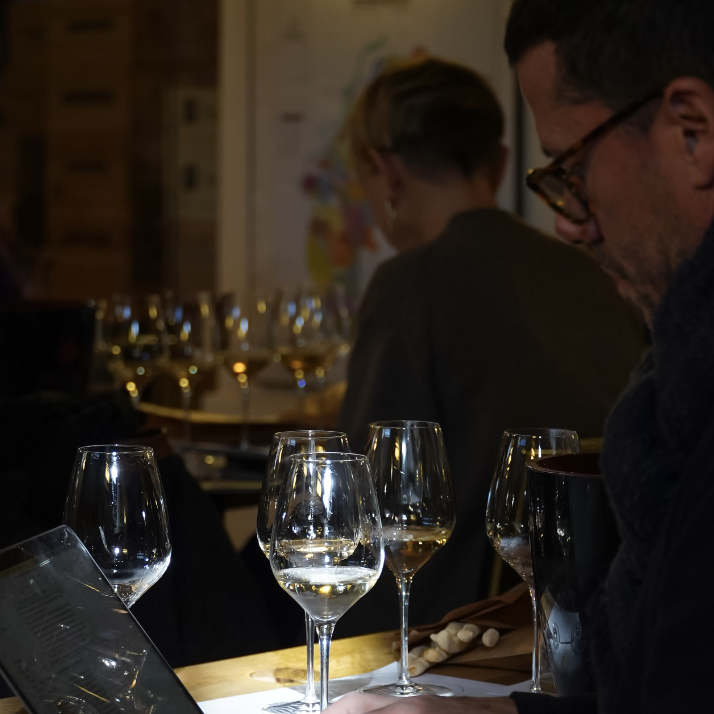
WineAlign

A sound return to North Fork wine
Kontokosta Winery, Greenport, Long Island PHOTO: MICHAEL GODEL

as seen on canada.com

Just under I year ago I trekked to the western reaches of the North Fork wine region of Long Island, N.Y. I visited a few wineries on a spit of land between Long Island Sound and Peconic Bay, an area no wider than the geography between the Humber and Don Rivers of Toronto. Tasting sessions at Clovis Point and Palmer Vineyards opened my eyes to the exceptional wines that can be forged from such a rugged landscape and demanding climate.

I returned in 2013 to seek out wines made further east, in Greenport and in Southold. The former, Kontokosta Winery, is a brand new facility just opened in June, 2013 and the latter, Sparkling Pointe, a specialist of Champagne-style fizz. The common thread is winemaker Gilles Martin and a sharp view of the future for the region’s grapes. The wines of New York’s North Fork are piercing, intuitive and kind. They speak of the stark terrain, the abrupt and spontaneous terroirand the eleemosynary earth.

Kontokosta Winery

825 North Road – Rte. 25, Greenport, New York 11944

Brothers Michael and Constantine Kontokosta are the owners of Greenport Long Island’s newest and most easterly winery, alone in Greenport and one of few LEED gold certified wineries in North America. Situated on sixty-two acres, the winery boasts over a quarter-mile of Long Island Sound waterfront. The winery’s sustainable elements include reclaimed wood siding, 90% recycled-content steel, an enormous wind turbine feeding the property energy, xeriscape method landscaping and an organic community garden that support local non-profits.

PHOTO: Michael Godel Kontokosta Winery tasting room exterior

Beginning with the 2012 vintage, the winemaker is Gilles Martin who is rapidly gaining a reputation as North Fork’s go to consultant. The first vines at Kontokosta Winery were planted in 2002 under the guidance of the late Long Island wine pioneer Ray Blum. Cabernet Franc, Merlot, Cabernet Sauvignon, Syrah, Viognier, Sauvignon Blanc and Riesling produce 3,000 cases annually, with some bottlings currently on offer having been fashioned from fruit sourced further west, mainly near Peconic Bay. Eric Fry of Lenz Winery made the wines prior to 2012.

I tasted the wines on Canada Day, July 1st, a mere 18 days after the winery’s opening. Despite such a brief time period of public interaction, Miles Trautman ushered me through with precision and passion. Though I was certainly no John Rambo to his cool, calm and collected colonel, I did my best to gain a true picture of the brother’s philosophy to “combine the latest technological innovations with centuries-old traditions in the cellar to develop and ensure the best expression of the unique Long Island vineyard site.” And by the way, the First Blood reference is real. Trautman is related to the uncle who was the writer’s inspiration for the fictional Richard Crenna chatacter.

PHOTO: kontokostawines.com Kontokosta Winery

Anemometer White NV ($16) combines Sauvignon Blanc from two vintages. The goal here is Loire so for parochial intents and purposes it succeeds. The fruit does yeoman’s works through the albedo of white grapefruit and a citric acid shell. Refreshing and acceptably tart.  86

Sauvignon Blanc 2012 ($25) is both ahead of the curve and a harbinger for white vinifera North Fork expectations resulting out of the warm 2012 growing season. Blessed by the luck of an early bud break and wisely picked ahead of Sandy’s torrent. Intimates the tropical flavours of pollarded, fruit trees but also races with vitesse.  89

Orient Chardonnay 2009 ($17) makes use of non-estate purchased fruit from out of the Sargon Vineyard bathed in neutral French oak to achieve an opinionated Chablis termagant in green apple and chèvre. Tongue-tying and teasing metallic but rolls out no stones.  89

Rosé 2011 ($15) is uniquely 100 per cent Merlot and though its girth is diluted by the rains of Irene, the herbiage, strawberry and rhubarb more than make up for the lack of concentration. Made in a decidedly French, dry style. Works the vin de pays grape with ease.  87

Viognier 2010 ($25) excels beyond expectation from one of only two local vineyards extolling the virtues of Condrieu. A touch of tiger balm but certainly not OTT, warm cashew buttery, viscous and radiant. Terrific sense of balance at 13.8 percent out of the maritime vineyards of the North Fork.  91

PHOTO: Michael Godel Kontokosta tasting room

Anemometer Red 2006 ($19) is 100 per cent untrodden Syrah having already laid down long enough to now give of itself. An angel of red raspberry, rhubarb, plum and loose tannin marked by lit charcoal. All told it brings Greek reds to mind, like Agiortiko. “Don’t let me hear you say life’s taking you nowhere.” Cool Syrah from young vines living beyond its golden years.   89

Merlot ‘Blum’ 2007 ($19) from the late grower’s Ackerly Pond Vineyards achieves toothsome mouthfeel from solid brix and 13.3 per cent Peconic Bay fruit at the hands of the local Long Island AVA pioneer. Here French oak imparts generous vanilla and spice and an ever so slight coat. Sinewy stickum from unresolved tannin settles and fleshes out while in the glass. Ends with a pretty, floral and feminine note. Just now beginning to fade, like the sun over the sound.  89

Merlot Estate 2007 ($29) elevates to 13.9 per cent in estate fruit, seemingly more masculine than the Blum. Richer, fuller in body mass, increased in concentrate.  Akin, if I may, to IGT Merlot, not quite Masseto but Super Tuscan (in hopes and dreams) nonetheless. Struts in increasedstrada tension, acidity and tannin. Less agreeability, more ageability.  90

Cabernet Franc 2007 ($29) remains dark and mysterious under the canopy though light creeps in on the edge of the forest. Spiralling cedars, bough smoke and vanilla from new oak have mellowed into a soft, approachable and aromatic cool climate Cab Franc. A red and black commingling of never too ripe fruit lingers on.  88

Cabernet Sauvignon 2010 ($22) achieves definitive varietal ripeness from what should be a harsh host environment. Soft red berries, an ebullience of ease and suave felt ready this warm vintage red for immediate and only immediate pleasure. Hard to coax much better out of the sand and grass.  88

Sparkling Pointe

39750 County Road 48 Southold, NY 11971

The winery can be found along Long Island’s North Fork Wine Trail and is the sole producer in New York State dedicated to the exclusive production of Méthode Champenoise Sparkling Wines. Fully estate grown seen 2007, don’t be fooled by the Brazilian carnival kitsch surrounding the tasting room. These bubbles are refined and serious. Sure, I will admit that Roederer EstateSchramsberg and Domaine Chandon make some terrific wines in the California sun but Sparkling Pointe speaks volumes towards yet another cool-climate region’s reason to make bubbles. If you lead them, they will follow. Look for more fizz on the North Fork in the coming years.

Champagne fans and founders Cynthia and Tom Rosicki manage 29 acres of vineyard, planted with the traditional Champagne grape varieties: Pinot Noir, Pinot Meunier, and Chardonnay. Their winemaker is North Fork’s super winemaking human Gilles Martin. Tasting room manager Kelsey Cheslock led me through a portfolio of six sparklers, half of which turned my head full round.

PHOTO: Michael Godel Sparkling Pointe

Brut 2009 ($29) goes long on tradition with 59 percent Chardonnay, 31 Pinot Noir and five Pinot Meunier, then bucks the trend by adding five per cent reserve wine into the mix. A fine mousse dissipates in haste from a bottle that had been opened longer than a while. Readied by oak influence with green apple flavour and tropical fruit from the added juice reserves. Despite the heavy rains of the vintage a citrus acidity carries on and the wine is remarkable dry.  88

Blanc de Blancs 2008 ($42) is 100 per cent Chardonnay noticeable in bread, biscuit and yeast. Four years spent on its fine yeast lees leads the toast to a bigger note than the plum fruit but a magnum of grapefruit and its pith are even stronger. Large in breadth and long on depth. Handsome B de B with a hairy chest. Selleckian.  90

Topaz Imperial 2010 ($37) is a dry, rosy Rosé composed of a 55/41 per cent Chardonnay and Pinot mix. Two and a half years spent sur lie here results in more toast, less tart and a vivid display of North Fork salinity. Watermelon, strawberry cream and a savoury note show the finesse, structure and balance of a wholesome, inviting and unintimidating natural wine. Sadly, there were none for sale.  91

Brut Seduction 2003 ($60) is a 51/49 Chardonnay and Pinot Noir mix and most clearly demonstrates the house style. Nuts, yeast bolts and an organoleptic finesse find their way inside this enigmatic fizz. A mature cuveé that would be interesting to taste blind against other house-blend Bruts, like Veuve or Bollinger.  92

Blancs de Noirs 2008 ($75) makes use of the year’s Pinot excess, is the first and only vintage of this Pinot man, with Meunier leading Noir 54 to 46. A copper patina, like a certain style of dry Rosé, shows off the contact with the red skins. Not quite as seductive like the 10 year-old Brut but this one is full frontal fruit with an accent of savoury, smoked meat, slow-roasting over shimmering red coals.  92

Cuveé Cardinal NV ($27) is a rare Merlot (66) and Chardonnay (34) blend, a one-off as the vines are now gone, replaced by Pinots. Flirty and forward with all kinds of fruit. Strawberry and rhubarb from the tangy Merlot, mango and apricot from the soft Chardonnay. Pushes sparkling boundaries, with a bowie knife in hand, in dramatic make-up and alternative dress. “You’ve got your mother in a whirl. She’s not sure if you’re a boy or a girl,” this rebel rebel.  87

Good to go!