
Montalcino morning
Thirty-eight years after first visiting Montalcino it was a phrase articulated by Canalicchio di Sopra’s Francesco Ripaccioli that helped to explain the true essence of the place. “Born here by chance, growing here by choice” were words to truth spoken for anyone who has vested a resolute interest in Tuscany’s most talked about hilltop village. For Capaccioli, consciousness is not something that happens incidentally or by accident, intention determines outcome and making wine in Montalcino has never been a pursuit for the timorous. Capaccioli’s ideology is expressive of his deep sense of belonging to a place and in his endeavours he is far from acting alone. The modern day story of Montalcino may only officially date back just shy of 60 years but roots run centuries deep and the current generation’s commitment to quality and community is taking the Brunello and Rosso (with smatterings of Sant’Antimo and Moscadello) to another level. Three examples amongst many can be found through the work of Tommaso Squarcia at Castello Tricerchi, Valeria Vittori at Il Molino di Sant’Antimo and Ilaria Martini with her partner Michael Peter Motiu at San Guglielmo. This group of young next generation producers have chosen to activate the living embodiment of the phrase voiced by their passionate peer. Nato qui per caso, cresciuto qui per scelta does well to define all that Montalcino was yesterday, continues to be today and surely will become tomorrow.
Related – Montalcino Previews 2024: Brunello 2020, Brunello Riserva 2019 and older vintages

Francesco Ripaccioli, Canalicchio di Sopra
Annual visits to Montalcino are filled with vintage intelligence and journalists scoop up this information, Godello included. Vintage matters are no doubt important and yet each year the word Vigna seems to increasingly dominate the word count. Just 10 years ago the mix and juxtaposition of Brunello and Riserva was the thing – Today Vigna is the great foil for the classic Brunello bottling and it sure feels like Riserva’s status is decreasing, or perhaps altering in meaning. For more and more producers making a wine of place now comes before thoughts of producing wines of a vintage. “The wine of the vintage has to be a message to the market,” explains Ripaccioli, “and that is the Riserva – After 20 years a consumer will recognize it as a wine from the vintage it came from.” At the peak of Cupano’s elevation is the Cardetta Camigliano, “the road to the sea,” running through the vineyard. The road was the shore of the ancient river and thus the rocky disposition. Beginning with the 2022 vintage Cupano winemaker Andrea Polidoro decided to eliminate Riserva and instead made the choice to begin producing a new sangiovese from the rockiest vineyard. “I think it (Riserva) is a useless category,” insists Polidoro. “Just an excuse to take a Brunello and double the price.” What will this new wine be called? No answer as of yet, but Cupano di Cupano does have a nice ring to it.

The AIS Siena Sommeliers
Brunello di Montalcino DOCG 2021
So what about 2021? Perhaps a season of many characteristics shared with that of 2015. That said it was 2001 the last time there was a vintage with this combination of April frost, high quality fruit and ultimately balance. At Camigliano, lower production was the result of, if not quite a catastrophe due to the April frost. “A natural selection” says winemaker Sergio Cantini, with full yields in the upper blocks and 90 percent loss down below. In the end total production was 170,000 bottles as compared to a normal amount of 200,000. For Valeria Vittori at Il Molino di Sant’Antimo, the loss was 40 percent.
More of a “balanced vintage,” says Frescobaldi agronomist and winemaker Davide Bozzon, with a longer harvest from mid-September through to the early days of October. You might be tempted to compare 2021 with 2001 though they are assuredly different eras and it’s worth mentioning that Camigliano did away with barriques between 2005 and 2010. Since then the medium of choice has been 60 hL casks of mixed origin and so wines today are vastly different to those made in the early 2000s. At Argiano it was 2015 when the barriques were out and the large Botti in. La Fortuna lost nearly 40 percent of production to the ’21 frost, a bit less at the estate vineyard to the northeast while the 1997 planted Castelnouvo dell’Abate vineyard suffered a harsher fate. Similarly in 2020 though not quite to the same extent and from which Angelo Zannoni made the unique decision to de-classify some Brunello and create a “Late-Release” Rosso di Montalcino. “For terroir (nerds) and the Montréal market.” As for barrels, Zannoni makes use of his 27 hL casks for 10-15 years. Asked what he does with them after that he says “break then down, make a fire and cook a bistecca.”

With AIS Siena Sommelier Angela de Nardis and Le Chiuse
Banfi’s Chief Agronomist Gianni Savelli, Winemaker Matteo Bagnoli and Director Ridolfo Maralli explain the course of weather and action for the 2021 season. The frost of April 7th and 8th affected the lowest vineyards below 100m of elevation but most of the vines are above the frost line and so overall the yields were reduced by a mere 15-20 percent. The end of July and beginning of August saw heat spikes to peaks of more than 40 degrees and irrigation was used, then stopped after Ferragosto to avoid problems that might occur during veraison. Water does not reopen the vines from their shutdown because when temps are high the plants “valves” are closed and they will not absorb moisture because the water evaporates before that can happen.
Only short rains came in September, typical for Tuscany. To slow down sugar maturation the first thing was irrigation and the second a removal of the apical leaves. The bunches take 120 days but the leaves can be as short as 60 days to develop sugars so you do what you can to reduce the photosynthesis of the plants. Also to reduce alcohol by as much as one percent, though the colour stability becomes questionable. The team has figured out that reducing the yields to three or four tonnes per hectare brought lots of sugars, but not necessarily the best quality. In the end sangiovese is the most resilient variety and they are no longer looking for concentration, muscle and colour. Better to think in terms of say nebbiolo and not cabernet sauvignon. Banfi’s first selection goes to Col di Sasso, the second to Rosso di Montalcino. The third gets sorted in the winery, also using an optical sorter for Brunello di Montalcino.

Montalcino, September 2025
A look at vintages from current Rosso to future Brunello
Harvest 2023 intel from Biondi-Santi informs that here was 420 mm rain from October 22nd through February 23rd, most of it in the early winter, including snowfall. Frost came on April 6th, along with 32 rainy days out of 45 from May 3rd to June 14th, including a hail event on May 25th. The amount was 235 mm of total rain. More than 5mm on average every day, or an actual average of eight mm each day it rained, with the highest concentration right at full flowering. “In 25 years this is something I’ve never seen,” tells Biondi-Santi Director of Winemaking Federico Radi, but as they say, “quando piove sotto gli alberi non piove,” when it rains it doesn’t rain under the trees, or use an umbrella. Another hailstorm occurred on August 17th and 88 mm of rain fell in August. Harvest lasted 21 days, from September 13th to October 10th, with rainy days on September 14th, and the 21st to the 23rd. Harvest was longer than normal, with relatively stable weather during picking days.
There is no easy way to spell or say it but 2023 will always be known as the Peronospora vintage. The rainfall in mid-May through mid-June wreaked havoc on the vines through an unprecedented attack by the genus of oomycete plant pathogens, often called “water molds” that cause severe downy mildew diseases. The May-June deluge fostered the pathogens, often bypassing the leaves, heading straight to the budding fruit, in many cases attacking both simultaneously. In 2023 Canalicchio di Sopra blended the fruit from all three single vineyards into the Brunello. The loss was 65 percent and as a result no Cru, Vigna or Riserva were made. For more on the vintage read Godello’s Benvenuto Brunello report from the 2023 edition.
Related – Montalcino Previews 2023: Brunello DOCG 2019, Brunello Riserva DOCG 2018 and older vintages

Masterclass with Gabriele Goreli MW
As for 2024, it was as challenging a vintage as they come, first from a rainy Spring, followed by a dry summer and into September with eight days of rain. Was hard to choose when to harvest and the overall weather posed a credible threat to organic agriculture. Stringent selection of grapes was necessary with variable ripenesses all over the vineyard map. The most variability came from fruit in the youngest vineyards and also those vines growing in the sandiest soils. Fourth generation Capanna winemaker Amedeo Cencioni explains that neither 2023 nor 2024 were vintages to put sangiovese into any new wood. For the most part the ’24s will be lighter wines, that much we know and barrel tastings at more than 20 estates confirm this prospect. That said the average alcohol will be in and around 13.5 percent and the most drinkable of all Montalcino wines will be beautiful.
At Cupano Andrea Polidoro speaks to their location as “the most Mediterranean part of Montalcino. For me it looks like Ireland – Compared to the Maremma.” Many agronomists are converting their vineyards from Cordone Speronato to Guyot and Polidoro has well considered his own responses to climate change, including ceasing the practice of vine topping in 2022. The change was nearly immediate with less alcohol development being the noted result. After a 2022 experiment Andrea did indeed convert the 2013 planted vineyard in 2023. “The bottom line is Guyot produces the most consistent yields from year to year.”

Garbriele Gorelli MW
The outlook for 2025 is arguably the most promising since 2021 and without there having been any significant frost events. The overall consensus is one of extreme positivity and that includes a high quantity of fruit. A rainy Spring beget a fresh July, followed by not just a warm but caldissimo days beginning in mid-August. Also some rain and therefore humidity but nothing overly detrimental to the plants and ripeness continued along a measured path. Sugars developed into moderately elevated ripeness at the end of the month, comfortably controlled by day for night temperature excursions well into September. The expansion and contraction of the skins created the requiem for gentle extractions and carefully executed pumpovers to nurture ’25’s tender sangiovese fruit.
At Capanna an experimental technique began in 2016 to be employed during fruit set whereby some basal leaves are removed, resulting in important actions for the fruit and vine. First to encourage a toughness in the developing skins, second to promote self-fortification during a stressful moment and third to elevate the poly-phenolic properties, acidity and also to promote a looser or less tight structure in the bunches. Ultimately to avoid disease pressure and equip the bunches for the rest of the growing season.
Related – Montalcino Previews 2022: Brunello DOCG 2018, Brunello Riserva DOCG 2017

More harvest intel for the 2019 and 2020 vintages
Weather station data and interpretation reminds of higher rainfall in the 2019 Spring with a few further spikes in August and September. A total average of 400 mm across Biondi-Santi’s vineyards fell from April through September. After the rains of August 31 through to September 2nd the balancing of atmospheric conditions during a dry two weeks created ideal ripening conditions between September 10th and 15th. Harvest of 15 days lasted between the 14th and October 1st, save for a pause between the 22nd and 24th because of 50 mm of rain.
Harvest 2020 saw a 91 percent higher monthly minimum February average temperature than the norm from 1981-2010 and a monthly maximum February average temperature 26 percent higher than that of the same 30 year period. On the 26th of March a snowfall caused some damage to young buds in the vineyard. Average rainfall of 280 mm from April through September (230-320), the most at Greppo, least at Pievecchia. “A vintage of climate delicantenza,” is how it is described by Federico Radi, slowly, incrementally getting warmer, an indication of relative similar maximum average temperatures as compared to the previous 40 years. Then rains in August worked towards rebalancing the physiological state of the vines after a stressful Summer. Harvest was 10-plus days, from the 9th to the 21st of September, with rains at the end after picking was finished, including 68 mm on the 25th. “Easier than 2021,” tells Podere Brizio’s agronomist Lorenzo Bernini, “and more difficult than 2019. The most normal vintage in recent memory.” In other words, somewhere between moderate and difficult.

September 2025 Masterclass with Gabriele Gorelli MW: Brunello di Montalcino 2020
Montalcino is essentially a 17 km square, actually 17 x 18 and a terroir of great natural drainage. One of the region’s healthiest constants is its 44 percent of woodlands and 4,400 ha of vineyards are planted within the total surface area of 24,000. Rosso di Montalcino has increased from 510 to 860 hectares with 271 estates having been assigned a total of 352 hectares, in effect from the 2024 vintage, all from existing plantings that would have been Toscana IGT to eventually become Brunello. This raises the total production potential of four million to now five and a half million bottles. The thinking is ultimately to help producers adapt to different seasons, moving the needle in one way or another, to Rosso or Brunello. The destination of fruit per appellation is therefore fluid and producer defined. All this makes for a new dynamism in producing sangiovese in Montalcino. Age of the vines for Brunello must be 10 years and yet the average is actually more like 30.

From 2020 onwards the new way to approach and categorize Montalcino vintages is through the Brunello Forma. The new system replaces the old star ratings with three descriptive words to sketch each vintage. For 2025 the rubric is composed of “Captivating. Bright. Succulent.” Forma refers to the shape or fitness of a vintage, formulated through various studies, including weather data elaboration, bottle samples analyses and tastings by eight international MWs one month ahead of Benvenuto Brunello. The workgroup is led by Italian Masters of Wine Gabriele Gorelli and Andrea Lonardi. There have been 39 weather stations, owned or shared by wineries installed since 2019. Data from each individual weather station are correlated to a portion of territory, homogeneous in terms of altitude and slope exposure, occupied by a certain area of vineyards. Each single control unit is representative of a certain vineyard surface. The percentage of the surface represented, compared to the total vineyards of the denomination, is the weight that the weather station unit obtains in calculating the average of the values. In 2020, high temperatures in and around 35 degrees happened from July 20th through August 20th, followed by late August rainfall. In a nutshell, a tight window of harvest for 2020 occurred between September 12th and 20th, with worsening weather at the end of September. Here are the eight 2020 Brunello poured and tasted.

Brunello Masterclass
Aminta Brunello Di Montalcino DOCG 2020
Southeast sector of Montalcino, in and around 400m of elevation, near to Castelnuovo dell’Abate off of Pietraforte with sand, silt and calcium carbonate. Also Formazione Silano, of schist, very stony and the presence of Galestro. The name Aminta is of Greek origin and means “defender” or “vindicator.” Derived from the ancient Greek word amyntor, it is also a classic name used in Italian culture and featured in the 16th-century pastoral drama Aminta by Torquato Tasso. Owned by the Cecchi family (of Chianti Classico) and this being their first Brunello vintage. Rough and tumble, chunky tannin, wood clanking through and time necessary to smooth out the details. Drink 2027-2029. Tasted September 2025
Caparzo Brunello Di Montalcino DOCG 2020
A 50th anniversary vintage of Brunello that represents all four defined sectors of the region, with a minimum 25 plots contributing to the whole. Cutting edge technology eliminates unripe seeds in the sorting process during the first two days of fermentation. Good quality skins means 17-22 days of contact with them. Quite a savoury and crunchy time for Caparzo 2020, quick note of clove, wood still very much a factor but accessibility really beginning to take shape. Last tasted September 2025
Deeper now, into the 2020 well of fruit that feels layered and compact like compressed Galestro, held together by acidity and tannin. Truth for the interim but with time, say two, three or even four years that schist and clay will rise to the surface and begin to flake, to manifest as a Brunello that speaks in a clear vernacular for the vintage. Of the vintage, open and getable, willing to please with ultra correct style and proper generosity, though always on its own terms. Submit to its will, accept and appreciate the sentiment, await the reward. Drink 2026-2031. Tasted November 2024
Collemattoni Brunello Di Montalcino DOCG 2020
Area of Sant’Angelo in Colle with some fruit also sourced in the southeast closer to Casetlnuovo dell’Abate, località Sesta. Small production, darker fruit with a sweetness of fruit doubled down by the impact of the wood. That would be 30 months in 32 hL Slavonian cask. Ready to be enjoyed by any measure. Last tasted September 2025
Should it be a surprise to find this 2020 to be as full, concentrated and appetizing as it quickly announces to be? Certainly not because fruit breadth is measurable and acidity marches along stride for stride. These are the effects of Botti aging in the most correct and commendable way, of spice and with a fine-grained tannic gait to add weight by way of freight. Solid conditioning which means longevity with very few pauses, certainly no dumb phases to await, not now, nor tomorrow and any stops along the way. Drink 2025-2032. Tasted November 2024
Il Poggione Brunello Di Montalcino DOCG 2020
Aged in 30 and 50 hL botti with as much dynamic fruit ability to mix and match from dozens of sangiovese blocks. Little movement in year two after release with a sweet Balsamico indicative of the vineyards’ south-central location and all the macchia that grows in the area. Distinct personality for a large production Brunello. On brand for the 2020 vintage. Last tasted September 2025
The summer was about as warm at they come but early September rains cooled the vineyards down and so a delay created an allowance to harvest at “normal” times. The Brunello comes from vines aged to a minimum of 25 years and up to 60 from across 140 hectares of estate vineyards around the hill and village of Sant’Angelo in Colle. The vineyards range in elevation from 140 to 400-plus meters and it is this mix that allows for what is arguably Montalcino’s most consistent Annata Brunello to be made, vintage in and vintage out. A season that gifts purity of red fruit with a decided pomegranate-citrus zesty character, a brightness that is a mix of estate style and the year’s input, an aromatic wave that oscillates upon a line created and always connected to the base. Finely chalky and expressive, open and a mid-term ager available to a wide range of palates. Drink 2026-2033. Tasted November 2024
Lambardi Brunello di Montalcino DOCG 2020
From the area of Canalicchio (di Sopra), almost a one man winery with a vineyard on the highest amount of clay (and tufo) leading to a chalky profile. Classic Brunello spiciness and a piquancy with amazing tension because of the push-pull posit tug between impressive fruit weight and the austerity of tannin. Fierce and in control, near-searing, with importance of intensity. Consistent with the 2018 by Lombardi which means for 2020 it’s a bit atypical. An emotive wine. Drink 2026-2031. Tasted September 2025
San Polo Brunello di Montalcino DOCG 2020
Aging is done in 10,20 and 40 hL cask for 30 months. Showing its silken and polished style with mahogany red fruit and the scents of caramel and soy. More like caramelized plums and citrus with a mild bitterness at the finish. Hard to argue against the style being just a bit Venetian. Last tasted September 2025
A blend of the estate’s vineyards and without a doubt one of the first Brunello ‘20s you should consider getting to know. As with Rubio, Rosso and Vignamasso this is another imminently drinkable wine, an ideal sangiovese for the table without a worry that austere tannins are going to get in the way. Full and substantial with great acids and that iron meets Galestro mineral swath that runs through most of San Polo’s wines. Drink 2024-2029. Tasted November 2024
Talenti Brunello di Montalcino DOCG 2020
Showing some reduction 10 months later and also an herbaceous character with the presence of essential oils. Gabriele Gorelli M.W. describes this as a “noisy” wine, translation “in a current state of unsettled behaviour,” with blood orange and ultimately umami running through. There is an unbridled sense of intensity and passion going on here. Last tasted September 2025
Reserved and rather quiet for a Talenti Annata to speak of a timely and exacting harvest pick, fruit caught right at the moment the grapes might have chosen to part from their spurs, were you to ask them when that should be. The restraint and also ideally captured acidity put this 2020 Brunello in the zone where tannic freight can rumble comfortably through and the sangiovese is therefore carried forward with a great fission of energy yet to be released. Not sure many will understand this wine in its first three years but there should be little doubt that it will age with the best of the vintage. Drink 2026-2035. Tasted November 2024
Tenuta Buon Tempo Brunello Di Montalcino DOCG Oliveto P.56 2020
Marginal place at the southeast border of the appellation, few vineyards nearby and abutting Maremma across the Orcia River. Nearly a year strengthens the leathery character of the wine with liquid chalky texture, ever so slightly coarse and so very real. Only Slavonian wood used, 20 and 35 hL, with some whole bunch fermentation making for a small amount of stemminess. Truthful example off Brunello di Montalcino. Last tasted September 2025
A fine and structured Brunello from 2020, bones solid, skeletally upright and with some flesh hanging taut for longevity to exceed some previous vintages. Tart and edgy at times, dusty and fresh, sweetly volatile, a cracker sangiovese that so properly represents the southerly reaches from a less than compact, dense and concentrated vintage. A proper wine made with care, ultra correct and one to pour, teach and explain what 2020 Montalcino truly is. Drink 2025-2030. Tasted November 2024

Northeast Montalcino at Canalicchio
In September of 2025 Godello was joined by best travel mate Michaela Morris, Brad Royale, Julie Garton and Igor Ryjenkov MW for a Squadra Canadese journey through Montalcino. Visits were made at Camigliano, Castelgiocondo, Villa Le Prata, La Fortuna, Patrizia Cencioni, Tenute Silvio Nardi, Ruffino Greppone Mazzi, Banfi and Canalicchio di Sopra. Miha and Mihe continued with calls at L’Aietta, Argiano and Gorelli. Finally Godello made a Sunday morning drop-in with le donne at Le Potazzine. In November of 2025 Miha and Mihe resumed their check-ins at Castello Tricerchi, Podere Brizio, Capanna, Il Marroneto, Biondi-Santi, Aminta, Molino di Sant’Antimo and Franco Pacenti. Godello’s last two visits were with Poggio Landi and Giodo. Benvenuto Brunello 2025 was without question another smashing success, with thanks as always to director Andrea Machetti, Marketing and Communication Manager Carlotta Salvini, the Consorzio’s new President Giacomo Bartolommei and the sommeliers from AIS Siena. The breakdown of the 285 wines tasted and reviewed in September and November is as follows: Rosso di Montalcino DOC (45); Brunello di Montalcino DOCG 2021 (125); Brunello di Montalcino Riserva DOCG 2020 (33); Older Brunello di Montalcino (and Riserva) DOCG (71); Toscana IGT and other wines (11).

Southwest Montalcino at Argiano
Rosso di Montalcino DOC
Aminta Rosso di Montalcino DOC 2024
The 2024 vintage marks a 180 degree turn from 2023 and the challenge could not have been greater for a team still in the throes of earliest stages about learning their three distinct vineyards. The purity, vision and intonement are much clearer for a Rosso that brings the elevations of Pian Bossolino and Cantina vineyards together. More Pietraforte stoniness, less dusty character and more clarity to speak for the duality of fruit. Acidity has heightened through the positivity of its natural sweetness and 2024 will almost certainly mark the beginning of deeper understanding just six years after the purchase of the estate. Will be released sometime in 2026. Drink 2027-2031. Tasted November 2025
Argiano Rosso di Montalcino DOC 2024
The most new and unusual vintage, hot in August and rainy through September for an aromatically perfumed vintage with low alcohol at 13 point something percent. Bernardino believes it is truly a reflection of climate change, coming from the seas and their effect on storms and unusual weather patterns. He also believes Montalcino may be benefiting from this, especially if you are an estate that has the means to combat climate extremes. Argiano is blessed to have some control and so a vintage like 2024 comes out singing with fruit freshness, bright shine and exuberance. Then again there is a sneaky acid-tannin chain working as one that will se some longevity for a Rosso most people won’t imagine that to be possible. Drink 2025-2029.Tasted September 2025
Camigliano Rosso di Montalcino DOC 2024
As challenging a vintage as they come, a rainy spring, dry summer and in September eight to the days of rain. Hard to choose when to harvest and a threat to organic agriculture. Stringent selection of grapes from a harvest with variable ripenesses. Mainly and usually fruit from the youngest vineyards and also those vines growing in the sandiest soils. Easy-drinking Rosso in any case, youthful and fresh, void of tannin, dare it be said…gamay like. Fruity, pretty and with a gentle carbonic pulse. Drink this bowl of fresh cherries early and often. Drink 2025-2026. Tasted September 2025
Caparzo Rosso di Montalcino DOC 2024
Stony Rosso di Montalcino, clearly conceived for Rosso’s sake and marked by elastic tension. Early drinking proposition, as it should be, all the crisp notes played in fine tuning. Drink 2026-2028. Tasted November 2025
Caprili Rosso di Montalcino DOC 2024
Unique Rosso di Montalcino and if produced for easy drinking available to all, think again because there’s more to this 2024. Reflections of the vintage are clear and transparent but underneath there is some grip, phenolic presence and executive function by design. Feels like the extra stuffing is a matter of purpose. Drink 2026-2029. Tasted November 2025
Carpineto Rosso di Montalcino DOC 2024
Very pretty Rosso di Montalcino that when tasted in the midst of many Brunello truly stands out alone to express its appellative character. Freshness and lightness with some olive oil pastry on the palate and fine if not aggressive tannin. Drink 2026-2028. Tasted November 2025
Castello Tricerchi Rosso di Montalcino DOC 2024
Freshest of vintages for sangiovese and the most refreshing change for Montalcino, exemplified in this wide open Rosso. Like a cool and windy blue sky November day in Montalcino. Just enough chalky liquid limestone underlay below the sweetness of a natural wine’s beautiful fruit. Do not come looking for spice, by wood or otherwise, nor body neither. Piedmontazine macerating transmogrifying into aging methodology might lead you to think Langhe Nebbiolo, but sangiovese from Montalcino is the measure, truth and the performance. Drink 2025-2029. Tasted November 2025
Fattoria dei Barbi Rosso di Montalcino DOC 2024
Youthful yet approachable Rosso di Montalcino with the stamp of 2024 and its lighter disposition. Then again there is consistently some weight and also wood to this, no different here, no matter the season. Drink 2026-2027. Tasted November 2025
Gianni Brunelli – Le Chiuse di Sotto Rosso di Montalcino DOC 2024
Rich and to be honest luxurious Rosso di Montalcino, extraordinary really for the 2024 vintage. So much for all the wines being light as a feather. Drink 2026-2031. Tasted November 2025

Francesco Mulinari, L’Aietta
L’Aietta Rosso di Montalcino DOC Atia 2024
“Making a Rosso di Montalcino in amphora is romantic for me,” explains Francesco Mulinari, “because it comes from the land.” An amphora from the producer Tava cooked at 1200 degrees celsius, as opposed to many cured at 800, or qvevri at 600. Makes it less porous and more suitable for sangiovese and Rosso di Montalcino. Born in amphora and put straight to bottle, after six months of skin contact and maybe just 12 hours in stainless to clean and stabilize. Natural, pure, tannins extracted low and slow, verdant but not wooden and the chains are just the same. The flavour is purely and distinctly sangiovese, the wine called Atia, an Etruscan name for the god of the afterlife. A correct Rosso that both pushes the boundaries and connects the dots. Tannins dry in the end, unlike the smooth kind by wood and textural complexity is the bonus feature. Drink 2025-2028.Tasted September 2025
Patrizia Cencioni Rosso di Montalcino DOC 2024
Spices on the nose, rising tones, a struck tuning fork of red fruit reverberating until it fades out. Viscous mouthfeel and plummy with the red fruit tang. Neither high in acid nor phenolic of grip but somewhere comfortably in between. Correct, proper and solid Rosso for vintage and place. Drink 2026-2028. Tasted November 2025
Pietroso Rosso di Montalcino DOC 2024
One of the bigger and yet not more powerful of the Rosso di Montalcino while there are few that find this level of harmony and balance. Fantastic and inviting fruit profile, as Brunello or here as it is Rosso, if for the estate not the same level of structure or age-ability. That is the crux of their situation and so two things or truths are here. Drink now with pleasure and feel confident to age five years. Maybe more. Drink 2026-2031. Tasted November 2025
Talenti Rosso di Montalcino DOC 2024
The Rosso bodes well for 2024 with its clarity, transparency and brightness. The truth spoken and delivered without pause or distraction, ready to please right now. Looking forward to the coming Brunello experience three years further down the road. Drink 2025-2027. Tasted November 2025
Aminta Rosso di Montalcino DOC 2023
Of the six hectares planted to sangiovese at Aminta, two point seven are classified as and dedicated to Rosso di Montalcino. The ’23 yields were clearly lower because of the Peronospora vintage but what remains is fresh, ripe, well-seasoned and macchia-dusty sangiovese. Rosso is a mix of Pian Bossolino plus Cantina (at Aminta) vineyard fruit and as a factor it is the Pietraforte that gives this wine a two-thirds sandy-stony feel. No worry about pushed extraction and instead come for a restrained, respectful, stony and as it is said, proprio Rosso. Drink 2025-2028. Tasted November 2025
Biondi-Santi Rosso di Montalcino DOC 2023
The hardest working Montalcino team making use of the most empirical data is sure to deliver a Rosso so distinctly Biondi-Santi, torch in hand abiding to all that has come before. The perfumes are the proof, namely of agriculture and because of the most difficult vintage in surely 25 years. A melting pot of aromas and flavours, gastronomical soup of seasoning, dashes of this and that, salt and pepper, aromatics pulled from so many places. Runs through the middle of 100 years of ripenesses, body, textures, acidities and overall structure, finishing with the best harmony achievable for the vintage. Never to forget the rains, Peronospora, frost and hail events, summer temperature spikes and all that kept a team on their toes for five consecutive months. The 2023 Biondi-Santi Rosso di Montalcino has weathered the storm to come away beautiful. Drink 2026-2032. Tasted November 2025
Canalicchio di Sopra Rosso di Montalcino DOC 2023
Not a Rosso vintage because of the Peronospora challenge but those who made any quantity did so as a choice to abide by always producing Rosso. As here and never taken for granted but instead with great focus and precision. Like finding a friend and sharing a bottle, here Rosso is joyous and comforting, there for a good laugh, full of energy. Pour for those who love Montalcino and they will feel like Brunello is in their glass. Pour for others who do not know or understand sangiovese and they will never go back. Drink 2026-2032. Tasted November 2025
Capanna Rosso di Montalcino DOC 2023
Self-prescribed and professed traditional Rosso and structurally that would be accurate, however the sleek mouthfeel would suggest a more modern approach. There are 12 hectares of (classified) Brunello and 4.5 of Rosso, with some of the Brunello fruit joining the Rosso ranks. This is a matter of selection and also a necessity to provide the substance for a Capanna Rosso to handle oak aging. Acidity is particularly special for 2023 and the liquid chalky character suggests a run forward, potentially six years further. Drink 2025-2029. Tasted November 2025
Castello Tricerchi Rosso di Montalcino DOC 2023
The tragedy of 2023, a vintage of Peronospora and hail, resulting in 60-plus percent loss for Tommaso Squarcia. Deeper richness and concentration from 2023 without any quanity unfortunately but fruit quality and compaction of tannin are strong. The Piedmontazine maceration into aging style brings the sleek mouthfeel and length. Drink 2026-2028. Tasted November 2025
Ultra engaging and appealing Rosso di Montalcino from a master of the appellative craft, not only for drinking with immediate gratification but also to lay away and know that ten years (or more) will surely work to its benefit. The quality of the fruit, temperate ability of acidity and overall emotion are all as fine and prepared as ever. Blue chip Rosso di Montalcino stock. Drink 2026-2033. Tasted November 2025
Col di Lamo Rosso di Montalcino DOC 2023
Unmistakable estate sangiovese, Brunello or Rosso, here the latter and with thanks to the house for making any at all. Rosso as Rosso for Monday though Friday, weekends too. Red fruit in flight, high in tone, warm of colour, easy on the palate. Drink 2025-2027. Tasted November 2025
Collemattoni Rosso di Montalcino DOC 2023
One of the more perfumed Rosso di Montalcino for the vintage and that is saying something because there are many. A season of challenge and this feels to have met the issues and played the cards dealt, to come away more than relatively unscathed. A pure and decoded sangiovese in the Rosso idiom that speaks in a clear language for all to understand. Drink 2026-2030. Tasted November 2025

With Donatella Cinelli Colombini and Violante Gardini
Donatella Cinelli Colombini Rosso di Montalcino DOC 2023
Delectability in Rosso di Montalcino from the lowest quantity vintage and for the house a consistency of quality across the board. An appellative paradox but accepted in this world of farming and producing wine. This 2023 is made by a pioneer in summarily ways with a result as democratic as it is a leading example for Montalcino. Drink anytime or hold for up to five years. Drink 2025-2029. Tasted November 2025
Elia Palazzesi Rosso di Montalcino DOC Collelceto 2023
Now that is a bloody delicious Rosso di Montalcino – Both times tasted. Sharp and juicy, fruit forward yet undercut by a lightning strike of mineral presence. Purposed and persistent. Top echelon sangiovese food wine. Go to town. Drink 2026-2029. Tasted November 2025
Fanti Rosso di Montalcino DOC 2023
Darker fruit for Rosso di Montalcino and all the better for it in this 2023 vintage. Concentrated beyond the pale and the norm, but again the inner workings of this example demand the material. Drink early and preferably with ragù, even better if made with cinghiale. Drink 2026-2028. Tasted November 2025
Franco Pacenti Rosso di Montalcino DOC 2023
A short stay in wood, quite significantly less than that of the grippy 2022 and that hot vintage. Makes for a more elegant Rosso and Lorenzo Pacenti says “it’s important for Rosso to not be too concentrated a wine,” which this is certainly not. Understated power and concentration actually, an aromatic stunner of floral perfumes, red roses and a distillate of the flowers so glycerol in texture. Stylish for Rosso, seductive and finishing with some palate coating warmth. Drink 2025-2028. Tasted November 2025
Il Poggione Rosso di Montalcino DOC 2023
Perfect everyday Rosso di Montalcino predicated on red fruit at the height of availability and without the encumbrance of overwrought pressing, wood or structure. Comes at the palate in manageable and controllable ways, then leaves nothing but sangiovese footprints. Ideal for all. Drink 2025-2027. Tasted November 2025
L’Aietta Rosso di Montalcino DOC 2023
Only stainless for the fermentation process, 70 percent goes to Slavonian cask (for a guarantee of aging), 30 percent in steel for freshness and in the end the wine is re-blended after aging. Plenty of tension and intensity, especially considering the fruit all comes from Castelnuovo dell’Abate. With thanks to the schistous marl soil manifested as Galestro, creating notable but not austere or drying tannins. This is in fact a Rosso to age. Average production is 2,500-3,000 bottles but in 2023 only 800 due to August 17th golf balls sized hail in Castelnuovo dell’Abate and also cinghiale at L’Aietta in Montalcino. Drink 2026-2030.Tasted September 2025
La Fortuna Rosso di Montalcino DOC 2023
Not an easy vintage because of so much Spring rain with (Peronospora) disease pressure, vine leaves always wet day and night. Many treatments, “24, mama mia,” says Angelo and it was impossible to consistently get through all 18 hectares as necessary. There was loss (30 percent) but not a disaster compared to many neighbours. The Rosso ages 12 months and yes the wood is felt as far as Rosso goes, however those who like the style and especially ready to drink Brunello will adore this firm and traditional character. Overall the ’23 is a seriously competent and proper Rosso with side accents of macchia and Balsamico. Drink 2025-2027. Tasted September 2025
Le Chiuse Rosso di Montalcino DOC 2023
Memory traces back to first tasting this Rosso di Montalcino nine months ago and that recall is like looking in a mirror. This ’23 moment is an exact reflection of the first, uncanny and wonderment asks what wizardry could this be? How can fruit caught at optimum phenolic ripeness be unchanged with so much time having passed? How can the pitch perfect acidity react with the fruit and come away as accurate in this moment? How is any of this possible? “Ours is not to reason why, ours is but to taste and try.” Last tasted November 2025
“Another unique aspect of ’23 was the colour of the skin – black, not blue, like pinot noir. It usually looks like the colour of the blue ocean and in 2023 it was darker.” The words of Lorenzo Magnelli. Aromatic and fruity, like raspberry and currant but really floral, right form the very beginning.” Truth spoken and persistent from a vigorous season and Magnelli always picks at sunset when the temperatures are lowest. A unique Rosso for Le Chiuse and by extrapolation also the vintage, drinking dutifully and beautifully right away and while it may not seem so structured these tannins are quite sneaky. “A Rosso di Montalcino that goes straight to the point.” You get exactly what it and Lorenzo are saying. You listen and you like the story. Drink 2025-2030. Tasted February 2025
Le Potazzine Rosso di Montalcino DOC 2023
Rosso 2023 is still very young, the aromatics still demure with the knowable perfumes waiting because they take a minimum two years to come out. The scents are certainly pretty, floral and like the flowers of herbs and aromatic brush in late Spring. Palate tells another story (for Rosso) with darker red fruit, firm grip, tight acidity and implosive intensity. Having tasted this previously there is a confirmation of 2023 being a longer to live and persist kind of vintage. A reminder 39 days of maceration with three pumpovers per day. All of the fruit is certified as Brunello, save for what goes into the IGT. Approximately 20-25 less production from 2023. Last tasted September 2025
The sangiovese on Le Potazzine’s property desires the botti for structure and complexity, especially because the average alcoholic fermentation is 40-50 days, longer than just about any in all of Montalcino. Freshness incarnate with a great focus on and of focused acidity, blessed with all the energy of Gigliola, Viola and Sofia combined. The winemaking team of three, mother and two daughters, makers of sangiovese unlike the rest. Of elevation and revelation for Rosso. No diss to 2022 but ’23 is out of this world. Drink 2024-2027. Tasted November 2024
Molino di Sant’Antimo Rosso di Montalcino DOC 2023
One of the most floral Rosso di Montalcino, purest of red berries, nary a moment of earthy or dusty character. Kind of salty when you consider the mineral elements that clearly come from the vineyard. “Sometimes vintages are salty and others not so much,” says Valeria Vittori. ‘This one is salissimo.” She’s right – this is truly salty. The finish exhibits a bit of a kick so let this sit until the Spring and drink comfortably for four years more. Drink 2026-2030. Tasted November 2025
Patrizia Cencioni Rosso di Montalcino DOC 2023
Organic in the vineyard but not certified. Due to extreme rains in May and June eighteen treatments were used in 2023, as compared to the average of 10. Made using fruit from the youngest vineyards, aged in the largest casks in the winery, French and Slavonian, 26 and 42 hL sizes. A Rosso of extreme perfumes, fresh roses, fennel, liquorice and spices in an aromatic concentration aided by much of the fruit either dropped or made into 5,000 bottles of Rosato. Crunchy and sneaky structured with some elements that just feel like Brunello, namely depth and structure. Drink 2026-2029. Tasted September 2025
Podere Brizio Rosso di Montalcino DOC 2023
The Brizio Rosso is clearly in the same family as the Landi in terms of richness and concentration but what elevates are in added complexities, namely from location and experience. Vine age, southwest Montalcino geology and climate bring layers and different quality of tannin, also for Rosso. This ’23 has already come to a drinkable place and will pair dutifully with all the antipasti and primi piatti you might wish to bring to the table. Drink 2025-2027. Tasted November 2025
Poggio Landi Rosso di Montalcino DOC 2023
Ripe and fine-grained textural Rosso, wood factoring in spice and mouthfeel. Vinification in steel, 12 months in several sizes of botti. No concrete talks like in Dievole though that may change for the future. A real red citrus mixed with cherry stone bitters feel to ’23, specific to vintage meeting the north by northeast Montalcino location. Drink 2025-2027. Tasted November 2025
San Guglielmo Rosso di Montalcino DOC 2023
Notably sweet acidity is the catalyst to elevate grip for this proper and bountiful Rosso. Shows the human side of the appellation with a producer’s unselfish approach to delivering great quality no matter the challenges or circumstances. Their gift is our fortune and 2023 is what we want to drink. Guessing it’s also their’s. Drink 2026-2029. Tasted November 2025
Uccelliera Rosso di Montalcino DOC 2023
Still such a strong effort for Rosso 2023, fruit quite ripe, deftly extracted and macerated for an example with sweetness and a walk through the sottobosco. The mixing in of earthy character sets this above so many that only bring fruit and not much else. Proper does not of enough to explain the top quality Rosso coming from this estate. Last tasted November 2025
Sister property Voliero opens with easy access, as does Uccelliera but there is more structure in this 2023 Rosso. Was not fully expected but there it is as verticality and while not exactly closed – it’s not an open book by any stretch. Use your imagination to look ahead and be prepared for a sangiovese equipped to unravel over a long and slow period of time. Masterful example for the vintage. “The starting point for the territory and the wine that proves the ability of Montalcino is Rosso.” His explanation and Andrea Cortonesi will never take this wine for granted. Drink 2026-2030. Tasted February 2025
Gorelli Rosso di Montalcino DOC 2022
The ’22 Rosso has now been in bottle two years following one year in barrel and that after fermentation in wood. Rich layering of red berries and local tree fruit for a most enjoyable Rosso you just want to drink. Then there are the sneaky moments of structure and grip to see the ‘22 Rosso age slowly for a good five-plus year run. Good and crunchy, herbal and tight at the finish. Yet another Gorelli sangiovese of clarity and promise. Drink 2026-2029. Last tasted September 2025
Il Marroneto Rosso di Montalcino DOC Iacopo 2022
The 2022 represents the latest Rosso vintage and the one that will remain for a spell because there was none made in 2023, only Brunello. Obviously well structured to be a Rosso from vineyards classified as Brunello. Not to mention a vintage were the barrels all exhibited more structure than usual. There are Rosso di Rosso, Rosso and this as Rosso by Rosso. Hard to fathom tannins could be this ripe and ripped for a sangiovese of appellate depth. “I like this Rosso, otherwise I wouldn’t put my name on it” says Iacopo Mori. He’s drinking this vintage right now, “but not everyday” he laughs. Same. Drink 2025-2030. Tasted November 2025
Poggio di Sotto Rosso di Montalcino DOC 2022
A few years of aging is so righteous for this Rosso, taking it out of a vertical climb and into a place where the fruit stretches elastic out and back. A Rosso now ready for the market, though honestly it would already have been there some time ago. Soft and generous, a pulpy flesh of stone fruit from the tree into the hand even before it falls from the stem. Kind of the point don’t you think? Drink 2026-2030. Tasted November 2025
Val di Suga Rosso di Montalcino DOC Vigna Spuntali 2022
Vigna for Rosso di Montalcino and also age, up to two years longer than the 2024s that will come to market starting in January 2026. Implosive red citrus, zesty in a grippy and structured example of the Rosso. No need to request more spirit with all the pent up energy to make one forget about things like concentration and texture. Sangiovese is want to pop on the palate and this 2022 is relentless in that pursuit. Drink 2026-2030. Tasted November 2025
Argiano Rosso di Montalcino DOC Sella del Leccio 2021
Technically a Rosso di Montalcino though the vineyard could very well be given over to Brunello with soils similar to those in Vigna del Suolo. Made since 2019, organic since the beginning and 15 months of aging in barrel before bottling 1,500 total bottles. Bernardino Sani loves this vineyard, Vigna del Leccio, a place that delivers more form grip and concentration for Rosso. A saltiness runs through with a proper sourness and the intention is not just real, but realized. Seriously grippy Rosso with great potential for aging. Drink 2026-2030.Tasted September 2025
Canalicchio di Sopra Rosso di Montalcino DOC 2021
Just 10 months forward and still freshness with not a single moment of oxidation defining the 2021 Rosso. Again, Francesco makes a Rosso that will not make a Brunello, if mainly because two more years in wood will oxidize the wine. Best young but there are easily five to seven years left in terms of potential for this wine . Last tasted September 2025
What is Rosso di Montalcino for Francesco Ripaccioli? “Put the wine in a reduction tank, a.k.a. the bottle,” he says with utmost seriousness. Here is how his Rosso is made, by tasting through barrels and finding wines that will only have the structure to become a “base” Brunello and Ripaccioli does not make that kind of wine. That may sound a bit elitist but it’s not – and also true. Selling less expensive Brunello may be attractive to the market and easier but Francesco will not take these kinds of short cuts. So now you know what a Canalicchio di Sopra Rosso really is. As for 2021 the concentration is at the peak for the DOC and if you slipped this blind into a Brunello tasting not a single taster would pull this as the ringer. But it is a different wine and needs to be treated and respected that way, to think of its potential as that of its character. Still the extract, pH, structure and even acidity are at levels that will see this travel across decades. Oxidation? Not a chance. This could stay in bottle before releasing it until 2025 but it was released in January 2023. For the market. Drink 2025-2032. Tasted November 2024
Gorelli Rosso di Montalcino DOC 2021
Warm and dry summer months followed the spring frost for smaller berries, lower yields and concentrated wines, including at the Rosso appellative level. Similar if just slightly less glycerol to 2020 but surely more spice and exuberance. Really full and promising Rosso that just seems to express the best of all worlds for this style of sangiovese. This is the vintage with balance and sapidity, Tuscan style, with a longer finish. Last tasted September 2025
Sweet fruit and availability with an underbelly of sweeter tannin. Chocolate and plums, flavourful and drying at the finish. Good acidity to be sure will help age this a few years . Tasted November 2024
That rare and favourable combination of rich and drinkable, a Rosso certifiably composed or Rosso sake. Perfectly ripened, fruit and acidity, classic if modern and clean, pure and reputable Rosso style. A mix of spice and sweetness so that all falls into place, especially for the palate. Drink 2023-2026. Tasted November 2023
Gorelli Rosso di Montalcino DOC 2020
The 2020 remains in a perfectly fresh state, especially on the palate. That and a full red glycerol fruit vintage with a really seductive personality. Tasting at peak right here and now. Tasting side by side with the 2022 Rosso makes you realize just how tight that vintage is today. Then again the ’20 has just that small amount of tautness in tannin still to resolve. Drink 2025-2027. Last tasted September 2025
La Fortuna Rosso di Montalcino DOC Special Late Release 2019
A selection of the (27 Hl) Slavonian Botte Grande and aged six months longer than the “normal” Rosso, released the following year for specific markets, in this case Montréal. The purpose is to position the wine somewhere between the Rosso and the Brunello and in fact the fruit comes from Brunello classified vineyards. Quasi de-classified in that sense but the concept is determined by export and wholesale price. First vintage was 2016 and while this really does fit the middle bill, there is more substance, grip and elasticity than Rosso. The acidity is quite elevated, though without any noticeable volatility and the wine speaks of the zone more than anything. The fruit only comes from the homefront to explain this extraordinary acidity translating as freshness, intensity, excitement, energy and finally the inducement of salivation. Rosso “Riserva” of seduction. Drink 2025-2030.Tasted September 2025

With Michaela Morris and Giulia Cecchi at Aminta
Brunello di Montalcino DOCG 2021
Aminta – Famiglia Cecchi Brunello di Montalcino DOCG 2021
The label design for the coming January release of Aminta’s 2021 Brunello di Montalcino is inspired by a modern abstract painting by Giulia Cecchi’s grandmother Anita Sardelli, her given name combined with Monte Amiata as the handle for the newest Montalcino estate. The final kicker that encouraged the family to choose this name was the pastoral Torquato Tasso opera that finishes at a natural hot spring, which Aminta incidentally happens to have right next to the Cantina vineyard. Aging in French and Austrian tonneaux supplies plenty of wood seasoning though the fruit is able to climb through. That said another year is needed to see that to fruition and then we might see the clarity of winemaker Alessandra’s clean and precise style. The mix of the three Brunello vineyards, Cantina, Caselle and Pian Bossolino are all appropriately represented with Caselle more in control in the earlier stages of evolution. This is the beginning of something worth staying in full contact with, of a Cecchi family Brunello putting in the time, thought, energy and passion to create something new, worthy and proper for Montalcino. 6,200 bottles produced. Drink 2027-2031. Tasted November 2025
Aminta – Famiglia Cecchi Brunello di Montalcino DOCG Gli Amici 2021
Friendly sangiovese from these early days of Cecchi’s foray into Montalcino at Aminta with fruit sourcing threefold. Meanwhile the team digs sample pits in the vineyards, tests soils and figures out which block determines as the most singular for Etichetta and soon to be Vigna Brunello. For now there are Cantina, Bossolino and Cassele for Gli Amici and this most nurturing 2021. There is some dusty macchia and very noticeable local Balsamico to meet the stylish plum fruit in a Brunello that should rightly be predicated on its acidity. Drink 2026-2029. Tasted November 2025
Argiano Brunello di Montalcino DOCG 2021
Fermentation part in stainless and part in concrete, malo in cement and then racked to casks, from 15 to 50 hL sizes. More or less 30 months, a blend of different blocks, a passage in cement and bottled in June. Noted firmness and grip straight from the nose with a purity of red fruit in the most tangible Brunello di Montalcino way. You can’t deny the cherry quality, nor will any taster ignore the genius of a masterful acumen in blending many blocks and barrels into a sophisticated sangiovese. Acidity is the driver as always, travelling, unraveling, rewinding and repeating the processes forever on the palate. Long for a Brunello Classico, normal for an Argiano Annata. Drink 2026-2031.Tasted September 2025
Argiano Brunello di Montalcino DOCG Vigna del Suolo 2021
The mix of one year in (12 hL) Taransaud and two further in (15 hL) Garbellotto botti are the impetus, catalysts and ideal vessel voyage for Argiano’s out important sangiovese, here from a top ranking vintage with a moderate and accepted 30 percent loss to the April frost. Most important is to walk the spongy clay soils of the six hectare vineyard with a limestone content in the marl that rivals any in the whole of Montalcino. Also to witness the enormity of fossil shells in Francesco’s office to understand the history of geology and the ocean that once covered the land. Don’t forget the two streams that contain the long Suolo blocks, once bigger rushing rivers and now the silty alluvial deposits they have left behind. If the Classico Brunello holds an impressive level of grip then bear witness to Vigna del Suolo with its impressive and authoritative level of control, stoicism and restraint. Bottle aging is essential because well, sangiovese, although one would have to be without working senses to not see the beauty right here, right now. Once the wine has aged a further XTC years the purity, acidity and faultless tannin will find the senses working overtime. “Trying to take this all in. I’ve got one, two, three, four, five.” Or twenty years to enjoy the results. Drink 2028-2040.Tasted September 2025
Armilla Brunello di Montalcino DOCG 2021
Sangiovese in all its obvious and proprietary glory comes from a restrained and correct 2021 Brunello. A crunchy and as they say croccante 2021 with savoury herbaceous bits and juicy proverbial bleed of Jove to cast and cake the palate while never allowing the brain to forget that this is the real sanguis Jovis sangiovese from Montalcino. Could never deny the importance of that kind of thought, or sensation. Drink 2027-2031. Tasted November 2025

La Famiglia Camigliano
Camigliano Brunello di Montalcino DOCG 2021
Not only recently bottled (in May) but also more quantity of bottles as we speak and taste the youthful exuberance of this 2021 Brunello. Consistently and already at this stage one of the more silken and glycerol inflected sangiovese, here from a significant (94 hectares and fourth largest) production in the southwest of Montalcino. A selection (separating Rosso from Brunello) for which choices are made from year to year. A pure sangiovese syrup defining the mix of vintage and style, refined and perhaps many characteristics shared with that of 2015. That said it was 2001 the last time there was a vintage with this combination of April frost, high quality fruit and ultimately balance. Drink 2026-2029. Tasted September 2025
Camigliano Brunello di Montalcino DOCG Paesaggio Inatesso 2021
Lower production due to the April frost, “a natural selection” says winemaker Sergio Cantini, with full yields in the upper blocks and 90 percent loss down below. In the end full production was 170,000 bottles as compared to a normal amount of 200,000, a 30 percent drop overall. The Etichetta label is a selection of quality and still made with the extra layer of concentration duty noted. A more structured sangiovese, less forthright and not yet giving itself away. Stylistically consistent but there is no doubt this selezione will be the more attractive wine. Ages in the Grandi Botti, new to four years old for a production of 30,000-40,000 bottles, on the lower side for 2021. Drink 2026-2030. Tasted September 2025
Canalicchio di Sopra Brunello di Montalcino DOCG 2021
Stellar vintage with just over 10 percent loss in the Brunello Classico because of the April frost, though in the end the balance on the vines created the end game result. “We can’t talk about the balance of 2021 without the frost,” says Francesco Ripaccioli. “That is the paradox of the vintage.” You note, consider and feel the harmony from the first, through a continuance, in perpetuity, until the glass and bottle are done. A saline streak runs through, owing to schistous rocks manifested as Galestro interacting with calcium carbonate and Canalicchio’s various types of vineyard clays. There have been elegant Brunello is this estate’s tenure but the initial response from 2021 considers that adjective like never before. The highest dry extract ever matched by top ranking acidity is surely the reason, explained in a most simplified form. Drink 2027-2035. Tasted September 2025

Canalicchio di Sopra Brunello di Montalcino DOCG Vigna La Casaccia 2021
You might want to think about what a single vineyard of cru Brunello means to you before tasting a sangiovese like Vigna La Casaccia. Why? Because this may not be what you expected, a serious wine without heft or the type of concentration you may think fulfills that definition. Instead there is freshness and restraint, of sweet clay and more alcohol (at 15 percent) because when phenolic maturity arrives the sugars have already climbed to that level. This is Casaccia and yet acidity does the yeoman work to elicit that vineyard’s magic and be sure to deliver its pleasure. A wine made exactly as the vineyard demands while that freshness shows strong four years after vintage is the catalyst to drive the point across. Bigger in a way, but all in balance. Drink 2028-2037. Tasted September 2025
Canalicchio di Sopra Brunello di Montalcino DOCG Vigna Montosoli 2021
The aromatic profile is simply different to that of La Casaccia with location and soil composition being the reasons why. Less clay, more schistous stone come up to the surface as Galestro to see a change in structure, both of fruit and also tannin. More power, grip and trenchant intendment from Montosoli. All this and low lying greenery in the macchia spectrum, verdancy matched by a subtle natural sweetness though the brushy biodiversity surrounding the Montosoli hill can’t help but determine the aromatic course of this sangiovese. Again, bigger in a way, like Casaccia, not as obviously generous but frankly more complex. Drink 2028-2039. Tasted September 2025
Capanna Brunello di Montalcino DOCG 2021
No major frost issue for Capanna, with thanks to late pruning well into March and the end result for harvest was not considered a loss, but one of medium production. Not to mention this being an absolute classic Brunello di Montalcino and also one that represents the traditional yet luxe character of one from Capanna. Spot on, focused, precise and correct. The spirit of the north. Bottled approximately one year ago for 40,000 bottles produced, on average from vintage to vintage. Drink 2027-2032. Tasted November 2025
Capanna Brunello di Montalcino DOCG Nicco 2021
An experimental technique began in 2016 (first year of Nicco) to be employed during fruit set whereby some basal leaves are removed, resulting in important actions for the fruit and vine. First to encourage a toughness in the developing skins, second to promote self-fortification during a stressful moment and third to elevate the poly-phenolic properties, acidity and also to promote a looser or less tight structure in the bunches. Ultimately to avoid disease pressure and equip the bunches for the rest of the growing season. All this for a 2021 Nicco single vineyard sangiovese that may just be the finest Brunello ever made at Capanna. Glorious fruit, high acid sweetness, fineness of sleek tannin and harmonious every moment you spend with this Brunello. Poly-phenolic properties exude from a non-plussed sangiovese that went through its suffering long before ripeness ever began to set in. Sound from vision and humility by way of soul. There are 7,000-8,000 bottles of Nicco produced, on average. Drink 2028-2039. Tasted November 2025
Capanne Ricci Tenimenti Ricci Brunello di Montalcino DOCG 2021
Higher tonality for 2021, acidities manifold to direct the destiny of a dusty, racy and rising sangiovese. Settle into itself on the palate with juicy fruit and that feeling of land able to store and reserve water to survive drought, ever so slowly releasing to itself. Here a Brunello refusing to let the tannins dry out on the palate. Successful vintage for this estate. Drink 2027-2031. Tasted November 2025
Caparzo Brunello di Montalcino DOCG 2021
Take what you know or think you know about 2021 Brunello di Montalcino and do two things. First consider the vineyard, keep the rocks and stones in mind, the sandy clay and how they all might influence a vine and its fruit. Second exaggerate what you think that effect might be and concentrate these thoughts. It is then that you will see how the declarative hue and aromatic intensity of this Montalcino sangiovese are the product of place. Then it becomes all to clear what that means for 2021, closed in this earliest stage, potentially explosive and ready to burst. For Caparzo the time will come soon enough. Drink 2027-2032. Tasted November 2025
Caparzo Brunello di Montalcino DOCG La Casa 2021
Curious to note the reactive and still reductive state of the 2020 Caparzo (Riserva) and the lack thereof in this 2021 Vigna. La Casa is an entity unto itself, layered of the schist-strewn Galestro vineyard’s elemental gifts while not compact or mired in mitre or weight. Notably stoic, confident and organized for a slow, incremental and step-by-step approach to maturity. Hard to imagine there will be any change at all in the next few, perhaps even five years. A recognizable cru wine for northerly Montalcino, regardless of vintage. Drink 2026-2034. Tasted November 2025
Caprili Brunello di Montalcino DOCG 2021
Another shade of richer fruit than sister property Armilla, lower in tone and bigger of flesh, ripeness at next level and intensity to match the elevated qualities that ultimately result in big time complexity. Serious sangiovese for the 2021 vintage. Drink 2028-2034. Tasted November 2025
Carpineto Brunello di Montalcino DOCG 2021
Quiet and demure aromas for the house, a sweet rose floral note and red berry inclusive of leafy verdancy carrying over to the palate. Mouthfeel is silky for the vintage and the way these wines are usually perceived, as is the natural sweetness with only vague hints of macchia. Simplicity of pleasure gifted and received. Drink 2026-2029. Tasted November 2025

La Squadra Canadese at Banfi
Castello Banfi Brunello di Montalcino DOCG 2021
Red fruit multifold, berries mostly and that rare sangiovese with a wild strawberry note. Glycerol, an oiliness and liquid chalky mouthfeel for a polished and satiny Brunello. You can still feel the presence of barriques though a few years forward that element will begin to fade from the profile. Still a bit of a flavouring agent though the vintage’s quality provides this large quantity Brunello with a core of fruit freshness. Production is 480,000-540,000 cases from a section chosen out of 173 hectares of vineyards. Drink 2025-2029. Tasted September 2025
Castello Banfi Brunello di Montalcino DOCG Vigna Marrucheto 2021
The single Vigna Marrucheto takes up where Brunello leaves and exaggerates the riches of that large production wine. Produced since 2016, significantly smaller amount, a selection from three plots in 10 hectares for around 8,000 bottles. Vines are uniquely trained in this vineyard to a mix of Cordone Speronato and “Alberello Banfi.” The result is a full ripeness of plummy red fruit, a more soil and micro-climate derived macchia and mid-palate substance. Crunchy for Brunello with savour and linearity. Drink 2027-2032. Tasted September 2025
Castello Banfi Brunello di Montalcino DOCG Poggio alle Mura 2021
Though Poggio all Mura may have originally been conceived to make a wine of colour, muscles and especially wood, those days are in the past. No more bleeding off juice to increase colour and chance the loss of aromas. Gone are the comparisons or turns taken with Don Melchor at the top of 100 best lists and now this Brunello serves a new purpose. More about clonal selection and zonation, to express Banfi’s sector of Montalcino with sangiovese character and flavour. Medium-sized berries, middle of the road structure and Brunello di Montalcino identity. Approximately 38,000 bottles. Drink 2026-2030.Tasted September 2025
Castello Romitorio Brunello di Montalcino DOCG 2021
Behold the sweetest vintage fruit captured at absolute peak ripeness, yet more than that the essentials encapsulate to regulate and dictate a northwestern Brunello di Montalcino’s future. A sangiovese of slow release, for qualities that will compound and gift new moments of higher truth with each passing month on the calendar for 15 years. Possibly even more because structure and what should be described as supple character can only develop a sangiovese this way. As fine as some vintages past have recently been, it is this 2021 that expresses essential ideals at the classic appellate level. Drink 2028-2038. Tasted November 2025
Castello Romitorio Brunello di Montalcino DOCG Filo di Seta 2021
Massive aromatic attack, assault on the senses, classical movement rising to a crescendo. Fruit, spice and a toasted nuttiness unique to this and only this sangiovese. A perspective like no other, mimic of the vistas from the perch of the place, not to be fully grasped understood less you stand and look out with wonder from where the wines are raised. The 2021 runs like a stream through an untouched virgin forest, silken texture phantom threaded with the invisible filaments of finest tannin. The delicacy and subtlety of this wine will surely be the impetus to see it live 20-25 years, most of them in this original state. Drink 2028-2043. Tasted November 2025
Castello Tricerchi Brunello di Montalcino DOCG 2021
For Tommaso Squarcia the 2021 is more balanced than either 2019 or 2020 and in his mind, in a word, “perfect.” Picked in the first week of September, fermented in tonneaux, sent to tank under a submerged cap (Piedmontazine style) for six months and then finished in botti. Yes, six months. All the work that Tommaso has put in in his first seven years have come to this moment in his classic Brunello of northern Montalcino perfumes and mouthfeel of a kind and level never experienced before. Not from his sangiovese and not from 99 percent of Brunello made in the territory. Sleek and silken yes but more than that – something elastic, stretched and pliant, nimble and agile. The tannins follow suit and you can imagine their ebb, sway and flow for many years to come. “It’s not a legend of a vintage,” says Tommaso. “It’s very good and more personal.” The humility (e la vita) are beautiful. Drink 2027-2036. Tasted November 2025
Castello Tricerchi Brunello di Montalcino DOCG A.D. 1441 2021
“This label was born with the submerged cap (Piedmontazine method of maceration into aging), but now it is everywhere in this winery.” Not 45 or 60 days but six months of cappella sommerso to add the sleekest mouthfeel an an already perfumed Brunello di Montalcino. The single vineyard is the saltiest of the Tricerchi Brunello, drawn from mid-slope where the most limestone filters through the soil. Tommaso Squarcia is preoccupied with pH and this is the lowest for these vineyards. Could this be a Riserva were it aged a year longer? Sure, but why and then no, because there is no tradition at Tricerchi and the A.D. 1441 carries more profound meaning as a Vigna wine. Drink 2028-2039. Tasted November 2025
Castiglion del Bosco Brunello di Montalcino DOCG 2021
Highly perfumed sangiovese here for 2021, spices run amok as they season every moment spent with this unique Brunello. Exotics from spice island across several seas, a Zanzibar biriyani, a Madagascar pepper, Indian masala and Indonesian kretek. Imagine cumin, coriander, cinnamon, allspice and more, from all over the world to make sangiovese feel gastronomical, developed of flavours and alive. With thanks to fine acidity and underlay of horizontal tannin, there should be even more to come. Drink 2027-2031. Tasted November 2025
Castiglion del Bosco Brunello di Montalcino DOCG Campo del Drago 2021
Some Etichetta and Vigna Brunello are quite similar to and really just extensions of their Classico kin but in this situation Campo del Drago is really different to the Castiglion del Bosco Brunello. Well to be fair the wild spice notes are here, but other elements command attention, steal hearts and the show. Perfumes go floral and the gentle way they nurture the senses shows just how special this vintage is for the estate. There are but a few in their northwesterly location but 2021 succeeds up there with the best of the denomination. Drink 2027-2032. Tasted November 2025
Ciacci Piccolomini d’Aragona Brunello di Montalcino DOCG 2021
More than flesh here with a full and substantial syrup of sangiovese in the clearest vernacular spoken by a house that knows its way around modern Brunello di Montalcino. Richness incarnate, sleek and smooth, wood judiciously employed and the sort of sangiovese to woo just about anyone who looks to be impressed by Brunello. Drink 2027-2031. Tasted November 2025
Ciacci Piccolomini d’Aragona Brunello di Montalcino DOCG Vigna di Pianrosso 2021
Imagine the sleek and silky way a classico by Ciacci Piccolomini will seduce palates and then multiply that notion for an experience on an entirely different and higher level. Vigna di Pianrosso is the highest quality of ripening in fruit of experience in a single vineyard that has shown to develop quantifiable character on the estate. That and a quality or rather quantity of tannic freight that makes this Etichetta label exist someplace grand. There are a number of 2021 Brunello with a similar profile, rich and stony, grippy and forceful, time the operative to shed some of the rigidity and stress. A vertical sangiovese of a tall order will take some tome to soften and see to its fruition. Impressive 2021s for this historic estate in the southern reaches of the denomination. Drink 2028-2036. Tasted November 2025
Col di Lamo Brunello di Montalcino DOCG 2021
Sleek, smooth and palate caressing 2021 Brunello di Montalcino with a feeling of calm and tranquility. A second sip brings the spice by cask and a drying tannic feeling to speak for a requiem of aging further in bottle before the best moments are to be experienced. Would suggest two years to allow the kind of integration that will open arms wide open and encourage top hospitality from this sangiovese of truly fine potential. Drink 2027-2033. Tasted November 2025
Col di Lamo Brunello di Montalcino DOCG A Diletta 2021
Wealth of fruit fills a Vigna/Etichetta cup runneth over for a Brunello of elegance and grace. Then comes the structure to equip this sangiovese with all the necessary elements for aging, likely to extend well into the next decade. The fineness of texture and architecture could very well put this in any Montalcino category, but simply put it’s made for a daughter. Drink 2028-2034. Tasted November 2025
For 2021 a sangiovese of impressive perfume, a deep inhalant for the vintage, aromatically sweet and quite singular in that regard. A rich proposition, inviting, enticing and frankly seductive, classic for house and yet so forward thinking but also acting. No missing the tannic profile and ability to also command a structural proposition to see this travel long, and well. Drink 2027-2033. Tasted November 2025
Collemattoni Brunello di Montalcino DOCG 2021
There are not many Brunello that show cards or wear hearts on sleeves this early in their tenure and then there are those that almost feel dangerous, with lurking character in shadows and fog. This is one such sangiovese, deep and mysterious, an opaque and beautifully swarthy example, clean yet composite, clear though currently complex. All sangiovese needs the bottle and this will require ample time, likely more than most out of 2021. Drink 2028-2034. Tasted November 2025
High toned and rising still, perfumed to the maximum and yet taut, caught in a stiff, wind, yet to glide free. No crust or crispy texture but surely layers of skin to peel away, years required to get at the flesh of this sangiovese. Impressive variegation and stature, not to mention stature for 2021 Brunello. Drink 2027-2032. Tasted November 2025
Corte Pavone – Loacker Wine Estates Brunello di Montalcino DOCG 2021
Quite the pure sangiovese yet singular, different, aromatic and textured of its own design. Accord as well, between various blocks where serious investigations attempt to disseminate what’s what, which is which and also what for. There is a sweet swarthy quality to 2021, clean and correct, acidity just about as fierce as the fruit and structured like the tannin. In a word, fine. Drink 2027-2032. Tasted November 2025
Corte Pavone – Loacker Wine Estates Brunello di Montalcino DOCG Vigna Poggio Molino al Vento 2021
Would wager a guess that this 2021 is the ripest of the four Vigna Brunello produced at this estate. Perhaps not the most structured in the squadra di quattro and yet there is plenty of stuffing to keep maturity far away while cask, fruit and tannic goods work forward together. Drink 2027-2031. Tasted November 2025
Corte Pavone – Loacker Wine Estates Brunello di Montalcino DOCG Fiore del Vento 2021
Tasting Fior di Vento side bye each with Vigna Poggio Molino al Vento makes one realize that the latter is tighter and delivers less immediate gratification. The floral perfume and pulchritude of pulpy red fruit is extraordinary in this sangiovese child of the wind. There is no mistaking its generosity and willingness to please. Some sneaky structure will aid and abet, but the best years will be early for this 2021. Drink 2026-2029. Tasted November 2025
Corte Pavone – Loacker Wine Estates Brunello di Montalcino DOCG Fior di Meliloto 2021
Deeper and to a degree more brooding with the fab four Vigna Brunello is Fior di Meliloto, the rhythm section, keeper of four-four time and the beat. The backbone behind the band, a star and unsung hero that makes sure everything else not only functions but delivers magic at the highest level. The fruit quality is impeccable in this flower child of a sangiovese, the timing sound and the vision unsung. Will age longer than anyone expects and probably look the same for as long as its parts each take care of their own abilities. Drink 2027-2034. Tasted November 2025
Corte Pavone – Loacker Wine Estates Brunello di Montalcino DOCG Campo Marzio 2021
The most expressive, effusive and excitable of the fab four would be the Campo Marzio, balladeer when the notes require passivity and screamer when necessary to get the message out, loud and clear. A sangiovese of dichotomy, giver of wisdom and beauty, fruit of the highest quality matched to backbone, but also greatest confidence that says take it or leave it. A 2021 Brunello that encourages a flexible and adaptable approach which means you should never feel obligated to agree, but are free to make a choice. Submits to nothing and creates art of the highest degree. Drink now or wait 20 years. Take what you want and leave the rest. Drink 2028-2037. Tasted November 2025
Cortonesi Brunello di Montalcino DOCG La Mannella 2021
If 2016 was the most democratic of Brunello di Montalcino vintages then from 2021 this may well be the most democratic and classic for sangiovese. This you feel from the very beginning, in aromas that invite yet do so of an gushing nature. They are floral and hint at something stony but do not commit one way or another. The palate presents a similar situation, beguiling though surely not gratuitous nor overarching of hastily remitted flavour. There is a subtlety about this 2021 and still nothing is taken for granted. The clarity and purity are both exemplary and aging potential will be long. Democratic speaker of sangiovese truth. Drink 2027-2034. Tasted November 2025
Cortonesi Brunello di Montalcino DOCG Poggiarelli 2021
Yes another democratic vintage Brunello if also delivered in deeper tone and understanding. More aromatic layers to shed, repeal and unfold, a greater set of complex tones and also for what comes after. From nose through palate, a pool of flavours resting in a deep well, warm as they are, fruit almost as syrup and still so properly elastic to say they will expand, contract and ever so slowly come closer and closer together. Terrific Vigna Brunello for 2021 with great potential. Drink 2028-2037. Tasted November 2025

Godello at Cupano
Cupano Brunello di Montalcino DOCG 2021
The yields of 2021 were reduced by 60 percent because of the frosts on the nights of April 6th and 7th, yet thankfully Winemaker Andrea Polidoro pruned as late as possible, in early March. That saved the 40 percent result for a vintage which was his first as a solo artist. The temps reached 29 degrees in March and the frost nights as low as minus seven. Dio mio, man, porca miseria. Phenolic ripeness meets the natural sweetness of sugar ripe fruit with an underlay of red clay and silty chalkiness that speaks to the type of tannins come from a reduced number of bunches come to their fruition in a hot year. A chewiness to the texture, a longer maceration (28 days on skins) that may just be the last Cupano vintage to express itself this way. A unique perspective that may not deliver the same vantage point again. The finish feels almost citrusy, like blood orange, akin to 2013 yet here in a more classic stylistic, layering and effect. Keep 2021 in your hlass for 20 minutes and the structure will only intensify. Drink 2027-2034. Tasted November 2025
Donatella Cinelli Colombini Brunello di Montalcino DOCG 2021
Cleanest, purest and topmost definitive Brunello recognized through a scan of Donatella’s tenure at Casato Prime Donne in northern Montalcino. Intoxicating perfume for a production totalling 40,000 bottles, spicy aromas, specific and deliberate, wildflowers and the full cupboard for all savoury, sweet and umami needs. Full and developed flavours, ever so slightly liquid chalky and of an early maturity for sangiovese that will stay in a holding pattern for five-plus years. Longevity is guaranteed for five-plus more. Drink 2026-2034. Tasted September 2025
Donatella Cinelli Colombini Brunello di Montalcino DOCG Progetto Prime Donne 2021
Prime Donne is the selection, of barrels chosen by a group of women in wine, annually and for a special production of maximum 10,000 bottles. Concentration and barrel impact run deeper with the French wood enacting in greater charge. A plethora of spices amuse in a caraway and fenugreek exotic way. Again there is an early feeling of maturity, come togetherness and accessibility as noted in the 2021 Brunello. And again the sangiovese will await further instructions before setting about to change. Drink 2025-2032. Tasted September 2025
Elia Palazzesi Brunello di Montalcino DOCG 2021
Great aromatic warmth, a peppery rise and spicy start. Crispy, herbal, crunchy and with drying tannic elements. Nothing particularly phenolic and so not a matter of finishing jitters. though needles are there on the back palate. Will benefit from time in bottle. Drink 2028-2031. Tasted November 2025
Fanti Brunello di Montalcino DOCG 2021
Oh the humanity and generosity of this sangiovese, giver of life, blood of Montalcino. Consistency with the finest and most erudite of them all, always liquid in its viscosity, no matter the season, of heat or drought and also non-plussed. The 2021 shows this ability at the top, reproduces the natural character of its actions with just enough energy an drive. Drink 2027-2032. Tasted November 2025
Fanti Brunello di Montalcino DOCG Vallocchio 2021
Move across and upslope for a block of sangiovese fruit that grows and matures for something special to deliver a Vigna Brunello with the best of its vintage. To be fair the botti on this particular wine feels furtive, not heavy but surely stuck to the fruit in layers and weighty as a result. Pools upon and collects on the palate with warmth and this will take time to channel, outflow and ultimately subside. Would lay these down for two years. Drink 2028-2033. Tasted November 2025
Fattoi Brunello di Montalcino DOCG 2021
So much perfume, so little time. Red roses and spices, a liquid white peppery infiltrate into the distillate and all this even before taking a sip. More of the same to be honest, with drips of extract, from edible petals, rose and nasturtium, far from candied, herbs and cracked spice aromatics. Tannic to a pretty impressive degree and perhaps the most structure ever noted from this sangiovese. Drink 2028-2033. Tasted November 2025
Fattoria dei Barbi Brunello di Montalcino DOCG 2021
Looking back to the most democratic vintage of the last 10-plus years there feels to be at least some semblance of similarity to that 2016 vintage Brunello. Here 2021 abides by the season, obliges with harmony of its parts and reminds just how important an appellate wine it truly is. Approachable and instructive, ultra correct and with just that right amount of backbone for 10 years of positive aging. Drink 2027-2035. Tasted November 2025
Fattoria dei Barbi Brunello di Montalcino DOCG Vigna del Fiore 2021
Consistency thy name is Barbi, Fattoria in delivery of expectation and dreams founded in history and tradition. Steadfast at every level of production, the classic Brunello unfailing and the Vigna unwavering in its determination to abide, but also oblige. We are the benefactors and proud to partake, always, hopefully without disruption. That is the hope. From 2021 Vigna Del Fiore is generous and structured, Full stop. Drink 2028-2036. Tasted November 2025
Fuligni Brunello di Montalcino DOCG 2021
Sometimes there arrives a Brunello di Montalcino in the glass that feels next level, on another plain, of knowledge and determination. This would be a prime example of next level at the classic, traditional and to stay current, also most modern level. This 2021 screams Brunello di Montalcino. Drink 2027-2033. Tasted November 2025
Gianni Brunelli – Le Chiuse di Sotto Brunello di Montalcino DOCG 2021
Aromatic volume but most noticeable and frankly notable for flavour depth, of red fruits with just a hint of blue. No missing the restrained power and surely the singularity of sangiovese, a matter of the soil and estate heart that all should know about in Montalcino. These sangiovese are snowflakes, like all sangiovese and 2021 separates them as distinctly as any vintage. Save a few of these for a rainy day. Drink 2027-2033. Tasted November 2025
Franco Pacenti Brunello di Montalcino DOCG 2021
All of the vineyards are planted to Grosso clones of sangiovese, of looser bunches and small berries for distinctive France Pacenti Brunello in the località of Canalicchio. The winemaking is attentive and classic, no tricks, experimentations or magic, simply the Montalcino facts transmitted direct from respectful agriculture. The consistency of Pacenti’s sangiovese is second to none, clean and pure as any, chic and stylish, generous and beautiful from the moment each vintage is released. Better after two to three years for sure but simply a prime example of Montalcino that does not need time to show the proof of great fruit that results in top tier modernist Brunello. Drink 2027-2035. Tasted November 2025
Franco Pacenti Brunello di Montalcino DOCG Rosildo 2021
There are vintages when Rosildo and Brunello may seem similar, an extension from one to the next without great difference but the very fact certifies the Cru’s ability to simultaneously express concentration and elegance in a way the Brunello does not. No matter the vintage and the variation in the clay soils is the impetus to make that happen. Rosildo in 2021 speaks in eloquence and performs a delicate dance upon the palate, as if it hovers just a millimetre above every nerve and pore, with sweetness of fruit and acidity bound as one in a structural tiptoe across, with agility and poise. What a palate caress from the Grosso clone of sangiovese this ’21 truly performs, generously and without pause. Drink 2027-2036. Tasted November 2025
Giodo Brunello di Montalcino DOCG 2021
Giodo escaped the frost of April of 2021 after a long and cold winter that lingered well into late March/early April. Bud break and flowering was late and so production was not compromised after a high level summer season. After selection from barrel the best of the best find their streamlined way into this “Grand Vin” from which the most suave and finessed tannins wrap up the fruit in a tight flannel blanket. What matters most is that finesse and the way a carefully considered sip is hypnotic, inducing a sense of calm that ever so slowly and intentionally courses through the body. The length is endless and each successive sip just adds to the feeling. Sangiovese into the mystic. Drink 2027-2037. Tasted November 2025
Giodo Brunello di Montalcino DOCG Prètto 2021
Prètto is not a cru Brunello but in fact the new label, more approachable and drinkable a sangiovese as compared to the Giodo. Think of it like Bordeaux where the name of the estate is the top wine and if a bottle is written to another label then it is a second wine. The distinction is made in the cellar after tasting through barrels with the first selections ending up in the Giodo. This being the first and the idea was born two years ago with the production being higher than the Giodo. Bright like La Quinta yet deeper and more profound like Giodo, not in between but expressive of elements with connection to both. Much closer to the Giodo of course but you can drink this anytime. You open the bottle and you finish it. Opens the door to the Giodo. Drink 2025-2030. Tasted November 2025
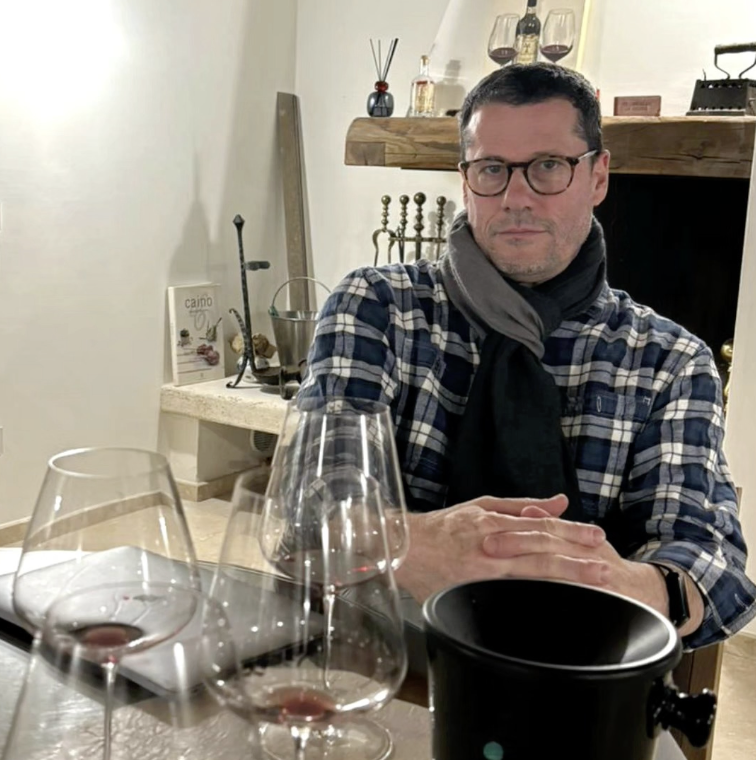
Godello at Il Marroneto
Il Marroneto Brunello di Montalcino DOCG 2021
The Brunello is found to be in the middle between the powerful 2020 and 2022 vintages, yet the weather was basically the same as in 2020. The frost may have done damage for others but Il Marroneto’s vines showed neither stress nor damage. Nor was there any delay in the process of the plants. If anything the plants were helped by a product called Protect, an enzyme from nettles that helps keep the leaves closed and also safe from excessive summer heat. Look here another Marroneto Brunello super charged with local knowledge, confidence, bones and ability. There was stress from heat and thankfully early September brought rain so that the fruit could swell, hang on and wait for the harvest on September 27th. Fruit is developed, rippling with poly-phenolic grip and ripped with musculature. 31,000 bottles. Drink 2027-2032. Tasted November 2025
Il Marroneto Brunello di Montalcino DOCG Madonna delle Grazie 2021
A vintage sandwiched between two of established structure at harvest time and described by Jacopo Mori as one of finesse and equilibrium. The Madonna delle Grazie selection has so much in common with the Brunello but what separates this wine is more than just a matter of concentration and mouthfeel. Usually power extends from finesse and elegance but in 2021 all the fruit and then everything in barrel was very close in character. Quality too and so the grape selection was made easier, resulting in a Selezione the team held with full confidence in their choices. The 2021 delivers fruit with many levels of violet perfumes of multifarious quality as a by product of small berries with higher ratio of skins.“ A distinction that makes this wine different” explains Jacopo Mori. Purity incarnate and from the protégé and next generation, absolute truth spoken. 9,500 bottles. Drink 2028-2036. Tasted November 2025
Il Palazzone Brunello di Montalcino DOCG 2021
Must say the aromatic presence of this 2021 sangiovese feels so familiar, sweetly herbal, comfortable and recognizable. The style expresses a consistency of the house, a sticking to choices for making wines in a very specific way. A sap of sangiovese blood run through with mineral and wood, looking to come together though that has not yet happened. A year should do the trick. Drink 2027-2030. Tasted November 2025
Il Palazzone Brunello di Montalcino DOCG Vigna Le Due Porte 2021
Recognizable moment here from the Vigna 2021 to connect with the classic Brunello label in a clear and present consistency of style. Exaggeration of sappy fruit, sweet herbals and liquified minerals all in one flavourful pool. Less anticipated structure than what might be necessary to live a really long life. Drink 2027-2031. Tasted November 2025
Il Poggione Brunello di Montalcino DOCG 2021
Very sangjovese, truly Il Poggione, verifiably vintage 2021. A most aromatic display, perfumes of red fruits and flowers, replays in flavours that only serve to accentuate the dream. Chewy and pulpy fruit make for an accessible, amenable and most well-rounded Brunello. No real reason to wait on these – Pour them in restaurants and dining rooms while other more austere 2021s work through their issues. Drink 2026-2030. Tasted November 2025

L’Aietta Brunello di Montalcino DOC 2021
Campione: A 2021 Brunello that Francesco Mulinari will bottle two days from now and so it’s really quite a finished wine. Aged in Slavonian cask of 5.5, 10 and 11.5 hL with the oldest being 23 years of age. More fruit because of the prominence of vintage and no problems with the April frost because of elevation at 400m in Castelnuovo dell’Abate and nearly 500m at L’Aietta. Then again 10 percent was pulled away from the home vineyard for a selection called Selezione Alberelli. Drier season and hotter than 2019 but acidity is equal and the structure more powerful. This is a fabulous wine, already showing some experience and maturity yet protected and surely built to last in this state for seven-plus years. Zero marmalata, aged for 45 months and of an architectural soundness to equip this sangiovese for a long life to live. 14 percent alcohol and 1,392 bottles made. Drink 2027-2035.Tasted September 2025
La Fortuna Brunello di Montalcino DOCG 2021
The Brunello is essentially a 50-50 split between La Fortuna and Castelnuovo dell’Abate fruit through the 30 percent loss to April frost in ’21 means less quantity from the southern vineyards. Still the balance is struck between the two with acidity rising and striking like the Rosso and so the northeast makes a strong statement for the vintage. The signature of La Fortuna and a personality so inviting with each sip induing saliva to wish for another. This is sangiovese that travels up the sides of the plate and back on repeat. Wood is a factor, from Slavonian (27 hL) cask while notes are also floral from a Brunello unrequitedly clean and precise. Amazing balance for 15 percent alcohol. Drink 2027-2033.Tasted September 2025
La Gerla Brunello di Montalcino DOCG 2021
At first recognizable as an existing link to many other Brunello di Montalcino but then distinctive, unique to house and location, but also vintage. More open and generous in perfume before retreating and tightening on the palate. Tannins are firm, a bit austere and also drying in a most traditional way. Drink 2028-2032. Tasted November 2025
La Gerla Brunello di Montalcino DOCG La Pieve 2021
Quite a taut and for the vintage high acid example of 2021 Brunello. Ultra sangiovese, verifiable and true, a just and righteous way to express the variety in all its ancient Tuscan wisdom and high toned splendour. Cracker ’21, scintillant of lightning sangiovese strike, crisp and ready for food. Ragù or ragù? Drink 2027-2032. Tasted November 2025
La Lecciaia Brunello di Montalcino DOCG 2021
High acid launch for sangiovese to jump with excitability and attract immediate attention. This from a 2021 of syrup and sap, like many but it is the acidity that helps fruit proceed with great determination. Settles in nicely and precisely for pleasure and attraction of flavours before drying with some tannic austerity. A wine in three parts needing a few years to come together. Drink 2028-2032. Tasted November 2025
La Lecciaia Brunello di Montalcino DOCG Vigna Manapetra 2021
A much deeper and darker fruit expression of 2021 Brunello, rich in poly-phenolic properties, extract up there with the top end examples and fruit reaching away from the reds and into blacks and blues. Not as tannic as expected, nor does austerity make itself known. The extra substance will work to see this Vigna Brunello age for just about the same timeframe as the Brunello. Drink 2028-2032. Tasted November 2025
La Magia Brunello di Montalcino DOCG 2021
Certifiably La Magia, verifiably without a doubt and would wager a guess that scientific analysis should prove the specs on this 2021 Brunello to come from no place else. Scents and tastes like the house, the vines and fruit with unequivocal characteristic style. Crunchy and laden with the localized macchia, sweetened of its own volition and vertical as it always must be. As clean and clear as ever, a trusted sangiovese complete and poised at this appellative level. Drink 2027-2033. Tasted November 2025
La Magia Brunello di Montalcino DOCG Ciliegio 2021
Ciliegio is connected like a fraternal twin to La Magia’s classic Brunello, more than acting as an extension from one to another. Not so much a matter of style but instead intendment and pretty much the most matter of fact Etichetta Brunello in the whole of the territory. What happens in the vineyard and the cellar is obvious to its maker, unavoidable and so the wine is the vintage, and vice versa. Quality without compromise, no matter the yield. Drink 2028-2035. Tasted November 2025
Le Chiuse Brunello di Montalcino DOCG 2021
Then there is this. Come with its fruit identified and recognized from place and size to match A Lorenzo Magnelli concept and method to create Brunello di Montalcino. Makes for a compact yet far from densely layered sangiovese of fruit so red you gotta wear shades. A rare Brunello of depth without weight and steadfastness and backbone without compaction or compression. There is elastic tension mind you and that is the crux of the vintage situation for a wine needing time to reach its intended and desired destination. Enduring yet inviting, supremely confident, exacting and finally promising. Drink 2029-2042. Tasted November 2025
Le Macioche – Famiglia Cotarella Brunello di Montalcino DOCG 2021
Dark fruit and enthusiastic perfume, yet in a way still closed while knowing so much lays in waiting. Richness incarnate with Balsamico and then a serious swath of tannic freight spreading across the palate. Strong mocker for 2021 Brunello, more than many and needing time. Drink 2028-2032. Tasted November 2025
Le Potazzine Brunello di Montalcino DOC 2021
Very little stress at Le Potazzine despite frost issues in the lower parts of Montalcino, heat and no rain through to August and hail on August 17th. Nothing at 500m in the west at Le Potazzine. Lucky, fortunate and blessed, which means Riserva could also be made. Picking began on September 26th – completely normal, whatever that is. Not a heavy crop, regular alcohol at 14 percent and very minimal sorting required. Ok the fruit is exemplary but the tannins – these are the quality you look for in sangiovese. Very youthful, reductive at this early stage and wound really tight, like a producer at midnight wondering if its will rain the night before the start of harvest. You can cut the tension with a Bistecca Fiorentina knife and so attention, attenzione, come back and try again in November. Drink 2027-2036. Tasted September 2025
Lisini Brunello di Montalcino DOCG 2021
Ultra red fruit led sangiovese, pressed to express all availability from the ’21 vintage, including acidities soft and hard, making for a variegated affair. Tannins come up and break a bit with brittle tension. Time will help though this is not the estate’s most sound wine ever made. Drink 2026-2028. Tasted November 2025

Marchesi Frescobaldi Brunello di Montalcino DOCG Castelgiocondo 2021
More of a “balanced vintage,” says winemaker Davide Bozzon, with a longer harvest from mid-September through to the early days of October. Comes from 20-30 blocks within the Castelgiocondo estate. There was a frost on the 8th-9th of April but the damage was minimal with thanks to vines at elevation above the frost line. Richness incarnate, as always these days with a red to black cherry set of notes from aromas through flavours and finishing with that knowable bitter pit note. Good acidity however with a low-ish pH in 2021, though always at Castelgiocondo where temperature excursions are greater than some other sectors of Montalcino. Average production is 350,000 bottles per year. Drink 2026-2030. Tasted September 2025
Mastrojanni Brunello di Montalcino DOCG 2021
Aromas and mouthfeel pack a stronger punch and the sangiovese shows firmer grip than many from 2021, leading this Classic Brunello label in two directions. The first with volumetric fruit blessed with nature’s sweets and the second by structural presence to take over in the interim years. After three or four the two will come together and then three or four more will be the best. Be patient and allow for this to come about. Drink 2028-2032. Tasted November 2025
Mastrojanni Brunello di Montalcino DOCG Vigna Loreto 2021
Further along and out there in aromatic presence but also volume than the classic Brunello label which means the Loreto speaks truth to the Etichetta and Vigna ideal. Here a sangiovese exaggerative of riches, stronger mocker and more pressed fruit for success come from higher quality grapes. Chosen ones, layered with their supportive acidifies and a manifest to elevate the game. The mid point for the house and the one to serve as one decade turns over to the next. Drink 2028-2033. Tasted November 2025
Mastrojanni Brunello di Montalcino DOCG Vigna Schiena d’Asino 2021
A clear and present message is delivered by this top echelon Brunello with the most amusing Etichetta name in Montalcino. The donkey’s butt (or maybe saddle) is the most luxe and chic sangiovese of the three, each incrementally more suave than the last and the promise delivered this time is special indeed. Fruit is glorious, acidity sweet, sultry even and tannins are so bloody fine. Drink 2028-2035. Tasted November 2025
Máté Brunello di Montalcino DOCG 2021
The sort off red fruit that splits a mind between vintage and house, reminiscent or rather exemplary of both, one layered or stitched through the other. Also savoury, like two-tone liquorice, of waxy paraffin crayon and a sharp tang. Feels like having been here before, comfortable and yet keenly aware of the vivid style. Drink 2027-2030. Tasted November 2025
Máté Brunello di Montalcino DOCG Veltha 2021
The Vigna Veltha label takes refinement to another level, noted immediately in aromas gentle and inviting. A swirl of vintage fruit allowed to settle and fill up the palate with only what’s correct and without extraneous additives. The herbs, savoury bites, wood seasoning, tartaric acids and qualitative tannin are all there by association and for great purpose. The Brunello does what needs and delivers what wants. It works very well. Drink 2027-2033. Tasted November 2025
Molino di Sant’Antimo Brunello di Montalcino DOCG Paolus 2021
Ever so noticeably reductive sangiovese, surely owing to its youth as a Brunello having been recently put to bottle. Challenging season for Molino di Sant’Antimo with 40 percent loss to the April frost and what was left was ripe red fruit with kicks of tang and super energy. Moderate alcohol, definite soil-driven chalkiness, salt and white pepper seasoning, harmonious and two years away from integrating. Don’t really notice the wood at all, save for another layer on the structure of the wine. No doubt sangiovese for sangiovese’s sake, a sense of Molino’s southeastern Montalcino location at the vortices where the Orcia and Ombrone rivers meet, just above them with a backdrop of forest, exposed soft tufo cliffs and the hill of Poggio di Sotto. Valeria is happy in the end because the vintage brought all of this diversity together. Potential is really promising and there is a moment when a Costanti Brunello is invoked, if only in the blink of an eye. Drink 2027-2033. Tasted November 2025

With Annalisa and Patrizia Cencioni
Patrizia Cencioni Brunello di Montalcino DOCG 2021
Patrizia Cencioni calls her 2021 a sample but it’s not a true campione because it was bottled in May and has settled more than three months. Therefore a finished wine and the same wine that will be released to the market. The frost vintage did not affect this sector because bud break is later and pruning can still take place just after Christmas. In any case there is a sense of wonder in this ’21 Brunello, of sangiovese seduction however demure that may be and a magical energy transmitted to the senses. Something stirs and in turn turns the screws of emotion, even if we can’t put a finger on exactly what that is. And it does not matter. Drink 2026-2033. Tasted September 2025
Patrizia Cencioni Brunello di Montalcino DOCG Ofelio 2021
As with the Classico Brunello the Selezione is named a “sample” by Patrizia Cencioni even though it is a bottled and finished wine. Ofelio is named for the only Montalcinese who was there to help 20 year-old Patrizia Cencioni get things started back in 1987 and mainly comes from the three oldest vineyards, planted from 1987-1989. In the early days Paolo Vaggagini was the oenologist – Since 2018 it has been Valentino Chiarla. The first vintage of the label was 2018 and yet the Selezione produced in 2015 and 2016 (in the same way) were called 30 and 31, in honour of anniversary vintages. Next level richness, ripeness and concentration, also structural elements with a truly chalky, northeastern Montalcino elemental style. There is some leathery fruit with depth and breadth, vertically and horizontally, meeting at a shared axis. Surely a more traditional Brunello, aged only in 15 and 16 hL Slavonian cask. Drink 2027-2032. Tasted September 2025
Pian delle Vigne Brunello di Montalcino DOCG 2021
When dusty is cool and liquid savoury elements pool, the result is a sangiovese just like this. Somewhere between crunch and chew, a middle ground food where correct and without risk is the order of the day. Delivers a vintage message if without exclamation and certainly without question. Perfectly fine. Drink 2027-2029. Tasted November 2025
Pietroso Brunello di Montalcino DOCG 2021
Either the vintage made for a sangiovese lower in alcohol than usual or the house adjusted picking and winemaking ever so slightly to make that happen. Or perhaps the work put in has offered up the perception of less boozy power. Either way the 2021 drinks with gentle distinction and who would not be seduced by this power of restraint and nurturing grip? A winner and still champion sangiovese for a place on the hill falling steeply to the south west where the sun falls with declension on vines as the warmth of the days descends. Drink 2027-2033. Tasted November 2025
Pinino Brunello di Montalcino DOCG 2021
Good chew of sangiovese fruit in a way that most 2021 do not is the way of this fresh pressed fruit leather of a Brunello. Quick to make its point, also to finish and so drink this early. Drink 2026-2028. Tasted November 2025
Podere Brizio Brunello di Montalcino DOCG 2021
The first thing you notice about southwesterly Brizio Brunello is the aromatic exoticism as compared to northerly Poggio Landi. The third is the difference in tannins, more plush, layered and mouth-filling. In between there is the seamlessness of transition from Mediterranean macchia perfumes to the silken texture. A youthful exuberance defines the character, wood needs to integrate in bottle and the future looks very promising. Drink 2027-2033. Tasted November 2025
Podere Le Ripi Brunello di Montalcino DOCG Amore e Magia 2021
Devilishly perfumed by way of dangerously decadent aromas launch the theatrics that are this 2021 Brunello. A sangiovese risk taken and reward gifted to those who want natural but also territorial. The exciting nature of this ’21 brings more than simply grape and place to the glass – It represents possibility and promise, two things some traditional houses are consistent to provide while many others will be hit or miss. Drink 2027-2031. Tasted November 2025
Poggio Antico Brunello di Montalcino DOCG 2021
Similar exoticism and sweetness of fruit though a clearer picture is painted with the classico Brunello label. Does not flirt with swarthy danger nor does there seem to be the same kind of risks involved. At the price it commands these are good things to please the buyer who wants a correct and elevated sangiovese experience. There is a fineness to this 2021 and a type of acidity second to none that serves to express for the kind of consumer buyer hooked on a feeling. Poggio Antico “you got me thirsty for another cup of wine.” Drink 2028-2033. Tasted November 2025
Poggio Antico Brunello di Montalcino DOCG Vigna I Poggi 2021
Aromatic depth is paramount to drawing one in for a magical, impressionable and experiential sangiovese ride. Expectation from a cru vineyard as important as I Poggi must not only be respected but also elevated – This has been accomplished and the result in 2021 is simply extraordinary. What isn’t seductive and rewarding about this sangiovese? Everything melts on the palate, all aspects coming aboard later are woven seamlessly together and the palate embrace does wonders for morale and well being. A spiritual retreat as Brunelo di Montalcino. Drink 2028-2035. Tasted November 2025
Poggio di Sotto Brunello di Montalcino DOCG 2021
To be honest this 2021 is extremely young and not nearly as forthright or giving to fully inuit what it will become. Then again the exemplary fruit in all its ripe and fleshy beauty knows to act submissive to backbone in a composition as upright and vertical as any. There is the temptation to see this ’21 as sublime but at this stage that would be saying or giving away far too much. For now there is plenty to appreciate and know that the finest days lay well ahead. Drink 2028-2038. Tasted November 2025
Poggio Landi Brunello di Montalcino DOCG 2021
The 2021 Brunello reminds of the 2023 Rosso in the citrus aspect and finishing stone fruit bitters, although the fruit is darker, texture silkier and finish smoother. Lower yields and more concentration with longer (30 months) in botti make for a more elegant sangiovese expression. Length on the ’21 Brunello is excellent. Drink 2027-2031. Tasted November 2025
Correct, clean, well composed and structured sangiovese as 2021 Brunello. Hits essential vintage notes with a mix of the fruity and savoury, accented by sharpening acidity, salt and pepper seasoning. Drink 2026-2029. Tasted November 2025
Ruffino Greppone Mazzi Brunello di Montalcino DOCG 2021
The 2021 is really the first vintage with the finishing stamp off new winemaker Alberto Stella, 32 months in French and Slavonian botte and just recently bottled in July. Like the 2020 there is reserve and hesitation upon entry but the fruit is different from 2021, more on the red to black spectrum with an absence of the 2020 blues. The Balsamico and macchia character (derived from the land, including limestone and marl) are more like 2019 and so not only is ’21 a good combination of the two, it takes the best of each of the two previous vintages and uses their personality traits to the best advantage. Wood, inclusive of perceived sweet spices, really needs to settle and the tannins are suave. With vines now passing the 20 year mark the ceiling raises and 2021 will become a fine wine. Drink 2027-2033. Tasted September 2025
Salicutti Brunello di Montalcino DOCG 2021
Silky, suave, modernized, fruit captured at peak and truly sleek sangiovese. Flirts uncompromisingly with swarthy danger and works hard to play it clean, bringing something unique and also structured to a Brunello experience. Taste this and know there are no peers, certainly nothing replicative and then come to appreciate the soul within the style. Some will embrace the low level Brettanomyces and worryingly others will not. Drink 2027-2029. Tasted November 2025
Salicutti Brunello di Montalcino DOCG Piaggione 2021
The Etichetta Brunello is always a one of denominational kind, a singular experience in sangiovese and something expressive of planning, the journey and execution. The 2021 is noticeably primary to be honest and all the better for it because it means there is much to learn from many tastings over the years from a wine equipped to handle time. Loving the clarity and transparency of this anything but light ’21 instead viewed as a stealth Brunello with unlimited potential. Drink 2028-2036. Tasted November 2025
Salicutti Brunello di Montalcino DOCG Sorgente 2021
Of the Salicutti Brunello portfolio in Classico, Annata or Brunello (Etichetta), or however you wish to refer to them, it is the Sorgente that speaks in the clearest, most succinct and utterly concise characterful vernacular. A dialectical Salicutti language once understood to the greatest degree allowable that will continually act in its extroverted way. The 2021 is endowed with a fine calcareous chalk swirling in centrifuge in the whirling whizz of devilishly and naturally formulated purest fruit imaginable. This is quietly and stealthily formidable as a sangiovese to represent itself. Great beauty and promise for decades to come. Bravi ragazzi di questa tenuta. Drink 2028-2044. Tasted November 2025
San Felice Campogiovanni Brunello di Montalcino DOCG 2021
Just the third Brunello 2021 tasted for this first Anteprima day and already a thread is weaving through a style and effect to explain a vintage after early returns. Power and grip yes but in a controlled and vertical way, proper, correct and classic. As if this were a really warm vintage 20 or 25 years ago when not all were like that and so the celebrations came fast and with conviction. Campogiovanni does this with savour and Balsamico, but also wood spice and an early note of sottobosco. Good complexity here. Drink 2026-2030. Tasted November 2025
San Guglielmo Brunello di Montalcino DOCG 2021
There are classic houses in Montalcino and there are newer discoveries descended down from historical properties, now in the hands of experienced youth. This is the distinction of Ilaria and Michele, hosts and messengers for 2021 sangiovese, now ten years into their journey. The 2021 marks another turning point, a move ever so forward again, with a better understanding of how care outside begets promise inside. The fruit feels like it truly belongs and the acidity is pitch perfect. Tonality glides with the treble highs and bass lows interconnected and layered as required. All in all there is balance and the proviso for backbone to carry the wine up, up and away. When will it come down? Nobody knows. Drink 2027-2036. Tasted November 2025
Sanlorenzo Brunello di Montalcino DOCG 2021
Bright and a great clarity with highest while also sweetest acidity for 2021 Brunello. Purity of sangiovese and the most croccante of all the ‘21s, never wavering or falling from its high-toned, scintillant and electric style. Exciting although there are many (Italians namely) who will question the lightness as being un-Brunello. Drink 2027-2030. Tasted November 2025
San Polino Brunello di Montalcino DOCG 2021
Quiet and reticent nose, fruit lurking in shadows, not yet open for floral business. Feels like a full and substantial Brunello in waiting, glycerol and salty chalkiness run below. Needs a couple, maybe even a few years to rise. Drink 2028-2034. Tasted November 2025
San Polo Marilisa Allegrini Brunello di Montalcino DOCG 2021
Bigger and broader shouldered Brunello for 2021, clear and present quality from a particular part of Montalcino above and aboard the concave bowl with valleys falling left and right below. Delivers the sensation of a muscular soil with skeletal elements breaking up the compaction to allow air and liquid nutrients into its fissures, to drink it up and fill its boots. This 2021 has bones and just needs a year or two for the fruit to flesh, rise and give. Drink 2027-2032. Tasted November 2025
San Polo Marilisa Allegrini Brunello di MontalcinoDOCG Vignavecchia 2021
Intensity from the word go with old vines responsible for focus and even more evidenced by own gathering in assemblage. The aromatic presence is duly impressive, again with thanks to the experience of these plants and the matter concerns allowing them to speak without hinderance. The winemaker has succeeded in transmitting the information and emotion in a most necessary way. The finish does denote a pecorino woolliness that should subside after two or three years more time. Drink 2028-2033. Tasted November 2025
San Polo Marilisa Allegrini Brunello di Montalcino DOCG Podernovi 2021
A mix of the herbal and herbaceous, an uncanny hemp note that repeats itself, followed by the original development of red cherry fruit. Together they occupy space if not in simultaneous or seamless fashion. Vignavecchia feels more in tune and attuned to its tethered parts while Podernovi is obviously a vineyard entity that needs even more settling time. Drink 2029-2034. Tasted November 2025
Sesti di Sopra Brunello di Montalcino DOCG 2021
Crisp and grippy sangiovese with reddest of red citrus fruit and an aromatic waft of fresh roses. Crunchy too, tannic as well with some austerity quite proper for the style and effect. Does what needs for Brunello without overdone elements, not from maceration nor fermentation, nor by anything that has or will happen. Drink 2027-2030. Tasted November 2025
Sesti di Sopra Brunello di Montalcino DOCG Magistra 2021
Magistra registers a much deeper resonance than the classic Brunello label, aromatically plush juxtaposed against a low-toned intention. Sappy and syrupy, yet to sate and unresolved at this early stage, finishing with seriously grippy tannin in relative austerity. Confounding, especially as compared to the restraint noted in the classic label. Drink 2028-2031. Tasted November 2025
Sesti Brunello di Montalcino DOCG 2021
Composed, admittedly a bit closed and yet fully collected Brunello of extreme youth. Far from opening and what feels like a minimum four years necessary to see that happen. The silken fruit lays low, not as an agitated bubble but in a gentle simmer, never rolling or roiling but just a pop here and there. Purity of sangiovese incarnate comes from a classic ’21 of true learned meets modern vibes, but giving off an aura of old soul. Would choose to wait three years before seeing what is not only possible, but coming upon a place in Montalcino that will surely feel like home. Drink 2029-2040. Tasted November 2025
Talenti Brunello di Montalcino DOCG 2021
Quite open and immediately generous for a type of gratification you won’t need to stand in line for. Suave and sleek through light on its feet and sneaky of structure to look ahead and enjoy a solid 10 year run. Admittedly one year further in bottle will ever so slightly soften the prickling of sharp acidity and tannic austerity. Drink 2027-2036. Tasted November 2025
Talenti Brunello di Montalcino DOCG Piero 40esima Vendemmia 2021
Special “40th harvest” edition for the Etichetta label as an extension of the first, connected with as much kinship as any for Brunello di Montalcino. What is noticed more readily is the backbone, verticality of structure and requiem for time to assimilate and integrate the grippy early stage events of this sangiovese. For now it remains in a moment of tension and austerity, but that will pass and what comes next will be years of primary delight. Drink 2028-2039. Tasted November 2025
Tassi Brunello di Montalcino DOCG 2021
Fruit forward and open sangiovese for 2021, with soft acidity and tannin, all in synch and ready to please. A 2021 for early drinking, no hurdles or locked doors, window just about wide open. Creamy mid-palate unlike many from the vintage. Drink 2025-2028. Tasted November 2025
Tassi Brunello di Montalcino DOCG Vigna Colombaiolo 2021
Deeper aromatic inhalant of exaggerated sangiovese character to speak in a clear and forcefully prompt message. Tight winding wind of acidity around the fruit and tannins taut but also with the feeling of being tart. Unique Brunello 2021 perspective and a wine worth watching, especially through its first five years. Drink 2027-2032. Tasted November 2025
Tenuta Buon Tempo Brunello di Montalcino DOCG 2021
Hard to know just what each vintage save from the extreme ones are want to do for each and every nook of Montalcino. This however is a thought that can apply after a season like 2021 and one moment of nosing TBT’s classic label will tell you the southeast near below Castelnuovo dell’Abate has fared extremely well. As floral and mineral as any, dark fruit in the cherry spectrum pure and proper, so bloody sangiovese. Just enough glycerol to effect great mouthfeel and then backbone to extend length. Wood needs some time to melt in because the vanilla is noticeable, as are some spices, though they will all dissolve within given two years further in bottle. Drink 2027-2034. Tasted November 2025
Tenuta San Giorgio Brunello di Montalcino DOCG 2021 Ciampoleto
Relatively speaking there is quiet and coolness in the opening aromatic salvo of Collemassari’s sister Brunello to Poggio di Sotto upwards on a semi-shared hill. Time in the glass opens the window and so that same give in bottle will do the same. There is a beautiful swirl of elements in the San Giorgio but also a getable quality just around the corner. Lovely and amenable wine with natural sweetness run all the way through. Drink 2026-2029. Tasted November 2025
Tenute Donna Olga Brunello di Montalcino DOCG 2021
From a group of Brunello labels that include Clos degli Amodeo, Poggiotondo and Pietranera, here from four hectares on the southwestern side of the Montalcino hill. A harmonic single vineyard expression of sangiovese with elevation and Mediterranean macchia running through its veins. Sweetly savoury and crispy or croccante, balance well delineated between fruit and acidity, a note of Balsamico and relatively moderate tannin. Well made, correct and purposed for early consumption. Drink 2026-2029. Tasted November 2025
Tenute Silvio Nardi Brunello di Montalcino DOCG 2021
Certainly lighter and brighter than the three cru/Riserva 2021s, less wood and red fruit so kind and hospitable. Like a bowl of cherries and blood orange with top ranking acidity and intensity for a long run ahead. Drink 2026-2031. Tasted September 2025
Tenute Silvio Nardi Brunello di Montalcino DOCG Vigneto Poggio Doria 2021
Only old casks are used, lately the wood of choice has been Pauscha (Austrian) and the vessels are acquired from other producers. First vintage of Doria was 2004, here 17 years later and mon dieu how full, substantial and concentrated this shows to be. As chewy and mouth-filling as they come from a style that suits the high quality of southeastern Montalcino fruit. Consulting oenologist is Andrea Politi. Drink 2027-2036.Tasted September 2025
Tenute Silvio Nardi Brunello di Montalcino DOCG Manachiara 2021
A cru Brunello that could be a Riserva (and there was one in 2012, although it was the Poggio Doria) and while there are so many tannic moments happening in this highly macerated Brunello there is also a Bordeaux quality stemming from incredible ripeness matched by a grand style of oak aging. Not new mind you, of various sized casks between 20 and 80 hL, all working in extraction to deepen colour and give this sangiovese serious depth. There is more lift in this 2021 with big fruit and also fuel, though the wine is incredibly youthful and far from integrated. Drink 2028-2034. Tasted September 2025
Terre Nere Brunello di Montalcino DOCG 2021
Perfumed as always, wood not yet resolved, nor should that be expected from a Brunello that needs the bottle. As all sangiovese do and 2021 is no exception, not for this estate moving from strength to strength. The back palate really picks up on the pull, grip and hold of tannin built into the fabric of a finely spun textural wine. There is some austerity here, throwback in nature for a ’21 of ripeness but also presenting a risk-reward prospect. Wait three years to see the results. Drink 2028-2034. Tasted November 2025
Tiezzi Brunello di Montalcino DOCG 2021
Agitative profundity of viscous swirl marks a sangiovese of ambition to be a force of reckoning for the 2021 vintage. There feels to be a whole lot of everything in this Brunello, gone for broke, pressed for success, macerated long to eek out all that is possible. Overdone is one way to look at it, playing its cards and showing the full hand another. Tough sledding and not sure there will be a great future here. Drink 2026-2028. Tasted November 2025
Tommasi Casisano Brunello di Montalcino DOCG 2021
In Italy location determines results in sangiovese for as much as any combination of grape with place to effect the character of its wines. Here the commonality with some other 2021 Brunello delivers spice, inclusive of cinnamon heart on the nose. Wood is part of this fixed and quantified matter, working with località to create the recognized consequence. A positive one in attributable personality not specific to this vintage but to wines made here as a general rule. Drink 2027-2031. Tasted November 2025.
Uccelliera Brunello di Montalcino DOCG 2021
To understand this sangiovese from Andrea Cortonesi is to first recognize agriculture, followed by game. What begins in the field translates into the cantina for a consistency of style bred out of the argumentation of intention. The structural matters are always followed, as they are with 2021 and those who do not understand these Brunello are focused on the now when they should be using imagination and the powers of deduction to consider the future. Know this. There is fruit, classically attributed and only as ripe as the vintage allows. Acids are localized and the wine rises, slowly, effortlessly and without hurry. Wait for it. Drink 2028-2039. Tasted November 2025
Val di Suga Brunello di Montalcino DOCG 2021
There is a natural sweetness in the fruit of this 2021 Brunello standing out and seducing with its easy returns. A layered effect come from three distinct locations together interspersed and so you feel the variegation, particularly in the textural fabric. Length is impressive as the wine lingers in its palate glide. A terrific preparation for tasting the single site wines to come. Drink 2026-2029. Tasted November 2025
Val di Suga Brunello di Montalcino DOCG Vigna del Lago 2021
The focus on site is essential to the future of Montalcino and there is an argument to be made for single vineyard blocks located right where the cellar processes the grapes. Vigna del Lago is that place, the vineyard around the lake on the northeast side of Momntalcino’s hill. A warm grey clay place where the sangiovese is stealth, mineral and floral. This driest recent vintage with essential harvest time rain brings out the best for a Vigna sangiovese more vertical than normal. This combination of seduction and backbone raises the bar and ceiling. Drink 2027-2036. Tasted November 2025
Val di Suga Brunello di Montalcino DOCG Poggio al Granchio 2021
If at first the aromatics in this single vineyard Brunello may seem to have no connection to the estate’s other Vigna sangiovese, well in some sense that would be the case. The verdancy here, an evergreen note and warmer site’s feel of the land’s green pastures does define the scents. Then again from a textural angle the wines surely have much in common. The sangiovese connects with the palate and shows no hurry to depart, in fact it coats and lingers long after the liquid is gone. This is a signature of the house, a chemical process of connection that helps the taster to recall character and style. This example introduces spice and older soul identity for they who are able to intuit and feel that link to the past. Drink 2028-2036. Tasted November 2025
Villa Poggio Salvi Brunello di Montalcino DOCG 2021
Spicy, cinnamon hearts aroma straight off the top. Wood at the fore and down to the sangiovese core, more spices marking territory and springing the darker cherry character. Really woody Brunello, chalky and grainy, needing time. Drink 2027-2029. Tasted November 2025
Villa Poggio Salvi Brunello di Montalcino DOCG Pomona 2021
Taut as it gets for 2021 Brunello, wood spice and tannin run amok, creating a drying and austere sensation marking the second half of the experience. Old school is the understatement here. Drink 2028-2032. Tasted November 2025
Voliero Brunello di Montalcino DOCG 2021
Firm and agricultural sangiovese, a wine born of the land, of Balsamico, verdant macchia and surely from smaller, somewhat less juicy berries raised at elevation. Plenty of sun and lack of water delivers a sangiovese of austerity and tannic freight. Missing some grace and generosity although there is no denying the impressive structure and stature. Drink 2028-2033. Tasted November 2025

Brunello di Montalcino Riserva DOCG 2020
Camigliano Brunello di Montalcino Riserva DOCG Gualto 2020
Energy and exuberance from a Riserva for 2020 that raises the bar for appellative excitement. Impressive capture and preservation of acidity for the vintage, a fact of facet that many estates faced a challenge to perform and here the effort is no small feat. This without any compromise to fruit and so the composition is an impressive one. Well done team, bravissimo. Last tasted November 2025
Traditional, normal and uneventful vintage, “a wine for people to drink, easy to understand,” in the words of winemaker Sergio Cantini. Once again stylistic consistency is inherent in the character of Camigliano’s sangiovese yet here the smaller sized cask (25 and 30 hL) inject their will into Riserva. Adds to the presence of vanilla, lavender and an accentuation of red berry fruit sweetness. Silky and spiced, full of glycerol and a smoothness throughout. The wood needs two more years to fully melt in and resolve. Drink 2026-2030. Tasted September 2025
Canalicchio di Sopra Brunello di Montalcino Riserva DOCG 2021
Just amazing to taste Riserva 2021 in the same sitting as both La Casaccia and Montosoli 2021 for three Brunello bottled back in May. Normally Riserva is tasted a year later and so this is a very special opportunity, but keep in mind there was no Riserva made from 2020. From Vigna Vecchia Mercatale inclusive of original plantings from 1987 (Francesco Ripaccioli’s vintage) and the place most connected to his grandfather, the BBS 11 (Biondi-Santi) clone and plants grafted onto old rootstock. A remarkable expression from 2021 with perhaps the most exuberance from the fruit and the sheer sweetness of the acidity. “My idea for Riserva is not one extra year,” says Francesco Ripaccioli, also “it’s a matter of a different vineyard.” From 2021 Vigna Vecchia Mercatale is the stuff of dreams that will live for two decades, likely more. Drink 2029-2042. Tasted September 2025
Capanna Brunello di Montalcino Riserva DOCG 2020
If there will be any Brunello Capanna that will benefit the most from the optical sorter introduced in 2023 by the son of Patrizio Cencioni and fourth generation winemaker Amadeo Cencioni, it will indeed be Riserva. For now the 2020 remains a sangiovese sorted and selected by Patrizio and his five decades of local experience. A vintage more than deserving and yes the qualities of concentration and poly-phenolic impression are worthy. Burnished gloss and brilliance elevate fruit on the shoulders of bountiful verticality built on acidity and backbone. Feels soft though is anything but and few Brunello are quite this seductive. There can potentially be 7,000-8,000 bottles of Riserva produced, on average, although most vintages only see three to four. Drink 2027-2032. Tasted November 2025
Caparzo Brunello di Montalcino Riserva DOCG 2020
Still in a reactive state and showing minor reduction expressive of verdancy and pricks of tension. Requires movement, swirl and agitation to release the aromatic possessions ahead of a specific sangiovese’s appurtenances. This 2020 Riserva is not a big Brunello but rather a graceful example in no hurry to shed its baby fat ahead of opening the window high and wide. Take you time and settle in. Drink 2027-2034. Tasted November 2025
Caprili Brunello di Montalcino Riserva DOCG Ad Alberto 2020
Good to see the variety and diversity in Riserva 2020 with this example being a much awaited one. Slick and sleek without any gratuity or excess whatsoever. Finding this to be understated and should anyone find it light and without musculature, well good, please and thank you. Leave the other “style” to the rest. There are many who will appreciate the refinement, lack of flash or decoration. Who actually prefers massive, overly pressed or indeed, even precious? Choose wisely Brunello lovers. Drink 2027-2033. Tasted November 2025
Carpineto Brunello di Montalcino Riserva DOCG 2020
Classic for the house in Riserva with this mix of fruit maturity, dusty macchia, effect of elevation, high acidity and syrupy texture settled upon the palate. The acids keep the energy flowing and the fruit in a paused situation so that it will not decline or descend into leathery chewiness. All is well for the time being. Drink 2025-2028. Tasted November 2025
Corte dei Venti Brunello di Montalcino Riserva DOCG Donna Elena 2020
Maturing Riserva well ahead of schedule. Fruit passing over into secondary life from a sangiovese needing to be consumed sooner rather than later. That said there are many who will love a Brunello with the feel and eyes of age, though they might prefer it to be one with at least 10 years post vintage. Tasted November 2025
Corte Pavone Loacker Wine Estates Brunello di Montalcino Riserva DOCG Anemone al Sole 2020
An expression of aromatic volume and especially grip, notable and profound as Riserva clearly designed with exaggerated riches in fruit concentration. Must be considered in a specific to Riserva light, of deep impression and understanding. Found to be slightly more mature than expected for a not yet five year-old Brunello though the backbone is vertical and potential remains intact. The tannic thrush of truth is confirmation of that fact. Drink 2025-2032. Tasted November 2025
Donatella Cinelli Colombini Brunello di Montalcino Riserva DOCG 2020
Even in Riserva the 2020s are not yet ready and still recognizably tight, with this from Donatella Cinelli Colombini being exemplary to explain the situation. Tannins persist in their pulled taut winding around original material, while texture swells with a depth composed of red ochre fruit, wood nurture and sweet acidity. The extra aging and choice of barrels has come to create true Riserva style for a wine that will join the ranks and live into Casato Prime Donne infamy. Drink 2026-2035. Tasted September 2025
Elia Palazzesi Brunello di Montalcino Riserva DOCG 2020
Floral, red rose freshness and spice components in the generosity of an aromatized beginning. A sangiovese of singular persona, palate presence and an experience that shows more nature than nurture. There is a persistent grain of tannic intention to keep the wine from advancing further and fruit freshness is not put into question. There are Brunello of responsible disposition and this would that in Riserva form. Ready to drink some bottles and will hold for some time yet. Drink 2025-2030. Tasted November 2025
Fanti Brunello di Montalcino Riserva DOCG Vigna le Macchiarelle 2020
Should be noted and put out there how the 2020 Riserva to a sangiovese are showing some maturity – It’s simply a matter of vintage. These are not Brunello of extreme freshness and immovable structure, but instead the kind to consider drinking sooner rather than later. Yes the 2020s, inclusive of this will linger gently, gliding in the gusty Tramontana for a few years, but the best days are already here and the processeses have begun. Drink 2025-2029. Tasted November 2025
Fattoria dei Barbi Brunello di Montalcino Riserva DOCG 2020
Freshest and most high toned of the Riserva tased thus far. Just picked red roses bouquet, also ranunculus and a sweet savoury element perfectly aligned. Croccante to a degree that’s not just anticipated but more so warranted to deliver an experience of excitability and longevity. Super smart and crafty Brunello Riserva of classicism and character. Drink 2027-2035. Tasted November 2025
Il Marroneto Brunello di Montalcino Riserva DOCG 2020
Is this this first Marroneto Riserva? You better believe it and anything you thought what understood about a Brunello by Il Marroneto becomes secondary to what’s in this glass. Everything is the same except aging in botti is 54 months instead of 42 and “it’s a particular wine,” says Iacopo Mori. “It requires a little bit of passion.” The fruit darkens, the violets become candied and the tannins bear their teeth in ten times that of those from red fruited 2021. The colour is almost not to be believed and still i’s character of Il Marroneto is clearly preserved. Yes this is solo sangiovese, measuring the highest extract for the variety that has likely ever occurred at the estate. “The monster,” spoken by Alessandro Mori in 2023 when tasted from barrel and related once again by son Iacopo in 2025. There has never been anything like this and the sottobosco and concentration make one wish for fresh morels in the Spring. The tannins need four years to resolve and then those fungi will pair abidingly with this monster. Only four months in bottle, still tense and nervous and yet let the people choose what they want to do and when they want to drink. Drink 2029-2039. Tasted November 2025
Il Poggione Brunello di Montalcino Riserva DOCG Vigna Paganelli 2020
Richness accumulated and conclusive, of fruit at the height of a duality, 90 percent fresh and juicy, the rest concentrated and leathery. These feelings noted in aromas and also flavours, pulpy and of a stone fruit style relating to a grand collection of blocks distilled down into Riserva. Sangiovese meanders and connections with every part of the palate, missing nothing, delivering everything. Some drying tannic moments suggest waiting another year or two. Drink 2027-2032. Tasted November 2025
La Magia Brunello di Montalcino Riserva DOCG 2020
A Riserva of experience with leathery fruit aromas suggestive of fleshy if slightly dried stone (plum) fruit. A matter of vintage more than anything else, also the prune note associated with the movement of air and time. Still there is a high toned aspect in the character, along with grip in the tannic profile and so there is still some work to be done. Chewy and then crispy at the finish, a dichotomy wrapped inside a paradox. Drink 2027-2032. Tasted November 2025
Le Chiuse Brunello di Montalcino Riserva DOCG Diecianni 2016
This singular Riserva is best tasted with the producer, perhaps in a way and for reasons that exceed any other in the whole of Montalcino. This because aging is slower, incremental and purposeful. Would not say today that the aromatics are closed, but neither are they aching to speak. Some wines do not need to shout, nor even announce their arrival and this continues to enter the world with a quiet presence. When the sangiovese takes up residence on the palate it does so with the poised demeanour of one that belongs, sharing space and creating an intimacy with its host. A remarkable connection when you consider it’s only wine but some Brunello are marked by such a mien. The Diecianni is one such near perfect bottle. Last tasted November 2025
Just beginning to shed its barrel weight, integrate that spice and see the smallest, most concentrated vineyard berries bursting of their fruit. The vintage is primed and near perfect for a Le Chiuse Riserva and who could not have a taste without thinking about the history and genetic transference of the place. Last tasted November 2024
Never overstate the Lorenzo Magnelli way of crafting Riserva, that is by aging in cask longer than not just the average, but indeed all others. His Le Chiuse Diecianni carries, drifts and gifts the most succulence whilst exhibiting a spice force to ignite the most sensation and emotion. A veritable melting pot of a sangiovese, complexities bound and wound, circulating throughout the wine’s coefficient of existential and elementary positions. These are the smallest of berries picked to forge what only Riserva can, to be cool, mineral licked, ethereal. Already exhibiting fruit purity and also density for a look at what two decades forward will come from this finest of Brunello wines. Drink 2024-2037. Tasted November 2021
Molino di Sant’Antimo Brunello di Montalcino Riserva DOCG 2020
The vineyard where Riserva comes from is littered with marne, stones left behind by an ocean many millennia ago, bestrewing the grey clay with limestone and river stones that all combine for a seriously unique example of Brunello di Montalcino Riserva. A place where a river emptied into the sea and that alone tells so much about the nature and potential of this wine. A sangiovese of confluence, commitment and confidence, also clarity and palate response. Fruit is clearly darker than the Classico, but also more so than the coming 2021 vintage, here into a black raspberry hue, still transparent but not the red lightning of 2021. The finish moves into black cherry with a vague hint of stone and so much elemental-mineral longing that will be there on the finish for 10 years or more. Costanti and Le Chiuse would come to mind, especially in the way higher skin to juice ratio from smallest berries sees the transition from Classico to Riserva. Drink 2027-2036. Tasted November 2025
Marchesi Frescobaldi Brunello di Montalcino Riserva DOCG Castelgiocondo Ripa al Convento 2020
Single vineyard for an early, concentrated and powerful vintage because of the hot and dry summer. No small barrels, only large cask mainly used, of 90-100 hL, really large. South exposure, two separate picks to bring in this smaller amount of fruit, one of silt that brings the essential oil and the other a salty aspect that delivers the architecture. The Galestro from flysch is surely responsible for that saline streak out of a single block that’s all stones at the surface with full draining capacity no matter how much it rains. The roots will always need to burrow deep to access water and the vines respond in kind, delivering a savoury sangiovese of low ph (3.4), high acidity and salty tang. More akin to Tenuta Perano in Gaiole as compared to the larger production Castelgiocondo Brunello. Average production is 15,000-20,000 bottles, on the higher side for 2021. Drink 2026-2032. Tasted September 2025

Northeast Montalcino at Patrizia Cencioni
Patrizia Cencioni Brunello di Montalcino Riserva DOCG 123 2020
The 2020 Riserva (along with the 2021 Brunelli) are the first wines to finish for three months in newly acquired 40 hL concrete vats. No increase in total aging time but three months less in cask. Why 123? Because on the map the vineyards are simply 1,2,3 and they are the oldest plantings, from 1988 and 1989. The stoniest places, 1.2 hectares total, high in calcareous material mixed into the base of argilla. Also higher solar radiation which makes for a quicker to ripen set of circumstances and on average 0.3 to 0.5 higher degree of alcohol. More texture and chew than any of the Classico or Selezione Brunelli, layer upon layer integrated through many layers of fruit and tannin, a mille-feuille lasagna of a sangiovese from the most delicately pressed way. Full yet airy, grippy while elegant and characteristically impressive. Production is maximum 5,000 bottles. Drink 2026-2035. Tasted September 2025
Pietroso Brunello di Montalcino Riserva DOCG 2020
Nothing mature about this 2020 Riserva but with great immediacy it does come barreling forth in aromas and across the palate. Some sangiovese are quieter and others announce their assertive arrival. Impressive fruit layers crashing like waves on a rocky shore, relentless in their pursuit for commotion. Riserva’s fullness of concentration and sturdy carriage transporting character comes to define a family and their holdings. This is admittedly a big Brunello Riserva and also one found in balance for bottls to be consumed over a lengthy and extended period of time. Drink 2027-2035. Tasted November 2025
Podere Brizio Brunello di Montalcino DOCG 2020
A year will effect a marked difference for Brizio’s classic Brunello. Today running positively true from a vintage of a cool Spring, followed by a hot summer. “Easier than 2021,” tells Lorenzo Bernini, “and more difficult than 2019. The most normal vintage in recent memory.” In the end the tannins are just a bit “raw.” Last tasted November 2025
Aromatic depth for sure and some peppery warmth to that petroleum nose. Built as Brunello, that is to say with full on wood aging, backbone of structure and ample acidity necessary to see time do the right thing. Well-pressed and dressed for success with another two years needed to begin exacting the desired effect. Drink 2026-2030. Tasted November 2024
Podere Brizio Brunello di Montalcino Riserva DOCG Bosco Alto 2020
The Bosco Alto (upper or high forest) comes from the vineyard abutting those woods and so Riserva that ages longer (48 months in Botti Grandi) is refreshed by the forest. This foils the wood with positivity and harmony developing ways, as do the inclusion of ripe stems in the fermentation process. Brings a sweetness to the profile, an encouragement of natural fruit elements to rise above the wood and the tannin, almost surprisingly so. Though longer time spent in oak could result in the requiem for more time in bottle, in this case the wine acts nearly ready and aims to deliver near immediate gratification. Drink 2026-2032. Tasted November 2025
Podere Le Ripi Brunello di Montalcino Riserva DOCG Lupi e Sirene 2020
Brash, blatant and blunt force sangiovese strike on the senses with Brunello Riserva. Volatility in its most natural, unadulterated and unkempt fashion, undisguised and unapologetic for how a Montalcino Brunello will come about. The fact here is how the tannins are intact, not brittle nor in any danger of cracking. Yet the style is ultra specific and unpolluted by public opinion. Vividly presented for all to choose. Drink 2028-2032. Tasted November 2025
Poggio Antico Brunello di Montalcino Riserva DOCG 2020
Brighter as Riserva for 2020, beauty incarnate, of red rose hue and transparent like few others. No detectable wood on the nose and in many ways so different than the estate’s Brunello of just 10 years ago. The evolution of style but more importantly disposition is welcomed with open arms. Some may not see the shift as currently correct for the denomination, but who could or would not embrace this level of quality and elegance? Having tasted the 2001 in 2025 there is a similarity, if only in delicacy but the discernment is fodder for understanding. Drink 2028-2035. Tasted November 2025
Poggio di Sotto Brunello di Montalcino Riserva DOCG 2020
In Riserva the perforce notions of sangiovese in purezza and aromatic intensity are manifested in ways the classic Brunello is not. The extra layers, levels and manifestations are all a bit vivid when youth descries timing and temperament. Many ‘20s are already showing maturity but this, not even close and in fact the reductive and redacted elements lead fruit on the palate in a waxy and unresolved state. Would wait three or four years before opening bottles and considering passing any judgement. Drink 2028-2035. Tasted November 2025
Poggio Landi Brunello di Montalcino Riserva DOCG 2020
Fruit comes from the northern part of Montosoli over a concave bowl of a vineyard filled with argilla, limestone and schist, manifested as Galestro. The geogolgy is Formazione Santa Fiora, the description essentially (like Mastrojanni). Increased power and depth from Riserva for 2020, aged 48 months in Botti Grandi and coming away with many layers of fruit and tannin. Five years old and still the wood is very much settling and integrating to accomplish before fruit can stand out. The uncanny note of almond comes from Riserva, unique to lands at and also near Montosoli, like cherry stone concentrated and almost becoming marzipan. Sweetly volatile right there up on the crest between beauty and danger. Drink 2027-2031. Tasted November 2025
Renieri Brunello di Montalcino Riserva DOCG 2020
Fine aromatic sangiovese swirl with red stone fruit accented by herbs, five spice and citrus. Not the most complicated or complex Riserva and yet acidity ranks high to raise the profile and put this in touch with food on the table. Crunchy 2020, ready to pour and please. Kudos to a team neither trying to overdo or ask too much of a vintage. Drink 2025-2029. Tasted November 2025
Salicutti Brunello di Montalcino Riserva DOCG Teatro 2020
The Salicutti paradox is vividly represented in the Riserva 2020, a wine closer in style and effect to the Brunello than either Piaggione or Sorgente. Here from the wild casks, of natural fruit and its volatile accents. Unbridled, non-manipulated and unadulterated, left to its own devices, wooly and unabashedly itself. Tannins are fine and important but Drink 2027-2032. Tasted November 2025
Be in no hurry to gather thoughts on this Riserva. Take a moment, give it time and wait for the right moment to begin making comments and decisions. The aromas flow forth measured, slowly and gracefully, carefully considered from a pitch of selected red fruit seasoned with citrus zest. Just enough tart edginess to accent the bleed of sangiovese swirled into a natural pool of acidity, tannin and mood. For 2020 the effect is quietly impressive and yet could not have been easy to deliver. But it succeeds because a wine of humility can only come from out of the clutches of respect. Riserva is a mix of luminous skies and contentment. Drink 2028-2036. Tasted November 2025
Talenti Brunello di Montalcino Riserva DOCG Pian Di Conte 2020
A reductive element locks in freshness and keeps the 2020 Riserva from extending the proverbial olive branch. Not yet anyway and for the vintage there are both local and Mediterranean scents in the somewhat restrictive aromas. A Sant’Angelo in Colle herbaceous notation mixed with macchia brought in by far way winds that denote something singular. Crunchy Riserva, freschissimo, red stone fruit surrounded by tannin, dominated even and years away from settling. Drink 2028-2033. Tasted November 2025
Tenuta San Giorgio Brunello di Montalcino Riserva DOCG Ugolforte 2020
Fruit and wood are both providers of the spice in a lustrous and glossy Riserva. Of course this could only come from sangiovese, also Montalcino and to be honest the lower part of the hill occupied by Poggio di Sotto. The fruit is accepted by citrus and a red peppery spice specific to this wine. Impressive binate for the estate. Drink 2027-2031. Tasted November 2025
Tenute Silvio Nardi Brunello di Montalcino Riserva DOCG 2020
A Riserva bottled in June of 2025 with the heaviest set of fruit and fuel, not to mention the grandest wallop of tannins imaginable for a Montalcino Brunello Riserva. Biggest, of deepest depths and years from resolving structural parts keeping fruit down, hidden away, undisturbed. Three months in bottle is far from the time needed to have any real inkling what’s in this glass. Then again there is some lift and rise to the 2021, red fruit freshness and great potential laid ahead. Keep looking at 2018, allow 2019 to keep settling, (there is no 2020 Riserva) and then return for 2021 way forward in 2028. Drink 2028-2036.Tasted September 2025
Val di Suga Brunello di Montalcino Riserva DOCG 2020
Rich in poly-phenolic presence, red citrus and glycerol for veritable and verifiable Riserva style. This 2020 has gone deep into the well to gather, accumulate and concentrate fruit, a necessity considering the verdant bites and especially tension alongside. Feels like Vigna Poggio al Granchio plays an important role in Riserva, especially in 2020. A sleek example, complex and so near to the time when it will be evident that the invitation should be opened. Drink 2027-2033. Tasted November 2025

Argiano
Brunello di Montalcino DOCG – Older Vintages
Aminta Brunello di Montalcino DOCG 2020
Fruit mainly from vineyards planted at the turn of the (20th to 21st) century by the previous owner when the farm was called Poggio Castellare. There is no questioning the quality of the fruit and the part of Montalcino where it’s grown. 3,000 bottles produced. Last tasted November 2025
Southeast sector of Montalcino, in and around 400m of elevation, near to Castelnuovo dell’Abate off of Pietraforte with sand, silt and calcium carbonate. Also Formazione Silano, of schist, very stony and the presence of Galestro. The name Aminta is of Greek origin and means “defender” or “vindicator.” Derived from the ancient Greek word amyntor, it is also a classic name used in Italian culture and featured in the 16th-century pastoral drama Aminta by Torquato Tasso. Owned by the Cecchi family (of Chianti Classico) and this being their first Brunello vintage. Rough and tumble, chunky tannin, wood clanking through and time necessary to smooth out the details. Drink 2027-2029. Tasted September 2025
Biondi-Santi Brunello di Montalcino DOCG Tenuta “Greppo” 2020
They were very different climatic vintages but aromatically speaking there is a kinship between Rosso 2023 and Brunello 2020, which is to say a Biondi-Santi-ness that can’t be ignored, or denied. That and a physiological ripeness of heritage and tradition, as if this were made out of a vintage of a hot summer sometime 25 to 35 years ago. In other words a vintage that by let’s say 1985 standards would have been considered hot. This makes 2020 the kind of Brunello that makes one long for the past, not to return but to experience something from a time when things were more naive, less stressful and at a time when summer seemed to last forever. Not perfectly ripe or come from something easy, but relatively speaking a sangiovese of great pleasure and one that will age gracefully for potentially 30 years. An old soul sangiovese can do this. Drink 2026-2041. Tasted November 2025

With Cosimo Squarcia, Castello di Tricerchi
Castello Tricerchi Brunello di Montalcino DOCG 2020
Pinch of TCA. A three parcel Brunello, contiguous with one higher in limestone and one more defined by its red soil. The picking rolls through the three from east to west, the second and third ripening later than the first. Has come to a fine place and truthfully the 2020 is now ready to drink. Last tasted November 2025. Here sangiovese takes on a unique aromatic profile as the first to exhibit this note of fresh fennel or liquorice root, along with its cool, salt-licked black cherry profile. The vintage is not necessarily one of fruit but rather in so many cases more about mineral stone. And yet Tricerchi’s delivers the fruit in waves, with fresh cut herbs that muddle into an Amaro finish. Once again place is the driver and these abiders make sure to have transmitted it into bottle. Drink 2025-2029. Tasted November 2024
Castello Tricerchi Brunello di Montalcino DOCG A.D. 1441 2020
Single vineyard sangiovese, a cru Brunello from Piedmontazine styling spent six months under a submerged (wet) cap. Tasted from two bottles, one opened yesterday and one this morning, the first more expressive and complex, the second fresher and feeling like a different vintage. You can choose which one you want, to drink the wine young, or at the end of the decade, as you wish, for one or another different experience altogether. Last tasted November 2025
Like son, like father, so goes Etichetta as goes Brunello, of aromas fresh and succulent with liquorice up front. Rich elixir of sangiovese through all the waves of exotically charged località aromas and flavours. A Balsamico though not a savoury one, no it’s more herbal and sweetly appetizing. Stimulates the palate to prepare for more sips and were luck be on side, a plate of carne alla griglia. No necessity to specify which protein because AD 1441 will work with all and measurably so. Terrific work from the Squarcia family. Drink 2025-2032. Tasted November 2024
Col d’Orcia Brunello di Montalcino DOCG Vigna Nastagio 2020
Travel back one year, not as 2020 Riserva tasted in 2025 but rather Vigna, a Nastagio held back as if it were a matter of the former. In a way it is exactly that, an extra year in bottle before the market can get a hold of its treasures, namely of increased aromatic volume, of perfumes specific to vintage. There are many reasons to wait on these Brunelli, especially from 2020 because the extra year of aging has done wonders to develop and even exaggerate their charms. Case in point 2020 Nastagio, a fine sangiovese with essential acids and yet wood still a prominent factor, here beginning to truly open for the first time. Drink 2027-2034. Tasted November 2025
Col d’Orcia Brunello di Montalcino DOCG – LOT. 1 2020
Newest label in the Col d’Orca portfolio with next generation Santiago Marrone in the design mix for Lot. 1, Etichetta style. Not too dissimilar to the classic label if perhaps a bit more stoic and vertical. Higher acid profile and red citrus intensity as well – To be honest the sensation is more of a food wine that was influenced by a lover of riesling. What that has to do with sangiovese is up to you to interpret. but it is what it is. Drink 2026-2031. Tasted November 2025
Giodo Brunello Di Montalcino DOCG 2020
It seems like winemaker Riccardo Ferrari is extremely proud of his work with Brunello di Montalcino 2020, a very different wine from a truly apposite vintage. This when there was only one label and so all the Brunello fruit came here – This will change with a second label (Prètto) in 2021. A fast evolution happening, neither in reduction nor oxidation but in the way the fruit is showing, so floral and exotic at this stage. Tannins remain grippy and the wine finishes with a phenolic presence. Last tasted November 2025
There are profound examples of Brunello di Montalcino unique to place and more important vintage. This would be such a sangiovese because its aromas seem to be specific to the land from whence it came and flavours do the same. Or different, perhaps in deference to other wines yet apropos and consistent to itself. Dried herbs and brush, a Macchia Mediterranea ultra specific and in the end what we like to call evergreen biome. This is fascinating when you consider the oenological style of the maker but kudos to a winemaker who lets the land be the ultimate judge. Drink 2026-2033. Tasted November 2024
Gorelli Brunello di Montalcino DOCG 2020
Clarity, finesse, focus and transparency, all English words to describe a Gorelli sangiovese yet none exacting enough to translate in Italian to say what you want to say. In any case a Brunello from 2020 that hits the correct notes and in this vintage with a true sense of località, whether that be defined as Canalicchio or something akin to Vigna del Lago. In any case there is a northeastern sensibility and an evergreen herbal aspect with true clay soil terroir. Still young and yet to integrate all of its Slavonian botti, finishing with a ton of chocolate. Last tasted September 2025
Welcome to one of the first and only reductive Brunelli and this from a wine 50 in during Benvenuto’s annual Montalcino affair. High toned sangiovese yet still tight and yet to unwind. Not yet ready for aromas to leap and bound from the glass, hiding back the fun and the fight. Some Brunello express this kind of tension on the nose and this would be a high and mighty example of such an animal. Closed fist of sangiovese strength with a savoury masala of lentisk, myrtle, heath, broom and rockrose in ever living-loving greens that currently pique the red fruit. Quite pure and also of a tannic intensity choosing not to relent. That and Botti Grandi with a mind to make a point as well but my goodness this Brunello is equipped with fruit and acidity to guarantee the prize will last long, the road well travelled and the destination far away. How can you not be seriously impressed by the content and structure of this wine? Drink 2027-2036. Tasted twice, November 2024
Il Marroneto Brunello di Montalcino DOCG 2020
Weather like 2022 and character like 2021 defines the dichotomy of Il Marroneto’s 2020 Brunello. Now settled one further year in bottle and frankly so much pleasure to be had at this early stage of its tenure. Purity of fruit and no walls to climb, nor hoops to jump through. “My objective is to have the same quality in every vintage,” says Iacopo. “Not the same wine, the same quality.” These are unbelievable tannins, suave yet finely grainy and working, working to develop and be ready to change when the time is right and the requiem to mature is necessary. Marroneto is a place to spend time with family and this 2020 really takes that to heart, not for the first time but in a new or rather next way. Drink 2025-2028. Tasted November 2025
Il Marroneto Brunello di Montalcino DOCG Madonna delle Grazie 2020
Talk about the passion and the purity but with Madonna delle Grazie also the formidable assets of structural freight that in the current state do not want to relent. Then again in 2020 the difference between Brunello and Madonna delle Grazie is the first time the quality and stage presence of the two seem to be inching closer together. Meanwhile the natural sweetness of fruit makes this feel to be an amazingly elegant wine. Could there be a worry that separating the two will get harder and harder? No because the ’23 and ’24 vintages will see a larger chasm and going forward this will simply be a good problem to have. Drink this MdG as soon as you wish. Drink 2026-2034. Tasted November 2025
L’Aietta Brunello di Montalcino DOC 2020
Classico Brunello is 70 percent Castelnuovo dell’Abate fruit plus the total production at the Alberello L’Aietta vines. Purely and expressly sangiovese with fine, tension-filled, implosive and instructive tannin. You may consider and call it old school but that would be simplifying the existential question. L’Aietta is an old soul in modern sangiovese, classic and forward thinking, knowing, experienced and looking straight ahead. So bloody proper and the feeling just speaks to the land, maker and what must be will be. Drink 2026-2032.Tasted September 2025
L’Aietta Brunello di Montalcino DOC Alberelli 2020
Just 10 percent of the yield from L’Aietta’s Alberello vines are put into the 300 bottle production of the “Selezione Alberelli.” For Francesco Mulinari the normal Brunello sees a tartaric acidity number of 5.8 to 6.1 g/L and yet the Alberelli vines reach 6.4, with a lowest of the low Brunello pH of 3.25. Virtually unheard of and he’s certain it is the sandstone (Arenaria) soils that deliver this effect. A stoic, not yet static and surely poised sangiovese that may have no peers in the whole of Montalcino. Once again that sense of maturity and purpose, experience, acumen and reason with a look to the future. Tannic chain and freight are both serious yet inviting and coupled with the acidity the aging potential is endless. Drink 2028-2038.Tasted September 2025

La Fortuna Brunello di Montalcino DOCG 2020
A particular vintage with summer heat and harvest rain that made picking challenging and timing was everything. This fruit first came in early from Castelnuovo dell’Abate and then late post rains from that southern vineyard along with the harvest at La Fortuna. The result is elastic concentration while the overall profile maintains the presence of higher acidity. This is because the northeast can keep that aspect of structure going even while patience is exercised. The energy does not match 2019 and yet the savour in macchia and Balsamico exceeds that previous vintage. There is some liquorice and tar with a deeper resonance. Keep in mind no Riserva was made and so that fruit mixed in makes for a different expression of the Brunello. Drink 2025-2029.Tasted September 2025
Le Potazzine Brunello di Montalcino DOC 2020
When you put your nose into 2020 Brunello you truly do sigh and say “this smells like Le Potazzine.” Which means classic, northwestern Montalcinese, timeless, reminding of 2016 and other democratic vintages that came before. Now in a moment like a scene in movie you can never forget that will repeat in both mind and imagination forever. This is Brunello. This is Le Potazzine. No Riserva in 2020. Last tasted September 2025
Even though the style and character of Brunello di Montalcino is not officially discussed in terms of “frazione,” in this part of the territory there is just something about the sangiovese way. Northwest that is, looking east to the village, at high elevation and with an ultra specific acidity. “Potazzinese” acidity and a Balsamico noted nowhere else but only on this narrow ridge shared five producers or less. This 2020 in “particolare” matched by purple fruit, not dark but shaded above its contemporaries, described as say cherry red and it’s just so intoxicating of a sangovese. As crunchy as they come. Drink 2026-2034. Tasted November 2024
Molino di Sant’Antimo Brunello di Montalcino DOCG Paolus 2020
Tasting Brunello 2020 and 2021 side by side reveals the polarization of two vintages, each unique and separated by their potential to transmit diversity but also because the more recent one is so youthful. You wonder if this 2020 was as tight and erudite one year ago and the answer is surely yes, but also no. The vintage is saltier, more like the Rosso 2023 and the seasoning shows less (yet still present) white pepper as compared to the Brunello 2021. You can see the appreciation for something like a Fuligni Brunello in Valeria’s classic style, abiding by her vineyard yet doing so in as clean and pure a way as could be possible. Drink 2026-2030. Tasted November 2025

La Squadra Canadese at Patrizia Cencioni
Patrizia Cencioni Brunello di Montalcino DOCG 2020
Patrizia Cencioni started to do spontaneous fermentations in 2020. The roses, fennel and spices perfume reminds of the 2023 Rosso di Montalcino and here there too is a sense of blood orange. This is quite a serious Brunello, layered an structured, yet to shed it’s baby fat, fully flesh out and my goodness it makes for a mouthful. Last tasted September 2025
Florally effusive as sangiovese that takes such matters to heart and here Brunello acts in exactly this way. The lithe and effortless is not always the best yet sometimes it’s just what the vintage ordered. Fineness and grace come from away with a Brunello that flies effortlessly and sweetly natural – indeed that is what this is. Bravissima. Drink 2025-2031. Tasted November 2024
Patrizia Cencioni Brunello di Montalcino DOCG Ofelio 2020
No shock that the Selezione 2020 is simply an exaggeration of the Classico Brunello’s riches, fruit more than anything but more than that there is texture, something you can really sit your teeth into, part rare meaty Fiorentina flesh and part plum leathery fruit. Impressive composure and architecture, strong, grippy, layered, fibrous and without pause. Easily two years away from full integration of the barrel and their effect upon the stature of the wine. Freedom will be blessed when it comes. Drink 2027-2032.Tasted September 2025
Poggio Landi Brunello di Montalcino DOCG 2020
Just six to eight months into the opening window of opportunity and timing could not be better, especially with local salumi made in Buonconvento. Notable softening and settling, especially of tannins for a sangiovese entering a next phase. Will age as expected although in three or four years time fungi will surely become part of the profile. Last tasted November 2025
Optimum ripeness found in a sangiovese of and for the vintage, just a bit to the right of the macerated and textural centre, yet reigned in at just about the right point. What stands out most for this Brunello is its length which indicates many things were done right. Will age somewhere between mid and long term. Drink 2025-2031. Tasted November 2024
Poggio Landi Brunello di Montalcino DOCG Chiuso del Lupo 2020
The cru Brunello (acquired in 2016) for Poggio Landi, first vintage labeled as such and in terms aging it is made like a Riserva. The vineyard at 550m on Formazione Santa Fiora is due south of Montalcino, just south of and actually abutting Biondi-Santi. This is sangiovese so distinct, relative to location of course, far less affected by the aging in Botti Grandi to stand poised, focused and clearly finessed in its accomplished style. Very fine Brunello that is harvested later than Montosoli. “This is a soil I like,” says agronomist Lorenzo Bernini. “It took six or seven years and now the condition is great.” Drink 2027-2033. Tasted November 2025
Ruffino Greppone Mazzi Brunello di Montalcino DOCG 2020
A variable vintage in Montalcino and so every wine will exist in a state of its own accord. In this case Ruffinos’s acts cool and reserved, aromatically quiet though there is an early sense of blue fruit to complement the classic red character of south by southeast fruit. Sweetly savoury and of a macchia that brings mint to meet what really does taste like blue fruit. Most curious and potential feels high. Last tasted September 2025
Sweet fruit and also acidity, combined, layered and working as one. Spot on correct and simplified Brunello di Montalcino that celebrates exactly what the vintage and the region need. The acidity is really the best of this sangiovese’s game, its calling card and the thing that will see longevity be added to its name. Drink 2025-2029. Tasted November 2024
San Polino Brunello di Montalcino DOCG Helichrysum 2020
Deeply fruited of a spectrum more than merely red. Plummy in a way with good freshness and ample energy, drive and force. A sweetness of that stone fruit, ultra ripe and acidity of a similar fashion. Quite tart and then tension sets in, on the palate and through to a drying tannic finish. Nearly a matter of black cherry stone at the finish. Last tasted November 2025
A brighter and less weightier expression as compared to the Annata and so the fruit purity is more readily apparent and visible. Gives the sangiovese its much needed crunch which means more freshness and airy quality. Still the chalky underbelly and compression from the mid-palate forward. Finishes steady and in the end the feeling gained is of a rock solid Etichetta 2020. Drink 2026-2030. Tasted November 2024
Tenute Silvio Nardi Brunello di Montalcino DOCG 2020
When you taste 2020 Classico Brunello side by side with the lifted 2021 you see vintage variation straight away. Back a year for a dusty, Balsamico inflected and higher toned style which is surely a matter of how fruit came away and come about from 2020. Drink 2026-2030. Tasted September 2025
Tenute Silvio Nardi Brunello di Montalcino DOCG Vigneto Poggio Doria 2020
One of two cru, both being one-plus hectare plots that make 3,000-4,000 bottles per year. “Our idea is to make traditional Brunello” says Marco Paier and only old cask are used, of 20, 50 and 80 hL, with a small amount of passage in smaller barrel. Hard to find a more modern, polished and elegant sangiovese with liquid black forest caky generosity than Poggio Doria. The nose is quiet, demure, willing to allow the flavours and textures to do the talking. Hard not to think you could drink this right away. Drink 2025-2030.Tasted September 2025
Tenute Silvio Nardi Brunello di Montalcino DOCG Manachiara 2020
Silvio Nardi was a businessman from Umbria who purchased Casale del Bosco in 1950, first vintage was 1954 and Manachiara was acquired in 1962. The first vintage of this cru-designate Montalcino sangiovese was 1995. I mean if you close your eyes you might imagine Right Bank Bordeaux with high level richness and concentration. Follow that up with full wood nurturing and notes of caramel, soy and so much umami. The tannins at this stage are hard an austere so let them settle and see what will come of the composition as a whole. Plenty of patience required. Drink 2027-2032.Tasted September 2025
Villa Le Prata Brunello di Montalcino DOCG Vigna Vescovo 2020
One of four single vineyard Le Prata Brunello only made when the combination of vineyard and vintage are right or for when a distinct expression separates from the Brunello. In this case a wild character replete with a feral note that is hard not to be explained other than some Brettanomyces captured within. A second taste also reveals some TCA. Tasted September 2025

With Federico Radi and Giampiero Bertolini, Biondi-Santi
Biondi-Santi Brunello di Montalcino Riserva DOCG 2019
The smile in winemaker Federico Radi’s eyes tells you much of what you need to know for how he feels about the 2019 vintage. Though Riserva (like the Brunello) is released a year later than almost all others in Montalcino there is a feeling about this wine that speaks to immediate gratification it is curiously capable of providing. The acidity is tops for ’19, sweet and oscillating, coming at the palate in waves, fruit surfing its crests and crashing across with maximum flavour. After the rains of August 31 through September 2 the balancing of atmospheric conditions during a dry two weeks created ideal ripening conditions between September 10th and 15th. The only part of 2019 that needs more time in bottle for integration is wood, this being the second vintage after which new casks were beginning to replace some older ones in the cellar. In that sense there is some resurfacing on this sangiovese yet also harmony and consistency from Riserva, two aspects that will guarantee not only longevity but also an abiding to what Radi, Giampiero Bertolini and their teams desire. Demand as well, to speak for the vineyards and relate the long Biondi-Santi story. Drink 2027-2045. Tasted November 2025
Camigliano Brunello di Montalcino Riserva DOCG Gualto 2019
Really come together, maybe even ahead of schedule, window open, not fully though just six more months will show all the cards. A special sangiovese from Camigliano in 2019 now and for 10 more years. Last tasted September 2025
Strong perfumes, maximum. floral inhalant properly aggressive and engaging. You might expect a peppery kick to the aromas but you can take the longest breath in and the sangiovese nurtures, while opening you up for what’s to come. My goodness what a finessed and seamless experience this delivers, never too high or too low, always incisive and inviting. This house got both of its Brunello so right in 2019 and also 2020. They are not to be missed. Drink 2026-2033. Tasted November 2024

La Squadra Canadese at Banfi
Castello Banfi Brunello di Montalcino Riserva DOCG Poggio all’Oro 2019
Not produced in every vintage, first made in 1985. Not far from the Castello Banfi, direction Montalcino, 20 hectares at 450m with the oldest part planted in the 1970s. Finest acidity of all the Banfi Brunello, fruit brighter and energy higher. A cold winter and plenty of April through May rains, followed by a dry and beautiful summer, ending with a later harvest. High quantity needed to be reduced and the final product is the most silky, glycerol sangiovese with suave tannin. The vineyard has now been re-planted with massal section of the best plants from the old vineyard. Will be released in October. Last tasted September 2025
Castello Tricerchi Brunello di Montalcino DOCG 2019
Unexpected but coming at 2019 for the first time and two years after its anteprima release there is this blood orange quality that reminds of 2013. Just the first stages of maturity are showing and this from the first vintage when natural ferments and Piedmontazine techniques were introduced by a young Tommaso Squarcia into his wines. A bit more wood here, certainly as compared to what begins to change with the 2020 vintage. Nevertheless welcome to another harmonious and elegant Castello Tricerchi vintage. A few new barrels for a vintage and period of transition. Drink 2025-2029. Tasted November 2025
Donatella Cinelli Colombini Brunello di Montalcino DOCG Io Sono Donatella 2019
First vintage for “I am Donatella” was 2010, of fruit well considered in the vineyard and then wines resting in barrel that show themselves to be different.” A meaning that quips I am what I am and also a joke that “says we are able to do things and this is us.” The medieval study of gold and enamels from the Middle Ages marks the label for the unique sangiovese also made in 2012, 2013, 2015 and 2016. Two types of wood are used, medium-sized and also botte grande cask for this third Brunello aisle with the the fourth being Riserva. Sees a bit more than two years of aging before finishing in cement eggs. Exaggerated riches and Balsamico, refinement at the height of a Donatella sangiovese with more spice run through than all the other wines combined. An expression full and knowing exactly what it purports and wants to be. Drink 2026-2033. Tasted September 2025
Franco Pacenti Brunello di Montalcino DOCG 2019
The initial assessment posted two years ago for the Franco Pacenti family’s 2019 was clearly spot on – The proof lies in the state we find it residing in today, free, clear, untouched, unmoved, non-plussed and so far from exhibiting any significant change. Drink this now, as you wish and also be confident the first stage of its life still has a minimum two years left before any sense of next phase maturity will set in. Last tasted November 2025
The vintage is a generous one, also easy as they come, that much we know. Some sangiovese come away clean, fruity and free, others dense and tannic. Then come the Brunello ‘19s that combine every element, or at least a plethora of possibilities to exact Annata in ways that are full, layered and balanced. Some may say the best estates are the ones that succeed in the most challenging vintages and France Pacenti is one of those, but true excellence comes from those who achieve their goals both ways. Allow to be intrigued and introduced by a Brunello di Montalcino so very whole and built for all the ways that these sangiovese are capable of expressing their territory. The past and the future connected, forged and for all the right reasons. Drink 2025-2034. Tasted November 2023
Franco Pacenti Brunello di Montalcino DOCG Rosildo 2019
Yes Brunelo 2019 persists in a primary state, as of course does Rosidlo as well but the Cru sangiovese also speaks so clearly for the Canalicchio area in northeast Montalcino. The fruit is so clearly from this place and yet not every producer who inhabits this location gets the most out of their Sangiovese like Pacenti’s success. Some press too much to turn out harder wines, others barrel up with darker expressions and at least one succeeds with similar distinction. The ’19 Rosildo provides proof of its success here in 2025. Last tasted November 2025
The Etiquetta Rosildo is an easy and understandable transference from Franco Pacenti’s Annata label in Brunello for the 2019 vintage. What separates this sangiovese more than anything are its hyperbole of perfumes, aromatic fruits and seasoning that jump from the glass so much stronger with heightened expression. Neither peppery nor spicy but more so the effect felt from smelling the roses and opening jars to see which fragrance your intuition tells to spice what dish you are preparing. And so yes what you have here is a Brunello of gastronomy, a wine the chef has prepared and it is a complex one. The tannins here are very taut and compact, the probability for ageing much higher and potential truly serious. Impressive ’19 this Rosildo, up there with the vintage’s best. Drink 2026-2037. Tasted November 2023
Franco Pacenti Brunello di Montalcino Riserva DOCG 2019
From Brunello through Rosildo to Riserva and the thread between the three is unmistakable. Similar Grosso clone of sangiovese, red fruit marked by glycerol, suave texture, sweet acidity and fullness on the palate. The first two tiers are the best wines made by France Pacenti and Riserva joins the ranks although there is more volume and density in this top echelon Brunello. A serious inhalant and a wine that grabs hold of attention, without relenting and demands that you pay it the highest possible amount of heed. Silky, sleek and seductive with a chalky underlay that speaks to needing three years to come together as one. Hard to find greater fruit or potential as compared with Rosildo and yet at the end of a night there may just be a glass to two left in the bottle while the other Brunelli are poured out. Just because of a matter of structure in economies of scale. Hard to say which of the two will live longer, the one of focus or the one of elegance. The question is, which one is which? To be fair, Riserva in 2019 shows more grip. Drink 2027-2038. Tasted November 2025
Gorelli Brunello di Montalcino DOCG 2019
“An annata più complessa,” insists Gabriele Gorelli and it would be fruitless to argue against the sentiment. Purity and sapidity walking hand in hand, red fruit so bloody consistent with all his Rosso and Brunello starting with this vintage, running through 2022 and all the ‘23s and ‘24s tasted from barrel. The consistency of style and effect is astonishing. The harmony between mouthfeel, acidity and fine tannin confirm the position and the advantage. Last tasted September 2025
Gorelli’s 2019 is unlike any other and while that can be said about many Montalcino Brunello in this case the clarity of that comment makes great and knowable sense. The aromas are particular, high casted, tonal, lifted and akin to scraping hard red fruit skins, getting their citrus musk under your nails and staying with you as you work through your day. Long lasting aromas part agricultural and part gastronomical. The Gorelli 2019 is also economical with neither gratuitous nor wasted moments. There is no distraction save for some botti texture that needs to melt a bit and find union with the excellent perfumes. The balsamic note late confirms the circle of sangiovese life to say longevity will be the right kind. Drink 2026-2034. Tasted November 2023
Gorelli Brunello di Montalcino Riserva DOCG 2019
If the Classico Brunello is considered in complex terms than condor Riserva as an exaggeration of such riches. Riserva for Goreli must be taken seriously, not released just one day after the turn of the calendar and aged longer, held longer, kept through another season. This extra time helps all of us understand and comprehend what he is trying to accomplish and more importantly giving the wine its due. The tannins are still somewhat massive, certainly in control and doing what is necessary to earn their keep and fulfil their charge. Fruit can handle the naked truth and keep up with the structure. Last tasted September 2025
Not your Nonno’s Riserva, nor a clean and modern iteration, but something other. A deep well filled with serious, concentrated and even severe aromas hard to decipher. Deepest inhalant, fullest volume, as vigorously distilled and undiluted as they come. No let down on the palate and while there is a modicum of volatility its actually met, challenged and suppressed by this proper realization of reduction and never dissipating spice. Casks have much to do with all of this and the wine is far from finished, but three years should bring everything into view. Drink 2027-2038. Tasted November 2024
La Fortuna Brunello di Montalcino Riserva DOCG 2019
Riserva comes from all parts, including Le Quercia, a big oak tree marking the 40 year-old vineyard in Castelnuovo dell’Abate. A part of the steep block exposed south grows small, loose berries that serve the Riserva with a special quality. Sees three years in 27 hL Botti and one in barriques (new, 2nd and 3rd) for an old school concept made as a most modern sangiovese. Wood is a factor no doubt, as ideally is concentration. To handle that truth and the catalyst is top notch acidity, as you will find in all of La Fortuna’s wines. The first Riserva was 1999 and here 20 years later there is just something understood, experienced and mature about its ways. Drink 2025-2031.Tasted September 2025
La Fortuna Brunello di Montalcino DOCG Giobi 2019
Giobi for Gioberto, Angelo’s father’s nickname for a great man who passed away in 2023. First produced in 2010, a Selezione of just 1,500 bottles that will be carried on. Sees three years in tonneaux and en extra year in bottle before release. Now tasting the ’19 nearly two years later there is no decline of freshness, the selection was obviously prudent, cerebrally organized and the vineyards in Castelnuovo dell’Abate are the important source. Shows a father’s romantic connection to the place he obviously loved and his instincts were clearly on point. May not be the kind of Brunello now in fashion but we should all love and appreciate it just the same. Last tasted September 2025
Etichetta labeled 2019 Giobi is a fine step forward and up for La Fortuna, fruit of a similar if surely richer ilk. You can really feel the extra levels and layers of constituent parts that form, build and mold this sangiovese into the full and substantial edifice it is. Should drink well for a decade and a half from now. Drink 2026-2035. Tasted November 2023

With le donne of Le Potazzine
Le Potazzine Brunello di Montalcino Riserva DOC 2019
Riserva must be something different. End stop. One more year in wood and one step up in concentration is still the same wine, but not at Le Potazzine. And so 2019 follows 2015, 2011, 2006 and 2004, with 2021 the next up. These are the seasons that delivered something other. All these parts are together as one but the wine has only been in bottle for nine months and the tannins are less than 2021 so there is a minimum 15 months left before the 2019 even considers becoming a Brunello. There can be little apprehension in saying 2019 will be one of the longer lived Riserva for Le Potazzine. Drink 2028-2040. Tasted September 2025
Campione: The first Riserva produced at Le Potazzine since 2015 and one of the only estates not to make one in 2016. Not the first time Gigliola Gianetti and her daughters chose to do something different than the rest. A dichotomous Riserva because the fruit is so ripe and well developed juxtaposed against that classic Potazzinese acidity raging high. This local Balsamico is uncanny, Only the third Riserva made, including ’11 and ’15. The singular Riserva, of gentle extraction, a wet submerged cap and the elegance you need to know. Drink 2028-2040. Tasted November 2024
Patrizia Cencioni Brunello di Montalcino Riserva DOCG 123 2019
Everything that 2020 is, so too is 2019 but the vintage also brings in an extra element of seriously sweet and seductive acidity. This represents the magical addition to elevate the entire game of Brunello Riserva and shows Patrizia Cencioni’s ’19 holding a card that many others do not have. Expresses fruit in a gregarious while also haute sangiovese way for something extra and special. The cask aging plays a major role, namely in how spiced the wine has become and time will soften the edginess, however tension is something that can’t be denied, avoided or wished for this wine to be without. Last tasted September 2025
Rich Riserva with plenty of cask aging imparted into the aromas and especially the texture of the silky, glistening and chocolatey sangiovese. Terrific acids are the impetus for its structural significance and also the reason it will drink well for many years to come. The style is contemporary if not immediate and should appeal to a great many lovers of Brunello di Montalcino. Especially those who choose Riserva. Drink 2025-2031. Tasted November 2024
Podere Brizio Brunello di Montalcino Riserva DOCG Bosco Alto 2019
With Brunello di Montalcino there is always the understood concept of sangiovese given an extra year in bottle and there then is the effect of a vintage like 2019. This to see a Brizio Brunello (Riserva or otherwise) come to its peak performance. The time is now coming upon this Riserva, to be enjoyed, prefreably with a chef’s deft touch put into a plate of Tagliatelle with a ragù of wild boar. Drink 2025-2028. Tasted November 2025
Poggio Landi Brunello di Montalcino DOCG 2019
Terrific moment to revisit Dievole’s 2019 in Poggio Landi, just two days after having tasted through 2021 and 2020 in Montalcino. Right in the middle of the open window right now, perfumes at peak, middle weight and structure set at the precise halfway mark of the wine’s best performance. Last tasted November 2025
A bright, airy and cool Brunello for 2019, not surprising considering the northwesterly localitá. Still there is next level richness for the estate and a sign of what the future will bring when vintages are warm and fruit achieves top phenolic ripeness. As here with a red fruit scintillant but acids so fresh and ripe they really tie the sangiovese threads together. Essential style and effect if simple but all that makes this a really fine Brunello, one to relish and really want to drink. Drink 2024-2028. Tasted November 2023
Poggio Landi Brunello di Montalcino DOCG Chiuso del Lupo 2019
A Brunello aged 38 months with fruit from the vineyard on the road to Montalcino’s southern areas although the località is quite close to the hill. It actually lies next to Biondi-Santi on the local name for the marl and limestone geology called Formazione Santa Fiora. There is freshness in 2019, more than 2020 to come and this is the difference between the two vintages for Poggio Landi. Drink or hold five more years easy. Drink 2025-2030. Tasted November 2025
Poggio Landi Brunello di Montalcino Riserva DOCG 2019
Perhaps not the freshness of 2020 but in Riserva that idea is not quite as essential in defining the personality of this kind of wine. That said the acidity from 2019 is impressive, showing no signs of dissipating, nor will it as long as you keep bottles of this wine. The character feels very much in line with Brunello 2020 although the muscles flex more in Riserva 2019. Showing with poise and focus today. Drink 2025-2032. Tasted November 2025
Ruffino Greppone Mazzi Brunello di Montalcino DOCG 2019
Remarkably open and generous aromas lead into juicy, succulent and icy berry flavours like a dry sangiovese granita. There is some grip and firmness in the tannin to complement and thus complete the picture. Would not orate on this being the most complex Brunello ever made, but to say it is fitting, proper and representative of Brunello di Montalcino would be speaking the truth. Last tasted September 2025
Greppone Mazzi is in fine form from 2019 with about as much cherry red fruit capture as ever before. A haute couture of Brunello from Ruffino and their eastern Montalcino estate where warm days and nights for days on end add up to so much sun accumulation for ripe and ready Brunello. No lack of flavour and texture here, nor acidity and austere tannin neither. Needs time, food and the best situation. Drink 2026-2032. Tasted November 2025
Ruffino Greppone Mazzi Brunello di Montalcino Riserva DOCG 2019
From a plot of 3.2 hectares called Greppone Grande, a single vineyard at 420m that makes approximately 4,000 bottles. This vintage spent 36-plus months in 25 hL cask. Recently bottled and so a full year later than most 2019 Riserva in Montalcino, settled and mature for a sangiovese pretty much ready to go. Winemaker Alberto will reduce the aging amount to 24 (in wood) starting with the 2025 vintage. Red fruit as with the Brunello, consistent from one to the next though obviously oak influence noted and while the wine is ready to drink it will be needing time to melt in. Liquid chalky, concentration to handle the wood and a creamy mid-palate. Tastes like sangiovese and Brunello though again there is a fullness of barrel dominating this wine. Drink 2025-2029.Tasted September 2025
Tenute Silvio Nardi Brunello di Montalcino Riserva DOCG 2019
Riserva literally means it only qualifies for that appellation in a year deemed worthy of the esteem. “A true Riserva” says Marco Paiaer and while tasting 2021 side by side only reveals an immense set of tannin in a formidably structured Bruello – Well 2019 is no shrinking violet. Deep, dark, full, rich and layered with the most compact elements and while there is some light showing in the dark sky, there still need to be more passing of time to get to the crux of this wine. Last tasted September 2025
Quite a ripe expression for Brunello Riserva, of deeply rendered sangiovese fruit. Leads to the idea that this should be consumed on the earlier side, well ahead of some higher-toned and frantically energetic peers. The tannins are present, as is the feeling of wood and so one year forward should exact the right time for this wine. Drink 2025-2029. Tasted November 2024
Villa Le Prata Brunello di Montalcino DOCG 2019
A blend of the four vineyards of a total three hectares on the four hectare Villa Le Prata estate. A full on natural sangiovese sweetness rich in everything, including macchia, Balsamico and minerals. Layered, balanced and about as substantial as you could hope for in a Brunello not qualified as anything but what it is. Silky, non-gratuitous glycerin, joyous and structured for drinking soon to slightly later on. Drink 2025-2029. Tasted September 2025
Villa Le Prata Brunello di Montalcino DOCG Vigna Massimo 2019
Massimo as a vineyard creates sangiovese highest in poly-phenolic properties and there is no mistaking the botanical character moving into a comport of structure with some obvious and in control tannin. The layers and intersection of parts with notable verticality and backbone make for a 2019 with more grip than many a Vigna Brunello. Length is exceptional and the restraint is key to seeing a great future ahead. Drink 2026-2032. Tasted September 2025
Castello Tricerchi Brunello di Montalcino DOCG 2018
Drinking at peak right in the heart of its intended and promised window, wood melted in, chocolate shed of its dark austerity and fruit persistent in its captured freshness. Three years left but the next 18 months will be this ’18’s best. Last tasted November 2025
Maturity and acumen increase, improve and travel forward from vintage to vintage for a Montalcino producer that is surely on the cusp of something special. The work put in and humility expressed will only keep the train on the track for sangiovese to occupy the minds and hearts of all who know. Within the framework of a peppery reductive 2018 the fruit here expands and oscillates in swells on repeat though each and every wave stops short of crashing upon a tannic shore. For the first time after tasting 30 Annata the sweetness of acidity really stands above and without tart edginess. Grande. Drink 2023-2029. Tasted November 2022
Donatella Cinelli Colombini Brunello di Montalcino DOCG “Late Release” 2018
A late release 2018 of 3,000 bottles “to have something special for clients” says Violante Gardini, with just a tweak on the bottom part of the label to indicate the extra aging. Born different with certain vines delivering fruit kept separate and not destined for the original 2018 Brunello, nor for Prime Donne or Riserva. In the end it is a “Selezione,” an oft used term in Italian wine and so not written on the label – but that is essentially what this is. A one-off, at least until now, more wood felt now well integrated into a softened, smooth and seductive elixir. A natural sweetness that the Brunello does not necessarily express and really quite easy to drink. Last tasted September 2025
Gorelli Brunello di Montalcino DOCG 2018
Though there was some question as to how “light” 2018 was as a vintage, Gorelli says there is a real similarity with 2024 which received a full consensus on its lightness. That said there is some grip and substance to his Brunello which only goes to show how he makes his wines and it’s a good thing he does it this way. Any more extraction and push would have resulted in a shove of jam and greenness, two aspects obviously wishing to be avoided. Instead there is charm and restraint with wood filling in any holes there might have been. Now calming and coming into a good and cool place, with ample natural sweetness. Last tasted September 2025
Serious aromatic concentration yet in a most elastic and expressive way there arrives the immediacy of Gorelli’s Annata. The reality continues on the palate for a quantifiably gregarious and rich sangiovese of layers upon layers of fruit and structure. Not a matter of acidity so much as a wine in which that integration is both gracious and invisible. What a beautiful 2018 Annata. Drink 2023-2029. Tasted November 2022

Edoardo Losappio, Villa Le Prata
Villa Le Prata Brunello di Montalcino DOCG Vigna Le Prata 2018
Single vineyard Brunello known as the “hare” in its first year produced by winemaker Edoardo Losappio, on the right side of the cypress tree road up to the gate planted by massal selection to sangiovese of the thinnest skinned-grapes. They must be in top condition and age to a particular profile after two years to be chosen as one to be bottled as a single vineyard wine. Most aromatic sangiovese, of local Balsamico, as in the oils expressed when you run your fingers through herbs, whether they be rosemary, thyme or sage. Also the uncanny aroma of blood orange, a sweet citrus scenting mixed with Le Prata’s herbal plenitude. Something special for the vintage. Drink 2025-2031. Tasted September 2025
Villa Le Prata Brunello di Montalcino DOCG Vigna San Prospero 2018
One of the four single vineyard (Vigna) wines produced when the vintage and quality are right, here from the first vintage when the concept was introduced and Riserva was cast away. More red and orange citrus from Prospero, exiled rightful duke of Milan and a master magician. Not here, not exiled like Riserva but instead this perfectly liquid chalky sangiovese that has matured, settled and come ready to be beautiful. Quite fine, its tension filed away and pleasant drinking in current fine form. Drink 2026-2030. Tasted September 2025
Poggio Landi Brunello di Montalcino DOCG 2016
Dio mio the aromatic freshness of 2016 is remarkable, of purple fruit that seems to speak to the northeast sector at Torrenieri as much as anything else. Flavours are beginning to mature though acidity keeps the energy and faith very much alive. This earlier example of a Poggio Land does well to foreshadow the future for what is possible from their combined vineyards near Montosoli, at Torrenieri and Chiuso del Lupo. Drink 2025-2028. Tasted November 2025
Elia Palazzesi Brunello di Montalcino DOCG 2015
A lovely sway of spice in the perfume of a 10 year-old Brunello from a 10 ha estate, the wine macerated for 25 days in steel and aged 30 months in Botti Grandi. It’s classic and clean, traditional and pure, wood so sweet and silk threaded through fruit now passing uninterrupted past the portal to secondary life. All is settling in this elegant sangiovese that feels like it came out yesterday but is now a half generation away. Drink 2025-2028. Tasted November 2025
La Serena Brunello di Montalcino Riserva DOCG Gemini 2015
The Gemini are off course twins, as in the winemaker and his brother, architect and designer of the cellar. This Gemini as a 10 year-old Riserva is quite fresh and spirited with truly purple fruit and for the appellative level found to be right where you would wish a maturing, but far from old Brunello to be. A treat with vibrancy, vital acidity and a cool herbal, almost dry amaro streak running through. Drink 2025-2029. Tasted November 2025
Tenute Silvio Nardi Brunello di Montalcino DOCG 2012
Older vintage, now well into secondary character with ample freshness persistent in the aromas. Sweetness abounds, naturally so and while age is apparent you feel a cool vintage in the mint, sweet herbs and absence of fungi notes. An educated guess would be 2014 or 2013 for this aged Brunello. Truly elegant and stylish at this age. Drink 2025-2027. Tasted blind at Tenute Silvio Nardi, September 2025

Canalicchio di Sopra Brunello di Montalcino Riserva DOCG 2010
No doubt the child of one of Montalcino’s warmer vintages though not what should be considered or remembered as “hot.” Showing a bricking maturity for sure but the core of the wine exhibits fullness and the extraction of the day. Also the wood and ample warmth not yet fully cooled down, perhaps needing to fully but no matter because it’s all about cover weather comfort. There is a brown sugar caramelized feeling, balanced between fruit acquiring a leathery chew and tannins softening into their next position. Flavours are pure gastronomical pleasure and texture truly satisfies. Acidity as well with the finish going long and deep. Drink 2025-2029. Tasted September 2025
Donatella Cinelli Colombini Brunello di Montalcino Riserva DOCG 2007
Rainy spring, hot summer and 10 year-old plants at the time that could begin to show the real identity of single vineyard Brunello. A vintage that began under the guidance of Carlo Ferrini and finished by Valerie Lavigne still present and making the wines today. A sangiovese that would have shown maturity from the start and has impossibly maintained its state of being through to 18 years later. The nose is persistently fresh, with great nuance and some heat, the palate expressive of sweet volatility and a liquid confluence of soils. Far from a perfect wine but with its inherent flaws their is grace and longevity under pressure. Flawed no more because all has been resolved and forgiven. Drink 2025-2028. Tasted September 2025

Tenute Silvio Nardi Brunello di Montalcino DOCG 2001
Well into this Brunello’s tenure with shoe polish, soy, tiramisu, Tia Maria and caramel in a very mature Classico. Just has to be a warmest of warm vintages, perhaps younger than you think because the tannin is up front with grip and tension holding on. Likely 2007 and possibly 2004.Tasted blind at Tenute Silvio Nardi, September 2025
Tenute Silvio Nardi Brunello di Montalcino DOCG 1988
Knowably older than the previous Classico Brunello tasted blind and here a more youthful expression with fresh red fruit right there on the floral front. A bit dusty with a local forest, Casale del Bosco macchia that really comes through at the 20-25 year stage. Just what you expect and wish for from a Brunello going back to another era. Really salty. The guess is 1998 or 2000.Tasted blind at Tenute Silvio Nardi, September 2025
Biondi-Santi Brunello di Montalcino Riserva DOCG 1983
Nearly 42 years after the 1983 harvest and the aromatics are not merely effusive but in a word explosive. This inclusive of a fruit freshness that by all means and matters of practicality should not be there. Every bottle of Biondi-Santi at the focal point where the crest is displayed is marked by the words Marca and Propria. Brand and trademark of propriety and when you taste something like this you simply say proper. Of heritage and character, persistence and longevity. Tannins are obviously no longer present, nor do they need to be because the acidity lingering is simply magical. As are perfumes of flowers and more notable the classic sottobosco of Montalcino. This feels like a dream and one not wished to wake from, but to let it linger, with cranberry and a feeling of blood orange spiked by spices and saffron, the finish vaguely salty, almost like caramel chocolate. This much might be said to 1983 Riserva. “I’m in so deep. You know I’m such a fool for you. You got me wrapped around your finger.” Drink 2025-2028. Tasted November 2025
Tenute Silvio Nardi Brunello di Montalcino DOC 1979
Wow, holy umami Batman. The aromas are so tertiary and curious it ’s almost impossible to dream just how far back this Brunello goes. Likely from the 90s and perhaps early in that decade. The guess could very well be 1975 or a vintage when it rained incessantly and there is blood orange here, even saffron, which suggest botrytis. Give it 10 more minutes and the Porcino soup begins to emerge. Tasted blind at Tenute Silvio Nardi, September 2025

Bernardino Sani, Argiano
Toscana IGT and Other Wines
Castello Tricerchi Sangiovese Luli’o 2024, Toscana IGT
First harvest of sangiovese off of the youngest vines in the lowest part of the vineyard. The grapes that would otherwise be green harvested and still are by others who “waste” fruit raised with great effort through hard-fought seasons. Simple winemaking results in 13 percent alcohol, a Rosso di Rosso di Montalcino, juicy and authentic, proper to the greatest degree. Natural and glou-glou. RdRdM. Drink 2025-2026. Tasted November 2025
Giodo La Quinta 2023, Toscana Sangiovese IGT
The Montalcinese IGT now in its sixth year aged in big cask and amphora, the twain split just above half and half. In some sense a “second wine” for Giodo with the grapes not destined to participate in the Brunello. That said they come from a classified Brunello vineyard and so La Quinta is most definitely a choice. The name is the fifth vineyard plate assigned by proprietor and oenologist Carlo Ferrini and thus the name. Clocks in at half a degree less than the Brunello (and now also the Rosso) with the light shone on reddest sangiovese imaginable for one of Montalcino’s brightest Rosso styled wines. Drink 2025-2027. Tasted November 2025
Le Potazzine Sangiovese 2024, Toscana IGT
A vintage with outlandish quantity and so first an August green harvest for dropping fruit, without making Rosé because “we have the best grapes in the world,” says Viola Gorelli. “Why would we make anything else.” Spicy nose, cinnamon stick and the juicy feeling that fresh sangiovese will give. This is what you want from a young entry into Montalcino before you consider what Rosso will bring followed by where Brunello can go. Just recently bottled for 6,200 bottles made. Perfect for a mix of the three. Drink 2025-2027. Tasted September 2025
Villa Le Prata Sangiovese Le Prata 2024, Toscana IGT
“The (sangiovese) is the more informal and easygoing wine we produce,” explains winemaker Eduardo, “made with 50 percent whole cluster on skins and carbonic maceration for one week and without sulphites,” but not so late that body and sweetness are the result. More in a Governo Toscano style, from two harvests two weeks apart with the second pick layered upon the first ferment. Aromas are just what you might expect from a sangiovese made this way; wild, woolly and dramatically fresh. Sangiovese made in the way the cool kids will want to drink at the highest level – Think Cigliano di Sopra in San Casciano. Drink 2025-2027. Tasted September 2025
Argiano Solengo 2023, Toscana Rosso IGT
“From the 2015 vintage we tried to go back to the days of Tachis for the Super Tuscan,” tells Bernardino Sani, “and to change the style.” Now 60 percent cabernet sauvignon, (20) cabernet franc and petit verdot with a small amount of sangiovese, with no merlot because it was lost to Peronospora and then the heatwave. Ages for 15 months in 50 per cent new Taransaud wood, some larger Garbellotto casks and a few used barriques. Finishes in cement before bottling. Sweet vanillin and fruit equally red to blue, herbal though not exactly minty, more like an essential oil of wild thyme or marjoram. A bit tight still, acidity quite sweet and a lift to the wine. All follows the original floral effect and in the end the palate experience is one a a truly silken and refined blend. 60,000-70,000 bottles annually. Drink 2026-2031.Tasted September 2025
Gorelli Sangiovese Brigo 2023, Toscana IGT
Young sangiovese, lifted and reductive, freshness with fruit that imagines the Tuscan corbezzolo fruit with its red acid twang. Evergreen note, Christmas Tree cool and verdant. Fresh but never aggressive, substantial enough and Montalcinese without infringing on Rosso or Brunello. Chalky finish suggests some tannic presence. More sapidity than most local sangiovese and finishing with cocoa despite never having spent a moment in wood. Drink 2026-2028. Tasted September 2025
Skin-contact trebbiano, 25 days on the skins, aged in amphora. An experiment and maybe will be called Mania, goddess of the afterlife, but written right to left, like the Arameans. And this acts just like that, opposite of what you expect, of vivid aromas and a sweetness on the palate that keeps bitterness at bay. Crushable with a stone fruit profile that is so much more inviting and seductive than most wines of this ilk. Drink 2025-2027. Tasted September 2025
Carma 2021, Toscana IGT
New project in Radda in Chianti of builder Massimo Guarnacshelli, second vintage for only sangiovese grown above 600m of elevation. Across the road from Castello di Albola and Poggerino for a remarkable early effort just a bit pressed to eke out extra fruit from the high elevation vineyard. The vineyard has rights for Chianti Classico but for now father and daughter are bottling under IGT. There are some green tannins and yet the fruit and style remind of other Radda wines like Poggerino and Val delle Corti. The future looks very promising for this three hectare project and just 1,000 bottles currently made. Drink 2025-2027.Tasted September 2025
L’Aietta Spumante Rosé Metodo Classico Non Dosato 2012
Francesco Mulinari began to make sparkling in 2010 with this 2012 having spent 84 months on the lees. Colour is Rosato, in part because of some original skin contact and also obviously age having compounded the effect. Three reasons for starting the program, first to stop wasting fruit to green harvest and second because his mother Loretta didn’t drink red wine. The fruit is only from the 0.5 hectare plot in Castelnuovo dell’Abate in the lowest part of the vineyard. The result is still zero residual sugar. Apple skin, orange zest and east African spice, a Zanzibar or Madagascar exoticism. It’s all very intoxicating with a furious tang. Sweet Loretta Martin, “get back to where you once belong.” Drink 2025-2028. Tasted September 2025
L’Aietta Rosé Spumante Metodo Classico Non Dosato 2019
The 2019 is the first classic method sparkling wine that Francesco Mulinari used no white sugar but instead sangiovese juice is added after fermentation, raising the alcohol from 10 to 12 percent but also adding flavour. Just turned upside down a few minutes ago and so the nose is not perfectly clean but the high acidity and complexity are something special. A bit rough, tumble and acetic right now. Tasted September 2025
L’Aietta Senza Tempo III, Toscano Rosso IGT
A wine reward, a gratificante offered up by Francesco Mulinari called “Senza Tempo,” its meaning timeless and made form the best sangiovese, “the perpetual wine” made with vintages from 2014 through 2018. The next and fifth edition will hold some drops of ’14 and travel to 2019. A rare multi vintage Rosso from Montalcino and most unique because it pulls the best fruit away from Rosso, Brunello and Brunello Selezione. Only bottled in Magnum, 150 of them for this third edition. Going forward probably only 75, half of a barrique. Tastes like an aged Brunello, say 10 years old, secondary leather and carob notes joining the macchia and Amaro herbals. Chewy liquorice and herbal pesto. Drink 2025-2029. Tasted September 2025
Good to go!
godello
Montalcino morning












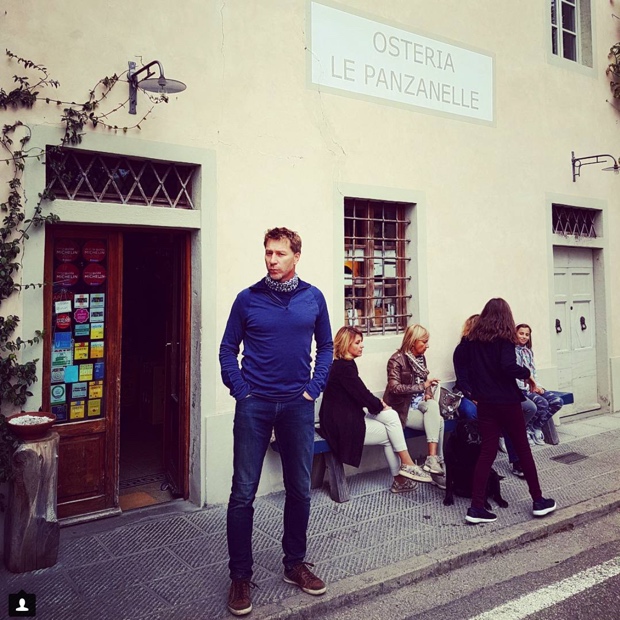
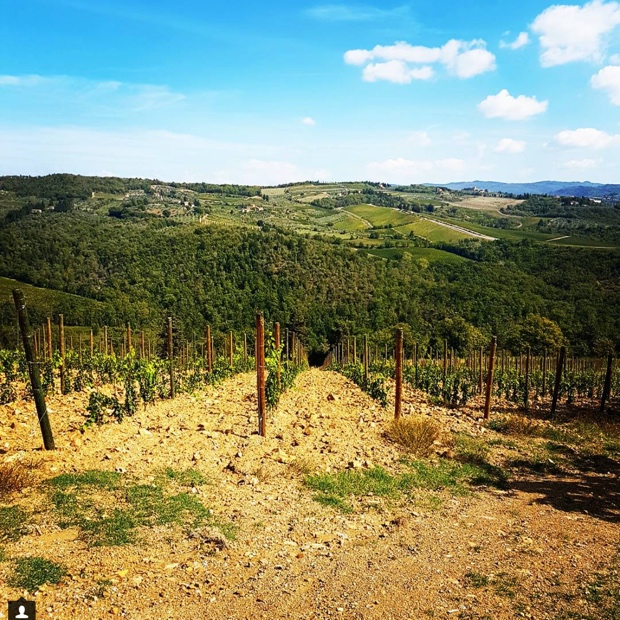
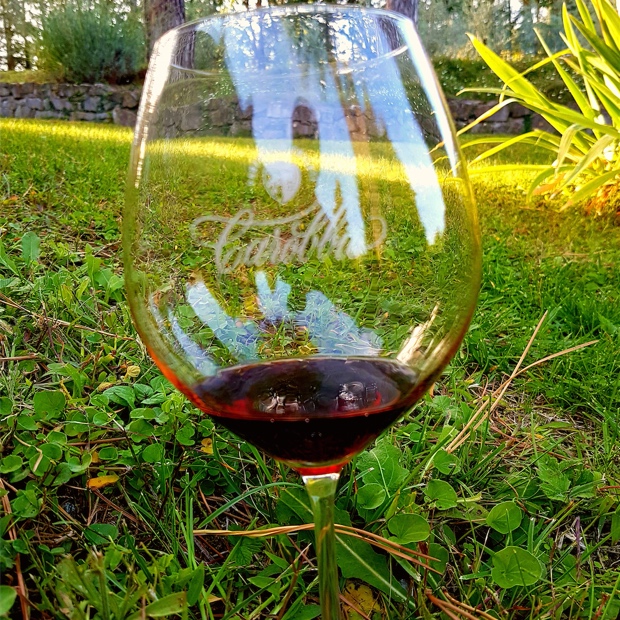


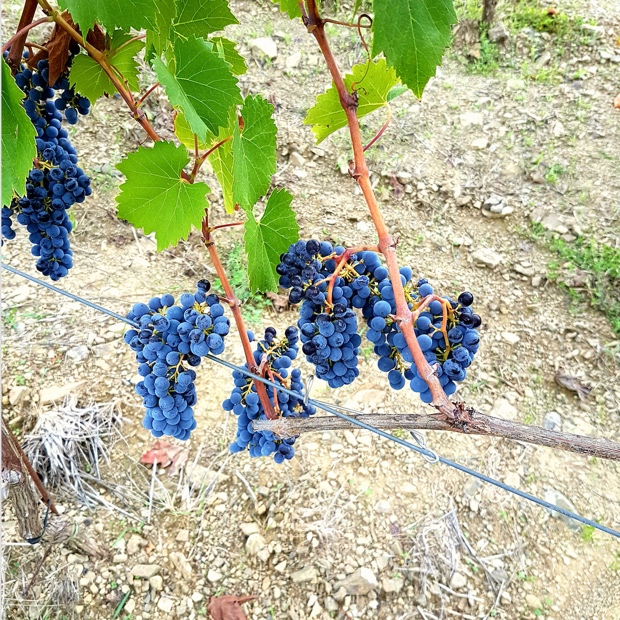
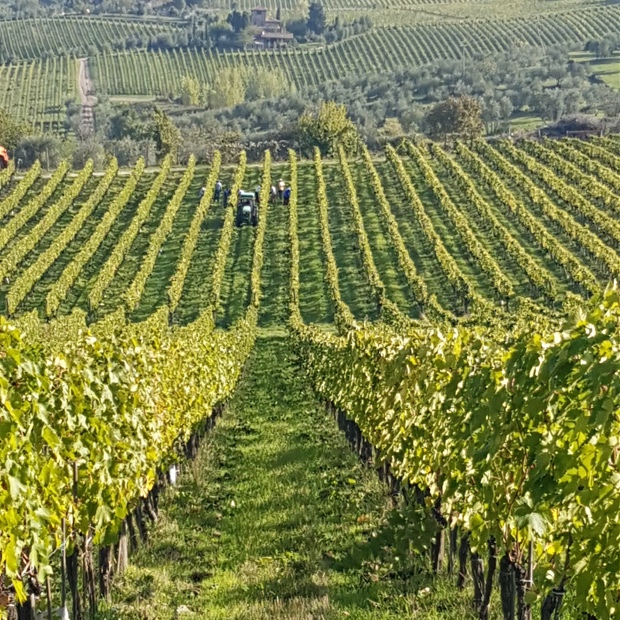
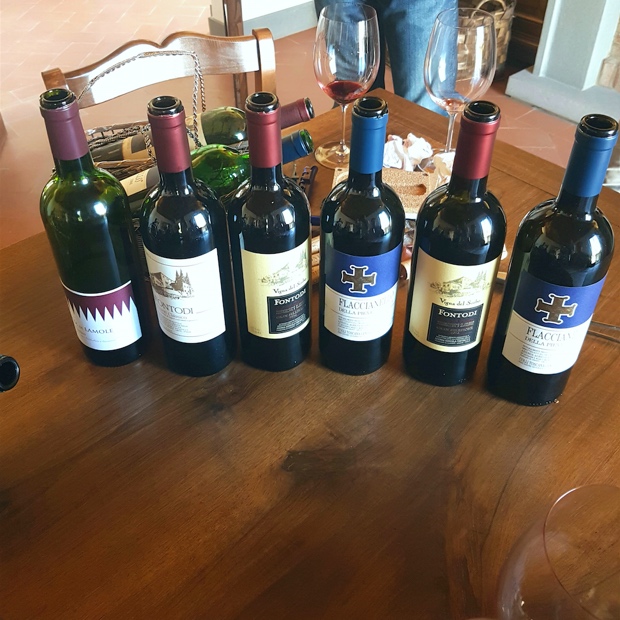
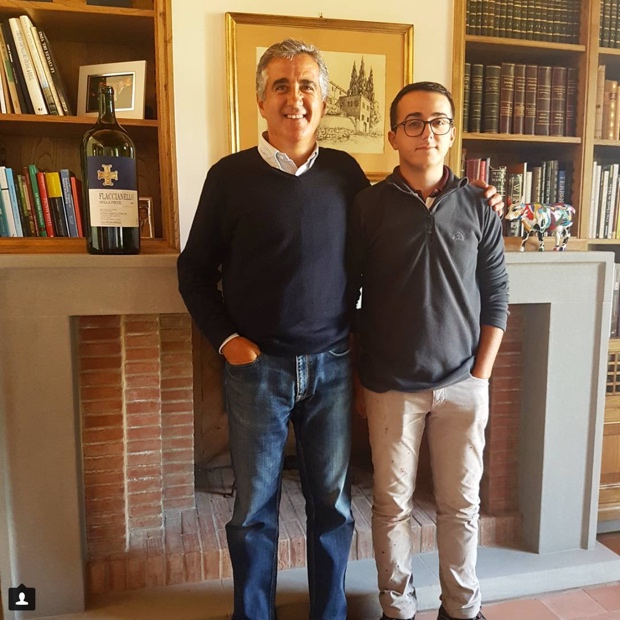


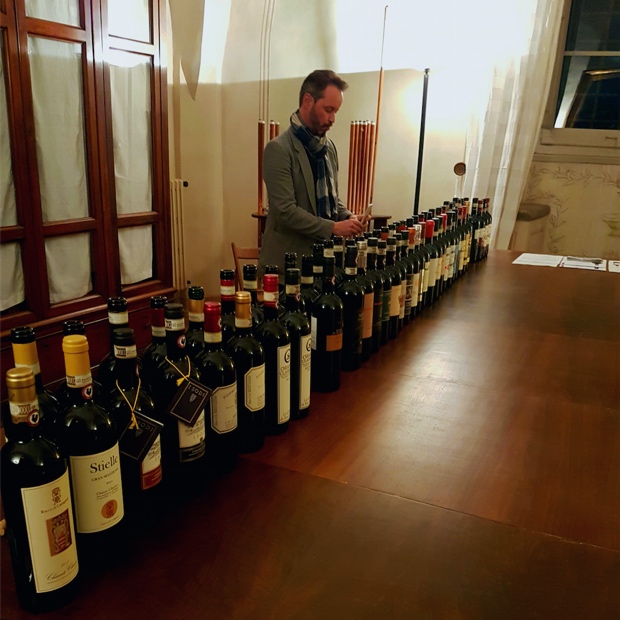


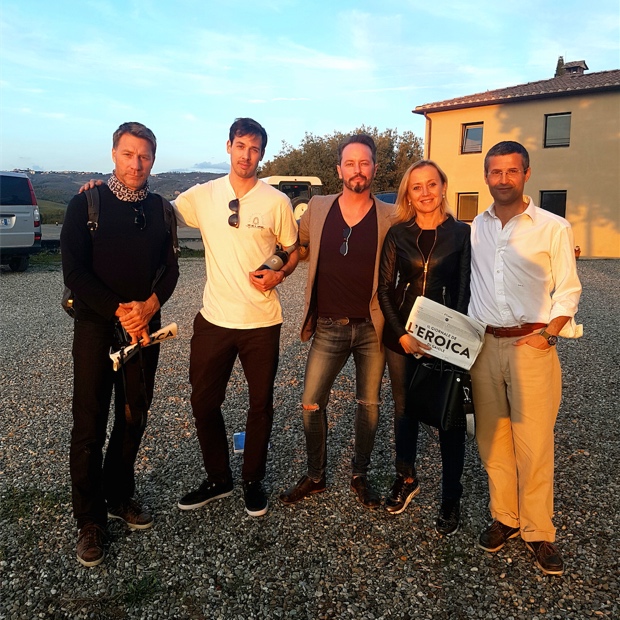
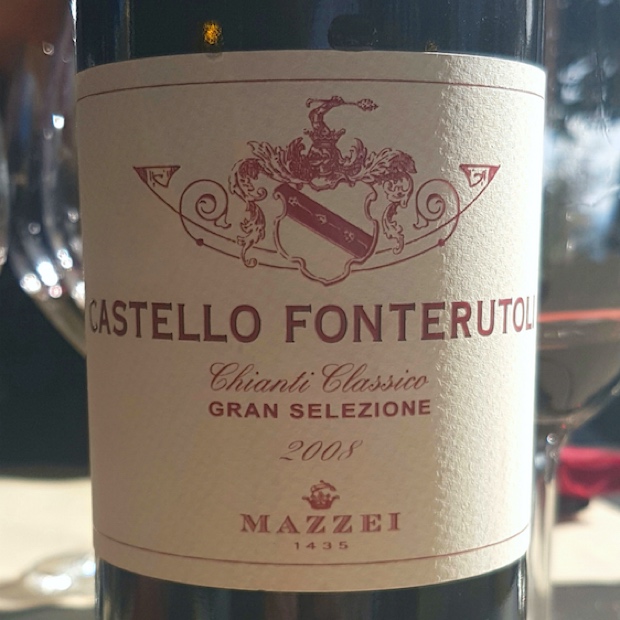

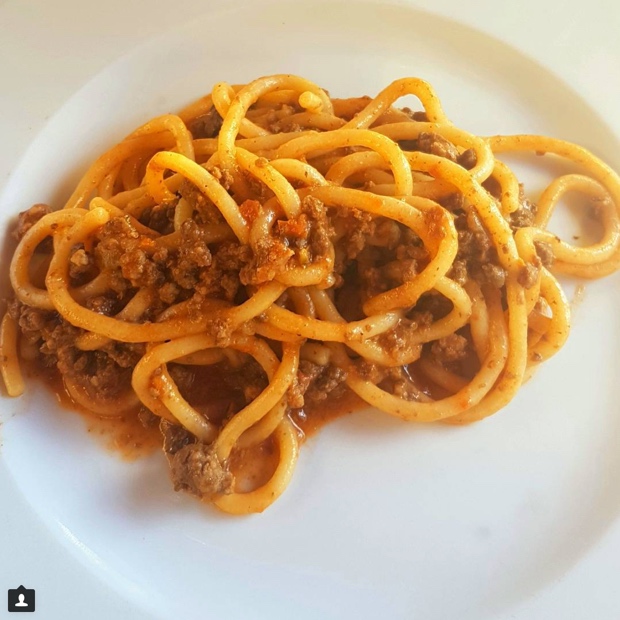

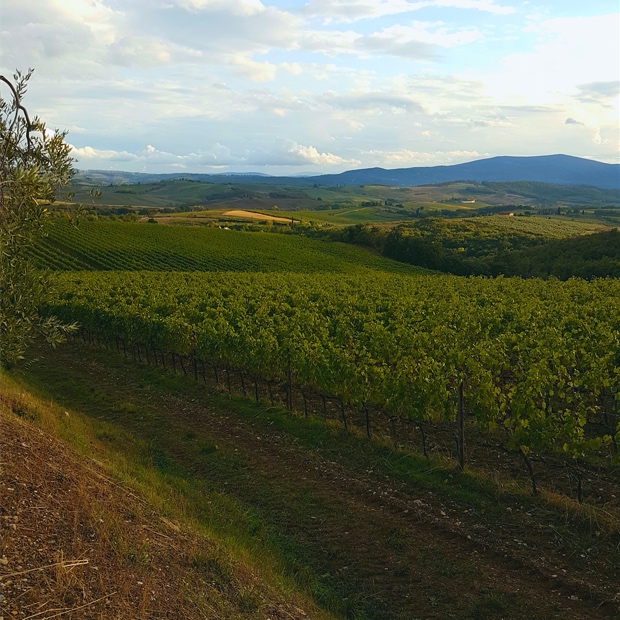
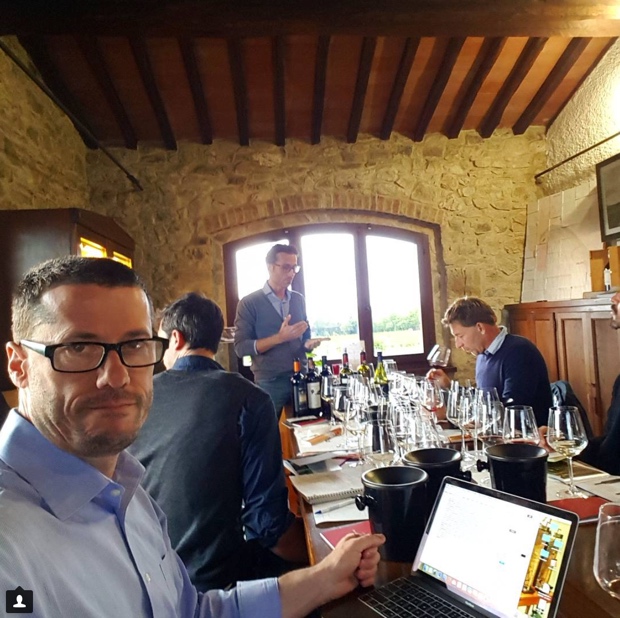
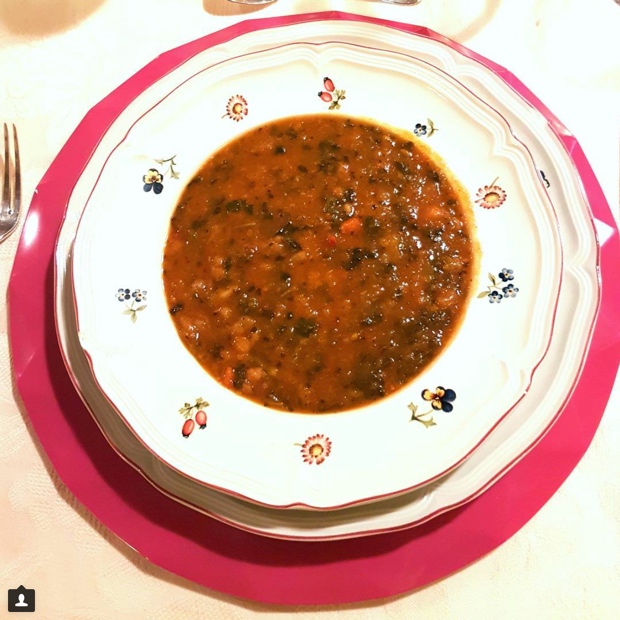

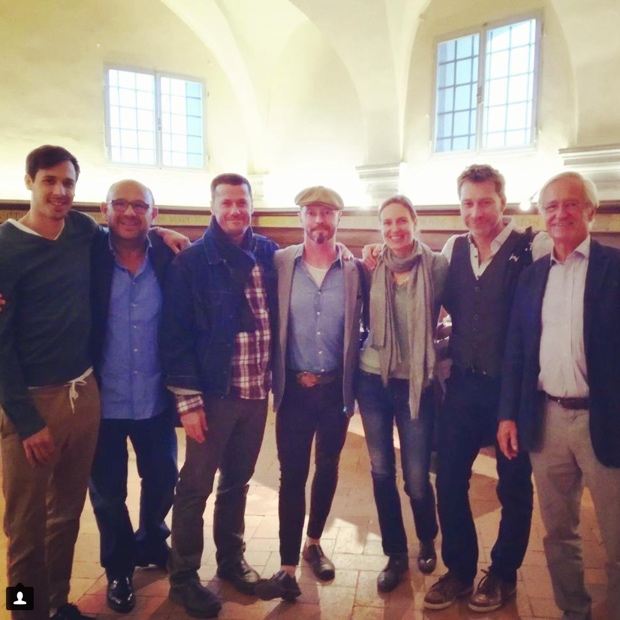

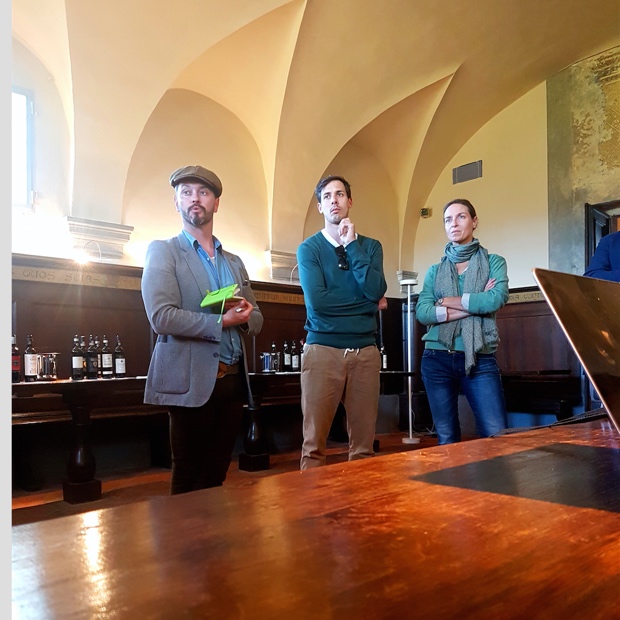









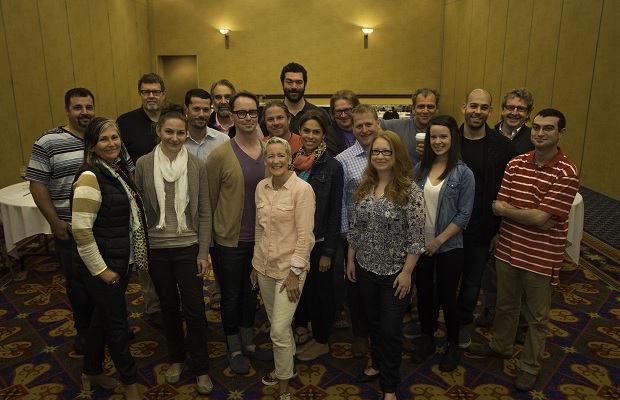


 Godello