The Villa Calcinaia estate dates back to 1524 and its gaining on 600 years of Greve in Chianti history is filled with tales of counts, vines and Chianti Classico lore. Today it is the larger than life presence of Conte Sebastiano Capponi that leads the winemaking charge. Capponi wears the family escutcheon on his heart and carries the torch in his mind. Sebastiano is a critical-mathematical thinker but also a wine producer of existential and linguistic intelligence. In fact, his talents also branch out into the realms of the inter-personal and intra-personal. He is by all accounts, Chianti Classico’s renaissance man.
The Count Sebastiano Capponi of @villacalcinaia in his element #greveinchianti #ilconte #conticapponi #chianticlassico
The estate was first owned by the Florentines Sebastiano del Caccia and Niccola di Andrea Capponi, then sold by the former to the latter and it has been used as a countryside retreat for the family ever since. It was in the second-half of the eighteenth century when Count Ferdinando Carlo Capponi decided to reorganise his property in the Greve valley and begin producing wine. The front had already been refurbished some fifty years before, thanks to Count Ferrante Capponi who also added the chapel. The estate comprises a little over 200 hectares of woodland, pastureland, vineyards and olive groves.
On a more than crisp and impossibly beautiful February morning, the Consorzio Vino Chianti Classico’s Silvia Fiorentini, Sebastiano and Godello take a walk around the estate, away from the Greve River and onto the fanned amphitheatre of a hill that encompasses the Villa Calcinaia holdings. To the left there are the old plots; a sangiovese vineyard planted in 1959, merlot in 1967 and the multi-varietal plantings in varied blocks. There were post-phylloxera vines of many varieties re-located; trebbiano, malvasia nero, mammolo, gewürztraminer, teredelgo, etc. Also some 1960s nursery plantings from Florence where a flood wiped out all the markings so strange varieties ended up in the vineyard. Roberto Bandinelli helped to identify and separate what from what though some unmarked field blends still exist.
In addition to the classico four tiers of Annata, Riserva, Gran Selezione and Vin Santo, Sebastiano also makes IGT Toscana in Rosato, Vermentino, white and red blends. There too is a second line called Piegaia, also organic and produced from younger vines at a slightly more attractive price point. I just tasted the Annata.
If the 2014 Chianti Classico vintage was a summons to contest then it was winemaker Sebastiano Capponi that met it head on. Challenging weather and low yields tested mettle and solicited acumen so just as the Villa Calcinaia won the battle, so does the Piegaia. My rudimentary understanding would take this to mean “pious earth,” and it is the clay, silt and mineral Greve in Chianti soil that helps to define this wine. Here is inter-personal sangiovese, umami-aromatic, salato e piccante. There may be less refinement (and maturity) than the older sibling but it does not lack for varietal purity or classic character. Piegaia also confirms if perhaps expands on the tart flavours that define sangiovese, with natural acidity and non-combative tannins. I can’t think of a wine list that wouldn’t benefit from this juicy, organic and time-honoured Chianti Classico. Drink 2017-2020. Tasted May 2017
Back to February at Villa Calcinaia. A tour through the inner workings of the winery takes us through some barrel samples, including the yet released Annata Chianti Classico, Riserva and two Gran Selezione, La Fornace and La Bastignano. We also taste varietal Mammolo which is Capponi’s version of back up the truck and gulpable gamay or cinsault, Tuscan style. The tour culminates in a tiny room that houses a relief sculpture of the entire estate. It’s a miniature, naturalistic and realistic dollhouse-like rendering of the plots and vineyards of Villa Calcinaia. It’s so cool. Then we sat down to taste the following 10 wines.
Chianti Classico 2013 is a Greve in Chianti by-product of what winemaker Conte Sebastiano Capponi will refer to as a cooler vintage. Elongated ripening was trespassed by early September rain so harvest was delayed. Capponi’s tredici Annata is a demurred and soft one, as if the low-lying cloud-cover created a protective environmental layer to keep the perfume of sangiovese perfectly intact and now omnipresent on the aromatics. This is textured CC of a gentle touch and round acidity, pretty, feminine and downy. Fans of the scuola femminile style will live and breathe this in for its first few years. Drink 2017-2020. Tasted February 2017 @villacalcinaia@Nicholaspearce_villacalcinaianicholaspearcewines@calcinaiaNicholas Pearce
From a challenging and low-yielding vintage that took away more than it gave. The varied renditions of Chianti Classico are all over the map so it’s a revelation to come across Sebastiano Capponi’s calm and beautiful ’14 life. His is a sangiovese that was allowed to just be itself, aromatic to savoury, immune from the pressures placed upon by vintage and expectation. Calcinaia’s is a Greve in Chianti of roses, violets, more amenability than most ‘14s and without any real bother from the barrel. Quite pure with very mature sangiovese flavours, circulating and by extension from natural acidity. The length is exceptional for annata. Drink 2018-2022. Tasted February 2017
So very diffident to that annata Chianti Classico, Villa Calcinaia’s Greve in Chianti Riserva 2013 changes a gear (or three), as it should, into a more reductive and yes, reserved sangiovese. The perfume is deeper clay resolved, texture is amplified and the tannins are not only sweeter than the CC but more toothsome than many Riserva. The acidity is very in line with the annata but perhaps also on the sweeter, even a bit more delicate side. This Capponi walks a very balanced, forward, slow gaining of elevation line, like the vineyards themselves the way they rise with facile incline away from the villa and winery. The peaceful easy feeling gifted by this Riserva impresses the estate’s inclinations, something that is reproduced through a miniature architectural rendering of Calcinaia’s property and vineyards. If you ever pay a visit, don’t miss this fascinating model. Drink 2018-2024. Tasted February 2017
In the low-yielding vintage like 2014 the current state of Villa Calcinaia’s Chianti Classico Riserva shows the signs of a growth stock as opposed to one that is generating lots of cash. This sangiovese is obviously young and not yet telling its Riserva tale, nevertheless I find it quite soothing and cool but really without any herbs or savour (to speak of). Tannins are fine but not so sweet (like ’13) so this wine begs for more time. Its length and it’s quietude will confirm such a request. The return will be generous and a just reward for those who have exercised patience. Drink 2019-2026. Tasted February 2017
Villa Calcinaia Chianti Classico Gran Selezione La Fornace 2014, Docg Tuscany, Italy (Agent, $67.95, WineAlign)
La Fornace was planted in 1975 in close proximity to the Greve River and its sandier soils bring a contradistinct voice to Chianti Classico produced off of other vineyards on the estate. “The Furnace” is so aptly named because of its solar exposure and how the wine takes it in, bathes in it and extricates it to texture. The plot is not denied some of the typical brick-gray Calcinaia clay and the variegation leads to a beautiful exaggeration of the Capponi sangiovese stylistic. Compared to and in conjunction of what I tasted out of barrel for ’15 this completes the Fornace picture, in line with the texture but leaning away from those sweet accents and returning back to more pure and distinct sangiovese roots. Much time will be needed to elongate those angles. Drink 2020-2029. Tasted February 2017
Villa Calcinaia Chianti Classico Gran Selezione La Bastignano2014, Docg Tuscany, Italy (Agent, $67.95, WineAlign)
I’m not certain whether La Bastignano should translate to “good fortune or “good luck,” (buona fortuna or in bocca al lupo) but regardless of the nomenclature this Chianti Classico Gran Selezione will bring great happiness at some point halfway through the next decade. It is actually called Bastignano after the name of the holding on which the vineyards grow and the name refers to one of the four originally poderi of 1524. Bastignano is to me the most poignant and specific gaze into the mirror rendering of sangiovese, the Villa Calcinaia estate and the maker, a.k.a. Conte Sebastiano Capponi. This Greve in Chianti GS is such an ulterior varietal expression from less clay, more silt, less texture and more elastic structure as a result. There is less density in Bastignano, it’s more elegant and in single-vineyard Gran Selezione, reaching for the ethereal, especially out of 2014, because it has been handled with delicate hands. You get the grilling meats, herbs and an impression that is all location. The wine of place more than any in the Calcinaia line-up, with just a hint of concentrated earth on the finish. Drink 2019-2030. Tasted February 2017
Villa Calcinaia Casarsa 2013, IGT Toscana, Italy (Agent, $49.95, WineAlign)
Casarsa 2013 is 100 per cent merlot, from the 1967 planted vineyard, meaning “burnt house,” or if you like “masion brûlée.” Vine age wisdom, an eastern slope and attention to historical detail define this IGT. It is a wine in which all is forgiven, for those who might have been upset these vines planted 50 years ago were not malvasia nero, but in fact, merlot. Casarsa is the Van Gogh “Red Vineyard” Chianteggaia, of discreet super Tuscan spirit, soothing, etched in international stone, rock-solid, spicy, not-leafy and rich without the confectionary aspects of merlot. I can’t taste wood but I can taste Toscana. Great fineness in acidity and plenty of tannin. I am confident to repeat that 2013 was a merlot year, like 1998. So every 25 years certainly (save perhaps for a stopover in 2004 but even more so, 2008). Villa Calcinaia’s is merlot with “Chianteggaia,” of adult molars or animale chops, as costoletta or braciola and indeed would pair perfectly with tender medium-rare roasted veal or beef tomahawk racks. For twenty years, easy. Drink 2020-2033. Tasted February 2017
Villa Calcinaia Occhiorosso 2015 (Barrel Sample), IGT Vino Dei Colli Della Toscana Centrale, Italy
I was under the impression this was called “Ocolos” which could very well be a shortened version of concupiscentia oculorum, “the lust of the eyes,” or in this case sarcopodium odoratum, with a sangiovese-copycat more volatile (but not screaming sour in any acetic way), just earthy, not microbilia, but soil funky. This is in fact Occhiorosso, drawn from a specific seven rows of vines, adding up to one barrique and it will go to bottle in July. Earthy, from Galestro soil located on the upper seventh and eight terrace of sangiovese, so different from the single-vineyard cousin, Gran Selezione Bastignano. The perfume is redolent of sweet scented bedstraw and exotics, like orchids just beginning to decay in water, still in control of its enticements. This is the natural sangiovese, very specific to place. Drink 2019-2025. Tasted February 2017
Villa Calcinaia Le Refie 2016, IGT Toscana, Italy (Agent, $57.95, WineAlign)
Le Refie, “the refit” is not what anyone would expect, a 90 per cent petit manseng and 10 gewürztraminer blend, actually somewhat of a field blend. This harkens back to Villa Calcinaia’s weird, wacky and wonderful mixed varietal history, first from some post-phylloxera plantings and then 1960s Florentine nursery plantings where a flood wiped out all the markings so strange varieties ended up in the vineyards, co-habitating like cats, dogs, rabbits and pigs. Le Refie certainly gives a sweeter impression and plenty of waxy citrus, with beesawax all over the palate. This is a very pretty white, mellow and melting, that really dissolves in the mouth like a soft pastille. In that sense its tonic ability is like a cure, as befits another name for refit. Leaves a tannic impression with thanks to the dry extract separating itself from that delicious melt. Drink 2017-2020. Tasted February 2017
Villa Calcinaia Vin Santo del Chianti Classico 2008, Doc Tuscany, Italy (Agent, $83.95, WineAlign)
Villa Calcinaia’s Vin Santo 2008 is dried naturally after harvest in the estate’s drying room to produce an ultra-über traditional Tuscan dessert wine. By February the grapes reach 350-400 grams of sugar content and are then pressed and racked to tiny (55 litre) oak barrels (caratelli). The sweet must ferments on the spontaneous yeasts for approximately seven years with only the occasional refilling before bottling. The 2008 is composed of trebbiano (70 per cent), malvasia bianco (15) and canaiolo (15), the latter giving glycerin but not acidity so it is kept to a minimum. The trebbiano is the backbone and source of its nutty spine. The malvasia adds creamy texture and smooth operating consistency. This is closer (at least on the silken palate) to Montilla-Moriles, in a Tuscan parallel universe way, with very aromatic fruits, great acidity and fleshy rehydrated plum, peach, apricot and nectarine. There is a sense of fennel seed on the back palate and then it’s all marzipan at the end. Quite long and unrelenting. Drink 2017-2030. Tasted February 2017
In March I attended Prowein in Düsseldorf, Germany, the world’s largest wine trade fair, tasting a fascinating array of wines. I also added short visits to lesser known regions, first the tiny Ahr Valley as well as Rheinhessen in Germany. Last month I published a brief synopsis report based on the following tastings:
Jancis Robinson, Alsace, Greek Assyrtiko, Chianti Classico, Franken Silvaner, The Ahr Valley and Rheinhessen…
It was one month ago that David and I attended Prowein 2017, the international wine congress in Düsseldorf, Germany of such immense proportion that words, description and explanation just fail to do it justice. If you are an agent your goals are simple; meet with your incumbent suppliers and taste with enough new ones to fill the holes in your portfolio. But what if you are a journalist like me? What do you concentrate on? Were do you start?
Canada’s two coolest wine cats present the country’s cool whites to a packed #Prowein house #Canadianwine #ontariowine #winesofbritishcolumbia #drjanetdorozynski #davidlawrason #beyondco
First things first. As a Canadian and a representative of Wine Country Ontario I hung around the Canadian pavilion, talked with our coast to coast winemakers, vintners and marketing representatives, took in the seminars on cool climate wines led by David and Dr. Janet Dorozynski and of course, tasted some wines. I’m glad I did because I might have otherwise missed out on four exceptional Canadian bottles.
It’s @jamiegoode talking up #Canadianwine at #Prowein
The quintessential cool climate vintage does for more than chardonnay and riesling as told by this classic tier cabernet franc. From winemaker Aleksandar Kolundzic who is rapidly developing guru status where cabernet franc is concerned, which comes as no surprise when you consider how many variations on the theme he lends his laser focus. The 16 months spent in two to three year-old oak leads to mellow melting integration and that seasoned, grace-gifting wood is used to great advantage. This is floral, expansive, chewy, firm and so very pretty. A wise old cabernet franc that will tell great stories of the years gone by well into the next decade. Drink 2017-2023. Tasted March 2017 @Pillitteriwinespillitteriwines@PillitteriEstatesWinery@WineCountryOntwinecountryont@mkaiserwine@WineCountryOntario
The two thirds/one third cabernet franc/cabernet sauvignon stunner from Vineland Estates is pulled (and now labeled) from the 60-acre Bo-Teek Vineyard found within the designated viticultural area Niagara Escarpment (within the broader Twenty Mile Bench) sub-appellation. Estate cabernet of such acumen is predicated on the sound wisdom gathered by a viticulturist and Vineland’s Roman Prydatkewycz knows his cabernet. Winemaker Brian Schmidt takes this paradigmatic escarpment fruit, passes it through the optimal sorter, removes five to eight per cent imperfect berries and a quarter of the cabernet sauvignon fruit. What remains is hand-punched, sent to neutral barrels and is forgotten for 15 months. What emerges is a naturally sweet, vegetal-void elixir, sharp, focused, fervently nervous, tart and captured as if in a dark vacuum or void. It’s all tied inside snug, concentrated and intense. It’s too early for the burst but it will happen within another 12 months time, followed by a six to 12 year slow release of flavour, texture and descendent development of tannin. Drink 2018-2023. Tasted March 2017 @VinelandEstates@benchwineguyvinelandestatesbenchwineguy@winery.vinelandestatesBrian Schmidt@WineCountryOntwinecountryont@mkaiserwine@WineCountryOntario
Attention proweiners- Still time to discover cool @WinesofCanada in Hall 9 @CVAWine @WinesofNS #ontariowine #bcwine
Benjamin Bridge Brut Brut Rosé Sparkling 2012, Nova Scotia (Winery, $44.99, WineAlign)
The adjustment for vintage and evolution means that chardonnay takes more control in the Brut Rosé. Warmth and ripeness were easier to come by in 2012 and though the pinot decrease may seem antithetical and not obvious as a result, it is a brilliant stroke of adjudication. With a 43 per cent stake (plus equal parts noir and meunier) the 2012 Rosé rushes out as an open vein of fleshy aromatics, many of which you will have never nosed before. Citrus and floral exotica, like juice vesicles oozing out of fruit and herbal, of Murraya paniculata, pomelo and kumquat. The omnipresent vitality, energy, intensity and Bridge acidity is never denied and definitely not here but the vintage sets this ’12 apart and furthers the experience with travel around excellency. The liquid hits the palate, expands, vaporizes and recurs. It’s magic really, the sparkling wine tasting equivalent of vaping so cue the health benefits. Just when you thought Benjamin Bridge and winemaker Jean-Benoit Deplauriers had hit the mark they turn the mark on its head. Confirms two salient matters; the Nova Scotia sparkling wine leader is the Canadian commander and blush bubbles are what they do with constant consistency. Drink 2017-2022. Tasted March 2017 @Benjamin_Bridge@jbdeslauriersbenjaminbridgecaveman__jones@benjaminbridgevineyardsJean-Benoit Deslauriers@WinesofNS#winesofnovascotia@winesofns
Blomidon Estate Late Pick Sparkling Chardonnay 2011, Nova Scotia (Winery, $45.00, WineAlign)
The 2011 late-picked chardonnay, the “Hurricane” is a hyperbole of itself. Normally picked in later October, the frost-free weather allowed further time and development. Picked from seaside vineyards just ahead of another hurricane (in a season that included Irene), this is sparkling wine you just have to try. Though lean, taut and as intense as you are likely to taste, the developed character and complexity is visionary for Nova Scotia and Canadian sparkling wine. Three years on the lees brings the texture and fills the gaps, holes and voids created by such a tightly wound cool climate chardonnay. The dry factor is exaggerated in 2011 (a one-off says winemaker Simon Rafuse) but the wine takes full advantage of the Extra-Brut intent. Did it require the anxiety of a recent and an impending cyclone? Can it be duplicated? “That’s the story of the Hurricane.” Visionary for Nova Scotia and Canadian sparkling wine. Drink 2017-2022. Tasted March 2017 @BlomidonEstateblomidonestate@blomidonestatewinerySimon Rafuse@WinesofNS#winesofnovascotia@winesofns
You can’t see it all, do it all or taste it all, so you pick your spots. The rest of my three-day, 12-pavilion cum airport hangar wanderings can be summed up in five ProWein experiences; Jancis Robinson, Alsace, Greece, Chianti Classico and a great exploration into Franken silvaner and spätburgunder. The grand dame of wine held a special intimate media tasting. With fewer than 18 international journalists in attendance, Jancis Robinson’s seven favourite wines at ProWein were poured, choices she noted “I think should be useful to our readers and seek out value.” Nahe and Weinviertel riesling, Chinese cabernet sauvignon, Crozes-Hermitage, Amontillado and my picks of the lot from Chile and Sicily.
Robinson’s full list of wines chosen and poured were as follows: Weingut Schäfer-Fröhlich Riesling Trocken Bockenaur Schiefergestein 2015, Nahe, Germany, Zillinger Grüner Veltliner Radikal 2015, Weinviertel, Austria, De Martino Cinsault Viejas Tinajas 2014, Itata, Chile, Tenuta delle Terre Nere Santo Spirito Rosso 2014, Sicily, Italy, Chateau Changyu Moser Family Cabernet Sauvignon 2013, Ningxia, China, Maison Tardieu-Laurent Vieilles Vignes 2015, Rhône, France, Williams & Humbert Jalifa 30 Year Old VORS Amontillado NV, Jerez-Manzanilla, Spain.
41 years experience. 65,000 to choose from. Seven meticulous picks. @jancisrobinson @Prowein #Prowein
Poured by Jancis Robinson at ProWein 2017, the departure for Chile and cinsault hails from just south of Maule and well south of Santiago. Grapes come from a tiny commune called Coelemu and in fact the name Itata cannot be used for ‘un-noble’ grapes so Secano Interior is the nomenclature employed. Done up in old clay jars called “Tinajas,” the cinsault gets a sort of membrane, a cap if you will, of a layer of tannin and acidity due to the clay after 15 days of carbonic maceration plus a full year in those amphorae. The 31 year-old vines deliver the first strike, a natural cure, then bitter cherry and so the wine would service better with a further chill. Robinson notes that it’s “chock full of fruit and tradition,” an exploration wine, in a part of the world not on the bigger maps. Drink 2017-2019. Tasted March 2017 @DeMartinoWinesdemartinowines@DeMartinoWines@WinesofChile@WinesOfChiledrinkchile@DrinkChile
Here is a regional defining Etna Rosso that comes 16 years after the pioneers began to bring these volcanic magma gems to the world, like Frank Cornilessen and Andrea Franchetti of Tuscany’s Tenuto Trinoro in the Val D’Orcia. Made by Marco de Grazie, Santo Spirito is a single vineyard Etna made on the “black lands,” composed of 98 per cent nerello mascalese, deep dark and volcanic, off of 40-100 year old vines. It’s deeply hematic and the nose is like a cross between fennel and the marriage of lava and garrigue. The wine is aged in French barriques and it shows; of vanilla, really mellow liquid bitters. It’s warm (14.5 per cent), young, oak-welling though energetic, playful, like dark modern Burgundy. The finish as so very volcanic twang, like country music, Sicilian style. Such chewy and grainy tannin drapes all over that long finish. Drink 2018-2022. Tasted March 2017 @tenutaterrenere@WinesSiciliaDoc@WinesOfSicily@GroupeSoleilTOtenutaterrenerewinesofsicilyrealbenhardy@TenutaDelleTerreNere@WinesOfSicily
The honour and privilege to taste Alsace is always welcome and especially when the sit down happens with two exceptional humans like Christian and Valerie Beyer. Their Lieu-Dit pinot gris and noir were terrific examples but it was the Riesling that blew me away. From special limestone this is more refined than similar Alsace from granite, of a salty minerality and intensely elegant.
An @AlsaceWines reconnect with Christian & Valérie Beyer @EmileBeyer @Prowein #justlikestartingover #eguisheim #riesling #rieslinggrandcru #pfersigberg #pinotgris #lieudit #hohrain #pin
Emile Beyer Riesling Grand Cru Pfersigberg 2012, Ac Alsace, France (Winery, WineAlign)
The Pfersigberg or “hill of peach trees” consists of limestone conglomera Muschelkalk and Jurassic stone. Its south exposure on very deep soil produces early maturing wines but from the exceptional 2012 vintage Christian Beyer’s Pfersigberg will last a decade or more. His family’s domain has been farming organically since ’05, officially since ’12 and half of the producers in Egusheim are indeed organic. Christian explains that this Grand Cru is a special kind of limestone, so similar to Burgundy and it lends the salty minerality of itself. Always carries richness with lime fresh citrus, stone fruit acidity and some honey in a riesling that will turn waxy in secondary life. It’s really about mouthfeel and the crisp crunchy rock salt so I and I believe you should really concentrate on the aftertaste. This is more refined than similar Alsace from granite, here from 35-45 year old vines and 35 hL/L yields. Intensely elegant. Drink 2018-2028. Tasted March 2017 @EmileBeyeremilebeyer1580Emile BeyerValérie Beyer@VinsAlsace@AlsaceWines@drinkAlsacevinsalsacedrinkalsace@vinsalsace@AlsaceWinesOfficial
With Panayiota Kalogeropouloun and Margarita Damigou of Domaine Sigalas at ProWein
I also sat down with Panayiota Kalogeropoulou and Margarita Damigou for a ProWein date with assyrtiko and it was a revelation to taste a single-vineyard white that turns the world on its head.
I’ve not yet tasted the Kavalieros 2014, so this single-vineyard, 18 months on lees done in stainless steel Kavalieros 2015 made by “Mr. George” is the benchmark for Santorini, assrytiko and salty white wines everywhere. The first release was 2009. Straight up and turning the world on its head, like the old man on the label and upside down against Apollo’s Aegean Cyclades. This ’15 richer still, more than the seven villages wines and a hyperbole as compared to the entry-level assyrtiko, of deeper mineral, compressed, layered and fantastic. Crushed rocks permeate in aggregate, it’s quixotically saline and textured, of intense presence and finally, structured. For 15 years at least. A late shot of natural Santorini tonic swirls in centrifuge with assyrtiko so wound up. This will need 10 years to unwind and allow for cracks to form in the mineral shell, followed by the birth of its fruit. It should never be forgotten that assyrtiko can and will show fruit but with Kavalieros you’ll have to be patient. Drink 2020-2031. Tasted March 2017 @DomaineSigalas@MajesticWineIncdomainesigalas@DomaineSigalasPanayiota Kalogeropoulou@DrinkGreekWinewinesofgreece@newwinesofgreece
As does a natural Peloponnese Roditis, a white that ignites the light fantastic’s wire.
Roditis 2015 is the natural one, racked from the top and finally now settled (so at this time of tasting 2016 is not yet in bottle but at this time of writing should already be as it always does in April). This is the cleanest and purest of the natural wines on the planet, low in pH, high of natural acidity and without a care in the world. With nothing to fear in regards to spoilage it can go on its own personal shopping spree, accumulate character, personality and confidence with the end result being that there is more of everything in the natural one. Its terrifically repeatable, replicable and clonal acidity makes it quite trippy, stepping on and igniting the light fantastic’s wire. You just have to take a stab in the dark with winemaker Panayiotis Papagiannopoulos’ roditis. Or ye have not yet lived. Drink 2017-2021. Tasted March 2017 @Tetramythos#tetramythoswines@tetramythoswinesDevon Masciangelo@DrinkGreekWinewinesofgreece@newwinesofgreece
A roam through the Italian pavilion afforded tastings in Puglia, Sicily and as always Tuscany with a one on one face to face with Chianti Classico’s President Sergio Zingarelli and his estate’s flagship wine.
Rocca Delle Macìe Chianti Classico Gran Selezione Sergio Zingarelli 2012, Docg Tuscany, Italy (Agent, $122.95, WineAlign)
This is the flagship wine from the famed estate, a Gran Selezione that bears the patriarchal Sergio Zingarelli name. As expected it is a richer, deeper and depth welling GS, clearly aimed towards the crowning achievement of place, more hedonism, but of course, seeking purity and elegance. The extra year or two in bottle means integration and wood having subsided a bit. “We decided to change the vineyard in 1974 in front of Rocca to be the best vineyard with the best grapes and we will produce our best wine,” I am told by Zingarelli as we taste at ProWein. What was 90 per cent sangiovese (planted in 1999-2000) this 2012 is accented by colorino but in 2014 it will be 100 per cent sangiovese. Elegant as much as sangiovese and Gran Selezione will likely ever strive to be. It is hard not to be impressed with this wine. It bursts with the essence of plums and richest of red cherries, but it’s not without it’s requisite crunch and chew. The absence of astringency is remarkable and speaks to the quality of the fruit and the gentle touch while working with such phenolic ability. Start drinking this anytime. Drink 2017-2025. Tasted March 2017 @roccadellemacie@roccadellemacie@ProfileWineGrpProfile Wine Grouproccadellemacie@chianticlassicochianticlassico@ChiantiClassicoUSA
Cantina di Ruvo Grifo Nero di Troia Riserva Augustale 2012, DOCG Castel del Monte, Puglia, Italy (Winery, WineAlign)
Grifo in Castel del Monte was established in 1960 as a cooperative, with 400 farmers and still operates as such with flagship wines based on the local nero di troia. The output is quantified at 1,200,000 bottles per year and increasing. Augustale is the top tier varietal wine from a selection of the vines and produced in small quantities. There is no mistaking what it is, with that specific yeasty bright fruit, slightly volatile to funky but ripe and generous grape scent and bursting with flavour. Spent approximately one year in oak “but the greatest liars are the winemakers,” says Riccardo Ravasio, Direttore Generale presso (General Manager), with a wink and a smile. Mainly big barrels, plus a smaller percentage of small barriques. Fresher than primitivo and with more structure. This has presence and distinction with just a hint of dried fruit, flowers and truffle towards the finish. Classic adult, mature, experienced NdT. Drink 2018-2022. Tasted March 2017 #Grifo@FedericaSchir@cantinaruvodipuglia
Miracle on #etna from @PlanetaWinery eruptive #carricante of such acidity! The lime! #eruzione #1614 #patriciatoth #prowein2017 #winesofsicily #Prowein
“Not everyone can carry the weight of the world,” save perhaps Planeta’s Patricia Tóth, a winemaker who celebrates the past, the endemic varietal and in the present, the glaring truth. The name Eruzione is evocative of the estate’s Cru dell’Etna and in a mind’s eye transports history through the narrative of carricante (with 10 per cent riesling). It brings the legendary 1614 Mount Etna eruption to life, a longest ever recorded catastrophe that lasted ten years, halting just on the border of the vineyards of Sciaranuova. This is veritable mountain altitude wine, from high (790-890m) terraced, volcanic black soils delivering fresh conifer savour, saltiness and palpable mineral style. It is sharp and composed on the nose, with citrus distillate and elevated acidity. It does not matter whether you are wide awake or deep in R.E.M sleep. At all times it is a revelation for carricante. This is what it can be! There was no need for crop thinning, it was picked four to five weeks after the sparkling and it spent five months on the lees. The texture and the potential longevity are thankful for this. “Combien, combien, combien du temps?” At least seven years. Talk about the passion. Drink 2018-2025. Tasted March 2017 @PlanetaWinery@Noble_Estatesplanetawineryplant dependentnoble_estates@planetawineryTóth Patricia@NobleEstates
No self-respecting wine journo departs #Prowein without tasting #carricante @PlanetaWinery with #patriciatoth #etna
The Germany pavilion is the epicentre of the ProWein universe. Gravity would naturally pull you to the Mosel and yet I was in search of an alternative experience. With travels to the Ahr Valley and the Rheinhessen looming I gravitated (naturally) to Franken and more specifically to an intensive workshop with silvaner and spätburgunder. The days of the old flattened ellipsoid, field bottle silvaner packaged in traditional Franconian Bocksbeutel are nearly behind us and while several modern, clean and pure examples match up with the great mineral fresh whites around the planet, one stood apart.
Franken Silvaner
Rudolf May Silvaner Retzstadter Langenberg Der Schäfer 2015, Franken, Germany (Winery, WineAlign)
May’s Der Schäfer silvaner comes from the Retztadter Langenberg, a slope of muschelkalk (predominantly from the lower muschelkalk, or wellenkalk) that characterizes the soil. Looking east the location is protected by the Retzstadt deciduous forest and the warm air of the Maintales flows from the west. This specialized and extra-special silvaner is balanced in its aromatic ability meets proper and right-willing alcohol (13.5), with great quality acidity. True salinity and caper brine put my mind’s senses into concepts where this shares a kinship with assytrtiko. It’s brilliant, stony-gemstone able, savoury, no actually sapid, and exceptionally mouth salivating. Just a touch of texture driven lees builds character and great persistence. Bitters before the end are finely distilled and character building. Fresh to drink now and with more ability than most to age. Drink 2017-2022. Tasted March 2017 @frankenwein#frankenweinFrankenwein Fränkische Weinkönigin@Weingut.Rudolf.May@weininstitut@WinesofGermany@germanwinecagermanwine_cawines_of_germany@germanwinecanada
So much to say about #silvaner and #spätburgunder #pinotnoir
Passion für Pinot Noir! is the avant-garde Deutscher Qualitäswein Franken slogan for spätburgunder. Rudolf May once again impressed with their Retzbach Benediktusberg but as I was about to pour myself a taste of the next wine, a Franken booth associate swooped in to slip me a Burgundy glass, so I knew this was going to be different. It was the next wine that taught me what Franken pinot noir can be.
No. 1 takes not only the estate’s best pinot noir pick but Franken spätburgunder and paradigmatic pinot noir to an entirely new level. The Katzenkopf (“cat’s head”) is Sommeracher’s best vineyard and it is Weingut Richard Östreicher that demands great respect. As I am about to pour myself a taste a ProWein Franken booth associate swoops in and slips me a Burgundy glass, so this must be different. Certainly an elegance and a refinement not seen yet. I’m thinking only on its perfume from the get go but this Franken sensibility is more important, a soil component that just acts of its own accord in the magic it brings to pinot noir. The compatibility of fruit and acidity with the finest grains of sweet and refined tannin is a revelation. The vintage is an important one to be sure and the firm but still amenably sweet finish mixed with a dash of tonic tells me about the longevity this No. 1 is capable to execute. Drink 2017-2027. Tasted March 2017 #richardöstreicherRichard Östreicher@weininstitut@WinesofGermany@germanwinecagermanwine_cawines_of_germany@germanwinecanada
The desparate grade of Ahr Valley vineyards
On day three of ProWein I jumped on the großer Magie Bus with 17 international journalists and headed for the Ahr Valley, one of Germany’s (of 13) furthest northern wine regions. With an area of 150 hectares (of 100,000 total in Germany), even the Mosel is not so far north. Our first visit was to Meyer-Näkel, a young winery in its third generation. Before that there was a winery (Meyer) and Näkel (restaurant). When the grandparents married the entities merged. In 1982 winemaker Meike Näkel’s father took the winery and her uncle the restaurant.
Michael and Meike
Starting out with two, now there are 20 hectares under vines. The slopes are ridiculously steep, prized for their blue slate soils and so difficult to work. Spätburgunder steals the Ahr Valley show and while Meyer-Näkel’s lieu-dit and grand cru (Großes Gewächs) are impassioned and important works, in Ontario you can find their affordable entry-level treat. It really is what basic German spätburgunder needs and is expected to be.
Meyer Näkel Spätburgunder 2015, Deutscher Qualitätswein, Ahr Valley, Germany (427898, $26.25, WineAlign)
The entry-level pinot noir was bottled in the summer of 2016, after a hot season and dry elsewhere but in the Ahr it rained and it was cool overall. Picking was actually late and the aromatics show off the long, cool, floral temper. De-stemming and fermentation is immediately initialized but the maximum fermentation is 10 and usually six days. The pips are just a quick doo-wop to keep both green and bitter away. A focus on fruit, an absence of tannin and a pure varietal expression. Red trumps green, large wooden casks (15-20 years) also impart no tannin so the finality is simply cherry. That said, this carries some almond pit and green strawberry on the palate. It’s really what basic German spätburgunder is and expected to be. Nicely balanced and in at 13 per cent alcohol. Drink 2017-2019. Tasted March 2017 #MeyerNäkel@vonterrabevWeingut Meyer – Näkelvonterra@MeyerNaekel@weininstitut@WinesofGermany@germanwinecagermanwine_cawines_of_germany@germanwinecanada
Yet nothing could prepare me for what a former German wine queen would pour. Julia Bertram grew up in Dernau, gained experience at Meyer-Näkel and Klumpp. In 2013 she launched her own her vineyard with just half a hectare and now farms three and a half. Nothing fascinates her and the “SchlAhrVino” (association of young Ahr vintners) as much as ripe wines, especially pinot noir. Her whole bunch, wild ferment spätburgunder is nothing short of intense. The world should get ready for her alternative Ahr universe.
World get ready for #juliabertram and her alternative #ahr universe pinot noir @weininstitut #ahrvalley #spätburgunder #handwerk
Julia Bertram Spätburgunder Handwerk 2015, Ahrweiler, Germany (WineAlign)
Former German Wine Queen Julia Bertram grew up in Dernau, gained experience at Meyer-Näkel and Klumpp. In 2013 she launched her own her vineyard with just half a hectare and now farms three and a half. Nothing fascinates her and the “SchlAhrVino” (association of young Ahr vintners) as much as ripe wines, especially pinot noir. Her whole bunch, wild ferment spätburgunder is nothing short of intense. Bone dry, tart and spirited by crisp acidity, the young vines and used barrels deliver notes that are embattled in a spontaneous, natural, posit tug. The world should get ready for her alternative ahr universe pinot noir. Drink 2017-2020. Tasted March 2017 #juliabertram#juliabertramJulia Bertram@weininstitut@WinesofGermany@germanwinecagermanwine_cawines_of_germany@germanwinecanada
The next two were Rheinhessen days, first with five Appenheim village winemakers at Weingut Willems & Hoffman, followed by a visit to taste more deferential and singular spätburgunder at Weingut J. Neus. The single vineyard of Hudertgulden in Appenheim is one of the Rheinhessen’s finest. At Neus we got grippy with the muschelkalk soil meets spontaneous ferments from the team of Operations Manager Lewis Schmitt and agronomist/oenologist/winemaker/cellarmaster Julien Meissner’s pinot noir.
From the Burgundy-like soils of this special rolling hills nook in the Rheinhessen, replete with shells and corrals, the Hundertgulden, “hundred guilders” is the most important single vineyard in all of Appenheim. The vintage trumps 2014 and nearly bone dry is still the operative in this super salty, linear, lengthy and age-worthy riesling. A true blue limestone vernacular is spoken and the stone simply slides and glides through the wine. Definitive of place, with leesy texture, elegant, balanced and seamlessly woven through. There is more lime zest and juice than the Appenheimer and more overall citrus tendency. The mirror of Appenheim. Drink 2018-2022. Tasted March 2017 #weingutknewitzweingutknewitz@Weingut.Knewitz@weininstitut@WinesofGermany@germanwinecagermanwine_cawines_of_germany@germanwinecanada
Getting grippy with #pinotnoir #jneus @weininstitut #spätburgunder #ingelheim #muschelkalk
Weingut J. Neus Spätburgunder Muschelkalk Alte Raben Trocken Ingelheim Am Rhein 2014, Rheinhessen, Germany (WineAlign)
From vines 25-40 years old, depending on which barrels are chosen for the final blend, off of the estate’s singular limestone muschelkalk soils. Even some 45 year-old vine fruit can be used, ferments kept separate, just as winemaker Julien Meissner will do with the Großes Gewächs. After tasting the younger vines spätburgunder and trocken first this acts less up front fruit forward, now spirited, of a phenolic tonic, variegated, characterful, open and spontaneous. Large (600 and 1000L) 100 per cent new oak barrels add char and spice to the rampant cherry, but also structure that takes you on the ride from background to foreground. “A strict style of pinot noir,” says Meissner, a cellar master who triples as agronomist and oenologist. Reduction begs for patience and time, tannins are taut and there is this minty, Mornington Peninsula pinot effect. Fruit, tannin, chalk and the conduit of Neuss acidity. The whole package. Drink 2018-2022. Tasted March 2017 @JNeus1881jneus.ingelheim@J.Neus.Weingut.seit1881@weininstitut@WinesofGermany@germanwinecagermanwine_cawines_of_germany@germanwinecanada
We moved away from the red wine thematic and into more familiar territory when we stopped in at Weingut Thörle for a visit with Christoph Thörle. The single-vineyard Hölle and Schlossberg rieslings are as exceptional as any in Germany but the Ontario presence of the Feinherb should never be overlooked.
Some of Germany’s finest #riesling coming to @TerroirTalk May 29th #thorle #Terroir2017 #christophthorle #saulheim #rheinhessen #terroirsymposium #holle #agotoronto
Off-dry riesling does not always have to be bottled as such but in the Rheinhessen and at Thörle the category of Feinherb is anything but an afterthought. This started as a side fermentation in its first years but is now an important wine in the estate’s multi-tiered processes. The cuvée is gathered from younger vines plus one barrel of premier cru Saulheim fruit. A slight skin maceration (12-18 hours) is employed which helps to temper the tartaric acid though this will be swapped for whole bunch fermentation in warmer years. Hides some of its sugar, especially on the nose which is quite floral, of white flowers and honeysuckle. Honey and wax with sweet herbs bring all into playful light to taste, with plenty of sweet lime and lik-a-maid sour touches. For every Indian Food list in the world. Drink 2017-2020. Tasted March 2017 Weingut Thörle@WeingutThoerleGabsheim@weininstitut@WinesofGermany@germanwinecagermanwine_cawines_of_germany@germanwinecanada
On our last day in the Rheinhessen we stopped in at Weingut Manz and if you ever find yourself in their tasting room, expect a multi-varietal experience. On any given day you may taste weissburgunder (pinot blanc), riesling, grauburgunder (pinot gris), sauvignon blanc, spätburgunder (pinot noir), merlot, cabernet sauvignon and finally, huxelrebe trockenbeerenauslese. On this day it was the wines spoke to the territorial low yields and late harvest work of Eric Manz.
The Kehr from Eric Manz is riesling of extremely low yields and a late harvest for what shines to be high in complexity and aging potential. Generous skin contact and even more so in lees action effect makes this quite different than the Kehr “M” but also the Herrenberg Trocken Spätlese. With the sugar here remaining in line with the Hipping (Niersteiner) it is the high acidity that drives the Kehr machine. This seems less arid than the Hipping, more energetic and more reductive than the “M.” Higher potential for aging with so much lime cordial sparkles and brings spirit that will persist into a petrol and honey future that would have to be bright. Drink 2019-2026. Tasted March 2017 #weingutmanzWeingut Manz Weinolsheim@weingut.manz.weinolsheim@weininstitut@WinesofGermany@germanwinecagermanwine_cawines_of_germany@germanwinecanada
I don’t always taste #roterhang Riesling but when I do it has to be in the #fockenberghütte
The week in Germany saw virtually no sun, that is until the final morning outdoors above the Rhein River under the shelter of the Fockenberghütte. Here we tasted the Nierstien wines of Weingut Domtalhof, St. Antony and Louis Guntrum with our charismatic M.C. Konstantin Guntrum. We walked the famed Roter Hang Vineyard and had the great fortune to taste Guntrum’s ethereal 1976 Neisteiner Heilgen riesling. Guntrum wears the passion for his home vineyard in his expression, on his sleeve and by the way he walks. “Roter Hang is a geological statement,” he explains. Red soils of friable sandstone, steep and breathtaking. Nierstein is the portal into which you can peer to wonder about great riesling grown above the Rhein.
Nierstein’s Oelberg is for vintner Konstantin Guntrum a changing landscape, of different light and greater fog. This dry riesling gives off the sense of intelligence and so grabs your attention and demands your concentration. It also solicits conversation. Takes its time to open up, with no petrol note but the grace of mineral is back there. Lean but slowly changing and developing in just the short time in glass, the charm envelops your sense of smell and taste, renders them keen and then you give it up for the aftertaste and the persistence. While the layers will not yet peel away they will, though may need two full years to do so. Forget the need for immediate gratification because this one is mineral skin deep. Drink 2018-2024. Tasted March 2017 @LouisGuntrum#louisguntrumWeingut Louis Guntrum@weininstitut@WinesofGermany@germanwinecagermanwine_cawines_of_germany@germanwinecanada
When you see one grand cru you’ve seen another grand cru #nierstein #rheinhessen #rhein #roterhang
The German wine experience is owed great thanks to Stefan Egge, Christiane Schorn, Brigitte Küppers, Michael Mandel and Carola Keller of ProWein press department, Messe Düsseldorf and Wines of Germany. I have been on many Press trips over the years and the organization in Germany was second to none. I will now begin looking forward to ProWein 2018. Until then.
I had been to Villa Trasqua once before, in May of 2016. Proprietor Sven Hulsbergen was more than kind and generous to say I would always be welcome back, so I took him up on that offer and returned in February 2017. I joined Sven and Villa Trasqua’s Export Manager Giorgia Casadio for dinner and to taste through the estate’s current releases, not to mention some spirited conversation and debate.
The following day in Florence inside Stazione Leopolda at Anteprime’s Chianti Classico Collection 2017 Sven and I run through the wines again with two Villa Trasqua associates, Francesca and Guilia. It is nearly impossible to gain a true sense of an estate’s Chianti Classico through the nadir scope of a single 12-hour window, even by tasting each bottle twice, yet such an ascent towards conceptualization and visualization leads to a higher probability of ken. I could not do this with just any Chianti Classico but Villa Trasqua’s wines are both encouraging and enabling. When sangiovese opportunity knocks, Godello walks through the varietal door.
A restful return and new visit with the #chianticlassico of #villatrasqua #castellinainchianti Thank you Sven. Thank you Giorgia. #graziemille
Located north of Siena in Castellina in Chianti with Monteriggioni rising majestically above the estate, Villa Trasqua is built around the ancient and exceptional vineyard known as Nerento. The estate dates back to 1965 and cultivates its 120 hectares and 10 vineyards in the oldest part of Castellina in Chianti. Trasqua is owned by Swiss brothers Sven and Alan Hulsbergen. Organically farmed vines and the gravity fedwinery built on several levels are overseen by oenologist Franco Bernabei and Director Armand Metalla. The estate is represented in Ontario by Frontier Wine Merchants.
I tasted four new releases from Villa Trasqua, all from earlier vintages than the norm shown at the Chianti Classico Collection and held back because time in bottle is your ally and your friend. This is one of the ways that Bernabei refuses to let the estate’s wines melt into a puddle of conformity. The wines are not merely executed on behalf of comfort’s sake or stylized to emulate wherever the sangiovese grass is greener. They are specific to the soils with Nerento at the epicentre of it all.
The team at Trasqua takes what the land gives and allows each vintage to speak on its behalf. There are no forcing square pegs into round holes or the stealing of phrasing from other regional, or even more parochially, Castellina in Chianti micro-locales. Like love, sangiovese from Chianti Classico can’t be owned because no two are the same and Villa Trasqua’s are no exception but, they are becoming increasingly exceptional and each are their own emotive exemption. Here are the notes.
Trasqua’s from the Hulsbergen brothers (Alan and Sven) out of an idyllic, naturally rippling and undulating Castellina in Chianti bowl is 100 per cent sangiovese. I have to admit to fully agreeing with Sven when he tells me “you can drink this with red sauce.” I did in fact retroactively follow-up on this and tasted it alongside one prepared by him at the estate. The round, soft yet structured CC was, for the vintage and the pasta a perfect match. It’s that simple and you should try it, on a Monday night, as we did, in Chianti Classico, or anywhere else. This is traditional (perhaps even more so that their 2012) with its tart and edgy red fruit and some tannin. More than that is its smoke and smoulder, coming as it has from eight months in big barrels, eight more in concrete and finally, steel. Drink 2017-2019. Tasted twice, February 2017 #VillaTrasquaVilla Trasqua@HULSI_IIFrontier Wine Merchants
Though not declared on the label Fanatico is 100 per cent sangiovese in 2011 and very much in line, vein and style to the Annata Chianti Classico. The Bernabei entusiasta/amatore/appassionato for Trasqua’s exceptional Castellina in Chianti terroir comes across with CC amplifications so this does by its nomenclature in attitude, acidity and big red fruit. To stay clear of hyperbole balance was key to the vintage and here struck with firm, grippy and almost gritty amplitude. As a result it’s nearly atypical to traditional but it speaks to the specificity of Trasqua grown sangiovese. Drink 2018-2023. Tasted twice, February 2017
Villa Trasqua Chianti Classico Gran Selezione Nerento 2011, Docg Tuscany, Italy (459685, $39.95, WineAlign)
Nerento lies at the heart of the Trasqua Vineyards and the vines take root in the deep red soil. The name might be mythical, a tree of life reference or from the Latin “nerent,” meaning courting. This is Gran Selezione that courts like a suitor, charming and suave but built on power and a deep liqueur, like at the bottom of a pure well. The sangiovese is still very kissed by wood and locked shut. The first bottle (over dinner) needed more than one hour to open, eventually releasing fresh florals (violets especially), herbs, savour and forest floor. The second bottle next day was not so eager to do the same. This is compact, woven, textured and refined sangiovese with forceful (and the promise of) delicate tannins. Drink 2019-2026. Tasted twice, February 2017
Villa Trasqua IGT Toscana Trasgaia 2012, Tuscany, Italy (Agent, WineAlign)
The IGT foray takes half sangiovese to mingle with two cabernets (35-40 per cent sauvignon and 10-15 franc) from the sandy Trasqua soils abutting Nerento. The name also combines and returns the estate to the earth. The conscious life of this blend centres around a currant crunch and a current of simplicity to solicit early and repetitive consumption with meals. This was bottled in May of 2016 so is now just coming into its window. There is a peaty, smoky note from the oak and this is one instance where sangiovese does not dominate, control or reign. It’s both rich and firm, typically Bernabei in style and with a tannic, beneficially bitter finish. IGT of a democratic and discreet kind. Drink 2017-2019. Tasted twice, February 2017
Journalist hard at work, Photo (c) Christine Lechner
On a glorious February afternoon in between Anteprime days I exited the car at Bibbiano and noticed this most beautiful stone wall bathed in Chianti Classico light. Castellina in Chianti light to be precise, overlooking the Elsa Valley towards the castle of Monteriggioni and I laid my body down for a quick rest. Here in Bibbiano with Montornello on the northwestern side and on the southwestern, Vigna del Capannino. A stillness filled the air. Minutes later, refreshed and ready, I sat down to taste Bibbiano’s wines.
Bibbianaccio. It means bad boy, not literally but this is what it means all the same. Cattivo Ragazzo would be the literal translation of bad boy but an avant-garde IGT from Tommaso Marocchesi Marzi called Bibbianaccio is the elucidation we are going with. A wine that breaks from current ranks by metaphrasing ancient tradition in order to dwell on the past and pour with current modernity.
Tommaso Marocchesi Marzi and his brother Federico are responsible for crafting such a devilish IGT Toscana and it’s a most unusual departure from the rest of their classic renderings of Chianti Classico. Their Annata, Riserva and Gran Selezione sangiovese are steeped in praxis and birthright, adhere to a deeply soulful, local Castellina in Chianti style and the thread run through all three DOCG levels is both obvious and uncanny. What stands further apart with glaring clarity is the determinate or indeterminate Bibbiano slope each wine draws their fruit from. In some cases one or the other and in others, a combination of the two. Montornello and Vigna del Capannino. The descending vineyards on either side of the Bibbiano plateau offer up an incredible study in contrasting Chianti Classico geology.
February? #chianticlassico has no issue with #february nor Godello neither.
“The name Bibbiano is of late Latin origin (circa 200 A.C.) and the first historical reference to the name is dated 1089, preserved in a parchment currently preserved in the Abbey of Passignano. It is a record of the deed of donation of the “curte” (court) and of the “castello de Bibiune cum ecclesia, cum casis, (…) viteis (…)” (castle of Bibbiano with church, farms, and grapevines) from Mingarda di Morando to Giovanni di Benzo.” In 1498, Bibbiano is registered in the Cadastre of the Decima Repubblicana as being owned by Matteo di Piero di Francesco Squarcialupi.”
In 1880 Antonio Marzi, son of Pietro, expanded the property of Bibbiano by adding other plots such as Gagliano, Gaglianuzzo and Padule. In November 1942, together with Giulio Gambelli, Pier Tommaso Marzi started producing Chianti Classico wines at Bibbiano. After World War Two Pier Tommaso Marzi and his son-in-law Alfredo Marrocchesi began major renovations, with the help of Gambelli. The work started in 1950 and ended in 1970 with the completion of a large wine cellar, the planting of 20 hectares of specialized vineyards. The family has been a member of the Consorzio di Vino Chianti Classico since 1948.
A study of the district of Castellina in Chianti and geomorphological Bibbiano is paradigmatic to the variety of the appellation. The estate is placed at the southwestern side of the area with altitudes varying from 250m to 600m. It’s plateau is perched on two slopes, on a late Miocene and early Pliocene seabed platform aged 5-10 million years. On one side the highest and eastern is based on primary boulder platforms; the lowest and western on silt sediments. More specifically it is broken down as calcareous silt and sediments of diverse kinds of clay mixed with round pebbles, rare sands, rare chalk veins on the NE estate side; pure gray clay with fragmented limestones, shattered schists on the SW estate side.
A river of adroit style runs through the wines of Bibbiano. They are uncluttered, ingenious, precise and successive sangiovese (and sangiovese grosso) wines of tradition and modernity. I tasted Chianti Classico Annata, Riserva, Gran Selezione and IGT. Here are the notes.
A river of adroit style runs through it @bibbianowines #ingenuity #uncluttered #succession #precision #chianticlassico #chianticlassicoriserva #granselezione #bibbianaccio #tomassomarocchezimarzi
Taken out of both the north and south vineyards (the estate sits on the ridge of Bibbiano at 310m) from the difficult, rainy vintage. Tommaso Marocchesi Marzi notes that “being organic you have to be very careful with your farming” but despite the adversity the fruit came clean. You get freshness, acidity, florals of a wide range, fennel-liquorice, mint and savour, taut sapidity, but not wound so tight you can’t gain access. The vintage solicited a careful selection, more so than usual but not so out of the ordinary. Yields were low as result. This is very sturdy, essential sangiovese of tradition, proper description of its dual terroir and what it means to be in this wine. From calcareous pebbles in variegated clay and sharp schist in red clay. Smells like the slopes and its natural growth, with just a touch of colorino, raised all in concrete and no wood. Is what it is, perfect and imperfect. Drink 2017-2021. Tasted February 2017 @bibbianowines@chianticlassico@ChiantiClassUSA
A rich liquere, weight and warmth define this sangiovese from Castellina in Chianti by Tommaso and Federico Marrocchesi Marzi. While the old school leather, cherries and steeping liquor are in line with many Brunello this is pure Chianti Classico and not Riserva. The clarity and purity of fruit make that determination even if the wine is warm to mulled in feeling. Will settle a bit and develop its mushroom, truffle and forest floor nuances sooner rather than later. For fans of bold CC and the way it can be thought as has to be. Drink 2018-2022. Tasted January 2017
Montornello is 100 per cent sangiovese grown on the eponymous northern slope, the one with the variegated soil. Montornello is the (five million years) younger of Bibbiano’s two geologies, a platform of several types of partly calcareous, loose clay; red, yellow, amber and white. As floral as the ’14 annata but more mellow, serious and of a noted confidence. Some barriques are employed but the fruit is not shrouded in any way. Scents of liquorice again, plus graphite, a toasty char, warm tar and some beneficial bitters. Finishes strong, seamless and cool. Drink 2018-2023. Tasted February 2017
Bibbiano Chianti Classico Gran Selezione Vigna Del Capannino 2011, DOCG Tuscany, Italy (Agent, WineAlign)
The vineyard “Del Capannino” was planted in the 1950’s by the late great Giulio Gambelli, assistant to Tancredi Biondi-Santi. Not surprisingly and in connection to Brunello di Montalcino it is a clonal planting of sangiovese grosso, with further propagation done in the 1990s. The rich Albarese soil of Del Capannino enjoys the finest exposure and microclimate on the estate and is considered the best expression of Bibbiano’s “genius loci,” the spirit of the place. The first single vineyard vintage was 1998 and the Riserva designation switched to Gran Selezione in 2014, retroactive to the 2010 vintage. Today Bibbiano uses Botti (di rovere) Grande and Tonneaux (beginning in 2008) after barriques had been used for years. Still and always has been 100 per cent grosso, the only producer to do so in Chianti Classico. And so theirs is a liqueur that of course takes your mind to Brunello but this is purely Castellina and Chianti Classico so don’t be confused or tempted to settle for idyll comparisons. This has freshness, purity and that enticing meets teasing acidity, certainly consistent with and of no divergence to Bibbiano style. Ties to CC and CCR are blatant, necessary and so very pleasing. There is great structure but you can think about drinking this in its youth. It wont let out all its secrets but it will begin to tell its story. A story of territory. Drink 2019-2028. Tasted February 2017
Bibbianaccio comes to light in its inaugural vintage, “the bad boy of Bibbiano.” Who is this bad boy, wine or man, referring to Tommaso Marocchesi Marzi perhaps, or is it something other? The 50 per cent sangiovese, (40) colorino and mixed varietal (including malvasia bianca) blend is an ode to a time before, when Chianti Classico regional wines were blends filled with whatever grew in the fields and men were men. This (mere production of 2,000 bottles) one is forged with extended battonage, malolactic is done in tonneaux and then the blend is assembled and sent to Slavonian oak. The bad more likely refers to a departure, a break from the stylistic and the the territorial approach. His purpose is “to show that we are capable of anything,” insists Tomasso. His rebel is floral and it reminds me of a northern Rhône syrah-viognier, in a sangiovese-colorino with white grape addendum body. Colorino brings the colour, but texture is also ushered in. The punch downs, the stalks mined in, the wood and the compression all give this a vivid, fleshy reality. It’s also much more tannic than the straight-shooting sangiovese. Bibbiannacio is yet another wine tasted in Chianti Classico with no frame of reference, or certainly not one that I have ever tasted before. It is drawn fruit on down from both sides of the Bibbiano plateau but I really taste the calcaire, liquid chalky and mixed with that tannin showing that some further bottle time is needed. Drink 2019-2025. Tasted February 2017
Two sides of Bibbiano: Montornello and Vigna del Capannino
The antediluvian revival one percent from #chile @garagewineco via @cruontario with @cbriesling #derekmossmanknapp #pais #carignanfieldblend
‘Twas back in September that Charles Baker brought Derek Mossman Knapp to Butcher Bar for a sit down with Chile’s newest and oldest wines. You all know Charles from Riesling and Stratus Vineyards fame. Derek is a Canadian in Chile and few winemakers, expatriate or deeply local generational have delved as deep into the country’s heartland, oldest vines and ancestral traditions.
Known to the locals as “That Garage Wine Company,” Mossman Knapp and his wife Pilar Miranda source Cabernet Sauvignon and Cabernet Franc in Maipo. They draw Carignan and Cinsault from Itata. Derek and Charles (by way of Cru Wine Merchants importing agency) brought their Maule Valley project wines to taste; dry-farmed Mediterranean Carignan field blends grown on centuries-old rootstock by small farmers with Garnacha, Mataró and Cinsault. They also poured Pais.
Each wine is from a different place: Caliboro, Sauzal, Truquilemu and Portezuelo. Separate parcels of one or two hectares each belong to a small farmer who works with horse and plough as his family has done since colonial times. The wines are made by hand with native yeasts in small tanks, punched down manually and pressed out in a small basket press.
I tasted one Pais and three Carignan field blend lots that day with Jamie Drummond and Sara d’Amato. Here are the notes.
Derek Mossman Knapp with Jamie Drummond and Sara d’Amato
Garage Wine Co. Pais First Salvo Ferment 2015, Secano Interior, Do Maule Valley, Chile (Agent, $27.95, WineAlign)
“You tell me there’s an angel in your tree,” or in this case on the Pais vine, a.k.a. “Mission” or in the local vernacular, “Pipeño.” In the hands of Canadian Derek Mossman Knapp these high-yielding, nouveau producing Maule Valley ancients are taken on a tour of resurrection. He and winemaking partners Pilar Miranda and Dr. Alvaro Peña are taking these ‘old becomes new again’ varietal vines and making history in a glass. The First Salvo Ferment as they call it is “the wine they drank in colonial times” but here original, purer than natural, with minimal sulphites after the (no new oak) barrel ferment. As a red berry liquid salve it is chalky and full of grape cure, “a one winter wine” as Derek likes to call it. So enjoy this between when this is tasted and when this is written (April 2017), literally. A wine that pushes the lore of measurement, history and precision. The price reflects the one winter promise. familiar somehow and fantastic. So please, don’t burn down the mission but feel free to “take all you need to live inside.” Drink 2016-2017. Tasted September 2016
Garage Wine Co. Lot #48 Carignan Field Blend Portezuelo Vineyard 2013, Maule Valley, Chile (Agent, $39.95, WineAlign)
From a wine company in which harvests were and are still are measured in barrels. The fruit is fermented in open-top vats, caps are punched down by hand, pressing is manual, yeasts are strictly native and work is done in a renovated (circa) 1840s cellar. The Portezuelo Vineyard in Itata is just the sort of place to give a bottle a wine a story, like this parcel of a hectare (or maybe two) farmed with horse and plough as the farmer’s family has done since colonial times. This carignan field blend curated by Derek Mossman Knapp, Pilar Miranda and Dr. Alvaro Peña delivers a deeper wealth of fruit so should be considered as carrying a longevity into a second winter. It is possessive of some sweet and fine-grained tannin and forges an impossible connective route from one fruit on to another; pomegranate to raspberry and vice versa. Really remarkable into its great length. Exactly what you need from a two winter wine out of which the field variegates in the glass. Also offers up proof that these wines are about places not varietals. Drink 2018-2020. Tasted September 2016
Garage Wine Co. Lot #47 Carignan Field Blend Truquilemu Vineyard 2013, Maule Valley, Chile (Agent, $39.95, WineAlign)
A sister to the Lot #48 grown in Portezuelo, this Truquilemu field-blend of carignan, garnacha & mataró is grown by a small farmer using ancestral hand and horse methods in the tradition of the Secano Costero. This strikes an accord in similarity to Lot #48 but here of a more pronounced, deeper cure that is not just grape-derived but takes a bigger risk. More granitic, schist syrah-like with charcuterie aridity and the intense tang of dried smoky, meaty flesh running through its veins. More hematic, ferric too, deeper, grittier and firm. This carries tannin and will go three to five winters deep, at least. But you never forget about the fruit here. There are blueberries mixed into the red drupe. A complex conclusion is drawn. Drink 2018-2023. Tasted September 2016
Garage Wine Co. Lot #45 Carignan Field Blend Sauzal Vineyard 2013, Maule Valley, Chile (Agent, $39.95, WineAlign)
Lot #45 comes from the Sauzal Vineyard and like sisters 47 and 48 is a carignan field blend co-planted with garnacha and mataró. The location is on the road to Constitucion in Empedrado in the shadow of the Sauzal Coastal Mountain Range. The older cracked granite soils cool slower than those of Andes proximity. If the Lot #48 in Portezuelo showed the region’s red fruit and #47 out of Truquilemu the schisty-mineral and meaty cure than it is here in Lot #45 where the twain is met. The freshness antithetical to taut stylistic combined and distilled into the most amenable is quite something. It makes sense that Derek Mossman Knapp would pour this last of the three, if only for educational purposes, but I prefer to call it revelation. Now we are tasting something you can store between two and five winters. The Sauzal persists as red fruit sumptuous with quite a bit of liquorice within a solid core of acidity. Fresh and yet quite firm, bright and cool. This will gift the broadest appeal because it has less cure and more middle of the road desire but it is still so very different than 99 per cent of Chile. Also noted are some herbs and fennel but it is not distinctly savoury. It is also the most tart of the four, the most recognizable in any commercial sense and yet it is anything but that. Drink 2017-2020. Tasted September 2016
Yes we did. Who shucks’em cleaner anywhere close to the headwaters? #nobody @TideandVine
The VINTAGES April 15th release is all about value. I tasted through close to 100 over these past few weeks and wines under $20 are what stood out from the pack. My recommendations include four under $15 and six more under $18. Everything needed to get you through five months of impending warm weather is right here, right now. Enjoy.
Animus 2014, Doc Douro, Portugal (385302, $12.95, WineAlign)
Heartland Spice Trader Shiraz/Cabernet Sauvignon 2014, Langhorne Creek, South Australia, Australia (429241, $16.95, WineAlign)
From Langhorne Creek and reeking of exoticsim, the aptly-named Spice Trader is a glass of full-bodied shiraz-cabernet sauvignon savour. The seasonings are zesty, spirited, piquant and then finally, settled into a mulled warmth. Red peppercorn, cardamom and allspice bring a Malabar-Zanzibar, dhow-drift sail through the red fleshy fruit. No kernel is left uncracked and the spiked liquere leaves a lingering lift. More Langhorne than cabernet or shiraz but full of flavour. Drink 2017-2018. Tasted January 2017 @heartlandwines@TheVine_RobGroh
La Griffe Bernard Chéreau Muscadet Sèvre & Maine 2015, Sur Lie, Ap Loire, France (948182, $16.95, WineAlign)
Peaceful afternoon in February light at #carrobio #chianticlassico #panzano
Few wanderlust statements sound better than “I returned to Tuscany” and with the greatest of fortune smiling upon me I am able to utter the phrase again. Not just Toscana mind you, but Chianti Classico, in and out of February Anteprime tastings, to a pin on the map south from Firenze along the Chiantigiana, sidestepping for the Florentine view from Impruneta, then through Greve and into Panzano. The reason for my return begins as it always does, to adduce a lifelong pursuit deep into the meaning of sangiovese. It also fosters a fixation dug into the variegated soils of Chianti Classico and even further still, to the nurturing, sub-appellative specificity of sangiovese’s intaglio secrets. With each return it also ingrains a feeling of coming home.
The most recent visit brought me back to Panzano, first to Il Molino di Grace and then to Tenuta Carobbio. Panzano in Chianti lies at the heart of Chianti Classico and below the hilltop town sits the “golden basin” of the Conca d’Oro, once a prized wheat producing area interspersed with grape vineyards and olive groves. Carobbio is not so easy to find. The tight twisting road from Panzano climbs and descends before turning off-road for the descent into the valley where tucked away and recondite Carobbio lies. It is no stretch to call Carobbio a hidden gem.
Conca d’Oro
Forza e Passione
E la sua passione describes the vision of Carlo Novarese’s decision to create Tenuta Carobbio. The Como silk king was born into a family from Monferrato and the childhood memories of wine production at Sannazaro Castle conspired to transfer passion into the estate’s Panzano ways. At 60, Novarese handed over the family textile company to his son and returned to Tuscany. “A spontaneous return, perhaps atavistic, which marked a new beginning.” With a “desire was to return to his roots and begin living close to the soil.” During a magical evening in June 1986, in a moment frozen in time, Carlo Novarese felt the certainty of having found “un angolo di paradiso in Toscana, “a little corner of paradise.”
Capiteto
A little slice of Eden in Tuscany
The southern facing Carobbio set between 350 and 400 metres of elevation stretches over 50 hectares, mostly forested, 10 of which are specialized vineyards and two are dedicated to olive cultivation. The Panzano hill and its houses protect the southern Conca d’Oro valley from the cold Apennine winds. The peaks of Monte Domini, Poggio Convento, Monte San Michele and Monte Querciabella in the east shelter the vineyards of Carobbio from the winds and damp air from the Arno.
The soils are characterized by a significant proportion of deep clay, sandstone, siltstone strata, marl and Alberese, the latter two most typical of Chianti Classico. The land is simply and emphatically “un territorio che vive graze alla forza e passione delle persone,” a land that lives through the strength and passion of its people. The 150 year-old farmhouse, ‘Capiteto’ is a great symbol of the estate’s history, a home at the edge of the Conca d’Oro, with views stretching from Rignana in San Donato to Tavarnelle.
Silvia Fiorentini and Dario Faccin
After walking the estate I sat down with Carobbio’s Director of Winemaking Dario Faccin and the Consorzio di Vino Chianti Classico’s Silvia Fiorentini for a tasting of current vintages and indelible memory etching bottles from the past. Dear Carobbio, thank you for taking me in, for sustaining me and for introducing me to the mysteries of the Conca d’Oro. Here are my notes on the nine wines tasted, with thanks to Dario, including selections from 1997, 1995 and 1991.
Single-vineyard, 100 per cent sangiovese, so mineral-spiced you would think it came from barrel #notachance #carrobio #toscana #panzano #terrarossa #rosato #rosé
Carobbio’s is different, a rosato of its own accord from a hasty (24-28 hours) fermentation descried of 100 per cent sangiovese. After four to five months in stainless steel it asks to show the world what it has to offer from a specific, steep-terraced red clay soil vineyard, thus the moniker and only used for this wine. A mineral-saline aroma sears ahead of the fruit which is bright of light cherry and convincingly of an intent to celebrate sangiovese in a form not so often noted. Like a cross between Coonawarra of terra rossa for cabernet sauvignon and Swartland of schist for syrah but here with sangioivese, for Rosé. Much more fruit on the palate but still the light and lithe cherry. There is more colour from sangiovese, naturally, but not from pressing. A very distinguished and elegant Rosato. Drink 2017-2020. Tasted February 2017 @Tenuta_Carobbio@apparitionwines@chianticlassico@ChiantiClassUSA
Chianti Classico 2014 is a Panzano in Chianti, Conca d’Oro sangiovese with five per cent merlot that takes just one whiff to gain an understanding of what’s going on with wine director Dario Faccin, Carobbio and where these wines are heading. From the start I would ask to leave vintage concern or controversy out of the equation and simply concentrate on the purity from a variegated sangiovese that is entirely specific to the vineyards here. The red to purple sangiovese, transversing a line from a classic to ultra modern without ever veering from what sangiovese must have been and quintessentially is, off of vines tendered into Carobbio’s soils. The only comparison thus far is the Radda in Chianti Colle Bereto from Bernardo Bianchi, here of course so different, but with perfect hue, avoidance of massive structure and bullish tannin, in a word or two, “molto elegante.” Precise. Drink 2017-2025. Tasted February 2017
For Chianti Classico Riserva the solo performance is 100 per cent sangiovese and just as 2013 must be this grabs you by the olfactory senses with elegant inhalant immediacy. You are immersed straight away into a wine without reserve in the way that the only the purest of Riserva can be. Philanthropic, generous and kind. Even more so and because it is Carobbio, there is no fence to jump over, hoop to hurl through or great wall to climb. Not in aroma and then what follows is palate texture and finally fine-grained tannin. Not even acidity will lash out but rather support, with more kindness. Everything is presented from the start with a wisdom that doesn’t rely on oxidative or cured character. Just elegance. Rich and affirming, for sangiovese and life. Humour this CCR ’13 and wait just one more year, per il rispetto. Drink 2018-2027. Tasted February 2017.
Leone is Chianti Classico incarnate, a single-vineyard sangiovese and perhaps the artist of the future known as Gran Selezione. The aromatics are a force from fruit raised in front of the river (Pesa) on the border between Florence and Siena, a high-density (5,000-5,500 plants per hectare) vineyard. In the first week of June Dario says “I take all the leaves off of the stems,” executed with risk-reward abandon but on second thought, as a factual matter of personal volition and intuition. Then two weeks later the smaller leaves begin to grow. This allows the early phenolic process to work on the young skins and increase the early offerings of photosynthesis. The skins carry a natural protection against the sun (in June) but not in August. Voila, wine begins in the vineyard. Leone is incredibly young and perfumed with so much restraint. It gets neither more precise, elegant or wise, or even more important, as a vineyard representative or as such a mindful and consistently right expression as this. The tannins are the finest of any you are likely to taste in sangiovese. The fruit is so perfect, red and purple, living and loving together, and you don’t need to name them. Dario insists on the simple and the obvious. That you taste the grapes every day at harvest and when the bottom of the skins do not attack you with aggressive tannin and the brown seeds crunch, you are ready to pick. “If you want to produce a great wine, you have to walk in the vineyard every day.” Leone’s got soul and only 4,000 bottles are produced. Drink 2020-2033. Tasted February 2017
Pietraforte is the Carobbio diversion into 95 per cent cabernet sauvignon (plus five cabernet franc) out of a 30 year-old vineyard that generally yields 3,500 kg per hectare or what Dario Faccin deems “niente.” Only 2,000 bottles are produced and 2013 is still a bambino, with wood more apparent on the nose than the sangiovese, quite spiced and then even spicier on the palate. Nothing vegetal takes any place at this international varietal table but the franc lends its must give current, of currants and even a little espresso. This has cool red soil savour that the cabs will inherit from the wind and the earth. But I have to say and say it with conviction, this is more varietally correct and obvious than most. More cabernet than Toscana. Needs five years, minimum. 2022-2030. Tasted February 2017
What are you tasting right now? #carrobio @chianticlassico #1991 #1997
Chianti Classico 1997 was made by then oenologist Gabriella Tani, the first pupil of Vittorio Fiore. With 20 beautiful years of slow development now in the past this has drifted into the smoky, opaque and cloudy future, elegant and elongated though its best days have only recently receded out of view. Plums mingle with raisins while the original cherries are now dehydrating sweet and turning to leather. There is this delicate acidity and silky mouthfeel that reminds you of what Chianti Classico once was (and for some continue to make), that curative, always knew what it was going to be in disposition for two years even before it has taken its first steps. In glass 15 minutes it now changes and becomes even more like its original self, minus the tannin. The old funk is in, quietly slipping into the room, lingering and taking a seat at the table. It is most welcome. Drink 2017-2020. Tasted February 2017
Ranging back further to 1991, now this is something else, 26 year-old Chianti Classico (Riserva), but surely so like the normale, alive, singing and oh I bet it can tell some stories. From a Carobbio golden age, at a time when the wines were at one with grandfather’s pipe, when I and so many other children would sit on his lap and as the pipe-cleaner came out, we would take in a deep breath and this was the smell. He wasn’t Tuscan, never walked the Conca d’Oro, knew nothing of Panzano, but does it matter? Chianti Classico of no guru, no method, no teacher. Now the wine morphs into delicate, fine-spice, a moment’s travel on a magic carpet to somewhere exotic. Than back to sangiovese reality, with lavender, rosemary and wild cherry. The acidity in 1991 is kept, preserved alive so there will easily be five years left to repeatedly find this in a sound and gifting place. “We’ve got to go back. For the healing. Go on with the dreamers.” Drink 2017-2023. Tasted February 2017
Leone 1995 was made under the auspices of the Vittorio Fiore-Gabriella Tani oenology stylistic for Carlo Novarese. To say that this single-vineyard sangiovese is youthful would be the biggest IGT understatement of the century. From vines that at the time were 25 years-old, Leone is not just a survivor of a universally-declared incredible vintage, it is a singular expression from 1990’s Tuscany, in Chianti Classico and for Panzano. The violets, dried espresso and plum-amaretti semifreddo (savoury, not sweet) mixes with fennel frond, fresh rosemary and the 20-plus years lingering Carobbio tobacco. The acidity is fully intact, still travelling up and down the sides of the tongue, repeatedly and soliciting so much savour, sapidity, a desire for a mouthful of hematic, rare sear of Claudia’s beef filet and then more and more sipping. After 20 minutes the aromatics deliver a raspberry purée and even a black olive and mineral-saline, short of briny caper into the fray by stroke of some aromatic brush and bush in the light afternoon wind. That’s enough. I’m not sure my heart can take any more. Time for Vin Santo. Drink 2017-2029. Tasted February 2017
A great honour to taste this 1995 #carobbio #leone and in memory of #carlonovarese Thank you Dario and Silvia. Would like the chance to do it again in 22 years #toscana #sangiovese
Tenuta Carobbio Vin Santo del Chianti Classico Occhio di Pernice 2010, Tuscany, Italy (Agent, $49.95, WineAlign)
Vin Santo del Chianti Classico Occhio di Pernice, “The eyes of the partridge,” called as such because it adheres to the credo of Vin Santo, made from at least 80 per cent sangiovese. Here the number is 90, with (five) trebbiano and (five) malvasia bianca, a completely different take, with so much more fruit, red fruit, away from the stone-peach/apricot vein and grounded, back down to the earth. Long, created by time in barrel spice, with the accent in cinnamon and there is this lemon peel and ripe crabapple aroma too. The palate is all cherry blossom liqueur, soft, creamy, downy, silky and nearly gelid. But it’s warm and comfortable. The gentlest and most ethereal Vin Santo in which acidity tempers sweetness, connecting with each other and neither bleeding ego or control. Drink 2017-2035. Tasted February 2017
It was December of 2016 when I last sat down to taste with Mackenzie Brisbois of Trail Estate Winery. With the first year anniversary of her inaugaral wine release having recently passed and the 2017 (Prince Edward) County in the City tasting coming up this Thursday, it seems as good a time as ever to revisit and publish my tasting notes on her multifarious ’15s. I had previously tasted a 2015 group of skin-contact riesling and sauvignon blanc in April 2016.
Brisbois’ concentration bordering on infatuation incites a summons to contest with the fruit reaped out of two Niagara vineyards, one farmed by Ed Hughes on the Lincoln Lakeshore and the other by Craig Wismer from his Wismer Vineyards Foxtrot Block on the Twenty Mile Bench. While time develops Trail Estate’s plantings in Prince Edward County and the fruit that will eventually come, these iconic Niagara Peninsula plots more than suffice and for what Trail Estate needs to say today. In fact I don’t envision Mack Brisbois moving on from these two sites any time soon, what with her triumvirate expressions focused on skin contact, wild ferments and barrel aging. It seems that riesling, chardonnay and sauvignon blanc, these vineyards and the Brisbois experimental style were all made for one another.
Which elicits my response to the question you are chomping at the bit to ask. Come on I know it’s what you are thinking. Why are these wines so expensive? Why pay $25-$35 for Niagara fruit bottled in Prince Edward County? Why pay a premium for speculative and probationary wines from a small up and coming estate not yet on the commercial radar? For any Ontario wine for that matter? These are all good, valid and ignorant questions.
First of all, these wines are made in minuscule quantities by a small group of passionate, risk-taking, acumen-exceptional people. The fruit is expensive, whether it travels three hours east from Niagara or not. Great winemakers to be have to hone their craft on something while they wait for their own gardens to grow. A rock star in waiting will earn stripes by purchasing fruit and turning water in wine. Most important to remember is the honesty of what’s inside their bottles, how in spite of their experimental nature they are so f-in clean, pure and drinkable. It’s also amazing to note that Brisbois is fully cognizant (and readily forthright) about the mistakes she made (and allowed others to make) in growing, fermenting and finishing these wines and how she would correct them going forward. These wines represent just the tip of her proverbial winemaking iceberg, of what’s to come when she gets really, really good at this. Not that she isn’t already but risks, mistakes and epiphanies will all combine and conspire to lead her and her labels to greatness. Are you reading me?
Here are the six wines tasted with Brisbois on that early winter’s day.
The sourcing is 100 per cent Niagara fruit that was previously allotted to the estate’s Vintner’s Weiss, here with six months extra wait time (in very old 500L barrels). Typically potpourri floral with lemon zest spritz in the air but also masculine musky. Not so strong like the passing herd of Ovibos moschatus but it’s there. The palate is all tight turns down tart alleys, fleshy and rippling. The textural breadth is key to keeping this Musqué from turning medicinal because a return to the aromatics finds expression in language often spoken by gewürztraminer or viognier. The talk of Muscat, or Musqué. There were 64 cases produced. Drink 2016-2018. Tasted December 2016
Mackenzie Brisbois spins some old world order on her riesling from Niagara’s Foxcroft Vineyard. It begins like every other in stainless steel but is then transferred to old 500L and 225L barrels, travels over the full malolactic threshold and is finally bottled unfiltered. This is not exactly a rogue approach but it is certainly throwback experimental. Is it an atypical, mad scientist outtake? Perhaps. But it is less unusual than her previous skin-contact series, invisibly stitched and tart-pan curl rieslings. In 2015 there is an amalgamated, pretty little funk, and lemon like you’ve not nosed before. At once expectedly oaky (in an old way) but now settling down, beautifully arid, preparing the nest for a life of comfort. The stoic nature of riesling is acclimatized with a meagre 1.5 g/L of RS and indiscernible sulphur. Was bottled in November. Timbered Trocken at its finest. A total of 125 cases produced. Drink 2016-2022. Tasted December 2016
A blend of vineyards, from Ed Hughes and (Wismer) Foxcroft, perhaps with some influence under the lingering auspices of the Norman Hardie school, here in the playful and progressive hands of Mack Brisbois. Mackenzie employs no sulphur at processing, allowing for chardonnay efficacious and liberally oxidized, settled, cold stabilized, non bentonite-affected, chilled and racked. Not lost is the ever-commented process of going at it with wild ferment, but also caution thrown to the wind via no temperature control (but yes on the Hughes fruit), with the final end game in search of and wanting a fruity Chablis side. Done up in half stainless plus 50 old 500L and two 225L barrels. The sulphur was added in October, the full malo achieved and then bottled in November. All of this technical mumbo-jumbo to say there is still quite a creamy, leesy, oaky feeling but like some others in Niagara (Robyn’s Block, Oliveira and Aberdeen) it totes great palate texture and a “fruitiness,” but it’s not fruity. It may not recreate the Chablis fruit to mineral purity but it is a righteous, proper and Niagara purity fashioned in PEC. There are 266 Cases. Drink 2016-2020. Tasted December 2016
Trail Estate Riesling Wild Ferment Ed Hughes Vineyard 2015, VQA Lincoln Lakeshore, Ontario (Winery, $28.00, WineAlign)
This off-dry riesling was de-stemmed and steeped under 24 hours of skin contact, pressed and wikked by wild ferment. “Stopped on taste” notes winemaker Mackenzie Brisbois which turned out to be off-dry, at 19 g/L of RS. The skin contact confuses the perceived sugar levels “so if the mark was breached, so be it. I just realy liked where it was at.” Besides, the wine did it’s own thing, essentially, by and by and in presentation of itself. A very Mosel nose with no aromatic sweetness really and acidity to temper the sugar crawling across the palate. Carries a concrete feeling despite the stainless regimen and nary a tropical fruit or custardy cream moment intrudes. The orchard meets late August Niagara stone fruit is all that concerns. Darn delicious riesling. There were 120 cases made. Drink 2016-2020. Tasted December 2016
Trail Estate Baco Nouveau 2016, Ontario (Winery, $25.00, WineAlign)
More than OK I must say about this baco noir of resolute and absolute crush ability. Whether against or not against her will I cannot say but Mackenzie Brisbois must be the first to commercialize the musky and foxy hybrid in such a way, with carbonic maceration plus yeasts for eight days and the sugar arrested at at 5 g/L. TE released this antithetical BN on on Nouveau day but there were only 30 cases made. It is without a doubt the prettiest of nouveau and of all the bacos ever. There is no fizz, no re-ferment and it is very drinkable. A stable, dark fruit vetted, better than many gamay, thirst-quenching drink. A South African Jurgen Gouws Intellego meets Jacques de Klerk Thirst by way of baco noir in Prince Edward County. Fun, juicy, easy. Well done. Drink 2016. Tasted December 2016
Not bottled yet, this mason jar barrel sample is from a Wismer single-vineyard (Foxcroft). It will be pulled from (one new of six and the rest 13s and 14s) barrels this coming week but as of yet unsulphured it already has that slightly sulphured and coarse filtered feeling. Beautiful dark fruit has aromatically blossomed from being open a few days and this really speaks of of that rarely achieved Niagara cabernet franc imposiibility. Soil-clay funky, so pure and precise. Carries that feign of sweetness, low alcohol, depth but so not heavy and plenty of spice. There will be 100-120 cases. $30ish.
This extrospective @TrailEstateWine #cabernetfranc ’15 by @MackBrisbois…wait for it.
Last Thursday I flew home from Germany after attending Prowein 2017, a massive wine fair in Düsseldorf that has to be seen to be believed. Picture nine immense convention halls each the size, depth and breadth of a Canadian football field, connected to one another and circling a courtyard like hangars in surround of incoming and outgoing flights at a major airport. The sheer quantity of human power and logistical planning required to facilitate and execute such a congress is in fact not unlike what happens every day at Frankfurt International. There may not be 100,000 employed to run Prowein, but at least that many wine stems are engaged.
It’s also hard to believe that this time yesterday I was standing on the crest of the red sandstone Grand Cru Neirstein vineyards overlooking the Rhein River. In advance of my trip to Germany I had the chance to taste through next weekend’s VINTAGES April 1st release and you will be pleased to find no shortage of quality wines under $20, many of which will solve your in advance of Easter needs. A token pinot noir with an anything but token twist and two hopping chardonnays are included for classic holiday food and wine association but I dig deeper into soils, varietal diversification and terroir for holiday pairing perfection.
There is no secret that Spain and Portugal sit at or near the pinnacle of Ontario consumer go to picks in the genre occupied by bargain reds. While the two recommendations below will certainly pair well with a feast of festive proportions, they also resurrect some grape varieties you might not automatically consider. Alentejo in Portugal and Castilla Y Léon in Spain offer great opportunities to discover local, endemic, world-class red wines. This early spring Ontario cold snap will soon be a thing of 2017’s winter past so I would suggest to get that BBQ tune-up completed because these wines are perfect foils for anything you can throw on the grill.
Travelling brings us together with the leaders and pioneers of fast-tracking and emerging wine regions and it is the global nature of this industry that through their own travels, they are brought to us. In September of 2015 I had the great fortune to spend a night and better part of a day with South Africa’s Ken Forrester. You will have noticed that Western Cape chenin blanc has taken the world by value storm over the last three to four years. There are several reasons for the varietal explosion, two of which are geology and climate. The third worth mentioning is Ken Forrester himself. When I tasted with Ken in Stellenbosch we travelled through half a dozen or more blocks, plots, vineyards and stylistically framed steen. Each and every year his Old Vines Reserve passes through VINTAGES. It is perfectly consistent and sets the benchmark for inexpensive and excellent South African chenin blanc genius.
Nicolás Zapata Catena and his daughter Dr. Laura Catena have pioneered similar if even deeper industry-leading work in Mendoza, Argentina. The father-daughter dream team have crafted terroir-focused Malbec and other well suited to time and place varietal wines. Over the past few years the Catena brand has expanded their portfolio by narrowing their focus into micro-terroirs in highly specific spots all over Mendoza. It’s not just Catena that has taken this brilliant South American approach to branding and this April 1st VINTAGES release is chock full of such precise varietal wines. Though I of course would be thrilled to offer up credit to the power brokers and buyers that be I’m not sure I’d give in to the idea that the grouping was executed with any preconceived plan. The patterning, by coincidence or not is nevertheless highly welcomed and I’m pleased to share these wines with you.
The Ontario presence is strong, as it should be, on the heels of a terrific Taste Ontario that was as promising as it was not surprisingly expected. Stratus hits the riesling mark with Wildass abandon, Flat Rock plays its annual MTV chardonnay tune and Thirty Bench does a varietal two-step that may just blow your mind. We should all be thankful for our local talent and in constant awe of Ontario’s wine ability to step out of its comfort zone, consistently improve on what it already does best and find ways to re-invent the wheel.
With the incantevole @chianticlassico hills fading from view, thank you #toscana #anteprime2017 #anteprimeditoscana #chianticlassico #vinonobiledimontepulciano #brunellodimontalcino
Speaking of Ontario, David Lawrason and I are still reeling from three days spent with an impressive Canadian ambassadorship contingent stationed in Düsseldorf’s Messe Prowein centre, sent there to spread the cool climate wine gospel to the world. The enthusiastic demands on our collective time were great. We will expand on the success of Canada’s presence on this important world stage in the coming weeks. John and Sara have also been on the road, globetrotting to the far reaches of the wine diaspora. It’s getting hard to track who might be where at any given time but in the first three months of 2017 we’ve had at least California, Oregon, Uruguay, Chianti Classico, Montepulciano, Montalcino, Lazio, The Ahr Valley, The Rheinhessen and every corner of New Zealand covered.
Through the course of our travels we are granted the opportunity to meet producers and winemakers, taste their wines and we often come across exciting products not seen before in Ontario. These discoveries are becoming increasingly important because the agents in Ontario receive an assisted head start on finding new wines. With the WineAlign Exchange inching closer and closer to bringing the reality of expert curation to wine buying and purchasing in Ontario, the connections we forge to these values and gems may soon see to finding their way into your cellars and your glass.
It’s really hard to say whether Stratus Vineyards’ J.L Groux is more adept as a varietal impresario or as a master of assemblage so we’ll just call it a tie. Here into the riesling game he goes in the mere mortal affordable Wildass range and in 2015 he plays a smart varietal tune. You’ve just got to get some Wildass. @StratusWines
The record keeps playing in rotation and the string remains unbroken with yet another quality vintage for the unoaked from Flat Rock. The crunchy apple and righteous waves of pertinence make this perennial best buy a required spin without any wonder why. @Winemakersboots@brightlighter1@UnfilteredEd@wine_gems
The nomenclature is just so perfectly chosen and as you will find, this is a seamless joint between pinot and gamay noir. Double Noir performs the passe tout grains oeuvre from Ontario in combining two expatriate Burgundy grapes. I’ve long ago agreed these two make anything but strange bedfellows and the two grapes work seamlessly in Emma Garner’s new and idealistic red. Well done Thirty Bench. Pass the two grapes over, SVP. @ThirtyBench
Align with new world pioneers
Ken Forrester Chenin Blanc Old Vine Reserve 2016, WO Stellenbosch, South Africa (231282, $17.95, WineAlign)
Reserve is a funny term for wines like this because it speaks to the idea that it should be put aside fore further use. I don’t think that is Ken Forrester’s plan and here he once again raises his old vines game with the 2016 chenin blanc. Stellenbosch continues to dole out some of the planet’s most striking and finest whites with chenin blanc at the centre of it’s value universe. With major thanks to Ken Forrester. @KFwines@WOSACanada@WOSA_ZA@Noble_Estates
In Situ Reserva Carmenère 2015, Aconcagua Valley, Chile (37952, $16.95, WineAlign)
In case you were wondering too, “In Situ is crafted from grapes that ripen on steep slopes alongside mysterious rock drawings from ages past.” The only expansion on that bit of ambiguity I can share is the purity and clarity levels of carmenère are fully explained in this Reserva. Another fine BBQ wine for April flowers and showers. @InSituWine@WinesOfChile_CA@WinesofChile
Echeverria Cabernet Sauvignon Limited Edition 2011, Central Valley, Chile (389221, $24.95, WineAlign)
Though labeled as cabernet sauvignon the Limited Edition is generously supported by syrah and carmenère, resulting in a layered and grossly rich red blend. The individual varieties don’t really stake any obvious claim and while their integration is not exactly seamless, the layering back and forth over one another does work some Central Valley magic. Complexity wins points. @VinaEcheverria@LiffordON@WinesOfChile_CA@WinesofChile
Catena Malbec Appellation Paraje 2014, Mendoza, Argentina (492413, $22.95, WineAlign)
Last November Dr. Laura Catena told a small Ontario press audience “it’s a fact. Different soils give different flavours.” The WineAlign team had previously sat down with winemaker Ernesto Badja for a full-on, wide-scale investigation into a climat-precise and compendious look at the proselytism of Catena culture. Paraje Altamira was one of these such looks into single-vineyard terroir. @CatenaMalbec@LauraCatena@Noble_Estates@ArgentinaWineCA@winesofarg
Trapiche Malbec Perfiles Calcareous 2015, Mendoza, Argentina (482083, $18.95, WineAlign)
The savvy marketed Trapiche foray into soil matters with malbec divines the intention that calcaire (calcareo) brings speciality to these Uco Valley vines. It’s not a huge stretch to sense some limestone in this malbec’s make-up and I am wholly impressed by its countenance, its continuity from nose to tail and yes, its mineral feeling. So glad Trapiche is onside. @TrapicheWines@Dandurandwines@ArgentinaWineCA@winesofarg
The best of the rest
Paulo Laureano Reserve Tinto 2014, Vidigueira, DOC Alentejo, Portugal (488775, $19.95, WineAlign)
From the still somewhat unheralded and rising to stardom Alentejo the grape expectation here from vidigueira is no shrinking Reserve. This would make for a curious consumer side step into something different but at the same time so obvious and comfortable. At this price you can’t afford to do neither. #paulolaureano@winesportugalCA@wines_portugal@Nicholaspearce_
Senorio de la Antigua Mencía 2012, IGP Castilla y Léon, Spain (481549, $13.95, WineAlign)
Some solid and in some circles, very old estate vines (30-50 years) in Villafranca del Bierzo gift mencia for a pittance. Rarely does a $14 old world red give so much for so little. Great round acidity and length off the cuff of a vibrant tune. Simply great value. One of the best you will find all year. @WinesofSpainSL@Wines_fromSpain
Groth Chardonnay Hillview Vineyard 2014, Napa Valley, California (225672, $57.95, WineAlign)
From a 44-acre Yountville vineyard founded in 1982 and (mostly) re-planted in 1996. This is a perfect and prime example of all the right directions Napa Chardonnay has taken in the last 10 years, with kudos to Suzanne Groth for embracing the ideal, from restraint, for elegance and in balance. @GrothWines@suzgroth@CalifWines_CA@CalifWines_US@NapaVintners@TheVine_RobGroh
Dutschke Shiraz GHR Neigbours 2013, Lyndoch, Barossa Valley, South Australia (247296, $26.95, WineAlign)
You just have to let go and find the fun in this Gods Hill Road shiraz, a wine of deep-rooted flavour. The utter deliciousness and unctuousness of Barossa is capitulated and catapulted into Lyndoch space. To say that charred meats hot of the grill would work perfectly right now would be utterly correct. To see this age for up to 10 years and eke out more elegance is also true. I would suggest endeavouring in both. @DutschkeWines@Wine_Australia
Glaetzer Shiraz Bishop 2015, Barossa Valley, South Australia (627869, $39.95, WineAlign)
Ben Glaetzer’s incredible value Heartland cabernet sauvignon from this same release is not to be missed but I’ve chosen to focus on his flagship shiraz. From son Ben in ode to mother Judith, Bishop the maternal maiden name is the rock of the estate’s Barossa Valley reds. Bishop is a serious wine to be sure and this really leaves so much behind in the mouth long after it’s been sipped. @GlaetzerWines@Wine_Australia @TheVine_RobGroh
Louis Moreau Chablis Domaine de Biéville 2015, Burgundy, France (106161, $27.95, WineAlign)
Just last week I stood in Moreau’s booth at Prowein and I talked with Frédérique Chamoy. She noted how excited buyers are about the 2015 Chablis. If you were ever to take the kimmeridgian plunge this quintessential Moreau and this vintage are the place to start, Pure, classic mineral Chablis with more fruit than I’ve ever seen. @MoreauLouis1@vinsdechablis#ArtisanalWineImports
Brancaia goes all in to exploit sangiovese and the for broke style solicits some patience to wait out in extra time. Though 16 months in barrel is nothing to call nothing it is not the wood that dominates these gregarious 2013 grapes. With time this swirls into a grosso sangiovese like liqueur with plums, cherries and spice. Really Riserva in style but not of the recent past, more like the older ways but translated to modern times. @CasaBrancaia@chianticlassico@ChiantiClassUSA@Noble_Estates
La Lecciaia Brunello di Montalcino Riserva 2010, DOCG Tuscany, Italy (241307, $69.95, WineAlign)
From the giving 2010 vintage and so beautifully so gifted here with La Lecciaia’s 2010 Riserva. Sangiovese that rests in such an ethereal nether-land will evolve with decades long grace. Classic would be one way of looking at it, heart-warming another and it’s remarkably ready to drink. #LaLecciaia@TheWineCoaches@ConsBrunello
It’s been a whirlwind of a start to 2017 and I am personally glad to be home, for now, even if it’s only for a short time. After all, there are too many wine discoveries out there and if were to let them pass me by I would not be Godello. So before too long I will head back out on the road, join the fairs, searches, digs and bring some love back home. As for now it is the April 1st release that deserves our full attention. Sara will bring best buys and new finds next week. Looking forward to April 15th David and John will return with your first in line VINTAGES picks. Until then, good luck with the hunt, have a Happy Easter and an equally happy Passover.
Two weeks ago I stepped back into Chianti Classico time for an all in, taste as many sangiovese as is humanly possible two-day inculcation at Anteprima 2017. The uninitiated will wonder and ask how this is accomplished. How do taste so many wines of the same ilk and differentiate from one to the next? The answer is really quite simple and straightforward. The sangiovese of Chianti Classico are like children. They are all different. They are snowflakes.
You will have noted my penchant for lengthy tasting notes and excessive use of adjectives. You’re likely privy to a certain infatuation with obscure and insignificant pop culture references and music lyrics. Have you paid attention to my running obsession with geology, climat and terroir? In Chianti Classico there is this ridge, an escarpment really that works its way from Tavernelle and across to San Donato in Poggio. The intendment of this geology and geography and its unique aspects play a vital role in determining some of the most complex sangiovese. The significance is not lost on my mission.
To a world who considers all sangiovese to be cut from the same cloth, from a fichu always woven of volatile acidity, fresh cherry and old leather, there are some things worth knowing. Like for instance did you know that both the Ricasoli and Carobbio estates are variegated with five unique and distinct soil types? Did you know that in Chianti Classico marl and limestone come in many variations, three of which are called Galèstro, Albarese and Colombino? Soil matters for what differentiates hundreds of contrastive sangiovese.
Which brings me to this very special visit I made to see Bruno and Natascia Rossini at Podere La Cappella. You do your best to breathe in and with eyes wide open examine to commit to memory the simple and extraordinary truths that you see around a property such as this. You see it as beatific, elysian, baronial and devout, as a small piece of paradise in a sea of paradisical estates in Chianti Classico, but here unequivocal to San Donato in Poggio.
Bruno and Natascia Rossini with Godello
The estate has been in the possession of the Rossini family since 1979, when Mr. Rossini, a native of Veneto, integrated the growing of vines and olives with the cultivation of apple and pear trees. In the early days Rossini sold off his grapes but in the subsequent years he was drawn to the temptation of self-guided expression and became a producer of Chianti Classico. A re-planting (and re-grafting) scheme took place between 1981 and 1985 and again in the 1990’s. Some varieties were removed and others moved in to take their place. Sangiovese was elevated to top-tier status and merlot was planted, grafted to chardonnay and vermentino rootstock.
Beginning with the 1995 vintage Podere la Cappella started producing its own wines, of Chianti Classico and Corbezzolo, a sangiovese IGT Toscana. Then in 1996 the company released their first merlot called Cantico and it was at this time that Bruno’s daughter Natascia joined in the family’s organically farmed and produced vinous endeavours.
Just across from the house and adjacent the winery in the park of the estate you can visit the small church of S. Maria a Cerbaia, mentioned for the first time in 1043. The church hosts some very precious artistic works, like a painting of a Madonna with the infant Jesus on her lap, which experts date back to the end of the 13th century. Also inside the tiny chapel you will note high relief works representing the stations of the cross.
Bruno and Natascia Rossini are what you might refer to as the most gracious of hosts. From the extraordinary hearth in the kitchen to their sublime and highly personal wines, my visit with them and the Consorzio del Chianti Classico’s Christine Lechner was not so much memorable as it was like going home. At Podere La Cappella, home is where the hearth and the heart can be found. The Rossini’s poured 12 wines for me to taste, before and with a Tuscan lunch for the ages. Here are the notes.
There were very early plantings of vermentino on the property but a decision was made to graft those vines and re-plant them between 2010 and 2012. Oriana is the modern day estate’s 100 per cent varietal white, named after Bruno Rossini’s wife. The grapes are harvested when their colour turns to a mature gold, then left to sit in the cold cellar for 20 days so the perfume concentrates straight to the core. A very mineral vermentino, telescoped, structured, with spice but there is no oak. Non-filtered, precise, unctuous and incomparable. Needs time, but there is no frame of reference here, not for Tuscany, not for the verdant hills of Chianti Classico. Doesn’t make it unusual but makes it extraordinary. The specific galestro marl and columbino here is influenced by the sea, more than in Panzano and that mineral runs through, with the fantasy of fossilized shells, like Chablis. There was a sea here at one time after all. What else should it be compared to? Drink 2019-2027. Tasted February 2017
Podere La Cappella Vermentino Tancredi di Rossini 1998, Tuscany, Italy (Agent, Winery, WineAlign)
Bruno Rossini’s vermentino 1998 is still very much alive, with some must on the nose, running along a parallel line to TCA but it’s really just a matter of age and the cellar. Acidity is very much intact, the aromas are notable in lemon purée and gelée, some orange peel and to the palate with great viscosity. Really quite amazing when you think about it, 19 year-old Tuscan vermentino, of salinity and shells. Bring on the oysters. Drink 2017-2018. Tasted February 2017
Every Chianti Classico tasting should begin with a 2015 and Podere La Cappella’s is the ideal portal. Breaks it consistently down with 90 sangiovese and 10 merlot because, as we are informed by Natascia Rossini, “if you want to make Chianti Classico and drink it (relatively) young, you need to blend in a little bit of merlot or cabernet.” This is the wise sangiovese, from vines seven to 10 years old and still the mineral gives, even from young vines. Important in that it is raised with no new oak and in which richness is balanced by the sort of acidity that tries to remain out of focus, out of the spotlight. The fruit is dark and broods in youth, so a comparison to ’14 will be smart. The contrast reminds us of a more getable, dare it be said commercial vintage in this two sides of the moon sangiovese. Robust, consolidated, sober and gorgeous. Still, a year will make a difference. Drink 2018-2025. Tasted February 2017
As with the coming unrestricted vintage, the 2014 get together is 90 per cent sangiovese and (10) merlot but such a different animal. The acidity needed to be stronger for deferential (but classic) fruit squeezed from minuscule yields after so much rain. It all called for the requiem of very strict selection and there is this rusticity in ’14 along with so much more herbology and perfume. Roses and fennel, less fruit, more perfume. There is structure in 2014 and it is a wine that will develop secondary character because of the umami that is necessary without as much fruit due to sun deprivation. Frutti di bosco sharing equal aromatic time with frutti di conifere. Walks a more traditional, taut, direct and unconsolidated sedimentary line for Chianti Classico, with time travel ability to a future blooming with Angiosperms. It’s simple really. The sangiovese usually reserved for Corbezzolo went to Riserva and for Riserva relegated to Chianti Classico. Structure is not compromised. Drink 2018-2026. Tasted February 2017
The most recent release of Podere La Cappella’s “small oak tree” is a vintage success, as always a sangiovese (90 per cent) and merlot configuration and no other Riserva will ever give such defined perfume and richesse. In this smaller than small crop of a vintage the under-rock current is the galestro and the savoury, here with some spice from increased barrel, though of course no new oak. There is some fine chocolate and there is this sweet defined acidity and tannin. When you taste this side by side by each with the 2012 and the 2013 you begin to note these recurrent themes. The smell of orange skin (and in 2013 it was persimmon) is specific to Querciolo. In the pantheon of CCR this is very refined. Drink 2019-2025. Tasted February 2017
The 100 per cent, “small oak tree” sangiovese is showing some reductive funk in ’13 though purely and surely reasoned of a sangiovese seasoning, melted into liquid, like fennel simple syrup. From what is generally considered a high quality vintage, confirmed by Bruno and Natascia, warm, balanced, not too hot, with some rain in the middle of harvest. Picking and selection required greater focus than 2012 though not as serious as 2014 so there is so much more terroir (than ’12) in here and tannic structure similar, though a step down from 2014. Not quite ready, actually, not even close, but gains potential complexity because it is youthful and spirited. Then a different note makes an appearance, one that is hard to define, a red or orange citrus. Wait for it…persimmon! What a finish this stretches towards, forever and intense to Riserva. Drink 2019-2031. Tasted February 2017
Querciolo is 100 sangiovese (as always for the Riserva),”the small oak tree.” Time is of course the catalyst but who would deny for whatever reasons chosen that it is the most beautiful of the (2012-2014) vertical’s three, the only one with the first stages of its developmental life already complete. Come away with its pure fruit aromas and still the structure dominates the mathematical mind, demanding attention. What makes the difference I ask Natascha Rossini? “The extra year,” she shrugs and adds, philosophically, “for my father each wine is a son, or a daughter.” There is a liqueur in here that reminds of what happens with structured sangiovese, regardless of clone and irregardless to place, be it Brunello, Gran Selezione or Riserva. What defines this ’12 is inherent to the specifics of galestro marl from the hallowed grounds of San Donato in Poggio. Drink 2017-2029. Tasted February 2017
The Corbezzolo from vine and into bottle is 100 per cent sangiovese and in name “the fruit tree that produces a very tart berry for making jam.” This comes straight from the heart of the Rossini matter, out of the oldest vineyard planted in 1990-1991. It would be hard not too think on Podere La Cappella’s sangiovese as untethered to family, to meals and the kitchen’s hearth. The demi-glacé in Corbezzolo is deeper, richer, slower developing, of graceful, elegant and ethereal aromatics, even a bit exotic verging on quixotic. There is this far eastern temperament because the fruit seems to simmer with cool, jasmine-floral savour in a galestro clay pot. The acumen is variegated in the singular Corbezzolo concentration but this is not a factor of extract or density. Depth is sangiovese light, dancing from 2013, a gorgeous vintage that everyone will want a piece of. Drink 2020-2035. Tasted February 2017
Corbezzolo in 2012 comes by way of 22 year-old vines and it carries a similar quality in deep, exotic and mysterious fruit. The rich get richer in such a very tannic vintage, taking this top-tier, 100 per cent sangiovese to a place up on a pedestal where it can be really heard. There is a chew to this 2012 and a meaty grip but always ushered along by the spirit guide of sangiovese. There seems to be this relationship between Querciolo and Corbezzolo whereby the current vintage of the former shares a kinship with the subsequent vintage of the former. Though Natascia Rossini will remind me that one extra year in bottle for her sangiovese will both trick and explain, I’m still convinced there is something to the counterintuitive duality. Only retrospective tastings like can reveal the truth. Drink 2020-2032. Tasted February 2017
The Corbezzolo in 2011 is another matter altogether as compared to what comes after, beginning with the 2012 vintage. The fruit is from 1981-1984 planted vineyards and if 2012 in (Querciolo) Riserva showed the most terroir it is the 2011 that does so for Corbezzolo. The older vines do just the opposite of what the 90’s planted vines do for Corbezzolo going forward. Here there is less exoticism and more mineral meets local terroir and with some time there emits this great ulterior perfume. But it’s a sangiovese perfume you can recognize, a fennel-liquorice aroma noted in other parts of Chianti Classico. What separates this ’11 from the rest is that Cappella acidity that is second to none. It’s also chewy, then crunchy with just a side note of chocolate, something that clearly dissipates with time. The structure in 2011 is also remarkable, but singular and with such fine pearls and grains of acidity, leading to the conclusion this will be so long lived. Drink 2018-2034. Tasted February 2017
Cantico is hard to define, laying decanted tracks somewhere between a poem and a song, as in the form created by Dante. This is 100 per cent merlot from the oldest vineyard planted between 1981-1985 and grafted on the old vermentino and chardonnay rootstock. Rich in pure fruit and exoticism, steeped, of black cherry, graphite and more cherries, vivid and wild. This is very grown-up, mature IGT but still that Cappella acidity keeps it round and alive. The intensity and wisdom in this merlot is of its own accord but if you want to make comparisons to the likes of Galatrona, Masseto or Ricasoli’s Casalferro, be my guest. You won’t have much to say after you’re done. There is some still nearly hidden, secondary activity here that hints to truffle, porcini and balsamic but these are mere aromatic accents in a centrifuge of veal demi-glacé that has been simmering for days. Remarkable merlot. Wait two more years. Drink 2019-2029. Tasted February 2017
“The canto is a principal form of division in a long poem,” and yet this 1998 has yet to sub-divide. The nearly 20 year-old Cantico is not as hard to figure as a precocious 2009 but a dante refrain is still the reference, at least with respect to nomenclature. The vines for Podere La Cappella’s 100 per cent merlot were but a mere but established 18-22 years old at the time and I truly believe the old vermentino and chardonnay rootstock had more effect on this particular wine. You can feel it in the Cappella acidity and this is what has kept it sailing along virtually unchanged and certainly unfazed. Few Toscana IGT tasted in 2017 could possibly show such youthful aromatics, barley perceivable yet replete with must be said are loyal and allegiant secondary mineral notes. Seek the mushroom and the truffle and they are not yet there. Wonder aloud that you feel a deep sense of the marl and you will still just be convincing yourself because you happen to know what lays under foot and under vine. The gioventù of the 1998 Canto is extraordinary and tells us so much about what to expect from not only 2009 but the Cantos to come. Drink 2017-2022. Tasted February 2017
Soulful family wines of territory from #poderelacappella @chianticlassico #sandonatoinpoggio #chianticlassico #querciolo #chianticlassicoriserva #corbezzolo #cantico #brunorossini #natas
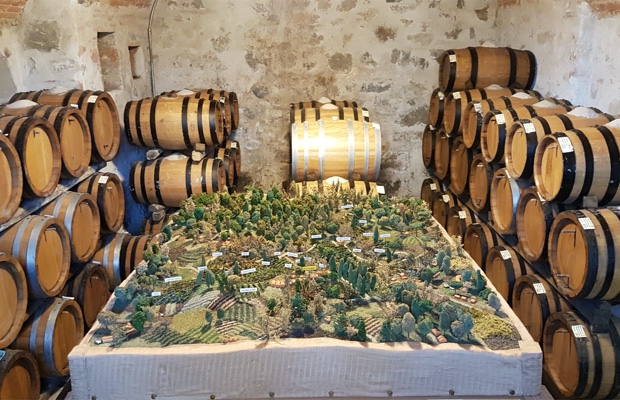

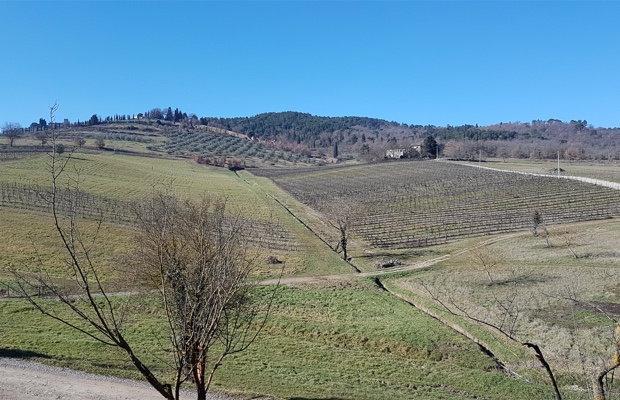
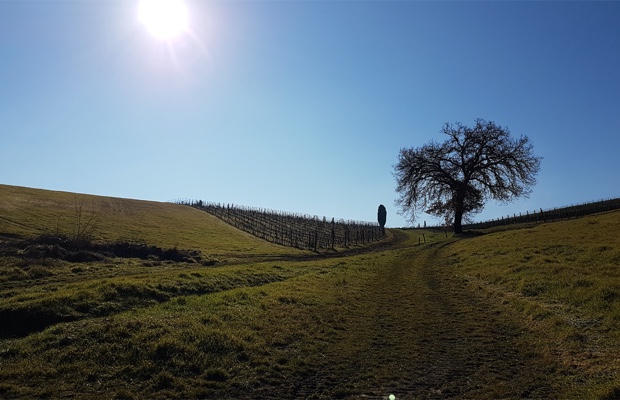

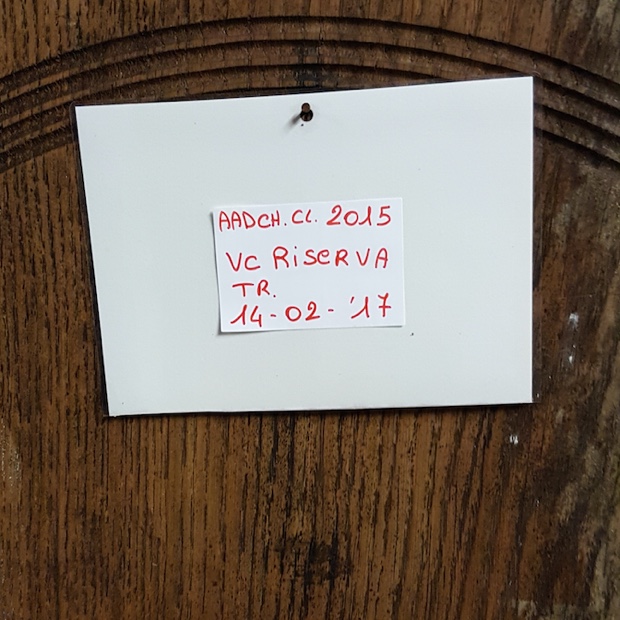
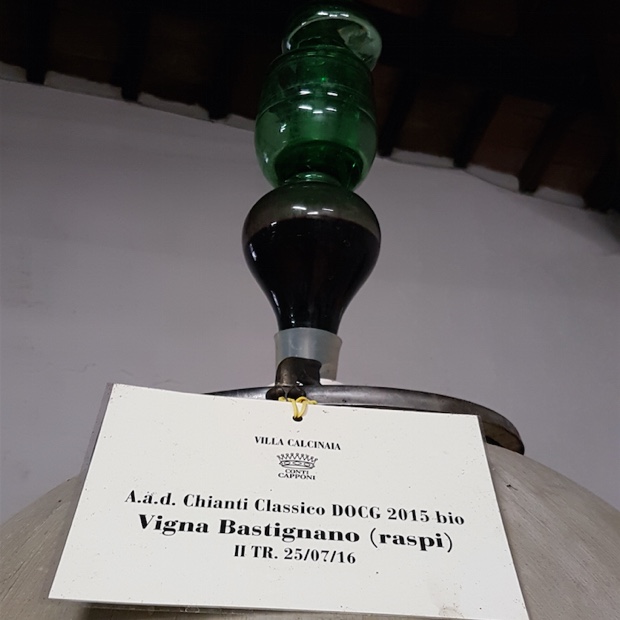
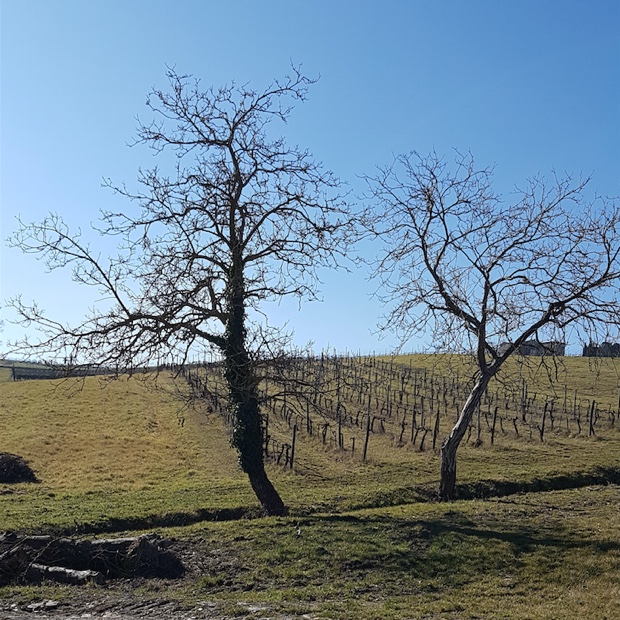
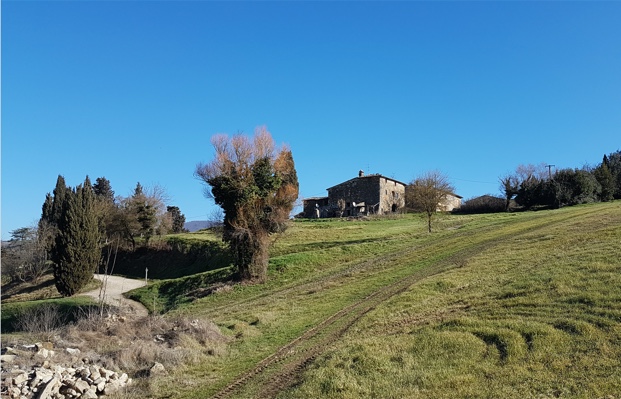
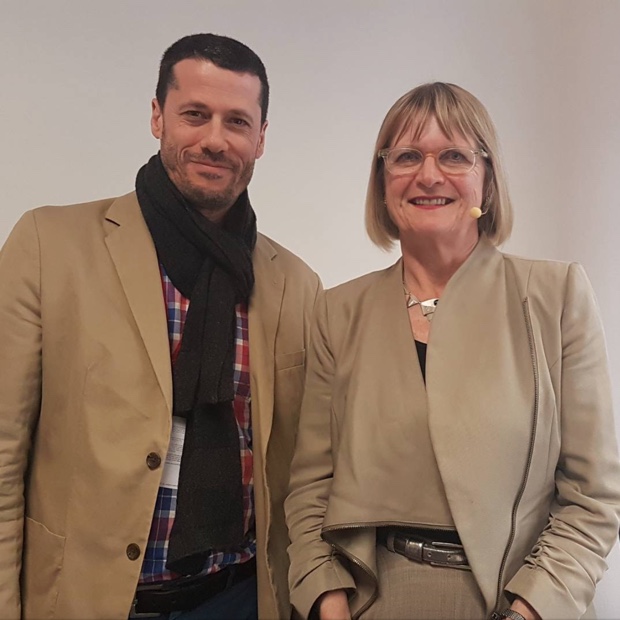
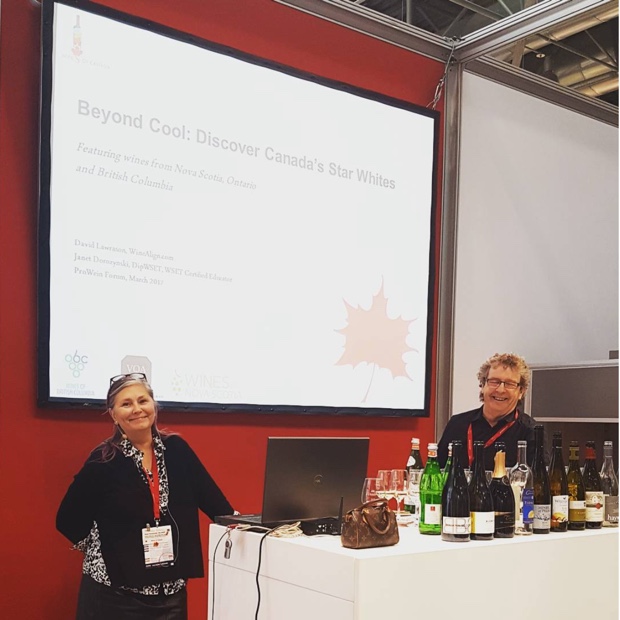
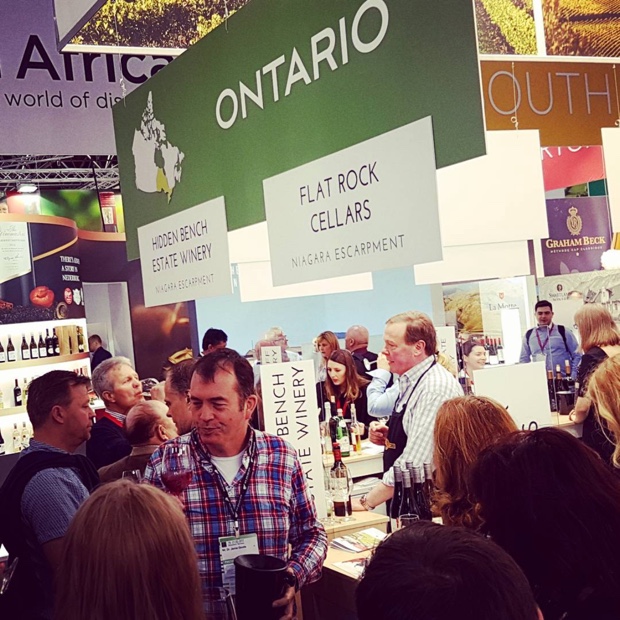
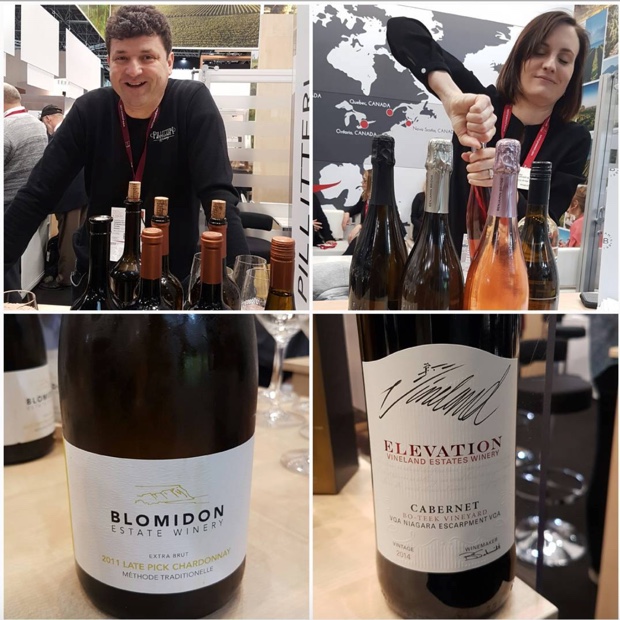
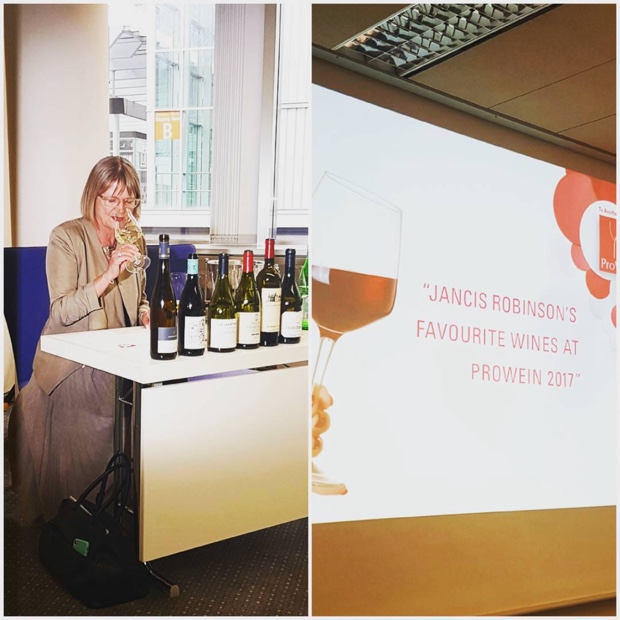
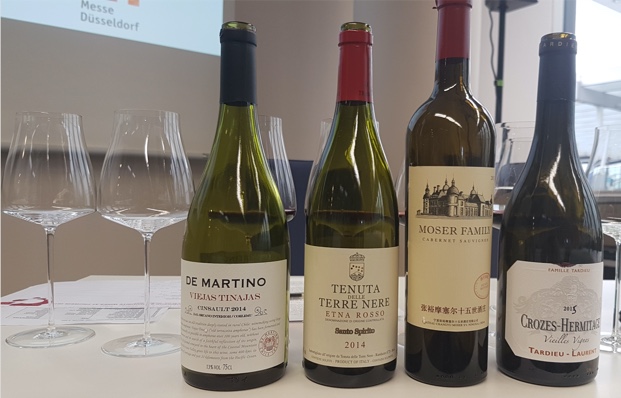
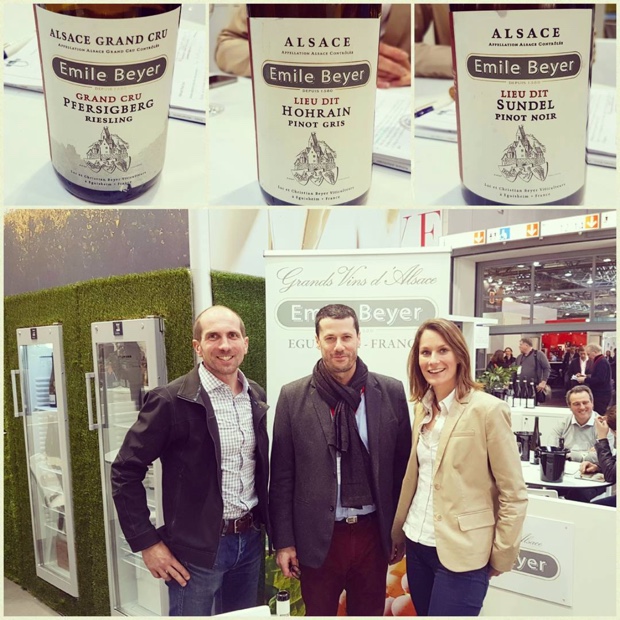
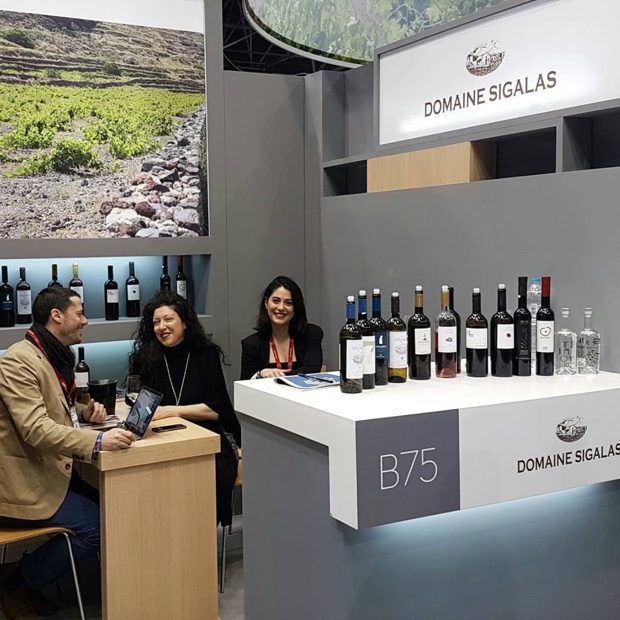
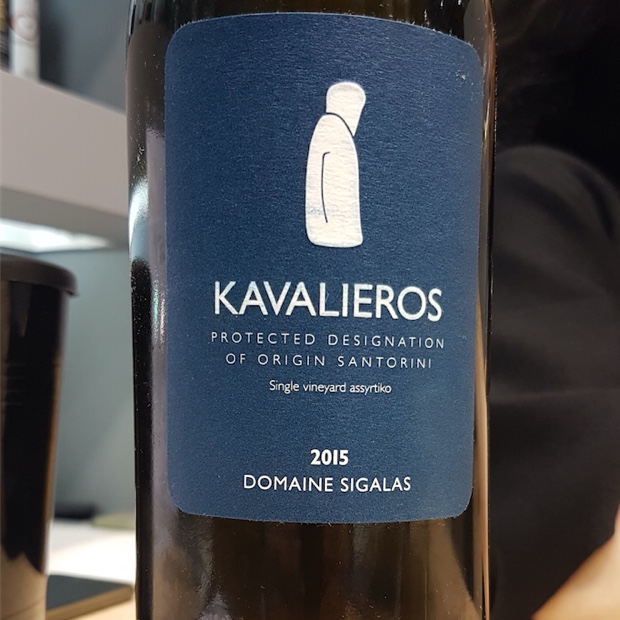

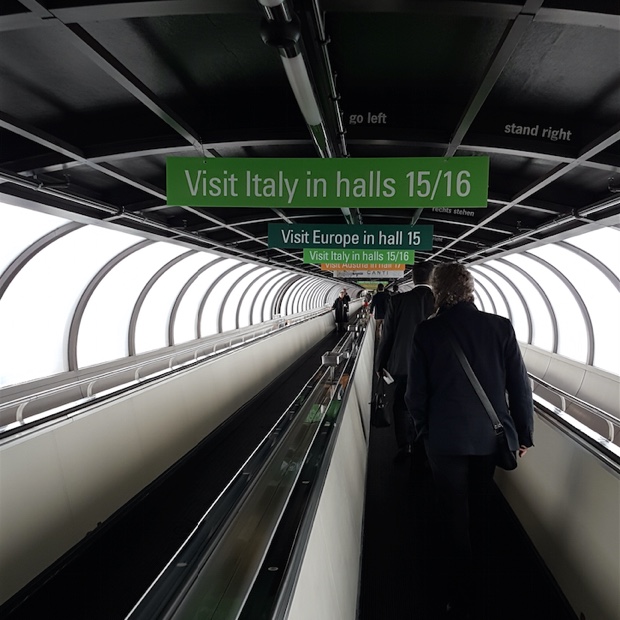
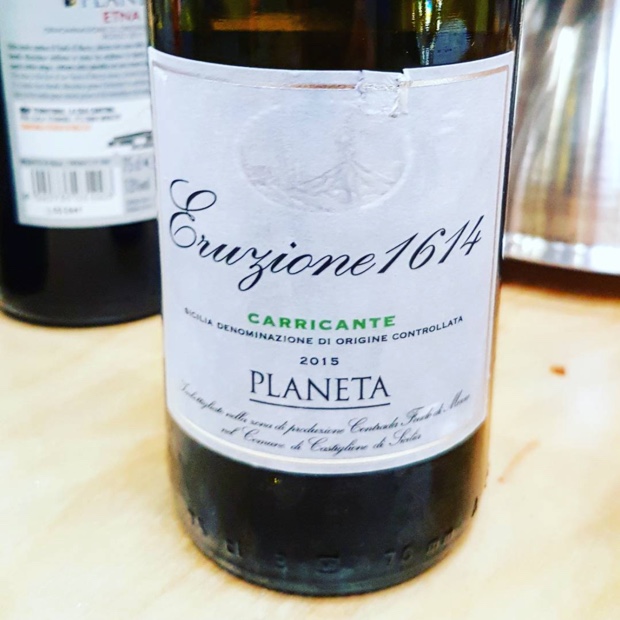
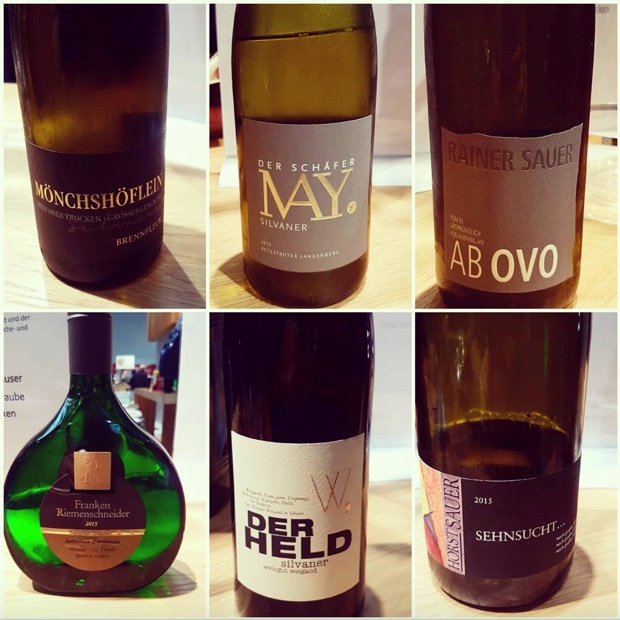
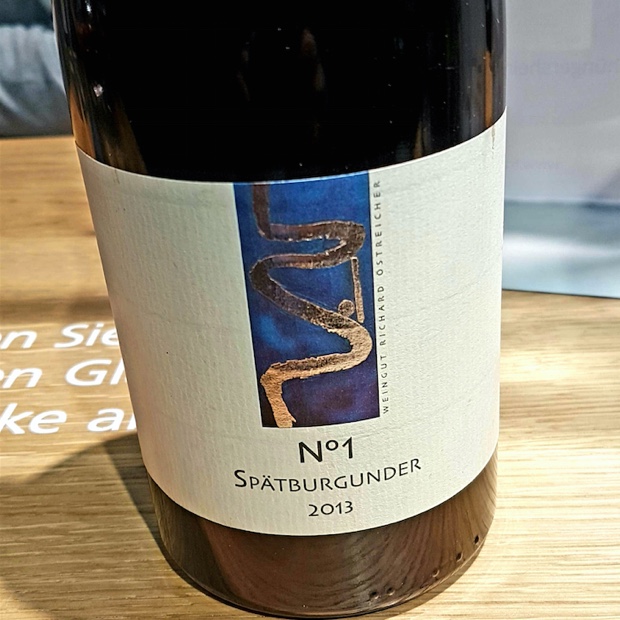
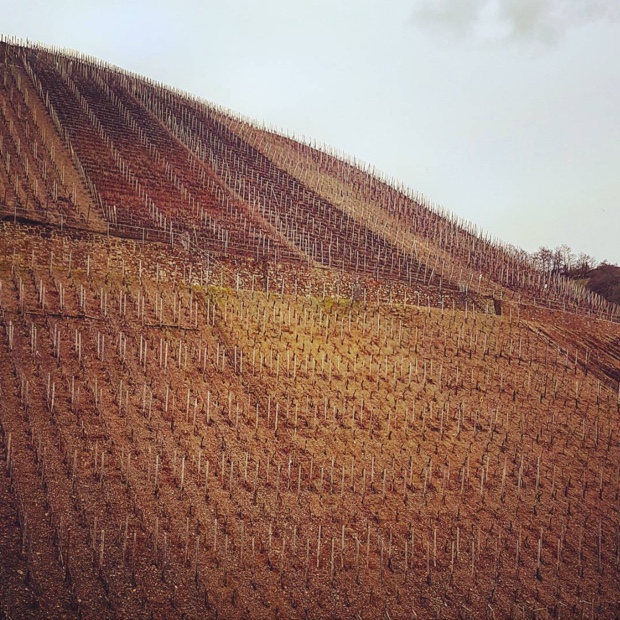
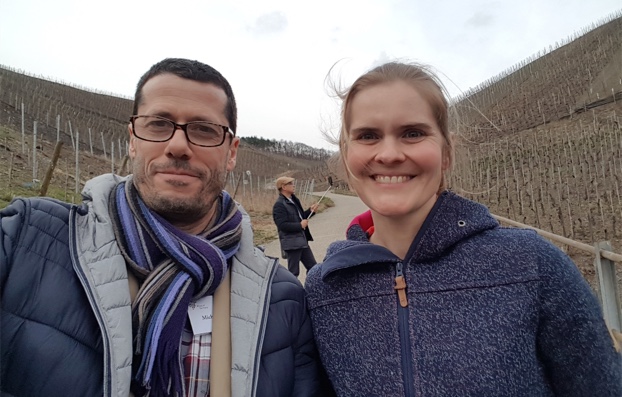
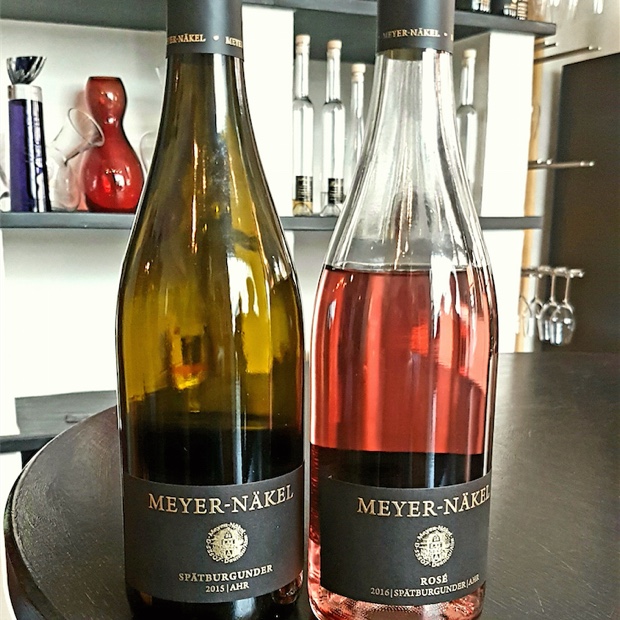
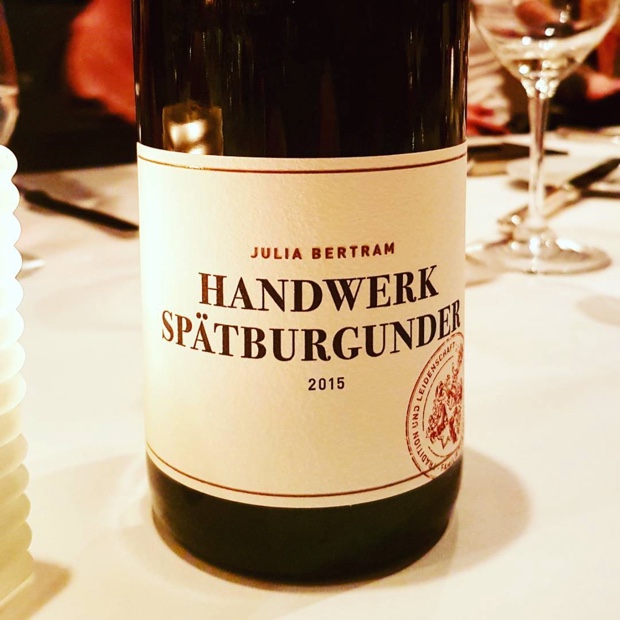
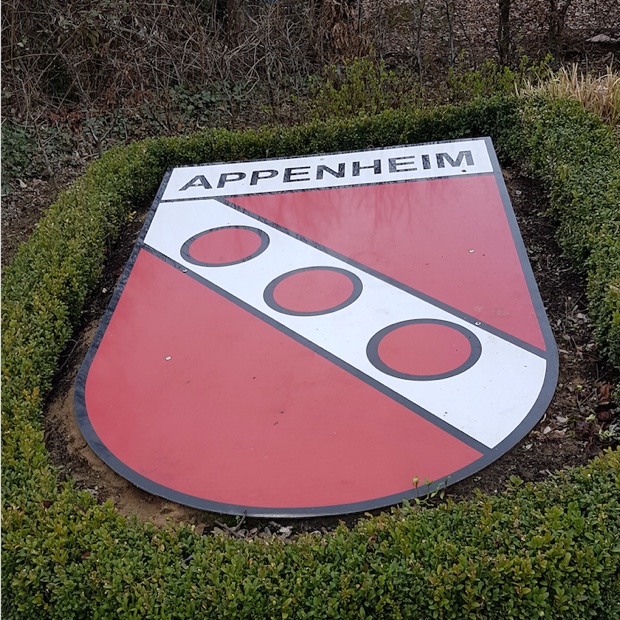
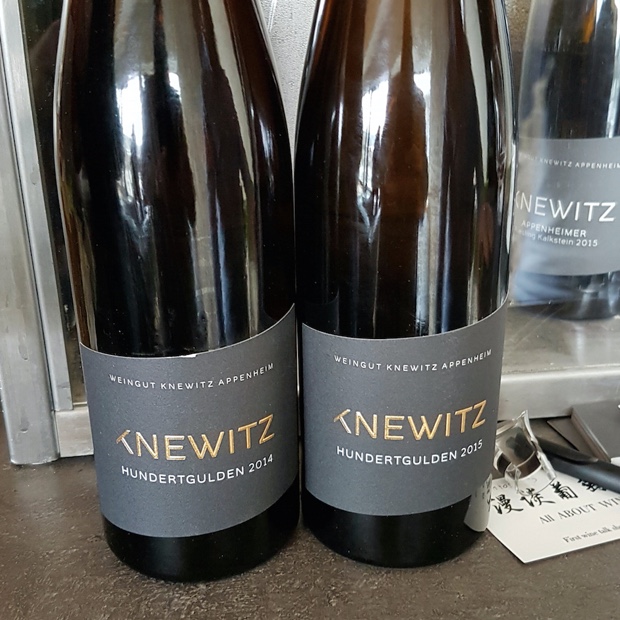
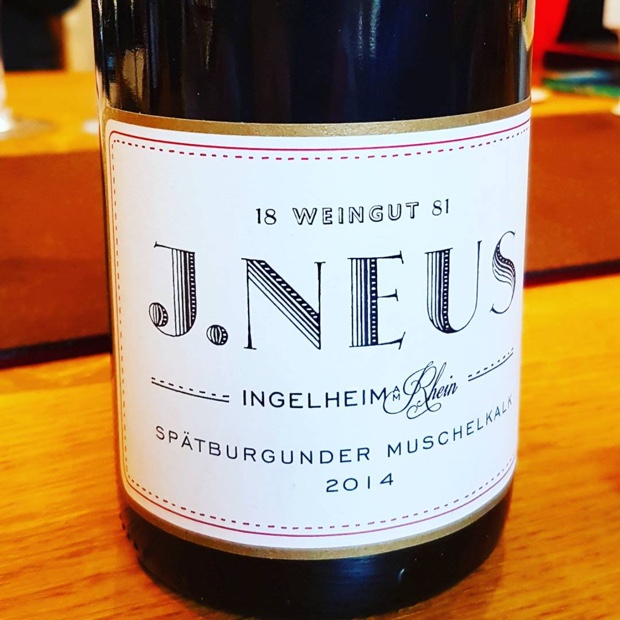
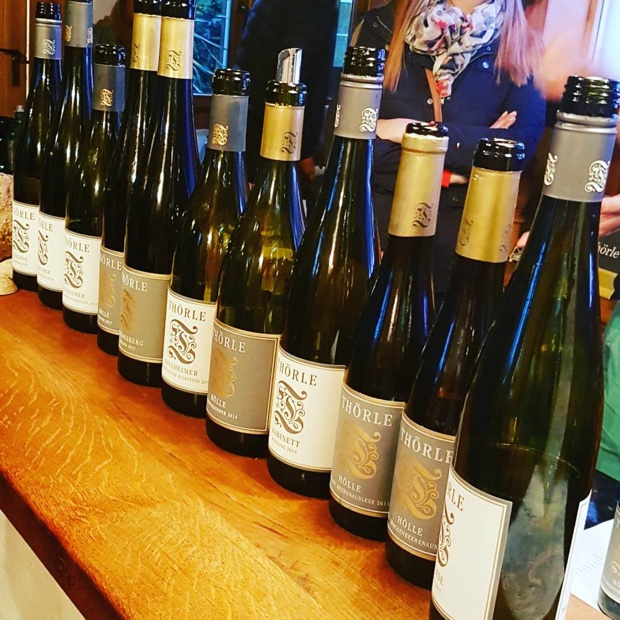
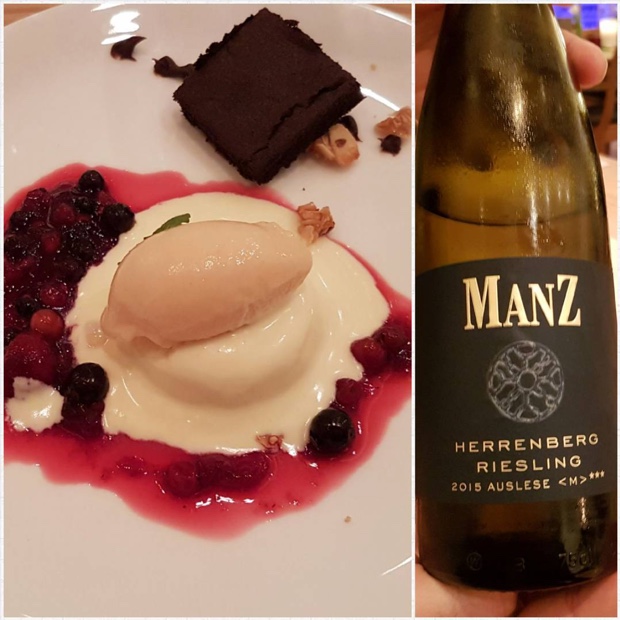
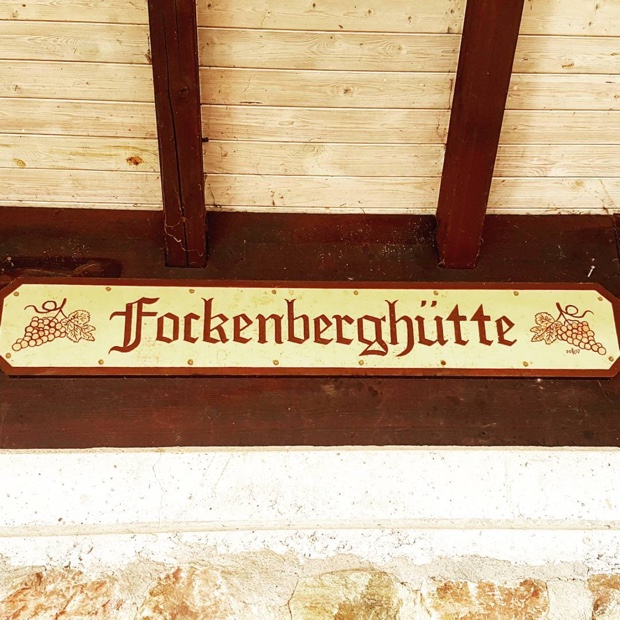
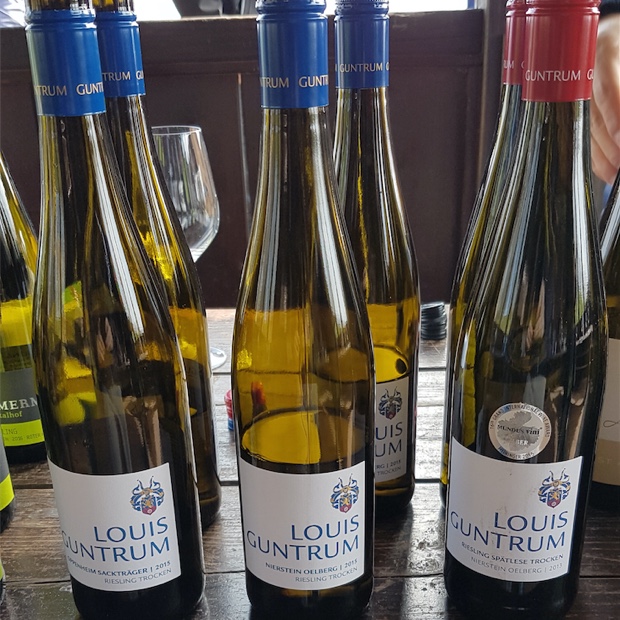
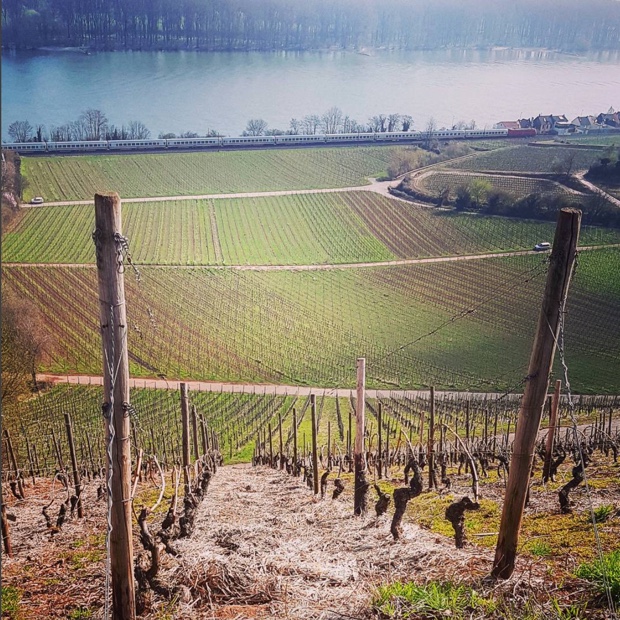
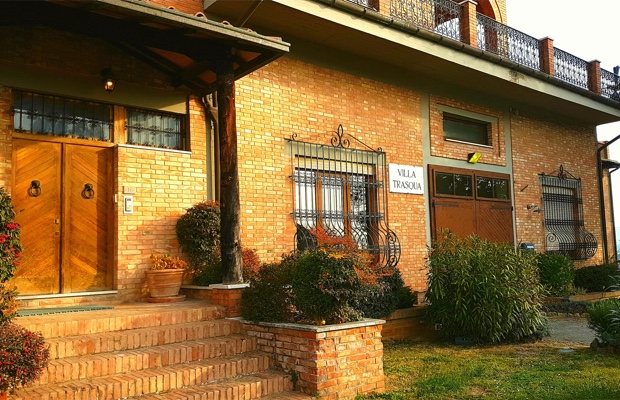
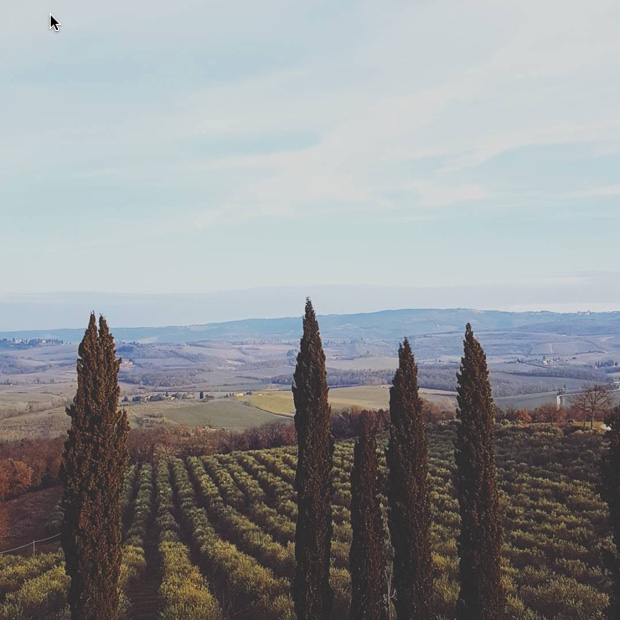
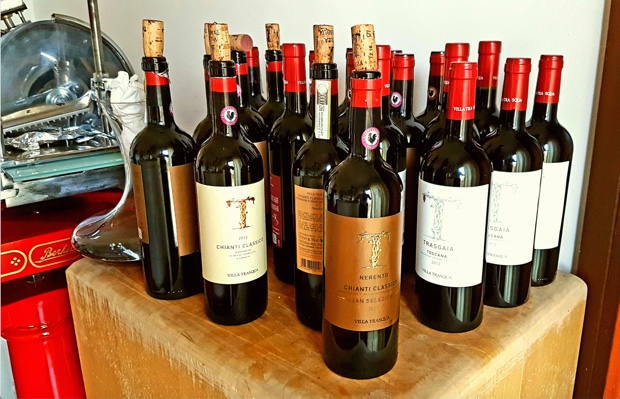


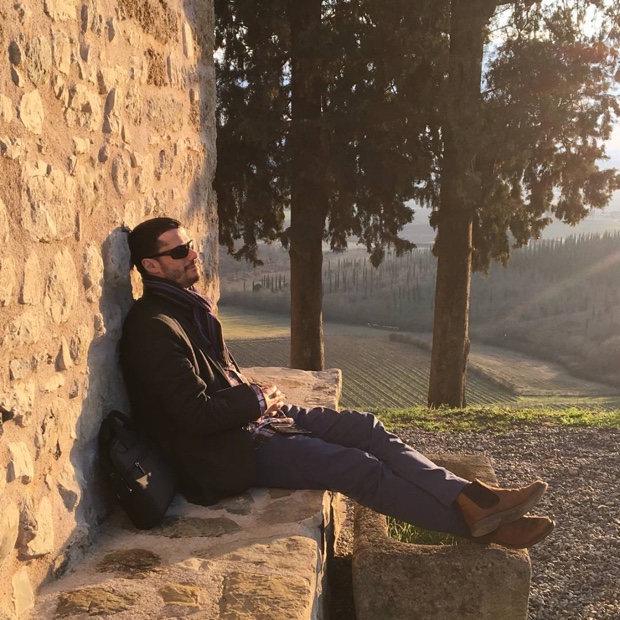
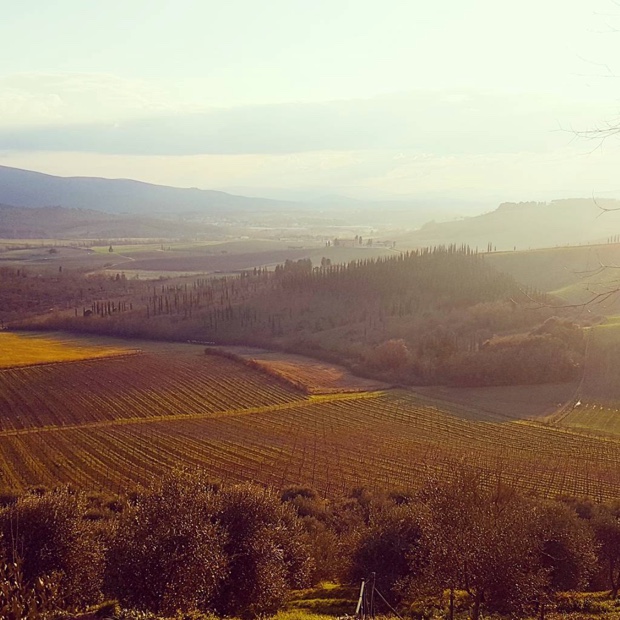


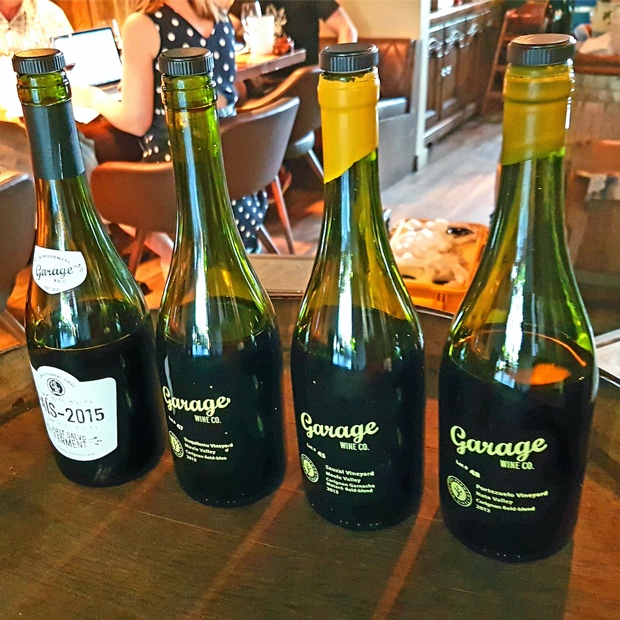
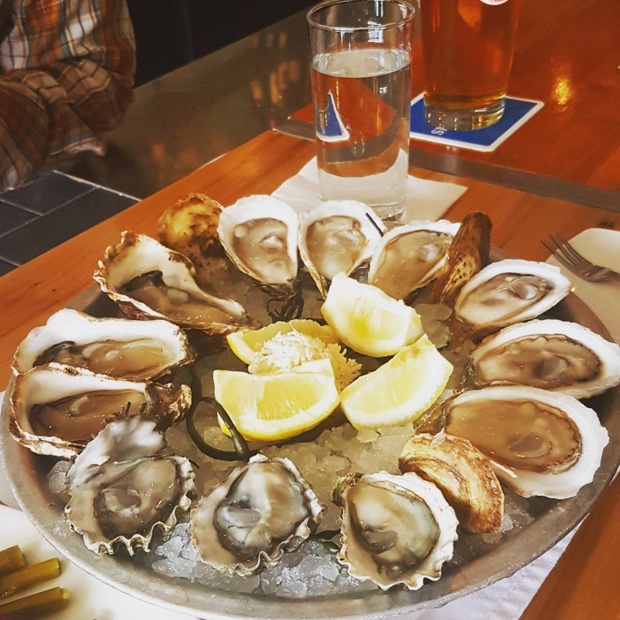


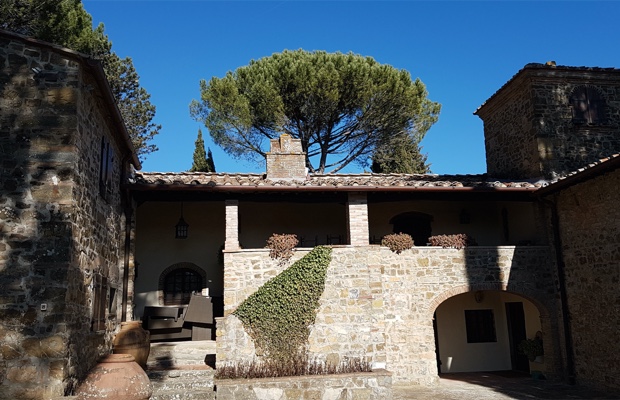


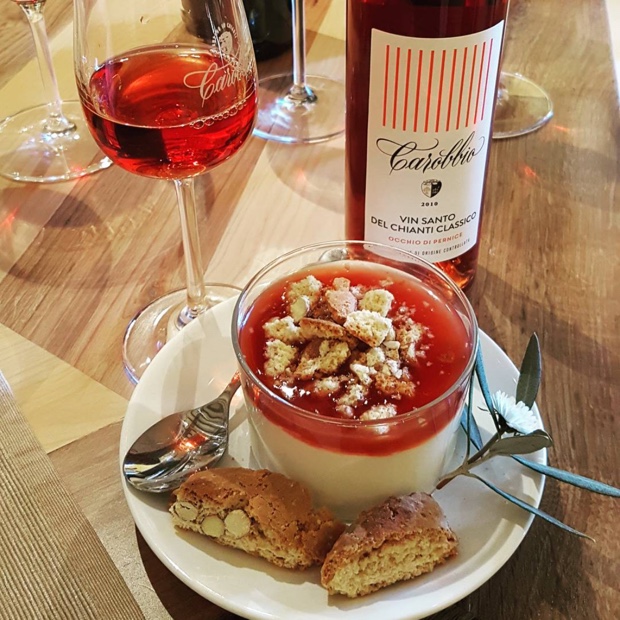
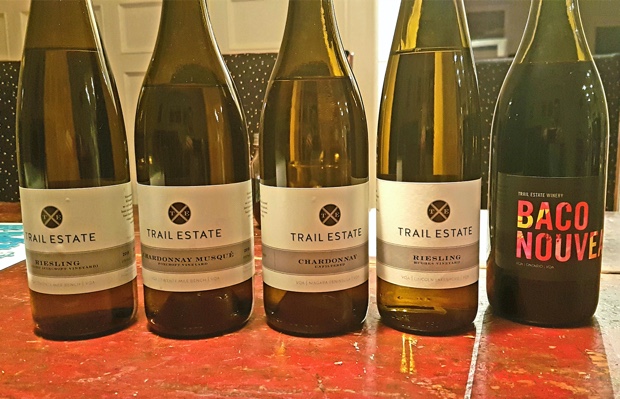


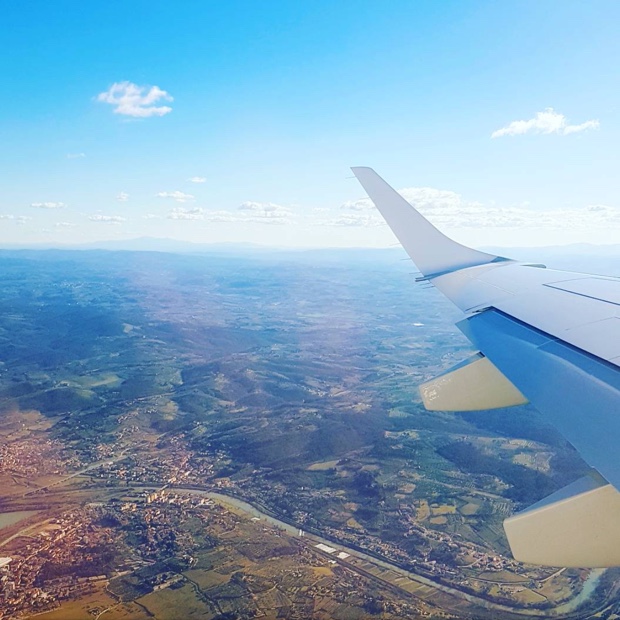



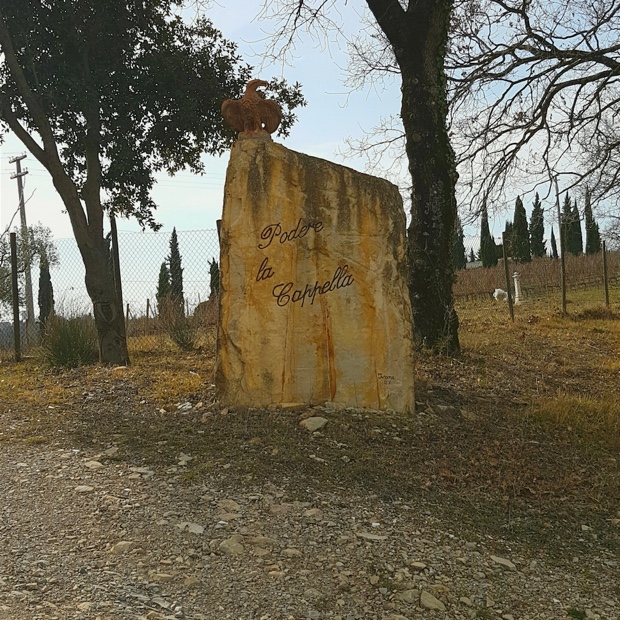

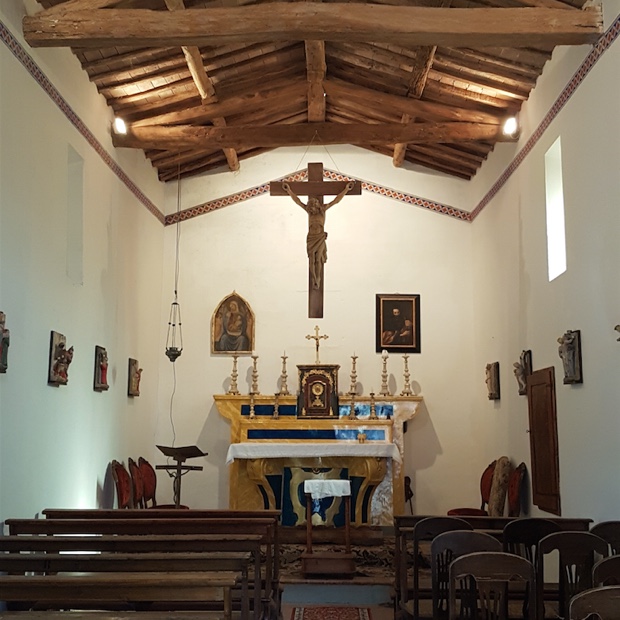


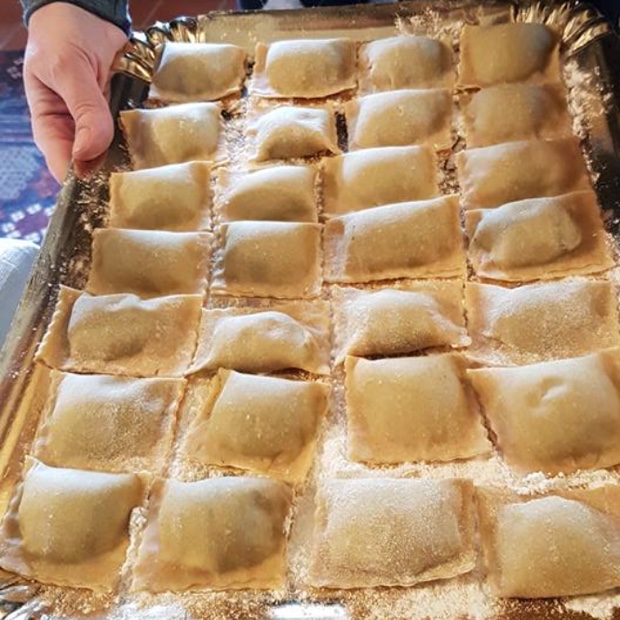

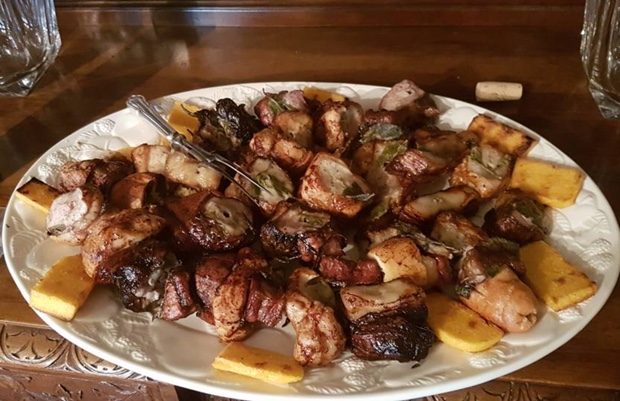
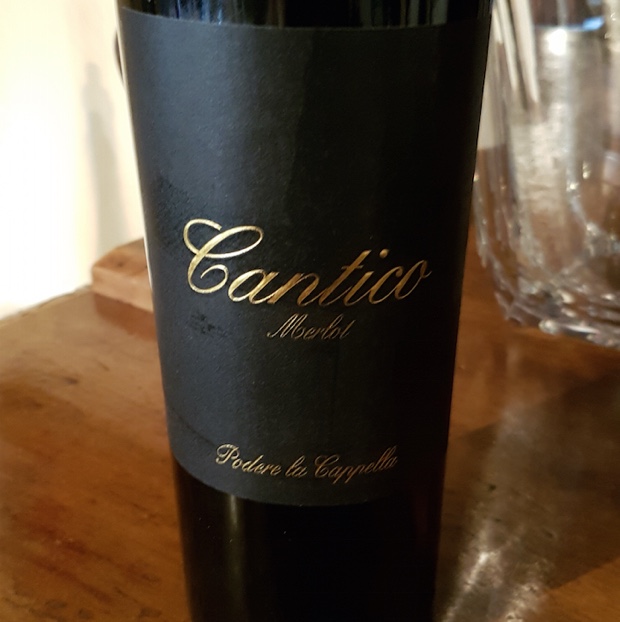

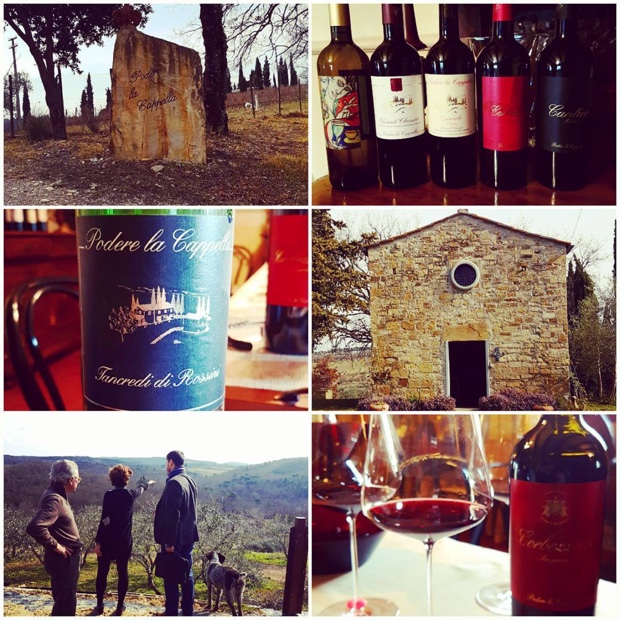
 Godello