Current travels in Chianti Classico leave almost no time to scribble out more than paragraph let alone 10 but there is a VINTAGES release coming Saturday. The New Zealand Wine Fair rolls through Toronto today (which I will sadly miss) and I have some recommendations of excellence from that country. Canada (Ontario), France, Germany and Hungary round out my picks.
See you next week…Godello
Te Pā Sauvignon Blanc 2015, Marlborough, New Zealand (450668, $19.95, WineAlign)
After tasting the winery’s Pinot Gris and Sauvignon Blanc back in 2014 I wrote “If Te Pa can find a way to get their wines into VINTAGES stores, I will buy them by the case and hand them out on Halloween as adult treats.” The day has come with the release of this rocks off Sauvignon Blanc. The open G tuning is perfect for balance with the cumulative notes it plays, deep cuts of bluesy rock ’n roll from Marlborough soils. We’ve seen so many SB’s come through these parts but so few at this price deliver such a deft hook with exile on main street flavours. Singular, unctuous stuff and well worth finding a way to bring a deferent side of Marlborough and Sauvignon Blanc back into your heart. Drink 2016-2020. Tasted April 2016 @tePaWines@FWMCan@nzwine
Villa Maria Southern Clays Single Vineyard Sauvignon Blanc 2014, Marlborough, New Zealand (447474, $29.95, WineAlign)
The single-vineyard Villa Maria Sauvignon Blanc is a highly concentrated, aroma-centric, splendored thing with inherent vegetal notes both smoky and subtle. The flavours are all white berry dusted with white pepper. The bite, the lees and the tart accents layer like a savoury dessert. This is formidable Sauvignon Blanc with high aspirations. I for one would like to see it settle and develop a secondary level of show. Drink 2017-2021. Tasted April 2016 @villamaria_wine@Dandurandwines
Kim Crawford Small Parcels Rise & Shine Pinot Noir 2013, Central Otago, South Island, New Zealand (35337, $29.95, WineAlign)
This is a characterful, high-toned and slightly rustic Pinot Noir from Kim Crawford’s Small Parcels program in Central Otago. It’s all strawberry on the nose and black raspberry (with a lash of liquorice) on the palate. There is great grit and true breadth of texture, not to mention sweetness, forgiven with so much else going on. Love the tart finish and bitters linger. Tells me its best is just around the bend. Drink 2017-2021. Tasted April 2016 @kimcrawfordwine@CBrandsCareers
The Stopper White Blend 2014, VQA Ontario (452235, $14.95, WineAlign)
Fun blend of Riesling and Vidal, put to good use in a variation of theme on the Ontario white appellative blend. The Riesling dominates with that atomic push and arid, saline sensibility. The vidal adds a squeeze of citrus (white grapefruit) and skin contact au naturale feel. A bit of unoaked Chardonnay or even some Musqué might not be such a stretch to fill in with some cool-climate tempering and hole filling assistance. A follow-up bit of research finds five per cent, along with Gewürztraminer. Depending on the vintage, it would be nice to see the Chardonnay increased. Easy and tangy on the palate. Drink 2016-2018. Tasted April 2016 @AdamoEstateWine@JohnPaulAdamo@ProfileWineGrp
Tuzko Cabernet Franc 2012, Tolna, Hungary (438291, $14.95, WineAlign)
True cool climate cabernet franc from Hungary, savoury, full of leather, cedar and spice. A veritable forest of wild berries in a glass. Really unique find and very Lincoln Lakeshore for you that understand and prefer to compare within the context of an Ontario vernacular. Drink 2016-2022. Tasted May 2016 @ImportWineMAFWM@MarkAnthonyWine@WinesofHungary@WineofHungary
The Rosé category can be fascinating and also slightly repellant. Whether it be the choice of varieties or the uncontrolled bleed hot off the press, it’s really hard to say, some Rosé just rubs the wrong way. At first sniff and sip you just know this Fielding ’15 is not one of those. It’s coolness is graced with restraint and it is nothing but a pleasure to drink. There certainly is candy floss and cut strawberry in the air. There is sweetness on the edge and cream floating around the rim. Separately pressed and vinified Gamay and Cabernet Franc are the key fixings though a minor sense of white percentages (like Riesling, Viognier and Vidal) would not be out of the supporting question. Sugar meets acid in equal and opposing fashion. Balance and humility are cut from the same cloth as pride. Nothing dominates and all components work seamlessly together. In its fresh and spritely youth this is one of the most pleasurable Rosés from Ontario. Drink it young. Drink 2016-2017. Tasted March and May 2016 @FieldingWinery@RichieWine
Mas Des Bressades Cuvée Tradition Blanc 2015, Ap Costières De Nîmes, France (701094, $17.95, WineAlign)
Really floral white blend from the Costières de Nîmes in which tropical blossoming Viognier really tends to gardening at night scents to lift the mistral rhythms of Grenache Blanc, Marssanne and Roussanne. Unctuous and the most ethereal character this wine has ever shown. Really special vintage from Mr. Marès. Drink 2016-2020. Tasted May 2016 #masdesbressades@Vinexxperts#costieresdenimes
From the Thörle brothers Johannes and Christoph, a dry, vivid Riesling with a vitality of spirit and a presence that comes from the heart. Lime juice and zest mark the territory, skin contact leaves its trace in hue and a natural ferment keeps it more than real. A minor residual (Co2) spritz still tickles on the palate while grape tannin strikes a dagger into the finish. Exemplary modern take on Trocken Riesling in a style that should appeal to a wide ranging audience. Drink 2015-2019. Tasted three times, May and November 2015, April 2016 @thoerle@UNIVINS@germanwineca@gen_riesling
Bailly Lapierre Réserve Brut Crémant De Bourgogne, Méthode Traditionnelle, Ac Burgundy, France (991562, $19.95, WineAlign)
This 100 per cent Pinot Noir may initiate with simple and eager fruit, of lemon and pink grapefruit but its subtle ability and mineral wager is a condition of its commitment. It will not shock, dream in multi-dimensional preoccupation or revamp the traditional methodology but it is nothing if not lovely. It takes you on a holiday. Lemon repeats in many ways, acidity survives without kindle or foment and the flavours linger like a haunting refrain. “Like the bubbles in a glass of Champagne, you go to my head.” Drink 2015-2019. Tasted blind at WWAC15, August 2015 and April 2016 @bourgognespress@BourgogneWines@Vinexxperts
Steve Byfield’s crimson blend of Cabernet Franc (42 per cent), Merlot (33), Cabernet Sauvignon (20) and Syrah (5) is at once so very Niagara while acting out anomalously in the 2011 vintage. Ripe, extracted fruit appears warm-vintage drawn, with its coated layers of primer, brushstroke and plummy stone fruit. The warmth is tempered by savour, oranges, figs and psalms. Its ability to find cadence and cascade keeps it “cool in the shade.” The varietal combining is delineated in balance, “sliding mystify, on the wine of the tide.” This effort, with its new name, could become one of the king’s amongst Ontario blends. Tasted January 2015 @NyaraiCellars
Viewpointe Focal Pointe Cabernet Franc 2010, VQA Lake Erie North Shore, Ontario (450916, $24.95, WineAlign)
Wine Country Ontario’s Lake Erie North Shore appellation flashes onto the radar here with Viewpointe’s very youthful and soulful 2010 Cabernet Franc. It’s not spicy but there is a veritable pantry sprinkled into a simmering reduction sauce, breathing and exuding aromatics, of juniper, liquorice, Montreal smoked meat spices, cassia, star anise and chicory. It is utterly Cabernet Franc with righteously integrated barrel notes swirling in that demi-glace. The tannin and acidity persist strong and complimentary with nary a moment of raisin treason. So very well done. A huge accomplishment. Drink 2016-2019. Tasted April 2016 @viewpointewines@WineCountryOnt
Ernest Meurgey Perron Pouilly Fuissé 2012, Ac Burgundy, France (448852, $31.95, WineAlign)
Rich and buttery Chardonnay that is the membrane holding and supporting the coolest contents, in limbo and needing two years to flesh, burst and break through. The tart, tight and angled shfits are the drive and the direction for the short term development. In 2018 this will be a humdinger to pour alongside butter-seared and caramelized scallops. Drink 2018-2023. Tasted April 2016 @BourgogneWines@BourgogneWines
Humility only exceeded by impossibility @normhardie #pec #countyinthecity Pinot Noir 2014
To me, Prince Edward County is the most enigmatic wine region in the world. Why is that? The coterminous climate and geology comparison to Burgundy never wanes and the vintners who painstakingly cultivate and produce Chardonnay and Pinot Noir never quite abandon the methodology. The Burgundian model of viticulture is almost universally applied to the County microclimate. Think about it further and note that latitude and soil composition aside, PEC is not Burgundy, never will be and the parallels drawn ad nauseum should begin to cease and desist.
There are many reasons for saying this. The most obvious has to do with winter and the painful condition of a once or twice every 10-15 year pain in the arse deep freeze that necessitates the hilling up of vines. Farmers select canes chosen for the following growing season and tie them to a wire very close to the ground. Upwards of two feet of soil is plowed onto the tied-down canes. The labour required is extensive and the subsequent yields are lower than most grape growing places on the planet.
At the 2015 spring County in the City event I noted that WineAlignprimo scrittoreDavid Lawrason presented his PEC state of the union address via the company website. “David touched on some integral points for growers and winemakers in the County, including the rise of Riesling and a case for increasing plantings of varieties like Chenin Blanc.” At the time I hung on to Burgundy with no immediate plans to recognize an imminent diurnal varietal shift.
Last fall I wrote a mini-dissertation on the ridges of PEC. “It all adds up to minerality in the wines and nowhere does the geology matter more than on the ridges.” Which brings me to the third bit of logic and one that is varietal based. Pinot Noir and Chardonnay share the stage with a wide range of planted grape varieties and it is the emergence of Pinot Gris that shakes the foundations of PEC-Burgundy thought. If this year’s grand tasting of County wines at the Berkeley Church showed one thing it’s that Pinot Gris is a must. From Hillier clay-loam to omnipresent limestone, the group begs for Pinot Gris, a mineral-loving, dry extract extricating and tertiary tannin absorbing grape. The makers know it.
A fourth dialectic concerns rules and regulations. A wine growing community may talk a big game of homage and publicly declare with politically correct language their allegiance to, a following of and the emulation of a wine-producing deity that has proven its success with hundreds of years of tradition behind it. But the fact of the matter is Prince Edward County does not yet know exactly what it means to be a community of wine producers. The grand cru, premier cru and lieu-dit blocks are only beginning to be understood and working with the climate is still an unmitigated, trial and error disaster.
So in steps a governing body to determine what winemakers are supposed to and even allowed to produce and what exactly they can call it. Absolute authority is exercised against a brilliant vintner who owns land, lives and produces wines in the County, but can’t label it as such. Forget about the economics of an acronym that saves on taxes. They are not allowed to write Prince Edward County on their label.
I hear you. Regulatory boards are needed to make sure a region is putting its best foot forward out to the country and to the world. You can’t have a golfer wearing cut-off jeans, a fishnet tank and a mesh visor shanking nine-irons on the perfectly groomed country club 18. But what if one guy’s wines are off the charts, gorgeous representations of terroir? So what if her skin-contact whites are not what we are used to? Who cares what either of them are wearing. Who should complain that they make new tracks in their own special way? Exactly how is it they bring shame, detriment or housing market decline to the neighbourhood?
Rant aside, the last piece of the Prince Edward County puzzle stretches from the idea of freedom and into a polemical discussion in which no two County wines are the same. Dynamism has never known such hyperbole as it does in the County. Yet another Sparkling epiphany was had after tasting Lighthall Vineyard’s first (not yet labeled) traditional method fizz. It should be called “Au Courant” because it takes everything we have assimilated from Champenoise bubbles, filters it through Cherry Valley soil and rewrites the book. The collective needs to embrace the Sparkling example set by Jonas Newman, Bruno Francois and Glen Symons.
The endearment “The County” is a term meant to bestow a sense of down to earth affection on a place you have to detour through to pay it a visit. “The County” is in fact Ontario’s most diverse and magnetic wine region. To borrow from the American literary critic James Wood, PEC is “one of those rare occasions where the absence of evidence is evidence.” Everything is changing all the time and everything is new. No County for old wines.
I recently reviewed 20 County wines. Here they are.
First @lighthallvyard strike #methodetraditionelle #2011 #fortytwomonths
Casa Dea Dea’s Cuvee 2015, VQA Ontario (261263, $18.95, WineAlign)
Distinctly August cling stone peach, ripe, lightly crushed and fenocchio glacier. Really pollinated fizz, with a bright pink grapefruit granita personality and cool chardonnay exemption. Pretty, pretty stuff. Lingers precisely and there is nothing remotely precious about it. Well made. Drink 2016-2018. Tasted April 2016 @casadeawinery@PECWinemaker
Huff Estates Cuvee Janine 2013, VQA Prince Edward County, Ontario (Winery, $29.95, WineAlign)
Comes from a place and will return again to the junction where rusticity and elegant oxidative character live. Erstwhile fresh, alive, prescient and yet must have been a challenge to tame. Quite the gustatory, culinary, mis en place of torched vegetables and acidity de-glazed game seared off into caramelization. Intensely real, characterful and attention grabbing Janine but not funky. Slow braise ahead. Drink 2017-2021. Tasted April 2016 @HuffEstatesWine
Huff Estates South Bay Vineyards Chardonnay 2014, VQA Prince Edward County, Ontario (Winery, $29.95, WineAlign)
Reductive and reeling from the pushy barrel, young, tight, angular and closed. Green apple, tart white berries and barrel spice. Emerald gem Chardonnay leaving little to no wonder Niagara Bench winemaker Paul Pender is so interested in the fruit. South Bay is the Quarry Road of the County. Wait for the richness and the platinum peaches and cream to emerge commensurate to ostensibly consummate cool climate Chardonnay. Drink 2018-2022. Tasted April 2016
Karlo Estates Pinot Gris 2015, VQA Prince Edward County, Ontario (Winery, $29.95, WineAlign)
Welcome winemaker Derek Barnett to the County and to Pinot Gris with a Gorrilaz style, “the essence, the basics,” gone ripe beyond the pale, round and full. Sweet green apple and basil relish, veritable tang, baked tart shell filled with apple-citrus curd but so far from sour. Wish it hung around for longer. I suppose I have only myself to blame. “I ain’t happy, I’m feeling glad. I got sunshine in a bag.” Clint Eastwood and Pinot Gris in the County. “The future is coming on.” Drink 2016-2018. Tasted April 2016 @KarloEstates
Karlo Estates Lake On The Mountain Riesling 2015, Prince Edward County, Ontario (Winery, $29.00, WineAlign)
Very Mosel Germanic Riesling Kabinett in style, with some residual and low alcohol. Juicy, round acidity, ripe sapidity and almost tersely spoken from the edge of the late harvest forest. Good length and will live a half decade or more with severity tempered by herbal countenance. Drink 2016-2021. Tasted April 2016
Keint He Portage Chardonnay 2014, VQA Prince Edward County, Ontario (Winery, $25.00, WineAlign)
Tart and tight, rich and tangy, as expected and with some density. What needs from reduction lays low and melds into wood. The handling was necessary from out of a challenging and demanding 2014 vintage. The Portage is fully entrenched as a true County stalwart. This is what defines what Keint He is, has come from and to where it will go. Ground zero for the range, from what others will feed from. Sister Chardonnays Greer and Frost embark from this Portage starting point. Drink 2016-2019. Tasted April 2016 @KeintheWinery@Nicholaspearce_
Keint He Greer Road Chardonnay 2014, VQA Prince Edward County, Ontario (Winery, $30.00, WineAlign)
The specificity of the label conjures up territorial Hillier thoughts for Chardonnay made by Norm Hardie, Dan Sullivan and Paul Battilana. While the Greer thread runs through and keeps it in the family this is all in Keint-He issue. Possessive of a richness shown by few other PEC Chardonnay, there counteracts and stabilizes a cool climate snap, crackle and green apple pop. Tang folds into lovely tart, citrus bitter curd with a wisely executed tumult. And there is no relent. A Chardonnay ripper. Beware the power. Drink 2016-2020. Tasted April 2016
Lighthall Chardonnay 2014, VQA Prince Edward County, Ontario (Winery, $25.00, WineAlign)
Glenn Symons’ 2014 from the southern flank in the Cherry Valley is perhaps the most regionally intense, lights out Chardonnay in Prince Edward County. ‘Twas a good growing season in the Lighthall Road ward so say hello to phenolic ripeness and an old school, reductive and layered striker of flint and wood. The yields being as low as they are and exponentially were, there grunges much tonic reverb stirred into leesy, sweet extract in its rather ripped sonic youth. Such a mineral wine, sword-wielding, axe-grinding and tannin mining. Will find its unctuous way with time. ‘Cause it’s lights out right now. Drink 2017-2022. Tasted April 2016 @lighthallvyard
Lighthall Pinot Noir 2014, VQA Prince Edward County, Ontario (Winery, $30.00, WineAlign)
The paradigm shift that began with Lighthall’s 2013 Pinot Noir continues with this stay the course 2014 and then some. The vintage offered up a slower developed phenolic yawning so the stygian runs deeper than the vermillion. That is to say the cherry fruit turns to black even while such a pretty Pinot pours with tension beneath the rich and glorious surface. Tension yes, but also soil infiltration and cooling breezes to temper the Cherry Valley conflagration. Tautness de-armed by a necessary streak of humus conditioning pomace, for grounding. Voluminous palate notes are repeated in demonstrative refrain. Another step forward for Prince Edward County Pinot excellence. Drink 2016-2019. Tasted April 2016
Lighthall Pinot Gris 2014, VQA Prince Edward County, Ontario (Winery, $25.00, WineAlign)
Made in the Lighthall style mixed with location, location, location. Vines of healthy fruit in the Cherry Valley, making for wines that are stark, sturdy, demanding, self-fortified and of limited quantities. Like its siblings, this Pinot Gris is also exempt from weakness. Here PG reminds of lieu-dit Alsace, of attitude, with tannin, extract, salinity and and of course, mineral. Singular County Pinot Gris. Could age for a decade. Drink 2016-2022. Tasted April 2016
Norman Hardie Riesling 2015, VQA Ontario (131169, $21.00, WineAlign)
More reductive for a Norman Hardie Riesling than even it ordinarily shows and also pervasive of penetratingly concentrated stone fruit. While the acids may be received as hard and potentially malic that perception is calibrated by this wine’s typical aggregate. The walls need breaking down and the road is purposely graded high knowing full well it will eventually finish even with the shoulder. I like the sweet tannins and the difficult way in which it uses extract to a futuristic advantage. Wait a year and imagine the possibilities of balance. Drink 2017-2020. Tasted April 2016 @normhardie
Norman Hardie Pinot Noir 2014, VQA Prince Edward County, Ontario (Winery, $39.00, WineAlign)
In Prince Edward County and for Pinot Noir there is no substitute and no comparison. Quixotically sweet Pinot Noir fruit, from the lowest of the low yields, scrupulously heeded and handled with care and yet also, somehow without a care to the world. As self-effacingly pretty and impossible as ever though in 2014 the tensity is lower, the anxiety bereft and not so crucially or dearly developed. There is almost no crisis from out of this first of the near-crisis vintages. This is an early to love Norm Pinot Noir, brought to life and with red citrus that only a Hardie low alcohol Pinot can bring. Humility only exceeded by impossibility. Ready to enjoy younger than most. Drink 2016-2022. Tasted April 2016
Rosehall Run Pinot Noir J C R Rosehall Vineyard 2013, VQA Prince Edward County, Ontario (Winery, $39.00, WineAlign)
The vintage steps out of a particular shadow and into bright light, exposing the JCR Pinot Noir with a particularly beautiful level of freshness and vitality. What has come before is not forgotten; the County tartness, the limestone preparation and the earthy red ochre fruit. But here is something other, something new, exciting and structured. The balance begins and ends on a seamless circle with no obvious demarcation point. The most elegant Rosehall Run Pinot Noir comes out of this 2013 and its level of poise should see it enjoyed now and for 10 more years easy. Drink 2016-2025. Tasted April 2016 @Rosehall_Run@sullywine
Rosehall Run J C R Rosehall Vineyard Chardonnay 2013, VQA Prince Edward County, Ontario (Winery, $29.95, WineAlign)
A tenderly and beautifully rich, stone roses reductive and buttery Chardonnay, fully malo-activated, in adherence to the consistently classic Dan Sullivan righteous style. Makes me think of 1990’s Manchester post-punk, 60’s retro guitar pop, with a sweet softness as foil to an angst-riddled, contemporary acid house rhythmic sensibility. Sullivan’s JCR draws from influence, playing both time-tested Burgundy and new world Chablis pop hooks. “Where there’s life there’s gotta be hope and where there’s a will there’s a way.” Just sip along with the Rosehall Run JCR Chardonnay. It’s hard not to become enamoured after experiencing such great, coherent length. So young. Drink 2017-2021. Tasted April 2016
Stanners Vineyard Chardonnay 2014, VQA Prince Edward County, Ontario (Winery, $30.00, WineAlign)
Quite remarkable and reductive Chardonnay, from fermentation of a certain halting, the yeast not quite having finished munching and malo just short of finding fulfillment. Low in alcohol after posting pH similarly reserved. This has real gumption, a stalwart of phantasmagorical Chablis allegory in the guise of salty, mineral PEC with minor residual sugar and a dip into the funky well. Just lettin’ it all hang out. This is a very promising wine. Just wait until the weather holds out and the yields go up just enough for Colin Stanners to make a really proper Chardonnay. Drink 2016-2019. Tasted April 2016 @StannersWines@GroupeSoleilTO
It’s not what you think but it’s just what you imagine @Stannerswines @GroupeSoleilTO @therealbenhardy #PinotGris #cuivre #skincontact #pecwine #princeedwardcounty
Stanners Vineyard Pinot Gris Cuivré 2014, VQA Prince Edward County, Ontario (Agent, $25.00, WineAlign)
The coppery-hued Stanners Pinot Gris Cuivré 2014 is like a member of the cup of coffee club, its skin contact time limited but forever significant. The PEC conceptualization may seem as strange as surfing Wellington waters but this Pinot Gris is a boy who trapped the sun, having sealed in brightness and freshness beneath the surface, cauterized during fermentation. This is not an orange wine but rather a a Pinot Gris with poise and a balladeering sense of calm. The Cuivré comes from pure sourced County fruit, spent time in stainless steel, is more than a curiosity, is a little funky and offers a feeling of rosé as a gateway drug to orange wine. Saline, nicely savoury, with a tinge of wild sauvage, all within reason. Such a skin contact white in self-proclamation “when you go into your skin, I’ll be the hope joining the walls.” The missing piece is tension, dynamic tempo changes, rises, falls and a crescendo. Though it lacks such structure it is still a beautiful mistake by the lake. Copper down. Only 230 cases were produced and it was released in February, 2016. Drink 2016-2019. Tasted April 2016
One of three Skin Contact Rieslings from winemaker Mackenzie Brisbois, from Lincoln Lakeshore fruit out of Ed Hughes’ farm. For whatever reason this vineyard is far less reductive then the (Wismer) counterparts. It may be attributed to site, of decreased nitrogen (or not) and/or when sulphur is applied. “Ed Hughes is a very calculated grower,” notes Brisbois, which may account for what stylistic deference is syllogistically accrued. “They’re very dry and they will be very tart,” she warns, “and aromatic.” Pressed when fully dry and 14 days on the skins. Arid is the understatement, this shining and whispering Riesling, of tartness not on top slides beneath the surface of acidity. So much length. Youth is not on its side while it wiles away in withheld revelations though longevity is not necessarily its greatest ally. This is Riesling of stark realities, arid with no Niagara frame of reference and fruit so crisp it cracks into perfectly linear fissures. Laser focus without pierce or citrus. Spellbound skin contact stuff. Needs six months to seek a wave beyond the shock. Only 32 cases made. Drink 2016-2019. Tasted April 2016 @TrailEstateWine@MackBrisbois
Skin contact #Riesling from @MackBrisbois @TrailEstateWine Invisibly stitched and tart-pan curl. #burgunder less than 50 cases #hughes #lakeview #foxcroft
The second of three skin contact, Niagara borrowed Rieslings from winemaker Mackenzie Brisbois. This time from Craig Wismer’s Lakeview, a Twenty Mile Bench block with 18 years-ish old vines. Spent 21 days on the skins and comes through in or around 10 per cent alcohol (like the others). More herbology balms the nose and while it may not waft with equanimity or gregarious aromatics, it’s bleeding delicacy and savoury sapidity breathes freshness. If it just came with an added juicing of lime it would help to bring out structure and balance the anterior acids. As it is the acidity runs through the middle, streaks and halts the fruit from gaining on time. Adheres to acting typical of a 20 Mile Bench Alsatian Clone 49 example. Only 15 cases made. Drink 2016-2020. Tasted April 2016
The third and most effectually ingenious of Mackenzie Brisbois’ skin contact series Rieslings, with far more texture on the palate and overall Riesling acumen. Endowed with a gram less acidity than the Lakeview and burgeoning with veritable Twenty Mile Bench viscosity. Can it be such a coincidence that so many winemakers choose Foxcroft for their Riesling fruit? A real burgunder sensation is to be annexed out of the crafted brim of an invisibly stitched, tart-pan curl. This is irrefutably the most accomplished of the three (that includes Hughes and Lakeview), of length increased, laser focus and thirst quenching pleasure. Such a pity that only 12 cases were made. Drink 2016-2022. Tasted April 2016
The concept is in line with what winemaker Mackenzie Brisbois set out to do with Riesling but the result couldn’t be further from the truth or the ideal. Sauvignon Blanc is nothing like Riesling. It’s malleable, amenable and submissive. The process took de-stemmed fruit, saw it ferment on its own (dry, in nine days), needing no inoculation and then handled with hand-punched, TLC. In the end it was sterile filtered, leaving it to shine with latent lucidity, of brilliant clarity and with skin-deep grace. The whole is a snapshot of nothing less than supple integration. I would like to taste this side by side in 2020 with Jean-Benoit Deslauriers’ similarly struck Benjamin Bridge (sweeter and cloudier) 2014. The divergence should be fascinating and confounding. Only eight cases made. A drop in the skin contact bucket. Drink 2016-2020. Tasted April 2016
On a Friday in mid-April a group of veteran wine tasters come upon a table of Oregon Pinot Noir laid out beneath the white neon wash of light in the LCBO sensory lab. Most are more than duly impressed. One extreme professional refers to the line-up as the greatest grouping ever assembled for a VINTAGES release. Roger that straight from the shoulder VINTAGES assessment.
The quaternary Oregon Pinot Noir contingent stands out like a fantastic four in a justice league of second tier super heroes. The rest of the Pacific thematic from Oregon and Washington is filled with average to good examples, the best of which are the A to Z Wineworks Chardonnay and the Unbroken Bordeaux Blend from Horse Heaven Hills in Washington. The act of trying to assay these wines invites California thoughts, especially with Sonoma County Pinot Noir so latterly fixated upon by personal hermeneutic. Those who sell you on the idea that Oregon is becoming like California have never truly immersed themselves into the underground Willamette salinity and ancient riverbed imparting minerality. Nor do they intuit that no two wines from Sonoma County are the same. “The multeity of style and the illimitable viticultural approach illustrates how Sonoma’s 16 AVA’s (American Viticultural Areas) are a study in variegation and variance.”
California dreaming aside, let’s shift our thoughts back to Oregon. More than anywhere else in the diaspora where the Burgundy expatriate is re-produced, the Pinot Noir from out of the Willamette Valley transmogrifies the parataxis of French narration. It understands that to repeat a note can be an enrichment, not an exhaustion. Oregon doesn’t merely resemble Burgundy, it actually exceeds it.
In Ontario we consider specific Niagara sub-appellations as capable of narrating a Beaune fictive, including those from the Benches of Beamsville and St. David’s. Prince Edward County’s limestone viaduct of geology and Burgundian geography is always part of the wine country Ontario Pinot Noir discussion. Central Otago and other New Zealand regions can be given due genetic consideration, as can very isolated parcels in Alsace, the Western Cape, the Mornington Peninsula and the Ahr. In the case of Oregon vs. Burgundy, ask Norman Hardie, Thomas Bachelder, Will Predhomme or Nicholas Pearce. They will tell you that it is most certainly not Niagara and while neither are Burgundy, it is the former where the closest comparisons can be made.
I reviewed the four Pinot Noir coming through VINTAGES on April 30th. They are all worth the investigation and two are exceptional. To the purpose of expanding on the west coast leitmotif I have added a white from Oregon, a sumptuous red blend from Washington and two big reds from California and B.C. Next weekend, head out for the west coast.
West coast offence Pinot, essentially Willamette Valley though labeled as Oregon. Rich and just a bit soil funky, with a slight rubber reductive quality in its still beating youth. The glass is very full when Pinot such as this is poured, the dial turned up and the sun seemingly always high in the sky. Will use of most of its energy in the next few years. Drink 2016-2020. Tasted April 2016 @RareEarth_Wines
Gorgeously perfumed Pinot Noir from Domaine Danielle Laurent, crossing femininity with a lithe scorching and torching of earth. Ripeness is a virtue, the road is full of bloody tension, “beauty walks a razor’s edge” and the partnership between fruit and tannin is rife with love. Big within correct and structured means. There have been others but this YC-WV is currently on my mind, to put aside and then “someday I’ll make it mine.” Perfect companion with which to take shelter from the storm. Drink 2017-2024. Tasted April 2016 @solenaestate@Oregon_Wine@Nicholaspearce_
So pretty and so very restrained, near tart and sweet but never going too close to either edge. Drinking this on a daily basis would be so easy to abide, with its ripe and slightly spicy berries, plums and mild citrus. Would expect it to turn tart or sour but it leans to mild tannin instead. Not necessarily a wine for 10 years but exceptional for five. Drink 2016-2020. Tasted April 2016 @willakenziewine@MalcolmCocks1
Maison L’envoyé Two Messengers Pinot Noir 2013, Willamette Valley, Oregon (453357, $41.95, WineAlign)
The two messengers are winemakers Louis-Michel Liger-Belair and Max Marriott and somehow they have crafted a most amazing Pinot Noir from out of the potentially disastrous tale of three harvests: fruit picked before, during and then after the typhoon. The fruit comes from four AVA’s and eight vineyards: Eola Amity – Eagle Crest, Eola Springs, Popcorn; McMinnville – Hyland; Willamette Valley – Croft; Yamhill Carlton – Fairsing, Gran Moraine, Stardance. A Côte de Nuits ringer in Willamette clothing, multi-terroir dependent and singing the amalgamated praises of its serious sense of place. Whatever combination of hill, nook and petite colline this was culled from has fed the Burgundy machine. The sweetness is palpable but created by soil and tannin. Quite seamless, not to mention travelling along underfoot with the Willamette salinity rolling along in the ancient river below. Terrific Pinot Noir with stuffing and age ahead ability. Does it succeed in “pursuing transcendent Pinot Noir through gilded terroir?” I’d say yes. Drink 2017-2024. Tasted April 2016 @MaisonLEnvoye
A To Z Wineworks Chardonnay 2014, Oregon (269258, $24.95, WineAlign)
Plenty of grape extract feigning sweetness, more exuberant on the palate then in the aromatics. A composed and highly concentrated Chardonnay with accents, spice and extra flavour provided by the barrel plans. Crafty and well-executed in craft. Drink 2016-2019. Tasted April 2016 @AtoZWineworks@Gr8TanninWines@Nicholaspearce_
McKinley Springs Unbroken Blended Red 2012, Horse Heaven Hills, Washington (444729, $26.95, WineAlign)
Cabernet Sauvignon (43 per cent), Merlot (37), Malbec (19) and Cabernet Franc (11) fill in the baritone blend, unbroken, as in spirit, as opposed to thinking in terms of single-varietal. Though the warmth and wood are gainful and very much a part of the chain, the fruit and the grain are interwoven, fully integrated, spice regaled and determinate. Great red fruit, graphite and grip. So very impressed with the spirit of this Horse Heaven Hills red. Drink 2016-2021. Tasted April 2016 @mckinleysprings@WINESofWA@HHDImports_Wine
Laughing Stock Portfolio 2013, BC VQA Okanagan Valley, Ontario (71464, $54.95, WineAlign)
The five-varietal classic Bordeaux blend in 2013 is Merlot (41 per cent), Cabernet Sauvignon (30), Cabernet Franc (18), Malbec (8) and Petit Verdot (3). Together they seamlessly amalgamate in 36 per cent new barrel and (64) second fill for 19 months. All tolled the group is characterized as not shy. There is a squaring of deep, deep intent, dark, dark pitchy hue and full, full body. Phenolically ripe and properly volatile on the edge of the precipice with bringing it acidity. Tastes of berries and brine, rare venison and caramelized plantain. The more abstract flavour profile is described as a ferric welling with hematic humour. For now take one deep breath of the beauty and wait two years with the rest for full enjoyment. Drink 2018-2024. Tasted April 2016 @lfngwine@winebcdotcom
Ferrari Carano Reserve Cabernet Sauvignon 2010, Mountain Vineyards, Alexander Valley, California (450429, $74.95, WineAlign)
Hefty, rich and spicy Cabernet with yet raging, formidable tannins. Caky, savoury, currant, graphite and cassis laden fruit. Some liquorice, peace stone and dipped chocolate berries. All of everything, the above, earth and sky. The fountains and the cup runneth over. Hedonistic, oak behemoth of exceptional mountain vineyard fruit overlooking the Alexander Valley. Drink 2018-2025. Tasted April 2016 @FerrariCarano@HalpernWine
No two wines from Sonoma County are the same. I believe that statement to ring expressly true and so should you. Jean-Claude Boisset saw the potential in Sonoma and created Boisset Family Estates with singular viniculturaliste swagger. Boisset Family Estates is led by Jean-Charles Boisset, who is also President of Boisset, La Famille des Grands Vins. Eight wineries make up the California collection, including DeLoach Vineyards. It was there that we tasted eight conspicuous examples of Pinot Noir and Chardonnay.
Mapping a cru systematic out of Sonoma County is a massive and seemingly boundless undertaking. This wine country section of Northern California is one of the most complex regions in the world, with valleys, plains, ridges, slopes and mountains of every aspect. There are more single-vineyard wines pulled from vines dotting micro-climatic, highly specific sites than anywhere in the world. Or so it seems. Unlike Burgundy, so many vintners farm and/or produce the only wine made from that specific parcel. The permutations of cru definition are multiplied 100-fold. The diagram is drawn with near-infinite numbers of circles and lines.
The multeity of style and the illimitable viticultural approach illustrates how Sonoma’s 16 AVA’s (American Viticultural Areas) are a study in variegation and variance. The multifarious geographical scope of coast, penetrating valleys and mountain ranch land conspire to design the impossibility of squeezing out clarity from a region in direct contrast to concepts that choose to exhort compounding synchronisms.
The last time I approached the Sonoma expostulation I talked of course about the fog. “Sonoma’s fog is a stern exertion of soda and salt and when its atomic dipoles get together to dance with ripe grapes and the puffy gaieties of yeast, the syntagmatic rearrangement in the region’s wines are all the merrier and made most remarkably interesting. Fog complicates and makes complex the ferments from Sonoma’s hills and valleys. The second fiddle status to Napa Valley’s hugeness is both ridiculous and absurd. Sonoma Chardonnay and Pinot Noir is already known for its kinetic inquisitiveness but other varieties are also gaining major traction. Cabernet Sauvignon, when ripened upwards of that fog and yet inextricably linked to the miasma, gains a level of synergistically precipitated elaboration that blows Napa out of the water.”
That still holds water but it’s just not that simple, nor is it a matter of direct comparison. Sonoma’s cool-climate condition is incomparable to other aptly-named wine regions, from Napa to Niagara. The coastal fog bank blows in, “accompanied by cold air capable of such rapid temperature shrinkage it can be measured by swings as much as 50 ºF. The manifest vital spark that runs through all of Sonoma County’s fiords and chords, spuming with an irrepressible puissance is that fog.”
When I returned from California in February I wrote “the most pertinent question now in my mind is this. Can European wine keep up with the fictionality of North American reality?” Unearthing discoveries from idiosyncrasy to heterogeneity is what people want and it’s not just rambling wine journalists or thrill-seeking sommeliers who are looking for wine-contrariety nirvana. Craft is in. Small batch, low-production, around the corner from nowhere, never heard of that is what sells. And Sonoma has got more than enough answers to last for centuries.
Which brings us to the discussion centring on Pinot Noir and Chardonnay, the varietal darlings of Sonoma County, especially when the vineyards that grow them are tied directly to the fog’s greatest chaperone, the Petaluma Wine Gap. The different strokes inherent to the Burgundian expatriates raised on the coast, on inbound slopes and on craggy ridges is mind-numbing. The thread that ties them together is related to the fog but it is not enough to formalize, generalize or philosophize a unifying theme. Bring the wines of DeLoach, Patz & Hall, Flowers and Hartford together in one room and you might expect some repetition. I found none, save for one mien of chiaroscuro connection. Creep out from that shadow and find a world of deference and difference, from Pinot to Pinot and from Chardonnay to Chardonnay.
In conjunction with California Wines Canada, The California Wine Institute, Sonoma Vintners and Boisset Family Estates, a group of Canadian journalists and sommeliers were invited to DeLoach Vineyards to taste four Pinot Noir and four Chardonnay. Here are my notes.
Flowers Camp Meeting Ridge Chardonnay 2013, Sonoma Coast, Sonoma County, California (416529, US $80.00, WineAlign)
Camp Meeting Ridge is what Director of Winemaking Dave Keatly considers a “remarkable site” with shallow soils, a product of volcanic and tectonic activity. Even with two plus years tucked away this persists as a tight, tense infant of a Chardonnay suspended within a reductive environment. The trenchant draught seems to emanate directly from the wildly imagined vineyard, with the scent of white flowers and ripping green fruits, from lime to mango. Focused, linear, compact, wound, wire patrolling Chardonnay. This was bottled 17 months after pick with a tank aging component, for phenolic structure and a healthy presentation of fruit. Certainly the most Burgundian (from Boisset Estates and in the greater Sonoma sphere) with engaging spice. Drink 2016-2024. Tasted February 2016 @FlowersWinery@rogcowines
Flowers Pinot Noir Estate Sea Ridge Vineyard 2013, Sonoma Coast, Sonoma County, California (328062, US $65.00, WineAlign)
Older vines (planted in 1998) provide the wisdom while winemaking (Dave Keatly) encourages atticism. A 50 degree, nine day cold soak, native fermentation and 18 months in (35 per cent) new French oak lay down the parameters. Post nurturing it’s all about time travel back to nature. Back to the organic and biodynamically farmed extreme (with elevations of 1,400 to 1,875 feet) Sea View Ridge Estate Vineyard. The site is antediluvian, a former sea bed where ridge tops are shallow and rocky, lower blocks are volcanic and high ones filled with broken sandstone and shale. Yields are naturally, unavoidably low. This Pinot Noir is defined not just by its elevation but also by its proximity to the coast. Sea Ridge is not on the label but will eventually be. The pleasure and maritime elegance is winnowed from the start. There is no need to wait for it. Quite amazing considering the young age of the vineyard. Very pure, almost impossibly so and yet, just a bit of sweetness softens and demures. A mineral driven and lithe red though the hue is not a harbinger for what will follow. The tannic structure will let this go at it with purpose and drive but without haste. Drink 2016-2023. Tasted February 2016
Patz & Hall Chardonnay Zio Tony Ranch 2013, Russian River Valley, Sonoma County, California (Agent, US $70.00, WineAlign)
Cool, infinitely linear Chardonnay that when considered in mind of Dutton Ranch and Hyde Vineyard, is prepossessed of a creamier, open-door policy. From an easy vintage to ripen, it was treated with grand respect, first with whole clusters and then small barrel fermentation, 100 per cent malolactic, sur lie. From fruit on a Frei Road farm owned by the Martinelli family, an east facing, rolling vineyard on the western hills of the Gravenstein highway. The soil is fluffy Goldridge,”like walking through flour, volcanic, porous and dusty up to the knees,” explains Donald Patz. Rarely does Chardonnay seem ferric but Zio Tony carries that metal from a feeling deep into that soil. The output is small, between 300-500 cases a year. The high acid site makes for Chardonnay incurrent as toasty and taut, tense and terse. The open door will be agape after its need for some time to unwind. Drink 2017-2022. Tasted February 2016 @PatzHall@TrialtoON
Patz & Hall Pinot Noir Gap’s Crown Vineyard 2013, Sonoma Coast, California (Winery, US $70.00, WineAlign)
From a vineyard with boundless potential, still young and procuring youthful wines. All necessary energies have graced this Pinot Noir, nothing has been left behind or filtered out. The sweetness on the nose is an intoxicant and a bit of reduction joins in, realized upon a sniff. There is anxiety in both its ripeness and its tannin though the acidity plateaus on an even stephen hep. The Gap’s Crown is furthest east of a set of four vineyard cousins, significant for its rocky hillside essence. Done up with 15 per cent whole clusters and indeed it’s not entirely fruity, anything but blackberry juice, leaning more to the savour and the chaparral. With thanks to the Petaluma Wind Gap bringing in all that cool air. The Sonoma Coast, fog, mineral, Patz & Hall style. They all “gather up strength, as thoroughfare gap. No distance, it’s the ride.” All towards a crowning achievement. Sometime early in the coming decade towards that end. Drink 2017-2024. Tasted February 2016
Hartford Court Chardonnay Fog Dance 2013, Green Valley of Russian River Valley, Sonoma County (Agent, US $65.00, WineAlign)
Though this coils in tight wind to a certain degree there is more cream, increased silken texture and a more obvious dose of newer oak. An all indigenous ferment, 16 months barrel fermentation and sur lie. There is a density of all the aspects; aroma, flavour and lees texture. Add the parlay of barrel feel and you get so much layered density and character for your money. The slightly southwest facing vineyard that runs down to Green Valley creek, “in a little bowl” is named Fog Dance says winemaker Jeff Stewart, “because it’s a lot sexier than Jones or Ross Road.” That or the time lapse view of the fog coming in over this 500 foot ridge top. The vines grow in a toupée of yellowish, fluffy soil, farmed organically, of no ferric adjunct and impelling citrus drive, but also exotic with a heavy accent. Like a margarita, yes, it has that too, thought the thought of Chablis runs in its RRV veins. Drink 2016-2020. Tasted February 2016 #hartfordfamilywinery@HartfordWines@RRVWinegrowers
Hartford Court Pinot Noir Fog Dance 2013, Green Valley of Russian River Valley, Sonoma County (Winery, US $65.00, WineAlign)
Pinot Noir from a hillside vineyard in full vaporous view and under the influence from the omnipresent swirling samba of Sonoma fog. Pine and black combine for an elevated, revenant-rich, full-bodied and warm expression. Also possessive of a reductive, almost rubber-accented note but on second thought, even more so of meaty and smoky flavour. From classic Goldridge soils, planted in the 1990’s, from the holy trinity of Dijon clones, 667, 777 and 115. The sidling saunter of a blood orange note separates itself from the rest. So very viscous and bone dry, this is a big Pinot Noir, even for Hartford. It could use another year in bottle to collect composure and then drink with style for five more after that. Drink 2017-2022. Tasted February 2016
DeLoach Vineyards Chardonnay Estate 2013, Russian River Valley, Sonoma County, California (Agent, US $50, WineAlign)
Rich and decadent, into some simplicity, supple, safe and yet savoury Chardonnay. The taster is aware of the lees, malo and barrel, all hyper present and apparent. From loamy soil with a clay layer two or three feet down, these are vines that must be controlled to keep the roots from descending too far. Beautifully presented Chardonnay with no smoke or mirrors, from whole clusters, native yeasts, 14-15 months and 40-50 per cent new oak. A classic drink young, glass half full expression. Drink 2016-2018. Tasted February 2016 @DeLoachVineyard@LiffordON
DeLoach Vineyards Pinot Noir Estate 2013, Russian River Valley, Sonoma County, California (Winery, US $70, WineAlign)
Eric Pooler grows Pinot Noir from 20 year-old vines in Huichica Loam for DeLoach on the Olivet Ranch Vineyard. This estate block is farmed organically and biodynamically and has been owned by Boisset Family Estates since 2003. The vegetal aspect of this Pinot Noir purports strength, umami flavours and an abstract celebration of the vineyard’s health from metabolic growth. From safflower through barley and into grapes, the structure and conditioning of this Pinot has travelled from medicinal, through cereal and now into fruit richness. Good 2013 ripeness and extraction passes through a toll of sweet and sour complexion. The reduction and meaty vinyl is in here as well. There is a definite thread running through the De Loach Estate, the Hartford Fog Dance and the Patz & Hall Gap’s Crown. Only the Flowers Sea Ridge doesn’t seem to have it. It is more than fog; it’s the Pinot Noir version of chiaroscuro, in which strong contrasts between light and dark affect the greater composition. Picked clone by clone, block by block, the last of which saw whole cluster fermentation, adding weight and tension. Drink 2016-2019. Tasted February 2016
Kosher Wine Boutique, 675 Wilson Ave. (near Dufferin), North York
The LCBO has begun to keep Kosher, that is they have just celebrated the grand opening of three kosher boutique stores as part of the relatively new initiative “Products of the World” program. In addition to the boutique stores, more seasonal kosher products have been released than ever before, ahead of Passover, including Canada’s first kosher Icewine.
Each of the three destination stores offer more than 100 different kosher wines and spirits. While more than 500 LCBO stores across Ontario carry kosher offerings, the three destination boutiques are stocked with an expanded selection pulled from exclusive wines and spirits out of the Consignment Program. The selection will be regularly refreshed and will include many products previously only available to licensees. The LCBO kosher boutique locations are:
The LCBO boutique program is a renaissance of sorts for the Kosher category, one that only last year seemed to be entering the category of “passed over.” I had relayed the concern to more than one higher level VINTAGES representative and while I am quite confident my message had nothing to do with the elevated attention, perhaps I was not the only voice of dissidence. Good on the LCBO for stepping up their Kosher game.
Last minute Passover shopping is upon the Jewish community of Ontario. I reviewed the five VINTAGES products from the March 19th, 2016 release. While these five are just a drop in the available bucket, they are the only wines that were presented to the media for assessment.
Light, middle of the road, innocuous, easy-going Riesling. Slightly dilute and yet certainly, obviously and respectably Riesling. You could commit worse acts of hostess gifting by bringing this to auntie Mimi’s Seder. Drink 2016. Tasted March 2016
Interesting Samson blend, both in bedfellows and locale. The Petite Sirah inclusion is more than obvious. This one is decidedly cooked. Drink 2016-2017. Tasted March 2016
Segal’s Merlot/Cabernet Franc/Cabernet Sauvignon Kp M 2013, Galilee Heights, Israel (157206, $24.95, WineAlign)
High-toned aromatics, plums and cherries, very modern and not so Bordeaux. Not so shaken and splintered, which is nice but it is a bit carbonic and lactic. Simple and drinkable with a spice accent on the back end. Drink 2016-2018. Tasted March 2016
Gilgal Pinot Noir Kp 2013, Galilee, Israel (440651, $29.95, WineAlign)
From Yarden, Golan Heights Winery. This smells just like a cup of tea. Fruit tea, orange zinger, rooibos or something fruity. Simple, easy Pinot with negative tannins and just a hint of staying alive acidity. Certainly Pinot though and with no baking activity whatsoever. Drink 2016-2017. Tasted March 2016
Tulip Winery Just Cabernet Sauvignon 2014, Upper Galilee, Israel (440420, $29.95, WineAlign)
Have always appreciated the natural and honest feel of the Tulip Cabernet Sauvignon, with pure and ripe red fruit. It’s just and right, picked and developed with simple, sweet, spicy and leathery flavours. Cassis gets in there. It’s well made. Hanging round for days. “Teach you how to be a holy cow.” Drink 2016-2018. Tasted March 2016
Psâgot Winery M Series Chardonnay Kp 2014, Jerusalem Mountain Vineyards, Israel (441675, $33.95, WineAlign)
A new and improved Chardonnay listing for the LCBO from limestone at altitude (900m) in the Jerusalem (Mountains) Hills. Not exactly “Great Revolt” or “Amphora” antiquity but this has some old school Chardonnay character while making spicy use of the modern barrel. Apples and mango or somewhere in between define the fruit while cool, upper altitude climate reminds of Sonoma. Wish it carried terrific acidity. If it had it would have been the best KFP Chardonnay to grace this market in a stone age. Still decent work for Mevushal. Drink 2016-2017. Tasted March 2016
Recanati David Vineyard Reserve Cabernet Sauvignon Kp 2012, Upper Galilee, Israel (356683, $42.95, WineAlign)
Shaken, presently volatile, rich and reductive Cabernet with plenty of new, rich and swaddling oak. With this David Vineyard release the house is clearly going for a rich west coast style though the acidity, acetic venting and tart fruit puts it more in line with the Galilee. And that’s a good thing, a biblical foil to what it doesn’t get right. There is a hint of cooked fruit on the hot finish and loads of tannin. The pentateuch of fruit, mineral, oak, acidity and tannin may at times seem overbearing but there is a sensitivity that greatly refreshes if sometimes estranges. I can promise however, it will not be familiar to those who have been drinking Mevushal wines for many years. Drink 2016-20219. Tasted March 2016
Yeoman’s try not yet having been taught by @mkaiserwine #schnitzel
Funny time of year, ain’t it? Are the winter blahs and blues really behind us? Today I believe they are. The sun shines and my immediate Ontario wine community family finds itself entrenched at the mid-point of a week filled with a persistent number of sequential events; California Wine Fair, LCBO lab, WineAlign group tasting, Austrian Wine Fair, County in the City, LCBO April 30th release. I will taste 300 wines this week. Easy.
As is my pejorative want, I tend to recommend, purchase and drink wines that seem to contradict the moment, the weather and the mood. Last week I prepped with The White Stuff, fighting off gelid temperatures and an intruding cold with pale tannin and clear fluids. The blues can always be dealt with when wine is in your life.
Wine doles out the importance of appeal, with the dynamism of narrative to bring truths to light and incite the tumescence of pleasure. Though I have been and will continue to enjoy more whites, today marks a necessary paradigm shift, towards accepting an open invitation to the reds.
The VINTAGES April 16th release is filled with such a summons, from Croatia to Chianti, Chinon to Coonawarra. I’ve got 10 reds to recommend. Here:
Vina Laguna Terra Rossa 2013, Istria, Croatia (450437, $15.95, WineAlign)
Juicy and ripe Croatian with survivalist acidity and some liquorice flavour dipped in tannin. Ferric and hematic, like deep Garnacha or Cannonau, welling with earth and dark red fruit. I can’t imagine it improving much but I can certainly see it pairing beautifully with a spice-rubbed roast chicken and potatoes. Points awarded for originality and sheer drinkability. Drink 2016-2018. Tasted April 2016 @WinesofCroatia#vinalaguna
Couly Dutheil Les Gravières D’amador Abbé De Turpenay Chinon 2014, Ac Loire, France (446328, $19.95, WineAlign)
When Cabernet Franc properly and confidently exhibits grassy, herbaceous and red peppery accents the verse is written by Chinon and this Couly Dutheil takes a page out of that savoury book. This is wise, sage and tarragon bombed balm, with full on dark red fruit and mineral stony play. Quite rich for the genre, deep and full of oscillating (advancing) cool and (receding) warm tides. Extreme unction and flavour form Cabernet Franc. Were the Peninsula’s Lincoln Lakeshore Francs always this forthcoming then Niagara would surely rise above. Drink 2016-2019. Tasted April 2016 #CoulyDutheil@LoireValleyWine@HHDImports_Wine
The basic Hauner Rosso picks up where the bigger brother Hiera leaves off, albeit with a flinty funk exposed. Red earth and redder fruit shales and strives for depth within the secondary framework and for all intents and purposes it really succeeds. There is some advanced character so don’t wait to enjoy. Personally I would like to see this paired alongside Sicilian Purpu Vugghiutu with a smear of briny, black olive tapenade. Drink 2016-2019. Tasted April 2016 #hauner@WinesOfSicily@WoodmanWS
William Fèvre Chile Espino Gran Cuvée Cabernet Sauvignon 2012, Maipo Valley, Chile (444430, $19.95, WineAlign)
The Fevre Cabernet take is decidedly Maipo, full of currants and a raging current of grand energy. Capsicum tingles the senses, red fruit wraps around the tongue and the barrel takes over the approach. Quite fresh and refreshing for the varietal play. Cabernet of altitude and a fresh attitude. Drink 2016-2020. Tasted April 2016 @williamfevrecl@WinesofChile@DrinkChile
Bel Echo Pinot Noir By Clos Henri 2014, Marlborough, New Zealand (159137, $23.95, WineAlign)
Lovely aromatic Pinot Noir by Clos Henri, sumptuous, ideologically sweet and celebratory of its river stones terroir. The fruit is primed to ripeness, conjuring dreams of perfect weather and utter calm. The palate delivers the tension with precisely handled reason and well within the limits of healthy curiosity. Distinctly Marlborough and frankly effortless. Such ideal value. Drink 2017-2021. Tasted April 2016 @ClosHenri@ChartonHobbs@nzwine
Wynns Coonawarra Estate Cabernet/Shiraz/Merlot 2012, Coonawarra, South Australia, Australia (511600, $24.95, WineAlign)
The blend formerly known as “Cabernet Hermitage” involves vines dating back as far as 1969. Versatility and varietal integration is so very key to success when Cabernet, Shiraz and Merlot share the Terra Rossa sandbox, or any soil receptacle for that matter. This has real even keel, somewhat feminine character, silky smooth texture and is yet built on sharp wit. Would like to match it with seven straight nights of variegated dinners. A highly quaffable red blend that brilliantly shows the deft touch of winemaker Sue Hodder. Drink 2016-2020. Tasted April 2016 @sueatwynns@Wine_Australia@CoonawarraWine#wynnscoonawarraestate
Culmina R&D Red Blend 2014, BC VQA Golden Mile Bench, Okanagan Valley, British Columbia (445494, $25.95, WineAlign)
The research and development continues, reeling deeper in 2014, to sous bois, fraises du bois and with true raison d’être. A healthy press and crush fills the earthy cup with dark fruit, real determination and ripe darkness. This is assemblage to reach for dinner and reap serious reward. The culmination of R & D is this D-league red blend, Culmina 250. Drink 2016-2019. Tasted April 2016 @CulminaWinery@FWMCan@winebcdotcom
San Felice Il Grigio Chianti Classico Riserva 2011, Tuscany, Italy (716266, $27.95, WineAlign)
A most perfectly funky, robust and dusty CCR with meat on its bones and velutinous structure in its demi-glace. Dried strawberry, roses and aniseed all contribute exoticism and danger. Colloquially old-school and yet at war with itself because of the welling up tension coursing through its Sangiovese-oozing arterial veins. A Duke of a Riserva not yet in its comfort zone and with so many years left ahead. Drink 2018-2024. Tasted April 2016 @AgricolaSFelice@ChartonHobbs@chianticlassico
Mas Des Bressades Cuvée Quintessence 2013, Ap Costierès De Nîmes, Rhône, France (443085, $32.95, WineAlign)
Extracted from hyper-low yields, this is a big expression for Grenache, especially from the Costierès De Nîmes, built on a solid foundation of alcohol and rich fruit. Brings with it high tones, acidity and waves of chocolate ganache. Very reminiscent of say Fagus, hailing from Aragon’s Campo de Borja, but bigger, broader and more exuberant. The ambition is palpable and the curiosity, at least in terms of Grenache, should be encouraged. A fine example even if it may seem expensive to those who might not afford the stretch. Drink 2016-2020. Tasted April 2016 @VINSRHONE#MasdesBressades#costieresdenimes@Vinexxperts
La Lecciaia Brunello Di Montalcino 2010, Tuscany, Italy (121905, $57.95, WineAlign)
Deep and driven Sangiovese inhalant, of fully exonerated fruit having developed a wide swath of brushstroke aromatics; red berries, cherries, earth, graphite, iron and the imagined, enchanted garden. Full bodied but so far from heavy, typically Brunello but atypically fresh and yet densely layered like sagaciously-executed mille feuille piccolo forno, Montalcino style. If you are going to buy one walk-in to VINTAGES available Brunello in plus-one increments, this just has to be the one. La Lecciaia will evolve slowly, effortlessly, with beguiling behaviour over a 20 years span. Drink 2018-2038. Tasted April 2016 @TheWineCoaches@ConsBrunello
I spent more than 20 years cooking. It was hard work and it was fulfilling work. When I was 19 a fellow McGill student asked my why I cooked so much. I said that when I was cooking I never thought I should be doing something else. I never felt guilty that I wasn’t studying or considered that I might be wasting time. I started writing about wine in 2005 and really had no plans to make a career out of it. I would have been content occupying my time working as hard as any wine professional, writing tasting notes and developing prose for eight or nine hours a day. I began the wine writing partly to avoid working on harder things but also for the pleasure of it.
Here I am 11 years later, working as a professional in wine. I feel like Dick van Patten, sitting at my desk in a house where kids come and go, typing away, solving life’s problems one wine at a time. Tom Bradford did not have VINTAGES bi-weekly releases to keep him busy but lucky me, I get to review 150-plus wines every month from the endless cycle of offerings.
For April 2nd and in the category of “expensive but affordable because they’re good” I think that eight is enough. Here are my notes.
Possibly an ode to the 17th century fairytale “Lo cunto de li cunti,” the tale of tales, or story of stories, now called Pentamerone by seventeenth-century Italian poet and courtier Giambattista Basile. Maximum ripeness, almost into dried fruit but on the naturally cured and curated edge. Pallagrello Nero finds its way into ethereal while living dangerously close to that razor’s edge. Dry tannic finish, firm and ragged. If that collection of tales could influence the form of fairytales in Europe, perhaps the Alois Palagrello Nero can do the same for natural wine. Drink 2016-2021. Tasted March 2016 @vinialois@Reg_Campania
Maison Chanzy En Rosey Rully 2013, Ac Burgundy, France (446153, $26.95, WineAlign)
Rusty and firm Pinot Noir from Rully with enough bright fruit and acidity to keep it from hiding in caves and stepping into shadows. Even brighter on the palate with Côte Chalonnaise’s own specific tangy red fruit flavour and really ripe tannins. Terrific Rully, better known for its Chardonnay but this is a stellar example of its Pinot Noir. A poor person’s Burgundy bargoon. Drink 2017-2022. Tasted March 2016 @le_tastevin@maisonchanzy@BourgogneWines
Ruffino Modus 2012, Igt Toscana, Italy (912956, $29.95, WineAlign)
A VINTAGES re-release for the ostensible Tuscan, a perennially accessible Super food with as much mineral feel and ferric substance as it has ever shown. Not so much a showy vintage as it is a production made for best in show. Red stone fruit bounds fleshy and just a touch of properly bitter accents are provided by wood, much appreciated by the weight and pitch. A tight but lyrically measured Modus of restraint and moderation that would do well with a major decant and some char on an aged hunk of flesh on the bone. Walk before you run to find this ode. Drink 2017-2021. Tasted March 2016 @RuffinoWines@CBrandsCareers
Chianti Classico Riserva rarely smells like this these days. It’s not as though this harkens back twenty years but it certainly recalls a time from the turn of the century when Sangiovese was Sangiovese and Tuscans were Tuscans. The musk, sour cherry, leather, pannetone, meat and gladiator brawn from honest fruit sent to spend time in big casks sitting like giant buddhas underground. Here CCR does what it once did best, preserving and freezing time, only to emerge unscathed, healed and ready to tell a life-time of stories. Drink 2016-2023. Tasted March 2016 @ProfileWineGrp@chianticlassico
Sylvain Mosnier Côte De Lechet Chablis 1er Cru 2013, Ac Burgundy, France (318139, $35.95, WineAlign)
Classic Chablis from a very old vineyard (belonged to the Pontigny’s monk) with southeast exposure west of the town of Chablis and just above the small village of Milly. Mosnier’s parcel gifts delicate fruit, just so fortuitous in quantity and quality of lees overtures on stony lime-driven texture. Chardonnay in hands of terroir so flinty, lacy, organza fine. What more could be asked of for this next to nothing 1er Cru Chablis price? Drink 2017-2024. Tasted March 2016 @BIVBChablis
Burrowing Owl Syrah 2013, BC VQA Okanagan Valley, British Columbia (73072, $40.95, WineAlign)
More Northern Rhone depth drives a beefy steak through the desert heart of Burrowing Owl’s 2013 Syrah, a wine of smelting liqueur and fierce ooze. The layers are so compressed, like tumbled earth and rock at the bottom of a steep slope. The flavours are covered in a rich ganache for the time being but a gravelly unearthing is already starting to begin excavations. This is a big Syrah with plenty of time on its side. “Let it ride. Let it ride easy down the road. Let it take away all of the darkness.” Drink 2018-2024. Tasted March 2016 @BurrowingOwlBC@LeSommelierWine@winebcdotcom
Jean Luc Colombo Terres Brûlées Cornas Syrah 2012, Ac Rhone, France (448837, $72.95, WineAlign)
The darkest knight for Colombo full of every crush imaginable. Hematic and welling up with tension. Rich behind the pale and with acidity that scales it back, not elevates it out of reach. Wild berries and some vineyard funk. Quite the mouthful and spicy kick on the back. Wow Cornas, sumptuous Syrah. Drink 2018-2025. Tasted March 2016 @vinscolombo@bwwines@RhoneWine@VINSRHONE
Groth Cabernet Sauvignon 2012, Oakville, Napa Valley, California (606517, $112.95, WineAlign)
Exactement. Exacting 2012 to explain the weather in Napa Valley from a vintage all were thankful for. High brix. Optimum ripeness. Rich and spicy. How does this Groth fall in line with the question to age? Ten years for sure. What about 25? Though it remains to be seen, today’s ripeness quotient in cool, dry, elongated years is not consistent with 1982, 1992 or 2002. This Groth ’12 finds itself poised in balance and answers no skewed questions of structure. It is more accessible than many peers and also as compared to itself, right now, or with the equivalent of a one year decant. Drink 2017-2024. Tasted March 2016 @GrothWines@TheVine_RobGroh@NapaVintners
In February, Cuvaison Estate Wines in Carneros, The California Wine Institute and Napa Valley Vintners welcomed a group of curious Canadians for a walk in the fields and a comprehensive tasting. Some older and old-ish bottles were opened in the session with Cuvaison’s winemaker Steve Rogstad, Groth’s Suzanne Groth, Schramsberg’s Hugh Davies and Trefethen’s Loren Trefethen. Journalists and sommeliers are always pleased to see some (bottle) age in a tasting.
Youthful ingress into back pages of @GrothWines nearly three decades past @NapaVintners @CalifWines_CA #napavalley
We drink wine to experience moments that do not occur in other situations, settings or with other beverages. When we taste older wines we look into the past and pause, for thought and for who might have had a hand in this glass, back then, for us to wonder about now. To dislike older wines is to arraign a censuring of the past and a refusal to let it testify on its own behalf. The dismissal of aged wine is an act of complacent idleness. It is spiteful, incurious and therefore inept. It may seem pedantic to harp on the anti-older wine curmudgeon but let’s face it. The act of self-moralizing without admitting to being a moralist is just not cool.
In 1981 Napa Valley became the first Califronia-designate American Viticultural Area to hold such a distinction. You have to pay a visit not only to comprehend its beauty but also its stature. In terms of size it is just 30 miles long and a few miles wide, is planted to a mere five per cent for viticulture and represents just four per cent of California’s wine grape harvest. And it’s a mammoth in the global wine industry.
Cuvaison, Carneros, Napa Valley
Los Carneros is the largest AVA and the only appellation located at the crossroads of two major wine regions, the Napa and Sonoma Valleys. The area is influenced by the maritime breezes and fog from its southern border with the extension of the San Francisco Bay. Cuvaison is a Pinot Noir and Chardonnay specialist taking full advantage to use that cool fog for its rolling hills perched above San Pablo Bay. Time spent in Carneros with winemaker Steve Rogstad and President Jay Schuppert leads to a coveting, of its undulating vineyards and its tasting room warmth. A room with a view and an uncanny ability to turn all into calm.
A great Manitoban tastes at Cuvaison
A motley Canadian crew of Quebeckers, Ontarians and one great Manitoban saunter through the winter mustard with Schuppert and Rogstad who explains that the plant material in Napa Valley then (twenty-five plus years ago) was not what it is today. There was so much virus so ripeness conversion was very different. Today with everything being so clean, ripeness is less of a challenge.
Though this is one of the first stops on the compressed and consigned three-day Napa Valley tour, the thematic is already unfolding like the bedtime transformation inside a sustainable, high-tech, architecturally modish, 800 square foot, pre-fab home. Napa Valley’s chief concern, like the home’s comfort, efficiency, giving back to the grid and common sense, equates to ripeness. It’s what everyone is after. It’s what matters. If a grape completes its phenolic journey and achieves optimum ripeness, related to and specific to site, then the mission is complete. What follows is less important.
Though the quest for ripeness is easily assessed in 2016, especially because the last four Napa vintages have seen to produce perfect fruit, there is something to be said for what happened back in the day. Napa Valley garnered attention long before the vines were this clean of disease and virus. Ripeness was a virtue and still is, but today’s definition has little or nothing to do with what passed for fulfillment in the 8o’s and 90’s. Today’s wines are bigger, darker, deeper, higher in alcohol, hedonistic and lush. They are not this way because of stylistic divergence. They are this way because that’s what the weather and the vines are giving. My recent visit confirmed this sense of clarity.
We tasted eight comparative wines with Hugh, Steve, Suzanne and Loren. Here are my notes.
Schramsberg Sparkling J. Schram 50th Anniversary Late disgorged 1999, Napa Valley, California (Winery $175 US, Agent)
In celebration of Schramsberg’s golden anniversary, 50 years after Jack and Jamie Davies revived the historic Schramsberg estate for the purpose of making the nation’s first Chardonnay and Pinot Noir based, bottle-fermented sparkling wines. A North Coast (57 per cent Napa, 25 Mendocino, 15 Monterey and 13 Sonoma) blend of 74 per cent Chardonnay and 26 Pinot Noir. Seventeen years have come to ginger, cumin, coriander and galangal in laminous, oxidative ingenuity, wholly arid in kicking up the aromatic dust. Flavours of pressed lemon, bitter brioche and then tannin, yes tannin. From a protracted year, picked as late as October 19th, disgorged in August of 2014 at a dosage of (very necessary) 11.5 g/L RS. Blessed with high natural acidity of 9.8 tA. How can I not concur with Hugh Davies. “What we’re really showing here is Napa Valley Chardonnay.” Drink 2016-2031. Tasted February 2016 @Schramsberg@TheVine_RobGroh
Schramsberg Sparkling J. Schram 2007, Napa Valley, California (Winery $120 US, Agent)
A Blanc-domainted sparkling dedicated to Schramsberg’s founder Jacob Schram, gathered from the very best base wine lots of approximately 250 that simmer each year. North Coast (65 per cent Napa, 19 Sonoma, nine Mendocino and seven Marin) Chardonnay (84 per cent) and Pinot Noir (16) from significantly low pH, high habitual acidity and healthy dosage define the signature sparkler in the arsenal of winemakers Sean Thompson and Hugh Davies. Spent seven years on the lees and was disgorged less than a year ago. So similar to 1999 but obviously brighter, though the profile is a microcosmic version. With citrus more pronounced, by lime and grapefruit in addition to the lemon. I wonder if they might fully dissipate with time. Not as dense and pressed but again, thank/blame time and/or vintage relations, not to mention evolutionary stresses. Earlier dosage is certainly a factor. This 2007 is a more moderate bubble from a vintage finished by the end of September. Drink 2016-2024. Tasted February 2016
Steve Rogstad
Cuvaison Pinot Noir Estate 2009, Los Carneros, Napa Valley, California (Agent, $42.95, WineAlign)
Very expressive Pinot Noir that within the context of tone I find the VA noticeably elevated, as are the aromas of fennel and a transition from balsamic to soy. Quite advanced while aerating brings out a floral foil, namely violet. A sweet and tart palate comes with a bite of what seems ironically like mustard seed, thoughtfully Japanese in origin and condiment. This would pair well with the eclectic flavours of teppanyaki. Drink 2016-2018. Tasted February 2016 @cuvaison@LiffordON
Cuvaison Pinot Noir Spire 2013, Los Carneros, California (Agent, Winery, $52.00 US)
Part of winemaker (since 2002) Steve Rogstad’s Single Block Series, from a drought vintage’s fruit aged for 16 months in French oak puncheons. Fresh and bright, within and without, from a solid black cherry core to framed by the same. Cool from San Pablo Bay fog, savoury and dusty with cocoa to long espresso. Typical Carneros ripe and pure Pinot Noir to the nth degree. Drink 2016-2022. Tasted February 2016
Groth Cabernet Sauvignon Reserve 2012, Oakville, Napa Valley, California (Agent, $179.95, WineAlign)
Tasted alongside the alluring 1987 with Suzanne Groth. Extremely primary and struck as if by cool fog and mineral mist. Unmelted and unshaken tempered chocolate to be sure, cracked and fissured into shards. The flavours welcome Cassis and graphite with quite the lightning on the tongue. Enervating Cabernet, pulsating and tingling. Should age long but not quite like the 1980’s. Contains 12 per cent Merlot and saw 22 months in 100 per cent oak, but notes Suzanne, “other than that everything is completely different.” Drink 2018-2032. Tasted February 2016 @GrothWines@TheVine_RobGroh
Groth Cabernet Sauvignon Reserve 1987, Oakville, Napa Valley, California (Agent, WineAlign)
Not so much the look but it is the feel that is fuelled by dill weed and a touch of mushroom soy. Almost inconsequential older aromas are dissed by the positivity of flowers, some dried into potpourri while other’s drape sprung and stoic in the hanging pot’s balance. A slice of dried orange sits on the wrought iron porch table. Here is the wonder of 28 year-old Cabernet that persists as a pleasure to drink, not because it’s exciting but because its lovely and alive. Blessed with a truffled finish. Quite amazing actually. A child of a small crop and very healthy year, with 10 per cent Merlot, 22 months in 100 per cent French oak and the nerve to emerge like this in 2016, which is quite incredible. Made at a time when the fruit was protected from burn. “Definitely tastes like Cabernet from the 1980’s.” Drink 2016-2018. Tasted February 2016
Trefethen Family Vineyards Cabernet Sauvignon Oak Knoll District 2001, Napa Valley, California (Agent, Winery $60 US)
From one of Napa Valley’s lithesome and adroit plots, the gravelly soils in the northwestern quadrant of Trefethen’s estate vineyard. Fifteen year-old Cabernet in a demurred state of grace, pausing, reflecting its own incredible condition. Cool and stretchy, still so primary, kernel coated in chocolate and dark berries. Mineral too with a few plus a couple of years to go. A creature conditioned by a soil’s alluvial fan giving courage and strength. Drink 2016-2021. Tasted February 2016 @trefethenfamily@Vinexxperts
Trefethen Family Vineyards Cabernet Sauvignon Oak Knoll District 2012, Napa Valley, California (Agent, Winery $60 US)
Forceful, almost brooding, with a plethora combined of chocolate and savour, from mint and with a touch of eucalyptus. Wonderful fruit components are accented by spice. Here the accumulated knowledge of re-planted vineyards has come to this in which elegance meets power and with your next great meal in mind. Loren Trefethen notes the use of double T trellising so that the grapes are subjected to a dapple light effect with which they are neither tanning nor shaded. Certainly some levied tones that will need to settle. Fascinating wine of geology, vineyard management and a redux return to an older way of fashion. Drink 2018-2029. Tasted February 2016
If reporting on the VINTAGES wine release wheel were considered as a species of religious writing, say like Marilynne Robinson in her Emersonian Gilead, then the bi-weekly offer would be like the morning, a splendid dawn passing over each of our houses every two weeks on its path to Ontario wine stores. We the consumer roll out of sleep and into the constant, grandly announced VINTAGES light and we just turn over in it.
So every VINTAGES release is in fact the selfsame release, materializing every two weeks and within which everything turns to light. Or like Keats, “therefore, on every (wine), are we wreathing.” The $15 Chenin Blanc, the $24 Méthode Cap Classique and the $58 Pinot Noir, all from South Africa. The $18 and $27 Syrahs, from Chile and France. The $29 Kiwi Sauvignon Blanc and the $32 Sonoma Pinot Noir. The $40 Spanish Tempranillo, the $47 Châteauneuf Du Pape and the $57 Haut Médoc. There are many others that might be invited up to the sanctuary in one of the most unconventional conventionally popular wine programs of the 21st Century. Limits must be imposed for reasons 0f space and clarity and so these are the 10 wines on the March 19th altar.
Vinum Africa Chenin Blanc 2013, Wo Stellenbosch, South Africa (739995, $15.95, WineAlign)
Flinty, reductive, lemon scented and weighty Chenin Blanc with just the right amount of strength. A Winery of Good Hope product of master blending by winemaker Jacques de Klerk. Always great value. Drink 2016-2019. Tasted March 2016 @WineryGoodHope@Noble_Estates @WOSACanada@WOSA_ZA
Fathoms of red fruit, tones to match and the unwavering smoky beat of slow meat roasts and smoulders beneath herbal branches. Black olives, their brine and aromatic bark are thrown into the pit. Pitchy tannin and then finally, after the smoke clears, that fruit, unquestioned in its ripeness. A well-crafted and priced Colchagua Syrah that finishes with heaps of tar and tannin. Drink 2016-2020. Tasted March 2016 @WinesofChile@DrinkChile@KirkwoodDiamond
Graham Beck Premier Cuvée Brut Blanc De Blancs 2010, Robertson, South Africa (907568, $23.95, WineAlign)
Robertson Chardonnay with a purpose, a Champenoise intent and success by way of controlled and slow-evolving micro-oxidation. The autolytic effect is one of slow release, the oxidative lean just a tease at present. There is near-ethereal weight (or lack thereof) on the palate and the citrus injects drive and meaning into airy mousse. Some bitters, pith and stone fruit pit add complexity. Drink 2016-2022. Tasted March 2016 @GrahamBeckWines@Vinexxperts@WOSACanada@WOSA_ZA
Château De L’ou Infiniment Syrah 2012, Igp Côtes Catalanes, Roussillon, Midi, France (440610, $26.95, WineAlign)
Massive, brooding, full on chocolate Syrah with enough structure to house an addition with no further need for supports. The cantilever of fruit, wood and grain is synched to impossibly obscene. Can a wine be so bloody versed in the ways of modern Syrah architecture and still achieve balance? With tannin and length to match the effective conclusion here would seem to say yes. That’s the objectivity of assessment. Will it please? You get to answer that. Maybe wait a year to find out. Drink 2017-2022. Tasted March 2016 @ChateaudeLou@Vins_Roussillon
Clos Henri Sauvignon Blanc 2013, Marlborough, New Zealand (675629, $28.95, WineAlign)
Full on flavour wildly maxed out, all in Sauvignon Blanc, with bright acidity, ripe fruit and a mineral quality. Beautiful from start to finish. carrying itself with class and focused, positive direction. Grapefruit is juicy, lemons are preserved and lime is sweet. Very nice. Should age into honeyed territory. For now serve this darjeeling limited SB as a refresher to passengers settling in their cars. Drink 2016-2021. Tasted March 2016 @ClosHenri@ChartonHobbs@nzwine
La Crema Pinot Noir 2013, Sonoma Coast, California (732040, $31.95, WineAlign)
The brightest red cherries infiltrate the notes in every aspect of this Sonoman crafted from vines in Sonoma Coast, Russian River Valley, Los Carneros and Green Valley. Then exhilaration of a great Pinot Noir vintage comes across with mid-palate spice and late structure bite. You can’t deny the quality of 2013 fruit nor can you argue what the winemaker has left for it to pursue. Really good length lines the immediate to near future time frame. Drink 2016-2019. Tasted (from both 375 mL and 750 mL) March 2016 @LaCremaWines@sonomavintners@bwwines@thesirengroup
Muga Selección Especial Reserva 2010, Rioja, Spain (712067, $39.95, WineAlign)
A rich, concentrated and effectively tangy Tempranillo, full of cedar, leather and baking spice. The Muga Seleccion Especial straddles the north/south, old school/new class line better than any with one foot mired and the other wired to new social convention. The flavours are flirtatious and yet markedly sunken into the sands of Riojan time. Many grains gather, sift and re-collect to speak of history and filter progress. This drink now Tempranillo will give five years more of elementary pleasure. Drink 2016-2021. Tasted March 2016 @bodegasmuga@RiojaWine_ES@Vinexxperts
Château Mont Redon Châteauneuf Du Pape 2011, Ac Rhône, France (959627, $46.95, WineAlign)
Ripe and warm though structure from the outset is a thing in 2011. Mount Redon celebrates firm fruit, tannin and acidity no matter the level of phenolics so in 2011 the all in mentality will carry the torch and send this deep into the next decade. The level of concentration and intention is less than massive but there is decadence to be sure. This is a balanced Chateauneuf with temperament and understanding resting comfortably on its side. Drink 2019-2029. Tasted March 2016 @MontRedonWines@VINSRHONE@RhoneWine@FWMCan
Château Coufran 2005, Ac Haut Médoc, Bordeaux, France (446666, $56.95, WineAlign)
Bang on righteous, well made and properly preserved Haut-Medoc that while not inexpensive is a must buy for those who can afford and want to drink older Bordeaux. There is some earthy complexity and cheveux de cheval but there is plenty of brightness and unshaken personality. Does not swagger but rather dances. A show piece for the dinner table without having to raid someone else’s cellar. Drink 2016-2020. Tasted March 2016 @imbibersreport@BordeauxWines
Hamilton Russell Pinot Noir 2013, Wo Hemel En Aarde Valley, Walker Bay, South Africa (999516, $57.95, WineAlign)
It’s a funny direction to go, having tasted the 2014 HR back in September, six months ahead of this 2013, but one whiff and I get the feeling the order was pre-ordained for a reason and a purpose. This 2013 needed the extra time. It must have been a demanding drop in its early youth, as it still is, but the fine-grained fruit and even finer tannin can now speak its Hemel-en-Aarde vernacular mind. Only that valley brings this type of sweetness, not sweet, but sweetness. The red fruit, painted ochre and then mineral, juxtaposed, intertwined and bled from the earth. Though the days of $40 and $45 are gone, the price is justified for such Grand Cru South Africa. Drink 2016-2020. Tasted March 2016 @OliveHR@TrialtoON @WOSACanada@WOSA_ZA@hermanuswine
“Sun come up it was blue and gold.” #cuvee2016 #pictureinaframe #niagarafalls
The Ontario wine industry has powered through many big weeks during the tenure of its young but wise, short howbeit concentrated history. None seemed larger than the first week of March, beginning with Taste Ontario at the Royal Ontario Museum and ending with the 28th edition of Cuvée at the Scotiabank Convention Centre in Niagara Falls.
And now #cuvee2016 @CCOVIBrockU #vqa @winecountryont #scotiabankconventioncentre
In between and as a preamble to Ontario’s annual gala celebration there was the presentation of the Tony Aspler Cuvée Award of Excellence, presented by Mr. Aspler to viticulturist Lloyd Schmidt, for advancing viticulture in Ontario by accessing the best vinifera varietals from nurseries around the world and fighting bureaucracy to do it.
Tony Aspler Cuvée Award of Excellence winner for 2016 viticulturist Lloyd Schmidt and Tony Aslper (c) Brock University
Father and son grape growers Howard and Wes Lowrey from St. David’s were honoured with the Cuvée Vineyard of Excellence Award sponsored by BASF Canada Inc. The 2016 category was best red vinifera and the Lowrey’s were recognized for their Cabernet Sauvignon vineyard. The winner is chosen by an expert panel that makes field visits throughout the growing season to monitor quality.
Cuvée Vineyard of Excellence Award winners Wes and Howard Lowery are flanked by grower Matthias Oppenlaender and Julia Harnal, BASF Canada Inc. (c) Brock University
The VQA Promoter’s Awards are designed to recognize exceptional contributors to Ontario’s wine industry. The honours were endowed as follows. For Education, Peter Blakeman of The Canadian Food and Wine Institute at Niagara College. The Promoter-at-Large, Norm Hardie of Norman Hardie Wines. In the LCBO category, Nina Hofer, Product Consultant. In Hospitality, Peter Elmhirst of Elmhirst Resort. For Lifetime Achievement, Peter Gamble, formerly of Hillebrand, VQA, Stratus and Ravine, now consulting winemaker at Benjamin Bridge, Lightfoot & Wolfville and Versado Wines.
Proceeds from the Cuvée Grand Tasting go to support the Cuvée Legacy Fund established after the 2015 event. The fund has already awarded $15,000 in academic scholarships and contributed $13,000 toward industry-driven research projects. At the awards ceremony, the 2015 scholarships were also handed out.
Cuvée 2016 was orchestrated by Brock University’s Cool Climate Oenology and Viticulture Institute who will also play host to the Expert’s Tasting of Ontario wines in April. At this year’s reception 52 VQA wineries each poured one carefully selected wine for the Grand Tasting and were joined by 13 culinary partners. Earlier that week, Taste Ontario was hosted by VQA Wines of Ontario and Wine Country Ontario. Upwards of thirty producers contributed more than 125 wines to the media and trade event.
Taste Ontario reds
The food establishments on hand were granted the space and signage to show off and showcase their talents. Having their names projected onto the walls around the perimeter of the room made it very easy to locate who was placed where. The wineries received no such similar sort of spotlight signage so happenstance played a significant role on what got tasted. Still it was nice to see a Toronto neighbourhood friendly face in Ossington joint Actinolite Restaurant with chef Justin Cournoyer acting out his special brand of an Ontario forest passion play.
Forest flavours of Actinolite
The pork belly ‘Lollipops’ from Vintage Inn – Escabeche by Chef Chris Smythe, Korean fried chicken by Garrison House Chef David Watt and Duck Mu-shu from Golden Lotus Restaurant’s Chef Sing How were exceptional. Also on hand was omnipresent Niagara events food contributor Artisan Ontario presented by Chef Mark Hand and Mario Pingue. I somehow missed out on Backhouse Chef Ryan Crawford’s burrata and braised beef short rib ravioli tasting plates. No chef had a longer line-up all night long.
Pork belly ‘Lollipops’ from Vintage Inn – Escabeche Chef Chris Smythe
Insofar as an assessment of Ontario wines is concerned, from a varietal point of view, Riesling and Chardonnay have not relinquished any stronghold on their domination, nor should they any time soon. I can’t help but feel and notice that winemakers continue to reach for the big red machine and wish upon an intangible Bordeaux star when they should be concentrating on fresh, gulpable Cabernet Franc and Gamay. They should also take some chances with these necessary, best Ontario option red varieties. Press less, reveal freshness and let natural ferments find low-alcohol impressions of impossible, ethereal beauty.
Pingue Prosciutto
At Cuvée there was no shortage of Riesling, Chardonnay, Pinot Noir and big red blends. Where was the Cabernet Franc? Kudos to Brian Schmidt of Vineland Estates for his varietal choice, albeit in a perfect little tidy $15 package. It was the only one. That is a travesty. Kacaba’s 2013 Cabernet Franc was a Platinum Award winner at the 2015 WineAlign Awards of Canada. They can’t be blasted for pouring their 2012 Syrah and you can only pick on but others should have seized the opportunity. J-L Groux of Stratus Vineyards offered up his 2013 Gamay from magnum. Brilliant! Where was the rest of Ontario’s Go Gamay Go arsenal? Varietal lampoonery I tell ya.
Perhaps I can be accused of filtering my view of the evening through the oculus of an infundibuliforms installation. Just maybe I’m a wee bit harsh in my assessment of choices made but there were several wines poured at Cuvée that we’ve seen many times before. While the inevitable will influence choices because of inventories and the bottom line, the event is not about finding buyers. The purpose and long-term vision should focus on teaching, on educating and ultimately on celebrating what Ontario does best. Not just what, but where. Choosing what to pour must come out of a disseminated varietal necessity so that sub-appellations can be further defined and understood.
My top ten wines tasted at the two bookending events were these.
Cattail Creek Small Lot Series Old Vines Riesling 2014
Cattail Creek Small Lot Series Old Vines Riesling 2014, VQA Niagara On The Lake, Ontario (Winery, $21.95, WineAlign)
A Cattail Creek joint starring Roselyn Dyck and consulting winemaker Steve Byfield, from a block of Clone 21 (Weiss) Riesling planted in 1976, one of the oldest in Ontario. This OV loitered in subdued maturation because of a brutal winter, a cold spring and a cool summer. A beautiful fall abrogated what came before and brightened the possibilities. Dyck and Byfield took full advantage, channeled their inner Mosel science of the mind, dialled back the sugar and submitted to the vintage’s desires. The result is a scintillant of Riesling with texture and acidity getting together to”grab a piece of something that you think is gonna last,” reelin’ in the year and shining like new. Steely Riesling at its Niagara flats finest, short of bracing and far from cloying. Though a long ways from the Bench, put this ’14 in the vineyard cru discussion with Picone, St. Urbain, Carly’s Block, Triangle, Steelpost and CSV. Drink 2016-2020. Tasted March 2016 @CattailWinery@TerroirLover
If the 2013 from Fielding Estate helped decipher the code of the how, where and why of Peninsula Viognier, this follow up 2014 speaks at the symposium. Sourced from the Four Mile Creek sub-appellation, a locale fast becoming the consensus ground zero for the option, this single-vineyard is farmed by grower Rick Smith. Low-cropped and hand-picked, this is the cleanest Viognier in town.The spice kick starts au fait late, sneaks up the backside and boom. Gotcha! Winemaker Richie Roberts has a vested investigated interest in this white variety amongst Niagara choices deeply pondered and painstakingly explained. Some off-roading chances taken going forward will elevate this wine into territory occupied by the excellent and the outstanding. Drink 2016-2020. Tasted March 2016 @FieldingWinery@RichieWine
Henry Of Pelham Speck Family Reserve Chardonnay 2014, VQA Short Hills Bench, Niagara Peninsula, Ontario (Winery, $29.95, WineAlign)
Vintage in and out this is the manifestation of an unequivocal Niagara icon for Chardonnay. An unwavering, stylistically consistent, best fruit first cuvée from Pelham’s oldest (1988) estate vineyards in the Short Hills Bench. Quite reductive and dramatic Chardonnay in 2014 with multi-macerated flavours. Needs some time for the barrel and the malo to get together with tangy, soil-driven fruit. A bit clunky at the present time. Should be fascinating to watch it develop, oscillate, flip-flop and ultimately settle into something fine over five years time. Drink 2016-2021. Tasted February 2016 @HenryofPelham@SpeckBros
Call this an experiment if you will and while winemaker Regan Kapach was blessed with a perfect ferment (and one that would not, could not be repeated in 2014 and 2015), don’t believe for a moment that divine skill was not integral to making this wine happen. Like an early 1990’s MTV production of Neil Young, David Bowie and Nirvana all wrapped up into one unplugged special, here is what happens when unfined, unfiltered and unsulphured jam as one. One major “un” omission, or inclusion in this case is French oak, the catalyst and the glue to keeping this freak of Chardonnay nature together. True, this is the one grape that can handle such a hands off winemaking process, but in Ontario? Not so simple. From the Little Vineyard up on The Bench, the Tenacity is not so much. It’s dreamy, creamy, lightly toasty and full of gelato texture and flavour. It glides and slides, lifts and cleanses. It’s a beautiful impossibility. Drink 2016-2019. Tasted March 2016 @16milecellar
Rosehall Run Ceremony Blanc De Blanc Brut, Prince Edward County, Ontario (Winery, $34.95, WineAlign)
A little ceremonial joy in the division here with Dan Sullivan taking some fizz chances to create a new PEC sparkling order. A multiple vintage cuvée from estate grown fruit of weight, substance, tang, drive, a shot put of citrus, servitude to PEC Chardonnay, certitude to B de B style and structure. Just enough pierce to go through and come out clean, even in the face of oxidative time, on the other side. Dips into the well of Champagne to recover its fearless tactility. These are bubbles that “travel first and lean towards this time.” Timing is everything. Drink 2016-2021. Tasted February 2016 @Rosehall_Run@sullywine
Oh, the accessibility of Quarry Road in 2012. Still totes the emerald shine, the gemstone tannic scrape and yet the flesh is rendered rich, ripe, ratcheted and riled up. This has tonality like never before, layered and strudel buttery. At this point the vines for Quarry are 17 years of age, sophic and erudite, compounded by the organic, biodynamic and prudent pruning practices that have cemented its vigour. The clay-limestone, fresh-mineral, push-pull is a veritable careening of expression. Though its longevity may not pile towards a compressed future like that of ’09 or ’11, the earlier and often response will act both as Chardonnay charming and Quarry Road magnetizing. For the next five years it will be very hard to turn away. Drink 2017-2020. Tasted April 2015 @Tawse_Winery@DanielatTawse
Cave Spring CSV Blanc De Blancs Brut 2008, Beamsville Bench, Ontario (237198, $39.95, WineAlign)
As expected the Cave Spring 2008 Chardonnay Sparkling solicits thoughts and ideas centred around age. It elicits a complexity response and one taste means a succumbing to the contagion of its vitality. With its autolytic character shining bright, Cave Spring’s BdeB acts out a fantasy up on a silver screen. Another seven year itch is realized in guaranteed Ontario age ability. Has acted way past simple citrus and yet remains a little closed, just now entering the window of showmanship. Another year or two and this will vie for an Oscar. The bubble program production is unparalleled at Cave Spring, perhaps more than any studio in Ontario. Tasted February 2016 @CaveSpring@TheVine_RobGroh
Creekside’s website waxes about the vintage, noting “the 2012 growing season felt like it had been imported up from California.” This is a type of pragmatic truth (as opposed to correspondent or coherent) because it is useful in applying winemaker Rob Powers’ gathering of phenolic ripeness in lieu of extraneous matter to make this Broken Press. When perfect provisos give you perfect fruit you listen to the winds of the vintage and just go with it. Viognier conditions the mess of richness with more pragmatism in 2012, lifting the aromatics and hooking the rug, up and away from drought conditioning. This BP dips into the earth of the northern Rhône to recover its fearless tactility. And so you feel the autumn’s moderate, crucial rainfall in this wine, its warm days and cool nights. The harvest on October 2nd from the St. David’s Bench Queenston Road Vineyard amounted to nine barrels, eight older French and one new Hungarian, leading to 210 cases. This is the best Syrah from QRV made to date. It will live long because of that aforementioned pragmatic truth. Drink 2016-2024. Tasted March 2016 @CreeksideWine@hobbsandco@AMH_hobbsandco
Oh yes the vineyard speaks, like previous vintages but with clenched teeth and a hyperbole of natural yeast and soil funk. The most charcuterie salts and dehydrates from the middle sibling in 2013, with wisdom and a tale of future memories created in the here and now. Then you will return, to this time that will be its past, when things were so different and the assessment a figment of later imagination. At least three years (and possibly five) will pass before things are set straight for this past to be revealed. The level of smarts and savvy riches are amplified in the Réserve 2013. It is the strongest reminder that reconciliation takes time. Drink 2016-2022. Tasted June 2015 @QueylusVin
Beautifully floral Lowrey from Thomas Bachelder, squeezed with restraint and pressed for pitch perfect Niagara Pinot fashion. Lowrey at its elegant best, ripe red though on the edge of anxious, eyes rolling and persuasions lolling though just shy of any sentimentality. Another layer of lovely infiltrates a taster’s psyche, grabbing hold of the heartstrings and then relents, lets go, stays on the righteous path of peurility. The ’13 Lowrey Vineyard gifts such texture and tannins that flirt with danger. It is a wine of life-affirming footnotes. I ask of it, “oh ye teasing beautiful Pinot Noir. When can I drink of thee?” Soon, but not yet. There is no greed from this vineyard and in these hands. As always, Thomas does the right thing. Drink 2017-2022. Tasted March 2016 @Bachelder_wines@LiffordON
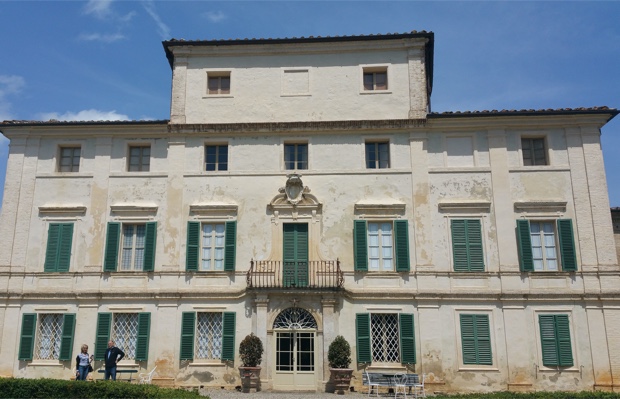

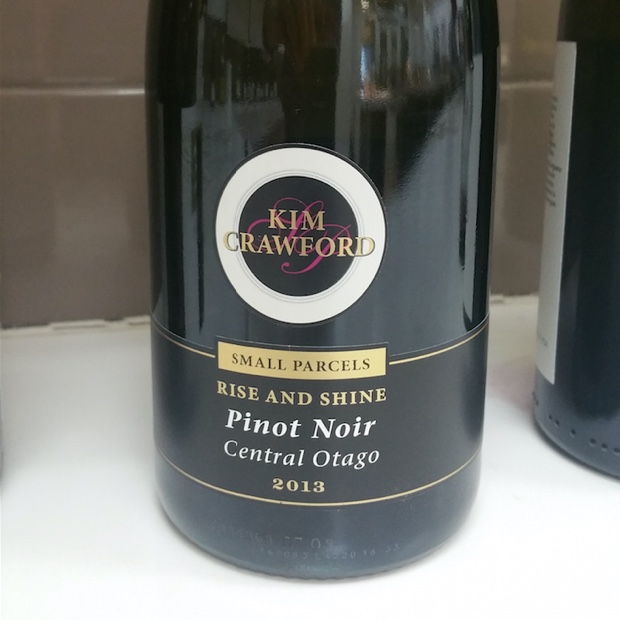

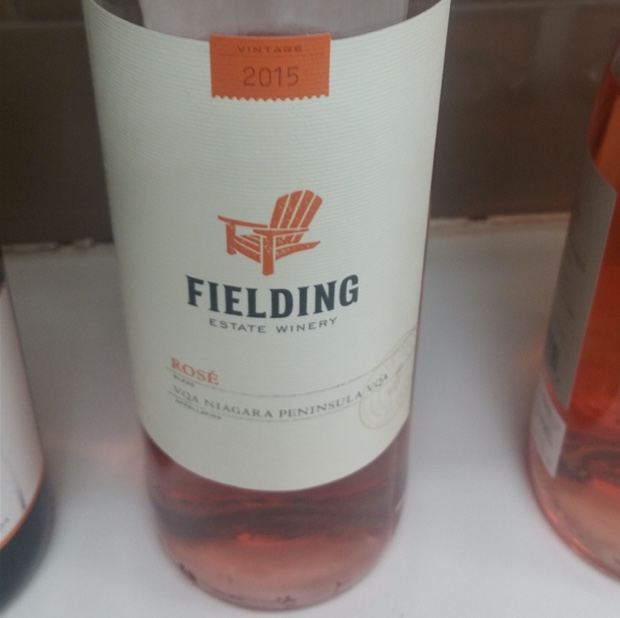


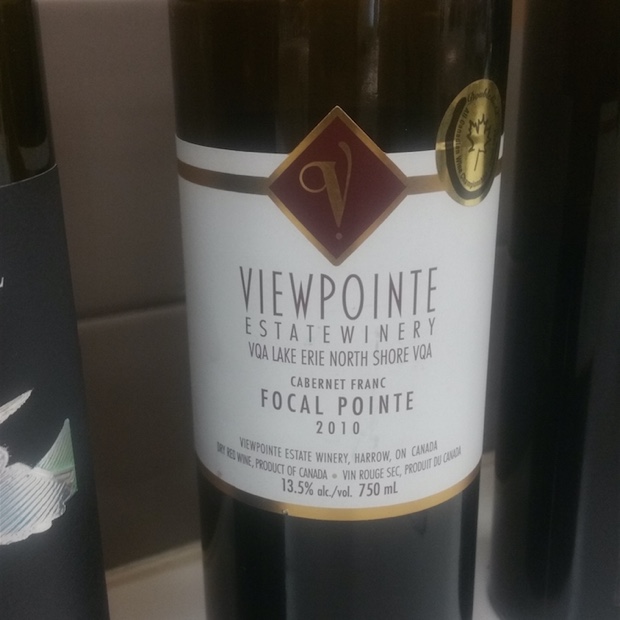
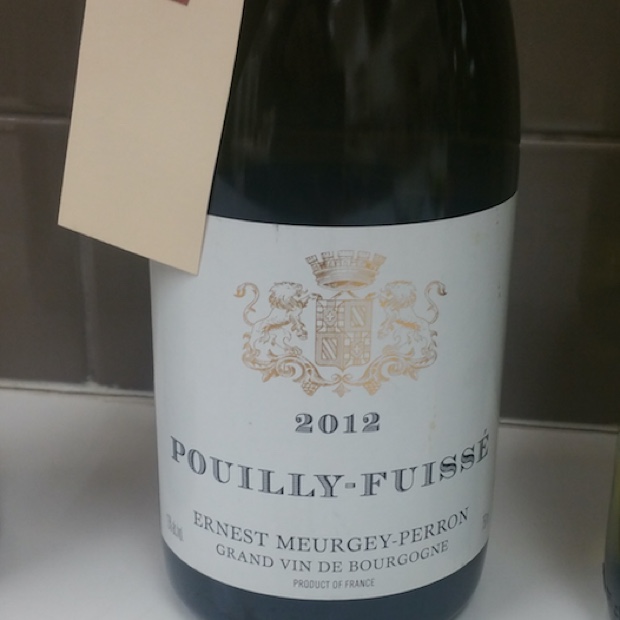
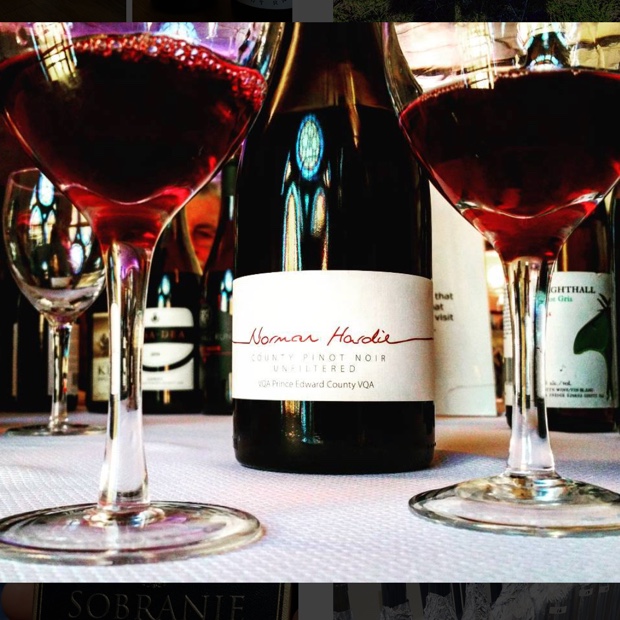


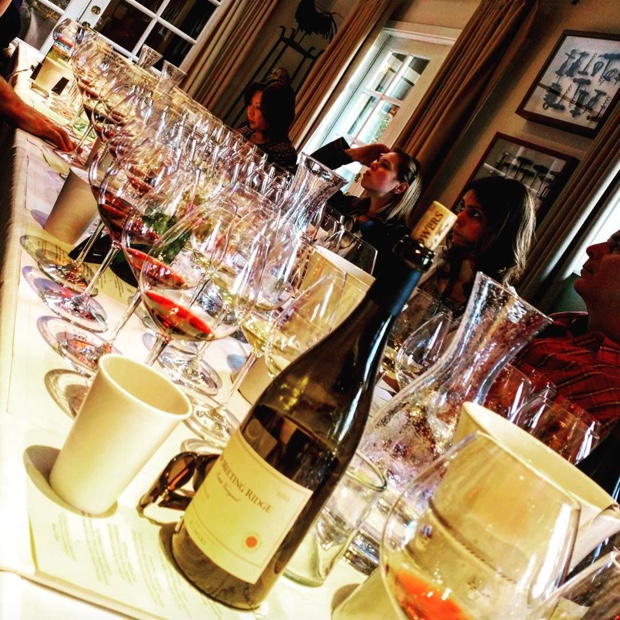
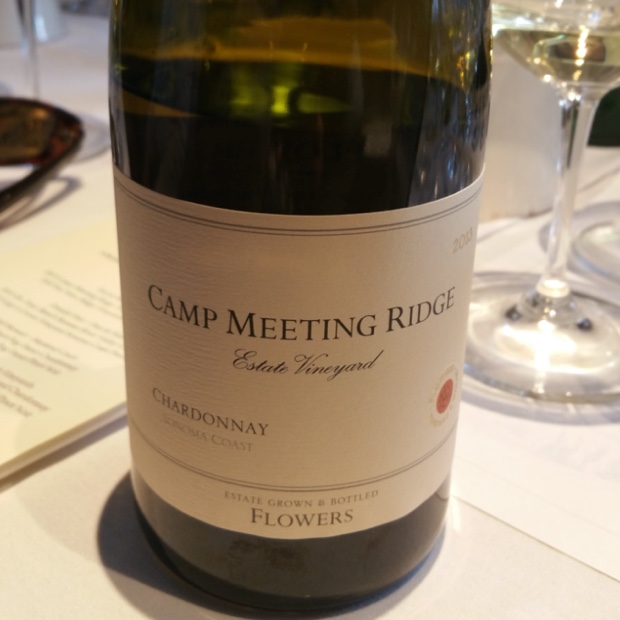
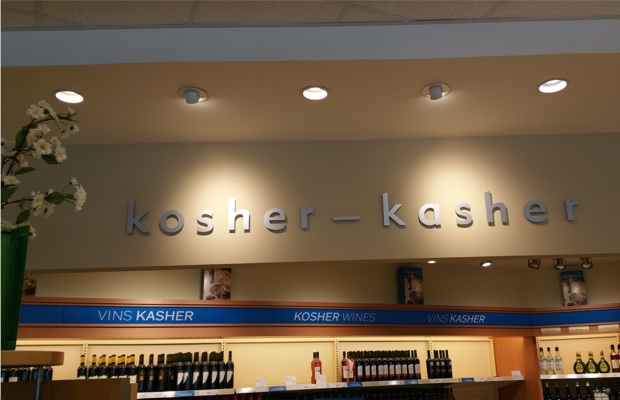
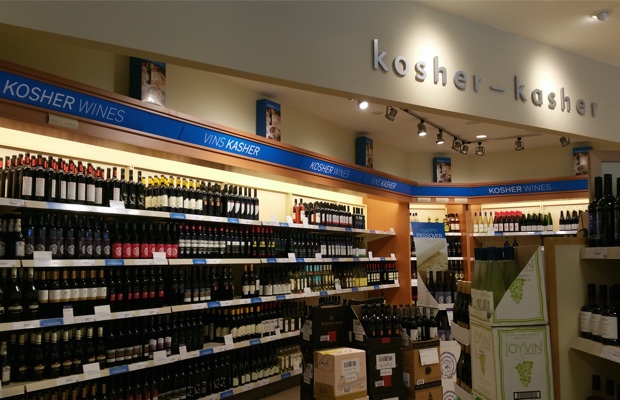

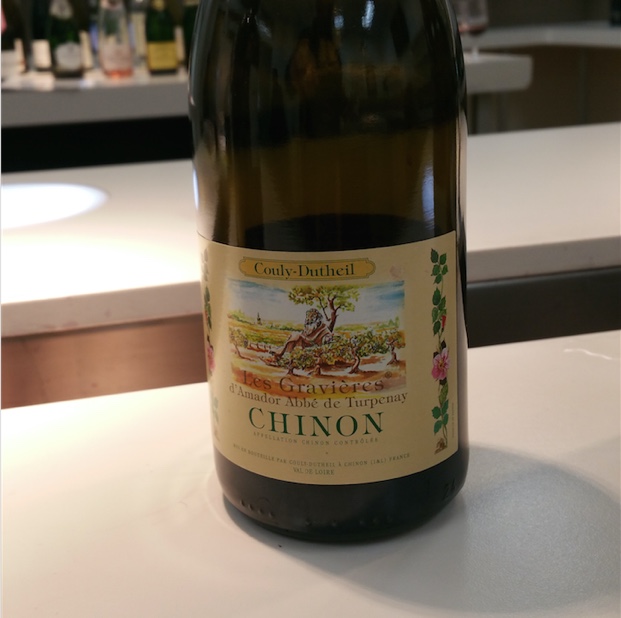
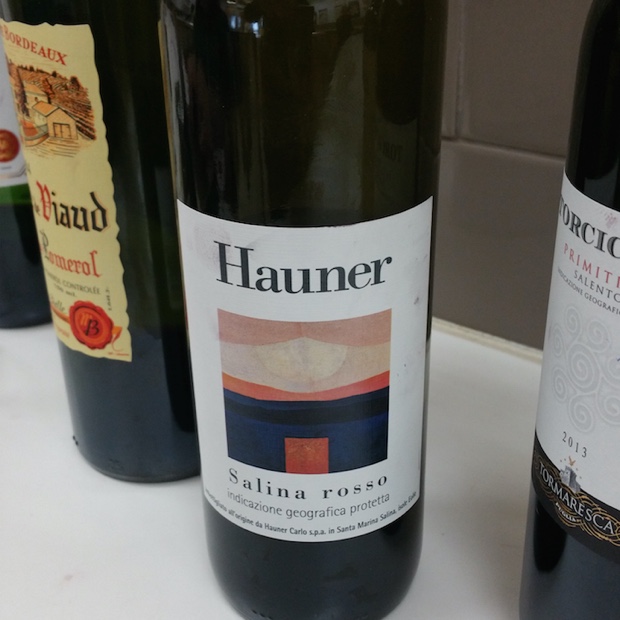
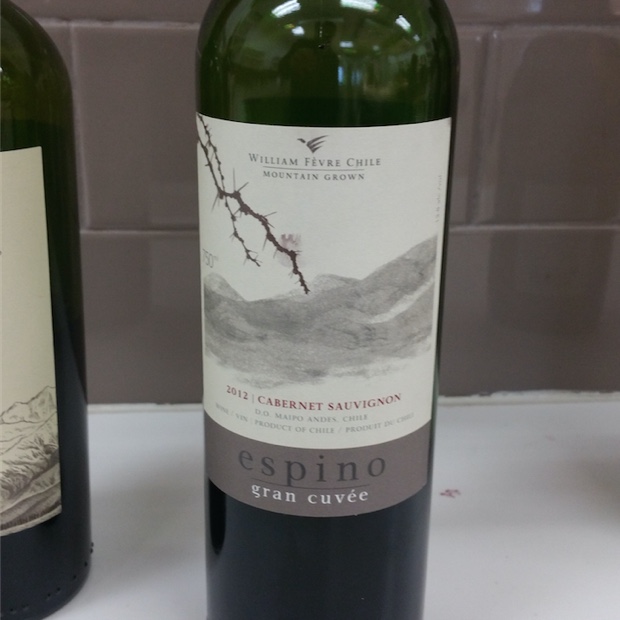


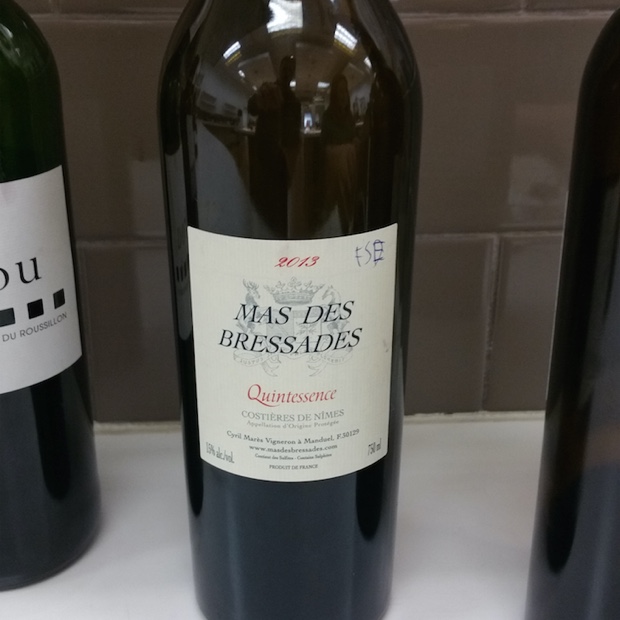

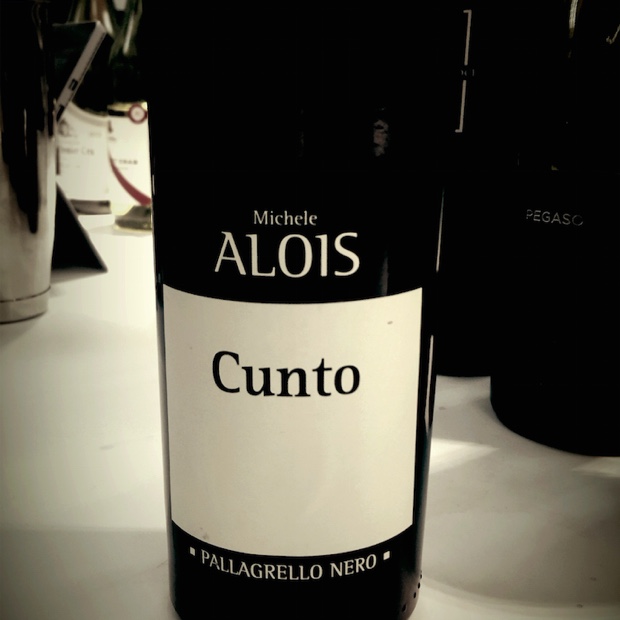

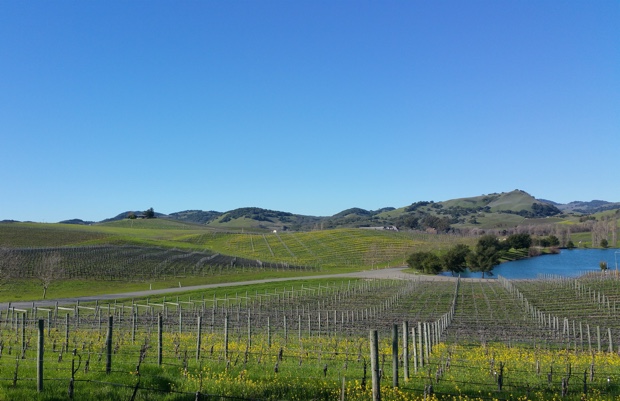
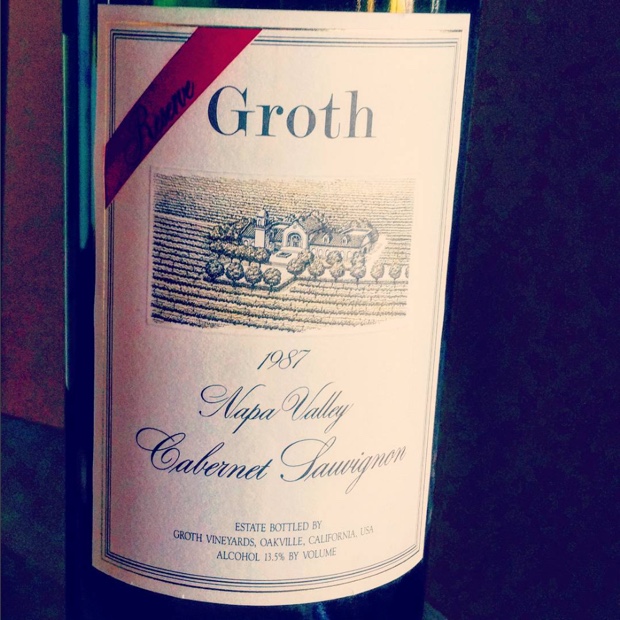
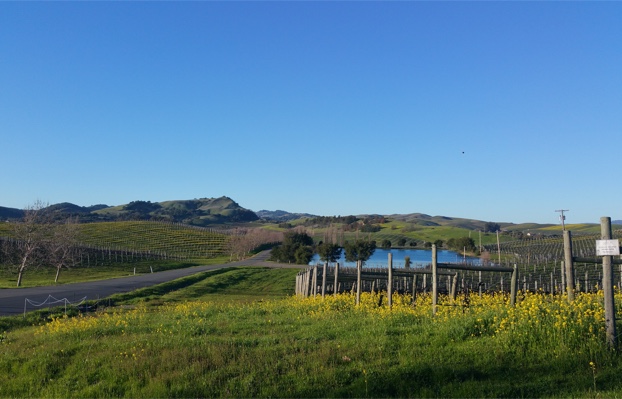


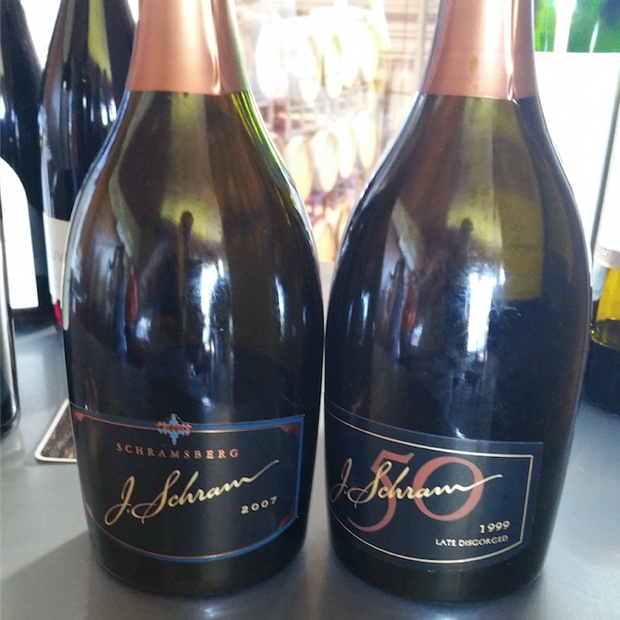


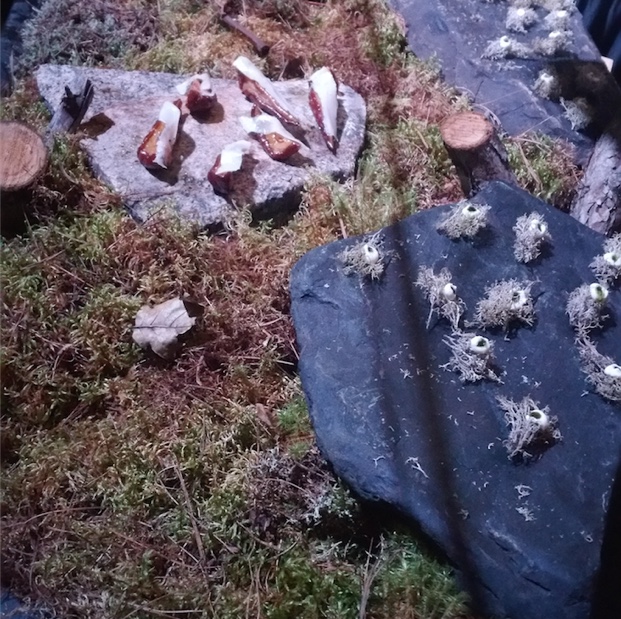



 Godello