From coast to coast: Top 40 wines from the 2016 WineAlign National Wine Awards of Canada

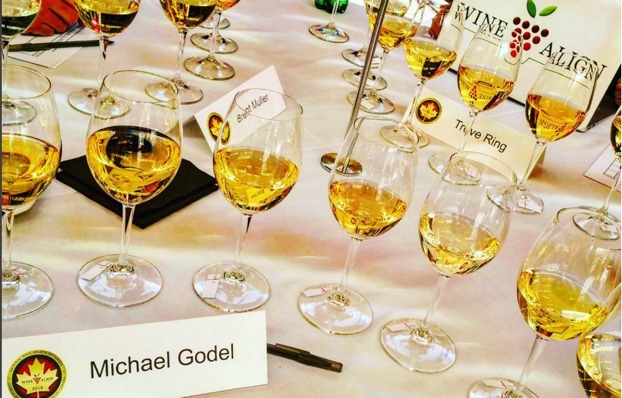
Welcome @muller_brent to team RED! with nazlanmak captain @treve_ring #nwac16 @winealign

Welcome @muller_brent to team RED! with nazlanmak captain @treve_ring #nwac16 @winealign

The WineAlign National Wine Awards of Canada are a complex, multifarious and many-splendored thing. The Nationals bring unity, cross-provincial comity and international variety to the Canadian wine scene. That’s more than can be said about the commerce side of things. It requires a whole lot more than good will to make this most important Canadian competition happen. It takes 1,500+ unique wines, algorithms, logistics, space, time and people.

Related – One the eve of the 2016 WineAlign Canadian Wine Awards

My fourth Nationals in the books and the apogee of perquisite function is reached. That’s how it feels, in retrospect. The overture of function and the apex of wine journalism culminates at the vertices of colleague and responsibility. To find the profound wrapped up in the membrane of gifted opportunity allows a wine writer to make a valid and justifiable contribution. It affords a conclusion written in vouchsafe doling, where medals are heaped upon the best wines produced in Canada. It’s an avail of satisfaction, a community distraction and a labour of love.

How lucky we all were to have her back in the captain's chair. Happy Canada Day @djwines #nwac16

How lucky we all were to have her back in the captain’s chair. Happy Canada Day @djwines #nwac16

Congratulations to Tawse Winery. In his WineAlign report David writes, “winery owner Moray Tawse and winemaker Paul Pender have harvested Winery of the Year honours at Canada’s largest wine competition again this year, the fourth time since 2010. Tawse Winery is on a roll, with five gold medals in this year’s showdown, plus eight silver and eight bronze medals.”

Related – Announcing WineAlign National Wine Awards Winery of the Year

The people at the forefront are the judges, women and men from across the country (representing seven provinces) as well as international guests, from the U.K. and America. Not just any America, mind you, but native America, from California (by way of Alaska). The judges rule but they are not the most integral cog in the NWAC machine. It is the wine fairies that run the engine and they need naming. Head wineaux Bryan McCaw. Logistics and administrative gurus Sarah Goddard and Carol-Ann Jessiman. Statistics bordering on actuarial science sabermetrics specialist Earl Paxton. Photographer Jason Dziver. Head judges Anthony Gismondi and David Lawrason. Volunteers. Lifters, carriers, movers, pourers and judge-doting servers. These are the heroes.

The 2016 WineAlign National Wine Awards of Canada judges and back room rockstars photo (c) Jason Dziver and WineAlign

The 2016 WineAlign National Wine Awards of Canada judges
photo (c) Jason Dziver and WineAlign

In his WineAlign report, Anthony Gismondi writes “this year’s National Wine Awards was the most inclusive yet, with 230 wineries entering over 1,500 wines from across the country. The numbers only make the achievement of Lake Breeze as Canada’s 2016 Best Performing Small Winery of Year all that more impressive.”

Related – Announcing the Best Performing Small Winery of the Year

I would like to make it clear that I write all of my tasting notes for The Nationals solely based on the notes scribbled during the competition. Though I am fully aware of the wines in question when composing the final copy, the transcribing process remains 100 per cent pure and loyal to the original notes. Nothing is added. No acidification, chaptalization, fining or filtering.
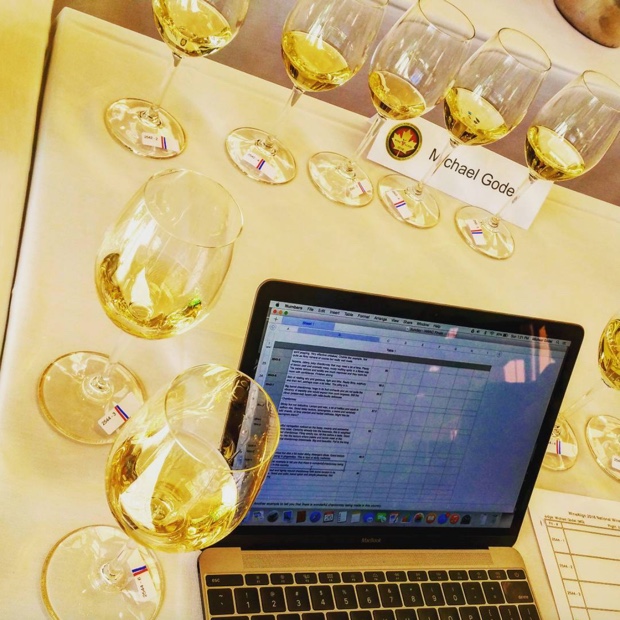
Dispatch @winealign note to Canada- You are making awesome @coolchardonnay ...next stop #i4c #nwac16

Dispatch @winealign note to Canada- You are making awesome @coolchardonnay …next stop #i4c #nwac16

“There was a dazzling array of top quality Canadian wines at this year’s 16th WineAlign National Wine Awards of Canada with over 1,500 entries from 230 wineries in six provinces. There were 16 coveted Platinum medals spread over 14 wineries, and seven different wine categories.”

Related – Announcing the Results of the 2016 National Wine Awards

My top 40 are not necessarily the best I tasted but rather the best of a cross-section that insists on being inclusive for as many categories across the compendium. Chardonnay, Pinot Noir, Gamay and Riesling are disproportionately represented and for good reason, but there are thirds, fourths and fifths exceptional examples that are not celebrated on this versatile and ubiquitous list.

Treve Ring made it clear that “no matter what shade, it’s pretty obvious that more folks are thinking pink. And with fresh results from the 2016 National Wine Awards of Canada held in Penticton, BC last month, Canadian winemakers are stepping up with terrific offerings.”

Related – Canada Thinks Pink, Drinks Pink

The notable exception and varietal inconsequence comes at the hands of Cabernet Franc, a grape that I’ve come to herald over the past two years, especially from out of the auspices of Niagara gatherings and master classes, along with other Canadian competitions I’ve judged at. Franc has shown well at the Ontario Wine Awards, at Gold Medal Plates and at comparative varietal get togethers. When we convened at Peller Estates in the spring of 2015 during a CAPS Best Canadian Sommelier competition, the Cabernet Franc flights were revelatory. At the 2015 and 2016 Ontario Wine Awards the varietal shone in Icewine meanderings. At NWAC 2016 its promise stagnated and receded into wooden shadows.

Why is this? The simple answer could be examined as too many quality CFs made by many good vignerons were not entered.  Another view sees a rapid return tho excess barrel aging in less than stellar vintages, namely 2013 and 2014. The last concern is a heavily weighted Okanagan participation. The sage and dry desert impart mixed with wood clouds many B.C. renditions. It’s not that they are poor wines by any stretch, but they tend to blend in as one, especially when eight or more are tasted side by side by each.

Pronto! Largest assembly of Canadian wines in one place- 1,525 @WineAlign National Wine Awards #nwac16

Pronto! Largest assembly of Canadian wines in one place- 1,525 @WineAlign National Wine Awards #nwac16

Speaking on behalf of the entire WineAlign/Chacun son Vin crew might be a slight over-reaching opinionated bit of creative license but judging these awards ranks amongst the most important things we do as wine journalists. These wines are in our hands and we pay attention to every detail, on a playing field set as level as there can be in the pantheon of wine competitions.  Nothing is taken for granted and the collective palate works towards the most just conclusions possible. These Top 40 wines are what I spent the most energy on. All deserving of their accolades.

Quebec

Les Pervenches Seyval Chardonnay 2015, Quebec (Winery, $20.00, WineAlign)

NWAC_Silver2016_web

A two-varietal conjoin of chardonnay (80 per cent) and seyval blanc (20) opined with the sort of high level of acidity that stakes territorial claim out of what is surely the coolest climate in the competition. The sharp drift leans to shale and flint. Great glade energy and piercing phenolics are superb. Oak is not even a twinkle in its eye, nor negative reduction neither. Directly solid phenolics, tart and angling to greenery. Lemons all over and lime too. Such zing. Drink 2016-2018.  Tasted blind at #NWAC16, June 2016  @LaRoutedesVins  @VinsduQuebec

Domaine Acer Charles Aimé Robert, Quebec (Winery, $30.00, WineAlign)

NWAC_Silver2016_web

Maple syrup as maple syrup, reduced, syrupy, caramelized, rich, buttery (brown) and with direct acidity. Mostly in balance. Roasted nuts and even some fig. Roasted chestnuts off the Portuguese cart. Marmite and umami. The return of the sherry semblance that speaks an Oloroso vernacular, the nutty Solera professor, dried apricot beauty. The maple is so in, so reduced and perfectly realized. Tasted blind at #NWAC16, June 2016

Desrochers D Cuvée De La Diable Vin De Miel, Quebec (Winery, 375ml, $20.00, WineAlign)
NWAC_Gold2016_web

Just amazing honey wine, all beeswax but here without as much funk and so stressed in lemon citrus with savour, not balm. Like sweet sherry, envisaged in the vein of say Montilla-Moriles Pedro Ximenez, from 100 per cent honey. Really haute-fashion acidity. Pine resin and forest floor. Quite complex and irrefragable into its long finish. Honey buttered toast, sour and so good. Really well made, balanced and ethereal. Tasted blind at #NWAC16, June 2016

New Brunswick

Happy Knight Black Mead 2015, New Brunswick (Winery, $13.29, WineAlign)

NWAC_Silver2016_web

From honey (87 per cent) and black currant (13) together for a wonderfully lactic, chalky, saccharine mess. There are moments of simple sour and insipid tartness but the up and downs bring about structure. And then the lifted florals. Drink 2016-2017.  Tasted blind at #NWAC16, June 2016  @happyknightwine

Nova Scotia

Blomidon Estate Winery Tidal Bay 2015, Tidal Bay, Nova Scotia (Winery, $19.99, WineAlign)

Simply the simplest white blend in the flight, for good reason and measure. Languid and salty, bittersweet. Not much fruit of texture but the acidity is zesty and orange juicy. A bit funky and prickling. Leaves behind a green mango paste in the mouth made piquant by lime. Ça marche.  Tasted blind at #NWAC16, June 2016  @BlomidonEstate

Ontario – Niagara Peninsula

Chateau Des Charmes Sauvignon Blanc 2015, VQA St. David’s Bench, Niagara Peninsula, Ontario (Winery, $14.95, WineAlign)

NWAC_Gold2016_web

Much ripeness in style, juicy mango and a note of Kenyan pineapple. Palate offers balance returning back west into stone fruit and a shot of metal moonshine. It comes so easy. This is cracker soul. “Come and party with your spirit guide.” The winemaker and the vigneron walk their walk and talk their talk. Drink 2016-2018.  Tasted blind at #NWAC16, June 2016

Chateau Des Charmes Gamay Noir “Droit” St. David’s Bench Vineyard 2014, VQA St. David’s Bench, Niagara Peninsula, Ontario (Winery, $17.95, WineAlign)

NWAC_Gold2016_web

An adroit poster child for the battle cry of #gogamaygo, this is deliciously and devilishly dark fruit crusted with rusticity. It is also bright, volatile within every threshold of the ideal and tart with cru proportions. Possessive of the relentless ongoingness of gamay syntax, from sour black cherry to ascendant and structurally lean. Well done. Drink 2016-2020.  Tasted blind at NWAC16, June 2016  @MBosc

Legends Chardonnay Reserve 2013, VQA Niagara Peninsula, Ontario (Winery, $18.95, WineAlign)

NWAC_Plat2016_web

Beautiful variegation is noticed on the leesy, creamy and somewhat reductive nose. Certainly already into the beeswax, this is weighted but lifted chardonnay. Flinty, smoky too. All this before a taste. Good harmony into the texture where palate and tannin meet at the proverbial chardonnay crossroads. No semantic crimps, lexical distresses or syntactical trials. Big and beautiful. Full to the long finish. Drink 2016-2020.  Tasted blind at NWAC16, June 2016  @LegendsWinery

Legends Sauvignon Blanc Reserve Lizak Vineyard 2013, VQA Lincoln Lakeshore, Ontario (Winery, $19.50, WineAlign)

NWAC_Silver2016_web

Who would fail to comply with the memo for giving it up and appreciating the mineral sauvignon blanc, down along the cove where “I spied my little bundle of joy.” Platinum pear and white peach, sprinkled with maldon, bobbing for rocks, “walking hand in hand.” Direct, white tannic, dry extracted, low pH SB, direct, with purpose and just a wee bit of harmonica. Drink 2016-2020.  Tasted blind at #NWAC16, June 2016

Hidden Bench Roman’s Block Riesling 2013, VQA Beamsville Bench, Ontario (198853, $23.95, WineAlign)

NWAC_Gold2016_web

Here the complete deal is limestone-mineral, old vines, relative altitude and low tonnage. Variegated layering on the palate. The Germanic one, all in, slope driven and dry with citrus compression. This is most excellent, mouth-watering riesling. “This is really, warden in my back, goose all in my gut.” A wine that stretches and turns back on itself. Under the Pressure. Drink 2016-2025.  Tasted blind at NWAC16, June 2016  @HiddenBench  @BenchVigneron

Tawse Winery Riesling Quarry Road Vineyard 2014, VQA Vinemount Ridge, Ontario (198853, $23.95, WineAlign)

NWAC_Gold2016_web

Compression and a slight bend to oxidation are hallmarks of the 2014 Niagara Riesling season and yet the QRV manages to buck the trend. The oscillations of tannin, extract and off-dry flavours are all wrapped up in greater acidity than some previous vintages have seen. This is one of the more striking 2014 Niagara Rieslings with some credit surely do to the cool Vinemount Ridge site. The rest of can be credited to winemaking and good luck. The sour in this Quarry Road is of a sumptuous kind, laying August stone fruit over layers of fractured limestone. Drink 2016-2020.  Tasted April 2016  @Tawse_Winery  @DanielatTawse

Adamo Oaked Chardonnay Wismer Foxcroft Vineyard 2014, Niagara Peninsula, Ontario (Winery, $27.00, WineAlign)

NWAC_Plat2016_web

Really effective actuality, from barrel for couverture and bite, through texture by lees and with inhalant because of the mineral play. This has it all going on. The middle palate is so beautifully filled in, the spice and smokiness just a mild, intoxicating smoulder. Lovely stuff and terrific length. Drink 2016-2021.  Tasted blind at #NWAC16, June 2016  @AdamoEstateWine  @hinterlandwine

Two Sisters Eleventh Post 2012, Niagara River, Ontario (Winery, $39.00, WineAlign)

NWAC_Gold2016_web

Red raspberry and a posy of green quintessence filled by oak in a merlot (50 per cent) with equal addendum from two cabernets. There are moments that are somewhat downy soft and mocha-creamy but the brain gladly socializes with the cappuccino bordeaux blend. What ultimately matters is how this soft serve is the least astringent and most silky wine in the flight. Just as your guard lets down the tannins storm the castle. Intriguing blend with cellaring structure. Drink 2017-2022.  Tasted blind at #NWAC16, June 2016  @2SistersVine  @apearcevino

Hidden Bench Chardonnay Tête De Cuvée 2013, VQA Beamsville Bench, Ontario (Winery, $45.20, WineAlign)

NWAC_Gold2016_web

Intensely reductive and so very fresh chardonnay with serious cool-climate excitability. A minor dishy aroma might detract for some but its the phenolics talking, not yet rendering the porcine baby fat, looking for integration, speaking in tart, chalky (liquid) tones. Like fresh pasta dough in a warm kitchen. Complex wine not yet understood. Drink 2017-2022.  Tasted blind at #NWAC16, June 2016  @HiddenBench  @BenchVigneron

Jackson Triggs Niagara Reserve Riesling Icewine 2014, VQA Niagara Peninsula, Ontario (Winery, 375ml $59.95, WineAlign)
NWAC_Gold2016_web

Love the cool feel, the apricot aspic glaze and the herbs underneath the sweet surface. Really tangy fruits and great acidity. This has balance and vitality. Actually causes a bit of mouth watering with clean, clear, crisp and precise riesling character. Drink 2016-2025.  Tasted blind at #NWAC16, June 2016  @Jackson_Triggs  @CBrandsCareers

Domaine Queylus Pinot Noir Le Grande Reserve 2013, VQA Niagara Peninsula, Ontario (Winery, $60.00, WineAlign)

NWAC_Gold2016_web

The top-tier Pinot Noir is quite fruit intense, but also sappy and uttered in soft, indecipherable if almost resolved words. That said the length traipses to somewhere distant, to a boundary no other Queylus Pinot Noir has yet made. As it is thought on, this wine climbs to that far away peak that can’t really be imagined. The wine lingers longer than the pen and like the sword, pierces with svelte pinpoint accuracy. The flavour profile is indescribable, neither fruit nor mineral dominant and not exactly earthbound either. The abstruse profile persists but can’t be named so like language, must go on and on. Time heeds no dissipation. The wine lingers forever. Drink 2017-2025.  Tasted June 2015  @QueylusVin

Ontario – Prince Edward County

Waupoos Cabernet Franc Reserve 2013, Ontario (Winery, $29.95, WineAlign)

NWAC_Silver2016_web

Rich cabernet franc, extracted and with some big, but beneficial wood. Quite aromatic stuff here of black cherry with vanilla and lavender accents. Savoury and leathery palate with juicy, sumptuous elevations. Really lively stuff with nary a chocolate or a mocha moment and no bitters. None. Brilliant. Drink 2016-2020.  Tasted blind at #NWAC16, June 2016  @waupooswine

Huff Estates Cuvee Peter F Huff 2011, Méthode Traditionnelle, VQA Prince Edward County, Ontario (Winery, $40.00, WineAlign)

NWAC_Gold2016_web

Nothing can be so considered as leaning to an oxidative style until you imagine this in a flight of nine and take in its old-school on par with Method Cap Classique like charm. Or Jura. Great acidity circulates and like tribunates protects the sparkling rights from arbitrary acts of reduction. With flavours recalling mandarin, lemon and then an aromatic return to exotic, in lemongrass and galangal. Length is excellent. Drink 2016-2022.  Tasted blind at NWAC16, June 2016  @HuffEstatesWine

Ontario – Lake Erie North Shore

Pelee Island Vinedressers Cabernet Sauvignon 2013, Lake Erie North Shore, Ontario (Winery, $19.95, WineAlign)

NWAC_Gold2016_web

Dark, muted and tannic, of bitter chocolate, this unforgiving cabernet sauvignon is blessed with high savour and underlying brine. This is an oak monster but not creamy. It’s all bitter chocolate but not astringent. Not mean. Gotta see past the demanding attitude because it’s really quite balanced within the conceit of it’s largesse. Ultimately elegant, floral and complex. Drink 2017-2022.  Tasted blind at NWAC16, June 2016  @Peleewinery

British Columbia – Okanagan Valley

Synchromesh Riesling 2015, Okanagan Valley, British Columbia (Winery, $19.00, WineAlign)

NWAC_Silver2016_web

Beautifully microbial, beeswax-scenting, wild ferment riesling. Needs agitation to shed its bacterial baby fat. Quite viscous and grippy mouthfeel. Transports the fundamental factors from vine, fruit and fermentation in a suitcase of natural love. The acidity is texturally palpable, essential, extended gainfully from low pH. There is some residual but so much sink your teeth into it stuffing to carry it forward. Most excellent less than off-dry palate and with the drive to finish with impression over the next 10 years. Drink 2016-2026.  Tasted blind at NWAC16, June 2016  @SynchromeshWine

The View Ehrenfelser 2015, Okanagan Valley, British Columbia (Winery, $19.95, WineAlign)

NWAC_Gold2016_web

So floral, with orange peel, white rose potpourri, a bit of funky humidity, cool and viscous. Great mouthfeel, tart, frozen-gelid acidity. Sweetness never causes any suffering. Great finish. Miles ahead of the field in off the beaten path varietal gambolling.  Tasted blind at #NWAC16, June 2016  @TheViewWinery

Wild Goose Stoney Slope Riesling 2014, VQA Okanagan Valley, British Columbia (Winery, $20.00, WineAlign)

NWAC_Silver2016_web

Beautiful atmosphere with hopes and dreams to climb high into the stratosphere. The terpene that lurks is just a prop, a step-ladder for the more purposed realities to use and get up there with the airs and the stones and to thank the terpenes for their unselfish ways. Very concentrated and purposed riesling with compressed bitters. Princess in high tops. Drink 2016-2022.  Tasted blind at NWAC16, June 2016  @wildgoosewines
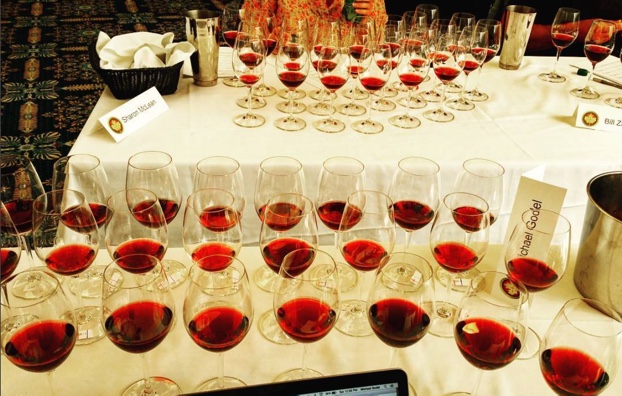
Finals of 24 #pinotnoir in three flights. Mountain tea for all #nwac16 @winealign National Wine Awards of Canada

Finals of 24 #pinotnoir in three flights. Mountain tea for all #nwac16 @winealign National Wine Awards of Canada

Volcanic Hills Pinot Noir 2011, BC VQA Okanagan Valley, British Columbia (Winery, $20.00, WineAlign)

NWAC_Silver2016_web

Oranges, peaches and apricots. In pinot noir. Strawberries, cherries and raspberries. So much fruit. Turns earthy and spicy on the palate. It’s a very good characterful expression that walks straight down a line. So much character and then tannic, sharp and acerbic on the finale. The tannins hang around the fruit like a clever. Drink 2017-2021.  Tasted blind at NWAC16, June 2016  @volcanichillswi

Ciao Bella Pinot Rosé 2014, Okanagan Valley, British Columbia (Winery, $20.75, WineAlign)

NWAC_Silver2016_web

Love the early note of minor volatility to check and balance for soft and downy, simple and into pleasure. Smells like unripe pickled strawberry. Though some decent salinity and brine offer up a rosé reality there lacks a bit of ingratiating 100 per cent pinot noir charm. Improves and brings out some pinosity by good bitters, gin and tonic, orange zest and some spice. In the end it’s actually more than quite good. Drink 2016-2018.  Tasted blind at #NWAC16, June 2016  @ciaobellawinery

Spierhead Pinot Gris Golden Retreat Vineyard 2015, BC VQA Okanagan Valley, British Columbia (Winery, $21.85, WineAlign)

NWAC_Gold2016_web

Just a moment of skin contact renders to immediate complexity. Great rust, scraped stone and wild citrus. Lots of white grapefruit on the palate and pith, but not too much. Very persistent.  Tasted blind at #NWAC16, June 2016  @spierheadwinery

Haywire Secrest Mountain Vineyard Gamay Noir Rosé 2015, Okanagan Valley, British Columbia (Winery, $22.90, WineAlign)

NWAC_Silver2016_web

Really earthy 100 per cent gamay Rosé. Good mineral in here. This was made with a purpose. “Now everybody’s gonna tell you it’s not worth it. Everybody’s gotta show you their own thing.” There is balance and ballad ease. This is just so drinkable. “Is this the past or the future that is calling.” Gamay, I love the times you’ve come. Drink 2016-2018. Tasted blind at #NWAC16, June 2016  @Haywirewine  @OKCrushPad

Joie Farm Gamay 2014, Okanagan Valley, British Columbia (Winery, $23.90, WineAlign)

NWAC_Gold2016_web

A gamay with global explorations that is so inimitable it founds it’s own, toute de suite, self-dissolving genre. This really sweats and wicks away the umami of gamay. It has the notion, sumptuous spice, tight, circular winds and biggest stage presence. Such a mineral palate, density and the gumption to pour with unwavering varietal swagger. Best in show. Drink 2016-2021.  Tasted blind at NWAC16, June 2016  @JoieFarm  @LiffordON

Bordertown Cabernet Franc 2014, Okanagan Valley, British Columbia (Winery, $24.00, WineAlign)

NWAC_Silver2016_web

Beautifully fragrant cabernet franc, unhindered and unencumbered by obnoxious, noxious barrel plenitude. Red currants, liquorice and plenty of summer savour. Pencil lead to graphite and cool climate attitude. Rustic in all the right ways, like Rioja Gran Reserva meets the Loire. So natural and charcuterie cured. Spicy all over the finish. Just a bit bitter perhaps. Tasted blind at #NWAC16, June 2016  @BordertownWine

Moon Curser Syrah 2013, BC VQA Okanagan Valley, British Columbia (Winery, $27.00, WineAlign)

NWAC_Gold2016_web

Cooler and more Mediterranean savoury. Tart and direct, taut and full of miles away imaginings. There seems to be some elegance to temper the gambling and cajoling in the big chamber. Like a self-correcting shake-up, as if something were veritably being worked out. Give it some time and some love. Drink 2018-2023.  Tasted blind at NWAC16, June 2016  @mooncurser
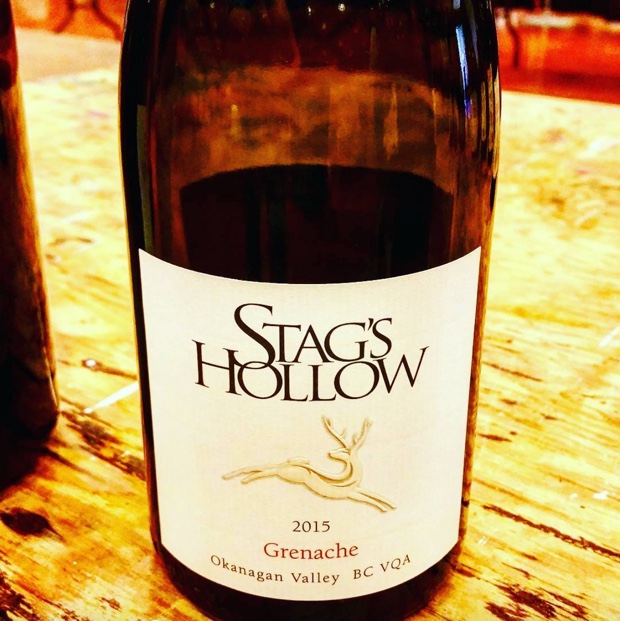
Silken palate, structure, ambient endings #grenache @Stagshollow #okanaganvalley

Silken palate, structure, ambient endings #grenache @Stagshollow #okanaganvalley

Stag’s Hollow Grenache 2015, BC VQA Okanagan Valley, British Columbia (Winery, $29.99, WineAlign)

NWAC_Silver2016_web

An effete, in effect style of grenache, pretty, pure and elegant. She resists the trappings of overripeness, over-extraction and over-pressing. She is conceived with great purpose and with pelucid substance. Her palate is silken, with fresh berries and then the sort of grand structure that rolls into ambient endings. One of Canada’s great grenache triumphs. Drink 2016-2020.   Tasted June 2016  @Stagshollow

Sperling Natural Amber Pinot Gris 2015, Okanagan Valley, British Columbia (Winery, $30.00, WineAlign)

NWAC_Gold2016_web

So much beeswax and honey wine attribution. Porcine, delicate and quite elegant for the statement. Plenty of acidity and even more relish. Why not give a little Grauburgunder love to the winemaker for giving the style a shot, and succeeding. Tasted blind at #NWAC16, June 2016.

From my earlier note of January 2016:

Ann Sperling is not merely fussing about with natural ferments, skin-contact macerations and non-sulphured, self-preservations. She is learning about winemaking, opening doors to perception and interested in doing things in different ways. Her second go ’round with a natural Amber Pinot Gris furthers the non-plussed discussion and the understanding. While pouring the inaugural 2014 from keg on tap last year at Vancouver’s Belgard Kitchen, it was Sommelier David Stansfield who so succinctly noted “this wine is a raw expression of vineyard, grape, and time.” This gets right to the heart and the crux of the Orange matter, especially within the context of a North American account. Sperling has many supporters in her corner, including husband-winemaker-consultant Peter Gamble, the folks at the Casorso-Sperling Kelowna Farm and Bill Redelmeier at Southbrook Vineyards in Niagara. This 2015 is a veritable pink cloud, anti-orange, still so very musty, funky, tanky, with great Sperling acidity and pierce. There is so much exuviation to evanescence and back again flavour. There is feigned sweetness that purposes towards and with gearing second wind into length. How much pleasure is this from and for Pinot Gris? Drink 2016-2017

Sperling Vin Gris Of Pinot Noir 2014, Okanagan Valley, British Columbia (Winery, $30.00, WineAlign)

NWAC_Silver2016_web

Anti-Rosé Vin Gris pinot noir, light of blush and leaning to terpene. While lost in a nether land between the categories of hue, the appeal is wrought by the wine’s refusal to be unclassified. And it need not be. I think I get what the attempt was here; lithe, light, easy free-run with nearly no hue inducing skin contact and it travels the path akin a fruit wine realm; ever so slightly sweet and very tangy, like currant pureé. Prejudices and preconceptions are cast aside. Such a rare occasion affords a taster assessing blind to know so little and enjoy so much. Drink 2016-2018. Tasted blind at #NWAC16, June 2016  @SperlingVyds  @AnnSperling

Coolshanagh Chardonnay 2014, Okanagan Valley, British Columbia (Winery, $36.95, WineAlign)

NWAC_Gold2016_web

Really beautifully reductive, ranging to all chardonnay fronts, from expectation and into results. Terrific integration, multiplicity and circulation. Chardonnay flush with fabric and forged by framework. Enjoy it now and over five more glowing years. Drink 2016-2020. Tasted blind at #NWAC16, June 2016  @OKCrushPad

Burrowing Owl Cabernet Sauvignon 2013, BC VQA Okanagan Valley, British Columbia (73098, $44.95, WineAlign)

NWAC_Gold2016_web

Rich, dried fruit and a welling tension inflates and rehydrates this cabernet sauvignon with cool, savoury, bluff sage and piquant nettle garrigue notions. It has an intelligent and characteristic taste. Tending to write the cabernet sauvignon personality book, this desert play is full of varietal notion and somehow typical. Drink 2018-2024.  Tasted blind at NWAC16, June 2016  @BurrowingOwlBC  @LeSommelierWine

Moon Curser Dead Of The Night 2013, BC VQA Okanagan Valley, British Columbia (Winery, $54.95, WineAlign)

NWAC_Gold2016_web

Serious syrah and tannat split. Deep cimmerian demi-glacé, rich and chocolatey, somewhat sweet but full of fruit and mineral. Syrah getting together with tannat of augmentation, opulence, concentration, of getting more in. Long and lingering. Drink 2016-2021.  Tasted blind at NWAC16, June 2016  @mooncurser

Meyer Pinot Noir Micro Cuvee Mclean Creek Road Vineyard 2012, Okanagan Valley, British Columbia (Winery, $65.00, WineAlign)

NWAC_Gold2016_web

A very amenable and mostly, fully, completely copacetic pinot noir with tonic and beneficial bitters managing the fruit. Fruit that is directly up front and neither garrigue nor barrel spice makes cause for any distraction. No mental gymnastics are required to understand this wine. Great leave it be pinot noir. Drink 2016-2020.  Tasted blind at NWAC16, June 2016  @MFVwines

British Columbia – Naramata Bench

Deep Roots Pinot Gris 2015, Naramata Bench, British Columbia (Winery, $19.00, WineAlign)

NWAC_Silver2016_web

A bit stinky and reductive but on the precipice and so purposeful. Pear, platinum pipe and graphite. Good viscosity and slightly off-dry to the point where savour and spice take over. Better balance here. The reduction blew away with ease. Spicy finish. Drink 2016-2019.  Tasted blind at NWAC16, June 2016  @DeepRootsWine

Terravista Albarino 2015, Okanagan Valley, British Columbia (Winery, $25.00, WineAlign)

NWAC_Gold2016_web

Quite a dense albarino with plenty of metal in its back pocket and salinity “singing to an ocean.” Gobs of fruit play along with the sea air. I like the acidity and the zeppelin zest, the citrus led with a full twist. Tart and close to sour with some sulphur but “it’s a real fine way to start,” even if it doesn’t quite blow my mind. Drink 2016-2019. Tasted blind at #NWAC16, June 2016  @Terravistawines

La Frenz Syrah Rockyfeller Vineyard 2014, Naramata Bench, British Columbia (Winery, $28.00, WineAlign)

NWAC_Gold2016_web

Here syrah plays a floral song while doused in perfume of roses in the tar sands. Less oak driven and fresher than the compatriots in its flight. Give credit where it’s due. Syrah buoyed, lifted and blessed by five per cent viognier. Tasted blind at #NWAC16, June 2016  @LAFRENZWINERY

British Columbia – Similkameen Valley

Twisted Hills Paradise Pear Organic Cider 2015, Similkameen Valley, British Columbia (Winery, $18.00, WineAlign)

NWAC_Silver2016_web

Bruised pear leads this spot on cider with a cool whiff of concrete tank and a minor pear puree, of sauce spiked by cinnamon. Quite dry and saline within terrific acidity. Umami makes the salivator glands work overtime. Drink 2016-2018.  Tasted blind at NWAC16, June 2016  @twistedhills

Eau Vivre Malbec 2013, BC VQA Similkameen Valley, British Columbia (Winery, $23.00, WineAlign)

NWAC_Silver2016_web

A rich juicy malbec of all in red fruit, tom foolery fun things and life affirming positives. Just the malbec with creamy american vanilla anglaise. “Sidewalk sundae strawberry surprise.” A bit of a malbec ice cream cone but that’s more than OK because the ice cream man, one man band will be “good to you yeah, good to you, I’ll be good to you, I’ll be good to you.” No need to hold off because malbec so inviting waits for no one. Drink 2016-2019.  Tasted blind at NWAC16, June 2016  @EauVivre

Good to go!

Twitter: @mgodello

Instagram: mgodello

WineAlign

Impromptu tasting at Ravine

In the cellar at Ravine Vineyard

In the cellar at Ravine Vineyard

The winemaking at Ravine Vineyard is not so much deferential as much as it is a stylistic best described as post modern proletariat. Marty Werner’s modern enrichment often acts like subtraction, as opposed to traditional winemaking which effects the obvious, just and because less is more. His work reflects what once was (in turn of the century Niagara Peninsula) and upon what function emerged out of form, but also what could have been, from successes squeezed out of warm (2005, 2007, 2010) and from mistakes in challenging (2006, 2008, 2009) vintages. The current releases of 2014 and 2015 are wines of augmentation in the form of intensification in the structure rather than for weight or texture. Werner’s plebeian, blue-collar post-modernism is setting a new standard in Niagara. If his work (along with assistant winemaker Ben Minaker) can be viewed as sycophantic than all the better for the copycats and the apostles to hang on and around.

After a wild and multi-faceted chardonnay (plus) weekend down on the farms of Niagara’s flats, shores and across its escarpment benches, it is always the pleasure of pleasures to convene at Ravine Vineyard for a few oysters, a plate of great grub and more chardonnay. It is a time to breath and say another goodbye to the greatest collective consciousness of wine folk on the planet. Then Peter Gamble approaches. “We’re having a little impromptu tasting down in the cellar.” Marty and Ben lead a small group through these wines. We are captivated and motivated by their new work and their mini-vertical presentation. Ian D’Agata, John Szabo M.S., Michael Vaughan, Tony Aspler, Stephen Campbell, Magdalena Kaiser and I. Here are my notes.

John Szabo M.S., Stephen Campbell (Lifford), Ian D'Agata and Peter Gamble

John Szabo M.S., Stephen Campbell (Lifford), Ian D’Agata and Peter Gamble

Ravine Vineyard Sauvignon Blanc 2015, VQA Niagara Peninsula, Ontario (Winery, $32.00, WineAlign)

NWAC_Silver2016_web

In 2015 winemaker Marty Werner offers up 100 per cent barrel fermented sauvignon blanc aged in 10 per cent new (or just one barrel). The fruit comes from Concession Road 2 between lines 8 and 9, on heavy clay and only four year-old vines. The recovering vineyard is a microcosm for the overall Niagara recovery and the vintage allotted 250 cases when it normally produces upwards of 350. The 2015 ripeness stylistic is up front fruit from young vines. “A pick when you want to, not when you have to vintage” notes assistant winemaker Ben Minaker. Metallic peach and fennel pollen emit and you must appreciate a wine of such tartness on the back end, as opposed to sour patch up front. Stylish is the yeast (one third wild) understatement of the day. Says Werner, “we leave the fruit a bit dirtier coming out of the press,” so it gains some funky complexity, but no malo though. The acidity counteracts in the mid to high sevens. Lush antiquarianism is the end result. Drink 2016-2019. Tasted July 2016.

Some cheesy pungency notes the entry. Some edge of ripeness too. Tropical notes, full, fleshy, enervating and dangerously, precariously close to seed, oxidative even. But it teases and walks a blade’s edge. Lacks grassy middle ground (and again, that is a strength) but varietally speaking it may just be the most sauvignon blanc of any in the flight. Drink 2016-2019.  Tasted blind at #NWAC16, June 2016

Marty and Ben establish a new verity for #PinotGris @RavineVineyard ... There will be followers. #i4c16 #niagaralakeshore

Marty and Ben establish a new verity for #PinotGris @RavineVineyard … There will be followers. #i4c16 #niagaralakeshore

Ravine Vineyard Pinot Gris 2015, VQA Niagara Peninsula, Ontario (Winery, $35.00, WineAlign)

From a vintage of purportless rainfall, this is expressly (24 hour) skin-soaked pinot gris in candid desire of flavour more than and in second thought to hue. Subsequently sent to barrel for a wild ferment. Picked ripe (so 13.5 per cent alcohol), perhaps a result of, if not necessary from a vintage where mid-october pinot gris fruit was the exception and a last minute decision to bring in this fruit led to an earned foray for such a wine. Seven year-old fruit from (Marty’s parents farm on White Road) really floats a divergent varietal boat with six months of barrel time (25 per cent new). Frankly speaking, it carries such an air of benevolence so you would never know how alternative it really is. If there is a precursor or a reference point I stand at attention to be enlightened. Marty (winemaker Werner) and Ben (assistant winemaker Minaker) establish a new verity for pinot gris. There will be followers. This 2015 needed air, splashing and sloshing and it responded in kind. Drink 2017-2022.  Tasted July 2016

Ravine Vineyard Cabernet Rosé 2015, VQA St. David’s Bench, Ontario (Winery, $35.00, WineAlign)

Ravine’s Rosé spent the most minimal time on skins, from a posterior fruit position left out in the elements long and aided by leaf removal to break down the pyrazine. These were the second last grapes to pick (because the acidity is high in slightly overcropped fruit), on Slingerland Farm between lines five and six halfway up from Ravine to Highway 55. Though seemingly dry, the 6.0 g/L of RS is used “to bring it into balance for the consumer,” notes Marty Werner. This has some strawberry funk, as if it were macerated in a clay-calcaire bath, like balm as if steeped, cooled and poured over ice. It may be imagined as a saline, faintly honeyed berry granita with just the right amount of gelid texture alongside cool and savoury charcuterie. Simply put, what cabernet franc must be in warm niagara country. Drink 2016-2019. Ravine’s Rosé spent the most minimal time on skins, from a posterior fruit position left out in the elements long and aided by leaf removal to break down the pyrazine. These were the second last grapes to pick (because the acidity is high in slightly overcropped fruit), on Slingerland Farm between lines five and six halfway up from Ravine to Highway 55. Though seemingly dry, the 6.0 g/L of RS is used “to bring it into balance for the consumer,” notes Marty Werner. This has some strawberry funk, as if it were macerated in a clay-calcaire bath, like balm as if steeped, cooled and poured over ice. It may be imagined as a saline, faintly honeyed berry granita with just the right amount of gelid texture alongside cool and savoury charcuterie. Simply put, what cabernet franc must be in warm niagara country. Drink 2016-2019.  Tasted July 2016

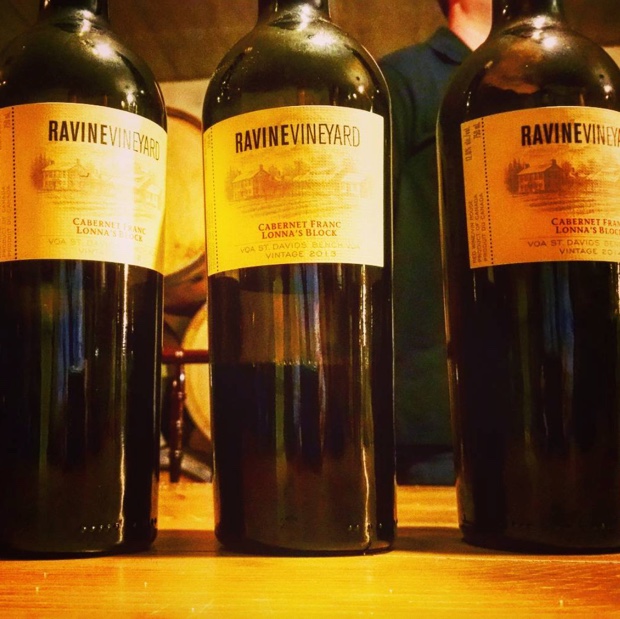
Mini #lonnasblock @RavineVineyard Cabernet Franc vertical. Loaded with the S-word...structure @marty_werner #i4c16

Mini #lonnasblock @RavineVineyard Cabernet Franc vertical. Loaded with the S-word…structure @marty_werner #i4c16

Ravine Vineyard Cabernet Franc Lonna’s Block 2014, VQA St. David’s Bench, Ontario (Winery, $40.00, WineAlign)

Lonna’a Block alights straight out from the retail shop to the west side of the driveway (and is named for Ravine owner Norma Jean Harber’s sister). The site was planted in 2004 and here, 10 years on, its warm St. Davids’ Bench fruit is simply welling, hermetically sealed and antithetically intense. The block has come to this, in production of cabernet franc with side-splitting, tongue tripping acidity to work lightning crack geometry into the wood-derived chocolate and the ferric-tannic tension. The fissures are filled but there is the right kind of cabernet franc fragmentation. The liquid metal mineral and deep blackberry ooze is smooth and polished. The fruit was “picked early,” or if you will, in Grouxian, Gambleized and risk, Werner reward exercised terms, mid-November. Drink 2017-2024.  Tasted July 2016

Ravine Vineyard Cabernet Franc Lonna’s Block 2013, VQA St. David’s Bench, Ontario (Winery, $40.00, WineAlign)

From the same (2004 planted) rows and stylistic as 2014 here cabernet franc desired the requiem of an extra year in bottle to solicit understanding, with a 2013 dried fruit component here and now. The resolve already inherent is indicative from a challenging growing season, in a year from which Peter Gamble chided “I guess you guys (Marty and Ben) really earned your stripes.” Some of these grapes were left on the vine until December 15th. That is not a stretch. This will live into the next decade and though it will surely walk into the barn with the balsamic, the soy and the nibs, it will carry its acidity and its 180-day, growing season development. A cabernet franc of most excellent desiccation, with thanks to thick skins and then variety’s variegated character. Drink 2016-2021.  Tasted July 2016

Ravine Vineyard Cabernet Franc Lonna’s Block 2012, VQA St. David’s Bench, Ontario (Winery, $40.00, WineAlign)

From the block dedicated to Ravine owner Norma Jean Harber’s sister, planted in 2004. Though hailing from a recent, post-2010 reach for the sugar stars vintage, there is freshness and vitality mixed with a Napa cabernet from elevation sensibility (think Laurel Glen and Korbin Kameron). This has presence. Real stage presence, gracing the battleground encompassing an intensification of the things that people normally associate with the varietal – fruit, acidity and extract. A cabernet franc granted and given early promise that has crossed a certain varietally correct threshold to travel weightlessly into its current accomplished state. It knows who it is and where it’s going. It will live long. Five to seven, perhaps even 10 more years easy. Drink 2016-2022.  Tasted July 2016

Good to go!

Twitter: @mgodello

Instagram: mgodello

WineAlign

Fifteen in VINTAGES July 23rd

#toast

#toast

While life is a blur there is always wine. In the past month the WineAlign National Wine Awards of Canada, Chablis and three VINTAGES releases have seen me taste through more than 800 glasses of wine. This is something I do often in a four-week stretch but this, this was something other. It was intense.

During the same stretch I completed my tasting notes on 50 Chianti Classico (including 18 Gran Selezione) and those ruminating thoughts will be published in the coming weeks. Tomorrow I head down to Niagara for the sixth annual International Cool Climate Chardonnay Celebration, or as it is affectionately hash-tagged, #i4c16. Just in case I didn’t have enough tasting notes to transcribe, edify, pop-culture aggrandize, indoctrinate and embellish, well, get ready for 100 more.

For now there is the upcoming July 23rd VINTAGES release and 15 wines I recommend with Godello certainty. Now if I could just get off this grid.

Sutherland Sauvignon Blanc 2014, Wo Elgin, South Africa (203877, $14.95, WineAlign)

A pungent, insistently perfumed cooler clime sauvignon blanc from a big, need to be picked quick crop. Spice, grapefruit, agave and yellow flowers and with more texture than its Thelema ’14 cousin. Fleshy, tropical, juicy, ripe and spirited. Classic Elgin cool savour running linear like a beam through the joist of structure. High quality fruit ready for all comers. Drink 2016-2018.  Tasted September 2015 and July 2016  @ThelemaWines  @WOSA_ZA  @WOSACanada

almansa

Castillo De Almansa Old Vines Selection 2010, Almansa, Spain (586719, $16.95, WineAlign)

Rich and concentrated, nicely balanced between roping fruit and ripping acidity. Has real firepower but enough sense to remain calm at the right moments. Plenty of verve, concentration and development from old vines and the stuffing to stand up to blessed char off the grill. Terrific summer BBQ red. Will also work for winter stew. Drink 2016-2020.  Tasted July 2016  @BodegasPiqueras  @almansaturismo  @DionysusWines

Vinedos Y Bodegas Pablo Menguante Garnacha Selección 2012, Cariñena, Spain (313833, $16.95, WineAlign)

Two years on and with more oak this is a very different animal than the subdued ’14, integrated but on the other side of the aromosphere. The oak is dominant, vanilla and cocoa are the great waft in what is ostensibly pitch perfect fruit, in bottle on the dark side of the moon. Coconut, vanilla extract and cinnamon. The wood brings layered and sheathed character. Very plush and notes Jorge, “if you come to Cariñena to experience Garnacha, this wine will allow you to discover the wonders of American oak.” The deep fruit and earth melded into and by the barrel makes for a very pleasurable drop. The ’08 released into the Ontario market in November 2014 lends credence to the ageability of this Garnacha. Drink 2015-2019.  Tasted October 2015 and July 2016  @GranViu  @VinosCarinena  @DoCarinena  @Vinexxperts

Quails’ Gate Gewürztraminer 2014, BC VQA Okanagan Valley, British Columbia (354480, $17.95, WineAlign)

The ripest Quail’s Gate gewürztraminer ever may be some kind of anomic desert hyperbole but wow is this fleshy, extracted and beautiful. Spicy too, with a minor citrus pith and almost into slight effervescence. Fun with gewürztraminer. Drink 2016-2018.  Tasted July 2016  @Quails_Gate  @hobbsandco  @AMH_hobbsandco

santa rita

Santa Rita Medalla Real Syrah 2012, Limarí Valley, Chile (443523, $17.95, WineAlign)

From the northerly clime of the Limari this is seductively floral syrah with an edge of peppery spice. It just feels balanced on the nose and silky sweet in mouthfeel. Pushes characterization towards incomplex tautology. Linger with it long enough and the fine tannins will rear and bring everything back to earth. Cue the value jingle. Drink 2016-2020.  Tasted July 2016  @SantaRitaEst  @WinesofChile  @DrinkChile  @ImportWineMAFWM  @MarkAnthonyWine

redstone

Redstone Limestone Vineyard South Riesling 2012, VQA Twenty Mile Bench, Ontario (381251, $19.20, WineAlign)

The lower bowl of this Tawse-Redstone plot is the shiny one, as in happy scintillant of riesling proportions. A year on the attitude persists, in lime and honey, acacia and beeswax. Terrific tartness and direct enjoyable deposit. Enough mineral to satisfy a calcaire lover’s soul.  @RedstoneWines  @Tawse_Winery  @DanielatTawse

From my earlier note of May 2015:

So much lime and liquid chalk make for desired and dreamy texture. The lime slides like a slick of oil into the full flavours, spiked by peach and white plum liqueur. Terrific 20 Mile value. Drink 2015-2019.

From my earlier note of May 2014:

This inaugural Riesling foray from atop the Twenty Mile Bench out of the Limestone Vineyard is a sister to the Tawse exploration from same. The comparisons end right there. Paul Pender’s take is kinetic, frenetic and electric. Redstone winemaker Rene Van Ede tends to and lends from a reconnaissance that heralds Mosel. His first, fixed take is off-dry (in obvious ubiquity) with circular acidity. The co-agitation is early picked at low brix, with realized high residual sugar (36.4 g/L) and low alcohol (10 per cent). Toothsome, with a ying/yang, lemon/lime, push/pull. The case load is formidable for a first go ’round (1000 plus) yet paddled through limestone acreage with effortless strokes.

Last tasted July 2016

allegrini

Corte Giara Ripasso Valpolicella 2013, Doc Veneto, Italy  (83964, $19.95, WineAlign)

Lovely Ripasso liqueur with pretty red fruit and compressed earthy accents. Resides on the correct side of tart and the exemplary aspect of sweet, fine-grained tannin. Accomplishes Ripasso intimacy by doing so at a mimetic remove. Lingers like a perfect pastille. Drink 2016-2019.  Tasted July 2016  @AllegriniWine  @C_Valpolicella  @RegioneVeneto

William Fèvre Champs Royaux Chablis 2014, Ac Burgundy, France (461640, $24.95, WineAlign)

The Champs Royaux is Chablis drawn from a selection of Fèvre’s better grower contracts and five to 10 per cent is aged in old oak, the rest in stainless steel. It is a generalized but oh too important expression from kimmeridgian soil, hedged and qualified from all over Chablis. Takes all the hills, valleys, les clos and slope/aspect dimensions into account. It is textbook Chablis, a guarantee of quality, especially out of the cracker 2014 vintage. The fruit is ripe and the acidity a study in Chablis exactitude. The balance may be the best this cuvée has ever shown. Drink 2016-2020.  Tasted July 2016      @BIVBChablis  @purechablis

sancerre

Roger & Didier Raimbault Sancerre 2014, Ac Loire Valley, France (82255, $26.95, WineAlign)

This white scintillant by Raimbault from Sancerre is laid out with clear instruction, like Rimbaud through Van Morrison, in precisely what sauvignon blanc needs to impress from the Loire. The beseeching immanent, insulated implosion of fruit, searing mineral and tannin multiplying within a bubble. This is tres fort fricative stuff, tart without any excess tang, notes all important and leading to a grand result. Pungency does not enter the vocabulary but the mouthful of stones is palpable and sonant. Raimbault’s 2014 offered up a sense of wonder, “showed me ways and means and motions. showed me what it’s like to be. Gave me days of deep devotions, showed me things I cannot see.” Essential sauvignon blanc with poise, precision and mandatory feel. Sincere Sancerre tore down a la Rimbaud. Drink 2016-2022.  Tasted July 2016

charmes

Château Des Charmes St. David’s Bench Vineyard Cabernet Franc 2012, VQA St. David’s Bench, Niagara On The Lake, Ontario (453415, $27.95, WineAlign)

I’d put my money down on a French woman to work magic from cabernet franc grown on the warm, generous and giving St. David’s Bench. Lo and behold here is Amélie Boury with such fruit of spot on varietal countenance, magnified by the exhort of 2012. The gifts of that vintage could have been clouded with oak smothers but that case is not presented nor was it predicted. Boury certainly makes use of the barrel but its presence is textural, with mellow spice and for la longeur. This will develop efficiently and with grace, from this current anglaise stage into something modern Loire Valley en croute. It will accrue its culture and its character over seven to 10 years. Drink 2018-2022.  Tasted July 2016  @MBosc

bachelder

Bachelder Hautes Côtes De Beaune 2013, Ac Burgundy, France (445247, $27.95, WineAlign)

My sweet Beaune from Thomas Bachelder, as in sweet on the spontaneous haute ideal, not the cloying of residual imbalance. From a winemaker who lets his wines narrate themselves. Exemplary by George (well, Thomas) of a Beaune perfume with an underlay of acidity and tannin. No bitters here, nor astringent behaviour, nor harassment, which is nice. My sweet Beaune. Hm, my Beaune. Hm, my Beaune. Though a touch firm at present, a year ahead will see it come closer to hallelujah harmony. Drink 2017-2020.  Tasted July 2016  @Bachelder_wines  @BourgogneWines @vinsdebourgogne  @LiffordON


querciabella

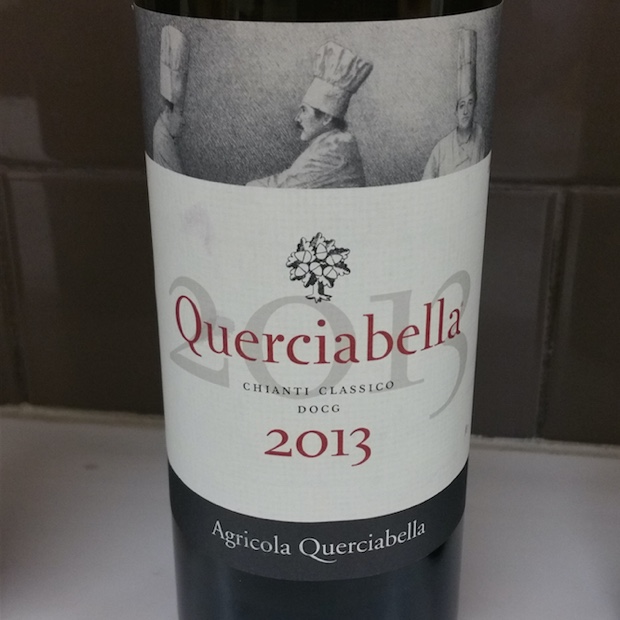
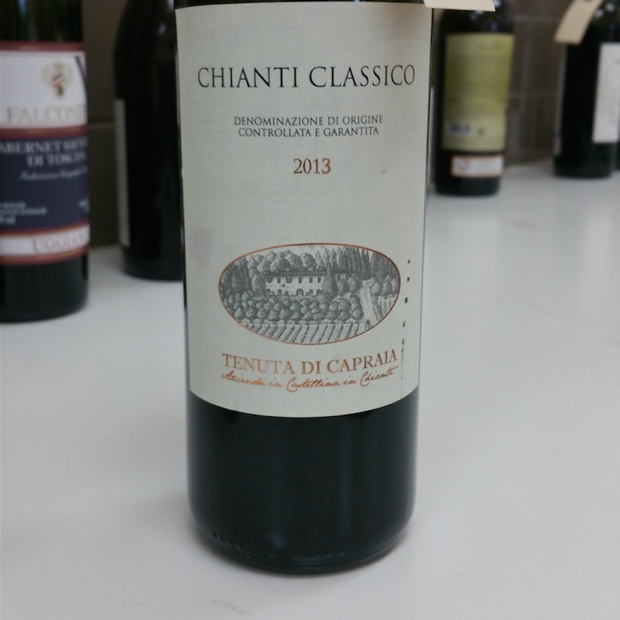
Querciabella Chianti Classico 2013, Docg Tuscany, Italy (728816, $37.95, WineAlign)

Remarkable sangiovese so fleshy and forthright, modern and of an extreme brightness of being. There is an underlying Greve truth be told in moderation, tradition and historical meets varietal significance but it’s a new oration. This means that the structure is both sound and hermetically sealed. The lightness of volatility is a reminder of the past but it treads so delicately you just know this is a shining star pointing the way to the future. A brilliant “normale” without the the new slang of Gran Selezione but in many respects it may as well be. Drink 2018-2025.  Tasted July 2016  @Querciabella  @chianticlassico  @rogcowines

Fisticuffs Cabernet Sauvignon 2012, Napa Valley, California (457507, $49.95, WineAlign)

From Pavi Wines comes this study in hedonistic Napa Valley balance from out of a top-notch vintage. Ripe fruit and oak spice dance a simple cabernet sauvignon language with rope-a-dope drupe, right-handed acidity and a solid tannic left. A peremptory wine but its message is an assertion rather than a persuasion. Not a heavyweight by any means but behold the high-strung, svelte and agile middleweight. Possessive of the stuffing and the stamina to go a full fifteen rounds. Drink 2018-2022.  Tasted July 2016

flowers

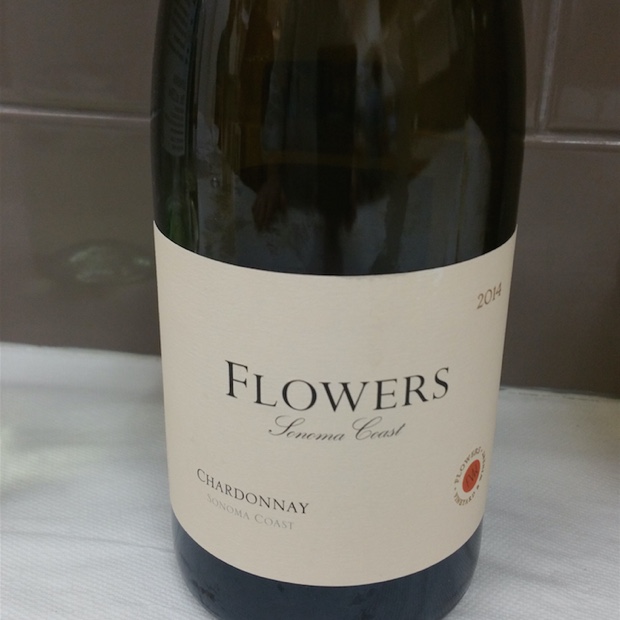
Flowers Sonoma Coast Chardonnay 2014, Sonoma Coast, California (215210, $68.95, WineAlign)

A near perfect vintage after a mild winter was presented to shape this ripe gathering of increased extraction. Though the previous years pale in comparison, there can be no mistaking the load of impression. The causation supplied by extreme coastal vineyards with dramatic altitude stretches and elongates the fruit and so it is hard to get to know the oak. The bite is toothsome into great green apple, perfectly ripened grapefruit and a far eastern note of Indonesian sasak (snake) fruit. The materials and the handling are as one, from purchased coastal fruit to winemaker Dave Keatley’s acquiescent dispensation. Delicate fortitude from Sonoma. Where else before but here can chardonnay sire and develop such a family? Drink 2016-2022. Tasted July 2016  @FlowersWinery  @rogcowines  @sonomavintners

Two Hands Samantha’s Garden Shiraz 2013, Clare Valley, South Australia, Australia (67355, $71.95, WineAlign)

This is simply gorgeous shiraz from the Clare Valley. A wine of balance, precision and focus. It seems the wood regimen has been relaxed in welcoming retreat. On a rare occasion when a garden of flowers can bloom through despite so much fruit and an equal tempering by wood, well that is a joyous thing. The texture is woven from pure silk and the quality of the ganache painted with the finest brush. This never over soaks, runs roughshod or lays down the hammer. It is a fine-tuned shiraz of the highest esteem. Drink 2018-2030.  Tasted July 2016  @twohandswine  @bwwines  @Wine_Australia

Good to go!

Twitter: @mgodello

Instagram: mgodello
WineAlign

Drink now or save it for later?

Rhones

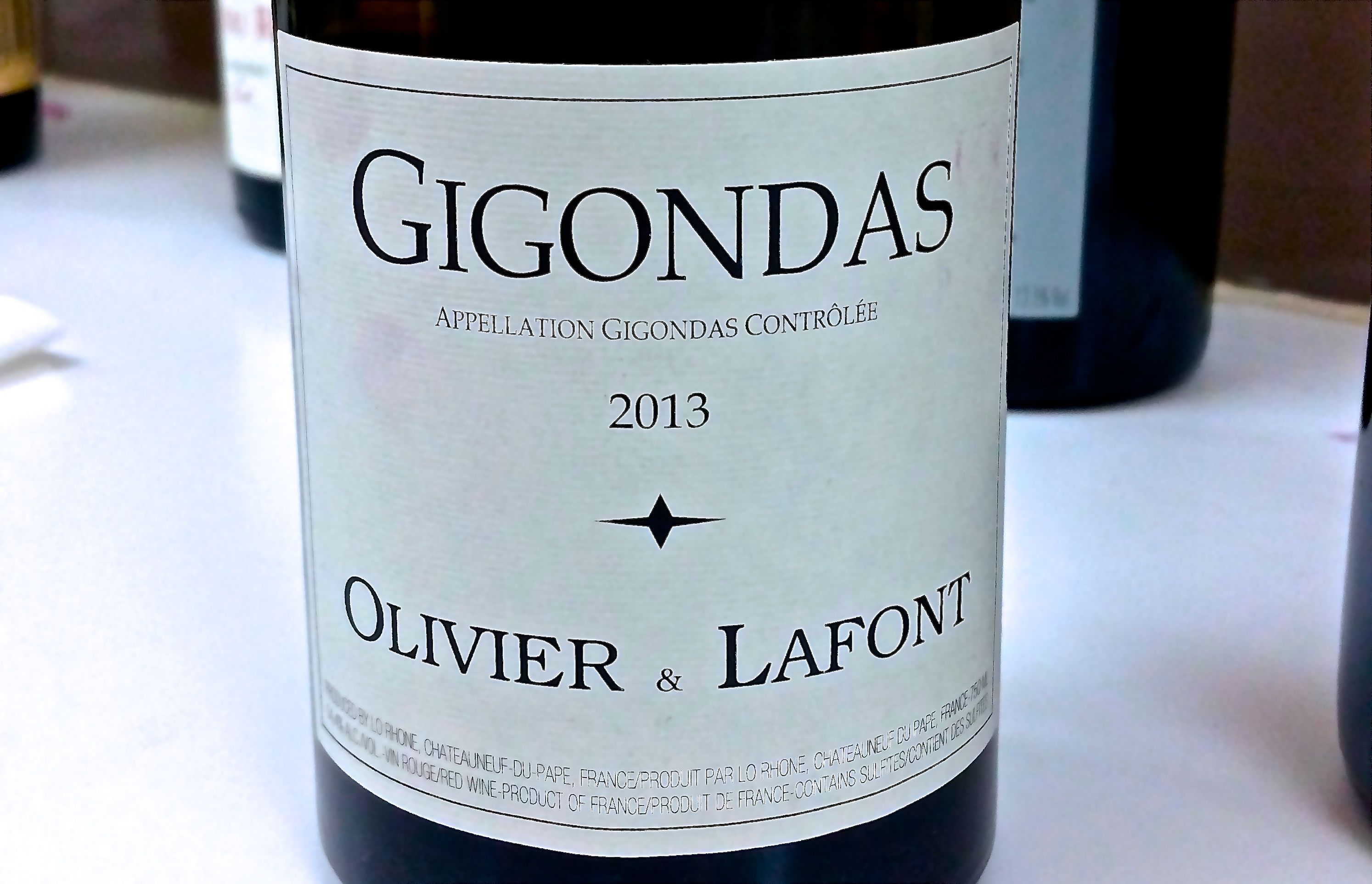
Olivier & Lafont Gigondas 2013 and Domaine La Fourmone Le Poète Vacqueyras 2013

When you face the reality of finding yourself in VINTAGES ambivalence, slowly pacing, randomly, to and fro across the wine map of the world. These are times when you don’t have the faintest clue why, or what, or, for what reason and to what end. It’s not simply a matter of what wine should you pick. No, it’s deeper than that and even if you don’t realize the magnitude of the decision, the lucubration is also there. The exercitation of the intellect incites the self-reflective question. Drink now or save it for later?

It does not matter if you have come to this place to purchase a bottle of wine for tonight’s dinner. It matters not if that wine is a dinner invitation gift, in fact, it matters more. You might bring that purchase home and decide that another more prescient bottle is ready. Your friend may choose to save your contribution for another, further down the cellared road day. And so every purchase is fraught with trepidation, with dichotomy, with doubt.

Don’t bother trying to explain them
Just hold my hand while I come to a decision on it

Price is the most obvious demarcation point for early, middle or late consumption. The number is not a hard one nor is there a guarantee for success. Everything is based on probability, risk, reward and chance. Twenty five dollars can buy you 10 years and in some cases, 10 months. If provenance is near-perfect, before and after purchase then the odds increase dramatically. Any bottle of wine, whether $10 or $100 that spent time in the sauna of a storage tank, tanker or storage tomb will take their leave in adolescence. You have to ask yourself the question, level up or level down? Spend $15 or $50. Crack it tonight or in 2025? Remember this. Contradictions are what make wine interesting. Consistency is for cooking.

I have spent the last 30 years considering wine in some respect. The last 15 much more so. The tries, trials, errors, tricks, and tribulations have taught me one thing. I prefer and receive much more instant gratification from drinking wines young but nothing compares to the insight and the exhilaration of partaking in older wines. Fifteen years are that terminus, at least for me. You will notice that five wines reviewed below fall into the near breaching $30 price category. A certain kind of sweet spot for wines that can spend quality time in the cellar.

As the weekend approaches, the VINTAGES June 11th release brings the two worlds together, as it always does, to tease buyers into making yet another bi-weekly decision. Drink now or save it for later? The answer is both. Some things never change. I’ve 15 recommendations for you. After all, isn’t that the magic number?

Crios

Crios De Susana Balbo Chardonnay 2014, Mendoza, Argentina (243196, $13.95, WineAlign)

Fresh, reductive and herbal scented chardonnay from winemaker Susana Balbo, nicely delineated from ripe 2014 fruit. There is a decidedly toasted barrel edgy spice and good tart complications. Simply stated, properly made chardonnay. Drink 2016-2018.  Tasted May 2016  @susubalbo  @sbalbowines  @ProfileWineGrp  @winesofarg  @ArgentinaWineCA

Emiliana

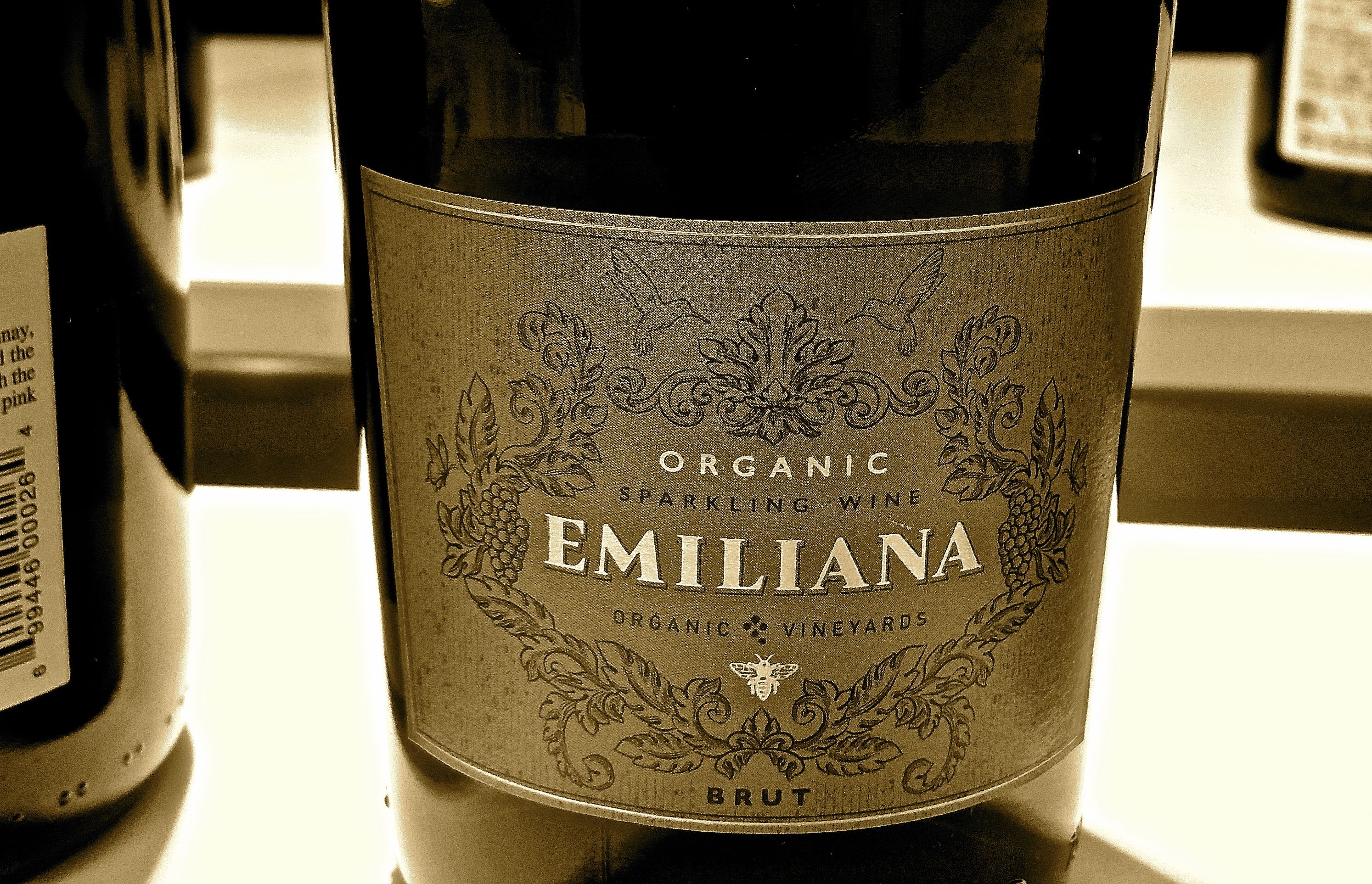
Emiliana Organic Brut Sparkling, Charmat Method, Casablanca Valley, Chile (451914, $15.95, WineAlign)

Waves of natural, fresh-air, verdant meadows running cool with rapid run-off springs aromas make this Casablanca Valley sparkler feel fresh and inviting. The palate takes it to a very citrus place, albeit within the context of pale, lucid and pellucid. Great value and fresh as there is. Drink 2016-2018.  Tasted May 2016  @VinosEmiliana  @WinesofChile  @DrinkChile  @WinesOfChile_CA

Jardin

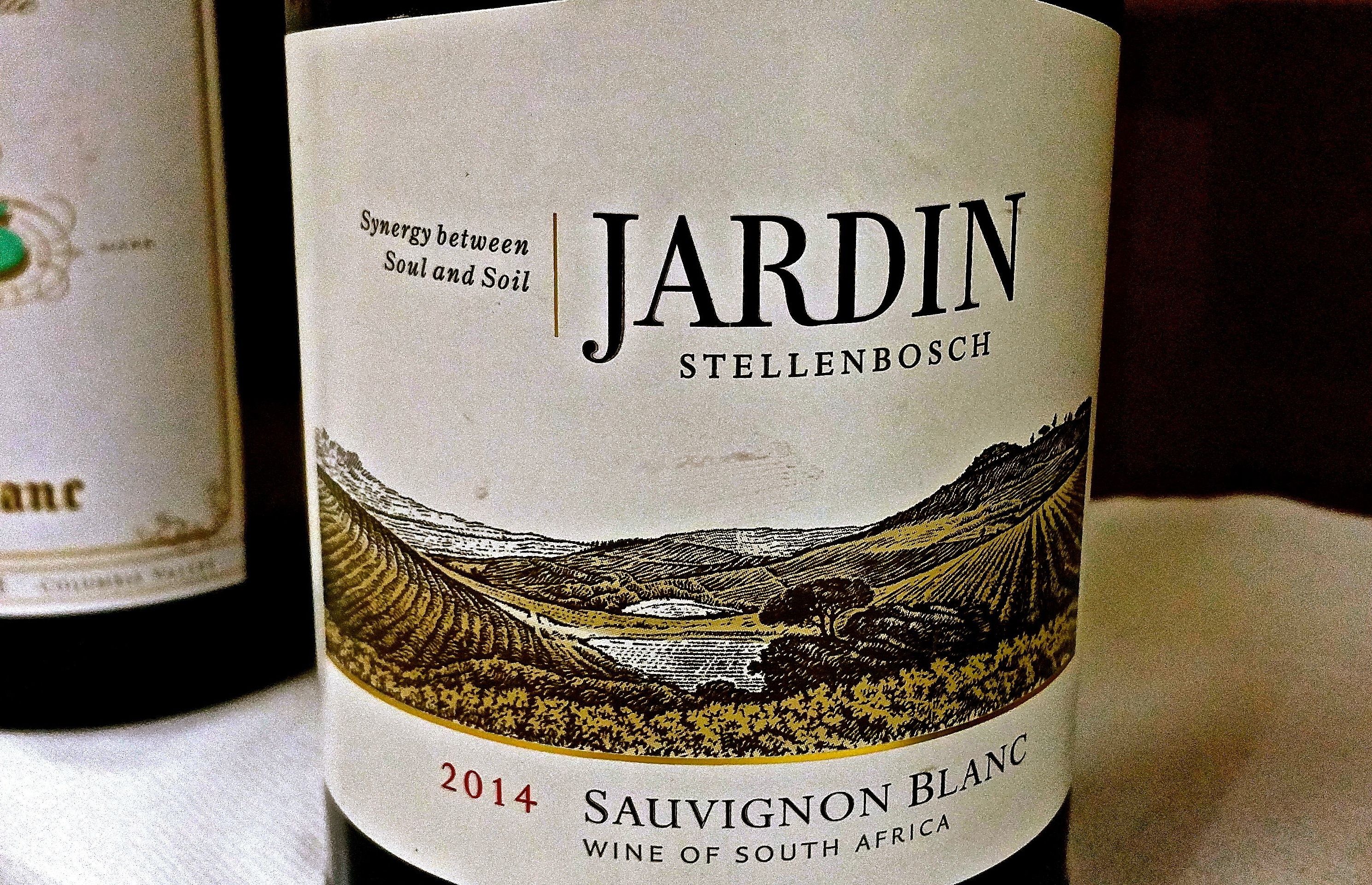
Jardin Sauvignon Blanc 2014, Wo Stellenbosch, South Africa (663302, $16.95, WineAlign)

Reductive and so very pungent, here we receive sauvignon blanc from Stellenbosch with a real sense of high-spirited purpose. Carries a bit of fresh Sancerre proposition in its heart and seeks to take matters up to another South African level. It mostly succeeds. Drink 2016-2018.  Tasted May 2016  @AbconWine  @WOSACanada  @WOSA_ZA

Château Des Charmes Estate Bottled Old Vines Pinot Noir 2011, VQA Niagara On The Lake, Ontario (256834, $18.95, WineAlign)

Perhaps a difficult vintage for pinot noir but not so for healthy, established, confident old vines. From berries to beets and cola, all wrapped up in cozy sweetness, here pinot noir sings uninhibited and free. It is surprisingly easy to drink and not at all astringent. Thanks afforded the vineyard and the winemaker’s deft, less is more touch. Drink 2016-2020.  Tasted May 2016  @MBosc

Tawse Spark Limestone Ridge Riesling 2014, Méthode Traditionnelle, VQA Twenty Mile Bench, Ontario (370361, $19.95, WineAlign)

A rich, heady, toasty and vital Riesling from the terrific Twenty Mile Bench Limestone Road Vineyard, tilted out with preserved citrus and waxy, lemony concentration. At present this outlays on the sour-rutaceae-rusticae ledge and I can see why it would be both confounding and misunderstood. The vineyard and its riesling in sparkling form search for a coming together, in bottle, without the assistance of gross lees. A few years are required and needed for the sugars to work their magic and strike fear into the citrus for future balance. I think this will come around and really find its aim to please. Drink 2018-2022.  Tasted May 2016  @Tawse_Winery  @DanielatTawse  @Paul_Pender

Rose Thorn

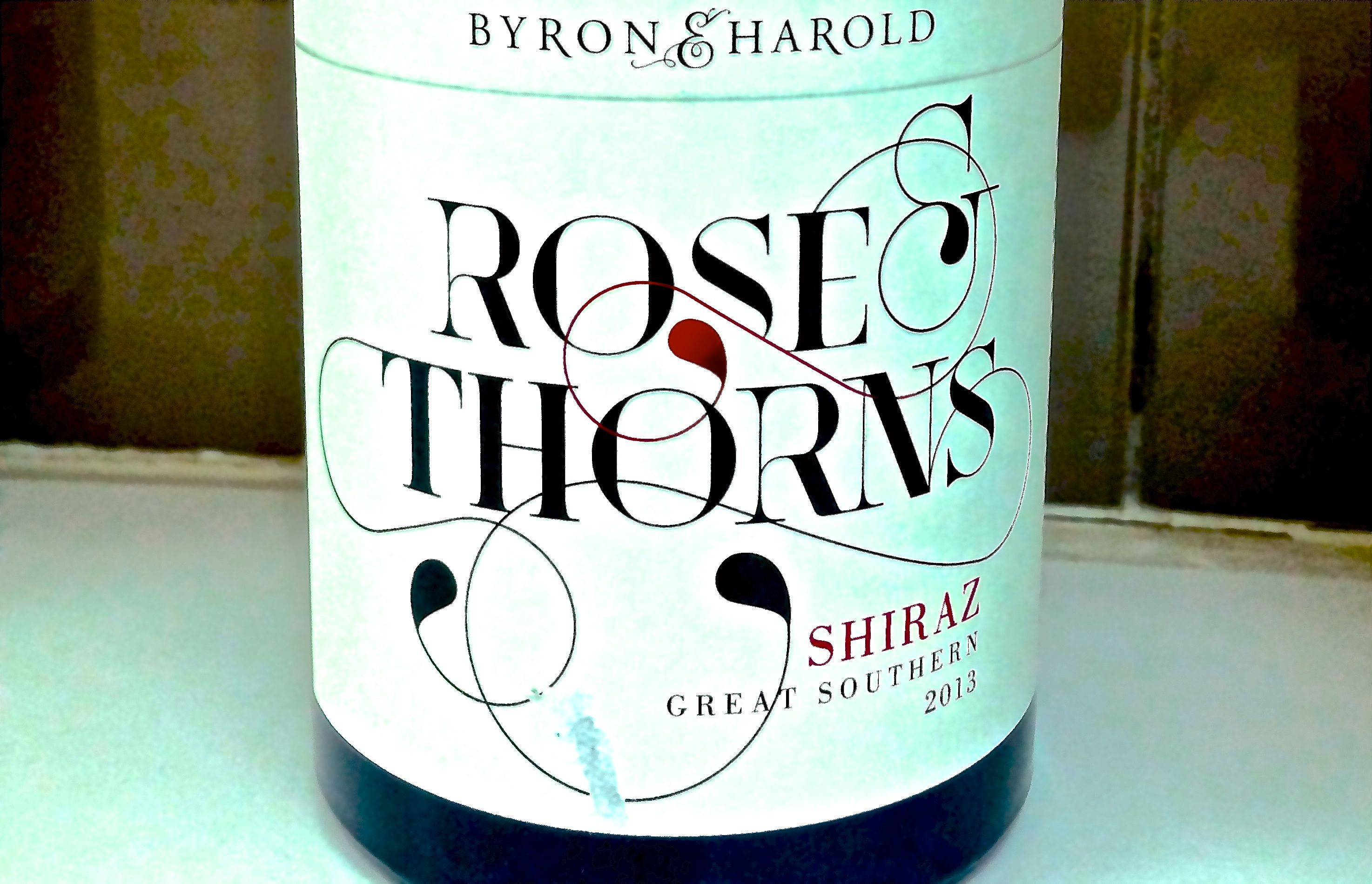
Byron & Harold Rose & Thorns Shiraz 2013, Great Southern, Western Australia, Australia (453183, $19.95, WineAlign)

Just as every rose has its thorn, Western Australia has its knight is shining armour in Great Southern. Shiraz from this place is possessive of its very own, singular and distinctive perfume, like roses in hyperbole and varietal specific oak-imparted exotic spice. Byron and Harold does shiraz as if by Shakespeare, of the Dane, with his courtesans on call. A cool, long drink of shiraz soliloquy, finished with currants, citrus and relative cool climate acidity. Special value here. You can pick the right poison with this power ballad. Drink 2017-2024.  Tasted June 2016  @ByronandHarold  @KylixWines  @Wine_Australia

Nadja

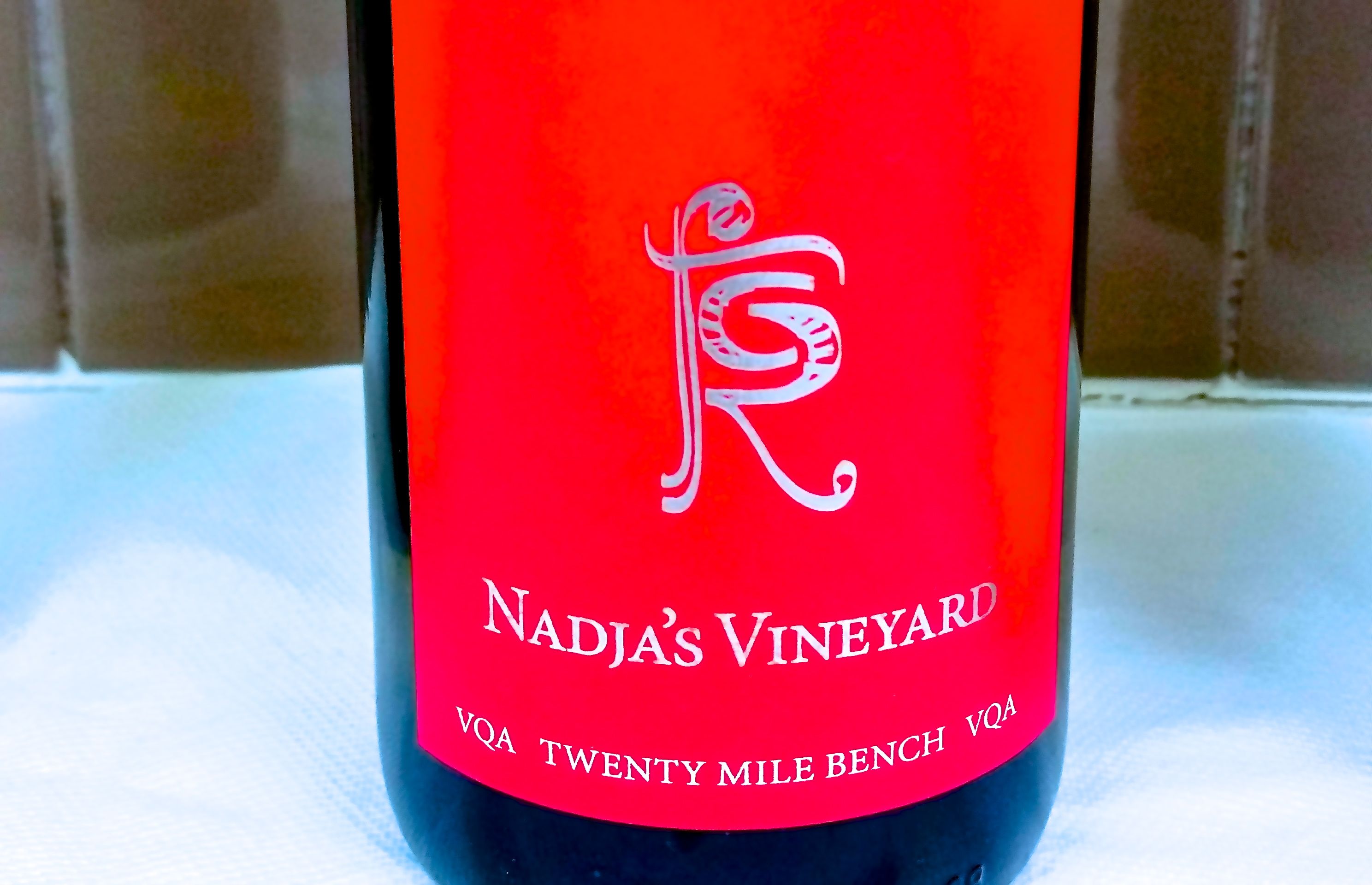
Flat Rock Nadja’s Vineyard Riesling 2015, VQA Twenty Mile Bench, Niagara Peninsula, Ontario (578625, $24.95, WineAlign)

This is an outlier for the Nadja’s Vineyard riesling, with deeper concentration and compression than before. More Mosel and less Twenty Mile in 2015, of light alcohol and an increase in off-dry, extract meets acidity. There have been Nadja’s with more air and exhale but I can’t recall one with such density in vitality. A great Nadja to be sure but of a deferential sort of character. Two or three years should bring it back into its self-imposed and created line. Drink 2018-2024. Tasted May 2016  @Winemakersboots  @brightlighter1  @UnfilteredEd

Seresin

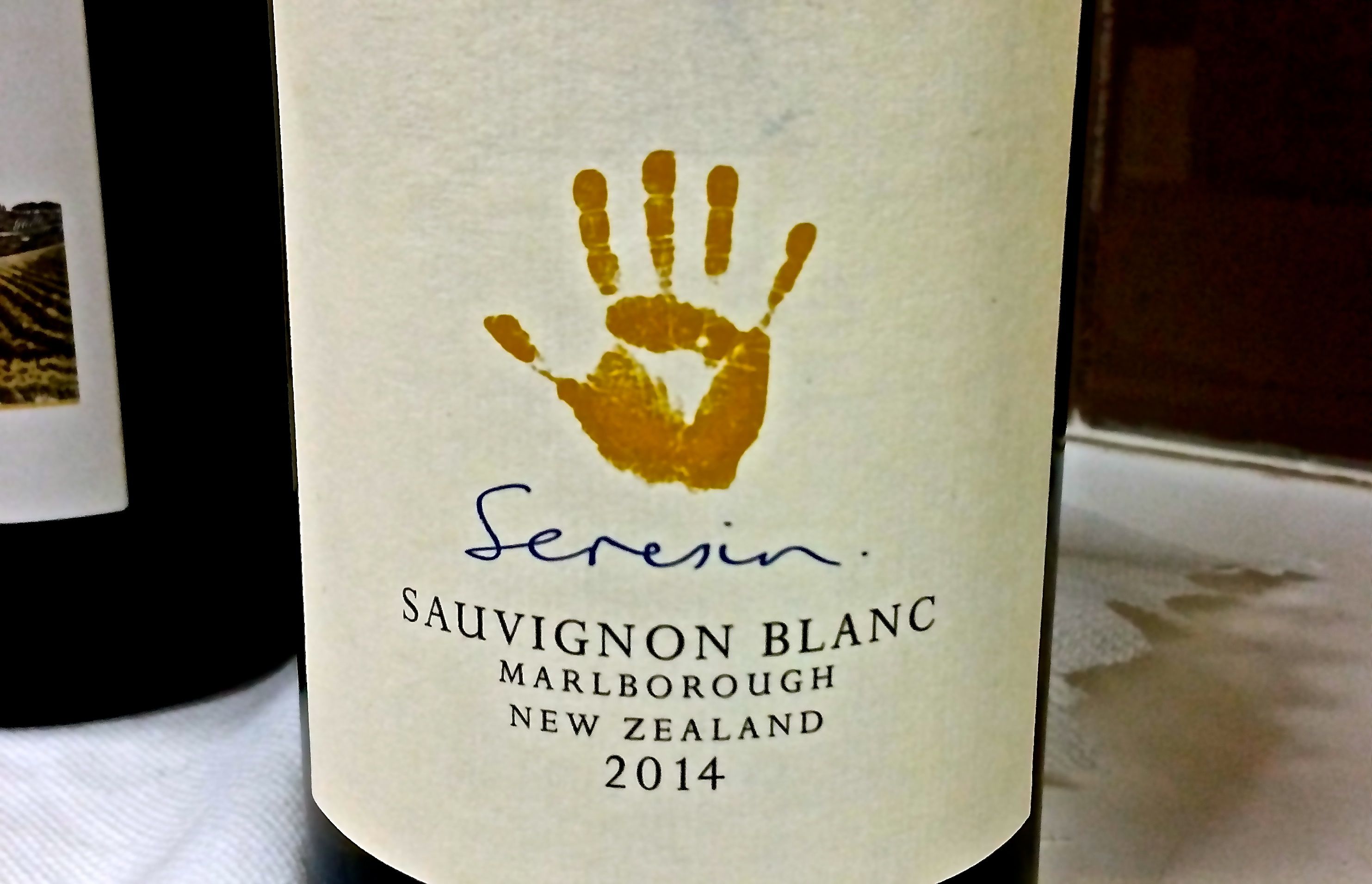
Seresin Sauvignon Blanc 2014, Marlborough, South Island, New Zealand (735043, $24.95, WineAlign)

Sauvignon Blanc borrows a page from its first Marlborough golden age in this Serezin 2014, finning balance in the most important facets of its character. Ripe fruit, natural acidity and memorable dry extract. The citrus is exotic, the stone fruit balanced between tart and ripe, the finish long and meaningful. With so much pungency in surround abound this exhales a true breath of fresh spring air. Were Marlborough Sauvignon Blanc always like this I would be glad with a glass, every day. Drink 2016-2019.  Tasted May 2016  @SeresinEstate  @DionysusWines  @NZwineCanada  @nzwine

Talinay

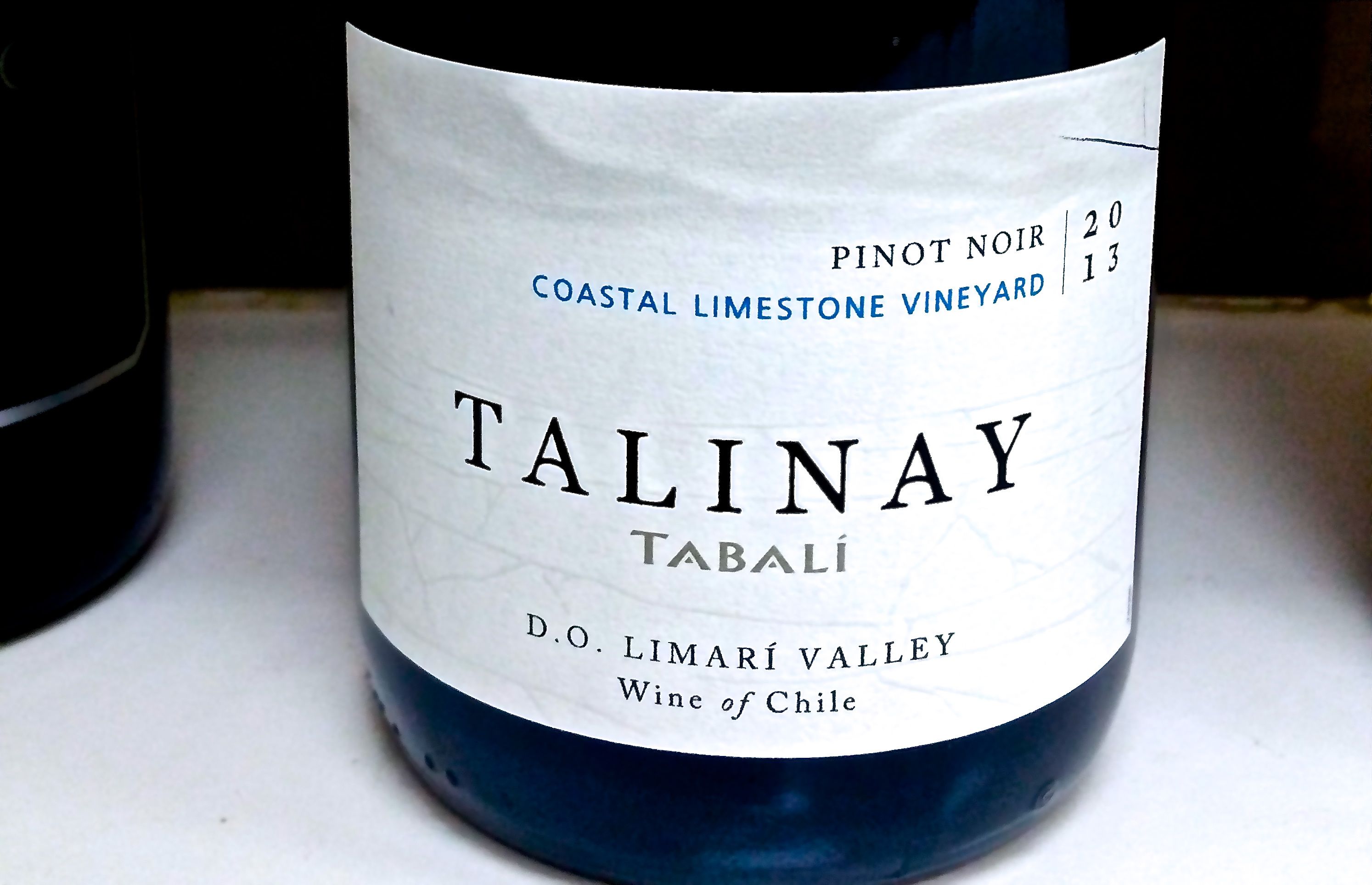
Tabalí Talinay Pinot Noir 2013, Coastal Limestone Vineyard, Limarí Valley, Chile (443440, $27.95, WineAlign)

Limestone and martime influences converge in this highly perfumed pinot noir. It smells of red berries, soft, wet rock and mollusc shell. The crustaceous salinity is a new drift for pinot noir but not entirely out of the happy equation. Loquacious and malleable, the flavours replay what red berry meets white light the nose had given. This is quite singular in expression, natural and handsome. At $28 it is a terrific, unexpected find. Drink 2017-2023.  Tasted May 2016  @TabaliWines  @hobbsandco  @WinesofChile  @DrinkChile  @WinesOfChile_CA

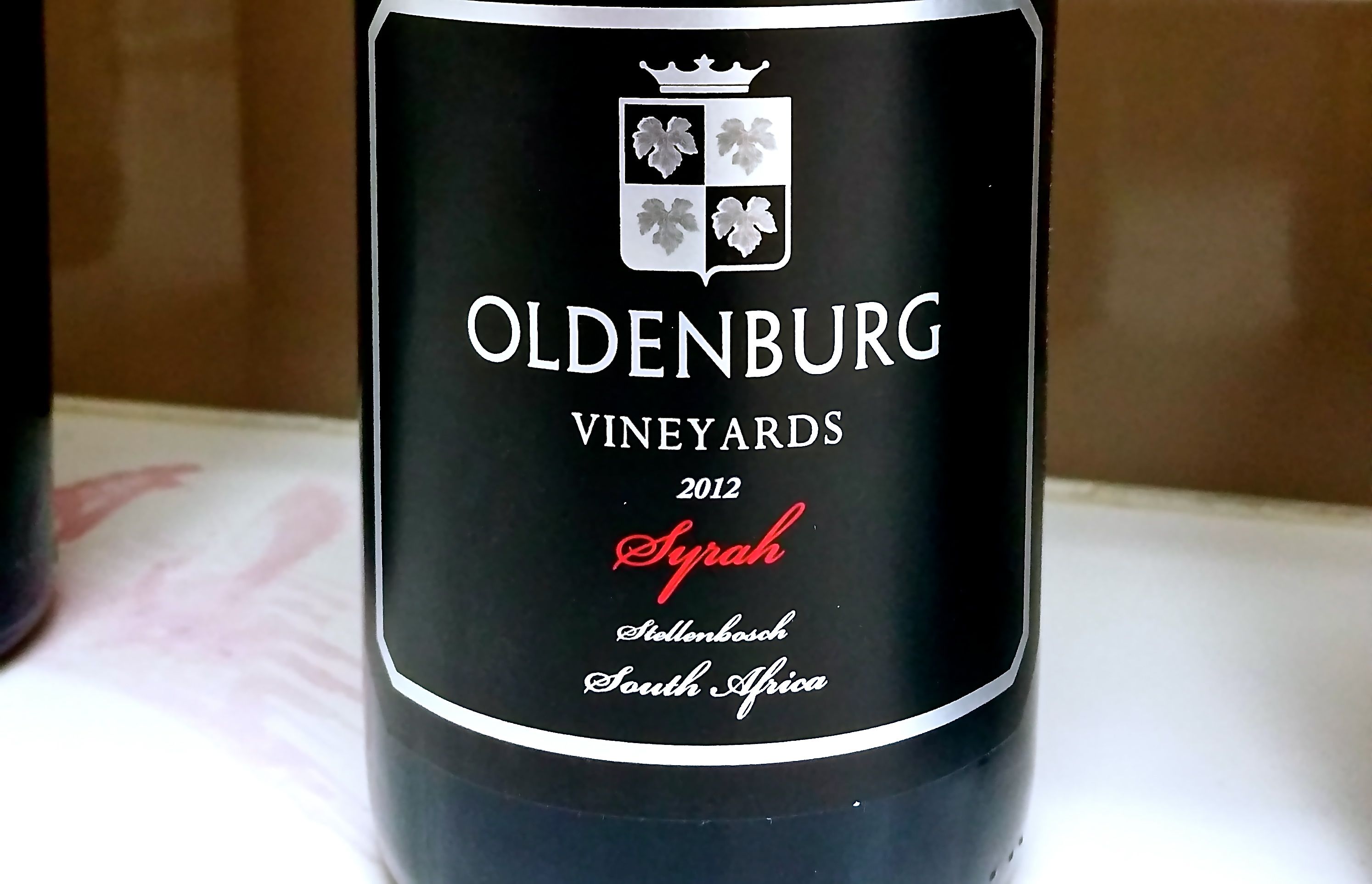
Oldenburg

Oldenburg Vineyards Syrah 2012, Wo Stellenbosch, South Africa (443457, $27.95, WineAlign)

Indicative of the new and improved Stellenbosch for syrah, in which perfectly ripe phenolic fruit meets consumer appeal. Quite a traditional upbringing means clean, pure, rich and plenty but it does not embrace new or outside the box. For the price this represents tremendous, albeit traditional value in a syrah with no fraying or funky edges. It will live a perfectly long life. Drink 2017-2027.  Tasted May 2016  @Oldenburgwines  @WOSACanada  @WOSA_ZA

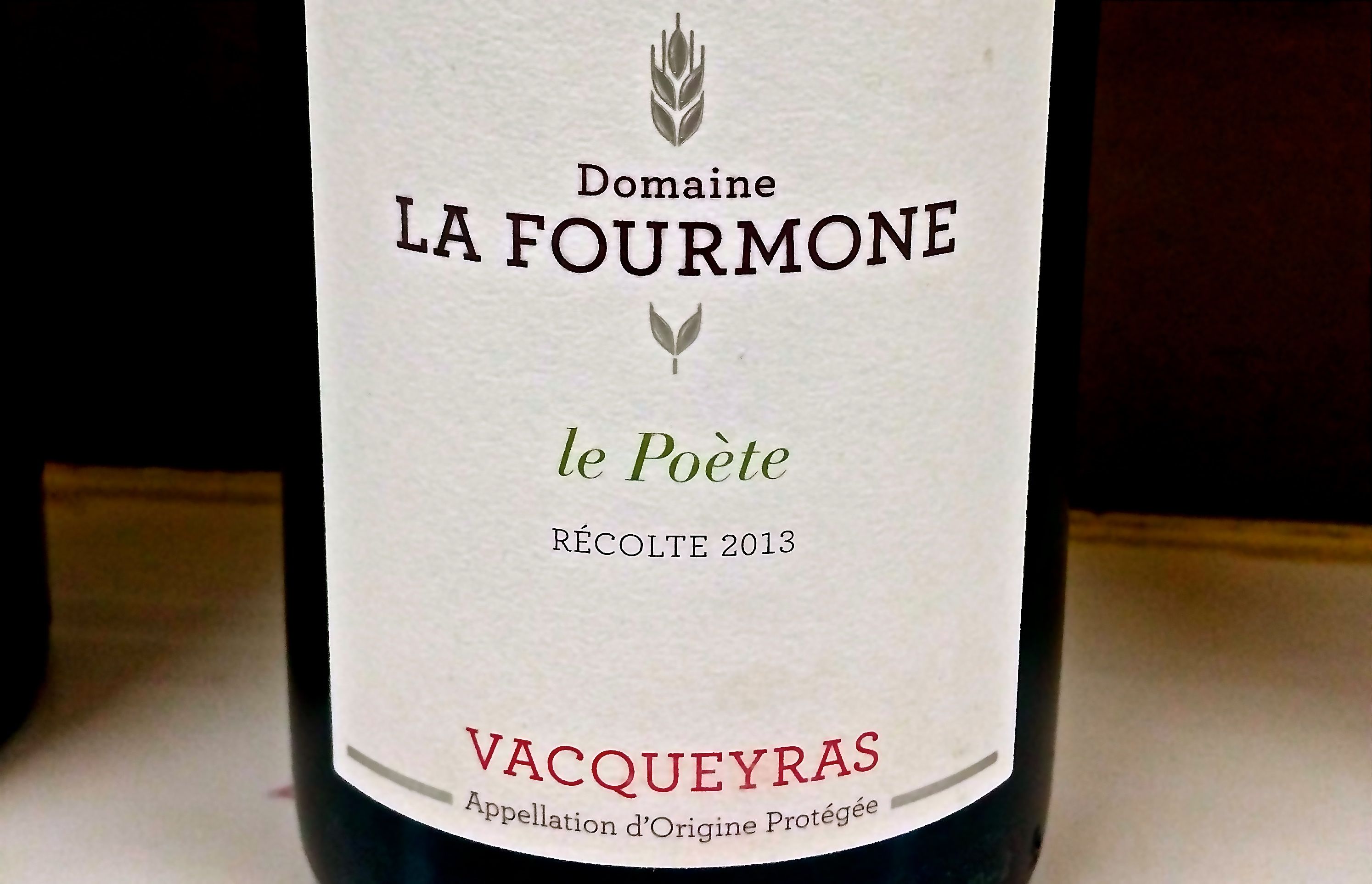
Vac

Domaine La Fourmone Le Poète Vacqueyras 2013, Ac Rhône, France (452268, $29.95, WineAlign)

Poetic and stunning Vacqueyras, so fluid, natural and effortless. From raspberry to plum, by garrigue and though dusty, delicate underbrush, the cure is cut with hands-off dedication. A certain kind of delicate spice just pricks here and there but you know it’s there. This is exactly what restrained Rhône and vacuous Vacqueyras need to be. The tannins are so fine. Such great structure will take this very long. Drink 2017-2025.  Tasted May 2016  @Lafourmone  @VINSRHONE  @RhoneWine  @TFBrands

Terrunyo

Concha Y Toro Terrunyo Peumo Vineyard Block 27 Carmenère 2012, Entre Cordilleras, Peumo, Cachapoal Valley, Chile (562892, $29.95, WineAlign)

Concha Y Toro’s Block 27 has always dominated the price meets profundity of this signature varietal success story for Chile. Calling out a vineyard its equal for correctness and depth at under $30 Canadian is a tall order. Gobs, waves and oscillations of dark fruit, intense savoury scents and the rush gained from a syringe-injection of its lush elixir perpetuate in 2012. This albeit with a roast and a confiture of black currant and bell pepper. Or vice versa. Ripe acidity and tannin add layers, not opposition. The overall amalgamation seems a bit sweet though in actuality the grit is what stakes claim and standing. Nothing but huge in 2012. Drink 2018-2023.  Tasted May 2016  @conchaytoro    @WinesofChile  @DrinkChile  @WinesOfChile_CA

Gigondas

Olivier & Lafont Gigondas 2013, Ac Rhône, France (452300, $29.95, WineAlign)

Beautifully accomplished and confident Giogondas from messieurs Olivier et Lafont, ripe but restrained, balanced and carefully, contractually structured. Purity and silky albeit spicy textures wrap themselves up in flavour. No spikes, rips or fissures are to be found. Exemplary Gigondas. Drink 2018-2028.  Tasted May 2016  @vonterrabev  @VINSRHONE  @RhoneWine

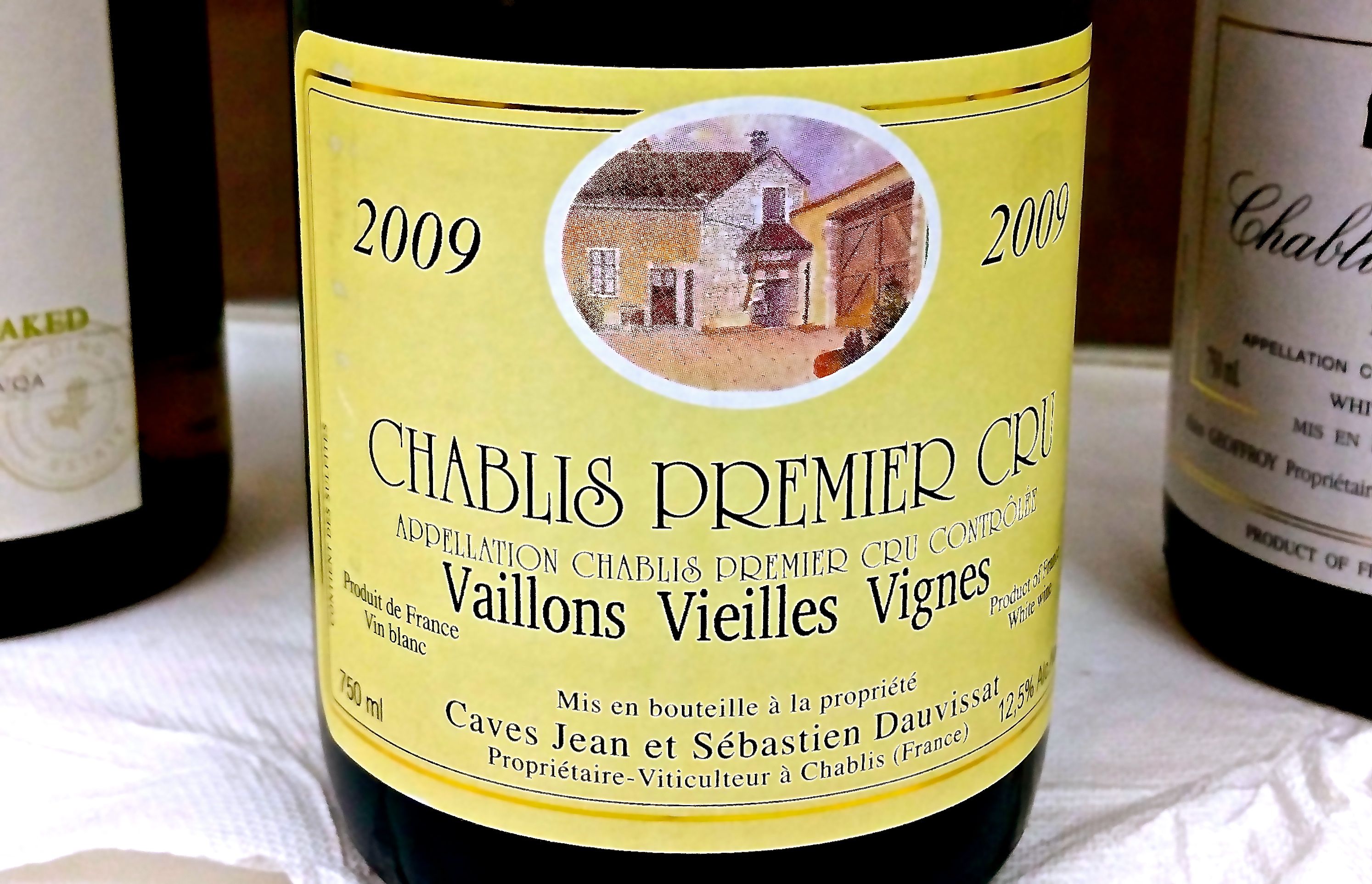
Dauvissat

Jean Dauvissat Vaillons Vieilles Vignes Chablis 1er Cru 2009, Ac Burgundy, France (457002, $49.95, WineAlign)

Any signs that put this old vines Dauvissat into a time machine dating back to 2009 are less than obvious. Its freshness and composure are astounding. Chablis of structure as laid out in this Vaillons walks a particularly direct line and steadies effortlessly in one spot. The flint, toast and struck rock are subtle, atomically spicy, fine and unseen. The direct connectivity between vineyard and chardonnay is near perfect. Premier Cru would be hard pressed to exceed the limits of this Vaillons’ ability. Drink 2016-2024.  Tasted May 2016  @BIVBChablis  @BourgogneWines

Ridge

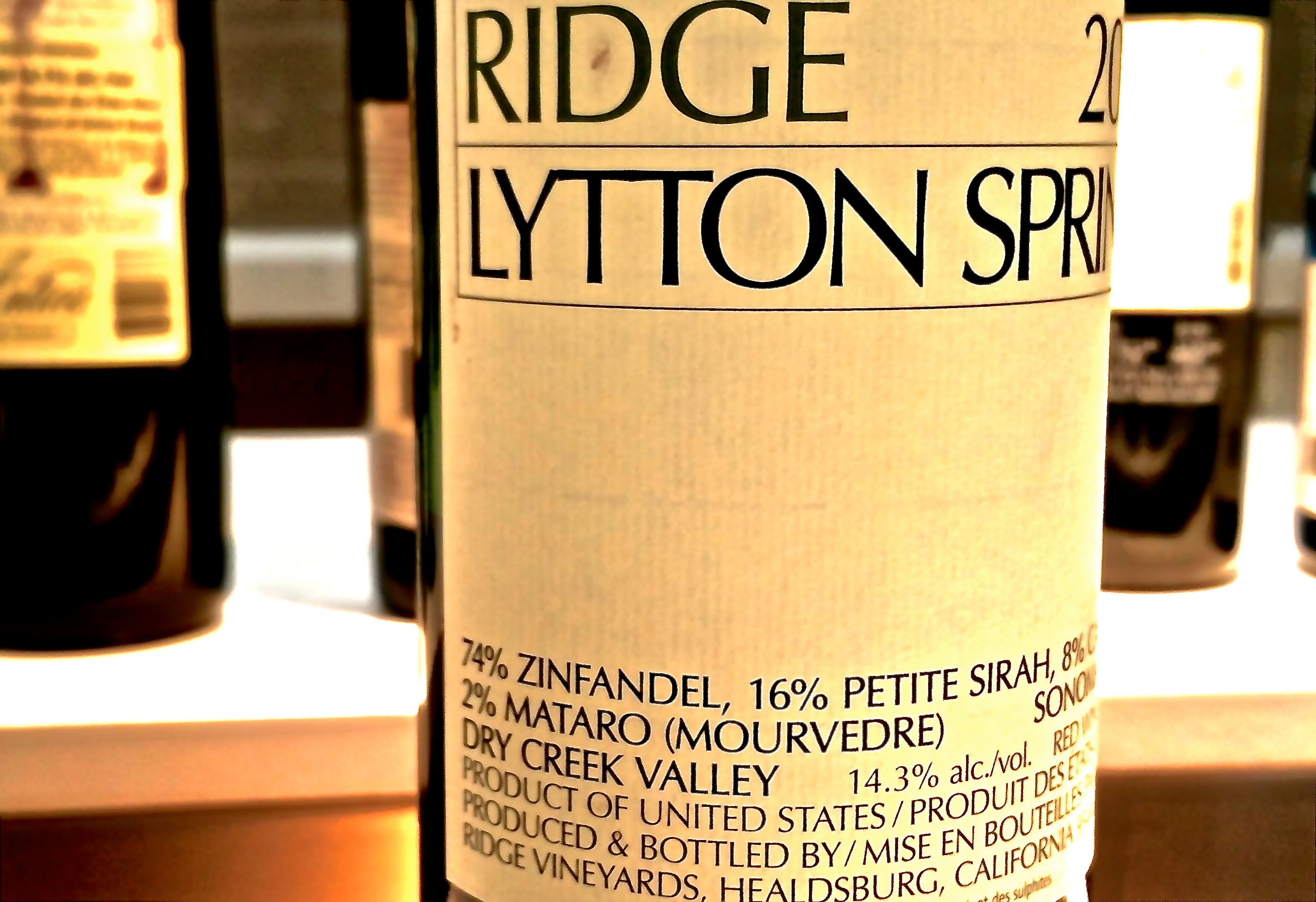
Ridge Lytton Springs 2013, Dry Creek Valley, Sonoma County, California, USA (982413, $57.95, WineAlign)

From the vineyard planted in 1902, with petite sirah as the number two support to Zinfandel (as opposed to Geyserville), the Lytton Springs is not as mineral but it has a deeper intent. Perfume repeats as it should and has to. Only Lytton Springs smells like this, more floral of fruit and its blossoms in opposition, interchangeable and in support of one another, out of a pretty aromatic vintage, It is the palate that digs into baked earth, so very masculine and tougher by tannin. Density is but ethereal, acidity so similar but this is certainly richer and retreats back to that feel of natural fermentation. A tremendous Lytton Springs, born this way, with wisdom and structure and will remain for 10 plus years before really beginning to change. Tremendous balance in a characterful field blend red. Drink 2018-2024.  Tasted twice, May 2016  @RidgeVineyards  @VinoTorino  @rogcowines  @sonomavintners  @CalifWines_CA

Good to go!

Twitter: @mgodello

Instagram: mgodello
WineAlign

Too late for May Two-Four

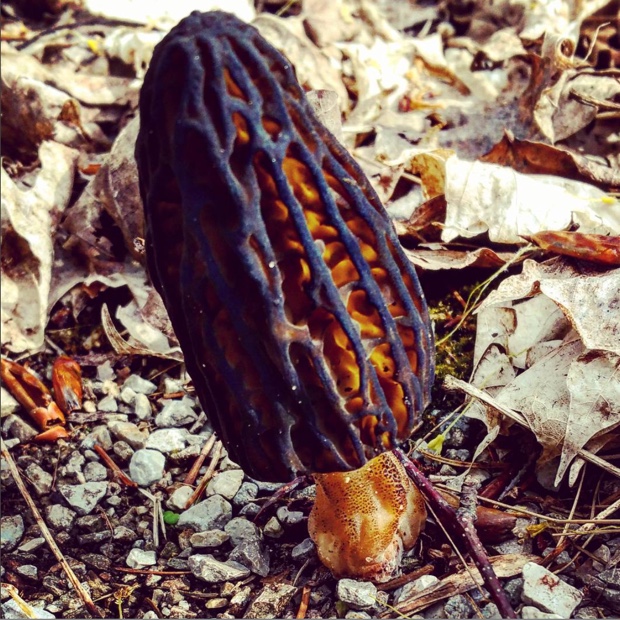
Morel

It reminds me of Richard Yates at his early career, Revolutionary Road best, in tense humour, as noted by James Woods, “a celebrated indictment of suburban surrender.” Here we are, in 21st century Ontario, preparing to head to our suburban respite sanctuaries with tools, sundries and supplies in hand, only lacking one essential piece. Good wine. We turn to the LCBO, to VINTAGES, to the ceaseless recurrence of release and we find limbo. Last week? Next week? Why not now?

We are willing to submit and surrender but the shelves are stocked with 2nd tier choices, the wines of first degree excitement already having disappeared with the previous week’s first wave. So if you need wine suggestions for the Victoria Day weekend I’ll have to send you on a retroactive search through the May 14th VINTAGES release. “It’s a beautifully typical story of these times and this place.”

Related – In VINTAGES May 14th

Why am I looking forward and into the eyes of May 28th? Well, I’ll tell you why. The finest collection of Canadian wines in some time gathered together at one communal table will become available, sadly just days after the May 24 three-day escape. These wines would have sold well, in droves actually, had VINTAGES made use of their excellence in advance. So, as a messenger for the stars, it is my duty to tell you about their upcoming presence in diplomatic conformity of early 21st century Ontario realism, on the LCBO stage. These be the 10 of them.

Jackson Triggs Okanagan Reserve Series Viognier 2014, BC VQA Okanagan Valley, British Columbia (445700, $15.95, WineAlign)

This 2014 Okanagan take on Viognier is an all out rich, ripe and boozy affair. Sparks fired by a cold play take the lead, singing with spice, marked by galangal and ginger in control over the wishful act of balancing extract. “And I saw sparks, yeah I saw sparks,” enough so for such a Viognier to be on your way. Sharply struck, in smithereens and yet epic for the price. Drink 2016-2018.  Tasted May 2016  @JacksonTriggsBC  @CBrandsCareers  @winebcdotcom

Flat Rock Unplugged Chardonnay 2014, VQA Twenty Mile Bench, Niagara Peninsula, Ontario (68015, $16.95, WineAlign)

Good unction for the un-oaked Jay Johnston procured Chardonnay, more green apple and early honey than before. This is the purity machine in motion, direct, spoken in a Bench vernacular and zagging like the rows of the vineyard. Still at $17 and not to be bypassed for anything that might think to stand in its way. Can you say petite Chablis? Drink 2016-2020. Tasted February 2016 and May 2016  @Winemakersboots  @brightlighter1  @UnfilteredEd

Megalomaniac Pink Slip Pinot Noir Rosé 2015, VQA Niagara Peninsula, Ontario (85126, $19.95, WineAlign)

The bottle tells you about grapes handed the pink slip during post harvest deliberations, something not lost within its own ironic twist. When you have pink lemons you made pink lemonade, done here to great simulated effect. Tart is the operative, like a perfect square of gelid red citrus on a plate to foil briny sea morsel and verdant greens. With the right herbs and lettuces this pink grapefruit Rosé will handle itself with pairing irony and relative ease. Welcome aboard Sébastien Jacquey. Megalomaniac’s winemaking approach to Rosé never had it so good. Drink 2016-2018.  Tasted May 2016  @MegalomaniacJHC

13th Street June’s Vineyard Riesling 2013, VQA Creek Shores, Niagara Peninsula, Ontario (147512, $19.95, WineAlign)

Continues to throw its weight about and has now engaged a phase of typical J-P Colas redolence and pungency. Strict adherence to Creek Shores citrus minerality injects the June for future time-lapse release, an internal ooze that will take years to push its way upwards to the surface.

From my earlier note of December 2014: 2013 was a perfect follow-up for Niagara Riesling, after a vintage where so many exceptional wines were made. The ’12 June’s by Jean-Pierre Colas was his best and with this repeat performance in ’13, the consistency of June’s vineyard is further cemented. Once again, the citrus injection is a Creek Shores thing, a vehemence not matched by other sub appellations. Where ’13 differs is its weight. There is a textural density improved upon and at the same time dragging on the freshness of the fruit. The trade-off will mean less immediate gratification in lieu of more flesh and bone for a longer period of aging. Given at least five years rest, the 2013 June’s Riesling will discover a Ribeauvillé like future.

Last tasted May 2016

Fielding Pinot Gris 2014, Estate Bottled, VQA Niagara Peninsula, Ontario (251108, $21.95, WineAlign)

Such a ripe and extroverted Pinot Gris, in a style created and honed by winemaker Richie Roberts, here in 2014 near its apex. Singular without feeling the pressure to induce rapture or revelation. Fleshy ripe, of peaches, plums and nectarines. Typically and expectedly fresh, juicy, industrious, vehement and good, spicy length. Always well-made, hitting essential, doctrinal Pinot Gris notes and so very food versatile. May I suggest a whole grilled fish, lemon and fresh herbs. Drink 2015-2018.  Tasted May 2015 and May 2016  @FieldingWinery  @RichieWine

Joie Farm A Noble Blend 2014, BC VQA Okanagan Valley (454793, $23.95, WineAlign)

The dial is turned up in the noble blend, an amalgamation of five grape varieties and nine vineyards. The inspiration and the intent is Alsace, the result lying somewhere in between. It is an inspired blend and it does resemble Alsace but in the end it’s all Joie Farm. Distinct from structure and connectivity, not to mention drinkability, with a shot of spice. Drink 2016-2020. Tasted May 2016  @JoieFarm

Thirty Bench Red 2013, VQA Niagara Peninsula, Ontario (320986, $24.95, WineAlign)

At first the 2013 Red alights in high tones juxtaposed by a chew of sultana, an odd entry for the Thirty Bench, carrying on for the first few minutes in the glass. There are sulphide notes, of red onion and yet after a few minutes they begin to resolve, caramelizing to sweetness, mixed with tannin. The transformation continues, playing new notes, of red rooibos tea and seasoned seaweed. Grilled onions and charred poblanos come on the palate. Currants finish off the profile. The emotive cabernet franc really dominates this blend and though at first difficult to crack, the eventuality is an equation figured as a true positive. Drink 2017-2021.  Tasted May 2016  @ThirtyBench

Tawse Growers Blend Pinot Noir 2011, VQA Niagara Peninsula, Ontario (130989, $24.95, WineAlign)

This is more than an interesting look back into the Tawse time machine to compare where the Grower’s Blend now sits as compared to what it was like in its youth. Now into liqueur, of cherry and earth, no longer just a hint of what they wish to be. This shows the excellence of the 2011 vintage for Pinot Noir and the master blending acumen of winemaker Paul Pender. Drink 2016-2018.  Tasted May 2016  @Tawse_Winery  @DanielatTawse  @Paul_Pender

Cave Spring Csv Riesling 2013, Estate Bottled, Cave Spring Vineyard, VQA Beamsville Bench, Niagara Peninsula, Ontario (566026, $29.95, WineAlign)

That flesh, that Kabinett flesh, fills the CSV in every crevice. In 2013 the residual sugar number lies between 15 and 16 g/L, and though the crop was bigger, it was still picked later than in 2012. The result is formidable corporeal concentration, consistency of house style and perhaps the only ’13 Niagara Riesling to imitate, perpetuate and extrapolate on the vintage that came before. This Cave Spring concentrates fruit and Escarpment into a powerful Riesling, streaming like charged particles through changing expressions. A lingering ascension hovers as it rises, until it slowly fades into the welkin, like a balloon that languidly gets lost into the blinding blue of a midday sky. Drink 2017-2025.  Tasted April 2015 and May 2016  @CaveSpring  @TheVine_RobGroh

Bachelder Nuits St Georges La Petite Charmotte 2013, Burgundy, France (357228, $58.95, WineAlign)

From the Nuits St Georges parcel that Thomas reaps, built on the premise of soil, structure and depth. The lithe beauty of this La Petite Charmotte block is lifted and held in the highest esteem in 2013, perhaps with even greater sensibility of character than out of what was an exceptional 2011. The Nuits iron power surge may have descended down a half level but the redolent Beaune balance is spot on. So very perfumed. That Bachelder perfume, expressed in Neaune craving and breadth. Drink 2017-2024.  Tasted May 2016  @Bachelder_wines

Good to go!

Twitter: @mgodello

Instagram: mgodello

WineAlign

Facebook

In VINTAGES May 14th

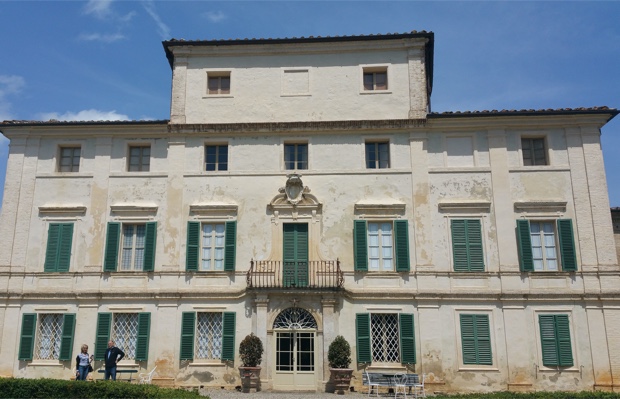
Villa di Geggiano, Castelnuovo Berardenga, Siena, Italy, http://www.villadigeggiano.com

Villa di Geggiano, Castelnuovo Berardenga, Siena, Italy, http://www.villadigeggiano.com

Current travels in Chianti Classico leave almost no time to scribble out more than paragraph let alone 10 but there is a VINTAGES release coming Saturday. The New Zealand Wine Fair rolls through Toronto today (which I will sadly miss) and I have some recommendations of excellence from that country. Canada (Ontario), France, Germany and Hungary round out my picks.

See you next week…Godello

Te Pā Sauvignon Blanc 2015, Marlborough, New Zealand (450668, $19.95, WineAlign)

After tasting the winery’s Pinot Gris and Sauvignon Blanc back in 2014 I wrote “If Te Pa can find a way to get their wines into VINTAGES stores, I will buy them by the case and hand them out on Halloween as adult treats.” The day has come with the release of this rocks off Sauvignon Blanc. The open G tuning is perfect for balance with the cumulative notes it plays, deep cuts of bluesy rock ’n roll from Marlborough soils. We’ve seen so many SB’s come through these parts but so few at this price deliver such a deft hook with exile on main street flavours. Singular, unctuous stuff and well worth finding a way to bring a deferent side of Marlborough and Sauvignon Blanc back into your heart. Drink 2016-2020.  Tasted April 2016  @tePaWines  @FWMCan  @nzwine

Villa Maria and Te Pa

Villa Maria Southern Clays Single Vineyard Sauvignon Blanc 2014, Marlborough, New Zealand (447474, $29.95, WineAlign)

The single-vineyard Villa Maria Sauvignon Blanc is a highly concentrated, aroma-centric, splendored thing with inherent vegetal notes both smoky and subtle. The flavours are all white berry dusted with white pepper. The bite, the lees and the tart accents layer like a savoury dessert. This is formidable Sauvignon Blanc with high aspirations. I for one would like to see it settle and develop a secondary level of show. Drink 2017-2021.  Tasted April 2016  @villamaria_wine  @Dandurandwines

Crawford

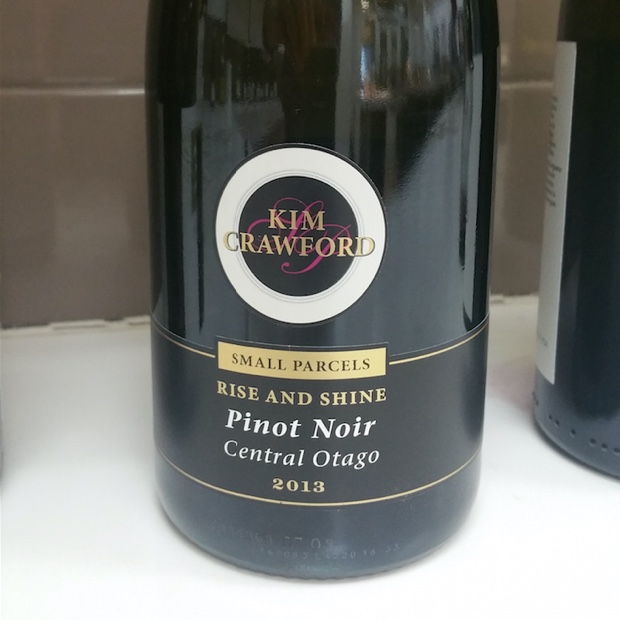
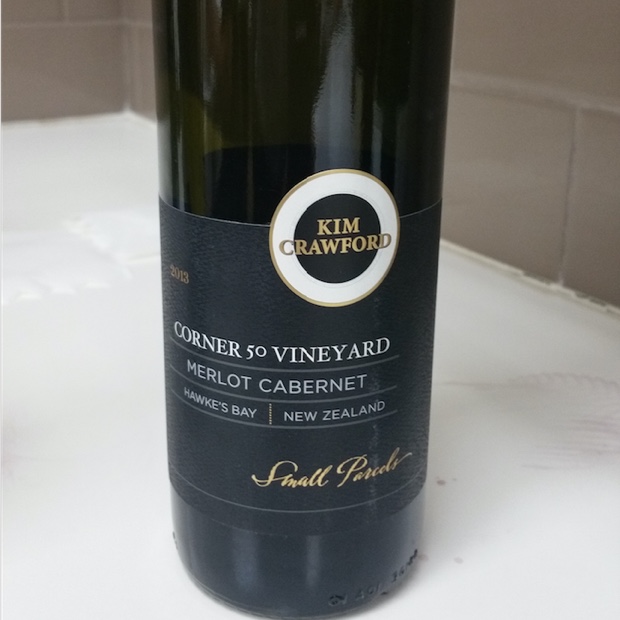
Kim Crawford Small Parcels Rise & Shine Pinot Noir 2013, Central Otago, South Island, New Zealand (35337, $29.95, WineAlign)

This is a characterful, high-toned and slightly rustic Pinot Noir from Kim Crawford’s Small Parcels program in Central Otago. It’s all strawberry on the nose and black raspberry (with a lash of liquorice) on the palate. There is great grit and true breadth of texture, not to mention sweetness, forgiven with so much else going on. Love the tart finish and bitters linger. Tells me its best is just around the bend. Drink 2017-2021.  Tasted April 2016  @kimcrawfordwine  @CBrandsCareers

The Stopper White Blend 2014, VQA Ontario (452235, $14.95, WineAlign)

Fun blend of Riesling and Vidal, put to good use in a variation of theme on the Ontario white appellative blend. The Riesling dominates with that atomic push and arid, saline sensibility. The vidal adds a squeeze of citrus (white grapefruit) and skin contact au naturale feel. A bit of unoaked Chardonnay or even some Musqué might not be such a stretch to fill in with some cool-climate tempering and hole filling assistance. A follow-up bit of research finds five per cent, along with Gewürztraminer. Depending on the vintage, it would be nice to see the Chardonnay increased.  Easy and tangy on the palate. Drink 2016-2018.  Tasted April 2016  @AdamoEstateWine  @JohnPaulAdamo  @ProfileWineGrp

Tuzko

Tuzko Cabernet Franc 2012, Tolna, Hungary (438291, $14.95, WineAlign)

True cool climate cabernet franc from Hungary, savoury, full of leather, cedar and spice. A veritable forest of wild berries in a glass. Really unique find and very Lincoln Lakeshore for you that understand and prefer to compare within the context of an Ontario vernacular. Drink 2016-2022.  Tasted May 2016  @ImportWineMAFWM  @MarkAnthonyWine  @WinesofHungary  @WineofHungary

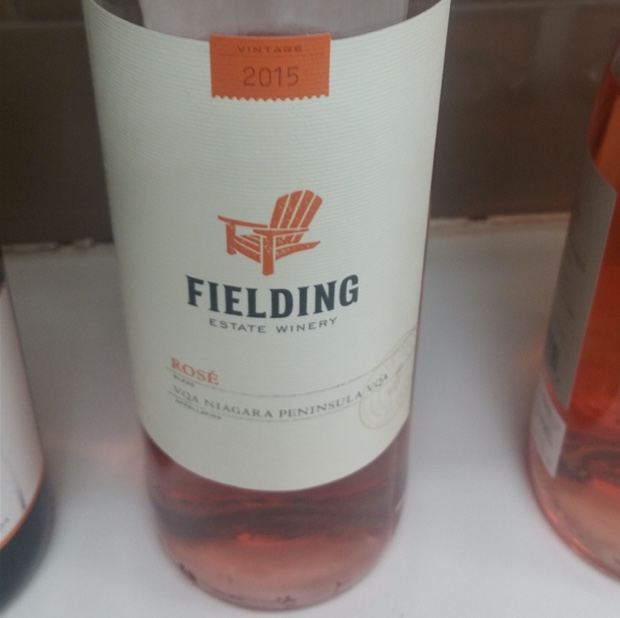
Fielding

Fielding Rosé 2015, VQA Niagara Peninsula, Ontario (53421, $15.95, WineAlign)

The Rosé category can be fascinating and also slightly repellant. Whether it be the choice of varieties or the uncontrolled bleed hot off the press, it’s really hard to say, some Rosé just rubs the wrong way. At first sniff and sip you just know this Fielding ’15 is not one of those. It’s coolness is graced with restraint and it is nothing but a pleasure to drink. There certainly is candy floss and cut strawberry in the air. There is sweetness on the edge and cream floating around the rim. Separately pressed and vinified Gamay and Cabernet Franc are the key fixings though a minor sense of white percentages (like Riesling, Viognier and Vidal) would not be out of the supporting question. Sugar meets acid in equal and opposing fashion. Balance and humility are cut from the same cloth as pride. Nothing dominates and all components work seamlessly together. In its fresh and spritely youth this is one of the most pleasurable Rosés from Ontario. Drink it young. Drink 2016-2017. Tasted March and May 2016  @FieldingWinery  @RichieWine

Bressades

Mas Des Bressades Cuvée Tradition Blanc 2015, Ap Costières De Nîmes, France (701094, $17.95, WineAlign)

Really floral white blend from the Costières de Nîmes in which tropical blossoming Viognier really tends to gardening at night scents to lift the mistral rhythms of Grenache Blanc, Marssanne and Roussanne. Unctuous and the most ethereal character this wine has ever shown. Really special vintage from Mr. Marès. Drink 2016-2020.  Tasted May 2016    @Vinexxperts  

Thorle

Thorle Riesling Trocken 2014, Rheinhesen, Germany (445817, $19.95, WineAlign)

From the Thörle brothers Johannes and Christoph, a dry, vivid Riesling with a vitality of spirit and a presence that comes from the heart. Lime juice and zest mark the territory, skin contact leaves its trace in hue and a natural ferment keeps it more than real. A minor residual (Co2) spritz still tickles on the palate while grape tannin strikes a dagger into the finish. Exemplary modern take on Trocken Riesling in a style that should appeal to a wide ranging audience. Drink 2015-2019. Tasted three times, May and November 2015, April 2016  @thoerle  @UNIVINS  @germanwineca  @gen_riesling

Bailly

Bailly Lapierre Réserve Brut Crémant De Bourgogne, Méthode Traditionnelle, Ac Burgundy, France (991562, $19.95, WineAlign)

This 100 per cent Pinot Noir may initiate with simple and eager fruit, of lemon and pink grapefruit but its subtle ability and mineral wager is a condition of its commitment. It will not shock, dream in multi-dimensional preoccupation or revamp the traditional methodology but it is nothing if not lovely. It takes you on a holiday. Lemon repeats in many ways, acidity survives without kindle or foment and the flavours linger like a haunting refrain. “Like the bubbles in a glass of Champagne, you go to my head.” Drink 2015-2019.  Tasted blind at WWAC15, August 2015 and April 2016  @bourgognespress  @BourgogneWines  @Vinexxperts

Nyarai Cellars Cadence 2011, VQ Niagara Peninsula, Ontario (451781, $21.95, WineAlign)

Steve Byfield’s crimson blend of Cabernet Franc (42 per cent), Merlot (33), Cabernet Sauvignon (20) and Syrah (5) is at once so very Niagara while acting out anomalously in the 2011 vintage. Ripe, extracted fruit appears warm-vintage drawn, with its coated layers of primer, brushstroke and plummy stone fruit. The warmth is tempered by savour, oranges, figs and psalms. Its ability to find cadence and cascade keeps it “cool in the shade.” The varietal combining is delineated in balance, “sliding mystify, on the wine of the tide.” This effort, with its new name, could become one of the king’s amongst Ontario blends.  Tasted January 2015  @NyaraiCellars

viewpointe

Viewpointe Focal Pointe Cabernet Franc 2010, VQA Lake Erie North Shore, Ontario (450916, $24.95, WineAlign)

Wine Country Ontario’s Lake Erie North Shore appellation flashes onto the radar here with Viewpointe’s very youthful and soulful 2010 Cabernet Franc. It’s not spicy but there is a veritable pantry sprinkled into a simmering reduction sauce, breathing and exuding aromatics, of juniper, liquorice, Montreal smoked meat spices, cassia, star anise and chicory. It is utterly Cabernet Franc with righteously integrated barrel notes swirling in that demi-glace. The tannin and acidity persist strong and complimentary with nary a moment of raisin treason. So very well done. A huge accomplishment. Drink 2016-2019.  Tasted April 2016  @viewpointewines  @WineCountryOnt

Pouilly

Ernest Meurgey Perron Pouilly Fuissé 2012, Ac Burgundy, France (448852, $31.95, WineAlign)

Rich and buttery Chardonnay that is the membrane holding and supporting the coolest contents, in limbo and needing two years to flesh, burst and break through. The tart, tight and angled shfits are the drive and the direction for the short term development. In 2018 this will be a humdinger to pour alongside butter-seared and caramelized scallops. Drink 2018-2023.  Tasted April 2016  @BourgogneWines  @BourgogneWines

Good to go!

Twitter: @mgodello

Instagram: mgodello

WineAlign

Facebook

No County for old wines

Humility only exceeded by impossibility @normhardie #pec #countyinthecity Pinot Noir 2014

Humility only exceeded by impossibility @normhardie #pec #countyinthecity Pinot Noir 2014

To me, Prince Edward County is the most enigmatic wine region in the world. Why is that? The coterminous climate and geology comparison to Burgundy never wanes and the vintners who painstakingly cultivate and produce Chardonnay and Pinot Noir never quite abandon the methodology. The Burgundian model of viticulture is almost universally applied to the County microclimate. Think about it further and note that latitude and soil composition aside, PEC is not Burgundy, never will be and the parallels drawn ad nauseum should begin to cease and desist.

There are many reasons for saying this. The most obvious has to do with winter and the painful condition of a once or twice every 10-15 year pain in the arse deep freeze that necessitates the hilling up of vines. Farmers select canes chosen for the following growing season and tie them to a wire very close to the ground. Upwards of two feet of soil is plowed onto the tied-down canes. The labour required is extensive and the subsequent yields are lower than most grape growing places on the planet.

Related – I’m a little bit County

At the 2015 spring County in the City event I noted that WineAlign primo scrittore David Lawrason presented his PEC state of the union address via the company website. “David touched on some integral points for growers and winemakers in the County, including the rise of Riesling and a case for increasing plantings of varieties like Chenin Blanc.” At the time I hung on to Burgundy with no immediate plans to recognize an imminent diurnal varietal shift.

Related – The ridges of Prince Edward County

Last fall I wrote a mini-dissertation on the ridges of PEC. “It all adds up to minerality in the wines and nowhere does the geology matter more than on the ridges.” Which brings me to the third bit of logic and one that is varietal based. Pinot Noir and Chardonnay share the stage with a wide range of planted grape varieties and it is the emergence of Pinot Gris that shakes the foundations of PEC-Burgundy thought. If this year’s grand tasting of County wines at the Berkeley Church showed one thing it’s that Pinot Gris is a must. From Hillier clay-loam to omnipresent limestone, the group begs for Pinot Gris, a mineral-loving, dry extract extricating and tertiary tannin absorbing grape. The makers know it.

Related – The Old Third and older County wines

A fourth dialectic concerns rules and regulations. A wine growing community may talk a big game of homage and publicly declare with politically correct language their allegiance to, a following of and the emulation of a wine-producing deity that has proven its success with hundreds of years of tradition behind it. But the fact of the matter is Prince Edward County does not yet know exactly what it means to be a community of wine producers. The grand cru, premier cru and lieu-dit blocks are only beginning to be understood and working with the climate is still an unmitigated, trial and error disaster.

So in steps a governing body to determine what winemakers are supposed to and even allowed to produce and what exactly they can call it. Absolute authority is exercised against a brilliant vintner who owns land, lives and produces wines in the County, but can’t label it as such. Forget about the economics of an acronym that saves on taxes. They are not allowed to write Prince Edward County on their label.

I hear you. Regulatory boards are needed to make sure a region is putting its best foot forward out to the country and to the world. You can’t have a golfer wearing cut-off jeans, a fishnet tank and a mesh visor shanking nine-irons on the perfectly groomed country club 18. But what if one guy’s wines are off the charts, gorgeous representations of terroir? So what if her skin-contact whites are not what we are used to? Who cares what either of them are wearing. Who should complain that they make new tracks in their own special way? Exactly how is it they bring shame, detriment or housing market decline to the neighbourhood?

Related – Take them home, County wines

Rant aside, the last piece of the Prince Edward County puzzle stretches from the idea of freedom and into a polemical discussion in which no two County wines are the same. Dynamism has never known such hyperbole as it does in the County. Yet another Sparkling epiphany was had after tasting Lighthall Vineyard’s first (not yet labeled) traditional method fizz. It should be called “Au Courant” because it takes everything we have assimilated from Champenoise bubbles, filters it through Cherry Valley soil and rewrites the book. The collective needs to embrace the Sparkling example set by Jonas Newman, Bruno Francois and Glen Symons.

The endearment “The County” is a term meant to bestow a sense of down to earth affection on a place you have to detour through to pay it a visit. “The County” is in fact Ontario’s most diverse and magnetic wine region. To borrow from the American literary critic James Wood, PEC is “one of those rare occasions where the absence of evidence is evidence.” Everything is changing all the time and everything is new. No County for old wines.

I recently reviewed 20 County wines. Here they are.

First @lighthallvyard strike #methodetraditionelle #2011 #fortytwomonths

First @lighthallvyard strike #methodetraditionelle #2011 #fortytwomonths

Casa Dea Dea’s Cuvee 2015, VQA Ontario (261263, $18.95, WineAlign)

Distinctly August cling stone peach, ripe, lightly crushed and fenocchio glacier. Really pollinated fizz, with a bright pink grapefruit granita personality and cool chardonnay exemption. Pretty, pretty stuff. Lingers precisely and there is nothing remotely precious about it. Well made. Drink 2016-2018.  Tasted April 2016  @casadeawinery  @PECWinemaker

Huff Estates Cuvee Janine 2013, VQA Prince Edward County, Ontario (Winery, $29.95, WineAlign)

Comes from a place and will return again to the junction where rusticity and elegant oxidative character live. Erstwhile fresh, alive, prescient and yet must have been a challenge to tame. Quite the gustatory, culinary, mis en place of torched vegetables and acidity de-glazed game seared off into caramelization. Intensely real, characterful and attention grabbing Janine but not funky. Slow braise ahead. Drink 2017-2021.  Tasted April 2016  @HuffEstatesWine

Huff Estates South Bay Vineyards Chardonnay 2014, VQA Prince Edward County, Ontario (Winery, $29.95, WineAlign)

Reductive and reeling from the pushy barrel, young, tight, angular and closed. Green apple, tart white berries and barrel spice. Emerald gem Chardonnay leaving little to no wonder Niagara Bench winemaker Paul Pender is so interested in the fruit. South Bay is the Quarry Road of the County. Wait for the richness and the platinum peaches and cream to emerge commensurate to ostensibly consummate cool climate Chardonnay. Drink 2018-2022.  Tasted April 2016

Karlo Estates Pinot Gris 2015, VQA Prince Edward County, Ontario (Winery, $29.95, WineAlign)

Welcome winemaker Derek Barnett to the County and to Pinot Gris with a Gorrilaz style, “the essence, the basics,” gone ripe beyond the pale, round and full. Sweet green apple and basil relish, veritable tang, baked tart shell filled with apple-citrus curd but so far from sour. Wish it hung around for longer. I suppose I have only myself to blame. “I ain’t happy, I’m feeling glad. I got sunshine in a bag.” Clint Eastwood and Pinot Gris in the County. “The future is coming on.” Drink 2016-2018. Tasted April 2016  @KarloEstates

Karlo Estates Lake On The Mountain Riesling 2015, Prince Edward County, Ontario (Winery, $29.00, WineAlign)

Very Mosel Germanic Riesling Kabinett in style, with some residual and low alcohol. Juicy, round acidity, ripe sapidity and almost tersely spoken from the edge of the late harvest forest. Good length and will live a half decade or more with severity tempered by herbal countenance. Drink 2016-2021.  Tasted April 2016

Keint He Portage Chardonnay 2014, VQA Prince Edward County, Ontario (Winery, $25.00, WineAlign)

Tart and tight, rich and tangy, as expected and with some density. What needs from reduction lays low and melds into wood. The handling was necessary from out of a challenging and demanding 2014 vintage. The Portage is fully entrenched as a true County stalwart. This is what defines what Keint He is, has come from and to where it will go. Ground zero for the range, from what others will feed from. Sister Chardonnays Greer and Frost embark from this Portage starting point. Drink 2016-2019.  Tasted April 2016  @KeintheWinery  @Nicholaspearce_

Keint He Greer Road Chardonnay 2014, VQA Prince Edward County, Ontario (Winery, $30.00, WineAlign)

The specificity of the label conjures up territorial Hillier thoughts for Chardonnay made by Norm Hardie, Dan Sullivan and Paul Battilana. While the Greer thread runs through and keeps it in the family this is all in Keint-He issue. Possessive of a richness shown by few other PEC Chardonnay, there counteracts and stabilizes a cool climate snap, crackle and green apple pop. Tang folds into lovely tart, citrus bitter curd with a wisely executed tumult. And there is no relent. A Chardonnay ripper. Beware the power. Drink 2016-2020. Tasted April 2016

Lighthall Chardonnay 2014, VQA Prince Edward County, Ontario (Winery, $25.00, WineAlign)

Glenn Symons’ 2014 from the southern flank in the Cherry Valley is perhaps the most regionally intense, lights out Chardonnay in Prince Edward County. ‘Twas a good growing season in the Lighthall Road ward so say hello to phenolic ripeness and an old school, reductive and layered striker of flint and wood. The yields being as low as they are and exponentially were, there grunges much tonic reverb stirred into leesy, sweet extract in its rather ripped sonic youth. Such a mineral wine, sword-wielding, axe-grinding and tannin mining. Will find its unctuous way with time. ‘Cause it’s lights out right now. Drink 2017-2022.  Tasted April 2016  @lighthallvyard

Lighthall Pinot Noir 2014, VQA Prince Edward County, Ontario (Winery, $30.00, WineAlign)

The paradigm shift that began with Lighthall’s 2013 Pinot Noir continues with this stay the course 2014 and then some. The vintage offered up a slower developed phenolic yawning so the stygian runs deeper than the vermillion. That is to say the cherry fruit turns to black even while such a pretty Pinot pours with tension beneath the rich and glorious surface. Tension yes, but also soil infiltration and cooling breezes to temper the Cherry Valley conflagration. Tautness de-armed by a necessary streak of humus conditioning pomace, for grounding. Voluminous palate notes are repeated in demonstrative refrain. Another step forward for Prince Edward County Pinot excellence. Drink 2016-2019.  Tasted April 2016

Lighthall Pinot Gris 2014

Lighthall Pinot Gris 2014, VQA Prince Edward County, Ontario (Winery, $25.00, WineAlign)

Made in the Lighthall style mixed with location, location, location. Vines of healthy fruit in the Cherry Valley, making for wines that are stark, sturdy, demanding, self-fortified and of limited quantities. Like its siblings, this Pinot Gris is also exempt from weakness. Here PG reminds of lieu-dit Alsace, of attitude, with tannin, extract, salinity and and of course, mineral. Singular County Pinot Gris. Could age for a decade. Drink 2016-2022.  Tasted April 2016

Norman Hardie Riesling 2015, VQA Ontario (131169, $21.00, WineAlign)

More reductive for a Norman Hardie Riesling than even it ordinarily shows and also pervasive of penetratingly concentrated stone fruit. While the acids may be received as hard and potentially malic that perception is calibrated by this wine’s typical aggregate. The walls need breaking down and the road is purposely graded high knowing full well it will eventually finish even with the shoulder. I like the sweet tannins and the difficult way in which it uses extract to a futuristic advantage. Wait a year and imagine the possibilities of balance. Drink 2017-2020.  Tasted April 2016  @normhardie

Norman Hardie Pinot Noir 2014, VQA Prince Edward County, Ontario (Winery, $39.00, WineAlign)

In Prince Edward County and for Pinot Noir there is no substitute and no comparison. Quixotically sweet Pinot Noir fruit, from the lowest of the low yields, scrupulously heeded and handled with care and yet also, somehow without a care to the world. As self-effacingly pretty and impossible as ever though in 2014 the tensity is lower, the anxiety bereft and not so crucially or dearly developed. There is almost no crisis from out of this first of the near-crisis vintages. This is an early to love Norm Pinot Noir, brought to life and with red citrus that only a Hardie low alcohol Pinot can bring. Humility only exceeded by impossibility. Ready to enjoy younger than most. Drink 2016-2022.  Tasted April 2016

Rosehall Run Pinot Noir J C R Rosehall Vineyard 2013, VQA Prince Edward County, Ontario (Winery, $39.00, WineAlign)

The vintage steps out of a particular shadow and into bright light, exposing the JCR Pinot Noir with a particularly beautiful level of freshness and vitality. What has come before is not forgotten; the County tartness, the limestone preparation and the earthy red ochre fruit. But here is something other, something new, exciting and structured. The balance begins and ends on a seamless circle with no obvious demarcation point. The most elegant Rosehall Run Pinot Noir comes out of this 2013 and its level of poise should see it enjoyed now and for 10 more years easy. Drink 2016-2025. Tasted April 2016  @Rosehall_Run  @sullywine

Rosehall Run J C R Rosehall Vineyard Chardonnay 2013, VQA Prince Edward County, Ontario (Winery, $29.95, WineAlign)

A tenderly and beautifully rich, stone roses reductive and buttery Chardonnay, fully malo-activated, in adherence to the consistently classic Dan Sullivan righteous style. Makes me think of 1990’s Manchester post-punk, 60’s retro guitar pop, with a sweet softness as foil to an angst-riddled, contemporary acid house rhythmic sensibility. Sullivan’s JCR draws from influence, playing both time-tested Burgundy and new world Chablis pop hooks. “Where there’s life there’s gotta be hope and where there’s a will there’s a way.” Just sip along with the Rosehall Run JCR Chardonnay. It’s hard not to become enamoured after experiencing such great, coherent length. So young. Drink 2017-2021.  Tasted April 2016

Stanners Vineyard Chardonnay 2014, VQA Prince Edward County, Ontario (Winery, $30.00, WineAlign)

Quite remarkable and reductive Chardonnay, from fermentation of a certain halting, the yeast not quite having finished munching and malo just short of finding fulfillment. Low in alcohol after posting pH similarly reserved. This has real gumption, a stalwart of phantasmagorical Chablis allegory in the guise of salty, mineral PEC with minor residual sugar and a dip into the funky well. Just lettin’ it all hang out. This is a very promising wine. Just wait until the weather holds out and the yields go up just enough for Colin Stanners to make a really proper Chardonnay. Drink 2016-2019.  Tasted April 2016 @StannersWines  @GroupeSoleilTO

It's not what you think but it's just what you imagine @Stannerswines @GroupeSoleilTO @therealbenhardy #PinotGris #cuivre #skincontact #pecwine #princeedwardcounty

It’s not what you think but it’s just what you imagine @Stannerswines @GroupeSoleilTO @therealbenhardy #PinotGris #cuivre #skincontact #pecwine #princeedwardcounty

Stanners Vineyard Pinot Gris Cuivré 2014, VQA Prince Edward County, Ontario (Agent, $25.00, WineAlign)

The coppery-hued Stanners Pinot Gris Cuivré 2014 is like a member of the cup of coffee club, its skin contact time limited but forever significant. The PEC conceptualization may seem as strange as surfing Wellington waters but this Pinot Gris is a boy who trapped the sun, having sealed in brightness and freshness beneath the surface, cauterized during fermentation. This is not an orange wine but rather a a Pinot Gris with poise and a balladeering sense of calm. The Cuivré comes from pure sourced County fruit, spent time in stainless steel, is more than a curiosity, is a little funky and offers a feeling of rosé as a gateway drug to orange wine. Saline, nicely savoury, with a tinge of wild sauvage, all within reason. Such a skin contact white in self-proclamation “when you go into your skin, I’ll be the hope joining the walls.” The missing piece is tension, dynamic tempo changes, rises, falls and a crescendo. Though it lacks such structure it is still a beautiful mistake by the lake. Copper down. Only 230 cases were produced and it was released in February, 2016. Drink 2016-2019.  Tasted April 2016


Trail Estate Skin Contact Series Riesling Hughes Vineyard 2015, Ontario (Winery, $30.00, WineAlign)

One of three Skin Contact Rieslings from winemaker Mackenzie Brisbois, from Lincoln Lakeshore fruit out of Ed Hughes’ farm. For whatever reason this vineyard is far less reductive then the (Wismer) counterparts. It may be attributed to site, of decreased nitrogen (or not) and/or when sulphur is applied. “Ed Hughes is a very calculated grower,” notes Brisbois, which may account for what stylistic deference is syllogistically accrued. “They’re very dry and they will be very tart,” she warns, “and aromatic.” Pressed when fully dry and 14 days on the skins. Arid is the understatement, this shining and whispering Riesling, of tartness not on top slides beneath the surface of acidity. So much length. Youth is not on its side while it wiles away in withheld revelations though longevity is not necessarily its greatest ally. This is Riesling of stark realities, arid with no Niagara frame of reference and fruit so crisp it cracks into perfectly linear fissures. Laser focus without pierce or citrus. Spellbound skin contact stuff. Needs six months to seek a wave beyond the shock. Only 32 cases made. Drink 2016-2019. Tasted April 2016  @TrailEstateWine  @MackBrisbois

Skin contact #Riesling from @MackBrisbois @TrailEstateWine Invisibly stitched and tart-pan curl. #burgunder less than 50 cases #hughes #lakeview #foxcroft

Skin contact #Riesling from @MackBrisbois @TrailEstateWine Invisibly stitched and tart-pan curl. #burgunder less than 50 cases #hughes #lakeview #foxcroft

Trail Estate Skin Contact Series Riesling Lakeview Vineyard 2015, Ontario (Winery, $30.00, WineAlign)

The second of three skin contact, Niagara borrowed Rieslings from winemaker Mackenzie Brisbois. This time from Craig Wismer’s Lakeview, a Twenty Mile Bench block with 18 years-ish old vines. Spent 21 days on the skins and comes through in or around 10 per cent alcohol (like the others). More herbology balms the nose and while it may not waft with equanimity or gregarious aromatics, it’s bleeding delicacy and savoury sapidity breathes freshness. If it just came with an added juicing of lime it would help to bring out structure and balance the anterior acids. As it is the acidity runs through the middle, streaks and halts the fruit from gaining on time. Adheres to acting typical of a 20 Mile Bench Alsatian Clone 49 example. Only 15 cases made. Drink 2016-2020.  Tasted April 2016

Trail Estate Skin Contact Series Riesling Foxcroft Vineyard 2015, Ontario (Winery, $30.00, WineAlign)

The third and most effectually ingenious of Mackenzie Brisbois’ skin contact series Rieslings, with far more texture on the palate and overall Riesling acumen. Endowed with a gram less acidity than the Lakeview and burgeoning with veritable Twenty Mile Bench viscosity. Can it be such a coincidence that so many winemakers choose Foxcroft for their Riesling fruit? A real burgunder sensation is to be annexed out of the crafted brim of an invisibly stitched, tart-pan curl. This is irrefutably the most accomplished of the three (that includes Hughes and Lakeview), of length increased, laser focus and thirst quenching pleasure. Such a pity that only 12 cases were made. Drink 2016-2022.  Tasted April 2016

Trail Estates Sauv Blanc

Trail Estate Skin Contact Series Sauvignon Blanc Hughes Vineyard 2015, Ontario (Winery, $30.00, WineAlign)

The concept is in line with what winemaker Mackenzie Brisbois set out to do with Riesling but the result couldn’t be further from the truth or the ideal. Sauvignon Blanc is nothing like Riesling. It’s malleable, amenable and submissive. The process took de-stemmed fruit, saw it ferment on its own (dry, in nine days), needing no inoculation and then handled with hand-punched, TLC. In the end it was sterile filtered, leaving it to shine with latent lucidity, of brilliant clarity and with skin-deep grace. The whole is a snapshot of nothing less than supple integration. I would like to taste this side by side in 2020 with Jean-Benoit Deslauriers’ similarly struck Benjamin Bridge (sweeter and cloudier) 2014. The divergence should be fascinating and confounding. Only eight cases made. A drop in the skin contact bucket. Drink 2016-2020.  Tasted April 2016

Good to go!

Twitter: @mgodello

Instagram: mgodello

WineAlign

Facebook

On tasting blind and VINTAGES April 30th

"Every time I look at you I go blind." #timetotaste @WineAlign

“Every time I look at you I go blind.” #timetotaste @WineAlign

Saturday will bring forth yet another LCBO Ontario VINTAGES release. Every other Friday (and most Tuesdays) I taste through them, along with my colleagues at WineAlign (David Lawrason, John Szabo M.S. and Sara d’Amato), as well as a dozen or more multifarious and multi-motley wine writers. The wines and spirits are laid out with Warsaw Pact jibing intendment and we plod through, free as birds, privy with full disclosure for what we are assembled to inspect.

Related – Heading out for the west coast

At WineAlign David, John, Sara, Steve Thurlow and I spend quality time with LCBO and/or VINTAGES destined products but we do so with wine-apprisement obliquity. When we arrive at the office and sit down to taste we are met with bottles covered with aluminum foil. We taste blind. Not completely mind you. A spreadsheet tells us the varietal(s) and region/country of origin. I too wonder if this can be truly be considered tasting blind.

The debate chases down critics and systems of evaluation with dogged persistence. Should wine be judged without any prior knowledge or preconceived notion about what’s in the glass? Must a tasting be conducted blind for a critic to objectively dispense an unbiased, unswayed and uninfluenced assessment of a wine?

The short answer is yes. Wine competitions are conducted blind, with only the varietal and perhaps place of origin as the sole bits of information with which to go on. The understanding is that if there are medals to be doled out, picking winners must be done with prejudice and favouritism set deliberately aside. But the wringer runs deeper. By definition, should any information be available at all?

Blinds

To blind or not to blind, that is the question

As for grapes, a Gamay should be judged against other Gamays and so a critic may as well know that the flight is filled with nothing but Gamay. Mixing varietals within a flight distorts the playing field and skews the results. Place of origin is more complicated. While it is helpful to know where a wine hails from so that it may get a fair shake against competitors or peers composed of the same grape, that seemingly insignificant bit of information adds bias to the process. At the WineAlign Wine Awards of Canada the region is not pre-disclosed, except that the judges know that all the wines come from Canada. In competitions involving wines from around the world the regions are also excluded. Only the grape and price range is mentioned. Shouldn’t we do the same for all blind tastings? In fact, the bias of price might also be avoided.

I don’t know what it is

Something in me just won’t give it a chance

I think it’s just that I feel more confused by the deal

The tougher question is whether we as critics should be tasting all wines blind, all the time, or at least whenever possible. That is to say, whenever investigations are being processed for the purpose of publishing tasting notes and perhaps more importantly, assigning scores or ratings. Who does not believe that wine must be tasted without any assistance from marketing, pedigree and prior experience? The devil’s advocate approach would declare it unfair to so many honest wines to not be given credit for many years of hard work and success. Why should a wine with a longstanding reputation for excellence have to begin again in every vintage just to prove itself? The rub I feel, is there.

I think it’s that because I have seen all the fuss

And it’s no big deal

The following 11 recommendations from the VINTAGES April 30th release were not tasted blind. They succeed because they are honest, well-made and accurate representations of varietal and place. I am confident they would all fare just as well had they been assessed without knowing what they were. Good wine has a habit of finding its way into a taster’s heart, blind, or not.

Mcguigan Bin 9000 Semillon 2015, Hunter Valley, New South Wales, Australia (444554, $14.95, WineAlign)

Distinguishes itself for the Hunter Valley oeuvre with impossibly pale yet rich and stark-dressed fruit. More fruity than most and so nearly, just on the cusp of getable at such a young age. A terrific example to gain entry into the valley’s great white varietal hope while waiting for the serious crew to open the doors to their longevity-accrued perceptions. Takes one for the team with bells ringing and whistles blowing. It will drink well for five years and just develop a bit of that aged Semillon character near the end of the fruit line. Drink 2016-2020.  Tasted April 2016  @mcguiganwines  @Wine_Australia  @ChartonHobbs

Featherstone Black Sheep Riesling 2015, VQA Niagara Peninsula, Ontario (80234, $16.95, WineAlign)

Impressively expressive early to market 2015 Riesling, off-dry, partially pungent and markedly concentrated. The Black Sheep always smells and tastes like this; fifty-fifty fruit to mineral, concentrated and sweet from ripe extract and tannin. Whether you are an expert or a newbie to Niagara Peninsula Riesling, the Black Sheep is guaranteed. Drink 2016-2020.  Tasted April 2016  @featherstonewne

El Maestro Sierra Pedro Ximénez Sherry, Do Jerez, Spain (451468, $17.95, WineAlign)

Now. We. Are. Talking. Vino dulce natural of quite reasonably low alcohol and extreme elevated unction. Nutty and full of dried apricots, sweeter than some but really well balanced. Dessert all by itself with just enough acidity. Tart and tight, nuts again, spice and marzipan. Really tricks the tongue and pricks the senses. Sweet. Drink 2016-2018.  Tasted April 2016  @MaestroSierra  @TFBrands

Montes Outer Limits Sauvignon Blanc Zapallar Vineyard 2015, Aconcagua Valley, Chile (389643, $19.95, WineAlign)

This is an exciting hyperbole of Chile, a Sauvignon Blanc from the coast with wild flavours and singing aromatics. An inwardly deliciousness SB filled from within by a lactic streak and an exceptionally reserved tartness. Great length. So different, so new, so exciting. If it’s a bit warm and perhaps higher than alcohol than it notes, so be it. It has real vitality. Job well done with this newly directed Montes. Drink 2016-2020.  Tasted April 2016  @MontesWines  @WinesofChile  @DrinkChile  @ProfileWineGrp

Wildass

Stratus Vineyards Wildass Red 2012, VQA Niagara On The Lake, Ontario (86363, $19.95, WineAlign)

It would be hard to figure any sub-$20 red Ontario blend showing a deeper sense of ripeness, wood intent, sinew, cure, triturate resin and dry barbecue rub – than this Stratus ’12. It’s a bit of a head scratching, game-changing meritage, altering the course for $20 red blends forever. At the risk of forming comparisons, it puts me in mind of other places, like Roussillon, Campania and Navarra. It has coal running through its arteries and tonic spewing out of its fountains. Wild my ass? Yes. Drink 2015-2019. Tasted September 2015  @StratusWines

13th Street Gamay Noir 2013, VQA Niagara Peninsula, Ontario (177824, $19.95, WineAlign)

Four months has upped the funk for ’13, with tar and bitters still and thick as summer air. Rich and ripe, notable for its black cherry aroma and that J.P. Colas natural truncation. Unique, as always and very Gamay. Drink 2015-2019.

From my earlier note of December 2014:

Fruit was sourced from both the Sandstone and Whitty Vineyards for 13th Street’s Gamay Noir, a focused and gritty adjunct in ode to the Cru Beaujolais approach. This ’13 raises the aromatic and texture bar and just may be the most striking from a 13th Street estate mix. All the important berries are there, as are the mineral quandaries. In a Gamay moment this will lead you to gulp and giggle with #GoGamayGo delight.

Last tasted April and Sepetember 2015, April 2016  @13thStreetWines  @Noble_Estates

Chianti

Tenuta Di Capraia Chianti Classico 2013, Docg Tuscany, Italy (135277, $21.95, WineAlign)

Extreme freshness, ripe red fruit and ripping acidity in such a young Chianti Classico. Possessive of an underlying mineral and dry tannic structure with such correct use of older oak and kept clean under the threshold of over-modernising alcohol. This reeks of some whole cluster work and tastes of the soil though never in any funky way. It’s extreme purity and cleanliness is second to none. This will last for longer than imagined. Drink 2016-2023.  Tasted April 2016    @chianticlassico  @ProfileWineGrp

Jeremy Dineen of Josef Chromy Wines, Tasmania

Jeremy Dineen of Josef Chromy Wines, Tasmania

Josef Chromy Chardonnay ‘Pepik’ 2014, Tasmania, Australia (378240, $22.95, WineAlign)

Combines beauty and bitters for a streak of natural selection through a field of texture. Heads for the cream risen to the top of rich, pulls over and steps aside to allow for a crunch of green apple. The bite is real, lit by match and cut with spice. Great length. Drink 2015-2020.  Tasted July 2015  @JosefChromy  @bwwines

Grendel

De Grendel Shiraz 2013, Wo Coastal Region, Durbanville, Coastal Region, South Africa (174557, $24.95, WineAlign)

Strapping, youthful, dark as night Cape of Good Hope Shiraz, full of rich beginnings, soil reduction and barrel imaging. Vivid off the charts, rich red fruit, mineral undercurrent, wreaths of floral tethering and a rip tide riding rolling waves of cape intensity. Quite wow. Crazy good value. Drink 2018-2025.  Tasted April 2016  @degrendelwines  @WOSA_ZA  @WOSACanada  @imbibersreport

Vincent Mothe Chablis 2014, Ac Burgundy, France (390468, $26.95, WineAlign)

Perfectly pretty little village Chablis, flinty, lemon piercing and pouring like crystal clear, tiny drops of rain. Chardonnay on needles and pins, a white scintillant with tart berries, tannin and extra layers of dry extract. Terrific for so many reasons and with every reason to pair and to believe. While others moan “I been meek and hard like an oak,” with a glass of the Mothe I am blessed with “buckets of moonbeams in my hand.” If this were $20 it would be right up there with best ever. Close enough. This is a perfect example of why everyone should drink Chablis. Drink 2016-2019.  Tasted April 2016    @BIVBChablis  @bourgognespress  @BourgogneWines

Crawford

Kim Crawford Small Parcels Corner 50 Vineyard Merlot/Cabernet 2013, Hawkes Bay, North Island, Marlborough, New Zealand (447433, $29.95, WineAlign)

Made from fruit grown in the Corner 50 vineyard located in the Bridge Pa Triangle wine district on the western side of the Heretaunga Plains of Hawke’s Bay. Diverse soils of Ngatarawa Gravels, Takapau Silty-loam (free draining red metal of mixed alluvial and volcanic origin) work towards a Bordeaux kind of varietal character and charm. Red recreational fruit and ripe, ropey acidity interact together in this very spirited North Island red. A Hawke’s Bay beauty with vivid and spirited energy. The oak is still very much in play but in no way on top. The cake factor is very low, the lushness happening in texture though not on the level of plush. Really good effort. Drink 2016-2018.  Tasted April 2016  @kimcrawfordwine @CBrandsCareers  @nzwine  @NZwineCanada

Norman Hardie Niagara Unfiltered Chardonnay 2014, VQA Niagara Peninsula, Ontario (184432, $39.00, WineAlign)

It’s hard not to compare Norman Hardie’s Niagara Chardonnay side by side with his County-grown and produced estate counterpart but also with other top end Niagara bottles. The fruit he sources from Duarte Oliveira’s Beamsville Bench farm offers the first leg up. The reductive and minimalist handling style is the second piece of the impossibility puzzle. Though not as closed as some in the past, freshness has never been so bright. The slow Hardie Chard evolution and painstaking road to malolactic could result in perdition but miraculously never does. The cumulative culled from out of patience leads to a reward in near perfect textural deference and defiance. The 12.2 per cent declaration of alcohol is exemplary though it could hardly cross the 11.5 threshold if it wanted to or tried. Chardonnay left alone, to find its way, fend for itself, unstirred, unassailed and deft above or beyond reproach. Enjoy a Hardie Niagara Chardonnay in its early youth. They are not meant to be stashed away forever. Drink 2017-2021.  Tasted April 2016  @normhardie

Trapiche Terroir Series Malbec Finca Ambrosia 2010, Single Vineyard, Mendoza, Argentina (402941, $39.95, WineAlign)

The pitchiest Malbec of dark black fruit, weight and substance. Really ambrosial, a thick swath of berry, wood and tannin. This Malbec can run with the players any day of the week. Structurally sound and massive, fully, completely accomplished and offering much reward. There is a resinous, cedar and briar note of amalgamation and complexity. It will take three or more years to bring all the exceptional components together. Drink 2019-2024.  Tasted April 2016  @TrapicheWines  @winesofarg  @ArgentinaWineCA

Good to go!

Twitter: @mgodello

Instagram: mgodello

WineAlign

Facebook

Napa Valley: The next generation

The #napavalley mustard is something else @CalifWines_CA #napa #califwine

The #napavalley mustard is something else @CalifWines_CA #napa #califwine

In 2007 Chris Hall of Long Meadow Ranch and five other members launched Napa Valley’s Next Generation with the mission to unify a group of family wineries and vineyards through collaborative marketing, education and fun. Now 30-plus strong, the group takes to the road with trade and consumer events to spread the entrepreneurial wine gospel and to inspire success for the next generation in wine.

Last month The California Wine Institute and Napa Valley Vintners brought a Quebec-Ontario-Manitoba Canadian wine contingent to pay a visit to St. Helena. The group was received by Chris Hall, renaissance man, St. Helena shepherd, ranch hand, multi-purpose Napa wine country purveyor and Next Generation co-founder at his family’s Long Meadow Ranch farmstead. Lisa Peju, Ryan Hill and Steve Burgess joined us for a tasting of two wines from each of their estates, cumulatively embracing and pitching the raison d’être for the concept of Next Generation wines.

Early #napa morning

Early #napa morning

Related – Napa Valley two: A question of age

There is nothing overtly or philosophically profound in the sweet jeux d’esprit ideal but at the NG tasting there assuredly was a deep connection between the wines. Altitude, especially for Cabernet Sauvignon, is a common thread running through Long Meadow Ranch, Peju, Hill Family Estate and Burgess Cellars. They all farm Napa vineyards of elevation, typically colder in winter, hotter in summer and short on the abundance of water. Mayacamas Estate, Pope Valley Ranch (at 2,000 feet, higher than Napa Valley), Atlas Peak and Howell Mountain contribute slope and attitude to the Cabernet wines culled from their terraces. It is out of these craggy places where a broader flavor palate emerges in wines that embody a struggle. These four vintners fight the good fight, to use the best grapes.

Related – Napa Valley: Where ripeness happens

Long Meadow Ranch next gen. winemakers setting @LMRwine @HFEWine @PEJUWinery @BurgessCellars #califwine #napavalley #sainthelena

Long Meadow Ranch next gen. winemakers setting @LMRwine @HFEWine @PEJUWinery @BurgessCellars #califwine #napavalley #sainthelena

Long Meadow Ranch

First settled in the late 1800s and abandoned during Prohibition, Long Meadow Ranch was revitalized in 1989 by proprietors Ted, Laddie and Chris Hall, who produce Sauvignon Blanc, Cabernet Franc, Merlot, Sangiovese and Cabernet Sauvignon using sustainable and organic farming practices. LMR farms three estates; Rutherford, Mayacamas and in Sonoma they farm Pinot Noir, Chardonnay and Pinot Gris on the Anderson Valley Estate. The farmstead in St. Helena hosts a plethora of permanent fixtures and private events. There is a café, restaurants, chef’s table/wine tasting room, events facility, farmer’s market, bluegrass-fed concerts, eco-fitness and live fire with guest chefs.

Long Meadow Ranch

Long Meadow Ranch Winery Sauvignon Blanc 2014, Rutherford, Napa Valley, California (Winery, $22 US)

The tenth vintage of this valley floor Sauvignon Blanc is grated with a proper pungency, graded with grape tannin and indexed by mineral. The feigned sweetness is attributed to vitality, the kind that pops in mouth, sings in spoon-fed bursts, like a “drop D metal band we called requiem” sister jack kind of SB. The lead in chords are early harvested fruit (first week of august), 100 per cent stainless steel ferment in tall skinny tanks and some surface area but not excessive lees contact. Finishes with salinity from proximity to the Napa River and a GCGC bar chord mineral tang. Drink 2016-2018.  Tasted February 2016  @LMRwine

Long Meadow Ranch Winery Cabernet Sauvignon 2012, Napa Valley, California (Winery, $52 US, WineAlign)

On a trip to Napa Valley with many opportunities to taste ripe and elongated Cabernet Sauvignon from a long, dry (albeit coolish) growing season, Ashley Heisey’s LMR is a standout in the name of balance. Currants and peppercorns are popping in a very savoury aromatic sting, calling out varietal obviousness in a wise and abiding red. The cool, savoury, linear, focused and unabashed fruit, not in concentration or pomp, but in certainty of enough litheness meets cure. The right kind of purple fruit. This is primarily Mayacamas Estate but also Rutherford (with warmer, riper, dusty) fruit, in elevage of 50 per cent new and 50 used barrels for 18 months.  The kind of Napa Valley Cabernet that from now to 2022 will taste almost exactly as it does today. Drink 2016-2024.  Tasted February 2016

Peju

In 1982 Tony and Herta Peju purchased 30 Rutherford acres between Highway 29 and the Napa River in a neighbourhood that includes Robert Mondavi, Inglenook and Beaulieu. Daughters Lisa and Ariana work alongside their parents. The winery earned organic certification for its Rutherford Estate Vineyard in 2007 and Peju is moving towards organic farming practices in all three of its Napa Valley vineyards; H.B. Vineyard in Rutherford, Persephone Vineyard (sustainable) in Pope Valley and Wappo Vineyard (sustainable) in Dutch Henry Canyon. Peju works with a wide range of varietals, including Cabernet Franc, Merlot, Cabernet Sauvignon, Zinfandel, Petit Verdot, Syrah and Chardonnay.

Peju Chardonnay 2014, Napa Valley, California (Agent, $54.95, Winery, WineAlign)

From fruit grown at the Persephone Ranch, central to the sub-appellation of Pope Valley (behind Howell Mountain) out of one of the driest seasons in Napa history. Done up in (60 per cent new) French barrels of half toast resulting in medium glade, buttered only on one side. Six months on the lees to seek mostly the orchard and some smoky reduction, reactive like a lick of gemstone and teasing brimstone. Either way, it’s struck one way or the other. Finds its exit out of the barrel and wants to talk about the soil, the soil, the soil. Supper’s ready with this variegated Chardonnay. Drink 2016-2019.  Tasted February 2016  @PEJU_Winery  @LeSommelierWine

Peju Red Wine Blend Fifty/Fifty 2012, Napa Valley, California (Agent, $149.95, Winery, WineAlign)

A covenant betwixt Merlot and Cabernet Sauvignon and between French and American oak. Also from the Persephone Ranch vineyard, the harvest goddess, queen of the underworld. Good thing the varietal-wood (65 per cent new for 16 months) arrangement is bounded by Jesse Malin rhythms, with quite a bit of peppery warmth rising up the olfactory in a purposed floral lift, culminating in white light, snappy ardor. A direct red blend from some of the best blocks of Persephone that rarely sees the light of export day as it sells out every year from the winery. Big blends and bigger oak can be dangerous, “like an age old contradiction, with alcohol and lust.” When treated right by the hands of an experimental winemaker like Sara Fowler, danger turns to excitement. It will take you for “a ride on the tilt-a-whirl.” Enjoy it two years from now. Drink 2018-2024.  Tasted February 2016

Hill Family Estate

After three decades of farming and selling Napa Valley grapes Doug Hill and family decided to enter the business of producing wine. Doug farms the grapes and helps craft the wine with winemaker Alison Doran while Ryan runs the sales at the Yountville winery. Production includes Cabernet Sauvignon, Merlot, Chardonnay, Sauvignon Blanc, Albariño and Rose’ of Pinot Noir.

Hill Family Estate Chardonnay Carly’s Cuvée 2012, Napa Valley, California (Winery, $30 US)

Quite reductive and conservative out of the glass, reluctant to allow a netting or getting of the fruit. Attributable because of the shellac and then patience is deserving of a soft, caressing interior, opined in preserved citrus and groping white pH of grip. Density is not a texture thing but it is weighted. Grippy work from winemaker Alison Doran from fruit gathered out of the southern end of American Canyon, the coldest, windiest part of the valley. If any Napa Valley Chardonnay could be considered cool-climate, this is it. Done up in 60 per cent new, 40 per cent used barrels for only 10 months. “We’re not fans of a cube of butter and a baseball bat in a glass,”  says Ryan Hill.  Drink 2016-2021.  Tasted February 2016  @HFEWine

Hill Family Estate Cabernet Sauvignon Red Door 2012, Napa Valley, California (Winery, $85 US)

A red door is a symbol of welcome, or for the Chinese, a center of positive energy, abundance, and opportunity. This portal parts a swath with extraction and from ripeness right there with the best of them. Silky, voluptuous, textured Cabernet crissed by a cool middle streak on the palate and crossed with caressing tannins. Clearly borne of an ideal vintage. The Red Door is the entrance door to the tasting room of reclaimed wood laminated onto a pine core and painted red. Yountville (10 per cent) Petit Verdot and Oak Knoll (10 percent) Malbec add firmness and ease to fill and fluff the Atlas peak Cabernet. Spent 16 months in 100 per cent French Oak. Bloody delicious stuff. Drink 2018-2023.  Tasted February 2016

Burgess Cellars

Tom Burgess purchased the 1870’s era mountainside winery in 1972 with a plan to express terroir, from grapes, through wines, to reflect the vineyard’s soil, exposure and micro-climate. The home estate Burgess vineyard produces the flagship Cabernet Sauvignon. Haymaker vineyard is the spot for Syrah on the eastern side of Howell Mountain and Triere vineyard in the Oak Knoll District is the site for Merlot. In Ontario Burgess works directly with VINTAGES and the member’s based Opimian Society.

Burgess Cellars Cabernet Sauvignon 2012, Napa Valley, California (Winery, $48)

Deep, dark and brooding (92 per cent) Cabernet Sauvignon with Petit Verdot, from a vintage that supplied exceptional fruit though this strikes as hyper-ripe, not quite baked but at the frontier. Some caramel and light soy, along with a bit of rubbery reduction. I’m guessing the Syrah style will be very similar. Fruit is from between Howell Mountain and Atlas Peak lava so the borders were drawn with Burgess outside of the Howell Mountain box. The spot is at 1500m on the western side of the mountain and 1200m on the east side, above the fog and the frost. The altitude and attitude leads to the darkest of black fruit flavours.  Tufa soils are found at the winery, with the east side defined by volcanics and marine sediments. 6,000 cases were made. Drink 2016-2019.  Tasted February 2016

Burgess Cellars Syrah 2012, Napa Valley, California (Winery, $36)

Brighter than the Cabernet with a very pretty floral and faint pepper scent. Don’t always get specific berries but here boysenberry and strawberry mix up the Syrah stylistic ideology to a Napa Valley end. Though sweetness pervades this has the chalky, grainy tannin to match the meaty suede of the fruit. From 100 per cent Syrah off of Steve’s brother’s vineyard on the east side of Howell Mountain. American oak vanilla and bourbon meld into the red and blue fruit. 500 cases were made. Drink 2016-2021.  Tasted February 2016

Next Generation

Good to go!

Twitter: @mgodello

Instagram: mgodello
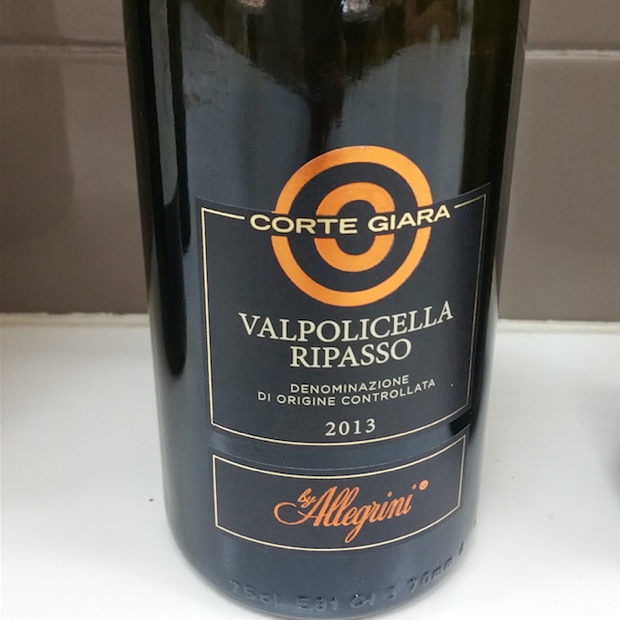
WineAlign: Michael Godel

Facebook

Napa Valley: Where ripeness happens

Godello in the Napa Valley mustard

Godello in the Napa Valley mustard

You need only spend a few days in Napa Valley to gain a basic understanding of what drives the machine. Immerse yourself into three or four structured tastings and hear the mantra repeated. Listen to the winemaker and the viticulturist talk about the growing seasons and intuit the very basic premise, the essential doctrine and the constitutive aspect on everyone’s mind. Ripeness.

The 2011 vintage was an unmitigated disaster. Cold, rain and low brix levels made for less than stellar Napa Valley reds and whites. At the time it wasn’t so much swept under the rug as much as shrugged off. Still some very good wines were made. Even today critical proponents of cool-climate and understated wines will champion the elegance and proportion of 2011 Napa reds, especially the Cabernets. Talk to or listen to a local winemaker speak and know they will (mostly) all agree to disagree with those ideas. There was little to no phenolic journey fully completed in 2011. Relativity is the general, special and principle quizlet to compare and contrast Napa Valley wines. The next vintage afforded the opportunity to put 2011 behind them. The proximate three relegated 2011 to the footnotes of history.

What followed 2011 was drought, extended drought, difficult times drought. Grapevines do quite will when they struggle, provided their keepers have equipped them with the organic and self-preserving tools to survive without water. While the rest of the state suffered, Napa Valley grapevines produced exceptional fruit. From 2012 to 2015 the pilgrimage to maturity happened with ease. Quality over quantity? Sometimes both. In 2012 there was a huge crop from an incredible growing vintage. Along with 2013 they are being heralded as two of the best vintages in the last 30 years.

If a tutored Napa Valley tasting is centred around Cabernet Sauvignon and parent grape variety Sauvignon Blanc then the mind may wander into comparative territories with Bordeaux clearly on the analogous radar. Cabernet defines Napa Valley, hook, line and sinker. Nearly everyone grows it, bottles it and employs it to define who and what they are. The numbers corroborate the abstraction. Cabernet is still the king. The interesting diversion is Sauvignon Blanc. In the context of Bordeaux it is not a diversion at all but Napa growers and producers are infatuated with it. It makes for good but rarely great wines. Chardonnay has proven its Napa Valley pedigree. So why Sauvignon Blanc?

If Bordeaux epitomizes a mono-worshipping culture then deconstructing Napa Valley reflects the effort of extricating monotheism out of a polytheistic context. But Napa is not Bordeaux and also avoids the affectation and mannerisms of monotheistic worship, something that is very specific to Bordeaux and even more so to other ancient wine-producing regions. In Napa there is great interest and time set aside for Chardonnay but also some love Pinot Noir and Zinfandel. Cabernet Sauvignon leads with authoritarianism on a chilling scale and Sauvignon Blanc exists in a polar opposite vacuum. Nothing is inexpensive to grow and most markets expect to pay a premium for quality. Demand will perpetually support Cabernet, Merlot, Chardonnay, Pinot Noir and Zinfandel. Sauvignon Blanc above $20 and not from Bordeaux is different. It is Napa’s greatest curiosity, made with great care and thrown caution to the marketplace wind. And it sells. Looked at from both sides clarity is noted in the adage that Napa Valley is not Bordeaux.

Berry to bottle

Berry to bottle

On February 9th, 2016 nine Canadians sat down to taste with the principals of three Napa wineries, Joseph Phelps, St. Supery and host Silverado Vineyards. Karen MacNeil is a wine author, journalist, educator and consultant. MacNeil moderated a two-varietal tasting with Bill Phelps (President of Joseph Phelps Vineyards), Emma Swain (CEO at St. Supery), Russ Weis and John Emmerich (GM and winemaker at Silverado). From berry to bottle was organized by the California Wine Institute and Napa Vintners.

“Dirt is once again the sexy part of the business,” began MacNeil’s presentation. “Place is the core construct and inescapable construct.” The hills, slopes, ridges and valleys of the Valley are indeed intricate and the soil sets as diverse as you are want to find anywhere. Napa Valley contains 33 soil series with more than 100 soil variations and half of the soil orders that exist within the world can be found in the Napa Valley. At the end of the day ripeness follows. At all other times it leads. We tasted six wines that day. Here are the notes.

Cabernet Sauvignon and Sauvignon Blanc

Cabernet Sauvignon and Sauvignon Blanc

Joseph Phelps Sauvignon Blanc 2014, St. Helena, Napa Valley, California (Agent, $59.95, WineAlign)

Graced by and driven for texture, with lees, out of second fill barrels and finished struck across a scraped mineral tang. Highly refreshing compression of density and weight. Long linger of stone fruit, primary peach and secondary apricot. Non-discernible citrus. Phelps has been producing this wine since 1975 from the home ranch vineyard, typically in increments of 2500 cases. If Sauvignon Blanc were made in Alsace, this is what it would be like. Unpronounced acidity and a floral note pay thanks to integrated Musque clones Bill Phelps says are integral to the mix. Drink 2016-2019.  Tasted February 2016  @josephphelps  @LiffordON

Joseph Phelps Insignia 2012, Napa Valley, California (710400, Agent, $299.95, WineAlign)

The 2012 Insignia had me at first whiff. At first sip I could not be reached. Massive aromatics blast from this formidable Insignia, clearly noted with immediate clarity as a proprietary blend for the ages. The current torrent is so plugged in and highly climatic, like a visibly sparking conduit, storm and fire all wrapped into one electric happening. The peaks, valleys, waves and intonations are bred of perfectly ripe fruit sets traveling as one in perfect syncopation. The ripe, chain-link tannins will take this very, very far. This is as fine a California wine as I have ever tasted.  The first vintage was 1974. All five bordeaux varietals are represented which is not often the equation. In 2012 the blend is 75 per cent Cabernet Sauvignon, 10 Merlot, 10 Petit Verdot with bits of Malbec and Cabernet Franc. Drink 2018-2045. Tasted November 2015 and February 2016

St. Supery Estate Vineyards and Winery Sauvignon Blanc Dollarhide Estate 2014, Napa Valley, California (AgentWinery, $35 US)

An altitude effected, single-vineyard, warm days, cool nights Sauvignon Blanc so much more in residence of varietal hyperbole, from grass to gooseberry, apple terpenes and finishing spice. Highly emotional SB of San Pablo Bay cooling and antithetical drought thanks to Sierra Nevada snowpack, or lack thereof. Stainless on lees stirred weekly bolstered in texture by 18 per cent barrel fermentation. Aussie expat winemaker Michael Schultz controls this big, vivid and vital style. Drink 2016-2019.  Tasted February 2016  @StSupery  @vonterrabev

St. Supery Estate Vineyards and Winery Cabernet Sauvignon Dollarhide Estate 2012, Napa Valley, California (AgentWinery, $100 US)

Dollarhide was a cattle farm, a 1530 acre enormity of a ranch, now one of the more impressive Napa vineyards of altitude, micro-climate and heterogeneous soil series. The 2012 is a 100 per cent Cabernet Sauvignon cornered from the finest (number eight) 30 year-old vines parcel, planted in 1982. It is youthful and even a bit reductive, with dark red fruit and cooler savoury curation. Possessive of some black olive and mint-like coolness. Sweet tannins and espresso, specified and agreed from all French oak, left to decide a hillside expression. A fine chocolate finish is far from bitter with paid homage to that parcel which is a combination of volcanic and ancient sea sediment. Large shells have been found in the vineyard at 1200 feet. Tres cool. Drink 2018-2027.  Tasted February 2016

Silverado Vineyards Sauvignon Blanc Miller Ranch 2014, Napa Valley, California (AgentWinery, $35 US, WineAlign)

Fruit from vines burrowed into seep soil on a Yountville site between Hopper Creek and the Napa River (though 5 per cent is from Soda Creek Vineyard). A small elbow (four per cent) of Sémillon injects a shot of vitality into the arm of Sauvignon Blanc. For winemaker Jon Emmerich Miller Ranch in a climate sweet spot, a go between in which cool evening and morning temperatures mitigate the sweat of warm sunshine. Its home soils are blessed with terrific water capacity. No de-stemming is performed and the wine sees a long, cold (up to two months) fermentation. All in the name of aromatics. And so the Silverado home ranch Sauvignon Blanc lies somewhere in between the excitable and the elegant. Quite Bordelais but also grapefruit refreshing, with a slight spritzy tingle. Drink 2016-2018.  Tasted February 2016  @SilveradoSOLO  @KylixWines

Silverado Vineyards Cabernet Sauvignon Solo 2012, Napa Valley, California (Agent $119.00, WineryWineAlign)

From heritage Cabernet Sauvignon vines recognized by the University of California, Davis, in other words, a clone unto itself. The home ranch estate vineyard was planted in 1968 and over two decades the vines adapted to Silverado’s steep, shale soils and mutated. Through meticulous field selections an entirely new clone of Cabernet Sauvignon emerged. Here is one of only three Cabernet Sauvignons to attain this status and the only one from Stags Leap District. Who knew such magic lurked in the Napa hills? The stuff of Roald Dahl imagination. This is a dusty and grounded red, of chaparral in arid, arenose, hillside forest floor character. Higher tones (there is a bit of VA) leaps with this SOLO’s Cabernet metamorphosed self, in a semblance of the clone it used to be. It honours a perfect growing season. From General Manager Russ Weis: “In Stag’s Leap we are not looking for something mouth-filling as much as mouth coating.” Drink 2019-2028.  Tasted February 2016

Good to go!

Twitter: @mgodello

Instagram: mgodello
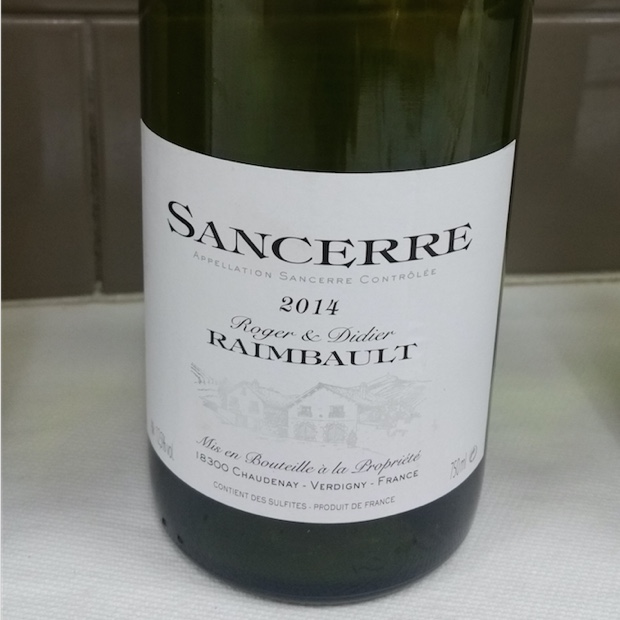
WineAlign: Michael Godel

Facebook