Single white varietals: No roommates required

Godello

as seen on WineAlignRiesling, Other Single Red and Single White Varieties – Medal Winners from NWAC 2019

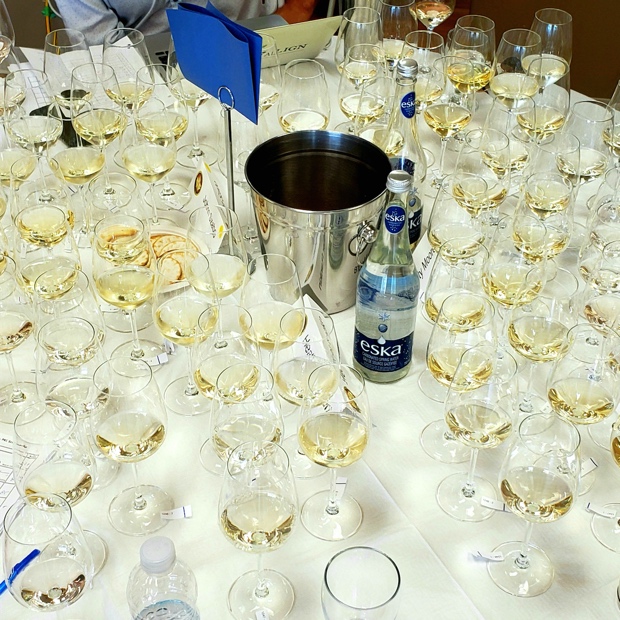
It may or not need clarifying but the single white varietal category does not include chardonnay, riesling, pinot gris/grigio and sauvignon blanc. In terms of medal winners it does include albariño, arneis, bacchus, chenin blanc, coronet, gewüztraminer, grüner veltliner, marsanne, muscat, obrigado, pinot blanc, roussanne, sémillon, sauvignette, siegerrebe, sovereign opal, trebbiano, unicus, viognier and white pinot noir. The total medal count for single white varietal wines in 2019 was 70, an unprecedented number awarded for this competition covering 20 grape varieties. Can you guess which was the most celebrated? If you said gewüztraminer you would be correct at 21 total medals, with viognier a close second at 17.

There is little surprise that these French vinifera grapes make up more than half of the awarded wines because their acreage, vine age and their winemaker’s acumen in crafting quality goes back a generation or two, or even three. That 10 percent are pinot blanc is truly encouraging, as are the multiple medals doled out to grapes with great potential on Canadian soils, including grüner veltliner, albariño and chenin blanc. This will encourage more plantings and pioneering work backed up by post-modern viticultural theory, while also ensuring biologically genetic and varietal diversity. Most surprising is that two of the top wines made from marsanne and roussanne represent two of only three medals awarded to wines from these classic and exceptional Rhône Valley grapes. If two can be great, why not others and why not grow more?

Congratulations to the Road 13 Marsanne 2017 out of the exceedingly promising Similkameen Valley. There can be no denying the effect of ripe fruit and the richness of developed sugar into proportionally knowing phenols in this beautifully integrated wine. Black Hills Roussanne 2017, Blasted Church Small Blessings Sémillon 2017, Thirty Bench Small Lot Gewürztraminer 2017 and Road 13 Viognier 2017 round out the judges top picks from the competition.

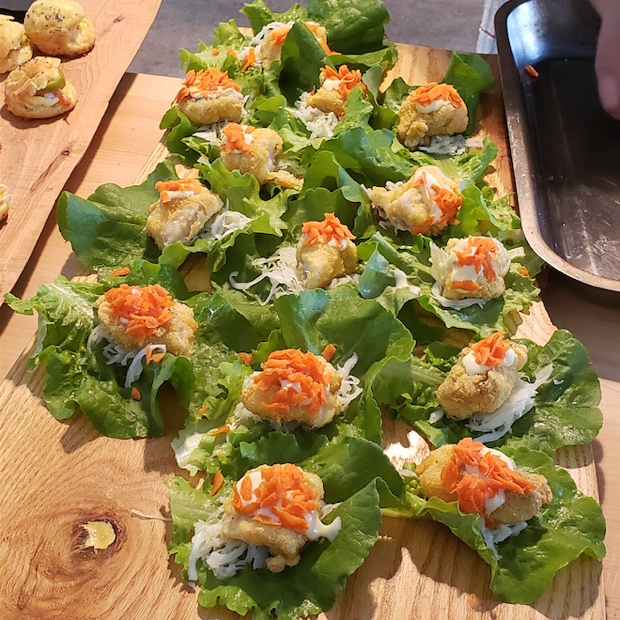
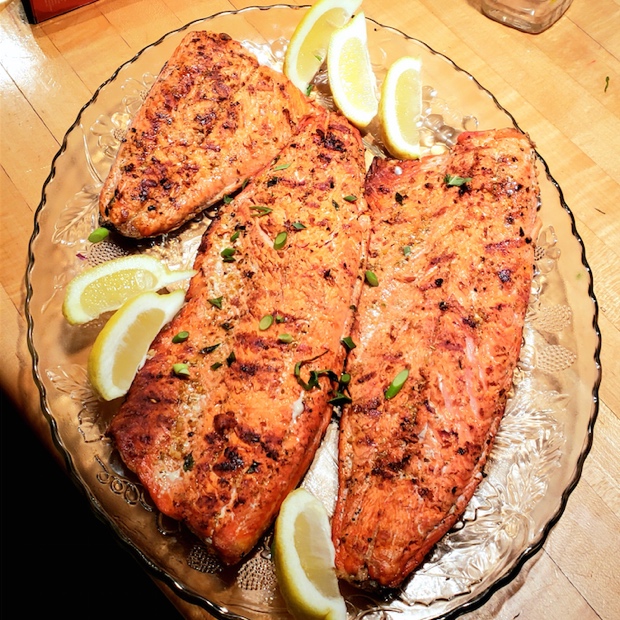
Littlejohn Farm‘s Smoked Trout, soubise, french onion rings, pickled shallots – at Closson Chase Vineyard, Prince Edward County

The question truly begging to be answered is with 20-plus different grape varieties represented and being assessed side by side how do the judges separate the apples and oranges to figure out which wines stand apart as being more impressive than the rest. It may sound cliché and redundant to hear but balance is the key to our single white varietal hearts. If acidity matches, supports and elevates sugar than all will fall into place and if the wine is a dry example it will likely be flesh, mouthfeel and texture that work to elevate its status. Proportion, seamlessness and length are all essential tenets of quality single whites, as are energy, drive and spirit.

Plain and simple, single white varietal wines are able to succeed because of their inherent ability to express their varietal selves, provided they are planted in the right location and their handlers allow them to speak on their own behalf. Quality single white varietals display attributes of confidence and are anything but insecure. No roommates required.

I’ve also tasted some more single white varietal wines as of late and all would certainly qualify for medal consideration in this category. These are the three.

Mission Hill Family Estate Viognier Reserve 2018, Okanagan Valley, British Columbia ($19.99, WineAlign)

Perfectly lovely, archetypal, required varietal sipping viognier here from Mission Hill. Yet another notch on the Okanagan Valley pioneer’s impressive climb to forging wines moving from strength to strength. There is nothing over the top about the the florals, the texture or the flavours. Fruit east to west, from the B.C. orchards to the south Asian trees is graced by a dreamy and creamy marzipan texture and finished with low and slow rendered spice. Just what viognier can be for one and for all. Drink 2019-2021.  Tasted July 2019

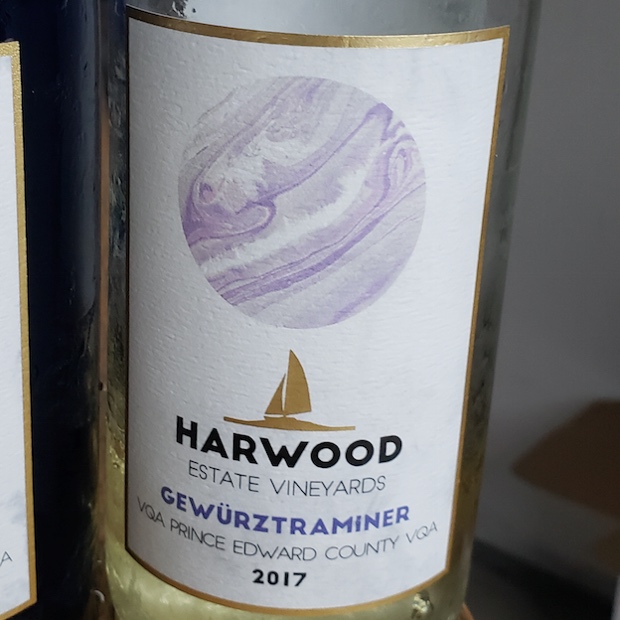
Harwood Estate Gewürztraminer 2017, VQA Prince Edward County, Ontario $20.00, WineAlign)

The 2016 was made from Niagara (Four Mile Creek) grapes and vinified in Prince Edward County but the estate 2007 plantings have now matured so this 2017 marks a new era for gewürztraminer grown in the disapora. It’s one of extreme aridity, lightning quick reflexes, focused and intense. Quite the singular style of expression for Ontario. Drink 2019-2021.  Tasted June 2019

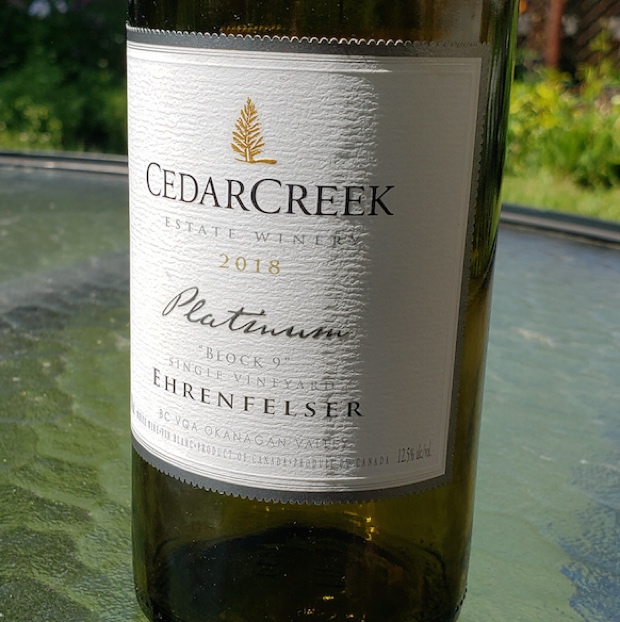
CedarCreek Platinum Block 9 Ehrenfelser 2018, Okanagan Valley, British Columbia ($29.99, WineAlign)

Ehrenfelser is the German crossing of riesling and sylvaner, kept alive on slopes like CedarCreek’s lakeshore vineyard in semi-mimic of those cresting on great angles above the river Rhine. There’s a notable juicy sweetness to this from 13-16 year-old, low yielding vines in a very concentrated mandarin orange way. That sweetness yields to many other pronounced attributes like tropical fruit skins as well as creamy orchard fruit under a squeeze of lime. The acidity is ripping and there’s some potential for a bit of flinty, lit paraffin smoulder to emerge in a year’s time. The fun quotient runs high in this unique white wine and it offers up moments of both crushable and cerebral. Good on CedarCreek to keep the dream alive. Drink 2019-2021.  Tasted July 2019

Good to go!

godello

Godello

Twitter: @mgodello

Instagram: mgodello

WineAlign

A Canadian preoccupation with White Blends

as seen on WineAlign – Red Blends, White Blends and Sauvignon Blanc – Medal Winners from NWAC 2019

The catchall collection funnelled into flights titled “White Blend” continue their ascent upwards into the essential echelon of categories at the National Wine Awards of Canada. These compound varietal meet and greets do so with increasing calm, cool and collected demeanour, a.k.a balance to offer up some of this country’s most pleasing and in very special cases, most age-worthy white wines. Another year later the judges are finding the quality of the wines to be at their best yet, perceptible and discernible beyond reproach from coast to coast.

The 52 strong medal count from the 2019 awards is a testament to the masters of assemblage known as winemakers in British Columbia, Ontario, Quebec and Nova Scotia. In fact five of the medals were awarded to Tidal Bay, the maritime appellative blend creation so apt-scripted and terroir specific to vineyards and estates in Nova Scotia. Tidal Bay is a model of consistency, progress and marketing genius. It hasn’t happened yet but the day will come when Ontario and British Columbia will become woke to the economic success of the great East Coast appellative party.

Dinner at Rosehall Run

Where do Canadian winemakers look for inspiration when it comes to designing their white blends? The obvious pioneers are unequivocally Bordeaux and the Rhône Valley, the former being a matter of a sauvignon blanc-sémillon coupling and the latter a relationship between grape varieties that include grenache blanc, marsanne, roussanne and viognier. Other and lesser varieties employed are ugni blanc, clairette, bourboulenc, picpoul and rolle (vermentino). Many are grown and matched up in Canada but in 2019 it is Nk’mip Cellars White Meritage Merriym 2017 that we find standing alone at the peak of white blend success. The Bordeaux inspiration is an antithetical one at that with a two to one ratio of sémillon to sauvignon blanc and what one judge sees as a blend of “power and accuracy.”

Last year we noted that the white blends made with sauvignon blanc from out of the Okanagan Valley relied on higher percentages of sémillon than their sistren and brethren in Ontario. B.C.’s vineyards are not subjugated to the same winter kill that Ontario’s winters are often wont to inflict and so the vulnerable sémillon is planted and used to much greater quantity and effect out west. Ripeness and style are also great reasons why B.C.’s über rich and fat sauvignon blanc loves for sémillon to help out. The varietal mitigation and third party injection from barrel aging often leads to examples of flinty-smoky-mineral white blends of freshness, pizzazz, texture and style.

The Mission Hill Terroir Collection Sauvignon Blanc Sémillon 2018 is such an animal, taken from Jagged Rock Vineyard nearing 400m in elevation and the sém portion is 40 percent. Tightrope Sauvignon Blanc Semillon 2018 is another though it may just be one of closest Bordeaux ringers made anywhere in Canada. The Pentâge Roussanne Marsanne Viognier 2013 is the most singular Gold Medal winner in 2019, first because it does the Rhône varietal two-step and second because of its age. That it caught the palates of so many judges is a testament to its balance and also its structure.

The 2018 Tidal Bays from Lightfoot & Wolfville, Jost Vineyards, Planters Ridge and Gaspereau Vineyards were Nova Scotia’s one Silver plus three Bronze category medallists. These Bay of Fundy/Minas Basin east coast wonders are true Canadian wines of quality and efficiency. Tidal Bay pioneers Peter Gamble and Benjamin Bridge Vineyards tell us that In 2010 Nova Scotia launched this wine appellation with a purpose “to showcase a vibrant and refreshing white wine compatible with our coastal terroir along the Bay of Fundy, a vast expanse of seawater that is home to the highest tides in the world. An independent technical committee ensures that only the wines displaying the region’s distinct characteristics and meeting a rigorous set of standards are approved to wear the appellation seal.” The blends are most often filled with the likes of l’acadie, geisenheim, chardonnay, riesling and vidal.

Two Ontario white blends joined the 11 B.C. Silver winners. In terms of Bronze, six from Ontario and one each out of Nova Scotia and Quebec were winners alongside 23 from B.C. Yes it is increasingly true that appellative blends are more than a going concern, in fact they have become some of our Canadian winemaker’s greatest preoccupations. At this rate we can certainly imagine a future filled with bright white lights and structured blends to rival some of the world’s best.

Good to go!

godello

Twitter: @mgodello

Instagram: mgodello

WineAlign

Riding red blends from Canadian frontiers

Ancient PEC red care of Geoff Heinricks

Ancient PEC red care of Geoff Heinricks

as seen on WineAlignRed Blends, White Blends and Sauvignon Blanc – Medal Winners from NWAC 2019

Some producers may be riding red blends all the way to the bank while others, including many winemakers simply love making them. Hearing about or looking at the broad term “red blends” causes many of us to think about wines that are big in every respect. Broad shouldered, big-bodied, long-legged, tannic and age-worthy.  As for how these wines are made we imagine a barrel room of oak casks filled with deep, rich and dark liquids made by winemakers and their science flasks layered by endless combinations of samples in varying percentages. This is in fact how most red blends are made. Barrel and tank samples of different grape varieties are pulled and with a conditional maximum amount of each kept in mind, the constituent samples are mixed and matched until the blend just feels to come out right. Add in a bit of chemistry for scientific balance and Red’s your uncle.

Red blends is employed as that highly scientific wine-speak term used to define one of the largest, broadest and most undefined categories in wine. There are blends established in the Old World emulated and mimicked from Argentina to South Africa, Australia, New Zealand, Canada and everywhere vinifera is grown. Bordeaux’s Left and Right Bank are most commonly copied but so too is the Southern Rhône. The triumvirate of cabernet sauvignon, cabernet franc and merlot lead the way while grenache, syrah and mourvèdre are the source of much imitation. Blending does not stop at such multi-varietal exactitude because the Australians (namely) decided that syrah/shiraz goes with everything and why not. The concept of admixture or fusion is becoming increasingly relevant and the norm for red blends made in Canada, especially in British Columbia and to a lesser extent in Ontario too.

Chef Albert Ponzo’s Gnocchi with Morels

Basically anything made with two or more grape varieties qualifies and in some cases a kitchen sink is amalgamated from literally dozens of locally planted options. To be honest the methodology categorically removes said wines from every other varietal class or division, in competition or otherwise. So the question begs. How do judges at the National Wine Awards of Canada assess, rate and ultimately dole out medals when the comparisons are all apples to oranges? How do we as a team decide which blends are most deserving in a sea of peers comprised of wholly different, antithetical and multifarious combinations?

The answer is complex but in the end not exactly rocket science. Truth be told the necessity of knowing the percentages in the blend is the mother of invention. This is because each wine is a sum of its combinative parts while success is predicated on the communal effort and seamlessness of the gathering. But more than anything and it’s certainly cliché to say, wines as blends must achieve balance and those that do will reap the most reward. News flash to corroborate that theory. Most varietal wines are blends too, made up of vineyard slash vessel percentages picked, mixed and matched by the winemaker. What really is the great difference?

Is there any wonder why Canadian winemakers love the category of Red Blends? At this year’s Nationals there are 105 medals awarded to a group of wines that in their collective make-up include just about every red (plus a white or two) grape varieties grown in Canada. Read that number again: 105! Three out of four Platinum winners are from British Columbia and 12 of 14 Silvers as well. As for Bronze, 60 are from B.C., 24 from Ontario and three are from Nova Scotia.

While it would be a joyous exercise to break down all the medal winning wines it would also be one that just might put you to sleep. So for the purposes of analytical brevity and for the fact that we have an unprecedented four Platinum winners in 2019, let’s stick to these exceptional wines. The Hatch Dynasty Red 2016 is syrah and malbec from the Hans Estate Vineyard in Osoyoos raised in all new French oak for 18 months. Yes, ALL new French oak. Noble Ridge Reserve Meritage 2016 from Okanagan Falls is essentially classic Left Bank Bordeaux led by merlot with cabernet sauvignon with minor amounts of cabernet franc plus malbec. Hester Creek Syrah Viognier 2017 from the Okanagan Valley is a stunner and steal for the price though truth be told could have very easily been awarded a similar accolade in the straight varietal category. Niagara’s Tawse Meritage 2015 is a three-pronged Bordeaux varietal mix of merlot, cabernet sauvignon and cabernet franc “with so much going on you might not understand what it’s trying to say.” It’s like Glossolalia but will surely live on through epochs of Canadian Meritage notability and infamy.

OK I lied. Some mentions and some love for the Golds as well. Out of Niagara the judges jumped for the merlot, cabernet franc and cabernet sauvignon in Marynissen Heritage Collection Red 2015 and the kitchen sink blend only Stratus Red 2016 can gift; cabernet franc, merlot, cabernet sauvignon, syrah, malbec, tannat and petit verdot. The hits keep on coming from B.C., especially strong in this category demarcated by grip, grit and strength. The following 12 began their journeys with a plethora of varietal combinations, spoke with great ability to reach the judges palates and all ended up Gold.

Note the seemingly infinite combinations is this diverse group. Maverick 2016 Rubeus, syrah, merlot, cabernet sauvignon and cabernet franc; Bench 1775 2016 Cabernet Franc MalbecCorcelettes 2016 Meritage Estate Vineyard, merlot, cabernet franc, cabernet sauvignon, malbec and petit verdot; Corcelettes 2016 Cabernet Sauvignon Syrah Menhir Estate Vineyard; Black Hills 2017 Addendum, merlot, cabernet franc, cabernet sauvignon; TIME Winery 2016 Meritage, merlot, cabernet franc, cabernet sauvignon; Mission Hill 2016 Quatrain, merlot, syrah, cabernet franc and cabernet sauvignon; Sandhill 2016 Single Vineyard One Small Lots Program Vanessa Vineyard, cabernet franc, cabernet sauvignon merlot and syrah; Moon Curser 2017 Dead of Night, syrah and tannat; Sun Rock Vineyards 2016 Red Meritage, merlot, cabernet sauvignon and cabernet franc; Red Rooster 2016 Golden Egg, mourvèdre, syrah and grenache; Nk’Mip Cellars 2016 Winemakers Talon, syrah, cabernet sauvignon, malbec, merlot, cabernet franc and pinot noir.

If you don’t see a clear and obvious pattern in these Red Blends be neither confused nor discouraged because this is how things function and in turn offer up so much possibility in fresher frontiers. In today’s garden of climate change affected vineyards it is Canadian winemakers who are the beneficiaries of a wild west, anything goes environment where mates can be made across varietal lines both renewed and re-invented. Embrace the diversity and let it ride.

We finish we a special red blend tasted with Maggie Granger in Prince Edward County.

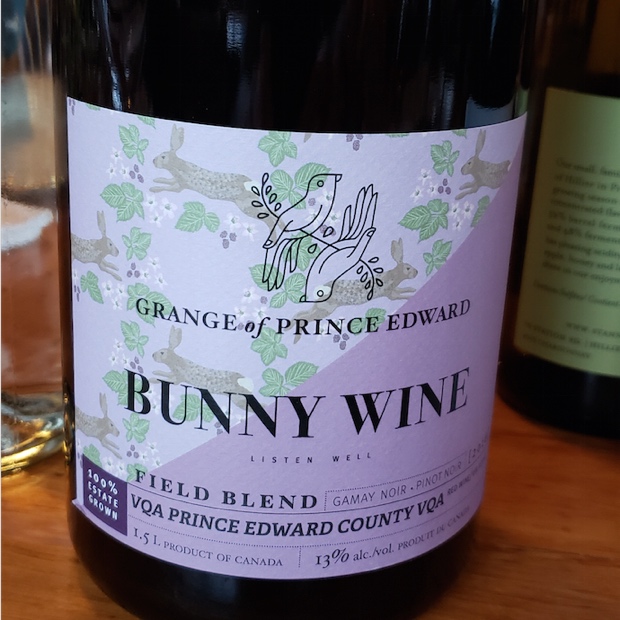
Grange Of Prince Edward Bunny Wine 2016, VQA Prince Edward County ($65.00, 1500ml, WineAlign)

Bunny Wine is nothing if not playful, a field blend that tugs on conceptual heartstrings and has been doing so for 18 months. It has come into kairos, whether unexpectedly, by chance or by the intuition of the moment, it matters little. Bunny is an extension of three plus years of furry flirtations, in cuvées that have come before, of gamay and pinot noir, of passe-tout-grains. I’ve tasted barrel samples and now here we are at the real thing, “the milk of the gamay bunny, drinkers of spillage by tipsy monks. Even if you know little or care less about bunnies and monks it’s the truth even if it didn’t happen, based on memories and perception, just as a look back at that taste and this note will be. Seamless weaving here, between Bourgogne cousins, north and south, grippy and supple. Hard to tell one from the other and isn’t that the point? From the Victoria Block, four rows of pinot next to four of gamay, picked, fermented and crushed together. All thanks to fruit of exemplary patience. Drink 2019-2023.  Tasted June 2019

Good to go!

godello

Twitter: @mgodello

Instagram: mgodello

WineAlign

Pinot Gris goes National

One’s gris is another’s grigio but at any rate, more and more Canadian made pinot is coming your way

as seen on WineAlignGamay, Pinot Gris and Sparkling – Medal Winners from NWAC 2019

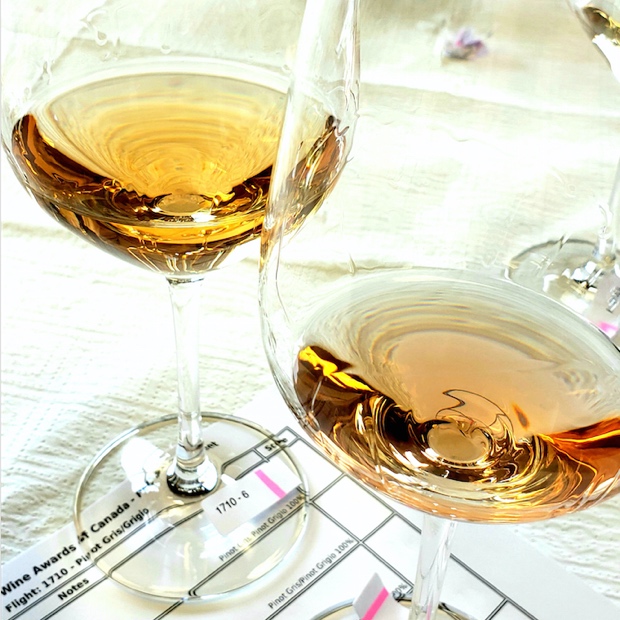
We seem to be tasting and assessing a considerable amount of pinot gris slash grigio these days. In 2019 the WineAlign National Wine Awards of Canada bar was raised once again as increasingly the wines spoke to both matters of quantity and quality. The annual competition played host to this country’s largest gris/grigio gathering and 34 medallists prove that trends can also be realities. There are well upwards of 60,000 hectares of pinot gris/grigio planted worldwide and that number is growing, not surprising considering the varietal’s two-step, double-down rise in popularity.

The laconic story would say that when comparing pinot gris to pinot grigio the difference is mainly origin but increasingly so an inculcation of style. The endemically considered pinot grigio is traced to northeastern Italy just as pinot gris is to northeastern France. One grape, two places and ultimately each tracking an approach along one fork of the road. The simplest explanation says one is generally picked earlier and the other later, the former being fresher and crisper, the latter richer and more developed.

Call the grape what you will. Known as gris in Alsace, dry gives way more often than not to sweet, age-worthy, late-harvest styles. As grigio in Northern Italy it’s more straightforward and in Germany it’s also called grauburgunder or ruländer. In Hungary its moniker is zürkebarát. New Zealand may just be the great New World frontier for the pinot gris ideal. Or does that distinction belong to Oregon, a frontier many believe possessive of several AVAs more suitable to the gris stylistic than even chardonnay. It’s easier and less expensive to plant and maintain than chardonnay, harvests early and therefore puts cash flow reports in the green, or in this varietal case, also yellow, pink and orange. By the way, grigio and gris both mean “grey,” as noted by the pinkish-grey sheen of the ripe grape’s skin.

Vichyssoise by Albert Ponzo at The Grange

Where does that put the discussion concerning a homogeneity of Canadian style? Well at its simplest dissemination it means looking at a paradigm lying somewhere between Italy and Alsace. That being generally said it is simply ludicrous to imagine examples from British Columbia and Ontario (with few and far between examples from other provinces) to be looked at in one broad stroke of a brush. If you must ask and know, Ontario’s gris-grigio is generally leaner, more “mineral” and often crisper than B.C. counterparts but following that to the a letter of law would do great disservice to diversity and possibility. Get to know the producers and the greater picture will clear.

The grapes are in fact a mutation of Bourgogne’s pinot noir, are vigorous and lie somewhere is the middle of the moderate production mode. They are well adapted to and suited for cool climates with well-draining soils. Hardy, easy to grow with relatively small clusters and berries. Susceptible to Botrytis so can be a chameleon of a white wine for dry, off-dry and sweet styles but with some skin-contact also can produce pink coloured wines. Welcome to Canada.

It matters not which major appellation you look at in British Columbia you will always see pinot gris as one of its leading grape varieties. Kelowna, Penticton, Vaseaux-Oliver, Golden Mile, Black Sage-Osoyoos and Similkameen. At approximately 10 percent of the total plantings, only chardonnay is its equal and merlot greater in total acreage.

Snacks at Closson Chase

In Ontario pinot gris is the fifth most planted and harvested grape variety, trailing only chardonnay, riesling, merlot and cabernet franc. In terms of tonnage the number 3,627 from 2017 may still trail merlot by 1,600 tonnes but don’t be fooled by historical statistics. The gris-grigio juggernaut is losing no space-time ascension and continues to gain with exponential force. Ontario has defined three DVAs: Niagara Peninsula, Lake Erie North Shore (LENS) and Prince Edward County (PEC). Within the Niagara Peninsula, five general grape climatic zones are further defined by 10 sub-appellations: Creek Shores, Lincoln Lakeshore, Vinemount Ridge, Beamsville Bench, Short Hill Bench, Twenty Mile Bench, Four Mile Creek, Niagara Lakeshore, Niagara River and St David’s Bench. Pelee Island is a sub-appellation of LENS. The pinots, gris and grigio are everywhere.

Why plant more pinot gris in Ontario? It’s more than simply a matter of market trends. If we look at cultivar by vineyard risk assessment, the professionals who study such things will tell us that a grape like merlot is less winter hardy and requires more heat and frost free days to reach acceptable maturity than both chardonnay and pinot gris. Do the math.

We also tasted some terrific pinot gris during our week-long stay in Prince Edward County, including the following six, all different, singular and stand alone.

Closson Chase K.J. Watson Vineyard Pinot Gris 2018, VQA Four Mile Creek, Niagara On The Lake, Ontario ($22.95, WineAlign)

Ask winemaker Keith Tyers what he thinks about pinot gris. “It can age,” he says, “if it’s made like gris.” The skin-contact affected hue is our first clue (if appearances mean anything) and the tannin from the vineyard is the second. In between these bookended ideals are dry extract, round to zaftig fruit texture and a chalkier consistency from out of this most curious vintage. The natural acidity and full fruit by way of low yields makes for a rock ‘n roll gris of inner mind and vision. Lush to a degree, full of metal motion, forward thinking and fine. Leaves a trail of mineral propulsion behind, a field of gris debris, to a degree, in hubris and in the end, so County and so Closson Chase. Drink 2019-2023.  Tasted June 2019

Harwood Estate Pinot Gris 2017, VQA Prince Edward County, Ontario ($18.00, WineAlign)

Another light, airy, delicate and inching ever so close to the ethereal for pinot gris from Harwood with maturing vines now bringing some pear and peach flesh along for good measure. Still a bit obsequious and non-descript though the under the skin mineral Hillier accent is getting stronger and clearer in the context of an overall message. Drink 2019-2020.  Tasted June 2019

Stanners Pinot Gris Cuivré 2017, VQA Prince Edward County, Ontario ($28.00, WineAlign)

All County fruit and Colin Stanners chooses a process of no de-stemming, no crushing and leaving the gris on its skins for three days. A highly textural wine is the result and one that in one respect creeps towards Rosé. There’s a salve within that mouthfeel and it’s one that feels so cool and smooth. Minty to be sure, if mineral were mentha, herbal, chilly and unconventional. The ebb and flow of its sensations are like the tide on the shore carrying the riches of the vineyard, in and out. Always appreciate the cadence of this wine and its confidence, but also its stoicism and its humility. Drink 2019-2022.  Tasted June 2019

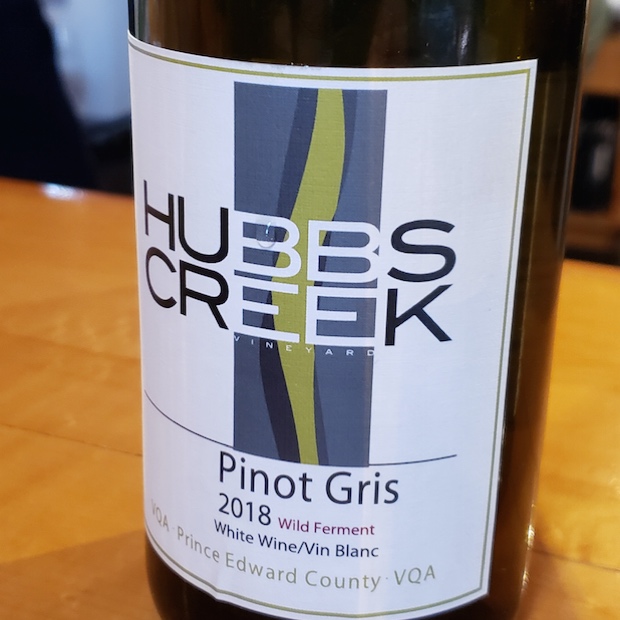
Hubbs Creek Pinot Gris Wild Ferment 2018, VQA Prince Edward County, Ontario ($24.95, WineAlign)

Now we know how, why and where we can find great love for pinot gris because a wine like this from John Battista Calvieri allows us to anticipate the very thing that makes us salivate. Sapidity. Aromatically speaking we are prepped by the early scents of flowers opening, followed by the sweet succulence of textural meanderings. Then balance is afforded and brings that sapidity straight to the salty surface. A very precise pinot gris will do this and texture is a crisp bite taken from a just picked piece of orchard fruit. Long, honest and understandable. Drink 2019-2021.  Tasted June 2019

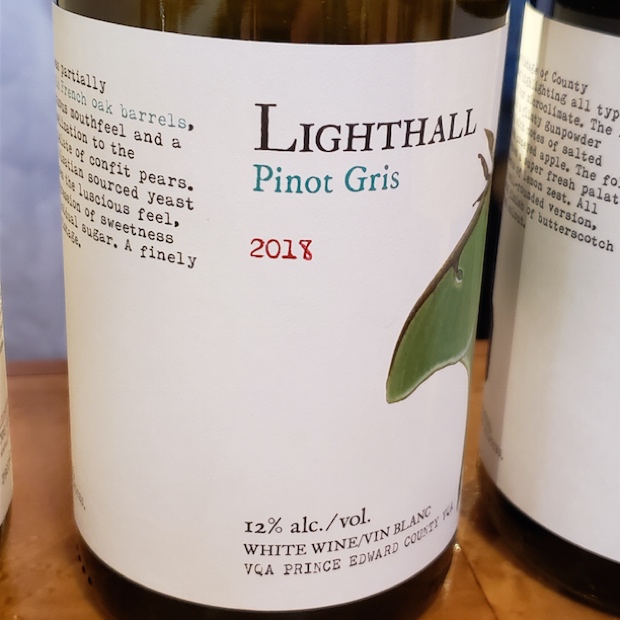
Lighthall Pinot Gris 2018, VQA Prince Edward County, Ontario ($25.00, WineAlign)

The fruit comes direct from the South Bay vineyard and one third finds its way into barrel. No shocker that this is both richly textured and developed pinot gris is an old-school mimic, like enriching valley fruit grown in the shadows of a Vosges Mountains canyon. It’s quite an abstraction this all-in mouthfeel, tripping the tongue, light show fantastic County gris. Creamy apples and pears meet expressive, raging, sapid and fortified acidities. Go big or go home I’d say. Drink 2019-2022.  Tasted June 2019

Maggie Granger, The Grange of Prince Edward

The Grange Of Prince Edward Estate Pinot Gris 2017, VQA Prince Edward County, Ontario ($24.95, WineAlign)

This right here is the newest epiphany from 2018 and again for 2019. What that means is Maggie and Caroline Granger have struck gold (or copper, platinum and orange), depending on your skin-contact white viewpoint. That it happens to be an orange wine is completely inconsequential to the math, science or for that matter, the art. Mature and gifted acidity supports the fruit-tannin compendium in pinot gris that knows where it’s from and who it purports to be. That is to say it’s naturally managed and acts that way. In fact it smells and tastes just like its kin pinot noir and so the adage of white wine made like a red fits this to a “P.” E-P-phany, as in extended play, skin-contact style. Drink 2019-2022.  Tasted December 2018, February and June 2019

Head judge D. J. Kearney, #NWAC2019

There were 34 medals awarded in this category, two Gold, 12 Silver and 20 Bronze. British Columbia (gris) and Ontario (grigio) split the Golds while B.C. gris took home all the Silvers, not to mention 24 of the total 32 medals. Six medals were grigio in origin/style and only one of those was from B.C. Origins aside the category results at the 2019 Nationals prove that this didactic grape is showing qualities not seen before which tells us one main thing. Farmers and producers are putting time and money into its production, lowering yields and treating it with varietal respect. The pale Vin Gris and Vendanges Tardives examples persist and sometimes excite but at the top of the judges’ heap were dry examples that expressed richness and ultimately flavour.

Congratulations to all the winners and to those producers for offering high quality, well-proportioned and balanced pinot gris/grigio. The consumers are thankful as are we, the judges. Your attention to detail and dedication to crafting solid varietal wines will be repaid.

Good to go!

godello

Twitter: @mgodello

Instagram: mgodello

WineAlign

Canada knows Rosé

Quality Canadian made Rosé is more diverse and complex than ever before. That’s great news for consumers

as seen on WineAlignRosé Medal Winners from NWAC 2019

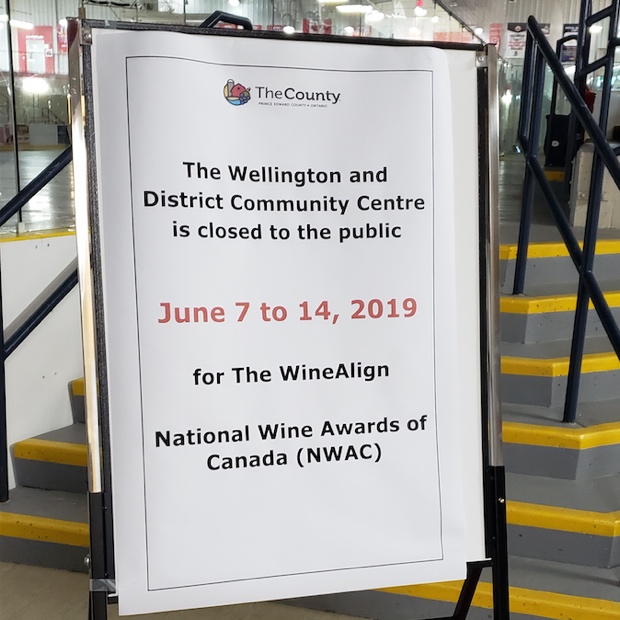
The 2019 WineAlign National Wine Awards of Canada were a huge success with 1,815 entries from 259 different wineries from six different provinces. The ‘Nationals’ are Canada’s largest wine awards and each year are held them in a different Canadian wine region. This year’s were hosted in Ontario’s bucolic Prince Edward County.

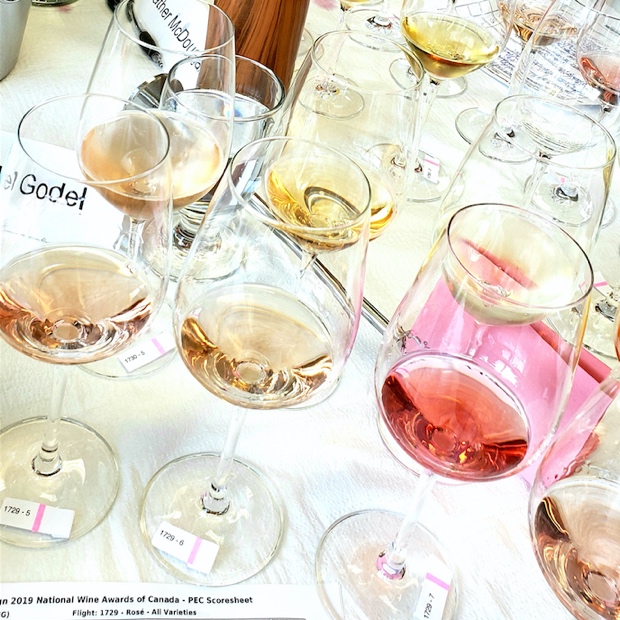
For we the 21 judges it was an intense week in assessment of more than 1,800 entries for wines made coast to coast, albeit surrounded by the beauty and the serenity of Prince Edward County at the 2019 WineAlign National Wine Awards of Canada. It seems most apropos to open the results vault with the winners of the Rosé category, first because it’s one of life’s great apéritif wines, second because we tasted some lovely examples in PEC and third, quality was on full display at this year’s awards.

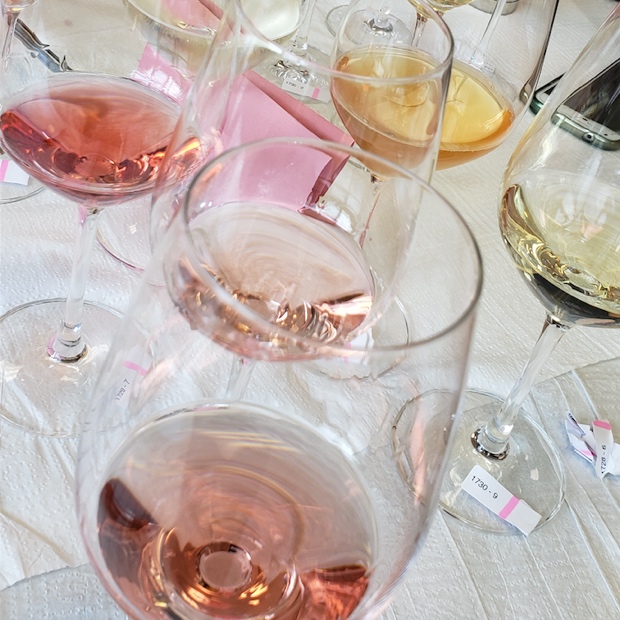
There were 44 medals awarded, six Gold, six Silver and 32 Bronze. British Columbian Rosé took home two thirds or 32 of those 48 medals in it’s strongest showing to date. Origins aside if a clearcut notion has emerged from out the Rosé category results at the 2019 Nationals it’s one that encourages both the asking and answering of a new question. Who needs only light, southern French styled Rosé when you can also have full fruit, plenty of colour and a healthy dose of personality. In many cases the nearly pale and vin gris examples still persist and excite but at the top of the judges’ heap are also those bled and rendered, heavily hued and teeming with fruit. Canadian made Rosé is more diverse, complex and multifarious than ever before. In terms of working for the consumer that means more choice and that’s a beautiful thing.

Judging at NWAC2019

A wonderful exercise would be to purchase and taste (as a line-up) the six Gold Medal winning Rosés from this competition. Five out of six hail from British Columbia so the playing field is as level as it’s going to get and the assessment would be a highly credible one. When you look at the six you’ll note the variance and heterogeneity of distinction, tenor and design. All of them, save for the great outlier from Quebec are raised within close geographical range and each fit to sing of their own singular merit and character. Yet they too show local variegation in representation, for the Okanagan Valley, Skaha Lake and Vancouver Island. Further proof that Rosé’s multiplicity is steeped in varietal, style and also place.

The variance of grapes employed in these top awarded wines are perhaps what stands out as the most obvious point of wide attack. One of the top wines is Sperling Vineyards Organic Pinot Noir Rosé, lithe, earthy, authentic and so varietally obvious. Another is Stag’s Hollow Syrah which uses a Rosé-dedicated block at Amalia Vineyard for a pale yet expressive, pure antithetical expectation. The combinative winemaking skills separate it from the pack, part light crushed, soaked and pressed plus part saignée method off of a syrah/viognier co-ferment. Skaha Rosé is whole cluster pressed, 100 percent, high acidity-led merlot while Blue Grouse Quill Rosé is entirely Cowichan Valley gamay, harvested over three days and fermented on its skins for 18 hours before pressing. Then along comes a terrific pinot gris example in Harper’s Trail Rosé. Gris can deliver citrus both yellow and red and a little added bit of red juice goes a long way for a current of currant and sweet red pepper. The stand apart or alone Gold Medal winner is the esteemed representative from Quebec, La Cantina Vallee D’Oka Rosé Du Calvaire. This was the sole blend in the mix of six, a chardonnay and pinot noir raised in the heart of the Basses-Laurentides which “perfectly accompanies the trout, the salmon, the bites with seafood, the sunny salads and the cheeses of Quebec.” A balanced Rosé, low in sugar, proper in high acidity and congratulations to La Cantina for the much deserved recognition.

Whether you are making yours to be a crowd pleaser with a heathy dose of residual sugar or dry as the desert, the unequivocal voice of necessary conscience will always whisper “balance in Rosé is key.” Sweetness sells, that much we know, not in the once popular White Zinfandel way but in the “hidden style,” in wines where enough acidity remains to make it feel like the overall sensation is a drier one than what is really in the bottle. There is nothing wrong with making Rosé with an equal quotient of 6.0 g/L of sugar and acidity, provided the free-run of fruit juice and the retention of optimum freshness are equally exercised to task. The six Silver Medal winners all took a page out of that balancing act book.

A low alcohol (under 12 per cent) and high acidity (above 8 g/L TA) style is typified by a producer like  Singletree out of Naramata in the Okanagan Valley while another like Trius gathers gamay noir, pinot noir, syrah and a pinch of pinot meunier for their effective and efficient Niagara Peninsula Rosé. The same might be said about Mission Hill‘s single-vineyard, Okanagan Valley blush “meritage” but where that wine shines is on behalf of merlot as the lead dancer in a talented ensemble. As noted above, British Columbia also has a way with using pinot gris in Rosé and when just a fourteenth or so of a red grape like cabernet franc is blended in you get both hue and style. Not that colour matters so much but a lovely lithe salmon pink hue can double down to match the personality of a pretty wine.

Spearhead Pinot Noir Rosé from the Okanagan Valley is a poster child for asking that new age question, who needs light, southern French Rosé when you can have this? Less so but in a similar vein and noted by David Lawrason from “the pale but bright sunset pink” is made by Tantalus with young vine pinot noir and some pinot meunier. Another Silver Medal winner is one wholly generous, fruit-equipped and settled of the finest balance, that being the CedarCreek Estate Pinot Noir Rosé.

Then there is the consideration of what can be possible out of Nova Scotia. Much in the way that province is able to make high quality Sparkling wine, so can they do yeoman’s work with Rosé. Sure the truth is such that the climate gives cold temperatures, wind, precipitation and the world’s greatest fluctuating ocean tides but it also breeds a long, phenolic ripening season from which growers are often able to extend grapes into late October and November for making wines that need much earlier picking everywhere else. Acidities are easily maintained in the Annapolis Valley and the skins of grapes imbued by many hues (white, green, orange, yellow, pink and red) can combine to Rosé it up in the most elegant and stylish ways. Luckett Vineyards joins the likes of Benjamin Bridge and Lightfoot & Wolfville to craft just such an example and to lead the way.

There too are examples made so much like red wines you might need a round table discussion to set the blending of categories straight. The fully hued pinot noir made by O’Rourke’s Peak Cellars is but one that straddles the line and breaches the twain while Leaning Post from Winona on the Niagara Peninsula shows off what can be done in a salty-strawberry vein when choosing the mixed varietal route. What we are not finding and thankful for it is the “dextrinization” of Rosé, meaning the sort of manipulations that change colour, but also aroma and flavour. Methodologies are mixed so light crush/press and saignée are both valid and fitting means to different Rosé ends, but the days of make-up and “blushing” it up seem to be fading well into the rear-view mirror. Congratulations to all the winners and the producers who are making proper, honest, quality and crushable Rosé in every corner of the country. The consumer thanks you, as do we, the judges. When it comes to purchasing choices it has never been clearer where to look. Canada knows Rosé.

Good to go!

godello

Twitter: @mgodello

Instagram: mgodello

WineAlign

The diplomacy of Canadian Sauvignon Blanc

What is sauvignon blanc? More importantly why does it solicit so much winemaking interest, continue to be planted at increasing rates and produced with so much great heart? The Grape Growers of Ontario see it as “an extremely precocious and vigorous cultivar in Ontario, even on sites of low vigor potential.” Though it is very sensitive to extreme cold it is attractive “for its vegetal or herbaceous flavours.” In British Columbia sauvignon blanc experienced an explosion in the 1990s” and is made in a “style (that) benefits from the natural high acidity and fruit ripeness. Both the crisp, zingy, green bean, grass and asparagus style, as well as a riper, tropical fruit, richer version can be found. Some of the most successful wines are oak fermented and blended with sémillon to make wines in a white Bordeaux style.”

Related – Red Blends, White Blends and Sauvignon Blanc – Medal Winners from NWAC 2019

Related – Single white varietals: No roommates required

In Canada’s cool climate viticultural regions there just seems to be this persistent thirst for grassy, herbal and gooseberry gifting white wines embraced as sauvignon blanc but also those that are flinty, smoky, nutty, creamy and rich. This tells us that sauvignon blanc makes full use of its wiles to attain its ends. Whether or not you see its origins as Loire Valley (Sancerre, Touraine, Pouilly Fumé and Cheverny) or Bordeaux (Pessac-Léognan, Graves, Côtes de Bordeaux Blayes et Franc and Entre-Deux-Mers), Canada’s sauvignon blanc finds a way to please all camps.

Related – A Canadian preoccupation with White Blends

Related – Riding red blends from Canadian frontiers

There were 25 medals awarded to Canadian sauvignon blanc at the 2019 Nationals, one platinum, three Gold, four Silver and 16 Bronze. The split between Ontario and British Columbia was almost exact with the nod to the east by only one over the west. Trius Showcase Clean Slate Sauvignon Blanc Wild Ferment 2017 from Niagara-on-the-Lake took home top honours, yet another varietal wine in the ever-increasingly impressive Showcase line-up fostered by winemaker Craig McDonald. This is a wine that won Silver in 2017, Gold in 2018 and now Platinum in 2019. I’d say that’s called moving in the right direction. Nearby to Trius out of Niagara vineyards is the Peller Estates Private Reserve Sauvignon Blanc 2018, a consistently high quality example that continues to show remarkable success for sauvignon blanc in Ontario with its second straight NWAC Gold.

Related – Pinot Gris goes National

Related – Canada knows Rosé 

The other two Gold winners are from British Columbia, first for the Howling Bluff Sauvignon Blanc Three Mile Creek 2018 noted by one judge as “exuberant…zesty acidity and a textural, multi-layered core.” The Hillside Reserve Sauvignon Blanc 2018 from the Naramata Bench impressed as well as a “very ripe style of sauvignon blanc…crisp and refreshing with a smooth, medium-bodied profile and a subtly sweet, fruity finish.” The Silver winners are split two and two from both provinces, as are the Bronze winners in equal numbers, eight to eight. It’s just so bloody obvious that sauvignon blanc offers consumers what they want; equality, diplomacy and something for everyone.

Here are more sauvignon blanc tasted in recent weeks.

G.Marquis Sauvignon Blanc The Red Line 2017, VQA Niagara Peninsula, Ontario (556894, $13.95, WineAlign)

Yes. Barrel fermented and flinty, reductive, smoky and with full fruit compliment. Crunchy, juicy, in metal motion and full of varietal excitement. So Fumé Blanc in character, rich, layered, variegated and fine. Plenty of acidity, herbal pesto, savour lemon square and length. Really accomplished wine. Drink 2019-2025.  Tasted blind at NWAC19, June 2019

Nomad At Hinterbrook Winery Sauvignon Blanc 2018, VQA Niagara Lakeshore, Ontario ($16.95, WineAlign)

Steely, juicy, melons of yellow, orange and green, full fruit straight ahead. Just fruit and stainless steel acquiescing sauvignon blanc. Nothing off track here. Drink 2019-2021.  Tasted blind at NWAC19, June 2019

Mission Hill Reserve Sauvignon Blanc 2018, BC VQA Okanagan Valley, British Columbia (57430, $22.95, WineAlign)

The hyper-spirited layers of fruit intensity are noted above and beyond the previous vintage of Mission Hill’s Reserve sauvignon blanc. A similar grapefruit to guava to mango to gooseberry accumulation gathers albeit on a drier and more focused frame. The result is a douse of lime and a sprinkle of herbal salt for more complexity and ultimately opening the door to greater and further far reaching food pairings. Great joy in Mission Hill-ville with a nod to Sancerre-land. Drink 2019-2021.  Tasted June 2019

Reif Estate Drea’s Sauvignon Blanc 2017, VQA Niagara Peninsula, Ontario ($26.50, WineAlign)

Leafy, savoury, verdant and grassy sauvignon blanc. Metallic, orange juiced and then, more metallics. Not a matter of excitement but definitely a thing of botany, chemistry and integrated science. Drink 2019-2020.  Tasted blind at NWAC19, June 2019

CedarCreek Platinum Sauvignon Blanc Border Vista 2018, BC VQA Okanagan Valley, British Columbia ($33.70, WineAlign)

Aromatic whites are integral to the CedarCreek project and so sauvignon blanc is a natural for joining the ranks and carrying a torch. The wild ferment, 1500L oak foudres and concrete egg all contribute towards this three-pronged effect; musky berry skin scents, creamy and nutty flavours and then the kicker in how texture swells and fills the mouth. You’ve likely never experienced sauvignon blanc this way, not in the Loire, not in the New World and not even in British Columbia. This vintage presents a magnanimous beginning for what will become a benchmark varietal wine when the wild, wooly and moving parts learn how to co-exist in a world of balance. Can’t wait to see how ’18, 19 and ’20 turn out. Drink 2019-2021.  Tasted June 2019

Le Vieux Pin Sauvignon Blanc 2018, BC VQA Okanagan Valley, British Columbia ($34.59, WineAlign)

Wholly engrossing sauvignon blanc of great pungency and perhaps a kiss of barrel here. Grassy and in a sense a crossing of Casablanca with Marlborough though just for a fleeting cerebral moment. Some mango to pear fruit sweetness through texture. Ambitious and reminiscently woolly style but B.C. knows how to make this happen and considering the expressiveness, why not? Dry extract and tannin come across on the finish. Drink 2020-2024.  Tasted blind at NWAC19, June 2019

Good to go!

godello

Twitter: @mgodello

Instagram: mgodello

WineAlign

To Chardonnay and beyond

Every stop is neatly planned for a poet and a one man band, but #i4c Sunday @ravinevineyard is always #homewardbound

A week out and ahead of the greatest Rock ‘n Roll chardonnay weekend around it seems apropos to preview i4c, the Niagara Peninsula’s International Cool Climate Chardonnay Celebration. Imagine Coachella, Collisioni and Glastonbury rolled into one big weekend of tasting chardonnay. Sort of. Equating chardonnay to infinity also seems relatively appropriate because the great white, genetically superior grape is in fact the world’s most planted white variety somewhere in the vicinity of 500,000 acres and counting.

Are you going to i4c? The ninth edition of the International Cool Climate Chardonnay Celebration is taking place in Ontario’s Niagara region from July 19-21. There are events already sold out but there are tickets still available for some of the weekend’s best venues and 51 wineries will be featured this year, split between locals and those from nine countries around the world. Food is varied and outstanding at the cumulative events and you can sample more 100 versions of chardonnay, plus some other specialities. For all the detailed information you could want about events, seminars and ticket purchases, go to http://www.coolchardonnay.org/. And of course this all would not be possible without the unwavering support of the Wine Marketing Association of Ontario (WMAO). Visit their website for everything wine in Ontario at https://winecountryontario.ca/.

I have made some pretty heady statements about this event. Lines like “The Cool Chardonnay weekend-long event is the stuff of dreams” and so to get you prepped for i4c here are 10 recently tasted examples from Ontario that you really must try.

Took all night but it was so worth it. Welcome to #i4c17 @coolchardonnay #ilivechardonnay

Flat Rock Cellars Chardonnay 2017, VQA Twenty Mile Bench, Ontario (286278, $19.95, WineAlign)

Quiet and demurred chardonnay with salty-metallic feels and real oak intent. Lovely to nose, taste and drink. What more could you want? So long and extensive, if soft and just easy. Drink 2019-2020.  Tasted blind at NWAC19, June 2019

The Farm Unmarked Chardonnay 2017, VQA Niagara Peninsula, Ontario ($22.00, WineAlign)

Unmarked as in a combination of earmarked and unoaked, I would think. This Neudorf family raised chardonnay is sharp, leesy and so clean on a line its in Petit Chablis to Chablis mimic, from fruit near Jordan though not of exact or pinpointed, i.e. unmarked origin. It’s (Twenty Mile) Benchland fruit one way or another, lovely, so drinkable, expertly tart and equipped with a smile. Drink 2019-2021.  Tasted June 2019

Closson Chase Vineyard Chardonnay 2017, VQA Prince Edward County, Ontario ($29.95, WineAlign)

The posit tug between fruit and tension is so strong it extends straight through the great lengths travelled all the way into the finish. This CCV has rarely if almost never moved with such circulative pace, in fact there’s a lurching and a wraparound effect, of acidity and structure encapsulating the fruit. Safe, bound and secure as it can be in the present so that the unwind will bring more and more pleasure. When texture arrives on the scene this will have come full circle, back to and in completion of fine union. It’s penitent and courteous, a function of winemaker Keith Tyers’ understanding of vineyard and vine. Drink 2020-2027.  Tasted June 2019

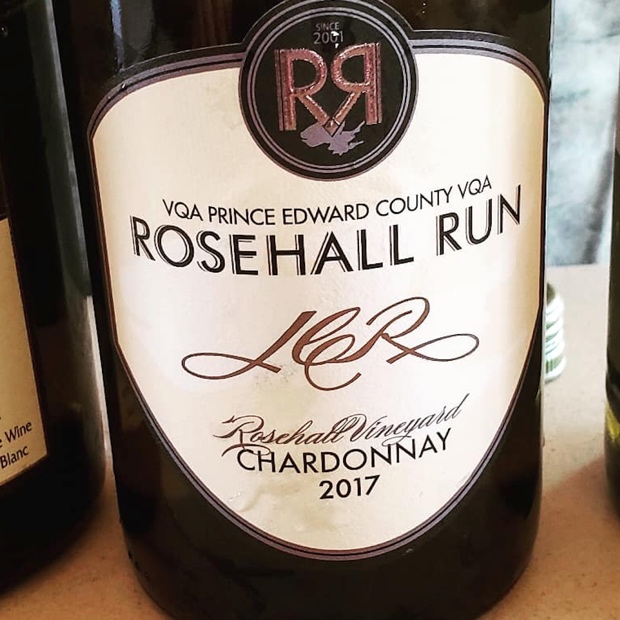
Rosehall Run Chardonnay JCR Rosehall Vineyard 2017, VQA Prince Edward County, Ontario ($29.95, WineAlign)

As a follow-up to the warmth and phenolic heights of 2016 you’ll have to imagine a meandering through zig-zagging directions for ’17. Despite the ups, downs and ups again this chardonnay has indeed found its way, charming us with insights and how richness ensues. The surety of this fruit and this composure ensures and enriches the great sleeper County chardonnay that continues to explain the concept of cool climate viticulture done right. It’s not really all that reductive but it is protective and crafted with indefatigable structure in surround of high quality ingredients. Another winner from Dan Sullivan. Drink 2019-2023.  Tasted June 2019

Cool Chardonnay at Ridley College

Château Des Charmes Blanc De Blancs 2015, Traditional Method, VQA Niagara On The Lake, Ontario (423111, $34.95, WineAlign)

Not unlike the previous ’14 with an almost almond-nougat creaminess, sweetness balanced by equal and opposing acidity, not to mention real richness. Winemaker Amélie Boury likes to pick later than many in Niagara and so that accumulation of style, chic and textural components really drive this chardonnay machine. That said you can never leave home too far behind and so place is the thing. Cool-climate sparkling wine that is, in Blanc de Blancs form. Drink 2019-2022.  Tasted June 2019

Trail Estate Chardonnay Vintage Two Unfiltered 2017, VQA Prince Edward County, Ontario ($35.00, WineAlign)

Three acres of planted chardonnay (a bit more than a hectare) and 2017 was harvested on October 8th, set to natural ferment and put to 22 per cent new plus (22) 2nd use barrels half way through in for 11 months. Bottled unfined and unfiltered there is more flesh and complexity in number two. This is the first new, true leg of what will be a long relationship, the first that is crafted “as opposed to just seeing what we’ve got.” In many ways Mackenzie Brisbois’ first truly personal chardonnay. There’s a creamy apple custard vitalized by pulse and energy with good bite and it feels very seasoned, on it’s own, religiously made, slowly developed and with purpose. The acids are spot on. Bottled in November, wisdom already contained, herein. Drink 2019-2023.  Tasted December 2018

Queenston Mile Vineyard Chardonnay 2016, VQA St. David’s Bench, Ontario (10137, $35.00, WineAlign)

So very inscribed in the drawn buttery realm with oak notation from and centre, incumbent on melting sooner rather than later. For now it’s a richly textured chardonnay set in substantial oleaginous ooze though minus its original spice so full integration is coming soon. Curvy, creamy and pure, cresting at tender with an lovely white salted caramel vein, Stylish chardonnay with just enough cool. Drink 2019-2021.  Tasted June 2019

Tawse Chardonnay Lenko Vineyard 2013, VQA Beamsville Bench, Ontario ($44.95, WineAlign)

Nice advancement here, moving past original fruit and now with mixed into creamed corn, certainly vintage related, of cold and cloud cover plus some wetness. Good representation of the vintage once reductive, now mineral and flinty chardonnay of intensity and structure. Drink 2019-2021.  Tasted May 2019

Bachelder Chardonnay Wismer Wingfield Ouest 2016, VQA Twenty Mile Bench, Niagara Peninsula, Ontario ($44.95, WineAlign)

Exceptional chardonnay right here. Expressive, of both orchard and stone fruit in the same basket, beads of humidity forming on the aromatic skins. Not sweet but ripe as must be, tight, tart and structured along right proper angles. The real deal in chardonnay, with integrated wood, balance, precision and focus. Noted last there is length. Great length! Drink 2020-2025.  Tasted May 2019

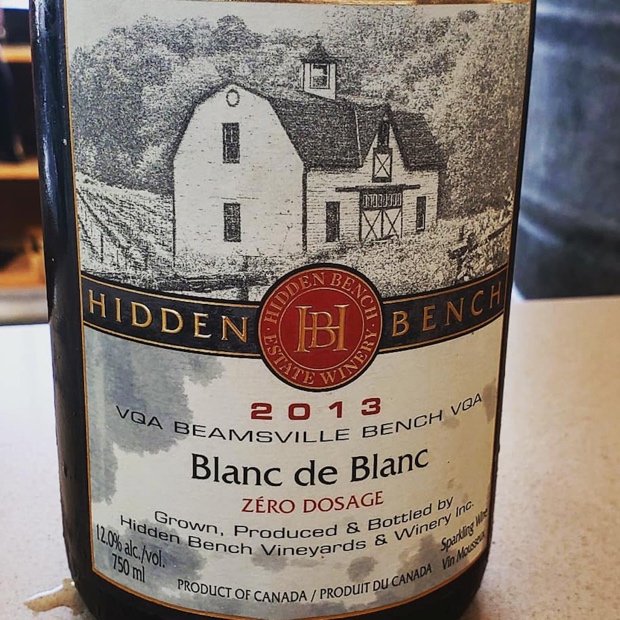
Hidden Bench Blanc De Blanc Zero Dosage 2013, VQA Beamsville Bench, Ontario ($48.00, WineAlign)

Every pop of a Hidden Bench Blanc de Blanc sets off fireworks at zero hour. Every moment marks the beginning of a great event, profound and set in the autolysis of fine design. Chardonnay such as it is like this is perfectly dry and raised on the promises of Bench life, the frosting on a cake made of pure driven varietal snow. If any sparkling wine made in Ontario is of “grower style” this is the one, purposed, born in the vineyard, bred in the fields. It is fed by chardonnay raised with a sparkling consciousness, intended to illuminate the chemistry of traditional methodology, to indicate a metal complex acting as a single unit, a polyatomic ion, a blanc de blanc molecular scintillant. The linger is complex and as a travelling companion you would be hard pressed to do better. Makes you feel just right. Drink 2019-2024.  Tasted June 2019

Good to go!

godello

Every stop is neatly planned for a poet and a one man band, but #i4c Sunday @ravinevineyard is always #homewardbound

Twitter: @mgodello

Instagram: mgodello

WineAlign

Don’t you, forget about IGT

San Francesco, Il Molino di Grace

Multiple visits to Tuscany over the past 36 months and more specifically to Chianti Classico have meant that nearly a thousand sangiovese have been opened for tasting opportunities. The tours have also acted to allow for benefactor moments, to present table wines made in part or in whole that either do not or have been chosen to not qualify for DOCG appellative status. These cases are purely opportunistic, in the name of IGT Toscana (and other typical geographical notations) for the purpose of impressing the merits from well-maturing vines of cabernet sauvignon, merlot, blends with sangiovese and other solo sangiovese wines of Chianti Classico producers.

The Galestro of Isole e Olena, Barberino Val d’Elsa

The idea of the IGT practice goes back four-plus decades, to a time when Bordeaux grape varieties began to infiltrate and populate Chianti Classico soils. So much of what was planted through the 90s remains and because only 20 per cent of a Chianti Classico can be filled by grapes other than sangiovese, in many cases it is the “international” varieties that fill in and those grapes still need to go somewhere. It is also a consideration that Chianti Classico aged in new oak barrels is a scarcity these days and so those vessels need to be used for something so ecco, it is IGT, big, small, super or baby that gets the nod.

Fontodi vineyards in the Conco d’oro, Panzano

In the mid to late 1970s Tuscany there developed a quick ascent of the Super-Tuscan, wines that eventually came to be called “IGT” as a by-product of a perfect bureaucratic storm. The micro-nationalistic wave of Denominazione di Origine Controllata (e Garantita) served Italy’s elite producers both a blessing and a curse because on one hand it afforded wines the highest level of (Italian) classification while on the other it added unbending restrictions on how those wines could be made. The rule breaking table reds thus became symbols of resistance, wines that told governments and consortiums where to go and in effect led to an eventuality of response, of a sweeping, money-grabbing movement across that region’s wine-producing territories.

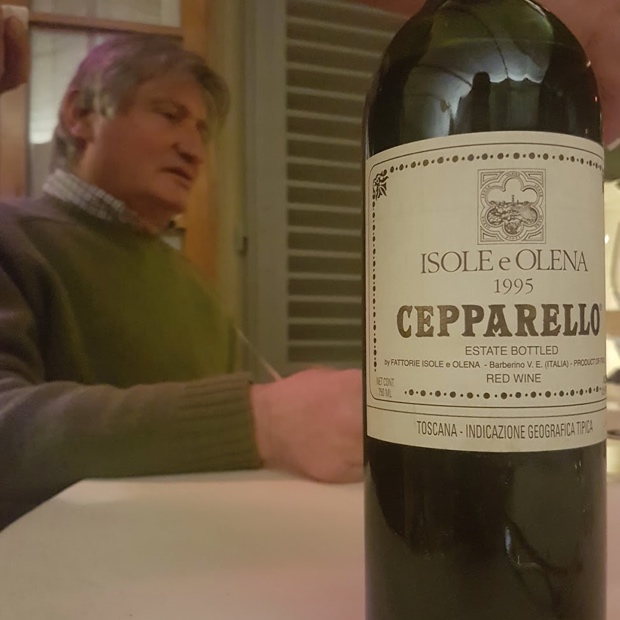
Paolo de Marchi and Cepparello 1995

It was nigh twenty years later that authorities got wise to the situation and so Goria’s 1992 Law 164 was created, thus giving birth to the IGT designation. New monies began to line the government’s pockets. So much for rebellion though twenty years was plenty of time to establish and set up a group of famous wines for life.

The main reason for moving away from the appellation was the restrictive law that said you couldn’t make wine labeled as Chianti Classico if it contained 100 per cent sangiovese grapes. Later examples included Monteraponi when Michele Braganti changed from DOCG to IGT in 2012 because at 12.5 per cent alcohol it did not qualify for Chianti Classico and so it had to be Toscana Rosso. The great first wave began as Chianti Classico producers began to dismiss appellative laws by de-classifying their 100 per cent sangiovese. Fontodi’s Flaccianello delle Pieve and Isole e Olena’s Cepparello are two of the more famous examples. Outside the Classico territory and in other Tuscan lands there were others many consider to be the most rogue and famous of them all. Tenuta San Guido’s 1968 Sassicaia, Antinori’s 1971 Tignanello, 1986 Masseto and Ornellaia, first produced in 1985. But in 2019 the push for Chianti Classico’s Gran Selezione category to become a 100 per cent sangiovese appellative wine has sparked not only new debate but also great speculation. Will those once rebellious producers return their top wines and in many cases, single-vineyard sangiovese back to the appellation? Along with Flaccianello delle Pieve and Cepparello, the list of possible returnees might also include the following:

  • Badia a Coltibuono – Sangioveto
  • Carobbio – Leone
  • Castello di Querceto – Le Corte
  • Castello di Rampola – Sangiovese di S. Lucia
  • Fattoria Montecchio – Priscus
  • Il Molino Di Grace Gratius
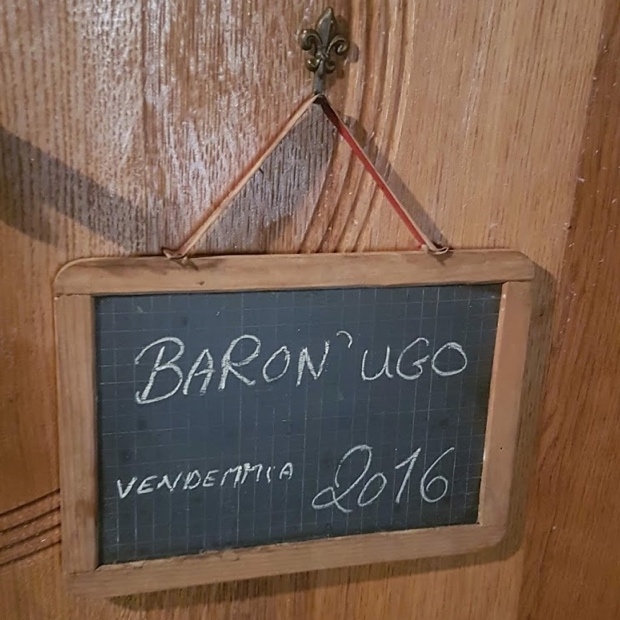
  • Monteraponi – Baron’Ugo
  • Montevertine – Le Pergola Torte
  • Podere Campriano – 80 (Ottonta)
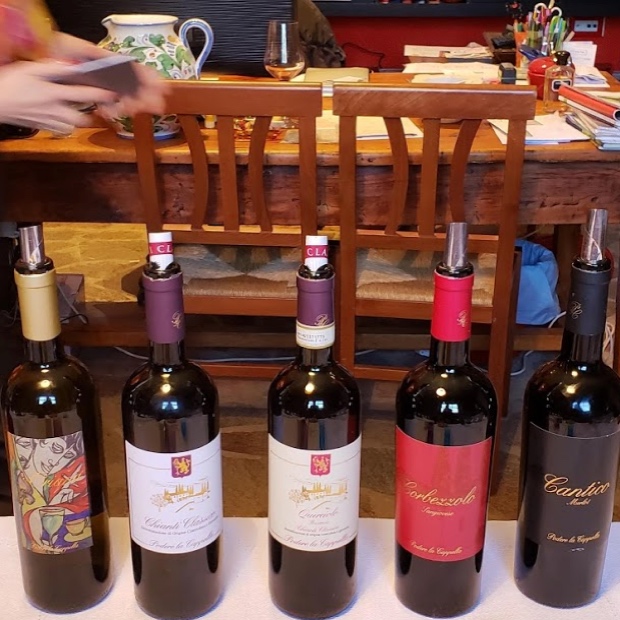
  • Podere La Cappella – Corbezzolo
  • Principe Corsini Le Corti – ZAC
  • Valdellecorti – Extra
  • Vignavecchia – Raddese

San Marcellino Vineyard, Monti in Chianti

In February of 2019 I tasted 21 assorted IGT wines, from Rosato to Bianco to Rosso. I’ve also added three others tasted a year ago that had not yet made it to print. These are my notes on that 24 strong, eclectic and impressive lot.

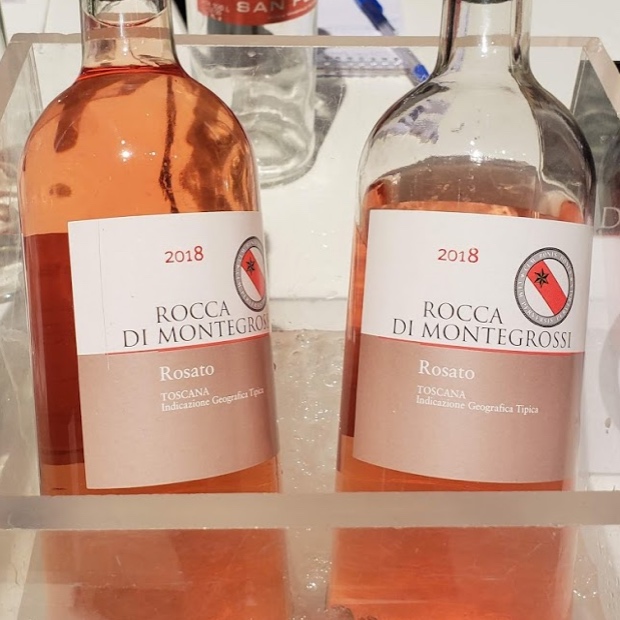
Rocca Di Montegrossi Rosato 2018, Toscana IGT, Tuscany, Italy (WineAlign)

Rosato from sangiovese raised from Chianti Classico galestro soils found in Monti in Chianti and only 30 minutes time through press. A 100 per cent sangiovese stunner with absolutely no excess, no onion skin, no oxidation, from all estate vineyards, including San Marcellino’s grapes that once would have been green harvested. Texture, sapidity and character are written down and expressed as a scientific problem out of which complexity sets all to high. One of Tuscany’s great Rosatos, made with great purpose, structure and food friendly to say the least. So good. Drink 2019-2022.  Tasted twice, February and April 2019

Lunch at Le Fonti

Le Fonti Di Panzano La Lepre Delle Fonti 2017, Toscana IGT, Tuscany, Italy (WineAlign)

Antipasti wine, house wine, smells like good salumi. The Lepre tank is all the juice from the vineyard blocks where the ripening isn’t perfect and also some pressed juice not used in Chianti Classico. Theoretically from “de-classifed” grapes but in good vintages it could very well be Chianti Classico from a quality standpoint, though wouldn’t qualify because it’s made with 30 per cent merlot. A top notch vintage for Le Lepre, juicy, somewhat tannic and finishing with seed-noted beneficial bitters. Drink 2019-2022.  Tasted February 2019

Le Fonti Di Panzano La Lepre Delle Fonti 2014, Toscana IGT, Tuscany, Italy (WineAlign)

Three years forward and the (70 per cent) sangiovese aromatics are eerily similar to the fresher and very forward 2017. Perhaps more salumi and certainly finnochio pronounced. Holding well with tannins resolved and this from the challenging 2014 vintage though truth be told it was the right one, of structure to carry a “second wine” like this forward. Drink 2019-2020.  Tasted February 2019

Vicky Scmitt-Vitali and Guido Vitali, Le Fonti in Panzano

Le Fonti Di Panzano Merlot 2016, Toscana IGT, Tuscany, Italy (WineAlign)

From vineyards planted in 1998 and 2000, this is the second vintage of the varietal hugger, with Le Fonti aromatics stronger than grape. It’s one year in barrel so in the baby Super Tuscan mold, fruity, juicy, lower in acidity and pretty much crushable. Easy and very proper. Drink 2019-2021.  Tasted February 2019

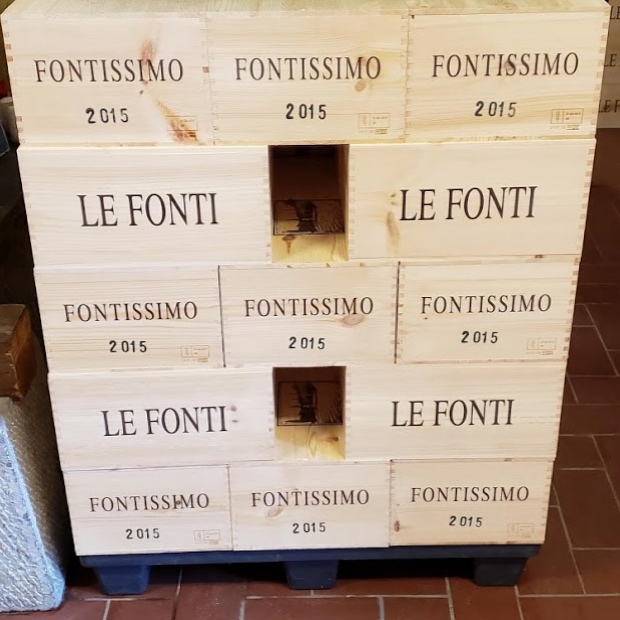
Le Fonti Di Panzano Fontissimo 2015, Toscana IGT, Tuscany, Italy (WineAlign)

Certainly crafted from an easier, less stressful vintage and the blend is about 55-60 per cent cabernet sauvignon, 35 merlot and 10-15 sangiovese. Still those Le Fonti aromatics, of salumi and fennel, but here also pepper, graphite, Cassis and chocolate. Very Tuscan so makes sense in such a vintage for the reference to be Toscana as opposed to the frazione within frazioni called Alta Valle della Greve. Very grippy meeting the expected liqueur elixir and black cherry meeting black currant. Acidity is quite fine, purposed and integrated. Impressed by the length. Drink 2020-2023.  Tasted February 2019

Le Fonti Di Panzano Fontissimo 2014, IGT Alta Valle Della Greve, Tuscany, Italy (WineAlign)

Fontissimo is a blend of merlot, cabernet sauvignon and sangiovese. A wine made in Chianti Classico to break in new barrels and to express territory through the ulterior processes of grape blending and winemaking. Here is where Guido Vitali and Vicky-Schmitt Vitali can work on their chops and hone their craft. Hello 2014, vintage of stars and bars, vintage of ages and for those who are paying close attention. Also, welcome to the highly specific Alta Valle della Greve. There’s a commonality for sure that is found in this valley but there is also a simplicity and a sense of place within a place within a place. Easy drinking actually. Drink 2019-2021.  Tasted February 2019

Iacopo Morganti, Il Molino di Grace

Il Molino Di Grace Gratius 2015, Toscana IGT, Tuscany, Italy (WineAlign)

Gratius is the Molino di Grace 100 per cent sangiovese table wine that resides with a dozen other territorial greats in that existentialist realm outside of the appellation. If and when it will become Chianti Classico DOCG remains to be seen but this 2015 sits on the side of tangy, tart and so bloody structured side and yes, the dominant notes are distinctly blood orange. Elongated and elastic it’s offers up a free and equitable look in the varietal mirror, productive in perfectly perpetual inertia, firm, grippy and motivated. Will come together in a few years time and drift ever so slowly for seven more. Drink 2022-2029.  Tasted February 2019

Podere La Cappella Oriana 2015, Toscana IGT, Tuscany, Italy (WineAlign)

“In my opinion it is young to drink,” shrugs Natascia Rosini. In fact it’s oft considered unusual to hold back white wines to drink, not just here but in Italy as a whole. Then again, who else makes vermentino from estate grapes in Chianti Classico. Salinity and sapidity reign in a shockingly good vermentino. Pear and herbal notes with richness that just put this over the top. Picked late at full maturity and kept in the cellar for two weeks (at four degrees) before pressing. Never failing San Donato vermentino. Drink 2019-2023.  Tasted February 2019

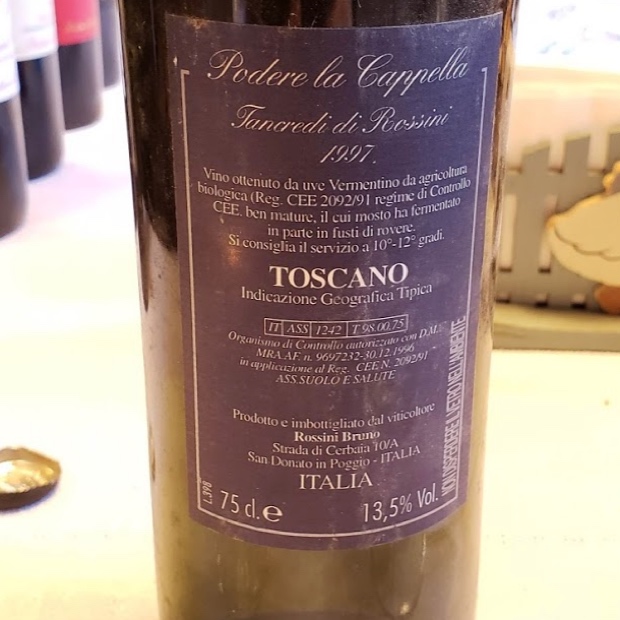
Podere La Cappella Oriana 1997, Toscana IGT, Tuscany, Italy (WineAlign)

The last time I was able to taste such a comparison was 2014 versus 1998, two under-appreciated cool and wet vintages. Now we look at warm years, 2015 and 1997, the latter at the time considered the greatest. Many sangiovese have failed and fallen but this vermentino, well, even if the colour and the nose are far evolved, the palate has plenty of life. Salinity and sapidity still rock and stone their way, with that marine wind from the sea rushing through, into the air and the soil of San Donato in Poggio. Hard to decide between this and ’98 because there is more flesh here (bringing a honeyed apricot), but sometimes lean is so nice. Such a special moment. Drink 2019-2022.  Tasted February 2019

Podere La Cappella Corbezzolo 2013, Toscana IGT, Tuscany, Italy (WineAlign)

From sangiovese planted in 1981 and 1982, a vineyard not certified as Chianti Classico so this wine can’t be called Gran Selezione. To say this is young and perhaps even being unaware of what it can be would be an understatement. It’s calm and powerful, elegant and ready to strike with force. Such identifiable, formidable, indestructible and yet malleable tannins. A mimic of the singular Colombino rock found only here in the territory, calcareous white stone both strong to build houses (and cellars) and schisty to break apart between your hands. Imagine how this will drink when it allows itself to break down in just the right way and at just the right time.  Last tasted February 2019

The Corbezzolo from vine and into bottle is 100 per cent sangiovese and in name “the fruit tree that produces a very tart berry for making jam.” This comes straight from the heart of the Rossini matter, out of the oldest vineyard planted in 1990-1991. It would be hard not too think on Podere La Cappella’s sangiovese as untethered to family, to meals and the kitchen’s hearth. The demi-glacé in Corbezzolo is deeper, richer, slower developing, of graceful, elegant and ethereal aromatics, even a bit exotic verging on quixotic. There is this far eastern temperament because the fruit seems to simmer with cool, jasmine-floral savour in a galestro clay pot. The acumen is variegated in the singular Corbezzolo concentration but this is not a factor of extract or density. Depth is sangiovese light, dancing from 2013, a gorgeous vintage that everyone will want a piece of. Drink 2020-2035.  Tasted February 2017

Podere La Cappella Cantico 2012, Toscana IGT, Tuscany, Italy (WineAlign)

As always 100 per cent merlot with a grafting connection to chardonnay and American rootstock. The vintage is a savoury one for the thirty-plus year-old IGT. It’s a very Mediterranean sensation, of black olive and balsamico, hematic ooze and woodsy floor. It’s actually still quite closed or perhaps it’s entered a dumb or quiet phase but don’t be fooled; there is powerful restraint and it may pounce anytime. Drink 2021-2029.  Tasted February 2019

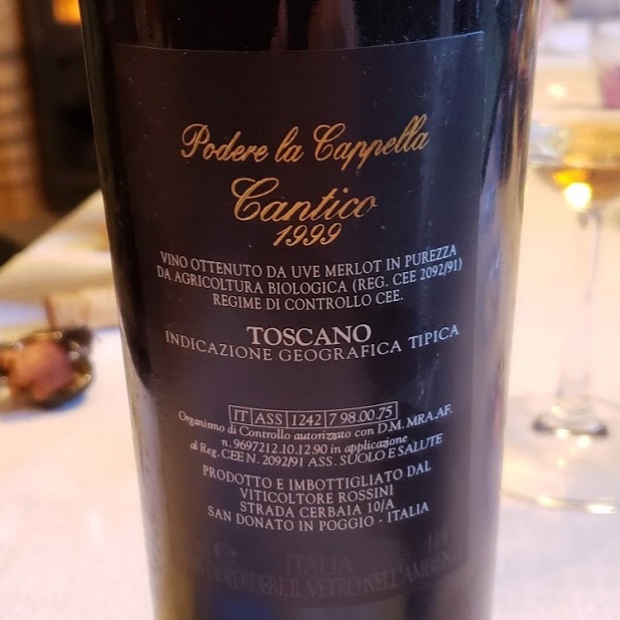
Podere La Cappella Cantico 1999, Toscana IGT, Tuscany, Italy (WineAlign)

A beautifully advanced merlot from vines that would have been 17 and 18 years-old at picking time. If you’ve got a truffle dog, take this wine and go truffling because this merlot is at the head of that aromatic game for the territory. Such a creamy merlot, with plenty of necessary acidity and the freshness of truffle. Merlot as tartufo incarnate. Truly. Delicious. Drink 2019-2025.  Tasted February 2019

John Matta and John Szabo Vicchiomaggio

Castello Vicchiomaggio Ripa Delle Mandorle 2016, Toscana IGT, Tuscany, Italy (WineAlign)

Sangiovese (80 per cent) with cabernet sauvignon, all fruit and nothing but the fruit, plummy and with a nutty smokiness, but also manageable with simplicity from and for fruit. What works and gives from the basic and forthright IGT ideal. Drink 2019-2020.  Tasted February 2019

Castello Vicchiomaggio Ripa Delle More 2016, Toscana IGT, Tuscany, Italy (WineAlign)

Sangiovese (50 per cent), cabernet sauvignon (30) and merlot (20), from “the hill of the blackberry.” A rich, purple flower aromatic, liquid chalky, deeply rendered red. Done up in a combination of new and pre-used barriques. There’s a salumi feel, a musky pancetta and a silky smooth mouthfeel. Nearing glycerin but staying its clay-mineral coarse. Drink 2020-2024.  Tasted February 2019

Castello Vicchiomaggio Villa Vallemaggiore Poggio Re 2016, Maremma Toscana DOC Rosso, Tuscany, Italy (WineAlign)

From cabernet sauvignon grown on sandy soils in the warmer maritime area near Grossetto. The grapes comes from “the hill of the king,” and the attributes are so bloody varietal obvious. Cassis, ribena, blackberry, savour and spice. Chocolate and rosemary, tarragon and cinnamon. Very expressive and with good elevated acidity. Quite the tannic beast. Drink 2020-2025.  Tasted February 2019

Castello Vicchiomaggio FSM 2015, Toscana IGT, Tuscany, Italy (WineAlign)

From a project that began in 1995, this is 100 per cent merlot of a small, 3,000 bottle lot. It’s hard to decide if it’s more varietal or more Toscana so let’s just say it straddles the two with perfect ease. Youthful, big and warm, very Mediterranean with gariga, black olive, rosemary and dusty notes. Silky smooth however and finishes in balsamic, viscous and reduced. High quality merlot to be sure, with fine tannic structure. Drink 2021-2026.  Tasted February 2019

Amphora, Fattoria Montecchio

Fattoria Montecchio Priscus 2015, Toscana Rosso IGT, Tuscany, Italy (WineAlign)

The IGT is 100 per cent sangiovese of 1,200 bottles aged in 100 per cent terracotta amphora formed, forged and cured on the Montecchio property. Same must/juice as the Gran Selezione so the side by side comparison is the show. Winemaker Riccardo Nuti is interested in this investigation for family tradition, commercial continuity and passion project affirmation. Quick time on skins, fermented in terracotta tanks and racked into “amphora,” in this case elongated egg-shaped clay vessels for the next two plus years. The texture and the spice are higher, as is the volatility but the threshold is not in any danger of being breached. The tannins are more present, demanding and vivid. And I prefer them because they are just that more interesting. This is in fact a remarkable look at the relationship between grape, vessel, material, approach and place. Drink 2024-2033.  Tasted February 2019

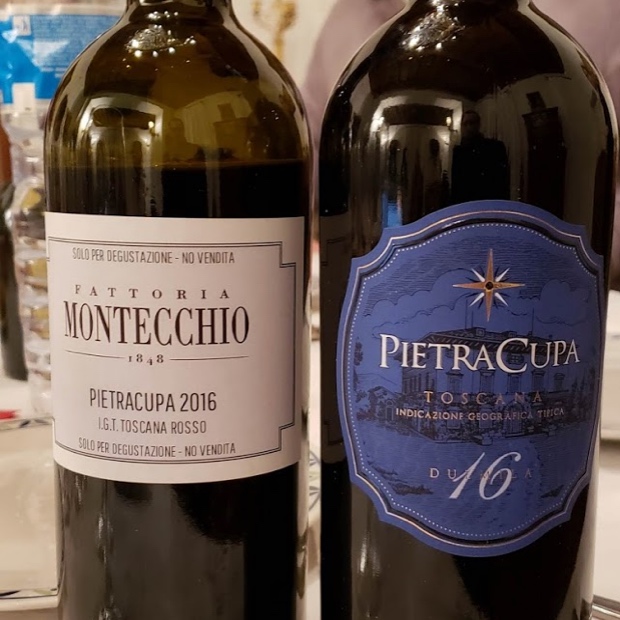
Fattoria Montecchio Pietracupa 2016, Toscana Rosso IGT, Tuscany, Italy (WineAlign)

An IGT blend of sangiovese (60 per cent) and cabernet sauvignon with a percentage coming from San Donato in Poggio vineyards close by. Much deeper, bigger, broader and brooding as a blend with smooth silky consistency and fine silky tannins. Very oaky, completely mature and filled with the flavours that lie on the balsamic-chocolate-blackberry spectrum. Though the sangiovese character is lost it’s a real high-end charmer. Drink 2020-2027.  Tasted February 2019

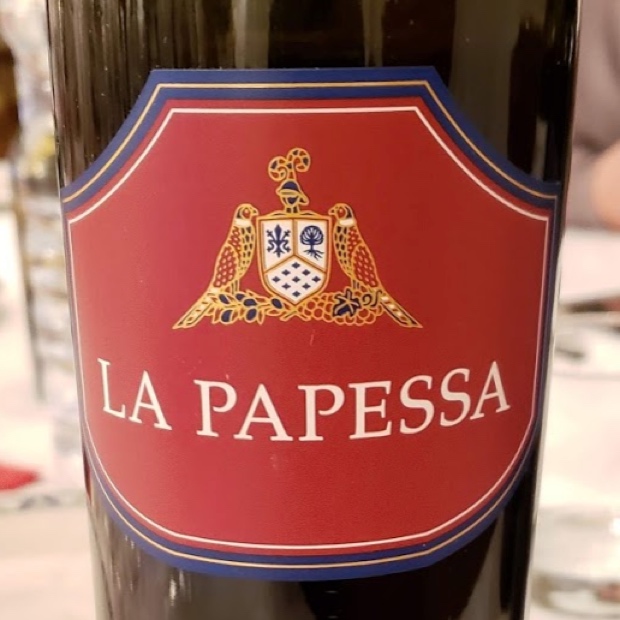
Fattoria Montecchio La Papesa 2015, Toscana IGT, Tuscany, Italy (WineAlign)

A varietal merlot of high level ripeness and while it’s a bit overripe and certainly extracted the acidity is supportive, balancing and results in something charming. The tannins are soft and comforting with zero astringency so yes, think of this as a great big San Donato hug. Figs in reduced balsamico are the prevailing flavours, with lots of dark but not bitter chocolate coming through with the finishing next level morbido feelings. As big as it may seem to some palates it’s actually quite easy to drink. Drink 2019-2024.  Tasted February 2019

Monte Bernardi Tzingarella 2017, IGT Toscana Centrale, Tuscany, Italy (WineAlign)

A Bordeaux blend from young vines in frost spots and high humidity places not really suitable for sangiovese. The blend is merlot, cabernet sauvignon, cabernet franc and canaiolo. So what is it? Well for one thing it’s the “daughter of the gypsy,” and then it’s a high acid, taste of place before anything else red blend. High tonality, ripe purple fruit and and a boatload of currants. No pyrazine, well perhaps just a bit. Low alcohol for such an animal, remarkably so and once again it’s a great matter of sapidity. Just a hit of chocolate late, as per the grapes which needed to have a say. Drink 2019-2023.  Tasted February 2019

Monte Bernardi Tzingana 2015, IGT Toscana Centrale, Tuscany, Italy (WineAlign)

The “Gypsy,” from the old Greek, or in Italian, gitano or tzigane. This gypsy is the old vine version, of 50 years, top grafted on a sangiovese/malvasia/canaiolo/trebbiano vineyard planted by the previous owner in the late 80s. It’s made from merlot, cabernet sauvignon, cabernet sauvignon and petit verdot (but no canaiolo) and also no sangiovese because tells Michael Schmelzer, there is no cannibalizing the Chianti Classico. This is deeper, richer, lower in acidity, still sapid but not as pronounced and higher in finishing chocolate. The wood needs a year more of integration. Drink 2020-2027.  Tasted February 2019

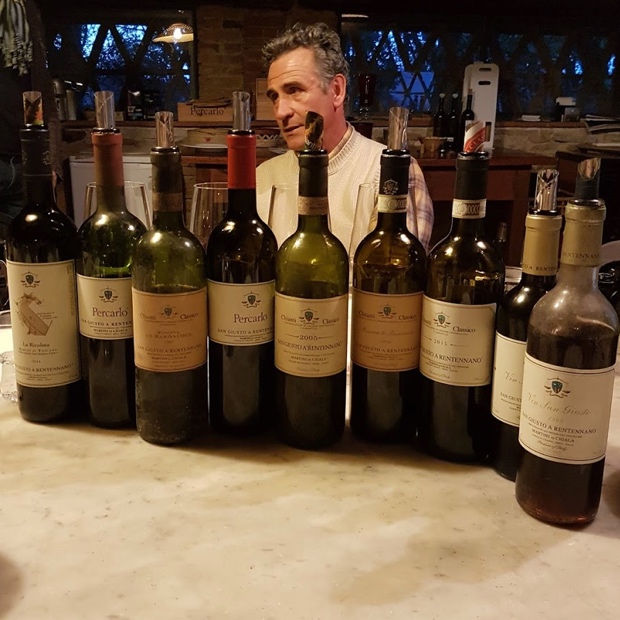
Luca Martini di Cigala, San Giustro a Rentennano

San Giusto A Rentennano Percarlo 2013, IGT Toscana, Tuscany, Italy (WineAlign)

Percarlo IGT Toscana 2013 is the current vintage of the 100 per cent sangiovese that began in the 1980s when it was forbidden to label such a beast as Chianti Classico. “Percarlo is his identity so he will not come back,” insists Luca Martini di Cigala. Made from the smallest bunches and a selection of the best fruit, yet still from the same vineyards albeit blessed of more from tufo soil. Percarlo carries the same San Giusto richness and acidity working in silky tandem and the tannins are the most plush, which they’d have to be to match the high level of glycerin. Formidable and exceptionally refined sangiovese. Drink 2019-2028.  Tasted February 2018

San Giusto A Rentennano Percarlo 2005, IGT Toscana, Tuscany, Italy (WineAlign)

Once again you would have no idea that any time may have passed, not just because the hue has yet to morph but because the aromatics and fresh gelée are one in the same, together as they have always been. The purity and exquisite texture also conspire for a sublime intertwine and then out of this comes the acidity, trailing like a comet. The tannins are still so strong and so the smoky spirit and intensity of variegated flavour persists, gets reprimanded and is held out for all to taste. Here the maximum coaxed from the grape is acceded above and exceeded beyond. Drink 2019-2035.  Tasted February 2018

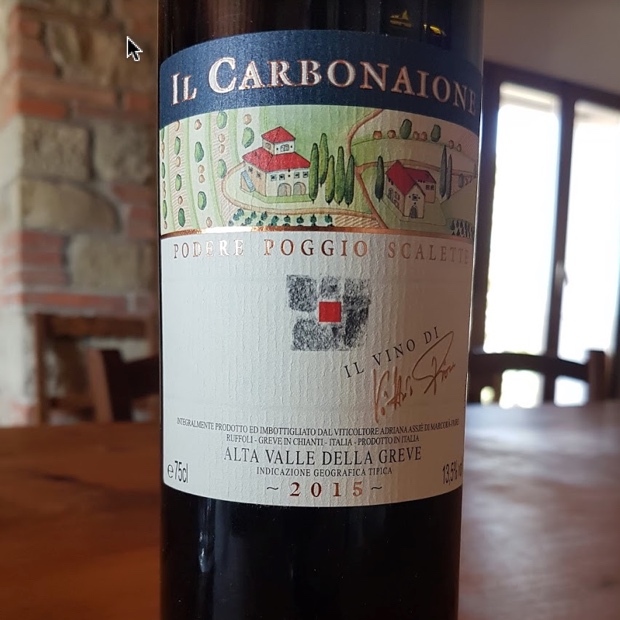
Poggio Scalette Il Carbonaione 2015, IGT Alta Valle Della Greve, Tuscany, Italy (WineAlign)

Il Carbonaione is from the finest sangiovese on the Ruffoli property, a Chianti Classico vineyard declassified, with vines as old as 90 years but in reality, not exactly 100 per cent sangiovese. Some post-phylloxera ungrafted vines and many co-planted with no record of origin perhaps or likely place mammolo, colorino, canaiolo, malvasia, trebbiano and even occhiorosso in five to ten per cent amongst clones of sangiovese. The nose is like the Chianti Classico magnified, reduced, compressed and elevated. The florals rival the Lamole but they are more into potpourri and the acidity is super, super fine. The only comparison might be in acidity like Luca’s San Giusto a Rentennano, with the sandy soil base and the saltiness but the tannins here are set upon broader shoulders. With much less stone worked in the soil you lose the chalky grain streak but gain this broader complexity. With such beckoning and burgeoning acidity the vinatge is put on a great pedestal and the possibility seriously exists for two decades of aging. Ruffoli’s 400-600m elevation, with a long growing season (sometimes seeing pick times up the second week of October) means the full and complete phenolic ripeness is wholly realized. Not to put too much stock in here but 13.5 per cent alcohol. Just sayin’. Drink 2020-2034.  Tasted February 2018

Good to go!

godello

San Francesco, Il Molino di Grace

Twitter: @mgodello

Instagram: mgodello

WineAlign

Il costante sangiovese di Castell’In Villa

Castelnuovo Berardenga, February 2019

Simplicity. Just like today’s weather, blue and crisp. “Simplicity is the best thing in life,” tells Castell’In Villa’s kinben proprietor Principessa Coralia Pignatelli della Leonessa. “Simplicity is freedom.” The sangiovese grown, fermented and bottled on her Castelnuovo Berardenga farm are surely one of the purest, most transparent and site-specific in the entirety of Chianti Classico. Il costante sangiovese di Castell’In Villa. Constant, inalterable, steadfast and true.

The Castelnuovo Berardenga farm is littered with shells from an ancient ocean and it is the Principessa’s honesty that helps to explain the estate style and the results in not just her wines, but as a way to also look at those of other producers in the territory. “Here at Castell’In Villa there is every (Chianti Classico) soil type and rock imaginable and also what’s left behind from that ocean of many millennium. This is the part I enjoy the most. To make wines from the fields. Which really comes through in the mineral of the Annata. The wood of the Riserva covers it up just a touch, though when the wood goes down I feel the sense of the earth.”

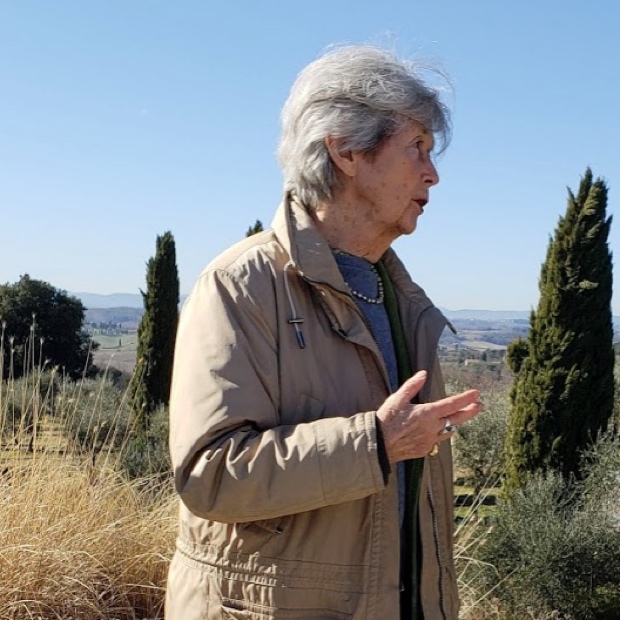
Principessa Coralia Pignatelli della Leonessa

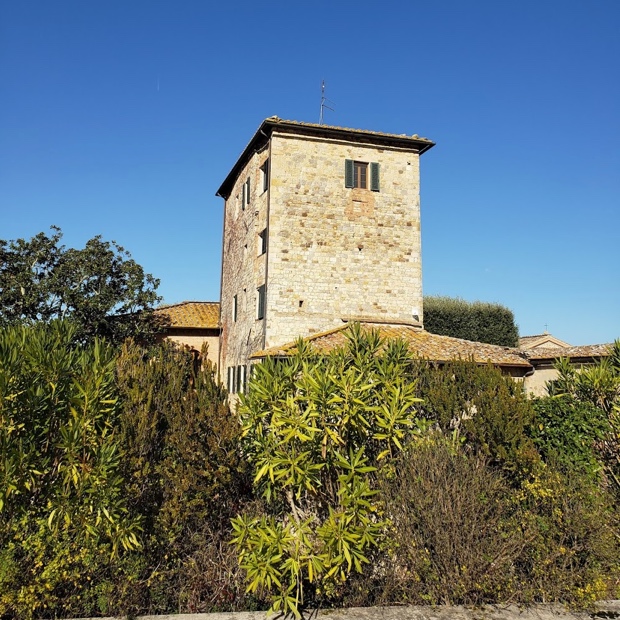
Just a shade more than 20 kilometres east from Siena and due south of San Felice is where you can find Castell’in Villa, a medieval hamlet dating back to the 1200’s at which time it was a borgo within the borders of Sienese control. The medieval stone tower is the home of the Principessa, who bought the estate with her Greek husband in 1968. The estate covers a particularly wooded area for Castelnuovo Berardenga of 298 hectares of which 54 are planted to vineyards and 32 for olive groves. Within the woodland the hunting ground teems with hare, pheasants and wild boar. The vineyards comprise eight highly distinct sites to which the diversity of the greater territorial countryside is reflected, both in soil types and microclimates.

The two essential wines produced are Chianti Classico DOCG and Chianti Classico Riserva DOCG. Two other reds are made, the IGTs Santacroce and Poggio delle Rose. A very small amount of traditional Vin Santo is also produced as well as a Grappa from the residue of the estates vendemmia. There are no trends or fashions followed here. As for the category of Gran Selezione, this is what the Principessa has to say, “It’s a good intentional and commercial decision. The Consorzio should have the courage to distinguish the producer on the bottle.”

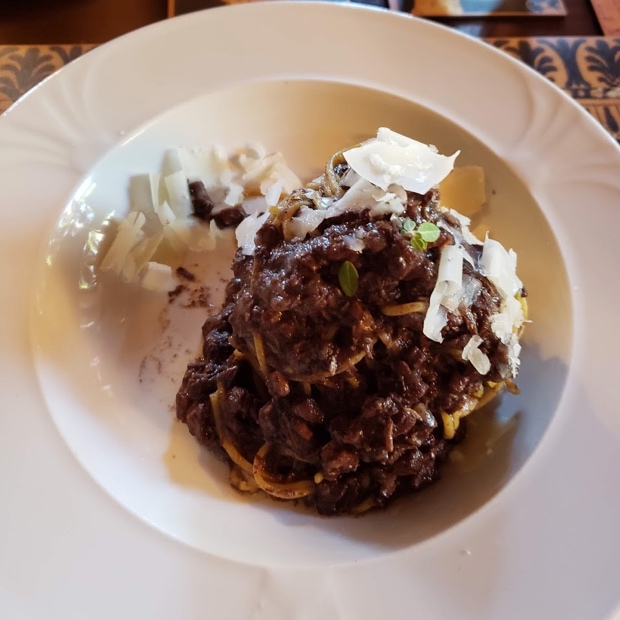
Spaghettini al ragú di cervo

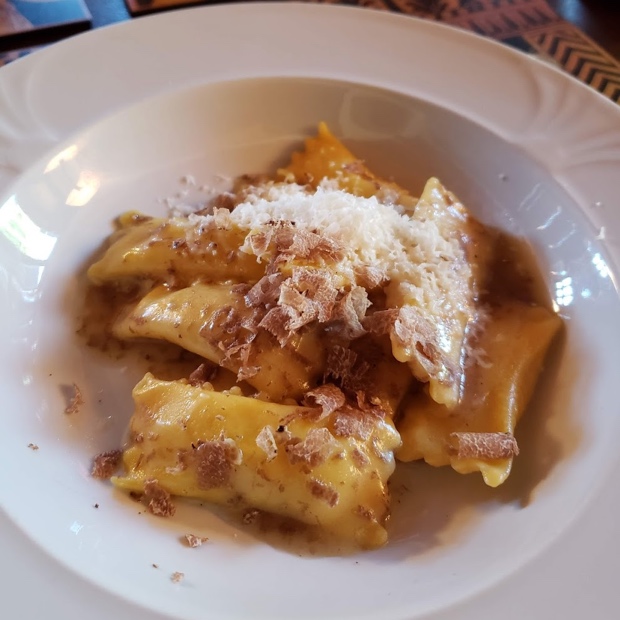
No visit to the estate is truly complete without experiencing Chef Massimo Di Fulvio’s attention to local detail, especially for the cervo and the cinghiale in exceptional and essential dishes that celebrate the hunt and the harvest. Castell’in Villa’s restaurant is not to be missed.

Tagliata alla Bistecca Fiorentina

I had the honour and il più grande piacere to visit with Principessa Coralia Pignatelli della Leonessa twice in three months, first in November 2018 and then again this past February. On both occasions the days were perfect, the wines showing with full fruit capability and the meals were inextricably woven into the fabric of these wines. These are what I tasted and how I have assessed them in the context of grape, maker and place.

Castell’in Villa Rosato Gazzara IGT Toscana 2018, Tuscany, Italy (Winery, WineAlign)

One hundred per cent sangiovese, sapid and salty, wound internally tart and so in command of its reasoning and seasoning. Good morning sangiovese sunshine, wake up and smell the cherries, le fragole and also the mineral salts in their assimilated liquid form. Mezzo perfecto. It’s Rosato after all. Drink 2019-2022.  Tasted February 2019

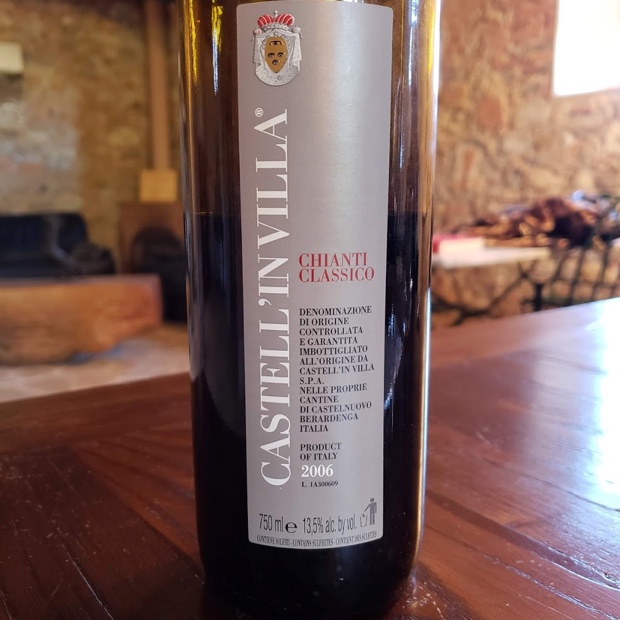
Castell’in Villa Chianti Classico DOCG 2014, Tuscany, Italy (Winery, WineAlign)

Immediate amore for the aromatics and the lack of supposition, for how this 100 per cent sangiovese is naturally careful, subtly handsome and respectfully direct. Lean but without angles or sharp, pointed edges, nor overtly weighted down in tang. Floral notes are stated in grace and like all of the Principessa’s wines from these Castelnuovo Berardenga vineyards, the singularity of restraint for power and and purity is duly recognized. Drink 2018-2024.  Tasted November 2018 and February 2019  castellinvilla  #castellinvilla  

Castell’in Villa Chianti Classico DOCG 2011, Tuscany, Italy (Winery, WineAlign)

The warmth is quite special in spite of a troubling vintage and is felt through the conduit of fruit eight years on having gained a dried leather cherry hyperbole. I am reminded immediately of the particular acidity in these wines. Set on a tonal scale upon the highest but always out of finesse and in control. Life has really just begun for this youthful sangiovese gathered around and about the 50 hectares of Castell’in Villa vineyards. Drink 2019-2024.  Tasted February 2019

Castell’in Villa Chianti Classico DOCG 2006, Tuscany, Italy (Winery, WineAlign)

Aromatic self-awareness always lends to self-control for the estate Annata, with fruit maintenance at the top of the vintage game. A very fine season was 2006, across Tuscany and certainly in Chianti Classico, ideal in Castelnuovo Berardenga. There is some black fruit here tipping towards and dipping into a pot of tartufo oil, some marinating black olives, porcini, carob, bokser and toasted almond. Or perhaps chestnut. Fruit so developed needs corresponding acidity and so it is always thankful to be a child the estate. The weight is fun and whimsical, with an earthiness that teases post-secondary to nearly ecumenical tertiary. Always a saltiness in amazing recall of an ancient ocean.  Love the temperature it’s served, to mimic who this sangiovese must have always been, cool as a mid-February day, expressive of both sunshine and savour, remembering a beautiful summer in a good vintage. This actually gains youth as it opens, starting out with that truffling gait and finishing cool, minty and fresh. Drink 2018-2023.  Tasted November 2018 and February 2019

Ravioli al tartufo

Castell’in Villa Chianti Classico Riserva DOCG 2013, Tuscany, Italy (Winery, WineAlign)

A blend of parcels ”though we know more or less the fields from where they come,” says Principessa Coralia Pignatelli della Leonessa. Here we are introduced to the clarity and functionality of what Castell’in Villa has always purported to be, traditional while always moving in a forward direction of evolutionary necessity. There is no guessing game being played and the aromas are expressive of the property, in everything that grows, plus all that sits beneath and slowly rises to the surface of the fields. Flowers and rocks, together with grapes. It’s that simple really. Finesse and reality. Drink 2019-2028.  Tasted February 2019

Castell’in Villa Chianti Classico Riserva DOCG 2011, Tuscany, Italy (Winery, WineAlign)

“Is this normal for you,” is the question with regards to older vintages sharing the stage with current releases. “I always come out late,” answers Principessa Coralia. “If sangiovese is good it needs time.” The 2011 perfume comes from a place of almost no frame of reference, save for these formidably ecological Castelnuovo Berardenga fields. It’s a wild cherry wrapped inside an enigma with a sense of humour. Sangiovese 100 per cent of its own edenic Findhorn. So in control and colourful, with exceptional length. Drink 2018-2026.  Tasted November 2018

Castell’in Villa Chianti Classico Riserva DOCG 2010, Tuscany, Italy (Winery, WineAlign)

The bright perfume is elevated out of 2010 and brought to present day prominent, scintillant life. A sangiovese out of which the Principessa “feels the sense of the earth.” You somehow still feel the sweet naïveté of maceration, from a very promising now realized vintage of both fruit wealth and structure. Just a moment’s porcini breath characterizes the present, coming through to speak of a turning point and the next aromatic phase. Just a baby really. Drink 2018-2024.  Tasted November 2018

Castell’in Villa Chianti Classico Riserva DOCG 2005, Tuscany, Italy (Winery, WineAlign)

The acidity is first in line, in charge and in control. This particular 2005 is THE food wine of the lot so far, begging for some fat and protein. There is some funghi umami on the nose and then some dried fruit, from a vintage providing all the necessary tools and also some formidable tannins. I expected a further evolved Riserva from 2005 and this turns presuppositions on their head. The nose is there but the palate and the structure have plans to wait it out. Drink 2020-2029.  Tasted February 2019

Castell’in Villa Chianti Classico Riserva DOCG 1995, Tuscany, Italy (Winery, WineAlign)

Every memory of the summer that was 1995 in Chianti Classico is important, not the least of which are 17 days spent there and the terrible weather that followed the communes all summer long. Perhaps that is why this 23-plus year-old sangiovese has lingered into the most finessed and pleasure gathered state of grace. It’s an older bird to be sure and even not the cleanest example there is or was but its tertiary place is still marked by fine acidity and grippy tannin. Classic Castelnuovo sangiovese with dried porcini scattered amongst the leaves of autumn. Drink 2019-2020. Tasted February 2019. (The slight TCA in this example really means the wine is not rated)

Castell’in Villa Chianti Classico DOCG Poggio delle Rose 2010, Tuscany, Italy (Winery, WineAlign)

From the hill parcel planted in 1990 to the old selezoine massale clones, from the original property, not the current “Chianti Classico” clones. “And there is a difference,” insists Principessa Coralia. Three or four years in grandi botti and older tonneaux so no, it’s not even close to ready. Yet the fcat that you don’t explicitly notice the tonneaux is its magic. A big and complex vintage with variability in temperature and precipitation but at the crucial moments it gave what was needed. There is a special presence about this sangiovese, because of the source but also how alive, bright-eyed and expressive it is. This pulses, vibrates and reverberates with ancient seabed salinity. No loss to finesse but more time will be required, to turn back time and back pages, for the true clarity and calm disposition to settle in. Extraordinary wine of restrained power and exceptional sangiovese. Has always been Riserva and “will never be Gran Selezione.” Drink 2021-2035.  Tasted November 2018 and February 2019

Castell’in Villa Santa Croce Di Castell’in Villa IGT Toscana 2008, Tuscany, Italy (Winery, WineAlign)

An 80-20 gathering between cabernet sauvignon and sangiovese, in ode to the early May local celebrations of the cross. Certainly a matter of Cassis and sweet savour but the place speaks louder than the grapes. More of a barrel-scented and texture-affected red for Castell’in Villa, naturally because of the cabernet but also because the barrels have to start somewhere. It’s quite floral, certainly dusty and pretty much in its right place, in time. Drink 2019-2026.  Tasted February 2019

Good to go!

godello

Twitter: @mgodello

Instagram: mgodello

WineAlign

Making tracks in Argentina

Where there’s smoke there’s Godello

Deeper varietal discussion about Argentina’s terroir diversity, 128 images and 118 more wines reviewed

As first seen on WineAlign

Old torrontés vineyards at El Esteco, Cafayate Valley, Salta

A November 2018 journey to Argentina did so much more than simply introduce me to that great country’s wines. That trip was a bold reminder that travelling to the source is precisely how we leave our preconceptions behind and allow for new education to change and alter our thoughts. The people behind the product are the real story and meeting so many of Argentina’s amazing people has transubstantiated my personal Wines of Argentina psyche. I hope for your wine sake you all will find the opportunity to experience what I have, but failing that many have taken part in a short term solution. 

The author in Cafayate, Salta, Argentina

Related – High altitude heliophiles in Argentina

Not too long ago I published that article about a trip that was indeed exactly what the title says. A Masterclass across Argentina. Visits to Mendoza and Salta helped me to gain a deeper understanding of solar radiation and high altitude wines. WineAlign has now finalized the WineAlign Exchange Argentine Wine Masterclass 12-pack. Those who have not made immediate plans to travel to Argentina they have instead signed up to have that country’s remarkable wines come to them instead.

Baby pork, apple, pineapple, Azafrán, Mendoza

In November I had the favourable and fortuitous opportunity to travel around with the team at Wines of Argentina and now WineAlign has teamed up with WOFA to bring 12 carefully curated wines to the Ontario consumer. The box holds 12 archetypal examples (malbec and much more), selected in unanimous accord by the WineAlign crü of critics, through tastings in Argentina and at our offices. Quality in all regions of Argentina has never been higher so the pool from which to pick was deep and wide. This is the invitation to taste the diversity of high-altitude vineyards.

El Esteco, Cafayate Valley, Salta Province

For those who see Argentina as a unilateral place of malbec, malbec and more malbec, think again. New plantations from 1200m to 2200m have characterized the need to qualify the variegate and highly diverse terroirs of Mendoza. There are now more than 1,000 hectares of cabernet franc and 18,000-plus of cabernet sauvignon. Yes there are 42,000 of malbec but that’s two-thirds and not necessarily increasing. Wouldn’t you have thought that number to be much greater? I certainly did. WOFA Educator Joaquin Hidalgo calls it “big noise from some nuts,” which loosely translates to “don’t believe everything you read or hear.” In fact 85 per cent of malbec is grown in Mendoza and there are great ulterior terroirs out there. The key is to seek and create new styles of malbec. Notes Hidalgo, “if we use the variety to create terroir diversity it will be a great benefit.”

Canadians, Tupungato and the Andes

Only 2,249 of 21,000 plantable hectares in Guatallary are full with vines. Huge potential is still out there but water/irrigation is a limiting factor.  As are ants (again, who knew?) and the foxes who chew through irrigation lines. So farmers put out water to satiate them. They must also deal with the Zonda, hot and dry winds that often come off of the eastern slopes of the Andes. Through all these challenges there is more and more talk about moving to an elegant way of producing wines. “Argentina can produce better wine. The more you talk about oak not being the thing to notice the more its shows how oaky the wines really are. The idea is to offer fruity, not so oaky wines.”

Beef tartar, egg yolk, pickles, soy, Azafrán, Mendoza

Conversations with winemakers, agriculturalists, estate directors and export managers bred a consistency of attitude and expectation across the country. And yet each encounter meant and led to something different. Dinner with Winemaker Gabriel Bloise of Chakana, Josefina Alessio of Ernesto Catena and Andrej Razumovsky of Alpamanta focused on alternative varietals, new, innovative and alternative winemaking styles. Razumovsky talked about the rains of 2016 and how harvest was three full weeks late. “Everyone was nervous,” tells Andrej, “with so much rot but the yields were so low and yet the grapes we picked were so healthy.” Strike another notch for organic and biodynamic grape growing.

Enjoying a Salta in Salta

In Agrelo Finca Decero has predicated it’s success on a massive single vineyard called Remolinos but smaller production projects are the new norm. It has lead to growing cabernet franc (plus tannat and syrah) and the recent addition of larger barrels is leading to wines of more florals ands overall complexities. “We’re trying to separate what we perceive is different,” explains CEO Juan Marcó. “This means increased micro-vinifications of specific blocks and plots as part of the larger single-vineyard.” Decero “from nothing” also has 15 hectares of planted petit verdot, which accounts for at least five if not close to 10 per cent of the total in Argentina.

Ani Lucero and Marilyn Demandre, WOFA

In Cafayate, Salta Province it is the Amalaya/Colomé agriculturalists, winemakers and oenologists, (including Jorge Noguera. Thibaut Delmotte, Rafael Racedo and Javier Grané) who know about the “expectation of a miracle,” especially with respect to finding water, but for here, the miracle is to be able to grow grapes and make wine. The prized vineyard El Adrenal literally means “sunny place.” and its altitude brings the sun direct to the vines. El Esteco’s Agriculturalist Rosario and Winemaker Alejandro Pepa showed us sun-kissed criolla and torrontés vines vines of 70 years or more. The moonscape of Piattelli Vineyards is where John and Arlene Malinski’s team produces exceptionally concentrated wines out of the desert; Agriculturalist Santiago Acosta, Winemakers Valeria Antolín and Javier Saldaño, Consulting Oenologist Roberto de la Mota.

With the Women of WOFA in Mendoza

I tasted upwards of 150 wines in my week spent in Argentina. That first report covered 37 wines from 37 producers. They were the 37 that struck me as being exceptional, ahead of the curve or simply the perfect sort of examples to speak about climate, soil and of course, altitude. The following 118 tasting notes expand on so much of what Argentina does best. Crafting quality wines at high altitudes, from Patagonia to Mendoza and Salta.

Melon soup, prawns, cucumber, Azafrán, Mendoza

Sparkling Wines

Chakana Vino Espumante Nuna Vineyard NV, Luján De Cuyo, Mendoza, Argentina (Agent, WineAlign)

This biodynamic Brut is a chardonnay-sauvignon, 60-40 split of ambient yeasts and natural acidities. A dry Brut at 4 g/L dosage made in the Charmat Method. Full and I mean full mousse effect, light on the sweet sweats and a nectarine, peach and pear profile. Creamy character and so good alongside melon soup with cucumber and prawns. It seems so perfectly arid and right in balance. Drink 2018-2019.  Tasted November 2018  chakanawines  oeno2   @chakanawines  @oenophilia1  @bodegachakana  @ConnexionOenophilia

Josefina Alessio, Alma Negra and Ernesto Catena Wines

Domaine Alma Negra Brut Nature NV, Mendoza, Argentina (Agent, WineAlign)

A traditional method Rosé and while Josefina Alessio insists “we don’t confess on grape varieties,” this is in fact a pinot noir and malbec sparkler of eight to as much as 16 months on lees. The grapes comes from uncertified biodynamic vineyards in the production zones of Vistaflores, Tunuyán, Mendoza (3,608 feet) and Gualtallary, Tupungato, Mendoza (4,265 feet). An implosive bubble, all about energy and a side-step, two-step into texture. Raspberry is everywhere, as if it could be nerello mascalese sidling up to malbec. Low pH and just about dry adds up to red fruit, lime and overall zest. Drink 2018-2020.  Tasted November 2018  domainealmanegra   Alma Negra  Ernesto Catena Vineyards

Quebrada de las Conchas

Amalaya Brut Nature, Valle De Cafayate, Salta, Argentina (Winery, WineAlign)

A charmat method sparkling wine made from riesling (80 per cent) plus torrontés. A fizz of cloudy demure and a leesy funk directed by the warm climate at 1,750m in sand near La Mercedes. Also smells of lime doused guava and orange blossoms from the torrontés. Simple with notable sweetness, creamy and just tart enough to offer balanced fun. Drink 2018-2019.  Tasted November 2018  bodegaamalaya  hesscollection  liffordgram  @AmalayaBodega  @HessCollection  @LiffordON  @bodegaamalaya @hesscollection  @liffordwineandspirits

Canadians in Tupungato

Whites

Familia Schroeder Alpataco Chardonnay 2018, Patagonia, Argentina (629428, $16.95, WineAlign)

No oak, only stainless steel and all cool, southern Argentina climate in this Paul Hobbs Patagonia outpost chardonnay. Fresh and green apple delicious, simple and crisp. Really crisp. Like a bite into an edgy tart nectarine with slight green note. Beautifully salty and grippy, like Petit Chablis. Would be just perfect to kick back with a half dozen oysters. Drink 2018-2021.  Tasted November 2018  schroederwines   @SchroederWines  Familia Schroeder

Andrej Razumovsky, Alpamanta

Alpamanta Breva Estate Chardonnay 2016, Luján De Cuyo, Mendoza, Argentina (Agent, WineAlign)

This is biodynamic produced chardonnay that saw 13 months in oak foudres after a slow fermentation, no malo and then, no filtration. “Typical of the  area,” says Austrian born Andrej Razumovsky and yet his run is a mere 2,000 bottles. From a vintage where “it rained like Europe,” 1200mm, six times the norm. High acidity is the result, very dramatic but all the while propping up and celebrating fruit. Rich, viscous and forward, full of pulse and energy. Drink 2018-2021.  Tasted November 2018  alpamanta  rogersandcompanywines  @Alpamanta  @rogcowines  @alpamanta  @rogcowines

Carla Castorina, Trapiche

Trapiche Chardonnay Costa & Pampa 2016, Chapadmal, Buenos Aires, Argentina (Agent, WineAlign)

Costa & Pampa is Trapiche’s south Atlantic foray into a new appellation down on the coast southeast of Buenos Aires. Their chardonnay is a rich, youthful, precocious and grippy one, crisp and guaranteed to sell you on quality and possibility. Terrific first look. Drink 2018-2020.  Tasted November 2018  trapichearg  trapichewines  philippedandurandwines  @TrapicheWines  @Dandurandwines   @TrapicheArgentinaInt  @VinsPhilippeDandurand

Fish at Luigi Bosca

Casarena Chardonnay Owen’s Vineyard 2015, Agrelo, Mendoza, Argentina (Agent, WineAlign)

From Agrelo down south of Luján de Cuyo and next to Casarena’s other single vineyards, Lauren and Naoki. Owen’s is named after a grandchild, one of four. Nice and properly reductive, the work her from winemaker Leandro Azin shows a learned ambition, a nod to Bourgogne and a grounding in greater Mendoza chardonnay need. It’s a tart, angular and yet fleshy chardonnay, urgent and delicious, welling in grape tannin, extract and acidity. Drink 2018-2021.  Tasted November 2018

Federico Landrone, Andeluna and Damian Rubin, Bodega Bianchi

Andeluna 1300 Chardonnay 2018, Tupungato, Mendoza, Argentina (Agent, $16.99, WineAlign)

Represents and sets the imagination free to accept the Andean rain shadow, masl manifesto “vines touching the sky.” An fresh, crisp, clean and cool unoaked chardonnay of exceptional clarity and superb value. Apple bite with a similar note by pear from a soil-climate-altitude driven white with purity and finally, acidity. Drink 2018-2020.  Tasted November 2018

Snacks at Domaine Bousquet

Familia Zuccardi Q Chardonnay 2017, Mendoza, Argentina (232702, $18.95, WineAlign)

Zuccardi’s Tupungato chardonnay is a best of both worlds effort, from Gualtallary and El Peral, one giving the sun and the other layering over with freshness. Ferments done up all in concrete then the usage of some older (third and fourth use) barrels. Feel the fruit and the acidity as interchangeable parts plus a true sense of varietal purity. Very orchard apple, taut and pretty, polished and petit, as in Chablis. Drink 2018-2021.  Tasted November 2018

Snacks

Famiglia Bianchi Chardonnay 2017, San Rafael, Mendoza, Argentina (1461, $18.95, WineAlign)

A 50-50 stainless steel-barrel raised chardonnay with as much bite as any. Reductive and creamy with bitters and crackling acidity. The oak is very present, not so much in texture but certainly in palate character. Tart and finishing with further bitters. Drink 2018-2019.  Tasted November 2018

Boys at Finca Decero

Susana Balbo Signature Barrel Fermented Torrontés 2016, Uco Valley, Mendoza, Argentina (384339, $19.95, WineAlign)

Sees four to six months of barrel and plenty of lees stirring. Tells the truth to say it’s all about texture so that it separates itself from a sea full of achromatic torrontés. The idea is to tame and temper both the terpenes and the florals. It succeeds in this regard and is in delivery of a very viscous wine. Still floral but very textural. Drink 2018-2019.  Tasted November 2018

Restaurante El Rancho, Cafayate

Colomé Estate Torrontés 2018, Calchaquí Valley, Salta, Argentina (357913, $15.95, WineAlign)

There is no substitution for altitude and temperature fluctuations to manage the balance in torrontés. Yes it’s floral but also driven by tonic, white fruit and acidity. It’s also fleshy and creamy from fruit like guava and peach but the aridity and altitude dry this into a fierce creature home from a hot climate. Better than ever, with more concentration from the vintage. Drink 2018-2020.  Tasted November 2018  bodegacolome  hesscollection  liffordgram  @BodegaColome  @HessCollection  @LiffordON @bodegacolome  @hesscollection  @liffordwineandspirits

Winemaker Ramiro Balliro, Bodega DiamAndes

Bodega DiamAndes de Uco Viognier 2017, Uco Valley, Mendoza, Argentina (SAQ 11963806, $23.35, WineAlign)

Thirty percent of the French oak used is new on fruit from the foothills of the Andes at 1100m. Warm alcohol on the nose and the intensity of a white flower distillate. Very vanilla, a minor heed of oak spice and more dry extract than many, viognier or otherwise. “Blue girls come in every size, some are wise and some otherwise, they got pretty blue eyes.” The genesis of Uco Valley viognier in solar radiated ripples and minor bitters rippling effect. Drink 2018-2021.  Tasted November 2018  bodegadiamandes  maitredechai_ca    @maitredechai  @diamandes  Francis Dubé

Domaine Bousquet

Atamisque Serbal Viognier 2018, Tupungato, Valle Du Uco, Mendoza, Argentina (Agent, WineAlign)

A viognier high on citrus and notable for tangerine though curiously more about flavour than aromatics. Sharp, tangy and calcareously salty with proper sour edging and plenty of energy at the entry level. Drink 2018-2020.  Tasted November 2018

Crudo, Domaine Bousquet

Domaine Bousquet Sauvignon Blanc 2017, Tupungato, Mendoza, Argentina (Agent, WineAlign)

Particularly fresh and vibrant expression with some energy created by residual CO2 still pulsing in the bottle. Quality acidity encapsulates a wealth of fruit from apples through peaches. Mild pungency and ultimately a right proper way of expressing sauvignon blanc. Drink 2018-2020.  Tasted November 2018  domainebousquet  @domaineBousquet  @DomaineBousquetUSA

Bousquet, Tupungato

Salentein Sauvignon Blanc Portillo 2018, Valle De Uco, Mendoza, Argentina (Agent, WineAlign)

Described as fashioned through the matter of “nieve carbonica,” carbonic snow, to prevent oxidation, like using dry ice on garganega to protect and preserve freshness. Quite fresh in fact right here, pure and precise. Somewhat stoic even for a wine that believe it or not was first produced in 2009. Where is this in our market? Drink 2018-2019.  Tasted November 2018  salenteinbodega  azureau  @BodegaSalentein  @azureau  @BodegasSalentein  @BodegasSalentein

Empanadas at Luigi Bosca

Luigi Bosca Del Alma White Blend 2018, Wine of Argentina (WineryWineAlign)

“From the soul,” which is a base of chardonnay (30 per cent) blended with sauvignon blanc (30) viognier (20) and riesling (20). Some carbonic pulse to this metallic and simple blend of extreme freshness. Really good acids, melon flavours and a true tang at the finish. Citrus tablet and pears too. Drink 2018-2019.  Tasted November 2018  bodegaluigibosca  fwmcan  @LuigiBoscaBodeg  @FWMCan  @BodegaLuigiBosca  @FWMCan

Empanada, Restaurante El Rancho, Cafayate

Amalaya Blanco De Corte 2013, Valle De Cafayate, Salta, Argentina (Winery, WineAlign)

The signature, entry-level white blend is torrontés (85 per cent) with riesling. When you think about torrontés as being one of the most floral white grapes this is exactly what you expect. The riesling manages the potpourri with a splash of stone, acidity and ultimately freshness. Drink 2018-2019.  Tasted November 2018

Caminito, Buenos Aires

Fincas Las Moras Sea Creatures Lady Blanc (De Blancs) 2018, San Juan, Argentina (Agent, WineAlign)

A curious concoction of trebbiano, chenin blanc and viognier from Tulum in the lower valley of San Juan. White flowers and white fruit fill the air while citrus and grape spirit flavour bring high favour to the fresh and crunchy spirit. Also some verdancy and in the end really likeable. Drink 2018-2019.  Tasted November 2018

A toast in Cafayate

Casa De Uco El Salvaje Blend De Blancs 2017, Valle De Uco, Mendoza, Argentina (Winery, WineAlign)

A three-pronged blend and élévage from sauvignon blanc, chardonnay and torrontés raised with concrete, oak and steel ferments. Sweet fruit in layers, quite floral and triply aromatic, easy, balanced and with resdiual sugar mitigated by near equal acidity. The new appellative Uco Valley blend. Peak effect. Drink 2018-2019.  Tasted November 2018  casadeuco  @CasadeUco  @CasadeUco

Snacks at Bodega DiamAndes

Masi Tupungato Passo Blanco 2017, Mendoza, Argentina (Agent, WineAlign)

The connective tissue is altitude at 1,100m to tie pinot gris (60 per cent) with torrontés done up with some dried grape appassimento styling. High ion dry extract, creeping up there in glycerin and though low in acidity it’s quite rich, stylish and persistent. Drink 2018-2019. Tasted November 2018  masitupungato  masicanada  @MrAmaroneMasi  @MasiWineExperience  

Jamon at Bosca

Luigi Bosca A Rosé Is A Rosé Is A Rosé 2018, Wine of Argentina (553032, $19.95, WineAlign)

Drawn from Maipu, 60 per cent pinot noir with (40) pinot gris. Lithe, rusty, low in alcohol, tangy and fresh. Very citrus, very vin gris, very serviceable and lovely in its saltiness. Solid. Drink 2018-2019.  Tasted November 2018

BBQ at El Esteco

El Esteco Blanc de Noirs 2015, Valle De Calchaquí, Salta, Argentina (Agent, WineAlign)

A table wine raised 50-50 in concrete eggs and stainless steel, Rosé by nature, freshness wholly preserved and tannins very much apart of the mix. Ever bearing for strawberries and with a real lemon citrus bend. The dry extract-tannic effort is more than notable. Drink 2019-2023.  Tasted November 2018

Malbec

Familia Schroeder Saurus Select Malbec 2017, Patagonia, Argentina (379313, $34.95, WineAlign)

A malbec from which only the highly concentrated dry-skin maceration is sent straight to 225L barrels for fermentation. The time was a precise one, eight months plus one week and taken out on November 22nd. The Hobbsian obsession of full out expression is on full display, with fruit bombing the senses in hyper-real layers of bright intensity. Locked in, big, bountiful and moving. Gets in and attacks the olfactory nerves with purpose, like smelling salts, as only Patagonian malbec can do. A truly polished wine. Drink 2019-2024.  Tasted November 2018

With Rocío Campoy Morist, Alta Vista and Carla Castorina, Trapiche

Trapiche Medalla Malbec 2016, Uco Valley, Mendoza, Argentina (547869, $17.00, WineAlign)

This grippy middle tier Uco malbec is rich in chocolate and spice supplied by generous oak and 40-plus year-old vines. Earth is the catalyst for character a bit scorched and also lending a particular brand of Mendoza funk. Certainly malbec of a combined wisdom and personality to separate itself from other high-volume lots. Drink 2018-2020.  Tasted November 2018

Fuego Blanco Malbec Flintstone 2016, Do Valle Del Pedernal, San Juan, Argentina (Winery, WineAlign)

More or less at 1,500m and 800 kms south of Salta from the extreme climate of San Juan, here’s a brooding, able-bodied and highly hematic malbec. The glass is a bit reductive-effluent so work with it but it’s really quite stubborn and an earthy-worthy malbec with a bit of green meets paratrophic funk. Lower alcohol, pH and acidity, higher learning and curiosity.Then again it’s 70 per cent fermented in concrete egg so that explains quite a bit. Drink 2018-2021.  Tasted November 2018  fuegoblancowines  Fuego Blanco

Don Julio, Buenos Aires

Bodega Del Fin Del Mundo Reserva Malbec 2017, San Patricio Del Chañar, Neuquen, Patagonia, Argentina (Winery, WineAlign)

A warm location, even in Patagonia, low in altitude. At 350m and a wine that explains why malbec is planted everywhere, because it’s one that matches latitude and altitude to climate. Moderate alcohol and acidity comes explosively out of high pH and the overall feeling of sweet fruit, more fruit and all fruit. A very familiar and comforting red. Drink 2018-2022.  Tasted November 2018  findelmundowines  @BodFinDelMundo  Bodega Del Fin del Mundo

Caminito, Buenos Aires

Lamadrid Single Vineyard Gran Reserva Malbec 2015, Agrelo, Luján De Cuyo, Mendoza, Argentina (375485, $25.95, WineAlign)

Middle of the numbers road in every way, alcohol, acidity and pH. MOR in so many stylistic and emotional response respects. It’s sweetly fruity, somewhat salty, full, rich, thick and perched comfortably in balance right on the median line. Drink 2018-2022.  Tasted November 2018  lamadridwines  @LamadridEstate  Lamadrid Estate Wines

Beef tartar, egg yolk, pickles, soy, Azafrán, Mendoza

Hector Durigutti HD Reserva Malbec 2016, Paraje Altamira, San Carlos, Uco Valley, Mendoza, Argentina (322735, $34.95, WineAlign)

From a 1955 planted vineyard at 1,150m. Rich but also salty, really giving you the feeling of ripeness and elasticity. It’s made in just a minor reductive way that supports the fruit and then in terms of tannin goes through this chalky texture influx for structure. So very interesting. Drink 2019-2025.  Tasted November 2018  hectordurigutti  duriguttiwinemakers  @HectorDurigutti  @DuriguttiWines  Hector Durigutti  DURIGUTTI Winemakers 

The boys of Ama Always, Michael Mizzi and Alexander Raphael

Finca Decero Malbec Remolinos Vineyard 2015, Agrelo, Luján De Cuyo, Mendoza, Argentina (195677, $25.99, WineAlign)

From the vineyard of mini whirlwinds that twirl on a site where many of these little gusts of air stir up the bare earth into dancing spiral forms. More floral than both the syrah and the cabernet sauvignon. Violets certainly come to mind. Smooth and the flavour is almost candied rose petal with oak integration providing a finishing spice. Very smooth wine. Drink 2018-2021.  Tasted November 2018

Bodegas Sottano Malbec Classico 2017, Mendoza, Argentina (WineryWineAlign)

“The idea of this line of varietal wines is drinkability, to maintain freshness and fruitiness,” explains Christian Magnenat. Sottano’s is simple, correct malbec, of dark red fruit, balanced, drawn from many disparate, moving and amalgamated vineyard parts. From here, Agrelo, Uco Valey and others. Slightly astringent finish. Drink 2018-2019.  Tasted November 2018  bodegasottano  @bodegasottano  @bodega.sottano

Roasted rabbit, bacon, black radish, Azafrán, Mendoza

Vicentin Blend de Malbecs 2016, Mendoza, Argentina (299735, $19.95, WineAlign)

The core wine of Vicentin, it’s dark, hematic and so very sheathed in many barrels of all shapes, sizes and origins. Full and completely structured malbec constructed out of 60 per cent (on average) new barrels. Again the palate takes it to a better place, namely because of texture and then the concentration takes over with some bitters on the finish. Yes it surely is a power pumped wine. Drink 2019-2022.  Tasted November 2018

Mark Bradbury

Vicentin Colosso V 2015, Mendoza, Argentina (WineryWineAlign)

This 100 per cent malbec is all resinous oak, soupy umami aromas and syrupy flavours. Cedar, rosemary, tobacco and really high toned acidity. It’s kind of akin to a Chuck Wagner meets Rioja with plenty of residual sugar. Drink 2019-2022.  Tasted November 2018

Bodegas Sottano Malbec Judas 2015, Mendoza, Argentina (WineryWineAlign)

A blend of malbecs that was a single-vineyard wine. Quite resinous and sinewy, of great depth, some violet florality and much ado about high-toned acidity meeting deep woody notes. Once again more astringency but balanced by the smooth consistency. Clearly a step up in ambition and quality. Drink 2019-2022.  Tasted November 2018

Beef at Bosca

Luigi Bosca La Linda Private Selection Old Vines Malbec 2016, Luján De Cuyo, Mendoza, Argentina (WineryWineAlign)

The PS or Private Selection puts a focus on young wines of fresh fruit character. From the oldest vines (35 years-old) in La Linda, the highest area of Luján de Cuyo. A smoky, charred, grilled herbs and garriga multiplicity in character. It’s true Criolla plant garrique, bushy and fragrant with dark raspberry fruit, juicy acidity and spicy bite. All in balance. Drink 2018-2022.  Tasted November 2018

Bosca Empanadas

Luigi Bosca Malbec DOC 2016, Luján De Cuyo, Mendoza, Argentina (452672, $18.95, WineAlign)

The DOC was established in 1989 and this icon of a malbec was first produced in 1991. From Luján de Cuyo fruit, remarkably rich and emblematic for the whole of Mendoza Province. Just what you expect, need and could ever want without an ounce of pretence or ambition. Drink 2019-2023.  Tasted November 2018

Tortilla at Bosca

Luigi Bosca Terroir Los Miradores Malbec 2016, Uco Valley, Mendoza, Argentina (132340, $32.95, WineAlign)

From 70 year-old vines in Valle de Uco with lowest of low yields so that one vine does not even function to produce a whole bottle. From the same genetic cutting materials, massal selection of the DOC malbec, but with obvious concentration and specificity. So much more floral, of a baking spice and a fruit intensity that truly is the bomb. An implosive wine with modesty, purity and a 40 per cent oak housing. Big and balanced with great structure and tannins that invoke seven senses. Put some aside and we’ll have some further discussions in 10 years. Drink 2021-2029.  Tasted November 2018

Yann Janvier – snap (c) @marylinedemandre

Domaine Bousquet Malbec 2018, Tupungato Valley, Mendoza, Argentina (160952, $13.95, WineAlign)

Draws fruit from Paraje Altamira and Gualtallary, no oak, simply in stainless. Fresh and equally savoury, relative concentration and simple in effusive red fruit. Really negligible tannins and a sweet as opposed to astringent finish. Perhaps the best vintage ever for this entry-level malbec. Drink 2018-2020.  Tasted November 2018   domainebousquet  @domaineBousquet  @DomaineBousquetUSA

Flank Steak, Domaine Bousquet

Domaine Bousquet Malbec Grande Reserve Vino Orgánico 2015, Tupungato Valley, Mendoza, Argentina (WineryWineAlign)

The top tier malbec is a full barrel seasoned one though no new oak, with five per cent each cabernet sauvignon, merlot and syrah blended in. Reduction and spice are dominant but true blue black fruit layers, lingers and lurks. High-toned overview above and beyond the cimmerian aspect so it’s just a matter of time before the slope adjusts and the fruit takes control. Violets meet deep savour with mid-term age probability a real opportunity. Quite taut and spicy, a true testament to mixing fruit from Tupungato and Guatallary. Drink 2019-2025.  Tasted November 2018

Julianne Pons, Bodega DiamAndes

Bodega DiamAndes de Uco Malbec 2013, Uco Valley, Mendoza, Argentina (404145, $23.25, WineAlign)

Harvested between March 18th and April 16th, this style of malbec is certainly gone for broke in 30 per cent new French oak for 12 months. There is less savour and more sweetness in both the fruit and the tannins and while it’s certainly the typical and the archetypal for the Uco Valley, it’s not quite as complex as the cabernet. It’s splitting hairs to say so but to be honest this is the wine to drink now and for three to five years while the cabernet and its great structure will go longer. Drink 2019-2022.  Tasted November 2018

Beef, Restaurante El Rancho, Cafayate

Amalaya Malbec 2017, Valle De Calchaquí, Salta, Argentina (Agent, $19.99, WineAlign)

The flagship red in the Amalaya/Donald Hess property in Salta from high altitude in the northern Calchaquí Valley is a rich and concentrated wine heading towards these eastern foothills of the Andes mountain range. Dominated by malbec with cabernet sauvignon (10 per cent) and (5) petit verdot. Rich, succinct and driven by solar radiated concentration. Drink 2018-2019.  Tasted November 2018

With Marilyne Demandre, WOFA Canada in Salta Province

Colomé Malbec Lote Especial La Brava 2016, Valle De Calchaquí, Salta, Argentina (Agent, $29.99, WineAlign)

From a mainly sandy soil with small gravel pebbles at 1,700m and one of three site specific Colomé malbec investigations. The combination of flavour concentration and saltiness is exceptional in a wine fully equipped with solar radiation, acidity preserving temperature fluctuations and altitude enlivening libido. The combination of fruit layering and tannic structure is nothing short of remarkable. Drink 2019-2024.  Tasted November 2018

Smelling the Garrigue at Amalaya

Colomé Malbec Lote Especial El Arenal 2016, Valle De Calchaquí, Salta, Argentina (575290, $29.95, WineAlign)

The vineyard here is at 2,600m and the first vineyard purchased by Donald Hess, in a place and at an altitude that did not yet exist in Argentina. So the question is what does an added 300m (and 900 as compared to La Brava) bring to malbec? The answer is simply more of everything but especially concentration. This is smoother and more silk-textured, with less high-tonality and more Napa like consistency. It’s certainly the richest and most consumer friendly. Drink 2019-2024.  Last tasted November 2018

El Arenal is the pinpointed location for Colomé’s deep, dark and delicious malbec, especially for the Calchaquí-Salta locale. A warmth by vintage and richness by extraction has matched the saltiness of the air and the aridity of the place. The lengthy finish is notable and fruit persevering. Drink 2019-2023.  Tasted September 2018

Quebrada de las Conchas

Colomé Estate Malbec 2016, Calchaquí Valley, Salta, Argentina (477315, $24.95, WineAlign)

The Estate gathering draws from all three Lote Especial vineyards (La Brava, Colomé and El Arenal) plus fruit from Altura Maxima at 3,100. Bring them all together and the broadest expression with the middle ground concentration and the fullest texture is realized. It’s a cooler, more savoury malbec with a balance of richness and high tonality. Drink 2019-2022.  Tasted November 2018

Canadians at Tres Cruces

Bodega Colomé Malbec Autentico 2017, Calchaqui Valley, Salta, Argentina (Agent, WineAlign)

This malbec is drawn from 2,300m of altitude and the vineyard of oldest vineyards raised with no oak, only stainless steel. The idea is “the typical malbec from the Valle de Calchaquí.” The vineyards are pre-phylloxera and the wine is naked to the world, fresh and floral, salty, tangy, tart and quite intense. It’s even more rugged and rustic than expected but rich and full of possibilities. Peppery too in a reductive meets carbonic way. Drink 2019-2024.  Tasted November 2018

Steaks at Don Julio

Colomé Malbec Altura Maxima 2015, Calchaqui Valley, Salta, Argentina (Agent, WineAlign)

From the Donald Hess farm purchased in 2005, with plantings between 3,000 and 3,200m of altitude. The extreme nature of this (and some of Argentina’s) highest of estate vineyards means frost and hail are very much apart of the challenge. And when you taste it side by each with the three Lote Especial malbecs you see that it is something very different indeed. The floral aspect is dramatic and the flavours the most intense. The saltiness and high tonality are off the charts. This will age for two decades without pause. Drink 2021-2033.  Tasted November 2018

El Esteco

El Esteco Malbec 2016, Valle De Calchaquí, Salta, Argentina (Agent, WineAlign)

From two terroirs, Punco and Cafayate, aged in second and third passage oak barrels. Like blackberries and Yerba Seca, a native savoury brushy herb that grows in this cactus populated desert. So reminds of sage pointed reds from the Okanagan Valley, albeit with more brine. Drink 2018-2021.  Tasted November 2018  bodegaelesteco  philippedandurandwines  @ElEstecoWines  @Dandurandwines  @elestecowines  @VinsPhilippeDandurand  

With John Malinski, Piattelli Vineyards

Piattelli Vineyards Reserve Malbec 2017, Cafayate Valley, Salta, Argentina (Agent, WineAlign)

Malbec at 6,000 feet on a gentle rising slope in Cafayate is aged for nine months in only American barrels. Few malbec are clothed with as much barrel class in a Rioja way as this and no French is used, namely because of cost in a much larger production wine. The oak is done to bury the pyrazines and it works like a charm. Drink 2018-2021.  Tasted November 2018

New Piattelli Vineyards planting in the high altitude desert of the Calchaqui Valley

Piattelli Vineyards Gran Reserve Malbec 2016, Cafayate Valley, Salta, Argentina (Agent, WineAlign)

In this version of Piatelli’s high altitude malbec the components are all bigger, stringer, faster and of specs where pH, alcohol, glycerin and also acidity are all elevated. The Grand Reserve sees both American and French oak and for 13 months time. The Spanish connection, whether it be Ribera del Duero or Montsant is evident in polish, silky texture, vanilla and liquid graphite. Very sweet black cherry, pencil shavings and even a note of cigar. Chalky, earthy finish. Drink 2019-2023.  Tasted November 2018

Altos Las Hormigas Malbec Clásico 2017, Mendoza, Argentina (Agent, WineAlign)

Approximately 20 per cent of the fruit comes from the Uco Valley with the yeoman’s work provided by vines grown in Luján de Cuyo. What the house considers as a good vintage with a great 2018 looming on the horizon. At present a bit peppery-rubber stamped reductive so truly a baby with grip and concentrated liqueur. Strange in how it reminds of Western Cape syrah and ultimately solicits an expression of wow. Drink 2019-2022.  Tasted November 2018  altoslashormigas  @ALHmalbec  @ALTOSLASHORMIGASWINERY

At Luigi Bosca

Navarro Correas Reserva Malbec Selección Del Parcelas 2017, Mendoza, Argentina (Agent, WineAlign)

The reserve malbec story is a three-fold one, from three blocks each no bigger than two hectares; La Consulta (San Carlos, Uco Valley), Los Árboles (Tunuyán, Uco Valley) and Agrelo (Luján de Cuyo). Each adds their own piece into the puzzle, from florals through red fruit to cool savour. Adds up to a layered malbec big in fruit, acidity and bones. Drink 2019-2022.  Tasted November 2018

An excited Yann Janvier eyeing dinner at Luigi Bosca

Pascual Toso Malbec 2016, Mendoza, Argentina (35170, $14.25, WineAlign)

If you are looking for a malbec on the spectrum that is brighter and lighter with properly and wisely integrated wood into that effulgent fruit, here is your $14 best bet. The Mendoza malbec tenets of smoky and spicy are quite subtle and fruit stands out, ushered along by a calming and supportive energy. Drink 2018-2019.  Tasted March and November 2018

Fritters at Bosca

Viña Cobos Felino Malbec 2017, Mendoza, Argentina (118067, $19.95, WineAlign)

A blend of several properties’ fruit though 70-80 per cent comes from vines growing in 40 vineyards situated in Luján de Cuyo. A big sweet fruit and high acidity bomb meeting at the intersection of grip and freshness. The blend of sites amalgamates and mediates to spread great malbec love for all to share. Drink 2018-2021.  Tasted November 2018

Salad at Luigi Bosca

Viña Cobos Bramare Malbec 2016, Uco Valley, Mendoza (123729, $39.95, WineAlign)

Not the easiest vintage to deal with but the low quantity of fruit availability surely means quality of the highest order and a malbec here that could never be accused of flat, peppery or fat. The Luján de Cuyo fruit from four farmed estate vineyards is 100 per cent all in for a true to terroir malbec that even Paul Hobbs can’t override, no matter how hard he and his team might try. The accessibility playing field is levelled by an intensity built by alternating stratifying layers of acidity and structure. Smoke, smoulder, spice and then patience move from availability through need. Drink 2020-2027.  Tasted November 2018

Mark Bradbury and Marilyne Demandre, Buenos Aires

Bodegas Bianchi Finca Los Primos Malbec 2018, Mendoza, Argentina (572123, $12.40, WineAlign)

Made from 100 per cent San Raphael fruit on alluvial soils with clay. Leads to great malbec depth plus surely hematic pulse and strength. It’s red fruit albeit highly concentrated, extracted, intense, spicy, smoky and full. Drink 2018-2020.  Tasted November 2018

Andeluna Malbec Altitud 2016, Gualtallary, Tupungato, Uco Valley, Mendoza, Argentina (Agent, $25.99, WineAlign)

Fruit is 100 per cent Gualtallary and yes Altitud is a factor of a rise towards the Andean wall. More than altitude this malbec carries attitude, in good solid grip and firm intensity. A very meaty malbec, pitchy and sure of itself in every respect. These Tupungato soils give way top some pretty heady and deeply satisfying red fruit, especially malbec. Drink 2018-2022.  Tasted November 2018

Bodega Atamisque Serbal Malbec 2018, Tupungato, Mendoza, Argentina (444737, $15.95, WineAlign)

Simply stated pinot noir of strawberry red fruit, a fluff of spice and ultimately easy to comprehend. Highly drinkable stuff that speaks a varietal language with obviousness and without complication. Nothing more needs top be said. Drink 2018-2019.  Tasted November 2018

Zuccardi Polígonos 2016, San Pablo, Uco Valley, Mendoza, Argentina (568915 $29.95, WineAlign)

The Vinos de Montaña line from Zuccardi employs the name Poigomnos to refer to the many sides of a vineyard, also mimicked by Seb Zuccardi in his drive to celebrate micro-vinifications and the new diversity of Mendoza terroirs. The soils are alluvial and very stony, an elemental-mineral transference fact that needs to be contemplated and copnsidered within the context of a malbec effect and from this place in San Pablo, Uco Valley. This is in fact a different sort, from pyrazine to pepperoncino, dry, tannic and unique in its new spark of dark fruit. Quite remarkable for its ulterior motive and unique way of speaking for both the specific place and the estate. Drink 2019-2025.  Tasted November 2018   zuccardivalledeuco  szuccardi  dionysuswines  @ZuccardiWines  @FamiliaZuccardi  @SebaZuccardi  @ZuccardiValleDeUco  @DionysusWinesTO

Cecilia Carrasco, Zuccardi and Julia Halupczok, Finca Sophenia

Zuccardi Concreto Malbec 2017, Paraje Altamira, Uco Valley, Mendoza, Argentina (455774 $39.95, WineAlign)

Concreto as noted and understood is a malbec raised only in concrete and not a barrel, stave or chip to be found anywhere near the purity of this fruit. Paraje Altamira is the pinpointed location and one of the Uco Valleys great new frontiers at 1,100masl. The spot is a spectacular alluvial fan laid out beneath the Andes and a certain depth meets richness of red fruit abounds, accented or rather accentuated by Zuccardi’s use of concrete vats. A very fine liqueur is the result and if the ’16 was thought to be luxe, this next step (and warmer, more nurturing vintage) brings malbec into luxury, bordering on hedonism. But it’s pure, exacting and transparent. Drink 2019-2023.  Tasted November 2018

Finca Sophenia Estate Wine Malbec 2017, Tupungato, Mendoza, Argentina (Agent, WineAlign)

All estate fruit from vineyards at 1,200masl surrounding the winery in Gualtallary. Winemaker Julia Halupczok brings out the sweetest red fruit of simple purity and pleasure, augmented with mild oak spice. Gracious, generous and in the end, grateful for such a malbec. Drink 2018-2020.  Tasted November 2018

Salentein Reserve Malbec 2017, Uco Valley, Mendoza, Argentina (640854, $17.95, WineAlign)

Located at one of Mendoza’s highest altitude terroirs at upwards of 1,300m in the Uco Valley. Mostly older (third use) barrels bring a combination of peppery reduction and oak accented spice. Actually a bit quiet to begin and then the fits, jolts and sparks begin to announce the presence of pent up energy and near aggression. This will take a couple of years to settle, unfold and allow the protected fruit to speak up. That it will, with good grip and even better structure. Drink 2019-2022.  Tasted November 2018

Cabernet Franc

Zuccardi Cabernet Franc Polígonos 2017, San Pablo, Uco Valley, Mendoza, Argentina (Agent, $29.95, WineAlign)

The Polígonos exploration is a many vineyard sided affair and the altitude is significant at 1,300m from San Pablo in Valle de Uco, Mendoza. A relatively early pick preserves nigh high acidity and the alcohol is beautifully restrained. Just a hint of dusty, pyrazine edgy fruitiness drives the machine and keeps this pulsing with terrific energy. Both food amenability and aging potential here are excellent. If it’s verdant that’s a compliment to local character. Drink 2019-2024.  Tasted November 2018  zuccardivalledeuco  szuccardi  dionysuswines  @ZuccardiWines  @FamiliaZuccardi  @SebaZuccardi  @ZuccardiValleDeUco  @DionysusWinesTO

Rocío Campoy Morist, Alta Vista

Alta Vista Premium Cabernet Franc 2016, Mendoza, Argentina (609081 $17.95, WineAlign)

The estate’s highest vineyards are the source for this beautifully pungent cabernet franc and strike another notch on the varietal card for growing this is in the right spots in Mendoza. It’s a dark fruit expression with high and mighty acidity to find equitable footing. The tangy, tart and intense acidulated liquidity really drives the point even if the woody aspects are just a bit up and above what would make this nearly complete. So drinkable and offering up great interest nonetheless and completely understandable for its style. Drink 2018-2022.  Tasted October and November 2018  bodegaaltavista  hhdwines  @bodegaaltavista  @HHDImports_Wine  @BodegaAltaVista  @HHDImportsInc

Trivento Cabernet Franc Golden Reserve Black Edition 2017, Altamira, Uco Valley, Mendoza, Argentina (AgentWineAlign)

Made by winemaker Germán Di Césare there is a respect for land (alluvial, sand and some lime) but also for varietal. It’s well-endowed, juicy, plummy and full flavoured though it’s oaky tendencies are quietly respectful as well. The tone of the wine hums and resonates with ambience in complete control. It’s really quite fine and just about to enter its perfectly integrated, resolved and balanced window. High acidity example and wouldn’t hurt to settle for just a few more months. Drink 2019-2022.  Tasted November 2018  triventoarg  triventoarg  #escaladewines  @Trivento   @TriventoArg  @TriventoCanada

Bodega Andeluna Cabernet Franc Pasionado 2015, Gualtallary, Tupungato, Uco Valley, Mendoza, Argentina (Agent, $54.99, WineAlign)

Classic Uco terroir at high altitude (1,300m) that mixes alluvial soils with sand, limestone and here loam make for a pretty subtle rendition in terms of cabernet franc. That’s especially true when you consider the small vessels used (225L barrels) and much of it new. You feel the wood in vanilla and berry coulis, a bit of spice and liquified graphite. Quite a molten flow this cabernet franc and with demanding quality in its tannins. Drink 2018-2023.  Tasted November 2018 bodegaandeluna  stemwinegroup  @BodegaAndeluna  @StemWineGroup  @BodegaAndeluna  @stemwine

snap (c) @marylinedemandre

Escorihuela Gascón Pequeñas Producciones Cabernet Franc 2016, San José De Tupungato, Mendoza, Argentina (Winery, WineAlign)

At just under 1,100m this from Matias Ciciani is Mendoza tradition in a varietal glass. There is a later picked, well-extracted feel to the fruit, with a dried component, though plenty of freshness is maintained. It feels like oxygen was introduced to this at the correct time and so it’s developed, ready but also protected from advancing too quickly. Lovely wine with some firm grip and tension inits structure. Drink 2018-2021.  Tasted November 2018  escorihuelag  @Escorihuelag  Escorihuela Gascón

Godello post masterclass on cabernet sauvignon and franc with Viña Cobos winemkaer Andreas Vignoni

Viña Cobos Bramare Cabernet Franc Chañares Estate 2016, Los árboles, Tunuyán, Valle De Uco, Mendoza, Argentina (Winery, WineAlign)

At just under 1,200m, off of well-drained alluvial soils with a good presence of larger stones and pebbles. From an El Niño season of extra rainfall, this is still certainly polished and endowed with a fully rendered liqueur. The varietal character is there though early on it’s behind the veil of wood. Big structure, concrete architecture and timeless really. The Chañares Estate in Los Árboles is clearly capable of delivering one of Argentina’s great cabernet franc terroirs. While this is surely an impressive Uco Valley red the story of varietal and place is yet to truly be told. Drink 2018-2022.  Tasted November 2018  vina.cobos  awsmwest  @VinaCobos  @AuthenticWineON  @vinacobos  @awsmon

Filet Mignon, pumpkin and white chocolate purée, criolla sauce with black olives, pan-seared potato and sea asparagus, Finca Decero

Finca Decero Cabernet Franc Mini Ediciones Remolinos Vineyard 2017, Agrelo, Luján De Cuyo, Mendoza, Argentina (AgentWineAlign)

The simple and emotional response to this special effort is more cabernet franc, in Remolinos, Agrelo, Luján de Cuyo please. Varietal notability for sure with more than ample barrel smoothing and gentle spice character. Tannins are bigger and more grippy than you might think. Plenty of age potential here. Drink 2019-2024.  Tasted November 2018

Vicentin Dorado Cabernet Franc 2016, Mendoza, Argentina (WineryWineAlign)

Labeled the “Tiger of the Rivers” it reeks of American oak, welling with vanilla, lavender and graphite. Couldn’t pick this out as a cabernet franc blind because all varietal notes, Loire, Mendoza or anywhere are hidden behind the Silver Oak meets Rioja sheathing. The palate is an improvement with good savoury flavours, even a squeeze of fresh pomegranate but the acidity is a conundrum. Where are the realities of place? Drink 2018-2020.  Tasted November 2018  vicentinfw  @carotizio ‏ Vicentin Wines

Vicentin Banda de Los Tres Sucios Se Busca Vino/Sin Tomar El Tramposo Cabernet Franc Peligroso E Imparable 2016, Mendoza, Argentina (WineryWineAlign)

Now 18 months in barrel, the name is the Cheater and the band of three; cheater, smuggler and renegade. It’s all oak and more oak with almost no cabernet franc character. It’s red fruit with green, tobacco and concentrated variabilities. Mostly French and some (20 per cent) American oak. Not much linger or staying power in terms of the finish. Whimsy without equitable substance. Drink 2019-2022.  Tasted November 2018

Carrot at Decero

Argento Reserva Cabernet Franc 2016, Mendoza, Argentina (Agent, $18.99, WineAlign)

A beautiful freshness here without too much barrel sheathing, in and out of second and third passage wood. A gainfully employed and effective franc, true to varietal, crunchy and quite serious for value. Incidentally Argento is from the owners of Uruguay’s Bodega Garzón, Chianti Classico’s Dievole and Montalcino’s Podere Brizio. Drink 2018-2020.  Tasted November 2018  bodegaargento  profilewinegroup  @BodegaArgento  @ProfileWineGrp  @bodegaargento  @ProfileWineGroup

Cabernet Sauvignon

Familia Schroeder Saurus Cabernet Sauvignon 2016, Patagonia, Argentina (Agent, $21.95, WineAlign)

After tasting a few examples of the Paul Hobbs influence on these Patagonian wines it is quite clear just how evident there is this smooth consistency of style. Big time ripe fruit, darkening as per varietal and here a sense of cured salumi, all in, no holds barred and also fully developed and rendered texture. That factor times purity allows this to lean linear almost into elegant. Warm, comforting and then with rendered spice. Drink 2019-2023.  Tasted November 2018

Pascual Toso Cabernet Sauvignon Alta Barrancas Vineyards 2016, Mendoza, Argentina (261958, $33.95, WineAlign)

How deep is the impact from the altitude out of this part of Mendoza? Deep as it is wide, from every corner abutting and always facing the wall of the Andes. Even at a low steppe like Maipú. Plenty of barrel style here, mixed with a cool vintage and so the pH is low in such a tricky year. Acidity is high and it’s pretty darn fresh considering the oak. From 700-800m, very floral and so all the parts are somewhat confounding yet also remind of Rioja tempranillo. This needs a few years to settle down. Drink 2020-2026. Tasted November 2018  pascualtoso  eurovintage  @PascualToso  @Eurovintage  @pascualtosowinesargentina  @Eurovintage

Aldo’s, Buenos Aires

Familia Schroeder Cabernet Sauvignon Saurus 2017, Patagonia, Argentina (Agent, $21.95, WineAlign)

Schroeder is a Paul Hobbs Patagonia outpost and across the board they are truly smooth, cool and polished wines. Tasted after the pinot noir and malbec we see by now the consistency of style and with great evidence. Big time ripe and dark varietal fruit, salumi accents, all in, no holds barred and a cool factor with texture times purity. It finds its way through the ooze to act linear and come out quite elegant. In the end it warms and brings much comfort, finishing with a rendering and lingering spice. Drink 2019-2023.  Tasted November 2018  schroederwines  @SchroederWines  @stemaren  @BodegaFamiliaSchroeder

Tasting at Sottano

Sottano Reserva De Familia Cabernet Sauvignon 2016, Mendoza, Argentina (324707, $24.95, WineAlign)

Sottano’s cabernet sauvignon exhibits less of an oak influence or exaggeration, especially not a hinderance or a matter of make up. Smells like cabernet sauvignon with loads of ribena and black currant on top of each other and then the oak really takes over. Half of the grapes are estate and the other half Altamira in Uco Valley. Not so much a terroir investigation as it is a thing of Mendozan assemblage. It’s far from elegant but it is creamy smooth and velvety, if not the best wine thus far in the portfolio. Drink 2019-2024.  Tasted November 2018  bodegasottano  @bodegasottano  @bodega.sottano

Dessert at Decero

Susana Balbo Cabernet Sauvignon Signature 2016, Uco Valley, Mendoza, Argentina (260919, $19.95, WineAlign)

From a wet year but locales with good exposure and drainage fared quite well. Regardless here is a rich, grippy and powerful cabernet sauvignon (with five per cent franc), of high natural acidity and cumulative depth. The parcels are Uco Valley and Los Arboles just below Gaultallary. Chocolate is cut by a rocky streak from fruit grown over a dry river bed with stones, quite the opposite from Agrelo. It’s a veritable expression of a unique set of alluvial and stony soils. Excellent work to bring out a sense of place. Drink 2019-2022.  Tasted November 2018  susanabalbowines  profilewinegroup  @sbalbowines  @ProfileWineGrp  @SusanaBalboWines  Susana Balbo  @ProfileWineGroup

With Soledad Juncosa, WOFA

Sophenia Cabernet Sauvignon Synthesis 2014, Gualtallary, Tupungato, Uco Valley, Mendoza, Argentina (AgentWineAlign)

A wine made by Julia Hulupczok and Matiás Michelini. From a wild vineyard upwards of 1,300m where ripening is a challenge and tannins can be formidable. There’s a greenness to be sure and yet also a subtle grace about it. A different structure, impossibly dichotic and surely one you would not have found in Argentina just 10 years ago. Drink 2018-2024.  Tasted November 2018  fincasophenia  @FincaSophenia  @Juliahilux  @FincaSopheniaWines  Julia Halupczok

Viña Cobos Bramare Cabernet Sauvignon Marchiori Estate 2015Perdriel, Luján de Cuyo, Valle de Uco, Mendoza, Argentina (Agent, $119.00, WineAlign)

At 1,000m few other cabernet wines out of Valle de Uco will deliver such concentration and polish. It’s also huge in acidity, grippy tannin and overall structure. Almost two-thirds new oak is used and the fortunate thing is really the highest quality fruit able to withstand this woody onslaught. Deep soils work hard for vines less than 25 years old, the upper strata built of clay-loam to sandy-loam and the substrata of river-washed cobbles and round stones. It was an early ripening vintage with harvest temperatures above the historical record. Not surprising to receive such a massive, not so much brooding but more like a swagger of attitude in a cabernet that can go the distance. Drink 2020-2027.  Tasted November 2018  vina.cobos  awsmwest  @VinaCobos  @AuthenticWineON  @vinacobos  @awsmon

Lunch, El Esteco

Bodega El Esteco Finca Notables Cabernet Sauvignon 2015, Calchaquí Valley, Salta, Argentina (WineryWineAlign)

In addition to a more “generalized” cabernet sauvignon, which is so odd to say when you consider the extreme altitude as its source, nevertheless this is the other one from El Esteco and Peñaflor. A single-vineyard draw from an “Alturas” block at 1,700m in the Valles Calchaquíes from winemaker Alejandro Pepa, the lowest of yields, off of deep loamy and sandy soil. Very tart, tight, taut, almost reductive, peppery and really herbal cabernet sauvignon. A true mildly sweet liqueur bitters red, of dark fruit and iodine. Drink 2018-2021.  Tasted November 2018  bodegaelesteco  #mondiaalliance  @ElEstecoWines  @Mondia_Alliance  @elestecowines  @mondiaalliance

Finca El Origen Reserva Cabernet Sauvignon 2015, Uco Valley, Mendoza, Argentina (128991, $15.95, WineAlign)

Grapes are taken from La Esperanza in Vista Flores at 1,200m. Very spicy cabernet sauvignon, with some verdant pyrazine and also high toned, smoky bites and lots of chocolate. Very different winemaking style and from notable pH into edgy, volatile acidity with some dried fruit, raisin character. Drink 2019-2022.  Tasted November 2018  fincaelorigen  chartonhobbs  @Fincaelorigen  @ChartonHobbs  @fincaelorigen  Charton Hobbs Canada

snap (c) @marylinedemandre

Trapiche Cabernet Sauvignon Terroir Series Editíon Limitada Finca Laborde 2013, La Consulta, San Carlos, Mendoza, Argentina (Winery, WineAlign)

At nearly 1,000m and a very high-toned cabernet with grippy acidity and still raging tannins. The 18 months in barrel will take at least three times that amount to integrate, settle and slip into a balanced state of grace. So I’d look to 2020 or so before imagining that transformation to have really begun. Chocolate is all over the finish, in fact it begins deep in the recesses of the mid palate. Drink 2020-2027.   Tasted November 2018  trapichewines  trapichearg  philippedandurandwines  @TrapicheWines  @Dandurandwines  @TrapicheArgentinaInt  @VinsPhilippeDandurand  

Juan E. Marcó CEO, Finca Decero

Finca Decero Cabernet Sauvignon Remolinos Vineyard 2015, Agrelo, Luján De Cuyo, Mendoza, Argentina (195677, $23.99, WineAlign)

Deep fruit meets savour and takes the time to enjoy a cup of coffee. In cabernet sauvignon you get a sense of the barrel but also the shrubs that grew here before the vineyard was planted. It’s a very transparent varietal wine that acts like a window to the terroir. A bit chewy and yet also soft for a very pleasant mouthfeel. Perfectly lengthy in the grown at altitude varietal way. Drink 2018-2022.  Tasted November 2018

Marilyn Demandre, DiamAndes

Bodega DiamAndes de Uco Cabernet Sauvignon 2015, Uco Valley, Mendoza, Argentina (WineryWineAlign)

Harvested on April 22nd. A gone for it style of cabernet sauvignon in 30 per cent new French oak for 12 months, fully purposed alcohol and ripeness at the threshold of the Andes’ foothills. Big wine, full malo, extracted and concentrated. This is cabernet sauvignon for real, in the big league, time and place. It could only be Valle de Uco. Truly. Drink 2020-2027.  Tasted November 2018

With Yann Janvier, El Esteco

Bodega El Esteco Finca Notables Cabernet Sauvignon 2015, Calchaquí Valley, Salta, Argentina (WineryWineAlign)

The pyrazine factor runs high though in red bell pepper as opposed to green and the sweet fruit is very cherry, tangy, tart and in hard candy form. The closest comparison would be Australian, namely Langhorne Creek or Adelaide Hills, with a bit of Coonawarra in its rosa feel. Deeply savoury. Drink 2018-2023.  Tasted November 2018

Piattelli Vineyards

Piattelli Vineyards Reserve Cabernet Sauvignon 2017, Cafayate Valley, Salta, Argentina (Agent, WineAlign)

From the high altitude vineyards in Cafayate aged in both French and American barrels. It’s a polished and highly correct cabernet from the most arid of world climates, where at up to 2,000m solar radiation is the real deal. Ripe, savoury and adjustable in every way. The savoury verdancy is the complexity that raises the bar for this particular varietal wine. Drink 2018-2021.  Tasted November 2018

Argento Cabernet Sauvignon Reserva 2016, Mendoza, Argentina (164764, $18.95, WineAlign)

Like the cabernet franc the treatment is a stainless ferment followed by a three-quarter aging in older (two and three year-old barrels) plus one-quarter kept in steel. Luján de Cuyo and Ugarteche are the sources for this reductive, hematic and highly savoury cabernet sauvignon. There’s a depth in its character and an ability of mildly if notably structured tannins. Trades the sister franc’s freshness for grip. Drink 2019-2022.  Tasted November 2018

Paul Madden

Navarro Correas Alegoría Cabernet Sauvignon Gran Reserva 2015, Agrelo, Mendoza, Argentina (AgentWineAlign)

From Agrelo’s rising flats in the 900m range and a true varietal wine of Cassis and Ribena with plenty of brushy savour. Plenty of spice, tobacco smoulder and freshly ground peppery jolts from a winemaker who really likes wood and knows how to use it. Drink 2019-2022.  Tasted November 2018

La Mascota Cabernet Sauvignon 2017, Cruz De Piedra, Mendoza, Argentina (292110, $15.50, WineAlign)

From Maipú a cabernet notched into stainless steel followed by 50-50 French and American wood of second and third passage. Delicate red fruit is treated to a shift towards reduction, of graphite and vanilla, spice and red liquorice. Sweetly fruity and silky smooth. Drink 2018-2021.  Tasted November 2018

Finca Sophenia Estate Wine Cabernet Sauvignon 2017, Tupungato, Mendoza, Argentina (Agent, WineAlign)

Transparently varietal wine and yet just like the malbec; 100 per cent estate vines in Gualtallary, sweet red fruit, gerenous and gracious. The conclusion quickly ascertained is of a winemaker asking for the terroir to be given its due. This 1,200m place talks the talk and walks the walk. It’s lightning struck red fruit, tart, with currants and a liquid chalky feel. Drink 2018-2020.  Tasted November 2018

Other Reds and Blends

Familia Schroeder Saurus Select Pinot Noir 2017, Patagonia, Argentina (55442, $23.95, WineAlign)

Sauras makes reference to fossilized dinosaur bones found at the winery right at the surface of the Patagonian terroir. Schroeder’s is effusive pinot noir with a cured salumi character, from a dry and windy place where rainfall is curiously scarce. It has that lack of watering, needing to struggle personality. There is a lovely bit of dusty volatility and an acidity-tension pull. Sweet red fruit, indicative of strawberry and a maritime moment of ripeness make for a perfect entry into the regional ideal. Drink 2018-2022.  Tasted November 2018

Bodega Atamisque Serbal Pinot Noir 2018, Tupungato, Mendoza, Argentina (AgentWineAlign)

Simply stated pinot noir of strawberry red fruit, a fluff of spice and ultimately easy to comprehend. Highly drinkable stuff that speaks a varietal language with obviousness and without complication. Nothing more needs top be said. Drink 2018-2019.  Tasted November 2018  bodegaatamisque  #MCOwines    Bodega Atamisque

Finca Decero Syrah Remolinos Vineyard 2015, Agrelo, Luján De Cuyo, Mendoza, Argentina (AgentWineAlign)

Remolinos Vineyard is the place of the “tiny whirlwinds,” grown on bare land where only wild shrubs grew. At 3,500 feet (1,050 meters) it is Agrelo’s highest plateau and its syrah is round, full and welling with some iodine and a hematoma of dark fruit. Soft actually with a proper balance in acidity and unaggressive tannins. An absence of meaty, charred or cured character is noted. Quite a pure expression of the vineyard, in a Hobbsian style, at least in terms of syrah. Drink 2018-2021.  Tasted November 2018  fincadecero  liffordgram  @FincaDecero  @LiffordON  Finca Decero  Lifford Wine and Spirits

Yann Janvier

Finca Decero Petit Verdot Mini Ediciones Remolinos Vineyard 2014, Agrelo, Luján De Cuyo, Mendoza, Argentina (Agent, $44.99, WineAlign)

The fruit is different here, almost tropical and certainly developed. Plum, pomegranate, apricot and quince, even persimmon, hung to dry and allowed to turn intensely fruity-tangy-leathery with time. Great acidity, big time grip and lots of forward thinking purpose. Drink 2020-2025.  Tasted November 2018

Tourists in BA, with Paul Madden and Marilyn Demandre

Colonia Las Liebres Bonarda Clasica 2018, Mendoza, Argentina (Agent, WineAlign)

Vines are grown in the Pergola method to protect the vulnerable bonarda from direct sunlight. Organic (though label certification will begin on the 2019 label). Early ripening and in fact was picked on February 23rd for a deeply rendered and pitchy red with briny acidity and subtle, if fine and supple tannin. Drink 2018-2021.  Tasted November 2018

Finca Decero Amano Remolinos Vineyard 2014, Agrelo, Luján De Cuyo, Mendoza, Argentina (270975, $79.99, WineAlign)

The top wine of the estate, the great blend driven by malbec (approx. 66 per cent), with (25) cabernet savignon and smaller percentages of petit verdot and tannat. Lots of clonal material from B1 and B2 malbec blocks in one of the biggest, broadest and most hematic wines around. Smooth, polished and clearly the hedonistic one of the line-up. For the owner, the owner’s cronies and every restaurant list that sells iconic, big bottles. Big, bold flavours as king of the hill at the top of the heap. Drink 2020-2027.  Tasted November 2018

Bodegas Sottano Reserva Blend 2016, Mendoza, Argentina (WineryWineAlign)

“The influence of oak is meritorious,” it is said at the tasting table, in this case 12 months in new and second use barrels, plus several months more in bottle before release. All three oaks are employed; 60-70 per cent French plus American and Hungarian. Includes up to 20 per cent cabernet sauvignon and franc. Also contains malbec from Vista Flores. The aromas are violets, all berries, bitters and simple syrup. Polished and built as a liqueur of a red blend that solves the business equation of supply and demand, in fads and through trends, for what the average consumer is out to buy. A go large red for big box upscale restos, i.e. Milestones and Keg. Drink 2018-2021.  Tasted November 2018

Pablo Cúneo, Head Winemaker, Luigi Bosca

Luigi Bosca La Linda Private Selection Smart Blend Cabernet Sauvignon, Syrah & Tannat 2016, Luján De Cuyo, Mendoza, Argentina (WineryWineAlign)

This Private Selection blend is deeply rendered, hematic with unaggressive pyrazine and pepper purée, so much pepper in every shade and crunchiness. Black fruit everywhere with capsicum bite. Smoky again and the tannat shrinks away in no way at all. Grippy tannins and in the end, a variegated amaro meets roasted bell pepper liqueur. Drink 2019-2023.  Tasted November 2018

With Gabriela Millan, Luigi Bosca

Luigi Bosca Gala 2 DOC, Luján De Cuyo, Mendoza, Argentina (542647, $36.95, WineAlign)

A Bordeaux blend of two cabernets and merlot, a wine that was first made in 2001. From Vistalba Carodilla y Las Compuertas in Luján de Cuyo. There is a wild berry and peppery aspect, as Bosca wines are always want to be and do. Bountiful and hedonistic but in a very different way than the old vines malbec, now more liqueur and satin texture, with caressing tannins at the iron hand wearing a velvet glove. Drink 2020-2027.  Tasted November 2018

Luigi Bosca

Luigi Bosca Finca Los Nobles Cabernet-Bouschet “Field Blend” 2013Las Compuertas, Luján de Cuyo, Mendoza, Argentina (WineryWineAlign)

A field blend that combines cabernet sauvignon with bouschet which is considered an ancient clone of cabernet franc. The smokiness and spice are now joined by a Dry Creek Valley like dried fruit and bramble character. It’s so rich and the oak is really felt. Needs time though it will go umami-oxidative before these fine but demanding tannins fully settle in. It remains to be seen if that perfect optimum balancing point is really possible but it would be so much fun to wait one out and try. Drink 2021-2028.  Tasted November 2018

Beef Tenderloin at Luigi Bosca

Luigi Bosca Icono 2011, Las Compuertas, Luján de Cuyo, Mendoza, Argentina (WineryWineAlign)

The blend is malbec (57 per cent) and cabernet sauvignon, in push-pull, touch and go, ying and yang, fraternal twin relationship struggle. The most liqueur, fructose-pectin personality is how this rolls with texture and viscosity. Once again here is the Bosca peppery character and with more structure meets age probability than any wine in the portfolio. With two years further (than the Field Blend) it is beginning to show its settling but there are at least three more to go before the window will really be open. Will travel in to balsamic and other savoury-umami notes when it does. Drink 2021-2028.  Tasted November 2018

Flank Steak, Domaine Bousquet

Domaine Bousquet Gaia Red Blend Vino Orgánico 2017, Tupungato Valley, Mendoza, Argentina (WineryWineAlign)

The earth is a malbec (50 per cent), syrah (45) and cabernet sauvignon blend. The syrah brings pepper, clove and further edgy baking spice to the red-black fruit malbec. Quite concentrated and while the wood is not over the top it is tipping a bit ahead of all else in a wine trying hard in striving for balance. Juicy and hot at the same time, with high pH and just enough acidity to make it work well with anything pulled from the grill. Drink 2018-2022.  Tasted November 2018  

DiamAndes Gran Reserve Malbec/Cabernet Sauvignon 2013, Uco Valley, Mendoza, Argentina (295063, $32.95, WineAlign)

The signature red of the estate this is three quarters malbec to one quarter cabernet sauvignon set for 18 months in 100 per cent French oak, 50 per cent new. To say this is lush and ambitious would be an understatement but there is no questioning the quality of the agriculture, the fruit and the use of deep pockets technology. There is also humility within this classic modernism though not yet a true indication of soul. The fineness and the precision are so apparent which leads to believe that the human element noted will mean the epiphanies are coming soon. So much potential to become one of Argentina’s great red blends. Drink 2019-2022.  Tasted November 2018

Quebrada de las Conchas

Amalaya Gran Corte 2016, Valle De Calchaquí, Salta, Argentina (Agent, WineAlign)

Malbec is blended with cabernet franc for a most concentrated red of high solar intersection and arid climate where latitude brings ripeness and altitude brings balance. This is the more raisin and dried fruit red in the portfolio. Drink 2018-2019.  Tasted November 2018

Pork Steak, Restaurante El Rancho, Cafayate

Colomé Lote Especial Tannat 2016, Calchaqui Valley, Salta, Argentina (575308, $28.95, WineAlign)

As noted in the last vintage tannat is the Calchaquí Valley unicorn. What Colomé seeks is something different and on its own tannat acts with deeper rock salt intent. It’s such a concentrated and severely tannic wine, even more so than in 2015. And that is its trump card and speciality. Needs five years to play nice. Drink 2022-2027.  Tasted November 2018

El Esteco

El Esteco Merlot Fincas Notables 2015, Valle De Calchaquí, Salta, Argentina (Agent, WineAlign)

Also from the same 1,700m of altitude in the Calchaquí Valley here merlot takes on the land and arid climate with tomato leaf and red pepper purée. Also quite briny in a southern French, overlooking the Mediterranean way. Quite evolved and a bit oxidative though with high acidity. Unique and ulterior look at merlot. Drink 2018-2021.  Tasted November 2018

Lunch at El Esteco

El Esteco Tannat Fincas Notables 2015, Valle De Calchaquí, Salta, Argentina (Agent, WineAlign)

Then there is the tannat effect, tannic effect and the way in which this winery has figured it out. High temperatures, sunshine and altitude can lead this varietal to great heights provided the farming is done right. The freshness is miraculously preserved and though the spice and the tannins are off the charts there is some early noted blackberry and white chocolate grace to its character. These parts will help it stay palatable through its evolutionary processes. Drink 2021-2027.  Tasted November 2018

Under the Criolla, El Esteco, Cafayate

El Esteco Altimus Icon Wine 2015, Valle De Calchaquí, Salta, Argentina (Agent, WineAlign)

Altimus “the highest” is a matter of both altitude and the best selection of a harvest’s grapes. Malbec always leads with cabernet sauvignon in support though the other constituents may come from a myriad of other varieties, including and in no particular order cabernet franc, petit verdot, merlot, syrah, tannat and bonarda. Meticulous is the operative word for Altimus, the rolled into one icon, flagship and signature wine of the estate, a Salta blend that speaks to heights, solar radiated intensity and the hand to voice experience of winemaker Alejandro Pepa. Ripe, polished and ultimately no expense spared. Argentina’s other hedonism expressed, apposite to Mendoza in every respect, untamed, without reins and unlimited in potential. The pace may need to change but the power here will simply not be denied, like love lying bleeding in hand. Drink 2020-2026.  Tasted November 2018

Bad Brothers Wine Experience, Cafayate

Piattelli Vineyards Reserve Malbec/Tannat 2017, Cafayate Valley, Salta, Argentina (Agent, WineAlign)

Equal parts malbec and tannat from the high altitude vineyards in Cafayate aged for six months in both French and American barrels. The oak takes no time to announce its presence and the fruit is bold, firm, strong and solid as the granite rock beneath its vines. Big bones and components, of pH, in alcohol, some glycerin and all the necessary adjustments. Strong but fine-grain tannins make for a long finish. Drink 2019-2021.  Tasted November 2018

Piattelli Vineyards

Piattelli Vineyards Arlene Series Blend 2016, Cafayate Valley, Salta, Argentina (Agent, WineAlign)

The flagship wine of the estate and named in honour or proprietor John Malinski’s wife, the blend is dominated by malbec (70 per cent), accentuated by (20) cabernet franc and (10) cabernet sauvignon. It’s both ambitious and scarce, spending 18 months in French and American oaks after some concrete egg fermentation. It’s the best of the best, hand picked berry by berry, painstakingly so by a team of daybreak to dusk workers. Again the dials are set on high, with generous pectic-glycerin and generous acidity. Napa Valley in a Chuck Wagner vein is the ideal but the profile couldn’t be further from that proprietor’s blend  truth. Only 560 cases were produced of this flashy malbec blend with its skin pulled taut and mid-section laced tighter than an impenetrable corset. Plastic surgery in a bottle. Drink 2020-2025.  Tasted November 2018

Tupungato

Susana Balbo Brioso 2016, Agrelo, Mendoza, Argentina (Agent, WineAlign)

Brioso might mean enérgico or spirited and this ideal is magnified by “what you can do in a difficult vintage.” Estate single vineyards bring cabernet sauvignon (53 per cent), cabernet franc (24), malbec (16) and petit verdot (13) together for a serious blend. It’s not the round and velvety vintage but rather one so linear, vertical, direct and grippy. Big and structured though quite in balance. Drink 2019-2026. Tasted November 2018

Caminito

Navarro Correas Juan De Dios Gran Vino De Corte 2013, Agrelo, Mendoza, Argentina (Agent, WineAlign)

An ode to a pioneer whose work dates back to the year 1798, when Juan de Dios Correas planted the first vines in the land of Mendoza. This is the estate’s icon/flaghship wine, blending cabernet sauvignon (82 per cent) with malbec and lending a woodworker’s hand for 18 months in barrel. Spice runs linear and long, flavours stretch elastic and acidity points the fruit towards a far away horizon. With low pH and moderately generous alcohol this is a wine from which the winemaker (Gaspar Roby) needs to have paid great attention ion the vineyard. And he does, that much is clear, as witnessed by pitch perfect ripeness. Drink 2019-2025.  Tasted November 2018

Mark Bradbury – snap (c) @marylinedemandre

Viña Cobos Cocodrilo Corte 2016Mendoza, Argentina (Agent, WineAlign)

This Paul Hobbs Mendoza foray began in 1999 and the crocodile is a cabernet sauvignon based blend (76 per cent) from estates and vineyards in Luján de Cuyo and Valle de Uco. The former terroir is fed by the snow-melt of the Andes through the Mendoza River at altitudes ranging from 945-1,100m. The latter’s soils are alluvial, with a subsoil of clay, sand, silt and rock. The supporting varieties are malbec (10 per cent), merlot (nine) plus bits of petit verdot and cabernet franc. Cocodrilo is all Cassis, rich and concentrated, meant to showcase place, grape and the great possibility/potential of the relationship. As the kingpin in a proprietary blend the cabernet brings blunt smoky and spicy accents, with black currants running through. Meet the new big boss blend, same as the old boss, won’t get fooled again. Drink 2019-2022.  Tasted November 2018

Bad Brothers, Cafayate

Fincas Las Moras Paz Malbec 2016, San Juan, Argentina (520486, $18.95, WineAlign)

Paz is a 50-50 two cabernets joint from Tulum in San Juan at 650m. A multitude of peppers abounds, red fresh and dried mixed with red berry fruit. Savoury, rich and cool, nearly interchangeable with a similar style on the other side of the Andes. Drink 2018-2021.  Tasted November 2018 and March 2019  fincalasmoras  univinsetspiritueux  @FincaLasMoras  @UNIVINS  @fincalasmoraswineryCA  

Alexander Raphael in Tupungato

Unanime Gran Vino Tinto 2014, Uco Valley, Mendoza, Argentina (466938, $29.95, WineAlign)

The unanimous winemaking decisions about beguiling fruit drawn off Uco Valley sites makes this malbec (60 per cent), cabernet sauvignon (25) and cabernet franc (15) blend a big and generous proposition. That and the heavy times spent in oak for twenty months add up to some serious girth, grip and density. I can’t see this thick and lush concoction moving even an inch in the next few years and it may need seven or more to begin its earliest settling period. Dramatic foreshadowing at its best makes us think there will be interesting times ahead. Drink 2021-2027. Tasted October and November 2018

Outdoor Tasting, Domaine Bousquet

Famiglia Bianchi Nebbiolo Malbec 2015, San Raphael, Mendoza, Argentina (Agent, WineAlign)

In San Raphael (and including Las Paredes) off of soils of sandy loam and a 50-50 varietal split. Hematic and ferric at the same time, of tar and ripe cherries. Again the extractive factor is not shy, nor is the resulting concentration. Finishes full and downy, with weight and warmth. Drink 2018-2019.  Tasted November 2018

Yann Janvier and Godello – snap (c) @marylinedemandre

Andeluna Pasionado Quatro Cepas 2015, Gualtallary, Tupungato, Uco Valley, Mendoza, Argentina (Agent, $59.99, WineAlign)

The four-poster blend from Gualtallary is led by malbec with support by cabernet sauvignon, merlot and cabernet franc. It’s a big wine filled with extractive liqueur, generously oaked in both French and American wood. Acidity keeps it humming even while it smokes in its cooking ways. Polished and elevated by altitude-driven freshness to mitigate the concentrated fruit and spice welling away in syrupy constitution. While formidable now it will soften and turn into something velvety smooth and rich in chocolate. As for now you’d better locate some salty protein and a decanter. Drink 2020-2026.  Tasted November 2018

Andes, DiamAndes

Masi Tupungato Passo Doble Malbec Corvina 2016, Mendoza, Argentina (620880, $14.95, WineAlign)

Malbec (85 per cent) plus appassimento augmented corvina spent nine months in French oak. So the question begs, why the methodology and Tupungato? The first answer is easy. Masi. The second is about mountains and weather, the Andes and dry heat. The best substitute for Veronese hills are here in the Uco Valley and the result in 2016 (a cool and wet year) means more savour than raisin and more freshness than aridity. If warmer vintages were carefully crafted to mimic 2016 it would all be smooth sailing. Drink 2018-2020.  Tasted November 2018

Clos de Los Siete

Clos De Los Siete 2013, Uco Valley, Mendoza, Argentina (622571, $23.95, WineAlign)

Three years further and the skies have now opened to retrospectively reveal a fresher vintage. There is a transference now into some dried fruit with sour edging but spoken with that renewed sense of freshness. The ’13 blend is 53/23/12/8/4 for malbec, merlot, syrah, cabernet sauvignon and petit verdot. Th elevation of vineyards with their Andean backdrop is noted bow, if not before and so proof that the Clos is a wine of structure and needed patience. Five years is now the harbinger, 10 the ultimate goal.  Last tasted November 2018  closdelossiete  philippedandurandwines  @closdelossiete  @Dandurandwines   @closdelossiete  @VinsPhilippeDandurand

Big and bigger, as always, wholly ripe, rich and raging with acidity. Yet somehow the Clos de los Siete finds a way to charm its way through the dark forest and into hearts. Flavour abounds, firmness rules and the finish lasts. Drink 2016-2019.  Tasted October 2016

Good to go!

godello

Where there’s smoke there’s Godello

Twitter: @mgodello

Instagram: mgodello

WineAlign