First I thatched the nest and then I fed the birds
Why did I choose this image to introduce a Valentine’s Day post on wine? What pairs perfectly with Christmas, Mother’s Day, Father’s Day, long weekends and Valentine’s day? When restaurants are either swelling with humanity or closed on major holidays and I want to eat out, where do I turn? Chinese. Happy Chinese New Year this coming Monday, February 8th. Welcome to the Year of the Monkey.
This coming Saturday the VINTAGES February 6th release does not coincide with the pink as floyd February 14th holiday so while you wait for next Sunday to arrive, enjoy a mild bite of Chile Peppers. “See what’s in store. Stay all day.” This song merges beautifully into the Love of Your Life. How does YouTube know?
Quite a mixed bag defines the February grouping. The south of France makes hay but I’ve also got Greece, Spain, Barossa, Piedmont and Burgundy in the regional to country mix. Enjoy.
First the pink stuff.
The Rosés of February
Gérard Bertrand Côte Des Roses Rosé 2014, Ap Languedoc, France (373985, $16.95, WineAlign)
The occasions may be rare, but sometimes Rosé needs a half a year to simmer and to show its true colour. What once seemed to be red meets Rosé is now classic, typical, essential blush from Provence. Terrific amalgamation of the holy varietal trinity, with Cinsault the anchor, rock and catalyst to prop up Grenache and Syrah just as they need to be. From soft fruit to a grind of pepper, with aridity and salinity always on stage. Drink 2016-2018. Tasted January 2016 @GBvins@FwmWine@AOCLanguedoc@LanguedocWines
From my earlier note:
Dry, floral, medicinal, quite tight and angled, not angular Rosé. The sea salinity and briny strawberry confluence is quite striking. Doesn’t really linger so in the end it’s a bit of a simple quaffing Rosé but what of it? That’s right. Drink 2015-2016. Tasted August 2015
Pierre Sparr Brut Rosé Crémant D’alsace, Méthode Traditionnelle, Ac Alsace, France (39016, $18.95, WineAlign)
Graceful and pink lithe, like cold smoked salmon, delightful Pinot Noir Rosé fizz. Nothing earth shattering, breath taking or barrier breaking, just well made blush bubbles. The structure and balance are really spot on. Finishes strong and with confidence. Helps to define this genre of Crémant’s creamy texture, matched in contrast by its stony, flinty and mineral style. Drink 2016-2018. Tasted November 2014 and January 2016 @AlsaceWines@VinsAlsace@drinkAlsace@ProfileWineGrp
Lallier Grand Cru Rosé Champagne, Ac Champagne, France (385179, $56.95, WineAlign)
Stoic, startling and nearly, dare I say, revelatory Rosé. Righteously rustic and demandingly devilish. A craftily concocted cool-custard cupid. The talc and the drift are exceptional, wafting aromatics and waving me in, to curl up and be embraced by its charms. This has Valentine’s Champagne scripted with pitch perfect elegance. A Grand Cru effort to be sure. Drink 2016-2019. Tasted January 2016 @LallierAy@azureau
A most consistent Xinomavro untouchable at the price, with the hallmark Syrah-like pepper notes pricking and popping from base and necessary red fruit. This sample is a bit muted aromatically but the palate is alive, kicking and very sound. Think of pomegranates, fresh figs and kalamata olives, a mountain view and the warming afternoon sun. All for $14. Though many Xinos can age for seven to 10 years, this Naoussa is meant for the here, now and tomorrow afternoon. Drink 2016-2019. Tasted January 2016 @boutari@KolonakiGroup@DrinkGreekWine
Clean, direct, massaging Spanish expression of the here and now. A winemaker’s message from an outpost with an endemic grape variety known as Bobal, 100 per cent employed to speak of that place. It does so ripely with cagey dramatics and an acidity seemingly so specific to varietal. This will pave roads for a geek’s obsession and should lay tracks for a consumer’s diversion. It’s worth the detour. Like Aragonese or Catalan Garnacha. Drink 2017-2019. Tasted January 2016 @BSierraNorte@DOUtielRequena@ProfileWineGrp
Sister’s Run Calvary Hill Shiraz 2013, Barossa Valley, South Australia, Australia (222018, $16.95, WineAlign)
On this hill ripe, pure, Barossa fruit fills the glass, “handing out bread and jam just like any picnic.” Don’t be looking for a battle of acidity and tannin on the edge of a savoury, mythical Epping forest. Seek fruit, find fruit. A genesis of material for straightforward Shiraz. If you’ve $16 in your pocket and a deep, rich, red fruit Shiraz is what you’re looking to find, this is the place to stop. “Here come the Cavalry.” Drink 2016-2020. Tasted January 2016 @Gr8TanninWines
Cave De Roquebrun La Grange Des Combes Saint Chinian Roquebrun 2013, Ac Languedoc-Roussillon, France (155804, $18.95, WineAlign)
From Schistous hillsides of Roquebrun, this firm and friendly SGM is the bomb of Beziers. Meaty and wise, its heart beats out of sheer size and from beauty. The opposite of a ferric beast, the valley of the barns wields a weapon but one of glistening, polished stone. The accomplished battle ready fruit knows no limits. Tannins though fierce do nothing to hurt the cause. Syrah (50 per cent), Grenache (30) and Mourvedre (20) adds up to really good Schist. Do you trust a gorgeous wine? Drink 2016-2022. Tasted January 2016 @AOCLanguedoc@LanguedocWines@Eurovintage
Finca Del Marquesado Gran Reserva 2008, Doca Rioja, Spain (384248, $21.95, WineAlign)
A 2008 Rioja that looks, smells and acts like 2008, a plus and a positive rolled into one determinate, fruit roll-up, old-school package. Dried red berries once fervently ripe, now concentrated and dehydrated performing as classic regional flavours would. The acidity persists and the tannins have a leg or two to stand on. This will not improve or go any long distance but for now and two or three years more it’s about as delicious a Rioja red as you are want to taste. Drink 2016-2018. Tasted January 2016 @RiojaWine_ES
Pierre Sparr Schoenenbourg Riesling 2011, Ac Alsace Grand Cru, France (664995, $22.95, WineAlign)
Sparr’s little piece of the Schoenenbourg is a fine one, exemplified in this tidy, gritty and shiny happy Riesling. The tones are not tiny, perhaps tinny and certainly tropical. Mango and pineapple make heady way but the acidity and the tannin are up to the task. This is quite Germanic in my opinion, not new world Alsace. And it’s tasty as need be, with longevity on its side. Drink 2016-2022. Tasted January 2016 @AlsaceWines@VinsAlsace@drinkAlsace@ProfileWineGrp
Joel Gott 815 Cabernet Sauvignon 2013, California (444059, $35.95, WineAlign)
Molten comes to mind from this California Cabernet, as in lava and chocolate. A load of pepper marks its territory and fruit wades through the spicy mocha. Under the sheath there can be no mistaking the grape (with help from Cabernet Franc and Petit Verdot) or the place and yet something ionic speaks, leaving me to wonder where this will go. The chemistry is procured by a hint of carbonic, whole bunch pressing and lees stirring for texture. At present they are not in synchronized rhythm. I would say that instant gratification and crowd pleasing was the intent but the opposite happened and that may turn out to be a blessing in disguise. A year from now this could be a true pleasure in value to drink. I think I wanted to hate it but I can’t. It is possessive of terrific, classic character. I will love it instead. Drink 2017-2020. Tasted January 2016
Domaine De Bellene Les Charmes Dessus Santenay 2013, Ac Burgundy, France (435032, $35.95, WineAlign)
From the flats between hills of the lieu-dit Charmes Dessus, a calcaire pebble’s throw away from the 1er Cru Clos Rousseaux. Adolescent acting fruit comes off of young, 10 year-old vines in Santenay, the most southerly wine-producing commune of the Cote de Beaune. Tight, flinty, developing beneficial bitters of a Burgundy that needs a bit of time to accrue a touch of honey to help the medicine go down. Quite rich and reductive. Very good value. Really good value. Drink 2018-2022. Tasted January 2016 @RochedeBellene@Nicholaspearce_
Domaine Laroche Vieilles Vignes Les Vaillons Chablis 1er Cru 2012, Ac Burgundy, France (991893, $36.95, WineAlign)
Gorgeous and wealthy Chablis of all that makes this unparalleled style of Chardonnay tick. Flinty, struck stone entry, vineyard hyperbole of mineral and the geology of ancients. Lithe, lifted, lightness of being but always brought back down by the minerality. Some flavour density by way of old vines wisdom and persistence that just won’t stop going. Superb quality. Drink 2017-2022. Tasted January 2016 @DomaineLaroche@Select_Wines@BIVBChablis
Secret De Schistes 2011, Igp Côtes Catalanes, Languedoc-Roussillon, France (440669, $41.95, WineAlign)
IGP in which schist happens. Such a bruiser this Château de l’Ou Côtes Catalans, an example the likes this market rarely sees. These Schistes bleed hematic into fruit warmed excessively by the sun. Languedoc-Roussillon that runs with the Rhône terribilta to purpose largesse and rocking good times. This is a very demanding wine, loaded with peppery spice and rabid energy. It needs years to settle. Hopefully its secrets will then be revealed. Drink 2019-2024. Tasted January 2016 @ChateaudeLou@AOCLanguedoc@LanguedocWines
Poderi Colla Dardi Le Rose Bussia Barolo 2010, Docg Piedmont, Italy (596890, $51.95, WineAlign)
The Dardi Le Rose ranks as one of the most consistent performers, mired in tradition and crafted without compromise. The 2010 is a spot on example of balance in Nebbiolo, gritty, floral, tannic and ethereal. The weight is an ambient one, the aromatics resourceful and respectful to varietal and to nature. Dried roses and fresh tar, drier cherries and strolls through verdant gardens. Not the beast of Bussia but certainly bussing its weight in age. This will go quite long. Drink 2018-2025. Tasted January 2016 @glencairnwines@regionepiemonte
Plus one, just because it’s Valentine’s Day.
Domaine Bouchard Père & Fils Meursault Les Clous 2013, Burgundy, France (Agent, $64.00, WineAlign)
Essentially 1er Cru pearl of a vineyard in origin, on marly ground, “walking tightrope high over moral ground.” Such a pretty Chardonnay of faith and of love, subtle, slightly smoky, linear and purposed towards the divine. A lemon drop jam without sweetness and a tart edge that is miles from sour. There are no holes, stops or delays, with acidity that drives forward and length stretching to further length. Grace in gossamer layers. A marker in the Meursault sand. Drink 2017-2024. Tasted January 2016 @WoodmanWS@BourgogneWines@bourgognespress
Take this, #quinoa – With today’s post, “New year, 16 new Vintages releases” #beefshortribs
Inter alia, the winter holiday break is behind us and it is time to get down to business. Time to resume the empirical and experiential search for honest wine. Wines that satisfy at some necessary atomic level, avoid oaky embarrassment and hopefully fulfill basic human needs.
What we seek are bottles fashioned from grapes that are lucky to have been handed a benevolent evolutionary line, miraculously fortuitous in their ancestry, through categorical mutation and genetic modification. Varietal luck, pop and circumstance. That’s what we’re after.
The first VINTAGES release of 2016 makes an adjustment to previous editions with no less than a dozen really solid efforts below the $21.95 line to make Messrs. Charles Mason and Jeremiah Dixon proud. You too can save on quality wine this January. Read on to avoid getting lost in aught where unwanted wines are cast into a dull, scattered void.
A return to entry-level glory out of a great vintage for this basic QbA with the acidity to thrive and the tannin to jive. Love the fruit mingling with mineral and the weight even when aridity is the key. A tropical note hits both the nose and the palate. What complexity for $15. Really. Best in many years with a beautifully bitter finish. Drink 2015-2018. Tasted December 2015 @RobLingenfelder@HHDImports_Wine@germanwineca
Mulderbosch Chenin Blanc 2015, Wo Western Cape, South Africa (675421, $14.95, WineAlign)
Properly, distinctly, effortlessly Stellenbosch Chenin Blanc. Of tang and here in 2015, more heft than many though in retention of aridity and super salinity. Has real verve and presence. Drink 2015-2017. Tasted December 2015 @MulderboschV@WOSACanada@WOSA_ZA@AbconWine
Wakefield Estate Chardonnay 2014, Clare Valley/Adelaide Hills, South Australia (711556, $14.95, WineAlign)
Rich and reductive with some Co2 and piercing acidity. Solid Chardonnay that needs a year or two to settle. Last tasted December 2015 @Taylors_Wines@ProfileWineGrp
Rich and dense, temperate in accessibility, splitting the Chardonnay mile. Works barrels with threadbare, throwback constituency and takes a comfortable trip down varietal, memory lane like predecessors in old world California. All in the name of proper and restraint. The palate is rich yet delicate. Good work. Drink 2015-2018. Tasted blind at WWAC15, August 2015
Nice tidy little Valpolicella here. Enough richness marked by tension to make it a real drop. A bit flushed with thickness though the tang in food-gifting acidity and arid tannin is again, very real. Solid stuff. Drink 2015-2018. Tasted December 2015 @Cant_Valpantena@MajesticWineInc@RegioneVeneto
Honoro Vera Garnacha 2013, Calatayud, Spain (432997, $15.95, WineAlign)
Though playing a key of dusty and volatile minor, here Calatayud Garnacha from Bodega Atteca’s 60 year-old vines does its traditional duty in forthright varietal and regional honesty. Reinvents no wheels or identity with ripe fruit, early enough picked for preserving acidity and palate tension. The aridity and tang on the finish perform yeoman’s work in lieu of tannin. Drink now and for another year or two, preferably with cocina tradicional Aragonesa. Drink 2015-2017. Tasted December 2015 @docalatayud@ProfileWineGrp
Sister’s Run Bethlehem Block Cabernet Sauvignon 2012, Barossa Valley, South Australia, Australia (360636, $15.95, WineAlign)
Very ripe, nearly, dangerously young and volatile, yet so very sweet smelling. Plums, cherries, Cassis, a hint of graphite and the wood from American stars ‘n bars. Good acidity burgeoning about with minor, kneeling, equitable tannin. Has a salty caramel taste that will require similar fare; a mole sauce would work. Good length on this varietal wonder. “All you have is memories of happiness, lingering on.” A shining light in the Sister’s Run stable. “Maybe the star of Bethlehem, wasn’t a star at all.” Drink 2015-2019. Tasted December 2015
Here the no lo so of Italian white grape varieties, this Coda di Volpe, the fox vine “Alopecis,” a.ka. “tail of the fox,” with natural history recording creds to Pliny the Elder. A Campania concert of grape tannin and sea mineral melded together as one. A varietal happenstance where land meets the sea in a beautiful bond. This low-cost specimen is a friendship gift from Italy, with ripe fruit and even stronger feelings of subterranean impart, from fringe stone through the ambient abstraction of Roman mythology. Like a river Styx running through carrying the bravery of Herculean salinity. Drink 2015-2018. Tasted December 2015 @DonnaChiara@Reg_Campania@TheCaseForWine
Coda di Volpe and Moscato
Penthouse Pinot Noir 2013, Adelaide Hills, South Australia, Australia (432864, $16.95, WineAlign)
The berries, cherries and plums are a vivid smelling bunch with a cumulative tone occupying airspace at the border of mercurial. A silent request asked of this undomesticated (with 10 per cent whole cluster bunches in the wild ferment) Pinot Noir is “when are you gonna come down, when are you going to land.” With time, the extreme brightness turns to density, of rustic earth and silky encrustation. Its answer sings to the tune of “you can’t plant me in your penthouse, I’m going back to my plough.” Walks well beyond the yellow brick road of the Adelaide Hills and the varietal, to a place in OZ occupied by the curious and the songline follower. There is a lot of Pinosity is this $17 wine. The mid-glass transformation is a true plus. A heel click finish would have really sealed the deal. Drink 2015-2017. Tasted November 2015 @Nicholaspearce_@AHWineRegion
Terra D’uro Finca La Rana Toro 2011, Do Toro, Spain (424135, $17.00, WineAlign)
Terminable Toro, firm to juicy, earthy to mulled plum and liquorice fruity. Acidity rips in the short term and whatever tannin was gifted is quite resolved. Early 2016, in the dead of a northern hemisphere winter is the right time to settle in with a braise and Toro at five years of age. Very solid. Drink 2015-2017. Tasted December 2015 @VinodeToro
Gustave Lorentz Réserve Riesling 2014, Ac Alsace, France (641639, $18.95, WineAlign)
Bergheim terroir in a nutshell to the result marked by the essential, distilled down to this very base and necessary example of what dry Riesling just has to be. Along with Trimbach and in this price range brought to this market, the act is exemplary and export defining as citizens of the genre. From flint to citrus and back by way of ripe fruit. With weight and such a dry, to the point finish “and a crackling in the air.” What it is. Drink 2015-2021. Tasted December 2015 @GustaveLorentz@AmethystWineInc@AlsaceWines@VinsAlsace@drinkAlsace
Pupillo Cyane Moscato 2010, Igt Sicilia, Italy (156430, $18.95, WineAlign)
Wholly Sicilian metallurgy of a character absorption in ode to Alsatian Muscat. That and the weight of the sun bearing down on sugaring fruit. With eyes closed picture this heading into a 20-year honeyed and mineral territory, with ground nuts and fresh cracked pepper foil. Oxidative but just on that dangerous edge so that it can continue to develop for years without losing sight of the prize. Drink 2015-2025. Tasted December 2015 @loyalimportsltd@WinesOfSicily
Familia Zuccardi Cuvée Especial Blanc De Blancs, Tupungato, Mendoza, Argentina (435438, $19.95, WineAlign)
Bready, heady and lees elegant from years of yeasty rest towards an end marked by lactic sour mixed into lemon citrus. The tightest wire-wind of Chardonnay tonic with bitters running here and there. The nearly five years on the lees has made the texture thick and the mousse replete with bubbles popping left, right and centre. Much in the way of complexity for Blanc de Blancs from Argentina blessed with lots of altitude. You’ve not not likely been blown away by South American bubbles as you will be by this Mendozan, from Tupungato to Llullaillaco. Drink 2015-2020. Tasted December 2015 @FamiliaZuccardi@SebaZuccardi@ZuccardiWines@DionysusWines
Gundlach Bundschu Mountain Cuvée 2012, Sonoma County, California, USA (397521, $19.95, WineAlign)
The fruit is ripe, there can be no argument there and the treatment is careful, calculated, restrained even. Exit stage left blend, running all the way. Sneaky, deft, stealthy, cat-like in behaviour. Always landing on all fours. Like a pink anthropomorphic mountain lion sporting an upturned collar, shirt cuffs and a string tie. Red blend with a great desire to be a stage actor, available to please all kinds of folks. “Heavens to Murgatroyd!” Sweet finish. Drink 2015-2019. Tasted December 2015 @gunbunwine@LeSommelierWine@sonomavintners
Domaine Saint Roch Vacqueyras 2014, Ac Rhône, France (437194, $21.95, WineAlign)
Some heat in the nose and even more spice with balance achieved by a lively to energetic, creeping up on frenetic palate. Earth crusts play in to the fray as much as the fruit, the posit tug working with one another in equal and opposing directions. The wine lingers on with grace in magical persistence. A pinch of dusty espresso and wishful fennel marks the back end. The reality check to imagine and realize a real Vacqueyras. Great value. Drink 2016-2021. Tasted December 2015 @VacqueyrasWines@VINSRHONE@RhoneWine
Foris Pinot Noir 2012, Rogue Valley, Oregon, USA (937128, $24.95, WineAlign)
A deft and reeling charmer, easy to drink and well-priced. Dark red fruit of the black cherry realm occupied by the ripe and fashionable Pinot Noir. That it so successfully woos with that kind of Oregon fruit to this kind of advantage in the absence of available underground salinity and tension is a Rogue Valley win. At 13.9 per cent it creeps comfortably under the hot radar gun and many will enjoy the uncomplicated style. Recommended for those who like it fun and unencumbered. Drink 2015-2017. Tasted December 2015 @Foriswine@SouthernORWine@Oregon_Wine
A satisfying and handsomely rustic biodynamic Sangiovese-led IGT blend with lead, graphite, dusty cherry and plenty of hide to leather antiquity. The firm vintage has evolved to this copacetic point, the expatriate meets endemic union no longer obtuse or extreme. This has settled really nicely, thanks to what was and lingers as solid acidity and once grippy tannin. Life from energy persists and though I would imagine there will be some who think it common or non-descript, there can be no denying the solid winemaking and balance struck. The older oak barrels have done their job, even if the fruit was a bit on the riper side of the rows. Drink 2015-2018. Tasted December 2015 @Caiarossa@3050imports
“You can choose your philosophy of critiquing just as you choose how to live. The freedom to personalize or substantiate thoughts on structure sacrifices the detail to meaning and meaning to preciseness.” I wrote that nearly a year ago. It holds true, as before, near, dear and clear to me today.
Extreme cold ushered in January of 2015 and the obvious lede was Coming wine from the cold. Halfway through the month an epiphany of sorts knocked upside the cerebral cortex, elaborated upon in Varietal Spanish wine. That smithy precursor would lead to revelations in October.
As January wound down and I prepared to hit the Niagara Icewine Festival, (revealed in We the Icewine) I first asked a matter of fat cat factual question, Is writing making a mess of wine? “The combined fugitive pieces of wine and its critics pose questions without answers. They must be asked very slowly.”
The weeks of suffering through frozen days and night breeds reflection and thought. While the temperatures remained cursedly south of 20 I begged the question, Why drink that?, “looking for heroic entablature and architectural wonder in bottles of wine. We see them as DNA and in their liquids we can read their entire future. We sip them again and again until we taste them for the first time. To remember generations.” Have wine forget winter.
Good bye and thank you for your hospitality South Africa @WOSA_ZA @WOSACanada @CapeWine2015
In March I explained Why it matters to taste wines again, urged sharing through the practice of Take a bottle, leave a bottle and waxed parenthetical in yet another meaningful soul-searching moment. Why hate wine? was waged with a comment on “the wine geek who hates certain wines. The wine aficionado who picks on specific bottles, bullies them to the point of hatred. Slags them beyond reproach. Rants to the world about the injustice of their existence.” Bugger off.
The Old Third, Pinot Noir 2008
Then April. “The Ontario wine industry is the best kept secret in the world. It has grown, accelerated and advanced with more success than might have been imagined as recently as five years ago. Ontario winemakers have figured it out. The “world-class” comparative humanities of aging and longevity aside, the comprehensive and widespread phenomenon of excellence, regardless of vintage, is now an Ontario reality.” Now you know the answer to Why taste Ontario?
With Pablo Alvarez (#vegasicilia) and Laurent Drouhin (#josephdrouhin) at #fourseasonstoronto for #primumfamiliaevini…Can there be a more visceral wine experience than tasting some of the world’s greatest wine estates and all the while their principals just seem to only talk about history and family? Makes me think about parents, grandparents and children. About accomplishments, passing torches and smelling roses. Or something like that.
Pulled from four vineyards at 650-850m of altitude and from vines 19-42 years old. No skin contact though it shows a light, slight tinge of colour. Nearly platinum in its yellow hue, perhaps attributed to organics says Papagiannopoulos, Eighty per cent was achieved through natural ferment (with zero malolactic) plus “one tank for security.” Roditis can go clean or develop anti-austerity, texture, viscosity in the direction of a dirty projector. The Tetramythos glides “forward through the clover and the bergamot.” I can see what she’s seeing. Tasting like a leesy ripe peach, this is the best “basic” Roditis tasted in Achaia. Serious match of Aleria Restaurant‘s Sea Bass Tartare. Drink 2015-2020. Tasted July 2015
To taste again @lafouceller in @doterraalta is today’s master plan @VINOS_ICEX #lovegarnacha #garnatxablanca #crdoterraalta
Lafou Celler Garnatxa Blanca 2014, DO Terra Alta, Spain (Winery, Agent, WineAlign)
Ramon Roqueta Segalés, winemaker, soothsayer, visionary, seeker of the Garnatxa Blanca of today from “a narrow valley.” Ramon is very concerned with the valleys, the landscape, the geology, how the wind, the mediterranean climate and the ancient rivers that run through, having left their glacial deposits, all combine for this particular and most important expression of Garnatxa Blanca. Established in 2007, this wine was first released in 2011. Combines old and young fruit, some harvested fresher at a greener stage and others picked later, riper, brought together. Vinified separately, with some skin maceration, looking for fat to surround acidity. Ripe fruit (10 per cent) sees oak, the rest in egg shape concrete tanks with six to seven months of lees contact. Smells like a ripe peach, fresh and without sugar but instead a sprinkling of subterranean, ancient riverbed harvested salt. The tang is layered, variegated, mineral, mastered over and in corralling of oxidation, elaborated with gentle but forceful demand. “We learned that you can get a balance by harvesting and an early and a later stage, sometimes three times.” Finishes with lime, fresh squeezed, sweet tonic and distilled flowers. A wine that has succeeded in “mastering the oxidation process.” Plus the tannic (anti-oxidative) aspects offered in micro-oxygenation from the slightly toasted new oak. Approximate price $28.95 CAN. Drink 2015-2025. Tasted October 2015 @lafouceller@oenophilia1
Maps & Legends, from Cartology to Flotsam & Jetsam @ChrisAlheit @ZooBiscuitsWine #alheitvineyards #hermanus #capewine2015
Alheit Vineyards Flotsam & Jetsam Days of Yore 2014 (Winery)
Chris Alheit’s brand might allude to a chapter in J. R. R. Tolkien’s The Two Towers but Days of Yore must pay some homage to the 80’s thrash metal band and with great irony. This Cabernet Sauvignon and Cinsault blend is no Doomsday for the Receiver and certainly No Place for Disgrace. What it is instead is pure liquid brilliance. Old 1960 Cabernet Sauvignon bush vines are (even if unintentionally) farmed the way they used to be, back in the days of yore. Now cropped, tended and produced in pitch perfect cure, the resulting wine (when Cabernet is blended with Albeit’s dry-farmed, stomped and tonic-singular Cinsault) shows smoky depth and musicality. Sour-edged or tart can’t begin to describe the tang. It’s something other, unnameable, sapid, fluid and beautiful. It brings South Africa from out of the heart of its wayfinding darkness. Drink 2015-2025. Tasted September 2015 @ChrisAlheit@ZooBiscuitsWine
“If you can see the differences of terroir in Gewürz, then you won’t see it in Riesling” @AlsaceWines #olivierhumbrecht
Domaine Zind-Humbrecht Gewürztraminer Clos Windsbuhl 2011, Ac Alsace, France (Agent, $64.00, WineAlign)
This is the most northerly Zind-Humbrecht vineyard, in Hunawihr. Like oil and water from this to 2012. So much more richness, unctuousness, classic western European riverbank gluck and heavy weighted metal. Layers upon layers of texture though not nearly as dramatically sweet as it might appear to be. Hides it so well, thanks to those remarkable Windsbuhl gifting phenols and intense grape tannin. This has presence so very rare in Gewürztraminer. In the end its a glass full of liquid gems, polished, elegant and refined. Allow the sugars several more years to fully realize its potential relationship with the acidity. Drink 2018-2033. Tasted November 2015 @olivier_dzh@TrialtoON@AlsaceWines@VinsAlsace@drinkAlsace
Concha Y Toro Don Melchor Cabernet Sauvignon 2010, Maipo Valley, Chile (403980, $70.00, WineAlign)
The 2010 Don Melchor harkens backwards, to years like 2001 and 2003, rephrasing and rewriting the paradigmatic book. From seven contiguous, sub-divided blocks of Cabernet, the ’10 speaks most highly of Lot Two, emphasized by chocolate, menthol and mineral, in cohorts with Lot Four, in elegance and depth. Extended glom and time-lapse picking between April 22 and May 27 was the casualty turned blessing of a cooler growing season in the semi-arid Mediterranean-like scrub desert of Puente Alto. The alluvial motion hauteur of slow-ripened fruit can’t be overestimated. The frame by frame capture has resulted in aromatics wafting off the charts; violet, anise, roasting cocoa bean, garrigue, ferric filings, mortar on wet stone, Cassis and eucalyptus. There is no heat, rendering the 14.6 declared alcoholic irrelevant. Best of all, it smells like Chile as much as it does Cabernet. There is no need to discuss the (97 per cent) CS in terms of Bordeaux, that is until you taste. Then the tobacco angst and silky texture elicit Margaux. Black currants and fine chocolate melt on the finish, still with a mouthful of stones. For winemaker Enrique Tirado, this may be his “El opus.” It will age effortlessly for 12-15 years. For anyone who purchased this wine more than 10 vintages ago, comparing current cost can be a byproduct in natural preoccupation. Who would not want a return to the sub-$50 Don Melchor going back a decade or more? Yet while tasting the present decimus, $100 crosses the fiscal mind and seems completely apropos. At $70 the clarity and sonority of its value is the blazon of an epistle. Few Cabernet Sauvignon dominant wines from Bordeaux or Napa Valley can compare. Drink 2016-2025. Tasted April 2015 @conchaytoro@MikeAikins1@DrinkChile
Mullineux & Leeu Syrah Iron 2013, Wo Swartland, South Africa (Winery, Agent, WineAlign)
If such cure, grip, ferric grab and intense tannin has ever infiltrated South African Syrah it has not yet found its way over to me. In a side by side comparative tasting with the Schist Syrah this one wrestles to win. The Schist is all perfume and soft elegance. The Iron draws power to strength from strength. It is an unrelenting conduit of energy, from soil clearly designed to outlive humanity. The Syrah is a product of geological wonder and winemaking that steps aside to let the terroir speak its mind. Demanding and filled with tension now, time will soften the stranglehold and loosen the wires. Lots of time. Drink 2019-2028. Tasted September 2015 @MullineuxWines@MullineuxChris@Nicholaspearce_
Fleury Père et Fils Cépages Blancs Extra Brut Champagne 1990, Champagne, France (Winery, Agent, WineAlign)
The expediency of weighted oxidation in flight flies effortlessly as a traveller propelled with verve and intrepid behaviour. Dried tangerine and so many tannic aspects are exaggeratedly exceptional for Champagne, fast forward thrusted and draughted with effortless urge. Derived as if from concrete shaped in purest form, of and before life. The dried fruits and a pith so calming are gathered for a level of citrus almost never before encountered. A very, very special 25 year-old bottle of bubbles from a pioneering organic and biodynamic producer in Courteron. Drink 2015-2020. Tasted February 2015 @ChampagneFleury
Most exciting wines tasted in a long time @winesorarg #carasur #bonarda #criolla #argentina #valledecalingasta
Cara Sur Bonarda 2014, Barreal, San Juan, Agrentina (Approx. $140)
Dry farmed, mordant and agile varietal red, a garagiste of a dirt road, in minuscule production, from natural run-off water and wild yeast. Only 500-600 bottles are produced, from north of Mendoza, in the Valle de Callingasta and Zuccardi funded. The natural cure is off the charts, the Emidio Pepe of Argentina, in which winemaking is really just perfect. Smells like the scrape of the amphora, already imbued of the aromatics of years, the answers of age, the design of ancients. You could keep this in the glass for a week and it will hardly evolve. Imagined as a 40 year wine for sure. Purity incarnate. Drink 2015-2040. Tasted August 2015 @winesofarg
As I get on the 707 @penfolds 1999 #cabernetsauvignon carries me far away #treasurywineestates #southaustralia #bookofdreams
Jonata La Sangre De Jonata Syrah 2008, Santa Ynez Valley, Santa Barbara County, California (220517, $150.00, WineAlign)
A tremendously ripe, rich and layered Syrah that has few equals or rivals in California so in that sense the price is benevolently justified. Winemaker Matt Dees is no flash in the pan. His wines are cerebrated and cogitated with no stone left unturned. They are showy, chiselled wrestlers, boxers and ultimate fighters but they are the real deal. This ’08 is a veritable protein potpourri, of wafts from the finest boucherie, all hung limbs and wrapped sheep’s cheeses, in caves, on counters and under glass. The expression is also very Côte Rôtie meets côte de bœuf rôtie, with added luxe perfume, chalk and lacy grain. The fruit boundaries are endless, the chew meaty, cured and smoky. Ultra Syrah of never wavering red fruit in a packed vessel with alcohol declared at a meagre 14.9 per cent. Even if it is really more like 15.5, the wealth of fruit, acidity, tannin and structure can handle the heat. With so much happening, this wine will age like the prized hind quarters and mother’s milk solids it smells of. Jonata La Sangre De Jonata Syrah 2008 says something and I’d love to hear what that is 15 years down the road. Drink 2018-2028. Tasted May 2015 @WoodmanWS@CalifWines_CA
As I get on the 707 @penfolds 1999 #cabernetsauvignon carries me far away #treasurywineestates #southaustralia #bookofdreams
Penfolds Bin 707 Cabernet Sauvignon 1999, South Australia, Australia (Agent, $175.00, WineAlign)
The Bin 707 was first produced in 1964 though passed over from 1970 to 1975 and then in 1981, 1995, 2000, 2003 and 2011. With Grange in mind, were it to look in the mirror, it would see its reflection as Cabernet Sauvignon. A true South Australian Claret, multi-regional blend from Barossa Valley, Coonawarra, Padthaway, Robe and Wrattonbully. The ’99 was the 28th and as I get on board in 2015 and taste the 707, it carries me so far away. Today, in this world and how we play it, this is as fresh as Cabernet Sauvignon can be. It reads like a book of dreams. It is a miller of fruit, in secondary ester of refinement. It is a jet airliner, leaving behind a voluminous, velutinous trail of exhaust. “I feel like it’s all been done,” but not like this, aged for 18 months in 100 per cent new 300 litre American oak hogsheads. Not with this precision from veraciously selected fruit. Not like this. Look to 2025 for the tertiary period to begin. Drink 2015-2024. Tasted August 2015 @penfolds#treasurywineestates
Fino, Don P.X. ’86 and ’62 w: @sorgatoBTA @toroalbala @LeSommelierWine Magical, impossible, unchanging. Bucket list to revisit in 150 years #pedroximenez #bodegastoroalbala #montillamoriles #spain
Bodegas Toro Albalá Don P.X. Reserva Especial 1962, Do Montilla Moriles (424085, $205.00, WineAlign)
Unlike the 1986 which under recent European law (because it is not a red wine) must not be named Gran Reserva, this grandfather of a Pedro Ximenez is free to be what it’s supposed to be. A wine that was housed in a home somewhere in the village 10 years before the winery was created. A wine harvested in 1962, then took two months to ferment (to 7 or 8 per cent alcohol). Estate distillate was added to fortify and raise it to 17 per cent, followed by a slumber for two years in concrete vats. The final resting place was in American wood where it slumbered peacefully for 49 years until it was bottled in 2011. In a show of future forward thinking and in retrospect, of historical allegiance, the signature on the bottle belongs to its original maker. Egresses from such delicate aromas, from citrus to coffee and stands in remarkable freshness belying its 50 years. The nuts are smoked with a zesting by citrus and a dusting in nutmeg. Chestnut and hazelnut curiously form a crasis of sensation, airy and creamy like mousse, sabayon or Caudreau. If you allow it, the finish will not let go. The sugar (300 g/L RS) and acidity (5.73 g/L TA) are the tangible aspects of its futuristic longevity. Like the ’86 this is another dessert wine secured of natural preservatives; undefined, magical, impossible. These wines opened could last for 20 plus years, unchanged. Unopened that number could surpass 100, without question, no problem. Like honey, this is an earthly substance that can last, seemingly forever. So, one glass of P.X. every day, going forward, for self-preservation. Drink 2015-2060. Tasted October 2015 @LeSommelierWine
Give Emidio Pepe’s reds thirty odd years to develop and the impossible happens. To postulate in a moment’s assessment without remembering the pious tradition with which this was made would be a crime against Pepe, Abruzzo, the natural world and the wonders of the universe. With this much passage the spice cupboard that emits is wow times a thousand. Clove, cinnamon, cardamon, orange peel, galangal and like golden raisins that pass through quarries to become rubies. This wine is perfect. It has not broken down an iota. It requires no decanting. It defies logic, perception and time. There is no sediment, only energy. Speaks from the glass as if it were a child of destiny and mythology. The 1983 Emidio Pepe Montepulciano d’Abruzzo Riserva arrives from along the same road taken but its transmogrification proves that the result, with thanks again to the endemic froth, is different every time. Drink 2015-2029. Tasted March 2015
Gaia Gaja and 1978 Barbaresco #veryproud #nebbiolo @StemWineGroup
Tasted with Gaia Gaja as an added, as good a bonus as there ever was to an already exceptional line-up of Gaja wines, the 1978 Barbaresco is untangled, untwisted and liberated. Nebbiolo spoken with the utmost clarity. Cherries falling from the tree the moment the tips of fingers come within a hair of the touch. Spring is indeed in the air (despite it being early fall), a trick of the Gaja Genesis tale, “fields of incentive covered with green.” A mesmerizing Barbaresco, pure as driven snow, clear as a pool of fallen rain, quiet as an undisturbed slumber. Ancient longings of leather and dusty cocoa are but pipe stuffing, not yet lit. This Nebbiolo is pretty, feminine, beautiful and forcefully elegant. “When you’re asleep they may show you, aerial views of the ground, Freudian slumber empty of sound.” Only available from Nebbioli of the highest caste and order. Drink 2015-2028. Tasted September 2015
Five little ducks all in a row @BellaVistaVino #anothersongaboutthefizz #franciacorta #largeformats #1987 #1989
Bellavista Winery Brut Sparkling 1987, Franciacorta, Italy (From a Six litre bottle, Agent, Winery)
Tasted alongside a 750 mL, Magnum, Jeroboam and nine litre 1989. The Methuselah is the first wine to show similarly to any of the others so the comfort level rises and yet this rocks out flinty and reductive most like the 3L. The energy is consistent, but here the spice is magnified and the nutty sense that showed in the Magnum has come forth. This seems to combine the pique aspects of both the Magnum and the Jeroboam. A best of all worlds bottle plus what it brings that neither had. Absolute freshness. Does not evolve in the glass in its first few minutes like the others that came before. It evens glistens unlike the others, as if it knows how complex, special and alive it is. This is the bomb for sure. Dart straight through the heart. Crazy exceptional Sparkling wine. It should be interesting to try and assess, which is a major act of liberty in assumption, to gauge with accuracy how format affects age. To close one’s eyes tight and place a number on each wine, to where it has evolved and why. Here, Jeroboam still three to five years away from even that beginning. Truly. Drink 2018-2037. Tasted November 2015 @BellavistaVino@Noble_Estates
Donatella Cinelli Colombini Brunello Di Montalcino 2010
Expensive wine surrounds us all year-long but in the 30 plus days leading up to Christmas the concentration multiplies. As the shopping days tick down, it seems as though we are inundated by an omnipresent $50-plus crowd. Do these wines have any effect on your life? Do you consider forking out half a yard or two, on yourself or for someone you (sort of) love? Are the jet-setting, usual suspects really worth considering?
In certain cases the answer is yes, but just because some wines are expensive, for a complex variety of reasons, does not make them either good or bad in a decidedly black or white sense. Many outrageously expensive wines are simply awesome bottles of fermented grapes while others are nothing special. High prices can be a reflection of designer labelling and marketing, while others are the summation of genius created by greatness and art. Sometimes it’s just a matter of economics.
I’m going to borrow a hypothesis from my WineAlign colleague John Szabo to illustrate the point. You go to a juice bar. The smoothie or vegan fruit and grass concoction cost not much more than a few dimes to produce. The expertise required came as a result of a half hour’s worth of learning and training. The machine costs a few hundred bucks. And you paid $8.95 for the beverage.
Wine grapes grow on vines that might be as old as 100 years, tended by a farmer far away who was paid a dollar or two for a kilo of his fruit. The vigneron spent perhaps the first 30 days slaving over the initial maceration and fermentation of that fruit and followed that up with at least a year (and in some cases five) to nurture the wine into becoming something special. The bottle and the cork cost another dollar or two and the shipping charges add at least another two again. Then there were the middle men involved; negociants, wholesalers, distributors, agents, retailers and monopolies. That wine might sell for anywhere from $9 to $20 in the Canadian market. And you don’t want to pay $20 for a decent bottle of wine?
Now imagine the fruit coming from some of the most expensive real estate on the planet and processed by the best equipment that money can buy for making wine. Then it is handled by experts in the transportation, selling and marketing fields. You can see how $20 quickly becomes $50 and so on. Don’t misunderstand me. Many wines are ridiculously overpriced. Many are the by-products of marketing juggernauts. It is important to understand, however, that many high-priced wines are deserving of their tags. The margins are not as inflated as you might want to believe.
Iconic wines are always a good buy for someone, but vintages determine when their purchase is the way to go for others. Varied and direct opinion of conceit is rarely witnessed with such certainty as there is found in the world of wine. “I speak therefore it is,” or “I think therefore I am” are two truisms that ring with pomp and circumstance in the world of winemakers, sommeliers and writers. Being sure about everything goes a long way towards determining careers and fortunes.
So, for the first time in this sketch of wine stuff I am offering up a list of high-priced wines that I may or may not be recommending. They are all household names in the world of iconic wine. Some are “best of” vintages while others are head scratches as to why anyone would spend such money on their wood or their contrivance. You are the one to judge. Here are 10 expensive releases from VINTAGES for November 28th, as usual, prodigal in their return in time for the holidays.
Donatella Cinelli Colombini Brunello Di Montalcino 2010, Brunello Di Montalcino, Tuscany, Italy (431718, $56.95, WineAlign)
The fruit in 2010 is jam-packed, sealed in freshness and blessed with the unmistakeable Colombini soil funk. I first tasted this ’10 alongside 2007 and 2008. The dew, bloom and vigor hangs on a line threaded through each vintage. The 2010 stands alone for its poetic perfume. The flowers of Montalcino, along with the burst buds of herbs on the hills. This vintage pours a generous cup of Montalcino mountain tea. Smoky, opaque and of a proprietary liqueur thick and distilled, the level of animale is right there too. With so much aromatic potpourri the wine’s trotters scramble and ascend with a juggernaut of complexity. Beautiful Brunello with so much tradition running through its fast forward veins. It must of course be laid aside for a few years to really get it. Drink 2017-2022. Tasted April and November 2015 @news_donatella@ConsBrunello@LeSommelierWine
Château De Beaucastel Châteauneuf Du Pape 2013, Ac Rhone, France (711317, $89.95, WineAlign)
Quite a mouthful of Beaucastel with more warm, figgy fruit than memory generally serves. The surfeited structure can’t be denied but the advanced, occupied territory reminds of 1988. This ’13 may be viewed as acting with similar haste when it will have reached the age of 25, in earth-crusted caramel and sweet fruit scooped from a forest floor. Up until five years before then it will always have ripe red berries, spice accents, anise and the veritable design of garrigue. Drink 2018-2028. Tasted November 2015 @Beaucastel@VINSRHONE@RhoneWine@ChartonHobbs
Kistler Les Noisetiers Chardonnay 2013, Sonoma Coast, California (251223, $99.95, WineAlign)
A tremendous vintage for Les Noisetiers, cared for, tendered and placated by a clarity in hands-off winemaking. Deeply ingrained from juice maximized out of overloaded sensory sunshine and the choice to let sleeping fruit dogs lie. Possessive of an almond bitter bar not bitten into before and overlaid by lacy organza, a mild sheath overtop of purposed, wild fermented fruit, a lightly toasted barrel slumber and richness beyond the horizon. All in style of west coast Chardonnay, though simply prepared with the freshest local ingredients, with stony lactic lees texture and subtle spice. Drink 2015-2022. Tasted November 2015 @TheVine_RobGroh@sonomavintners
Deep, dark, rich and handsome, a thick red duke of aggressive, conceited, unctuous behaviour. Such tannin and aggression is not so much rarely seen as not always a factor provided by expatriate Cabernet Sauvignon. The dense and massive ferric monster exercises in many, thorough magnanimous machinations. Such a beast. It’s big and it’s good. Drink 2018-2028. Tasted November 2015 @AntinoriFamily@HalpernWine
Here Quintarelli takes it to a new level, away from rusticity and into modernity, though it remembers every step along the historical way. Liquid caramel and red fruit meld into such sweet earth it feels as though the vineyard is right here and now. Some tobacco but just a puff, so much impression, cure without aridity and natural feel without an orange juicing. Intensity and acidity to take it 30 years. Amongst the best ever? No question it must be considered. Impossible to know. Drink 2015-2047. Tasted November 2015 @LiffordON
Luce Della Vite Luce 2012, Igt Toscana, Italy (685263, $114.95, WineAlign)
There can be no denying the density and wealth of flavour. Equally so the solid foundation and unwavering structure is the result of a winemaker’s ability to construct such a formidable pillar of strength. It can be imagined that this Luce will go ten years before budging into evolution even a single iota. It is a beast of fruit, barrel and tannin but more than anything else, oak. As shaken as a creamy, milky, anglaise cappuccino as there ever was or will be. Lots of spice from that oak. A designer label wine made with the finest materials. It really doesn’t matter when it is opened, now or in 15 years. It will take that long before it will begin to change. That is because the sum of its parts happen to be over the top. Drink 2015-2030. Tasted November 2015 @FrescobaldiVini@AuthenticWineON@AuthenticWine
Every once in a while an iconic leader of Tuscan wine feudalism takes a step back from its military rule and offers to feed both the army and its people. In 2012 Sassicaia is restrained, giving, generous and empathetic. The fruit is certainly ripe, as are the tannins and structurally speaking this has the layers, the soft libido and the desire to please like never before. Sassicaia for the people, like it may have once been, a king of the classes and for the masses. Not in price mind you, but you can’t have everything. Drink 2018-2038. Tasted November 2015 @Smarent
Takes the purity of 2011, furthers the integration and mimics the precision, then pumps up the volume. Takes a breath and then, with soluble efficiency it refines the intricately woven lines a few steps furtrher, if that is even possible. I will say that the tannins are a bit tougher in ’12, with a tight string wound depressively around the fruit’s long and elegant tendrils. Fruit is the determinate factor, pure, blossoming and fragrant. It adds up to a consensus of one thought, that this vintage is yet another legend in the making, a fine and linear Ornellaia that should travel 30 plus years, perhaps longer. What liqueur, such botanicals and endless valleys passing through fertile hills. Drink 2019-2045. Tasted November 2015 @Ornellaia@AuthenticWineON@AuthenticWine
Shows off the typically cured and seemingly advanced notes that Solaia always seems to display, whether the vintage purposed days of heat or nights of cold. A wine that seems immune from vintage variation, with fresh and dried fruit shacking up together. In 2011 Solaia is extremely rich, aggressive with acidity and yet with moderate tannins for five years of development, but not much more. Drink 2017-2020. Tasted November 2015 @AntinoriFamily@HalpernWine
Joseph Phelps Insignia 2012, Napa Valley, California (710400, $299.95, WineAlign)
The 2012 Insignia had me at first whiff. At first sip I could not be reached. Massive aromatics blast from this formidable Insignia, clearly noted with immediate clarity as a proprietary blend for the ages. The current torrent is so plugged in and highly climatic, like a visibly sparking conduit, storm and fire all wrapped into one electric happening. The peaks, valleys, waves and intonations are bred of perfectly ripe fruit sets traveling as one in perfect syncopation. The ripe, chain-link tannins will take this very, very far. This is as fine a California wine as I have ever tasted. Drink 2018-2045. Tasted November 2015 @josephphelps@LiffordON@NapaVintners
Only on the rarest of occasions do I consider the Zodiac. Same goes for the constellations though if you slump my tired body into the comfort fitting contours of a Thermarest on a Killarney campsite I’ll happily, dreamily stare up into a near-northern sky. Or on a dock in cottage country if the Aurora Borealis happens to make a magical appearance.
In September I spent some time scanning a South African, southern hemisphere sky with Ken Forrester. Ever the romantic, Ken offered up a short dissertation on one of the special treats afforded a stay in Stellenbosch. I have seen the Southern Cross several times before and yet standing there at 10:30 pm with the South African vigneron-poet, taking in the twinkling balls of time travel, something struck me anew.
I like to line things up. Wine tasting notes with music; a lyric or an artist. You may have noticed. I also find ways to forge bonds, synaesthetic perceptions and Chaldean correlations, regardless of whether they are there for the connecting. Sometimes you just need to fulfill the urge to divide the ecliptic into 12 equal, 30 degree pieces of a pie. Perhaps it’s just the M.O.T. in me.
This coming weekend VINTAGES rolls out the first major release in preparation for the looming holiday addiction. The headlines of “stars of the season,” and “star-studded” can mean only one thing. Expensive and iconic wines will dominate LCBO shelves from now through Christmas. And most of these high ticket items will sell through. Why is that you ask? Mainly because many of them are really good wines. Mostly because desperate people will buy anything when faced with holiday gift-giving deadlines.
My job is to separate the exciting from the boring, the exceptional from the drab. I’ve chosen 12 bottles, each with their own horoscopic identity, wines that illustrate their own idiosyncratic hook-up with a sign of the zodiac. It’s a stretch to be sure but it’s my stretch, so deal with it. If you connect and agree with just one, it may change your perception too.
From left to right: J. Fritsch Riesling 2014, Closson Chase Chardonnay Closson Chase Vineyard 2013, Segura Viudas Brut Reserva Heredad Cava, La Chablisienne Montmains Chablis 1er Cru 2012, Hidden Bench Terroir Caché Meritage 2011 and Stratus White 2012
Sure-footed, hard worker, self-disciplined, over-achiever
J. Fritsch Riesling 2014, Ac Alsace, France (430520, $19.95, WineAlign)
Kientzheim Riesling, full, fleshy, opulent but not tropical in style, aromatically fleshy and full of orange rind, lemon zest and tonic. Has that necessary mineral bleed and rock tang. Schlossberg like but not as tannic and certainly ready for prime time at a much younger age. Hints at sweetness but acidity by way of early picked fruit is key. Granite feel. Drink 2015-2019. Tasted October 2015 @VinsAlsace@Alsace_info@AlsaceWines@drinkAlsace
Closson Chase Chardonnay Closson Chase Vineyard 2013, VQA Prince Edward County, Ontario (Winery, $27.95, WineAlign)
This CCV Chardonnay is one of departed winemaker Deborah Paskus’ final acts at Closson Chase. It will forever be noted as a legacy-cementing, swan song of career excellence. Crafted by Paskus and bottled by the next one, current winemaker Keith Tyers, the 2013 CCV is simply a tour de force. No such combination of richness, tropicality and pure grape tannin has ever infiltrated this Chardonnay, from this vineyard. I’m not sure there is a comparison in Ontario, at this level of excellence and at this price. A wine of pure impression, with Montrachet-like structure and Folatières-like precision. Seemingly capacious, its facile legerity is hypnotizing, quantitatively escalating in assembly of aromas, flavours, through texture and finally to longevity. The wine spent 16 months in a mere (17.25 per cent new) oak. That it notes 12.5 per cent alcohol on the label is next to impossible. The substance is just too buttressed to be so tender and effete. Impeccable balance, refinement and mineral finish. This is Chardonnay to confuse the world’s fine white collectors, to wreak havoc at international tastings for five to 10 years. Only 712 cases are available and at $27.95, is down $2 in price from the 2012. Best ever, hands down. Drink 2017-2023. Tasted March 2015 @ClossonChase
An intricate and elaborate Reserva elevation of Cava, even a bit skunky in the most endearing of ways, like a 55 day dry-aged steak cooked rare. A waft of yet blown sulphur is managed and tempered by smartly sweet yeast. At once clunky and disjointed, then heavy in citrus and the shells of molluscs. Citrus climbs all over the finish, from lime to lemon and into pomello. Complex Cava with the taste of acquired affection in requiem of a very open mind. Drink 2015-2019. Tasted October 2015 @hseguraviudas@imbibersreport@cavaswine
La Chablisienne Montmains Chablis 1er Cru 2012, Ac Burgundy, France (265090, $32.95, WineAlign)
In a word, yes. Beautiful girl this Montmains, layered of delicate aromas, from flowers through kimmeridgian soil and into fresh forest glade. A child of the cooler, Butteaux sub-climat in which the citrus melds into the soft wooden (228L barriques) notes and all is elevated by such pinpoint-posted acidity. The oak lends cream, the lees fine spun silky texture and the talc a grape tannic ingrained sense of fullness. Terrific wine. Drink 2015-2022. Tasted October 2015 @VinexxCanada@chablisienne@BourgogneWines@BIVBChablis
There is so much floral presence in 2011, a showy perfume that parades the relative elegance of Niagara’s Bordeaux reds in the vintage. Structure is comparable to 2010, not in beast mode but rather with a delicacy derived from less burning, high-toned fruit. Still here lays a wine so young, of social encumbrance that might be passed off as a mark of impertinence. This faintly embarrassing condition can be suppressed in a dark cellar, in which the foundation can be laid for the beginning of a cure. The Terroir Caché 2011 will show its best between 2017 and 2020, then develop, slow down, suspend animation and age further, effortlessly and exceptionally. Drink 2017-2024. Tasted April 2015 @HiddenBench@BenchVigneron@LeSommelierWine
Stratus White 2012, VQA Niagara Peninsula, Ontario (660704, $44.20, WineAlign)
In magnified aromatic persistence, on and over top of even two months earlier, in such a hyper-grapey way with terrific dry extract chained to tannin and humid minerality. The many months of leave in gentle oak is stating its technically procured, quote unquote de-classified case.
From my earlier note of April 2015:
In 2012 the blend is Chardonnay, Sauvignon Blanc and Riesling. Viognier was left out because according to winemaker J-L Groux “it did not work in blending trials.” The vintage has laid the foundation for the most density and unctuous fruit for the Stratus White in what must be, ever. At the high aromatic end there is peppery beeswax, reverberating and echoing in scales and arpeggios. Like an open string singing warmly, the vintage, extraction and residuum combine for texture in mottled unction. Sapid lemon, more beeswax and lanolin mark the palate and then the White drifts into spaces occupied by smoky back beats and bites. This has great pitch with a knowledge of the path to pleasure. Drink 2017-2025
From left to right: Stratus Red 2012, Bachelder wines Niagara Chardonnay Saunders Vineyard 2012, Ca’marcanda Promis 2013, Versado Malbec Reserva 2011, Flowers Sonoma Coast Chardonnay 2013 and J. Christopher Bella Vida Vineyard Pinot Noir 2011
Stratus Red 2012, VQA Niagara On The Lake, Ontario (131037, $44.20, WineAlign)
The Stratus Red 2012 resides both in a virtuoso’s hollow and in a pantheon inhabited by some of Niagara’s great reds. The fact that such ripe phenology can anticipate and foretell to balance and freedom in the byplace of the blending process is nothing short of amazing. Sinuous and exact, of berries so indefatigable, layering raspberry over blackberry atop strawberry. Cedar and red citrus compound, without jamming the fluidity, but certainly accentuating the Fragaria vesca. Confident and fluid in movement, the ’12 neither shakes nor stirs and its acidity is flat out terrific. At this early point in its evolution it is showing as well as could be expected, or hoped for. Its core of fraises du bois will always be there. Time will be kind, gentle and patient. Drink 2015-2024. Tasted April and June 2015
From a site 2.5 km’s from the lake, right on the highway at 30 Bench. Derives its plushness from mere proximity so “serve it first,” pleads Thomas. So much lush, more richesse and yet today, Saunders is a bit closed, primary even. Will yet need some time to find its way. Drink 2015-2021.
From my earlier note of May 2014:
Though presently showing a bit inferential, no amount of Bachelder reduction can keep good fruit down nor can it dismantle the mastery of mineral impart. An arras of texture conceals the portal to both vineyard and barrel with streaks of salinity, charcoal and chalk. The 2012 rendition is a canvas laden with pure golden paint, concealing “hidden forms and shifting states.” Thomas has found a rhythm in Saunders through thick brush strokes, full and advancing. This warm vintage is not a receding one, its flavours and its texture do the opposite. They jump out at you in waves. For Thomas, the sublime is now.
In the only vintage for which such a trial was performed (2003), the chance was had to taste this 2013 under cork side by side with that vintage under screw cap. The difference was vividly palpable, for good or bad, better or worse. Under cork the young wine is like a perfectly shone lump of cool, refulgent coal with so much spice and accent in permeate of an aromatic fruitcake wheel. Under Stelvin the 12 year-old Promis’s freshness is amplified, of early immortality, with the ripest of tannins. The acidity is markedly formidable and yet both wines display a cured nature in undercurrent. Two 10 years separated Promis of spine, spirit and grounded in earth. Leave this 2013 be for two more years, screw cap or not. Drink 2016-2024. Tasted October 2015 @StemWineGroup
Adventurous traveller, mythological and experiential
Versado Malbec Reserva 2011, Luján De Cuyo, Mendoza, Argentina (316984, $59.95, WineAlign)
Peter Gamble describes the ’11 Reserva as “integrated right out of the gate” and blessed with “a little more fruit component.” That is can show such freshness this early in its life span (especially in consideration of the beasts that are 2009 and 2010) is nothing short of a Malbec miracle. This is a wine that saw spontaneous fermentation, which made for very nervous times in the winemaking hands of Roberto de la Mota. Stems were used and their participation lends a Mediterranean feel, in the aromatic impart of sea salinity and kelp. The oak is scaled back a touch so the chalk push, while present, integrates in finer grain within the gritty, iron structure. This is the softest (hyper-relatively speaking) Reserva to date with a newly defined massive attack. The temperature fluctuations of the vineyard are integral in its structure and the question needs to be asked, “how can you have a day without a night?” In the Versado Reserva 2011 you have both. It is a Malbec of unfinished sympathy. Drink this sooner, starting in 2017 and for longer, to 2030. Tasted September 2014 and October 2015 @VersadoWine@winesofarg
If 2013 is turning out to be the first truly great Chardonnay vintage of the century out of Sonoma, the Flowers SC is categorically up front and centre in that discussion. The epic’s lead paragraph initializes here in a wine that is severely accurate, a blinding and gorgeous expression that brings the flowers in its game. A wield of pulchritude and balance by acidity spot on. Pure flavour extract expands and the components zing on the finish. Could there lurk a Meursault notion in its lace? You know what, forget that. Strike comparisons from the record. The Flowers is extraordinary of Chardonnay, by Chardonnay and for Chardonnay. Drink 2016-2025. Tasted July 2015 @FlowersWinery@rogcowines@sonomavintners
Secretive, perceptive, intense, insightful, with a strength of will
J. Christopher Bella Vida Vineyard Pinot Noir 2011, Dundee Hills, Willamette Valley, Oregon (432823, $64.95, WineAlign)
Lithe and extremely pretty Pinot Noir, reeking of that ancient underground, saline Willamette stream and above ground, Dundee Hills fresh summer berries. Has the best tense intentions, readily available sultry, soluble tannins and just pitch perfect, happy helping acidity. This has the svelte cure and the natural tug of positivity. Sanguine, hematic, volcanic. Great stuff. Drink 2016-2022. Tasted October 2015 @BellaVidaWine@Oregon_Wine@Select_Wines
Most consumers regard the LCBO as the only source for purchasing wine in Ontario. That is understandable when you consider the blanketing influence a monopoly has over the public. The commodification of wine in this province can be like gasoline and health care. You know exactly where to go when you need a fill-up, a prescription or a bottle of wine. Or, do you?
There are options. The most obvious is a one or two-hour drive west on the QEW or east on the 401 from Toronto, to the Niagara and Prince Edward County wine regions. A bit further west you can find cellar door availability in the Lake Erie North Shore and Ontario South Coast areas. There is something else out there. You can also buy by the case.
The greatest little secret in Ontario lies in the briefcases full of fine wine in the hands of Ontario’s importers and agents. The importers tote portfolios of consignment wines rarely seen on LCBO shelves, often found on restaurant lists, ready and willing to fill cellars, wine fridges and passive wine racks in homes scattered across this province. You just need to know where to look, who to ask and get some sound advice on what’s worth purchasing, by the case.
The thing is, you have to buy by the case when using an Ontario importer as your source and there are many reasons to do so. At WineAlign we break it down for you. Restaurant pours buy the glass, cellar-worthy wines, cases to split with friends, house wines, etc., etc.
There are some who might question the motive and the execution. It’s quite simple really and transparent. The agenda is straightforward and obvious. WineAlign is a dual-sided platform for wine commerce and education. One hand allows agents and local wineries to promote their wares and to introduce their hard work to a public that might not otherwise know they are there. The other hand allows critics from across the country to write independent reviews on their wines, the best of which are included in reports on those agents and vignerons. Some of the wines do not receive favourable reviews. As a consumer, do you want to see those reviews linked to in the article? Would you not rather be informed about what floated the critical boats and to know what to buy? The sponsored content is advertorial. The reviews are not.
“Importers pay for this service. Ads for some wines may appear at the same time, but the decision on which wines to put forward in our report, if any, is entirely up to each critic, as it is with our reviews of in-store wines.”
A Report on Consignment Wines in Ontario
Written by WineAlign
For an explanation of the program, the process and our 10 Good Reasons to Buy the Case, please click here.
Over the past six months we have tasted wines from several portfolios. I wrote about the first Buy the Case with Trialto Wine Group, listed in the link above. Here are some of my reviews from the more recent tastings, from Noble Estates, Treasury Wine Estates, Cavinona and Da Capo Wines.
Domaine Pfister Pinot Blanc 2013, Alsace, France ($22.99, WineAlign)
Hillside Marl sites provide the fruit and fodder for this precise Pinot Blanc. Auxerrois can be used to infuse brio bolstering punch for such a pristine white made by the deft hands of winemaker Mélanie Pfister. I have tasted this 2013 more than 15 times and it always come up the same; clean, polished, lithe and on a sure bee-line away from the honey comb. The need for development is not the crux of this pleasure. Sips alone and swallows alongside much varied gastronomy is the matter at hand and should be on many an occasion. Drink 2015-2018. Tasted many times, November 2014 to September 2015
Planeta Etna Bianco 2014, Sicily, Italy ($29.99, WineAlign)
From Castiglione di Sicilia (Catania) and the most ancient of Sicilian grape varieties, what more could be ingratiated in depth of Carricante and its carbon dating fascination. The rich mineral layering is intense and munificent at the same time. Herbs and salinity in candied flowers grace both nose and palate. This is a near perfect vintage for such a wine. Clearly built slowly by sunshine and long shadows. Finishes as philanthropic as it began. Drink 2015-2021. Tasted September 2015 @PlanetaWinery@WinesOfSicily
Hedges Cuvee Marcel Dupont Syrah Red Mountain Les Gosses Vineyard 2012, Washington ($49.99, WineAlign)
Less than 3,000 cases were produced of this single-vineyard (Les Gosses), 100 per cent Syrah. This has the je ne sais quoi of Syrah meets Red Mountain AVA, in fact it has the JNSQ of anywhere in the Syrah diaspora. The regular attributes of meaty, gritty, peppery, pitchy and prime are all in. What sets it apart is balance and chivalry. “Everybody has their own opinion” and mine of this wine could lead to addiction. Addicted to the mountain song it sings in refrain, again and again. This is no Jane doe of a Syrah. It steals the limelight and puts on a terrific show. Drink 2015-2022. Tasted September 2015 @hedgeswine@WINESofWA
Nickel & Nickel John C. Sullenger Vineyard Cabernet Sauvignon 2012, Napa Valley, California (142546, $174.99, WineAlign)
Gorgeous aromatics from the depths of deep clay, raised on sunshine and held back from crossing any extracted or sullen wood lines. A keen sense of graphite shredded into wheat and concrete streaks through the purity that is pristine 2012 Oakville fruit. This is Cabernet for the cellar, to collect by the half dozen (or more if you can afford it) and open one every two years for the next 12 to 24. This has the legs and the agility to slowly braise and develop for at least that long. The balance and the length are as good as it gets. Drink 2017-2036. Tasted October 2015 @NickelandNickel
Laurent Perrier Grand Siècle Grand Cuvée, Champagne, France (379982, $199.99, WineAlign)
Grand Siècle is a wine paid full attention in detail. The master’s blown glass should make that crystal clear. Chardonnay (55 per cent) and Pinot Noir (45), give or take a few approximating points is culled from a blend of 11 grands crus; Avize, Chouilly, Cramant, Le Mesnil-sur-Oger, Ambonnay, Bouzy, Louvois, Mailly, Tours-sur-Marne and Verzenay. If freshness, elegance and structure are the intent, here is a wine in kind of a perfect three for three, though elegance is the clear winner. When all aspects are aligned, where finesse talks in soft spoken tones and why Champagne can be so delicate is the mystery revealed in the Grand Siècle. A walk through this cuvée is getting lost in a ten foot flower garden, canopy overhead. A taste means delicate gastronomy. A glide to the finish is effortless. All this adds up to wonderful symmetry. Champagne can be great when it tows a direct, purposed line. This will last decades and it can certainly, twist my arm, be enjoyed now. Great combo. Drink 2015-2035. Tasted September 2015 @ChampagneLPUSA
Chateau St. Jean Cabernet Sauvignon 2012, California ($19.95, WineAlign)
This California-designated Cabernet is composed from fruit drawn out of the North Coast and Central Coast. The North Coast vineyards stretch from Sonoma to Lake County and the Central Coast fruit in Paso Robles and Santa Barbara. A warm (13.8 per cent alcohol) Cab to be sure but several shades this side of hot. The tones are elevated and a bit jumpy, with fruit noting plum, pomegranate and ultra ripe to sweetened cranberry. Wood spice (from eight months in French and American oak) gives cinnamon and Goji berry. The perfume keeps wafting in waves, intoxicatingly so, prepping the palate for really solid fruit flavours. Though not the deepest nor the longest spoke on the Cabernet wheel, this CSJ works in the simplest, apropos ways. Highly aromatic, well-structured, righteously crafted and respectfully restrained. The sweet finish is dipped in chocolate. Drink 2015-2019. Tasted May 2015 @CSJWines
Always at or near the apex of CCR value, the 2011 is of a rich, modern, pitched deeply and highly purposed vintage. It elevates its game in all facets; fruit, acidity, tannin and warmth. A muzzle of bees seems to add muted, buzzing complexity in a Sangiovese with a faint if unusual smell of honey. In this Riserva, the “sun gets passed, sea to sea…with the breeze blown through.” The natural ripening leads to aromas indicating slow-cured plum, anise, and candied rose petals. The deeper tones are like hot autostrada surface, the gait slow roasted, with charred protein and dehydrating red fruits. In three years the fruit will seem fully dried, slightly oxidized and potentially caramelized. Express compliance of these instructions need heed by agreeing to drink this in the short term with an hour or two of radio air time. This to allow the astringent tannin to be tamed. Roger, Wilco that. Drink 2015-2018. Tasted May 2015 @castgabbiano@chianticlassico
Coldstream Hills Pinot Noir 2012, Yarra Valley, Australia ($29.95, WineAlign)
Culled from the upper and lower Yarra Valleys, the ’12 is a high-toned tome of rusty, dusty, ricochet in fruit. Seemingly warmer than its 13.5 alcohol suggests, but like the Arizona desert, it’s a dry heat. The metal urgency of sloping hillside impart is a bit tense. The is the OZ equivalent of terse Burgundy when mired in youth. The copious quantity of red fruit, both tart and ripe, is admirably in and with more time, beyond the current anxious phase, will come around again. The depth of flavour and grain ingrained in texture pushes the point. The finish is distinctly parallel and long. Drink 2016-2020. Tasted May 2015
Etude Pinot Gris 2013, Carneros, California ($39.95, WineAlign)
Made in Pinot Gris exactitude, of inklings warm, in certitude dry, to intimations Alsatian, with nobly bitter flavours and a wealth of grape tannin. The preceding aromas recalled late August orchard’s stone fruit. With lieu-dit (think Altenbourg) premier cru (equivalent) ability, this is a very stylish Pinot Gris with layers of fruit and acidity. It’s certainly one for the cellar, to forget and allow for a secondary set of developments, in wax, honey and atmospheric, elemental aerified notions. Quite fearless PG. Were it $30, it would surely be a multi-case buy. Drink 2017-2022. Tasted May 2015 @etudewines@CarnerosWine
Mas Las Cabes Côtes Du Roussillon 2012, Ac Côtes Du Roussillon, Languedoc-Roussillon, France ($19.75, WineAlign)
Beautifully funky southern French Syrah-Grenache meld, at once warm and then modern, entrenched in earth and laden with a smother and a smoulder. Syrupy but characterful far beyond simple, with spice, savour and garagiste intent. The garrigue accent runs across the grain in high altitude, windswept ways. Solid protein red for any day of the week and a candidate for restaurant list partner. Drink 2015-2019. Tasted August 2015 @LanguedocWines
Frank Family Zinfandel 2012, Napa Valley, California ($42.75, WineAlign)
A really lovely Zinfandel, of pure red fruits and just a fine, delineating, if zig-zagging swath of bramble. Though the alcohol (listed at 14.8 per cent) is anything but peckish, the heat does not overtake the fruit. This has so many barbecue forms and fetishes written into its DNA. It will comply with nary a complaint. Drink 2015-2020. Tasted August 2015 @FrankFamilyWine@TheZinfandelOrg
Point blank Barberesco, autarchic and traditional, built on memories and bent on making new ones. From a clay-limestone, south facing, single vineyard in a cru called Montersino (in the Treiso commune). Where it differs from the Ronchi is the natural cure coursing in slow food motion through its blood stream, carrying micro-oxygenated blood. There are notes of crushed aniseed and sweaty clay. The mouthfeel is silkier, more refined and the tannins sweeter. Can actually imagine this pleasing sooner and also for longer. Drink 2017-2032. Tasted August 2015 @regionepiemonte
Kudyah is the arabic name for the Sicilian town of Licodea Eubea nearest to Terre di Giurfo’s vineyards. Quite classic, rich, ruby red raspberry and earth Nero d’Avola. Tons of fruit, chews of liquorice and a mineral finish add up to a very direct, simple pleasure. A scrape of orange zest adds a florality to lift spirits and relieve stress. Just a bit salutary and saline on the finish. Very honest Nero. Tasted 2015-2018. Tasted July 2015 @WinesOfSicily
Statuesque, rustic, ancient ruin of Franciacorta, on a clear day, of tall grasses, oxidative apples and slices of hard Lombardian cheese. A total, classical, storied package of gastronomy in a bottle. Not so much Rosé as much as bubbles with a fostered history of age. Arid as the desert and piercing from acidity. This will be misunderstood by some, reveled in by others. Drink 2015-2020. Tasted July 2015 @contadicastaldi@Franciacorta
Fattoria Di Milziade Antano Montefalco Rosso Riserva 2011, Doc Umbria, Italy ($50.50, WineAlign)
From arguably a better vintage than 2012, this Montefalco exhibits a deeper treasury of fruit, thankful and necessary to handle the wood it has been dealt. The fusion into such a sanguine and ferric stream has been achieved with more direct consciousness than the free-feeling and liberismo 2012 normale. The red fruit here is dense, steroidal even, yet still pure and direct. Largesse in rusticity is the plainly assessed goings on, chewy and dusty, a figure head for Sagrantino in Umbria. This is Italian wine to define the meaning of provinciale, deeply ingrained for place, history and tradition. Like its baby brother it will need time to settle but not so much that the fruit submits to the tannin. Drink 2018-2023. Tasted July 2015
It has finally happened. It has come to this. Inflation has hit the LCBO. The old Mason-Dixon line for finer wine has left the building. We are finally rid of the oppressive bar of redundancy and free from the high water mark. First it was the penny, now it’s the $20 dollar bill. The over-under threshold of $21.95 is the new $19.95.
The wines I have chosen to recommend speak to the change, beginning with, going forth and prospering from the VINTAGES October 17th, 2015 release. One lonely bottle from the Okanagan Valley of British Columbia’s west coast stands to keep the frontier from moving north but the tide has risen and prices are no longer safe. Mark my words. Beginning in the fall of 2015, a twenty and a toonie in your pocket is the new requiem to make purchase for the common denominator in competent and felicitous dinner companions. On that note, everyone should be given a 20 per cent raise. Surely we don’t want any drinking of less than stellar LCBO issued wines.
Here are the picks.
From left to right: San Raffaele Monte Tabor Pinot Grigio 2014, Dirty Laundry Gewurztraminer Madames 2013, Palacios Remondo La Montesa 2012, Trimbach Riesling 2012, Southbrook Triomphe Cabernet Franc 2013, and Red Hill Estate Pinot Noir 2013 and Hinterland Borealis Method Charmat Rosé 2014
San Raffaele Monte Tabor Pinot Grigio 2014, Igt Veronese, Italy (204768, $14.95, WineAlign)
Ripeness extended out of extraction leads to slight distraction in 2014, with mineral notes falling off the charts. The vintage is one of hyperbole for this particular Pinot Grigio abstraction, fruit compressed, stones crushed and dry extract seared by arid ice. Salinity and brine are magnified too though the overall impression in ’14 is one of weight, like the elements are being sent substrata, as opposed to the typically aerified course. Still there can be no denying the complexity such a $14 white affords, even if the line here is a bit right of centre. Drink now for hedonistic pleasure, with any savoury sea creature and alongside the next 60 days of increasingly cooler nights. Drink 2015-2016. Tasted September 2015 @oenophilia1
Dirty Laundry Gewurztraminer Madames 2013, BC VQA Okanagan Valley (423228, $21.95, WineAlign)
Illustrated Gewürztraminer of appreciably pointed attributes, on the off-dry side of town but with enough acidity to float on. Les Madames offers up the most sweet and inviting set of vinous virtues for the triple-threat DL schematic. The Summerland vines and warmth make for a fully expected and dramatized aromatic wine with the most unctuous behaviour. Were the pH and the grape tannin of a higher combined force this would also be a wine to lay down, to wait and watch for the sugars to slowly develop into things tertiary. As it is, find some flavourful and spicy fare to seek succulence through osmosis. Drink 2015-2018. Tasted October 2015 @DirtyLaundryVin@winebcdotcom@bottleneckdrive
This perennial confluence of the left and the right, of two oceans, grapes and barrels is the red wine portal into the Álvaro Palacios idiom. The modern polish and sanctity of Rioja conjoin for the most representative first pass at Tempranillo-Garnacha you will and should encounter. The vintage is not a rigid one, the wine a downy entry into the style and the equation. The fruit dominates calcareous longing and leaning but for the time being and the audience reached out to, there are no questions or complaints. Red plum and subtle liquorice meander into clay, get a sprinkle of white rock and distill into a seasoned, approachable liquid. Cracks are filled, bonds are cemented and dinner is properly accompanied. What won’t this work with and for? Drink 2015-2019. Tasted October 2015 @WoodmanWS@RiojaWine
Trimbach Riesling 2012, Ac Alsace, France (734517, $21.95, WineAlign)
“Six plus months will do wonders” is a statement of probability for well-made Riesling and for Trimbach, of the obvious. Coequality between fruit and mineral bobs on the surface of the vineyard and the rim of pale platinum beauty. Illustrative Alsace. Drink 2015-2022.
From my earlier note of March 2015:
To Jean and Anne Trimbach and most Alsatians, this Riesling from their ‘Classic’ range may represent the best that basic can be but when it travels oversees it gains a stature well beyond its humble roots. Here is another one of the those dictionary entry wines meant to depict and define. Quite simply emblematic Alsace. Built with acidity to envelop sweetness, marked by herbiage that is alive and fresh. Weight and density draw from Ribeauvillé rocks. Parity is realized in osmosis by fruit and mineral. As always, there is the tannic underlay, the length and the purposed bitter finish.
Six months have amplified the current, running in a direct aromatic-flavour line from strawberry to black currant. Such healthy up front fruit with nary a moment of humidity shines while the wine remains just grounded enough to call it Niagara.
From my earlier note of December 2014:
Still organic through and through, despite only a small portion of estate fruit contributing to the overall design of the Triomphe Cabernet Franc ’13. Contracted growers fuel and fulfill the Southbrook ideology, to seek purity in healthy berries. The red fruit here shines on with Daliesque impunity. Its agglomeration makes a juicy, gregarious offer to sip. The vanilla-lavender streak brings elegance, more so than in ’12, along with an elevated sense of savour and really compounded red, red fruit. A natural sweetness and long finish are easy on the gustatory senses. Will be available at VINTAGES in February 2015, when the ’12 runs dry.
Red Hill Estate Pinot Noir 2013, Mornington Peninsula, Victoria, Australia (58073, $21.95, WineAlign)
The Mornington perfume, distinct, ethereal, lifted, elevated, fresh with a bit sauvage, not of musk, but of a wild road less trodden. A step beyond fresh, into learned territory and also above crisp, into crunchy. Very interesting and complex Pinot Noir, so obvious as anything but, yet unique, tart, striking and long. This should have many consumer fans and expand horizons for broad appeal, but also be a friend to the discerning taster. Most impressive. Tasted November 2014 @RedHillEstate@Noble_Estates
The Ancestral cousin continues its arid ways in 2014, ostensibly a better vintage for the sparkling tank methodology. The fruit, acidity, volatility and tension all elevate and there is nothing surprising about that but where this sophomore succeeds is in the dry take on Gamay bubbles. So many winemakers would be tempted into higher dosage and the soft allure of enticing a younger audience with sweetness. Jonas Newman won’t go there. This is fun and simple but its aridity and dry extract keep it real. Like a September Algonquin campsite gaze upwards at the Aurora Borealis. “The icy sky at night.” Drink 2015-2018. Tasted October 2015 @hinterlandwine
From left to right: Creekside Estate Reserve Viognier Queenston Road Vineyard 2013, Dominio De Tares Cepas Viejas Mencia 2011, Tenuta Rocca Barolo 2010, Cvne Imperial Reserva 2009, Prunotto Barolo 2010, Tawse Pinot Noir Lauritzen Vineyard 2012, Duckhorn Merlot 2012 and Banfi Poggio Alle Mura Brunello Di Montalcino 2010
Exceedingly mineral in 2013, decidedly varietal and power prepositioned for the purpose of small lot, attention to detail Creekside adjudication. Though Syrah and Cabernet Franc would seem to define the winery’s signature strokes, it is this small production Queenston Road Vineyard labour of love that crawls beneath the radar. The ’13 is outright juicy, unctuous, feathered in weight and warm-pitched to verdant greens. The vintage doles out more warmth than expected but acidity carries the weight, over the water and onto the dance floor. I’d wait a couple of years for some more floral and honeyed notes to develop. Drink 2017- 2022. Tasted October 2015 @CreeksideWine@hobbsandco
This is rich and powerful Mencia, even for itself, sheathed and layered by the alternating variegation of French and American oak. From Alliers to Missouri there is comfort to be found in its warm blanket, alcohol (14.5 degrees) and depth of fruit. It might come across as figgy and raisined and indeed those aromas and flavours are imagined, but they are fresh, not dried. Acidity and tannin envelop fruit. Old vines offer substantial heft, concentration and brambly fruit like Zinfandel and Primitivo, but here there is a citrus lift to carry the weight. Emblematic Bierzo that has and will be more exciting with just that much more freshness and tension. Drink 2015-2019. Tasted October 2015 @DominiodeTares@oenophilia1@dobierzo
Modern speak and safely on the pleasurable side of volatile. A real deal for Nebbiolo, ready and willing in afford of whatever’s in your pocket. Framework is well-delineated, wood properly judged, the view clearly visible from multiple correct vantage points. Not earth shattering but at the price reaches more than appropriate goals. Drink 2016-2020. Tasted September 2015 @regionepiemonte
Another impressive, formidable and structured Tempranillo from the Cvne stable, from old vineyards and the comforts of both French and American oak. Such a rich and deep exhalant, as much fruit as tannin, mineral as acidity. There are many moving parts but one day they will align. Like a jigsaw falling into place, “the beat goes round and round,” swirling with tannic noise and plum fruit aromas, with earthy and botanical flavours. This begins with a murmur and ends with thunder. It rocks and wails in between. Rioja made only in the best vintages and the kind of $39 wine to lay down for 15 plus years. It will play on the radio and in your head for at least that long. Drink 2019-2029. Tasted October 2015 @Cvne@vonterrabev@RiojaWine
The faintest hue. The rusty pilgrim. Such a pretty scent. Fresh roses and the beginnings of osseous imagination, to seek a classic pairing, with osso bucco. The real deal in normale Barolo. The righteous Nebbiolo beginning. The jumping off point with no sharks in the water. The effortless offering. Drink 2016-2021. Tasted September 2015 @HalpernWine
Typically Tawse and exemplary of Lauritzen. The highest of the vineyard tones and a plot up on a ridge (now 11 years of age) growing up before our eyes. The fruit is not shy in any way. Possessive of earth alternating with min real neither Cherry nor Quarry nor Laidlaw can lay claim. This is a Pender Pinot that seethes, oozes and owns its vineyard’s fruit, rocks and clay, earth and elements. Upwards and drying, with tannins that shriek. Ripping and yet at once, a few years down the road to be, elegant Pinot Noir. Drink 2017-2020. Tasted September 2015 @Tawse_Winery@Paul_Pender@DanielatTawse
Duckhorn Merlot 2012, Napa Valley, California (992529, $59.95, WineAlign)
Always rich and flavourful, the champion vintage here elicits a nearly massive Merlot in benchmark Napa ideal. This has strength in situation and there is something you can’t quite put a finger on, but it emanates from a special brand of umami. Strength, poise and sweetness that never cloys. There grades a balanced capability and pure, grainy, sweet, supple tannin. Alcohol travels a really grand yet gracious line. It’s not hot at all. This is a Merlot steal, with fruit to match a long, meandering road. Drink 2016-2025. Tasted September 2015 @duckhornwine@rogcowines@NapaVintners
Banfi Poggio Alle Mura Brunello Di Montalcino 2010, Tuscany, Italy (372250, $69.95, WineAlign)
Arguably the most modern and stylishly put together Brunello on the market today yet without an overdoing of oak hinderance. Like the deliciously devilish 2007 this has a wealth of beauty and gregarious aromatics but unlike that precocious vintage there is weight and brooding behaviour as well. The depth of fruit and earth are not weighted down by excessive alcohol (a very good thing) though there is a bit of dried fruit and flowers mixed in to the cure. There is also a bitter almond pith note ties into the aggressive but starry-eyed tannins. This needs three to five years to come together. The hope is for that slight bit of green tannin to find its integrated way with the fruit. Drink 2018-2025. Tasted October 2015 @CastelloBanfi@AuthenticWineON
From left to right: Pella The Vanilla Chenin Blanc 2013, Dominio De Punctum Viento Aliseo Viognier 2014, Laurenz Und Sophie Singing Grüner Veltliner 2013, Barton Merlot 2012 and Scacciadiavoli Montefalco Rosso 2011
Back from South Africa and while I was gone some pretty good wines were released this past weekend. The VINTAGES September 19th release must have been methodized with this late September summer climatic empressement in mind. I tasted these 10 back in August and at the time said to myself, “self, these will make for superb late September sipping.” Here are the notes.
Pella The Vanilla Chenin Blanc 2013, Wo Stellenbosch, South Africa (389619, $14.95, WineAlign)
The vanilla is an odd moniker for any wine, let alone Chenin Blanc and the usage ends here. The bush vine savagery, atlantic wind and poor gravel soil have more influence than the barrel though there is a distinct aroma that reminds of wood fires on an old oak forest campsite. Creamiest of creamy Chenin Blanc, with the flavour of roasted marshmallow with almost no sweetness or cloy. An acquired taste to be certain but I will pull up a rock or a log to its comforts any day. Drink 2015-2019. Tasted September 2015 @SSVineyards@WOSACanada
Dominio De Punctum Viento Aliseo Viognier 2014, Do La Mancha, Spain (424713, $15.95, WineAlign)
O and B Viognier of profound aromatics and lithe enough to call itself a gentleman. White flowers lit by beeswax candle, white pepper and prettier than most herbs. Punctuates with a palate built on mineral and perpetuates good feelings with acidity and structure. More La Mancha than Viognier and rightfully so. Drink 2015-2019. Tasted September 2015 @DePunctum@TheLivingVine@vinodelamancha
Laurenz Und Sophie Singing Grüner Veltliner 2013, Niederösterreich, Austria (87627, $16.95, WineAlign)
Stonking mineral Gruner, herbal and gravel inflected, its voice scratchy and smoky like a good Veltliner can be. Actually reminds me of Touraine Sauvignon Blanc, with the herbs and the minor spritz but as Gruner, that’s a bit of a stretch. Eminently drinkable nonetheless. Drink 2015-2018. Tasted September 2015 @KylixWines@AustrianWine
Barton Merlot 2012, Wo Walker Bay, South Africa (424143, $14.95, WineAlign)
So much soil funk, gritty, chalky, like liquid concrete and crumbling clay, mixed into a high-acting cocktail. This Merlot is alive, full of tingles and tricks, rich and chocolate fixated. If the acidity were a bit north of the 34/19 line, it would be a formidable red to drink for 10 more years. As it is five will do just fine. Drink 2015-2019. Tasted September 2015 @WOSA_ZA
Natural to a degree, ripe to a larger one and angled with juicy tang and ripe tannins. Nothing overdone, but there is deep intent, rigid lines and membranes, daunting like facing a large stance of game animals and their dangerous racks. Step aside, let them pass and come back when they are older and more docile. The tannins I mean. Drink 2018-2022. Tasted September 2015 @Scacciadiavoli1@ConsSagrantino
From left to right: Tandem Macula 2006, Talbott Kali Hart Chardonnay 2013, Schiopetto Pinot Grigio 2013, Capanna Brunello Di Montalcino 2009 and Paschal Marchand Meursault 2012
Tandem Macula 2006, Navarra, Spain (424705, $24.95, WineAlign)
Like dried red fruit sprinkled with a fine aggregate of sweet concrete, if such a combination of inanimate flora existed, plated upon a pool of sanguine fauna below. Funky omeboshi and a torch of garrigue, like spruce tips and a struck match, Dripping, unctuous liquor of varietal amalgamation, having soaked up sunshine and now slowly, naturally leaning towards Nirvana. Where have you been Macula? Drink 2015-2021. Tasted September 2015 @jmfraile@hobbsandco@navarrawine
Talbott Kali Hart Chardonnay 2013, Monterey County, California (46417, $27.95, WineAlign)
Always upscale and like a sheep in wolf’s clothing, matchstick jumpy and full of barrel bounty. Rich and thick like fresh churned butter on rye toast, spice and effectuality. Really ramps up in the vintage and makes a bold Monterey statement. Drink 2015-2020. Tasted September 2015 @TalbottVineyard@MontereyWines@Smallwinemakers
Holy great mineral Batman. A coolio, Collio trove of fruit goodness and stony tang. Some musty notes and plenty of fruit offset the rocky, badass bent. Full and distinctive, with northern character and ready, steady climb. Build and builds. Many steps up from 99 per cent of Pinot Grigio realities. Drink 2015-2020. Tasted September 2015 @schiopetto@LeSommelierWine
Capanna Brunello Di Montalcino 2009, Tuscany, Italy (378513, $44.95, WineAlign)
Liqueur distilled into Sangiovese, with Grosso layering and from a vintage that meant business from go. Cherries never dried so well, fennel never whiffed so sweet and wood resin never reduced to flavour with such elegance. A very pretty Brunello with massive tannins to send it down the 20 year road in all directions departing Montalcino. Beautiful stuff for a song. Drink 2018-2030. Tasted September 2015 @ConsBrunello
Marchand Tawse Meursault 2012, Burgundy, France (285866, $52.95, WineAlign)
Rich Meursault if two-dimensionally direct, out of a very good vintage. Unctuous along the line to mineral. Brings both butter and beauty. Layered and complex. Fine bass line, with percussion fills between the beats. Drink 2017-2022. Tasted September 2015 @MARCHANDTAWSE
First, an apology. Dear France and Italy. I have been ignoring you. Not all of you and your scopious wine regions mind you, just your most famous and popular ones. Grand Cru and idiosyncratic lieu-dit Alsace? Championed. Off the beaten track Puglia, Campania, Lazio and Emilia Romagna? Celebrated. Rhône Valley and Tuscany? I have been remiss.
September 5th marks the last VINTAGES release of the summer. No less than a half dozen exceptional warm weather whites are essayed on pitch but the big reds are neither dross nor toss aways of recrementitious behaviour. They are my picks for serious drinking and short term cellar defending.
From left to right: Vignamaggio Gherardino Chianti Classico 2012, J.L. Chave Crozes Hermitage Rouge Silène 2013, Les Vins De Vienne L’arzelle Saint Joseph 2011, Gundlach Bundschu Merlot 2011, Verbena Brunello Di Montalcino 2009 and Domaine Mathieu Vin Di Felibre Châteauneuf Du Pape 2010
Here Chianti Classico remembers where it came from and knows a thing or more about where it will be going. There is just a hint of curative carve, enough to confuse the oxidative meter and a real reason to imagine wine made eons ago. But dont be fooled. This is clean, pure red Sangiovese fruit, umasked by oak and circumstances well within a winemaker’s control. This is judged with skill and soft hands. It will please in the present and find lingers beyond and across years, as many as 10 or more. Drink 2016-2025. Tasted August 2015 @vignamaggio@HHDImports_Wine@chianticlassico
J.L. Chave Crozes Hermitage Rouge Silène 2013, Ac Rhône, France (387332, $27.95, WineAlign)
A very fruitful, consumer fortuitous and elastically stretching, wholly dichotomous clarity from fresh to cure, from piquant to naturally stoked. You really can’t go wrong with the Chave, CH, makin’ it happen Rhône selection. Red fruits, flowers in bloom and meats slowly drying to dehydrated goodness combine for really fine results. Yes please every time to a glass of this. Smells like the soundness of doctrine with a conscience. This company does not mess around. Drink 2015-2021. Tasted August 2015 @HalpernWine@VINSRHONE
Les Vins De Vienne L’arzelle Saint Joseph 2011, Ac Rhône, France (115030, $37.95, WineAlign)
Rich, unctuous, full on red berry and modernity incarnate Syrah. Really, really fresh. Beneath the fresh surface is nature in naked form, grape exposed to elements and left to fend for itself. Has cure, baked earth, crusty crackling red fruit skin and nearly fierce tannin. Very meaty Syrah. The real deal. Drink 2016-2022. Tasted August 2015 @VINSRHONE@ProfileWineGrp
Gundlach Bundschu Merlot 2011, Sonoma Valley, Sonoma County, California (397497, $39.95, WineAlign)
When west coast Merlot reaches for a marker such as found in this Sonoma County taste for sore tongues, it’s on the beam. The fruit is lush but not overripe and while the vintage was not exactly a scorcher, picking too late would have been a mistake. This wine is not a product of such adversity or abject waver. It’s also anything but dilute or green, two things Merlot often fizzles and falls alongside, which is then followed up with a seat in the make up chair. This hits all the correct notes; lithe vanilla, mild cedar, not so tough leather, newish and nearly 70’s suede. Love the mouthfeel and the eloquence. It’s as fine grained as you are likely to find with naturally occurring acidity to take it deep. A proper wine to be sure. Drink 2015-2020. Tasted August 2015 @gunbunwine@LeSommelierWine@sonomavintners
Verbena Brunello Di Montalcino 2009, Tuscany, Italy (165126, $39.95, WineAlign)
Talk about the passion for modernity and architecture that towers over the neighbourhood. Highest esteem of flowers, reductions and wood lots. Liqueur in every way, form and fair. My fair volatility. Big, big Brunello with massive tannins and multiple personality of acidities. So essentially big and brawny in consideration of the Grosso finesse. More Brunello for the money than many. Drink 2017-2023. Tasted August 2015 @buonvini@ConsBrunello
Domaine Mathieu Vin Di Felibre Châteauneuf Du Pape 2010, Ac Rhône, France (28209, $75.00, WineAlign)
The initial aromatic offering on this Châteauneuf Du Pape is just beautiful. It’s floral but understated, expressive but in total control. Gives of itself without begging. There is Kirsch mixed into a cordial of sweet smelling tonics. Such a balanced CdP, with parts in unison, nothing overtaking anything else and a floral-medicinal finish that indicates so much life ahead. You can enjoy its undeniable beauty now or walk with it through gardens, down meandering hillside paths and into pastoral villages for two decades. Such a deft, soft handed approach to an increasing regional modernity more often bruising than massaging. Drink 2017-2025. Tasted August 2015 @VINSRHONE
Five is a big number. Any annual convention that survives and thrives into a fifth caucus must be divined by some unseen force, a guiding hand perhaps, by avatar or prosopopoeia. And something other. The International Cool Climate Chardonnay Celebration has priceless equity on its side. Three aces in the hole. Canadian climate and geology, adroit farmers and winemakers, simpatico of communities.
West coast writer Alder Yarrow spent three days in Ontario and referred to The Brilliance of Canadian Chardonnay. Wine Spectator contributing editor Matt Kramer said that Ontario is possessive of a “luminosity of flavour” and that its Chardonnay offers up “the element of surprise.” In Modern Wine Myths he tells the world about the measure of Canadian wine.
What is it that draws foreign winemakers and journalists to Canada? If people will come, their work meets vacation migration must want for a cause and effect to be a part of something special. South Africa’s Anthony Hamilton Russell said that “a layered, complex wine has to have completed its phenolic journey.” Despite what the world might think and think they know, peregrination by wine grapes, from bud break, through fruit set, véraison and into ripening, is a beautiful reality in Canada.
We walked away from the fourth Cool Chardonnay Conference last year wondering, asking that ubiquitous question, the same one we ask at the Expert’s Tasting every year.
Who among us had not believed that the pinnacle of hype had been compassed? Had four years of gatherings not fully realized a conspiracy to inject more than enough cool Chardonnay into thousands of minds and veins? Had anyone not wholly submitted to a seemingly seized reality in apogee of conversions, of maximum, critical mass?
Godello in the media room, White Oaks Conference Resort and Spa
Yes, we thought these things and then year number five blew our minds. We had been wrong. We found out that the bar had yet been breached. Further was still out there, not yet claimed, hovering in the realm of the possible and still, going forward, yet remains plausible. Looking back on the weekend of July 17-19, 2015, at locations blanketed across the Niagara Peninsula, Chardonnay got even cooler.
With a cavalry in cavalcade of Chardonnay volunteers making it real and sealing the deal, the surfeited excellence of events crossed with happenings rolled on, from the School of Cool – Viticultural and Winemaking Sessions, through Barrels & Bonfires, past Cool Chardonnay World Tour Tasting & Dinner and into The Moveable Feast. There were maestri to applaud – Master Sommelier Bruce Wallner, Angie Jewell and MJ Macdonald – trumpeters of Chardonnay. Did you seek out and thank Dorian Anderson, Trisha Molokach, Magdalena Kaiser and Joanna Muratori? – concierge and purveyors of cool climate heaven. Had you a word or two with Del Rollo, Suzanne Janke and the vintners of the i4C? – gatekeepers of the plans and secrets, where Ontario schemes, greets, welcomes and celebrates frore, global brilliance.
The school of Cool, White Oaks Conference Resort and Spa
The School of Cool presented by Wine Country Ontario and the Grape Growers of Ontario moved to White Oaks Conference Resort & Spa for the first time in 2015. Panel partners included the passer of the torch Cool Climate Oenology and Viticulture Institute at Brock University, VineTech Canada, Kerry Canada and Riedel Canada. Master Sommelier John Szabo once again moderated three sessions focused on international perspectives to viticulture and winemaking in cool climate regions, with a special feature on Sparkling Chardonnay. In 2011 Wine Spectator‘s Matt Kramer was the keynote speaker and he reprised that contribution in 2015.
Dr. Belinda Kemp, CCOVI Brock Univeristy and Godello at The School of Cool, White Oaks Conference Resort and Spa
The School of Cool 2015 sessions were controversial, heated and extremely effective. On them I will need to expand upon at another time, in another post. For now, the crux of the conversation concerned two intense Chardonnay algorithms. First, consequence versus cosmetics. Said Kramer, “Niagara has the ability and the opportunity to create Chardonnays of consequence.” Marlize Beyers of Hidden Bench allowed this. “I do believe Chardonnay needs a little bit of cosmetics. Mouthfeel is important.” Discuss.
The second and most managed thread of discussion concerned the idea of minerality. Is it real? Dr. Gary Pickering: “Who cares?” Dr Alex Maltman: “It’s a lovely idea, journalists love it, has marketing capability, but it doesn’t hold up.” Paul Pender: “It’s a great story. I’m not 100 per cent sure its true. It’s more complex than that.” Albrecht Seeger: “Minerality is part of the terroir.” Matt Kramer: “The scientists don’t know a goddamn thing about wine.” Discuss.
Barrels and Bonfires, 13th Street Winery
On Friday night at 13th Street the theme was “boots & blue jeans,” to compliment Chardonnay, with a smoke-inspired feast, live music and cozy bonfires set amongst the vines.
Jay Johnston of Flat Rock Vineyards and Godello at Barrels and Bonfires, 13th Street Winery
On Saturday Chardonistas blanketed the Niagara region.
Westcott Vineyards
I spent the afternoon with winemaker Arthur Harder, Grant, Carolyn and Victoria Westcott at their Vinemount Ridge Westcott Vineyards property.
Fresh Salmon hors d’oeuvre by Lorenzo Loseto of George Restaurant, at Westcott Vineyards
George Restaurant Chef Lorenzo Loseto and Sommelier Christopher Sealy came to cook and pour. They went to town. Appetites were whetted, palates amused, bellies satiated, hearts skewered, minds hooked and time was lost to well spent.
Lunch at Westcott Vineyards
The main event’s setting was St. Catharines’ Ridley College, at which Chef Paul Harber (Ravine Vineyard Restaurant) and Chef Craig Youdale (Canadian Food & Wine Institute) assembled a dream team of the region’s top Vineyard Chefs to present an Ontario-centric family-style feast. Beer and red wine, “oh my,” “gasp,” “what sacrilege,” followed dinner.
#ILiveChardonnay at the Cool Chardonnay World Tour Tasting and Dinner at Ridley College
On Sunday morning the final convene took place, as it always does, at Ravine Vineyard. More stellar bites, oysters from Tide and Vine, Niagara cured gold Pingue prosciutto from Niagara Food Specialties and ping-pong in the vineyard. In the end, the love was felt, for the community that celebrates Ontario wine, for all the cool climate folks who came thousands of miles to participate and for Chardonnay.
The events provided opportunities to taste the Chardonnays on hand and with thanks to Wine Country Ontario, a media room was set up at White Oaks with full representation. Many of my tasting notes were formulated in that space. Here are twenty-five new Chardonnay reviews from the weekend at i4C15.
Cool Chardonnay in the media room at White Oaks Conference Resort and Spa
Calmel & Joseph Villa Blanche Chardonnay 2014, Languedoc-Roussillon, France (375071, $13.95, WineAlign)
Quite simple and surprisingly lush with more than ample acidity to keep vitality in the air. A balanced effort in a pretty plush Chardonnay. Drink 2015-2017. Tasted July 2015
If you reside in Ontario or happen to be passing through before September 13, 2015, the perfect value storm of Chardonnay swirls in your corner. It may be the most excellent 2012 you will find on shelves but looking forward to this (2013) vintage you will encounter a varietal tempest, a house crafted dictionary entry and in retrospect, memories regarding that two dollar limited time offer price reduction that doled out 10 per cent more satisfaction. The essentia of fresh glade aroma, cream in your corn texture and a gaol of circulating acidity add up to one seriously fleshy ($20 and/or $18), cool-climate, hovering in and around the Beamsville Bench Chardonnay. The Malivoire base wine is one of no beginning and no end so in that sense it will always get inside you. Drink 2015-2018. Tasted July 2015 @MalivoireWine@ShirazMottiar
Toro De Piedra Grand Reserve Chardonnay 2014, Maule Valley, Chile (417493, $17.95, WineAlign)
Rich, toasty and nutty Maule Chardonnay, full on, out and in favour of ambitious, lofty heights. Has massive creamy meets chalky mouthfeel and tropical fruit with spice by wood in spikes, not to mention high toned acidity and alcohol. It’s an aggressive if clumsy expression. Drink 2015-2018. Tasted twice, June and July 2015 @VinaRequingua@DrinkChile
Sur-lie barrel fermented Chardonnay all in for texture and fabric with a taste of soft French cream. Very ripe, especially in consideration of the vintage. The late flavours recall lemon curd and a touch of rind. In the end an elemental tonic push carries this skyward, as opposed to downward in earthy dredge, so imagine forward to a petrolish driven future, the engine leaving a trail of disposed energy. Quite complex and certainly fixed with boards to add nuts to the melting, oozing bolts. I would recommend leaving this for two years for the tension to subside. Then the creamy centre will spill out from beneath the pastry crust. Drink 2017-2020. Tasted July 2015 @TriusWines
13th Street June’s Vineyard Chardonnay 2013, VQA Creek Shores, Niagara Peninsula, Ontario (Winery, $21.95, WineAlign)
The vineyard speaks louder and clearer with every passing vintage. In 2013 the level of atomic and aerified atmospheric pressure is unparalleled, from June and for any Chardonnay produced in the Creek Shores sub-appellation. At this early stage the ’13’s awkward, backward and racy character is uncomfortable but impossible to taste away from. This is Chardonnay on gym candy to be sure, rocking like a hurricane, dancing up a storm. The terpenes are titillating, the enzymes discharging. There is a bronze/patina/inside of a pipe metallic feel that adds to the texture improvisation. Nothing about this says drink now nor does it let you settle into a comfort zone. It’s just that all over the place. Will revisit in three years. Tasted December 2014 and July 2015 @13thStreetWines@Noble_Estates
Kirsten Searle, Matawhero Wines
Matawhero Chardonnay 2014, Gisborne, North Island, New Zealand (Agent, $21.95)
Unoaked but full malo crisp up this true blue, north island Chardonnay. A bob of fruit from the oldest (40 years) winery in the region and under current ownership for the past eight. You can tell after tasting with Kirsten Searle that the project has been a labour of love. Her words seem to say “heading out for the East Coast Lord knows I’ve paid some dues gettin’ through. Tangled up in blue.” Round and properly bitter, the world should not be demanded. East coast will do. Drink 2015-2018. Tasted July 2015
Quails’ Gate Chardonnay 2013, BC VQA Okanagan Valley, British Columbia (377770, $21.95, WineAlign)
A strength in aromatic temper initializes the confrontation and the relationship. Once hooked, lemon and a waxy texture usher the palate through the middle reaches, then a swirl, tongue on a swivel, off to glide with sweetness into a gin and tonic backside ride. Goes fat and caressing for a spell, through a toasty phase and yet the wood is hidden or at least negligible. Could very well pass for unoaked in a way, especially considering the tang and the persistence. A very solid wine at a very workable price. Drink 2015-2018. Tasted twice, June and July 2015 @Quails_Gate@hobbsandco
Josef Chromy Chardonnay ‘Pepik’ 2014, Tasmania, Australia (Agent, $22.95)
Combines beauty and bitters for a streak of natural selection through a field of texture. Heads for the cream risen to the top of rich, pulls over and steps aside to allow for a crunch of green apple. The bite is real, lit by match and cut with spice. Great length. Drink 2015-2020. Tasted July 2015 @JosefChromy@bwwines
Domaine Laroche Chablis Saint Martin 2013, Burgundy, France (289124, $24.95, WineAlign)
Climbs more than a rung or two up the reverent Chablis ladder to mingle with the Cru boys. Something about 2013 strikes as more serious, punctilious and free. This is benchmark Saint Martin, chalky and textured from soup to nuts, of spirits high and sky-scraping tang. The acidity is frank, the structure unwavering and the fruit to mineral dichotomy of a pure, mature and essential hookup. From verve to intensity and back again. Up and down, primary and natural. Drink 2015-2019. Tasted July 2015 @DomaineLaroche@Select_Wines@BIVBChablis
Chamisal Stainless Chardonnay 2014, Central Coast, California (416065, $24.95, WineAlign)
Quite classically cooled and unplugged yet intensely sunshine tangy. Fun yet on a seesaw of play and a boat on a rough sea up and down in balance. That is not to say that acidity does not exist but the tang is like heavy salad dressing, emulsified and sultry. No malolactic equates to green apples and blanched nuts, or those hulled direct from the tree. Texture is the thing, a child of crisp, cool fermentation. Freshness could use just a bit more ventilation. Drink 2015-2017. Tasted twice, June and July 2015 @ChamisalVyd@LiffordON
Chamisal Estate Chardonnay 2013, Edna Valley, California (Agent, $24.95)
French oak (45 per cent) and (25 per cent) of it new mixed with (50 per cent) malo has created an herbal cream piqued by spice. It’s kind of a chewy Chardonnay, well-judged, blended and crafted with both stainless steel and wood ramifications in meld together mind. A true dichotomy of pleasures, green and red, old and new, yes and no. Drink 2015-2021. Tasted July 2015 @ChamisalVyd@LiffordON
From vines planted by soil guru Alain Sutre, two km’s from the lake, close to Green Lane. If you make a comparison to Bench sites, this is an understated, hyper elegant version of a Chardonnay. It’s an underdog, plain and simple. Sixteen months of élevage has raised a beautiful, bitter green dignity, pith nicety and polite terpenes. A child in many ways who’s offspring will only serve to honour the family name. Drink 2015-2018. Tasted June and July 2015 @QueylusVin@LiffordON
Vasse Felix Filius Chardonnay 2013, Margaret River, Western Australia (Agent, $25)
At a third of the cost of the Heytsbury, expectations for the Filius need not exceed prediction. Screw cap has sealed in reduction, sulphur and acidity so that upon liberation the wave of anxiety is nearly overwhelming. The Filius transmits waves of complexity, layers of predilection and outright Margaret River coolness but decanting that character is not unthinkable. Smoulder, struck match and green apple fruit are massively intertwined. Bold Chardonnay. Drink 2016-2020. Tasted July 2015 @vassefelix@bwwines
Jean Bourdy Côtes De Jura White 2008, Ac Jura, France (Agent, $28.00, WineAlign)
Tasting his Jura whites with Jean Bourdy can’t help but funnel the exercise into a tunnel, a vacuum and a bilateral directive inward and centripetal. Tradition is everything and this ’09 is neither the exception nor the anti-establishment rebel to the rule. Herbal balm and oxidized character persist but nowhere in the world can so much implosive energy exist in wine such as a Bourdy Jura. This vintage does not reinvent the oueille but the four fermenting years in oak, as per the centuries-old Côtes du Jura method seems to improve with the cleanliness of the process. Another white to follow well into the third decade of this century. Drink 2015-2035. Tasted July 2015 @CAVESJEANBOURDY@LiffordON
The 2012 early picked Reserve Chardonnay was the raw player, the talented yet unproven one, all about foreplay. Here in ’13, from fruit picked on October 7th is a different rock ‘n roll animal, wiser to vintage, mature in acumen, confident, a Ziggy Stardust. This charismatic leader of the Vinemount Ridge Chardonnay band, “could lick ’em by smiling, he could leave ’em to hang, came on so loaded man, well hung and snow white tan.” Works opulence with prejudice and here acts, sings, dances and displays equipped with nothing short of immediate distinction. There is nothing held back, no remedial work in progress and wisdom oozes beyond its years, in and of learning. The right time and the right place for the winemaker, the accomplice, the peer and the confidence of the partners. Drink 2015-2021. Tasted July 2015 @WestcottWines@VWestcott
What should small Vinemount Ridge yields, collected solar units and wise, thinking ahead of the curve decision making combine to procure? Grace under pressure. This is what winemaker Arthur Harder, proprietors Grant and Carolyn Westcott and Chardonnay have conspired to achieve out of the warm and challenging 2012 vintage. They picked in very early September. They laid the fruit down for 12 months in (four) 1st, 2nd and 3rd fill barrels. They sat back and waited for amalgamation. If 2012 shows this level of restraint, respect and reserve, well, let’s not get ahead of ourselves. This is deserving of meritorious accolades at a very reasonable price. Drink 2015-2019.
From my earlier note of February 2014:
From vineyards planted in 2005, this new kid on the Jordan block spent 12 months in oak, half of it new. To a taster, you would never know it. In clone cousin to Le Clos Jordanne’s Chardonnay, this special project is the nephew of a set aside, four-barrel selection. Winemaker Arthur Harder (Calamus) has fashioned a head-turning clean, pure and most mineral-driven Chardonnay from impossibly young Vinemount Ridge vines. A quartz chord runs through it and with just two or three more years of vine age the fruit and adjoining texture will catch up to the rock. That integrated, subtle oak impart is of a Granny Smith apple kind, crisp and taut. Such a memorable inauguration with so much promise that lays ahead.
The omnipresent Escarpment stone etched, nicked and saturated into ferment from out of the Cave Spring Vineyard may never have extolled virtue any more so than out of the 2012 vintage. A tropical CSV and its accompanying mild, understated toast combs the faces for balance and bobs its keel in well-structured, puff pastry layering. A bitter sachet of schist on the back end steps into a really fine linger. CSV of real presence even in the midst of a summer swelter. Drink 2016-2020. Tasted twice, June and July 2015 @CaveSpring@TheVine_RobGro
There are many variations on the Lailey Chardonnay theme but none speaks as clear a Brother Derek Barnett vernacular as the Brickyard, a wine composed in clarity of Niagara River fruit. The former cherry tree and yes, brickyard site is blessed with a red clay soil and Niagara micro-climate that just circulates with enunciated vowels, consonants and graceful intonations. That this seminal vintage will be Barnett’s Lailey swan song is not lost on gist or preponderancy. The full intention, weight and breadth of fruit circles the wagons, prepares the last supper and the silence that follows knows this. This winemaker and this Chardonnay work harder than a great bulk of the competition and in the end, they together are a seamless, relentless and unflappable study in cool climate success. This wine must hold a rightful place in every wine country Ontario inamorato cellar. Drink 2016-2023. Tasted July 2015 @LaileyWinery
Jeremy Dineen of Josef Chromy Wines, Tasmania
Josef Chromy Chardonnay 2014, Tasmania, Australia (416339, $30.95, WineAlign)
Jeremy Dineen’s 2014 takes over the conversation at the precise moment the previous vintage left off, grabs attention and travels further along. With baton firmly in grasp, the ’14’s acidity dances in a filly’s realm, jittery, agitated, ready to jump out ahead of the pack. The citrus flavours are implosive, concentrated, in demand, distinctly Tasmanian. Though our time was short, to this Texas Tazzy I say, “we were together, I was blown away, just like paper from a fan.” If the ’13 was a creeping crooner, this ’14 is more a smoky-voiced songstress, trotting a longer track. It would be hard not to imagine seeing this Chardonnay as nearly unchanging in its first decade of life. Drink 2016-2025. Tasted July 2015 @JosefChromy @bwwines
Gérard Bertrand Domaine De L’aigle Chardonnay 2013, Limoux, Languedoc-Roussillon, France (Agent, $33.00, WineAlign)
A purposed effort from 2013 with even more direct precision, spice, freshness and linear strike flurry. A vital Limoux, of higher yield, lowered oak and acidity defined simply as the real deal. A tremendously exceptional and experiential vintage and one to help define the true identity of cool Chardonnay. Drink 2015-2022. Tasted July 2015 @GBvins@FwmWine@LanguedocWines
Megan Clubb of L’ecole 41 Wines
L’ecole 41 Chardonnay 2013, Columbia Valley, Washington (416370, $34.95, WineAlign)
A co-composed 60 per cent Yakima Valley (planted in the 1970’s) and 40 per cent Evergreen (mineral slope) Chardonnay extensive and extended of orchard fruit with a penchant for texture. The house style reached for uniformity, employing mostly older barrels and laying out bed linens for a brief five-months slumber. Hear this though, the 41 is the sum of its parts and may sport a fat lip but it’s no “victim of your conformity.” Texture is the thing, a result of a warm vintage, cool Evergreen nights in the fall and rampant malolactic fermentation (despite attempts to block it). A Chardonnay “strollin’ to the party like (his) name is El ninio.” Arabesque weave and flavours that go punk and pop. Drink 2015-2020. Tasted July 2015 @lecole41@TrialtoON@WineCommission
If the 2011 Wild Ferment spoke in treble clef, this ’12 pounds out a deeply resonating bass note, from instruments wooden and speaking on behalf of the vintage. Deeply smoky, layered and rich beyond yeasty belief, this is a massively structured wine for Niagara, specific to the Lincoln Lakeshore and its ability to ripen fruit of such density. The tang factor is set to 12, above and beyond what winemaker Craig McDonald has reached for before. This vintage, surmised with such yeast, takes ’10, layers it with ’11 and pops out the most plush to date. Missing is the exceptional acidity of 2011 though the overall anatomy and architecture can’t be denied. Drink 2016-2021. Tasted July 2015
The 2012 Felseck is a wine dramatically and diametrically opposed to many other vintages from out of this fundamental Hidden Bench vineyard. Here oozes Chardonnay so very lees layered, emulsified, misty-eyed and far from reductive, having left the 44 per cent new, 14 months in barrel behind. From fruit culled off of east-west Felseck rows in a hot year that saw fundamental leaf plucking/canopy management. The wondrous emotion is condensed in taste and texture, with the bitters turned up a notch, though in their finale they use spice to conjure up ardor, for to melt into length. Unwavering Chardonnay. Drink 2016-2020. Tasted July 2015 @HiddenBench@BenchVigneron
Winemaker Thomas Bachelder combed the blocks of the lowland “villages” sites and in slow-forward cohorts with the most subtle barrels, came up with the cuvée for the Reserve ’13. The same percentage of new oak fed the fruit with love, time, juncture and encouragement. A creamy lustre careens into honey, giving retrospective cue to suckle and accumulating richness. What fortune to work with 2013 for the purpose of announcing a Queylus take on tiers of Chardonnay to the world. Drink 2016-2021. Tasted June and July 2015
If 2013 is turning out to be the first truly great Chardonnay vintage of the century out of Sonoma, the Flowers SC is categorically up front and centre in that discussion. The epic’s lead paragraph initializes here in a wine that is severely accurate, a blinding and gorgeous expression that brings the flowers in its game. A wield of pulchritude and balance by acidity spot on. Pure flavour extract expands and the components zing on the finish. Could there lurk a Meursault notion in its lace? You know what, forget that. Strike comparisons from the record. The Flowers is extraordinary of Chardonnay, by Chardonnay and for Chardonnay. Drink 2016-2025. Tasted July 2015 @FlowersWinery@rogcowines@sonomavintners
Taittinger Comtes De Champagne Blanc De Blancs Vintage Brut Champagne 2005, Champagne, France (Agent, $225.00, WineAlign)
From a warm vintage out of the top Grand Cru terroir of the Comptes. Essential white flower essence, pure driven snow and liquid chalk. Even though at this 10 year mark this is essentially a gift to assess, the Comtes is entirely approachable in requiem for no further delay. Plenty of energy drives the flavours straight to the back of the buds and were they to linger longer than they prolong to do, the wine would be an utter stroke of genius. As it is, that bench is nearly marked. Drink 2015-2025. Tasted July 2015 @Taittinger_FR@TaittingerUSA@FwmWine
Twenty-five previously reviewed Chardonnays poured at the 2015 Cool Chardonnay weekend:
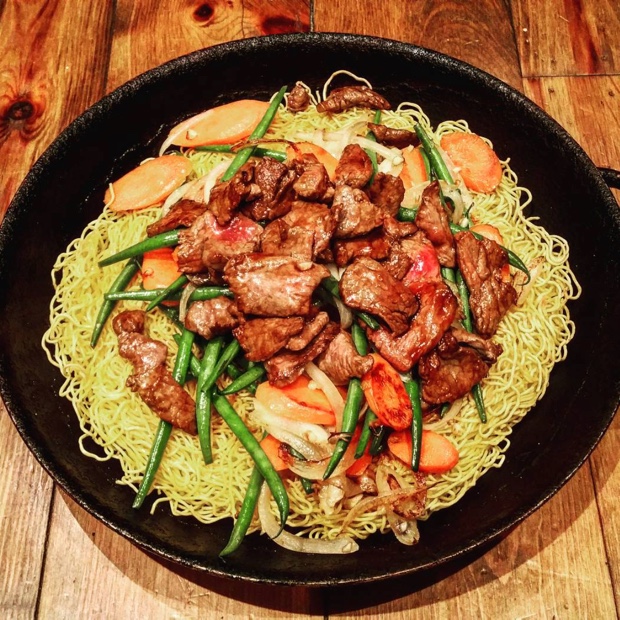
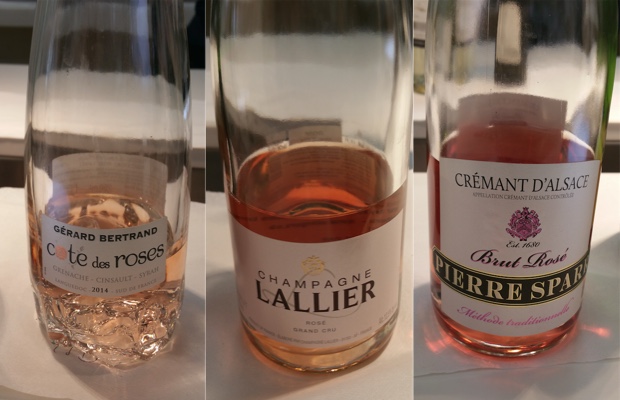

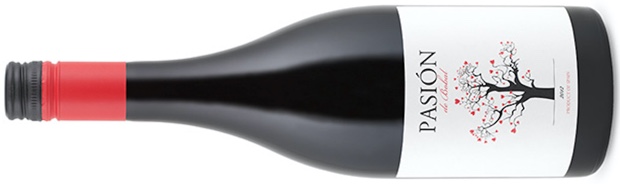

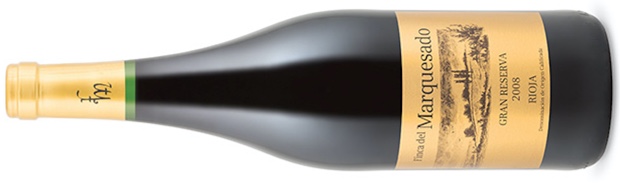

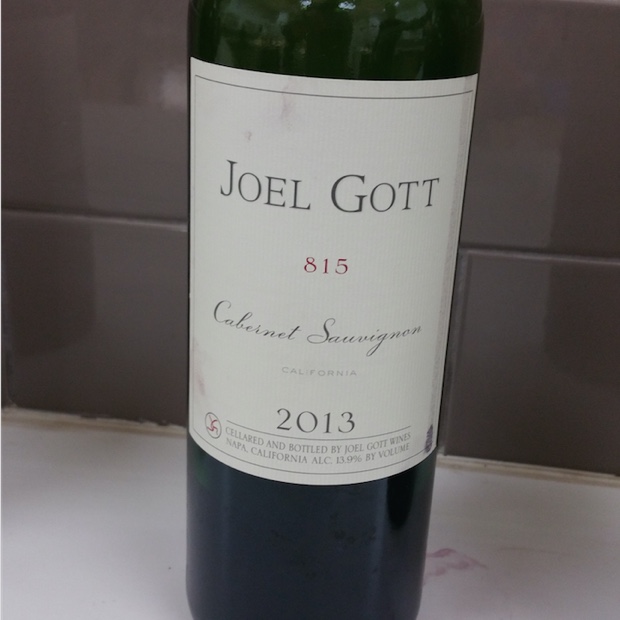
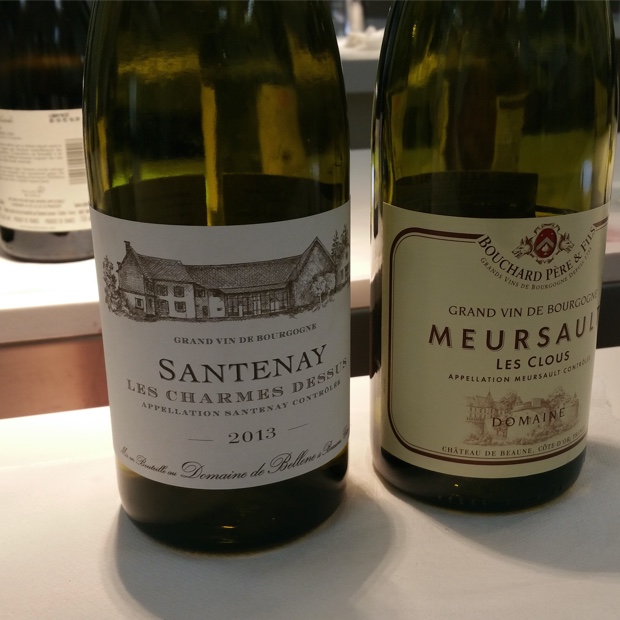


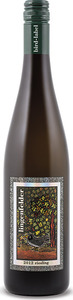
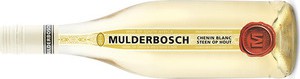
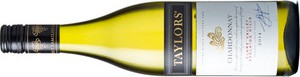
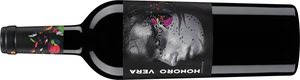
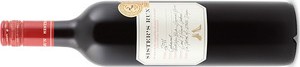
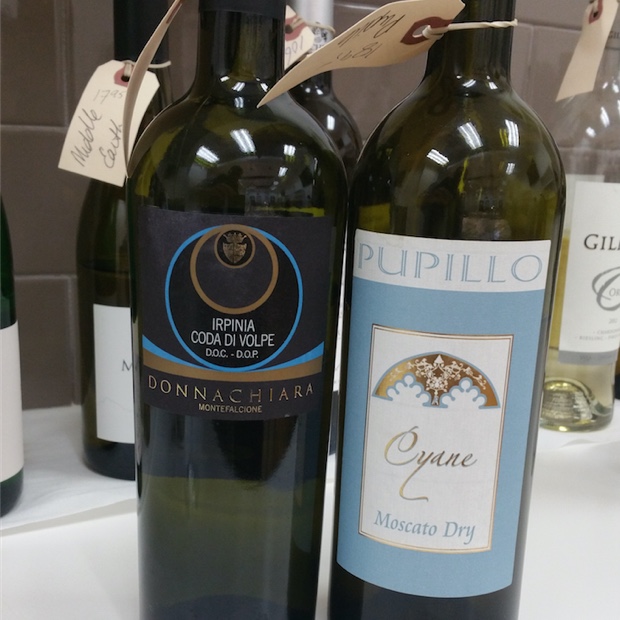
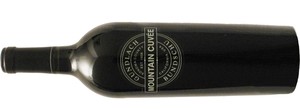
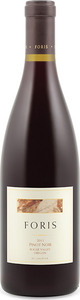

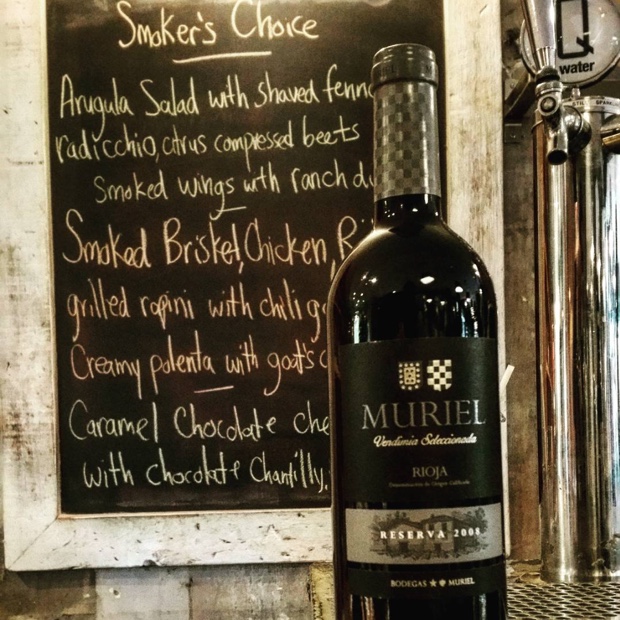

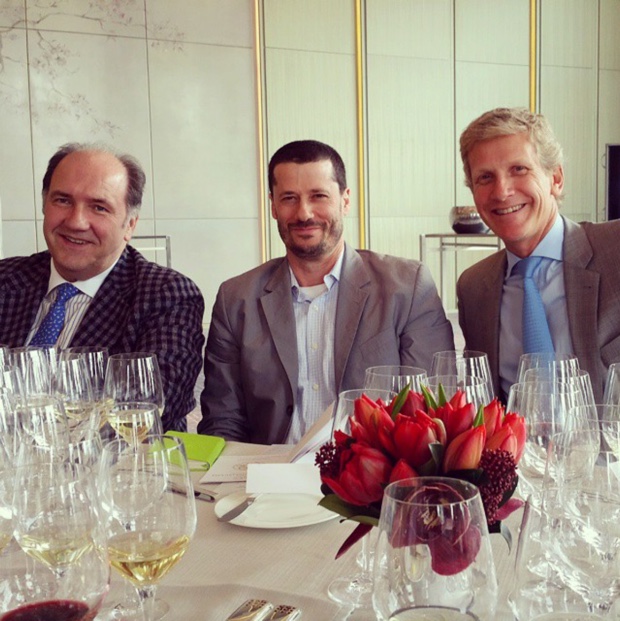

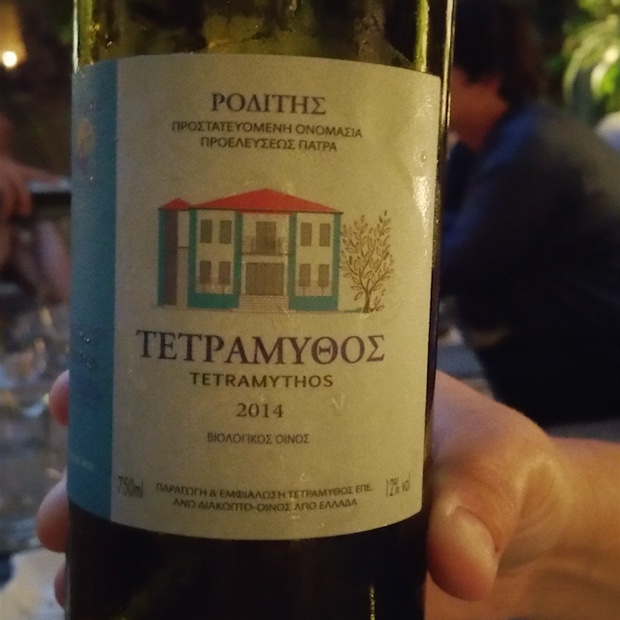
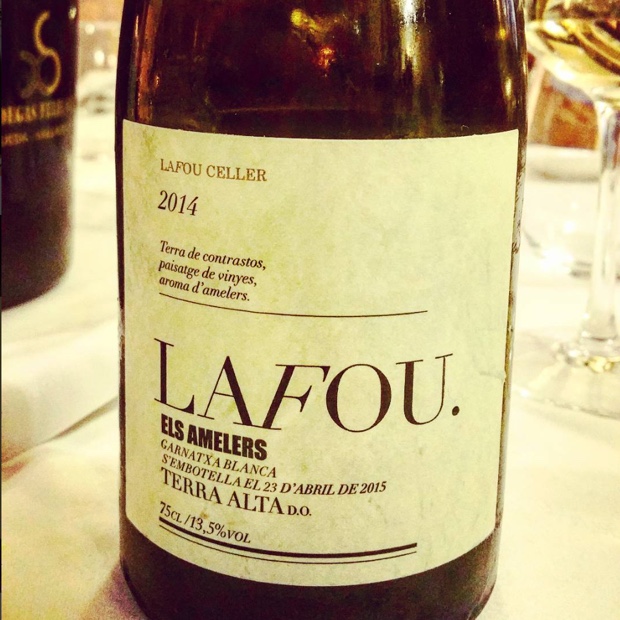

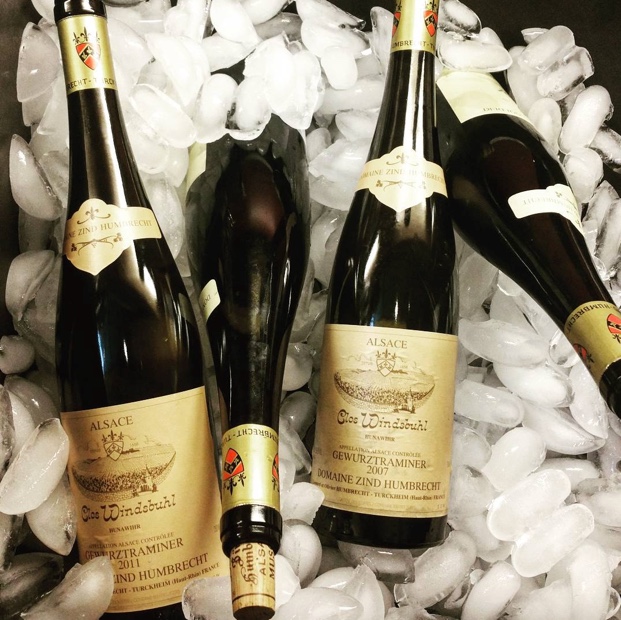

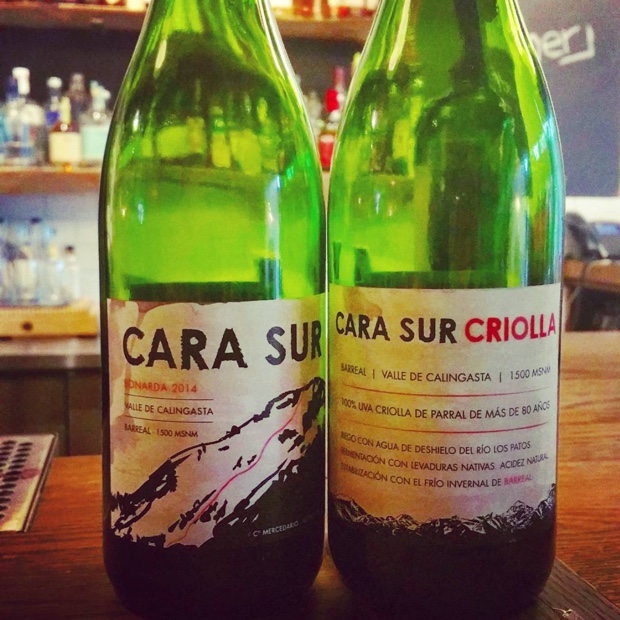
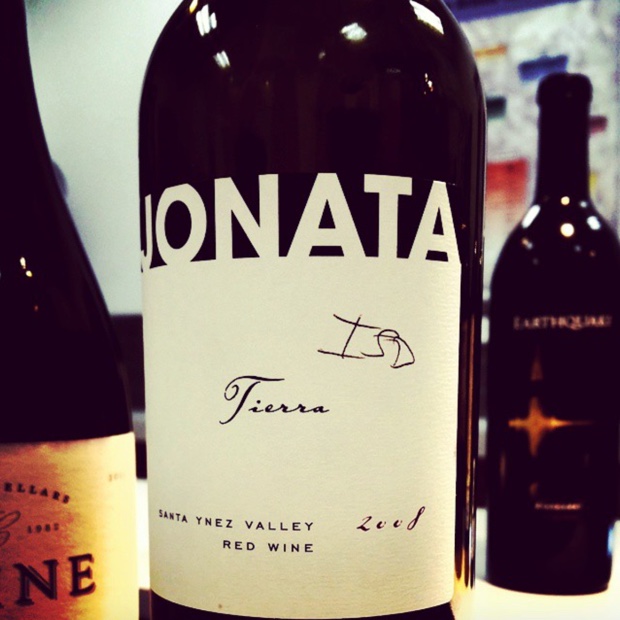


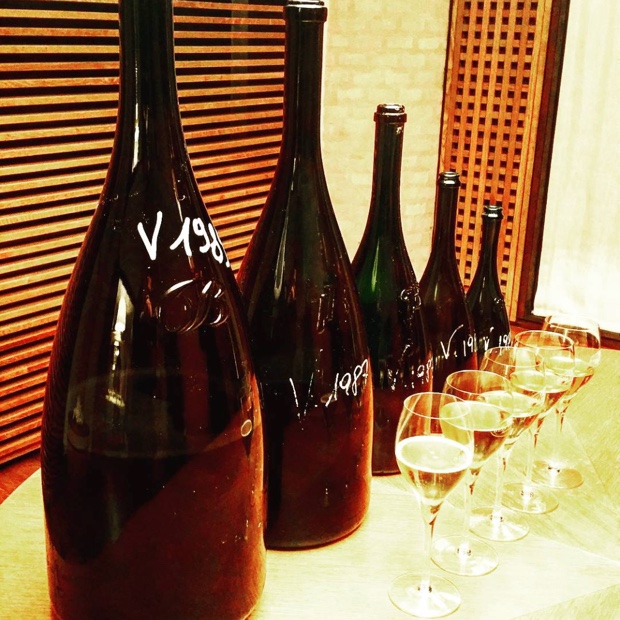
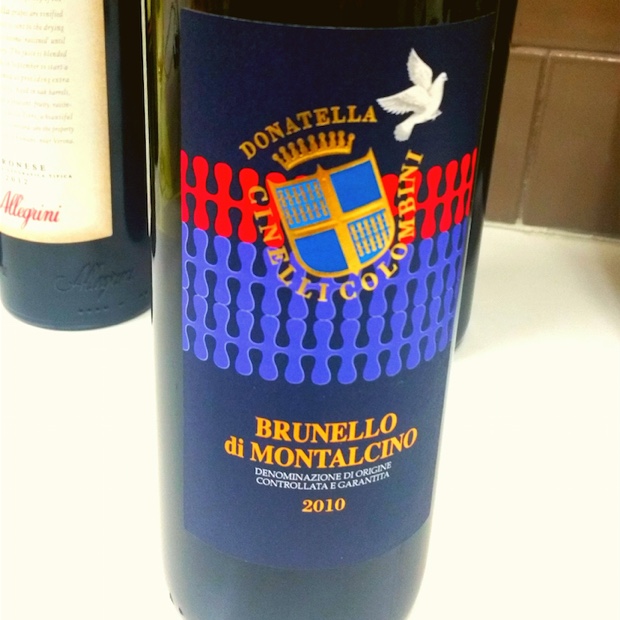
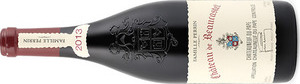
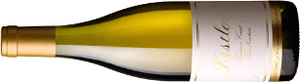
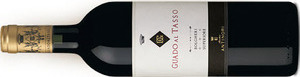
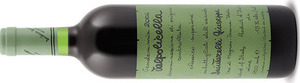
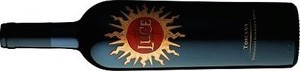

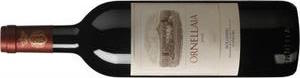
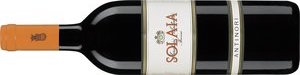


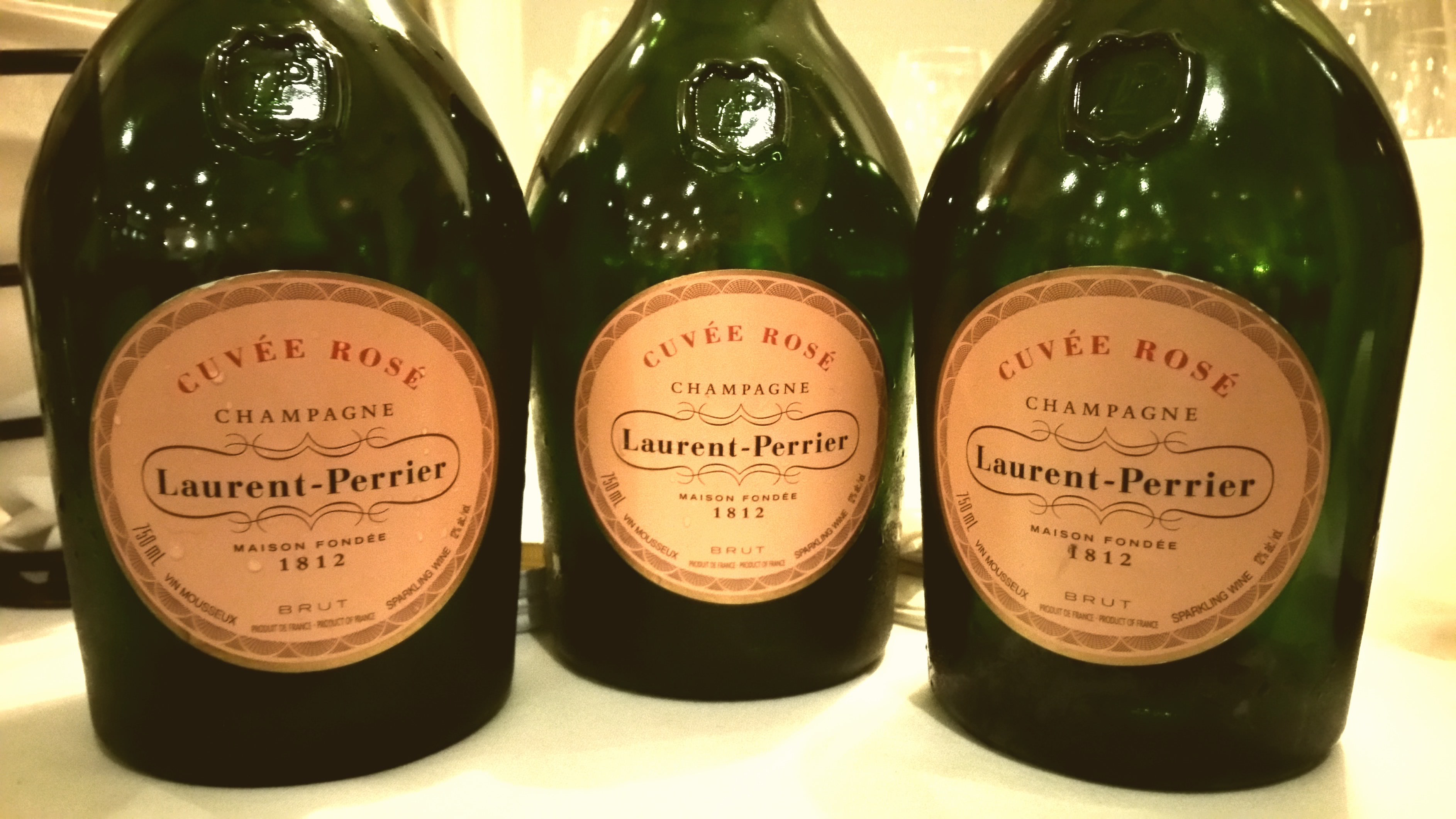

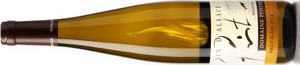
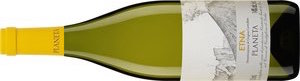
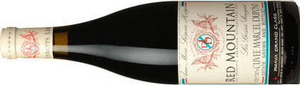
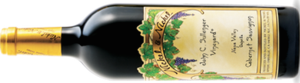
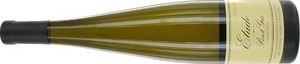
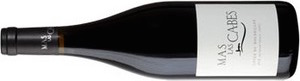
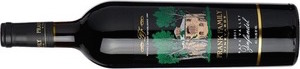
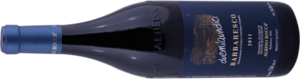
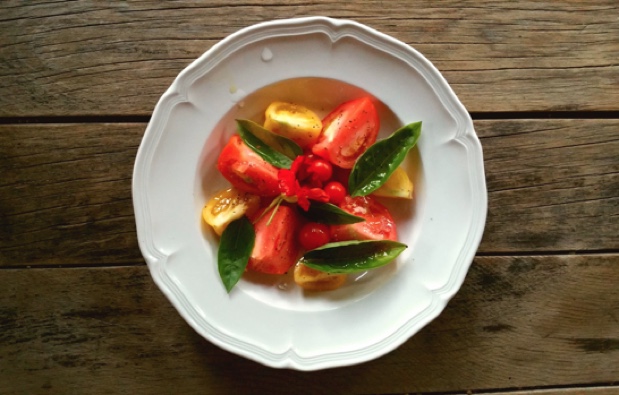
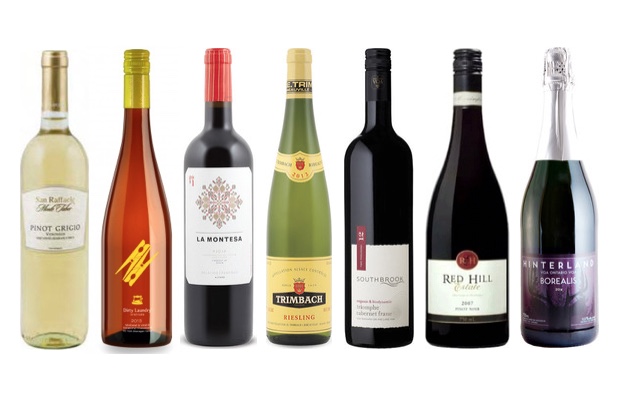

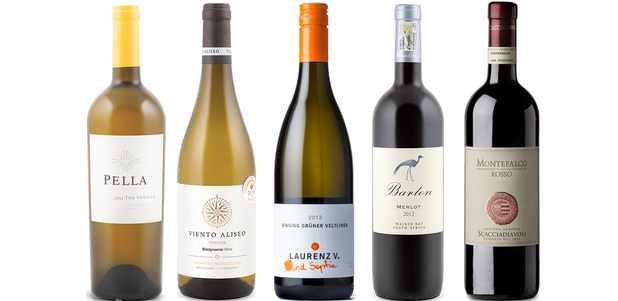


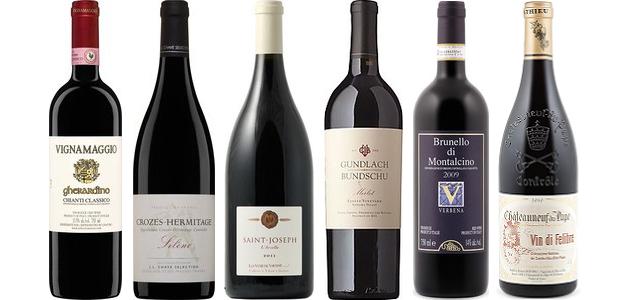


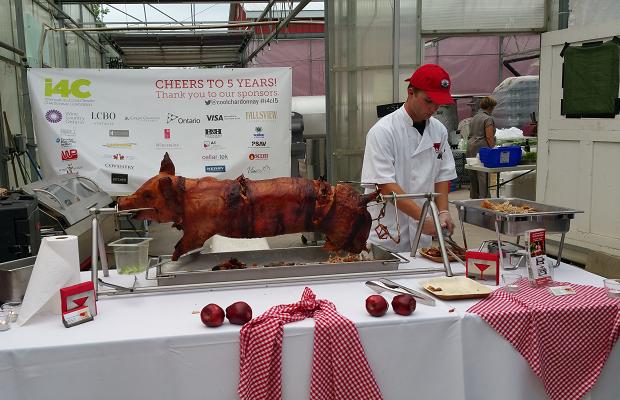

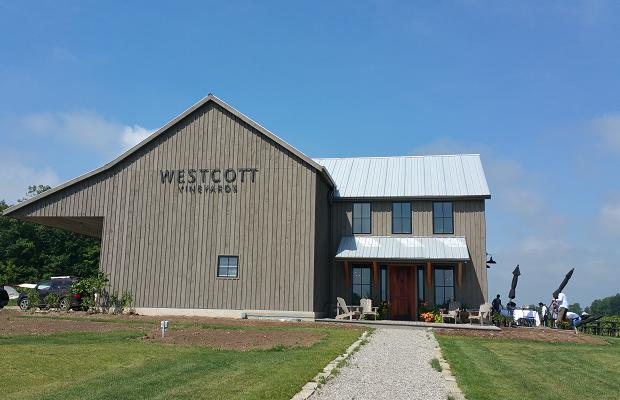
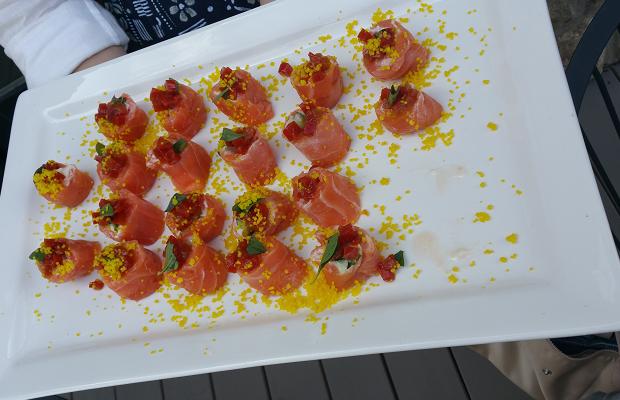

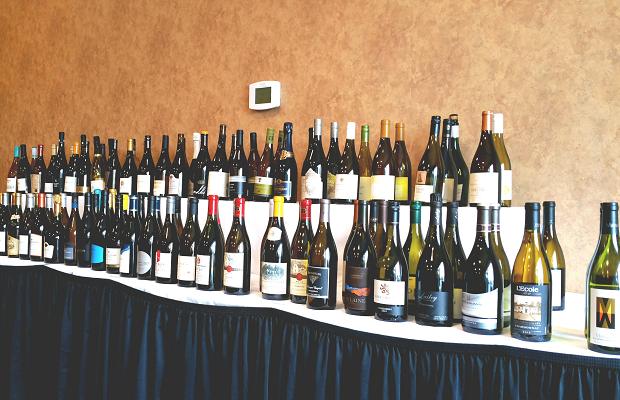
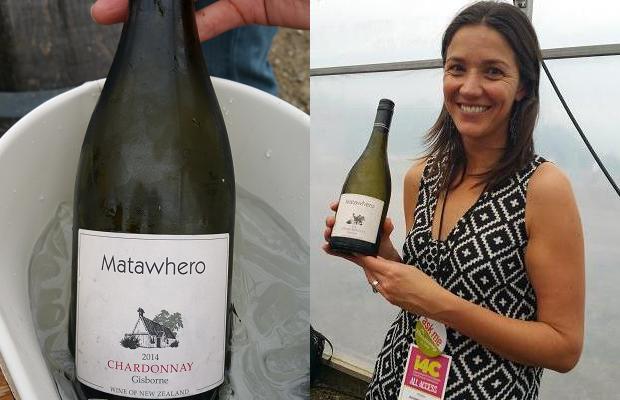
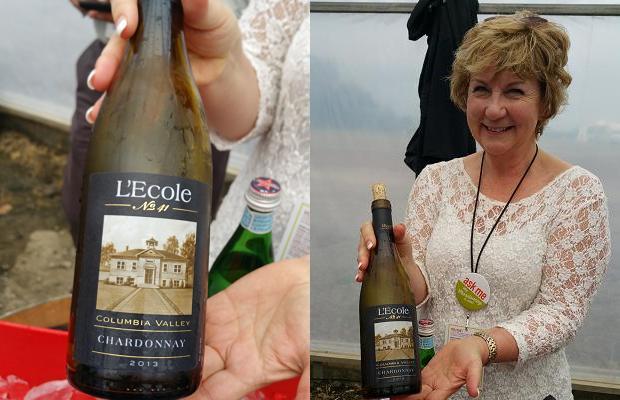

 Godello