Sizing up southern roots in Puglia

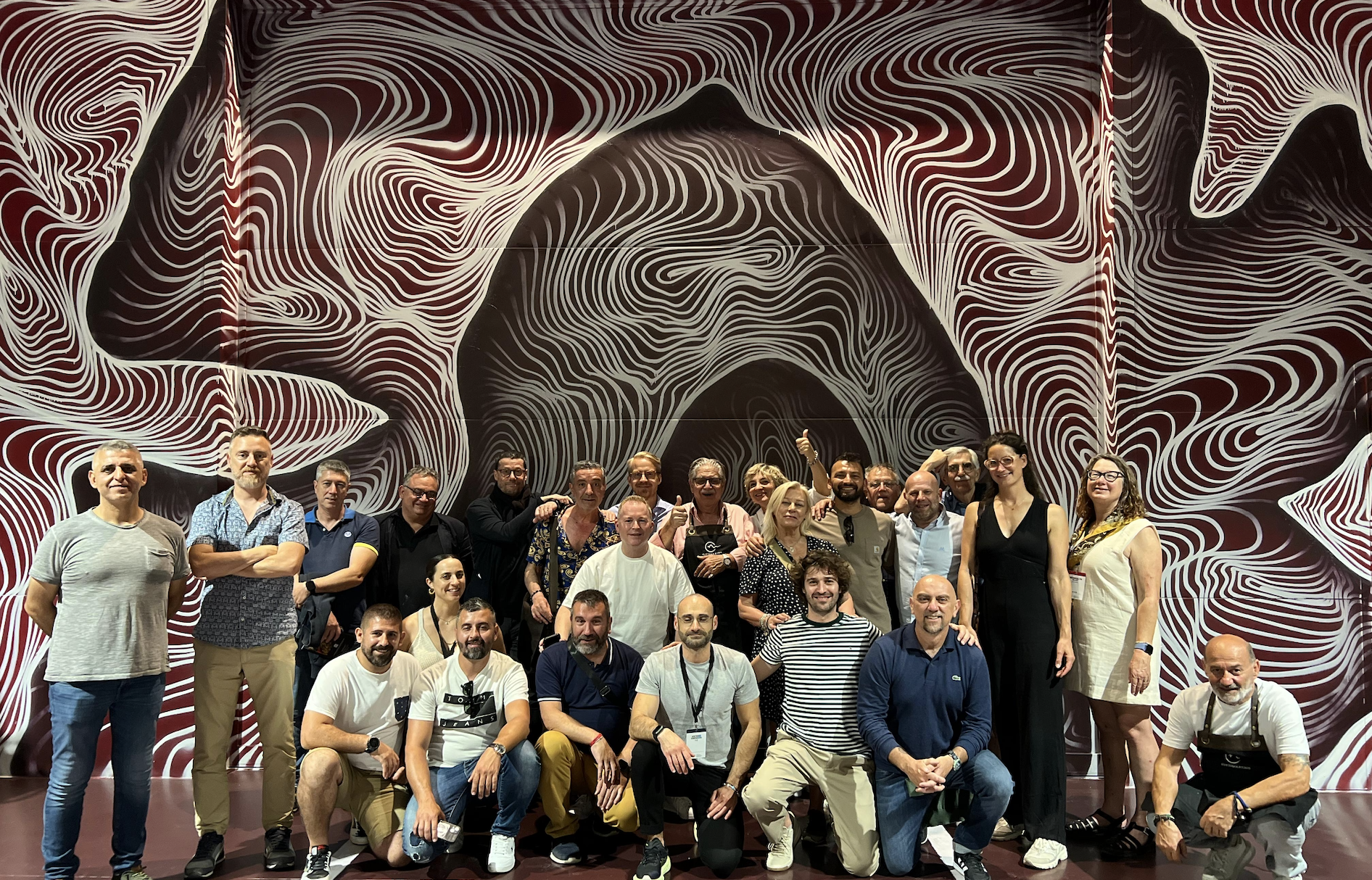
    Squadra 2025, Radici del Sud

Radici del Sud

At the behest of friend, colleague, mentor, journalist, educator and master Italian wine specialist Richard Baudains, Godello travelled to Bari and then to Gioia del Colle to be a party to, tour and judge southern Italian wines at the 20th edition of Radici del Sud. The events took place from June 4-9, 2025, including the blind tasting wine competition inside the Former Distillery, now renovated events space of Paolo Cassano. Over the course of five days a group of writers and buyers transversed the Gioia del Colle and Mandurian landscapes, walked the hallowed streets of Bari, broke bread with the Apulian natives and engaged with the Nepente di Oliena Cannonau of Sardegna. At the competition four national and international panels blind tasted more than 100 southern Italian wines in two sessions, but only after zeroing in on and celebrating the multifarious wonders found within the 500,000 annual bottle production of primitivo, inclusive of a Baudains led Gioia del Colle Masterclass. See below for Godello’s 90 tasting notes from the week.
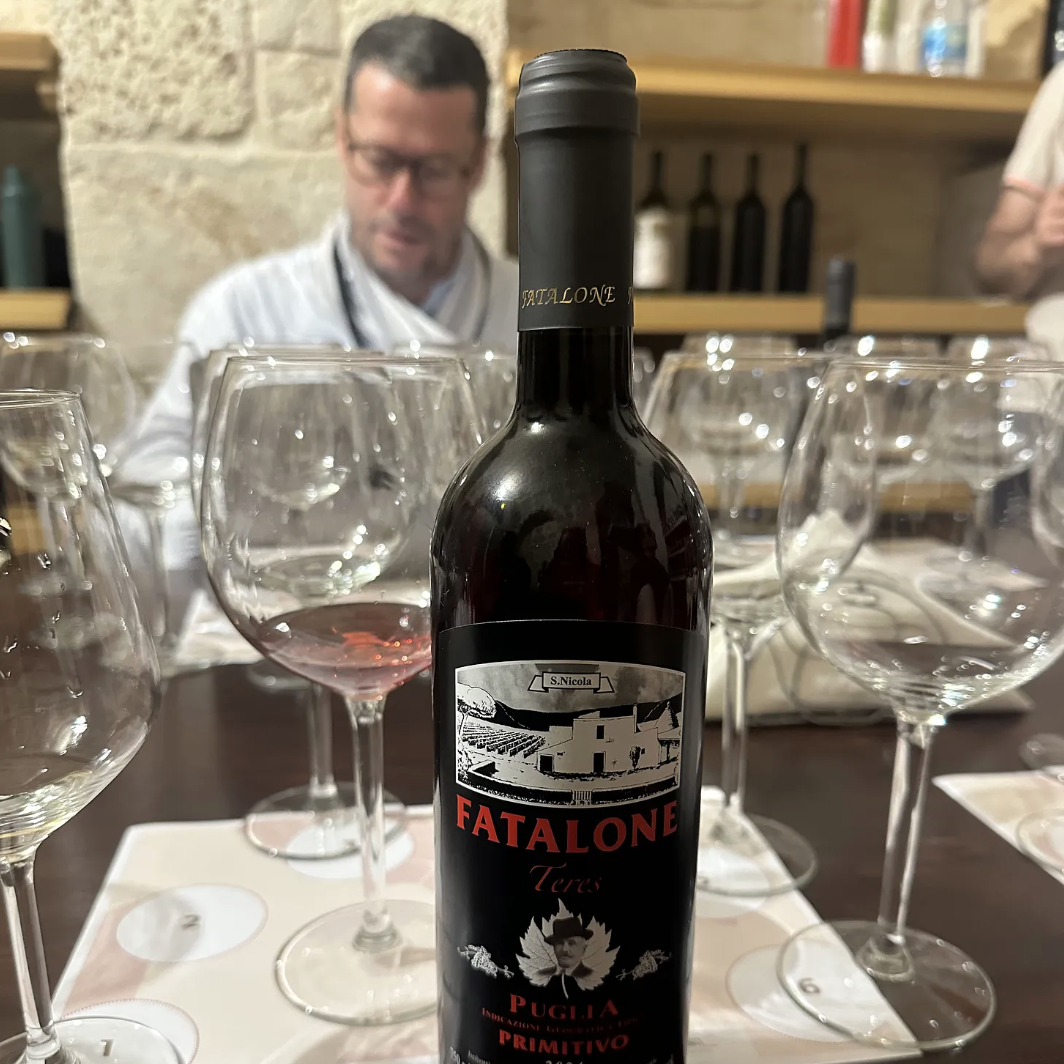
Godello at Fantalone, Image (c) Nikki Dickerson

The Radici del Sud wine competition is an annual international event that showcases and judges wines made from indigenous grapes grown in the southern regions of Italy, including Puglia, Sardinia, Sicily, Campania and Calabria. The competition is part of a multi-day festival, featuring the judging by national and international wine journalists, plus a separate B2B meeting event for buyers and importers, all of which culminates in an awards ceremony and a grand public tasting. The focus of the event highlights and promotes the wines and olive oils of Southern Italy and the ultimate goal of the Radici del Sud competition is to increase international recognition and market access for sometimes overlooked Southern Italian wines.
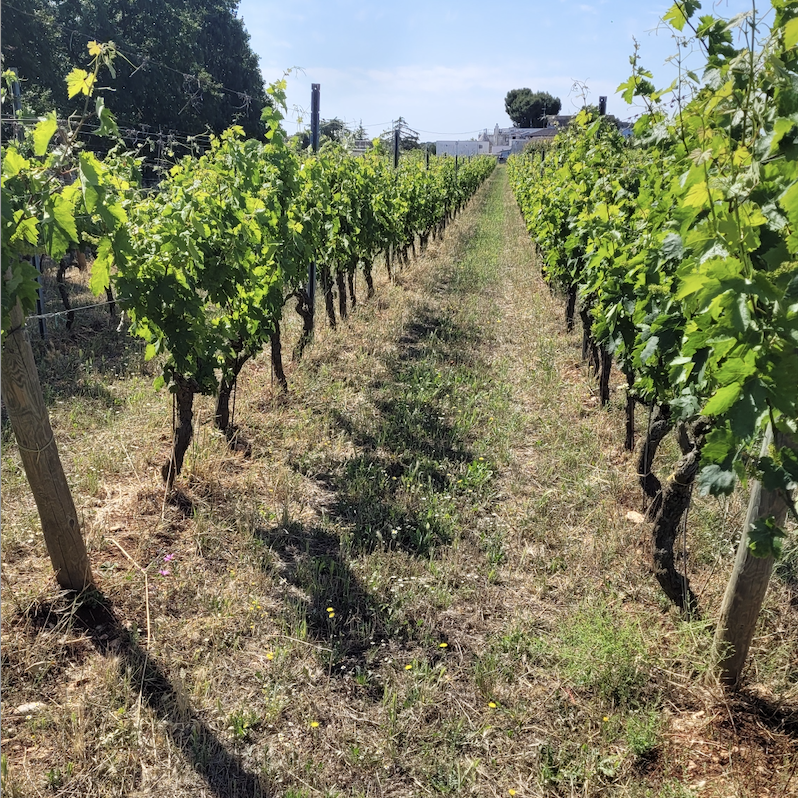
Gioia del Colle Primitivo @ Fatalone

Gioia del Colle: Limestone, Primitivo and Racemi

The touring focused on Puglia’s karstic countryside, the Murgia Plateau, Valle d’Itria, Salento peninsula and most specifically the area of Gioia del Colle, smack dab in the heart of Puglia. Here the landscape is characterized by the dissolution of soluble rock, mainly limestone and a surface of fertile soil, dry-stone walled rural architecture and many masserie (farmhouses). Gioia del Colle is a seemingly flat plateau ranging just a few kilometres from the sea but with ample elevation to capture more freshness in the wines than most growing areas of Puglia. Giovanni Aiello is one such proprietor at Cantina Enologo per Amore di Giovanni Aiello, where he has been making modernist wines for 10 years, first as a garagiste and now with a full winemaking facility. He studied in Udine and France, worked in Veneto, Friuli, California and Australia, then heeded a calling to return and make wine on his land. There was no winemaking history in his family, but his roots travelled within him and then returned alongside this prodigal son.
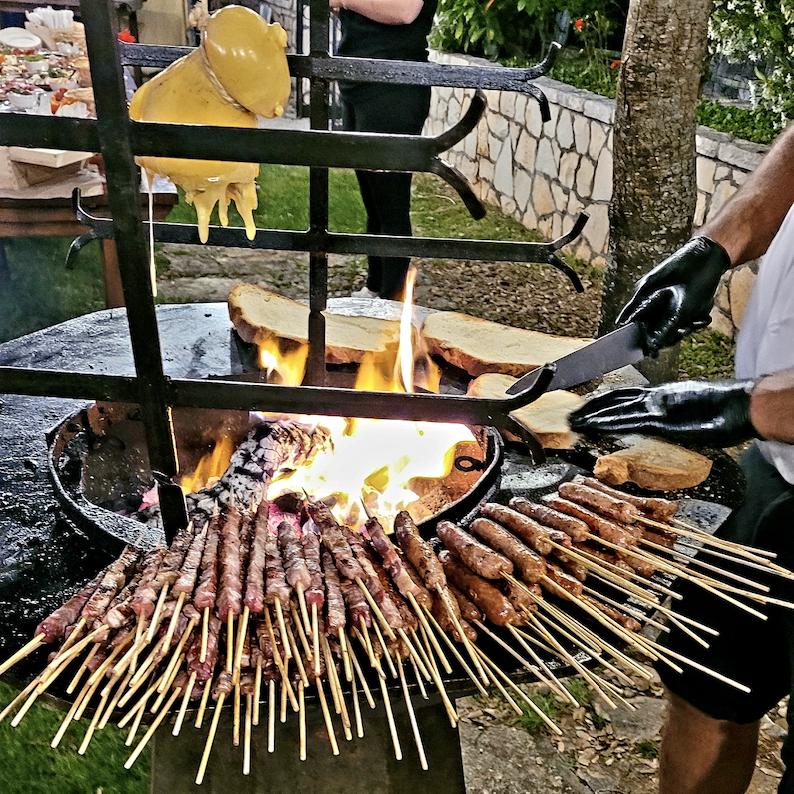
Arrosticini at Aiello

Gioia del Colle’s 2024 season was hot and dry and yet Aiello’s primitivo are of the freshest kind and his Blue Label Bubbles capture a lemon zesty energy using the local verdesca (a.k.a. verdeca) in a white blend. There is no missing the fine bitters and sweet herbs in this classic method sparkling wine, more than a quick lees accumulation for texture and a flavour profile right where you want it to be. Tenuta Viglione was founded in 1937 and remains a family-owned operation, run by third-generation proprietor Giovanni Zullo and his offspring. The location is the Altopiano delle Murge, a plateau at 450m, farmed organically on the classic karst soils of limestone over clay.
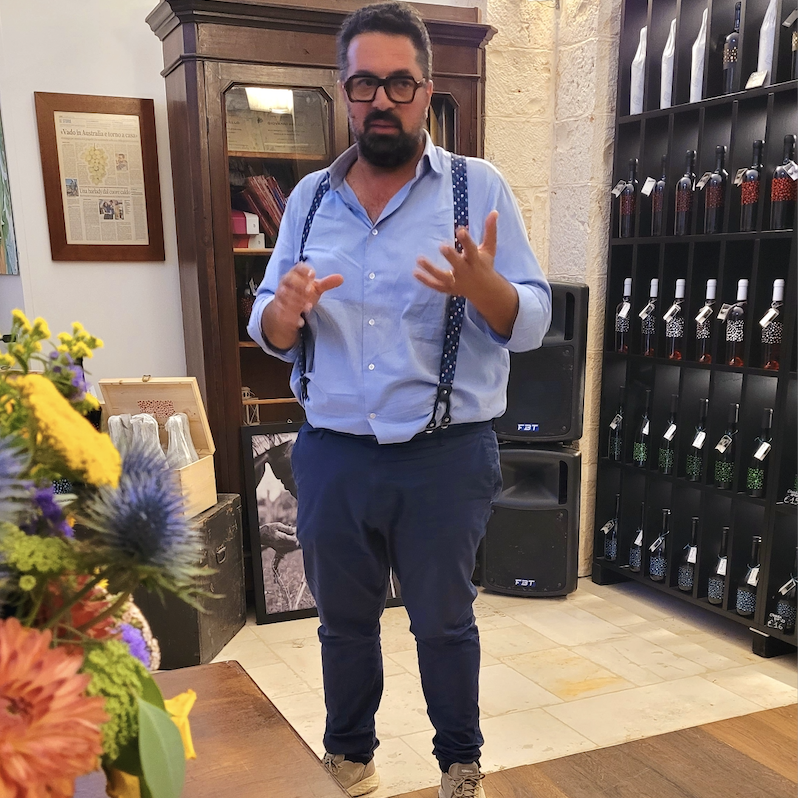
Giovanni Aiello

Masseria Cuturi dates to 1881, just four kms from the sea and where a river flows beneath 300 hectares with primitivo vines first planted in this area of Manduria’s Conca d’Oro. The vine cuttings were part of the dowry when Tommaso Schiavoni Tafuri married the countess Sabini. In 2007 the Masseria no longer held a vineyard and the family of Camilla Rossi Chauvenet decided to restore the property where an impressive hospitality now exists next to vineyards of 40 hectares of vines, compared with the original 100. Cuturi’s intensive attention to agriculture, led by Rossi Chauvenet, agronomist Angelo Bagorda and winemaker Roberto Cardilli, amalgamates the historical past, present and future winemaking of Manduria.

Pasquale Petrera, Fatalone

Meanwhile, at Fatalone Pasquale Petrera is fifth generation on his farm set at 400m on the edge of the Murgia Plateau. The tertiary soil rich in limestone and fossils, sea breeze influence and two-arm-trained open Alberello vines are the trifecta determination for 12 hectares of primitivo and one of greco. The first vintage was 1987 and Pasquale likes to play music to his wild fermented, organic wines in the cellar. He is a pioneer of making Racemi, a second harvest of primitivo that comes from the lower hanging feminnile bunches, taken a month after the main pick. The Accademia dei Racemi is a collaborative project of several small estates in Puglia that focuses on the technique and the lighter-bodied, Rosato style of wine made from the Racemi. There is a kinship between these Rosé and the Cerasuolo di Montepulciano of Abruzzo, if only in style and not by method. Explains Petrera, “the presence of Racemi on the vines helps in avoiding over-ripening of the main grapes.” There was a time when these wines were stored in cold caves and brought out to be consumed in summer time. As for primitivo, the monks chose it for the region because it is a late budding variety, usually after Spring frosts, even though it is also an early ripener. Though typically high in alcohol, Fatalone’s primitivo maintains high acidity and shows great potential for aging, again with help from the presence of the Racemi.
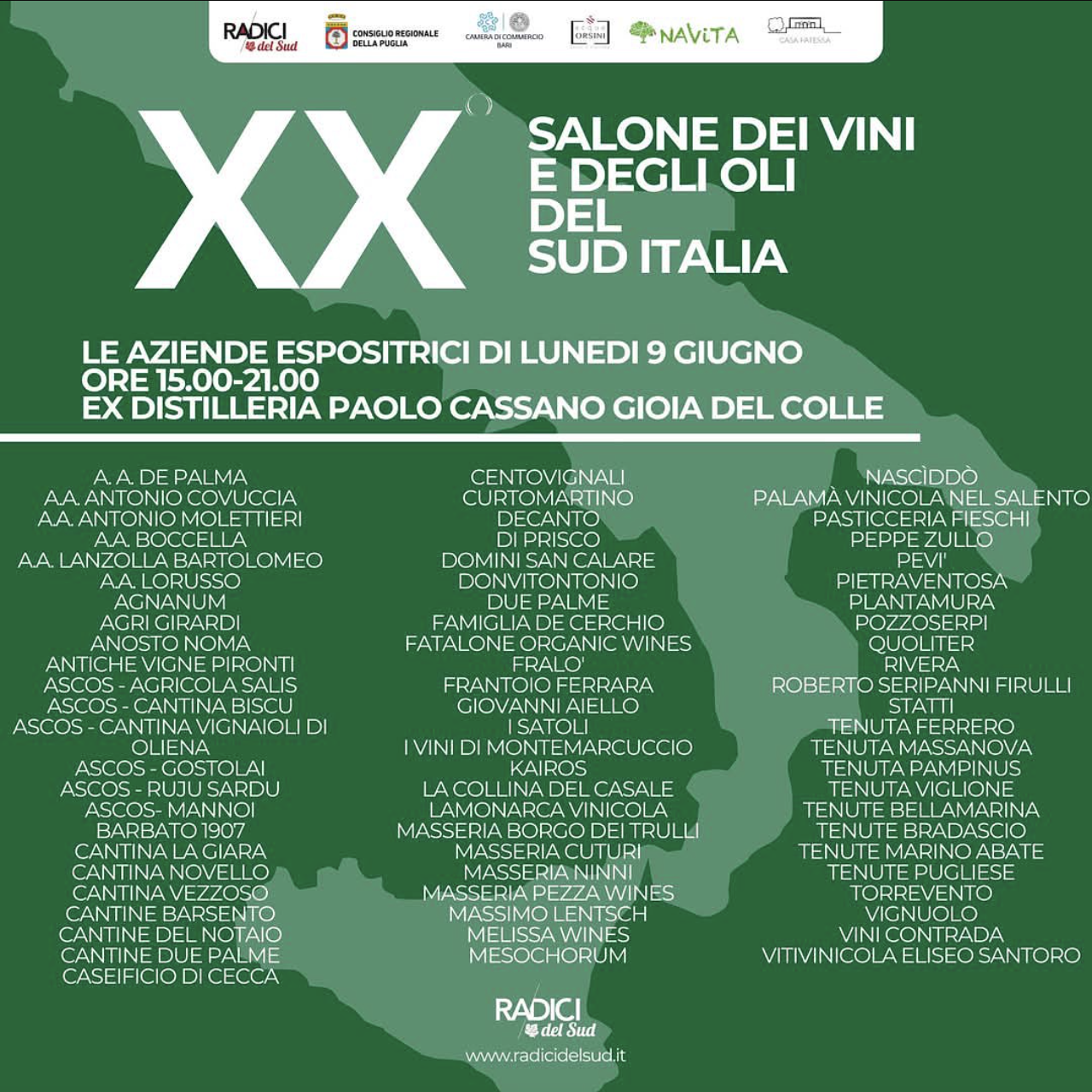
Wine Competition Winners 2025

Tasting notes on Radici del Sud Wine Competition Winners as Chosen by National and International Judges

Cantina Santadi Solais Brut NV Vino Spumante Di Qualità, Sardegna

Vermentino aromatics, marine airy and salty, somewhat neutral without any floral or herbal notes. Good presence of bitters and a push-pull posit tug between the salty and the sapid. The length is really quite good. Drink 2025-2027.  Tasted blind at Radici del Sud, June 2025

Cantine Benvenuto Sughero Storto Vino Spumante Bianco Zibibbo, Calabria

A Calabrese zibbibo with a forceful entry part Limoncello, part rosewater and part diesel. Palate is most interesting, racy and savoury, quite herbaceous and full of character, Good concentration as well, lots of citrus flesh, zesty and bitter at the finish. Drink 2025-2027.  Tasted blind at Radici del Sud, June 2025

Cantine del Notaio La Stipula Rosé Metodo Classico Millesimato Brut Aglianico 2014, Basilicata

Lees character all over the top as should happen from a 10-plus year-old sparkling wine. Made with aglianico from Basilicata, clearly ambitious or perhaps still with bottles to sell. It’s come away quite clean and characterful with some raw almond, decent concentration and complexity. Mature, settled and elegant. Drink 2025.  Tasted blind at Radici del Sud, June 2025

Vignuolo Primavera Frizzante Da Bombino Nero 2024, Puglia

A bombino nero giving a blush hue to this curious sparkling wine. Ok on the nose with a cherry-yeasty character though the palate walks with a funky gait. Not perfectly clean and the flavours are hard to get along with. Acidity is detached from the body and those flavours. Drink 2025.  Tasted blind at Radici del Sud, June 2025

Santa Lucia Gazza Ladra 2024, Fiano Puglia IGT

Notable fiano nose, also Pugliese of warmth and sun cumulate platinum gold. Good extract and balance, acids captured and expressive with fine almond bitters arriving late. Higher quality example than many though perhaps just a bit of residual sugar distraction. Drink 2025-2027.  Tasted blind at Radici del Sud, June 2025

Tenute Bellamarina Galè 2024, Fiano Puglia IGT

Fresh, lemony Pugliese fiano with just a faint hit of aromatic bitters. Not particularly concentrated, herbal and with ample if nothing striking about its acidity. Drink 2025-2026.  Tasted blind at Radici del Sud, June 2025

Tenuta Massanova Ziopì 2021, Cilento Fiano DOP

Named for Davide’s Uncle Pino, a quick maceration, reductive, golden and mature nose, a style perhaps but as a 2021 fiano the evolution is more than obvious. The toasty quality suggests wood somewhat overused but in fact the wine only sees steel. While it’s fine and nice enough as a wine and also surely past prime, there is so much glycerol for a white wine. Drink 2025-2026.  Tasted twice, including first blind at Radici del Sud, June 2025

Vini Contrada Selvecorte 2021, Fiano Di Avellino DOCG

Pleasantries and complexities with persistent freshness in the fiano aromatics of a 2021 from Campania. Still crisp, zesty and savoury, hanging tough, grippy and strong with its extract and tannin in tow. Showing stage presence, tension, verve and drive. Drink 2025-2026.  Tasted blind at Radici del Sud, June 2025

Casa Comerci Greco Bianco Rèfulu 2024, Calabria PGI

A rich and well formulated, orchestrated and effectuated greco from Calabria. Some spice and zest, already at maturity and for now a fine and deliverable example. Drink 2025-2027.  Tasted blind at Radici del Sud, June 2025

Fine enough though not quite showing its varietal character as it might. Lemon-lime and good though not exceptional acidity. Less showy and needs time to open up, getting better with air and time. Natural, working through its machinations organically and coming away fine. Drink 2025-2028.  Tasted blind at Radici del Sud, June 2025

Palamà Vinicola nel Salento Negroamaro Metiusco Rosato 2024, Salento IGP, Puglia

Fine use of negroamaro as Rosato, Tavel hue acceded like red roses and there is both fruit plus grip on this really proper example. Ticks the boxes and pleases in the way it should and will. Acidity is spot on to seal the deal. This is well made Salento all the way. Drink 2025-2028.  Tasted blind at Radici del Sud, June 2025

Plantamura Primitivo Rosato 2024, Puglia IGP

Soft and candied primitivo Rosato, semi-candied in the sweet spun sugar way and the residual sugar felt in the flavours confirms the style. Commercial. Fine enough and accessible if no excitement or curiosity aboard. Also a bit high in VA. Drink 2025-2026.  Tasted blind at Radici del Sud, June 2025

Agri Girardi Primitivo Pirok 2024, Puglia Rosato IGP

Light and fuzzy strawberry peach version of Rosato with primitivo on the right track, though there is a pinch or two extra residual sugar that feels unnecessary. More than ample fruit and concentration meet up with acidity for what would have been a pretty fine example. In any case there will be plenty of likes and takers for this wine. Drink 2025-2027.  Tasted blind at Radici del Sud, June 2025

Fralo’ Cassandra Rosato 2023, Puglia IGP

Tang and sweetness define the style of a joint Rosato between nero di troia and malvasia nera. Getting the carob and liquorice in an over leathery fruit and caramel flavour way. Odd, to be honest and close to oxidative. Drink 2025.  Tasted blind at Radici del Sud, June 2025

Statti Batasarro 2020, Lamezia Riserva DOC, Calabria

A sour edged gaglioppo, full on tang, tart stone fruit and dangerously close to reaching the acetic threshold. Quite vivid in regard to palate tension, somewhat wood-induced, chalky and challenging. Drink 2025-2027.  Tasted blind at Radici del Sud, June 2025

I Vini di Montemarcuccio Ottavianello Elpis 2024, Valle d’Itria IGP, Puglia

Crunchy and fresh ottavianello, ripe and ready, inviting and full of energy. A correct and modern enough way to express the ancient grape as it would wish to be. Clean and so bloody correct. Drink 2025-2028.  Tasted blind at Radici del Sud, June 2025

Famiglia De Cerchio Susumaniello Lampu 2022, Puglia IGT

Could only be a Pugliese red akin to primitivo and yet here as susumaniello there is more frutta di bosco as part of its personality. Also more Mediterranean, of black olive tapenade and coarse tannins, with enough fresh fruit to balance the rough and tumble profile. Perhaps just a bit of sweetness but the spice and tension truly work things out. Drink 2026-2029.  Tasted blind at Radici del Sud, June 2025

Tenute Pugliese Aleatico Naumanni 2019, Puglia IGT

Unmistakable smell of mint mouthwash which translates as medicinal and surely a winemaking fault on this aleatico. It takes 20 minutes to open and once it does the macchia comes out, as does the residual sugar. Parochial red with little joy or charm at first but improves with air. Drink 2025.  Tasted blind at Radici del Sud, June 2025

Cantina La Giara Bovale La Giara 2022, Isola Dei Nuraghi IGT, Sardegna

A 100 precent Sardegnan bovale, not particularly aromatic but surely curious. There is a grenache like character with juicy red fruit and a simplicity for where its from. Mildly chalky beneath and a peppery liquid warmth but all in all the balance is quite good. Wood is used and done well. Needs a another year to settle in. Drink 2026-2029.  Tasted blind at Radici del Sud, June 2025

Massimo Lentsch Etna Rosso DOC 2022

Solo nerello mascalese, bright enough and also more tannic than many. Does not smell like volcanic Etna but more like something from the centre of Sicily. Perfectly fine and getable without any great defining character or depth. Drink 2025-2027.  Tasted blind at Radici del Sud, June 2025

Massimo Lentsch Etna Rosso DOC Feudo Di Mezzo 2021

Only nerello mascalese and with some age which only serves to exaggerate the lift in this particular example. Maturing with drying fruit and tannin. Drink 2025.  Tasted blind at Radici del Sud, June 2025

Pietraventosa Primitivo 2019, Puglia IGT

Reductive, dirty and ultra natural on the nose. Also cloyingly sweet and hot. Peppery hot. Over the top. Not really showing its age as of yet. Perhaps time will heal some of the wounds. Drink 2026-2028.  Tasted blind at Radici del Sud, June 2025

Agri Girardi Primitivo Bartolo Riserva 2019, Gioia del Colle DOC

Very much a big and ambitious primitivo, heavy of extraction, pressing and elévage. Some barriques surely, also new and mixed with other vessels delivering a full complement of modernity in primitivo. Will really appeal to those who like a clean, big and full-bodied expression. There is a sweetness here though nothing out of order and seemingly natural. Drink 2025-2028.  Tasted June 2025

A.A. Boccella Aglianico Rasott 2022, Campi Taurasini DOC, Campania

Drying, still grossly tannic and really tough aglianico in the really old school idiom. Antediluvian. May never be ready but perhaps it will come around in 2030! Minty, macchia, black olive and so bloody serious. Drink 2027-2032.  Tasted blind at Radici del Sud, June 2025
Tenuta Massanova Rapengolo 2017, Cilento Aglianico DOP
Aged in a mix of steel and botte grande (second passage 23 hL French, for about a year). Still some reductive elements holding back the fruit despite this being a seven and a half year-old Campanian aglianico and so there is freshness that persists. Laden with soupy flavours, not cooked but now secondary in terms of caramel and soy, which means not much fruit left to shine. That said the tannins are as sweet as they are grippy. Drink 2025-2027.  Tasted twice, including first blind at Radici del Sud, June 2025

Cantine del Notaio Aglianico Il Sigillo 2017, Aglianico Del Vulture DOC, Basilicata

Maturing, dried fruit and sweet acidity with some residual sugar. Brown sugar and that caramelization meeting unique curiosity continues giving the wine some potential. In fact it seems hard to believe it’s as old as 2017, seeing as how certain parts have yet to fully emerge from the tannic shell. There is an aura to Sigillo, a.k.a “the seal,” as by a notary, wink, wink. Note the chalky mineral expressed in the sanguinity of this unique aglianico. Drink 2025-2028.  Tasted twice, including first blind at Radici del Sud, June 2025
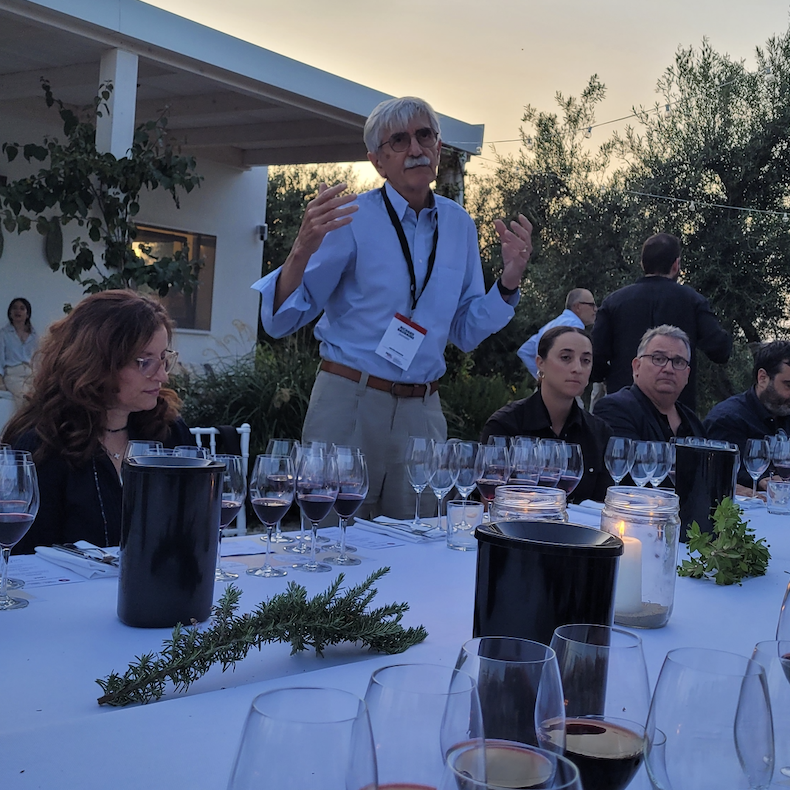
Richard Baudains – Primitivo Masterclass

Gioia del Colle Primitivo Masterclass

Curtomar Tino Primitivo Terracava 2023, Gioia del Colle DOC

Perfumed primitivo in the violet range and a lightness in the aromatic space followed by acidity and succulence for a mouthwatering proposition. Does well to cover and keep its alcohol (15 percent) from presenting as anything but a normal part of the package. Bit chalky but really quite easy to like. Drink 2026-2028.  Tasted June 2025

Tenute Bradascio Primitivo Le Graie 2022, Gioia del Colle DOC

A primitivo that presents itself with the barrel above all else and while the alcohol here is lower (13.5 percent declared) it does not come across as a lighter style. The wood is on top, emulsifying the middle and spicing the finish. Some green hide behind which explains the style. Not perfectly phenolic in ripeness. Drink 2025-2027.  Tasted June 2025

Tenuta Viglione Primitivo Marpione Riserva 2022, Gioia del Colle DOC

Well extracted and clearly the source of an older vineyard with the experience of vines laying the groundwork and foundation for top quality fruit. The spicing is omnipresent, both from quality primitivo and also the casks that give and keep on giving. Will gain an advantage with some years in bottle. Drink 2027-2032. T asted June 2025

A.A. Lanzolla Bartolomeo Primitivo Le Mugè 2021, Gioia del Colle DOC

Also violet perfume and fruity eau de vivre or vape liquid, a juicy aromatic quality although wood once again makes itself known. Quality acids but something is off and the tannins are brittle, falling apart at the finish. Flawed primitivo, likely a combination of over maturity meeting excessive VA.  Tasted June 2025

Masseria Ninni Primitivo Càmila 2021, Gioia del Colle DOC

Juicy through and through, a primitivo that offers up a transparency about who it is and where it’s from. Crispy and crunchy with its own Balsamico, liquid chalky, purple fruit, concentrated though not over extracted. Well made, clean, lengthy and a charming success. Drink 2025-2029.  Tasted June 2025

Plantamura Primitivo Etichetta Nera/C.da San Pietro 2021, Gioia del Colle DOC

Rich and brimming with savoury elements in an exaggeration of Balsamico riches befitting the local macchia. Juicy and succulent to find some necessary balance. A crispy quality and a year will bring better times although five will usher in a time of truffles and earthiness. That said it is only the terroir that will bring this effect because no wood is used in aging this primitivo. Chimes in at 14.5 percent alcohol and pleases with fruit from its natural calcareous charges. Drink 2026-2029.  Tasted June 2025
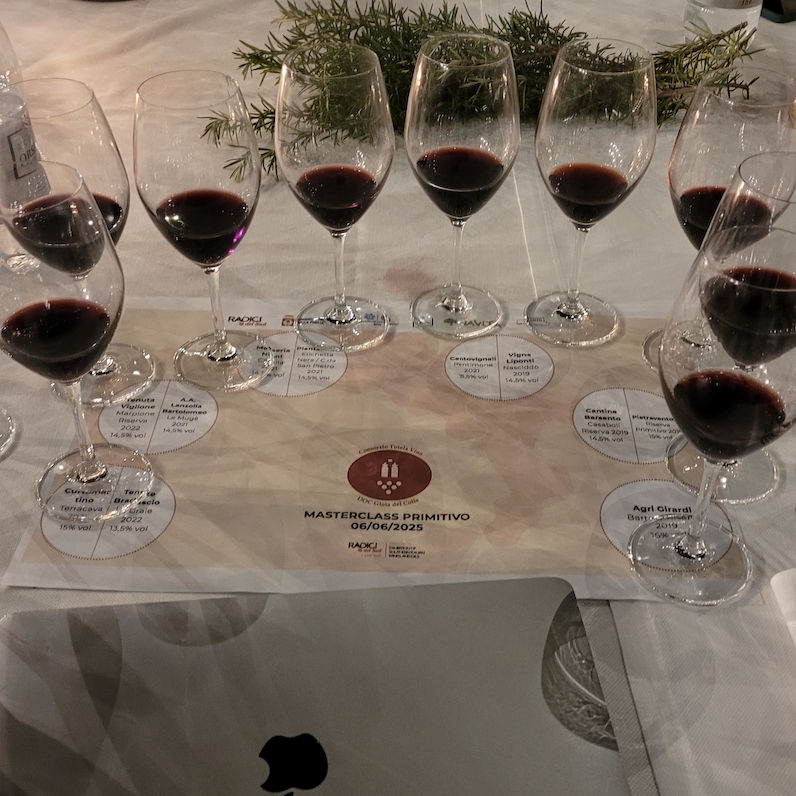
Primitivo Masterclass

Centovignali Primitivo Pentimone 2021, Gioia del Colle DOC

Quite a savoury primitivo with a fullness of barrel straight away on substantial fruit from what feel like experienced if not quite old vines. It’s a bit hot frankly and oddly peppery, like certain syrah from south-central Sicily. Ambitious and gangly, some awkwardness and not quite finding its syncopation. Clocks in at 15.5 percent (declared). Drink 2025-2027.  Tasted June 2025

Vigna Liponti Primitivo Nascìddò 2019, Gioia del Colle DOC

Time has done well to bring this 2019 into place and see it showing at peak in 2025. Tannins have resolved, acidity continues to thrive and the parts have all melted into the fabric of the wine. Chocolate is strong and dark but mint (Balsamico) and fruit have really come together as one. Alcohol is proper and integrated at 14.5 percent. The producer only makes primitivo for a total of 4,000-4,500 bottles per year. From 4,000 vines in one hectare. Drink 2025-2028.  Tasted June 2025

Cantine Barsento Primitivo Casaboli Riserva 2019, Gioia del Colle DOC

Very woody, was, is and will always be. Still very chalky beneath with tannins which remain unresolved. Seriously dark chocolate, very extracted and a bit too vivid overall. Drink 2026-2028.  Tasted June 2025

Pietraventosa Primitivo Riserva 2019, Gioia del Colle DOC

Quiet aromas, still or perhaps not ever having been of gregarious nature. Wood holding court and then the wine opens on the palate. Reminds of many other dark and structured Italian wines, including montepulciano from Abruzzo. Drink 2025-2027.  Tasted June 2025

Agri Girardi Primitivo Bartolo Riserva 2019, Gioia del Colle DOC

Very much a big and ambitious primitivo, heavy of extraction, pressing and elévage. Some barriques surely, also new and mixed with other vessels delivering a full complement of modernity in primitivo. Will really appeal to those who like a clean, big and full-bodied expression. There is a sweetness here though nothing out of order and seemingly natural. Drink 2025-2028.  Tasted June 2025
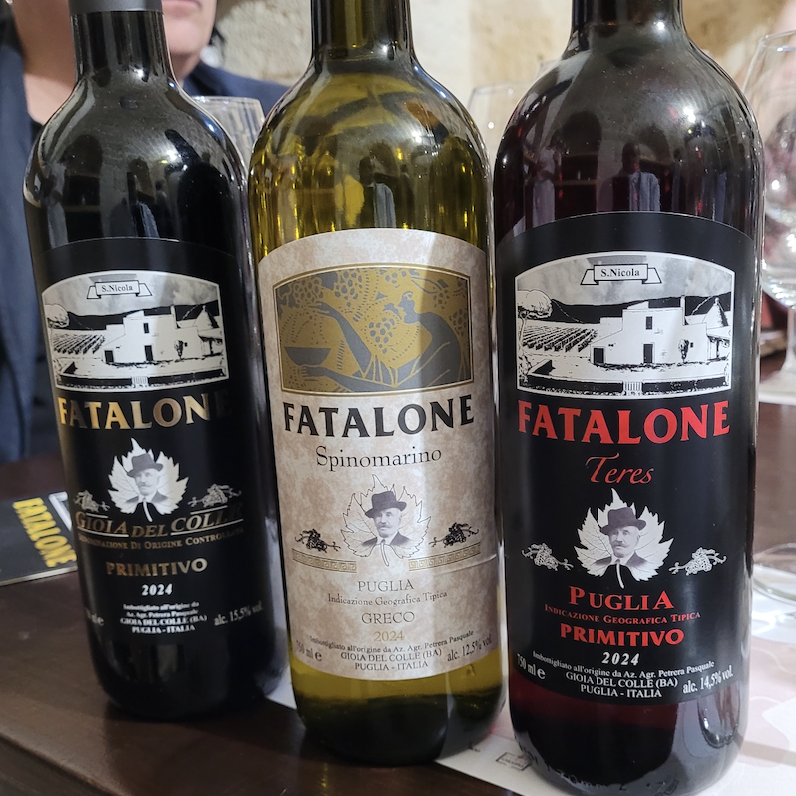
The visits in Gioia del Colle and Manduria

Fatalone Greco Spinomarino 2024, Puglia IGT

Single vineyard of one hectare aged on lees for up to eight months and this 2024 was just bottled last week. A richness and creamy character through limestone mineral and with some fine bitters that define the finish. Vines with age and wisdom do well to concentrate and bring precision to this “lady killer,” a.k.a Pasquale’s grandfather. Drink 2025-2027.  Tasted June 2025

Fatalone Primitivo Teres U Pr’Matìv’ 2024, Puglia IGT

The Rosato-styled primitivo comes from the Racemi, the later harvest of second bunches, a.k.a the feminile, direct pressed and coming away like a Cerasuolo as opposed to an early harvested, paler and first pressed Rosé. Definite phenolic presence and like in the old days a summer red to be chilled and spilled. Really liking the spiciness on the tip of the tongue. The alcohol is 14.5 percent and just so you know, this is not Rosé. Drink 2025-2027.  Tasted June 2025

Fatalone Primitivo U Pr’Matìv’ 2024, Gioia del Colle DOC

Campione: The first batch was already bottled and this is the second, a tank sample but essentially a finished wine. Phenolic ripeness is achieved with dark if just a bit sour cherry, mint and mulberry, developed and locally proper at 15.5 percent alcohol. The presence of Racemi, the second buds and bunches on the vines harvested later is what keeps the acidity strong, the jam kept away and the prospect for aging also strong. The finish is all about a salty pique on the finish, an aftertaste of toasted almond and the Gioia del Colle Balsamico. Drink 2026-2029. Tasted June 2025

Fatalone Primitivo Riserva U Pr’Matìv’ 2022, Gioia del Colle DOC

Just bottled, longer micro-oxygenation in Slavonian (Garbellotto) cask, an exaggeration of riches with impacting acidity which is common to all of Fatalone’s wines, necessary to handle the 16.0 percent alcohol. Not overripe or overwhelming, but just the fact that primitivo buds late and is then harvested early. The wood certainly concentrates and thickens the fruit and though there is more creamy texture there is also an inherent ability to age well forward. Drink 2026-2032.  Tasted June 2025

Fatalone Primitivo Riserva U’Pr’Mat’ve 2015, Gioia del Colle DOC

Ten years of age but really youthful, as predicted but still a surprise. The anti-oxidant properties of primitivo (when worked in this respectful way) will find the path to long aging and that is precisely what’s happened here. Notes stay consistent with the 2022 but the density and concentration have stretched with great elastic ability. Lovely natural sweetness meeting the finishing bay spice and local Gioia del Colle Balsamico. Was 15 percent alcohol back in 2015. Drink 2025-2026.  Tasted June 2025

Fatalone Primitivo Riserva Speciale U’Pr’Mat’ve 2001, Gioia del Colle DOC

Now 24 years ago and fully secondary with only a hint of tertiary where the mint chocolate is now fully out there, expressed and defining this old primitivo. The toasted almond bitters are also present if fading and softened. Very good showing for a wine of this age, tannins log gone, acidity also softened and persistently sweet, frutta di bosco all in. Just 15 percent but still, already at 15 in 2001.  Tasted June 2025

Tenuta Viglione Susumaniello Morso Rosa 2024, Rosato Puglia IGP

Return of an old Brindisi variety now fashionable again, made here in a pale style with the name that recalls the local Puglian donkey – susumaniello. Stony and salty, truly unique, a fine grapefruit bitterness and really no connection or resemblance to Rosé made with primitivo. A little bit of wood (two weeks at the end of fermentation) and bâttonage bring a certain no lo so to this curious Rosato. Drink 2026-2027.  Tasted June 2025

Tenuta Viglione Johe 2021, Rosso Puglia IGP

A fifty-fifty joint between primitivo and aleatico, the latter being an aromatic red grape usually made as a dessert wine. The power meets the flower and spices run amok on the nose, of clove, cinnamon and nutmeg. Quite punchy and foxy for a wine that harkens a time when the two varieties would have been co-planted in the vineyards. Some sweetness for sure with 13 g/L of residual sugar and as a result lower alcohol at 13 percent. Needs to be chilled. Drink 2026-2027.  Tasted June 2025

Tenuta Viglione Primitivo Riserva Marpione 2021, Gioia del Colle DOP

The highest level of quality for primitivo for Tenuta Viglione aged in 3000L cask and also barriques, always since 2021. Most of the fruit comes from the oldest alberello vineyard planted by Giovanni’s grandfather 80 years ago. The vineyard now produces only 3,500 kilos per hectare and so another older vineyard is sourced to be able to make more production. An exaggeration of Balsamico riches, seriously toasted almond bitterness and darkest of black cherries. Acids are more than ample and this 2021 should age well for a further five to seven years. Drink 2025-2031.  Tasted June 2025

Tenuta Viglione Primitivo Riserva Marpione 2011, Gioia del Colle DOP

Nearly 14 years of primitivo age for the top label as Riserva holding well although the varietal identity is starting to merge into the secondary character of the wine. Balsamico and toasted almond still there, fruit vaguely hanging around and more mineral from this vintage. Proper interpretation of the (at the time) 65-plus yer-old alberello vineyard. Drink 2025-2026.  Tasted June 2025

Tenuta Viglione Primitivo Riserva Marpione 2004, Gioia del Colle DOP

From the alberello vineyard planted 60 years before this vintage and with twenty years of age there is now a full on tertiary with the Balsamico showing as chocolate mint so typical of primitivo at this age. Historical time, grape and place were clearly more about the barrel and here that really shows. Wood had lasted longer than fruit.  Tasted June 2025
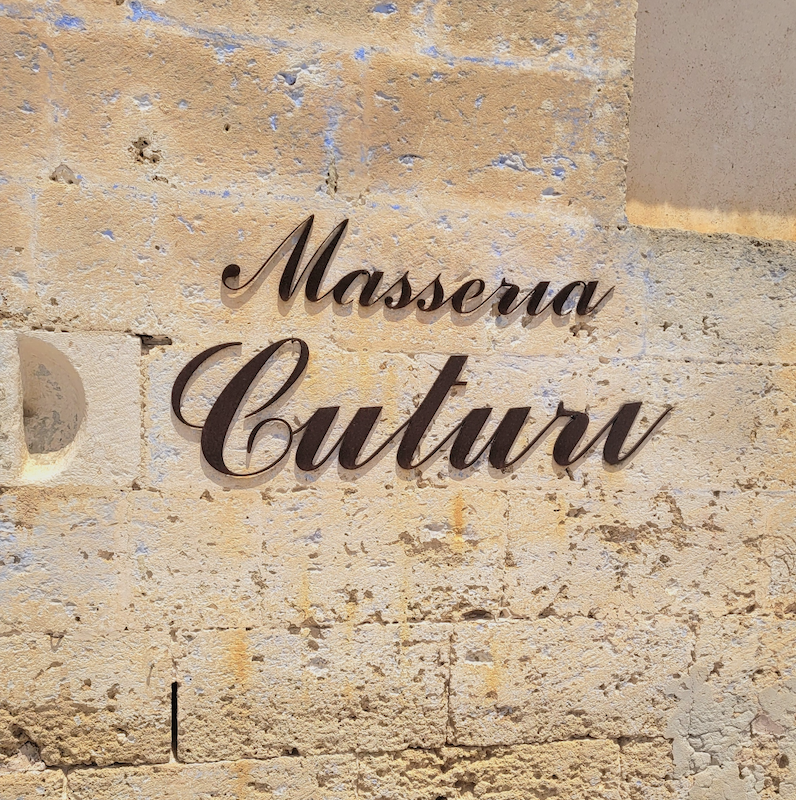
Masseria Cuturi

Masseria Cuturi Femi Negroamaro Rosato 2024, Salento IGP

Early harvested negroamaro and this 2024 is the first vintage for the new label. Indelible stamp of Cuturi and scent of fresh strawberry, spicy, herbal, salty and savoury, relentless in its intensity. Drink 2025-2027.  Tasted June 2025

Masseria Cuturi Negramaro Zacinto 2021, Salento IGP

Quite the full aromatic expression of the local negro, dry, upwardly mobile acidity, lower pH and Macchia Medditeranea from the place with a lot of rock. A year of tank aging followed by another year in bottle for ultra freshness and a varietal drinking ability second to none. Not only a brilliant rendition of the relationship but surely the sort of example to reach out far and wide to tell the world. Drink 2026-2029.  Tasted June 2025

Masseria Cuturi Aglianico 2021, Salento IGP

Camilla Rossi Chauvenet, owner in Valpolicella at Massimago and here with Masseria Cuturi believes in this grape for Manduria. As with the negroamaro the raising is a year in steel tank followed by one in bottle. More upfront tannic presence that carries the structure of a wine unable to avoid its nature but nurture here is as strong a driver with thanks to care put in by agronomist Angelo Bagorda and consulting oenologist Valentino Ciarla. Intensity of acidity and a brightness on the palate of dark red citrus from pomegranate to an electric current of red currants. A relentless palate attack but without Campania’s drying and demanding style of tannins. Drink 2027-2031.  Tasted June 2025

Masseria Cuturi Primitivo di Manduria DOC Licuturi 2021

A modest primitivo is many ways, especially with respect to the ways in which the world perceives how the grape is expressed and yet vintage is so essential as being the determining factor. In this case less than the hottest, acidity bursting upwards of 6.5 g/L and alcohol pleasant, present and restrained at 14 per cent. Even if it’s actually closer to 14.5 it does not matter because it would be hard to find a more balanced varietal wine like this anywhere in Puglia. The hard work, focus, respect and abiding by nature and place are so apparent and must be recognized. In the face of climate and time of history this is simply brilliant. Drink 2027-2033.  Tasted June 2025
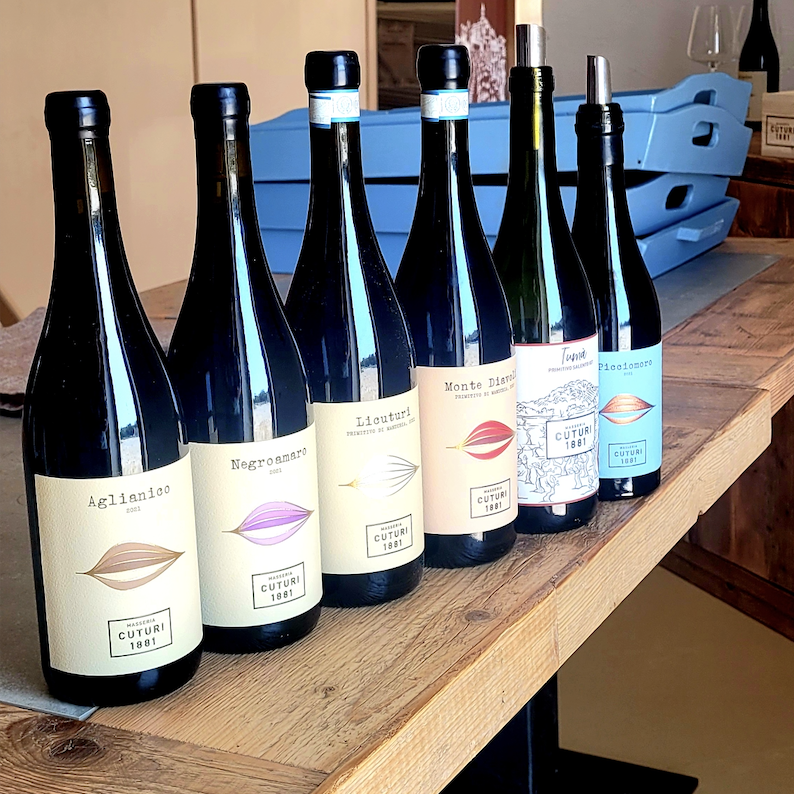
Masseria Cuturi Primitivo di Manduria DOC Monte Diavoli 2020

From the most important vineyard, here out of a drier vintage with more heat than the following 2021. The alcohol is a half point higher and has to be but the exaggerations of macchia, Balsamico and general Cuturi savour (including the uncanny scent of fenugreek) coming along for the more concentrated ride. There is spice but no heat, terrific acidity and when tasted alongside Licuturi, but also the aglianico and negroamaro, well the diversity in the wines is quite impressive. All show freshness that’s distinctive and so welcome. For Angelo this is what Cuturi can do in a shadowed comparison to pinot noir, albeit with darker fruit from higher mineral meets calcari soil. If we must pick a place it would be Chambolle-Musigny but this is southern Puglia with primitivo and so think what you will. Drink 2027-2035.  Tasted June 2025

Masseria Cuturi Tumà 2023, Salento IGP

Named after Don Tommaso, here in Manduria affectionately known as Tumà for a primitivo of the sharpest red fruit in full on sapid tang. The one that is both salty and phenolic, an intensity captured through acidity and limestone rich soil for another unique Masseria Cuturi expression. Drink 2026-2030.  Tasted June 2025

Picciomoro Aleatico 2021, Passito Salento IGT

The estate’s best use for the local aleatico variety is a sweet wine made in the tradition of Valpolicella by drying grapes and then reviving them for a finish at 17.5 percent alcohol. Rich and spicy, a thread woven from the dry reds through to a Recioto ringer in Manduria. Everything here is spiced and piqued, tart and sparked. Great interest here for sure. Drink 2025-2029.  Tasted June 2025
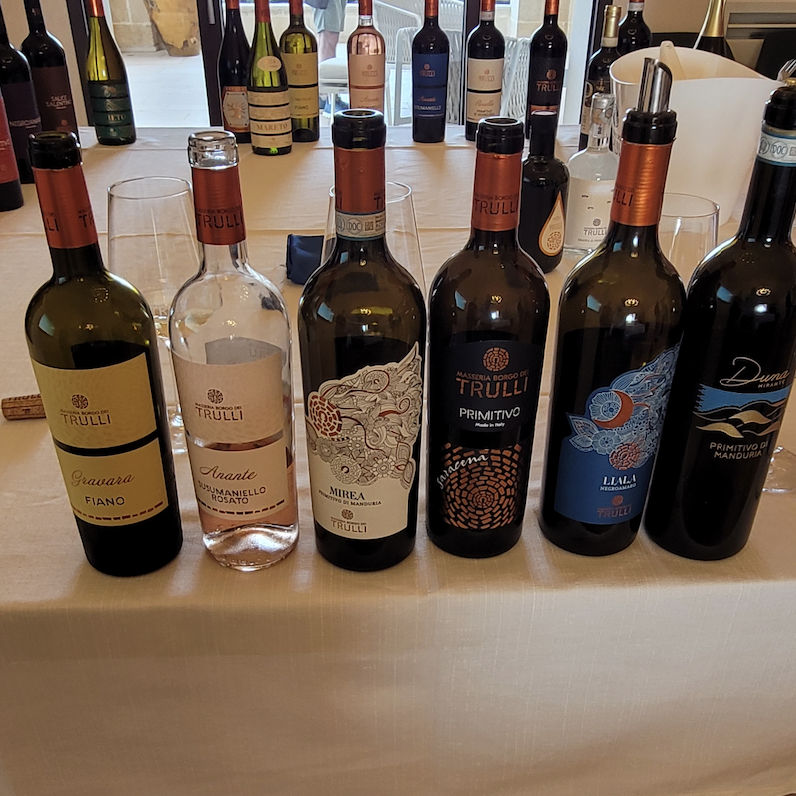
Masseria del Borgo dei Trulli Metodo Classico Millesimato 2022

Early picked chardonnay grown in the commune of Maruggio in Taranto, Manduria four kms from the Ionian Sea. First vintage was 2019, 36 months on lees. Leesy, autolytic, textured and warm chardonnay style. Lemon curd with a phenolic meets tonic twist. More than curious, clean and complex. Drink 2025-2027.  Tasted June 2025

Masseria del Borgo dei Trulli Fiano Gravara 2024

Steel only, on lees just a few months and bottled in March. The name comes from the rocky soil and the area where most of the white wine grapes have been planted. Lemony and phenolic, a sapid white of clean bitters and tonic. Simple and just a bit tannic. Drink 2025-2026.  Tasted June 2025

Masseria del Borgo dei Trulli Ananta Susumaniello Rosato 2024

A resurrection of the once much used Pugliese variety now popular for Rosato and here with 10 percent aged in wood. Bright and salty, light and pale pink, very much a summertime drink when primitivo does not fit the weather. Clean, fit, dry and quenching. Drink 2025-2026.  Tasted June 2025

Masseria del Borgo dei Trulli Mirea 2023, Primitivo di Manduria DOP

From 60-70 year-old alberelli grown primitivo where vines and fruit conspire for elevated alcohol upwards of 17.5 percent. To be fair it hides it quite well with the effects of American oak involved, of vanilla and a toasted coconut but cooled, minty and without finishing heat. The vessels used are barriques, tonneaux and botti. No lacking fruit, not particularly jammy and about as balanced as could be with a wine of this maturity. Still be careful because a Port-like red will get on top of you quickly. Drink 2025-2028.  Tasted June 2025

Masseria del Borgo dei Trulli Primitivo Saracena 2023, Primitivo di Manduria DOP

Late August picked primitivo that create their own natural appassimento, put to wooden crates to dry for 10 days for more fruit concentration. Forty percent of the grapes’ water evaporates and then the wood aging begins. The mix of concentration and barrel makes for the biggest mouthful in primitivo. Drink 2026-2029.  Tasted June 2025

Masseria del Borgo dei Trulli Negroamaro Liala 2023, Salento IGP

Chosen from 80 year-old alberello vines growing near the town of Salice Salento where the estate farms five hectares. Formidable concentration with spice run here, amok and everywhere, dark and deep, tannic and brooding. Minty spice as well, the macchia if you will and a notable sweetness. Seventy percent sees seven to eight months in a combination of barriques and 3,000L botti. Thickly textured, juicy and just elastic enough “to not go boom” says Elena. It’s a style and balanced within its broad parameters. Drink 2026-2030.  Tasted June 2025

Masseria del Borgo dei Trulli Primitivo Duna Mirante 2022, Primitivo di Manduria DOP

Literally from the seaside near the town of Campomarino, planted on Ionian sands on the dunes of Monaco Mirante just 300m from the ocean on 60-70 alberello-trained vines. Lowest of yields for concentration and thick texture cut by marine air, salts and oyster meets anchovy umami. Still it comes in at 17 percent and shrinks away from nothing, but the most curious note is that of Worcesteshire. Also Vegemite meets tapenade. There is nothing like it, comes across mildly oxidative and yet feels fortified, able to age some years going forward. Nearly no sugar by the way and also no sulphites used. Finish goes to chocolate in the 50-55 percent range. 5,292 bottles produced and only in best vintages. Drink 2026-2031.  Tasted June 2025
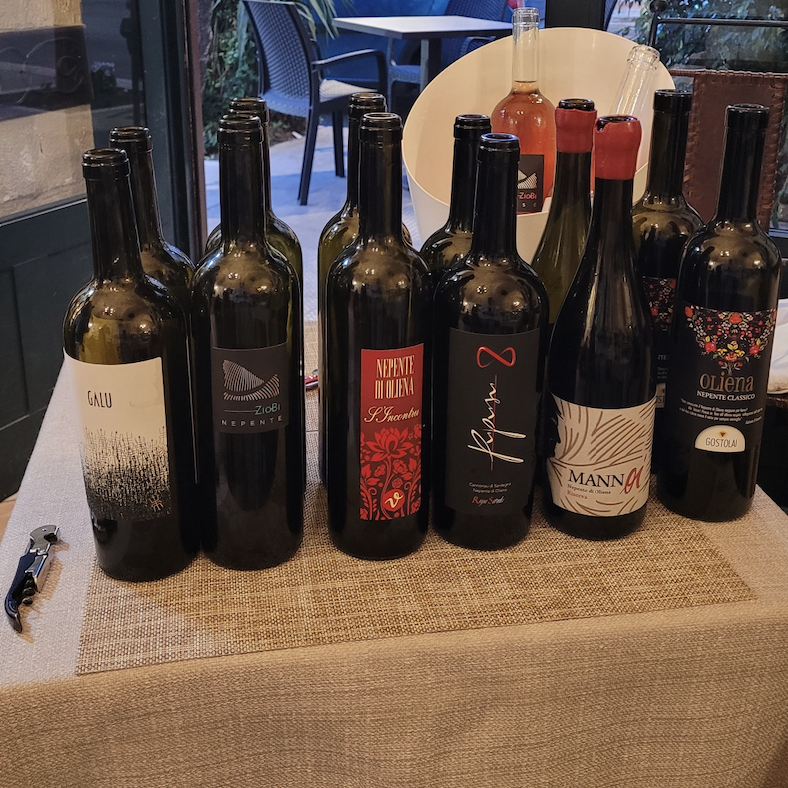
Masterclass: Nepente di Oliena Cannonau di Sardegna DOC

From the mix of granite and limestone soils in the area of Oliena in the very centre and heart of Sardinia. The village is located in Barbagia, a region often referred to as the “Sardinian Dolomites” because of its white rocks and sheer cliffs that resemble those of northern Italy. Nepente is the term for Oliena’s wine coined by Poet Gabriele d’Annunzio, loosely translating as “that which takes pain away,” something the Greeks prized from the area’s cannonau. This class looked at six definitive examples for one of only four allowable varietal DOCs in Sardinia in the shadow of Monte Corrasi, the “big grey mountain,” with vines between 120 and 700m.

Agricola Salis Cannonau Nepente di Oliena DOC Galu 2023, Sardegna

Light on its feet and in the glass from 14.5 percent alcohol and a cannonau upwardly aromatic and mobile. Pays heed to place, that being Monte Corrasi, the ‘big grey mountain,” in full concentration, if a bit jammy. From granitic soils and their want to lend a bitter black cherry note and a wine not particularly woody while needing another year to settle in. There is density all the way through. Drink 2026-2029.  Tasted June 2025

Cantina Biscu Cannonau Nepente di Oliena DOC Ziobì 2022, Sardegna

Hot vintage and it shows in the peppery warmth, especially on the nose. Healthy grapes beget density of aromatic volume and the wine is in balance because of its juicy character. Mineral feels come from the calcareous soil in a well made, albeit big and brawny cannonau. Will be better a few months into next year. Drink 2026-2028.  Tasted June 2025

Vignaioli Oliena Cannonau Nepente di Oliena DOC S’Incontru 2022, Sardegna

From big to bigger, dark to darker, dense to denser. Can’t miss the heat of the vintage with a cannonau clocking in at 15.5 percent alcohol, of dark chocolate, a full-bodied style and solid structure. Will drink well with salty protein although oxidation and truffling will happen sooner rather than later. Drink 2026-2028.  Tasted June 2025

Ruju Sardu Cannonau Nepente di Oliena DOC Pupusu 2022, Sardegna

Darkest fruit and dustiest character of these six Cannonau Nepente Di Oliena DOC reds. Also a serious threat of tannic freight and so full of the local Balsamico. Plenty of barrel here, but also high quantitative and qualitative acidity to buoy the entirety of the wine. This is serious Sardegna. Drink 2027-2031.  Tasted June 2025

Gutthiddai Cannonau Nepente di Oliena Riserva DOC Mannoi 2021, Sardegna

A more rustic example of cannonau for Nepente Di Oliena DOC, of dustiness and unresolved wood. Dark chocolate with sharp and again, rustic acidity. From young vines growing in granite soil, gangly, youthful, awkward and a work in progress. Drink 2026-2027.  Tasted June 2025

Gostolai Cannonau Nepente di Oliena Classico DOC 2019, Sardegna

Age has crept in and well upon the character and fabric of this aged cannonou. Seems to prove a theory that a couple of years are needed to settle the youthful heat of Nepente Di Oliena DOC but five or six sees the wines become a bit long in the tooth. This 2019 is now oxidative and fungi soupy. Drink 2025.  Tasted June 2025

Michele and Michele, Kairos Vini

More wines tasted at the walk-around at Paolo Cassano

Kairos Vini Francé Bianco Frizzante, Sicily

Astral Ancestrale method sparkling with inzolia and carricante, sweet and intense, also leesy but not in a knowable or expected way. More like the natural yeasts present on orchard fruit, as a bite into musky skins and experienced on the palate. Produce a sparkling wine in weeks and the results can be naturally invigorating. Oh, the lemon…and the water. “And It stoned me to my soul.” Drink 2025-2026.  Tasted June 2025

Kairos Vini Giosè Rosato Frizzante, Sicily

Charmat (Italian) method Rosé sparkling made with perricone and catarratto, freshest of strawberries scented, creamy and texturally soft. Unfiltered with a fresh ricotta salata flavour, vaguely peachy, useful and purposeful. Drink 2025-2026.  Tasted June 2025

Kairos Vini Attia Bianco NV, Sicily

Non-vintage white blend of inzolia and chardonnay from the western lands of the Sicilian island purposefully made turbidly cloudy. Phenolic, metallic, of lemon gelée, mineral salts and sea kelp. Bloody natural and interesting, in a different league than but curiously hoding something in common with the Italian MWs Officina del Vento grillo. Drink 2025-2027.  Tasted June 2025

Kairos Vini Aurora NV, Sicily

Varietal catarratto, 100 percent performing as a vino di macerata, in other words skin-contact for eight days. Aged in steel for six months with constant bâttonage. Comes away perfectly clear and serviceable but also much more. Orange zest, ginger, cardamom, pistachio and galangal for such a creative wine. No natty dread here whatsoever but only precision. Drink 2025-2028.  Tasted June 2025

Kairos Vini Ammia 2021, Sicily

Varietal syrah from the southern part of Sicily, specifically Licata di Campobello and macerated for 10 days. A spontaneous fermentation, aged with bâttonage in stainless steel and cement vats, bottled unfiltered after two years. All the dark red berry fruits, all natural and clearer than many Rosso. Quite proper actually. Drink 2025-2027.  Tasted June 2025
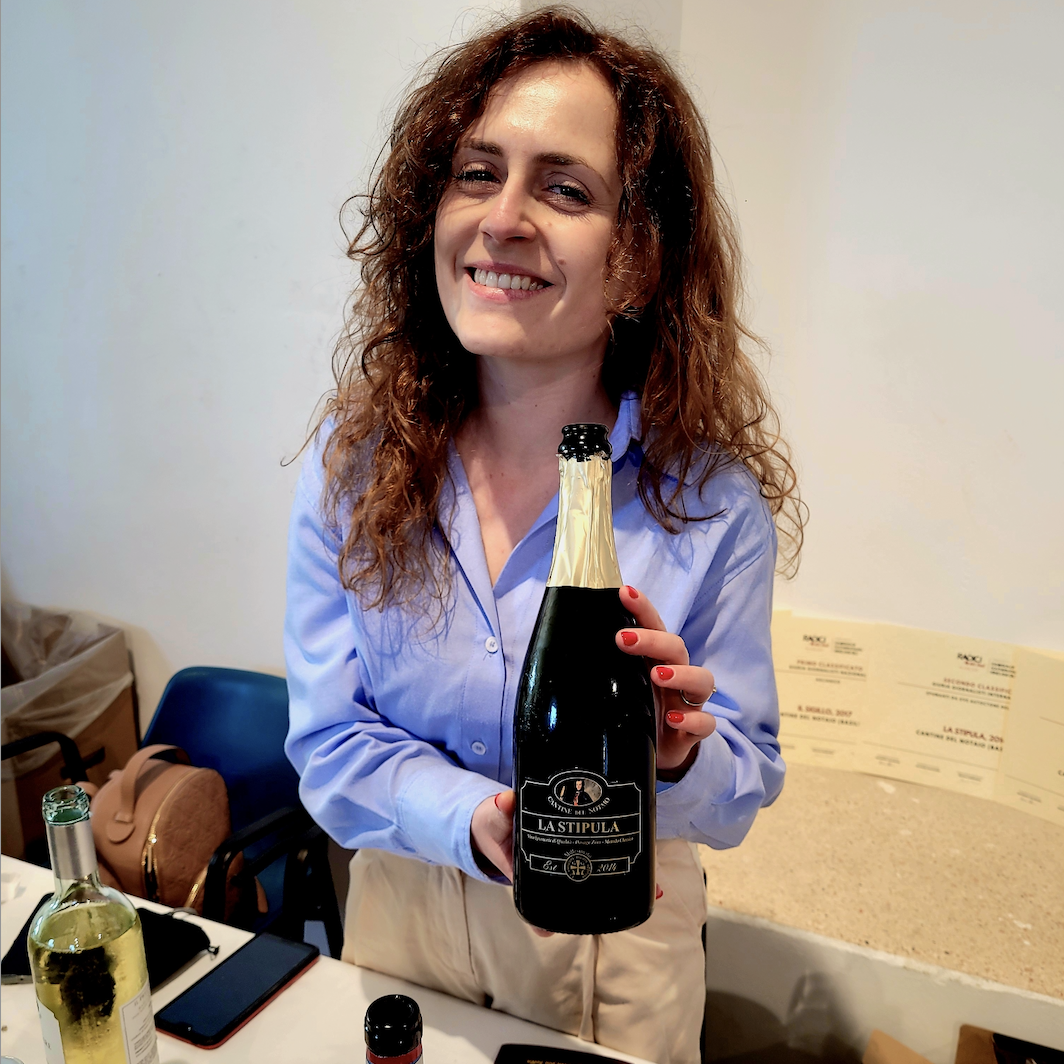
Cantine Del Notaio La Stipula Metodo Classico Vino Spumante di Qualità Dosage Zero Brut Millesimato Aglianico 2014, Basilicata

Solo aglianico, 10 years on the lees with warmth and maturity meeting an unlimited amount of complexities that reminds of South African

Go back

Your message has been sent

Warning
Warning
Warning
Warning

Warning.

Cap Classique. Nervy with persistent energy and vivacities. A candid southern Italian sparkling wine with naturally wavy-curly hair. Drink 2025-2029.  Tasted June 2025

Cantina Del Notaio Il Priliminare 2024, Basilicata Bianco IGT

A relatively rare white vinification of aglianico with splashes of malvasia and chardonnay, each important contributors, first for aromatic heightening and second to add some much needed orchard fruit bite. Neither can tame the tannic presence of the aglianico, nor should they try to fight the power. Though it feels like the recipe could use some adjustment, there is something curious happening here. Potential as well. Drink 2025-2026.  Tasted June 2025

Cantina Del Notaio Il Rogito 2024, Basilicata Rosato IGT

Candied, semi-cimmerian hue in the style of Tavel, most definitely the furthest thing from Provençal. A pretty Rosato in all respects, from aglianico only, some sweetness, not particularly phenolic and balanced by its overt fruitiness. Like a bowl of fresh cherries. Drink 2025-2026.  Tasted June 2025
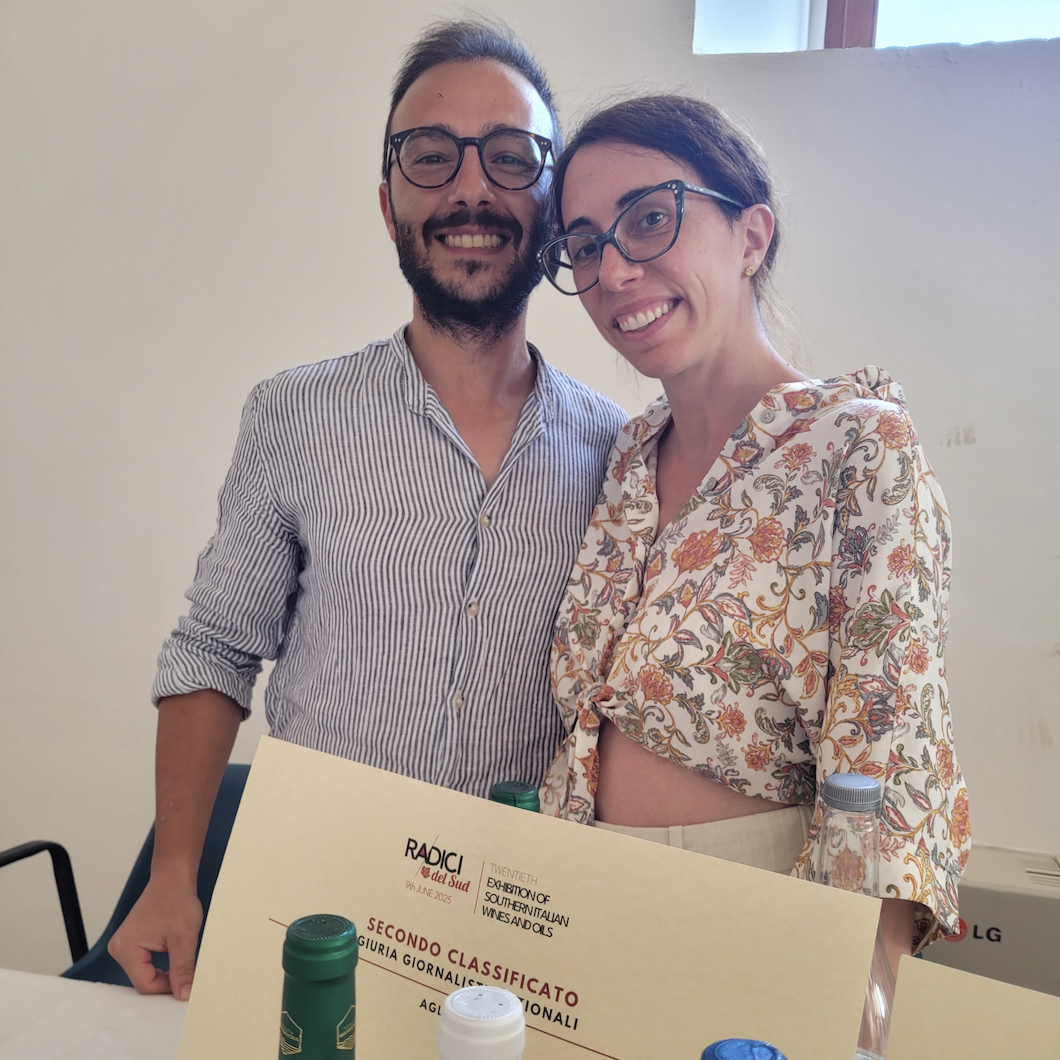
Davide and Maria, Tenuta Massanova

Tenuta Massanonova Rosato Frizzante Mary’s Flower 2023, Campania

From Campania near Cilento, the work of Davide and Maria, certified organic since 2022. A second vintage effort with 100 percent primitivo Rosato from the young vines, incredibly tart and of full on white cherry and red currant tang. Amazing freshness and quenching ability. Molto dissetante! Drink 2025-2027.  Tasted June 2025
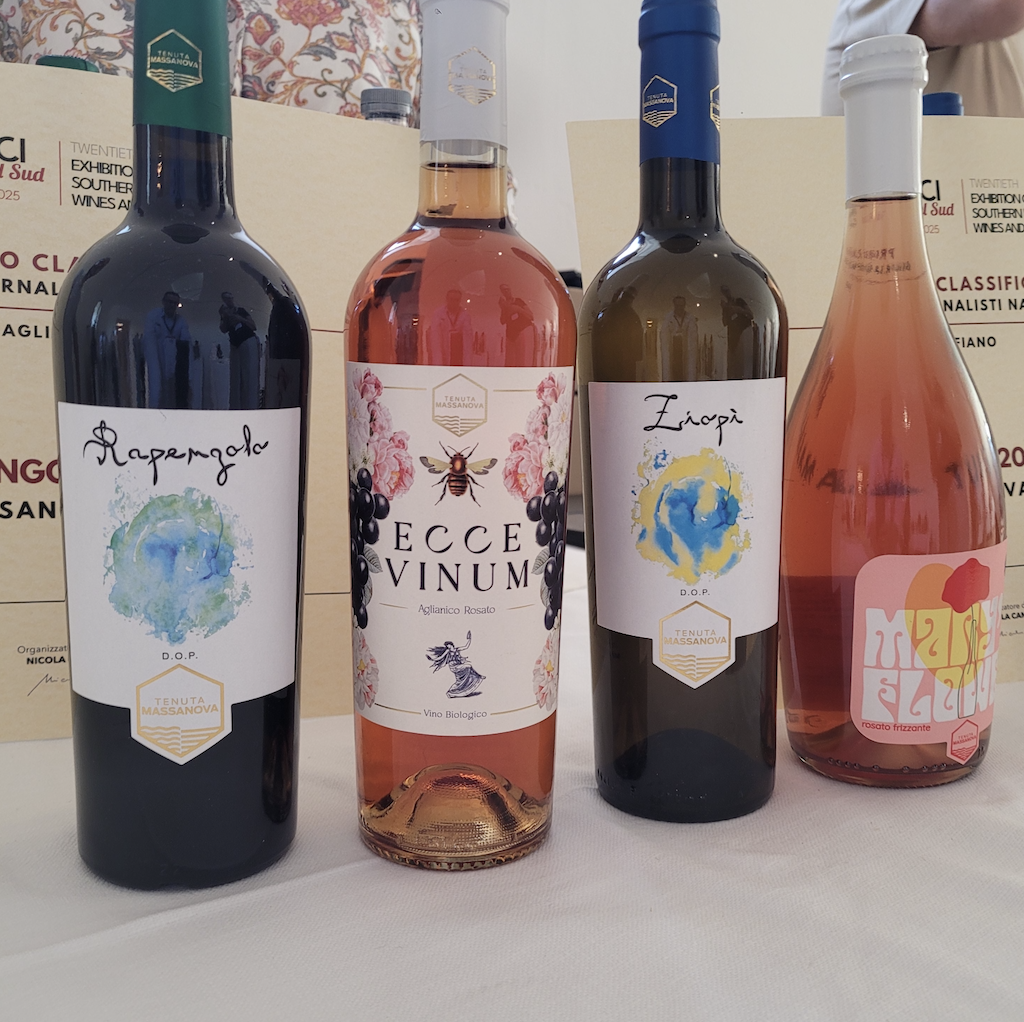
Tenuta Massanova Ecce Vinum Aglianico 2024, Rosato IGP

A polar opposite to the Spumante Rosato, just one hour on the skins for a paler southern French style yet juxtaposed against some kept power and structure of the aglianico. A mix of roses and Sherry qualities from a Rosé meant for simple gastronomy that involves ricotta or mozzarella di buffala. Tastes as much like an orange wine as it does a Rosato, clocking in at 12.5 percent. Curious. Drink 2025-2027.  Tasted June 2025
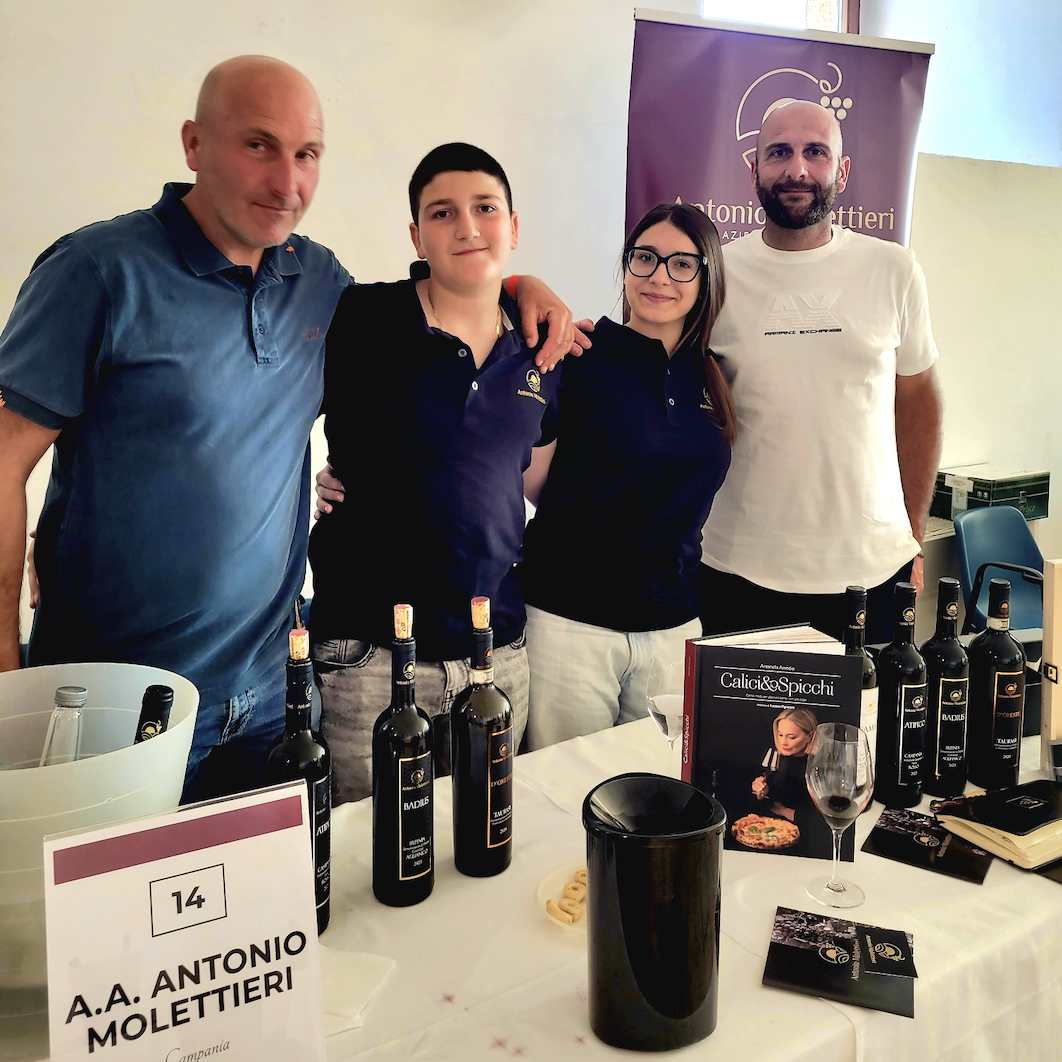
Molettieri Family

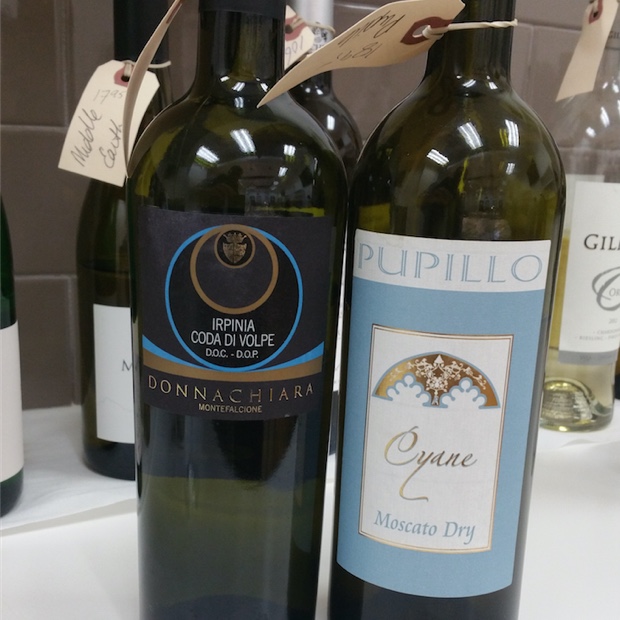
Azienda Agricola Antonio Molettieri Coda Di Volpe 2024, Irpinia DOC, Campania

Part of the five hectare, 8,000 total bottle production from Campania, of coda di volpe growing on century vines aged only in steel for six to seven months. Ultra fresh, clean, fine and with that all-important posit tug between salty and sapid. Emits and emotes a true terroirist’s volcanic sensibility. Drink 2025-2027.  Tasted June 2025

Azienda Agricola Antonio Molettieri Atipico 2021, Rosso IGT, Campania

The family work of Antonio, Daniele and Sofia for one of the very few merlot raised in the area of Castelfranci within Avellino and the varietal profile here is seriously unique. Luxe and ripe as if Napa Valley were the source – It’s just right there. Crazy! Drink 2026-2029.  Tasted June 2025
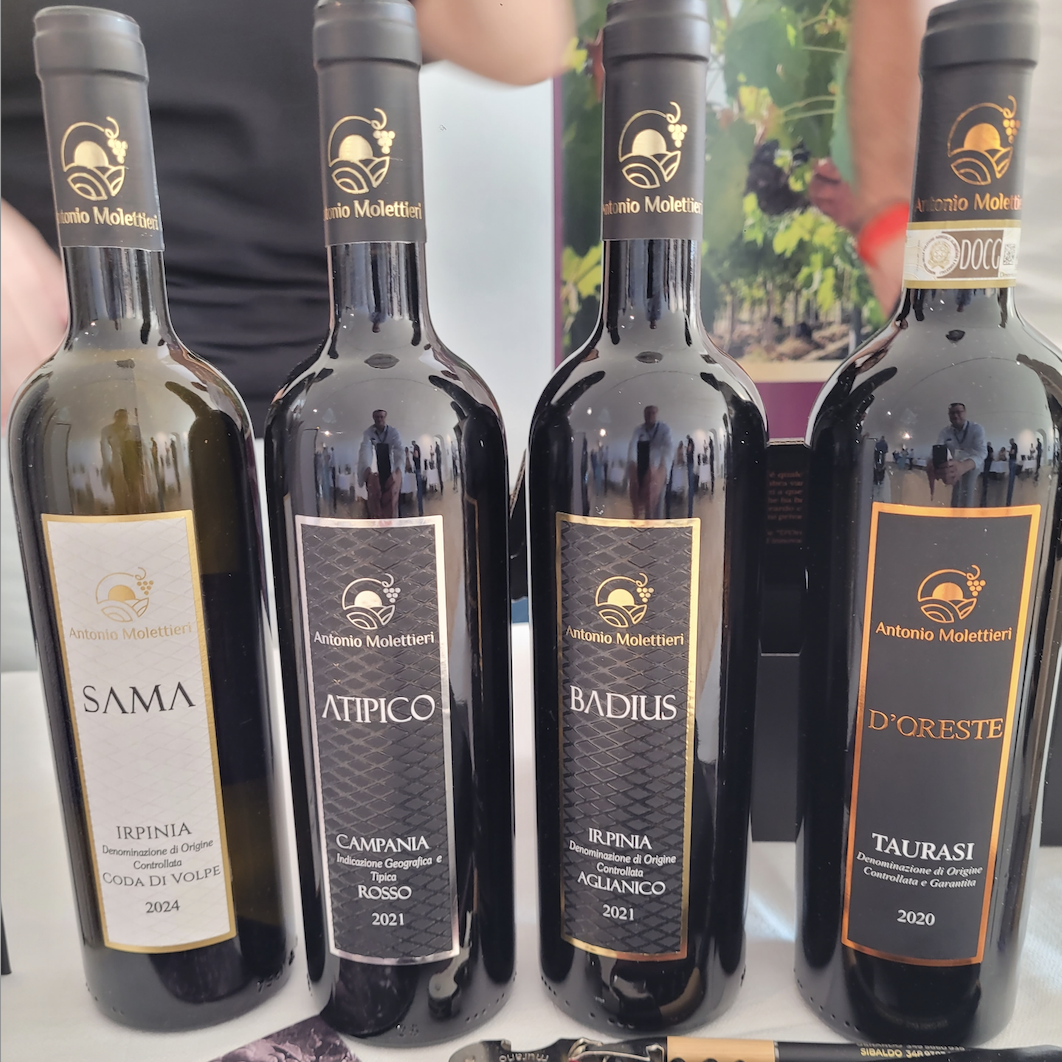
Azienda Agricola Antonio Molettieri Badius 2021, Aglianico Irpinia IGT, Campania

Opposite to merlot, from black to red fruit, tannins exuding with confidence and power from the glass. The intertwine between fruit and tannin is a strong bond, a union of opposing forces meant for one another, capable of growing old together. Cherries are obvious, depth impressive and the dark mystery unsolved. Seriously sweet tannins. Drink 2027-2032.  Tasted June 2025

Azienda Agricola Antonio Molettieri D’oreste 2020, Taurasi DOCG, Campania

An aglianico of poise and depth with wood aging time, acidity and alcohol that exceed the Irpinia, as do both the substantial fruit and powerful tannins. Freshness from 2020 but also the feeling of experience which says a 2010 would likely not act much different – That’s easily how long a wine like this will take to change, open and express its true sense. The layers are many and intensity is off the charts. Promise is the limit. Drink 2027-2035.  Tasted June 2025

The Di Prisco family grows

Di Prisco Coda di Volpe 2024, Irpinia DOC

Produced since 1996, a wine “from the vineyard” oriented south and southwest, done up through whole bunch fermentation. Juicy, clean, orange zested, simple, coolly gelid and with acidity dutifully maintained. Different than the “other” coda di volpe, never a matter of being a blended wine. Drink 2025-2027.  Tasted June 2025

Di Prisco Fiano Di Avellino DOCG 2024

Sees only stainless steel for eight months to come away pure, clear and juicy with fresh squeezed citrus. Bloody quenching with premium spicing and über proper pacing. Drink 2025-2027.  Tasted June 2025

Di Prisco Fiano Vigna Rotole 2024, Irpinia DOC

The Avellino may be the DOCG classified Fiano but this single vineyard Irpinia is the more serious wine of the two. Higher extract, finer tannin, elevated fleshy texture and this amazing mix of mellifluous natural sweetness and volcanic minerality. Not to mention length and consequently potential. Speaks to a place, not a cuvée. Drink 2026-2030.  Tasted June 2025
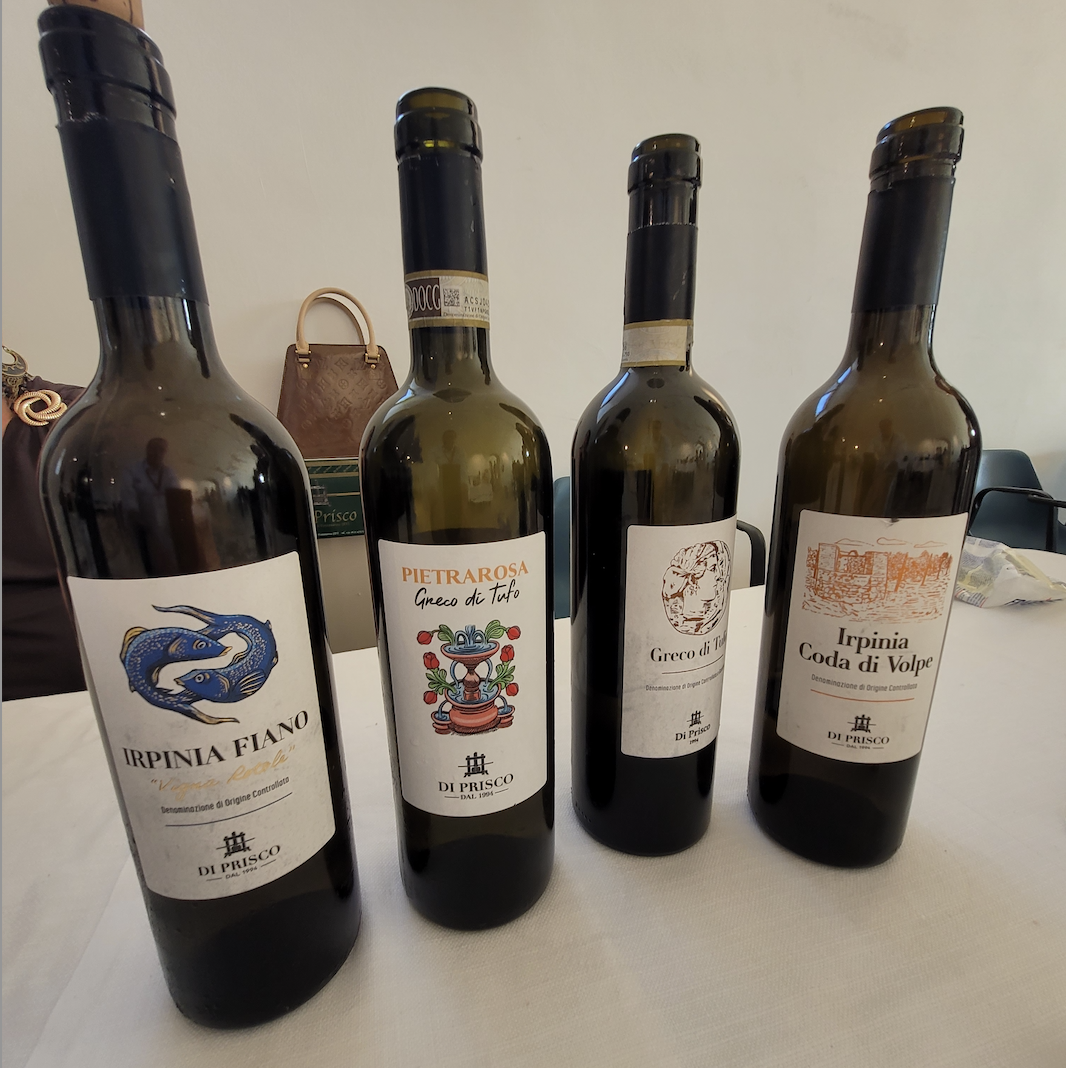
Di Prisco Greco Di Tufo DOCG 2022

From two hectares of vines growing at 600 and 630m of elevation split by a road with the lower part chosen for greco. Sees only steel but for 12-18 months with regular bâttonage. Feels and acts like Chablis in greco clothing – tastes that way too. At the very least texturally speaking and then this goes full on lemon-orange, finishing dry and tannic. Drink 2026-2029.  Tasted June 2025

Di Prisco Greco Di Tufo DOCG Pietrarosa 2020

The upper cru section of greco above the road at 630m, more calcareous soil to deliver an increase of both extract and specified mineral. Age has brought about more platinum gold in the hue, a gentle oxidation and the sentiment is like older sémilon. More life still to live and perhaps next year will bring about honey and paraffin smoulder. Drink 2025-2028.  Tasted June 2025

Di Prisco Brothers Aglianico ‘Nplugged 2021, Irpinia DOC

From two brothers, Giuseppe and Michele, together moving forward after their father Pasqualino with this experimental aglianico, 75 percent of which is raised in steel. A next generation Avellino red for which the latter stages of fermentation is done without skins, a departure from the norm. Results in an elegant, nurturing and just bloody lovely aglianico, without angst or unrelenting grip. Drink 2025-2028.  Tasted June 2025

Cantina La Giara Semidano di Sardegna Superiore DOC 2021

Some might question the indigenousness of semidano while others, including Cantina Giara will say the grape is a rare, native white variety from Sardinia. Here it acts musky aromatic as a relatively soft yet mineral white with a step up from merely moderate alcohol (at 13 percent). Acts with an almost chenin blanc like personality out of Sardinia where just 10 hectares exist for this great curiosity of a white wine. Drink 2025-2027.  Tasted June 2025

Good to go!

godello

Squadra 2025, Radici del Sud

Instagram

Facebook

Always tasting Italian wines, doin’ allright

Toscana

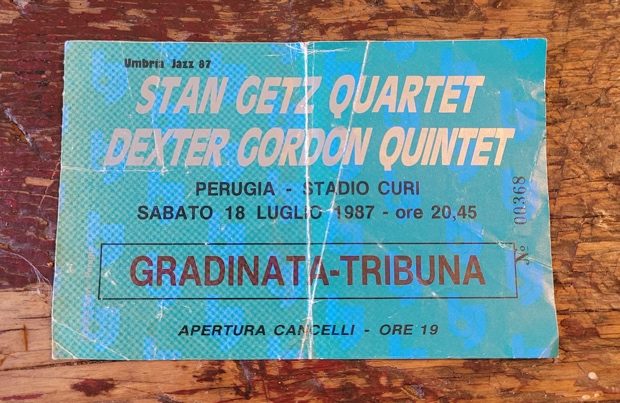
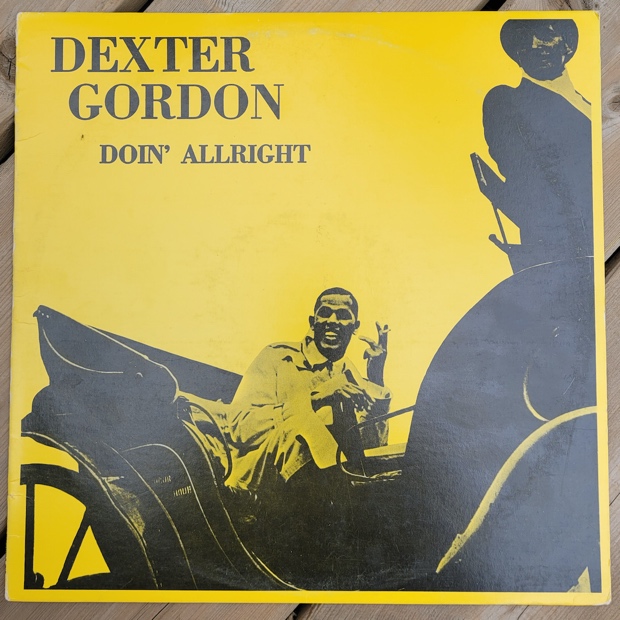
Back in the summer of 1987 I attended the Umbria Jazz Festival in Perugia. This was considered “the benchmark year for Umbria Jazz in terms of the Festival’s appeal, its quality, its ability to combine popularity with exclusivity, with mass concerts in the football stadium and the fantastic evenings inside St. Francis’ church.” The memories of that July 16th to 18th weekend are strong, persistently vivid and what happened there was clearly transformational in my life. Sting had played the weekend previous and though my crew could not stay long enough to see Miles Davis on Sunday the 18th still there were grand moments indelibly stamped upon our lives. Walking the Piazza IV Novembre up to Nicola and Giovanni Pisano’s Fontana Maggiore, drinking in the cafés, Sly and Robbie sitting at the next table. But the highlight happened at the Stadio Renato Curi where Dexter Gordon blew his horn and our minds. The saxophonist was fresh off of a revivalist’s record and hit movie. He was Doin’ Allright, as were we.


Jazz and wine. Two inextricably linked subjects and emotions in the summer of 1987. Now 35 years later I’m listening to Gordon’s seminal record and tasting wine. Time spent Far Niente. Tasting Italian wines from a wide ranging group of producers while paraphrasing from thoughts about the music of the OG big man, with no disrespect intended to Clarence Clemons. Dexter’s life and this group of wines are representative of that kind of size. Their rhythm section plays for the grape, seeming to sense what it wants, following the varietal lead and never falling out of balance. Full toned manner of wines, loping in medium tempo, solos unhurried, logical, warming and full of Italian melodies.

Umbria, July 1987

There are white wines that play beautifully and pensively while others pick up the mood by spinning out solos, staying texturally relaxed and thoughtful, ending with some perfumed chords. There are short bits and interludes but ultimately the way these wines handle their ballads is an indication of their length and depth. They know what it’s all about. The reds are at times wines of catchy and contrasting themes but they truly know how to build a solo. In today’s warming climate they climb up in temperature, chorus after chorus, until finally they satisfy at their apex. There are moments when the reds seem to be skipping and marching, alternating between funky riffs, leaping rhythmic figures and brightly lit burning flames of fruit and acidities. They build more slowly to climax while expanding in tones and for longer periods of time. There are chordal explorations in reds, blacks and of course blues. What connects them all is underlying substance in waves and weaves throughout each ensemble. Tasted consecutively or together theses wines all prove to be mutually significant. Thank you to Ira Gitler for the inspirational notes, to Stefania Tacconi and the prodcuers for sharing their wines.

Inama Vin Soave Classico DOC 2020, Veneto

Anything but entry-level from the grape garganega once known as Graecanicum grown in the basaltic lava, volcanic tuffs and orizzonti rossi. About as correct and defining as it gets for Soave, yellow and green floral, fruit recall more of the same and then the volcanic rock alterations that give the mineral-salty feel. While there might be a wish for a little bit more complexity and grape spirit there is some gelid to viscous texture in this 2020. In any case Inama’s is well made, educational and right on the varietal money. Drink 2022-2024.  Tasted March 2022

Abrigo Giovanni Favorita DOC 2020, Piedmont

As for white wines from Italy’s northern climes there are those that speak to many and then there is the “favorita” of others, the varietal Piedmontese white for the dreamers and the romantics. This from Abrigo out of Diano d’Alba avoids the bitters, pith and boozy thiol moments to instead capture all the white flowers and more. The scents are fruity over metallic and clean instead of waxy. There is precision and most importantly a toothsome grace over the palate that brings you back for more and more. A picnic in the hills, a chilled glass after the day’s movement and the scent of dusk. That is favorita when it’s right. Drink 2022-2024.  Tasted March 2022

Terra Costantino Etna Bianco DOC Deaetna 2019, Sicily

Terra Costantino’s is from Contrada Blandano in the Comune Viagrande, on soils sabbie di matrice vulcanica, a blend of carricante and catarratto, three to one, at 500m, part bush vine and part spurred cordon. Were the flinty smoulder the only beautiful thing going for this Etna Bianco it might almost be enough but the gelid and sweetly ripened fruit takes every moment to a higher caste and level. The thought of these wines being honeyed is not all that common and yet he we are, aromatically speaking, lemon meringue and curd, angel food cake, with the barrel impart knowable in vanilla and light caramel terms. A metallic feel as well, pure platinum gold, texture and some age already put behind. Not so typical but curious and highly enjoyable nonetheless. A drink now chardonnay or chenin blanc alternative that will begin to oxidize in a couple of years time. Drink 2022-2024.  Tasted May 2022

Poggio Argentiera Morellino Di Scansano DOCG Bellamarsilia 2020, Tuscany

High-toned in 2020 with a marked level of volatile acidity and good if not maximum ripeness from sangiovese grown either in a (relatively) cooler year near the (Maremma) Tuscan coast. It would seem the winemaker is also looking for restraint and maintaining positive acidity because at this low level (13.5 per cent) of alcohol the resinous and stemmy nature of sangiovese is duly noted, if also accentuated. Texture is a bit chalky, almost grainy and the tannins throw a touch of green. Drink 2022-2023.  Tasted May 2022

Usiglian Del Vescovo Il Barbiglione 2015, Terre Di Pisa DOC, Tuscany

From estate grapes in the Pisa DOC and from a winery also producing wines both coastal and in Chianti appellations. Centred around syrah with small percentages of cabernet grown in greyish, dry, shallow, sandy soil with some clay, lime and fossils. A bright, currants and other red fruit syrah with notable tang and wood resins. A touch pectin sappy while satisfying and complete. Held back to tame its wild side and drink upon purchase. Drink 2022-2024.  Tasted June 2022

La Regola 2018, Toscana Rosso IGT

A place of Etruscan origin just five kms from the Tyrrhenian Sea at Riparbella in the Cecina Valley. The vineyard lays within the Montescudaio DOC at 150-200m with soils described as Mediterranean with an abundance of stones. La Regola’s (the rule) is varietal cabernet franc, abundant, heady and as compared to the blended reds, so unfettered and uncluttered. The varietal purity is expressly coastal, of saltiness, algae, seaweed, tar and fruit so much more than a plenty. This is truly a stylistic and a place that makes wines just like this here screaming with clarity and truth. There seems to be little doubt that cabernet franc fits, unlike sangiovese, syrah or cabernet sauvignon. Franc is the signature red and 2018 announces its success. The structure, unimpeded drive and length confirm the pronouncement. Drink 2024-2029.  Tasted June 2022

Boscarelli Vino Nobile De Montepulciano DOCG 2019, Tuscany

Boscarelli is a name to conjure with, a producer from Montepulciano as direct and exciting as a communicator of sangiovese emotion as any, consistently declarative in attack. Case in point this 2019 though with the added advantage of a most generous and unselfish vintage. Fruit comes from estate vineyards in the parish or pieve of Cervognano, one of 12 newly minted UGAs, a.k.a. unità geografiche aggiuntive. These additional mentions for the overall appellation give us the consumer a more pinpointed sense of place and in Boscarelli’s world the vines were planted in the late 1990s. Depth burrows in an endless seeking of mineral wealth while highlights rise unencumbered, defying gravity and setting this local sangiovese free. When sangiovese does both it’s a bit of a revelation and in Montepulciano the truth is not always easy to come by. The wines can make you work for your pleasure and this 2019 gifts it freely. Drink now and for the next 10 years. Drink 2022-2028.  Tasted May 2022

Il Bocale Montefalco Rosso DOC 2018, Umbria

The Umbrian work of i famiglia Valentini based around sangiovese accented by the local sagrantino, then merlot and colorino. Unequivocally balanced if not quite the increasingly generous vintage that will follow in 2019. The succulence and juiciness of the Montefalco Rosso appellation is captured with precise and succinct advantage and done so without any due stress or adversity. The fruit spreads with ripples into fine acidity and supple tannins like a large rock dropped into a pool of water. The rock disappears but the fluidity and gentle set of wakes linger on, ever so slowly decreasing their size and intensity. Bocale’s ’18 is an effortless Rosso, aromatic, flavourful and elastic. This is just what a top producer knows how to do. Drink 2022-2025.  Tasted June 2022

Il Bocale Montefalco Sagrantino DOCG 2016, Umbria

From the Valentini family dating back to 2002 and a varietal sagrantino of the highest selection. “Bocale is the dialect word that indicates the two litre mug of wine or oil, but, above all, the name with which this family from Montefalco has always been identified.” From the most democratic of Montefalco vintages, long, studious and just, indeed a wine giusto e completo, time having settled the once formidable tannin and connecting the early unconnected parts. A wholly unique profile, indicative of tar, dark chocolate and espresso yet subtly so, with an allowance of many complexities to join the parade. Quite special in so many regards. Drink 2022-2026.  Tasted April 2022

Il Palio, Siena, July 1987

Riecine Chianti Classico DOCG 2019, Tuscany

Grande Gaiole compass, cinch and girth in naturally swarthy sangiovese from Riecine in 2019, crunchy and tart. Inching up towards the volatile but such is the word in pace for the vintage. The fruit can handle the stark reality and veritable truth, equipped with grip and ready for the inevitable circumstance. Maybe wait a year for further resolution. Drink 2023-2027.  Tasted February 2022

Villa Di Capezzana Carmignano DOCG 2017, Tuscany

Consistently presents with an evolved aromatic tendency as it breathes maturity into every phrase it plays. The jazzy mix of violet, spice cupboard and freshly baked earthenware speaks in open and knowable truth for a wine so upwardly representative of a DOCG with roots dating back to 1716. That is when Cosimo III de’ Medici, Grand Duke of Tuscany granted exclusive status to Carmignano at the same time he did so for the Classico territory of Chianti. Was not the easiest vintage to deal with and yet this is one of the Tuscan stars what with the piquant yet elastic spice condition rolling off of the palate with sage, fresh tobacco, finnocchi and tartufo. Deals with 14.5 per cent alcohol without adversity while modelling symbiosis between sangiovese and cabernet sauvignon. Hard to do much better with the aridity and warmth, breathe life and plan for five-plus more years of pleasure. Drink 2022-2026.  Tasted June 2022

Azienda Agricola Reassi Sparviere 2018, Colli Euganei Cabernet DOC, Veneto

Reassi’s two-thirds cabernet sauvignon and one-third cabernet franc comes from the Padova area in the Veneto, famously home to some of Giotto’s most profound and important 13th/14th century frescoes housed in the Cappella degli Scrovegni. The estate’s 1997 planted wines are located in the zone of Carbonara di Rovolon, harvested near the end of September and only 3,500 bottles are produced. This is a cheeky cabernet at the lead for the Colli Euganei DOC, full of sweet tar and tobacco, petrol in cars, wood resins, fruit from pods that grown on trees and really quite bright in disposition. How can you not adore the vitality and low alcohol proposition (12.5 per cent) plus this genteel pectin and glycerol feel. “Oh, it’s magic, Uh oh, it’s magic. Just a little magic, you know it’s true.” Drink 2022-2025.  Tasted May 2022

Abrigo Giovanni Barbera d’Alba DOC Marminela 2019, Piedmont

At the DOC Barbera level it would be hard to find another example so open, forthright, up front, bright, getable and delicious than this Marminela by Abrigo. Classic interpretation indeed yet without rustic strings tethering it to the past, instead expressive of a freedom to explore. Here barbera throws aside traditions in a spirit of experimentation. This is a blend of grapes from two vineyards in the municipalities of Grinzane Cavour and Diano d’Alba and aging takes place for nine months in concrete vats. Freshness is dutifully captured, preserved and the barbera perseveres. Will drink this way for two, maybe even three full years ahead. Drink 2022-2025.  Tasted June 2022

Rocche dei Frisu is Abrigo’s top end, purest expression of barbera, from vineyards in Diano d’Alba and also nearby. The sites range in elevation between 230-360m, on clay-based soils mixed with sand and limestone, depending on the block. The name could mean “cones of frieze” in the literal sense but probably a name given to a hill of natural architecture that when looked at from afar there would be some sort of illusory effect. As in art, whereby a trompe l’oeuil or trick of the eye is created by a broad horizontal band of sculpted or painted decoration. In any case the barbera in this bottle does the exact opposite with its openly blatant and striking set of ripe fruit, varietal acidity and full throttle potency. Not shy to be sure, nor heavy neither but there is power contained within this bottle. Even after nearly four years the Frisu does not relent and as a member of the Alba Superiore fraternity the representation is bang on. Plenty of stuffing will see this through to the end of this decade. Drink 2022-2028.  Tasted May 2022

Abrigo Giovanni Nebbiolo d’Alba DOC 2019, Piedmont

Marked valuation in animal musk through the masculine scent of Abrigo’s nebbiolo from Diano d’Alba, a parochial example equally rich in classic DOC notes. Only the nebbiolo from Alba’s territory smells and tastes like this, accentuated by wood with spice infiltration inside and out. The animal magnetism is captivating, as much as the barrel accents are condiments to the fruit and earth that fill up this nebbiolo. Quite tight for 2019, needing some time, acids equally taut and being open three days helped immensely. Be patient with this Alba, it will reward those who are. Drink 2024-2028.  Tasted June 2022

Abrigo Giovanni Barolo DOCG Ravera 2017, Piedmont

Diano d’Alba producer of a Barolo in the municipality/cru/MGA of Novello. Meets the specs of Tortonian soil, laminated Sant’Agata fossil marl, in other words calcareous clay, deeply entrenched, at 400m, vine age ranging 20 to 35 years. Fifty per cent is treated to long skin maceration i.e. cappello sommerso and despite the aridity and heat of 2017 there is freshness captured in Abrigo’s Ravera. Luminous and immediately spicy, a piquancy of pure nebbiolo spiked by time, vintage and lastly barrel. Amazingly persistent Barolo, full, substantial and in charge. Must give this three more years to integrate and allow us to grow as tasters, eventually to be ready and willing to enjoy this wine. Drink 2025-2032.  Tasted June 2022

Tenuta Di Pietrafusa Villa Matilde Avallone Fusonero 2015, Taurasi DOCG, Campania

Varietal aglianico from the Taurasi DOCG and a producer that also fashions top quality wines at IGT Campania prices coming in at under $20 CDN. This top drop comes from the production zone of Montemarano e Paternopoli off of vines planted in 1968 and 1985. The first commercial vintage was 2004 and so here in the 12th iteration is a most generous vintage from which the best of all worlds is accessed. The world of aglianico is reached earlier than that which hesitantly emerges out of some hard, at times sufferable and surely tannic vintages. Here the fruit is nearly up front, artistically open and and even playing with musical swagger. There is room for all the aglianico because they provide the opportunity to enjoy the standards, originals and forward thinking examples. Fusonero is a delightful combination of all three and for that we are grateful. Drink 2023-2029.  Tasted June 2022

Good to go!

godello

Tuscany

Twitter: @mgodello

Instagram: mgodello

WineAlign

Seventeen in VINTAGES February 4th, 2017

breakfast

as seen on WineAlign

Familiar and not so familiar Europe, always cool chardonnay, seeing South African red (and a white)

These past two weeks have been difficult, bizarre and disturbing to say the least. No one is immune to thinking about the twists, turns and horrors of recent world events. With no disrespect to activism, especially on a personal level, at WineAlign our job as critics is to find ways to keep the machine running, in other words, to focus on wine. In 1975 Saturday Night Live did a skit in which Paul Simon played one-on-one basketball against one-time Harlem Globetrotter and NBA legend Connie Hawkins. Just before the game sports reporter Marv Albert asks Simon about his strategy in going up against The Hawk. “Uh, but I’ll just have to play my game, as I usually play it,” says Simon. “I mean, I’m not gonna change anything, I’ve gotta stay with my strengths… basically, singing and songwriting.” At WineAlign we’ll simply do the same.

Wines across the Mediterranean are a primary focus of the VINTAGES February 4th release. A great number of them will coax a feeling of familiarity and there are others that may not ring a bell. In any particular wine purchasing scheme it is always best to strike a balance between the poles of available options so best approached by looking to one and then the other. While France, Spain and Italy will always deliver the tried and true, a gem of a geeky or otherwise deferential varietal can be unearthed if your mind and your heart are open. Get into the corners and alleys of habituated Europe but also a place like Greece. You will marvel at how it can change your outlook to usher in the most interesting of times, in life and in wine.

Related – Only one in VINTAGES January 21st, a writer’s defence and nine more

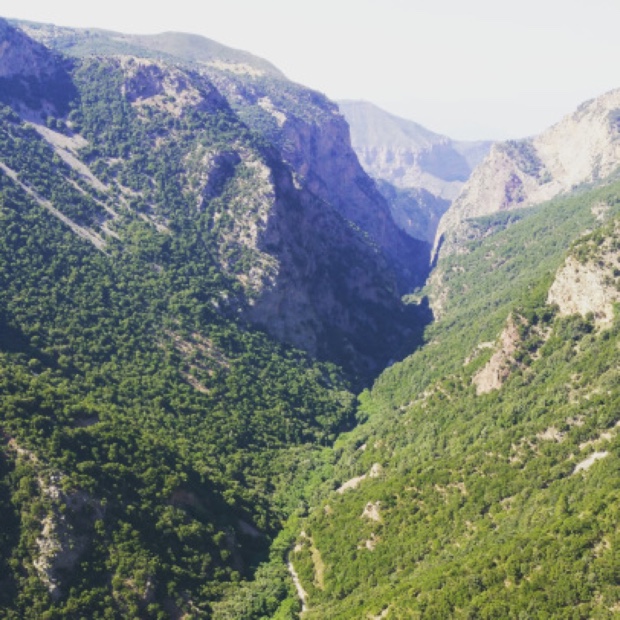
A view through Vouraikos Canyon from Mega Spileo Vineyard

A view through Vouraikos Canyon from Mega Spileo Vineyard

Don’t worry. I’m not going to run off and wax rhapsodic about wines found “off the beaten path,” argue on the semantics of what exactly that means or how it should be defined. But I will tell you a little story. In July of 2016 I visited one of Europe’s most extraordinary vineyards, found in Achaia, located in the northern Peloponnese. At the top of this incredible canyon you stand at the foot of another even more imposing and massive rock face that is home to the 11th century Mega Spileo monastery. Gazing north through the cracks in the mountain cragges you can see the azure blue waters of the Gulf of Corinth. Looking straight down you see the greenery of the healthy Mega Spileo vineyard. The entire footage leaves an indelible mark. What’s the point? The point is to get out there and make discoveries. This also applies to what can be found in the VINTAGES catalogue.

Related – Seventeen for January 7, 2017

#cool

Chardonnay is always in the spotlight so why should February 4th be any different? This past summer at Niagara’s Cool Chardonnay conference I found out that we have to look at organoleptics and ask a very important question. Is your expectation of a Chablis going to be the same as chardonnay made from anywhere else? More important, who are we putting this wine in front of? Ian D’agata’s take struck a Canadian chord. He talked of “a welcome astringency characterized by piercing flavours. These are cool-climate wines. Cool climate chardonnay is not about a long litany of fruit descriptors. If you have a cool-climate viticultural area it behooves you to give the people what they are looking for.” More cool chardonnay examples available on this release are worthy of your time and your dollars.

Bush vines, Groot Drakenstein Mountains @AnthonijRupert Wyne @WOSACanada #lormarins #franschhoek #southafrica #winesofsouthafrica #mesmerizing

Bush vines, Groot Drakenstein Mountains @AnthonijRupert Wyne @WOSACanada #lormarins #franschhoek #southafrica #winesofsouthafrica #mesmerizing

South Africa is a geographical and geological land of wonder, of ancient soils and picturesque intrusions. Extreme examples include the shale and schist of Swartland that turns into dust and the granite domes of Paarl, which are 30 million years old. We are talking about beginning of time stuff, but how does it impart into wine? Taste more than just a few South African reds and you will get a sense.

I’ve said it before and will repeat myself. South African wine is not what we thought it was. This mantra can’t be repeated often enough. Ventures into the Cape wine lands, tastings and zealous immersion into Stellenbosch, Paarl, Franschhoek, Swartland and Hemel-En-Aarde see to that. If you’ve not visited you can’t possibly know what revelations lurk but you can get a glimpse by drinking South African wines here in Ontario.

Familiar Europe

sierra

Sierra Cantabria Selección 2014, Doca Rioja, Spain (Agent190520$14.95, WineAlign)
@RiojaWine  @azureau

nimes

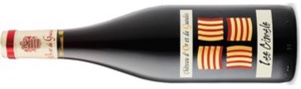
Château d’Or et de Gueules Les Cimels 2013, AC Costières de Nîmes, France (Agent480301, $15.95, WineAlign)
  @RhoneWine  @VINSRHONE  @NaturalVines

Grand Cru Riesling, Alsace

Grand Cru Riesling, Alsace

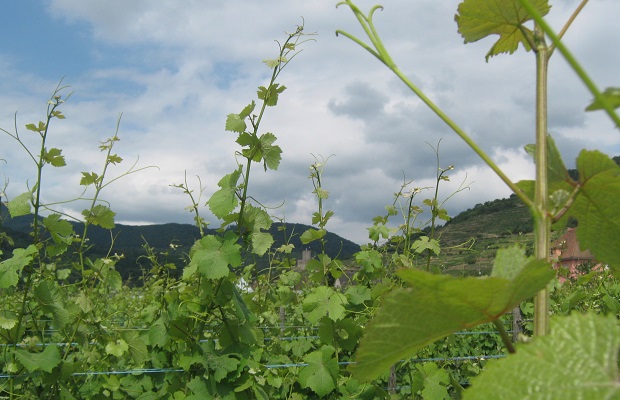
Jean Biecher & Fils Schoenenbourg Riesling 2014, AC Alsace Grand Cru, France (Agent, 469767, $23.95, WineAlign)
  @AlsaceWines  @drinkAlsace  @VinsAlsace

not-all-terroir-is-created-equal-cinque-cru-barone_ricasoli-granselezione-castellodibrolio-chianticlassico-massimilianobiagi-francescoricasoli-stefanocapurso

Five terroirs of Ricasoli

Barone Ricasoli Castello di Brolio Gran Selezione Chianti Classico 2013, DOCG Tuscany, Italy (Agent, 942607, $59.95, WineAlign)
@barone_ricasoli  @chianticlassico  @imbibersreport

Not-so familiar Europe

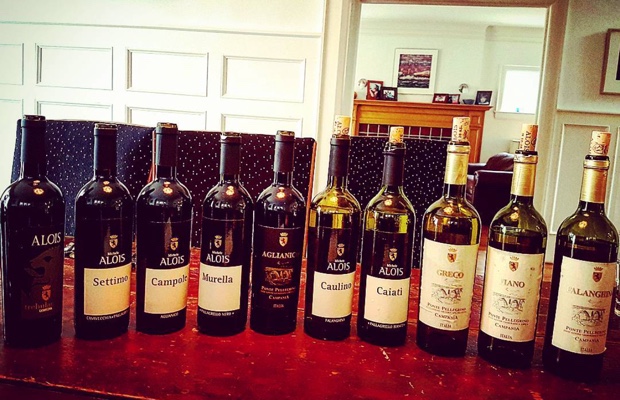
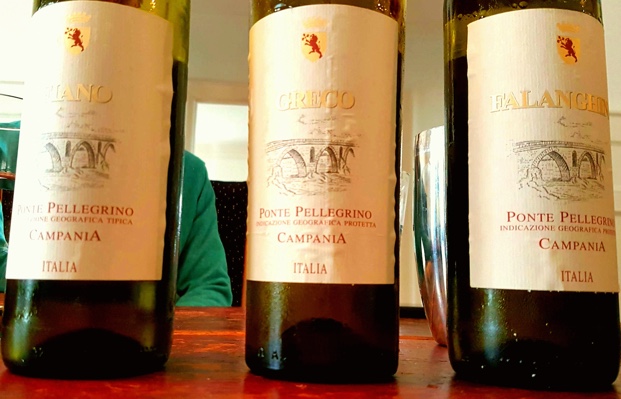
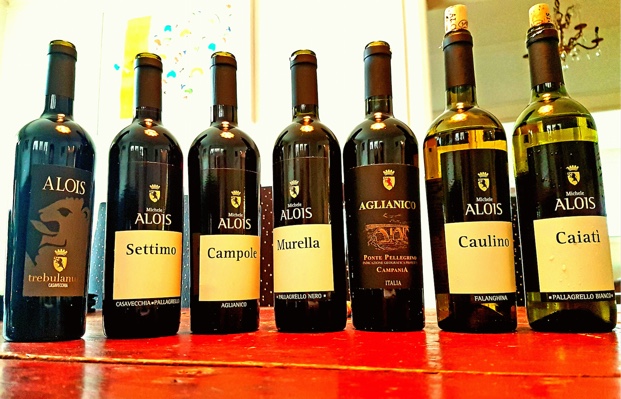
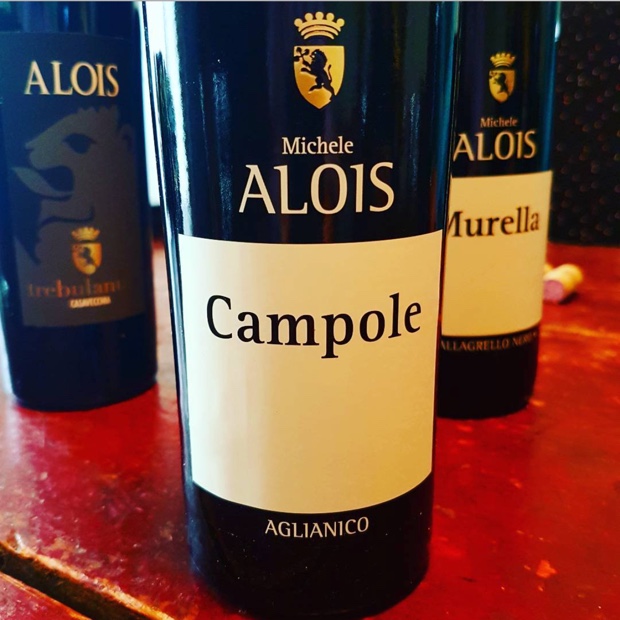
There's a new obsession in town- #campania @vinalois #falanghina #greco #fiano #aglianico #pallagrello #pallagrellonero #palagrellobianco #cassavecchia #pontepellegrino #therealcampania #massimoalois #vinialois #brandnewdaywines #bndwines

There’s a new obsession in town- #campania @vinalois #falanghina #greco #fiano #aglianico #pallagrello #pallagrellonero #palagrellobianco #cassavecchia #pontepellegrino #therealcampania #massimoalois #vinialois #brandnewdaywines #bndwines

Ponte Pellegrino Greco di Tufo 2015, IGT Campania, Italy (Agent477760, $13.95, WineAlign)
@vinialois

prunotto

Prunotto Mompertone 2015, DOC Monferrato, Piedmont, Italy (Agent, 388587, $18.95, WineAlign)
  @HalpernWine  

alicante

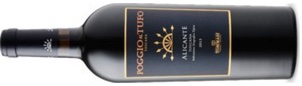
Tommasi Poggio Al Tufo Alicante 2013, IGT Toscana, Italy (Agent, 70797, $22.95, WineAlign)
@UNIVINS  @Tommasiwine

Mega Spileo Monastery

Mega Spileo Monastery

Domain Mega Spileo Red 2010, Peloponnese, Greece (Agent, 466110, $29.95, WineAlign)
@DrinkGreekWine  

chenin

Domaine F L Savennières Chenin 2012, AC Loire, France (Agent470971, $33.95, WineAlign)
@DomaineFL  @vinsdeloire

spatlese

Maximin Grünhäuser Abtsberg Riesling Spätlese 2014, Pradikätswein, Germany (Agent, 481374, $39.95, WineAlign)
  @germanwineca  @WinesofGermany

More cool chardonnay

citry

Simonnet Febvre Bourgogne Chitry 2014, AC Bourgogne, France (Agent, 479667, $19.95, WineAlign)
@SimonnetFebvre  @LouisLatour1797  @ImportWineMAFWM  @BourgogneWines  @vinsdebourgogne

Blue Mountain Vineyards Phoo: (c) www.bluemountainwinery.com

Blue Mountain Vineyards
Phoo: (c) http://www.bluemountainwinery.com

Blue Mountain Gold Label Brut Sparkling, Traditional Method, Okanagan Valley, British Columbia (Agent, 206326, $28.95, WineAlign)
@BlueMtnWinery @rogcowines  @winebcdotcom

Time to taste at Domaine Queylus

Time to taste at Domaine Queylus

Domaine Queylus Tradition Chardonnay 2014, VQA Niagara Peninsula, Ontario (Agent, 489591, $24.95, WineAlign)
@QueylusVin  @Dandurandwines

luminous

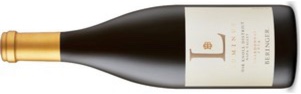
Beringer Luminus Chardonnay 2014, Oak Knoll District, Napa Valley (Agent, 395699, $39.95, WineAlign)
@beringervyds    @NapaVintners

South African reds (and a white)

Rustenberg R.M. Nicholson 2013

Rustenberg RM Nicholson 2014, Wo Stellenbosch, South Africa (Agent, 278390, $19.95, WineAlign)
@RustenbergWines  @WoodmanWS  @WOSACanada  @WOSA_ZA

mentors

The Mentors Shiraz 2012, Wo Paarl, South Africa (Agent, 403618, $29.95, WineAlign)
@KWVwines  @Dandurandwines  @WOSACanada  @WOSA_ZA

Avondale_Wines_Jonty_s_Ducks_Pekin_White_web

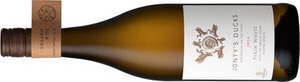
Avondale Jonty’s Ducks Pekin White 2015, Wo Paarl, South Africa (Agent, 439554, $15.95, WineAlign)
@Avondalewine  @RareEarth_Wines  @WOSACanada  @WOSA_ZA


I would like to wish you all great February release wine hunting and gathering. The WineAlign team is in travel mode these days but rest assured the reviews from upcoming VINTAGES releases will be dutifully covered. I’m off to Antiprime Toscane next week and will be back in time for everything March. The February 18th release will find a focus on Australia and March 4th, well, it’s anyone’s guess!

Good to go!

Godello

Twitter: @mgodello

Instagram: mgodello

WineAlign

In the Campania of Vini Alois

There's a new obsession in town- #campania @vinalois #falanghina #greco #fiano #aglianico #pallagrello #pallagrellonero #palagrellobianco #cassavecchia #pontepellegrino #therealcampania #massimoalois #vinialois #brandnewdaywines #bndwines

There’s a new obsession in town- #campania @vinalois #falanghina #greco #fiano #aglianico #pallagrello #pallagrellonero #palagrellobianco #cassavecchia #pontepellegrino #therealcampania #massimoalois #vinialois #brandnewdaywines #bndwines

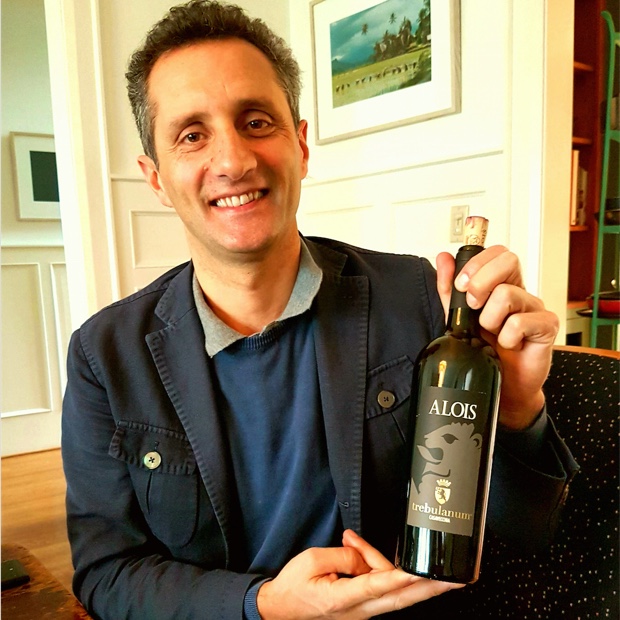
A few weeks back Devon Masciangelo of Brand New Day Wines and Spirits asked if I would have the time to taste through the full portfolio of Vini Alois. I first met Massimo Alois in the fall of 2014 when the Italian Trade Commission rolled out the red carpet at Toronto’s Roy Thomson Hall for the 19th annual tasting of Wines from Italy. At the time I was struck by Massimo’s varietal Cassavecchia called Trebulanum.

Related – Off the beaten Italian path

Last March a varietal Pallagrello Nero showed up through a VINTAGES In-Store-Discovery release and once again the light went on. With two memorable wines in the bank I was quick to respond to Devon’s request. IN! And then I broke two bones in my foot. So Massimo had to come to me, with BND chaperone Jarek Morawski. I don’t normally conduct tastings in my home but Massimo was happy to oblige.

Related – Eight is Enough

Massimo and his father Michele so perfectly fit the description I had considered after that Italian tasting two years ago. “You can’t help but notice that modern winemakers with a wistful eye are casting reflexively into the past with a hunger for vinous resurrection. By grafting their pre-Phylloxera ancient vines onto healthy root-stock they have turned the varietal compass on its head. As they have moved through their days with an open-mind to the panoply of grape interactions, they have beget the endemic revival. Old is new again. Meet the awakening of the Italian grape vernacular.”

Vini Alois is the dream of Michele Alois, his winery set amongst the Campania foothills of the Caiatini Moutains in the province of Caserta, on a plateau consisted of nine hectares. His family’s roots are in the silk business. “The name Alois is synonymous with quality in the production and creation of silk cloths that are present in the most famous rooms of the world: from the Italian Parliament to the White House, to the Louvre Museum. Born in 1885 in the time of Ferdinand IV of the Bourbon family, the Alois factory built a constant success under the head of the household, until 1992 when Michele Alois planted 9 autochthonous grape varietals and created a double activity for the already established family dynasty.”

Campania has enjoyed success from a holy trinity of whites, of Greco di Tufo, Falanghina and Fiano di Avellino. But it is in the higher altitudes and volcanic soils where these grapes, where aglianico and especially the ancient and endemic varietals, Casavecchia and Pallagrello, really find their special way. The Ponte Pellegrino “entry-level” wines from Alois should do very well and open the door to the rest of the portfolio. So thank you to Devon and Jarek for sending Massimo my way. Such a fascinating tasting to enforce the adage that endemic is the new vino da tavola.

pp

Ponte Pellegrino Falanghina 2015, Igp Campania, Italy (Agent, $17.00, WineAlign)

Tasted with Massimo Alois, the first of ten in a line-up covering two ranges, the Alois all estate and this Falanghina-Ponte Pellegrino from 10-15 percent estate plus purchased grapes from two provinces, Caserta and Benevento. There are approximately 200,000 bottles produced and the queu is so named for the tiny cellar and first vineyard location. This is honest to goodness spot on rich, almost waxy and very golden sunshine-amassed falanghina. It is blessed with such terrific acidity despite the warm but balanced vintage cast in a five-year span out of which systemization and harmonization change and challenge every year. This to Massimo is more like 2010, warm and balanced, unrelenting and typical in its assignment off of volcanic soil. Drink 2016-2018.  Tasted November 2016

Ponte Pellegrino Greco 2015, Igp Campania, Italy (Agent, $17.00, WineAlign)

Set up by Massimo Alois to be tasted between the falanghina and the fiano and for very good reason. The 200,000 bottle output of the Ponte Pellegrino “entry-level” wines are sectionally estate and regnant to the provinces of Caserta and Benevento. The greco channels more dry extract than the falanghina so conversely more weight and structure, a bit more intensity and acidity. This is true and yet foiled by a preserved lemon and chardonnay or chenin-like organoleptic quality from a wine that is not easy to vinify because it oxidizes easily. So here it resolves with such evolved flavours quite beautifully archived in a more than affordable entry-level package. Though it won’t age it presents for here and now pretty exposition. Draws less from its volcanic base and more from the clay. Drink 2016-2017.  Tasted November 2016

Ponte Pellegrino Fiano 2015, Igp Campania, Italy (Agent, $17.00, WineAlign)

Massimo Alois pours his fiano behind the falanghina and the greco in order to examine the ternary relationship between and the way in which the latter goes to great lengths to elicit strengths from the first two. This is a step up to an even richer pandemic Ponte Pellegrino from sandy soils in the provinces of Caserta and Benevento plus one seventh homespun estate fruit. The chomp down bite and elastic chew are subdued by a swelling tumescence on the palate, closer to greco than falanghina. Possesses that far reaches of the mouth acidity with similar weight to the greco. Really a best of both worlds Campania for either camp to seek indulgence, typicity and above board fiano relevance. Drink 2016-2018.  Tasted November 2016

Ponte Pellegrino Aglianico 2013, Igp Campania, Italy (Agent, $18.00, WineAlign)

So many things conspire to bring this provincial Ponte Pellegrino aglianico into perfect entry-level form here in the autumn of 2016. First and foremost is a sense of utter freshness from its gifted volcanic soil. Second is the less is more approach from Michele and Massimo Alois. Third is the volcanic terroir. Did I already mention that? It is presciently less pressed, smothered, angular, tannic and edgy than what secretes from other aglianico terroirs. Smoother in texture, red fruit redolent and potent from the Alois vineyard (60-70 per cent) and raised only in stainless steel. The question begs. Why doesn’t everyone make aglianico this way? The answer abjures. Because of the soil. Drink 2016-2020.  Tasted November 2016

alois

Alois Caulino Falaghina 2015, Igp Campania, Italy (Agent, $22.00, WineAlign)

Caulino is the estate grown falanghina raised of a totally different élevage than the Ponte Pellegrino. It is fermented for more than five to six weeks with regular batonnage and plenty of racking. Massimo Alois is seeking purity and clarity and so the lees are removed, always cleansing the wine. Immediate notice is given by the pure essence of stone edging to citrus, like kaolin liquified (go figure, with poetic namesake extrapolated license) or imagined from hydrous aluminum silica, like clay into china. Caulino comes by way of very low yields (less than 2kg per plant) and so the resulting inward impression is almost impossibly beautiful, so crisp and pure. There are less than 30,000 bottles made and you will note some bonafide structure and a real easy on the palate creaminess. If falanghina like this is approached with ulterior motives and misguided ways it will go dirty (torbido) as it is a grape (not unlike the others) very susceptible to the lees taking on microbes. Drink 2016-2020.  Tasted November 2016

Alois Caiatì Pallagrello Bianco 2014, Igp Terre Del Volturno, Italy (Agent, $27.00, WineAlign)

Caiatì is 100 per cent endemic to Campania pallagrello bianco, from the Casertan dialect “u pallarell,” or “small ball,” in reference to the grape’s tiny, round shape. Less than half (maybe 33 per cent or so) of the juice is racked to 3rd or 4th (neutral) oak, urged past malolactic with some batonnage into June for a long (seven month) fermentation. The other half makes use of some noble lees stirred once a month for four months in stainless steel. The two parts are bottled insieme after one year. Their accrued accumulation is nothing if not creamy, like unsweetened honey of naked, viscous purity. Such a grape requires the careful calculation of time, like this volcanic and limestone bianco grown at altitudes up to 900m on land friable with clay on the Caiatini Mountains. The name may carry little meaning passed down through generations but the wine shines like Chablis, albeit on a bank more fruit than mineral. Drink 2016-2021.  Tasted November 2016

the-union-of-campania-massimo-vinalois-aglianico-and-volcanic-soil-magic-volcanicwine-campole-massimoalois-vinalois

The union of #campania. Massimo @vinalois #aglianico and #volcanic soil #magic #volcanicwine #campole #massimoalois #vinalois

Alois Campole Aglianico 2013, Campania, Italy (Agent, $22.00, WineAlign)

f you are looking for reasons or have ever wondered why aglianico is so difficult to grow successfully beyond Campania you only need a basic 101 sense of ancient geology. Or a few minutes with Massimo Alois. The Campanian simply doesn’t work in limestone insists Alois, why, because in such a terroir it goes strraight to the savoury and gets Damien mean. So if “you give me miles and miles of mountains…I’ll ask for the sea.” Or a volcano. Here from 100 per cent volcanic soil Campole comes across so naturally volcanic with blessedly terrific red fruit, like creamy rice cooked in aglianico, pulsating and alive. It’s simple really. “Volcanoes melt you down.” Drink 2017-2022.  Tasted November 2016

Alois Murella Pallagrello Nero 2013, Igp Terre Del Volturno, Italy (Agent, $30.00, WineAlign)

Pallagrello is native to the hills around the Campanian town of Caiazzo, and referenced in numerous historical texts, including the Roman “Pilleolata” from the work of Pliny the Elder. In the 19th century it was called by the name “Piedimonte Rosso.” The Pallagrello Nero from Alois sees 18 months in large (85 hL) botti followed by 18 in (25 hL) smaller 10-20 year old casks. The lengthy aging process is necessary for the rustic, natural, perfectly, expertly, so subtley volatile wine. Like greco in hot summers the varietal is subject to certain microbes and the conditioning brings a spicy, subtle volatility or “highlights.” The flavours recall salumi, in cured feelings of gastronomy and this is what makes this wine most drinkable. Such wise older barrel impart but a fruit expression with a citrus, limestone twist. Though this is ready for an immediate go it will offer a 10 year (from vintage) kind of ageablity. Drink 2016-2023.  Tasted November 2016

Alois Settimo Casavecchia Pallagrello Nero 2014, Igp Terre Del Volturno, Italy (Agent, $22.00, WineAlign)

Settimo is composed from casavecchia and pallagrello nero, a working combination of two Campanian horses, vinified separately and then thrown together. Well, not so much thrown as much as the pallagrello sidling up to the casavecchia left overs (as in second wine) after the top tier varietal Trebulanum. This is something special for a “second wine,” a national, seventh heaven, high-stepping over seven bridges affair bringing great breeds together. Shares affinities with high quality reds from disparate places, very Bordelais or perhaps even like a Rhône GSM. Savoury and decidedly Mediterranean, of black olive and tea, garrigue, herbal and dusty. Very cool. Drink 2017-2021.  Tasted November 2016

massimo-alois

Massimo Alois

Alois Trebulanum Casavecchia 2012, Igp Terre Del Volturno, Italy (Agent, $42.00, WineAlign)

Pliny spoke of a “Vinum trebulanum” from a place called Trebulanis in Campania. In Cicero’s letters a reference is made to Pontius’ house at Trebulanum. From high-level historical figures to a 21st century vine that survived Phylloxera and the parasite fungus of Oidio dated 1851,Trebulanum sits at the pinnacle of the Alois pyramid. The “old house” is from low-yielding hermaphroditic casavecchia, blessedly developed without tight bunches. The antithetical red Campanian, the organic varietal, so resistant to disease, hardy, tough and self-sufficient. Casavecchia is the “cleansed wine,” with 50 of the hL drawn from the 85 hL botti, while the other 35 go to Settimo. After separation it undergoes 18 more months in 25 hL casks, plus one extra year in bottle. A breath of Campania altitude and the frehest of air pervades the perfume. Here the hue is so much deeper, the wine deeply impressed. Unlike the Pallagrello or the blend this represents the perfectly natural expression of Campania, deep and pure. Flowers are redolent for the first time and then there is this exceptional note of citrus. So fresh, for now. I would expect this to gain a smoky stature, some porcine roast and naturally cured, nebbiolo-like tar and roses. Drink 2016-2022.  Tasted November 2016

Good to go!

Twitter: @mgodello

Instagram: mgodello

WineAlign

Top 10 October 29th VINTAGES wines to drink on Halloween

Smurfette does Halloween

Smurfette does Halloween

At least one of every two or three of you will be donning a costume to make a ghastly appearance at a party tomorrow night. A lack of clothing and some make-up to indicate gashes, scars and likely death will trump Game of Thrones and then again, nothing trumps Trump, does it? Please, no clown masks this year.

Related – Four times ten reasons to drink wine on Halloween

Over the last four Godello years I have offered up 10+10+10+10 reasons to drink wine on Halloween. Do you really need more than 40?

Related – Yet another 10 reasons to pour a glass of wine on Halloween

So today I will spare you the gory detailed bad dad jokes and let you click back in time to quench your humour thirst.

Related – Ten more reasons to pour a glass of wine on Halloween

Still need bad comedy?

Related – Top ten reasons to pour a glass of wine on Halloween

Saturday’s VINTAGES October 29th release features some highly recommended top-end wines. I’ll try to put them up on Godello next week but if you are a WineAlign subscriber you can find them on Michael’s Mix tomorrow. For now you need some affordable juice to offer up to hosts, to fill those travellers and for your glass next to the candy bowl on Monday night. Here they be, your top 10 wines to pour on Halloween.

kir

Kir Yianni Estate White Samaropetra Vineyard 2015, Macedonia, Greece  (464511, $17.95, WineAlign)

This Ktima begs for more than a curiosity and well-beyond a major point of interest. The split between roditis and sauvignon blanc brings two disparate worlds together out of a single (Samaropetra) vineyard. The stark and mineral roditis is lifted by the sweet extract of sauvignon blanc and the union is remarkably seamless. This carries texture and presence. It is very easy to drink. If the acidity were naturally improved upon it would be just perfect. Perhaps a few per cent more roditis and less (Macedonian) sauvignon blanc would do the balancing trick. Drink 2016-2019.  Tasted September 2016  @kiryianni  @KolonakiGroup  @DrinkGreekWine

lornano

Lornano Chianti Classico 2011, Docg Tuscany, Italy (211599, $17.95, WineAlign)

An extra year of aging has softened the one taut 2011 character of Lornano’s straight-shooting Chianti Classico. If it represented good value at this time last year then it is now simply being given away. There are few equals at $18 for honest, pure and modern sangiovese. Nearly 110 years after Lornano was created, Nicolò Pozzoli and Silvio Campatelli have gifted this plum, cedar, leather and dark cherry sangiovese to the Ontario market. With its vibrant acidity intact and the tannins still fighting for shelf space, why even allow this to gather dust. By a case and drink one every two months for the next two years. Drink 2016-2018.  Tasted September 2016  @LornanoWines  @chianticlassico

Niepoort Dão Rótulo Red 2013, Doc Dão, Portugal (452722, $18.95, WineAlign)

“Don’t think me unkind. Words are hard to find.” Straightforward, slightly carbonic, juicy and somehwat, somehow firmly policed Douro blend kickstarted to the Ontario consumer for a three minute pop song. Light in alcohol and solidly set on its feet. “De do do do,” Da dao, dao, dao, “is all I want to say to you.” Drink 2016-2019.  Tasted October 2016  @NiepoortWines  @winesportugalCA

Château Du Bois Chantant Cuvée Laurence H. 2012, Ap Bordeaux Supérieur, Bordeaux, France (421206, $18.95, WineAlign)

Here is a beautufully funky, up tempo, old-school red, tie askew, unshaven, the bad boy in private school. Bordeaux Superieur with an attitude, like a young Peter Townshend, unhearalded but boy can he sing. Fruit really does sing, acids are elastic and prominent, tannins do their thing. This is a very solid, youthful, anxiety-riddled three minute Bordeaux pop song. “Not trying to ’cause a big s-s-sensation,” just one for my generation. Drink 2016-2019.  Tasted September 2016  @ImportWineMAFWM  @MarkAnthonyWine  @BordeauxWines

borsao

Borsao Berola 2012, Do Campo De Borja, Spain (371518, $18.95, WineAlign)

Berola is the old name of the 12th century Cistercian Monasterio de Veruela, home to the offices occupied by the Denominación de Origen. Borsao’s choice of nomenclature is perfectly ironic. Berola is beautifully pure and juicy (80 per cent) garnacha from Campo de Borja. Syrah (20 per cent) plays a prominent and effective role, in partcular on the palate. Campo de Borja as an appellation just seems destined to be the next big syrah thing south of the Pyrennes despite garnacha’s endemic, planted and attentive dominance. Alluvial geology and a cool, arid climate suits the ex-pat variety. This is all about fruit, with some elevation addendum, mineral meets prevailing wind affectation and big bones. Tannin and alcohol are a factor, the latter much more so but where else are warmth and boozy liqueur handled with such ataraxy and ease? Balanced and ethereal combine for stupid value. Drink 2016-2020.  Tasted twice, September and October 2016  @BorsaoBodegas  @ChartonHobbs

fiano

Mastroberardino Fiano Di Avellino 2014, Campania, Italy (323998, $19.95, WineAlign)

Cracking vintage for what is consistently weighty and viscous Fiano with Chablis-like minerality to offset the near-honeyed aromatics and flavours. This is quite the romantic one from Campania, with a hint of Champagne lees, spice and texture minus the mousse. The requiem here is shellfish in a rich broth, either heavily scented or thickened by potato, or even an Italian tipo di minestra like Vichyssoise would be ideal. Drink 2016-2019.  Tasted September 2016  @Mastroberardino  @ProfileWineGrp

creekside

Creekside Iconoclast Syrah 2013, VQA St. David’s Bench, Niagara On The Lake, Ontario (471797, $22.95, WineAlign)

Iconoclast may sit in the Creekside nether syrah bailiwick but it smartly connects the entry-level with the BrokenPress by way of the St. David’s Bench. Freshness out of the purview 2013 growing season and minor keys played by wood are quiet as compared to the many shakes of the syrah peppermill. This is meaty syrah, like a slice of rootsy, gutsy and gritty Americana humble and independent pie. No one else in Ontario brings flowers, front porches, traditional riffs and smart, modern styling to syrah with such consistency. From winemaker Rob Power, singer, songwriter, renaissance man and all-around winemaking bon syrah vivant. Drink 2017-2022.  Tasted September 2016  @CreeksideWine  @hobbsandco  @AMH_hobbsandco

Château Teyssier 2012, Ac Montagne Saint-Émilion, Bordeaux, France (226035, $24.95, WineAlign)

This is well-judged right bank Bordeaux with a hint of beneficial volatility and a life-affirming note of bitter tonic. Though taut and for a moment bracing, the fruit is lifted to handle the truth. Espresso dusts the finish post-haste but long after the party ahd been raging on. Temper and then tempered from a satellite appellation with a well-deserved righteous reputation. Drink 2017-2020.  Tasted September 2016  @JCPMaltus  @Dandurandwines  @BordeauxWines

roger

Jean Max Roger Cuvée Les Caillottes Sancerre 2015, Ac Loire, France (65573, $26.95, WineAlign)

One of the youngest, freshest and early to market Sancerre from Roger with striking stark reality right there at the forefront. From Caillottes soils out of Saint Martin, L’Epée and other vineyards located in the communes of Bué and Amigny. It is the blanket coverage of young (six or seven years) to near (40 year)-old vines that allows for a variegated expression and great value-driven Sancerre. The vintage is all about fruit and this one has it oozing in and out of every pore. It is the simplest Sancerre, partly vintage driven and partly due to its youth but I can’t really see much developing into the tertiary stage. Enjoy in the short term. Drink 2016-2019.  Tasted October 2016  @oenophilia1  @LoireValleyWine

baroja

Heredad De Baroja Gran Reserva 2002, Doca Rioja, Spain (276113, $29.95, WineAlign)

Don’t adjust your set. This label does indeed read 2002. There have been times when a vintage like 2001 has passed through VINTAGES and the integrity of the (100 per cent) age of the juice is called into question. Not only because of hue but also frehsness. There is no mistaking the age of this Rioja. The fruit has advanced into deeply evolved territory with shades of dried floral and sun-ripened leather. Such a liqueur can only be distilled from older Spain or Italy and this Baroja has it down. The acidity remains intact even as the tannin has fallen away. In the end the wine lingers and does nothing to indicate falling apart. This is a lovely old drop that will drink well for up to four more years so scoop some up. It won’t blow your mind but $30 is a pittance to pay for someone else doing all the cellaring work. Drink 2016-2019.  Tasted October 2016    @HHDImports_Wine

Good to go!

Twitter: @mgodello

Instagram: mgodello

WineAlign

Greeks and other fish in VINTAGES August 6th

#nofilter

#nofilter

What sort of wine are you looking for? What do you want to find in that bottle you pluck from the VINTAGES shelf in your local LCBO? Do you wish for aromas unknown or unknowable? A reliquary filled with immiscible liquid? Flavours to incite a curious rictus? Would you hope for incredulity cut with familiarity? Enigmatic morsels or koans? None of the above?

No, none of the above. What you want in the here and now is to be satiated by simple pleasures. Whilst we find ourselves suspended in the throes of a scorching Ontario summer there can never be such a thing as too many thirst quenching wines, especially whites, like the Moschofilero I recommend below. Greece is the word and in terms of go to Greek whites Moschofilero may play second violi to Assyrtiko but Mantinia is a special place for the aromatic Peloponnese variety. Assyrtiko by the sea? Sure. Moschofilero by the lake or the pool? Bring it on. And 11 more great buys from today’s VINTAGES August 6th release.

Kir Yianni Akakies Rosé 2015, Ac Amyndeon, Macedonia, Greece (71050, $12.95, WineAlign)

Savouy rusty and varietally distinguished xinomavro with equal parts aridity and salinity to welcome the sapidity. Slightly bled for posterity and predisposed to Greekdom but from Amyndeon and with xino this finds relish and relishes brightness then finishes from the same straight from which it came. Drink 2016-2019.  Tasted July 2016  @kiryianni  @KolonakiGroup  @DrinkGreekWine

Deus

Cavino Deus Mavrodaphne Of Patras, Ao Greece (452060, $13.95, WineAlign)

This is a rare sighting in Ontario for the Patras curated sweet mavrodaphne, a wine of history and tradition that price does nothing to indicate. The style is Tawny Port like, of dried fruits (figs and apricots) with a spicy edge from old wood and a long finish. This is a true divergence from just about any sweet wine you will have ever tasted because the red variety brings a tannic firmness and singular personality to the diversion. It’s balanced and worth checking out. Drink 2016-2025. Tasted July 2016    @DrinkGreekWine

Tsantali Reserve 2011, Pdo Naoussa, Greece (209627, $16.95, WineAlign)

Tart and taut, with bright to bursting red fruit and tones off the proverbial Naoussa charts. Quite wildly composed, with berries from the woods, smoky underbrush and a forest floor undertone. Resin, leather and respect. Drink 2016-2019. Tasted July 2016  @TSANTALI_wines  @KolonakiGroup  @winesofnaoussa  @DrinkGreekWine

Troupis Mantinia Moschofilero 2015, Pdo Mantinia, Greece (463422, $16.95, WineAlign)

Mantinia is a special place for Moschofilero and this ripping example from Troupis should not be missed. The straightforward citrus in the Fiteri version is lifted to hyperbole in the Mantinia with more salinity, mineral and top notch acidity. At this price ($17) the value quotient is simply crazy good bordering on ridiculous. The stony texture and piquant nature is revitalizing. There is also more weight and alcohol but never at a deterrent or a compromise to freshness. Whole grilled Branzino or Porgies with lemon and olive oil would make for a perfect foil. This Moschofilero also has the stuffing to age and develop some honey. Drink 2016-2021. Tasted July 2016  @TroupisWinery  @VictoryWine  @DrinkGreekWine

Thorn Clarke Eden Trail Riesling 2015, Eden Valley, South Australia, Australia (457242, $16.95, WineAlign)

A beautiful label gives way to a ripe and gregarious riesling from the most excellent of locales in the Eden Valley. The green mango and lime sherbet is a dry treat, stand alone and facing the crowd. Represents arid riesling from Eden for all the right reasons and succeeds without compromise. Will find peace in a land of milk and honey after seven years or so. Tremendous entry-level value to feign and accompany the single-vineyard and special selection courtesan kind from the Eden. Drink 2016-2022. Tasted July 2016  @thorn_clarke  @LiffordON

La Griffe Bernard Chéreau Muscadet Sèvre & Maine 2014, Sur Lie, Ap Loire, France (948182, $16.95, WineAlign)

A rich and multi-crustaceous/mollusc edgy melon de bourgogne, briny, fleshy and beginning to develop. A most excellent example for a big chill and a mess of creatures edging out of their shells. Drink 2016-2019.  Tasted July 2016 @HHDImports_Wine  @LoireValleyWine

Kloof

Mullineux Wines Kloof Street Red 2014, Western Cape, South Africa (460964, $19.95, WineAlign)

A six varietal blend with essential, yeoman’s work put in by shiraz (86 per cent) with bits of grenache, mourvedre, tinto barocca and cinsault. The schist and the simple combine to tell the world in entry-level vernacular of the Swartland revolution that’s happening right now. The purity found here is in an unidentified, free, indirect South African style of modernistic, red blend narrative. Chris and Andrea Mullineux are here represented at ground level with pure, unadulterated red wine joy. Everyone must spend $20 over and over to enjoy what this will offer. Drink 2016-2020.  Tasted July 2016  @MullineuxWines  @MullineuxChris  @Nicholaspearce_@WOSACanada  @WOSA_ZA

La Cadierenne Cuvée Grande Tradition Bandol Rosé 2015, Ac Provence, France (119453, $20.95, WineAlign)

Boozy (listed at 14 per cent) and beautifully balanced Bandol for the alternatively authentic and alliterative mouthful win. A citric acid, guava and himalayan rock salt spice rub for your mouth that with the level of saliva inducement turns to a slow developed variegation of flavour. Terrific mouthfeel and elongation. Tonic for and to your health. Drink 2016-2019. Tasted July 2016    @winesofprovence  @oenophilia1

Turtle

Alpha Estate Turtles Vineyard Syrah 2011, Greece (115295, $21.95, WineAlign)

Turtles is a southern block of infertile soil facing northwest (Greek for most excellent exposure) facing Petron Lake at Alpha Estate. The area was an ancient nesting place for the local species of Chelonii on the Amyndeon plateau in northwestern Greek Macedonia. A whiff of this rich and thoroughly modern red seems to shake the foundations of syrah and brings Amyndeon into the front page discussion. Some syrah in parts of Australia smell just like this; smoky, meaty, peppery and just plain strong. Built of big bones is the order of syrah call and here the gait and the structure is followed. This is quite emblematic of what can be accessed and accomplished from a special cool site that faces adroitly in the face of heat. The power and the corporeal design are nothing short of impressive. Drink 2018-2022.  Tasted July 2016  @EstateAlpha  @FlorinaAmyndeon  @DrinkGreekWine

Buena Vista

Buena Vista Chardonnay 2014, Sonoma County, California (396440, $24.95, WineAlign)

With thanks to the vintage and a smartly scaled ripeness versus barrel relationship, the Buena Vista Sonoma County chardonnay works out on the cool climate treadmill of style. The wood is proportioned with restraint in such a way as to allow fruit and acidity to spot one another. It’s still a commercial wine but it’s pretty, balanced and long. In 2014 the Buena Vista winemaker has smartly handed off this chardonnay to an implied community in village chorus, but the tune is new and improved. Drink 2016-2019.  Tasted July 2016  @BuenaVistaWines  @sonomavintners  @UNIVINS

Eger

J. & J. Eger Kékfrankos 2011, Eged Hegy Vineyard, Hungary (446591, $24.95, WineAlign)

Though I have tasted this on no fewer than six occasions over the past 18 months, this is the first time I am penning a note on its behalf. It persists as ripe and succulent kefrankos with more than enough juice to stand up, be heard and defend itself. Here a wine of firm handshake and slight microbial aromas, tart and dripping humidity. There is still plenty of life as seen in how it cools itself, balancing the metabolic processes with savour and sapidity. Very charming red from Hungary. Drink 2016-2019. Tasted July 2016  @brixandmortar  @johnszabo  

Fiano

Colli Di Lapio Fiano Di Avellino 2014, Docg Campania, Italy (455253, $30.95, WineAlign)

Pitch near-perfect seafood companion from Campania, briny, stony, rock crag-crunchy and oyster shell myopic. Searing of sea breeze intensity with a calm demeanour so that it lingers without returning with storm-lashing discomfort. Fiano that gets to the crux of its own austerity is a beautiful thing as witnessed in the pure open vitality of this Colli di Lapio. Drink 2016-2021. Tasted July 2016      @Reg_Campania

Good to go!

Twitter: @mgodello

Instagram: mgodello

WineAlign

Eight is enough

Asparagus, chard, lemon and nutty cheese #chablis

Asparagus, chard, lemon and nutty cheese #chablis

I spent more than 20 years cooking. It was hard work and it was fulfilling work. When I was 19 a fellow McGill student asked my why I cooked so much. I said that when I was cooking I never thought I should be doing something else. I never felt guilty that I wasn’t studying or considered that I might be wasting time. I started writing about wine in 2005 and really had no plans to make a career out of it. I would have been content occupying my time working as hard as any wine professional, writing tasting notes and developing prose for eight or nine hours a day. I began the wine writing partly to avoid working on harder things but also for the pleasure of it.

Here I am 11 years later, working as a professional in wine. I feel like Dick van Patten, sitting at my desk in a house where kids come and go, typing away, solving life’s problems one wine at a time. Tom Bradford did not have VINTAGES bi-weekly releases to keep him busy but lucky me, I get to review 150-plus wines every month from the endless cycle of offerings.

For April 2nd and in the category of “expensive but affordable because they’re good” I think that eight is enough. Here are my notes.

Cunto

Alois Cunto Pallagrello Nero 2011, Igp Terre Del Volturno, Campania, Italy (440743, $24.95, WineAlign)

Possibly an ode to the 17th century fairytale “Lo cunto de li cunti,” the tale of tales, or story of stories, now called Pentamerone by seventeenth-century Italian poet and courtier Giambattista Basile. Maximum ripeness, almost into dried fruit but on the naturally cured and curated edge. Pallagrello Nero finds its way into ethereal while living dangerously close to that razor’s edge. Dry tannic finish, firm and ragged. If that collection of tales could influence the form of fairytales in Europe, perhaps the Alois Palagrello Nero can do the same for natural wine. Drink 2016-2021.  Tasted March 2016  @vinialois  @Reg_Campania

Maison Chanzy En Rosey Rully 2013, Ac Burgundy, France (446153, $26.95, WineAlign)

Rusty and firm Pinot Noir from Rully with enough bright fruit and acidity to keep it from hiding in caves and stepping into shadows. Even brighter on the palate with Côte Chalonnaise’s own specific tangy red fruit flavour and really ripe tannins. Terrific Rully, better known for its Chardonnay but this is a stellar example of its Pinot Noir. A poor person’s Burgundy bargoon. Drink 2017-2022.  Tasted March 2016  @le_tastevin  @maisonchanzy  @BourgogneWines

Ruffino Modus 2012, Igt Toscana, Italy (912956, $29.95, WineAlign)

A VINTAGES re-release for the ostensible Tuscan, a perennially accessible Super food with as much mineral feel and ferric substance as it has ever shown. Not so much a showy vintage as it is a production made for best in show. Red stone fruit bounds fleshy and just a touch of properly bitter accents are provided by wood, much appreciated by the weight and pitch. A tight but lyrically measured Modus of restraint and moderation that would do well with a major decant and some char on an aged hunk of flesh on the bone. Walk before you run to find this ode. Drink 2017-2021.  Tasted March 2016 @RuffinoWines  @CBrandsCareers

Rocca Di Castagnoli Poggio A’frati Chianti Classico Riserva 2011, Docg Tuscany, Italy (23358, $29.95, WineAlign)

Chianti Classico Riserva rarely smells like this these days. It’s not as though this harkens back twenty years but it certainly recalls a time from the turn of the century when Sangiovese was Sangiovese and Tuscans were Tuscans. The musk, sour cherry, leather, pannetone, meat and gladiator brawn from honest fruit sent to spend time in big casks sitting like giant buddhas underground. Here CCR does what it once did best, preserving and freezing time, only to emerge unscathed, healed and ready to tell a life-time of stories. Drink 2016-2023.  Tasted March 2016  @ProfileWineGrp  @chianticlassico

Sylvain Mosnier Côte De Lechet Chablis 1er Cru 2013, Ac Burgundy, France (318139, $35.95, WineAlign)

Classic Chablis from a very old vineyard (belonged to the Pontigny’s monk) with southeast exposure west of the town of Chablis and just above the small village of Milly. Mosnier’s parcel gifts delicate fruit, just so fortuitous in quantity and quality of lees overtures on stony lime-driven texture. Chardonnay in hands of terroir so flinty, lacy, organza fine. What more could be asked of for this next to nothing 1er Cru Chablis price? Drink 2017-2024.  Tasted March 2016  @BIVBChablis

Burrowing Owl Syrah 2013, BC VQA Okanagan Valley, British Columbia (73072, $40.95, WineAlign)

More Northern Rhone depth drives a beefy steak through the desert heart of Burrowing Owl’s 2013 Syrah, a wine of smelting liqueur and fierce ooze. The layers are so compressed, like tumbled earth and rock at the bottom of a steep slope. The flavours are covered in a rich ganache for the time being but a gravelly unearthing is already starting to begin excavations. This is a big Syrah with plenty of time on its side. “Let it ride. Let it ride easy down the road. Let it take away all of the darkness.” Drink 2018-2024.  Tasted March 2016  @BurrowingOwlBC  @LeSommelierWine  @winebcdotcom

Jean Luc Colombo Terres Brûlées Cornas Syrah 2012, Ac Rhone, France (448837, $72.95, WineAlign)

The darkest knight for Colombo full of every crush imaginable. Hematic and welling up with tension. Rich behind the pale and with acidity that scales it back, not elevates it out of reach. Wild berries and some vineyard funk. Quite the mouthful and spicy kick on the back. Wow Cornas, sumptuous Syrah. Drink 2018-2025.  Tasted March 2016  @vinscolombo  @bwwines  @RhoneWine  @VINSRHONE

Groth

Groth Cabernet Sauvignon 2012, Oakville, Napa Valley, California (606517, $112.95, WineAlign)

Exactement. Exacting 2012 to explain the weather in Napa Valley from a vintage all were thankful for. High brix. Optimum ripeness. Rich and spicy. How does this Groth fall in line with the question to age? Ten years for sure. What about 25? Though it remains to be seen, today’s ripeness quotient in cool, dry, elongated years is not consistent with 1982, 1992 or 2002. This Groth ’12 finds itself poised in balance and answers no skewed questions of structure. It is more accessible than many peers and also as compared to itself, right now, or with the equivalent of a one year decant. Drink 2017-2024.  Tasted March 2016  @GrothWines  @TheVine_RobGroh  @NapaVintners

Good to go!

Twitter: @mgodello

Instagram: mgodello

WineAlign: Michael Godel

Facebook

New year, 16 new VINTAGES releases

Take this, #quinoa - With today's post, "New year, 16 new Vintages releases" #beefshortribs

Take this, #quinoa – With today’s post, “New year, 16 new Vintages releases” #beefshortribs

Inter alia, the winter holiday break is behind us and it is time to get down to business. Time to resume the empirical and experiential search for honest wine. Wines that satisfy at some necessary atomic level, avoid oaky embarrassment and hopefully fulfill basic human needs.

What we seek are bottles fashioned from grapes that are lucky to have been handed a benevolent evolutionary line, miraculously fortuitous in their ancestry, through categorical mutation and genetic modification. Varietal luck, pop and circumstance. That’s what we’re after.

The first VINTAGES release of 2016 makes an adjustment to previous editions with no less than a dozen really solid efforts below the $21.95 line to make Messrs. Charles Mason and Jeremiah Dixon proud. You too can save on quality wine this January. Read on to avoid getting lost in aught where unwanted wines are cast into a dull, scattered void.


Lingenfelder Bird Label Riesling 2013

Lingenfelder Bird Label Riesling 2013, Qualitätswein, Pfalz, Germany (568634, $14.95, WineAlign)

A return to entry-level glory out of a great vintage for this basic QbA with the acidity to thrive and the tannin to jive. Love the fruit mingling with mineral and the weight even when aridity is the key. A tropical note hits both the nose and the palate. What complexity for $15. Really. Best in many years with a beautifully bitter finish. Drink 2015-2018.  Tasted December 2015  @RobLingenfelder  @HHDImports_Wine  @germanwineca

Mulderbosch Chenin Blanc 2015

Mulderbosch Chenin Blanc 2015, Wo Western Cape, South Africa (675421, $14.95, WineAlign)

Properly, distinctly, effortlessly Stellenbosch Chenin Blanc. Of tang and here in 2015, more heft than many though in retention of aridity and super salinity. Has real verve and presence. Drink 2015-2017.  Tasted December 2015  @MulderboschV  @WOSACanada  @WOSA_ZA  @AbconWine

Wakefield Estate Chardonnay 2014

Wakefield Estate Chardonnay 2014, Clare Valley/Adelaide Hills, South Australia (711556, $14.95, WineAlign)

Rich and reductive with some Co2 and piercing acidity. Solid Chardonnay that needs a year or two to settle. Last tasted December 2015  @Taylors_Wines  @ProfileWineGrp

Rich and dense, temperate in accessibility, splitting the Chardonnay mile. Works barrels with threadbare, throwback constituency and takes a comfortable trip down varietal, memory lane like predecessors in old world California. All in the name of proper and restraint. The palate is rich yet delicate. Good work. Drink 2015-2018. Tasted blind at WWAC15, August 2015

Valpantena Valpolicella Ripasso 2013, Doc Veneto, Italy (429928, $15.95, WineAlign)

Nice tidy little Valpolicella here. Enough richness marked by tension to make it a real drop. A bit flushed with thickness though the tang in food-gifting acidity and arid tannin is again, very real. Solid stuff. Drink 2015-2018. Tasted December 2015  @Cant_Valpantena  @MajesticWineInc  @RegioneVeneto

Honoro Vera Garnacha 2013

Honoro Vera Garnacha 2013, Calatayud, Spain (432997, $15.95, WineAlign)

Though playing a key of dusty and volatile minor, here Calatayud Garnacha from Bodega Atteca’s 60 year-old vines does its traditional duty in forthright varietal and regional honesty. Reinvents no wheels or identity with ripe fruit, early enough picked for preserving acidity and palate tension. The aridity and tang on the finish perform yeoman’s work in lieu of tannin. Drink now and for another year or two, preferably with cocina tradicional Aragonesa. Drink 2015-2017. Tasted December 2015  @docalatayud  @ProfileWineGrp
Sister's Run Bethlehem Block Cabernet Sauvignon 2012

Sister’s Run Bethlehem Block Cabernet Sauvignon 2012, Barossa Valley, South Australia, Australia (360636, $15.95, WineAlign)

Very ripe, nearly, dangerously young and volatile, yet so very sweet smelling. Plums, cherries, Cassis, a hint of graphite and the wood from American stars ‘n bars. Good acidity burgeoning about with minor, kneeling, equitable tannin. Has a salty caramel taste that will require similar fare; a mole sauce would work. Good length on this varietal wonder. “All you have is memories of happiness, lingering on.” A shining light in the Sister’s Run stable. “Maybe the star of Bethlehem, wasn’t a star at all.” Drink 2015-2019.  Tasted December 2015

https://www.youtube.com/watch?v=YrBPJEBL06U

Donnachiara Irpinia Coda Di Volpe 2013, Dop Campania, Italy (434241, $16.95, WineAlign)

Here the no lo so of Italian white grape varieties, this Coda di Volpe, the fox vine “Alopecis,” a.ka. “tail of the fox,” with natural history recording creds to Pliny the Elder. A Campania concert of grape tannin and sea mineral melded together as one. A varietal happenstance where land meets the sea in a beautiful bond. This low-cost specimen is a friendship gift from Italy, with ripe fruit and even stronger feelings of subterranean impart, from fringe stone through the ambient abstraction of Roman mythology. Like a river Styx running through carrying the bravery of Herculean salinity. Drink 2015-2018.  Tasted December 2015  @DonnaChiara    @Reg_Campania  @TheCaseForWine

Coda di Volpe and Moscato

Coda di Volpe and Moscato

Penthouse Pinot Noir 2013, Adelaide Hills, South Australia, Australia (432864, $16.95, WineAlign)

The berries, cherries and plums are a vivid smelling bunch with a cumulative tone occupying airspace at the border of mercurial. A silent request asked of this undomesticated (with 10 per cent whole cluster bunches in the wild ferment) Pinot Noir is “when are you gonna come down, when are you going to land.” With time, the extreme brightness turns to density, of rustic earth and silky encrustation. Its answer sings to the tune of “you can’t plant me in your penthouse, I’m going back to my plough.” Walks well beyond the yellow brick road of the Adelaide Hills and the varietal, to a place in OZ occupied by the curious and the songline follower. There is a lot of Pinosity is this $17 wine. The mid-glass transformation is a true plus. A heel click finish would have really sealed the deal. Drink 2015-2017.  Tasted November 2015  @Nicholaspearce_  @AHWineRegion

Terra D’uro Finca La Rana Toro 2011, Do Toro, Spain (424135, $17.00, WineAlign)

Terminable Toro, firm to juicy, earthy to mulled plum and liquorice fruity. Acidity rips in the short term and whatever tannin was gifted is quite resolved. Early 2016, in the dead of a northern hemisphere winter is the right time to settle in with a braise and Toro at five years of age. Very solid. Drink 2015-2017.  Tasted December 2015  @VinodeToro

Gustave Lorentz Réserve Riesling 2014

Gustave Lorentz Réserve Riesling 2014, Ac Alsace, France (641639, $18.95, WineAlign)

Bergheim terroir in a nutshell to the result marked by the essential, distilled down to this very base and necessary example of what dry Riesling just has to be. Along with Trimbach and in this price range brought to this market, the act is exemplary and export defining as citizens of the genre. From flint to citrus and back by way of ripe fruit. With weight and such a dry, to the point finish “and a crackling in the air.” What it is. Drink 2015-2021.  Tasted December 2015  @GustaveLorentz  @AmethystWineInc  @AlsaceWines  @VinsAlsace  @drinkAlsace

https://www.youtube.com/watch?v=HPwFgPkcmeg

Pupillo Cyane Moscato 2010, Igt Sicilia, Italy (156430, $18.95, WineAlign)

Wholly Sicilian metallurgy of a character absorption in ode to Alsatian Muscat. That and the weight of the sun bearing down on sugaring fruit. With eyes closed picture this heading into a 20-year honeyed and mineral territory, with ground nuts and fresh cracked pepper foil. Oxidative but just on that dangerous edge so that it can continue to develop for years without losing sight of the prize. Drink 2015-2025.  Tasted December 2015  @loyalimportsltd  @WinesOfSicily

Familia Zuccardi Cuvée Especial Blanc De Blancs

Familia Zuccardi Cuvée Especial Blanc De Blancs, Tupungato, Mendoza, Argentina (435438, $19.95, WineAlign)

Bready, heady and lees elegant from years of yeasty rest towards an end marked by lactic sour mixed into lemon citrus. The tightest wire-wind of Chardonnay tonic with bitters running here and there. The nearly five years on the lees has made the texture thick and the mousse replete with bubbles popping left, right and centre. Much in the way of complexity for Blanc de Blancs from Argentina blessed with lots of altitude. You’ve not not likely been blown away by South American bubbles as you will be by this Mendozan, from Tupungato to Llullaillaco. Drink 2015-2020.  Tasted December 2015  @FamiliaZuccardi  @SebaZuccardi  @ZuccardiWines  @DionysusWines

Gundlach Bundschu Mountain Cuvée 2012

Gundlach Bundschu Mountain Cuvée 2012, Sonoma County, California, USA (397521, $19.95, WineAlign)

The fruit is ripe, there can be no argument there and the treatment is careful, calculated, restrained even. Exit stage left blend, running all the way. Sneaky, deft, stealthy, cat-like in behaviour. Always landing on all fours. Like a pink anthropomorphic mountain lion sporting an upturned collar, shirt cuffs and a string tie. Red blend with a great desire to be a stage actor, available to please all kinds of folks. “Heavens to Murgatroyd!” Sweet finish. Drink 2015-2019.  Tasted December 2015  @gunbunwine    @LeSommelierWine  @sonomavintners

Domaine Saint Roch Vacqueyras 2014, Ac Rhône, France (437194, $21.95, WineAlign)

Some heat in the nose and even more spice with balance achieved by a lively to energetic, creeping up on frenetic palate. Earth crusts play in to the fray as much as the fruit, the posit tug working with one another in equal and opposing directions. The wine lingers on with grace in magical persistence. A pinch of dusty espresso and wishful fennel marks the back end. The reality check to imagine and realize a real Vacqueyras. Great value. Drink 2016-2021.  Tasted December 2015  @VacqueyrasWines  @VINSRHONE  @RhoneWine

Foris Pinot Noir 2012

Foris Pinot Noir 2012, Rogue Valley, Oregon, USA (937128, $24.95, WineAlign)

A deft and reeling charmer, easy to drink and well-priced. Dark red fruit of the black cherry realm occupied by the ripe and fashionable Pinot Noir. That it so successfully woos with that kind of Oregon fruit to this kind of advantage in the absence of available underground salinity and tension is a Rogue Valley win. At 13.9 per cent it creeps comfortably under the hot radar gun and many will enjoy the uncomplicated style. Recommended for those who like it fun and unencumbered. Drink 2015-2017.  Tasted December 2015  @Foriswine  @SouthernORWine  @Oregon_Wine

Caiarossa Pergolaia 2008, IGT Tuscany, Italy (424333, $34.95, WineAlign)

A satisfying and handsomely rustic biodynamic Sangiovese-led IGT blend with lead, graphite, dusty cherry and plenty of hide to leather antiquity. The firm vintage has evolved to this copacetic point, the expatriate meets endemic union no longer obtuse or extreme. This has settled really nicely, thanks to what was and lingers as solid acidity and once grippy tannin. Life from energy persists and though I would imagine there will be some who think it common or non-descript, there can be no denying the solid winemaking and balance struck. The older oak barrels have done their job, even if the fruit was a bit on the riper side of the rows. Drink 2015-2018.  Tasted December 2015  @Caiarossa  @3050imports

Good to go!

Twitter: @mgodello

Instagram: mgodello

WineAlign: Michael Godel

Facebook

Bouillabaisse, paella and 32 wines

Chiado's Bouillabaisse

Chiado’s Bouillabaisse

No words. No tasting notes. Just the wines. What happens at WineAlign‘s #waxmas14 stays at Waxmas14. I will say this. There was music.

Waxmas Whites

Domaine Long-Depaquit Chablis Grand Cru La Moutonne 1996, Burgundy, France

Vergelegen G.V.B. White 2012, Stellenbosch, South Africa

René Muré Riesling Clos Saint-Landelin 2008, Alsace, France

R. López de Heredia Viña Tondoni Reserva 1999, Rioja, Spain

Waxmas Whites

Waxmas Whites

Four More Whites

Domaine de Beaurenard Châteauneuf-du-Pape Blanc 2009, Rhône Valley, France

Mendel Sémillon 2013, Mendoza, Argentina

Quinta de Soalheiro Alvarinho 2012, Vinho Verde, Portugal

Pelle Pince Szt. Tamás Furmint 2012, Hungary

Four More Whites

Four More Whites

Eclectic Blancs

Exultet Estates The Blessed 2009, VQA Prince Edward County, Ontario

Le Clos Jordanne Le Clos Jordanne Vineyard 2003, VQA Niagara Peninsula, Ontario

Pierre Frick Pinot Blanc de Noir 2006, Alsace, France

Hedesheimer Hof Weingut Beck Grauer Burgunder Kabinett Trocken 2012, Prädikatswein, Germany

Eclectic Blancs

Eclectic Blancs

The Stealth Reds

Domaine Alary, Cairanne L’Exclus d’Alary 2012, Cairanne, Rhône Valley, France

Bodega Chacra Pinot Noir Cincuenta y Cinco 2012, Patagonia, Argentina

Bodegas Poesia 2010, Mendoza, Argentina

Thibault Liger-Belair Moulin a Vent, Vieilles Vignes 2011, Beaujolais, Burgundy, France

The Stealth Reds

The Stealth Reds

Big Red Movements

Colinas De São Lourenço Principal Reserva 2007, Bairrada, Portugal

Brodie Estate Pinot Noir 2010, Martinborough, New Zealand

Re Manfredi Aglianico Del Vulture 2000, Campania, Italy

Domaine Jean Foillard Morgon Côte de Py 2011, Beaujolais, Burgundy, France

Big Red Movements

Big Red Movements

Seriously Red

Azienda Agricola Cos Cerasuolo Di Vittorio Classico 2008, DOCG Sicily, Italy

Penfolds Cabernet Shiraz Bin 389 1995, South Australia, Australia

Clos Pegase Cabernet Sauvignon 1997, Napa Valley, California

Argiano Brunello Di Montalcino 2004, Tuscany, Italy

Seriously Red

Seriously Red

The Grace of Transition

Domaine Baud Crémant du Jura Brut Sauvage, Jura, France

Vidonia Listan Blanco Vinas Viejas 2012, Valle de la Orotava, Spain

Pazo Pondal Albariño 2012, D.O. Rias Baixas, Spain

Hidden Bench Pinot Noir Felseck Vineyard 2011, VQA Beamsville Bench, Ontario

The Grace of Transition

The Grace of Transition

Chef Michael Pataran’s Paella

Chef Michael Pataran's Paella

Chef Michael Pataran’s Paella

And in the End

Domaine Hatzidakis Assyrtiko de Mylos Vieilles Vignes 2011, Santorini, Greece

Cave de Tain l’Hermitage Hermitage Gambert de Loche 1998, Northern Rhône, France

Suertes del Marques El Esquilon 2012, Valle de la Orotava, Spain

Azienda Agricola Brezza Giacomo & Figli Cannubi 1989, Piedmont, Italy

And in the End

The love you take is equal to the love you make.”

Good to go!

Off the beaten Italian path

Catarratto of Azienda Agricola Gregorio De Gregorio and Frappato of Valle dell'Acate<br /> Photos (c): http://www.valledellacate.com/ and http://www.degregorioagricoltura.com/

Catarratto of Azienda Agricola Gregorio De Gregorio and Frappato of Valle dell’Acate
Photos (c): http://www.degregorioagricoltura.com/ and http://www.valledellacate.com/

Of all the idioms that have proliferated in the English language, “off the beaten path” is one of my all-time ironic favourites. Modern definitions and thesaurus entries make straightforward sense; not well-known or popular with many people, offbeat, novel, out of the ordinary, the secret, special or sacred places, the B-sides, the ones that no one else knows about. The term was not always about travelling or looking for something. There was a time when “off the beaten path” was a dis, when it negatively described a person as heterodoxical; as a heteroclite, a dissident, an iconoclast, a heretic.

The paradox applies to grape varieties with I can see the light clarity. In the late 19th century the Phylloxera pest epidemic nearly wiped out most of the vineyards in Europe and with no cure available, the best recourse was to graft Phylloxera-resistant American rootstock to more susceptible European vinifera vines. As a result, many an indigenous varietal proliferation slowly, over the course of 100 years, dropped off the face of the grape growing map, or if I may, the beaten path.

My WineAlign colleague John Szabo M.S. recently penned a column on Portugal in which he challenged semantic references using the confabulation “indigenous,” claiming that the term is often misused. Szabo contends that “most European grapes are more correctly termed endemic varieties, that is, belonging exclusively to or confined to a certain place, even if they are not originally from there. The true origins of most Vitis vinifera varieties is almost certainly somewhere in the Middle East.” Using scientific data and study to corroborate the theory, Portugal is put forth as the only European country that may comfortably lay claim to housing true indigenous grape varieties.

John admits that “the line is purely arbitrary,” so there certainly is some leeway when it comes to the glossology of ancient grape authenticity. Everyone knows that Cabernet Sauvignon is not indigenous, endemic or even domestic to Italy, or for that matter Canada, but is the more important question not one of how many years must pass before a grape can call itself home? How can we really pinpoint when a grape may have migrated from Mesopotamia to Lazio, to “a secondary domestication centre.” Do we need to be so precise in qualifying roots? How many millennium must pass before Chardonnay can consider itself a citizen and its children should no longer feel like unwanted, second-class adoptive wanderers? The answer is a very long time. Longer for grapes than for humans, that is for certain. In the case of Italy, has enough time passed to consider its native vines as indigenous?

The most famous and successful of domestic Italian grape varieties have trod a well-navigated, kept in the limelight track. The list includes Aglianico, Barbera, Corvino, Garganega, Glera, Montepulciano d’Abruzzo, Nebbiolo, Negroamaro, Nero d’Avola, Pecorino, Sangiovese, Trebbiano, Verdicchio and Vermentino. Italian acreage swells with their plantings. However, “off the beaten path” could actually be considered a metaphor for “authentic” and this is what winemakers and consumers (even if they need to be enlightened), really want. Perhaps people want experiences with real grapes and away from the “tourists.”

You can’t help but notice that modern winemakers with a wistful eye are casting reflexively into the past with a hunger for vinous resurrection. By grafting their pre-Phylloxera ancient vines onto healthy root stock they have turned the varietal compass on its head. As they have moved through their days with an open-mind to the panoply of grape interactions, they have beget the endemic revival.

Old is new again. Meet the awakening of the Italian grape vernacular: Albana, Albarossa, Bellone, Bombino Bianco, Canaiolo, Casavecchia, Catarratto, Carricante, Catarratto Comune, Cocociolla, Cortese, Grecanico, Groppello Gentile, Frappatto, Grignolino, Nerello Mascalese, Pallagrello, Passerina, Pelaverga and Ribolla Gialla. Every one of these ancient varieties are coming to a restaurant list near you.

Finally, I find the irony in the idea that for a winemaker or vine grower to step off the quotidian they need to plant, cultivate and make wine from grapes once considered the norm and the go to in their region. Today, the production from lesser, even totally unknown grape varieties, despite the zealous search for them by hipsters and geeks, is still considered a marginal pastime and a financial risk. The comeback continues to gain traction and with every passing vintage, the wines made from once Herculean grapes get better and better. Rusticity persists but with ever-increasing modern techniques, so is structure and balance. Endemic is the new vino da tavola and if I were Chianti Classico, Barbera d’Alba or Valpolicella I would be working even harder to keep hold of my market share.

Related – Wine around the boot in 40 days

Linda Siddera of Casale Del Giglio and Francesco Ferreri of Valle Dell'Acate

Linda Siddera of Casale Del Giglio and Francesco Ferreri of Valle Dell’Acate

On November 3, 2014, the Italian Trade Commission rolled out the red carpet at Toronto’s Roy Thomson Hall for the 19th annual tasting of Wines from Italy. At least 90 producers from 20 regions poured their wines, including the brightest and biggest stars; Amarone, Barbaresco, Barolo, Brunello, Chianti Classico, Sagrantino, Taurasi and Vino Nobile. The ICE-ITA assembly is the most formidable Italian tasting show in town. The impossibility of sampling everything on hand is more than evident so planning ahead is key. For 2014 I chose the lesser-known, the black sheep, the heretics. When all was said and done I felt like I had done “off the beaten path” some justice. Here are notes on 10 #OBP wines.

Alois

Alois

Alois Terre del Volturino Trebulanum 2011, Terre del Volturno IGT, Campania, Italia (Agent, $42, WineAlign)

From volcanic soils, this 100 per cent Casavecchia, a name which means “old house,” was all but forgotten after the Phylloxera plague. Legend has it that it was rediscovered inside a walled garden, according to farmers, among some ancient ruins in Pontelatone. Trebulanum, considered by Pliny to be one of the best Italian wines, grows 25 miles from Mout Vesuvius. Cassavecchia is a wine that came from vineyards on the hills surrounding the old town of Tremula Balliensis, an area that now incorporates the townships of Pontelatone, Castel di Sasso Liberi and Formicola. Re-planted (the cut and the setting of a small branches and the pro-vine, an ancient method that places the vine branch in the soil until it develops its own root) by Alois in 1992, Casavecchia is a troubled vine because of hermaphroditic pistulates and so it is light producing (less than 600 grams of fruit per plant). Massimo Alois says it took 10 years to get comfortable with the vines, mainly due to its extremely firm structure. The grapes produce loose batches of small berries of big colour (twice as much as Aglianico). Micro-oxygenation helps to release tension, modernize the rusticity and allow the intense acidity to play nice with the fruit. From a cool vintage, this Trebulanum is a phenom of an individual, of great strength and individual character. Ideal introduction to the future of its past.  Tasted November 2014  Vini Alois  @vinialois

Casale Del Giglio Bellone 2013, IGT Lazio, Italia (Agent)

In ancient Rome, it has been reported that Bellone was called “uva fantastica” (“fantastic grape”) by Pliny the Elder in his Naturalis Historia. True? Maybe, maybe not. Linda Siddera tells me that Bellone hails out of the Trebbiano famliy tree from coastal vineyards thirty miles south of Rome. A child of sandy soils and sea breezes, the oldest local varietal found new life when planted by Casale Del Giglio 10 years ago. This Bellone exceeds many Trebbiano in body, viscous texture and finishing mineral natation. It may not be the most complex white on the boot but it will work beautifully with seafood and finish with the right kind of bitters.  Tasted November 2014  @CasaleGiglio

Casale Del Giglio Bellone 2013

Casale Del Giglio Bellone 2013

Casale Del Giglio Cesanese 2012, IGT  Lazio, Italia (Agent)

There are two sub-varieties of Cesanese: Comune (common), and d’Affile, from the eponymous village. Two years ago Wine Enthusiast’s Claudi Ricci said that “Cesanese is poised to become one of the hottest rediscovered red grapes in central Italy.” That is yet to happen but Casale Del Giglio’s take should raise an eyebrow or 10. Their vines grow in the Roman hills and although the variety has its own DOCg the territory (d’Afille) here  is wrong so here it must be labeled IGT. The wine spent six months in stainless steel tank and another six in neutral oak. Freshness preserved, freshness is everything. If a comparison could be made it would be to Montepulciano but here the opaque purple Cesanese is tighter and writes its own chalky narrative from limestone maculated, alluvial soils. Red raspberry, spice and exotic perfume give much character, suppress rusticity and make for a really approachable red.  Tasted November 2014  Wine World Importers

Casale Del Giglio Cesanese 2012 and Castello Di Verduno Pelaverga Basadone 2013

Casale Del Giglio Cesanese 2012 and Castello Di Verduno Pelaverga Basadone 2013

Castello Di Verduno Pelaverga Basadone 2013, Piemonte, Italia (Agent, $29.95)

Basadone can mean more than one thing in the local dialect of Verduno. It is a “king of wine’s” naughty little brother, a “wild poppy” and can mean “lady kisser.” The first is in reference to Barolo, Pelaverga and the 19th century vintner Carlo Alberto, king of Savoy. The second for its fruit-forward, low tannin and highly perfumed aromatics.The third because it was once considered an aphrodisiac. Winemaker Mario Andrion says that Pelaverga evolves on its own, that it is a gentle giant requiring no oak. Andrion uses traditional vinification methods, in stainless steel, to maintain purity. Though it dates to the 16th century, the current history of the grape goes back to 1974 when it was replanted using massal selection rootstock and then received its DOC status in 1995. This ’13 is firm, spicy, full of red fruit (notably cherry) with silky yet drying tannins. The wine is in heady balance and finishes with a brood of spice.  Tasted November 2014  Castello di Verduno  @3050imports  @CatlandF

Civielle – Cantine Della Valtènesi E Della Lugana Elianto Groppello Garda Classico 2010, Lombardia, Italia (Agent, $21.50)

Groppello Gentile has been cultivated in Valtènesi since the 14th century. The name comes from “gróp”, meaning “knot” in the local language, because of its tight clusters. Though “upon the beaten path I kept on my blinders,” it is grapes like Groppello that take us out of our comfort zone. Grapes from the good life. This is a most robust and rustic organic take on a very old grape grown on the southwest shores of Lago di Garda at the edge of the Veneto. High-toned spices and floral notes are really unique, drawing no obvious comparisons. Fresh, tart and with great length, this would benefit from some settling time and then work well with selvaggina, notes Export Manager Orlando Bonomo.  Tasted November 2014  Civielle  @VinoAllegroBC

Fantinel Ribolla Gialla Brut NV, Friuli-Venzia Giulia, Italia (Agent)

‎Presented by Export Manager for North America at Gruppo Vinicolo Fantinel Patrick Sacha Cappellini, this Ribolla dates back to the middle ages and when used for Sparkling wine it exhibits a fuller sense of body, one that the everyday Prosecco just can’t seem to match. Made in the same Charmat Method, this is a Brut style though at (6 g/L) residual sugar it pushes the line. Soil, in this case “ponca,” the dark marly limestone of the region is key. This fizz juices rocks, literally (to a point) from friable calcium, resulting in bitters in mind of lemon and lime zest and the pith from which they are scraped. There is a delicate elegance and a creamy texture by way of battonage, with white flowers on that forceful nose, good verve in high acidity and a more than decent, dry finish.  Tasted November 2014  @FantinelWinery  @ProfileWineGrp

Fantinel Ribolla Gialla Brut NV and Planeta Etna 2013

Fantinel Ribolla Gialla Brut NV and Planeta Etna 2013

Azienda Agricola Gregorio de Gregorio Catarratto IGT Terre Siciliane 2013, Sicilia, Italia (Agent, 764837, $17.40)

Not only is Catarratto one of Sicily’s most planted variety (60 per cent), it is also one of Italy’s most employed. Reputation lends to parts of speech such as bulk juice, grape concentrate and blending but when vinified with ancient acumen and love, Cataratto is capable of revivalist contention. Here, from plantings in the late 1990’s, the fruit was extricated off vines 18 years of age. The Mediterranean composition, feel, tone and character of this unique white, while simple, straightforward and utilitarian, gives forth an ooze of balm and brine that Grillo just can’t match. So much sapidity and savour, like olives, capers and wild herbs muddled into one fine tapenade. Bring on the calamari.  Tasted November 2014  Azienda Agricola Gregorio De Gregorio  @ColioWinery

Planeta Etna 2013, DOC Sicilia, Italia (Agent, $27.99)

When a white wine comes across all rocks, citrus and breeze you know that a) you are somewhere in the vicinity of the Tyrrhenian Sea and the western Mediterranean Sea and b) there is something beautiful and endemic going on. The highly aerified, vitreous, bracing, juicy 100 per cent Carricante is Sicilian vine flora at its finest. A stark cement tank ferment and six months in large format Slovenian oak casks has taken rocks, coarse sea salt and viscous atmosphere and just beat it, squeezed it and juiced it to become ground, white sunshine. When it comes to wine from this ancient grape, in the hands of the island’s master prodocer, “the fire’s in their eyes and their words are really clear.” This Planeta is the king of Sicilian Pop.  Tasted November 2014  @PlanetaWinery  @Noble_Estates
Poderi Dal Nespoli Pagadebit 2013, DOC Emilia Romagna, Italia (Agent, $15.95)
Presented by Brand Ambassador Nicole Poggi, who notes this is literally the “pay back” wine. Pagadebit is 90 per cent Bombino Bianco, with help from Sauvignon Blanc. Bombino is a productive, disease-resistant variety, traditionally grown by peasants so thus the moniker. From vines located between the Adriatic and Tuscany, this gains complexity in sandwiched compression of both region’s acidities. At the price, this is more than a no-brainer replacement for dull, insipid and often insulting, mass-produced Pinot Grigio. The corpulence and relish are of a movable feast, a compendium of white wine excitement that leaves PG in the dust of its neutrality and condescending patronage.  Tasted November 2014  Poderi Dal Nespoli   @_hiniky  Select Wines
Valle Dell'Acate

Valle Dell’Acate

Valle Dell’Acate Vittoria Il Frappato 2013, DOC Sicilia, Italia (Agent, $28.99)

Presented by Francesco Ferreri, this unique red from Sicily was the eye-opener to finish in endemic style. The roots from this 100 per cent Frappato go back at least six generations to pre-Phylloxera times. All organic and replanted using massal selection, the Vittoria is one of only five in the region. The textural impression left by its calcaire, sandstone and clay strata soils is significant. Extremely berry-oriented, with strawberry and raspberry leading, along with a sour hint of pomegranate. Like Sicilian Gamay, with great personality, fresh, tight, bracing and very territorial. With more attention paid to the expressive Sicilian the new battle cry could become #FireFrappatoFire. Tasted November 2014  @VdaWinery  @HalpernWine

Good to go!