Tell me you’re not looking for a January cure. A cure for what ails, a respite from depressing news, a way to get through winter’s second and third trimesters. I know you are upset at losing some of your favourite rocks stars or wholly annoyed with those who are. Regardless of which camp you’re in, look me in the eye and tell me a good, honest, proper and satisfying bottle of wine won’t help.
The simplicity of wine is a beautiful thing. A vine grows and produces grapes. That fruit is picked and ferments itself with help from yeast it just happens to carry in its luggage. Time passes and wine is made. No one had to invent it. The most basic example of shit happens.
With a little help from a farmer and a winemaker wine can become something very special. Choosing which examples pass the test is less than automatic and takes many years of trial and error, but eventually the equation reaches a tipping point. This is where probability begins to win over doubtfulness.
VINTAGES spins the wheel again this coming weekend with a list one hundred strong. I have chosen fifteen to win the hearts of the cold, the depressed, the sad, the first responder, the liberal, the conservative, the left, right and all points in between, the cultural injustice fighter, the social media troll and the curmudgeon. Whoever you are or imagine yourself to be, one of these wines may just make you feel a whole lot better. It’s alcohol, after all.
Morality for the masses from parts unknown. Macedonian Merlot plush in carpeted ease. A touch of vinicultural funk bleeds into the drupe for good constancy. Wood is a factor but only for texture. Roast pork would work. Drink 2016-2019. Tasted January 2016 @bozvenimports@WineofMacedonia
La Ferme Du Mont Première Côte Côtes Du Rhône 2013, Ap Rhône, France (251645, $15.95, WineAlign)
The berries are the lead, the middle act and the finish. Extreme in fruit, fully ripened and punching well into classes. Acidity walks along with what heals and together the impression is regionally spot on. No need to look elsewhere for CdR style. Fashioned to induce consumer approaches that occur early, often and with heavy repetition. Drink 2015-2018. Tasted January 2016 @Eurovintage@VINSRHONE@RhoneWine
Rabl Langenlois Grüner Veltliner 2013, Kamptal, Austria (377457, $16.95, WineAlign)
A rouser this Rabl, highly aromatic and filled with creamy green dressing. Langenlois mineral by quatenary rocky red outcrop chip and scrape through the herbs and the citrus. Though a touch lean at present this has the legs and the foresight to age, like Semillon, like Riesling, like good Grüner Veltliner. Really persistent wine. Drink 2017-2023. Tasted January 2016 @BirgittaSamavar@austria_in_ca@AustrianWine
Château Des Demoiselles 2010, Ac Castillon Côtes De Bordeaux, France (348755, $17.95, WineAlign)
A bit of a brooder this Castillon, dusty and all in with Merlot speaking as it should. Typically ripe, not wood shy and instantly gratifying as per the vintage so considering the cost this offers good reason to drink, but not cellar Bordeaux. The flavours add in dark chocolate with tangy angles opening windows and doors. Two to three years of simple pleasure. Drink 2015-2017. Tasted January 2016 @BordeauxWines@HalpernWine
Domaine Chatelain Les Vignes De Saint Laurent L’abbaye Pouilly Fumé 2014, Ac Loire, France (958801, $19.95, WineAlign)
Slight hyperbole of Sauvignon Blanc with epitomizing smoky flint and vegetation healthy to overgrowing. Fresh and spicy, thematic and screaming out loud. The abbeys always make the most authentic wines. This one is no exception. Classic serial killer. Drink 2016-2020. Tasted January 2016 @WoodmanWS@LoireValleyWine
Laurent Gauthier Grand Cras Vieilles Vignes Morgon 2013, Ac Beaujolais, France (279059, $19.95, WineAlign)
Lovely floral entry and good close encounter with the Morgon kind. Certainly on the ripe black cherry trellis but not over, no, by no means over. Firm, charred tight and charcoal lit with the acidity to propel and excite. Gamay as it should be with a red lactic finale. Well done. Cras, cras, not cray, cray. Drink 2016-2019. Tasted January 2016 @DiscoverBojo
Señorío De P. Peciña Crianza 2011, Doca Rioja, Spain (313726, $22.95, WineAlign)
Old school alert. Fruiting body notes of telomorph yeast and room temperature evaporations. High tones and waves of liqueurs. Big old wood barriques and a slow evolutions over decades, with knowledge ingrained and methodology followed with religious zeal. Cherries and cedar, leathers and all sorts of gamy hides. Attack one and put two away and see the past in the distant future. Drink 2016-2026. Tasted January 2016 @BodegasPecina01@LeSommelierWine@RiojaWine_ES
Blue Mountain Chardonnay 2013, Okanagan Valley, British Columbia (350108, $23.95, WineAlign)
The confident, well-delineated structure of a Blue Mountain wine furthered here, with Chardonnay you are simply and unequivocally happy to drink. Mild, mild wood. Minor, minor but present reduction. Flavours overtop flavours, like green apple dipped in mellifluous agave. Salinity, a touch of flint and just general copacetic effectualizing behaviour. Another winner. Drink 2016-2020. Tasted January 2016 @BlueMtnWinery@winebcdotcom
Eric Louis Sancerre Rouge 2013, Ap Loire, France (66613, $24.95, WineAlign)
Red Sancerre plumb, plum too and cerise. Iron strength and a cumbersome ratification to be certain, for longevity and plenty that comes before. From flavour favour savour to acidity tannin in continuum. Rolls through the numbers and the highlights. Alcohol subtlety is a friend at 12.5 per cent and playing bigger than others twice the size. You can use this terrific example from Eric Louis for just about anything your experience desires. Sip, grill fish, finish post meal. Anything really. Drink 2016-2021. Tasted January 2016 @EricLouisWinery@LoireValleyWine
Martin Ray Chardonnay 2013, Russian River Valley, Sonoma County, California (57067, $28.95, WineAlign)
A really nice, relatively inexpensive example from the RRV. The aromatics are balanced with notes ranging from melted duck fat on golden roasted potatoes to a garden with vegetables ripening under a warm morning sun. The attitude towards the barrel is well adjusted and integrated, the flavours built of viscosity and generosity. Quite impressive and persistent with a spice accent on the finish. Drink 2016-2020. Tasted January 2016 @martinraywinery@rogcowines@sonomavintners
Marchand Tawse Saint Romain 2011, Ac Burgundy, France (440206, $31.95, WineAlign)
The genesis of reduction is the man, even four plus years into its time in bottle, here on earth. What to make of this showing at this juncture? From Saint Roman, The Melodist, “Pindar of rhythmic poetry” and very restrained in wood. Who would dare to make Chardonnay this way from this place, to wait for so long. “And all this time has passed me by? It doesn’t seem to matter now.” The fixed expression, the weight gain, the lean, flinty, bony structure in change. Not yet, not yet a musical box of flesh but it will be. Patience for another year. Great acidity. Drink 2017-2022. Tasted January 2016 @MARCHANDTAWSE@Burgundy_Direct
Marchand Tawse Côtes De Nuits Villages 2011, Ac Burgundy, France (440263, $31.95, WineAlign)
Conspicuously and distinctly Pascal Marchand perfumed village Burgundy to showcase regional distinction in the vicinity of affordability. Smells like roses and the aromal water imparted by fresh petals. Tastes like ropey strawberries, a squeeze of cranberry and a crush of pomegranate. Transports to walks up and down slopes in the morning mist. Will wait for fairer weather to come and a harvest table set al fresco. Pinot Noir off grace to invite friends and co-workers to the table. Drink 2017-2020. Tasted January 2016 @MARCHANDTAWSE@Burgundy_Direct
Vincent Girardin Vieilles Vignes Santenay 2013, Ac Burgundy, France (435552, $37.95, WineAlign)
An old vines Santenay from Girardin that demarcates a line back to the way things used to be. Modernity cast aside this is a firmer and cooler Santenay and it is very young. Not yet shed its carbon fat, stemmy tannin and barrel weight. This will need three years to settle, find its strokes and to allow the fruit to be extracted from its tannic and wooden house. “Oh the heart beats in its cage.” Drink 2018-2023. Tasted January 2016
Fattoria Dei Barbi Brunello Di Montalcino 2010, Docg Tuscany, Italy (928028, $49.95, WineAlign)
Quite approachable for the normally firm and hands off in its youth Barbi. Always with a foot firmly rooted in the past and yet the house seems to be slowly waltzing into the modernity of the future. This has hallmark roses and cherries under leathery hides but also a beautifully bright and dynamic luminescence. It also carries a silky texture that should have it pause less than the habitual five years to fully shine. So, a newer and earlier gifting Sangiovese and that’s quite alright. Drink 2017-2023. Tasted January 2016 @FattoriaBarbi@ConsBrunello@Noble_Estates
Peter Franus Cabernet Sauvignon 2012, Napa Valley, California (907477, $66.95, WineAlign)
The floral aspects of this mountain Cabernet are a delight to behold. The ripeness and concentration are optimum to be sure and are mitigated by a cool, altitude-salubrious repairing factor. Cassis and a hint of what smells like juniper are noted. It’s quite botanical actually, in distillate, not fresh or dried. The Franus angles are direct and retractable. Traces steps up and down, in switch backs and with a creamy, acidity backed rise, fall and repeat. Peter elicits notes heightened “in the firmament above and in the deep.” This 2012 is a sustainer, a Parvadigar, a prayer set to music. Very musical Cabernet, scaling, of arpeggios et al. Drink 2016-2022. Tasted January 2016 @ProfileWineGrp
Take this, #quinoa – With today’s post, “New year, 16 new Vintages releases” #beefshortribs
Inter alia, the winter holiday break is behind us and it is time to get down to business. Time to resume the empirical and experiential search for honest wine. Wines that satisfy at some necessary atomic level, avoid oaky embarrassment and hopefully fulfill basic human needs.
What we seek are bottles fashioned from grapes that are lucky to have been handed a benevolent evolutionary line, miraculously fortuitous in their ancestry, through categorical mutation and genetic modification. Varietal luck, pop and circumstance. That’s what we’re after.
The first VINTAGES release of 2016 makes an adjustment to previous editions with no less than a dozen really solid efforts below the $21.95 line to make Messrs. Charles Mason and Jeremiah Dixon proud. You too can save on quality wine this January. Read on to avoid getting lost in aught where unwanted wines are cast into a dull, scattered void.
A return to entry-level glory out of a great vintage for this basic QbA with the acidity to thrive and the tannin to jive. Love the fruit mingling with mineral and the weight even when aridity is the key. A tropical note hits both the nose and the palate. What complexity for $15. Really. Best in many years with a beautifully bitter finish. Drink 2015-2018. Tasted December 2015 @RobLingenfelder@HHDImports_Wine@germanwineca
Mulderbosch Chenin Blanc 2015, Wo Western Cape, South Africa (675421, $14.95, WineAlign)
Properly, distinctly, effortlessly Stellenbosch Chenin Blanc. Of tang and here in 2015, more heft than many though in retention of aridity and super salinity. Has real verve and presence. Drink 2015-2017. Tasted December 2015 @MulderboschV@WOSACanada@WOSA_ZA@AbconWine
Wakefield Estate Chardonnay 2014, Clare Valley/Adelaide Hills, South Australia (711556, $14.95, WineAlign)
Rich and reductive with some Co2 and piercing acidity. Solid Chardonnay that needs a year or two to settle. Last tasted December 2015 @Taylors_Wines@ProfileWineGrp
Rich and dense, temperate in accessibility, splitting the Chardonnay mile. Works barrels with threadbare, throwback constituency and takes a comfortable trip down varietal, memory lane like predecessors in old world California. All in the name of proper and restraint. The palate is rich yet delicate. Good work. Drink 2015-2018. Tasted blind at WWAC15, August 2015
Nice tidy little Valpolicella here. Enough richness marked by tension to make it a real drop. A bit flushed with thickness though the tang in food-gifting acidity and arid tannin is again, very real. Solid stuff. Drink 2015-2018. Tasted December 2015 @Cant_Valpantena@MajesticWineInc@RegioneVeneto
Honoro Vera Garnacha 2013, Calatayud, Spain (432997, $15.95, WineAlign)
Though playing a key of dusty and volatile minor, here Calatayud Garnacha from Bodega Atteca’s 60 year-old vines does its traditional duty in forthright varietal and regional honesty. Reinvents no wheels or identity with ripe fruit, early enough picked for preserving acidity and palate tension. The aridity and tang on the finish perform yeoman’s work in lieu of tannin. Drink now and for another year or two, preferably with cocina tradicional Aragonesa. Drink 2015-2017. Tasted December 2015 @docalatayud@ProfileWineGrp
Sister’s Run Bethlehem Block Cabernet Sauvignon 2012, Barossa Valley, South Australia, Australia (360636, $15.95, WineAlign)
Very ripe, nearly, dangerously young and volatile, yet so very sweet smelling. Plums, cherries, Cassis, a hint of graphite and the wood from American stars ‘n bars. Good acidity burgeoning about with minor, kneeling, equitable tannin. Has a salty caramel taste that will require similar fare; a mole sauce would work. Good length on this varietal wonder. “All you have is memories of happiness, lingering on.” A shining light in the Sister’s Run stable. “Maybe the star of Bethlehem, wasn’t a star at all.” Drink 2015-2019. Tasted December 2015
Here the no lo so of Italian white grape varieties, this Coda di Volpe, the fox vine “Alopecis,” a.ka. “tail of the fox,” with natural history recording creds to Pliny the Elder. A Campania concert of grape tannin and sea mineral melded together as one. A varietal happenstance where land meets the sea in a beautiful bond. This low-cost specimen is a friendship gift from Italy, with ripe fruit and even stronger feelings of subterranean impart, from fringe stone through the ambient abstraction of Roman mythology. Like a river Styx running through carrying the bravery of Herculean salinity. Drink 2015-2018. Tasted December 2015 @DonnaChiara@Reg_Campania@TheCaseForWine
Coda di Volpe and Moscato
Penthouse Pinot Noir 2013, Adelaide Hills, South Australia, Australia (432864, $16.95, WineAlign)
The berries, cherries and plums are a vivid smelling bunch with a cumulative tone occupying airspace at the border of mercurial. A silent request asked of this undomesticated (with 10 per cent whole cluster bunches in the wild ferment) Pinot Noir is “when are you gonna come down, when are you going to land.” With time, the extreme brightness turns to density, of rustic earth and silky encrustation. Its answer sings to the tune of “you can’t plant me in your penthouse, I’m going back to my plough.” Walks well beyond the yellow brick road of the Adelaide Hills and the varietal, to a place in OZ occupied by the curious and the songline follower. There is a lot of Pinosity is this $17 wine. The mid-glass transformation is a true plus. A heel click finish would have really sealed the deal. Drink 2015-2017. Tasted November 2015 @Nicholaspearce_@AHWineRegion
Terra D’uro Finca La Rana Toro 2011, Do Toro, Spain (424135, $17.00, WineAlign)
Terminable Toro, firm to juicy, earthy to mulled plum and liquorice fruity. Acidity rips in the short term and whatever tannin was gifted is quite resolved. Early 2016, in the dead of a northern hemisphere winter is the right time to settle in with a braise and Toro at five years of age. Very solid. Drink 2015-2017. Tasted December 2015 @VinodeToro
Gustave Lorentz Réserve Riesling 2014, Ac Alsace, France (641639, $18.95, WineAlign)
Bergheim terroir in a nutshell to the result marked by the essential, distilled down to this very base and necessary example of what dry Riesling just has to be. Along with Trimbach and in this price range brought to this market, the act is exemplary and export defining as citizens of the genre. From flint to citrus and back by way of ripe fruit. With weight and such a dry, to the point finish “and a crackling in the air.” What it is. Drink 2015-2021. Tasted December 2015 @GustaveLorentz@AmethystWineInc@AlsaceWines@VinsAlsace@drinkAlsace
Pupillo Cyane Moscato 2010, Igt Sicilia, Italy (156430, $18.95, WineAlign)
Wholly Sicilian metallurgy of a character absorption in ode to Alsatian Muscat. That and the weight of the sun bearing down on sugaring fruit. With eyes closed picture this heading into a 20-year honeyed and mineral territory, with ground nuts and fresh cracked pepper foil. Oxidative but just on that dangerous edge so that it can continue to develop for years without losing sight of the prize. Drink 2015-2025. Tasted December 2015 @loyalimportsltd@WinesOfSicily
Familia Zuccardi Cuvée Especial Blanc De Blancs, Tupungato, Mendoza, Argentina (435438, $19.95, WineAlign)
Bready, heady and lees elegant from years of yeasty rest towards an end marked by lactic sour mixed into lemon citrus. The tightest wire-wind of Chardonnay tonic with bitters running here and there. The nearly five years on the lees has made the texture thick and the mousse replete with bubbles popping left, right and centre. Much in the way of complexity for Blanc de Blancs from Argentina blessed with lots of altitude. You’ve not not likely been blown away by South American bubbles as you will be by this Mendozan, from Tupungato to Llullaillaco. Drink 2015-2020. Tasted December 2015 @FamiliaZuccardi@SebaZuccardi@ZuccardiWines@DionysusWines
Gundlach Bundschu Mountain Cuvée 2012, Sonoma County, California, USA (397521, $19.95, WineAlign)
The fruit is ripe, there can be no argument there and the treatment is careful, calculated, restrained even. Exit stage left blend, running all the way. Sneaky, deft, stealthy, cat-like in behaviour. Always landing on all fours. Like a pink anthropomorphic mountain lion sporting an upturned collar, shirt cuffs and a string tie. Red blend with a great desire to be a stage actor, available to please all kinds of folks. “Heavens to Murgatroyd!” Sweet finish. Drink 2015-2019. Tasted December 2015 @gunbunwine@LeSommelierWine@sonomavintners
Domaine Saint Roch Vacqueyras 2014, Ac Rhône, France (437194, $21.95, WineAlign)
Some heat in the nose and even more spice with balance achieved by a lively to energetic, creeping up on frenetic palate. Earth crusts play in to the fray as much as the fruit, the posit tug working with one another in equal and opposing directions. The wine lingers on with grace in magical persistence. A pinch of dusty espresso and wishful fennel marks the back end. The reality check to imagine and realize a real Vacqueyras. Great value. Drink 2016-2021. Tasted December 2015 @VacqueyrasWines@VINSRHONE@RhoneWine
Foris Pinot Noir 2012, Rogue Valley, Oregon, USA (937128, $24.95, WineAlign)
A deft and reeling charmer, easy to drink and well-priced. Dark red fruit of the black cherry realm occupied by the ripe and fashionable Pinot Noir. That it so successfully woos with that kind of Oregon fruit to this kind of advantage in the absence of available underground salinity and tension is a Rogue Valley win. At 13.9 per cent it creeps comfortably under the hot radar gun and many will enjoy the uncomplicated style. Recommended for those who like it fun and unencumbered. Drink 2015-2017. Tasted December 2015 @Foriswine@SouthernORWine@Oregon_Wine
A satisfying and handsomely rustic biodynamic Sangiovese-led IGT blend with lead, graphite, dusty cherry and plenty of hide to leather antiquity. The firm vintage has evolved to this copacetic point, the expatriate meets endemic union no longer obtuse or extreme. This has settled really nicely, thanks to what was and lingers as solid acidity and once grippy tannin. Life from energy persists and though I would imagine there will be some who think it common or non-descript, there can be no denying the solid winemaking and balance struck. The older oak barrels have done their job, even if the fruit was a bit on the riper side of the rows. Drink 2015-2018. Tasted December 2015 @Caiarossa@3050imports
In the past 12 months I have tasted Canadian wines. Somewhere between hundreds and a thousand of them. Aside from day-to-day assessments at home, in the LCBO sensory lab, at the WineAlign office and at events in Ontario, I’ve also been a part of judging panels. In 2015 I sat in at the Ontario Wine Awards, WineAlign National Wine Awards of Canada, WineAlign World Wine Awards of Canada and Gold Medal Plates.
Flight 3, code red #pinotnoir redux. Right proper #NWAC15 picks & pours @FortessaCanada stems @winealign staff rock!
In 2014 the highlights numbered 14, just as in 2013 the number chosen to cant, recant and decant excellence in Canadian wine was 13. And so forth leads to 15 in 2015.
The Legend, the Sommelier and the Godello #geddy #yyz #gmp2015 #goldmedalplates #rush
Canadian wine is growing with exponential force, gaining ground in markets at home and abroad. Brits dig us. I know, they told me. British Columbia is a desert oasis of variable climates to fascinating degrees. Oh the Syrah, Riesling and Gamay that rocks forth. Ontario stood up to two straight brutal winters and screamed, “we still made great fucking wine.” Take that mother nature.
And I quote. “Picking a top anything list is both a chore and a labour of loyalty. The opportunities to learn more about Canadian-made wine, especially the processes and the efforts, were numerous in 2014. Canadian winemakers opened their doors and when people came, they taught. They walked the vineyards, showed off their prized barrels and walked through the processes of making wine. Tasting and barrel rooms make for the greatest classrooms. Get out there in 2015. The experience is priceless.”
Riesling at the Carriage House, Vineland Estates Winery – March 7, 2015
So I did. In 2015 I visited Niagara for Icewine Fest, discovered exceptional cider (with percentages of Pinot Noir and Riesling) made by Angela Kasimos at Small Talk Vineyards and have been pouring it on tap at Barque Smokehouse and Barque Butcher Bar ever since.
The pioneer for #vqa #wineontap feel good recognition from @winecountryont Thank you from @barquebbq #ontariowineweek #ontwine #drinkontario #pourontario
The taps at the two restaurants poured a record number of wines in 2015, from Tawse, Lailey, Norm Hardie, Creekside, Between the Lines, Kew Vineyards, Redstone, Stratus and Leaning Post. In March we travelled with CAPS Ontario for an eight-hour intense immersion into Niagara Riesling and Cabernet Franc.
Another visit with Ilya and Nadia Senchuk at Leaning Post Wines in Winona, Ontario shed new lights, especially for Syrah from the Lincoln Lakeshore. In June I toured the facilities at Niagara College with Dr. Jamie Goode, Magdalena Kaiser and our host Chef Michael Olson. Jamie and I tasted through an impossible number to count Domaine Queylus wines with Thomas Bachelder. On that I will report really soon. Really soon…
Cool Chardonnay at Ridley College
The Cool Chardonnay conference in July was in fact, the coolest yet. I spent three more glorious Annapolis-Gaspereau Valley days with Mike and Jocelyn Lightfoot in Wolfville, Nova Scotia. Visits to Domaine de Grand Pre, L’Acadie Vineyards and Benjamin Bridge filled out the east coast foray.
Comity in the County godello.ca #PECwine #princeedwardcounty #cherryvalley #clossonridge #danforthridge #greerroad #laceyestates #hubbscreekvineyard #hinterlandwine #lighthallvineyards #clossonchase #adamoestatewinery #northshoreproject
In the fall I made pilgrimage to Prince Edward County to get a grip on the eskers, ridges and aspects of what makes wine so special in that part of Ontario.
As always there are wines that should have, would have and could have made the cut were there more time, space and yet another, better headline to write. Somewere knocked off the shortlist because they may not have been quite as exciting though were this list one of “most important,” then perhaps they would have stayed put. These four are perfect examples of that condition.
Château Des Charmes Old Vines Riesling 2008, VQA Niagara On The Lake, Ontario (277228, $16.95, WineAlign) Perhaps the assessment seven years later creates an unfair advantage but come now, a great wine is a great wine from its humble beginnings. At $16.95, in 2008 or 2015, in Niagara-on-the-Lake, on the Peninsula, this type of emerging propensity is more than gold or platinum, it’s money.
The Good Wine Cabernet Franc 2012, VQA Lincoln Lakeshore, Ontario (350751, $20.95, WineAlign) from winemaker Ross Wise and The Good Earth Wine Company’s Nicolette Novak is a necessary example of $20 Lincoln Lakeshore Cabernet Franc offering up every reason to drink it and demand that more me made.
Creekside Estate Winery Pinot Noir Queenston Road Vineyard 2013, VQA Niagara Peninsula, Ontario (Winery, $22.95, WineAlign) is what winemaker Rob Power refers to as a lay lady lay style. Still the Kama Sutra Pinot Noir of inviting behaviour.
Hubbs Creek Vineyard Pinot Noir Unfiltered 2010, VQA Prince Edward County, Ontario (Winery, $28.95, WineAlign). The HCV Danforth Ridge is clearly a top Pinot site in the County (along with slopes on the Greer and Closson roads). Planted to high density the results are proven in wines like this 2010
The year that was 2015 seemed to bring out the adventurous winemaker, the risk-taker and the progressive thinker. While these five wines were not so much exciting as much as they were cerebral, they need to be mentioned. Whenever the envelope is pushed and the emotions of geeks are sequestered, well then a wine has achieved something special. These five really opened some doors.
Hillebrand Showcase Series Wild Ferment Chardonnay 2011, VQA Lincoln Lakeshore, Niagara Peninsula, Ontario (199273, $36.20, WineAlign) speaks the treble language of the vintage, predicated on bold ideas looking forward towards a bright future. Ultimately it is yeast and vintage, non partisan to site, that elaborate the Wild Ferment.
Southbrook Vidal Orange Wine 2014
Southbrook Vineyards Whimsy! Orange Wine 2014, Niagara On The Lake, Ontario (Winery, $34.95, WineAlign). The technique and the practice is ancient and has been kept alive. The only questions need asking are “is it good, is it well-made and would I like to drink it?”
In bottle @Tawse_Winery #quarryroad 2014 #natural soon to tap @barquebbq #chardonnay #naturalwine #unfiltered #paulpender #vinemountridge #niagarapeninsula #vqa #ontwine
Tawse Chardonnay Quarry Road Natural 2014, VQA Vinemount Ridge, Niagara Peninsula, Ontario (Winery, $35.95, WineAlign). It’s one thing to make a natural wine in Ontario and a world away to do so with Chardonnay. “The law was never passed, but somehow all men feel they’re truly free at last. Have we really gone this far through space and time?”
The latest rendition of Vin de Curé, the “Parish Priest’s,” and the Jura’s Vin de Paille (Straw Wine) of Burning Kiln Stick Shaker Savagnin 2013, VQA Ontario (367144, $24.95, WineAlign) is a white elixir in search of roast pork, braised belly and cured bacon. Not to be missed.
Inniskillin Discovery Series Botrytis Affected Viognier 2013, VQA Niagara Peninsula (375ml), Ontario (405027, $39.95, WineAlign) though not a common Viognier practice can be imagined with Vendanges Tardives simulation.
Filtering Nova Scotia #peggyscove #eastcoastswing15
I try to concentrate on new releases, unless something old (read: Riesling) jumps out and bites me in the ass. The 15 Canadian wines tasted in 2015 that wooed, wowed and whetted the appetite are the fingers, toes and tongues of their creator’s ideals, hopes and dreams. They are also quintessentially representative of their time and place.
And the winners are…
Charles Baker Riesling Ivan Vineyard 2014, VQA Niagara Escarpment, Ontario (Winery, $27.00, WineAlign)
From the rich limestone and sandstone beneath the clay, 1.1 acre Misek vineyard, a southerly ledge up from Highway 8 and an easterly hill down from Cherry Avenue. A very linear Ivan combs the catacombs of the Escarpment’s underpinning. A retaining wall of vintage attenuated rocks and stones, a vineyard’s low yields and the voices in Charles’ head have produced a striking Riesling. In 2014 adolescence has entered adulthood. Now before us is a grown up Ivan, mature Ivan, maybe even wise Ivan. Texture is in manifest control in this loyal, stay at home Baker, not yet running wild like free-spirited Picone. Ivan has presence, sometimes a great notion and is Baker’s longest bit of prose to date. The next great Riesling vintage will make it iconic. Drink 2016-2020. Tasted April 2015 @cbriesling
Closson Chase Chardonnay Closson Chase Vineyard 2013, VQA Prince Edward County, Ontario (Winery, $27.95, WineAlign)
This CCV Chardonnay is one of departed winemaker Deborah Paskus’ final acts at Closson Chase. It will forever be noted as a legacy-cementing, swan song of career excellence. Crafted by Paskus and bottled by the next one, current winemaker Keith Tyers, the 2013 CCV is simply a tour de force. No such combination of richness, tropicality and pure grape tannin has ever infiltrated this Chardonnay, from this vineyard. I’m not sure there is a comparison in Ontario, at this level of excellence and at this price. A wine of pure impression, with Montrachet-like structure and Folatières-like precision. Seemingly capacious, its facile legerity is hypnotizing, quantitatively escalating in assembly of aromas, flavours, through texture and finally to longevity. The wine spent 16 months in a mere (17.25 per cent new) oak. That it notes 12.5 per cent alcohol on the label is next to impossible. The substance is just too buttressed to be so tender and effete. Impeccable balance, refinement and mineral finish. This is Chardonnay to confuse the world’s fine white collectors, to wreak havoc at international tastings for five to 10 years. Only 712 cases are available and at $27.95, is down $2 in price from the 2012. Best ever, hands down. Drink 2017-2023. Tasted March 2015 @ClossonChase
“There’s no work in walking in to fuel the talk.” @MalivoireWine Melon & @PearlMorissette Gamay #NWAC15 Parting of the Sensory #CuvéeMonUnique #shirazmottiar #treadwells #winealign #winecountryontario
Pearl Morissette Gamay Cuvée Mon Unique 2014, VQA Lincoln Lakeshore, Niagara Peninsula, Ontario (Winery, $29.00, WineAlign)
In December of 2014 I counted the ’13 CMU Gamay as one of my mind-blowing wines of the year. Once again we are witness to the authentic, raw and natural impossibility of the wine, from 100 per cent whole clusters sent to cement fermenters. The hue is just impossible, the wine sulphur-free. That ’13 Gamay did not last. I tasted again this winter and it failed me. It may return. This ’14 will never leave. It is natural to the 14th degree and yet its rich, smokey chocolate centre and structure of pure physical stature will not let it slide, into a dumb phase or oblivion. This Gamay will strut. It already does. Drink 2015-2020. Tasted June 2015 @PearlMorissette
Cave Spring Csv Riesling 2013, Cave Spring Vineyard, VQA Beamsville Bench, Niagara Peninsula, Ontario (566026, $29.95, WineAlign)
That flesh, that Kabinett flesh, fills the CSV in every crevice. In 2013 the residual sugar number lies between 15 and 16 g/L, and though the crop was bigger, it was still picked later than in 2012. The result is formidable corporeal concentration, consistency of house style and perhaps the only ’13 Niagara Riesling to imitate, perpetuate and extrapolate on the vintage that came before. This Cave Spring concentrates fruit and Escarpment into a powerful Riesling, streaming like charged particles through changing expressions. A lingering ascension hovers as it rises, until it slowly fades into the welkin, like a balloon that languidly gets lost into the blinding blue of a midday sky. Drink 2017-2025. Tasted April 2015 @CaveSpring
Any Chardonnay from a vineyard discovered on a bicycle just has to be the bomb. Winemaker Shiraz Mottiar has had many an adventure on his bicycle and it all began here in a plot of perfectly planted Chardonnay. A block that became his home vineyard. The fodder for this most balanced Chardonnay and its abilities transcend all that has come before. You would never know a barrel was ever involved and yet the silken sheaths of texture are well compressed and expertly ingrained. Nothing falls out of place. Everything remains in its right place. The radio is dialled in, from the top and outward in waves. “There are two colors in my head,” Everything in its right place. Drink 2016-2024. Tasted November 2015 @MalivoireWine@ShirazMottiar
Thirty Bench Small Lot Steel Post Vineyard Riesling 2009, VQA Beamsville Bench, Niagara Peninsula, Ontario (Winery, $30.00, WineAlign)
Riesling Masterclass at Terroir 2015
Balance is and therefore always was struck. The match percusses flint for a mere nano-second, with just a brush on cymbal, the rock bleeds but is quickly clotted because the fruit shines still, like around the clock light. The steely aspect is a posterior one, antithetical and yet purposed, from this vineyard. Youth tells common sense to think 2011. The Riesling behaviour seems to play that part, of a chalky, piercing acidity, so typical of that vintage and so distinctly Thirty Bench. That the wine is older is not a big surprise because 2009 is the bomb. It may just be the best Riesling vintage, from on that Bench, in the last 10. Drink 2015-2025. Tasted May 2015 @ThirtyBench
C.C. Jentsch Syrah 2013, BC VQA Okanagan Valley, British Columbia, Canada (Winery, $34.95, WineAlign)
Oh so beautifully nasty Syrah, spicy, saucy and wicked. Resin, somewhere between myrrh and mastic, redacts reductively and tension stretches the savoury aspects in all directions. Blood orange and anise blend into the aromatic grain, repeating again through flavour mettle. Fruit, acidity and tannin are interwoven, circulating and on edge, in pitch perfect darkness. Syrah in the big time with the stuffing to age. Drink 2016-2022. Tasted blind at WWAC15, August 2015 @CCJentschCellar
“I want you to see the difference between vineyards. That’s terroir.” This the crux and the impetus to abide and acquiesce fruit from McNally, a cooler, higher site of younger vines. For Ilya, this is “truffle hunting, eating roasted pig, at the base of an oak tree.” The forest floor and the catalytic funk come across more in flavour than smell, following cherries in the dead of an aromatic night. Modernity be damned, this strikes ripe, layered and nearly indelicate. The wine’s got some real chew to it, along with crispy flowers, like nasturtium and lavender. “I think this is the best Pinot that I’ve made,” boasts Senchuk, from 15 year-old vines at Peninsula Ridge. Ilya’s muse came from the 2010 made by winemaker Jamie Evans, along with the Voyageur ’10 made by Ross Wise at Keint-He. Wines that spoke in a vernacular that Senchuk could understand and relate to on a deeper level. Prime ripeness defines 2012. Though it teases of grandiose terroir, its complexities reign in the power with each sip, every time. Drink 2016-2022. Tasted June 2015 @LeaningPostWine
Potatoes, not wine #pei @normhardie
Norman Hardie County Unfiltered Pinot Noir 2013, VQA Prince Edward County, Ontario (125310, $39.00, WineAlign)
Procuring depth in County Pinot Noir is a tough task within the constraints of resisting a temptation to reach for sugars, alcohol and dark berry fruit. Norm Hardie’s 2013 unfiltered (at 10.9 per cent) and lambent exegesis succeeds because it offers the best of all available worlds. Roots for vines that burrow to limestone develop a structure that while may have at one time been inconsistent, have crossed the threshold in ’13 to establish a guarantee. A Hardie PEC Pinot Noir can be bright and accessible. It can also be tough, tart and tannic, as it is here, again, but not without its foil. The work is now innate, the transitions seamless, the crossroads left in the dust. This wine will please two camps; those who can afford and demand immediate gratification and those who are willing to wait for secondary (two to three years) and tertiary (four to seven) character development. Drink 2017-2022. Tasted April and September 2015 @normhardie
Culmina Hypothesis 2013, BC VQA Okanagan Valley, British Columbia, Canada (Winery, $39, WineAlign)
In 2013 the blend is not listed on the label though it strikes as a return to Cabernet Franc, albeit with a layer of lush not yet perceived. The 2013 combines the best of worlds put forth by the two previous vintages; ripe fruit, earthy-mineral tang, proper acidity and ripe, tonic tannin. The composition here is the most, accomplished, distinguished and relished. In 2013 the enjoyment can be right now or up to 10 years on. All this with thanks to exceptional balance. Drink 2015-2023. This wine has not yet been released. Tasted November 2015 @CulminaWinery
Sparkling wines by Hinterland
Hinterland Les Etoiles 2012, VQA Prince Edward County, Ontario (Winery, $39.00, WineAlign)
An axial split between Pinot Noir and Chardonnay balances this traditional method Sparkling wine, specific to and what can only, obviously be from Prince Edward County. Acidity defines its existence in every facet of its being. A rich star to be sure, from a warm vintage, free from frost and more importantly, immune to mould. Jonas Newman talks of the methodology, in growing low to the ground. As the sun goes down, the canopy shades the fruit, slowing down the ripening, extending the season, developing the sugars, the complexities and preserving the acidity. At 6 g/L RS, with limestone communication and that sassy acidity, Les Etoiles in ’12 is pure County Sparkling. It exudes untamed apple and unnamed acidity. The Hinterland acidity. It strikes early and often. Just add warmth, stir and voila. Terrific year. Drink 2015-2021. Tasted October 2015 @hinterlandwine
Ancienne Chardonnay and Pinot Noir 2013 with a glass of soon to be released Rose
If de novo for Pinot Noir is to be found in Nova Scotia then count me in because the inaugural release from Lightfoot & Wolfville is the trailblazer for and from the extrinsic frontier. Tasting the painstakingly measured yet barely handled 2013 for the first time (from bottle) is like falling into a glass of Nova Scotia cherries. Somehow there is this simultaneous and virtual voyage abroad to imagine a comparison with Nuits-Saint-Georges, in its earth crusted, sanguine, welled up tension that begs questions and belies answers. A year yonder the taste from barrel and what can be said? Pinot Noir adjudicated, into a cortex of recognizable consciousness and thus into the natural Nova Scotia mystic. Ignore and forgive the dope of first returns, for no one could have imagined such ripeness and immediate gratification. Future releases will dial back in the name of structure. That said, in 2013 there is a red citrus, ferric debate that will send this to an exordium seven years down the road. Impossible inaugural release. Approximately 50 cases made. Drink 2015-2022. Tasted July 2015 @lwwines@rachel_hope
Stratus assemblage and varietals
Stratus Tannat 2012, VQA Niagara On The Lake, Ontario (Winery, $42.00, WineAlign)
“To me this is one of the most successful new varieties we are planting,” exclaims J-L Groux. In similar ways with Stratus varietal cousin Petit Verdot, acidity rules the roost. Smells like a just sliced open bag of organic earth, freshly neutral, funkless and emptying into a (first use) terra cotta pot. A rich, looking straight ahead expression. What it hides in fruit is lost to the brilliance of balance though plum is the operative hidden flesh and it will make a clearer impression when it steps clear of the tar and the tannin. This is pitchy sagacity, with poise and length. Drink 2016-2022. Tasted June 2015 @StratusWines
Tasting The Old Third at White Oaks
The Old Third Sparkling Pinot Noir à la Volée 2011, VQA Prince Edward County, Ontario (Winery, $59, WineAlign)
“On the fly” is not exactly what comes to mind from this 100 per cent Pinot Noir, first Sparkling wine made by Bruno Francois. Calculated, attention to detail and intensity of ideation more like it. Three years on the lees, no dosage and from a vintage to speak in more than whispered voices, of acidity that announces its arrival with immediacy and a summons to contest. The nose does yeast, toast, citrus and ginger. A first release revelation as ever graced Ontario’s waves, as dry as the desert and lingering with switch back traces of its yeasty, toasty self. A single vineyard can be this way, equally and in opposition of natural and oxidative, with a hue less than Pinot Noir, though unrequited as a triumph when you get a ripe white from such Pinot. The production of 1200 bottles is relatively house high in a stunner that needs no sugar to draw up its flavours. Drink 2015-2023. Tasted twice, July and October 2015
asting across the @Benjamin_Bridge Vero, ’08’s, ’04, Sparkling & Cab Franc Rosé. Thanks JB, Scott & Mike
Benjamin Bridge Brut Reserve Methode Classique 2004, Annapolis Valley, Nova Scotia (275396, $95.00, WineAlign)
The ’04 is hanging in beautifully, on a wire of impossible balance, at 11 years old not yet really transitioning. There is simply too much brightness for it to give up its youth. You have to strain your ears, nose and throat to assuage just a hint at oxygen, life affirming breaths and then a keener sense of toast and yeast. Still behold the grapefruit, a sign of remarkable adolescence, the hang time amplified and in mass hyperbole here, in this current appraisal, address and time. How can richness act and display with such alpha freshness? How can an aging body not shed baby weight, turn lanky, lean and awkward? How is it neither the bitter pill of juvenility or senility has been swallowed? That is not the case here in a Blanc de Blancs which still has five to seven years of very active life ahead. Drink 2015-2021. Tasted July 2015 @Benjamin_Bridge@jbdeslauriers
It’s December, baby. In Ontario that means one thing. Cash money for the LCBO. Lineups longer than a 1988 Moscow bread line. If you’re from somewhere other than this magical, monopolized place we call wine central you just wouldn’t understand. You would not be privy to and giddy with isles stacked in pyramids of critter red and whites, Bailey’s Irish Cream and Absolut Durian. Wait, that would be cool.
No, not la vida loca. We are not talking about living the crazy life to make you cool. No party trick, no Spanglish, no politically incorrect, Urban Dictionary Ricky Martin slur. Not this either. “The awkward silence and/or major anticlimax that follows the confession of a big secret that everybody else already knew.”
You want it all in December, the most wine for the money, for gifts, to bring to the holiday party, to stack some away in the cellar. You want the Garden of Eden in a bottle.
In a gadda da vida, honey.
Let me tell ya.
With the ghosts of Christmas gem releases now just a strange, uncomfortable and debilitating nightmare trailing away in the rear-view mirror of Visa cards maxed out past, now is the time to focus on what’s real. To concentrate on purchasing wines in your price bracket, wines that speak of people, places and who will be drinking them.
I have combed, tasted and considered the releases now on shelves for this weekend’s December 12th offering. The parameters are $15 to $35, something for everyone, to purchase with confidence and to equip you with a most necessary advantage, to present them with pride no matter the circumstance. Ten wines to work the holiday room.
Cabriz Reserva 2012, Doc Dão, Portugal (21410, $17.95, WineAlign)
Such a juicy red, of honest imporosity and primed with acidity to prop and speculate. Bang on for the price, in its weight class and with the charm of sweet adolescence. Solid Dao with a whole lot of propensity to mix and match with the multitude of foods at your table. Drink 2015-2019. Tasted November 2015 @wines_portugal@winesportugalCA@Noble_Estates
Gérard Bertrand Grand Terroir Pic Saint Loup 2011, Ap Coteaux Du Languedoc, France (376491, $18.95, WineAlign)
Syrah, Mourvedre and Grenache blend from the Pic Saint-Loup mountain peak and limestone cliff flanks of the the Coteaux du Languedoc. Sharp with concentrated red fruit, tight acidity and just enough tannin to render this marketable to a five-year plan of evolution. Real and as naturally forged as they come from Gérard Bertrand’s Cross Series reds of southern France. Prime example from and one to celebrate a terroir like Pic St Loup which continues to play the unheralded outlier. Really fine and just the right and correct amount of attitude. Drink 2015-2020. Tasted November 2015 @GBvins@FwmWine@LanguedocWines
Only a year and in conjunction with an improved Sparkling wine vintage for Riesling, short work has elevated the young Spark’s game. A repeat lees performance initiates the conversation, of cheese melted overtop composite laminate, with yeast burgeoning about. In 2013 the concrete crispness is cemented deeper, etched into stone and thus completing the sub-$20 legacy. That winemaker Paul Pender can coax Riesling character, striking Sparkling wine resolve and yet hover in the air of litheness, well, this is the kneading. Silty, salty earth and soft transitions to citrus acidity are a requiem for success as per the Twenty Mile Bench/Limestone ridges vouchsafe common. Can even imagine a bit of time turning this into sparks and honey. Drink 2015-2019. Last tasted November 2015 @Tawse_Winery@Paul_Pender
Ernie Els Big Easy 2013, Wo Western Cape, South Africa (220038, $19.95, WineAlign)
Big Easy, Stellenbosch
A massive amount of fruit, caked earth and big, bouncy reduction is packed into this free swinging Western Cape red blend. The reduction mixes with Rhone bacon and its own regional gamey notes. This is both typical and radical. It is made in a style that many love and will continue to love and yet others will balk at its generational specificity. The clean, pure focus in Rhone varietal terminology teams up to subdue the Cabernet though that variety does add lushness to smooth out some of the hard edges. Tons of flavour. Drink 2015-2020. Tasted November 2015 @ErnieElsWinery@WOSACanada@WOSA_ZA
Another terrific vintage for the varietal Ley, wrapping a wreath of pure Graciano fruit around your neck and letting you lay back with a sip of something beautiful. Pure floral liqueur, the violets and the sweat, the sweet fruit and the citrus accent. Soft lactic acid and chewy with an accent of dark chocolate and spice. A bit more burly than the ’09 and certainly increasingly oak apparent but a good mouthful nevertheless. Let it rest for two years to let the wood sink in. Drink 2017-2022. Tasted November 2015 @BaronDeLeyRioja@RiojaWine@AMH_hobbsandco
Stratus Evergreen Red 2008, VQA Niagara On The Lake, Ontario (437434, $24.95, WineAlign)
Where has this been? This harmonious composition, like a Starland Vocal Band, Cabernet Sauvignon (30 per cent) plus Cabernet Franc (30) friendship with a healthy dose of Merlot (27) and a bit of Petit Verdot (4) in minor support. The acidity and the tannin have nearly fully waned but it’s a real pleasure to drink at this seven-year mark. Pretty fruit, creamy texture, just enough energy left to keep the party grooving, weightless and soaring in the air. Some chocolate and dessert like tendency but with the right kind of salty main course or just a few sips leading to that point, this will be an afternoon delight. “My motto’s always been ‘when it’s right, it’s right.’ Why wait until the middle of a cold dark night?” Herbal finish is cool and Northern Ontario like in its slow, easy exhalation. Extra points for the foresight, the opportunistic release point and the effort in a hit or miss vintage. The Evergreen Brickworks market’s loss is the LCBO’s gain. Drink 2015-2018. Tasted November 2015 @StratusWines
Versado Malbec 2013, Luján De Cuyo, Mendoza, Argentina (317008, $25.95, WineAlign)
The rocks beneath the earth precede the rich, dark fruit. After the berries and the candy beets and the spices subside the flowers grow and take over the room. The vintage brings more layers than before. Malbec of character and belief, even a touch of good VA, a coat that only the Southern Hemisphere can provide. It is not usually present in Mendozan Malbec so it’s really a breath of fresh paint here in the Versado. Great purity. Protracted length. Most expansive and intriguing vintage to date. The Reserva will be killer. Last tasted November 2015
A rich, nearly creamy mouthful of Xinomavro, full on red fruit and as much scorched earth as prescribed to be necessary. There is plenty of front end acidity and back-end tannin though the pathway between is rocky, jagged and bumpy. I’d like to see this again in two or three years to see if it has smoothed out. For now it’s certainly edgy and divided though I will admit it has gained my full, undivided attention. Time will tell. Drink 2017-2022. Tasted November 2015 @KolonakiGroup@winesofnaoussa@DrinkGreekWine
Domaine Hamelin Chablis Beauroy Premier Cru 2012, Burgundy, France (391805, $33.95, WineAlign)
May just be the most well-rounded Premier Cru Chablis in the Ontario market today and orbits would not be its prescribed or described path. Linear more like it, star-shooting with trailing sparks from its steely beginnings out of stainless silo. Well-rounded because it draws fruit from every level of Kimmeridgien subsoil up and down the hills, from the bottom of the valley to the top of the slopes. Also because of its pinpoint unoaked Chablis accuracy, from mineral on the tongue to citrus receding and recoiling. So very clean old bones fruit (up to 35 years old) and direct at a price point most Premier Cru fail to touch. Drink 2015-2021. Tasted December 2015 @BIVBChablis@oenophilia1
Classic and I mean classic Chianti Classico, cured, ancient, fruit forward. Modern, gritty, tannic, spicy, desperately in love and bound by leather. Tea and liqueur, all in Chianti Classico. Some iron and animale, bitters, tonics, cherries, medicines, all of the above. Acidity raging, thunder clapping, lightning striking. Needs seven years to shed emotional tears, fully settle and be a memory of its intense self. A wine that will remember. Drink 2018-2026. Tasted November 2015 @chianticlassico@rogcowines
More reasons are requested, given, offered, presented and needed for purchasing and consuming wine during the month of December than at any other time of the year. And so, 12 more suggestions, falling this time within the realm of mortal affordability yet special enough to gift and to make you feel like you’ve done something nice for yourself. Go ahead, indulge. All from the November 28th VINTAGES release.
Casas Del Bosque Reserva Sauvignon Blanc 2014, Casablanca Valley, Chile (974717, $13.95, WineAlign)
Could not be anything but Casablanca Sauvignon Blanc, movie quotes and all. Tossed like a cayenne dart at a yellow plum tree board. Sweet and salty, like white taffy and sprigs of rosemary on a bacon-wrapped scallop. Odd combo and why not. On the edge of tomatillo and nettle? Perhaps, but also composed with an acerbic wit, as time goes by. “It’s still the same old story. A fight for love and glory.” Drink 2015-2018. Tasted November 2015 @CasasdelBosque@azureau@DrinkChile
Delheim Family Chenin Blanc 2014, Wo Stellenbosch, South Africa (429720, $17.95, WineAlign)
Flinty, smoky, reductive Chenin, certainly produced with quantity and accessibility in mind. Typically, succinctly Stellenbosch, with a level of sweetness available and in balance with the stony fruit that is marked by a mineral mine. Has good acidity and even better length. Drink 2015-2019. Tasted September and November 2015 @Delheim@Noble_Estates@WOSACanada@WOSA_ZA
So unexpectedly and remarkably fresh Umbrian of red fruit and ripe acids without any overkill from wood or tannin. This is a pure breath of fresh air in a world dominated by barrel, heat, over-extraction and covert winemaking operations. The fruit may not be Caprai’s most prized but it works a basic stratagem of interpretative and integrated, integral magic. It must be lauded for its honesty. Drink 2015-2018. Tasted November 2015 @Arnaldocaprai@StemWineGroup
Josef Chromy Pepik Sekt, Tasmania, Australia, (429704, $26.95, WineAlign)
A whole whorl of aromas kick up the dust from this pearl of a Tazzy with an arid and saline sense of destiny. Density and weight are surprising features, along with orchard fruit and wild machinations. Jams and swaggers with so much personality, from lime lining the velodramatic slopes of its groove to fish jumping out of its waters. Calling it alive would be an understatement. “Yeah, yeah, yeah, yeah.” Drink 2015-2020. Tasted November 2015 @JosefChromy@bwwines
Jean Max Roger Cuvée G.C. Sancerre 2014, Loire Valley, France (189126, $28.95, WineAlign)
Sweet scenting and spicy wafting Sauvignon Blanc, with white pepper and cool herbiage (mint, savoury, tarragon and basil). Good solid Sancerre, always, organically developed and of a verbiage that is modern, proper and articulate. Always spot on. Drink 2015-2020. Tasted November 2015 @oenophilia1@LoireValleyWine
Spy Valley Envoy Sauvignon Blanc 2013, Waihopai Valley, Marlborough, South Island, New Zealand (429308, $29.95, WineAlign)
Elevated, reductive, flinty tones, noticeably crash course modern and reactive for New Zealand. Capsicum and juicy fruit gum, matchstick and tropical fruit, then citrus on the palate with opiate numbing. This is Sauvignon Blanc like Semillon, as if the winemaker at Spy Valley, with the best fruit possible from Waihopai Valley, had the intention of making the most serious SB on the planet. With a bit of barrel effect, though that may be a stretch I’m looking at a 10 year development here, into honey, rocks and a blast of propellent. Uncharted territory. Will have its share of naysaying anti-stylistic poo-pooers. Drink 2016-2026. Tasted November 2015 @spyvalleywine@SpyValleyUK@nzwine@TrialtoON
Château Bernadotte 2005, Ac Haut Médoc, Bordeaux, France (431775, $32.95, WineAlign)
A really nice drop of Bordeaux that has fully resolved from the semi-heat of 2005. This is good to go, with both acidity and tannin gracefully interconnected while the fruit remains. A good leathery hide and a slight ferric bleed fills the nooks. Lovely semi-old Bordeaux. Drink 2015-2017. Tasted November 2015
Majella Coonawarra Cabernet Sauvignon 2012, Coonawarra, South Australia (301531, $33.95, WineAlign)
A massive combination of fruit, tannin and wood whorl in a ferric, tough, gritty and ready for nothing in any particular hurry Cabernet. That said, it is silky smooth, spicy and velvety too. A really big mouthful of so much goodness to last 20 years or more. Out it aside for all the major players to get in tune and it will be music to your ears. And pleasure to your lips. Drink 2017-2032. Tasted November 2015 @aussiewineguy@HalpernWine@CoonawarraWine
Faustino I Gran Reserva 2004, Doca Rioja, Spain (976662, $35.95, WineAlign)
Rioja of another era, of tradition, curated history and the famous rusty liqueur. Steeping cherries, elongated acidity, rifling ripples of leather, cedar, cypress and chestnut. The right kind of Rioja with just a hint of plum and plenty of naturally orchestrated enjoyment. Drink 2015-2024. Tasted November 2015 @RiojaWine@Select_Wines
Stags’ Leap Winery Petite Sirah 2012, Napa Valley, California (590356, $39.95, WineAlign)
Dark, dusty and devilishly rich. Must be noted from the start that this is quite restrained for Petite Sirah, cautiously oaked and modest in alcohol. It’s no introvert mind you. A note of volatility keeps it on the edge and the flavours are steeped in tea, coffee and cocoa nib. The vintage agrees with the varietal transplantation and the burgeoning acidity makes for a relationship built on mutual respect. Good and plenty. The handshake is currently quite gripped so waiting another 18 months or so should and will soften the clasp. Drink 2016-2022. Tasted November 2015 @stagsleapwines
Along with Rudesheim and Johannisberg, Hochheim was anointed by Goethe as one of the magnates of the Rheingau. From a singular cone-shaped hill locale on the unshaded east-west aspect of the Rhine River. The mediterranean micro-climate makes for, simply stated, stupid good Riesling. Riesling of richness and minerality, strength and length, perfectly good bitters and even better health assisting tonics. Fruit density in the realm of peach and apricot lives in due part because of the Cyrena marl and its soil matrix of dark, alluvial loamy loess. Bounty buoyed by energy. Layers and layers of health, wealth and old vines wisdom. Drink 2018-2035. Tasted May and November 2015 @Noble_Estates@germanwineca@WinesofGermany
Catena Alta Cabernet Sauvignon 2012, Mendoza, Argentina (959965, $46.95, WineAlign)
A very pretty, floral and flirtatious Cabernet, supported by extremely ripe and ripping tannins currently caught in a veritable uproar. Elongating drivers are chalky but not grainy and while the sweetness of those conduits are astonishing, the immediate gratification tells me I won’t see this continuing to develop for the better after the ten year mark. Five to ten will be just right. Drink 2017-2022. Tasted November 2015 @CatenaMalbec@LauraCatena@winesofarg@ArgentinaWineCA@TrialtoON
I find the last week of November to be one of the strangest, most eery and unsettling times of the year. Calm before the storm. Frost, indigenous summer, zero degrees, crisp air, fall sunshine. We all know it’s coming; snow, holidays, ice, time off. The acronym might ring true but I would suggest resting your worried mind and tucking those cynical philosophies into a drawer. Pull them out in January when it matters less. For now, have a peek into the VINTAGES catalogue for November 28th.
Inside you will be faced with a thematic titled “Holiday finery.” Twenty some odd iconic Super Tuscans, Venetians, Rhônes, Californians and various, multifarious and sundry bottles leap from the pages like three-dimensional wine beacons in full propagandistic regalia. They are expensive, massive wines with pedigrees to shack up with queens and kings. I’ll expand on them later this week. Some are truly exceptional and all are stupid expensive.
There is Icewine and there is what VINTAGES calls “signature study,” a short and apathetically effective use of white space to extol the virtues of Ontario’s most important cool-climate varietal plantings, of Cabernet Franc, Chardonnay and Pinot Noir. Also the notion that Sparkling wine is important to our wine psyche. It’s all true.
What fails is the idea of a feature in a magazine and corresponding release with only 10 wines to drive the point. An angle with five aspects needs more than two examples to prove the multi-pronged determination in support of the bottom line. Why feature Ontario’s signature varietals with next to no illustration? Hard to imagine a paradigm shift in consumer connection with Ontario wines out of such a lacklustre effort.
The good news is that of the ten wines on offer, all are solid and representative of the ideal, with seven worthy of being recommended here. An Icewine and two British Columbia reds round out the top ten list.
Typically juicy and tight, lithe and piercing, popping and reflexive. Very consistent, vintage to vintage. Knows just what it wants to be. Drink 2015-2018. Tasted September and November 2015 @featherstonewne
Henry Of Pelham Estate Chardonnay 2013, VQA Short Hills Bench, Ontario (268342, $19.95, WineAlign)
Sunlight is the key to this ripe Chardonnay, snatched from vines that grow on the most easterly of the Niagara Escarpment’s sub-appellation. Here Henry of Pelham calmly puts its hegemony over Short Hills Bench Chardonnay on display. The fruit layering is very impressive, compressed even, with just a spiced spirit injection from the barrel. The Estate Chardonnay is in a mid-range class of its own, this gatherer of heat days, hoarder in spring water retention, cleanser in sand and gravel drainage. The vintage just seems perfect for this niche bottling, balanced, primed to finespun texture, stretched for length and good to age at least five years. Last tasted November 2015 @HenryofPelham@SpeckBros
Bordeaux blend bearing the name of the former Leaf’s Captain with Ontario sites fruit via Prince Edward County. From a warm vintage and showing every bit of that heat, in spice, not alcohol. Its credo should be “make Meritage love for the group, not varietal lust for the individual.” In it for the right reasons. Team. The fruit is quite green and loaded with pyrazines but quality wood fills the unplugged holes. The wine has heart, just like number 93, perhaps small in stature but gritty like no one else in the County league. A killer playoff red with the ability to weave back and forth behind the net until the wrap around is available. I was in the Gardens that night Doug, sitting in the sixth row behind that net. Big hair guy with his arms in the air, caught on the ESPN video. Gilmour represents one of the best Meritage values the County has yet seen. Good things happen when you add work ethic to the roster. The grapes are surely proud. Drink 2015-2019. Tasted November 2015 @KarloEstates@MettleUnited
Coyote’s Run Rare Vintage Chardonnay 2013, VQA Four Mile Creek, Niagara Peninsula, Ontario (426437, $24.95, WineAlign)
A nicely, confidently, smartly adjudicated reductive Chardonnay with beautifully judged oak and a pretty white flower note that elevates the aromatic profile to the verified realm of the near ethereal. This is the prettiest bloody Chardonnay ever produced at Coyote’s Run. It is rare vintage indeed, for the appellation, the sub-appellation and the vigneron. Subtle, placid, restrained, smooth, integrated, just hinting at smoke and spice, easy on the lips, mouth and gums. This will follow a fine parallel line for five years, gain some honey and caramel for five more and fade into the Four Mile reflective sunset for five more after that. Drink 2017-2023. Tasted November 2015 @coyotesrun
The Reif Reserve Cabernet Sauvignon is a wildly endearing and dangerously delicious wine that should evolve gracefully and purposefully for 10 years. Why? Because it has structure. What does that mean? It means that ripe, warmer(ish) Niagara River sub-appellation fruit was picked precisely on time, with acidity intact. It means that the extraction and maceration culled sweet, supporting tannin and the barrel program added just the right amount of accentuating care. This is dutifully doted over and offers Cabernet Sauvignon plaisir. Well done. Tasted November 2015. Drink 2016-2023 @Reifwinery
Château Des Charmes Vidal Icewine 2014, VQA Niagara On The Lake (200ml), VQA Niagara Peninsula, Ontario (565861, $25.95, WineAlign)
The aromatics forge a beautiful relationship between tropical fruit and intensity. Represents the reason for using Vidal to hang at negative temperatures through the freezing nights of Niagara winters. The pineapple, longan and deep peach intent are the palpable culmination of patience leading to reward. This is a most excellent example of the necessity. The little sensation of drying tannin on the finish is the indicator for conterminous Riesling longevity too. Drink 2015-2022. Tasted twice, October and November 2015 @MBosc
Dirty Laundry Kay Syrah 2012, BC VQA Okanagan Valley, British Columbia (437111, $25.95, WineAlign)
Really perfumed Syrah permeated by spice and promising permutations left, right and centre. Quite young, modern, piqued by white pepper and juicy by way of pomegranate, cranberry, more so raspberry and then vanilla. A really solid wine with nothing but pleasure in mind. Drink 2015-2018. Tasted November 2015 @DirtyLaundryVin@HHDImports_Wine
Inniskillin Montague Vineyard Pinot Noir 2012, VQA Four Mile Creek, Niagara Peninsula, Ontario (997353, $29.95, WineAlign)
A crescendo of sorts has been struck in 2012 with the Montague Pinot Noir perpetuity, giving credence to the vineyard as a resource to be exploited. What the site does for Pinot, particularly in warm vintages like 2012, reminds of the Pfersigberg in Alsace, a plot which provides fruit for the Sainte-Claires bottling by Domaine Albert Mann. A site where water-retention is less than average, where soil colour and low humidity attract the radiance of intense heat, which leads to early ripening of the grapes. The richness of Montague’s clay is amplified in the vintage, providing elevated heat units for this red cherry, beet, cinnamon and toasted red of equally exceptional flavours. Fine, linear acidity takes it to depths and will lead it down long, paved roads. Tasted January 2015 @InniskillinWine@CBrandsCareers
Skips the cork, avoids the taint and caps with a crown. A king’s bubble in here, a king of pop perhaps, with “a mind like a diamond.” Like a fine, flat rock that cuts through crap and “red tape fast, thorough, and sharp as a tack.” I want a fizz that gets me up early. I want a Sparkling wine that knows what’s right. I want bubbles with “uninterrupted prosperity and smooth liquidation.” I want a sparkler “with a short skirt and a long, long jacket.” I want bubbles with tang, tang, tang, apples, pears, ginger and cardamom. One that I can drink with cake. Yes, perhaps the Riddled ’09 is just a bit abrupt, at times monotone, awkward in chord changes, tempo switches and suffers from a twittering finish. But it’s twitchy and characterful along the way. Tasted November 2014 @Winemakersboots@brightlighter1@UnfilteredEd
Burrowing Owl Cabernet Sauvignon 2012, BC VQA Okanagan Valley, British Columbia (73098, $44.95, WineAlign)
In 2012 a beefed up wine of early life unsettling proportion, oversized, dilated, and maximized. Cut through with a current of pyrazine and distended with lots of barrel buoy, though not as over-wooded and clumsy as many. Has enough restraint and Cab character to keep things bustling and whistling, from Boston to Dixie. Cool, savoury, spicy centre. A large expression of multi-faceted desert aridity, all B.C., not Bordeaux. This will age nicely as the tannins are quite ripe. Drink 2015-2020. Tasted November 2015 @BurrowingOwlBC@LeSommelierWine
Only on the rarest of occasions do I consider the Zodiac. Same goes for the constellations though if you slump my tired body into the comfort fitting contours of a Thermarest on a Killarney campsite I’ll happily, dreamily stare up into a near-northern sky. Or on a dock in cottage country if the Aurora Borealis happens to make a magical appearance.
In September I spent some time scanning a South African, southern hemisphere sky with Ken Forrester. Ever the romantic, Ken offered up a short dissertation on one of the special treats afforded a stay in Stellenbosch. I have seen the Southern Cross several times before and yet standing there at 10:30 pm with the South African vigneron-poet, taking in the twinkling balls of time travel, something struck me anew.
I like to line things up. Wine tasting notes with music; a lyric or an artist. You may have noticed. I also find ways to forge bonds, synaesthetic perceptions and Chaldean correlations, regardless of whether they are there for the connecting. Sometimes you just need to fulfill the urge to divide the ecliptic into 12 equal, 30 degree pieces of a pie. Perhaps it’s just the M.O.T. in me.
This coming weekend VINTAGES rolls out the first major release in preparation for the looming holiday addiction. The headlines of “stars of the season,” and “star-studded” can mean only one thing. Expensive and iconic wines will dominate LCBO shelves from now through Christmas. And most of these high ticket items will sell through. Why is that you ask? Mainly because many of them are really good wines. Mostly because desperate people will buy anything when faced with holiday gift-giving deadlines.
My job is to separate the exciting from the boring, the exceptional from the drab. I’ve chosen 12 bottles, each with their own horoscopic identity, wines that illustrate their own idiosyncratic hook-up with a sign of the zodiac. It’s a stretch to be sure but it’s my stretch, so deal with it. If you connect and agree with just one, it may change your perception too.
From left to right: J. Fritsch Riesling 2014, Closson Chase Chardonnay Closson Chase Vineyard 2013, Segura Viudas Brut Reserva Heredad Cava, La Chablisienne Montmains Chablis 1er Cru 2012, Hidden Bench Terroir Caché Meritage 2011 and Stratus White 2012
Sure-footed, hard worker, self-disciplined, over-achiever
J. Fritsch Riesling 2014, Ac Alsace, France (430520, $19.95, WineAlign)
Kientzheim Riesling, full, fleshy, opulent but not tropical in style, aromatically fleshy and full of orange rind, lemon zest and tonic. Has that necessary mineral bleed and rock tang. Schlossberg like but not as tannic and certainly ready for prime time at a much younger age. Hints at sweetness but acidity by way of early picked fruit is key. Granite feel. Drink 2015-2019. Tasted October 2015 @VinsAlsace@Alsace_info@AlsaceWines@drinkAlsace
Closson Chase Chardonnay Closson Chase Vineyard 2013, VQA Prince Edward County, Ontario (Winery, $27.95, WineAlign)
This CCV Chardonnay is one of departed winemaker Deborah Paskus’ final acts at Closson Chase. It will forever be noted as a legacy-cementing, swan song of career excellence. Crafted by Paskus and bottled by the next one, current winemaker Keith Tyers, the 2013 CCV is simply a tour de force. No such combination of richness, tropicality and pure grape tannin has ever infiltrated this Chardonnay, from this vineyard. I’m not sure there is a comparison in Ontario, at this level of excellence and at this price. A wine of pure impression, with Montrachet-like structure and Folatières-like precision. Seemingly capacious, its facile legerity is hypnotizing, quantitatively escalating in assembly of aromas, flavours, through texture and finally to longevity. The wine spent 16 months in a mere (17.25 per cent new) oak. That it notes 12.5 per cent alcohol on the label is next to impossible. The substance is just too buttressed to be so tender and effete. Impeccable balance, refinement and mineral finish. This is Chardonnay to confuse the world’s fine white collectors, to wreak havoc at international tastings for five to 10 years. Only 712 cases are available and at $27.95, is down $2 in price from the 2012. Best ever, hands down. Drink 2017-2023. Tasted March 2015 @ClossonChase
An intricate and elaborate Reserva elevation of Cava, even a bit skunky in the most endearing of ways, like a 55 day dry-aged steak cooked rare. A waft of yet blown sulphur is managed and tempered by smartly sweet yeast. At once clunky and disjointed, then heavy in citrus and the shells of molluscs. Citrus climbs all over the finish, from lime to lemon and into pomello. Complex Cava with the taste of acquired affection in requiem of a very open mind. Drink 2015-2019. Tasted October 2015 @hseguraviudas@imbibersreport@cavaswine
La Chablisienne Montmains Chablis 1er Cru 2012, Ac Burgundy, France (265090, $32.95, WineAlign)
In a word, yes. Beautiful girl this Montmains, layered of delicate aromas, from flowers through kimmeridgian soil and into fresh forest glade. A child of the cooler, Butteaux sub-climat in which the citrus melds into the soft wooden (228L barriques) notes and all is elevated by such pinpoint-posted acidity. The oak lends cream, the lees fine spun silky texture and the talc a grape tannic ingrained sense of fullness. Terrific wine. Drink 2015-2022. Tasted October 2015 @VinexxCanada@chablisienne@BourgogneWines@BIVBChablis
There is so much floral presence in 2011, a showy perfume that parades the relative elegance of Niagara’s Bordeaux reds in the vintage. Structure is comparable to 2010, not in beast mode but rather with a delicacy derived from less burning, high-toned fruit. Still here lays a wine so young, of social encumbrance that might be passed off as a mark of impertinence. This faintly embarrassing condition can be suppressed in a dark cellar, in which the foundation can be laid for the beginning of a cure. The Terroir Caché 2011 will show its best between 2017 and 2020, then develop, slow down, suspend animation and age further, effortlessly and exceptionally. Drink 2017-2024. Tasted April 2015 @HiddenBench@BenchVigneron@LeSommelierWine
Stratus White 2012, VQA Niagara Peninsula, Ontario (660704, $44.20, WineAlign)
In magnified aromatic persistence, on and over top of even two months earlier, in such a hyper-grapey way with terrific dry extract chained to tannin and humid minerality. The many months of leave in gentle oak is stating its technically procured, quote unquote de-classified case.
From my earlier note of April 2015:
In 2012 the blend is Chardonnay, Sauvignon Blanc and Riesling. Viognier was left out because according to winemaker J-L Groux “it did not work in blending trials.” The vintage has laid the foundation for the most density and unctuous fruit for the Stratus White in what must be, ever. At the high aromatic end there is peppery beeswax, reverberating and echoing in scales and arpeggios. Like an open string singing warmly, the vintage, extraction and residuum combine for texture in mottled unction. Sapid lemon, more beeswax and lanolin mark the palate and then the White drifts into spaces occupied by smoky back beats and bites. This has great pitch with a knowledge of the path to pleasure. Drink 2017-2025
From left to right: Stratus Red 2012, Bachelder wines Niagara Chardonnay Saunders Vineyard 2012, Ca’marcanda Promis 2013, Versado Malbec Reserva 2011, Flowers Sonoma Coast Chardonnay 2013 and J. Christopher Bella Vida Vineyard Pinot Noir 2011
Stratus Red 2012, VQA Niagara On The Lake, Ontario (131037, $44.20, WineAlign)
The Stratus Red 2012 resides both in a virtuoso’s hollow and in a pantheon inhabited by some of Niagara’s great reds. The fact that such ripe phenology can anticipate and foretell to balance and freedom in the byplace of the blending process is nothing short of amazing. Sinuous and exact, of berries so indefatigable, layering raspberry over blackberry atop strawberry. Cedar and red citrus compound, without jamming the fluidity, but certainly accentuating the Fragaria vesca. Confident and fluid in movement, the ’12 neither shakes nor stirs and its acidity is flat out terrific. At this early point in its evolution it is showing as well as could be expected, or hoped for. Its core of fraises du bois will always be there. Time will be kind, gentle and patient. Drink 2015-2024. Tasted April and June 2015
From a site 2.5 km’s from the lake, right on the highway at 30 Bench. Derives its plushness from mere proximity so “serve it first,” pleads Thomas. So much lush, more richesse and yet today, Saunders is a bit closed, primary even. Will yet need some time to find its way. Drink 2015-2021.
From my earlier note of May 2014:
Though presently showing a bit inferential, no amount of Bachelder reduction can keep good fruit down nor can it dismantle the mastery of mineral impart. An arras of texture conceals the portal to both vineyard and barrel with streaks of salinity, charcoal and chalk. The 2012 rendition is a canvas laden with pure golden paint, concealing “hidden forms and shifting states.” Thomas has found a rhythm in Saunders through thick brush strokes, full and advancing. This warm vintage is not a receding one, its flavours and its texture do the opposite. They jump out at you in waves. For Thomas, the sublime is now.
In the only vintage for which such a trial was performed (2003), the chance was had to taste this 2013 under cork side by side with that vintage under screw cap. The difference was vividly palpable, for good or bad, better or worse. Under cork the young wine is like a perfectly shone lump of cool, refulgent coal with so much spice and accent in permeate of an aromatic fruitcake wheel. Under Stelvin the 12 year-old Promis’s freshness is amplified, of early immortality, with the ripest of tannins. The acidity is markedly formidable and yet both wines display a cured nature in undercurrent. Two 10 years separated Promis of spine, spirit and grounded in earth. Leave this 2013 be for two more years, screw cap or not. Drink 2016-2024. Tasted October 2015 @StemWineGroup
Adventurous traveller, mythological and experiential
Versado Malbec Reserva 2011, Luján De Cuyo, Mendoza, Argentina (316984, $59.95, WineAlign)
Peter Gamble describes the ’11 Reserva as “integrated right out of the gate” and blessed with “a little more fruit component.” That is can show such freshness this early in its life span (especially in consideration of the beasts that are 2009 and 2010) is nothing short of a Malbec miracle. This is a wine that saw spontaneous fermentation, which made for very nervous times in the winemaking hands of Roberto de la Mota. Stems were used and their participation lends a Mediterranean feel, in the aromatic impart of sea salinity and kelp. The oak is scaled back a touch so the chalk push, while present, integrates in finer grain within the gritty, iron structure. This is the softest (hyper-relatively speaking) Reserva to date with a newly defined massive attack. The temperature fluctuations of the vineyard are integral in its structure and the question needs to be asked, “how can you have a day without a night?” In the Versado Reserva 2011 you have both. It is a Malbec of unfinished sympathy. Drink this sooner, starting in 2017 and for longer, to 2030. Tasted September 2014 and October 2015 @VersadoWine@winesofarg
If 2013 is turning out to be the first truly great Chardonnay vintage of the century out of Sonoma, the Flowers SC is categorically up front and centre in that discussion. The epic’s lead paragraph initializes here in a wine that is severely accurate, a blinding and gorgeous expression that brings the flowers in its game. A wield of pulchritude and balance by acidity spot on. Pure flavour extract expands and the components zing on the finish. Could there lurk a Meursault notion in its lace? You know what, forget that. Strike comparisons from the record. The Flowers is extraordinary of Chardonnay, by Chardonnay and for Chardonnay. Drink 2016-2025. Tasted July 2015 @FlowersWinery@rogcowines@sonomavintners
Secretive, perceptive, intense, insightful, with a strength of will
J. Christopher Bella Vida Vineyard Pinot Noir 2011, Dundee Hills, Willamette Valley, Oregon (432823, $64.95, WineAlign)
Lithe and extremely pretty Pinot Noir, reeking of that ancient underground, saline Willamette stream and above ground, Dundee Hills fresh summer berries. Has the best tense intentions, readily available sultry, soluble tannins and just pitch perfect, happy helping acidity. This has the svelte cure and the natural tug of positivity. Sanguine, hematic, volcanic. Great stuff. Drink 2016-2022. Tasted October 2015 @BellaVidaWine@Oregon_Wine@Select_Wines
First press from first pick of 2015 Cabernet Franc
“You have to have a fear of God and a fear of mother nature.” These are the words of winemaker Bruno Francois of The Old Third Vineyard on the Closson Road in Prince Edward County. His compact yet profound stretch of The Ridge has the most slope, perhaps more than any vineyard in PEC, situated around a bend in the road at the 3rd Concession. The Old Third.
Bruno takes me for a walk through the vineyard. He points out the south, southeast slope unique to this part of the ridge. He talks about soil, the Hillier Clay Loam and its 450 million year old friable Ordovician limestone bed. He picks up and kicks around fragments of limestone gravel and fossils, glacial till, granite, sandstone, quartz and marble. The vineyard is a veritable ice age mineral playground. Mostly he plucks and tastes berries. Cabernet Franc. He crushes a cluster as a test. No skin contact but its hue is penetrating, ardent, vivid. The acidity rages. It will be picked in one week’s time.
Tasting The Old Third at White Oaks
We get down to business in the restored 1860’s cathedral barn over Sparkling wine and a Pinot Noir vertical. This is my second tasting with Bruno. In July he drove like a madman out to Niagara to pour his wines for Wine Spectator’s Matt Kramer, Sommelier Xavier Rousset, Master Sommelier John Szabo, Wine Country Ontario’s Magdalena Kaiser and I. We were at White Oaks Resort in St. Catharines in Old Third anticipation during the i4C Cool Climate Chardonnay Celebration.
The Old Third Vineyard, Prince Edward County, Ontario
In Ontario, Chardonnay may be the go to for most Sparkling makers, but Blanc de Blancs be cursed, Bruno’s à la Volée, along with Jonas Newman’s (mixed varietal) Les Étoiles, tell us that Pinot Noir and the County are made for each other. After tasting à la Volée 2011, Matt Kramer said it was the best Sparkling wine ever made in North America. I have not tasted enough North American bubbles to go into heavy hyperbole but I can say this. Bruno Francois takes nothing for granted, has great skill as a winemaker and his best work is yet to come. Here are my thoughts on his wines.
Pinot Noir vertical, The Old Third
The Old Third Sparkling Pinot Noir à la Volée 2011, VQA Prince Edward County, Ontario (Winery, $59, WineAlign)
“On the fly” is not exactly what comes to mind from this 100 per cent Pinot Noir, first Sparkling wine made by Bruno Francois. Calculated, attention to detail and intensity of ideation more like it. Three years on the lees, no dosage and from a vintage to speak in more than whispered voices, of acidity that announces its arrival with immediacy and a summons to contest. The nose does yeast, toast, citrus and ginger. A first release revelation as ever graced Ontario’s waves, as dry as the desert and lingering with switch back traces of its yeasty, toasty self. A single vineyard can be this way, equally and in opposition of natural and oxidative, with a hue less than Pinot Noir, though unrequited as a triumph when you get a ripe white from such Pinot. The production of 1200 bottles is relatively house high in a stunner that needs no sugar to draw up its flavours. Drink 2015-2023. Tasted twice, July and October 2015
The Old Third Pinot Noir 2013, VQA Prince Edward County, Ontario (Winery, $42, WineAlign)
Rarely do the bitters of high density Pinot Noir plantings infiltrate with such courage layered by the richness of heavy clay and fractured, querulous limestone. Depending on how frequent your Pinot Noir tasting opportunities are you may be swayed with prejudice in one direction or the other because the astringency is a very real, authentic, hyperbole of Pinosity. Could this be more intoxicating? From four of five acres of Old Third Pinot Noir, billowing out liquorice, garrigue, tar, roses and the neverland yield of tonic. Though 100 per cent de-stemmed, adding them to “purify” colour would be a mistake. Others could do wonders with this type of correction leading to intensity. Grows chalky with time though adolescence is a hard nut to crack. Picking began on September 8th and the ripe, primary tannins suggest four years minimum to resolution. The nails in its heart will carry it across the girth of middle age. The seven-year mark will demarcate high water, as per the Old Third valour. Drink 2017-2020. Tasted July and October 2015
Cathedral barn of The Old Third
The Old Third Pinot Noir 2010, VQA Prince Edward County, Ontario (Winery, $42, WineAlign)
In exhibition of its post-punk, nearly new wave, boyish fruit charm. Identifies as Pinot Noir from vines planted in 2005, fruit that saw oak worked in the same way it would do, forward to 2013. Tannins are utterly, wholly resolved in present elegance from a summer swelter in matchable cohorts to young fruit. Ten bears sweetness to a light richness and a lithe energy. Also a vin nature respect, with respect to ’13 that hides its very nature. In ’10 a yeast meets fruit barefaced parity is at this critical mass juncture, five-year stage, an aged picture of parent-child appurtenant appearance. Just a minor missive of hash lumbers on the mid-palate. Finally there is aridity and faux salinity without citrus acidity. Not so much Cabaret Voltaire as much as Woodhead Monroe. Drink 2015-2017. Tasted July 2015
The Old Third Pinot Noir 2008, VQA Prince Edward County, Ontario (Winery, $35, WineAlign)
A taste and quickly it feels like an I’m not worthy moment, of respect, in thanks from the wise scribe David Lawrason and with admiration for the winemaker (Bruno Francois) who one and then four months later the other, pull this out of the magic hat. At seven it draws from and commits to memory for him, creates an epiphany for me and suggests the vines, on that slope, were always special. Memories like vampire weekends, epiphanies on County Pinot Noir and vines that were meant to be right from the start. The 2008 has barely moved. Unbelievers? “The world is a cold, cold place to be. Want a little warmth but who’s going to save a little warmth for me?”
The Old Third, Pinot Noir 2008
Bruno Francois, Jens Korberg and their Old Third Pinot Noir, that’s who. From 4th leaf fruit, so yes, very young but of vines precociously grown to be of age. Single (not so very big) vineyard still supplying today’s Pinot Noir. This taste offers proof of inherent structure and ability to age. It reinforces the notion of the seven-year Prince Edward County Pinot Noir itch. The wood on this wine has threaded silk into leather, now comfortably worn in like bucket seats in a Thunderbird Convertible ’63. A puff of mushroom and little to no appointed astringency indicates the four or five year window that yet remains. A wine to justify staying up late and catching up during the day. Drink 2015-2018. Tasted June and October 2015
The Old Third Pinot Noir 2015 (Barrel Sample)
Bruno remits a dreamy, murky decant into full sized stems on the tasting bar, a hazy demure from the year’s first September pick. Like all the Old Third wines (save for the odd Sparkler which uses a biodynamic Champagne yeast), the stage is set for the freshest aspects of Pinot Noir ripeness. Presently carbonic, fresh, natural, funky and primary. From a 23 brix count, sans Mr. Chapital and with some lingering sugar from a cap yet to drop. This to tell you its cloudy. Wild yeast gives texture ahead of the imminent gate passage with zero risk of a warm vintage stuck ferment. Around the bend is a finish with a specific gravity and colour not yet seen. The sugar and yeast compound currently confuses the soothsaying but look past and see a deepening and utter balance. Southeast aspect, Hillier Clay loam, fractured limestone, brought up by tilling. The 11th leaf. All tolled, to 2015, a new charge.
Pizza by Geoff Heinricks at The Old Third Vineyard
In June of 2015 the crew at WineAlign convened in Niagara Falls to judge the best Canadian wines at the National Wine Awards of Canada. Each night during the week of NWAC15 we broke bread with Ontario winemakers and tasted their wines.
Bill Zacharkiw, Brad Royale and John Szabo at The Good Earth
Sablefish by Therese De Grace at The Good Earth Winery
During the preamble before dinner we gathered in the plenary idyllic evening Beamsville light, munched on olives and sundry bites while David Lawrason uncorked something like 20 older Prince Edward County bottles from his personal stash. Thank you David, if I did not already say it properly and with enough grateful inflection. The delve into history was mind-bending and if you know Godello, the significance waxes with each passing moon.
Pakora and Salad Roll Appetizer by Therese De Grace at The Good Earth Winery
It was primarily Pinot Noir that graced the Good Earth table, set in front of the pizza oven in the halcyon vineyard environs. A stray varietal here and there interrupted the Pinot flow with contrasting recreation and to watch a gaggle of geeks contort faces with significant gazes was as much fun as tasting the whereabouts of the wines in relation to PEC and Ontario history. I made notes on 15 wines.
Prince Edward County Retrospective
Exultet “The Beloved” Pinot Noir 2009, VQA Prince Edward County, Ontario (Winery, $45.00, WineAlign)
An important look back at not so past tense County Pinot Noir. A rich crush of red fruit, piercing in its limestone veneer and stretched, across large slabs of stone, reaching fissure harbouring mineral. This Beloved is “full of incidents and schemes… and sympathetic pharmacies.” Rooted, rustic, running so deep and lingering in flavour. The fruit sweet, the roots bitter, the memory luscious. Red electric honey. Drink 2015-2016. Tasted June 2015 @ExultetEstates
Exultet Pinot Noir 2008, VQA Prince Edward County, Ontario (Winery, $45.00, WineAlign)
A combination of vintage and one extra year’s time conspire to elevate the ’08 to a realm habituated by the callasthetic. Perception dreams up the magnetic, le beau ideal, from red fruit and energy, to defeat the volatile and the hungry. A tart, juicy, highly expressive Pinot Noir bred from a limestone ooze more scintillant than polish. Yet another 2008 County Pinot Noir to hit the seven year mark with an exactitude of response. In the County, well made Pinot planted in the right location will travel a septenary path. Drink 2015-2018. Tasted June 2015
Long Dog Pinot Noir Otto and Top Dog 2009
Long Dog Pinot Noir ‘ Top Dog ‘ 2009, VQA Prince Edward County, Ontario (Winery, $30.00, WineAlign)
Unfiltered Pinot Noir chosen from the best barrels. This ’09 is such a pretty dog, drinking through unseasonably warm temperatures with the top down. All about the pulchritude, prepossessing and with blanketing comfort by barrel. Though persistent in its sylvan, inelastic, smoky constitution, the Top Dog is a sight, smell and sweet suggestion to behold. Will drink and drive this way for a few more years. Drink 2015-2018. Tasted June 2015 @longdogwine
Long Dog Pinot Noir ‘ Top Dog ‘ 2008, VQA Prince Edward County, Ontario (Winery, $30.00, WineAlign)
Despite the tougher, cooler vintage, this ’08 is so much prettier than its ’09 successor, in part due to the extra year of settling. There is a sweetness about it and the limestone bleed is less hematic, decreasing in medicinal-honey, silky soft in texture and exfoliating that aforementioned seven-year PEC Pinot Noir wisdom. That in itself is the leading candidate for yet another 2008 to show best in 2015. It’s uncanny really, all these seven-year wines acting in synch as a partisan, best in show troop. Though volatile (aren’t they all) the Top Dog shines well within reason and exudes such enervating, renewable and reusable energy. Drink 2015-2019. Tasted June 2015
Long Dog Pinot Noir ‘The Otto’ Reserve 2009, VQA Prince Edward County, Ontario (Winery, $24.00, WineAlign)
A lithe County 12.1 per cent alcohol, clear as a gaze across Wellington Bay on a clear day and like the Top Dog, a cold-soaked and cool fermented Pinot Noir. Also repeats the LD stratagem of 28 months spent in French bilion oak barrels. The Otto shows its wood like a placard with censored fruit, funky etchings and the same terse firmness that expresses the eastern PEC limestone ester of its grounding. Drink 2015-2016. Tasted June 2015
Long Dog Pinot Noir ‘The Otto’ Reserve 2007, VQA Prince Edward County, Ontario (Winery, $24.00, WineAlign)
Mercurial to quite a vivid degree with a silky palate. Another entertaining and intriguing window from which to peer into the variable Pinot Noir attempts of Prince Edward County past. Drink 2015. Tasted June 2015
The Dunes, Sandbanks, Prince Edward County
Rosehall Run Pinot Noir Rosehall Vineyard 2009, VQA Prince Edward County, Ontario (225748, $21.95, WineAlign)
Influential exhibition for the ’09 double R Pinot Noir, in a sea of peers ranging from 2007 to 2009. Examples displaying more density, power, heavy petting and hue may hover and solicit love, but it is this Rosehall Vineyard that steals the drink me and enjoy show. It is simply less rigid and though some strikes have gone against it in a “tough on you kid” way, it has persevered to hit one out of the park. This is right where it needs to be. Pure, fluid, effortless and smooth. “Such a perfect fusion of expectation, intention, and execution.” Great swing. A splendid splinter. Drink 2015-2017. Tasted June 2015
Rosehall Run Pinot Noir Rosehall Vineyard 2009
Rosehall Run Cabernet Franc Cold Creek 2005, VQA Prince Edward County, Ontario (Winery, $29.95, WineAlign)
Tight, bracing, cured by its own development and topped with a grating of fine chocolate. Crack acidity adds an estimable, ornate layer. The surcease is held at bay in a 10 year old Cabernet Franc made at a time when it was by no means in varietal fashion. Not just spinning remarkably well but standing on a podium to receive its varietal emeritus professorship. The cool, savoury middle and relevant woody notes carry this through. Wonderful historical gaze, luck or not Dan Sullivan. Drink 2015-2016. Tasted June 2015
A blend of 60 per cent Niagara and 40 per cent County fruit. Separate ferments were treated to vinifications for 12 months in French oak barrels, blended and put back to oak for a further six months. The L from nine is in beautiful tender demand. Though a firmness persists the future is viewed through this short window of the past. Lucent and lustrous County submits to matted and shadowy Niagara. The play is a one way ticket in 2009 so enjoy this soon and sooner. Drink 2015-2016. Tasted June 2015@normhardie
Pizza by Norman Hardie Winery
Trumpour’s Mill Pinot Noir 2008, Estate Bottled, VQA Prince Edward County, Ontario (230227, $16.95, WineAlign)
From the artist formerly known as, here a peer into the past of The Grange of Prince Edward, a Pinot Noir that ingratiates not because it resembles, imitates or intimates anything, or any derived character from some endemic tradition, but because it has developed. Evolved from light and astringent into something other; something that resembles earthy, vegetal tar spread like confiture on a limestone slab of toast. Pleasure is not the operative but learning is. At $16.95 that would have been a small price to pay to wait seven years and see what’s up. I can promise that the 2022 Trumpour’s Mill Pinot Noir will be better for the education. Drink now. Tasted June 2015 @grangewinery
Closson Chase Vineyard Pinot Noir CCV 2007, VQA Prince Edward County, Ontario (Winery, $20.00, WineAlign)
Most of the 2007 County Pinot Noir I’ve tasted have fallen by the longevity wayside by the age of eight and many of those even before that mark. There was considerable heat in ’07 and the young PEC Pinot industry was not yet equipped to make proper élevage plans for the future. This CCV has lost its lustre, run amok of fruit and is now relegated to the acidity heap of methane exhalation. A current score is kind of meaningless and keep in mind this must be imagined having breathed out bright cherry fruit earlier in life. Drink 2015. Tasted June 2015 @ClossonChase
Huff Estates Pinot Noir 2007, VQA Prince Edward County, Ontario (Winery)
Firm, tannic and drying. Early in life there would have been sun on fruit but now, of a yawning, a void come into being, as chaos. Drink 2015. Tasted June 2015
Huff Estates Pinot Noir 2007
Keint He St. Laurent 2007, VQA Prince Edward County, Ontario (Winery)
Very pretty. Think about the prearrangement, talk about the passion. St. Laurent planted in PEC, forwarded eight years in pro tempore for Pinot Noir or whatever other varieties have already left the building. Are you kidding me? Like adult candy. Firm but soft and sweet to the touch. Like tart raspberries and demystified currants. Amazing. Drink 2015-2017. Tasted June 2015 @KeintheWinery
Keint He Pinot Noir Little Creek 2007, VQA Prince Edward County, Ontario (Winery, $45.00, WineAlign)
A wine made by Geoff Heinricks from a time when everyone wanted and expected to make great Pinot Noir. A retrospective in 2015 shows that few actually succeeded but this, this is something other. A sweet, lithe and focused piece of history. The smoky hue and character rouses in vaporous waves. Getting high off this Pinot Noir seems not entirely out of the question. From stone roses to fully solarized, the browning is but a natural evolution, amazing, with dillling to dialled in raspberry moments. Little Creek sings “I could astound you if I wanted, I wouldn’t even have to try.” A moment of County found by the viticulture founder of the County. Drink 2015-2020. Tasted June 2015.
October 31st is a date empowered. Each year I fall victim to its commercial holiday, Soma-coma induced temptations. I eat candy on Halloween (I never eat candy) and I write about what to drink with in compliment and in conjunction with its tasting menu confection. It’s all so very wrong on so many levels and yet I’m drawn to it like a moth to a flame? Why? What is it about this impossibly sappy and gagged up day that sucks me into its vortex of plastic, vinyl, crinkle and excess?
I blame it on childhood, on a time when innocence, naiveté and gullibility ruled my universe. When running with friends and getting sick on candy was both joyous and an exercise in self-flaggelent stupid. When two hours meant freedom, rebellion and independence. Halloween is a kids’ version of travelling through Europe with a back pack. It’s like quitting a job, like going to Vegas on a stag (I hate the idea of going to Vegas on a stag).
Well, that explains it. As adults, we try to justify the ingenuousness, callousness and asinine holiday, to make sure our kids find happiness in its bent farcicality. We try to grin and bear it. We attempt to embrace its forced beauty and its urban chaos. And we drink wine.
Looking back at those lists from 2012-2014 and the thirty reasons given for drinking wine on Halloween, the best ten can be culled and reformatted into the following quaternary list:
Because sometimes adults need travelling sippy cups too
The polyphenols in red wine can help offset the horrible effects of eating a pound of refined white sugar
A person with a candy bag full of vodka is an alcoholic. A person with a candy bag full of wine is classy
To reduce the chances of having a heart attack or stroke at the sudden comeuppance of the neighbour’s $10,000 Halloween movie set
Why should this night be different from any other?
The doorbell rings every few seconds and beer takes much longer to pour
It rhymes with Frankenstein
For the sake of keeping things new, I’ll add the final new reason to the list:
10. A few glasses of Pinot Noir will make you smile as you remember how much money you saved by staying true to fun-sized candy
Be the life of the neighbourhood and fill those travellers with any of these 10 Halloween wines, subject to budget and chosen from the VINTAGES October 31st release. I promise not to suggest any candy pairings.
The Richie Roberts take on Riesling brings Beamsville to the populace, combining the natural acidity of the variety with the micro-saddle-plot-climat ipseity that the sub-appellation provides. This early to market ’14 is quite tropical, offering an en primeur portal into what invariably will follow. Fresh, juicy, accessible and in near-perfect balance. Slate, calcareous bleed and fruit generosity make for one tidy, markedly gratifying Riesling. Tasted March 2015 @FieldingWinery@RichieWine
Carries with it the efforts and old barrel trials of generations in its classic aromas. Cedar, dried plum, bitumen, dried anise, wood soaking in natural sugar syrup. Really seamless, flourless and austere in a running wild kind of way. Possessive of length and deserving of that oddest of wine descriptions; supple. This will age for 10-12 years with ease. A great wine for the money, right up there with the Montecillo 1991, but cleaner, juicier and with more sex appeal. A red head, a ginger, Rita Hayworth, Julianne Moore, Emma Stone. Tasted March 2015 @bodegasmuriel@RiojaWine
Creekside Estates Laura’s Red 2012, Queenston Road Vineyard, VQA St. David’s Bench, Niagara Peninsula, Ontario (117906, $19.95, WineAlign)
The richest, wealthiest and most lush Laura’s red to date. Constructed in high tones, big fruit and the most oak it has absorbed. Structurally speaking this climbs to play at the top of the Creekside regime game, with tannins formidable to demanding and a texture filled with spirited matter. Behind the scene and to a certain extent the veil there is Niagara, painted and dressed. Laura’s ’12 bites chocolate and picks at buds with impunity. This much plum and berry fruit will find a way to improve then strut in tastings years from now. Drink 2016-2020. Tasted twice, June and July 2015 @CreeksideWine@hobbsandco
Château Pey La Tour Réserve Du Château 2010, Ac Bordeaux Supérieur, Bordeaux, France (349308, $19.95, WineAlign)
Here’s a well-organized, thought out and structured bit of tidy Merlot from the house of Dourthe. Bits of Cabernet Sauvignon, Cabernet Franc and Malbec reinforce the pretty, dusty, deep blue fruit from between Bordeaux and St. Emilion. I wouldn’t call it rustic or old-school but I would mention its wise charm and traditional handling. Just a bit of astringency in the tannic composition will take this five years down the road. Drink 2016-2020. Tasted October 2015 @La_Cave_Dourthe@Dandurandwines
Wolf Blass Gold Label Cabernet Sauvignon 2013, Coonawarra, South Australia (606939, $23.95, WineAlign)
Prodigious Cabernet of and for protein. Melds flavours of salted caramel and real hot chocolate with melting berries like Churros filled with oozing centres, without sweetness. Has expansiveness and connectivity, with acids and direct displays of tannin. The real deal down in the depths of warm climate Cabernet Sauvignon. Drink 2016-2022. Tasted blind at WWAC15, August 2015 @WolfBlassWines
Lavau Vacqueyras 2012, Ac Rhone, France (104927, $24.95, WineAlign)
Rich and very perfumed Vacqueyras composed of Grenache (50 per cent), Syrah (40) and Mourvedre (10). A wine with every intention to seek out a standing rib roast or duck confit to meet its every move. Charges that mix depth of fruit with grain of wood. Stratagem that marks violets moved to red berry fruit and reasonable acidity melded into a fine grain of tannin. There is just enough restraint in the process to consider this a finessed wine of gastronomy. It’s chewy but easy to digest, crusted and built of simple pleasures. Really well-made. No pretension, no attention drawn to itself and just plain affordable. Drink 2015-2019. Tasted October 2015 @oenophilia1@RhoneWine@VINSRHONE
Flat Rock’s ever involving vines (on 33 hectares planted in 2001 and 2002) enter a new phase with indicators blinking and refreshing in this 2013 Gravity Pinot Noir. Youthful adolescence and gregarious fruit expression initiated in 2010 and carried through the 2012 vintage. Those years saw to a world of astringency and tension relegated to mites in the rear-view mirror. The wine is now in a nexus cross-roaded with exigency holding pattern. To understand its confusion and survey fast forward to its future is not easy. Gravity is a bit large right now, seemingly advanced, but to me the fight is between that fruit abundant state and the return of, though eased by meditative Jedi tension. Gravity just needs a parachute to bring it back down to earth. That lifeline may not materialize in this 2013 but that does not take anything away from its discriminating and diagnostic tones. Brightness, astatic inflection and succulence. This vintage may suffer from some level of snafu but it will age, evolve and breath. That much fruit has to have some level of expectation. The follow up ’14 and ’15 will win the hearts of horses and men. Drink 2016-2021. Tasted October 2015 @Winemakersboots@UnfilteredEd@brightlighter1
Burrowing Owl Chardonnay 2012, BC VQA Okanagan Valley, British Columbia (208694, $34.95, WineAlign)
Showing reduction and barrel youth in its veins, pores, gutters and buffers. Smells just like a young Chardonnay after spending 12-18 months in a combination of toasts and forests should smell. A changeling constantly shifting, grooving, picking up steps and notes. Spice, prick and pierce with the gems of proper acidity. Of emeralds and pepper grinds. The piquant nature begs for time. A stab in the Chardonnay dark says Okanagan as distant cousin to Beamsville Bench or Vinemount Ridge. In the end winemaking steals the show. Drink 2017-2020. Tasted blind at NWAC, June 2015 @BurrowingOwlBC@LeSommelierWine
A highly perfumed Pinot Noir from winemaker Kevin Panagapka in 2012, complete with an exotic spice box of aromatics; potpourri, roses, cassia, clove and aamchur. The profile hydrates to a mulled simmer as the wine is once again warmed by the vineyard’s ability to ripen, exaggerated in ’12 but with more grace, bringing its personality in line with its modest (13 per cent) alcohol. The cherry flavour veers black with a paste of tar and charcoal, but again, the psyche is smooth and elongated. Long finish to this Queenston which should see it sing to 2018 and beyond. Drink 2015-2020. Tasted August 2014 @2027cellars
Château Grand Barrail Lamarzelle Figeac 2008, Ac Saint Émilion Grand Cru, Bordeaux, France (425546, $39.95, WineAlign)
Showing a twinge of age at seven years, in rim and out of the natural whiffing forest aromas escaping with ease. The absolute right kind of earthy and barrel-influenced funk emanates, like experienced Bordeaux should, as would Rioja in similar approach to climacteric transition. A bit of leather, licquorice and aged beef join the gritty fray, mixed with aromatic citrus and grainy tannin to seal the destined way. This is ready to drink and yet two more years would not hurt its cause. Drink 2015-2019. Tasted October 2015 @Dandurandwines
It has finally happened. It has come to this. Inflation has hit the LCBO. The old Mason-Dixon line for finer wine has left the building. We are finally rid of the oppressive bar of redundancy and free from the high water mark. First it was the penny, now it’s the $20 dollar bill. The over-under threshold of $21.95 is the new $19.95.
The wines I have chosen to recommend speak to the change, beginning with, going forth and prospering from the VINTAGES October 17th, 2015 release. One lonely bottle from the Okanagan Valley of British Columbia’s west coast stands to keep the frontier from moving north but the tide has risen and prices are no longer safe. Mark my words. Beginning in the fall of 2015, a twenty and a toonie in your pocket is the new requiem to make purchase for the common denominator in competent and felicitous dinner companions. On that note, everyone should be given a 20 per cent raise. Surely we don’t want any drinking of less than stellar LCBO issued wines.
Here are the picks.
From left to right: San Raffaele Monte Tabor Pinot Grigio 2014, Dirty Laundry Gewurztraminer Madames 2013, Palacios Remondo La Montesa 2012, Trimbach Riesling 2012, Southbrook Triomphe Cabernet Franc 2013, and Red Hill Estate Pinot Noir 2013 and Hinterland Borealis Method Charmat Rosé 2014
San Raffaele Monte Tabor Pinot Grigio 2014, Igt Veronese, Italy (204768, $14.95, WineAlign)
Ripeness extended out of extraction leads to slight distraction in 2014, with mineral notes falling off the charts. The vintage is one of hyperbole for this particular Pinot Grigio abstraction, fruit compressed, stones crushed and dry extract seared by arid ice. Salinity and brine are magnified too though the overall impression in ’14 is one of weight, like the elements are being sent substrata, as opposed to the typically aerified course. Still there can be no denying the complexity such a $14 white affords, even if the line here is a bit right of centre. Drink now for hedonistic pleasure, with any savoury sea creature and alongside the next 60 days of increasingly cooler nights. Drink 2015-2016. Tasted September 2015 @oenophilia1
Dirty Laundry Gewurztraminer Madames 2013, BC VQA Okanagan Valley (423228, $21.95, WineAlign)
Illustrated Gewürztraminer of appreciably pointed attributes, on the off-dry side of town but with enough acidity to float on. Les Madames offers up the most sweet and inviting set of vinous virtues for the triple-threat DL schematic. The Summerland vines and warmth make for a fully expected and dramatized aromatic wine with the most unctuous behaviour. Were the pH and the grape tannin of a higher combined force this would also be a wine to lay down, to wait and watch for the sugars to slowly develop into things tertiary. As it is, find some flavourful and spicy fare to seek succulence through osmosis. Drink 2015-2018. Tasted October 2015 @DirtyLaundryVin@winebcdotcom@bottleneckdrive
This perennial confluence of the left and the right, of two oceans, grapes and barrels is the red wine portal into the Álvaro Palacios idiom. The modern polish and sanctity of Rioja conjoin for the most representative first pass at Tempranillo-Garnacha you will and should encounter. The vintage is not a rigid one, the wine a downy entry into the style and the equation. The fruit dominates calcareous longing and leaning but for the time being and the audience reached out to, there are no questions or complaints. Red plum and subtle liquorice meander into clay, get a sprinkle of white rock and distill into a seasoned, approachable liquid. Cracks are filled, bonds are cemented and dinner is properly accompanied. What won’t this work with and for? Drink 2015-2019. Tasted October 2015 @WoodmanWS@RiojaWine
Trimbach Riesling 2012, Ac Alsace, France (734517, $21.95, WineAlign)
“Six plus months will do wonders” is a statement of probability for well-made Riesling and for Trimbach, of the obvious. Coequality between fruit and mineral bobs on the surface of the vineyard and the rim of pale platinum beauty. Illustrative Alsace. Drink 2015-2022.
From my earlier note of March 2015:
To Jean and Anne Trimbach and most Alsatians, this Riesling from their ‘Classic’ range may represent the best that basic can be but when it travels oversees it gains a stature well beyond its humble roots. Here is another one of the those dictionary entry wines meant to depict and define. Quite simply emblematic Alsace. Built with acidity to envelop sweetness, marked by herbiage that is alive and fresh. Weight and density draw from Ribeauvillé rocks. Parity is realized in osmosis by fruit and mineral. As always, there is the tannic underlay, the length and the purposed bitter finish.
Six months have amplified the current, running in a direct aromatic-flavour line from strawberry to black currant. Such healthy up front fruit with nary a moment of humidity shines while the wine remains just grounded enough to call it Niagara.
From my earlier note of December 2014:
Still organic through and through, despite only a small portion of estate fruit contributing to the overall design of the Triomphe Cabernet Franc ’13. Contracted growers fuel and fulfill the Southbrook ideology, to seek purity in healthy berries. The red fruit here shines on with Daliesque impunity. Its agglomeration makes a juicy, gregarious offer to sip. The vanilla-lavender streak brings elegance, more so than in ’12, along with an elevated sense of savour and really compounded red, red fruit. A natural sweetness and long finish are easy on the gustatory senses. Will be available at VINTAGES in February 2015, when the ’12 runs dry.
Red Hill Estate Pinot Noir 2013, Mornington Peninsula, Victoria, Australia (58073, $21.95, WineAlign)
The Mornington perfume, distinct, ethereal, lifted, elevated, fresh with a bit sauvage, not of musk, but of a wild road less trodden. A step beyond fresh, into learned territory and also above crisp, into crunchy. Very interesting and complex Pinot Noir, so obvious as anything but, yet unique, tart, striking and long. This should have many consumer fans and expand horizons for broad appeal, but also be a friend to the discerning taster. Most impressive. Tasted November 2014 @RedHillEstate@Noble_Estates
The Ancestral cousin continues its arid ways in 2014, ostensibly a better vintage for the sparkling tank methodology. The fruit, acidity, volatility and tension all elevate and there is nothing surprising about that but where this sophomore succeeds is in the dry take on Gamay bubbles. So many winemakers would be tempted into higher dosage and the soft allure of enticing a younger audience with sweetness. Jonas Newman won’t go there. This is fun and simple but its aridity and dry extract keep it real. Like a September Algonquin campsite gaze upwards at the Aurora Borealis. “The icy sky at night.” Drink 2015-2018. Tasted October 2015 @hinterlandwine
From left to right: Creekside Estate Reserve Viognier Queenston Road Vineyard 2013, Dominio De Tares Cepas Viejas Mencia 2011, Tenuta Rocca Barolo 2010, Cvne Imperial Reserva 2009, Prunotto Barolo 2010, Tawse Pinot Noir Lauritzen Vineyard 2012, Duckhorn Merlot 2012 and Banfi Poggio Alle Mura Brunello Di Montalcino 2010
Exceedingly mineral in 2013, decidedly varietal and power prepositioned for the purpose of small lot, attention to detail Creekside adjudication. Though Syrah and Cabernet Franc would seem to define the winery’s signature strokes, it is this small production Queenston Road Vineyard labour of love that crawls beneath the radar. The ’13 is outright juicy, unctuous, feathered in weight and warm-pitched to verdant greens. The vintage doles out more warmth than expected but acidity carries the weight, over the water and onto the dance floor. I’d wait a couple of years for some more floral and honeyed notes to develop. Drink 2017- 2022. Tasted October 2015 @CreeksideWine@hobbsandco
This is rich and powerful Mencia, even for itself, sheathed and layered by the alternating variegation of French and American oak. From Alliers to Missouri there is comfort to be found in its warm blanket, alcohol (14.5 degrees) and depth of fruit. It might come across as figgy and raisined and indeed those aromas and flavours are imagined, but they are fresh, not dried. Acidity and tannin envelop fruit. Old vines offer substantial heft, concentration and brambly fruit like Zinfandel and Primitivo, but here there is a citrus lift to carry the weight. Emblematic Bierzo that has and will be more exciting with just that much more freshness and tension. Drink 2015-2019. Tasted October 2015 @DominiodeTares@oenophilia1@dobierzo
Modern speak and safely on the pleasurable side of volatile. A real deal for Nebbiolo, ready and willing in afford of whatever’s in your pocket. Framework is well-delineated, wood properly judged, the view clearly visible from multiple correct vantage points. Not earth shattering but at the price reaches more than appropriate goals. Drink 2016-2020. Tasted September 2015 @regionepiemonte
Another impressive, formidable and structured Tempranillo from the Cvne stable, from old vineyards and the comforts of both French and American oak. Such a rich and deep exhalant, as much fruit as tannin, mineral as acidity. There are many moving parts but one day they will align. Like a jigsaw falling into place, “the beat goes round and round,” swirling with tannic noise and plum fruit aromas, with earthy and botanical flavours. This begins with a murmur and ends with thunder. It rocks and wails in between. Rioja made only in the best vintages and the kind of $39 wine to lay down for 15 plus years. It will play on the radio and in your head for at least that long. Drink 2019-2029. Tasted October 2015 @Cvne@vonterrabev@RiojaWine
The faintest hue. The rusty pilgrim. Such a pretty scent. Fresh roses and the beginnings of osseous imagination, to seek a classic pairing, with osso bucco. The real deal in normale Barolo. The righteous Nebbiolo beginning. The jumping off point with no sharks in the water. The effortless offering. Drink 2016-2021. Tasted September 2015 @HalpernWine
Typically Tawse and exemplary of Lauritzen. The highest of the vineyard tones and a plot up on a ridge (now 11 years of age) growing up before our eyes. The fruit is not shy in any way. Possessive of earth alternating with min real neither Cherry nor Quarry nor Laidlaw can lay claim. This is a Pender Pinot that seethes, oozes and owns its vineyard’s fruit, rocks and clay, earth and elements. Upwards and drying, with tannins that shriek. Ripping and yet at once, a few years down the road to be, elegant Pinot Noir. Drink 2017-2020. Tasted September 2015 @Tawse_Winery@Paul_Pender@DanielatTawse
Duckhorn Merlot 2012, Napa Valley, California (992529, $59.95, WineAlign)
Always rich and flavourful, the champion vintage here elicits a nearly massive Merlot in benchmark Napa ideal. This has strength in situation and there is something you can’t quite put a finger on, but it emanates from a special brand of umami. Strength, poise and sweetness that never cloys. There grades a balanced capability and pure, grainy, sweet, supple tannin. Alcohol travels a really grand yet gracious line. It’s not hot at all. This is a Merlot steal, with fruit to match a long, meandering road. Drink 2016-2025. Tasted September 2015 @duckhornwine@rogcowines@NapaVintners
Banfi Poggio Alle Mura Brunello Di Montalcino 2010, Tuscany, Italy (372250, $69.95, WineAlign)
Arguably the most modern and stylishly put together Brunello on the market today yet without an overdoing of oak hinderance. Like the deliciously devilish 2007 this has a wealth of beauty and gregarious aromatics but unlike that precocious vintage there is weight and brooding behaviour as well. The depth of fruit and earth are not weighted down by excessive alcohol (a very good thing) though there is a bit of dried fruit and flowers mixed in to the cure. There is also a bitter almond pith note ties into the aggressive but starry-eyed tannins. This needs three to five years to come together. The hope is for that slight bit of green tannin to find its integrated way with the fruit. Drink 2018-2025. Tasted October 2015 @CastelloBanfi@AuthenticWineON

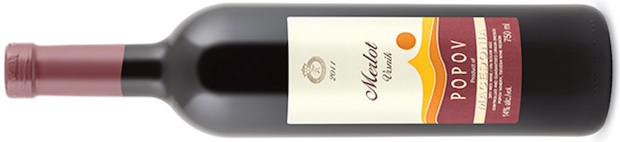
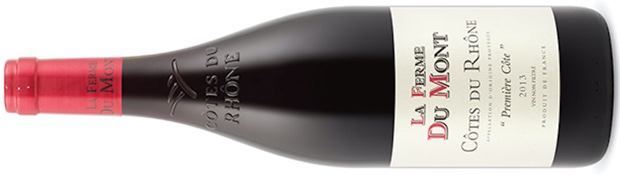

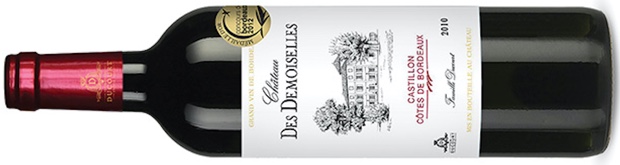
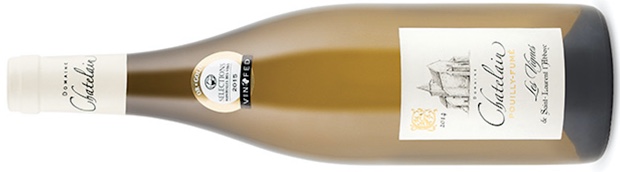
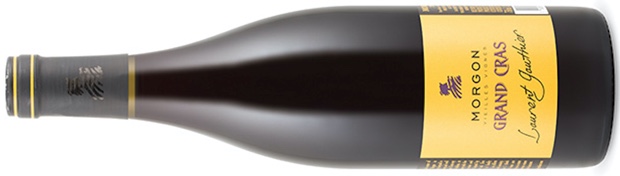
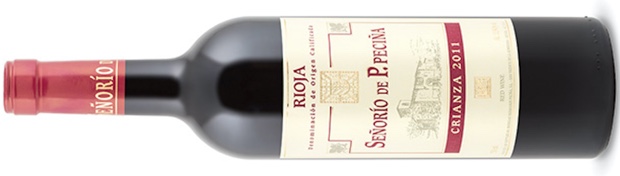
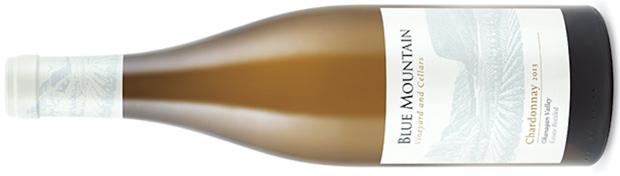
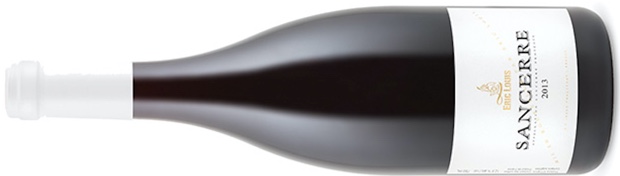

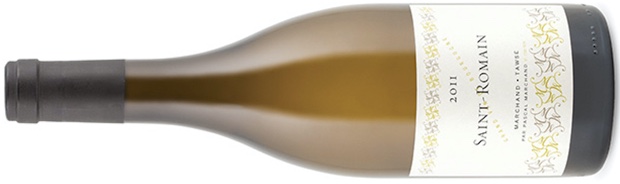
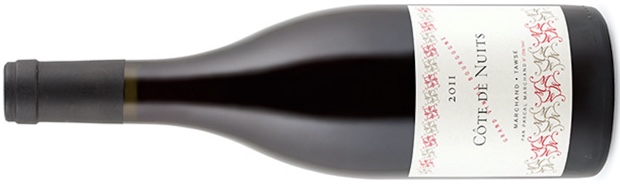

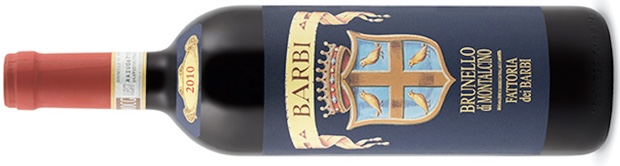
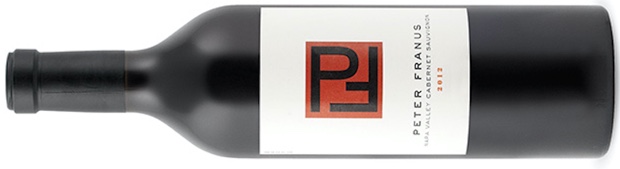

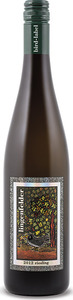
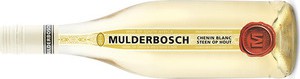
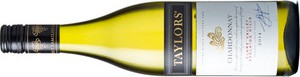
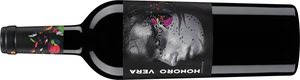
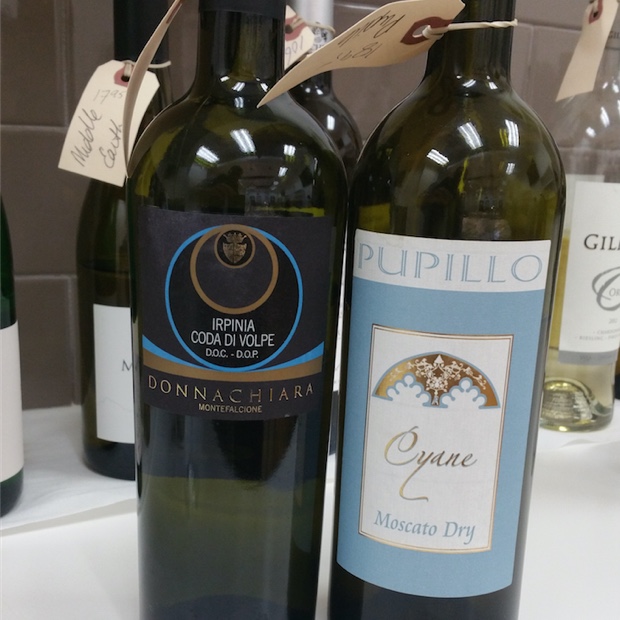
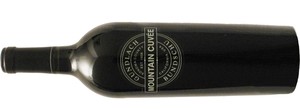
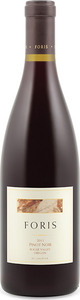
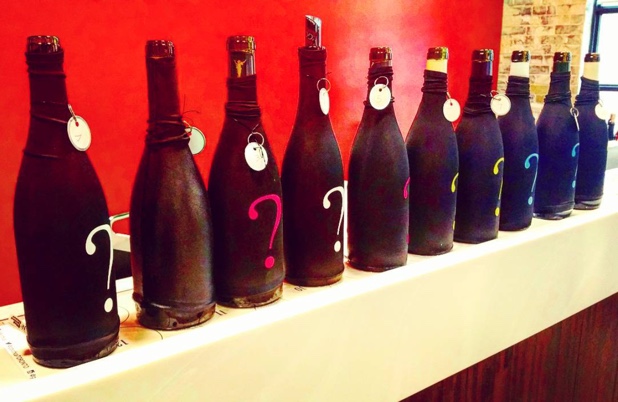


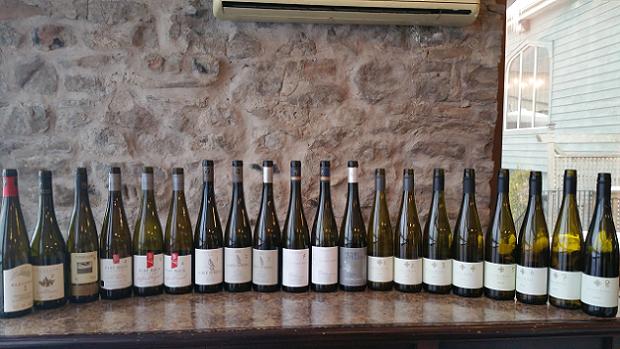
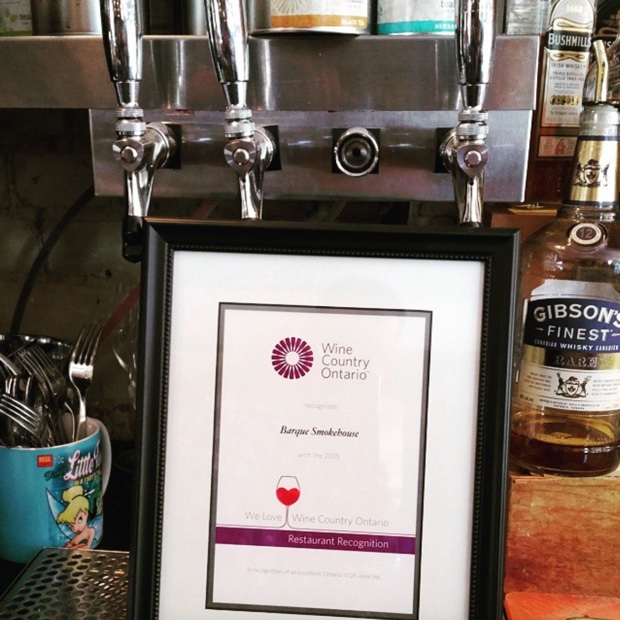
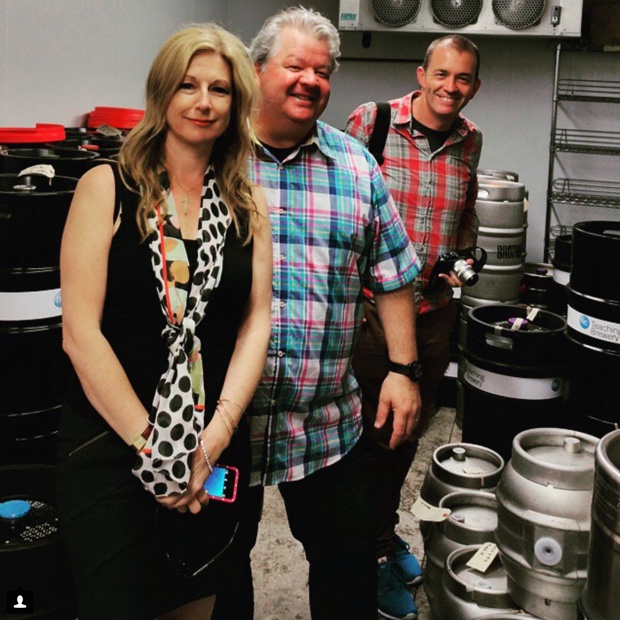
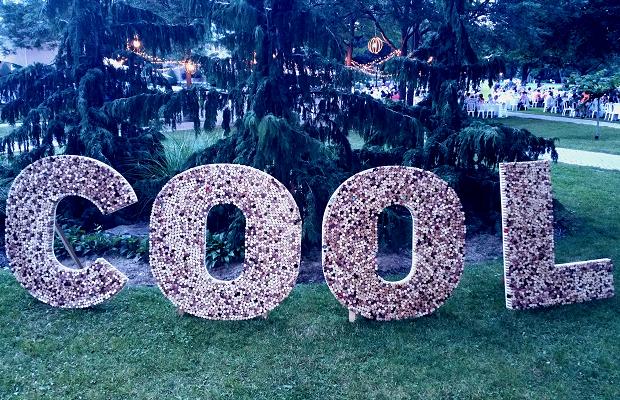

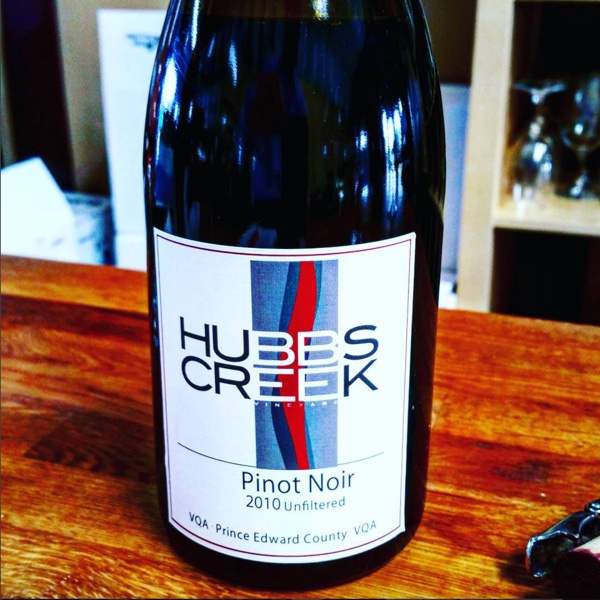
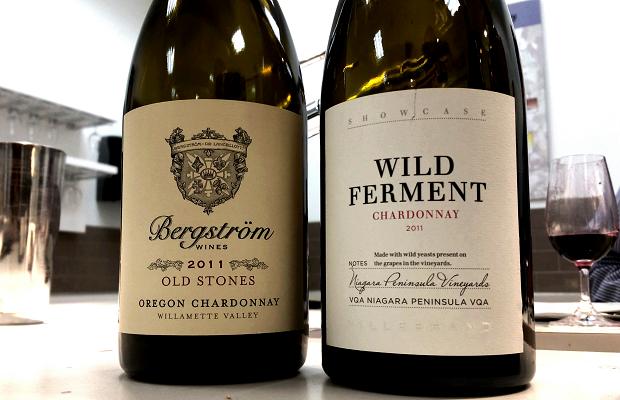
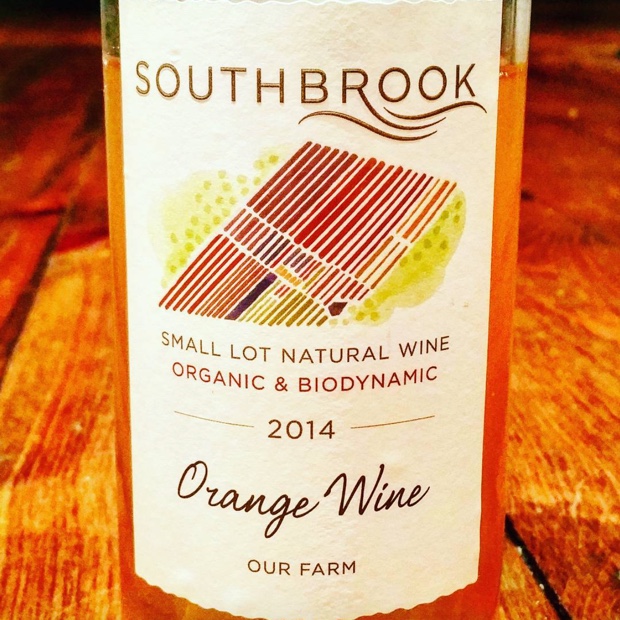
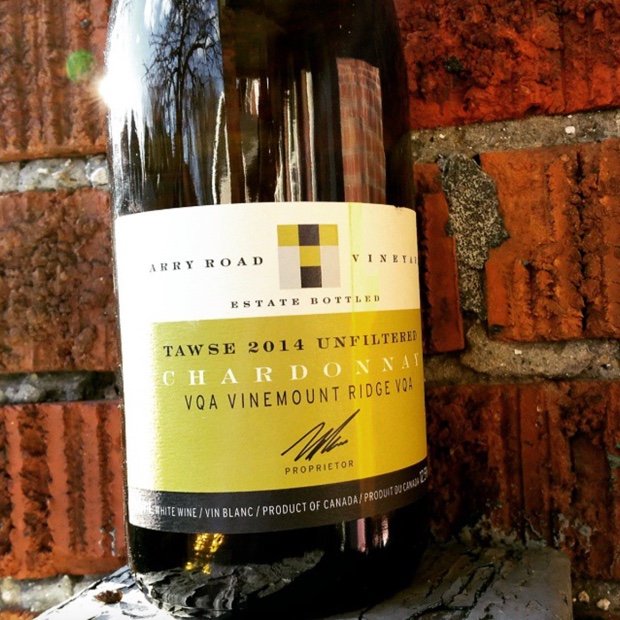

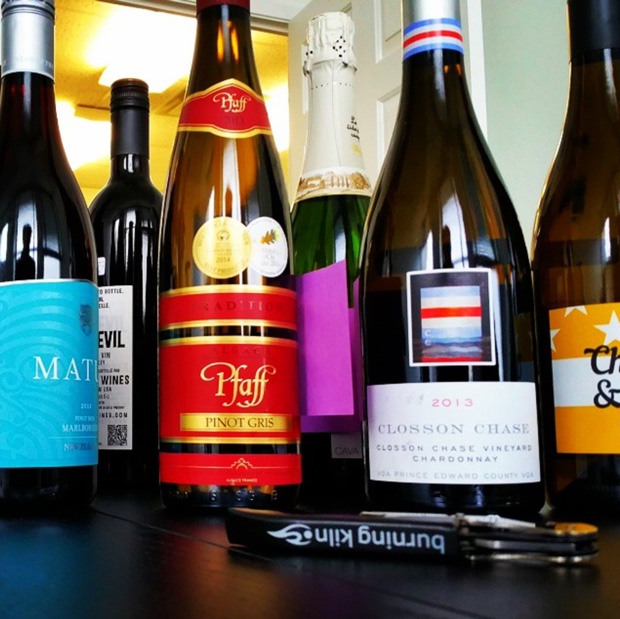

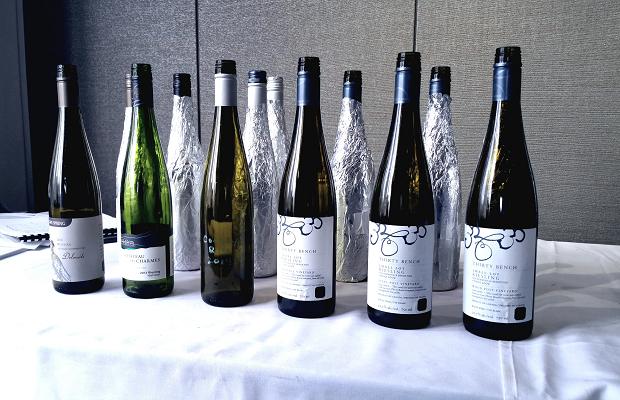
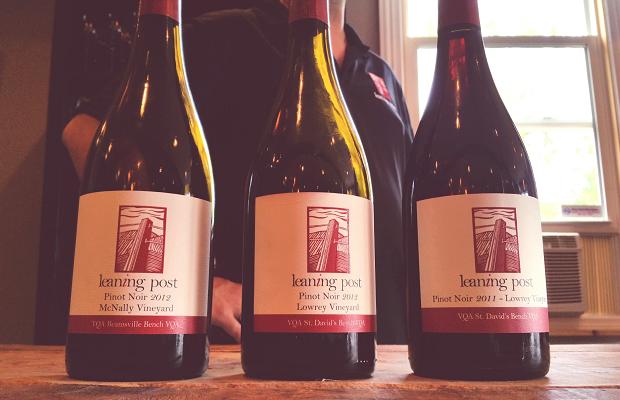


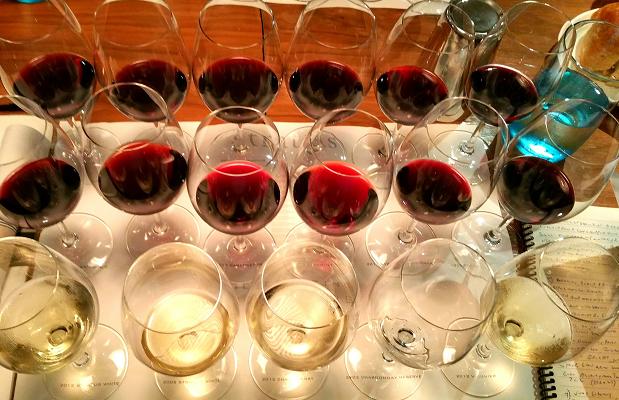

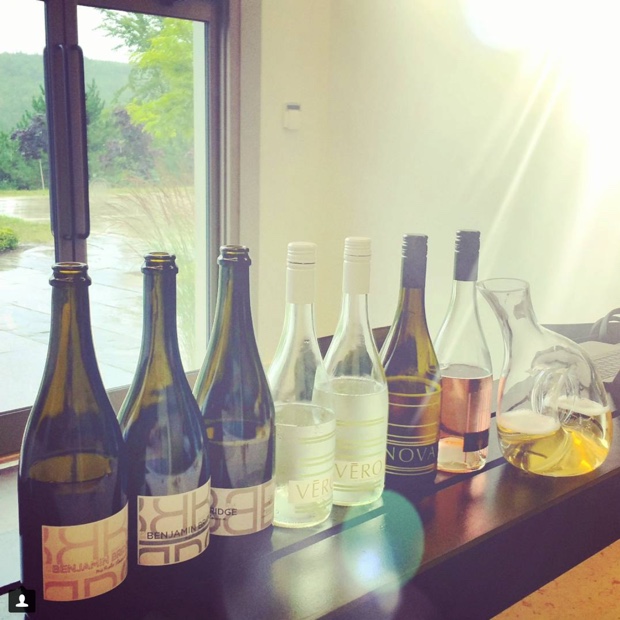
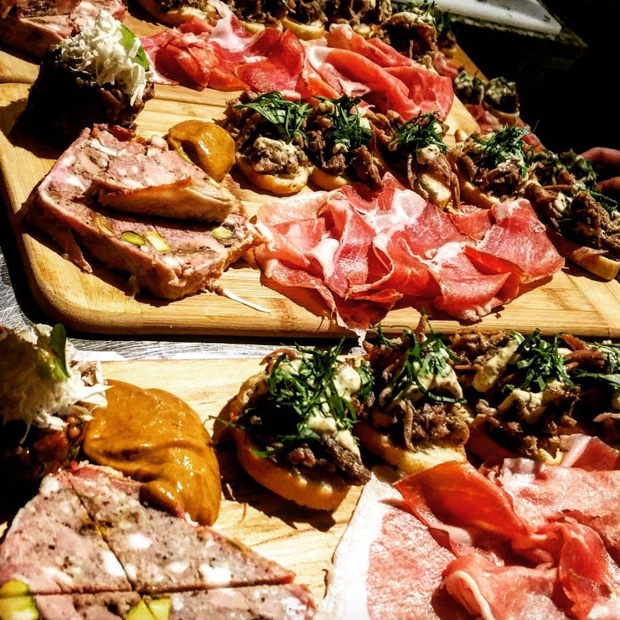



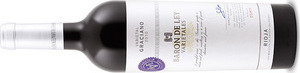

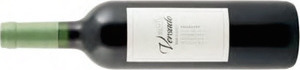


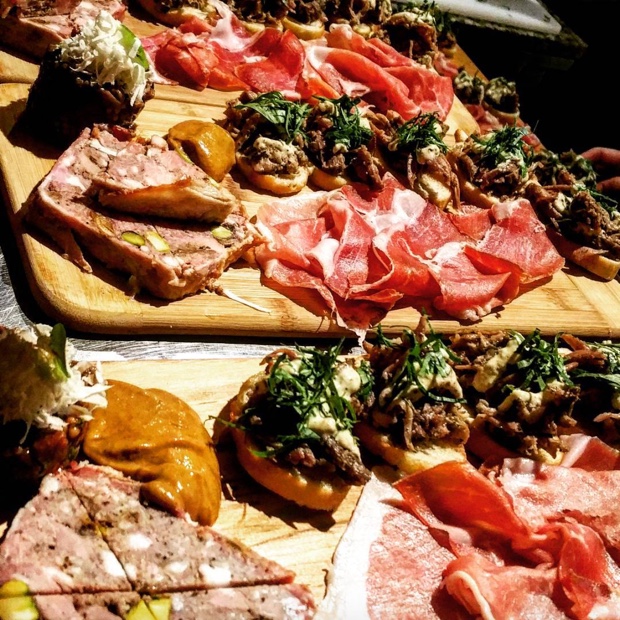









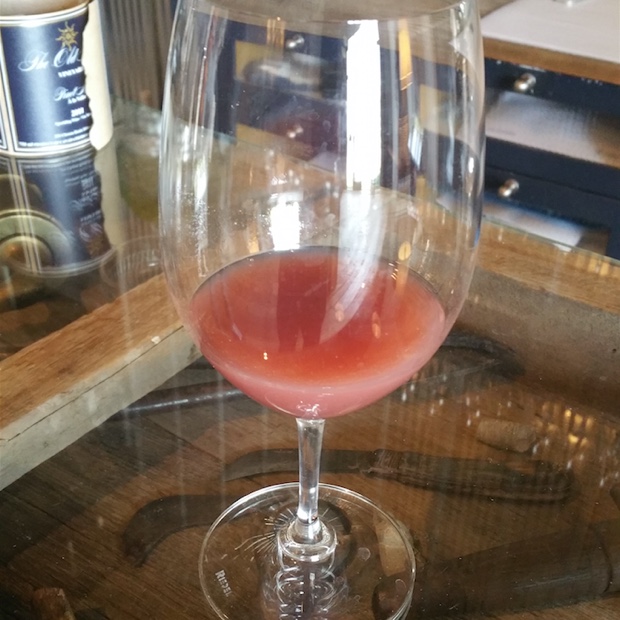

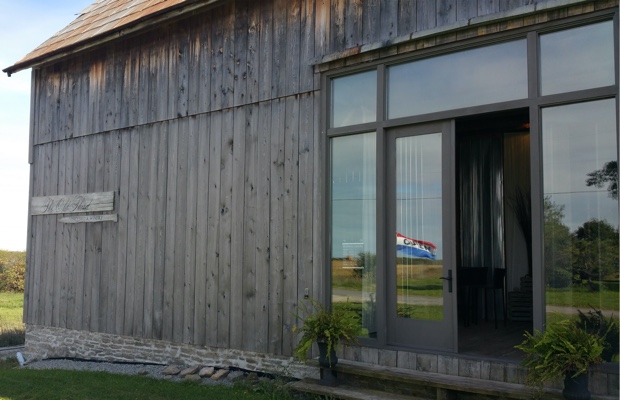

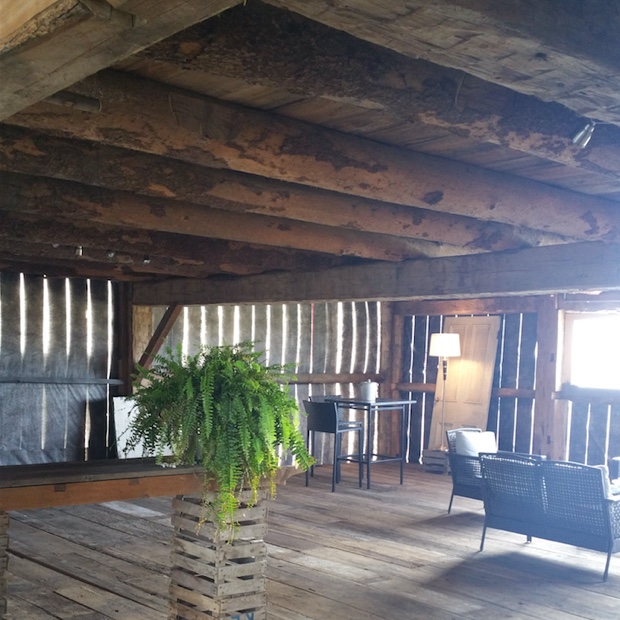
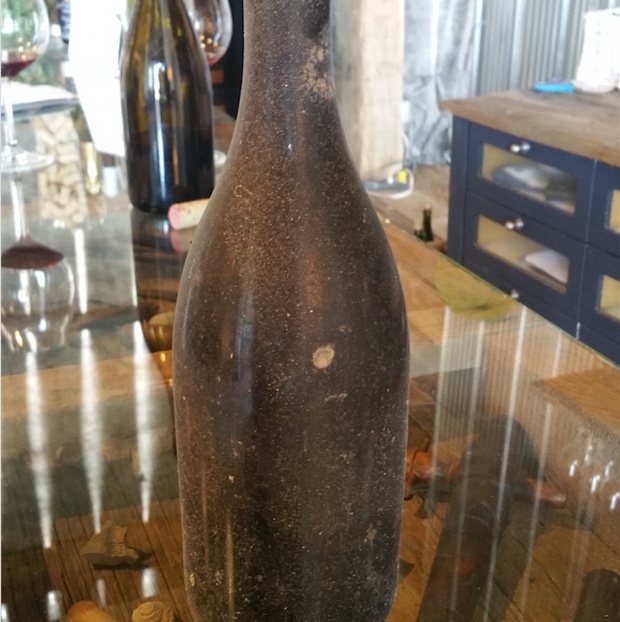
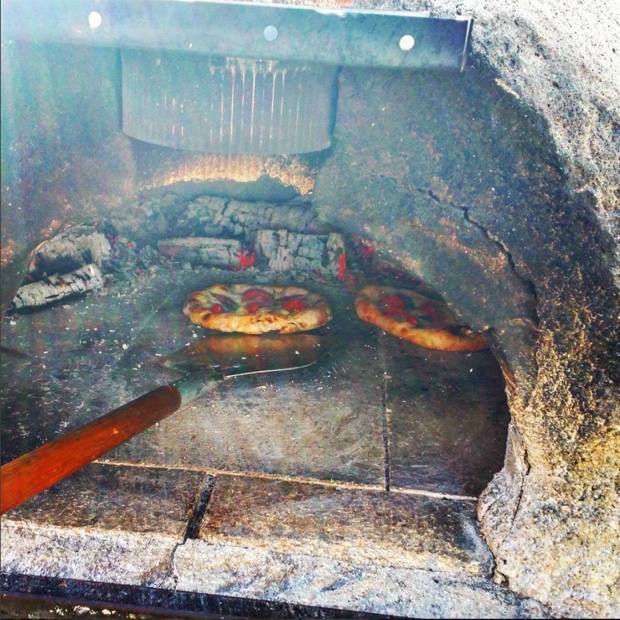


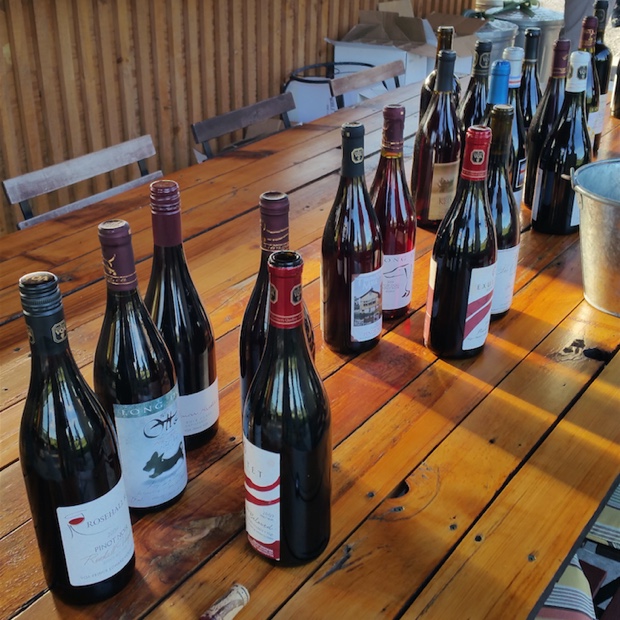
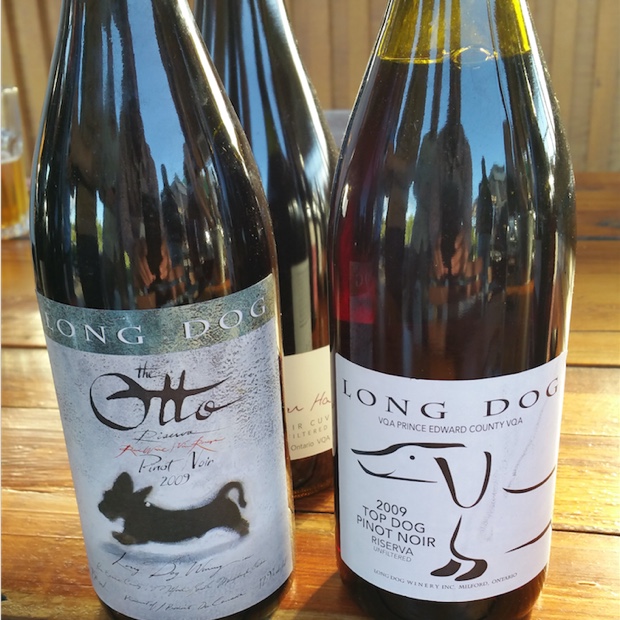

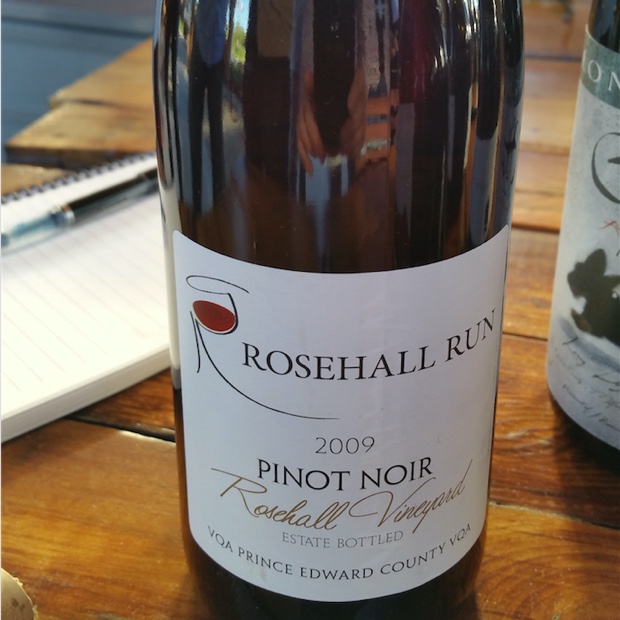
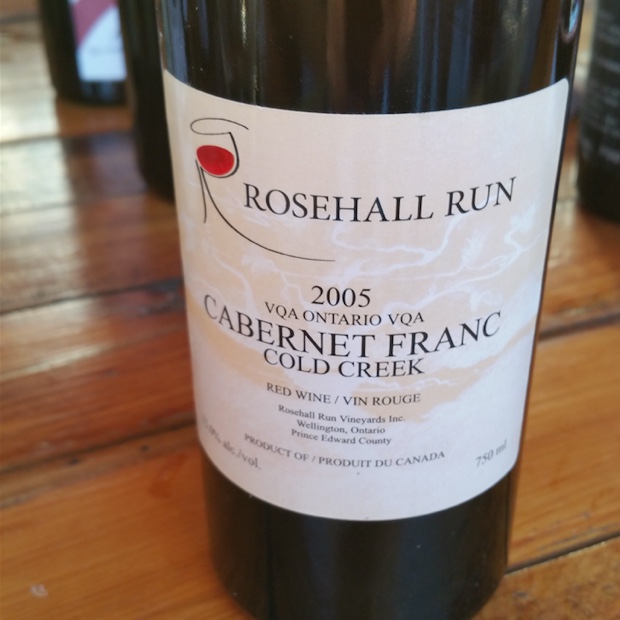
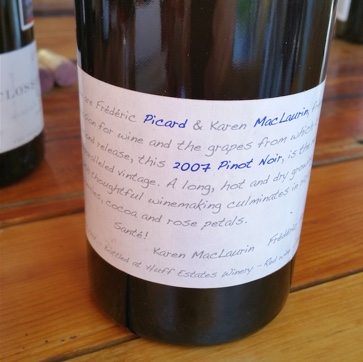

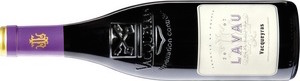
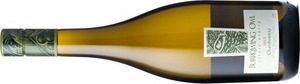
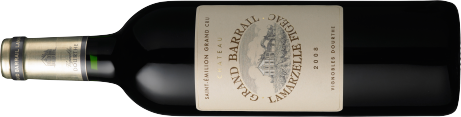
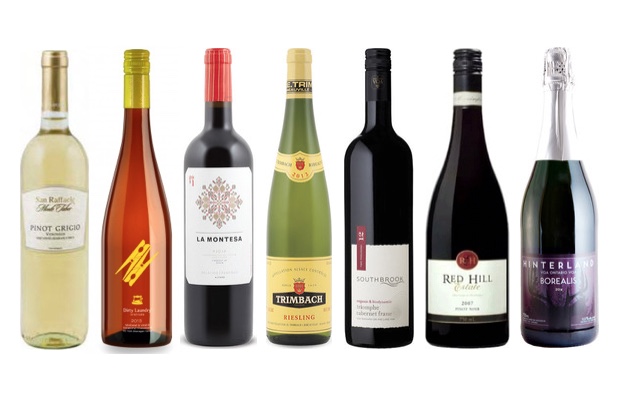

 Godello