Recent uploads

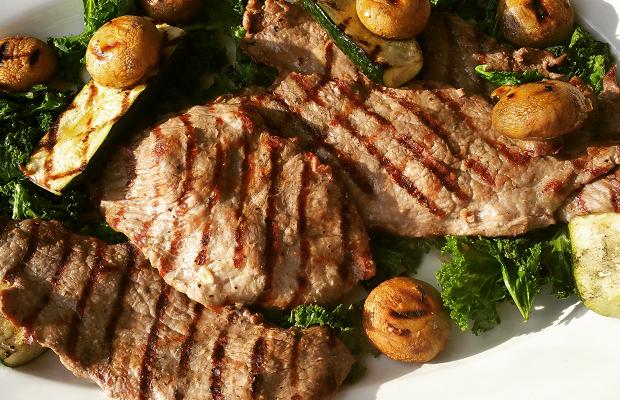
Recently grilled

Recently grilled

It’s a themed based life. Most of what we taste is packaged into categories; country, region, appellation, varietal, blends, White, Red, Sparkling, Rosé and Dessert. Tastings promote a place or at the very least a gathering of sympathies, of wines meant to share a table.

Sometimes we taste in random preoccupation, with holistic hazard grace, in absence of direction, without a care to the world. More often than not my tasting notes are uploaded to WineAlign. Here are nine uploaded singles, in no particular and seemingly random order, save for the prices. They are all available at the LCBO.

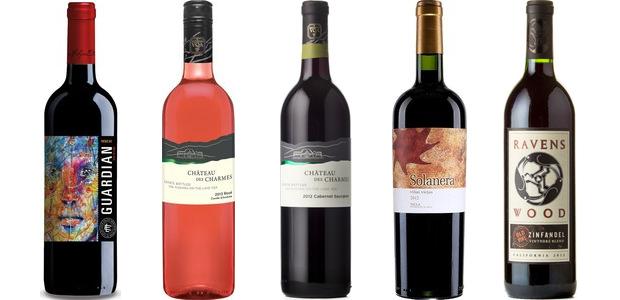
From left to right: Guardian Reserva Red 2012, Château Des Charmes Cuvée D'andrée Rosé Estate Bottled 2014, Château Des Charmes Cabernet Sauvignon Estate Bottled 2012, Bodegas Castaño Solanera Viñas Viejas 2012 and Ravenswood Vintners Blend Zinfandel 2013

From left to right: Guardian Reserva Red 2012, Château Des Charmes Cuvée D’andrée Rosé Estate Bottled 2014, Château Des Charmes Cabernet Sauvignon Estate Bottled 2012, Bodegas Castaño Solanera Viñas Viejas 2012 and Ravenswood Vintners Blend Zinfandel 2013

Guardian Reserva Red 2012, Colchagua Valley, Chile (392787, $13.60, WineAlign)

A commencement red in which the parts control the sum, before, during and after. Quite frankly that’s okay. That Cabernet Franc and Carménère can be picked out so glaringly yet without harsh tones is a reward of sorts, an investigation into the varietal relationship with Colchagua, the guardian of these grapes. More fruit than earth is the basic tenet of the dependancy, again just fine, with the secondary players acting out the vibes of smoke, very ripe flowering shrubs and oak. Good show. The length says three to four acts more. Drink 2015-2019.  Tasted March 2015  @LFEWINES  @DrinkChile  @Noble_Estates

Château Des Charmes Cuvée D’andrée Rosé Estate Bottled 2014, VQA Niagara On The Lake, Ontario (333260, $14.95, WineAlign)

If any Rosé intimates a blush Niagara Brut (sans bubbles) I’d have to give the nod to this CdC named for family matriarch Madame Andrée Bosc. Early picked at less than 20 brix in a Sparkling wine state of mind and balanced in which sugar (6.1 g/L) and acidity (6.1 g/L) countermand one effacing the other. From out of the void comes pure Pinot Noir fruit, in varietal articulation, lustrous, vivid and painted in cool, receding sheen. The flavours are an early summer bowl of berries. Strawberries to mark the beginning of hope. In 2013 the complexity reached for another level. Here in 2014 the Cuvée D’andrée keeps it simple. A Foy Vance tune. “That was the last day of June. This is the first of July.” Drink 2015-2016.  Tasted April 2015  @MBosc

Château Des Charmes Cabernet Sauvignon Estate Bottled 2012, VQA Niagara On The Lake, Niagara Peninsula, Ontario (370320, $14.95, WineAlign)

Grabs hold of the vintage and runs with it, in a sprint. Everything about this is comfortable, expressive, flannel blanketed for warmth. Soft, cuddly Cabernet with huge potential in consideration of price. The oak on top of extraction speaks of a handled totality alongside great fruit. Contending fruit. Basks in a blinding glow in a fine example of what Cabernet can do in Niagara, from warmer spots. That said I do believe that fresh fruit like this, left to its own devices, without any significant barrel coverage, would have managed just fine for five years or more. Drink 2015-2018.  Tasted April 2015  @MBosc

Castaño Solanera Viñas Viejas 2012, Do Yecla, Spain (276162, $16.95, WineAlign)

Crafted specifically for a North American market palate, this blends Mourvedre dominated (70 per cent), maximum extraction Yecla fruit with equal supporting bits of Cabernet Sauvignon and Garnacha Tintorera. The latter two juicy bombshells help to smooth, flesh and melt the ooze of the firm, dredging and heavy of foot Mourvedre. Reeking of modernity, machination and posturing, the gangly, brambly and grippy old vines Solanera is a huge wine, a macho, manly, masculine and muscular red. It’s a shaken mess of fruit, edible flowers and has a smoky, cigar leaf edge. The only real concern is a lack of chivalrous acidity. What is there feels added, not integrated and will be quick to abandon ship when the fruit needs a life raft. At present there is no disputing the quantity of the composition for the money. Two years from now it will have less to say. Drink 2015-2017.  Tasted April 2015  @BodegasCastano  @andrewhanna

Ravenswood Vintners Blend Zinfandel 2013, California (359257, $17.95, WineAlign)

The Vintner’s Blend is Ravenswood’s opportunity to anatomize disparate, old vine California fruit into one Wonka blend, to craft a harmonious if homogeneous Zinfandel expression. The house style in consistency is nothing short of something palmary, here perpetuated in the dried fruit crannies of this 2013. Zinfandel and nothing but, though the variety carries a three quarters presence, the remainder in Petite Sirah, Syrah and “Mixed Blacks.” When the paltry asking price is considered, the VB gives the oak away, asking for little in return, save for a stoked grill or smoker and some well-rubbed slabs of protein. Combine the sweet, savoury, dark, brambly fruit with slow-cooked ribs and a fuligin crust. Men from all around will come calling. Drink 2015-2018.  Tasted April 2015  @CBrandsCareers  @TheZinfandelOrg

From left to right: Southbrook Vineyards Triomphe Cabernet Franc Rosé 2014, Pedroncelli Alto Vineyards Sangiovese 2012, Brezza Cannubi Barolo 2010 and Château Lafon Rochet 2004

From left to right: Southbrook Vineyards Triomphe Cabernet Franc Rosé 2014, Pedroncelli Alto Vineyards Sangiovese 2012, Brezza Cannubi Barolo 2010 and Château Lafon Rochet 2004

Southbrook Vineyards Triomphe Cabernet Franc Rosé 2014, Niagara Peninsula, Ontario (279117, $19.95, WineAlign)

Southbrook’s Rosé is a triumph of philosophy and direction in varietal election. Fundamental to a matter of degree, this is a wine to help cast little doubt on Cabernet Franc’s pink necessity for Niagara. Only CF adds a sweet, sour and savoury push to to a blush bleed, with a push-pull undertone of earth. Only this variety can draw salinity and funk from the soil without requiring additional reductive, rubbery underpinning. Here the sour berries are bright and the wine is light on its feet, yet clear and precise. If not for the apocopic finish, this would be exceedingly exceptional Rosé. Drink 2015-2016.  Tasted April 2015  @SouthbrookWine  @AnnSperling

Pedroncelli Alto Vineyards Sangiovese 2012, Dry Creek Valley, Sonoma County, California (204461, $20.00, WineAlign)

Genuine take on Sangiovese, ebullient in red cherry, leather and chestnut. Swelling pulpy and if acidity does not at first succeed, it tries and tries again until vehemence is achieved. Sangiovese never looked so good in expatriate clothing for $20. Worth trying one now and putting a few away to see how they evolve. Sends a message to growers and producers in the Dry Creek Valley. Treat the variety with minimal oak love and seek out special terroir like the Alto Vineyards. Done right, Sangiovese can provide a bright and complementing alternative to Zinfandel. Drink 2015-2020.  Tasted April 2015  @Pedroncelli  @drycreekvalley

Brezza Cannubi Barolo 2010, Docg Piedmont, Italy (713511, $64.95, WineAlign)

Here, in the Cannubi vineyard, the classic impossible dichotomy of Nebbiolo, like an anvil and a feather, falling at the same rate, in a vacuum. The floral tones are set to eleven, while layers of many elixirs, liqueurs and tonics swirl in B-52 activity, bled from candied roses and chestnuts. A flavour that brings to mind fresh leather in cream sauce and a nutty glaze, like pistachio crème brûlée. Spiky, silken texture is akin to a web spun of savoury cookies strands. Tannins take over late and the sour finish, of fruits fed through a syringe by fills of intensity and verve. Wow Cannubi. Drink 2020-2030.  Tasted April 2015 @NaturalVines   @regionepiemonte

Château Lafon Rochet 2004, Ac St Estèphe, 4e Cru, Bordeaux, France (197228, 2009 $84.25, WineAlign)

An adolescent resolved, on the whole and as a rule for 2004’s, now advanced to adulthood. Chocolate and dusty weigh in straight away, as per the wood smothering of the time, so upfront and prevalent the fruit is the understudy. The whole in the heart of the middle is like the only living boy in New York, “half of the time we’re gone but we don’t know where, and we don’t know where.” So it must be filled with popular song. Then the wine shines, in Mediterranean tones, savoury ways, with black olives and sweet yet bitter solemnity. Quite perfectly fine, oldish Bordeaux, two-part harmony St. Estèphe. It will not rock your world but it will play scaling, soothing bass lines and lend echoing acoustics. Drink 2015-2017.  Tasted April 2015  @Lafonrochet  @BordeauxWines

Good to go!
https://twitter.com/mgodello

http://www.winealign.com/profile/2058-mjg

One on one with Gaia Gaja

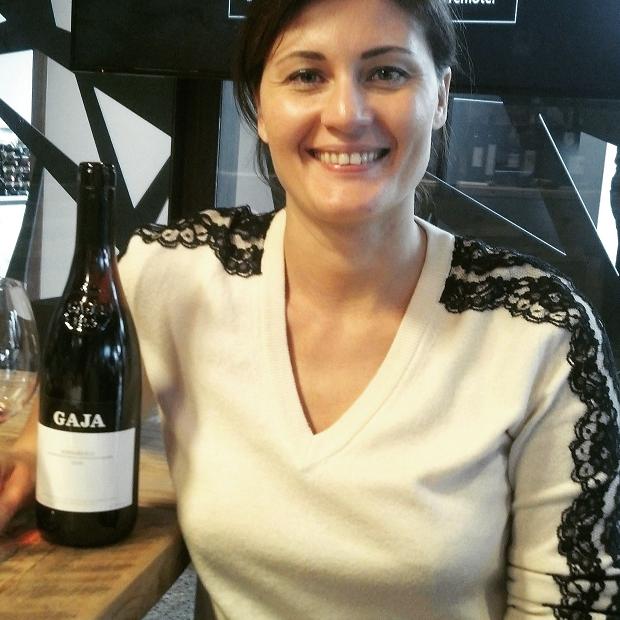
Gaia Gaja

Gaia Gaja

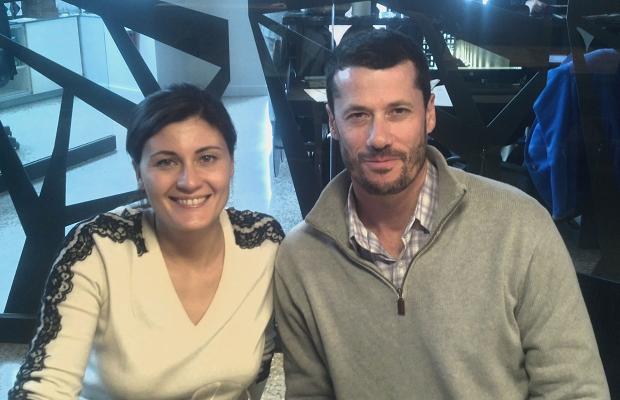
I had met Gaia Gaja twice before. The first time she was working the Gaja table at a tasting event swamped with what seemed like half the attendees in the room. Still she found a way to make a connection. The second time was with a small group at Bosk – Shangri-La Hotel

Related – Wine around the boot in 40 days

Gaja owns 250 acres of vineyards in Barbaresco and Barolo. In 1994 they acquired Pieve Santa Restituta in Montalcino, Tuscany and in 1996 they added Ca’Marcanda in Bolgheri, Tuscany on the coast. The significance of this acquisition lies in the Bordeaux varieties grown there; Merlot, Cabernet Sauvignon and especially Cabernet Franc. There will come a day, not so far away, when that Cabernet Franc will make some truly exceptional wine.

The Gaja brand, while nearly 155 years young, has recently climbed into a league of its own. To consider the wines, the estates and the aura that surrounds, you might think there was a marketing team of hundreds blanketing the earth.  On the contrary. There is Gaia Gaja.

The wines made famous and expensive by Angelo Gaja define much of what the world knows and thinks about Italy and yet Gaia can talk about nothing but antiquity, historical culture, economy and social structure. She is proud of the UNESCO heritage designation for Barolo, Barbareso and Langhe. Her nostalgic, her family’s connectivity with place and her knowledge of vines is astounding. Gaia Gaja knows everything about Piemonte.

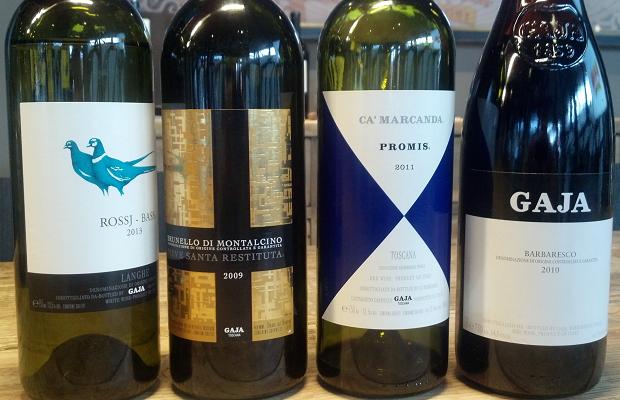
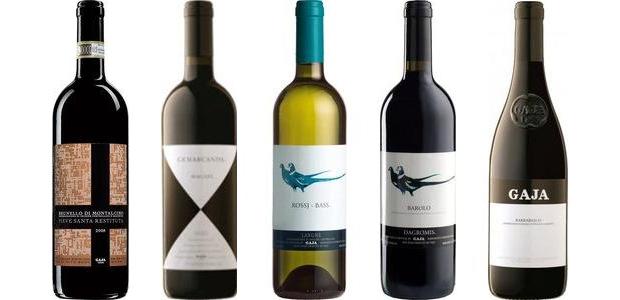
Gaja Line Up

Gaja Line Up

To Gaja, it is not simply a matter of vines, it is about the land with vines growing upon it. For the wines, lees contact is essential. “Four fingers of lees,” Gaia holds up her hand, “like red mayonnaise, after half the time they become dry and bitter. They are protectors and emulsifiers of the wine.”

Gaia speaks of biodiversity in the vineyard. She is responsible for experimentation, like seaweed treatments, essences and extracts, from garlic and rosemary. She believes in using grasses to suppress disease and mildew. These are the practices of an estate that commands designer prices for their labels. This is not a contradiction, it is a way of life.

Gaia Gaja and Godello

Gaia Gaja and Godello

The vineyard management is what protected Gaja from the most challenging of vintages in 2014. August temperatures of 17 degrees celsius and so much water wreaked havoc. Swelled but not diluted berries remained pure, with clarity and surprisingly good tannic structure, not to mention decent yields. “It’s all about vineyard management,” reminds Gaia Gaja.

Thanks must be afforded Robert Tomé and Tony Macchione of Stem Wine Group for allowing me the one-on-one time with Gaia. It will always be one of those hours I’ll not want to give back. Here are the five wines we tasted together.

From left to right: Gaja Pieve Santa Restituta Brunello Di Montalcino 2009, Gaja Ca'marcanda Magari 2012, Gaja Rossj Bass 2013, Gaja Dagromis Barolo 2009 and Gaja Barbaresco 2010

From left to right: Gaja Pieve Santa Restituta Brunello Di Montalcino 2009, Gaja Ca’marcanda Magari 2012, Gaja Rossj Bass 2013, Gaja Dagromis Barolo 2009 and Gaja Barbaresco 2010

Gaja Pieve Santa Restituta Brunello Di Montalcino 2009, Tuscany, Italy (Agent, $68.99, WineAlign)

Beginning with the 2005 vintage, the Gaja family changed direction with the production of this coalesced Brunello, made from fruit grown at Sugarille and Rennina (Santo Pietro, Castagno, and Pian dei Cerri) and Torrenieri, in the northeastern subzone of the appellation. This fifth meld in stylistic vicissitude is more relucent than the monochromatic coquette that was 2007. More than fruit, this has spice, liqueur and fennel. So much aniseed a biscotti might pour from the bottle. Smoothly textured with a middle grain fostered by more spice, out of wood and into a promising slow-simmered future. That liqueur just needs to become an aperitif. Give it five years to do so. Drink 2019-2025.  Tasted October 2014

Gaja Ca’marcanda Magari 2012, Igt Toscana, Italy (Agent, $72.99, WineAlign)

A blend of Merlot (50 per cent), Cabernet Sauvignon (25) and Cabernet Franc (25) with a bright future, a modest, diffident and anything but arrogant Bolgheri. Loam and clay-rich terre brune strike mineral, goudron and tar for a distinct Tuscan, not Bordeaux expression. Displays more earthy funk than the other Ca’marcandas (Promis and Camarcanda) and a chalkier, grainer texture. In the middle realm there is cool mint and eucalyptus, followed by more yucca grain, so in that sense this Bolgheri is tropical and exotic. Gaja encourages this wine to follow a vinous Piemontese dialect and yet speak of Maremma, all the while without conceit. In that it succeeds. Drink 2018-2024.  Tasted October 2014

Gaja Rossj Bass 2013, Doc Langhe, Piedmont, Italy (Agent, $79.99, WineAlign)

The Chardonnay (85 per cent) comes from the Rossj and Bass vineyards in Barbaresco and much of the Sauvignon Blanc (15 per cent) from Alteni di Brassica in Serralunga. The latter’s “little walls of yellow springtime flowers” are more than just a thought. Along with tall wind-blown grasses, the stone mineral and honey-florals are a major part of this neoteric and iconic to be white from Piedmont. Must say that Chardonnay is not the first thing that comes to mind. In terms of flesh, full-flavour and intensity of excavation, the Rossj Bass is like white Châteauneuf-du-Pape, at least in aura and attitude. This will have a long life. That much is sure. Drink 2016-2022.  Tasted October 2014

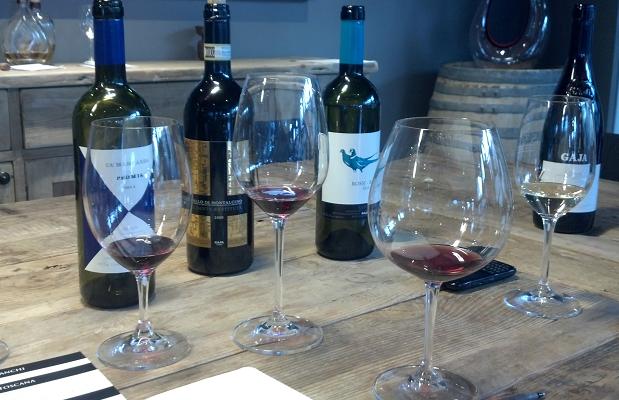
Gaia Tasting at Stem Wine Group

Gaia Tasting at Stem Wine Group

Gaja Dagromis Barolo 2009, Piedmont, Italy (Agent, $84.99, WineAlign)

Nearly 15 years after Angelo Gaja acquired two old (Serralunga next to Sperss and La Morra to Conteisa) Gromis family vineyards, the 2009 vintage takes the Nebbiolo to a new modernity. Rich, bright and so very vivid, no longer controlled by the iron-rich, Tortonian-era clay and marl. Don’t misunderstand, this is still a meaty, smoky red with massive tannins that will take years to assimilate, but the texture is more like kaolin meets terra cotta, rigid but malleable. Has a taste of fennel and a smack of sultry savour. Serious Dagromis, albeit with softer features and hands. Drink 2018-2024.  Tasted October 2014

Gaja Barbaresco 2010, Piedmont, Italy (Agent, $239.99, WineAlign)

Typically sourced from 14 vineyards in and around the village of Barbaresco, the estate bottling may not be the kind of rare, single-confluence testimonies that are Sori San Lorenzo, Sori Tildin and Costa Russi but it is undoubtedly Gaja’s iconic rock. Made from 100 per cent Nebbiolo (others include a few points of Barbera), separate Barbaresco lots are aged for one year in barriques (approx. 20 per cent new, with a balance in one and two year old casks). The 14 lots are then blended and racked to large Slavonian oak casks ranging in age from five to fifteen years. The understated character, delicate perfume, kind acidity and red fruit floral flavours define the vintage. The previous year was not so kind, cooler and fuller in body. The bolstered acidity will elevate with more buoyancy than ’11 even and what makes Gaia Gaja smile is the thought that this ’10 “smells like Barbaresco in the spring.” The drifts are like stretching roots and tubers and shoots, in an ethereal way, unlike Barolo. At this juncture the wine is such a baby, contemplative, self-reflective. The Burgundy bottle with the Bordelaise neck houses a Gaja Barbaresco to stand the test of time with some of the estate’s greats; 1961, 1971, 1978, 1982, 1983, 1985, 1988, 1989, 1990, 1996, 1998 and 2005. It will be 2020 or later before the ’10 can be assessed in such terms. Drink 2020-2035.  Tasted October 2014

Good to go!
http://www.winealign.com/profile/2058-mjg

More red less green

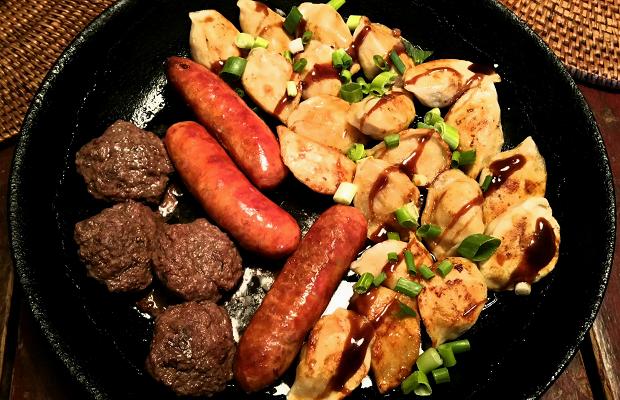
Italian sausage and dumplings

Italian sausage and dumplings

What matters most when choosing a bottle of wine? Is the top spot on the criteria scale occupied by a need for value, to spend as little as possible and get the most for the dollar? Are ripeness, extraction and full-bodied the distractions necessary to gain pleasure from bottle? Are location, plot and soil a part of the equation? When the question is posed, “do you believe in terroir?” the answers come from both sides. Cathy Corison wrote this on Saturday.

With yet another stretch of inclement and less than soul-warming weather upon us, red wine is back in fashion (does it ever fall from?) and thus the opportunity is afforded to throw a few more bottles into the “ever on the mind” search. More real possibilities offering up increased positives on the probability factor scale. Wines just released on Saturday via the perpetual wheel that is the VINTAGES program.

Italian wines at VINTAGES April 18th, 2015

Italian wines at VINTAGES April 18th, 2015

Wine buying can be as much about humouring the exercitation of the intellect as it can be about the derivation of simple pleasure. With today already having caused a reflection on how rain and water went dripping down the back of the neck on a long promenade from A to B, a craving for deep red has begun. Wines that cause an opine in spiritual meets historical allegory ideation, reds to yearn for in desperate immediacy. Spain and Italy occupy this narcissistic niche, what with their attention to mid-palate, to filling voids, holes, vacuums and structural chasms. On Saturday the following six reds were made available. They are all highly recommended.

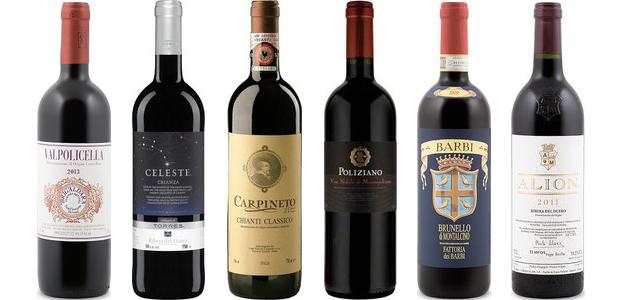
From left to right: Brigaldara Valpolicella 2013, Torres Celeste Crianza 2011, Carpineto Chianti Classico 2012, Poliziano Vino Nobile Di Montepulciano 2011, Fattoria Dei Barbi Brunello Di Montalcino 2009 and Alión 2011

From left to right: Brigaldara Valpolicella 2013, Torres Celeste Crianza 2011, Carpineto Chianti Classico 2012, Poliziano Vino Nobile Di Montepulciano 2011, Fattoria Dei Barbi Brunello Di Montalcino 2009 and Alión 2011

Brigaldara Valpolicella 2013, Doc, Veneto, Italy (917864, $14.95, WineAlign)

Fresh, juicy, ripe, succulent and straightforward Valpolicella. Like Chianti to Classico, this is the star of the less heralded appellative group. Unencumbered fruit prosperity with just a touch of tension on the finish in the forms of earth and citrus. What more could you want and why pay more than this $15 from the Veneto? Elegance, diplomacy, delicatesse and time-honoured elucidation. Drink 2015-2018.  Tasted April 2015  @Brigaldarawines  @rogcowines  @TurismoVeneto  @RegioneVeneto

Torres Celeste Crianza 2011, Do Ribera Del Duero, Spain (210872, $20.95, WineAlign)

Tempranillo modernity arrives with 2011 in as much as Celeste has ever shown. Drunken fruit, big bones and high tones lay lashings on the olfactory senses. Full on drupe, tightly turned wires and sparking electrical tacks with a rhythm “that makes your fingers snap crackle pop pop fizz fizz.” Like a jayou, “to knock someone out, or render them unconscious or senseless.” Jurassic Tempranillo with retro hip hop chalky oak overlapping plum, strawberry and cherry. A super fruit group that strikes it rich and raps long. Drink 2015-2020.  Tasted April 2015  @TorresWines  @FwmWine  @DORibera

Carpineto Chianti Classico 2012, Tuscany, Italy (356048, $21.95, WineAlign)

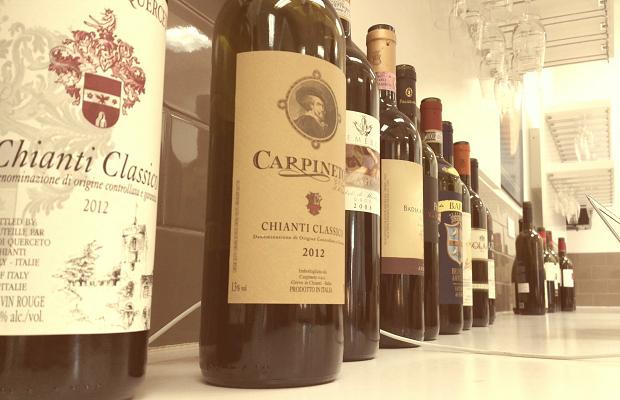
For Chianti Classico, 2012 was a good year, not too warm yet ripening occurred early, with the quality set to high, but the quantities were low. A winemaker’s vintage. Carpineto’s CC comes from the northern aspect of the appellation, from a conca (amphitheater) seven km’s east of Greve, by the piccolo hamlet of Dudda. It’s cooler in this part of Chianti, with more rock imparting flavour and textured sensations into the reds. The ’12 is essentially 90 percent Sangiovese and 10 per cent Canaiolo, give or take 10 per cent. Aromas of roses and wet rocks, fresh ripe plums mashed into tomatoes, herbs and a spicy side note. Old school and precisely what CC should be, minus the funk (which it does not have or need). Ultimate pasta wine right here. Traditional style in an up to date way with temperature control and all the tools of a modern facility. No VA, no barnyard, but really natural. This explains the axiom of maintaining tradition. With so many story lines already spoken for in sectarian Chianti, maybe that is the only thing Carpineto has left to hang their Zuccotto on. David Lawrason hits the nail head on. A Chianti that “resets the compass.” Drink 2015-2020.  Tasted September 2014 and April 2015.  @CarpinetoWines  @chianticlassico  @TandemSelection

Carpineto

Carpineto

Poliziano Vino Nobile Di Montepulciano 2011, Docg Tuscany, Italy (988055, $29.95, WineAlign)

Consistently the most accessible and moreover well structured Vino Nobile in this market, never wavering or straying from its style. The 2011 perpetuates the credibility card, in avoidance of trends or fashion. The vintage offers the ever-present multitude of red and black fruits, baking spices and percolating, though never drenching, of wood. The fruit seeps, steeps and the familiarity breeds weeps, with bittersweet thanks to a wine that tastes like home.The 11’s warmth means less tension than some other, grittier years but as always, this is a stellar take on the local strain of Sangiovese known as Prugnolo Gentile. Still, this needs three to four years to come to the right place. Drink 2018-2022.  Tasted April 2015  @PolizianoAzAgr  @Noble_Estates  @consorzionobile

Fattoria Dei Barbi Brunello Di Montalcino 2009, Docg Tuscany, Italy (928028, $49.95, WineAlign)

As Fattoria dei Barbi continues to evolve and esteem its rustic self within the context of modern Brunello, the quality increases with each vintage, regardless it seems, of the weather. If 2008 was the true turning point, 2009 cements the current inclination, in that Barbi combines antique with state-of-the-art as well as any Montalcino house. This ’09 is as accessible as the classic norm of firm, sylvan Barbi can be. More so than even the forward ’07 and yet in many respects unlike any that have come before. Has savoury syrup and earthy concentration, seeped tea and a hint of sweet-scented game. Strawberry in the heat of an early July morning ripening on dewy wet pine straw. The evergreen notes are strong, like a vapour rub and the direct, tart, firm finish brings the wine back to the barometer’s median point. Really fine Brunello offering the best of two worlds. Drink 2018-2024.  Tasted April 2015  @FATTORIABARBI  @Noble_Estates  @ConsBrunello

Alión 2011, Do Ribera Del Duero, Spain (199331, $89.95, WineAlign)

Here in 2011, Ribera all in, with it all going on. The smoky, rich hue, replayed in aroma, with full-on red berries, massively extracted, warm, lush and luscious. Rhubarb, yet picked ripe and sunlit initiates the savoury intent, followed by spice arbor, in vanilla and lavender, clean, brackish, creamy, dense and of a pure sweetness. Acidity, power and tannin beset the back palate environs, laying dominion to a permanent 20-year placard. How can such a wine have it all? Should it be all of these things? How can such a sexy beast exist, strutting, sultry and yet so demanding and occupied with tension? The 2011 Alión is more than impressive, it’s a wine deserving to endure for a very long time. Drink 2018-2031.  Tasted April 2015  @DORibera  @HalpernWine

Good to go!
http://www.winealign.com/profile/2058-mjg

Path straying wines

Risotto

Risotto

The idea that something veers away from or afield of the norm is almost always intriguing. Fascinations with antidisestablishmentarianism, marching to the beats of different drummers and walking lonely roads is as essential as breathing. For the curious, the hungry and the alive.

Though the concept is a sound one, it need not always be about searching for wisdom and enterprise off the beaten path. There are times when the abstruse may be lying directly underfoot. Wine is a commensurate animal, altricial such as it is, acaudal, acersous, agnostic, aculeate and allocryptic such as it is not. Wine that is not so much off the beaten path as actually growing on one.

Two of the six wines recommended here jive with the idea, a Sicilian varietal wine made from the local Nerollo Mascalese and a Venetian dessert beauty crafted from who knows which and exactly how many chthonic varieties. No wine-producing nation knows about the concept of varietal celebration and keeping a historical watch on the relationship between path and vine more than Italy. No other agglomeration crafts from indigenous or endemic varieties with as much diversity.

This summed it up. “Finally, I find the irony in the idea that for a winemaker or vine grower to step off the quotidian they need to plant, cultivate and make wine from grapes once considered the norm and the go to in their region. You can’t help but notice that modern winemakers with a wistful eye are casting reflexively into the past with a hunger for vinous resurrection. By grafting their pre-Phylloxera ancient vines onto healthy root-stock they have turned the varietal compass on its head. As they have moved through their days with an open-mind to the panoply of grape interactions, they have beget the endemic revival.”

Related – Off the beaten Italian path

You see, winemakers don’t always have to champion the obscure, the endangered and the forgotten. There are times when place and plot are good enough to create an aura of obscurity and adventure. The wines in this column’s conspiracy are in cahoots to drive the point.

Related – Why hate wine?

A white Port; who drinks white Port? Sometimes you just need to walk along roads you never seem to take, take in the backstreets or sip along with something that’s always there but you just never bother. Port can be nondescript and it can also be like the Cálem Lágrima.

How about a Barossan, a Shiraz no less, but here because it is a wine from Neolithic soils, consumed and procreated on and upon itself. Then there is a South African white blend of such natural indeterminate plodding it has caused a break in critical ranks; is it sound or at fault to the point of no return? Last but certainly not musical least, a Napa Valley vintner with an infatuation for pairing wine to song. Sound familiar?

Related – WineAlign guide to VINTAGES April 4th and Easter recipes

In anticipation of the first April list to hit Ontario shelves, Sara d’Amato and I have compiled what you need to know and why. Click on this link to WineAlign to see the full report.

Off the Beaten Path, from East to West and a Battle of the Corkscrews

Here are my six path straying wines from the VINTAGES April 4th release.

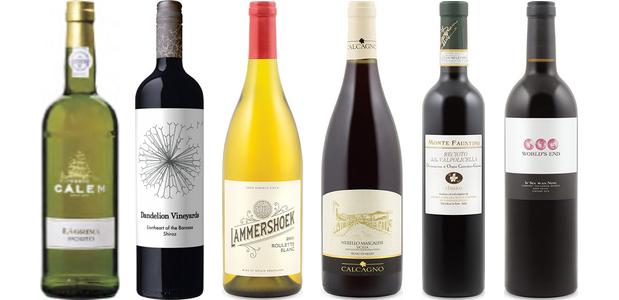
From left to right: Cálem Lágrima White Port, Dandelion Vineyards Lionheart Of The Barossa Shiraz 2012, Lammershoek Roulette Blanc 2011, Calcagno Feudo Di Mezzo Nerello Mascalese 2011, Monte Faustino Recioto Della Valpolicella Classico 2008 and World's End If Six Was Nine Reserve Cabernet Sauvignon 2010

From left to right: Cálem Lágrima White Port, Dandelion Vineyards Lionheart Of The Barossa Shiraz 2012, Lammershoek Roulette Blanc 2011, Calcagno Feudo Di Mezzo Nerello Mascalese 2011, Monte Faustino Recioto Della Valpolicella Classico 2008 and World’s End If Six Was Nine Reserve Cabernet Sauvignon 2010

Cálem Lágrima White Port, Dop Douro, Portugal (912568, $15.95, WineAlign)

Viscous and semlessly crafted White Port. There is very frank aridity in nuts and peels on the nose, along with tempering agave and citrus. The positable tug between sweet, sour and salty harks to older times and the munificent wafts of the warm nut cart. The agave drips thick on the palate, the spiced nuts are expertly roasted. Cool mint and eucalyptus fill the middle and fine acidity comes ’round the back. Terrific value. Drink 2015-2020.  Tasted March 2015  @PortoClem  @WoodmanWS

Dandelion Vineyards Lionheart Of The Barossa Shiraz 2012, Barossa Valley, South Australia  (167189, $19.95, WineAlign)

Tasted from the 750 mL, this old vine Barossa vineyard bottle is reminiscent of the wise and precocious 2009. Nothing can be taken for granted here, this Shiraz from ancient, gnarled vines, many over a hundred years of age. A wine from neolithic soils, consumed and procreated on and upon itself. This is brash and once opened, the aromas are “orbiting your living room.” Makes me think of fig jam on venison wurst and a sauce made from licorice, clementine and dates as big as sausage flies. Tart, tight, racy and religious. Has a fisting Reggae beat, like The Clash doing Tosh and Dub. It may not transmit the only Barossan pirate radio Shiraz but it may just be one of the better values. Drink 2016-2021.  Tasted March 2015  @DandelionWines  @Wine_Australia

Lammershoek Roulette Blanc 2011, Wo Swartland, South Africa (225458, $21.95, WineAlign)

Talk about the passion. Fruit and reduction. Fruit and oxidation. Contradictions and oxymorons. This reeks of upside down passion fruit, apricot, honey and almond cake. Dripping syrup, parrafin and citrus. Waxy, like Sémillon and that’s where the advance comes in. The Roulette Blanc is meant to flesh, not wane in texture. The question is “combien, combine, combien de temps” does it take for a wine such as this to travel from wild and fresh to used and confused? The 2011 exhibits all the signs of great, complex fruit and corresponding accents. It has it all going on but a current stale, R.E.M. sleepy state clouds its future. “Not everyone can carry the weight of the world.” A really interesting wine with a long, bitter and tangy finish. How much longer will it age? Long enough. Drink 2015-2020.  Tasted March 2015  @Lammershoek  @WOSACanada

Calcagno Feudo Di Mezzo Nerello Mascalese 2011, Igt Siciliy, Italy (408187, $34.95, WineAlign)

The Sicilian was treated to extended maceration under strict temperature control and the bleed is evident, modern, pitchy and black as a cloudless night. Then 12 months later “an improvement” is fashioned by the classic French oak “barriques” addition, followed by a minimum further four months in bottle. The result is a warm, alcohol elevated (14.5 per cent) state of the art Nerello Mascalese with a wonderful earthy grounding. Tenderly volcanic, the fruit comes from Passopisciaro between the Etna park and the Alcantara river park. Ancient lava flows leave an indelible mark on a wine without creases. Yet this is a direct, in your face expression that shares thoughts and feelings with deep clay and stray island sand. An extremely well-made wine even if it wanders away from the wonders of time. Drink 2017-2022.  Tasted March 2015  @oenophilia1  @VisitSicilyOP

Monte Faustino Recioto Della Valpolicella Classico 2008, Docg, Veneto, Italy (403857, 500ml, $45.95, WineAlign)

Once in a while there comes a Recioto in reserve of its own preciousness. A Recioto comfortable in its own skin, does not have to try too hard, posits only what it is safely made of. This elegant example whiffs dried fruit, strawberry, rhubarb and lovely aromatic, natural fruit tea. Licorice and fresh fennochio. A citrus poke. Good underscored, understated and under the radar personality. Great length. A real success. Drink 2018-2025.  Tasted March 2015

World’s End Cabernet Sauvignon If Six Was Nine 2010, Napa Valley, California (396127, $72.95, WineAlign)

What if “six turned out to be nine?” What if 14.9 per cent alcohol was just 14.6 instead of what really must be 15.9? What if the song in your head was sung by the tender emotional voice of Todd Rungren instead of the fuzz in Jimi’s clouded world? This Cabernet Sauvignon is so much more Hendrix, a full-throttle, heavy-layered, all-in barrel and total extract package. The fruit is hulking and the tannin equally so. Look ahead eight to ten years then fire up the black top. Heave on some marbled elephantine chops and all will be fine in the centre of the dizzying universe. “Wave on, wave on. Fall mountains, just don’t fall on me.” Maybe listen to a verse or two of Todd as well. “Hello, it’s me.” Drink 2020-2027.  Tasted March 2015  @ProfileWineGrp  @NapaVintners

Good to go!
http://www.winealign.com/profile/2058-mjg

Why hate wine?

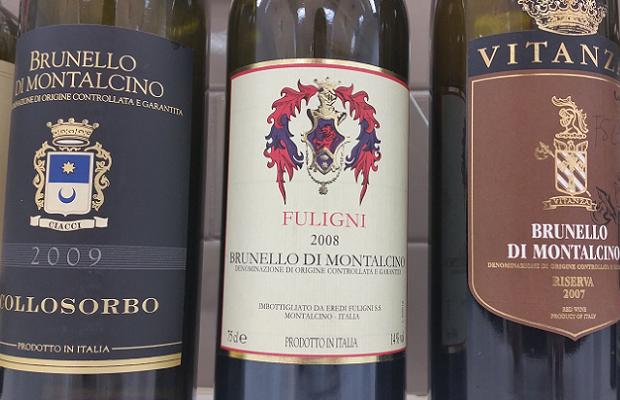
Three vintages and producers of Brunello di Montalcino

Three vintages and producers of Brunello di Montalcino

Though it may sound absurd, it’s true. There are some who hate wine. It may seem impossible to imagine, but not everyone cares for the stuff, in fact, they say they hate it. Pretty harsh, no?

They have their reasons. Either it’s pretentious, it pales in comparison to beer, causes headaches or simply tastes like shit. The haters also hate wine drinkers and they really can’t stand people who blabber on about what they smell and taste, especially wine writers. The vile, worthless, waste of the air they breathe kind of human. The virus with shoes.

They are out there but they are not the real problem. The bigger issue is the wine geek who hates certain wines. The wine aficionado who picks on specific bottles, bullies them to the point of hatred. Slags them beyond reproach. Rants to the world about the injustice of their existence.

I will tell you why I have to say what I have to say. When I entered the LCBO tasting lab last Friday I saw three bottles sitting on the sterile counter, three Pinot Noir that made hairs all over my body stand up in horrified attention. Three Chuck Wagner Pinots. Les Belle Glos. So I tweeted this.

That was a mistake and I apologize for having written that. My message is this. You may find flaws in wine. You may suss out mistakes in the way a wine is made, sniff out bacteria or mould. You may point out imbalance and general impropriety. But you should not hate.

After all, wine is made from grapes and has fermented into itself. No matter the manipulations, the heavy-handed preparations and the dismissal of varietal or territorial propriety, at the end of the day it is just a bottle of wine. It is still a card-carrying member of the heritage, the extraction and the house. The fact is that when you hate one wine, you hate all wine. Do you see, the instant that you hate a wine, then you hate the world of wine.

There is more. Every wine has a connection to the land it came from. Soft mutinies in the senescence of nature all contribute to the scarring of a wine, of an indelible truth that indicts the world it harmonizes in, like a tract of a forest long ago scorched by a fire. A vineyard shares a history, which each vine remembers, even after it has failed to survive, even after others have not survived, or have been felled or re-planted. All wine has a background, regardless of what it may have suffered during growth and fermentation.

Related – WineAlign guide to VINTAGES April 4th and Easter recipes

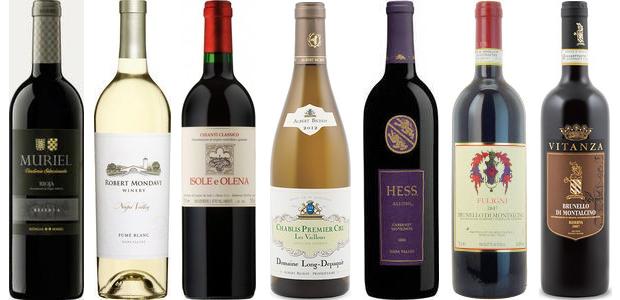
And so, please try to be nice. Not every bottle will thrill and most will even disappoint. But do not hate. These seven examples, coming to a VINTAGES kiosk on April 4th do nothing less than restore the faith. They are all classic returns, of familiar and favourite varieties. They are wines to love.

From left to right: Muriel Reserva Vendimia Seleccionada 2008, Robert Mondavi Fumé Blanc 2013, Isole E Olena Chianti Classico 2011, Domaine Long Depaquit Chablis 1er Cru Les Vaillons 2012, Hess Allomi Vineyard Cabernet Sauvignon 2012, Fuligni Brunello Di Montalcino 2008 and Vitanza Riserva Brunello Di Montalcino 2007

From left to right: Muriel Reserva Vendimia Seleccionada 2008, Robert Mondavi Fumé Blanc 2013, Isole E Olena Chianti Classico 2011, Domaine Long Depaquit Chablis 1er Cru Les Vaillons 2012, Hess Allomi Vineyard Cabernet Sauvignon 2012, Fuligni Brunello Di Montalcino 2008 and Vitanza Riserva Brunello Di Montalcino 2007

Muriel Reserva Vendimia Seleccionada 2008, Doca Rioja, Spain (276030, $18.95, WineAlign)

Carries with it the efforts and old barrel trials of generations in its classic aromas. Cedar, dried plum, bitumen, dried anise, wood soaking in natural sugar syrup. Really seamless, flourless and austere in a running wild kind of way. Possessive of length and deserving of that oddest of wine descriptions; supple. This will age for 10-12 years with ease. A great wine for the money, right up there with the Montecillo 1991, but cleaner, juicier and with more sex appeal. A red-head, a ginger, Rita Hayworth, Julianne Moore, Emma Stone.  Tasted March 2015  @bodegasmuriel  @RiojaWine

Robert Mondavi Fumé Blanc 2013, Napa Valley, California (221887, $22.95, WineAlign)

The Mondavi course of intention stays on track once again in 2013 though the vintage for Sauvignon Blanc seems at its warmest and ripest in quite some time. This walks a highline of aromatics yet refrains from tragically creamy barrel notes or excessively hop toast. Fruit is the driver, “rushing by the machine revving tension.” That drupe is part fresh and part dried, whiffing citrus and potpourri. Zest is buzzing but not overbearing. Were I locked in the trunk of a car, this bottle of Fumé Blanc would keep good company. Drink 2015-2020.  Tasted March 2015  @RobertMondavi  @CBrandsCareers

Isole E Olena Chianti Classico 2011, Docg Tuscany, Italy (704346, $31.95, WineAlign)

The hue and distinguished generational character pay hommage and unconditional loyalties to the noble Sangiovese. Chianti Classico in which patience is a commendable virtue and extreme necessity. The wood and tonic inflate the near nose in screaming interface but five minutes works to soften the early edginess. Now the perfume is intoxicating, so typically IEO, from a beautiful parcel of Chanti Classico out of a very giving vintage. An alluring wine that draws you in with a flirtatious smile of depth and meaning, seamless in personality, never too rich, affected or grandiose. There is no resin and no slice of cake decadence. Though it retains some old-school properties, this CC keeps right in stride with the winemaking times. Drink 2018-2025.  Tasted March 2015  @chianticlassico  @HalpernWine

Domaine Long Depaquit Chablis 1er Cru Les Vaillons 2012, Burgundy, France (19364, $31.95, WineAlign)

Bring on the 2012 Chablis. Here, an early, exciting and intense look. Has a combination of spot on salinity and limestone flint from the central Vaillons Cru. Given time this eventually turns to honey, indicating great early promise. This Bichot Estate Chardonnay is ripe and extroverted. Though it won’t be the longest lived, the back-end stony merrymaking and overall exuberance is a great show. If ’12 Chablis is always this much fun, I’ll be buying front row seats. Tasted 2017-2022.  Tasted March 2015  @Bichotwine  @BIVBChablis  @DionysusWines

Hess Allomi Vineyard Cabernet Sauvignon 2012, Napa Valley, California (906420, $39.95, WineAlign)

Here scrambles forth a high-toned yet exuberant Hess. Dark fruit, old growth bark, fresh tar in summer and natural charcoal on the BBQ. These are the perceptions on a cimmerian, Patwin-coined, single-vineyard red wine from the eastern base of Howell Mountain. This micro-climate (relative to really cold places) experieneces freezing cold winters and later bud break than most of Napa. That difference comes across in the tension of this wine, the dichotomy of hot and cold and manifests by tongue-coating tannin-crusted fruit. Tannin that may take 10 years to integrate. Good concentration of fruit, acidity and that fierce tannin menas lots of energy and stereotypically speaking, even more structure. Drink 2020-2025.  Tasted March 2015  @HessCollection  @liffordwine

Fuligni Brunello Di Montalcino 2008, Docg Tuscany, Italy (245225, $49.95, WineAlign)

Though the bark and bite of the vintage will try to test even the purest fruit, this Fuligni is immune, the Brunello to absorb difficulty and energe unscathed. Earth. forest, clean mushroom, plum, carob and fresh cherry band together as an admirable aromatic lot. Though the vintage worked against many Montalcino producers, those who picked, vinified and allowed the fruit to do its thing, to be its own talking head, to express itself, made good wine. Enter the house of Eredi Fuligni. This ’08 is like Heaven, talking heady, saying nothing at all. The tune is clear as a whistling from the depths of a canyon. The spice is fragrant, never biting. The oak is like an old favourite song.   The Brunello “in Heaven plays my favorite song. They play it once again, they play it all night long.” Drink 2020-2030.  Tasted March 2015  @ConsBrunello  @HalpernWine

Vitanza Riserva Brunello Di Montalcino 2007, Docg Tuscany, Italy (236232, $89.95, WineAlign)

Here sidlles up to the counter a huge, come home and lay with me now Brunello. Displays all the flirtaious and flamboyant hallmarks of the get me vintage. Gorgeous, juicy red fruit. This wine will make you want to head straight for the bar, load up and go home with wrong woman or man. A full on seducer, asking you, are you ready for love? It’s not so much that this Grosso is bad company, it’s just that it’s so bloody dangerous. It has layered fruit, earth and lace. It has the structure to age. The issue is how could you resist it now? “I’m ready for love. Oh for your love.” Drink 2015-2025.  Tasted March 2015  @TenutaV  @ConsBrunello

Good to go!
http://www.winealign.com/profile/2058-mjg

Value the first wine of spring

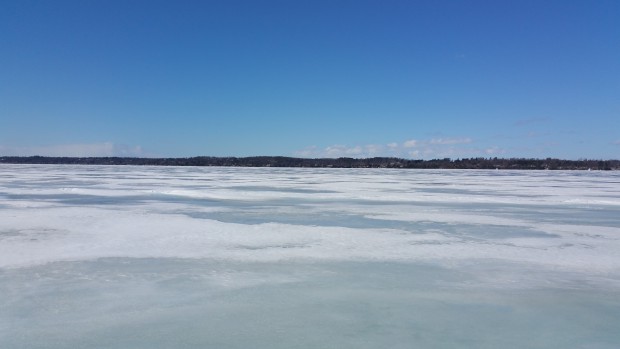
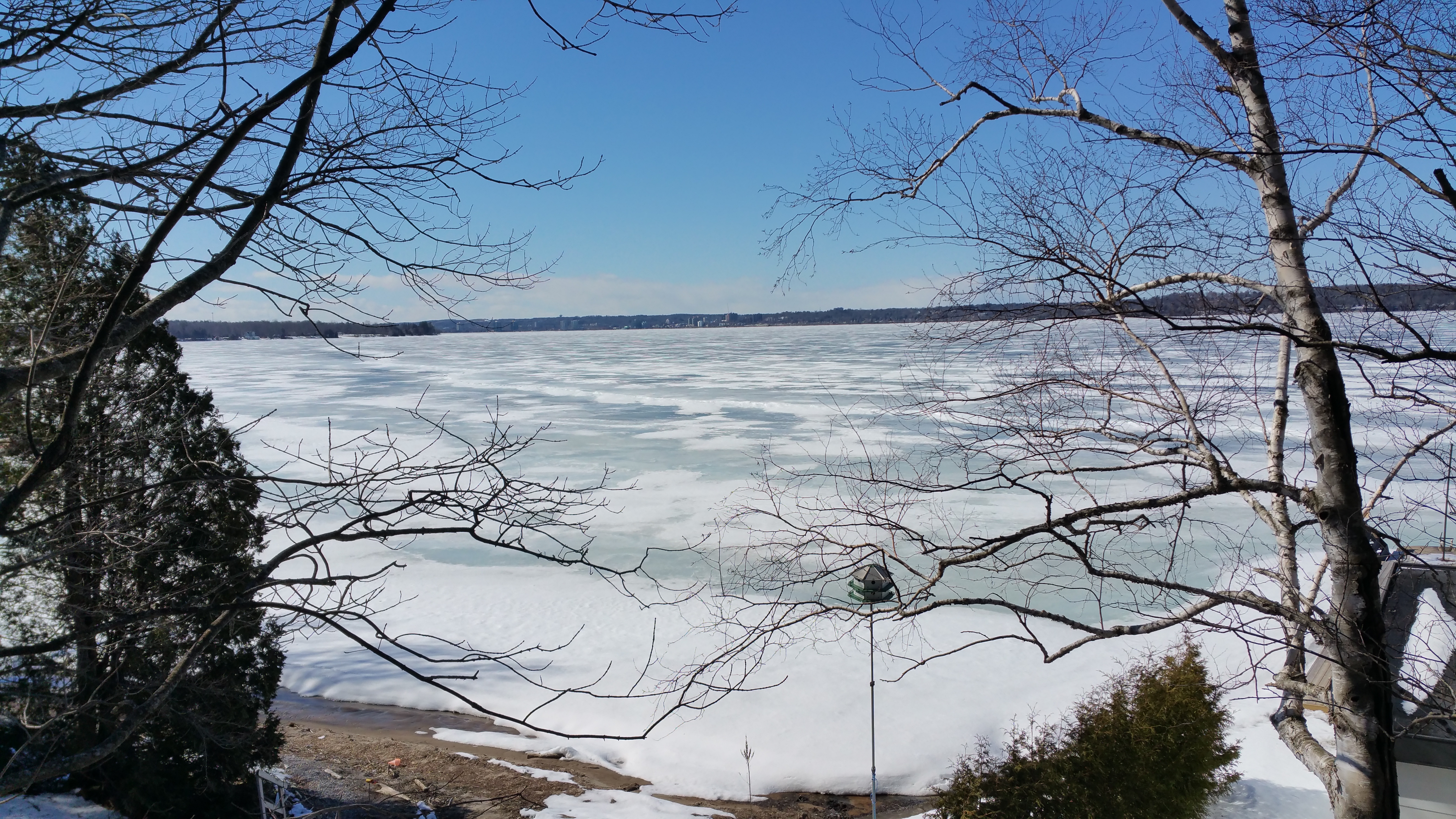
Lake yet frozen, March 18, 2015

Lake not yet defrosted, March 18, 2015

The lake remains frozen though stepping foot upon its precarious ice flow would not be recommended. By this time next week the waves will concuss the gelid islands and slowly deliquesce them down into the frigid water. As of this Saturday spring will have officially come to southern Ontario and with it a whole new outlook on life.

If you ask my colleague Rick VanSickle, the spring of 2015 will mean the boot up to overhaul the future of wine and craft beer sales in Ontario. According to VanSickle, “there is a brave new world coming for the retailing beer and wine in Ontario. These are heady times. Behind closed doors a lot of discussion is happening, a lot of debate and planning is going on in advance of the day Wynne’s Liberal government utters those words many of us have  longed to hear for so long: An end to the LCBO and Beer Store monopolies on wine and beer in Ontario.”

For Rick’s full report on his site WinesInNiagara, please click here:

Brave New World: How the new model for beer and wine retailing in Ontario could look

I read Rick VanSickle’s work on a regular basis and I know him to be as pragmatic and as skeptical as they come. I doubt very much that Rick would get ahead of himself on an issue with so much on the line. Using his ins to gain sagacity from insiders who possess relevant information, VanSickle writes with confidence that Kathleen Wynne has given Ed Clark and his privatization panel carte blanche to effect real change. The consequences of what Rick is predicting are enormous. For consumers, for industry professionals and for writers. We would all have to reconsider and recalibrate the way we approach wine and beer in Ontario.

That is why I remain ever the conspiracy theorist. I remain unconvinced. I see the smoke and mirrors of the entire charade. Even when new licenses are granted, I imagine grocery retailers only selling the largest and most heavily marketed brands. I don’t see VQA wine stores and specialty shops tailored to the demographics of neighbourhoods. I see the LCBO and the Beer Store continuing to exercise their powers of monopoly and controlling how all the changes are implemented. I just do not see the revolution as being imminent and around the corner.

My apologies to you Rick. Your report is thorough and covers everything we need to know. Were these great advances to happen we would all be the beneficiaries but your words sound more like wishes than predictions. Ontario is not Alberta. It never has been and isn’t likely to happen any time soon. I hope I am dead wrong. I will owe you a sit down over a craft beer and a never before seen in Ontario stores bottle of wine if I am. If the revolution is upon us, I will happily count my blessings over one with you.

So, back to the business of reporting on the VINTAGES releases at the LCBO. With spring coming this Saturday so too does an entire new set of wines on shelves. Last week I talked up Riesling and iconic wines.

Related – I shall be Riesling

Related – March 21 big guns

20150317_151442

Almost spring out on the lake

The rest of the March 21st release is expressed in value, in wines that offer serious compensation for what you spend. Wines in generosity of backbone, psyche and enthusiasm. Wines that are simply good, regardless of their cost. Here are notes on nine.

Marqués De Cáceres Antea 2013

Marqués De Cáceres Antea 2013, Barrel Fermented, Doca Rioja, Spain (518985, $15.95, WineAlign)

Here barrel fermented Rioja brings a buffet of culinary impressions to the aromatic and gustatory table. Soft scrambled egg and cream in Tortilla Española, Serrano ham, buttery puff pastry, natillas. All would pair well with the hickory stick barrel spice and the slightly volatile tang. Accents of orange juice and rind work the angles, along with the calcified acidity. This Rioja is not shy but it represents good complexity and value for the price.  Tasted March 2015  @Marques_Caceres  @RiojaWine  @DionysusWines

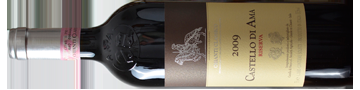
Castello Di Ama Chianti Classico Riserva 2009

Castello Di Ama Chianti Classico Riserva 2009, Docg (375ml), Tuscany, Italy (403824, $16.95, WineAlign)

Kudos must be afforded Castello di Ama for putting CCR in half-bottles. It’s like listening to Green River on vinyl. The layers of texture, nuance, and groove are amplified. The expedited evolution and compact formula make cause for a bottled up compression, a concentration, not a reduction. More winemakers should bottle in the 375 mL container. There are so many reasons for it. Space, quality, half the cost and best of all, nothing left at the end of the night, just the empty bottle. This 2009 has seen its fair share of evolution, with notes of forest floor, truffle, mushroom and compost tea but in certain respects the aromas are old-school Brunello. The antiquity of the composition is nothing but endearing, a romantic comfort zone to give this Ama a sense of place. The wood, bite into sinew and gristle tannins add to the archaic mystique. Most modern imbibers would like more fruit but at this paltry price the complexity is more than enough reward. “Well, take me back down where cool water flow, yeh. Let me remember things I love.” Drink now.  Tasted March 2015  @CastellodiAma  @chianticlassico  @HalpernWine


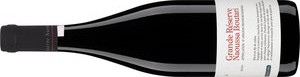
Boutari Grande Reserve 2008

Boutari Grande Reserve Naoussa 2008, Naoussa, Greece (140111, $17.95, WineAlign)

In this Xinomavro there is beauty and bog consistence, like wild calla palustris. Imagine a wine thick as consonants, dense and defined by solid rock bubbling like stew, from out of a marsh. Wood adds intricate layers and a mothering of leather hiding and protecting dried cherries. Game, spice, liquorice, funk and things that heal flavour the wine’s liqueur. Silky smooth with a run of grain and the salinity of ancient longing. Racy acidity intrudes, puts in a charge and takes care to see six to eight years more life will be a guarantee. Easily and possibly 10 will pass before it sheds the chalky loops. Terrific vintage with impressive depth and range of flavour.  Tasted February 2015  @boutari  @KolonakiGroup  @DrinkGreekWine  @winesofnaoussa

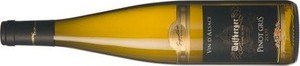
Wolfberger Signature Pinot Gris 2013

Wolfberger Signature Pinot Gris 2013, Ac Alsace, France (398172, $18.95, WineAlign)

The resident oenologist at Wolfberger is Bertrand Praz, in charge of the cooperative located in Eguisheim, south of Colmar. As far as a ‘basic’ union Pinot Gris is concerned, this one hits the right marks and preserves proper tradition. It’s both saline and full of pith, with lemon is scrapes and ladles, yet it could very well be thought of as Riesling were it tasted blind. Good ripeness, nothing serious and quite righteous with an intent to carry an Alsace torch of dry, finely crafted Pinot Gris. What’s most important is the statement it makes for what will follow out of the 2013 vintage.  Tasted March 2015  @wolfberger_fr  @Smarent

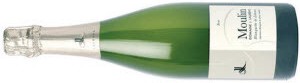
Domaine J. Laurens Le Moulin Brut Blanquette De Limoux

Domaine J. Laurens Le Moulin Brut Blanquette De Limoux, Méthode Traditionnelle, Ac, France (180323, $18.95, WineAlign)

The pause of oxidation. The evidence concrete and stratified, the bite pure and hollow petrified, like into bone and the interval below the organic soil. Crisp cut above the normal. Mouth-filling and expansive. Perfectly bitter. Much lemon, ginger and further spice. Length too.

From my earlier note of April 2014: A southern French (Pyrenean foothills, just south of Carcassonne) blend dominated by the traditional grape variety of Limoux, Mauzac (90 per cent), with support from Chardonnay. The lees is very direct and in your face on this Limoux, the baking aromas strong and the texture quite dense. Citrus and white grapefruit crawl up the middle and aridity mixed with horseradish salt comes through on the finish. Claims territory in viridity of complexity, an acumen for dewiness and is blessed with a marked appeal to hipster fizzters.  @DneJLaurens  @LanguedocWines  @oenophilia1

Last tasted March 2015

The Tragically Hip Fully Completely Grand Reserve Red 2012

The Tragically Hip Fully Completely Grand Reserve Red 2012, VQA Niagara Peninsula, Ontario (411595, $24.95, WineAlign)

Twenty three years ago this October the Hip’s third record changed the course of Canadian Pop and Rock music. While this Jeff Hundertmark, Kingston-bred band and Bordeaux blend will not have a similar effect on the Ontario wine industry, it’s certainly not a tragically vinified red. It’s looking for a place to happen, has the wherewithal to age with some grace and the courage to represent Stoney Ridge with power. The wall of sound, smell and taste is achieved through forest compost, bruised berries, melted liquorice, plum flavour and glycerin texture. Hung “long out in the sun,” the pencil graphite and hard acidity is a scratch and a flaw but also a calling card to see this age in the classic Niagara red style. “Either it’ll move me or it’ll move right through me; fully, completely.”  Tasted March 2015  @stoneyridgewine  @WeirRidgeYnmakr  @thehipdotcom  @ImportWineMAFWM

Domaine Queylus Tradition Pinot Noir 2011

Domaine Queylus Tradition Pinot Noir 2011, VQA Niagara Peninsula, Ontario (392738, $29.95, WineAlign)

The passion from the Thomas Bachelder Niagara project has shifted into Domaine Queylus. With no disrespect to Thomas’ eponymous bottling from vineyards so nearby, the quality time has now been granted the Tradition. Here lies Mountainview and Le Petite Colline earth, here crushes Niagara cherries in hand, juice running down a clay caked forearm. Fresh and bright yet streaked by chalk and enveloping brushstroke. Sour? For a flash but in neither malic nor astringent form. This is a must buy.

From my earlier June 2014 note: Reverberates with the unmistakable calling card character of the storied Neudorf family La Petite vineyard with equal and opposite amounts of attraction and new life breathed in by the Lincoln Lakeshore fruit. Ethereally sifted earth of old meets cherries of new. Enriching Pinot Noir, a bit gangling like a primitive young giraffe but near to finding its legs. Hard working red, insistent, confident and having already paid some dirty fingernail dues. Excellent length.

Last tasted August 2014  @QueylusVin  @Bachelder_wines

Gundlach Bundschu Estate Vineyard Chardonnay 2012

Gundlach Bundschu Estate Vineyard Chardonnay 2012, Sonoma Coast, California (400051, $34.95, WineAlign)

An intimately affordable Chardonnay from Sonoma Coast fashioned by a family in its 157th year of production is a rarity. Even more so from a cool-climate region oft-marred by the misperception that its Chardonnay are fat, buttery, over-oaked fruit bombs. From fruit grown on the Rhinefarm Estate Vineyard on southwest slopes of the Mayacamas Mountains, eight miles north of San Pablo Bay. Consider the antonymous solecism of zero per cent malolactic fermentation and you will see where this (20 per cent new) barrel fermented Chardonnay has come from and where it is going. Weekly battonage compresses and stirs up texture. Fog plays its part on the cool slopes of Huichica clay loam soils mixed in with gravel deposits. Acidity is preserved, hitting a classic number on top of healthy (14 plus per cent) alcohol. This is not a small Chardonnay. It stretches its legs and walks like a giant but not in 80’s or 90’s acid washed jeans or big hair ways. This is Chardonnay that leads in style and confidence of a most modern vernacular and fashion. It’s also a steal.  Tasted October 2014  @gunbunwine  @LeSommelierWine

Good to go!
http://www.winealign.com/profile/2058-mjg

Italian wines of the week

Wines of the week

Wines of the week

Fear not dear reader. This is not a top ten list or a call to promote the best of the worst. It is not, most thankfully, a post on what wines are being released at the LCBO through VINTAGES. No, a one or two-day break is being granted, mercifully, to explore some wines over at the SAQ in Quebec and others available, by the case, in consignment by way of Ontario agents.

WineAlign is ever so surely becoming the tasting office of choice. It offers the opportunity to explore that critic’s dream realm of “so many wines and so little time.” The home office checks in a close second, with samples ready and carefully kept under temperature control.  I tasted and scribbled with much verve last week and over the weekend. There will be more to follow, but for now, the Italian notes.


Torraccia Di Presura Leneo 2013, Chianti, Tuscany, Italy (Ontario Agent, $18.95, WineAlign)

Leneo is 100 per cent Sangiovese, half of which is matured in small oak French barrels for approximately six months. From vineyards near Greve in Chianti, this is the epitome of fresh. The strawberry and raspberry aromas are so very height of summer, the tension having long left the ferment. Fruit and buoyant acidity remain to lift and cut spirit. A late flavour of rosemary and olive adds a nice Mediterranean touch.  Tasted March 2015  @TorracciaPresur  @TheVine_RobGroh

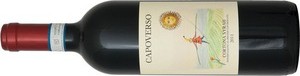
Capoverso Cortona Syrah 2013, Tuscany, Italy (Ontario Agent, $18.95, WineAlign)

There is noticeable volatility in this Syrah though it strikes a congenial balance between fruit and alcohol. The wine is not hot but is currently unsettled. That comes through in the sooty sinew and tree sap aromas. Black raspberry fruit abounds, as does liquorice and black tea. The overall accord works the parts but some time will be required for reconciliation. Sweet and sour is accented by a savoury, though moderately lengthened finish.  Tasted March 2015  @TheVine_RobGroh

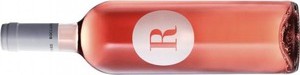
Cantina Roccafiore Rosato 2014, Umbria, Italy (Ontario Agent, $20.95, WineAlign)

A Sangiovese blush made from organic grapes, arid as the Corso Vannucci is long, linear and direct as la strada centrale leads to the Fontana Maggiore. Has a savoury flex and a salinity that central Italian Rosé almost always displays, a pull from two seas not hard to reach heading either east or west. The glycerin texture and tangy, just this side shy of reductive aromas are a propriety of pure yet driven fruit. Has the slant of Sangiovese, even in the absence of its sour edge and devitalizing tannin. A very fine example of Umbrian Rosé.  Tasted March 2015  @roccafiorewines  @TheVine_RobGroh

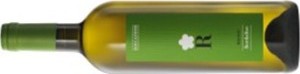
Cantina Roccafiore Fiordaliso Grechetto 2014, Umbria, Italy (Ontario Agent, $20.95, WineAlign)

Fashioned from organic (and specialized clones of) Grechetto di Todi and Trebbiano Spoletino. The ordinary is abutted with prejudice in this Roccafiore take, in full mineral action out of Umbria. This one speaks to me, never mind the current reductive accent. The organic vines exude healthy fruit and this fleur-de-lis is regal, royal and full of life. Wet stones, not flinty but certainly crouching on the rocky forefront. The balance between orchard fruit, the rocks and the load carrying acidity is spot on. This is an expertly crafted, intelligent and gratifying white.  Tasted March 2015  @roccafiorewines  @TheVine_RobGroh

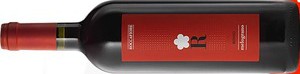
Cantina Roccafiore ‘Melograno’ 2013, IGT Umbria, Italy (Ontario Agent, $20.95, WineAlign)

Sangiovese and Montepulciano combine forces in this organic Umbrian, the punica granatum or pomegranate. Like the uniquely variegated, sour, sweet and highly mineral fruit, this red mimics the savoury pleasures. It’s dry, possessive of natural salts and fruity, but not in a sugary way. The acids are citrusy, much like pomegranate, but void of true citrus. Very pure, penitent, clean and crisp, with mild tannins and a ferric touch. Very Umbrian, regal, Franciscan, Friars Minor to bigger, bolder Sangiovese. Tasted March 2015  @roccafiorewines  @TheVine_RobGroh

Brancaia Il Bianco 2013, Tuscany, Italy (SAQ 11797174,$21.35, WineAlign)

Sauvignon Blanc stands soprattutto to Viognier, Gewürztraminer and Sémillon in this tannic white wine from Castellina in Chianti, in the far south-east corner of Chianti Classico. Five months on yeasts has not only built breadth but also compensated for no oak or malolactic. The repercussion is a curtailment and a feigning of qualitative casting, as if from sea stones and ancient feelings. Pretty pleasures are a supraliminal by-product of the effect, in a leavening of lime and rock. This reminds me of a young, petite Stratus White, in which a mélange of grape varieties combine and effectively cancel one another out, with nary a dominant, alpha varietal limelight steal. This Bianco would create even more buzz with a 10-20 per cent barrel influence.  Tasted March 2015  Brancaia

Capoverso Rosso Di Montepulciano 2012, Montepulciano, Tuscany, Italy (Ontario Agent, $22.95, WineAlign)

Here is Prugnolo Gentile with a swagger and quite the attitude. Don’t be fooled by the new adventist-adventurist, retro-romantic label. This Rosso has a mean streak. Funky aromas of the barn and the compost heap may be secondary to red fruit but they are definitely there. High iron content, less so in botany and rich like a long braise of dark veal shank ragu. Complexity is in, basics are out and there is much to dwell on in this Rosso, event if its intent is to induce simple pleasures. This needs salty protein, like the aforementioned idea of ragu.  Tasted March 2015   @TheVine_RobGroh

Argiano Non Confunditur 2012, IGT Toscana, Tuscany, Italy (Ontario Agent 72397, $24.95, WineAlign)

The Argiano NC-IGT must be awarded points and applause for the sheer felicity it affords the discerning drinker who knows when they have been pleased. This is juicy stuff from a terrific vintage. A latin lover of voluptuous body and luscious-laden lips. A flirtatious Tuscan ragazza, outgoing, friendly, hand-holding and demonstrative. Liquid freshness, with layers of red fruit and circulating acidity. Very modern, in an Aussie Rhône-blend way, with liquorice, cocktail beginnings and Tawny Port ends. Quite a swirl of flavours and pulsations. Drink now and for another two years.  Tasted March 2015  @Argianowinery  @TrialtoON

Fontanafredda Barolo 2010, Piedmont, Italy (Ontario Agent 20214, $30.00, WineAlign)

Traditional Nebbiolo that is neither austere nor of such a hard shell to crack. Roses and street cover in summer give sweet and fume aromas. Has an elemental scent, like a science lab but with experiments that broadcast harmony, synthesis and balance. Glycerin and tannin revolve around in the Nebbiolo oscillator. Some late funk creeps in, indicating some time (five years) needed to see a proper fruition. Represents very good value at $30.  Tasted March 2015  @Fontanafredda_  @Noble_Estates

Tolaini Al Passo 2011, Tuscany, Italy (Ontario Agent $37.99, SAQ 11794344, $28.40, Manitoba Banville and Jones $34.99, WineAlign)

This IGT from Castelnuovo Berardenga blends Merlot into Sangiovese, a push and pull varietal relationship if ever there was one. The Sangiovese is Mary while the Merlot whispers. The sacred and the profane. The ancient and the modern. “Uh-will the wind ever remember the (Tuscan wine) names it has blown in the past?” A red house of aromas, a gypsy’s soul and balance are found in this whirling, flavour-filled glass of noise. This is wild Tuscan magic, if a bit disjointed and occupied by strange, though harmonious bedfellows. Rippling red wine, tannic and in need of a few years to soften. “After all the jacks are in their boxes and the clowns have all gone to bed.”  Tasted March 2015  @TolainiWines  @BanvilleJones  @bwwines

Capoverso Vino Nobile Di Montepulciano 2011, Montepulciano, Tuscany, Italy (Ontario Agent, $39.95, WineAlign)

In antithesis to the angular ’12 Rosso, this ’11 Vino Nobile is Prugnolo Gentile at its liquor-like most. This is a painted Sangiovese, with impasto, with style that is strong of colour and meaning. With very plush, oak-managed Caciotti brush stroke and thick creamy flavours. Intensely glycerin, polished and agreeable, especially considering the often tannic and ferric side of Vino Nobile. This will not be a 20-year Tuscan as it already exhibits signs of age, in dried fruit, velutinous toffee and baking blackberry pie. Oh but it will go beautifully with a rare slice of roast and a side of truffled spuds. Tasted March 2015   @TheVine_RobGroh

Tolaini Valdisanti Tenuta S. Giovanni 2009, Tuscany, Italy (Ontario Agent 137786, $49.00, Manitoba Banville and Jones $54.99, WineAlign)

The opposite, the antithesis, the polar paradox of to egregious IGT Tuscan blending is here in this delightful blend of Cabernet Sauvignon, Sangiovese and Cabernet Franc. Oak plays a prominent, spicy and sandalwood barmy role, as does the (mere five per cent) CF, giving currant energy and savoury plug-in to the softer CS. The middle notes and flavours are all Sangiovese, which is a good thing and a wise winemaking decision. The request begs for more Cabernet Franc in Tuscan composites, please. The Castelnuovo Bereardenga and Tuscan climate as a whole agrees with the variety, fleshes it, embraces it, encourages it to support Sangiovese and the less animale Cabernet Sauvignon and Merlot. Here squares off a total package, in substance and in familiarity. Tasted March 2015  TolainiWines  @BanvilleJones  @bwwines

Good to Go!

http://www.winealign.com/profile/2058-mjg

March 21 big guns

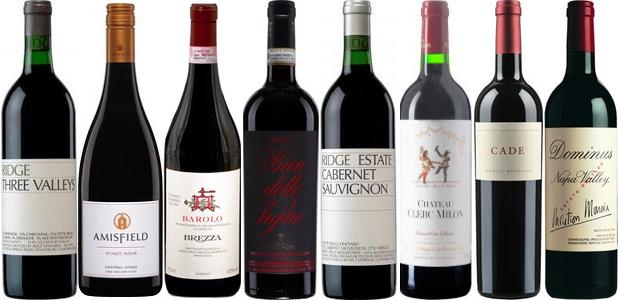
From left to right: Ridge Three Valleys 2012, Amisfield Pinot Noir 2011, Brezza Barolo 2010, Antinori Pian Delle Vigne Brunello Di Montalcino 2009, Ridge Estate Cabernet Sauvignon 2011, Château Clerc Milon 2011, Cade Cabernet Sauvignon 2011 and Dominus 2011

From left to right: Ridge Three Valleys 2012, Amisfield Pinot Noir 2011, Brezza Barolo 2010, Antinori Pian Delle Vigne Brunello Di Montalcino 2009, Ridge Estate Cabernet Sauvignon 2011, Château Clerc Milon 2011, Cade Cabernet Sauvignon 2011 and Dominus 2011

The first day of spring strikes me as a strange time to roll out a VINTAGES release full of big guns, from Cabernet Sauvignon passing by Pinot Noir to Zinfandel and from Nebbiolo to Sangiovese Grosso. A bold group in large numbers is usually reserved for the November and December offers leading up to wallet emptying Christmas shopping days. If the March 21st release is any indication, the powers that be at the LCBO must feel pretty good about the current state of Ontario’s economy.

Related – I shall be Riesling

How else to explain the laying out of the fine red wine carpet in purchasing timeline purgatory? The other alibi in justification is a concern of surplus and overcrowded warehouse shelving, caused by a back log of unsold Bordeaux futures and a consumer shift to less vivid, decreased drama and all around #GoGamayGo sentiment.

For all my reviews from the March 21, 2015 VINTAGES release, see them @WineAlign

I tasted through most of the bad boys on this release and while many are more overpriced than a $20 bucket of bullfrogs in an Algonquin Park bog, these six wines stood tall and shook their value obvious money-maker amongst a slouching and gouging crowd. Forceful wines, all meant to spend at least some slumbering time in the cellar.

Ridge Three Valleys 2012, Sonoma County, California (652875, $35.95, WineAlign)

This Sonoma County Zinfandel melting pot was first produced in 2001 and the 12th vintage contains grapes from seven different Sonoma vineyards. Many of Ridge’s wines bull the intent of single-vineyard, terroir-driven expression. The TV is more about bear assemblage, the search for differential balance and winemaking. Zinfandel (79 per cent) is joined by Carignane (12), Petite Sirah (8) and Alicante Bouchet. Approximately one fifth of the American oak is new, with the wood waft leaning to spices directed by clove, cocoa kernel and faint coconut that infiltrates the Draper perfume. The rich red fruits combine for a brawny voice, bold, peppery and so very ripe. Though not hesitant or introverted, this Zinfandel avoids excessive character and exemplifies the fine art of blending.  Tasted March 2015  @RidgeVineyards  @rogcowines

Amisfield Pinot Noir 2011, Central Otago, South Island, New Zealand (179754, $41.95, WineAlign)

The agglomeration of Central Otago wild vegetative conglomerate is in this Pinot Noir. Strawberries and their leaves, dug up clay, saturated syrup with dark cherries and braising meat make for big aromatics. This is a very meaty, terrifically cimmerian Pinot, with a replay in flavour of loamy and corpulent stock, like a reduction of mire poix and beef bones. Finishes with dried fruits, marigold, a kick of cinnamon spice and pine needles. A bit of wow from the hinterland of Central Otago.  Tasted March 2015  @Amisfield  @COPinotNoirLtd  @CentralOtago_NZ  @HalpernWine

Brezza Barolo 2010, Piedmont, Italy (711788, $46.95, WineAlign)

The gusto and earnestness of antiquity is right upfront in this Nebbiolo, the silliness of modernity left to the practices of more fickle and irresolute houses. A faint and impertinent percussion of volatility beats the near term olfaction into temporary submission, but the wine is bright and the acidity chants with proper diction. The tannic grain is sweet and savoury, well-structured and you can certainly smell the roses. The taste of Nebbiolo is succinct and the overall design is a seven to year plan, with nothing but pleasure on the next decade’s horizon.  Tasted March 2015  @NaturalVines  @jcmeli

Antinori Pian Delle Vigne Brunello Di Montalcino 2009, Docg, Tuscany, Italy (651141, $59.95, WineAlign)

Here flatters definitions of Sangiovese Grosso, of rusty and rustic pasts, big, bold beginnings and distant, slowly etched futures. A faint tease of soy in feign of premature corrosion is the product of the terroir’s liquor. This is so far from its secondary times. It’s as though it teases with an aroma and flavour of melted caramel but the mirage is tantalizing and unreal. The lack of sweetness confirms the notion and instead this Brunello offers dried flowers in dreams and fresh ones placed in vessels not yet tangible, nor yet set upon the table. Wild sauvage, sage and garriga are transubstantiated into liquorice, game and distilled amari. This is perhaps the finest Pian Delle Vigne of the (post 1990) modern age. Very exciting wine. Drink 2019 – 2029.  Tasted March 2015  @AntinoriFamily  @HalpernWine  @ConsBrunello

Ridge Estate Cabernet Sauvignon 2011, Monte Bello Vineyard, Santa Cruz Mountains, California (89284, $61.95, WineAlign)

A perennial three plus one quarter blend of Cabernet Sauvignon and Merlot, give or take a few points, that always punches well above its weight and cost. Not just in relation to similarly priced Cabernets but when looked at alone and on its own merit. There is a searing red intensity in 2011, with steroidal currants and a whiff of lodge smoke, plenty of creamy vanilla and lavender. An injection of liquid chalk, circulating acidity and in the end, some bold coffee notes. No bell pepper. None. Well made, of course and despite the cold and the wet, the omnipresent Draper perfume and very good length. My only cavil would be a degree of over-employed new oak in a vintage where less would ironically be more.  Tasted March 2015  @RidgeVineyards  @rogcowines

Château Clerc Milon 2011, Ac Pauillac, 5e Cru, Bordeaux, France (301119, $89.95, WineAlign)

The principals at Clerc Milon consider 2011 “to be ranked among the finer, or perhaps even the finest” of Bordeaux vintages. The better news is that despite that declaration the price on this classic, structured and flat-out enjoyable Médoc is relatively affordable, especially considering the astronomy of pricing since 2000. This early picked (finished by September 28th) blend of Cabernet Sauvignon (54 per cent), Merlot (37), Cabernet Franc (7), Petit Verdot and Carmenère has vintage steal written all over its painted berry face. Terrific wood spice, more fruit from plum and rapturous acidity travel great lengths to pleasure. The coffee component is in but with just a light alcohol spike. This is really fine Paulliac, elegant, refined and not outrageously priced.  Tasted March 2015  @Noble_Estates

Cade Cabernet Sauvignon 2011, Napa Valley, California (325027, $112.95, WineAlign) LCBO Inventory

Though prepped by notions of a cooler and later ripening vintage, there is even more savoury, tobacco and cool clime (altitude) aromatics than might have been imagined. This Cade is so very bright in a cherry-plum-pomegranate continuum yet in contrast to a (negatively impacting) sweet-sour-tang drupe. Tends to angles more akin to Tuscan summer savour, like lavender, rosemary, sage, and vanilla. The overall impression to palate is that of a chew of the toffee that might be made by the aromatic combination, or a pull of syrupy tea. In the end there is nothing simple about this thoughtfully crafted Cade.  Tasted October 2014  @CADEWinery  @TheVine_RobGroh

Dominus 2011, Napa Valley, California (212381, $176.95, WineAlign)

In 2011 the breakdown is Cabernet Sauvignon (86 per cent), Petit Verdot (9) and Cabernet Franc (5). From an antithetical Napa growing season, wet, cold and in requiem of acumen to deal with what the winemaker in Bordeaux faces in every vintage not hailed as best of the century. The ’11 Dominus has been in the market for just a shade under a year, just the right amount of time for a poured glass to reveal its charms. The new barrel count is approximately 40 percent, a substantial but not egregious number. We want to know what fruit the vintage gives, regardless of the conditions and in ’11 that drupe is savoury, more sage than nettle, and saliferous. That minerality is cute and key because the expression remains huge, so the cure helps to leave an indelible mark. The attributes of massive fruit, (no small feat considering the weather), smoke and phite makes for a mess of aromatic intensity. The flavours are accessible and the texture quite full. Though not the thickest Dominus to date (due to the oak not overwhelming the fruit) this will offer up seven to 10 staid years of development, followed by another five to 10 of minor decline.  Tasted March 2015  @rogcowines

Good to go!
http://www.winealign.com/profile/2058-mjg

March 7th seven blazon party

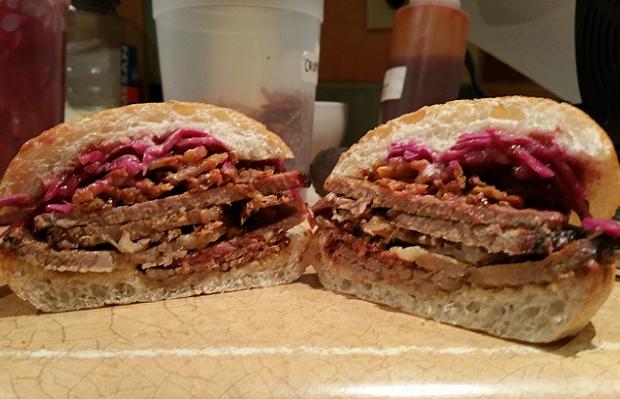
Home spun Barque Smokehouse brisket sandwich

Home spun Barque Smokehouse brisket sandwich

As VINTAGES rolls out another army of bottles in proclamations of blatant multiplicity and, as I mentioned yesterday, in duplicity, it is time to settle into the recommendations encampment. Trudging through the trenches of Sparkling, White, Red and Dessert the divisions are laid, dispatches ordered and strategies finalized. Staffers go here, front liners there and commanders bring up the rear.

Related – Why it matters to taste wines again

A little bit of everything, as always, defines the March 7th release. Tidy little sippers work the hardest and make sacrifices for the rest. In this release Kosher wines prepare to tackle Passover but that we will save for next week, or perhaps the week after. Italy is the focus, bellowing commands from the bull horn, making decrees like colosseum commentators at Hunger Games. “We have wines that are just too goddamn vivid!” “We have wines with language that is fairly formal and sometimes flowery!” “Occasionally we stop to smell the adjectives!”

Tuscan wines always seem to possess what has heretofore been referred to as collectively having “a firm jaw and an air of tragic nobility.” As a group they are confident, steeped in tradition and now, as much as any wine-producing region, captured within the heart of the state of the art. The sea is murky because the obvious separations between varietal and blend are hard to discern but one aspect is not under dispute. Overall quality has never been higher. Tuscan wines are just plain fun to drink.

The seven blazon party from March 7th attacks with Chardonnay, Yellow Muscat, Cabernet Franc, Sauvignon Blanc, Zinfandel and two rounds of Sangiovese. The notes, here, now.

From left to right: Fielding Unoaked Chardonnay 2013, Puklus Pincészet Tokaji Yellow Muscat 2013, The Good Earth Cabernet Franc 2012, Castelli del Grevepesa Panzano Chianti Classico 2008, Rocca Di Castagnoli Poggio A'frati Riserva Chianti Classico 2010, Château De Cruzeau Blanc 2009, Chateau Montelena Estate Zinafandel 2012

From left to right: Fielding Unoaked Chardonnay 2013, Puklus Pincészet Tokaji Yellow Muscat 2013, The Good Earth Cabernet Franc 2012, Castelli del Grevepesa Panzano Chianti Classico 2008, Rocca Di Castagnoli Poggio A’frati Riserva Chianti Classico 2010, Château De Cruzeau Blanc 2009, Chateau Montelena Estate Zinafandel 2012

Fielding Unoaked Chardonnay 2013, VQA Niagara Peninsula, Ontario (164491$14.95, WineAlign)

One of the best deals going in oak-less Chardonnay, a glug, glug, line up at the jug kind of guiltless white. Pure, cool-climate variegate, with the cool of the Peninsula overridden by the vacuous warmth in the saddle abutting the Escarpment. Very pear, all in slate, exit to daylight acidity for a Chardonnay that hit the switch. Spot on in 2013 with an even keel of personality, warm but never far from cool.  Tasted March 2015  @FieldingWinery  @RichieWine

Puklus Pincészet Tokaji Yellow Muscat 2013, Tokaj Hegyalja, Hungary (46508$15.95, WineAlign)

From Tokaj Hegyalja in Bodrogkeresztúr found tucked into the northeastern corner of Hungary. One could imagine the air thick as sweet cool soup in summer, perfumed by basil and lemon verbena. Designated “semi-sweet” the varietal is so much more than pedestrian when handled with this kind of poise and concern. Highly aromatic, viscous and wildflower floral. Honey and honeysuckle, fresh lemon, beeswax and citrus pith. Sweetness begins, abides, subsides and melts in the mouth. Buckley‘s medicinal to a fundamental degree but not to a fault. Delicate and delightful. Muscat of a grace that makes you feel and wish, “my kingdom for a kiss upon her shoulder.”  Tasted March 2015  @WineofHungary

The Good Earth Cabernet Franc 2012, VQA Lincoln Lakeshore, Niagara Peninsula, Ontario (164491$20.95, WineAlign)

While wood plays a prominent role it does not saturate to distraction. The barrel extract adds warmth and spice in contribution to balance. A high-toned syrup on the nose gives way to an evenly weighted palate. A scraped bean flavoured creamy toddy texture is topped with chocolate shavings, a dry of bell pepper and tobacco smoulder from out of the chamber. Nicely judged fruit, acidity and texture with admirable length. A necessary example of $20 Lincoln Lakeshore Cabernet Franc offering up every reason to drink it and demand that more me made.  Tasted March 2015  @goodearthtweets  @EpicW_S

Castelli del Grevepesa Panzano Chianti Classico 2008, Docg, Tuscany, Italy (972695$23.95, WineAlign)

A very honest take on Sangiovese and Chianti Classico. When it appeared from the 2006 vintage it had been a while since this Panzano came to market, having been a stalwart presence in late 1990’s vintages. Modern now, very much a child of 21st century winemaking but in retention of loyalties to red, sour cherry and dusty 90’s Sangiovese. Remains slightly austere, angular and tension-filled, as if a scraping noise could be heard as the fruit, acidity and tannins fight for purchase on the floor. Chalky lactic and really juicy. Drink now and for three to five further on.  Tasted March 2015  @chianticlassico  @ProfileWineGrp  Castelli del Grevepesa

Rocca Di Castagnoli Poggio A’frati Riserva Chianti Classico 2010, Docg, Tuscany, Italy (350751$29.95, WineAlign)

Very expressive aromatics in dried flowers, earthy red perfumed fruits, orange peel, clove and a full crumble of cinnamon fill the air. Rampant but not relegating (at this early, five-year juncture) acidity drives the engine, running on vineyard funk, a hint of game and fruit ripened to optimum clarity. This is faultless Sangiovese of guts and guile, really well-made, classic yet modern CCR. Dances like Sangiovese should, “well, you wiggle to the left, you wiggle to the right, you do the ooby dooby with all your might.” No factory made CCR here, nor from out of the cosmos. Just simply down to earth. Were $30 all that I had to spend and a Chianti Classico Riserva the only choice, this would have to make the shortlist. Tasted March 2015  @chianticlassico  @ProfileWineGrp

Château De Cruzeau Blanc 2009, Ac Pessac Léognan, Bordeaux, France (966010$31.95, WineAlign)

That VINTAGES was able to secure another sku of this Bordeaux Blanc is both fortuitous and a gift. For the cost of an I-Tunes song you can have a peak into the generosity of the 2009 Bordeaux vintage through the senses of a top-value producer. From Les Vignobles André Lurton comes this white beauty. Though slightly musty upon entry this shows immediate yet perfectly evolved poise. Ready to strike with much persistent verve and density in 100 per cent Sauvignon Blanc singularity. Wood is very involved (10 months in 35 per cent new oak barrels on full lees with bâtonnage) by adding precious layers of necessity. Very layered indeed, honeyed, anti-hackneyed, buttressed, really fine and generous. Most excellent work by oenologists Denis Dubourdieu and Valérie Lavigne.  Tasted March 2015  @AndreLurton  @KirkwoodDiamond

Château Montelena Estate Zinfandel 2012, Calistoga, Napa Valley, California (69633$49.95, WineAlign)

A rare, in the neighbourhood of elegant and exquisitely refined Zinfandel gives all red fruit with just a faint raise of raisining. Quite pure, with heaps of liquorice, smouldering cedar bough, brushed and bushy, big but shy of the peak. The English punk of Zinfandel but with melody and charm. Says to the world we have “our own raison d’etre we can’t see?” The quality is in, raising the Zin bar to a level not oft seen, with restraint and complexity. Never mind the bullocks, Montelena offers a buzzcock of a Zinfandel. Here lies a Zinaison d’être.  Tasted March 2015  @ChMontelena  @rogcowines

Good to go!
http://www.winealign.com/profile/2058-mjg

Pirates on a picnic

Salmon Amuse Bouche

Chef Victor Barry’s Salmon Amuse

The privacy, intimacy and relaxed atmosphere of a subterranean hashery is something we should all experience at least once in a gustatory lifetime. We should also be afforded the opportunity of a salubrious 12-course tasting menu designed by a reluctant superstar. Why ought we not be handled with extreme Sommelier care by the caress of a total professional? Give me a reason to not spend three hours locked in a room with eight others, all of generous wine and spirit?

The location was Splendido‘s downstairs dining room. The chef was Victor Barry. The Sommelier was Ellen Jakobsmeier. The company a group of friends and friends of friends with a common goal. Eat, drink and be merry. Maybe trash talk a little. Trade a few thousand e-mails ahead of time to fire the vinous juices. Get down to business. Taste fourteen wines blind, poured from paper bags, discuss and be humbled by knowing everything and yet nothing at all.

Chef Barry’s selections and his staff’s execution were beyond flawless, culled from trial, error and perfection, bobbing up into the ethereal. Ms. Jakobsmeier had less than 20 minutes to receive, prepare and pour in order, with timely precision, the agglomerated and cumulative progression of the wines. Like Euro rail time. Not a hair out-of-place. Big props Ellen.

One dinner companion said this. “Thank you so much for inviting me to join your Pirate festivities! The food was incredible, thanks for hosting us Victor. The wines were exciting, generous and delicious! Thanks to all of you for sharing the gems from your cellars. And thank you Ellen for doing such a great job pairing all the wines. A feast worthy of Pirates!”
Victor added his own words. “Thanks everyone. I had a blast. I really enjoyed sitting down stairs it made it much more enjoyable for me. Looking forward to the next event. PS that Tokai was fucking delicious. And the Premier Cru from that “Niagara appellation.”

I wrote this to the group. “Laid in bed last night thinking about every course. Too many details to comprehend. And then it was morning and my kids wanted their lunches packed. Good thing there was this pumpkin in my wine sleeve…generosity in wine just amazing. All thoughtful and just fucking generous. Fortunate to have met new faces. Looking forward to this again, and again. Great work JB and Victor, stars all around.”

And to you JB, you sure do know how to throw a party.

Champagne begins the pirates on a picnic dinner in the downstairs private dining space at Splendido Toronto

Champagne begins the pirates on a picnic dinner in the downstairs private dining vineyard at Splendido Toronto

Champagne Larmandier-Bernier Rosé de Saignée Premier Cru NV, Champagne, France

Just a wee coppery this rusty blush, savoury to solecism and uprooted by a tremendous fault that forces metamorphic salinity, no check that, bleeds from rock into the bottle. If Champagne could commandeer the senses to stop and take note, this LB is the one. Stoic, purposed, frank and blushing like a winter Olympic athlete after a gruelling race. This Rosé is as confident and masculine as can be for the genre. It opens the eyes, pores and heart for a long haul ahead of pulls, in corks, sips and gulps.  @LarmandierB

Larmandier-Bernier Champagne Rosé de Saignée Premier Cru NV and Domaine Dauvissat Chablis Premier Cru "Séchet" 2009

Larmandier-Bernier Champagne Rosé de Saignée Premier Cru NV and Domaine Dauvissat Chablis Premier Cru “Séchet” 2009

Vincent Dauvissat Chablis Premier Cru “Séchet” 2009, Burgundy, France

To be blinded by rocks is to taste such a wine without knowing what it is, slicing like Silex, cutting with a jagged edge of mineral take, yet gripping of aridity that must come from singular Chablis. Something whips like paraffin but again, the missing wood, the fennel talc, the absolute purity just says Chardonnay. With levity requested, gotta borrow from Burghound on this one because he was spot on, “way beyond the shadow of a doubt, yeah.” After 30 minutes the Sechet left the quarry to enter a sweat lodge of smoke and toast with an eventual pause at the charred Shishito capsicum station. The coarse wail is the young Dauvissat crooning but with fear set aside, the wine will soften in time, like the fashion poet, the prince of thieves. This Séchet, mythological in name, is Chablis brightly lit and accepts another sung substitute for yes. “Oh it cuts like a knife , yeah but it feels so right.”  @BIVBChablis

Oysters, popcorn, scallop dust

Oysters, popcorn, scallop dust

Popcorn dusted with dehydrated scallop dust? Damn straight.

Trout roe, maple, ice cream cone

Trout roe, maple, ice cream cone

Salmon, skin, consommé

Salmon, skin, consommé

Nikolaihof Im Weingebirge Grüner Veltliner Smaragd 2007, Wachau, Austria (AgentWineAlign)

Something grand is brewing, of that there is no doubt, despite the skinny, indehiscent first moments. A petrol that comes with age, a suckling piggy with melifluous honeycomb in its mouth roasting away, tinned fruit cup of a jellied, agar-agar mandarin orange type; these are the bold scents of what must be Austria, possibly Riesling, certainly Wachau. Tannin and stone drip Alsace Grand Cru, of Riesling again, like Rangen, but the reveal of Grüner Veltliner makes so much sense. Crazy, mind-blowing example, as good as it gets, a bench and high-water mark from which a free fall off the high springboard makes a perfect splash into the glass. Ninety minutes later only a word is needed to stem the waves of petulant emotion. Unbelievable.  @TheLivingVine  @AustrianWine

Nikolaihof Im Weingebirge Grüner Veltliner Smaragd 2007 and Henry of Pelham Reserve Chardonnay 2007

Nikolaihof Im Weingebirge Grüner Veltliner Smaragd 2007 and Henry of Pelham Reserve Chardonnay 2007

Henry of Pelham Reserve Chardonnay 2007, VQA Niagara Peninsula (2013 268342WineAlign)

French oak kicks at the door, feeling young, dirty and fine though synchronicity is absent in most respects. This is certainly not Chassagne, definitely not Meursault, not even St. Aubin. Yet it is delicate and delectable despite its unkempt ways, selfless and if left to be, might settle into a relationship. To discover it’s the hot vintage of 2007 version of today’s Estate Chardonnay is nothing short of astounding and at the same time, disappointing, at odds, disassembled. After 20 minutes it falls apart, “in little pieces on the floor, too wild to keep together.” The wine’s inclusion was necessary, gave perspective and bent to receive the Uni, “and now the end has come.” The 2012 and 2013 will offer much more pleasure.  @HenryofPelham  @SpeckBros

Sea urchin, toast, squid ink, lobster

Sea urchin, toast, squid ink, lobster

Domaine Valette Pouilly-Fuissé ‘Clos de Monsieur Noly’ 2002, Mâconnais, Burgundy, France

May as well be Josko Gravner Ribollo Gialla, or Ann Sperling’s Whimsy! Orange and yet in contempt of the oxidized and underripe cantaloupe be damned, Jura should be the call. But then there is the question of messing with the man acidity and a trippy delicacy as per the cook’s butcher. It is certainly not faulty, nor should it be faulted for developing au natural, on top of the sheets, on the bare side of the beach. OK, so really old Chenin Blanc and a very natural Outback white blend would make for good conversation, or not. Like mushrooms for toffee. Like mulled apples for cider done wrong. Dirty in the most righteous 12 year-old Sherry way. Love it with Lobster on a rock, octopus and some kind of sea cucumber.

Domaine Valette Pouilly-Fuissé 'Clos de Monsieur Noly' 2002 and Louis Latour Corton-Charlemagne Grand Cru 2009

Domaine Valette Pouilly-Fuissé ‘Clos de Monsieur Noly’ 2002 and Louis Latour Corton-Charlemagne Grand Cru 2009

Louis Latour Corton-Charlemagne Grand Cru 2009, Côte de Beaune, France (AgentWineAlign)

Can anything really be known from a fleeting moment spent with this? Classic, viscous, rich Burgundy and nothing but, with more mineral than should be gained from just a pass. The maker had the unconscious intent of remembering generations. When told that hey, it’s a Latour, in Beaune, of Corton Charlemagne, by Grand Cru, it’s hard to gather your inner we’re not worthy but focus and intent need be the outward act. You can really taste the limestone, imagine walking the Corton hillside, feeling the maximum exposure of the sun. When you know what it is you know to take a slice of humble pie and remember the soil, the soil, the soil. In Burgundy since 1797.  @LouisLatour1797  @LouisLatourInc

Equipo Navazos La Bota de Manzanilla Pasada 2011 nº 30 Capataz Rivas

Equipo Navazos La Bota de Manzanilla Pasada 2011 nº 30 Capataz Rivas

Equipo Navazos La Bota de Manzanilla Pasada 2011, nº 30 Capataz Rivas, D.O. Manzanilla Sanlúcar de Barrameda, Spain

Tasted blind this pours as a glass of briny capers, sea peas, vetches and liquid basalt. It speaks a language that contains the ancient loneliness of ruins. Thoughts easily lean Manzanilla or Old Fino. Great nuts, bitters, horseradish, dry tang, daikon and like a dirty martini. Not to mention orange rind and lime rind, zest and akin to a Vin Doux. It’s origins are at the hands of capataz master Rafael Rivas, from juice originally preserved to add kick to more commercial releases but the decision instead was made to “touch” the 15 solera butts with “testimonial sacas” of only four or five arrobas (roughly 5 x 16 = 80 litres), to make a wine such as this. This is old school Manzanilla, the third saca, with a reductive flor, uniquely oxidative and an average age of around 15 years.  @EquipoNavazos  @SherryWines  @JerezXrsSherry

Pop can seafood

Pop can seafood

Intermezzo of smoked oyster and foam…

Carrot

Splendido’s Five-hour carrot

“Friends – ridiculous dinner last night, in the best way. Great wines with great friends is my favourite way to spend a night. Already looking forward to the next one – at which I will bring more than one wine.”
Hamachi collar, black bean paste

Hamachi collar, black bean paste

Podere Rocche dei Manzoni Barolo Vigna Cappella Santo Stefano 1997, Piedmont, Italy

Here the soprano sings, in bold, rich, deep tones, with a sense of entitlement and a swagger. It’s a royal, goodfella, masculine depth. The notes are sung, even danced in bourrée, crescendo, sostenuto and ritardando. The luscious bing cherry richesse gives it youth, intimating Sangiovese but true hematic Toscana can’t be this dark. The modernity of Nebbiolo it must be. Seamless, tireless and impossibly rose petal delicate with the omnipresent tar. Would be willing to go back to 1999 but for the black forest layering, though to find out it’s ’97 shatters myths, confidence and legend. Still dusty and tannic, with more years needed to shed the grains of sand chain. After 20 minutes it goes to candied flowers, oranges and Alba truffles. Bring on the soft scrambled eggs.

Podere Rocche dei Manzoni Barolo Vigna Cappella Santo Stefano 1997 and Marchesi di Barolo Sarmassa 1997

Podere Rocche dei Manzoni Barolo Vigna Cappella Santo Stefano 1997 and Marchesi di Barolo Sarmassa 1997

Marchesi di Barolo Sarmassa 1997, Piedmont, Italy

Smells like spirited, youthful, though decidedly modern Nebbiolo. Rich, chalky, dense, viscous, unctuous and yet the opposite of the Manzoni grit. More feminine, of more voices, in fugue, at times in tarantella, then into arpeggio. The notes play from a radio in my head. “In the deepest ocean, the bottom of the sea, your eyes, they turn me.” That it’s my contribution, this weird fish of a Nebbiolo, makes me amazed at the complex world of Piemonte and the absurdity of knowledge. Sensory appreciation rocks, spoken through this Sarmassa, like a chant from an ancient tribe, sitting cross-legged upon the clays of Lugagnano. It seems there may be 20 years left on the Marchesi’s Nebbiolo. I can’t believe how well it showed.


Venison loin, heart, mushroom, beet, pig's blood chocolate sauce

Venison loin, heart, mushroom, beet, pig’s blood chocolate sauce

“Amazing night! Everything was spot on, from the food to the wines to the company. Thanks to all, looking forward to the next one.”
Tenuta San Guido Sassicaia 1977

Tenuta San Guido Sassicaia 1977

Tenuta San Guido Sassicaia 1977, Doc Bolgheri, Tuscany, Italy (2011 480533, WineAlign)

Though the vintage was reported to be less than exceptional, the chance to taste this 37 years in/on and the longevity it displays combines for full, blow me away effect. The first vintage of Sassicaia was 1968 and this 10th try hits the mark of experience. A blend of Cabernet Sauvignon (85 per cent) and (15) Cabernet Franc, the fruit came from vines over top soils of clay and limestone. The wine spent 20 months in Yugoslavian oak barrels (half of it being new, and half used once or twice before), while for the remaining 60 per cent, French oak was used (2/3 new and 1/3 used once or twice before. Tasted blind, the swirling and searching thoughts of Genesis retrospection assimilate aromas of truffle and mushroom, but at first there is no reply at all. Landing on a plot of excellence somewhere between Bordeaux and Piedmont, Tuscany rises from its hills. A silent conversation ask the Sassicaia “I get the feelin’ you’re tryin’ to tell me; Is there somethin’ that I should know?” Its condition is near perfect, its body full, its nature pristine and finally, so obviously in balance. After 30 minutes it begins to slide, to no surprise, but you can’t believe the expression it gives and the impression it leaves. And so, it is confirmed. 1977 was a fine vintage for Sassicaia.  @Smarent


Pumpkin in a pumpkin

Pumpkin in a pumpkin

Marchesi Antinori Solaia Toscana IGT 2003, Tuscany, Italy (2010 987586WineAlign)

The crowd leans modern, young, New World Cabernet Franc or Bordeaux blend. Can’t help but concur. Turns out to be a blend, of Cabernet Sauvignon (75 per cent), Sangiovese (20) and Cabernet Franc (5). First produced in 1978, the Sangiovese was only introduced to Solaia in 1980. In 2003, the weather could be described with a single word. Hot. Limited rainfall and a record total of 2400° in daytime heat summation has brought this Solaia to its full on gain, 12 years in evolution. The vintage caused a full draw from stony calcareous soil of marl and friable albarese rock. The collective soul can appreciate its charms but the heavy aspect ratio can’t be denied. We sipped and “the punches came fast and hard.” Warm smacks to the face, rushes of heat and an ensanguined rush of chocolate fruit through the system. For now there is no caramel, no brûlée, no denoument. In the present there are caverns of tannin, the ‘sunny one’ playing the crowd, on a sunset strip. Soon and in the end, times fades away.  @AntinoriFamily  @HalpernWine

Marchesi Antinori Solaia Toscana IGT 2003 and Royal Tokaji Aszú 5 Puttonyos 1993

Marchesi Antinori Solaia Toscana IGT 2003 and Royal Tokaji Aszú 5 Puttonyos 1993

Royal Tokaji Aszú 5 Puttonyos 1993, Tokaj-Hegyalja, Hungary (2008 972836,, WineAlign)

Here the caramel unctuousness and apricot in chains of liquid gold is the work of a legendary purveyor, the Royal Tokaji company. With sweetness upwards of 150 g/L and acidity pushing the 10 g/L mark, this is no shrinking violet of a dessert wine. With 12 years of road under its belt, the blend of predominantly Furmint and Hárslevelú grape varieties (with a small percentage of Muscat) is firing on all cylinders. Racy and intense, this captures the essence of the 1st growth Nyulászó vineyard and brings it to the world. Bullies the desserts a bit, but all is forgiven considering the range of flavours within and complimented from without.  @Royal_Tokaji  @HHDImports_Wine

Then one more dessert course…”Milk and Cereal,” chamomile and maple tea gel, buttermilk quenelle, flaxseed granola.
Final treats

Final treats