A September to remember in Bordeaux

Château Montrose

As you will see over the coming 20,000 words in this report, the trip summarized is not your average, every other week excursion to another wine region in Europe. No, this lengthy article will in fact describe a personal opus, an epic, once in a lifetime journey to Bordeaux. A five-day fantasy traipsing through the clay and gravels on both banks of the Gironde Estuary to come away fed, nurtured, nourished and experienced in the history, breadth and depth of the place. May as well just list the properties straight away because the itinerary is what need be considered legendary. In Pauillac – Château Mouton Rothschild, Château Latour, Château Pichon Baron, Château Haut-Batailley, Château Lynch Bages and Château Pontet-Canet. Saint-Julien – Château Léoville Poyferré and Château Lagrange. Saint-Estèphe – Château Cos d’Estournel, Château Phélan Ségur and Château Montrose. Margaux – Château Margaux and Château Brane-Cantenac. Pessac Léognan – Château Les Carmes Haut-Brion and Château Haut-Bailly. Saint-Émilion – Château Bellefont-Belcier (Vignobles K), Château Cheval Blanc, Château Pavie-MacQuin, Château La Confession and Château Troplong Mondot. Pomerol – Château Clinet and Château La Croix St. Georges. Visits, meals and great wines shared with two prominent négo0ciants – Nathaniel Johnston & Fils and Compagnie Médocaine des Grands Crus. A sum total of 22 properties with more than 50 estates’ wines poured and tasted. 

Just a boy and a 1966 Haut-Bailly

Selective histories and size matters

We begin with the large, rich and famous. With the 1924 vintage, a then 21 year-old Baron Phillip de Rothschild launched the program of having each bottle of Château Mouton Rothschild’s label designed by a different (and very famous) artist. The estate is comprised of 700 hectares in Pauillac, also in ownership of 40 with Château Clerc-Milon. At Mouton 80 percent is cabernet sauvignon, with (16) merlot and (4) cabernet franc. Mouton Cadet was created in the 1940s. Château Phélan Ségur was originally owned by and Irishman and purchased in 2018 by a wealthy Belgian who made his fortune in containers (Europe and Africa). There are 114 hectares total, 40 of vines split up into four plots, two up to the furthest northern edge of Saint-Estèphe and two further south nearer to the Gironde estuary. Incidentally no relation to Calon-Ségur. The newest ownership at Château Montrose dates to 2006, by Martin and Olivier Bouygues who came from Telecomm and poured significant investment into the property. 

The view from Château Pichon Baron

Château Batailley is at the southern border of Pauillac, across the road from Lynch-Bages, abutting Saint-Julien and it is the tower that marks the entry into the appellation. It was acquired by the Cazes family in 2017 with Jean-Charles now at the head. The name Batailley comes from the fight during the 100 years war between the French and the English. The chateau was separated in 1942 and the western part became Batailley, nearly 100 years after the 1855 classification. Was owned by the Bourie family and is now the only classified (5th) growth that became one before being split in two. Speaking of classifications, no discussion considers a paradox as great as that of Château Haut-Brion and Château Les Carmes Haut-Brion. One is classified while the other is not and yet the latter sits on a property occupied by the former but is arguably one of the finest terroirs in the entirety of Bordeaux. One only has to taste the last five vintages of that Grand Vin to wonder how it can possibly not be qualified as a classified growth. The modern turning point for it’s current status and affairs can be traced back to 2010 when its was purchased by Patrick Pitcher. Another Péssacc-Léognan estate is Château Haut-Bailly with vines dating back to the 1400s and today’s über modern facility was built by the Wilmer family, bankers from Buffalo (New York) who purchased the estate 20 years ago. The property is home to some of the first vines planted after Phylloxera, some now as old as 120 years. 

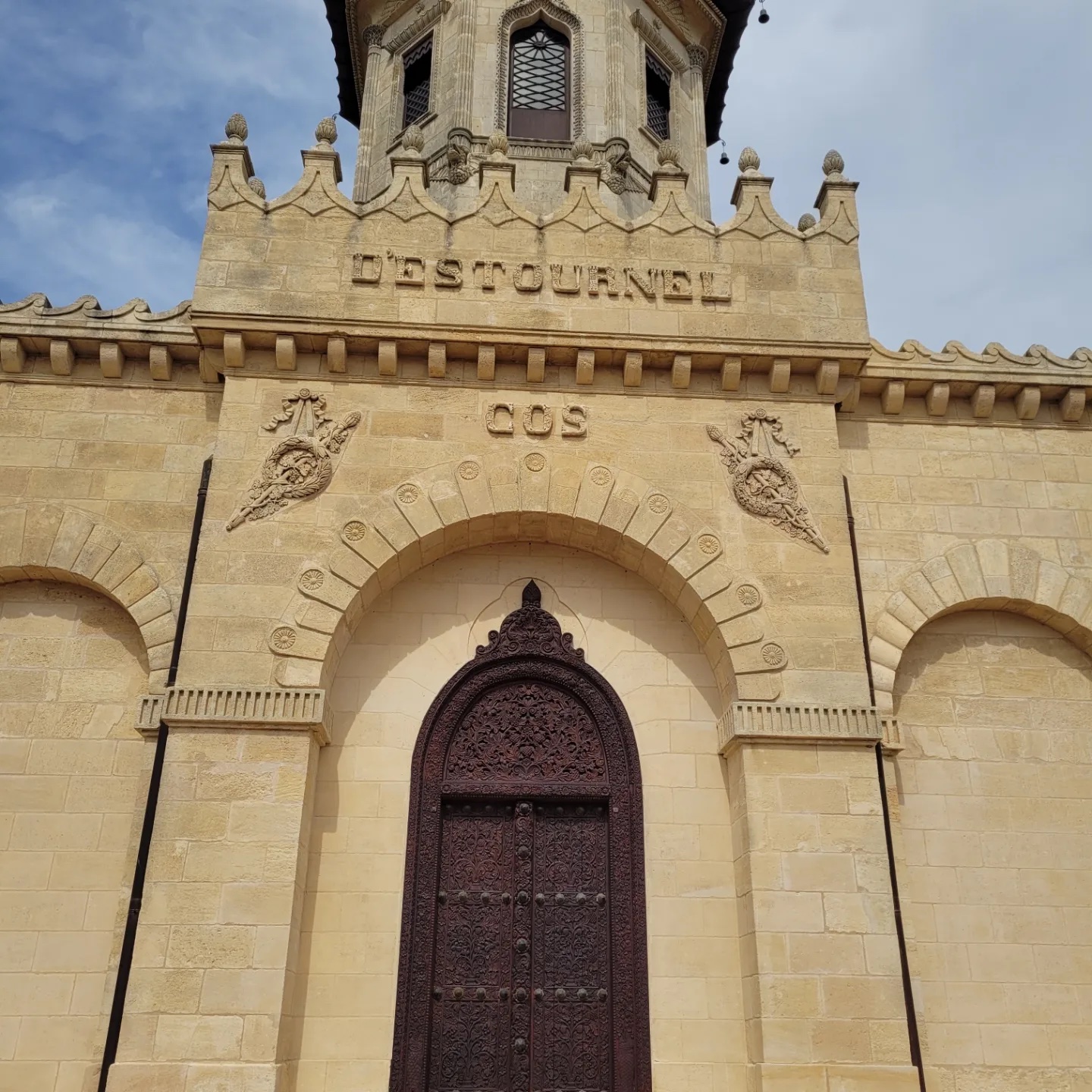
Louis Gaspard and Godello at Cos d’Estournel

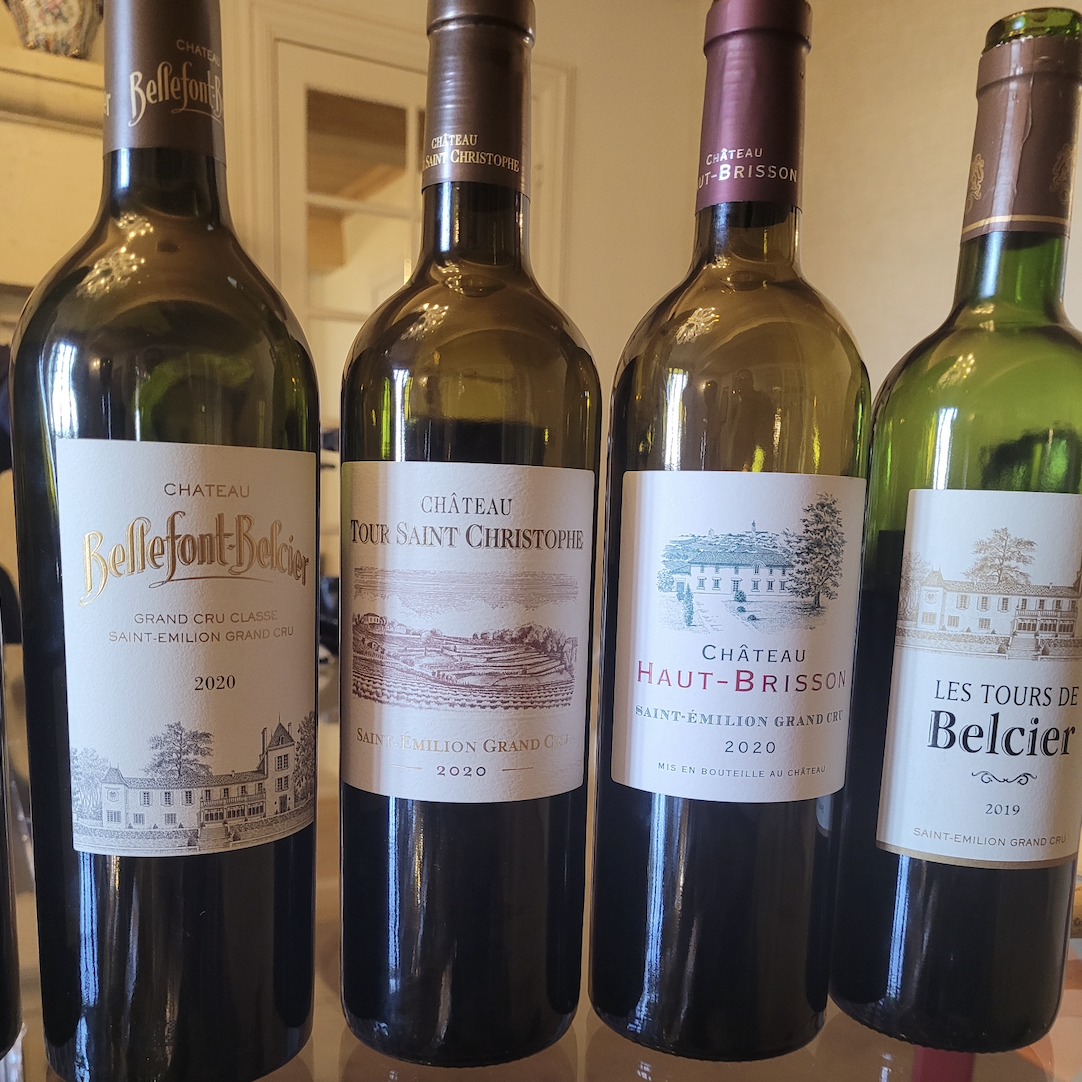
Bordeaux’s total plantings are approximately 100,000 hectares and in Saint-Émilion the average vineyard holding is between five and six. That makes Vignoble K’s Château Bellefont-Belcier seem large at 23. Still that size is just half of Château Quintus with their 45 hectares – that puts it in large company. In Saint-Émilion the land decides the classification, not the estate which is the rule in the Médoc and across appellations on the Left Bank. If you add land in Saint-Émilion you have to make a different label and vinify in a separate cellar. Vietnamese-born Peter Kwok has started at Château Haut-Brisson, moved through Pomerol and Castillon and now owns Château Bellefont-Belcier along with Château Tour-Christopher. Each of the estates are a small unit, independent and self-functioning. 

The village of Saint-Émilion

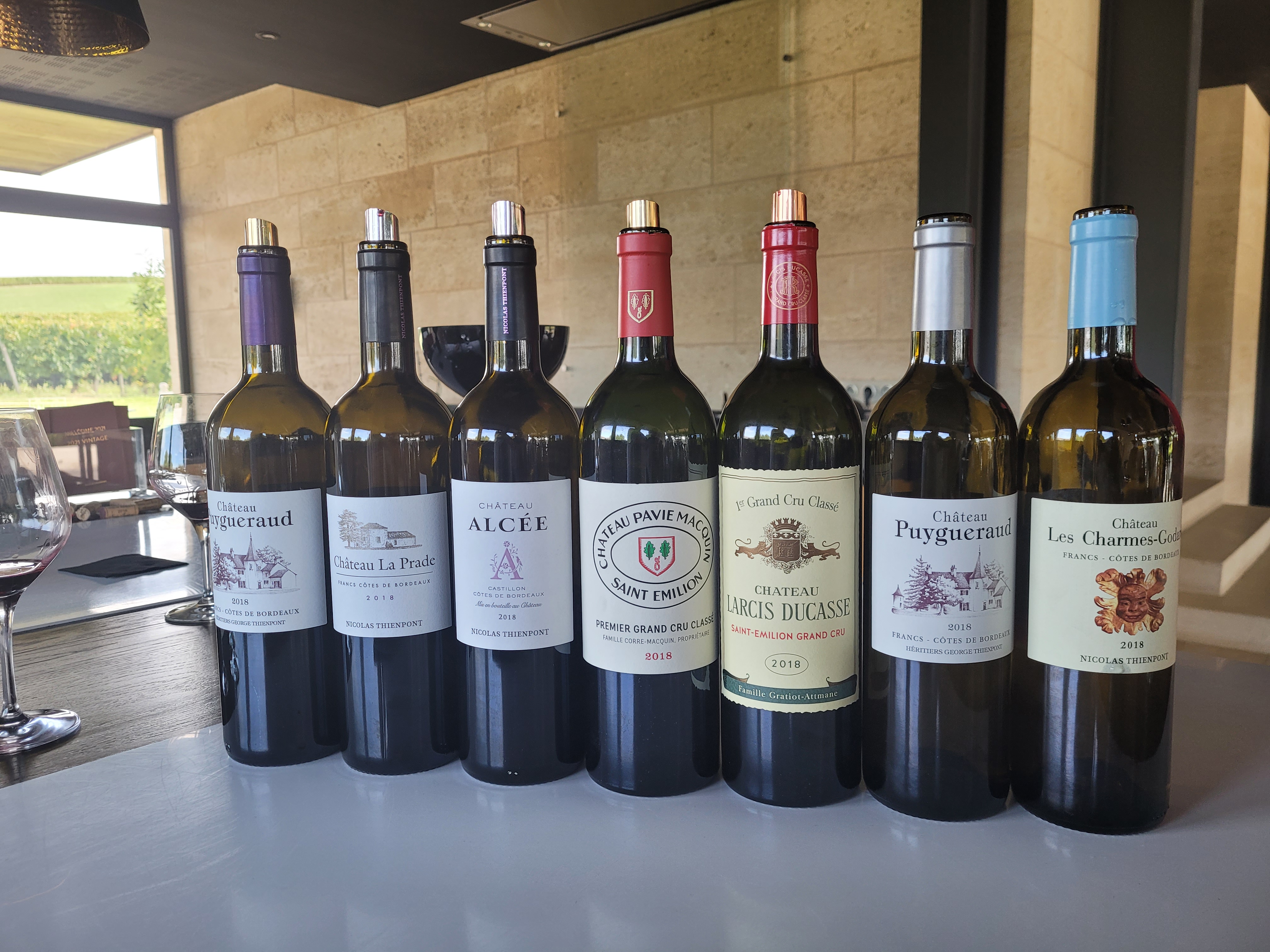
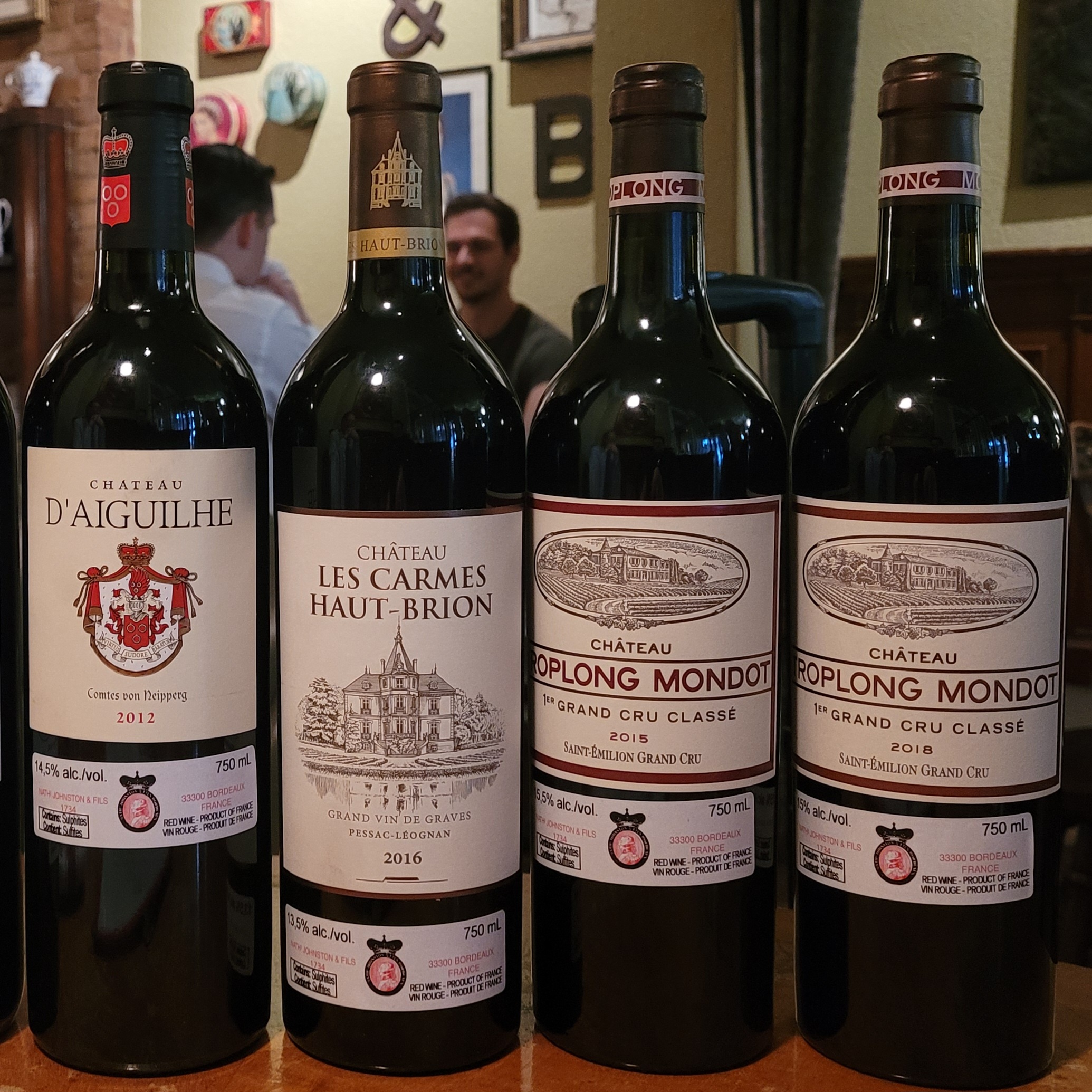
It was December 15, 1998 when the Château Cheval-Blanc estate was sold to LVMH Chairman and Belgian Businessman Bernard Jean Étienne Arnault. He is the founder, chairman and CEO of LVMH Moët Hennessy Louis Vuitton, the world’s largest luxury goods company. The land has likely been producing wine since before the 100 Years War, possibly as early as the 1400s. It had been purchased and designated as a chateau in 1832, which in terms of historical Bordeaux is relatively late. The owner was ahead of his time having designed drainage systems from the 1830s to the 1850s to deal with the heavy clays. The name Château Pavie Macquin comes from a combination of the place and the legend Albert Macquin, an agricultural engineer who popularized grafted plants which would save the vineyard after it was ravaged by phylloxera. Pavie Macquin was classified as the first Grand Cru Classé Saint-Émilion. “If you underscored the classification,” says current generation proprietor Cyrille Thienpont. “then the explanation was bad.” The last classification brought together Pavie Macquin and Pavie Macquin-Decesse, not just Pavie Macquin and Pavie. Château Troplong-Mondot is owned by an insurance company called SCOR.

Union des Grands Cru de Bordeaux President Ronan Laborde of Château Clinet

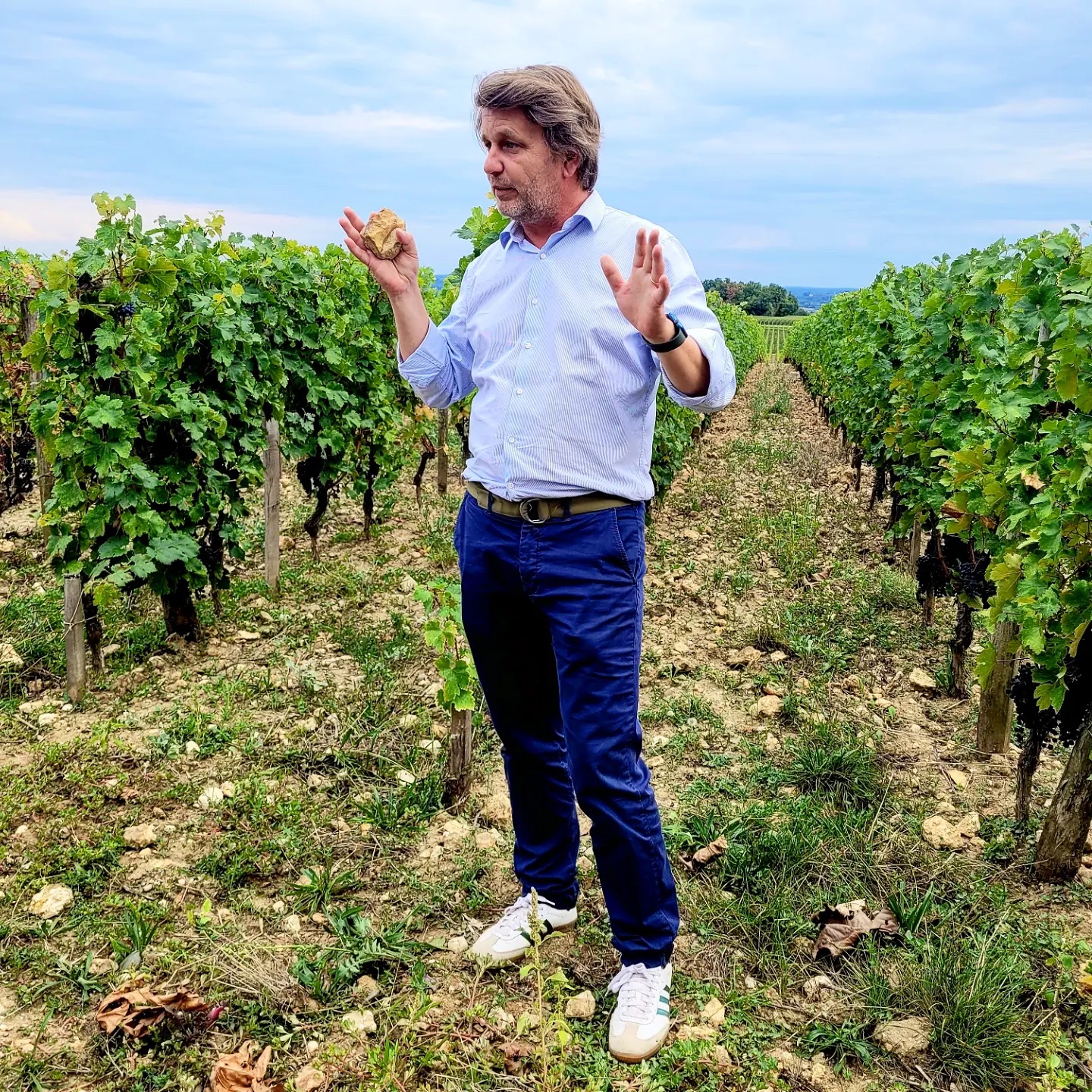
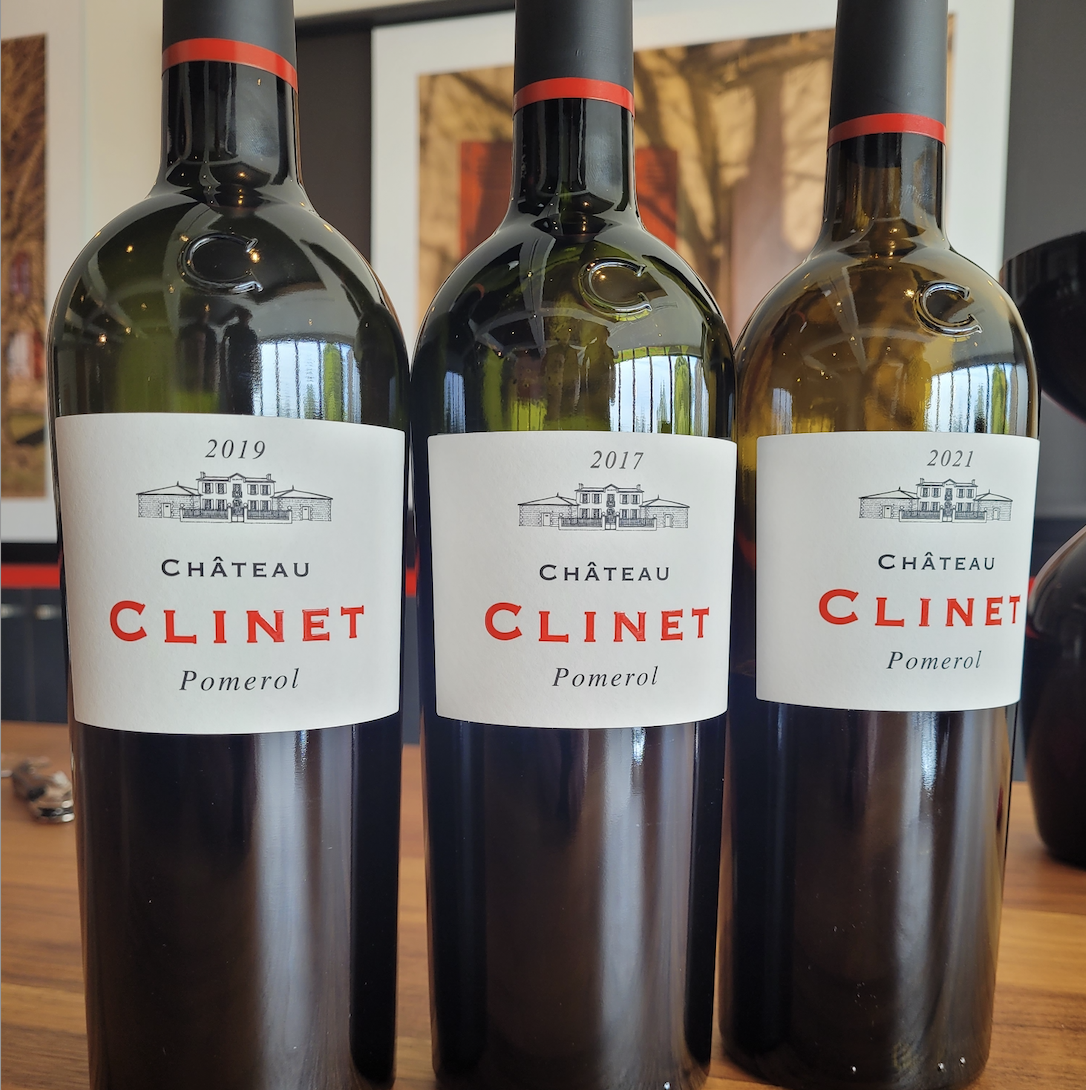
From the 11th until just a century ago the L’Eglise de Pomerol was located right at the site where Union des Grands Cru de Bordeaux President Ronan Laborde’s Château Clinet sits today. Pomerol’s size is 815 hectares shared between 120 producers and bottlers though some do sell in bulk to Bordeaux wine merchants. You can’t age or bottle wines outside of Pomerol and agents must also buy finished wines to label it as such. The word Clinet comes from the name of a seeded fruit that existed in the time of Christ, as did vines in the area. Most production is much smaller as compared to Saint-Émilion and the Médoc, the exception being Pétrus at 35,000-40,000 bottles and prices are highest in the appellation. The two complimentary varieties of merlot and cabernet franc dominate though Clinet farms 25 percent of their vines to cabernet sauvignon. Vines planted in 1950 that survived the (-20 degrees celsius) 1956 February freeze are still in production, in top shape, give small berries and are rarely susceptible to mildew. Laborde notes a true salty-mineral quality in Clinet’s cabernet sauvignon.

With Alice Leuret and Guillaume Pouthier, Château Les Carmes Haut Brion

Heterogenous terroirs, varietal adjustments and climate events

Using the name Bordeaux and the word elevation in the same sentence may seem like an oxymoron but all things being relative the search for subtleties begins with the unseen changes in landscapes. A “butte” is as small a mountain as you might find and yet still proffer up an indication of elevation. “Cos” is a small hill from Old French, though no Google search (without a qualifier) will tell you that. The name Cos (with the S pronounced) refers to a “hill of pebbles” in Gascon dialect and the name Cos d’Estournel was given in 1810 by Louis-Gaspard d’Estournel. At Château Les Carmes Haut-Brion seven of the 15 “city” hectares are defined as a “Cos.” In the 16th century this was the site of Château Haut-Brion. At the time the owner gifted the property to the order of the Carmelites Blanches. There may or may not have already been a “Cos” then.  In Pauillac soils are arid, of sand and gravels and just a small amount of limestone and clay at the 26m high “mountain of Pauillac.”

Château Pichon Baron’s Pauillac terroir includes clay and also chalk beneath which makes for two-way conversions of both water retention and drainage. Château Phélan Ségur’s northern blocks are truly gravelly overtop heavy clay subsoils, more clay than those closer to the Gironde. The clays are really helping with the challenge of extreme heat days (18 of them over 40 in the summer of 2023) by maintaining water and freshness. At Château Tronquoy the soils are really gravelly with larger stones like Châteauneuf-du-Pâpe, a truly unique terroir for Saint-Estèphe. More clay composition at the surface in the Tronqouy soils as opposed to sister property Montrose (and also Dame de Montrose) where that clay lays lower, below the sand and gravels. Château Les Carmes Haut-Brion’s city vines do not cool down like the 35 hectares found in the countryside though they are are still within the limits of Pessac-Léognan. The Bordeaux city vineyards are generally three degrees warmer, especially at night and the Grand Vin is produced from these vines. The blue clay here is special, much less “sticky” than Pauillac and integral to the ripening and development of the cabernet franc. Horses are used in the vineyards to reduce the amount of tilling, tractor and machinery disruption. 

Saint-Julien terroir at Château Lagrange

Château Montrose is 85 hectares planted closest to the estuary of vines that in terms of vigour are truly self-regulating. No bunch thinning is necessary, especially for highly concentrated cabernet sauvignon. This part of Saint-Estèphe on average runs a week to 10 days behind for harvest times. There are 40 hectares, 21 under vine, 19 still to be planted, 65/35 cabernet sauvignon and merlot. Studies in dug hole pits has convinced the team to add a small portion of petit verdot, to make up two percent of the overall mix. Redevelopment has been ongoing seen 2017 though the Bourie has already reconstructed the winery. Château Haut-Batailley in Pauillac started covering between rows with cover crop between in 2020. 

Godello in Saint-Émilion

In the area of the Saint-Émilion chateaus occupied by Quintus, Pavie and Ausone the soils are mainly clay-loam with limestone near or on top of the surface. At Château Bellefont-Belcier terraces have been constructed because of the higher limestone content. The vineyards of Château Cheval Blanc are a result of how the tertiary period left behind a salty limestone plateau which extends from Cognac through the Right Blank along the Gironde Estuary to central France. The retreating river left behind gravels that were dragged over each other and so Cheval Blanc is a heterogenous terroir that is a mix of sand, clays and gravels. CFO and commercial director Arnaud de Laforcade talks about “the big principle” when he says “we accept and celebrate the variability between plots to create the character of Cheval Blanc.” The cabernet franc and malbec planted at Cheval Blanc was a Right and Left Bank mix but that changed after Phylloxera with the switch to merlot. Much of Pomerol, including the soils of Château Clinet are clay with gravels layered on top.  It is well known that merlot is the child of cabernet franc but only recently another genetic parent was (re)discovered through a variety called Magdeleine Noire des Charentes, named after the birds that arrived first to eat mature Bordeaux grapes.

Harvest at Château Latour

Arnaud de Laforcade pontificates about cultivational philosophy. “We need to rely on ourselves and so all propagating and massal selection is done on the estate – kept to the estate.” A block of 1930 merlot is still in production and in fact any block that makes it into the Grand Vin can’t be uprooted. Of great importance is soil health. “Even if vines are based on poor soils, they shouldn’t be dead soils.” Cover crops are key, to maintain harmony, despite the competition. Clover’s penetrating roots are good for aeration and reduce the need for tilling. White radish for the bees, re-seeded every Spring. Only a shallow till is done in the Fall but not under the vines for fear of increasing humidity and inciting mildew. Trees are planted on rootstocks and pruned in line with the vines. All these tools are current ones and could very well updated in 30 years, possibly less. Bottom line is monoculture is no longer acceptable. Organics and biodynamics are encouraged but the reality is that no solutions are 100 percent perfect. “People who say they will be mildew free because of all these methods are dreamers,” is de Laforcade’s conclusion.

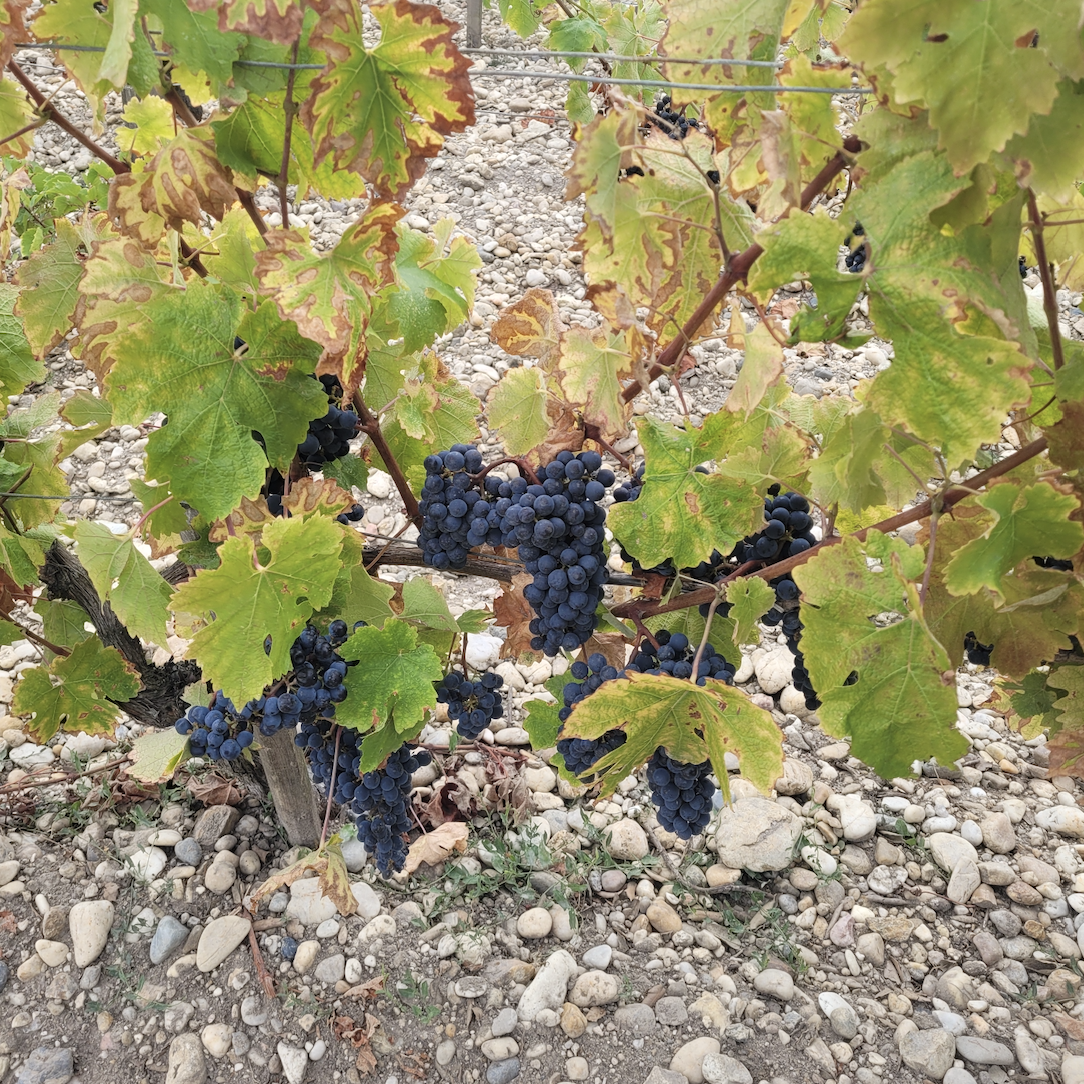
Cabernet Sauvignon in the gravels of the Médoc

Different soils and sub-soils within the 45 hectares at Quintus lead to an agricultural approach that is almost “Bourguignons,” meaning a rank and file of estate, village and cru. Same applies to Château Pavie and Château Ausone. No wonder the hills and areas occupied by these estates are sometimes (quietly) referred to as the “Burgundy of Saint-Émilion.” Château Pavie Macquin’s terraced vineyards planted to 80 percent merlot and (20) cabernet franc are marked by a three-toned mix of clays; white at the top, mixed in the middle and brown down below. Pavie Macquin faces the village of Saint-Émilion with 15 hectares at the border which means the clays are laid overtop limestone. At the top the clay measures 14 cm and at the bottom the clay layers with limestone and “tender” limestone. A breezy place which means less mildew and disease pressure but also later harvests compared to the plateau of Saint-Émilion. 

The Saint-Émilion vineyards of Château Troplong Mondot

Chief Executive Officer of Château Troplong-Mondot Aymeric de Gironde introduces the non-eroded soil. “The real specificity is in the clay,” he explains. “It has been measured in square meters per gram.” An original clay, created at the same time as the rocks. The plateau is neo-clay, created by the disintegration of the limestone. Troplong-Mondot  is original clay, not sin, a perfect pocket like Pétrus and so much more dense than that of their immediate neighbours. Its so dense it’s hard as rock. “At Troplong-Mondot natural density comes for free,” laughs de Gironde but he’s dead serious. “Here we don’t have to do much at all, if anything we have to be careful not to extract too much power.”  The soils remind of Macigno del Chianti or better yet Formazione di Silano so prevalent in creating structured Chianti Classico sangiovese. “We’re now the first to harvest in the area,” says Aymeric. “We cultivate the differences of parcels and build the wines by blending.” The mix is 85 percent merlot, (13) cabernet sauvignon and (2) petit verdot. He has been with TM for six years. “Tasting 1998 and 2004 were great indicators to me for what to do in the vineyard.” On the property of Château Phélan Ségur a weather warning system is in place and the estate heads up a Saint-Estèphe program to release weather balloons in the face of hail storms. Hard not to be reminded of Angelo Gaja who more than 20 years ago was sending helicopters equipped with weather altering technology into the skies above Barbaresco. In the Médoc hailstorms are increasingly problematic and when they strike they can be devastating to a season’s crops. 

Changing fermentations, elévage and varietal designs

Château Mouton Rothschild’s approach is unique because alcoholic and malolactic fermentation are completed simultaneously over three weeks. Aging is one year in barriques, followed by 50 percent new beyond.  There were 92 different block vinifications during the 2022 harvest at Château Montrose. Malolactic begins directly after the alcoholic fermentation – they are contiguous, not simultaneous.  At Château Les Carmes Haut Brion the new chapter is written through winemaker Guillaume Pouthier’s infusion methods whereby whole berries and whole bunches are layered mille-feuille style for a new kind of submerged cap way of keeping juice at the top and the most gentle way of breaking down skins without any crush. At Château Cheval Blanc the prefernce is to do all fermentations in concrete vats, remove the skins at the initial alcoholic fermentation and not to handle things simultaneously. The cellar master’s job is to make everything “fine,” not more. 

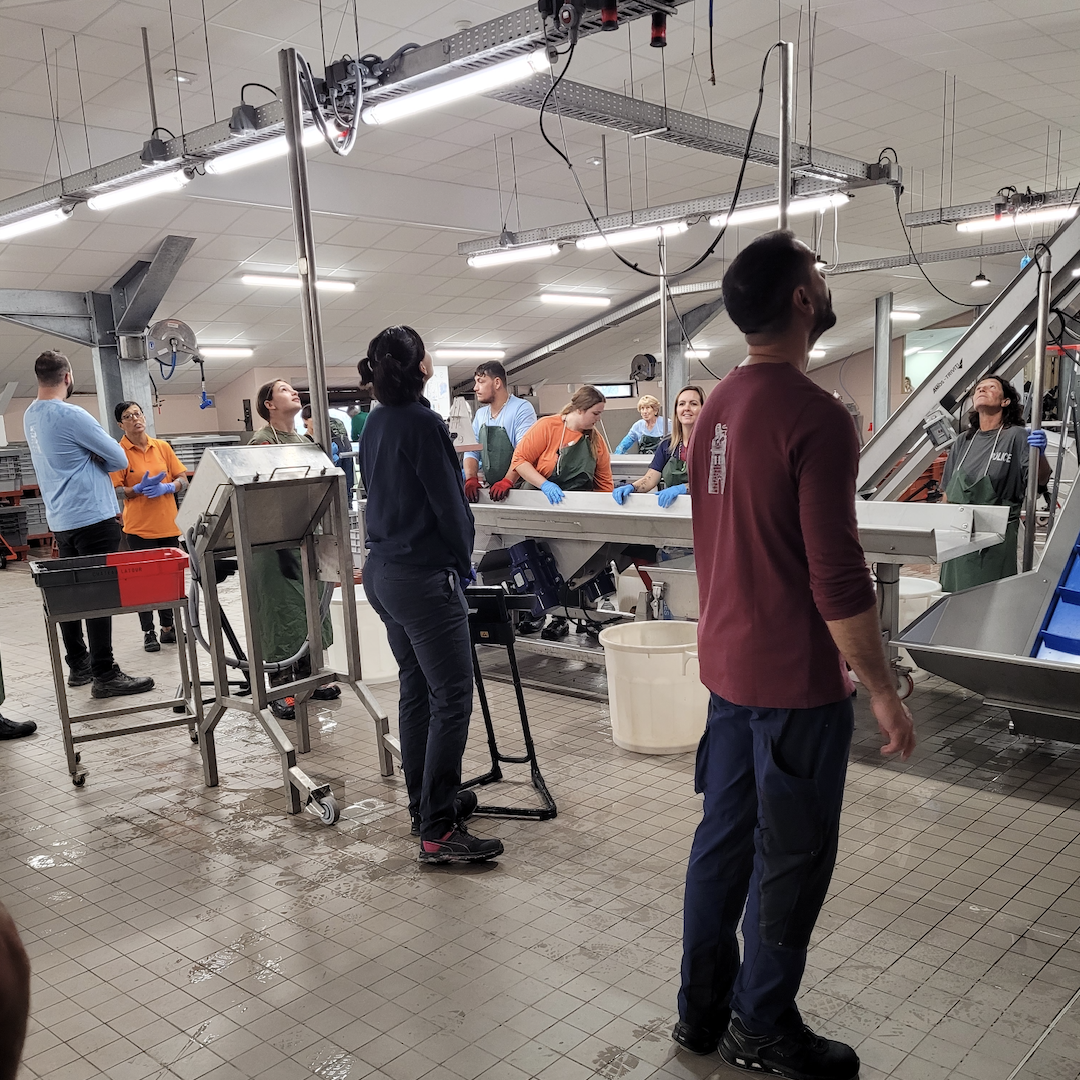
Harvest team at Latour

Château Phélan Ségur’s yeast program pays homage to its bacterial history – isolated yeasts strains are propagated from l’Enclos, the heart of the vineyard and historical Phélan plot, then used to ferment only that plot, in that vintage. “The initial results were exceptional , tells Managing Director Veronique Dausse, “and so in the subsequent vintage it was done with other plots in the north.” After three years of comparing to commercial yeasts the realization was had that vintage does not effect outcomes and that indigenous yeasts create more consistent typicity, so long as a cocktail of yeasts are employed from plot to plot, as well as no cross contamination between fermentations. Some merlot in the south have been added this year to be part of the experimentation. 

Lunch at Pichon Baron

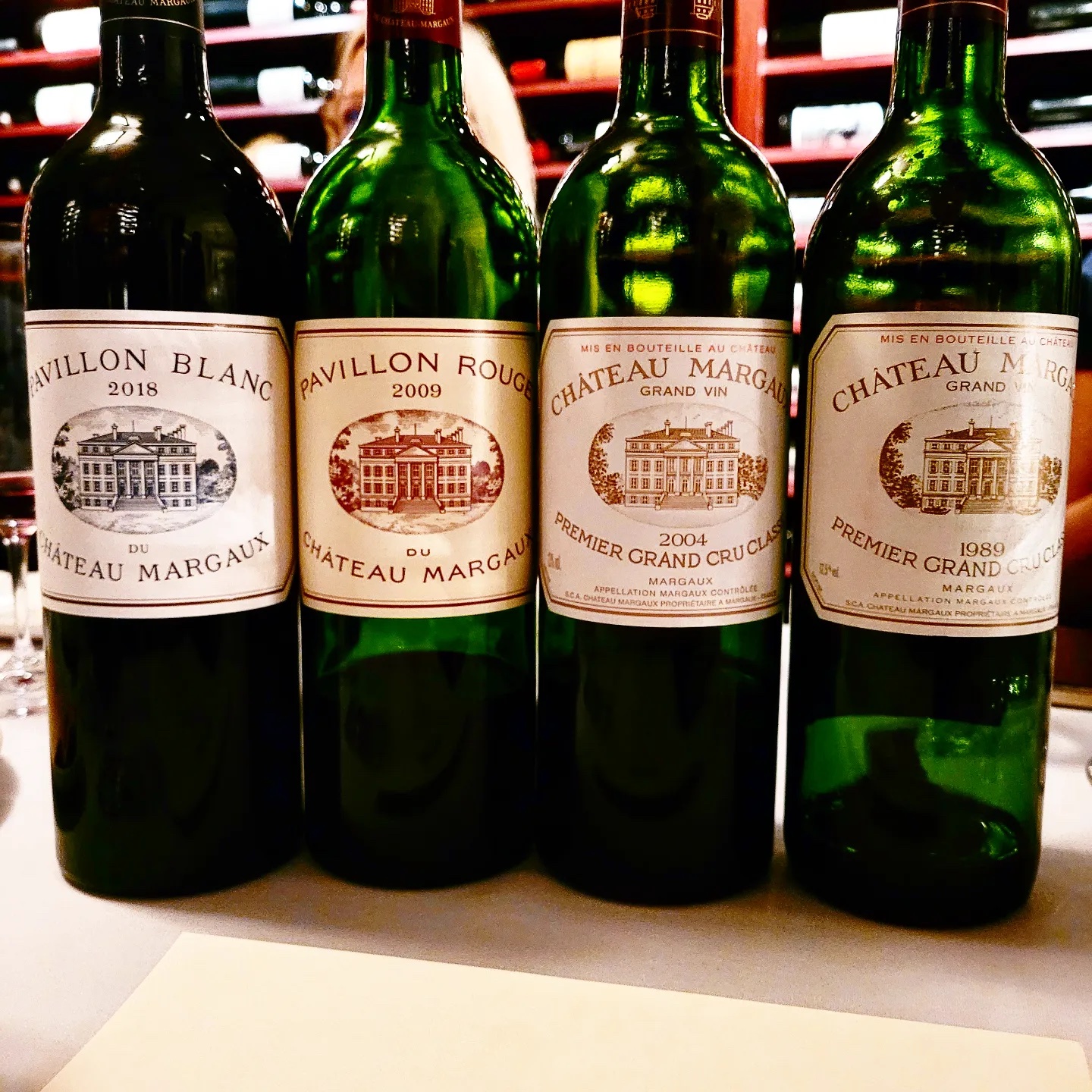
At Château Margaux less and less merlot is being used and so new plantings are mostly cabernet sauvignon but increasingly also cabernet franc. Not yet certified but fully organic practices have been followed since 2019. Depending on the vintage Château Les Carmes Haut-Brion’s new oak usage is 70-80 percent. Château Bellefont-Belcier’s technical director Emmanuelle Fulchi d’Aligny insists on cellar conditions that are clean, clean, clean and low, low, low fermentation temperatures. The wine was classified in 2006, ferments are partially pressed, free-run juice is key, concrete tanks stabilize the wines and they use just 30 percent new oak. Troplong-Mondot’s Aymeric de Gironde uses cold macerations and one-third pumpovers through the course of a day. 

Please don’t call them “Second Wines”

“Calling them second wines is a mistake,” insists Château Haut-Brion’s Guillaume Alexandre Marx, “and it always has been.” All one has to do is consider the farming. “It’s the same as it is for the Grand Vin. Several “other” wines were tasted at chateaus along both the Left and Right Banks and while terms like second and third were conjured, the nomenclature has long since drifted away from these kinds of notions. Today they encompass labels like Château Lacoste Borie, Duluc De Branaire Ducru, Le Dragon De Quintus, Les Forts de Latour, Les Tourelles de Longueville, Les Griffons de Pichon Baron, Pauillac, Verso, Echo de Lynch Bages Famille J M Cazes, Pavillon de Léoville Poyferré, Les Fiefs de Lagrange, Pagus De Lagrange, Les Fleurs du Lac, La Dame de Château Montrose, Margaux de Château Margaux, Pavillon Rouge de Château Margaux, Margaux de Brane Henri Lurton, Baron de Brane Henri Lurton, Le “C” des Carmes Haut-Brion, Haut Bailly II, “G” d’Estournel, “Lions de Sudiuraut,” Les Tours de Belcier, Mondot de Troplong Mondot, Le Petit and Indie de Monbadon. There are dozens more but these are but the examples tasted in the last year.

Château La Croix St. Georges

Older vintages and 150 tasting notes

The collective theme of the last 15 months seems to have focused on maturing, yet far from tiring Bordeaux vintages. Many pours have come from the 2014, 2012 and 2011 vintages. Less than heralded ones it has oft been noted though today the three are drinking beautifully. Hard not to be privy to the notion that the chateaus pouring these wines are in that requiem period of needing to sell some cases sooner rather than later, but the other truth is when wines are showing well they open more doors more than close them.  Skeptics would say the opposite but truth is truth and the ’11s and ‘14s especially are in a special place. The terroir is truly there. How do we know? Freshness and transparency. Is that not exactly what to expect from a high quality wine of Bordeaux? At a Domaines Clarence Dillon tasting in Toronto last year Guillaume Alexandre Marx chose 2012 because “it is a vintage I love and it has now entered into it’s drinking window.” Coincidentally speaking the vintage is also one that equates quality with quantity, meaning they are sure to impress and there is still some product to be sold. Other vintages are either not ready, are much scarcer or just don’t meet the quality. Old Bordeaux are the sort to hover right there with rhythmic, syncopated and metronomic pace. Wines that maintain composure with aromatic perfume and the sweet development of acidity while tannins are essentially and fully resolved.

Looking out over Pauillac from Château Lynch-Bages

In September 2023 the vintages being poured were mainly 2019 and 2018, though a few 2021s and  2020s as well, while the overall range was greater than what is generally offered out of most regions worldwide. The 18’s are Bordeaux of a warm vintage (though ’19 and ’20 took it further) but there is just something about the wines on the 9’s, especially on the Left Bank. Lush, enveloping productions, in Pauillac so luxuriant they gloss over aesthetic differences between varieties and seamlessly ties them together. For Saint-Julien the wines are chewy, both the wood and also tannin are grand, though also sweet, enticing and overall quite amenable. As for Saint-Éstephe well the wood is big, grip is formidable and tannins remain mired in the gravel and clay, not nearly wanting to release the fruit for accessible play. But the concentration and precision are wholly impressive and the impression left is serious indeed. Not a complicated year but the wines are stiff, know how important this life is and what it will be. A top ranking vintage for Bordeaux as a rule but for Saint-Estèphe the glory is real. For Péssac-Léognan a crazy concentrated and also spicy vintage, of savour, county character, salt and pepper seasoning. Beautiful rusticity, fine chalky tannins and length down a long gravel road. 

In Saint-Émilion there is this mouthful of fruit freshness, sharp and pointed acidity that culminates in major tannin adding up to seriously proper tension. The cabernet franc leads, fills, expands and creates what can only be described as an explosion upon the palate. When merlot hits right it transmits as contained and controlled power, especially from the generously wooded 2019s but my goodness the saline freshness, chalky quality and silken tannin wrap up the fruit with a ying-yang of nurture and grip. As for Pomerol, more variegation but every layer is deeper and richer than the last. If 2018, 2020 and 2021 build and build then 2019 is compact, not dense but composed of many films upon films and there is this pressed leathery fruit aspect indicated by the aromatic wealth. People will swoon and die for this kind of luxe Pomerol and the tannins are dutiful, carrying the weight and extending the life of 2019 for what will be many years to come. All this to say stock up on 2019. The following are 150 reviews for wines tasted in Bordeaux back in September 2023, along with three previous 2022 visits from producers and négociants in Toronto. 

Pauillac

Château d’Armailhac 2017, AC Pauillac

A blend of 67 cabernet sauvignon with (22) merlot, (7) cabernet franc and (4) petit verdot. Warm vintage and dry for the most part but June saw some rain so Bordeaux fared quite well as compared to many parts of Europe. Early flowering and equally early harvest meant concentrated and quick to ripen grapes. You can feel some desiccation but freshness still finds a way to persist. As per 2017 the acids are sharp, pointed and intense. Not a dusty Pauillac per se but one that castes a long shadow with high tones. Ready to drink, requiring food that seeks acidity and good for a few years yet. Drink 2023-2027.  Tasted September 2023

Château Clerc Milon 2016, AC Pauillac

Both winter and spring were wet but then the faucets turned off, all the way to harvest and through 2017. More than half the annual rainfall came in that spring and yet the vintage is looked at overall as being a dry one. The mix in 2016 is 55 percent cabernet sauvignon, (29) merlot, (13) cabernet franc, (2) petit verdot and (1) carmenère. The merlot grows on cooler ground near the Gironde and it falls into line between the dominant sauvignon and the cumulative support of the herbal, pyrazine, tannic and toasty group. No doubt this is about as rich, luxe and substantial as it gets for Clerc Milon. Berries and espresso coagulate and coexist in a vacuum of sweet acidity and also tannin. Still tight and dropping hints of grip, power and force, yet to dissolve or dissipate, not even in the slightest. Big and stylish. Is it a C-M for the ages? Quite possibly, allegedly and ostensibly. Drink 2025-2033.  Tasted September 2023

Château Mouton Rothschild 2015, AC Pauillac

No doubt an excellent vintage, even or especially by Château Mouton Rothschild standards with the all important balance between heat units, water and elongation for even ripening and ultimately balance. The 2015 is cabernet sauvignon dominant at 82 percent with (16) merlot and (2) cabernet franc. Just a pup this full, concentrated and mighty Pauillac but also so elastic, pliable, supple and surely generous. The acids are in utter control, an encapsulation of a vintage that wants to give but knows better and so it plays hard to get and we exercise patience. This is the Bordeaux equivalence of the Italian croccante, as a crisp, almost crunchy and markedly stony red. The soil tells the true story and then there is this matter of power matched equally by restraint for harmony of Mouton style. Never precious, always elegant, classic and stylish, great beauty incarnate without trying to impress, not even for a moment. Will age ever so slowly over three decades and likely live for another three or more, above and

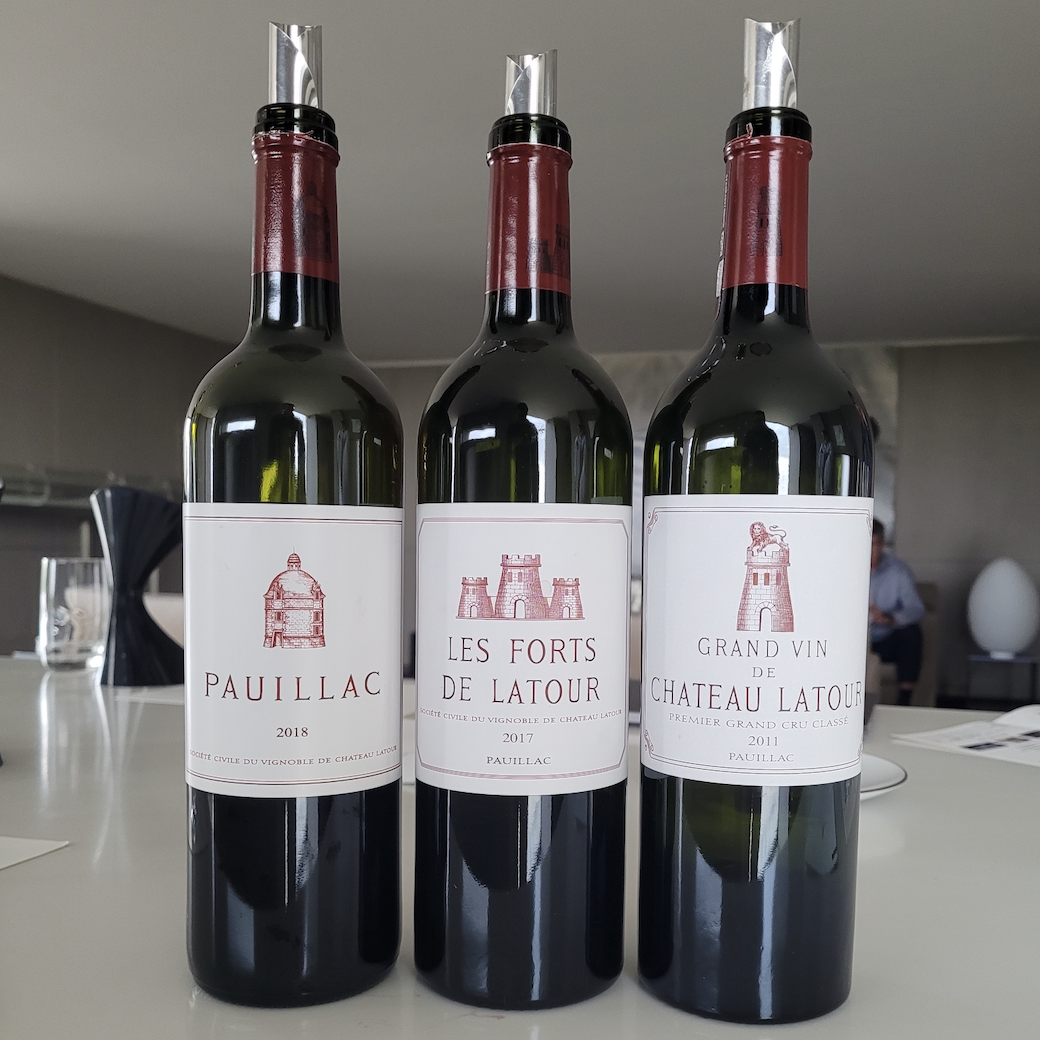
Château Latour 2018, AC Pauillac

No fruit from Latour’s L’Enclos are used for the second and this third wine, only the more recently acquired plots in other parts of Pauillac. In this vintage a higher amount (12 percent) of petit verdot joins the cabernet sauvignon and merlot, bringing more peppery spice to the very fruity, especially for the vintage blend. As fresh as has been tasted for 2018 and drinking really well straight away. That said the structure is more than adequate and five more years easy remain for this level and epoch of consumption. Thirty minutes of air brings out more and more fruit. Drink 2023-2029.  Tasted September 2023

Château Latour Les Forts de Latour 2017, AC Pauillac

Certainly much more taut and also firmer than the ’18 Pauillac with both the warmth and also the acid capture of the 2017 vintage. A more savoury Latour as well with just splashes of petit verdot and cabernet franc as salt and pepper seasoning to the nearly two-thirds cabernet sauvignon with merlot. Minty Pauillac this Les Forts, cool and juicy but as mentioned, still really tight. Classy wine all around with a more linear construct that will seek three more years of development. Dusty cocoa and espresso at the finish. Drink 2024-2032.  Tasted September 2023

Château Latour

Château Latour Grand Vin 2011, AC Pauillac

The Grand Vin in 2015 is almost exclusively cabernet sauvignon (at 97.1 percent) with (2.6) and merlot and a quick splash of petit verdot. It’s clearly a more varietal focused Grand Vin than most, celebrating L’Enclos of Latour at the eastern and southern end of Pauillac. Vines that share terroir with Leoville Las Cases and here it just feels like perfection is the goal. OCD and non-compromised focus to make the purist, most complete Pauillac that is possible. This may have been one of the lesser heralded vintages in Bordeaux but as Latour it remains locked in tight, far from letting go and sure of its constitution, but also ambition. There are no flaws in this wine, the suit is tailored, the hair perfectly coiffed and the etiquette on point. Drink 2026-2038.  Tasted September 2023

Château Pichon Baron Pauillac 2019, AC Pauillac

Not considered a “third wine” for Château Pichon Baron but one composed by selected plots of Pauillac. Primarily merlot (80 percent) with 20 cabernet sauvignon. More than ample and substantial vintage for such a wine and in fact this is likely just about as rich and luxe as it gets for Pauillac. Chalky, liquid grainy and still churning through its inner workings for a CBP3 to drink just about as soon as you are wanting to enjoy one. Good acidity as well, semi-sweet and flirtatious. Drink 2023-2027.  Tasted September 2023

Château Pichon Baron Les Tourelles de Longueville 2019, AC Pauillac

Deuxième Vin du Château. Majority of cabernet sauvignon at 63 percent, from the terroir west of the state near Château Batailley. The merlot component is 32 percent, followed by (4) cabernet franc and (2) petit verdot. Certainly more grip and intensity as compared to the Pauillac but no less fruit in fact more plushness and layering are involved. The tannins here are just a bit austere and currently demanding so give this another year or two before readying glasses, a tasting and dinner that involves this ’19 Tourelles. Drink 2025-2032.  Tasted September 2023

Château Pichon Baron

Château Pichon Baron au Baron de Longueville Grand Vin 2018, AC Pauillac

A challenging vintage for many but this is a glorious 2018 from the word go, perfumed and Pauillac pretty as per what Château Pichon Baron just has to be. Since 2012 the wine is shortened as simply Château Pichon Baron to eliminate any confusion with the property that includes the Comtesse. From terroir that includes clay and also chalk beneath which makes for two-way conversions of both water retention and drainage. A crunchy Pauillac, like a mouthful of berries and gravel to indicate how far away this wine is from integrating and fully liquifying into its sure to arrive silky smooth mouthful and mouthfeel. Tannins are full and still in their infancy but the fruit is exceptional for the vintage. Drink 2026-2039.  Tasted September 2023

Château Pichon Baron Les Griffons de Pichon Baron 2016, AC Pauillac

Griffons is sold through the Place de Bordeaux négociants with more cabernet sauvignon (the young vines not suitable for Pichon Baron) as opposed to Les Tourelles de Longueville which is a parcel selection, mainly of merlot. Dark fruit, richer than many second wines and a true mini Pichon with truer to life chalky structure. Grippy and intense, full throttle and as Bordeaux very much a serious wine that falls into a fine line designed and led by the Grand Vin from Pichon Baron. Very fine. Drink 2024-2030.  Tasted September 2023

Château Pichon Baron au Baron de Longueville Grand Vin 2014, AC Pauillac

Must be be said that this ’14 is showing with remarkable freshness while also full concentration that now slides and glides over the palate. Aromatically on par, as luxe and smooth with blessedly immaculate acidity, all aligned to speak for a maligned vintage that is high time it were universally declared as exceptional. Longevity makes up a great part of the equation and while nine years is a sneeze for top end Bordeaux it should never be taken for granted. The preserved freshness, an absence of crispy or crunchy bites and instead just this ease up on the palate. Adds up to a wine of distinct and philanthropic expression. Drink 2023-2036.   Tasted September 2023

Château Pichon Baron au Baron de Longueville Grand Vin 2009, AC Pauillac

A wine that the team says was always approachable from the very beginning. There is just something about the 9’s in Bordeaux and especially Pauillac. The Abbey Road of Bordeaux, expressive of persistent peak freshness at this 13-14 year mark and will continue to show a similar ilk plus remarkable longevity for that many years more. Lush, enveloping production, a Pauillac so luxuriant it glosses over aesthetic differences between the wine’s varieties and seamlessly ties them together. Nary a moment’s secondary character and from a consciously cerebral point of thought this makes little to no sense. Yet there are times when vintage, appellation, estate and the universe conspire in the most magical of ways. “He say one and one and one is three” and so 2009, Château Pichon Longueville Baron and Pauillac “come together, over me.” Drink 2023-2036.  Tasted September 2023

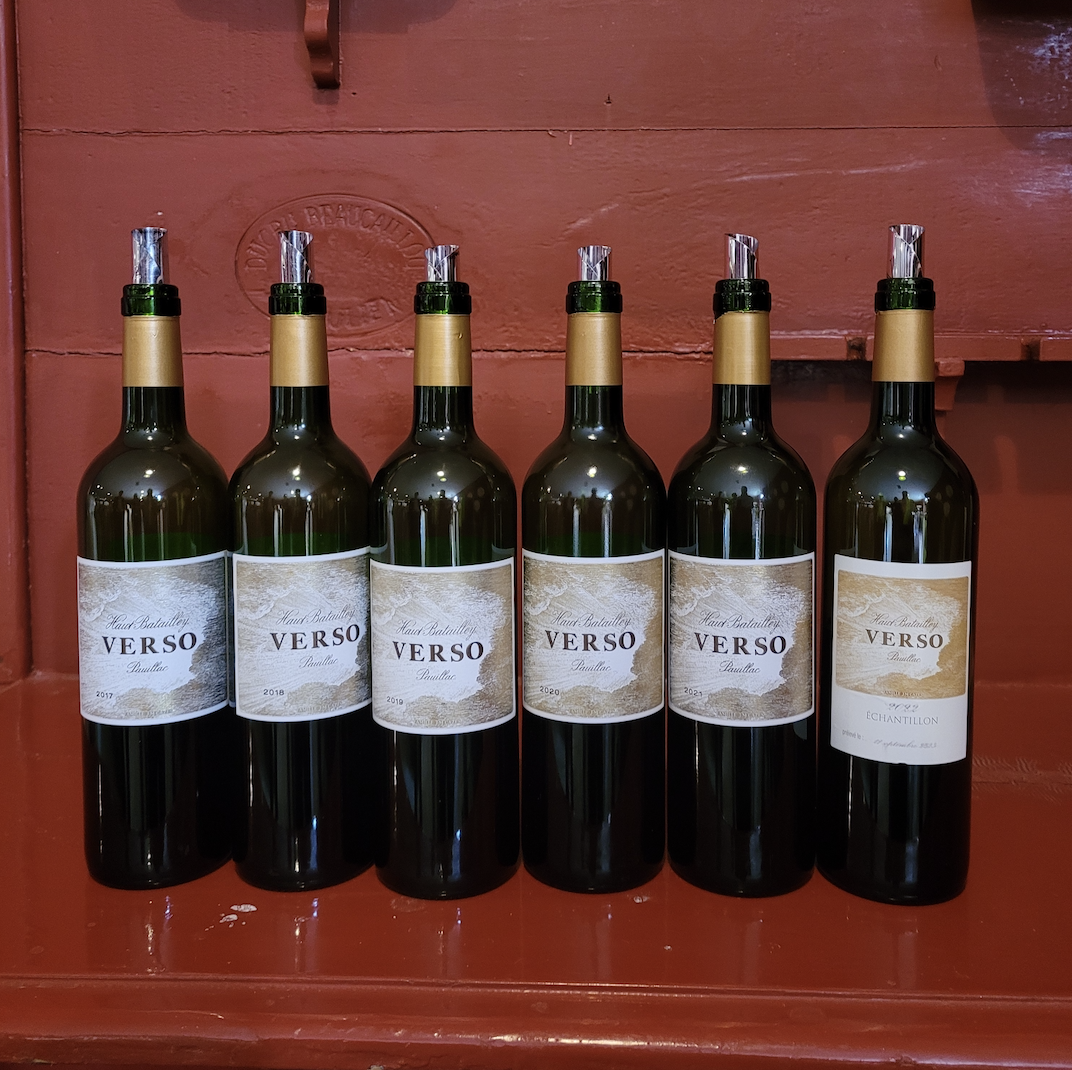
Château Haut-Batailley Verso 2022, Pauillac

Most perfumed recent bottling in fact the aromatic concentration is the best of a string of vintages between 2017 and this 2022. Pine evergreen again but most floral as well. Palate concentration as well, richly textured, layered and substantial from start to finish. Great variegate red fruit and without a doubt one of the finest Verso from Haut-Batailley from the Cazes family since taking control of these vineyards in 2017. Drink 2025-2030.  Tasted September 2023

Château Haut-Batailley Verso 2021, Pauillac

Only in this vintage we find cabernet sauvignon at 40 percent with more (60) merlot and it really shows in the doubling down verdancy of the wine. Pine forest and solvent, roasted and toasted elements, some weedy-vegetal aspects and even a bit of reduction. Tart, tight, intense and far from relenting, either by austerity or chains of tannic command. Wait two years to allow some wood integration and the promise of a fleshing by the fruity parts. Drink 2025-2029.  Tasted September 2023

Château Haut-Batailley Verso 2020, Pauillac

The first vintage made by current technical director Julien Galland and a notable change in style from what came before. More up front fruit and roundness, not soft because how can it be and the toasty elements are in line with the three previous vintages. Warm vintage but no 2018 here, yet somewhat weedy in that there is always a level of verdancy in these Verso labels. Chewy, with liquorice and some partially dried, leathery fruit. Well made for sure. Drink 2024-2028.  Tasted September 2023

Château Haut-Batailley Verso 2019, Pauillac

Clearly a next step up in understanding of what this fruit means at Haut-Batailley with great help from the generosity and ease of 2019. Increased richness, concentration and layers of structure create a new oeuvre for a Pauillac that now begins to mean serious business. The nose is exuberant in delivery of much warmth, umami and spice before morphing into major stage presence with respect to mouthfeel. Minty cool savour again and some toasted elements. A thread of barrel style really runs through these three wines between 2017 and 2019 but the last one also happens to brings the fruit. Drink 2024-2029.  Tasted September 2023

Château Haut-Batailley Verso 2018, Pauillac

A per the vintage the results across Bordeaux and even within Pauillac are variable, here with a slight stemmy character that comes across in variegate reds and greens. Much richer and developed on the palate with wood well integrated, spices running amok and a fine chalkiness. Very different to the 2017, lower in acid and yet the smoky, roasted fruit and toasty elements are consistent. Quite complex for 2018 and still rising towards its crescendo. Drink 2024-2028.  Tasted September 2023

Château Haut-Batailley Verso 2017, Pauillac

The first vintage under the auspices of the Cazes family after purchasing the property in March of 2017. Only cabernet sauvignon (60 percent) and merlot, palate soft but with those perfectly elevating ’17 acids and wood that still sits up front with the fruit. Righteous verdancy, savoury and cool, of mint and a moment’s note of eucalyptus. Smoky in this regard and into roasted nightshades from a Pauillac that holds no cabernet franc. Unique 2017 in all respects, with good energy and toasty red fruit. A curious case of beginner’s experience. Drink 2023-2026.  Tasted September 2023

Château Haut Batailley Grand Vin 2022, AC Pauillac

Spends 16 months in (65 percent) new barrels from six different coopers. The richest of all the Batailley wines, bar none, incredibly tannic and indelibly stamped with these vines and this appellation like no other. So many unresolved issues here, tannins so implosive and insular coiled so tightly around the fruit. Rich and generous but you’d hardly know it when you feel the extenuating circumstances of major structure. Drink 2027-2035.  Barrel sample tasted September 2023

Château Haut Batailley Grand Vin 2021, AC Pauillac

The aim is 65 percent cabernet sauvignon with merlot and when the 2019 petit verdot plantings come into play they will take up approximately four percent of the blend. The 2021 is a bit of a verdant one, with fruit variegate between reds and some greens, liquorice and plum, evergreen savour and leathery fruit. Chalky in 2021, some tannic austerity and time needed to resolve all the parts. Drink 2025-2030.  Tasted September 2023

Château Haut Batailley Grand Vin 2020, AC Pauillac

The first vintage of the Grand Vin made by current technical director Julien Galland is a major step up from the Verso label with a fine perfume and a most impressive level of concentration on the palate. An almost chewy Pauillac, of liquorice and so many red fruit aromas but even more so flavours. Impressive showing and a really stoic, partially impenetrable, far from showy and yet truly generous Batailley. Drink 2025-2032.  Tasted September 2023

Château Haut Batailley Grand Vin 2019, AC Pauillac

The best of recent vintages (perhaps until the ‘22s come along) because fruit generosity is at the peak and balance is far more obvious amongst all the parts. Perfumed in ways that neither 2017 nor 2018 were able to accomplish and no trail away or off as it pertains to the texture and stage presence of the palate. Smooth and silken, tightly grained, compact and in charge. Really well made and true to the holy trinity of vintage, terroir and appellation. Drink 2025-2033.  Tasted September 2023

Château Haut Batailley Grand Vin 2018, AC Pauillac

Whereas the finest fruit from 2017 was surely allocated to the Grand Vin it seems like 2018 was more of a split. This because of the challenge of vintage, hot and bothered and so there is a close affinity with the younger Verso sibling. Thicker on the palate, rich with a wood-influenced mix of chocolate and café. Some stem-weedy character is consistent with the Verso and here also some heat on the finish. Drink 2024-2028.  Tasted September 2023

Château Haut Batailley Grand Vin 2017, AC Pauillac

The first year of the Haut-Batailley Fifth Growth classified Pauillac under the guise of the newly owned Cazes family. The typical spice in both aroma and also on the palate that is both Batailley and also Pauillac. You can sense the vintage acids straight from the nose whereas the mouthfeel sparks in fits because of the reaction between terroir and season. Quite fine for 2017 and chalky, tart and tight as well. This will continue to age and drink well. Major step up from the Verso bottling. Drink 2024-2029.  Tasted September 2023

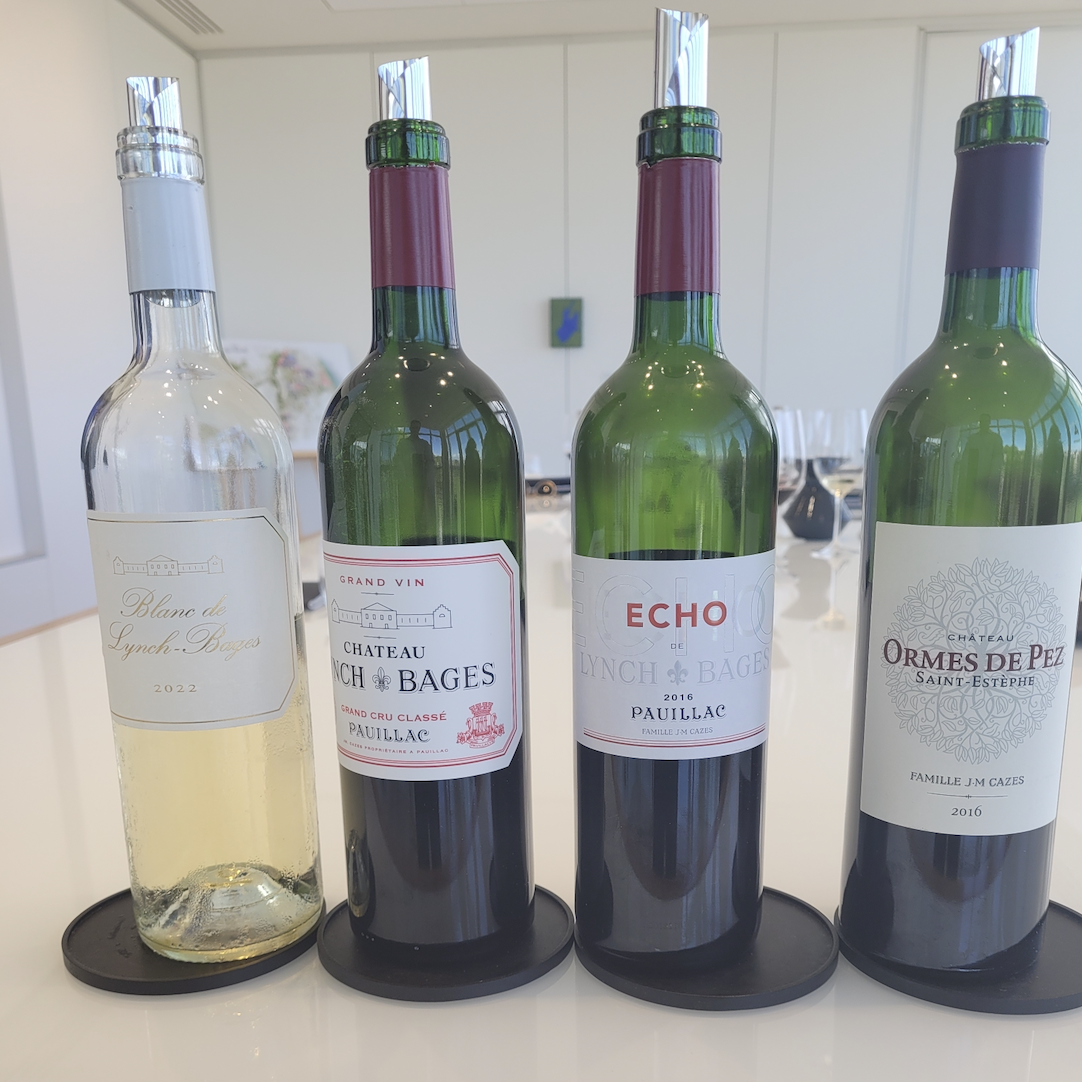
Château Lynch Bages Echo de Lynch Bages Famille J M Cazes 2016, AC Pauillac

The second wine of Lynch Bages has been named thus since 2008 though it existed for three decades before that. Like Ormes de Pez this is a very good Left Bank vintage and so Pauillac is also a place of great potential. Still a very young wine though minty and cooler with sweet acids singing in their vocal range of increased verbosity and generosity. This E de LB will do nothing but please beginning this year and will stay the course for a few more. The real secondary notes will likely begin in 2025 or 2026. Drink 2023-2030.  Tasted September 2023

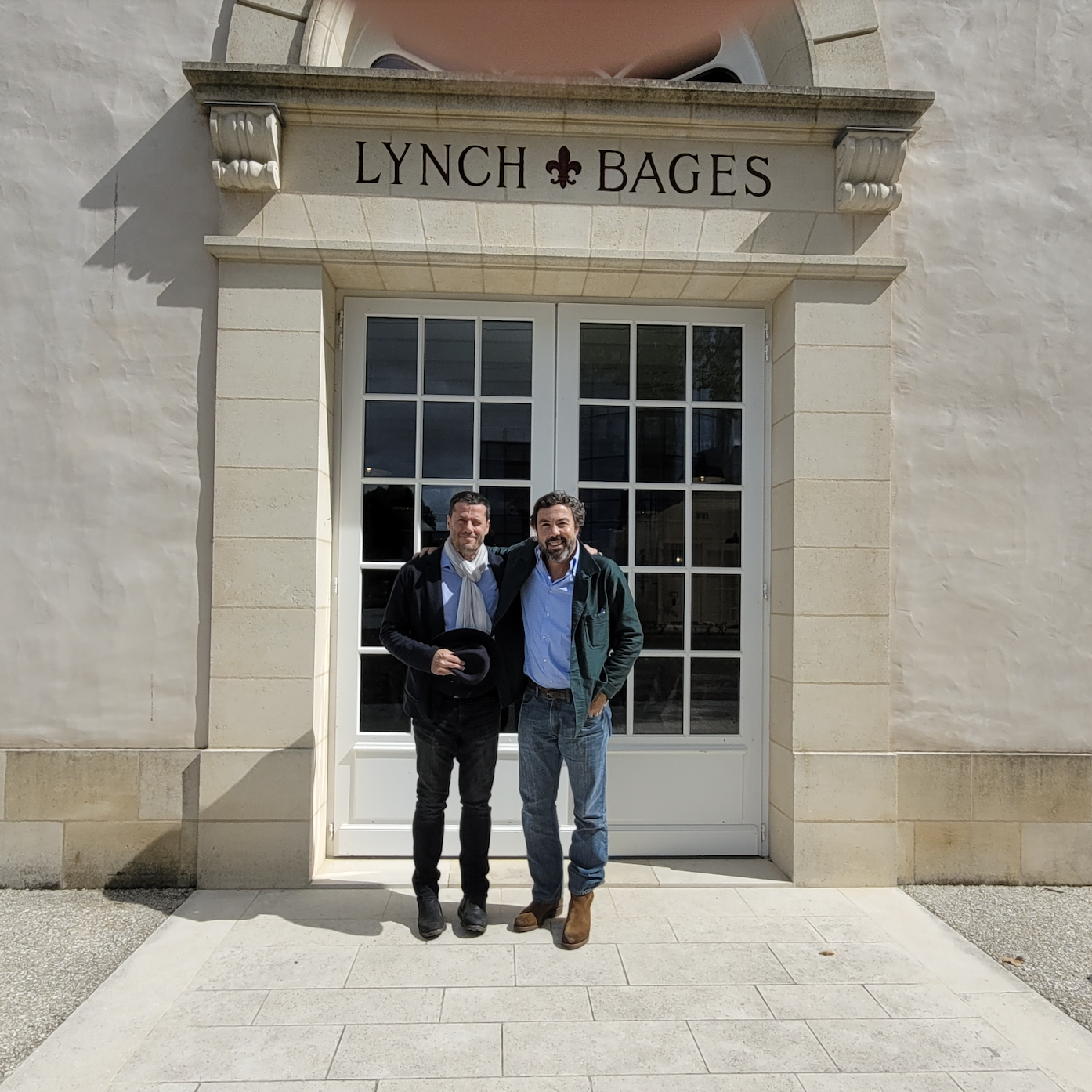
At Château Lynch Bages with Jean-Charles Cazes

Château Lynch Bages 2014, AC Pauillac

Here again comes the sleeper vintage, unassuming and under the radar, now coming into its own across the Left Bank. A Bordeaux that speaks in a local vernacular, liquid chalky and grainy, still churning through inner workings and coming together for pleasure and beauty. Yet another estate pouring 2014 and for good reason because perhaps any time ahead of now the vintage may not have shown as well as it is now. Skeptics would say the opposite but truth is truth and the ‘14s are in a special place. The terroir is truly here. How do we know? Freshness and transparency. Is that not exactly what to expect from a high quality wine of Pauillac? Drink 2023-2029.  Tasted September 2023

Château Lynch Bages 2003, AC Pauillac

Memory recalls and speaks of a very warm Bordeaux vintage but appellation matters and for Lynch Bages the northerly Pauillac location fared very, very well. No tertiary as of yet, only the maturing mid-points of secondary life. Hovering right there with rhythmic, syncopated and metronomic pace. Maintains its composure with aromatic perfume and the sweet development of its acidity while the tannins are essentially and fully resolved. Ideal to drink now as a mature Pauillac and should stay in this zone for up to five more years. Drink 2023-2026.  Tasted September 2023

Château Lynch Bages 1995, AC Pauillac

Mon dieu what a spicy nose on the Lynch Bages 1995! Limestone chalky mineral bites as well, with cinnamon, nutmeg, clove and still thriving acidity. Served as a pairing with salty (extra vielle) Mimolette and the old hard orange cheese works magic with the spice cupboard of the LB95. Yes the wine is also rich and chocolaty but the lack of tertiary qualities and persistence of freshness are what makes for the extraordinary match. Classic Bordeaux abilities and experience on full display with cool northerly Pauillac character. Drink 2023-2028.  Tasted Sepetmber 2023

Château Pontet-Canet 2014, AC Pauillac

The second last vintage where a second wine was produced as that was eliminated after the 2015 vintage. Biodynamic since 2004, Demeter certified since 2010. This being the 5th vintage and here again the window for tasting 2014 from Pauillac because they are simply wines that needed time. As do all but the near nine year mark seems to be the sweet spot and this perhaps even a bit further ahead having been poured from a half bottle. Love the perfume and the acidity, both sweet and vibrant, up there at the height of appellative heights. No stringency but there is some power and the finish is a pure, contiguous continuation of a primed and balanced expression. Still just a wee bit of unresolved chalkiness at the finish so there is some work yet to be done. Drink 2023-2032.  Tasted September 2023

Saint-Julien

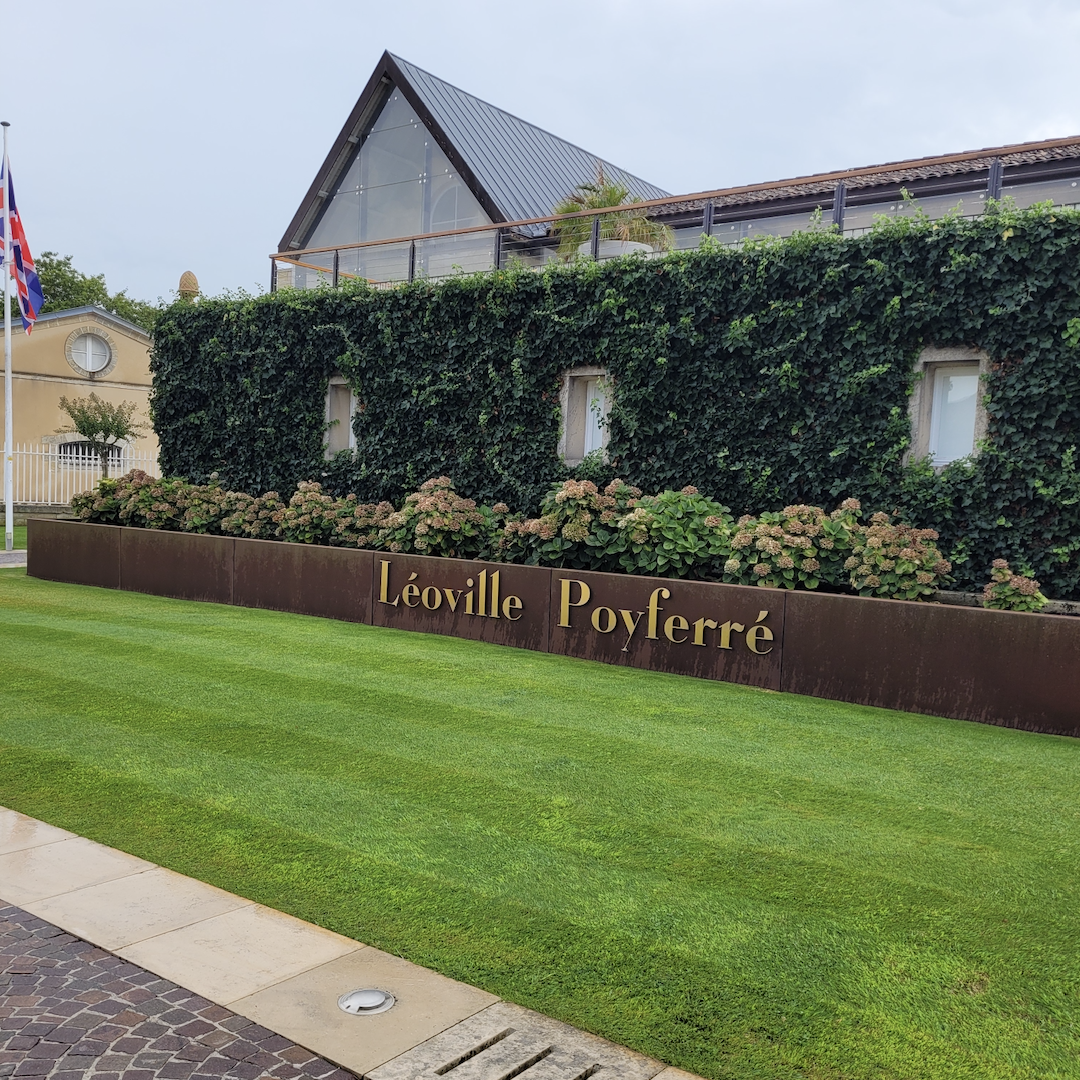
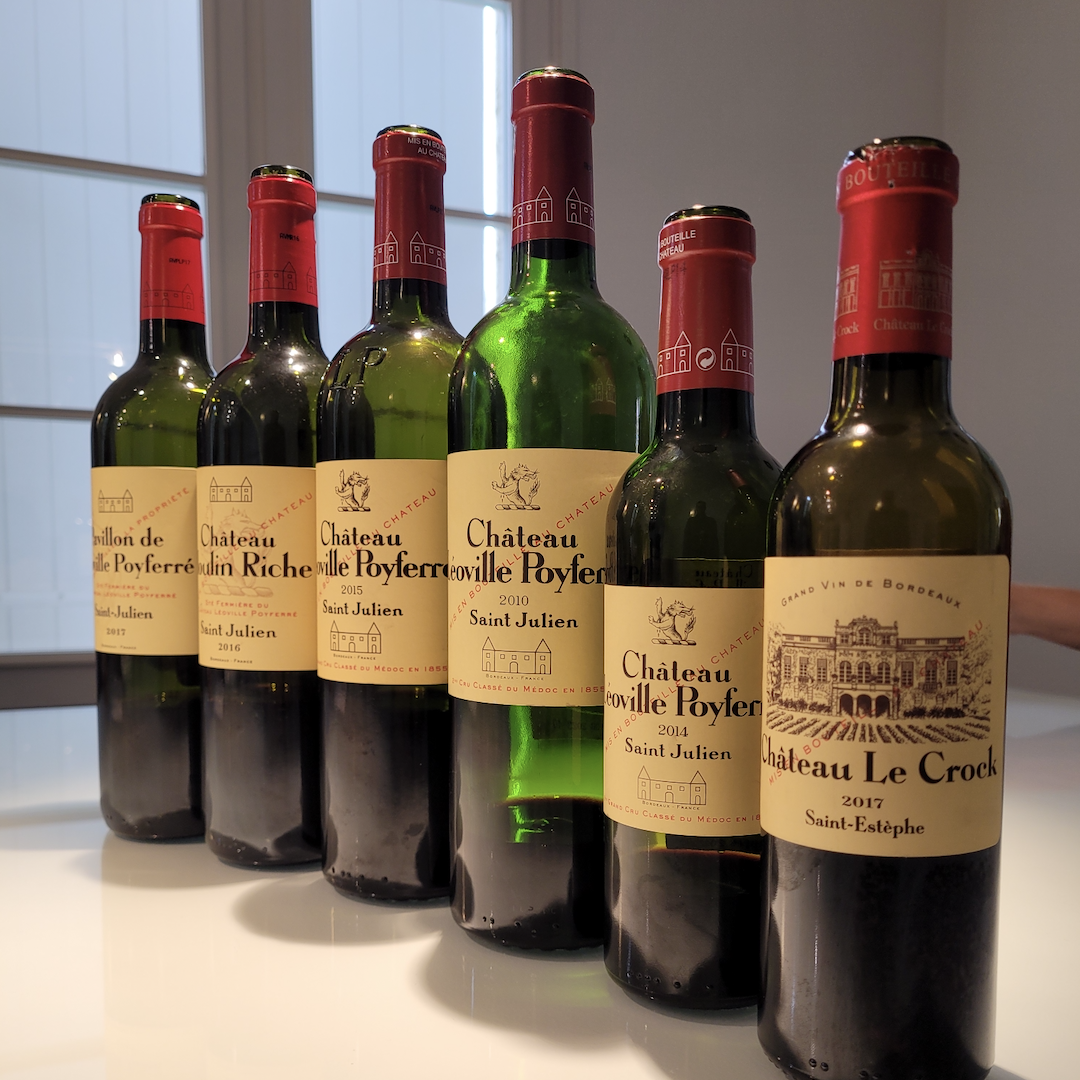
Château Léoville Poyferré Pavillon de Léoville Poyferré 2017, AC Saint-Julien

Second wine of Château Léoville Poyferré that used to include fruit from the Moulin Riche vineyards but is now exclusively from Poyferré estate. The blend in 2017 begins with 58 percent cabernet sauvignon, followed by (27) merlot, (9) cabernet franc and (6) petit verdot. Two weeks of harvest began on September 20th and while this does not come crashing over the palate or clamp down with a wall of tannin it does instead fill and grip like one wishes it would. This after six years from harvest and with settled balance. A fine wine in a fine place wth sweet balsamic acidity and just that right amount of polish. Drink 2023-2027.  Tasted September 2023

Château Moulin Riche 2016, AC Saint-Julien

A late or maybe better said classic harvest, from October 5th to 20th with nearly two-thirds cabernet sauvignon plus (26) merlot and (11) petit verdot. A vintage so very rich in wood, texture and spice. Carries a lot of wood and does so very well but the ambition mimics or rather falls into line with the Grand Vin of Château Léoville Poyferré. No cabernet franc and it shows, with an absence of pyrazine and roasted nightshade but instead more decadent chocolate ganache and fine, fine coffee. Finishes long and strong. Should very well last a good bunch more years. Fulsome and a Bordeaux on the edge of Saint Julien with focus and trenchant purpose. Drink 2023-2029.Tasted September 2023

Château Léoville Poyferré 2015, AC Saint-Julien

Harvested in classic timely fashion, from the 24th of September through October 10th and the blend is eerily similar to the ’16 Moulin Riche. The difference being there is some cabernet franc (3 percent) with (6) petit verdot. This is indeed a St. Julien that saw, soaked up and made use of its barrels, in the most substantial and luxe way. Chewy appellative wine, spiced and more floral than expected. Acids are exceptional for 2015 and tannins are certainly no slouch. A big LP pressed to both sides, each running longer than 40 minutes. Drink 2025-2034.Tasted September 2023

Château Léoville Poyferré 2014, AC Saint-Julien

The blend is 60 percent cabernet sauvignon, (35) merlot, (3) cabernet franc and (2) petit verdot. The underrated and understated vintage strikes again though it feels like St. Julien matures a little bit quicker than Pauillac. There are some leathery and drying fruit secondary notes with the very beginnings umami of truffle and cèpe. In lovely condition and ready for consumption. Drink 2023-2028.Tasted September 2023

Château Léoville Poyferré 2010, AC Saint-Julien

Warm vintage and while it really shows it’s also quite floral, lifted and refined. ’Twas an 18 day harvest culminating on October 18th with the finished blend at 56 percent cabernet sauvignon, (34) merlot, (7) petit verdot and (3) cabernet franc. So much wood and hard to believe how little this has matured but also how much the structure needs to allow fora settle. A truly magnanimous and blanketing vintage, a flannel of warmth and nurture for a wine’s thick and unctuous texture. Return in 18 months to two years to see what’s what and where it’s at. Drink 2024-2034.Tasted September 2023

Château Lagrange

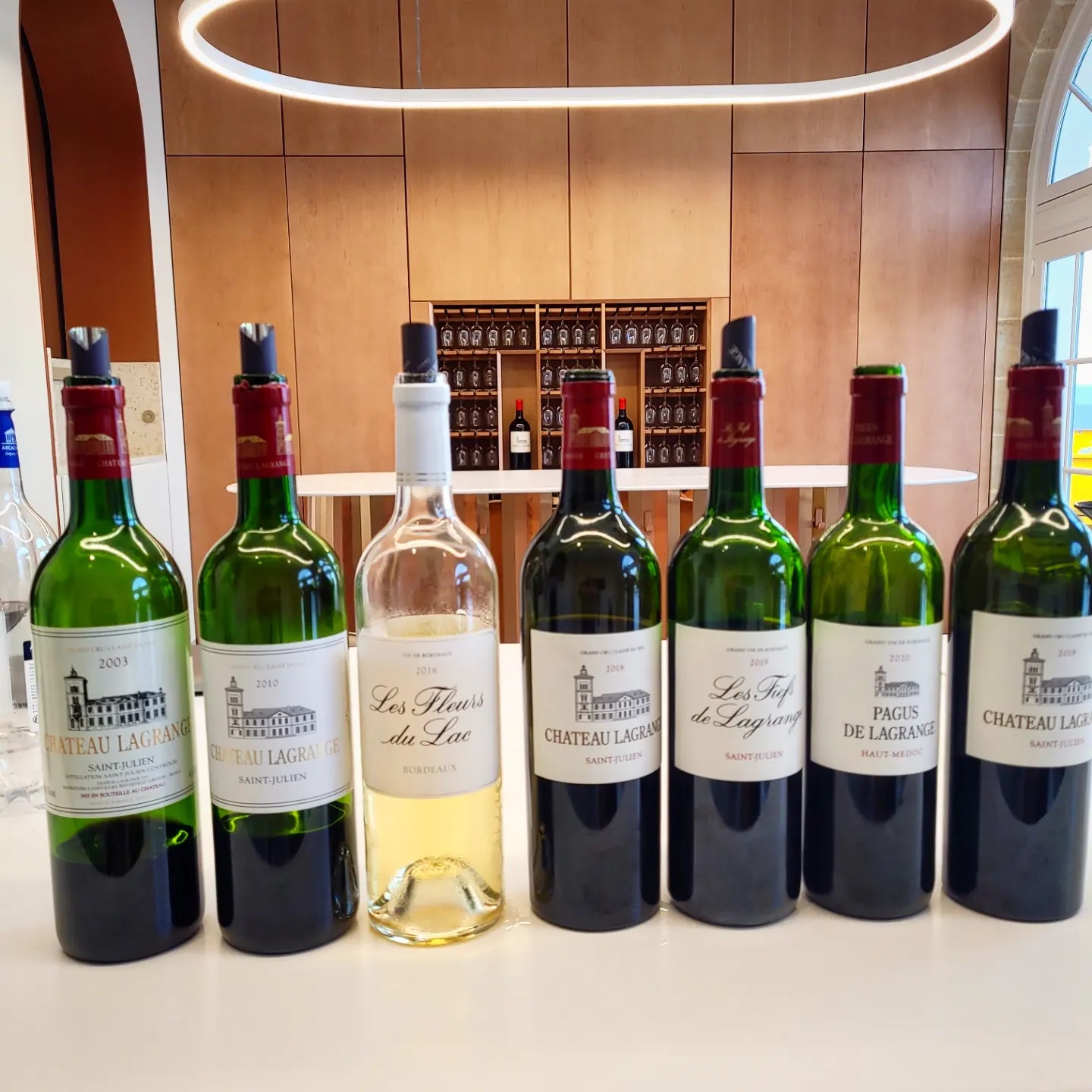
Château Lagrange Les Fiefs de Lagrange 2019, AC Saint-Julien

The second wine of Château Lagrange that came about because until 1982 all the best plots created the grand vin. A second wine needed to be created for the remainder of the grapes, thus the first vintage was 1983. The next stage happens with Mattieu Bordes and his wish to separate the plots themselves, for the first and second wines. And so there is more Les Fiefs made and the average vine age pulled for this wine is 30 years-old, with some 55-60 year-old vines participating in the final blend. Lowest blocks below the slope are here, more importantly because of the composition of those soils. A high caste, highly thoughtful and thorough Les Fiefs that made up 70 percent of the vintage’s total production. The blend in 2019 was 53 percent cabernet sauvignon, (44) merlot and (3) cabernet franc. True red fruit 93vintage, of the sweetest acids, now wholly approachable and in a great window of accessibility and responsibility. Freshness persists, hot vintage or not (aren’t they all) and easily the finest second wine Lagrange has ever produced. Drink 2023-2029.   Tasted September 2023

Château Lagrange Grand Vin 2019, AC Saint-Julien

Smaller quantity because more Les Fiefs (with a higher amount of merlot) was made out of 2019 and so this 40 percent of production was a blend of 80 percent cabernet sauvignon with (18) merlot and (2) petit verdot. Another 2019 that can actually be consumed now or maximum two years from now. Should but will almost for sure go another 15 years. A chewy ’19 and both the wood and also tannin are grand, though also sweet, enticing and overall quite amenable. A special third growth wine to be frank and sure, not to mention great value as compared to others in Saint-Julien that cost 2.5 or three times the price. Brilliant stuff that’s affordable and happy to please. Drink 2024-2035.  Tasted September 2023

Château Lagrange Grand Vin 2018, AC Saint-Julien

Very warm vintage (though ’19 and ’20 took it further) and so expect richness, concentration and also layers of tannin. Truthfully speaking the acidity climbs the ladder and perches at this very high level to match, buoy and elevate that fruit. A vintage of small berries with 45 percent skins and (55) juice that could not be heavily extracted. Which it was not and so there really is very little austerity, though there is tension and grip. This was the highest level of VA ever (so only at 0.59 g/L) but compared to the 0.4-0.5 usual number it is noted indeed. Th alcohol is 14.76 but it feels like 14, or even less. Especially if the wine is just so slightly chilled and because the wood on Lagrange never interferes with its bright and pure red fruit. So feel free to give them a bit of a chill. Less wood (at only 60 percent new) and it shoes in the best, fresh and easiest going way. By the way the blend out of 2018 was 67 percent cabernet sauvignon with (28) merlot and (5) petit verdot. Drink 2024-2032.   Tasted September 2023

Château Lagrange Les Fleurs du Lac 2016, AC Bordeaux

A second wine to the top white Médoc made by Château Lagrange and here at seven years of age. The blend is 60 sauvignon blanc and 20 each sémillon and sauvignon gris, in delivery of citrus namely but more than one variety and at this point quite fleshy and gelid. Showing some maturity but how could it not and there is some exoticism and fantasy here. That includes mango and passion fruit but the wine shows its lees with distinction. Acids are present and persistent though nothing that could be called excitable. Pretty solid second wine in white clothing. Drink 2023-2025.   Tasted September 2023

Château Lagrange Grand Vin 2010, AC Saint-Julien

Huge perfume from this 75-25, cabernet sauvignon-merlot Lagrange which was (at the time) the second highest amount of cabernet sauvignon in a grand estate wine. There is some pine evergreen in this vintage and tasted blind I would suggest a cooler vintage, perhaps 2014 but there is more concentration and a tighter grain of tannin. Amazing freshness and persistence so despite some ‘10s being mature and advanced this is really fresh. Liquorice, a meatiness almost charcuterie but not quite and plenty of fresh fruit. Drink 2023-2029.   Tasted September 2023

Château Lagrange Grand Vin 2003, AC Saint-Julien

An older vintage of Château Lagrange composed of 57 percent cabernet sauvignon with (33) merlot and (10) petit verdot that has more than stood the test of time. Especially because 2003 was warm but this is as about as fresh a vintage wine, especially for Saint-Julien, as there surely was ever made. The red fruit, the liquorice like the 2010 and more elasticity here. Incredible that it has remained this fresh, vital and energetic. Truthfully. Drink 2023-2027.   Tasted September 2023

Saint-Estèphe

Château Cos Labory 2018, AC St Estèphe

The last acquisition by Michel Reybier (owner of Châteay Cos d’Estournel) and a property of 35 hectares with southwest slopes (as opossed to those of northeast at Cos). “The idea,” explains Géraldine Giroux “is never to swallow Labory into d’Estournel but to commit to keeping and making it a terroir driven wine that will compliment.” The 2018 is a gritty, tough, grippy and well, classic Saint-Estèphe of a linear and upright style. The purchase happened in April of 2023 so the wine is still very much one of its previous owners, they being the three brothers and custodians of the estate. Production will be kept at 80-90,000 bottles with the style moving into one that will be modernized, more easily accessible and less oak-aged. Plenty sturdy this ’18, local, parochial and austere. Needs two years to arrive at its first destination. Drink 2025-2031.  Tasted September 2023

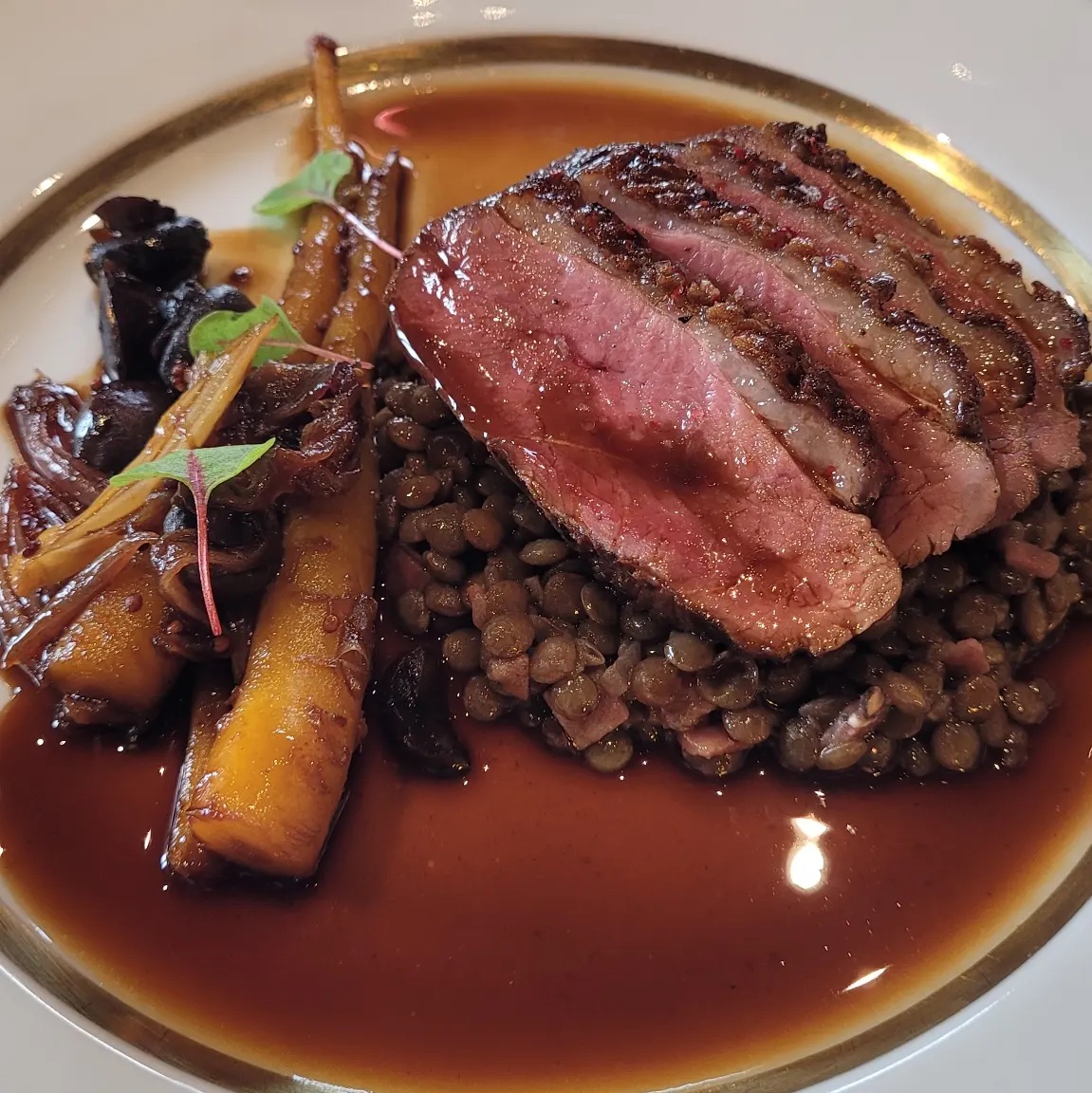
Duck, Château Cos d’Estournel

Château Cos d’Estournel 2014, AC St Estèphe

Indelibly stamped with its particular Saint-Estèphe DNA and to be honest at nine years of age still an impenetrable and immovable force. An earliest stage of development, crawling through infancy, likely because there was much less rain in this part of Bordeaux and so picking choices/times were more about the team’s discretion. Freshness persists, as do spice notes and tobacco. Balanced yet tight, not rigid but instead elastic despite its impenetrability. Silken, like liquid cocoa, high-toned, with a surety of confidence and high quality fruit. The purity makes us trust what it will become and how this ’18 will slowly evolve over the next two decades. Drink 2025-2038.  Tasted September 2023

Château Le Crock 2017, Saint Estèphe

From a property purchased in 1903 by the family that owned Poyferré, meaning the sister after the estate was split from Léovile Las Cases post French Revolution. Minty cool, tart, tight and burgeoning with 2017 acidity. Not as fine as either Moulin Riche and obviously not close to Château Léoville Poyferré but the quality, winemaking and yeoman work are perfectly commendable. Le Crock should be there to pair with what’s in your pot. Drink 2023-2026.   Tasted September 2023

The gravels of Phélan Ségur

Château Phélan Ségur 2022, AC Saint-Estèphe

Barrel Sample – Hard not to hear the excitement over the 22s and though this is an en primeur tasting it is is already blended from a neutral barrel. Divine attention and distinction here and worthy of being praised as the best Château Phélan Ségur there has likely ever been made. At least in very modern times and a wine that is the result of new ownership, direction and experimentation, especially indigenous yeast strain work. Lots of wood yes but also fruit off the charts, a sexy swarthiness, sweet acids and equally elegant tannins. This will woo, attract and impress but please, allow it to settle in. Drink 2026-2038.  Tasted September 2023

Château Phélan Ségur 2021, AC Saint-Estèphe

A challenging one but oh so very perfumed, spiced to the hilt and aromatically chalky. Some verdancy, a real savoury element but not like the umami of 2014. Unique vintage, three quarters cabernet sauvignon with (21 percent) merlot and (4) petit verdot. Pine or cedar boughs, take your pick but evergreen is a thing. Really young and far from showing any maturity, to no surprise but my this is a tight but surely focused Bordeaux. Says colleague John Szabo M.S., “très flatteur.” Drink 2025-2034.  Tasted September 2023

Château Phélan Ségur 2020, AC Saint-Estèphe

It seems already that 2020 shares some affinity with 2015 in that beauty, warmth, substantial fruit and accessibility are all apart of this beautiful package. Just a bit more than half cabernet sauvignon wth (42 percent merlot) and (2 each) petit verdot and cabernet franc. Not as warm a vintage and maybe not quite ready but it’s surely getting close. Carries that Château Phélan Ségur feeling that is not just Saint-Estèphe but truly speaking of and from this two-toned terroir. Drink 2025-2031.  Tasted September 2023

Château Phélan Ségur 2019, AC Saint-Estèphe

The blend in 2019 is 56 percent cabernet sauvignon with (42) merlot and (2) cabernet franc and while there is a tightness that persists there is no lack for heavy fruit and fuel. The wood is big, grip is formidable and tannins remain mired in the gravel and clay, not nearly wanting to release the fruit for accessible play. But the concentration and precision are wholly impressive and the impression left is serious indeed. Not a complicated year but the wine is stiff and knows how important it is and what it will be. No gamble here – age this 10-12 years and it will become as fine a Château Phélan Ségur as ever, especially in this new Belgian ownership-led era that began just a year earlier. Drink 2025-2036.  Tasted September 2023

Château Phélan Ségur 2018, AC Saint-Estèphe

The blend in 2019 is 57 percent cabernet sauvignon with (43) merlot straight away and of the last five vintages this is expressive of the least amount of fruit concentration. As such the wood shows greater and with more chocolate, espresso and spice. Huge wine but not across all of its constituent parts, but time is surely needed to see it soften. Food wine as well, a must because the fruit deficiency will require salty protein. A leathery and cedar-woody Château Phélan Ségur but they are all their own children so treat this with as much love as all the rest. Drink 2025-2029.  Tasted September 2023

The Canadians with Château Phélan Ségur Managing Director Veronique Dausse

Château Phélan Ségur 2017, AC Saint-Estèphe

The blending is always more or less 55 percent cabernet sauvignon and (45) merlot. A precise, direct and understood Saint-Estèphe as the story is told and explained by Château Phélan Ségur. High aromatic concentration and intensity but also wood that has yet to fully integrate into the heavy fruit elements of this still fresh and pulsating wine. Acids are felt on a palate that sends you back for a perfume in reprise, with violets and a whiff of unlit if also sweet tobacco leaf. The most complex of the three wines tasted together (with ’15 and ’14) because it’s both beautiful and austere. Needs just another year, whereas the ’14 asks for two and the ’15 already easily ready to go. Drink 2024-2033.  Tasted September 2023

Château Phélan Ségur 2015, AC Saint-Estèphe

A normal vintage with a bit more cabernet sauvignon (at 57 percent) and a finish to harvest after the most beautiful August and September. Fulsome and substantial Saint-Estèphe, accessible even now so therefore an earlier to drink vintage that attracts plenty of international attention. Still the DNA indeed links it to both 2014 and 2017 to tell us that vineyards and terroir are ultimately what make this wine. Drink 2023-2028.  Tasted September 2023

Château Phélan Ségur 2014, AC Saint-Estèphe

In 2014 the blend was more cabernet sauvignon dominant at 65 percent but harvest had to happen late to make sure ripeness gained as much as possible. Quantity declines but 2014 is the sleeper vintage, especially in this appellation and the wine is still shy, closed and yet to truly emerge. Tannic and a bit austere with some verdancy though it’s a really unique and grippy kind of savoury. A Château Phélan Ségur of true umami, unique and intriguing, a wait and see what it still may become kind of Bordeaux. Give it another year, preferably two. Drink 2025-2031.  Tasted September 2023

Château Montrose

Château Montrose La Dame de Château Montrose 2012, AC Saint-Estèphe

Back in 2012 the blend was 76 percent merlot and (24) cabernet sauvignon, the merlot coming from the western terraces and also those closest to the river. Not considered a second wine but a separate entity, mainly because it is one of those rare high-end merlot dominant wines on the West Bank. Horsey with Brettanomyces present which was likely a vintage specific thing and now that the aromas are well into the secondary it really stands out. Great texture, riveting actually if also making for some hard and brittle moments but the palate does not express the fault as much. Will be a difficult wine for some because of the funk though many will enjoy the 50-60 day aged prime rib aspect to the wine. Would have shown its best a few years back though complexity is more than exemplary. Drink 2023-2025.  Tasted September 2023

Château Montrose La Dame de Château Montrose 2017, AC Saint-Estèphe

A merlot (49 percent) and cabernet sauvignon (43) with (4 each) cabernet franc and petit verdot form what was simply, unequivocally and surely a lovely vintage, especially in Saint-Julien and here in Saint-Estèphe. Might have been hot in Italy and warmer in Bourgogne but not in Bordeaux. All that said this ’17 is really pretty, so very floral of iris and violet, blue to black fruit as per this appellation and the chalkiness has now come into this most ideal liquidity. A sharp, simply beautiful, elegant and palate skimming Dame of true glissade. Drink 2023-2027.  Tasted September 2023

Château Montrose 2019, AC Saint-Estèphe

Top ranking vintage for Bordeaux as a rule but for Saint-Estèphe the glory is real. A passionate Grand Vin in total control of its senses and emotions, the florals adding red roses to the violets and then also some red fruit to complete the whole spectrum possible. As upfront and immediately gratifying as a Montrose could possibly be and yet the reigns must be pulled back because getting ahead would be wrong. That said there is more beauty and accessibility on the palate while the acids strike that amazing accord between sweetness and tight intensity. They are in control along with lace-pulled tight tannins that loosen and then tighten again. They tease and then pull back so that the palate and senses are managed, encouraged to not be too excited and look to the future. The ’19 Montrose expresses no highs or lows and is simply a semi-salty wine of perfume, colour, self-reflection and response. Drink 2026-2039.  Tasted September 2023

Château Montrose 2012, AC Saint-Estèphe

The eleven years have brought about the early workings and meanderings of secondary character and there is some funk involved, if fractious as compared to La Dame. Here cabernet sauvignon at 62 percent leads, with (32) merlot, (4) cabernet franc and (2) petit verdot. The Grand Vin comes from the central terraces of the estate between the plots on the river and the merlot to the east. True blue florals and that classic blue to black Saint-Estèphe fruit. Still quite tannic though they are softer and sweeter than they must have been, even just two or three years ago. In the end it’s hard not to see this 2012 as beauty incarnate. Drink 2023-2032.  Tasted September 2023

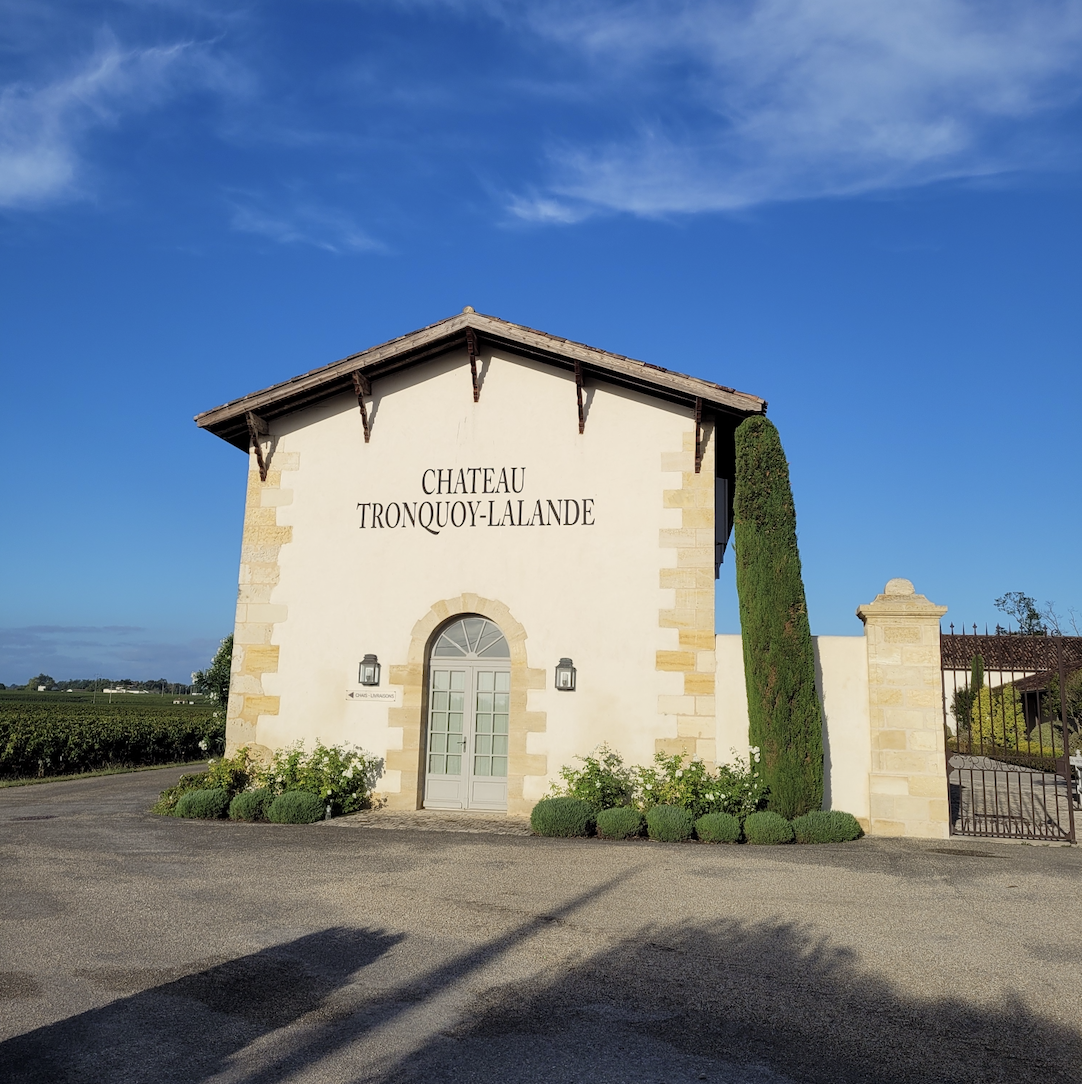
Château Tronquoy 2019, AC Saint-Estèphe

Used to be Château Tronquoy-Lalande but the L was dropped in 2019. Different winemaking team but sharing information, research and philosophy with older sibling (and same ownership) Montrose. Soils are really gravelly with larger stones like Châteauneuf-du-Pâpe, a truly unique terroir for Saint-Estèphe for wines that punch well above their (lack of) classification. Monsieur Tronquoy was a royalist and thus the new packaging-labelling plays on the national blue colour. The blend in 19 is 50 percent merlot, (44) cabernet sauvignon and (6) petit verdot. More clay composition at the surface in the Tronqouy soils as opposed to sister property Montrose (and also Dame de Montrose) where that clay lays lower, below the sand and gravels. Freshness and major perfume, a gloriously floral Saint-Estèphe from the most generous of vintages. Violets and roses, berries and currants, just a mess of flowers and fruit. Not without a chalky tannic presence so another year will help bring it all together. Like a Premier Cru Santenay as a Bordeaux from clay that really comes to play. Highest end production resulted in 90,000 bottles out of 2019. Drink 2024-2028.  Tasted September 2023

Château Ormes De Pez 2016, AC Saint Estèphe Cru Bourgeois

The land was purchased in 1942 by Jean-Charles Cazes’ grandfather, after first investing and farming in 1939. Having just tasted the 2009 Château Ormes de Pez this 2016 comes with acquired knowledge. Knowing now what was not known before, that being excellence will most surely come 13-14 years post vintage, when that year was a top quality one. A king harvest, fresh as can be for a decade and a half and so the dusty and tannic nature of this ’16 is nothing to fear. The wine will begin to settle soon and reveal the great fruit of the season. High acid and leathery, balsamic quality and chalky, high in energy and also truly concentrated. Full, complete and of major potential. Drink 2025-2033. Tasted September 2023.

Château Ormes De Pez 2009, AC Saint Estèphe Cru Bourgeois

Not every chateau will have crafted and created such aromatic delicacy and satiny texture out of very good 2009 vintage but this by Château Ormes De Pez is one such example. An impressive back vintage showing for the property acquired by Jean-Charles Cazes’ grandfather in 1942. Drink 2023-2026.  Tasted September 2023

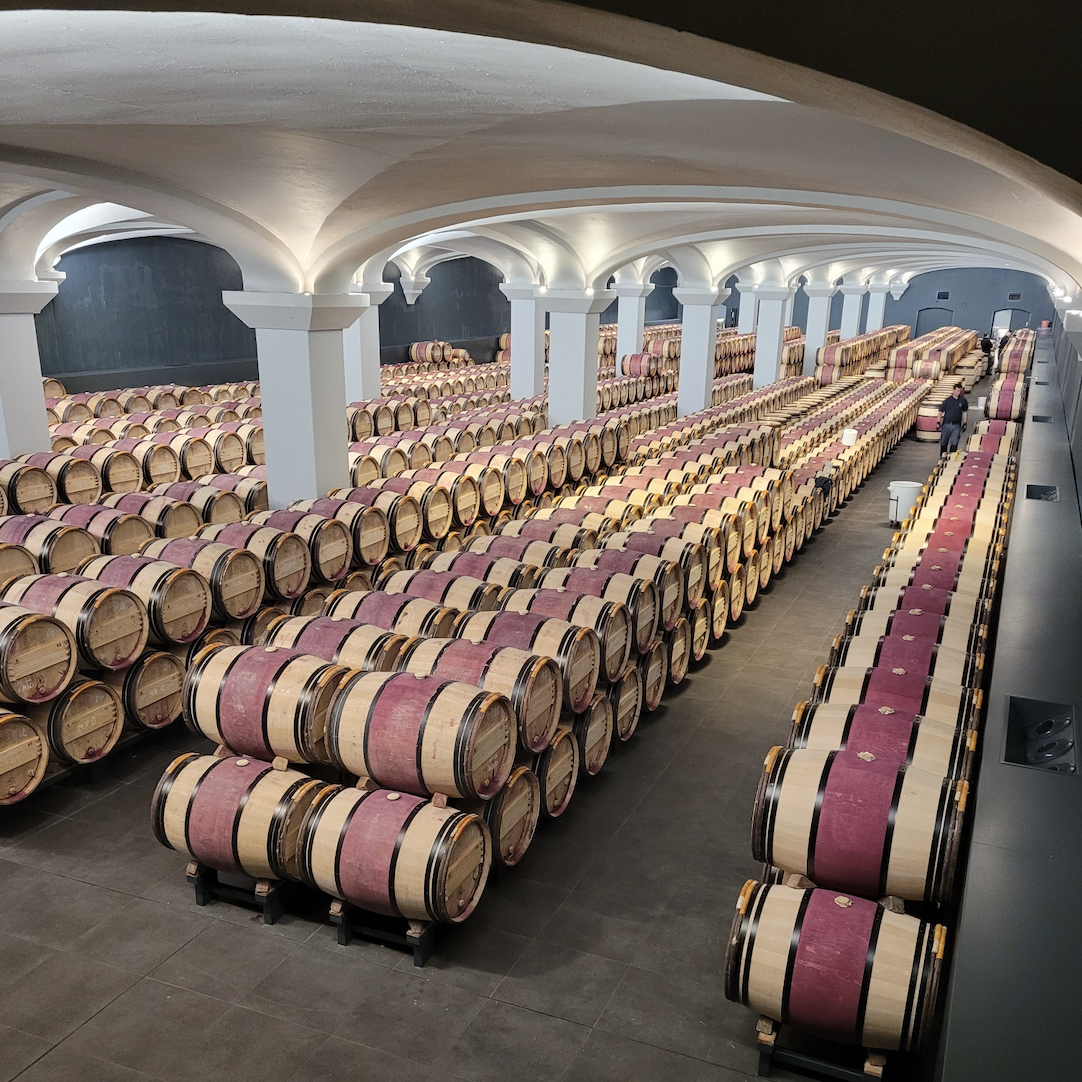
Cellars at Château Margaux

Margaux

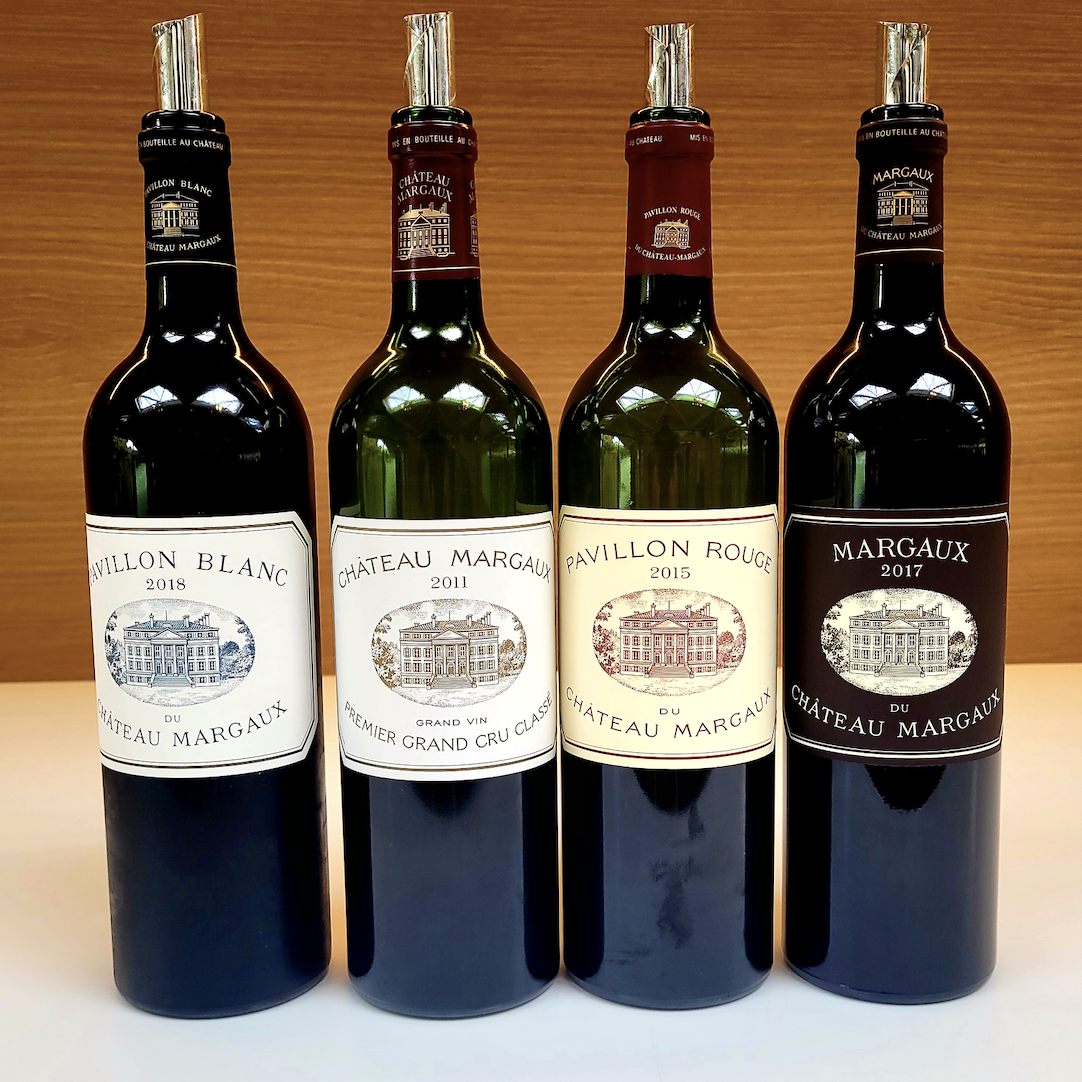
Château Margaux Margaux de Château Margaux 2017, AP Margaux

First vintage was 2009 and today it’s the third of four wines made at Château Margaux, all created with estate fruit. Big fruit concentration and a notable chalkiness, limestone aromatic and also texturally speaking. Chewy Margaux, of two-toned liquorice and then what just feels like how we imagine graphite to translate into Bordeaux. Again it is 2017 that delivers great acidity while the substantial fruit variegates, mostly in fresh notes but with moments of leathery dried and skin musky as well. Third wine perhaps but truly persistent and leaving a lasting impression. The blend is 64 percent cabernet sauvignon, (32) merlot and (4) petit verdot. 13.5 percent alcohol. Drink 2023-2027.  Tasted September 2023 

Château Margaux Pavillon Rouge de Château Margaux 2015, AP Margaux

The getable season, especially now in an eight year past vintage state, fruit still as fresh as can be. That said the wood in dark chocolate and macchiato tones delivers full blanketing coverage while also locking this 2015 in a state of immovability. Will become something so very fascinating as a mature 2015 with notes that imagine stewed plums and shoe polish but again there is the current if always in flux state of affairs for a wine that will change quite a lot over the next five years. 14 percent alcohol. Drink 2023-2029.  Tasted September 2023

Château Margaux 2011, AP Margaux

Twelve-plus years forward and talk about tight, but also precision and passion. High acid vintage and more merlot than more recent times so expect a verdancy and also a softness in the fruit that variegates into the next level organza of the cabernet sauvignon. The 2011 has yet to truly advance further forward into secondary territory but the hints are there and the moment seemingly imminent. The vintage is linear, upright and minty cool, here in Margaux as it was similarly in Pauillac, but what separates in this appellation are the florals, violets namely and also Cassis. Long and persistent Margaux, rich if elastic. 13 percent alcohol. Drink 2023-2036.  Tasted September 2023

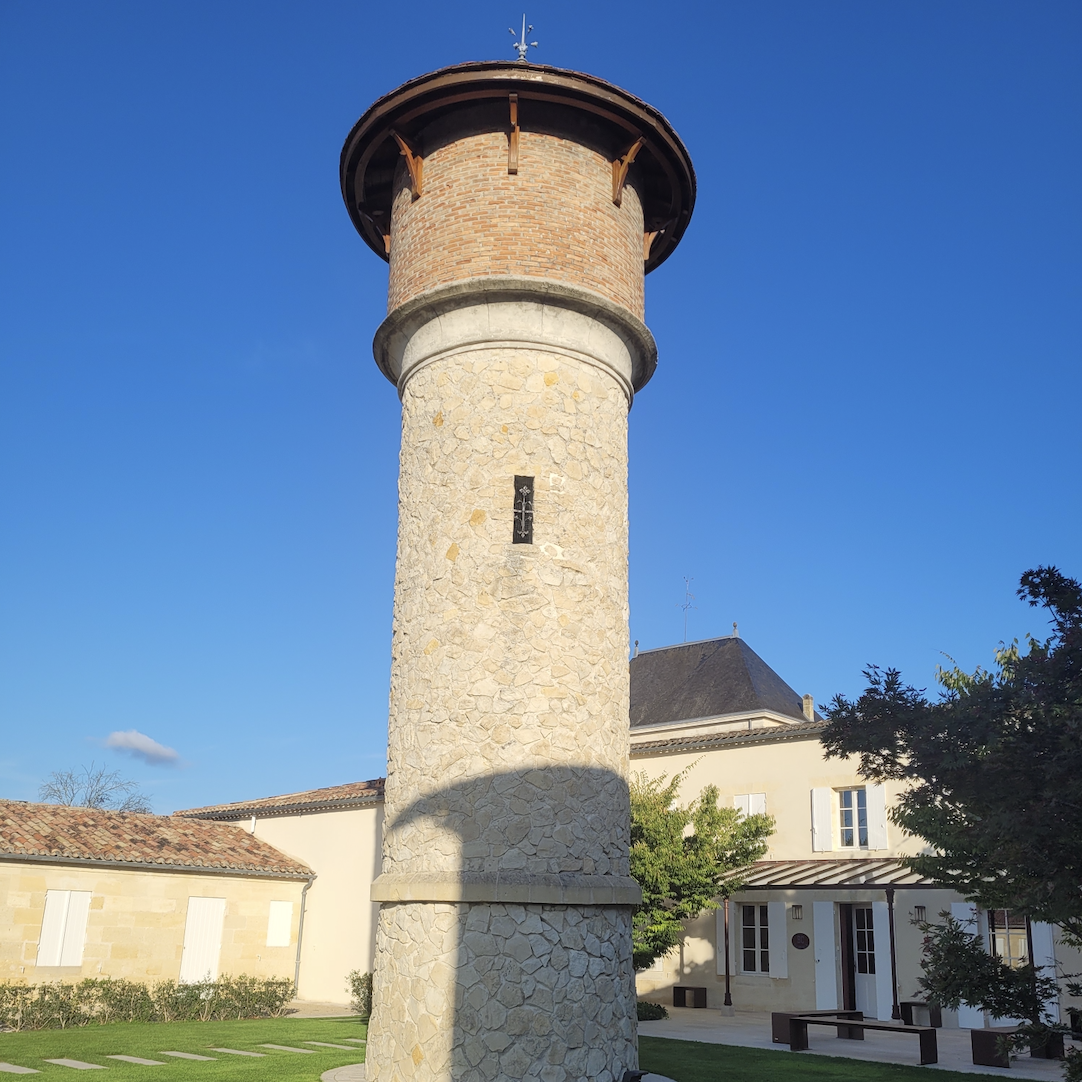
The tower at Château Brane Cantenac

Château Brane-Cantenac Margaux de Brane Henri Lurton 2021, AC Margaux

Referred to as the third wine for Château Brane-Cantenac but really more like a licensee level of quality, for opening today and tomorrow. Mostly young vines and from everywhere, meaning it’s the only one of the three that is a selection. No matter because is carries the DNA of the place and at this stage in the estate’s evolution is part of the newer winemaking and agriculture. More cabernet in this vintage and there are faint memories of a vintage’s tannins and truly a wine deigned for by the glass pours, always representative of Margaux. Drink 2023-2026.  Tasted September 2023

Château Brane-Cantenac Margaux de Brane Henri Lurton 2020, AC Margaux

The third wine from Château Brane-Cantenac meant for restaurants with the DNA and current quality of the estate’s evolution. Mostly young vines fruit but what is essentially a selection of all the plots and blocks. Makes use of the “plateau,” an area closer to the D2 where vines produce fruit that can be consumed early. The round introduction and with an extra year of age it really is in that ideal window. Higher percentage of merlot while this 2020 carries more tannin than the 2021 and so this extra year really matters – but the wine will drink well for another three years. Drink 2023-2026.  Tasted September 2023

Château Brane-Cantenac Baron de Brane Henri Lurton 2021, AC Margaux

Barone is the second wine for Henri Lurton and his Château Brane-Cantenac, aged in barriques, 20 percent new for approximately two years. Coming from two terraces, three and five (primarily) levels of the plateau not only recognized by the estate but also other Margaux estates that share these levels of terroir. This from 2021 is remarkably substantial of fruit, much more so than the Margaux de Brane but they are both easy and lovely wines. The tannins are quite fine here and the quality high from a really perfumed Margaux of that classic purple fruit. Only this appellation carries this quality and character, neither red, nor blue nor black but a mélange of all three. Drink 2023-2028.  Tasted September 2023

Château Brane-Cantenac Baron de Brane Henri Lurton 2020, AC Margaux

More cabernet sauvignon from 2020 and therefore a real grip, restrained power and extraction matched or fold by richness. Might only be three or four percent but trust that it makes a difference. The tannins in this second wine for Château Brane-Cantenac are in charge and there is more tension than 2021 which goes against the fresh maturity of the wine. This specific plateau parcels’ blend looks at terraces three and five and makes them sing in harmony, though another year (or two) would be helpful to settle the grip (which to someone who has been there reminds of 1996), bring things together. Drink 2023-2029.  Tasted September 2023

Château Brane-Cantenac Grand Cru Classé Henri Lurton 2021, AC Margaux

A whole other matter above and beyond the 2021 Margaux de Brane and Baron de Brane, third and second wines respectively for Château Brane-Cantenac. The Margaux DNA and tannin come from terroir is up front, in charge and so very serious for the estate. Fine, fine grains in chains of structure dictate the whole but the parts really begin with perfumes that are purely, expressly and for some, ostensibly Margaux. Liquid chalky already and more than hinting at the beauty and balance that are surely positioned at the not too distant horizon. Truly pretty, perfumed and charming Margaux, wise and knowing what needs to happen, which is great harmony before too long. Drink 2025-2034.  Tasted September 2023

Château Brane-Cantenac Grand Cru Classé Henri Lurton 2020, AC Margaux

This previous to (2021) vintage of the Château Brane Cantenac is a bit more closed and grippy but also less perfumed as compared to that following Grand Vin. That said the DNA combination of Margaux perfume and a palette of cool fruits mixed into a beautiful purple florality bring a quality of fruit that is more than just a little bit distinct. Nothing vegetal or earthy about this, nor could there be, especially considering the appellation. The winemaking fully respects what must be done, to extract gently (if with more vigour than the 2nd and 3rd estate wines) because the top plots and blocks supply the necessary drupe and fodder for top quality, harmony and balance. Reps the property with distinction and also finesse. This needs three more years to integrate and show its best. Drink 2026-2036.  Tasted September 2023

Château Marquis de Terme – Cuvée 1762 2018, AC Margaux

Pricing matters and it should be noted that the 2018 Château Marquis De Terme 2018 is $80 at the SAQ and the 2019 available at the LCBO is $86.85. This may be considered a “lesser” vintage (and 2019 is certainly a top quality one) but there can be some amazing diamonds in the proverbial Bordeaux rough when scores and/or hype are downgraded. Especially if a 4th Growth like this Margaux is expressive of low-level duff and earthy flavours. Which is the case here and it is recommended to both decant and allow time in the glass to urge forward, coax and draw out the famous Margaux perfume. Who could not love a high acid vintage and one equipped with sneaky structure? This is the Marquis’ quiet stature and joker of a playing card, to deliver subtlety and potential when many think it’s just not there. This will surprise many naysayers and at the price represents about as low risk a purchase as there is in growth Bordeaux.  Last tasted January 2024

Hard to deny the Margaux style and content with a perfumed and silky Bordeaux that deals in appellative realities. Liquid chalky tannins for a classified growth right in the centre of that appellation and a wine that refers to the year when the Marquis de Terme first began to produce a cuvée. True cabernet sauvignon based Margaux, very much in common with Brane Cantenac but also Rauzan-Ségla and Château Margaux. A finessed 2018 from a warm vintage, focused and just as precise as exception would demand. Put it aside for two more years before knowing that the brightness and freshness of its charm will surely come forth. The blend is 77 percent cabernet sauvignon with (18) merlot and (5) petit verdot. Drink 2025-2033.  Tasted September 2023

City vineyard at Château des Carmes Haut Brion

Pessac Léognan

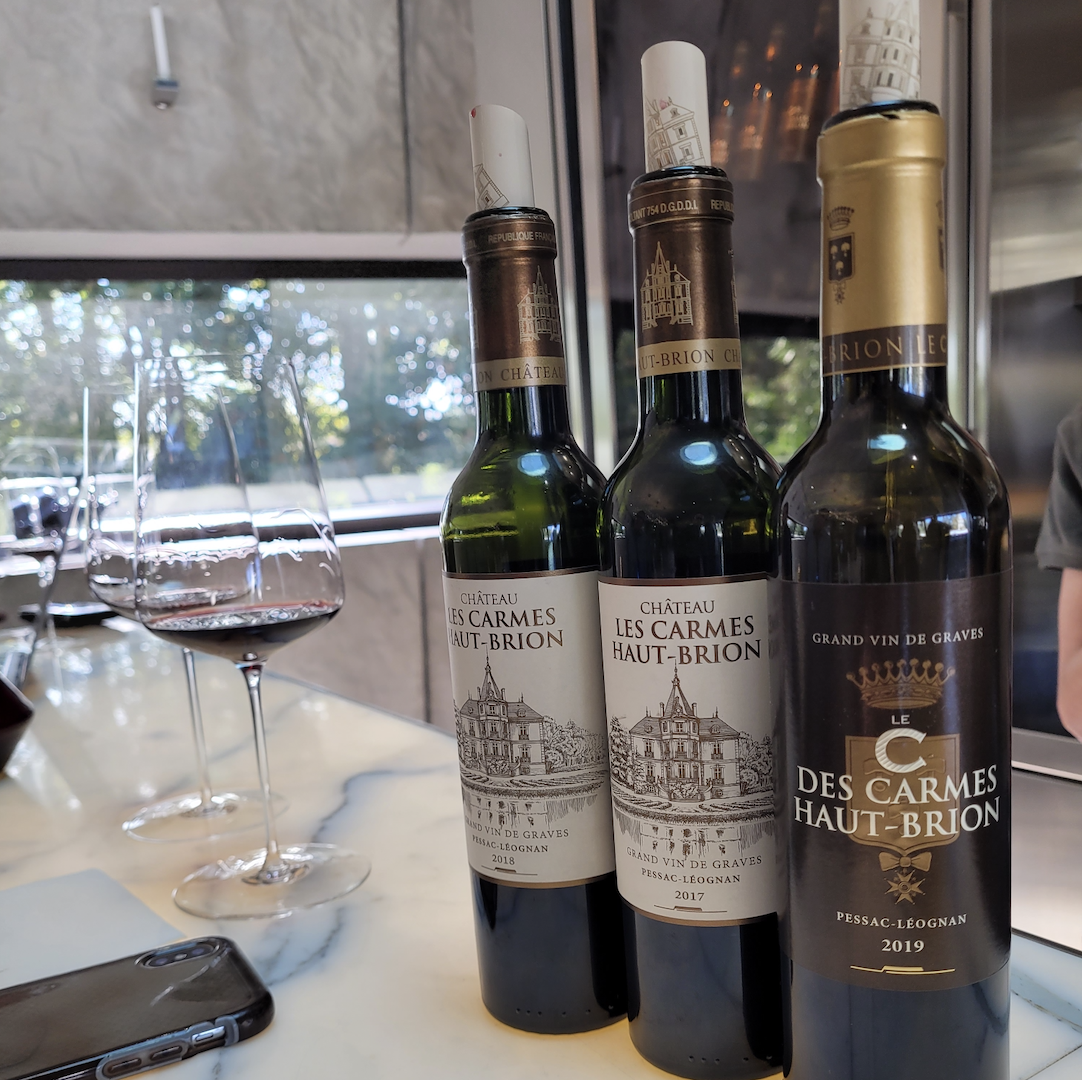
Château Les Carmes Haut-Brion Le “C” des Carmes Haut-Brion 2019, Pessac-Léognan

Not made from the city Clos vineyard but from the 35 hectares in the countryside of Pessac-Léognan. A mix of 60 percent cabernet sauvignon, (38) cabernet franc and (2) pest verdot made with a maximum of 30 percent whole bunch, only on the cab but also on a portion of the cabernet franc and the petit verdot (in warm vintages), as this surely was. A crazy concentrated and also spicy vintage. Two years in (30 percent new) wood plus six months in concrete vat. A lovely combination of 13 percent alcohol restraint and high (3.6-3.7) pH for a wine of salt and pepper seasoning, Pessac savour and country character. Beautiful rusticity, fine chalky tannins and length down a long gravel road. Will age quite well, likely beyond expectation. Drink 2024-2030.  Tasted September 2023

Château Les Carmes Haut Brion Grand Vin De Graves 2018, AC Pessac Léognan

Extremely different vintage but not like ’17, here with much darker, riper and developed fruit. Freshness would have to have been a challenge but at 13.5 percent alcohol and high pH there comes this ulterior freshness with texture imposed by great and forceful will. More active infusion earlier on because there was so much colour and extraction on hand from a vintage where the blend was nearly the same as that of 2017. That being 38 percent cabernet franc, (35) cabernet sauvignon and (27) merlot. There really is no other chateau that creates this style, a mix of salt and pepper seasoning over blue to black fruit and in 2018 the whole bunch inclusion was 60 percent. If you are buying high end Bordeaux from 2018 then Château Les Carmes Haut-Brion is the place to be, though it’s likely sold out wherever you may live. Just about nothing else in the Left Bank finds this level of quality, balance and success. The whole bunch “infusion” methodology controls the heat and excess of the vintage to deliver finesse, precision, restraint and honesty. Drink 2025-2038.  Tasted September 2023

Château Les Carmes Haut Brion Grand Vin De Graves 2017, AC Pessac Léognan

In 2017 the whole bunch number was 45 percent for 42 percent cabernet franc, (35) cabernet sauvignon and (23) merlot. The second vintage of winemaker Guillaume Pouthier’s infusion methods whereby whole berries and whole bunches are layered mille-feuille style for a new kind of submerged cap way of keeping juice at the top and the most gentle way of breaking down skins without any crush. More reductive a vintage but subtly so and some amphora (10 per cent) is involved as well. The spongy blue clay and gravel top soil puts this is true blue aromatic status and a state of blissful violet perfume, but also light. Those ’17 acids are even higher here from the city vineyard than even Pauillac and Saint-Julien, rising to a crescendo where cabernet franc truly sings and tells a Pessac-Léognan story from within the Bordeaux city limits. With a little bit of noted, accepted and desired greenness it requires saying. As balanced as 2017 is want and will ever hope to be. Drink 2024-2033.  Tasted September 2023 

Château Haut-Bailly

Château Haut-Bailly Haut-Bailly II 2021, Grand Vin De Bordeaux, Pessac-Léognan

Haut Bailly II began in 2018 and the third wine is called HB, allowing for a selection to be made for the II. Late-ish harvest from September 27th to October 11th for a blend of 70 percent merlot, (25) cabernet sauvignon, (3) cabernet franc and (2) petit verdot. A self-professed “come a long way” vintage that would not have made it this far without the attention and protection paid to the vines. A vintage of “reaction and adaptability,” because nature threw curveballs, even more so than it had in recent weather times. Frost namely and the loss of quantity, coupled with realizing that quality is everything comes to allow create this rich and powerfully restrained Pessac-Léognan. A true second wine, savoury, verdant, red fruit namely of plum, then liquorice and finally pomegranate, acids kept while pH riding high. Well thought out, designed and structured for a half life as compared to the Grand Vin that delivers substance and purity in its own, downright way. Drink 2024-2028.  Tasted September 2023

Lunch at Haut Bailly

Château Haut-Bailly Haut-Bailly II 2020, Grand Vin De Bordeaux, Pessac-Léognan

No salt and pepper from cabernet franc and petit verdot in 2020 but instead a direct messaging from (54) merlot and (46) cabernet sauvignon. A strong, firm, dusty and grippy example from a vintage of near excess but also one that allowed a winemaking team with all the finest implements to fine tune, chisel and tool the inner workings and outer-plating of an estate’s second wine. This would in fact be the cat’s meow for many an estate’s first from a 2020 that delivers far more texture and chalky inner belly than the following 2021. More grip is persistent and longevity looks into the next decade. There is a mineral aspect in this (and to an extent also the 2021) that suggests a calcium carbonate component in the clay soil. Drink 2024-2032.  Tasted September 2023

Château Haut-Bailly 2021, Grand Cru Classé, Pessac-Léognan

As with the II the 2021 is a child of a (these days) later harvest from September 27th to October 11th for a blend of 65 percent cabernet sauvignon, (22) merlot, (10) petit verdot and (3) cabernet franc. Frost and other extreme weather demands meant only one thing: Put in the maximum vineyard work to prepare the vines for quality over quantity in ways other easier seasons may not request. The DNA of a contiguous Haut-Bailly vineyard will come through regardless of which grape leads but a cabernet sauvignon dominant Grand Vin means ulterior aromatics, textures and flavours – not to mention tannins. These are three times over, first in red fruit perfumes, followed by refined liquid chalky textures and finally those super fine tannins. Very mineral – strikingly so, for Pessac-Léognan and frankly all of Bordeaux. There is a stability, persistent consistency and pervasive thoughtfulness to a mindful wine like the 2021. It stands to as one of the region’s best. Drink 2025-2037.  Tasted September 2023

Château Haut-Bailly 2020, Grand Cru Classé, Pessac-Léognan

Like the 2021 this 2020 is led by cabernet sauvignon at 52 percent but more merlot interacts and the seasoning comes from (3 each) cabernet franc and petit verdot. Deeper and darker fruit for sure, more extraction, concentration and also trenchant intention. Grippier tannins, bigger and broader of shoulders and the wine is far, far away from entering its settled, integrated and fleshy zone. For now there is much to go on, certainly to let the imagination run wild and yes, reinvention is the foundation from which this 2020 seeks excellence, approval and distinction. There is great promise here but be patient because structure holds no punches and time heals all rifts. Drink 2026-2040.  Tasted September 2023

Matthieu Laborde, Château Lagrange

Haut-Médoc

Château Lagrange Pagus De Lagrange 2020, Haut-Médoc

A warmer vintage, even besting 2018 and a blend of 58 percent cabernet sauvignon with (42) merlot. Different set of aromatics than Saint-Julien for sure, here floral and simple with very little oak aging. Just a month or three in older barrels (they are only used for up to four years at Lagrange and then sold to (owners) Santori in Japan for Whisky). Fresh and fruity with good acid and also temper. Lovely, easy and all the while with the expertise, technology, cleanliness, clarity and perfection seeking ideology of GM and winemaker Mattieu Bordes at Lagrange. Drink 2023-2026.  Tasted September 2023

Château du Taillan 2018, AC Haut-Médoc Cru Bourgeois Exceptionnelle

Ranked as Cru Bourgeois Exceptionelle in 2018, one of the top 13 Cru Bourgeois which competes against the 1855 Cru Classification. Owned by five sisters and one of the five, that being Armel Cruzes is the winemaker. A terroir that is mainly clay with merlot at the lead (70 percent) plus (20) cabernet sauvignon and (10) cabernet franc. ‘Tis is truly pleasurable Bordeaux, perfumed, liquid chalky and a lovely mix of fresh finesse and mature charm. Just that fine bit of swarthiness and grip at the back end. Give it one year and enjoy for five more, at the base minimum. Drink 2024-2028.  Tasted September 2023

Médoc

Château Cos d’Estournel “G” d’Estournel 2019, AC Médoc

G is for Goulée and this is not a second wine but rather a label for a vineyard in the northern side of Médoc close to the Gironde. Fruit comes first while dusty tannins and high acidity range in ways the Grand Vin from Saint-Éstephe does not. Plum peppery on the palate, sumptuous and also a high-toned balsamic sensation gained. The mid-palate could do well with more substance but then again not because the Médoc honesty is enough to put this and us in a playful mood. Drink 2023-2026.  Tasted September 2023

Château Castera 2016, AC Médoc Cru Bourgeois

The oldest property in the northern part of the Médoc, dating back to the 13th century, a big thing to say and possibly even true. Just smells like cabernet sauvignon, marked for the place, knowable and obvious beyond reproach. The said the blend has 65 percent merlot with (5 each) cabernet franc and petit verdot. Not quite half new wood and yet it takes centre stage with the sauvignon. This may be seven years old but it could use a few more – although the hither tannins and thither austerity will outlast what freshness of fruit would like to do the same. Drink 2025-2027.  Tasted September 2023

Bordeaux Blanc

The current vintage of the Blanc is full of fruit east and west meaning more than the orchard but also that which is rich, exotic and quixotic. Gooseberry and passion fruit come to the imagination and even the sharp acidity of kiwi. Pretty sharp and pointed White Bordeaux, beautifully balanced between fruit and acids, extract and tannin, juicy forwardness and trenchant structure. That extract is truly impressive and the tannin at the tops for seeing this wine age well for another decade at the very least. 1,000 cases are produced. Drink 2023-2033.  Last tasted September 2023

Pavillon Blanc is Château Margaux’s “baby,” a wine with a 300 year history with records indicating that red and white grapes were picked separately. Named Pavillon in the 1920s and not a second wine like the Rouge. Essentially varietal sauvignon though there are 100 vines of sémillon in just a few parcels. A continuance like few others and only 10-12,000 bottles are made. A matter of flint be design, of smoulder through elemental chemistry and something riper than what is normally thought of as sauvignon. These were Mr. Pontallier’s wishes, with a mineral finish to create a “vin de garde.” Liveliness, vibrancy and length all guarantee this dream.  Tasted September 2022

Château Suduiraut Vieilles Vignes Grand Vin Blanc Sec 2021, Bordeaux Blanc

First vintage was 2020 which is admittedly the more premium vintage of the top dry white produced off of Sauternes terroir. The bottom line is how the terroir has proven and is éefitting going back more than 20 years for dry white wines. Of course as a rule the lion’s share of sémillon goes to sweet Sauternes and sauvignon blanc to table wines but the blend here is actually higher in sém. Average vine age is 65 years for a production of 2,000 bottles. Hard to find a more premium white from and old and classic terroir in the Pauillac area. The acidity and salinity are interchangeable and matched dutifully while also impressively to extract and tannin. A very serious and precise wine that stands firm and upright, extends in linear fashion, grips the palate and unwaveringly so. Drink 2024-2029.   Tasted September 2023

Château Tronquoy Blanc de Tronqouy 2019, AC Bordeaux Blanc

“Typically” Saint-Estèphe though not legally allowed to be labeled as such and one of the only Blanc parcels in the appellation. Tronquoy is on the top of this “hill” planted to 80 percent sémillon and (20) sauvignon gris. No blanc. Planted 16 years ago (2007) and a unicorn in the middle of their red vineyard. Fermented and then also aged for 12 months in barrel in what could surely be called a Bourgogne style but this kind of wine is just now or recently coming into its own. The acids are higher and more in charge than expected and the wine is not nearly so fat or densely textured. Expressive and captures attention with high extract and also tannin. Some tension and definitely fantasy here, no malolactic having occurred and a white that should age well for five to seven years. Perhaps longer. Only 4,000 bottles produced. Drink 2023-2028.  Tasted September 2023

Château Lynch Bages Blanc De Lynch Bages 2022, Bordeaux Blanc

Bordeaux Blanc from just outside the appellation of Pauillac but labeled as Bordeaux because there is no white appellation in the Médoc. Based on sauvignon blanc with (22) sémillon and (11) muscadelle for a steely, fresh and salty example. A touch waxy, certainly full of yellow citrus out of a fresher climate furthest away from the river. Cooler climate that is, less ripening but the high acidity and energy are what drives the white machine. Drink 2023-2026.  Tasted September 2023

Château Brane-Cantenac Henri Lurton Blanc 2022, Bordeaux Blanc

A tiny production of only 3,600 bottles and all allocated to one négociant, from a block close to the cantina, first made in 1999. The appellation could perhaps be considered as Haut-Médoc but only because it comes from a cooler spot on clay between gravelly blocks but it is in fact labeled as simply Bordeaux Blanc. True and rich, aged in big barrels with plenty of bâttonage for sauvignon blanc and (30 percent) sémillon. Quite rich and opulent, creamy with a salty streak and in retention of better acids than might have been expected. Savoury honeyed and a white caramel while elastic and lengthy in ways the BB stylistic does not always accede. No there is not a lot of this wine made anywhere in the appellations and so the rarity increases the perception of excellence but this spicy little number is balanced and makes an impression indeed. It’s always such a pleasure to taste high quality Bordeaux Blanc. This is everything 99 percent of California white wines wish they could be. Drink 2023-2029.  Tasted September 2023

Vines at Château Cheval Blanc

Château Cheval Blanc Le Petit Cheval 2021, Bordeaux Blanc

The best kept secret in Bordeaux is the white wine from Château Cheval Blanc, a volumetric and fleshy white that spent 22 months in wood. Nothing sharp or austere, from plots on newer plantations in the vineyard purchased in 2006, once planted to merlot. This may not be the most archetypal Bordeaux Blanc but give it ten more years and surely that will change. Opulent Blanc in fact, inoculated and controlled to the finest science, sometimes stirred, sometmes not but surely fattened and fleshed by the barrels, including some big demi-muid vessels that also micro-oxygenate and make this wine as round and fruit-centric as could be wished. Meanwhile the energy is impressive, parts in shadows slowly emerging and it may just be the most chiaroscuro white wine anywhere, in Italy or France. It’s both anaesthetizing and hypnotizing, able to age, flavoured and textural of a truly fine caramel. Still the suggestion has to be made to drink this as fresh as possible, for best results. Drink 2023-2030.  Tasted September 2023

Château des Clauzots Bordeaux Blanc 2021, AC Graves

Important to know that Graves is one of the largest appellations in Bordeaux, starting in the north with Pessac-Léognon’s gravels. Thirty kilometres south of Sauternes is where Clauzots is located, a gravelly terroir with limestone, ideal for sauvignon blanc in Saint-Pierre-de-Mons. This is 70 percent SB with (25) sémillon and (5) sauvignon gris. No wood, six to eight months on lees and what is just fresh, no premature oxygenated and sweetly herbal Bordeaux Blanc. Citrus profile and quite a juicy little number. Drink 2023-2026.  Tasted September 2023

Château La Maroutine Bordeaux Blanc 2022, AC Bordeaux

Old vines at 40 years of age in the Premières Côte de Bordeaux that have been in the family since the French Revolution. The blocks are in Saint Germain de Graves in the south part of the Entre De Mers appellation. Half and half sauvignon blanc and sémillon, no wood, short aging on lees. Simple, fresh and smart if also juicy stone fruit with a squeeze of citrus. There is a tisane element and also notes botanically tonic. Higher pH, less in terms of salinity and simple. Correct. Drink 2023-2024.  Tasted September 2023

Sauternes

Château Pichon Baron “Lions de Sudiuraut” 2022, AC Sauternes

The blend is 54 percent sauvignon blanc and (45) sémillon aged 50 percent in vats and 50 in barrels (20 percent new) for six months. This dry table wine from the Sauternes area is unique and remarkably tannic though the extract is modest by comparison. Light grapefruit, more like pomelo and a bite into a pear while only deep concentration into imagination could conjure blanched nuts or earthiness. Fresh and lively enough while best pursued and consumed as early as possible while the freshness of the fruit is in line with the concentration. Drink 2023-2026.  Tasted September 2023

Château Suduiraut 1er Grand Cru Classé Sauternes 2013, AC Sauternes

The vines are 35 years old and proximate to Château d’Yquem, mainly sémillon with (10 percent) sauvignon blanc. Dates back to the Count Blaise de Suduiraut who restored and replanted the vineyard after it was destroyed by the Duke d’Epernon in the 1600s. A sandy-clay soil of 92 hectares within the 200 that comprise Suduiraut. Ages for 18 to 24 months in French cask. The spice and also elastic spiciness on the fruit is extraordinary and the volume is equal to the task. Apricot, lemon and orange-red tea flavour a gelid and pliable texture without any drying or leathery aspect. A good botrytis year and this is not only pure but so cool. Drink 2023-2033.  Tasted September 2023

Château Bellefont-Belcier Technical Director Emmanuelle Fulchi d’Aligny

Saint-Émilion

Château Bellefont-Belcier Les Tours de Belcier 2019, AC Saint-Émilion Grand Cru

The second wine of Château Bellefont-Belcier, best when chosen in the vineyard though further decisions are surely to have been made in the cellars. This vintage predates current technical director Emmanuelle Fulchi d’Aligny and this is also one of Saint-Émilion’s most amenable, ripe and generous wines. The cabernet franc is quite mature and fulsome, obvious in its varietal character and perhaps not climbing the highest peak, yet still acting as a vertical wine. Crunchy and knowable, a really fine example of a second wine from a very specific terroir. Drink 2023-2026.  Tasted September 2023

Château Haut-Brisson 2020, AC Saint-Émilion Grand Cru

From 18 hectares spread around the Bellefont-Belcier area/side of Saint-Émilion, 90 percent merlot with (10) cabernet franc. An opaque Right Bank red coming off of gravels, clay and some sand but not the limestone as with some of the area’s terraces and nearby slopes. A lighter soil resulting in a lighter merlot that shows its verdancy and sharp red fruit without hidden imagery or pretension. Savoury in minty cool and piqued bites of red fruit and spice. Not much structure at first though the tannins do sneak up, while really fresh and with good if never wild spirit. Drink 2023-2026.  Tasted September 2023

Château Tour Saint-Christophe 2020, AC Saint-Émilion Grand Cru

The estate purchased by Vignobles K’s Peter Kwok who originally came from Vietnam by way of Hong Kong and one of the more impressive clay and limestone terraced vineyards in Saint-Émilion. The property lies over the hill (and as the terroir goes) so very far away from Bellefont-Belcier in that it makes its presence known with so much more strength and vigour. It can’t and will not hide and while winemaker technical director Emmanuelle Fulchi d’Aligny had only come on board for the blending there is no doubt here fingerprints are here, if only because the cuvée allows and encourages the terror to speak with utmost clarity. Et voilà, a huge identity that this who knows will recognize it immediately. Top cabernet franc expression, freshness and so far away from round and fat. Typical, especially aromatically speaking and then quelled surprise on the palate. A wine of Saint-Émilion identity from these terraces and soils. A wine of this kind of richness and tension is important but wait for Emmanuellle to take it further. She undoubtedly will. Drink 2025-2032.  Tasted September 2023

Château Bellefont-Belcier 2020, AC Saint-Émilion Grand Cru

Impressive capture of 2020 with more than ample fruit and also acidity because the wood is restrained in a well-managed style. This is cabernet franc from Saint-Émilion in a nutshell, a bubble of terroir where clay, sand and gravels conspire to create a pretty serious if elegant example. A wine of exhalation because it breathers easy no matter the warmth and alcohol potential of the vintage. Comes across at 14.5 percent so for those who look for richness and more full-bodied Right bank Bordeaux then this is a perfect place to realize those dreams. Really well made with Emmanuelle Fulchi d’Aligny’s imprint in the blending only but that will change when the 2022 comes around. Drink 2025-2033.  Tasted September 2023

Château Cap d’Or 2019, Saint-George, AC Saint-Émilion

From the rarest appellation of Bordeaux with only 192 hectares of vineyards. Also happened to be the first place where the Romans planted vines in the area of the Gironde. The “golden cape,” of south exposure in this satellite appellation that was created in 1932. The same properties of Cap d’Or and also St. George estates were purchased in 2014 by Jean-Philippe Janoueix of La Confession and La Croix St. Georges. A different vintage to ’18 in that while ripe and substantial this does not express as much flesh and up front fruit. Feels tighter and less gregarious, not yet ready to express what there will surely highlight when time allows for that to happen. Wait a year or more. The blend is 80 percent merlot with (10 each) cabernet sauvignon and franc. Drink 2024-2028.  Tasted September 2023

Dinner at La Confession

Château Cap d’Or 2018, Saint-George, AC Saint-Émilion

From the rarest appellation of Bordeaux with only 192 hectares of vineyards. Also happened to be the first place where the Romans planted vines in the area of Gironde. The “golden cape,” of south exposure in this satellite appellation that was created in 1932. The estate was purchased in 2014 by Jean-Philippe Janoueix of La Confession and La Croix St. Georges. Much richer than you think, clay and mineral chalky with thanks to limestone and from a warm vintage though time has been kind and the wine is really opening well. Fruit is tops and standing on the tips with tension beginning to fall away. Generally speaking the blend is 80 percent merlot with (10 each) cabernet sauvignon and franc. Drink 2023-2025.  Tasted September 2023

Château Cap Saint George 2019, Saint-George, AC Saint-Émilion

From the rarest appellation of Bordeaux with only 192 hectares of vineyards. Also happened to be the first place where the Romans planted vines in the area of Gironde. The “cape,” of St. George, without the “S” to remind of the British connection. From a south exposure in this satellite appellation that was created in 1932. The St. George estate was purchased in 2014 by Jean-Philippe Janoueix of La Confession and La Croix St. Georges. Like the Cap d’Or the general blend is 80 percent merlot with (10 each) cabernet sauvignon and franc. Deeper, richer and more structured wine than the Cap d’Or, tannins grippier and everything tighter, chalkier, more fine-grained and further away from opening. Drying quite a bit at the finish. Wait two years at the very least. Drink 2025-2030.  Tasted September 2023

Château La Confession Famille Joseph Janoueix Propriétaire 2019, AC Saint-Émilion

Made from two thirds merlot and one third cabernet franc from only five hectares very close to Pomerol. The brand was created in 2001 and then Jean-Philippe Janoueix’s first vintage was 2007. A dynamic brand that has been developed by JPJ and here in 2019 the terroir comes to full and substantial fruition. A true blue vintage for these vineyards and this appellation on a collision course that culminates here with a very special mix of the two right bank grapes. Such a mouthful of fruit freshness, sharp and pointed acidity that culminates in major tannin adding up to seriously proper tension. This fills, expands and creates what can only be described as an explosion upon the palate. Magnanimous wine that will soon begin to express itself under total control. Drink 2025-2035.  Tasted September 2023

Château Cheval Blanc Premier Cru Grand Classé A 2011, AC Saint-Émilion

Classic, meaning one that allows the vintage to binate and express itself. Dry start, slightly warmer than average, later season with botrytis pressure and as a total result a season of variability and spontaneity. Selection was key, to eliminate rot and while quantity was down, quality high when good choices were made. Far from the most opulent Cheval Blanc, cool savour and florals that remind of iris or violet but nothing in the face or exceptionally out of place, or character. Concentration yes but no density, nor are there any stops, fits or starts. Youthful and aromatic though there is some movement in the flavours. A plum pudding developing, again the savour that reminds of mint family herbals but also an unknown umami, perhaps even truffle. Harmonious wine, softening and nurturing, surely a result of a soft, powdery soil akin to tufo, overall a wine that is the epitome of what is often referred to as “lovely.” Drink 2023-2029.  Tasted September 2023

Château Pavie-Macquin

Château Larcis Ducasse Famille Gratiot-Araume 2018, AC Saint-Émilion 1er Grand Cru Classé

A joint between Nicolas Thienpont and this their 17th vintage for a classic Saint-Émilion on the hill shared by Pavie of mixed clay layers with hard calcaire in a very specific cool soil for merlot and 14-16 percent cabernet franc. Reeks of white mineral stone and perhaps not as unctuous and luxe as the Pavie (and Macquin) wines but the line extends deep into a vanishing point for true mineral perspective. Less than 10 hectares provide ripe fruit that cuts through the rocky quality with streaks of blues and purples. In a very good place at this near five year mark and showing no signs of slowing down. Very classy and well put together. No pretension, just real and understated. Drink 2024-2033.  Tasted September 2023

Vines at Pavie Macquin

Château Pavie-MacQuin Famille Corre-Macquin Propriètaire 2018, AC Saint-Émilion Premier Grand Cru Classé

The first vintage made by Nicolas Thienpont was 1995 for a Saint-Émilion that received classification in 2006. Grafted plants helped keep material in the vineyard after Phylloxera and today the three clays of white, red and brown plus two types of limestone (hard and “tender”) all layer throughout the blocks for this very juicy and mineral Right Bank wine. The dominant merlot is met with cabernet franc for a few reasons, namely aromatic complexity but also palate expansion and textural elaboration. Opens up and variegates with thanks to the grape and perhaps the future might see more splashes to fulfill the wants and needs of its legion of fans. Big wine, big vintage and big results, all within balance. A truly likeable wine that will never disappoint. Drink 2026-2037.  Tasted September 2023

Aymeric de Gironde, Chief Executive Officer Château Troplong-Mondot

Château Troplong Mondot Premier Grand Cru Classé 2020, AC Saint-Émilion

It might be thought that following up 2019 would be a most difficult, if not impossible task but shed the temptation to make comparisons because all Troplong Mondot wines of the last six years need be assessed and enjoyed each on their own merit. A truly grounded and intense 2020, high caste, vibrant and a dancer, not light but yes graceful on its feet. The saltiness on this 2020 from the combination of limestone and (35 percent hard clay rock in the vineyards) translates to fine tannin and a finish that is pure chalk. Perhaps not to live as long as 2019 with as much pure joy through the decades but that finish will never be anything but a true chalky display, of sensation and emotion. Drink 2025-2036.  Tasted September 2023

Château Troplong Mondot Premier Grand Cru Classé 2019, AC Saint-Émilion

First vintage where the malolactic fermentation was done 100 percent in tank before being racked to barrel. Some simultaneous spontaneity overlapping with alcoholic fermentation but more often than that there will be control to have them happen one after the other. The fact that 35 percent of the vineyards at the top of the hill are filled with the hardest clay anywhere in Bordeaux, coupled with limestone all over creates the most mineral quotient around. This transmits as contained and controlled power, especially from the generously wooded 2019 but my goodness the saline freshness, chalky quality and silken tannin wrap up the fruit with a ying-yang of nurture and grip. Whether you are familiar with, an expert on or just arriving at a Troplong Mondot Grand Cru Classé for the first time – it just doesn’t matter. This 2019 will blow your mind. Drink 2025-2039.  Tasted September 2023

Château Troplong Mondot Mondot de Troplong Mondot 2018, AC Saint-Émilion Grand Cru

The only wine made as a varietal one, that being merlot to celebrate the chalkiness of the limestone soil. No new wood yet 60 percent used barrel and the rest remains in stainless steel tank. This ’18 is the second vintage of this iteration, before being a true second wine of all the fruit that did not make it into the top wine. Just smells calcareous and the palate delivers this minty cool sensation with a calcari saltiness, silken texture (including the tannins) and absolute class. So drinkable and kept back until it’s ready to drink so therefore the current vintage on release is 2020. The fact that it’s 14.5 percent alcohol is not a factor because pH is perfectly low, in and around 3.42. Precise, clean and no guesswork here. Clarity for merlot incarnate. Drink 2023-2027.  Tasted September 2023

Château Troplong Mondot 2017, AC Saint-Émilion Grand Cru

Sounds like a broken record yet here we are again with a terrific example of 2017 Bordeaux, a vintage maligned early if just because of the scare by an April frost. In fact the syncopation between fruit and acidity equals quality in an effortless symbiosis and 2017 shows the experiential joy Bordeaux has discovered in modern times. This Toplong-Mondot is just that as it enters the sweet zone right here and now at the six year junction. The tannins are nearly resolved or at least shed of any austerity while the acids are simply plugged in, rock and roll, like the Who in 1971, bursting with energy. Sip enough 2017 in 2023 and 2024 and you too won’t be fooled again. “A change, it had to come. We knew it all along. We were liberated from the fold, that’s all.” Freshness wins in the end. Drink 2023-2028.  Tasted September 2023

Château Troplong Mondot 1998, AC Saint-Émilion Grand Cru

A vintage when (at that time) consulting oenologist Michel Rolland was for some reason or another unavailable and the team picked (cough, cough) early, or at least earlier than would have been dictated. And so…the rest is history and freshness. Yes, a good to great vintage has now been the secret out of the bag for at least a decade and this ’98 is drinking beautifully in 2023. A Premier Grand Cru Classé of charm, nurturing to the palate, attentive, regal and distinctive. The umami of the vineyard’s hard clay rocks is spoken through merlot with its two cabernet counterparts. That stony argille is bled into the blood of this very particular hill of Saint-Émilion by way of perfectly ripe fruit picked just when it needed to be so that it could still be enjoyed today. Drink 2023-2028.  Tasted September 2023

Château Pailhas Vieilles Vignes 2018, AC Saint-Émilion

Family estate in the village of Saint Hippolyte and essentially a Villages wine from a limestone and small gravels terroir. Mix of 80 percent merlot with (20) cabernet franc, hot vintage and seriously fruit expressive. Half and half concrete plus barrel aging for a year, perfect gateway drug into the Grand Vin possibility and still very youthful for 2018. Punches above its weight in that and other regards, especially the fineness of tannin. Should age well for six to eight years. Drink 2025-2030.  Tasted September 2023

Château Église d’Armens 2018, AC Saint-Émilion Grand Cru

Owned by Domaines Comte de Malet Roquefort and also produced by the same technical team as Château La Gaffèliere. Big and heavy extraction and so the tannins but also the malic acidity is a bit pushed. Not much joy here it would seem.  Tasted September 2023

Saint-Émilion

Lussac-Saint-Émilion

Château Haut La Grenière 2020, AC Lussac-Saint-Émilion

Vines getting into their golden age (at 35 years), taking merlot (75 percent), (20) cabernet franc and (5) cabernet sauvignon into experienced and well documented territory. Warm vintage with a truly rich aromatic profile, immediately seductive and surely enticing. Silky smooth and with well integrated if generously issued and incorporated concrete plus stainless stainless aging. Tons of fruit, fresh and that charcuterie feel. Drink 2023-2025.  Tasted September 2023

Pomerol

Château Clinet 2021, AC Pomerol

Just bottled in July and this is the first opening of a finished bottle. Nothing extreme about the weather conditions with lower alcohol than recent vintages, at 13 percent which is just unheard of in these days. Less merlot and the cabernet sauvignon commits at 25 percent, higher ever in modern times at Clinet. Youthful is the understatement and this ’21 needs minutes of swirling and even some agitation to release its aromatic grace. Man this is tightly wound and just as the berries tasted on the sorting table just now at the ’23 harvest revealed there is a salty-mineral quotient in the wine. Precise and focused as much as any Pomerol, chilled and of a sleek design, like an Italian race car or charcuterie slicer. Spices are so integrated, graphite is in and if there are verdant notes they are sweetly savoury and the finish never wavers from the direct line taken at the moment the lights tuned from red to green. “We have always wanted to make a wine showing the specificity of the location.” The words of Clinet’s and the Union des Grands Crus de Bordeaux’s Ronan Laborde. Drink 2026-2040.  Tasted September 2023

Château Clinet 2019, AC Pomerol

The 2019 is poured last in a mini flight with 2017 and 2021 because it is the highest in alcohol, written at 14.5 percent (though is actually 14.65 to be exact). That’s the vintage and the colour straight away tells the story of concentration while the cabernet sauvignon component is 20 percent. Approximately 80 percent new wood but this fruit is pristine and fulsome so receiving that much wood was far from an issue. More variegation but every layer is deeper and richer than the last. If 2021 builds and builds then 2019 is compact, not dense but composed of many films upon films and there is this pressed leathery fruit aspect indicated by the aromatic wealth. You can actually smell berries of several genus and the cabernet sauvignon brings the Cassis. Hard to say whether this is expressive of more finesse and precision than the 2021 but what it surely delivers is extreme philanthropy. People will swoon and die for this kind of luxe Pomerol and the tannins are dutiful, carrying the weight and extending the life of 2019 for what will be many years to come. Drink 2024-2039.  Tasted September 2023

Château Clinet 2017, AC Pomerol

Similar vintage to 2021 though higher in alcohol and while there were Spring frosts around there were none here in this part of Pomerol. Enough water, never too much heat and harvest in the third week of September. The blend is 92 percent merlot with (8) cabernet sauvignon and this fruit is just so perfectly and naturally sweet. Of corse four settling years makes a huge difference and the new oak is less than 2021 (and other recent years), here at 70 percent. The juiciness is off the charts, the acidity so bloody fine, as are the tannins, for Clinet just as tight and embracing in equal terms. So obviously picked at exactly the correct maturity. This ’17 builds and builds, just now approaching its first stages of maturity but the finish indicates some still unresolved moments. About two years away it would seem. Drink 2025-2035.  Tasted September 2023

Château Clinet 2016, AC Pomerol

Exceptional vintage for both quality and quantity, led as always by merlot but Clinet is one of the more cabernet sauvignon supportive houses on the Right Bank of Bordeaux. To define the estate style a 20 percent (more of less) mix helps to deliver the terroir. Good acidity persistence for a ’16 just now looking to get things moving forward and so the window is opening to let some air in and fill the room with freshness. That fresh character is über persistent, urged on by the inventiveness of the vintage acids to establish a fine Clinet, super-focused and more than generous. Drink 2023-2034.  Tasted September 2023

Château Clinet 2005, AC Pomerol

Seems like a truly mature Clinet at first but within minutes there is a re-grouping of the aromatics and the wine’s finer senses for a renewed freshness coming from an aromatic burst. Still you can’t miss the Pomerol umami in truffled and cèpe moments as sweet as they are pungently earthy. Holding very well, a swath of chocolate ganache and the operative word is holding because the wine as reached its apex. Calm, gentle, graceful and clearly a style from another time while distinctly proper in retrospective view. Drink 2023-2026.  Tasted September 2023

Château La Croix St. Georges Famille Joseph Janoueix Propriétaire 2019, AC Pomerol

A tiny production of 1,500 bottles from winemaker and proprietor Jean-Philippe Janoueix is from Pomerol surrounded by neighbours that include Le Pin. An about face example as compared to La Confession that may lie within the auspices of St.-Émilion but for all intents and purposes could also be thought upon as Pomerol. Rich and opulent but so under control and in balance, not to mention high, haughty and contemplative level elegance. Such a baby and taking every advantage of the vintage which must be looked at as exceptional. The finesse and precision here is more than obvious, in fact it’s downright laser focused. Mon dieu this works the glass, palate and senses with outright trenchant ability, acumen and ultimately elastic tension. Drink 2026-2039.  Tasted September 2023

Château Lafleur Des Rouzes 2020, AC Pomerol

Classic Pomerol blend at 80 percent merlot with (20) cabernet franc, 16 months in 70 percent, three levels of mixed wood. Dark fruit, quite dark actually, with wood a factor, a big factor. A cool, savoury, brushy aromatic profile and minty, certainly a cause of a specific terroir. This is north Pomerol on the border with Lalande de Pomerol, not far from Clinet. Plenty of interest to be sure. Drink 2025-2031.  Tasted September 2023

Château Petit-Village Le Petit 2020, AC Pomerol

Le Petit is the second wine of Château Petit-Village, an estate with ties to the knights and Frères Hospitaliers of Saint-John of Jerusalem, first to cultivate vines in Pomerol. Merlot at 75 percent with (18) cabernet franc and (7) cabernet sauvignon coming from deeper gravels with sand, clay and what’s called crosse de fer (iron pan). A small property that was once owned by Guillaume Clarke and family of Médocaine on the plateau of Pomerol in a triangle angled by Château Le Pin, Château Pétrus and Château Le Conseillante. Lost in the shadows of these famous estates but deserving of being raised up. A varietal wine of 100 percent merlot, acids piquing and carrying the wine forward to a focused finish. Fresh, full of fun, creativity and while the wood is very much in charge there is an Amaro-herbal quality that truly drives the wine – with that acidity in full flash and fantasy. Drink 2025-2033. Tasted September 2023.

Lalande-de-Pomerol

Château Ame De Viaud – Cuvée des Capucins 2020, AC Lalande-de-Pomerol

A ferric quality with pyrazine and charred/roasted nightshade flavours. Nothing truly exemplary for Pomerol and satellites and something overly mature about the whole affair.  Tasted September 2023

Tearrces at Château Bellefont-Belcier

Castillon Côtes de Bordeaux

Château Le Rey Les Rocheuses Parcelles no. 5 et 6 2020, AC Castillon Côtes de Bordeaux

From Castillon with an area of limestone and then another with deep clay. Two wines are produced, one from each terroir and this is the limestone, housed in a Bourgogne-shaped bottle. Sees 12 months in (10 percent new) oak, made with 80 percent merlot and (20) cabernet franc. Les Rocheuses, a “rocky area” which happens to be limestone. A more serious wine as compared to its clay terroir-raised Les Argilleuses which is looked at for fruit, fun and early consumption. Les Rocheuses is rich and also startling, lightning of reflexes and so bloody tart. Blood orange, high acidity, peppery going down and impressively long. Tannins yes but they are not too forceful. Drink 2024-2027.  Tasted September 2023

Château Le Rey Les Argilleuses 2022, AC Castillon Côtes de Bordeaux

Just bottled in March which was just a short elévage away from harvest because the purpose is to share a bottle with friends. The clay-based terroir delivers this very fruity but also peppery and almost chalky-spicy Bordeaux. This is easy and so very licensee friendly that with a chill will not hide the liveliness and the berries are all over the palate. Would you know it’s Bordeaux, perhaps not but does it really matter? Not for a moment. Drink 2023-2025.  Tasted September 2023

Domaines Janoueix

Château De Monbadon, Indie de Monbadon 2021, AC Castillon-Côte de Bordeaux

Monbadon refers to a fortress in the time of the Northmen, Normandy vikings that protected Paris from other northern Vikings. The fortress was built by the British who were born in France and spoke French, specifically the grandson of William the Conqueror. Indie is the knight that built the fortress. There were 25 hectares and Jean-Philippe Janoueix kept but 10, here for a second wine that is 55 percent cabernet franc (locally referred to as bouchet) with 45 merlot. Elévage in amphora, concrete and 500L cask. Organic property and a truly aromatic style with some piques and valleys, from terroir with both clay and limestone. A well balanced mix of the two if leaning chalky and the 25 year-old vines are in their prime. Loving the green and the freshness of red fruit. With the Indie there is every reason to believe that this Monbadon is something you can put a little bit of a chill upon to make it drink with the most elegance and also joy. Tannin but nothing so demanding. Don’t forget, “where there’s smoke there’s Indie.” Drink 2023-2026.  Tasted September 2023\

Jean-Phillipe Janoueix

Château De Monbadon 2021, AC Castillon-Côte de Bordeaux

A fresh vintage with great acid, tension and freshness for the cabernet franc and merlot blend from Jean-Philippe Janoueix’s newly acquired and minted fortress and vineyards of Monbadon. Longer elévage in barriques (more of it new as well) and also amphora. Decisions are made in the cellar as to what goes to Indie and also to this to seek more grip and structure. No great departure from the Indie because the terroir (clay and plenty of limestone) plus agriculture (organic and a search for quality) are the same. Further exaggeration of the pyrazine, verdancy, red fruit and increased tension in this more important or shall we say serious of the two wines. Chill this as well though wait two years before beginning to drink the bottles. Drink 2024-2027.  Tasted September 2023

Château Rochers de Joanin 2019,  AC Castillon Côtes-de-Bordeaux

Now nearby to Saint-Émilion with 80 percent merlot and (20) cabernet franc though just 20 percent barrel and quite a tannic Bordeaux from a rich and generous vintage. Fine grained tannin that makes the fruit seem the same and so there is some austerity in the second half of the wine. Just a touch drying for the vintage, still needing some time. Drink 2024-2026.  Tasted September 2023

Côtes de Bordeaux

Château Puygeraud Héritiers Famille Thienpont 2018, AC Francs Côtes de Bordeaux

Cyrille’s grandfather Nicolas on his father’s side (whose father was George Thienpont) is now in charge of this top estate located in Francs Côtes de Bordeaux on the outskirts of Saint-Émilion. The family name is from Belgium, meaning “10 pounds.” Mainly merlot with 10-15 percent cabernet franc. A soft and juicy satellite Bordeaux with full flavours and at this point, in spite of the warm vintage, fully resolving into softening tannins. A lovely drop in all respects. Drink 2023-2026.  Tasted September 2023

Château La Prade Nicolas Thienpont 2018, AC Francs Côtes de Bordeaux

A family estate belonging to Cyrille’s father Nicolas Thienpont in Sainy-Cibard on a limestone plateau beneath the clays, purchased in 2000. Like all the family’s wines it is merlot that anchors with approximately 15 percent cabernet franc to develop aromas, expand flavours and chill the tannin. Only 3,000 cases are made for a Francs Côtes de Bordeaux with a distinct calcareous chalkiness while also easy going in its just now beginning to mature style. Drink 2023-2027.  Tasted September 2023

Château Alcée Nicolas Thienpont 2018, AC Castillon Côtes de Bordeaux

From three hectares acquired by Nicolas Thienpont in the Côtes de Castillon near the Monbadon Castle. Another limestone plateau with clays on the hillsides, now 6.5 hectares and in this wine a matter of varietal merlot. Pure mineral merlot and verdant, an elemental savour that takes its character from white rock more than red clay but the latter does resolve through the stone to bring enough juiciness. Base and necessary though it should be noted that this is a satellite appellation Bordeaux for lovers of the region as a whole. More freshness than either of the Francs Côtes de Bordeaux estate wines and likely to age a little bit longer. Might even wait a year to open the first bottles. Drink 2024-2028.  Tasted September 2023

Château Puygeraud Bordeaux Blanc Héritiers Famille Thienpont 2018, AC Francs Côtes de Bordeaux

From an appellation where both sweet and dry whites can be made, here in a sauvignon blanc with (10 percent) sémillon. Light, linear, flinty and with true barrel spirit yet not at all fleshy and round. More to the Bordeaux Blanc point then most with a gooseberry and grapefruit mix, though no red tart citrus component. A bit tannic and truly dry. Drink 2023-2025.  Tasted September 2023

Château Les Charmes-Godard Nicolas Thienpont 2018, AC Francs Côtes de Bordeaux

Fermented and aged in large (500L) barrels, 15 percent new year by year. A mix of 63 percent sémillon with (21) sauvignon blanc and (6) sauvignon gris. More serious, fleshy, fat and round as compared to the Puygeraud Bordeaux Blanc with orchard fruit struck by flint and a finish of savoury white caramel. Chewy white this time around and even more tannic, not to mention higher in extract as well. The sémillon takes centre stage and makes its presence well known. Rich, juicy and substantial. This well age well – it has come to this point from 2018 without stress or blemish so four more is more than a reasonable possibility. Drink 2023-2027.  Tasted September 2023

Côtes-de-Bourg

Château Relais de la Poste 2020, AC Côtes-de-Bourg

Post as in an old post office on the Right Bank where limestones mix with gravels for merlot with (10 percent each) cabernet sauvignon and cabernet franc. Stony and gravelly smells with well ripened fruit that stands up to be counted. Classic Right Bank beauty with dark red-black fruit and a fine chalkiness. Moment of pancetta. Acids do their yeoman work. Really good wine from a solid terroir. Drink 2023-2027.  Tasted September 2023

Bordeaux

Château La Maroutine 2019, AC Bordeaux

Family estate to 1789 in Saint Germain de Graves, specifically Côtes de Cadillac though not labeled as such. Based on merlot with (20) percent cabernet sauvignon, now wood and while fruit rises high it does so with some horsey character. The funk is not terroir but winemaking and in this bottle it is problematic. High in Brettanomyces and so both texture and tannin harden and tighten.  Tasted September 2023

Tasted in Toronto back in 2022

With Ivanhoe Johnston of Nathaniel Johnston Négociants

Duluc De Branaire Ducru 2016, 4e Cru, AC Saint-Julien, 2nd wine of Château Branaire-Ducru

Not as much range as Château Branaire-Ducru, nor the full density of top Saint-Julien yet steady in terms of style. Perfectly mid-weight and from a top vintage in terms of classicism and balance. “What Bordeaux should aim for,” explains Ivanhoe Johnston. Showing some truffled maturity and Johnston adds that “a second wine like this should be available and ready to serve.” It does just that by gifting pleasure and soliciting opinion – one that agrees with the goal, cause and effect. Drink 2022-2026.  Tasted July 2022

Château Lacoste Borie 2016, AC Pauillac, 2nd wine of Château Grand Puy Lacoste

The second wine of Château Grand-Puy-Lacoste, yet another matter connected a top quality vintage in the mid-term of its activities. Fineness and balance from a deuxième well travelled and quite quick to arrive at subtle truffled secondary character. Also notable for its earth-driven set of circumstances, aromatics well concentrated and expressive of moderate alcohol (at 13.5 percent). The nose is stronger than the palate in that regard and the wine equalizes as a factor of the two. The palate holds that bend but not break, stretched elastic kind of feeling, with chalkier tannin as compared to say a Duluc by Branaire-Ducru. Sturdier structure here for longer aging juxtaposed against a reality so very upfront to characterize the overall fairness of this wine. The 75 percent cabernet sauvignon has much to do with this, but no doubt also a factor of Pauillac being the more structured appellation. Drink 2022-2028.  Tasted July 2022

Château D’Aiguilhe 2012, AC Côtes De Bordeaux Castillon

A systematic vineyard blend made up of 80 percent merlot and (20) cabernet franc, showing well with a push-pull, fruit-acid relationship. Unique vintage with this sort of freewheeling acidity mixed with present maturity stemming from high cumulate concentration. A metered matter of truffled infusion, really dark fruit, tar, iodine and fruit hematoma. Also fragrance, a juicy perfume and truly all that could be wished for out of a ten year-old Côtes De Bordeaux Castillon. The mid-palate is now just a bit stretched, to no great surprise, further reflected in the quick to resolve finish. Drink 2022-2024.  Tasted July 2022

Château Les Carmes Haut Brion Grand Vin De Graves 2016, AC Pessac Léognan

A massively concentrated, palate expanding and expressive Pessac-Léognan with one foot firmly planted in the Left Bank and the other pointed towards the Right. This 2016 is the first of its own kind, initializing the “infusion’ method, gently pressed, making use of a consistently wet and submerged cap. Perhaps a nod to Piemonte but not an exact iteration of “cappello sommerso” fermentation style. Built upon 40 percent each cabernet franc and merlot with (20) cabernet sauvignon, all parts in synch if not quite ready to open up. Acids and tannins are firm and tight, both equipped to handle the qualitative level of 2016 fruit. All are in view and just another one or two years will see to the first great moments. Compare Les Carmes to Haut-Brion at three or four times the price to see that clarity and equality are real. Drink 2024-2031.  Tasted July 2022

Château Troplong Mondot Premier Grand Cru Classé 2018, AC Saint-Émilion

The first vintage post Michel Rolland era, moving away from über ripeness and into greater freshness. So, now quite a new, updated and contemporary expression of the unique Saint-Émilion terroir. Also what négociant Ivanhoe Johnston refers to as “a new human interpretation,” with a new consultant (Thomas Duclot) on board. Hotter vintage, especially compared to 2015 yet most certainly a fresher wine. Terrific perfume, even if it’s still in a state of demure so use imagination to unlock doors of both perception and possibilities. The emotion is more than aromatics because purity and finesse are special. A renewed style and perigee beginning but we get a pretty good sense of what this is all about. By the time 2019 rolls around our minds and palates will surely be blown.  Drink 2022-2033.  Tasted July 2022.

Château Troplong Mondot Premier Grand Cru Classé 2015, AC Saint-Émilion

The 2015 is a wine that provides a high amount of alcohol (at 15.5 percent) from a warm, though not sweltering vintage. The Troplong-Mondot ace in the hole are its special soils, the Bordeaux equivalent of Silex if you will, high in calcium carbonate and so this is Saint-Émilion with a greater percentage of cabernet sauvignon. The hill ripens later than many parts of the Right Bank appellation which means even in hot seasons the hang time extends and therefore phenolics are well developed. A dense, concentrated and flavour-packed 2015 of an intensity knowable and impressive as this era of Troplong-Mondot. Drink 2022-2030.  Tasted July 2022

With Thomas Burke, Commercial Relations Manager, Château Margaux

Château Margaux Pavillon Rouge 2009, AC Margaux, 2nd Wine Of Château Margaux

A rue savoury character now, fennel or sage, but a Pavillon Rouge that has a-romanticized of a slow Bordelais confit. A double decant and the wine is aided by a further 30 minutes in the glass. Keep in mind that a few decades ago this fruit would have been used for the Grand Vin but prices of land and production were not what they are today. Quality runs high to justify changes and decisions made 13 years prior. Drink 2022-2034.  Last tasted September 2022

Persists as a wine of intellectual perfume and expressionist tannin. While the bouquet is quick to open you can’t help but wonder how much more it will bloom when the integration touches the apex and works in perfect union with the velvet elegance of that plush tannin. The wine never forgets to remind you of the earth from whence it came and the natural funk that always pervades its air. The length is unwavering and linear to a vanishing point perspective.  Tasted March 2018

From a wine that “used to be a tool,” comments Paul Pontallier to a “second wine” out of an incredible vintage “at least as good, or better than the four previous vintages of the first wine.” Them are fighting words and no sooner are they more truthfully spoken then over a swirling glass of the wine that has improved the most at Château Margaux. The Pavillon Rouge ’09 is indeed the best in modern times, in part due to immaculate selection and because it makes up just one third of the total red grape production at Margaux. In the 1980’s it was the opposite but with a third wine now pushed to the European and Japanese restaurant market beginning in this vintage, Pavillon is now a grand brand, in a connected and assiduous way as never before. There are 100 lesser ’09 Bordeaux that fail to assimilate the wood and the crush of density, not to mention the tannin and Expressionist brushstroke. Pavillon manages a suppression of the admiral elements, including the scientific ones. The fruit is deeper, riper, with more brooding levels of pectin and anthocyanin. An earthy funk makes a late appearance on a finish of extended length to indicate where this Pavillon will range, forward 25-30 years and back to a 1989 type of history.  Tasted April 2014

Château Margaux, Grand Vin Du Château Margaux 2004, AC Margaux

Tasting a Pavillon Rouge five years this ’04’s junior is an invitation to prepare the palate for the Grand Vin and one nose into this Margaux and you know the table is set up for near perfection. The accents, accoutrements and accessories are aromatically heightened yet this 2004 is anything but a showy vintage. Still exists and persist as a promising and that is not something usually said about an 18 year-old wine. It’s on the ideal trajectory and despite some hints at secondary character the freshness leads the experience. Damp earth, clay-crusted truffle and crisp morning forest air are all part of the journey. Sweetness of fruit, acids hyper real and just the way they need to be, wood tannins just about having melted away. In a really fine place right now. Drink 2022-2033.  Tasted October 2022

Château Margaux, Grand Vin Du Château Margaux 1989, AC Margaux

In retrospect a glass of 1989 Château Margaux is what the evolution of this estate’s wines just are. The palate weight and rigid texture are still recessing up which says that primary fruit has not left the bottle. It’s astounding and the vibrations continue, alerting the senses to the energy of this 1989’s acids. Then there is the alignment with the tannins, almost ideal, or at least as close as it gets. In fact it would be hard to imagine a better combination of invigoration and balance. Innervision churning meets extraversion refinement. Advanced and precocious while the omnipresence of measurable phenolics and elements of concentration solicit great emotion. A wine that is perfect in in finest moments. Drink 2022-2044.  Last tasted October 2022

You never want to say that a vintage was perfect but in this case, the vintage was perfect. It seems impossible but the tannins are both present and even a bit drying so at least for this bottle there will be so much residual fruit at the end of the tunnel. Only those tannins seem altered from four years ago because the fruit and the flowers are exactly the same. What rises above, around and in darts between is the fineness and intensity of implosive acidity. Structure in this 1989 is forged by bars of steel as reinforced spikes in the concrete. It may never truly break down.  Tasted March 2018

The 1989 Château Margaux wears the response to a mondo Bordeaux axiom on its sleeve. Are First Growth wines made for people who want darts of instant pleasure?” Twenty years earlier and now like the 2009, here is a quintessential and exemplary vintage, from day one of bud break to the last day of harvest. Its appraisal as anything but incredible is to assassinate it as if it were the Franz Ferdinand of Bordeaux. The examination 25 years later sees a mellow funk meet a peerless and sublime perfume. A wine cast in utmost density, complexity and length. It noses strength, warmth verging on heat but only for a fleeting moment, to gain attention. The iconic wine has reached the first major peak, up a ways from base camp. In this second phase of young adulthood it looks with conceit to the top of the mountain, seeing 25 to 50 more years on the climb. Mr. Pontallier regrets he won’t be around to taste this wine at full maturity. Moi aussi. The fruit lingers in its full, original state, from the moment it passes lips and for minutes onward. Violets trump roses. Château Margaux 1989 is from a vintage that offers the blessing of ethereal balance. Hear her sing, “Ich heisse Superfantastisch!”  Tasted April 2014

Domaines Clarence Dillon in Toronto November 2022

With Guillaume Alexandre Marx , Commercial Manager and Jean Philippe Delmas, GM of Château Haut Brion

Château Quintus 2012, AC Saint-Émilion Grand Cru

Quintus, as in “fifthly,” denoting that which has to do with fives. Going back to 2012 this would be the second vintage of the now cabernet franc dominated right banker with a red currant profile for a wine that is Haut-Brion’s fifth child. Knows where it stands in the pecking order behind top growths HB and La Mission Haut-Brion under the auspices of Domaines Clarence Dillon and out of the merger between the former Château Tertre-Daugay and Château L’ArRosée. It was actually merlot based back in 2012 (at 80 percent) and it shows in the savoury, minty cool verdancy that still today directs its behaviour. Also suave and of a vague sweetness for a wine that today seems like it was always wise beyond its years. Drink 2022-2026.  Tasted November 2022

Château Quintus Le Dragon De Quintus 2012, Saint-Émilion Grand Cru

As much a “Villages” expression as it is a second wine from a property sectioned and delegating fruit purposefully this way. Takes its name from the dragon statue that towers above the terroir of Saint-Émilion, perched high upon the promontory where the estate is located. A more stretched and elastic iteration of merlot and Quintus from that era with freshness just about as impressive as the more prominent sibling is showing at this stage. A transformative viewing in retrospect that speaks to great work put in early in this estate’s tenure. Obviously a pursuit of Saint-Émilion quality and not something most people might be aware of. Drink 2022-2024.  Tasted November 2022

Château La Mission Haut-Brion Grand Cru Classé De Graves 2012, AC Pessac Léognan

All five Bordeaux grapes interact and intertwine for what was clearly set up in the most generous of 2012 ways from that high (15 percent) alcohol vintage. Now fully settled into its skin, flesh and big bones for a Bordeaux truly representative of the musculature and power that Pessac-Léognan will show, compounded in a bigger vintage. In a great plcae at the 10-year mark in fact it probably won’t ever get better than this. There is a slight mustiness on the palate so just that hint of fault but seeing past it is not a challenge with so much wine on offer. Darkest of fruit, day for night, in violet light and tragically hip. Drink 2022-2028.  Tasted November 2022

La Chapelle De La Mission Haut Brion Grand Cru Classée 2012, AC Pessac-Léognan

A bit stoic and not quite as open-knit or expressive as the 2012 La Mission. Chewier, with grainier tannin after texture also variegated as perceived in mouthfeel though the strength and also power of the warm vintage is duly noted. A child of that time with elevated alcohol and bigger bones than most, still compact and sturdy. Just opening slightly yet still concerning itself with integration practices because the wood is in charge, of chocolate mainly and those tannins still bear their teeth. Eventually the suave personality emerges, with the sourness of tamarind and currants that (20-ish percent) of merlot and splashes of cabernet franc provide to the sweet Cassis of cabernet sauvignon. Drink 2022-2027. Tasted November 2022

Château Haut Brion Premier Grand Cru Classé 2012, AC Pessac-Léognan

Highly perfumed vintage, much more so than La Mission or La Chapelle de la Mission, namely because of highly impressive stature borne from top drop concentration. An extraordinary spice masala of aromas and each nose brings a return to violets and roses. Impeccable balance between fruit and structure, first and foremost because of terroir but also the mastery of pre-aging assemblage. The spices have integrated and aged well, now revealing new aromas, secondary ones but in a gastronomical, as opposed to a dried way. The wine has evolved, morphed into something mature but not what would be considered evolved. An Haut-Brion that will not really be looked at in terms of secondary character until it’s 20th birthday, especially because some austerity persists in the tannins, causing some shy or reticent character. Drink 2022-2033.  Tasted November 2022

Clarence Dillon Clarendelle Red 2012, AC Bordeaux

Impressively perfumed – not Haut-Brion aromatic intensity but in the arena for sure. Still some fresh red fruit after 10 years and the key to unlock the door is on the table. Like all the 2012s in the Clarence Dillon portfolio there is power and grip and also a spice cupboard filled to the brim. More acceleration here to be sure and the wood has begin to separate even while it has dissipated. Som time in glass really speeds up the secondary stance, making for curiosities but also causing age to creep in. Soy and mint, still some elegance, led by merlot and a fine expression for the variety. Drink up.  Tasted November 2022

Good to go!

godello

Château Montrose

Twitter: @mgodello

Instagram: mgodello

WineAlign

A steamy August in Washington

Hot red August sun in the Walla Walla Valley

In August of 2023 a small group of intrepid Canadians traipsed through the wilds of Washington’s wine country in search of the new but found so much more. A fine fettle of wine producers and estates fill up the eastern landscape, fully encapsulating the industry with the experienced, quaint, artful, zealous, time-tested, animated and cerebral. The trip was a hunt in persistence, finding it all, revelling in its mottled and striped splendour, sitting back to admire the people and the scenery. Smoke taint was on everyone’s mind but clear skies dominated imagination. The journey was winding, snaking contiguously like the Columbia, Yakima and Walla-Walla Rivers, working an itinerary through the Tri-Cities, Yakima Valley, Red Mountain, Walla Walla, Woodinville and finally to finish in Seattle. The weather ranged from 90 to 115 degrees Fahrenheit (32-46 Celsius for the rest of the metric world), fires burned far off in the distances near Spokane and widespread in British Columbia. The air was thick as pea soup though there was no fog and spirits remained high. Unwavering you might say, always ready for road-tripping, to reach further, for action and of course tasting.

The group convened in Richland, one of three city-siblings conjoined at the aggregate network of urban communities that include Pasco and Kennewick. On day one we took in the Yakima Valley and Red Mountain AVAs with J. Bookwalter Winery, Palencia Winery, Goose Ridge Estate Vineyard & Winery, Col Solare and Hedges. Day two down to the Walla Walla Valley AVA with SMAK Wines, Gramercy Cellars, Valdemar Estates, L’Ecole N° 41 and Woodward Canyon Winery. Morning of day three still about town in Walla Walla, at Seven Hills Winery, House of Smith and Vital Wines. Further south to The Rocks District of Milton-Freewater with Rotie Cellars and in the haze of the evening an oasis harvest party at Spring Valley Vineyard. Day four and onwards to the Yakima Valley AVA with Tirriddis, Sonder Wines, JB Neufeld and 14 Hands Winery. Day five more of the Yakima Valley AVA and then on to Woodinville, first with a blending experience and tasting at Chateau Ste Michelle, culminating at Airfield Estates. A long finale of a drive over the Cascade Mountains, a change in scenery and more profoundly weather ,with clear blue skies and sunshine in Seattle.
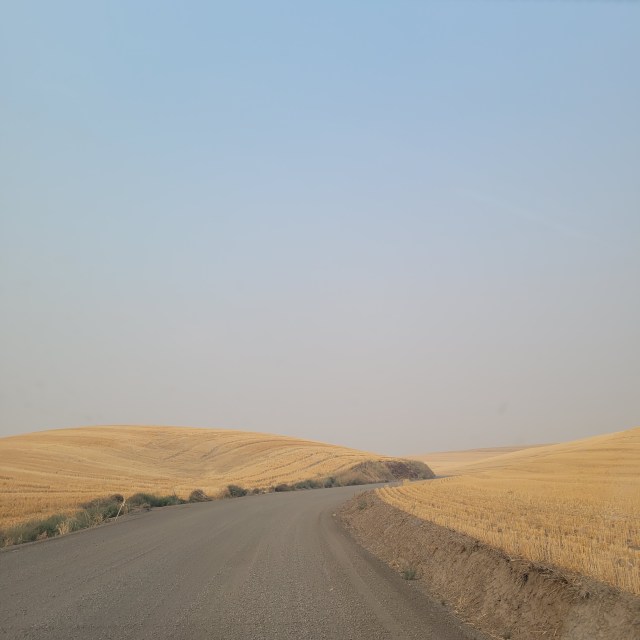
Lunar landscape in the Walla Walla Valley, akin to a Wes Anderson set of “parched gulch and arid plains.”

Grape cultivation in hostile climates

Cultivating wines in much of Washington is not a native exercise. Most of the southern part of the state is desert and nothing comes easy. There are many vistas akin akin to a Wes Anderson set of “parched gulch and arid plains.” This reminder comes by way of Christophe Hedges. “To plant a vineyard we just have to thin out a few sage bushes. Vine-growing is not a natural practice.” Yet Hedges also reminds that practicing biodynamics is not commonplace, but it is natural and so the Vineyard Manager reigns have fallen to 26 year-old Kayla Braich. Christophe insists she is the most knowledgable biodynamic expert in the Columbia Valley. “Hiring an old white guy to do biodynamics would not have worked.” At Hedges, Sarah Hedges Goedhart tells how Portuguese varieties are a focus, especially touriga nacional (but also tinta cáo and sezão) for their heat and drought resistant, terroir-driven qualities. They are late flowering and developing but also deal with the stress of extreme climate events better than the Bordeaux varieties. “Red Mountain is a small-knit community,” says Christophe. “We hope the way we are farming will be the direction of the future.”
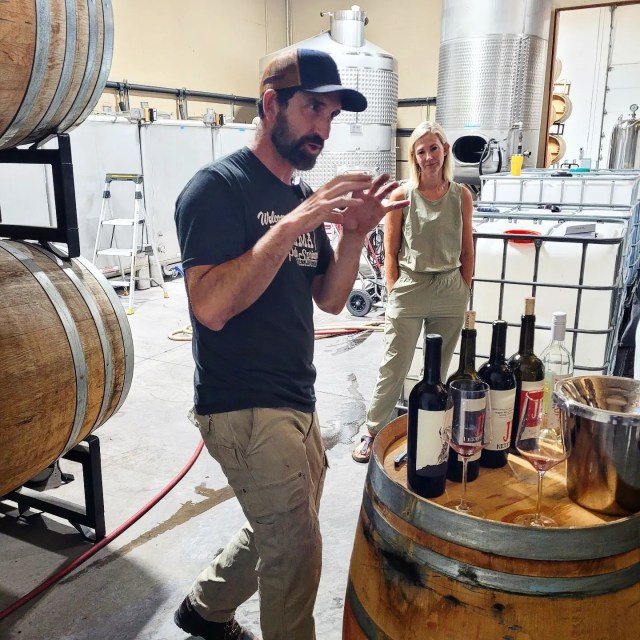
Justin Neufeld talking Yakima, Rattlesname Hills and Red Mountain

“We’ve made wine in Spain for the past five generations, and we plan to make wine in Walla Walla for five generations to come.” — CEO Jesús Martínez Bujanda, 5th Generation at Valdemar Estates

Justin Neufeld finds the cabernet sauvignon from Red Mountain more granular and austere. Vibrant yet one-dimensional as compared to the (relatively) cooler climate sites of the Yakima Valley. There are different wind patterns here and the tannic profile becomes softer, chalkier and ultimately more elegant, with a true red fruit personality. Yakima lends to more “blended” cabernets, in particular as it pertains to structure, also more aromatic complexity and classic varietal style. Herbal, red fruits, herbaceous and vegetal character. More acid driven. Much of Yakima’s style is because of landscape orientation. Here the ridges run east to west where the cataclysmic glacial lake outburst Missoula Floods peaked at 1,200 feet. There is also the Stuart Range in the Enchantment Basin which hosts a granite soil profile while wrinkles in the central crust resulted in basaltic, south facing slopes. Meanhwile Neufeld is one of a few producers to discuss the fires and potential for smoke taint. He comments that 2023 reminds him of 2007 when there really was no issue on the grapes.

“My sisters and I grew up with the understanding you don’t farm for this generation, you farm for the next one” – Bill Monson, President, Goose Ridge Vineyards

Heritage Vineyards

Old vines are key to the tenets of quality and success for growing regions worldwide. There are parts of Europe and also grape varieties that suffer from increased disease pressure and low fruit vigour but there are also locations, especially in warmer and more southern climates that host century vines still in positive rotation. South America, Australia and South Africa especially celebrate the heritage and age of old vines that keep on giving. While there are some vines and wineries populating the wet, mild climate of western Washington, it is the greater fields of Washington State’s warm and predominately desert climate playing host to many special blocks, many of them planted in the 1970s and 1980s where the finest expressions of the region’s terroirs are produced. Still dozens of others are coming on strong and on their way to joining the heritage account. Not to be forgotten is the high quantity and profound importance of own (as opposed to grafted upon) rootstock in Washington’s vineyards.

  • Airfield, Arnaut Boushey, Canoe Ridge Estate, Cold Creek, Dubrul, Moxee, Olsen, Phil Church, Rainmaker, Red Willow, Rosa Hills, Rothrock, Two Blondes and Upland vineyards in the Yakima Valley
  • Hyatt, Outlook, Portteus, Morrison, Stonemark and Whisky Canyon in the Rattlesnake Hills
  • Bacchus, Dionysus, Double D, Evergreen, Galitzine, Klein, Lawrence, Lewis Estate, Phinny Hill, Sagemoor, Stoneridge, Sundance, Tapteil and Wallula Gap of the Columbia Valley
  • Andrews, Champoux, Discovery, Lake Wallula, Mach One, Palengat, Sorella and Zephyr Ridge in Horse Heaven Hills
  • Clifton Bluff, Desert Wind, Fox Estate, North Ridge, Riverbend, Rosebud, StoneTree and Weinbau in the Wahluke Slope
  • Beautiful Powerline, En Chamberlin, Ferguson, Forgotten Hills, Heather Hill, Hidden Northridge, Leonetti, Loess, Pepper Bridge, Powerline, Serra Pedace, Seven Hills, Spring Valley, Sur Echalas, Woodward Canyon and Yellow Bird in the Walla Walla Valley
  • Mill Creek and Upland in the “North Fork” (of the Walla Walla River)
  • Bel’Villa, Cara Mia, Ciel du Cheval, Grand Ciel, Hedges, Jolet, Kiona, Kingpin, Klipsun, Les Gosses, Magdalena, Quintessence, Shaw, Upchurch, Terra Blanca and Weather Eye on Red Mountain
  • Ancient Stones, Holy Roller, Lafore, (Freewater, River and Rotie) Rocks, SJR in The Rocks District of (of Milton-Freewater)

These are but a shortlist with many more qualified and soon to qualify vineyards coming into their own. Heritage means more than grapevines, succinctly iterated by Bill Monson, President of Goose Ridge Vineyards. “My sisters and I grew up with the understanding you don’t farm for this generation, you farm for the next one.” CEO Jesús Martínez Bujanda of Valdemar Estates may be newer to the Washington wine scene but he echoes the sentiment. “We’ve made wine in Spain for the past five generations, and we plan to make wine in Walla Walla for five generations to come.”
Canadians and Kate at Spring Valley Vineyard

Syrah and Rhône varieties rising

Washinton State’s reputation has above all else been built on Bordeaux varieties but the present and the future see syrah and other Rhône grape varieties taking up more airspace, vineyard acreage and mind. The reds in syrah, grenache, mourvèdre, cinsault, carignan and counoise; The whites in marsanne, roussane, viognier, grenache blanc, clairette blanche and picpoul. On this last trip the Rhônes and varietal syrah were poured, discussed at length, waxed rhapsodic upon and just plain celebrated at Airfield Estates, Hedges, Gramercy Cellars, Rôtie Cellars, SMAK, Sonder, Spring Valley Vineyards, Valdemar Estates and Vital Wines. The Rhônes are taking hold and growing exponentially in the Yakima Valley, on Red Mountain, upon the Royal Slope and throughout the Walla Walla Valley, especially at the Oregon border in the Rocks District of Milton-Freewater. Plantings began in the mid-1908s in the Red Willow Vineyard of Yakima Valley.

Team Canada at House of Smith

WAugust in Washington

This WAugust trip to Washington wine country was made possible by the erudite folks at the Washington State Wine Commission, both in that spectacular state and also here in Canada. Just two months earlier a full-on participatory Pacific Northwest Wine event took place in Toronto and some added notes can be found at the end of this lengthy report. Three great humans work tirelessly (amongst many others behind the scenes) on behalf of the state’s more than 1,000 wineries, large and small. Keep in mind that Washington is the second-largest wine producing state in the United States, with over 1,050 wineries making over 17 million cases of wine, contributing more than $8 billion in annual in-state economic impact. That is a profound breadth of ground to cover for the small WSWC team. Chris Stone is Deputy Director and Kate Salisbury is International Marketing Manager. Chaperones Salisbury and Claudie Lamoureux of Washington State Wine for Canada were charged with the on point, on time task for five fulfilling and over-achieving days. Hard to say which of their characters or abilities were tops – driving prowess or durability, kindness, patience or grace. All of the above and it is imagined that Godello’s fellow travellers would wholeheartedly agree; Alana Lapierre, Angela Aiello and Mandi Roberston. In any case there was everything to experience, much along the lines of the varied and diverse wineries, AVAs and personalities encountered. Of conglomerates and boutiques, generational families and new blood, the established and the start-ups, pedagogues and rock stars, boffins and balladeers. There was much wine poured and these are the 135 tasting notes.

J. Bookwalter

Columbia Valley AVA

J. Bookwalter

John Bookwalter was a graduate of UC Davis Vineyard Management program and farmed some of Washington’s most famous tracts, Sagemoor, Bacchus and Dionysus. In 1982 he started J. Bookwalter, making approximately 2,000 cases of white wines. In the 90s he started the reds program and 2023 marked the 40th harvest. Chance Cruzen is winemaker and happens to be a big fan of Iggy Pop.
With the boys of J. Bookwalter

J. Bookwalter 3rd Edition 2019, Columbia Valley AVA

Flagship white, Bordeaux idiom, based on sémillon (63 percent) with sauvignon blanc (20) and muscadelle (19). The sém is both anchor and driver, dominating the aromatics and that speaks to how well this has been managed and blended. They keep the faith, act as catalyst for integration of both the varietal trilogy and the wood. John Bookwalter was known to say “choose your wood like you would choose a picture frame.” Equally important is the creation of consequence between flowing grace and bracing tension. Good strong mid-palate, tight and focused, length is outstanding. Proper flagship appellative white blend. Drink 2023-2027.  Tasted August 2023

J. Bookwalter Merlot Readers 2020, Columbia Valley AVA

Mainly merlot but not exclusively, with small amounts of cabernet sauvignon, malbec and cabernet franc for good support, measure and spice. The oak is noticed, the tannins powdery yet silky enough to make this über sippable. Still a bit gangly to be honest with some white peppery piques on the aromatics and so another year will surely send this merlot to be in a place it was intended to be. A few grams of residual sugar plump it up and then chocolate, a next effect by barrel aging which only serves to make this a truly silken, creamy and yet acid retentive red wine. Produces up to 1,500 cases. Drink 2024-2027.  Tasted August 2023

J. Bookwalter Conflict 2020, Columbia Valley AVA

Conflict, aged on lees, bottled 18 months after harvest. A great vintage save for some smoke that drifted in from fires all over the west, though really less dramatic here in the Columbia Valley than many other places. Pretty taut red that has not yet released its true aromatic charm, in fact it could be another 18 months before that really begins. The Readers Merlot is a much earlier proposition and the more diverse varietal meets barrel make-up with style intendment to make this a more structured and powerfully restrained merlot-dominant proprietary blend. Good yields though and a juiciness here that says the type of acidity in Conflict is quite different to that of Readers. This shows real potential, luxe as it is and all parts are prepared thoughtfully, with blood sweat and tears, yet neither by pretence nor blind ambition. Drink 2025-2029.  Tasted August 2023

J. Bookwalter Cabernet Sauvignon Readers 2020, Columbia Valley AVA

Rounded out by five percent syrah and petit verdot, with thanks to a most important grower/vineyard, that being Dionysus. A richer, thicker and more unctuous red (as compared to merlot) but fruit concentration is on par. That said the warmer Dionysus site can’t help but deliver this kind of glycerin viscosity and so the blackberry-Cassis dominance will not be denied. Can’t miss the silky syrah and petit verdot depth that put this in the kind of red best defined as full and substantial. Refined and finessed enough, never overarching or reaching, best now and for a few to five years forward. Drink 2023-2027.  Tasted August 2023

J. Bookwalter Cabernet Sauvignon Protagonist 2020, Columbia Valley AVA

Change of pace, in a way, from Conflict to Protagonist because for the first time there is an Italian (think Bolgheri) like stylistic coming through. Dusty, chalky and powdery tannins are evident, even in the face of fulsome and concentrated fruit. Juicy to the nth degree, ridiculously delicious and then a chocolate plus espresso crema all over the back end. The cumulative effect by fruit, terroir, climate and barrel aging make this climb to a rich and creamy finale pretty much unavoidable. Some sweetness follows and after some REM sleep there will be a long, melodic and jangling future for this Columbia Valley red. Drink 2024-2028.  Tasted August 2023

Vic Palencia

Palencia

Victor (Vic) Palencia’s grandfather was a first generation immigrant from Spain (to Mexico) and he is first gen. American, so the symmetry, from Valencia to Palencia, is something to hang a northwest hat on. Vic started in Walla Walla in 2012 after taking a flyer and to realize a dream. As a first generation immigrant it cements the legally forming “sueno” even deeper. Thus the “Monarcha” brand, “earning my wings,” says Vic. “If you drink two bottles, cabernet and merlot side by side, you can fly.” A symbol for lifestyle, easy drinking wines and then the Palencia label, more serious, exulting Washington State’s diversity of grape varieties grown. The label depicts his father holding a shovel, “always working the land.” Palencia is located in Kennewick.

Godello foreground, background Vic Palencia

Palencia Sparkling Albariño

Charmat method, sweet and salty, like nuts and caramel corn but leaner and tighter as per the grace by variety. Simple stuff with good energy.  Tasted August 2023

Palencia Albariño 2022, Columbia Valley AVA

Says Columbia Valley but really should be called Ancient Lakes located in northwest Washington. But Columbia is more recognizable and so here we are. If it smells like albariño and tastes like albariño well, you know the rest but truthfully this is a less herbaceous and more mineral example. And so Ancient Lakes it is. The terroir is hardpan calcareous limestone, good for drainage and reduction of hydric stress with sandy loam of up to 19 inches above. Pretty good albariño for dessert lands so far from a coast – but the place is definitely the reason. Nice little CO2 buzz about it as well which is so varietally correct. Drink 2023-2025.  Tasted August 2023

Palencia Malbec Monarcha 2019, Columbia Valley AVA

From Vic Palencia and family in Kennewick with Columbia Valley fruit, 14 months in wood. Nice little char and smoulder on sweetly salty and sour-edged fruit. Higher acidity than many malbecs and also valley wines so this wants and needs food. Mojo bowl anyone? Drink 2023-2025.  Tasted August 2023

Palencia Cabernet Sauvignon Monarcha 2019, Columbia Valley AVA

From the Richland Hills in the Columbia Valley where thicker skins and high quality fruit translate to unction and developed tannin. Cassis and Ribena mix, tart and candy hearts sour, in a good place right here and right now. Some powder in those tannins but resolution is just about complete. Drink 2023-2025.  Tasted August 2023

Palencia Petit Verdot 2017, Wahluke Slope AVA

Part of the El Viñador line which is essentially Reserve style but the name is more specific and indicative of what it means to grow and make these kinds of varietal wines. From fruit grown on the Wahluke Slope AVA. Structure and mouthfeel justify the reasoning and the result, especially the tannic intensity and power at the yet to relent finish. Wood thickens, spices and sweetens the last third of this petit verdot which is really unlike any other, grown anywhere and produced as a solo artist. Drink 2024-2027.  Tasted August 2023

Palencia Syrah El Viñador 2019, Red Mountain AVA

Red Mountain fruit and signature varietal effort but also style that Palencia seems most comfortable with. This is because the balance, restraint and finesse are at their collective finest in this kind of handsome and sturdy wine. Still some chalky and powdery tannin but overall the harmony and seamlessness are pretty spot on. Ready to go and please. Drink 2023-2026.  Tasted August 2023
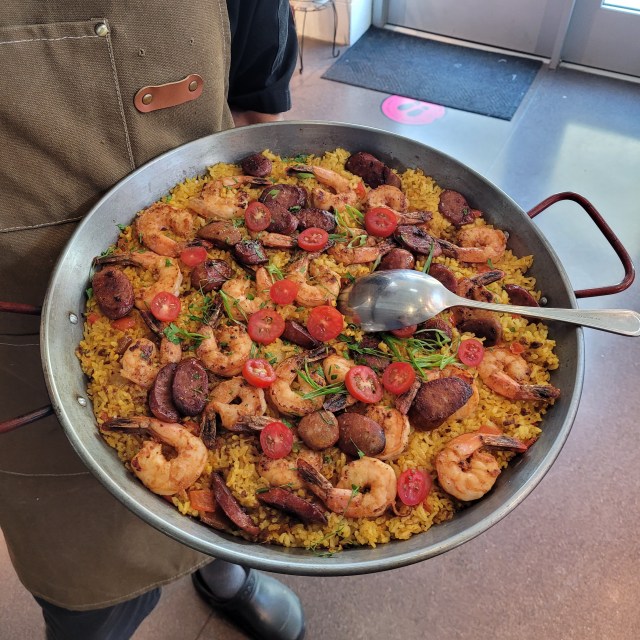
Top notch Paella at Palencia

Palencia Carmenère 2019, Red Mountain AVA

Sourced from the hottest region in Washington, that being Red Mountain and picked quite late. Nothing green about this carmenère, in fact it’s fruit and wood are thick as thieves, the tannins silken and the capsicum or jalapeño non-existent. Chewy like chocolate liquorice and very much a wine made for those who like it rich, luxe and thick. Drink 2023-2024.  Tasted August 2023

Palencia Albariño El Viñador 2022, Columbia Valley AVA

The founding vineyard for albariño at Palencia’s reserve line is as advertised more concentrated, focused and finessed. From various harvests each fermented separately for 30 days in Hungarian oak puncheons then blended together before bottling. Aiming for a Galician style though truth be told you can take the albariño out of Galicia but you can’t take the Columbia Valley out of this albariño. Warm, rich and unctuous, in the end. Drink 2023-2024.  Tasted August 2023

The Tirriddis Boys – Matthew Doutney, Gabriel Crowell and Andrew Gerow

Tirriddis

Tirage … Riddle … Disgorge. Tirriddis, acronym of sorts for three sparkling wine producing friends (Andrew Gerow, Gabriel Crowell, and Matthew Doutney) who celebrated the end of school with Gimonnet and Janz Champagne, fried chicken and chips. All attended Washington State University for viticulture and oenology. Their collective motto is “if we fail, we can always move back in with our parents. “Wine is a super architectural art form,” explains Gerow. “We’re really just trying to define Washington – defining typicality that really doesn’t exist yet.” First base wine were made in the Fall of 2020.
Tirriddis House Gris, Columbia Valley AVA

House tier is all about distribution, for restaurants and export in a fun and recognizable style. Here 100 per cent pinot gris, creamy aromatics, mousse as well, the sweetest of all the Tirridis wines at 11 g/L. Looks at reeling in a Prosecco crowd that can’t afford $50 sparkling wines. Sees 12 months on the lees and it is traditional method so expect some autolysis, mild oxidation and ultimately great energy. Drink 2023-2024.  Tasted August 2023

Tirriddis House Brut, Columbia Valley AVA

More than 50 percent of the base wine is original (from the fall of 2020) and is essentially chardonnay with a few percentage points of albariño. Tirridis for tirage-riddle-disgorge (clever) and the sugars are hidden behind the acidity. Raises a bar for the vital scintillant nature of grapes farmed for wines that transfer energy like sparks jumping from hydro pole to hydro pole. Similar creaminess and mousse to the pinot gris but the orchard fruit here is different than that peachy stone. Who would dare not pour this as a warm home welcome or by the licensee glass? Tastes like unbaked Washington with tight bubbles. Drink 2023-2024.  Tasted August 2023

Tirriddis House Rosé, Columbia Valley AVA

One-quarter each cabernet sauvignon, syrah, merlot and chardonnay, not unusual for Washington per se though no real frame of reference from the sparkling diaspora neither. Celebrates red fruit, from currants through plums and this surely comes across drier than it is, not quite the 12 g/L of pinot gris but this is pretty taut and wound for Rosé bubbles. Drink 2023-2025.  Tasted August 2023

Tirriddis Brut Rosé, Columbia Valley AVA

The second rendition of the Brut Rosé, three parts, in triage two years, of cabernet sauvignon, syrah and chardonnay. One-third each means less red fruit so more of a currant current and the yeasty feels step up sooner and for longer. Still a scintillant intensity of vitality and energy plus some bitters this time around. Anything but a soft, upturned Brut style and saying this is a tasting room profile is pretty much spot on. Just feels like the teaching moment and in turn signature for the boys’ intonement of style. Drink 2023-2026.  Tasted August 2023

Tirriddis Washington Blend, Columbia Valley AVA

Everything but the kitchen sink though in actuality it is anything but because it’s not the last lot to be put together each season. A blank slate concept that intends to represents the region in an unapologetic way. Fruity first, of merlot, riesling, pinot gris, cabernet sauvignon, chardonnay, viognier and syrah. Neither Blanc nor Rosé but a rainbow of multifariousness and truth be told this is seamless fizz, a Venn diagram of varietal and geography, of potential, diversity and exceptionality. Drink 2023-2025.  Tasted August 2023

Tirriddis Blanc De Gris, Columbia Valley AVA

Third rendition looking for pure honeycomb and the guys feel they nailed it on number three, or at least set themselves upon a path to get it right there when number four comes to fruition. Why more sparkling producers do not refer to a varietal sparkling pinot gris in these terms is beyond me. It just fits. Creamy yes, with botanicals and bitters but the pear coulis flavour is uncanny. This goes a bit to herbal and preserved lemon foamy (and acidity is a bit subdued) but it’s close, oh so close. Can’t wait for rendition number four. Drink 2023-2024.  Tasted August 2023

Tirriddis Blanc De Blanc Stonemark Single Vineyard 2020, Rattlesnake Hills AVA

First single vineyard sparkling wine, all chardonnay, small plantings in the Rattlesnake Hills AVA, 1,600 feet of elevation, of brushy savour and direct hits of more than one kind of citrus. The concept is a growers’ one – with obvious connotations. Elevation is clearly the driver because this is about acidity and high intensity, all pervasive and above all else in what this site wishes to give. Poured from Magnum, extended triage. Lemony, tight, zesty and just about zero dosage. Can see this living six or seven years. Drink 2023-2028.  Tasted August 2023

Riley Miller, Sonder

Sonder

Established in 2016 by Riley Miller. Low-Fi, non-intervention, but not natural wines. Inspired by his time in the McLaren Vale. The initial production in 2016 was 100 cases – today about 3,000 cases. A thinker, but not too hard, yet still a man of wonder. Likes to consult the Dictionary of Obscure Sorrows, from which the realization is concluded that everyone around you has a complex life, as much as your own – but we can’t comprehend half of it. “We are like monkeys flying on a rock through space.” Observe Miller conduct a wine tasting for visiting journalists and you can imagine the inner workings of a modern day winemaking production. Riley’s bottles are anything but some kind of toad swindle. They are made for all of us, including those who don’t know it yet.
Sonder Rosé Cinsault 2022, Columbia Valley AVA

Trying to capture a Provençal style, 24 hours of skin contact, gently extracted and truly crushable. Lightly tart, basic, simple, unadorned. Native ferment. Truly cinsault to be honest. Drink 2023-2024.  Tasted August 2023

Sonder Grenache Blanc 2022, Columbia Valley AVA

Big chunk of the fruit comes from Boucher Vineyards and a smaller portion out of the Rattlesnake Hills. Warm and mature though high elevations keep it fresh and again the naked nature of a Riley Miller wine make this immediately crushable. Unadulterated, no make up and local. Drink 2023-2024.  Tasted August 2023

Sonder Roussanne 2022, Columbia Valley AVA

True expression of grape, not necessarily “perfect” wines, nor is there any reason to want them to be but they are representative of site and Washington. Neutral oak, tropical notes, fresh papaya and pineapple syrup, tart and textural with thanks to some stirring. Drink 2023-2024.  Tasted August 2023

Sonder Field Blend 2022, Columbia Valley AVA

Orange, mostly viognier with some marsanne and roussanne, six weeks on skins, six months in neutral oak. Grapes that don’t really bring the orange but instead the partly cloudy pineapple juice hue. A wine that challenges why orange is the ubiquitous term because funk and melting salve are not the thing. Spice yes and litchi, also grapefruit and the most mild of bitters. Has that anesthetic feel on the palate. Third iteration of this wine. Drink 2023-2024.  Tasted August 2023

Sonder Co-Ferment 2022, Columbia Valley AVA

A co-ferment of grenache and picpoul, first time trying, served chilled, “a patio pounder.” Watermelon Jolly Rancher insists Riley Miller, 11.5 percent and as crushable as wine can possibly get. Juice. Water, pink, alcohol. Drink 2023-2024.  Tasted August 2023

Sonder Red Field Blend 2022, Columbia Valley AVA

Mostly counoise and grenache with some cinsault, viognier and roussanne. A couple of weeks on skins, co-fermented with some whole cluster and carbonic maceration. Simple, drinkable, low alcohol, currants and red berries, sweet acidity, a moment of balsamic and charred herbs. The grapes almost combine for a cabernet franc or even lightly smoky cannonau meets carmenère effect. Nothing else like it and better for that. Drink 2023-2024.  Tasted August 2023

Sonder Grenache 2022, Yakima Valley AVA

Rarely made grenache by method and style “as close to pinot as is humanly possible” says Riley Miller. Picked early, 20 percent whole cluster, Western Cape stylistic, light, low alcohol, fresh and shadowy, suggestively if sneaky tannic. Drink 2023-2024.  Tasted August 2023

The Orcas Project Nebbiolo Andrews Vineyard 2022, Horse Heaven Hills AVA

“The Orcas Project is a collaboration between some of the most talented winemakers in the Northwest and a collection of Orcas Island artists. The idea to combine these two groups of people was born on the island and continues to expand throughout the Northwest. Each winemaker that is part of The Orcas Project is paired with an artist and represented by a different label.” Riley Miller’s is pseudo carbonic for which 50 per cent whole cluster is added back on top – makes for a grippy if light and effusive style. Cherry, candy apple and onion skin. Picked early as if for Rosé and frankly reminds of Cerasuolo. Fine bitters, good balance and a bit of roasted nightshade char. Cinnamon heart finish. Drink 2023-2024.  Tasted August 2023

Kinnikinick Red

Chateau Ste Michelle

Chateau Ste. Michelle is Washington State’s oldest winery, and many of Washington’s most famed winemakers got their start with the Estate. Ste Michelle is also the largest producer of Riesling in the world, and has winemaking partnerships with two international vintners: Col Solare is an alliance with Tuscany’s Piero Antinori and Eroica Riesling is a partnership with the Mosel’s Ernst Loosen. As part of the visit, the Canadian team was treated to a Blending Experience.

Chateau Ste. Michelle & Dr. Loosen Riesling Eroica 2022, Columbia Valley

More than a hint of residual sugar yet the driest style for CSM and though the relationship is with Ernie Loosen this is not Mosel style. Fruit is sourced primarily from the Evergreen Vineyard to bring Eroica into its proverbial and ironic sweet spot. The “hero” is in ode to the winery’s varietal roots and a Beethoven reference. Bit of residual CO2, high acid and truly tart. Balanced vintage, vital and energy elevating. Will be one of Eroica’s better agers. Drink 2023-2027.  Tasted August 2023

Chateau Ste. Michelle Riesling Indian Wells 2022, Yakima Valley AVA

Much like Eroica there is a residual CO2 buzz and at least twice if not three times the number (here eat 30 g/L) of residual sugar. Quite rich, luxe and opulent with just a few sites left to create this round and sweet style. High Kabinett or low Spätlese in a sense but without the supporting acid. More Mosel here and yet also quite a lot more phenolics and tonic. For a consumer that likes sweet wines but can be drawn into riesling, followed by some less sweet varietal examples. Some wine producing and drinking habits never die. Drink 2023-2025.  Tasted August 2023

Chateau Ste. Michelle Chardonnay Canoe Ridge Estate 2019, Horse Heaven Hills AVA

Relatively rich and luxe chardonnay style, sweetly buttery, soft and creamy. No real bite but just easy, amenable and though considered a cooler spot with better acidity than some it’s still as round as chardonnay gets. Softens more and more as it slides down and feeds away. Drink 2023-2024.  Tasted August 2023

Chateau Ste. Michelle Cabernet Sauvignon Indian Wells 2020, Columbia Valley AVA

Reds are the main focus at Indian Wells and while the style is opulence, this cabernet sauvignon is surely designed to be consumed ASAP. Tannins are present yet sweetly soft and wood soaks up everything, then returns it with semi-sweet chocolate. A quarter is new American oak and 20 percent is French. Soft with some sweetness, macerated plums and that ever pervasive chocolate. Hugely consumer friendly. Drink 2023-2025.  Tasted August 2023

Chateau Ste. Michelle Merlot Canoe Ridge Estate 2018, Horse Heaven Hills AVA

A third new French and seven percent American wood truly sheathes, thickness and wraps merlot up in a nurturing flannel blanket for merlot that has softened into an almost ideal drinking state. The 2016 was much more tannic and though some omnipresent balsamic shows here it’s more reduced, sweeter and less high-toned. Lower acid here, at 4.8. Warm and caressing vintage for the palate and our emotions. Drink 2023-2025. Tasted August 2023

Chateau Ste. Michelle Cabernet Sauvignon Cold Creek Vineyard 2019, Columbia Valley AVA

Cold Creek Vineyard is a very successful vintage for cabernet sauvignon, more finely tannic and higher in acid than 2016. The energy is special, the harmony between fruit, acid, tannin and wood far superior to other seasons and also other growing sites. Yes there is luxe fruit, concentrated and substantial but the combination of harvest and winemaking makes for an exceptional combination out of 2019. Drink 2024-2028.  Tasted August 2023

Chateau Ste Michelle Syrah Limited Release Organic 2020, Horse Heaven Hills AVA

Deep purple, fruit sweetness from über ripeness and a clarity or cleansing feeling for naturally curated and orchestrated syrah. So profoundly bright new world in style and effect, delicious to the nth degree and openly gratifying. Drink up.  Tasted June 2023

14 Hands Winery

14 Hands

Chateau Ste Michelle property located in Prosser.

14 Hands Pinot Gris 2022, Columbia Valley AVA

Clean, fresh, soda feel that puts the style in gris though there’s not much separating it from grigio, either from the Columbia Valley or across the pond delle Venezie. Vague melon and honeyed flower blossoms but when all is said and done this easiest to get at pinot gris from the grand Columbia Valley is a simple glass of white ubiquity. Drink 2023-2024.  Tasted August 2023

14 Hands Roussanne Marsanne The Reserve 2022, Rattlesnake Hills AVA

Crisp Rhône white blend with a small percentage of wood to give it a wisp of smoulder that combines with some lees stirring for a creamy mid-palate. Higher in pH than some of this sort of Yakima ilk to result in elevated sapidity, a toothsome quality and finally piquant bite. Quite a bit of sulphur to work through but no worry because being structurally sound and very “reserve” in style the fruit and the composure will rise and win in the end. Give this some air, a swirl and agitation to coax out the charm. Just a 350 case production. Drink 20224-2027.  Tasted August 2023
14 Hands Stampede 2018, Columbia Valley AVA

Stampede is 14 Hands’ self-declared “bold red wine” and while the marketing sounds like something in the realm of BBQ sauce this is really impressive for the price. Essentially syrah with some petit verdot “to give it some shoulders” tells winemaker Keith Kenison who has been with the winery since its inception. French oak dominant translating as lavender, jasmine and vanilla, the latter a tincture that permeates much of the aromas and flavours. Yes it’s confected but also rich and unctuous for $15 (US). Drink 2023-2025.  Tasted August 2023

14 Hands Cabernet Sauvignon The Reserve 2019, Horse Heaven Hills AVA

Led by cabernet sauvignon and labeled as such though there are supports from both cabernet franc and merlot. A protein cabernet, meaning it drinks with strength and pairing it alongside entrée portion meats, preferably red will do it best justice. Carries that full barrel feeling in surround of a swell (mainly black) fruit and incredible richness, feeling like sweetness, but the wine is bone dry. Wood resin, syrups, up and into a whole other level of concentration. The most refined and luxurious of the 14 Hands reds (or whites) that competes with top Washington and also some heavier priced California examples. Drink 2024-2028.  Tasted August 2023
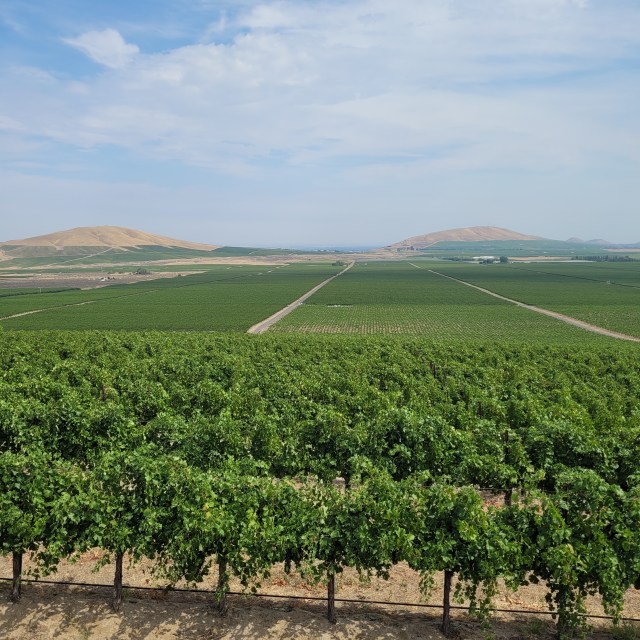
Goose Cap AVA at Goose Ridge Vineyards

Goose Gap AVA

Goose Ridge Vineyards

Goose Ridge in Richland and adjacent to Red Mountain is unique in that it is the owner of its own (Goose Gap) AVA, approved three years ago. The first planting of cabernet sauvignon was 25 years ago in 1998 and today there are a total of 2,500 acres of vines. The Monson family dates back to the early 1900s when M.L. Monson brought his family to the Yakima Valley. Taylor is the fourth generation, dad and two sisters (Bill, Molly and Valerie) are the third. The family is equally famous for cultivating Cosmic Crisp Apples (that don’t brown), developed with Washington State University and the first to grow them. The visit in the vines and through the facility culminated in a quick tasting of four wines though the setting was not conducive to formulating proper tasting notes.
Red Mountain

Col Solare

Located on Antinori Road in Benton City is the Château Ste Michelle Red Mountain partnership with Tuscany’s most famous family. A tour with Col Solare’s hospitality team reveals the bond with the mothership. “Antinori dictates what we do and the style of wines they want us to make.” There are no problems, only solutions and fixing issues like re-planting problematic cabernet sauvignon blocks is in the process of a three-year plan. “The only wine we make here that the Antinoris care about is cabernet sauvignon – so it has to be great.” The new winemaker is Stephanie Cohen, a Michigan graduate in Chemical Engineering. Cohen worked in New Zealand, Margaret River and Napa Valley, where she met Marcus Notaro, first winemaker at Col Solare. Stephanie went to Oregon, then Columbia Crest, then arrived at Col Solare three years ago. She was appointed head winemaker on July 1st, taking over from Darel Allwine. “Do we love what Stephanie is doing? Short answer is yes.”
The vintage brings about three major changes; label, style and price. The Col Solare had been in the $75-85 range going on 10 years but now it’s about Antinori wanting something “better.” In every respect ’19 is certainly darker and richer, of an impenetrable hue and structure. An Italian cabernet sauvignon, as close to Bolgheri Guado Al Tasso as Col Solare has ever been, but this holding pattern will almost surely be temporary. A Red Mountain interpretation from small (blueberry-sized) berries, raised with low vigour off of soils of sand and silt. Aged 22 months, not quite but pretty close to 100 percent new oak. Racked every three or four months, to eliminate slag and to refine, refine, refine. Aids in tannin transformation and eliminates the need for fining. A cabernet of great depth, of Cassis, mint and graphite. Luxe character, finesse, if not the level of fantasy wished for – but this new is the first of the new. By 2020 invention should meet vision for the next level of Col Solare quality. Drink 2025-2030.  Tasted August 2023

Col Solare Cabernet Sauvignon 2018, Red Mountain AVA

Essentially cabernet sauvignon with five percent franc while only 2015 and 2020 have been 100 percent. From the hottest wine-growing AVA in Washington state, with basalt below the soil surface, irrigated six to eight inches per year. Early picked and in 2023 this will likely start on or around the 20th of August, to finish off what has been “a really weird year.” There are 4,040 total acres in an AVA considered one of seriously high quality. Col Solare has been growing here since 2011 but not enough to meet production numbers and so six Red Mountain contract growers are involved. The average case number is 5,000 for a cabernet sauvignon as suave as it is rich though 2018 is the last of an era, because 2019 will mark changes to concentration, detail and price. Meanwhile the ’18 is equipped with the finest powdery tannins. Truth is there can be no denying the quality levels of fruit, wood and tannin. All relatable to uncompromising labour, time put in and attention to detail. It’s all too perfect. Drink 2024-2029.  Tasted August 2023

Col Solare Merlot 2019, Red Mountain AVA

Though 2019 was marked by an unusual Spring in a cooler and by extension leaner year it’s a relative thing and so Col Solare has still made a very substantial wine. This label falls under the auspices of the Component Collection, a “Tenuta” expression mainly intended for the Wine Club. All estate fruit, built on the premise of perfume ostensibly if allegedly a Washington state desert opportunity exaggerated on Red Mountain. Intense violets with blue fruits that merlot will express at these magnified levels when allowed to. Still tight as far as structure is concerned but thankfully three-plus years have allowed for some wood integration and tannic settling. A fruit emergence is underway and frankly encouraged, more so than the cabernet, if here in merlot not quite as polished as a wine. The finish shows the rusticity and austerity of the tannins while the quality of the chocolate is nothing if not impressive. Drink 2024-2029.  Tasted August 2023

With Sarah Hedges Goedhart and Christophe Hedges

Hedges

“Our driving force is for our wines to have a Red Mountain quality,” is basically the first sentence uttered by proprietor Christophe Hedges. “I don’t know if we’re trying to be authentic but we are following our mother’s lead, that if you are going to do something, do it correctly.” Anne-Marie Liégeois grew up in Ossey-les-Trois-Maisons, in Champagne, France. She married Tom Hedges from Richland, Washington in 1976. Their first wines were sold to Sweden in 1997. The first vineyards on Red Mountain in the Yakima Valley were planted in 1989 and 1990 and the winery-Chateau was built in 1995. Christophe returned in 2012 and is National Sales Director while sister Sarah Hedges Goedhart took over full-time winemaking in 2015. This coincides with the first certified label under the biodynamic program which began back in 2008. Goedhart says there’s no formula ever. “We’re just trying to be guided by what the grape’s want to be. Blending is the hardest part.”
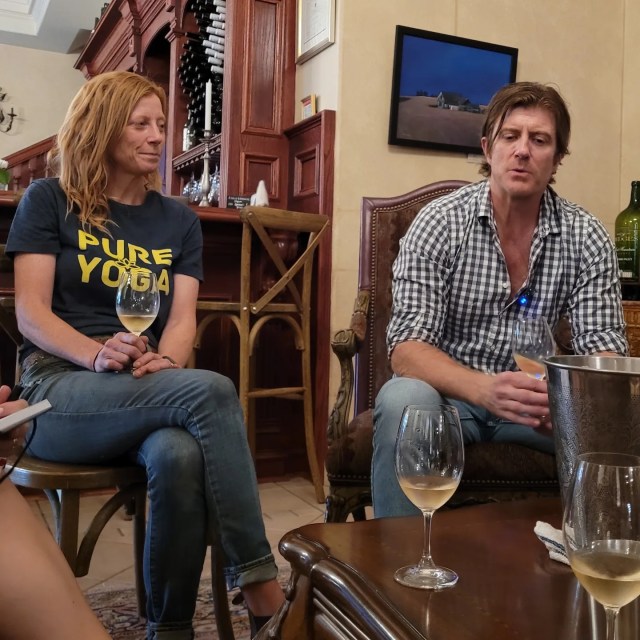
Sarah Hedges Goedhart and Christope Hedges

Hedges Le Blanc Déscendants Liégeois Dupont 2021, Red Mountain AVA

A program that began in 2014, use of older barrels, some lees contact and bâttonage. A niche wine from Rhône grapes (namely marsanne with viognier), because whites at this level just don’t sell all that much. Even as brix levels rise the pH on this wine remains quite static and so as an aromatic white this remains pungently salty and avoids the starchy. Richer than expected and dutifully harmonious, clearly a wine of class, beauty and understatement. Lemon and orange peel, really nutty and slightly toasty, with only 400-500 cases made from just one hectare. It will change a lot and get brinier and brinier, becoming even better with stronger aged cheeses and many things cured. Drink 2023-2028.  Tasted August 2023

Hedges Family Wines CMS Made With Organic Grapes 2022, Columbia Valley AVA

The “American” version label, minimally sulphured and just bottled a week ago. A “farm” style wine, crunchy and sitting right there with a local sense of terroir, northwest, Columbia Valley, very different than what comes from Red Mountain. That said it has more Red Mountain fruit than Columbia Valley. The blend is 48 percent cabernet sauvignon, (44) merlot and (8) syrah, subjected to very, very little new wood. Fresh and clean with an iodine and wet concrete note, almost Western Cape in style. Spice and intensity speak about house style with a broad stroke on a painted picture. Drink 2023-2025.  Tasted August 2023
Hedges Family Estate Red Wine 2021, Red Mountain AVA

A blend off all the vineyards on Red Mountain (Hedges, Jolet, Bel’Villa, Magdalena and Les Gosses), berries about half the size of what comes from Columbia Valley. A higher pH place with less water conversion and more evaporation. Yields are smaller by half and extraction levels the opposite with thicker skins and when ripe, also crunchier seeds. The ’21 blend is 55 percent cabernet sauvignon, (26) merlot, (9) syrah, (6) cabernet franc, (3) malbec and (1) petit verdot. Aged in 62 percent American and (38) French wood. Rich, luxe, concentrated and fixated on its home, that being these five blocks on the Red and frankly the palate feels intoxicated or anesthetized by the command of attention and purpose dictated by place. A top vintage, without a doubt. Drink 2024-2032.  Tasted August 2023

Hedges Family Estate Le Haute Cuvée 2018, Red Mountain AVA

This is 99.77 percent cabernet sauvignon and the rest, well does it matter? A cuvée that goes back to 1987 and here a Hedges professed, native ferment instructed great vintage. Lots of different cabernet sauvignon components make up this prominent and confident biodynamic wine. Red to black fruit, a noted brininess, higher acidity, seemingly lower pH, saltiness and dusty Christmas spice. The potential here runs long and deep, without weight and still some iodine, balsamic and minty freshness. Shot of espresso conclusion that speaks to another level of tannic dust and combust. Drink 2024-2032.  Tasted August 2023

Hedges Family Estate Touriga Nacional 2018, Red Mountain AVA

Quite possibly the future of Red Mountain, at least for Hedges, having planted three Portuguese grapes some time ago. Their heat resistance and ability to adapt preps them for next level climate extreme to come. Aged in 100 percent neutral American barrels and coming away liquid chalky, dark and feigning vague sweetness. Drips and oozes with Red Mountain iron, iodine and though truly opaque, there is this transparency of pace and place that cannot be hidden. Drink 2023-2027.  Tasted August 2023

Déscendents Liégois Dupont Syrah Les Gosses Vineyard 2020, Red Mountain AVA

No mention of Hedges on the front label but instead Anne-Marie’s family name because you have to respect your history. And the vineyard is hers, planted in 2006 then certified biodynamic in 2019. A block that winemaker Sarah Goedhart runs through with several different picks, some falling on one side and some on the stylistic other, than blended back in together. Its richness is anything but gratuitous, the depth descendent and built upon the idea or concept of gravitas. Full, complete and a most satisfying mouthful. Drink 2025-2033.  Tasted August 2023

Déscendents Liégois Dupont Syrah Les Gosses Vineyard 2019, Red Mountain AVA

Rich, thick and finely layered syrah from the distinct entity that is Red Mountain with its not to be missed meaty, mineral, sanguine, ferric rich, red earth character. There is an underlying chalkiness here and one that will surely determine a long life ahead, as witnessed by the linger and hang around ability of of a syrah on a clear and present mission. Drink 2024-2029.  Tasted June 2023

Déscendents Liégois Dupont Le Rosé Les Gosses Vineyard 2022, Red Mountain AVA

A kitchen sink Rosé blend led by syrah (42 percent) with (21) mourvèdre, (18) cunoise and (14) grenache. Aromatic as much as syrah is want to go, for us and so the Rhône gang’s get together works so bloody well. There is a sanguine character with thanks to the mountain’s soil and the movement here is classical, strings reverberating, flowing, rising and falling, no real cresencedo but a softening and fade. Just lovely stuff. Drink 2023-2025.   Tasted August 2023

Hedges Family Estate Red Mountain Reserve 1999, Red Mountain AVA

The artist formerly known as Red Mountain Reserve became Le Haute Cuvée with the 2012 vintage. Hedges was both ahead of their time (because the word Reserve was already losing its wine world lustre) and respectful of family history by labelling in a Champagne or at least a French vernacular. Here is a nearly 24 year-old red blend that has aged remarkably well and though thinking miraculously was a momentary thought – there is no miracle but something more profound at play. The Mountain for one thing and a family at least a decade ahead of the curve. Early Washington organics, no reverse osmosis, no mechanical filtration and no lobotomizing a bottle of red wine. Yes the secondary notes are present and they are settled in a state of absolute proprietary grace. Very little trace of tannin, nor any barrel that is but a superfine mountain induction that makes for a silky feeling in the mouth. There is a chance this will live another 24 years but the fruit is already leaving and so 12 should be the maximum with half that the truest and most honest recommendation. Drink 2023-2027.  Tasted August 2023

Hedges Family Estate Syrah Bell Villa Vineyard 2012, Red Mountain AVA

Tasted from magnum (bottle 110 of 200 to be exact) and shocked (in a redacted moment) by how fresh and non-advanced this wine persists to be. This syrah is from a vineyard that was the second one planted on Red Mountain and what we are faced with is a 15 year-old block that was so far ahead of its time. Tasting this 10-plus years after vintage feels like fiercely re-reading an old Tom Robbins novel, celebrating the proper work of the past and predicting what will be essential in the future. The search back then begets syrah in hot climates now. Getting the sage brush but now, now the fungi have come about, though not the kind that grow in a western rainforest. More like that which emerges from a burn site. In any case the impression is syrah from a beautifully stark place. La belle de campagne. Drink 2023-2026.  Tasted August 2023
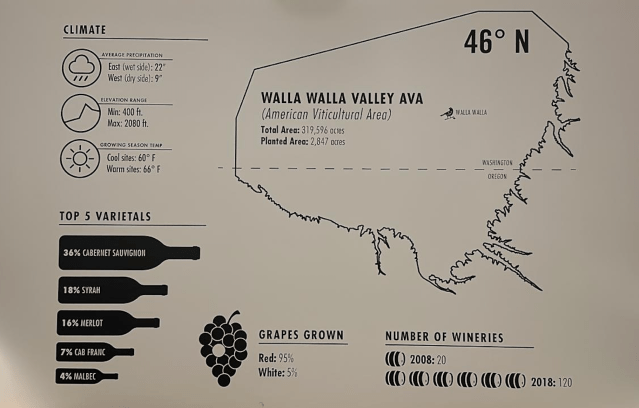
 

Walla Walla

SMAK Wines

SMAK Wines is the first Asian woman owned and operated winery in Walla Walla producing exclusively Rosé. “Rosé to me is more than just a beverage, it is a lifestyle. I wanted to bring this lifestyle here and so SMAK was born.”- Fiona Mak, Owner & Winemaker.
SMAK Sangiovese Spring 2022, Walla Walla Valley AVA

SMAK Wines is the work of Fiona (Sui Wah) Mak and sangiovese is made just like the pinot gris, save for how it exults the high acid and sharp nature of sangiovese. Still so light and rainwater clean, not quite petrichor but yes, a Rosé that drinks like water. Back up the truck for this glug-glug, glou-glou, grape witches fantasy of Rosé. Salty. Drink 2023-2025.  Tasted August 2023

SMAK Pinot Gris Summer 2022, Walla Walla Valley AVA

I mean not all that different than the sangiovese if lighter, lower in acid and well, summery. Light, bright, tender, carefree, unadorned and even saltier, to be honest. Just what you need, whether you know it or not and well before you even know your needs are needed. Salty magic as koan. Koan of Rosé. Drink 2023-2025.  Tasted August 2023

SMAK Syrah Autumn 2022, Walla Walla Valley AVA

Made with syrah and its autumnal personality, barrel fermented in neutral wood, some malolactic and so not the usual but rather a Rosé with some extra nuance, spice, texture and fantasy. No lewd or ambitious stylistic departure from Spring and Summer, just a bit more grounded, of blush gravitas, creaminess and something needed to be explained. Rosé smackdown without any undesired anxiety or tension. Drink 2023-2025.  Tasted August 2023

SMAK Syrah Bubbly Blend Winter 2022, Walla Walla Valley AVA

Fizz Rosé by syrah with some addendum by grenache and a few extra grams of residual sugar to keep the harmony and faith alive. Nice little bit of naturalization in the way the wine sits on the palate and melts like a caramel and lemongrass salve. Red currants and again, coming across dry and just tannic enough to keep things moving forward. Would like another half gram of acid for best energy and more length. Drink 2023-2024.  Tasted August 2023
SMAK Cabernet Franc Rosé Abstract #1 2022, Walla Walla Valley AVA

There is just something about cabernet franc that when it’s made into Rosé (and made well) the grape variety is more recognizable than almost any other. Fiona Mak has captured grape and what just has to be place with a level of calm and hypnotism that Rosé rarely sees. Drink a glass, get your Rosé buzz on, feel OK for the rest of the day. Drink 2023-2025.  Tasted August 2023

SMAK Pinot Noir Rosé Abstract #2 2022, Walla Walla Valley AVA

Gotta say this might be the best use of pinot noir in Washington, light, salty and without distraction to cause any overthinking. Closer to the sangiovese than any of the others and with an extra layer of volatility, sharpness and tang. Drink 2023-2025.  Tasted August 2023
With Brandon Moss, Production Winemaker – Gramercy Cellars

Gramercy Cellars

The story of Gramercy Cellars began with a Manhattan-based sommelier tasting and becoming inspired by Washington State wines. He sells everything to move across the country to make his own. Master Sommelier Greg Harrington and production winemaker Brandon Moss are the mad scientists, experimental music makers, open-minded and forward thinking team.  They are intuitive and paying attention to the extremities of climate events. Fully aware that 2020 was a brutal smoke year and so 25 percent was balked out after remediation. “Mourvèdre can handle it” tells Moss, but “cabernet franc and pinot noir simply can’t.” Elizabeth Tommasino at Oregon State is researching “columns” that neutralize smoke taint without stripping varietal from wines.

Gramercy Cellars Picpoul Pét Nat

Sparkling picpoul, low pH, high acidity, aromatically neutral and boom, Pét-Nat. Left on its lees for something like 10 months before being disgorged and so yeasty is the understatement. Graffiti labeled, an element of Gramercy Park, NYC ode. Smells like chèvre and preserved lemon, minutely funky and well, extremely French. Weirdly so and the yeasty-bready ready quality is more sourdough than anything else but also this dry-aged beef note that purists will really love. This is how you make wine without excess sulphur, cultured yeasts and for the purpose of re-fermentative ideals. Drink 2023-2025.  Tasted August 2023

Gramercy Cellars Picpoul 2022, Walla Walla Valley AVA

Not a whole helluva lot of picpoul made in the United States and especially in hot climates but it ripens late and the acidity can be maintained – that said you need a lot of heat to get it ripe. This may not be the Languedoc and the lean, salty, low pH style without lees weight or drive puts this in a league of its own. Vines were planted in 2013, clusters are loose and massive, the wine it makes is acid-driven, fresh and simple. Pencil lead, cinnamon heart and fennel pollen. More complex than you might think. All lemon and lime on the finish. Drink 2023-2025.  Tasted August 2023

Gramercy Cellars Viognier 2022, Columbia Valley AVA

Sourced from Lake Chelan for a cooler climate base and then the Gramercy vineyard called Forgotten Hills in the Walla Walla Valley. The WW fruit is all barrel fermented while the Lake fruit is only treated to forty percent. The complete opposite of the typically recent warm vintages and so don’t come looking for tropical fruit and fresh roses. Think orchards, of pear and then that douse of lime with a salty finish. Summertime temperatures in later September brought weight and closure to this ’22 viognier. Might still be a tad lean but phenolics are solid and balance is not to be questioned. This is viognier for those who don’t always love viognier. Thank you warm October. Drink 2023-2026.  Tasted August 2023
Gramercy Cellars Mourvèdre “L’Idiot Du Village” 2020, Columbia Valley AVA

Varietal, from Olson Vineyard west of Red Mountain up on the north ridge, back hill of Benton City. Hot for ripeness though not quite Red Mountain hot. Fermentation and aging in concrete with more barriques involved and then a racking back to concrete. Nearly 60 percent whole cluster because the vintage said so and biting into the stems directed such a decision. First vintage was 2009 and along with 2010 it was a GSM-C blend but over time (and as a result of a trip to Bandol) the weird blend was dropped in favour of making mourvèdre, a.k.a. the true Washington rock star. Peppery but no char, herbal though never herbaceous, red fruit strong without any unnecessary tension or power. Kind, soft and nurturing for the grape. Terrific use of whole bunch, proper and grape related. No bitterness, no smoke taint. Clean as it gets. Pretty much ready to pop and pour. Drink 2023-2026.  Tasted August 2023

Gramercy Cellars Syrah Forgotten Hills 2019, Walla Walla Valley AVA

On the Blue Mountain side of Walla Walla, picked early in most parts of the state but not until October in Forgotten Hills, set down below in an ancient riverbed in the valley. De-stemmed in 2019 because of some mild issues and very much a red fruit juicy, lighter character of syrah with peppery liquidity and little to no sharp bites of tang. Crunchy stuff, relatively low in Rotundun and made to respect the vintage which did not want the makers to keep the bunches whole. Nothing aggressive here, fruit always winning. A fifth of the tannic austerity that the (whole cluster component) brought to the 2017. Drink 2023-2026.  Tasted August 2023
Gramercy Cellars Syrah Forgotten Hills 2017, Walla Walla Valley AVA

Nothing wrong with a little bit of age on a syrah that has come into its own with thanks to the powers that be so that we can enjoy the fruits and the result of great labour. The present matters and yet there is a tension and even tannic austerity that asks for even moie time. Such a well crafted syrah, as meaty and coursing as it is fruity or getable, in fact there are few that can match the wound intensity, focus and restrained power as this by Gramercy denotes. Drink 2024-2032.  Tasted June 2023

Gramercy Cellars Syrah Lagniappe 2019, Yakima Valley AVA

From Red Willow Vineyard in the Yakima Valley near the town of Wapino. The first Washington syrah vineyard planted in the 1980s by David Lake, a Master of Wine, with Mike Sauer, in 1987. The old block is called Chapel Hill and this is 100 percent whole cluster syrah, completely apposite to Forgotten Hills even though it’s the same vintage. Aromatic concentration, full bodied nature and a naturally sweet meets savoury personality that is quite frankly intoxicating. Lagniappe as Frangipane, something wild and free, a crushed rock and berry entanglement and something profound. Really tight and precise. “Wait, did you hear that?” What’s the music playing? Somewhere down the Crazy River? Drink 2025-2032.  Tasted August 2023

Valdemar Estates

In 1889, Joaquin Martínez Bujanda began the family winemaking tradition in Oyón, a small town in Northern Spain. His son, Marcelino, and his grandson, Jesús, followed in his footsteps. Jesús’ son, Don Jesús Martínez Bujanda, created Bodegas Valdemar in the 1980s. His son, Jesús Martínez Bujanda (5th generation), is the current CEO of the family’s winemaking business, and his sister, Ana Martínez Bujanda, is the Cheif Operations Officer for Bodegas Valdemar. Jesús fell in love with the Walla Walla Valley while he was a student at the University of Washington. His passion for winemaking and for the valley led him to create Valdemar Estates.

Valdemar Estates Chardonnay 2021, Columbia Valley AVA

Clearly a top chardonnay site and the luxe character is evident, as is the acid, freshness and piqued intensity. The look here is texture, playful movements and interactions between parts so think down south but back to the motherland and south from there. Valdemar paired this with beets, mango and pistachio – my that does work. The finale on this chardonnay is warm and spiced, a harmony of seasoning after fruit and wood subside. Drink 2023-2026.  Tasted August 2023

Valdemar Estates Cabernet Sauvignon Entre Nosotros 2020, Columbia Valley AVA

“This is our entry level cabernet sauvignon (at $44),” tells Jesús Martínez Bujanda, “but it is the most important wine that we make at the winery. It has to over deliver.” And so the introduction (with some merlot and petit verdot) is the wine that acts as the entry drug and bridge to the top end wines that a Rioja producer thinks creates exceptional wines out of not only the Walla Walla Valley, but also the greater Columbia Valley. You can immediately feel and tell that a Rioja mentality infiltrates the place but how could it not? The chalkiness of the tannins are remarkably fine and the spicy character actually pricks and piques the palate. Purple fruit, creosote, graphite and wood that will take a few years to melt in. The fruit is equipped to handle it. Drink 2024-2028.  Tasted August 2023

Valdemar Estates Cabernet Sauvignon Klipsun Vineyard 2020, Red Mountain AVA

Immediately noticeable as a cabernet sauvignon from a warmer site, fruit rich and concentrated, doubly substantial and even further developed as richly tannic. Fully, completely substantial and laden with finest grains of tannins in chains every finer, braided as tight as is seemingly possible. Dusty but a thick, duff like matter, coating every minute part of the palate. There are no holes or moments of lag but only heavy set fruit, supportive acids and those massive tannins. Terrific work from winemaker Marie-Eve Gilla and not sure there is a better cabernet sauvignon made anywhere in Spain. Drink 2023-2029.  Tasted August 2023

Valdemar Estates Syrah 2020, Walla Walla Valley AVA

Here Syrah comes from the hottest districts in North America, known as The Rocks, an ancient riverbed on the Washington-Oregon border filled with basaltic cobbles. Valdemar owns a portion and this is arguably THE PLACE to grow syrah in the west. Floral with high level black pepper for classic syrah-Rotundun style. Meaty, with iodine and charcuterie but with no compromise to fruit concentration. A substantial wine in all respects, tannic and well extracted, again across all parts of regard. It can be imagined that the style will change over the next few years as finesses continues to hone in on just what the Rocks wants to give out of vintages ever diverse.  Last tasted August 2023

Full on pitchy dark fruit swells from Valdemar, layered, chewy and ropey, like liquorice of many splendored flavours. Full on ripeness and natural sweetness by way of expression without any compromise or conceit of structure. An earlier drinking example though also one that will do well for up to five years because the fruit is just that deep. Drink 2024-2027.  Tasted June 2023
L’Ecole No. 41

The old Frenchtown school operated until 1974 and was bought in 1977 with the idea of turning it into a winery. First harvest and official founding was in 1983. Marty Clubb is celebrating his 40th Anniversary. Jean and Baker Ferguson founded the winery in 1983, well before there was a wine industry in Washington. Third in Walla Walla, 20th in the state. Marty was winemaker from 1989 and today its Mark Trafanelli, since 2018. Now 50,000 cases, increasing by 1,000-1,500 every year since 1989. Cabernet is into its 50th leaf, merlot close, chenin blanc next and first sémillon was on Sagamore, also the Wahluke Slope. Not a lot off new plantings and so the overall amount is declining. They make upwards of 30 percent in the state and even more than that in chenin blanc. The school at 500 ft is in a cold frost belt so the older vineyards are planted at 800-900 ft and the new Ferguson Vineyard on basalt is at 1,500. Climate change has improved winter weather ability while diurnal temperature changes can add up to 40 degrees Fahrenheit.

With Marty Clubb, L’École 41

L’École No 41 Chenin Blanc 2022, Walla Walla Valley AVA

Older than 35 years of age and so like the Western Cape OVP the labelling is old vines. Akin to old bones but with experience, resistance to weather issues and creating high level concentration. Some of the fruit comes from the Newhouse family’s vineyard with century vines, sour rot dirty laundry and all. Clones probably came up from Dry Creek Valley in California and my if this does not strike a balanced accord between dry and sour, concentrated and tart. Just woollen enough to mimic the Loire and act nothing like California. Length is more than impressive. Drink 2023-2026.  Tasted August 2023

L’École No. 41 Sémillon 2022, Columbia Valley AVA

Comes across as having some sweetness but be fooled once because it’s glycerol that gives the impression, so truth be told the sensory give is astral and incidentally Van Morrison’s seminal track from the eponymous record is playing in the tasting room as the wine is poured. The 2022 shows some early flint and petrol, balanced by the texture developed as a result of extra lees time. Another push-pull example of a L’École No. 41 white off of vines with experience. Just the right amount of tonic and bitters pop at the finish.
“To be born again
In another world
In another world
In another time.”
Drink 2023-2028.  Tasted August 2023

L’École No. 41 Chardonnay 2022, Columbia Valley AVA

A good chunk of this fruit comes from the original block on a crested hill of the larger Evergreen Vineyard. Dear Mr. Fantasy, pour me some chardonnay, from ice age silt and sand, stones and minerals that when respected, treats a consumer to this kind of salty-sapid harmonic chardonnay. All barrel fermented, all French and 20 percent new. I mean it’s an amount and style truly Burgundian with some tropical fruit because it is 2022 and yet acidity is crisp with green apple bites to balance what is also creamy texture. Middle road compared to the chenin and sémillon but also so perfectly professional. Drink 2023-2026.  Tasted August 2023

L’École No. 41 Merlot Black Label 2020, Walla Walla Valley AVA

The original estate red, the only one made in the 1980s and still the one that delivers earthy and herbal tones. The 18 percent cabernet franc (plus drips of malbec and petit verdot) creates the verdant and forest floor notes. Good red to red-black fruit from 2020 with highest level phenols and a sweet, pretty persuasion. A couple of glasses and then the melatonin sets in, followed by a near guarantee of REM sleep. “It’s what I want, hurry and buy.” Drink 2023-2027.  Tasted August 2023
L’École No. 41 Cabernet Sauvignon Black Label 2020, Walla Walla Valley AVA

“We have a lot of old vine cab,” says Marty Clubb, which indeed drives the machine, but there no real reason to name that on the label. Minimum age is 30 with many over 50 for a 100 percent cabernet sauvignon, all picked in October. Rich, viscous, unctuous and most important – experienced. Chalky and the barrel brings both good dark chocolate and dusty espresso to the finish. Age this five years. Drink 2024-2027.  Tasted August 2023

L’École No. 41 Merlot White Label 2020, Walla Walla Valley AVA

The highest level for merlot has Bordeaux Right Bank in mind and here the mix of windblown loess topsoil and basalt takes the grape up to where great minds and ambition want to meet. Huge fruit vintage, thick as thieves with structure twice pointed and the overall result is a big and cellaring potential merlot. Drink 2025-2030.  Tasted August 2023

With La Leggenda, Ange Aiello

L’École No. 41 Cabernet Sauvignon White Label 2020, Walla Walla Valley AVA

Less than 2,000 cases are made of the three vineyard (Seven Hills, Pepper Bridge and Ferguson) sourced cabernet sauvignon. Here comes the Cassis and herbal-savoury note with dried fruit moments red to purple and finally an impressive set of varietal meets site(s) circumstances. Averages out at 35 percent new wood and yes the fruit receives the wood with open arms. Long and age-worthy, longer than the merlot. Drink 2025-2032.  Tasted August 2023

L’Ecole No. 41 Apogee Pepper Bridge Vineyard Proprietary Red 2020, Walla Walla Valley AVA

The 31st vintage of Apogee. From the central part of the valley where cool air seems to be blowing through at all times. Heat accumulation is lower, hang time longer and the site is picked in late October, just ahead of the first frost. Planted in what would a millennium ago have been wher there were ice age flows. This is 56 percent cabernet sauvignon, (28) merlot, (12) malbec and (4) cabernet franc. The site tends – to more leather-tobacco and here it is also horse saddle noted which is Bordeaux in mimicry. The soil derived from ice age flows is what we extend in belief as being the reason. Why not? Serious character and complexity, finest tannins of the estate’s Bordeaux reds and from 2020 likely a 15 year run to come. Maybe longer. Drink 2025-2035.  Tasted August 2023
L’École No. 41 Perigee Seven Hills Vineyard 2020, Walla Walla Valley AVA

A proprietary name imagined by Martin Clubb’s father-in-law to explain site which is at high elevation on the south side of the valley planted in 1980. The soil is 15 feet of wind-blown loess sitting atop another 15 feet of ice age flow. Extended maceration is the treatment for this proprietary blend which is composed of the free run portion of the juice because both the cabernet sauvignon and petit verdot showed hints of smoke taint. Perigee incidentally is the closest spot in the moon relative to the earth. A super moon in lay-person’s terms. The blend is 54 percent cabernet sauvignon, (24) merlot, (12) cabernet franc, (6) malbec and (4) petit verdot. Rich and smouldering, thick black currant almost syrupy but so high in glycerol and what impresses but also harmonizes this red is its sweet and bracing acidity. Makes the smoulder unimportant though it will always be there in the shadows. Drink 2025-2032.  Tasted August 2023

L’École No. 41 Ferguson Vineyard 2020, Walla Walla Valley AVA

The basalt vineyard with hardened-fractured, three-dimensional cube of rock that breaks or fragments to the touch. Also iron rich clay and this is the only place in Washington State with soil like this. The third of three estate proprietary reds that buds early and are picked late. Grapes are thick-skinned and the conversion rates mean rich fruit, high acidity and length. Blend here is 59 percent cabernet sauvignon, (24) merlot, (7) cabernet franc, (6) malbec and (4) petit verdot. Picks at an acidity level off the charts and then settles so that pH is low, but not crazy low. First vintage was 2011 and believe it or not Phylloxera was found in the vineyard. New plantings are helping to keep things moving swimmingly along. Rich berries of three colours, dusty meets chalky tannins and all the dark chocolate and espresso of great and fine ilk. Huge wine and that’s exactly what it wants and is surely touted to be. Drink 2025-2034.  Tasted August 2023

L’École No. 41 Syrah 2020, Walla Walla Valley AVA

“What’s the sense of changing horses in midstream” and so syrah is poured last, with 1+2 percent grenache and mourvèdre. Some stem addition (20 percent at the bottom of the totes) to make sure a bit of Mediterranean black olive and caper note slide on in. Black pepper necessity and more barrel than some but well integrated and no doubt also seasoning to add more of what skins and stems have already given to the fruit. A sanguine note, hematic streaks, blood on the tracks. Spicy and fulsome, a very substantial syrah that like the Bordeaux reds will also age quite well. Acumen and top vineyards ensure this will be. Syrah, you’re a big girl now. Drink 2024-2029.  Tasted August 2023
The Cellar at Woodward Canyon

Woodward Canyon Estate Vineyard

Family owned, by Rick and Darcey Small. Selena Kritsonis runs hospitality and husband Sager Small is vineyard manager. Kevin Mott is the winemaker. 8,000 cases in total

Woodward Canyon Estate Vineyard Chardonnay 2022, Washington State

First planted in 1978, barrel effect dialled back over the years, now 20 percent new wood and no malolactic whatsoever. All estate fruit with the newer (north facing, refreshening) block planted back in 2011. Pretty spot on classic ode to the motherland style that sees ripest fruit without freshness limitations meeting just enough wood for softness, creamy texture and overall Washington State high caste ubiquity. Truly proper and correct for sense of place and intendment. Vague impression of sweetness says quite a bit about fruit quality and style. The length is impressive. Drink 2023-2026.  Tasted August 2023

Woodward Canyon Estate Vineyard Merlot 2020, Walla Walla Valley AVA

Estate fruit at the western edge of the Walla Wally Valley, two blocks used, 25 year-old Clone 3 old vine and also the younger Clone 181. The most western vineyard in the AVA, drier and warmer, a climate as much akin to red Mountain as it is to the Blue Mountains area of the WWV. Warm and dry vintage, lower than average yields and nearly 50 percent new wood, French and Hungarian. Pushing 15 percent alcohol yet holding both that and the wood with esteem. Aromatically spicy, dusty fennel pollen, tannins as well. Fine acids and chalky like so many, especially from vineyards west of this valley. Two-toned in all these respects, cooler herbal Amaro notes meeting warm and developed richness. Lots of ganache on the back end of this wine. Drink 2024-2029.  Tasted August 2023

Woodward Canyon Estate Vineyard Cabernet Sauvignon Artist Series #29 2020, Washington State

Flagship wine from vines averaging 35 years with each label painted by a different West Coast artist. The vineyards are four-fold; Woodward Canyon Estate, Sagemoor, Weinbau and Wallula Gap. Nearly 40 per cent new wood, French and American, actually cab-dominant (76 percent) with other Bordeaux grapes involved. The rest are (12) petit verdot, (5) cabernet franc, (4) merlot and (3) syrah. Shows less wood than the merlot and more variegate red fruit. Also more espresso and less chocolate because the red berries really stand apart. Something candied comes late, like cinnamon hearts meeting reduced balsamic. Would match well with flank steak and chimichurri with slow roasted aubergines. Drink 2024-2028. Tasted August 2023

Woodward Canyon Estate Vineyard Cabernet Sauvignon Old Vines 2020, Washington State

Originally called “Dedication Series” and first made in 1981. Oldest cabernet blocks are chosen from three vineyards; Woodward Canyon Estate, Sagemoor and Weinbau. This sees 100 percent new French wood and just three percent each petit verdot and malbec bring grip and spice to the cabernet. So much wood to integrate, melt and assimilate before a wine of this luxe nature and fullest concentration can pour with any real charm and grace. Huge fruit and creaminess, The 1972 Sagemoor fruit (equivalent to Bacchus for other producers) is the experienced anchor and overall the wine does act out as a heritage passion play with age-worthiness at the highest level for the estate. It’s unctuous and thick, again in delivery of that vague impression of sweetness though that number is not listed on the technical sheets. Those who love the fullest of full cabernet sauvignon should keep this in their hearts along with any number off much higher prices iterations from Napa Valley. Drink 2025-2033.  Tasted August 2023
Seven Hills Winery

Casey McClelland is the founder, of Celtic roots (thus the logo). 1980 planted founding vineyard, established winery in 1988, was originally setup in Milton-Freewater (in Oregon). Moved into the Whitehouse Crawford Building in Walla Walla in 2000. #5 winery in WWV. Yvonne Davis is the tasting room manager. Purchased in 2016 by Crimson Wine Company. Winemaker Bobby Richards is the Washington Organization Winemaker (WOW), overseeing both Seven Hills and Double Canyon.

Yvonne Davis, Seven Hills Winery

Seven Hills Winery Sauvignon Blanc 2022, Walla Walla Valley AVA

A little bit of everything adds up to a complete and straightforward package of sauvignon blanc that’s as crisp and sapid as it is predicated on fruit. Clean and tidy, ideal as correct would be from and for a desert climate. Chill well is the operative phrase to make this stand out and satisfy. Drink 2023-2025.  Tasted August 2023

Seven Hills Winery Rosé 2022, Walla Walla Valley AVA

A Rosé of cabernet franc splashed by malbec and petit verdot for what is about as much clean flavour to come from the combined grapes and this valley as you are ever going to find. Currants and tart cherries, sweet Genovese basil and just a perfect crabapple. This is spot on Rosé with red citrus running through even vein and artery of a wine of pulchritude and toothsome bite. Drink 2023-2026.  Tasted August 2023

Seven Hills Winery Merlot 2020, Walla Walla Valley AVA

The word on merlot perpetuates because you know the mention in “that movie” and while many characters in Walla Walla make mention of it, well frankly merlot is terrific in this AVA. Especially when it’s made with the fruit-centric, spice cupboard and graceful restraint as it is by Seven Hills. Do you even notice the wood? Not nearly or so much and everything about the grape, including its smooth state of being and gracious personality are captured, in fact doubly so from the warm and dry vintage. Don’t drink f-in merlot you say? Drink this you ignorant perpetuator of stereotypes. Drink 2024-2028.  Tasted August 2023

Seven Hills Winery Merlot Seven Hills Founding Vineyard 2018, Walla Walla Valley AVA

Rock star vintage. Someone up above or below gave you great grapes and said don’t mess it up. Gotta say that the pedigree established by Casey McLelland down through all the winemakers and team at Seven Hills have figured out how to do much more than not screw up. Forget about the name of the variety for a while, close you eyes and taste this wine. Plush and ripe, all those dusty and chalky elements shaken, not stirred and emulsified like few other. Now concentrate and exult the name, say it aloud and tell the world. Seven Hills knows and does merlot. Really darn well. Bloody ‘ell this is delicious. Drink 2023-2027.  Tasted August 2023

Double Canyon Cabernet Sauvignon 2021, Columbia Valley AVA

Owned by the Crimson Wine Company, along with Seven Hills Winery, winemaking overseen by Bobby Richards. Blends fruit from two appellations, Red Mountain and Horse Heaven Hills for a truly two-toned cabernet sauvignon as fruity as it is sweetly herbal. Cassis and Amaro, balsamic and caramelized fennel, flavour compounds running amok, hither and thither. Nothing black fruit thickness and wood make-up about it here – just fruit, great acid, haute grip and medium bodied goodness. Drink 2024-2028.  Tasted August 2023

Double Canyon Cabernet Sauvignon 2018, Horse Heaven Hills AVA

Back in 2018 just two years after this brand became part of the Seven Hills world there was only HHH fruit from the hills where wild horses did once upon a time run free, including through the vineyards. Important and quintessential vintage for this part of the Columbia Valley’s reds, well pretty much anywhere in eastern Washington. Cassis still persists, as do sweet herbals and savoury elements, less brushy than Walla Walla, now silkened and smooth. Grip has dissipated and the cabernet might still show a bit of chalky tannin but it is drinking right in the heart of its window. Drink 2023-2026.  Tasted August 2023

Seven Hills Winery Pentad 2020, Walla Walla Valley AVA

For Seven Hills all rules and roads lead to Pentade, “the sum of five,” narrowed down from six, carmenère included in 2020, not cabernet franc. Always cabernet sauvignon dominant, label designed by Ian Boyden, paint made holistically from minerals, alloys and metals. Grace under pressure, richness without rush, no hesitation and confidence throughout. Important and audited acids, fruit auditioning for tannin that controls but like a parent for all the nurturing reasons. Noteworthy for its stage presence and deft abilities to impress without ego. Drink 2023-2032.  Tasted August 2023

Seven Hills Winery Cabernet Sauvignon Seven Hills Founding Vineyard 2020, Walla Walla Valley AVA

Signature varietal wine, for all it’s meant to be and for reasons that matter in every profound way. Not quite as rich and fortified as Pentad but equally grippy and of fine karst to bone structure, both by bright acids and trenchant tannins. Cassis reduced and herbs sweetened like no other wine in the portfolio. Top vintage for this wine. Truly. Drink 2024-2029.  Tasted August 2023

Seven Hills Winery Cabernet Sauvignon 2021, Walla Walla Valley AVA

The “distribution” cabernet sauvignon, as opposed to the high-end signature Seven Hills Founding Vineyard iteration, here a year younger and from a more challenging vineyard. Makes for high caste aromatics if neither the concentration, acumen or confidence of the SHFV. Teaching varietal wine, epitomizing vineyard fruit, health and estate style. Everything that cabernet sauvignon should and shall be for SHW and why decisions have been made for these positive consequences to follow. Proper and satisfying. Drink 2023-2026.  Tasted August 2023

House of Smith

Charles Smith grew up in Sacramento, one of 6 children. Went to Copenhagen with his girlfriend, booked and managed bands, most notably The Breeders of Denmark. Moved to Bainbridge Island, opened a bottle shop. Came to Walla Walla and he met the OG winemakers, borrowed equipment and was gifted some grapes. K Vintners K Syrah was born in 1999, 230 cases, was given a 250,000 loan form the bank, House wine with Costco was created and sold two years later to Precept wines. Then the came Charles Smith wines, five labels including Kung Fu Girl, 10 years went past, sold to Constellation Brands for 124 million dollars, name was changed to House of Smith and the rest is history.
Substance Sauvignon Blanc Sb 2021, Columbia Valley AVA

Just 10 per cent barrel fermented seems insignificant when you consider the amount of tropical fruit ripeness on this sauvignon blanc. Fresh and clean, zesty and though that fruit is healthy and luxe, the wine is also linear. The right stuff people. Drink 2023-2025.  Tasted August 2023

Substance Chardonnay Ch 2020, Columbia Valley AVA

Minor yet significant barrel addendum for what is again seriously ripe Columbia Valley fruit making for almost indiscriminately edible chardonnay you can’t help but ruminate and chew. Fulsome, light butterscotch and an unexpected salve dissolve upon then palate. Natural feel. What’s happening here? Drink 2023-2024.  Tasted August 2023
Sixto Chardonnay Moxee 2019, Washington State

Moxee is the name of the vineyard, a high elevation site in the Columbia, near to the Yakima Valley. the Charles Smith team is looking for acids and mineral, less butter and essentially a Burgundian feel. Nine months in concrete and nine more in 20 percent new wood. Barrel reduction as flint but also minor sulphide yet to integrate or blow off, some butterscotch but the elements and minerals do well to harmonize acids sweet enough to mimic and carry the fruit. Good intentions but 18 months of elévage can’t help but hide site more than it should. Drink 2023-2025.  Tasted August 2023

Sixto Chardonnay Frenchman Hills 2019, Washington State

Right next to Stoneridge Vineyard at 1,650 feet of elevation, cooler, frost free, nine months in concrete and a further nine months in 21 percent wood. Yes Sixto is a reference to Sixto Rodriguez who was lost to the world on August 8th. A story of renewal, second chances and regeneration, a.k.a. vines planted back in the 1970s by Château Ste. Michelle, abandoned and resurrected by Charles Smith. More than technically old vines, much higher acid than the Moxee, still rich of vintage fruit but this one bites, piques and attacks with white peppery jolts. This is an exciting wine to drink while watching Searching for Sugarman. Serious quality in old vines chardonnay. Drink 2023-2026.  Tasted August 2023

Sixto Chardonnay Rosa Hills 2019, Washington State

Sees the most French wood after nine months in concrete and so expect more butterscotch and golden pineapple, compounded as a result of lower elevation in the Yakima Valley. No doubt the most complete and developed of the three single site chards, no apologies and in Rosa’s case none necessary because varietal nirvana in the style is acceded. “In the sun, in the sun, Mary.” Driving chardonnay, rising slowly, incrementally, resinous and substantial. Weightier, bass drum and line, droning in the end. Drink 2023-2025.  Tasted August 2023

Substance Pinot Noir Pn 2021, Washington State

Of 200 acres planted nine years ago the intention was to make a single block pinot. Syrah makers were in charge and so the learning curve was heavy and long. Seven years later this entry level pinot noir brings ripeness, that much is clear but also vanilla-lavender ubiquity. The use of Evergreen Vineyard fruit does bring extra pop and oomph because syrupy savour and vinous character needs some infiltrate lift. Works fine if with noted make-up and overworking involved. Drink 2023-2024.  Tasted August 2023
CasaSmith Sangiovese Cinghiale 2021, Wahluke Slope AVA

In 2013 Charles Smith began working with North Ridge Vineyard in the Wahluke Slope AVA where barbera and primitivo are also planted and they too came with the contract. Rosebud Vineyard (88 percent), and (12) Wahluke Slope. Eight months of neutral oak, Vino de Tavola style and concept, fresh, crunchy, “scorreviole,” as it must be. Fine work, representative of northern exposure, glug-glug, really respectful and well made. Shocked that it comes away away at 15 percent alcohol. No heat, so bravo to the team. Drink 2023-2025.  Tasted August 2023

Substance Cabernet Sauvignon Cs 2021, Columbia Valley AVA

Pulled from nine different vineyards and this is House of Smith’s wine that keeps the light on. Hums and grooves like a 1970s vibe, Marc Boland’s T-Rex to be exact. Some sweetness and also volatility but both are the kind that make a consumer feel like they are tasting something complex and upscale when really what’s in the bottle is a $14 Costco wine. No matter because it’s Neo-varietal cabernet sauvignon that the masses should choose above critters and California reds with 24 grams of residual sugar. Drink 2023-2024.  Tasted August 2023

K Vintners The Creator 2019, Walla Walla Valley AVA

A three pound bottle. Why? “Charles wanted to make a statement.” He also wanted to make something new from the state of Washington, not that cabernet-syrah has never been done, “but not to the extent that this team set out to do. From Powerline Vineyard in the Walla Walla, cabernet sauvignon at 73 percent with (27) syrah and the fine thing about this blend of moderate (13.5 percent) alcohol is finesse and powerful restraint, a Killers wine that “doesn’t look a thing like Jesus.” There’s only one creator and Charles Smith is not they, but this wine so reminds of classic Western Cape Blends where the most ancient geology gifts this earthy, reductive and savoury character. This is a very good red blend in spite of the sustainably egregious heavy bottle. Drink 2024-2027.  Tasted August 2023
Vital Wines

Non-profit offering financial support for vineyard workers. Everything is donated, including the grapes. Ashley Trout is the founder, winemaker at Brook and Bull. All tasting room staff are volunteers so thank you to Renée and Thomas for donating their time and knowledge.

Vital Wines Rosé Valdemar Estate Seven Hills Vineyard 2022, Walla Walla Valley AVA

Made with grapes grown and also winemaking donated by Valdemar Estate, of 80 percent mourvèdre and (20) syrah. Lots of spice here, candied aromatics too, not a shock considering the dominant grape and the tart fruit gains your immediate and keeps attention. Tastes like Rioja Rosado, oddly enough. Drink 2023-2024.  Tasted August 2023

Vital Wines The Given 2019, Columbia Valley AVA

Four-part Rhône-ish blend, based on 60 percent syrah with (25) grenache, (13) mourvèdre and (2) cinsault. The blend changes every year and so the donations are also in flux. Major spice, a cupboard full dominates the aromas, namely cinnamon, clove, nutmeg, all dusty and soaking in balsamic. Sensing American oak as if Rioja in style though the grapes all harken the Rhône. Chock full of flavour and relatively easy drinking with fruit both dark and floral. Whatever tannins were involved have fallen away. Drink 2023-2025.  Tasted August 2023

Vital Wines Syrah 2020, Walla Walla Valley AVA

Fruit is donated from The Rocks District in the southern Walla Walla AVA, basaltic cobbles that do syrah like no other terroir on earth. It’s really true that only The Rocks scents syrah like this, meaty and Rotundun peppery but also a speciality of flowers that simply do not come from anywhere else. A varietal-place sensation like sangiovese from Lamole in Chianti Classico, a perfume that is the place. “What can I get you?” Syrah on the Rocks, please.” Drink 2024-2028.  Tasted August 2023

Vital Wines Cabernet Sauvignon 2019, Red Mountain AVA

Made with fruit donated out of the Red Mountain AVA and there is no real shock to feel the warmth, thickened stew consistency and shaken texture. Full, oaky and designed for those who like it big and unctuous with just a bit of sweetness in their cabernet sauvignon. Very much southern Washington in style, chock full of flavour if not the most finessed iteration off of Red Mountain. Drink 2023-2025.  Tasted August 2023

Vital Wines The Visionary 2019, Walla Walla Valley AVA

Bordeaux blend from grapes donated out of the Ciel du Cheval Vineyard farmed by Seven Hills Winery, among others. Led by 60 percent merlot, with (27) cabernet franc, (12) petit verdot and a splash of cabernet sauvignon. First vintage with the proceeds going toward eye exams and glasses for vineyard workers who are unable to afford them. Quite the aromatic and also classic Walla Walla blend, thick, viscous and buoyed by pretty impressive acidity. Coffee, dark berries, lavender, graphite, dustiness, balsamic and a merlot-ness that is truly AVA dictated. Well made considering the grapes donated are always in flux and most of the wines are a first kick at the can kind of experience. Drink 2024-2027.  Tasted August 2023

Rotie Rocks Vineyard

Rôtie Cellars

Sean Boyd moved here in 2003, started the Rotie Rocks Estate winery in 2007, with no distribution. Only selling from the cellar door and in Seattle. Originally a geologist working in oil and gas, from Tacoma. Was the winemaker at Waters, fell in love with the Rocks District in Milton-Freewater at the confluence of Washington and Oregon. Property had been devoted to red delicious apples which were subsequently ripped up and planted to Rhône varieties, modelled after Beaucastel. Six square (5.9) mile sub-AVA and essentially the only American AVA with just one soil type. Each year a new vintage of the Northern and Southern red and white blends are released, one a “rounded trifecta” of grenache, syrah, and mourvèdre, the other a play on that other threesome, viognier, marsanne and roussane.
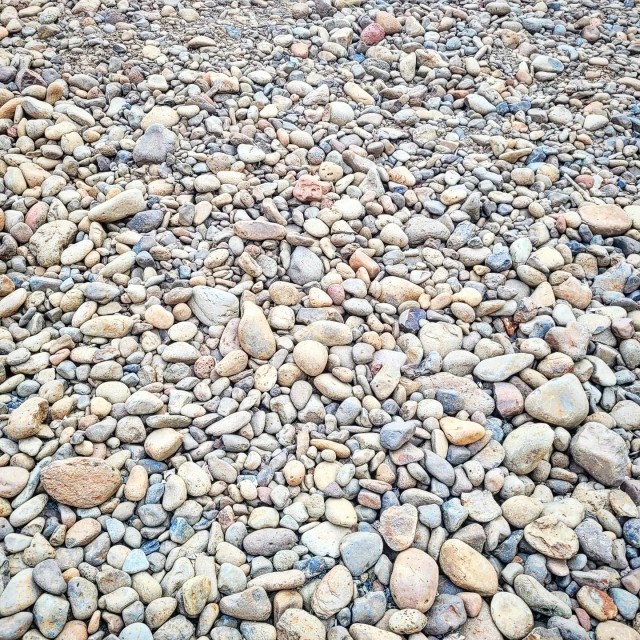
The Rocks (District) at Milton-Freewater

Rôtie Cellars Southern White 2022, Walla Walla Valley AVA

Half viognier with (30) roussanne and (20) marsanne, more than estate vineyards with some Blue Mountain foothill area viognier and roussanne coming in form that cooler clime. Partially barrel-fermented, minty cool, green eggs and ham fantasy, essentially dry so if there is a gram, that sweetness does little to effect the blend. Sapid white, neither tropical nor searing but somewhere comfortably in between. The barrel ferment on the viognier does induce longan fruit with a douse of marsanne lime that extends the flavours over a good length of time. Drink 2023-2026.  Tasted August 2023

Rôtie Cellars Southern Blend 2022, Washington State

A take on southern Rhône G-S-M with acid addendum and zest from cinsault. Somewhere in the vicinity of 60 percent Rocks District fruit with the remainder coming from the gorge that separates Washington from Oregon. The vineyard is literally on the river’s edge. A good portion is put into concrete (large cube) fermentation for 25 days, followed by neutral wood. That grip just has to be The Rocks but also a rush or whoosh of flavour that seems so very Gorge relatable. Curious metal motion mineral country twang, somewhat of a Chris Stapleton meets Lucinda Williams punchy anxiety that can’t help but grip the palate. Meaty, charred nightshade finish. Drink 2024-2028.  Tasted August 2023

Rôtie Cellars Northern Blend Rotie Rocks Estate Vineyard 2022, The Rocks District of Milton-Freewater, Oregon

The Côte Rotie mimic with five percent Viognier co-fermented with two different clones of syrah. Sees 15 percent French oak and is really the only Rôtie wine that sees some new wood. Agriculturally speaking it is the method of goblet head-training that makes for more efficient use of sap flow while fruit at 24 inches above the ground concentrates power. Also with winter help by “stoning up” from the basalt is The Rocks’ version of burying canes. Here a cobblestone cause and effect, of iodine, potassium and uranium, three pillars of these rocks that deliver wet stone, struck flint and balsatic tapenade. That crusty black olive sensation doubles down on aromatics and then the palate with shocks to the system like jumping across power lines in fits of sparking light. Impressive work here. Drink 2024-2029.  Tasted August 2023

Rôtie Cellars Rosé 2022, Washington State

Namely syrah with (15 percent) mourvèdre but the free run can’t come from more than an hour of skin contact because this is pale as it gets Rosé for syrah. Nearly vin gris, salty as F and purposed grown but also that acidity with the mourvèdre coming from The Gorge. Another sku is made with grenache called Stonewall Rosé that supports LGBTQ programs. Whistle as you sip this back because it delivers a one-two coordinated cool savour-grip punch. You can age this. Drink 2023-2026.  Tasted August 2023
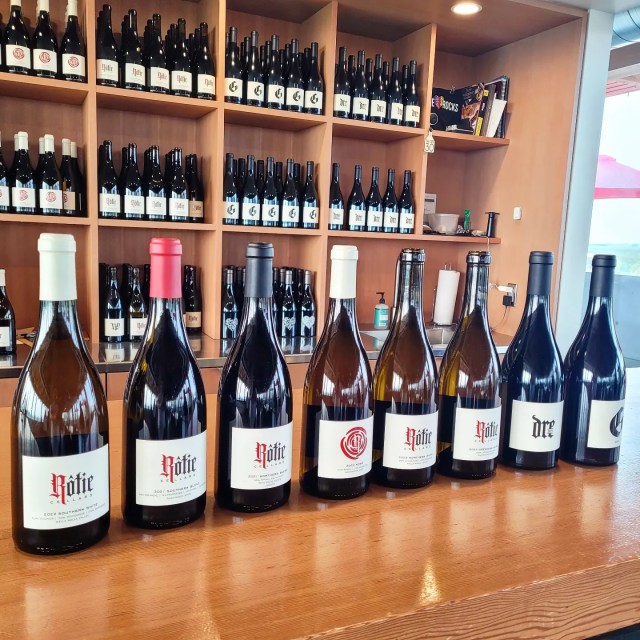
Rôtie Cellars Northern White 2022, Walla Walla Valley AVA

Apposite to the Rhône with 60 percent roussanne and (40) marsanne, all about yellow flowers and texture, lemongrass sabayon and basaltic saltiness. This speaks as much about Etna Bianco in terms of volcanic saltiness as it does Rhône varieties so c’mon – this is all about The Rocks, right? This is the launching point for the whites of this place, even while syrah, grenache and mourvèdre are the true signatures. Drink 2023-2027.  Tasted August 2023

Rôtie Cellars Big G Rotie Rocks Estate Vineyard 2020, The Rocks District of Milton-Freewater, Oregon

Just the second vintage of the grenache from the Olives Vineyard back away from the Rocks district, just recently planted in 2015 now coming into play, likely real soon to be what will be talked about as “into it’s own.” Concrete ferment and used puncheons, unadorned, red fruit high caste and naked as the day a grape is born. Crystal clear transparency, and while many would wonder what drives this crystalline wine, the fact is concentration and power, not to mention depth are all in play. Don’t be fooled, this is indeed a glass of raw meat and red flowers.  Drink 2024-2028. Tasted August 2023

Rôtie Cellars Dre 2020, Columbia Valley AVA

From the benches or “cliffs” of Wallula Vineyard, depending on who you talk to, of naturally formed terraces with elevation changes along and above the river’s gorge. The Boomerang Block produces mourvèdre and it is a seriously dramatic place. Doctor my eyes this Dre is somewhere between America’s premier (male) singer songwriter and the OG Hip Hop man, from both of which there are no artists not influenced by one or the other. Exaggerations are key to making sure people understand the uniqueness and potential of future iterations of a varietal wine that one day may just blow your mind. Drink 2024-2028.  Tasted August 2023

Rôtie Cellars Bubbly Rosé 2021, Washington State

Not from any particular AVA, “just for fun, don’t overthink it.” Traditional method has been done here but this is forced carbonation (as in Charmat) method, all about the peaches and herb. Peach iced tea and just bloody delicious juice. That’s all folks. Drink 2023-2024.  Tasted August 2023

Rôtie Cellars Grenache Blanc 2021, Washington State

From the Olson Vineyard owned by Prosser in the Yakima Valley, also pulled by Gramercy. Made in a sharp, high acid, zesty lemon and lime style. Fresh, extremely refreshing that turns a bit tropical with weight at the finish. Apricots and nectarines after that zesty citrus. Drink 2023-2025.  Tasted August 2023

Winemaker Kate Derby, Spring Valley Vineyard

Spring Valley Vineyard

Washington State is rife with winerys and locations as unique to one another as anywhere in the world but Springfield Valley Vineyard is a universe unto itself. It may be Walla Walla Valley but the drive in and out is akin to riding shotgun in the Rover tumbling over and through a lunar landscape. The winery and vineyards are an oasis on the bright side of the moon and a harvest party setting next to the massive weeping willow is something to experience. Winemaker Kate “Crushinit” Derby is the granddaughter of Spring Valley Vineyard owners Dean and Shari Corkrum Derby and great-great-granddaughter of Spring Valley founder Uriah Corkrum. In 1993, Shari and Dean Derby planted the first grapes at Spring Valley and their first vintage was 1999. Derby works closely with Serge Laville and Carlos, longtime ranch manager. In the summer of 2007, 66 acres of new vineyards were planted. Today, Spring Valley Vineyard consists of 111 acres of grapevines including merlot, cabernet sauvignon, syrah, cabernet franc, petit verdot, and malbec.
With Carlos and Kate at Spring Valley

Spring Valley Vineyard Viognier 2022, Walla Walla Valley AVA

A short stay in barrel lends a lees creaminess to what is ostensibly true mineral stage presence for a viognier essentially borne out of a veritable oasis in the midst of a grand desert. Healthy alcohol just under 14 percent that integrates and balances within the overall master plan filled with fruit, salinity, fresh flowers, sapidity, botanical tonic and gentle bitters. A subtly exotic beauty, understated and if viognier could be expressive of humility then this by Kate Derby and team is just that. A joy to be around. Drink 2023-2026.  Tasted August 2023

Spring Valley Vineyard Frederick Red Wine 2017, Walla Walla Valley AVA

Ode to Frederick Corkrum born in Spring Valley in 1900 to Katherine and Uriah. Classic Bordeaux blend and traditional (SVV) styling based on cabernet sauvignon with merlot and cabernet franc, aged for up to 30 months in barriques, stainless steel and neutral 500L puncheons. Notably warm growing season results in a mature, gently oxidative, well-seasoned and fully reasoned red as nurturing and easy to sip as it is polished, calming, non-plussed and refined. Always the tobacco and dry-brushy native plants mixed with dark fruit and a local savoir-faire that is unmistakable. Gentle giant of a red blend clearly made by this undulating corner of the Walla Walla Valley. Drink 2023-2025.  Tasted August 2023

Spring Valley Vineyard Katherine Corkrum 2017, Walla Walla Valley AVA

Varietal cabernet franc, 100 percent, named in honour of Katherine Corkrum, wife to Uriah, a native of Wales who immigrated to Walla Walla Territory in 1897. She and Uriah had four sons, including Frederick Corkrum. Current winemaker Kate Derby is current generation Katherine and there’s just this feeling that KD and CF share an affinity for one another. The silken quality of both the fruit and tannins align to keep this 2017 living, breathing and gifting no matter the maturity or advanced nature of its present state. Acidity was and still persists as a catalyst to lift and carry the notions of Walla Walla, but more importantly the varietal Spring Valley Vineyard site. This is cabernet franc that tells you to slow down, smell the roses and sip without any rush at all. Make this glass and that bottle last. Drink 2023-2025.   Tasted August 2023

Brooke and Justin Neufeld

Yakima Valley

JB Neufeld

J and B, Justin and Brooke, partners who produced their first vintage in 2008. The Yakima Valley is the state’s oldest AVA and says Justin, “in my opinion the most diverse terroir.” Especially for cabernet sauvignon and “by focusing on one variety is forces me to concentrate on the nuances of sites.” For Neufeld this means the Rattlesnake Hills and the upper valley.
JB Neufeld Sauvignon Blanc 2022, Horse Heaven Hills AVA

Straight away and without any doubt Justin Neufeld’s is bloody delicious sauvignon blanc. Aromatic enough, hopping on the palate, creamy mouthfeel yet sharp and clearly optimum of ripeness. Harmonic and long, fresh, clean and a finale with a lovely sweet herbal push. Impressive for grape and state. The 2020 was the first (at 250 cases) and 2022 is the third vintage, of 600 cases. Drink 2023-2026.  Tasted August 2023

JB Neufeld Cabernet Sauvignon 2021, Yakima Valley AVA

“I want the Yakima Valley cabernet sauvignon to be a gateway wine,” explains Justin Neufeld. “A solid introduction to our style and friendly to many palates.” Here he makes use of lots of upper valley fruit for a variegated aromatic representation of the entirety of the Yakima. Some merlot here to help soften the overall expression and temper cabernet’s inherent austerity. Getting roasted nightshades in eggplant and red pepper, a lighter or subtle Cassis aspect, richness without thickening and luxury though never density. Truly proper Yakima Valley and by extrapolate extension, Washington State cabernet. Drink 2024-2028.  Tasted August 2023

JB Neufeld Cabernet Sauvignon Ciel du Cheval 2020, Red Mountain AVA

A wine that is evolving into a blend with increased amounts of merlot and petit verdot because Red Mountain’s cabernet sauvignon is more austere and gritty than that of the upper Yakima Valley. Then again it’s all about Justin Neufeld’s “feel” in any given year. Classic Red Mountain and clearly JB’s biggest wine, especially on the palate where structure and specifically tannins come in thick waves, more balancing Kelvin than monster rogue. The chalkiness is indeed of an unctuous type and the approach here is spot on, maximizing fruit without barrel or aggressiveness getting in the way. No faults, nor VA nor Brett neither, no distraction or misguided orientation. Some native ferment involved but not in any early inducing secondary or tertiary potential. This is piloted cabernet sauvignon, make no mistake, insured and respectful, harmonic and solid. The backing vocals are very important, reminiscent of the Rolling Stones if more Bernard Fowler than Mary Clayton, which puts Ciel Du Cheval in less raw, more contemporary cabernet sauvignon times. Drink 2025-2033.  Tasted August 2023.

JB Neufeld Cabernet Sauvignon Two Blondes Vineyard 2021, Yakima Valley AVA

From Justin and Brooke Neufeld who first bottled their cabernet sauvignon in 2008. “In my opinion the Yakima is the state’s most diverse terroir,” explains Justin. “By focusing on one variety it forces me to concentrate on the nuances of the sites here in Rattlesnake Hills and the Upper Valley.” A cooler clime for a less granular if also reduced austerity as compared to what comes from Red Mountain. Here the ridges run east to west and Two Blondes is as cool a site as there is the Upper Valley where the cataclysmic glacial lake outburst Missoula Floods peaked at 1,200 feet. Early concrete raising for a cabernet of place above all else, conspicuously aromatic with a whole helluva lot of things (and love) going on. Famously and indelibly connected to the winemakers who created it. A cerebral cab that makes you perk up, ponader and pay attention. The wood factor is quite present, the wine is so young and this feeling of delicasse, grace and repose are on the indigo horizon. Should take about three years time to get to a point of heartsease and another three to gain serenity. Drink 2025-2033.  Tasted August 2023

JB Neufeld The Old Goat 2021, Yakima Valley AVA

Fruit taken entirely from Red Willow Vineyard located as far west as you can get in the Yakima Valley AVA, up against the Cascade Mountains. A true child of the rain shadow effect and compacted soils layered atop with volcanic ash originally spewed out by Mt. Saint Helens. In fact this is the only place in the state where this exists, in several layers, including material from the 1980 eruption. So much more than the (Mongolian) loess that has blown in to the east and through much of the Yakima. There is a charming aromatic set of tar, tobacco and ash notes, again those charred nightshades and here some balsamic reduction. The quality of the fruit has much to do with the combined acumen of OG grower Mike Sauer, his son Jonathan and the collaboration with MW David Lake. Their first vintage together was 1979, the year they met. This Old Goat is not “an elderly man who is disliked, especially for being mean to or disapproving of younger people,” but is in fact a big red, high in acid and of greater structure than the other Valley cabernets made by the Neufelds. The blend is 67 percent cabernet sauvignon with (33) merlot, just recently released. Drink 2025-2033.  Tasted August 2023
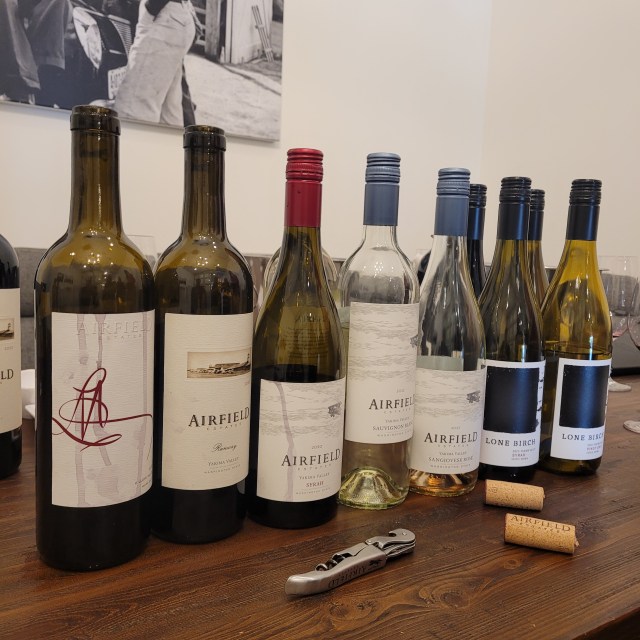
Airfield Estates

Fourth generation, all in the Yakima Valley, now with 130 acres of grapes, 20 different varieties grown, the agriculture dating back to 1907. In 1968 the family began growing grapes, one of the first pioneer commercial wineries and the first vintage was 1971. Was purchased back for $1by Lloyd Miller who was an aviator in WWII. Marcus Miller is current generation and winemaker (with Travis since 2017).
Airfield Estates Lone Birch Pinot Gris Estate Grown 2022, Yakima Valley AVA

Fresh and clean, baking soda nose, easy, herbal, pear and direct. Palate brings the stone fruit, yellow-green aromatics and pretty much essential Yakima Valley pinot gris. Drink 2023-2024.  Tasted August 2023

Airfield Estates Sauvignon Blanc 2022, Yakima Valley AVA

Really warm days with thankfully cool nights maintains freshness and knowable Washington acidity of a side palate up and down attack. Green herbs, gooseberry and a cut grass moment or two. Handsome, muscular yet not too taut and all in all very proper. A varietal workhorse exemplary for Yakima and Washington. Drink 2023-2026.  Tasted August 2023

Airfield Estates Rosé of Sangiovese 2022, Yakima Valley AVA

More than interesting use of sangiovese for a place where not too much Rosé is produced and quite aromatic at that. Red citrus, high acid cherry and pink grapefruit, some RS and plenty of fruit that indicates a full’s day run and a grape relationship with great red potential. Almost Cerasuolo in style – from elevation, cool nights and high level interest. Drink 2023-2025.  Tasted August 2023

Airfield Estates Merlot 2021, Yakima Valley

“A super interesting vintage and not in a good way,” tells Alexandra Lafontaine, “because it was cool in eastern Washington. But the grapes hung longer and escaped smoke-taint free.” True and yet there’s just that back palate char showing up, though the rest of the soft, nurtured and silky parts are highly credible and important to distinguish merlot for the Yakima Valley. Drink 2023-2025.  Tasted August 2023

Airfield Estates Lone Birch Syrah 2021, Yakima Valley AVA

Great meaty, iodine and crusted earth nose for a syrah cold soaked for 17 hours, on skins 13 days. Dual inoculation, 15 percent new wood, aged 11 months in assorted French vessels. Truly syrah with a minor amount of palate sweetness while the acids are solid and the balance well struck. Smoked meat finish with extinguished tobacco and roasted nightshade char. Drink 2023-2025.  Tasted August 2023

Airfield Estates Syrah 2020, Yakima Valley AVA

Clearly a step up from the Lone Birch on all fronts though not as noticeably meaty and earthy on the nose. Still a smokehouse smoulder but this falls into demure character without needing to be recognized as immediately one thing or the other. Fruit is deeper and feels more macerated though this is anything but a luxe and connected vintage. Wood also more in charge and yet not far away, meeting well with vineyard fruit (next to the famous Boucher block) and sometime next winter this will begin to drink at its best.  Last tasted August 2023

Extreme ripeness of syrah being, some meatiness and that kind of iodine meets sanguine quality but mostly fruit, more fruit and then that aforementioned notion, like rare roast beef. Delicious wine with a mineral streak, not overly complex but enough to bely a creeping towards and into jammy flavours.  Drink 2024-2026. Tasted June 2023

Airfield Estates Runway 2020, Yakima Valley AVA

Aviator ode red blend by way of a marketing perspective in 55 percent cabernet franc and (45) merlot though the blend will change from year to year with cabernet sauvignon often in the mix. Full on new wood at 85 percent but also a month of concrete to just elevate the freshness, if ever so slightly. Holds its wood quite well which is pleasantly surprising but it’s big, luxe and bold no doubt. Good buy – true Yakima Valley. Real discovery. Will be in November Classics, though only ten cases. Drink 2024-2027.  Tasted August 2023

Airfield Estates J. Lloyd Miller 2020, Yakima Valley AVA

Ode to the company’s founder in a blend of 60 percent cabernet sauvignon with (22) merlot, (16) cabernet franc and (2) petit verdot. Signature, small production wine of 250 cases. Despite the warm vintage and obvious luxe styling there is grace, charm and lovely harmony in this wine. Sees 22 months in all new French wood, integrated beautifully and just about ready to go. Some 1968 planted vines are party of the fruit source. Silky smooth and there is absolutely no austerity or heat. No ego. It deserves to be well-rated and will surely be seriously pleasing to a discerning Bordeaux blend loving consumer. The quality is high and the winemaking prowess impressive. Coming out in a Classics release in March 2024, though only five cases. Drink 2024-2028.  Tasted August 2023

Other wines tasted in Toronto, June 2023

Hilltop Wines Ltd. Terra Blanca Syrah Arch Terrace 2019, Red Mountain AVA

Estate Vineyard in syrah that leans mineral and ferric like few others – in fact the elemental surge from Red Mountain soil is felt in the most thorough of palpable ways. The intensity keeps a palate mindful of place and though fruit is no slouch or second fiddle played, one can’t help but feel the earth move beneath this syrah’s feet. So bloody and a mouthful of powdery rocks. Just wow. Drink 2023-2030.  Tasted June 2023

Hilltop Wines Ltd. Terra Blanca Syrah Signature Series Block 8 2018, Red Mountain AVA

Going back another season and into Block 8 for syrah with an ulterior example that delivers a blood orange and plum fruit combination, much more so than the Estate. Acids are sharp, tang is a major factor and this really hits the high notes. Great length as well though without the hematic and ferric swirls. Drink 2023-2027.  Tasted June 2023

Hilltop Wines Ltd. Va Piano Syrah 2019, Walla Walla Valley AVA

Serious syrah business, thick, ripe and liquid chalky. Some tart edging and also mineral intensity but fruit is explosive and seemingly unrelenting. Big-boned and structured for what should be a long life ahead with a fleshiness that will not be denied. Intensity is off the proverbial charts for a wine of this kind of stature and price. Quite impressive and nearly ready to boot. Drink 2024-2029.  Tasted June 2023

Good to go!

godello

Hot red August sun in the Walla Walla Valley

Twitter: @mgodello

Instagram: mgodello

WineAlign

VINTAGES preview April 1st

When you see one grand cru you’ve seen another grand cru #nierstein #rheinhessen #rhein

Globe-trekking critics, be a fool for value, plug in to musical Ontario and align with new world pioneers

as seen on WineAlign

Last Thursday I flew home from Germany after attending Prowein 2017, a massive wine fair in Düsseldorf that has to be seen to be believed. Picture nine immense convention halls each the size, depth and breadth of a Canadian football field, connected to one another and circling a courtyard like hangars in surround of incoming and outgoing flights at a major airport. The sheer quantity of human power and logistical planning required to facilitate and execute such a congress is in fact not unlike what happens every day at Frankfurt International. There may not be 100,000 employed to run Prowein, but at least that many wine stems are engaged.

It’s also hard to believe that this time yesterday I was standing on the crest of the red sandstone Grand Cru Neirstein vineyards overlooking the Rhein River. In advance of my trip to Germany I had the chance to taste through next weekend’s VINTAGES April 1st release and you will be pleased to find no shortage of quality wines under $20, many of which will solve your in advance of Easter needs. A token pinot noir with an anything but token twist and two hopping chardonnays are included for classic holiday food and wine association but I dig deeper into soils, varietal diversification and terroir for holiday pairing perfection.

There is no secret that Spain and Portugal sit at or near the pinnacle of Ontario consumer go to picks in the genre occupied by bargain reds. While the two recommendations below will certainly pair well with a feast of festive proportions, they also resurrect some grape varieties you might not automatically consider. Alentejo in Portugal and Castilla Y Léon in Spain offer great opportunities to discover local, endemic, world-class red wines. This early spring Ontario cold snap will soon be a thing of 2017’s winter past so I would suggest to get that BBQ tune-up completed because these wines are perfect foils for anything you can throw on the grill.

Travelling brings us together with the leaders and pioneers of fast-tracking and emerging wine regions and it is the global nature of this industry that through their own travels, they are brought to us. In September of 2015 I had the great fortune to spend a night and better part of a day with South Africa’s Ken Forrester. You will have noticed that Western Cape chenin blanc has taken the world by value storm over the last three to four years. There are several reasons for the varietal explosion, two of which are geology and climate. The third worth mentioning is Ken Forrester himself. When I tasted with Ken in Stellenbosch we travelled through half a dozen or more blocks, plots, vineyards and stylistically framed steen. Each and every year his Old Vines Reserve passes through VINTAGES. It is perfectly consistent and sets the benchmark for inexpensive and excellent South African chenin blanc genius.

Nicolás Zapata Catena and his daughter Dr. Laura Catena have pioneered similar if even deeper industry-leading work in Mendoza, Argentina. The father-daughter dream team have crafted terroir-focused Malbec and other well suited to time and place varietal wines. Over the past few years the Catena brand has expanded their portfolio by narrowing their focus into micro-terroirs in highly specific spots all over Mendoza. It’s not just Catena that has taken this brilliant South American approach to branding and this April 1st VINTAGES release is chock full of such precise varietal wines. Though I of course would be thrilled to offer up credit to the power brokers and buyers that be I’m not sure I’d give in to the idea that the grouping was executed with any preconceived plan. The patterning, by coincidence or not is nevertheless highly welcomed and I’m pleased to share these wines with you.

The Ontario presence is strong, as it should be, on the heels of a terrific Taste Ontario that was as promising as it was not surprisingly expected. Stratus hits the riesling mark with Wildass abandon, Flat Rock plays its annual MTV chardonnay tune and Thirty Bench does a varietal two-step that may just blow your mind. We should all be thankful for our local talent and in constant awe of Ontario’s wine ability to step out of its comfort zone, consistently improve on what it already does best and find ways to re-invent the wheel.

With the incantevole @chianticlassico hills fading from view, thank you #toscana #anteprime2017 #anteprimeditoscana #chianticlassico #vinonobiledimontepulciano #brunellodimontalcino

Speaking of Ontario, David Lawrason and I are still reeling from three days spent with an impressive Canadian ambassadorship contingent stationed in Düsseldorf’s Messe Prowein centre, sent there to spread the cool climate wine gospel to the world. The enthusiastic demands on our collective time were great. We will expand on the success of Canada’s presence on this important world stage in the coming weeks. John and Sara have also been on the road, globetrotting to the far reaches of the wine diaspora. It’s getting hard to track who might be where at any given time but in the first three months of 2017 we’ve had at least California, Oregon, Uruguay, Chianti Classico, Montepulciano, Montalcino, Lazio, The Ahr Valley, The Rheinhessen and every corner of New Zealand covered.

Through the course of our travels we are granted the opportunity to meet producers and winemakers, taste their wines and we often come across exciting products not seen before in Ontario. These discoveries are becoming increasingly important because the agents in Ontario receive an assisted head start on finding new wines. With the WineAlign Exchange inching closer and closer to bringing the reality of expert curation to wine buying and purchasing in Ontario, the connections we forge to these values and gems may soon see to finding their way into your cellars and your glass.

Godello’s Buyer’s Guide to VINTAGES April 1st:

Musical Ontario

Stratus Vineyards Riesling Wildass 2015, VQA Niagara Peninsula, Ontario (129700, $16.95, WineAlign)

It’s really hard to say whether Stratus Vineyards’ J.L Groux is more adept as a varietal impresario or as a master of assemblage so we’ll just call it a tie. Here into the riesling game he goes in the mere mortal affordable Wildass range and in 2015 he plays a smart varietal tune. You’ve just got to get some Wildass.  @StratusWines

Flat Rock Chardonnay Unplugged 2015, VQA Niagara Peninsula, Ontario (68015, $16.95, WineAlign)

The record keeps playing in rotation and the string remains unbroken with yet another quality vintage for the unoaked from Flat Rock. The crunchy apple and righteous waves of pertinence make this perennial best buy a required spin without any wonder why.  @Winemakersboots  @brightlighter1  @UnfilteredEd  @wine_gems

Thirty Bench Winemaker’s Blend Double Noir 2015, VQA Niagara Peninsula, Ontario (493973, $18.95, WineAlign)

The nomenclature is just so perfectly chosen and as you will find, this is a seamless joint between pinot and gamay noir. Double Noir performs the passe tout grains oeuvre from Ontario in combining two expatriate Burgundy grapes. I’ve long ago agreed these two make anything but strange bedfellows and the two grapes work seamlessly in Emma Garner’s new and idealistic red. Well done Thirty Bench. Pass the two grapes over, SVP.  @ThirtyBench

Align with new world pioneers

Ken Forrester Chenin Blanc Old Vine Reserve 2016, WO Stellenbosch, South Africa (231282, $17.95, WineAlign)

Reserve is a funny term for wines like this because it speaks to the idea that it should be put aside fore further use. I don’t think that is Ken Forrester’s plan and here he once again raises his old vines game with the 2016 chenin blanc. Stellenbosch continues to dole out some of the planet’s most striking and finest whites with chenin blanc at the centre of it’s value universe. With major thanks to Ken Forrester.  @KFwines  @WOSACanada  @WOSA_ZA  @Noble_Estates

In Situ Reserva Carmenère 2015, Aconcagua Valley, Chile (37952, $16.95, WineAlign)

In case you were wondering too, “In Situ is crafted from grapes that ripen on steep slopes alongside mysterious rock drawings from ages past.” The only expansion on that bit of ambiguity I can share is the purity and clarity levels of carmenère are fully explained in this Reserva. Another fine BBQ wine for April flowers and showers.  @InSituWine  @WinesOfChile_CA  @WinesofChile

Echeverria Cabernet Sauvignon Limited Edition 2011, Central Valley, Chile (389221, $24.95, WineAlign)

Though labeled as cabernet sauvignon the Limited Edition is generously supported by syrah and carmenère, resulting in a layered and grossly rich red blend. The individual varieties don’t really stake any obvious claim and while their integration is not exactly seamless, the layering back and forth over one another does work some Central Valley magic. Complexity wins points.  @VinaEcheverria  @LiffordON  @WinesOfChile_CA  @WinesofChile

Catena Malbec Appellation Paraje 2014, Mendoza, Argentina (492413, $22.95, WineAlign)

Last November Dr. Laura Catena told a small Ontario press audience “it’s a fact. Different soils give different flavours.” The WineAlign team had previously sat down with winemaker Ernesto Badja for a full-on, wide-scale investigation into a climat-precise and compendious look at the proselytism of Catena culture. Paraje Altamira was one of these such looks into single-vineyard terroir.  @CatenaMalbec  @LauraCatena  @Noble_Estates  @ArgentinaWineCA  @winesofarg

Trapiche Malbec Perfiles Calcareous 2015, Mendoza, Argentina (482083, $18.95, WineAlign)

The savvy marketed Trapiche foray into soil matters with malbec divines the intention that calcaire (calcareo) brings speciality to these Uco Valley vines. It’s not a huge stretch to sense some limestone in this malbec’s make-up and I am wholly impressed by its countenance, its continuity from nose to tail and yes, its mineral feeling. So glad Trapiche is onside. @TrapicheWines  @Dandurandwines  @ArgentinaWineCA  @winesofarg

The best of the rest

Paulo Laureano Reserve Tinto 2014, Vidigueira, DOC Alentejo, Portugal (488775, $19.95, WineAlign)

From the still somewhat unheralded and rising to stardom Alentejo the grape expectation here from vidigueira is no shrinking Reserve. This would make for a curious consumer side step into something different but at the same time so obvious and comfortable. At this price you can’t afford to do neither.    @winesportugalCA  @wines_portugal  @Nicholaspearce_

Senorio de la Antigua Mencía 2012, IGP Castilla y Léon, Spain (481549, $13.95, WineAlign)

Some solid and in some circles, very old estate vines (30-50 years) in Villafranca del Bierzo gift mencia for a pittance. Rarely does a $14 old world red give so much for so little. Great round acidity and length off the cuff of a vibrant tune. Simply great value. One of the best you will find all year.  @WinesofSpainSL  @Wines_fromSpain

Groth Chardonnay Hillview Vineyard 2014, Napa Valley, California (225672, $57.95, WineAlign)

From a 44-acre Yountville vineyard founded in 1982 and (mostly) re-planted in 1996. This is a perfect and prime example of all the right directions Napa Chardonnay has taken in the last 10 years, with kudos to Suzanne Groth for embracing the ideal, from restraint, for elegance and in balance.  @GrothWines  @suzgroth  @CalifWines_CA  @CalifWines_US  @NapaVintners  @TheVine_RobGroh

Dutschke Shiraz GHR Neigbours 2013, Lyndoch, Barossa Valley, South Australia (247296, $26.95, WineAlign)

You just have to let go and find the fun in this Gods Hill Road shiraz, a wine of deep-rooted flavour. The utter deliciousness and unctuousness of Barossa is capitulated and catapulted into Lyndoch space. To say that charred meats hot of the grill would work perfectly right now would be utterly correct. To see this age for up to 10 years and eke out more elegance is also true. I would suggest endeavouring in both.  @DutschkeWines  @Wine_Australia

Glaetzer Shiraz Bishop 2015, Barossa Valley, South Australia (627869, $39.95, WineAlign)

Ben Glaetzer’s incredible value Heartland cabernet sauvignon from this same release is not to be missed but I’ve chosen to focus on his flagship shiraz. From son Ben in ode to mother Judith, Bishop the maternal maiden name is the rock of the estate’s Barossa Valley reds. Bishop is a serious wine to be sure and this really leaves so much behind in the mouth long after it’s been sipped.  @GlaetzerWines  @Wine_Australia  @TheVine_RobGroh

Louis Moreau Chablis Domaine de Biéville 2015, Burgundy, France (106161, $27.95, WineAlign)

Just last week I stood in Moreau’s booth at Prowein and I talked with Frédérique Chamoy. She noted how excited buyers are about the 2015 Chablis. If you were ever to take the kimmeridgian plunge this quintessential Moreau and this vintage are the place to start, Pure, classic mineral Chablis with more fruit than I’ve ever seen.  @MoreauLouis1  @vinsdechablis  

Brancaia Chianti Classico Riserva 2013, DOCG Tuscany, Italy (260802, $36.95, WineAlign)

Brancaia goes all in to exploit sangiovese and the for broke style solicits some patience to wait out in extra time. Though 16 months in barrel is nothing to call nothing it is not the wood that dominates these gregarious 2013 grapes. With time this swirls into a grosso sangiovese like liqueur with plums, cherries and spice. Really Riserva in style but not of the recent past, more like the older ways but translated to modern times.  @CasaBrancaia  @chianticlassico  @ChiantiClassUSA  @Noble_Estates

La Lecciaia Brunello di Montalcino Riserva 2010, DOCG Tuscany, Italy (241307, $69.95, WineAlign)

From the giving 2010 vintage and so beautifully so gifted here with La Lecciaia’s 2010 Riserva. Sangiovese that rests in such an ethereal nether-land will evolve with decades long grace. Classic would be one way of looking at it, heart-warming another and it’s remarkably ready to drink.      

It’s been a whirlwind of a start to 2017 and I am personally glad to be home, for now, even if it’s only for a short time. After all, there are too many wine discoveries out there and if were to let them pass me by I would not be Godello. So before too long I will head back out on the road, join the fairs, searches, digs and bring some love back home. As for now it is the April 1st release that deserves our full attention. Sara will bring best buys and new finds next week. Looking forward to April 15th David and John will return with your first in line VINTAGES picks. Until then, good luck with the hunt, have a Happy Easter and an equally happy Passover.

Good to go!

Godello

Twitter: @mgodello

Instagram: mgodello

WineAlign
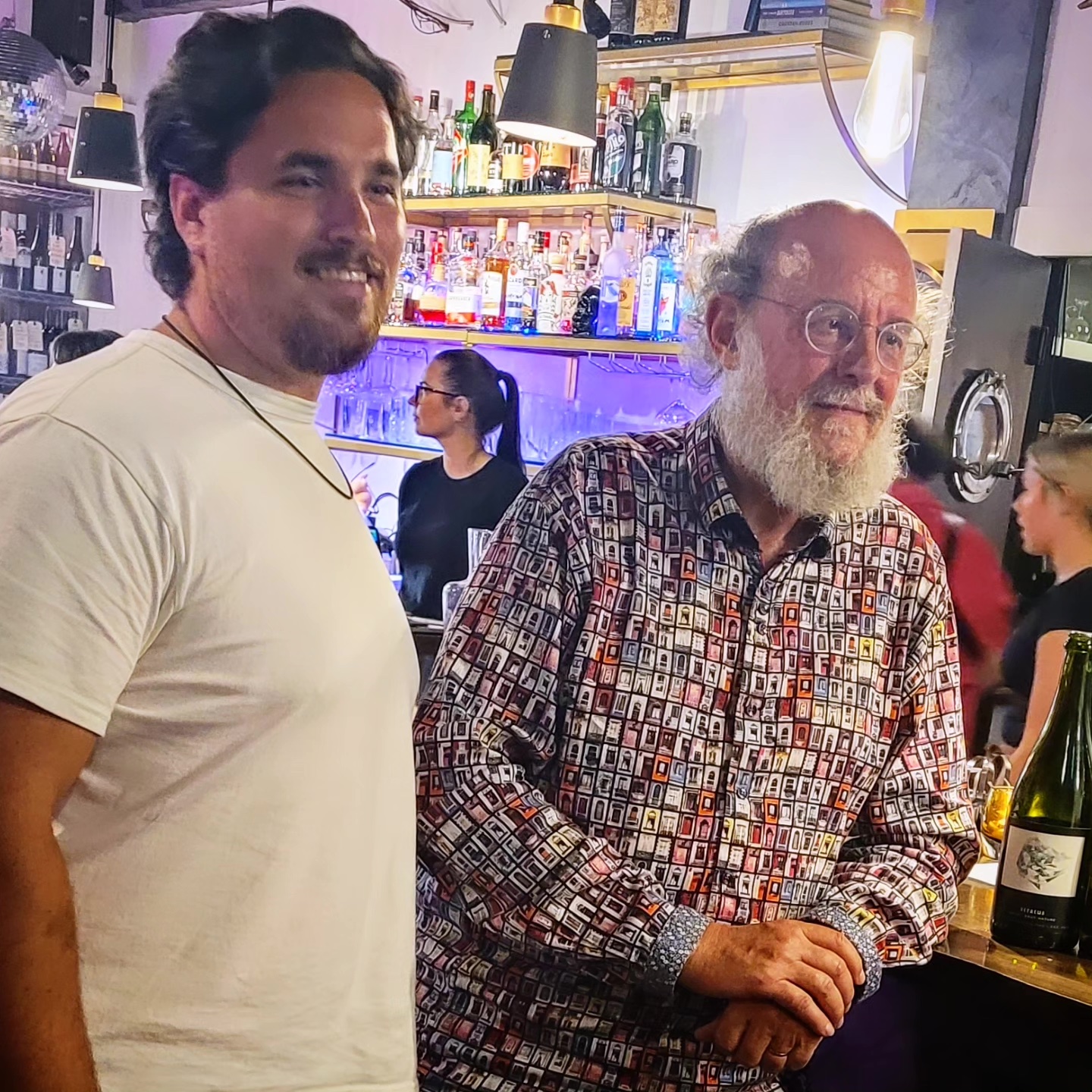
Quick link to Michael’s WineAlign Mix

September 3rd goes up to eleven

nofilter

There are three times per year when we all disappear into the nether land of family, cottages and getaways, at Christmas, New Years and Labour Day. It’s very easy to miss out on news, world events and VINTAGES releases. The latest VINTAGES release took place over the Labour Day long weekend and I’ve always felt the LCBO should skip this Saturday on the calendar. I’ve been following the release cycle since 2000 and never pay much attention until after the fact. Like now.

While I did taste and review the September 3rd wines in August, I’m only getting around to sharing them with you now because I had better and necessary things to do, like delivering a child to university. This is the one time I don’t consider delivering the VINTAGES news after the fact as being late. Who was paying attention on the weekend anyway? This release goes up to 11 meaning it’s bigger and louder than others. And I’ve made 11 recommendations. Here.

maycas

Maycas Del Limarì Sumaq Chardonnay 2014, Limari Valley, Chile (378471, $14.95, WineAlign)

Cool and crisp chardonnay with a big bite out of a tart, green apple and notes from the barrel that are a good distance away from softening their grip. The fruit is not shy and is coddled so that it will stay strong when its time does come. That should be 12-18 months down the road. The spices will still be hanging around at that time. Drink 2017-2021.  Tasted August 2016  @Maycasdellimari  @DrinkChile

Peter Zemmer Pinot Grigio 2014, Alto Adige, Italy (95802, $16.95, WineAlign)

A classic grigio style on the fresh, tart and juicy spectrum but with a dense side note of mineral almost as fig pierced by a hypodermic tang. Pears are up front, fennel bulb behind and citrus everywhere in between. No questions asked for what’s in store and how it will offer broad yet refined appeal. Drink 2016-2018.  Tasted August 2016    @AltoAdigeWines  @3050imports

westhof

De Wetshof Limestone Hill Unwooded Chardonnay 2015, Wo Robertson, South Africa (419622, $16.95, WineAlign)

No oak but plenty of flavour, vitality, alcohol and spice. Rarely does an unwooded chardonnay achieve such extended parameters but here the breaching is palpable. Sugar has something to do with the achievement, but so does extract, so credit is due. It is the verve of this wine and its utter Robertson-South African character (which is so bloody obvious) that gives it its charm. Drink 2016-2018.  Tasted August 2016  @DeWetshofWines  @WOSACanada  @WOSA_ZA

Montes Alpha Carmenère 2013, Colchagua Valley, Chile (143230, $19.95, WineAlign)

Really smoky, savoury, dense and wildly delicious carménère from Montes in 2013. The fruit is focused and the texture silky with a side of grit. Very persistent in its linger, long after the wine has passed your lips. Drink 2016-2020.  Tasted August 2016  @MontesWines  @WinesofChile  @ProfileWineGrp

Poderi Di Luigi Einaudi Dolcetto Di Dogliani 2013, Doc Piedmont, Italy (232454, $19.95, WineAlign)

If modern and rustic can co-exist they would do so in this dogliani, a wine deeply and religiously traditional but executed with current pressed and exercised values. Black currant, liquorice and Cassis get together in a petite sirah meets cabernet sauvignon thinks 21st century nebbiolo way. Could confuse but instead delights with its bright ability within the darkness of its pitchy fruit. Terrific acidity trumps the microbial volatility. Chocolate fills the finish. Really fun wine for red meats, from the hearth, off the grill and in the pot. Drink 2017-2020.  Tasted August 2016  @quotidianopiem  @WoodmanWS

grace

Il Molino Di Grace Chianti Classico 2012, Docg Tuscany, Italy (85209, $19.95, WineAlign)

Sangiovese running 100 per cent solo, but from a vintage that surrendered 50 per cent of the crop in the spring to frost. The absence of quantity is quality’s coup for a mere 48,000 bottles of Molino di Grace’s normale. Aging happened in Botti (25 hL) for one year. There is a distinct opposition to the other house stylistics, here fresh and fruit massive meets a beautifully dusty, high quality, straight and taut line. Drink 2016-2020.  Tasted May 2016  @Ilmolinodigrace  @chianticlassico

fielding

Fielding Estate Cabernet Franc 2013, VQA Niagara Peninsula, Ontario (36194, $21.95, WineAlign)

Fielding’s consistent take on Cabernet Franc might be labeled as boring in proportion to its lack of ego but it is getting better with each passing vintage. Winemaker Richie Roberts is comfortable with the traditional technique that follows the regimen; de-stem, minimal crush, cold soak, rack, return, pumpover, extended maceration, drain, press and 12 months, full malo-achievement in barrel. Dark berries and moments in chocolate are polite and gratifying. The end game is temperance, modesty and goodness. Fielding’s Cabernet Franc is not one of Ontario fiction in requiem of drama, egotism, vanity and venality. The oak is an accent, not a heavy brush stroke. Acidity defines fruit and in turn that fruit bites ripe and ripping. Drink 2016-2019.  Tasted March 2016  @FieldingWinery  @RichieWine

Descendientes De J. Palacios Pétalos 2013, Do Bierzo, Spain (446484, $24.95, WineAlign)

Pétalos del Bierzo is the entry-level Corrullón from Alvaro Palacios and nephew Ricardo Perez and it’s typically Mencía deep and juicy, rich in berries, iron and reeking of fresh sandalwood. The palate is richer still, full of plums and good bitter chocolate. Old vineyards in revival for the purpose of making modern wines is the modus operandi and you would be hard-pressed to find comparable or parallel in Bierzo. The oak here is in full control so let it rest two or three years and allow the seamless structure to submit, abide and oblige. Drink 2018-2022. Pétalos del Bierzo is the entry-level Corrullón from Alvaro Palacios and nephew Ricardo Perez and it’s typically Mencía deep and juicy, rich in berries, iron and reeking of fresh sandalwood. The palate is richer still, full of plums and good bitter chocolate. Old vineyards in revival for the purpose of making modern wines is the modus operandi and you would be hard-pressed to find comparable or parallel in Bierzo. The oak here is in full control so let it rest two or three years and allow the seamless structure to submit, abide and oblige. Drink 2018-2022. Tasted August 2016  @WoodmanWS  

Masi Brolo Campofiorin Oro 2012, Igt Rosso Del Veronese, Italy (976092, $26.95, WineAlign)

Classic appassimento from Masi in this seminal bottling with a great exude of flowers and the most complex, exotically perfumed sugar syrup nose. The texture is silky and elastic, the acidity proper and the finish long and sweet. Though the chocolate is all pervasive (with a shot of espresso brought late, for good measure), this is highly accomplished, value-added Veronese red wine. The Brolo (walled vineyard, or Clos as per the French) has gifted a great appassimento in 2012. Drink 2016-2022.  Tasted August 2016  @MrAmaroneMasi  @AuthenticWineON

rua

Akarua Rua Pinot Noir 2015, Central Otago, South Island, New Zealand (295592, $27.95, WineAlign)

Young, bright, vivacious, gregarious and highly flavourful Central Otago for a the price of a duet. The vineyard is 20 years old, perfect for fresh but experienced Bannockburn (sub-region) pinot noir. Ripe red cherries leaning to the darker side and fresh cut cedar two by fours are forest happy and rustic with finely carved edges. The tannins are indeed gentle, slightly caressing and here is a wine for five years of most excellent drinking. Yum. Drink 2016-2020.  Tasted August 2016  @AkaruaWine  @vonterrabev  @nzwine

Luigi Scavino Azelia Barolo 2011, Docg Piedmont, Italy (291963, $48.95, WineAlign)

Scavino’s Azelia is a proud and confident nebbiolo, blessed by a calm demeanour and dressed in the finest leather. Roses are its most coveted and obvious aroma, joined in part by wild cherry and brushed young fennel frond. The balance and the structure are poised, erect and firm. There are 15 years easily ahead for this Azelia, ready in two but potentially closed in the four to six range. Try one now for size and then put the other five away until the next decade. Drink 2021-2029. Tasted August 2016    @brixandmortar

Good to go!

Twitter: @mgodello

Instagram: mgodello

WineAlign

Drink now or save it for later?

Rhones

Olivier & Lafont Gigondas 2013 and Domaine La Fourmone Le Poète Vacqueyras 2013

When you face the reality of finding yourself in VINTAGES ambivalence, slowly pacing, randomly, to and fro across the wine map of the world. These are times when you don’t have the faintest clue why, or what, or, for what reason and to what end. It’s not simply a matter of what wine should you pick. No, it’s deeper than that and even if you don’t realize the magnitude of the decision, the lucubration is also there. The exercitation of the intellect incites the self-reflective question. Drink now or save it for later?

It does not matter if you have come to this place to purchase a bottle of wine for tonight’s dinner. It matters not if that wine is a dinner invitation gift, in fact, it matters more. You might bring that purchase home and decide that another more prescient bottle is ready. Your friend may choose to save your contribution for another, further down the cellared road day. And so every purchase is fraught with trepidation, with dichotomy, with doubt.

Don’t bother trying to explain them
Just hold my hand while I come to a decision on it

Price is the most obvious demarcation point for early, middle or late consumption. The number is not a hard one nor is there a guarantee for success. Everything is based on probability, risk, reward and chance. Twenty five dollars can buy you 10 years and in some cases, 10 months. If provenance is near-perfect, before and after purchase then the odds increase dramatically. Any bottle of wine, whether $10 or $100 that spent time in the sauna of a storage tank, tanker or storage tomb will take their leave in adolescence. You have to ask yourself the question, level up or level down? Spend $15 or $50. Crack it tonight or in 2025? Remember this. Contradictions are what make wine interesting. Consistency is for cooking.

I have spent the last 30 years considering wine in some respect. The last 15 much more so. The tries, trials, errors, tricks, and tribulations have taught me one thing. I prefer and receive much more instant gratification from drinking wines young but nothing compares to the insight and the exhilaration of partaking in older wines. Fifteen years are that terminus, at least for me. You will notice that five wines reviewed below fall into the near breaching $30 price category. A certain kind of sweet spot for wines that can spend quality time in the cellar.

As the weekend approaches, the VINTAGES June 11th release brings the two worlds together, as it always does, to tease buyers into making yet another bi-weekly decision. Drink now or save it for later? The answer is both. Some things never change. I’ve 15 recommendations for you. After all, isn’t that the magic number?

Crios

Crios De Susana Balbo Chardonnay 2014, Mendoza, Argentina (243196, $13.95, WineAlign)

Fresh, reductive and herbal scented chardonnay from winemaker Susana Balbo, nicely delineated from ripe 2014 fruit. There is a decidedly toasted barrel edgy spice and good tart complications. Simply stated, properly made chardonnay. Drink 2016-2018.  Tasted May 2016  @susubalbo  @sbalbowines  @ProfileWineGrp  @winesofarg  @ArgentinaWineCA

Emiliana

Emiliana Organic Brut Sparkling, Charmat Method, Casablanca Valley, Chile (451914, $15.95, WineAlign)

Waves of natural, fresh-air, verdant meadows running cool with rapid run-off springs aromas make this Casablanca Valley sparkler feel fresh and inviting. The palate takes it to a very citrus place, albeit within the context of pale, lucid and pellucid. Great value and fresh as there is. Drink 2016-2018.  Tasted May 2016  @VinosEmiliana  @WinesofChile  @DrinkChile  @WinesOfChile_CA

Jardin

Jardin Sauvignon Blanc 2014, Wo Stellenbosch, South Africa (663302, $16.95, WineAlign)

Reductive and so very pungent, here we receive sauvignon blanc from Stellenbosch with a real sense of high-spirited purpose. Carries a bit of fresh Sancerre proposition in its heart and seeks to take matters up to another South African level. It mostly succeeds. Drink 2016-2018.  Tasted May 2016  @AbconWine  @WOSACanada  @WOSA_ZA

Château Des Charmes Estate Bottled Old Vines Pinot Noir 2011, VQA Niagara On The Lake, Ontario (256834, $18.95, WineAlign)

Perhaps a difficult vintage for pinot noir but not so for healthy, established, confident old vines. From berries to beets and cola, all wrapped up in cozy sweetness, here pinot noir sings uninhibited and free. It is surprisingly easy to drink and not at all astringent. Thanks afforded the vineyard and the winemaker’s deft, less is more touch. Drink 2016-2020.  Tasted May 2016  @MBosc

Tawse Spark Limestone Ridge Riesling 2014, Méthode Traditionnelle, VQA Twenty Mile Bench, Ontario (370361, $19.95, WineAlign)

A rich, heady, toasty and vital Riesling from the terrific Twenty Mile Bench Limestone Road Vineyard, tilted out with preserved citrus and waxy, lemony concentration. At present this outlays on the sour-rutaceae-rusticae ledge and I can see why it would be both confounding and misunderstood. The vineyard and its riesling in sparkling form search for a coming together, in bottle, without the assistance of gross lees. A few years are required and needed for the sugars to work their magic and strike fear into the citrus for future balance. I think this will come around and really find its aim to please. Drink 2018-2022.  Tasted May 2016  @Tawse_Winery  @DanielatTawse  @Paul_Pender

Rose Thorn

Byron & Harold Rose & Thorns Shiraz 2013, Great Southern, Western Australia, Australia (453183, $19.95, WineAlign)

Just as every rose has its thorn, Western Australia has its knight is shining armour in Great Southern. Shiraz from this place is possessive of its very own, singular and distinctive perfume, like roses in hyperbole and varietal specific oak-imparted exotic spice. Byron and Harold does shiraz as if by Shakespeare, of the Dane, with his courtesans on call. A cool, long drink of shiraz soliloquy, finished with currants, citrus and relative cool climate acidity. Special value here. You can pick the right poison with this power ballad. Drink 2017-2024.  Tasted June 2016  @ByronandHarold  @KylixWines  @Wine_Australia

Nadja

Flat Rock Nadja’s Vineyard Riesling 2015, VQA Twenty Mile Bench, Niagara Peninsula, Ontario (578625, $24.95, WineAlign)

This is an outlier for the Nadja’s Vineyard riesling, with deeper concentration and compression than before. More Mosel and less Twenty Mile in 2015, of light alcohol and an increase in off-dry, extract meets acidity. There have been Nadja’s with more air and exhale but I can’t recall one with such density in vitality. A great Nadja to be sure but of a deferential sort of character. Two or three years should bring it back into its self-imposed and created line. Drink 2018-2024. Tasted May 2016  @Winemakersboots  @brightlighter1  @UnfilteredEd

Seresin

Seresin Sauvignon Blanc 2014, Marlborough, South Island, New Zealand (735043, $24.95, WineAlign)

Sauvignon Blanc borrows a page from its first Marlborough golden age in this Serezin 2014, finning balance in the most important facets of its character. Ripe fruit, natural acidity and memorable dry extract. The citrus is exotic, the stone fruit balanced between tart and ripe, the finish long and meaningful. With so much pungency in surround abound this exhales a true breath of fresh spring air. Were Marlborough Sauvignon Blanc always like this I would be glad with a glass, every day. Drink 2016-2019.  Tasted May 2016  @SeresinEstate  @DionysusWines  @NZwineCanada  @nzwine

Talinay

Tabalí Talinay Pinot Noir 2013, Coastal Limestone Vineyard, Limarí Valley, Chile (443440, $27.95, WineAlign)

Limestone and martime influences converge in this highly perfumed pinot noir. It smells of red berries, soft, wet rock and mollusc shell. The crustaceous salinity is a new drift for pinot noir but not entirely out of the happy equation. Loquacious and malleable, the flavours replay what red berry meets white light the nose had given. This is quite singular in expression, natural and handsome. At $28 it is a terrific, unexpected find. Drink 2017-2023.  Tasted May 2016  @TabaliWines  @hobbsandco  @WinesofChile  @DrinkChile  @WinesOfChile_CA

Oldenburg

Oldenburg Vineyards Syrah 2012, Wo Stellenbosch, South Africa (443457, $27.95, WineAlign)

Indicative of the new and improved Stellenbosch for syrah, in which perfectly ripe phenolic fruit meets consumer appeal. Quite a traditional upbringing means clean, pure, rich and plenty but it does not embrace new or outside the box. For the price this represents tremendous, albeit traditional value in a syrah with no fraying or funky edges. It will live a perfectly long life. Drink 2017-2027.  Tasted May 2016  @Oldenburgwines  @WOSACanada  @WOSA_ZA

Vac

Domaine La Fourmone Le Poète Vacqueyras 2013, Ac Rhône, France (452268, $29.95, WineAlign)

Poetic and stunning Vacqueyras, so fluid, natural and effortless. From raspberry to plum, by garrigue and though dusty, delicate underbrush, the cure is cut with hands-off dedication. A certain kind of delicate spice just pricks here and there but you know it’s there. This is exactly what restrained Rhône and vacuous Vacqueyras need to be. The tannins are so fine. Such great structure will take this very long. Drink 2017-2025.  Tasted May 2016  @Lafourmone  @VINSRHONE  @RhoneWine  @TFBrands

Terrunyo

Concha Y Toro Terrunyo Peumo Vineyard Block 27 Carmenère 2012, Entre Cordilleras, Peumo, Cachapoal Valley, Chile (562892, $29.95, WineAlign)

Concha Y Toro’s Block 27 has always dominated the price meets profundity of this signature varietal success story for Chile. Calling out a vineyard its equal for correctness and depth at under $30 Canadian is a tall order. Gobs, waves and oscillations of dark fruit, intense savoury scents and the rush gained from a syringe-injection of its lush elixir perpetuate in 2012. This albeit with a roast and a confiture of black currant and bell pepper. Or vice versa. Ripe acidity and tannin add layers, not opposition. The overall amalgamation seems a bit sweet though in actuality the grit is what stakes claim and standing. Nothing but huge in 2012. Drink 2018-2023.  Tasted May 2016  @conchaytoro    @WinesofChile  @DrinkChile  @WinesOfChile_CA

Gigondas

Olivier & Lafont Gigondas 2013, Ac Rhône, France (452300, $29.95, WineAlign)

Beautifully accomplished and confident Giogondas from messieurs Olivier et Lafont, ripe but restrained, balanced and carefully, contractually structured. Purity and silky albeit spicy textures wrap themselves up in flavour. No spikes, rips or fissures are to be found. Exemplary Gigondas. Drink 2018-2028.  Tasted May 2016  @vonterrabev  @VINSRHONE  @RhoneWine

Dauvissat

Jean Dauvissat Vaillons Vieilles Vignes Chablis 1er Cru 2009, Ac Burgundy, France (457002, $49.95, WineAlign)

Any signs that put this old vines Dauvissat into a time machine dating back to 2009 are less than obvious. Its freshness and composure are astounding. Chablis of structure as laid out in this Vaillons walks a particularly direct line and steadies effortlessly in one spot. The flint, toast and struck rock are subtle, atomically spicy, fine and unseen. The direct connectivity between vineyard and chardonnay is near perfect. Premier Cru would be hard pressed to exceed the limits of this Vaillons’ ability. Drink 2016-2024.  Tasted May 2016  @BIVBChablis  @BourgogneWines

Ridge

Ridge Lytton Springs 2013, Dry Creek Valley, Sonoma County, California, USA (982413, $57.95, WineAlign)

From the vineyard planted in 1902, with petite sirah as the number two support to Zinfandel (as opposed to Geyserville), the Lytton Springs is not as mineral but it has a deeper intent. Perfume repeats as it should and has to. Only Lytton Springs smells like this, more floral of fruit and its blossoms in opposition, interchangeable and in support of one another, out of a pretty aromatic vintage, It is the palate that digs into baked earth, so very masculine and tougher by tannin. Density is but ethereal, acidity so similar but this is certainly richer and retreats back to that feel of natural fermentation. A tremendous Lytton Springs, born this way, with wisdom and structure and will remain for 10 plus years before really beginning to change. Tremendous balance in a characterful field blend red. Drink 2018-2024.  Tasted twice, May 2016  @RidgeVineyards  @VinoTorino  @rogcowines  @sonomavintners  @CalifWines_CA

Good to go!

Twitter: @mgodello

Instagram: mgodello

WineAlign
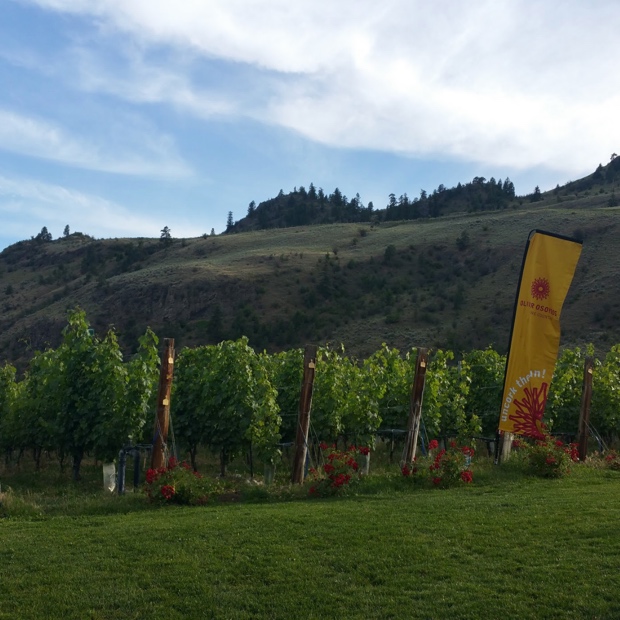
Recent uploads

Recently grilled

Recently grilled

It’s a themed based life. Most of what we taste is packaged into categories; country, region, appellation, varietal, blends, White, Red, Sparkling, Rosé and Dessert. Tastings promote a place or at the very least a gathering of sympathies, of wines meant to share a table.

Sometimes we taste in random preoccupation, with holistic hazard grace, in absence of direction, without a care to the world. More often than not my tasting notes are uploaded to WineAlign. Here are nine uploaded singles, in no particular and seemingly random order, save for the prices. They are all available at the LCBO.

From left to right: Guardian Reserva Red 2012, Château Des Charmes Cuvée D'andrée Rosé Estate Bottled 2014, Château Des Charmes Cabernet Sauvignon Estate Bottled 2012, Bodegas Castaño Solanera Viñas Viejas 2012 and Ravenswood Vintners Blend Zinfandel 2013

From left to right: Guardian Reserva Red 2012, Château Des Charmes Cuvée D’andrée Rosé Estate Bottled 2014, Château Des Charmes Cabernet Sauvignon Estate Bottled 2012, Bodegas Castaño Solanera Viñas Viejas 2012 and Ravenswood Vintners Blend Zinfandel 2013

Guardian Reserva Red 2012, Colchagua Valley, Chile (392787, $13.60, WineAlign)

A commencement red in which the parts control the sum, before, during and after. Quite frankly that’s okay. That Cabernet Franc and Carménère can be picked out so glaringly yet without harsh tones is a reward of sorts, an investigation into the varietal relationship with Colchagua, the guardian of these grapes. More fruit than earth is the basic tenet of the dependancy, again just fine, with the secondary players acting out the vibes of smoke, very ripe flowering shrubs and oak. Good show. The length says three to four acts more. Drink 2015-2019.  Tasted March 2015  @LFEWINES  @DrinkChile  @Noble_Estates

Château Des Charmes Cuvée D’andrée Rosé Estate Bottled 2014, VQA Niagara On The Lake, Ontario (333260, $14.95, WineAlign)

If any Rosé intimates a blush Niagara Brut (sans bubbles) I’d have to give the nod to this CdC named for family matriarch Madame Andrée Bosc. Early picked at less than 20 brix in a Sparkling wine state of mind and balanced in which sugar (6.1 g/L) and acidity (6.1 g/L) countermand one effacing the other. From out of the void comes pure Pinot Noir fruit, in varietal articulation, lustrous, vivid and painted in cool, receding sheen. The flavours are an early summer bowl of berries. Strawberries to mark the beginning of hope. In 2013 the complexity reached for another level. Here in 2014 the Cuvée D’andrée keeps it simple. A Foy Vance tune. “That was the last day of June. This is the first of July.” Drink 2015-2016.  Tasted April 2015  @MBosc

Château Des Charmes Cabernet Sauvignon Estate Bottled 2012, VQA Niagara On The Lake, Niagara Peninsula, Ontario (370320, $14.95, WineAlign)

Grabs hold of the vintage and runs with it, in a sprint. Everything about this is comfortable, expressive, flannel blanketed for warmth. Soft, cuddly Cabernet with huge potential in consideration of price. The oak on top of extraction speaks of a handled totality alongside great fruit. Contending fruit. Basks in a blinding glow in a fine example of what Cabernet can do in Niagara, from warmer spots. That said I do believe that fresh fruit like this, left to its own devices, without any significant barrel coverage, would have managed just fine for five years or more. Drink 2015-2018.  Tasted April 2015  @MBosc

Castaño Solanera Viñas Viejas 2012, Do Yecla, Spain (276162, $16.95, WineAlign)

Crafted specifically for a North American market palate, this blends Mourvedre dominated (70 per cent), maximum extraction Yecla fruit with equal supporting bits of Cabernet Sauvignon and Garnacha Tintorera. The latter two juicy bombshells help to smooth, flesh and melt the ooze of the firm, dredging and heavy of foot Mourvedre. Reeking of modernity, machination and posturing, the gangly, brambly and grippy old vines Solanera is a huge wine, a macho, manly, masculine and muscular red. It’s a shaken mess of fruit, edible flowers and has a smoky, cigar leaf edge. The only real concern is a lack of chivalrous acidity. What is there feels added, not integrated and will be quick to abandon ship when the fruit needs a life raft. At present there is no disputing the quantity of the composition for the money. Two years from now it will have less to say. Drink 2015-2017.  Tasted April 2015  @BodegasCastano  @andrewhanna

Ravenswood Vintners Blend Zinfandel 2013, California (359257, $17.95, WineAlign)

The Vintner’s Blend is Ravenswood’s opportunity to anatomize disparate, old vine California fruit into one Wonka blend, to craft a harmonious if homogeneous Zinfandel expression. The house style in consistency is nothing short of something palmary, here perpetuated in the dried fruit crannies of this 2013. Zinfandel and nothing but, though the variety carries a three quarters presence, the remainder in Petite Sirah, Syrah and “Mixed Blacks.” When the paltry asking price is considered, the VB gives the oak away, asking for little in return, save for a stoked grill or smoker and some well-rubbed slabs of protein. Combine the sweet, savoury, dark, brambly fruit with slow-cooked ribs and a fuligin crust. Men from all around will come calling. Drink 2015-2018.  Tasted April 2015  @CBrandsCareers  @TheZinfandelOrg

From left to right: Southbrook Vineyards Triomphe Cabernet Franc Rosé 2014, Pedroncelli Alto Vineyards Sangiovese 2012, Brezza Cannubi Barolo 2010 and Château Lafon Rochet 2004

From left to right: Southbrook Vineyards Triomphe Cabernet Franc Rosé 2014, Pedroncelli Alto Vineyards Sangiovese 2012, Brezza Cannubi Barolo 2010 and Château Lafon Rochet 2004

Southbrook Vineyards Triomphe Cabernet Franc Rosé 2014, Niagara Peninsula, Ontario (279117, $19.95, WineAlign)

Southbrook’s Rosé is a triumph of philosophy and direction in varietal election. Fundamental to a matter of degree, this is a wine to help cast little doubt on Cabernet Franc’s pink necessity for Niagara. Only CF adds a sweet, sour and savoury push to to a blush bleed, with a push-pull undertone of earth. Only this variety can draw salinity and funk from the soil without requiring additional reductive, rubbery underpinning. Here the sour berries are bright and the wine is light on its feet, yet clear and precise. If not for the apocopic finish, this would be exceedingly exceptional Rosé. Drink 2015-2016.  Tasted April 2015  @SouthbrookWine  @AnnSperling

Pedroncelli Alto Vineyards Sangiovese 2012, Dry Creek Valley, Sonoma County, California (204461, $20.00, WineAlign)

Genuine take on Sangiovese, ebullient in red cherry, leather and chestnut. Swelling pulpy and if acidity does not at first succeed, it tries and tries again until vehemence is achieved. Sangiovese never looked so good in expatriate clothing for $20. Worth trying one now and putting a few away to see how they evolve. Sends a message to growers and producers in the Dry Creek Valley. Treat the variety with minimal oak love and seek out special terroir like the Alto Vineyards. Done right, Sangiovese can provide a bright and complementing alternative to Zinfandel. Drink 2015-2020.  Tasted April 2015  @Pedroncelli  @drycreekvalley

Brezza Cannubi Barolo 2010, Docg Piedmont, Italy (713511, $64.95, WineAlign)

Here, in the Cannubi vineyard, the classic impossible dichotomy of Nebbiolo, like an anvil and a feather, falling at the same rate, in a vacuum. The floral tones are set to eleven, while layers of many elixirs, liqueurs and tonics swirl in B-52 activity, bled from candied roses and chestnuts. A flavour that brings to mind fresh leather in cream sauce and a nutty glaze, like pistachio crème brûlée. Spiky, silken texture is akin to a web spun of savoury cookies strands. Tannins take over late and the sour finish, of fruits fed through a syringe by fills of intensity and verve. Wow Cannubi. Drink 2020-2030.  Tasted April 2015 @NaturalVines   @regionepiemonte

Château Lafon Rochet 2004, Ac St Estèphe, 4e Cru, Bordeaux, France (197228, 2009 $84.25, WineAlign)

An adolescent resolved, on the whole and as a rule for 2004’s, now advanced to adulthood. Chocolate and dusty weigh in straight away, as per the wood smothering of the time, so upfront and prevalent the fruit is the understudy. The whole in the heart of the middle is like the only living boy in New York, “half of the time we’re gone but we don’t know where, and we don’t know where.” So it must be filled with popular song. Then the wine shines, in Mediterranean tones, savoury ways, with black olives and sweet yet bitter solemnity. Quite perfectly fine, oldish Bordeaux, two-part harmony St. Estèphe. It will not rock your world but it will play scaling, soothing bass lines and lend echoing acoustics. Drink 2015-2017.  Tasted April 2015  @Lafonrochet  @BordeauxWines

Good to go!

https://twitter.com/mgodello

http://www.winealign.com/profile/2058-mjg

A Chile welcome to diversity

From left to right: Montgras Sauvignon Blanc Amaral 2014, Ventisquero Sauvignon Blanc Kalfu Sampai 2013, Emiliana Signos de Origen White Blend 2013, Via Wines Chardonnay Chilcas Single Vineyard 2013, Montes Alpha Pinot Noir 2012, Errazuriz Aconcagua Costa Single Vineyard Syrah 2012, Santa Rita Cabernet Franc Floresta 2012, Calcu Cabernet Sauvignon 2012

From left to right: Montgras Sauvignon Blanc Amaral 2014, Ventisquero Sauvignon Blanc Kalfu Sampai 2013, Emiliana Signos de Origen White Blend 2013, Via Wines Chardonnay Chilcas Single Vineyard 2013, Montes Alpha Pinot Noir 2012, Errazuriz Aconcagua Costa Single Vineyard Syrah 2012, Santa Rita Cabernet Franc Floresta 2012, Calcu Cabernet Sauvignon 2012

With Chris Waters as moderator, guest speaker Hector Vergara delivering the keynote address and a Chilean panel of eight winery representatives talking up their wares, the Wines of Chile road show trekked en masse through Toronto’s ROM for the annual cavalcade in exhibition.

Related – A Chile wind is blowing

Waters is Editor of VINES Magazine and author of a weekly wine column at canoe.ca. Vergara is Latin America’s only Master Sommelier & President of the Sommelier Association in Chile. The council of eight winemakers and export managers expounded on Pacific ocean mists, soil composition, varietal trials and expansion to the new Chilean terroir.

The theme of the 2014 edition of the WOC travelling wine expo was “discover diversity.” The breath of fresh air came by way of the opportunity to taste samples of the new Chile; from emerging regions and appellations, from varieties not expected to show in Toronto and from chances being taken. Wines from Huasco, Itata and Pumanque are not household names at the LCBO or in this city’s restaurants. The successes of Chile’s (primarily central) conspicuous regions are well-documented; MaipoRapelMaule, Curicó and Cachapoal valleys. The AconcaguaCasablanca and San Antonio valleys have found their own prosperity. The 2014 Wines of Chile experience will help impress emerging regions and purchasing diversification upon both consumer and licensee habits.

The cross-section of wines poured at the seminar offered a unique perspective into the Chilean portal, even if behind the scenes back in Chile you just know there is so much more to seek, discover and uncover. Montreal Gazette wine scribe Bill Zacharkiw wrote last week, “I saw cracks in the wall…three years later I’m back, and that crack has become a deep fissure.” Zacharkiw visited Chile for the first time in three years and was privy to a Chilean wine revolution. Bill witnessed first hand the changing face of Chile: winemakers rediscovering their rich heritage. He found plantings from old vines and revitalized vineyards that had been producing nothing but cheap table wines. The ROM seminar presided over a giant leap in exhibiting aspects of that vicissitude for Toronto but missing from the tasting were some exceptional and virtually unknown producers of the New Chile.

Wines of Chile

Wines of Chile

Many of Chile’s growing areas are driven by the mist (like Sonoma fog) which might go away by 11 or 12 pm, but according to Vergara, they “create the conditions for slow ripening.” Along the coast there are granitic soils, very good for Syrah. Limestone soils add new dimension to the wines. Cold air comes down into the valleys from the Andes mountains, to maintain freshness and to add aromatic complexity. The role played by the Pacific Ocean is also extremely important. Salinity is rampant in Chile’s wines.

Eight wines were poured at the Wines of Chile seminar. Here are the notes.

Wines of Chile Line-Up

Wines of Chile Line-Up

Montgras Sauvignon Blanc Amaral 2014, Leyda Valley, Chile (48025, $14.45, WineAlign)

A jumping and hopping Sauvignon Blanc, at once spicy and then fruit fresh. The aromatics rise from the San Antonio Valley vines, cooled by the Andes run off, in irrigated mist. The piquant puissance never quite relinquishes power to the crisp orchard drupe. Capsicum and especially white pepper dominate. A chew of white flowers fills the palate though it falls away quickly, like a shooting star. More than serviceable and user-friendly. Tasted October 2014  @MontGrasChile  @TKGCanada

Ventisquero Sauvignon Blanc Kalfu Sampai 2013, Huasco Valley, Chile (Agent, $40)

High end varietal placement, in geography and in market positioning. A new project for Ventisquero and winemaker Alejandro Galaz, from Chile’s most northerly wine growing area in the Atacama Desert. An arid yet verdant Sauvignon Blanc watered by the Huasco River, 20 km’s from the sea, 700 km’s north of Santiago. The first vintage was 2012. Only 600-800 bottles are being produced, that is until they have learned more about how to manage the terroir of the desert, like making wine on the moon.The wine flaunts its chalky soil with alluvial stones and red clay. The Camanchaca (a thick fog on the coasts of Peru and Chile) comes in every morning and aids in the long ripening period. The mineral pierce is frightening in as much as can be found in Chilean SB. High salinity, from both the soil and the water. A veritable salt spring without effervescence, replaced by evanescence and fervent vigor. Kalfu means blue, Sumpai is the name the mapuches gave to the mermaids. Finishes with a roasted green pepper note in neutral citrus, with thyme and peanuts. Yes, peanuts. Approx. $40. Yes, $40.  Tasted October 2014  @vventisquero  @TandemSelection

Emiliana Signos de Origen White Blend 2013, Casablanca Valley, Chile (Agent, $19.95)

With a wine like this multi-varietal white blend, Fernando Castro explains “we’re going wide in a narrow place,” pushing boundaries, exploring new challenges. Diversity. From the western part of Casablanca, out of rocky and granitic decomposed maritime soils, the mix is (all approximations) Chardonnay (65 per cent), Rousanne (13), Viognier (12) and Marsanne (10). A healthy 33 per cent of the ferment is aged and housed in concrete egg fermenters, but also some French barriques. Imparts an oiliness on the palate. Chardonnay is more than evident, the sweetness in Rhône aromatics are ladders from which to climb, buoys from which to get lifted. A wine that does not play safe. Some spice, plenty of full palate sweetness so this needs a mess of fish and seafood in an aromatic broth. The alcohol is a generous 14.7 per cent though it has enough acidity to keep it aerified. Big wine. Really big wine.  Tasted October 2014  @VinosEmiliana

Via Wines Chardonnay Chilcas Single Vineyard 2013, Itata Valley, Chile (Agent, $18.95)

The inaugural vintage of the Chilcas Chardonnay hails from the northern most aspect of Chile’s southern most region, a cool climate 18 km’s from the Pacific coast. The granitic soils are variegated with alluvial and sandy loam aspects for complex gain in this 100 per cent single varietal wine that spent,12 months in oak. A partial malolactic fermentation means creamy but that texture is subservient to the aromatic profile. Itata is a 16th century planted vineyard (for the region) though this vineyard is only 10 years old. Average rainfall is on par with Bordeaux but the majority of the rainfall is in winter, not in the growing season. Drainage is good due to the slope of the granite soil. Has that creamed sugar brûléed sensation and is nearly vegetal, like buttered, fresh corn with salinity and spice.  Tasted October 2014  @ViaWines  

Montes Alpha Pinot Noir 2012, Do Anconcagua Coast, Casablanca Valley, Chile (143214, $19.95, WineAlign) From the VINTAGES September 13, 2014 release

This is from fruit drawn 10 km’s from the ocean. Morning fog helps with maintaining acidity, though aridity is the biggest challenge. A dry heat and a dry paint are apparent, though low yields produce a concentrated red, of dry herbs and dry ochre. Terrific mouthful – very Sonoma, in sweet raspberry, cherry and strawberry. Very Sonoma. More than decent length but not the most complex. Really approachable and lingering so it is worth several visits, in each glass, second glasses and subsequent bottles. Some new (20 per cent) oak. Cool climate Pinot Noir done in a warmer climate style.  Tasted October 2014  @MontesWines  @ProfileWineGrp

Errazuriz Aconcagua Costa Single Vineyard Syrah 2012, Aconcagua Costa, Chile (387910, $24.95, WineAlign) From the VINTAGES September 27, 2014 release

Natural and modern in every respect. From schist rock over a clay base and out of a warm vintage, “to maintain the character of the wine.” Relish of richness and quite ripe with touches of wood resin, sinew and roasted meat, though it’s more OZ than Rhone, with less smoky beats and cured meat. Good acidity and slightly sweet. Cake-reductive as to an Aconcaguan Cabernet Sauvignon but enough spice and splinters to warrant aging towards increasing value. Really spicy finish.  Tasted twice, September and October 2014  @errazurizwines  @Dandurandwines

Santa Rita Cabernet Franc Floresta 2012, Pumanque, Chile (Agent)

Pumanque is located in Chile’s Colchagua Valley and was granted Doc status in September 2012. The soil is quite granitic and the exceptionality of the new terroir is gaining traction with proponents of symbiosis for Cabernet Franc. This Cabernet squared blend is Cabernet Franc (55 per cent) and the remainder Cabernet Sauvignon. Dark and pitchy, with much aromatic mince in mint, creosote, graphite, black but not green pepper, wood resin. The rapt wrapping bristles in angles and bitters. Chalky, grainy and needing time because it is quite tannic. Blessed with the most length of the reds on the table. A question of the iron crushed red fruit may arise but five years will certainly be an aid. So very mineral.  Tasted October 2014  @SantaRitaRD  @ImportWineMAFWM

Calcu Cabernet Sauvignon 2012, Colchagua Valley, Chile (Agent, approx. $16)

Calcu means “healing doctor” in Mapuche and while this may not be the poster wine prescription for cold and flu, it will cure an ail or two. Winemaker Rodrigo Romero adds Carménère and Petit Verdot to the varietal mix, for just enough structure beyond the fresh and fruity Cabernet. It also brings together a spot on varietal tendency, in dusty, grainy tannin, bitter tonic tinge, cool in the middle, but warm in girth and all around its edges. Spiced and piquant. Young, with decent acidity and though it will settle in a year or two, that will be the limit of its range.  @CalcuWines

Good to go!

From VINTAGES for Thanksgiving, in wine and with song

Le Clos Jordanne Vineyard Photo: (www.leclosjordanne.com)

Le Clos Jordanne Vineyard
Photo: (www.leclosjordanne.com)

Whatever your plans are for Canadian Thanksgiving weekend, I highly recommend they include wine and music. Last year my picks to meet the bird emanated from a Loire state of mind. A new Sancerre makes this year’s shortlist because “you can always use a good Sancerre.”

Related – A Sancerre Thanksgiving

The consistency with which wine picks jive from one year to the next is self-consciously and self-prophecy predicting, to be sure, with Chile and California making repeat appearances. New and bold in choice for 2014 is the idea that “now you say Morocco and that makes me smile. I haven’t seen Morocco in a long, long while.” A promising wine region lurks in the North African dessert and for $15, find out for yourself.

Two years ago I also offered up a brief history lesson on the origins of Thanksgiving when I said “Canada, let me pour your Thanksgiving wines.” At the time I was not suggesting we all go out and fill a curved goat’s horn with fruit, grain and Pinot Noir.

There are better ways to get your cornucopia or horn of plenty on.

In 2013 the message was simple.  Thanksgiving is a weekend to celebrate the harvest, all that was once and will again be good. When I took a good look ahead at Canadian wines for Thanksgiving I meant what I said and I said what I meant. Canadian wine will impress you, 100 per cent.

Related – Good look ahead at Canadian wines for Thanksgiving

This Thanksgiving the great indulgence that should grace your meditative and purposed consciousness is a local one. When should it not be? At a time when Thomas Bachelder was making wine at Le Clos Jordanne out of the vineyards on the Jordan Escarpment, greatness emanated and worship followed. Though it may have seemed so at the time, the Chardonnay and Pinot Noir at LCJ were not the ideal terroir for Bachelder. His work there, albeit progressive, standard setting and earth shattering, was only a precursor for his true calling; to Wismer, Saunders, Willamette and Beaune. Granted his total touches seek and mine gold but the LCJ soils were meant for a different pair of mits.

Those hands belong to winemaker Sébastien Jacquey, Burgundian, naturist, environmentalist, terroirist.  Jacquey’s résumé reads like a laureate’s; university diploma in Technology and Biology in 2002. National Diploma in Oenology and Professional Agricultural Aptitude certificate in 2004 and Master of Earth and Environment studies, specializing in Vine Management and Terroir in 2005 at l’Institut Jules Guyot. Engineer of Oenology and Viticulture in 2007 at l’Institut Supérieur d’Agriculture, Rhones-Alpes.

It has taken Sébastien Jacquey a few vintages under belt (three as assistant and now two as chief winemaker) to feel the groove of his vineyards. To me, 2011 marks the turning point and the launch pad for the exceptional career that will define the winemaker. To a wine, every 2011 Chardonnay and Pinot Noir I have tasted has the finesse, restrained richness and markedly pure clarity of great Burgundy. More important is that the wines are clearly Niagara and even more so, distinctly Le Clos Jordanne. One step further even. All Sébastien Jacquey.

All of Ontario must rejoice, applaud and give credit to the effortless grace with which he is bringing evolution to the LCJ continuum. I urge you to try his wines. On this October 11th, 2014 VINTAGES release and in stores this coming Thanksgiving weekend the two eponymous vineyard bottlings hit the shelves. Try a Le Clos Jordanne Vineyard with friends and family. Then put another two away for future consideration. You will be glad you did. Here are 10 wines to seek out for the October long weekend and some tunes to spin alongside.

From left to right: San Pedro 1865 Single Vineyard Carmenère 2011

From left to right: Solar Das Bouças Loureiro 2013, Domaine De Sahari 2012, Argyros Assyrtiko 2013, Katogi & Strofilia Averoff Xinomavro 2008, San Pedro 1865 Single Vineyard Carmenère 2011

Solar Das Bouças Loureiro 2013, Doc Vinho Verde, Portugal (221036, $13.95, WineAlign)

Initially this opens slower than snail’s snot so “mute it to a whisper and spin your solar sister.” Petillance hidden, this is rich, greasy, fat and sumptuous Vinho Verde, not your avô’s take, that’s for certain. Can’t say I’ve yet nosed these kind of tropical aromas in VV before, so in that sense it’s a Posies breath of alternative, equatorial air. Comes back to pears and herbs, citrus on the palate and wraps up with wild acidity. Like frosting on the beater. Quite a bang for $14 bucks. Good, long finish. The minor spritz comes after the buzzer.  Tasted October 2014  @VinhoVerdeCA

Domaine De Sahari 2012, Guerrouane A.O.G., Morocco (92825, $14.95, WineAlign)

Considering the geography and the utter aridity of the climate, more than just latitude should be afforded this Vin Rouge de Maroc. That’s because it’s a well-made, properly judged, toothsome Bordeaux-styled blend. Think Australian claret, say from Margaret River or even Coonawarra. If “that’s much too old a story to believe,” have a taste and note the fine balance betwixt Cabernet and Merlot, between earth and sky. Slightly rustic and funky, there is real, leathery fruit and a wood-chalky texture. The acidity is wound tight and the residual sugar slightly elevated but if “you say Morocco and that makes me smile,” I’ll know I’ve just had a taste of something fine.  Tasted August 2014  @TandemSelection

Argyros Assyrtiko 2013, Santorini, Greece (387365, $19.95, WineAlign)

This Assyrtiko has a small bass note, down below, beneath the snare and the jump back. It causes quite a Rufus rumpus. Its got sax notes that drive a wild personality. While not blessed with the usual fruit to meet its acid intensity, the consistency persists. Santorini’s sun-drenched rocks break it down and the indigenous sapidity of Greek garrigue can’t help but stamp the authenticity. This needs to develop a year or two to get beyond its awkward, acetic adolescence. “If one should bite before I wake, jump back baby jump back.” It will serve purposed grilled meats when it does.  Tasted October 2014  @Santoriniwines  @KolonakiGroup

Katogi & Strofilia Averoff Xinomavro 2008, Pdo Naoussa, Greece (249615, $19.95, WineAlign)

It’s not that every Xinomavro is infallible but every Xinomavro is worth exploring. The Averoff is classic; smoky, rich plum meets cherry intensity, tannic and textured, layered, like old school Pinot Noir. Liqueur of Naoussa terra firma, rocks and sweet beets. Balance of earth, wind and fire, fun funky and moving. Shares the spice of life so “let this groove, light up your fuse, alright. Let this groove, set in your shoes.” Parts unknown gather to subvert the uninitiated and make them move to Greece.  Tasted October 2014  @katogistrofilia

San Pedro 1865 Single Vineyard Carmenère 2011, Maule Valley, Chile (249201, $19.95, WineAlign)

Nose of notable Carmenère character checked and in restraint. Certainly modern, somewhat fortified, but acceptably precipitous, delectable and fun. The whiffer is sweet pepper, currants and rings of defined tobacco. The give way goes to flavours silky in roasted pepper and a shot of espresso. If, “in the winter of ’65, we were hungry, just barely alive,” this Carmenère would have kept us warm. No cake, no jam, no overwrought excessive behaviour. Though like any good band, it does drive Dixie down. Well made.  Tasted October 2014  @Dandurandwines

From left to right: Jean Max Roger Cuvée Les Caillottes Sancerre 2012, Le Clos Jordanne Chardonnay Le Clos Jordanne Vineyard 2011,  Le Clos Jordanne Pinot Noir Le Clos Jordanne Vineyard 2011, Siduri Sonoma Coast Pinot Noir 2012, Pommery Brut Silver Champagne

From left to right: Jean Max Roger Cuvée Les Caillottes Sancerre 2012, Le Clos Jordanne Chardonnay Le Clos Jordanne Vineyard 2011, Le Clos Jordanne Pinot Noir Le Clos Jordanne Vineyard 2011, Siduri Sonoma Coast Pinot Noir 2012, Pommery Brut Silver Champagne

Jean Max Roger Cuvée Les Caillottes Sancerre 2012, Ac, Loire, France (65573, $26.95, WineAlign)

The most chalky, medicinal and intensely forward of the Jean Max Roger stable. Also the most floral and aromatic, like Viognier, Gewürztraminer, Muscat even. It is anything but, of course, and one taste quells thoughts of Rhône-ish or Alsatian aromatic whites and allows Sauvignon Blanc to give of its green grass and wet hay. There is a coarse, hoarse voice in Les Caillottes, the small pebble, stony, flinty Sancerre. It’s a striking, swashbuckling, swordplay but “clear the thistles and brambles” because time waits for Sancerre. Not years mind you, so drink this Cuvée out of the clay-limestone soils in the village of Bué and in the hamlet of Amigny between 2015 and 2017 for maximum pleasure.  Tasted October 2014  @oenophilia1

Le Clos Jordanne Chardonnay Le Clos Jordanne Vineyard 2011, VQA Twenty Mile Bench, Niagara Peninsula, Ontario (33910, $40.00, WineAlign)

A 2011 assessment of the winery’s Chardonnay quartet shows this vineyard from the eastern section of the Le Clos Jordanne estate as divulging the most amplified soundgarden of floral proclivity. The cool vintage made demands for a choate winemaking process, all in the name of freshness. Vosges forests provided the bulk of the wood (15 per cent or less new oak), barrel ageing was ceased at 13 months and limited stirring in older barrels were all performed in the name of carrying the freshness name. Leaving them to age in bottle for up to six months prior to release confirmed the commitment to completing a prime time wine. The LCJ vineyard also expressed itself by way of candied marigold and nasturtium. This is Chardonnay with a full sunshine aspect, southerly and rich in ways not previously observed. It also shares an affinity with other 2011 Niagara whites, in citrus and fresh tendrils of burgeoning acidity, like simliar takes in Semillon and Riesling, in honeyed, stony layers. Balance is brought together by tannic texture, giving the wine grip and glide through a glade carpeted in ground cover, like lemon thyme and creeping sweet moss. For winemaker Sébastien Jacquey, this level of excellence may have been a “long time coming,” but it’s just the beginning.  Tasted October 2014  @LeClosJordanne

Le Clos Jordanne Pinot Noir Le Clos Jordanne Vineyard 2011, VQA Niagara Peninsula, Twenty Mile Bench (33902, $45.00, WineAlign)

The most cherry meets earth LCJ to date, in the vein of a Cherry Road Pinot Noir, regardless the vintner. So much attention to clean fruit detail, this has lines and streaks of rock, chalk and variegated soil, piercings, tattoos and fine art running through its veins. Sébastien has coaxed maximum freshness and given it supporting balance. From my earlier February 2014 note: “Extremely good showing for this stalwart in what is becoming a classic Twenty Mile Bench vintage. Cran/Raspberry earthy-straw scents layered in a cake of overlapping, alternating flavours in raspberry (again) and quality chocolate. More intensity than the other ’11 LCJ’s at this early stage, simultaneously concentrated and light, like a ball-distributing point guard with 20-20 vision. Increased oak in dribble drive motion really ties the spiced flavours together, without sacrificing freshness. This will improve for five years, if not more. Winemaker Sébastien Jacquey must have called on his muse for this LCJ because “some kind of madness has started to evolve,” and from here on in this Pinot will solicit a “need to love.”  Last tasted October 2014  @LeClosJordanne

Siduri Sonoma Coast Pinot Noir 2012, Sonoma Coast, California, USA (253369, $49.95, WineAlign)

The nonexclusive Sonoma Coast from Siduri comes by way of an even keeled vintage. It marries plush with lissomeness. Aptly concentrated while simultaneously acting out of pure Coast decorum, this is exemplary of place, mind and space. Pinot Noir that is “always looking for the sun to shine.” Raspberries romp through its fibers, reel, allow a minor savoury slant, then return, replay and remain the dominant fruit characteristic. Heading to the finish it’s momentarily ripping but the ripe and supple character ride on gentle waves, then bring it back to class. Can’t imagine it falling from grace anytime soon so enjoy to the end of the decade.  Tasted August 2014  @SiduriWines

Pommery Brut Silver Champagne, Ac, France (385161, $58.95, WineAlign)

The Silver is a gorgeous, grand green patina, stoic and manifest dry, classic glass of Champagne. Aromas are in exaction, in compliance and in direct connectivity to a grower’s condition. Just a sliver of earthy, sweet oxidative sumptuousness streaks up the middle palate, lingers, turns away from the sun and lets the mist fall in late. Fine, linear acidity takes over and tangs the tame beginning, which proceeds to relinquish submissively, relegating it as just a faint memory. “What a swell party this is! What Pommery!” Exceptional class, chaste and chasmic-bridging Champagne. Well, did you evah?  Tasted October 2014  @LeSommelierWine

Good to go!

Rocking out with the 2014 WineAlign World Wine Awards of Canada

WineAlign World Wine Awards of Canada 2014

WineAlign World Wine Awards of Canada 2014

The results are in. Closure has come. Category champions and Judge’s picks are now live.

The highly regarded WineAlign World Wine Awards of Canada is categorized and justified as a “must enter” for winemakers and vintners who want to be a part of a genuine, above-board wine competition. For consumers in Canada it is a place to discover the best value wines available on the market today. Say what you will about the concours concept. The straightforward WineAlign offer implements an expertly designed bracket to ultimately crown a covey of thoroughly deserving champions. Wines are carefully scrutinized, judged with fair play and at times, brutal honesty. Each wine must impress the judges more than once. “Up to the task” is never in question. At “The Worlds,” the best minds are on the job.

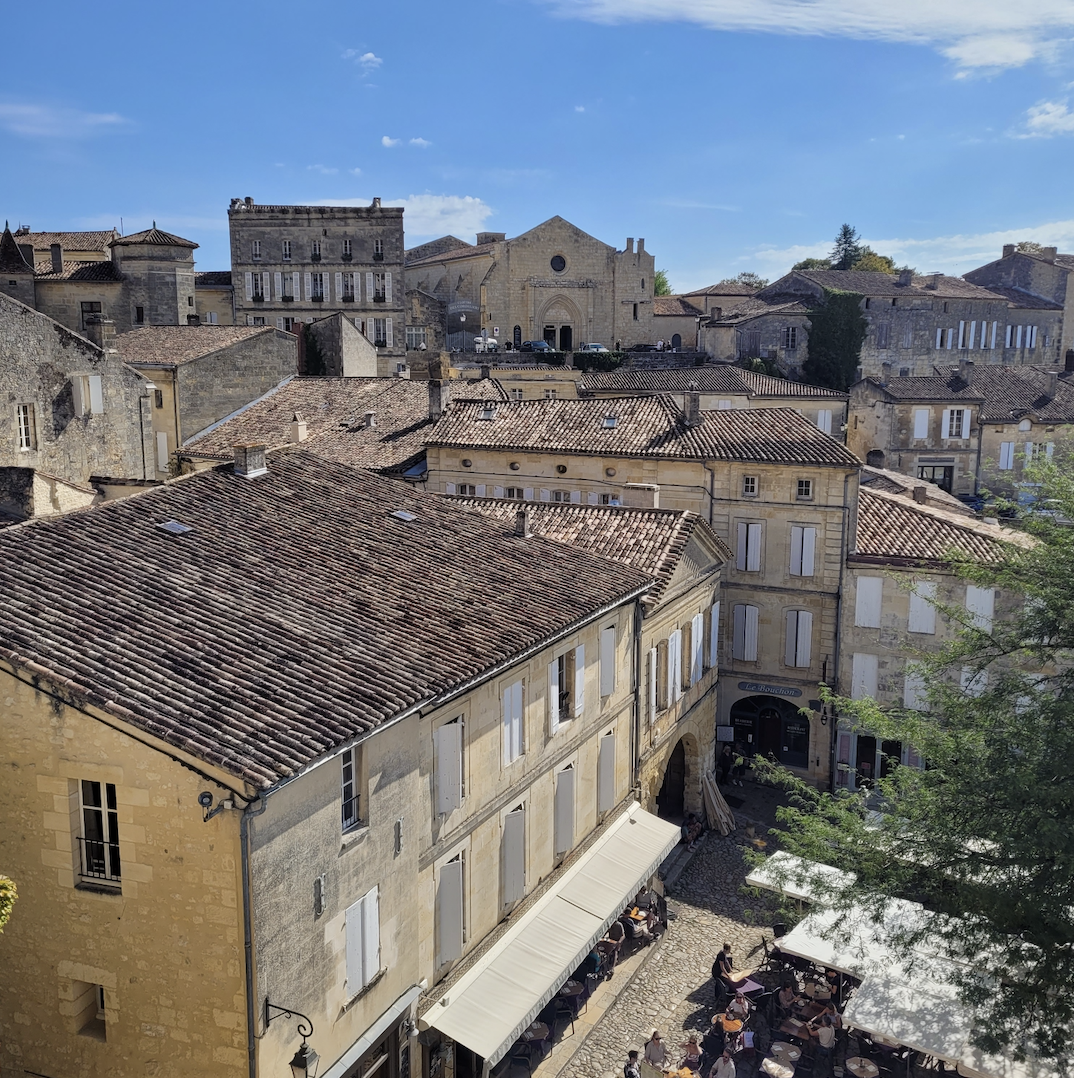
Related – He spits, he scores: 2013 World Wine Awards of Canada results

Panorama of judging and wines at WWAC14 Photo: Jason Dziver (www.jasondziver.com)

Panorama of judging and wines at WWAC14
Photo: Jason Dziver (www.jasondziver.com)

It was the week of August 18 to 22. Eighteen critics, two czars, a tech guy, a database custodian, a logistics steward, “her bitch” (sic) and a dedicated team of volunteers gathered to administer vinous justice for 1000 (give or take) hopeful wines. The tasting road was long yet filled with much success. Never have so many wines with the intention of offering value and simple pleasure shown so well and with so much grace.

Head judge Anthony Gismondi talks with Rhys Pender MW, Steve Thurlow, DJ Kearney and Godello Photo: Jason Dziver (www.jasondziver.com)

Head judge Anthony Gismondi talks with Rhys Pender MW, Steve Thurlow, DJ Kearney and Godello
Photo: Jason Dziver (www.jasondziver.com)

In today’s WineAlign WWAC14 results dissertation, Anthony Gismondi tells us that “nothing has value unless you give it some.” The awards are about assessing daily drinkers, wines that the repeat consumer look for often, especially the bargains. They are for consumers first, of and for the common people. For the wineries, agents and writers, the competition is effectuated without bias. “The tastings are computerized from start to finish allowing wineries, agents or retailers to enter, pay, and eventually track their results online.” 
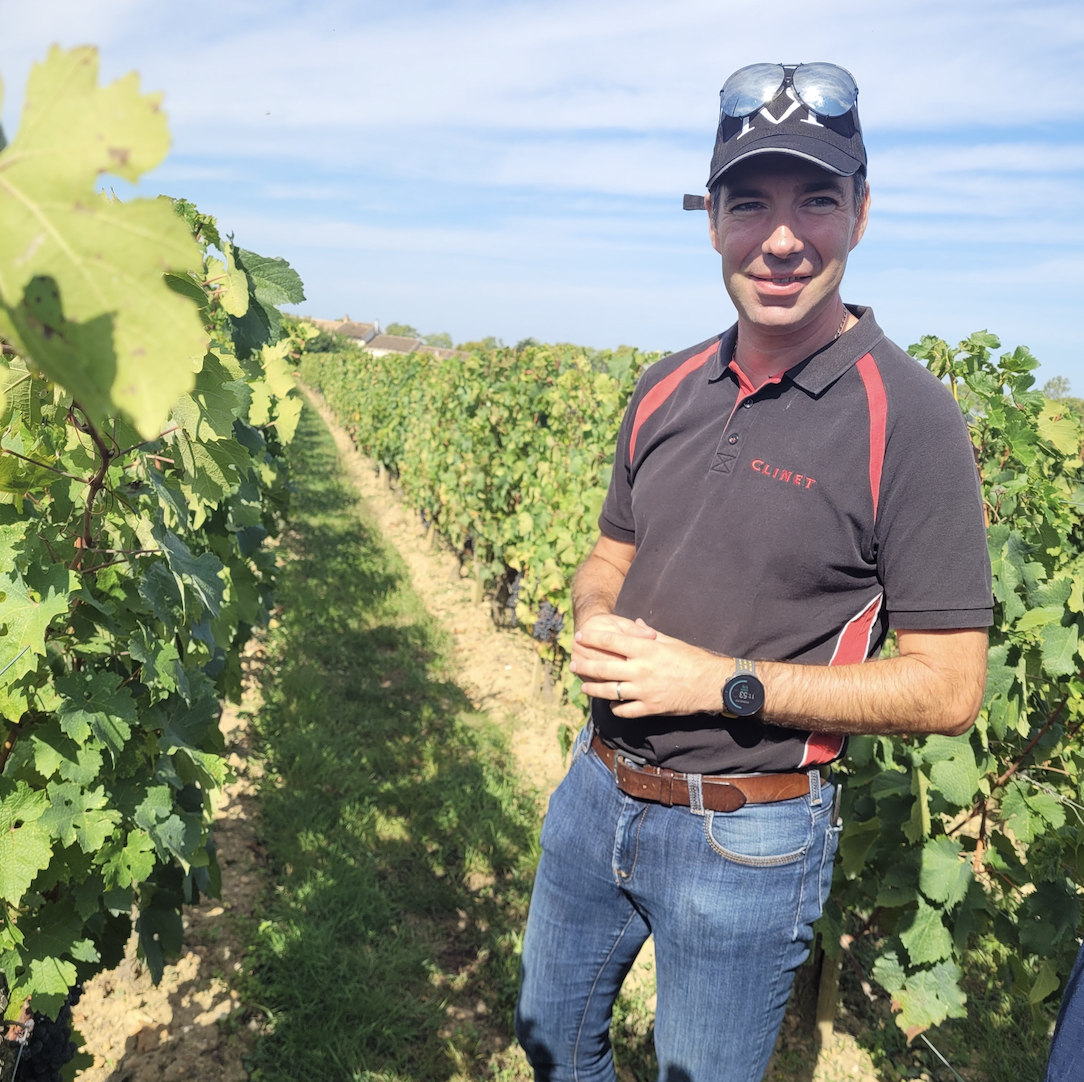
In 2014 my position is this. Oak and cheap tricks are on the way out, at least when it comes to wines submitted to the WineAlign World Wine Awards of Canada. Sugar, wood chips, agar agar, artificial colour, manipulated flavour, reverse osmosis and added acidity are trade practices reserved for wines out there in the fast food stratosphere. The judges at the WWAC14 were fortunate to be granted immunity from having to taste and assess such a most unnatural lot. These awards represent and foster an altruistic commonality between vigneron and critic. Make an honest wine and it will be judged with honourable intent.
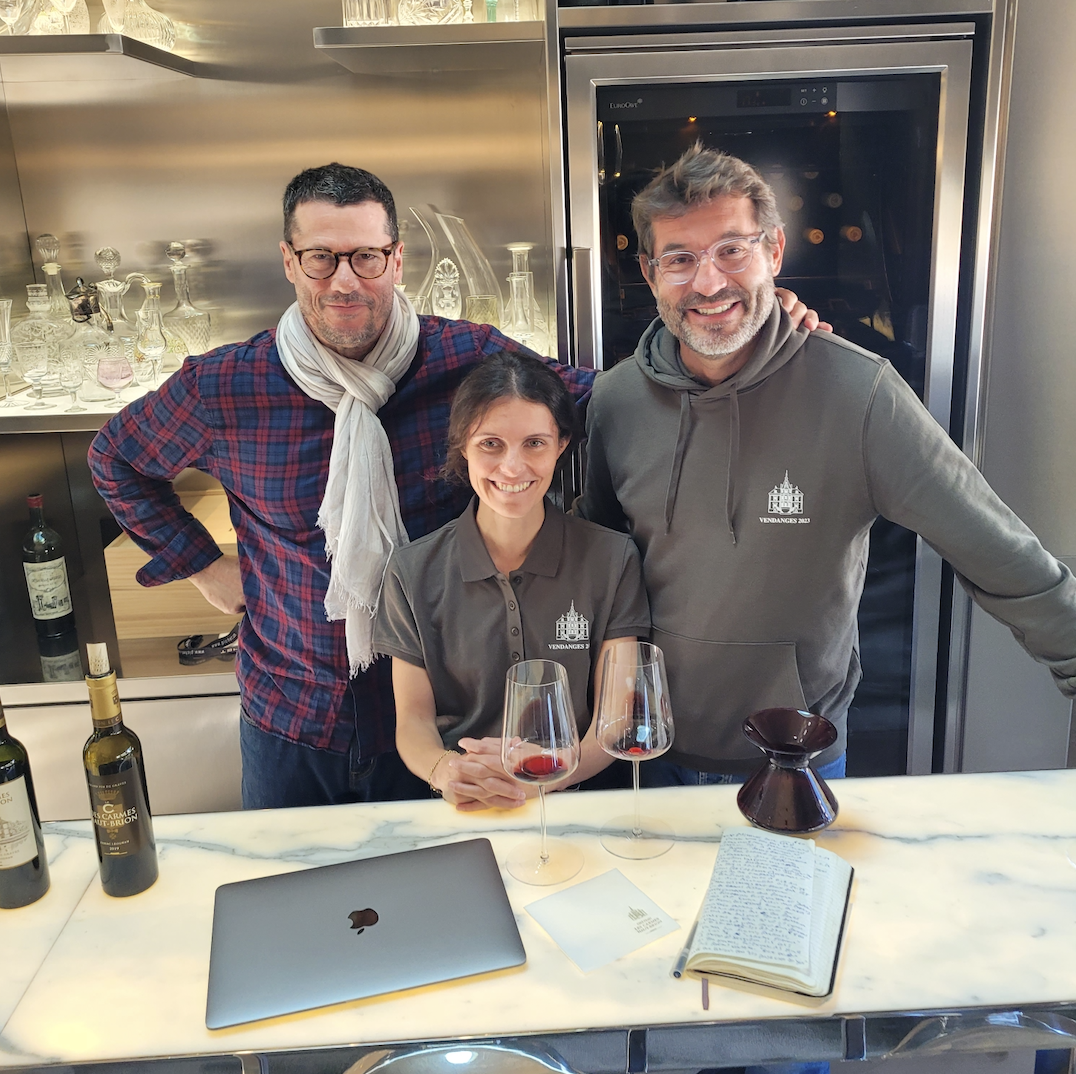
WWAC14 Judging Panel

WWAC14 Judging Panel

The writers and judges that make up the panels evaluate wines under $50 that are sold somewhere in Canada in the year of the competition. Entries are judged in flights along with similar varietal wines in three price categories; under $15, $15 to $25 and over $25. Starting with the 2014 awards all wines entered will not only be posted on WineAlign with bottle images, but reviews will be included as well (many in both French and English). Again in 2014, orchestration was overseen by one of North America’s most respected wine critics, Vancouver Sun columnist and WineAlign Partner Anthony Gismondi, aka The Spitter.

Panel of judges DJ Kearney, Godello and Rhys Pender MW Photo: Jason Dziver (www.jasondziver.com)
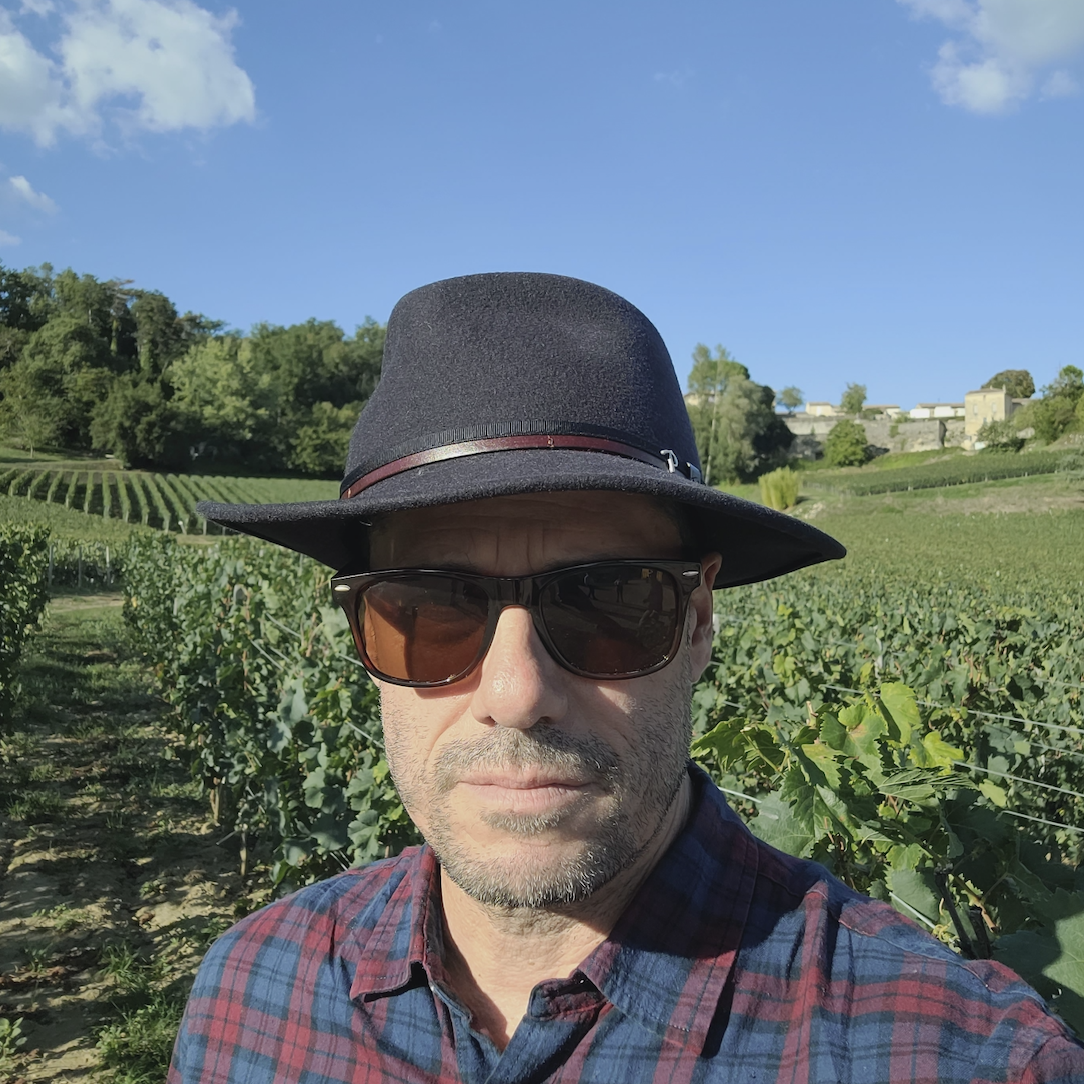
Panel of judges DJ Kearney, Godello and Rhys Pender MW
Photo: Jason Dziver (www.jasondziver.com)

Some startling results came out of this year’s tastings. Who would have ever put money on Carménère under $15 not only showing well, but blowing the collective minds of no less than five critics? Should Malbec in the $15-25 range, half of which are made by large and recognizable houses, have impressed with so much structure and restraint? A group of eight red blends under $15 were all good, five of them garnering very good scores. That same concept group of $15-25 were nearly all exceptional. Southern Italy fared with top value results in the under $15 category. Syrah/Shiraz $15-25 really surprised, as did Cabernet Sauvignon, Pinot Noir and Chardonnay in the same range. Not to mention a flight of five fruit wines, four of which scored between 85 and 88. Not bad. All this can be attributed to one basic premise. WineAlign does not attract more producers than other concours. It attracts better ones.
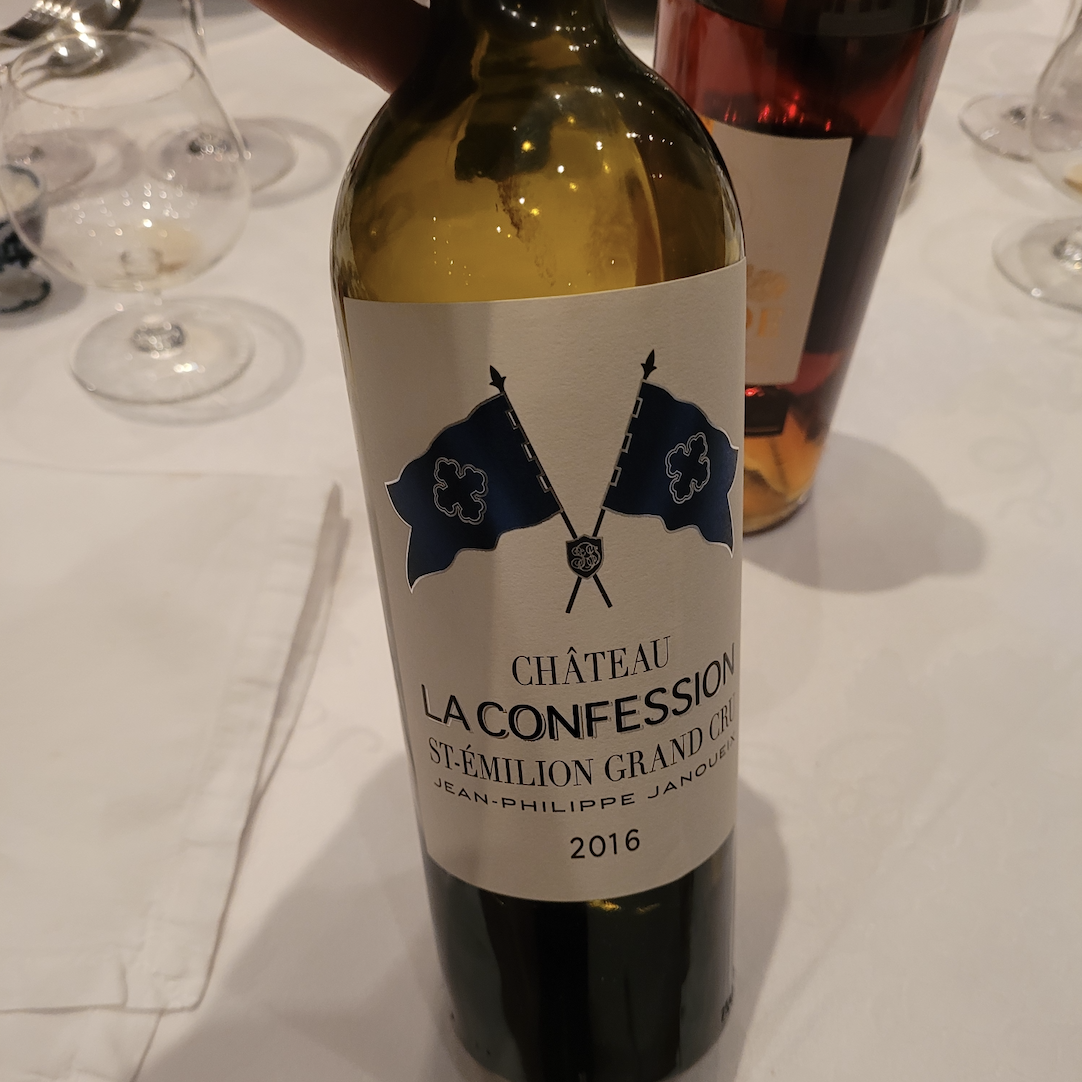
WWAC14 judges Photo: Jason Dziver (www.jasondziver.com)

WWAC14 judges
Photo: Jason Dziver (www.jasondziver.com)

As in 2013, this year I was invited to join the other 17 judges in Mississauga, Ontario. Fortune is measured by the company one keeps. The 2014 judges were David LawrasonSteve Thurlow, Sara d’Amato, Bill Zacharkiw, Dr. Janet Dorozynski, Rémy Charest, Craig Pinhey, Rhys Pender, MWDJ Kearney, Treve Ring, Brad RoyaleJulian Hitner, Evan SaviolidisBruce Wallner, MSMichelle Bouffard, Emily Maclean, Adam Hijazi and Jake Lewis.

Released today, here are the results from #WWAC14, presented by WineAlign. Wines were awarded for the categories of Top Value WinesBest of CountryCategory Champions and Judges’ Choice. In addition to the work of the judges, the Worlds were really made possible by Head Wineaux Bryan McCaw, along with Earl Paxton, Jason Dziver (Photography), Carol Ann Jessiman, Sarah GoddardMiho Yamomoto and the volunteers.

2014 World Wine Awards of Canada Results

WWAC14

WWAC14

Each judge was asked to write reviews on a specific cross-section of wines they were a part of assessing during the competition. Here are my notes on 30 wines tasted blind, across a wide range of categories, in August of 2014 at #WWAC14 and the songs they inspired.

Category champion wines from left to right: Villa Wolf Riesling 2013, Castillo De Molina Reserva Carmenère 2012, Church & State Coyote Bowl Series Chardonnay 2012, Cono Sur Single Vineyard Block No. 21 Viento Mar Pinot Noir 2012, Wolf Blass Grey Label Shiraz 2012, Buena Vista Pinot Noir 2011

Category champion wines from left to right: Villa Wolf Riesling 2013, Castillo De Molina Reserva Carmenère 2012, Church & State Coyote Bowl Series Chardonnay 2012, Cono Sur Single Vineyard Block No. 21 Viento Mar Pinot Noir 2012, Wolf Blass Grey Label Shiraz 2012, Buena Vista Pinot Noir 2011

Cabernet Sauvignon $15-25

Wolf Blass Gold Label Cabernet Sauvignon 2012, Coonawarra, South Australia, Australia (606939, $24.95, WineAlign)

Funny thing about Cabernet Sauvignon, “sometimes they rock and roll, sometimes they stay at home and it’s just fine,” Wolf Blass makes all kinds. This Coonawarra GL seems to do both. It’s ripe and presumptuous, rocks in the glass but also has good, homebody, varietal tendency. It has a heart that’s on fire, a wolf parade of iron, sanguine tension and tannin, but also hung walls of home woven tapestry texture. The core of fruit, earth and tar cries out for prey. The finish is long and returns, back to base Blass.

Icewine – Riesling-Gewurz-Apple

La Face Cachée de la Pomme 2011 Neige Première Ice Pink Cider, Quebec (39305, 375ml, $22.95, WineAlign)

“Breathe, breathe in the air” of intensity, in apples. One hundred squared apples on top of one another. Never mind the few bruised and oxidative ones because the fresh and concentrated mass smothers those minor notes. Pink and ambient, the major sweetness and top-notch acidity speak to me in waves of demonstrative, Floydian verse. Here you will find a Québécois response to “there is no dark side in the moon, really. As a matter of fact it’s all dark.” There is Icewine on the bright side and then there is Iced Cider on la face cachée, “balanced on the biggest wave.”

Mission Hill Family Estate Reserve Riesling Icewine 2013, Okanagan Valley, British Columbia (winery, 375ml, $59.95, WineAlign)

A vanimated astral week’s of emotion is met by an animal musk, both hard to define. There is a high quotient of lemon, in curd, zest and pith. The sweetness is tempered by nudging acidity though it lingers long. All Riesling Icewine has to do “is ring a bell and step right up” so despite the electric Kool-Aid sugar syrup moments, this one spins and twirls, as Riesling does, just like a ballerina.

Inniskillin Niagara Estate Riesling Icewine 2012, Niagara-on-the-Lake, Niagara Peninsula, Ontario (601021, 375ml, $69.95, WineAlign)

Here sweetness, acerbity and a slightly advanced character are brought into balance by high grape sugar intensity and real linear acidity. Long and elastic, medicinally pretty and sacrosanct with seasoned complexity. Tasted this one and “felt a spark.” Tasted it twice and it tingled to the bone. What begun as a bob between evaluations ended with a simple twist of fate.  WWAC 2014 Category Champion

Pinot Noir $15-25

Villa Maria Private Bin Pinot Noir 2011, Marlborough, South Island, New Zealand (146548, $21.95, WineAlign)

Deep earth and black cherry combine for the most extraction in the $15-25 Pinot Noir flight. There’s dust in them hills as the wine acts as if it were borne of the mountains. Has attitude in altitude. All things considered, the fruit is clean and crisp, perhaps a hair over the overripe line. The cool temperament and temperature in the cold room aid in giving it some love. From my earlier, January 2014 note: “That Villa Maria can make 80,000 cases of Pinot Noir this proper is nothing short of remarkable. Aged in French oak for 8-10 months. As Pinot like as could be hoped for considering the case amount. Every drop must go through Malolactic fermentation. Winemaker Josh Hammond and crew insist upon it, though it’s nothing but painstaking cellar/lab work. The Pinot character initially shines, with loads of plum and black cherry, but there is a momentary lapse. But, “if you’re standing in the middle, ain’t no way you’re gonna stop.” So, the definitive Marlborough ectodermal line painted through the in door speaks quickly and leaves by the out door. From a smoking gun, rising like a Zeppelin. Large volume, big production, drinkable in the evening Pinot Noir.”  Last tasted August 2014  WWAC 2014 Judges’ Choice

Unsworth Vineyards Pinot Noir 2012, Vancouver Island, British Columbia (winery, $$23.90, WineAlign)

Now here we’re talking about a Pinot Noir from a another mother. It heads generously into fragrances not yet nosed in this flight of $15-25 Pinot Noir. Exotic byrne of a perfume on high alert; jasmine, violets, roses and Summer ‘David’ Phlox. Exquisite, fresh and bright. There is tang and tannin. Vibrancy to raise eyebrows. Also wild sage, wild fruit, an animal on a walk in a virgin forest. So much Pinot Noir is hairy, this one is “living on nuts and berries.”  WWAC 2014 Judges’ Choice

Malbec $15-25

Trivento Golden Reserve Malbec 2012, Mendoza, Argentina (agent, $19.95, WineAlign)

This Golden Reserve Malbec by Trivento is a juicy, dusty, fruit tree addition to the #WWAC14 flight and arrives just in the nick of time. Despite the dark fruit, it has no Drake spoken word conceit. It sings in classic Drake lullaby, with beefy meet pine forest aromas and so “you find that darkness can give the brightest light.” Tender refrains soften chalky, stalky wood and corresponding bitter chocolate. Big tannins on this balladeer. Has impressive stuffing.  WWAC 2014 Judges’ Choice

Red Blends over $25

Tinhorn Creek Oldfield Series 2 Bench Red 2011, Okanagan Valley, British Columbia (winery, $29.95, WineAlign)

Wonderful, tangy red fruits define this well-structured Bordeaux blend. Cool and concise, it plays a tight riff and bangs a drum slowly. Comfortable on a big stage, it charges into a funky break and whips a crowd into a frenzy. So much energy from a band of five varietal friends, complimenting each other’s playing with mutual respect. Does the two Bench two-step and steals the show. “Celebrate we will because life is short but sweet for certain. We’re climbing two by two, to be sure these days continue.”

Vin Parfait Red 2012, Adelaide Hills, South Australia, Australia (350512, $29.95, WineAlign)

Circuitous mounds of round, stone ground aromas in coffee, Goji berry, red licorice and red ochre. A Jackson Pollock Expressionist splatter of notion and motion, flirtations and tension. Tempranillo, Shiraz and Grenache in does it, or will it come together beyond the abstract? Number 8 did. This one s’got to too.

Number 8, 1949 by Jackson Pollock www.jackson-pollock.org

Number 8, 1949 by Jackson Pollock
http://www.jackson-pollock.org

Grenache $10-20

Castillo de Monseran Garnacha 2013, Cariñena, Aragon, Spain (73395, $9.95, WineAlign)

A slightly cooked character is evident but within reason. Despite the heat it’s a bit of an arctic monkey, with tomato and cherry sprinkled over by Queso Fresco and followed up with a slice of blueberry pie. Simple yet effective, pleasant palate. There is some heat and tension from the tannins and “I’d like to poke them in their prying eyes,” but they do relent. The length is more than appropriate, given the tag. Only question is, “will the teasing of the fire be followed by the thud?” At $10, who really cares. Represents excellent value.

Artadi Artazuri Garnacha 2013, Navarra and Basque Country, Spain ($19.50, WineAlign)

Garnacha from the old world west with incredible citrus bursts, like orange blossoms and the spirit of the zest. A spritz from a lemon too. A smoulder of burning charcoal with a spit-roasting goat adds to the roadside attraction. Palm branches help to create the smoke. This is exotic and creative stuff. Finishes with a dessert note of bitter plum. Velada, “you got yourself a 1, 2, 3, 4, 5 star reaction.” Really unique red.  WWAC 2014 Judges’ Choice

http://grooveshark.com/#!/s/Roadside+Attraction/33YBUM?src=5

Sauvignon Blanc Under $15

Caliterra Tributo Single Vineyard Sauvignon Blanc 2013, Leyda Valley, Region de Aconcagua, Chile (283648, $14.95, WineAlign)

A step up from multi-site, southern hemisphere Sauvignon Blanc with direct intentions, all the right moves and in all the right places. So much going on in both its aromatic and textural world. Wax, lanolin and Bordeaux-like temperance and consistent with the growing SB trend, “the grass is getting greener each day.” Decent one republic attack on the palate though nothing fantastic. Has heart and Sauvignon Blanc soul.  WWAC 2014 Judges’ Choice

Southern Italy Under $15

Grandi Muri Primitivo Promovi Salento 2013, Puglia, Italy (agent, $13.50, WineAlign)

A red-veined Primitivo, with the savoury blood of Swiss Chard and hoisin and red bean paste coarsing through it. Smells like spicy and sweet Hunan dishes, sweet sweat and sour, but it is not a matter of oxidation. It’s a caramelized soy sensation but written in reverse. Spoon this over cereal, ice cream, charred beef, anything. It’s got Chinese five-spice powder and coriander. Like a bowl of most excellent Pho. Fantastic exotics. “We’re gettin’ you raw and it feels real good.” Rocking Primitivo.  WWAC 2014 Judges’ Choice

Shiraz/Syrah $15-25

Layer Cake Shiraz 2012, South Australia, Australia ($24.99, WineAlign)

Unquestionably warm but with restraint. That may be perceived as a bad, obvious and reprehensible dichotomous comment but in transparency it speaks truths. Shows good savour and sapidity. It’s an aurulent burnt orange and smoked pineapple offering, blanketed in dusty chocolate and syrupy to a certain extreme. It’s long, creamy, silken and covered further in darker chocolate. “True colors fly in blue and black, bruised silken sky and burning flag.” Warm but you too will indubitably see the pleasures in its layer cake.  WWAC 2014 Judges’ Choice

White Blends Under $15

Pelee Gewurztraminer Riesling 2012, Lake Erie North Shore, Ontario (109991, $10.95, WineAlign)

A ray of golden sunshine. The glade and the classic Gewurz attributes are here and highly floral. Rose petals soaking in good medicine. This could be my beloved monster. Such a dry example. She wears “a raincoat that has four sleeves, gets us through all kinds of weather.” Match with BBQ’s eels. Not for everyone but it works.  WWAC 2014 Judges’ Choice

Shiraz/Syrah Over $25

Wolf Blass Grey Label Shiraz 2012, McLaren Vale, South Australia, Australia (390872, $29.95, WineAlign)

This is the most accomplished and wise drop of Shiraz tasted at the WineAlign #WWAC14. A hit of snowy sulphur shows just how much growing up it needs. Such a precocious and heady example. A thick, gluey mess of fruit, unsettled and in rapture within its tannic walls. The voilets and the rest of the garden rules really tie the room together. Shiraz entrenched, grown and raised, “where the nettle met the rose.” For five years later and on patrol for ten more after that. Wow.  WWAC 2014 Category Champion  WWAC 2014 Best of Country
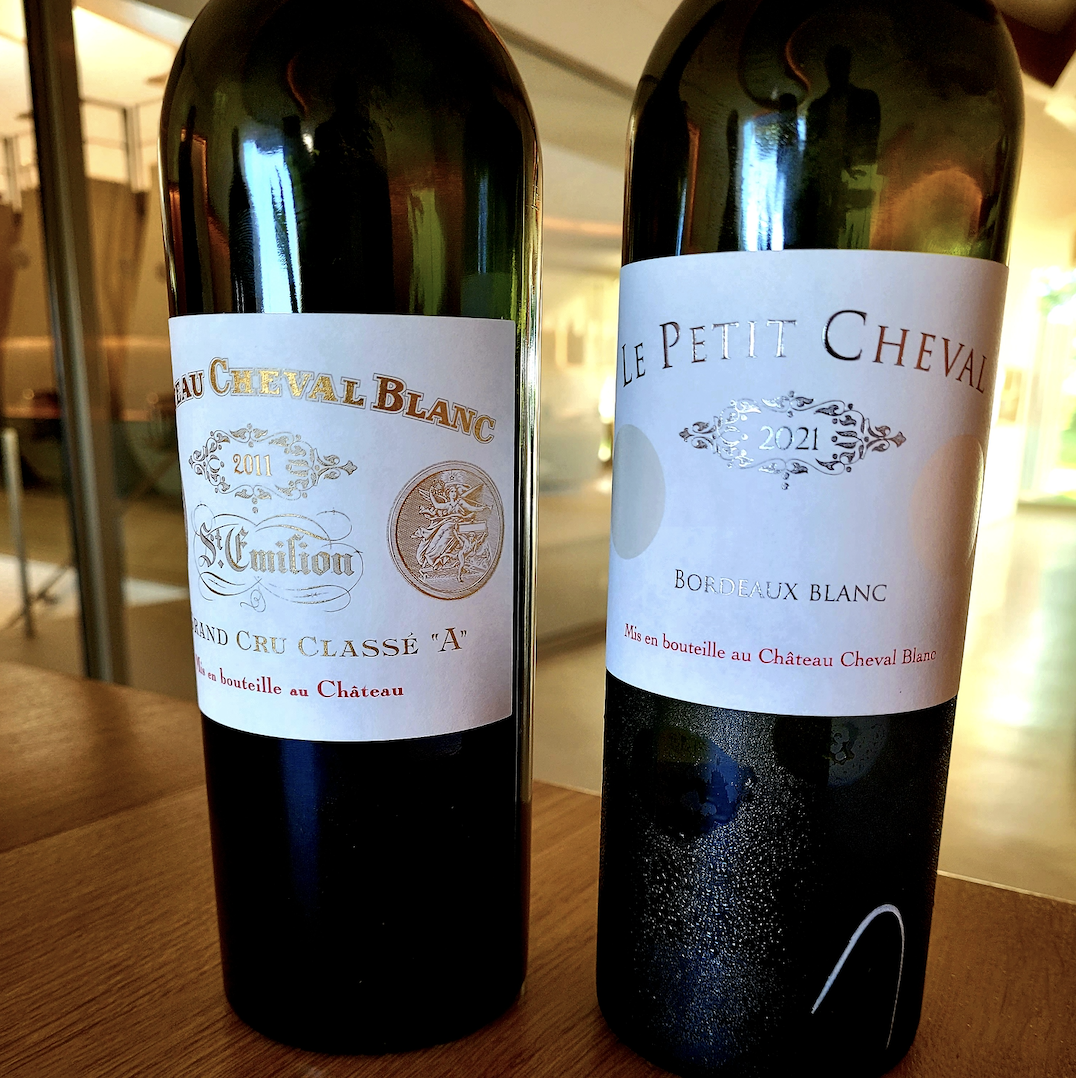
Jackson-Triggs Niagara Estate Delaine Syrah 2011, Niagara Peninsula, Ontario (86553, $32.95, WineAlign)

Here blows a fine, exuberant and expresive muzzle with ambrosial flavours. A garrigue and olive dirty martini with sweet drops pf berry syrup. Juniper and conifer verdure meet inklings of berries. There is a sense of mushroom and truffle which can go either way, but here it brings paradigmatic character. Like words added to an intense Billy Preston instrumental. This may “take your brain to another dimension. Pay close attention.” Dark, brooding and out of space. A prodigy and a real deal in cool climate Syrah.  WWAC 2014 Judges’ Choice  WWAC 2014 Best of Country

Cabernet Sauvignon $15-25

Kaiken Ultra Cabernet Sauvignon 2012, Mendoza, Argentina (135202, $19.95, WineAlign)

A genesis in clean fruit of high extract order is linear, direct, forceful and in Cab conceit. A narcissistic brooder with ripples of underbrush and underworld scents. Thinks highly of itself, demands attention, seeks followers, stares into a pool. “The face in the water looks up and she shakes her head as if to say, that it’s the last time you’ll look like today.” With a few more reflecting and reflective refrains this Cabernet will realize a softness, turn away from the mirror and settle into its skin.  WWAC 2014 Judges’ Choice

Lake Sonoma Alexander Valley Cabernet Sauvignon 2012, Napa – Sonoma – Mendocino, California, United States (Agent, $26.99, WineAlign)

From the outset this engages the imbiber simple because it acts as though its one time tension has been massaged and released. The flat feeling is there, though not detracting, because of an inherent notion that there was and still can be beautiful fruit. It just needs “that spark to get psyched back up.” A rapping modern facade is the cover page for earth savoury meets candied M & M flavour, docile, downy glycerin Cabernet texture, with acidity and tannin waning. Was serious, now friendly and will be late leaving the party.  WWAC 2014 Judges’ Choice

Chardonnay $15-25

Kendall Jackson Avant Chardonnay 2013, Mendocino County, California, United States ($19.00, WineAlign)

This may be a winner. I love the immediacy of its fruit, the antebellum tension and just a kiss from the barrel. You know its there but in subtlety, class and as background noise. The aromas of citrus, beeswax and honey and all accents to clean orchard fruit. This has the most balance in a flight of eleven verry tidy Chardonnay in a consumer-driven $15-25 price bracket. Lady spirited and at times a bit anxious, or perhaps not yet entirely comfortable in its skin, this is nonetheless best in show.  WWAC 2014 Judges’ Choice

Carmenère Under $15

Castillo De Molina Reserva Carmenère 2012, Valle del Maule, Region del Valle Central, Chile (Agent, $14.95, WineAlign)

The first thought on this Carmenère is the scaling back of new oak, lifting it above the crowd in an under $15 flight. The freshness factor makes for a whole new animal, or botanical rather. This has candied jasmine, pansy, bergamot and nasturtium. It’s a veritable salad of candied edibles. The middle palate is marked by Mentholatum and the finale is persistent in acidulated action. What a warm, mazzy gift of a Carmenère, a star of a Chilean red that would be welcome, just like flowers in December. “Send me a flower of your December. Save me a drink of your candy wine.”  WWAC 2014 Category Champion

Chardonnay Over $25

Church & State Coyote Bowl Series Chardonnay 2012, Okanagan Valley, British Columbia (winery, $26.90, WineAlign)

Quiet, muted, beautiful and reserved. This is the “iconoclastic and restlessly innovative” style of a wine that bravely explores other territories of pop Chardonnay. Anything but fashioned in an in your face style, this one is in it for the Hejira, the journey and the time. Ripe yellow apples and pears and then come the lees. Could pass for unoaked Chablis. The appreciation and gathering are a style that should be used more.  “No regrets coyote,” you just come “from such different sets of circumstance.”  WWAC 2014 Judges’ Choice  WWAC 2014 Top Value Wines

Stags’ Leap Winery Chardonnay 2012, Napa Valley, California, United States (655381, $34.95, WineAlign)

Has hallmarks of essential fruit from a top notch vintage, the most complexity and schooling. The reduction is pure essence of grape must, with no fault to either the vine or the maker. Every wine’s “screwed up in their own special way.” A rmineral tannin gets on top early like a Ramones riff, stays for dinner and repeats in refrain. The crisp and mister punchy orchard fruit is kissed by wood. Sucks face. The texture is seamless and verve excellent, by acidity and forward to pronounced length.  WWAC 2014 Judges’ Choice

Sparkling

Delouvin Bagnost N/V Brut, Champagne, France (agent, $42.75, WineAlign)

Tends to a trend in sweet aromatic beginnings which is nothing but endearing. A leesy pear and ris de veau nose split by a bowie and filled with pearls of sugary syrup. To taste there is the metallic gaminess of uncooked other white meat. Sweet meat, sweet thing. The gathering sensation is an elemental display of ethereal, aerified climatic conditions. Though made in an oxidized style, the complexity of character is not to be denied.  “Runs to the center of things where the knowing one says, boys, boys, its a sweet thing.” In the end the burst of energy is invigorating and heart piercing.  WWAC 2014 Judges’ Choice

Pinot Noir Over $25

Cono Sur Single Vineyard Block No. 21 Viento Mar Pinot Noir 2012, Valle de San Antonio, Region de Aconcagua, Chile (agent, $19.99, WineAlign)

You can always pick out the wines made from unique, little feat sites, wherever in the world they may have been raised. Even when they stink up the joint, smell like a 16 year-old hockey change room or like candied paint poured over fresh cedar planks, they stand out like beacons of Pinot amon din. Lord of the Pinot rings here that’s “been kicked by the wind, robbed by the sleet…baked by the sun,” fire lit, rosemary branches and oxtail smoldering and simmering over fresh cut ash from a deciduous forest. Cool mint and pine. The most savoury things of fantasy imagined. Wild ride in and most willin’ Pinot Noir.  WWAC 2014 Category Champion

Buena Vista Pinot Noir, Carneros 2011, Napa Valley, California, United States (304105, $24.95, WineAlign)

This is really quite impressive Pinot Noir. Fastidiously judged if bullish fruit having way too much fun, causing varietal envy amongst other price category peers. Clearly fashioned from stocks of quality fruit, providing an environment for the coming together of many red berries and the earth of contigious vines. All roads lead to a grand palate marked by exotic, spicy and righteous fleet of wood tones. I wonder if I’m in over my head and tell it “your mood is like a circus wheel, you’re changing all the time.” Quite something this MacPinot specimen and though I wonder if it’s a bit too much, it always seems to have an answer and it sure feels fine.  WWAC 2013 Category Champion  WWAC 2013 Best of Variety $15 – $25  WWAC 2014 Category Champion  WWAC 2014 Top Value Wines

Tinhorn Creek Oldfield Series Pinot Noir 2010, Okanagan Valley, British Columbia (winery, $29.99, WineAlign)

The grace of time has ladled felicity upon this left coast Pinot Noir. What once were harsh and mephitic stuck in a cola can kind of smells have been released and are just a faint memory of their once formidable, terrible teeth gnashing remains. Twas root beer that fouled the air but now the saline sea and verdure of hills speaks in clear vernacular. The sailor has “sailed across weeks and through a year,” met with wild things, to now return home and offer up her Pinot Noir, to be enjoyed with supper that is still warm.  WWAC 2014 Judges’ Choice

Riesling Under $15

Villa Wolf Riesling 2013, Pfalz, Germany (agent, $14.95, WineAlign)

This has a lovely, head of its class, nearly value-driven exquisite nature and aromatic richness. In consideration of the price bracket, the sulphur is trumped by that radio dialed in richesse. Exotic Riesling specific fruit. A crisp apple meets a ripe pineapple. A wolf at the door, “out pops the cracker, smacks you in the head.” Decent acidity, better length, good bitters.  WWAC 2014 Category Champion

Red Blends Under $15

Miguel Torres Sangre de Toro 2012, Cataluña, Spain (6585, $12.95, WineAlign)

This Garnacha and Carignan blend works a stoned immaculate contrivance as well as any red blend under $15 you are ever likely to upend. “Soft driven slow and mad, like some new language.” The action is effective, properly conceived and opens the doors to value-based perception. Perhaps a bit thin but the lack of wood and sweetener is a breath of fresh air. What it lacks in girth it makes up for with complexity, in notes of graphite, fennel and sea air. Lovely little Mediterranean red.  WWAC 2014 Judges’ Choice

Good to go!

https://twitter.com/mgodello

A Chile wind is blowing

PHOTO: ZABET/FOTOLIA.COM
The Chilean wine industry is no stranger to adversity, hurdles and bumps in the road.

as seen on canada.com

The time of year when night bleeds into day. October winds blow colder and trees shed their skin. Fallen leaves cause urban sight lines to tighten with vertigo-effect like an intense, paranoid dolly zoom moment in a Hitchcock film. Fall is a time of super-heightened awareness and also the best time of year to focus on tasting and exploring wine.

Speaking of cold climates, the last two weeks have seen me taken to Chile, well actually, Chile has been brought to me. First, an unforeseen exclusive and intimate WineAlign tasting of the wines from Errazuriz with winemaker Francisco Baettig. Then, with the travelling main stage show that is the Wines of Chile, by seminar and through a comprehensive gathering at the Royal Ontario Museum.
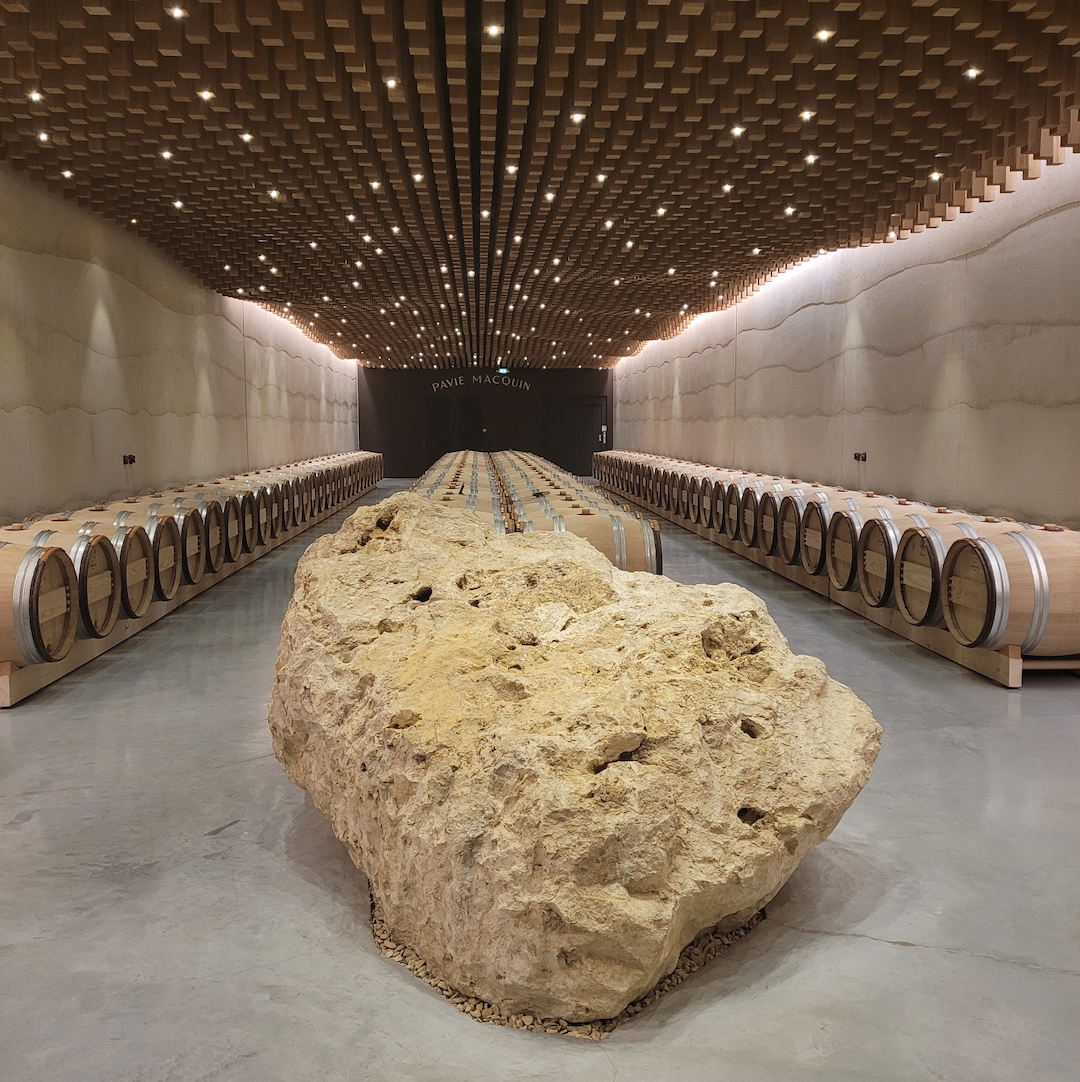
The Chilean wine industry is no stranger to adversity, hurdles and bumps in the road. But unlike Ontario and to a lesser extent B.C., Chile’s obstacles have been more than a matter of weather. I could go back further in time but for the purpose of getting straight to the point, let’s start with an 18 year dictatorship during a period when the wine industry could have been developing in earnest. The year is 1990, Pinochet is out and democracy is in. That Chile has developed as a cohesive wine producing, exporting and marketing unit in just 23 years is nothing short of astonishing.

That earthquakes, most notably the nearly devastating 8.8 measured big one in March 2010 and global economic crisis has not crippled the fast yet still ripening industry is a testament to a people of strength and fortitude. Chile’s wine growth seems to follow a two steps forward, one step back path. But it rarely wavers and always rebounds, as it will again following the most recent harsh frosts of 2013.

Two sets of “black” frosts hit Chile’s vineyards hard. Americas Export manager for Ventisquero Juan Ignacio Zuñiga told a room of journalists and sommeliers about the late September and early October double whammy. “The worst case scenario is 70 per cent of the crop,” said Zuñiga “and the best case, 30 per cent.”  Wineries employed wind machines and irrigation systems to spread the cold air and abate the damage but ran out of water by day three. “This is the worst type of frost,” he noted. “Beyond control.” From Reuters, “these frosts are the worst that agriculture has faced in 84 years, impacting the area from Coquimbo to Bio Bio,” the national agricultural society said.

Yet Chile will endure, as it always has. The Wines of Chile media seminar lent credence to the strong future in store for Chilean wines. Christopher Waters of Vines Magazine introduced six wines and their marketers after a quick yet concise dissertation on the effects of green viticulture on taste, cost and consumer appeal.

Chile’s wine regions are “blessedly Phylloxera-free,” hemmed in by the Pacific Ocean, the Andes Mountains and the Patagonian ice fields. The grape growing out of the many cool micro-climates are mitigated and assisted by beneficial winds that blow in from the edges of these three dramatic boundaries.

Waters quickly noted that the prevalence of organic farming and biodynamic wine production has surged throughout Chile’s wine regions. More dramatic is the adherence to the “sustainability code, of number one importance for gatekeepers.” This qualification has added essential meaning and is “a tool that winemakers have become empowered with.”

PHOTO: winesofchile.org
‘Wines of Chile: The natural choice’

For the Chilean wine industry, green practices are not enough. Wines must tell a great story, “carry a narrative,” says Waters. In Chile so many also happen to be made to the sustainability code. Five to 10 years from now that will be a universal given. Sustainability, story and content. “What makes these wines special is what’s in the glass.”

I tasted more than 40 wines at the Wines of Chile event. While some of the most impressive examples were to be found at the highest prices, it was the $15-30 range that showed what Chile can do best. Here are 10 examples of the new Chile.

Left to right: Via Chilcas Single Vineyard Cabernet Sauvignon 2009, Viña Ventisquero Grey Chardonnay 2012, Errazuriz Single Vineyard Sauvignon Blanc 2012, and Emiliana Coyam 2010

Via Chilcas Single Vineyard Cabernet Sauvignon 2009 ($17.95, 309757) from the Maule Valley is graced by amazing freshness and vigorous, new wave energy. With an imagined dragon’s foot securely planted in the ancestry of Chilean wine, this radioactive red is a portal to the industry’s future. Roasted and brewed, in espresso yes but mocha, no. “Welcome to the new age, to the new age.”  91  @ViaWines

Viña Ventisquero Grey Chardonnay 2012 ($19.95) shows off Casablanca Valley elegance, from 13 year-old vines. Born of a south-facing slope on a single block of dirt within a vineyard. A mellow toast that sparkles aromatically is surely quartz and iodine speaking from out of the granite-flecked red clay over a granite foundation. A touch cool-climate turpenic, in citrus and apple. Veers anti-tropical with just a kiss (eight to ten months) of oak. Super fresh, low and slow bister layered despite the warm and challenging vintage.  89  @vventisquero  @FitoZuniga

Errazuriz Single Vineyard Sauvignon Blanc 2012 ($21.95, 143198) comes out of the Aconcagua Valley, very near and dear to its Andes ombra shadow. Maceration mouthfeel ushered in on a viscous, spicy, piquant, capsicum wave. High tree fruit notes for Sauvignon Blanc place the wine somewhere between California and Marlborough. An SB heavyweight, with spice that plays and replays, balm prominence and righteous length. Oh, brother, she’s got blue-eyed soul, “my mash potato baby, a little Latin Lupelu.”  90   @errazurizwines  @fcobaetting

Emiliana Coyam 2010 ($29.95, 649679) is the organic outfit’s “icon” wine, swarthy, round, powerful and well-rounded. While their flagship Gê achieves the apex of the sustainable movement, the Coyam is missing nothing. Has got everything but the girl; Syrah, Carmenère, Merlot, Cabernet Sauvignon, Mourvèdre and Petit Verdot. A prime example of what stressed vines in healthy Colchagua Valley vineyards can do on a wild and volatile yeast journey. A broad spectrum of vinous material is on display and they cry out in unison, “like the deserts miss the rain.” Great freshness and so very berry, with supporting though not overbearing vanilla and a trenchant yet clean Syrah finish. Notes Export Manager Fernando Pavon, “a wine that avoids standardization.”  90

Errazuriz Wines

Left to right: Estate Cabernet Sauvignon 2010, Estate Sauvignon Blanc 2013, Max Cabernet Sauvignon Reserva 2011, Max Reserva Syrah 2011, Don Maximiano 2007, and Kai 2010

WineAlign, Friday September 27, 2013, with Phillipe Dandurand Wines and winemaker Francisco Baettig

Estate Cabernet Sauvignon 2010 (LCBO $13.95, 262717, SAQ 262717, $14.95, B.C. 284125, $14.99) from Maipo fruit flaunts varietal typicity, plain and simple. Was bottled under screw cap back in 2003! A bissel of Cabernet Franc adds complexity by way of juicy currants, tart raspberries and caper berries.  87

Estate Sauvignon Blanc 2013 (LCBO 263574, $12.95, B.C. 286385, $13.99) is uniquely and markedly realized upwards out of schist soil from a high Aconcagua crop that required some necessary thinning. Decidedly pale yet spirited, like old school Marlborough. Sagacious Kiwi mineral salinity, lean, dry and grassy. Less herbiage, intensity and flesh than the Max Reserva and yet its steely, stainless character is better and VGV, especially at $13.  88

Max Cabernet Sauvignon Reserva 2011 (LCBO $18.95, 335174, SAQ 335174, $16.95, B.C. 287805, $16.99) is executed with more of a cooler and less New World approach than the chocolate, Cassis and easy drinking 2010. Here the smells are Cab Franc-ish, with more pyrazine, less mocha, more berries and it is coated by finer tannins. Mint, eucalyptus and purple fruit but not so much a riper style. More elegance, structure and balance.  “If you want to protect the Cabernet, you should do so with the leaves,” notes Baettig. The tartness of the fruit tells beneath the syrup. A confident wine made with some transparency, through indirect light, not with the hot Aconcagua sun burning on the fruit.  89

Max Reserva Syrah 2011 (LCBO $18.95, 614750, SAQ 864678, $18.95, B.C. 361311, 2010, $19.99) whiffs the most confounding nose of the line-up so far, cooler than the ’10 vintage, and very, very Northern Rhone. Bacon, smoked meat, juicy and spicy olive, dark but not woody, splintered or Java-scripted. The nose gets better and better and it shows good length. This is the 15th year of this wine.  89

Don Maximiano 2007 (LCBO 501247, $80, SAQ, 11396557, 2008, $79.25, B.C. 5012547, 2008, $$89.99) at the six year mark is showing extreme refinement and is not the California fruit bomb you might have been warned about.  Tenuous teng, tang and verve, unique to place and mighty, mighty fine. Goes well beyond “all the sacred boundaries we’ve overgrown” to “build a brave new foundry close to home.” The 2009 is being released as the “Founder’s Reserve Cabernet” with touches of Syrah and Petit Verdot. That wine (tasted at Wines of Chile) will rewrite the Maximiano book.  91

Kai 2010 (Private Order, $144.95, SAQ 12051411, $116) charms, entertains and regales in spectacular aromatics. Currently in beast mode, this is rich, unctuous Carmenère. 2005 was this wine’s first vintage and here high-grained tannins will one day soften and round out in oak sweetness. For now there is some balsamic and spicy forest floor, which, says Baettig, “is part of the variety, so I try to keep it in the wine.” From alluvial, flat and thin soils, attacked by high sun exposure under less canopy. More fruit exposure leads to intensity. Long roots, rock, Carmenère.  93

Good to go!