Only on the rarest of occasions do I consider the Zodiac. Same goes for the constellations though if you slump my tired body into the comfort fitting contours of a Thermarest on a Killarney campsite I’ll happily, dreamily stare up into a near-northern sky. Or on a dock in cottage country if the Aurora Borealis happens to make a magical appearance.
In September I spent some time scanning a South African, southern hemisphere sky with Ken Forrester. Ever the romantic, Ken offered up a short dissertation on one of the special treats afforded a stay in Stellenbosch. I have seen the Southern Cross several times before and yet standing there at 10:30 pm with the South African vigneron-poet, taking in the twinkling balls of time travel, something struck me anew.
I like to line things up. Wine tasting notes with music; a lyric or an artist. You may have noticed. I also find ways to forge bonds, synaesthetic perceptions and Chaldean correlations, regardless of whether they are there for the connecting. Sometimes you just need to fulfill the urge to divide the ecliptic into 12 equal, 30 degree pieces of a pie. Perhaps it’s just the M.O.T. in me.
This coming weekend VINTAGES rolls out the first major release in preparation for the looming holiday addiction. The headlines of “stars of the season,” and “star-studded” can mean only one thing. Expensive and iconic wines will dominate LCBO shelves from now through Christmas. And most of these high ticket items will sell through. Why is that you ask? Mainly because many of them are really good wines. Mostly because desperate people will buy anything when faced with holiday gift-giving deadlines.
My job is to separate the exciting from the boring, the exceptional from the drab. I’ve chosen 12 bottles, each with their own horoscopic identity, wines that illustrate their own idiosyncratic hook-up with a sign of the zodiac. It’s a stretch to be sure but it’s my stretch, so deal with it. If you connect and agree with just one, it may change your perception too.
From left to right: J. Fritsch Riesling 2014, Closson Chase Chardonnay Closson Chase Vineyard 2013, Segura Viudas Brut Reserva Heredad Cava, La Chablisienne Montmains Chablis 1er Cru 2012, Hidden Bench Terroir Caché Meritage 2011 and Stratus White 2012
Sure-footed, hard worker, self-disciplined, over-achiever
J. Fritsch Riesling 2014, Ac Alsace, France (430520, $19.95, WineAlign)
Kientzheim Riesling, full, fleshy, opulent but not tropical in style, aromatically fleshy and full of orange rind, lemon zest and tonic. Has that necessary mineral bleed and rock tang. Schlossberg like but not as tannic and certainly ready for prime time at a much younger age. Hints at sweetness but acidity by way of early picked fruit is key. Granite feel. Drink 2015-2019. Tasted October 2015 @VinsAlsace@Alsace_info@AlsaceWines@drinkAlsace
Closson Chase Chardonnay Closson Chase Vineyard 2013, VQA Prince Edward County, Ontario (Winery, $27.95, WineAlign)
This CCV Chardonnay is one of departed winemaker Deborah Paskus’ final acts at Closson Chase. It will forever be noted as a legacy-cementing, swan song of career excellence. Crafted by Paskus and bottled by the next one, current winemaker Keith Tyers, the 2013 CCV is simply a tour de force. No such combination of richness, tropicality and pure grape tannin has ever infiltrated this Chardonnay, from this vineyard. I’m not sure there is a comparison in Ontario, at this level of excellence and at this price. A wine of pure impression, with Montrachet-like structure and Folatières-like precision. Seemingly capacious, its facile legerity is hypnotizing, quantitatively escalating in assembly of aromas, flavours, through texture and finally to longevity. The wine spent 16 months in a mere (17.25 per cent new) oak. That it notes 12.5 per cent alcohol on the label is next to impossible. The substance is just too buttressed to be so tender and effete. Impeccable balance, refinement and mineral finish. This is Chardonnay to confuse the world’s fine white collectors, to wreak havoc at international tastings for five to 10 years. Only 712 cases are available and at $27.95, is down $2 in price from the 2012. Best ever, hands down. Drink 2017-2023. Tasted March 2015 @ClossonChase
An intricate and elaborate Reserva elevation of Cava, even a bit skunky in the most endearing of ways, like a 55 day dry-aged steak cooked rare. A waft of yet blown sulphur is managed and tempered by smartly sweet yeast. At once clunky and disjointed, then heavy in citrus and the shells of molluscs. Citrus climbs all over the finish, from lime to lemon and into pomello. Complex Cava with the taste of acquired affection in requiem of a very open mind. Drink 2015-2019. Tasted October 2015 @hseguraviudas@imbibersreport@cavaswine
La Chablisienne Montmains Chablis 1er Cru 2012, Ac Burgundy, France (265090, $32.95, WineAlign)
In a word, yes. Beautiful girl this Montmains, layered of delicate aromas, from flowers through kimmeridgian soil and into fresh forest glade. A child of the cooler, Butteaux sub-climat in which the citrus melds into the soft wooden (228L barriques) notes and all is elevated by such pinpoint-posted acidity. The oak lends cream, the lees fine spun silky texture and the talc a grape tannic ingrained sense of fullness. Terrific wine. Drink 2015-2022. Tasted October 2015 @VinexxCanada@chablisienne@BourgogneWines@BIVBChablis
There is so much floral presence in 2011, a showy perfume that parades the relative elegance of Niagara’s Bordeaux reds in the vintage. Structure is comparable to 2010, not in beast mode but rather with a delicacy derived from less burning, high-toned fruit. Still here lays a wine so young, of social encumbrance that might be passed off as a mark of impertinence. This faintly embarrassing condition can be suppressed in a dark cellar, in which the foundation can be laid for the beginning of a cure. The Terroir Caché 2011 will show its best between 2017 and 2020, then develop, slow down, suspend animation and age further, effortlessly and exceptionally. Drink 2017-2024. Tasted April 2015 @HiddenBench@BenchVigneron@LeSommelierWine
Stratus White 2012, VQA Niagara Peninsula, Ontario (660704, $44.20, WineAlign)
In magnified aromatic persistence, on and over top of even two months earlier, in such a hyper-grapey way with terrific dry extract chained to tannin and humid minerality. The many months of leave in gentle oak is stating its technically procured, quote unquote de-classified case.
From my earlier note of April 2015:
In 2012 the blend is Chardonnay, Sauvignon Blanc and Riesling. Viognier was left out because according to winemaker J-L Groux “it did not work in blending trials.” The vintage has laid the foundation for the most density and unctuous fruit for the Stratus White in what must be, ever. At the high aromatic end there is peppery beeswax, reverberating and echoing in scales and arpeggios. Like an open string singing warmly, the vintage, extraction and residuum combine for texture in mottled unction. Sapid lemon, more beeswax and lanolin mark the palate and then the White drifts into spaces occupied by smoky back beats and bites. This has great pitch with a knowledge of the path to pleasure. Drink 2017-2025
From left to right: Stratus Red 2012, Bachelder wines Niagara Chardonnay Saunders Vineyard 2012, Ca’marcanda Promis 2013, Versado Malbec Reserva 2011, Flowers Sonoma Coast Chardonnay 2013 and J. Christopher Bella Vida Vineyard Pinot Noir 2011
Stratus Red 2012, VQA Niagara On The Lake, Ontario (131037, $44.20, WineAlign)
The Stratus Red 2012 resides both in a virtuoso’s hollow and in a pantheon inhabited by some of Niagara’s great reds. The fact that such ripe phenology can anticipate and foretell to balance and freedom in the byplace of the blending process is nothing short of amazing. Sinuous and exact, of berries so indefatigable, layering raspberry over blackberry atop strawberry. Cedar and red citrus compound, without jamming the fluidity, but certainly accentuating the Fragaria vesca. Confident and fluid in movement, the ’12 neither shakes nor stirs and its acidity is flat out terrific. At this early point in its evolution it is showing as well as could be expected, or hoped for. Its core of fraises du bois will always be there. Time will be kind, gentle and patient. Drink 2015-2024. Tasted April and June 2015
From a site 2.5 km’s from the lake, right on the highway at 30 Bench. Derives its plushness from mere proximity so “serve it first,” pleads Thomas. So much lush, more richesse and yet today, Saunders is a bit closed, primary even. Will yet need some time to find its way. Drink 2015-2021.
From my earlier note of May 2014:
Though presently showing a bit inferential, no amount of Bachelder reduction can keep good fruit down nor can it dismantle the mastery of mineral impart. An arras of texture conceals the portal to both vineyard and barrel with streaks of salinity, charcoal and chalk. The 2012 rendition is a canvas laden with pure golden paint, concealing “hidden forms and shifting states.” Thomas has found a rhythm in Saunders through thick brush strokes, full and advancing. This warm vintage is not a receding one, its flavours and its texture do the opposite. They jump out at you in waves. For Thomas, the sublime is now.
In the only vintage for which such a trial was performed (2003), the chance was had to taste this 2013 under cork side by side with that vintage under screw cap. The difference was vividly palpable, for good or bad, better or worse. Under cork the young wine is like a perfectly shone lump of cool, refulgent coal with so much spice and accent in permeate of an aromatic fruitcake wheel. Under Stelvin the 12 year-old Promis’s freshness is amplified, of early immortality, with the ripest of tannins. The acidity is markedly formidable and yet both wines display a cured nature in undercurrent. Two 10 years separated Promis of spine, spirit and grounded in earth. Leave this 2013 be for two more years, screw cap or not. Drink 2016-2024. Tasted October 2015 @StemWineGroup
Adventurous traveller, mythological and experiential
Versado Malbec Reserva 2011, Luján De Cuyo, Mendoza, Argentina (316984, $59.95, WineAlign)
Peter Gamble describes the ’11 Reserva as “integrated right out of the gate” and blessed with “a little more fruit component.” That is can show such freshness this early in its life span (especially in consideration of the beasts that are 2009 and 2010) is nothing short of a Malbec miracle. This is a wine that saw spontaneous fermentation, which made for very nervous times in the winemaking hands of Roberto de la Mota. Stems were used and their participation lends a Mediterranean feel, in the aromatic impart of sea salinity and kelp. The oak is scaled back a touch so the chalk push, while present, integrates in finer grain within the gritty, iron structure. This is the softest (hyper-relatively speaking) Reserva to date with a newly defined massive attack. The temperature fluctuations of the vineyard are integral in its structure and the question needs to be asked, “how can you have a day without a night?” In the Versado Reserva 2011 you have both. It is a Malbec of unfinished sympathy. Drink this sooner, starting in 2017 and for longer, to 2030. Tasted September 2014 and October 2015 @VersadoWine@winesofarg
If 2013 is turning out to be the first truly great Chardonnay vintage of the century out of Sonoma, the Flowers SC is categorically up front and centre in that discussion. The epic’s lead paragraph initializes here in a wine that is severely accurate, a blinding and gorgeous expression that brings the flowers in its game. A wield of pulchritude and balance by acidity spot on. Pure flavour extract expands and the components zing on the finish. Could there lurk a Meursault notion in its lace? You know what, forget that. Strike comparisons from the record. The Flowers is extraordinary of Chardonnay, by Chardonnay and for Chardonnay. Drink 2016-2025. Tasted July 2015 @FlowersWinery@rogcowines@sonomavintners
Secretive, perceptive, intense, insightful, with a strength of will
J. Christopher Bella Vida Vineyard Pinot Noir 2011, Dundee Hills, Willamette Valley, Oregon (432823, $64.95, WineAlign)
Lithe and extremely pretty Pinot Noir, reeking of that ancient underground, saline Willamette stream and above ground, Dundee Hills fresh summer berries. Has the best tense intentions, readily available sultry, soluble tannins and just pitch perfect, happy helping acidity. This has the svelte cure and the natural tug of positivity. Sanguine, hematic, volcanic. Great stuff. Drink 2016-2022. Tasted October 2015 @BellaVidaWine@Oregon_Wine@Select_Wines
Five is a big number. Any annual convention that survives and thrives into a fifth caucus must be divined by some unseen force, a guiding hand perhaps, by avatar or prosopopoeia. And something other. The International Cool Climate Chardonnay Celebration has priceless equity on its side. Three aces in the hole. Canadian climate and geology, adroit farmers and winemakers, simpatico of communities.
West coast writer Alder Yarrow spent three days in Ontario and referred to The Brilliance of Canadian Chardonnay. Wine Spectator contributing editor Matt Kramer said that Ontario is possessive of a “luminosity of flavour” and that its Chardonnay offers up “the element of surprise.” In Modern Wine Myths he tells the world about the measure of Canadian wine.
What is it that draws foreign winemakers and journalists to Canada? If people will come, their work meets vacation migration must want for a cause and effect to be a part of something special. South Africa’s Anthony Hamilton Russell said that “a layered, complex wine has to have completed its phenolic journey.” Despite what the world might think and think they know, peregrination by wine grapes, from bud break, through fruit set, véraison and into ripening, is a beautiful reality in Canada.
We walked away from the fourth Cool Chardonnay Conference last year wondering, asking that ubiquitous question, the same one we ask at the Expert’s Tasting every year.
Who among us had not believed that the pinnacle of hype had been compassed? Had four years of gatherings not fully realized a conspiracy to inject more than enough cool Chardonnay into thousands of minds and veins? Had anyone not wholly submitted to a seemingly seized reality in apogee of conversions, of maximum, critical mass?
Godello in the media room, White Oaks Conference Resort and Spa
Yes, we thought these things and then year number five blew our minds. We had been wrong. We found out that the bar had yet been breached. Further was still out there, not yet claimed, hovering in the realm of the possible and still, going forward, yet remains plausible. Looking back on the weekend of July 17-19, 2015, at locations blanketed across the Niagara Peninsula, Chardonnay got even cooler.
With a cavalry in cavalcade of Chardonnay volunteers making it real and sealing the deal, the surfeited excellence of events crossed with happenings rolled on, from the School of Cool – Viticultural and Winemaking Sessions, through Barrels & Bonfires, past Cool Chardonnay World Tour Tasting & Dinner and into The Moveable Feast. There were maestri to applaud – Master Sommelier Bruce Wallner, Angie Jewell and MJ Macdonald – trumpeters of Chardonnay. Did you seek out and thank Dorian Anderson, Trisha Molokach, Magdalena Kaiser and Joanna Muratori? – concierge and purveyors of cool climate heaven. Had you a word or two with Del Rollo, Suzanne Janke and the vintners of the i4C? – gatekeepers of the plans and secrets, where Ontario schemes, greets, welcomes and celebrates frore, global brilliance.
The school of Cool, White Oaks Conference Resort and Spa
The School of Cool presented by Wine Country Ontario and the Grape Growers of Ontario moved to White Oaks Conference Resort & Spa for the first time in 2015. Panel partners included the passer of the torch Cool Climate Oenology and Viticulture Institute at Brock University, VineTech Canada, Kerry Canada and Riedel Canada. Master Sommelier John Szabo once again moderated three sessions focused on international perspectives to viticulture and winemaking in cool climate regions, with a special feature on Sparkling Chardonnay. In 2011 Wine Spectator‘s Matt Kramer was the keynote speaker and he reprised that contribution in 2015.
Dr. Belinda Kemp, CCOVI Brock Univeristy and Godello at The School of Cool, White Oaks Conference Resort and Spa
The School of Cool 2015 sessions were controversial, heated and extremely effective. On them I will need to expand upon at another time, in another post. For now, the crux of the conversation concerned two intense Chardonnay algorithms. First, consequence versus cosmetics. Said Kramer, “Niagara has the ability and the opportunity to create Chardonnays of consequence.” Marlize Beyers of Hidden Bench allowed this. “I do believe Chardonnay needs a little bit of cosmetics. Mouthfeel is important.” Discuss.
The second and most managed thread of discussion concerned the idea of minerality. Is it real? Dr. Gary Pickering: “Who cares?” Dr Alex Maltman: “It’s a lovely idea, journalists love it, has marketing capability, but it doesn’t hold up.” Paul Pender: “It’s a great story. I’m not 100 per cent sure its true. It’s more complex than that.” Albrecht Seeger: “Minerality is part of the terroir.” Matt Kramer: “The scientists don’t know a goddamn thing about wine.” Discuss.
Barrels and Bonfires, 13th Street Winery
On Friday night at 13th Street the theme was “boots & blue jeans,” to compliment Chardonnay, with a smoke-inspired feast, live music and cozy bonfires set amongst the vines.
Jay Johnston of Flat Rock Vineyards and Godello at Barrels and Bonfires, 13th Street Winery
On Saturday Chardonistas blanketed the Niagara region.
Westcott Vineyards
I spent the afternoon with winemaker Arthur Harder, Grant, Carolyn and Victoria Westcott at their Vinemount Ridge Westcott Vineyards property.
Fresh Salmon hors d’oeuvre by Lorenzo Loseto of George Restaurant, at Westcott Vineyards
George Restaurant Chef Lorenzo Loseto and Sommelier Christopher Sealy came to cook and pour. They went to town. Appetites were whetted, palates amused, bellies satiated, hearts skewered, minds hooked and time was lost to well spent.
Lunch at Westcott Vineyards
The main event’s setting was St. Catharines’ Ridley College, at which Chef Paul Harber (Ravine Vineyard Restaurant) and Chef Craig Youdale (Canadian Food & Wine Institute) assembled a dream team of the region’s top Vineyard Chefs to present an Ontario-centric family-style feast. Beer and red wine, “oh my,” “gasp,” “what sacrilege,” followed dinner.
#ILiveChardonnay at the Cool Chardonnay World Tour Tasting and Dinner at Ridley College
On Sunday morning the final convene took place, as it always does, at Ravine Vineyard. More stellar bites, oysters from Tide and Vine, Niagara cured gold Pingue prosciutto from Niagara Food Specialties and ping-pong in the vineyard. In the end, the love was felt, for the community that celebrates Ontario wine, for all the cool climate folks who came thousands of miles to participate and for Chardonnay.
The events provided opportunities to taste the Chardonnays on hand and with thanks to Wine Country Ontario, a media room was set up at White Oaks with full representation. Many of my tasting notes were formulated in that space. Here are twenty-five new Chardonnay reviews from the weekend at i4C15.
Cool Chardonnay in the media room at White Oaks Conference Resort and Spa
Calmel & Joseph Villa Blanche Chardonnay 2014, Languedoc-Roussillon, France (375071, $13.95, WineAlign)
Quite simple and surprisingly lush with more than ample acidity to keep vitality in the air. A balanced effort in a pretty plush Chardonnay. Drink 2015-2017. Tasted July 2015
If you reside in Ontario or happen to be passing through before September 13, 2015, the perfect value storm of Chardonnay swirls in your corner. It may be the most excellent 2012 you will find on shelves but looking forward to this (2013) vintage you will encounter a varietal tempest, a house crafted dictionary entry and in retrospect, memories regarding that two dollar limited time offer price reduction that doled out 10 per cent more satisfaction. The essentia of fresh glade aroma, cream in your corn texture and a gaol of circulating acidity add up to one seriously fleshy ($20 and/or $18), cool-climate, hovering in and around the Beamsville Bench Chardonnay. The Malivoire base wine is one of no beginning and no end so in that sense it will always get inside you. Drink 2015-2018. Tasted July 2015 @MalivoireWine@ShirazMottiar
Toro De Piedra Grand Reserve Chardonnay 2014, Maule Valley, Chile (417493, $17.95, WineAlign)
Rich, toasty and nutty Maule Chardonnay, full on, out and in favour of ambitious, lofty heights. Has massive creamy meets chalky mouthfeel and tropical fruit with spice by wood in spikes, not to mention high toned acidity and alcohol. It’s an aggressive if clumsy expression. Drink 2015-2018. Tasted twice, June and July 2015 @VinaRequingua@DrinkChile
Sur-lie barrel fermented Chardonnay all in for texture and fabric with a taste of soft French cream. Very ripe, especially in consideration of the vintage. The late flavours recall lemon curd and a touch of rind. In the end an elemental tonic push carries this skyward, as opposed to downward in earthy dredge, so imagine forward to a petrolish driven future, the engine leaving a trail of disposed energy. Quite complex and certainly fixed with boards to add nuts to the melting, oozing bolts. I would recommend leaving this for two years for the tension to subside. Then the creamy centre will spill out from beneath the pastry crust. Drink 2017-2020. Tasted July 2015 @TriusWines
13th Street June’s Vineyard Chardonnay 2013, VQA Creek Shores, Niagara Peninsula, Ontario (Winery, $21.95, WineAlign)
The vineyard speaks louder and clearer with every passing vintage. In 2013 the level of atomic and aerified atmospheric pressure is unparalleled, from June and for any Chardonnay produced in the Creek Shores sub-appellation. At this early stage the ’13’s awkward, backward and racy character is uncomfortable but impossible to taste away from. This is Chardonnay on gym candy to be sure, rocking like a hurricane, dancing up a storm. The terpenes are titillating, the enzymes discharging. There is a bronze/patina/inside of a pipe metallic feel that adds to the texture improvisation. Nothing about this says drink now nor does it let you settle into a comfort zone. It’s just that all over the place. Will revisit in three years. Tasted December 2014 and July 2015 @13thStreetWines@Noble_Estates
Kirsten Searle, Matawhero Wines
Matawhero Chardonnay 2014, Gisborne, North Island, New Zealand (Agent, $21.95)
Unoaked but full malo crisp up this true blue, north island Chardonnay. A bob of fruit from the oldest (40 years) winery in the region and under current ownership for the past eight. You can tell after tasting with Kirsten Searle that the project has been a labour of love. Her words seem to say “heading out for the East Coast Lord knows I’ve paid some dues gettin’ through. Tangled up in blue.” Round and properly bitter, the world should not be demanded. East coast will do. Drink 2015-2018. Tasted July 2015
Quails’ Gate Chardonnay 2013, BC VQA Okanagan Valley, British Columbia (377770, $21.95, WineAlign)
A strength in aromatic temper initializes the confrontation and the relationship. Once hooked, lemon and a waxy texture usher the palate through the middle reaches, then a swirl, tongue on a swivel, off to glide with sweetness into a gin and tonic backside ride. Goes fat and caressing for a spell, through a toasty phase and yet the wood is hidden or at least negligible. Could very well pass for unoaked in a way, especially considering the tang and the persistence. A very solid wine at a very workable price. Drink 2015-2018. Tasted twice, June and July 2015 @Quails_Gate@hobbsandco
Josef Chromy Chardonnay ‘Pepik’ 2014, Tasmania, Australia (Agent, $22.95)
Combines beauty and bitters for a streak of natural selection through a field of texture. Heads for the cream risen to the top of rich, pulls over and steps aside to allow for a crunch of green apple. The bite is real, lit by match and cut with spice. Great length. Drink 2015-2020. Tasted July 2015 @JosefChromy@bwwines
Domaine Laroche Chablis Saint Martin 2013, Burgundy, France (289124, $24.95, WineAlign)
Climbs more than a rung or two up the reverent Chablis ladder to mingle with the Cru boys. Something about 2013 strikes as more serious, punctilious and free. This is benchmark Saint Martin, chalky and textured from soup to nuts, of spirits high and sky-scraping tang. The acidity is frank, the structure unwavering and the fruit to mineral dichotomy of a pure, mature and essential hookup. From verve to intensity and back again. Up and down, primary and natural. Drink 2015-2019. Tasted July 2015 @DomaineLaroche@Select_Wines@BIVBChablis
Chamisal Stainless Chardonnay 2014, Central Coast, California (416065, $24.95, WineAlign)
Quite classically cooled and unplugged yet intensely sunshine tangy. Fun yet on a seesaw of play and a boat on a rough sea up and down in balance. That is not to say that acidity does not exist but the tang is like heavy salad dressing, emulsified and sultry. No malolactic equates to green apples and blanched nuts, or those hulled direct from the tree. Texture is the thing, a child of crisp, cool fermentation. Freshness could use just a bit more ventilation. Drink 2015-2017. Tasted twice, June and July 2015 @ChamisalVyd@LiffordON
Chamisal Estate Chardonnay 2013, Edna Valley, California (Agent, $24.95)
French oak (45 per cent) and (25 per cent) of it new mixed with (50 per cent) malo has created an herbal cream piqued by spice. It’s kind of a chewy Chardonnay, well-judged, blended and crafted with both stainless steel and wood ramifications in meld together mind. A true dichotomy of pleasures, green and red, old and new, yes and no. Drink 2015-2021. Tasted July 2015 @ChamisalVyd@LiffordON
From vines planted by soil guru Alain Sutre, two km’s from the lake, close to Green Lane. If you make a comparison to Bench sites, this is an understated, hyper elegant version of a Chardonnay. It’s an underdog, plain and simple. Sixteen months of élevage has raised a beautiful, bitter green dignity, pith nicety and polite terpenes. A child in many ways who’s offspring will only serve to honour the family name. Drink 2015-2018. Tasted June and July 2015 @QueylusVin@LiffordON
Vasse Felix Filius Chardonnay 2013, Margaret River, Western Australia (Agent, $25)
At a third of the cost of the Heytsbury, expectations for the Filius need not exceed prediction. Screw cap has sealed in reduction, sulphur and acidity so that upon liberation the wave of anxiety is nearly overwhelming. The Filius transmits waves of complexity, layers of predilection and outright Margaret River coolness but decanting that character is not unthinkable. Smoulder, struck match and green apple fruit are massively intertwined. Bold Chardonnay. Drink 2016-2020. Tasted July 2015 @vassefelix@bwwines
Jean Bourdy Côtes De Jura White 2008, Ac Jura, France (Agent, $28.00, WineAlign)
Tasting his Jura whites with Jean Bourdy can’t help but funnel the exercise into a tunnel, a vacuum and a bilateral directive inward and centripetal. Tradition is everything and this ’09 is neither the exception nor the anti-establishment rebel to the rule. Herbal balm and oxidized character persist but nowhere in the world can so much implosive energy exist in wine such as a Bourdy Jura. This vintage does not reinvent the oueille but the four fermenting years in oak, as per the centuries-old Côtes du Jura method seems to improve with the cleanliness of the process. Another white to follow well into the third decade of this century. Drink 2015-2035. Tasted July 2015 @CAVESJEANBOURDY@LiffordON
The 2012 early picked Reserve Chardonnay was the raw player, the talented yet unproven one, all about foreplay. Here in ’13, from fruit picked on October 7th is a different rock ‘n roll animal, wiser to vintage, mature in acumen, confident, a Ziggy Stardust. This charismatic leader of the Vinemount Ridge Chardonnay band, “could lick ’em by smiling, he could leave ’em to hang, came on so loaded man, well hung and snow white tan.” Works opulence with prejudice and here acts, sings, dances and displays equipped with nothing short of immediate distinction. There is nothing held back, no remedial work in progress and wisdom oozes beyond its years, in and of learning. The right time and the right place for the winemaker, the accomplice, the peer and the confidence of the partners. Drink 2015-2021. Tasted July 2015 @WestcottWines@VWestcott
What should small Vinemount Ridge yields, collected solar units and wise, thinking ahead of the curve decision making combine to procure? Grace under pressure. This is what winemaker Arthur Harder, proprietors Grant and Carolyn Westcott and Chardonnay have conspired to achieve out of the warm and challenging 2012 vintage. They picked in very early September. They laid the fruit down for 12 months in (four) 1st, 2nd and 3rd fill barrels. They sat back and waited for amalgamation. If 2012 shows this level of restraint, respect and reserve, well, let’s not get ahead of ourselves. This is deserving of meritorious accolades at a very reasonable price. Drink 2015-2019.
From my earlier note of February 2014:
From vineyards planted in 2005, this new kid on the Jordan block spent 12 months in oak, half of it new. To a taster, you would never know it. In clone cousin to Le Clos Jordanne’s Chardonnay, this special project is the nephew of a set aside, four-barrel selection. Winemaker Arthur Harder (Calamus) has fashioned a head-turning clean, pure and most mineral-driven Chardonnay from impossibly young Vinemount Ridge vines. A quartz chord runs through it and with just two or three more years of vine age the fruit and adjoining texture will catch up to the rock. That integrated, subtle oak impart is of a Granny Smith apple kind, crisp and taut. Such a memorable inauguration with so much promise that lays ahead.
The omnipresent Escarpment stone etched, nicked and saturated into ferment from out of the Cave Spring Vineyard may never have extolled virtue any more so than out of the 2012 vintage. A tropical CSV and its accompanying mild, understated toast combs the faces for balance and bobs its keel in well-structured, puff pastry layering. A bitter sachet of schist on the back end steps into a really fine linger. CSV of real presence even in the midst of a summer swelter. Drink 2016-2020. Tasted twice, June and July 2015 @CaveSpring@TheVine_RobGro
There are many variations on the Lailey Chardonnay theme but none speaks as clear a Brother Derek Barnett vernacular as the Brickyard, a wine composed in clarity of Niagara River fruit. The former cherry tree and yes, brickyard site is blessed with a red clay soil and Niagara micro-climate that just circulates with enunciated vowels, consonants and graceful intonations. That this seminal vintage will be Barnett’s Lailey swan song is not lost on gist or preponderancy. The full intention, weight and breadth of fruit circles the wagons, prepares the last supper and the silence that follows knows this. This winemaker and this Chardonnay work harder than a great bulk of the competition and in the end, they together are a seamless, relentless and unflappable study in cool climate success. This wine must hold a rightful place in every wine country Ontario inamorato cellar. Drink 2016-2023. Tasted July 2015 @LaileyWinery
Jeremy Dineen of Josef Chromy Wines, Tasmania
Josef Chromy Chardonnay 2014, Tasmania, Australia (416339, $30.95, WineAlign)
Jeremy Dineen’s 2014 takes over the conversation at the precise moment the previous vintage left off, grabs attention and travels further along. With baton firmly in grasp, the ’14’s acidity dances in a filly’s realm, jittery, agitated, ready to jump out ahead of the pack. The citrus flavours are implosive, concentrated, in demand, distinctly Tasmanian. Though our time was short, to this Texas Tazzy I say, “we were together, I was blown away, just like paper from a fan.” If the ’13 was a creeping crooner, this ’14 is more a smoky-voiced songstress, trotting a longer track. It would be hard not to imagine seeing this Chardonnay as nearly unchanging in its first decade of life. Drink 2016-2025. Tasted July 2015 @JosefChromy @bwwines
Gérard Bertrand Domaine De L’aigle Chardonnay 2013, Limoux, Languedoc-Roussillon, France (Agent, $33.00, WineAlign)
A purposed effort from 2013 with even more direct precision, spice, freshness and linear strike flurry. A vital Limoux, of higher yield, lowered oak and acidity defined simply as the real deal. A tremendously exceptional and experiential vintage and one to help define the true identity of cool Chardonnay. Drink 2015-2022. Tasted July 2015 @GBvins@FwmWine@LanguedocWines
Megan Clubb of L’ecole 41 Wines
L’ecole 41 Chardonnay 2013, Columbia Valley, Washington (416370, $34.95, WineAlign)
A co-composed 60 per cent Yakima Valley (planted in the 1970’s) and 40 per cent Evergreen (mineral slope) Chardonnay extensive and extended of orchard fruit with a penchant for texture. The house style reached for uniformity, employing mostly older barrels and laying out bed linens for a brief five-months slumber. Hear this though, the 41 is the sum of its parts and may sport a fat lip but it’s no “victim of your conformity.” Texture is the thing, a result of a warm vintage, cool Evergreen nights in the fall and rampant malolactic fermentation (despite attempts to block it). A Chardonnay “strollin’ to the party like (his) name is El ninio.” Arabesque weave and flavours that go punk and pop. Drink 2015-2020. Tasted July 2015 @lecole41@TrialtoON@WineCommission
If the 2011 Wild Ferment spoke in treble clef, this ’12 pounds out a deeply resonating bass note, from instruments wooden and speaking on behalf of the vintage. Deeply smoky, layered and rich beyond yeasty belief, this is a massively structured wine for Niagara, specific to the Lincoln Lakeshore and its ability to ripen fruit of such density. The tang factor is set to 12, above and beyond what winemaker Craig McDonald has reached for before. This vintage, surmised with such yeast, takes ’10, layers it with ’11 and pops out the most plush to date. Missing is the exceptional acidity of 2011 though the overall anatomy and architecture can’t be denied. Drink 2016-2021. Tasted July 2015
The 2012 Felseck is a wine dramatically and diametrically opposed to many other vintages from out of this fundamental Hidden Bench vineyard. Here oozes Chardonnay so very lees layered, emulsified, misty-eyed and far from reductive, having left the 44 per cent new, 14 months in barrel behind. From fruit culled off of east-west Felseck rows in a hot year that saw fundamental leaf plucking/canopy management. The wondrous emotion is condensed in taste and texture, with the bitters turned up a notch, though in their finale they use spice to conjure up ardor, for to melt into length. Unwavering Chardonnay. Drink 2016-2020. Tasted July 2015 @HiddenBench@BenchVigneron
Winemaker Thomas Bachelder combed the blocks of the lowland “villages” sites and in slow-forward cohorts with the most subtle barrels, came up with the cuvée for the Reserve ’13. The same percentage of new oak fed the fruit with love, time, juncture and encouragement. A creamy lustre careens into honey, giving retrospective cue to suckle and accumulating richness. What fortune to work with 2013 for the purpose of announcing a Queylus take on tiers of Chardonnay to the world. Drink 2016-2021. Tasted June and July 2015
If 2013 is turning out to be the first truly great Chardonnay vintage of the century out of Sonoma, the Flowers SC is categorically up front and centre in that discussion. The epic’s lead paragraph initializes here in a wine that is severely accurate, a blinding and gorgeous expression that brings the flowers in its game. A wield of pulchritude and balance by acidity spot on. Pure flavour extract expands and the components zing on the finish. Could there lurk a Meursault notion in its lace? You know what, forget that. Strike comparisons from the record. The Flowers is extraordinary of Chardonnay, by Chardonnay and for Chardonnay. Drink 2016-2025. Tasted July 2015 @FlowersWinery@rogcowines@sonomavintners
Taittinger Comtes De Champagne Blanc De Blancs Vintage Brut Champagne 2005, Champagne, France (Agent, $225.00, WineAlign)
From a warm vintage out of the top Grand Cru terroir of the Comptes. Essential white flower essence, pure driven snow and liquid chalk. Even though at this 10 year mark this is essentially a gift to assess, the Comtes is entirely approachable in requiem for no further delay. Plenty of energy drives the flavours straight to the back of the buds and were they to linger longer than they prolong to do, the wine would be an utter stroke of genius. As it is, that bench is nearly marked. Drink 2015-2025. Tasted July 2015 @Taittinger_FR@TaittingerUSA@FwmWine
Twenty-five previously reviewed Chardonnays poured at the 2015 Cool Chardonnay weekend:
For those keeping score at home, that’s tomorrow, the next stop on the perpetual and seemingly infinite VINTAGES release calendar. The usual varietal suspects dominate the scene; Chardonnay, Pinot Noir and Riesling, along with one well-made and even better priced Cabernet duo.
The eight wines available are of the mortar in bricks variety, further examples of the cement that binds and fortifies the overall depth and ubiquitous quality of Ontario wine. Forget about bad winters, spring frosts and storm clouds raging from LENS, through Niagara and east to PEC. The industry accepts the challenge for a constant and progressive study, from synoptic, to panoptic and into omnoptic surveillance.
The future’s so bright I’ve got to wear shades. This weekend I’ll start the rest of my Ontario wine journey with these eight VINTAGES releases. My notes are here and as always, with scores in tow, published over at WineAlign.
From left to right: Lailey Unoaked Chardonnay 2013, Peninsula Ridge Beal Vineyards Inox Reserve Chardonnay 2013, Redstone Limestone Vineyard South Riesling 2012 and Redstone Cabernet 2012
Derek Barnett’s 2013 unplugged delivers wattage and punch, from freshness and fruit. Epitomizes what oak-less Chardonnay must be, exemplifying the entire side by each association, orchard fruit claim, from apples to white peach. This is fashioned from the highest, cleanest quality fruit, that much is obvious. A river runs rushing through it, pumping even more energy, carrying mineral silt and at the tail, a soluble nori finish. Drink 2015-2017. Tasted May 2015 @laileywinemakr
The Beal Vineyard and Peninsula Ridge team up to offer Ontario yet another stellar oak-less, acier inoxydable, stainless steel INOX Chardonnay. The vintage and the treatment conjoin in a symbiotic palooza to judiciously and generously woo the unoaked Chardonnay convert. For the warm weather, butter happy friend in search of fresh Bench fruit, look no further, deeper or inside the toasty staves of the barrel. This delivers on the promise of fresh, crisp white wine, as a stand in for what used to be and is no more. The consistency of quality and the life affirming energy of the vineyard are wrapped up in a no cover blanket. This just reeks of pure, unadulterated Chardonnay. Of peaches and their flesh, the pit and Ontario pears to boot. It’s a veritable, layered fruit Napolean. Drink 2015-2016. Tasted May 2015 @PeninsulaRidge
So much lime and liquid chalk make for desired and dreamy texture. The lime slides like a slick of oil into the full flavours, spiked by peach and white plum liqueur. Terrific 20 Mile value. Drink 2015-2019. @Tawse_Winery@DanielatTawse
From my earlier note of May 2014:
This inaugural Riesling foray from atop the Twenty Mile Bench out of the Limestone Vineyard is a sister to the Tawse exploration from same. The comparisons end right there. Paul Pender’s take is kinetic, frenetic and electric. Redstone winemaker Rene Van Ede tends to and lends from a reconnaissance that heralds Mosel. His first, fixed take is off-dry (in obvious ubiquity) with circular acidity. The co-agitation is early picked at low brix, with realized high residual sugar (36.4 g/L) and low alcohol (10 per cent). Toothsome, with a ying/yang, lemon/lime, push/pull. The case load is formidable for a first go ’round (1000 plus) yet paddled through limestone acreage with effortless strokes.
Part Cabernet Franc and parcel Cabernet Sauvingon, this Redstone spent 16 months in French oak. Having melded wood into savour, the plum fruit is more than up front ample, with a pepper over and a chocolate under. A fair shake of spice and insistent tannin makes for quite a bracing red mouthful, indicating needed air and age time. Like the Tawse Bordeaux-styled reds that have come before, here is yet another slice of red fruit meets the iron life. Tasted January 2015 @RedstoneWines
From left to right: Raven’s Roost Pinot Noir 2013, Creekside Estate Winery Pinot Noir Queenston Road Vineyard 2013, Hidden Bench Estate Riesling 2013 and Rosehall Run Hungry Point Pinot Noir 2013
Intrinsically Coyote’s Run as per the winemaking style from vineyards tabling edgy, twitching, spirited fruit. What the house refers to as a little side-project wine, the double R is anything but wee. It seems to express just beyond the pale of ripe and hung to soak up the humidity of a wood closet. Holds high aspirations, breathing heavily, in moisture deprivation, paratrophic and then waiting, patiently, calm and with bated breath. A striking and vivid Pinot Noir, demanding, with good bitters and rusty, red astride black earth. The middle offers mint and the length is more than good. A wholly unique style like a Niagara counterpoint to Keint-He’s Portage in Prince Edward County. Drink 2015-2018. Tasted April 2015 @coyotesrun
Still the Kama Sutra Pinot Noir of inviting behaviour. Positions in aroma, taste and texture are all elastic and of an aphorism held together in intimacy. Virtuous and gracious Pinot Noir for the purpose of interaction and pleasure.
From my earlier note of January 2015:
The first made since the 2008 because of a new directional decision to hold onto and no longer forsake these exceptional Queenston Road Vineyard grapes. A wine that folds back the skyline skin of time and reveals a cloning from intimate belongings. Pinot blessed of a Dylan-esque drawl, from a comfortable and crooning time in its life. Penetrates into the QRV earth and draws out subtleties, slow food assuagement and makes no BS about its ease. Though posolutely whiffing and tasting of black cherry, it balances itself with an acerbic wit. This is what winemaker Rob Power refers to as a lay lady lay style. Partners in crime Yvonne Irving and Matt Loney concur. One sip and your partner may just lay across your “big brass bed.” You can always go back to Nashville.
Hidden Bench’s ’13 Riesling is a pure, soft-spoken and balanced reflection of her maker, winemaker Marlize Beyers. Only a month or two of lees and no stirring has brought her Riesling into this current corporeal state. Crunchy Mutsu apple, its acidity vacuuming moisture. The citrus is all flesh, void of pith and with energy that has already incorporated, disguised and covered the zest. If any Hidden Bench Riesling suggest tropical fruit, here it is and yet again, not. Can imagine it fleshing to petrol and honey in five to seven years. Drink 2015-2020. @HiddenBench
From my earlier note of September 2014:
The Estate Riesling is as vigneron-defining as any wine on the Niagara Escarpment. Hidden Bench is a 100 per cent estate-fruit operation so this Riesling is spokesperson, prolocutor, mouthpiece, champion, campaigner and advocate for the concept. The estate ’13 reaches deeper for nutrient pot sweetening, into shale and in conceit of its varied, positively cultivated terroirs. Compact and jelled, this is several steps up from most other entry-level Niagara Riesling and in fact, is really anything but. The transparency here is patent. This is Riesling that simply knows what it is; pure Bench, unequivocally real and forthright. Knows what it wants to be.
Last tasted twice in April 2015
Rosehall Run Hungry Point Pinot Noir 2013, VQA Prince Edward County, Ontario (422519, $24.95, WineAlign)
A whole lot of scenting going on in this PEC Pinot Noir, from espresso and paint to lavender, chalk and stone. The feathery shed of volatility is a welcome whiff for those who like a touch of VA. The Hungry, hungry Pinot is clear, pure and precise. It tosses a dart into the Pinot heart. More like a beef heart within its potency and virility. Only PEC makes Pinot like this and Dan Sullivan has captured the style without voracious or rapacious compromise. Nothing greedy about the treatment, just a minor covet of high-toned excellence. Drink 2016-2019. Tasted May 2015 @Rosehall_Run@sullywine
Somewhereness is not really a word. It’s hokum. Gibberish. Nonsense. Look it up in Merriam-Webster or Oxford. Not there. Its conceived convenience is recorded in Wiktionary, Your Dictionary and other online glossaries though, because there is always an online presence ready and willing to immortalize anything and everything.
The definition of Somewhereness, according to the online “dictionaries.”
The state or quality of being in, occurring in, or belonging to a specific place.
The state or quality of existing in a place that is unknown or cannot be pinpointed.
The unique characteristics imparted on a wine by the conditions of the place in which it was grown.
Somewhereness is not a state of mind, of being, of knowing something is intrinsically right within the parameters or context of here, there, anywhere or everywhere. Somewhereness is not merely a function of good decision-making, of exercising the ideal to expand on terroir, to create something to talk about. Yet that third so-called definition is on the right track. Belief says terroir is what happens in the vineyard, through environment, by geology, geography and topology, from naturally occurring elements and microbes in the soil, by air and of climate. Terroir is the great one. The impossible creator of perfect storms, from out of riddle and enigma. Somewhereness, by extension, is the next one.
Somewhereness exists, albeit with just as much abstruse behaviour and paradox, inside the finished bottle. That’s all you really need to know. Terroir happens before. Somewhereness happens after. The line is drawn when wine enters its final resting place. It evolves, develops and finds its somewhereness inside the bottle. In the case of Champagne (and the wines of Emidio Pepe), the first bottling is merely a temporary shelter and somewhereness knows to wait for the final call. In those cases there are the stages of terroir, disgorgement and finally, somewhereness.
In Ontario, somewhereness has been found (as opposed to “was founded”) by Norman Hardie, Jonas Newman, Vicky Samaras, Bill Redelmeier, Ann Sperling, J-L Groux, Charles Baker, Doug Witty, J.P. Colas, Ed Madronich, Jay Johnston, Tom and Len Pennachetti, Angelo Pavan, Moray Tawse, Paul Pender, Harald Thiel, Marlize Beyers, Mary Bachelder-Delaney, Thomas Bachelder, Martin Malivoire and Shiraz Mottiar.
Somewhereness may have been born to these Ontario parents but it has and will not remain exclusive to the 12 who discovered it. Somewhereness belongs to all wine with true and truthful origins in terroir. The great wines of the world share in the expression and the mystery, even if the gold inside their bottles has never been affixed with such a label. Somewhereness is found inside a bottle of Dujac Bonnes Mares. You will taste it in an Egon Müller Scharzhofberg. It can’t be missed from out of a Margaux pour by the hands of Paul Pontallier. Wines of manic manipulation will never find it. They either do or they don’t, will or they won’t. Somewhereness just happens. Don’t ask me to explain. I’m just the messenger.
Over the past few years, much godello.ca white space has been set aside for glossing in written word and the ever-evolving rumination on the spiritual effect of somewhereness.
Konrad Ejbich holding court in front of De La Terre’s breads
“For a comprehensive look at our province, make sure you read A Pocket Guide to Ontario Wines, Wineries, Vineyards, & Vines by Konrad Ejbich. The discourse concerning somewhereness in Ontario is in full swing. In October of 2012 I wrote, “character and quality has never been better. Riesling continues to impress and let us not ignore the high level of ever-evolving Chardonnay vines. Reds have made great strides, especially Pinot Noir, Gamay and Cabernet Franc. The future looks very bright for Ontario [wines].”
“Abeyance be gone, these next few years have the potential to cement an industry’s power. Only a minority has even the slightest clue that liquid gold is mined out of the peninsula’s glacial clay and limestone. The time is ripe to tell the world the story of somewhereness. The embryo is about to grow in a major way. Financial reward is within reach. So how to alert the world?”
“History may one day remember them as the group of twelve, or perhaps, “The Ontario School.” They are the 12 wineries who have banded together to ensconce a strange but beautiful word on the tongue, in the dictionary and out in the world. Somewhereness. They are purveyors of the land from which their grapes grow and ferment into wine. Facilitators of terroir, working a canvas forged by millions of years of geological and climatic evolution. Their assembly is based on both exigency and on Moira; destiny, share, fate. Like that other famous group, “collectively they agree.” Ontario’s cool-climate wine regions need to qualify and certify a distinctive winemaking style. In juxtaposition to old world, European tradition, the intensity of somewhereness needs to reflect an increasingly Ontario-centric partiality.”
“The Ontario wine industry is the best kept secret in the world. It has grown, accelerated and advanced with more success than might have been imagined as recently as five years ago. In November I wrote, “Ontario winemakers have figured it out. The “world-class” comparative humanities of aging and longevity aside, the comprehensive and widespread phenomenon of excellence, regardless of vintage, is now an Ontario reality.”
Wine Country Ontario’s Magdalena Kaiser
All wonderful hyperbole, to be sure. But for years I missed the point. Somewhereness is not about agreeing, in principle, on how to make wine from a particular place so that it can collectively result in a thing. It is something other. It’s in the bottle. It has always been there but the key lies in Ontario’s industry having matured to a point where we can now taste it, again and again, inside the bottle. The work made it happen. It is well-deserved.
Thomas Bachelder and Mary Delaney-Bachelder
So with the assistance of Trisha Molokach, Dorian Anderson and the vintners who came to realize what happens when terroir is used to bottle divine pleasure, another Somewhereness (the event) happened, at St. James Cathedral in Toronto, on April 20, 2015. Food partners completed the stellar event; Best Baa Dairy, Monforte Dairy, Upper Canada Chees Company, Fat Chance Hand Sliced Cold Smoked Salmon Co., Chef Ryan Crawford & Beverly Hotchkiss of Backhouse, De La Terre Kitchen and Bakery and Schott Zwiesel. Hinterland was not present in 2015 and I skipped two tables, due to quite recent full portfolio tastings, at Bachelder and at Southbrook. Here are some other notes.
Norman Hardie Riesling 2013, VQA Ontario (Winery, $21.00, WineAlign)
With less residual sugar than in 2012 and slightly higher alcohol (the bottle says 10.1 per cent but it’s actually 9.8), the house style persists, if only as a refrain that adjusts and adheres to the vintage. A hint of oyster shell is more than significant, in working alongside Hardie’s Calcaire, effected out of lees fermentation. The minute loss of high-toned aromatics is pitched in favour of fruit, if only from one exploited tank, within the context of producing 1000 cases. The ’13 (70 Niagara/30 PEC) is like very modern Alsace, akin to Schoffit, what with its texture fitted through a tiny hole. Drink 2015-2018. Tasted April 2015
Norman Hardie Calcaire 2013, VQA Ontario (Winery, $23.00, WineAlign)
The field blend of Marcel Deiss is the starting point. Lees imparts texture and the proverbial minerality is rounder than the Riesling, though the acidity just as linear. The breakdown is Chardonnay (40 per cent), Riesling (40), Melon de Bourgogne (10) and Pinot Gris (10). It should be noted that the mid-palate is caressed by a silky cheese curd, sour milk atonement. Drink 2015-2019.
From my earlier note of August 2014:
If any wine growing and producing region not called Alsace has the right to label a wine Calcaire, Prince Edward County is that place. The irony squared of Norman Hardie’s choice of nomenclature is not lost. Olivier Humbrecht makes use of the term because some of his single-varietal wines can no longer (under the local AOC rules) be labeled with the name of the wine-growing village. Marcel Deiss produces ‘field blends’ composed of several varieties grown on Grand Cru soil but he can’t (under other regional rules) label them Grand Cru. Hardie takes Niagara and PEC Grand Cru grapes, fashions an Ontario white blend, not unlike J-L Groux and calls it Calcaire, in ode to the limestone underlay of the County. Are you following me here? This may be new, innovative, yet understood and an early impression, but this cuvée initiates the PEC march to white blend supremacy, much like Stratus White has done over the course of 10 vintages in Niagara. Norm’s Calcaire is a Chardonnay, Pinot Gris, Riesling and Melon de Bourgogne mélange, co-fermented on the lees, striking, all in limestone, full out mineral consequence. There is purified pear and white melon fruit in distillation. There is a house in Wellington, “they call the Rising Sun.” That this animal succeeds so early in its tenure shows the Norm conceit and the swagger. That it will define white blends for a millennium is an arrogance of traditional song and of scripture. So be it.
The ’12 Niagara has swapped spontaneity for coherence, licentiousness for logic. Has entered the stage of non-reductive peel, where skin is discarded, flesh is exposed and juices run free. If you like your Chardonnay settled and yet vitally fresh, now is the time to enjoy the Hardie 2012 Niagara Chardonnay. Drink 2015-2022.
From my earlier more of May 2014:
Norm’s Niagara is such a different animal to the County 2012. The warm summer and dry fall means more humidity and even more reduction. Currently cothurnal so less like Burgundy but only because there elevates the high-tones and percipience from Niagara. Texture is key but this Hardie needs time. It’s not angular but it is steroidal, injected, like a wild thing, as if the yeast were still in control, munching away even though there is no more sugar to be had. Undomesticated ’12, at heart, in spirit, out of mind. Hard to imagine there could be this much anxiety from the even-tempered vintage, but when you pick real early and keep the oak to a bare minimum, Hardie happens. Norm picked ripe fruit between September 7 and 10, six weeks ahead as compared to some years. He said the fruit had a “golden tan, ready to go.” The use of smallish 500L barrels works wonders for texture and though 40 per cent was new wood, you would never know it. Malolactic fermentation didn’t happen until late August, nearly a full year on so no sulphuring was required until that time. This is Hardie’s freshest Niagara fruit ever, from Duarte Oliveira’s farm between Victoria and Ontario Street, the same spot as Hillebrand’s Chardonnay Reserve. Terrific Beamsville Bench Chardonnay.
Hidden Bench’s ’13 Riesling is a pure, soft-spoken and balanced reflection of her maker, winemaker Marlize Beyers. Only a month or two of lees and no stirring has brought her Riesling into this current corporeal state. The citrus is all flesh, void of pith and with acidity that has already incorporated, disguised and covered the zest. If any Hidden Bench Riesling suggest tropical fruit, here it is and yet again, not. Drink 2015-2020.
From my earlier note of September 2014:
The Estate Riesling is as vigneron-defining as any wine on the Niagara Escarpment. Hidden Bench is a 100 per cent estate-fruit operation so this Riesling is spokesperson, prolocutor, mouthpiece, champion, campaigner and advocate for the concept. The estate ’13 reaches deeper for nutrient pot sweetening, into shale and in conceit of its varied, positively cultivated terroirs. Compact and jelled, this is several steps up from most other entry-level Niagara Riesling and in fact, is really anything but. The transparency here is patent. This is Riesling that simply knows what it is; pure Bench, unequivocally real and forthright. Knows what it wants to be.
Produced exclusively for licensee, the Bistro follows a very similar profile to the Estate Riesling, with exactitude in weight and alcohol 911 per cent). The flesh is less, the zest increased and overall you can sense more youth. The Bistro juice comes from Roman Block cuttings planted in Felseck Vineyard in 2008. The simmer here is a simpler, more straightforward pot of sustenance, entirely capable of acting as spokes-Riesling for the Hidden Bench house druthers. The vines will grow up and the juice will move on but other, newer, youthful cuttings will take up residence and the Bistro line will endure. Drink 2015-2017. Tasted April 2015
The (five to) six percent Sémillon speaks at present, in a waxy, bitter gourd winter melon and smoky flint tightness. In this wound moment, it is perceived that another year will be needed for the next unwind. Now vacuous, spinning and whirling as if in a processor’s bowl, an amphitheatre of expression. Drink 2016-2022.
From my earlier notes of September and (at Gold Medal Plates Toronto) November 2014:
Less than six weeks after my first introduction to the NB ’12 complexity shines anew. Such a delicate and elegant take on the Bordeaux white axiom. Void of all the gangly G’s; grasses, gooseberry and green vegetable. Leans to custards and curds with a savoury accent and a limestone tang. Willing to be paired with a multitude of gastronomy. Long finish. From my earlier, September 2014 note: “Taking what the vintage gives, Rosomel’s Sauvignon Blanc was king in 2012, dominating at a 95 per cent share of the Bordeaux-styled blend with Sémillon. Barrels were stirred weekly during fermentation and the creamy texture thanks that regimen, as does the tannic fullness of the round back-end. It rocks out bracing, formidable and nobly bitter, in pear and its pith, in lemon, of rind and in curd. The SB lounges in tall grasses but avoids goose feathers and blanching veg. So very savoury, in gorse tension, thistle and nettle. These notes all cut through the roundness and are finally tied together by the flinty rock of Rosomel.”
A meandering young blend of Pinot Noir, Malbec and Viognier that is super dry (3.2 g/L of residual sugar), “hey, hey, my, my.” The aromas suggest a succession from strawberry to green and red onion but “there’s more to the picture, than meets the eye.” The medley, interrupted by ballads and road stories is like a subtle, sweet, sour and savoury gastronomical pickle, ramps in brine, scopes in sweet alkali. Can there be a drier, more windswept crag, neal to a southern French style made anywhere on the Peninsula than from the Escarpment coliseum up on Locust Lane? Drink 2015-2018. Tasted April 2015
While persistent in aridity as a disciple to the Locust Lane, this Bordeaux blend Rosé packs a fruitier punch. Elevated residual sugar (as compared to the Double L) mans a higher rate of variability and accessibility, not to mention more chance of Ontario patio success. This licensee bottling will work for summer, across the province. Drink 2015-2016. Tasted May 2015
Meg McGrath and and Marlize Beyers of Hidden bench
Still tightly wound with the tannic grain criss-crossing at interstices of fruit (pomegranate/cranberry/strawberry) and acidity (sharp/pointed/direct). A fine, pointillist’s rendering; Locust as Seurat, nobly bitter, to the end. Drink 2016-2022.
From my earlier note of April 2014:
The Locust Lane Vineyard, originally planted in 1998, was Hidden Bench’s first acquisition, in 2003. It has a unique perpendicular cross-slope effect, undulating in all four directions, gathering sun hours in its own special way. The vineyard produces the richest and warmest Pinot Noir with fruit flavours more akin to ripe plum and black cherry than almost anywhere on the Beamsville Bench, certainly as any from the Hidden Bench stable. While the ’11 is not the biggest beast nor the Bordeaux bully of the Terroir Caché, it is surprisingly tannic and strong. It’s anything but hot, though it attacks with fervor. Big berry fruit, macerated strawberry, rich pie notes and spice. A great Locust vintage.
There is so much floral presence in 2011, a showy perfume that parades the relative elegance of Niagara’s Bordeaux reds in the vintage. Structure is comparable to 2010, not in beast mode but rather with a delicacy derived from less burning, high-toned fruit. Still here lays a wine so young, of social encumbrance that might be passed off as a mark of impertinence. This faintly embarrassing condition can be suppressed in a dark cellar, in which the foundation can be laid for the beginning of a cure. The Terroir Caché 2011 will show its best between 2017 and 2020, then develop, slow down, suspend animation and age further, effortlessly and exceptionally. Drink 2017-2024. Tasted April 2015
Oh, the accessibility of Quarry Road in 2012. Still totes the emerald shine, the gemstone tannic scrape and yet the flesh is rendered rich, ripe, ratcheted and riled up. This has tonality like never before, layered and strudel buttery. At this point the vines for Quarry are 17 years of age, sophic and erudite, compounded by the organic, biodynamic and prudent pruning practices that have cemented its vigour. The clay-limestone, fresh-mineral, push-pull is a veritable careening of expression. Though its longevity may not pile towards a compressed future like that of ’09 or ’11, the earlier and often response will act both as Chardonnay charming and Quarry Road magnetizing. For the next five years it will be very hard to turn away. Drink 2017-2020. Tasted April 2015
Tawse Laundry Vineyard Cabernet Franc 2011, VQA Lincoln Lakeshore, Niagara Peninsula, Ontario (130997, $34.95, WineAlign)
A year had added rich note to this ’11, furthering the inflammatory vibrations and purposefulness of Bordeaux (as opposed to Loire) red makings from the vintage. The depth of cherry merging to smoked currants is cool, collected and shaded by brushy, briny strokes. Hints at brambly, even. This is so very Cabernet Franc and even more so, Lincoln Lakeshore. Drink 2015-2019.
From my earlier note of April 2014:
A lean Laundry with as much finesse as winemaker Paul Pender has ever shown in his poignant Cabernet Franc realm. When a vintage deals you calm and scale you sit back and relax. The Lincoln Lakeshore advancing in years vines bring yet unseen front end red berry, licorice and red currant softness in 2011. There is elegance but also a refusal to yield its back end bite. A level of enveloping grain and chalk is unique to this bottle and should be seen as a very good effort with the possibility ahead
Last tasted April 2015
Cave Spring Cellars
Cave Spring Extra Dry Sparkling Riesling 2010, VQA Niagara Escarpment, Niagara Peninsula, Ontario (Winery, $24.95, WineAlign)
From the clay-limestone bench lands abutting the Escarpment, specifically one block of 11 year-old vines at the Beamsville Bench Cave Spring Vineyard. Traditional method fizz accessed of low brix (early picked, 19.3 degrees) and mortar (2.97 pH) numbers, then elevated under microscope magnified sugar (15.5 RS g/L) and acidity (8.4 g/L). So what? So this is a pure CS expression of Riesling, cured and curated in the house style, led to textile weave from 14 months on the lees and finalized just that side of Brut. Functions like a Blanc de Blancs suitably this side of acidity rage and with corresponding remarkable, if close to impossible aridity. Less fat than might be expected and with a swath of sauvage. There sweats ginger and the cuttings of foraged wild things. The extension on the finish is protracted even after the liquid has left the building. Finishes with dry stones, nuts and a rightful oxidative thrust. Drink 2015-2020. Tasted April 2015
Cave Spring Csv Riesling 2013, Cave Spring Vineyard, VQA Beamsville Bench, Niagara Peninsula, Ontario (566026, $29.95, WineAlign)
That flesh, that Kabinett flesh, fills the CSV in every crevice. In 2013 the residual sugar number lies between 15 and 16 g/L, and though the crop was bigger, it was still picked later than in 2012. The result is formidable corporeal concentration, consistency of house style and perhaps the only ’13 Niagara Riesling to imitate, perpetuate and extrapolate on the vintage that came before. This Cave Spring concentrates fruit and Escarpment into a powerful Riesling, streaming like charged particles through changing expressions. A lingering ascension hovers as it rises, until it slowly fades into the welkin, like a balloon that languidly gets lost into the blinding blue of a midday sky. Drink 2017-2025. Tasted April 2015
At present there are sweets, bitters and rich Adam fruit. Only the shadows of a limestone outcrop near the crest of the Niagara Escarpment know why the Adam is so juicy. A chew like no other. Drink 2015-2020.
From my earlier note of October 2014:
A classic Adam, amplified in 2013, riper and not as piercing as previously noted vintages. Still the layering is omnipresent but there is more juicy fruit and texture then ever before. This is a consumer friendly Adam, gregarious, outgoing, off-dry as never before. New slang for the bottling.
From my earlier note of July 2014:
According to Cave Spring’s website this newer Riesling from older (18 to 35 year-old plantings) is from “a single block of vines in the shadows of a limestone outcrop near the crest of the Niagara Escarpment, known as ‘The Adam Steps’. Really apropos, for this Riesling is the cantilever, the one with the outstretched arm. At 10.5 per cent alcohol and with an unmistakably stony, sweet and sour whiff the wine speaks of its off-dryness. The juiciest of all the Cave Spring Rieslings, with rounder acidity and good persistence. This is the all-around good guy, the one with an open invitation, the bridge from Estate to Dolomite to Csv. The well-adjusted one steps up its game to help win one for the team, especially out of the convivial 2013 vintage.
Last tasted April 2015
Cave Spring Cabernet Franc 2012, VQA Beamsville Bench, Niagara Peninsula, Ontario (391995, $19.95, WineAlign)
The 2012 Cabernet Franc needed six further months for the high-toned fruit to settle just enough for the spiced richness to shine. Though Dolomite-designated, this sheds Beamsville light purity, along with a grain variegated by (pomegranate) citrus and chalk. The cool centre is elongated and expansive though it seems to inuit the correct time for retraction. The aerial fruit stresses condense and accept the angles prepared by coriander and eucalyptus. Drink 2015-2018. Tasted April 2015
The Twenty Mile Bench in Jay Johnston’s hands flat out rocks. The Chardonnays “they dig a funky spiel, they’ll make some spiel.” The ’12 Estate has crossed into pretty territory, not shy to wear its thin lamina of oak make-up and not too proud to say drink me now. Drink me here, there and everywhere. Drink 2015-2017.
From my earlier note of March 2014:
Has spent some quality time and knows its way around a barrel but its attitude is young, fresh and alive. From 12 and 13 year-old estate vines and kissed by only 15 per cent new oak. “But here’s a funky fact that I know is real.” Flat Rock’s Chardonnays are red hot and this fresh-faced ’12 has “baby appeal.” Blatant, colorable value on the Twenty.
Always expressive of such manifest certitude, the 2014 can’t be anything but Nadja though there adds a fleshy dimension that pins it to the broader spectrum of Twenty Mile Bench, in as much as what the vineyard culls from its capacious diagrammatic. That broader outlook provides understanding into Nadja’s decrease of stentorian language in the fractionally stagnant vintage. There is a variegation within the sweetness lining the tunnel of aridity. Fourteen is nothing overly special and Nadja suffers as a result. It’s still a very, very good Riesling, just not one for the ages. Drink 2015-2019. Tasted April 2015
The vintage acts as a launch point for Flat Rock Pinot Noir and prepares a palate for the 20 Mile Bench by coating it with utmost approachability. Violets and Nebbiolo-like roses are raised in warmth, albeit beneath the safety net of cloud cover. You’ll find no burn, rust spots and yet you will acquire comfort, in and out of sips. Drink 2015-2018.
From my earlier note of April 2014:
As with Flat Rock’s Chardonnays, here is a vintage and an evolutionary coming of age that becomes a matter of scaling back oak. The quotient here is less than 40 per cent new, leaving the wizened vines and maker’s acumen to coax maximum character, brilliant sheen and recognizable aroma. The 2012 Pinot teases black cherry but never really goes there.
From my earlier note of February 2014:
Nearly 4000 cases will be available of this nearly-unfiltered, very established and always well-thought out Pinot Noir. A consideration of the plots and barrels micro-management that determine the crasis of this Estate wine demands an extrapolation in full-on assessment. The medium-coarse Chinois filtering lends to a tannic chain of texture thick in grain and chalk. A heavier Estate because when the weather gives you heat you make a climate appropriate wine. This monkey is not a product of arctic air and it “got too deep, but how deep is too deep?” Thermal vintage melt, ritzy ripe cherry stuff in 2012. From the Ritz to the Rubble, if you like, or the Flat Rock.
Last tasted April 2015
13th Street Pinot Gris 2012, VQA Creek Shores, Niagara Peninsula, Ontario (Winery, $19.95, WineAlign)
From two blocks on one farm in the centre of Creek Shores, one picked earlier to avoid botrytis. No malo, stainless steel tank fermentation leads to pure, crisp and clean Pinot Gris. The soil-driven funk meets faux-sulphur is typically J.P. Colas, a specificity in undertone that culminates in a dry, variegated finish. Drink 2015-2017.
From my earlier note of April 2014.
Here you have an honest, 100 per cent stainless steel treated Pinot Gris from an estate vineyard located adjacent the market on Fourth Avenue in the Creek Shores appellation. So very dry and really fine fruit, crisp, neoteric, rising and falling in waves of tempered acidity. Made in a comfortable, country-twanged, folk-rock style, like a Cowboy Junkie. Juicy, mouth watering work and very easy to fall for. An angel mine, this 13th Street, “and I know that your skin is as warm and as real as that smile in your eyes.” This effort by Jean-Pierre Colas is as good as it gets, a tally for Creek Shores and its kinship with the variety.
Four months has upped the funk in for ’13, with tar and bitters still and thick as summer air. Rich and ripe, notable for its black cherry aroma and that J.P. Colas natural truncation. Unique, as always and very Gamay. Drink 2015-2019.
From my earlier note of December 2014:
Fruit was sourced from both the Sandstone and Whitty Vineyards for 13th Street’s Gamay Noir, a focused and gritty adjunct in ode to the Cru Beaujolais approach. This ’13 raises the aromatic and texture bar and just may be the most striking from a 13th Street estate mix. All the important berries are there, as are the mineral quandaries. In a Gamay moment this will lead you to gulp and giggle with #GoGamayGo delight.
Fruit was sourced mainly from Wismer Vineyard (Vineland) and a smaller proportion from AJ Lepp (Niagara-on-the-Lake) for this dry as the desert Syrah of deep extract, warmth and density of fruit. All set upon a highly tannic frame, with every indication that longevity will be its best friend, as much as any red has ever been produced in Ontario. A formidable vulcanization marks the entry, a not so inappropriate entreaty to beg for time and lots of it. The current pavane of fruit is exhibitive of excruciating physical reticence though behind the wall there is more than enough indicators to stand the test of time. No new oak (though the Essence saw an extended slumber in three to four year old barrels) has allowed the tapestry of intertwined layers to set up shop and dig in for the long haul. If big-boned Syrah and Niagara are in your cellar plans, this 13th Street 2012 has to have a prominent place. Drink 2020-2027. Tasted April 2015
A dual block blush, from two clones in the Moira Vineyard. Made from 100 per cent Pinot Noir, this second vintage is pale as can be, dry, saline and reeking of fresh peaches and strawberries. The level of purity and intensity is nothing short of amazing. This will rise quickly into the ranks of the Peninsula’s finest Rosés. Drink 2015-2017. Tasted April 2015
The purity and fine-lines of Pinot Gris are defined, delineated and deftly prepared by Shiraz Mottiar and team in 2014. This is a calm rendition, void of tremors, certainly not taking any risks but also not a white of unfulfilled promises. Herbs, lemon, mint and fine PG tannin draws salt from stone. A perfectly dry finish is in play, as with all malivoire whites, to cement the deal. Drink 2015-2018. Tasted April 2015.
It’s hard to recall memories of so much syrup, liqueur and high tonality as coming from Stouck, from any Meritage for that matter and yet the 2011 Bordeaux varietal wines out of Niagara continue to astound. If excess or vivid character is a negative, just look away. The combination of rich extraction and explicit oak generosity dope out fruit from a dry September into wonders of dried timbre and inflection. The drupe is enriched, as is the tannin and a Beamsville buttressing that warps and wraps like never before. At this four-year juncture, the Niagara ’11 varietal compendium is officially a thing, witnessed in example through this Stouck. More than just dramatic Shiraz Mottiar foreshadowing here, but further into thoughts of what vintages co do for red wine as a Peninsula whole. The ’11 Stouck Meritage stands upright at the mirror and its reflection looks right back. Drink 2017-2021. Tasted April 2015
Malivoire M2 Small Lot Gamay 2013, VQA Niagara Escarpment, Niagara Peninsula, Ontario (Winery, $19.95, WineAlign)
The profundity of tart, keen, briny berries dilates in its own very useful layers of citrus, tannin and concentration, beyond even what was observed in 2012. The zesty, spritely argot resonates from the unfurling of floral essentia out of a Gamay in desperate need of time. The flavours and overlay are somewhat impenetrable and yet leave quite an impression. While patience might be the virtue and the reward, if #gogamaygo is the modus operandi, a swig from the bottle like gentlemen of the road is certainly not out of the question. Drink 2016-2021. Tasted April 2015
Charles Baker Riesling Ivan Vineyard 2014, VQA Niagara Escarpment, Niagara Peninsula, Ontario (Winery, $27.00, WineAlign)
From the rich limestone and sandstone beneath the clay, 1.1 acre Misek vineyard, a southerly ledge up from Highway 8 and an easterly hill down from Cherry Avenue. A very linear Ivan combs the catacombs of the Escarpment’s underpinning. A retaining wall of vintage attenuated rocks and stones, a vineyard’s low yields and the voices in Charles’ head have produced a striking Riesling. In 2014 adolescence has entered adulthood. Now before us is a grown up Ivan, mature Ivan, maybe even wise Ivan. Texture is in manifest control in this loyal, stay at home Baker, not yet running wild like free-spirited Picone. Ivan has presence, sometimes a great notion and is Baker’s longest bit of prose to date. The next great Riesling vintage will make it iconic. Drink 2016-2020. Tasted April 2015
The petrol and mighty bee’s sting have taken over, with the honey again not far behind. A lemon prepares to spill its juices as it warms above a bunsen flame. At present it is almost too elemental to define. Will change course again when midnight strikes in 2016. Then it will come into its own. Drink 2016-2020.
From my earlier note of April 2014:
Tasted at Somewhereness 2014 as part of a vertical retrospective going back to 2007. The Vinemount Ridge’s now famous Picone Vineyard is set within a 10-acre estate on the Niagara Escarpment. Planted to the Weis 21 clone, the Riesling grown here digs in for complexity from sectional moieties of clay and sandy soil atop a unique base of limestone bedrock. Charles Baker began working with these grapes in 2005 and it is this 2008 where the learning curve took a turn for the Riesling stratosphere. The ’06 found luck in the stars but this vintage lays the framework and foundation for a master plan. At this stage in the ’08 evolution there is a prodigious and viscous honeyed textured. Ripening tree fruit juices run like maple sap in spring and the run off is beginning to think syrup. A cutting ridge of acidity arrests the sugaring, allowing citrus and flinty rock to recall the wine’s first, fresh steps. Baker’s Riesling time travels in circles with no real beginning and no real end. From my earlier, September 2012 note: ““Whoo-ahhh” Mojito, green apple skin scent of a Riesling. Seductive to sip, a bodacious body of influence, then back-end bite. A wolf pack in sheep’s clothing.”
A blend of Cabernet Franc and Merlot with some Sauvignon Blanc and Riesling added for lift and what J-L Groux admits is rendered “for the consumer.” This essentially marks the twain between sweet and dry, if not quite halfway then pretty darn close. Plenty of herbs and citrus nail the aromas on the proverbial head with more than a grapefruit or two on the half circle. A highly approachable, end-user friendly blush. Drink 2015-2016. Tasted April 2015
Stratus White 2012, VQA Niagara On The Lake, Ontario (660704, $44.20, WineAlign)
In 2012 the blend is Chardonnay, Sauvignon Blanc and Riesling. Viognier was left out because according to winemaker J-L Groux “it did not work in blending trials.” The vintage has laid the foundation for the most density, and unctuous fruit for the Stratus White in what must be, ever. At the high aromatic end there is peppery beeswax, reverberating and echoing in scales and arpeggios. Like an open string singing warmly, the vintage, extraction and residuum combine for texture in mottled unction. Sapid lemon, more beeswax and lanolin mark the palate and then the White drifts into spaces occupied by smoky, back beats and bites. This has great pitch with a knowledge of the path to pleasure. Drink 2017-2025. Tasted April 2015
Stratus Gamay 2012, VQA Niagara On The Lake, Ontario (Winery, $29.00, WineAlign)
t may not be the most idiosyncratic Gamay in Niagara but the Stratus 2012 is without a doubt the most advanced and complex. Gamay fusion is on display, at once a bottle of Niagara’s finest pulchritudinous veneer and then a charcuterie board laid ample with cured bovine parts and sun-dried grapes. Maximum ripeness and then even later picking, to no one’s surprise, have led to this. Two years of ageing in neutral oak barrels has brought about a humid roundness and yet the centre is controlled by Oz-like mint and eucalyptus notes. The jam is gelid, as opposed to temperate. Rarely does Gamay go to such depths, of blackberry, chalk and grain, with an overlord of tannin. Quite serious stuff. Drink 2017-2020. Tasted April 2015
Stratus Red 2012, VQA Niagara On The Lake, Ontario (131037, $44.20, WineAlign)
The Stratus Red 2012 resides both in a virtuoso’s hollow and in a pantheon inhabited by some of Niagara’s great reds. The fact that such ripe phenology can anticipate and foretell to balance and freedom in the byplace of the blending process is nothing short of amazing. Sinuous and exact, of berries so indefatigable, layering raspberry over blackberry atop strawberry. Cedar and red citrus compound, without jamming the fluidity, but certainly accentuating the Fragaria vesca. Confident and fluid in movement, the ’12 neither shakes nor stirs and its acidity is flat out terrific. At this early point in its evolution it is showing as well as could be expected, or hoped for. Its core of fraises du bois will always be there. Time will be kind, gentle and patient. Drink 2015-2024. Tasted April 2015
Gold Medal Plates Toronto 2014 silent auction guitar signed by Canadian musicians
In 2013 the number chosen to highlight excellence in Canadian wine was 13. Symmetry and permutations with repetition are one thing, quality in winemaking is yet another. The expectation is fully understood that next year there will be 15 wines on the list. And so on and so forth.
What force has thus far driven and will continue to drive the wines of Canada? By sifting through leads in geography, in the orientation of escarpments, mountains, rivers and valleys, in the gestalt of the archaeology of tomorrow, in the vineyard landscape of today, we can perchance unlock the riddle of the what and the why for varietal planting. The end game is to unlock the mystery within the puzzle of terroir, to figure out what grapes will thrive and where they can be given the best shot at success. It is not just about what happens beneath the soil, but also what happens above, around, beyond and in the minds of women and men.
Picking a top anything list is both a chore and a labour of loyalty. The opportunities to learn more about Canadian-made wine, especially the processes and the efforts, were numerous in 2014. Canadian winemakers opened their doors and when people came, they taught. They walked the vineyards, showed off their prized barrels and walked through the processes of making wine. Tasting and barrel rooms make for the greatest classrooms. Get out there in 2015. The experience is priceless.
Winery visits were numerous in 2014. Thanks must be dispatched to all who opened their doors, to those with established roots and to risk takers who through their new planting, began burrowing their own. Like Ilya and Nadia Senchuk at Leaning Post Wines in Winona, Ontario. Like Mike and Jocelyn Lightfoot in Wolfville, Nova Scotia. Tastings that go beyond the pale shed new élevage and barrel light. The light shed by such practices was no more in evidence than at Tawse with Paul Pender and Norman Hardie, but also at Flat Rock Cellars with Jay Johnston and Ed Madronich.
There were a few wines that should have, would have and could have made the cut were there time, space and a better headline to write. Gray Monk Riesling 2012, Okanagan Valley at ($15.00, WineAlign) is the best value for the niche in B.C. This is old-school, west coast Riesling with attributes to reflect and look back on generations of acumen. Tawse Carly’s Block Riesling 2012, VQA Twenty Mile Bench ($31.95, WineAlign) forms a bridge and meets the twain, from atomic to tropic and was a NWAC14 Platinum Medal Winner.
La Face Cachée de la Pomme 2011 Neige Première Ice Pink Cider, Quebec ($22.95, WineAlign) speaks to me in waves of demonstrative, Floydian verse. There is Icewine on the bright side and then there is Iced Cider on la face cachée. Leaning Post Lowrey Pinot Noir 2010, VQA St. David’s Bench ($38.00, WineAlign) though just recently re-tasted, was actually first assessed in November of 2013.
This list certainly concentrates on new releases, save for a few exceptions where older wines left a modern impression. Wines that found a way to break new ground also factored into the decisions. Here are the 14 Canadian wines tasted in 2014 that simply did it for me. Wines that are extensions of their maker’s personality, philosophy and temperament. Wines that are indicative of their terroir.
From left to right: Vineland Estates Elevation St. Urban Vineyard Riesling 2012, Flat Rock Nadja’s Vineyard Riesling 2012, Blue Mountain Gamay Noir 2013 , Norman Hardie County Cabernet Franc 2012, Sperling Vineyards Chardonnay 2012, Charles Baker Picone Vineyard Riesling 2012, Pillitteri Estates Family Reserve Merlot 2002
Who has not waited for Elevation to hit out of the 2012 vintage? Straight up it must be noted that this will rank over and above the best from the St. Urban Vineyard. The ’12 Elevation will not only find long-term success among the great values in Bench Riesling, it will go down as one of the best ever, at any price. The vintage impart is a natural for this wine. At the moment it is the most primary of all because of the layers that texture bring. The Elevation will go thirty years and climb higher and higher into the stratosphere, gaining flesh and personality. The already seamless gathering of fruit and mineral is palpable. And still a reminder, the price is $20. This is a Schmidt gift to Ontario, for anyone and everyone to be one of the lucky ones. To purchase in increments any less than a case may be considered a crime against Riesling. Tasted November 2014 @VinelandEstates@benchwineguy
Flat Rock Nadja’s Vineyard Riesling 2012, VQA Twenty Mile Bench, Niagara Peninsula, Ontario (578625, $19.95, WineAlign) From The Group of twelve, April 28, 2014
Just add three months and witness a new evolution, a density, from a honeyed thing. Entering a pre-adolescence with a new bounce in its step. From my earlier, January 2014 note: “A champion cyclone of forces combined to elevate the already incumbent position of this Twenty Mile Bench Riesling. An ideal growing season magnified transmission upon a paradigmatic two and a half-acre block. This southern-most and highest altitude section of Flat Rock’s vineyard rests aboard a solid bed of limestone and wake me up if that rock was not drawn up into the vines in this stellar Riesling vintage. Sure its warm and nearly off-dry but such an effortless squeeze of lemon hydrates and elevates orchard fruit and honey out of the year of the lemon. After each sip its “every time you kiss me, lemon crush.” Love this prince of a Twenty Mile white in 2012, the dynamism smiling on the tart, succulent fruit. The length is one of outright bravado. This will develop for 20 years, of that I am convinced. There is just so much fruit. A Nadja for the ages.” Tasted April 2014 @Winemakersboots@UnfilteredEd@brightlighter1
The purity of fruit in Blue Mountain’s Gamay is without question in a distinct class of the few and far between. Older barrels (four year-old, fifth fill) were used and the impart should not be dismissed. While quintessentially Okanagan Gamay, the fruit is elevated, lifted, ripe like warmer Cabernet (dare it be said) with more berry and Cassis-like aromas. The palate tension and round acidity bring Morgon to mind. Just a bit gamy on the back end, which is nice. Planning to drink this through the end of the decade would not be a mistake. Tasted October 2014 @BlueMtnWinery
Norman Hardie County Cabernet Franc 2012, VQA Prince Edward County, Ontario (Winery, $25.00, WineAlign)
Hardie’s 2012 Cabernet Franc comes of age out of a preternatural and ontological perfect storm. Casts odds into the river of ideal weather, procures phenolic grape ripeness out of the vineyard, avoids the green and embraces the brown stems. Ferments under the natural eye of indigenous yeasts and settles into its silky skin at a low, low 10.8 per cent (give or take a lab sample) alcohol. Cabernet Franc of impossible soul, its “burden is the weight of a feather.” Pepper and currants are noted, tobacco and tomato are not. Comes “bearing a sword” but seduces with primal proclamations. Radical County red. Tasted April 2014 @normhardie
High altitude expression from a vineyard perched atop a gravel bed, a rocky pool of stone that seems to toss-up pebbles at Sperling’s window to see if she would like to sneak away for a midnight drive. A crisp, clean and linear style, full of night-air freshness, white flowers and white fruit. This is undeniably picked early and ahead of any possible oxidative or overripe window, yet there is a rich quality about it that rages against the machine, calm like a bomb, “its narrative fearless.” Very mineral in its direct back and to the side of the mouth attack, full of salinity and lemon-lime acidity. Long, long Okanagan that will flesh with five years time. The slate bass line will soften, allowing the white fruit to further shine. Tasted twice, May and July 2014 @SperlingVyds
A vintage that begged to be protected in the vineyard, meaning no leaf plucking and no thinning. A most excellent goal of (0.691895068 kg / m2), or 2.8 tons an acre was realized, as opposed to one in 2010. Heavy vigor slowed down the ripening (leaving that kind of tonnage on the vine), to an elongated balance. Comes from terroir Baker nods to as “a barren tundra,” which you don’t get down the hill. In 2012 there was no waste, no rot, no problems. Its residual climbs to 15 g/L but you’d never know it. There is a confit of citrus, a mellifluous sensation of preserved lemon. Total count is 600 cases. From my earlier, March 2014 note: “Baker’s iconic child yet breathes in unsettled, spumous emission from out of a warm vintage. So primary and such a hard act to follow. Vanguard Vinemount Ridge, arid as the desert and citrus, carbonic tight. Treated with cool, cooler and colder methods to seek result and strike balance in an opulent, lees-appertained, tangy finish. A Picone that says I don’t live today, so it is told and canvassed, “uh, get experienced, are you experienced?” Last tasted June 2014 @cbriesling
Served from Jeroboam, one of 23 produced and a testament to the precocious, facile touch of then winemaker Sue-Ann Staff. The extreme five litre format has certainly been kind to the hermetic 11-year slumber of this Merlot, as has the above average red Niagara growing season. Charlie pulled out this rare behemoth “for the special occasion” and despite and with thanks to the perfect vintage meets size storm, it has held up with dramatic fortitude. Unmistakably predicated Pillitteri chocolate perfume, brushed violet, mulberry and oven-warmed baking spice. Holding in sustained concentration, the toffee, caramel and umami of wizened, oxidized fruit not yet a twinkle in its soapy sandalwood eye. How could Sun-Ann have known what time-cheating lengths her Merlot would see to? Tasted January 2014 @Pillitteriwines
From left to right: Bachelder Saunders Vineyard Chardonnay 2012, Hidden Bench Tête De Cuvée Chardonnay 2011, Cave Spring Cellars Riesling CSV 2003, Stratus Cabernet Sauvignon 2010, Le Clos Jordanne Le Grand Clos Chardonnay 2011, Creekside Estates Lost Barrel Red 2007, Benjamin Bridge Brut Reserve 2008
Bachelder Saunders Vineyard Chardonnay 2012, VQA Beamsville Bench, Niagara Peninsula, Ontario (324103, $44.95, WineAlign) From Chardonnay is cool, July 9, 2014
Though presently showing a bit inferential, no amount of Bachelder reduction can keep good fruit down nor can it dismantle the mastery of mineral impart. An arras of texture conceals the portal to both vineyard and barrel with streaks of salinity, charcoal and chalk. The 2012 rendition is a canvas laden with pure golden paint, concealing “hidden forms and shifting states.” Thomas has found a rhythm in Saunders through thick brush strokes, full and advancing. This warm vintage is not a receding one, its flavours and its texture do the opposite. They jump out at you in waves. For Thomas, the sublime is now. Tasted May 2014 @Bachelder_wines
Tête De Cuvée by Hidden Bench, like a Champagne best of the best abstraction, makes an appeal to self-esteem and esteem for others, to consumers who have come to recognize Niagara and even more specifically, the Beamsville Bench for head of the class, cool climate Chardonnay. That mouthful congregates and works in congruence with the quality in the Tête’s composition; full-on freshness, density, weeping cerate texture, toasted and popping kernel, fine-grained localization, utterly integrated barrel. There was scant quantity (32.5 hL/h) from some very old and wise vines, pronounced like others but louder than most, from the bullhorn of a stentorian vintage. What is felt and spoken about the quality inherent from out of the finest parcels in the Locust Lane and Rosomel Vineyards Chardonnay fruit is more than a patent observation. The ability to take on toast cuts to the nougat and the synoptic rises to the ethereal ozone. Not to mention gross minerality. On the shortlist for best Niagara Chardonnay to date. Drink now and beyond 2025. Tasted twice, September and October 2014 @HiddenBench@BenchVigneron
Mind bending to taste a piece of recent history, a Riesling rooted in the rocks, blues and pop of the limestone, sandstone and shale Bench, but a wine also futuristic, distorted and soulful. From 25 plus year-old vines, this foxy lady has entered into true, secondary territory. She’s softened and her perfume is cast in vanilla butterscotch so much so she might mess with tasters’ minds in a flight of oaked Chardonnay. She’s “a cute little heartbreaker.”Tasted March 2014@CaveSpring
The declared alcohol on this is 14.6 per cent but to all of me, that is really hard to believe. Really elegant, 100 per cent Cabernet Sauvignon, perfectly unabridged in phenolic ripeness but in such fine rhythm and blues. Were it a score it would be euphonious without encumbrance and void of splinters. The most subtle and gentle J-L Groux crafted red wine I’ve yet to encounter, with a back palate combination of mushroom and citrus to follow pure red fruit. Resoundingly circular with curves, no hard edges and “perfect imperfections.” This Cabernet goes at it with Graves character and poise. It will be a Niagara legend. @StratusWines
Certainly plays the most hard to get of the ’11 Chardonnays of fruit so fine and pure. Layered like Phyllo or Puff pastry, gathered and set back upon itself. Gains traction and intensity through developed flavours and overlays of texture, both solid like shale and lacy like organza. From my earlier, July 2014 note: “From sandy loam and limestone soils, here is a Chardonnay that winemaker Sébastien Jacquey is looking to fashion with low PH and elevated tannin. A most commendable effort in the enigmatic ’11 vintage, clean, anything but lean and un-gassed by a jet engine’s aerified stream. Chardonnay running instead on the vineyard’s biofuel, a chalky lees and lime texture that turns green in a savoury way towards the back end. Full, rich, gaining in stature as it breathes, thinks and feels. Atop the green there is an ambrosial aroma and a honeyed sense of flesh. A wine of great respect and biodynamic energy.” Last tasted October 2014 @LeClosJordanne
Just 60-80 cases are made from the tips of the best barrels through a process that takes 56 months to complete. The secret ingredient is Sangiovese and bless the band‘s soul if the ferric, iron and animal musk is not attributed to the addition. This is a different kind of wine, with lees in the bottle, not unlike some big, bad Spanish wines. It’s ’07 and still reductive which makes it seem peculiarly modern (note, Spanish) but it’s really not. Despite the monster tannins, it “just gave my heart a throb to the bottom of my feet and I swore as I took another pull,” the Lost Barrel can’t be beat. Up on Creekside Estates. Tasted March 2014 @CreeksideWine
The 2008 Brut Reserve is composed of 61 per cent Chardonnay and 39 Pinot Noir. If any wine in the Benjamin Bridge continuum defines the legacy left behind by Raphaël Brisebois and passes the sparkling torch to Jean-Benoit Deslauriers, this ’08 is it. Here is the vintage that begins to emulate the grower’s Champagne of the motherland, in deeper learning, understanding and connection to the estate’s vineyards. At present this is such an infant, reductive and with a blowzy palate that suggests a fidgety, elemental state. The attack is in burgeoning mousse. After spitting, the wine persists, as if there remains a mouthful, causing the cheeks to expand. The citrus is weighty in texture and this ’08 goes deeper than the previous Brut reserves. Three years will be required to allow for a settling and 20 years lay further ahead for secondary, tertiary and quaternary development. Tasted at the winery, July 2014 @Benjamin_Bridge
Gold Medal winning plate, Gold Medal Plates, Toronto 2014: Canoe’s Chef John Horne’s Grandview Short Ribs Glazed with Tree Syrups (c) Ronald Ng Photography
When head judge David Lawrason asked me to join him and fellow WineAlign colleague Sara d’Amato to preside over the wines at Gold Medal Plates Toronto, I paused for a brief moment. I knew right away the answer was an emphatic yes but I had to breathe in the possibilities. One: Sample 10 wondrous culinary creations by 10 sacrosanct chefs. Two: Spend an evening with Canadian Olympic medallists and recording artists. Three: Taste and judge the sagacious efforts by some of Ontario’s most venerated winemakers.
Gold Medal Plates was founded in 2003 and is so much more than an organization. It is a Canadian institution. The primary goal of the coast to coast galas are to “celebrate Canadian excellence in food, wine, athletic achievement and entertainment.” The tour makes stops in 11 Canadian cities and raises funds for the Canadian Olympic Foundation to support Olympic athletes. Net proceeds are donated to support high performance programs such as Own The Podium. To date over $8.2 million has been raised. (Update: Gold Medal Plates tweeted on December 10th that the number is now $9.5 million).
Gold Medal Plates Toronto 2014 bronze, gold and silver medal winning chefs Damon Campbell, John Horne and Jason Bangerter (c) Ronald Ng Photography
In each city the invited chefs prepare a regional dish and in Toronto, more than 700 people tasted through a complex variety of creations. The gold medal chef in each city goes on to compete at the Gold Medal Plates Finale at the Canadian Culinary Championships. In 2015 the host will be Kelowna, British Columbia on February 6 and 7. The term “career changer” is used to describe the chef who is crowned tops in Canada.
With unprecedented support from the event’s title sponsor Deloitte, the Toronto event was held at the Metro Toronto Convention Centre on Wednesday, November 12, 2014. The culinary judging was headed up by former Toronto Life Magazine food critic James Chatto. Joining Mr. Chatto were chef/author Sasha Chapman, chef/TV personality Christine Cushing, author/CBC radio host Anita Stewart, George Brown chef school’s John Higgins and the 2013 Canadian Culinary Champion Lorenzo Loseto of George Restaurant.
Candian musicians and atheletes sing O Canada at Gold Medal Plates Toronto 2014 (c) Ronald Ng Photography
The plates in Toronto were really quite incredible. Canoe’s Chef John Horne was the gold medal winner. His Grandview Farms Short Ribs glazed with tree syrups was a ground breaker, an original composition of intrigue, a wild sequestered spot of gastronomy. The other plates were exceptional, each in their own right, but chef Horne travelled to a zone alone. Congratulations Chef.
Gold Medal Plates wines (c) Ronald Ng Photography
In David Lawrason’s recap to the audience, he noted how close the wine judging really was. “It was the highest quality level from bottle to bottle I have seen in the country this year, making the judging of the Best of Show Award rather tough. But when each judged ranked their top five, the same five wines showed up. It was then the ordering that became difficult, and only two points separated first and second place.” In the end we chose Norman Hardie‘s Niagara Unfiltered Pinot Noir 2011 as the Gold Medal winning wine. Hardie’s take on Twenty Mile Bench Pinot Noir is pure, complex and made with a deft, hands-off approach.
The wines ware all impressive, each and every one. The Hidden Bench approach on a Bordeaux-styled white is as impressive as any that have come before it, which is why the Nuit Blanche Rosomel Vineyard 2012 finished a very close second, taking home the Silver Medal. Syrah in the hands of winemaker Rob Power is a beautiful thing indeed. Creekside Estate‘s Iconoclast Syrah 2012 was the Bronze Medal winner. Pinot Noir by Leaning Post and Cabernet Franc by Rosewood Estates were fractional points behind.
David, Sara and I tasted and judged 12 wines, 10 of which were paired to the 10 chef’s plates. Here are the tasting notes and pairings.
Gold Medal Plates Toronto 2014 dishes and paired wines
High acidity, negligible tannin and no surprise, the black burn of charcoal crushed, tarry fruit. A wallop of pepper for accented measure stings as per the effect of a Rhône, so like Syrah this is a good example of Baco. An airplane taxiing down a tobacco road. “But it’s home, the only life (its) ever known.” Definitely Baco. Tasted at Gold Medal Plates Toronto, November 2014 @PellerVQA
Like bottled pastry, sweet, soft apples baking. Warm wafting aromatics, mild toast and caramelizing butter, effectively creamy and palate coating. Evolved to the point of full integration and absolute oak resolution. Drink now. Tasted at Gold Medal Plates Toronto, November 2014 @PellerVQA
Creekside Estates Syrah Iconoclast 2012, VQA Niagara Peninsula, Ontario (Winery, $18.05) Paired with Canoe’s Chef John Horne’s Grandview Farms Short Ribs Glazed with Tree Syrups
Winemaker Rob Power is on the fast track (if he is not there already) at becoming the King of Syrah in Ontario. The Queenston Road vineyard helps. Years of acumen development is key. Passion for the Rhône and Niagara’s climatic and stylistic kinship wraps the package. A ton of effort goes into the production of this $19 wine. The methodology here differs greatly from the co-fermented two-clone meets Viognier (and twice the price) Brokenpress Syrah. Here the fruit from three vineyards (including the Queenston Road) were fermented separately in stainless steel tanks and 1 tonne fruit bins. Malolactic fermentation took place in barrel where the wine aged for 12 months. The (30 percent new) barrel mix is (53 per cent) American, (42) French and (five) Hungarian. The result? In Rob Power’s hands, you can take Syrah out of the Rhône and Australia but you can’t take the cool climate out of the Syrah. Meat, pepper and smoke pique, pinch and pop. Pow! A totem in proclivity for the variety. The water is at times dishy but the fruit swells and fills in every gap. Tasted at Gold Medal Plates Toronto, November 2014 @CreeksideWine
13th Street Gamay Noir 2012, VQA Niagara Peninsula, Ontario (177824, $19.95, WineAlign) Paired with Bestellen’s Chef Rob Rossi’s 60 Day Dry-Aged Beef Crudo, B.C. Pine Mushrooms, Concord Grape Mustard and Truffle Sauce
Spice and rich fruit head straight to Gamay welkin derived direct from the soil’s core, of Sandstone, Schwenker and the winery’s home vineyard at Fourth Avenue. Swirl away the gathered must and moss to reveal more Cru fruit than you can shake a stirring rod at. Such verve, said grit, such persistence. The thing about Gamay is, “if you want inside of her, well boy you better make her a raspberry swirl.” 13th Street has certainly made the raspberry sing in the ’12 Gamay so “raspberry swirl, mmm let’s go.” Tasted at Gold Medal Plates Toronto, November 2014 @13thStreetWines
Hidden Bench Nuit Blanche Rosomel Vineyard 2012, VQA Beamsville Bench, Ontario (Winery, $20.00, WineAlign) Paired with Splendido’s Chef Victor Barry’s Smoked Rocky Point Oyster, Yukon Gold Potato and Chive
Less than six weeks after my first introduction to the NB ’12 complexity shines anew. Such a delicate and elegant take on the Bordeaux white axiom. Void of all the gangly G’s; grasses, gooseberry and green vegetable. Leans to custards and curds with a savoury accent and a limestone tang. Willing to be paired with a multitude of gastronomy. Long finish. From my earlier, September 2014 note: “Taking what the vintage gives, Rosomel’s Sauvignon Blanc was king in 2012, dominating at a 95 per cent share of the Bordeaux-styled blend with Sémillon. Barrels were stirred weekly during fermentation and the creamy texture thanks that regimen, as does the tannic fullness of the round back-end. It rocks out bracing, formidable and nobly bitter, in pear and its pith, in lemon, of rind and in curd. The SB lounges in tall grasses but avoids goose feathers and blanching veg. So very savoury, in gorse tension, thistle and nettle. These notes all cut through the roundness and are finally tied together by the flinty rock of Rosomel.” Last tasted at Gold Medal Plates Toronto November 2014 @HiddenBench
Marben Restaurant’s Chef Rob Bragagnolo’s Canadian Paella, Crab, Lobster & Mussel Suquet, Crispy Wild Rice, Red Pepper-Saffron Aioli and Almond (c) Michael Godel
Rosewood Estates Cabernet Franc Origin Series 2012, VQA Beamsville Bench, Ontario (Winery, $26.20, WineAlign) Paired with Marben Restaurant’s Chef Rob Bragagnolo’s Canadian Paella, Crab, Lobster & Mussel Suquet, Crispy Wild Rice, Red Pepper-Saffron Aioli and Almond
From fruit grown on the Estate’s Beamsville Bench (Renaceau) vineyard. As per the house directive, this is not oak shy. So as the house finds collective varietal success from inside a barrel, the Origin Cabernet Franc 2012 falls into line. Fruit is bright and sour-edged, softened, filled in and tempered by wood. Lush berries and plums, herbs and did I mention oak? A roasted kind of sweetness comes wafting and pan-dripping in, with currants, mint and eucalyptus with a far away look. Intensely modish CF, with a swath of chocolate, springy and extensible length. Tasted at Gold Medal Plates Toronto, November 2014 @Rosewoodwine
Rosewood Estates Chardonnay Origin Series 2012, VQA Beamsville Bench, Ontario (Winery, $28.20) Paired with Buca’s Chef Rob Gentile’s Ravioli alla Tonnara, Tuna Blood Pasta, Tuna N’duja and Stracciatella Cheese
The Chardonnay formerly known as Renaceau Estate Vineyard, followed by Reserve and now Origin continues to hail from the Beamsville locale and persists as one of the most viscous and rich of its ilk. The glaring mismatch in sugar (20.8 g/L) and acidity (1.8 g/L) could spell disaster but to the contrary, this finds its tongue. Quite drawn, in a southern sort of lobster dipped in butter drawl. Unrequited malo fermentative linguistics suppress any tension that might distract from the bounty of warm vintage, perfectly ripe fruit smothered in a creamy lather of French oak (nine months in 50% new and 50% seasoned). Tasted at Gold Medal Plates Toronto, November 2014 @Rosewoodwine
The Farm Pinot Noir 2012, VQA Twenty Mile Bench, Ontario (Winery) Paired withCafé Boulud’s Chef Tyler Shedden’s Haida Gwaii Pink Salmon, Preserved Porcini Mushroom, Nasturtium and Smoked Sabayon
Those familiar with the Neudorf farm fruit know it well because of the single vineyard Pinot Noir “La Petite Colline” made by then Le Clos Jordanne winemaker Thomas Bachelder and carried forth by Sébastien Jacquey. Most of the harvest was then scooped up by Bachelder’s newest Niagara venture with some Quebec buddies at Domaine Queylus. In 2012 the Neudorf family decided to allocate a small commercial gifting of their own minuscule production of Estate Pinot Noir. Eleven restaurants in Southern Ontario carry this luxurious and humid red. The aromatics are pure Neudorf; a blackberry-rapt silt and clay-earth mingle with a sideshow of coated limestone primer. Just a smidgen past ripe, this blood pedigree redaction has plenty of charm if less earnest finesse than the Bachelder siphoned bottles. Tasted at Gold Medal Plates Toronto, November 2014
Langdon Hall’s Chef Jason Bangerter’s Wild Flower & Herb Smoked Game Fowl, Fermented Berry & Celery Root (c) Ronald Ng Photography
Leaning Post Pinot Noir Lowrey Vineyard 2010, VQA St. David’s Bench, Niagara Peninsula, Ontario (Winery, $38.20, WineAlign) Paired with Langdon Hall’s Chef Jason Bangerter’s Wild Flower & Herb Smoked Game Fowl, Fermented Berry & Celery Root
One year later and in conjunction with stopping to think about them (other vintages and other reds at #GMP2014), the most terroir and aromatic focus comes from Ilya Senchuk’s ’10. Cherry, pomegranate and earth. Only Lowrey goes deep like this. Such a palate refresher. From my earlier, November 2013 note: “Can’t say I’m all that surprised but this is so much more approachable, pretty and glamorous. From an unrelenting hot vintage (picked Sept. 11th), a full six weeks earlier than ’09 and from the same vineyard. This was necessary as a means to preserve freshness. More sunshine, less earth but still there’s a cure and metal tendency that really defines Lowrey. Could of course be considered more of a crowd pleaser but it’s not as simple as that. That I can taste these two mano a mano, in my life is a rubber soul stamp. “All these places have their moments.” 125 cases.” Last tasted at Gold Medal Plates Toronto, November 2014 @LeaningPostWine
Norman Hardie Unfiltered Niagara Pinot Noir 2011, VQA Niagara Peninsula, Ontario (208702, $39.20, WineAlign) Paired with The Drake Hotel’s Chef Alexandra Feswick’s Beef Tongue, Plums and Almonds
The tension in the ’11 Niagara Pinot is palpable, ongoing and yet, as noted previously, not like it used to be. Expertly judged in a major key of complexity. Like candied nuts strung along a chain of tannin. Layers of depth and active ingredients. From my earlier, August 2014 note: “Hardie’s 2011 Pinot Noir comes out of deep clay, 20 Mile Bench soil, an impart not lost in the rich though dusty character of the wine. The flesh is both corporeal and marbled and a chalky grain runs through, with thanks to what feels like smithereens of limestone blasted through. “It was long ago, seems like yesterday,” that Norm’s Niagara Pinot carried an unwieldy level of anxiety but here the tannins have settled, the volatility has relented and there is a curious combination now, of blood and roses. Though meaty, the ’11 Pinot’s juices are concentrated, contained, not running out. The aromas are floral, heightened and intoxicating. Once again, classic comes by way of low alcohol and minimalist intervention. Last tasted at Gold Medal Plates Toronto, November 2014 @normhardie
The Chase’s Chef Michael Steh’s Tuna Toro, Foie Gras, Ginger Pork Dumpling and Damsum Plum Sauce (c) Michael Godel
Stratus White 2010, VQA Niagara On The Lake, Ontario (660704, $44.20, WineAlign) Paired with The Chase’s Chef Michael Steh’s Tuna Toro, Foie Gras, Ginger Pork Dumpling and Damsum Plum Sauce
Tropical notes are currently blanketing the radar on the long flight to future decades. From my earlier, October 2013 note: “Quite possibly the most textured yet. A casted mass, like ingot or sélection de grains nobles, where viscosity meets candied fruit, apricot, quince and acacia flowers. A white moon with a medicinal and peaty tang that shows so much verve, earth floor even. This cracker jack ’10 will continue to add heft and flesh to earn its white stripes. Could be a classic for 20 years plus.” From my earlier, September 2013 note: “Sends me immediately towards Bordeaux, in neo-marmalade, but also buoyed in perfume and body by 25 percent Viognier. “This variety worked so well in the vineyard in 2010,” notes Groux. Niagara honey and near-botrytis via Semillon and Sauvignon Blanc void of grass, full of vigor. A sharp note, neither metallic nor mineral, but a combination of the two is present in this so very concentrated ’10. Of a warm vintage (self-explanatory) fully picked by October 23. Though loaded with early Spring maple sap, foie gras and appley terpines, its sharp and framed by “tannic” tang and protracted length.” Last tasted at Gold Medal Plates Toronto, November 2014
The Shangri-La Hotel’s Damon Campbell Nova Scotia Lobster, Potato Gnocchi, Forest Mushroom, Black Truffle and Lobster Emulsion (c) Ronald Ng Photography
Southbrook Poetica Chardonnay 2011, VQA Niagara Peninsula, Ontario (366500, $50.20, WineAlign) Paired with The Shangri-La Hotel’s Chef Damon Campbell’s Nova Scotia Lobster, Potato Gnocchi, Forest Mushroom, Black Truffle and Lobster Emulsion
There is still a tough outer layer to crack. A poem of many stanzas has only just begun. Mute yet delicate, the stratified vineyard is the Poetica’s poetry; tight, yet forwardly futuristic towards the ephemeral and the aerified. From my earlier July 2014 note: “Has integrated nicely though certainly persists as a big, lush Chardonnay. If there were splinters or sinewy bits they have melted away.” From my earlier, May 2014 note: “The Poetica underwhelms at the present time, or perhaps hides in her youth. She’s a calm, buttery, mildly toasted, supportive softie and more accessible than her Sperling west coast sistren. Like a cool Chardonnay soffit hiding beneath a warm bench, the Poetica speaks not for the vintage but more for the current vineyard, a warm and hip spot in the Four Mile Creek appellation. The site remains (at least to me) understood but the unctuous aspect in texture and gathering sweetness with time in the glass will realize a richesse yet unseen. Poetica’s refrain is like “wind on the weathervane,” her tragically subdued fruit quiet, but able to travel long. Time will be the reveal, so be patient.” Last tasted at Gold Medal Plates Toronto, November 2014 @SouthbrookWine@thesirengroup
Like the strawberry, yet on countless further levels, Ontario wines have elevated in quality with exponential consistency in recent times. I can remember rushing out to Simcoe County to pick strawberries in late June at Visser and Barrie Hill farms, only to see the season end as abruptly as it began, after just a few weeks of plump, flame-red, succulence. Times have changed. Like the plant belonging to the family of Fragaria genus, Ontario wines, across the board, have evolved. The Everbearing Strawberry can be picked well into the Fall. Was it not so long ago the consumer chose Ontario wines with sporadic indifference? To Japan, exports of Canadian wine have doubled in the last five years. This is no small feat and with thanks to an all Canadian wine store owned by Jamie Paquin called Heavenly Vines. Domestically speaking, purchases of local wine are as strong in October as they are in July. Times has changed.
Ontario winemakers have figured it out. The “world-class” comparative humanities of aging and longevity aside, the comprehensive and widespread phenomenon of excellence, regardless of vintage, is now an Ontario reality. I would not make the call that 2013 was a vintage of the decade but very good wines were made. There are no bad vintages in Ontario. That concept is mired in the pessimistic rhetoric of the past. The winemaking camaraderie excogitates to mature as one big happy guild in pursuit of the common good. Vintners are focused and intense; on terroir, micro-climate, canopy management, picking times, pure and clean fruit, élevage and on honest wine.
The industry is currently fixated on making great product. Whatever beefs critics and consumers have with varietal choices, marketing failures or suffocating consumer systems, what is happening in bottle is nothing short of brilliance. Morale is at an all-time high. How else to explain the ability to weather the storm of a brutal winter in 2014? Enzo Barresi of Colio Estates told me yesterday that he does not bemoan the loss of vines. Less Merlot? So what? The ability to make polished wines from other grape varieties replaces fear, dread and loathing. The same goes for Rosewood Estates. No more Sémillon? “What can you do.” says Krystina Roman. Concentrate on excellence elsewhere. Soldier on.
The November 8th VINTAGES release coming up this weekend is a prime example of the strawberry in the room that is Niagara wine. I count no fewer than eight examples of an eminence front in output. From Riesling and Sauvignon Blanc to Chardonnay and from Pinot Noir to a Bordeaux-styled blend, these eight wines are elephantine examples of what Ontario does best.
From left to right: Featherstone Black Sheep Riesling 2013, The Foreign Affair Sauvignon Blanc Enchanted 2013, Tawse Spark Limestone Ridge Riesling Sparkling Wine 2012, Hidden Bench Chardonnay 2012
The vintage delves into older school territory, elemental and elevated skywards, to atmosphere the Sheep has not recently climbed to. This airy void allows the Vineland rocks beneath to grind their way into all aspects of this Riesling. “Three bags full.” The lime rind and overall citrus circumvention brings the typical back to earth. This is a lean but fine Featherstone. Exemplary of the vintage, with plenty of wool. Tasted October 2014 @featherstonewne
Appassimento-style Sauvignon Blanc is both curious and an open target for accusations of vivid excesses. The detractor will look for swift “walls of insincerity,” the complimenter will say “I was enchanted to meet you.” Foreign Affair’s take has been injected with a cocktail of intensity; steroidal, hormonal and from concentrate. All the juicy orchard fruits are there; plum, apple, pear, nectarine, lemon, lime and grapefruit. This passes the appassimento SB test, if only and commodiously because it spreads fruit like confiture on warm toast. Tasted October 2014 @wineaffair
The Spark’s fermented in the bottle, cheesy, leesy warm ’12 turn, like melted Fontina on Formica, does dissipate following a moment or two and a bubble-bursting swirl. To taste there is much to delight in this inaugural release. Like the days leading up to ripe picked pears and a squeeze of striking, tart lemon. Good persistence is crackling, misty and even mysterious. Sparks squeezed from frenetic rhythm. Tasted October 2014 @Tawse_Winery@Paul_Pender
Shows its finesse from the start. Though today I sense a slightly candied nose it’s wrapped in a warm and fuzzy coat, gifted by the vintage but without heat. This may be the prettiest of Marlize’s (Estate) Chardonnay; enchanting, honeyed, floral. Yet there is a pulsating note, portending the time needed to bring this to an intended fruition. Stretches for conscious movement length. From my earlier, July 2014 note: “Yet rigid in its youth, the wood is not yet settled. Bottled in September of 2012, the ’12 will need every day of its first year to be ready, willing and able to please upon release. From my earlier, May 2014 note: “Always aromatically embossed and texturally creamy, the Estate Chardonnay finds a way to elevate its game with each passing vintage. The uplifting elegance factor acquiesces the poise needed to battle the effects of ultra-ripe fruit out of a warm vintage. In ’12 the middle ground exchanges more pleasantries though the finale speaks in terse, toasted nut and piquant daikon terms. Not harshly or witchy, mind you, but effectively and within reason of the season. When you look in the window at Harald (proprietor Thiel) and Marlize’s (winemaker Beyers) Chardonnay, “you’ve got to pick up every stitch.” Last tasted October 2014 @HiddenBench@BenchVigneron
From left to right: Flat Rock Gravity Pinot Noir 2012, Le Clos Jordanne Village Reserve Pinot Noir 2011, Hidden Bench Terroir Caché Meritage 2010, Le Clos Jordanne Le Grand Clos Chardonnay 2011
Seven months have softened and mothered Gravity’s adolescence in ways to now see it as the most feminine, certainly of the last four vintages. Pretty dabs, perfumes of natural conditioning, warm days and warm nights in the bottle. More accessible than previous takes and of a new modernity perceived. Sweet dreams and sweet fragrances, roses and cinnamon, nothing fancy here mind you, with no bite and no gathering moss. Cherries and vanilla, lavender and simple pleasures. Straight up Gravity, no pull down, no drag and no excess weight. At $30 and from the best barrels, this trumps $40-50 most locales not called Lowery, La Petite Vineyard, Central Otago, Hengst or Pfinstberg. From my earlier, March 2014 note: “In a vintage potentially muddled by warmth and a humidor of radio frequency, duplicating berry phenolics, Flat Rock’s Gravity remains a definitive, signature house Pinot Noir. In 2011, the head of the FR class from its most expressive barrels shared the limelight (and top juice) with the Pond, Bruce and Summit one-offs. In ’12, Gravity’s sandbox was its own. The style is surely dark, extracted, black cherry bent, as per the vintage. Yet only the Rock’s soil does earth in this variegate, borne and elevated by the barrel’s grain. There are no fake plastic trees in a Flat Rock Pinot. “Gravity always wins.” Last tasted October 2014 @Winemakersboots@UnfilteredEd@brightlighter1
Le Clos Jordanne Village Reserve Pinot Noir 2011, VQA Niagara Peninsula, Ontario (33894, $30.00, WineAlign)
A refined ’11 Pinot Noir, of combined vineyard fruit or not, this shows attention to clean, precise winemaking detail. Punches suffered during fermentation mean a fully healed wine in bottle. Good structure and grain in tannin with just a minor fleeting paint is only a fleeting reminder of previous VR’s. Sweet plum fruit, just ripe, skin cracking, flesh oozing and dripping of pure juice. From my earlier, February 2014 note: “Something’s missing, or rather something is happening here. The LCJ omnipresent warm Pinot coat of harm is conspicuous in its absence, or has it been reigned in? This 2011 is so much more friendly, more soft-spoken, expertly judged and picked ripe fruit richer than before. Plenty of tang and tannin but the pronouncement is in a savoury basil/chervil kind of way. Not just another high made by just another crazy guy. A most excellent, bright, roxy Village Reserve, full of atmosphere and ambient music.” Last tasted October 2014 @LeClosJordanne
Has shifted ever so slightly, as if injected by a bolus to effectively level off the intensity in concentration. With another summer beneath its brooding belt, the aromatics are now in full flight. From my earlier, June 2014 note: “The richest Terroir Caché to date, making use of its barrel in judicious but never obnoxious ways. Huge Bench wine, needs 10 years for sure. From my earlier, April 2014 note: “No other Niagara red and for sure no alternative Peninsula Bordeaux blend exists in such a vacuum of dichotomous behaviour. Act one is an out-and-out boastful, opulent show of Rococo. Act two a gnawing and gnashing by beasts. The pitch and pull of the Terroir Caché 2010 optates and culls the extraordinary through the practice of extended délestage, what Hidden Bench notes as “a traditional method of gently draining the wine and returning it to tank with its skins during fermentation.” The ’10 is about as huge as it gets, highly ferric and tannic. Still chemically reactive, you can almost imagine its once small molecules fitfully growing into long chains. Berries of the darkest night and he who should not be named black fruit are confounded by minerals forcing the juice into a cold sweat. Will require a minimum of 10 years to soften its all-powerful grip. From my earlier March 2013 note: “Has rich, voluptuous Napa Valley written all over it. Sister Merlot dominant, Beamsville Bench sledge monster. Plumbago, mineral, blackberry and coffee in a wine that will be the ringer in a blind tasting 10 years on. Harald may be saying “this is our family jewel.” Mr. Thiel, you make good wine.” Last tasted October 2014
Le Clos Jordanne Le Grand Clos Chardonnay 2011, VQA Niagara Peninsula, Twenty Mile Bench, Ontario (34561, $65.00, WineAlign)
Certainly plays the most hard to get of the ’11 Chardonnays of fruit so fine and pure. Layered like Phyllo or Puff pastry, gathered and set back upon itself. Gains traction and intensity through developed flavours and overlays of texture, both solid like shale and lacy like organza. From my earlier, July 2014 note: “From sandy loam and limestone soils, here is a Chardonnay that winemaker Sébastien Jacquey is looking to fashion with low PH and elevated tannin. A most commendable effort in the enigmatic ’11 vintage, clean, anything but lean and un-gassed by a jet engine’s aerified stream. Chardonnay running instead on the vineyard’s biofuel, a chalky lees and lime texture that turns green in a savoury way towards the back end. Full, rich, gaining in stature as it breathes, thinks and feels. Atop the green there is an ambrosial aroma and a honeyed sense of flesh. A wine of great respect and biodynamic energy.” Last tasted October 2014
A visit to the Beamsville Bench on a warm September morning is a beautiful thing. Facilitated by their sagacious Ontario agent Bernard Stramwasser of Le Sommelier, the royal welcome was presented at Hidden Bench Vineyards and Winery. Proprietor Harald Thiel and winemaker Marlize Beyers left no barrel, vine, wine or helping left to the imagination. What a terrific day.
Marlize Beyers is as close to artisanal perfectionism as it gets on the Niagara Peninsula. The texture and grace of the wines reflect their maker. Beyers showed off the underbelly of Hidden Bench, including the 600L concrete egg fermenter (which actually holds 700L of juice). The concrete must be primed with tartaric acid before use or the egg will de-acidify the wine. What will emerge from within the thick chitinous walls of that oospore is on my future tasting agenda.
Out in the vineyard, vigneron Harald Thiel tells the story of Fel-seck, the “corner of a cliff,” in the angled nook of the Niagara Escarpment. The soil is filled with glacial till left from ancient Lake Iroquois pulled up from four retreating glaciers. “The glacial till deposit IS the Bench,” says Thiel. His winery operates on more than a quarter of the Beamsville Bench, in high density plantings. All wines are made from estate fruit. The control centre manages that fruit 24/7. The crux of the operation. And leaves.
Harald Thiel in front of Pinot Noir vines in the Felseck Vineyard
Leaves are a huge preoccupation at Hidden Bench. “Rule of thumb is you need 14 leaves to ripen one bunch,” confirms Harald. Canopy leaf management is a rigorous exercise, to compensate for wrong orientation. The inherited Felseck was planted east-west, but the south gets the sun, the north not so much. The spur pruning system (as opposed to double-Guyot) works to benefit in Felseck. To compensate for the winter of ’14 and to stop the “middle-age spread,” the leaves (shoots) are kept between wires. Other benefits include less disease stress and no fruit shadowing.
Sun on the fruit in the morning is key and to avoid sunburn, the leaf orientation is managed accordingly. “Manage the umbrella leaves,” notes Thiel. What about birds? “We use 32 km’s of nets,” and no bird bangers. “Pinot Noir is the favourite varietal of birds,” because they turn colour first. Anti-aviary veraison. Insects? “We use sexual confusion to ward off (insects).” There are 7500 pheremone ties (of the Paralobesia Viteana or female Grape Berry Moth) in the vineyards. Confuses the hell out the males. Translation: No insecticides.
Harald is proud to say this about Marlize. “Winemaking is an artfully applied science.” This was Beyers’ answer to the age-old question,”art or science?” So it goes without saying that grapes are picked on flavour, not sugar levels determined in the laboratory. You take what the vintage gives and make the appropriate, corresponding wine. Ideally Chardonnay is picked at 21-22 degrees brix, but regardless, at Hidden Bench it is always picked on flavour.
Pinot Noir comes from high density planting, with one cane and a single Guyot system. Yields are Grand Cru in quantity (1.6 – 1.9 tonnes per acre or 26-28 hL/L) but not at proportionate pricing. To many a consumer and outspoken wine trade professional they are exceedingly high. Spend some time with Harald and Marlize and you may just figure out why.
The two have developed a “Bistro” line bottled for the restaurant licensee industry. The Pinot Noir, Chardonnay, Riesling, Red Blend and Rosé are essentially the sum total of the collected and filtered run-off from the rich and select HB vineyard pool. The Riesling ’13 slings sugar and salinity in a push-pull, posit tug. It serves up typicity with bias and honesty. The Chardonnay ’13 is a perfectly round sipper, coagulating all of Marlize’s varietal plans; canopy management, earlier picking, gentle pressing, pumpover, the management of new wood barrels – all in the name of affordable structure. The Red ’11 is composed of Cabernet Franc (68 per cent), Malbec and Merlot. The CF smothers and smoulders above the M & M’s with all its currant, tobacco and black pepper power.
Here are notes on the 16 other wines tasted at Hidden Bench that day. Not to mention a sumptuous Coq au Vin.
Hidden Bench La Brunante 2011 and Select Late Harvest Gewürztraminer Vendanges Tardives 2013
The Estate Riesling is as vigneron-defining as any wine on the Niagara Escarpment. Hidden Bench is a 100 per cent estate-fruit operation so this Riesling is spokesperson, prolocutor, mouthpiece, champion, campaigner and advocate for the concept. The estate ’13 reaches deeper for nutrient pot sweetening, into shale and in conceit of its varied, positively cultivated terroirs. Compact and jelled, this is several steps up from most other entry-level Niagara Riesling and in fact, is really anything but. The transparency here is patent. This is Riesling that simply knows what it is; pure Bench, unequivocally real and forthright. Knows what it wants to be. Tasted September 2014
Felseck, “the corner of the cliff,” creates twisted Riesling, as per the directive in this angled, mineral nook of the Niagara Escarpment. Choose your planting politics if you will, left of centre Chardonnay or right of the compass Riesling, to determine which one speaks in the amphitheater’s clearest varietal vernacular. If sugar is a determinant or a catalyst in this ’13, it would take a zafrero to suss out that truth because sweetness succumbs to noble bitterness. The Felseck Riesling mixes ginger in tonic in a hyper-linear solution. It’s tightly wound, like a spooled reel rid of memory and twisting. A soldier marching in patriotic allegiance, to the soil and to the maker. There is no hurry to drink this ’13. Its pot will sweeten after the fighting’s done. Tasted September 2014
Of the estate’s Rosomel Vineyard from vines exceeding 35 years in age. This is the belletristic Riesling in the Hidden Bench stable, handled with mathematical precision and utmost care; specific sun exposure, green harvesting, low yields (29.4 L/hL) and a free run juice cap at (500 L). The density and distinct crux of the Bench nook character circulates aromatics in through the out-door. Lime melds to lemon and returns. The wine is plentiful, nearly generous but not all is sweet and amenable. Roman is policed by wild sage in dusty herbal efficacy unleashed. Honey is a fleeting tease but the numeral knowledge indicates mellifluous viscosity down the road. This is Riesling of finesse to realize power and sting. “It’s murder by numbers, one, two, three. It’s as easy to learn as your ABC’s.” Wait five years and settle with Roman’s synchronicity for five years more. Tasted September 2014
Taking what the vintage gives, Rosomel’s Sauvignon Blanc was king in 2012, dominating at a 95 per cent share of the Bordeaux-styled blend with Sémillon. Barrels were stirred weekly during fermentation and the creamy texture thanks that regimen, as does the tannic fullness of the round back-end. It rocks out bracing, formidable and nobly bitter, in pear and its pith, in lemon, of rind and in curd. The SB lounges in tall grasses but avoids goose feathers and blanching veg. So very savoury, in gorse tension, thistle and nettle. These notes all cut through the roundness and are finally tied together by the flinty rock of Rosomel. Tasted September 2014
The varietal components of the 2007 NB were not blended until August 2008 and then filtered to bottle. That barrel time and prior weekly stirring provided the pelage texture and now developed, tepefying character. Rumour has it I’d tasted this ’07 once before when it fact it was the ’08 in March of 2012. Must be the “marzipan, musky and risky, on the edge of a roasted, toasted Nutella thing.” The Niagara white Bordeaux idiom and its use of prime vineyard space has yet to prove itself so to this Nuit Blanche I would say, “you made my heart melt, yet I’m cold to the core.” Perhaps by ‘21 that attitude will have changed. Tasted September 2014
The key to ripeness is sunlight, something both 2012 and the practice of leaf removal on the East sides of the canopy gave this Felseck stunner. Oh so full with a hint of that typical glycerin and bitter pith so necessary for definition. This reminds me of an off-dry Zind-Humbrecht take, with its late feel of residual sugar and planing finish. There is a wonderfully humid condensation of south Asian drupe and fruit moisture droplet, never in syrup, but rather on the glistening, post-rain skin. Top Bench example. Tasted September 2014
East sides of the canopy to encourage fruit ripening
Yet rigid in its youth, the wood is not yet settled. Bottled in September of 2012, the ’12 will need every day of its first year to be ready, willing and able to please upon release. From my earlier, May 2014 note: “Always aromatically embossed and texturally creamy, the Estate Chardonnay finds a way to elevate its game with each passing vintage. The uplifting elegance factor acquiesces the poise needed to battle the effects of ultra-ripe fruit out of a warm vintage. In ’12 the middle ground exchanges more pleasantries though the finale speaks in terse, toasted nut and piquant daikon terms. Not harshly or witchy, mind you, but effectively and within reason of the season. When you look in the window at Harald (proprietor Thiel) and Marlize’s (winemaker Beyers) Chardonnay, “you’ve got to pick up every stitch.” Last tasted July 2014
The richness has yet to melt away, nor will it likely do so any time soon. Must give credit where due; ’10 managed to seek out tempering acidity where it was not necessarily in sui generis mind, nor did it want to be found. From my earlier March 2013 note: “Akin to Russian River Valley, allowing the comparison, in platinum, edging to gold and in stony, mineral rigidity. Tends to the orchard in a fell swoop of swelling fruit. Nobody does it better on the Bench. The sec who loves me, “makes me feel sad for the rest.” Last tasted September 2014
Hidden Bench Tête De Cuvée Chardonnay 2011, VQA Beamsville Bench, Niagara Peninsula, Ontario (20906, $45.00, WineAlign)
Tête De Cuvée by Hidden Bench, like a Champagne best of the best abstraction, makes an appeal to self-esteem and esteem for others, to consumers who have come to recognize Niagara and even more specifically, the Beamsville Bench for head of the class, cool climate Chardonnay. That mouthful congregates and works in congruence with the quality in the Tête’s composition; full-on freshness, density, weeping cerate texture, toasted and popping kernel, fine-grained localization, utterly integrated barrel. There was scant quantity (32.5 hL/h) from some very old and wise vines, pronounced like others but louder than most, from the bullhorn of a stentorian vintage. What is felt and spoken about the quality inherent from out of the finest parcels in the Locust Lane and Rosomel Vineyards Chardonnay fruit is more than a patent observation. The ability to take on toast cuts to the nougat and the synoptic rises to the ethereal ozone. Not to mention gross minerality. On the shortlist for best Niagara Chardonnay to date. Drink now and beyond 2025. Tasted twice, September and October 2014
Now into the mid-point of its six to seven year life, this essential Bench Pinot brings worlds together. A toffee, taffy, salted (not caramelized) caramel mulch comes from pinpoint smoke oak. Has a palpable sende of chew and density. From my earlier, February 2014 note: “Five months more in bottle has come to this, a Bench perfumed state of mind. On a red raspberry road to absolution. The international coat has now begun to surrender to the maturity and wisdom of the local vine’s intellect, its maker and overseer acting as artificers in planned execution.” From my earlier, October 2013 note: “Deeper, earthier, decreased propriety and more pelage than the previous two vintages. I sense longer hang time, more redress and slower slumber. In Hidden Bench I thought I knew and would always associate with a specific Pinot Noir feel but this ’11 confounds. In a way, that is a large compliment. Fruit reminiscent of a top Central Otago in that it grips my Pinot interest if not my Ontario heart.” Last tasted September 2014
The summer swelter of the 2007 vintage was not lost on this Pinot Noir and although the black fruit spectrum was picked clean from all available plum, fig and cherries, they and their tannins have evolved in clemency and snug harmony. That and a whipped beet shake of hide, vanilla and lavender. This would be a diverting and polarizing ringer to toss into a blind tasting. Tasted September 2014
Transplants Nuits-Saint-Georges into the coliseum of Felseck with frisky and fine-grained tannin. The aromatic aggregate of flowers, orange grove and red cherry is akin to Les Perrières. This is micro-managed, micro-plot Niagara at its very core, the diminutive, wee berries singing the nook’s furtive, foxy and salient song. The late bitter note is both beautiful and honed in on the vineyard’s frequency. Graphite trails with back-end nerve. This Felseck has entered the zone. Drink over the next three years. Tasted September 2014
On benches all along the Niagara Escarpment, each single-vineyard grown, vinified and bottled Pinot Noir has an affinity for a particular vintage. The Locust Lane and 2010 share a commonality that exceeds the level of companionship seen in the more rigid, bookend vintages of ’09 and ’11. Here is the richest density, though still teasing and leaning against the black cherry tree. There is a limestone, Alsatian, Albert Mann thing going on, rolling like thunder, bobbing like drinking birds. Still formidable, the stuffing yet burst from its cloud. A sniff and a sip of the ’10 “and the locusts sang, yeah, it give me a chill. Yeah, the locusts sang such a sweet melody.” The vineyard takes heat and gives Pinot Noir its energy. The ardor will slowly release over the next eight to 10 years. Tasted September 2014
With another summer beneath its brooding belt, the aromatics are now in full flight. From my earlier, June 2014 note: “The richest Terroir Caché to date, making use of its barrel in judicious but never obnoxious ways. Huge Bench wine, needs 10 years for sure. From my earlier, April 2014 note: “No other Niagara red and for sure no alternative Peninsula Bordeaux blend exists in such a vacuum of dichotomous behaviour. Act one is an out-and-out boastful, opulent show of Rococo. Act two a gnawing and gnashing by beasts. The pitch and pull of the Terroir Caché 2010 optates and culls the extraordinary through the practice of extended délestage, what Hidden Bench notes as “a traditional method of gently draining the wine and returning it to tank with its skins during fermentation.” The ’10 is about as huge as it gets, highly ferric and tannic. Still chemically reactive, you can almost imagine its once small molecules fitfully growing into long chains. Berries of the darkest night and he who should not be named black fruit are confounded by minerals forcing the juice into a cold sweat. Will require a minimum of 10 years to soften its all-powerful grip. From my earlier March 2013 note: “Has rich, voluptuous Napa Valley written all over it. Sister Merlot dominant, Beamsville Bench sledge monster. Plumbago, mineral, blackberry and coffee in a wine that will be the ringer in a blind tasting 10 years on. Harald may be saying “this is our family jewel.” Mr. Thiel, you make good wine.” Last tasted September 2014
Welcome to the world ’11 LB, the flotilla leader in the Hidden Bench brigade. This fierce Bordeaux-styled blend of exemplary fruit out of the three Estate parcels is composed from Merlot, Cabernet Sauvignon, Malbec and Cabernet Franc. Not home from a hot climate, and not the most likely candidate to be made in the 2011 vintage, La Brunante is “like a mudship becalmed in a rusty bay cracking with an emboldened abandon.” Bottled in a strong compression but without aggression, it lies in wait, creaking, twitching, smoldering and aching with desire. When it should be released, somewhere up to 10 years down the road, it will sail, cutting through waves of tannin, with multiple berries, dust, diesel and into a show that never ends. Tasted September 2014
The benchmark for such a rare Niagara animal is of course Alsace and more specifically the iconic and consumer-recognizable brands such as Zind-Humbrecht and Domaine Weinbach from the Hengst and Furstentum Grand Crus. This HB is decidedly not that. Even the kings of Alsace late harvest only go to bofttle in the finest vintages, when a level upwards of 50 percent botrytis is achieved. After a few freeze/thaw cycles the fruit was picked on the 28th of November. The ’13 Vendanges Tardives has the subtlety and attributes to call itself VT, with residual sugar (119 g/L) and alcohol (10.5 per cent) numbers in line. Near-needed acidity, PH and exceptional phenolic character mix to balance and so the reduction in sweetness is nicely tempered. Pears meet apricots in hinted whispers. As per the Alsatian requiem, this never enters the arena of the cloyingly sweet and absurd. Utilitarian to a fundamental degree, in the end I would have liked more acidity in this very pretty wine. Tasted September 2014
There’s no time for preamble. VINTAGES rolls out another long list of wines for the weekend. All your summer bases are covered. The Pinot Noir from New Zealand are really, really good. There are whites from Greece, Niagara and South Africa to not only try but embrace. Two Ontario reds will satiate the grill. Here is a list of eight wines to look for right now.
From the left and clockwise: Argyros Atlantis White 2012, Tawse Sketches Of Niagara Riesling 2013, Featherstone Gewürztraminer 2013, Featherstone Gewürztraminer 2013, Redstone Vineyard Reserve Cabernet Franc 2010, Hamilton Russell Chardonnay 2012, Staete Landt Paladin Pinot Noir 2010, Hidden Bench Terroir Caché Meritage 2010
The gateway of the Tawse Riesling portfolio and first to be released is an omnipresent beacon for what is to come from the single-vineyard sistren. Built fruit forward from an orange zest, stone rose and lemon glade guide, this is the Sketches most juicy sensation yet. Incredible vacuum of citrus acidity waterfalling into a great white hole. Though surrounded by so many a Riesling with site specific personality, “she’ll carry on through it all.” Intensity in dry Riesling. Tasted June 2014 @Tawse_Winery
Argyros Atlantis White 2012, Greece (371658, $17.95, WineAlign)
Assyrtiko is the rock but the composition is altered by smaller parts of Aidani and Athiri. Softer, warmer and much more approachable than the Santorini, not quite so stony but with more intense juice. A modern take on the ancient game. The palate lays out the uneven, tannic and rocky road to the amphitheatre. A long walk on carefully arranged boulders. A salt bath in warm springs. The wines of Argyros do so much to bring Greece to the world. Citrus finish and more salty mineral. Tasted June 2014 @KolonakiGroup
Such a pretty and elegant take on Gewürztraminer, of flowers white and in bloom, nuts blanching away. A structural, searing tightness to the mineral laced fruit will develop yet unrealized tannin and tension. There may be nothing gangly or highly viscous about it and its style is nearly, completely dry. Notes of orange zest and lychee pit. Very clean. Elan, ecrue, pearl. Tasted June 2013 @featherstonewne
Clos Henri Bel Echo Terroir Greywacke Pinot Noir 2012, Marlborough, South Island, New Zealand (159137, $22.95, WineAlign)
“It is a special joy for the Bourgeois family to make Pinot Noir in New Zealand.” That statement is one you just gotta love. The Henri Bourgeois clan clearly have a whole lotta love for the climate, soils, people and the possibilities the terroir presents for his dedication towards restrained, elegant Pinot Noir. Though this teases with highly modern and juicy elements, almost, dare I say, Sonoman, there remains a rooted, savoury sense of the earth. Takes a page out of Burgundy’s book and plants it in Marlborough. Plums, cherries, smoke, spice, some tannin and for the price, nearly impossible structure. Angles and bitters persist but beneath a wealth of fruit. “Keep a coolin’, baby.” The price is impossible. Great value. Tasted June 2014 @ClosHenri
Redstone Vineyard Reserve Cabernet Franc 2010, VQA Lincoln Lakeshore, Ontario (381244, $29.95, WineAlign)
Would I not be remiss to ignore the Tawse Laundry Vineyard by way of comparison? With the Redstone, the sister winery puts forth the same amicable fruit with charred meat accents yet minus the hyper-specific Pender perfume and wisdom. Here is an ocean in between the waves. I came in to taste Redstone with an open mind, even “bet against the company again. They tried to redefine everything that I know and love. Gotta know you’re mine.” Winemaker Rene Van Ede has fashioned a delicious Cabernet Franc that speaks in a clear 2010 voice. A war on drugs. Though it bears no teeth of conceit there is a very positive funk and sanguine notes make a play, but ultimately submit to an overall red currant, sweet bell pepper and tobacco realm. The pyrazine ring compound binds many types of pepper, cracked, swelling and swollen. A long and rich elixir without the oak needing to be heard. It does not shout but whispers. Unmistakable Pender mentored Rock ‘N Roll Cabernet Franc. Really well made. Tasted twice, March and June 2014 @RedstoneWines
Hamilton Russell Chardonnay 2012, Wo Hemel En Aarde Valley, South Africa (931006, $34.95, WineAlign)
From what is rapidly developing as a (if not already engraved in stone) Grand Cru site in the Hemel En Aarde Valley, 2012 is a vintage that comes to greater strength from strength. Every aroma, every nuance is characterized by elegance and elasticity. Romantic Chardonnay, so representative of real love, of mineral, of most excellent barrels, ripe fruit and deft touches. Hamilton Russell takes South African Chardonnay to an entirely higher level. “Thought I’d been in love before, but in my heart, I wanted more. Seems like all I really was doing was waiting for you.” Tasted June 2014 @TrialtoON
Staete Landt Paladin Pinot Noir 2010, Marlborough, South Island, New Zealand (376731, $36.95, WineAlign)
Though the Paladin is four years in it still retains its barrel baby fat. The rich red fruit tower reels behind a slightly reductive must and a compromise of toast and splinters from18 months spent in a mixture of 25 per cent new and 75 older French oak barrels. There is a whole surrealist street gang of fruit lurking in shadows of a de Chirico drama. I can sense the ripe plums and the cherries ready and willing to bake in the proverbial pie, and though blisteringly dry (less than 1 g/L residual sugar), it will always see potential by way of total acidity (6.1g/L). Will realize a seamless transition to mid-life anxiety while the fruit simmers away in a cauldron of that fine acidity. Ruud Maasdam’s Pinot Noir is of the scuola metafisica kind. Tasted June 2014 @StaeteLandtWine@liffordretail
The richest Terroir Caché to date, making use of its barrel in judicious but never obnoxious ways. Huge Bench wine, needs 10 years for sure. From my earlier, April 2014 note: “No other Niagara red and for sure no alternative Peninsula Bordeaux blend exists in such a vacuum of dichotomous behaviour. Act one is an out-and-out boastful, opulent show of Rococo. Act two a gnawing and gnashing by beasts. The pitch and pull of the Terroir Caché 2010 optates and culls the extraordinary through the practice of extended délestage, what Hidden Bench notes as “a traditional method of gently draining the wine and returning it to tank with its skins during fermentation.” The ’10 is about as huge as it gets, highly ferric and tannic. Still chemically reactive, you can almost imagine its once small molecules fitfully growing into long chains. Berries of the darkest night and he who should not be named black fruit are confounded by minerals forcing the juice into a cold sweat. Will require a minimum of 10 years to soften its all-powerful grip.” From my earlier March 2013 note: “has rich, voluptuous Napa Valley written all over it. Sister Merlot dominant, Beamsville Bench sledge monster. Plumbago, mineral, blackberry and coffee in a wine that will be the ringer in a blind tasting 10 years on. Harald may be saying “this is our family jewel.” Mr. Thiel, you make good wine” Last tasted June 2014 @HiddenBench@BenchVigneron


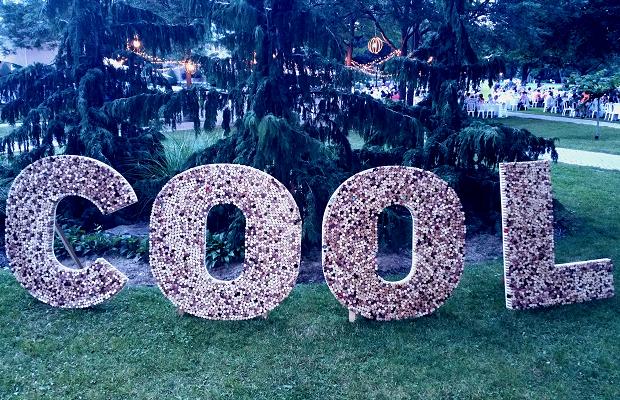


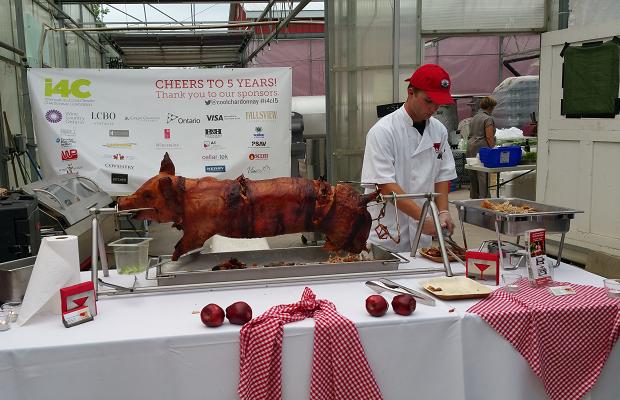
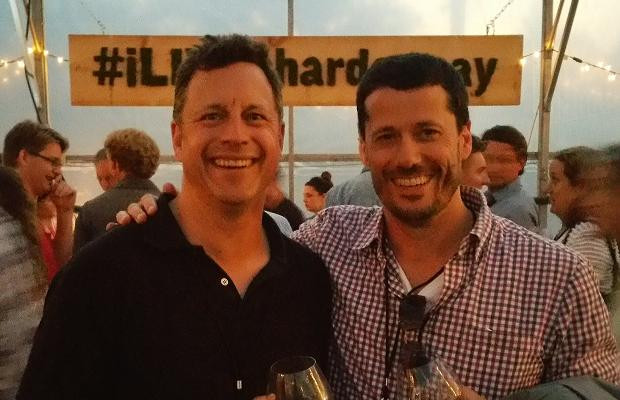
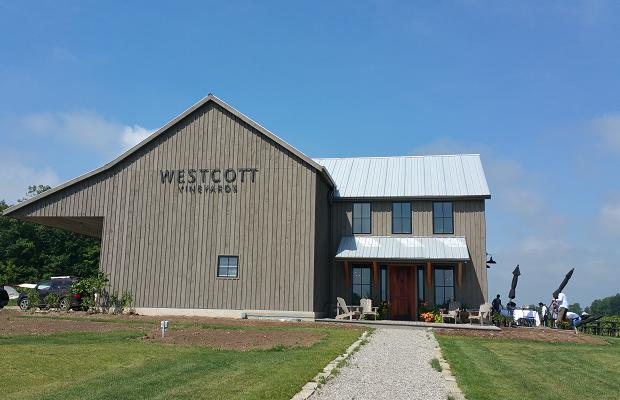
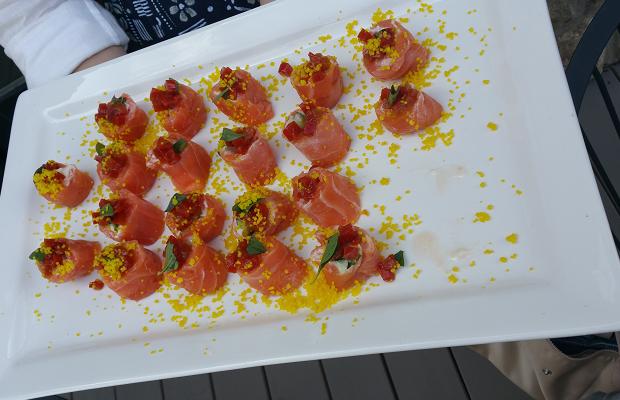

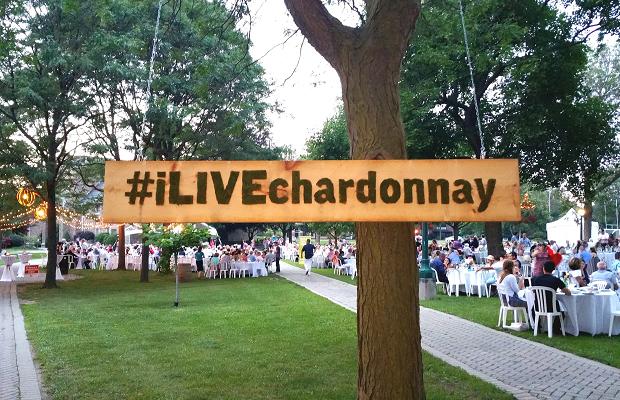
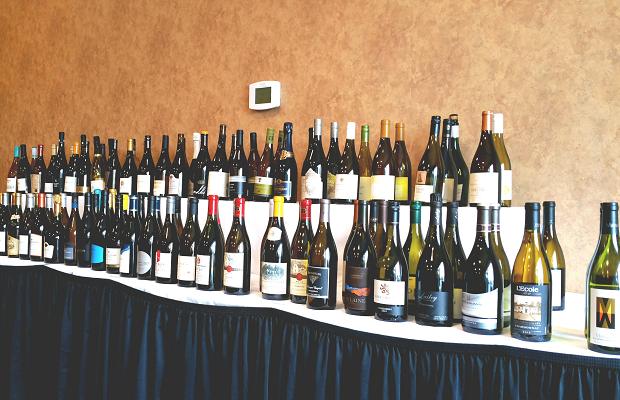
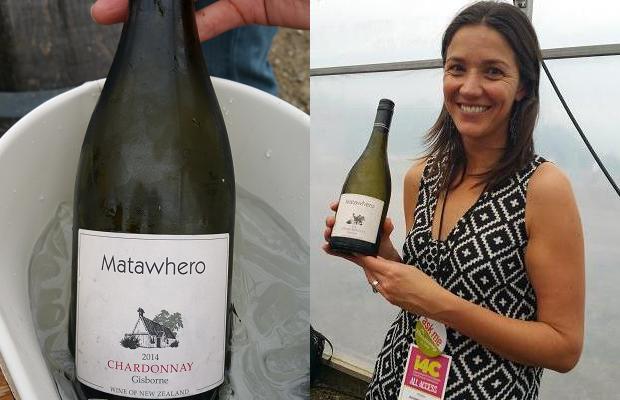
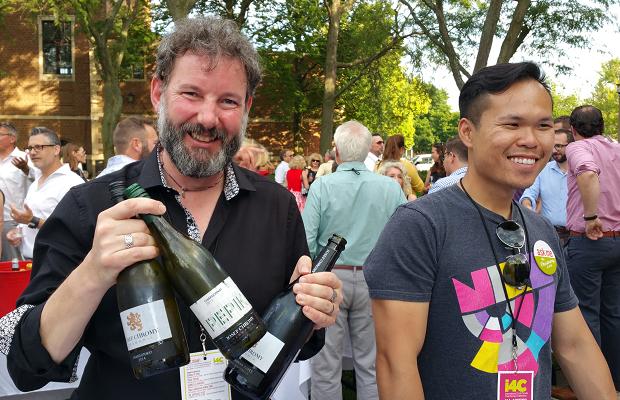
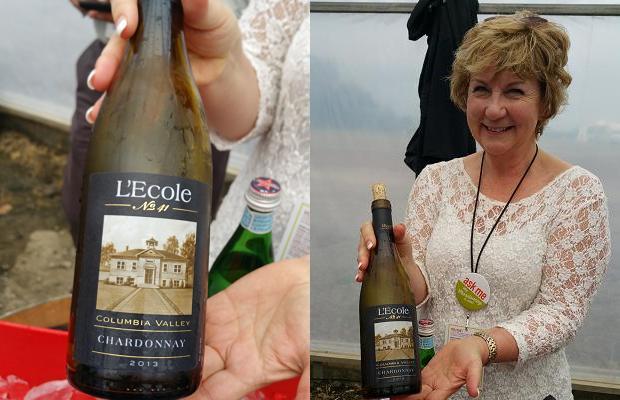

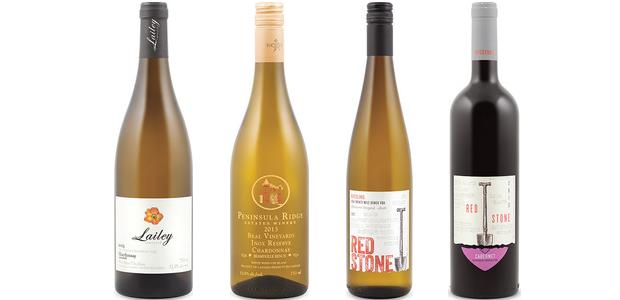
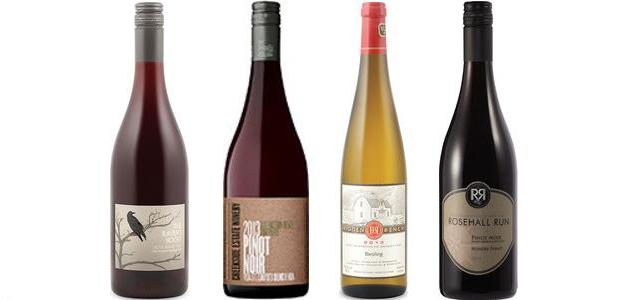
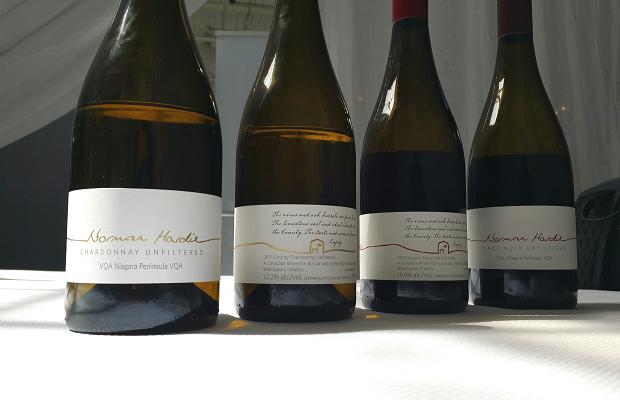


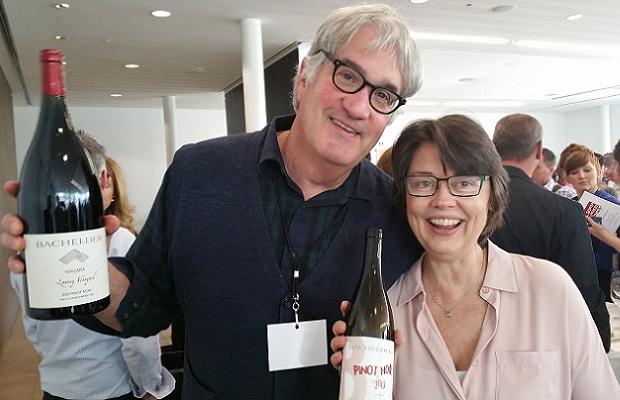

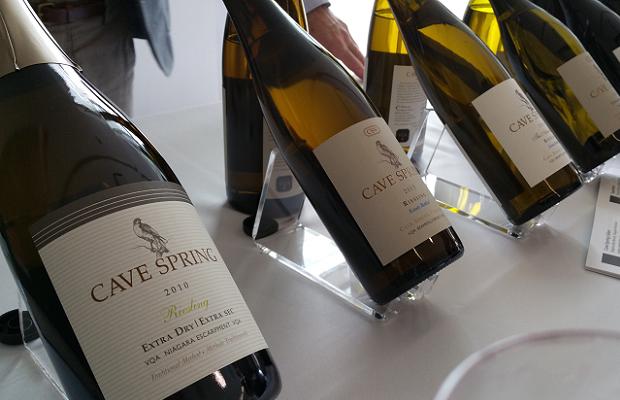
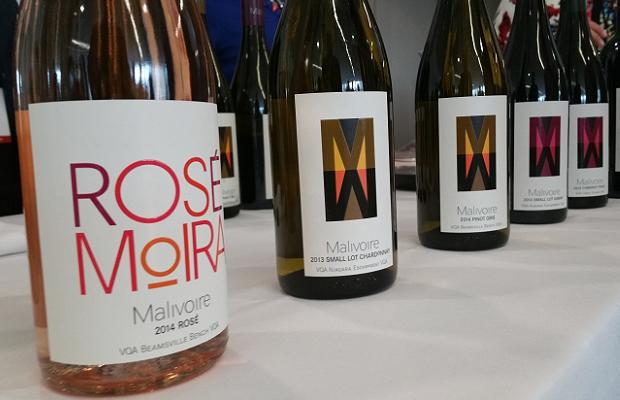
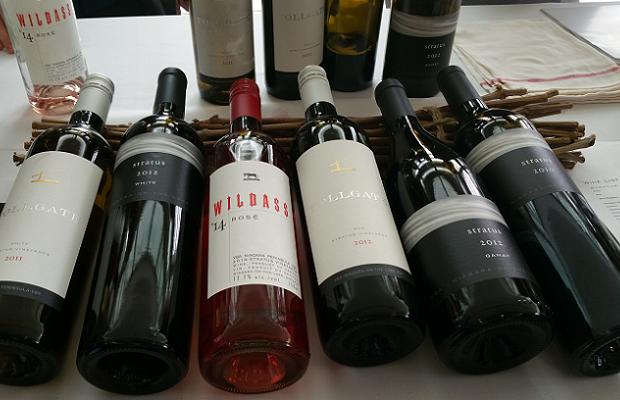



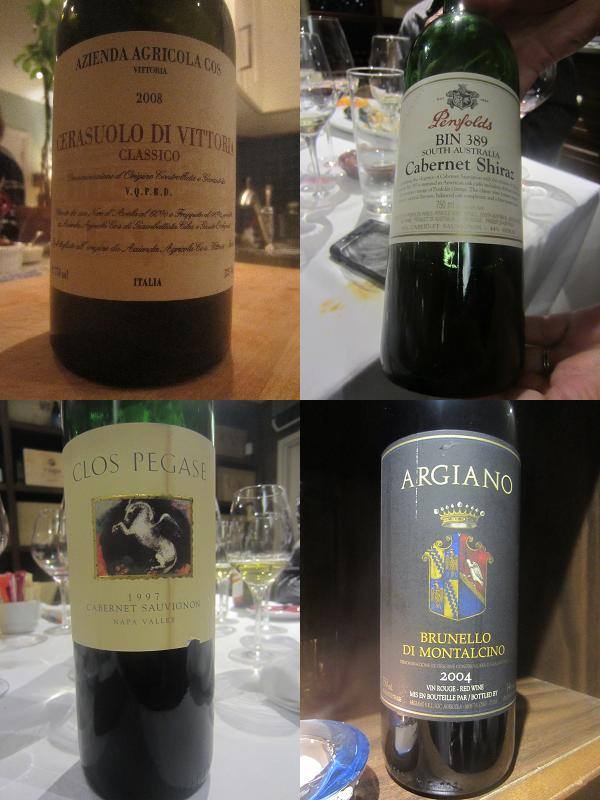
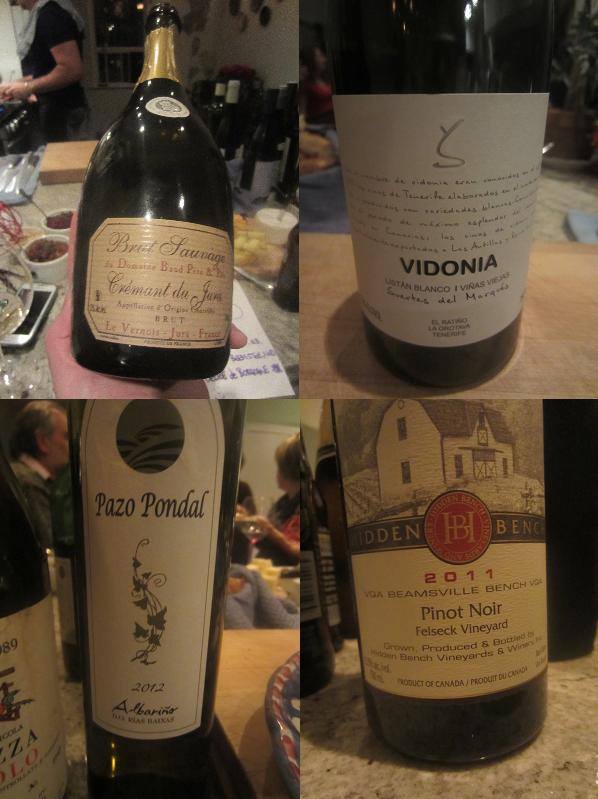

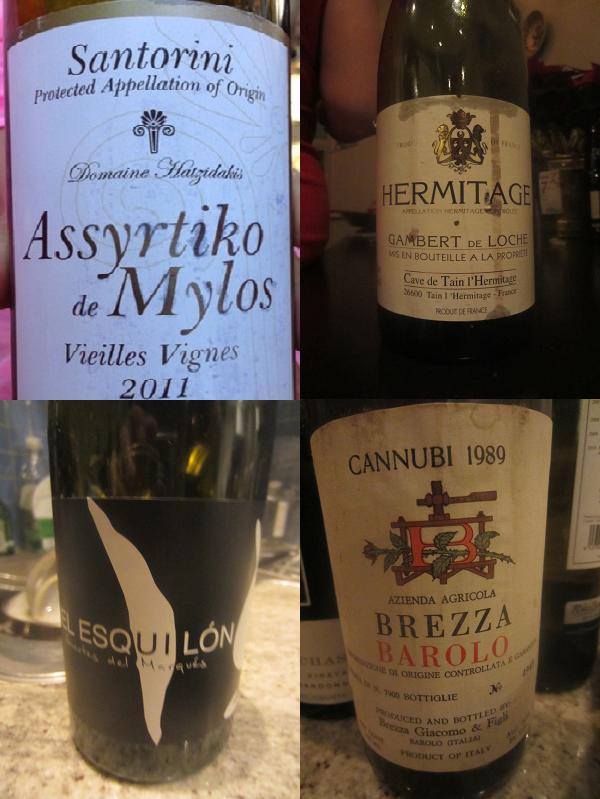

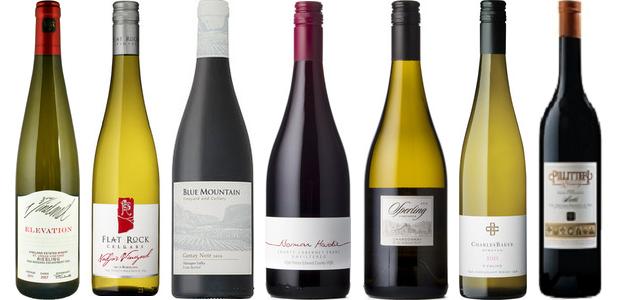
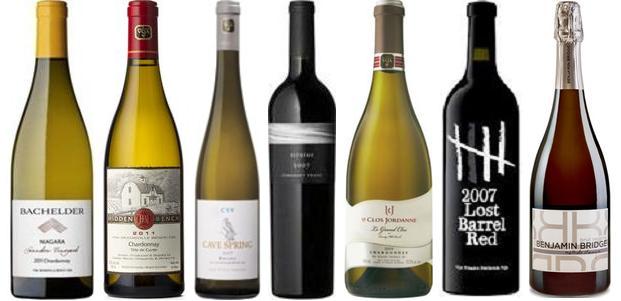

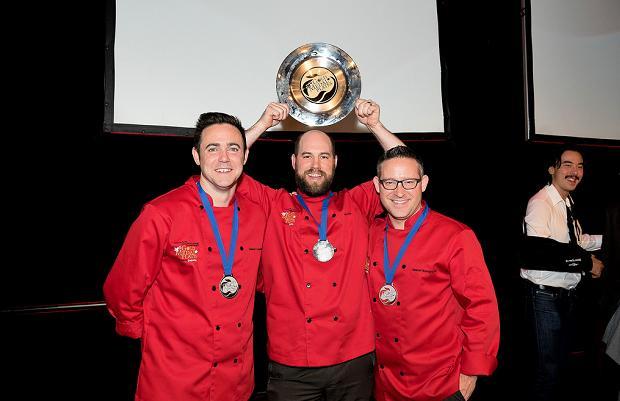
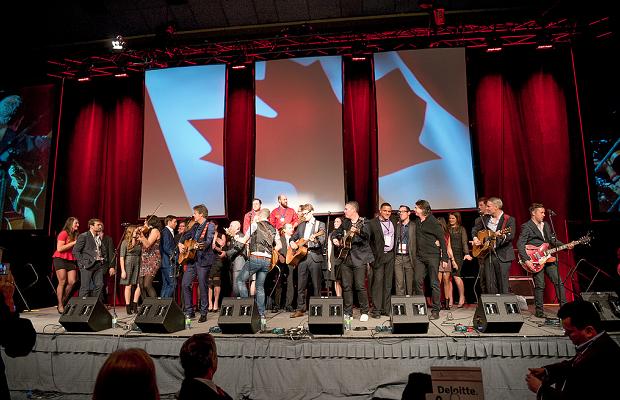
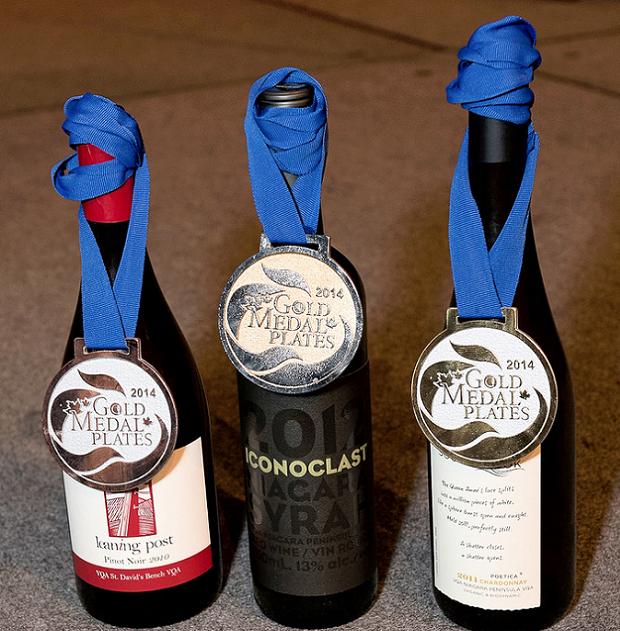
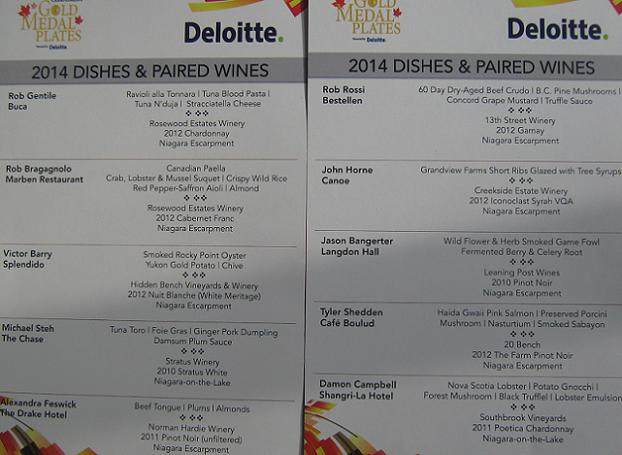
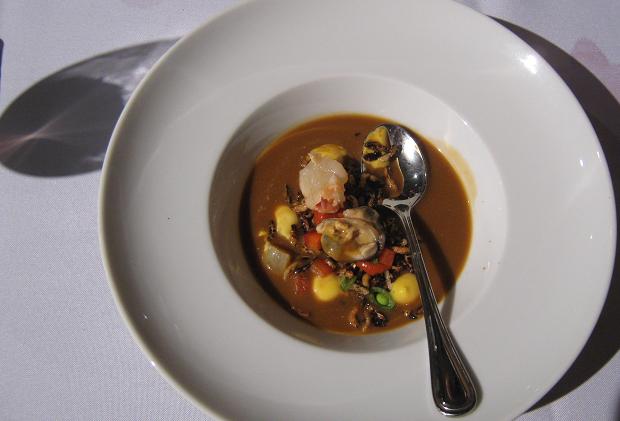
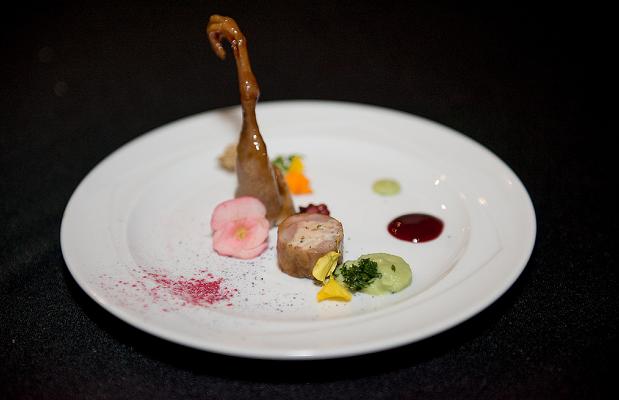

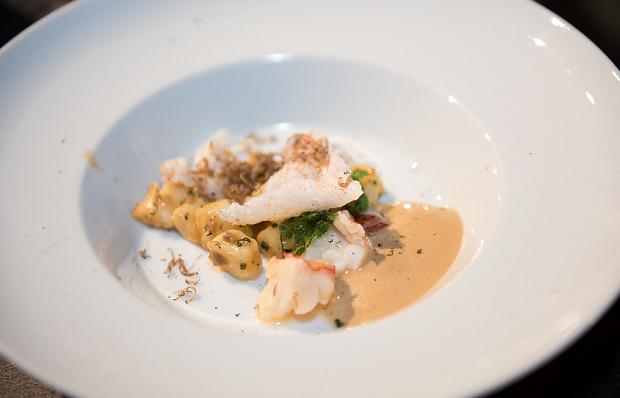


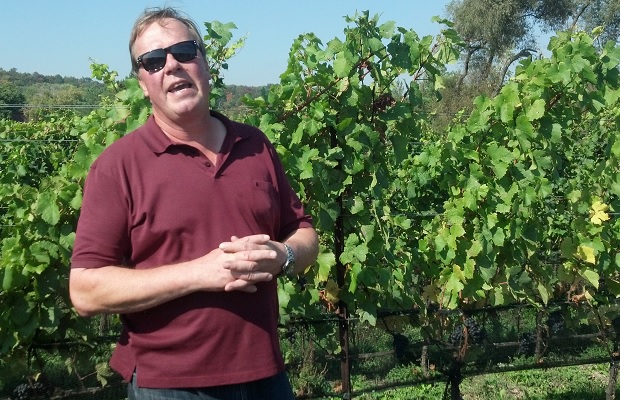
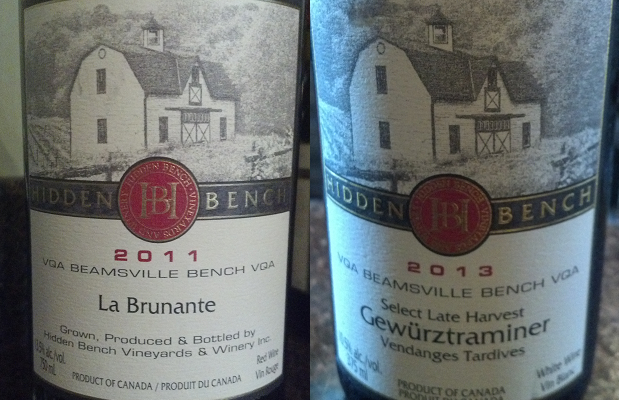

 Godello