Buy the case

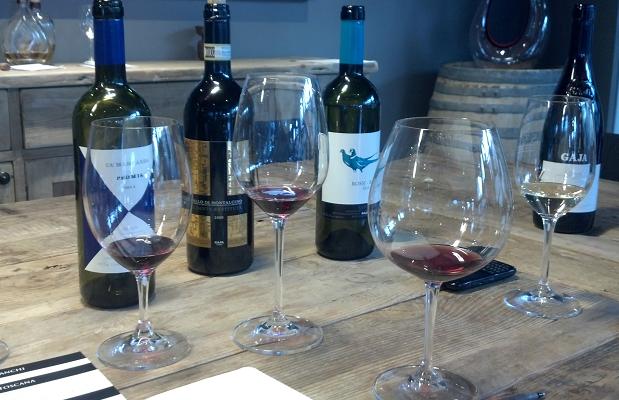
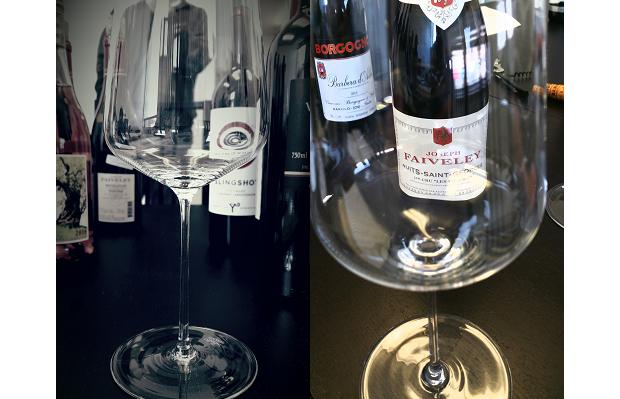
Trialto Group tasting at WineAlign with Zalto glasses

Trialto Group tasting at WineAlign with Zalto glasses

“What wines would you recommend that are not available at the LCBO?” has made its constitutive and bounden way to the top of the FAQ list. This applies to both consumers in search of quality and ease of acquisition, along with restaurateurs who want to build a diverse, anterior, ulterior and eclectic wine list. The answer is consignment. Working with Ontario wine importing agents opens up a world you never knew existed and they deliver direct to your door.

“But I don’t want to purchase by the case” is the most common response. “What if I don’t like the first bottle?” The answer is WineAlign. You already trust and put your dollars in the hands and palates of a critic or a group of critics whose judgements you trust. You order stuff online all the time, mainly because they are products you want to purchase but also because you love the home or office delivery aspect of the transaction. Wine? Yes, it’s possible. In cases of six or 12, of a wine you trust will do nothing but please, it just makes sense to order by the case.

As you know, I am a regular and increasingly active contributor at WineAlign, the most essential source for critical reviews of wines released in Ontario. Just like the coverage in this province, WineAlign tackles the scenes in Alberta and British Columbia as well. More and more samples of B.C. wine has have traipsed through the office doors so the opportunity to taste west coast output has become a regular duty and a pleasure. Still, the release gamut in Ontario remains the primary focus.

At WineAlign we have launched a new program called Buy The Case. To understand what the ‘Buy The Case’ program is really all about, click on the link to hear it from our most esteemed critic David Lawrason.

Buy The Case: Trialto Wine Group

I sat down with David and Sara d’Amato to taste through a cross-section of the Trialto Wine Group portfolio. Trialto has a great Canadian presence, in Alberta, Quebec, Ontario and British Columbia. The Ontario team has a group of highly knowledgeable wine professionals and their portfolio is chock full of gems, top values and products that will appeal to the most cerebral and fastidious of Sommeliers or discerning consumers.

The following list highlights the wines that I chose as most representative for the Buy The Case program, employing the top 10 good reasons as the guideline for making such decisions.

From left to right: Montresor Capitel Alto 2013, Giacomo Borgogno & Figli Barbera D'alba 2013, Joseph Faiveley Bourgogne 2012, Vietti Perbacco Langhe Nebbiolo 2012, Terras Gauda Abadia San Campio Albariño Rias Baixas, Montresor Castelliere Delle Guaite Primo Ripasso 2011 and 2014 Neal Cabernet Sauvignon 2009

From left to right: Montresor Capitel Alto 2013, Giacomo Borgogno & Figli Barbera D’alba 2013, Joseph Faiveley Bourgogne 2012, Vietti Perbacco Langhe Nebbiolo 2012, Terras Gauda Abadia San Campio Albariño Rias Baixas, Montresor Castelliere Delle Guaite Primo Ripasso 2011 and 2014 Neal Cabernet Sauvignon 2009

Curio Selections

Montresor Capitel Alto 2013, Soave Classico, Veneto, Italy (Agent, $16.95, WineAlign)

High floral tones are at the top end for Soave and here more than a step up from the Classico bottling. The primrose and aster give way to creamy chestnut folded into savoury custard. A smooth palate feel turns to nuts, stones, fine bitters and gentle tonics. Quite the salubrious Soave, purveyor of good feelings and with the words party pleaser inscribed across its Veronese face. Drink 2015-2018.  Tasted April 2015  @TurismoVeneto

Restaurant Pours by the Glass

Giacomo Borgogno & Figli Barbera D’alba 2013, Piedmont, Italy (Agent, $19.95, WineAlign)

Popping Barbera full of strapping substantial fruit, mind-meddling acidity and thankfully, playful rhythm and blues chords. Full of plums and cherries baked in the sun, rehydrated to syrup and filled with a whole lot of old-school, funky, soulful flavour. Once this Hozier Barbera finds its way through, past a “mid-youth crisis all said and done, it then needs “to be youthfully felt, cause God” it “never felt young.” Goes round and round, like vinyl on a well-used turntable. We could grow old with this and more vintages of Borgogno’s Barbera. Years in “we’ll name our children Jackie and Wilson, raise ’em on rhythm and blues.” Drink 2015-2020.  Tasted April 2015  @regionepiemonte

Joseph Faiveley Bourgogne 2012, Burgundy, France (Agent, $23.95, WineAlign)

Pinot Noir’s most base cumulative history has arrived here, in the second decade of the 21st century, in this commodious and convenient 2012, fashioned to the letter of entry-level Bourgogne law. Bright, animated, ripe, affable, under-currant earthy and wholly, purposefully, decidedly approachable. Strawberry and raspberry mixed with dried rose-dominated potpourri. The thrill of acidity flush with direct energy jigs to finis. What more might be petitioned from the fruit of les villages? Drink 2016-2019.  Tasted April 2015  @BourgogneWines

Function Wines

Vietti Perbacco Langhe Nebbiolo 2012, DOC Piedmont, Italy (Agent, $26.95, WineAlign)

Modern, ripe and pushing maximum extraction in Nebbiolo. A single-vineyard Langhe of full, flaunting expressive ideas and protein matching aspirations. The combination of Cassis, cedar, currants and berries link this, in aromatic tumescence, to Sonoma Cabernet. Yet its prevailing and concurrent Nebbiolo presence, of tar and roses, are really magnified and inextricably tied to its declassified Barolo vineyard. Quite sappy sentimental, with sinew to one side and dusty chocolate to the other. Quality acidity and tannin keep it brutally honest. Drink 2016-2010. Tasted April 2015  @vietti_vino  @vinidelpiemonte

Seasonal Wines

Terras Gauda Abadia San Campio Albariño Rias Baixas 2014Albariño/Alvarinho, Spain (Agent, $21.95, WineAlign)

From Bodegas Terras Gauda in Galicia this likens to white blend style, in complex varietal aromatics, as if a combing of Pinot Gris, Viognier, Chardonnay and Sauvignon Blanc were vying for and forming connections in conundrums. Has a slight Vinho Verde effervescence and plenty of bright, spirited character. A monk’s white, quietly serving in piety and in the presence of the unspoken. Lingers for longer than expected. Fine example of Albariño. Drink 2015-2029.  Tasted April 2015  @TerrasGauda @RiasBaixasWines

Cellaring Wine

Montresor Castelliere Delle Guaite Primo Ripasso 2011, Doc Valpolicella Superiore, Veneto, Spain (Agent, $24.95, WineAlign)

Fortified village of Venetian varietal strength, yelping with warm, extracted, dense and chewy Valpolicella fruit and stepping beyond the acid scrubbed boundaries of the typical gauge. Pitches braised beef and a full on drupe of berry, plum and fig fruit. While at present time the confluence of worked over flavours are an over abundance of riches, this will flesh and caramelize towards a mini-Quintarelli-like future, where the rust and antiquity of innate history turns liqueur into ethereal mocker. Buy a case, wait up to 10 years and drink it over the next 10. You’ll revel in telling everyone how much you paid in back in 2015. Drink 2020-2032.  Tasted April 2015  @RegioneVeneto

Neal Cabernet Sauvignon 2009, Napa Valley, California (Agent, $59.00, WineAlign)

Nothing but Cabernet Sauvignon from both mountain and valley floor fruit. Has that keen, innate sense of proprietary wisdom. A wine that seemingly has more age on it, as if it were already 15 plus years old, when the fact is it’s a mere toddler. Somehow you just yet know it will evolve in this exact state for another 10 before fading anywhere near towards a tequila sunset. Spirited, elated, elevated tones and full, fleshy fruit endow this Neal with long term capabilities. Sweet tannins and a soft, creamy oak blanketing contain the tension and a desire for hurried, premature development. Velveteen chocolate to be sure but one of really fine grain. Very good length. Drink 2017-2024.  Tasted April 2015  @NealVineyards  @NapaVintners

Good to go!

http://www.winealign.com/profile/2058-mjg

The natural wines of Emidio Pepe

Chiara and wines

Chiara De Lulis Pepe and the wines of Emidio Pepe at Barque Smokehouse, March 10, 2015

Emidio Pepe‘s granddaughter Chiara De Lulis Pepe says that in 5o years of winemaking nothing has changed. Nothing, save for a conglomerate-like expansion from 1.5 to 15 hectares of farming vines in Abruzzo. No seriously, do the math. Emidio Pepe remains and likely always will be a tiny, boutique, garagiste, artisan producer.

To say Emidio Pepe is unique and singular for Abruzzo and outwards into the natural winemaking diaspora is as gross an understatement as can be made. Consider the approach. Natural, healthy viticulture. No chemicals ever. Ever. Organic, biodynamic, only indigenous yeasts (more on that later), no fining or filtration. Red berries de-stemmed by hand. White grapes trod by foot. Fermentation in concrete. Bottling in early March and laid to rest. Then the bottles are decanted by hand, re-corked and released. The entire premise begins and ends with amazingly clean and pure fruit.

Pundits and critics will sit across a table and discuss. Point. “This is the essence of natural wine. No manipulation and zero handling.” Counterpoint. “There is no such thing. All wine is handled. All winemakers influence the outcome of their wines.” Point. “It’s all about the yeasts. They and their grapes are the heart and soul of natural wine.” Counterpoint. “To sell the wines, those yeasts and their grapes, once inside the bottle, must travel on planes, trains and automobiles. What is natural about that?”

The fact is Emidio Pepe‘s wines do not have to travel. They do not produce enough for that necessity but by heading out on tour they spread the gospel and bring a natural crush to the people. They are spokes-wines of history, health and possibility. They defy the naysayer’s argument because they are the godparents of natural wine.

If there is one single winemaker who defines natural, who lives, breathes and embodies the much maligned phrase “minimal intervention winemaking,” Emidio Pepe is the one. Not because of the techniques, practices and religious adherence to undomesticated viticulture, unadulterated and soulful viniculture. The reason Emidio Pepe is the benchmark and the region d’essere for natural wines to matter is because the wines are impossibly fantastic.

Chiara De Lulis Pepe and Emidio Pepe

Chiara De Lulis Pepe and Emidio Pepe © https://www.facebook.com/emidiopepewines?fref=ts

The vineyards are located 10 km from the Adriatic and 45 minutes from the Gran Sasso D’Italia mountains. The unique saddle and its clay-limestone soil encourage roots to burrow five to six metres downward, to a subterranean comfort zone, where the temperature is always constant.  Hand de-stemming is a tradition “but we believe it makes a superior product,” says Chiara. Concrete fermentation is done “to keep the integrity of the wine.”

For Emidio Pepe it begins and ends with the yeasts. Complexity and richness comes from “the family of yeasts that started the fermentation.” Chiara truly believes that yeasts will determine the flavours of the wine. “Selective yeasts make for simple wines,” she insists. “If you use them in different countries, 50-60 percent of the taste of those wines will be the same.” With indigenous yeasts, “the years will put a stamp on the personality of the wine.”

I sat down with Mark Cuff and Zinta Steprans of The Living Vine, John Szabo M.S., Will Predhomme and Peter Boyd to taste with Chiara De Lulis Pepe at Barque Smokehouse in March. Chiara brought some special wines to the table. Here are the notes.

The line-up from Emidio Pepe

The line-up from Emidio Pepe

Emidio Pepe Trebbiano d’Abruzzo 2007, DOC BIO Abruzzo, Italy (Agent, $154.95, WineAlign)

Skip straight past the naming and intimating of aromas and flavours. Here it is not the point. Trebbiano that is a product of having finished fermentation in bottle, with natural CO2, now virtually dissipated but persisting in echoes, to act as a natural preservative. The moniker natural does this little justice. The sweet sapidity and etching of acidity are so very grown-up, classically-styled, mature, precise. Trebbiano in which texture, above all else, stands out and firm. There is a dichotomous relationship, between viscosity and delicatezza. Natural respect, of a grace on a face, in twinkling wrinkles and gossamer flowers tucked impossibly into an aigrette of golden hair. In every facet to acting natural with a stupidly frank elegance to defy age, showing no signs of movement after eight years. The Robin Wright of white wine, expressive of tenderness but certainly not shy. Drink 2015-2025.  Tasted March 2015

Emidio Pepe Montepulciano d’Abruzzo 2003, DOC BIO Abruzzo, Italy (Agent, $94.95, WineAlign)

At the teenage (in wine years) number 12 this is showing less evolution than expected, especially in consideration of the European year that was 2003. Another divaricating Abruzzo, with a dried fruit component that pullulates in a very hydrated way. From a scorching season where anxiety was felt by both the vines and their keepers. Possessive of a bricking that gives of the cracked earth, of dusty, ambivalent rocks and warm, pulpy air. Through the humid tones and with thanks to pergola trellising, balance prevails with close encounters in acidity of the rampant kind. Tannins rage as well, strong and bullish above the earthy notes and peppery berry bites. The old vines and sleight of winemaking hand are ensconced to this vision, void of faults and yet advancing from the frame. Needs just a few more years to find the median point on the chonometer. Drink 2018-2023.  Tasted March 2015

Emidio Pepe Montepulciano d’Abruzzo 2001, DOC BIO Abruzzo, Italy (Agent, $169.95, WineAlign)

If the ’03 acts a bit like a hormonal, impulsive, testy, cavilling or petulant teenager, this 2001 is the adolescent. Full of boundless energy, willingly and excitably adventurous and ready to participate in the game. This from a terrific vintage with great aging potential, here Montepulciano manifests with gravity defying weight, like careful Nebbiolo or graceful Burgundy. Where this separates itself from other Grand Cru varietal infinity is in its yeast directive. Singular, remarkable, devoid in spice as if by wood. The structure is innate, indigenously calculated, developing in bottle, verbalizing flavour. Like a bone from the skin of the clay, piaculum by limestone, passed through and brought to light by the leavening catalyst. Drink 2020-2036.  Tasted March 2015

Emidio Pepe Montepulciano d’Abruzzo Riserva 1983, DOC BIO Abruzzo, Italy (Agent, $279.95, WineAlign)

Give Emidio Pepe’s reds thirty odd years to develop and the impossible happens. To postulate in a moment’s assessment without remembering the pious tradition with which this was made would be a crime against Pepe, Abruzzo, the natural world and the wonders of the universe. With this much passage the spice cupboard that emits is wow times a thousand. Clove, cinnamon, cardamon, orange peel, galangal and like golden raisins that pass through quarries to become rubies. This wine is perfect. It has not broken down an iota. It requires no decanting. It defies logic, perception and time. There is no sediment, only energy. Speaks from the glass as if it were a child of destiny and mythology. The 1983 Emidio Pepe Montepulciano d’Abruzzo Riserva arrives from along the same road taken but its transmogrification proves that the result, with thanks again to the endemic froth, is different every time. Drink 2015-2029.  Tasted March 2015

Good to go!

http://www.winealign.com/profile/2058-mjg

Top 10 May 2nd VINTAGES

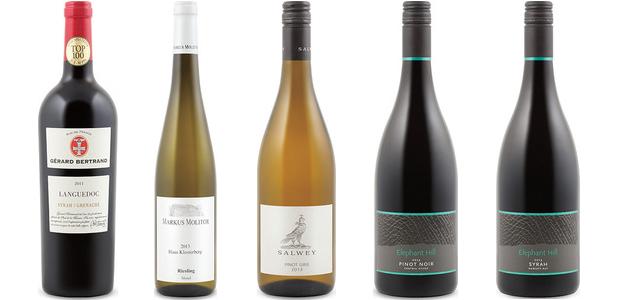
From left to right: Gérard Bertrand Languedoc Syrah/Grenache 2011, Markus Molitor Haus Klosterberg Riesling 2013, Salwey Pinot Gris 2013, Elephant Hill Pinot Noir 2013 and Elephant Hill Syrah 2012

From left to right: Gérard Bertrand Languedoc Syrah/Grenache 2011, Markus Molitor Haus Klosterberg Riesling 2013, Salwey Pinot Gris 2013, Elephant Hill Pinot Noir 2013 and Elephant Hill Syrah 2012

Top 10 best buys for VINTAGES, May 2nd release. Get out there folks.

Gérard Bertrand Languedoc Syrah/Grenache 2011, Ap Languedoc-Roussillon, France (413237, $17.00, WineAlign)

Admiration is afforded this tidy little Languedoc, where red fruit meets citrus, lavender and garrigue. Peppery and just the right amount of earthy warmth, spice, softness and yet durability. A pleasure of florality and a fine grain runs through, with no bake, no shake and no cake. Yeomans work in Grenache-Syrah symbiosis. Drink 2015-2019.  Tasted April 2015  @GBvins  @FwmWine  @LanguedocWines

Markus Molitor Haus Klosterberg Riesling 2013, Qualitätswein, Mosel, Germany (409698, $20.95, WineAlign)

Architecturally precise, of cleanly drawn lines, like the Mosel Vinothek acquired and restored by Molitor in 1984 and winner of the “Architekturpreis Wein 2013.” The Riesling mimics the juxtaposition of historical and modern, seemingly steeped in the past and transposed to the present by state-of-the-art winemaking. This has slate, steep steppes rising from subterreanean acquired salinity and ingrained aridity. There is no way to hide from the scree of the past, avoid the incline towards the future, nor can it exist without the run-off of mineral left behind. Brilliant hue, matched density, matchstick wisp and wild tang. Honeyed and suckling porcine in an early roasting stage, with terrific texture. The beautiful arid length is purposed and linear, with much oomph in its gait. Will linger for five to 10 years easy. Tasted February and April 2015     

Salwey Pinot Gris 2013, Qualitätswein, Baden, Germany (409912, $21.95, WineAlign)

This Baden Pinot Gris is neither fad nor fashion and not an acquired taste. In terms of modern European Gris to Grigio schematics, it is a step up in class, reaching to a chasm of intensity not oft achieved in Baden or other similarly priced Alsatians or Italians. For mineral streaks it reaches west across the Rhine to seek a Vosges mentality, found within a pure, dry and crisp interior. Quite concentrated and ripe like some stylistically-driven Friuli and yet it is the whole package, the sapidity and the good bitters that give it strength in totality. Drink 2015-2020.  Tasted April 2015 @TandemSelection  @WinesofGermany  @germanwineca

Elephant Hill Pinot Noir 2013, Central Otago, South Island, New Zealand (309583, $22.95, WineAlign)

At this price it might seem a Central Otago impossibility but Elephant Hill achieves proper inertia with this fresh, forward, crisp and pure style, so at the end of the day it’s quite a steal. In consideration of the mostly 1er Cru appellation, it would be hard to find a better deal in Pinot Noir, save for a combined tumescence hailing from Niagara, British Columbia and Bourgogne. Struts carbonic in the best way imaginable, desires little in the way of cerebral complexity and hands over the goods with a quick delivery. But it hits the marks of Pinot Noir, Otago and New Zealand. The earth derived rides with chalky grain and the mudslide slim back side is energetic, mineral laced and just this side of gritty. Pinot Noir to sip towards a blue horizon. “I just might move my feet, ’cause there’s nothing like the sound of sweet soul music.” Taylor-made Central Otago, with easy sipping and listening in mind. Drink 2015-2018.  Tasted April 2015  @ElephantHill  @COPinotNoirLtd  @HHDImports_Wine

Elephant Hill Syrah 2012, Hawke’s Bay, North Island, New Zealand (408633, $22.95, WineAlign)

Much like the Central Otago Pinot Noir by this Hawke’s Bay based outfit, the Syrah is neither shocking nor strikingly complex but it does send a noticeable tip of the hat to the northern Rhône, with a cure on the nose, a smoke meat smouldering in flavour and a cool, sloping bounce in its step. The aromas bring both charcuterie and a braise of spice studded belly to mind. The flavours call upon dark, red fruit, fresh-faced and fleshy, along with needful, percolating acidity. The avoidance of sweetness and jam-layered cake is appreciated while it stays the course of Syrah and Hawke’s Bay, criss-crossing hydrated grains of sand and salinity like a river running beneath and through it. The lengthy finish offers the promise of mid-term cellaring. Drink 2016-2020.  Tasted April 2015  @ElephantHill  @HawkesBay_NZ  @HHDImports_Wine

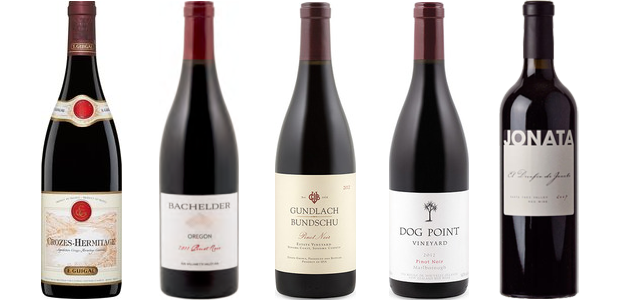
From left to right: E. Guigal Crozes Hermitage 2011, Bachelder Wines Pinot Noir Oregon 2012, Gundlach Bundschu Estate Pinot Noir 2012, Dog Point Pinot Noir 2012 and Jonata Tierra 2008

From left to right: E. Guigal Crozes Hermitage 2011, Bachelder Wines Pinot Noir Oregon 2012, Gundlach Bundschu Estate Pinot Noir 2012, Dog Point Pinot Noir 2012 and Jonata Tierra 2008

E. Guigal Crozes Hermitage 2011, Ac Rhône, France (704908, $28.95, WineAlign)

Syrah with character, personality and expression that stands up to be counted. High-toned, earthy and nearly over the threshold of palatable Bruce Banner-Betty Ross bunching. Hints at oxidation but is oh so sound, oozes liqueur like old-school Tempranillo and yet can be nothing but sloping Rhône. Kirsch, leather, roses, steeped cherries, orange tea, cinnamon, vanilla, charcuterie, bacon, game and acidity that is rapturous and encapsulating. Has it all going on, going strong, with forward motion and a nod to its past. Plays funky beats, swells in Paul Williams baritone and Melvin Franklin deep bass. The temptations of such a wine are hard to resist. In a world where manipulation and critters sell millions of bottles “stop worrying about your neighbors and the fancy things they got.” Focus on the real deal, like this CH from Guigal and “Don’t Let The Joneses Get You Down.” Drink 2016-2022.  Tasted April 2015  @DOMAINEGUIGAL  @VinexxCanada  @VINSRHONE

Bachelder Wines Pinot Noir Oregon 2012, Willamette Valley, Oregon, USA  (333278, $34.95, WineAlign)

Pinot Noir packing blankets, covered, hovering like fluffy clouds on a windless day. “Today is a lovely day to run, start up the car with the sun,” to taste a pure and idealistic Bachelder Oregon expression. Big (14.1 per cent) for the monk, ripe, warm and reeling.

From my earlier December 2014 note:

Primarily constructed from the fruit of Yamhill-Carlton vines, a third of which is Lazy River, an apropos moniker because by harvest time it hardly moves. The warm vintage adds a calm dimension to a Pinot Noir more Burgundian than the Bachelder’s Niagara and also more table friendly. Pure perfume and like life in layered, rosy hues, a vie en rose, from the land and the river’s subtle flows. The terra mobilis. The underlying dream in Thomas Bachelder’s Oregon movement is mineral, like salinity, not limestone but something ambiguous from the river’s pull and under the river. Elegance lived and relived. Here is a wine from a very available warm vintage, with a mess of fleshy fruit, yet Thomas does not obfuscate the terroir. In 2012 and needfully so, it is served from a light hand. Currently available at the SAQ in Quebec and coming to VINTAGES in Ontario, Spring 2015.  @Bachelder_wines  @LiffordON

Last tasted April 2015

Gundlach Bundschu Estate Pinot Noir 2012, Sonoma Coast, California (397513, $49.00, WineAlign)

From winemaker Keith Emerson a Pinot Noir strummed from top to bottom clay loam that is such a matter of controlled emotion and intensity. From out of the fog walks this Sonoman of searing clarity, unapologetic, warm but never hot, telling it like it is. The first chord is the thing, as is the Pinot voice, as sure as Sonoma always turns blue. Beyond that initial substantial impression it glides, even shows the semblance of age, in a beautifully creamy strawberry folded into caramel note. Then potpourri into demi-glace. If the plan is to purchase, pop, pour and saddle alongside duck breast or a veal chop, then giddy-up. “You see it’s all clear, you were meant to be here, from the beginning.” A trilogy of ready, willing and dutifully able. Drink 2015-2017.  Tasted April 2015  @gunbunwine  @LeSommelierWine  @sonomavintners

Dog Point Pinot Noir 2012, Marlborough, New Zealand (329672, $49.95, WineAlign)

Perfectly bright Pinot Noir while simultaneously deep, dark and recondite. Energetic in spirit, ripe and packed with barbed, piquant fruit sewed in threaded badges of spice. Perfumed as if by cinnamon and displacing rose petals. Like the scent of a crystal clear summer’s night, all warm, dry and of dried strawberry juice cracked paint. Grounded and fulfilling, of its own holes, in the mouth and finishes with a feminine touch. A thoroughbred, a filly, that trots on an on, long after it has crossed the finish line. Drink 2016-2021.  Tasted April 2015  @DogPointWines    @TrialtoON

Jonata Tierra 2008, Santa Ynez Valley, California (221150, $89.00, WineAlign)

Syrah and Cabernet may be the varietal strikers in winemaker Matt Dees’ arsenal but take one whiff of his ’08 Tierra, a Sangiovese aged a spell to seal the sell and boom! Striking defines the operative, go figure. Never before has the Tuscan expatriate created such a buzz in a California uniform and it has yet been seen to contest with such hot skill. Bounces around in the glass, not so much reductive as plugged in, electric, static and then kinetic, even frenetic. The heat (14.6 alcohol declared) is felt though it’s filtered and spread, tempered by the cooler vintage, blanketing all facets of the composition, albeit with rhythm and in balance. This is Sangiovese from the Santa Inez Valley manifested as flowers and the steep-like tea of modern Nebbiolo wrapped around the enigma of bi-polar Brunello. The ’08 is brined, of olives and a cure, in Syrah braised bacon and smoky tufts of garrigue. Nearly sadistic in its heady risks and chances but how to turn away from the alluring intoxicants? “Forging ahead with precision, now there is no turning back.” This is a wine you can’t walk away from. Has great bitters and lit charcoal on the finish. Tierra the Annihilator. It is most definitely all in. Drink 2015-2020.  Tasted April 2015  @WoodmanWS

Good to go!

https://twitter.com/mgodello

http://www.winealign.com/profile/2058-mjg

A new Greek morning

Smythe Park

Smythe Park

Every day brings a new morning when wine tasting in on the schedule. There are many tasters, writers, critics and Sommeliers who do not love working in such a way, tasting wine so early in the day. A table full of jammy Shiraz or warm vintage Bordeaux might scare me too but a Greek tasting? In. There. Any time, night or day. Bring it on.

If you have not recently acquainted or re-acquainted yourself with the new wines of Greece, which are actually the old ones save for advancing technologies, clean as whistle viti-viniculture and winemaking brilliance from masters to young apprentices, it’s Mt. Olympus time you did.

Can’t you hear that rooster crowing?
Rabbit running down across the road

From Assyrtiko to Retsina, Debina to Moschofilero, Agiorgitiko to Xinomavro, Amyndeon to Zitsa, Nemea to Thessaloniki, Naoussa to Santorini, Greek wine is diverse, complex and critical to wine blessedness. Don’t even get me started on volcanic. That opus shall be left to Master Sommelier John Szabo.

Me, I’ll concentrate on the divine mythology of Greek wine, of its place in the fractal world, how it can beautify and simplify, through recursion in dynamic systems, the bleak chaos of wine landscapes. Like the Morai, Greek wines are thread with motherly nurturing. For mere mortals, they direct fate from the birth of their drinking days to death. They are a highly independent bunch, unobstructed and driven by necessity.

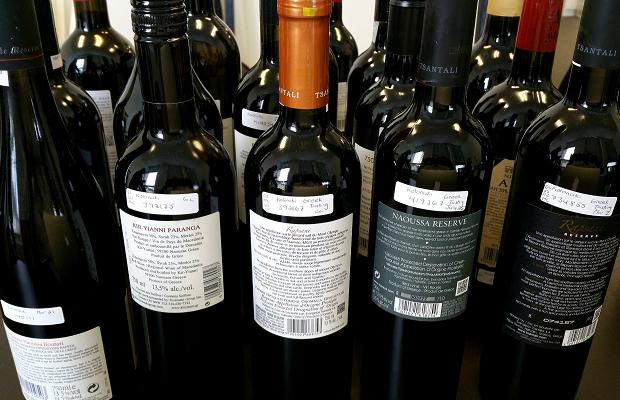
The call to assembly of WineAlign critics last week for a table full of Greek whites, reds and one righteous Rosé meant that fate was on side, ready and willing to facilitate a tasting full of exemplary and impressive wines. For a full report on Greek wines, read John Szabo’s words of necessity at WineAlign: Confident wines from Original Vines: Reasons to Drink Greek.

In anticipation of next week’s Greek wine show at which 50 wineries will pour for media and trade in Toronto, I tasted through 25 samples on that new morning. An exceedingly promising number (more than half of what was presented) showed state-of-the-art antiquity and eternal modernity. I’ve chosen ten to highlight here, all worthy of your attention, time and palate. All under $25.

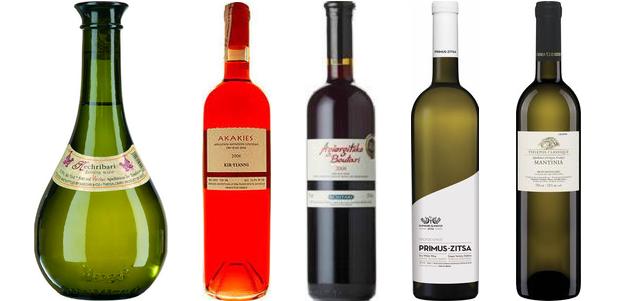
From left to right: Kechri Kechribari Retsina, Kir Yianni Akakies Rosé 2013, Boutari Agiorgitiko 2013, Domaine Glinavos Primus Zitsa 2013 and Tselepos Classique Mantinia Moschofilero 2013

From left to right: Kechri Kechribari Retsina, Kir Yianni Akakies Rosé 2013, Boutari Agiorgitiko 2013, Domaine Glinavos Primus Zitsa 2013 and Tselepos Classique Mantinia Moschofilero 2013

Kechri Kechribari Retsina, Greece (581942, 500ml $7.75, WineAlign)

The resin, the steam room herbal essential oil, the ancient feeling of tonics to heal a wounded soul. It’s all in this tidy little $7 package of wine mythology. That there still exists a market for wine made in this way, with this attention to wise, classic detail, is just amazing. Rosemary and here, even more so oregano are distilled, purely, effortlessly, with peat and macro-oxygenated matter of fact sensibility. Unctuous and viscous elixir, old school to the xyz degree and a pure form of abc ancient Greece. As JS nots, “everyone needs a flagon of Retsina.” Truer words may not be spoken. One must debate, with well into the night philosophy, drawing inspiration from Plato and Aristotle, whether the long, long finish is good, or evil. I’m not sure this will ever tire, or spoil. Drink 2015-2022.  Tasted April 2015

Kir Yianni Akakies Rosé 2013, Ao Amyndeon, Greece (71050, $9.95, WineAlign)

Xinomavro from the Amyndeon vineyards in northwestern Greece done in a funky lactic, savoury and mom’s feta way. Dry, rhubarb wafting, rosemary branch smouldering, lime and pink grapefruit tasting Rosé. This will and should have many fans, particularly those of Tavel on holiday in the ancient continent and needing salinity to match their suckling roast. Clear, concise Rosé. Proper. Drink 2015-2106. Tasted April 2015

Kechri Kechribari Retsina and Kir Yianni Akakies Rosé 2013

Kechri Kechribari Retsina and Kir Yianni Akakies Rosé 2013

Boutari Agiorgitiko 2013, Nemea, Greece (172148, $11.85, WineAlign)

Fun, exuberant, fresh, modern cherry explosion expression. Simple, direct, positive energy and ease of drinkability. Has just enough spice, floral lift and back end bite to afford it three years of service, with any sort of roast meat or salty cheese. Good stuff. Drink 2015-2017.  Tasted April 2015

Domaine Glinavos Primus Zitsa 2013, Zitsa, Greece (395962, $12.55, WineAlign)

From the Debina variety in Ioannina, it would be hard to find another Greek white that offers up as much orchard fruit, primarily from the apple and pear tree thicket. Accents of white peach and lemon make a quick entry and exit just as quick. This is a really crunchy green apple white, picked ripe and finishes with ripe white tannin. It’s not very long but I can think of many, many savoury dishes that would complement with symbiotic pleasure. Drink 2015-2017.  Tasted April 2015

Tselepos Classique Mantinia Moschofilero 2013, Mantinia, Greece (724583, $14.75, WineAlign)

An example for racing Moschofilero against Pinot Grigio and passing it on the stretch run from the outside lane. There are many reasons to go with this variety when narrow thinking leans PG, mostly because it has more depth, mineral grain and positive energy. This is a basic but prime entry into the category. Has the passage of time in its wheelhouse but also the verve to keep it afloat in a sea of sun drenched whites. Drink 2015-2016.

From my earlier November 2014 note: A textured, minutely oxidative and bronzing Moschofilero with a confident sense of itself. The orchard has ripened and spilled into this bottle with peaches, apricots and citrus Portokalia Lakonias. Great metal tang, world turning acidity and length as long as the Nestani’s walk to Demeter’s Temple.

Last tasted April 2015

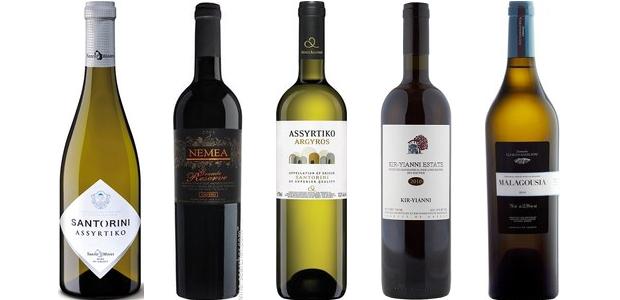
From left to right: Santo Assyrtiko 2014, Cavino Grande Reserve Nemea 2008, Argyros Assyrtiko 2014, Ktima Kir Yianni 2011, Domaine Gerovassiliou Malagousia Vieilles Vignes 2013

From left to right: Santo Assyrtiko 2014, Cavino Grande Reserve Nemea 2008, Argyros Assyrtiko 2014, Ktima Kir Yianni 2011, Domaine Gerovassiliou Malagousia Vieilles Vignes 2013

Santo Assyrtiko 2014, Pdo Santorini, Greece (Agent, $17.95, WineAlign)

Assyrtiko seemingly dredged in volcanic tuff erosion and tightly wound by straight-shooting citrus smack. A rocky cragg of funk leads to desire, for hearth roasted sea beauties and yet this is not even near the oxidized line. Such a white from Santorini needs at least three years to see where it might truly go. I know a sucker for acid driven volcanic wines that evoke the god Apollo. This is yet another fine example that will bring him sunshine and the moon. Drink 2017-2021.  Tasted April 2015

Cavino Grande Reserve Nemea 2008, Pdo Nemea, Greece (295618, $17.95, WineAlign)

St. George persists as a tremendous deal in Peloponnese red. Rustic charm and righteous liqueur fill the air from drift to waft. Prime Agiortiko acidity and fine grained tannin. This will live for 7-10 years. Drink 2015-2018.

From my earlier November 2014 note: Nemea strikes again. Dark rust, earth juiced on and of the rocks. Like Sangiovese with attitude, made by Romans, like Syrah the way it was made in mythological times, by Greeks. A classical garden. This is actually quite modern and expressive for Agiorgitiko. Acts as if it were a touch clay (or amphora) baked but it’s really just a Peleponnese take on oak aging (18 months) and further bottle rest (12 months). This is right in its window and will be friendly for three to five years more. What a steal.

Last tasted April 2015

Argyros Assyrtiko 2014, Santorini, Greece (387365, $19.95, WineAlign)

The most distinct, pure and crisp expression of Assyrtiko comes from this Argyros bottle, magnified with more platinum rock bonding in ’14 than even in the previous few vintages. Exotic evolution has arrived early in this stoic and timelessly chronic Assyrtiko with dramatic fleshing, a hint of hloro tiri and ashen black sand grit. A volcanic goddess in patina hued dress, very mineral, very direct, that drives straight for the lumbar zone. Saline, full of shells and mollusc brine. Anything grilled on charcoal, of white flesh, whether porcine, foul or sea sweet will shine alongside, as it always does. Drink 2015-2019.  Tasted April 2015

Greek back labels

Greek back labels

Ktima Kir Yianni 2011, PGI Imathia, Greece (419234, $19.95, WineAlign)

Xinomavro (40 per cent) submits to Merlot (60) in a rather weighty and warm Imathia out of Naoussa. Chewy to dense and yet floral dark fruit gives this eminent drinkability, especially with salty protein, though it would be hard to distinguish this from Tuscan Sangiovese or IGT. Very modern, really well made and certainly no stranger to oak. Drink 2015-2020.  Tasted April 2015

Domaine Gerovassiliou Malagousia Vieilles Vignes 2013, Thessaloniki, Greece (Agent, $24.95, WineAlign)

From old parcels planted to the indigenous variety Malagousia, resurrected like a Greek Jesus in the 1970’s by winemaker Vangelis Gerovassiliou. A classical composition with unexpectedly modern eccentricity. It would be hard not to fall for this Adonis of Greek whites; a strikingly beautiful Phoenician whose drops of liqueur turn to liquid alloy in a glass, of a striking green-gold patina, old barrel spirits and precious metals. This has layers of vine wisdom, fruit that holds its own against the mineral drubbing and ghosts of immortal gods in its aura. Rarely does a Greek white exude such ferocity of history and flesh to match. Calamari and octopus await, in whole roast over charcoal, not to mention great cheeses and roast pork. Fantastic. Will age dutifully. Drink 2016-2025.  Tasted April 2015

Good to go!

http://www.winealign.com/profile/2058-mjg

One on one with Gaia Gaja

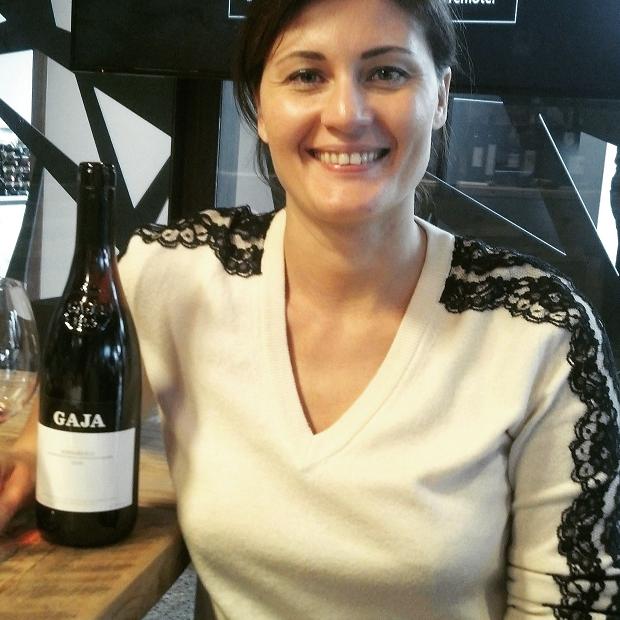
Gaia Gaja

Gaia Gaja

I had met Gaia Gaja twice before. The first time she was working the Gaja table at a tasting event swamped with what seemed like half the attendees in the room. Still she found a way to make a connection. The second time was with a small group at Bosk – Shangri-La Hotel

Related – Wine around the boot in 40 days

Gaja owns 250 acres of vineyards in Barbaresco and Barolo. In 1994 they acquired Pieve Santa Restituta in Montalcino, Tuscany and in 1996 they added Ca’Marcanda in Bolgheri, Tuscany on the coast. The significance of this acquisition lies in the Bordeaux varieties grown there; Merlot, Cabernet Sauvignon and especially Cabernet Franc. There will come a day, not so far away, when that Cabernet Franc will make some truly exceptional wine.

The Gaja brand, while nearly 155 years young, has recently climbed into a league of its own. To consider the wines, the estates and the aura that surrounds, you might think there was a marketing team of hundreds blanketing the earth.  On the contrary. There is Gaia Gaja.

The wines made famous and expensive by Angelo Gaja define much of what the world knows and thinks about Italy and yet Gaia can talk about nothing but antiquity, historical culture, economy and social structure. She is proud of the UNESCO heritage designation for Barolo, Barbareso and Langhe. Her nostalgic, her family’s connectivity with place and her knowledge of vines is astounding. Gaia Gaja knows everything about Piemonte.

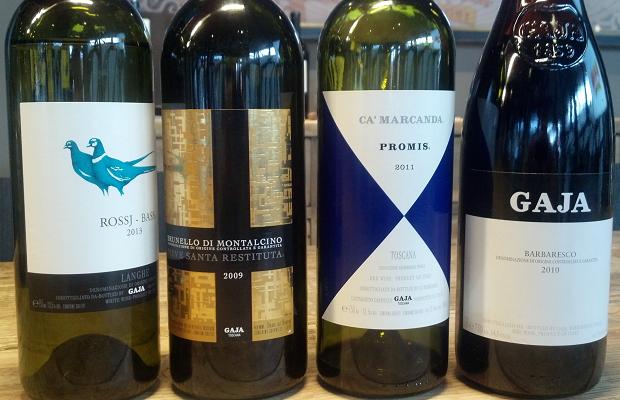
Gaja Line Up

Gaja Line Up

To Gaja, it is not simply a matter of vines, it is about the land with vines growing upon it. For the wines, lees contact is essential. “Four fingers of lees,” Gaia holds up her hand, “like red mayonnaise, after half the time they become dry and bitter. They are protectors and emulsifiers of the wine.”

Gaia speaks of biodiversity in the vineyard. She is responsible for experimentation, like seaweed treatments, essences and extracts, from garlic and rosemary. She believes in using grasses to suppress disease and mildew. These are the practices of an estate that commands designer prices for their labels. This is not a contradiction, it is a way of life.

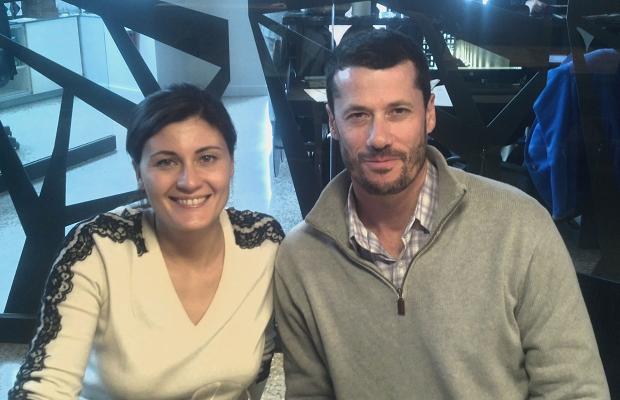
Gaia Gaja and Godello

Gaia Gaja and Godello

The vineyard management is what protected Gaja from the most challenging of vintages in 2014. August temperatures of 17 degrees celsius and so much water wreaked havoc. Swelled but not diluted berries remained pure, with clarity and surprisingly good tannic structure, not to mention decent yields. “It’s all about vineyard management,” reminds Gaia Gaja.

Thanks must be afforded Robert Tomé and Tony Macchione of Stem Wine Group for allowing me the one-on-one time with Gaia. It will always be one of those hours I’ll not want to give back. Here are the five wines we tasted together.

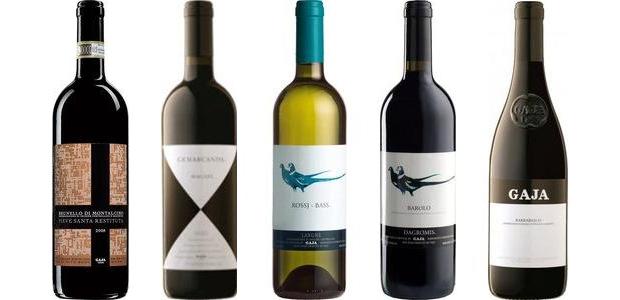
From left to right: Gaja Pieve Santa Restituta Brunello Di Montalcino 2009, Gaja Ca'marcanda Magari 2012, Gaja Rossj Bass 2013, Gaja Dagromis Barolo 2009 and Gaja Barbaresco 2010

From left to right: Gaja Pieve Santa Restituta Brunello Di Montalcino 2009, Gaja Ca’marcanda Magari 2012, Gaja Rossj Bass 2013, Gaja Dagromis Barolo 2009 and Gaja Barbaresco 2010

Gaja Pieve Santa Restituta Brunello Di Montalcino 2009, Tuscany, Italy (Agent, $68.99, WineAlign)

Beginning with the 2005 vintage, the Gaja family changed direction with the production of this coalesced Brunello, made from fruit grown at Sugarille and Rennina (Santo Pietro, Castagno, and Pian dei Cerri) and Torrenieri, in the northeastern subzone of the appellation. This fifth meld in stylistic vicissitude is more relucent than the monochromatic coquette that was 2007. More than fruit, this has spice, liqueur and fennel. So much aniseed a biscotti might pour from the bottle. Smoothly textured with a middle grain fostered by more spice, out of wood and into a promising slow-simmered future. That liqueur just needs to become an aperitif. Give it five years to do so. Drink 2019-2025.  Tasted October 2014

Gaja Ca’marcanda Magari 2012, Igt Toscana, Italy (Agent, $72.99, WineAlign)

A blend of Merlot (50 per cent), Cabernet Sauvignon (25) and Cabernet Franc (25) with a bright future, a modest, diffident and anything but arrogant Bolgheri. Loam and clay-rich terre brune strike mineral, goudron and tar for a distinct Tuscan, not Bordeaux expression. Displays more earthy funk than the other Ca’marcandas (Promis and Camarcanda) and a chalkier, grainer texture. In the middle realm there is cool mint and eucalyptus, followed by more yucca grain, so in that sense this Bolgheri is tropical and exotic. Gaja encourages this wine to follow a vinous Piemontese dialect and yet speak of Maremma, all the while without conceit. In that it succeeds. Drink 2018-2024.  Tasted October 2014

Gaja Rossj Bass 2013, Doc Langhe, Piedmont, Italy (Agent, $79.99, WineAlign)

The Chardonnay (85 per cent) comes from the Rossj and Bass vineyards in Barbaresco and much of the Sauvignon Blanc (15 per cent) from Alteni di Brassica in Serralunga. The latter’s “little walls of yellow springtime flowers” are more than just a thought. Along with tall wind-blown grasses, the stone mineral and honey-florals are a major part of this neoteric and iconic to be white from Piedmont. Must say that Chardonnay is not the first thing that comes to mind. In terms of flesh, full-flavour and intensity of excavation, the Rossj Bass is like white Châteauneuf-du-Pape, at least in aura and attitude. This will have a long life. That much is sure. Drink 2016-2022.  Tasted October 2014

Gaia Tasting at Stem Wine Group

Gaia Tasting at Stem Wine Group

Gaja Dagromis Barolo 2009, Piedmont, Italy (Agent, $84.99, WineAlign)

Nearly 15 years after Angelo Gaja acquired two old (Serralunga next to Sperss and La Morra to Conteisa) Gromis family vineyards, the 2009 vintage takes the Nebbiolo to a new modernity. Rich, bright and so very vivid, no longer controlled by the iron-rich, Tortonian-era clay and marl. Don’t misunderstand, this is still a meaty, smoky red with massive tannins that will take years to assimilate, but the texture is more like kaolin meets terra cotta, rigid but malleable. Has a taste of fennel and a smack of sultry savour. Serious Dagromis, albeit with softer features and hands. Drink 2018-2024.  Tasted October 2014

Gaja Barbaresco 2010, Piedmont, Italy (Agent, $239.99, WineAlign)

Typically sourced from 14 vineyards in and around the village of Barbaresco, the estate bottling may not be the kind of rare, single-confluence testimonies that are Sori San Lorenzo, Sori Tildin and Costa Russi but it is undoubtedly Gaja’s iconic rock. Made from 100 per cent Nebbiolo (others include a few points of Barbera), separate Barbaresco lots are aged for one year in barriques (approx. 20 per cent new, with a balance in one and two year old casks). The 14 lots are then blended and racked to large Slavonian oak casks ranging in age from five to fifteen years. The understated character, delicate perfume, kind acidity and red fruit floral flavours define the vintage. The previous year was not so kind, cooler and fuller in body. The bolstered acidity will elevate with more buoyancy than ’11 even and what makes Gaia Gaja smile is the thought that this ’10 “smells like Barbaresco in the spring.” The drifts are like stretching roots and tubers and shoots, in an ethereal way, unlike Barolo. At this juncture the wine is such a baby, contemplative, self-reflective. The Burgundy bottle with the Bordelaise neck houses a Gaja Barbaresco to stand the test of time with some of the estate’s greats; 1961, 1971, 1978, 1982, 1983, 1985, 1988, 1989, 1990, 1996, 1998 and 2005. It will be 2020 or later before the ’10 can be assessed in such terms. Drink 2020-2035.  Tasted October 2014

Good to go!

http://www.winealign.com/profile/2058-mjg

More red less green

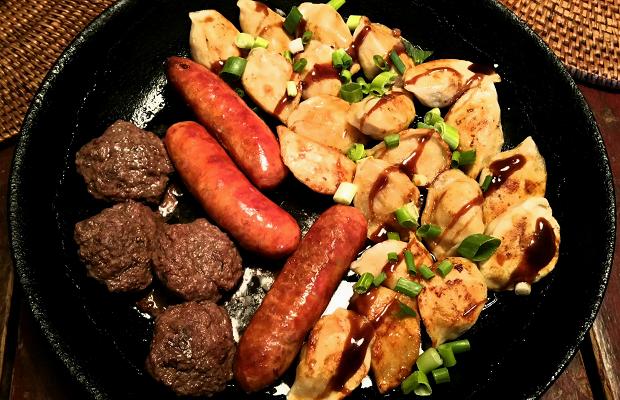
Italian sausage and dumplings

Italian sausage and dumplings

What matters most when choosing a bottle of wine? Is the top spot on the criteria scale occupied by a need for value, to spend as little as possible and get the most for the dollar? Are ripeness, extraction and full-bodied the distractions necessary to gain pleasure from bottle? Are location, plot and soil a part of the equation? When the question is posed, “do you believe in terroir?” the answers come from both sides. Cathy Corison wrote this on Saturday.

With yet another stretch of inclement and less than soul-warming weather upon us, red wine is back in fashion (does it ever fall from?) and thus the opportunity is afforded to throw a few more bottles into the “ever on the mind” search. More real possibilities offering up increased positives on the probability factor scale. Wines just released on Saturday via the perpetual wheel that is the VINTAGES program.

Italian wines at VINTAGES April 18th, 2015

Italian wines at VINTAGES April 18th, 2015

Wine buying can be as much about humouring the exercitation of the intellect as it can be about the derivation of simple pleasure. With today already having caused a reflection on how rain and water went dripping down the back of the neck on a long promenade from A to B, a craving for deep red has begun. Wines that cause an opine in spiritual meets historical allegory ideation, reds to yearn for in desperate immediacy. Spain and Italy occupy this narcissistic niche, what with their attention to mid-palate, to filling voids, holes, vacuums and structural chasms. On Saturday the following six reds were made available. They are all highly recommended.

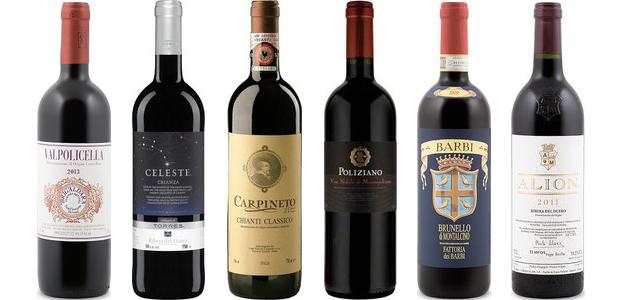
From left to right: Brigaldara Valpolicella 2013, Torres Celeste Crianza 2011, Carpineto Chianti Classico 2012, Poliziano Vino Nobile Di Montepulciano 2011, Fattoria Dei Barbi Brunello Di Montalcino 2009 and Alión 2011

From left to right: Brigaldara Valpolicella 2013, Torres Celeste Crianza 2011, Carpineto Chianti Classico 2012, Poliziano Vino Nobile Di Montepulciano 2011, Fattoria Dei Barbi Brunello Di Montalcino 2009 and Alión 2011

Brigaldara Valpolicella 2013, Doc, Veneto, Italy (917864, $14.95, WineAlign)

Fresh, juicy, ripe, succulent and straightforward Valpolicella. Like Chianti to Classico, this is the star of the less heralded appellative group. Unencumbered fruit prosperity with just a touch of tension on the finish in the forms of earth and citrus. What more could you want and why pay more than this $15 from the Veneto? Elegance, diplomacy, delicatesse and time-honoured elucidation. Drink 2015-2018.  Tasted April 2015  @Brigaldarawines  @rogcowines  @TurismoVeneto  @RegioneVeneto

Torres Celeste Crianza 2011, Do Ribera Del Duero, Spain (210872, $20.95, WineAlign)

Tempranillo modernity arrives with 2011 in as much as Celeste has ever shown. Drunken fruit, big bones and high tones lay lashings on the olfactory senses. Full on drupe, tightly turned wires and sparking electrical tacks with a rhythm “that makes your fingers snap crackle pop pop fizz fizz.” Like a jayou, “to knock someone out, or render them unconscious or senseless.” Jurassic Tempranillo with retro hip hop chalky oak overlapping plum, strawberry and cherry. A super fruit group that strikes it rich and raps long. Drink 2015-2020.  Tasted April 2015  @TorresWines  @FwmWine  @DORibera

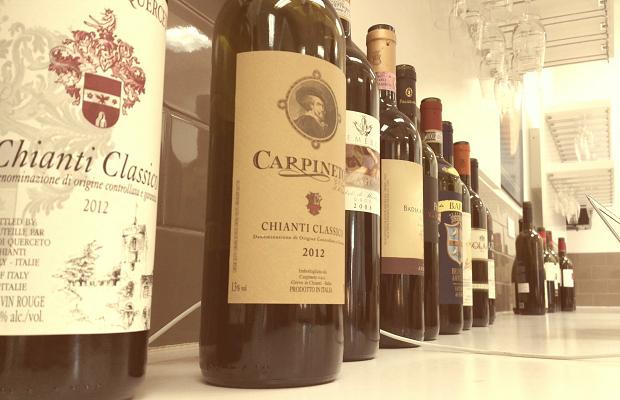
Carpineto Chianti Classico 2012, Tuscany, Italy (356048, $21.95, WineAlign)

For Chianti Classico, 2012 was a good year, not too warm yet ripening occurred early, with the quality set to high, but the quantities were low. A winemaker’s vintage. Carpineto’s CC comes from the northern aspect of the appellation, from a conca (amphitheater) seven km’s east of Greve, by the piccolo hamlet of Dudda. It’s cooler in this part of Chianti, with more rock imparting flavour and textured sensations into the reds. The ’12 is essentially 90 percent Sangiovese and 10 per cent Canaiolo, give or take 10 per cent. Aromas of roses and wet rocks, fresh ripe plums mashed into tomatoes, herbs and a spicy side note. Old school and precisely what CC should be, minus the funk (which it does not have or need). Ultimate pasta wine right here. Traditional style in an up to date way with temperature control and all the tools of a modern facility. No VA, no barnyard, but really natural. This explains the axiom of maintaining tradition. With so many story lines already spoken for in sectarian Chianti, maybe that is the only thing Carpineto has left to hang their Zuccotto on. David Lawrason hits the nail head on. A Chianti that “resets the compass.” Drink 2015-2020.  Tasted September 2014 and April 2015.  @CarpinetoWines  @chianticlassico  @TandemSelection

Carpineto

Carpineto

Poliziano Vino Nobile Di Montepulciano 2011, Docg Tuscany, Italy (988055, $29.95, WineAlign)

Consistently the most accessible and moreover well structured Vino Nobile in this market, never wavering or straying from its style. The 2011 perpetuates the credibility card, in avoidance of trends or fashion. The vintage offers the ever-present multitude of red and black fruits, baking spices and percolating, though never drenching, of wood. The fruit seeps, steeps and the familiarity breeds weeps, with bittersweet thanks to a wine that tastes like home.The 11’s warmth means less tension than some other, grittier years but as always, this is a stellar take on the local strain of Sangiovese known as Prugnolo Gentile. Still, this needs three to four years to come to the right place. Drink 2018-2022.  Tasted April 2015  @PolizianoAzAgr  @Noble_Estates  @consorzionobile

Fattoria Dei Barbi Brunello Di Montalcino 2009, Docg Tuscany, Italy (928028, $49.95, WineAlign)

As Fattoria dei Barbi continues to evolve and esteem its rustic self within the context of modern Brunello, the quality increases with each vintage, regardless it seems, of the weather. If 2008 was the true turning point, 2009 cements the current inclination, in that Barbi combines antique with state-of-the-art as well as any Montalcino house. This ’09 is as accessible as the classic norm of firm, sylvan Barbi can be. More so than even the forward ’07 and yet in many respects unlike any that have come before. Has savoury syrup and earthy concentration, seeped tea and a hint of sweet-scented game. Strawberry in the heat of an early July morning ripening on dewy wet pine straw. The evergreen notes are strong, like a vapour rub and the direct, tart, firm finish brings the wine back to the barometer’s median point. Really fine Brunello offering the best of two worlds. Drink 2018-2024.  Tasted April 2015  @FATTORIABARBI  @Noble_Estates  @ConsBrunello

Alión 2011, Do Ribera Del Duero, Spain (199331, $89.95, WineAlign)

Here in 2011, Ribera all in, with it all going on. The smoky, rich hue, replayed in aroma, with full-on red berries, massively extracted, warm, lush and luscious. Rhubarb, yet picked ripe and sunlit initiates the savoury intent, followed by spice arbor, in vanilla and lavender, clean, brackish, creamy, dense and of a pure sweetness. Acidity, power and tannin beset the back palate environs, laying dominion to a permanent 20-year placard. How can such a wine have it all? Should it be all of these things? How can such a sexy beast exist, strutting, sultry and yet so demanding and occupied with tension? The 2011 Alión is more than impressive, it’s a wine deserving to endure for a very long time. Drink 2018-2031.  Tasted April 2015  @DORibera  @HalpernWine

Good to go!

http://www.winealign.com/profile/2058-mjg

Why taste Ontario?

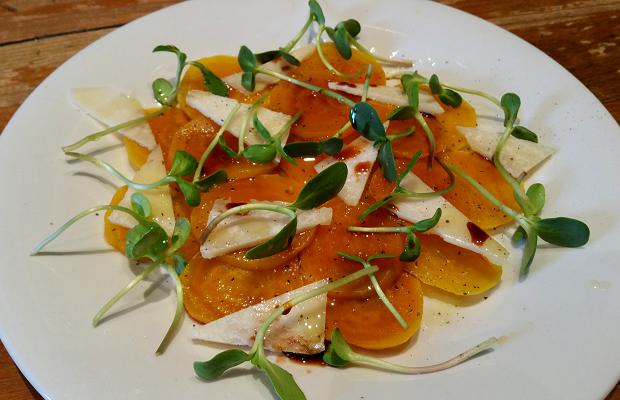
Beet, padano, sunflower sprout, balsamic, lemon, terrabianca olive oil

Beet, padano, sunflower sprout, balsamic, lemon, terrabianca olive oil

We get this sort of query all the time. “Why does Ontario wine cost so much?” Actually, it’s often more a complaint then a question. We get upset. Granted, many international wines are cheaper….but do you know why? My colleague and Man Friday Gerardo Diaz has this to say “Don’t complain. Do some research and come back.”

As many of you know, I play every day in the fortuitous role of Wine Director at Barque Smokehouse. As we speak I am in the throes of an auspicious new plan, setting the wine program with Diaz for Barque’s next venture. Coming soon. Two years ago, just after Brian Schmidt of Vineland Estates was able to initiate the keg wine revolution by overhauling VQA regulations, we convinced Jonas Newman of Hinterland Wine Company in Prince Edward County to partner with us. Wine on Tap at Barque was born. Since then we have worked with a dozen Ontario wineries.

It’s more than accessibility that drives our decision to work with and pour exclusively of Ontario wines. We had always been supporters of the local industry but the keg program allowed us to expand the portfolio and the sales. Ontario wines account for nearly 50 per cent of all wine sold at Barque.

So when guests (and I get the same questions and complaints from family and friends) wonder aloud about the necessity for Ontario to be so present, I have much to say. The Ontario wine industry is the best kept secret in the world. It has grown, accelerated and advanced with more success than might have been imagined as recently as five years ago. In November I wrote, “Ontario winemakers have figured it out. The “world-class” comparative humanities of aging and longevity aside, the comprehensive and widespread phenomenon of excellence, regardless of vintage, is now an Ontario reality.”

Related – Niagara delivers everbearing quality in November releases

I also wrote this, quite some time ago. “That is producing unique, cutting edge and brilliant takes on cool climate grapes. They also match beautifully with the songs referenced in their tasting notes. When the wines are assessed and considered in part or as a whole, who would dare to say there are no great wines being produced?”

Related – The group of twelve

As a cool-climate viticultural entity, there are few rivals around the world. The geology and micro-climate are ideal for growing specifically chosen vinifera. The winemakers in Niagara, Prince Edward County and Lake Erie North Shore are highly educated, state-of-the-art savvy and maniacally progressive professionals. In the categories of Riesling, Chardonnay, Pinot Noir, Cabernet Franc, Gamay and Sparkling wine, Ontario crafts excellence at all price points. After the two brutal winters of 2014 and 2015, no other set of vintners could have succeeded with unfailing ability more than the women and men of Ontario’s industry.

World-renowned authorities are in the know. Find yourself face-to-face with any of these international writers, winemakers, buyers, sommeliers or masters of wine and you will be schooled; Ian D’Agata, Jamie Goode, Steven Spurrier, Matt Kramer, Jancis RobinsonAnthony Hamilton RussellRajat ParrTim Atkin M.W., Christy Canterbury M.W., Geoff Kruth M.S.Geoff Labitzke M.W. and Igor Ryjenkov M.W. You will.

Brock University’s Cool Climate Oenology and Viticulture Institute (CCOVI) is the most underrated and least known super power in global oenology education studies. Have you met Dr. Debbie Inglis, Barb Tatarnic, Dr. Belinda KempDr. Gary PickeringDr. Andrew G. ReynoldsDr. Jim Willwerth, Chris Waters, Rob Power or Peter Bodnar-Rod? You should.

Ontario wine writers know their shit. They would not have no much praise for Ontario wine if it were not world-class. Have you read any reviews or articles by Tony Aspler, David Lawrason, John Szabo M.S., Sara d’Amato, Konrad Ejbich, Michael Vaughan, Beppi Crosariol, Rick VanSickle, Shawn McCormick, Jamie DrummondZoltan Szabo, City BitesMichael Pinkus, Michael Di Caro, Evan Saviolidis, Tim Appelt, Gord Stimmell, Alan McGinty, Carolyn HammondEric Vellend, Erin Henderson or André Proulx? You need to.

Proof of Ontario’s acumen and price-worthiness need not be found any further away than at your local LCBO. Private VQA wine shops and independent retailers would only advance the cause. Spend a few hours at an Ontario gathering and you will be changed forever. Shawn’s Ontario Wine Chat discusses and promotes the ideal every Wednesday night. The Ontario Wine Society holds tastings and events year ’round. The Ontario Wine Awards asks many of those top scribes to sniff, taste, sip and pick the best of the best. Wine Country Ontario is out there all the time, spreading the gospel. This is one religion you need to get behind.

The Ontario wine tasting season is now in full swing. Taste Ontario just recently passed through Montreal and Ottawa. WineAlign is bringing Prince Edward County to Toronto on April 16th with County in the City. Somewhereness also arrives in Toronto on April 20th. In July the 5th annual Chardonnay i4C conference will descend upon Niagara. The best way to experience Ontario wine is to get out and visit. I can recommend plenty.

Why do I taste Ontario wine every day? I do it in the LCBO lab, in Ontario’s tasting rooms and cellars, at Barque, when I order wine in other restaurants and at home. I do not need convincing but I do have decades more learning to do. Here are the recent Ontario wines that have passed my desk and my lips. Five are coming to VINTAGES next week as part of the April 18th release. Others are available at the winery. Seek them out. You will then count yourself among the converted. I guarantee it.

Flat Rock Riesling 2014, 13th Street Merlot 2013, Burning Kiln Chardonnay Cureman's Chard 2011, Fielding Cabernet/Syrah 2012, Flat Rock Chardonnay The Rusty Shed 2012, Closson Chase Chardonnay Closson Chase Vineyard 2013, Cave Spring Csv Riesling 2012, Norman Hardie Niagara Unfiltered Chardonnay 2013

Flat Rock Riesling 2014, 13th Street Merlot 2013, Burning Kiln Chardonnay Cureman’s Chard 2011, Fielding Cabernet/Syrah 2012, Flat Rock Chardonnay The Rusty Shed 2012, Closson Chase Chardonnay Closson Chase Vineyard 2013, Cave Spring Csv Riesling 2012, Norman Hardie Niagara Unfiltered Chardonnay 2013

Flat Rock Riesling 2014, VQA Twenty Mile Bench, Ontario (43281, $16.95, WineAlign)

Talk about bottled up compression. Twist the screwcap and thwop! The cap nearly popped like a Champagne cork. This baby has energy and drive. The vintage is compressed and pile-driven as nosed by the density opposed by reticulated 9.5 per cent alcohol. This has Mosel tattooed on its being, from neck to bottom. A dead ringer for fine Kabinett, the tropical fruit in apricot and dragon reaching back to join Ontario, in apple and pear. A good flinty stone and raging acidity combine forces to exaggerate a Riesling reticulum in what is not the missive’s greatest ever vintage. Will live five to seven easy and just go for soda. Go ahead and quaff the hell out of this one, from 2015-2020, from bottles one through twelve.  Tasted March 2015  @Winemakersboots  @UnfilteredEd  @brightlighter1

13th Street Merlot 2013, VQA Creek Shores, Niagara Peninsula, Ontario (270504, $17.95, WineAlign) From the VINTAGES April 18th release

Yet another Niagara red that could only have been crafted at the hands of winemaker Jean-Pierre Colas, a wild and dubiously natural Creek Shores Merlot. In 2013 the vineyard funk reeks of an instinctive, undomesticated slur in seldom seen Merlot speak. The variety normally avoids, scatters and runs away to the hills, but not this time. The flow is a movement of dried, caked, saline silt and pine needle paint. There is woodsmoke too but the suffusive Creek Shores cespitose encompasses all and runs wild. A settling will happen, so then it’s really a matter of fruit, a thing which in ’13 is not observed as overtly generous. Drink 2017-2019.  Tasted March 2015  @13thStreetWines

Burning Kiln Chardonnay Cureman’s Chard 2011, VQA Ontario (310243, $19.95, WineAlign) From the VINTAGES April 18th release

In this BK variant, Chardonnay is procured by fruit not put through any drying and so very fresh it remains. The barrel helps and yet also distracts but not in any unusual or detrimental way. Just another solid Chardonnay with nothing to set it apart from the sea. Drink 2015-2017.  Tasted March 2015  @BurningKilnWine

Fielding Cabernet/Syrah 2012, VQA Niagara Peninsula, Ontario (258657, $24.95, WineAlign) From the VINTAGES April 18th release

I have always been skeptical of the Peninsula take on the OZ-styled blending of a Bordeaux and a Rhône but if there is one Niagara winemaker to trust, Richie Roberts gets the nod. High-toned, crikey warm and struth oozing. Still, the balance is struck by Mediterranean-like savoury aromatics (black olive and brine), along with beautifully integrated wood. The VA is less than minimal, the fruit rosy, plum-filled and strawberry flavoured. Either variety can play second or short and both can make the turn. Will have a long life. Drink 2016-2022.  Tasted March 2015  @FieldingWinery  @RichieWine

Flat Rock Chardonnay The Rusty Shed 2012, VQA Twenty Mile Bench, Ontario (Winery, $24.95, WineAlign)

Accumulated cognizance exudes from the laid back Shed, here as relaxed and user-friendly as it has ever been. If the texture is not vintage induced and made of low yield than I’ll sell my LP’s and switch outright to Songza and Neil’s PonoMusic. The herbs are basil and chervil sweet, the verbena and lemon balm redolent, the flavours beaming, bolstered by preserved lemon and candied ginger. The stuffing must be questioned, but not the elegance. This Chardonnay is porous, blessed, void of rust and of an interior with plenty of space in the shed. Let it fill.

From my earlier note of February 2014: “There will be 660 cases of this barrel cherry-picked, now iconic Bench Chardonnay. The warm vintage called for a combo-malo approach, part batch all in, part arrested development. Gravity influenced top down blending also work to seek a svelte elegance and this ’12 really straddles the humid line. Thinks to be ribald but remains chaste, only allowing a kiss from the barrel and a caress from the rocks beneath the soil. Accept immediate but know that deferred gratification is the hallmark of this bottling.

Last tasted March 2015

Closson Chase Chardonnay Closson Chase Vineyard 2013, VQA Prince Edward County, Ontario (Winery, $27.95, WineAlign)

This CCV Chardonnay is one of departed winemaker Deborah Paskus’ final acts at Closson Chase. It will forever be noted as a legacy-cementing, swan song of career excellence. Crafted by Paskus and bottled by the next one, current winemaker Keith Tyers, the 2013 CCV is simply a tour de force. No such combination of richness, tropicality and pure grape tannin has ever infiltrated this Chardonnay, from this vineyard. I’m not sure there is a comparison in Ontario, at this level of excellence and at this price. A wine of pure impression, with Montrachet-like structure and Folatières-like precision. Seemingly capacious, its facile legerity is hypnotizing, quantitatively escalating in assembly of aromas, flavours, through texture and finally to longevity. The wine spent 16 months in a mere (17.25 per cent new) oak. That it notes 12.5 per cent alcohol on the label is next to impossible. The substance is just too buttressed to be so tender and effete. Impeccable balance, refinement and mineral finish. This is Chardonnay to confuse the world’s fine white collectors, to wreak havoc at international tastings for five to 10 years. Only 712 cases are available and at $27.95, is down $2 in price from the 2012. Best ever, hands down. Drink 2017-2023.  Tasted March 2015  @ClossonChase

Cave Spring Csv Riesling 2012, Cave Spring Vineyard, VQA Beamsville Bench, Niagara Peninsula, Ontario (566026, $29.95, WineAlign) From the VINTAGES April 18th release

In the pantheon of 2012 Bench-Ridge-Escarpment Riesling, the CSV is bound for glory. As expected it unfailingly draws innate wisdom from vines that understand their soil with deep intent. It can be said that every vintage rocks a Cave Spring Riesling but this one brings fruit out of a willingness to give and give. Winemaking connects with this vineyard and this specific Riesling, like mother and child. The depth of fruit lies under a shale of uncompromising, petrous funk and acidity. All tolled, this is a top CSV that begins on edge and then walks along, pointed towards a fruitful direction. It stays the furcate course, captivates and lingers, with no immediate end in sight. Drink 2017-2027.  Tasted March 2015  @CaveSpring

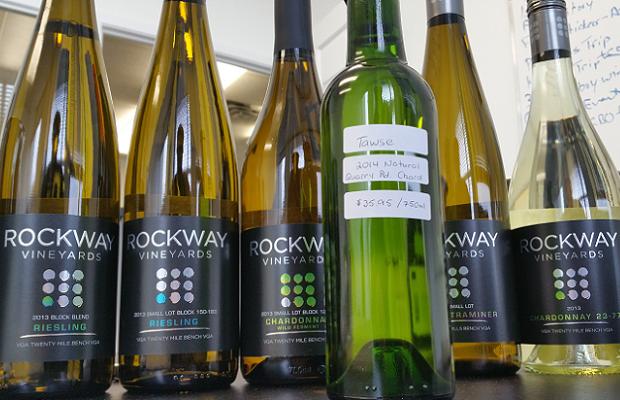
Tawse Chardonnay Quarry Road Natural 2014

Tawse Chardonnay Quarry Road Natural 2014

Tawse Chardonnay Quarry Road Natural 2014, VQA Vinemount Ridge, Niagara Peninsula, Ontario (Winery, $35.95, WineAlign)

Tasted from a sample, in bottle, not yet labeled. It’s one thing to make a natural wine in Ontario and a world away to do so with Chardonnay. The concept is simply off the charts with respect to fruit sourced out of arguably Tawse’s most important mineral site, the Quarry Road Vineyard. So, with that plot and winemaker Paul Pender’s inner vision, the progression to this point in Ontario winemaking is fascinating. “The law was never passed, but somehow all men feel they’re truly free at last. Have we really gone this far through space and time?” Pender must have shut his eyes tight, imagined the wonder and whiffed his ways through those barrels. Based on a taste through all the Quarry barrels with Pender in April 2014 (carrying 2013 fruit) I would think the Mercurey (Large barrel, CLL toast) would best suit the natural, oxidative bent of this Quarry. This plays the hallmark bass note in natural odour; funk, wondrous gentility, wood and rhythm and blues stone, as opposed to wood and rock. Something other, preposterous and gorgeous permeates the mess. Something melodic. The wine is perfectly in tact, piercing and exact. Direct, vibrant, positively wistful and wishful. Filled in by a strings mid-palate, with acidulated apple slices from a potent cocktail. The finish goes deeper, so the sum of the parts gains on the intricacies, teeing it up for much success. That said, don’t wait for it to fall apart. Drink 2015-2016.  Tasted March 2015  @Tawse_Winery  @Paul_Pender

Norman Hardie Chardonnay Niagara Unfiltered 2013, VQA Niagara Peninsula, Ontario (184432, $39.00, WineAlign) From the VINTAGES April 18th release

Hardie’s Niagara Chardonnay will not be recessed into the Peninsula’s everyday lexicon, nor does it draw any direct comparisons. How can this be? I will say that the 2013 exhibits less reduction, less elemental fever and a dramatic decrease in tension, so in that sense it has comes back to the norm. Yet it dances dramatically, like a blind bee in a ripe melon, in free spirited, holistic and counter-cultured ways. A wine of gold wiring, wrung out in splashes and swaths of lamé sheets. Shows a commitment to soil, full malolactic conditioning and punched down musts in its every breath. What is obvious is that 2013 is no putty in the hand. It’s moulded clay, shaped by the mitts of its maker, immortalized by the barrel’s oven and just about ready to begin being beautified by ornamentation. Time will effect its tribal markings and ultimate finish. Give it three to five so that it may add surge to its restrained power. Drink 2017-2022.  Tasted March 2015  @normhardie

Good to go!

http://www.winealign.com/profile/2058-mjg

https://instagram.com/mgodello/

Path straying wines

Risotto

Risotto

The idea that something veers away from or afield of the norm is almost always intriguing. Fascinations with antidisestablishmentarianism, marching to the beats of different drummers and walking lonely roads is as essential as breathing. For the curious, the hungry and the alive.

Though the concept is a sound one, it need not always be about searching for wisdom and enterprise off the beaten path. There are times when the abstruse may be lying directly underfoot. Wine is a commensurate animal, altricial such as it is, acaudal, acersous, agnostic, aculeate and allocryptic such as it is not. Wine that is not so much off the beaten path as actually growing on one.

Two of the six wines recommended here jive with the idea, a Sicilian varietal wine made from the local Nerollo Mascalese and a Venetian dessert beauty crafted from who knows which and exactly how many chthonic varieties. No wine-producing nation knows about the concept of varietal celebration and keeping a historical watch on the relationship between path and vine more than Italy. No other agglomeration crafts from indigenous or endemic varieties with as much diversity.

This summed it up. “Finally, I find the irony in the idea that for a winemaker or vine grower to step off the quotidian they need to plant, cultivate and make wine from grapes once considered the norm and the go to in their region. You can’t help but notice that modern winemakers with a wistful eye are casting reflexively into the past with a hunger for vinous resurrection. By grafting their pre-Phylloxera ancient vines onto healthy root-stock they have turned the varietal compass on its head. As they have moved through their days with an open-mind to the panoply of grape interactions, they have beget the endemic revival.”

Related – Off the beaten Italian path

You see, winemakers don’t always have to champion the obscure, the endangered and the forgotten. There are times when place and plot are good enough to create an aura of obscurity and adventure. The wines in this column’s conspiracy are in cahoots to drive the point.

Related – Why hate wine?

A white Port; who drinks white Port? Sometimes you just need to walk along roads you never seem to take, take in the backstreets or sip along with something that’s always there but you just never bother. Port can be nondescript and it can also be like the Cálem Lágrima.

How about a Barossan, a Shiraz no less, but here because it is a wine from Neolithic soils, consumed and procreated on and upon itself. Then there is a South African white blend of such natural indeterminate plodding it has caused a break in critical ranks; is it sound or at fault to the point of no return? Last but certainly not musical least, a Napa Valley vintner with an infatuation for pairing wine to song. Sound familiar?

Related – WineAlign guide to VINTAGES April 4th and Easter recipes

In anticipation of the first April list to hit Ontario shelves, Sara d’Amato and I have compiled what you need to know and why. Click on this link to WineAlign to see the full report.

Off the Beaten Path, from East to West and a Battle of the Corkscrews

Here are my six path straying wines from the VINTAGES April 4th release.

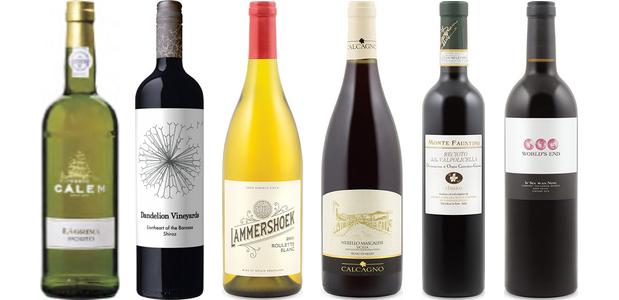
From left to right: Cálem Lágrima White Port, Dandelion Vineyards Lionheart Of The Barossa Shiraz 2012, Lammershoek Roulette Blanc 2011, Calcagno Feudo Di Mezzo Nerello Mascalese 2011, Monte Faustino Recioto Della Valpolicella Classico 2008 and World's End If Six Was Nine Reserve Cabernet Sauvignon 2010

From left to right: Cálem Lágrima White Port, Dandelion Vineyards Lionheart Of The Barossa Shiraz 2012, Lammershoek Roulette Blanc 2011, Calcagno Feudo Di Mezzo Nerello Mascalese 2011, Monte Faustino Recioto Della Valpolicella Classico 2008 and World’s End If Six Was Nine Reserve Cabernet Sauvignon 2010

Cálem Lágrima White Port, Dop Douro, Portugal (912568, $15.95, WineAlign)

Viscous and semlessly crafted White Port. There is very frank aridity in nuts and peels on the nose, along with tempering agave and citrus. The positable tug between sweet, sour and salty harks to older times and the munificent wafts of the warm nut cart. The agave drips thick on the palate, the spiced nuts are expertly roasted. Cool mint and eucalyptus fill the middle and fine acidity comes ’round the back. Terrific value. Drink 2015-2020.  Tasted March 2015  @PortoClem  @WoodmanWS

Dandelion Vineyards Lionheart Of The Barossa Shiraz 2012, Barossa Valley, South Australia  (167189, $19.95, WineAlign)

Tasted from the 750 mL, this old vine Barossa vineyard bottle is reminiscent of the wise and precocious 2009. Nothing can be taken for granted here, this Shiraz from ancient, gnarled vines, many over a hundred years of age. A wine from neolithic soils, consumed and procreated on and upon itself. This is brash and once opened, the aromas are “orbiting your living room.” Makes me think of fig jam on venison wurst and a sauce made from licorice, clementine and dates as big as sausage flies. Tart, tight, racy and religious. Has a fisting Reggae beat, like The Clash doing Tosh and Dub. It may not transmit the only Barossan pirate radio Shiraz but it may just be one of the better values. Drink 2016-2021.  Tasted March 2015  @DandelionWines  @Wine_Australia

Lammershoek Roulette Blanc 2011, Wo Swartland, South Africa (225458, $21.95, WineAlign)

Talk about the passion. Fruit and reduction. Fruit and oxidation. Contradictions and oxymorons. This reeks of upside down passion fruit, apricot, honey and almond cake. Dripping syrup, parrafin and citrus. Waxy, like Sémillon and that’s where the advance comes in. The Roulette Blanc is meant to flesh, not wane in texture. The question is “combien, combine, combien de temps” does it take for a wine such as this to travel from wild and fresh to used and confused? The 2011 exhibits all the signs of great, complex fruit and corresponding accents. It has it all going on but a current stale, R.E.M. sleepy state clouds its future. “Not everyone can carry the weight of the world.” A really interesting wine with a long, bitter and tangy finish. How much longer will it age? Long enough. Drink 2015-2020.  Tasted March 2015  @Lammershoek  @WOSACanada

Calcagno Feudo Di Mezzo Nerello Mascalese 2011, Igt Siciliy, Italy (408187, $34.95, WineAlign)

The Sicilian was treated to extended maceration under strict temperature control and the bleed is evident, modern, pitchy and black as a cloudless night. Then 12 months later “an improvement” is fashioned by the classic French oak “barriques” addition, followed by a minimum further four months in bottle. The result is a warm, alcohol elevated (14.5 per cent) state of the art Nerello Mascalese with a wonderful earthy grounding. Tenderly volcanic, the fruit comes from Passopisciaro between the Etna park and the Alcantara river park. Ancient lava flows leave an indelible mark on a wine without creases. Yet this is a direct, in your face expression that shares thoughts and feelings with deep clay and stray island sand. An extremely well-made wine even if it wanders away from the wonders of time. Drink 2017-2022.  Tasted March 2015  @oenophilia1  @VisitSicilyOP

Monte Faustino Recioto Della Valpolicella Classico 2008, Docg, Veneto, Italy (403857, 500ml, $45.95, WineAlign)

Once in a while there comes a Recioto in reserve of its own preciousness. A Recioto comfortable in its own skin, does not have to try too hard, posits only what it is safely made of. This elegant example whiffs dried fruit, strawberry, rhubarb and lovely aromatic, natural fruit tea. Licorice and fresh fennochio. A citrus poke. Good underscored, understated and under the radar personality. Great length. A real success. Drink 2018-2025.  Tasted March 2015

World’s End Cabernet Sauvignon If Six Was Nine 2010, Napa Valley, California (396127, $72.95, WineAlign)

What if “six turned out to be nine?” What if 14.9 per cent alcohol was just 14.6 instead of what really must be 15.9? What if the song in your head was sung by the tender emotional voice of Todd Rungren instead of the fuzz in Jimi’s clouded world? This Cabernet Sauvignon is so much more Hendrix, a full-throttle, heavy-layered, all-in barrel and total extract package. The fruit is hulking and the tannin equally so. Look ahead eight to ten years then fire up the black top. Heave on some marbled elephantine chops and all will be fine in the centre of the dizzying universe. “Wave on, wave on. Fall mountains, just don’t fall on me.” Maybe listen to a verse or two of Todd as well. “Hello, it’s me.” Drink 2020-2027.  Tasted March 2015  @ProfileWineGrp  @NapaVintners

Good to go!
http://www.winealign.com/profile/2058-mjg

Local heroes

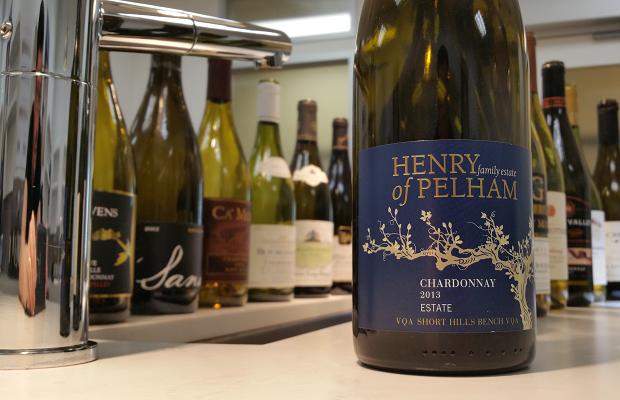
Henry of Pelham Estate 2013 amid a sea of April 4th, 2015 VINTAGES Chardonnay

Henry of Pelham Estate 2013 amid a sea of April 4th, 2015 VINTAGES Chardonnay

You can find them from coast to coast. This coming Saturday six VINTAGES Canadian releases, four from Ontario and two from British Columbia, are wines that speak on behalf of exceptional vineyards, out of important places. These are bottles made by winemakers entrenched in their territory and from grape varieties purposed to grow there.

Related – Tasting with Power

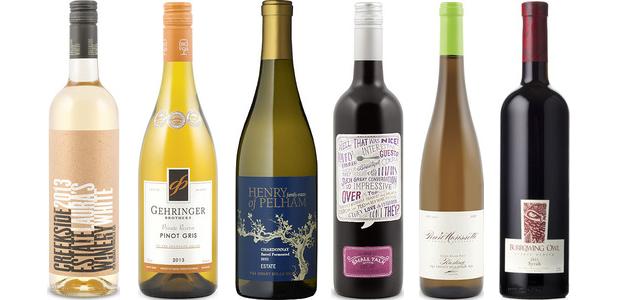
The Creekside Estates white blend known as Laura’s White has become a poster child for varietal blends on the Niagara Peninsula. Winemaker Rob Power has found a way to make a consistent expression in every vintage.

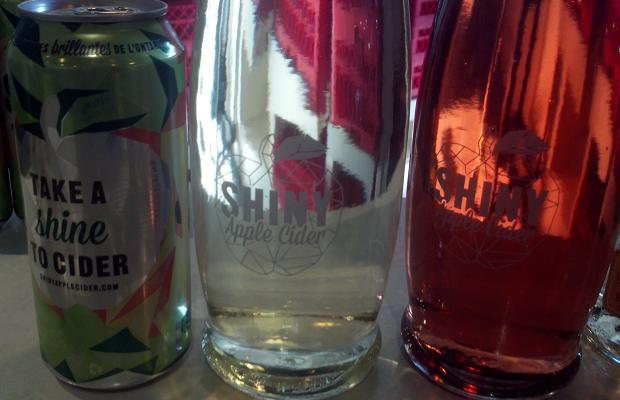
Shiny Apple Cider by Small Talk Vineyards

Shiny Apple Cider by Small Talk Vineyards

Angela Kasimos was the winemaker at Riverview Cellars and is now leading the charge at Small Talk Vineyards. The Small Talk Syrah is yet another example to speak on behalf of pushing for more plantings, especially down by the Niagara Lakeshore. But that’s not all. Kasimos is also making Cider at Small Talk. It’s called Shiny Apple Cider, made from Grey County apples and Niagara grapes. You heard me. The White Cider is augmented by 10 per cent Riesling, the Rosé with 15 per cent Pinot Noir. You should try it on tap at Barque Smokehouse.

Related – The pearls of Morissette’s wisdom

The Cuvée Black Ball Riesling by François Morissette failed on several occasions to pass through the VQA panel’s strict discretion. The atypical one has finally broken down the barrier and it’s now your turn to decide if it pleases or causes consternation.  My chance to opine is laid clear in the review below.

From B.C., Gehringer Brothers out of Oliver offers a unique, Golden Mile take on Pinot Gris. More than just coincidence to be here today as yesterday marked a new direction for British Columbia‘s wine industry. The #GoldenMileBench just became the province’s first sub-appellation.

Related – A biography of Ontario and B.C. wines

Sandra Oldfield of Tinhorn Creek called the day momentous. She wrote this on her blog. “Something as elemental as the brown given to vineyard stones by a passing universe.  In casual simplicity, I toast to you, the Golden Mile Bench, British Columbia’s first sub appellation.”

The five recognized wine regions in British Columbia are The Okanagan Valley, Similkameen Valley, Fraser Valley, Vancouver Island and the Gulf Islands. The new designation was announced by the provincial government on March 30 and will legally identify where grapes are grown. In this case, the escarpment southwest of Oliver which runs south from Fairview Road and near Highway 97.

Related – A day in WineAlign life: 15 new releases from Ontario and B.C.

So long as 95 per cent of the grapes were grown in the area, wineries will now legally be allowed to indicate the Golden Mile on their labels. The list includes CC Jentsche Cellars, Checkmate Artisanal Winery, Culmina Family Estate Winery, Fairview Cellars, Gehringer Brothers Estate Winery, Hester Creek Estate Winery, Inniskillin Okanagan Vineyards, Golden Mile Cellars, Rustico Farm and Cellars, Tinhorn Creek Vineyards, and Willow Hill Vineyards.

In Jauary I wrote about Burrowing Owl Winery. I talked about the extreme nature of their location and what is does for their wines. “That the winery is situated on the most northern outpost of the Sonoran desert, an arid and agriculturally inhospitable stretch of terroir that originates in Mexico, is not exactly so well-known. That the Owl can produce such wines of extraction spinning on a compass of intensity is one of the wonders of the Okanagan Valley.”

Related – Big and bigger: Burrowing Owl

The 2011 Syrah reviewed below drives the stake even deeper into the searing heart of the Owl.

Sara d’Amato and I have compiled a list of recommended Canadian wines in the second of two WineAlign April 4th VINTAGES release reports.

Off the Beaten Path, from East to West and a Battle of the Corkscrews

Here are notes on six new local releases coming to stores this Saturday.

From left to right: Creekside Estates Laura's White 2013, Gehringer Brothers Private Reserve Pinot Gris 2013, Henry Of Pelham Estate Chardonnay 2013, Small Talk Vineyards Recap Syrah 2012, Pearl Morissette Cuvée Black Ball Riesling 2013 and Burrowing Owl Syrah 2011

From left to right: Creekside Estates Laura’s White 2013, Gehringer Brothers Private Reserve Pinot Gris 2013, Henry Of Pelham Estate Chardonnay 2013, Small Talk Vineyards Recap Syrah 2012, Pearl Morissette Cuvée Black Ball Riesling 2013 and Burrowing Owl Syrah 2011

Creekside Estates Laura’s White 2013, VQA Niagara Peninsula, Ontario (121764, $18.95, WineAlign)

When I tasted the 2012 Laura’s White again with winemaker Rob Power two weeks ago my last note said “this has the grab, tempered by the warmth of the vintage, so look for ’13 to nail it with a hook.” That it does, along with the most balm and herbs of the last five vintages. This blues traveller goes deeper into complexion and white varietal compilation. The fruit is very tropical in 2013, softer, easier, lighter in complexity, but it has that musical trigger, the jingle, the popper, the hook. If ’12 was the revivalist blend, then ’13 will try to be the proselytizer. “Because the hook brings you back, ain’t tellin’ you no lie. The hook brings you back, on that you can rely.” Everyone can drink this. While it may not stand up a decade or longer later, you will be able to look back on it fondly and remember it was a wine for the times. Drink 2015-2020.  Tasted March 2015  @CreeksideWine

Gehringer Brothers Private Reserve Pinot Gris 2013, BC VQA Okanagan Valley, British Columbia (347203, $18.95, WineAlign)

A concrete set of aridity rules are the modus operandi here in a reserved, stoic and aerified sort of Okanagan Pinot Gris. Paler and thus less oxidative then the last vintage to pass through these parts. Very much cut into pear, less so of white peach. The grape tannin is noticeable, even obdurate. Generous alcohol contributes to the mulish attitude though with the aridity and slight citrus push you’d be hard-pressed to really notice the call.  Tasted March 2015  @GB_Wines  @UncorktheSun

Henry Of Pelham Estate Chardonnay 2013, VQA Short Hills Bench, Ontario (268342, $19.95, WineAlign)

Sunlight is the key to this ripe Chardonnay, snatched from vines that grow on the most easterly of the Niagara Escarpment’s sub-appellation. Here Henry of Pelham calmly puts its hegemony over Short Hills Bench Chardonnay on display. The fruit layering is very impressive, compressed even, with just a spiced spirit injection from the barrel. The Estate Chardonnay is in a mid-range class of its own, this gatherer of heat days, hoarder in spring water retention, cleanser in sand and gravel drainage. The vintage just seems perfect for this niche bottling, balanced, primed to finespun texture, stretched for length and good to age at least five years.  Last tasted March 2015  @HenryofPelham  @SpeckBros

Small Talk Vineyards

Small Talk Vineyards

Small Talk Vineyards Recap Syrah 2012, VQA Niagara On The Lake, Ontario (415612, $24.95, WineAlign)

In the hands of new winemaker Angela Kasimos, Small Talk Vineyards should consider going with and increasing their plantings of Syrah. It’s clear that Kasimos has inherited good solid fruit and the Small Talk (formerly Stonechurch Wines) treatment in ’12 is a very good start towards what should become a great varietal relationship. Smokey, savoury and full of positive brine vibrations, this has body but no overripe or caramelizing denouement. Nor is it green, though it exhibits tonalities that whisper volatility and chews that say sinew. Yet it persists healthy and clean. This is Syrah of lovely curves, rounded shapes, bright peaks and gently sloping valleys. Who doesn’t like Syrah young and infectious like this?  Tasted March 2015  @SmallTalkWines  @AngelaKasimos

Pearl Morissette Cuvée Black Ball Riesling 2013, VQA Twenty Mile Bench, Ontario (416073, $32.20, WineAlign)

Let’s get something immediately out of the way. The wines of François Morissette are not meant to please curmudgeons, skeptics, contrarians or members of the wine media. This Riesling has no desire to kiss ass. This will not appeal to late harvest lovers, from Kabinett to Auslese. Is it ripe? Not quite. Is it different? Absolutely. This compares to almost nothing. Like a Champagne ginger, lime and bronze filings cocktail, the Blackball ’13 is so very developed and despite the colour, is a hyperbole in primary existentialism. That it has essentially no residual sugar and an achieved 11.5 per cent alcohol is a complication only the clinical doyenne has the answers to. Riesling in between dreams, “never knowing shocking but we’re nothing.” The Blackball has struck, is not yet stricken and will offer remore pleasure for another six months. Then it will deconstruct, dissolve and devolve into darkness and funk. Five years later it may emerge like a phoenix, jack up like a Rangen Riesling, into the ethereal. Will it happen. I couldn’t possibly tell you. We may never know. But I can say that then, and only then, will it truly tell its story. Drink 2020-2025.  Tasted March 2015  @PearlMorissette

Burrowing Owl Syrah 2011, BC VQA Okanagan Valley, British Columbia (73072, $39.95, WineAlign)

Just when it seems that Burrowing Owl could not coax beyond the perceived maximum in ripeness and richesse out of desert sage country Syrah, the envelope pushes higher in this ripping 2011. An absolute circum whirl of dark fruit, crushed peppercorns, Cassis and candied violets draw syrupy into bottle. Big, brawny and modern, styled like Syrah from peak perches overlooking the French Riviera with a small percentage of mitigating northern Rhône sensibility. Texture is pure silk. Acids are tame but very present.  Tasted March 2015  @BurrowingOwlBC  @winebcdotcom  @LeSommelierWine

Good to go!

http://www.winealign.com/profile/2058-mjg

Why hate wine?

Three vintages and producers of Brunello di Montalcino

Three vintages and producers of Brunello di Montalcino

Though it may sound absurd, it’s true. There are some who hate wine. It may seem impossible to imagine, but not everyone cares for the stuff, in fact, they say they hate it. Pretty harsh, no?

They have their reasons. Either it’s pretentious, it pales in comparison to beer, causes headaches or simply tastes like shit. The haters also hate wine drinkers and they really can’t stand people who blabber on about what they smell and taste, especially wine writers. The vile, worthless, waste of the air they breathe kind of human. The virus with shoes.

They are out there but they are not the real problem. The bigger issue is the wine geek who hates certain wines. The wine aficionado who picks on specific bottles, bullies them to the point of hatred. Slags them beyond reproach. Rants to the world about the injustice of their existence.

I will tell you why I have to say what I have to say. When I entered the LCBO tasting lab last Friday I saw three bottles sitting on the sterile counter, three Pinot Noir that made hairs all over my body stand up in horrified attention. Three Chuck Wagner Pinots. Les Belle Glos. So I tweeted this.

That was a mistake and I apologize for having written that. My message is this. You may find flaws in wine. You may suss out mistakes in the way a wine is made, sniff out bacteria or mould. You may point out imbalance and general impropriety. But you should not hate.

After all, wine is made from grapes and has fermented into itself. No matter the manipulations, the heavy-handed preparations and the dismissal of varietal or territorial propriety, at the end of the day it is just a bottle of wine. It is still a card-carrying member of the heritage, the extraction and the house. The fact is that when you hate one wine, you hate all wine. Do you see, the instant that you hate a wine, then you hate the world of wine.

There is more. Every wine has a connection to the land it came from. Soft mutinies in the senescence of nature all contribute to the scarring of a wine, of an indelible truth that indicts the world it harmonizes in, like a tract of a forest long ago scorched by a fire. A vineyard shares a history, which each vine remembers, even after it has failed to survive, even after others have not survived, or have been felled or re-planted. All wine has a background, regardless of what it may have suffered during growth and fermentation.

Related – WineAlign guide to VINTAGES April 4th and Easter recipes

And so, please try to be nice. Not every bottle will thrill and most will even disappoint. But do not hate. These seven examples, coming to a VINTAGES kiosk on April 4th do nothing less than restore the faith. They are all classic returns, of familiar and favourite varieties. They are wines to love.

From left to right: Muriel Reserva Vendimia Seleccionada 2008, Robert Mondavi Fumé Blanc 2013, Isole E Olena Chianti Classico 2011, Domaine Long Depaquit Chablis 1er Cru Les Vaillons 2012, Hess Allomi Vineyard Cabernet Sauvignon 2012, Fuligni Brunello Di Montalcino 2008 and Vitanza Riserva Brunello Di Montalcino 2007

From left to right: Muriel Reserva Vendimia Seleccionada 2008, Robert Mondavi Fumé Blanc 2013, Isole E Olena Chianti Classico 2011, Domaine Long Depaquit Chablis 1er Cru Les Vaillons 2012, Hess Allomi Vineyard Cabernet Sauvignon 2012, Fuligni Brunello Di Montalcino 2008 and Vitanza Riserva Brunello Di Montalcino 2007

Muriel Reserva Vendimia Seleccionada 2008, Doca Rioja, Spain (276030, $18.95, WineAlign)

Carries with it the efforts and old barrel trials of generations in its classic aromas. Cedar, dried plum, bitumen, dried anise, wood soaking in natural sugar syrup. Really seamless, flourless and austere in a running wild kind of way. Possessive of length and deserving of that oddest of wine descriptions; supple. This will age for 10-12 years with ease. A great wine for the money, right up there with the Montecillo 1991, but cleaner, juicier and with more sex appeal. A red-head, a ginger, Rita Hayworth, Julianne Moore, Emma Stone.  Tasted March 2015  @bodegasmuriel  @RiojaWine

Robert Mondavi Fumé Blanc 2013, Napa Valley, California (221887, $22.95, WineAlign)

The Mondavi course of intention stays on track once again in 2013 though the vintage for Sauvignon Blanc seems at its warmest and ripest in quite some time. This walks a highline of aromatics yet refrains from tragically creamy barrel notes or excessively hop toast. Fruit is the driver, “rushing by the machine revving tension.” That drupe is part fresh and part dried, whiffing citrus and potpourri. Zest is buzzing but not overbearing. Were I locked in the trunk of a car, this bottle of Fumé Blanc would keep good company. Drink 2015-2020.  Tasted March 2015  @RobertMondavi  @CBrandsCareers

Isole E Olena Chianti Classico 2011, Docg Tuscany, Italy (704346, $31.95, WineAlign)

The hue and distinguished generational character pay hommage and unconditional loyalties to the noble Sangiovese. Chianti Classico in which patience is a commendable virtue and extreme necessity. The wood and tonic inflate the near nose in screaming interface but five minutes works to soften the early edginess. Now the perfume is intoxicating, so typically IEO, from a beautiful parcel of Chanti Classico out of a very giving vintage. An alluring wine that draws you in with a flirtatious smile of depth and meaning, seamless in personality, never too rich, affected or grandiose. There is no resin and no slice of cake decadence. Though it retains some old-school properties, this CC keeps right in stride with the winemaking times. Drink 2018-2025.  Tasted March 2015  @chianticlassico  @HalpernWine

Domaine Long Depaquit Chablis 1er Cru Les Vaillons 2012, Burgundy, France (19364, $31.95, WineAlign)

Bring on the 2012 Chablis. Here, an early, exciting and intense look. Has a combination of spot on salinity and limestone flint from the central Vaillons Cru. Given time this eventually turns to honey, indicating great early promise. This Bichot Estate Chardonnay is ripe and extroverted. Though it won’t be the longest lived, the back-end stony merrymaking and overall exuberance is a great show. If ’12 Chablis is always this much fun, I’ll be buying front row seats. Tasted 2017-2022.  Tasted March 2015  @Bichotwine  @BIVBChablis  @DionysusWines

Hess Allomi Vineyard Cabernet Sauvignon 2012, Napa Valley, California (906420, $39.95, WineAlign)

Here scrambles forth a high-toned yet exuberant Hess. Dark fruit, old growth bark, fresh tar in summer and natural charcoal on the BBQ. These are the perceptions on a cimmerian, Patwin-coined, single-vineyard red wine from the eastern base of Howell Mountain. This micro-climate (relative to really cold places) experieneces freezing cold winters and later bud break than most of Napa. That difference comes across in the tension of this wine, the dichotomy of hot and cold and manifests by tongue-coating tannin-crusted fruit. Tannin that may take 10 years to integrate. Good concentration of fruit, acidity and that fierce tannin menas lots of energy and stereotypically speaking, even more structure. Drink 2020-2025.  Tasted March 2015  @HessCollection  @liffordwine

Fuligni Brunello Di Montalcino 2008, Docg Tuscany, Italy (245225, $49.95, WineAlign)

Though the bark and bite of the vintage will try to test even the purest fruit, this Fuligni is immune, the Brunello to absorb difficulty and energe unscathed. Earth. forest, clean mushroom, plum, carob and fresh cherry band together as an admirable aromatic lot. Though the vintage worked against many Montalcino producers, those who picked, vinified and allowed the fruit to do its thing, to be its own talking head, to express itself, made good wine. Enter the house of Eredi Fuligni. This ’08 is like Heaven, talking heady, saying nothing at all. The tune is clear as a whistling from the depths of a canyon. The spice is fragrant, never biting. The oak is like an old favourite song.   The Brunello “in Heaven plays my favorite song. They play it once again, they play it all night long.” Drink 2020-2030.  Tasted March 2015  @ConsBrunello  @HalpernWine

Vitanza Riserva Brunello Di Montalcino 2007, Docg Tuscany, Italy (236232, $89.95, WineAlign)

Here sidlles up to the counter a huge, come home and lay with me now Brunello. Displays all the flirtaious and flamboyant hallmarks of the get me vintage. Gorgeous, juicy red fruit. This wine will make you want to head straight for the bar, load up and go home with wrong woman or man. A full on seducer, asking you, are you ready for love? It’s not so much that this Grosso is bad company, it’s just that it’s so bloody dangerous. It has layered fruit, earth and lace. It has the structure to age. The issue is how could you resist it now? “I’m ready for love. Oh for your love.” Drink 2015-2025.  Tasted March 2015  @TenutaV  @ConsBrunello

Good to go!
http://www.winealign.com/profile/2058-mjg