You need only spend a few days in Napa Valley to gain a basic understanding of what drives the machine. Immerse yourself into three or four structured tastings and hear the mantra repeated. Listen to the winemaker and the viticulturist talk about the growing seasons and intuit the very basic premise, the essential doctrine and the constitutive aspect on everyone’s mind. Ripeness.
The 2011 vintage was an unmitigated disaster. Cold, rain and low brix levels made for less than stellar Napa Valley reds and whites. At the time it wasn’t so much swept under the rug as much as shrugged off. Still some very good wines were made. Even today critical proponents of cool-climate and understated wines will champion the elegance and proportion of 2011 Napa reds, especially the Cabernets. Talk to or listen to a local winemaker speak and know they will (mostly) all agree to disagree with those ideas. There was little to no phenolic journey fully completed in 2011. Relativity is the general, special and principle quizlet to compare and contrast Napa Valley wines. The next vintage afforded the opportunity to put 2011 behind them. The proximate three relegated 2011 to the footnotes of history.
What followed 2011 was drought, extended drought, difficult times drought. Grapevines do quite will when they struggle, provided their keepers have equipped them with the organic and self-preserving tools to survive without water. While the rest of the state suffered, Napa Valley grapevines produced exceptional fruit. From 2012 to 2015 the pilgrimage to maturity happened with ease. Quality over quantity? Sometimes both. In 2012 there was a huge crop from an incredible growing vintage. Along with 2013 they are being heralded as two of the best vintages in the last 30 years.
If a tutored Napa Valley tasting is centred around Cabernet Sauvignon and parent grape variety Sauvignon Blanc then the mind may wander into comparative territories with Bordeaux clearly on the analogous radar. Cabernet defines Napa Valley, hook, line and sinker. Nearly everyone grows it, bottles it and employs it to define who and what they are. The numbers corroborate the abstraction. Cabernet is still the king. The interesting diversion is Sauvignon Blanc. In the context of Bordeaux it is not a diversion at all but Napa growers and producers are infatuated with it. It makes for good but rarely great wines. Chardonnay has proven its Napa Valley pedigree. So why Sauvignon Blanc?
If Bordeaux epitomizes a mono-worshipping culture then deconstructing Napa Valley reflects the effort of extricating monotheism out of a polytheistic context. But Napa is not Bordeaux and also avoids the affectation and mannerisms of monotheistic worship, something that is very specific to Bordeaux and even more so to other ancient wine-producing regions. In Napa there is great interest and time set aside for Chardonnay but also some love Pinot Noir and Zinfandel. Cabernet Sauvignon leads with authoritarianism on a chilling scale and Sauvignon Blanc exists in a polar opposite vacuum. Nothing is inexpensive to grow and most markets expect to pay a premium for quality. Demand will perpetually support Cabernet, Merlot, Chardonnay, Pinot Noir and Zinfandel. Sauvignon Blanc above $20 and not from Bordeaux is different. It is Napa’s greatest curiosity, made with great care and thrown caution to the marketplace wind. And it sells. Looked at from both sides clarity is noted in the adage that Napa Valley is not Bordeaux.
Berry to bottle
On February 9th, 2016 nine Canadians sat down to taste with the principals of three Napa wineries, Joseph Phelps, St. Supery and host Silverado Vineyards. Karen MacNeil is a wine author, journalist, educator and consultant. MacNeil moderated a two-varietal tasting with Bill Phelps (President of Joseph Phelps Vineyards), Emma Swain (CEO at St. Supery), Russ Weis and John Emmerich (GM and winemaker at Silverado). From berry to bottle was organized by the California Wine Institute and Napa Vintners.
“Dirt is once again the sexy part of the business,” began MacNeil’s presentation. “Place is the core construct and inescapable construct.” The hills, slopes, ridges and valleys of the Valley are indeed intricate and the soil sets as diverse as you are want to find anywhere. Napa Valley contains 33 soil series with more than 100 soil variations and half of the soil orders that exist within the world can be found in the Napa Valley. At the end of the day ripeness follows. At all other times it leads. We tasted six wines that day. Here are the notes.
Cabernet Sauvignon and Sauvignon Blanc
Joseph Phelps Sauvignon Blanc 2014, St. Helena, Napa Valley, California (Agent, $59.95, WineAlign)
Graced by and driven for texture, with lees, out of second fill barrels and finished struck across a scraped mineral tang. Highly refreshing compression of density and weight. Long linger of stone fruit, primary peach and secondary apricot. Non-discernible citrus. Phelps has been producing this wine since 1975 from the home ranch vineyard, typically in increments of 2500 cases. If Sauvignon Blanc were made in Alsace, this is what it would be like. Unpronounced acidity and a floral note pay thanks to integrated Musque clones Bill Phelps says are integral to the mix. Drink 2016-2019. Tasted February 2016 @josephphelps@LiffordON
Joseph Phelps Insignia 2012, Napa Valley, California (710400, Agent, $299.95, WineAlign)
The 2012 Insignia had me at first whiff. At first sip I could not be reached. Massive aromatics blast from this formidable Insignia, clearly noted with immediate clarity as a proprietary blend for the ages. The current torrent is so plugged in and highly climatic, like a visibly sparking conduit, storm and fire all wrapped into one electric happening. The peaks, valleys, waves and intonations are bred of perfectly ripe fruit sets traveling as one in perfect syncopation. The ripe, chain-link tannins will take this very, very far. This is as fine a California wine as I have ever tasted. The first vintage was 1974. All five bordeaux varietals are represented which is not often the equation. In 2012 the blend is 75 per cent Cabernet Sauvignon, 10 Merlot, 10 Petit Verdot with bits of Malbec and Cabernet Franc. Drink 2018-2045. Tasted November 2015 and February 2016
St. Supery Estate Vineyards and Winery Sauvignon Blanc Dollarhide Estate 2014, Napa Valley, California (Agent, Winery, $35 US)
An altitude effected, single-vineyard, warm days, cool nights Sauvignon Blanc so much more in residence of varietal hyperbole, from grass to gooseberry, apple terpenes and finishing spice. Highly emotional SB of San Pablo Bay cooling and antithetical drought thanks to Sierra Nevada snowpack, or lack thereof. Stainless on lees stirred weekly bolstered in texture by 18 per cent barrel fermentation. Aussie expat winemaker Michael Schultz controls this big, vivid and vital style. Drink 2016-2019. Tasted February 2016 @StSupery@vonterrabev
St. Supery Estate Vineyards and Winery Cabernet Sauvignon Dollarhide Estate 2012, Napa Valley, California (Agent, Winery, $100 US)
Dollarhide was a cattle farm, a 1530 acre enormity of a ranch, now one of the more impressive Napa vineyards of altitude, micro-climate and heterogeneous soil series. The 2012 is a 100 per cent Cabernet Sauvignon cornered from the finest (number eight) 30 year-old vines parcel, planted in 1982. It is youthful and even a bit reductive, with dark red fruit and cooler savoury curation. Possessive of some black olive and mint-like coolness. Sweet tannins and espresso, specified and agreed from all French oak, left to decide a hillside expression. A fine chocolate finish is far from bitter with paid homage to that parcel which is a combination of volcanic and ancient sea sediment. Large shells have been found in the vineyard at 1200 feet. Tres cool. Drink 2018-2027. Tasted February 2016
Silverado Vineyards Sauvignon Blanc Miller Ranch 2014, Napa Valley, California (Agent, Winery, $35 US, WineAlign)
Fruit from vines burrowed into seep soil on a Yountville site between Hopper Creek and the Napa River (though 5 per cent is from Soda Creek Vineyard). A small elbow (four per cent) of Sémillon injects a shot of vitality into the arm of Sauvignon Blanc. For winemaker Jon Emmerich Miller Ranch in a climate sweet spot, a go between in which cool evening and morning temperatures mitigate the sweat of warm sunshine. Its home soils are blessed with terrific water capacity. No de-stemming is performed and the wine sees a long, cold (up to two months) fermentation. All in the name of aromatics. And so the Silverado home ranch Sauvignon Blanc lies somewhere in between the excitable and the elegant. Quite Bordelais but also grapefruit refreshing, with a slight spritzy tingle. Drink 2016-2018. Tasted February 2016 @SilveradoSOLO@KylixWines
Silverado Vineyards Cabernet Sauvignon Solo 2012, Napa Valley, California (Agent $119.00, Winery, WineAlign)
From heritage Cabernet Sauvignon vines recognized by the University of California, Davis, in other words, a clone unto itself. The home ranch estate vineyard was planted in 1968 and over two decades the vines adapted to Silverado’s steep, shale soils and mutated. Through meticulous field selections an entirely new clone of Cabernet Sauvignon emerged. Here is one of only three Cabernet Sauvignons to attain this status and the only one from Stags Leap District. Who knew such magic lurked in the Napa hills? The stuff of Roald Dahl imagination. This is a dusty and grounded red, of chaparral in arid, arenose, hillside forest floor character. Higher tones (there is a bit of VA) leaps with this SOLO’s Cabernet metamorphosed self, in a semblance of the clone it used to be. It honours a perfect growing season. From General Manager Russ Weis: “In Stag’s Leap we are not looking for something mouth-filling as much as mouth coating.” Drink 2019-2028. Tasted February 2016
Exceptional-Outstanding-Excellent Langton’s Class. VI @Wine_Australia @VinConservatory #AussieWine
Twenty-four days ago, on February 1st, 2015 I attended the Langton’s Classification VI at the Vintage Conservatory in Toronto. For those of you who are new to Australian rules wine classifications, Langton’s is the continent’s premier wine auction house and the LC is their prestigious list of iconic wines classified as excellent, outstanding and exceptional.
The criteria of determination are based on demand of attraction and a ten-year realized price index. The class is commonly referred to as the ‘hour role’ for Aussie wine. The intimate Toronto seminar was moderated by Mark Davidson, one of the hardest working Australian wine advocates on the planet. Winemaker Sue Hodder of Wynns Coonawarra Wine Estate sat in. That same week David Lawrason, Sara d’Amato and I filmed a segment with Sue at Barque Smokehouse in Toronto over a glass of her Black Label Cabernet Sauvignon. You can watch that segment here.
Sue Hodder’s Black Label Cabernet was the outlier in the Langton’s line-up but only in price. Few varietal examples worldwide can match it for quality, authenticity and age-ability. The wine sat in as understudy (again, only in price) for the absent Coldstream Hills Reserve Pinot Noir 2012.
The seminar offered a welcoming respite from my monthly treadle of reviewing. The Langton’s wines collectively commit to the idea that wine is a blueprint with entrepreneurial elements, an elixir akin to the maker’s inventive secret machines. It is always refreshing to taste wines that are not exaggerated or sentimental. These Aussies are representative of all this and more.
Such a gathering of Australian wine delivers the preponderance of form, with the incantatory capacity of narrative to bring truth to light and fulness out of pleasure. Here are twelve wines to drive that point.
Such a showing of 12 from Langton’s does @Wine_Australia proud. Formidable, exemplary #AussieWine #vintagewineconservatory
Pewsey Vale The Contours Old Vine Riesling 2012, Eden Valley, South Australia, Australia (Agent, $42.95, WineAlign)
From vines originally planted in 1847, here is Riesling worthy of the longest run on sentence. Riesling of conventional wisdom from a cold, windy, chilly place, pricked with holes, atomized infiltrations, queued with basic intent, wise, driven, young, gaseous, of concentrated rage, bone dry and no, it does not feign sweetness, even if the texture makes nefarious attempts at confusing the palate. A decade on this will blow your mind, if you let it. Drink 2018-2024. Tasted February 2016 @PewseyVale@bwwines
McWilliams Mount Pleasant Lovedale Sémillon 2007, Hunter Valley, New South Wales, Australia (Agent, $59.00, WineAlign)
From vines originally planted in 1946 by Morris O’Shea on sandy grey loam. I tasted this five months ago and just this short interval in bottle has propagated a textural leesy funk exhibiting like ebullient streaks in the steely, cool disposition and out of the combing citrus. In effect this eight and half year old ripper has just recently acquired more flesh to rock up with its ever adding layers of pierce. The jam remains in check so the citrus flows with the lees lingering in bottle. Textbook is the operative word under the broiler. The challenge has begun to relent and still, weary, uninformed buyers and collectors are not buying in. They do not know what they are missing. So demonstrative, so inescapably Hunter Valley Sémillon. Drink 2017-2032. Tasted February 2016 @McWilliamsWines@MtPleasantWines@gallocareers
Leeuwin Estate Art Series Chardonnay 2013, Margaret River, Western Australia (Agent, $99.95, WineAlign)
Young is the operative understatement, whilst toast and butter in peak pomade are equally opposed yet lifted by the blossoms of white flowers. What erudite reduction brings and how it stops time. The best barrel selections from powerful Block 20 fruit cause the commotion in a zero shame Chardonnay, philosophically captured though perhaps one step back from unabashed. Ripeness was clearly not an issue. Freshness balances all else. At present the youth is seemingly everlasting. The effects of a moderate climate and corresponding alcohol, in at 13.5 per cent, are edifying to the western tongue. The length is exceptional. In this opinion, classification easily and unquestionably upheld. Drink 2017-2025. Tasted February 2016 @Leeuwin_Estate@TFBrands
Wynns Coonawarra Estate Black Label Cabernet Sauvignon 2013, Coonawarra, South Australia (84996, $27.95, WineAlign)
Wynns holdings of more than 10 per cent of all Cabernet Sauvignon planted in Coonawarra is expressly manifested in the Black Label bottling. It is the spokesperson for the Terra Rossa soil and the cool climate style. The natural freedom and cure is special in this vintage, initially notified by a ferric repute which is neither heavy nor laden. The 2013 is a Cabernet seemingly fast forwarded to what it will become, already there in the now, yet not advanced or evolved in any way. Black cherry sure but also a savoury beat from continental climate trees, their fruit and the dry wind that blows through. The age ability is undeniable. Twelve plus years will change next to nothing, visual, audible, olfactory or gustatory. It already has wise character. There aren’t many places in the world for your mind to travel and find such ethereal Cabernet. Coonawarra is definitely near the top of the list. Drink 2016-2028. Tasted February 2016 @sueatwynns
Clonakilla Shiraz/Viognier 2013, Canberra District, New South Wales, Australia (Agent, $106.95, WineAlign)
From the Canberra District in New South Wales, this Shiraz exemplifies a good Shiraz soldier’s illustration of progression d’effet. Every note carries the wine forward and it holds the taster’s interest. Simultaneously meaty and floral, the “meadow of the church” is a restrained, co-fermented blissful drop. Granite grips, loam expands and brittle clay deepens the expression. Saline, savoury, salivating Shiraz. Whole bunch balm and Viognier spur. There is youth, rebellion, revolution and caution thrown to the wind. Nothing old school in here really. This is the future. Don’t imagine this to go into a deep distance but will show with remarkable conceptualization for a minimum four to seven years. Drink 2016-2023. Tasted February 2016 @Clonakilla@Alto_Vino
Brokenwood Graveyard Vineyard Shiraz 2013, Hunter Valley, New South Wales, Australia (Agent, $169.95, WineAlign)
Somehow you just get the feeling the Graveyard Vineyard compresses and elucidates vast amounts of soil information into this formidable account of Shiraz. It does not get much dustier or arid in lovingly excoriated varietal Australia. The inflammation is followed up by a ferric punch. This may very well be the new bent and intent in New South Wales from the depths of iron soil Syrah. The profile freewheels with a punchy aesthetic and a fervent behavioural nature. Very plum pudding and mince meat pie. The soil in here is pushy, weighted, distilled, wreaking textural havoc. Enough fruit will wait out the mineral though the latter will always be the defining signature. A highly demanding drop in need of two years (at the very least) to open the cemetery gates. Drink 2018-2028. Tasted February 2016 @Brokenwood@LiffordON
Perfectly multiloquent masterclass by @VintageMD for Langton’s @Wine_Australia #AussieWine
Rockford Basket Press Shiraz 2008, Barossa Valley, South Australia (Agent, $110.00, WineAlign)
A whole other animal ingratiates itself amongst a field of diverse Australian red wine champions and even with seven years age is still so very primary. Smoked meat sweats while the sentiment is challenging and if it were ever overripe it was simply not. There is almost no sweetness or confiture, though there is plenty of red citrus and essential flower oil perfume. This is exceptional Barossa Shiraz, old school and pertinent. A wine remembered by its own, singular accord and one that is refreshing to taste because it is not puerile or straining to be noticed. Drink 2016-2023. Tasted February 2016 @bwwines
Torbreck Runrig Shiraz 2010, Barossa Valley, South Australia (Agent, $220.00, WineAlign)
It’s hard to be sure which came first, the drawn Northern Rhône comparisons or the self-proclaimed Côte Rôtie look in the mirror but regardless, the reflection is there. This is consistently flirtatious, sultry Shiraz, warm and full of fruit jacked upon its own fruit. Do not dismiss the intent. With tongue lashing, high alcohol and mind-numbing anaesthesia cooperated in support by a tag-team workout of acidity and tannin you might think this is just a massive wine that can only be considered today. No such basic cop out luck. The amount of fruit will carry this through a decade and a half of virtually unchanged animation. Spend big and wait. That has to be the plan with the Run Rig. Drink 2020-2030. Tasted February 2016 @TorbreckBarossa@Noble_Estates
Majella The Malleea Cabernet Shiraz 2010, Coonawarra, South Australia (Agent, $70.00, WineAlign)
The flagship red from winemaker Bruce Gregory makes use of the ripest parcels from the estate’s oldest vines. The significance for cool-climate Coonawarra lies in that phenolically-realized fruit. When you taste this amongst a class of varietal wines, such a procreated Australian blend can’t help but seem to play the part of outlier. A very pretty all in red, The Malleea (green paddock) is full of same hued fruit, plenty of florality and copious spice cutting a course across the coarse palate. Texture is less a drift than a tattoo. Raging acidity elevates the tones. This shines with the most volatility on the table but without shame, nor does it dishonour the righteous, ripping fruit. Cooler stables means more currants and savour. It comes with the territory. Drink 2016-2022. Tasted February 2016 @HalpernWine@CoonawarraWine
Moss Wood Vineyard Cabernet Sauvignon 2012, Margaret River, Western Australia (Agent, $120.00, WineAlign)
The coastal Wilyabrup Cabernet Sauvignon with support from Cabernet Franc and Petit Verdot is a minced savoury, mulberry dusty and naturally mined fossil fuel kind of red, with less up front fruit and more deep cure. Aroma to texture imagines purple flowers floating in a slick of oil. In this wine we can forgive alot of stasis because the textural rewards are so very high. Quite a load of dark cherry, red citrus and black olive on the middle palate. Very tannic. Their is some disproportion though five plus years will bring the pole into the middle. Drink 2018-2023. Tasted February 2016 @Moss_Wood@TFBrands
Wynns Coonawarra Estate John Riddoch Cabernet Sauvignon Limited Release 2010, Coonawarra, South Australia (466748, $99.95, WineAlign)
A flagship wine from a simple plan and a beautiful mind. Only the best fruit from across the Coonawarra and made only in vintages of quality and esteem. The John Riddoch is like an exaggeration of the Black label, of attributes all repeated but concentrated, layered and natural to supplementary, afterburner degrees. Terra Rossa to the tenth, tannins multiplied, fruit in reduction and excavations carving down to the oft envisaged ancient coastline. A deeper, increased blending result, of variegation from soil and integration of pickings. Those tannins are so established and in control. Sue Hodder’s John Riddoch 2010 carries meaning dispersed parthegonetically throughout the wine. If the idea is to imagine the Riddoch as a pasturalist and a parliamentarian then both homage and altruism are attained. The temperament and ambassadorship fit the bill so yes, honour is upheld. Fifteen years before much change (in my opinion) lay ahead. Drink 2018-2034. Tasted February 2016 @sueatwynns
Henschke Cyril Henschke 2010, Eden Valley, South Australia (Agent, $188.00, WineAlign)
Completely different here. Intensity not exhibited by others in the Langton’s Classification or perhaps even immediately capable of. Gives more for more right upfront. Candied flowers, sour savour, some soil funk. An example of Eden Valley warmth and purposed direction. A Cabernet Sauvignon zealot, member of the brigade, willing to act on rich, ripe fruit and go the pleasure fight distance. This strikes me as an example of South Australian Cabernet that would not show best in its first five years post vintage but will steal spotlights everywhere for the next five. Its type of mid-grain, poa Bermuda-like tannins have softened and won’t hold up for decades. This is a beautiful wine for the rest of these teens but in my opinion not necessarily to be carried and kept into the 20’s. Drink 2016-2021. Tasted February 2016 @henschkewine@bwwines
Take Godello to a place that’s far away and it will fill him with words. With memories still thick as Bredasdorp pea soup, it is hard to believe it has already been four months since travelling to South Africa in September for Cape Wine 2015. I think it wise for the reader to be offered fair warning. The following wayfaring log is not brief and while it may be broken up with images of food, bottle shots and scenery, there are five thousand plus words to wade through. Feel free to skim at your wine tasting note leisure.
For a comprehensive look at South Africa’s Capelands, read my report at WineAlign.
It has been four months since Cape Wine 2015 and many wines remain to be mentioned. My initial ramblings covered the three-day wine fair, varietal awakenings, Premium Independent Wineries of South Africa (PIWOSA), the Swartland Independents and the Zoo Biscuits.
Lemon butter poached crayfish tail, kale, parsnip puree and bisque, Open Door, Constantia
I tasted hundreds over three days at the bi-annual Cape Town event, along with dozens more in restaurants and at wineries in Stellenbosch, Swartland, Franschhoek and Constantia. One of the more memorable culinary experiences happened at Open Door Restaurant located at Uitsig Wine Estate in Constantia. The wine selection opened doors to new Cape perceptions and forward-thinking measures.
A visit to the Franschhoek Motor Museum at the Anthonij Rupert Wyne Estate rolled into a tasting of wines with Gareth Robertson, Sales and Marketing Manager at Anthonij Rupert Wines. Verticals were poured; Cape of Good Hope, Leopard’s Leap, La Motte and Optima L’Ormarins. Then the varietals of Anthonij Rupert Estate.
Hitching a ride on the Anthonij Rupert Estate
A full on Premium Independent Wineries of South Africa (PIWOSA) experience at the Car Wine Boot was nothing short of a wine-soaked, large object flinging hoedown throw down.
The act of intense immersion into any important wine-producing nation and its diverse regional expressions can only leave a lasting impression if the follow-up takes a long, cool sip of its meaning. Though just the beginning of what I hope to be a life-lasting fascination with South African wine, these 50 reviews prepare and pave the way.
Beaumont Family Wines Hope Marguerite 2013, Bot River-Walker Bay, South Africa (Winery, WineAlign)
Named after winemaker Sebastian Beaumont’s grandmother, Hope Marguerite Beaumont. Thirty-five (400L) barrels of Chenin Blanc from 1975 and 1978 plantings anointed by natural fermentation and maturation. Reductive, malo-avoidant and lees stirred for 10 months to dess effect. Acidity swallows and trumps sugar while bitters, well, these bitters don’t even realize they are bitters. Possessive of that torched orange peel, lime skin and hinting at something faintly tropical. Many shades of Chenin Blanc within one tight-knit bottle. A benchmark of species. Drink 2015-2022. Tasted September 2015 @Beauwine
Paul Cluver Riesling Dry Encounter 2013, Elgin, South Africa (Winery, $23.99, WineAlign)
Riesling from South Africa’s largest and nascent varietal growers, one of three Cluver bears and wholly antithetical to the “Close Encounter’ simply and primarily because of its omnipresent aridity in the face of 9.0 g/L of residual sugar. Based on fruit from a variegated 27 year-old block of ferricrete (surficial sand and gravel masses) layered over decomposed Bokkeveld Shale and/or light clay. From a basin, a true amphitheatre between the mountains. The dry one shows off the cooler climate charity, offering up the opportunity to make Riesling the way it needs to be. Floats boats of blossoms piled in apples, honey and native fynbos. Elevated in nervousness, tension and anxiety through the conduit of acidity. This guy is the tip of the spear that pierces the palate. Though dry to that pointed end it is the primitive passion of grape tannin that churns the combine. Drink 2015-2019. Tasted September 2015 @paulcluverwines@PIWOSA@paulcluver
Paul Cluver Gewürztraminer 2015, Elgin, South Africa (Winery)
If Riesling is a South African anomaly, the nine hectares planted to Gewürztraminer on the Cluver estate is at least preternatural if not verging on antediluvian. The throwback approach to varietal expression takes on the do anything in South Africa mandate and runs with it. A tightly wound white, like Riesling driven by acidity, inconsequential in sugar (10.2 g/L) and rushing with rivers of grape tannin. Lime is again the thing in a world where sweetness finds it hard to live. Anything but soapy, less than sticky and so very clean. Purity out of Elgin in Gewürztraminer. Drink 2015-2018. Tasted September 2015
Cape of Good Hope Riebeeksrivier White 2013, Swartland, South Africa (Winery)
From the stable of Anthonij Rupert Wines, a blend based on Chenin Blanc (65 per cent) with Rhône assistance from Marsanne, Roussanne and Viognier. Similar in a way to the old vines Chenin in its purest form in a clean amalgamation of weighty varietal relations. Naturally driven acidity and an increase in creamy texture is accompanied by lactic notes and a greener, sharp apple bite. A wow reversal of impression with an anise under current and a toasty, nutty omnipresence. Quite fine. Drink 2015-2020. Tasted September 2015 @AnthonijRupert
Rall Wines Red Coastal Region 2013, Swartland, South Africa (Winery)
Superior Syrah spine (85 per cent) with a 2014 Grenache (15 per cent) addendum. Healthy and happy in alcohol (14 per cent) from Swartland schist to cure what troubles and saps. Liquorice, easy tannin and illimitable fruit (for a two to five-year run) from the gifts of a terrific vintage. Open-knit, expressly serviceable with a not overly piquant, peppery finish. Tobacco moment is just a pinch between the cheek and gums. Easy on the extraction and 50 per cent stainless housing for nothing but Swartland fruit with some added stems for the perception os sheer freshness. Drink 2015-2018. Tasted September 2015 @SwartlandRev
David and Nadia Paardebosch Chenin Blanc 2014, Swartland, South Africa (Winery)
A blend of 1960’s, 1970’s and early 1980’s, mainly dry-farmed bush vine Chenin Blanc vineyards throughout the Swartland. Sweet textured Chenin with endemic herbiage and territorial tang. Varietal identity is never an issue for South Africa’s signature white but how does definition out of disparate plots come together? For the Sadies “the meaning always lies somewhere that’s right between the lines.” Connotation and significance in what’s left behind. Drink 2015-2020. Tasted September 2015 @DavidandNadia@SwartlandRev
David and Nadia Aristargos 2014, Swartland, South Africa (Winery)
David and Nadia Wines
A bush vines dominant, 12 vineyard, five-varietal interface of Chenin Blanc (35 per cent), Roussanne (25), Clairette Blanche (20), Viognier (15) and Sémillon (5). The latter (not inconsequential) addition is from a 1950’s planted vineyard. Round and round aromatics integrate Swartland harmonies in transition to palate promptitude of spry lemon and lime. Emits that fleshing four to five-year pursuit to honeyed possibility, in which the Sémillon is not lost on that ideal. We should all be willing to wait that long though not be greedy for anything more. Drink 2017-2019. Tasted September 2015
David and Nadia Grenache 2014, Swartland, South Africa (Winery)
A riveting (85 per cent) Grenache honed from two vineyards planted in granite mountain soils, mixed and matched with (15 per cent) fruit off of organic vines grown in deep iron rich soils. A scintillant of reductive freshness gets busy with chalk ou of ferric soil in romantic and heavy breathing passion. Though nearly carbonic, atomic and more exhalant than inhalant, the freshness is always halted by a weight in denouement. The obdurate cessation is helped along by 10 to 11 months in oak. Very thoughtful, engaging and consummated Grenache from the Sadies. Drink 2016-2020. Tasted September 2015
Godello and Billy Hughes at Cape Wine 2015
Hughes Family Wines Nativo White 2014, Swartland, South Africa (Winery)
Certified organic from the Kasteelsig Vineyards on the Hughes Family farm in Malmesbury. The blend is high in Viognier with Chenin Blanc, Roussanne and Grenache Blanc. Picked at three separate intervals, the bifurcate prongs of sugar, acidity and alcohol are remarkably streamlined towards an upwards push skyward. A very base and elemental white wine that hovers in the lower reaches of the stratosphere, wanting to rise but held secure by the heartstrings of older oak filaments. This is fresh and yet filled out by a density defined in Swartland ways. An appellative white blend with my thoughts of Cape Town’s Chef’s Warehouse crudo in mind. Drink 2015-2019. Tasted September 2015 @NativoWines
Crudo and Kimchi #tuna #kingclip #chefswarehouse #cape town
Hughes Family Wines Nativo Red 2009, Swartland, South Africa (Winery)
Certified organic from natural, dry-farmed estate Kasteelsig Vineyards on the Hughes Family farm in Malmesbury. The blend is Shiraz (56 per cent), Grenache (16), Merlot (13), Mourvedre (9) and Pinotage (6). Swartland’s local master of assemblage Billy Hughes (the J-L Groux of South Africa if you like) counselled separate and all natural fermentations, barrel malolactic, eight months in 225L barriques (none new) plus four more post blending. The core aroma to palate thematic is ingratiated by a grape in raisin initiation stage, habituating the right side of ripe. This is a soft-styled Swartland red having fully realized its progressive road to enrichment. Drink 2015-2017. Tasted September 2015
Hughes Family Wines Nativo Red 2010, Swartland, South Africa (Winery)
As in 2009, certified organic from natural, dry-farmed estate Kasteelsig Vineyards on the Hughes Family farm in Malmesbury. The blend is Syrah (52 per cent), Mourvedre (22), Grenache (13) and Pinotage (13). Fresher, lighter even than 2009, floral, feathery, feminine. Through the pretty dab of perfume there is the presence of clay, iron and a feeling of warm Cassis. The red fruit while anything but dark has a presence, an attitude, an unfailing condition. Will live longer than the previous vintage. Drink 2015-2019. Tasted September 2015
Wildehurst Velo White 2014, Swartland, South Africa (Winery)
Juicy Colombard, Chenin Blanc and Viognier in cohorts simply, basically and ostensibly about town for texture. Beautiful freshness, grace and grape tannin. The juice and nothing but the juice. Drink 2015-2017. Tasted September 2015 @WildehurstW@ShereeNothnagel@SwartlandRev
Wildehurst Velo Rosé 2014, Swartland, South Africa (Winery)
A multi-cultivar and double-hued blush by way of Grenache, Viognier, Mourvèdre, Colombard and Chenin Blanc. Really widens the fresh fruit spectrum, in manifold customary shades of red. From a hot vintage where sugars ran higher than 2013 yet still just about as dry as a skeleton way past tissue. Despite all attempts, the brine and herbiage outplay the salinity and aridity. Drink 2015-2017. Tasted September 2015
Wildehurst Chenin Blanc 2012, Swartland, South Africa (Winery)
The only straight up cultivar in Sheree Nothnagel’s portfolio from 30 year-old bush vines. Arranged low, natural and slow across a two month fermentation period in 3rd fill (225L) barrels towards a dry end. Matured on the lees for a further five months. Handy, prosaic and unostentatious Chenin Blanc of texture and mouthfeel. Drink 2015-2018. Tasted September 2015
Silwervis Cinsault 2014, Swartland, South Africa (Winery)
First introduced at the inaugural Swartland Revolution, winemaker Ryan Mostert is a key player in the South African Cinsault revival. His naturally exhibited (with only added sulphur) old-vine Swartland Cinsault was matured in one Nomblot concrete egg. His is the Allman Brothers, Creedence Clearwater Revival and Deerhunter rolled into one varietal ode “to the malleability and uniqueness of Swartland.”
One of hundreds of wines tasted over an eight-day period in requiem to exclaim, “I am saved, I am saved. And oh, would you believe it?” So fresh, salty, ultra-carbonic, russet roseate raspberry and orange peel. It really feels real, unlike anywhere else. The varietal and the reformation. “We’re in a revolution. Don’t you know we’re right. People can you feel it? Love is everywhere.” Drink 2015-2018. Tasted September 2015 @Silwervis@SwartlandRev@PascalSchildt
Silwervis winemaker Ryan Mostert is behind the new Terra Cura label with Samantha Suddons. From just outside of Malmesbury in the Western Cape. This cracker of a bottle is one hundred per cent Syrah from rolling hills rocking down to the sea. Ferric, burrowing into depths, rooted and heavy. Structured, chunky savoury, of wild sauvage, from a fierce and filthy athletic vintage. Reeks of potpourri, ambition and is yet remarkably ready to drink. A messenger to herald a land of opportunity, a revolution, the future. Drink 2015-2019. Tasted September 2015 @Terra_Cura
Johan Simons, Dragonridge Wines
Dragonridge Wines Supernova Ancestral 2014, Paardeberg, South Africa (Winery)
Chenin Blanc works with Sangiovese and with Pinotage to lead this ancestral method sparkling blend. From Joubertskloof’s Fynbos Estate, this fizz is really nothing like Méthode Cap Classique in that it adds nothing to the fermentation in the bottle, relying only on its own sugars and wild yeasts. When it does not explode it goes this way, so, so natural, all in. Winemaker Johan Simons happily sees it persist through the problem. “We do it because we can, and we want to.” From two blocks planted in 1964 and 1990 with a section going back to 1920. Picked on the 19th of January and from a ferment that finished two months early. These very old, unirrigated bush vines offer up lemon funky, low pH fruit. Goes straight to the roof of the mouth with rising, unassertive flavours. The question begs, is this an oasis of South African fizz or a desert where ancient longings go to die. The answer lies “caught beneath the landslide in a champagne supernova.” We’ll see about that. Drink 2015-2018. Tasted September 2015 @FynbosEstate
Dragonridge Wines Cabernet Sauvignon 2015, Paardeberg, South Africa (Winery)
No wood. From five barrels of naturally thick, free-run only juiced, patchy, basket pressed elixir. This is simply brilliant, drink the hell out of it until it’s gone Cabernet Sauvignon. Forget the barrel. Bring it on. Drink 2015-2016. Tasted September 2015
Elementis Skin Contact Chenin Blanc 2014
Intellego Wines Chenin Blanc ‘Elementis’ 2014, Swartland, South Africa (Winery)
A private label by Lammershoek’s Jürgen Gouws, from two 40 year-old bush vines parcels. A direct, right at you, citrus and dry-farmed tang Chenin simultaneously pretty and bitter. Three weeks of skin contact detour to grapefruit and guava with a level of great elegance in its laundry soaking up dirty water. Cloudy and slightly dangerous, Basque cider like and built by the bare necessities of salinity and trim, briny orange elements. As snake-driven a purposed accumulation as found anywhere in South Africa. Drink 2015-2017. Tasted September 2015 @jurgengouws
Intellego Wines Syrah Kolbroek 2013, Swartland, South Africa (Winery)
Same natural fermentation as the Chenin in this single-vineyard, 100 per cent Syrah. Comes up firing after time spent on its skins, soaking up and in its own tannic juices. Fresh if tight for elegance in Syrah. Refined bitters adhere to the supreme purpose which is an expression of spritely, red energy. Drink 2015-2018. Tasted September 2015
Black Oystercatcher Triton 2013
Black Oystercatcher Triton 2013, Elim, South Africa (Winery)
From owner & winemaker Dirk Human at Cape Agulhas, this is highly modern and refined Shiraz major (86 per cent) with minor Cabernet Sauvignon (12) and Cabernet Franc (2). Stylish without a whack of new oak, with independent varietal fermentation, maturation and ageing for 12 months. In a multiple choice Shiraz world of spicy, piquant, snappy and sharp the fill is all of the above. The present day South African cliché encompassing fresh, tight and elegant reds comes ’round again though here you can add cool-climate (southernmost tip of Africa) feel to the mix. What comes from the wood is in the finish, over charcoal and brushed by tar. Should show best in 2018. Drink 2015-2021. Tasted September 2015 @BOC_Wines
Francois Haasbroek, Blackwater Wines
Blackwater Wines Underdog Chenin Blanc (MMXIV) 2014, Stellenbosch, South Africa (Winery)
A mere 5500 bottles from winemaker Francois Haasbroek, a balanced tannin, alcohol (13.3 per cent), acidity (5.8 TA) and sugar Chenin, culled from high slope, (46 year) old bush vineyards of Bottelary Hills. Concrete tank housed ferments and aged on the fine lees for six months. Texture drives the green apple machine, fuelled by salinity and faux candy bursts. Drink 2016-2019. Tasted September 2015 @Blackwaterwine@ZooBiscuitsWine
Blackwater Wines Blanc (MMXIV) 2014, Western Cape, South Africa (Winery)
Chenin Blanc 80 (per cent), Sémillon (15) and Bourboulenc from vineyards in Durbanville and Ashton. The Chenin was skin fermented for 7 days and then blended with 2013 Sémillon (equipped with 12 months of texture gained on the lees) and what Haasbroek quips was a “smidge” of Bourboulenc. The 1200 bottle blend saw further time (16 months) in old (225L) barrels. Possessive of apples glazed in lemon polish, terrific, granitic grain in tannin and Deiss-esque Pinot d’Alsace surrealism. Drink 2016-2021. Tasted September 2015
Blackwater Wines Cultellus Syrah (MMXII) 2012, Swartland, South Africa (Winery)
Schist Syrah in its entirety, mineral warm and tempered, moderately spiked by its alcohol (13.7 per cent) and five-plus year controlled acidity (5.6 TA). Blackwater’s steep block of Riebeek Kasteel vineyards offers up fruit begging to left alone. Haasbroek consented to four weeks of contact on the skins, followed by nothing more indulgent then a drain & whole-bunch press into eight to ten year-old (600L) barrels. Twenty-six months later, sans filter, nary a fining and voila. Syrah in fancy-free finesse, smoky elegance, Swartland schist, sour cherry and more schisty ferric earth. Dynamic though never in danger of inflammation, inflammatory or flaming behaviour. In the end, the sweetness is impossible. Drink 2016-2022. Tasted September 2015
Blackwater Wines Noir (MMXII) 2012, Swartland, South Africa (Winery)
The largest output in the Blackwater portfolio with a whopping 6000 bottles. A multi-site Swartland Syrah (92 per cent), 10-15 per cent whole bunch fermented and then blended with Carignan and Grenache after a year of ageing. This follwed by an additional 12-14 months in old 500-600L barrels. Deep and meaty, but like modern Nebbiolo, of finesse in the clarity of its recesses. Marked by gnashing tannin and grippy structure. Drink 2016-2019. Tasted September 2015
Blackwater Wines Omerta (MMXIV) 2014, Swartland, South Africa (Winery)
It begins with a shush, this “code of silence,” although it has nothing to do with “criminal activity” and yet its aromatic sweetness should be illegal. Caring proposed in 100 per cent terms, off of 28 year-old Swartland bush vines, fully entrenched in the revolution and the revival, while in “refusal to give evidence to authorities.” The single vineyard, predominantly granite soils are the source of amazing purity and acidity as if by wrote. Healthy (30 per cent) whole bunch fermentation and a 25 day linger on the skins imparts more tannic by-product nectar. The older 500L barrels for 16 months makes for a dusty, carefully curated cure. When it comes to thinking about drinking this Omerta, “Old black water, keep on rollin’…I ain’t got no worries, ’cause I ain’t in no hurry at all.” Drink 2018-2022. Tasted September 2015
Savage Wines White 2014, Western Cape, South Africa (Winery)
In which Sauvignon Blanc (70 per cent) and Sémillon (30) keep good vibes, smile and celebrate a pure purée of progressive white tannin. This is the last of the straightforward Bordeaux Savage Mohicans with subsequent vintages adding more varietal diversification. Duncan Savage sees the future replete with appellative blends as per a Western Cape necessity, free from the posit tug of French heartstrings. This last kick at the Left Bank can is bright, pure and composed to reflect sunshine and stone. Drink 2015-2018. Tasted September 2015 @ZooBiscuitsWine
Savage Wines Red 2014, Western Cape, South Africa (Winery, WineAlign)
Essentially Western Cape fruit with a dab of Darling in a blend that emits polished Syrah (67 per cent) with naturally supportive Cinsault (12), Grenache (9) and Touriga Nacional (9). Duncan Savage procured 3500 bottles to market of this ranger, a red thinking cool Rhône thoughts and rooted firmly on the median line between his single-vineyard Syrah and the precocious Follow the Line. Will increase in complexity when Syrah gives away some floor time to the other grapes. Drink 2015-2018. Tasted September 2015
Savage Wines Syrah 2014, Western Cape, South Africa (Winery)
Perhaps the most personal of Duncan Savage’s wines, even more than the Farmhouse draw in his red blend Follow the Line. This SV Syrah is the home block, the place where he lives. His blends are a pure blur while this Syrah offers up a not too distant future filled with early life appreciation, graceful necessities and gifting niceties. It just hints at this now and subsequent wines will sing. Let this one and what’s left of the other 599 bottles produced sit for a year, to smooth out harsh bits and to integrate the Cape funk and Syrah cure. “Oh, it’s like an animal farm, but you’ll come to no harm in the country.” Drink 2016-2020. Tasted September 2015
Momento Wines Chenin Blanc-Verdelho 2014, Bot River, South Africa (Winery)
The Chenin Blanc (85 per cent) grows in old vineyards from Bot River and Darling and together with 11 year-old Bot River Verdelho (15) they reside in Bokkeveld shale, with portions of sand and clay. Five (400L old) French barrels carried natural Chenin ferments with some fine lees. Stainless tanks and older oak housed the riper Verdelho which joined the Chenin just before bottling. Winemaker Marelise Niemann was able to produce a healthy yet manageable quantity (200 cases) of a blend directed to deferential texture. This from a cloudy ferment once clarified turned to secondary, mineral flavours. The early pick and moderate (12.5 per cent) alcohol gained on bacteria and made for pure white fusion. The orchards are spoken for, from pit, through seed and back to pit. Drink 2015-2019. Tasted September 2015 @momentowines@ZooBiscuitsWine
Marelise Niemann, Momento Wines
Momento Wines Grenache 2014, Swartland, South Africa (Winery)
From porous, sandy soil, Grenache loving dryland (10 year-old) bush vines, for the time being at least, until the Bot River vines mature. A smaller (one half) production than the white raised in open fermenters, one-third punched down and only old barrels used. So opposite in feel to the Bokkeveld shale, regardless of the grape hue, bringing a foxy, natural cure to Grenache. Direct, tight and autotelic fresh, crunchy and popping. Unalloyed red fruit, hidden citrus and a racy finish. Drink 2015-2018. Tasted September 2015
Botanica Wines Chenin Blanc and Chenin Blanc Untitled #1 2014
Botanica Wines Chenin Blanc 2014, Citrusdal Mountain, South Africa (Winery)
Winemaker Ginny Povall draws fruit made on the Stellenbosch farm from 55 year-old vines set in a 1600m high dry-farmed vineyard. The location is the rugged Skurfberg slopes in the mountains of Clanwilliam, 40 kilometres from the sea. These vines are low yielding, producing a scant 2.5 tons per hectare and picked early. Half of the just on the lee side of ripe fruit is barrel fermented and matured in 400L French oak and spends nine months on the gross lees. Juicy, bright, full on citrus, striking and crackling Chenin. Wood adds some weight and oh, the Rooibos. Drink 2015-2019. Tasted September 2015 @ginnypovall
Botanica Wines Chenin Blanc Untitled #1 2014, Citrusdal Mountain, South Africa (Winery)
The approach is small batch, from lower Skurfberg altitude, chosen out of a specifically identified parcel and intentionally managed with 100 per cent (20 new) oak intervention. Lower alcohol, higher reduction and an ulterior, gemstone mineral manifestation. On one hand the Chardonnay like approach causes a perplexing feeling and on the other, a sense of wonder. The tropical abutment and real-time citrus symbiosis carries the weight and then the Rooibos, again. Occupies high ranks in the wooded Chenin outpost territory. Drink 2015-2022. Tasted September 2015
The Tea Leaf Chenin Blanc 2014, Piekenierskloof, South Africa (Winery)
Made by Donovan Rall for Boutinot in the anti-Western Cape unicorn region Piekenierskloof, from where Chenin Blanc seems to have risen to sudden and darling prominence. The 70 year-old vineyards are at 750m, which is not nothing and the fruit is cropped from 40 year-old vines. All natural fermentation is the modus in this fuller, deeper, mineral completed Chenin that runs the gamut from creamy to bitters. And unfermented redbush, Aspalathus linearis. Drink 2015-2019. Tasted September 2015 @BoutinotWines
Boekenhoutskloof Sémillon 2004,Franschhoek, South Africa (Winery, Agent, WineAlign)
If anything, Marc Kent’s decade and a year Sémillon has travelled down a long road to a very quiet place. That retirement home is filled with honey and dates, all gathered up nicely in tangy, gift wrapping acidity. The orchard fruits are gone and the truth no longer lies in the second half of the bottle. It speaks with early clarity. Time to drink up, sipping slowly, with the “sun going down, blood orange, behind the Simonsberg.” Drink 2015-2016. Tasted September 2015 @UNIVINS
Steenberg Nebbiolo 2013, Constantia, South Africa (Winery)
Another achievement in what can be cultivated, nurtured and brought to fruition with great success in South Africa. A ringer for Serralunga from Nebbiolo treated to 60 per cent second and 40 per cent third fill 225L French oak barrels for 14 months. Roses meet tar, tea, red citrus and bright, vital flavours. The life affirming and balanced qualities of Nebbiolo in the cooler, temperate and Mediterranean-mimicked Constantia climate will bring longevity to this wine. Should flesh out, settle and sing in three to five years. Drink 2018-2022. Tasted September 2015 @SteenbergWines@ConstantiaWines
Allesverloren Tinto Barocca 2013, Swartland, South Africa (Winery)
Dating back to 1704, Allesverloren is situated on the south-eastern slopes of the Kasteelberg near Riebeek West, is the oldest estate in the Swartland Wine of Origin district. “The Naked Winemaker” Danie Malan farms dryland, trellised vineyards, situated 140m above sea level and facing south-east, were planted between 1958 and 1996. Here exemplary bread basket viticulture with a perfectly habituated expatriate Portuguese grape, rich in warmth, tannin and texture after having been aged in second and third French oak for eight months. The hematic push is elevated, as per the Swartland soil give, so the brooding capitulation is both deep and vaulted. High pH mixed with upwards and capped acidity ensures brightness, to speak the correct dialect and fanciful expression. Finishes with style. Drink 2015-2019. Tasted September 2015 @AllesverlorenSA
Innemend teenage Cabernet @Uitkykwines
Uitkyk Cabernet Sauvignon 2000, Stellenbosch, South Africa (Winery)
From north-west facing vines planted in 1989 to 1993 in soils rich in decomposed granite at 300 meters above sea level. Aging was completed for 18 months in 300L French oak barrels of which 53 per cent were new, (35) second and (12) third fill. I begin with “Hello? Hello? Hello? Is there anybody in there? Just nod if you can hear me. Is there anyone at home?” The answer is very much yes. At 15 years of age the Uitkyk is a treat in the latter stages of a comfortably numb dream. Deep pink, raspberry dusty, funky of triturated earth and ground stone. Still much aridity and acidity hanging on for dear life. Seems to drone on with mostly rising breaths and strings in oscillation. A remarkable older drop. Drink 2015-2016. Tasted September 2015 @uitkykwinemaker
Grangehurst Cabernet Sauvignon Merlot 1995, Stellenbosch, South Africa (Winery)
Quite the treat to see this pouring at the older wines, help yourself tasting session at Cape Wine 2015. It was from what is widely considered Stellenbosch’s vintage of that decade and 20 years is not nothing for Paulliac let alone Stellenbosch. Grangehurst has made this wine in every vintage save for one, since 1992. What a remarkable old drop from winemaker Jeremy Walker, alive and kicking, as if by any means necessary. This from a guy who was quoted as saying “the more you surf during the harvest season, the better the wines.” His 1995 is replete with notes of cedar, thyme, coercing currants and really grand minerality. Has survived with acidity and tannin intact, stretching, yet persistent and working with what had to have been a harvest of such perfect fruit. Drink 2015-2017. Tasted September 2015 @grangehurst
Tamboerskloof Viognier 2015 and Shiraz Rosé Katharien 2015
Kleinood Farm Tamboerskloof Viognier 2015, Stellenbosch, South Africa (Winery, Agent, WineAlign)
From Tukulu and Kroonstad, augmented with nine or 10 percent Roussanne. Some barrel aging (nothing new, mostly 4th fill French 300L) plus a final 30-60 days in concrete eggs. Beautifully restrained, classically styled and tempered Viognier. The respectable alcohol (12.9 per cent), piqueing acid (6.0 g/l), low pH (3.22) and necessary residual sugar (4.4 g/l) are the specs of attentive and pinpoint winemaking. The result is remarkable freshness and purity with a bit of stuffing. Picked on the model of “flavour faith,” the softness “just dropped in to see what condition” the grip’s “condition was in. It was with cool fleshy fruit against a backdrop of warm, tropical flowers. Chic, first edition Viognier. Drink 2015-2018. Tasted September 2015 @Tamboerskloof
Kleinood Farm Tamboerskloof Shiraz 2011, Stellenbosch, South Africa (Winery, Agent, WineAlign)
The blocks are Tukulu/Kroonstad/Klapmuts/Witfontein and vines at 12 years of age. Five per cent Mourvèdre and a couple of points Viognier clean and lift the Shiraz while 10-12 days of skin contact roll out the red carpet of elixir vitae. Imagine the possibilities if Gunter Shultz had opted for 24-30. The engineering in l’élevage pays heed to 18-20 months in 300 and 500L French oak barrels, 15 per cent new, (20) second, (25) third, (20) fourth (20) fifth fill. A further 18 months in bottle delayed the patient and philosophic release. Shiraz rarely gains a compatibility like this. Big to elegant, brawn to finesse. The purity is only overshadowed by the youth. Five years are needed to reverse the ratios of cosanguinity. The Tamboersklook is a prime Stellenbosch example of thoughtful winemaking taking full advantage of technology and techniques firmly entrenched in the progressive and the forward thinking. Drink 2019-2026. Tasted September 2015
Big wines. Bigger, balanced finesse @Tamboerskloof @CapeWine2015 @WOSA_ZA #upperblaauwklippenvintners
Kleinood Farm Tamboerskloof Shiraz 2012, Stellenbosch, South Africa (Winery, Agent, WineAlign)
It’s quite amazing to see a wine made in virtually the exact same way as the forbearing 2011 turn out to be so different. The only noticeable adjustment is the few points increase in Shiraz but the approachability and accessibility factor is manifest tenfold. Lush fruit, plush texture and tannins sweeter yet still firmly structured lead this down a much friendlier road. For winemaker Gunter Shultz this could be the result of exceptional planning or just dumb luck. Does it matter? The fact that this can be enjoyed in just two years time while the 2011 broods and sulks means that four years on you could switch back and forth for maximum mini-horizontal enjoyment. Drink 2017-2027. Tasted September 2015
Kleinhood Farm Tamboerskloof Shiraz Rosé Katharien 2015, Stellenbosch, South Africa (Winery, Agent WineAlign)
Fundamentally bone-dry Rosé first picked at 20 brix and then at 24, so very lightly pressed and then finished at 13 per cent alcohol. Mostly stainless steel in ferment with some time in “odds and ends” of French oak barrels. A dry and dusty blush with Shiraz that goes straight to strawberry and candied fruits. The simple pleasures found. Drink 2015-2017. Tasted September 2015
Kleinood Farm Tamboerskloof Shiraz John Spicer 2010, Stellenbosch, South Africa (Winery, Agent, WineAlign)
Single-vineyard (Tukulu block), 100 per cent Shiraz from 20 months in 300L French oak, split between 25 per cent first, (20) second and the remainder third fill. As a comparison with the ’11 and ’12 (less than 100 per cent) Shiraz this is the one with the “devil’s grip, the iron fist.” Follow up to the maiden voyage, the motorhead 2010 broods under a moonless sky, a dark night and a wine with which you “walk in circle lose your track, can’t go on but you can’t go back.” Like the song, this is one of those wines you can actually lose weight while sipping. So hard to tame this ferric, oozing beast but the far eastern, temperate, somewhat fertile savour, from mint, eucalyptus and clove is nothing if not intriguing. Built from north facing, Clone SH470 Shiraz vines of cool acceptance, there also invades a Mediterranean brush of garrigue and délicasse. Enough finesse in its largesse causes pause for thought, that like any contemporary sound, smell or taste it often just takes getting used to. With time the immensity and reverberation settles and immunity sets in. A newer, larger expression will take centre stage and the old bark won’t seem so loud. John Spicer 2010 will seem like a ballad some day. Drink 2020-2030. Tasted September 2015
Alheit Vineyards Flotsam & Jetsam Cinsault 2015, Darling, South Africa (Winery)
Coined the Boetie Van Reenan Darling Cinsualt from dry-farmed fruit in a tertiary-carbonic, whole bunch stomped, gassed and left t0 reach one-third of the total ferment state. A short stay in old, left for naught oak barrels. The result is a wine the world knows not from or how. The resolution is where South Africa is heading, into fine, pure, fresh berry tonic territory. The clarity of the language is downright biblical. The elements are base and instructional, of carbon, hydrogen, oxygen, nitrogen, calcium, sulphur and a few other unnamed elements. Their accrued spirit is not one of sophistication but they succinctly prepare us for a path to civil and ceremonial wine consuming law. This my friends is a Monday to Friday breakfast wine. Drink 2015-2018. Tasted September 2015 @ChrisAlheit@ZooBiscuitsWine
Maps & Legends, from Cartology to Flotsam & Jetsam @ChrisAlheit @ZooBiscuitsWine #alheitvineyards #hermanus #capewine2015
Alheit Vineyards Cartology Chenin Blanc-Sémillon 2014, Western Cape, South Africa (Winery, Agent, WineAlign)
An exploratory cuvée of recherché to examine the diversity of mature dryland bushvines out of vineyards dotting the Western Cape. Eighty year-old Sémillon from Franschhoek is the catalyst to complement and ramble with heritage (30-40 year old) Chenin Blanc grown in Skurfberg, Perdeberg, Bottelary Hills and Kasteelberg. A natural fermentation is performed to imitate a cold night in the vineyard. The wine is a map with the compass to lead you back to the vineyards, to taste the grapes in their naked states. The South African version of atticism and rhythm in Cartology is utterly Western Cape and nothing else tastes just like this. It bleeds lime and stone with subterranean salinity trailing all the way. Criterion Chenin Blanc and paradigmatic Sémillon. Drink 2015-2022. Tasted September 2015
The wines of Diemersdal
Diemersdal Grüner Veltliner 2015, Durbanville, South Africa (Winery)
From a vineyard planted in 2009 of Scali and Hutton soil and South-West facing slopes. This third vintage of 12,000 bottles was 50 per cent fermented with “X5,” a Sauvignon Blanc-Riesling yeast and the balance with a traditional varietal strain from Austria, Oenoferm Veltliner. Sixmonths post fermentation lees are `stirred up to once a week. Classic mineral and fruit 50/50 GV style though equally and tangibly in poesy to regional Sauvignon Blanc; crisp with a touch of herbal spine. Vibrant, tightly wound acidity and a peppery bite on the back-end. The SB bent is written and exploited in the best possible way. Will be a great wine when the vineyard grows up just a bit. Drink 2015-2017. Tasted September 2015 @diemersdalwines
Diemersdal Sauvignon Blanc Eight Rows 2015, Durbanville Hills, South Africa (Winery)
When sixth generation winemaker Thys Louw wanted to make a block specific Sauvignon Blanc his father Tienie’s offer fell short. “Why get out of bed for three rows?” Eight it was. From soils of decomposed granite with high clay content off of vines nearly 30 years of age. The locale, pinpoint picking from carefully chosen contours and the attention to detail have come to a cleaner, finessed and wisely distinct Sauvignon Blanc expression. The ride is calmer than the reserve and the finish still replete with freshness. The citrus preserves, locks in and bottles acidity. The obvious grape variety avoids cliché and the obscurity of “stand by me…nobody knows the way it’s gonna be.” Instead the eight rows oasis produces a Sauvignon Blanc that understands where it comes from and knows what it wants to be. Knows where it’s going. Drink 2015-2019. Tasted September 2015
The Foundry Grenache Blanc 2014, Cape of Good Hope, South Africa (Winery)
From Meerlust’s cellar master, Chris Williams, in partnership with his Kumala brand manager, the Scot James Reid. Fruit sourced from growers across the Cape. The wines are produced at Meerlust in Stellenbosch. The Grenache Blanc comes from the Malmesbury shale and decomposed granite soils of the Voor-Paardeberg. A mineral streak runs through and this bears little resemblance to the Rhône, nor does it reminisce about Catalonia. This is futuristic Grenache Blanc, the kind only found in dreams because of its high level of sumptuousness despite the elevated stone count. Tack on scents of lead and/or graphite and the revelry ascends. Perhaps it should be looked at as a block of chilled rock as holding vessel for selling fruit. Longevity from 100 per cent Grenache Blanc is a rare, cool and beautiful thing. Drink 2015-2022. Tasted September 2015 @ChrisTheFoundry
The Blacksmith Vin Noir 2014, W.O. Coastal Region, South Africa (Winery)
A personal project of 600 bottles for Tremayne Smith, assistant winemaker at Mullineux & Leeu. A blend of 59 per cent Cinsault from Paarl and (41) Carignan from the Swartland. Neither Irish Planxty nor traditional folk Steeleye Span, the Vin Noir’s power chords and mineral metal imagines “uncrushable shields, power belts and magic rings.” A Falconer in Cinsault-Carignan clothing, smoky sweet, savoury emulsified, vaporous, beautifully murky. The Carignan is devilishly Rhône, built with spice, liquorice and dried sassafras. A slow release of red citrus Cinsault and a final, flinty feign of sweetness. A far cry from the old days of drinking South African tassies. Drink 2015-2017. Tasted September 2015 @tvsmith85
J H Meyer Cradock Peak Pinot Noir 2014, Outeniqua, South Africa (Winery, Agent, WineAlign)
From the Cape outpost of Outeniqua, of all deity forsaken places, in the mountains above George and named for the highest (1578m) peak. The montane fynbos terrain makes for Pinot Noir of wild depth, tannic breadth and a natural, unfined, unfiltered bush vine pressed sensation. Though so unknown, this southeast facing slope drives a point not just new but also important to the South Africa Pinot Noir discussion. This Cradock Peak is a pushy Pinot, plush and demanding. Drink 2016-2019. Tasted September 2015 @Nicholaspearce_@PublikWine
J H Meyer Cradock Peak Pinot Noir 2014, photo (c) Nicholas Pearce
Balance, health, sustainability, organics, bio-dynamics, 21st century science and a posse of ducks. For Johnathan Grieve, these are the tenets of growing grapes and making wine at Avondale. The family owned and operated winery in Paarl, South Africa is a purveyor of wines fashioned with low and slow dynamics. Their dynasty is bred from a form of naturalism practiced in farming and winemaking executed in its purest form.
Take a moment to consider the dowsing effects of viticulture and viniculture driven by divested interests, where natural fermentations and a complete absence of artificial adjustments are the sworn rule. Let yourself go and the tangent will take you further, to incurvate within a grower’s neighbourhood occupied by the dimensions of the spiritual intersected with the existential. You will find yourself stumbling upon life energies, living systems, cosmic influences and rhythms.
I tasted with Grieve in Toronto, May 2015, with thanks to Rare Earth Wines and Wines of South Africa Canada’s Laurel Keenan. I then sat down with him again in September 2015, at Cape Wine, in Cape Town, South Africa. The notes tell the stories.
From a farm dating to 1693 purchased by Johnathan Grieve’s family in 1996. Poster bubbles, for the Blanc de blancs habitation and for the Avondale oeuvre, the Armillary sphere, Roman “circle of life” and ancient astronomical instrument used to show the position of stars around the earth. Traditional production, with a kiss of oak and a final act of dosage. Five total years on the lees, including two on coarse and one in bottle. Picking was accomplished at the end of that January, in purpose of stylistic elegance and beautiful bitters born of natural and integrated acidity. Terrific dip of biscuits into honey. Like Baklava in a glass though equally savoury to dessert. Baller bubble, balanced and with the sense to envision evolution, to the look ahead of an adult age. Would retail for approximately $28 CAN. Drink 2015-2027. Tasted twice, May and September 2015 @Avondalewine@RareEarth_Wines@WOSACanada@WOSA_ZA
Winemaker with a true sense of purpose- Johnathan Grieve @Avondalewine@CapeWine2015 #capewineconnect #terraestvita #paarl #westerncape #southafrica #southafricanwine
Avondale Wines Jonty’s Ducks Pekin White 2013, Paarl, South Africa ($14.95, Winery, Agent, WineAlign)
Named for the young ducks and their voracious appetites for snails on which they go to town in the vineyard. Chenin Blanc driven, with some white Muscat, Semillon and Roussane. Sweet Chenin nose while 10 per cent aged in big French barrels adds texture in fleshy orchard fruit, from white peach to yellow plum. Duck, duck, goose, as in tart, sapid berries and the way they solidify the finish. Drink 2015-2018. Tasted May 2015
Avondale Wines Jonty’s Ducks Pekin White 2014, Paarl, South Africa ($14.95, Winery, Agent, WineAlign)
The house white with the Avondale ducks always in mind. “How does mother nature do it? For each problem there is a natural predator available to do the job.” The holistic approach applies to the winemaking of Johnathan Grieve as well. In 2014 there is an easier and more naturalistic feel. With less oak and lees, some rest and the result is increased freshness, especially for the dominant Chenin Blanc. Ready to go as we speak. Drink 2015-2018. Tasted September 2015
Avondale Wines in Toronto, May 2015
Avondale Wines Jonty’s Ducks Pekin Red 2011, Paarl, South Africa (383547, $14.95, Winery, Agent, WineAlign)
At Avondale they employ beneficial bacteria, predatory wasps, birds of prey and their famous ducks. The Jonty’s posse goes frenetic when escargot are offered up at lunch. The same can be said for hordes of humans and this red blend. Composed from Shiraz, Cabernet Sauvignon, Merlot, Cabernet Franc, Petit Verdot and Malbec, it is seamless at this price. While savoury to be sure, there is no grape dominance. The middle is filled with drupe, kernel and spice. Try finding volatility. You can’t. Speaks, comments and lectures in layers of fruit across its hexa-varietal spectrum. Drink 2015-2020. Tasted May 2015
Avondale Wines Anima Chenin Blanc 2013, Paarl, South Africa ($22.95, Winery, Agent, WineAlign)
Straight shooting Chenin of struck stone and flint, from 100 per cent whole clusters, naturally fermented and aged for 12 months on the lees in large (500L) barrels. Plus bâtonnage, in the name of lees. Offers a sense of wax and pollen, in airy texture, through a valley of sound, with bending notes and a big riff finish. Some bitter melon and unique berries fret about. Has developed its tannic structure with mineral for soul and weight from soil. Terra est vita, soul to soul. Soil to soil. Avondale makes use of concentrated sea salts and cover crops give balance to the vineyard, to add diversity without negativity. Like adding keyboard and saxophone to the blues, for soul. “Get away from the blind side of life.” Change it. Drink 2015-2020. tasted May and September 2015
Avondale Wines Cyclus 2013, Paarl, South Africa ($26.95, Winery, Agent, WineAlign)
A sink full blend of give or take equal (20-24 per cent) parts, with the vortex at Viognier, alongside Chenin Blanc, Marsanne and Roussane with (six to 10 per cent) Sémillon. Ostensibly, sensibly and spoken through megaphone, purporting the drive to and for such an appellative blend in South Africa. A circle of life and energy to announce the need for diversity, in vineyard, by way of bringing varietal togetherness and the notion that anything can be accomplished, anywhere, anytime. Confirms the idea that everything ripens in South Africa and can be showcased with the correct approach. An Avondale holistic approach. A Capelands example for which many should follow. Fruit in every pore, nook, hollow and cranny. Just as the vortices of a cow’s horn encourages blood flow, so are energies focused in the Avondale soil. Breathing in the Autumn, breathing out in Spring. The cycles. Drink 2015-2022. Tasted September 2015
Johnathan Grieve in Toronto, May 2015
Avondale Wines Cyclus 2012, Paarl, South Africa ($26.95, Winery, Agent, WineAlign)
Viognier, Chardonnay, Roussanne, Chenin Blanc and Sémillon. In 2012 it’s as if the five varieties are spinning in centrifuge. Quite the whirling white blend, dynamic, energetic, replete with tropical fruit, metals and pulpy paper. The entire accumulation grooves in a vortex, whorling within a dynamic container. The lees adds a perfume of fine format, of yeast cultures and beneficial bacteria in a frenzy, bringing character and expression. The nine months of coarse solids have filtered in, relegating to elegance and pausing in a northern Rhone way. Up front fruit once quiet is now showy in this, its early stages of development. Fascinating stuff. Drink 2015-2021. Tasted May 2015
A different sort of animal, the Camissa is a Blanc de Noir made from red varieties, Muscat de Frontignan, Mourvedre and Grenache. Tells the story of Table Mountain and the stream that feeds the vineyard. An expression of mostly red fruit; strawberry, raspberry, cranberry and pomegranate, dried, saline and briny. Lithe like dry Rosé and struck by impeccable balance thanks to natural acidity. Citrus claims the finish. Drink 2015-2019. Tasted September 2015
Avondale Wines Samsara 2009, Paarl, South Africa ($32.95, Winery, Agent, WineAlign)
A 100 per cent Syrah of purity, elegance and structure, from beginning to end. Nary a gauze or volatile moment intrudes, nor smoke and tar neither. Floral of violets, red plum and wet clay with just the faintest note of warm coffee grinds. Bright and vivid acidity, a rebirthing of Syrah, of South African roots incarnate and that grounded, earthy, yeasty cure. Much more elegant than the raw and energetic ’07. Drink 2016-2022. Tasted May 2015
Avondale Wines Samsara 2007, Paarl, South Africa ($32.95, Winery, Agent, WineAlign)
Hand-harvested Syrah, whole bunch, naturally warm fermented with no crushing at 30-32 degrees centigrade. Extended (15-16 day) skin contact. All this to gain maximum extraction and optimum flavour. What resulted was a deep, rich, red earth cured, funk-motivated Syrah, driven by soil above all else. Pepper and violets meld into severe grape tannin from those skins. Allspice and red citrus make their mark. Still not yet ready for prime time. Drink 2017-2022. Tasted September 2015
Avondale Wines La Luna 2009, Paarl, South Africa ($34.95, Winery, Agent, WineAlign)
A five Bordeaux varietal blend from Cabernet Sauvignon to Malbec with diminishing percentages by way of and through Cabernet Franc, Merlot and Petit Verdot. A meritage in which the heritage aromatics driven by natural yeasts are accentuated by the bell curve of the ferment, during the decline and before the spike. Cake of the earth, fruit of dense expression and the structure of low and slow development. Extended skin contact, housing the place where yeasts reside, leads to the cultures driving the tannins. A culture club of composure and happiness. Really offers up a sense of what is achievable in South Africa. Drink 2018-2025. Tasted May and September 2015
The flagship, limited release Navitas (just over 1000 bottles) endears juicy, parturient Grenache and Mourvedre to Avondale’s enceinte Syrah in a transformative and characterful Rhône blend. This ’08’s cup runneth over with intense energy in what may be referred to as the powerstream red, 100 per cent whole bunch fermented, powered by natural enzymes and essentially, prolifically gravid with the most severe envy of carbonic maceration. A post ferment skin contact for 30 days and 18 months in gently effacing, new 6o0L oak barrels transports grapes to near nirvana. This is what can be done with fruit that has fully completed a journey to phenolic ripeness. Approximately $139 CAN. Drink 2017-2028. Tasted September 2015
Let’s just cut to the chase. It has been more than three weeks since I’ve posted to Godello, thanks to a trip to Greece, Cool Chardonnay and my #eastcoastswing15. Let’s face it, I’ve left you hanging, waiting, wondering and perchance, livid at not having received a recommendation for summer wines since, well, since July 15th. As my Achaian friend Dimos is like to say, on repeat, “sorry about that.”
VINTAGES rolls out the smallest (by quantity) release of the calendar but I’ve got to say that per wine offer capita, the quality level is set to high. There is much to choose, from refreshing whites to grill worthy reds. Got, go, get.
From left to right: Espelt Viticultors Old Vines Garnacha 2013, Rosewood Süssreserve Riesling 2014, Domaine Lafage Côté Est 2013, Lone Birch Syrah 2013 and The Foreign Affair Sauvignon Blanc Enchanted 2013
Espelt Viticultors Old Vines Garnacha 2013, Do Empordà, Spain (422469, $14.95, WineAlign)
Such a formidable and concentrated liqueur dominates the nose on this heavily-textured Garnacha from maritime-influenced vines grown on decomposed granitic soils. Minor yet judicious oak works minor magic on the fruit for a feeling that is organza in sentiment if like fruit-roll up in reality. The couverture is quite natural and free-flowing, like waves lapping up a windless shore. Though flavours like liquorice, pomegranate and morello cherry are thought intrusive, the actuality here is simply Garnacha in pure, unadulterated form. This should be a late summer, early fall go to for BBQ, barbecue and grilling by all means possible. Gritty, grippy finish. Drink 2015-2020. Tasted August 2015 @CellerEspelt@DOEmporda@EmpordaWine@ChartonHobbs
If you have never sussed out the Rosewood adaptation on the deutsches sweetness enhancement technique for Riesling, it’s honey time you did. The vintage brings out the best in and of all worlds; texture, high-rising graceful aromatics, burgeoning acidity and wait for it…honey. Mellifluous honey. This vintage seems to throw a gallon of juice at the charge in ways previous vintages did not seem to do. This is very easy and yet direct on the palate. Look at this Riesling and note there is nothing to hide. “She is good to me and there’s nothing she doesn’t see,” so in ’14, “honey, I want you.” Drink 2015-2018. Tasted August 2015 @Rosewoodwine
Domaine Lafage Côté Est 2013, Igp Côtes Catalanes, Languedoc-Roussillon, France (179838, $24.95, WineAlign)
Combines Grenache Blanc with Vermentino for an identity crisis of Italo-French proportions and in the end it reminds so much of a southern French take on Viognier. Aromatically precious, from white flowers and tropical fruit. Has a cool metal stir to keep it alive, punchy, vibrant and then acidity up the back side, flip-flopping about and turning “cartwheels ‘cross the floor.” A harum of flavours follows suit, as per the modern protocol. Though it’s merely a whiter shade of pale there is more than ample personality and whip to work up a frenzy, to mingle and to sit down with dinner. Drink 2015-2017. Tasted August 2015 @DomaineLafage@LaRegionLR
Lone Birch Syrah 2013, Yakima Valley, Washington (420695, $19.95, WineAlign)
A good, inexpensive, once upon a time in the west Syrah is hard to locate so when one like the Lone Birch comes along, it’s time to saddle up. The spice, pure fruit and smoky meat aromas are of an outdoor intoxicant kind, joined by notions of mesquite, lavender, creosote and thyme. The verbiage here is not so much green but more like the purple flowers that emerge late in the season. The chalky edge to the bright acidity makes for a fun texture to finish interplay. This is a great change in Syrah gears with horsepower and grace. Drink 2015-2019. Tasted August 2015 @LoneBirchWines@WINESofWA@HHDImports_Wine
Appassimento-style Sauvignon Blanc is both curious and an open target for accusations of vivid excesses. The detractor will look for swift “walls of insincerity,” the complimenter will say “I was enchanted to meet you.” Foreign Affair’s take has been injected with a cocktail of intensity; steroidal, hormonal and from concentrate. All the juicy orchard fruits are there; plum, apple, pear, nectarine, lemon, lime and grapefruit. This passes the appassimento SB test, if only and commodiously because it spreads fruit like confiture on warm toast. Tasted October 2014 @wineaffair
From left to right: L’école No 41 Semillon 2013, Rieflé Pinot Gris Steinert Grand Cru 2010, Dei Vino Nobile Di Montepulciano 2011, Easton Zinfandel 2012 and Domaine Pavelot Savigny Les Beaune Aux Grains 1er Cru 2012
L’école No 41 Semillon 2013, Columbia Valley, Washington (982157, $24.95, WineAlign)
Sauvignon Blanc (13 per cent) adds buoyancy to the main attraction in this vanguard and reputable Columbia Valley pioneer. Quite toasty and marked by early nose-hair splitting and splintering barrel notes. Dare say reductive but not in a rubber sap run way. More like Sémillon-dominated Bordeaux, of big bones, cut through soluble rock, created a sinkhole that swallows up flavours, only to release them in geyser like fashion in later years. So with patience and age-time in mind, this Sem will have better years ahead, when the heavy (14.5 per cent) alcohol integrates and the lemon drop-butterscotch flavours mellow. Generous pH (3.2) and high Brix (24.2) were the product of a very warm vintage. Rounded by concentric circles of acidity and bitter pith tannin, this is very tropical, like Gewürztraminer, but more in mango than lychee. Needs five years minimum because the oak is overdone. Tasted March 2015 @lecole41@WINESofWA@TrialtoON
Rieflé Pinot Gris Steinert Grand Cru 2010, Ac Alsace, France (408229, $24.95, WineAlign)
Annick, Jean-Claude, Paul et Thomas Rieflé make their highly affordable Grand Cru Pinot Gris near Pfaffenheim in the southern stretch of the Vosges Mountains, on soils composed in limestone of marine origin intercalated with marls. This is rich, layered and spicy Pinot Gris, full on calculated with ripe, sunshine-laced fruit, orchards upon orchards of variegation and some, though not excessive tropical intentions. Has that distinct calcaire inflection that reminds of struck rocks, petrol and gardens giving off pretty smells at dusk. The finish is really long here so look for this to work well into the next decade. Drink 2016-2024. Tasted August 2015 @RiefleLandmann@TandemSelection#DrinkAlsace@drinkAlsace@AlsaceWines
Easton Zinfandel 2012, Amador County, California (328377, $27.95, WineAlign)
A ripe, buoyant and near flashy example of Zinfandel without any necessity for speed, heat or mountain jam. Fruit is steamy but you can touch it. Aromas can cut through what Zinfandel often hides, which is freshness. There is spice on the nose for sure but it’s an accent, not a deterrent for disguise. The palate is racy and alive and while there is some cure and dried fruit in the mix it stops well short of confiture. The tailing trail of minor exhaust propels, not halts the length. Really good vintage for the Amador Zinfandel. Drink 2015-2020. Tasted August 2015 @rhonist@TheZinfandelOrg@bwwines
Dei Vino Nobile Di Montepulciano 2011, Docg Tuscany, Italy (285510, $27.95, WineAlign)
In terms of the modern Vino Nobile vernacular and even grander to a wider Tuscan vicissitude, Dei takes the reigns and offers zero apology for the way in which the wines talk their turkey. Clean, pure and plenty are the words to describe this Prugnolo Gentile, but also graceful and slender. Spoons out copious quantities of fruit and is yet chewy enough you might think of eating it with a fork. Has aromas that recall concepts both fresh and dry. Vino Nobile to gimme fiction, history and tradition. “Comes when you pirouette,” dances light and treading across the tongue, never hot and heavy, but stylish and pliantly balletic. Drink 2016-2021. Tasted August 2015 @LeSommelierWine@consorzionobile@Strada_Nobile
Domaine Pavelot Savigny Les Beaune Aux Gravains 1er Cru 2012, Ac Burgundy, France (206136, $53.95, WineAlign)
Even in Burgundy there is a scarcity and rarity with which a particular bottle can please, impress and instruct, vintage after vintage. Pavelot’s Aux Gravains is pure Beaune, even if it is on the showy side of Pinot Noir. This is just plain and simple perfectly ripe and at the same time grippy with the grandest ‘G” that can be drawn. The cherry, earth and roots are smouldering and yet not remotely smoky. It smells like a cigar as it’s being rolled, with nary a green moment. The palate is chewy, cranky, pure again and racked by veraciously munching acidity. Naturally cured as well. Such a Pinot Noir is to be lauded. Drink 2017-2025. Tasted August 2015 Vinifera Wine Services@DanielBeiles
Thymiopoulos Young Vines Xinomavro 2013 and Yn Kai Oupavós ‘Earth and Sky’ Xinomavro 2012
Tomorrow I fly to Greece. The Globe and Mail and most of the global media would have you believe that the country is gripped by fear and uncertainty. I’m going anyway. I would imagine the people of Greece understand your concerns but in the world of New Wines of Greece everything is business as usual and the country remains of the safest places to visit. It will be the most interesting of times, in life and in wine.
My Greek adventure will focus on the region of Achaia, in Patra, Diakofto and Kalavryta. I will visit with and taste the wines of Parparoussis, Kotrotsos, Loukatos, Achaia, Antonopoulos, Karelas, Hahalis, Union of Cooperatives of Patras, Aegialia, Oenoforos, Katsikostas, Cavino and Tetramythos.
A capital and paramount taste of Greece came to Toronto’s Sudbury-Glass Factory on May 5th. Fifty-one wineries were represented. The ingress to the New Wines of Greece was formidable and collectively the 150 plus wines spoke of a language that contains the ancient loneliness of ruins. They also spoke in presence of a present that looks with modern eyes to the future.
Tomorrow I will head to Achaia, a part of the northern coast of the Peloponnese. The sweet red vin doux of Mavrodaphne, the Muscat of Patras and the lemon-saline whites of Roditis await. There will also be surprises I am not yet able to fathom.
In addition to a handful of exceptional wines tasted at the May event, on July 11th VINTAGES will be releasing two worthy adversaries to consider against a world of whites for the summer patio, cottage and all-around quenching season. Once you go Malagousia you may never go back.
Alpha Estate Axia Malagousia 2014, Pgi Florina, Greece (371666, $16.95, WineAlign) From the VINTAGES July 11th, 2015 release
Alpha Estate Axia Malagouzia 2014
A northwestern Greece, Amyndeon cuvée fashioned by winemaker Angelos Latridis, this Malagouzia resides on the metallic meets mineral spoke. The alloy is spoken in medium-bodied tones though it lengthens recursively to include bright, ripe orchard fruit. A solid, reputable and worthy venture into the world of new and varied varietal play, set to repeat. Drink 2015-2018. Tasted June 2015 @EstateAlpha@Eurovintage
Cavino
Cavino Grande Reserve Nemea 2008, Pdo Greece (295618, $17.95, WineAlign)
Tasted once again, this time beside the $15 Nemea Reserve 2009, a wine that shows the subtle difference, namely the antiquity and rust that pronounces in the GR. If the fruit is cleaner and more direct in the Reserve, in the GR it is more like Schetos, black and strong. Try it at @BarqueButchers. Drink 2015-2018.
From my earlier note of April 2015:
St. George persists as a tremendous deal in Peloponnese red. Rustic charm and righteous liqueur fill the air from drift to waft. Prime Agiorgitiko acidity and fine-grained tannin. This will live for 7-10 years. Drink 2015-2018.
From my earlier note of November 2014:
Nemea strikes again. Dark rust, earth juiced on and of the . Like Sangiovese with attitude, made by Romans, like Syrah the way it was made in mythological times, by Greeks. A classical garden. This is actually quite modern and expressive for Agiorgitiko. Acts as if it were a touch clay (or amphora) baked but it’s really just a Peleponnese take on oak aging (18 months) and further bottle rest (12 months). This is right in its window and will be friendly for three to five years more. What a steal.
Last tasted May 2015
Thymiopoulos Vineyards Yn Kai Oupavós ‘Earth and Sky’ Xinomavro 2012, Unfiltered, Naoussa, Greece (371666, $19.95, WineAlign)
By my count this is Apostolos Thymiopoulos’ ninth vintage of the “Ghi kai Uranos,” a Xinomavro that while consummately Naoussan, could sketch out in seriatum somewhere between Cru Beaujolais and Barolo. The 2012 leans further to the side of the Nebbioli, but of a deep, dark and richly modern variety. More earth than sky, the ferric grit mixed with tar and roses symbiotically subsume one another. This intoxicating perfume goes right to the back of the aromatic and aneurusma eye. This wine has never shown so much body and wealth of layered flavour. Earth and sky, both, together meeting as if for the first time, love immediate, in whole accord, nodding and acknowledging the ten years of time needed to consummate their union. Drink 2017-2022. Tasted May 2015 @thymiopoulosvin
Nicole Artopoulos of Victory wines and Spirits with Godello
Thymiopoulos Young Vines Xinomavro 2013, Naoussa, Greece (Agent, $20.00, WineAlign)
The Young Vines is an orange to the Earth and Sky’s apple, of a change of fruit and a pace that is hot off the press. Yet it is not without some ancient wisdom. In some new world sites vines up to 15 years of age would be considered old growth adults. In a Greek vineyard like that of a Naoussan like Thymiopoulos, they are babies of the sun. The Xinomavro here is fresh, momentarily acts strikingly brazen, bracing and ultimately, blatantly beatific. With a glass of the young vines in hand to it I say, “it’s not the pale moon that excites me, that thrills and delights me. Oh no, it’s just the nearness of you.” Like Norah Jones in a glass, sultry, contemporary, lightly smoky, of a jazz aesthetic and a pop sensibility. And wild berries. So fresh, so good. Drink 2015-2019. Tasted May 2015
Domaine Gerovassiliou Malagousia Vieilles Vignes 2014, Thessaloniki, Greece (416792, $23.95, WineAlign) From the VINTAGES July 11th, 2015 release
Malagousia of a singular concentration and energizing as if by waters of Okeanos. Intensely, organically and historically purposed, of salinity that is perfectly mineral, but also fleshy and fruity, as if sourced from fresh water. Flavours are echoed in the guise of briny sea creatures and flinty eruptions coming together in a pool of ancient waters. Full open water rolling swells of unctuous palate depth, mineral to a titan degree and offering such a perfect foil for grilled seafood, dropped with pungent herbs and squeezes of citrus. Drink 2015-2020. Tasted June 2015 @ktimagerovass@KolonakiGroup@DrinkGreekWine@ShopGreekWine@SteveKriaris
Peza Union Nissos Red 2013
Peza Union Nissos Red 2013, PGI Crete (Winery, No CDN price)
A fascinating red blend composed of Kotsifali (80 per cent) and Syrah (20) grown in south-central Crete. The thick-skinned variety Kotsifali releases resin and essential oils into the must and in the final product there is a keen sense of dark plums. It’s rich and dusty, not unlike Merlot but so much more island rustic Mediterranean, with attributes akin to the black olive, caper and garrigue aspects of southern France. The Syrah ensures this ratio and also helps to soothe the tannic grit. The Nissos also possesses a sense of coffee, but of a more natural crushed concoction, like chicory. Fine wine but certainly verdant, agrarian and countrified, though beautifully charming. @winesofcrete
A completely different animal in Assyrtiko, an edible that makes contact, by skin, with a nose that is entirely spontaneous and natal. The blanketing of perfunctory aromatics is startling, invigorating and comforting. In some ways it is a more dangerous Assyrtiko, as if it walks a razor’s edge and might bleed out its character at any moment. That tension and risk esteem is what drives the natural mechanism and renders it oxidative in just the right sort of way. So very pronounced in citrus, even at the expense of mineral until the finish. Its fullness and complexity allows acidity to survive and thrive. A wild one to be sure. Drink 2015-2020. Tasted May 2015 @Santoriniwines
Santo Santorini Grand Reserve 2012
Santo Santorini Grand Reserve 2012, Pdo Santorini (Agent, Price Unknown)
Here Assyrtiko of an aroma never before nosed, like a bleed of fresh concrete, minerals under a computational microscope focused on the sense of smell. Like a wreath of dried white roses. This is an elixir of immortality, a nectar of gods and demigods. Already indicating the initialization of a slow-honeyed development, there will be 15 years in its quiescent and recessed future. This is the Greek equivalent of Bordeaux Blanc, a Grand Cru Classé in the guise of Santorini. Drink 2017-2027. Tasted May 2015 @santo_wines@KolonakiGroup
A remarkable and au courant 50/50 blend of Assyrtiko and Sémillon, like stumbling upon an undiscovered truth in assemblage. The wine spent nine months in oak, solidifying and hydrating the salinity. It certainly has an essence and a presence that reminds of OZ, of a Hunter Valley structure but the Olivos is so much more piercing, of citrus and mineral, due to the confidence and alpha variety élan of Assyrtiko. It’s also more direct and linear, of acidity and a double whammy of minerality. Salient brackish brine, chalky limestone like Burgundy and yet thinking, feeling, dreaming in Bordeaux. Just wow. Drink 2016-2022. Tasted May 2015 @KolonakiGroup@Wines_ofNorthGR
Somewhereness is not really a word. It’s hokum. Gibberish. Nonsense. Look it up in Merriam-Webster or Oxford. Not there. Its conceived convenience is recorded in Wiktionary, Your Dictionary and other online glossaries though, because there is always an online presence ready and willing to immortalize anything and everything.
The definition of Somewhereness, according to the online “dictionaries.”
The state or quality of being in, occurring in, or belonging to a specific place.
The state or quality of existing in a place that is unknown or cannot be pinpointed.
The unique characteristics imparted on a wine by the conditions of the place in which it was grown.
Somewhereness is not a state of mind, of being, of knowing something is intrinsically right within the parameters or context of here, there, anywhere or everywhere. Somewhereness is not merely a function of good decision-making, of exercising the ideal to expand on terroir, to create something to talk about. Yet that third so-called definition is on the right track. Belief says terroir is what happens in the vineyard, through environment, by geology, geography and topology, from naturally occurring elements and microbes in the soil, by air and of climate. Terroir is the great one. The impossible creator of perfect storms, from out of riddle and enigma. Somewhereness, by extension, is the next one.
Somewhereness exists, albeit with just as much abstruse behaviour and paradox, inside the finished bottle. That’s all you really need to know. Terroir happens before. Somewhereness happens after. The line is drawn when wine enters its final resting place. It evolves, develops and finds its somewhereness inside the bottle. In the case of Champagne (and the wines of Emidio Pepe), the first bottling is merely a temporary shelter and somewhereness knows to wait for the final call. In those cases there are the stages of terroir, disgorgement and finally, somewhereness.
In Ontario, somewhereness has been found (as opposed to “was founded”) by Norman Hardie, Jonas Newman, Vicky Samaras, Bill Redelmeier, Ann Sperling, J-L Groux, Charles Baker, Doug Witty, J.P. Colas, Ed Madronich, Jay Johnston, Tom and Len Pennachetti, Angelo Pavan, Moray Tawse, Paul Pender, Harald Thiel, Marlize Beyers, Mary Bachelder-Delaney, Thomas Bachelder, Martin Malivoire and Shiraz Mottiar.
Somewhereness may have been born to these Ontario parents but it has and will not remain exclusive to the 12 who discovered it. Somewhereness belongs to all wine with true and truthful origins in terroir. The great wines of the world share in the expression and the mystery, even if the gold inside their bottles has never been affixed with such a label. Somewhereness is found inside a bottle of Dujac Bonnes Mares. You will taste it in an Egon Müller Scharzhofberg. It can’t be missed from out of a Margaux pour by the hands of Paul Pontallier. Wines of manic manipulation will never find it. They either do or they don’t, will or they won’t. Somewhereness just happens. Don’t ask me to explain. I’m just the messenger.
Over the past few years, much godello.ca white space has been set aside for glossing in written word and the ever-evolving rumination on the spiritual effect of somewhereness.
Konrad Ejbich holding court in front of De La Terre’s breads
“For a comprehensive look at our province, make sure you read A Pocket Guide to Ontario Wines, Wineries, Vineyards, & Vines by Konrad Ejbich. The discourse concerning somewhereness in Ontario is in full swing. In October of 2012 I wrote, “character and quality has never been better. Riesling continues to impress and let us not ignore the high level of ever-evolving Chardonnay vines. Reds have made great strides, especially Pinot Noir, Gamay and Cabernet Franc. The future looks very bright for Ontario [wines].”
“Abeyance be gone, these next few years have the potential to cement an industry’s power. Only a minority has even the slightest clue that liquid gold is mined out of the peninsula’s glacial clay and limestone. The time is ripe to tell the world the story of somewhereness. The embryo is about to grow in a major way. Financial reward is within reach. So how to alert the world?”
“History may one day remember them as the group of twelve, or perhaps, “The Ontario School.” They are the 12 wineries who have banded together to ensconce a strange but beautiful word on the tongue, in the dictionary and out in the world. Somewhereness. They are purveyors of the land from which their grapes grow and ferment into wine. Facilitators of terroir, working a canvas forged by millions of years of geological and climatic evolution. Their assembly is based on both exigency and on Moira; destiny, share, fate. Like that other famous group, “collectively they agree.” Ontario’s cool-climate wine regions need to qualify and certify a distinctive winemaking style. In juxtaposition to old world, European tradition, the intensity of somewhereness needs to reflect an increasingly Ontario-centric partiality.”
“The Ontario wine industry is the best kept secret in the world. It has grown, accelerated and advanced with more success than might have been imagined as recently as five years ago. In November I wrote, “Ontario winemakers have figured it out. The “world-class” comparative humanities of aging and longevity aside, the comprehensive and widespread phenomenon of excellence, regardless of vintage, is now an Ontario reality.”
Wine Country Ontario’s Magdalena Kaiser
All wonderful hyperbole, to be sure. But for years I missed the point. Somewhereness is not about agreeing, in principle, on how to make wine from a particular place so that it can collectively result in a thing. It is something other. It’s in the bottle. It has always been there but the key lies in Ontario’s industry having matured to a point where we can now taste it, again and again, inside the bottle. The work made it happen. It is well-deserved.
Thomas Bachelder and Mary Delaney-Bachelder
So with the assistance of Trisha Molokach, Dorian Anderson and the vintners who came to realize what happens when terroir is used to bottle divine pleasure, another Somewhereness (the event) happened, at St. James Cathedral in Toronto, on April 20, 2015. Food partners completed the stellar event; Best Baa Dairy, Monforte Dairy, Upper Canada Chees Company, Fat Chance Hand Sliced Cold Smoked Salmon Co., Chef Ryan Crawford & Beverly Hotchkiss of Backhouse, De La Terre Kitchen and Bakery and Schott Zwiesel. Hinterland was not present in 2015 and I skipped two tables, due to quite recent full portfolio tastings, at Bachelder and at Southbrook. Here are some other notes.
Norman Hardie Riesling 2013, VQA Ontario (Winery, $21.00, WineAlign)
With less residual sugar than in 2012 and slightly higher alcohol (the bottle says 10.1 per cent but it’s actually 9.8), the house style persists, if only as a refrain that adjusts and adheres to the vintage. A hint of oyster shell is more than significant, in working alongside Hardie’s Calcaire, effected out of lees fermentation. The minute loss of high-toned aromatics is pitched in favour of fruit, if only from one exploited tank, within the context of producing 1000 cases. The ’13 (70 Niagara/30 PEC) is like very modern Alsace, akin to Schoffit, what with its texture fitted through a tiny hole. Drink 2015-2018. Tasted April 2015
Norman Hardie Calcaire 2013, VQA Ontario (Winery, $23.00, WineAlign)
The field blend of Marcel Deiss is the starting point. Lees imparts texture and the proverbial minerality is rounder than the Riesling, though the acidity just as linear. The breakdown is Chardonnay (40 per cent), Riesling (40), Melon de Bourgogne (10) and Pinot Gris (10). It should be noted that the mid-palate is caressed by a silky cheese curd, sour milk atonement. Drink 2015-2019.
From my earlier note of August 2014:
If any wine growing and producing region not called Alsace has the right to label a wine Calcaire, Prince Edward County is that place. The irony squared of Norman Hardie’s choice of nomenclature is not lost. Olivier Humbrecht makes use of the term because some of his single-varietal wines can no longer (under the local AOC rules) be labeled with the name of the wine-growing village. Marcel Deiss produces ‘field blends’ composed of several varieties grown on Grand Cru soil but he can’t (under other regional rules) label them Grand Cru. Hardie takes Niagara and PEC Grand Cru grapes, fashions an Ontario white blend, not unlike J-L Groux and calls it Calcaire, in ode to the limestone underlay of the County. Are you following me here? This may be new, innovative, yet understood and an early impression, but this cuvée initiates the PEC march to white blend supremacy, much like Stratus White has done over the course of 10 vintages in Niagara. Norm’s Calcaire is a Chardonnay, Pinot Gris, Riesling and Melon de Bourgogne mélange, co-fermented on the lees, striking, all in limestone, full out mineral consequence. There is purified pear and white melon fruit in distillation. There is a house in Wellington, “they call the Rising Sun.” That this animal succeeds so early in its tenure shows the Norm conceit and the swagger. That it will define white blends for a millennium is an arrogance of traditional song and of scripture. So be it.
The ’12 Niagara has swapped spontaneity for coherence, licentiousness for logic. Has entered the stage of non-reductive peel, where skin is discarded, flesh is exposed and juices run free. If you like your Chardonnay settled and yet vitally fresh, now is the time to enjoy the Hardie 2012 Niagara Chardonnay. Drink 2015-2022.
From my earlier more of May 2014:
Norm’s Niagara is such a different animal to the County 2012. The warm summer and dry fall means more humidity and even more reduction. Currently cothurnal so less like Burgundy but only because there elevates the high-tones and percipience from Niagara. Texture is key but this Hardie needs time. It’s not angular but it is steroidal, injected, like a wild thing, as if the yeast were still in control, munching away even though there is no more sugar to be had. Undomesticated ’12, at heart, in spirit, out of mind. Hard to imagine there could be this much anxiety from the even-tempered vintage, but when you pick real early and keep the oak to a bare minimum, Hardie happens. Norm picked ripe fruit between September 7 and 10, six weeks ahead as compared to some years. He said the fruit had a “golden tan, ready to go.” The use of smallish 500L barrels works wonders for texture and though 40 per cent was new wood, you would never know it. Malolactic fermentation didn’t happen until late August, nearly a full year on so no sulphuring was required until that time. This is Hardie’s freshest Niagara fruit ever, from Duarte Oliveira’s farm between Victoria and Ontario Street, the same spot as Hillebrand’s Chardonnay Reserve. Terrific Beamsville Bench Chardonnay.
Hidden Bench’s ’13 Riesling is a pure, soft-spoken and balanced reflection of her maker, winemaker Marlize Beyers. Only a month or two of lees and no stirring has brought her Riesling into this current corporeal state. The citrus is all flesh, void of pith and with acidity that has already incorporated, disguised and covered the zest. If any Hidden Bench Riesling suggest tropical fruit, here it is and yet again, not. Drink 2015-2020.
From my earlier note of September 2014:
The Estate Riesling is as vigneron-defining as any wine on the Niagara Escarpment. Hidden Bench is a 100 per cent estate-fruit operation so this Riesling is spokesperson, prolocutor, mouthpiece, champion, campaigner and advocate for the concept. The estate ’13 reaches deeper for nutrient pot sweetening, into shale and in conceit of its varied, positively cultivated terroirs. Compact and jelled, this is several steps up from most other entry-level Niagara Riesling and in fact, is really anything but. The transparency here is patent. This is Riesling that simply knows what it is; pure Bench, unequivocally real and forthright. Knows what it wants to be.
Produced exclusively for licensee, the Bistro follows a very similar profile to the Estate Riesling, with exactitude in weight and alcohol 911 per cent). The flesh is less, the zest increased and overall you can sense more youth. The Bistro juice comes from Roman Block cuttings planted in Felseck Vineyard in 2008. The simmer here is a simpler, more straightforward pot of sustenance, entirely capable of acting as spokes-Riesling for the Hidden Bench house druthers. The vines will grow up and the juice will move on but other, newer, youthful cuttings will take up residence and the Bistro line will endure. Drink 2015-2017. Tasted April 2015
The (five to) six percent Sémillon speaks at present, in a waxy, bitter gourd winter melon and smoky flint tightness. In this wound moment, it is perceived that another year will be needed for the next unwind. Now vacuous, spinning and whirling as if in a processor’s bowl, an amphitheatre of expression. Drink 2016-2022.
From my earlier notes of September and (at Gold Medal Plates Toronto) November 2014:
Less than six weeks after my first introduction to the NB ’12 complexity shines anew. Such a delicate and elegant take on the Bordeaux white axiom. Void of all the gangly G’s; grasses, gooseberry and green vegetable. Leans to custards and curds with a savoury accent and a limestone tang. Willing to be paired with a multitude of gastronomy. Long finish. From my earlier, September 2014 note: “Taking what the vintage gives, Rosomel’s Sauvignon Blanc was king in 2012, dominating at a 95 per cent share of the Bordeaux-styled blend with Sémillon. Barrels were stirred weekly during fermentation and the creamy texture thanks that regimen, as does the tannic fullness of the round back-end. It rocks out bracing, formidable and nobly bitter, in pear and its pith, in lemon, of rind and in curd. The SB lounges in tall grasses but avoids goose feathers and blanching veg. So very savoury, in gorse tension, thistle and nettle. These notes all cut through the roundness and are finally tied together by the flinty rock of Rosomel.”
A meandering young blend of Pinot Noir, Malbec and Viognier that is super dry (3.2 g/L of residual sugar), “hey, hey, my, my.” The aromas suggest a succession from strawberry to green and red onion but “there’s more to the picture, than meets the eye.” The medley, interrupted by ballads and road stories is like a subtle, sweet, sour and savoury gastronomical pickle, ramps in brine, scopes in sweet alkali. Can there be a drier, more windswept crag, neal to a southern French style made anywhere on the Peninsula than from the Escarpment coliseum up on Locust Lane? Drink 2015-2018. Tasted April 2015
While persistent in aridity as a disciple to the Locust Lane, this Bordeaux blend Rosé packs a fruitier punch. Elevated residual sugar (as compared to the Double L) mans a higher rate of variability and accessibility, not to mention more chance of Ontario patio success. This licensee bottling will work for summer, across the province. Drink 2015-2016. Tasted May 2015
Meg McGrath and and Marlize Beyers of Hidden bench
Still tightly wound with the tannic grain criss-crossing at interstices of fruit (pomegranate/cranberry/strawberry) and acidity (sharp/pointed/direct). A fine, pointillist’s rendering; Locust as Seurat, nobly bitter, to the end. Drink 2016-2022.
From my earlier note of April 2014:
The Locust Lane Vineyard, originally planted in 1998, was Hidden Bench’s first acquisition, in 2003. It has a unique perpendicular cross-slope effect, undulating in all four directions, gathering sun hours in its own special way. The vineyard produces the richest and warmest Pinot Noir with fruit flavours more akin to ripe plum and black cherry than almost anywhere on the Beamsville Bench, certainly as any from the Hidden Bench stable. While the ’11 is not the biggest beast nor the Bordeaux bully of the Terroir Caché, it is surprisingly tannic and strong. It’s anything but hot, though it attacks with fervor. Big berry fruit, macerated strawberry, rich pie notes and spice. A great Locust vintage.
There is so much floral presence in 2011, a showy perfume that parades the relative elegance of Niagara’s Bordeaux reds in the vintage. Structure is comparable to 2010, not in beast mode but rather with a delicacy derived from less burning, high-toned fruit. Still here lays a wine so young, of social encumbrance that might be passed off as a mark of impertinence. This faintly embarrassing condition can be suppressed in a dark cellar, in which the foundation can be laid for the beginning of a cure. The Terroir Caché 2011 will show its best between 2017 and 2020, then develop, slow down, suspend animation and age further, effortlessly and exceptionally. Drink 2017-2024. Tasted April 2015
Oh, the accessibility of Quarry Road in 2012. Still totes the emerald shine, the gemstone tannic scrape and yet the flesh is rendered rich, ripe, ratcheted and riled up. This has tonality like never before, layered and strudel buttery. At this point the vines for Quarry are 17 years of age, sophic and erudite, compounded by the organic, biodynamic and prudent pruning practices that have cemented its vigour. The clay-limestone, fresh-mineral, push-pull is a veritable careening of expression. Though its longevity may not pile towards a compressed future like that of ’09 or ’11, the earlier and often response will act both as Chardonnay charming and Quarry Road magnetizing. For the next five years it will be very hard to turn away. Drink 2017-2020. Tasted April 2015
Tawse Laundry Vineyard Cabernet Franc 2011, VQA Lincoln Lakeshore, Niagara Peninsula, Ontario (130997, $34.95, WineAlign)
A year had added rich note to this ’11, furthering the inflammatory vibrations and purposefulness of Bordeaux (as opposed to Loire) red makings from the vintage. The depth of cherry merging to smoked currants is cool, collected and shaded by brushy, briny strokes. Hints at brambly, even. This is so very Cabernet Franc and even more so, Lincoln Lakeshore. Drink 2015-2019.
From my earlier note of April 2014:
A lean Laundry with as much finesse as winemaker Paul Pender has ever shown in his poignant Cabernet Franc realm. When a vintage deals you calm and scale you sit back and relax. The Lincoln Lakeshore advancing in years vines bring yet unseen front end red berry, licorice and red currant softness in 2011. There is elegance but also a refusal to yield its back end bite. A level of enveloping grain and chalk is unique to this bottle and should be seen as a very good effort with the possibility ahead
Last tasted April 2015
Cave Spring Cellars
Cave Spring Extra Dry Sparkling Riesling 2010, VQA Niagara Escarpment, Niagara Peninsula, Ontario (Winery, $24.95, WineAlign)
From the clay-limestone bench lands abutting the Escarpment, specifically one block of 11 year-old vines at the Beamsville Bench Cave Spring Vineyard. Traditional method fizz accessed of low brix (early picked, 19.3 degrees) and mortar (2.97 pH) numbers, then elevated under microscope magnified sugar (15.5 RS g/L) and acidity (8.4 g/L). So what? So this is a pure CS expression of Riesling, cured and curated in the house style, led to textile weave from 14 months on the lees and finalized just that side of Brut. Functions like a Blanc de Blancs suitably this side of acidity rage and with corresponding remarkable, if close to impossible aridity. Less fat than might be expected and with a swath of sauvage. There sweats ginger and the cuttings of foraged wild things. The extension on the finish is protracted even after the liquid has left the building. Finishes with dry stones, nuts and a rightful oxidative thrust. Drink 2015-2020. Tasted April 2015
Cave Spring Csv Riesling 2013, Cave Spring Vineyard, VQA Beamsville Bench, Niagara Peninsula, Ontario (566026, $29.95, WineAlign)
That flesh, that Kabinett flesh, fills the CSV in every crevice. In 2013 the residual sugar number lies between 15 and 16 g/L, and though the crop was bigger, it was still picked later than in 2012. The result is formidable corporeal concentration, consistency of house style and perhaps the only ’13 Niagara Riesling to imitate, perpetuate and extrapolate on the vintage that came before. This Cave Spring concentrates fruit and Escarpment into a powerful Riesling, streaming like charged particles through changing expressions. A lingering ascension hovers as it rises, until it slowly fades into the welkin, like a balloon that languidly gets lost into the blinding blue of a midday sky. Drink 2017-2025. Tasted April 2015
At present there are sweets, bitters and rich Adam fruit. Only the shadows of a limestone outcrop near the crest of the Niagara Escarpment know why the Adam is so juicy. A chew like no other. Drink 2015-2020.
From my earlier note of October 2014:
A classic Adam, amplified in 2013, riper and not as piercing as previously noted vintages. Still the layering is omnipresent but there is more juicy fruit and texture then ever before. This is a consumer friendly Adam, gregarious, outgoing, off-dry as never before. New slang for the bottling.
From my earlier note of July 2014:
According to Cave Spring’s website this newer Riesling from older (18 to 35 year-old plantings) is from “a single block of vines in the shadows of a limestone outcrop near the crest of the Niagara Escarpment, known as ‘The Adam Steps’. Really apropos, for this Riesling is the cantilever, the one with the outstretched arm. At 10.5 per cent alcohol and with an unmistakably stony, sweet and sour whiff the wine speaks of its off-dryness. The juiciest of all the Cave Spring Rieslings, with rounder acidity and good persistence. This is the all-around good guy, the one with an open invitation, the bridge from Estate to Dolomite to Csv. The well-adjusted one steps up its game to help win one for the team, especially out of the convivial 2013 vintage.
Last tasted April 2015
Cave Spring Cabernet Franc 2012, VQA Beamsville Bench, Niagara Peninsula, Ontario (391995, $19.95, WineAlign)
The 2012 Cabernet Franc needed six further months for the high-toned fruit to settle just enough for the spiced richness to shine. Though Dolomite-designated, this sheds Beamsville light purity, along with a grain variegated by (pomegranate) citrus and chalk. The cool centre is elongated and expansive though it seems to inuit the correct time for retraction. The aerial fruit stresses condense and accept the angles prepared by coriander and eucalyptus. Drink 2015-2018. Tasted April 2015
The Twenty Mile Bench in Jay Johnston’s hands flat out rocks. The Chardonnays “they dig a funky spiel, they’ll make some spiel.” The ’12 Estate has crossed into pretty territory, not shy to wear its thin lamina of oak make-up and not too proud to say drink me now. Drink me here, there and everywhere. Drink 2015-2017.
From my earlier note of March 2014:
Has spent some quality time and knows its way around a barrel but its attitude is young, fresh and alive. From 12 and 13 year-old estate vines and kissed by only 15 per cent new oak. “But here’s a funky fact that I know is real.” Flat Rock’s Chardonnays are red hot and this fresh-faced ’12 has “baby appeal.” Blatant, colorable value on the Twenty.
Always expressive of such manifest certitude, the 2014 can’t be anything but Nadja though there adds a fleshy dimension that pins it to the broader spectrum of Twenty Mile Bench, in as much as what the vineyard culls from its capacious diagrammatic. That broader outlook provides understanding into Nadja’s decrease of stentorian language in the fractionally stagnant vintage. There is a variegation within the sweetness lining the tunnel of aridity. Fourteen is nothing overly special and Nadja suffers as a result. It’s still a very, very good Riesling, just not one for the ages. Drink 2015-2019. Tasted April 2015
The vintage acts as a launch point for Flat Rock Pinot Noir and prepares a palate for the 20 Mile Bench by coating it with utmost approachability. Violets and Nebbiolo-like roses are raised in warmth, albeit beneath the safety net of cloud cover. You’ll find no burn, rust spots and yet you will acquire comfort, in and out of sips. Drink 2015-2018.
From my earlier note of April 2014:
As with Flat Rock’s Chardonnays, here is a vintage and an evolutionary coming of age that becomes a matter of scaling back oak. The quotient here is less than 40 per cent new, leaving the wizened vines and maker’s acumen to coax maximum character, brilliant sheen and recognizable aroma. The 2012 Pinot teases black cherry but never really goes there.
From my earlier note of February 2014:
Nearly 4000 cases will be available of this nearly-unfiltered, very established and always well-thought out Pinot Noir. A consideration of the plots and barrels micro-management that determine the crasis of this Estate wine demands an extrapolation in full-on assessment. The medium-coarse Chinois filtering lends to a tannic chain of texture thick in grain and chalk. A heavier Estate because when the weather gives you heat you make a climate appropriate wine. This monkey is not a product of arctic air and it “got too deep, but how deep is too deep?” Thermal vintage melt, ritzy ripe cherry stuff in 2012. From the Ritz to the Rubble, if you like, or the Flat Rock.
Last tasted April 2015
13th Street Pinot Gris 2012, VQA Creek Shores, Niagara Peninsula, Ontario (Winery, $19.95, WineAlign)
From two blocks on one farm in the centre of Creek Shores, one picked earlier to avoid botrytis. No malo, stainless steel tank fermentation leads to pure, crisp and clean Pinot Gris. The soil-driven funk meets faux-sulphur is typically J.P. Colas, a specificity in undertone that culminates in a dry, variegated finish. Drink 2015-2017.
From my earlier note of April 2014.
Here you have an honest, 100 per cent stainless steel treated Pinot Gris from an estate vineyard located adjacent the market on Fourth Avenue in the Creek Shores appellation. So very dry and really fine fruit, crisp, neoteric, rising and falling in waves of tempered acidity. Made in a comfortable, country-twanged, folk-rock style, like a Cowboy Junkie. Juicy, mouth watering work and very easy to fall for. An angel mine, this 13th Street, “and I know that your skin is as warm and as real as that smile in your eyes.” This effort by Jean-Pierre Colas is as good as it gets, a tally for Creek Shores and its kinship with the variety.
Four months has upped the funk in for ’13, with tar and bitters still and thick as summer air. Rich and ripe, notable for its black cherry aroma and that J.P. Colas natural truncation. Unique, as always and very Gamay. Drink 2015-2019.
From my earlier note of December 2014:
Fruit was sourced from both the Sandstone and Whitty Vineyards for 13th Street’s Gamay Noir, a focused and gritty adjunct in ode to the Cru Beaujolais approach. This ’13 raises the aromatic and texture bar and just may be the most striking from a 13th Street estate mix. All the important berries are there, as are the mineral quandaries. In a Gamay moment this will lead you to gulp and giggle with #GoGamayGo delight.
Fruit was sourced mainly from Wismer Vineyard (Vineland) and a smaller proportion from AJ Lepp (Niagara-on-the-Lake) for this dry as the desert Syrah of deep extract, warmth and density of fruit. All set upon a highly tannic frame, with every indication that longevity will be its best friend, as much as any red has ever been produced in Ontario. A formidable vulcanization marks the entry, a not so inappropriate entreaty to beg for time and lots of it. The current pavane of fruit is exhibitive of excruciating physical reticence though behind the wall there is more than enough indicators to stand the test of time. No new oak (though the Essence saw an extended slumber in three to four year old barrels) has allowed the tapestry of intertwined layers to set up shop and dig in for the long haul. If big-boned Syrah and Niagara are in your cellar plans, this 13th Street 2012 has to have a prominent place. Drink 2020-2027. Tasted April 2015
A dual block blush, from two clones in the Moira Vineyard. Made from 100 per cent Pinot Noir, this second vintage is pale as can be, dry, saline and reeking of fresh peaches and strawberries. The level of purity and intensity is nothing short of amazing. This will rise quickly into the ranks of the Peninsula’s finest Rosés. Drink 2015-2017. Tasted April 2015
The purity and fine-lines of Pinot Gris are defined, delineated and deftly prepared by Shiraz Mottiar and team in 2014. This is a calm rendition, void of tremors, certainly not taking any risks but also not a white of unfulfilled promises. Herbs, lemon, mint and fine PG tannin draws salt from stone. A perfectly dry finish is in play, as with all malivoire whites, to cement the deal. Drink 2015-2018. Tasted April 2015.
It’s hard to recall memories of so much syrup, liqueur and high tonality as coming from Stouck, from any Meritage for that matter and yet the 2011 Bordeaux varietal wines out of Niagara continue to astound. If excess or vivid character is a negative, just look away. The combination of rich extraction and explicit oak generosity dope out fruit from a dry September into wonders of dried timbre and inflection. The drupe is enriched, as is the tannin and a Beamsville buttressing that warps and wraps like never before. At this four-year juncture, the Niagara ’11 varietal compendium is officially a thing, witnessed in example through this Stouck. More than just dramatic Shiraz Mottiar foreshadowing here, but further into thoughts of what vintages co do for red wine as a Peninsula whole. The ’11 Stouck Meritage stands upright at the mirror and its reflection looks right back. Drink 2017-2021. Tasted April 2015
Malivoire M2 Small Lot Gamay 2013, VQA Niagara Escarpment, Niagara Peninsula, Ontario (Winery, $19.95, WineAlign)
The profundity of tart, keen, briny berries dilates in its own very useful layers of citrus, tannin and concentration, beyond even what was observed in 2012. The zesty, spritely argot resonates from the unfurling of floral essentia out of a Gamay in desperate need of time. The flavours and overlay are somewhat impenetrable and yet leave quite an impression. While patience might be the virtue and the reward, if #gogamaygo is the modus operandi, a swig from the bottle like gentlemen of the road is certainly not out of the question. Drink 2016-2021. Tasted April 2015
Charles Baker Riesling Ivan Vineyard 2014, VQA Niagara Escarpment, Niagara Peninsula, Ontario (Winery, $27.00, WineAlign)
From the rich limestone and sandstone beneath the clay, 1.1 acre Misek vineyard, a southerly ledge up from Highway 8 and an easterly hill down from Cherry Avenue. A very linear Ivan combs the catacombs of the Escarpment’s underpinning. A retaining wall of vintage attenuated rocks and stones, a vineyard’s low yields and the voices in Charles’ head have produced a striking Riesling. In 2014 adolescence has entered adulthood. Now before us is a grown up Ivan, mature Ivan, maybe even wise Ivan. Texture is in manifest control in this loyal, stay at home Baker, not yet running wild like free-spirited Picone. Ivan has presence, sometimes a great notion and is Baker’s longest bit of prose to date. The next great Riesling vintage will make it iconic. Drink 2016-2020. Tasted April 2015
The petrol and mighty bee’s sting have taken over, with the honey again not far behind. A lemon prepares to spill its juices as it warms above a bunsen flame. At present it is almost too elemental to define. Will change course again when midnight strikes in 2016. Then it will come into its own. Drink 2016-2020.
From my earlier note of April 2014:
Tasted at Somewhereness 2014 as part of a vertical retrospective going back to 2007. The Vinemount Ridge’s now famous Picone Vineyard is set within a 10-acre estate on the Niagara Escarpment. Planted to the Weis 21 clone, the Riesling grown here digs in for complexity from sectional moieties of clay and sandy soil atop a unique base of limestone bedrock. Charles Baker began working with these grapes in 2005 and it is this 2008 where the learning curve took a turn for the Riesling stratosphere. The ’06 found luck in the stars but this vintage lays the framework and foundation for a master plan. At this stage in the ’08 evolution there is a prodigious and viscous honeyed textured. Ripening tree fruit juices run like maple sap in spring and the run off is beginning to think syrup. A cutting ridge of acidity arrests the sugaring, allowing citrus and flinty rock to recall the wine’s first, fresh steps. Baker’s Riesling time travels in circles with no real beginning and no real end. From my earlier, September 2012 note: ““Whoo-ahhh” Mojito, green apple skin scent of a Riesling. Seductive to sip, a bodacious body of influence, then back-end bite. A wolf pack in sheep’s clothing.”
A blend of Cabernet Franc and Merlot with some Sauvignon Blanc and Riesling added for lift and what J-L Groux admits is rendered “for the consumer.” This essentially marks the twain between sweet and dry, if not quite halfway then pretty darn close. Plenty of herbs and citrus nail the aromas on the proverbial head with more than a grapefruit or two on the half circle. A highly approachable, end-user friendly blush. Drink 2015-2016. Tasted April 2015
Stratus White 2012, VQA Niagara On The Lake, Ontario (660704, $44.20, WineAlign)
In 2012 the blend is Chardonnay, Sauvignon Blanc and Riesling. Viognier was left out because according to winemaker J-L Groux “it did not work in blending trials.” The vintage has laid the foundation for the most density, and unctuous fruit for the Stratus White in what must be, ever. At the high aromatic end there is peppery beeswax, reverberating and echoing in scales and arpeggios. Like an open string singing warmly, the vintage, extraction and residuum combine for texture in mottled unction. Sapid lemon, more beeswax and lanolin mark the palate and then the White drifts into spaces occupied by smoky, back beats and bites. This has great pitch with a knowledge of the path to pleasure. Drink 2017-2025. Tasted April 2015
Stratus Gamay 2012, VQA Niagara On The Lake, Ontario (Winery, $29.00, WineAlign)
t may not be the most idiosyncratic Gamay in Niagara but the Stratus 2012 is without a doubt the most advanced and complex. Gamay fusion is on display, at once a bottle of Niagara’s finest pulchritudinous veneer and then a charcuterie board laid ample with cured bovine parts and sun-dried grapes. Maximum ripeness and then even later picking, to no one’s surprise, have led to this. Two years of ageing in neutral oak barrels has brought about a humid roundness and yet the centre is controlled by Oz-like mint and eucalyptus notes. The jam is gelid, as opposed to temperate. Rarely does Gamay go to such depths, of blackberry, chalk and grain, with an overlord of tannin. Quite serious stuff. Drink 2017-2020. Tasted April 2015
Stratus Red 2012, VQA Niagara On The Lake, Ontario (131037, $44.20, WineAlign)
The Stratus Red 2012 resides both in a virtuoso’s hollow and in a pantheon inhabited by some of Niagara’s great reds. The fact that such ripe phenology can anticipate and foretell to balance and freedom in the byplace of the blending process is nothing short of amazing. Sinuous and exact, of berries so indefatigable, layering raspberry over blackberry atop strawberry. Cedar and red citrus compound, without jamming the fluidity, but certainly accentuating the Fragaria vesca. Confident and fluid in movement, the ’12 neither shakes nor stirs and its acidity is flat out terrific. At this early point in its evolution it is showing as well as could be expected, or hoped for. Its core of fraises du bois will always be there. Time will be kind, gentle and patient. Drink 2015-2024. Tasted April 2015
Long weekend ahead. Must find wine. VINTAGES concentrates on Australia and I am happy to report that the choices are more than impressive, especially in shades of Chardonnay, Sémillon and Marsanne. Three Ontario whites are released with two offering perfect sipping opportunities, from the hands of Rob Power and Richie Roberts. The third, from Craig McDonald, will blow you away in the realm of wild and crazy cool Chardonnay.
Get out there folks, said in refrain, put on some music, pour a glass and seize the day.
From left to right: Creekside Backyard Block Sauvignon Blanc 2013, Tahbilk Marsanne 2013, Kuhlmann Platz Rosé Crémant D’alsace, Méthode Traditionnelle, Fielding Pinot Gris 2014 and Howard Park Flint Rock Chardonnay 2012
The Backyard Block returns for another go around with as much Loire typicity as Niagara does in Sauvignon Blanc. Cements the Creek Shores varietal viability, in ripeness, greens and acidity.
From my earlier note of February 2014: A Creek Shores SB that bridges the gap between spring and summer fruit. From a year in which the choice was made to not blend off into the estate bottling. Recognizable Creekside aromatics stand out in a more than obvious mineral deposit and grapefruit zest way. Here the band plays across The Great Divide so “just grab your hat, and take that ride.” Tasted again in August 2014 and last tasted May 2015 @CreeksideWine@rich_hobbsandco
Tahbilk Marsanne 2013, Nagambie Lakes, Central Victoria, Australia (117945, $17.95, WineAlign)
In this Marsanne music from the big flint can be heard, with more than a wisp of woodsmoke and an aridity that hollows out the theatrical sound. Has that lean, stoic feeling, like Hunter Valley Sémillon, with a mouthful of mineral and stone. Since you asked, yes it does get to the Rhône point and lingers efficiently for longer than a band’s last waltz organ line. Though so dry it dips into the Nagambie Lakes well and seeks epic Evangeline poetic longevity. Marsanne from out of the blue that will gain weight and will age into a Riesling like future, with petrol and honey. Then it will play in refrain, its theme repeated for a good, long, lingering time. Drink 2017-2022. Tasted May 2015 @TahbilkWinery@GrapeExpects@winevic
Kuhlmann Platz Rosé Crémant D’alsace, Méthode Traditionnelle, Alsace, France (400788, $18.95, WineAlign)
Crémant cut from cloth neither chary nor coy, prompted with prejudice though in the archaic, piercing, ultra arid K-P style. Elemental my dear Rosé and cherries, struck by lightning and melting into the silky, sultry and lactic palate. Anything but oxidative with thunderous, Pinot Noir appeal. Pour this everywhere, off of fountains and into large vessels. Drink 2015-2017. Tasted May 2015 @AlsaceWines@VinsAlsace@drinkAlsace
Such a ripe and extroverted Pinot Gris, in a style created and honed by winemaker Richie Roberts, here in 2014 near its apex. Singular without feeling the pressure to induce rapture or revelation. Fleshy ripe, of peaches, plums and nectarines. Typically and expectedly fresh, juicy, industrious, vehement and good, spicy length. Always well-made, hitting essential, doctrinal Pinot Gris notes and so very food versatile. May I suggest a whole grilled fish, lemon and fresh herbs. Drink 2015-2018. Tasted May 2015 @RichieWine@FieldingWinery
Howard Park Flint Rock Chardonnay 2012, Great Southern, Western Australia, Australia (410027, $22.95, WineAlign)
Flint or sulphur, pick your poison and in the case of this Howard Park Chardonnay, it must be called good medicine. Such a lively, struck match seethe, intimating and participating in the act of cool climate performance. A Sandman, an algid atmospheric cover band to the real Metallica, with mineral, toasty notes and driving anxiety. If only there was more than this, more fruit and flesh, this would be a stunner. As it is, the value it represents can’t be denied. Drink 2016-2018. Tasted May 2015 @HowardParkWines@imbibersreport@WestAustralia
From left to right: Tyrrell’s Brookdale Sémillon 2013, D’arenberg The Love Grass Shiraz 2011, Hillebrand Showcase Series Wild Ferment Chardonnay 2011, Bergstrom Old Stones Chardonnay 2011 and Jonata La Sangre De Jonata Syrah 2008
Tyrrell’s Brookdale Sémillon 2013, Hunter Valley, New South Wales, Australia (269316, $24.95, WineAlign)
Hunter Valley Sémillon should never, ever be underestimated. The starved, crazed and raving mad personality is delirium incarnate. This Tyrrell’s ‘basic’ Brookdale is like orchard fruit on a focused and intense diet, thirsty from drought and hungry from deprivation. And it’s simply gorgeous. Wiry, angular and lean, it’s also careening and funky, actually, like a tincture made from dried roots, fruit skins and grasses, ground between two schisty stones. Like lemons left out in the sun to dry, pulverized and inculcated to a professor’s fine elemental powder. For now it knows “all I have is baking and going simple slowly.” Close your eyes and feel past the young tension, to where the body of the wine indicates expansion, to five years on where honey and sweet cold collation will lead this to a special place. Put aside the indifference engine and suck it up buttercup. This is exemplary Hunter Valley Sémillon for a pittance. Drink 2017-2025. Tasted May 2015 @TyrrellsWines@Wine_Australia@HunterValleyAUS
D’arenberg The Love Grass Shiraz 2011, Mclaren Vale, Australia (48785, $25.95, WineAlign)
This Love Grass is the kind of Shiraz with the right stimulants, high-toned but with a kind of resinous, dried fruit that hydrates with an intoxicating perfume. The vineyard’s weed infiltrates and adds savour, stimulating the senses with cool Mediterranean aromas mixed with the flavour of beautifully bitter chocolate. Sticky and able to attach itself across the taste buds, the wolf steps on every nerve, then attacks the teeth and the back palate. All the while you are left with a calm yet enervating feeling. Chester Osborn, “you know the dealer, the dealer is a man, with the love grass in his hand.” This D’arenberg is worth every penny of its $26, especially when the pusher is considered against many peers $20-$30 more costly. Drink 2016-2022. Tasted May 2015 @darenbergwine@mclaren_vale@imbibersreport
Hillebrand Showcase Series Wild Ferment Chardonnay 2011, VQA Lincoln Lakeshore, Niagara Peninsula, Ontario (199273, $36.20, WineAlign)
The ambiguity of site is of little consequence in this texturally striking Niagara Chardonnay. The bookend vintages of 2010 and 2012 list the Oliveira Vineyard on the label and not surprisingly display character akin to Norm Hardie’s Niagara Chardonnay. From Duarte Oliveira’s farm between Victoria and Ontario Street, Hardie calls it Beamsville Bench, Craig McDonald deems it Lincoln Lakeshore. Regardless, those wines of fruit with a “golden tan, ready to go” are undomesticated and wild. This Trius 2011 is different. The fruit’s source is unspecified and the bursting personality takes Peninsula Chardonnay architecture past and well right of the centre line. Rich, ripe and buttressed, from pivot to gyrate, with acidity circling the life affirming yeasts. Pear trees in spring bloom and ready to pick fruit in a dream of tenses, with personality like a Hengst Grand Cru Pinot Gris. The style and varietal take are highly unique, expertly configured, judged and primed to age. Speaks the treble language of the vintage, predicated on bold ideas looking forward towards a bright future. Ultimately it is yeast and vintage, non partisan to site, that elaborate the Wild Ferment 2011. Drink 2017-2023. Tasted May 2015 @TriusWines
Bergstrom Old Stones Chardonnay 2011 and Hillebrand Showcase Series Wild Ferment Chardonnay 2011
Bergstrom Old Stones Chardonnay 2011, Willamette Valley, Oregon (410753, $41.95, WineAlign)
Both estate and purchased fruit sources from several sites make up the Old Stones, a Willamette Chardonnay in which those stones can be imagined travelling a subterranean river, along with salt and volcanic bombs. Balance defined for Oregon, with soft and subtle fruit melded into stiff vintage-driven acidity. This is a not a heavyweight by any stretch, but rather an elegant, confident, demurred Chardonnay with lots of class. It has its popping moments, not quite eruptive but the activity can be sensed. It will evolve and slowly dissipate with time. Drink 2016-2021. Tasted May 2015 @Bergstromwines@HalpernWine@wvwines
D’arenberg The Love Grass Shiraz 2011 and Jonata La Sangre De Jonata Syrah 2008
Jonata La Sangre De Jonata Syrah 2008, Santa Ynez Valley, Santa Barbara County, California (220517, $150.00, WineAlign)
A tremendously ripe, rich and layered Syrah that has few equals or rivals in California so in that sense the price is benevolently justified. Winemaker Matt Dees is no flash in the pan. His wines are cerebrated and cogitated with no stone left unturned. They are showy, chiselled wrestlers, boxers and ultimate fighters but they are the real deal. This ’08 is a veritable protein potpourri, of wafts from the finest boucherie, all hung limbs and wrapped sheep’s cheeses, in caves, on counters and under glass. The expression is also very Côte Rôtie meets côte de bœuf rôtie, with added luxe perfume, chalk and lacy grain. The fruit boundaries are endless, the chew meaty, cured and smoky. Ultra Syrah of never wavering red fruit in a packed vessel with alcohol declared at a meagre 14.9 per cent. Even if it is really more like 15.5, the wealth of fruit, acidity, tannin and structure can handle the heat. With so much happening, this wine will age like the prized hind quarters and mother’s milk solids it smells of. Jonata La Sangre De Jonata Syrah 2008 says something and I’d love to hear what that is 15 years down the road. Drink 2018-2028. Tasted May 2015 @WoodmanWS@CalifWines_CA
Lately I’ve noticed a whole bunch of take a book, leave a book mini libraries popping up on front lawns in many Toronto neighbourhoods. The concept is right on so many levels and it occurs to me that the same could be done with wine. Open a few bottles and have a taste of each then exchange them with a friend or colleague so that each of you can sample new wines the following night without having to open anything new.
Last week the practice was put to good use and it allowed me to taste upwards of 40 wines without the benefit of a trade or media tasting. I traded wines with friends and colleagues over the course of three days and two nights. Yes, you can trust your friends to keep the provenance of a bottle so that your experience is just as fulfilling as theirs. Yesterday’s post covered the notes on 12 wines from the boot.
Here are nine more tasting notes from a wider global range, with a focus on Victoria, McLaren Vale and Langhorne Creek in Australia along with samples from the Mosel, Penedès, the Columbia Valley and the southern Rhône.
Grapes from neighbouring vineyards in the Mosel are brought to St. Urbans Hof Winery and vinified in the Nik Weis way. This stresses the Weis notion where “cool climate vines develop flavours, not simply sugars.” Though straightforward and quite traditional, the Urban is clean and shy on flint but there is a slate’s medicinal bleed and piercing acidity. Lime and more lime. Quite dry and in moderate (9.5 per cent) alcohol. This represents quintessential entry-level Qualitätswein. Tasted March 2015 @TheVine_RobGroh@WinesofGermany
Taltarni ‘T’ Series Shiraz 2013, Pyrenees, Victoria, Australia (Agent, $16.95, WineAlign)
A warm, highly perfumed entry with a hot stone streak runs forward and uphill through waves of lush berries. A wrinkle of vim is but a moment of abstruse behaviour. The macerated fruit careens in sweetness above the subtleties of savour but the spice directed oak takes over, along with a scaleable wall of tannin. This woven textile of a Shiraz needs a few years to soften. Drink 2017-2020. Tasted March 2015 @Taltarni@TheVine_RobGroh
Heartland Spice Trader Shiraz Cabernet Sauvignon 2013, Langhorne Creek, Australia (Agent, $16.95, WineAlign)
Langhorne Creek is the source for winemaker Ben Glaetzer’s blend, an Australian curated combination that has secured its rightful ownership within the assemblage vernacular. The star anise on the label is apropos considering the red braised pork belly and Phở tái aromatic suggestiveness. That and red plums, poached and in a sweet bun’s paste. Add to them the steam from hot rocks and warm raspberry compote. Certainly on the syrupy side of texture but the palate is equally savoury as it is sweet. Lots of character here and a finish with extension. Tasted March 2015 @heartlandwines@langhornecreek@TheVine_RobGroh
Domaine du Séminaire Côtes du Rhône 2013, Rhône Valley, France (Agent, $14.95)
A rustic must is the truth serum here, the corollary of proper old school CdR winemaking. An affinity is sensed to both an Albert Mann Pinot Noir and a Baden Spätburgunder with porcine aromatics and an antediluvian aridity. Very cherry, dusty and plainspoken like a trending linear regression. Such a welcome step up from so many over the top sunshine dramatized Rhônes of excessive residual and alcohol. Though this clocks in at 14 per cent you would never know to read it on the spirit hydrometer. Direct energy and pulse would make this a very keg worthy red. Tasted March 2015 @VINSRHONE@RhoneWine@HospiceduRhone@TheLivingVine
Tapestry Bg & V Shiraz 2012, McLaren Vale, South Australia (247155, $19.95, WineAlign) From the VINTAGES March 7, 2015 release
A regional vigneron’s blend from two vineyards, BG and V: The Baker’s Gully (old Lloyd Light Vineyards) at the base of the Southern Mt. Lofty Ranges and Oliver’s Road (the continuation of Field Street) near to the Vale Township. Really elegant and refined in spite of a big, bold and juicy character. Ripe, sunny and warmer categorical climate expression. Quite tightly wound with a metallic iron post or fist in your face, layered and initializing the baking effect. Needs three or four years to fully integrate at which time the pie will be ready. Tasted March 2015 @mclaren_vale
L’école No 41 Semillon 2013, Columbia Valley, Washington (SAQ 10707077, $22.25, WineAlign)
Sauvignon Blanc (13 per cent) adds buoyancy to the main attraction in this vanguard and reputable Columbia Valley pioneer. Quite toasty and marked by early nose-hair splitting and splintering barrel notes. Dare say reductive but not in a rubber sap run way. More like Sémillon-dominated Bordeaux, of big bones, cut through soluble rock, created a sinkhole that swallows up flavours, only to release them in geyser like fashion in later years. So with patience and age-time in mind, this Sem will have better years ahead, when the heavy (14.5 per cent) alcohol integrates and the lemon drop-butterscotch flavours mellow. Generous pH (3.2) and high Brix (24.2) were the product of a very warm vintage. Rounded by concentric circles of acidity and bitter pith tannin, this is very tropical, like Gewürztraminer, but more in mango than lychee. Needs five years minimum because the oak is overdone. Tasted March 2015 @lecole41@WINESofWA
La Vida Al Camp Cava Brut Rosé, Penedès, Spain (Agent, $25.95, WineAlign)
Blush Cava blend of Macabeu, Xarel-Lo and Trepat. Aromas scale the neck of the bottle with immediate desperation even before the cork has fully disengaged. The wine just looks savoury with its bronzing salmon patina. Possessive of an ultra-fine mousse, aridity in immediate initialization and very much the sum total of base elements. Sweeter than expected to taste, seemingly oxymoronic to the nose and in conjunction with a low to moderate 11.5 per cent alcohol. The overall package is one of those beautifully impossible pH/rS/aBV agglomerations. Flavours lean to strawberry and ginger. The Trepat gives it a Costers del Segre angle of anxiety. This has moments of Pinot Noir-esque kinship with some finer Crémant d’Alsace Rosé (like Louis Sipp) in such a refined way. Tasted March 2015 @lavidaalcamp@TheVine_RobGroh
Bottled in 2012, this Taltarni is showing some age, in a positive way, in dried fruit and Cassis less sweet. Baking fruit and warm spice are grounded by earth and a chalky, citrus, lactic underlay. Has fully integrated components that some time ago included a grit of acidity and tannin, at this juncture no longer in control, but fully primed for peak time. In fact this Victorian has reached the secondary stage of its life. The raisining of fruit means drink it now and for another year. Tasted March 2015 @Taltarni@TheVine_RobGroh
Jamsheed Harem La Syrah 2013, Yarra Valley and Pyrenees, Victoria, Australia (Agent,$29.95)
Only 900 cases were made of this blend of Upper Goulurn (80 per cent) and Yarra Valley (20) fruit. Indigenous yeasts were used and 80 per cent was fermented as whole bunches then aged in new and older 500L puncheons. So very fresh, the Harem (Harum…) was bottled with out fining or filtering eight months after picking. “Amidst a sea of wheat,” in a world of jammy Shiraz, say hello to this 13.2 per cent alcohol Victorian Syrah. This is fully exposed and in exposition of its naked beauty. Were more of Victoria produced in this progressive rock, singer/songwriter style, the throngs would applaud. Pure, smokey, opaque and sultry, not exceedingly complex but built on whole bunch bravery. Lyrical, harmonious and eminently listenable. Quite rightly so, shines on brightly, a good album side. Tasted March 2015
Fear not dear reader. This is not a top ten list or a call to promote the best of the worst. It is not, most thankfully, a post on what wines are being released at the LCBO through VINTAGES. No, a one or two-day break is being granted, mercifully, to explore some wines over at the SAQ in Quebec and others available, by the case, in consignment by way of Ontario agents.
WineAlign is ever so surely becoming the tasting office of choice. It offers the opportunity to explore that critic’s dream realm of “so many wines and so little time.” The home office checks in a close second, with samples ready and carefully kept under temperature control. I tasted and scribbled with much verve last week and over the weekend. There will be more to follow, but for now, the Italian notes.
Leneo is 100 per cent Sangiovese, half of which is matured in small oak French barrels for approximately six months. From vineyards near Greve in Chianti, this is the epitome of fresh. The strawberry and raspberry aromas are so very height of summer, the tension having long left the ferment. Fruit and buoyant acidity remain to lift and cut spirit. A late flavour of rosemary and olive adds a nice Mediterranean touch. Tasted March 2015 @TorracciaPresur@TheVine_RobGroh
There is noticeable volatility in this Syrah though it strikes a congenial balance between fruit and alcohol. The wine is not hot but is currently unsettled. That comes through in the sooty sinew and tree sap aromas. Black raspberry fruit abounds, as does liquorice and black tea. The overall accord works the parts but some time will be required for reconciliation. Sweet and sour is accented by a savoury, though moderately lengthened finish. Tasted March 2015 @TheVine_RobGroh
A Sangiovese blush made from organic grapes, arid as the Corso Vannucci is long, linear and direct as la strada centrale leads to the Fontana Maggiore. Has a savoury flex and a salinity that central Italian Rosé almost always displays, a pull from two seas not hard to reach heading either east or west. The glycerin texture and tangy, just this side shy of reductive aromas are a propriety of pure yet driven fruit. Has the slant of Sangiovese, even in the absence of its sour edge and devitalizing tannin. A very fine example of Umbrian Rosé. Tasted March 2015 @roccafiorewines@TheVine_RobGroh
Fashioned from organic (and specialized clones of) Grechetto di Todi and Trebbiano Spoletino. The ordinary is abutted with prejudice in this Roccafiore take, in full mineral action out of Umbria. This one speaks to me, never mind the current reductive accent. The organic vines exude healthy fruit and this fleur-de-lis is regal, royal and full of life. Wet stones, not flinty but certainly crouching on the rocky forefront. The balance between orchard fruit, the rocks and the load carrying acidity is spot on. This is an expertly crafted, intelligent and gratifying white. Tasted March 2015 @roccafiorewines@TheVine_RobGroh
Sangiovese and Montepulciano combine forces in this organic Umbrian, the punica granatum or pomegranate. Like the uniquely variegated, sour, sweet and highly mineral fruit, this red mimics the savoury pleasures. It’s dry, possessive of natural salts and fruity, but not in a sugary way. The acids are citrusy, much like pomegranate, but void of true citrus. Very pure, penitent, clean and crisp, with mild tannins and a ferric touch. Very Umbrian, regal, Franciscan, Friars Minor to bigger, bolder Sangiovese. Tasted March 2015 @roccafiorewines@TheVine_RobGroh
Brancaia Il Bianco 2013, Tuscany, Italy (SAQ 11797174,$21.35, WineAlign)
Sauvignon Blanc stands soprattutto to Viognier, Gewürztraminer and Sémillon in this tannic white wine from Castellina in Chianti, in the far south-east corner of Chianti Classico. Five months on yeasts has not only built breadth but also compensated for no oak or malolactic. The repercussion is a curtailment and a feigning of qualitative casting, as if from sea stones and ancient feelings. Pretty pleasures are a supraliminal by-product of the effect, in a leavening of lime and rock. This reminds me of a young, petite Stratus White, in which a mélange of grape varieties combine and effectively cancel one another out, with nary a dominant, alpha varietal limelight steal. This Bianco would create even more buzz with a 10-20 per cent barrel influence. Tasted March 2015 Brancaia
Here is Prugnolo Gentile with a swagger and quite the attitude. Don’t be fooled by the new adventist-adventurist, retro-romantic label. This Rosso has a mean streak. Funky aromas of the barn and the compost heap may be secondary to red fruit but they are definitely there. High iron content, less so in botany and rich like a long braise of dark veal shank ragu. Complexity is in, basics are out and there is much to dwell on in this Rosso, event if its intent is to induce simple pleasures. This needs salty protein, like the aforementioned idea of ragu. Tasted March 2015 @TheVine_RobGroh
The Argiano NC-IGT must be awarded points and applause for the sheer felicity it affords the discerning drinker who knows when they have been pleased. This is juicy stuff from a terrific vintage. A latin lover of voluptuous body and luscious-laden lips. A flirtatious Tuscan ragazza, outgoing, friendly, hand-holding and demonstrative. Liquid freshness, with layers of red fruit and circulating acidity. Very modern, in an Aussie Rhône-blend way, with liquorice, cocktail beginnings and Tawny Port ends. Quite a swirl of flavours and pulsations. Drink now and for another two years. Tasted March 2015 @Argianowinery@TrialtoON
Traditional Nebbiolo that is neither austere nor of such a hard shell to crack. Roses and street cover in summer give sweet and fume aromas. Has an elemental scent, like a science lab but with experiments that broadcast harmony, synthesis and balance. Glycerin and tannin revolve around in the Nebbiolo oscillator. Some late funk creeps in, indicating some time (five years) needed to see a proper fruition. Represents very good value at $30. Tasted March 2015 @Fontanafredda_@Noble_Estates
This IGT from Castelnuovo Berardenga blends Merlot into Sangiovese, a push and pull varietal relationship if ever there was one. The Sangiovese is Mary while the Merlot whispers. The sacred and the profane. The ancient and the modern. “Uh-will the wind ever remember the (Tuscan wine) names it has blown in the past?” A red house of aromas, a gypsy’s soul and balance are found in this whirling, flavour-filled glass of noise. This is wild Tuscan magic, if a bit disjointed and occupied by strange, though harmonious bedfellows. Rippling red wine, tannic and in need of a few years to soften. “After all the jacks are in their boxes and the clowns have all gone to bed.” Tasted March 2015 @TolainiWines@BanvilleJones@bwwines
In antithesis to the angular ’12 Rosso, this ’11 Vino Nobile is Prugnolo Gentile at its liquor-like most. This is a painted Sangiovese, with impasto, with style that is strong of colour and meaning. With very plush, oak-managed Caciotti brush stroke and thick creamy flavours. Intensely glycerin, polished and agreeable, especially considering the often tannic and ferric side of Vino Nobile. This will not be a 20-year Tuscan as it already exhibits signs of age, in dried fruit, velutinous toffee and baking blackberry pie. Oh but it will go beautifully with a rare slice of roast and a side of truffled spuds. Tasted March 2015 @TheVine_RobGroh
The opposite, the antithesis, the polar paradox of to egregious IGT Tuscan blending is here in this delightful blend of Cabernet Sauvignon, Sangiovese and Cabernet Franc. Oak plays a prominent, spicy and sandalwood barmy role, as does the (mere five per cent) CF, giving currant energy and savoury plug-in to the softer CS. The middle notes and flavours are all Sangiovese, which is a good thing and a wise winemaking decision. The request begs for more Cabernet Franc in Tuscan composites, please. The Castelnuovo Bereardenga and Tuscan climate as a whole agrees with the variety, fleshes it, embraces it, encourages it to support Sangiovese and the less animale Cabernet Sauvignon and Merlot. Here squares off a total package, in substance and in familiarity. Tasted March 2015 TolainiWines@BanvilleJones@bwwines
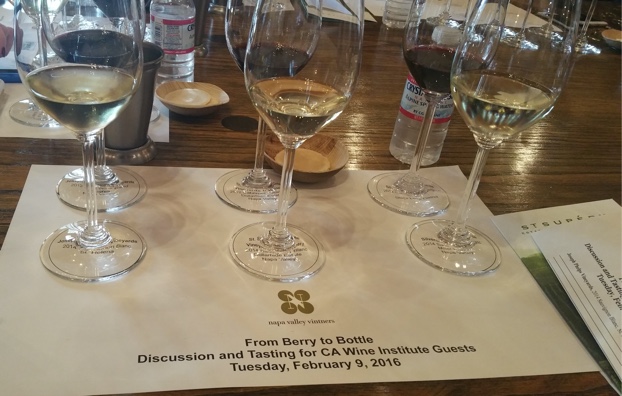

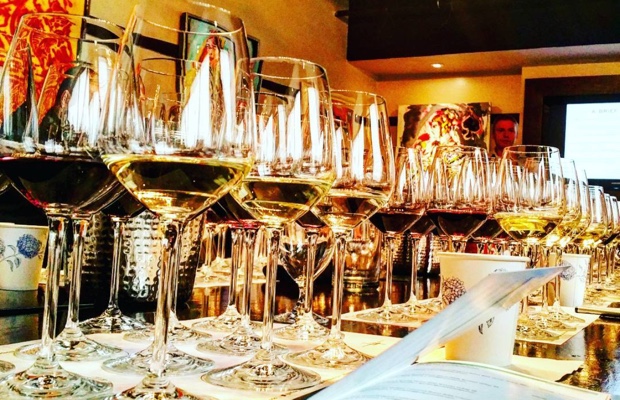
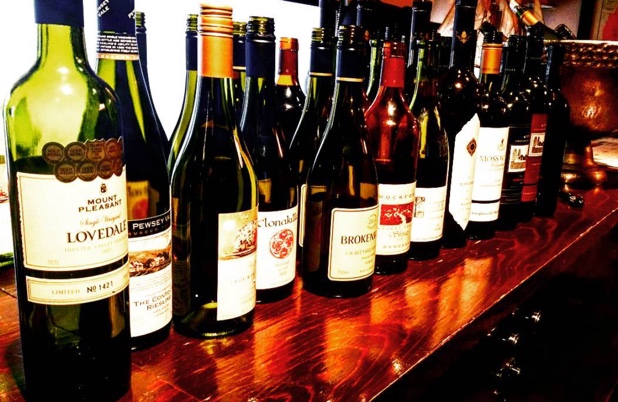
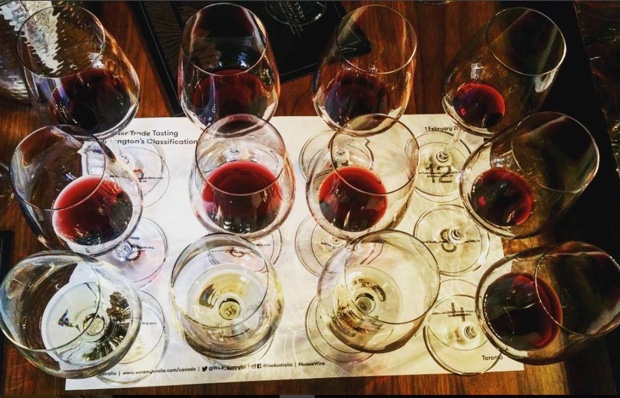
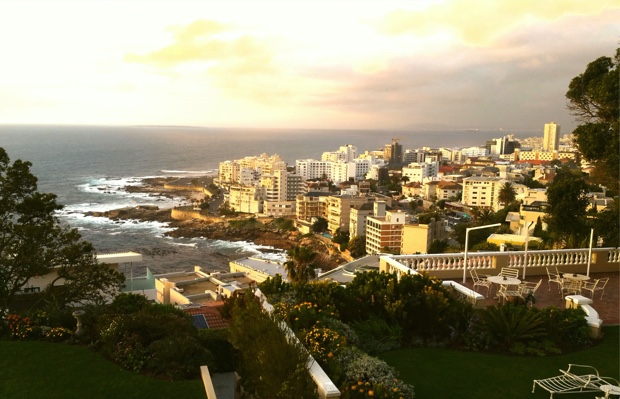


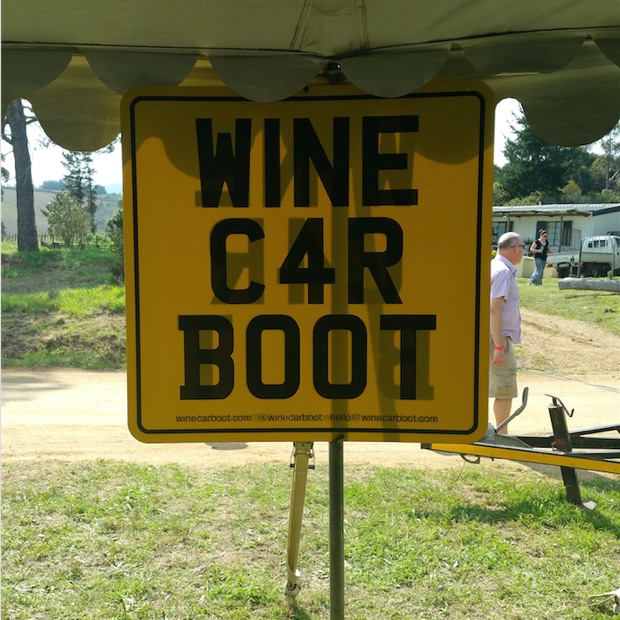


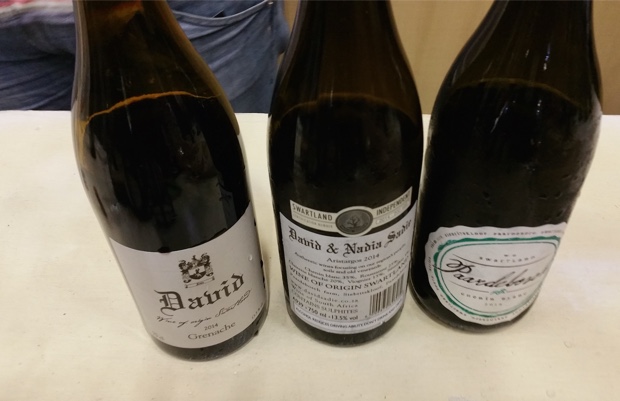


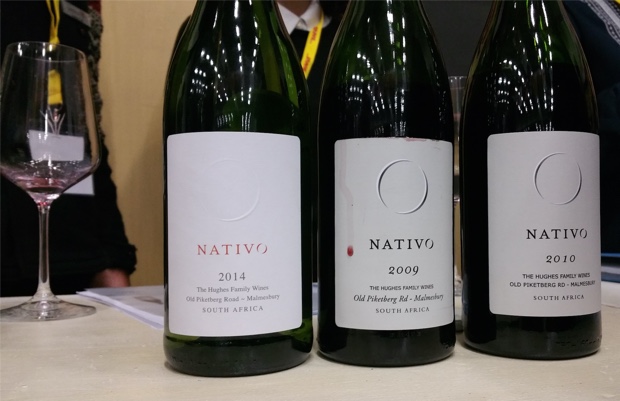


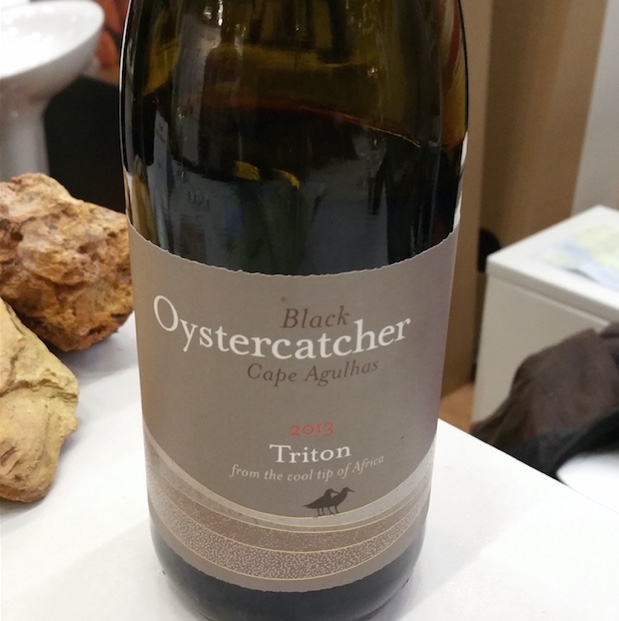
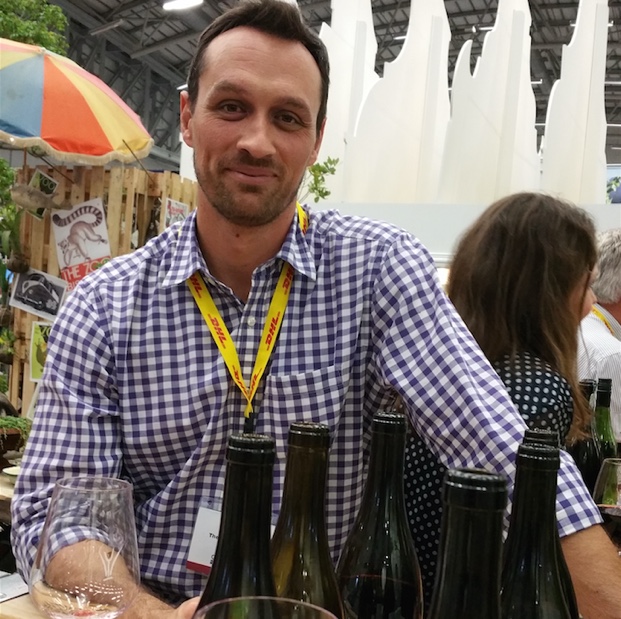
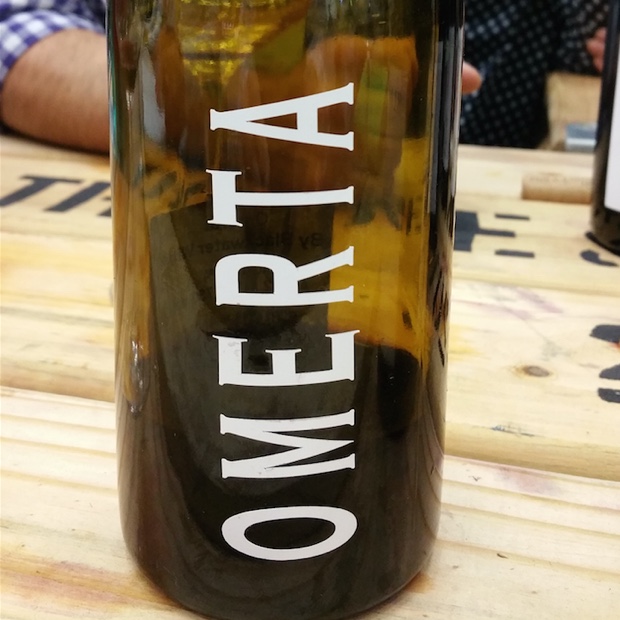

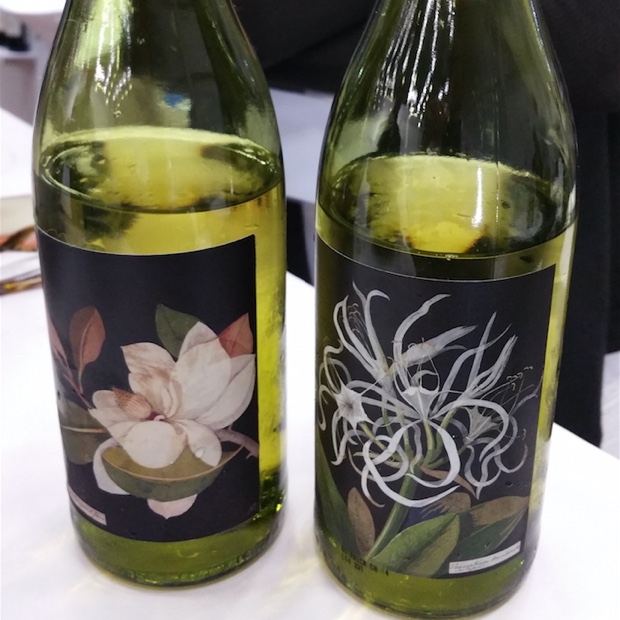


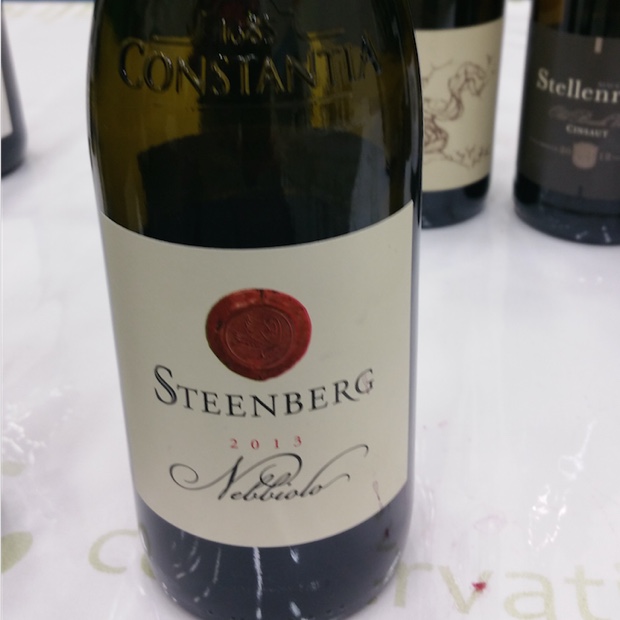
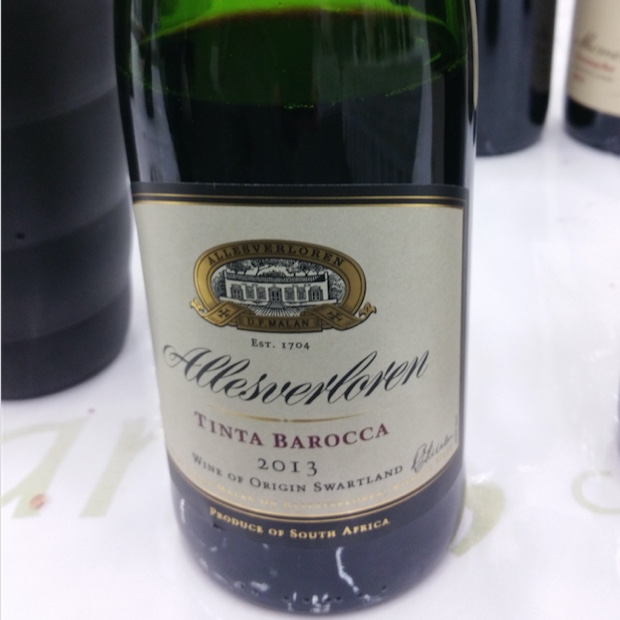


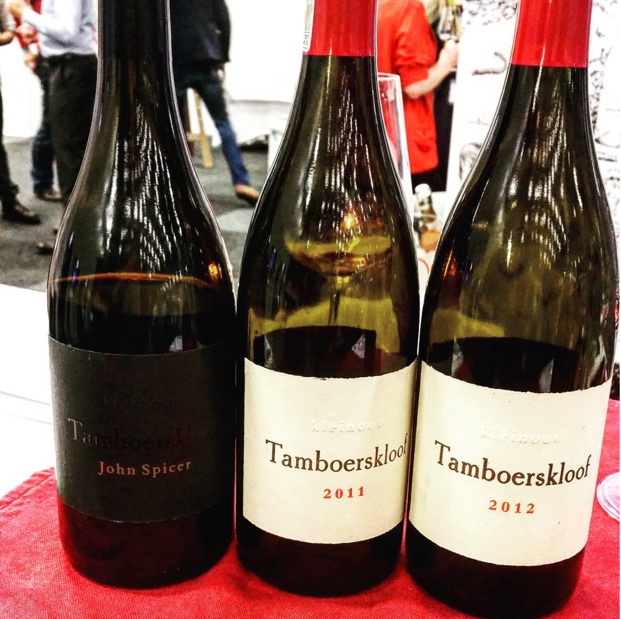


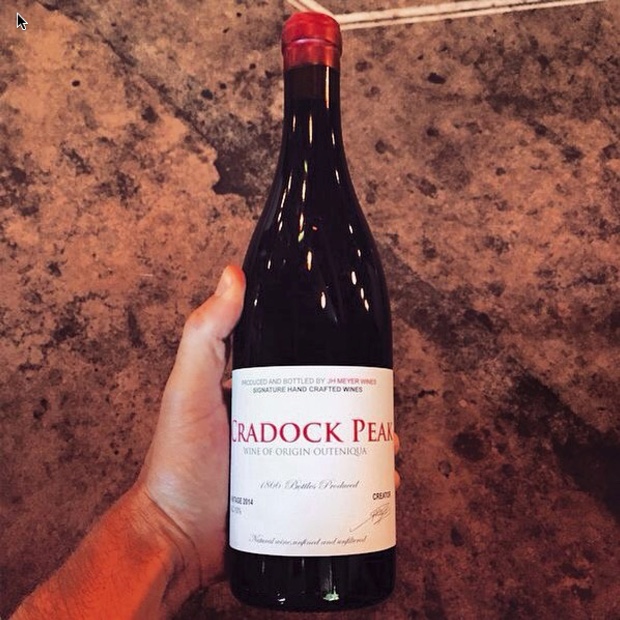

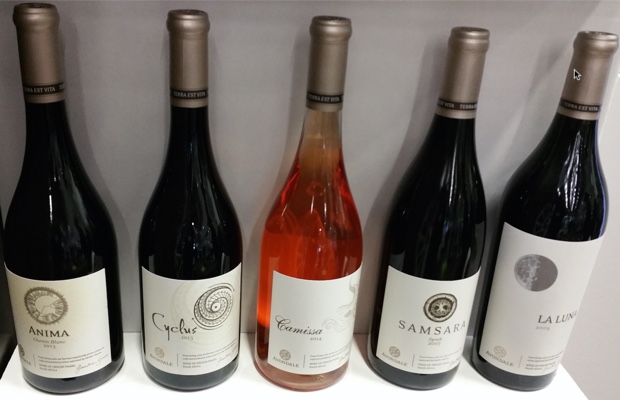
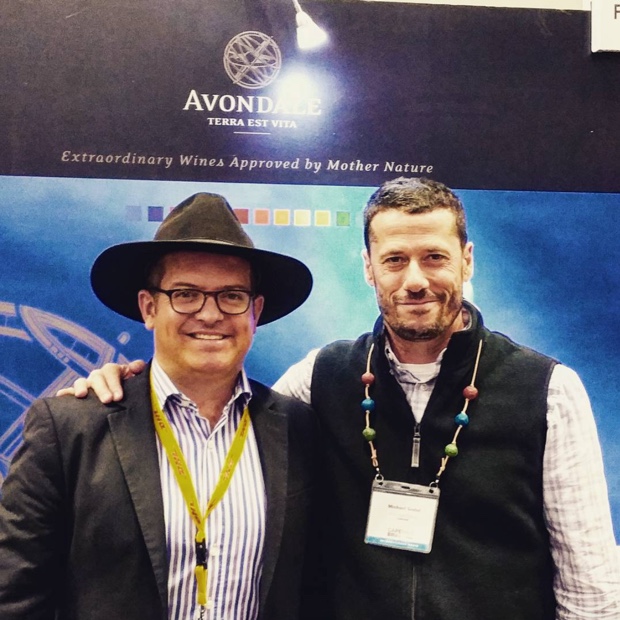
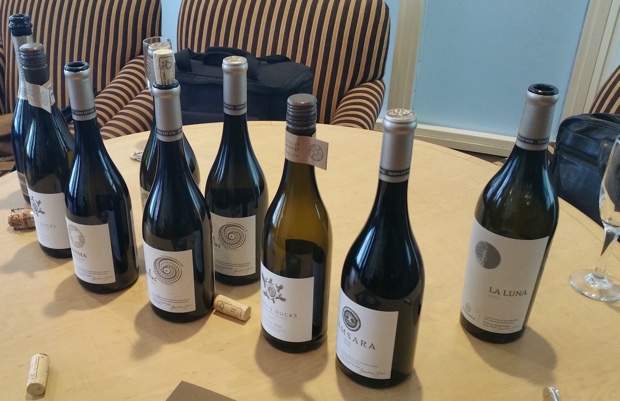
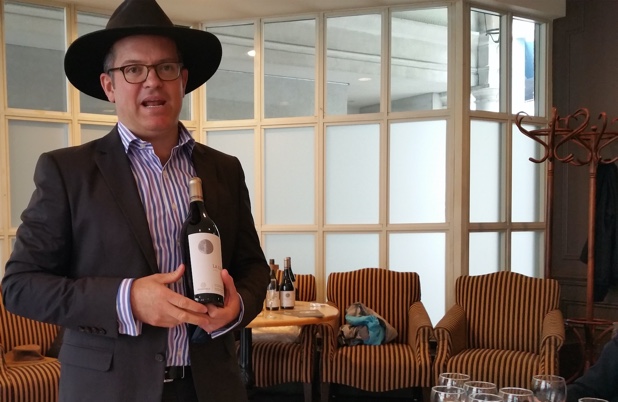
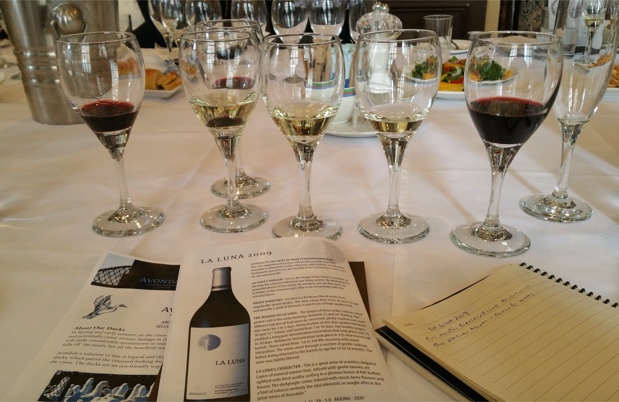
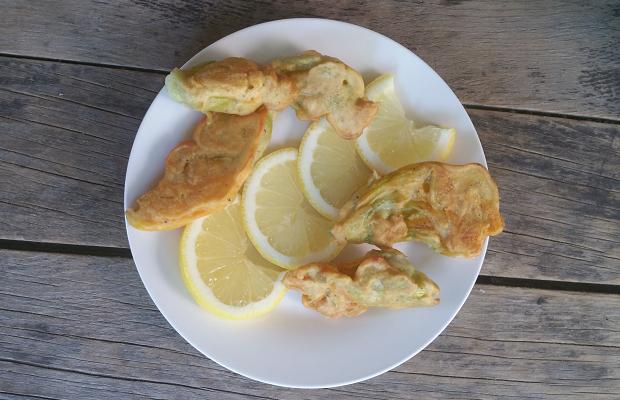

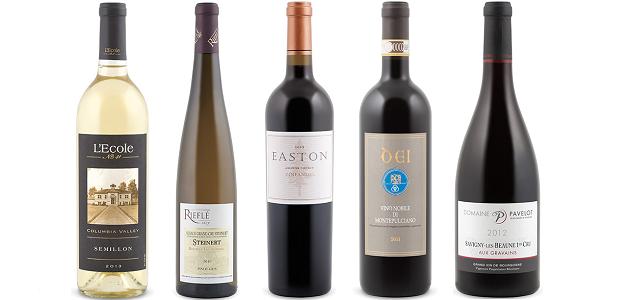
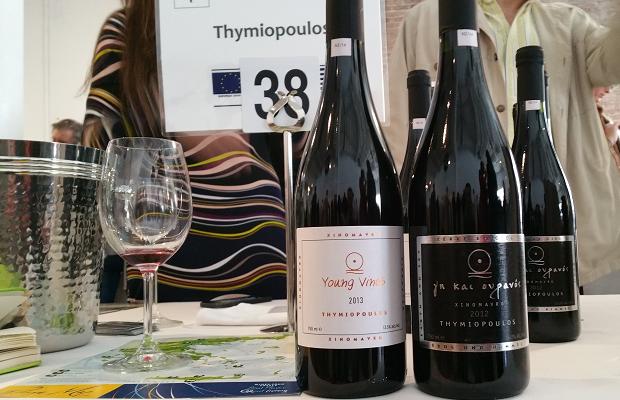
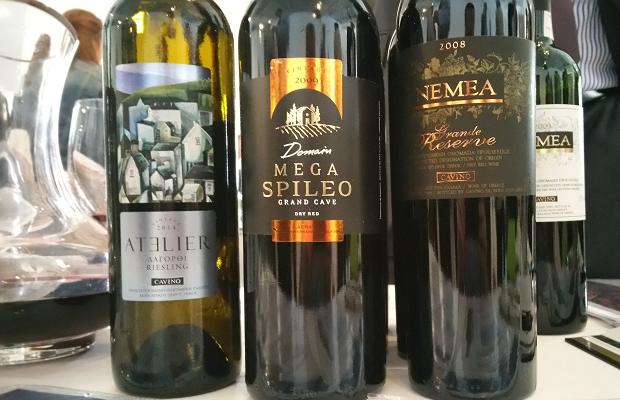

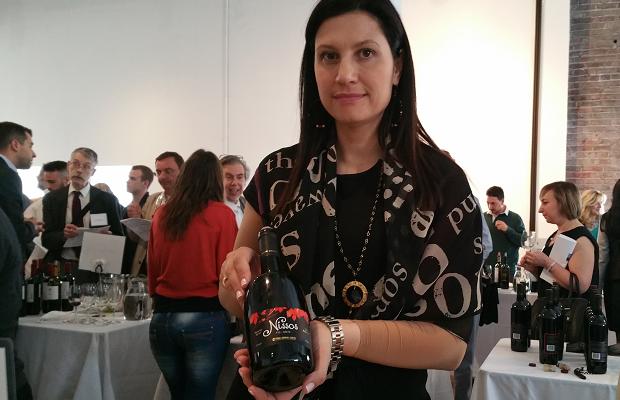
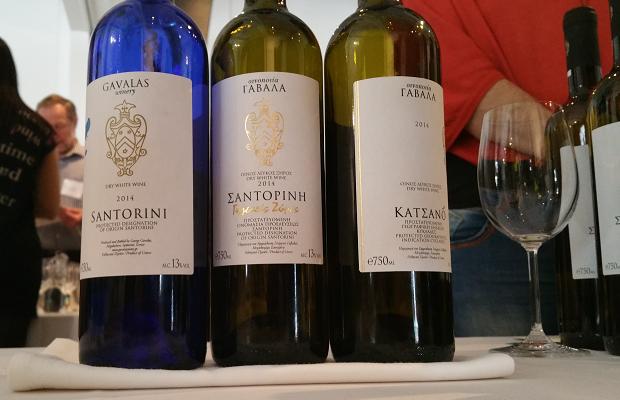
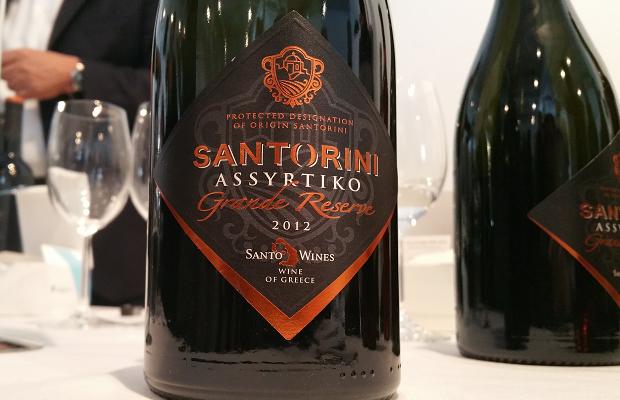
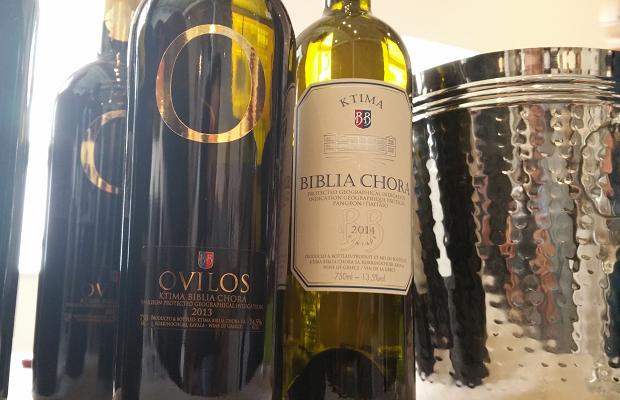
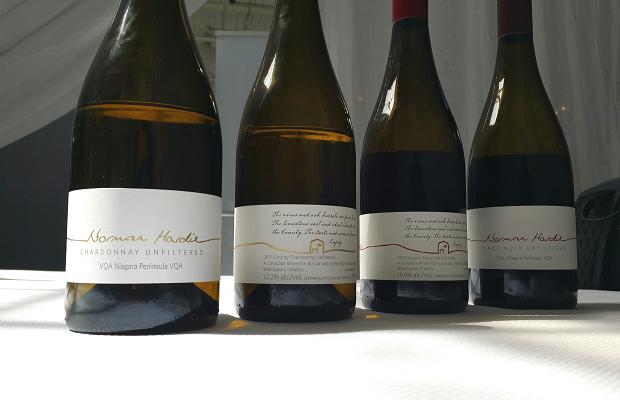



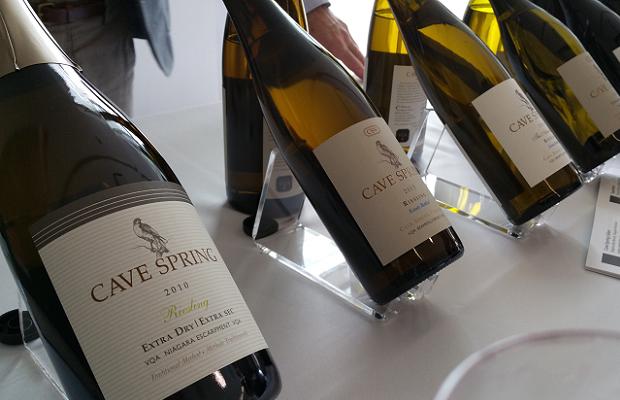
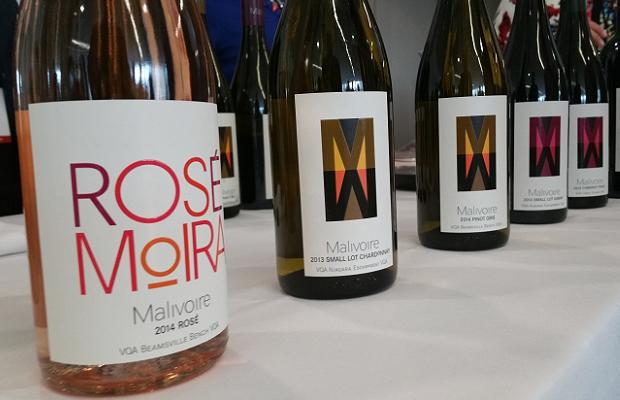
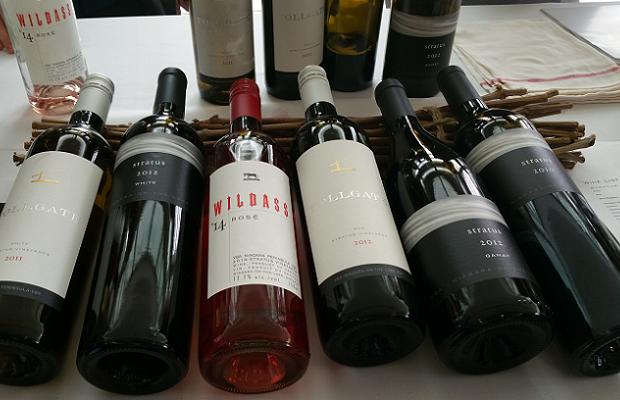
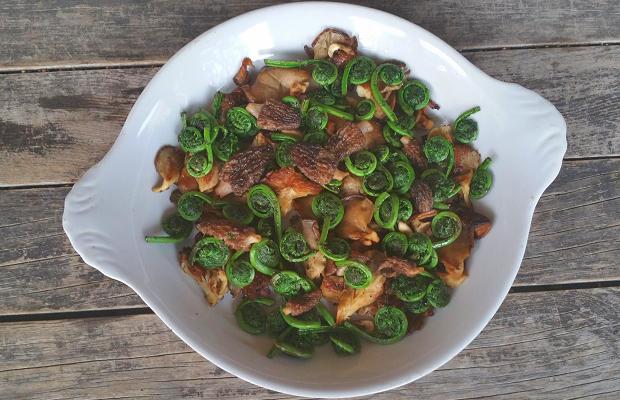

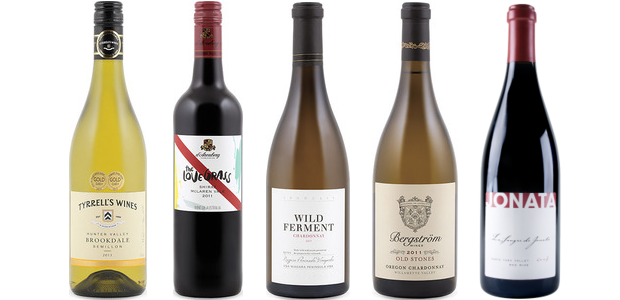
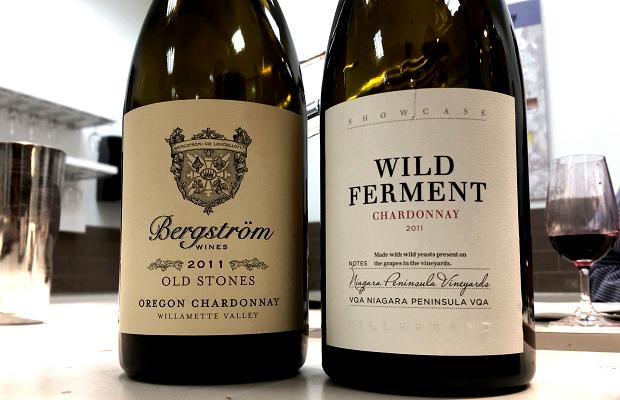
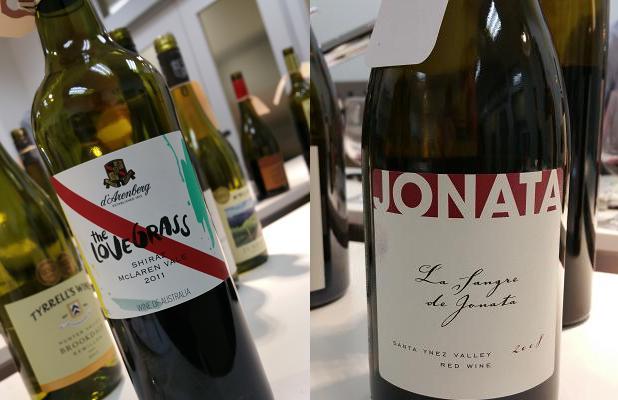


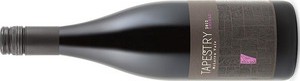
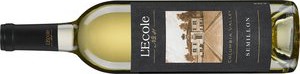


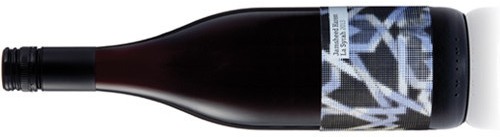
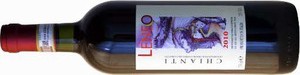
 Godello