Local best buys ahead of Taste Ontario and Cuvée, Kosher for Passover and searching for common ground
In advance of the fourth VINTAGES release of 2017 and just a shade post Valentine’s Day we find ourselves in anticipatory times. Here at the crossroads of February and depending on which overfed rodent’s shadow you align with, we may yet be faced with four more potential weeks of winter. Concerning ourselves with more important things, we turn to the Ontario wine industry’s lead in anticipation of Wine Country Ontario’s big month of March. Two seminal events lie in wait just around the corner, ahead of and into spring.
Taste Ontario! Toronto Trade and Media Tasting 2017 comes to the Royal Ontario Museum on March 6th and the 29th edition of Cuvée will happen in Niagara Falls. Brock University’s Cool Climate Oenology and Viticulture Institute (CCOVI) will host more than 800 guests at the Scotiabank Convention Centre for the Cuvée Grand Tasting on Friday March 24th.
After tasting at Cuvée in 2016 I noted how riesling and chardonnay have not relinquished any stronghold on their domination, nor should they anytime soon. I can’t help but feel and notice that winemakers continue to reach for the big red machine and wish upon an intangible Bordeaux star when they should be concentrating on fresh, gulpable cabernet franc and gamay. They should also take some risk-reward chances with these necessary, best Ontario option red varieties. Press less, reveal freshness and let natural ferments find low-alcohol impressions of impossible, ethereal beauty.
It’s not just a matter of what, but where. By sifting through leads in geography, in the orientation of escarpments, benches and lakeshore flats, in the gestalt of the archaeology of tomorrow, in the vineyard landscape of today we can perchance unlock the riddle of the what and the why for varietal planting. The end game is to unlock the mystery within the puzzle of terroir, to figure out what grapes will thrive and where they can be given the best shot at success. It is not just about what happens beneath the soil, but also what happens above, around, beyond and in the minds of growers and winemakers.
Passover is sill nearly two months away but ever the proactive agency, VINTAGES lays out the usual Kosher for Passover suspects in the February 18th release, some Mevushal (cooked or, flash pasteurized), some not. Let us first examine the concept and then, the cuisine. An understanding of the rules and laws that govern wine on Passover is on a need to know basis. There are really just three key variants of information essential to purchasing and consuming on Pesach. This applies to Jews and non-Jews alike.
Number one. Passover wine is specific to a Jew’s level of Kosher. From Reform, to Conservative, to Orthodox, all Jews have different variances of belief. A Reform Jew will likely drink any wine on Passover and then again, may not. But, he or she will almost certainly not require the bottle to be Mevushal. A Conservative may only drink Mevushal but in more cases than not, Kosher is good enough. An Orthodox Jew goes it only one way or the highway. Strictly Mevushal KFP, do not pass go, do not collect the Afikoman (the broken Matzah) money. Most Jews who appreciate a glass of good wine with dinner, and especially those who double as wine geeks avoid Mevushal wine at all costs, thought being, consuming heat-damaged wine is no way to go through life. That said, a good deal of the Kosher for Passover wines in our market are Mevushal (KPM) and some are really quite agreeable.
It’s quite simple, really. All wines labelled “Kosher for Passover” are kosher, but not all kosher wines are kosher for Passover. Further to that, wine does not become kosher by being blessed. It can be considered kosher (from the Hebrew; pure, proper) once it has complied with strict rabbinic criteria that render it acceptable for Orthodox Jews.
Few holidays put food under as much duress as Passover. The cooking is a science and an art unto itself, having to make use of Matzo, eggs and oil for eight days. It is a form of penitence, a tortuous walk through a culinary desert, at times horrific like a Fear Factor episode. Charred eggs, Haroseth, Chopped Liver, Kugel, Farfel Stuffing and desserts made with cake meal and Matzo Meal. Believe me, this chef has had nightmares.
Up until a year or two ago I noticed that Kosher wines seemed to have migrated bigger and bigger with each passing Lunisolar calendar year. Israel continued to race towards big, lush, often high alcohol reds. This trend could be seen as a masking or a compensating/mitigating strategy to oppose the rigours and past failings of making Kosher wine. It can also be viewed as a stylistic choice, to mirror what has taken place in Bordeaux, in California and in Australia for the past 20 years. For the first time, the reds on this VINTAGES release seem to collectively take an extraction and alcohol step back.
The Kosher contingent on the VINTAGES February 18th release continues to be Israel-focused, which is not a bad thing, but if you really want a better selection, head to one of three LCBO kosher boutique locations; 675 Wilson Ave., 180 Promenade Circle, Promenade Mall and 502 Lawrence Ave. W. It is here that the LCBO has stepped up their Kosher game.
As for scouring the best of the rest, WineAlign’s John Szabo laid down the low-down on Australia’s impressive showing in this release and found great value in a hodge-podge of VINTAGES value releases. I am searching for common ground and was quite impressed with two iconic southern French producers and their stellar-valued, pull no punches red and white. One hails from arid Côtes du Roussillon, the other off of old vines in Costières de Nîmes. Magic and lithe Oregon, endemic Greece and a most pleasurable drop of Sagrantino round out my shortlist. David and Sara shore up the global list with much needed and appreciated support with pertinent finds of their own.
While I sip and taste through Chianti Classico, Vino Nobile di Montepulciano and Brunello di Montalcino at Antiprime Toscane I hope you all find your gems from the February 18th release. See you in March for a taste of Ontario.
He has always distracted me so that I thought of nothing else while listening to the words. And the sound of his voice.
Compiling a best of wine list is never easy. Not when the subject matter is the most fleeting of consumables, a drink ever-changing, almost never tasting the same twice and destined for eventual failure. We know by instinct that wines cast the shadow of their own destruction before them and are designed from the first with an eye to their later existence as ruins. Wine critics can only regard what is in the glass by what sensory enjoyment or displeasure is activated at that exact time. In most cases there are no second chances.
I do my best to taste wines twice before passing judgement. Too often I can’t fulfill this prophecy, especially when plodding through 100-plus on a VINTAGES release. In 2016 I made a great effort to visit these 16 wines three times before penning a review. It was not always possible but I tried. When it comes to Canadian wines and even more so with wines from Ontario, there are often second and third chances. And so I feel very confident in sharing this definitive list with you.
Hallelujah
It must be said that 2016 was a most difficult year. Too many special people were taken from us far too early. I lost two friends this fall as I’m sure some of you did as well. Many of us dwell on favourite celebrity deaths and especially the loss of musicians, some of us more than others. If you are one who takes to social media to mock the romantic who shares grief with others at the loss of a musical icon, well just skip past this and go straight to the wines. Or please refrain from comment and respectfully remain quiet.
David Bowie. Prince. Leonard Cohen. Sir George Martin. Glenn Frey. Paul Kantner. Leon Russell. Keith Emerson. Greg Lake. Alan Vega. Mose Allison. Bernie Worrell. Muhammad Ali. Gene Wilder. Arnold Palmer. Craig Sager. David Huddleston. Ken Howard. George Kennedy. Abe Vigoda. Ron Glass. Florence Henderson. Fuck 2016. And this tree fell on my house.
How’s your Sunday going so far?
On a much brighter note 2016 was a banner year for tasting Canadian wines. It also provided a vintage of quantity meets quality and one that was desperately needed, especially here in Ontario. My tasting regimen saw no quit or slow down in 2016. I’m not sure how many Canadian wines I tasted but if it was less than a thousand I’d be shocked. I tasted more at home, assessed a greater number in the LCBO’s sensory lab, delved deeper at the WineAlign office and spread the web wider at events in Ontario. I judged with Tony Aspler at the Ontario Wine Awards, in Penticton at the WineAlign National Wine Awards of Canada and with David Lawrason at Gold Medal Plates.
In 2015 I counted 15 on the filtered list. In 2014 the highlights numbered 14, just as in 2013 the number chosen to cant, recant and decant excellence in Canadian wine was 13. And so forth will lead to 17 in 2017.
Welcome @muller_brent to team RED! with nazlanmak captain @treve_ring #nwac16 @winealign
And again, I quote. “Picking a top anything list is both a chore and a labour of loyalty. The opportunities to learn more about Canadian-made wine, especially the processes and the efforts, were numerous in 2014. Canadian winemakers opened their doors and when people came, they taught. They walked the vineyards, showed off their prized barrels and walked through the processes of making wine. Tasting and barrel rooms make for the greatest classrooms. Get out there in 2015. The experience is priceless.” In 2017, trust in Canadian wine.
Return Syrah engagement @CreeksideWine pouring on tap @barquebbq and @barquebutchers #freshtap #wineontap
My wine on tap program at Barque Smokehouse and Barque Butcher Bar added some new wines in 2016 to follow those poured from Tawse, Lailey, Norm Hardie, Creekside, Between the Lines, Kew Vineyards, Redstone, Stratus and Leaning Post. Between the Lines, Coyote’s Run, Vineland Estates and new offerings from Creekside continue to fill your glasses.
The year began with great excitement at Niagara’s Icewine Festival in January. In February I returned for Cuvée Weekend. In June we convened the WineAlign Canadian Wine Awards in the Okanagan Valley and a confession I need to make is that I wanted to publish with the title “Why you don’t know shit about B.C. wine” but chickened out at the last second and instead came out with Why you don’t know jack about B.C. wine. Before judging we paid a visit with The Wines of British Columbia for the Judgement of B.C. The second annual cage match was hosted by the B.C. Wine Institute and took place on Tuesday, June 21, pitting 12 B.C. Wines against 12 acknowledged global benchmarks. Riesling and Pinot Noir squared off, curated by DJ Kearney and judged by a who’s who of Canadian wine writers, critics and educators, along with international WineAlign Awards judges Dr. Jamie Goode and Elaine Chukan Brown.
How lucky we all were to have her back in the captain’s chair. Happy Canada Day @djwines #nwac16
As the week progressed, the WineAlign judges paid visits to Okanagan Crush Pad Winery in Summerland, Culmina Family Estate Winery in Oliver, Tantalus Vineyards in Kelowna, Rustic Roots Winery with the Similkameen Wineries Association and Deep Roots Winery on the Naramata Bench. I tasted more than 100 wines over the course of the five days from the appellations of Okanagan Valley, Okanagan Falls, Oliver-Osoyoos, Golden Mile, Similkameen Valley and Naramata Bench. At the awards I tasted more than 500 Canadian wines.
Of greatest importance was my return to the International Chardonnay Cool Climate conference that took place between July 22nd and July 24th in Niagara. Before attending for a fourth straight year I penned The democracy of Cool Chardonnay. It was there I wrote that “plus has joined the i4c, an ideogram of addendum, a character of diversity for the fluently persuasive and forceful congress. This gathering will open its arms for colour and to allow its constituents to regale with what they do best. For an event-driven pure as single-varietal snow and formerly known exclusively as chardonnay, is this really a shocker? This is the reality of democracy.”
People bitched and moaned. How can a chardonnay conference include other grape varieties? Sacrilege and foul play they (secretly and not so secretly) complained. In the end the inclusion of red varietals confused nothing and no one. Chardonnay remained the focus and the star. No chardonnay were harmed.
We broke cool climate bread and spread chardonnay gospel with Ian D’Agata (Decanter, Vinous.com), John Szabo M.S. (Volcanic Wines: Salt, Grit and Power), Jean-François Bordet and Françoise Roure from Wines of Chablis. We tasted with sixty winemakers at the School of Cool, “Flights of Chardonnay” at Niagara District Airport and the Cool Chardonnay World Tour Tasting & Dinner at Ridley College in St. Catharines, Ontario. Red wines were poured after dinner!
Only American presidential candidates carry babies at #i4c @coolchardonnay
We welcomed writer Kurtis Kolt from Vancouver, sommeliers Carl Villeneuve-Lepage and Elyse Lambert from Quebec. Four Seasons Hotels and Resorts and Tex-Somm Director James Tidwell made the long trip north and a second Canadian courting immersion in as many months was performed by visionary wine raconteur Elaine Brown.
So what did Godello learn from Cool Chardonnay in 2016? Well, he found out that we have to look at organoleptics and ask a very important question. Is your expectation of a Chablis going to be the same as chardonnay made from anywhere else? More important, who are we putting this wine in front of? Ian D’agata’s take struck a Canadian chord. He talked of “a welcome astringency characterized by piercing flavours. These are cool-climate wines. Cool climate chardonnay is not about a long litany of fruit descriptors. If you have a cool-climate viticultural area it behooves you to give the people what they are looking for.”
Potential is the past @Somewhereness
After i4c16 I took part in an Impromptu tasting at Ravine. Four months later the intrepid sophist Scott Zebarth and I tasted with winemaker Marty Werner for a second time. That same day we visited with J-L Groux at Stratus and with Paul Pender at Tawse. Our focus was cabernet franc. That report is coming soon and I can promise this. The 17 in 2017 and 18 in 2018 will be graced by cabernet franc. Fall events were led by the constitutive Somewhereness, as fundamental and essential as any agminate Ontario tasting can and will ever be. Then there was the Great Canadian Oysters and Wine Experience at Rodney’s Oyster House. The event was hosted by Wine Country Ontario and paired a curated who’s who of Ontario VQA wines with the local iconic fare. Exceptional all around.
“I’ll do what I can so you can be what you do.” @rodneystoronto #coasttocoast #oysters #winecountryontario #dukes #peioysters #bcoysters #elliotsmith #greatcanadianoystersandwineexperience
Where are we now?
Despite all the talk of rules, regulations and governing boards that restrict movement, labelling and profits, the Canadian landscape is evolving in a beneficent direction. Though the move to loosen monopoly control and increase competition has backfired in the short term, corrections to British Columbia’s wine trade will happen, sort itself out and right the ship. Decades of bureaucracy don’t dismantle and do right by the consumer overnight. Things always get worse before they get better. The move to supermarkets in Ontario is indeed one of smoke and mirrors but it opens the door to gaining advantage through loopholes and creative minds kickstarting new business ventures. The wave to privatization can no longer be averted or snuffed out. Momentum will gain traction and open the flood gates to wine trade nirvana.
The man, the chardonnay @normhardie #princeedwardcounty ’14 #vqa #winecountryontario “As sure as fire will burn There’s one thing you will learn Is things you have cherished Are things that you have earned.” #tomwaits #littleman
Canadian wines run more or less of their own accord, not so much thanks to the winemakers or the condition of the current culture, as in spite of them. And certainly not by virtue of any particular ethos through customs and traditions going back over many generations of wines. No, success and cumulative proficiency exists by dint of these wines without any forced supervision. They are governed by themselves and indeed across the entire industry. Done are the blanketing days of spare and often powerful Canadian wines that were often too spare, so that the ribs of tannin showed through in painful obviousness. The embracing of cool climate idiosyncrasy and unique-somewhereness make Canada the envy of the developing wine world.
Controversy
Now this. VQA is expected to pass regulatory approval and introduce a new category of wines called “skin contact whites.” While Orange wines are the most notable example of skin contact whites, who’s to say the ambiguity of the designation could not impel the inclusion of other cabalistic and achromatic specimens? Let’s look at Riesling as a perfect example.
Skin contact #Riesling from @MackBrisbois @TrailEstateWine Invisibly stitched and tart-pan curl. #burgunder less than 50 cases #hughes #lakeview #foxcroft
Leaning Post’s The Geek, Trail Estate’s Skin Contact Foxcroft and Pearl Morissette’s Blackball are all atypical, mad scientist outtakes. Will the new category allow these wines to pass easily through the borders of VQA? Will the wall regarding place of origin on labelling be the next to crumble? Let’s hope reason in the name of progress born out of trust for altruistic and dedicated producers will carry through to a new frontier. Right Bruno and Jens?
New Kid in Town
You might notice that all 16 wines I have chosen are from very established producers. The next wave of young winemakers and wineries is taking shape in Ontario, British Columbia, Quebec and especially in Nova Scotia. I would expect new kids on the list in the coming years. I want you all to know that I traveled through great pains, algorithmic calculations and much unavoidable emotion to arrive at this rocking list. For every wine that made the grade there were three more that narrowly missed. They are all important but these 16 combine lyricism with melody. They write the songs.
Flat Rock Vineyard, Twenty Mile Bench, Niagara Peninsula Photo: Brian Barton – Guelph, Ontario
Flat Rock The Rusty Shed Chardonnay 2013, VQA Twenty Mile Bench, Niagara Peninsula, Ontario (1552, $24.95, WineAlign)
It’s as if this label had bided all this time to be the benefactor of 2013 fruit. This Rusty Shed, this 20 miler with the track record to age, a wine that sheds baby fat over a 10 year mineral through echelon stratum, in ways few other peninsula to bench chardonnay can do. This Jay Johnston handled surfer of a wine, buoyant and balanced, centred and able to withstand turbulence, oscillation and tidal sway. Here with sumptuous and spiralled fruit gaged in lode intervals and a tartness held in lope and line by a membrane of extract and tannin. Best ever. Showing well, repeatedly and to forecasted repute. Impressing critics and consumers alike. Bravo. Drink 2016-2025. Tasted June 2016 @Winemakersboots@UnfilteredEd@brightlighter1
Sometimes there comes a wine, of the impossible, at the frontier. This by @SynchromeshWine #riesling #stormhavenvineyard #okanaganfalls #8.9%
Synchromesh Riesling Storm Haven Vineyard 2015, BC VQA Okanagan Valley, British Columbia (Winery, $31.90, WineAlign)
If this riesling is sweet I couldn’t say. That is the first thought that comes to mind. From Alan Dickinson’s home property, this is his baby, an Okanagan Falls derived riesling that lives an entirely holistic existence. No spraying, none, nada, niente. Not ever. The wine could not get any cleaner. Purity is its cognomen. The vineyard is subject to the highest diurnal temperature swing than just about anywhere in the valley. That might explain the risk-reward probability factor. The technical specs are a triumvirate of implausibility; 46 g/L RS, 11.5 g/L TA and pH below three. What? This is the most impossible wine made in B.C. In its concentrated velocity it wheezes like something ancient. We could almost be drinking Greek debina or 20 year-old Alsatian auxerrois. Dickinson makes three passes over each of the two blocks so even if the hands are off, the meticulous picking breeds asepsis. Citrus such as found in the Storm Haven fruit does not happen very often, if rarely. It’s like citrus soma. Citrus unknowable out of determination unthinkable. Direct misunderstanding by indirect whimsy. And so the vintage offers good fun but not greatness. Imagine the possibilities. Drink 2018-2027. Tasted June 2015 @SynchromeshWine
Leaning Post Riesling “The Geek” 2014, VQA Niagara Peninsula, Ontario (Winery, $32.00, WineAlign)
Senchuk and swot-out cohort Ryan de Witte pulled 350 litres of riesling aside, accoutred with all readily available lees and shacked the whole gross mess in tank together, Vinification was completed at nine grams (RS) nearly-dry, in what can only be described as a reductive, cloudy, super-geeky riesling. Acquires an increased resonance from its designation stowed at a way station on what really is a longer, personal journey. The 2015 will be bone dry and like this ’14 will sit for 18 months in encouragement of a truly experimental, waiting for something to happen riesling. Time will act to fill in the gaps and increase its already developed texture. If you have ever had the pleasure you will see this as Jean-Pierre Frick-ish to be sure. When asked the question, he ‘The Geek’ will repeatedly reply, “I am not ready.” Drink 2018-2022. Tasted March 2016 @LeaningPostWine@Witte_Wine
If the establishment wants what you got give it to them. Blackball ’14 #riesling by @PearlMorissette
Pearl Morissette Cuvée Black Ball Riesling 2014, Twenty Mile Bench, Ontario (416073, $32.20, WineAlign)
One whiff and you are hep to what can only be Pearl Morissette, but with a neoteric twist. Riesling that flaunts full-frontal, of furthered acidity, vitality and multi-tined nuance. Farther too of age advanced but without any quirky or funky naturalist intrusion. Already chill, relaxed and with thanks to the vintage, almost round. The precise weave is tapestry fine and deceptively simple, what François Morissette likes to call a “crystallized cream of texture.” The oversized 2012 still digests itself, ’13 is organoleptically structured, long and cool. But ’14? A ‘no foudres’ vintage, from 100 per cent concrete fermentation, wild through malolactic and with zero grams of residual sugar. Bone dry. Concrete was chosen for must intricacy, palate texture, flavour and necessary balance. Riesling borne of crunchy, concrete desire, bright, with preserved lemon across the palate, gentle, feminine and beautiful. This is the focused consistency in loyalty to ’12 and ’13. Try and stereotype this Black Ball to Vin Nature funk. I dare you. Pour it in an expansive Ontario riesling flight and it will stand out like a solar flare in a fulmination of fireworks. There will be no mid-life, black hole of disappearance crisis. It will always be fine and pristine, drink well, like an impossibly dry version of a Coulée de Serrant. Only 186 cases were made so yes, the Blackball is a wine of very small production. Establishes yet another reference point and just wait for ’15. That vintage will deliver the greatest of bones. The new age will really launch then. Drink 2016-2022. Tasted November 2016 @PearlMorissette@lassvet
Sincerity @CulminaWinery from Elaine & Don Triggs and a superfluity of @WineBCdotcom pours #ohwhatanight #hospitality #nwac16
Maverick Syrah 2013, BC VQA Okanagan Valley, British Columbia (Winery, $35.00, WineAlign)
Winemaker Bertus Albertyn bottled a meagre 200 cases of this Golden Mile Bench sourced syrah after 18 months in three to four year-old French Oak. If you are a fan of fresh, well-spoken, confident and blessedly transparent syrah then look for the next vintage of this sold out beauty. So gauzy gossamer textured, peppery but of scant bite and driven by a northern, smoky beat. The cure and depth in its make-up nearly adds up to beefy but its form of athleticism is built upon the quiet politesse of its maker’s execution. The comparison must be made to septentrional Rhône and the lack of new oak is so appreciated. This is a wine to watch for. Drink 2016-2020. Tasted June 2016 @MaverickWinery
There was this intuitive moment with Picone 2013 as if it was waiting on me. Not doting or soliciting, but waiting. I will admit to have been wondering, reeling and speculating. To peer or peek into what Mark Picone’s Vinemount Ridge vineyard would adjudge and then bestow Charles Baker’s riesling in 2013? Would it be a case of weight, hyperbole, a hang in the balance out of misjudged necessity? Nah. Picone is no longer a mature 20 year-old vineyard but now a wise old thirty year-old one. Picone 2013 is in fact a fun park mirrored image of itself, with haughty, aerified aromas and variegated, leaning to tropical fruit flavours, taut like a flock in line with the vintage. The riesling berries just seem to have imploded and the results that have followed are nothing if not intense. Imagine a Yogyakarta market and a two-wheeled, glass-cased push cart stacked with a pyramid of tart mangoes. The fruit had been picked just as the sugars had begun to run like sap and bleed sticky on the cracking skin. A mango is sliced and doused with the intensity of Java lime juice and then sprinkled with Laut Jawa salt. The flavours are searing, sweetly saline and quenching. Only this tart is this, where tart and acidity meet, intertwine and connect on an emotional level. Picone 2013. The first non-inoculated riesling at first and then touched up near the end. “The best vintage you could ask for in riesling,” notes Baker, “cloud-covered, a meeting of the minds, vibrant.” The arid, cranky one will live without fret for 15 years. Drink 2018-2028. First tasted in March of 2015, then twice, October 2016 @cbriesling@StratusWines
Cave Spring Cellars
Cave Spring Csv Blanc De Blancs Brut 2008, Beamsville Bench, Ontario (Winery, $39.95, WineAlign)
As expected the Cave Spring 2008 Chardonnay Sparkling solicits thoughts and ideas centred around age. It elicits a complexity response and one taste means a succumbing to the contagion of its vitality. With its autolytic character shining bright, Cave Spring’s BdeB acts out a fantasy up on a silver screen. Another seven year itch is realized in guaranteed Ontario age ability. Has acted way past simple citrus and yet remains a little closed, just now entering the window of showmanship. Another year or two and this will vie for an Oscar. The bubble program production is unparalleled at Cave Spring, perhaps more than any studio in Ontario. Tasted February 2016 @CaveSpring@TheVine_RobGroh
Nuit Blanche is one of Canada’s most unique commodities, a White Meritage (of sauvignon blanc and sémillon) blended from exceptional and aromatically delicate Rosomel Vineyard fruit. As part of Hidden Bench’s “Terroir Series” it righteously expresses white Bordeaux varietal purity from the southern blocks of the Beamsville Bench vineyard. Expectation runs high because 2014 seems a perfect Fumé Blanc vintage if ever there will be one for (40 year-old) vineyards tucked snugly in abutment to the Niagara Escarpment. A struck flint nosing entry is followed by taut strung acidity and palate tension eased by a fictionalized adult cotton candy, wisps of smoke, honey and lanolin. The grace of it all is hidden beneath a filigree of molecular green apple caviar gastronomy. In 2014 Nuit Blanche reflects propriety, elegance and genteel balance, caressed from the hands of winemaker Marlize Beyers. It is as if Beyers let this ferment slip away as a parent would encourage a child who is ready to leave the home. After tasting it at Gold Medal Plates in Toronto I spent a sleepless night, not from restlessness or over-indulgent behaviour but because I wished to pull an all-nighter with the best ever sauvignon blanc bled and led Ontario white. I would suggest leaving this be for two years for the subtle though generous barrel to melt into fruit but time will gather for up to two decades before the sun sets on the 2014 Nuit Blanche. Drink 2018-2029. Tasted November 2016 @HiddenBench@BenchVigneron@ImportWineMAFWM@MarkAnthonyWine
Mini #lonnasblock @RavineVineyard Cabernet Franc vertical. Loaded with the S-word…structure @marty_werner #i4c16
Ravine Vineyard Cabernet Franc Lonna’s Block 2014, VQA St. David’s Bench, Ontario (Winery, $40.00, WineAlign)
Lonna’a Block alights straight out from the retail shop to the west side of the driveway (and is named for Ravine owner Norma Jean Harber’s sister). The site was planted in 2004 and here, 10 years on, its warm St. Davids’ Bench fruit is simply welling, hermetically sealed and antithetically intense. The block has come to this, in production of cabernet franc with side-splitting, tongue tripping acidity to work lightning crack geometry into the wood-derived chocolate and the ferric-tannic tension. The fissures are filled but there is the right kind of cabernet franc fragmentation. The liquid metal mineral and deep blackberry ooze is smooth and polished. The fruit was “picked early,” or if you will, in Grouxian, Gambleized and risk, Werner reward exercised terms, mid-November. Drink 2017-2024. Tasted July 2016 @RavineVineyard@marty_werner
The wines of Creekside Estates at Barque Smokehouse, March 2015
Creekside’s website waxes about the vintage, noting “the 2012 growing season felt like it had been imported up from California.” This is a type of pragmatic truth (as opposed to correspondent or coherent) because it is useful in applying winemaker Rob Powers’ gathering of phenolic ripeness in lieu of extraneous matter to make this Broken Press. When perfect provisos give you perfect fruit you listen to the winds of the vintage and just go with it. Viognier conditions the mess of richness with more pragmatism in 2012, lifting the aromatics and hooking the rug, up and away from drought conditioning. This BP dips into the earth of the northern Rhône to recover its fearless tactility. And so you feel the autumn’s moderate, crucial rainfall in this wine, its warm days and cool nights. The harvest on October 2nd from the St. David’s Bench Queenston Road Vineyard amounted to nine barrels, eight older French and one new Hungarian, leading to 210 cases. This is the best Syrah from QRV made to date. It will live long because of that aforementioned pragmatic truth. Drink 2016-2024. Tasted March 2016 @CreeksideWine@AMH_hobbsandco@hobbsandco
J.L. Groux, Winemaker, Stratus Vineyards Photo: Michael Godel
Stratus Red 2012, VQA Niagara On The Lake, Ontario (131037, $44.20, WineAlign)
The Stratus Red 2012 resides both in a virtuoso’s hollow and in a pantheon inhabited by some of Niagara’s great reds. The fact that such ripe phenology can anticipate and foretell to balance and freedom in the byplace of the blending process is nothing short of amazing. Sinuous and exact, of berries so indefatigable, layering raspberry over blackberry atop strawberry. Cedar and red citrus compound, without jamming the fluidity, but certainly accentuating the Fragaria vesca. Confident and fluid in movement, the ’12 neither shakes nor stirs and its acidity is flat out terrific. At this early point in its evolution it is showing as well as could be expected, or hoped for. Its core of fraises du bois will always be there. Time will be kind, gentle and patient. Drink 2015-2024. Tasted April and June 2015 @StratusWines
Thomas Bachelder has never had a problem with timing. His first pinot noir from the specific Wismer Parke Vineyard (labeled as such) comes from a veritable cracking jackpot of a great varietal vintage. If you need some geographical placement here, The Parke is contiguous to the Foxcroft and Wingfield sections of Wismer in the eight farm-strong holdings on and around the Twenty Mile Bench. It is here that Bachelder concentrates the microscope on a sectional-cordoned off Wismer micro-terroir and its precision-apportioned mineralogy mined for sidetracked and step out of the box focus. What The Parke delivers in 2014 is a sweeter extract than Wismer proper and one that is stationary, static and accessible. The overall grasp is a mouthful easy on the spice or rather subtle in attack after it has climbed in and out of its barrels. Most polls would place Lowrey at the pinnacle of Ontario’s pinot noir vineyards but Thomas Bachelder’s 2014 work with Wismer Parke establishes a new player on the shortlist. This is an exciting entry point and the future will be bright. Drink 2018-2024. Tasted October 2016 @Bachelder_wines@LiffordON
Humility only exceeded by impossibility @normhardie #pec #countyinthecity Pinot Noir 2014
Norman Hardie Pinot Noir 2014, VQA Prince Edward County, Ontario (125310, $45.20, WineAlign)
A second taste four months later confirms the impossibility from Hardie in 2014, a vintage that just begs for Norm’s magic handling, from exemplary, slow-developed fruit off of a vintage’s hyperbole of low-yielding vines. The low alcohol continuum persists, the freshness and richness of County berries magnifies and the development of flavour is beyond and above. The tart is a membrane and the sweetness a virtue, feigned and delicate. Tremendous work made easy by Norm and a pinot noir that will live longer than any he has produced before. Drink 2017-2027. Last tasted August 2016
In Prince Edward County and for pinot noir there is no substitute and no comparison. Quixotically sweet pinot noir fruit, from the lowest of the low yields, scrupulously heeded and handled with care and yet also, somehow without a care to the world. As self-effacingly pretty and impossible as ever though in 2014 the tensity is lower, the anxiety bereft and not so crucially or dearly developed. There is almost no crisis from out of this first of the near-crisis vintages. This is an early to love Norm pinot noir, brought to life and with red citrus that only a Hardie low alcohol pinot can bring. Humility only exceeded by impossibility. Ready to enjoy younger than most. Tasted April 2016 @normhardie
A back pages #cabernetfranc moment with Paul Pender @Tawse_Winery @wismervineyards #everythingfranc #2007 #vanbers
Tawse Cabernet Franc Van Bers Vineyard 2007, VQA Creek Shores, Niagara Peninsula, Ontario (Winery, $49.95, WineAlign)
The state of freshness is static, a sameness that is mostly impossible but the perfume is settled and obvious, of violets and blackberries, closer to ’12 than ’10. Hot and dry but still, balanced. Tasted blind there would be no way of knowing where or from when this was. Sure Bordeaux could be imagined but Niagara, Beamsville Bench, Lincoln Lakeshore, Creek Shoes, or the confluence of the three? How could you know. Two years ago this opening began and now the invitation reads with utter clarity, the door widely agape. There seemingly is not a single moment of aromatic evolution and the acidity rages with great vibrancy. The longevity factor is in my friends. Paul Pender knew then what he knows now, at least with respect to cabernet franc. It’s like this. Just like this. Drink 2016-2019. Tasted October 2016 @Tawse_Winery@DanielatTawse@Paul_Pender
Benjamin Bridge Wines
Benjamin Bridge Brut 2011, Gaspereau Valley, Nova Scotia (381533, $49.00, WineAlign)
First sips were blind at #i4c16 with ripeness and yeasty lees so apparent early and smouldering, flinty and then turned to citrus, freshness and acidity. Burgundian-Champagne dichotomous directional pull, certainly, though with eyes shut tight imagination travels and falls on a far east Canadian clime, though likely from an early ripening site. As in October. The reveal presents the first Blanc de Blancs in Benjamin Bridge Brut form, taking the cue from an exemplary vintage for chardonnay to go it alone, leaving seyval blanc and l’acadie behind as Nova Scotian relics of a bygone era. Winemaker Jean-Benoit Deslauriers cants with insightful eloquence. “It’s in our collective consciousness to say that white wines will rely on acidity while reds are determined by phenolics. (The science of) pH will help to locate electrons between reduction and oxidation. It’s a very eccentric proposition, being on the edge of the Bay of Fundy in Nova Scotia. Lodi harvested pinot noir yesterday. We are harvesting in November. The beauty of moderation is that it’s a step away from the model of extremes. Our ability to ripen fruit and preserve the Titratable Acidity at unspoiled levels is going to translate into tension and ageability.” This Brut 2011 is far too young, extremely bright and blessed with so much citrus. The level of lemon is extraordinary. Just as recent past tastes of the Brut Reserve 2004 spoke of its remarkable youth, this ’11 is full of orchard fruit but it’s hard to fathom the extreme level of tightly wound strength that yet persists. Drink 2016-2020. Tasted July 2016 @Benjamin_Bridge@jbdeslauriers
CedarCreek Amphora Wine Project Desert Ridge Meritage 2014, Okanagan Valley, British Columbia (Winery, $60.00, WineAlign)
Winemaker Alexis Moore inherited the (Chianti sourced) clay amphora from former winemaker Daryl Brooker and this (second vintage) meritage is her first kick at the urn. The co-fermented, all natural, don’t even think about peeking and sneaking a taste blend is cabernet sauvignon (54 per cent), cabernet franc (35) and malbec (11). The hallmark desert notes of rich, caky and dusty are necessarily present but it is the preservation of red earth savour that gives this formidable flagon of magic juice its inimitable personality. Mature rows of fruit are to blame and thank for the just desert reward. Transferred to amphora the fruit is preserved in such a way no B.C. reds have ever really seen and the new territory is not so simple for making quick, on the spot judgements. I have thought about this wine for quite some time and the conclusion is positive for two important reasons. Spice and tannin. Together they combine for an infinite finish. Here is the crux of the vessel’s power, to preserve fruit and slowly release its charms within the structure provided. Drink 2018-2024. Tasted June 2016 @CedarCreekWine
I’m splitting up the teaser for the VINTAGES December 10th release into three sections; Canada, New World and Old World, if only for the old-school, nostalgic and compartmentalized way of things. First up are wines that stretch across the great Canadian divide, from all the way west to east, by way of Ontario, of course. Eight up, right now.
In 2016 and for the first time in its brief yet facund tenure, Ontario’s International Cool Climate Celebration will include some other cool-climate varietal representation; pinot noir, gamay and cabernet franc. Yes it is true. Plus has joined the i4c, an ideogram of addendum, a character of diversity for the fluently persuasive and forceful congress. This gathering will open its arms for colour and to allow its constituents to regale with what they do best. For an event-driven pure as single-varietal snow and formerly known exclusively as chardonnay, is this really a shocker? This is the reality of democracy.
In August of 2015 I asked the question, can chardonnay get any cooler? My immediate answer to myself was this. “Five is a big number. Any annual convention that survives and thrives into a fifth caucus must be divined by some unseen force, a guiding hand perhaps, by avatar or prosopopoeia. And something other. The International Cool Climate Chardonnay Celebration has priceless equity on its side. Three aces in the hole. Canadian climate and geology, adroit farmers and winemakers, simpatico of communities.” That answer was not exclusive to chardonnay. It held the door open for more.
Niagara’s Cool Chardonnay Conference will take place between July 22nd and July 24th. It begins on Friday with the annual School of Cool, Viticultural and Winemaking Sessions in the Grand Room at White Oaks Conference Resort & Spa. Ian D’Agata (Decanter, Vinous.com), John Szabo (MS) and twenty of the brightest talents in the world of Cool Climate viticulture and winemaking will explore three provocative topics. Two seminars from Wines of Chablis and Riedel Canada will follow.
Friday’s main event, “Flights of Chardonnay” will be hosted at Niagara District Airport. Sixty winemakers from nine countries and 75 wines will be poured at this “boots and blue-jeans” event. The new culinary marché will offer dishes from Niagara’s top chefs and the mainstage will feature live bands as the sun sets over the airstrip. On Saturday night the Cool Chardonnay World Tour Tasting & Dinner will return to Ridley College in St. Catharines, Ontario.
When I reflected back on i4c 2015 I wrote this. “Yes, we thought these things and then year number five blew our minds. We had been wrong. We found out that the bar had yet been breached. Further was still out there, not yet claimed, hovering in the realm of the possible and still, going forward, yet remains plausible.” And so in 2016 there will be reds. Oh, the blasphemy, the bastardization, the spurious board gone askew. Really? Can this multifarious variegation really cause such angst? Must we express ourselves with varietal racism just to be heard? Just take it easy man.
The internal red invasion comes at an appropriate time, by coincidence or not with “TanninAlert” a new Brock University Cool Climate Oenology and Viticulture Institute (CCOVI) program that will track tannin levels in red wines which impact bitterness and astringency. The joint CCOVI and Ontario Grape and Wine Research Inc. (OGWRI) concept will provide Ontario grape growers and winemakers with information on the ripeness of these flavours to help consistently create rich and robust Ontario red wines. Red wines and cool chardonnay living together like cats and dogs. What a revelation.
At the end of this week I will prep my chardonnay palate in Chablis for six days. Last week I tasted, assessed and judged more than 40 Canadian chardonnays in Penticton at the WineAlign National Wine Awards of Canada. Now I count down the days (22 of them) and in anticipation I’ve drawn up more cool tasting notes as the great #i4C16 event nears. Many will become available through VINTAGES next week for the July 9th release. After Canada Day. Notes that include chardonnay, gamay, pinot noir and gasp, riesling. Imagine the horror of tasting such an intruder at a cool chardonnay conference sometime soon.
Tawse repeats itself in 2014 with a gamay noir that breathes deeply and breeds consistency. From a vintage that few varietals could find great shine, gamay seems the outlier and Tawse does what was required. The firm, dark and tasty taut fruit is really all that matters, a result of a driven desire to celebrate the simplicity of the grape In Niagara when uncertainly lurks. Eight months in oak committed neither diversion nor crime. Drink 2016-2018. Tasted June 2016 @Tawse_Winery@DanielatTawse@Paul_Pender
Château Des Charmes St. David’s Bench Vineyard Chardonnay 2012, VQA St. David’s Bench, Niagara Peninsula, Ontario (430991, $19.95, WineAlign)
Tasting the CdC SDB chardonnay a year after it may have been held up with halting reduction is the best thing I could have done and props are fisted forward to the folks at the winery for timing this perfectly. It’s so very mineral-driven and may have stung like a bee in 2015, now fluttering and dancing like a butterfly instead. The barrel presented texture is all marzipan and honey butter with a crunchy bite of rye toast under-spread. Dramatic for the vineyard and exceptional as a price with quality quotient from a polarizing chardonnay vintage. Exceptional timing is exemplary and day assessing uplifting. Drink 2016-2021. Tasted June 2016 @MBosc
Oak Bay Pinot Noir 2012, BC VQA Okanagan Valley, British Columbia (267146, $19.95, WineAlign)
The Oak Bay pinot noir by St. Hubertus has drifted into settled middle age at a time when whatever high tones may have once spoken loud have now faded away. This is light, truffled and whiffing of a vanilla cigar. Blackberries and currants too. Simply complex enough to offer up some value that exceeds decent and enters the realm of great. Drink 2016-2017. Tasted June 2016 @St_HubertusWine
Tinhorn Creek Chardonnay 2014, BC VQA Okanagan Valley, British Columbia (378489, $19.95, WineAlign)
Classic cool-climate please all camps Okanagan chardonnay. From here and there, with this and that; Black Sage and Golden Mile Bench fruit. New oak and stainless steel, wild and cultured yeasts. Herbs and spices, fruit and mineral, ying and yang. Lean, green verdancy and warm, textured liquor. Cool and boozy. All in for $20. Drink 2016-2019. Tasted June 2016 @TinhornCreek@SandraOldfield
Flat Rock The Rusty Shed Chardonnay 2013, VQA Twenty Mile Bench, Niagara Peninsula, Ontario (1552, $24.95, WineAlign)
It’s as if this label had bided all this time to be the benefactor of 2013 fruit. This Rusty Shed, this 20 miler with the track record to age, a wine that sheds baby fat over a 10 year mineral through echelon stratum, in ways few other peninsula to bench chardonnay can do. This Jay Johnston handled surfer of a wine, buoyant and balanced, centred and able to withstand turbulence, oscillation and tidal sway. Here with sumptuous and spiralled fruit gaged in lode intervals and a tartness held in lope and line by a membrane of extract and tannin. Best ever. Showing well, repeatedly and to forecasted repute. Impressing critics and consumers alike. Bravo. Drink 2016-2025. Tasted June 2016 @Winemakersboots@UnfilteredEd@brightlighter1
Charles Baker Riesling Ivan Vineyard 2015, Niagara Escarpment, Ontario (395921, $27.20, WineAlign)
In 2015 Ivan delivers the labour of ripe, concentrated fruit, by lower yield, alcohol and spine, concomitantly and conversely to elevated, amenable juicy potability. I can think of 100 reasons to drink this repeatedly over the next three years while the more structured ’13 and ’14 Ivans continue to mature. Three good reasons would be breakfast, lunch and dinner, from scones, through croques and into fresh, piquant and herbed shrimp rolls. Drink 2016-2019. Tasted June 2016 @cbriesling@StratusWines
Bachelder Bourgogne Blanc Chardonnay 2013, Burgundy, France (416602, $28.95, WineAlign)
The winemaking gypsy Thomas Bachelder “flies from coast to coasts” and his 2013 French foray into basics and the essential tenets of white Burgundy is a trip replete with a sunbeam shining through your hair. A sweet Melissa of a chardonnay, an ode to what is pretty, simple and carefree about Bourgogne Blanc, but also the idea of chatting up and producing pure driven varietal wine from ideal terroir. Bachelder does this, albeit with romantic vision, here with phenolics, dry extract and mineral of organza sheathing. The vintage speaks clearly and the wine responds with thanks, in kind. “Crossroads, will you ever let him go?” Drink 2016-2020. Tasted June 2016 @Bachelder_wines@LiffordON
Henry Of Pelham Speck Family Reserve Chardonnay 2013, VQA Short Hills Bench, Niagara Peninsula, Ontario (616466, $29.95, WineAlign)
The barrel toast is a gift of the highest order, dispensing a twinge neither wholly lucid nor abstruse, but somewhere on the demurred line in between. Exposes flint in mineral over fruit in its younger development, with elements of sunshine, forest glade and some herbal tones. Not to say it is balmy in any perceptible way, its lees layered body pops fresh in happily reductive design, in a real Ontario way. So representative of the regional, modern, cognoscenti connection. Drink 2017-2023. Tasted blind at the WineAlign National Wine Awards of Canada, June 2015 @HenryofPelham@SpeckBros
The greatest surprise is a skeptic’s dream, that is, no surprise. The vintage was a gift for chardonnay as we all know and so Francois Morissette does what a wise winemaker does. He lets the fruit from such conditioning speak on its own behalf. The less is more approach allows his fruit to do more than most, to condense into pure elixir of terroir, to inflate with airy, philosophical heir and to exhale a perfume so very, very Cuvée Dix-Neuvieme. Like marzipan but more umami and like stone fruit but crossed with the orchard. The palate and the texture speak of resolution after the revolution and the level of calm post chaos is quietly dramatic. Hypnotizing clarity is what it is. Drink 2017-2027. Tasted June 2016 @PearlMorissette
It reminds me of Richard Yates at his early career, Revolutionary Road best, in tense humour, as noted by James Woods, “a celebrated indictment of suburban surrender.” Here we are, in 21st century Ontario, preparing to head to our suburban respite sanctuaries with tools, sundries and supplies in hand, only lacking one essential piece. Good wine. We turn to the LCBO, to VINTAGES, to the ceaseless recurrence of release and we find limbo. Last week? Next week? Why not now?
We are willing to submit and surrender but the shelves are stocked with 2nd tier choices, the wines of first degree excitement already having disappeared with the previous week’s first wave. So if you need wine suggestions for the Victoria Day weekend I’ll have to send you on a retroactive search through the May 14th VINTAGES release. “It’s a beautifully typical story of these times and this place.”
Why am I looking forward and into the eyes of May 28th? Well, I’ll tell you why. The finest collection of Canadian wines in some time gathered together at one communal table will become available, sadly just days after the May 24 three-day escape. These wines would have sold well, in droves actually, had VINTAGES made use of their excellence in advance. So, as a messenger for the stars, it is my duty to tell you about their upcoming presence in diplomatic conformity of early 21st century Ontario realism, on the LCBO stage. These be the 10 of them.
Jackson Triggs Okanagan Reserve Series Viognier 2014, BC VQA Okanagan Valley, British Columbia (445700, $15.95, WineAlign)
This 2014 Okanagan take on Viognier is an all out rich, ripe and boozy affair. Sparks fired by a cold play take the lead, singing with spice, marked by galangal and ginger in control over the wishful act of balancing extract. “And I saw sparks, yeah I saw sparks,” enough so for such a Viognier to be on your way. Sharply struck, in smithereens and yet epic for the price. Drink 2016-2018. Tasted May 2016 @JacksonTriggsBC@CBrandsCareers@winebcdotcom
Good unction for the un-oaked Jay Johnston procured Chardonnay, more green apple and early honey than before. This is the purity machine in motion, direct, spoken in a Bench vernacular and zagging like the rows of the vineyard. Still at $17 and not to be bypassed for anything that might think to stand in its way. Can you say petite Chablis? Drink 2016-2020. Tasted February 2016 and May 2016 @Winemakersboots@brightlighter1@UnfilteredEd
The bottle tells you about grapes handed the pink slip during post harvest deliberations, something not lost within its own ironic twist. When you have pink lemons you made pink lemonade, done here to great simulated effect. Tart is the operative, like a perfect square of gelid red citrus on a plate to foil briny sea morsel and verdant greens. With the right herbs and lettuces this pink grapefruit Rosé will handle itself with pairing irony and relative ease. Welcome aboard Sébastien Jacquey. Megalomaniac’s winemaking approach to Rosé never had it so good. Drink 2016-2018. Tasted May 2016 @MegalomaniacJHC
13th Street June’s Vineyard Riesling 2013, VQA Creek Shores, Niagara Peninsula, Ontario (147512, $19.95, WineAlign)
Continues to throw its weight about and has now engaged a phase of typical J-P Colas redolence and pungency. Strict adherence to Creek Shores citrus minerality injects the June for future time-lapse release, an internal ooze that will take years to push its way upwards to the surface.
From my earlier note of December 2014: 2013 was a perfect follow-up for Niagara Riesling, after a vintage where so many exceptional wines were made. The ’12 June’s by Jean-Pierre Colas was his best and with this repeat performance in ’13, the consistency of June’s vineyard is further cemented. Once again, the citrus injection is a Creek Shores thing, a vehemence not matched by other sub appellations. Where ’13 differs is its weight. There is a textural density improved upon and at the same time dragging on the freshness of the fruit. The trade-off will mean less immediate gratification in lieu of more flesh and bone for a longer period of aging. Given at least five years rest, the 2013 June’s Riesling will discover a Ribeauvillé like future.
Such a ripe and extroverted Pinot Gris, in a style created and honed by winemaker Richie Roberts, here in 2014 near its apex. Singular without feeling the pressure to induce rapture or revelation. Fleshy ripe, of peaches, plums and nectarines. Typically and expectedly fresh, juicy, industrious, vehement and good, spicy length. Always well-made, hitting essential, doctrinal Pinot Gris notes and so very food versatile. May I suggest a whole grilled fish, lemon and fresh herbs. Drink 2015-2018. Tasted May 2015 and May 2016 @FieldingWinery@RichieWine
Joie Farm A Noble Blend 2014, BC VQA Okanagan Valley (454793, $23.95, WineAlign)
The dial is turned up in the noble blend, an amalgamation of five grape varieties and nine vineyards. The inspiration and the intent is Alsace, the result lying somewhere in between. It is an inspired blend and it does resemble Alsace but in the end it’s all Joie Farm. Distinct from structure and connectivity, not to mention drinkability, with a shot of spice. Drink 2016-2020. Tasted May 2016 @JoieFarm
At first the 2013 Red alights in high tones juxtaposed by a chew of sultana, an odd entry for the Thirty Bench, carrying on for the first few minutes in the glass. There are sulphide notes, of red onion and yet after a few minutes they begin to resolve, caramelizing to sweetness, mixed with tannin. The transformation continues, playing new notes, of red rooibos tea and seasoned seaweed. Grilled onions and charred poblanos come on the palate. Currants finish off the profile. The emotive cabernet franc really dominates this blend and though at first difficult to crack, the eventuality is an equation figured as a true positive. Drink 2017-2021. Tasted May 2016 @ThirtyBench
This is more than an interesting look back into the Tawse time machine to compare where the Grower’s Blend now sits as compared to what it was like in its youth. Now into liqueur, of cherry and earth, no longer just a hint of what they wish to be. This shows the excellence of the 2011 vintage for Pinot Noir and the master blending acumen of winemaker Paul Pender. Drink 2016-2018. Tasted May 2016 @Tawse_Winery@DanielatTawse@Paul_Pender
Cave Spring Csv Riesling 2013, Estate Bottled, Cave Spring Vineyard, VQA Beamsville Bench, Niagara Peninsula, Ontario (566026, $29.95, WineAlign)
That flesh, that Kabinett flesh, fills the CSV in every crevice. In 2013 the residual sugar number lies between 15 and 16 g/L, and though the crop was bigger, it was still picked later than in 2012. The result is formidable corporeal concentration, consistency of house style and perhaps the only ’13 Niagara Riesling to imitate, perpetuate and extrapolate on the vintage that came before. This Cave Spring concentrates fruit and Escarpment into a powerful Riesling, streaming like charged particles through changing expressions. A lingering ascension hovers as it rises, until it slowly fades into the welkin, like a balloon that languidly gets lost into the blinding blue of a midday sky. Drink 2017-2025. Tasted April 2015 and May 2016 @CaveSpring@TheVine_RobGroh
Bachelder Nuits St Georges La Petite Charmotte 2013, Burgundy, France (357228, $58.95, WineAlign)
From the Nuits St Georges parcel that Thomas reaps, built on the premise of soil, structure and depth. The lithe beauty of this La Petite Charmotte block is lifted and held in the highest esteem in 2013, perhaps with even greater sensibility of character than out of what was an exceptional 2011. The Nuits iron power surge may have descended down a half level but the redolent Beaune balance is spot on. So very perfumed. That Bachelder perfume, expressed in Neaune craving and breadth. Drink 2017-2024. Tasted May 2016 @Bachelder_wines
“Sun come up it was blue and gold.” #cuvee2016 #pictureinaframe #niagarafalls
The Ontario wine industry has powered through many big weeks during the tenure of its young but wise, short howbeit concentrated history. None seemed larger than the first week of March, beginning with Taste Ontario at the Royal Ontario Museum and ending with the 28th edition of Cuvée at the Scotiabank Convention Centre in Niagara Falls.
And now #cuvee2016 @CCOVIBrockU #vqa @winecountryont #scotiabankconventioncentre
In between and as a preamble to Ontario’s annual gala celebration there was the presentation of the Tony Aspler Cuvée Award of Excellence, presented by Mr. Aspler to viticulturist Lloyd Schmidt, for advancing viticulture in Ontario by accessing the best vinifera varietals from nurseries around the world and fighting bureaucracy to do it.
Tony Aspler Cuvée Award of Excellence winner for 2016 viticulturist Lloyd Schmidt and Tony Aslper (c) Brock University
Father and son grape growers Howard and Wes Lowrey from St. David’s were honoured with the Cuvée Vineyard of Excellence Award sponsored by BASF Canada Inc. The 2016 category was best red vinifera and the Lowrey’s were recognized for their Cabernet Sauvignon vineyard. The winner is chosen by an expert panel that makes field visits throughout the growing season to monitor quality.
Cuvée Vineyard of Excellence Award winners Wes and Howard Lowery are flanked by grower Matthias Oppenlaender and Julia Harnal, BASF Canada Inc. (c) Brock University
The VQA Promoter’s Awards are designed to recognize exceptional contributors to Ontario’s wine industry. The honours were endowed as follows. For Education, Peter Blakeman of The Canadian Food and Wine Institute at Niagara College. The Promoter-at-Large, Norm Hardie of Norman Hardie Wines. In the LCBO category, Nina Hofer, Product Consultant. In Hospitality, Peter Elmhirst of Elmhirst Resort. For Lifetime Achievement, Peter Gamble, formerly of Hillebrand, VQA, Stratus and Ravine, now consulting winemaker at Benjamin Bridge, Lightfoot & Wolfville and Versado Wines.
Proceeds from the Cuvée Grand Tasting go to support the Cuvée Legacy Fund established after the 2015 event. The fund has already awarded $15,000 in academic scholarships and contributed $13,000 toward industry-driven research projects. At the awards ceremony, the 2015 scholarships were also handed out.
Cuvée 2016 was orchestrated by Brock University’s Cool Climate Oenology and Viticulture Institute who will also play host to the Expert’s Tasting of Ontario wines in April. At this year’s reception 52 VQA wineries each poured one carefully selected wine for the Grand Tasting and were joined by 13 culinary partners. Earlier that week, Taste Ontario was hosted by VQA Wines of Ontario and Wine Country Ontario. Upwards of thirty producers contributed more than 125 wines to the media and trade event.
Taste Ontario reds
The food establishments on hand were granted the space and signage to show off and showcase their talents. Having their names projected onto the walls around the perimeter of the room made it very easy to locate who was placed where. The wineries received no such similar sort of spotlight signage so happenstance played a significant role on what got tasted. Still it was nice to see a Toronto neighbourhood friendly face in Ossington joint Actinolite Restaurant with chef Justin Cournoyer acting out his special brand of an Ontario forest passion play.
Forest flavours of Actinolite
The pork belly ‘Lollipops’ from Vintage Inn – Escabeche by Chef Chris Smythe, Korean fried chicken by Garrison House Chef David Watt and Duck Mu-shu from Golden Lotus Restaurant’s Chef Sing How were exceptional. Also on hand was omnipresent Niagara events food contributor Artisan Ontario presented by Chef Mark Hand and Mario Pingue. I somehow missed out on Backhouse Chef Ryan Crawford’s burrata and braised beef short rib ravioli tasting plates. No chef had a longer line-up all night long.
Pork belly ‘Lollipops’ from Vintage Inn – Escabeche Chef Chris Smythe
Insofar as an assessment of Ontario wines is concerned, from a varietal point of view, Riesling and Chardonnay have not relinquished any stronghold on their domination, nor should they any time soon. I can’t help but feel and notice that winemakers continue to reach for the big red machine and wish upon an intangible Bordeaux star when they should be concentrating on fresh, gulpable Cabernet Franc and Gamay. They should also take some chances with these necessary, best Ontario option red varieties. Press less, reveal freshness and let natural ferments find low-alcohol impressions of impossible, ethereal beauty.
Pingue Prosciutto
At Cuvée there was no shortage of Riesling, Chardonnay, Pinot Noir and big red blends. Where was the Cabernet Franc? Kudos to Brian Schmidt of Vineland Estates for his varietal choice, albeit in a perfect little tidy $15 package. It was the only one. That is a travesty. Kacaba’s 2013 Cabernet Franc was a Platinum Award winner at the 2015 WineAlign Awards of Canada. They can’t be blasted for pouring their 2012 Syrah and you can only pick on but others should have seized the opportunity. J-L Groux of Stratus Vineyards offered up his 2013 Gamay from magnum. Brilliant! Where was the rest of Ontario’s Go Gamay Go arsenal? Varietal lampoonery I tell ya.
Perhaps I can be accused of filtering my view of the evening through the oculus of an infundibuliforms installation. Just maybe I’m a wee bit harsh in my assessment of choices made but there were several wines poured at Cuvée that we’ve seen many times before. While the inevitable will influence choices because of inventories and the bottom line, the event is not about finding buyers. The purpose and long-term vision should focus on teaching, on educating and ultimately on celebrating what Ontario does best. Not just what, but where. Choosing what to pour must come out of a disseminated varietal necessity so that sub-appellations can be further defined and understood.
My top ten wines tasted at the two bookending events were these.
Cattail Creek Small Lot Series Old Vines Riesling 2014
Cattail Creek Small Lot Series Old Vines Riesling 2014, VQA Niagara On The Lake, Ontario (Winery, $21.95, WineAlign)
A Cattail Creek joint starring Roselyn Dyck and consulting winemaker Steve Byfield, from a block of Clone 21 (Weiss) Riesling planted in 1976, one of the oldest in Ontario. This OV loitered in subdued maturation because of a brutal winter, a cold spring and a cool summer. A beautiful fall abrogated what came before and brightened the possibilities. Dyck and Byfield took full advantage, channeled their inner Mosel science of the mind, dialled back the sugar and submitted to the vintage’s desires. The result is a scintillant of Riesling with texture and acidity getting together to”grab a piece of something that you think is gonna last,” reelin’ in the year and shining like new. Steely Riesling at its Niagara flats finest, short of bracing and far from cloying. Though a long ways from the Bench, put this ’14 in the vineyard cru discussion with Picone, St. Urbain, Carly’s Block, Triangle, Steelpost and CSV. Drink 2016-2020. Tasted March 2016 @CattailWinery@TerroirLover
If the 2013 from Fielding Estate helped decipher the code of the how, where and why of Peninsula Viognier, this follow up 2014 speaks at the symposium. Sourced from the Four Mile Creek sub-appellation, a locale fast becoming the consensus ground zero for the option, this single-vineyard is farmed by grower Rick Smith. Low-cropped and hand-picked, this is the cleanest Viognier in town.The spice kick starts au fait late, sneaks up the backside and boom. Gotcha! Winemaker Richie Roberts has a vested investigated interest in this white variety amongst Niagara choices deeply pondered and painstakingly explained. Some off-roading chances taken going forward will elevate this wine into territory occupied by the excellent and the outstanding. Drink 2016-2020. Tasted March 2016 @FieldingWinery@RichieWine
Henry Of Pelham Speck Family Reserve Chardonnay 2014, VQA Short Hills Bench, Niagara Peninsula, Ontario (Winery, $29.95, WineAlign)
Vintage in and out this is the manifestation of an unequivocal Niagara icon for Chardonnay. An unwavering, stylistically consistent, best fruit first cuvée from Pelham’s oldest (1988) estate vineyards in the Short Hills Bench. Quite reductive and dramatic Chardonnay in 2014 with multi-macerated flavours. Needs some time for the barrel and the malo to get together with tangy, soil-driven fruit. A bit clunky at the present time. Should be fascinating to watch it develop, oscillate, flip-flop and ultimately settle into something fine over five years time. Drink 2016-2021. Tasted February 2016 @HenryofPelham@SpeckBros
Call this an experiment if you will and while winemaker Regan Kapach was blessed with a perfect ferment (and one that would not, could not be repeated in 2014 and 2015), don’t believe for a moment that divine skill was not integral to making this wine happen. Like an early 1990’s MTV production of Neil Young, David Bowie and Nirvana all wrapped up into one unplugged special, here is what happens when unfined, unfiltered and unsulphured jam as one. One major “un” omission, or inclusion in this case is French oak, the catalyst and the glue to keeping this freak of Chardonnay nature together. True, this is the one grape that can handle such a hands off winemaking process, but in Ontario? Not so simple. From the Little Vineyard up on The Bench, the Tenacity is not so much. It’s dreamy, creamy, lightly toasty and full of gelato texture and flavour. It glides and slides, lifts and cleanses. It’s a beautiful impossibility. Drink 2016-2019. Tasted March 2016 @16milecellar
Rosehall Run Ceremony Blanc De Blanc Brut, Prince Edward County, Ontario (Winery, $34.95, WineAlign)
A little ceremonial joy in the division here with Dan Sullivan taking some fizz chances to create a new PEC sparkling order. A multiple vintage cuvée from estate grown fruit of weight, substance, tang, drive, a shot put of citrus, servitude to PEC Chardonnay, certitude to B de B style and structure. Just enough pierce to go through and come out clean, even in the face of oxidative time, on the other side. Dips into the well of Champagne to recover its fearless tactility. These are bubbles that “travel first and lean towards this time.” Timing is everything. Drink 2016-2021. Tasted February 2016 @Rosehall_Run@sullywine
Oh, the accessibility of Quarry Road in 2012. Still totes the emerald shine, the gemstone tannic scrape and yet the flesh is rendered rich, ripe, ratcheted and riled up. This has tonality like never before, layered and strudel buttery. At this point the vines for Quarry are 17 years of age, sophic and erudite, compounded by the organic, biodynamic and prudent pruning practices that have cemented its vigour. The clay-limestone, fresh-mineral, push-pull is a veritable careening of expression. Though its longevity may not pile towards a compressed future like that of ’09 or ’11, the earlier and often response will act both as Chardonnay charming and Quarry Road magnetizing. For the next five years it will be very hard to turn away. Drink 2017-2020. Tasted April 2015 @Tawse_Winery@DanielatTawse
Cave Spring CSV Blanc De Blancs Brut 2008, Beamsville Bench, Ontario (237198, $39.95, WineAlign)
As expected the Cave Spring 2008 Chardonnay Sparkling solicits thoughts and ideas centred around age. It elicits a complexity response and one taste means a succumbing to the contagion of its vitality. With its autolytic character shining bright, Cave Spring’s BdeB acts out a fantasy up on a silver screen. Another seven year itch is realized in guaranteed Ontario age ability. Has acted way past simple citrus and yet remains a little closed, just now entering the window of showmanship. Another year or two and this will vie for an Oscar. The bubble program production is unparalleled at Cave Spring, perhaps more than any studio in Ontario. Tasted February 2016 @CaveSpring@TheVine_RobGroh
Creekside’s website waxes about the vintage, noting “the 2012 growing season felt like it had been imported up from California.” This is a type of pragmatic truth (as opposed to correspondent or coherent) because it is useful in applying winemaker Rob Powers’ gathering of phenolic ripeness in lieu of extraneous matter to make this Broken Press. When perfect provisos give you perfect fruit you listen to the winds of the vintage and just go with it. Viognier conditions the mess of richness with more pragmatism in 2012, lifting the aromatics and hooking the rug, up and away from drought conditioning. This BP dips into the earth of the northern Rhône to recover its fearless tactility. And so you feel the autumn’s moderate, crucial rainfall in this wine, its warm days and cool nights. The harvest on October 2nd from the St. David’s Bench Queenston Road Vineyard amounted to nine barrels, eight older French and one new Hungarian, leading to 210 cases. This is the best Syrah from QRV made to date. It will live long because of that aforementioned pragmatic truth. Drink 2016-2024. Tasted March 2016 @CreeksideWine@hobbsandco@AMH_hobbsandco
Oh yes the vineyard speaks, like previous vintages but with clenched teeth and a hyperbole of natural yeast and soil funk. The most charcuterie salts and dehydrates from the middle sibling in 2013, with wisdom and a tale of future memories created in the here and now. Then you will return, to this time that will be its past, when things were so different and the assessment a figment of later imagination. At least three years (and possibly five) will pass before things are set straight for this past to be revealed. The level of smarts and savvy riches are amplified in the Réserve 2013. It is the strongest reminder that reconciliation takes time. Drink 2016-2022. Tasted June 2015 @QueylusVin
Beautifully floral Lowrey from Thomas Bachelder, squeezed with restraint and pressed for pitch perfect Niagara Pinot fashion. Lowrey at its elegant best, ripe red though on the edge of anxious, eyes rolling and persuasions lolling though just shy of any sentimentality. Another layer of lovely infiltrates a taster’s psyche, grabbing hold of the heartstrings and then relents, lets go, stays on the righteous path of peurility. The ’13 Lowrey Vineyard gifts such texture and tannins that flirt with danger. It is a wine of life-affirming footnotes. I ask of it, “oh ye teasing beautiful Pinot Noir. When can I drink of thee?” Soon, but not yet. There is no greed from this vineyard and in these hands. As always, Thomas does the right thing. Drink 2017-2022. Tasted March 2016 @Bachelder_wines@LiffordON
The British, reports Aaron Saltzman, are developing a taste for fine Canadian vintages, and not just Icewine. “It’s a niche market, but it’s being received quite well.” Even though Icewine still accounts for 75 per cent of sales in England (1.2 out of a total 1.59 million Canadian dollars), in 2015, Canada sold $168,500 worth of table wine to the U.K. That number was five times lower in 2013, at $34,889.
In Decanter Magazine’s April 2016 issue they discuss “The best Pinot Noirs in the world (outside Burgundy).” Five from Canada are nominated out of more than 80 total. Ian d’Agata included the Bachelder 2013 Lowrey Vineyard, along with two others from Ontario, Flat Rock Cellars Gravity 2012, Twenty Mile Bench and Norman Hardie Winery, Cuvée L 2012, Prince Edward County. The two recognized from the Okanagan Valley in British Columbia are Meyer Family Vineyards 2013, McLean Creek Road Vineyard and Tantalus Vineyards 2012.
The Canadian wine renaissance is attributed to high-end, artisan winemakers like Norman Hardie and Thomas Bachelder. That’s the cool factor. The truth of the matter is that Canadian winemakers have realized and capitalized on the significance and exceptionality of their terroirs in regions such as Niagara, Prince Edward County and the Okanagan Valley. Journalists and buyers from around the globe know it and have begun to spread the Canadian gospel.
Dr. Jamie Goode has had a profound effect on alerting fellow Brits to the Canadian thing and that ambassadorship has filtered through to the wine shop owners and trickled down to the consumer. Much of the education is attributed to Dr. Janet Dorozynski, Global Practice Lead for Canadian Wine, Beer and Spirits, Foreign Affairs and International Trade Canada in Ottawa. Dr. Dorozynski has brought the wines and their makers to England and pried open the doors to perception.
Last week I tasted through a hundred or more Ontario wines at Taste Ontario and at Cuvée 2016 in Niagara. Those notes are coming soon. For now let’s concentrate on the VINTAGES March 19th release. Here are some of the Canadian wines up for grabs.
Really striking Sketches Riesling here in 2014, aromatically wild and full of complex flavours. So representative, lemony beyond lemon and full of juicy acidity. Almost too much of a good thing but it should settle a bit and replace some of that stark contrasting acidity with copacetic sweetness. Great fruit in 2014. Drink 2016-2019. Tasted March 2016 @Tawse_Winery@DanielatTawse
Culmina Decora Riesling 2014, BC VQA Okanagan Valley, British Columbia (444836, $24.95, WineAlign)
Judging from the ripeness, strength, density and effective grape tannin this may as well be noted as pulchra, decor, charissima, that is, powerful, beautiful, charming. All three are apropos in this really forward and mineral tangy Riesling. Could this come from anywhere but the Okanagan Valley? Should develop with intellect into a honeyed, elastic expression. Drink 2016-2022. Tasted November 2015 and March 2016 @CulminaWinery@winebcdotcom
Riesling squared- Culmina Decora 2013 and Charles Baker Picone 2012
Henry Of Pelham Estate Cabernet/Merlot 2012, VQA Short Hills Bench, Niagara Peninsula, Ontario (395855, $24.95, WineAlign)
Exceeds elegant expectations with poise and presence, a Bordeaux blend so refined it pleases. Effectively restrained and remedies with tonic. Circulating acidity ranges while chocolate whips, but wholly within reason. Spice accents assist in the celebration (why not?) to effectuate this red’s firm grip and grasp of Claret reality. Drink 2015-2020. Tasted blind at WWAC15, August 2015 and March 2016 @HenryofPelham@SpeckBros
The Dream is a ripping, layered and well executed appassimento from Barclay Robinson. Much oak influence but with that fencing there is more than the spice is right. Sweetness is valued in the context of ripeness, acidity and burgeoning tannin. Here we find a big wine and well within the parameters of the sensibility. Tasting and thinking on the dried and rehydrated grape approach can leave you “lost in the dream, or just the silence of a moment, it’s always hard to tell.” With the ’12 Abbraccio, “Il Sogno” shares the passion for the planning and shows that “love’s the key to the things that we see.” And a little bit of unknown appassimento magic. Drink 2017-2020. Tasted March 2016 @wineaffair@BarclayRobinson@EpicW_S
A vintage that begged to be protected in the vineyard, meaning no leaf plucking and no thinning. A most excellent goal of (0.691895068 kg / m2), or 2.8 tons an acre was realized, as opposed to one in 2010. Heavy vigor slowed down the ripening (leaving that kind of tonnage on the vine), to an elongated balance. Comes from terroir Baker nods to as “a barren tundra,” which you don’t get down the hill. In 2012 there was no waste, no rot, no problems. Its residual climbs to 15 g/L but you’d never know it. There is a confit of citrus, a mellifluous sensation of preserved lemon. Total count is 600 cases. From my earlier, March 2014 note: “Baker’s iconic child yet breathes in unsettled, spumous emission from out of a warm vintage. So primary and such a hard act to follow. Vanguard Vinemount Ridge, arid as the desert and citrus, carbonic tight. Treated with cool, cooler and colder methods to seek result and strike balance in an opulent, lees-appertained, tangy finish. A Picone that says I don’t live today, so it is told and canvassed, “uh, get experienced, are you experienced?” Last tasted March 2016 @cbriesling@StratusWines
In the past 12 months I have tasted Canadian wines. Somewhere between hundreds and a thousand of them. Aside from day-to-day assessments at home, in the LCBO sensory lab, at the WineAlign office and at events in Ontario, I’ve also been a part of judging panels. In 2015 I sat in at the Ontario Wine Awards, WineAlign National Wine Awards of Canada, WineAlign World Wine Awards of Canada and Gold Medal Plates.
Flight 3, code red #pinotnoir redux. Right proper #NWAC15 picks & pours @FortessaCanada stems @winealign staff rock!
In 2014 the highlights numbered 14, just as in 2013 the number chosen to cant, recant and decant excellence in Canadian wine was 13. And so forth leads to 15 in 2015.
The Legend, the Sommelier and the Godello #geddy #yyz #gmp2015 #goldmedalplates #rush
Canadian wine is growing with exponential force, gaining ground in markets at home and abroad. Brits dig us. I know, they told me. British Columbia is a desert oasis of variable climates to fascinating degrees. Oh the Syrah, Riesling and Gamay that rocks forth. Ontario stood up to two straight brutal winters and screamed, “we still made great fucking wine.” Take that mother nature.
And I quote. “Picking a top anything list is both a chore and a labour of loyalty. The opportunities to learn more about Canadian-made wine, especially the processes and the efforts, were numerous in 2014. Canadian winemakers opened their doors and when people came, they taught. They walked the vineyards, showed off their prized barrels and walked through the processes of making wine. Tasting and barrel rooms make for the greatest classrooms. Get out there in 2015. The experience is priceless.”
Riesling at the Carriage House, Vineland Estates Winery – March 7, 2015
So I did. In 2015 I visited Niagara for Icewine Fest, discovered exceptional cider (with percentages of Pinot Noir and Riesling) made by Angela Kasimos at Small Talk Vineyards and have been pouring it on tap at Barque Smokehouse and Barque Butcher Bar ever since.
The pioneer for #vqa #wineontap feel good recognition from @winecountryont Thank you from @barquebbq #ontariowineweek #ontwine #drinkontario #pourontario
The taps at the two restaurants poured a record number of wines in 2015, from Tawse, Lailey, Norm Hardie, Creekside, Between the Lines, Kew Vineyards, Redstone, Stratus and Leaning Post. In March we travelled with CAPS Ontario for an eight-hour intense immersion into Niagara Riesling and Cabernet Franc.
Another visit with Ilya and Nadia Senchuk at Leaning Post Wines in Winona, Ontario shed new lights, especially for Syrah from the Lincoln Lakeshore. In June I toured the facilities at Niagara College with Dr. Jamie Goode, Magdalena Kaiser and our host Chef Michael Olson. Jamie and I tasted through an impossible number to count Domaine Queylus wines with Thomas Bachelder. On that I will report really soon. Really soon…
Cool Chardonnay at Ridley College
The Cool Chardonnay conference in July was in fact, the coolest yet. I spent three more glorious Annapolis-Gaspereau Valley days with Mike and Jocelyn Lightfoot in Wolfville, Nova Scotia. Visits to Domaine de Grand Pre, L’Acadie Vineyards and Benjamin Bridge filled out the east coast foray.
Comity in the County godello.ca #PECwine #princeedwardcounty #cherryvalley #clossonridge #danforthridge #greerroad #laceyestates #hubbscreekvineyard #hinterlandwine #lighthallvineyards #clossonchase #adamoestatewinery #northshoreproject
In the fall I made pilgrimage to Prince Edward County to get a grip on the eskers, ridges and aspects of what makes wine so special in that part of Ontario.
As always there are wines that should have, would have and could have made the cut were there more time, space and yet another, better headline to write. Somewere knocked off the shortlist because they may not have been quite as exciting though were this list one of “most important,” then perhaps they would have stayed put. These four are perfect examples of that condition.
Château Des Charmes Old Vines Riesling 2008, VQA Niagara On The Lake, Ontario (277228, $16.95, WineAlign) Perhaps the assessment seven years later creates an unfair advantage but come now, a great wine is a great wine from its humble beginnings. At $16.95, in 2008 or 2015, in Niagara-on-the-Lake, on the Peninsula, this type of emerging propensity is more than gold or platinum, it’s money.
The Good Wine Cabernet Franc 2012, VQA Lincoln Lakeshore, Ontario (350751, $20.95, WineAlign) from winemaker Ross Wise and The Good Earth Wine Company’s Nicolette Novak is a necessary example of $20 Lincoln Lakeshore Cabernet Franc offering up every reason to drink it and demand that more me made.
Creekside Estate Winery Pinot Noir Queenston Road Vineyard 2013, VQA Niagara Peninsula, Ontario (Winery, $22.95, WineAlign) is what winemaker Rob Power refers to as a lay lady lay style. Still the Kama Sutra Pinot Noir of inviting behaviour.
Hubbs Creek Vineyard Pinot Noir Unfiltered 2010, VQA Prince Edward County, Ontario (Winery, $28.95, WineAlign). The HCV Danforth Ridge is clearly a top Pinot site in the County (along with slopes on the Greer and Closson roads). Planted to high density the results are proven in wines like this 2010
The year that was 2015 seemed to bring out the adventurous winemaker, the risk-taker and the progressive thinker. While these five wines were not so much exciting as much as they were cerebral, they need to be mentioned. Whenever the envelope is pushed and the emotions of geeks are sequestered, well then a wine has achieved something special. These five really opened some doors.
Hillebrand Showcase Series Wild Ferment Chardonnay 2011, VQA Lincoln Lakeshore, Niagara Peninsula, Ontario (199273, $36.20, WineAlign) speaks the treble language of the vintage, predicated on bold ideas looking forward towards a bright future. Ultimately it is yeast and vintage, non partisan to site, that elaborate the Wild Ferment.
Southbrook Vidal Orange Wine 2014
Southbrook Vineyards Whimsy! Orange Wine 2014, Niagara On The Lake, Ontario (Winery, $34.95, WineAlign). The technique and the practice is ancient and has been kept alive. The only questions need asking are “is it good, is it well-made and would I like to drink it?”
In bottle @Tawse_Winery #quarryroad 2014 #natural soon to tap @barquebbq #chardonnay #naturalwine #unfiltered #paulpender #vinemountridge #niagarapeninsula #vqa #ontwine
Tawse Chardonnay Quarry Road Natural 2014, VQA Vinemount Ridge, Niagara Peninsula, Ontario (Winery, $35.95, WineAlign). It’s one thing to make a natural wine in Ontario and a world away to do so with Chardonnay. “The law was never passed, but somehow all men feel they’re truly free at last. Have we really gone this far through space and time?”
The latest rendition of Vin de Curé, the “Parish Priest’s,” and the Jura’s Vin de Paille (Straw Wine) of Burning Kiln Stick Shaker Savagnin 2013, VQA Ontario (367144, $24.95, WineAlign) is a white elixir in search of roast pork, braised belly and cured bacon. Not to be missed.
Inniskillin Discovery Series Botrytis Affected Viognier 2013, VQA Niagara Peninsula (375ml), Ontario (405027, $39.95, WineAlign) though not a common Viognier practice can be imagined with Vendanges Tardives simulation.
Filtering Nova Scotia #peggyscove #eastcoastswing15
I try to concentrate on new releases, unless something old (read: Riesling) jumps out and bites me in the ass. The 15 Canadian wines tasted in 2015 that wooed, wowed and whetted the appetite are the fingers, toes and tongues of their creator’s ideals, hopes and dreams. They are also quintessentially representative of their time and place.
And the winners are…
Charles Baker Riesling Ivan Vineyard 2014, VQA Niagara Escarpment, Ontario (Winery, $27.00, WineAlign)
From the rich limestone and sandstone beneath the clay, 1.1 acre Misek vineyard, a southerly ledge up from Highway 8 and an easterly hill down from Cherry Avenue. A very linear Ivan combs the catacombs of the Escarpment’s underpinning. A retaining wall of vintage attenuated rocks and stones, a vineyard’s low yields and the voices in Charles’ head have produced a striking Riesling. In 2014 adolescence has entered adulthood. Now before us is a grown up Ivan, mature Ivan, maybe even wise Ivan. Texture is in manifest control in this loyal, stay at home Baker, not yet running wild like free-spirited Picone. Ivan has presence, sometimes a great notion and is Baker’s longest bit of prose to date. The next great Riesling vintage will make it iconic. Drink 2016-2020. Tasted April 2015 @cbriesling
Closson Chase Chardonnay Closson Chase Vineyard 2013, VQA Prince Edward County, Ontario (Winery, $27.95, WineAlign)
This CCV Chardonnay is one of departed winemaker Deborah Paskus’ final acts at Closson Chase. It will forever be noted as a legacy-cementing, swan song of career excellence. Crafted by Paskus and bottled by the next one, current winemaker Keith Tyers, the 2013 CCV is simply a tour de force. No such combination of richness, tropicality and pure grape tannin has ever infiltrated this Chardonnay, from this vineyard. I’m not sure there is a comparison in Ontario, at this level of excellence and at this price. A wine of pure impression, with Montrachet-like structure and Folatières-like precision. Seemingly capacious, its facile legerity is hypnotizing, quantitatively escalating in assembly of aromas, flavours, through texture and finally to longevity. The wine spent 16 months in a mere (17.25 per cent new) oak. That it notes 12.5 per cent alcohol on the label is next to impossible. The substance is just too buttressed to be so tender and effete. Impeccable balance, refinement and mineral finish. This is Chardonnay to confuse the world’s fine white collectors, to wreak havoc at international tastings for five to 10 years. Only 712 cases are available and at $27.95, is down $2 in price from the 2012. Best ever, hands down. Drink 2017-2023. Tasted March 2015 @ClossonChase
“There’s no work in walking in to fuel the talk.” @MalivoireWine Melon & @PearlMorissette Gamay #NWAC15 Parting of the Sensory #CuvéeMonUnique #shirazmottiar #treadwells #winealign #winecountryontario
Pearl Morissette Gamay Cuvée Mon Unique 2014, VQA Lincoln Lakeshore, Niagara Peninsula, Ontario (Winery, $29.00, WineAlign)
In December of 2014 I counted the ’13 CMU Gamay as one of my mind-blowing wines of the year. Once again we are witness to the authentic, raw and natural impossibility of the wine, from 100 per cent whole clusters sent to cement fermenters. The hue is just impossible, the wine sulphur-free. That ’13 Gamay did not last. I tasted again this winter and it failed me. It may return. This ’14 will never leave. It is natural to the 14th degree and yet its rich, smokey chocolate centre and structure of pure physical stature will not let it slide, into a dumb phase or oblivion. This Gamay will strut. It already does. Drink 2015-2020. Tasted June 2015 @PearlMorissette
Cave Spring Csv Riesling 2013, Cave Spring Vineyard, VQA Beamsville Bench, Niagara Peninsula, Ontario (566026, $29.95, WineAlign)
That flesh, that Kabinett flesh, fills the CSV in every crevice. In 2013 the residual sugar number lies between 15 and 16 g/L, and though the crop was bigger, it was still picked later than in 2012. The result is formidable corporeal concentration, consistency of house style and perhaps the only ’13 Niagara Riesling to imitate, perpetuate and extrapolate on the vintage that came before. This Cave Spring concentrates fruit and Escarpment into a powerful Riesling, streaming like charged particles through changing expressions. A lingering ascension hovers as it rises, until it slowly fades into the welkin, like a balloon that languidly gets lost into the blinding blue of a midday sky. Drink 2017-2025. Tasted April 2015 @CaveSpring
Any Chardonnay from a vineyard discovered on a bicycle just has to be the bomb. Winemaker Shiraz Mottiar has had many an adventure on his bicycle and it all began here in a plot of perfectly planted Chardonnay. A block that became his home vineyard. The fodder for this most balanced Chardonnay and its abilities transcend all that has come before. You would never know a barrel was ever involved and yet the silken sheaths of texture are well compressed and expertly ingrained. Nothing falls out of place. Everything remains in its right place. The radio is dialled in, from the top and outward in waves. “There are two colors in my head,” Everything in its right place. Drink 2016-2024. Tasted November 2015 @MalivoireWine@ShirazMottiar
Thirty Bench Small Lot Steel Post Vineyard Riesling 2009, VQA Beamsville Bench, Niagara Peninsula, Ontario (Winery, $30.00, WineAlign)
Riesling Masterclass at Terroir 2015
Balance is and therefore always was struck. The match percusses flint for a mere nano-second, with just a brush on cymbal, the rock bleeds but is quickly clotted because the fruit shines still, like around the clock light. The steely aspect is a posterior one, antithetical and yet purposed, from this vineyard. Youth tells common sense to think 2011. The Riesling behaviour seems to play that part, of a chalky, piercing acidity, so typical of that vintage and so distinctly Thirty Bench. That the wine is older is not a big surprise because 2009 is the bomb. It may just be the best Riesling vintage, from on that Bench, in the last 10. Drink 2015-2025. Tasted May 2015 @ThirtyBench
C.C. Jentsch Syrah 2013, BC VQA Okanagan Valley, British Columbia, Canada (Winery, $34.95, WineAlign)
Oh so beautifully nasty Syrah, spicy, saucy and wicked. Resin, somewhere between myrrh and mastic, redacts reductively and tension stretches the savoury aspects in all directions. Blood orange and anise blend into the aromatic grain, repeating again through flavour mettle. Fruit, acidity and tannin are interwoven, circulating and on edge, in pitch perfect darkness. Syrah in the big time with the stuffing to age. Drink 2016-2022. Tasted blind at WWAC15, August 2015 @CCJentschCellar
“I want you to see the difference between vineyards. That’s terroir.” This the crux and the impetus to abide and acquiesce fruit from McNally, a cooler, higher site of younger vines. For Ilya, this is “truffle hunting, eating roasted pig, at the base of an oak tree.” The forest floor and the catalytic funk come across more in flavour than smell, following cherries in the dead of an aromatic night. Modernity be damned, this strikes ripe, layered and nearly indelicate. The wine’s got some real chew to it, along with crispy flowers, like nasturtium and lavender. “I think this is the best Pinot that I’ve made,” boasts Senchuk, from 15 year-old vines at Peninsula Ridge. Ilya’s muse came from the 2010 made by winemaker Jamie Evans, along with the Voyageur ’10 made by Ross Wise at Keint-He. Wines that spoke in a vernacular that Senchuk could understand and relate to on a deeper level. Prime ripeness defines 2012. Though it teases of grandiose terroir, its complexities reign in the power with each sip, every time. Drink 2016-2022. Tasted June 2015 @LeaningPostWine
Potatoes, not wine #pei @normhardie
Norman Hardie County Unfiltered Pinot Noir 2013, VQA Prince Edward County, Ontario (125310, $39.00, WineAlign)
Procuring depth in County Pinot Noir is a tough task within the constraints of resisting a temptation to reach for sugars, alcohol and dark berry fruit. Norm Hardie’s 2013 unfiltered (at 10.9 per cent) and lambent exegesis succeeds because it offers the best of all available worlds. Roots for vines that burrow to limestone develop a structure that while may have at one time been inconsistent, have crossed the threshold in ’13 to establish a guarantee. A Hardie PEC Pinot Noir can be bright and accessible. It can also be tough, tart and tannic, as it is here, again, but not without its foil. The work is now innate, the transitions seamless, the crossroads left in the dust. This wine will please two camps; those who can afford and demand immediate gratification and those who are willing to wait for secondary (two to three years) and tertiary (four to seven) character development. Drink 2017-2022. Tasted April and September 2015 @normhardie
Culmina Hypothesis 2013, BC VQA Okanagan Valley, British Columbia, Canada (Winery, $39, WineAlign)
In 2013 the blend is not listed on the label though it strikes as a return to Cabernet Franc, albeit with a layer of lush not yet perceived. The 2013 combines the best of worlds put forth by the two previous vintages; ripe fruit, earthy-mineral tang, proper acidity and ripe, tonic tannin. The composition here is the most, accomplished, distinguished and relished. In 2013 the enjoyment can be right now or up to 10 years on. All this with thanks to exceptional balance. Drink 2015-2023. This wine has not yet been released. Tasted November 2015 @CulminaWinery
Sparkling wines by Hinterland
Hinterland Les Etoiles 2012, VQA Prince Edward County, Ontario (Winery, $39.00, WineAlign)
An axial split between Pinot Noir and Chardonnay balances this traditional method Sparkling wine, specific to and what can only, obviously be from Prince Edward County. Acidity defines its existence in every facet of its being. A rich star to be sure, from a warm vintage, free from frost and more importantly, immune to mould. Jonas Newman talks of the methodology, in growing low to the ground. As the sun goes down, the canopy shades the fruit, slowing down the ripening, extending the season, developing the sugars, the complexities and preserving the acidity. At 6 g/L RS, with limestone communication and that sassy acidity, Les Etoiles in ’12 is pure County Sparkling. It exudes untamed apple and unnamed acidity. The Hinterland acidity. It strikes early and often. Just add warmth, stir and voila. Terrific year. Drink 2015-2021. Tasted October 2015 @hinterlandwine
Ancienne Chardonnay and Pinot Noir 2013 with a glass of soon to be released Rose
If de novo for Pinot Noir is to be found in Nova Scotia then count me in because the inaugural release from Lightfoot & Wolfville is the trailblazer for and from the extrinsic frontier. Tasting the painstakingly measured yet barely handled 2013 for the first time (from bottle) is like falling into a glass of Nova Scotia cherries. Somehow there is this simultaneous and virtual voyage abroad to imagine a comparison with Nuits-Saint-Georges, in its earth crusted, sanguine, welled up tension that begs questions and belies answers. A year yonder the taste from barrel and what can be said? Pinot Noir adjudicated, into a cortex of recognizable consciousness and thus into the natural Nova Scotia mystic. Ignore and forgive the dope of first returns, for no one could have imagined such ripeness and immediate gratification. Future releases will dial back in the name of structure. That said, in 2013 there is a red citrus, ferric debate that will send this to an exordium seven years down the road. Impossible inaugural release. Approximately 50 cases made. Drink 2015-2022. Tasted July 2015 @lwwines@rachel_hope
Stratus assemblage and varietals
Stratus Tannat 2012, VQA Niagara On The Lake, Ontario (Winery, $42.00, WineAlign)
“To me this is one of the most successful new varieties we are planting,” exclaims J-L Groux. In similar ways with Stratus varietal cousin Petit Verdot, acidity rules the roost. Smells like a just sliced open bag of organic earth, freshly neutral, funkless and emptying into a (first use) terra cotta pot. A rich, looking straight ahead expression. What it hides in fruit is lost to the brilliance of balance though plum is the operative hidden flesh and it will make a clearer impression when it steps clear of the tar and the tannin. This is pitchy sagacity, with poise and length. Drink 2016-2022. Tasted June 2015 @StratusWines
Tasting The Old Third at White Oaks
The Old Third Sparkling Pinot Noir à la Volée 2011, VQA Prince Edward County, Ontario (Winery, $59, WineAlign)
“On the fly” is not exactly what comes to mind from this 100 per cent Pinot Noir, first Sparkling wine made by Bruno Francois. Calculated, attention to detail and intensity of ideation more like it. Three years on the lees, no dosage and from a vintage to speak in more than whispered voices, of acidity that announces its arrival with immediacy and a summons to contest. The nose does yeast, toast, citrus and ginger. A first release revelation as ever graced Ontario’s waves, as dry as the desert and lingering with switch back traces of its yeasty, toasty self. A single vineyard can be this way, equally and in opposition of natural and oxidative, with a hue less than Pinot Noir, though unrequited as a triumph when you get a ripe white from such Pinot. The production of 1200 bottles is relatively house high in a stunner that needs no sugar to draw up its flavours. Drink 2015-2023. Tasted twice, July and October 2015
asting across the @Benjamin_Bridge Vero, ’08’s, ’04, Sparkling & Cab Franc Rosé. Thanks JB, Scott & Mike
Benjamin Bridge Brut Reserve Methode Classique 2004, Annapolis Valley, Nova Scotia (275396, $95.00, WineAlign)
The ’04 is hanging in beautifully, on a wire of impossible balance, at 11 years old not yet really transitioning. There is simply too much brightness for it to give up its youth. You have to strain your ears, nose and throat to assuage just a hint at oxygen, life affirming breaths and then a keener sense of toast and yeast. Still behold the grapefruit, a sign of remarkable adolescence, the hang time amplified and in mass hyperbole here, in this current appraisal, address and time. How can richness act and display with such alpha freshness? How can an aging body not shed baby weight, turn lanky, lean and awkward? How is it neither the bitter pill of juvenility or senility has been swallowed? That is not the case here in a Blanc de Blancs which still has five to seven years of very active life ahead. Drink 2015-2021. Tasted July 2015 @Benjamin_Bridge@jbdeslauriers
Five is a big number. Any annual convention that survives and thrives into a fifth caucus must be divined by some unseen force, a guiding hand perhaps, by avatar or prosopopoeia. And something other. The International Cool Climate Chardonnay Celebration has priceless equity on its side. Three aces in the hole. Canadian climate and geology, adroit farmers and winemakers, simpatico of communities.
West coast writer Alder Yarrow spent three days in Ontario and referred to The Brilliance of Canadian Chardonnay. Wine Spectator contributing editor Matt Kramer said that Ontario is possessive of a “luminosity of flavour” and that its Chardonnay offers up “the element of surprise.” In Modern Wine Myths he tells the world about the measure of Canadian wine.
What is it that draws foreign winemakers and journalists to Canada? If people will come, their work meets vacation migration must want for a cause and effect to be a part of something special. South Africa’s Anthony Hamilton Russell said that “a layered, complex wine has to have completed its phenolic journey.” Despite what the world might think and think they know, peregrination by wine grapes, from bud break, through fruit set, véraison and into ripening, is a beautiful reality in Canada.
We walked away from the fourth Cool Chardonnay Conference last year wondering, asking that ubiquitous question, the same one we ask at the Expert’s Tasting every year.
Who among us had not believed that the pinnacle of hype had been compassed? Had four years of gatherings not fully realized a conspiracy to inject more than enough cool Chardonnay into thousands of minds and veins? Had anyone not wholly submitted to a seemingly seized reality in apogee of conversions, of maximum, critical mass?
Godello in the media room, White Oaks Conference Resort and Spa
Yes, we thought these things and then year number five blew our minds. We had been wrong. We found out that the bar had yet been breached. Further was still out there, not yet claimed, hovering in the realm of the possible and still, going forward, yet remains plausible. Looking back on the weekend of July 17-19, 2015, at locations blanketed across the Niagara Peninsula, Chardonnay got even cooler.
With a cavalry in cavalcade of Chardonnay volunteers making it real and sealing the deal, the surfeited excellence of events crossed with happenings rolled on, from the School of Cool – Viticultural and Winemaking Sessions, through Barrels & Bonfires, past Cool Chardonnay World Tour Tasting & Dinner and into The Moveable Feast. There were maestri to applaud – Master Sommelier Bruce Wallner, Angie Jewell and MJ Macdonald – trumpeters of Chardonnay. Did you seek out and thank Dorian Anderson, Trisha Molokach, Magdalena Kaiser and Joanna Muratori? – concierge and purveyors of cool climate heaven. Had you a word or two with Del Rollo, Suzanne Janke and the vintners of the i4C? – gatekeepers of the plans and secrets, where Ontario schemes, greets, welcomes and celebrates frore, global brilliance.
The school of Cool, White Oaks Conference Resort and Spa
The School of Cool presented by Wine Country Ontario and the Grape Growers of Ontario moved to White Oaks Conference Resort & Spa for the first time in 2015. Panel partners included the passer of the torch Cool Climate Oenology and Viticulture Institute at Brock University, VineTech Canada, Kerry Canada and Riedel Canada. Master Sommelier John Szabo once again moderated three sessions focused on international perspectives to viticulture and winemaking in cool climate regions, with a special feature on Sparkling Chardonnay. In 2011 Wine Spectator‘s Matt Kramer was the keynote speaker and he reprised that contribution in 2015.
Dr. Belinda Kemp, CCOVI Brock Univeristy and Godello at The School of Cool, White Oaks Conference Resort and Spa
The School of Cool 2015 sessions were controversial, heated and extremely effective. On them I will need to expand upon at another time, in another post. For now, the crux of the conversation concerned two intense Chardonnay algorithms. First, consequence versus cosmetics. Said Kramer, “Niagara has the ability and the opportunity to create Chardonnays of consequence.” Marlize Beyers of Hidden Bench allowed this. “I do believe Chardonnay needs a little bit of cosmetics. Mouthfeel is important.” Discuss.
The second and most managed thread of discussion concerned the idea of minerality. Is it real? Dr. Gary Pickering: “Who cares?” Dr Alex Maltman: “It’s a lovely idea, journalists love it, has marketing capability, but it doesn’t hold up.” Paul Pender: “It’s a great story. I’m not 100 per cent sure its true. It’s more complex than that.” Albrecht Seeger: “Minerality is part of the terroir.” Matt Kramer: “The scientists don’t know a goddamn thing about wine.” Discuss.
Barrels and Bonfires, 13th Street Winery
On Friday night at 13th Street the theme was “boots & blue jeans,” to compliment Chardonnay, with a smoke-inspired feast, live music and cozy bonfires set amongst the vines.
Jay Johnston of Flat Rock Vineyards and Godello at Barrels and Bonfires, 13th Street Winery
On Saturday Chardonistas blanketed the Niagara region.
Westcott Vineyards
I spent the afternoon with winemaker Arthur Harder, Grant, Carolyn and Victoria Westcott at their Vinemount Ridge Westcott Vineyards property.
Fresh Salmon hors d’oeuvre by Lorenzo Loseto of George Restaurant, at Westcott Vineyards
George Restaurant Chef Lorenzo Loseto and Sommelier Christopher Sealy came to cook and pour. They went to town. Appetites were whetted, palates amused, bellies satiated, hearts skewered, minds hooked and time was lost to well spent.
Lunch at Westcott Vineyards
The main event’s setting was St. Catharines’ Ridley College, at which Chef Paul Harber (Ravine Vineyard Restaurant) and Chef Craig Youdale (Canadian Food & Wine Institute) assembled a dream team of the region’s top Vineyard Chefs to present an Ontario-centric family-style feast. Beer and red wine, “oh my,” “gasp,” “what sacrilege,” followed dinner.
#ILiveChardonnay at the Cool Chardonnay World Tour Tasting and Dinner at Ridley College
On Sunday morning the final convene took place, as it always does, at Ravine Vineyard. More stellar bites, oysters from Tide and Vine, Niagara cured gold Pingue prosciutto from Niagara Food Specialties and ping-pong in the vineyard. In the end, the love was felt, for the community that celebrates Ontario wine, for all the cool climate folks who came thousands of miles to participate and for Chardonnay.
The events provided opportunities to taste the Chardonnays on hand and with thanks to Wine Country Ontario, a media room was set up at White Oaks with full representation. Many of my tasting notes were formulated in that space. Here are twenty-five new Chardonnay reviews from the weekend at i4C15.
Cool Chardonnay in the media room at White Oaks Conference Resort and Spa
Calmel & Joseph Villa Blanche Chardonnay 2014, Languedoc-Roussillon, France (375071, $13.95, WineAlign)
Quite simple and surprisingly lush with more than ample acidity to keep vitality in the air. A balanced effort in a pretty plush Chardonnay. Drink 2015-2017. Tasted July 2015
If you reside in Ontario or happen to be passing through before September 13, 2015, the perfect value storm of Chardonnay swirls in your corner. It may be the most excellent 2012 you will find on shelves but looking forward to this (2013) vintage you will encounter a varietal tempest, a house crafted dictionary entry and in retrospect, memories regarding that two dollar limited time offer price reduction that doled out 10 per cent more satisfaction. The essentia of fresh glade aroma, cream in your corn texture and a gaol of circulating acidity add up to one seriously fleshy ($20 and/or $18), cool-climate, hovering in and around the Beamsville Bench Chardonnay. The Malivoire base wine is one of no beginning and no end so in that sense it will always get inside you. Drink 2015-2018. Tasted July 2015 @MalivoireWine@ShirazMottiar
Toro De Piedra Grand Reserve Chardonnay 2014, Maule Valley, Chile (417493, $17.95, WineAlign)
Rich, toasty and nutty Maule Chardonnay, full on, out and in favour of ambitious, lofty heights. Has massive creamy meets chalky mouthfeel and tropical fruit with spice by wood in spikes, not to mention high toned acidity and alcohol. It’s an aggressive if clumsy expression. Drink 2015-2018. Tasted twice, June and July 2015 @VinaRequingua@DrinkChile
Sur-lie barrel fermented Chardonnay all in for texture and fabric with a taste of soft French cream. Very ripe, especially in consideration of the vintage. The late flavours recall lemon curd and a touch of rind. In the end an elemental tonic push carries this skyward, as opposed to downward in earthy dredge, so imagine forward to a petrolish driven future, the engine leaving a trail of disposed energy. Quite complex and certainly fixed with boards to add nuts to the melting, oozing bolts. I would recommend leaving this for two years for the tension to subside. Then the creamy centre will spill out from beneath the pastry crust. Drink 2017-2020. Tasted July 2015 @TriusWines
13th Street June’s Vineyard Chardonnay 2013, VQA Creek Shores, Niagara Peninsula, Ontario (Winery, $21.95, WineAlign)
The vineyard speaks louder and clearer with every passing vintage. In 2013 the level of atomic and aerified atmospheric pressure is unparalleled, from June and for any Chardonnay produced in the Creek Shores sub-appellation. At this early stage the ’13’s awkward, backward and racy character is uncomfortable but impossible to taste away from. This is Chardonnay on gym candy to be sure, rocking like a hurricane, dancing up a storm. The terpenes are titillating, the enzymes discharging. There is a bronze/patina/inside of a pipe metallic feel that adds to the texture improvisation. Nothing about this says drink now nor does it let you settle into a comfort zone. It’s just that all over the place. Will revisit in three years. Tasted December 2014 and July 2015 @13thStreetWines@Noble_Estates
Kirsten Searle, Matawhero Wines
Matawhero Chardonnay 2014, Gisborne, North Island, New Zealand (Agent, $21.95)
Unoaked but full malo crisp up this true blue, north island Chardonnay. A bob of fruit from the oldest (40 years) winery in the region and under current ownership for the past eight. You can tell after tasting with Kirsten Searle that the project has been a labour of love. Her words seem to say “heading out for the East Coast Lord knows I’ve paid some dues gettin’ through. Tangled up in blue.” Round and properly bitter, the world should not be demanded. East coast will do. Drink 2015-2018. Tasted July 2015
Quails’ Gate Chardonnay 2013, BC VQA Okanagan Valley, British Columbia (377770, $21.95, WineAlign)
A strength in aromatic temper initializes the confrontation and the relationship. Once hooked, lemon and a waxy texture usher the palate through the middle reaches, then a swirl, tongue on a swivel, off to glide with sweetness into a gin and tonic backside ride. Goes fat and caressing for a spell, through a toasty phase and yet the wood is hidden or at least negligible. Could very well pass for unoaked in a way, especially considering the tang and the persistence. A very solid wine at a very workable price. Drink 2015-2018. Tasted twice, June and July 2015 @Quails_Gate@hobbsandco
Josef Chromy Chardonnay ‘Pepik’ 2014, Tasmania, Australia (Agent, $22.95)
Combines beauty and bitters for a streak of natural selection through a field of texture. Heads for the cream risen to the top of rich, pulls over and steps aside to allow for a crunch of green apple. The bite is real, lit by match and cut with spice. Great length. Drink 2015-2020. Tasted July 2015 @JosefChromy@bwwines
Domaine Laroche Chablis Saint Martin 2013, Burgundy, France (289124, $24.95, WineAlign)
Climbs more than a rung or two up the reverent Chablis ladder to mingle with the Cru boys. Something about 2013 strikes as more serious, punctilious and free. This is benchmark Saint Martin, chalky and textured from soup to nuts, of spirits high and sky-scraping tang. The acidity is frank, the structure unwavering and the fruit to mineral dichotomy of a pure, mature and essential hookup. From verve to intensity and back again. Up and down, primary and natural. Drink 2015-2019. Tasted July 2015 @DomaineLaroche@Select_Wines@BIVBChablis
Chamisal Stainless Chardonnay 2014, Central Coast, California (416065, $24.95, WineAlign)
Quite classically cooled and unplugged yet intensely sunshine tangy. Fun yet on a seesaw of play and a boat on a rough sea up and down in balance. That is not to say that acidity does not exist but the tang is like heavy salad dressing, emulsified and sultry. No malolactic equates to green apples and blanched nuts, or those hulled direct from the tree. Texture is the thing, a child of crisp, cool fermentation. Freshness could use just a bit more ventilation. Drink 2015-2017. Tasted twice, June and July 2015 @ChamisalVyd@LiffordON
Chamisal Estate Chardonnay 2013, Edna Valley, California (Agent, $24.95)
French oak (45 per cent) and (25 per cent) of it new mixed with (50 per cent) malo has created an herbal cream piqued by spice. It’s kind of a chewy Chardonnay, well-judged, blended and crafted with both stainless steel and wood ramifications in meld together mind. A true dichotomy of pleasures, green and red, old and new, yes and no. Drink 2015-2021. Tasted July 2015 @ChamisalVyd@LiffordON
From vines planted by soil guru Alain Sutre, two km’s from the lake, close to Green Lane. If you make a comparison to Bench sites, this is an understated, hyper elegant version of a Chardonnay. It’s an underdog, plain and simple. Sixteen months of élevage has raised a beautiful, bitter green dignity, pith nicety and polite terpenes. A child in many ways who’s offspring will only serve to honour the family name. Drink 2015-2018. Tasted June and July 2015 @QueylusVin@LiffordON
Vasse Felix Filius Chardonnay 2013, Margaret River, Western Australia (Agent, $25)
At a third of the cost of the Heytsbury, expectations for the Filius need not exceed prediction. Screw cap has sealed in reduction, sulphur and acidity so that upon liberation the wave of anxiety is nearly overwhelming. The Filius transmits waves of complexity, layers of predilection and outright Margaret River coolness but decanting that character is not unthinkable. Smoulder, struck match and green apple fruit are massively intertwined. Bold Chardonnay. Drink 2016-2020. Tasted July 2015 @vassefelix@bwwines
Jean Bourdy Côtes De Jura White 2008, Ac Jura, France (Agent, $28.00, WineAlign)
Tasting his Jura whites with Jean Bourdy can’t help but funnel the exercise into a tunnel, a vacuum and a bilateral directive inward and centripetal. Tradition is everything and this ’09 is neither the exception nor the anti-establishment rebel to the rule. Herbal balm and oxidized character persist but nowhere in the world can so much implosive energy exist in wine such as a Bourdy Jura. This vintage does not reinvent the oueille but the four fermenting years in oak, as per the centuries-old Côtes du Jura method seems to improve with the cleanliness of the process. Another white to follow well into the third decade of this century. Drink 2015-2035. Tasted July 2015 @CAVESJEANBOURDY@LiffordON
The 2012 early picked Reserve Chardonnay was the raw player, the talented yet unproven one, all about foreplay. Here in ’13, from fruit picked on October 7th is a different rock ‘n roll animal, wiser to vintage, mature in acumen, confident, a Ziggy Stardust. This charismatic leader of the Vinemount Ridge Chardonnay band, “could lick ’em by smiling, he could leave ’em to hang, came on so loaded man, well hung and snow white tan.” Works opulence with prejudice and here acts, sings, dances and displays equipped with nothing short of immediate distinction. There is nothing held back, no remedial work in progress and wisdom oozes beyond its years, in and of learning. The right time and the right place for the winemaker, the accomplice, the peer and the confidence of the partners. Drink 2015-2021. Tasted July 2015 @WestcottWines@VWestcott
What should small Vinemount Ridge yields, collected solar units and wise, thinking ahead of the curve decision making combine to procure? Grace under pressure. This is what winemaker Arthur Harder, proprietors Grant and Carolyn Westcott and Chardonnay have conspired to achieve out of the warm and challenging 2012 vintage. They picked in very early September. They laid the fruit down for 12 months in (four) 1st, 2nd and 3rd fill barrels. They sat back and waited for amalgamation. If 2012 shows this level of restraint, respect and reserve, well, let’s not get ahead of ourselves. This is deserving of meritorious accolades at a very reasonable price. Drink 2015-2019.
From my earlier note of February 2014:
From vineyards planted in 2005, this new kid on the Jordan block spent 12 months in oak, half of it new. To a taster, you would never know it. In clone cousin to Le Clos Jordanne’s Chardonnay, this special project is the nephew of a set aside, four-barrel selection. Winemaker Arthur Harder (Calamus) has fashioned a head-turning clean, pure and most mineral-driven Chardonnay from impossibly young Vinemount Ridge vines. A quartz chord runs through it and with just two or three more years of vine age the fruit and adjoining texture will catch up to the rock. That integrated, subtle oak impart is of a Granny Smith apple kind, crisp and taut. Such a memorable inauguration with so much promise that lays ahead.
The omnipresent Escarpment stone etched, nicked and saturated into ferment from out of the Cave Spring Vineyard may never have extolled virtue any more so than out of the 2012 vintage. A tropical CSV and its accompanying mild, understated toast combs the faces for balance and bobs its keel in well-structured, puff pastry layering. A bitter sachet of schist on the back end steps into a really fine linger. CSV of real presence even in the midst of a summer swelter. Drink 2016-2020. Tasted twice, June and July 2015 @CaveSpring@TheVine_RobGro
There are many variations on the Lailey Chardonnay theme but none speaks as clear a Brother Derek Barnett vernacular as the Brickyard, a wine composed in clarity of Niagara River fruit. The former cherry tree and yes, brickyard site is blessed with a red clay soil and Niagara micro-climate that just circulates with enunciated vowels, consonants and graceful intonations. That this seminal vintage will be Barnett’s Lailey swan song is not lost on gist or preponderancy. The full intention, weight and breadth of fruit circles the wagons, prepares the last supper and the silence that follows knows this. This winemaker and this Chardonnay work harder than a great bulk of the competition and in the end, they together are a seamless, relentless and unflappable study in cool climate success. This wine must hold a rightful place in every wine country Ontario inamorato cellar. Drink 2016-2023. Tasted July 2015 @LaileyWinery
Jeremy Dineen of Josef Chromy Wines, Tasmania
Josef Chromy Chardonnay 2014, Tasmania, Australia (416339, $30.95, WineAlign)
Jeremy Dineen’s 2014 takes over the conversation at the precise moment the previous vintage left off, grabs attention and travels further along. With baton firmly in grasp, the ’14’s acidity dances in a filly’s realm, jittery, agitated, ready to jump out ahead of the pack. The citrus flavours are implosive, concentrated, in demand, distinctly Tasmanian. Though our time was short, to this Texas Tazzy I say, “we were together, I was blown away, just like paper from a fan.” If the ’13 was a creeping crooner, this ’14 is more a smoky-voiced songstress, trotting a longer track. It would be hard not to imagine seeing this Chardonnay as nearly unchanging in its first decade of life. Drink 2016-2025. Tasted July 2015 @JosefChromy @bwwines
Gérard Bertrand Domaine De L’aigle Chardonnay 2013, Limoux, Languedoc-Roussillon, France (Agent, $33.00, WineAlign)
A purposed effort from 2013 with even more direct precision, spice, freshness and linear strike flurry. A vital Limoux, of higher yield, lowered oak and acidity defined simply as the real deal. A tremendously exceptional and experiential vintage and one to help define the true identity of cool Chardonnay. Drink 2015-2022. Tasted July 2015 @GBvins@FwmWine@LanguedocWines
Megan Clubb of L’ecole 41 Wines
L’ecole 41 Chardonnay 2013, Columbia Valley, Washington (416370, $34.95, WineAlign)
A co-composed 60 per cent Yakima Valley (planted in the 1970’s) and 40 per cent Evergreen (mineral slope) Chardonnay extensive and extended of orchard fruit with a penchant for texture. The house style reached for uniformity, employing mostly older barrels and laying out bed linens for a brief five-months slumber. Hear this though, the 41 is the sum of its parts and may sport a fat lip but it’s no “victim of your conformity.” Texture is the thing, a result of a warm vintage, cool Evergreen nights in the fall and rampant malolactic fermentation (despite attempts to block it). A Chardonnay “strollin’ to the party like (his) name is El ninio.” Arabesque weave and flavours that go punk and pop. Drink 2015-2020. Tasted July 2015 @lecole41@TrialtoON@WineCommission
If the 2011 Wild Ferment spoke in treble clef, this ’12 pounds out a deeply resonating bass note, from instruments wooden and speaking on behalf of the vintage. Deeply smoky, layered and rich beyond yeasty belief, this is a massively structured wine for Niagara, specific to the Lincoln Lakeshore and its ability to ripen fruit of such density. The tang factor is set to 12, above and beyond what winemaker Craig McDonald has reached for before. This vintage, surmised with such yeast, takes ’10, layers it with ’11 and pops out the most plush to date. Missing is the exceptional acidity of 2011 though the overall anatomy and architecture can’t be denied. Drink 2016-2021. Tasted July 2015
The 2012 Felseck is a wine dramatically and diametrically opposed to many other vintages from out of this fundamental Hidden Bench vineyard. Here oozes Chardonnay so very lees layered, emulsified, misty-eyed and far from reductive, having left the 44 per cent new, 14 months in barrel behind. From fruit culled off of east-west Felseck rows in a hot year that saw fundamental leaf plucking/canopy management. The wondrous emotion is condensed in taste and texture, with the bitters turned up a notch, though in their finale they use spice to conjure up ardor, for to melt into length. Unwavering Chardonnay. Drink 2016-2020. Tasted July 2015 @HiddenBench@BenchVigneron
Winemaker Thomas Bachelder combed the blocks of the lowland “villages” sites and in slow-forward cohorts with the most subtle barrels, came up with the cuvée for the Reserve ’13. The same percentage of new oak fed the fruit with love, time, juncture and encouragement. A creamy lustre careens into honey, giving retrospective cue to suckle and accumulating richness. What fortune to work with 2013 for the purpose of announcing a Queylus take on tiers of Chardonnay to the world. Drink 2016-2021. Tasted June and July 2015
If 2013 is turning out to be the first truly great Chardonnay vintage of the century out of Sonoma, the Flowers SC is categorically up front and centre in that discussion. The epic’s lead paragraph initializes here in a wine that is severely accurate, a blinding and gorgeous expression that brings the flowers in its game. A wield of pulchritude and balance by acidity spot on. Pure flavour extract expands and the components zing on the finish. Could there lurk a Meursault notion in its lace? You know what, forget that. Strike comparisons from the record. The Flowers is extraordinary of Chardonnay, by Chardonnay and for Chardonnay. Drink 2016-2025. Tasted July 2015 @FlowersWinery@rogcowines@sonomavintners
Taittinger Comtes De Champagne Blanc De Blancs Vintage Brut Champagne 2005, Champagne, France (Agent, $225.00, WineAlign)
From a warm vintage out of the top Grand Cru terroir of the Comptes. Essential white flower essence, pure driven snow and liquid chalk. Even though at this 10 year mark this is essentially a gift to assess, the Comtes is entirely approachable in requiem for no further delay. Plenty of energy drives the flavours straight to the back of the buds and were they to linger longer than they prolong to do, the wine would be an utter stroke of genius. As it is, that bench is nearly marked. Drink 2015-2025. Tasted July 2015 @Taittinger_FR@TaittingerUSA@FwmWine
Twenty-five previously reviewed Chardonnays poured at the 2015 Cool Chardonnay weekend:
Twenty two wines I tasted from the August 22nd release. Some are really good. So what’s the catch? Some not so much. As always, take a grain of salt and judge for yourself. Godello is not traditionally a site to explore the good, the bad and the ugly. The good news is that the worst of these 22 are actually quite well-made. The bad news is that each will only satisfy a certain kind of palate and a specific sort of temperament.
Something for everyone. LCBO 101. I hope you find something you like.
From left to right: Koncho and Co. Tsinandali 2012, Man Vintners Free Run Steen Chenin Blanc 2014, Featherstone Four Feathers 2014, Grace Lane Riesling 2013, Henri Bourgeois Petit Bourgeois Sauvignon Blanc 2014, Perrin Réserve Rosé 2014, Vineland Sauvignon Blanc 2013 and The Crusher Viognier 2013
Boxy, foxy, contained, constrained, aromatics waiting to burst, in big timbre and quite spicy. A bit reductive and very juicy. Boisterous, wild-eyed expression. Drink 2015-2018. Tasted August 2015 @GeorgianWineSoc
Man Vintners Free Run Steen Chenin Blanc 2014, Wo Coastal Region, South Africa (126847, $13.95, WineAlign)
Good texture and mouthfeel in this Chenin, dry but unctuous, direct and filling. Works coastal wonders in many ways. Drink 2015-2018. Tasted August 2015 @MANVintners@vonterrabev@WOSACanada
Though Riesling dominant this is a shared experience, with cool climate Chardonnay and richly aromatic Gewurztraminer lifting spirits and exhaling breaths. The Sauvignon Blanc seems to add ripeness and juicy palate flow. A mouthful of ripe fruit to be certain and amenable beyond its pragmatic ways. One of the better value white blends and one to look at for Niagara Peninsula propensity within the context of designing an appellative blend. Drink 2015-2017. Tasted August 2015 @featherstonewne
Grace Lane Riesling 2013, Yakima Valley, Washington (420737, $14.95, WineAlign)
Simple, straightforward, slightly spritzy Riesling with a full-blown lemon lime palate and a finishing set of bitter piths. Good length gives it life. Drink 2015-2018. Tasted August 2015
Henri Bourgeois Petit Bourgeois Sauvignon Blanc 2014, Igp Vins De Pays Du Val De Loire, France (672345, $15.95, WineAlign)
A lithe and petite Sauvignon Blanc, balmy, touched by spice accents and a whisper of lemon/lime. Tart but not really striking or biting. Soft Sauvignon Blanc, quick and effortless. Drink 2015-2016. Tasted August 2015 @ChartonHobbs
Perrin Réserve Rosé 2014, Ac Côtes Du Rhone, France (719062, $15.95, WineAlign)
Pretty Rosé, arid enough though really juicy and presentable to a wide army of followers. Some tonic and even more brine. A late feeling of pickles and preserves. Better than many. Drink 2015-2018. Tasted August 2015 @Beaucastel@ChartonHobbs@RhoneWine@VINSRHONE
Spicy vintage for the Escarpment, concentrated in many ways, for juicy fruit, capsicum and savoury herbs. A touch effervescent which does not detract, but rather adds a buoyant lifeline because the tart acidity is really something else. Fun with Sauvignon Blanc from up on the shelf. Drink 2015-2017. Tasted August 2015 @VinelandEstates@benchwineguy
The Crusher Viognier 2013, Wilson Vineyard, Clarksburg, California (361964, $16.95, WineAlign)
Reductive Viognier, nice and fresh for a change, cool Clarksburg fruit thankfully kept shy and in absence of high alcohol, overly heated sunshine gluck. A bit of a mouth breather, tropical in a longan way and of enough though not striking acidity. Finishes overly bitter, in lime pith and a kind of nettle. Drink 2015-2018. Tasted August 2015 @SebastianiWines@Select_Wines
From left to right: Trivento Golden Reserve Malbec 2012, Pascal Jolivet Attitude Sauvignon Blanc 2014, Gérard Bertrand Côte Des Roses Rosé 2014, Paco & Lola Albariño 2013, Herdade Do Rocim Red 2011,S. Cristina Massoni Lugana 2014 and Gray Monk Pinot Blanc 2013
Tanky and metallic, coastal and postal for Trebbiano di Lugana. Quite herbal, reminiscent of Sancerre, with spice, nettle and linear length. Layered and structured white with a seriousness in its expression. Drink 2015-2020. Tasted August 2015
Herdade Do Rocim Red 2011, Alentejo, Portugal (423574, $17.95, WineAlign)
A regional blend of Antao Vaz, Arinto and Roupeiro. Very cimmerian, rich and dense Alentejano, wildly berry delicious and yet fierce. Lots of oak, lots of optimism and plenty of swagger. Very spicy and toasty finish. Drink 2015-2019. Tasted August 2015 @winesportugalCA
Concrete and tank Albarino, steely and mineral, cool and bristling. Turns to stone fruit on the palate, gets down to juicy and then ricochets off the walls, drawing salinity and pulverized limestone into the very linear finish. Such a calcareous, wound white wine, on a spindle, in a vacuous void of aggregate and steel. Drink 2015-2020. Tasted August 2015 @pacolola@azureau
Gérard Bertrand Côte Des Roses Rosé 2014, Ap Languedoc, Languedoc-Roussillon, France (373985, $18.95, WineAlign)
Dry, floral, medicinal, quite tight and angled, not angular Rosé. The sea salinity and briny strawberry confluence is quite striking. Doesn’t really linger so in the end it’s a bit of a simple quaffing Rosé but what of it? That’s right. Drink 2015-2016. Tasted August 2015 @GBvins@LanguedocWines@FwmWine
A neat feat to stretch Sauvignon Blanc like this, in phyllo layers and like bitter greens braised to sweet tenderness. Savoury though the herbs are not the most recognizably cultivated, used or considered. Like winter savoury, or Spruce tip, edible seaweed even. All tossed lightly, gingerly in a citrus vinaigrette. Playful SB, at times tight and bracing and then generous, giving, forthcoming. Previous vintages have had more shine. Drink 2015-2020. Tasted August 2015 @HalpernWine@LoireValleyWine
Trivento Golden Reserve Malbec 2012, Luján De Cuyo, Mendoza, Argentina (588731, $19.95, WineAlign)
Heavy handed, much wood and chalky, full on bloody Malbec. Has Oz strength and gumption. Good lengthy finish. Drink 2015-2019.
From my earlier note of August 2014:
This Golden Reserve Malbec by Trivento is a juicy, dusty, fruit tree addition to the #WWAC14 flight and arrives just in the nick of time. Despite the dark fruit, it has no Drake spoken word conceit. It sings in classic Drake lullaby, with beefy meet pine forest aromas and so “you find that darkness can give the brightest light.” Tender refrains soften chalky, stalky wood and corresponding bitter chocolate. Big tannins on this balladeer. Has impressive stuffing. @TriventoArg@Select_Wines@winesofarg
Last tasted August 2015
Gray Monk Pinot Blanc 2013, BC VQA Okanagan Valley, British Columbia (321612, $20.95, WineAlign)
Into another cool climate Pinot Blanc poster from Gray Monk, the standard bearer for the variety, in this price and stylistic niche, for anyone who cares or dares to join the bandwagon. Juicy stone fruit of a peach, yellow plum and nectarine fold, circular bites of acidity and mineral bleed and just a touch of tonic to tie it all together. Always great stuff. Length even better than in 2012. Drink 2015-2020. Tasted August 2015 @GrayMonkWinery
From left to right: Domaine De Rochebin Vieilles Vignes Bourgogne Pinot Noir 2013, Buena Vista Chardonnay 2013, Benjamin Bridge Nova 7 2013, Featherstone Onyx 2010, King Estate Signature Collection Pinot Noir 2013, Charles Baker Picone Vineyard Riesling 2012 and Cantina Del Pino Barbaresco 2010,
Domaine De Rochebin Vieilles Vignes Bourgogne Pinot Noir 2013, Ac Bourgogne, Burgundy, France (424275, $22.95, WineAlign)
Such a pretty red cherry, fine earth and cinnamon heart confluence on the aromatic front, with no palate or late tannin affront. The acidity seems particularly natural and fitting, the finish quick and efficient. Very good old world look at the world of Bourgogne. Drink 2015-2018. Tasted August 2015 @BourgogneWines
Buena Vista Chardonnay 2013, Carneros, Sonoma County, California (67405, $23.95, WineAlign)
Cream in your coffee, sui generis housed and reductive Chardonnay with a chip on its shoulder. Aromatic rhythms are modulated by the barrel’s influence while flavours are pleasant though not wholly distinctive or full of character. Very directed Chardonnay and an exemplary regional example for the price. Will show better a year on. Drink 2016-2018. Tasted August 2015 @BuenaVistaWines@TandemSelection
Benjamin Bridge Nova 7 2013, Gaspereau Valley, Nova Scotia (256289, $24.95, WineAlign)
Down $1 in price from this time last year.
From a bumper crop, there came to market 11,000 cases of this Nova Scotian feel good, faux-sparkling story. Winemaker Jean-Benoit Deslauriers’ Nova 7 dissimulation in bubbles is a true trick of the trade and though this white wine strikes as if it were a child of a warm vintage, there is a classic lightness of Rosé fizz being in its ever so slight effervescence. A singular wine in many hybrid incarnations, in Muscat ways, of pink Perle de Csaba, segmented and pressed for a sweet burst of grapefruit. It’s low (7 per cent) in alcohol, excellent in acidity, sweet and sour, citrus zesty, juicy and dry at the same time. Batch delineated and loyal to continence, though if the quantity creeps much higher that may come in to question. Grown up pink lemonade and so easy to consume. Tasted June and July 2014, July 2015 @Benjamin_Bridge@jbdeslauriers
Strikes as Cabernet Franc dominant and quite savoury so, slightly cured and richly layered. Merlot appeals and appears with its own distinct clarity, gift-wrapped with tidy flavours in refrain of Franc that acts like fruity Cabernet Sauvignon. The vintage is very in and though it’s warmer and coated with more wood than would best service its needs, this has settled into a really nice glass of red berry and plum red wine. Kudos to the blender and the patience afforded the result. Drink 2015-2018. Tasted August 2015 @featherstonewne
High quotient of ripeness, astringency below, earth above sprinkled and saturating. Quite an effusive design and rambunctious effort. All over the map. Big, bouncy and biting. Drink 2015-2018. Tasted August 2015 @KingEstate
This ripe Picone in 2012, not a surprise and ripping at the same time. The orchard stands out, the texture overlaid and the length outstanding. Picone in ’12 has presence of more immediate notice, standing firm and tall to be counted early and then, for years to come, often. Like juice bled from escarpment cragges, a speciality that is singularly Picone. Drink 2016-2022.
From my earlier note of June 2014:
A vintage that begged to be protected in the vineyard, meaning no leaf plucking and no thinning. A most excellent goal of (0.691895068 kg / m2), or 2.8 tons an acre was realized, as opposed to one in 2010. Heavy vigor slowed down the ripening (leaving that kind of tonnage on the vine), to an elongated balance. Comes from terroir Baker nods to as “a barren tundra,” which you don’t get down the hill. In 2012 there was no waste, no rot, no problems. Its residual climbs to 15 g/L but you’d never know it. There is a confit of citrus, a mellifluous sensation of preserved lemon. Total count is 600 cases.
From my earlier note of March 2014:
“Baker’s iconic child yet breathes in unsettled, spumous emission from out of a warm vintage. So primary and such a hard act to follow. Vanguard Vinemount Ridge, arid as the desert and citrus, carbonic tight. Treated with cool, cooler and colder methods to seek result and strike balance in an opulent, lees-appertained, tangy finish. A Picone that says I don’t live today, so it is told and canvassed, “uh, get experienced, are you experienced?” Last tasted June 2014 @cbriesling
Nebbiolo of intonation, modulation and stress, with a noticeable mid-life moment in volatility, in contrast to an enamoured aromatic loveliness in rose petal and candied flower. Dusty swirls and tight red fruit meets stark acidity. A Barbaresco such as this has historical advantage on its side but scares a bit in the present. A very fair price for a wine that has to be stashed away for at least three years for the angst to subside. Drink 2015-2018. Tasted August 2015 @LeSommelierWine@piemonte_italia




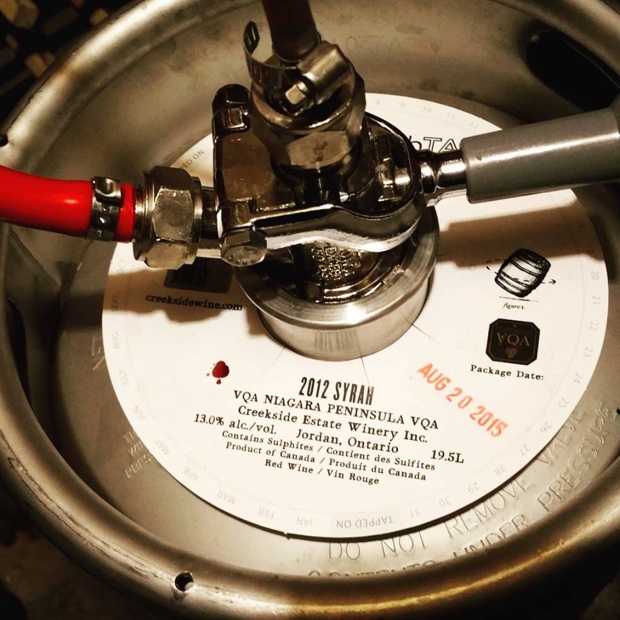
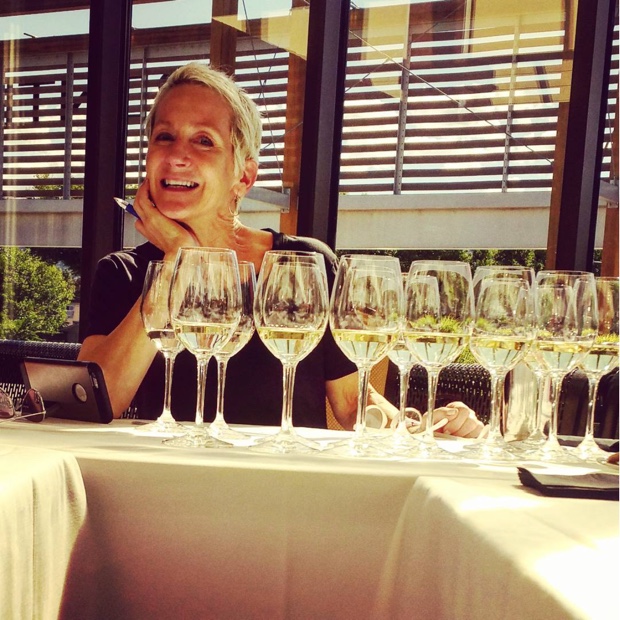
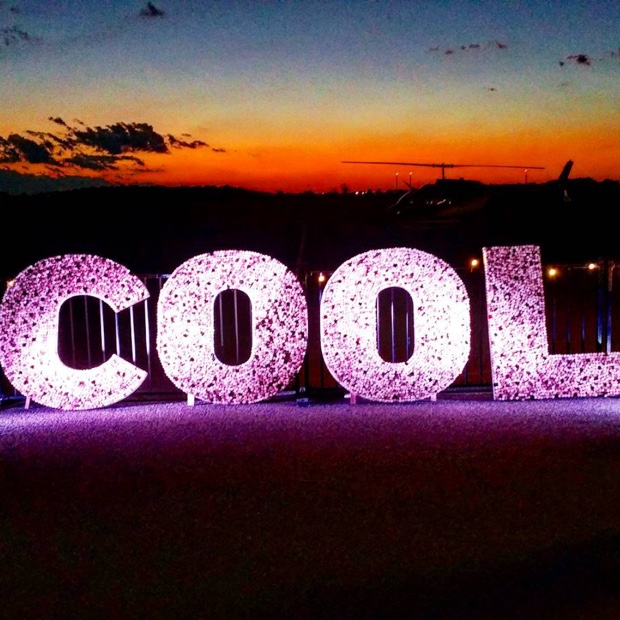

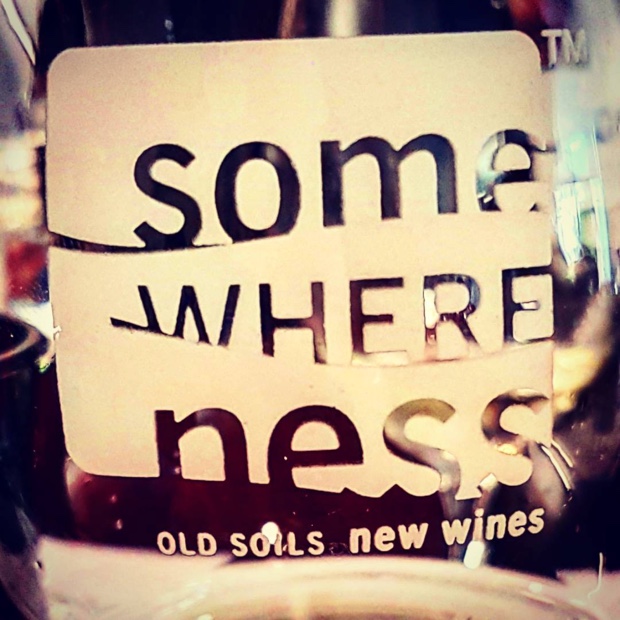
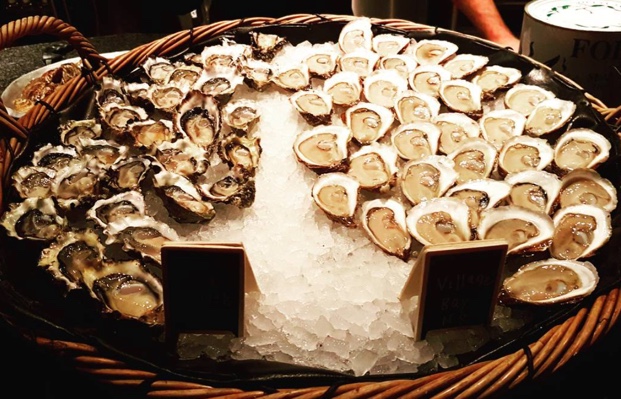


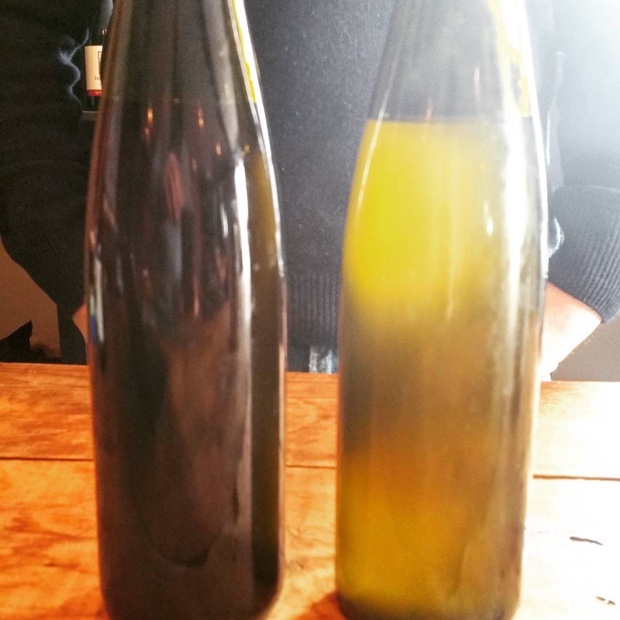
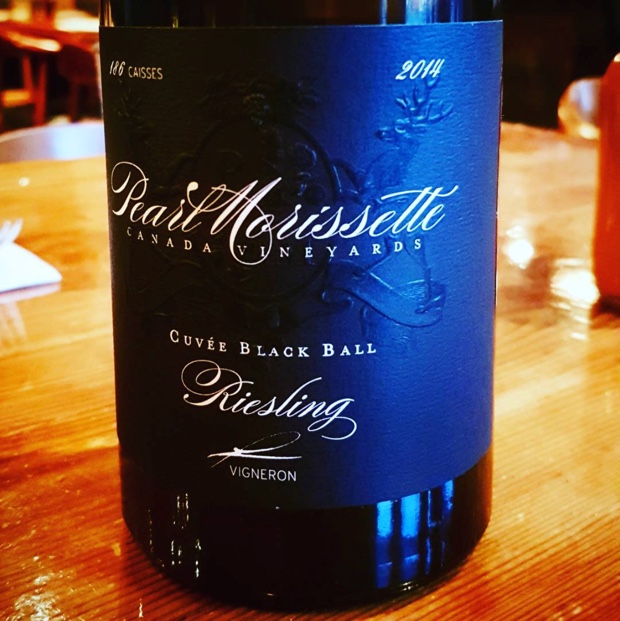


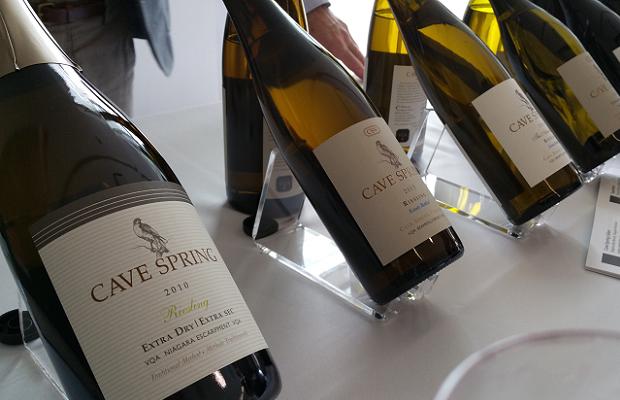
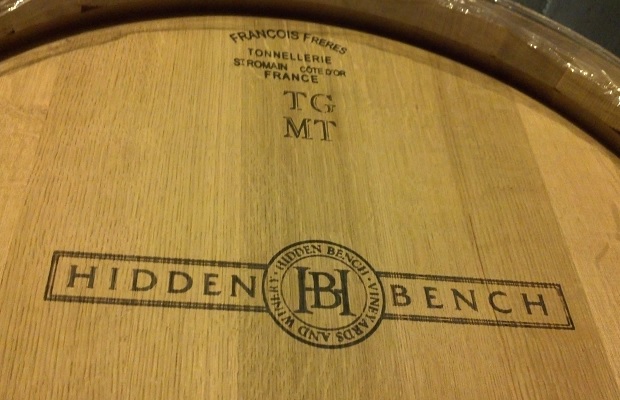
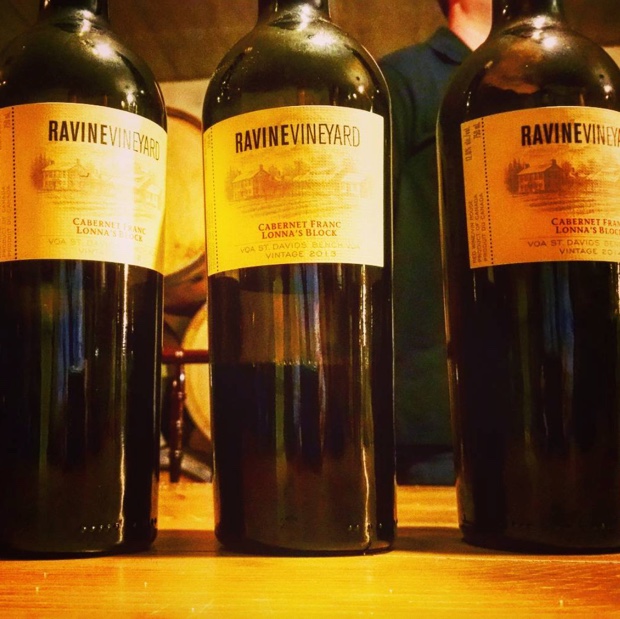

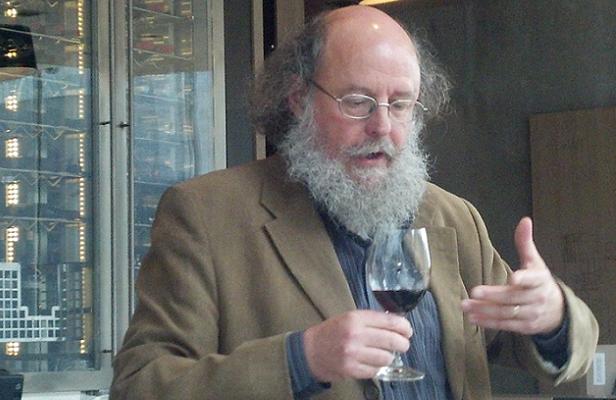

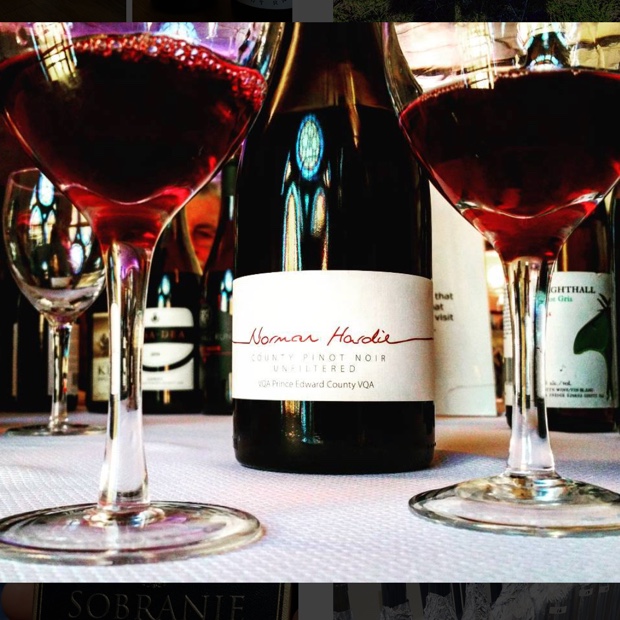

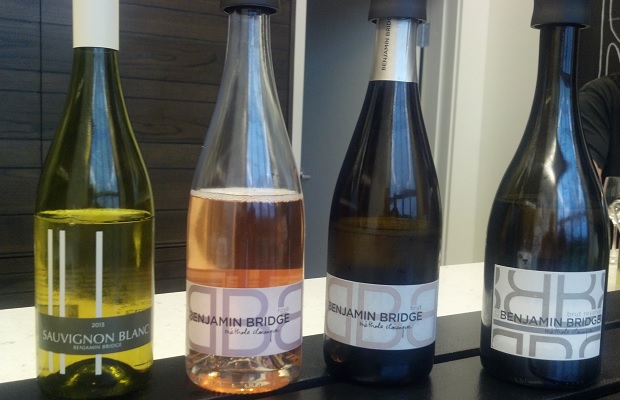
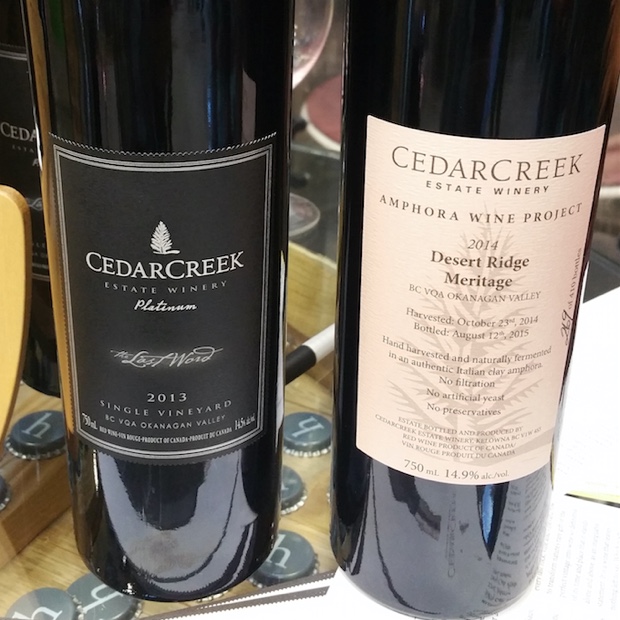
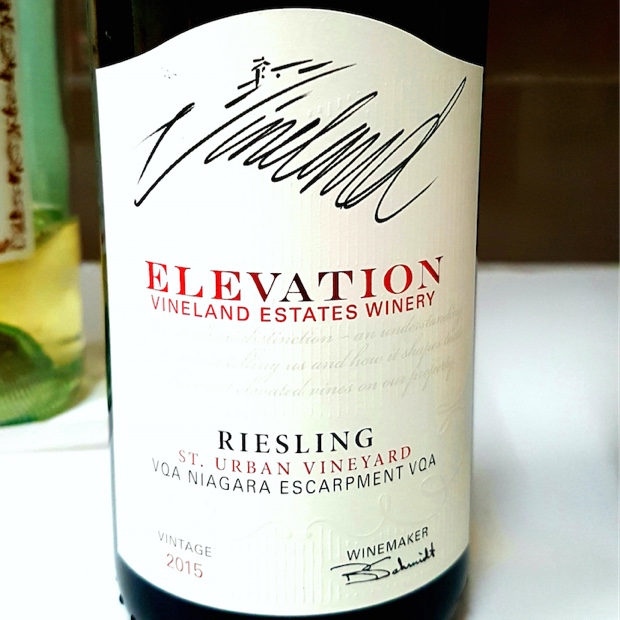
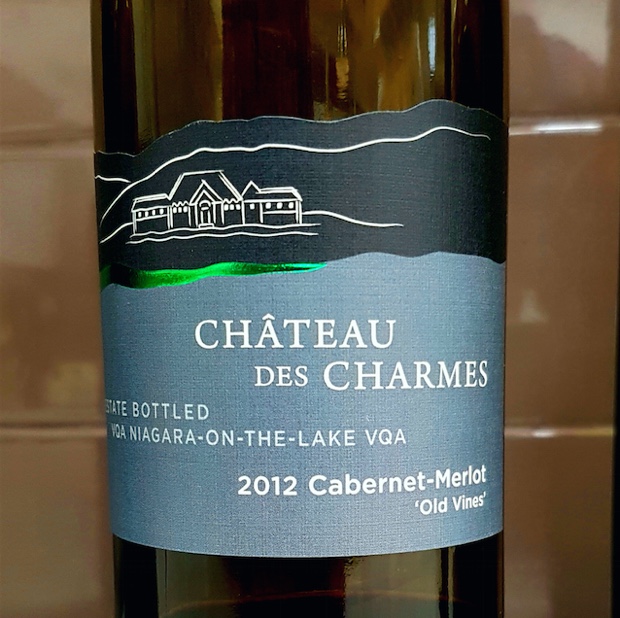




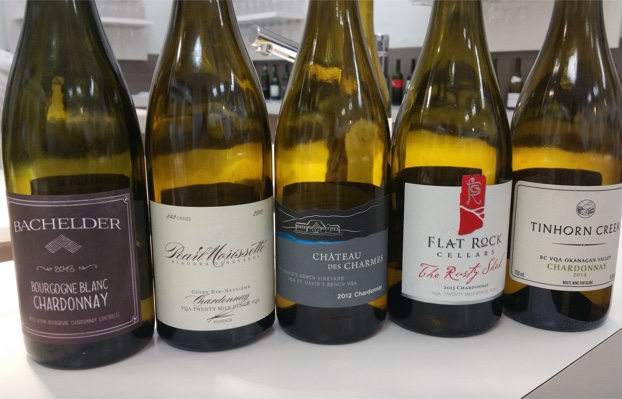
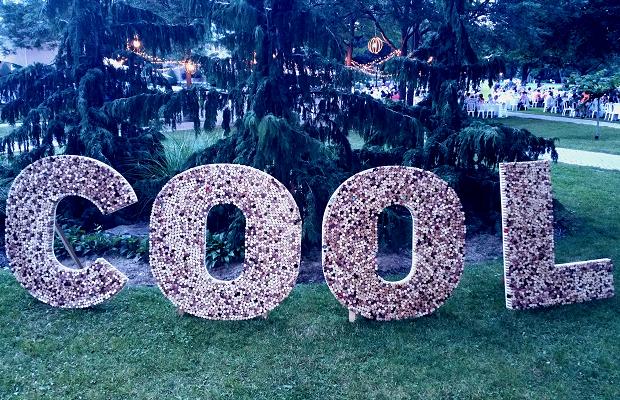


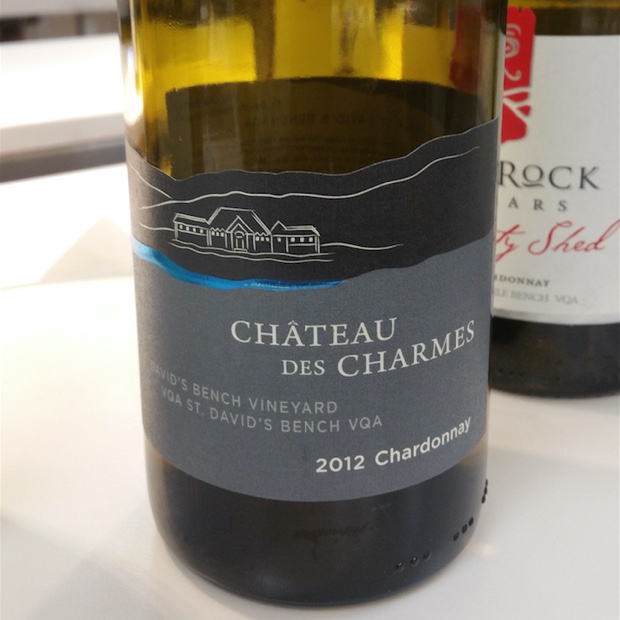
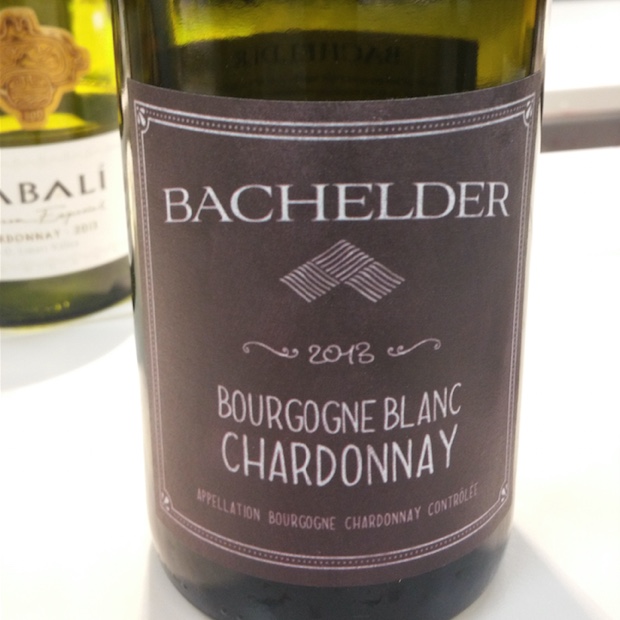
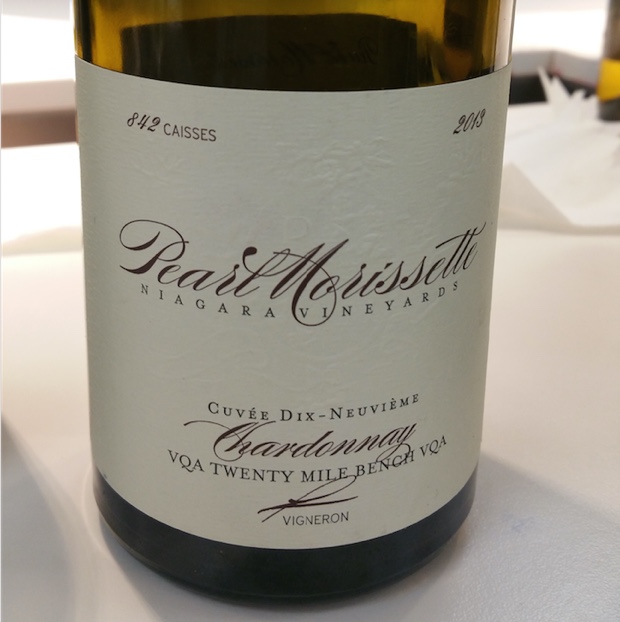
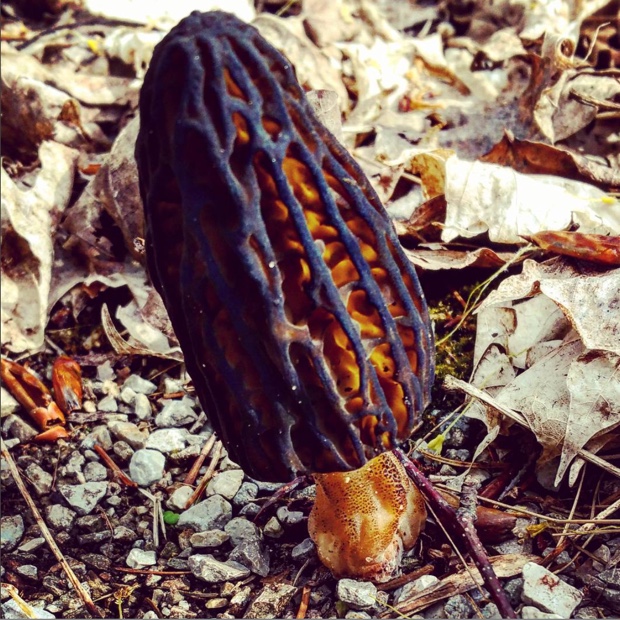


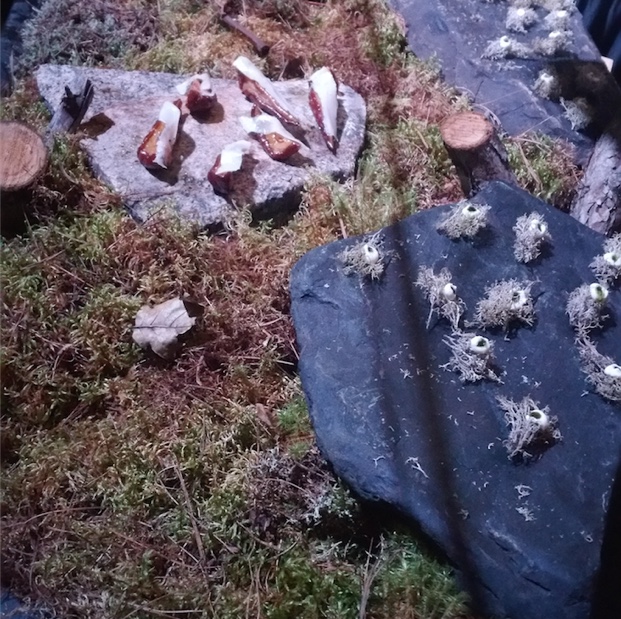

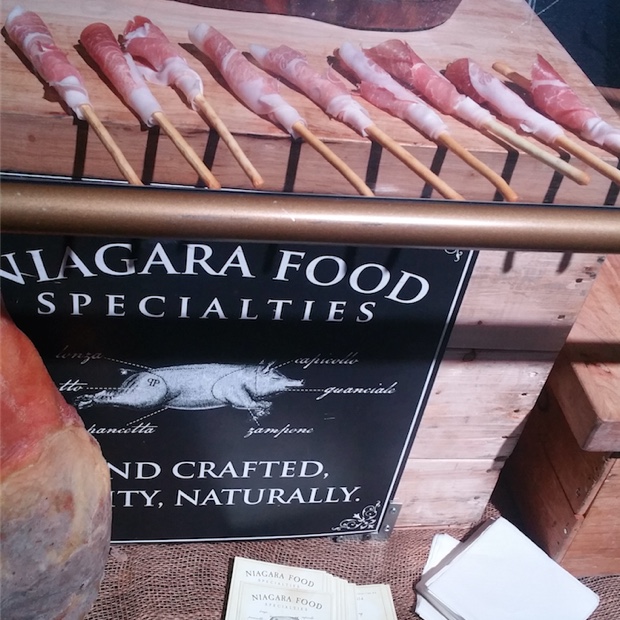


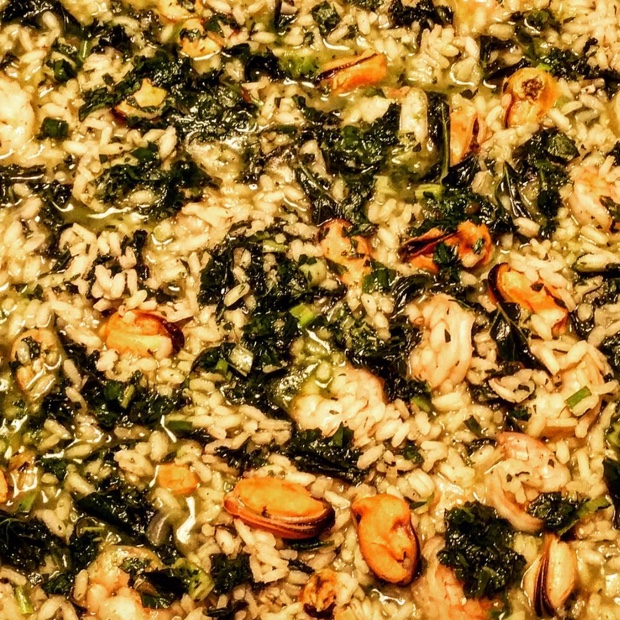
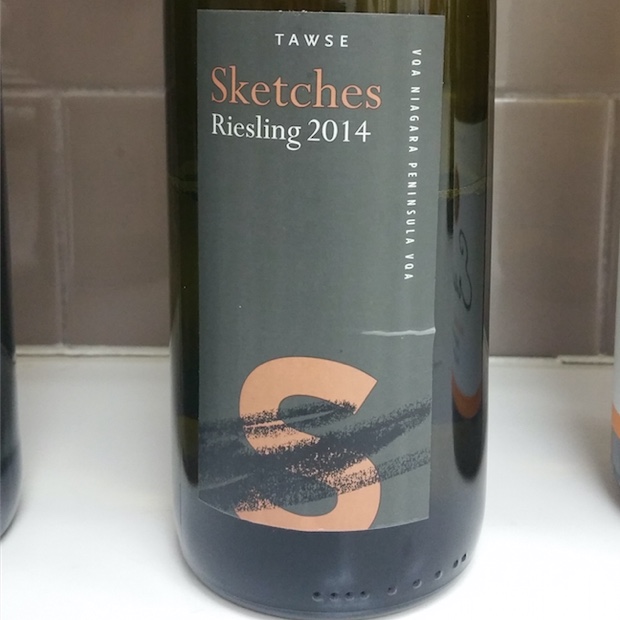
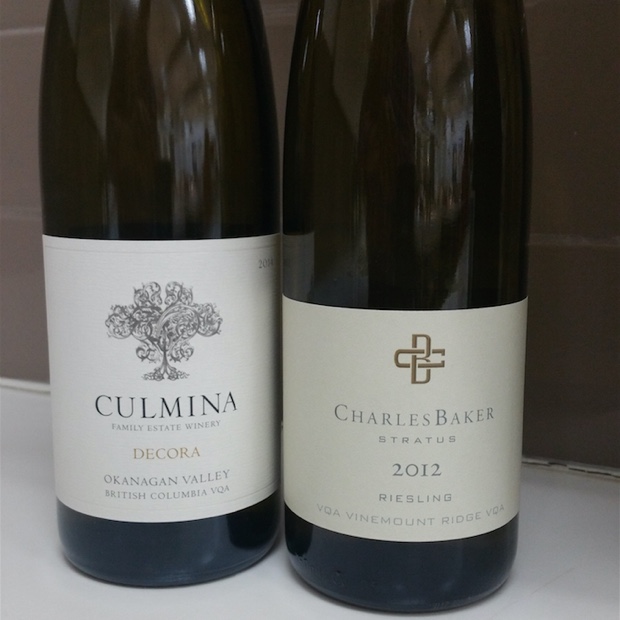
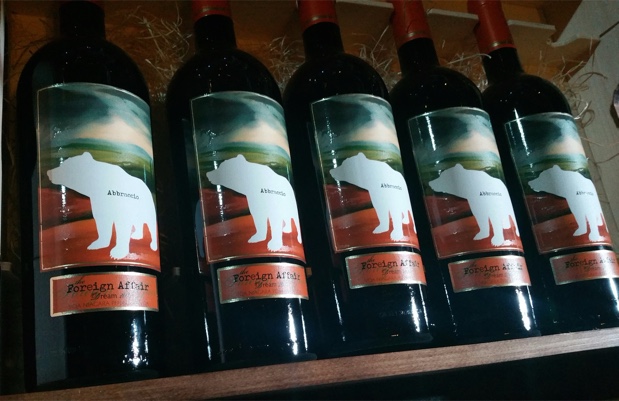


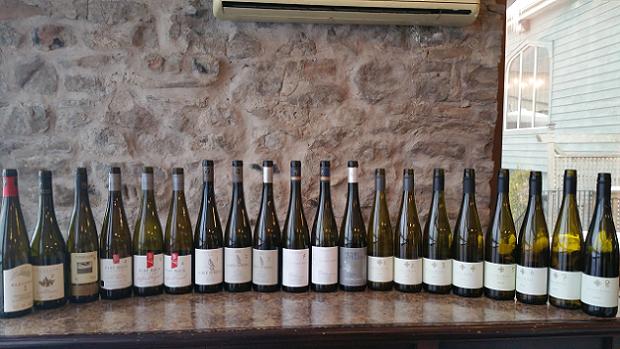
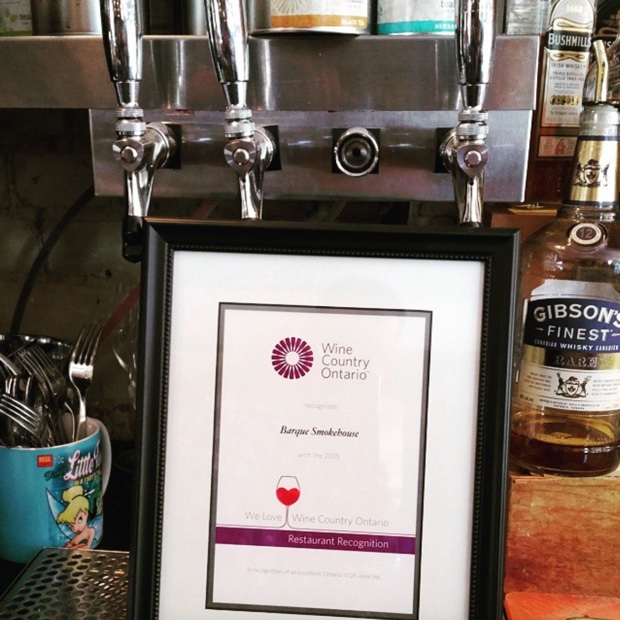

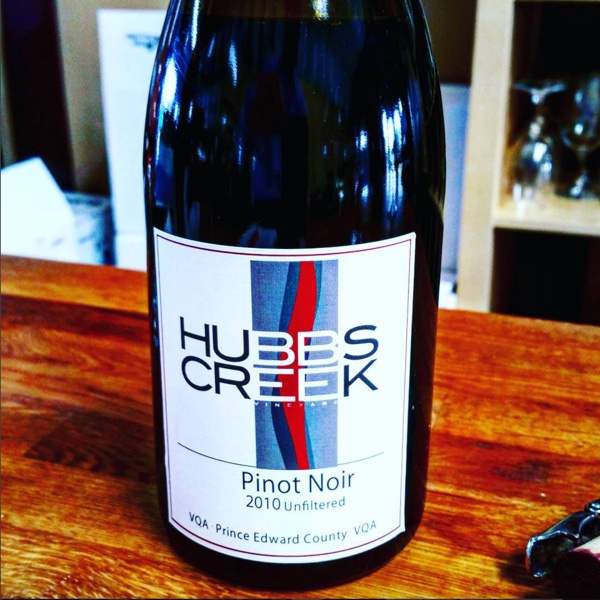
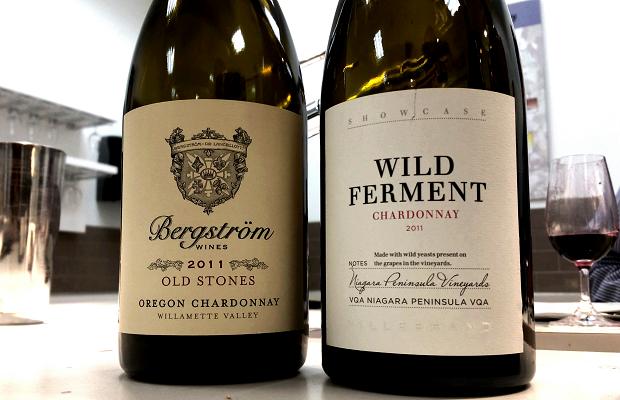
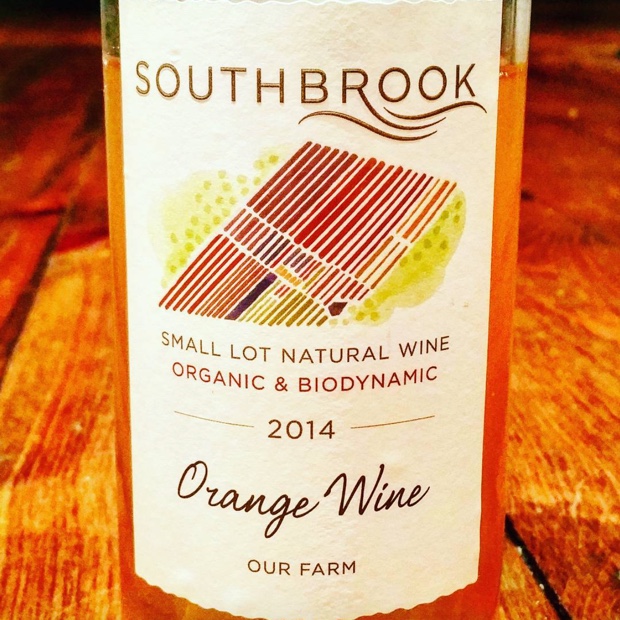
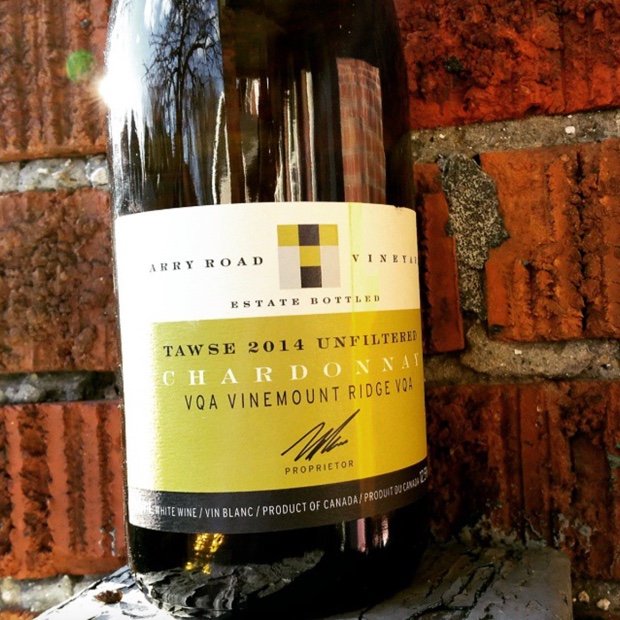

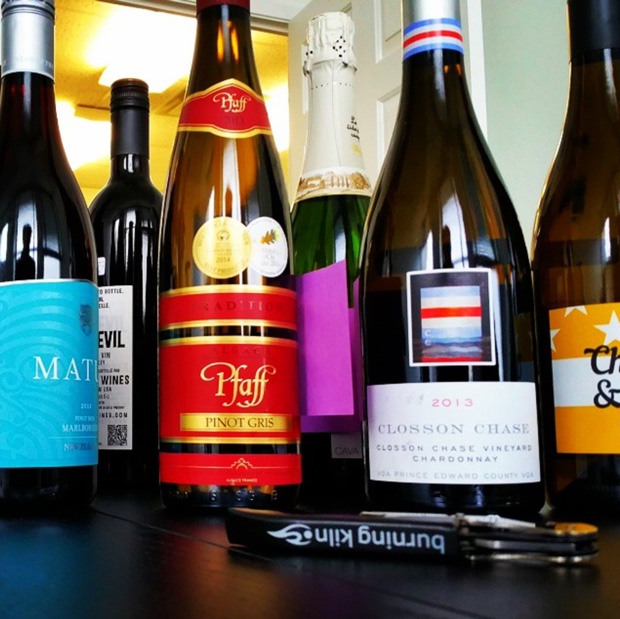

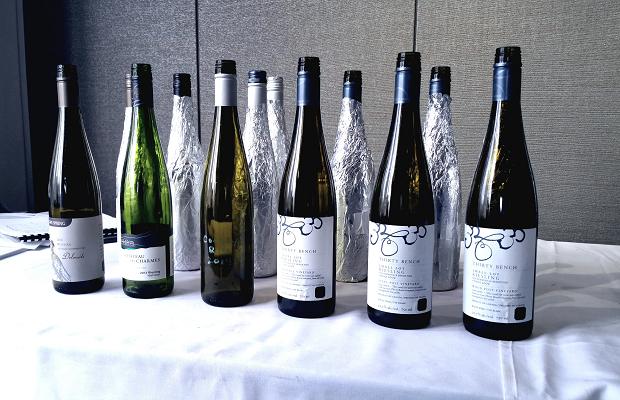
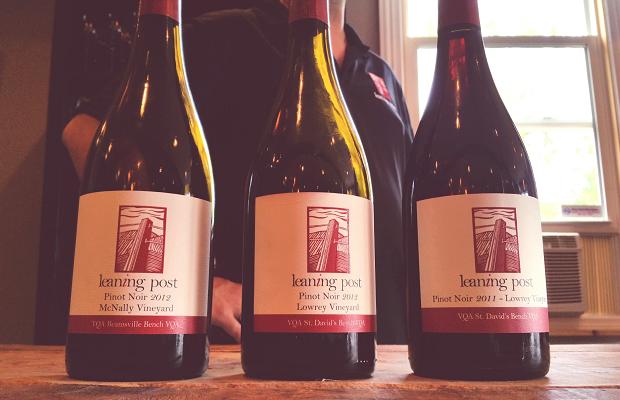


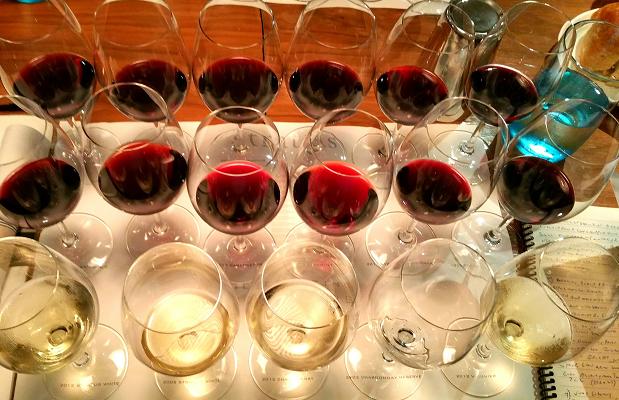

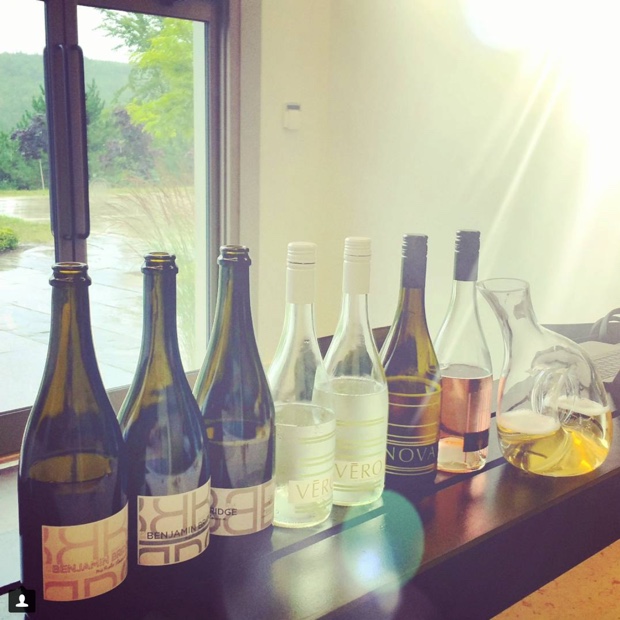

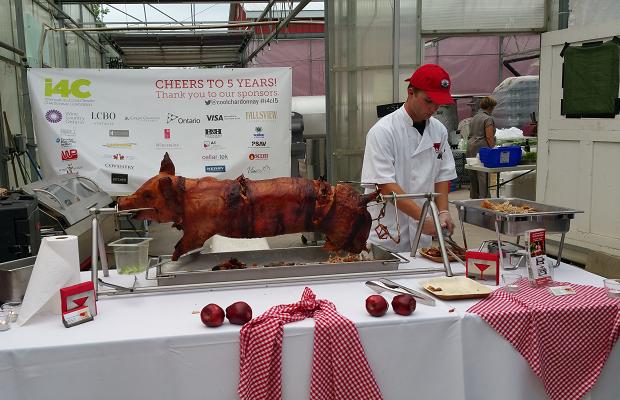
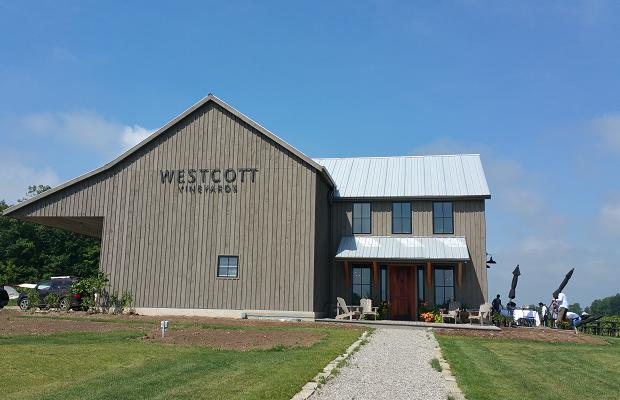
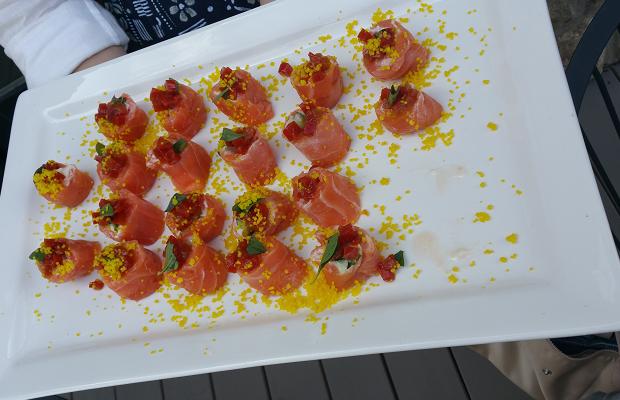

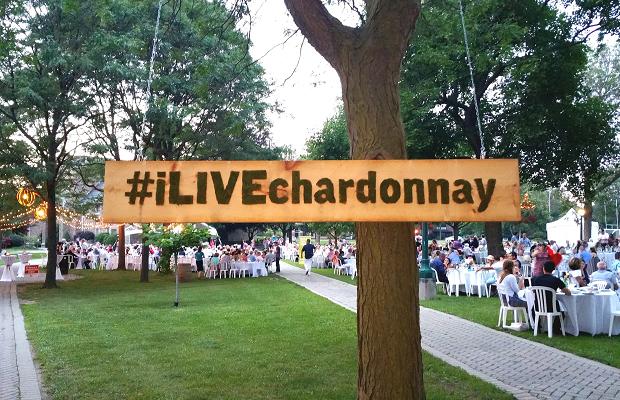
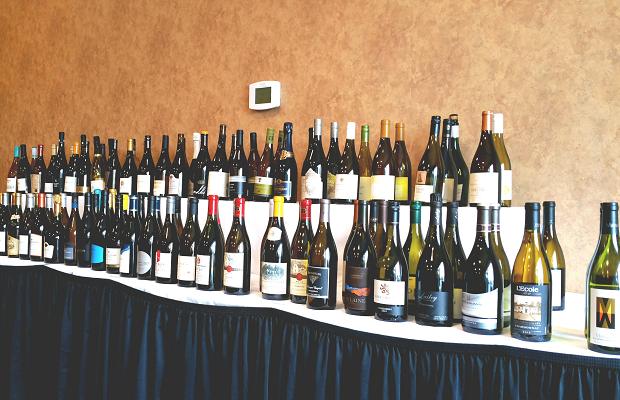
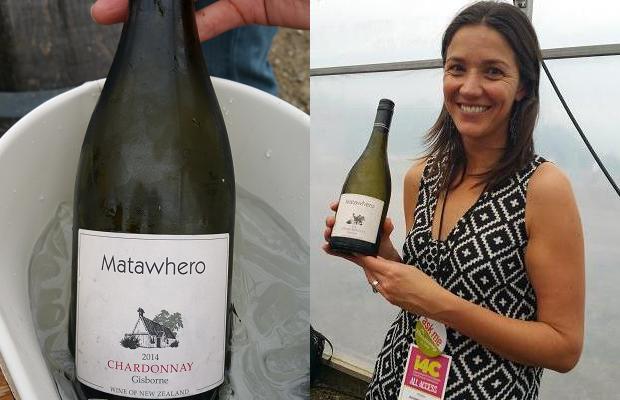
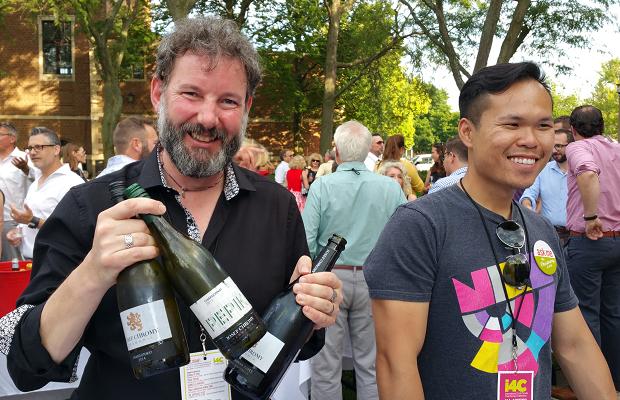
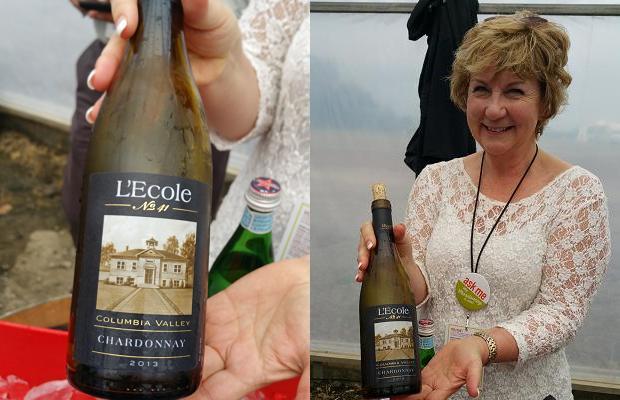

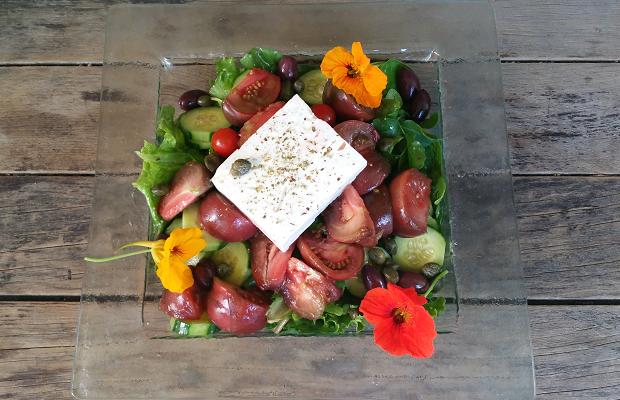
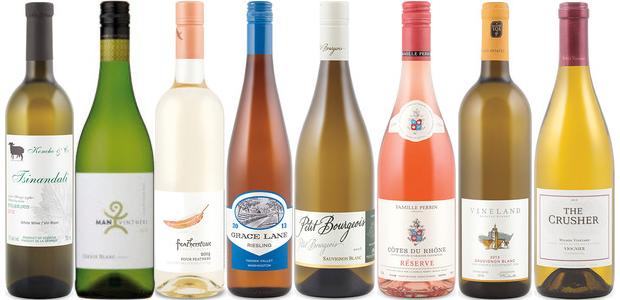
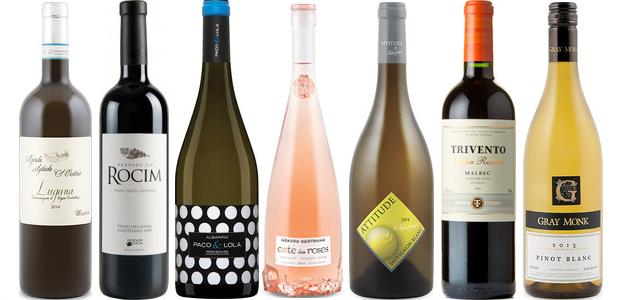
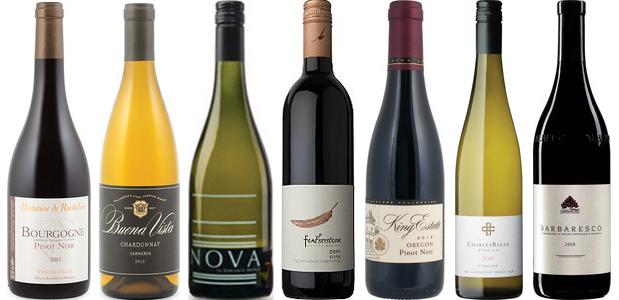
 Godello