Twenty-four Canadian wines that rocked in 2024

Godello and Hare

Composing a best of list is something that takes a sedulous amount of time, a year’s accumulation of thought and above all else, ultra careful consideration. When more than 1,000 Canadian wines are tasted in a calendar year, narrowing it down to 24 feels like a profound task and weighty sense of responsibility. These twenty-four Canadian wines that rocked in 2024 represent the twelfth consecutive such register first published in 2013, annually iterated and guaranteed, never gratuitously settled upon and always as a show of Canada’s highest level of quality. Integrity too, which will become clear by the time you finish reading this exercise.

Related – Twenty-three Canadian wines that rocked in 2023

Godello at Dobbin Estate

Seven out of 24 (that’s nearly 30 percent for those scoring at home) are sparkling wines, a number that will only come as a shocking surprise to those who haven’t been paying attention. The math is really quite simple. Cool climate viticulture means longer growing seasons for more developed, therefore riper phenolics matched dutifully by kept acidities. Climates have changed but Canadian growing areas have not yet lost their edge and besides, extreme events are more likely and increasingly the culprit when it comes to extenuating snafu circumstances like crazy cold snaps that take out wide swaths of grapevines. For the most part this country can still hang a wide variety of grapes to create killer sparkling wines. Seven sparklers are here, from five growing areas in three provinces.

Related – Twenty-two Canadian wines that rocked in 2022

WineAlign dines at Hidden Bench

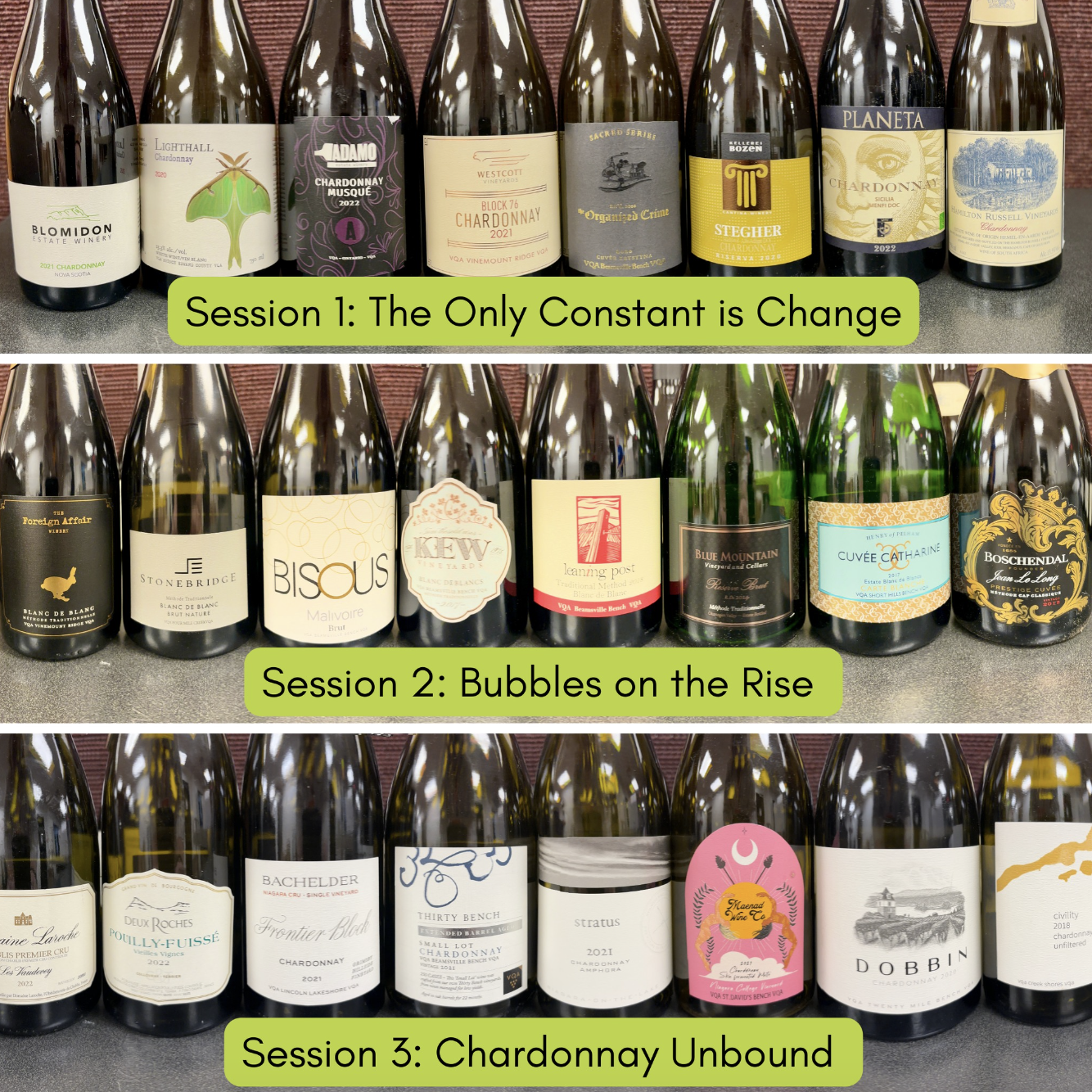
Six of Godello’s 2024s are chardonnay, if for no other good reason than it always being on Canadian minds. What’s the best way to go about growing and making wines of the highest quality? Is chardonnay a victim of its own ubiquity and adaptability? What makes it so special then, as an expression of place, as well as production and technique? Chardonnay should taste like it has come from a place, but also from a time. No one said it was easy but one thing is certain, it’s a hell of a lot easier to make great chardonnay that has been planted in the right location. Still the endeavour is puzzling, like getting lost and running through a maze, fraught with wrong turns and dead-ends. It’s about hunch work, gauging probabilities, accounting for what has come before and extrapolating towards what might be. In Canada trying to find locations that gift the sweet spot is, as if at midnight, where sugar ripeness, acid structure, phenolic ripeness and fruit character will probably meet for optimum results. We who feel like this and nod at one another knowingly are lovers of chardonnay; eager and desperate to be one with its varietal psyche, to imagine it synched in sycophant fixation with our own. Yet all the salient facts and aspects of a wine’s journey, in viticulture, pH, residual sugar, total acidity, élevage and in tasting, are really nothing if we are unable to find the theory of the wine and by extension, the winemaker who made it happen. Fortunately for us the top six Canadian chardonnays chosen here (and the list does not stop at that number), have all made it happen.

Related – Twenty-one Canadian wines that rocked in 2021

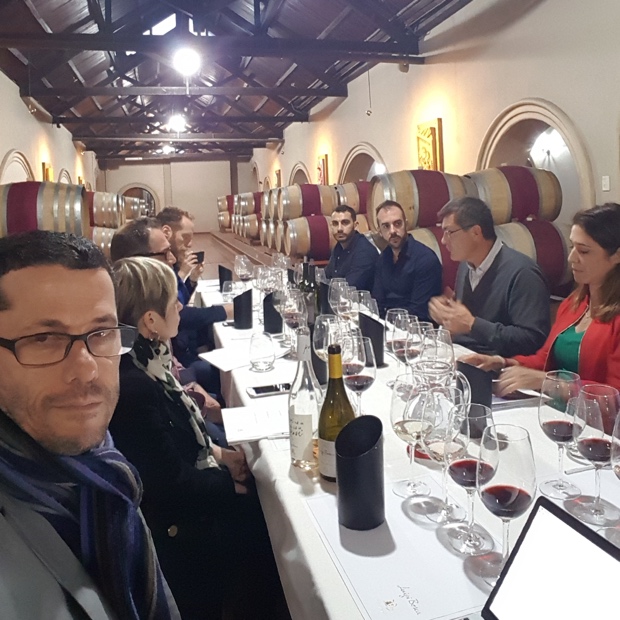
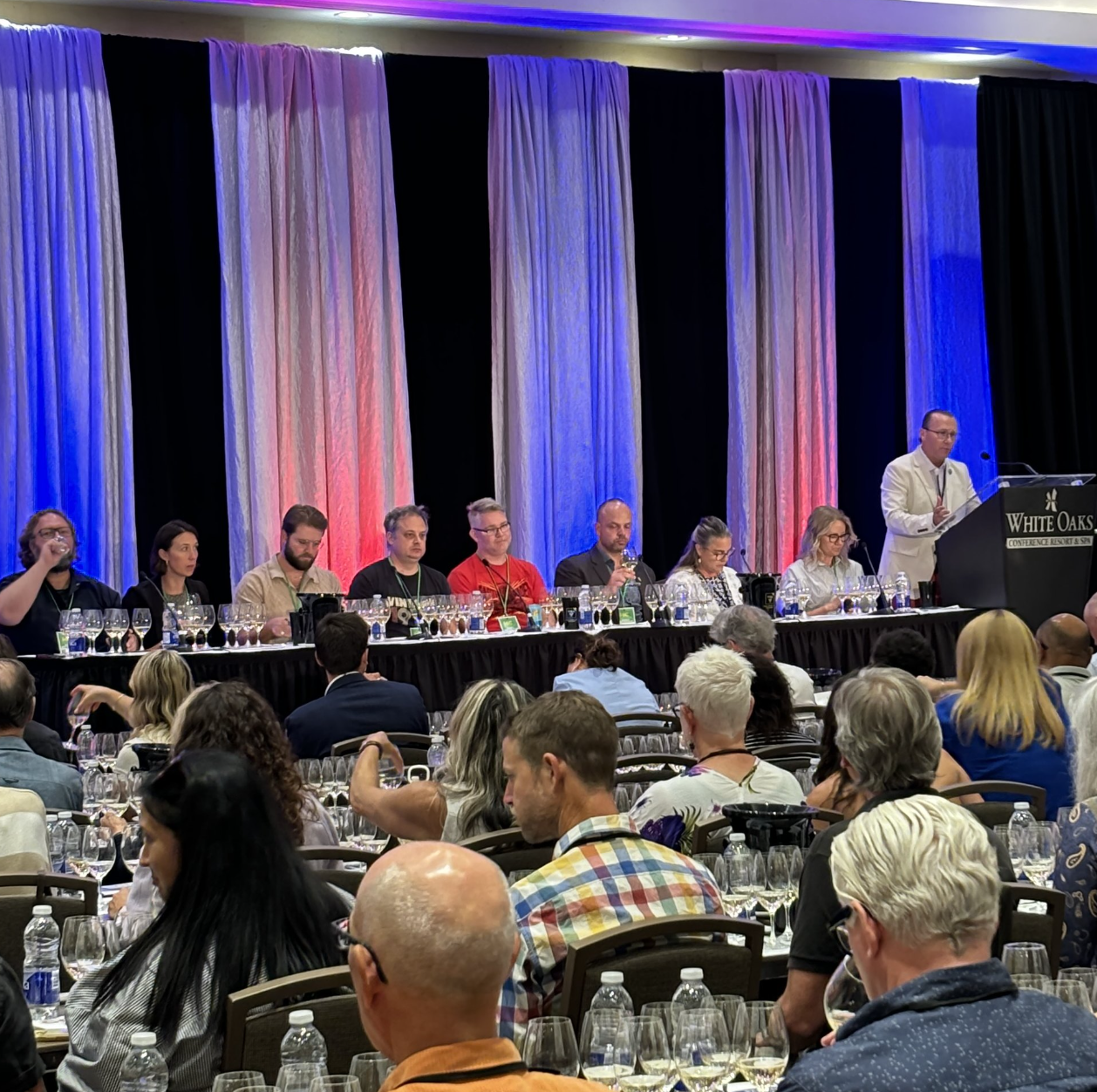
Flight #1 at the 2024 School of Cool
(c) i4C

A reminder that “Chardonnay is never too cool for school.” The article published after i4C 2024 had this to say. “Will fully admit to having seriously considered not using the word “cool” in the title for this latest exposé on i4C, Niagara’s annual International Cool Climate Chardonnay Conference. Then good conscience and reality set in because the original dub for Canada’s most important and successful wine congress will always be too good to dismiss. They coined it, built it and people have most certainly come. To foresee and then to consummate this collective pursuit of excellence inscribes Cool Chardonnay into the lexicon of wine forever. Hard to predict just how many more of these joyous to potentially annual profound (four-day) weekends there will be, but were this the last then hundreds upon hundreds of producers, winemakers, media, influencers and consumers over the years will have walked away happy, better for it and with memories to last a lifetime. The extraordinary 2024 edition of i4C went deeper still, to deliver the coolest quality and finest balance between information, socialization, revelry, society and of course, chardonnay. Cool as ever, gotta be cool, relax and never too cool for school.”

Related – Chardonnay is never too cool for school

Twenty Mile Bench

It was a very good year for tasting pinot noir and thus the grape is also well represented with five on the list. No other grape causes more of a stir, is responsible for more hair to fall and breaks more hearts. Does not play well with others, refuses to share, to be blended, to give anything less than 100 per cent. For many, there is no other grape variety. How often does a conversation begin with “what is your favourite wine” and end invidiously with “Burgundy?” While Bourgogne certainly persists as the historic locale possessive of the title “when it’s great, it’s the best,” pinot noir has found immense global success and Canadian soils are largely responsible for that. Thoughts with doubts about pinot noir’s viability in Canadian vineyards have long been laid to rest with proof arranged and clarified after yet another edition of the 2024 WineAlign National Wine Awards of Canada. The judging week saw the fourth most number of flights, all intriguing and arguably the finest collective showing of bottles poured from the fickle grape. From lithe, transparent, high-toned, red berry charmers to darker, brooding, seriously ripe and often tannic iterations. As it has been said, “beauties and beasts, belles et bêtes,” pinot noir the good can succeed one way or another, with harmony and in balance.

Related – Twenty Canadian wines that rocked in 2020

With Magdalena Kaiser

So what is the number one takeaway with regards to Canadian pinot noir? The answer lies in the way winemakers approach their product. Lowest of low cropping to achieve density and concentration is no longer the launching point towards making great pinot noir. Aggressive pressing, intense macerations and long wood aging, especially in newer (and smaller) vessels all lead to astringency and imbalance. All of these things are fading into the rear-view mirror, slowly but surely being replaced by first and foremost, sustainable and regenerative agriculture resulting in healthier vines. In the winery there is less handling, more finesse and attention paid to detail leading to more purity and also clarity in the wines. This is what pinot noir needs. If the most suitable and only the most suitable sites are used, the future will move from optimistic to auspicious. The number one takeaway? Canadian pinot noir has long been searching for and is now beginning to find inner peace. Let’s just hope it keeps on this path, despite and in spite of climate change.

Godello’s annual best of bundle feels easier to create because with each passing year there are so many more wines of wonderment tasted and yet, and yet the jumble is harder to defend. Great wines are not left off the list for reasons of inferiority, deficiency or lack of character. The game is one of numbers and the pool from which to choose grows exponentially every year.  These are the twenty-four Canadian wines that rocked in 2024.

With Heather Rankin – Obladee, Halifax

Benjamin Bridge Nova 7 Sparkling 2023, Nova Scotia

Benjamin Bridge is indeed correct and fully justified in self-proclaiming Nova 7 as “Nova Scotia’s favourite wine” because, well it just is. The blend for this resilient, magical, a decade and a half in the making, lightly effervescent and low alcohol sparkler is muscat, ortega, riesling, geisenheim, l’Acadie, vidal and petite pearl. The latter is a cold-hardy hybrid cultivar bred using a cross between MN 1094 and E.S. 4-7-26, grown in 25 US states and four provinces of Canada. The acidity for Nova 7 at 9 g/L integrates with ease and swirls 49 g/L of residual sugar into a comfort zone like a balanced Spätlese, with the peachiest of flavours and a refreshing, thirst-quenching and salty iced tea finish. A throwback in many ways and yet the 2023 is quite frankly as good as any Nova 7 there has ever been. Age a bottle three or four years to see what happens. What could go wrong? Drink 2024-2027.  Tasted October 2024

Blue Mountain Reserve Brut R.D. 2014, BC VQA Okanagan Valley

Aromatic complexity, a chardonnay and pinot noir (55-45) sear of raging citrus but never lean because there is flesh all over the palate. The lemon segments are ripe and delicious, the red fruit character compliments with added spice, the persistence endless and the winemaking clearly coming from a place of experience and respect to place.  Last tasted blind at i4C, July 2024

Always pleased to welcome the BR R.D. into a glass and here is an old but a proverbial goody, that being 2014 and consumers must be reminded just how special this research and development is to determine the excellence of Blue Mountain’s indagative sparkling wine. A blend of chardonnay and pinot noir, the first 10 percent more than the last with some of the most restrained, reserved and demure aromatics in the Okanagan Valley. All ways to say this is lovely, quietly generous and so settled to gift pleasure above all else. A most complex game of citrus and orchard fruit, distillate by nature, expertly seasoned with fine sea salt, white pepper and lemongrass powder. Such a gift nine years after vintage at a ridiculously reasonable price. Drink 2023-2027.  Tasted November 2023

Last House Joie De Vivre Blanc De Blanc 2021, VQA Prince Edward County

No dosage, categorically Brut Zero sparkling wine of leesy significance and gentlest positive oxidation. A bubble set up this way from the start and carrying the torch forward on a justifiably sound plateau that should see no significant changes for the next few years. Only chardonnay and no vintage heat to set its trajectory hastily forward, with full orchard and citrus fruit flavours on a sturdy frame backed by bedrock as backbone PEC limestone intensity. You need to try this – it represents a significant style and profound bottle of sparkling wine. Drink 2024-2028.  Tasted November 2024

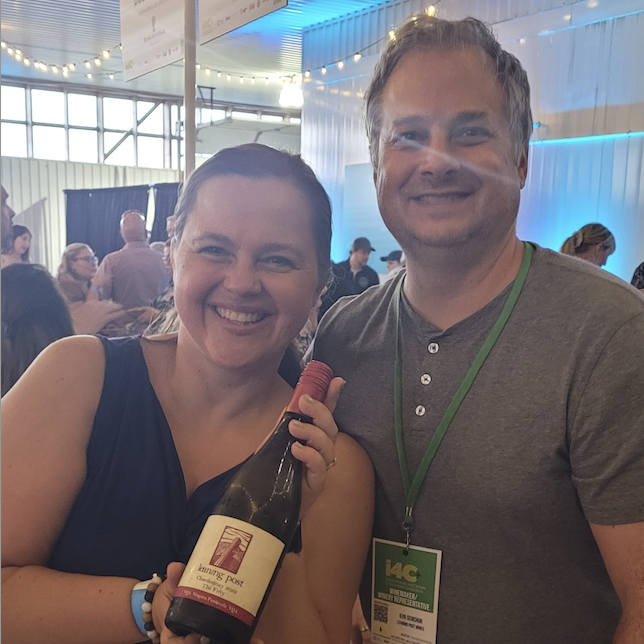
The Senchuks – Leaning Post

Leaning Post Blanc De Blanc Traditional Method Sparkling 2019, VQA Beamsville Bench

Old (35 year-old) chardonnay Hemeris Vineyard vines are the source for the LP traditional method Blanc de Blanc that sees four-plus years on the lees. The sugar is not quite zero but to be honest, nine-plus grams of acidity renders three g/L of RS essentially obsolete. And yet the mouthfeel is full, substantial and acting gregarious. Packed with aromas and flavours, seemingly impossible and so this from a less than heat-cumulate Niagara vintage (that would have made for seriously piqued and biting still chardonnays) is almost a sparkling oxymoron. As far from severe as B de B will be, instead generous and celebratory. Unexpected and mind-blowing in many ways. What sorcery is this pray tell, Senchuk and Senchuk? Drink 2025-2032.  Tasted November 2024

Dean Stoyka and J-J Groux – Stratus

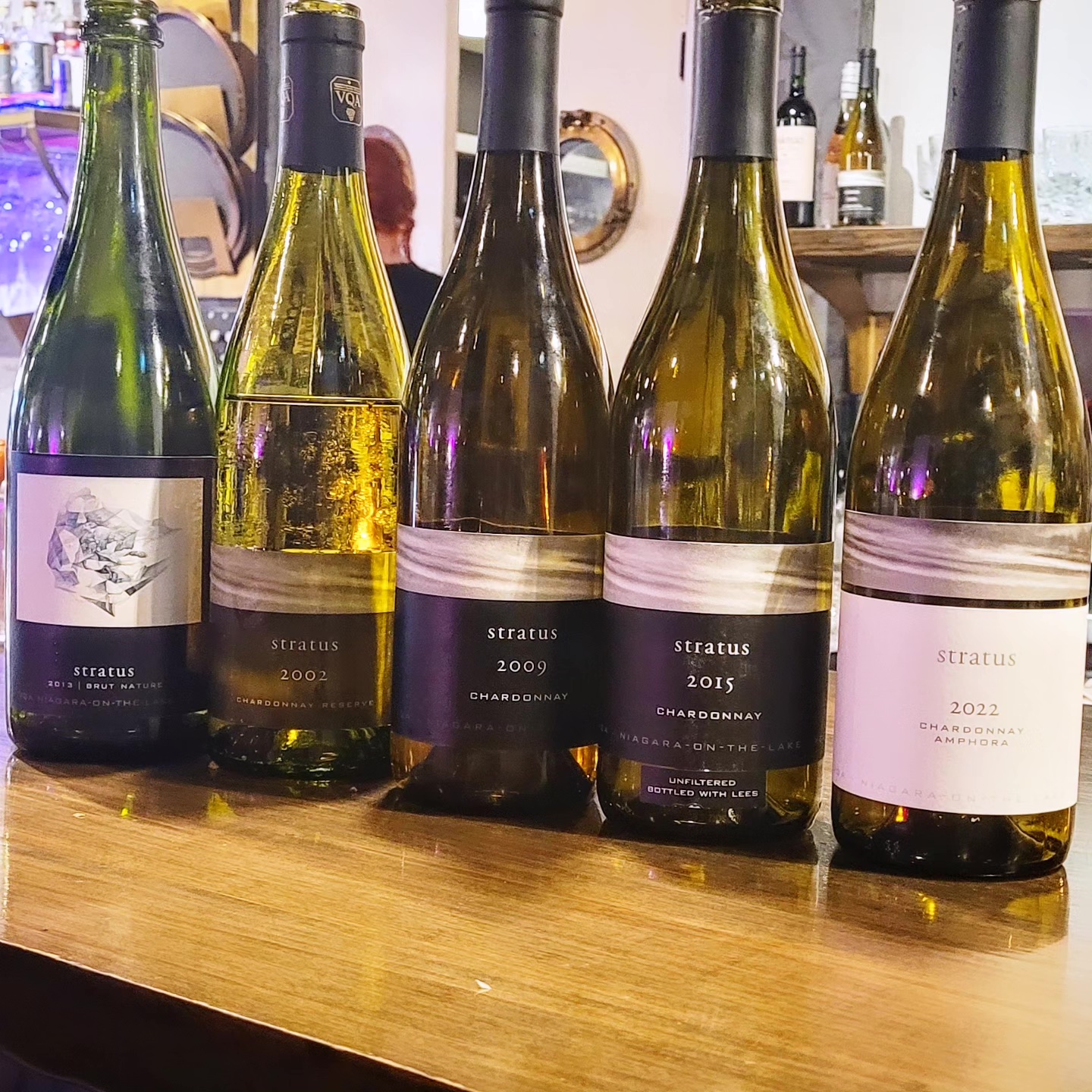
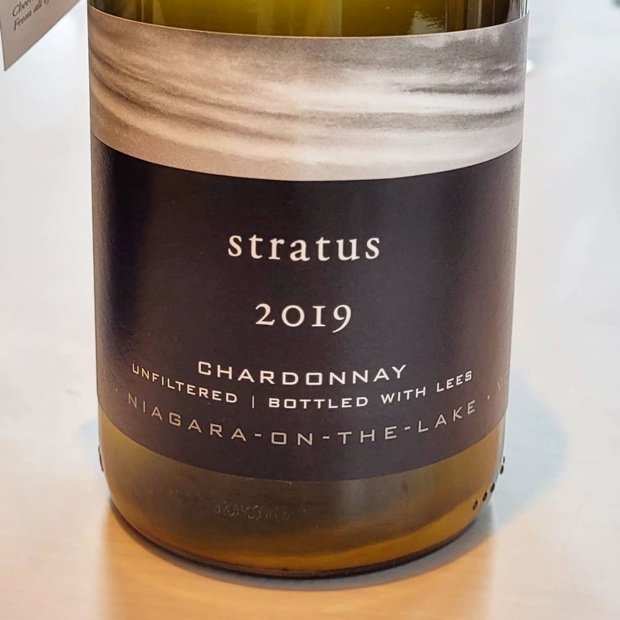
Stratus Brut Nature Zero Dosage 2013, VQA Niagara-on-the Lake

J-L Groux explains that the main factor for making this kind of sparkling wine is PH, “because the aromatics will be built upon six to seven years of lees aging time.” J-L feels this ’13 is going to be the winner now, and for 20 years. Not far off it would seem because of the “partial disgorgement” method, well within VQA rules and thus you arrive at a toasty smoulder unlike any other sparkling wine. The lees are the thing, in fact they are everything. They prevent the aromas and the wine from oxidizing. Amazing.  Last tasted July 2024

Comes across a bit cloudy, at least as compared to the B de B with thanks to the natural, lees left intact style. The citrus component is so pronounced, as is the taut, direct, lean and intense manifold destiny of what is truly a singular Sparkling wine. That being a living, breathing, inhaling and exhaling wine, slowly releasing proteins, acids and realizing its B de B Nature dream. Just amazing what lees can do for sparkling wine.  Tasted July 2021

Released side by each with the Stratus Blanc de Blanc 2013 and while vintage and grape are the same, the similarities almost seemingly, ostensibly and allegedly end there. Yes in fact this 100 per cent chardonnay is a child of the most excellent varietal vintage and like the B de B spent six years on the lees. Comparisons cast aside it is the very fact that because much of the lees were transferred to bottle by a minimalist’s disgorging that this cloudy bubble with a Canadian artist’s series set of labels can’t help but elicit another memory. The Lilies of Monet and their clouds represent neither the horizon, nor the top or the bottom. Nor does a bottle of this Zéro Dosage Brut. The elements of water, air, sky and earth become intertwined in a composition without perspective, or so it goes in this hazy, opaque and dry as the desert sparkling wine. So many layers of lemon can be peeled, juiced and scraped away. If a Stratus wine could be a a riddle, wrapped in a mystery, inside an enigma then here it is. The texture here is palpable and the intrigue factor surely high, so it should be imagined that longevity will be this wine’s calling card. It’s more austere than the Blanc de Blanc but I think in fact it will. Drink 2022-2029.  Tasted November 2020

Tasting The Old Third at White Oaks

The Old Third Pinot Noir Sparkling À La Volée 2011, Prince Edward County

First bottle opened since last tasting this unicorn of a PEC sparkling wine back in October of 2015. Now in a state of settled grace, of a collected, stored and persistent slow release of energy that keeps on keeping on. Every County maker using pinot noir for a Brut zero (or near zero) style should find a bottle of À La Volée 2011 as a reference point because as interpreters they must translate still wines to become bubbles “on the fly,” without waiting for the end to begin, acting with hindsight.  Last tasted December 2024

“On the fly” is not exactly what comes to mind from this 100 per cent Pinot Noir, first Sparkling wine made by Bruno Francois. Calculated, attention to detail and intensity of ideation more like it. Three years on the lees, no dosage and from a vintage to speak in more than whispered voices, of acidity that announces its arrival with immediacy and a summons to contest. The nose does yeast, toast, citrus and ginger. A first release revelation as ever graced Ontario’s waves, as dry as the desert and lingering with switch back traces of its yeasty, toasty self. A single vineyard can be this way, equally and in opposition of natural and oxidative, with a hue less than Pinot Noir, though unrequited as a triumph when you get a ripe white from such Pinot. The production of 1200 bottles is relatively house high in a stunner that needs no sugar to draw up its flavours. Drink 2015-2023.  Tasted twice, July and October 2015

Marty Werner – York Vineyards

York Vineyards Reserve Brut, VQA Niagara-on-the Lake

York Vineyards’ Brut is a two-thirds to one-third chardonnay-pinot noir joint that sees 72 months on the lees. A sparkling sensation taking the country and apparently also the world by storm. The attention to detail, focus and determination are credible, felt with palpable energy and there is no doubt as to how much trial, experimentation and consideration went into making this and other York Vineyards wines. The Reserve moniker may at times feel like an add on but here one can imagine the assessment of base wines and the selection being both a stringent and anticipatory one. This is richness off the proverbial Ontario charts with a toasty-autolytic complex character that defies regularity. Toned, defined and appreciable because the flesh is yet to fully develop. Drink 2025-2030.  Tasted November 2024

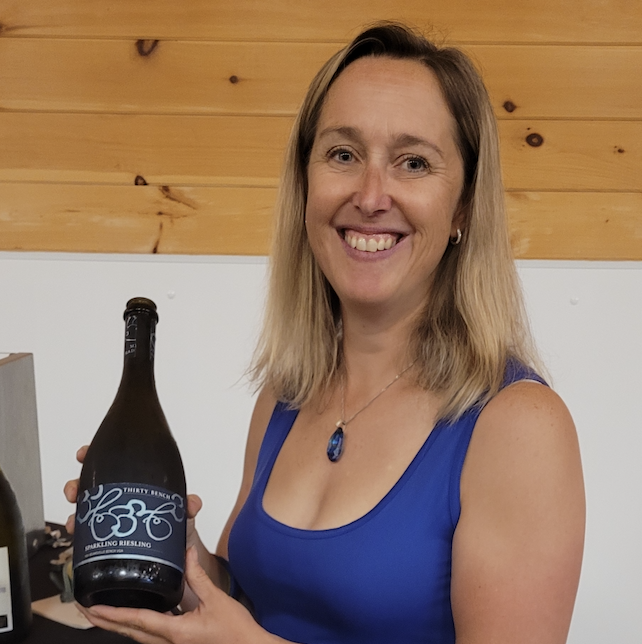
Emma Garner – Thirty Bench

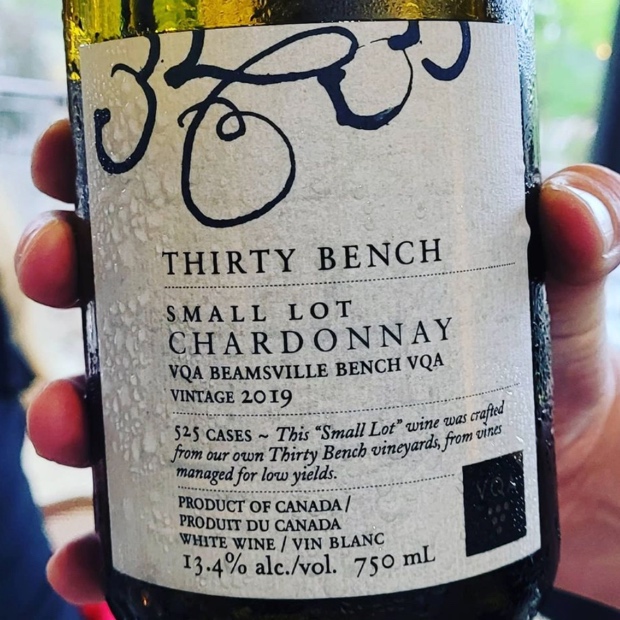
Thirty Bench Steel Post Vineyard Small Lot Riesling 2020, VQA Beamsville Bench, Niagara Escarpment

An Ontario legend in terms of riesling and the one from Emma Garner at Thirty Bench that defies logic with a magical spell cast upon the grapes put to bottle. Probably the driest of the Small Lot series at just 11 g/L of residual sugar, impossibly converted and qualified by just 11.2 percent alcohol with what must be an acidity number that’s just about as high as the sweeter rieslings in the portfolio. The energy and vitality are exceptional, the warmth of the vintage delivers top quality, if absolutely pristine fruit and then there are the qualities of extract and tannin cohabitating at this highest level of composure. The potential here is unlimited. One of the finest rieslings ever made in Ontario and this one goes up to 11. Drink 2025-2035.  Tasted March 2024

Charles Baker Picone Vineyard Riesling 2021, VQA Vinemount Ridge

The word “tannic” does not often first (second or third) come to mind when riesling is the subject but ’21 and Picone from Charles Baker strikes that way from the first sip. This after a most unique aromatic begin, dried herbals for one thing and exotic spicing in a cumin-coriander masala way. Even more so fenugreek leaf and wait for it…maple syrup. Hard to say why ’21 emits this way but when these scents give way to the riesling’s body politic the effect is both exotic and promising. Baker himself says that the “2021 CB from Picone is true to form and represents the vintage properly. Elegant, refined, absorbs the richness with fine acidity. Long floral green toned finish. Will age beyond me.” Indeed this may just turn out to be Charles Baker’s longest lived of the Picones, right up there with the ’06, ’11 and ’16. Drink 2024-2036.  Tasted October 2024

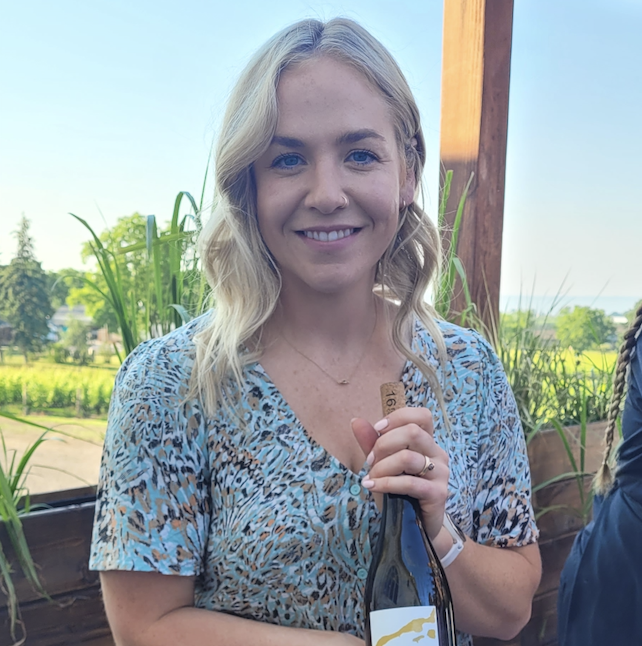
Morgan Juniper – 16 Mile

16 Mile Cellar Civility Chardonnay Single Vineyard 2020, VQA Creek Shores

From a block called Susan’s Vineyard, wild ferment, full malolactic, raised in oak puncheons of light toast. The growing location may be the lower Escarpment’s steppe of Creek Shores but who would not feel, see and recognize this 2020 as truly Bench chardonnay. No ambivalence in the method, execution or design, ample and plush, of an all in lemony curd to speak of the finest and cleanest lees. Truly singular style and without a doubt winemaker Morgan Juniper’s most comprehensive chardonnay to date. Drink 2024-2027.  Tasted June 2024

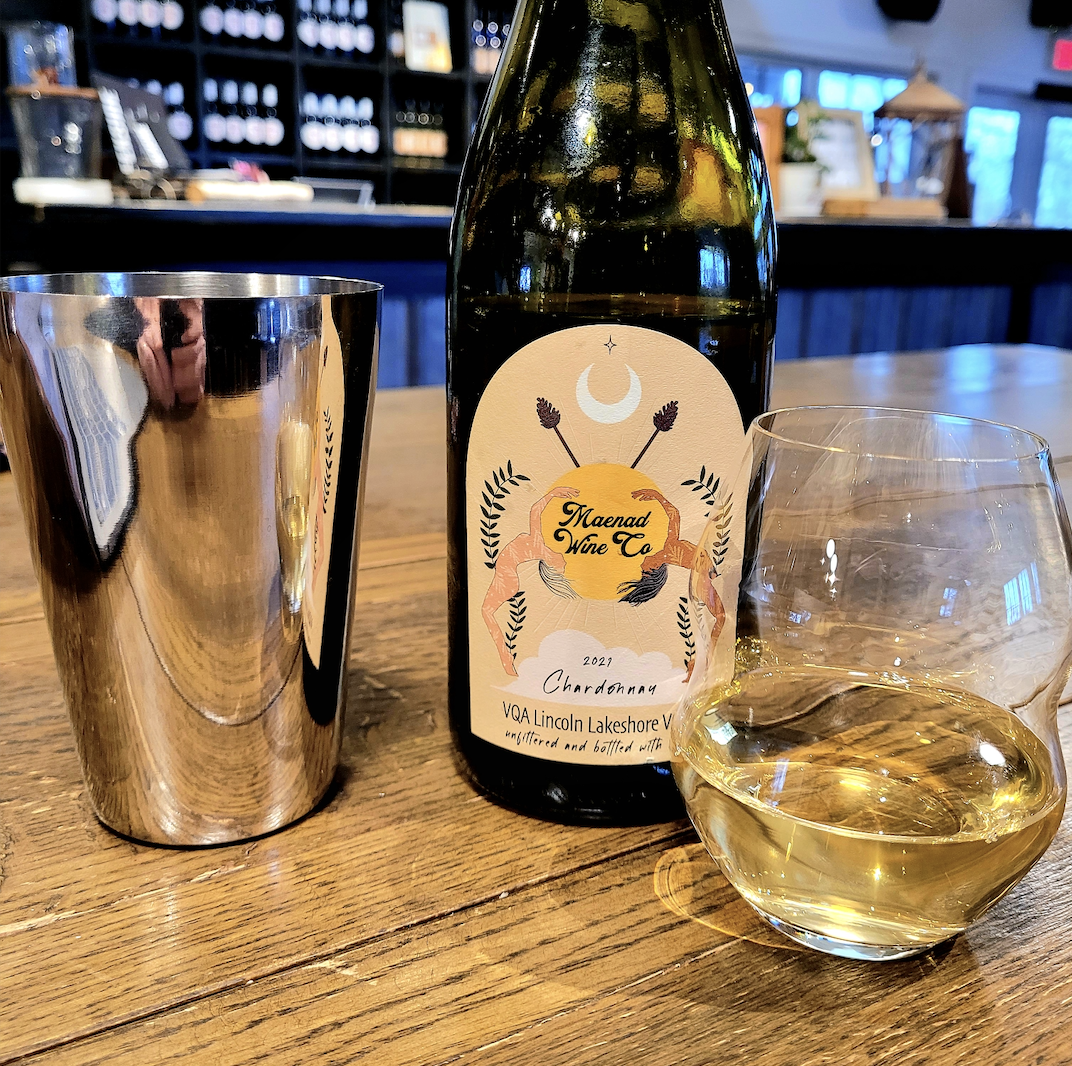
Maenad Wine Co.

Maenad Wine Co. Chardonnay Unfiltered And Bottled With Lees 2021, VQA Lincoln Lakeshore

From the young vines of Grimsby Hillside Vineyard and while this label shall remain nameless, the block is actually 295. “A wild terroir exploration” says the winemaking show that is Yvonne Irving, a winemaker used to making a full bodied style of chardonnay from the Queenston Mile Vineyard. Unmistakably GVH and if you’ve tasted a Senchuk or Bachelder iteration than you’d know the vineyard wins every time. The richesse is belied by this specificity of intensity that is unequivocally GVH. This northern spot produces the most brightness against the backdrop of ripeness, barrel fermentation and oak-aging. Full malolactic but always beneath the fruit, full on lees and amazing crunch. So full up the middle and yet vertical. Real deal, whole package and so much more to come. Drink 2024-2027.  Tasted March 2024

Henry Of Pelham Speck Family Reserve Chardonnay 2022, VQA Short Hills Bench

There is some truth to the advantage of tasting a stellar ’22 like this from Henry of Pelham when a great deal of other chardonnay being poured alongside are ‘21s, but letting chardonnays be chardonnay it matters less than we should actually be talking about. The SFR ’22 lives up to its blind billing and thrills without a moment’s hesitation. End of story.  Last tasted August 2024

The only reductive chardonnay in this flight of nine which speaks to an overall change in winemaking and in fact there have only been three like this, out of let’s say 50 tasted these days. Reductive as much as any chardonnay though the fruit can stand up and hang tightly on the upright frame. Notable style, bit of pyrazine, Behind the veil is most excellent and concentrated varietal fruit that to this mind celebrates a very specific sense of place. A Bench on a step up against a hillside or escarpment and its maker’s care is more than evident. Tastes akin to high end Marlborough chardonnay. Well thought out, serious intention and should age well. A seriously structured and balanced wine that drinks well now but will only improve over the next two years. Drink 2025-2030.  Tasted blind at #NWACS24, June 2024

Jessica Otting – Tawse

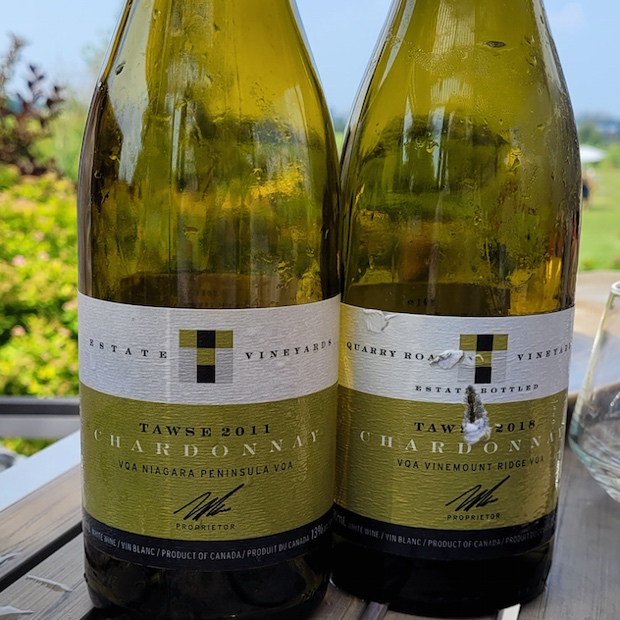
Tawse Chardonnay Quarry Road Vineyard 2021, VQA Vinemount Ridge

No shock or surprise that Quarry Road ’21 is a mineral bomb, coming away on that rocky side of the 50-50 fruit to stone compendium. Forget everything you’ve heard or read about this arch-cool Vinemount Ridge chardonnay, but also ignore all the noise about unmitigated disaster by vintage. Niagara winemakers should always make quality cool chardonnay these days and Tawse holds more water and responsibility than most. Jessica Otting is ten times equal to the task with a Quarry so precise and focused it may just make a tooth or two feel the mineral pain. A chardonnay chillingly representative of its vineyard yet, rewriting the jazz because of the shall not be named vintage. The naysayers can run away and hide in their holes because history will be kind to these wines, especially when they shine on in tastings ten years forward. No crutch or apology, sorry not sorry. Remember 2011 and 2013. Now forget them and only speak of 2021. Just great chardonnay. Drink 2025-2030.  Tasted at i4C, July 2024

Alex Baines – Hidden Bench

Hidden Bench Chardonnay Felseck Vineyard Unfiltered 2021, VQA Beamsville Bench

My goodness this is special chardonnay, coming as no surprise and if your thoughts and emotions for 2021 Niagara chardonnay need buoying than begin the bob right here. Precise aromas, immediate and echoing, more fruit than frankly necessity should expect as the mother of invention because mineral and saltness demand our utmost attention. Yet the fruit stands firm and even pulpy in the face of the crushed stone infiltrate from a vineyard stop on the grandest of Niagara cru tours. Exemplary to speak on behalf of a vintage that separates wheat from chaff, pinpointed location from just anywhere and adults from the gambling trials of youth. Drink 2024-2028.  Tasted July 2024

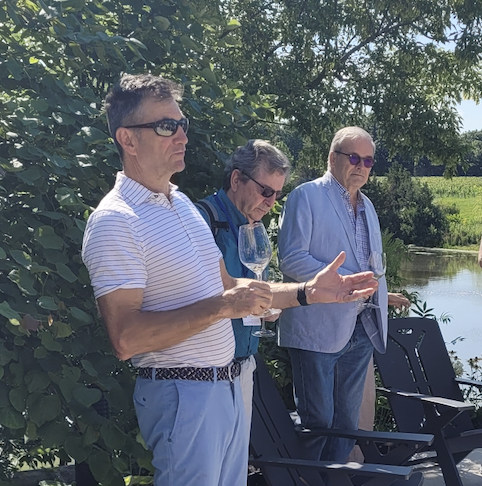
Wade Dobbin, David Lawrason and Peter Gamble

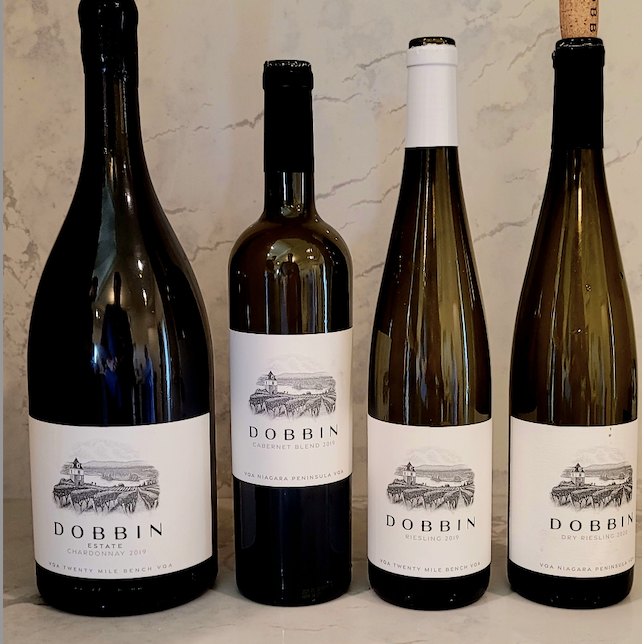
Dobbin Estate Chardonnay 2019, VQA Twenty Mile Bench

Not labeled as such but essentially a Reserve wine taken from a single barrel housing all estate fruit. High level of concentration and richness in the face of a vintage considered cool and challenging, but when you take a smallest of small lot wines like this that just does not apply. Everything about this is classic, basket pressed, natural ferment, full natural malolactic, 22 months maximum for oak aging, Burgundian obviously and medium of toast. “We come to barrel turbid – we like density,” notes Peter Gamble. (Peter) and Ann Sperling really liked this one particular barrel and decided to put it to magnums only. From late September and early October picks, finished at 14.5 percent alcohol and ultimately mouthfeel that rivals some pretty warm wine growing regions. A chardonnay that moves beyond Bourgogne to offer up its very own definition of Niagara’s Twenty Mile Bench.  Last tasted July 2024

This may be just the first stages of Dobbin’s tenure making high end wines from the Twenty Mile Bench but auspicious does not begin to describe the level of sophistication marking these beginnings. The erudite oenological consulting team of Ann Sperling and Peter Gamble have taken chardonnay into territory they are quite familiar with but always keep in mind that top terroir, vineyard conditioning and uncompromising preparation are what collectively set this up for success. This 2019 is from a cool climate vintage out of a cool climate place and recent history tells us that these are chardonnay that live good, long and healthy varietal lives. Luxe yet still crunchy, high quality wood used generously if judiciously and in the end this kind of rocks the world. In a chardonnay way. Drink 2024-2028.  Tasted April 2024

Spearhead Pommard Clone Pinot Noir 2022, BC VQA Okanagan Valley

A bit of aromatic restraint from a pinot noir keeping some secrets and what scents as some whole bunch percentage inclusive style. Good palate richness and berry to citrus emulsion like a fluid smoothie of reds, greens and acidity. Plenty of understated depth, so ample, focused and really well defined. Brightest of the flight, red fruit in flight, breathing easier, acids also up there and structure never too demanding. Could always drink a glass. Drink 2024-2026.  Tasted blind at #NWACS24, June 2024

Thomas Bachelder in the wilds of the Twenty Mile Bench

Bachelder Wild West End Wismer Parke Vineyard Pinot Noir 2022, VQA Twenty Mile Bench

For Thomas Bachelder Wild West End, Wismer Parke Vineyard and pinot noir started out as the one of the most mystery, namely because Wismer could not name the clone and the first wine was even more sanguine than that of the Wismer Parke. Which says that the West End’s soil affects the clonal material in exaggerated ways and the question has always been, to tame or not to tame. The answer is vintage and not needing “a weatherman to know which way the wind blows.” Bachleder had to hang loose, stay cautious and learn about the vineyard’s situation, take other’s opinions into account and then proceed with action. This vintage feels like a culmination of necessity, a varietal mother of invention, a reality on display of full capabilities realized. The height of an epoch acceded by a grower and a winemaker on the same page. A wine of intelligence and acceptance because the ferric meets hematic parts oversee and tell fruit what to be and how to act. The people have learned how not to get in the way and the degree has been earned. The question is what’s next? Drink 2026-2033.  Tasted November 2024

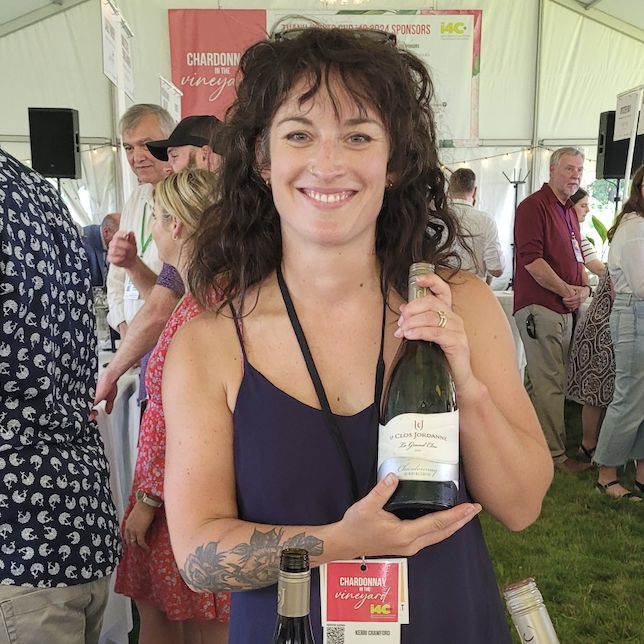
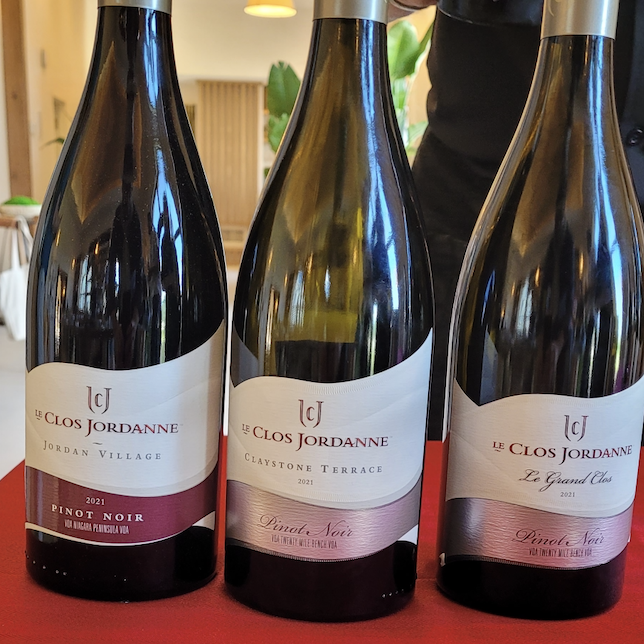
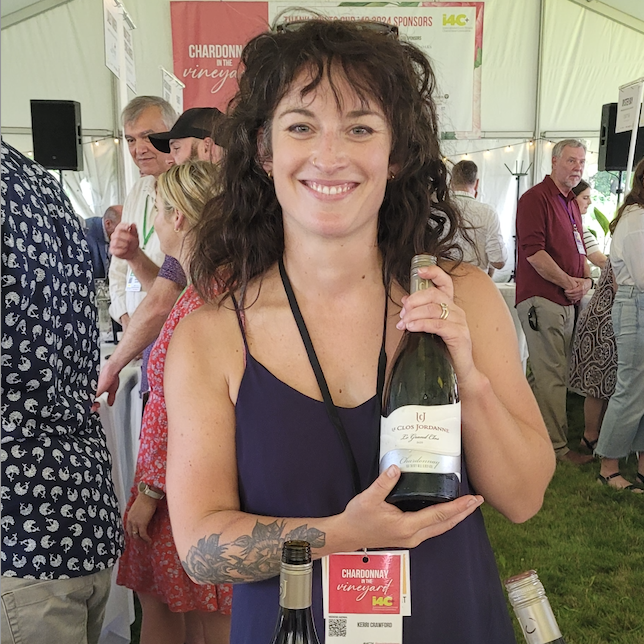
Kerri Crawford – Le Clos Jordanne

Le Clos Jordanne Le Grand Clos Pinot Noir 2021, VQA Twenty Mile Bench

As with Claystone Terrace the Grand Clos Vineyard blocks running from west to east move through this fruit gradation from structured and austere through to soft and amenable. For 2021 the middle ground is duly noted with a signature and arch classic Jordan/Twenty Mile Bench pinot noir that sings in youthful life as early as it ever has. The team (Thomas Bachelder, Kerri Crawford and Phillip Brown) have coaxed out the sweetest natural fruit. While it flows with ease it’s also equipped to slow down, reflect, and then re-emerge a few years thereafter, post pause and not atypical varietal dumb phase. Th3 2021 is found to be chic, suave and stylish as ever, fruit in a dark red cherry state and acidity meeting texture for mouthfeel of a most finessed kind. Drink 2025-2031.  Tasted July 2024

Carrying Place, Prince Edward County

Trail Estate Winery Pinot Noir Revival 2020, VQA Prince Edward County

Has to be the top of the top drop for Trail Estate but also for PEC, not to mention perched up there at the precipice of breaching the Provincial price rubicon for all wines. Some are one dimensional, others expressed in two and then there is Trail’s, which most definitely incorporates a third. Reductive and diesel fuelled with almost no precedence towards understanding just exactly what this aromatic unfamiliarity is all about. Confounding and yet a sip quickly adjusts the viewpoint because layers of recognizable fruit glide over the palate. The vintage is worth waiting for, the phenolics so ripe that not a stem should be wasted, while the savoury pastry of said whole bunches makes sure no holes are left unfilled. When the lowest yields and the most stringent selection meet risk-reward winemaking techniques there can be something special to come from all these hopes and dreams. If revival speaks to the human condition, a.k.a. struggles with sin, forgiveness and redemption, well then this pinot noir may just be the answer to a winemaker’s struggle, quest and renewal. Now let’s see her repeat this every vintage, or at least one here and there deemed worthy of the pain, journey and prize. Oh, and please give this at least another year to find its way so that the enigmatic behaviour should wane and eventually subside. Those who can afford the cost will then see the forest for the trees and be granted some personal form of immediate gratification. In the end the question begs as to how we value Revival as a three-dimensional pinot noir? By definition three coordinates are required to determine the position of a point (and a pinot), namely those you can pick up, touch, and move around. But in the end the simple answer is depth, which is what Revival and all great wines simply have. Drink 2025-2032.  Tasted April 2024

Jonas Newman – The Grange

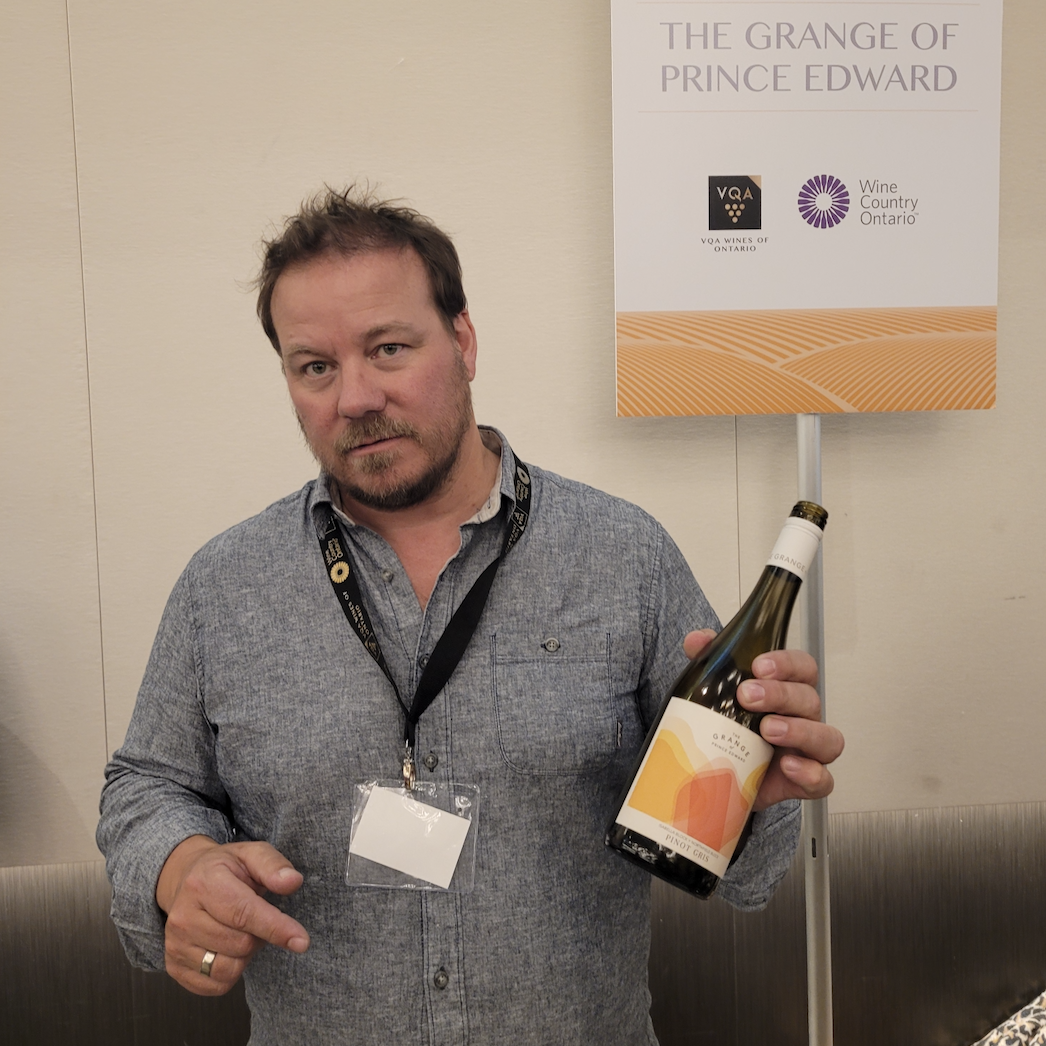
The Grange Of Prince Edward Aurelia Pinot Noir 2023, VQA Prince Edward County

The golden one, Aurelia, from the Latin Aurelius and if you want to delve deeper, the name for Marcus Aurelius Antoninus, Roman emperor from 161 to 180. Even deeper still the character portrayed by Richard Harris in Gladiator. Also the top of the opus pinot noir at The Grange and what a golden one it surely is. Needs to be because it is bloody expensive but just 98 cases were made of a varietal harbinger that gets the full on spa treatment. Double sorted, first in the vineyard, then at the table. Whole cluster fermented, including carbonic for five days and then foot trodden. Ten days of délestage before being pressed off and blended to finish ferment in tank. Ages in the most expensive wood for 10 months, 33 percent new. Burgundy anyone? Yes this is the idea and the result is a pretty good approximation, all the while tended to by that County high life in acidity with a generous amount of volatile compound effect. Yet the fruit and that acidity are in cahoots, sweet, inviting and enlivening. At nearly $75 there is a whole lot of swagger, ambition and confidence but if money were no object I’d happily drink through a few bottles. Drink 2024-2027.  Tasted December 2024

Roche Wines Amulet Syrah 2021, BC VQA Okanagan Valley

Semi-serious syrah, surely built upon an upright skeletal frame with flesh hanging on its bones and acids piquing through the supple textures of that flesh. Also floral and the meatiness seems to increase with every sip. Iron bloodiness and tannins also grow as you work with what is now becoming a fully serious wine. Chocolate melting and coating the back end with the same function as the tannins of the wine. Drink 2025-2030.  Tasted blind at #NWACS24, June 2024

Phantom Creek Kobau Vineyard Syrah 2020, BC VQA Golden Mile Bench

Here is the syrah bomb that means serious business. Smoked meat, iodine, sanguine and that classic black olive tapenade. A veritable hematoma of red, black and blue, fruit, acid and tannic intensity. If it’s showing some volatility that’s just because of rebellious youth and unresolved structure. This is very serious wine. Drink 2026-2032.  Tasted blind at #NWACS24, June 2024

Okanagan Valley

LaStella Cabernet Sauvignon La Sophia 2019, BC VQA Okanagan Valley

When you look at the last 10 years of Okanagan wine-growing there is no doubt that 2019 resides near the peak and is a vintage that should be filling collector’s cellars. La Sophia is one of those wines, a cabernet sauvignon with a track record that speaks to consistency and excellence. Imminently recognizable as both La Stella and their extension of Black Sage Bench terroir in Oliver. If any local cabernet will resonate with the Oliver equivalent of the Tuscan coast’s Macchia Mediterranea than La Sophia would be it. Not exactly balsamico or garrigue but yes something Italianate, of rich dark fruit set against fine-grained tannin and that brushy, herbal, vinous and resinous scents of the terrain. Black Sage Bench issue, nothing standard about it and it needs a name. Like Okanagan Briar or Chaparral, but regardless you can’t miss the outback in this wine. Yes the 50 percent new wood needs to integrate further and it will, given the requiem necessary, in air and also time. Drink 2026-2035.  Tasted May 2024

Two Sisters Riesling Icewine 2023, VQA Niagara-on-the Lake (375ml)

Spicy waft from the 2023 riesling and a level of viscosity to speak of Icewine made in the most serious of ways. The haute and cultured fragrance makes one wonder why $89 should be the price when three times that amount might make sense, after consideration is taken for the time, effort and work required to make such a wine even possible. The fruit is extraordinary, the acidity at a high level for the vintage and Icewine in general. This is the what, how and why for the category to be celebrated, wines exulted, performance perpetuated and raison d’être defined. Give this two more years to fully see the riesling respond in the way it surely can. Drink 2026-2036.  Tasted June 2024

Good to go!

godello

Godello and Hare

Instagram

Facebook

Post ProWein tasting crawl trough the Ahr, Mosel, Nahe and Rheinhessen

In March of 2024 Godello reprised a Düsseldorf redux by attending the annual ProWein Wine Fair and then hitting the road for a three-day, four region transversal of German wine-growing regions. Prowein, Messe Düsseldorf and the German Wines Institute brought international journalists through the Ahr, Nahe, Mosel and Rheinhessen. The producers visited were Weingut J.J. Adeneuer (Bad Neuenahr-Ahrweiler); Weingut Forster (Rümmelsheim), Schlossgut Diel and Piri Naturel Christine Pieroth (Burg Layen) and Weingut Anette Closheim (Langenlonsheim); Four producers from Der Ring 1899, a.k.a. the Bernkasteler auction company hosted the group at Die Mosel Vinothek und Winebar, Traben-Trarbach; Weingut Franzen (Bremm), Weingut Walter (Briedel), Weingut Rebenhof (Hochheim am Main) and Weingut Erben Von Beulwitz (Mertesdorf); Last stop was with Weingut J. Neus (Ingelheim am Rhein) in Rheinhessen and finally the press tour concluded with a fascinating Rheinhessen tasting at the Ingelheim Vinothek, presented by Sommelier Shanna Reis. Special thank you goes out to Christiane Schorn, Senior Manager Press & PR, ProWein, Michael Mandel, Messe Düsseldorf and Carola Keller, Marketing Manager, German Wines (DWI). These are the estates, their makers and notes on a collective 80 wines tasted between the 12th and 14th of March.

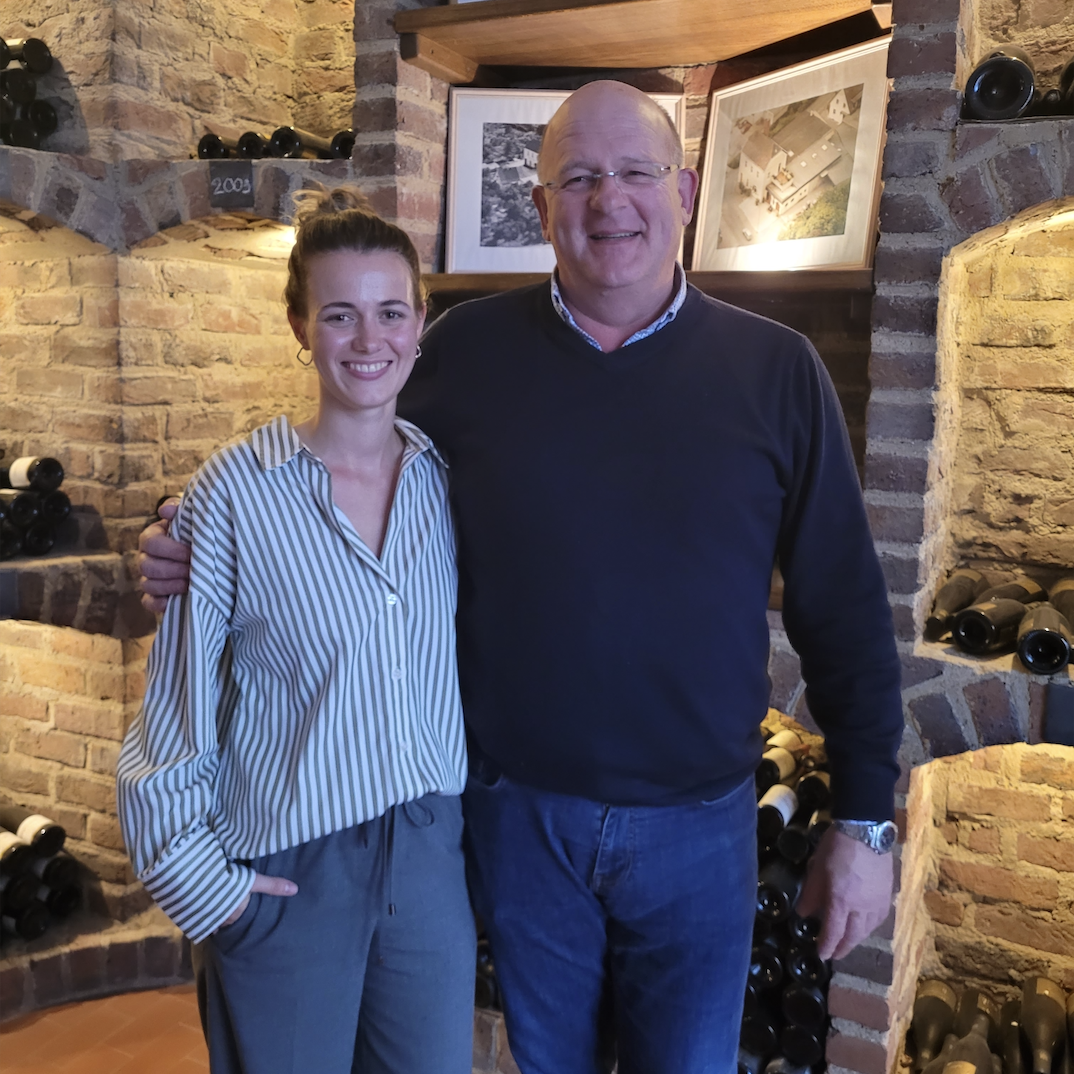
Marc Adeneuer with daughter Francisca – J.J. Adeneuer

Ahr Valley

Weingut J.J. Adeneuer –  Bad Neuenahr-Ahrweiler

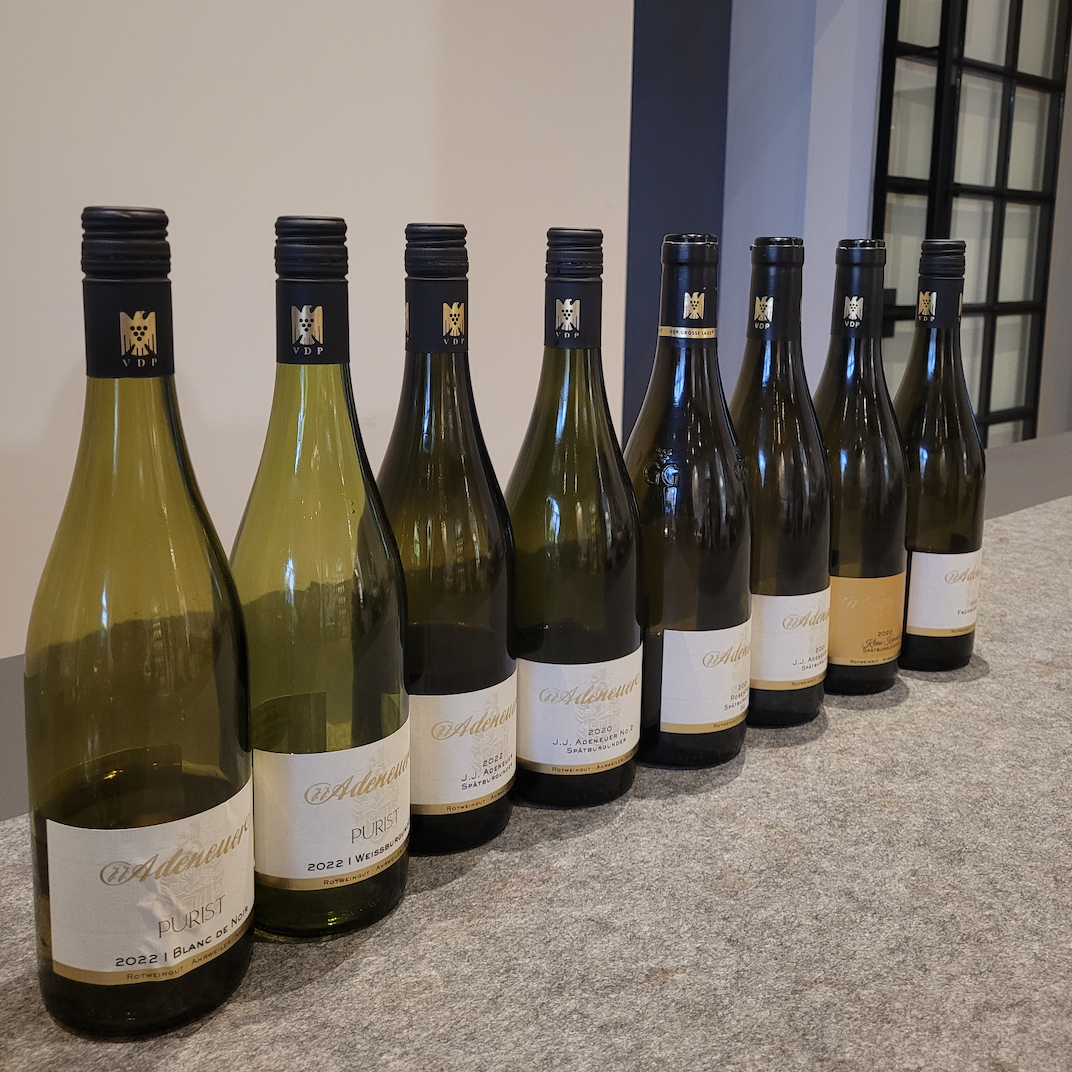
Weingut J.J. Adeneuer Blanc De Noir Purist 2022, Ahr Valley

Saignée method Blanc de Noir, reduced from the Grosses Gewächs spätburgunder, finished at three g/L of RS. Simple, fresh and dry. Quite pure as Rosé with a mild pith bitters finish. Drink 2024-2025.  Tasted March 2024

Weingut J.J. Adeneuer Weissburgunder Purist 2022, Ahr Valley

Juts a month on the lees for pinot blanc, now a year in bottle, more about texture and mouthfeel than primary fruit. About as crisp and clean as it gets but again with a mild lime pith bitter finish, much like the Rosé. Length adds to the refreshment of the wine. Drink 2024-2025.  Tasted March 2024

Weingut J.J. Adeneuer Spätburgunder 2022, Ahr Valley

Mildly reductive and also a factor of Ahr Valley terroir, making pinot noir flinty and taut while still this youthful. As with all the Adeneuer pinots they all fall in at 13 percent alcohol, the wood factor only from Bourgogne forests and just 10 percent new. A mix of red berry fruit, more flint stone character and the faintest touch of red fruit but also almond bitters. Would never see this as jammy and chilling it down for maximum freshness is wholly encouraged. Drink 2024-2026.  Tasted March 2024

Weingut J.J. Adeneuer Spätburgunder No. 2 2020, Ahr Valley

A pinot noir from after the floods of 2021 and normally bottled after 12 months. Circumstances meant that after the barrels were saved the vintage had to remain in wood for 18 months, only able to be bottled after the clean-up. Caused the alcohol to finish at 13.5 percent instead of the usual 13 and there is more texture as a result. Feels like a bigger and creamier pinot noir with tang and more red berry plus a toastier quality than that of the coming ’21s and ‘22s. Drink 2024-2026.  Tasted March 2024

Weingut J.J. Adeneuer Spätburgunder No. 1 2021, Ahr Valley

A later harvest, two weeks later the 2018-2020 but also the flood vintage when on the night of July 14th and into the 15th the waters filled the cellars and basements plus halfway up the ground floor of the winery. The No. 1 always remains 18 months in barrel, fruit coming from the lower Ahr Valley vineyards in three villages. The soils are 60 percent volcanic rock and the basaltic reek is felt in palpable aromatic display. Much more lactic and blood red citrus style plus this porcine smokiness, like Speck bacon. More structure and only GG plots are used – three of them. Drink 2025-2029.  Tasted March 2024

Weingut J.J. Adeneuer Spätburgunder Kleine Kammer 2022, Ahr Valley

J.J. as in Johannes Josef (ancestor from the 18th century, dating to 1776). Kleine Kammer, meaning “small (fermentation) chamber.” This Adenauer pinot noir comes off of soils of only pure slate with sandy loam, the second choice from a GG site, a terraced plot measuring only 0.68 hectares in size. The rule in Germany for GG is such that you can’t use a site’s name twice, thus the fantasy name. Vines are 50-60 and 80-100 years of age with the younger vines giving fruit for this wine. Ages in 1,800 to 2,000L barrels, namely Taransaud. No real toast to speak of, nor new wood feels or bitters in any notable way. Classic slate example that expresses its terroir and since 1776 as a Monopole. from vines with deep roots that never see their berries get sunburnt. A beauty and grace about this, quite getable and with sneaky structure. Made with the Kastenholz clone, grandchild of a pinot noir original. Drink 2024-2028.  Tasted March 2024

Weingut J.J. Adeneuer Spätburgunder Rosenthal GG 2021, Ahr Valley

J.J. Adenauer is now Marc Adeneuer with daughter Francisca and together they farm 13 of 540 hectares in the region, third most from the fourth smallest region in Germany. A red wine specialist with 90 percent red grapes, mainly pinot noir while the rest is weissburgunder and now just starting with chardonnay. Basically a place where Bourgogne grapes thrive. Rosenthal is mainly sandy loam and graywacke soils to gift pinot noir with a purity, crispiness and liveliness. You simply will not find more fresh fruit purity from any of the other Adeneuer pinot noirs. Comes from 2.5 hectares in the GG vineyard and the acid structure here is sensational – the catalyst and reason why this will age longer and slower than the other wines. This was the flood vintage too so kudos to the estate for sticking with it and creating this delight of a pinot noir. Drink 2025-2031.  Tasted March 2024

Weingut J.J. Adeneuer Frühburgunder 2022, Ahr Valley

Varietal frühburgunder, fresh and clean, clean, clean. Floral, without musculature, gamay like and though labeled at 13 per cent it’s really 12.7. Chill this and put away the serious talk. More than go gamay go – it’s fly frühburgunder fly. Approximately 1,500 bottles produced (plus 500 of the GG). Drink 2024-2025.  Tasted March 2024

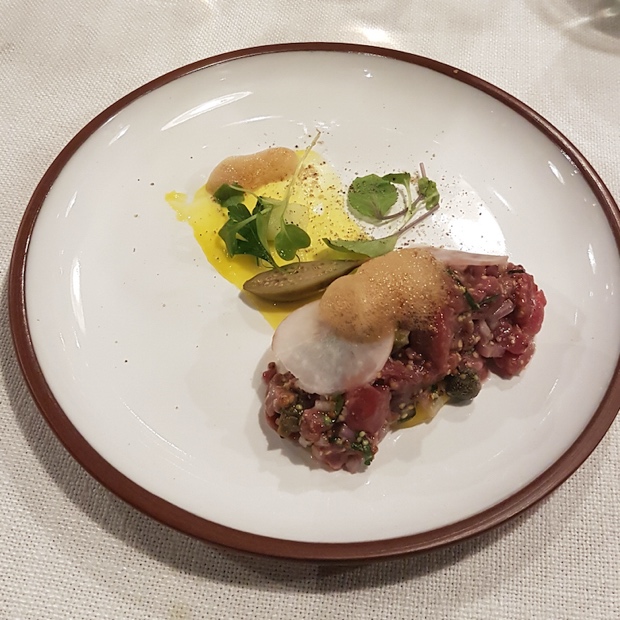
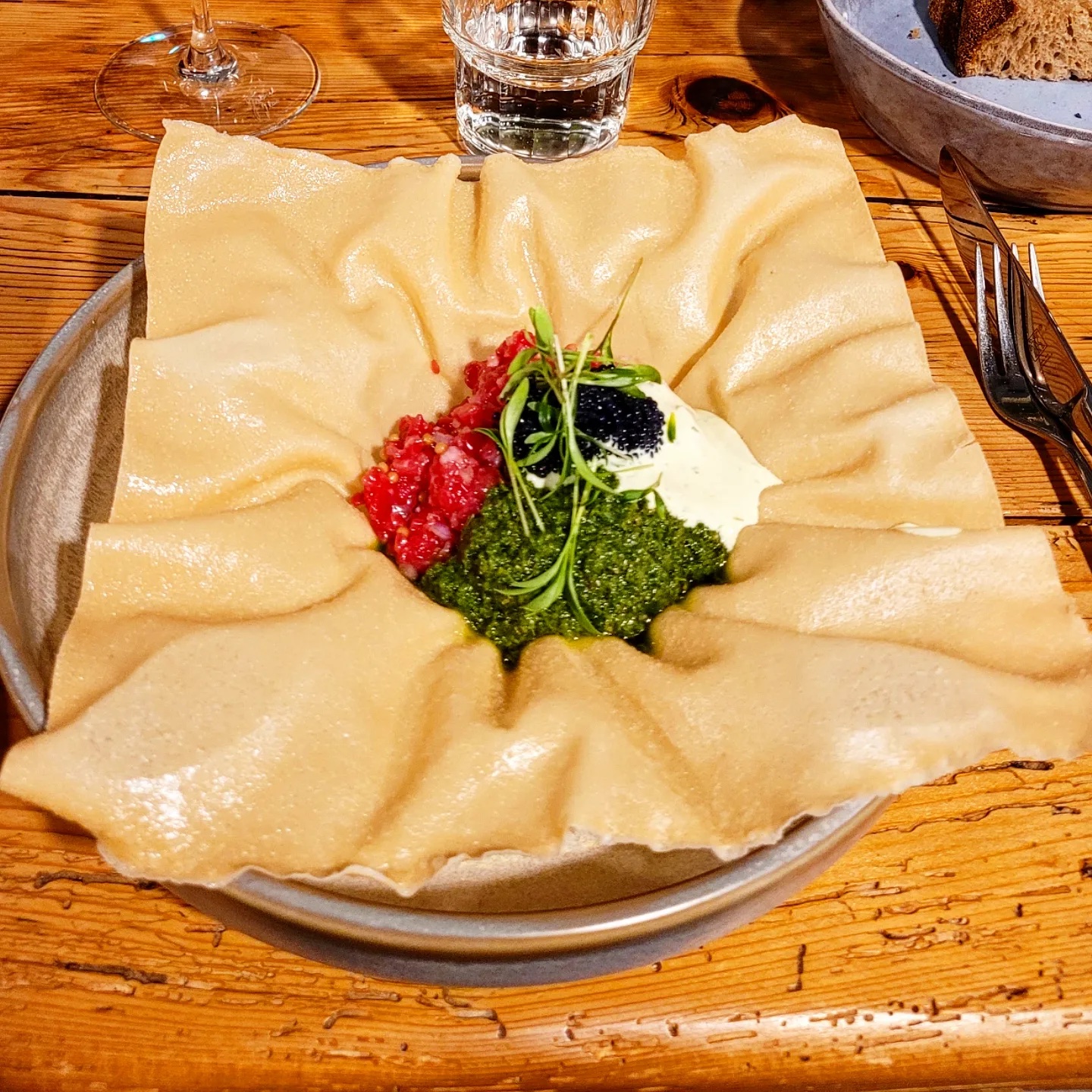
Beef Tartar – Kräter Sauce, Pinienkerne, Koriander, Chips – Die Mosel Vinothek und Winebar, Traben-Trarbach

Mosel

Der Ring 1899 at Die Mosel Vinothek und Winebar, Traben-Trarbach

Weingut Franzen – Bremm

Weingut Franzen Riesling Der Sommer War Sehr Groß 2022, Gutsweine, Mosel

A dry Mosel riesling which means 10.2 g/L of RS, 7.3 TA and finished at 11 percent alcohol. “Winegrowing on a razor’s edge” for a riesling “summer project” begun in 2011, “a cuvée that presents the cross-section of our vineyards and combines all the advantages of the individual locations in one wine.” Spontaneous ferment, as with all the wines, not far from Cochem where the steepest vineyard in Europe slopes to 68 degrees. A riesling of what feels like crazy conversion rates coming from red slates and seasoned with many spices. You would literally have no idea there is any sugar in this wine and the length is exceptional. Drink 2024-2027.  Tasted March 2024

Weingut Franzen Riesling Bremmer Calmont Großes Gewächs 2022, Lagenweine, Mosel

Bremmer Calmont delivers far more spice and power than the Franzen blend, here off of pure slate on a 65-degree slope which happens to be one of the steepest vineyards in Europe. Calmont is about as dry as riesling gets and its scintillant-mineral quality delivers true Großes Gewächs distinction. Extreme aridity perceived matched by intense sapidity that only this specific Mosel red slate provides. A riesling of trenchant intention, compact and stone cold concentrated. Serious wine. Drink 2024-2029.  Tasted March 2024

Angelina Franzen – Weingut Franzen

Weingut Franzen Riesling Calmont Trocken 2021, Lagenweine, Mosel

Dry riesling from the steepest 65 degree vineyard of oxidized red Devonian slate and quartzite raised only in steel. The specs are 8.5 g/L of residual sugar matched by 7.6 g/L of acidity with 11.0 percent alcohol and as far as vintages are concerned this would be one to really age. Namely because of palate density but also because the acidity is as fine and finessed as it gets for this composition. May not pierce your riesling heart, or soul but it will age well. Drink 2024-2030.  Tasted March 2024

Weingut Franzen Riesling Fachkaul Großes Gewächs 2020, Große Lagen, Mosel

Fachkaul is the parcel which forms a kind of mini-amphitheater-shaped bowl where at the end of the 1990s Kilian Franzen’s father Ulrich restored and replanted the vines. The epitome of Killian and Angelina’s story, a Calmont tale fraught with adversity, challenges and heartache, but this small (1.6-ish hectare) plot means everything. Mineral that matters, red slate and the steepest slope where all that is important, essential and profound result in singular riesling. Not quite as dry as the Bremmer but higher in acid, more stark, expletive and magical. Sapid lime intensity, long, significant, precise, consequential and just recently bottled in January. Drink 2025-2032.  Tasted March 2024

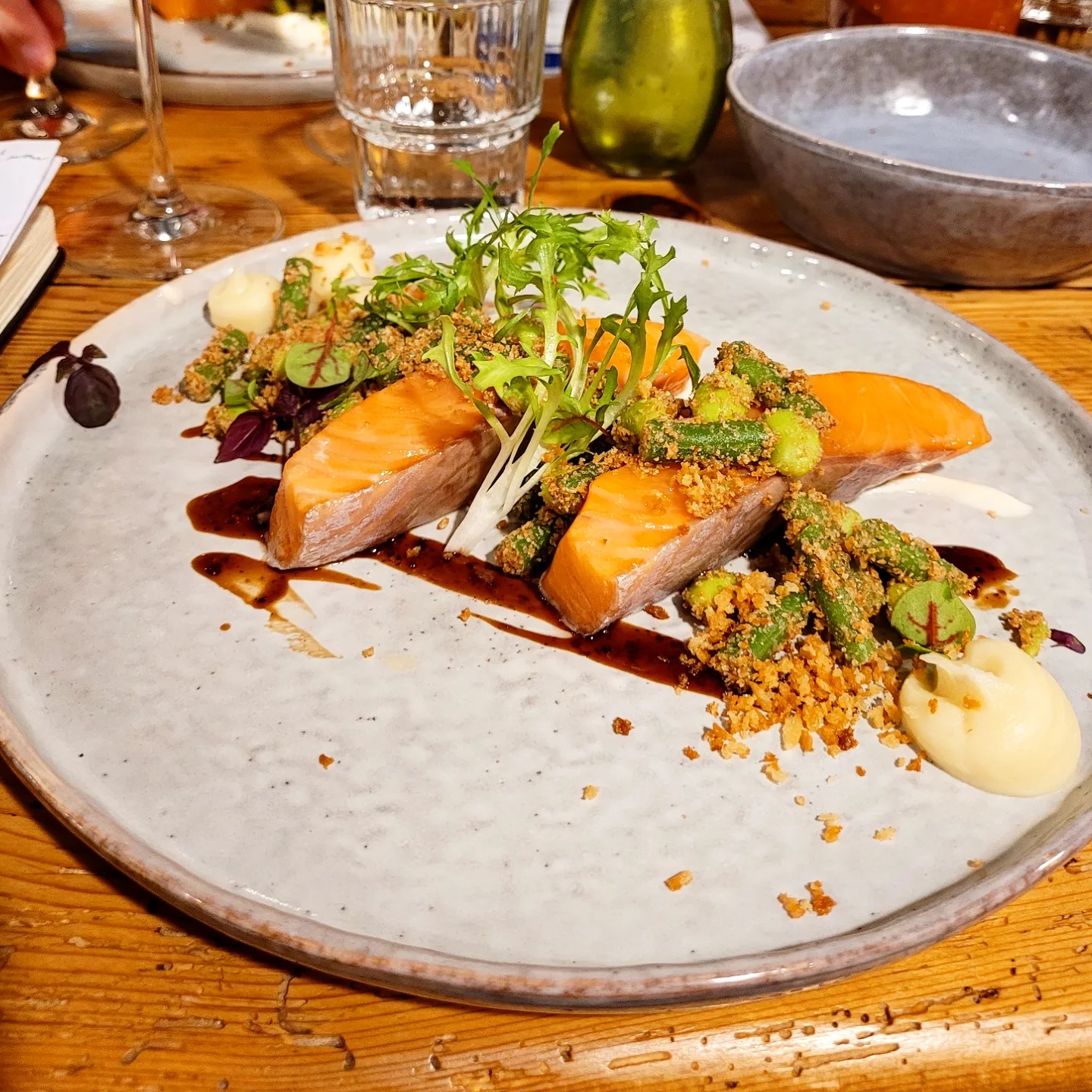
Lachs – Tofu Puree, Edamame, Bohnen, Dijon Sauce – Die Mosel Vinothek und Winebar, Traben-Trarbach

Weingut Franzen Riesling Fachkaul Großes Gewächs 2017, Große Lagen, Mosel

In a perfect place at this six to seven year stage, from one of the warmest seasons with lots of rain at harvest. Picking began in the second week of September and required many passes in the vineyard with a stringent selection to create (an overall) 15 skus for 11 hectares. The work of Killian and Angelina, students from Geisenheim who began this journey of family necessity at the ages of 23 and 20. A softer Fachkaul but that is the maturity speaking for riesling of a sapid tug on red slate, one and a half hectare mineral-varietal heartstrings. Quite remarkable and with three great years still laid out ahead. Drink 2024-2027.  Tasted March 2024

Weingut Franzen Riesling Sterneberg Großes Gewächs 2020, Große Lagen, Mosel

Killian and Angelina Franzen’s best plot in the Neefer Frauenberg is called Sterneberg. Vines were planted in 1938 on grey slate for a different, next level mineral quality and quotient for Mosel riesling. These are own-rooted vines, old, experienced and wise, their resulting dry wine coming away like the desert because sugar and acids near-equal come together seamlessly. The most viscosity and texture of the Franzen rieslings, from a hot vintage and so concentration, unctuousness, flesh, pulp and glissade are all at peak performance. Glorious and confident, outspoken but only to make sure we understand its origins and Franzen abides by its voice. Drink 2024-2033.  Tasted March 2024

Gerrit Walter and Angelina Franzen

Weingut Walter – Briedel

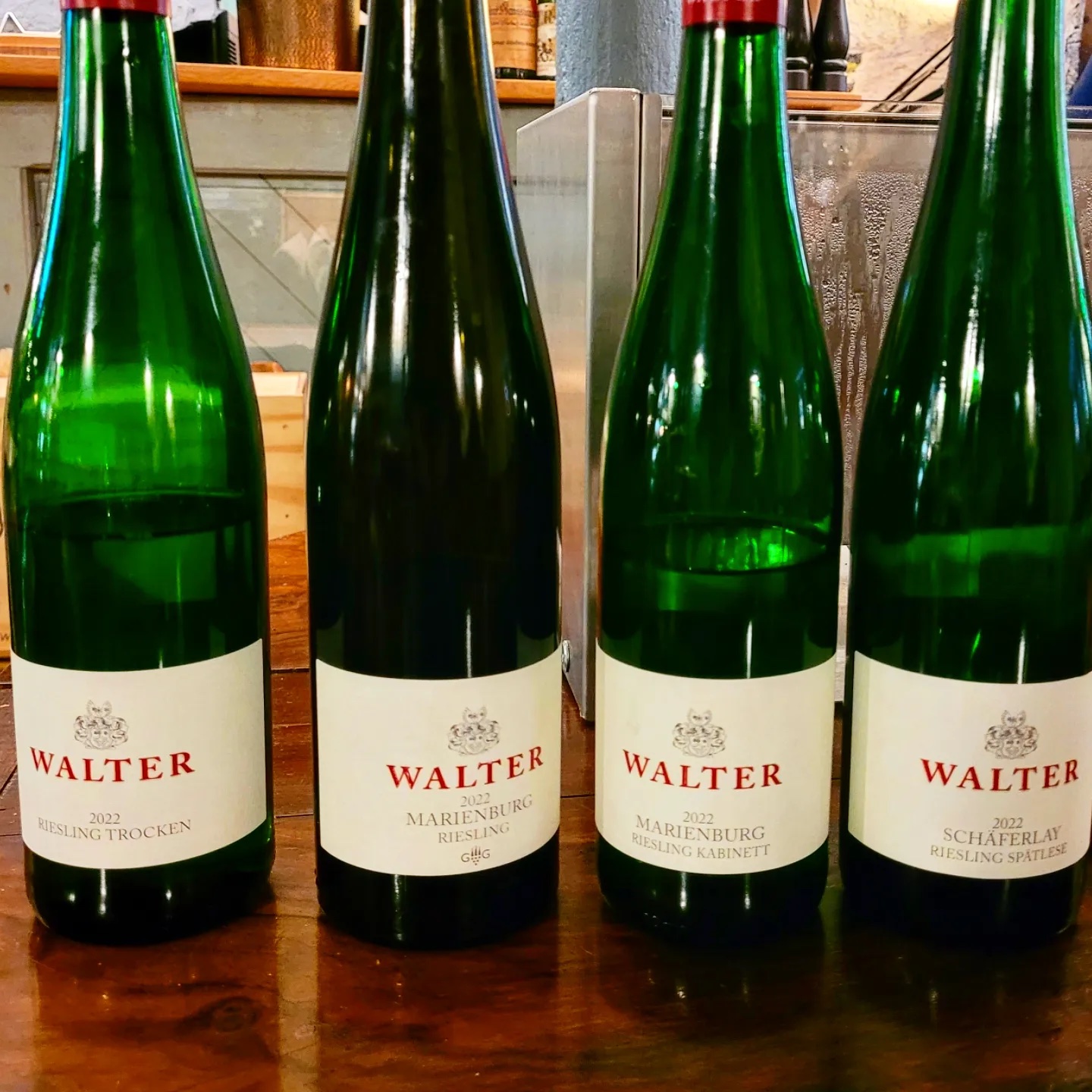
Weingut Walter Riesling Trocken 2022, Gutsweine, Mosel

From Briedel, next village out of this tight turn in the Mosel from Pünderich where Clemens Busch farms their riesling. The Walter Trocken is just 6.5 g/L of residual sugar pretty much hidden by 6.9 of TA. Six to eight hours of skin contact for a phenolic, taut, lime doused example off of the grey slate of the Briedel Vineyard. Solid effort and notably modern. Drink 2024-2025.  Tasted March 2024

Weingut Walter Riesling Feinherb Briedeler 2022, Ortsweine, Mosel

Villages quality wine from Briedel, not as dry as the Trocken with three times the residual sugar, here at 10 g/L. A floral-herbal expression, fresh, light and modular. The acidity functions to make the malleable wine travel to the back palate and structure is formed because of this movement and interaction. Very well made Feinherb style by Gerrit Walter for simple pleasure, especially with a piece of cheese or beef tartare with pine nuts and a high acid mustard sauce . Drink 2024-2026.  Tasted March 2024

Weingut Walter Riesling Pünderricher Marienburg Großes Gewächs 2022, Mosel

Gerrit Walter is the next generation producer of this GG riesling out of Briedel’s grey slate vineyard. Sees a longer maceration of 12-15 hours, comes away super dry (3.1 g/L), matches the Trocken’s acidity and finishes at a Mosel high 12.6 per cent alcohol. This is not about fruit but rather the type of mineral focus that comes from Marienburg, with increased seasoning, spice, elements and tonic-edgy florals, though it is not the most phenolic of rieslings. Cracker example, truly dry and in command of the palate. Drink 2024-2028.  Tasted March 2024

Weingut Walter Riesling Kabinett Pünderricher Marienburg 2022, Lagenweine, Mosel

One of two recognizable styes of riesling made by Gerrit Walter to carry on with Mosel tradition even while he and many young generation winemakers are turning to drier and drier. This from an early harvest resulting in 45 g/L of residual sugar, far from searing 8.0 TA and low-ish alcohol at 8.6 percent. There is more fruit here in a light, refreshing yet in its own way also intense style that the estate has been making for 10 years. “Kabinett means light, vibrant and elegant,” explains Gerrit and his Pünderricher is without any real skin contact, but the tangerine-orange peel aroma really kicks things off. The length is indeed outstanding. Drink 2024-2029.  Tasted March 2024

Weingut Walter Riesling Kabinett Marienburg 2016, Lagenweine, Mosel

When talking about his 2022 Pünderricher from Marienburg Gerrit Walter noted that “Kabinett means light, vibrant and elegant,” three things this 2016 most surely had been. Not anymore because age has exaggerated the aromas if also softened the palate flavours. This divergence has resulted in maturity and a dispersion of parity. There is some interest for this fine if past prime look at a Marienburg riesling.  Tasted March 2024

Weingut Walter Riesling Spätlese Briedeler Schäferlay 2022, Lagenweine, Mosel

No botrytis came about for Walter’s late harvest riesling with 63.2 g/L of RS, higher 9.3 at TA and 8.6 percent alcohol. Elegant, concentrated and optimum if unassuming ripeness for this lime cordial, mineral salts and cracker acidity style. In fact the blade swipe makes for an intensely serious and stood up to be counted riesling that demands attention. Serious but as mentioned also elegant which is a very good combination. Drink 2025-2031.  Tasted March 2024

Weingut Rebenhof – Hochheim am Main

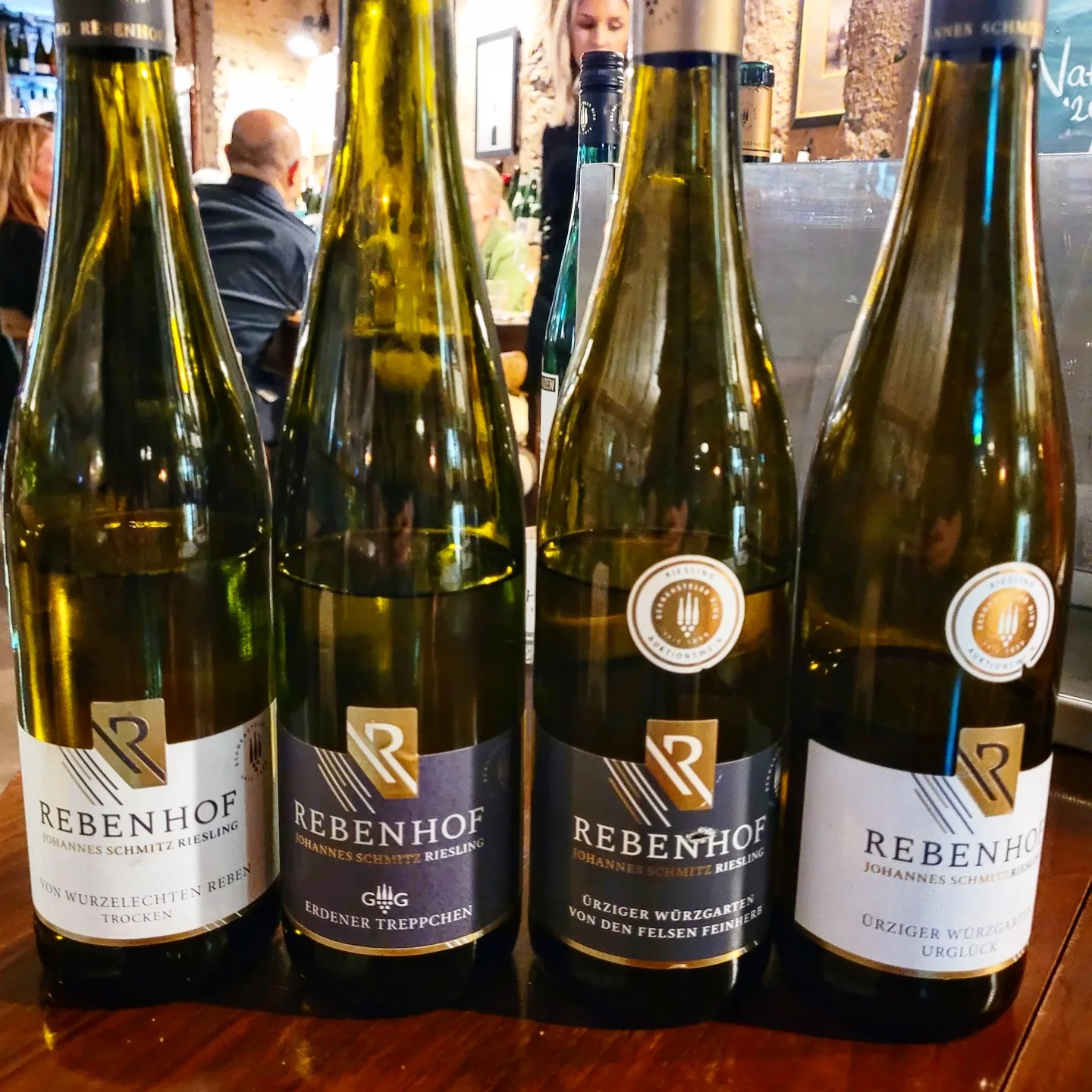
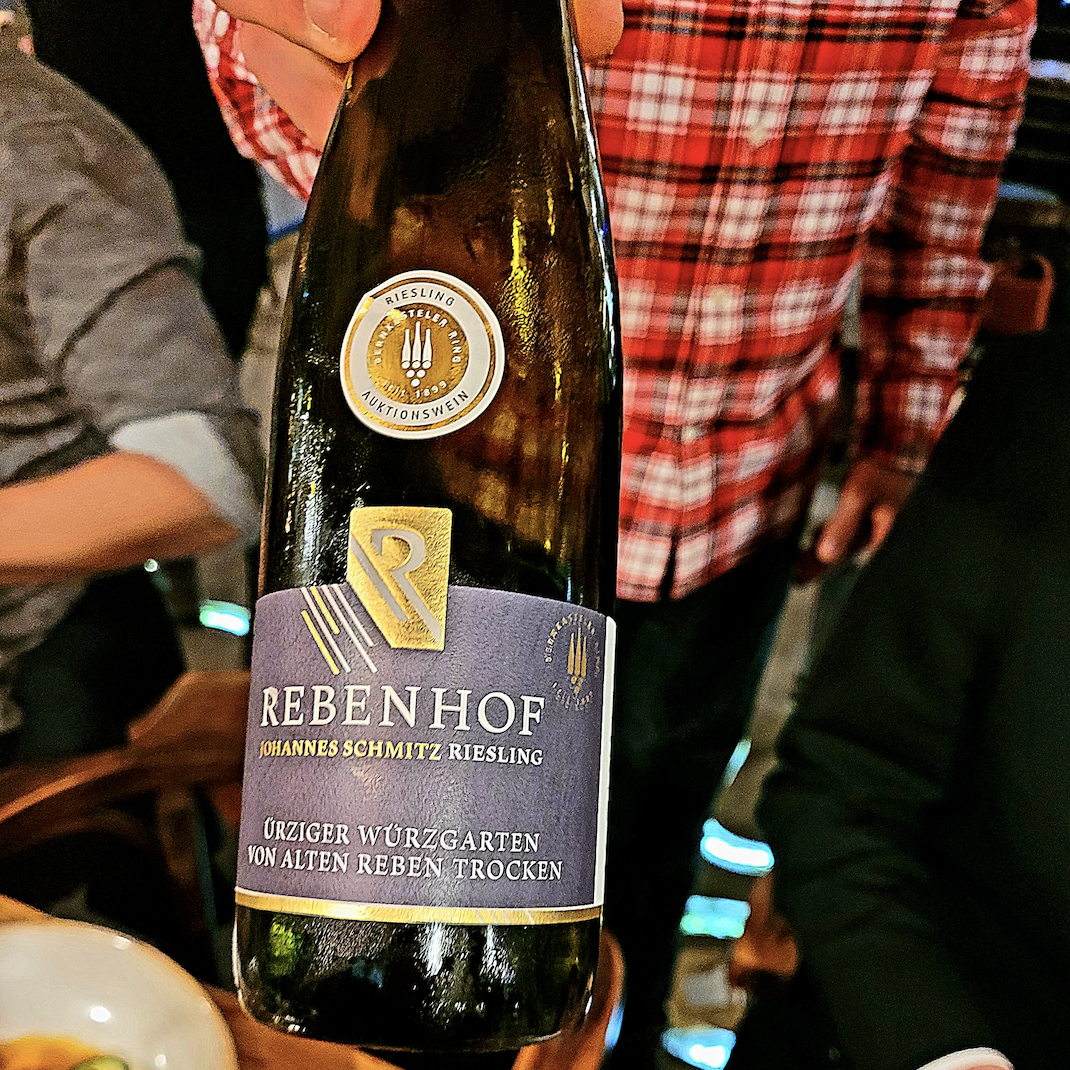
Weingut Rebenhof Riesling Kabinett Trocken Ürziger Würzgarten Von Wurzelechten Reben 2022, Hochheim am Main

Ürzig is a village in the Bernkastel district of the Mosel and the Ürziger (vineyard) is a place of red slate, often lending a spicy or salty character to the riesling grown there. Wurzelechten basically means “own or unrooted,” a significant case because there are between 50-60 hectares of un-grafted vines in all of Germany, about half of them planted between 1910 and 1935. Topsoil must exist over stoney soils for Phylloxera to attack and the slate in this part of the Mosel is not one of those locations. Rebenhof’s Kabinett is the truest form of Trocken and one of the zestiest you are ever likely to encounter. Matching sugar and acidity numbers create the equilibrium, both at 6.8 g/L with alcohol right there in the median sweet spot at 11 percent. Tons of lime, mostly zest and the intensity never relents. Still there is a fulsome aspect and so time should soften the attack and coax out some flesh. Unique riesling in any case. Drink 2025-2029.  Tasted March 2024

Weingut Rebenhof Riesling Großes Gewächs Auktionswein Erdener Treppchen 2020, Hochheim am Main

A riesling with the Auktionswein classification which means it its part of the Bernkasteler Ring E.V., which is the oldest wine auction company in Germany. A Großes Gewächs (a mark of quality by top producers from best sites making dry wines) from the iron-rich, red slate soils of the Erdener Treppchen (village of Erden in the Mosel’s Bernkastel area). The 2020 is a wine of dichotomies, still on the dry side but with elevated numbers as compared to the Ürziger. Here riesling is at once salty but the acid presence (as a quotient of this vineyard’s minerals) creates an opposing sense of sapidity. Diversity from start to finish, a wine of waves and oscillations, multifold mineral movements and a gelid texture to the palate. Higher alcohol contributes to the elevated weight. Drink 2024-2028.  Tasted March 2024

Weingut Rebenhof Riesling Spätlese Ürziger Würzgarten Von den Felsen 2018, Hochheim am Main

A new style of Spätlese riesling, well ahead of its time from 2018 out of the Ürziger Würzgarten with just a bit more than one-third of the residual sugar of the Kabinett. Here at 29.5 g/L and higher alcohol (11.0 percent) than might have been thought. This modern approach makes for a sapid riesling despite the sweetness, quite phenolic, ripe and grippy, rich and creamy yet intensely mineral. A lime cordial meets sherbet style with backbone, attitude and potential. Drink 2025-2031.  Tasted March 2024

Weingut Rebenhof Riesling Kabinett Auktionswein Ürziger Würzgarten Urglück 2022, Hochheim am Main

Fabulous nose with exceptional aromatics mark the entry of this very sweet riesling made in a singular Kabinett style. A riesling of nectarine and peach stone, creamy like the Spätlese but more bodied and emulsified as texture with acidity really buoying the fruit. The method, application and intention might suggest a challenge but Rebenhof does their best work when sugars are elevated because that is how they see riesling and its capabilities. Drink 2024-2030.  Tasted March 2024

Charlie and Caroline Weis – Weingut Erben Von Beulwitz

Weingut Erben Von Beulwitz – Mertesdorf

Weingut Erben Von Beulwitz Riesling Kaseler Nies’chen No. 15 Im Steingarten 2023, Mertesdorf, Mosel

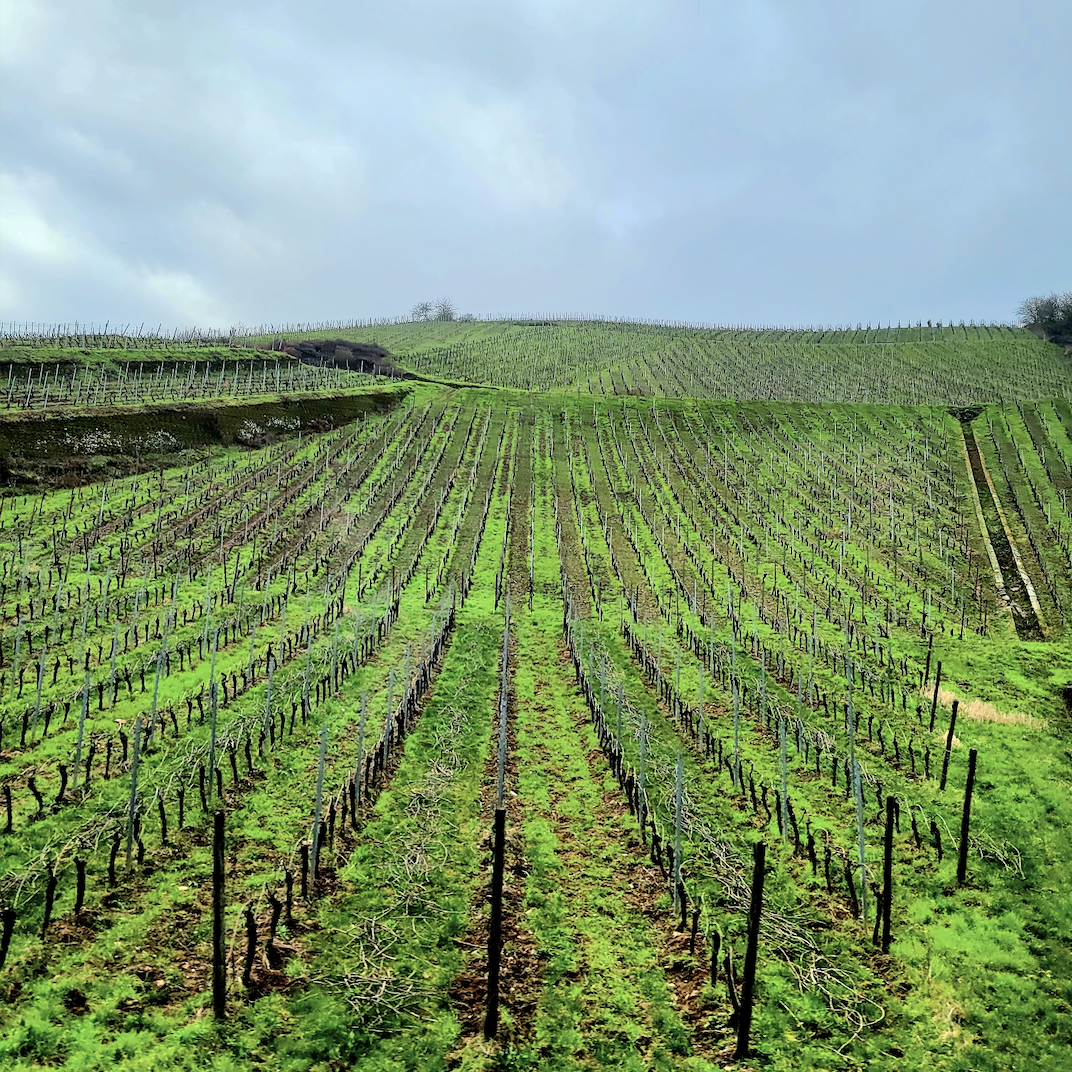
Caroline Weis describes the steep and exposed Nies’chen vineyard as the “mountain,” an extreme and specific Steingarten site with blue slate and sparse stony topsoil. It is anything but a “garden” of a vineyard to farm. Labeled Trocken and while anything but severely dry it is the intensity of this riesling’s acidity that plays tricks upon both the nose and palate. The TA is in fact higher (at 7.9) than the sugar (at 7.5 g/L). The new (and local) winemaker Phillip Steffes likes this style, more open than rigid and definitely sapid without any gratuitous generosity. Drink 2024-2027.  Tasted March 2024

Weingut Erben Von Beulwitz Riesling Großes Gewächs Trocken Mertesdorfer Herrenberg No. 14 2022, Mertesdorf, Mosel

As with the Nies’chen there is slate in the topsoil of the Mertesdorfer (Mertesdorf Village) Herrenberg but more blue on the lower slope, as opposed to black at the “mountain” top. Also a dry riesling though even more so (at 5.5 g/L) in this Großes Gewächs edition with an acidity number (at 6.7) that dominates to make this feel like one of the most arid Mosel rieslings around. A modern and modish take that commands attention, broadens the mouthfeel and so that fruit-mineral swirl becomes one of serious breadth. A credible example with acidity that is not sharp, but certainly powerful, impeccable balance and high level age-worthiness in the Trocken idiom. Drink 2025-2032.  Tasted March 2024

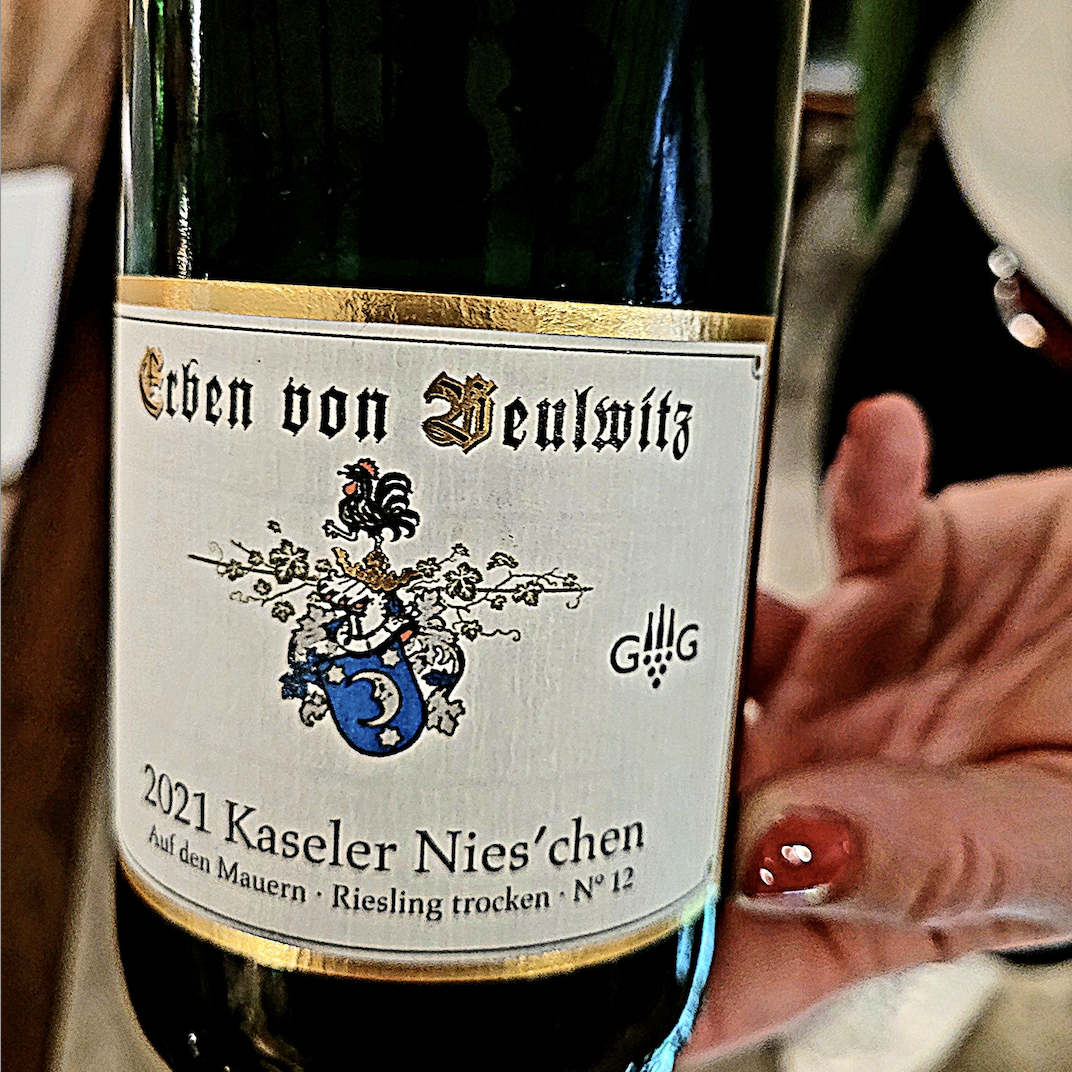
Weingut Erben Von Beulwitz Riesling Großes Gewächs Trocken Kaseler Nies’chen No. 12 Auf Den Nauern 2021, Mertesdorf, Mosel

Auf Den Mauern is a 60 percent steepness portion of the Nies’chen Vineyard and considered to be the most important riesling section where high slate walls support the slope. Though this does come across as dry there is more sugar (at 8.6 g/L) and also acidity (7.2) as compared to the Herrenberg. What stands out now is the saltiness in a way only this riesling from Erben Von Beulwitz is want to show. A different expression results, also because it’s still young, reductive and yet to open. Caroline Weis notes its 10-year potential and truth be told there will be two more years of waiting before any significant changes begin to occur. It could be suggested to open bottles at the 2,4, 6, 8, 10 and 12 year marks to see the evolution. It was a rainy summer of 2021 in this part of the Mosel and so things slows down for riesling. Drink 2026-2034.  Tasted March 2024

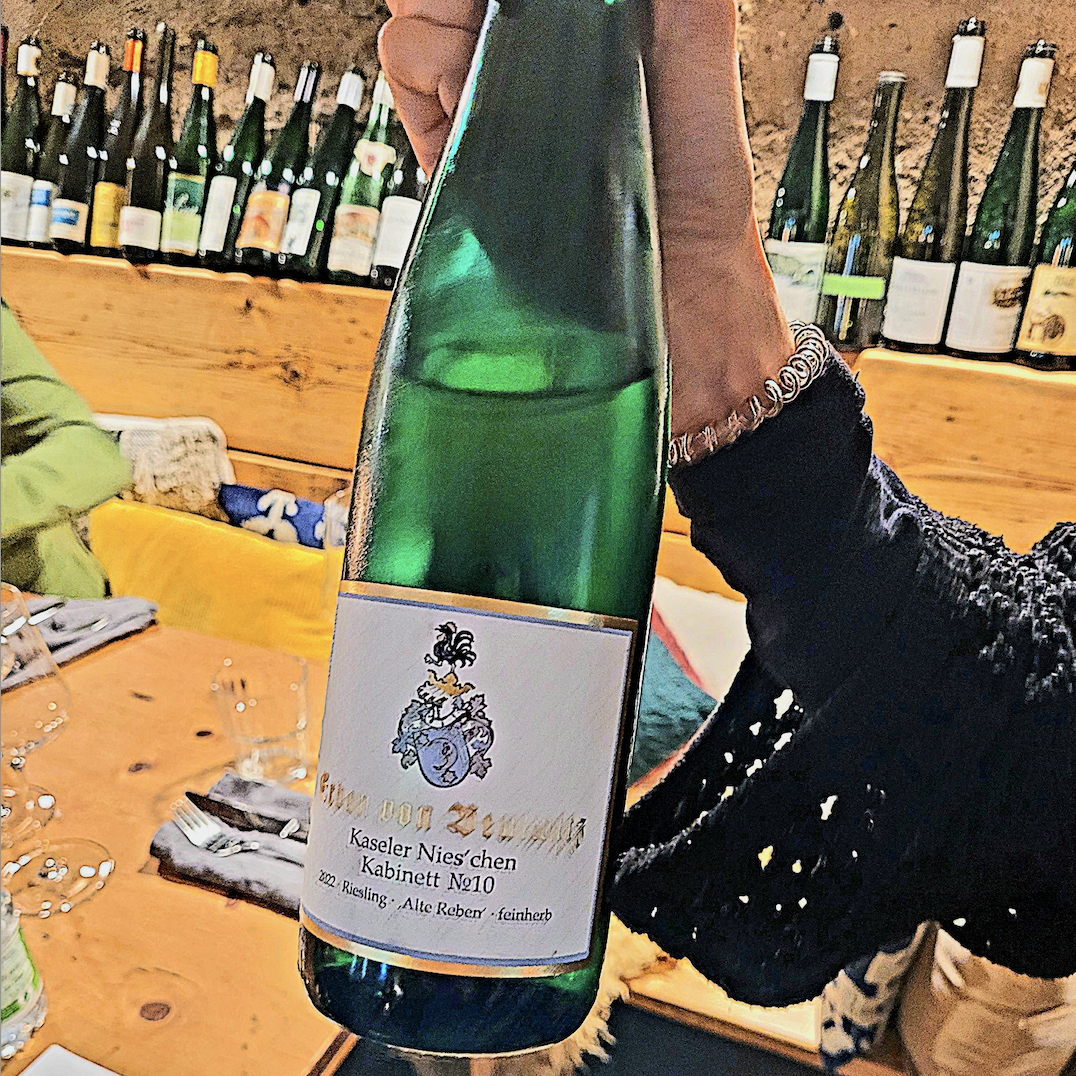
Weingut Erben Von Beulwitz Riesling Kabinett Feinherb Kaseler Nies’chen No. 10 2022, Mertesdorf

Classic Mosel style in the ways of the 90s and 2000s and “Dad’s favourite,” tells Charlie Weis. The kind that expertly balances high sugar and acid, layered like mille-feuille pastry, light on its feet and melting with ethereal ability in the mouth. Creates a symbiotic relationship with the Spätlese, the other Herbert classic styled riesling. The combination of 150 years of history and a family’s efforts since 1982 are what make a riesling like the Kaseler Nies’chen No. 10. Drink 2024-2029.  Tasted March 2024

Weingut Erben Von Beulwitz Riesling Spätlese Alte Reben Kaseler Nies’chen No. 6 2023, Mertesdorf, Mosel

Now into late harvest territory, old-school if you will, “Dad’s riesling” admits both Caroline and Charlie, Weis daughters and face of the estate. What a contrast to the Trocken, fruity, pulpy and forward, blast from the past though a very recent one to be honest. No holding back, zero reduction and ready to please. The specs are 95.0 g/L of residual sugar, 9.1 TA and 7.1 percent alcohol. Classic in so many respects, namely the tart stone fruit, sweetness elevated by the specific kind of acidity and good energy all-around. A clean and protected riesling that should have no problem living a long and productive life. Drink 2024-2033.  Tasted March 2024

Weingut Erben Von Beulwitz Riesling Auslese Alte Reben Auktionswein Kaseler Nies’chen 2015, Mertesdorf, Mosel

Tasted side by side with the 2020, a wine so incredibly youthful it seems years too early to be tasted. This 2015 is just beginning to show the first early stage of maturity, an Auslese from a hot summer with heavy rains. This fortunately stopped and the harvest saw cooling temperatures with beneficial drying winds. The end result was small berries and low yields for highly concentrated riesling fixing high quality Auslese. The acidity is still ripping through, keeping the sugars low and at bay, way down below. Kaleo rhythm, pure Mosel aromatic if perhaps the melodic-Icelandic gelid coolness, and “whoa, we get what we deserve.” Drink 2024-2031.  Tasted March 2024

Nahe Vineyard

Nahe

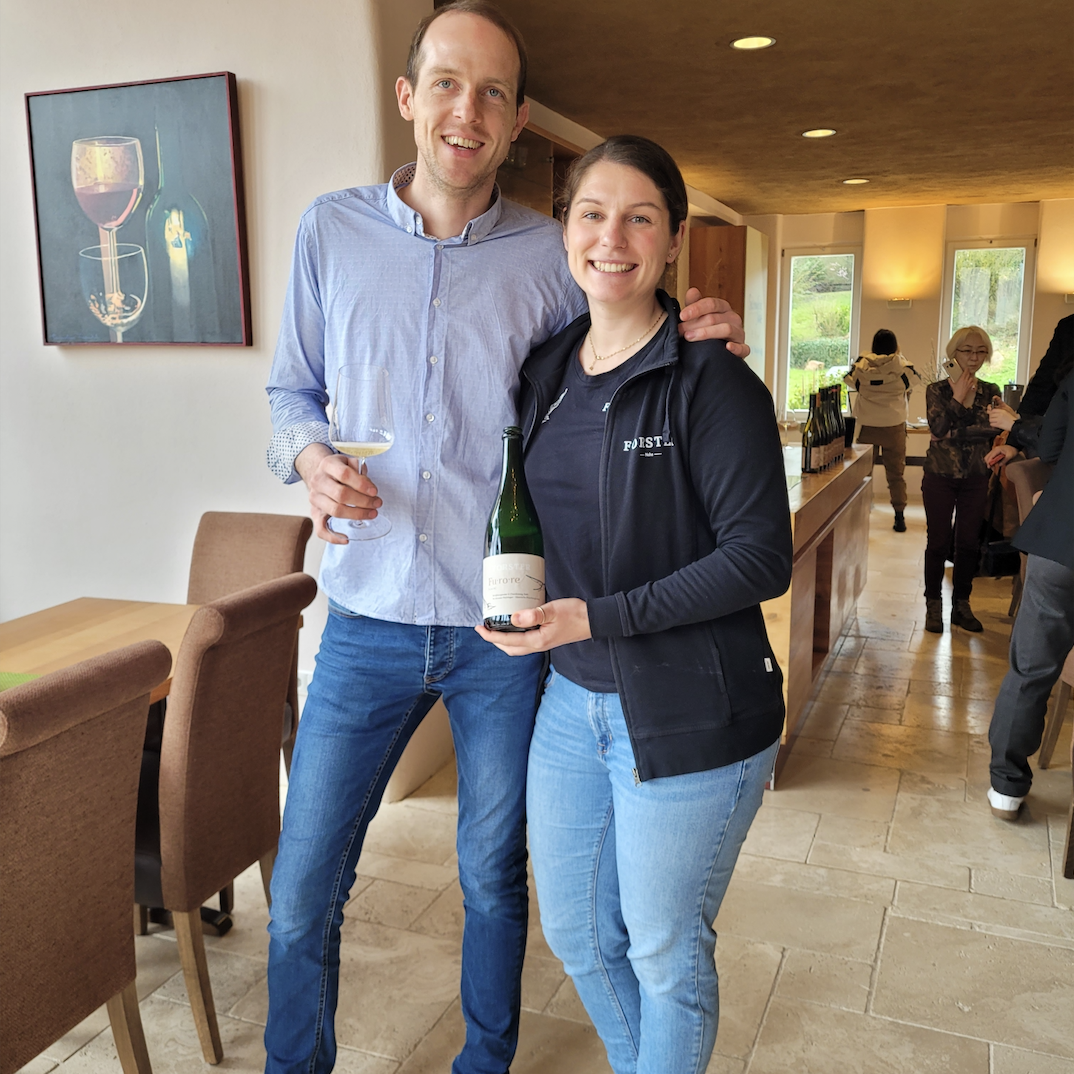
Weingut Forster – Rümmelsheim

Weingut Forster Sekt Brut Nature Chardonnay and Weißburgunder 2016, Nahe

The 2016 Sekt of zero dosage spent 90 months on the lees. Still showing good freshness and aromatics are more than joyous. The wine turns quite botanical and it’s all sweet herbs throughout the second half of this unique sparkling wine. Drink 2024-2026.  Tasted March 2024

Weingut Forster Weißburgunder Dry 2023, Nahe

Fermentation is 70 percent in stainless and (30) in wood. A few hours of skin contact, bâttonage and lees contact for a few months. Organic, with neutral yeasts in the steel and spontaneous in the barrels. Low sulphur, vegan and unfined. Just grapes, no additions, proper ripeness, tasting like fruit and admittedly never creamy, oaky or gratuitously soft. Clean, satisfying, of medium acidity and surely just a matter of healthy grapes out of a good pinot blanc vintage. Well thought out, environmentally and sustainably conscious white wine. Drink 2024-2025.  Tasted March 2024

Weingut Forster Riesling KABInett 2023, Nahe

A German word play, the use of KABI in bold, as in “I’d like to have a Kabi, short for Kabinett.” One of the first riesling harvested at lower sugar and higher acidity though like all Kabinetts the residual sugar is essential, though here it’s in the lower range at 36.2 g/L. A cool climate vineyard that is now warming to be able to make this style in the Nahe, plus Laura Forster wanted this style to be made, especially because of the low alcohol. Only the third vintage, a fine mix of peach and lime, richness and tang. Well balanced though not one to age like many from the Mosel. Only 3,000 bottles made. Drink 2024-2027.  Tasted March 2024

Weingut Forster Riesling vom Kies Dry 2022, Nahe

From gravel (kies) soils and the aromatic profile is not only so opposite to the Schiefer but to 99 percent of rieslings made in Germany. A botanical tonic and a cheese rind that really expounds on the idea of this being a natural wine. Yes the soil comes through but also the vinification process, of 10-12 hours of skin contact, first press juice only, spontaneous fermentation in steel, finished at Christmas. Very dry, lime finish and just a bit “horsey.” Drink 2024-2025.  Tasted March 2024

The Forsters

Weingut Forster Riesling vom roten Schiefer Dry 2022, Nahe

From red slate soils, same fermentation-vinification process as the Kies (granite) riesling. Less lactic and more phenolic, dry as can be and in better balance with thanks to the soil. Still it is the mix of style, use of compost, organics and low intervention, including sulphuring that creates this very natural scenting, a notably earthy and cheese rind notated riesling. Drink 2024-2026.  Tasted March 2024

Weingut Forster Riesling Burg Layer Schlossberg Dry 2018, Nahe

Warm, south facing red slate hill, 52 degrees of steepness, right behind the winery. Warm vintage though cooler than 2019, higher in sugar though still just about bone dry at 2.9 g/L. Also higher in alcohol at 13.5 with more flesh and body and the balance afforded this clean riesling from clearly healthy soils is just right there where we want it to be. Tannins and structure aided by long lees aging (up to a year) in stainless steel. Freshness fully captured, longevity a true matter of potential and acidity still a great catalyst for all that is happening and will continue to develop in the wine. Drink 2024-2028.  Tasted March 2024

Weingut Forster Riesling Burg Layer Schlossberg Dry 2019, Nahe

Mild though detectable TCA. Warm, south facing red slate hill, 52 degrees of steepness, right behind the winery. A complete and utter apposite vintage to the cooler 2018, here warm and dry, the sugar under 1.0 g/L and the acids also a point lower. Alcohol 1.5 less at 12 and overall the balance afforded by 2019 was surely more of a challenge. Warm nights up to harvest sacrificed some acidity and so structure overall here, included tannin is lessened. Just not as balanced and without the top energy of 2018 but still well and naturally made. Drink 2024-2025.  Tasted March 2024

Weingut Forster Grauburgunder Réserve Dry 2022, Nahe

Short 12 hour but effective skin contact for pinot gris, fermented in 500L tonneaux, 12 months of lees contact and healthy alcohol at 13.5 though less than much warmer vintages. Grows on the red slate soil of the Rotenberg (red mountain), sun richness and good metallurgy in the aromatics. Juicy, fleshy and just enough acid to keep things moving swimmingly along. Great diversion from a sea of pinot grigio ubiquity. Drink 2024-2026.  Tasted March 2024

Weingut Forster Frühburgunder Burg Layer Johannisberg 2022, Nahe

A single vineyard red from the rare variety (only 440 hectares planted in all of Germany), a cru frühburgunder not oft seen in the Nahe. Early ripening grape planted by Johannes Forster’s father 20 years ago. Softer tannin structure as compared to spätburgunder and grown in the cooler site where the riesling for Kabinett also grows. Some whole bunch, fermented on skins for four weeks and yes just enough tannin has come through. Some aging in low toast new barrels, a bit more structure than some though it stays below the threshold of too much extraction and tannin. Just a bit of spice and again gamay or perhaps even pelaverga is the mind’s launching point. Just a hair ambitious for what the grape is want to deliver. Drink 2024-2026.  Tasted March 2024

Weingut Forster Spätburgunder Kies 2022, Nahe

Grown on the Kies (granite) soil, four weeks of skin fermentation, very little wood usage, soft but still just enough grip to effect structure. Similar natural feel like many of the rieslings and more viscous mouthfeel than the frühburgunder, liquid chalky and again the cheese rind note, Also a verdancy and red citrus tang, desiccated roses and minty cool savour at the finish. Tannins are just a bit hard, chalky-grainy and friable. Drink 2024-2026.  Tasted March 2024

Schlossgut Diel – Burg Layen, Nahe

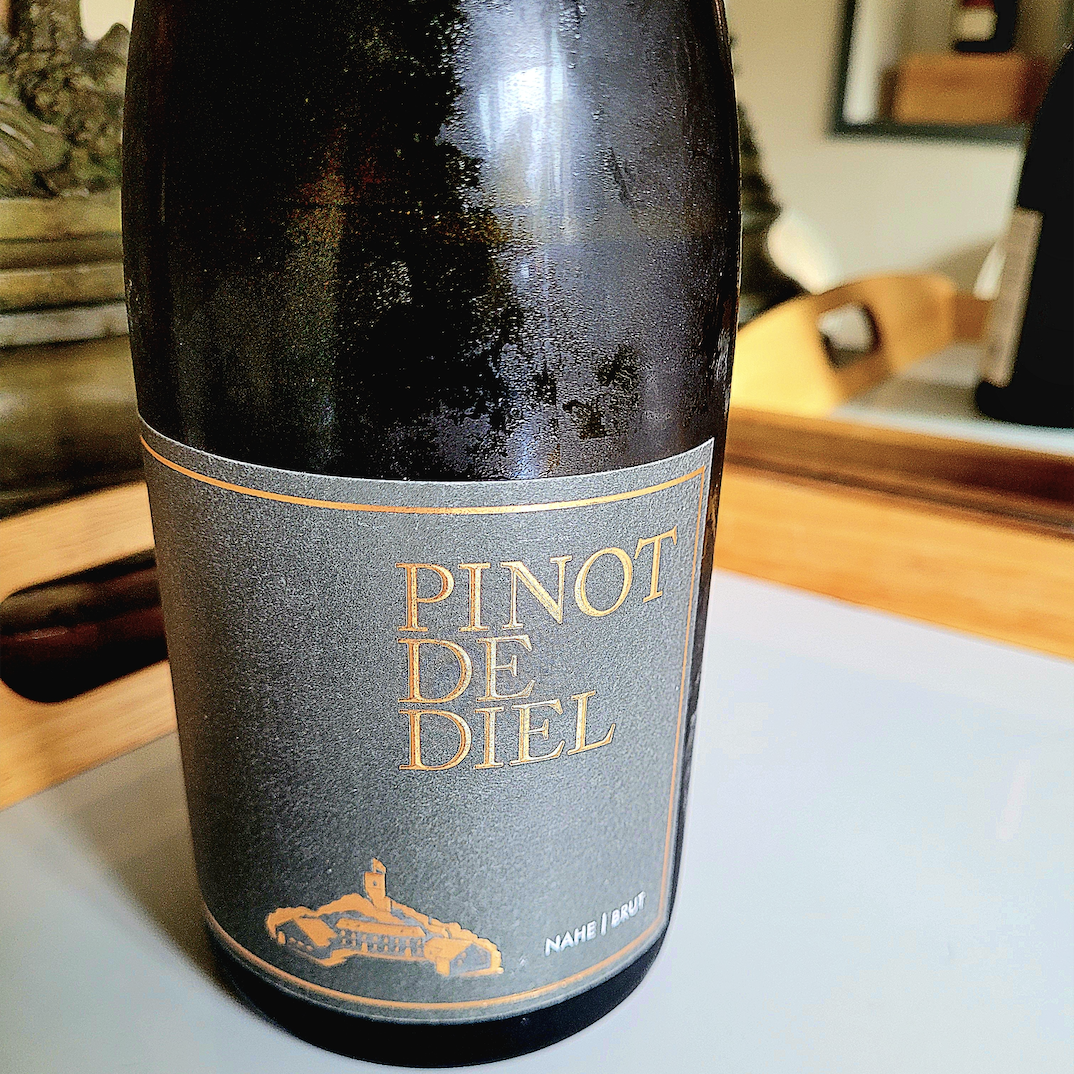
Schlossgut Diel Pinot De Diel, VDP.Sekt, Nahe

A vibrant mix of pinot noir and pinot gris from Caroline Diel, seventh generation winemaker at Burg Layen which came into the possession of the Diel family in 1802. The base wine is 2020 fruit with some residual 2019 involved, two years on the lees and of an aperitivo intent. Easy drinking and on the dry side which feels like another Brut Zero style is well within Diel’s capable reach. Like a bite into a tart and juicy green apple with a drip of red fruit and a fairly tart finish. Satisfying bubble all around. Drink 2024-2026.  Tasted March 2024

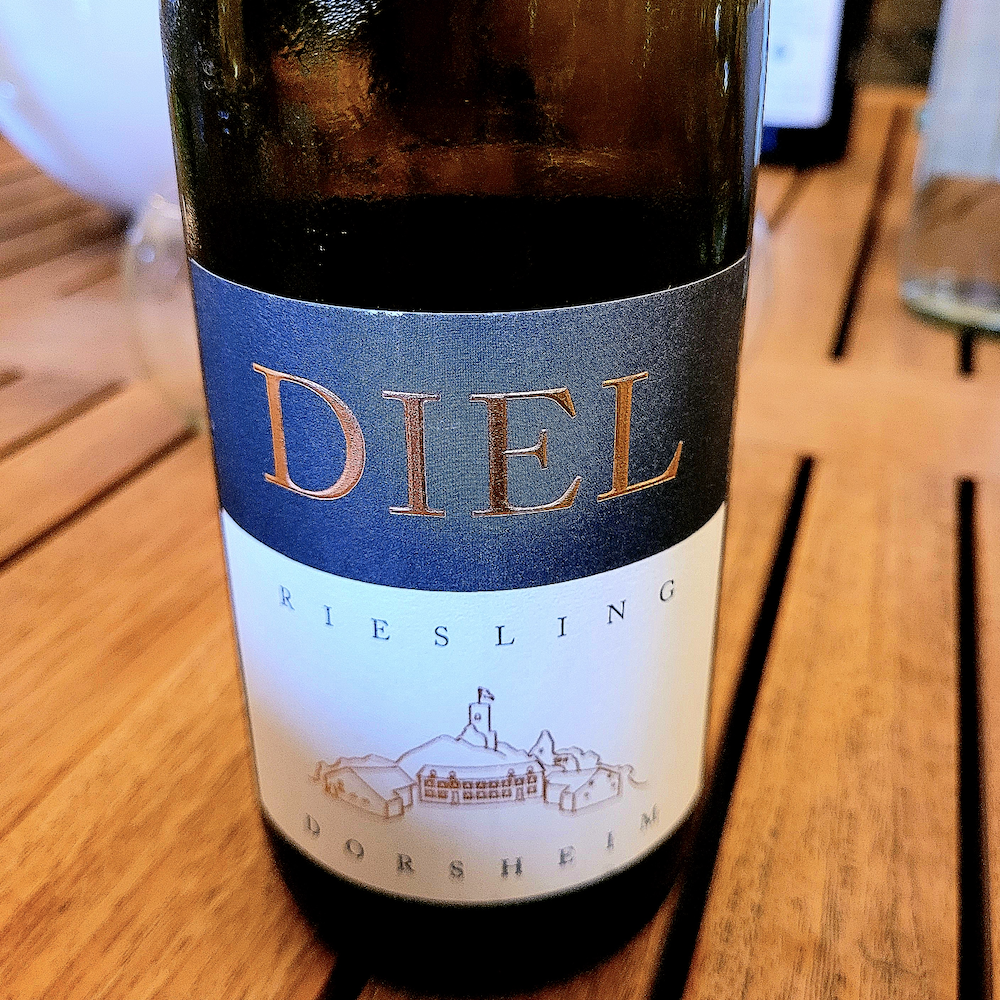
Schlossgut Diel Dry Riesling Dorsheim 2017, VDP.Orstwein

Villages organized riesling from neighbouring village Orstwein with seven-plus years of age, dry and now pretty much in the perfect zone. Has aged beautifully, sitting up vertical and straight, giving generously with a clear and present amount of grace in restraint. The balance between extract and tannin, fruit and acid is simply structured, allegedly and unequivocally spot on. Drink 2024-2027.  Tasted March 2024

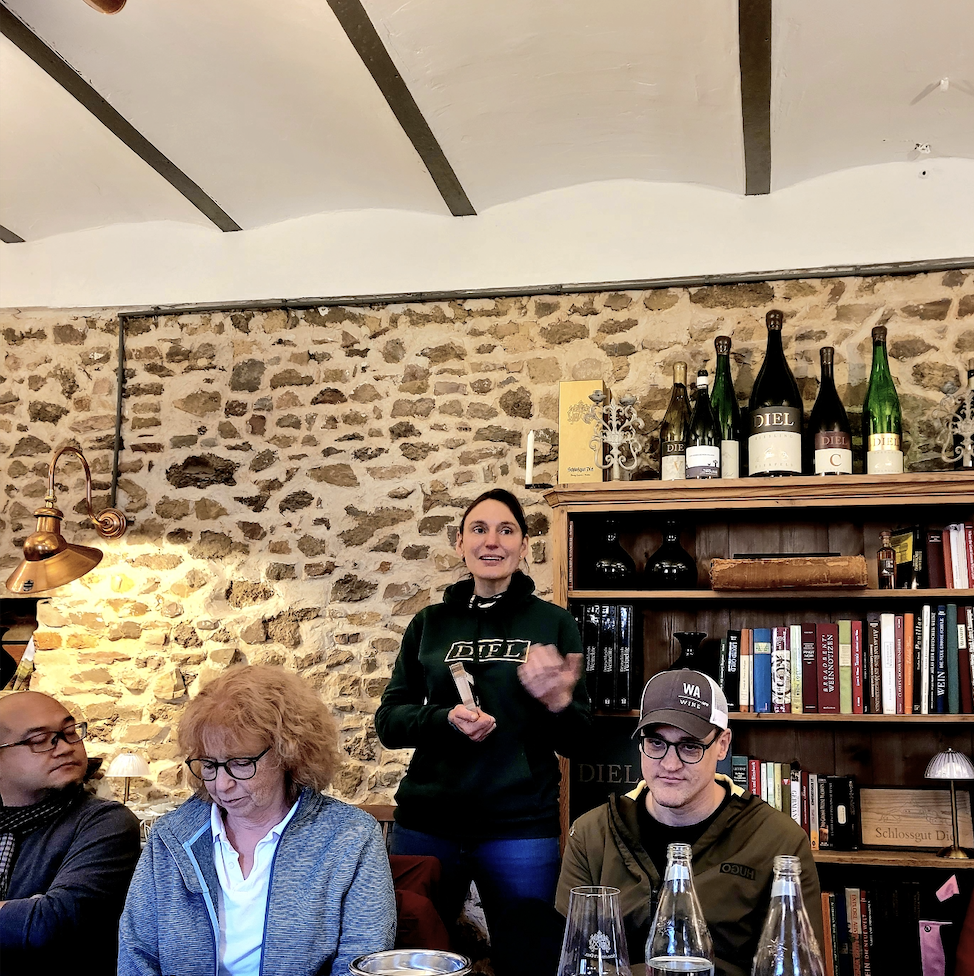
Caroline Diel – Schlossgut Diel

Schlossgut Diel Cuvée MO Brut Nature 2014, VDP.Sekt Prestige

“I believe sparkling wine does not need any dosage,” and Caroline Diel followed this when she joined the family in 2007, continuing what started going all the way back to the 2004 beginning of this project. Cuvée MO Brut Nature is ninety months on the lees, made with pinot noir and chardonnay. Developed richness for a sparkling wine made at the time in an oxidative style,. Showing aldehydic notes, of brioche to the end of a smoky and really old style of Champagne. Should actually stay this way for a few more years to come. Drink 2024-2027.  Tasted March 2024

Schlossgut Diel Pinot Noir Réserve 2020, Nahe

Most of the vines were planted in the mid to late 90s by Caroline Diel’s father Armin. Approximately 20 percent whole cluster, the rest hand de-stemmed, all vineyards in the cuvée fermented naturally and kept separate. A year and a half in barrel, spontaneous malolactic settling, racked now and then and no filtration. Rich fruit, high acid, truly complex aromatics, meaty perfume, full, juicy, lively and finally a truly substantial finish. Neither derivative nor imitative. This is Caroline’s mid-level pinot noir for a 7th generation winemaker who would go on to do the 2022 harvest at Romanée Conti. Mid-level will surely rise up to even greater heights. Drink 2024-2028. Tasted March 2024

Schlossgut Diel Dry Riesling Pittermännchen GG 2022, VDP.Grosses Gewächs

The tiny one hectare cru Pittermännchen is a name that dates to the middle ages with a connection to the people of Köln and Düsseldorf. Grand cru site of weathered grey (Devonian) slate atop Rotliegend conglomerate that dates back several million years. The geo-agricultural texture is small decomposed particles as opposed to the larger stones of the Mosel. Expressive flint stone aromatics undeniably soil related and not much fruit to discuss, save for some variegate currants but you really have to conjure imagination. There is a mille-feuille density to this riesling that peels away and delivers waves in layers without boundaries. Complexities are revealed without pause and dryness results because purity and grip replace the necessity for sugar-acid balance. So stony, long and our palates are held captive. Top shelf riesling within the idiom. Drink 2026-2033.  Tasted March 2024

Schlossgut Diel Riesling Kabinett Goldloch 2022, VDP.Grosse Lage

When she returned to the family in 2007 Caroline Diel’s first order of business was to not use herbicides “and it was a disaster,” she remembers, “not being prepared with staff, machine and experience.” Good things take time and now organic certification will come in 2024. The 2022 vintage was not the hottest but was an extremely dry one that saw vines on steep hillsides have to work hard to resist the dangers. Healthy vines can in fact digest the climatic extremes and this riesling of Kabinett style is a testament to facing the challenges head on. The gravelly bedrock of Dorsheimer Goldloch is of the Permian age and its rieslings are juicy as it gets, fruit forward and truly antithetical to the über mineral of the Pittermännchen. Makes sense that Kabinett is the choice for this naturally sweet meeting equal factored acidity that connects for a kick mix of sweet, salty, sapid and savoury. A quotient of 42 g/L of RS so hidden by the acids, grip and energy of the wine. Drink 2024-2031.  Tasted March 2024

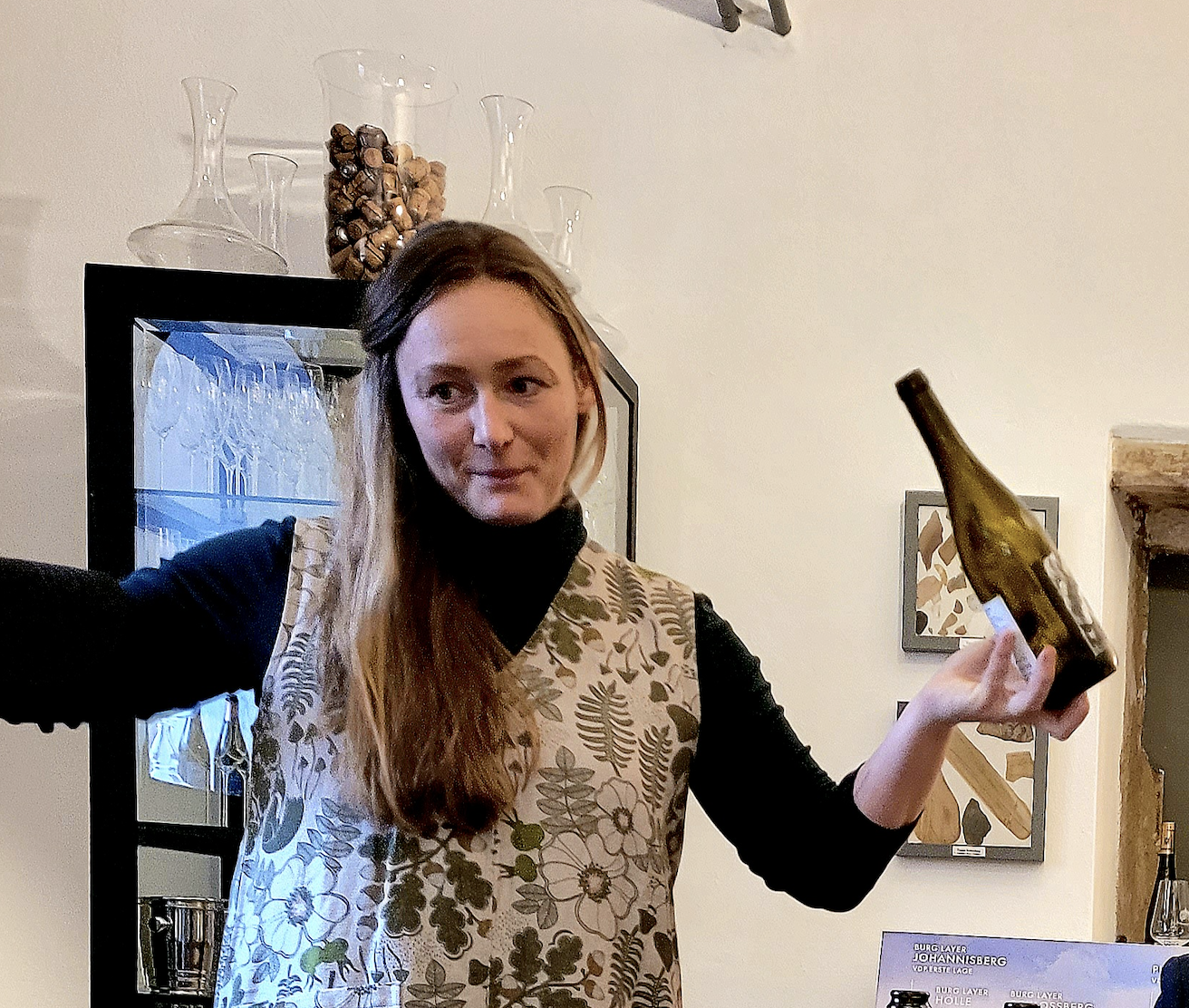
Christine Pieroth – Piri Naturel

Piri Naturel Christine Pieroth – Burg Layen, Nahe

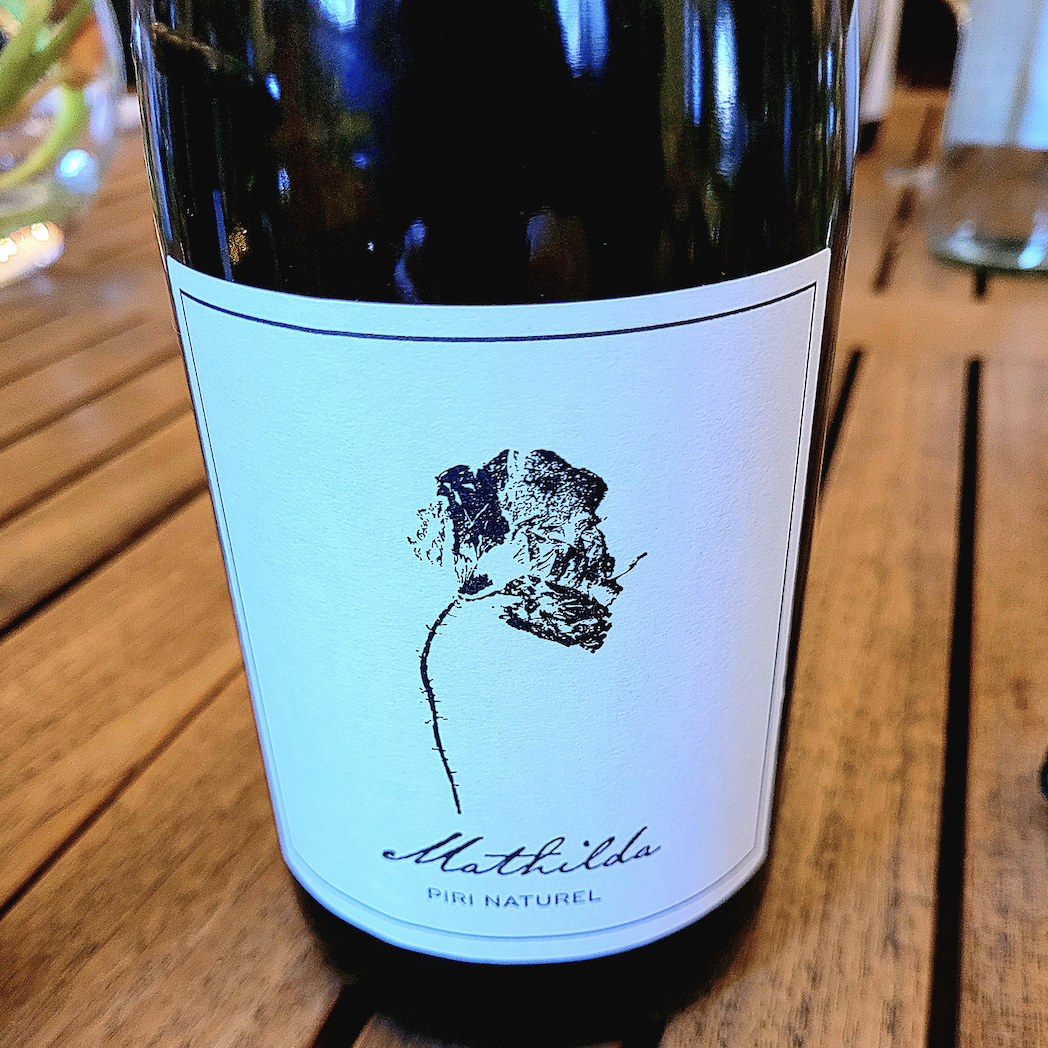
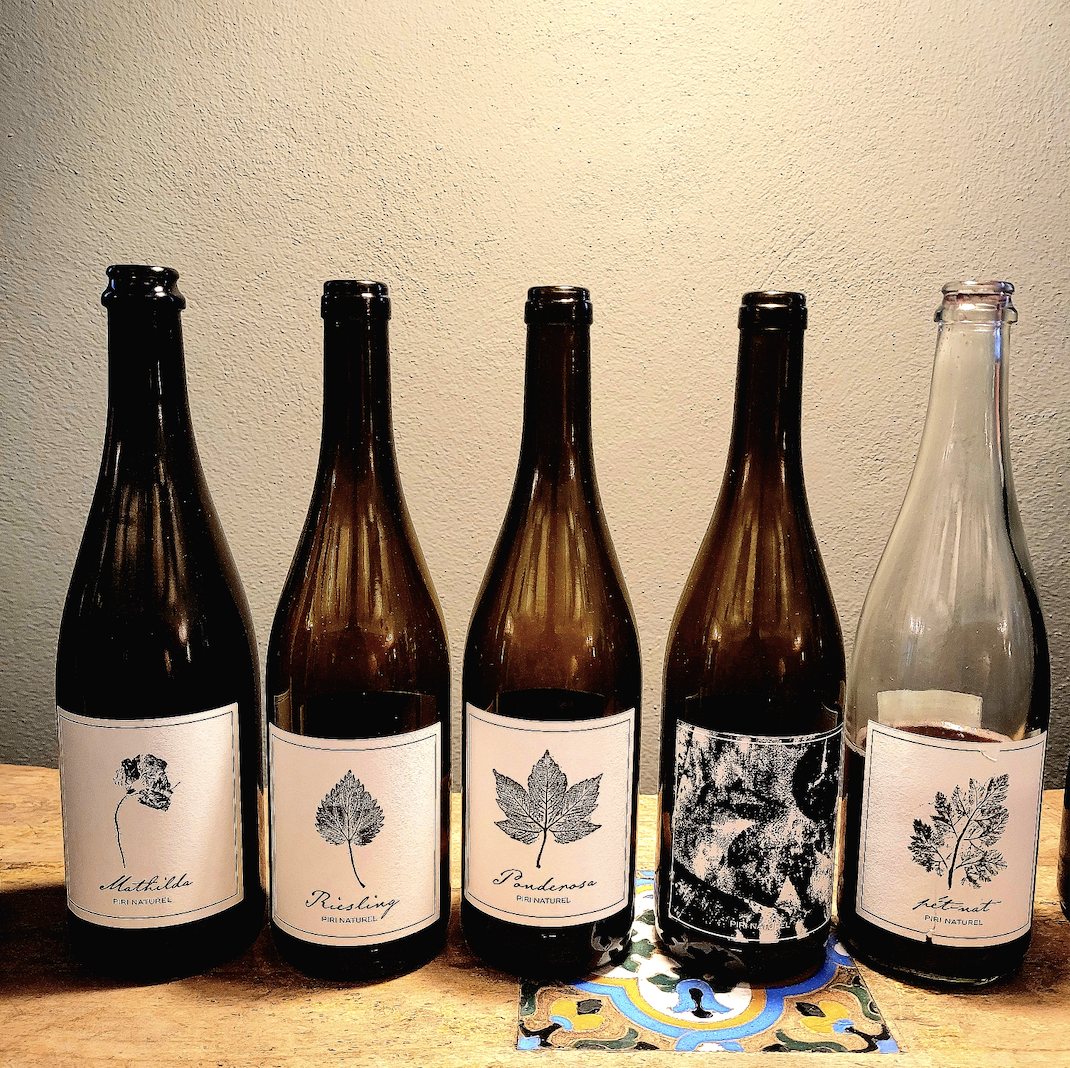
Piri Naturel Christine Pieroth Mathilda 2021, Nahe

Christine Pieroth is 7th generation for a winery dating back to 1789. Mathilda is a blend of sylvaner, riesling and kerner, made for simple drinking pleasure. Bottled under screwcap to capture the natural effervescence, skin contact and cloudy character for a characterful example of what a nurturing and deft touch can do for grapes that just want to be together. Clean and well made without any pretence, trend or commercial design. Natural for the simple reason of pour me a glass. Drink 2024-2025.  Tasted March 2024

Piri Naturel Christine Pieroth Riesling 2021, Nahe

Christine Pieroth studied at Geisenheim and worked in the Okanagan. Her philosophy is really quite direct. “Agriculture is really separated from nature.” Piri Naturel is riesling grown on granite-based, (ancient) sandy seashore pebbles called the Kieselstein. Macerated on the skins for one day, to capture the cool climate region, especially with riesling, then ages two years on full lees in big Stückfässern. “One of the vintages (2021) with the highest acidity I’ve ever experienced” she remembers. Beautiful purity captured without oxidative or any idiomatic orange ornateness. Brilliant riesling work in the style for those who like and want, but also those skeptical of what this kind of wine can be. Acids are captured, tamed and on time release. Drink 2024-2028.  Tasted March 2024

Piri Naturel Christine Pieroth Ponderosa 2021, Nahe

A family nickname for the vineyard and incidentally also the Matsutake mushroom, a.k.a. Armadillo Ponderosa. Comes from a schist slope that changes colour from top to bottom, here for a single vineyard though it can’t be labeled this way. Not filtered and so it can’t have a classification. “In the last year I’m turning things upside down” says Christine Pieroth. Ponderosa is 90 percent pinot gris with (10) pinot noir treated to carbonic maceration and my if this isn’t the pink juice you really want to drink. Pink grapefruit, jelly belly, pomelo and guava, dry and tropical, crunchy and tart though never searing. Drink this with a grilled striploin – seriously. Forget Rosé or chardonnay – the acid structure, grip and tannins will do well especially, with a marbled cut. After all it is called Ponderosa. Drink 2024-2027.  Tasted March 2024

Piri Naturel Christine Pieroth Pinot Blanc 2019, Nahe

Piri farms 7.5 hectares for an average of 80,000 bottles, mostly estate. Permaculture and regenerative farming are practiced with organics as the basis for everything, including no fining or sulphites. The pinot blanc is from 70 yer-old vines, “a very special vineyard, planted by my grandpa,” tells Christine Pieroth. Red schist soil to gift passion and texture to pinot blanc that sees three years in oak, all the while on its lees. No complication, a wine of perfume and nuance, abstract expressionist style, an incredible natural sweetness. A unicorn wine, infinite in ways that can and also can’t be described. The most alcohol of Christine’s wines at 13.5 percent but acidity and spices share the stage and spread the wealth. A slight amount of oak flavour, but fermentative notes have all resolved. Drink 2024-2027.  Tasted March 2024

Piri Naturel Christine Pieroth Pét-Nat 2021, Nahe

A Germanic-styled Pétillant-Naturel in the Lambrusco idiom, bone-dry, made from Piwi grapes planted 20 years ago. They being dornfelder and regent (the piwi variety). Talk about foresight and seeing the challenge ahead of the curve. Leesy and cheesy, the most reductive and natural of all Christine’s wines. The kids will love this.  Tasted March 2024

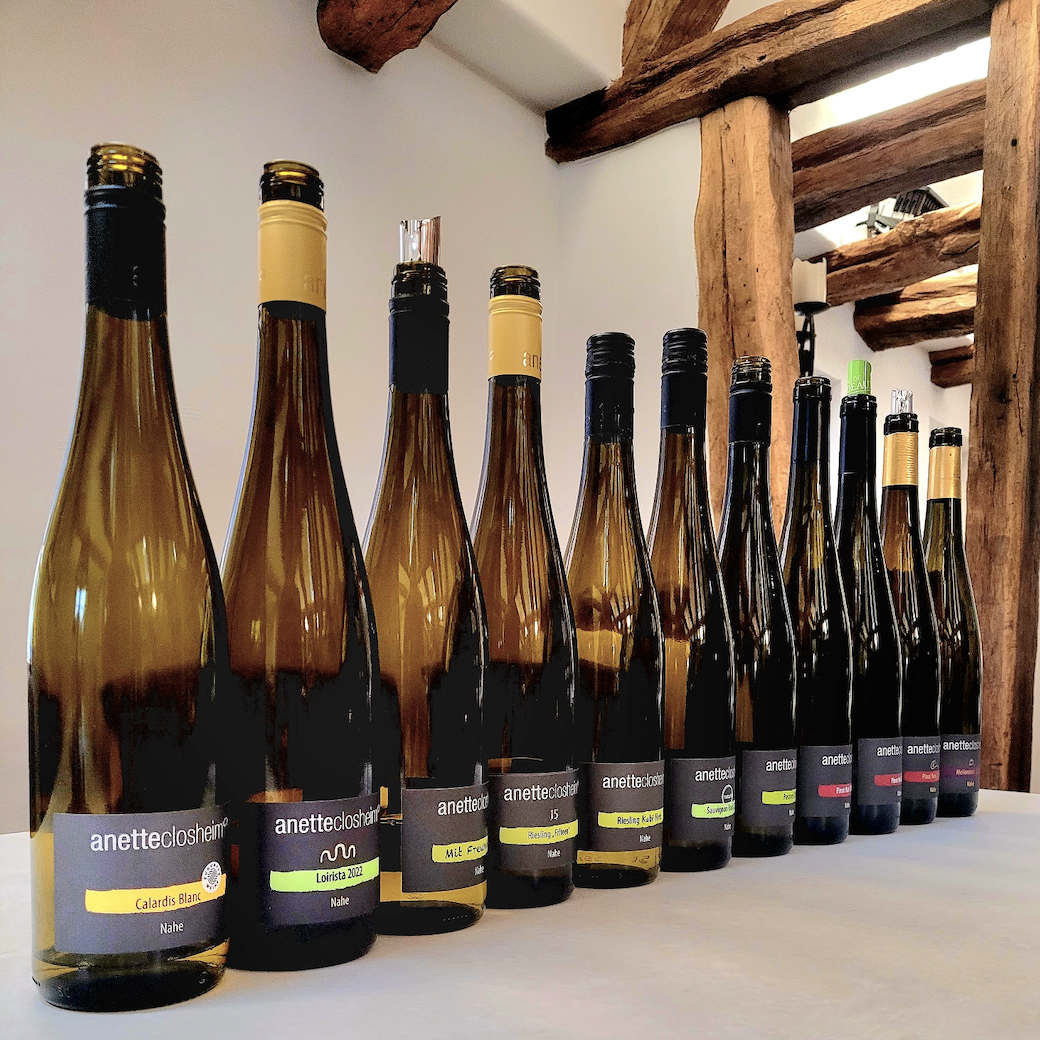
Weingut Anette Closheim – Langenlonsheim

Weingut Anette Closheim Calardis Blanc Dry 2023, Nahe

Calardis is a Piwi variety crossed with bacchus (as opposed to sauvignon blanc or cabernet sauvignon especially) and this is just the second vintage of trying it. Quick  on skins, fermentation and just bottled in February. Picked on the 22nd and 23rd of September after a picture perfect season. A muscat aromatic way about this unique hybrid example, light, fresh, clean and this elastic push-pull between fizzy and botanical. Bit of white peach and peach pit too. Finished at 12.5 percent alcohol with 4.7 RS and 5.8 TA. Drink 2024-2025.  Tasted March 2024

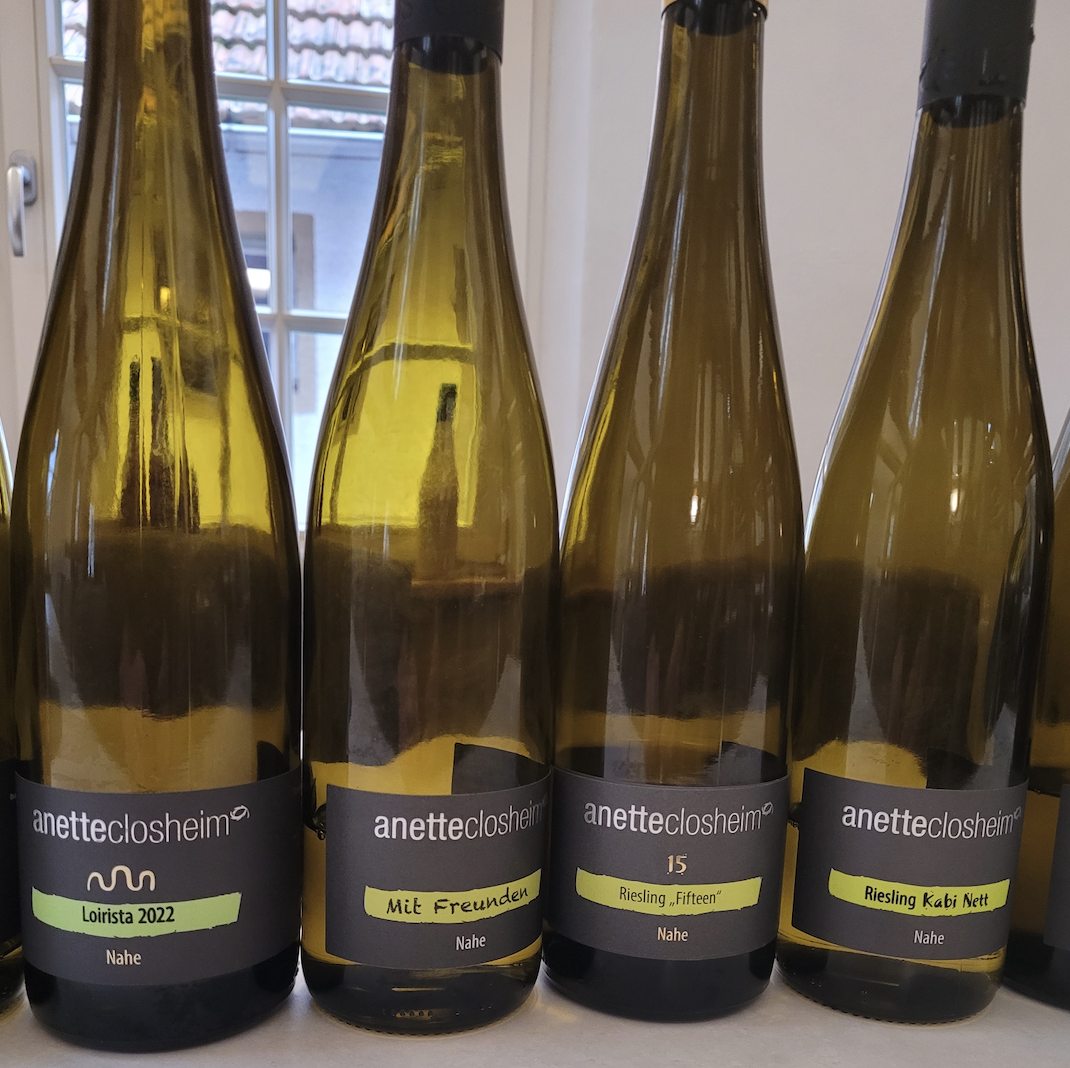
Weingut Anette Closheim Riesling With Friends Dry 2022, Nahe

For friends who are or may not be friends with riesling, but they can be. Acts dry but there is 7.0 g/L of residual sugar and a near equal amount of acidity. Entry riesling in style, juicy, high citrus, only steel raising and uncomplicated. Lime in every way, especially the juice and the zest. Bit of a Mojito you might say. Drink 2024-2025.  Tasted March 2024

Weingut Anette Closheim Riesling Fifteen Dry 2022, Nahe

From Langenlonsheim, Nahe. A long and narrow, “street village” a.k.a. the Naheweinstraße that lines the Nahe. Anniversary riesling of the label, a blend of two single vineyards, planted in 1963 and 1965, red limestone and Nahe gravel. Vinified separately in old wood and in the 2022 there is some residual sugar because one half did not quite finish its fermentation. Seems like rising pH numbers in a vintage like 2022 is the reason for lower acidities and while riesling still seems immune you can’t say the same about pinot grigio and pinot noir which are hitting numbers at or exceeding 3.5. Quite a balanced riesling, a bit higher in RS than the “With Friends” but also more vibrant, less rounded and more quenching. Drink 2024-2026.  Tasted March 2024

Weingut Anette Closheim Riesling Pastorei Dry 2018, Nahe

The last vintage of this near 40 year-old south facing riesling vineyard which has since been re-planted to chardonnay because it’s just too warm a place and 2018 was such a vintage. Finished at 13.5 percent which is about as high as you’re going to accept from riesling, with acidity at a healthy 6.3 though anything but creating a searing experience. Lime juicy, ripe and reduced, like a creamy cordial, sapid as it gets, sweetly botanical upon the finish. Drink 2024-2026.  Tasted March 2024

Weingut Anette Closheim Riesling Kabinett Löhrer Berg Medium Sweet 2022, Nahe

From the right side gravel soils for a different mineral experience and while sugar (at 36 g/L) runs high in the Kabinett style you can’t deny how forceful the (8.1) acidity really is. A good if not highest level vineyard site, vines 10-12 years of age, nectarine and lime, well integrated and such a grippy wine. Will hit its balanced stride in a year or two. Drink 2025-2028.  Tasted March 2024

Weingut Anette Closheim Sauvignon Blanc Maturis Dry 2022, Nahe

Single vineyard sauvignon blanc called Maturis, as in ripe, well matured and experienced. The clones are mostly from Alto Adige but also some from France, the vines now 16-18 years of age, in seven vineyards, picked across a week’s time. Verdant, botanical and there is a CO2 buzz on the palate. Lime intensity with just six percent wood aging. One of the most unique SBs ever tasted, like green eggs and ham. Tonic fuelled finish. Drink 2024-2025.  Tasted March 2024

Weingut Anette Closheim Sauvignon Blanc Lorista Dry 2022, Nahe

Higher, drier, similar acidity to the Maturis and now the barrel aged version, with the latest picked grapes (near to the end of September) and a much preferred iteration for Langenlonsheim. From a quickly settled, cloudy and protected pressing that clarifies itself and delivers this amazing richness in spite of the austere aridity. The acidity feels closer to riesling for the Lorista and yet there is some roundness, a creamy consistency based on lime because of the wood. Really unique for the variety, made with the Leimbourg (LB) 36 clone out of Alto Adige. Drink 2024-2026.   Tasted March 2024

Weingut Anette Closheim Pinot Noir Dry 2020, Nahe

Pretty big pinot noir, not exactly traditional German spätburgunder, from German research clones with bunches of small berries and space. Results in more airflow, less botrytis and good ripeness. Low yielding and good colour. Stays on the skins for 16-18 days and then wood for 14-16 months, mainly from François Frères, 25-35 new, plus second, third and fourth fill. Dark berries, sweet savour (with help from 30-40 percent stems added back) for a level of verdancy expected and well integrated. Solid work here. Drink 2024-2027.  Tasted March 2024

Weingut Anette Closheim Pinot Noir Dry 2016, Nahe

Considering the ripeness, well integrated chemistry and complexity of 2020 it should be really fascinating to look back at 2016. Still peppery reductive and surely a matter of vintage meeting winemaking that both changed within two years after this one. Quite a bit lower in alcohol, here at 13 percent and a perceivable verdant-savoury accent with no shortage of salt and pepper seasoning and added spice. Beyond the reduction this is showing really well, with cool freshness and what could be called a classic German vintage. A pinot noir naked to the world of beauty and that could not be hidden. First vintage was 2008 and since 2012 the same two vineyards have been making this wine. Drink 2024-2025.  Tasted March 2024

Weingut Anette Closheim Pinot Noir Dry 2019, Nahe

Higher percentage of stems (over 50) as compared with 2020, with moderate alcohol (at 13 percent like 2016). Now things are really interesting, also more new oak involved and clearly the thought was that this combination of ripeness and moderation could handle more structure and anti-jam developing fruit. Which turns out to have been the correct move because the wood is hidden, the succulence raised and the overall effect one of best balance. Truly well made, judged and effected pinot noir. Drink 2024-2027.  Tasted March 2024

Weingut Meilenstein 2020, Nahe

Meilenstein, meaning milestone and a wine that marked a big step from a wine that used to be based on point noir with st. laurent. A richness and a pyrazine quality, mildly smoky and really warming on the back end going down. A mix of 65 percent cabernet franc, (25) merlot and 10 acolon (a crossing of dornfelder and lemberger). A quarter new wood and 24 months for a spicy red blend with good energy. It’s woody and a bit awkward still but another year or so will do well to get it into a good place. Drink 2025-2028.  Tasted March 2024

Rheinhessen

Weingut J. Neus – Ingelheim Am Rhein

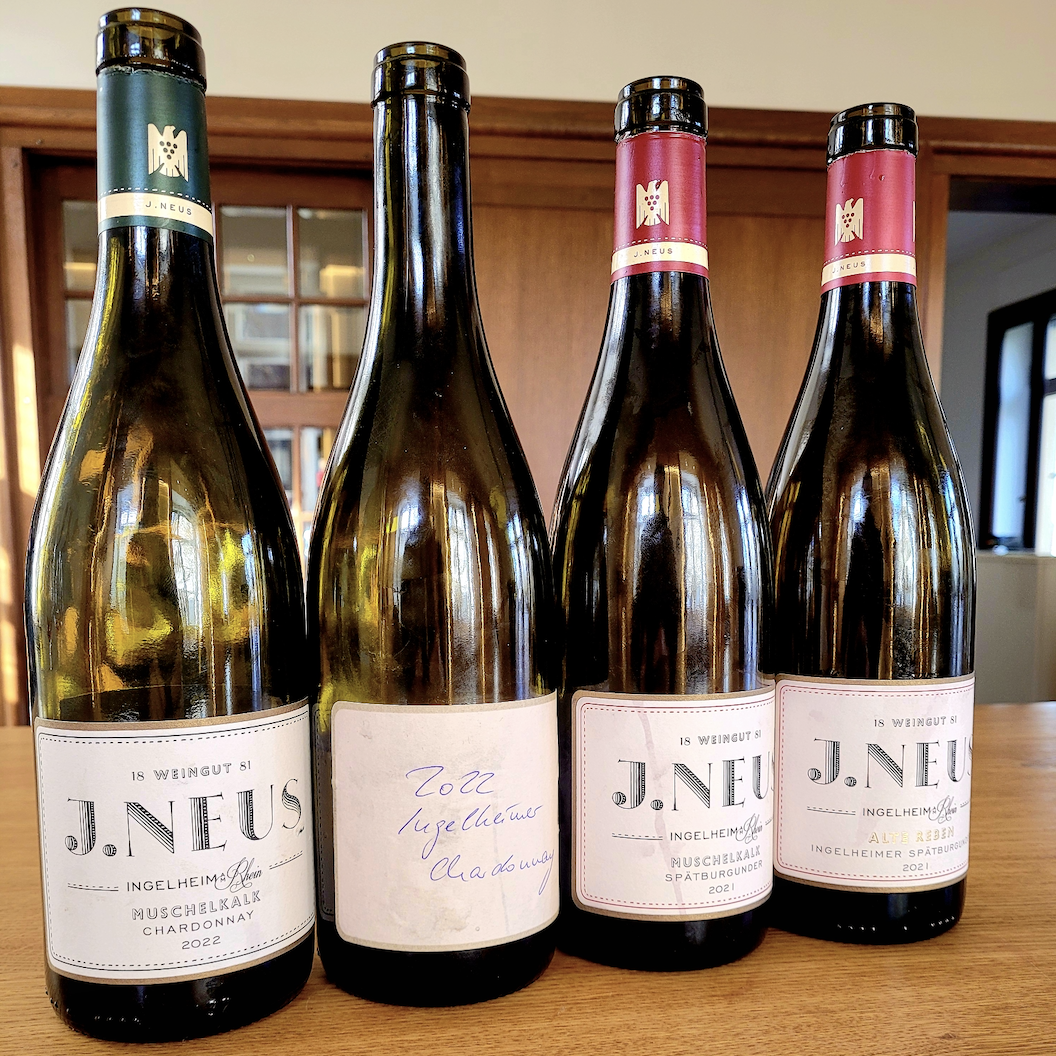
J. Neus Chardonnay Muschelkalk 2022, Ingelheim Am Rhein, Rheinhessen

Chardonnay is increasingly important at J. Neus and while pinot noir represents 70 percent of the portfolio it is this kind of entry-level varietal wine that speaks to what is possible. All chardonnay is barrel fermented and aged in 500L tonneaux and some German wood. Simple but proper, subtle in all the important ways, especially texture. Impressive work for a barrel fermented and aged, full malolactic chardonnay. Good crunch, energy, vitality and persistence. Pure chardonnay expression, the new Rheinhessen personified for what white wine can be, especially in and around Ingelsheim. Drink 2024-2026.  Tasted March 2024

J. Neus Chardonnay Ingelsheimer 2022, Ingelheim Am Rhein, Rheinhessen

Ingelheim is the village and this is currently the higher tier chardonnay though a third is on the way so it will soon fall into the middle. Certainly shows more newer tonneaux and compactness on the aromatic front, less forthcoming and yet clearly more stylish. Smells richer and more expensive, transitions with tighter grain and intensity, fills the spaces in between with riper, woven and textured fruit. Then it’s all chalky limestone strikes with spice over the last moments of the wine. Vanilla rests and settles on the finish. Drink 2025-2029.  Tasted March 2024

J. Neus Spätburgunder Muschelkalk 2021, Ingelheim Am Rhein, Rheinhessen

The introductory pinot noir with a great part of it made with Neus clone grapes, genetically selected by Josef Neus who came from the Mosel and started the winery in 1881. Full on berry aromas in red but also blues, still quite primary as if it just recently come out of its fermentative machinations. So fruit forward and floral, truly unique oi the world of pinot noir and the vintage must have more than something to do with this result. Drink 2024-2026.  Tasted March 2024

J. Neus Spätburgunder Alte Reben Ingelheimer 2021, Ingelheim Am Rhein, Rheinhessen

Eminently and immediately notable to recognize more reduction, flint stone and less fermentative aromas as compared to the entry level Muschelkalk spätburgunder. The wood lends an early and persistent toasty quality while dried herbs and botanicals remind of the phenolics that a Neus pinot noir has been showing for a decade. That said the style has for sure softened and refined over the last seven years to arrive at this well founded time in its tenure. Many people will be surprised at this high level of Rheinhessen quality. Drink 2025-2028.  Tasted March 2024

J. Neus Spätburgunder Pares GG 2021, Ingelheim Am Rhein, Rheinhessen

A hot summer though the Grosses Gewachß spätburgunder are made from fruit grown in the coolest spots and picking was done in mid September ahead of the rains. Lively and spicy aromatics with acidity showing up even before a sip is taken. Red fruit of many ilk, from stone through citrus and yet the palate is quiet, namely because Pares is a much more mineral example than the other GG called Horn. Again the refinement compared to vintages such as 2014 shows the progression and evolution of Neus’ work with pinot noir. Approximately 3,000 bottles are produced between the two GGs. Drink 2026-2031.  Tasted March 2024

J. Neus Spätburgunder Horn GG 2021, Ingelheim Am Rhein, Rheinhessen

One of two single vineyard sites (along with Pares) on the Meinsebach side of the river and Ingelheim village. Horn is the warmer of the two sites and so the great immediacy of the Pares acidity gives way to greater depth of gratifying fruit maturity on Horn. More stone and less citrus but really the differences are subtle even while the breadth here surely elevates this unique GG. The vineyard faces southwest and texture really concentrates in a pinot noir that still shows off sweet acidity with top level spiciness and energy. Ripest stems are added back and again it just feels like this process has been refined over the last seven years to come to this really stylish point. Drink 2026-2032.  Tasted March 2024

Shanna Reis – Ingelheim Vinothek

Rheinhessen tasting at the Ingelheim Vinothek with Shanna Reis

Organic Weingut Weitzel Riesling Spätlese Trocken Bockstein 2021, Rheinhessen

The work of Elke & Eckhard Weitzel with riesling of late harvest (somewhere between Kabinett and Spätlese) designation though also classified as dry. A bit of an oxymoron but this is in fact of a much lower residual sugar content for a late picked riesling. Lacks the energy and drive in the sugar-acid relationship of true or classic late harvest and so the simplified style drinks easily with straight lines and one-dimensional lime. Drink 2024-2025.  Tasted March 2024

AdamWein Weißburgunder Trocken Ingelheim 2022, Rheinhessen

Simona Adam is the winemaker, having taken over from her parents nearly 10 years ago. Creamy wood on the nose and even more so on the palate. Spice and pencil lead first, followed by lactic peach and vanilla after. A shot of tonic at the finish for a nicely complex if easy drinking white. Drink 2024-2026.  Tasted March 2024

Ingelheim Vinothek

Weingut Arndt Werner Weißer Burgunder Trocken Lottenstück 2022, Rheinhessen

One of two local organic wineries doing weißburgunder (though for the consumer confusingly labeled “Weißer Burgunder) and a much fruitier, almost fruit punch, up front and round style of pinot blanc. Lower in acid and really just about the fruit. It’s weisser, meaning whiter, so the question is, how much more white can this pinot be? The answer is none more white. Drink 2024-2026.  Tasted March 2024

Weingut Hamm-Burgkirsch Souvignier Gris Weiss Trocken Zunkunftswein 2022, Rheinhessen

A Piwi grape, German cross between seyval blanc and zähringer created in 1983 by Dr. Norbert Becker. Strange that it was originally thought to be a cross between cabernet sauvignon and bronner and maybe because the grapes are quite dark pink in colour. The idea is sauvignon gris meets viognier and the style is not far from that type of union. The palate is more tropical and unctuous than what the nose might have indicated but there is a pungency and passion fruit-like note that advances aromatically after a sip is taken. Some sweetness and good acidity. Could really see people enjoying this. Drink 2024-2025.  Tasted March 2024

Weingut Bettenheimer Frühburgunder Trocken Schlossberg 2020, Ingelheim, Rheinhessen

Germany’s most interesting grape and perhaps its red future is frühburgunder, a.k.a pinot noir précoce or pinot madelaine, a cultivar that needs to be treated without great oak or pressed ambition. This is neither lithe nor heavy but some not so perfect wood makes the texture quite pasty and it settles uncomfortably on the palate. Some green tannin as well – pressed just a bit heavy it feels. Drink 2024-2025.  Tasted March 2024

Weingut Wasem Doppelstück Pinot Noir Trocken Ingelheimer Pares 2020, Rheinhessen

Some micro oxidative notes at this three-plus year stage though also a taut and compact sensation both on the nose and palate. Rich glycerin and viscous, plenty of cherry and cherry stone bitters for complexity but also a harshness at the finish. Doppelstück is a barrel name where more than one family makes wines but this pinot noir is made by two sisters of the family’s next generation – Doppelstück, meaning twice as big as a regular sized barrel. Very promising varietal wine, just a bit heavy pressed at this stage in its tenure. Drink 2024-2026.  Tasted March 2024

Menk Frühburgunder Trocken 2021, Ingelheim, Rheinhessen

Fresh and energetic frühburgunder with a briny note but some nice fresh raspberry fruit with leafy accents. Palate is a bit syrupy while overall acidity and drive are quite good. Drink 2024-2025.  Tasted March 2024

Baum-Barth Ingelheimer Frühburgunder 2021, Rheinhessen

Good ripe fruit, a bit oxidative but the bottle has been open for a few days. That said the tannic structure and energy are clearly based on an uptick of quality and overall intensity is really fine. Drink 2024-2025.  Tasted March 2024

Sebastian Münster Frühburgunder Cosmographia 2020, Ingelheim, Rheinhessen

Fine and well made frühburgunder with a lactic way about it and fruit really well connected to the structural aspect of the wine. A bit of red fruit paste and austere tannins so there is potential and the pressing was done with some fine restraint. No overriding green tannin but a tisane quality is part of the deal. Drink 2024-2026.  Tasted March 2024

Good to go!

godello

Twitter: @mgodello

Instagram: mgodello

WineAlign

The contempo pull of Sicilia en Primeur

A journey through the wine-lands of Sicilia is fluid and casual, yet timeless. The island’s contempo rhythms are their own and while each and every region is characterized, in fact stamped by a distinguishing mark or feature, there is a kinship that connects, especially through its people. A nearness of relations from east to west, an imperturbable sense of self-possession juxtaposed against the unspoken rule of being collectively Sicilian. The wine community acts exactly this way, feels irrefutable defined by characteristics of the present period and its modernity shines. People of poise, assurance, self-confidence, culturally and mosaically grouped together through a historic parade of travellers, occupiers, settlers and traders through time, yet belonging to the same contemporary age, living in the same period of time. Behold the contempo pull of Sicilia en Primeur.

Eastern slope on Etna, in the town of Milo where only here the Etna Bianco can be labeled with the addendum “Superiore.” From young five year-old carricante vines grown on Alberello at 650m by Fabio Stantino and his family where the conditions are more humid, namely because of the closer proximity to the sea. Cool, gelid and stylish. The kind of Etna Bianco with that mineral, gemstone quality while also one of the more yellow-fleshed fruit pulpy examples juiced by Sicilian orange. Gets white pepper and mango powder exotic at the humid finish. Drink 2024-2028. Tasted May 2024

Tenuta Di Fessina Etna Bianco DOC A’Puddara 2021

From Biancavilla at 900m just at the upper limit of the DOC. Sands, rocks, all volcanic for 100 percent carricante. Quite herbal, of thyme and bay laurel, but also the local Ginestra. Intense tang and thick acidity – creating great salivation and yet the palate lightens in the second half of the wine. You can feel the 12 months in cask because of lees and oxidative movement, for complex notions and preservation. Drink 2024-2027.  Tasted May 2024

Le Casematte Grillo Pharis 2022, Sicilia DOC

From Faro on the northeastern part of Sicily where the humidity concentrates and the breezes blow higher. A varietal grillo, quite peachy and freshness important because acidity more than keeps pace. Clean and an afternoon delight of a Sicilian white wine. The tonneaux adds texture and extends the fruit while never adding compaction. Very well rounded and made. Drink 2024-2026.  Tasted May 2024

Tenuta di Castellaro Eùxenos 2021, Terre Siciliane IGT

In the territory of Lipari in the (active) volcanic Aeolian where malvasia rules acroos the 160 hectares of the islands. Fertile soils, like a mix of Etna and Pantelleria. All malvasia (delle Lipari) grown at 350m on sandy basalt soils, of a natural fermentation and a deep golden hue because of a healthy maceration, followed by 10 months in amphora. Delicate perfume, orange blossom, dried white fig, dried and candied citrus before finishing at white pepper. A smoulder and easy character from beyond primary aromas mixing with the volcanics that not only characterize, but define this wine. Length is outstanding. Drink 2024-2027.  Tasted May 2024

Tenuta Ferrata Etna Rosso DOC Frevi 2020

From the area of Castiglione at 680m with 100 percent nerello mascalese. Aging in grandi botti for two years and then 10 months in bottle before release. A richness of style, liquorice and dried tree pod fruit, the wood very much in play and acidity less intense than many. A liquid chalky presence on the palate, still needing another year to resolve. Chewy example, confident and a slow delay of fruit, which is never really all that fresh. Drink 2024-2026.  Tasted May 2024

Tenute Bosco’s Sofia Ponzini and Godello together again

Tenute Bosco Etna Rosso DOC Vigna Vico Pre Phylloxera 2017

From Sofia Ponzini in the area of Passopisciaro and her cru vineyard called Vico. Own-rooted, pre-phylloxera vines, more than 100 years old, nerello mascalese and also cappuccio. A reminder that 2017 was cooler than most of Italy, especially the centre and north, but still generally sunny and warm on Sicily, including aboard L’Etna. Just now beginning to open and emit its magnificent perfumes, followed by a textural weave of vinous fabrics and finally the much expected, energizing and aligning archetypal volcanic saltiness. Drink 2024-2030.  Tasted May 2024

Mario Paoluzi – I Custodi Delle Vigne Dell’Etna

I Custodi delle Vigne dell’Etna Etna Rosso DOC Aetnus 2011

From Castiglione di Sicilia and specifically Muganazzi where 80 percent nerello mascalese and (20) nerello cappuccio are grown in volcanics but also tufo and pumice. Gamey aroma mixed with the threefold mix for a highly particular balsamico. Ample new (one-third to be precise ) tonneaux which gives this Etna Rosso full on spice meets smoulder to leather-weatherize fruit and finish at drying tannins. Though nearly 13 years of age the wine has not fully resolved, though the fruit is now past peak. Drink 2024-2026. Tasted May 2024

Valle dell’Acate Vittoria Frappato DOC Vigna Bidone Sottana 2023

From the dry black silt and sandy/stony soils of southern Sicily in Acate at sea level. Perfumed, clean, soft tannins and all about its fruit. The single vineyard designation gives focus and direction because this really ancient Sicilian grape owns true potential. Vigna Bidone Sottana comes from old plant material, a 1.88 hectare plot that will only improve and instruct its vines to offer up complexity with more time. A launching point frappato for anyone who wants to know what pleasure can be had from this grape. Drink 2024-2026.  Tasted May 2024

Feudi Del Pisciotto Versace Nero d’Avola 2021, Terre Siciliane IGT

The territory is Niscemi at 200m on red sandy soils for nero d’Avola that sees a healthy 20 days of maceration. Chewy, an inward and implosive turn of fruit and acidity intertwined. Barrique aged, archetypal nero d’avola that’s quite expected, of lifted aromas, dark fruit and peppery piques. Classic liquorice and a herbaceousness that the grape often shows, ot unlike cabernet franc. Layers of tannin equop this ’21 with a decent potential for aging. Drink 2024-2027.  Tasted May 2024

Candido Nero d’Avola 2021, Sicilia DOC

From Camporeale in the western side of Sicily, of nero d’Avola at 400m with no wood aging, only stainless steel. Openly fragrant and varietally obvious, a bit pressed which brings some greenness, pine resin and rosemary with natural tannins. Mix of ripenesses in the tannins which can feel austere and rustic. Honest and real continental example of nero d’avola. Dries out at the finish. Drink 2024-2026.  Tasted May 2024

Duca di Salaparuta Triskelè 2021, Sicilia DOC

A unique area for nero d’Avola, from Riesi and Butera heading into Western Sicily. Specifically from the The Suor Marchesa Estate, of clay and calcareous soils at 350m with aging in new and second passage barriques. The wood is very much involved, of grainy texture, waves and layers of spice, toasty and salty. Rich and high acid as well to keep the energy up. This must resolve and integrate further, which will happen in two-plus years though after five it will surely arrive into mushroom and truffle. Drink 2025-2028.  Tasted May 2024

Tenuta Gorghi Tondi Grillodoro Late Harvest “Noble Rot” 2018, Sicilia DOC

A rare botrytis-affected dessert wine for modern day Sicilia, a grillo allowed to reman on the vines longer than any other in southwestern Sicily. Mid-October through early November, a few bunches at a time picked and brought in over at least a two week period. Not a Passito, more Sauternes as an example and finishing at 140 g/L of residual sugar. Late harvest berries sent to wood, acidity more than perceived and in fact preserved, persevered and prepared to lead the fruit. Pineapple and apricot, quite fresh considering the agricultural method and also the aging style. Perfectly clean, honeyed, a touch waxy on the palate with corresponding saltiness, gently tannic with lemon iced tea. Will age really well. Drink 2024-2032.  Tasted May 2024

Tableside tasting at Sicilia en Primeur

Related – Notes from 2019 Sicilia en Primeur

Related – L’Etna and Parco Statella saved my Sicilian quarantine

Godello with the AIS Sicila Sommeliers

Related – All the wines of Sicily

Related – Sicily’s varietal concentration: Measuring an island’s wealth in grape varieties, a journey through its winelands and tasting Sicilia en Primeur

Tableside tasting at Sicilia en Primeur

En Primeur Sommelier Tastings

Spumante

Castellucci Miano Brut 2023, Terre Siciliane IGT 

Distinctly catarratto with a lime twist and boundless energy. Scintillant style, high tempo, treble off the charts and length to boot. Just a lovely ceremonial bubble for happy occasions. Drink 2024-2026.  Tasted May 2024

Firriato Gaudensius Metodo Classico Pas Dosé, Terre Siciliane IGT

So very curious and suggestive of glorious sparkling which is about as light in colour as any found anywhere this style is made. Not just Sicily and the near absence of skin contact time puts this is a singular space amongst peers, especially on Sicily with nerello mascalese. Drinks with ease yet also a controlled intensity of emotion. Drink 2024-2026.  Tasted May 20244

Principe Di Corleone San Loé Brut 2018, Terre Siciliane IGP

Quiet and demure, crunchy and mounting momentum after first sips. Gains traction and stars to presume a great stage presence before lingering effortlessly. Just a bit of sweetness distracts but this is both a well made sparkling and consumer rounding one. Drink 2024-2026.  Tasted May 2024

Spadafora Brut Nature Metodo Classico Enrica Spadafora 2018, Vino Spumante Di Qualità

Stays on lees for 36 months, Pas Dosé because all the wines are dry and that is the estate’s firm direction. Freshness yes but grape and slight gingery-oxidative character are the complexities urged forth by the grillo grape. Calming sparkling wine, all in order, pleasing and yes also complex. Drink 2024-2027.  Tasted May 2024

Tenute Navarra Frappato Spumante Rosemosse 2023, Terre Siciliane IGP

Located in Butera within Caltinasetta, started in 2019 on an estate that had been abandoned for 30 years. Of 175 hectares, 18.5 are planted, 15 in production. Almonds, olives also part of production. Charmat method, soft press and after five months it spends two months on lees. Straight frappato, extra brut style and so 4 g/L of RS, tart, very strawberry, big energy groove and patterning on repeat. Tends and trends to the higher level on the Brut scale in terms of residual sugar yet early picked varietal acids keep the pace and faith. Drink 2024-2025.  Tasted May 2024

Tenute Navarra Zahr Bianco Frizzante 2023, Terre Siciliane IGP

Zahr the flower from Arabic, a sparkling wine using grillo and chardonnay made at low pressure (max. 2.7 bars) and so not exactly by Charmat style, finishing at 12 percent alcohol and low residual sugar. Floral in every way, citrus is lime and the persistence very high for how this is made. Light bubble, easy and enjoyable. Spritz it up! Drink 2024-2025.  Tasted May 2024

Tenute Nicosia Sosta Tre Santi Etna Brut Sessantamesi Metodo Classico 2016, Etna DOP

Reductive style, maturing, now in the middle road in terms of fruit and energy, high acidity yet also sugars running that way. A big and openly gregarious expression for a consumer who likes it sweet, sour, intense and wild.  Last tasted May 202

Tenute Nicosia Sosta Tre Santi Brut Rosato Metodo Classico 2021, Etna DOP 

Quite a dry, rusty and rosy Rosé sparkling, clean and fresh. Drink 2024-2026.   Tasted May 2024

The view from Splendid Hotel La Torre, Mondello

Rosato

Alessandro Di Camporeale Etna Rosato DOC Vignazza 2023

Funky, earthy and cheese rind, herbal and acidulated roasted peppers. Notable onion skin and red apples. Not the most balanced work with nerello mascalese. Drink 2024.  Tasted May 2024

Baglio Di Pianetto Viafrancia Rosé 2023, Terre Siciliane IGT

Full, rich and substantial Rosé for those who wish for some pulp and flesh. An excess of red berry riches, proper acidity, only a pinch of residual sugar and persistence to satisfy in the end. Drink 2024-2026.  Tasted May 2024

Cottanera Etna Rosato DOC 2023

From Rosso vineyards, looking for freshness and very little sugar but also low alcohol. Only steel, three months, bottled in February. Rich of fruit, salty, crunchy and for Rosato also complex. Tons of flavour, strawberry and some leafy savour. Drink 2024-2025.  Tasted May 2024

Feudo Montoni Nerello Mascalese Rosé Di Adele 2023, Terre Siciliane IGT

The ripest vintage and so picking early was necessary but Montoni is in the enviable position of elevation and also ventilation where crosswinds from Africa and the Mediterranean meet. In this place and of a warm vintage there is early ripeness but also thankfully phenolic development so that fleshy fruit, sweet and ripe acidity, then finally phenolic maturity all come into place. This bodes well for nerello mascalese as Rosé. There will be no one who does not find this delicious. Drink 2024-2026.  Tasted May 2024

Le Casematte Etna Rosato DOC Rosematte 2023, Terre Siciliane IGT

There is this style of Rosé made with nerello mascalese that just says light, dry, breezy an easy – this would define that to a “T.” The plus of all the fruit imagined and needed, a touch of sweetness and simplicity from start to finish. Drink 2024-2025.  Tasted May 2024

Palmento Costanzo Etna Rosato DOC Mofete Rosato 2023

Equally fruity and vegetal, of red berries and peppers, a tartness and also lactic cheese note. Herbal as well and so complexity as Rosato if on the acquired taste side of style. Crunchy and salty, briny to a degree, naturally wild and free. Drink 2024-2025.  Tasted May 2024

Serra Ferdinandea Rosato 2023, Sicilia DOC

Next step taken for Rosé on the south coast at Menfi with this upright and linear ’23 inching towards the profound. A balance and a confidence with 100 percent nero d’Avola that defines the idiom and begins to perfect the workmanship. Satisfying and also delicious, inciting the salivary glands and asking for more. Will gain interest and intersect with further complexities after 18 months further time in bottle. Drink 2024-2027.  Tasted May 2024

Spadafora Il Nostro Rosato 2023, Terre Siciliane IGP

Colour, which is quite dark is just from the skins, no pressing, fermented in concrete and aged in steel. A Tavel hue, natural and appreciated, without pith, tonics or bitters. Top quality mix of the salty and the sapid, the rich and the stony. Could drink a bucket full because of its 100 percent nero d’Avola flavour, honestly and balance. Drink 2024-2026.  Tasted May 2024

Torre Mora Etna Rosato DOC Scalunera 2023

About as light and airy as it gets for Rosato, crunchy and salty, simple, easy and available. Chill, get at it and enjoy the fullness of a day. Drink 2024-2026.  Tasted May 2024

From Mangia Pollina Beach Resort

Etna Bianco DOC

Alta Mora Etna Bianco DOC 2022

Nice and smoky Etna Bianco from Alta Mora though the fruit is equally adamant about gaining your trust. The smoulder equalized by the pulpy flesh of fresh bites into orchard fruit and a touch of finishing spice. Not the most complex but surely robust for the category.  Last tasted May 2024

Solid and well made Etna Bianco in the ways of respect and tradition, ample, fulsome, substantial and structured for a wine that will drink well three-plus years forward. Citrus mainly, both lemon and lime, cool, not quite minty but surely like fresh summer basil and then a pinch of salt at the finish. Drink 2023-2026.  Tasted May 2023

Benanti Etna Bianco DOC Contrada Cavaliere 2022

Reserved, not reductive but neither open nor gregarious. A smoulder of volcanics and wood aging, just an aromatic wisp of flint and notable verdancy. The greens are also driven by the place and Cavaliere gives in just this way. Low, slow and with a time lapse release of controlled power. Really quite remarkable Etna Bianco from this contrada. Drink 2025-2032.  Tasted May 2024

Benanti Etna Bianco Superiore DOC Contrada Rinazzo 2022

The Bianco carricante of Rinazzo are so very different to (especially) Cavaliere, namely because of humidity but also due to closer proximity to the sea. Here is a Superiore example, allowed to be labeled this way in the eastern area (of the village of Milo) and Bennati’s is richer, fuller and also more textural. Not just a case of lees but the aforementioned micro-climate really makes the case. A fine and impressive iteration indeed. Drink 2024-2028.  Tasted May 2024

Cottanerà Etna Bianco DOC 2023

Campione: From three Contrada, carricante 100 percent, no issues with mildew because of an agronomist’s intensity of focus to root it out. Harvest in the first week of October and this comes away rich and full, so very developed and quite fruit explosive. Seven months of lees and stirring is very much in play this way. Fresh and full – just the way so many will find their love for this Etna Bianco. Drink 2024-2026.  Tasted May 2024

Cottanerà Etna Bianco DOC Calderara 2022

Calderara vineyards are 40-45 years of age and the harvest happens a week later, in the second week of October. Cement and large casks, 60-40, 10-12 months, brought back together and bottled. Saltier than the Bianco because the vineyard is so full of lava stone, a 100-plus year old eruption with brown basaltic stone. Very focused and precise though more power than 2021. Drink 2025-2029.  Tasted May 2024

Donnafugata Etna Bianco DOC Isolano 2021

About as curious and unique as it gets for Etna Bianco with this by Donnafugata at impressive elevation from a place called Isolano. The vintage delivers great sunshine and therefore ripeness for a maximum amount of fruit development that because of an extra year in bottle has now come to a place of generosity. More tang than saltiness and very ready to drink. Drink 2024-2026.  Tasted May 2024

Firriato Cavanera Etna Bianco DOC Balza Delle Poiane, Contrada Zottorinotto 2022

Some reduction from a specific cru and designation, that being Cavanera Balza delle Poiane within the northerly contrada of Zottorinotto. Herbal as well, fresh sprung spring glade of ferns and wild allium, trillium and the local Ginestra. Plenty of substantial fruit and truthfully so much going on. As far as Etna Bianco is concerned this should be considered a big wine, the kind that can be enjoyed by lovers of full-bodied chardonnay. Drink 2024-2029.  Tasted May 2024

Godello and Giuseppe Russo

Girolamo Russo Etna Bianco DOC Nerina 2023

Only Nerina, San Lorenzo and Feudo were made in 2023 due to a challenge from rain, mildew and less fruit availability. No worries about quality however and Nerina is about as full pulp-fleshy and developed as it has ever been. The acids travel up and down the sides of the palate in the ways of striking Etna Bianco and here Russo finds the road back, each and every time. Drink 2024-2029.  Tasted May 2024

Girolamo Russo Etna Bianco DOC Feudo 2023

New Bianco for Giuseppe Russo, a selection of 100 percent carricante from three hectares within the Feudo di Mezzo vineyard and contrada. Feudo is not San Lorenzo but it is something remarkable in its own right. More botanical and phenolic but also a level of citrus preserve not noted anywhere but Feudo. Crazy level of implosive citric intensity and taut character. The behaviour is so different to San Lorenzo with flavours that mean business in the most impressive way imaginable. Intensity off the charts, concentration so impressive, energy that builds and builds. Drink 2024-2029.  Tasted May 2024

Girolamo Russo Etna Bianco DOC San Lorenzo 2023

San Lorenzo as Bianco from Giuseppe Russo is not like other Etna Bianco because well, San Lorenzo. Wow is the operative because no other EB gives like this. Beyond flesh and stone but something that defines what the two can effect, layered so invisibly and magically together. It seems impossible to believe that extract and conversions could come together this way, urged and supported buy some of the mountain’s finest quality of acidity and white grape tannins. This must be the place, eh? Carricante with 10 percent catarratto and grecanico makes it happen. Drink 2025-2033.  Tasted May 2024

Graci Etna Bianco DOC 2023

A mix of all four contradas; Muganazzi, Arcurìa, Feudo di Mezzo and Santo Spirito. A mix of Mediterranean scrub and vibrancy, looking for that balance between and finding it. Really fine precision and salinity, length is outstanding for villages level Bianco. Drink 2024-2027.  Tasted May 2024

Graci Etna Bianco DOC Arcurìa 2022

Some wood on Arcurìa that the Classico Etna Bianco does not receive and so this is not as lean, nor is it vertically the same. Citrus mixes with mineral, some austerity and magic that makes this more complex. Crisp however, but fleshy because the concentration and the contrada want this wine to end up this way. Drink 2025-2030.  Tasted May 2024

Graci Etna Bianco DOC Muganazzi 2022

“A wine of mystery,” says Alberto Graci, “very intriguing for me.” Flinty and scrubby at the same time, energy and vibrancy laying in waiting, a buzz behind the curtain and a soil purposed into the 100 percent carricante that Graci’s team and now also we know the wine will want to explode with flavours a year, or more rightly two from now. So tight but you can feel it, the linear nature looking ahead and time will bring about something social form that mystery. Unquestionably one of L’Etna’s finest ’22s. Drink 2026-2035.  Tasted May 2024

I Custodi Delle Vigne Dell’Etna Etna Bianco Superiore DOC Imbris Contrada Caselle 2020

Varietal carricante at 800m fermented in steel, put to barrel and then one year in bottle. So much corporeal flesh on the body of a seriously developed Bianco. Has come into a fine place but my goodness so much texture, citrus and length. Drink 2024-2027.  Tasted May 2024

Nicosia Etna Bianco DOC Contrada Monte Gorna Biologico 2023

Quite rich and developed considering the youth and also a minor cheese rind lactic note in what feels like Etna Bianco working through its machinations. A bit awkward to be honest and a little bit of time should see some coming together. Then again the window is tight and so the time is just a bit ahead of now. Drink 2024-2026.  Tasted May 2024

Palmento Costanzo Etna Bianco DOC Bianco Di Sei 2022

Just have to say wow because Bianco di Sei comes equipped with a level of intensity that was not quite expected from 2022. Not so much a volume or an explosion aromatically speaking but an extreme set of eccentricities that crash aboard the palate. Likely needing some rest and down time to integrate because the level of extract here (including volcanic activity) is simply off the charts. Etna incarnate, pointed and exciting. Drink 2025-2029.  Tasted May 2024

Palmento Costanzo Etna Bianco DOC Contrada Santo Spirito 2021

A fine vintage and and even finer Contrada, that being Santo Spirito where carricante (and 10 percent cattarrato) are given every soil, geological and micro-climatic advantage. There is an accumulation of ripeness and stone cool mineral groove from location and acumen that make this move with incremental ability. It will slowly define itself over along period of time that will be fascinating to watch every step of the way. Drink 2025-2032.  Tasted May 2024

Pietradolce Etna Bianco DOC Archineri 2022

Archinieri comes at us with that Pietradolce mix of confidence and generosity because well, vineyards and expertise. A Bianco that must be great because the makers demand top quality from field to table and all the markers here are present, defined and accounted for. Ideal reasoning, seasoning and style. Drink 2024-2028.  Tasted May 2024

La leggenda Patricia Tóth – Planeta

Planeta Eruzione 1614 Carricante 2021, Terre Siciliane IGT

New label alert for Planeta’s 100 percent Passopisciaro carricante that celebrates, codifies and contemporizes the Etna eruption of 1614. Incredible intensity and roll in the hay of varietal beauty with striking acidity for what may just be the most brilliant shine ever noted in this emotional wine. Emozione indeed, of a respect for plants and place, of volcanic flows and their craggy rocks, of florals, herbals and all that lives and loves. The extra year in bottle intensifies, stratifies and solidifies both experience and intent. So fucking bon. Drink 2024-2033.  Tasted May 2024

Tenute Bosco Etna Bianco DOC 2023

The ’23 Etna Bianco artist formerly known as Piano Dei Daini comes out of a hard vintage because of rain in June with some Perenospera issues, “but the carricante can handle the attack” explains Sofia Ponzini. No loss of fruit, harvest and vinification all together very much in a field blend way. The ten percent endemic varieties settle the carricante, neutralize its power and make for a most wholesome but always elegant Etna Bianco. A rinse of salty sea air meets Macchia Mediterranea. Sofia ends up happy but admits the wine needs bottle time, to sleep a bit, calm the energy and the power. Vibrancy is needy, crunchiness too, feel of the volcano so crucial and so all that is great but the drippy phenolic presence needs taming. That’s what time will effect. Drink 2025-2032.  Tasted May 2024

Terra Costantino Etna Bianco DOC Contrada Blandano 2019

A few years now in bottle and so this 2019 has developed next level style, further character and stage presence. Honeyed and luxe, acids sweetened with a lively if sour edge and then comes that extract that urged the totality from the start. A fine and confident wine with time on its side and a healthy perspective for Etna Bianco as the kind to serve at dinners and tastings all over the world. Drink 2024-2026.  Tasted May 2024

Tornatore Etna Bianco DOC 2022

Classic Etna Bianco style that has come to be defined as “mountain wines” driven by volcanic soils. Here a rounded example with no sharp points, edges or spikes, fruit quotient run higher than most, riper and developed for immediate gratification. Substantial to every degree, acidity as sweet as it comes and everything so very up front. As good an introduction to the genre, idiom and place as there can be.  Last tasted May 2024

Extreme unction and notable lees usage though keep in mind this is 2022. As young, impressionable and not quite out of the gangly stage as an Etna Bianco can act. Laden with lemon, much of it fresh squeezed, some unresolved phenolics (and aldehydes) and a shield of early structure or elastic membrane that is yet to slide away and reveal the full nature of what will surely be a cracker wine. Would much prefer to taste this a year from now. Drink 2024-2028.  Tasted May 2023

Tornatore Etna Bianco DOC Pietrarizzo 2022

Pietrarizzo is both available and confident, not idiosyncratic like Zottorinotto and also richer of fruit. There is an herbal and botanical way about this cru Bianco with splashes of catarratto bringing seasoning to the carricante. A bit spicy and even humid though the fruit is the thing and the volcanics an accent making for even more spice entertained. Such a solid Contrada based Bianco. Drink 2024-2028.  Tasted May 2024

Tornatore Etna Bianco DOC Zottorinotto 2021

Of Tornatore’s cru-designated Bianci it is Zottorinotto that acts the most reductive and hard to crack. Great shell of protection and disguise, needing agitation and better still time. That said the 2021 is also fully formed, developed and very much ready to get at – make sure to aerate, decant if you can and allow the pleasures to be released. Drink 2024-2026.  Tasted May 2024

Torre Mora Etna Bianco DOC Chiuse Vidalba 2022

An Etna Bianco on the extreme volcanic side because the aromas and flavours just feel like sucking on a mouthful of basaltic lozenges. Cool, gelid and distinctly mineral on the outside, liquid ethereal and almost mentholated within. Don’t come looking for a burst of fruit, not by citrus, stone nor orchard though there is this green melon note coming late. Nor is this a high acid example, but also not so very botanical. Just bloody volcanic – which speaks to Chiuse Vidalba. Drink 2024-2028.  Tasted May 2024 

Torre Mora Etna Bianco DOC Scalunera 2023

Varietal carricante from Etna’s northern slope with just about as knowable and definable an Etna Bianco as there can be. This is Scalunera, of perfumes and fruit flavours yellow and green, crunchy and caught at the peak of freshness. What you call a dictionary entry that will be enjoyed by all – to great satisfaction. Drink 2024-2027.  Tasted May 2024


Other DOC and IGT Whites

Donnafugata Passiperduti 2023, Sicilia DOC

Only grillo from Sicily’s west-central hinterland surrounded by hills and then the seas. Freshness and phenolics, lemon, grapefruit and botanicals, the things that grow around vineyards and up through the slopes. A crispy and lemon zested grillo like no other, made to order for grilled fish. Drink 2024-2026.  Tasted May 2024

Feudo Montoni Catarratto Masso 2023, Terre Siciliane IGT

What catarratto will do when a grower and winemaker like Fabio Sireci gets it into his hands – to offer perfumes of white flowers and flavours of green fruits, always fresh and delicate. Persistence and linger, the way it should and wants to be. One of Sicily’s most honest and consistent white wines. Drink 2024-2027.  Tasted May 2024

Feudo Montoni Inzolia Dei Fornelli 2023, Terre Siciliane IGT

Feudo Montoni’s will always be one of the most harmonic, restrained and yet phenolic-gripped meets mutli-floral/fruity inzolia of the island. The citrus intensity, a zesting of lemon and lime made liquid to seal the cracks puts this ’23 in a state of grace. Must try varietal wine if not the ideal vintage because of warmth that begot early ripening. Drink 2024-2026.  Tasted May 2024

Feudo Montoni Grillo Timpa 2023, Sicilia DOC 

Only Fabio Sireci’s grillo comes forward this way, with an equal combination of full fruit determination and linear capacity. The mix of Sicilian exoticism and knowable character puts this at a varietal level to bely the island capabilities of the lion’s share. Not surprising considering the pick begins in late August and finishes early in September. Freshness yes but so much more, first from natural matter and then because skipping past the noise to arrive here confirms Sireci’s intelligence to make a grillo understood in the hands of instinctive tasters and consumers. Drink 2024-2027.  Tasted May 2024

Masseria Del Feudo Grillo Hermosa 2022, Sicilia DOC

Ideal middle of the road grillo example, white and yellow florals, lemon segmented and juiced, herbal and direct. A good chill on a warm day, some fried calamari and all will be right in the world. Drink 2024-2026.  Tasted May 2024

Mazzei Zisola Bianco Contrada Zisola 2022, Terre Siciliane IGT

The second vintage of a 100 percent catarratto from plants that went in back in 2015 on white calcareous soils. Only bush vines and at first made into a blend with grillo. The change was made to do some skin contact and aging in amphora. Really that simple and that is the advantage, no overdoing or distraction in trying to impress. But this does just that, with vibrancy and succulence. Really taut, lemon tight, nearly but not quite piercing. Will change after three years and get honeyed. Reminds of really young Hunter valley sémillon. Top echelon decisions and so bravo Filippo Mazzei and team. Drink 2024-2028.  Tasted May 2024

Mazzei Zisola Azisa 2023, Sicilia DOC

Only stainless steel, short contact with the skins, made in a very traditional way. Perfectly arranged, straightforward and simple, of lemon citrus and white flowers by grillo that by now presses the idiom into Sicily’s concept of island time. Crunchy and just ever so slightly pith bitter, lemon again and again, unrelenting in style and quick by design. Drink 2024-2025.  Tasted May 2024

Planeta Terebinto Grillo 2023, Sicilia Menfi DOC

Ripeness, juicy forthright quality and all in interface with what feels like every pore for both aromas and with the palate. The Terebinto, a.k.a Cyprus Turpentine never takes a break nor moves absently around. There is purpose in every aroma and flavour, not as an attack, but as a dance. This grillo gets better and better every year. Shiny happy leaves and people. Never out of time for this grillo. “Put it in the ground. where the flowers grow, gold and silver shine.” Drink 2024-2027.  Tasted May 2024

Planeta Bianco Alastro 2023, Menfi DOC

Varietal sauvignon blanc and not just any but from a southern Sicilian shore where the sea winds and scrublands are simply different to the Mediterranean side. All that matters conjoins for a whole new way to see the grape. Crispy and crunchy, salinity running amok and oysters or crunchy fried fishes (hopefully) waiting on the table. Drink 2024-2026.  Tasted May 2024

With the legend, Alessio Planeta

Planeta Allemanda 2023, Sicilia Noto DOC

It’s a moscato bianco but not the kind you think, in fact it’s not only bubbles that are missing from Planeta’s Noto example. Extract and tannin rise above sweetness and fruit though there is plenty of ripeness noted in the latter. Ripe vintage, perhaps less quantity, but quality fruit makes for a balanced moscato. Drink 2024-2026.  Tasted May 2024

Planeta Fiano Cometa 2022, Sicilia Menfi DOC

The sole varietal fiano at Anteprima Siciliane 2024 and of course it is Cometa by Planeta which stands the test of island time. Alas and always the subtle smoulder, struck flint but a moment in time and a crunchy quality to supersede the herbs and the lime. Full vintage, well-developed for a fiano that will ready itself a year ahead of its average time. Cometa cometh with palates standing by the ready. Drink 2024-2028.  Tasted May 2024

Planeta Didacus 2021, Sicilia Menfi DOC

Always the richest example of chardonnay with most honeyed flavours, spice cupboard and savoury eccentricities. The selection considers only the best, they being the ripest bunches with that uncanny ability to collect as mature, almost evolved feeling from its fruit to be converted into a magical example of Menfi. So much sunshine, luxe and refulgence, almost so bright you gotta wear shades sort of chardonnay. A top vintage because acidity, extract and tannin all layer in heaps. Drink 2024-2028.  Tasted May 2024

Principe Di Corleone Ridente Angelica 2023, Sicilia DOC

Cool, ethereal, minty, salt-licked and kissed, stoic and proud. Herbal and botanical, of bay laurel and thyme, lemon preserve and the morning juice. Some may find the tonic a bit gin-washed but who should not love these flavours and the style all the same? Drink 2024-2027.  Tasted May 2024

Francesco and Enrica Spadafora

Spadafora Bianco 2023, Terre Siciliane IGP

From vineyards Between 200-400m, a place of sandy soils where freshness is the order for catarratto and yet there is some tropical fleshiness about the ’23 by Spadafora. Would not exactly say salty but more so a split between salinity and sapidity because there are some phenolic moments in this wine. Harmonious and just complex enough to rise above the norm. Drink 2024-2026.  Tasted May 2024

Spadafora Don Pietro Bianco 2023, Terre Siciliane IGP

Named after Francesco Spadafora’s father (and Enrica’s grandfather) who started the winery in 1993. A bit higher in acidity than the straight catarratto because of the inclusion of grillo and so a higher saltiness, succulence and energy. This is expressive of attitude in such a good way. Will gain interest after a couple of years. Drink 2024-2027.  Tasted May 2024

Spadafora Grillo Principe G 2023, Terre Sicilane IGP

For the grillo the plants are kept to a relative minimum vigour but cutting away the “moustache and the tail” while keeping the interno. Ferments in concrete, ages in steel and just a few months on lees. Remarkably if subtly flinty, smouldering and textural, simply from land and grape, coming together for a really unique effect. It’s truly Spadafora, their place and how they allow this quality to speak. Drink 2024-2028.  Tasted May 2024

Spadafora Siriki Orange 2017, Terre Siciliane IGP

Grillo on skins for 30 days, now nearly seven years of age yet freshness somehow persists. Surely owing to clean lees and how they lay to present themselves as they continue to ready their host. Enrica Spadafora explains how she and her father were wanting to have a different style of orange and also this is grillo, not your every day average variety for the style. Was structured and has now settled, though there are some tannic moments drying the palate in the end. Impressive all in all, seemingly ambitious, but the result is there. Drink 2024-2026.  Tasted May 2024

Tenute Navarra Sofien 2023, Terre Siciliane IGT

Half and half grillo and chardonnay, as with all the wines they are called “Totò Navarra,” first and last name of the owner and you can’t just use Navarra because well, Spain. Totò, as in Salvatore. Fruit, flowers, simple, sunshine and some chardonnay backbone, but just clean and fresh which is just what is needed. Fine and easy yet acidity and persistence are essential and the finish more sapid than salty. Drink 2023-2025.  Tasted May 2024

Etna Rosso DOC

Cottanerà Etna Rosso DOC Diciassettesalme 2022

Solo nerello mascalese, made with the grapes from all three Contradas, 10 months in steel, followed by six months in bottle. Dictionary entry though it’s just the first vintage of this specific Rosso without Cappuccio. These are nerello plants grafted onto the old cappuccio and to be honest there is more purity and focus this way. Spicier, in a way and more energy. Will take a few vintages to find its solo artist stride. Drink 2024-2027.  Tasted May 2024

Cottanerà Etna Rosso DOC Contrada Feudo Di Mezzo 2020

Only nerello mascalese from 35 year-old vines, big barrel for 14 months. Even though Feudo di Mezzo is the largest Etna Nord contrada there is such consistency and a thread of wine effect that runs through the 20-plus producers. Cottanerà heeds and abides by the vineyard to produce a balanced FdM worthy of the name. Drink 2024-2027.  Tasted May 2024

Cottanerà Etna Rosso Riserva DOC Zottorinoto 2019

Plants are 85 years of age on four hectares but this wine is a selection from three tonnes of grapes to make only 1,800-2,000 bottles. Riserva, so it remained in cask for two years plus two more in bottle. Depth, breadth, spices and richness, the most full bodied and textural Rosso, tannins sweet and long-chained with time still needed to resolve all that is here. Drink 2026-2032.  Tasted May 2024

Girolamo Russo Etna Rosso DOC ‘A Rina 2022

A very warm and dry vintage making for a taut, chalky and savoury nerello mascalese (with 10 percent cappuccino). This next ‘a Rina takes off where 2021 left off and only Feudo is as consistent an Etna Rosso as this. Chalky red cherry, a leathery aspect and drying tannins that speak about 2022 in both toasty and positive ways. Crisp ’22, of bay and liquorice, salty volcanics and good length, though not in the league of Feudo and San Lorenzo. Drink 2025-2030.  Tasted May 2024

Girolamo Russo Etna Rosso DOC Calderara Sottana 2022

The juiciest of all the ‘22s for Giuseppe Russo and if also the least structured there can and should be no complaints. Reeking of and oozing nerello mascalese flavours so cherry red, fresh, clean and particular. There are no others like this – the level of energy without unnecessary heated intensity is remarkable. Drink 2024-2029.  Tasted May 2024

Girolamo Russo Etna Rosso DOC San Lorenzo 2022

The gifts of San Lorenzo are of a slow release ilk the other cru and vineyards of Girolamo Russo are not, but this from 2022 is so full of riches it brings early joy. A great pleasure to have a glass even now with gregarious perfume and readied flavours, of red berries, liquid chalky to candied palate swaths and immediacy from this bottle of wine. San Lorenzo shows off the most glyercol and silken texture – it’s almost candied but of course it’s not. Spicy on the back side, sneakily structured and all the while with a glass we’re feeling fine. Can only improve and integrate with a couple of years time. Drink 2025-2030.  Tasted May 2024

Girolamo Russo Etna Rosso DOC Feudo Di Mezzo 2022

The allure of Feudo is real, the consistency of its fuxed expression divine and the work in Giuseppe Russo’s world a conduit to access the sublime. Sure there is a quiet restraint at this early stage of 2022’s tenure but how could we miss the high levels of fruit and structure combining for purpose and potential? A big and full Feudo from the variable vintage, chewy and layered, stratified volcanics making sure that when maturity comes there will always be mineral. What a Feudo indeed. Peak of Feudo freshness out of the embers and smoulder of a warm season. The secret is Etna and this section of the vineyard. Drink 2026-2036.  Tasted May 2024

Girolamo Russo Etna Rosso DOC Feudo 2022

From the highest section in the Feudo di Mezzo vineyard, bush vines, very old. Delivers ultra light and conversely powerful di Mezzo freshness, but from this elevation at a much higher rate and with an extension of vibrancy plus energy. More verticality and sweetness of nerello fruit like almost no other. Resides in a state of grace upon the palate and though it hovers just a millimetre above, there still feels like the fruit, acidity and finest tannin are collectively making full contact. Remarkable. Drink 2026-2036.  Tasted May 2024

Girolamo Russo Etna Rosso DOC San Lorenzo Piano Delle Colombe 2021

Laying down expectation can be a dangerous thing, but can’t be helped some times. Knowing Giuseppe Russo and the Piano delle Colombe block of the San Lorenzo vineyard will induce and send thoughts down such a path from a 2021 that not only matches but exceeds what was thought to be possible. Aromatically positive signs and the deliverance of a fleet of nearly perfected ripenesses come to such a consummated fruition are come upon by way of unconscious results. Optimal not optimum, because there is no such thing, but only the attainable which in this case is superlative balance. Harmonies of all parts, out of field to bottle, through every rise, depression and plateau, from start to finish and everything in between. The critical moments are found, like cooking a perfect steak, pushing your finger into its soft middle fleshy belly and feeling the exact spring back desired. A greta or pearl of a nerello mascalese, a highway tune, “so sweet, so fine, so nice, all mine. “I prefer ’21,” admits Russo. Smart man. Drink 2024-2036.  Tasted May 2024

Alberto Graci

Graci Etna Rosso DOC 2022

From estate vineyards at 650-750m, fermented and aged for 18 months in concrete though once in a while a little bit of big barrel is used. Linear, stoic, restrained and serious Etna Rosso for Rosso’s sake but also trenchant intention. Crispy and crunchy, vertical and youthful. Fresh, even a bit reductive , so peppery and a year away from that open window. Drink 2025-2029.  Tasted May 2024

Graci Etna Rosso DOC Arcurìa 2021

The home vineyard, great vintage and that should not be questioned because frankly it simply can’t be denied. If nothing else the intensity of purpose comes through from the start. More depth and crunch, further concentration and breadth, still austere and working through its tasks, machinations and intentions. Big wine from 2021. Drink 2026-2033.  Tasted May 2024

Graci Etna Rosso DOC Arcurìa Sopra Il Pozzo 2019

Longer maceration because these are stems that ripen better than anywhere else and so Alberto Graci tastes and decides how long to go. Usually 60 days and 2019 was right around that number. You can feel them, mostly though not 100 percent ripe and yet that savoury-verdant note works so well to create a spice mix and seasoning that extends the breadth of the fruit. Do not come here for heavy concentration or weight because there is restraint but also expect some austerity. Really needs time and will eventually settle into it’s technicolor skin. A compact wine that will deliver a slow release of energy. Drink 2026-2035.  Tasted May 2024

I Custodi Delle Vigne Dell’Etna Etna Rosso DOC Pistus 2022

From L’Etna’s northern side at Contrada Muganazzi, only stainless aging, no wood and thank you very much. I Custodi Delle Vigne Dell’Etna have been working with this contrada since the beginning (2007) though Pistus the label dates to 2012. Some volatility though just a hint and not too distracting, Amaro herbal and very complex. Big wine though fresh, crispy and crunchy, with good freshness. Serious lift to this Etna Rosso. Drink 2024-2027.  Tasted May 2024

Palmento Costanzo DOC Etna Rosso Nero Di Sei 2020

Spicy and floral, aromatically crisp and taut, wood a factor with plenty of seasoning. A bit sappy and edging into tang with flavours quite sharp and also dense but time will settle the score for all parts involved. A big and inky version of Nero di Sei and one to really sink your teeth into. Wait two years to do so. Drink 2025-2028.  Tasted May 2024

Palmento Costanzo Etna Rosso DOC Contrada Santo Spirito

Evolving nicely, now nearly ready to go, fruit still fresh enough and structure beginning to subside. A full bodied Etna Rosso from Santo Spirito in delivery of what the contrada and the vintage held in hand. Drink 2024-2027.  Tasted May 2024

A vintage out of which the pre-phylloxera was produced from the contrada so just imagine the possibilities as they come from this all in for the vintage nerello mascalese. Feels like an extended maceration because the glycerol and unctuous textural pool are both at the crest of Etna Rosso heights. Oranges and cherries but more than anything old vines spirit and what just happened from out of these volcanic sands carried through to century and a half vines is something wholly and unequivocally other. Hints at balsamic reduction but the tannins and also acids are so fresh and so years is what it will take to take this anywhere new. The finest chalkiness imitates the soil and puts this in a league with some of Italy’s most important red wines. Up to you too decide which they are or don’t bother at all. Drink 2025-2034.  Tasted May 2023

Pietradolce Etna Rosso DOC Rampante 2020

The most developed for Rampante with a spicy 2020 aromatic entry, concentrated and refined while residing on the darker red fruit side of the line. Lift, balsamico gariga, bay laurel, crunchy and herbal. So very complex and as far as Etna nerello mascalese goes there is more savoury depth from this by Pietradolce. Full-bodied in all these regards, breadth and volume guaranteed. Drink 2024-2030.  Tasted May 2024

Pietradolce Etna Rosso DOC Santo Spirito 2020

The 2020 nerello mascalese from Contrada Santo Spirito is a meaty and gamy bruiser, sanguine and yet lifted with some fine volatility to nose. The right amount because the aromatic volume, palate depth and tannic freight are all equal partners working towards a common goal. That would be a full-bodied Etna Rosso with the stuffing and planning to age very well. Drink 2025-2031.  Tasted May 2024

Pietradolce Etna Rosso DOC Barbagalli 2019

A unicorn Etna Rosso and here from 2019 there has been some development though the wine is still ways away from full integration. Talking formidable structure, inclusive of tannins of a tight and variegated grain, running crosswise and painless because they usher fruit and urge acidity to always be a part of the fray. A total weave of Rosso sentiment, bringing emotion and pleasure without fail, to exult a vineyard as special as any in the world. One only need to stand over it to understand its power, insistence on restraint and the keys to unlock potential. Will turn heads and remain in light for a good long time. “Facts are nothing on the face of things. “Still waiting, still waiting, still waiting, still waiting.” Drink 2026-2037.  Tasted May 2024

Planeta Etna Rosso DOC 2022

Not a contrada specific Etna Rosso but more than 70 percent comes from Feudo di Mezzo in Passopiciaro. As juicy and glycol notable Rosso as there has ever been and silken would best describe the quality felt aboard the more than pleased and nurtured palate. Another wine that improves each vintage under the guidance of Patricia Tòth, in part because her favourite dogs hang around that winery next to the vineyard. Also because her experience and abilities have come to a most profound place. Love the spice masala on the finish. Drink 2025-2033. Tasted  May 2024

Planeta Eruzione 1614 Nerello Mascalese 2020, Terre Siciliane IGT

From the single vineyard in Passopisciaro, site of some of the oldest lava flows on Etna, the 1614 volcanic spill. Another high glycerol event as nerello mascalese because this is what this vineyard must effect upon fruit and 2020 abides. Of course it does but also delivers the kind of Rosso that does not beg for years of waiting. The tannins are sneaky but not austere, the acidity so sweet you would like to spoil it as dessert. More precise than the Etna Rosso (mainly from Feudo) but clearly nella famiglia.  Last tasted May 2024

Brightest and highest of scintillant nerello mascalese at impressive elevation on soils developed from the mountain’s 1614 eruption, in other words ancient but still young by world standards. Each and every lava flow resulting in volcanic soils is different on Etna and this 406 year-old tract is unequivocally responsible for Planeta’s 2020 style. Sure the winemaker might have a say but her job is to let the vineyard speak which she does as well as any artista/professionalista on the mountain. Buon lavoro PT. Stupendo. Drink 2024-2032.  Tasted May 2023

Tasca d’Almerita Tascante Etna Rosso DOC Contrada Pianodario

High-toned, spirited and transparent nerello mascalese from Tasca’s L’Etna Tascante out of Contrada Pianodario. Red berry shine, acids excited and fruit a willing participant. Tarragon and Basil herbal, so very basaltic stony and truly a wine of place. Crunchy and ever so slightly resinous with balsamico mixing into the sweetness of fruit and acidity. Drink 2024-2029.  Tasted May 2024

Tenute Bosco Etna Rosso DOC 2021

Big French tonneaux, second passage and older for eight months. No recipe but that is this vintage, not as powerful as 2022 and Sofia sees it like 2016, but perhaps a different kind of balance, though not as ideal as 2016. The restrained power of the volcano runs throughout and you really feel it. Remarkable Etna Rosso in balance and of a grace that speaks to all there can be. What these wines are want to express and how they carry themselves, non-plussed, confident and free. The ripeness factor at the top of what is normal and beautiful without excess or greed. Sweetness of acidity and form-fitting structure but neither curves nor angles are exaggerated, nor drawn with any concentric circles or sharp lines. The wine flows and reaches the limits of what is right and proper. Just that much and no more. And we say thank you. Drink 2024-2030.  Tasted May 2024

Tornatore Etna Rosso DOC 2021

The most understandable and straightforward Etna Rosso there could be, mature and layered, of riches and earth, fruit and soil all in the mix. A volcanic paint by numbers canvas of realism and beauty, easily accessible and generous to a perfectly reasonable degree. Entry point for the DOC and once in, never to look back. Drink 2024-2026.  Tasted May 2024

Tornatore Etna Rosso DOC Pietrarizzo 2020

Some very ripe fruit here from Tonatore’s Pietrarizzo Rosso in the ways of late picking and good solid pressing. Makes for a chewy nerello mascalese that will ready itself for consumption quite a bit earlier than quite a bunch of its peers. Plenty of flavour and attraction for a wine that should be consumed over the next three years.  Last tasted May 2024

North slope of Etna cru of nerello mascalese put to 50hl foudres, blended and then settled in concrete ahead of bottling. Consistently one of the finer Rosso values in Contrada-specific Etna and here the fruit ripeness and maturity is as fulsome as it ever gets. Makes for a drink really early proposition and provided that advice is followed there will be perfume, heady flavours and good acidity in your glass. A wine to lead off high-end tastings and dinners here, there and everywhere. Drink 2023-2025.  Tasted November 2023

Other DOC and IGT Reds

Arianna Occhipinti Il Frappato 2021, Terre Siciliane IGT

Candied floral aromas, of pansies and nasturtium namely with a lift so very suggestive. There is a note of Brettanomyces yet at a subtle level and while the effect is slight the palate trails into a momentary lapse of brittle tannin. Still the beauty and the natural smile of this frappato are intoxicating and we simply will not turn away. Drink 2024-2027.  Tasted May 2024

Castellucci Miano Frappato 2022, Terre Siciliane IGT

Not the most openly fragrant frappato with red berries the most notable entry but no real overt sense of florals. Sweetly herbal, cherry drop and then sweet basil before the palate feels the full true nature of the wine. Cool and gelid with a mint to bay layer herbal feel for a wine well made if pressed just a smidgen past prime. Drink 2024-2025.  Tasted May 2024

Donnafugata Frappato Bell’Assai 2022, Vittoria DOC

Straight ahead Vittoria frappato, floral and striking, citrus up front part green and part red, like cranberry and pomegranate with a chiffonade of tarragon. Some chewy quality here, of liquorice and fruit leather, flavour profile high and acidity cool, tart and fine. Gets better with each subsequent sniff and sip. Drink 2024-2027.  Tasted May 2024

Donnafugata Floramundi 2022, Cerasuolo Di Vittoria DOCG

Lifted, high spirit and tone, herbal, juicy and citrusy for the frappato-nero d’Avola Cerasuolo di Vittoria blend. On the light and transparent side of such an appellative joint which suggests more frappato and also choice of style. Light and linear, suggestively tannic and a great food wine for that meat to fish overlapping. Liquid chalky and lengthy. Drink 2024-2027.  Tasted May 2024

Feudo Montoni Sandwich – Between Fabio Sireci and Melissa Muller

Feudo Montoni Nero d’Avola Terre Di Elio 2022, Terre Siciliane IGT

A very good vintage for the variety though her recent tasting from tank causes Melissa Muller to say that ‘23 “will be even more vertical.” That said the ’22 is not your average, every day nerello mascalese, not by any stretch of the Sicilian imagination. Fully formed, attractive and finding no obstacle to hinder leaving its impression. Balanced throughout, without equivocation, fruit followed by acidity, stepping back to fruit before than fast forwarding two steps to really fine tannins. Lightens as it moves and finishes pretty much where it started. Drink 2024-2028.  Tasted May 2024

Feudo Montoni Perricone Core 2022, Terre Siciliane IGT

A perricone from Fabio Sireci of as much substantial fruit up front as the winemaker has ever put together. Aromatic volume gives way to palate and mouthfeel where depth and breadth really take centre stage. Big in terms of fruit presence though not the most structured ever. Drink 2024-2027.  Tasted May 2024

Feudo Montoni Nero d’Avola Lagnusa 2022, Sicilia DOC

Lagnusa may be hard to say but it is never hard to drink and enjoy to fullest extent of Sicilian nero d’Avola law. Or joy because its mix of local savoir faire, freshness and understated structure make it as ideal a five to seven year wine as any on the island. One of those crunchy exterior, chewy interior neros that remain constant from start to finish. Grace, charm and honesty incarnate. Drink 2025-2030.  Tasted May 2024

Feudo Montoni Nero d’Avola Vrucara 2020, Sicilia DOC

Increasingly the use of sun-dried stems are added back in after some time, like sweet wood notes that alter Vrucara’s physiology for the best. The number is 20-25 percent in 2020. If there are weak vintages of Feudo Montoni’s Vrucara they are yet to be revealed and this 2020 resides near the top of the island’s nero d’Avola chain. Just walk the vineyard, in fact just hear the history and explanations from Fabio Sireci’s mouth and you will understand. Richness meets structure for balance at the vanishing point as if we sit at the bottom of the hill looking upwards from the vineyard, up to the Baglio and then the sky. The fruit is special from 2020, already showing the first subtle hints of maturity and the tannins are perhaps the sweetest ever designed. When Vrucara hits the five year mark it will entrench itself as one of Sicily’s finest drinking red wines for five more. It’s abilities transcend grape and island to last for five more after that before starting its slow five to ten year declension. Is there better value in top grade nero d’Avola from Sicilia? Drink 2025-2035.  Tasted May 2024

Zisola definitely suits Filippo Mazzei

Mazzei Zisola 2022, Noto Rosso DOC

Zisola is a project for Filippo Mazzei that began with a 700 km drive around Sicily accompanied by Diego and Alessio Planeta. Noto was chosen because of the biodiversity of the flora, to Filippo not unlike Tuscany. He also fell in love with the old Baroque town and could see a comparison between nero d’avola and sangiovese. “The decision was made based on a feeling.” The 2022 is so much fresher than the nero of 15 years ago, not to mention the balance accrued by way of alberello trained vines. Open up the dictionary and here it is. Drink 2024-2027.  Tasted May 2024

Mazzei Zisola Achilles 2020, Terre Siciliane IGP

Just a 5,000 bottle production, not released until it sees an extra year in bottle. “Planted from the very the beginning,” because explains Fiippo Mazzei, “syrah was fashionable at the time, but then the Bordeaux varieties went in.” A very structured wine, also showing the wood more than the nero but concentration is so full and the wine just as grippy that it needs the fortification. A solid construct that will unfold after five to 10 years of time. Befitting its name. Drink 2025-2030.  Tasted May 2024

Mazzei Zisola Doppiozeta 2021, Noto DOC

Yes another fine Doppiozeta nero d’avola from the Mazzei family and their Sicilian estate. Crispy exterior, chewy interior, spice and herbs as accents, salt and pepper seasoning, chalky tannic, reasoned and knowably fine. Consistently well raised, made and delivered, signed and sealed as a really good wine. The freshness is always there and the acidity so ideally suited to grape and style. Drink 2025-2030.  Tasted May 2024

Mazzei Zisola Effe Emme 2021, Sicilia DOC

Varietal petit verdot planted in 2004, only 1.5 hectares, just about at the very beginning of Zisola. Incredibly chalky to say that it really speaks for the calcaire but time has come to effect changed so that the vines have come into balance. As petit verdot Effe Emme is not as dark and concentrated as it once was. Really showing its colours, what it is, a child of limestone soils. “Effe Emme,” F.M., long-play radio, well-spoken, one who tells things as they are, Filippo Mazzei. Drink 2024-2027.  Tasted May 2024

Planeta Frappato 2023, Vittoria DOC

About as fruity and openly floral as frappato will be to say that the style continues to evolve in the most positive way. Without distraction and encumbrance, set to aim, be received and please, without biting or striking back. There is some lift in Planeta’s 2023, in part because youth is a rebellious time to be frappato, but we know this too shall pass and the wine will settle without struggle. The fruit will remain and the song continue to play the same. Drink 2025-2029.  Tasted May 2024

Planeta Nocera 2023, Sicilia DOC

One of the very few pleasantly made varietal nocera on the island and the only one presented here at the ’24 Anteprima. Surely found to exist along similar lines to nero d’Avola, with a touch more rusticity, also chewy liquorice and leathery fruit character. The 2023 is a good if not high acid nor rather tannic vintage, assembled and delivered for earlier drinking than some. Drink 2024-2026.  Tasted May 2024

Planeta Santa Cecilia 2021, Noto DOC

Such a fine iteration of nero d’avola as Santa Cecilia, a 2021 more mature and open than before but is that not what it should be? Fruit so naturally curated, sweet and generous to speak of a great potential and long future. Fine acidity as well while also necessary and yet as the wine sits on the palate those credible and knowable quality of nero tannins remind of Cecilia’s past. Anyway this is both handsome and beautiful, vulnerable and strong. Fluid and confident, loving and powerful, with a spoonful of Noto nourishment to last a very good long time. Drink 2025-2034.  Tasted May 2024

Planeta Didacus Cabernet Franc 2018, Sicilia Menfi DOC

Now in release mode at near six years past vintage and believe when you hear that six more are needed to fully develop the structural intensity so that all parts get to working as one. For now feel the positivity of varietal fruit so obvious and layered, concentrated and confident, but in truth there is a submission to the tannins. They are grainy and chalky, not austere, but yes aggressive. Be patient – this Didacus is a 20 year wine. Drink 2026-2036.  Tasted May 2024

Spadafora Vignaioli In Sicilia Principe G 2023, Terre Sicilane IGP

The freshest of Spadafora’s nero d’Avola where acidity runs high, tannins lower and lighter wines are produced (in an area considered best for syrah). Fresh yes but there is a mild amount of Brettanomyces here, nothing striking but present. Natural wine lovers may just find this to their liking. Drink 2024-2025.  Tasted May 2024

Spadafora Vignaioli In Sicilia Don Pietro 2020, Terre Siciliane IGP

A blend of nero d’Avola, merlot and cabernet sauvignon (40,30,30), aged in only concrete and steel for freshness first. Chalkiness arrives second with thanks surely to soil and here some Brett but also volatility that is a bit distracting. Again it’s just a fractional amount but it is there, however less so than the solo nero d’avola. Drink 2024-2026.  Tasted May 2024

Spadafora Vignaioli In Sicilia Syrah 2021, Terre Siciliane IGP

Fermented in concrete and aged in steel, the freshest syrah that can be made to drink quickly, easily and without hesitation. Cleaner and fresher than the entry nero d’Avola with meatiness and mild peppery grip, though no real density to speak of. Great classic example for all red wine needs. You can chill this one. Drink 2024-2026.  Tasted May 2024

Spadafora Vignaioli In Sicilia Syrah Sole Dei Padri 2012, Terre Siciliane IGP

Sees one year in barriques and the rest in tank, bottled in July of 2022. Lengthy aging but just a short wood stay so don’t come expecting heavy vanilla, lavender or other French barrel notes. Come instead for the florals, spices, spiciness, liquid pepper, but no smoke. Chalky, tannic and all soil-related, created and driven. Can last for another 10 years. Clean and varietally obvious though not the iodine-meaty syrah kind. Perfume and texture are everything. Balsamico and mint at the finish. ”La terra,” shrugs Francesco Spadafora. Drink 2024-2034.  Tasted May 2024

Spadafora Vignaioli In Sicilia Merlot Schietto Selezione Limitada 2016, Terre Siciliane IGP

First vintage though merlot has been growing for many years and so after many trials it has been decided to make a solo effort. Proper, merlot-ness straight away, fruity and verdant. Clean and the land gives the life, breathes of fresh air and soil earthiness that runs complex if dry through the wine. Fine merlot, chic, suave and rewarding. Drink 2024-2029.  Tasted May 2024

Spadafora Vignaioli In Sicilia Nero d’Avola Schietto Selezione Limitada 2016, Terre Siciliane IGP

Ferments in concrete, ages in steel and 50 percent goes to barrel before going back to tank. Pretty much seven-plus years in total. Maturing and while there are some drying oxidative notes in dried fruit and herbs there is also freshness, acidity and energy. True nero d’Avola locution imagined as Riserva comparable with many other Italian wines, while harmony and style really tell the story. Very, very well made wine with great further potential for aging. Drink 2024-2030.  Tasted May 2024

The team at Totò Navarra

Tenute Navarra Disiato 2023, Sicilia DOC

Dark sandy soils and also light clay to effect frappato more towards the lighter side. Raised only in stainless steel, maintaining ultra freshness, clarity and my goodness this is so drinkable. Top acidity with simple tannin, far from grippy though it’s there, “to wash the mouth.” Crunchy and easy. Drink 2024-2026.  Tasted May 2024

Tenute Navarra Maribu 2022, Cerasuolo Di Vittoria DOCG

The classic mix of nero d’avola and frappato, here in 2022 the blend is 50-50 when sometimes it can be 70-30 or 60-40. A vintage where the two work seamlessly together and frappato carries more meaning than it often will. All sorts of berries, one after another, an apothem of a Cerasuola from which drinkability meets structure pretty much halfway there. A linear blend that travels from its centre to the midpoint of one of its sides. Really fine, of top quality freshness and clarity. Tonnino Guzzo is a winemaker who obviously keeps an immaculate cellar and makes the cleanest wines. Drink 2024-2028.  Tasted May 2024

Tenute Navarra Battichié 2021, Sicilia DOC

Battichié, a lullaby that Totò’s mother Maria used to sing to him when he was a child. One year in French barriques, one in steel and then followed by another in bottle. Truth is the grape and soils do show through, even while this remains so youthful, once again proving a winemaker’s acumen and ability. No over use of wood, still clear and fresh with more pieces to the varietal puzzle already there yet still to develop. Ten year nero d’avola for sure. Drink 2025-2032.  Tasted May 2024

Good to go!

godello

The view from Mangia Pollina Beach Resort

Instagram

Facebook

Chardonnay is never too cool for school

Flight #1 at the 2024 School of Cool
(c) i4C

Will fully admit to having seriously considered not using the word “cool” in the title for this latest exposé on i4C, Niagara’s annual International Cool Climate Chardonnay Conference. Then good conscience and reality set in because the original dub for Canada’s most important and successful wine congress will always be too good to dismiss. They coined it, built it and people have most certainly come. To foresee and then to consummate this collective pursuit of excellence inscribes Cool Chardonnay into the lexicon of wine forever. Hard to predict just how many more of these joyous to potentially annual profound (four-day) weekends there will be, but were this the last then hundreds upon hundreds of producers, winemakers, media, influencers and consumers over the years will have walked away happy, better for it and with memories to last a lifetime. The extraordinary 2024 edition of i4C went deeper still, to deliver the coolest quality and finest balance between information, socialization, revelry, society and of course, chardonnay. Cool as ever, gotta be cool, relax and never too cool for school.

Three panels of i4C School of Cool 2024

The School of Cool gets into sessions with wise and wily words from Past Chair Suzanne Janke, a lifer for the cool climate cause, public face of Stratus Vineyards and light of the room. Janke’s input, along with the i4C Board, Concierge Kim Auty and Event Director Trisha Molokach shows a highest level of intuition for what can only be judged as a cracker choice for keynote speaker at the 2024 School of Cool. That would be the affable character, next level intelligence and dry as the desert humour of Austrian-born, London-living Master of Wine Stefan Neumann. Mr. Neumann peeks out from behind his little boy grin to invoke the legend that is Laura Catena, to introduce his intentions as it pertains to cool climate chardonnay. “She slapped me on the brain and said there is no such thing as good warm climate chardonnay.” The wheels are turning, theories circulate and then from his own powers of reasoning Stefan announces, “I really think the world needs to know more about Canada and cool climate chardonnay, because it’s really important.” Not that he is late to the party, but the choir nods silently and knowingly, all smiling wryly. You can hear the collective internal dialogue working. “We like this guy.” Then he speaks to they who are not in the room. “Every cool chardonnay has a cool admirer out there,” he insists, “just as every pot has a lid.” The analogy might have got lost in translation from within the history of some ironic Viennese dialect. Note to self: Send Ernst Molden a note to ask for clarification. In any case Neumann comes from a place of hospitality. “As a guest you need someone who can help you,” he explains. “As a sommelier, if I’m going to explain cool climate chardonnay to a guest I’m not going to start with the Winkler classification.” Truer words never spoken.

School of Cool
(c) i4C

South Africa’s Anthony Hamilton Russell leads the first session where things turn immediately laugh out loud funny, if simply because Hamilton Russell is an Afrikaans lekker of off-the-charts intellect, dry wit and a brand of self-deprecating meets sweet roasting and toasting humour that is by all accounts infectious. “The only constant is change,” he begins with an address that may or may not attempt to tackle climate change. “All the hard rains and frosts are just noise in the background and it’s about how we are going to deal with it.” Anthony wisely chooses to order the chardonnay tasting from north to south. His first notation is to explain “how important it is to precipitate proper dormancy in chardonnay.” Then he poses the question, “what is the worst climate problem?“ He is answered by (Nova Scotia’s) Blomidon Estate winemaker Simon Rafuse. “Depending on when you ask me, the answer will be about what just happened.” For Adamo’s Vanessa McKean “it’s a big catch up in the spring to get ahead of things, remove the (geo-thermal) blankets as late as possible before the weeds get out of hand and also late frosts compounded by the textiles still in surround of the vines.” Westcott’s Casey Kulczyk notes that bud break occurs earlier, growing seasons are warmer and ripening is quicker, while also more uneven. Are you sensing a (lack of) discernible Canadian patterning? Even in winemaking, from west to east Canada is comprised of many different vine-growing countries.

Sparkling Flight led by Peter Rod
(c) i4C

Session two is led by Peter Rod, he of chivalrous and consortable character, a prodigy and mentor for Niagara educator royalty and if the audience thinks Neumann’s humour is dry, they are then treated to Rod’s mix of dead-pan, amusement and bemusement. Fine decision to put Peter at the fore for the Sparkling wine flight because nowhere does that category receive more attention, research and investigation than that at his seat of higher learning. Peter Rod is surrounded by bubbles at Brock University’s CCOVI where fizz is considered on a daily basis. An effervescent panel delves deep into discourse for what Peter dubs as “Bubbles on the Rise.” Then the third set of eight pours, this time returning to still waters, holds title for “Chardonnay Unbound,” a varietal discovery with different faces, from different countries. Stefan Neumann returns and keeps the room engaged. Then Suzanne Janke is back at the podium and tells the audience her outfit blends seamlessly into the drapes, as if no one had noticed. Janke’s words are sing-song, showing the skills of a melodist with a sweeping sense of purpose. All she says focuses on the patrons, panelists and chardonnay, but never the I. Piano-woman, “quick with a joke or to light up your smoke….Oh, la, la-la, di-dee-da. La-la, di-dee-da, da-dum.”

With Katie Dickieson, Emma Garner and Ben Minaker – Andrew Peller Ltd.

In the end these are three memorable panel experiences at the 2024 i4C Cool Chardonnay School of Cool. Three expertly moderated sessions by Anthony Hamilton Russell, Peter Rod and keynote speaker Stefan Neumann MS. Intel of the highest order from 21 Chardonnay winemakers. In 12 years of attending this conference there has never been a better organized, finer seamless set of transitions or more to learn. Bravo to Concierge Kim Auty, Event Director Trisha Molokach, Past Chair Suzanne Janke, the producers and entire team of volunteers. Friday night we tasted Friday Night Flights with the producers at Cherry Lane Farms in Vineland. On Saturday night we returned for Chardonnay in the Vineyard World Tour Tasting and Dinner at The Riverbend Inn, Niagara-on-the-Lake. And there were visits orchestrated by the Wine Marketing Association of Ontario’s Andrea Peters. To Chef Ryan Crawford’s Bar Ruffino with J-L Groux, Dean Stokya and Suzanne Janke of Stratus Vineyards. To Dobbin Estate with Wade Dobbin, Peter Gamble and Ann Sperling. To Flat Rock Cellars with Ed Madronich. To Le Clos Jordanne with Thomas Bachelder, Phillip Brown, Kerri Crawford and tasty treats from Chef Crawford. Finally, an i4C lunch at Westcott Vineyards’ Butlers’ Grant Vineyard with Grant Westcott, Carolyn Hurst, Casey Kulczyk and magnificence from Chef Tim Mackiddie. Alas, here are 83 tasting notes, 63 for chardonnay and 20 others. 

Three panel blinds

Blomidon Estate Winery Chardonnay 2021, Nova Scotia

“We have been growing chardonnay since the 1990s,” tells winemaker Simon Rafuse. “We can definitely ripen and picking is weeks ahead of the past, but we have experienced more extreme climate events in the last decade, whether it be frost, flash flooding, polar vortexes, hurricanes and disease pressure.” His ’21 is made in a clean style, whole cluster pressed, on lees for 12 months. Sharp yet rich, intense while full, apropos, meaningful and direct. Top vintage without a shadow of a doubt. Drink 2024-2027. Tasted at i4C, July 2024

Adamo Estate Chardonnay Musqué 2022, VQA Ontario

From an emerging Ontario region – Hockley Valley. Does not quite feel like 100 percent chardonnay musqué but more like an interplanting or layering with some linear, vertical and incisive Burgundian chardonnay. Less fruit from this bottle replaced by mineral salts yet with no compromise to the flowers by musqué. Producers and consumers of fleshy to buttery chardonnay will find holes but the rest will relish in this outcome all the same. “We farm in an area not great for growing grapes” says winemaker Vanessa McKean. ”We don’t have a large body of water to mitigate extreme temperatures so we cover out our entire 18 acres with geo-textile blankets.” Air flow through the vineyard is essential and being at the top of the hill is helpful. Barrel fermented in neutral wood with the musqué portion delivering more floral notes than most Ontario chardonnay. There is a tinned orchard fruit character that invites more than it distracts and the sharpness of this palate journeying acidity is really quite special. Drink 2024-2026.  Tasted twice at i4C, July 2024

The winemakers are alright – Westcott Vineyards

Westcott Vineyards Chardonnay Block 76 2021, VQA Vinemount Ridge

From the home farm of 26 acres and the lowest elevation, teardrop block on shales and gravels, facing east. Earlier ripening, acid retentive and sees 10 months in barriques, followed by six months in puncheon filled with the previous vintages’ clean lees. Like connective tissue that links the past to the present to prepare the chardonnay for a longer future. Texture is mineral, set below tannin, in command of the palate from a chardonnay built to celebrate and also abide by it’s double-barrelled shotgun approach. Fires, attacks and conquers the palate from above and below so that there is no escape. Spirit of ’76 all the way with more vibrancy than ever. Impressive like few others. Will age really well. Made for seafood dishes poached, bathed and sautéed in butter. Drink 2024-2028.  Tasted at i4C, July 2024

Greg Yemen – The Organized Crime

The Organized Crime Winery Inc. Chardonnay Sacred Series Cuvée Krystyna 2020, VQA Beamsville Bench

As implosive and protected as any Niagara chardonnay to speak of a year older example that acts and feels as young as any on recent record. Terrific sweetness of fruit and a testament to a full and in this case also long ripening season. Crisp and biting, orchard fruit crunch and no sign of breaking down. Gambles with nature, shows off precision winemaking and confidence exudes from a chardonnay constantly reopening and one you can do so much with. There are savoury elements that suggest food pairing with be a most fun and rewarding exercise.  Last tasted twice at i4C, July 2024

Powerful, reductive and in charge chardonnay, assuming the risk and in delivery of the reward. Platinum gold hue and attitude, serious, grippy and über conscious of its abilities. Top notch with vanilla and cereals that swirl into the full fruit complement of a chardonnay you just bloody want to drink. Consume away, with abandon because it asks this of you. Abide and oblige. Drink 2022-2026.  Tasted blind at NWAC2022, June 2022

Kellerei Bozen Chardonnay Riserva Stegher 2020, Alto Adige, Italy

From a vineyard at 650m with picking happening at least a week earlier than just 10 years ago and a dolomitic mountain air that breathes great life into this special sort of cool climate chardonnay. A yellow apple just short of ripe, with acidity sweeter than the drupe itself and a classic northerly sharpness that speaks to place as well as any European chardonnay. Drink 2024-2026.  Tasted at i4C, July 2024

Planeta Chardonnay 2022, Sicilia DOC 

Production began in 1995 while the vines are now nearly 45 years of age. In the southwest part of Sicily, in the Ulmo area around the village of Menfi where a corridor of wind, “our favourite friend,” tells Santi Planeta, blowing through between the lake and the sea. Through vines growing between 100 and 450m, breathing cool life, especially in the summer. The 2022 vintage saw plenty of rain though not concentrated at any particular time and so the constant events of moderation were something remarkable considering how often extreme climate events are increasingly more prevalent. The coming vintage of 2023 and 2024 will be affected by them, mostly because there was no rain. This chardonnay is impeccably balanced between fruit and acidity, acidity and texture, texture and tannin. The progression is seamless, the result precise and anyone who does not the recognize the experience and continued work put in may not be paying close attention. That’s fine but know just how special a (relatively) large production, semi-cool climate chardonnay this truly is. Planeta’s year-to-year consistency is truly impressive. Drink 2024-2028.  Tasted at i4C, July 2024

Hamilton Russell Vineyards Chardonnay 2023, WO Hemel En Aarde Valley, South Africa

The spirited intensity is unrelenting and speaks to how the HRV chardonnay tastes more profoundly serious than any other of its ilk. “Young and primary,” insists Anthony Hamilton Russell. “I like the complexity that our chardonnay develops with time in the bottle.” Well said but truth be told the wine already exhibits an electric variegate character and so what’s to come may just blow the mind.  Last tasted at i4C, July 2024

Freshness and abundance incarnate for Hemel-en-Aarde Valley chardonnay from the HR team that simply gets this grape from this place. A citrus vintage, less reductive than some whilst bursting with energy. Delight in lemon custard, all the zest, crunchy, mellifluously honeyed and never over-arching above and beyond the target. A scintillant of fruit through variety, to ache with love and to please, simply and unequivocally by design. Peak performance, summarily in the best of ways.  Drink 2024-2029. Tasted July 2024

The Foreign Affair Blanc de Blancs 2021, Methode Traditionelle VQA Vinemount Ridge

Light toast, easy goes, no long lees but a good signed lease to hang around for a few years time. True as chardonnay blanc de blanc, apples part terpene and part mashed. Smells like baked and cooled apple pie. Palate spirit yet agin those apples are all over, all consuming and all in. Some wood aging, Brut in style, somewhere between six and 10 g/L of dosage laid over 24 months leased lees aging. The second iteration of this sparkling wine.  Last tasted blind at i4C, July 2024

The bottle lists Vinemount Ridge as the fruit source though the website writes Lincoln Lakeshore so lets go with the bottle! Regardless we are looking at 100 percent chardonnay crafted in the dry, intense, citric, high energy style. This shows real energy and a couple of sips nearly take your breath away. The elucidations are green apple, piques of white pepper and the flavour profile slash texture much like sabayon extended by a few shots of limoncello. So much interest here. Drink 2023-2026.  Tasted November 2023

Stonebridge Blanc De Blanc Brut Nature 2020, VQA Four Mile Creek

More autolytic than some and even more than that, mellow, malolactified and softening quickly. Botanical flavours and fine bitters, creamy style, easy and ready. From chardonnay first made off of the estate in 2017 and looking forward to seeing what can be learned from the idylls of experience towards trying this first sparkling wine made at Stonebridge. Old puncheons and stainless steel combine for a punchiness that come out of several cuvées to try and abide by site, structure and ultimately consumer appeal. Richness of the site begets texture and in turn that appeal. The flavours persist though this is ready to drink sooner than many. Drink 2024-2025.  Tasted blind at i4C, July 2024

Kew Vineyards Blanc de Blanc 2017, VQA Beamsville Bench

Golden toast, truly brioche style, equipped with fruit a plenty marked by a note that reminds of good and plenty. Stage presence, persistence and length. A dosage of 5.9 g/L of residual sugar which may be the highest in a flight of eight but still very low for sparkling that is essentially dry. Made by Phillip Dowell with chardonnay that would have been planted on the property back in 1980. As concentrated as it gets for chardonnay sparkling wine but the vintage was acid driven and so the sugar extends the flesh.  Last tasted blind at i4C, July 2024

High energy, raging acidity, captivating and intense Blanc de Noirs right here. Eye-opening, olfactory shocking and palate enervating in every which way but loose. Taut, tight and demanding. Party wine. Drink 2020-2023.  Tasted October 2020

Leaning Post Traditional Method Sparkling Blanc de Blancs 2018, VQA Beamsville Bench

From Hemeris Vineyard on the Beamsville Bench, primary fermentation for six months in barrel, another six with lees and then the full lees aging of 36 months. An emotive sparkling wine that elicits and solicits emotion. Could this be a unicorn wine in its own special way? Evocative of what it makes you feel and what you would like a bubble to taste like? The long lees aging is clearly appropriate and leads the autolysis to a place of warmth, beauty and comfort. Oxidative and yet searing, a blanc be blancs no doubter that mans serious chardonnay business. Complex and curious, crafty and creative.The acidity here is special and in charge. An ideal mix of 9.2 g/L of total acidity and 3 g/L of residual sugar. “The vineyard was asking to become this kind of wine” explains Ilya Senchuk. “The purpose is a single vineyard expression.” Here’s to hoping the 2019 will add a few more months on lees to take that next step upwards.  Last tasted blind at i4C, July 2024

Single vineyard block called Hemeris (an old term for garden, or “something like that,” from the Greek). Of chardonnay, location between (Hidden Bench’s) Rosomel Vineyard and Cave Spring, picked late September and sometimes early October, for sparkling. Base wine is barrel fermented and aged in oak for six months. Spent 36 months on lees in bottle, finished at 2 g/L dosage (so essentially bone dry) and is now about to be released. This was the wine Nadia Senchuk pushed her husband for and this is the chardonnay tract that was needed to create it. Listen to the vineyard says Ilya, “because it’s basically growing bubbles.” Rich and exciting in the same breath, essential through autolytic response elicited and the breath stolen, literally taken away, every move made for the connection between I and it. An auspicious debut and were it not for the prophetic mind and ravishing palate of the winemaker’s better half, well then access to supply might not be so limited. Drink 2022-2026.  Tasted June 2022

Blue Mountain Vineyard and Cellars Brut Reserve R.D. 2014, VQA Okanagan Valley

Aromatic complexity, a chardonnay and pinot noir (55-45) sear of raging citrus but never lean because there is flesh all over the palate. The lemon segments are ripe and delicious, the red fruit character compliments with added spice, the persistence endless and the winemaking clearly coming from a place of experience and respect to place.  Last tasted blind at i4C, July 2024

Always pleased to welcome the BR R.D. into a glass and here is an old but a proverbial goody, that being 2014 and consumers must be reminded just how special this research and development is to determine the excellence of Blue Moutnain’s indagative sparkling wine. A blend of chardonnay and pinot noir, the first 10 percent more than the last with some of the most restrained, reserved and demure aromatics in the Okanagan Valley. All ways to say this is lovely, quietly generous and so settled to gift pleasure above all else. A most complex game of citrus and orchard fruit, distillate by nature, expertly seasoned with fine sea salt, white pepper and lemongrass powder. Such a gift nine years after vintage at a ridiculously reasonable price. Drink 2023-2027.  Tasted November 2023

Henry Of Pelham Cuvée Catharine Carte Blanche Estate Blanc De Blancs 2017, Traditional Method, VQA Short Hills Bench, Niagara Escarpment

Stoic, reserved, full scenting, flavoured and expressive. Tons of fruit here in what could only be 100 percent chardonnay. From a vineyard planted in the 1990s to Clone 95 chardonnay and a place of incredible consistency, “one of the most I’ve ever worked with,” tells winemaker Lawrence Buhler. Sees 54 months on its lees and while it may be difficult four to five years ahead to know what will happen – this is Ontario’s benchmark sparkling wine that always comes through. Not merely a matter of replication but more like intuition conjoined with persistence.  Last tasted blind at i4C, July 2024

Consistently crafted as a Blanc de Blancs that sees 60 months on the lees from estate grown chardonnay. From a varietal growing season so ideally destined for sparkling wine because a cool and wet spring plus summer emerged in late August to hot days and cool nights through October. In the middle of that spell is the chardonnay pick for sparkling and as good, complex and riveting as this arch-classic Ontario bubble may have been before – well bring on 2017 for next level complexities. Tasty, piquant and toothsome, of toasty brioche like never before and this swirl of creamy fruits and exotic seasonings. Feels like aged Growers’ Champagne and the fact that it is from Niagara makes it all that much more satisfying. Plenty of crunch, succulence and acid-driven energy from a meticulous bubble. The benchmark for local. Drink 2023-2027.  Tasted November 2023

Jacques Viljoen – Boschendal

Boschendal Cap Classique Jean Le Long Prestige Cuvée Blanc De Blancs 2012, WO Elgin

Presented by cellar master Jacques Viljoen for a sparkling wine coming from one of South Africa’s coolest climate area. The first vintage was 2007 and these are vines planted south-facing (i.e. cooler in the southern hemisphere) and facing the sea. A place where grapes can hang long and develop phenolic ripeness even while coming in at a brix number just above 19. Lower dosage now and so the autolytic notes (if not globally classic in their expression) and also excitement are increased. As much toast, autolytic and oxidative notes as any in a blind flight of eight. Pushes the envelope to see what can be done with sparkling wine, malolactic fermentation, wood aging, near dry dosage and lees aging. Not so much the classic brioche or baked bread representation but there are complex notions perceived from that aforementioned style clearly chosen, conceived, attempted and for the greater part, succeeded. Drink 2024-2027. Tasted blind at i4C, July 2024

Kyle Loney and Whitney Collins – Advini and Domaine Laroche

Domaine Laroche Chablis Les Vaudevey Premier Cru 2022, Bourgogne AOC, France

The word precise is often used to describe Chablis and many other global chardonnays, sometimes gratuitously but here perfectly applies to the Laroche Vaudeyey. Les VdV ’22 is focused to a virtue with its equality, equanimity and equilibrium from start to finish. A lexical entry to figure out the crux and relationship between cru and village.  Tasted a second time, July 2024

The immediate feeling perceived would be of a chardonnay bottled with lees, of a certain level of autolysis though neither by brioche or with respect to the sparkling kind. More like washed cheese rind, preserved lemon and that kind of texture that skin contact whites also deliver. The sort that settles on the tongue like a dissolving salve but here the subtlety suggest lees in the bottle more than light “orange.” In fact this is essential Chablis and does it not just feel like Ontario winemakers (in particular) are trying to emulate such a style by keeping lees in their bottles? Drink 2024-2028.  Tasted blind i4C, July 2024

Deux Roches Pouilly-Fuissé Vieilles Vignes Deux Roches 2022, Bourgogne AOC, France

Also a bottled with lees style of chardonnay with a level of richness so rightly and righteously older/traditional schooled, but so bloody clean and expertly made. Express and expert tang, layers of citrus, more grapefruit than many, fine tonics and also sweet bitters. There is some fat here but also acidity and verticality, in other words tension, more so than many of the appellation. Recommended by Export Manager Romain Bourgeois and also Stefan Neumann M.S. to pair with The Little Sparrow, a.k.a. La Vie En Rose, the one and only Édith Piaf. Drink 2024-2027.  Tasted blind at i4C, July 2024

Bachelder Chardonnay Grimsby Hillside Vineyard Frontier Block 2021, VQA Lincoln Lakeshore

So much to digest, first with knowledge of chardonnay in the hands of one monkified human that shall be named Bachelder and second of so much to take in and absorb from the label on the bottle. Niagara Cru (there are many), Single Vineyard (there are more), Grimsby Hillside Vineyard (current status Grand Cru, in progress) and Frontier Block (one of two within the great new frontier, inclusive of Red Clay Barn). Two-toned, of bites and textural chew, sexy chardonnay, clean and focused. Highest level aromatics at the peak of what is possible out of Ontario, positively spicy, white peppery even. Cleanest lees usage for a chardonnay of clarity and relatively speaking, also substance.  Last tasted blind at i4C, July 2024

Vintage number three from Grimsby Hillside Vineyard and now more specific by way of a split, with the Frontier Block as the plot within the larger plot, along with that of Red Clay Barn. Drilling down into this historical vineyard that has risen as fast as any New World terroir, just about anywhere these sorts of things are measured. Here named for the final frontier, that being the “last terroir” in Niagara and who knows, maybe it will soon be the first rolling off of everyone’s lips. GHV-FB 2021 is a force, that much is clear from the first look. Or nose, for what matters. Cool and stony style from a wide open space where limestone, shale and gravels conspire to create something new and with absolute potential. It’s already arrived thank you very much and while words like luxe and opulent do not come to the tip, others like succulent and scintillating do. Just something so real and right at your doorstep, vivid beyond chardonnay compare, a stealth fish swimming in clear waters. Truly complex for chardonnay and it must be noted, unlike any other in the world though at the same time feeling like something you’ve known your whole life. Make an exception to delve into this exception because when it comes to chardonnay, this is what we need. Remarkable clarity and distinction, precision extraordinaire and a wine to cast nets far and wide to secure as many bottles that could be found. Drink 2024-2032.  Tasted December 2023

Thirty Bench Chardonnay Small Lot Extended Lees Aging 2021, VQA Beamsville Bench

Spent 22 months in barrel, in other words space was not needed for new juice after 10, nor did Emma Garner feel the need to remove this lot and so 22 months it was. For good reason, great measure and bonafide success. You know the extra wood melt is there and integration is so complete. No compromise to fruit from a vintage aboard the Beamsville Bench that gave of itself selflessly to mingle in cahoots with the cohorts of those barrels and nuances at every turn. Acumen begets probability which in turn generates prospect. Conclusions drawn are expressed with silent nods, a twinkle and smile. This will age gracefully for 10 years.  Tasted a second time, July 2024

Maximum ripeness, warm vintage no doubt, captured and locked into what feels like a reserve style of chardonnay. Full and fine, fleshy and yet sturdy, chiseled musculature, riveting and attention so locked in. As is ours because we simply can’t turn away. Not an easy vintage tells Emma Garner because there was some rot, botrytis and less than desirable grapes. But there was also plenty of great fruit once the chaff was culled, the wheat came in and in turn a terrific chardonnay was made. The length is outstanding.   Tasted blind at i4C, July 2024

Stratus Vineyards Chardonnay Amphora 2021, VQA Niagara-on-the-Lake

Several factors are here at play, namely lees but also vessel so that the mineral aspect exhumed and manifested as texture makes us think about place. Spices run amok and that housing continues to occupy the impression that is distinctly Ontario chardonnay. Bottled with lees would be the reason behind the feeling and also the fact that it has been aged in amphora. First edition, fermented and aged in the clay vessels, influenced by Rene Barbier Jr. says winemaker Dean Stoyka. “It really respects the fruit and causes some restraint in the wine,” he explains. “Giving some salinity and richness on the mid palate.” A unique way to make chardonnay indeed.  Last tasted blind at i4C, July 2024

Along with cabernet franc this chardonnay was also tucked into and raised in amphora, no surprise because these have been two varieties suited up for experimental tests. Very late harvested (November 4th) from the 2021 vintage and specs are not very elevated for this wine. Moderate across the board and yet it is the clay that defines what we nose, taste and feel. Wet clay, a preserve with notable vegetal and savoury elements, banana esters, soft wool and ultimately a new set of varietal parameters imagined. One assumes this is bottled with a similar amount of lees as the R & D Stratus OG chardonnay but the clarity and transparency of the AC suggests something other, or wise. All in all a conundrum frankly, jury still out, much left to figure, pilot, trial, error and decide. Drink 2023-2025.  Tasted September 2023

Maenad Wine Company’s Yvonne Irvine

Maenad Wine Co. Chardonnay Skin Contact 2021, VQA St. David’s Bench

Orange chardonnay is a thing and this leads by example. Cloudy, hazy and yet much cleaner than the visuals might suggest. From Yvonne Irvine’s virtual wine project, made at Creekside and sold through the retail license at Marynissen Estates. Breaks down regular conventions like busy beavers taking apart wood and making their dens. To be honest skin contact wines don’t get much more delicious than this, especially from chardonnay, fruit having been “borrowed” from the vineyard owned and farmed at Niagara College. Full malolactic, lees stirring, older French wood for seven months. The richness, roundness and cozy-fuzzy feeling on the palate shows just how well this turned out. Should be so interesting to see how this ages – can’t hep but think it will go through the process with ease. Drink 2024-2027.  Tasted blind at i4C, July 2024

Stefan Neumann MS

Dobbin Estate Vineyard & Winery Chardonnay 2020, VQA Twenty Mile Bench

As full, rich and riveting a style of Niagara chardonnay as there has ever been. Ripeness at peak, wood in full glory, generously yet judiciously used and the overall effect is something usually reserved for what many will think of as a story written over centuries by Beaune chardonnay. There is delicacy here and if this chardonnay were a book it would be a page turner, which says this vintage in particular should likely appeal to a great and wide audience. Make no mistake though because a wine like this is comfortably affordable to the haves. That it turns out to be a Peter Gamble and Ann Sperling made chardonnay from a top warmth vintage comes as little surprise. Drink 2024-2027.  Tasted blind at i4C, July 2024

Morgan Juniper – 16 Mile Cellar

16 Mile Vineyard Chardonnay Civility 2018, VQA Beamsville Bench

Just carries and emits the feel of classic chardonnay winemaking, without hesitation or equivocation to result in something so knowably Niagara. The wood is on the weighty side and maturity has begun to see this wine acting its age. “I really think it’s important to honour the process of patience in winemaking,” says winemaker Morgan Juniper. The opportunity is not always available to do that but the ripeness here presented the proposition on a platter. “This wine is like waiting for a child to actualize their full potential,” she adds. “I wanted to push the boundaries to see this actualize at a later date.” As it has and the window is fully open with another year or two of enjoying this light lees-affected, barrel-aged and now of a chardonnay at this all in butterscotch stage. Drink 2024-2026.  Tasted blind at i4C, July 2024

Not labeled as such but essentially a Reserve wine taken from a single barrel housing all estate fruit. High level of concentration and richness in the face of a vintage considered cool and challenging, but when you take a smallest of small lot wines like this that just does not apply. Everything about this is classic, basket pressed, natural ferment, full natural malolactic, 22 months maximum for oak aging, Burgundian obviously and medium of toast. “We come to barrel turbid – we like density,” notes Peter Gamble. (Peter) and Ann Sperling really liked this one particular barrel and decided to put it to magnums only. From late September and early October picks, finished at 14.5 percent alcohol and ultimately mouthfeel that rivals some pretty warm wine growing regions. A chardonnay that moves beyond Bourgogne to offer up its very own definition of Niagara’s Twenty Mile Bench.  Last tasted July 2024

Friday, Saturday and Media room tastings

Trius Chardonnay Showcase Wild Ferment 2021, VQA Lincoln Lakeshore

A matter of factor decided by two essential aspects, the first being this chardonnay’s wild ferment and the second surely vintage. Turbidity endured and yeasty ebullition understood are how Wild Ferment ’21 co-opt and conjoin for aromas dedicated and unique to the Trius distinction. Scents of tropical fruit bathing in opaque waters cleansed by energy and movement to result in seriously complex chardonnay. Some spice tipping the tongue and tripping the palate fantastic for machinations of dreams and fantasy. Curious 2021, wild and woolly of texture with the confusion in delivery of a great part of the fun. The back label reminds that the fruit source continues to be Watching Tree Vineyard. Drink 2024-2027.  Tasted July 2024

Rosehall Run Chardonnay JCR Rosehall Vineyard 2021, VQA Prince Edward County

More of a restrained, stoic and while not reductive as chardonnay per se there is a wall erected between aromatics and early joy. A JCR dictated by its extract and structure, a compound butter in hard shell, surely not one in delivery of early returns. The crispiest, crunchiest, saltiest and most savoury of all the Dan Sullivan draws from the oh so important PEC Rosehall Vineyard. Try not to blink for many chardonnay that change straight away but with Rosehall that is far from the case. Twenty minutes in a glass and plus ça change, as they say. Immovably youthful chardonnay, stark and as a contrast, so sown, sworn, authoritative and stone cold of its own accord. There are 2021s from Ontario what will last comfortably in states of fickle freshness for 15-plus years. This could very well be one of them. Drink 2025-2031.  Tasted July 2024

Domaine Queylus Chardonnay Tradition 2022, VQA Niagara Peninsula

Warm and inviting, textural like silk, some glycerol and running soothingly smooth from start to finish shows a different look and separates itself from other vintages. Kelly Mason’s ability to change it up while still maintaining an always high level is a chardonnay testament to a team that ranks with the hardest working makers in Niagara Peninsula show business. There are clean yeasty notes, like sourdough in the proofing stage and subtle baking spice with texture truly divining the directive for high quality “classico” Niagara chardonnay. Never gives up or in, never too hot or cold, a great vintage in Mason’s estimation, but then again, “anything was better than ’21.” Drink 2024-2027.  Tasted July 2024

Taylor Emerson and Jonathan McLean – Black Bank Hill

Black Bank Hill Chardonnay Runway 2023, VQA Lincoln Lakeshore

Gotta be the first chardonnay out of the gates from the 2023 vintage and if this cracker example is any indication of what’s coming then hold on to your senses. Recently bottled and even with an early (September) pick this saw less than 10 months of aging, but the mix of indelible lees and high voltage (8.5 g/L) total acidity put this in scintillant, dare it be said Blanc de Blancs styled territory. So very different to the Runway White (blend) because of its intensity but also warmth at 13.8 alcohol, not quite torridity, but a white peppery scorch nonetheless. Wild and exciting shift from vintner Taylor Emerson and winemaker Jonathan McLean. Will be hard to wait and anticipate what the next level chardonnay turns out to be. Drink 2024-2026.  Tasted at i4C, July 2024

Alex Baines – Hidden Bench

Hidden Bench Chardonnay Unfiltered 2022, VQA Beamsville Bench

Say 10 months in French barrel, a warm vintage to coax out full concentration though “bunch weight and tonnage were actually lower than 2021,” tells winemaker Alex Baines. “More on the average” and yet this Estate level is all that 2022 could be and more, of fruit so silkily rendered, starred gastronomy plated and proffered as if by sous vide and reverse seared white meat, asparagus, salsify and yucca for one of HB’s most sweetly vegetal and succulently situated chardonnays. Gentle spice, firm grasp of the Beamsville Bench, extract accumulated at the peak of the proverbial chart and elastic tannin. All fine, refined and stylish.  Last tasted blind at i4C, July 2024

Full and wholly substantial chardonnay wth fruit juiciness, acidity and intensity. Never relents, takes a break or falls away. Keeps a straight line and follows the progression to a vanishing point. The perspective here is focused and linear. Top “Villages” example. Drink 2024-2027.  Tasted blind at NWACs24, June 2024

Dancing Swallows Chardonnay “Composite Number” Unfiltered 2019, VQA Ontario

Maturing, acetic and yet quite complex aromatics offer more than curious intrigue. Über cool climate, variegate ripenesses in the fruit and the acetone incites the proverbial shower curtain comment. All that said there is promise and even pleasure to be had.  Tasted July 2024

Hidden Bench Estate Winery Chardonnay Felseck Vineyard 2021, VQA Beamsville Bench

My goodness this is special chardonnay, coming as no surprise and if your thoughts and emotions for 2021 Niagara chardonnay need buoying than begin the bob right here. Precise aromas, immediate and echoing, more fruit than frankly necessity should expect as the mother of invention because mineral and saltness demand our utmost attention. Yet the fruit stands firm and even pulpy in the face of the crushed stone infiltrate from a vineyard stop on the grandest of Niagara cru tours. Exemplary to speak on behalf of a vintage that separates wheat from chaff, pinpointed location from just anywhere and adults from the gambling trials of youth. Drink 2024-2028.  Tasted July 2024

Kelly Mason and Brooke Husband – Domaine Queylus

Domaine Queylus Chardonnay Réserve du Domaine 2022, VQA Niagara Peninsula

Kelly Mason has hit the proverbial nail on the chardonnay head with her focused and balanced work with 2022 fruit to create what will forever exists as a quintessential Réserve du Domaine. The sort that will linger for years and be compared with when subsequent vintages are produced over the next 10-15 years. Remember the 2022 they will say. Ideal posit tug and a correct split between ripe fruit and stony goodness, also considered as mineral wealth to equip the wine with structure and subsequently longevity. All this despite a slight miss on acidity, which really turns out to be a thing of vintage. Brava team Mason. Sometimes there are misses when we taste blind.  Tasted July 2024

Oak all over, toasty notes in the orchard fruit aromas, mid-palate texture and no glissade but instead a settling on the palate. A bit heavy though just a year’s time will integrate the cloud. Lacks the right kind of acidity to really make it sing. Drink 2024-2026.  Tasted blind at #NWACS24, June 2024

With Alphonse Potel – Domaine de Bellene

Maison Roche De Bellene Vieilles Vignes Bourgogne Chardonnay 2022, AC Bourgogne

A vieilles vignes at Bourgogne AOC level that proves the ’22 point just how universal these wines should be admired and can be your friend. Bellene’s is luxe, focused and balanced.  Last tasted at i4C, July 2024

Sharp chardonnay from Nicolas Potel’s Maison Roche de Bellene out of 2022, lightly reductive, tightly wound and beaming with energetic light. Got a buzz and a vitality about it, with old vines concentration keeping pace and developing texture as we speak. This has been a good sku in the past but Potel has hit the proverbial varietal nail on the head this time around. Drink 2024-2026.  Tasted July 2024

Nadia and Ilya Senchuk – Leaning Post

Leaning Post The Fifty Chardonnay 2022, VQA Niagara Peninsula

What was once a true matter of 50-50 barrel to steel raising has morphed and is now another matter. A concrete matter for today’s 50, full of fruit and fuller after its cementing, a posit tug still, even though wood and steel no longer play the push-pull game. More about fruit versus lees, tension so tight the rope never seems to budge, but it sways and slings within inches of itself. A bloody poignant vintage in spite of warmth, contiguous from its wild ferment and winemaking truth. Drink 2024-2026.  Tasted at i4C, July 2024

Matthias Messner – Kellerei Bolzen

Kellerei Bozen Chardonnay Bolzano 2022, Südtirol Alto Adige DOC

Really hot year tells Matthias Messner for a steel only raised chardonnay on lees from vines at 550-600m of elevation. Close to the south of Balzano, “a windy area” with cooling temperatures at nigt. Straight as a marksman’s arrow, cracker sharp and the sort of chardonnay to pierce your heart. Quenching, satisfying and Südtirol perfumed. So drinkable.  Last tasted at i4C, July 2024

Has been three vintages since getting back to tasting this archetypal Südtirol-Alto Adige chardonnay from top quality and quantity cooperative producer Bolzano. Can’t go wrong with the style or the effect, of no oaks given and the most lemony sunshine one could arrive hoping to find. This is a terrific vintage for a chardonnay we could all afford to drink a boatload of. Drink 2024-2026.  Tasted July 2024

Boschendal Chardonnay Appellation Series 2021, WO Elgin

“It’s easy to make quality chardonnay,” says cellar master Jacques Viljoen, “but hard to make sellable quality. Also scaleable but Boschendal seems to have accomplished all three with their high level tiered Appellation Series Chardonnay. What could be called a 2021 of dramatic restraint, of tension but never nervous, of grip but no abuse of power. Brilliant chardonnay and Ontario consumers should be happy to know it will become available in the upcoming VINTAGES September Classics. Drink 2025-2028.  Tasted at i4C, July 2024

Lydia Tomek – Ravine Vineyard

Ravine Vineyard Chardonnay 2021, VQA Niagara-on-the Lake

All Niagara-on-the-Lake fruit, from three vineyards and with just a wee bit of musqué inclusion to give Ravine’s chardonnay that gentle spirit and floral lift. Just that subtle hint of jasmine flower, oxalic acid lemony scent of purslane and faint anise of chervil. Spends 18 months in a majority of old wood which does develop texture to find this somewhere comfortably between pillowy and elastic tension. You may not always have you’re best stuff but you can still contribute admirably to the team. Though 2021 is not the recent vintage to set Niagara chardonnay up for its greatest balance, “you take everything you’re given and make the best of it,” reassures winemaker Lydia Tomek. Which she clearly does to deliver a chardonnay to keep the dream alive and the streak unbroken. Drink 2024-2026.  Tasted at i4C, July 2024

Thirty Bench Small Lot Chardonnay 2021, VQA Beamsville Bench

True to Bench chardonnay sprit and energy, standing upright, demanding to be noticed and in turn we are paying attention. A harvest of demand forces the team to focus and pay extra attention, to do everything possible for greater returns. Picking and sorting strategies finds the best available fruit to create something cool, gelid, succulent and shockingly Chablis like. Should age longer than first anticipated.  Last tasted at i4C, July 2024

Small Lot just has to be the ownver of the lowest of low alcohol number as it pertains to the Beamsville Bench and at 12.6 percent the conversion rate falls under the categorical auspices of magic. This is not a light chardonnay but it is a lithe, elastic and effusive one. Aromatically demure yet soft and almost caressing, without peppery (and sharp apple) bites or jolting in any way. The palate runs a similar course, gracing with soft and round flavours that are easy and stretched. Lovely and amenable 2021 here from Emma Garner and one to savour slowly, in a calm and tranquil setting. Drink 2023-2025.  Tasted July 2023

Katie Dickieson – Peller Estates

Peller Estates Private Reserve Chardonnay 2022, VQA Niagara Peninsula

A factor of chardonnay and also musqué interplanting, unique for Niagara and smartly put to a 50-50 ferment between steel and oak. What follows is 12 months in barrel and mostly no malolactic fermentation though says Katie Dickieson, “some might happen.” Clear, clean, precise, pristine and from an ideal vintage to make this style of direct, ready to rock chardonnay. Beautiful. Drink 2024-2025.  Tasted at i4C, July 2024

Westcott Chardonnay Estate 2022, VQA Niagara Escarpment

Wild ferment and malolactic happenstance, “and if it occurs simultaneously,” says winemaker Casey Kulczyk, “it’s fine, I want this.” Barrel fermented, super turbid going in and also desired. Welcome to 2022, a vintage for which its maker forgets and leaves everything behind because adversity and challenges always puts one on their toes. Cold snap in winter, vine damage and a 60-plus percent loss of buds (on chardonnay). Great quality nonetheless, a new or different estate mix to result in a more linear, tight, bright and for Westcott, extreme iteration. Yet this arrives brilliantly, very young, not itinerantly fruity, but sharp and hyper real. Drink 2025-2029.  Tasted at i4C, July 2024

Tawse Chardonnay Quarry Road Vineyard 2021, VQA Vinemount Ridge

No shock or surprise that Quarry Road ’21 is a mineral bomb, coming away on that rocky side of the 50-50 fruit to stone compendium. Forget everything you’ve heard or read about this arch-cool Vinemount Ridge chardonnay, but also ignore all the noise about unmitigated disaster by vintage. Niagara winemakers should always make quality cool chardonnay these days and Tawse holds more water and responsibility than most. Jessica Otting is ten times equal to the task with a Quarry so precise and focused it may just make a tooth or two feel the mineral pain. A chardonnay chillingly representative of its vineyard yet, rewriting the jazz because of the shall not be named vintage. The naysayers can run away and hide in their holes because history will be kind to these wines, especially when they shine on in tastings ten years forward. No crutch or apology, sorry not sorry. Remember 2011 and 2013. Now forget them and only speak of 2021. Just great chardonnay. Drink 2025-2030.  Tasted at i4C, July 2024

Cave Spring Estate Blanc De Blancs, VQA Beamsville Bench

Classic, sharp, intense and ideal. A ripper, “and I love that” says Stephen Gash. Dry as the desert in such a plainfully proverbial way. Scintillant extraordinaire.  Last tasted at i4C, July 2024

For the first time in quite some time the next look at the Cave Spring Estate Blanc De Blancs is bang on one year later and so yes, freshness is the thing. Crisp and crunchy, stylistically so consistent and really set up to act as the dictionary entry for chardonnay as sparkling wine out of Niagara. It’s just so spot on, high in energy and exacting for style, place and estate.  Tasted November 2023

Domaine Des Deux Roches Saint Veran Vieilles Vignes 2022, Bourgogne AC

From the estate’s flagship old vines holdings in the village of Saint-Véran on the slopes set below the famous two rock faces (Deux Roches). They happen to be the largest holder of hectarage and as such this is one of six cuvées in the Véran. As crunchy as any in the Bourgogne Mâconnais, or will ever be, with crisp bites and never dissipating tension. Sharp, representative of great value with several Premier Cru coming to mind and a vintage quality to solidify and formalize the overall trenchant intention, consolidation and voice. Drink 2024-2028.  Tasted at i4C, July 2024

Violette Bachelder and Mary Delaney – Bachelder Vineyards

Bachelder Wismer Wingfield Chardonnay 2021, VQA Twenty Mile Bench

By this time Wismer-Wingfield is the standard Bachelder chardonnay, the one of great acumen and knowledge accrued, the most middle of the road of the Toussaint releases. This is said with greatest of compliment because there is no substitute for experience and Thomas has long since figured out how to make this most high level and consistent chardonnay. No lack for all this and more from 2021, of a wine where fruit and wood share equal space but both exist on the same footing. As always the presence of waxy, aerosol and resinous notes that chardonnay for Wismer-Wingfiled always displays. There is something to be said for the same old. Drink 2023-2026.  Tasted December 2023 and at i4C July 2024

Leaning Post Chardonnay Senchuk Vineyard 2021, VQA Lincoln Lakeshore

“I fought the grapes…and the grapes almost won,” quips Ilya Senchuk. We should note that the the temps are/were five to six degrees cooler in Grimsby/Senchuk Vineyard and so he and Nadia feel quite strong about their success for cool climate chardonnay out of the adversarial vintage. A “war of attrition” perhaps and some losses but in the end more wins, but you have to buy and taste these wines to find out. Ilya agrees that sometimes “you have to get out of the fruit zone,” and not just with respect to pinot noir. The mineral aptitude and stony goodness of this cracker ’21 Senchuk chardonnay will not be denied. Not to mention at 12.5 percent alcohol we need to look past lean and consider magical conversion rates. See for yourself. Drink 2025-2029.  Tasted July 2024

Cloudsley Chardonnay Twenty Mile Bench 2022, VQA Twenty Mile Bench

Always a mix of Wismer fruit, of Wingfield and Foxcroft, same bat fermentation and same bat channel. Wild ferment that is, followed by 18 months in French wood with one-quarter or so being new barrels. Balance of the old and new, the buttery and the grippy, the soft and the profound. A recurring fruit theme for 2022 with less tension and tightening as compared to say ’19 and ’21. Getable as chardonnay though persistent in its inherent cool climate origins. Still it will attract more and more consumers who hold preconceived notions about the idea of chardonnay. Drink 2024-2027.  Tasted July 2024

John Szabo M.S., Godello and Malivoire’s Shiraz Mottiar

Malivoire Chardonnay Mottiar 2020, VQA Beamsville Bench

In a state of grace resolve on course to deliver its best at every step of development. In the heart of the matter now, primary yet moving forward with finespun caramel right ahead. So well conceived and made to honour its origins.  Last tasted at i4C, July 2024

Sure there is a full and subtly opulent quality to the Mottiar 2020 but from the beginning there is confidence and balance. Always this way but ’20 is special in that regard, comfortable in its skin and so sure of what it brings to the chardonnay table. Beamsville Bench beauty and bounty, acidity so sweet and developed it feels like it has not yet acted just like this before. A hint of paraffin and beeswax, a lilt and a rise in beats here and there but most of all freshness and that aforementioned surety of conviction. Drink 2023-2027.  Tasted July 2023

Blomidon Brut Réserve NV, Annapolis Valley, Nova Scotia

Put to bottle in 2019 and so five years on lees ain’t nothing to develop complexities, eccentricities and potential variability. This pour comes out of sound and vision, disgorged in March of 2024, set to be released in the early Fall. Makes great use of 2016 and 2017 fruit, plus a small amount of the frost vintage 2018. Youthful, appropriately Blomidon Peninsula/Annapolis Valley tightly wound and in a way very chardonnay, though not glaringly so. “For us this is the future for non-vintage,” explains Simon Rafuse, “and to save the cooler vintages for Blanc de Blancs.” It’s a reverse engineering kind of approach. Simply put, in cooler vintages you can’t push wines through malolactic and so chardonnay is best purposed for sparkling when acids are high and pH levels are low.” Like 2011, but not 2010 and Rafuse adds that “the problem is you have to wait many years to see the results. But it’s worth it because they are really good.” True that. Drink 2024-2028.  Tasted at i4C, July 2024

Dean Stoyka and J-L Groux – Stratus Vineyards

And there were visits

Stratus Vineyards at Bar Ruffino

Stratus Brut Nature Zero Dosage 2013, VQA Niagara-on-the-Lake

J-L Groux explains that the main factor for making this kind of sparkling wine is PH, “because the aromatics will be built upon six to seven years of lees aging time.” J-L feels this ’13 is going to be the winner now, and for 20 years. Not far off it would seem because of the “partial disgorgement” method, well within VQA rules and thus you arrive at a toasty smoulder unlike any other sparkling wine. The lees are the thing, in fact they are everything. They prevent the aromas and the wine from oxidizing. Amazing.  Last tasted July 2024

Comes across a bit cloudy, at least as compared to the B de B with thanks to the natural, lees left intact style. The citrus component is so pronounced, as is the taut, direct, lean and intense manifold destiny of what is truly a singular Sparkling wine. That being a living, breathing, inhaling and exhaling wine, slowly releasing proteins, acids and realizing its B de B Nature dream. Just amazing what lees can do for sparkling wine.  Tasted July 2021

Released side by each with the Stratus Blanc de Blanc 2013 and while vintage and grape are the same, the similarities almost seemingly, ostensibly and allegedly end there. Yes in fact this 100 per cent chardonnay is a child of the most excellent varietal vintage and like the B de B spent six years on the lees. Comparisons cast aside it is the very fact that because much of the lees were transferred to bottle by a minimalist’s disgorging that this cloudy bubble with a Canadian artist’s series set of labels can’t help but elicit another memory. The Lilies of Monet and their clouds represent neither the horizon, nor the top or the bottom. Nor does a bottle of this Zéro Dosage Brut. The elements of water, air, sky and earth become intertwined in a composition without perspective, or so it goes in this hazy, opaque and dry as the desert sparkling wine. So many layers of lemon can be peeled, juiced and scraped away. If a Stratus wine could be a a riddle, wrapped in a mystery, inside an enigma then here it is. The texture here is palpable and the intrigue factor surely high, so it should be imagined that longevity will be this wine’s calling card. It’s more austere than the Blanc de Blanc but I think in fact it will. Drink 2022-2029.  Tasted November 2020

Stratus Chardonnay Reserve 2002, VQA Niagara-on-the-Lake

Harvested between October 4th and 6th which for J-L Groux was early, akin to harvesting in early September in the Stratus world of today. Barrel fermented for 350 days in a mix of new, second and third fill French wood. Low(ish) acid and high pH vintage from the vineyard purchased just two years prior. The team went about immediately reducing yields from eight to two tonnes per hectare, “direct to concentration,” says J-L, who at the time partnered with Peter Gamble to make this rare iteration labeled as a Reserve wine. They selected barrels for this premium chardonnay and truth can feel counterintuitive because many years after having tasted the (Non-Reserve) 2002 it is this ultra varietal bottle that shows impossible freshness. Persistent in reserve, laden with grapefruit and as much texture as wood is want to impart. Well, actually a bit less than expected but as a chardonnay expression with the same fruit the special barrels chosen have come about with such a different result. Less preserved lemon, wax, late bitters and oxidation. Therefore sharper and fruitier while in the end likely just what Peter and Jean-Laurent were looking for. Drink 2024-2026.  Tasted July 2024

Stratus Vineyards Retrospective at Bar Ruffino

Stratus Chardonnay 2009, VQA Niagara-on-the-Lake

Late pick (November 10th), high acid, smoky and smouldering chardonnay, connecting it to a course of action for those that are made today. A precursor and one that the winemakers surely look back at and draw upon for current preoccupations. Especially Dean Stoyka who stirred some lees and learned how to get his chardonnay through malo during his Niagara College educational days. Looking at 2009 helps to consider the sparkling wine program because the specs and style of this wine are clearly inspirational towards that end.  Last tasted July 2024

Comes off like a white blend, aka Stratus White but this is the outright, unchaste vintage talking. Winemaker J-L Groux crafted three wines with viticulturist Paul Hobbs. Here they split the project 50/50 with Hobbs including wild yeast fermentation and whole bunch pressing and J-L adding short skin contact, controlled yeasts and no whole bunch pressing. From extreme low yields, this one puts on a show after only 10 months in barrel. High on aroma, brazen in texture, ambient in flavour bites. Very Niagara if inexactly Chardonnay.  Tasted March 2014

Stratus Chardonnay Bottled with Lees 2015, VQA Niagara-on-the-Lake

Medium acid and low pH year, picked across September which is early (and necessary because acids would have waned) but what matters most are the lees kept in bottle. To develop aromas over time and ward off oxidation. So unlike the 2009 tasted side by each, here from a “winter damage year” tells Dean Stoyka. Small crop, somewhere between 88 and 91 tonnes (the number changes form time to time), average heat and precipitation. Serious chardonnay concentration, fruit persistent, in great shape and a better wine today than it showed as seven years ago.  Last tasted July 2024

The 2014 vintage was essentially the first year when barrel lees would be left in the bottle and my how conservative this ’15 really was as compared to an evolution that culminates (currently) with the full on lees filled chardonnay vintage. Quite the opulent vintage mixed with aromatics still morphing, developing lees, brash and blushing by 40 per cent new oak, complimented by generous acidity. Showing with controlled drama and though the yields were low (only 88 tonnes) there is something quite special about this emotionally charged, vivid, scarce and remarkable chardonnay.  Last tasted July 2021

Stratus Amphora Chardonnay 2022, VQA Niagara-on-the-Lake

“Slightly, maybe three times more oxidative than a barrel,” explains Dean Stoyka as it pertains to amphorae. Kind of surprising but then again there needs to be a good reason for choosing these tight-grained Tava Amphora baked at higher temperatures, especially as compared to Georgian Qvevri. More oxidation means more lees and more lees means kept freshness plus the ability for aromas to develop into complexities over time. As for a a second kick at the chardonnay in amphora can by Stratus well then assessment out of expectation also triples and the learning curve realized by Stoyka becomes three times the fun. Where is the reference point? Who cares because the nurturing of this fruit and palate caress conspire to create a feeling, as if you have known this wine your whole life. A matter of great positivity and understanding. Dios mio, man. Longevity should never be questioned and reasons why never argued. Keep at it, keep on keeping on. Drink 2024-2030.  Tasted July 2024

Hillebrand Trius Barrel Fermented Chardonnay 2000, VQA Niagara Peninsula

Nutty, flor oxidative and 24 years of age. From a very cool year and J-L Groux’s roots as a Niagara winemaker. Reluctantly fresh and honestly a good showing at this ripe old age easily into a time when the ideas and thoughts of mortality and finality can’t help but creep in. Though the wine would not shine to the dispassionate it does cause a stir of interest to a group of writers, influencers and sommeliers, all happy to drink one glass. Kudos to the Stratus team for offering up this cool piece of chardonnay history.  Tasted July 2024

Dobbin Estate Vineyard & Winery

Dobbin Estate Vineyard & Winery Chardonnay 2019, VQA Twenty Mile Bench

This may be just the first stages of Dobbin’s tenure making high end wines from the Twenty Mile Bench but auspicious does not begin to describe the level of sophistication marking these beginnings. The erudite oenological consulting team of Ann Sperling and Peter Gamble have taken chardonnay into territory they are quite familiar with but always keep in mind that top terroir, vineyard conditioning and uncompromising preparation are what collectively set this up for success. This 2019 is from a cool climate vintage out of a cool climate place and recent history tells us that these are chardonnay that live good, long and healthy varietal lives. Luxe yet still crunchy, high quality wood used generously if judiciously and in the end this kind of rocks the world. In a chardonnay way. Drink 2024-2028.  Tasted April 2024

The Tower at Dobbin Estate

Dobbin Estate Vineyard & Winery Cabernet Blend 2019, VQA Twenty Mile Bench

From a cool vintage, long one though and cabernets cropped at the lowest of the low – less than one tonne per acre. ”A drinkable style,” says Peter Gamble and “I like the ‘19s from Niagara for that reason.” Pretty much a 50-50 final blend, almost too easy if by design and immensely popular with those who know, but also those who do not necessarily know the how or why. This is not a Caymus drinker’s red but it will inform and in turn impress they who should do better than their muscle memory habits of consuming over ripened, elevated alcohol, sugary reds. The ’19 is not particularly structured as a cabernet squared though the modelo drinking window is a good one.  Last tasted July 2024

First release for the new, high-end estate found on the Twenty Mile Bench with this stylish, Right Bank in make-up cabernet franc (inclusive of 15 percent merlot) having been sourced from a mix of the Homefront along with Creek Shores and Four Mile Creek. Oenologists Ann Sperling and Peter Gamble have consulted from the beginning and this is what would be considered a “Peninsula” wine because the fruit is drawn from three very different micro-climates. Sure seems like single site iterations are the future once each have been trialled and understood but for now the mix makes for a treat of layering and integration. Chic, full, substantial and generously oaky in the classic Sperling-Gamble style for full-bodied but never over the top Bordeaux reds for Niagara. The wood lends sweetness, fine chocolate ganache and a smoothness that is a hallmark of their wines. They did not go for structured broke in this inaugural bottle but the result is dreamy and leaves an impression, without seemingly trying to be impressive. No doubt a Napa Valley feel here which is always a compliment as it pertains to Niagara reds. The only qualm is the lack of franc-ness but that feels somewhat intentional. Drink 2024-2026.  Tasted April 2024

Tasting at Dobbin Estate

Dobbin Estate Vineyard & Winery Riesling 2019, VQA Twenty Mile Bench

Classic and balanced, concentration meeting at the intersection where a righteous mix of sugars and acidities form layers from. Vineyard blocks are what define the intention and i turn the results of this riesling. Nothing overt, neither by salinity or sapidity, though their are hints, shadows and subtleties indicated by both. And so the requiem for this riesling’s success lies in its ability to please without speaking loud or acting with any sort of impunity or demand. This is why people who know nothing about riesling will gravitate to enjoying this as a glass of a special white wine. And those who get it will be hard pressed to label or pigeon-hole it as Ontario. The inclusion of some botrytized grapes has something to do with this. Drink 2024-2028.  Tasted July 2024

Dobbin Estate Vineyard & Winery Riesling 2020, VQA Twenty Mile Bench

A much warmer vintage for all of Niagara and with riesling the difference between 2019 and 2020 is truly the proverbial might and day. Almost an about face style with the ripest and juiciest ripe fruit, lower sugar and (less botrytis) but truth be told there is more richness and flesh in 2020. Intensity by implosion and higher sugar number (15-16 g/L) as compared top 10.5 fro 2019. Unrelenting flavours and a profile more Germanic than that more chiseled and muscular ’19. Drink 2024-2028.  Tasted July 2024

Ed Madronich holding court at Flat Rock Cellars

Flat Rock Cellars

Flat Rock Cellars Pinot Noir Foundation Series 2022, VQA Niagara Peninsula

The separation between Foundation and Gravity is essentially barrel selection with the winemaking being the same. So specific to this place, rusty and busy tart fruit, a mix of plum and cranberry, always curious, always complete. Gently and fluidly volatile, crunchy at its peaks and low rumbles in the valleys. A 5,000 case production (on average) as compared to 1,000 of Gravity. Never a question that this is and represents Flat Rock.  Last tasted at i4C, July 2024

No questioning the ripeness on all fronts, to the edge and precariously so with maturity and also a glycerol meets acetic set of circumstances. As such there is a raw cookie dough note, also potpourri and natural medicinals. A very specific tang carries the flavours and the sensation of style is duly noted. Gets chalky and the acidity takes over on the backside of this distinguishable pinot noir. Drink 2024-2025.  Tasted July 2024

Flat Rock Cellars Pinot Noir Gravity 2020, Twenty Mile Bench VQA

Warm vintage and about as high-toned that Gravity as pinot noir will ever be. A tight and to be frank also austere iteration that still remains and persists in this state of the unforgiven. If a Gravity has ever needed for time than this 2020 is certainly up for debate. Muscular, concentrated, broad shouldered, full of texture and buzz in its extremities. There is plenty of substance and so when the wine settles in it will do what intention asked it to do.  Last tasted July 2024

Jury’s still out on the season’s relationship between pinot noir, Niagara and especially the tattooed effect painted by the Escarpment’s benches. Gravity ’20 is still showing some early earthy, fermentative aromatic volatility by way of bread dough, tar, strawberry red fruit and coniferous-evergreen energy. Some stem inclusion surely, an early pick on acidity in a warm year, strength in maceration and equally pressed so that the Ontario greens also come through on the flexed rope of tannins. Like hastily hand-stretched pizza dough popping holes, or pulling liquorice too fast and causing cracks. Gravity is meant to fall softly downwards, gracefully and gently. The sour accents speak another language, a bit unfamiliar and yet the track record of this wine deserves respect and time. Jury will be hung and a new one will come back in two years for next assessment. Drink 2024-2027.  Tasted October 2022

Flat Rock Cellars Pinot Noir Gravity 2010, VQA Twenty Mile Bench

Really warm vintage, one of those in that time that ripened fruit to the max and so pinot noir went where it so boldly wished to go. One of those substantial examples that has surprisingly lasted deeper into its tenure than assessment of that vintage would have predicted. Good showing today and some duck prosciutto would work really well alongside.  Last tasted July 2024

Reels in Twenty Mile Bench fruit in a warm vintage as well if not better than any of its peers. Founder Ed Madronich is clearly slope and soil obsessed and this Pinot Noir is a study in topography and geology. To paraphrase Madronich, it’s ”more Pommard than Volnay, in a deeper and more masculine way than the Estate bottling.” Pinot barrels most representative of the Gravity style were chosen for the final blend, in this case noted by woodsy black cherry and spiced root vegetable. “Get a little savagery in your life.”  Tasted twice, April and December 2013

Flat Rock Cellars Chardonnay Foundation 2021, VQA Twenty Mile Bench

Middle road traveled, taken and projected for chardonnay definitive of a 25-year study by Flat Rock makers to arrive at this time. Lovely, juicy, prolific and in its Flat Rock way also a quintessential Twenty Mile Bench example of chardonnay What more needs to be said?  Last tasted July 2024

Foundation Series: Our Classics redefines the Flat Rock entry to market and gateway for their chardonnay. If you’ve been tasting these wines for a decade or more you’ll recognize these aromas from a 2021 that resonates of the house style. Inviting, somewhere between vanilla crème frâiche and lemon crème brûlée, soft and demure. Creamy palate texture, a swirl of butterscotch ripple curd and easy drinking all the way through. Many will find this soft but it’s best considered as a comfort food kind of chardonnay. Drink 2023-2024.  Tasted October 2023

Flat Rock Cellars Chardonnay The Rusty Shed 2021, VQA Twenty Mile Bench

If the Foundation delivers a quintessential Flat Rock chardonnay experience than The Rusty Shed takes it further. More substantial fruit and aromatic muskiness if less immediate joy and juiciness. No shock because RS is a wine that can and will age with this being one of those vintages that fit the bill. Reminds of 2011 or 2013, or maybe a combination of the two with the modern world of love and varietal development taking chardonnay from FR to new heights. Will hit the zone sometime later this year or early next. Drink 2024-2027.  Tasted July 2024

Flat Rock Cellars Chardonnay The Rusty Shed 2013, VQA Twenty Mile Bench

A more than appropriate vintage to pour side by each with 2021 because they share that Flat Rock Rusty Shed affinity of chardonnay needing some time to open up before delivering the juicy, gelid and fleshy character they will almost always eventually do. The ’21 will get to this place and few Niagara or Bench chards can go light years ahead into such a place of beauty. Just knew 2013 would get there and what a joy to be here with it.  Last tasted July 2024

It’s as if this label had bided all this time to be the benefactor of 2013 fruit. This Rusty Shed, this 20 miler with the track record to age, a wine that sheds baby fat over a 10 year mineral through echelon stratum, in ways few other peninsula to bench chardonnay can do. This Jay Johnston handled surfer of a wine, buoyant and balanced, centred and able to withstand turbulence, oscillation and tidal sway. Here with sumptuous and spiralled fruit gaged in lode intervals and a tartness held in lope and line by a membrane of extract and tannin. Best ever. Showing well, repeatedly and to forecasted repute. Impressing critics and consumers alike. Bravo. Drink 2016-2025.  Tasted June 2016

Flat Rock Cellars Riesling Nadja’s Vineyard 2021, VQA Twenty Mile Bench

A savoury, mineral and waxy Nadja as riesling, citrus as high and spritzed with energy as it will ever be. Not a vintage of concentration but rather one that is structured and so bloody specific to the vineyard higher up upon the estate’s step of the Niagara Escarpment. Flat Rock is perhaps the only estate with this level of elevation change, as much as a 10 story building from the this top vineyard to the (pinot noir) bottom. A place of air flow, equidistant to the lake and to the top of the Escarpment. Crisp, crunchy, tart and high level intensity, even for Najda. Need to wait a few years to see what next steps it will take. Drink 2025-2029.  Tasted July 2024

Flat Rock Cellars Riesling Nadja’s Vineyard 2006, VQA Twenty Mile Bench

Tough vintage but are they not the ones that find the magic of aging to deliver a wine like this? Phenolic and mineral as the saltiest of Nadja rieslings, ultra aromatic and a bit yeasty but the vintage had much to do with this. The rest is soil and location, up on the Twenty Mile bench on a second step up towards the crest of the Niagara Escarpment. Crunchy in every way, citrus as always but accentuated here (as it will repeat 15 years forward with 2021) and as Nadja, so very recognizable. Drink 2024-2026.  Tasted July 2024

Chey Ryan Crawford’s Fried Zucchini Blossoms

Le Clos Jordanne

Le Clos Jordanne Pinot Noir Villages 2021, VQA Niagara Peninsula

A few more red fleshed drops of fruit after only three months further in bottle. Fine impression gained from these Jordan Bench blocks acceding a seamless layering and all is right in this Villages world.  Last tasted July 2024

Off the top a more structured pinot noir vintage for Le Clos Jordanne and the aromatics are not shy to announce their swaggered arrival. Bigger bones and flesh hanging tightly, tannins very much apart of the mix, holding firm, lightly chalky in constitution and a notable wine meant for aging, surely be design. Very different to the 2019 and 2020 LCJ pinots which is both curious and effective. Drink 2025-2028.  Tasted April 2024

Le Clos Jordanne Pinot Noir Claystone Terrace 2021, VQA Twenty Mile Bench

This is a first kiss with and assessment of Claystone Terrace aboard the Twenty Mile Bench which Thomas Bachelder sets the record straight for how it is a contiguous tract connected with the terroir of the Jordan Bench. What it shares with Le Grand Clos Vineyard is a west to east gradation that moves from the structured to the blowsy. In other words every block acts differently but also incrementally and when their individual barrels are assembled they are done so to make the best and most balanced wine with nuts, bits, bolts and pieces drawn out of each gradation. From 2021 the softer aspects shine on because austerity and tension just don’t hold court as strong as they might in some cooler and also much warmer vintages. More middle road (for Claystone specifically) and the beneficiaries of such a pinot noir are all of us. Still another year will soften the last of the tannins and gripping tension. Drink 2025-2029.  Tasted July 2024

Le Clos Jordanne Pinot Noir Le Grand Clos 2021, VQA Twenty Mile Bench

As with Claystone Terrace the Grand Clos Vineyard blocks running from west to east move through this fruit gradation from structured and austere through to soft and amenable. For 2021 the middle ground is duly noted with a signature and arch classic Jordan/Twenty Mile Bench pinot noir that sings in youthful life as early as it ever has. The team (Thomas Bachelder, Kerri Crawford and Phillip Brown) have coaxed out the sweetest natural fruit. While it flows with ease it’s also equipped to slow down, reflect, and then re-emerge a few years thereafter, post pause and not atypical varietal dumb phase. Th3 2021 is found to be chic, suave and stylish as ever, fruit in a dark red cherry state and acidity meeting texture for mouthfeel of a most finessed kind. Drink 2025-2031.  Tasted July 2024

Chey Ryan Crawford’s Salmon Sack

Le Clos Jordanne Chardonnay Villages 2021, VQA Niagara Peninsula

Something about the Goldilocks vintage for chardonnay brings the three LCJ wines closer together. Villages may lack the complexities of Claystone Terrace and Le Grand Clos but its juiciness, open aromas, flavours and texture are all there. When you consider price there is no debate in how much value this offers and the gentle spice masala on all parts of the palate are really special. The attack of CT and le roi cru block LGC are there, albeit here less grippy and weighty, but Villages gives all that you want and need. Drink 2024-2026.  Tasted July 2024

Kerri Crawford – Le Clos Jordanne

Le Clos Jordanne Chardonnay Claystone Terrace 2021, VQA Niagara Peninsula

The Claystone Terrace attacks direct into vision, up the olfactory and drilling into the cerebral cortex, no holds barred, nor does it wait to express anything it needs to say. Like a blast of sunlight straight out of the west on a late July afternoon, not blinding but warm and inviting, though not what would be considered subtle. This speaks from the vineyard in a more substantial way than Villages and also Le Grand Clos, if not quite at the level of aromatic and textural complexity of the highest tier, signature chardonnay. CT scans your senses and takes hold of them. It is anything but tripping the light but it is quite fantastic. Captain Claystone fantastic. The bomb for 2021 as a Le Clos Jordanne chardonnay. Drink 2024-2027.  Tasted July 2024

Le Clos Jordanne Chardonnay Le Grand Clos 2021, VQA Niagara Peninsula

Feels like a bit more easterly block fruit from barrels chosen for the 2021 Le Grand Clos because there is a softness (though far from blowsiness) about the mouthfeel and mellow flavours. The Claystone exhibits more drama and while complexities are on par it is this LCJ that should actually be consumed sooner rather than later. Thinking however that more folks would love and appreciate this style from this vintage.  Last tasted July 2024.

A bit sweet it needs saying straight away from wood aging that mixes with fruit quite ripe though not seductively so. Surely cool climate and well judged but the barrels do lend some oily texture and weight to this otherwise fine chardonnay. Solid mid-weight example. Drink 2024-2026.  Tasted blind at #NWACS24, June 2024

Westcott Vineyards

Westcott Vineyards Chardonnay Reserve 2022, VQA Vinemount Ridge

Like Block 76, also from the home farm of 26 acres on the Vinemount Ridge. Warmer parameters for richer and well-developed chardonnay cut through with fine chiseling because of the limestone bedrock beneath the slim soils for what can be best described as Westcott salinity. Reverberations and consequences are a mix of quantifiable component and marbling, also with thanks to the mix of 95 and 96 clones. Reserve always comes from the same rows of two blocks and while it may have once been a barrel selection, over time it has come to abide by the strictest regimen of only those rows. A retro Reserve if you will with a return to fully celebrating specific fruit no matter the vintage or circumstances. What separates this chardonnay is more than concentration, but rather the underlying salinity that is more pronounced that that of the Block 76.  Drink 2024-2027. Tasted July 2024

Westcott Vineyards Chardonnay Estate 2016, VQA Vinemount Ridge

Amazing how age can be a graceful and beautiful thing and the ideal truly applies to Westcott’s Estate chardonnay. The ’16 was made by then winemaker Arthur Harder and subsequently blended and bottled by Casey Kulzyck. Now in a pretty good place, fine and refined, Still some linger of primary fruit.  Last tasted July 2024

This is one of the first near-premium chardonnays to hit the market from 2016 and so a decision needs to be quickly made if the style is more vintage or house in origin. There really isn’t any estate precedence for this superabundance of fruit on the “normale,” like Christmas coming early or Niagara peaches appearing in June. The ripeness goes beyond freestone fruit and into the tropical realms occupied by mango and pineapple. There is no denying the nectarous and appetizing nature so I’d like to think it’s really a seasonal somewhereness that drives the druthers. Drink this young and with some poached seafood. It will satisfy the pairing. Drink 2017-2019.  Tasted July 2017

Chef Tim Mackiddie’s Scallops, Cavatelli and Chardonnay – At Butlers’ Grant, Wetscott Vineyards

Westcott Vineyards Chardonnay Butlers’ Grant Old Vines 2022, VQA Twenty Mile Bench

Old Vines refers to the 1989 planting of Clone 76 on a 5.08 acre block on the northwest side of the 43 acre Vineland Bench property. The long and rectangular chardonnay block culminates on the southeastern side at Butlers’ Workshops and is paramount for a site that was a grower’s vineyard up until the Westcotts purchased the land that immediately abuts the Bruce Trail. So many c’s are apt descriptors for this chardonnay; copacetic, coalescing, conditioned and commendable. From a recalcitrant vintage in some ways, adversarial and short of crop but the chosen fruit seemed eager to please and access feels easy. Concentration is impressive and immediate gratification is on offer. Extract and tannin take this to another level and so the probabilities are positive for a chardonnay you may choose to age. Drink 2024-2028.  Tasted July 2024

Westcott Vineyards Pinot Noir Butler’s Grant Carolyn’s Block 2020, VQA Twenty Mile Bench

From the block closest to the house planted to the 667 clone. Youth still the understatement, vintage accessibility be recognized and quickly cast aside. A mix of flintiness and delicacy when rich and fat could have been this pinot noir’s everything. Not in this case.  Last tasted July 2024

From riesling to chardonnay and now pinot noir, all planted in 1988 under the name of Butler’s Grant and here the pinot is dedicated to Westcott proprietor Carolyn Hurst. A clone first iteration, or at least one owning as much as site itself because vinous, resinous and intense is what oozes from this Twenty Mile Bench wine. Hard to find this much varietal expression so reminiscent of some Beaune counterparts because austerity, intensity and implosive behaviour are all compounded with tough love, seriousness and respect. The vintage gives and is in turn captured for a wine that will command your undivided attention, in part because some suspected whole bunch fermentation just seemed like recssecity is the mother of invention. Need is the primary driving force behind Carolyn’s strong-willed pinot noir. Drink 2024-2028.  Tasted August 2023

Westcott Vineyards Pinot Noir Butler’s Grant Carolyn’s Block 2019, VQA Twenty Mile Bench

The 2020 Carolyn’s Block is something joyous but get a scent of (a now well-aged) 2019 and the aromatic world changes dramatically. A vintage advantage and clearly a pinot noir in need of time to set it aromas straight. From eccentricity to complexity, wildly spiced and now entrancing. An affinity with Cuesta the the south and Hanck to the north yet perfectly idiosyncratic in between. Some sweet seduction, ripe acidity and organza texture.  Tasted July 2024

Westcott Vineyards Pinot Noir Butlers’ Grant Old Vines 2019, Twenty Mile Bench

The 2020 Carolyn’s Block is something joyous but get a scent of (a now well-aged) 2019 and the aromatic world changes dramatically. A vintage advantage and clearly a pinot noir in need of time to set it aromas straight. From eccentricity to complexity, wildly spiced and now entrancing. An affinity with Cuesta the the south and Hanck to the north yet perfectly idiosyncratic in between. Some sweet seduction, ripe acidity and organza texture.  Last tasted July 2024

Funny aroma to begin, paint or something metallic but also tomato purée. Verdant as well, chalky and chewy, ready to rock and roll. Something amiss or at least distracting but there is this great palate presence and structural appeal. Silkiness and wood define the finish. Drink 2022-2025.  Tasted blind at NWAC2021, October 2021

Westcott Vineyards Pinot Noir Butlers’ Grant Old Vines 2020, VQA Twenty Mile Bench

Elevated concentration, of course, but an immediate burst of energy and immediacy really command attention. Spice and potpourri, full and up front, unabashed, without hesitation, standing vertical to be noticed. Clone is 828 planted in 1988 on the southwest corner of the Vineland Bench property. Explicit varietal assemblage curving to the substantial to decide the outcome for pinot noir designed to please. The gratification is underscored by a mineral underlay to say that tine is on side. Two more great years and two to for more with positive secondary characteristics.  Last tasted July 2024

Dark fruit, ambitious and tannic. Bold and structured pinot noir from a hot summer clime. Drink 2024-2026.  Tasted blind at #NWACS24, June 2024.

Westcott Vineyards Pinot Noir Butlers’ Grant Old Vines 2019, VQA Twenty Mile Bench

The second harvest of this block foreshadows what will be concluded as a dramatic difference between the ’20 and this ’19 residing in the arena of the vivid. A level of chalkiness and therefore structure now explain why tasting this early would have been confusing to deduce how clone and place will conspire for great pronouncement. This Twenty Mile (or Vineland) Bench geology directs the show and old vines concentration does the rest. Who knows, maybe Carolyn’s Block will act like this 28 years from now. For now Butlers’ Grant Old Vines is the one in command.  Last tasted July 2024

Funny aroma to begin, paint or something metallic but also tomato purée. Verdant as well, chalky and chewy, ready to rock and roll. Something amiss or at least distracting but there is this great palate presence and structural appeal. Silkiness and wood define the finish. Drink 2022-2025.  Tasted blind at NWAC2021, October 2021

Westcott Vineyards Brilliant Traditional Method Blanc De Blancs, VQA Vinemount Ridge

Winemaker Casey Kulczyk explains how chardonnay is always picked at a minimum 19 brix which not only influences but extends flavours and also exaggerates texture. Plenty of acidity mind you though the complex profile wins over all else. Sees 30 months on lees and makes every iota of their use to accentuate and autolyze for increased extensibility, plasticity and the aforementioned flavour. Yes this shows smoother texture and strengthened chains of mousse. Westcott’s sparkling processes are at the head of the game. Drink 2024-2027.  Tasted July 2024

Westcott Vineyards Brilliant Traditional Method Blanc De Noirs, VQA Vinemount Ridge

As with the Blanc de Blancs the pick is done at a minimum 19 brix and lees aging time is 30 months. The mix of chardonnay, pinot noir and meunier shows off ample freshness and sharp acidity, leading to boundless energy tethered with creamy flavours. Red fruit prominent but the truth lies in mellifluous textures ruling the day. Drink 2024-2026.  Tasted July 2024

Good to go!

godello

Flight #1 at the 2024 School of Cool
(c) i4C

Twitter: @mgodello

Instagram: mgodello

WineAlign

Visceral, volcanic Hungary

Balaton

From almost any vantage point up on the Szent György-Hegy one can’t help but engage in the act of starting to smile and in a really subtle way. There’s a Hungarian word for that called elmosolyodik. Mosoly is the word for smile, but to elmosolyodni is something less obvious, usually reserved for something you don’t do right away, meaning you realize something is funny or heartwarming and so in the end you find yourself smiling. Taking the liberty here to make use of the abstruse word because no matter the moment, who could not smile when surrounded by these landscapes. From up aboard the majestic Saint George Hill and downward in descension the vistas are inspiring. They keep your gaze locked in tight as the vines (especially in mid-summer) spread out through villages and across to the shapes of other emerald volcanic hills that dot the peripheral horizons.

View of Lake Balaton from the peak of the Szent György-Hegy

Starting to write an article about any wine region is always difficult because while visiting said region is at the time a special experience, returning back to it months later presents a serious challenge to the intellect. The Lake Balaton region is no exception and so making headway might best be served by another usage of a Hungarian word. Here is where szöszmötöl seems to offer the best approach. The conjugated verb could be interpreted as “to do something lengthily and with uttermost care.” Sounds right up Godello’s alley and so what may begin with frustration, lack of initiative, or suffering from writer’s block will eventually somehow lead to being prone to szöszmötöl, that is to wax rhapsodic, not forever, but every once in a while. As in right now.

With Robert Gilvesy

Before continuing on it must be noted straight away that much of what will follow is thanks in full to the planning by WineAlign partner John Szabo M.S. and the Canadian-Hungarian architect-wine producer Robert Gilvesy. Gilvesy has made his home and last three decade’s of work on the Saint George Hill going back to the early 1990s. Behold a 2023 seasonal round-up message from Robert:

“Round and round and round we go, following the seasons, the cycles, and nature’s whims, and with this, finally our wines sleep. Our wines sleep, but they are alive, and they will greet you with the vibrance and life that you have come to know in our wines. 2023 was a season of changes and challenges, with great new faces on our team and high disease pressure in the vineyards. Since our inception in 2012, I do not remember a growing season with such intense downy mildew pressure, assisted by rains and humidity which started before flowering and stayed with us through the end of July. After being surprised with such early infections, and playing catch-up most of the summer we had ideal conditions from August through the end of a small but well-conceived harvest. Our reinvigorated crew performed marvellously, and we look forward to building with them in 2024. Pruning has started and we will continue through the winter of 2024.  At the same time I will be visiting some very fine wine fairs: Haut les Vins, Paris and Haut les Vins, Düsseldorf, not to mention Alois Lageder’s  SUMMA in April. Don’t worry, I will send out notices with details very soon should you like to visit. I would like to thank you all for working with us, and following not just our seasons, but how our wines have developed over years. Our love of our terroir, and our volcanic landscape has only deepened and so we will continue send you an honest, and natural expressions of this in our wines.”

Lake Balaton from the Szent György-Hegy

For four days at the end of July 2023 a small group of wine writers, including Godello traveled across Slovenia, originating in Collio, arriving at the Szent György-Hegy in the dead of night. Magyarórszág csapat, a.k.a. Team Hungary took to the volcanoes around Lake Balaton like ducks to water and dove headfirst into the wines from Balatoni, Badacsony, Szent György-Hegy, Csobánc, Káli Basin and Somló. Mostly volcanic, all so very real, of grape varieties endemic to, suitable for and just plain native for these verdant hills. These are the notes on 65 wines tasted over those four fateful days in July.

Gilvesy Winery

Robert Gilvesy’s home and winery sit on a former Esterházy estate on the Szent György Hill. Mount Saint George is an ancient and little known volcanic butte in Europe’s Pannon basin. The Hegymagas-based facility and 13 hectares of vineyards are poised at this prime location in an area shaped by eight million year-old volcanoes that would have ceased erupting between four and five million years ago. The cellar was erected circa 1680 by the Lengyel family and was later part of the noble Esterhazy estate. In 2012, the renovation and modification was completed just in time for the 2012 harvest. All Gilvesy vineyards have been organically cultivated since 2014. Soils are eroded basalt and tuff integrated in Pannon loess, sand or clay. Varieties cultivated are  riesling, furmint, olaszrizling and sauvignon blanc. The place is home to, as described by Gilvesy, “ancient, crumbling edifices, witness to a violent history, but now so bucolic, and natural.”

Gilvesy Brut Nature Méthode Traditionnelle 2017, Szent György Hegy, Balatoni, Hungary

Toasty as few other sparkling wines made from furmint are or really can be in Balaton. The first varietal harvest (of an overall vigorous and usually generous amount) is taken for the BNMTSGH in the first week of September. A late green harvest if you will, not about percentage but about properly thinning out the vines. The 2017 vintage saw to 3,000 bottles which is the ceiling “for the market.” Natural ferment, fine lees through March/April and then shipped off to Garamvári sparkling wine house. The subtle aspects of autolysis and aldehydes are shadows and mysteries, never rising to the surface or making themselves clear but you feel them gliding through air, following the layers of fruit, texture, truth and soul. Lovely bitters and tonics on the finish, just there and just right. In other words the terroir of Szent György-hegy. Drink 2023-2026.  Tasted July 2023

Gilvesy Bohém Balatoni Cuvée 2021, Balatoni, Hungary

Robert Gilvesy’s Bohém blend no longer uses pinot gris (as mentioned in March) and tasting it four months later while looking out at Lake Balaton only romances the flavours and exults the wine. How could it not? The appellative excellence speaks to all the winemakers in the area and says it’s time. Time to join the party and make a white blend that represents estate.  Last tasted July 2023

The blend in 2021 is olaszrizling (a.k.a. welschriesling), riesling and sauvignon blanc with pinot gris no longer involved. No doubt a botanical aspect ups the complexity game away and beyond the simple norms of white blends marked by citrus and stone fruit. They are in the mix but the herbal tonic and fine bitters elevate the cuvée to speak rightly and spritely for Balaton, the Szent György Hill and Robert Gilvesy’s oeuvre. This wine is an institution now and deserves plenty of attention. Drink 2023-2026.  Tasted March 2023

Gilvesy Sauvignon Blanc Volcanic & Basalt 2022, Szent György Hegy (Mount Saint George), Balatoni, Hungary

Stainless steel and all wild ferment by way of a starter (Pied de Cuve) from the home-based Szent György-Hegy a.k.a. Mount Saint-George). No this is not the vintage of the century for Balaton but there is no doubt that sauvignon blanc is becoming one of his most consistent wines. A minty-herbal cool sensation and citrus distillate, concentrated and so well balanced for a pleasurable flavour profile while also inducing saliva to wish for more and more sips. An improved wine with the changes that begun in 2019 making for a much more complete example of sauvignon blanc. Drink 2023-2027.  Tasted July 2023

Gilvesy Pixu Saba Szüretlén 2022, Szent György Hegy (Mount Saint George), Balatoni, Hungary

The use of 15 percent whole bunch through fermentation (inclusive of three days of skin contact) on this next and ulterior level sauvignon blanc plays a prominent role and puts a positive spin on the Pixu. More than flinty reduction (which is incidentally low key) but mainly a matter of texture because the palate awakens with excitement, like a child bounding out of bed for Saturday morning cartoons. But such a crunchy wine can almost be heard as the palate swirls and bites down on the cracklings of the wine. Lemon pith finish reminds that this natural SB makes decisions of its own accord. Drink 2023-2028.   Tasted July 2023

Gilvesy Pixu Olaszrizling 2022, Szent György Hegy (Mount Saint George), Balatoni, Hungary

Third vintage (2020 was skipped) for the olaszrizling of no maceration but the use of a really old 52L foudres and two German spiedl (concrete) eggs were employed and then…nothing much after that until bottling with only some sulphuring late when oxidation was sensed. Followed by a small amount, after not filtering, before bottling. And so the linear and vertical variety is turned textural, citrus preserved and chewy. Like savoury sour lemon chews rolled in ginger crystals. The petrol future will be like none you’ve ever encountered in olazriesling. Drink 2023-2029.  Tasted July 2023

Gilvesy Pixu Furmint 2022, Szent György Hegy (Mount Saint George), Balatoni, Hungary

Vinification essentially identical to the olazrizling; that is large old foudres, two concrete eggs, minor sulphuring and no filtering. Yet furmint comes leaning and angling with more notable oxidative sways, golden hue, metallic moments, phenolic elasticity and early petrol emission. Feels like there is still some malolactic magic going on and the wine will be a vastly different animal six months to a year from now. Crafty little thing this furmint, acidity doing its thing and textural like lemon curd swirled into mascarpone. Drink 2024-2027.  Tasted July 2023

Gilvesy Pixu Cross 19 + 21, Szent György Hegy (Mount Saint George), Balatoni, Hungary

Two old barrels of furmint, one from 2019 and the other 2021 are put together, one because each orange segment needed a kick from the other and two because they were both stable ferments that could marry to make an even more stable union. This is delicious wine, no matter what it actually is or people perceive it to be. The idea of orange upon orange is Rothko-esque but truth is orange (the wine) is a primary thing and orange (the colour) is a secondary one, made by combining red and yellow, which is essentially what skin-contact wine happens to be. As for volatility it is at the edge but anyone who wants to win the argument that this is above and beyond is only fighting to win. In the end 19 plus 21 is forty. Drink 2023-2026.  Tasted July 2023

Gilvesy Pixu Kadarka 2021, Szent György Hegy (Mount Saint George), Balatoni, Hungary

First vintage form the vines’ third leaf planted right on the Saint-George hill. A vigorous variety, historically grown in Hungary but also certainly here, best produced in a light and bright style, picked ahead of its tendency to go jammy. Nothing here suggests that, nor oak-influence, nor heavy ambition neither. Just fruit, ih so natural and the aroma is the uncanny scent of watermelon (namely the rind). A convincingly pure kadarka so fruit driven, balanced and impossibly juicy. Hard to get simpler or more refreshing than this. Newsflash: Kadarka has a place on this mountain. Drink 2023-2025.  Tasted July 2023

Gilvesy Volcanic & Basalt Furmint Rajnai Rizling Olaszrizling 2021, Szent György Hegy (Mount Saint George), Lake Balaton, Hungary

Co-fermented furmint and olaszrizling with other ferments of rajnai riesling mixed in, up to 50 percent oak on some of the furmint and in the end there are varietal layers but vintage is really what’s on display. Yet another appellative white blend that speaks to place and sure there is a specificity that a cool and balanced vintage brings but this style considers place more than anything else. Complex while much more finessed and precise than what might be imagined and also a joy to sip. Acid, layers of tart and taut, highly local fruit and boom – SGH incarnate. Drink 2023-2026.  Tasted July 2023

Gilvesy Rajnai Rizling 2021, Szent György Hegy, Balatoni, Hungary

The most straightforward, juicy and crunchy of Robert Gilvesy’s wines is this rizling of the Rajnai type. Dry style and luxe for the variety, lemon and lime plus an ideal vintage from which to capture the essence of this hill above Lake Balaton through the lens of the grape. Hard to imagine the wine with more energy and vitality than what 2021 has to offer. Drink 2023-2026.  Tasted July 2023

Gilvesy Rajnai Rizling 2017, Szent György Hegy, Balatoni, Hungary

Nearly all the grapes come from different clones, blocks and harvests out of the Varadi Vineyard. Most of the vines were planted in 2014 and so it’s just amazing how by 2017 the vines were already getting into the Szent György-hegy groove. The location is down left or southeast from Csaba Török’s 2HA Estate terrace. There is no doubt that 2017 has developed into a fuller expression of rajnai rizling but also one leaving behind a vapour trail. Last tasted July 2023.

The immediate sensation is that of two-toned texture, like a faux sweet and savoury green apple creation, a bite through a crisp candied shell and then the creamy pulp inside. Two basalt vineyards, old Tarányi and young Váradi meet from off of the Saint George hill on lake Balaton. The palate delivers a snap of fruit and this mildly bitter tonic aridity and that variegation is due to staggered picking and stacking. In the end the alignment and balance find the first stages of fine accord. With greater experience more finesse is sure to come. Drink 2018-2022.  Tasted December 2018

Gilvesy Rajnai Rizling Tarányi 2020, Szent György Hegy, Balatoni, Hungary

Old vines over 50 years of age (planted sometime in the 1970s), right below the estate, just nine rows and once belonging to the cooperative. Named after a landowner from the 1920s (or 30s) connected to the local governmental administration. Crunchy as only a Gilvesy rizling can be, lime doused, acids so bloody intelligent and making sure fruit is put into flight. Aged in steel, Austrian Stockinger cask and Flex-Cube. There is no doubt that the single vineyard Tarányi delivers a richer and luxe expression of rajnai rizling but also one of flint, petrol and scintillant emission. This flashes across the palate like a supernova and lingers long after the wine is gone. That is powerful rizling. Drink 2024-2030.  Tasted July 2023

Gilvesy Sauvignon Blanc Mogyorós 2019, Szent György Hegy, Balatoni, Hungary

Single vineyard on the north side of Saint George Mountain for a varietal wine but what the world needs to know about Robert Gilvesy’s sauvignon blanc is that it tastes nothing like any other. Matured in Hungarian wood, luxe, mature, rich and just plain exceptional. Full and layered with elderflower that creeps in and out with ascent that distracts while enhancing the yellow fruit. Must be tasted to be understood how unique this truly is and how it celebrates this volcanic hill. Drink 2023-2028.  Tasted July 2023

Gilvesy Furmint Váradi 2019, Szent György Hegy, Balatoni

Single vineyard furmint from the vineyard planted just five years earlier and so ready so quick, as with the rizling from the same place. Anyone who thinks they know furmint and also they who know nothing about the great Hungarian grape must have a moment with Gilvesy’s finessed and precise work that truly expresses what grape and place will conspire to create. Furmint is “well-acquainted with the touch of the velvet hand,” and Gilvesy’s is that hand. Like happiness, furmint is a warm gun and when treated to the volcanics of the Szent György Hegy it becomes the eighth track on the white wine album of the Balatoni. Special does not begin to describe this fantasy. Drink 2024-2029.  Tasted July 2023

Vineyards at Szászi Birtok

Szászi Birtok

Endre Szászi is one of the original winemakers of the Badacsony wine region. His family vineyard was established in 1999 with twp hectares, organic from the start, certified since 2003, now 20. Balontoni olazriesling is key, also grown in Zigliget and at the hills called Kesthely which are the Balaton Uplands where the soils mix with limestone. Main vineyards are here on the basalt hill and at Siglikat with other plots at Hajagos and Lesencetomaj, All wild fermentation, only bentonite for fining with filtration. Also natural wines, first Orange released in 2019. Daniel Friedrich is viticulturist and in charge of sales, amongst other things.

Szászi Birtok Zenit 2022, Badacsony

Zenet is a Hungarian crossbreed of bouvier and ezerjó, put to direct press, all parts in steel. Runs similar to sauvignon blanc and here a warm vintage with up to (one percent) higher alcohol than normal. Usually blended yet here we are – 13.2 in ’22, lemon zest big time and yet there is something about zenit that puts it in a l’acadie vein. Pick it on time and you get this low pH and high acid speciality. But the window is wider, up to 10 days. Crunchy and clean, a refresher that serves a great purpose. Drink 2023-2024.  Tasted July 2023

Szászi Birtok Rozsakö 2022, Badacsony

Rózsakó translates as “rose stone,” a crossbreed made in the Balaton agricultural centre in the 1960s, between kéknyelü and budai zöld. The kéknyelü was the first mentioned variety in the area but hard to grow because it only produces female flowers and so another variety must be grown nearby, thus budai sold. Low yielding, late flowering and producing truly salty volcanic flavours. Only steel fermentation and aging, up to eight months. No miss in terms of acid and rózsakó is also aromatically gregarious. Lots of lime here and also phenolic grip. It was first accepted as a local appellative variety in 2002. Drink 2023-2025.  Tasted July 2023

Szászi Birtok Kéknyelü 2022, Badacsony

Only 38 hectares total planted in the area of this local variety that Srászi also uses but in a crossbreed called rózsakó that sees the grape blended with budai zöld. More lemon drop with viscosity in a varietal wine that’s more about texture than the others. A warm vintage like 2018 and 2020 with high ripe fruit flavours and slightly lower acidity. Just a drinkable white wine in all respects, without distraction and finishing with the slightest amount of lovely pith bitters. The soils high in potassium make for high pH to give the sapid element and unctuous drift. Drink 2024-2027.  Tasted July 2023

Szászi Birtok Kéknyelü 2019, Badacsony

Cooler vintage for the kéknyelü and considered a best or favourite for Srászi and likely in its best condition right now. Has developed something new, akin to petrol but very different than what happens in riesling or perhaps sémillon. A winemaker’s vintage and style, also now lemon creamy against the salty (especially as compared to 2022) backdrop and length is clearly more impressive. The caress is created by wood, 500L and none of it even close to new, some as old as 20 years. Drink 2023-2026.  Tasted July 2023

Szászi Birtok Szent György Hill Olaszrizling 2021, Badacsony

From eight hectares on the Szent György-Hegy (Saint George Hill), south slope facing the lake and every parcel is picked over two or three times. Top picks that is and the rest goes to the larger quantity white blend. Does not get cleaner and more crystal transparent, a popular wine found in many Budapest restaurants, easy to comprehend and less phenolic than riesling. Nothing fussy or precious, much like the grape itself and how it grows so easily. Neutral in a way but expressive and predicated on a squeeze of sweet lemon. Drink 2023-2025.   Tasted July 2023

Szászi Birtok Olazsrizling Szent György Hegy Rókaluki Vineyard 2021, Badacsony

From the vineyard just in front of the winery, rókaluki meaning “foxhole,” considered part of the Szent György-Hegy. Off of low-yielding vines and whole bunched pressed to restrict the phenolics which can spoil the wine with bitterness if left to its own devices. Next level richness but also intense juiciness with more colour and reduced citrus. Also sweet herbs here, basil namely but make no mistake the drink-ability factor runs equal if not higher to the cuvée of olazriesling. Almost tropical flavours but no botrytis involved. Clean, focused and precise from a wine that all wine savvy Canadians should know and get to love. Drink 2023-2026.   Tasted July 2023

Szászi Birtok Blanc De Noir Brut Nature 2020, Balatoni

Made from pinot noir with no local appellative PDO and nearly all the sparkling wine made at small wineries are not traditionally labelled this way. Just 1,000-1,500 bottles made, first was from 2010, fruit picked late August in the Kesthély limestone hills. On the lees for six months in steel and transferred for two more years before disgorgement. Lovely in so many respects, without malo and just lemon creamy enough to create a true level of textural satisfaction. Really nice without saying too much and speaking softly. Drink 2023-2025.  Tasted July 2023

Szászi Birtok Nyerspezsgö (Brut Nature) Furmint 2020, Balatoni

Made from furmint but you can’t put it in on the label because still/table PDO wines have cornered the appellative market nor can it have a PDO or PGI working title because the wine is not bottled in the region. Ferment takes more time to settle in as bubbles so this raw example is still quite young. Autolytic and protectively, if gently oxidative, gingery and of downy feather feels. Quite fresh as compared to the pinot. More twist and torque, grip and circumstance. Disgorged in February of 2023 and so upwards of 30 months on lees like the pinot noir Brut Nature. Similar production number, of 1,000-1,500 bottles. Drink 2024-2027.  Tasted July 2023

Szászi Birtok Pet Nat Cabernet Sauvignon 2022, Balatoni

Endre Szászi wanted to make a Rosé Pét-Nat and with no pinot noir to employ it was cabernet sauvignon as the next grape up. Planted in front of the estate, a half hectare and one more to the east, with some of the fruit (for 6,000 bottles) being made into still Rosé. Same picking time and fermentation with just a few litres or so (for 2,000 bottles) pulled off for Pét-Nat. “Quite popular at the lake,” tells Daniel Friedrich and it is only sold at the cellar door. Strawberry to cherry flavours, inexpensive, charming and simple fun. Low sugar too, at 3.5 g/L. Drink 2023-2025.  Tasted July 2023

Szászi Birtok Csokászölö 2022, Balatoni

Csóka is a type of bird, literally “coot bird” but that does not tell us much. Actually a Jackdaw, in the crow family and the csokászölö variety is quite rare in Hungary, with only six family holding plantings. From the Szent György-Hegy, bottled as a varietal wine, hard to grow, not produced in every vintage, perhaps 60 percent of the time. Similar to kadarka, light, phenolic with some character traits that are shared with pinot noir. Makes 500-700 bottles per year. Sweetly fruity, gummy berry in a sense, 2022 ripe, playful and of a charming grace. An affinity with gamay, as far as the csóka flies. Drink 2023-2025.  Tasted July 2023

Szászi Birtok Cserszegi Narancsbór 2022, Balatoni

A unique variety crossing between irsai-oliver and traminer, made into an unfiltered orange wine, spiced and spicy, salt and pepper seasoning, uniquely gastronomic. Amazingly clean, without faults, the furthest possible from acetic or bacterial. Just the right hit of tart and textured, terpenes involved, bright, perfumed and grounded. Made primarily for a partner in Korea, about as random as it gets but alliances can be forged between the strangest of bedfellows. It can be imagined as working well with Korean food where kimchi is involved. Sees seven months on lees, bottled by hand. It’s bloody delicious, acids are delicate yet properly arranged, unabashedly and honestly Orange. There were 2,000 bottles in 2022, a year where the (other Orange) Zeus was not able to be produced. Drink 2023-2025.  Tasted July 2023

Csobánc hill

Villa Tolnay

Since 2004 Philipp Oser has been the owner and chief-winemaker of Villa Tolnay winery. Oser’s cantina is located at the foot of the Volcanic Csobánc hill and is actually the former residence of the famous Hungarian actress Klari Tolnay. Csobánc is one of the unique and peculiar monadnocks of Tapolca Basin, a coffin-shaped mountain befitting (especially) of riesling and olazriszling.  Atop the grassy plateau there rests the ruins of Csobánc Castle and a 360 degree view can be had over the Balaton Uplands. While some volcanoes in the area have conical or pointed peaks but Csobánc, like Badacsony and Szent György-hegy bear a flat plateau. The soil and terroir at Csobánc is volcanic basalt soil with ancient Pannonian sea sediment, on 23 hecatres for cabernet franc, cabernet sauvignon, chardonnay, merlot, olaszrizling, pinot noir, rajnai riesling, sauvignon blanc and zold veltilini (grüner veltliner).

Villa Tolnay Zöldveltelini GV Grüner Veltliner Selection Balatoni 2022, Csobánc

A mix of a 50 year-old plot and a more recent (eight year-old) planting and some of that old fruit went into a premium bottling. Takes up to six harvests separated because of variable ripening. Over time it has made sense to bring all the picks, tanks and barrels together to make this selection. Phenolic, herbal and luxe grüner, lime douse throughout as a seamless account filled with fruit, basaltic tension, texture and grip. Finishes properly salty and long. Drink 2023-2027.  Tasted July 2023

Villa Tolnay Olaszrizling Csobáncz Welschriesling Balatoni* 2022, Csobánc

“Even if olaszrizling is not considered a class “A” variety it can be a great expression of terroir,” says Philipp Oser and it should be added, in more than one way. If you compare to Steirmark this is picked a bit earlier but extracted to make it a be richer iteration – and yet find the 12.5-13.0 alcohol by volume sweet spot. The terroir is a mix of basalt and sedimentary layer of powdery white sand left over from the ancient Panonian Sea – brings that fine limestone acidity to the wines and they come out specifically salty. It’s the combination and yes, this begins rich and finishes lean and salty. Further away from Lake Balaton so cooler there and less humid following lower sun refraction as compared to the volcano vineyards down by the water. Class A or not this should never, ever by used to spritz it up. No fröccs from this olaszrizling. Drink 2023-2026.  Tasted July 2023

Villa Tolnay Balatoni Rajnai Rizling Csobáncz 2022, Csobánc

From a vintage that was too dry and yet this entry into Villa Tolnay’s rizling does well to make a layered tripartite mix from purchased sandstone-soil fruit (south shore Balaton) mixed with Badascony (hill) and the Csobánc hill’s basalt. A lovely entry plus mid-palate middle weight grip of phenols and preserved citrus, well balanced between creamy and crunchy. Fruit and succulence work together for gratification and this easy glide down the gullet. No need for esoteric complexity but just enjoyment. Drink 2023-2026.  Tasted July 2023

Villa Tolnay Csobáncz Rizling Rajnai Kápolna-Domb Balatoni *** 2020, Csobánc

Premium single rizling, varietal and vineyard, from the start an understood haute level of aromatic concentration with seamless transition to feeling the same coming off of the palate. Incidentally the “Z” is added to the hill’s name because of labelling laws and so it becomes a proprietary name from a monopole. Intensity of citrus from the chapel hill (Kápolna-Domb) with a nod to Burgundian philosophy. The two best (1200 and 1800L) casks are chosen for this top expression. Length to the top of the Csobánc and back down. Drink 2023-2029.  Tasted July 2023

Hidden Treasures/A Moric Project NR3 Feat. Villa Tolnay Balaton 2020

A micro-négoce project where Roland seeks producers to bottle wines under the label and Hungary’s contribution includes Philipps’s two-part varietal wine – blending riesling and furmint, nearly half and half. “The idea is fTükör Balaton ** 2020, Csobáncirst of all, for us and for the region, the furmint could be the Panonain riesling,” tells Philipp. “I’m convinced here at lake Balaton, some great rieslings are being produced.” All estate selections, complimentary, especially after some bottle aging because the furmint fruitiness mixing with the riesling’s saltiness marry so well together. The salty and sapid elements are strongest, the fruit laying lower but it does create the mid-palate texture and structure. Drink 2023-2026.  Tasted July 2023

Villa Tolnay Furmint Tükör Balaton ** 2020, Csobánc

Pure furmint from the two estate blocks, only separated by a small road, right by the cantina but considered a single vineyard wine. Certainly less aromatically expressive but the basaltic terroir is beautifully expressed like aligoté as it pertains to Bourgogne. Low pH and high acidity yet far from a scintillant sear with relatively neutral citrus and tart stone fruit. Compressed and confident. Drink 2023-2025.  Tasted July 2023

Villa Tolnay Tenger Fehér Cuvée Weiss ** 2022, Csobánc

In Hungarian meaning “the sea,” Villa Tolnay’s white cuvée, for an audience that appreciates a white appellative style. Always 40 per cent-ish chardonnay withy rizling, olaszrizling and grüner veltliner. “With this wine we cover a much bigger surface,” says Philipp Oser. And still the mineral, basaltic terroir and winemaking acumen is shown. Never a cuvée of leftovers, a window into Philipp’s philosophy, experience and soul. Perhaps a Burgundian style with barrel fermentation involved with malo and lees for a creamy, quite getable and amenable style. Very lemon oriented, like Mâcon-Villages, seamless, balanced and much finer than expected. Would drink this everyday. Drink 2023-2025.  Tasted July 2023

Villa Tolnay Furmint Méthode Traditionelle Extra Brut Balatoni 2020

A 24 months on lees sparkling furmint from the volcanic Csobánc hill. Young vines picked on point to make this delightful, expressive, fashionable and delicious bubble. Mousse is full, fruit matters and acidity meets salinity at a point to put this in great steading. Couldn’t be happier if there were other grapes involved because there is no need – the hill, the maker and the style all get together for quietly simple and energetic distinction. Drink 2023-2026.  Tasted July 2023

Káli Kövek Borászat Winery

Káli Kövek Borászat Winery

Borászat means “winemaker’s” and Szabó Gyula is the winemaker of Káli Kövek Borászat Winery in the Káli Basin of the Balaton uplands. Most of his graoes come from the slopes of  volcanic buttes made up of basalt fragments mixed with clay and brown earth. Structurally speaking the volcanic tuff and sedimentary rocks create soils of rich mineral and fossil content. A very Mediterranean climate with more than 2,000 sunshine hours yearly.

Káli Kövek Olaszrizling Rezedal PDO Válogatás 2022, Káli Basin

A varietal olaszrizling from the Káli Basin of terroir mixing volcanic origin with limestone. From winemaker Gyula Szabó. This doubles down on the saltiness like few other – a searing and dual-stony example that so reminds of aligoté in its most intense form. Perfect gateway entry into the grape and place. Drink 2023-2025.  Tasted July 2023

Káli Kövek Monoszló Jufhfark Pangyér Dülö 2022, PDO Káli, Káli Basin

Just 1,000 bottles produced of this rare Hungarian variety for which five producers maximum take on, aged in Inox and wood. Growers’ fruit, 30 year-old vines, sour lemon character, intense and salty style, salivating and soliciting the need for more. Crunchy stuff, tart and maximum tang acceded. Drink 2023-2025.  Tasted July 2023

Káli Kövek Zôld Veltlini 2022, PDO Káli, Káli Basin

A grüner veltliner from the volcanic “black hill” estate grapes, 30-plus year-old vines harvested later, yet short of late to get into sweetness territory. Wild ferment, notable lees effect to counteract the basaltic saltiness and piercing quality shown with extreme direct hit by the olaszrizling and juhfark. Feels a miles away from Austria and surely the terroir trumps anything that grüner should be or at least for this sideways clone. Drink 2023-2025.  Tasted July 2023

Káli Kövek Furmint 2021, PDO Balatonfüred Csopak, Káli Basin

From the parcel (Dülö) called Kütfoi on the volcanic black hill (Halom-Hegy) in the village of Dörgisce and difficult to work with because the grape likes and tends to develop non-noble, as in the non-beneficial botrytis. A full mouthful of furmint that fleshes and develops before showing its stripes and mature charm. Most fascinating wine!! Develops an oily fatness with time to only increase the curiosity. Drink 2024-2027.  Tasted July 2023

Káli Kövek Köveskál Olaszrizling Fekete Hegy Töltés Dülö 2021, PDO Balatonfüred Csopak, Káli Basin

Varietal olazrizing from estate fruit out of the village of Köveskál and a parcel called Töltés Dülü on the volcanic hill of Fekete. Richer than the cuvée for sure with some next level aromas for one, of white to yellow blossoms, followed by tart white peach flesh. There is some fantasy with this olaszrizling, sharp, tart and built aboard lemon-lime citrus flavours. Drink 2023-2026.   Tasted July 2023

Káli Kövek Szentbékkálla Pinot Noir Rosé Oreghegy Dülö 2021, Káli Basin

A pinot noir Rosé fermented in barrel and no red was made so this is the only pressing of that fruit. Szentbékkálla (village) is the western part Öreghegy-Dülö of the black (Fekete) hill. Massive flavour from grapes destined for red wine, if not in the next vintage, surely the one after that. A 2021 Rosé of strawberry flesh and great acid intertwine that delivers such a satisfying stylistic experience. Fully formed in hue, aromas, flavour and finish. Drink 2023-2025.   Tasted July 2023

Laposa Birtok

The winery’s origins (back in 1978) are a merger between two families, a barrel maker (József Laposa of the Laposa family from Budapest) and a winemaker (Eleonóra of the Barabás family from Badacsony). Located on the side of Badacsony hill making mostly white wines, working with traditional, local grape varieties. The biggest plots are in Badacsony, Csobánc and Köves-hill. Production is approximately 500,000 bottles a year with a focus on welschriesling, rhine riesling, pinot gris, kéknyelű, furmint and juhfark.

Laposa Pezsgö Habléany Anno 1888 Methode Charmat Balatoni Brut

Pure furmint, Charmat Method, green fig, creamy and them’s fighting acids to seek some balance. Refreshing, wine bar creative and serviceable with distinction. Drink 2023-2024.  Tasted July 2023

Laposa Pino Szürkebarát Badacsonyi 2022

A multi pinot assemblage but from just one half hectare (of the gris) in Szürkebarát. The label’s Pi symbol is shown to represent all the different pinots. Simple and fresh, clean, quietly stainless steel reductive style through there are no flint or sulphide elements anywhere in the aromatic mix. Carries some fine bitters to give it just enough complexity to be more than just a simple sipping pi. Drink 2023-2024.  Tasted July 2023

Laposa Kéknyelü Badacsonyi 2022

The kéknyelü was one of the first mentioned varieties in the area but hard to grow because it only produces female flowers and so to pollinate another variety must be grown nearby, thus something like budai sold is used. Low yielding, late flowering and producing truly salty volcanic flavours. Only 80 hectares exist and they are all here in Badascony. Fermented in steel, 70 per cent of which is sent to 35 hL barrels, bottled the spring after vintage. From two parcels on two hills, one being Basacsony and the neighbouring one. In better years they are separate bottlings but here they are blended. Semi-aromatic, buoyed by lees and tasting like preserved lemon. Drink 2023-2024.  Tasted July 2023

Laposa Olaszrizling 4Hegy Badasconyi 2022

Varietal olaszrizling from four hills, they being, harvested and fermented separately, put to four barrels. The flagship wine of the winery’s 30 hectares, here a mid-range olaszrizling. Surprisingly ripe and luxe example though the mid-palate does not quite keep up with the initial peach and longan beginning. Returns to form, acids stretch out the fruit and the finish carries forward. Drink 2023-2025.   Tasted July 2023

Laposa Olaszrizling Kápolna Badasconyi 2017

From a single block on the Csobánc, a.k.a. the “chapel hill” (without the add-on Z because it is in the official appellation) and next to Villa Tolnay. Concentration, low-yielding single sites vines and of course age have conspired to bring this into a petrol-phenolic space where grip and unction coincide. There is some fine and taut spin to this olaszrizling, quite fine and precise to be sure. In the window now and should drink beautifully for two-plus further seasons. Lovely example of the grape from Badasconyi. Drink 2023-2025.  Tasted July 2023

With Csaba Török, 2HA

2HA

Csaba Török is the proprietor of 2HA Vineyard and Winery in the Badacsony wine region aboard the Szent György Hill on the north side of Lake Balaton. Török started with two hectares (thus the name)and is now cultivating a four hectare organic vineyard. One of the smallest operations and one that guarantees all the vines are farmed with special, personal treatment, further reflected in the wines that are produced. Csaba is a huge proponent of red varieties, including shiraz, merlot and sangiovese. This is clearly antithetical to most of the white wines made by producers on a number of basaltic terroirs but the future may just be red. One never knows.

2HA Olaszrizling Szent György Hegy 2022, Badacsony

From two of Csaba Török’s oldest sets of vines, bottled three weeks ago, harvested in late September, aged in old 225L barrels, malolactic always encouraged. No filtration and since the beginning (which was 2007) this is the way his wines have been made. Hard to find more texture captured and says Török, “this is my style, whether people like it to not. I don’t like the others.” To be honest there is something hypnotic about the energy in this olaszrizing, a buzz that you feel by tasting it. And this is the entry level wine because everyone raises this variety on the Szent György-hegy. Drink 2023-2027.  Tasted July 2023

2HA Pinot Gris “5” Szent György-Hegy 2021, Badacsony

A little bit of skin contact for the pinot gris, half a day maybe but Csaba Török likes this and would probably do more if there was room in his small press. If this aroma has ever come from pinot gris before it would be good to know where and when. Only 400 bottles (of a usual 2000) were produced because of a green harvest mistake and so imagine the high levels of acidity, ripeness, concentration and heterogeneity in the aromas, flavours and accents. It all comes forward and trips the palate with fantastic if unprecedented Basasconyi effect. Was harvested on the 15th of August, with alcohol at 13.5 percent alcohol and the most magical conversion rate in the place. Drink 2023-2026.  Tasted July 2023

2HA Pinot Gris Orange Szent György-Hegy 2022, Badacsony

Skin contact but not all that long (less than 10 days), not long enough to truly get to Orange and yet that’s the name. Still the colour is truly candied or watermelon pink. Implosive and inwardly intense, layering within and upon itself with an almost pint noir character and sensibility that confuses the palate and the senses. How is this orange wine? In theory and practice perhaps but the result, effect and reality is something completely other. One of the most unique wines made anywhere in the world. Oh the fascination and the humanity! The changing climate does mean that its shelf life is diminishing (as proven by an August 15th pick) but for now the present is exciting. It’s all pinot in the end. Drink 2023-2026.  Tasted July 2023

2HA Cabernet Szent György-Hegy 2022, Badacsony

Labeled cabernet but it’s only cabernet franc and just proves that Csaba Török is a more highly evolved thinker than everyone else in the world. Smells precisely like franc or as it were, cabernet. Green in the best way, herbal in the sweetest matter and herbaceous as the savoury beast it needs to be. Wood is the spice and the accenting addendum, not the driver nor the star. Tar and char but fruit is the heart of the matter. Excellent and yet far from his best red wine work. Drink 2023-2026.  Tasted July 2023

2HA Shiraz Szent György-Hegy 2019, Badacsony

“Shiraz is a big challenge for me every year,” tells Csaba Török. “You have to catch it at exactly the right time.” Csaba feels this is a perfectly prime vintage and the style may be considered in a Swartland vein but dig deeper, concentrate and note the specific gamey-meatiness that’s much more Euro. The skins are not old man wrinkled and so the peppery spice and chalky underlay are more northern Rhône if you need to make a connection. This is blood sausage coagulation and iodine intensity from syrah called shiraz because it’s just another name. Drink 2023-2027.  Tasted July 2023

2HA Sangiovese Szent György-Hegy Tabunello 2019, Badacsony

A self-professed and yet clearly the sangiovese specialist aboard the Szent György-Hegy. A play on words with the nod more than obvious but the connection ends there. Tuscany maybe but Brunello? Not so much. The wood is 40 percent new and medium toast, the style high acid, sour edged and more than unique. Once again a look at a grape from a place that’s unlike anything else with very little reference point. Meaty like the shiraz and yet the acetic notions are voiced with varietal and local knowledge. Drink 2023-2025.  Tasted July 2023

2HA Merlot Szent György-Hegy Courage 2011, Badacsony

Called “Courage” because merlot needs nobility and saying that it makes this deserving of some praise. This was the second vintage and the last made by Csaba Török. After that it began to be blended with other grapes like the cabernets. A bit foxy and chalky but it has aged quite well, in fact it’s going strong with nary a true set of secondary circumstances. Drink 2023-2025.  Tasted July 2023

PAP Wines

PAP wines is a small biodynamic winery making self-professed “vins de garage” style wines. It was founded by Aron Molnár and Karina Vissonova, who cultivate 4.8 hectares of vineyards with biodynamic methods. Pap is located on the south and southeast slopes of Mount St. George (Szent György-hegy) and their credo reads as “our job is to bottle this truth.” Their small selection is up to 8,000 bottles, crafted with low intervention and containing very low to no sulphites and no additives. The wines are matured in oak barrels on lees, unfiltered at bottling. They specialize in pinot noir and a ‘Bazalt’ cuvée, szürkebarát (pinot gris) and olaszriszling, as well as kéknyelü, hárslevelü, szürkebarát and olaszriszling for skin-contact wines.

Pap Wines Balatonmeleki Szürkébarat Tuff Szent György-Hegy 2022, Badacsony

A pinot gris from the tuff soils on the shores of Lake Balaton of just what feels like perhaps just one day of skin contact, aged in barriques, unfined and unfiltered. Unfeigned natural wine so to speak, lemon curd in all respects, phenolic and welcoming. Refreshing and textural, clean and juicy. Drink 2023-2025.  Tasted July 2023

Pap Wines Balatonmeleki Hárslevelü Jumis Szent György-Hegy 2022, Badacsony

A varietal hárslevelü, descendent of furmint grown on the shores of Lake Balaton. Skin contact, not forever but a few too three or fours days it feels, orange in a way and then again just a local pinot gris. Really clean and emptying into the complex basin of light and refreshing whites of hue, distinction, sweetly natural and ripe phenolics. Almost crunchy but more gliding and sliding across the palate with salty goodness. Drink 2023-2026.  Tasted July 2023

Pap Wines Balatonmeleki Olaszrizling Or(e) Szent György-Hegy 2022, Badacsony

Aromatically distinct to potentially challenging with an aldehydic accent from olaszrizling grown near the shores of Balaton. Like Manzanilla with green olive brine, full on sapidity and in most respects so apposite to the salty pinot gris and truly saline hárslevelü. Drink 2023-2024.  Tasted July 2023

Pap Wines Balatonmeleki Kékmelü-Olaszrizling Don’t Tell Mama Szent György-Hegy 2021, Badacsony

The blend is a macerated joint between kékmelü and olaszrizling from the north side of Lake Balaton that seeks the cool factor and finds it, but the wine while salty and a product of organic, natural wine and no sulphites credo, well, the je ne sais quois is yet out of reach. Love the idea and the flavours but perhaps an extra level of intensity and fantasy would seal the deal. Drink 2023-2024.  Tasted July 2023

Pap Wines Balatonmeleki Pinot Noir Szent György-Hegy 2021, Badacsony

Natural, organic (not certified), unfined, unfiltered and in 2021, a very promising vintage as it happens, delivering a ripe pinot noir. High acid, intensely acid structured and tart to the nth degree. It’s cool climate but the vintage brings the phenolics and also the juiciness of all angles, sharp tang and length. Drink 2023-2025.  Tasted July 2023

Pap Wines Balatonmeleki Bazalt Szent György-Hegy 2021, Badacsony

A cuvée from the very good 2021 for the natural producer, built on cabernet franc (and likely kékfrankos) with a proper combination of ripeness and acidity. Sweet fruit and that level of acidity caught between beauty and intensity to create some fantasy and magic. This hill holds a future for red grapes and in particular kék, also hopefully kadarka but cabernet franc is surely the grape of least risk involved. Good work no doubt, rich enough to gain attention and as clean as so many would prefer in the context of “natural” wines. Drink 2023-2026.  Tasted July 2023

Somló Hill

Somló

Somló is an 832 hectare wine region (530 planted top vines) in Veszprém county, in the North-West of Hungary and is the smallest of Hungary’s 22 wine regions. Juhfark, a native grape that survived the phylloxera epidemic, is planted almost exclusively in Somló. Two modern day winemakers chose quality, they being Imre Györgykovács and Béla Fekete, opening a new Somló renaissance after decades of obscurity. Much is happening today and new winemakers are very interested in this singular volcanic hill. The 432m high Somló hill is surrounded by a flat terrain, formed four to five million years ago as a result of a volcanic eruption. The terroir is basalt and volcanic ash tuff, while the lower areas are mainly loamy loess. On this visit we were graciously hosted up on the hill’s cantina to a most informative and quite frankly comprehensively representative tasting by Eva Cartwright, long time procurer of Somló wines.

With John Szabo M.S. and Eva Cartwright at Somloi

Somlói Vandor Pince Celli Dunántülu Juhfark 2021, Somló

From the volcanic Somló hill, stand alone away from the dozen or so others in the Balatonyi and a field blend despite the label announcing the variety as juhfark. Taut, high acidity that feels upwards of 8 g/L and mixed with 13 percent alcohol to incite this doubling down of local intensity. Salty and the sapid, then back aging before feeling warm and peppery into the finish. Drink 2023-2025.  Tasted July 2023

Tornai Juhfark Grófi Top Selection 2020, Somló

Varietal juhfark from the volcanic Somló hill and a best possible iteration from Tornai that will not tear love apart. A quality juhfark to be very sure, sapid and viscous, mature and with enough glycerin to really coat the palate. Must try interest here, like a cross between chenin blanc and viognier. Drink 2023-2026.  Tasted July 2023

Tornai Furmint Apátsági Top Selection 2020, Somló

Varietal furmint from the volcanic Somló hill where this grape thrives, as it does in many basaltic Balaton area collines but something extra seems to exist here. Compound complexity and interest, fully formed ripenesses and then textures, substantial fruit and a sweet saltiness streaking through. Some glycerol fantasy as well in spite of the sweetness provided by the wood. Drink 2023-2026.  Tasted July 2023

Tornai Hárslevelü Grófi Top Selection 2020, Somló

Varietal hárslevelü from the volcanic Somló hill and a definite cheese intonation which directs what to do for best pairing results. Only 12.5 percent alcohol but there is grip, flesh and structural hang, so be impressed if you dare. More interesting than the furmint, less oak textural-glycerol cloy and yet not quite the substance of the juhfark, in the end. Impression times three here, viognier-like power and full to the very, slightly nutty two bitter end. Drink 2023-2026.  Tasted July 2023

Fekete Pince Hárslevelü Somlóí 2018, Somló

Varietal hárslevelü with some age on ‘im and a Manzanilla notation now, briny and green olive sharp. Taut still but surely moving along and interest in terms of what to eat (chicken Kiev comes to local mind) and so the intersect involves phenols, petrol and fried chicken and cheesy ham goodness, a.k.a. “Gordon Blue.” In the zone for certain reasons and anyway marching forward so make sure their is food and the wine is chilled. Drink 2023-2025.  Tasted July 2023

Fekete Pince Furmint Somlóí 2020, Somló

Varietal furmint that shows the youth of Somló with a similar Manzanilla profile and phenolic grip but quite youthful here – yet to transfer power to next level food pairing necessity. The volcanic hill is not one to deliver fruity wines and yet complexity, as you will duly note right here, runs dramatically and fantastically high. Which grape between the two (including hárslevelü) is better suited to the hill and a true Balatonyi palate? Drink 2023-2029.  Tasted July 2023

Fekete Pince Juhfrark Somlóí 2019, Somló

Somló is simply the home of juhfark, a grape identified from and matched to the volcanic hill in ways others can’t quite get. Aromatics may not be the thing of expectation but they are filled with delectable fantasy and dream on from there forward. This is citrus unknown, not lemon or the type to think in terms of grassy extras but it’s something inviting, invigorating and shameless. What is this? Hard to say but it’s hyper real and curious. Drink 2024-2030.  Tasted July 2023

Fekete Pince Cuvée Somlóí 2019, Somló

A Cuvée from the hill known as Somló and likely a mix of four varieties planted there, they being hárslevelü, furmint, juhfrark and olaszrizling. While all three varietal wines from this volcanic place are special in their own right, layer and stack them in a cuvée for something truly other. And special. This has the ilk, glycerin, phenolics, resins, salts, sapid sways and complex flavours. Truth to the idea once again for the Balatonyi that appellative white blends can really tie the basins together. Drink 2023-2026.  Tasted July 2023

Good to go!

godello

Balaton

Twitter: @mgodello

Instagram: mgodello

WineAlign


Niagara’s cool for chards


Niagara chardonnay, cornerstone of an industry, another one of nature’s mysterious constants, long-time member of both local and globally recognized greatness. A pandemic be damned the time had finally come to glide on down the QEW, inch by inch, to arrive in Niagara’s wine-lands and taste recently bottled vineyard bounty, plus some older surprises. At the behest, felicitations and facilitations of WMAO we the crü at WineAlign abided by the invitation. The visits included Le Clos Jordanne, On Seven Estate Winery, Stratus Vineyards, Trius Winery and Restaurant, Hidden Bench Estate Winery, Tawse Winery, Redstone Winery and Restaurant and the Bat Caves at Bachelder Wines. The next trip will take in at least seven more and after that, no less than seven again. And so on. Niagara is not conquered in a day, or a weekend.

And everybody tells me that it’s cool to be a cat
Cool for cats (cool for cats)

Related – A Chardonnay toast to Cool and the gang

The steamy and canicular July varietal sally coincided with the physical return, if only in part and to limited display, of the region’s annual i4c Cool Climate Chardonnay Celebration. Ontario’s most famous annual gathering inclusive of international winemaking stars is one that so many media, sommeliers, producers, importers, marketers and consumers have come to know, embrace and love. With a commitment for more arms to get jabbed and further progress towards community safety be made in these next 11 months, there should be every reason for optimism that i4c 2022 will return in full force next July.

Thomas Bachelder between Hanck East and West

Related – David Lawrason’s Canadian Wine Insider – Niagara’s Regeneration

In addition to chardonnay (that cool refreshing drink) there too were touring pours of sparkling wines, riesling, pinot gris, skin contact whites, rosé, pinot noir, cabernet franc and gamay. Those tasting notes are included in this report because quite frankly Niagara’s varietal diversity and inclusivity on full display should be duly noted. The festivities concluded on Sunday afternoon with not one but two Bat Cave barrel tastings with the stupefied, hyper-hypnotized and monkified winemaking tour de force himself, the other tall and thin white duke, Thomas Bachelder. No I did not make any formal notes on the dozens of chardonnay and gamay thieved from his barrels because frenetics and focus do not jive, not when Bachelder, barrels and argumentative discourse are involved. Bachelder began with some re-visits of finished “Villages” wines in the guise of Mineralité de Niagara and L’Ardoise, same same but for different markets (Ontario and Québec), both from the 2019 vintage. Then the surprise of the tasting emerged, two unmarked magnums, as of that very moment yet untasted and very special. “From the Heart Cuvée Number 1” is a project with fellow enlightened, philanthropic aiding and abetting abbot Steven Campbell. Their chardonnay crushes the concept with its dynamic and lush configuration. Why because of the very notion of being figuratively layered, blessed with a frictional vitality burnished into its collective heart and chardonnay soul. I had to stop after each sip to reassemble my nervous system and scrape my mind of the cosmos, not to mention the universe, galaxies and stars.

Crazy eyes in the throes of a four-hour Bachelder barrel tasting

The concept began as an annual Canadian Charity Wine Auction in support of the battle against climate change and then further developed into the Rescue the Grapes auction in NYC in partnership with Christie’s. Campbell and Bachelder convinced dozens of winemakers to donate small-ish lots of unfinished wines to be gathered and vinified as a single wine, an Ontario supergroup-cuvée if you will and finished by Thomas, acting as lead singer and songwriter. In Canada he and Steven are asking wineries to sponsor winemakers dinners in their home province and if they do host a dinner also support our auctions in the other two provinces. For the other province they donate a six pack of wine and will include  VIP “Passport” to the winery to promote interprovincial wine tourism. So far in Ontario Trail Estate, Malivoire, Southbrook, The Farm, Trius, Cave Spring, Pearl Morissette, Bachelder, Henry of Pehlam, Tawse and Rosehall run have all stepped up with a few more in the wings. In British Columbia Black Hills, Stag Hollow, Burrowing Owl, Okanagan Crush Pad, Tin Horn Creek, Tantalus, Quails Gate, Mission Hill and an Arterra winery are in with more to come.

The Bachelder Vineyard Map

The chardonnays were pulled from Willms Vineyard, Wismer-Wingfield est and ouest, Wismer-Foxcroft, Saunders Organic and Bio and Grimsby Hillside Escarpment Red Clay Barn Block. The gamay barrels tasted were Bator, Jackson-Bai “Bai Xu,” Wismer-Parke, Hanck est and ouest. Thomas did reveal the first ever bottle of Grimsby Hillside Chardonnay. The personal connection to that storied plot along the Lincoln Lakeshore in Winona will be investigated to the fullest extent of Godello law in a report coming soon.

Godello with Hidden Bench winemaker Jay Johnston

Has one really taken full advantage of a cool chardonnay weekend if one has not gone nose, palate, heart and mind deep into a seven year Hidden Bench Marlize Beyers to Jay Johnston Felseck Vineyard Chardonnay vertical? Methinks not. Not to mention a viticultural tour with J.J. and Joel Williams, Brut 2014, Rachis & Derma skin-contact and of course, Gamay. Thanks to proprietor Harald Thiel and congrats on being bestowed with the honour of “Champion Chardonnay of the year!” Couldn’t have happened to a more deserving and industry leading partner. 👏 👏 👏

Hidden Bench Winemaker Jay Johnston and Viticulturist Joel Williams

New to the Niagara Peninsula scene is On Seven Estate Winery, headed up by Vittorio de Stefano and with the charge in the hands of Canada’s most accomplished consulting winemaker Peter Gamble. Just as he has made giant viticultural and vinicultural strides with the likes of Stratus, Benjamin Bridge and Lightfoot & Wolfville, in typical, ambitious and big picture defining fashion it is Gamble who sees unlimited qualitative potential in the mineral-rich soils of OSEW’s Niagara-on-the-Lake soils. 

The sit-down at Stratus Vineyards titled “To lees or not to lees? That is the tasting” explained from the word go about the new direction concerns all things lees. To see two winemakers, they being J.L. Groux and Dean Stoyka existing on the same mad scientist solids page is something all Ontario wine pursuers should choose to follow. The pursuit is being played out in chardonnays and multifarious sparkling wines, in Blanc de Blancs, Brut Nature Zero Dosage and “Field Blend” Ancestral. For Ontario this means serious sparkling wine business.

Panko-Crusted Pork Rilette, poached plum & charred fennel salad, toasted hazelnuts, honey dressing, pickled mustard seeds – Executive Chef Steve Sperling, Tide and Vine Oyster House

“Lunch and Launch in Le Clos Jordanne Vineyard” moved us in many ways, first through distant Upper and immediate Lower Jordan Bench views, of Le Clos, Talon Ridge and Claystone Terrace. Tide and Vine Oyster House was responsible for feeding us to the breaking point, by oysters, yellow fin tuna tartar, cold smoked salmon, vichyssoise, pork rillete, surf & turf and olive oil cake. The chardonnay flowed, with Village and Grand Clos examples by hosts LCJ, but also international stars; Tasmania, Australia’s Dalrymple, Hemel-en-Aarde, South Africa’s Hamilton Russell and Russian River Valley, Sonoma County, California’s Gary Farrell. Here are my notes on those three wines.

Dalrymple Cave Block Chardonnay 2018, Tasmania, Australia ($70.95, Noble Estates)

A steely year with the vineyard’s hallmark acidity in a cracker Tazzy chardonnay with lip-smacking energy, intensity and drive. Soil, site and place in relentless pursuit of a focus at the head of body and game. Crunchy, crisp, indelibly fresh and piqued with the finest wisp of white peppery kicks. Nuts, complexity, bolts and length. All in. Drink 2021-2026.  Tasted July 2021

Hamilton Russel Vineyard Chardonnay 2018, Hemel-en-Aarde Valley, South Africa ($47.95, Noble Estates)

From the air-conditioned, cool breeze motivated vineyards (52 hectares) 100 miles from the ocean. Wet vintage, cool and long-hanging. Concentrated flavours in chardonnay that draws from all parcels which is more than just the Hamilton Russell way but in fact the only way. No fruit is wasted, all parts commit and contribute to the whole. A vintage like this is special, restrained, understated and one should not be misled by the shadowy depth and layering. Fruit is but a conduit for all else happening in this streamlined chardonnay. The alcohol and opulence are subtle, the pleasure calming, the capitulations promising. Methinks time will be long, slow and kind to HRV ’18. Drink 2021-2027.  Tasted July 2021

Garry Farrell Chardonnay Olivet Lane 2018, Russian River Valley, Sonoma County, California ($69.00, Noble Estates)

Pellegrini’s 1975 planted Olivet Lane Vineyard sits on 65 acres of sloping benchland in the Santa Rosa Plain, in between the warmer Westside Road region and the cooler Green Valley. If taking a step up from Gary Farrell’s estate label is even a possibility then yes Olivet Lane is just such an animal. Threefold (or ten times) more expressive, from jump started to flying ahead, in freshness, vitality and tightly wound intensity. Flesh and opulence submit to energy, motion and emotion. Captivated and caught up in a bold embrace. Forget bracing but surely feel the fineness and the purpose towards effecting satisfaction. Top, right, fine. Drink 2022-2027.  Tasted July 2021

Tres Cool Chardonnay

We’ve called on many estates over the last 10 years but truth is the visits were epic this time around, with thanks to the talent involved; Thomas Bachelder, Elsa MacDonald MW, Eugene Mlynczyk MW and the Arterra Wines Canada crew; Tide and Vine’s Mike Langley, Chef Steve Sperling and team; On Seven Estate Winery’s Vittorio de Stefano and Consulting Winemaker Peter Gamble; Stratus Vineyards Assistant Winemaker Dean Stoyka and Estate Director Suzanne Janke; Trius Winery and Restaurant’s Executive Chef Frank Dodd and team; Hidden Bench Estate Winery’s Winemaker Jay Johnston and Viticulturalist Joel Williams; Tawse Winery Winemakers Paul Pender and Jessica Otting; The Restaurant at Redstone Executive Chef Dave Sider and team; Thomas Bachelder and Mary Delaney. These are the 40 finished wines tasted over a near 30-hour period on July 24th and 25th, 2021.

Felseck Vertical

Hidden Bench Chardonnay Felseck Vineyard 2019, VQA Beamsville Bench ($42.20)

Tasted as part of an #14c21 seven year vertical Felseck Vineyard retrospective. No stirring, “I don’t like bâtonnage,” tells winemaker Jay Johnston, “unless I’m trying to get a wine to dry.” Never mind the lees aeration or the emulsification because texture in this ’19 is extraordinary to behold, gliding across the palate with Bench orchard fruit cleverness, penetrating perspicacity and juices running through unblemished flesh. Tighter and taut than ’18, while seemingly improbable but here yet unwound, far from the pinnacle at which point full expression will surely ache to be. The ’18 may be a beautiful thing but the ’19 is structured, manifold in destiny and ideal for those who know, or at least think they do. Drink 2023-2030.  Tasted July 2021

Hidden Bench Chardonnay Felseck Vineyard 2018, VQA Beamsville Bench

First a walk through the Felseck Vineyard and then a tasting with winemaker Jay Johnston and viticulturist Joel Williams as part of an #14c21 seven year vertical retrospective. Very warm season, much like 2016 though not quite as scorching and sun-filled. Would not call this stoic but would say that concentration, grace and all things stretched are in optimum balance this time around. Pretty quick turn around for Johnston to exact an ideal Felseck chardonnay just a year and a bit into his tenure at Hidden Bench. Just crunchy enough, more than ample and most importantly understated within the context of a great richness inherent in its varietal meets plantation DNA. There is no denying how enticing, invigorating and attractive this chardonnay is and will be to many who showed buyer’s foresight, but also those now lucky enough to come across its terroir-motivated beauty. Drink 2022-2028.  Tasted July 2021

Hidden Bench Chardonnay Felseck Vineyard 2017, VQA Beamsville Bench

Tasted as part of an #14c21 seven year vertical Felseck Vineyard retrospective. A vintage of survival, saved by a glorious September and into October. Looks like the richness made it with thanks to the fall weather and yet the elongation, length, elasticity and texture are all what matters to speak, walk, talk and tow the Felseck line. Solid, mid-weight, mid-acid and structure chardonnay that acts with perfectly middling emotion between the warm ’16 and ’18.  Last tasted July 2021

Felseck gifts what chardonnay needs with fruit equipped to start out subtle, gain traction and then commit to gliding into grace. That state of delicasse is now, with a natural orchard-stone-melon sweetness and an integration seamless, layered and eternal. Drinking this now makes great sense and the honey notes that may follow will only add to the mystique. The Ontario epitome of intelligent and refined chardonnay. Drink 2020-2025.  Tasted May 2020

Felseck Vineyard

Hidden Bench Chardonnay Felseck Vineyard 2016, VQA Beamsville Bench

Tasted as part of an #14c21 seven year vertical Felseck Vineyard retrospective. Smoking hot season, much like 2018. No other vintage will impress and woo a more general if elevated palate than this ’16 (save perhaps the high award winning ’18) because both concentration and grace reside in the arena of the beautiful, together, side by side. Not the tightest grain in the vertical retrospective Felseck ship. Can’t say this will live as long as the ’13 and ’14 but there is plenty of life in this gorgeous and not so alone 2016. Drink 2021-2026.  Tasted July 2021

Hidden Bench Chardonnay Felseck Vineyard 2015, VQA Beamsville Bench

Tasted as part of an #14c21 seven year vertical Felseck Vineyard retrospective. A short crop year, “we got slammed,” says winemaker Jay Johnstone, “but a wine of definite concentration.” Showing evolution and age in tones, developed richesse and caramelization well beyond both that of ’13 and ’14. No corn however, despite what the initial nose might have indicated. A faux creamed presentation that ended up more peach to apricot in drupe, not niblet. Nutty too, again idiosyncratic and a unique Felseck as such.  Last tasted July 2021

Sometimes I’m “walking down the street, minding my own business” when a taste of a chardonnay makes my eyes go wide. Like this lovely thing of really compelling and nuanced aromatics, diverting, bright and effusive. Intoxicating really, “must have been the sun beating down on me.” A soulful chardonnay, Darondo luscious, strutting at you, with golden fruit, layers of slaty under-vein, a bit of ancient bivalve fossil shell, piqued and long. Gets its texture from a pinpointed cru for sure and is very cool-climate Canadian, almost certainly Bench Niagara, more than likely in Beamsville. Drink 2019-2025.  Tasted blind at NWAC18, June 2018

Hidden Bench Chardonnay Felseck Vineyard 2014, VQA Beamsville Bench

Tasted as part of an #14c21 seven year vertical Felseck Vineyard retrospective. A short crop year but a solid year. Now expressive with croccante and cracker sensibility. Aromatically touched by croissant to brioche biscuit richness, with still pulsing acids and mouthfeel second to none. This is a next era Hidden Bench Felseck and the launch point from off of the work put in through the previous five or six vintages. Tasted blind four years previous to now was a completely different experience. Drink 2021-2026.  Last tasted July 2021

Unction and creaminess, lost in a chardonnay dream because to nose it’s a sweet, floral, demure thing. Lees apparent so you can smell the work in progress and feel the texture. But it’s wound loosely tight with just enough give to make it so readily available. Beautiful little wine though I can’t help but imagine there’s more single-focus structure than a blind taste wants to give. Hope to come across this hard to get beauty again someday soon.  Tasted blind at NWAC17, June 2017

Hidden Bench Chardonnay Felseck Vineyard 2013, VQA Beamsville Bench

Tasted with incumbent winemaker Jay Johnston as part of an #14c21 seven year vertical Felseck Vineyard retrospective. The vintage may very well be considered much like 2021 is shaping up to be, wet and humid, culminating in a late season. A short crop year but surely one of the Bench’s best dating back to 2009. Persistently flinty and aromatic, holding the citrus and stone fruit line, still quite tight and yet to evolve with any considerable haste. Not one to think on as a specific Bourguignons terroir per se but definitely Hidden Bench, amphitheatric Beamsville of origin, expression and conclusion. Drink 2021-2025.  Tasted July 2021

Le Clos Jordanne Jordan Village Chardonnay 2019, VQA Niagara Peninsula ($24.95)

The first attempt and rather obvious pronouncement towards creating a Bourguignons Villages wine is this over-delivering for the price chardonnay from Thomas Bachelder and the re-invented spirit of Le Clos Jordanne. Jordan Village as in grapes gathered from the lower and upper Jordan benches. When warmed in the glass and were it drawn from a warmer vintage there might be even more fleshy opulence but with 2019 and this collection of LCJ single vineyards there is fresh magnification and edgy dance moves, shimmer and glitter, not to mention of glimmer of what this commercially viable brand will ultimately bring to the collective entity that is cool climate Ontario chardonnay. Drink 2021-2024.  Tasted July 2021

Le Clos Jordanne Le Grand Clos Chardonnay 2018, VQA Twenty Mile Bench ($44.95)

Le Grand Clos signals the return of the lower Jordan Bench and “I’m very happen it’s back in the (Escarpment) lexicon,” says winemaker Thomas Bachelder for a chardonnay of origins truly different than the upper benches in Beamsville, Vineland and Jordan. A svelte vintage, not lean by any stretch but surely tight and what some might say restrained. That may or may not include fine white caramel, liqueur glazed fennel and a mild sense of grilling. A chardonnay from vines in a season that needed not shut down to either hydric nor heat stress. Funny how both 2018 in Niagara and Hermanus produced similar results. The big “E,” fine-tuning, chiseled features and sneaky structure.  Last tasted July 2021

Thomas Bachelder’s second vintage since the reprise of Le Clos Jordanne’s chardonnay and pinot noir is perhaps the most nurtured (and nurturing) because he and team treated this varietal fruit through all the early stages; newborn, infant, toddler and child. The attention to detail, from choosing cooperage, forests, barrels and in elévage design is both mathematical and surgical. After 22 months the result is just so imperfectly perfect. Unequivocally noted as a high acid vintage and rather then fatten up this fruit the monk chose the direction of vintage seasoning and identity. Drills down into the Clos and where it fits within the Twenty Mile Bench. The exiguity and heretical transparency makes this a great ’18 Le Clos because ambiguity is the enemy of accountability and also progress. As a forward thinking chardonnay it represents itself, the maker and proffers a sense of place. Perfectly easy to drink right now and imperfectly set up for aging, but that’s just not the point. Drink 2020-2025.  Tasted November 2020

On Seven Estate Winery The Pursuit On Seven Chardonnay 2018, VQA Niagara-on-the-Lake ($45.00)

Seven acres, thus the name, in the hands of Vittorio de Stefano, “and a project paramount to wanting something sustainable that can compete at the international level and standard.” The vineyard is five acres and the property now 15.5. Planted half each to chardonnay and pinot noir, all organic. Bourgogne is the impetus, Niagara the goal. The genesis of planting decisions dates back to 2009, high vigour rootball SO4 rootstocks and clones finally acquired in 2014. Now at seven years of age the vines are ready to rock. A place of science, with oenological consultant/winemaker Peter Gamble at the fore and wines of minimalist approach starting out in reductive tendency, then finishing with longevity defining acidity. Richness and intensity meet at a general Côte d’Or vortex but in the end Niagara lake-proximate flesh and tension are the true meeting point. There is a distinct flintiness (and unlike other flinty chardonnays) but also a caramelization of high delectability and flavour. Vim and vigour, vivid and 20 per cent new oak over three years to gain such favour. Exotic too, with wood contributing to the extract, but surely essential trace elements; manganese, iron and calcium of causation allowing the minerals to make themselves heard. Intriguing wine if only at the beginning of a long story yet to be told. Only 82 cases made. The goal as the vines mature will be 800. Drink 2021-2024.  Tasted July 2021

On Seven Estate Winery The Pursuit On Seven Chardonnay 2017, VQA Niagara-on-the-Lake ($45.00)

Perhaps not the highest of knowable excellence yet clearly the most intriguing chardonnay that may never be emulated any time soon, certainly not out of 2019 or 2020. Singular stylistic wine, reductive and opulent, more Pouilly-Fuissé (with thanks to 2017) and a warmth that creates such a textural buzz. More fat in spite of that 8 g/L acidity, but such energy and considering the age at this point it almost seems the wine is going a bit backwards. That said the vanilla and caramel comes in wafts and waves, the flavours and textures in layers, long, lingering, forever. Only 108 cases made.  Last tasted July 2021

The newest Peter Gamble consulting joint is this from upstart The Pursuit of Seven. The chardonnay fruit is Niagara-on-the-Lake and the concentration suggest established vines (of at least 15 years-old it would seem) and no holds barred in terms of extraction and wood support. The density and fruit bang for buck are impressive and there is some volatility in distraction. Ambitious to be sure and the acumen employed true to form, not to mention distinctly clear. Drink 2020-2023.  Tasted March 2020

Vittorio de Stefano of @onsevenwinery with consulting oenologist Peter Gamble

On Seven Estate Winery The Devotion On Seven Chardonnay 2018, VQA Niagara-on-the-Lake ($65.00)

Imagine the minerals from these Niagara-on-the-Lake soils (manganese, iron and calcium) and the highest intensity fruit getting together in a tiny lot chardonnay case load. Then consider going against the grain with harder (elevated) turbidity in the ferments for more skin feel and purposed pulp for upfront loaded flavour intensity. That’s the direction and hyperbole of pursuit in The Devotion on Seven, an (only) 31 cases made chardonnay. Doubles (or perhaps triples) down on reduction, fulsome flesh and yet the warner vintage has as much to say as the inherent processes involved. Also a tannic chardonnay, in dramatic sensory extract as compared to the Pursuit on Seven ’18, though it can’t help but express more of everything as compared to the Pursuit of Seven. The acidity number of 8 g/L might seem extraordinary when considering the warmth and the ripeness of the vintage, however, and this matters most, ultimately it is the terroir that drives both the texture and the acidity of this special, barrel selection wine. Drink 2021-2025.  Tasted July 2021

Peller Estates Signature Series Chardonnay Sur Lie 2019, VQA Niagara-on-the-Lake

Yet another cracker 2019 chardonnay with the coolest of vintages meeting varietal bones and a karst of energy to drive the lees machine. Spent 10 months sur lie to be exact in a fully malolactic confirmed textural tang that benefits from a certain restraint only such a season can affirm. That being particularly cool and elongated for a chardonnay just crunchy enough to support the promise and extend enjoyment for a good, long and fruitful spree. Expect a future filled with a soft and creamy centre, eventuating in some creamed Niagara corn. Drink 2021-2024.  Tasted July 2021

Stratus Chardonnay ‘Unfiltered’ & Bottled With Lees 2019, VQA Niagara-on-the-Lake ($49.20)

“It’s not that we’re trying to change something every year,” explains assistant winemaker Dean Stoyka, which means that the R and D projects are in constant motion and take four to five years to come to fruition. The October 18-26 stretch is the latest harvest in quite some time (since 2009), fermented in various clay vessels and French oak, 76 per cent in neutral barrels and (24) in stainless steel. Great naturally developed acidity and just enough ripeness to gain favour with the fully-completely accessed, utilized and kept in the bottle lees. So lemon, so balanced and very fine. There is a combinative effect of mad scientist acumen for a wine that needs to be explained to a consumer mixed with absolute pleasure and amenability. One of the finest chardonnay peaks conquered nut just in Ontario but anywhere cool varietal mountains are meant to be climbed.  Last tasted July 2021

Tight one this 2019 chardonnay, seductively reductive and unwilling to relent this early in life. Knowable richness is optimized by being associated with green orchard fruit bite. Though so youthful and shrink wrapped at this time there are some ways to pair with potential and eek out enough charm. Boy do you feel the lees but the freshness really shines. Prosciutto comes to mind, as does mortadella, especially if it’s from Faenza. Drink 2022-2027.  Tasted October 2020

Stratus Chardonnay ‘Unfiltered’ & Bottled With Lees 2017, VQA Niagara-on-the-Lake

Warm and ripe vintage if only because of a gorgeous September into October, more lees than ever before, no new wood and an extended elévage nearing a year in length. Alcohol has risen, as has the pH though neither are what you might call vivid. The palate is actually tightly strung, the texture fulfilling and a cloudiness so perfect for what the winemaking team had long wanted to achieve. Hard not to see 2017 as the teaching wine where lees usage is concerned, the (after the fact) ah-hah moment whereby knowing what to do and how deep to go was learned by how 2017 turned out. In this case fulsome of stone fruit, opaque clarity, an oxymoronic ying-yang of positives in apposite attractions. A Monet vintage, modernized and so very J-L Groux. A Stratus, unlike any other. Drink 2021-2025.  Tasted July 2021

Stratus Chardonnay 2015, VQA Niagara-on-the-Lake

The 2014 vintage was essentially the first year when barrel lees would be left in the bottle and my how conservative this ’15 really was as compared to an evolution that culminates (currently) with the full on lees filed chardonnay vintage. Quite the opulent vintage mixed with aromatics still morphing, developing lees, brash and blushing by 40 per cent new oak, complimented by generous acidity. Showing with controlled drama and though the yields were low (only 88 tonnes) there is something quite special about this emotionally charged, vivid, scarce and remarkable chardonnay.  Last tasted July 2021

Stratus Chardonnay 2012, VQA Niagara-on-the-Lake

Tasting with assistant winemaker Dean Stoyka as part of a vertical exercise in “to lees or not to lees.” Neither hue nor aromatics suggest much evolution though the low-ish acidity and tropical fruit tell an emerging secondary story. Creamy and centred, gregarious of flavour, nothing left unsaid, hidden or kept hidden away. Up front and talking vintage warmth, opulence and ripeness. Was housed in only 18 per cent new wood. For a good time, drink up.  Last tasted July 2021

As per the house promulgation, in chardonnay, “still an assemblage process,” insists Groux, “no matter what we do.” Some grapes grown for Sparkling were added back in, for acidity, complexity and ultimately balance. That and though notably barrel burdened (a good, hard burden to bare) leading to a bargain, “the best I ever had.” Major key of whose who of Niagara fruit, power acoustic chords and 12-string harmonics. Drink 2015-2022.  Tasted June 2015

A change in direction is duly noted with J-L Groux’s 2012 chardonnay, from fruit picked six weeks earlier than in 2010. The program is scaled back and the wine is more “typical” of the region, in weight, in barrel effect and in alcohol. Still quite defined by natural yeasts that “sometimes go a bit wild, but I’m getting better at it,” concedes the clinician of vinous letters. Those feisty microbes are difficult to work with, like dealing with a wine that lacks natural clarity. “You have to shut down the bacteria, teach the yeast to stop stealing the lees. In 2013 I really got it.” The ’12’s altered course is welcome and encouraged and the world should wait with bated breath for what ’13 will bring. Here the complexity of aromatics is matched only by the intensity of tropical fruit. Has balance and a soft, round feel. Again, more texture and aromatics than natural acidity. Classic J-L style. “It’s not about trying to imitate anyone. It’s about making the most interesting and most complex chardonnay in Niagara.”  Tasted March 2014

Tawse Chardonnay Quarry Road 2018, VQA Vinemount Ridge ($35.95)

Definitely a warm vintage, picked on the early side, bite still clamped down, a bit of pesto and far from reductive as noted in Quarry Roads of the recent past (i.e 2011 and 2013). Pine nut pronunciation, no malic residual transformations (there will never me) and just bloody good freshness. Last tasted July 2021

No shocker that Quarry Road always finds a way to morph and change gears, meaning every so often, a year and up to two years later there will be some significant movement in this wine. Something about the Vinemount Ridge and how its players are in constant flux, adjusting sentiments and character to keep things curious, interesting and alive. Still the unencumbered and free-flowing expression it set out to be, free to be Quarry Road and as for me, I am always enamoured by how it marries personality with age. Natural (not unlike the Natural version of itself), enigmatic and very personal. Let it be. Drink 2021-2026.  Tasted May 2021

Tawse winemakers Paul Pender and Jessica Otting

Tawse Quarry Road Chardonnay 2011, VQA Vinemount Ridge

Fantastic ten years after flinty reduction from arguably the most cracking vintage of the previous decade. As it is said, “you’ve got to feed the beauty, it doth not come cheap.” And that is what Paul Pender went for in 2011. At 10 Quarry is light on its feet, fresh, spirited jumping rope and spinning in concentric chardonnay circles. It simply reeks of beautiful Vinemount Ridge stone.  Last tasted July 2021

The pinpoint accuracy and gemstone capture of the Quarry is exaggerated in ’11, amplified and fully plugged in. From my earlier, October 2013 note: “Carries that classic Paul Pender perfume; rocks and stones, flaxen, refulgent toast and the verdure Vinemount terroir. A free flying, linear, atmospheric smear of thermal fortitude and backbone. A polemic Bowie Chardonnay to make you believe “the strangest things, loving the alien.”  Tasted May 2014

Resides on the mineral, slate and lime side of the tracks. The calcareous quality imparted by its eponymous SV terroir makes it the antithesis of David. Creamy, 24-karat fruit.  Tasted March 2012 (barrel sample)

Thirty Bench Small Lot Chardonnay 2019, VQA Beamsville Bench ($34.95)

Prick, punch and torque from the conceptual vintage get-go, a classic 2019 in the making, if by so many yet to be understood standards. A chardonnay so cool it causes a brain freeze while simultaneously moving the soul. In fact put on some vinyl Gaye, get in on, or even disco foreshadowing Temptations, echoing the chardonnay law of the land. Don’t sleep on the high level fruit, not quite fleshy but surely potent and dynamic to match the season’s verve in acidity. Fine lees, better texture and all-around vitality so essential to chardonnay. Will improve with six more months in bottle. Drink 2022-2026.  Tasted July 2021

Trius Showcase Chardonnay Wild Ferment 2019, VQA Lincoln Lakeshore ($36.75)

A single-vineyard chardonnay once labelled Oliveira and then watching Tree Vineyard but no longer, though the source remains the same. Embraces a cool 2019 vintage played out through rewards in the guise of reduction, toast, flint and drive. In cool climate varietal terms this ’19 reminds of 2011 though to be clear and certain there is more focus where by the quantity and quality of ripenesses meet at the essential points of acidity and tannin. Here is a vintage to end a decade in the most poised and poignant way. Spot on, striking and graceful chardonnay. Drink 2021-2026.  Tasted July 2021

Remarkable finesse, flavours and design @triuswines and Restaurant by Chef Frank Dodd with @coolchardonnay accompaniments.

Beyond Chardonnay

Hidden Bench Blanc De Blanc Zero Dosage 2014, VQA Beamsville Bench ($48.00)

Second vintage from a tightly contested and smaller crop, initiated by then winemaker Marlize Beyers and subsequently disgorged by Jay Johnston, following five years on the lees. Moves from the practice of poetics to the anticipatory embracing of tomorrow’s science. Full disclosure this was tasted while walking the Hidden Bench chardonnay vineyards with a traditional method sparkling wine in hand first disgorged in the summer of 2019, when the yeasts were removed and the bottle was topped with the same wine. This tasting featured a January 2021 disgorgement and the term “Brut Nature Zero Dosage used when no sugar is added to the finished wine, which provides the most authentic expression of (the Hidden Bench) terroir.” Truth and synchronicity, grace, striking engagement, pure citrus and pleasure. Who could not anticipate and wait on subsequent vintages of this wine? The best is yet to come. Drink 2021-2027.  Tasted July 2021

Stratus Brut Nature Zero Dosage 2013, VQA Niagara-on-the-Lake ($100.00)

Comes across a bit cloudy, at least as compared to the B de B with thanks to the natural, lees left intact style. The citrus component is so pronounced, as is the taut, direct, lean and intense manifold destiny of what is truly a singular Sparkling wine. That being a living, breathing, inhaling and exhaling wine, slowly releasing proteins, acids and realizing its B de B Nature dream. Just amazing what lees can do for sparkling wine.  Last tasted July 2021

Released side by each with the Stratus Blanc de Blanc 2013 and while vintage and grape are the same, the similarities almost seemingly, ostensibly and allegedly end there. Yes in fact this 100 per cent chardonnay is a child of the most excellent varietal vintage and like the B de B spent six years on the lees. Comparisons cast aside it is the very fact that because much of the lees were transferred to bottle by a minimalist’s disgorging that this cloudy bubble with a Canadian artist’s series set of labels can’t help but elicit another memory. The Lilies of Monet and their clouds represent neither the horizon, nor the top or the bottom. Nor does a bottle of this Zéro Dosage Brut. The elements of water, air, sky and earth become intertwined in a composition without perspective, or so it goes in this hazy, opaque and dry as the desert sparkling wine. So many layers of lemon can be peeled, juiced and scraped away. If a Stratus wine could be a a riddle, wrapped in a mystery, inside an enigma then here it is. The texture here is palpable and the intrigue factor surely high, so it should be imagined that longevity will be this wine’s calling card. It’s more austere than the Blanc de Blanc but I think in fact it will. Drink 2022-2029.  Tasted November 2020

Stratus Blanc De Blancs 2013, VQA Niagara-on-the-Lake ($75.00)

One gram of dosage, disgorged in January 2020. Nearly six years on the lees based on the first R & D trials done in 2006 and 2007. High level autolytic entity, a toasted affair and an idea long time coming for the Stratus team. Fine tonic and bitters. With 15 minutes of air the blooming happens, floral, expressive and complex. This wine has really developed more layers, emotions and complexity.  Last tasted July 2021

The first (commercial) J-L Groux foray into traditional method Sparkling wine has been six plus years in the making, or in this case, senescence as the lees fly and his Blanc de Blanc has finally arrived. A notable moment in the Stratus continuum as they too now own a program of development, time, investment, research and acumen. The nose on this bubble tells a pensive story, or as fantasy goes like dipping your face into a tale-spun pensieve as it takes you back in time. In 2013 chardonnay excelled on the Niagara Peninsula and still today in 2020 we are drinking vintage examples persistent in their freshness and durability of construct. That this reeks of varietal lore is a hallmark moment, that and a conscientious adherence to reverence for solids and the focus on rotational detail. Speaks a Blanc de Blanc vernacular as a chardonnay should, with a bite out of a sharp fall apple, a pesto of verdant aromatics and a crunch of texture before drifting saline, briny and fine. Pretty good work J-L. Kudos for getting from there to here with intelligence and humility. Drink 2020-2026.  Tasted November 2020

Stratus Vineyards “Field Blend” Ancestral 2020, VQA Niagara-on-the-Lake ($35.00)

The inaugural Stratus commercially labelled release is what winemaker Dean Stoyka refers to as “in the mindset of monks.” A field blend of sémillon, chardonnay, riesling and viognier. Pressed all together, fermented dry and then re-fermented in the bottle with no sugar added. Dry enough, or so it seems, non-disgorged, under crown cap and so very fruity. Floral, allspice and spiciness overtop apricot, pear and black walnuts conceptually turning into Vin de Noix or Nocino. A natural testament to assemblage and a great use of varieties without a home. 100 cases produced. Drink 2021-2024.  Tasted July 2021

Tawse Spark Laundry Vineyard Blanc De Noirs 2013, VQA Lincoln Lakeshore

Actually quite shocked I’ve never tasted this wine before, a Spark about which winemaker Paul Pender exults by saying “2013 is my favourite vintage for all our sparklings.” Traditional method, pinot noir from Heather Laundry’s double L vineyard and a fizz that fits and sparks. Gingered and toasty, crunchy, wave cresting and fulsome by six years on the lees. The dosage was five to six g/L, in that Pender sweet spot all around, just right, so well and good. A little romanticism goes a long way where science is concerned, especially in this medium and in Spark Blanc De Noirs 2013 one is simply good for the other. Drink 2021-2025.  Tasted July 2021

Tawse David’s Block Estate Vineyard Spark 2014, VQA Twenty Mile Bench

Tasted side by side with the 2013 Blanc de Noirs, making for a striking if surprisingly antithetical contrasting contract with this Blanc de Blancs. Aged three years on the lees and finished with the same 5-6 g/L of dosage yet here so upfront, centred and personal. More immediate richness than what pinot seems to do from Laundry Vineyard and so even in sparkling it is David’s Block and chardonnay that gift quicker satisfaction. Likely vintage driven (again, even in sparkling), very pear and shortbread, a savoury dessert of a sparkling wine. Like olive oil cake, all about the simple pleasures. Drink 2021-2023.  Tasted July 2021

Trius Showcase Brut Nature NV Méthode Traditionelle, VQA Niagara Peninsula ($55.00)

The dry as the desert Brut nature initiates with a yeasty faradism of excitement from what strikes as a minimum four to five years spent sitting on those fascinating lees. While the wine does not exactly smoulder with a toasty salutation that is no matter because textural acidity and blooming aromatics also arrive to an applause of immediate gratification. There is an exceptional level of “croccante” satisfaction that parlays that “texture” into a lasting display of bits and bites. The make up is 50 per cent chardonnay and (45) pinot noir with (5) pinot meunier and 2014 being the primary vintage source, though there is some 2013 involved. Zero dosage, top tier, notch and drop. Drink 2021-2027.  Tasted July 2021

Tawse Rosé Limestone Vineyard 2020, VQA Twenty Mile Bench ($27.95)

Tawse began crafting Rosé from (Vinemount Ridge) Quarry Road Vineyard fruit in 2017 and now here they come with Twenty Mile Bench pinot noir. From Limestone Vineyard this represents a heads and tails Rosé, meaning 40 per cent is used for Spark traditional method bubbles and the bookends is destined for this salty, straight-shooting and crisp-freckled single-vineyard blush. Double-redheaded wow! Grape, place and style all on side for so many good reasons. 1000 bottles made. Drink 2021-2023.  Tasted July 2021

Tawse Pinot Gris Lawrie Vineyard 2019, VQA Niagara-on-the-Lake ($27.15)

Not to be confused with the Lowrey Vineyard on St. David’s Bench and a best varietal vintage for Paul Pender. Far from being a “Miller-Lite or Corona” pinot gris, instead creamy, fulsome, well-versed and elastic. The furthest away from metallic and/or turbid, low on phenols, no bitters, nor tonics neither.  Last tasted July 2021

Fresh and while this young is full of its original fruit, which is the biggest plus for pinot gris because dry varietal wines have a hard time after enough time has passed on by. Sulphur is not really an issue so this delivers the varietal and stylistic goods with fruit at the lead. Good acids, persistence and balance. Drink 2020-2022.  Tasted October 2020

Tawse Winery Carly’s Block Riesling 2015, VQA Twenty Mile Bench

A sleeper vintage, not necessarily exacting out of the blocks, not heavy cropped, middle of the road in so many respects. If I tasted this before memory fails to draw any retrospective conclusions) but Carly’s ’15 has already turned towards the petrol sun, “let the shadows fall behind you, don’t look back, just carry on.” This perhaps began more than a year or two ago and today acts Rihanna outspokenly so. Lime and almost cordial by now, warm and friendly as a riesling liqueur. Quite stable, animated, holding its patterning, likely to do so for an additional three or fours years. Drink before it returns home. Drink 2021-2024.  Tasted July 2021

Tawse Limestone Ridge Riesling 2012, VQA Twenty Mile Bench

Unlike the Carly’s ’15 (tasted at the same time) this Limestone ’12 has not moved forward with any vehement haste. The lack of advancing towards petrol is curious but the softening is surely comforting. Still resplendent with a particular 2012 meets Twenty Mile Bench acidity, now oscillating while integrating with waning fruit. Drinking beautifully.  Last tasted July 2021

From the newest estate vineyard, the single-vineyard Limestone Ridge exteriorizes its name in a rubric of pressed rock, struck flint and chalky density. Paul Pender has coaxed a multiplicity oft linear character, with major notes of lime zest and juice, persistent from start to finish. A mid-pause of oozing, residual sinensis is the determinant towards the wine’s matrix of longevity. A longer, leaner, meaner and mightier Riesling charged by a different sort of power. Kinetic, frenetic and electric.  Tasted twice, April and May 2014

Hidden Bench Rachis & Derma Aromatiq! Skin Fermented White 2020, VQA Niagara Peninsula ($35.00)

Whole cluster sauvignon blanc, viognier and riesling, layered atop one another, full on hilt in spice, a hit of gingerbread, light in talc and salve. Good-natured and textured when well chilled, oxidative for sure, drinkable, pleasurable, done in one puncheon. Simple really. Drink 2021-2023.  Tasted July 2021

Hidden Bench Rachis & Derma Chardonnay Skin Fermented White 2020, VQA Niagara Peninsula ($35.00)

Whole cluster chardonnay, more spirited than the Aromatiq!, crunchy even, definitely with more spice and plenty of bite. More tannin too, structurally sound to allow more secondary character and time spent developing cooler, more energetic waves of spirit. Wild ride yet just sound and subtle enough to attract the right kind of attention. Drink 2021-2024.  Tasted July 2021

Hidden Bench Gamay Unfiltered 2019, VQA Lincoln Lakeshore ($29.95)

The inaugural gamay release from Hidden Bench is eight years in the planning and making, from 2013 through planting in 2017 and with third leaf fruit for this game changing 2019. That is because the grape and the maker were made for each other so the question begs, what took so long to take the plunge? No matter because such an auspicious start can never come too late. A wine of native yeasts, a properly prolonged, 24-day maceration, an eighth of new wood and the Lincoln Lakeshore being the ideal appellation for what wants and surely needs. More than impressive for such young vine fruit, of a light smoulder lending an essence of jasmine and by argan to red, red fruit, tightly winding acids and such gamay crunch, the likes of which are attributed to expectation, hopes and dreams. When the vineyard grows up there will be further anticipations, exegeses further afield to include cru and reserve concepts. That is a countable fact based on current evidence and credible speculation.  Drink 2021-2023. Tasted April and July 2021

Hidden Bench Rachis & Derma Gamay 2019, VQA Niagara Peninsula

Naturally refined, welcoming, open-knit and my oh my, juicy as a basket of Niagara plums and peaches blended into rooibos kombucha. Rachis, “main axis or shaft, a stem of a plant, bearing flower stalks at short intervals.” Derma, or Dermis, “the inner layer of the two main layers of the skin.” In R & D the inner workings of gamay are accessed at the natural axis between light to fruity and joyful to dark, before sous serious and after vide structured. Middle ground, believable and exhibiting intrinsic purity. Drink 2021-2024.  Tasted July 2021

Tawse Pinot Noir Tintern Vineyard 2013, VQA Vinemount Ridge ($50.15)

This July 2021 tasting is my first for Pinot Noir Tintern 2013 in bottle but I did run through two different barrels with Paul Pender back in March of 2014. The vines were only three years old at the time, on a site (next door to John Howard) Pender likens to “reclaiming the swamps,” or “the Golan Heights project.” From the Vosges medium toast the wine was already showing colour, freshness and drive. From the Vosges, medium plus toast it was a bit reductive, with more tannin and more sappy wood. This look back reveals not a vintage of varietal exhilaration but a malic one with credit due the high levels of potassium in the soil. A cherry generosity a la Central Otago by way of the Vinemount Ridge. Almost a volcanic presence, but not and yes a pinot from young vines come about as a result of winemaking. Up front, in motion, drinking really well. Drink 2021-2023.  Tasted July 2021

Redstone Restaurant

Tawse Pinot Noir Cherry Avenue Vineyard 2017, VQA Twenty Mile Bench ($49.15)

Another high-toned pinot noir from an inverted vintage, in cherry spirit, a hit of fennel and enough lingering energy while there is a meld and morph towards darker black fruit. Broad shouldered, now tannic, settling in as a pretty big wine.  Last tasted July 2021

As for Cherry Avenue the twain is met, somewhere between Tintern and Quarry, in the middle of vintage and classic Tawse styling. Both firm and bright, the fruit a cherry but a darkening black one and then the grip of place though well within vintage reason. Less structured than Quarry but not as hematic and brooding as Tintern. Solid pinot noir. Drink 2021-2025.  Tasted June 2020

Tawse Cabernet Franc Growers Blend 2010, VQA Niagara Peninsula

How remarkably fresh, inviting, enticing and that is just the aromatic front. Effusive, the greater good of burgeoning, smelling like Bourgeuil in uncanny resemblance. Nothing leafy here, just the smell of youth, post-adolescence and from a notably warm vintage. A freshness that just may be a foreshadowing of what’s to come from 2021. Heat and water, humidity and rain, yet no vine stress nor disease pressure neither. A product of great agriculture and an example of 2010’s longevity. “On the riper side but not overly ripe,” tells Paul Pender with a pragmatically raised brow. Indeed. Drink 2021-2024.  Tasted July 2021

Tawse David’s Block Cabernet Franc 2013, VQA Niagara Peninsula

Whole-souled, benevolent and keyed up though that’s the vineyard, persistent and in perpetuity. Red to charcoal fruit, quite firm and tannic for the Tawse-varietal relationship and in that sense mostly related to vintage. Was not picked until November 15th and stayed in barrel for 18 months. Not showy really, not the ripest vintage after all but surely one to promote variegation, fruit/acid layers and particularities. Wait long enough (as in seven-plus years) and these things become complexities. Drink 2021-2023.  Tasted July 2021

Good to go!

godello


Twitter: @mgodello

Instagram: mgodello

WineAlign

Retrospective, alternative Argentina

One of my favourite all-time documentaries is the 1967 “Don’t Look Back,” D.A. Pennebaker’s backstage biopic of Bob Dylan on tour. Who can forget “Don’t look back, ooh, a new day is breakin’,” by the mysteriously, somehow and against all odds timeless band Boston. Crazy as “F” Van Morrison sang “Don’t look back, to the days of yesteryear. You cannot live on in the past. Don’t look back.” Finally, in his wistful 1980s Boys of Summer ode to better days Don Henley sang, “A little voice inside my head said don’t look back, you can never look back.” Yet here I am, doing just that, but in this case for good reason.

Gerardo Diaz

Related – Making tracks in Argentina

Related – High altitude heliophiles in Argentina 

Time allows for such things and when you remember unfinished business there is some truth to fulfilling a long ago made promise. A silent accord of salient requiem with passionate people who shared prized bottles and as a wine writer you are bound by the unwritten and unbinding contract. Things demand closure and so the August 2015 sit-down with Gerardo Diaz and David Neinstein at Barque Butcher Bar finally comes full circle. Gerardo’s then epiphany happened in Argentina and the alternative universe he discovered was spoken through a few cases of wine he paid 10 times in duties as compared to what he shelled out at the source. Later in April 2016 we sat down with Emily McLean and Josh Corea (I miss them all) at Archive 909 and tasted the lava. A volcanic time was had by all, naturally. Meanwhile, what does alternative Argentina even mean six years later? By the time I had visited Argentina in November of 2018 the idea of alternative varietals, new, innovative and alternative winemaking styles were already a part of the fabric. But in 2015 the examples were few and far between. Gerardo sniffed them out long before bottle shops lined with labels of the far, wacky and away were even a thing. These were the sixteen we shared and my notes were blessedly easy to transcribe, a testament to Gerardo, the wines and their rebel makers.

Bodega Cruzat Charmat Style Chardonnay, Uco Valley, Mendoza

Juan Carlos is the winemaker for tis fine lithe chardonnay of fine mousse with yeast induction. A yeast of gastronomy, already having passed through some development, long hanging, creamy, rich, full, well-made. Nettles, sharp, pointed, a new Charmat direction and idea. Decent length, peach fleshy flavours and then citrus, ripe and late. Drink 2015-2016.  Tasted August 2015

Bodega Cruzat Cuvée Nature Método Tradicional, Uco Valley, Mendoza

A blend of 60 per cent pinot noir and (40) chardonnay, full malo, 24 months on the lees. Full on dusty, leesy, funky fizz, on the platinum, concrete, oxidative side. A grower’s crust, and such righteous proper fromage making this something experiential. Ginger and endemic yeast, like red fife bread, with ferric tones. Goes new and old at the same time. It’s actually chewy! Drink 2015-2018.  Tasted August 2015

Domaine Alma Negra Brut Nature NV, Mendoza

A traditional method Rosé and while Josefina Alessio insists “we don’t confess on grape varieties,” this is in fact a pinot noir and malbec sparkler of eight to as much as 16 months on lees. The grapes comes from uncertified biodynamic vineyards in the production zones of Vistaflores, Tunuyán, Mendoza (3,608 feet) and Gualtallary, Tupungato, Mendoza (4,265 feet). An implosive bubble, all about energy and a side-step, two-step into texture. Raspberry is everywhere, as if it could be nerello mascalese sidling up to malbec. Low pH and just about dry adds up to red fruit, lime and overall zest. Drink 2018-2020.  Last tasted November 2018

Aged in 20 per cent new oak and 14 months on lees, unfiltered, smoky as a cranberry marsh brush fire, from Tupungato. Limestone, smoky, sharp and unctuous of candied peach, inciting the need to match this with the smell of an open charcoal grill. Such an amazing response to changing the face of making South American sparkling wine. Turns to cheese and stone on its slow decline which will be six, seven, maybe 10 years down the Uco road.  Tasted August 2015

Bodega La Azul Sauvignon Blanc 2014, Uco Valley, Mendoza

Steel to bottle for six months rest, 10,000 cases and ostensibly a $10 wine. Reductive, fresh, noting quinine, sparked, pinging and so saline. A briny capering of South America and there is nothing like this, though no capsicum or overt grassiness. Neutral, big mineral, sweet stones, a bit dilute on the palate but also no inspiration. Just La Azul. Drink 2015.  Tasted October 2015

Bodega Finca La Escarcha Viognier Entrelíneas 2011, Tupungato

Saw 10 months in French barriques, a rare Uco Valley sighting, read between the Viognier lines. Clearly about where it’s from, in bite and texture. Would be hard pressed to pick it out blind as viognier yet the oak gives cream and custard, also a bit reductive and yet chardonnay like. So wild, natural, divine. Great length, like the unfurling of a long strip of savoury, saline taffy, smooth and effortless in glide down as if over the sloping ups, downs and moguls of a water slide. Beautiful bitter citrus finish. Drink 2015-2019.  Tasted August 2015

Colonia Las Liebres Bonarda 2012, Luján De Cuyo, Mendoza

The grape of the people, what people care for and an integral part of the the future for Argentina. No matter how hot it gets, acidity remains. Dark current of currant juice running through a charcoal vein, spice in its drip, bursting of iron, VA and sprays of cooking oil flavour. Velvet tongue and much more spice than many. Drink 2015-2017.  Tasted August 2015

Alma 4 Sparkling Bonarda 2011, Santa Rosa, Mendoza

Alma 4 project was started in 1999 by Mauricio Castro, Agustín López, Marcela Manini and Sebastián Zuccardi. Avant-garde, on the radar ideal, 10 day maceration, natural fermentation, 36 months lease the lees, traditional method MASH. A grape Ne-Hi, slice of black cherry pie, yeasty oven aroma, then metal smoulder. Dry as the desert with more acidity than Lambrusco. Santa Rosa nary minerality, sanguine and wound very tight. Dramatic departure from still bonarda, hung for ripe fruit but vilified with zero dosage. Beautiful oxidation. Oh where this might go. Drink 2015-2021. Tasted August 2015

Alma 4 Sparkling Bonarda 2012, Santa Rosa, Mendoza

Lithe by comparison, still oxidative and more elastic, not as rigid and more purity, clean, playful and clear, a blue sky day versus a cloudy brood. Still the grape soda, the current and the ripeness but something softer and prettier here. Lingerer too and the finish is even more blessed with natural aridity. That said the 2011 was a whole helluva lot more fun. Drink 2015-2019.  Tasted August 2015

Cara Sur Bonarda 2014, Barreal, San Juan

Dry farmed, down a garagiste of a dirt road, small production, Zuccardi funded. Natural run-off water and yeast, 500-600 bottles, from north of Mendoza, “Valle de Calingasta.” The natural cure is off the charts, the Emidio Pepe of Argentina, Winemaking is really just perfect, smells like the scrape of the amphora, already holds the aromatics of years, the answers of age, the design of ancients. You could keep this in the glass for a week and it will hardly evolve, 40 year wine for sure. Purity incarnate. Drink 2015-2030.  Tasted August 2015

Cara Sur Criolla 2014, Barreal, San Juan

Not gamay, though could very well be, but criolla (cree-oh-jah). Dusty and so floral, earthy of sweet variegated beets, THE Cru of/for criolla, fresh and yet of terra firma. Still has the natural cure, expert finesse, allowance for reality glaring and expansive,. Heads to the atmosphere, hovers as if on magic carpet or broomstick. Pure roses distillate. Taste the novella in the glass, but not the frostbite. The natural sweetness is of a remarkable rusticity. Warmer on the finish than expected. Drink 2015-2018.  Tasted August 2015

Altos Las Hormigas Malbec Vista Flores Single Vineyard 2011, Mendoza

Organic and biodynamic, bruiser, big-boned, so much oak. Chocolate, ferric, sanguine, top-tier commercial malbec, were malbec to be made in Châteauneuf-du-Pâpe. Graphite, pencil lead, full on massive flavour, truly varietal, layered, chalky, full grain and big tannins. Huge bleeping wine yet somehow bleeds natural. Somehow. You really feel the alcohol in the late palate (14.8 per cent). Drink 2016-2021.  Tasted August 2015

Carmelo Patti Malbec 2006, Luján De Cuyo, Mendoza

The indigenous natural cure persists in malbec form, eccentric winemaking here, a contrarian Malbec, non-aggressive of fruit jam yet muscular, masculine, oak coffee-chocolate driven. But with Bretty, wood spice character, on the rubber reductive side. With the age of patience, the need for thinking, the lack of care for conventions and standards. Not a major concern for aggressive acidity. Best days are passed but so very flavourful and characterful. Drink 2015-2016.  Tasted August 2015

Mar E Pampas Sauvignon Blanc 2014, Patagonia

Young vines, terpenes in juicy waves, very tacky, concentrated, but not so very ripe . Piercing acidity, a grapefruit citrus, not grassy at all and very little spice. Quite in tune with cool climate sauvignon blanc or riesling. Direct, crisp crunch and bite. Drink 2015-2016.  Tasted August 2015

Mar & Pampa Gewürztraminer 2014, Patagonia

As fresh as gewürztraminer will ever be, like muscat from the flats of Patras and not nearly tropical. Pear for sure, from sea level flats, with salinity, crisp and delicate. First vintage, waxy and glade citrus, pretty amazing. A late night tang that will keep it from being as simple as say, gewürz nouveau. The most interesting gewürz emotion from bubble gum to bones. Producers in Patagonia be woke. Drink 2015-2017.  Tasted August 2015

Mar & Pampa Pinot Noir 2014, Patagonia

Has natural cure, funky socks, brightness of cranberry being. Just a terrific funk, a concrete feel from natural yeast. So pure, with porcine intent, spice, truffle, but again, so bright. Would never guess its origins. The terroir is correct for pinot noir. Has nuance in its litheness. Not exactly Burgundian, no surely Argentinian, clearly Patagonian. Drink 2015-2017.  Tasted August 2015

Good to go!

godello

Twitter: @mgodello

Instagram: mgodello

WineAlign

Making tracks in Argentina

Where there’s smoke there’s Godello

Deeper varietal discussion about Argentina’s terroir diversity, 128 images and 118 more wines reviewed

As first seen on WineAlign

Old torrontés vineyards at El Esteco, Cafayate Valley, Salta

A November 2018 journey to Argentina did so much more than simply introduce me to that great country’s wines. That trip was a bold reminder that travelling to the source is precisely how we leave our preconceptions behind and allow for new education to change and alter our thoughts. The people behind the product are the real story and meeting so many of Argentina’s amazing people has transubstantiated my personal Wines of Argentina psyche. I hope for your wine sake you all will find the opportunity to experience what I have, but failing that many have taken part in a short term solution. 

The author in Cafayate, Salta, Argentina

Related – High altitude heliophiles in Argentina

Not too long ago I published that article about a trip that was indeed exactly what the title says. A Masterclass across Argentina. Visits to Mendoza and Salta helped me to gain a deeper understanding of solar radiation and high altitude wines. WineAlign has now finalized the WineAlign Exchange Argentine Wine Masterclass 12-pack. Those who have not made immediate plans to travel to Argentina they have instead signed up to have that country’s remarkable wines come to them instead.
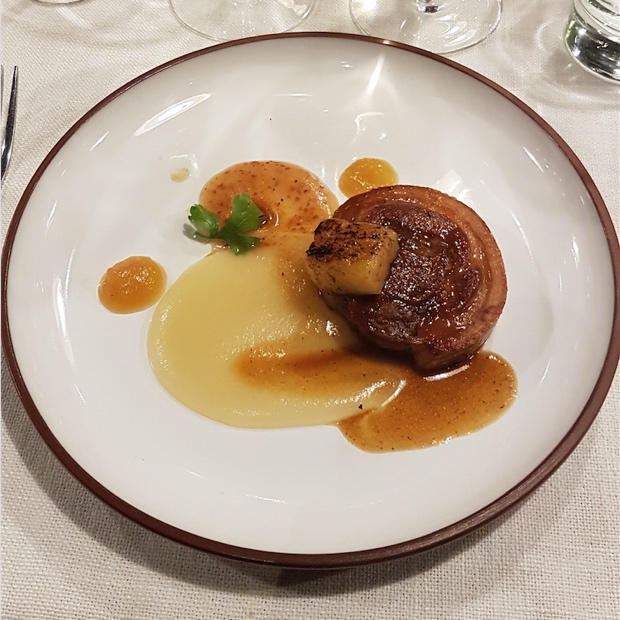
Baby pork, apple, pineapple, Azafrán, Mendoza

In November I had the favourable and fortuitous opportunity to travel around with the team at Wines of Argentina and now WineAlign has teamed up with WOFA to bring 12 carefully curated wines to the Ontario consumer. The box holds 12 archetypal examples (malbec and much more), selected in unanimous accord by the WineAlign crü of critics, through tastings in Argentina and at our offices. Quality in all regions of Argentina has never been higher so the pool from which to pick was deep and wide. This is the invitation to taste the diversity of high-altitude vineyards.

El Esteco, Cafayate Valley, Salta Province

For those who see Argentina as a unilateral place of malbec, malbec and more malbec, think again. New plantations from 1200m to 2200m have characterized the need to qualify the variegate and highly diverse terroirs of Mendoza. There are now more than 1,000 hectares of cabernet franc and 18,000-plus of cabernet sauvignon. Yes there are 42,000 of malbec but that’s two-thirds and not necessarily increasing. Wouldn’t you have thought that number to be much greater? I certainly did. WOFA Educator Joaquin Hidalgo calls it “big noise from some nuts,” which loosely translates to “don’t believe everything you read or hear.” In fact 85 per cent of malbec is grown in Mendoza and there are great ulterior terroirs out there. The key is to seek and create new styles of malbec. Notes Hidalgo, “if we use the variety to create terroir diversity it will be a great benefit.”
Canadians, Tupungato and the Andes

Only 2,249 of 21,000 plantable hectares in Guatallary are full with vines. Huge potential is still out there but water/irrigation is a limiting factor.  As are ants (again, who knew?) and the foxes who chew through irrigation lines. So farmers put out water to satiate them. They must also deal with the Zonda, hot and dry winds that often come off of the eastern slopes of the Andes. Through all these challenges there is more and more talk about moving to an elegant way of producing wines. “Argentina can produce better wine. The more you talk about oak not being the thing to notice the more its shows how oaky the wines really are. The idea is to offer fruity, not so oaky wines.”

Beef tartar, egg yolk, pickles, soy, Azafrán, Mendoza

Conversations with winemakers, agriculturalists, estate directors and export managers bred a consistency of attitude and expectation across the country. And yet each encounter meant and led to something different. Dinner with Winemaker Gabriel Bloise of Chakana, Josefina Alessio of Ernesto Catena and Andrej Razumovsky of Alpamanta focused on alternative varietals, new, innovative and alternative winemaking styles. Razumovsky talked about the rains of 2016 and how harvest was three full weeks late. “Everyone was nervous,” tells Andrej, “with so much rot but the yields were so low and yet the grapes we picked were so healthy.” Strike another notch for organic and biodynamic grape growing.
Enjoying a Salta in Salta

In Agrelo Finca Decero has predicated it’s success on a massive single vineyard called Remolinos but smaller production projects are the new norm. It has lead to growing cabernet franc (plus tannat and syrah) and the recent addition of larger barrels is leading to wines of more florals ands overall complexities. “We’re trying to separate what we perceive is different,” explains CEO Juan Marcó. “This means increased micro-vinifications of specific blocks and plots as part of the larger single-vineyard.” Decero “from nothing” also has 15 hectares of planted petit verdot, which accounts for at least five if not close to 10 per cent of the total in Argentina.
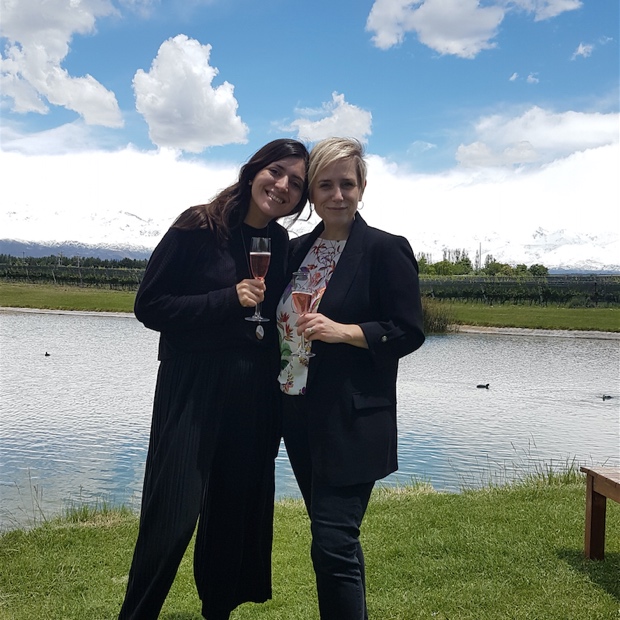
Ani Lucero and Marilyn Demandre, WOFA

In Cafayate, Salta Province it is the Amalaya/Colomé agriculturalists, winemakers and oenologists, (including Jorge Noguera. Thibaut Delmotte, Rafael Racedo and Javier Grané) who know about the “expectation of a miracle,” especially with respect to finding water, but for here, the miracle is to be able to grow grapes and make wine. The prized vineyard El Adrenal literally means “sunny place.” and its altitude brings the sun direct to the vines. El Esteco’s Agriculturalist Rosario and Winemaker Alejandro Pepa showed us sun-kissed criolla and torrontés vines vines of 70 years or more. The moonscape of Piattelli Vineyards is where John and Arlene Malinski’s team produces exceptionally concentrated wines out of the desert; Agriculturalist Santiago Acosta, Winemakers Valeria Antolín and Javier Saldaño, Consulting Oenologist Roberto de la Mota.
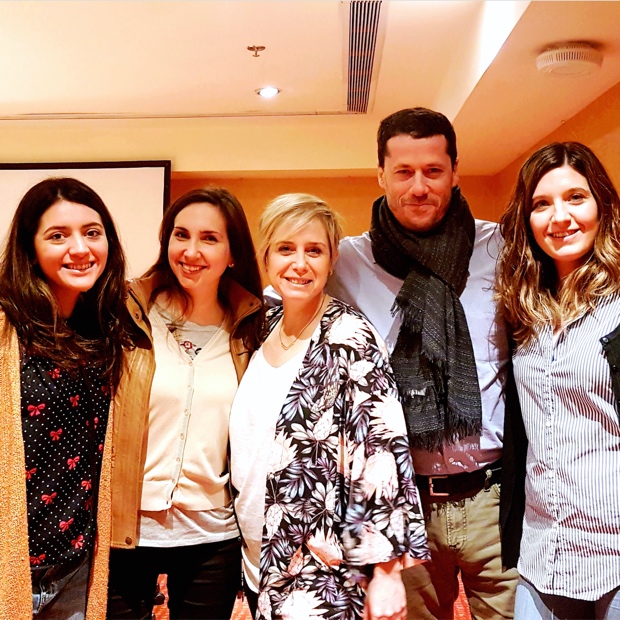
With the Women of WOFA in Mendoza

I tasted upwards of 150 wines in my week spent in Argentina. That first report covered 37 wines from 37 producers. They were the 37 that struck me as being exceptional, ahead of the curve or simply the perfect sort of examples to speak about climate, soil and of course, altitude. The following 118 tasting notes expand on so much of what Argentina does best. Crafting quality wines at high altitudes, from Patagonia to Mendoza and Salta.
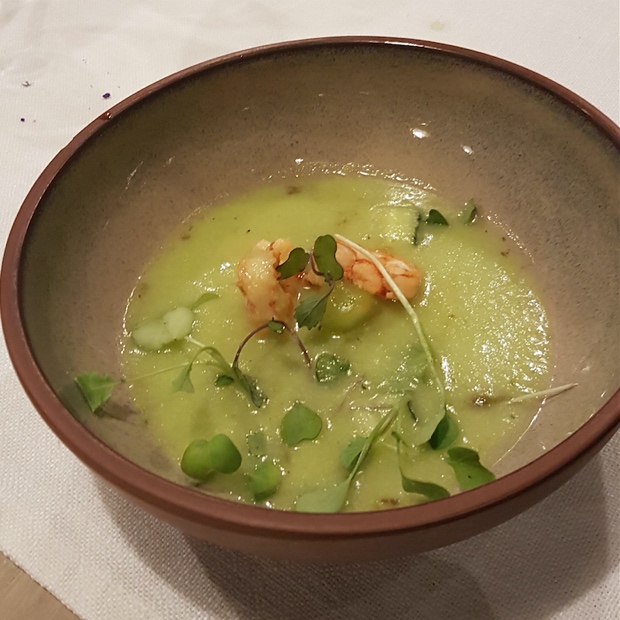
Melon soup, prawns, cucumber, Azafrán, Mendoza

Sparkling Wines

Chakana Vino Espumante Nuna Vineyard NV, Luján De Cuyo, Mendoza, Argentina (Agent, WineAlign)

This biodynamic Brut is a chardonnay-sauvignon, 60-40 split of ambient yeasts and natural acidities. A dry Brut at 4 g/L dosage made in the Charmat Method. Full and I mean full mousse effect, light on the sweet sweats and a nectarine, peach and pear profile. Creamy character and so good alongside melon soup with cucumber and prawns. It seems so perfectly arid and right in balance. Drink 2018-2019.  Tasted November 2018  chakanawines  oeno2   @chakanawines  @oenophilia1  @bodegachakana  @ConnexionOenophilia

Josefina Alessio, Alma Negra and Ernesto Catena Wines

Domaine Alma Negra Brut Nature NV, Mendoza, Argentina (Agent, WineAlign)

A traditional method Rosé and while Josefina Alessio insists “we don’t confess on grape varieties,” this is in fact a pinot noir and malbec sparkler of eight to as much as 16 months on lees. The grapes comes from uncertified biodynamic vineyards in the production zones of Vistaflores, Tunuyán, Mendoza (3,608 feet) and Gualtallary, Tupungato, Mendoza (4,265 feet). An implosive bubble, all about energy and a side-step, two-step into texture. Raspberry is everywhere, as if it could be nerello mascalese sidling up to malbec. Low pH and just about dry adds up to red fruit, lime and overall zest. Drink 2018-2020.  Tasted November 2018  domainealmanegra   Alma Negra  Ernesto Catena Vineyards
Quebrada de las Conchas

Amalaya Brut Nature, Valle De Cafayate, Salta, Argentina (Winery, WineAlign)

A charmat method sparkling wine made from riesling (80 per cent) plus torrontés. A fizz of cloudy demure and a leesy funk directed by the warm climate at 1,750m in sand near La Mercedes. Also smells of lime doused guava and orange blossoms from the torrontés. Simple with notable sweetness, creamy and just tart enough to offer balanced fun. Drink 2018-2019.  Tasted November 2018  bodegaamalaya  hesscollection  liffordgram  @AmalayaBodega  @HessCollection  @LiffordON  @bodegaamalaya @hesscollection  @liffordwineandspirits

Canadians in Tupungato

Whites

Familia Schroeder Alpataco Chardonnay 2018, Patagonia, Argentina (629428, $16.95, WineAlign)

No oak, only stainless steel and all cool, southern Argentina climate in this Paul Hobbs Patagonia outpost chardonnay. Fresh and green apple delicious, simple and crisp. Really crisp. Like a bite into an edgy tart nectarine with slight green note. Beautifully salty and grippy, like Petit Chablis. Would be just perfect to kick back with a half dozen oysters. Drink 2018-2021.  Tasted November 2018  schroederwines   @SchroederWines  Familia Schroeder

Andrej Razumovsky, Alpamanta

Alpamanta Breva Estate Chardonnay 2016, Luján De Cuyo, Mendoza, Argentina (Agent, WineAlign)

This is biodynamic produced chardonnay that saw 13 months in oak foudres after a slow fermentation, no malo and then, no filtration. “Typical of the  area,” says Austrian born Andrej Razumovsky and yet his run is a mere 2,000 bottles. From a vintage where “it rained like Europe,” 1200mm, six times the norm. High acidity is the result, very dramatic but all the while propping up and celebrating fruit. Rich, viscous and forward, full of pulse and energy. Drink 2018-2021.  Tasted November 2018  alpamanta  rogersandcompanywines  @Alpamanta  @rogcowines  @alpamanta  @rogcowines

Carla Castorina, Trapiche

Trapiche Chardonnay Costa & Pampa 2016, Chapadmal, Buenos Aires, Argentina (Agent, WineAlign)

Costa & Pampa is Trapiche’s south Atlantic foray into a new appellation down on the coast southeast of Buenos Aires. Their chardonnay is a rich, youthful, precocious and grippy one, crisp and guaranteed to sell you on quality and possibility. Terrific first look. Drink 2018-2020.  Tasted November 2018  trapichearg  trapichewines  philippedandurandwines  @TrapicheWines  @Dandurandwines   @TrapicheArgentinaInt  @VinsPhilippeDandurand
Fish at Luigi Bosca

Casarena Chardonnay Owen’s Vineyard 2015, Agrelo, Mendoza, Argentina (Agent, WineAlign)

From Agrelo down south of Luján de Cuyo and next to Casarena’s other single vineyards, Lauren and Naoki. Owen’s is named after a grandchild, one of four. Nice and properly reductive, the work her from winemaker Leandro Azin shows a learned ambition, a nod to Bourgogne and a grounding in greater Mendoza chardonnay need. It’s a tart, angular and yet fleshy chardonnay, urgent and delicious, welling in grape tannin, extract and acidity. Drink 2018-2021.  Tasted November 2018
Federico Landrone, Andeluna and Damian Rubin, Bodega Bianchi

Andeluna 1300 Chardonnay 2018, Tupungato, Mendoza, Argentina (Agent, $16.99, WineAlign)

Represents and sets the imagination free to accept the Andean rain shadow, masl manifesto “vines touching the sky.” An fresh, crisp, clean and cool unoaked chardonnay of exceptional clarity and superb value. Apple bite with a similar note by pear from a soil-climate-altitude driven white with purity and finally, acidity. Drink 2018-2020.  Tasted November 2018

Snacks at Domaine Bousquet

Familia Zuccardi Q Chardonnay 2017, Mendoza, Argentina (232702, $18.95, WineAlign)

Zuccardi’s Tupungato chardonnay is a best of both worlds effort, from Gualtallary and El Peral, one giving the sun and the other layering over with freshness. Ferments done up all in concrete then the usage of some older (third and fourth use) barrels. Feel the fruit and the acidity as interchangeable parts plus a true sense of varietal purity. Very orchard apple, taut and pretty, polished and petit, as in Chablis. Drink 2018-2021.  Tasted November 2018
Snacks

Famiglia Bianchi Chardonnay 2017, San Rafael, Mendoza, Argentina (1461, $18.95, WineAlign)

A 50-50 stainless steel-barrel raised chardonnay with as much bite as any. Reductive and creamy with bitters and crackling acidity. The oak is very present, not so much in texture but certainly in palate character. Tart and finishing with further bitters. Drink 2018-2019.  Tasted November 2018

Boys at Finca Decero

Susana Balbo Signature Barrel Fermented Torrontés 2016, Uco Valley, Mendoza, Argentina (384339, $19.95, WineAlign)

Sees four to six months of barrel and plenty of lees stirring. Tells the truth to say it’s all about texture so that it separates itself from a sea full of achromatic torrontés. The idea is to tame and temper both the terpenes and the florals. It succeeds in this regard and is in delivery of a very viscous wine. Still floral but very textural. Drink 2018-2019.  Tasted November 2018
Restaurante El Rancho, Cafayate

Colomé Estate Torrontés 2018, Calchaquí Valley, Salta, Argentina (357913, $15.95, WineAlign)

There is no substitution for altitude and temperature fluctuations to manage the balance in torrontés. Yes it’s floral but also driven by tonic, white fruit and acidity. It’s also fleshy and creamy from fruit like guava and peach but the aridity and altitude dry this into a fierce creature home from a hot climate. Better than ever, with more concentration from the vintage. Drink 2018-2020.  Tasted November 2018  bodegacolome  hesscollection  liffordgram  @BodegaColome  @HessCollection  @LiffordON @bodegacolome  @hesscollection  @liffordwineandspirits
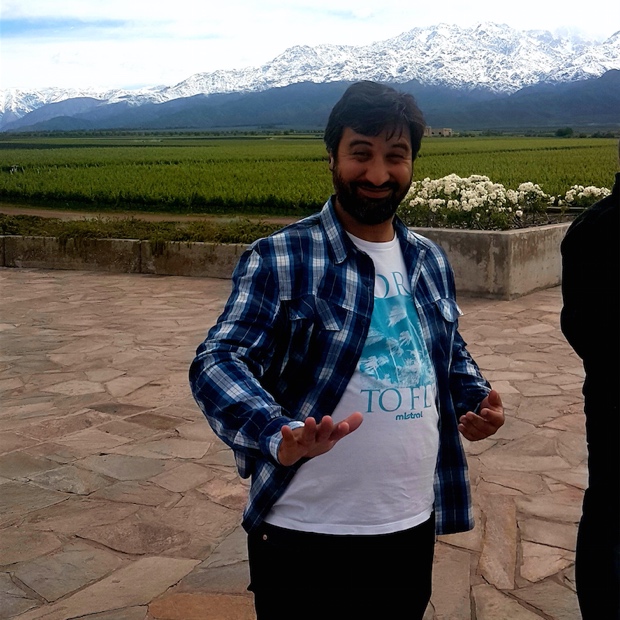
Winemaker Ramiro Balliro, Bodega DiamAndes

Bodega DiamAndes de Uco Viognier 2017, Uco Valley, Mendoza, Argentina (SAQ 11963806, $23.35, WineAlign)

Thirty percent of the French oak used is new on fruit from the foothills of the Andes at 1100m. Warm alcohol on the nose and the intensity of a white flower distillate. Very vanilla, a minor heed of oak spice and more dry extract than many, viognier or otherwise. “Blue girls come in every size, some are wise and some otherwise, they got pretty blue eyes.” The genesis of Uco Valley viognier in solar radiated ripples and minor bitters rippling effect. Drink 2018-2021.  Tasted November 2018  bodegadiamandes  maitredechai_ca    @maitredechai  @diamandes  Francis Dubé

Domaine Bousquet

Atamisque Serbal Viognier 2018, Tupungato, Valle Du Uco, Mendoza, Argentina (Agent, WineAlign)

A viognier high on citrus and notable for tangerine though curiously more about flavour than aromatics. Sharp, tangy and calcareously salty with proper sour edging and plenty of energy at the entry level. Drink 2018-2020.  Tasted November 2018
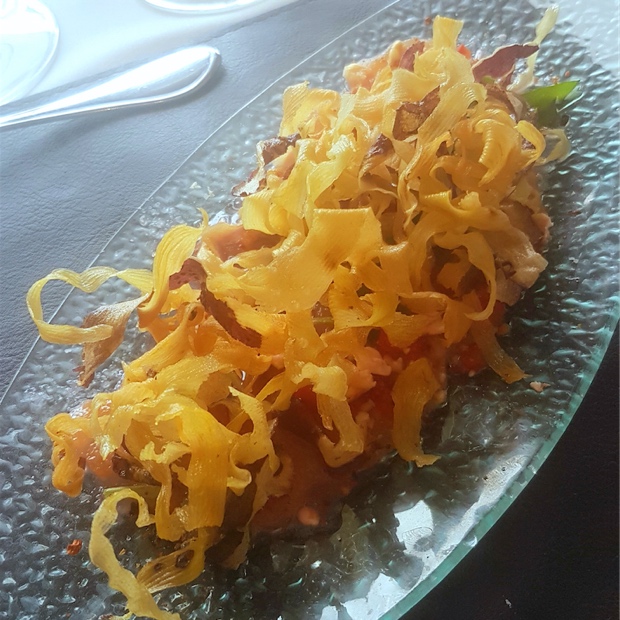
Crudo, Domaine Bousquet

Domaine Bousquet Sauvignon Blanc 2017, Tupungato, Mendoza, Argentina (Agent, WineAlign)

Particularly fresh and vibrant expression with some energy created by residual CO2 still pulsing in the bottle. Quality acidity encapsulates a wealth of fruit from apples through peaches. Mild pungency and ultimately a right proper way of expressing sauvignon blanc. Drink 2018-2020.  Tasted November 2018  domainebousquet  @domaineBousquet  @DomaineBousquetUSA

Bousquet, Tupungato

Salentein Sauvignon Blanc Portillo 2018, Valle De Uco, Mendoza, Argentina (Agent, WineAlign)

Described as fashioned through the matter of “nieve carbonica,” carbonic snow, to prevent oxidation, like using dry ice on garganega to protect and preserve freshness. Quite fresh in fact right here, pure and precise. Somewhat stoic even for a wine that believe it or not was first produced in 2009. Where is this in our market? Drink 2018-2019.  Tasted November 2018  salenteinbodega  azureau  @BodegaSalentein  @azureau  @BodegasSalentein  @BodegasSalentein
Empanadas at Luigi Bosca

Luigi Bosca Del Alma White Blend 2018, Wine of Argentina (WineryWineAlign)

“From the soul,” which is a base of chardonnay (30 per cent) blended with sauvignon blanc (30) viognier (20) and riesling (20). Some carbonic pulse to this metallic and simple blend of extreme freshness. Really good acids, melon flavours and a true tang at the finish. Citrus tablet and pears too. Drink 2018-2019.  Tasted November 2018  bodegaluigibosca  fwmcan  @LuigiBoscaBodeg  @FWMCan  @BodegaLuigiBosca  @FWMCan

Empanada, Restaurante El Rancho, Cafayate

Amalaya Blanco De Corte 2013, Valle De Cafayate, Salta, Argentina (Winery, WineAlign)

The signature, entry-level white blend is torrontés (85 per cent) with riesling. When you think about torrontés as being one of the most floral white grapes this is exactly what you expect. The riesling manages the potpourri with a splash of stone, acidity and ultimately freshness. Drink 2018-2019.  Tasted November 2018
Caminito, Buenos Aires

Fincas Las Moras Sea Creatures Lady Blanc (De Blancs) 2018, San Juan, Argentina (Agent, WineAlign)

A curious concoction of trebbiano, chenin blanc and viognier from Tulum in the lower valley of San Juan. White flowers and white fruit fill the air while citrus and grape spirit flavour bring high favour to the fresh and crunchy spirit. Also some verdancy and in the end really likeable. Drink 2018-2019.  Tasted November 2018
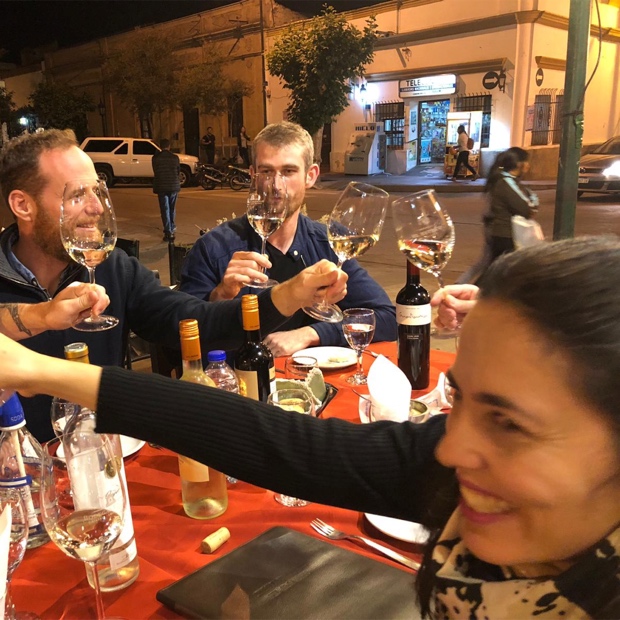
A toast in Cafayate

Casa De Uco El Salvaje Blend De Blancs 2017, Valle De Uco, Mendoza, Argentina (Winery, WineAlign)

A three-pronged blend and élévage from sauvignon blanc, chardonnay and torrontés raised with concrete, oak and steel ferments. Sweet fruit in layers, quite floral and triply aromatic, easy, balanced and with resdiual sugar mitigated by near equal acidity. The new appellative Uco Valley blend. Peak effect. Drink 2018-2019.  Tasted November 2018  casadeuco  @CasadeUco  @CasadeUco

Snacks at Bodega DiamAndes

Masi Tupungato Passo Blanco 2017, Mendoza, Argentina (Agent, WineAlign)

The connective tissue is altitude at 1,100m to tie pinot gris (60 per cent) with torrontés done up with some dried grape appassimento styling. High ion dry extract, creeping up there in glycerin and though low in acidity it’s quite rich, stylish and persistent. Drink 2018-2019. Tasted November 2018  masitupungato  masicanada  @MrAmaroneMasi  @MasiWineExperience  

Jamon at Bosca

Luigi Bosca A Rosé Is A Rosé Is A Rosé 2018, Wine of Argentina (553032, $19.95, WineAlign)

Drawn from Maipu, 60 per cent pinot noir with (40) pinot gris. Lithe, rusty, low in alcohol, tangy and fresh. Very citrus, very vin gris, very serviceable and lovely in its saltiness. Solid. Drink 2018-2019.  Tasted November 2018
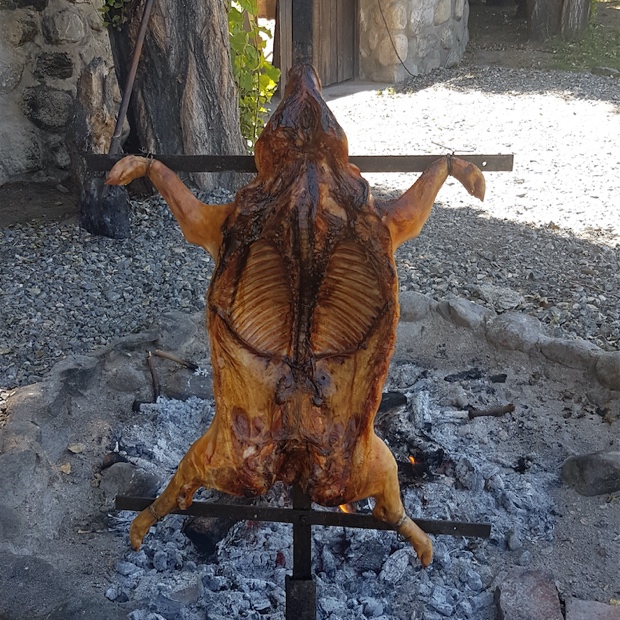
BBQ at El Esteco

El Esteco Blanc de Noirs 2015, Valle De Calchaquí, Salta, Argentina (Agent, WineAlign)

A table wine raised 50-50 in concrete eggs and stainless steel, Rosé by nature, freshness wholly preserved and tannins very much apart of the mix. Ever bearing for strawberries and with a real lemon citrus bend. The dry extract-tannic effort is more than notable. Drink 2019-2023.  Tasted November 2018

Malbec

Familia Schroeder Saurus Select Malbec 2017, Patagonia, Argentina (379313, $34.95, WineAlign)

A malbec from which only the highly concentrated dry-skin maceration is sent straight to 225L barrels for fermentation. The time was a precise one, eight months plus one week and taken out on November 22nd. The Hobbsian obsession of full out expression is on full display, with fruit bombing the senses in hyper-real layers of bright intensity. Locked in, big, bountiful and moving. Gets in and attacks the olfactory nerves with purpose, like smelling salts, as only Patagonian malbec can do. A truly polished wine. Drink 2019-2024.  Tasted November 2018
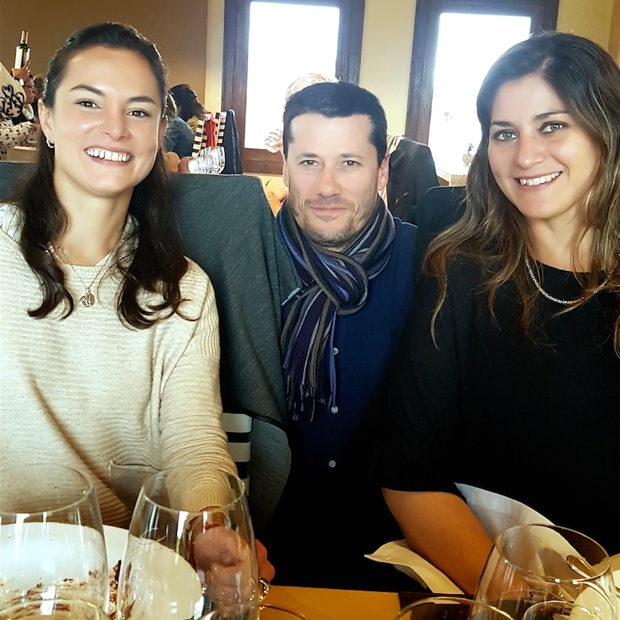
With Rocío Campoy Morist, Alta Vista and Carla Castorina, Trapiche

Trapiche Medalla Malbec 2016, Uco Valley, Mendoza, Argentina (547869, $17.00, WineAlign)

This grippy middle tier Uco malbec is rich in chocolate and spice supplied by generous oak and 40-plus year-old vines. Earth is the catalyst for character a bit scorched and also lending a particular brand of Mendoza funk. Certainly malbec of a combined wisdom and personality to separate itself from other high-volume lots. Drink 2018-2020.  Tasted November 2018
Fuego Blanco Malbec Flintstone 2016, Do Valle Del Pedernal, San Juan, Argentina (Winery, WineAlign)

More or less at 1,500m and 800 kms south of Salta from the extreme climate of San Juan, here’s a brooding, able-bodied and highly hematic malbec. The glass is a bit reductive-effluent so work with it but it’s really quite stubborn and an earthy-worthy malbec with a bit of green meets paratrophic funk. Lower alcohol, pH and acidity, higher learning and curiosity.Then again it’s 70 per cent fermented in concrete egg so that explains quite a bit. Drink 2018-2021.  Tasted November 2018  fuegoblancowines  Fuego Blanco
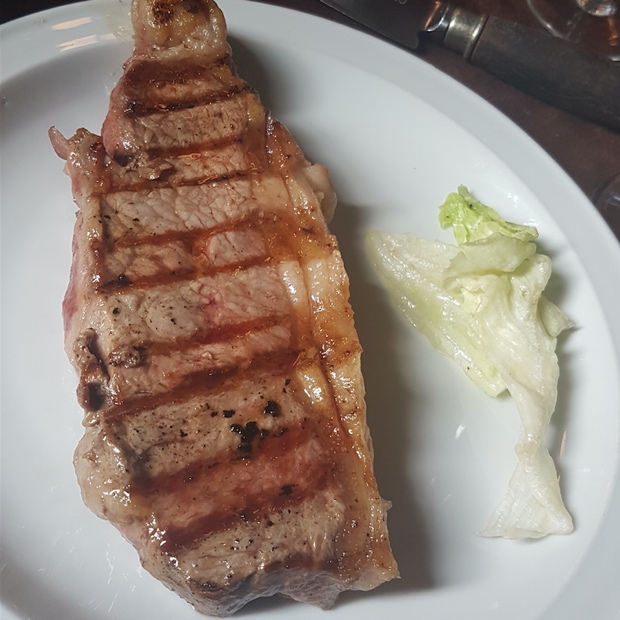
Don Julio, Buenos Aires

Bodega Del Fin Del Mundo Reserva Malbec 2017, San Patricio Del Chañar, Neuquen, Patagonia, Argentina (Winery, WineAlign)

A warm location, even in Patagonia, low in altitude. At 350m and a wine that explains why malbec is planted everywhere, because it’s one that matches latitude and altitude to climate. Moderate alcohol and acidity comes explosively out of high pH and the overall feeling of sweet fruit, more fruit and all fruit. A very familiar and comforting red. Drink 2018-2022.  Tasted November 2018  findelmundowines  @BodFinDelMundo  Bodega Del Fin del Mundo

Caminito, Buenos Aires

Lamadrid Single Vineyard Gran Reserva Malbec 2015, Agrelo, Luján De Cuyo, Mendoza, Argentina (375485, $25.95, WineAlign)

Middle of the numbers road in every way, alcohol, acidity and pH. MOR in so many stylistic and emotional response respects. It’s sweetly fruity, somewhat salty, full, rich, thick and perched comfortably in balance right on the median line. Drink 2018-2022.  Tasted November 2018  lamadridwines  @LamadridEstate  Lamadrid Estate Wines

Beef tartar, egg yolk, pickles, soy, Azafrán, Mendoza

Hector Durigutti HD Reserva Malbec 2016, Paraje Altamira, San Carlos, Uco Valley, Mendoza, Argentina (322735, $34.95, WineAlign)

From a 1955 planted vineyard at 1,150m. Rich but also salty, really giving you the feeling of ripeness and elasticity. It’s made in just a minor reductive way that supports the fruit and then in terms of tannin goes through this chalky texture influx for structure. So very interesting. Drink 2019-2025.  Tasted November 2018  hectordurigutti  duriguttiwinemakers  @HectorDurigutti  @DuriguttiWines  Hector Durigutti  DURIGUTTI Winemakers 
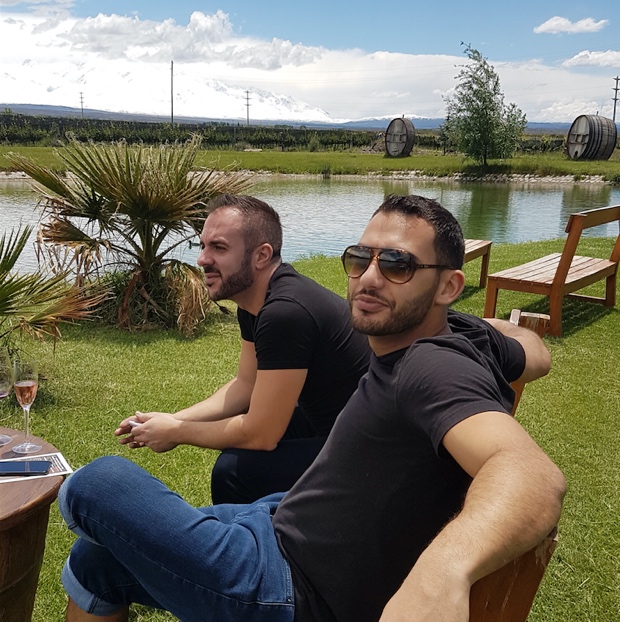
The boys of Ama Always, Michael Mizzi and Alexander Raphael

Finca Decero Malbec Remolinos Vineyard 2015, Agrelo, Luján De Cuyo, Mendoza, Argentina (195677, $25.99, WineAlign)

From the vineyard of mini whirlwinds that twirl on a site where many of these little gusts of air stir up the bare earth into dancing spiral forms. More floral than both the syrah and the cabernet sauvignon. Violets certainly come to mind. Smooth and the flavour is almost candied rose petal with oak integration providing a finishing spice. Very smooth wine. Drink 2018-2021.  Tasted November 2018

Bodegas Sottano Malbec Classico 2017, Mendoza, Argentina (WineryWineAlign)

“The idea of this line of varietal wines is drinkability, to maintain freshness and fruitiness,” explains Christian Magnenat. Sottano’s is simple, correct malbec, of dark red fruit, balanced, drawn from many disparate, moving and amalgamated vineyard parts. From here, Agrelo, Uco Valey and others. Slightly astringent finish. Drink 2018-2019.  Tasted November 2018  bodegasottano  @bodegasottano  @bodega.sottano

Roasted rabbit, bacon, black radish, Azafrán, Mendoza

Vicentin Blend de Malbecs 2016, Mendoza, Argentina (299735, $19.95, WineAlign)

The core wine of Vicentin, it’s dark, hematic and so very sheathed in many barrels of all shapes, sizes and origins. Full and completely structured malbec constructed out of 60 per cent (on average) new barrels. Again the palate takes it to a better place, namely because of texture and then the concentration takes over with some bitters on the finish. Yes it surely is a power pumped wine. Drink 2019-2022.  Tasted November 2018

Mark Bradbury

Vicentin Colosso V 2015, Mendoza, Argentina (WineryWineAlign)

This 100 per cent malbec is all resinous oak, soupy umami aromas and syrupy flavours. Cedar, rosemary, tobacco and really high toned acidity. It’s kind of akin to a Chuck Wagner meets Rioja with plenty of residual sugar. Drink 2019-2022.  Tasted November 2018
Bodegas Sottano Malbec Judas 2015, Mendoza, Argentina (WineryWineAlign)

A blend of malbecs that was a single-vineyard wine. Quite resinous and sinewy, of great depth, some violet florality and much ado about high-toned acidity meeting deep woody notes. Once again more astringency but balanced by the smooth consistency. Clearly a step up in ambition and quality. Drink 2019-2022.  Tasted November 2018
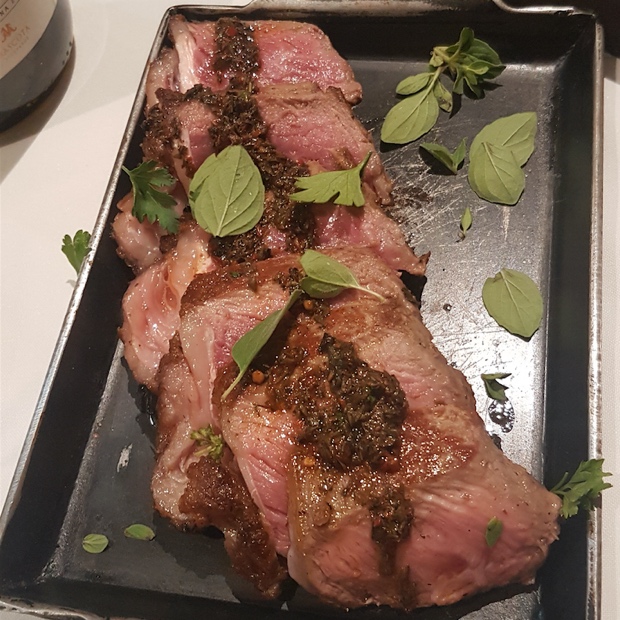
Beef at Bosca

Luigi Bosca La Linda Private Selection Old Vines Malbec 2016, Luján De Cuyo, Mendoza, Argentina (WineryWineAlign)

The PS or Private Selection puts a focus on young wines of fresh fruit character. From the oldest vines (35 years-old) in La Linda, the highest area of Luján de Cuyo. A smoky, charred, grilled herbs and garriga multiplicity in character. It’s true Criolla plant garrique, bushy and fragrant with dark raspberry fruit, juicy acidity and spicy bite. All in balance. Drink 2018-2022.  Tasted November 2018
Bosca Empanadas

Luigi Bosca Malbec DOC 2016, Luján De Cuyo, Mendoza, Argentina (452672, $18.95, WineAlign)

The DOC was established in 1989 and this icon of a malbec was first produced in 1991. From Luján de Cuyo fruit, remarkably rich and emblematic for the whole of Mendoza Province. Just what you expect, need and could ever want without an ounce of pretence or ambition. Drink 2019-2023.  Tasted November 2018
Tortilla at Bosca

Luigi Bosca Terroir Los Miradores Malbec 2016, Uco Valley, Mendoza, Argentina (132340, $32.95, WineAlign)

From 70 year-old vines in Valle de Uco with lowest of low yields so that one vine does not even function to produce a whole bottle. From the same genetic cutting materials, massal selection of the DOC malbec, but with obvious concentration and specificity. So much more floral, of a baking spice and a fruit intensity that truly is the bomb. An implosive wine with modesty, purity and a 40 per cent oak housing. Big and balanced with great structure and tannins that invoke seven senses. Put some aside and we’ll have some further discussions in 10 years. Drink 2021-2029.  Tasted November 2018

Yann Janvier – snap (c) @marylinedemandre

Domaine Bousquet Malbec 2018, Tupungato Valley, Mendoza, Argentina (160952, $13.95, WineAlign)

Draws fruit from Paraje Altamira and Gualtallary, no oak, simply in stainless. Fresh and equally savoury, relative concentration and simple in effusive red fruit. Really negligible tannins and a sweet as opposed to astringent finish. Perhaps the best vintage ever for this entry-level malbec. Drink 2018-2020.  Tasted November 2018   domainebousquet  @domaineBousquet  @DomaineBousquetUSA

Flank Steak, Domaine Bousquet

Domaine Bousquet Malbec Grande Reserve Vino Orgánico 2015, Tupungato Valley, Mendoza, Argentina (WineryWineAlign)

The top tier malbec is a full barrel seasoned one though no new oak, with five per cent each cabernet sauvignon, merlot and syrah blended in. Reduction and spice are dominant but true blue black fruit layers, lingers and lurks. High-toned overview above and beyond the cimmerian aspect so it’s just a matter of time before the slope adjusts and the fruit takes control. Violets meet deep savour with mid-term age probability a real opportunity. Quite taut and spicy, a true testament to mixing fruit from Tupungato and Guatallary. Drink 2019-2025.  Tasted November 2018
Julianne Pons, Bodega DiamAndes

Bodega DiamAndes de Uco Malbec 2013, Uco Valley, Mendoza, Argentina (404145, $23.25, WineAlign)

Harvested between March 18th and April 16th, this style of malbec is certainly gone for broke in 30 per cent new French oak for 12 months. There is less savour and more sweetness in both the fruit and the tannins and while it’s certainly the typical and the archetypal for the Uco Valley, it’s not quite as complex as the cabernet. It’s splitting hairs to say so but to be honest this is the wine to drink now and for three to five years while the cabernet and its great structure will go longer. Drink 2019-2022.  Tasted November 2018

Beef, Restaurante El Rancho, Cafayate

Amalaya Malbec 2017, Valle De Calchaquí, Salta, Argentina (Agent, $19.99, WineAlign)

The flagship red in the Amalaya/Donald Hess property in Salta from high altitude in the northern Calchaquí Valley is a rich and concentrated wine heading towards these eastern foothills of the Andes mountain range. Dominated by malbec with cabernet sauvignon (10 per cent) and (5) petit verdot. Rich, succinct and driven by solar radiated concentration. Drink 2018-2019.  Tasted November 2018

With Marilyne Demandre, WOFA Canada in Salta Province

Colomé Malbec Lote Especial La Brava 2016, Valle De Calchaquí, Salta, Argentina (Agent, $29.99, WineAlign)

From a mainly sandy soil with small gravel pebbles at 1,700m and one of three site specific Colomé malbec investigations. The combination of flavour concentration and saltiness is exceptional in a wine fully equipped with solar radiation, acidity preserving temperature fluctuations and altitude enlivening libido. The combination of fruit layering and tannic structure is nothing short of remarkable. Drink 2019-2024.  Tasted November 2018
Smelling the Garrigue at Amalaya

Colomé Malbec Lote Especial El Arenal 2016, Valle De Calchaquí, Salta, Argentina (575290, $29.95, WineAlign)

The vineyard here is at 2,600m and the first vineyard purchased by Donald Hess, in a place and at an altitude that did not yet exist in Argentina. So the question is what does an added 300m (and 900 as compared to La Brava) bring to malbec? The answer is simply more of everything but especially concentration. This is smoother and more silk-textured, with less high-tonality and more Napa like consistency. It’s certainly the richest and most consumer friendly. Drink 2019-2024.  Last tasted November 2018

El Arenal is the pinpointed location for Colomé’s deep, dark and delicious malbec, especially for the Calchaquí-Salta locale. A warmth by vintage and richness by extraction has matched the saltiness of the air and the aridity of the place. The lengthy finish is notable and fruit persevering. Drink 2019-2023.  Tasted September 2018
Quebrada de las Conchas

Colomé Estate Malbec 2016, Calchaquí Valley, Salta, Argentina (477315, $24.95, WineAlign)

The Estate gathering draws from all three Lote Especial vineyards (La Brava, Colomé and El Arenal) plus fruit from Altura Maxima at 3,100. Bring them all together and the broadest expression with the middle ground concentration and the fullest texture is realized. It’s a cooler, more savoury malbec with a balance of richness and high tonality. Drink 2019-2022.  Tasted November 2018

Canadians at Tres Cruces

Bodega Colomé Malbec Autentico 2017, Calchaqui Valley, Salta, Argentina (Agent, WineAlign)

This malbec is drawn from 2,300m of altitude and the vineyard of oldest vineyards raised with no oak, only stainless steel. The idea is “the typical malbec from the Valle de Calchaquí.” The vineyards are pre-phylloxera and the wine is naked to the world, fresh and floral, salty, tangy, tart and quite intense. It’s even more rugged and rustic than expected but rich and full of possibilities. Peppery too in a reductive meets carbonic way. Drink 2019-2024.  Tasted November 2018
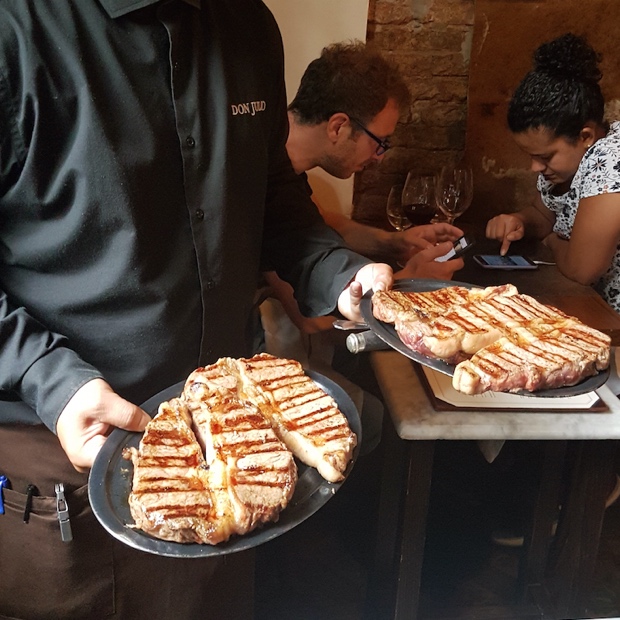
Steaks at Don Julio

Colomé Malbec Altura Maxima 2015, Calchaqui Valley, Salta, Argentina (Agent, WineAlign)

From the Donald Hess farm purchased in 2005, with plantings between 3,000 and 3,200m of altitude. The extreme nature of this (and some of Argentina’s) highest of estate vineyards means frost and hail are very much apart of the challenge. And when you taste it side by each with the three Lote Especial malbecs you see that it is something very different indeed. The floral aspect is dramatic and the flavours the most intense. The saltiness and high tonality are off the charts. This will age for two decades without pause. Drink 2021-2033.  Tasted November 2018

El Esteco

El Esteco Malbec 2016, Valle De Calchaquí, Salta, Argentina (Agent, WineAlign)

From two terroirs, Punco and Cafayate, aged in second and third passage oak barrels. Like blackberries and Yerba Seca, a native savoury brushy herb that grows in this cactus populated desert. So reminds of sage pointed reds from the Okanagan Valley, albeit with more brine. Drink 2018-2021.  Tasted November 2018  bodegaelesteco  philippedandurandwines  @ElEstecoWines  @Dandurandwines  @elestecowines  @VinsPhilippeDandurand  
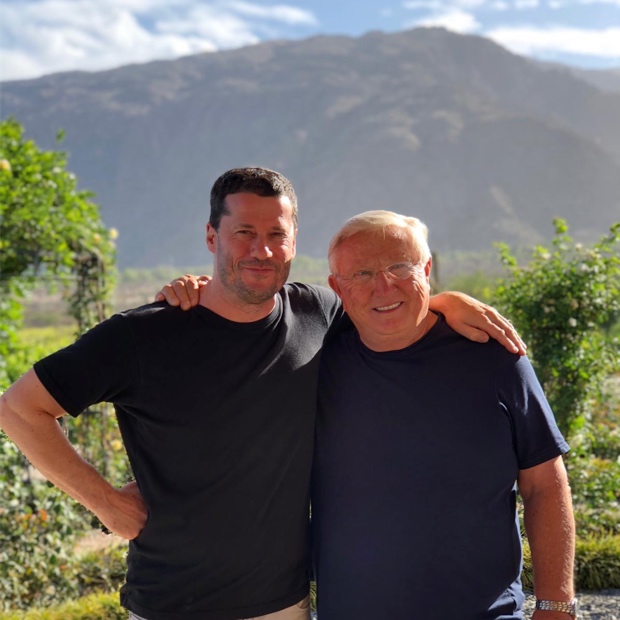
With John Malinski, Piattelli Vineyards

Piattelli Vineyards Reserve Malbec 2017, Cafayate Valley, Salta, Argentina (Agent, WineAlign)

Malbec at 6,000 feet on a gentle rising slope in Cafayate is aged for nine months in only American barrels. Few malbec are clothed with as much barrel class in a Rioja way as this and no French is used, namely because of cost in a much larger production wine. The oak is done to bury the pyrazines and it works like a charm. Drink 2018-2021.  Tasted November 2018

New Piattelli Vineyards planting in the high altitude desert of the Calchaqui Valley

Piattelli Vineyards Gran Reserve Malbec 2016, Cafayate Valley, Salta, Argentina (Agent, WineAlign)

In this version of Piatelli’s high altitude malbec the components are all bigger, stringer, faster and of specs where pH, alcohol, glycerin and also acidity are all elevated. The Grand Reserve sees both American and French oak and for 13 months time. The Spanish connection, whether it be Ribera del Duero or Montsant is evident in polish, silky texture, vanilla and liquid graphite. Very sweet black cherry, pencil shavings and even a note of cigar. Chalky, earthy finish. Drink 2019-2023.  Tasted November 2018

Altos Las Hormigas Malbec Clásico 2017, Mendoza, Argentina (Agent, WineAlign)

Approximately 20 per cent of the fruit comes from the Uco Valley with the yeoman’s work provided by vines grown in Luján de Cuyo. What the house considers as a good vintage with a great 2018 looming on the horizon. At present a bit peppery-rubber stamped reductive so truly a baby with grip and concentrated liqueur. Strange in how it reminds of Western Cape syrah and ultimately solicits an expression of wow. Drink 2019-2022.  Tasted November 2018  altoslashormigas  @ALHmalbec  @ALTOSLASHORMIGASWINERY

At Luigi Bosca

Navarro Correas Reserva Malbec Selección Del Parcelas 2017, Mendoza, Argentina (Agent, WineAlign)

The reserve malbec story is a three-fold one, from three blocks each no bigger than two hectares; La Consulta (San Carlos, Uco Valley), Los Árboles (Tunuyán, Uco Valley) and Agrelo (Luján de Cuyo). Each adds their own piece into the puzzle, from florals through red fruit to cool savour. Adds up to a layered malbec big in fruit, acidity and bones. Drink 2019-2022.  Tasted November 2018

An excited Yann Janvier eyeing dinner at Luigi Bosca

Pascual Toso Malbec 2016, Mendoza, Argentina (35170, $14.25, WineAlign)

If you are looking for a malbec on the spectrum that is brighter and lighter with properly and wisely integrated wood into that effulgent fruit, here is your $14 best bet. The Mendoza malbec tenets of smoky and spicy are quite subtle and fruit stands out, ushered along by a calming and supportive energy. Drink 2018-2019.  Tasted March and November 2018

Fritters at Bosca

Viña Cobos Felino Malbec 2017, Mendoza, Argentina (118067, $19.95, WineAlign)

A blend of several properties’ fruit though 70-80 per cent comes from vines growing in 40 vineyards situated in Luján de Cuyo. A big sweet fruit and high acidity bomb meeting at the intersection of grip and freshness. The blend of sites amalgamates and mediates to spread great malbec love for all to share. Drink 2018-2021.  Tasted November 2018
Salad at Luigi Bosca

Viña Cobos Bramare Malbec 2016, Uco Valley, Mendoza (123729, $39.95, WineAlign)

Not the easiest vintage to deal with but the low quantity of fruit availability surely means quality of the highest order and a malbec here that could never be accused of flat, peppery or fat. The Luján de Cuyo fruit from four farmed estate vineyards is 100 per cent all in for a true to terroir malbec that even Paul Hobbs can’t override, no matter how hard he and his team might try. The accessibility playing field is levelled by an intensity built by alternating stratifying layers of acidity and structure. Smoke, smoulder, spice and then patience move from availability through need. Drink 2020-2027.  Tasted November 2018
Mark Bradbury and Marilyne Demandre, Buenos Aires

Bodegas Bianchi Finca Los Primos Malbec 2018, Mendoza, Argentina (572123, $12.40, WineAlign)

Made from 100 per cent San Raphael fruit on alluvial soils with clay. Leads to great malbec depth plus surely hematic pulse and strength. It’s red fruit albeit highly concentrated, extracted, intense, spicy, smoky and full. Drink 2018-2020.  Tasted November 2018
Andeluna Malbec Altitud 2016, Gualtallary, Tupungato, Uco Valley, Mendoza, Argentina (Agent, $25.99, WineAlign)

Fruit is 100 per cent Gualtallary and yes Altitud is a factor of a rise towards the Andean wall. More than altitude this malbec carries attitude, in good solid grip and firm intensity. A very meaty malbec, pitchy and sure of itself in every respect. These Tupungato soils give way top some pretty heady and deeply satisfying red fruit, especially malbec. Drink 2018-2022.  Tasted November 2018
Bodega Atamisque Serbal Malbec 2018, Tupungato, Mendoza, Argentina (444737, $15.95, WineAlign)

Simply stated pinot noir of strawberry red fruit, a fluff of spice and ultimately easy to comprehend. Highly drinkable stuff that speaks a varietal language with obviousness and without complication. Nothing more needs top be said. Drink 2018-2019.  Tasted November 2018
Zuccardi Polígonos 2016, San Pablo, Uco Valley, Mendoza, Argentina (568915 $29.95, WineAlign)

The Vinos de Montaña line from Zuccardi employs the name Poigomnos to refer to the many sides of a vineyard, also mimicked by Seb Zuccardi in his drive to celebrate micro-vinifications and the new diversity of Mendoza terroirs. The soils are alluvial and very stony, an elemental-mineral transference fact that needs to be contemplated and copnsidered within the context of a malbec effect and from this place in San Pablo, Uco Valley. This is in fact a different sort, from pyrazine to pepperoncino, dry, tannic and unique in its new spark of dark fruit. Quite remarkable for its ulterior motive and unique way of speaking for both the specific place and the estate. Drink 2019-2025.  Tasted November 2018   zuccardivalledeuco  szuccardi  dionysuswines  @ZuccardiWines  @FamiliaZuccardi  @SebaZuccardi  @ZuccardiValleDeUco  @DionysusWinesTO

Cecilia Carrasco, Zuccardi and Julia Halupczok, Finca Sophenia

Zuccardi Concreto Malbec 2017, Paraje Altamira, Uco Valley, Mendoza, Argentina (455774 $39.95, WineAlign)

Concreto as noted and understood is a malbec raised only in concrete and not a barrel, stave or chip to be found anywhere near the purity of this fruit. Paraje Altamira is the pinpointed location and one of the Uco Valleys great new frontiers at 1,100masl. The spot is a spectacular alluvial fan laid out beneath the Andes and a certain depth meets richness of red fruit abounds, accented or rather accentuated by Zuccardi’s use of concrete vats. A very fine liqueur is the result and if the ’16 was thought to be luxe, this next step (and warmer, more nurturing vintage) brings malbec into luxury, bordering on hedonism. But it’s pure, exacting and transparent. Drink 2019-2023.  Tasted November 2018
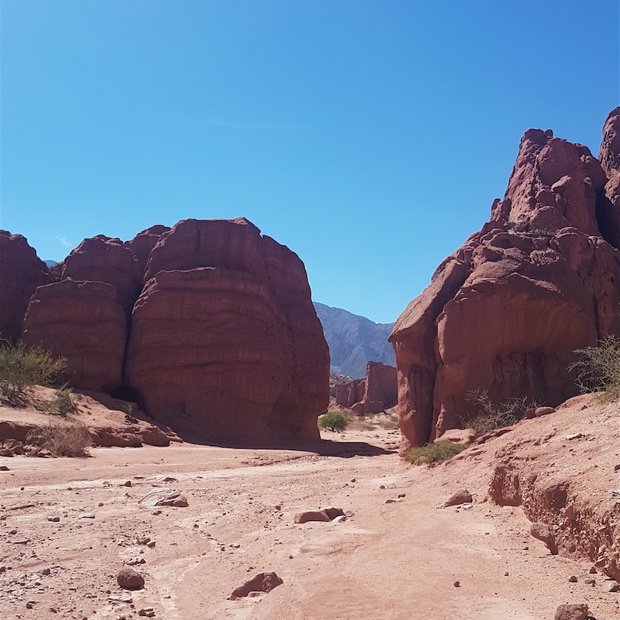
Finca Sophenia Estate Wine Malbec 2017, Tupungato, Mendoza, Argentina (Agent, WineAlign)

All estate fruit from vineyards at 1,200masl surrounding the winery in Gualtallary. Winemaker Julia Halupczok brings out the sweetest red fruit of simple purity and pleasure, augmented with mild oak spice. Gracious, generous and in the end, grateful for such a malbec. Drink 2018-2020.  Tasted November 2018
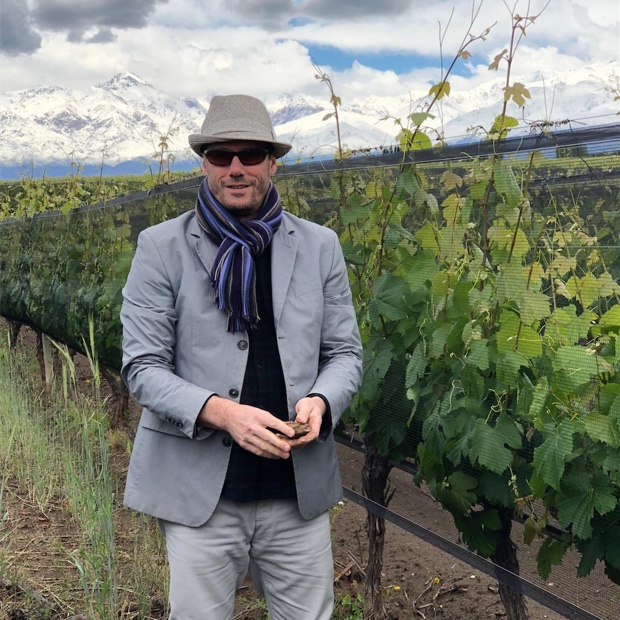
Salentein Reserve Malbec 2017, Uco Valley, Mendoza, Argentina (640854, $17.95, WineAlign)

Located at one of Mendoza’s highest altitude terroirs at upwards of 1,300m in the Uco Valley. Mostly older (third use) barrels bring a combination of peppery reduction and oak accented spice. Actually a bit quiet to begin and then the fits, jolts and sparks begin to announce the presence of pent up energy and near aggression. This will take a couple of years to settle, unfold and allow the protected fruit to speak up. That it will, with good grip and even better structure. Drink 2019-2022.  Tasted November 2018

Cabernet Franc

Zuccardi Cabernet Franc Polígonos 2017, San Pablo, Uco Valley, Mendoza, Argentina (Agent, $29.95, WineAlign)

The Polígonos exploration is a many vineyard sided affair and the altitude is significant at 1,300m from San Pablo in Valle de Uco, Mendoza. A relatively early pick preserves nigh high acidity and the alcohol is beautifully restrained. Just a hint of dusty, pyrazine edgy fruitiness drives the machine and keeps this pulsing with terrific energy. Both food amenability and aging potential here are excellent. If it’s verdant that’s a compliment to local character. Drink 2019-2024.  Tasted November 2018  zuccardivalledeuco  szuccardi  dionysuswines  @ZuccardiWines  @FamiliaZuccardi  @SebaZuccardi  @ZuccardiValleDeUco  @DionysusWinesTO

Rocío Campoy Morist, Alta Vista

Alta Vista Premium Cabernet Franc 2016, Mendoza, Argentina (609081 $17.95, WineAlign)

The estate’s highest vineyards are the source for this beautifully pungent cabernet franc and strike another notch on the varietal card for growing this is in the right spots in Mendoza. It’s a dark fruit expression with high and mighty acidity to find equitable footing. The tangy, tart and intense acidulated liquidity really drives the point even if the woody aspects are just a bit up and above what would make this nearly complete. So drinkable and offering up great interest nonetheless and completely understandable for its style. Drink 2018-2022.  Tasted October and November 2018  bodegaaltavista  hhdwines  @bodegaaltavista  @HHDImports_Wine  @BodegaAltaVista  @HHDImportsInc

Trivento Cabernet Franc Golden Reserve Black Edition 2017, Altamira, Uco Valley, Mendoza, Argentina (AgentWineAlign)

Made by winemaker Germán Di Césare there is a respect for land (alluvial, sand and some lime) but also for varietal. It’s well-endowed, juicy, plummy and full flavoured though it’s oaky tendencies are quietly respectful as well. The tone of the wine hums and resonates with ambience in complete control. It’s really quite fine and just about to enter its perfectly integrated, resolved and balanced window. High acidity example and wouldn’t hurt to settle for just a few more months. Drink 2019-2022.  Tasted November 2018  triventoarg  triventoarg  #escaladewines  @Trivento   @TriventoArg  @TriventoCanada

Bodega Andeluna Cabernet Franc Pasionado 2015, Gualtallary, Tupungato, Uco Valley, Mendoza, Argentina (Agent, $54.99, WineAlign)

Classic Uco terroir at high altitude (1,300m) that mixes alluvial soils with sand, limestone and here loam make for a pretty subtle rendition in terms of cabernet franc. That’s especially true when you consider the small vessels used (225L barrels) and much of it new. You feel the wood in vanilla and berry coulis, a bit of spice and liquified graphite. Quite a molten flow this cabernet franc and with demanding quality in its tannins. Drink 2018-2023.  Tasted November 2018 bodegaandeluna  stemwinegroup  @BodegaAndeluna  @StemWineGroup  @BodegaAndeluna  @stemwine

snap (c) @marylinedemandre

Escorihuela Gascón Pequeñas Producciones Cabernet Franc 2016, San José De Tupungato, Mendoza, Argentina (Winery, WineAlign)

At just under 1,100m this from Matias Ciciani is Mendoza tradition in a varietal glass. There is a later picked, well-extracted feel to the fruit, with a dried component, though plenty of freshness is maintained. It feels like oxygen was introduced to this at the correct time and so it’s developed, ready but also protected from advancing too quickly. Lovely wine with some firm grip and tension inits structure. Drink 2018-2021.  Tasted November 2018  escorihuelag  @Escorihuelag  Escorihuela Gascón

Godello post masterclass on cabernet sauvignon and franc with Viña Cobos winemkaer Andreas Vignoni

Viña Cobos Bramare Cabernet Franc Chañares Estate 2016, Los árboles, Tunuyán, Valle De Uco, Mendoza, Argentina (Winery, WineAlign)

At just under 1,200m, off of well-drained alluvial soils with a good presence of larger stones and pebbles. From an El Niño season of extra rainfall, this is still certainly polished and endowed with a fully rendered liqueur. The varietal character is there though early on it’s behind the veil of wood. Big structure, concrete architecture and timeless really. The Chañares Estate in Los Árboles is clearly capable of delivering one of Argentina’s great cabernet franc terroirs. While this is surely an impressive Uco Valley red the story of varietal and place is yet to truly be told. Drink 2018-2022.  Tasted November 2018  vina.cobos  awsmwest  @VinaCobos  @AuthenticWineON  @vinacobos  @awsmon

Filet Mignon, pumpkin and white chocolate purée, criolla sauce with black olives, pan-seared potato and sea asparagus, Finca Decero

Finca Decero Cabernet Franc Mini Ediciones Remolinos Vineyard 2017, Agrelo, Luján De Cuyo, Mendoza, Argentina (AgentWineAlign)

The simple and emotional response to this special effort is more cabernet franc, in Remolinos, Agrelo, Luján de Cuyo please. Varietal notability for sure with more than ample barrel smoothing and gentle spice character. Tannins are bigger and more grippy than you might think. Plenty of age potential here. Drink 2019-2024.  Tasted November 2018

Vicentin Dorado Cabernet Franc 2016, Mendoza, Argentina (WineryWineAlign)

Labeled the “Tiger of the Rivers” it reeks of American oak, welling with vanilla, lavender and graphite. Couldn’t pick this out as a cabernet franc blind because all varietal notes, Loire, Mendoza or anywhere are hidden behind the Silver Oak meets Rioja sheathing. The palate is an improvement with good savoury flavours, even a squeeze of fresh pomegranate but the acidity is a conundrum. Where are the realities of place? Drink 2018-2020.  Tasted November 2018  vicentinfw  @carotizio ‏ Vicentin Wines

Vicentin Banda de Los Tres Sucios Se Busca Vino/Sin Tomar El Tramposo Cabernet Franc Peligroso E Imparable 2016, Mendoza, Argentina (WineryWineAlign)

Now 18 months in barrel, the name is the Cheater and the band of three; cheater, smuggler and renegade. It’s all oak and more oak with almost no cabernet franc character. It’s red fruit with green, tobacco and concentrated variabilities. Mostly French and some (20 per cent) American oak. Not much linger or staying power in terms of the finish. Whimsy without equitable substance. Drink 2019-2022.  Tasted November 2018
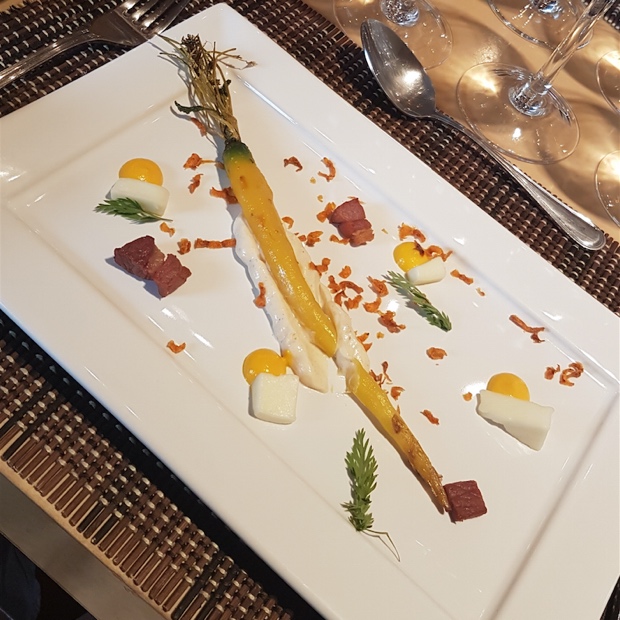
Carrot at Decero

Argento Reserva Cabernet Franc 2016, Mendoza, Argentina (Agent, $18.99, WineAlign)

A beautiful freshness here without too much barrel sheathing, in and out of second and third passage wood. A gainfully employed and effective franc, true to varietal, crunchy and quite serious for value. Incidentally Argento is from the owners of Uruguay’s Bodega Garzón, Chianti Classico’s Dievole and Montalcino’s Podere Brizio. Drink 2018-2020.  Tasted November 2018  bodegaargento  profilewinegroup  @BodegaArgento  @ProfileWineGrp  @bodegaargento  @ProfileWineGroup

Cabernet Sauvignon

Familia Schroeder Saurus Cabernet Sauvignon 2016, Patagonia, Argentina (Agent, $21.95, WineAlign)

After tasting a few examples of the Paul Hobbs influence on these Patagonian wines it is quite clear just how evident there is this smooth consistency of style. Big time ripe fruit, darkening as per varietal and here a sense of cured salumi, all in, no holds barred and also fully developed and rendered texture. That factor times purity allows this to lean linear almost into elegant. Warm, comforting and then with rendered spice. Drink 2019-2023.  Tasted November 2018

Pascual Toso Cabernet Sauvignon Alta Barrancas Vineyards 2016, Mendoza, Argentina (261958, $33.95, WineAlign)

How deep is the impact from the altitude out of this part of Mendoza? Deep as it is wide, from every corner abutting and always facing the wall of the Andes. Even at a low steppe like Maipú. Plenty of barrel style here, mixed with a cool vintage and so the pH is low in such a tricky year. Acidity is high and it’s pretty darn fresh considering the oak. From 700-800m, very floral and so all the parts are somewhat confounding yet also remind of Rioja tempranillo. This needs a few years to settle down. Drink 2020-2026. Tasted November 2018  pascualtoso  eurovintage  @PascualToso  @Eurovintage  @pascualtosowinesargentina  @Eurovintage
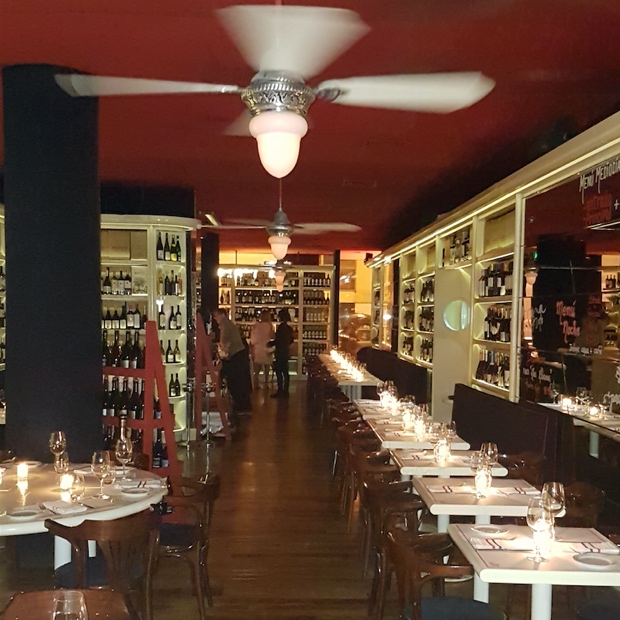
Aldo’s, Buenos Aires

Familia Schroeder Cabernet Sauvignon Saurus 2017, Patagonia, Argentina (Agent, $21.95, WineAlign)

Schroeder is a Paul Hobbs Patagonia outpost and across the board they are truly smooth, cool and polished wines. Tasted after the pinot noir and malbec we see by now the consistency of style and with great evidence. Big time ripe and dark varietal fruit, salumi accents, all in, no holds barred and a cool factor with texture times purity. It finds its way through the ooze to act linear and come out quite elegant. In the end it warms and brings much comfort, finishing with a rendering and lingering spice. Drink 2019-2023.  Tasted November 2018  schroederwines  @SchroederWines  @stemaren  @BodegaFamiliaSchroeder

Tasting at Sottano

Sottano Reserva De Familia Cabernet Sauvignon 2016, Mendoza, Argentina (324707, $24.95, WineAlign)

Sottano’s cabernet sauvignon exhibits less of an oak influence or exaggeration, especially not a hinderance or a matter of make up. Smells like cabernet sauvignon with loads of ribena and black currant on top of each other and then the oak really takes over. Half of the grapes are estate and the other half Altamira in Uco Valley. Not so much a terroir investigation as it is a thing of Mendozan assemblage. It’s far from elegant but it is creamy smooth and velvety, if not the best wine thus far in the portfolio. Drink 2019-2024.  Tasted November 2018  bodegasottano  @bodegasottano  @bodega.sottano

Dessert at Decero

Susana Balbo Cabernet Sauvignon Signature 2016, Uco Valley, Mendoza, Argentina (260919, $19.95, WineAlign)

From a wet year but locales with good exposure and drainage fared quite well. Regardless here is a rich, grippy and powerful cabernet sauvignon (with five per cent franc), of high natural acidity and cumulative depth. The parcels are Uco Valley and Los Arboles just below Gaultallary. Chocolate is cut by a rocky streak from fruit grown over a dry river bed with stones, quite the opposite from Agrelo. It’s a veritable expression of a unique set of alluvial and stony soils. Excellent work to bring out a sense of place. Drink 2019-2022.  Tasted November 2018  susanabalbowines  profilewinegroup  @sbalbowines  @ProfileWineGrp  @SusanaBalboWines  Susana Balbo  @ProfileWineGroup

With Soledad Juncosa, WOFA

Sophenia Cabernet Sauvignon Synthesis 2014, Gualtallary, Tupungato, Uco Valley, Mendoza, Argentina (AgentWineAlign)

A wine made by Julia Hulupczok and Matiás Michelini. From a wild vineyard upwards of 1,300m where ripening is a challenge and tannins can be formidable. There’s a greenness to be sure and yet also a subtle grace about it. A different structure, impossibly dichotic and surely one you would not have found in Argentina just 10 years ago. Drink 2018-2024.  Tasted November 2018  fincasophenia  @FincaSophenia  @Juliahilux  @FincaSopheniaWines  Julia Halupczok

Viña Cobos Bramare Cabernet Sauvignon Marchiori Estate 2015Perdriel, Luján de Cuyo, Valle de Uco, Mendoza, Argentina (Agent, $119.00, WineAlign)

At 1,000m few other cabernet wines out of Valle de Uco will deliver such concentration and polish. It’s also huge in acidity, grippy tannin and overall structure. Almost two-thirds new oak is used and the fortunate thing is really the highest quality fruit able to withstand this woody onslaught. Deep soils work hard for vines less than 25 years old, the upper strata built of clay-loam to sandy-loam and the substrata of river-washed cobbles and round stones. It was an early ripening vintage with harvest temperatures above the historical record. Not surprising to receive such a massive, not so much brooding but more like a swagger of attitude in a cabernet that can go the distance. Drink 2020-2027.  Tasted November 2018  vina.cobos  awsmwest  @VinaCobos  @AuthenticWineON  @vinacobos  @awsmon

Lunch, El Esteco

Bodega El Esteco Finca Notables Cabernet Sauvignon 2015, Calchaquí Valley, Salta, Argentina (WineryWineAlign)

In addition to a more “generalized” cabernet sauvignon, which is so odd to say when you consider the extreme altitude as its source, nevertheless this is the other one from El Esteco and Peñaflor. A single-vineyard draw from an “Alturas” block at 1,700m in the Valles Calchaquíes from winemaker Alejandro Pepa, the lowest of yields, off of deep loamy and sandy soil. Very tart, tight, taut, almost reductive, peppery and really herbal cabernet sauvignon. A true mildly sweet liqueur bitters red, of dark fruit and iodine. Drink 2018-2021.  Tasted November 2018  bodegaelesteco  #mondiaalliance  @ElEstecoWines  @Mondia_Alliance  @elestecowines  @mondiaalliance

Finca El Origen Reserva Cabernet Sauvignon 2015, Uco Valley, Mendoza, Argentina (128991, $15.95, WineAlign)

Grapes are taken from La Esperanza in Vista Flores at 1,200m. Very spicy cabernet sauvignon, with some verdant pyrazine and also high toned, smoky bites and lots of chocolate. Very different winemaking style and from notable pH into edgy, volatile acidity with some dried fruit, raisin character. Drink 2019-2022.  Tasted November 2018  fincaelorigen  chartonhobbs  @Fincaelorigen  @ChartonHobbs  @fincaelorigen  Charton Hobbs Canada

snap (c) @marylinedemandre

Trapiche Cabernet Sauvignon Terroir Series Editíon Limitada Finca Laborde 2013, La Consulta, San Carlos, Mendoza, Argentina (Winery, WineAlign)

At nearly 1,000m and a very high-toned cabernet with grippy acidity and still raging tannins. The 18 months in barrel will take at least three times that amount to integrate, settle and slip into a balanced state of grace. So I’d look to 2020 or so before imagining that transformation to have really begun. Chocolate is all over the finish, in fact it begins deep in the recesses of the mid palate. Drink 2020-2027.   Tasted November 2018  trapichewines  trapichearg  philippedandurandwines  @TrapicheWines  @Dandurandwines  @TrapicheArgentinaInt  @VinsPhilippeDandurand  
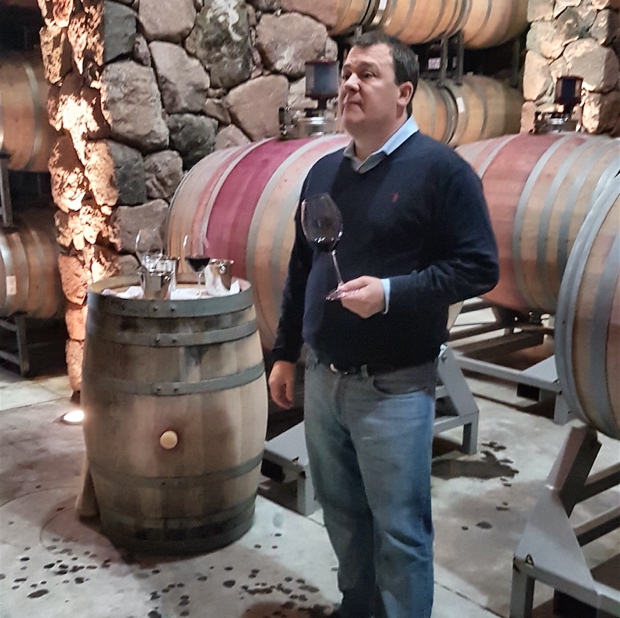
Juan E. Marcó CEO, Finca Decero

Finca Decero Cabernet Sauvignon Remolinos Vineyard 2015, Agrelo, Luján De Cuyo, Mendoza, Argentina (195677, $23.99, WineAlign)

Deep fruit meets savour and takes the time to enjoy a cup of coffee. In cabernet sauvignon you get a sense of the barrel but also the shrubs that grew here before the vineyard was planted. It’s a very transparent varietal wine that acts like a window to the terroir. A bit chewy and yet also soft for a very pleasant mouthfeel. Perfectly lengthy in the grown at altitude varietal way. Drink 2018-2022.  Tasted November 2018

Marilyn Demandre, DiamAndes

Bodega DiamAndes de Uco Cabernet Sauvignon 2015, Uco Valley, Mendoza, Argentina (WineryWineAlign)

Harvested on April 22nd. A gone for it style of cabernet sauvignon in 30 per cent new French oak for 12 months, fully purposed alcohol and ripeness at the threshold of the Andes’ foothills. Big wine, full malo, extracted and concentrated. This is cabernet sauvignon for real, in the big league, time and place. It could only be Valle de Uco. Truly. Drink 2020-2027.  Tasted November 2018

With Yann Janvier, El Esteco

Bodega El Esteco Finca Notables Cabernet Sauvignon 2015, Calchaquí Valley, Salta, Argentina (WineryWineAlign)

The pyrazine factor runs high though in red bell pepper as opposed to green and the sweet fruit is very cherry, tangy, tart and in hard candy form. The closest comparison would be Australian, namely Langhorne Creek or Adelaide Hills, with a bit of Coonawarra in its rosa feel. Deeply savoury. Drink 2018-2023.  Tasted November 2018
Piattelli Vineyards

Piattelli Vineyards Reserve Cabernet Sauvignon 2017, Cafayate Valley, Salta, Argentina (Agent, WineAlign)

From the high altitude vineyards in Cafayate aged in both French and American barrels. It’s a polished and highly correct cabernet from the most arid of world climates, where at up to 2,000m solar radiation is the real deal. Ripe, savoury and adjustable in every way. The savoury verdancy is the complexity that raises the bar for this particular varietal wine. Drink 2018-2021.  Tasted November 2018

Argento Cabernet Sauvignon Reserva 2016, Mendoza, Argentina (164764, $18.95, WineAlign)

Like the cabernet franc the treatment is a stainless ferment followed by a three-quarter aging in older (two and three year-old barrels) plus one-quarter kept in steel. Luján de Cuyo and Ugarteche are the sources for this reductive, hematic and highly savoury cabernet sauvignon. There’s a depth in its character and an ability of mildly if notably structured tannins. Trades the sister franc’s freshness for grip. Drink 2019-2022.  Tasted November 2018

Paul Madden

Navarro Correas Alegoría Cabernet Sauvignon Gran Reserva 2015, Agrelo, Mendoza, Argentina (AgentWineAlign)

From Agrelo’s rising flats in the 900m range and a true varietal wine of Cassis and Ribena with plenty of brushy savour. Plenty of spice, tobacco smoulder and freshly ground peppery jolts from a winemaker who really likes wood and knows how to use it. Drink 2019-2022.  Tasted November 2018

La Mascota Cabernet Sauvignon 2017, Cruz De Piedra, Mendoza, Argentina (292110, $15.50, WineAlign)

From Maipú a cabernet notched into stainless steel followed by 50-50 French and American wood of second and third passage. Delicate red fruit is treated to a shift towards reduction, of graphite and vanilla, spice and red liquorice. Sweetly fruity and silky smooth. Drink 2018-2021.  Tasted November 2018
Finca Sophenia Estate Wine Cabernet Sauvignon 2017, Tupungato, Mendoza, Argentina (Agent, WineAlign)

Transparently varietal wine and yet just like the malbec; 100 per cent estate vines in Gualtallary, sweet red fruit, gerenous and gracious. The conclusion quickly ascertained is of a winemaker asking for the terroir to be given its due. This 1,200m place talks the talk and walks the walk. It’s lightning struck red fruit, tart, with currants and a liquid chalky feel. Drink 2018-2020.  Tasted November 2018
Other Reds and Blends

Familia Schroeder Saurus Select Pinot Noir 2017, Patagonia, Argentina (55442, $23.95, WineAlign)

Sauras makes reference to fossilized dinosaur bones found at the winery right at the surface of the Patagonian terroir. Schroeder’s is effusive pinot noir with a cured salumi character, from a dry and windy place where rainfall is curiously scarce. It has that lack of watering, needing to struggle personality. There is a lovely bit of dusty volatility and an acidity-tension pull. Sweet red fruit, indicative of strawberry and a maritime moment of ripeness make for a perfect entry into the regional ideal. Drink 2018-2022.  Tasted November 2018

Bodega Atamisque Serbal Pinot Noir 2018, Tupungato, Mendoza, Argentina (AgentWineAlign)

Simply stated pinot noir of strawberry red fruit, a fluff of spice and ultimately easy to comprehend. Highly drinkable stuff that speaks a varietal language with obviousness and without complication. Nothing more needs top be said. Drink 2018-2019.  Tasted November 2018  bodegaatamisque  #MCOwines    Bodega Atamisque
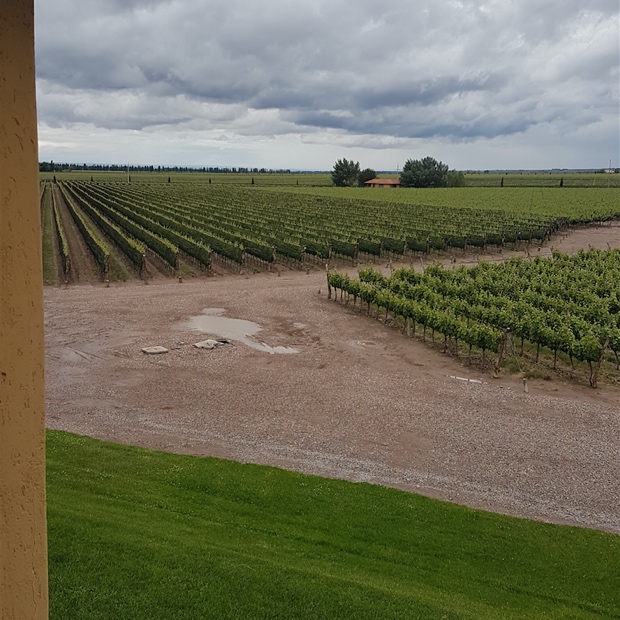
Finca Decero Syrah Remolinos Vineyard 2015, Agrelo, Luján De Cuyo, Mendoza, Argentina (AgentWineAlign)

Remolinos Vineyard is the place of the “tiny whirlwinds,” grown on bare land where only wild shrubs grew. At 3,500 feet (1,050 meters) it is Agrelo’s highest plateau and its syrah is round, full and welling with some iodine and a hematoma of dark fruit. Soft actually with a proper balance in acidity and unaggressive tannins. An absence of meaty, charred or cured character is noted. Quite a pure expression of the vineyard, in a Hobbsian style, at least in terms of syrah. Drink 2018-2021.  Tasted November 2018  fincadecero  liffordgram  @FincaDecero  @LiffordON  Finca Decero  Lifford Wine and Spirits

Yann Janvier

Finca Decero Petit Verdot Mini Ediciones Remolinos Vineyard 2014, Agrelo, Luján De Cuyo, Mendoza, Argentina (Agent, $44.99, WineAlign)

The fruit is different here, almost tropical and certainly developed. Plum, pomegranate, apricot and quince, even persimmon, hung to dry and allowed to turn intensely fruity-tangy-leathery with time. Great acidity, big time grip and lots of forward thinking purpose. Drink 2020-2025.  Tasted November 2018
Tourists in BA, with Paul Madden and Marilyn Demandre

Colonia Las Liebres Bonarda Clasica 2018, Mendoza, Argentina (Agent, WineAlign)

Vines are grown in the Pergola method to protect the vulnerable bonarda from direct sunlight. Organic (though label certification will begin on the 2019 label). Early ripening and in fact was picked on February 23rd for a deeply rendered and pitchy red with briny acidity and subtle, if fine and supple tannin. Drink 2018-2021.  Tasted November 2018
Finca Decero Amano Remolinos Vineyard 2014, Agrelo, Luján De Cuyo, Mendoza, Argentina (270975, $79.99, WineAlign)

The top wine of the estate, the great blend driven by malbec (approx. 66 per cent), with (25) cabernet savignon and smaller percentages of petit verdot and tannat. Lots of clonal material from B1 and B2 malbec blocks in one of the biggest, broadest and most hematic wines around. Smooth, polished and clearly the hedonistic one of the line-up. For the owner, the owner’s cronies and every restaurant list that sells iconic, big bottles. Big, bold flavours as king of the hill at the top of the heap. Drink 2020-2027.  Tasted November 2018
Bodegas Sottano Reserva Blend 2016, Mendoza, Argentina (WineryWineAlign)

“The influence of oak is meritorious,” it is said at the tasting table, in this case 12 months in new and second use barrels, plus several months more in bottle before release. All three oaks are employed; 60-70 per cent French plus American and Hungarian. Includes up to 20 per cent cabernet sauvignon and franc. Also contains malbec from Vista Flores. The aromas are violets, all berries, bitters and simple syrup. Polished and built as a liqueur of a red blend that solves the business equation of supply and demand, in fads and through trends, for what the average consumer is out to buy. A go large red for big box upscale restos, i.e. Milestones and Keg. Drink 2018-2021.  Tasted November 2018

Pablo Cúneo, Head Winemaker, Luigi Bosca

Luigi Bosca La Linda Private Selection Smart Blend Cabernet Sauvignon, Syrah & Tannat 2016, Luján De Cuyo, Mendoza, Argentina (WineryWineAlign)

This Private Selection blend is deeply rendered, hematic with unaggressive pyrazine and pepper purée, so much pepper in every shade and crunchiness. Black fruit everywhere with capsicum bite. Smoky again and the tannat shrinks away in no way at all. Grippy tannins and in the end, a variegated amaro meets roasted bell pepper liqueur. Drink 2019-2023.  Tasted November 2018

With Gabriela Millan, Luigi Bosca

Luigi Bosca Gala 2 DOC, Luján De Cuyo, Mendoza, Argentina (542647, $36.95, WineAlign)

A Bordeaux blend of two cabernets and merlot, a wine that was first made in 2001. From Vistalba Carodilla y Las Compuertas in Luján de Cuyo. There is a wild berry and peppery aspect, as Bosca wines are always want to be and do. Bountiful and hedonistic but in a very different way than the old vines malbec, now more liqueur and satin texture, with caressing tannins at the iron hand wearing a velvet glove. Drink 2020-2027.  Tasted November 2018
Luigi Bosca

Luigi Bosca Finca Los Nobles Cabernet-Bouschet “Field Blend” 2013Las Compuertas, Luján de Cuyo, Mendoza, Argentina (WineryWineAlign)

A field blend that combines cabernet sauvignon with bouschet which is considered an ancient clone of cabernet franc. The smokiness and spice are now joined by a Dry Creek Valley like dried fruit and bramble character. It’s so rich and the oak is really felt. Needs time though it will go umami-oxidative before these fine but demanding tannins fully settle in. It remains to be seen if that perfect optimum balancing point is really possible but it would be so much fun to wait one out and try. Drink 2021-2028.  Tasted November 2018
Beef Tenderloin at Luigi Bosca

Luigi Bosca Icono 2011, Las Compuertas, Luján de Cuyo, Mendoza, Argentina (WineryWineAlign)

The blend is malbec (57 per cent) and cabernet sauvignon, in push-pull, touch and go, ying and yang, fraternal twin relationship struggle. The most liqueur, fructose-pectin personality is how this rolls with texture and viscosity. Once again here is the Bosca peppery character and with more structure meets age probability than any wine in the portfolio. With two years further (than the Field Blend) it is beginning to show its settling but there are at least three more to go before the window will really be open. Will travel in to balsamic and other savoury-umami notes when it does. Drink 2021-2028.  Tasted November 2018
Flank Steak, Domaine Bousquet

Domaine Bousquet Gaia Red Blend Vino Orgánico 2017, Tupungato Valley, Mendoza, Argentina (WineryWineAlign)

The earth is a malbec (50 per cent), syrah (45) and cabernet sauvignon blend. The syrah brings pepper, clove and further edgy baking spice to the red-black fruit malbec. Quite concentrated and while the wood is not over the top it is tipping a bit ahead of all else in a wine trying hard in striving for balance. Juicy and hot at the same time, with high pH and just enough acidity to make it work well with anything pulled from the grill. Drink 2018-2022.  Tasted November 2018  
DiamAndes Gran Reserve Malbec/Cabernet Sauvignon 2013, Uco Valley, Mendoza, Argentina (295063, $32.95, WineAlign)

The signature red of the estate this is three quarters malbec to one quarter cabernet sauvignon set for 18 months in 100 per cent French oak, 50 per cent new. To say this is lush and ambitious would be an understatement but there is no questioning the quality of the agriculture, the fruit and the use of deep pockets technology. There is also humility within this classic modernism though not yet a true indication of soul. The fineness and the precision are so apparent which leads to believe that the human element noted will mean the epiphanies are coming soon. So much potential to become one of Argentina’s great red blends. Drink 2019-2022.  Tasted November 2018
Quebrada de las Conchas

Amalaya Gran Corte 2016, Valle De Calchaquí, Salta, Argentina (Agent, WineAlign)

Malbec is blended with cabernet franc for a most concentrated red of high solar intersection and arid climate where latitude brings ripeness and altitude brings balance. This is the more raisin and dried fruit red in the portfolio. Drink 2018-2019.  Tasted November 2018
Pork Steak, Restaurante El Rancho, Cafayate

Colomé Lote Especial Tannat 2016, Calchaqui Valley, Salta, Argentina (575308, $28.95, WineAlign)

As noted in the last vintage tannat is the Calchaquí Valley unicorn. What Colomé seeks is something different and on its own tannat acts with deeper rock salt intent. It’s such a concentrated and severely tannic wine, even more so than in 2015. And that is its trump card and speciality. Needs five years to play nice. Drink 2022-2027.  Tasted November 2018
El Esteco

El Esteco Merlot Fincas Notables 2015, Valle De Calchaquí, Salta, Argentina (Agent, WineAlign)

Also from the same 1,700m of altitude in the Calchaquí Valley here merlot takes on the land and arid climate with tomato leaf and red pepper purée. Also quite briny in a southern French, overlooking the Mediterranean way. Quite evolved and a bit oxidative though with high acidity. Unique and ulterior look at merlot. Drink 2018-2021.  Tasted November 2018
Lunch at El Esteco

El Esteco Tannat Fincas Notables 2015, Valle De Calchaquí, Salta, Argentina (Agent, WineAlign)

Then there is the tannat effect, tannic effect and the way in which this winery has figured it out. High temperatures, sunshine and altitude can lead this varietal to great heights provided the farming is done right. The freshness is miraculously preserved and though the spice and the tannins are off the charts there is some early noted blackberry and white chocolate grace to its character. These parts will help it stay palatable through its evolutionary processes. Drink 2021-2027.  Tasted November 2018
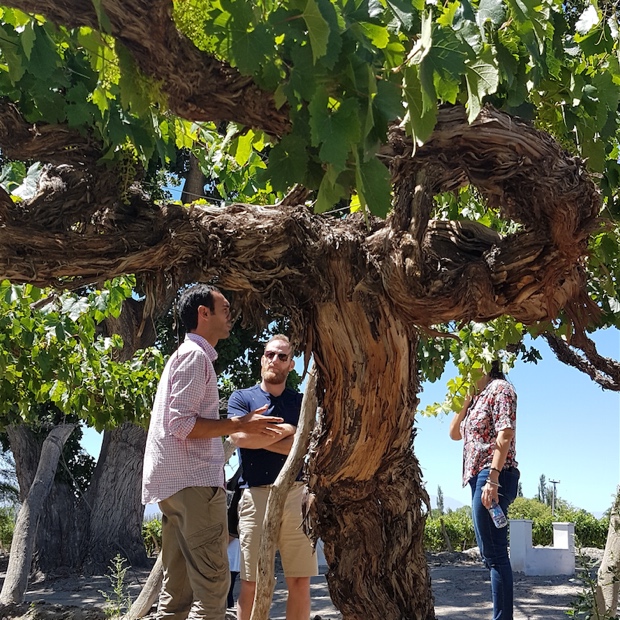
Under the Criolla, El Esteco, Cafayate

El Esteco Altimus Icon Wine 2015, Valle De Calchaquí, Salta, Argentina (Agent, WineAlign)

Altimus “the highest” is a matter of both altitude and the best selection of a harvest’s grapes. Malbec always leads with cabernet sauvignon in support though the other constituents may come from a myriad of other varieties, including and in no particular order cabernet franc, petit verdot, merlot, syrah, tannat and bonarda. Meticulous is the operative word for Altimus, the rolled into one icon, flagship and signature wine of the estate, a Salta blend that speaks to heights, solar radiated intensity and the hand to voice experience of winemaker Alejandro Pepa. Ripe, polished and ultimately no expense spared. Argentina’s other hedonism expressed, apposite to Mendoza in every respect, untamed, without reins and unlimited in potential. The pace may need to change but the power here will simply not be denied, like love lying bleeding in hand. Drink 2020-2026.  Tasted November 2018

Bad Brothers Wine Experience, Cafayate

Piattelli Vineyards Reserve Malbec/Tannat 2017, Cafayate Valley, Salta, Argentina (Agent, WineAlign)

Equal parts malbec and tannat from the high altitude vineyards in Cafayate aged for six months in both French and American barrels. The oak takes no time to announce its presence and the fruit is bold, firm, strong and solid as the granite rock beneath its vines. Big bones and components, of pH, in alcohol, some glycerin and all the necessary adjustments. Strong but fine-grain tannins make for a long finish. Drink 2019-2021.  Tasted November 2018
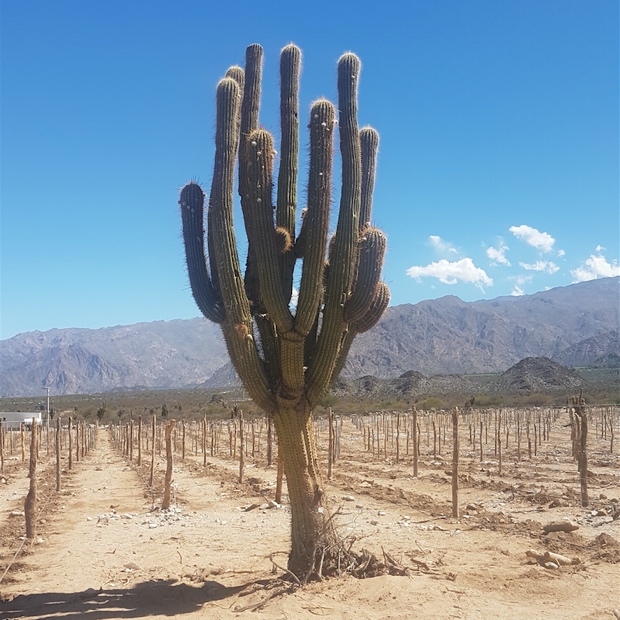
Piattelli Vineyards

Piattelli Vineyards Arlene Series Blend 2016, Cafayate Valley, Salta, Argentina (Agent, WineAlign)

The flagship wine of the estate and named in honour or proprietor John Malinski’s wife, the blend is dominated by malbec (70 per cent), accentuated by (20) cabernet franc and (10) cabernet sauvignon. It’s both ambitious and scarce, spending 18 months in French and American oaks after some concrete egg fermentation. It’s the best of the best, hand picked berry by berry, painstakingly so by a team of daybreak to dusk workers. Again the dials are set on high, with generous pectic-glycerin and generous acidity. Napa Valley in a Chuck Wagner vein is the ideal but the profile couldn’t be further from that proprietor’s blend  truth. Only 560 cases were produced of this flashy malbec blend with its skin pulled taut and mid-section laced tighter than an impenetrable corset. Plastic surgery in a bottle. Drink 2020-2025.  Tasted November 2018

Tupungato

Susana Balbo Brioso 2016, Agrelo, Mendoza, Argentina (Agent, WineAlign)

Brioso might mean enérgico or spirited and this ideal is magnified by “what you can do in a difficult vintage.” Estate single vineyards bring cabernet sauvignon (53 per cent), cabernet franc (24), malbec (16) and petit verdot (13) together for a serious blend. It’s not the round and velvety vintage but rather one so linear, vertical, direct and grippy. Big and structured though quite in balance. Drink 2019-2026. Tasted November 2018

Caminito

Navarro Correas Juan De Dios Gran Vino De Corte 2013, Agrelo, Mendoza, Argentina (Agent, WineAlign)

An ode to a pioneer whose work dates back to the year 1798, when Juan de Dios Correas planted the first vines in the land of Mendoza. This is the estate’s icon/flaghship wine, blending cabernet sauvignon (82 per cent) with malbec and lending a woodworker’s hand for 18 months in barrel. Spice runs linear and long, flavours stretch elastic and acidity points the fruit towards a far away horizon. With low pH and moderately generous alcohol this is a wine from which the winemaker (Gaspar Roby) needs to have paid great attention ion the vineyard. And he does, that much is clear, as witnessed by pitch perfect ripeness. Drink 2019-2025.  Tasted November 2018

Mark Bradbury – snap (c) @marylinedemandre

Viña Cobos Cocodrilo Corte 2016Mendoza, Argentina (Agent, WineAlign)

This Paul Hobbs Mendoza foray began in 1999 and the crocodile is a cabernet sauvignon based blend (76 per cent) from estates and vineyards in Luján de Cuyo and Valle de Uco. The former terroir is fed by the snow-melt of the Andes through the Mendoza River at altitudes ranging from 945-1,100m. The latter’s soils are alluvial, with a subsoil of clay, sand, silt and rock. The supporting varieties are malbec (10 per cent), merlot (nine) plus bits of petit verdot and cabernet franc. Cocodrilo is all Cassis, rich and concentrated, meant to showcase place, grape and the great possibility/potential of the relationship. As the kingpin in a proprietary blend the cabernet brings blunt smoky and spicy accents, with black currants running through. Meet the new big boss blend, same as the old boss, won’t get fooled again. Drink 2019-2022.  Tasted November 2018
Bad Brothers, Cafayate

Fincas Las Moras Paz Malbec 2016, San Juan, Argentina (520486, $18.95, WineAlign)

Paz is a 50-50 two cabernets joint from Tulum in San Juan at 650m. A multitude of peppers abounds, red fresh and dried mixed with red berry fruit. Savoury, rich and cool, nearly interchangeable with a similar style on the other side of the Andes. Drink 2018-2021.  Tasted November 2018 and March 2019  fincalasmoras  univinsetspiritueux  @FincaLasMoras  @UNIVINS  @fincalasmoraswineryCA  

Alexander Raphael in Tupungato

Unanime Gran Vino Tinto 2014, Uco Valley, Mendoza, Argentina (466938, $29.95, WineAlign)

The unanimous winemaking decisions about beguiling fruit drawn off Uco Valley sites makes this malbec (60 per cent), cabernet sauvignon (25) and cabernet franc (15) blend a big and generous proposition. That and the heavy times spent in oak for twenty months add up to some serious girth, grip and density. I can’t see this thick and lush concoction moving even an inch in the next few years and it may need seven or more to begin its earliest settling period. Dramatic foreshadowing at its best makes us think there will be interesting times ahead. Drink 2021-2027. Tasted October and November 2018
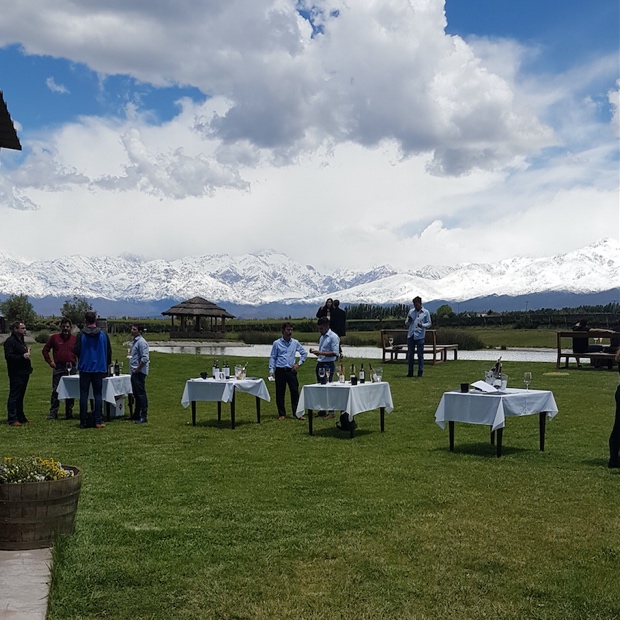
Outdoor Tasting, Domaine Bousquet

Famiglia Bianchi Nebbiolo Malbec 2015, San Raphael, Mendoza, Argentina (Agent, WineAlign)

In San Raphael (and including Las Paredes) off of soils of sandy loam and a 50-50 varietal split. Hematic and ferric at the same time, of tar and ripe cherries. Again the extractive factor is not shy, nor is the resulting concentration. Finishes full and downy, with weight and warmth. Drink 2018-2019.  Tasted November 2018

Yann Janvier and Godello – snap (c) @marylinedemandre

Andeluna Pasionado Quatro Cepas 2015, Gualtallary, Tupungato, Uco Valley, Mendoza, Argentina (Agent, $59.99, WineAlign)

The four-poster blend from Gualtallary is led by malbec with support by cabernet sauvignon, merlot and cabernet franc. It’s a big wine filled with extractive liqueur, generously oaked in both French and American wood. Acidity keeps it humming even while it smokes in its cooking ways. Polished and elevated by altitude-driven freshness to mitigate the concentrated fruit and spice welling away in syrupy constitution. While formidable now it will soften and turn into something velvety smooth and rich in chocolate. As for now you’d better locate some salty protein and a decanter. Drink 2020-2026.  Tasted November 2018
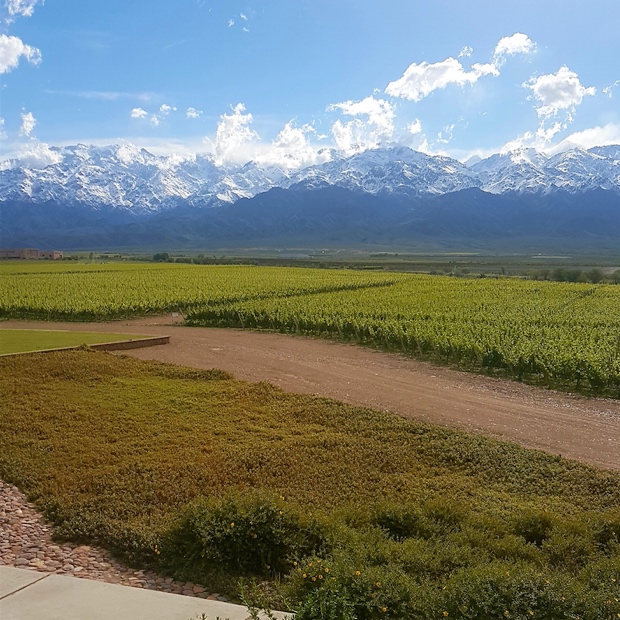
Andes, DiamAndes

Masi Tupungato Passo Doble Malbec Corvina 2016, Mendoza, Argentina (620880, $14.95, WineAlign)

Malbec (85 per cent) plus appassimento augmented corvina spent nine months in French oak. So the question begs, why the methodology and Tupungato? The first answer is easy. Masi. The second is about mountains and weather, the Andes and dry heat. The best substitute for Veronese hills are here in the Uco Valley and the result in 2016 (a cool and wet year) means more savour than raisin and more freshness than aridity. If warmer vintages were carefully crafted to mimic 2016 it would all be smooth sailing. Drink 2018-2020.  Tasted November 2018
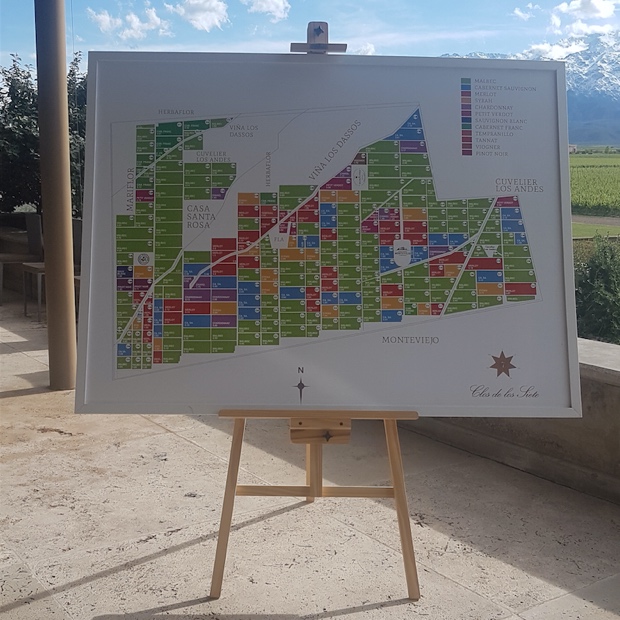
Clos de Los Siete

Clos De Los Siete 2013, Uco Valley, Mendoza, Argentina (622571, $23.95, WineAlign)

Three years further and the skies have now opened to retrospectively reveal a fresher vintage. There is a transference now into some dried fruit with sour edging but spoken with that renewed sense of freshness. The ’13 blend is 53/23/12/8/4 for malbec, merlot, syrah, cabernet sauvignon and petit verdot. Th elevation of vineyards with their Andean backdrop is noted bow, if not before and so proof that the Clos is a wine of structure and needed patience. Five years is now the harbinger, 10 the ultimate goal.  Last tasted November 2018  closdelossiete  philippedandurandwines  @closdelossiete  @Dandurandwines   @closdelossiete  @VinsPhilippeDandurand

Big and bigger, as always, wholly ripe, rich and raging with acidity. Yet somehow the Clos de los Siete finds a way to charm its way through the dark forest and into hearts. Flavour abounds, firmness rules and the finish lasts. Drink 2016-2019.  Tasted October 2016

Good to go!

godello

Where there’s smoke there’s Godello

Twitter: @mgodello

Instagram: mgodello

WineAlign

Sparkling Cape Wine crawl through Méthode Cap Classique

Charcuterie and cheese with Méthode Cap Classique at Gondwana Family Lodge

At the present time there are three, count ’em, three Méthode Cap Classique available in the LCBO and/or VINTAGES stores. Three. For and from one of the world’s most complex/best value bubbles and from a country where exceedingly high levels are coming into focus due to research, trials, experimentation and just plain passion for making traditional method sparkling wines. This Ontario situation my dear readers, is a travesty.

My return engagement with South Africa for a tour included a three-day tasting marathon at Cape Wine 2018 and I’ve since published articles on the whole experience plus more intensive looks at regional associations (Bot Rivier), varietal explorations (Pinotage) and producer portfolios (Rall and Alheit). It’s time to expand upon an important and fast growing category: Méthode Cap Classique.

Related – Searching for great heart in South Africa

Méthode Cap Classique

Plain and simple, Méthode Cap Classique (MCC) is a South African term indicating a sparkling wine made in the traditional method (the same way Champagne is made), by which a secondary fermentation takes place inside the bottle. That said, there is nothing simple about MCC and who would argue that as a category it produces some of the finest, most complex and diverse sparkling wines in the world. It’s also very much a wine about terroir. As it stands, MCC has to now age on the lees for a minimum twelve months to be labelled as such. “We’re making wines that develop too quickly,” insists Paul Gerber of Le Lude. Gerber believes the minimum should be raised to 15. “Sparkling wine is not a terroir wine? Please. This is completely untrue.” As for sugar dosage he’s like a cook in the kitchen. “Dosage is like seasoning. If you do it properly you don’t taste it.” It is Graham Beck’s Pieter Ferreira that has put in the time and the research over 20-plus years to really understand the category but more importantly the potential. “You are always looking to express terroir,” he says. “For Brut we have to extend (the less aging time) to 60 months. So there is no lipstick or eye shadow.”

In Champagne the annual production is somewhere in the vicinity of 350 million bottles so compare this to South Africa where a fraction of that amount is released to the tune of seven or eight million Méthode Cap Classique bottles made by 100-odd producers, 73 of which are listed on the website for the Cap Classique Producers Association (CCPA), an organization established in 1992. The name was derived from the fact that the classic art of winemaking was introduced to the Cape by the French Huguenots, and the first bottle-fermented sparkling wine produced at the Cape was called Kaapse Vonkel (Cape Sparkle).

Grapes are selected from a diversity of regions in the Cape with only specific white and red grape varieties considered worthy “to ensure delicate fruit and rich complexity.” In this report I’ve tasted and reported on MCCs from Robertson, Stellenbosch, Franschhoek, Bot Rivier, Paarl, Prieska Noord Kaap and the Western Cape. This diverse regional cross-section of Cap Classique sparkling wine shows just how malleable and functional the range of styles are adaptable to many different South African growing areas.

Whole bunch pressing is at the heart of the winemaking process, with only the first pressing used to make the various base wines destined to be called Cap Classique. Individual base wines and blends are tasted annually by the Association’s own members to ensure that the final wine is of a high quality. A minimum of twelve months is required under the rules of the road and indeed there are members who ensure much longer yeast contact time, depending on the style and vintage.

On my first morning at Cape Wine in September 2018, my wine-négoce partner Scott Zebarth and I made a conscious decision to walk the congress floor and taste as many examples of MCC as we could before the lunch bell struck. Zebarth was duly impressed with Le Lude’s Cuvée Agrafé, Charles Fox Prestige Cuvée Cipher and Graham Beck’s Brut Rosé. Said Scott, “let’s do this.” And do this we did, to the effect of a sparkling wine crawl across Cape Wine that took us through 23 examples of MCC made by 14 producers. These are my notes on the wines.

Avondale Wines Armilla Blanc De Blanc 2011, Méthode Cap Classique, WO Paarl, South Africa (451930, $34.95, WineAlign)

The first vintage was 2003 for the Armilla blanc de blanc, now out of 2011 and having spent six years lees post whole bunch pressing. It’s a naturally fermented chardonnay of which two per cent saw some older barrel. After two years of coarse lees aging there began this formidable bringing of citrus and sharp apple bite. The following four on fine lees delivered the integration of acidity ahead of the gainful accumulation of toasted brioche. Richness at its best for this Méthode Cap Classique, of preserved lemon, fine aridity (under 5 g/L RS) and high acidulation (over 9 TA). Terrific MCC. Drink 2018-2024.  Tasted September 2018  avondalewinesa  @Avondalewine  @RareEarth_Wines  @AvondaleWines  Rare Earth Wines & Spirits

Boschendal Grand Cuvée Brut 2013 Méthode Cap Classique, South Africa (Winery, $30.00, WineAlign)

Time always delivers for Boschendal’s pinot noir and chardonnay split from fruit ripeness out of Stellenbosch with some specific vintage help by the Elgin Valley. Disgorged a while back in 2018, the Grand Cuvée has had its bottle settling after having made the most of 36 months on lees. Dosage is elevated in this styling and worthy of the distinction when you consider the richness, nuttiness and toasty sensations. Plenty of citrus and looking for crudo, bivalves or scallops. Drink 2018-2023.  Tasted September 2018  boschendal  boschendalwines  liffordgram  @BoschendalWines  @LiffordON @boschendal  @liffordwineandspirits

Bocca, Cape Town

De Grendel Brut Méthode Cap Classique 2015, Cape Of Good Hope, South Africa (WineryWineAlign)

De Grendel’s is a straightforward, creamy, highly pleasurable and vouchsafed Méthode Cap Classique of low pH and equanimity in residual sugar meeting total acidity. In fact it’s assemblage is done with such precision that it is in fact acidity that strikes its parts as being very pronounced. Mouth-watering with persistent mousse and length. Nothing particularly shocking or complex mind you, but certainly serviceable for all basic needs. Drink 2018-2020.  Tasted September 2018  degrendelwines  churchillcellars  @degrendelwines  @imbibersreport  @degrendelwines  Churchill Cellars Ltd.

De Wetshof Méthode Cap Classique 2009, WO Robertson, South Africa (WineryWineAlign)

As rich as it gets for the category, made by Pieter de Wet from estate chardonnay off of limestone Robertson soils.The low pH, generous yet proper dosage and high acidity all add up to a distinct, herbal and fine pettilant MCC of great distraction, complexity and at this stage, near-complete evolution. Plenty of citrus comes in every possible way. Drink 2018-2021.  Tasted September 2018  dewetshofwines  @DeWetshofWines  @dewetshofwines

Genevieve Brut Blanc De Blancs Méthode Cap Classique 2014, WO Bot Rivier, South Africa (WineryWineAlign)

Genevieve is Cap Classique made by Melissa Nelsen and was first made in 2008, released in 2010. Now with 2014 the lees aging time is 48 months with total output in the 12,00-13,000 bottle range, up from the 5,000 of that first vintage. The goal is 20,000 in the very near future. It’s essentially blanc de blancs, 100 per cent chardonnay as a wise, calm, mature and elegant traditional method sparkling. Just lovely. Drink 2018-2021.  Tasted September 2018  #melissagenevievenelsen  @Genevieve_mcc  

Genevieve Brut Blanc De Blancs Méthode Cap Classique 2012, WO Bot Rivier, South Africa (WineryWineAlign)

From proprietor Melissa Genevieve Nelsen this chardonnay spent four years on the lees and is what she calls “my soldier, it stands up right, expresses itself very cleanly.” Tasted two years after she gave us that assessment of the vintage it’s now even more Cap Classique than ever, feathery oxidative, gingery and toasty. It’s classic really and perched on the richer end of the spectrum, evolving with some haste and more than ready to go. Drink 2018-2020.  Tasted September 2018

Graham Beck wines and a rare moment when Pieter Ferreira isn’t smiling

Graham Beck Brut Rosé Méthode Cap Classique NV, WO Western Cape, South Africa (175588, $19.95, WineAlign)

The ripeness is expressly up front in Beck’s 50-50 pinot noir-chardonnay joint and we’d all be hard-pressed to find its MCC equal in terms of focus, integrated and polished. Drink 2018-2021.  Last tasted September 2018

An ode and an adherence to the magic of Cap Classique style, always with that sage feeling of evolution in age. Made pretty with its skin pink depth though I must admit to nosing and tasting the inimitable South African soil. Still, it is clearly and decisively Pinot Noir that floats the boat and rights the ship. This has noirs in its psyche and the Western Cape in its soul. Drink 2016-2020. Tasted January 2016

Graham Beck Prestige Collection Cuvée Clive 2012, Méthode Cap Classique, Robertson, South Africa (Agent, WineAlign)

Clive is Graham Beck’s most prestigious and important cuvée, what méthode cap classique cellarmaster Pieter Ferreira calls “a respect to Champagne. While previous incarnations were wines of “best selection” the 2012 chardonnay and pinot noir are drawn from a single-vineyard for the first time. Stand in the tasting room and there it spreads out below, on soil riddled with limestone to equip this crisp and arid sparkling wine with all the necessary attributes. Bronze-parched apple and dried quince are noted. Sentiment and data from a 10 year study project of varietal, lees and aging are collected and come to this; a toast demure, a love divine, a wild control. Brilliant sparkling wine and undoubtedly a South African gem. Drink 20189-2027.  Tasted September 2018  grahambeckbubbly  vinexxperts  @GrahamBeckSA  @Vinexxpert  @grahambeckmcc  @Vinexx

Graham Beck Brut Zero 2012, Méthode Cap Classique, Robertson, South Africa (435453, $23.95, WineAlign)

Slanghoek pinot noir (77 per cent) meets limestone-Robertson chardonnay for a driest of the dry sparkling wine that spent 60 months on the lees. Beck’s attack for the Brut Zero “is based on the philosophy of grower’s Champagne,” notes Peter Ferreira and as such it surely ranks as one of the more mineral-toasty bubbles in the entire Cap Classique category. No sugar added during dosage allows the land to speak. There is a deeper intuition beyond flint-struck, something categorically chalky while delicate and flavour wise it’s simply limon-delicieux. The fineness is noted and the vintage too, from which the team saw enough to make use of the highest quality juice for a tête de cuvée wine. High ceiling for aging here. Drink 2018-2024.  Tasted September 2018

Graham Beck Premier Cuvée Brut Blanc de Blanc 2013, Méthode Cap Classique, Robertson, South Africa (907568, $26.95, WineAlign)

Beck’s Roberston chardonnay is just one of those wines that settles seamlessly into that beautifully integrated dyadic realm where mousse persistence, acidity and texture meet at the vertices of balance and blessed. Always that minor hint of reductive lemon pith and toasted almond. Persistent and consistently fine, affordable and celebratory worthy bubbles. Drink 2018-2022.  Tasted September 2018

Huis Van Chevallerie Filia Brut Nature Kap Klaissque NV, WO Swartland, South Africa (Winery, WineAlign)

Filia is the daughter of the Paardeberg, a self-described and cheeky Swartland Kap Klassique chenin blanc made by Christa Von La Chevallerie, dogter to Juergen and the Nuwedam Farm just off the R45 outside Malmesbury. Not just any sparkling wine mind you. Although the early stages of this old vines project from the (mainly) 2015 vintage only gives 18 months on the lees it also provides 1974 planted chenin blanc, for shits, giggles and shut the front door attitude. For Christa it’s a matter of “how far I can go with (the combination of) chenin and lees.” Clearly just the entry point here, with an announced mix of richness and tension, not yet knowing what can and will happen. The coast is clear, the chenin blanc is ready, willing, able and the winemaker will stop at nothing to make this bubble in her own image and way. Look out sparkling world. Drink 2018-2022. Tasted September 2018  christalachevallerie  @HuisChevallerie  @ChevallerieZA  Christa Von La Chevallerie

Jacaranda Wine Estate “Q” Méthode Cap Classique, WO Wellington, South Africa (Winery, WineAlign)

Jacaranda is on it’s way towards establishing itself as one of the Western Cape’s Méthode Cap Classique specialists and this new cuvée is called “Q” for quality. The organic estate invests heavily in their agriculture and this just disgorged specimen saw 24 months on lees and a base wine in oak for a few months. It’s 100 per cent chenin blanc, from old vines in 80, 60 and 40 year-old blocks. They work with low sulphur and in spite of the minimal interventionist and risk-taking program this is quite toasty bubbles, yet also rich, creamy and palate swarming. Lingers as one does, long and properly, leaving you with a feeling of it being just lovely. Surely the beginning of a great relationship all around. Drink 2018-2020.  Tasted September 2018  jacaranda_wine  @jacarandawines

Jacaranda Wine Estate Brut Reserve Méthode Cap Classique, WO Wellington, South Africa (Winery, WineAlign)

The Brut Reserve is actually a Blanc de Blancs, from 100 per cent chardonnay with higher elevations of sugar (11 g/L rS) and conversely acidity. It comes across dried than it is with richness in posit tug by citrus and cream, like lemon curd with a toasty edge. Once again an MCC of good persistence and length and will develop an extra layer of oxidative complexity at three years of age. Drink 2018-2021.  Tasted September 2018

Lanzerac Wine Estate Blanc De Blancs Méthode Cap Classique, WO Stellenbosch, South Africa (Winery, WineAlign)

A most traditional Cape sparkling wine with aromas of yellow citrus, wet concrete and cold rooms with hanging and curing meats. It’s on the oxidative MCC side though acidity brings tension and balance. As a chardonnay bubble it does what is asked of it and treads well top age a few years. Drink 2018-2021.  Tasted September 2018  lanzeracwineestate  @LanzeracWines @LanzeracWineEstate

L’Avenir Brut Méthode Cap Classique 2017, WO Stellenbosch, South Africa (Winery, WineAlign)

L’Avenir Estate’s Méthode Cap Classique is mainly pinotage with some chardonnay and arrives in the glass as a light and nearly delicate bubble. It’s a succulent, sweet rusty, lively enzymatic sparkling wine with an opinion and a plan of action. Pleasurable to sip from a definite MCC teachable moment. Drink 2018-2020.  Tasted September 2018  lavenir_wine_estate  selectwinemoments  @LAvenirWines  @SelectWinesTO  @LAvenirEstate  @SelectWinesCanada

Le Lude Vintage Brut Rosé Méthode Cap Classique, WO Franschhoek, South Africa (Winery, WineAlign)

The Brut Rosé is a chardonnay and pinot noir split of 5.5 g/L dosage, just slightly drier than the MCC Reserve Brut. It’s beautifully pale, pure, fresh and regaling in high acidity. All about nervousness which is so engaging for pink fizz, pulling finesse and pushing tension. Raspberry and currants are fruit indicators for amazing work in Rosé MCC. Drink 2018-2023.  Tasted September 2018  leludemcc  @LeLudeMCC  @LeLudeMCC

Paul Gerber – Le Lude

Le Lude Vintage Brut Reserve Méthode Cap Classique, WO Franschhoek, South Africa (Winery, WineAlign)

The blend is with pinot noir but in this sister cuvée to the Brut Rosé it’s really about what chardonnay is going to bring to the MCC table. The dosage is just slightly higher than the Rosé, here at 6.5 g/L and 24 months on its lees. Here the shift is towards more richness, almost counterintuitive when you think about blanc vs. rose but Paul Gerber is on to something big. There is a plum compote luxe note stirred into the citrus and so both ends of the fruit spectrum are involved and incredible. “You must taste the sun in the fruit,” insists Gerber, sparkling wine or not and so with verve, intensity and balance this travels to terrific and back. Drink 2018-2022.  Tasted September 2018

Le Lude Vintage Cuvée Méthode Cap Classique 2012, WO Franschhoek, South Africa (Winery, WineAlign)

Le Lude’s winemaker Paul Gerber assembles two non-vintage Bruts, blended each vintage for a house style. The fruit is primarily Robertson with some addendum out of Franschhoek. The first vintage was indeed 2012 and this chardonnay (80 per cent) plus pinot noir comes sweet herbal straight out of the riddle with a sultry, piqued spiciness. Already showing a hint of secondary notation by way of a honeyed nougat melted into the soft and delicate mousse. Still plenty of intensity and drive with citrus in whole represent by lime, fresh and juicy. Less red fruit (much, much less) and more white flower with the idea of yellow and green fruit. Stylish, persevering and precise. At 2.6 g/L it’s perfectly albeit sparsely seasoned and mature with Champagne confidence. Drink 2019-2027.  Tasted September 2018

Le Lude Reserve Agrafé Tirage Liége Méthode Cap Classique 2012, WO Franschhoek, South Africa (Winery, WineAlign)

Agrafé translates literally as “staple,” from the French term and how a metal clip or clasp is used to secure the cork in a bottle of champagne or sparkling wine. Le Lude’s Tirage Liége, or “cork draw” is packaged as such and is a blend of 54 per cent chardonnay with pinot noir. It undergoes traditional cork fermentation and maturation on (premium) cork 36 months. The methodology takes this beyond intensity and into texture with creamy preserved lemon mousse persistence. As a whole it strikes as riper in ode to vintage and almost into something akin with Limoncello. Though it’s a most complex specimen of sparkling wine you might almost forget its highly accomplished nature and simply drink it up. Drink 2019-2023.  Tasted September 2018

Le Lude Brut Méthode Cap Classique 2013, WO Franschhoek, South Africa (Winery, WineAlign)

Recently disgorged and not yet labelled but actually goes back two years further in terms of lees aging than the 2012. Expressive of riper fruit and the effect of the vintage skins. Still the creamy mousse and texture in great persistence though not as much tension. Both oxidative and reductive in the MCC way, from fruit pulled off of various blocks and picked at various times. Real attention to detail and towards crafting an estate signature style from a specific vintage. Fleshes without any need for real dosage by finding its way from ripeness forward. Lime is the dominant flavour and balance is struck by masterful blending. Drink 2019-2027.  Tasted September 2018

Lowerland Brut Méthode Cap Classique, WO Prieska Noord Kaap, Orange River, South Africa (WineryWineAlign)

Lowerland is the small if far northern outpost work from Bertie Coetzee and Alette de Beer in Orange River, Prieska Noord Kaap. Time to re-adjust the set, for South Africa and Méthode Cap Classique and approach the game with eyes, nose, ears and palate wine open. Take a trip 1000 kms north of Cape Town to discover fields 1000m above sea level, where the summers are hot and winters see temperatures of -10 celsius. Now take this first estate kick at the MCC can, of 11 months on lees for fruit grown on the warmest spot. Carries an uncanny nose of orange creamsicle mixed with lemon pith, turning over to more things completely other. So persistent in aromas and bubble, with extraordinary acids and a healthy dosage in search of and gaining balance. Shows off a deft and gentle touch with capable grip. Drink 2018-2021.  Tasted September 2018 bioboertie  vanloggerenbergwines  alette.waterboer  lowerland_wines  @CoetzeeBertie  @AletteWaterboer  Bertie Coetzee  @LowerlandFarm  Alette De Beer

Môreson Solitaire Blanc De Blancs Méthode Cap Classique, WO Franschhoek, South Africa (Winery, WineAlign)

Solitaire is an estate-grown, clonal driven chardonnay in blanc de blanc dress. It’s both Franschhoek notable with its earthy soil construct but also “C455” clonal from an estate with a deep-rooted drive to advocate for this type of work for Méthode Cap Classique. It’s mainly fruit drawn from the 2016 vintage and while the house looks for consistency the vintage plays a dramatic role in terms of the social grace, aspect and communication. Saw some malolactic fermentation as well as some large format older oak, to bring some clarity out of the realm of authentic reductiveness. Normally sees 18-24 months on yeasts and this one was disgorged as far back as March 2018. The bottle time is a positive thing for an MCC with some anxiety and what the house might call a penchant to get “frazzled.” Can’t help but recall Jane Seymour in Live and Let Die, the psychic in the employ of Dr. Kananga. Might as well use this MCC for the Bond moments in your life. Drink 2018-2021.  Tasted September 2018  moresonwinefarm @moreson  @moreson

Wildehurst Méthode Cap Classique NV, WO Swartland, South Africa (Winery, WineAlign)

Sheree Nothangel’s sparkling Cap Classique is composed of chenin blanc and chardonnay (56/44), at 4 g/L dosage after 24 months on the lees. This is the third year of the program and the first stage speaks to a style that acts in delicasse incarnate. Just lovely and creamy in which lemon billows with elastic solids as curd and there is a real feel of fine lees. Though downy it too is lifted but not explosive by acidity. Drink 2018-2021.  Tasted September 2018  wildehurst  @WildehurstW  @wildehurst

Good to go!

Godello

Charcuterie and cheese with Méthode Cap Classique at Gondwana Family Lodge

Twitter: @mgodello

Instagram: mgodello

WineAlign

Searching for great heart in South Africa

A view of the Simosnberg from Amazink Live in Kalmandi Township

Heritage and diversity in South Africa

as seen on WineAlign

Takeaways from Cape Wine 2018: Bot Rivier, new generation pinotage, regional spotlight on Robertson, Méthode Cap Classique, heritage vines, post revolution Swartland, wot varietal? and kuier
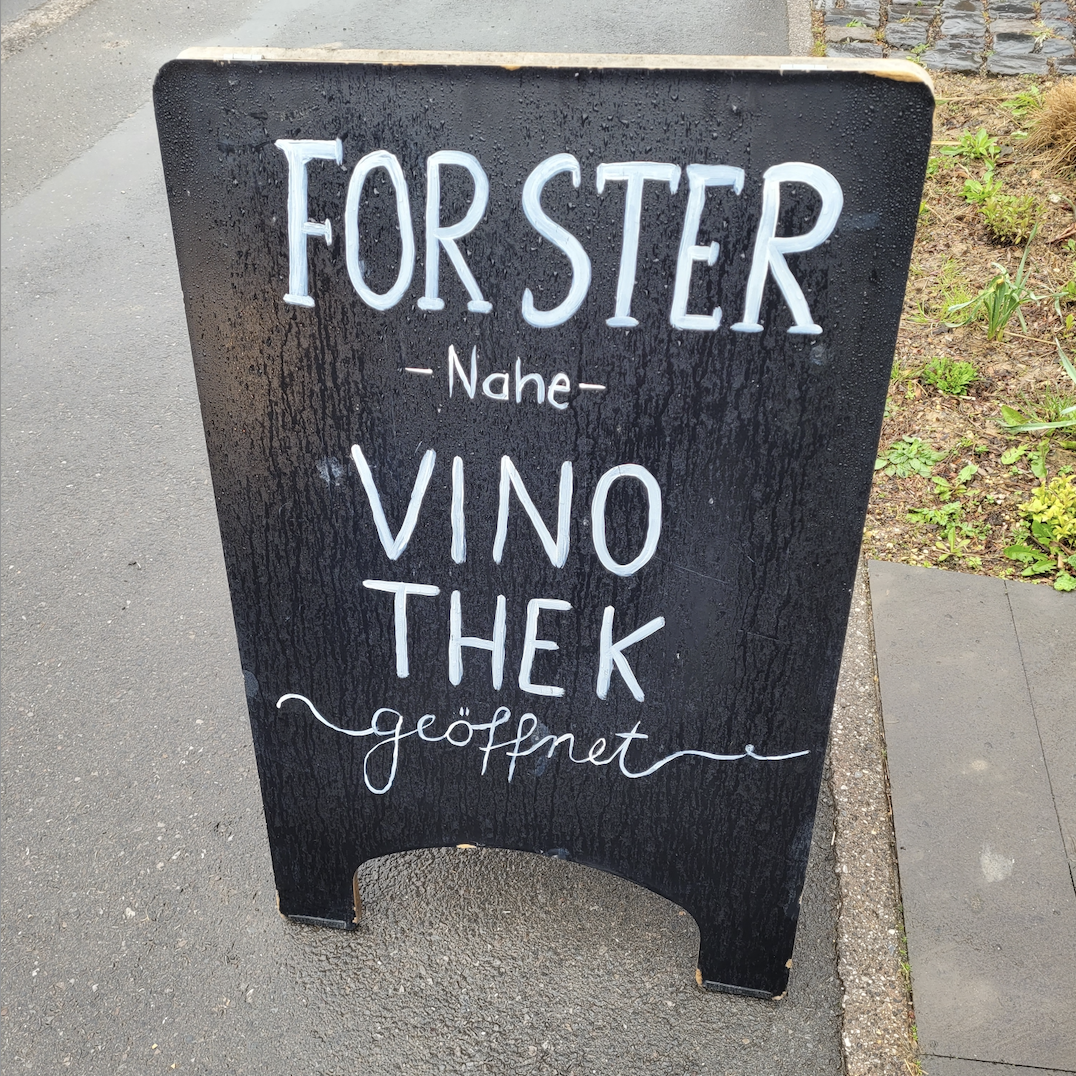
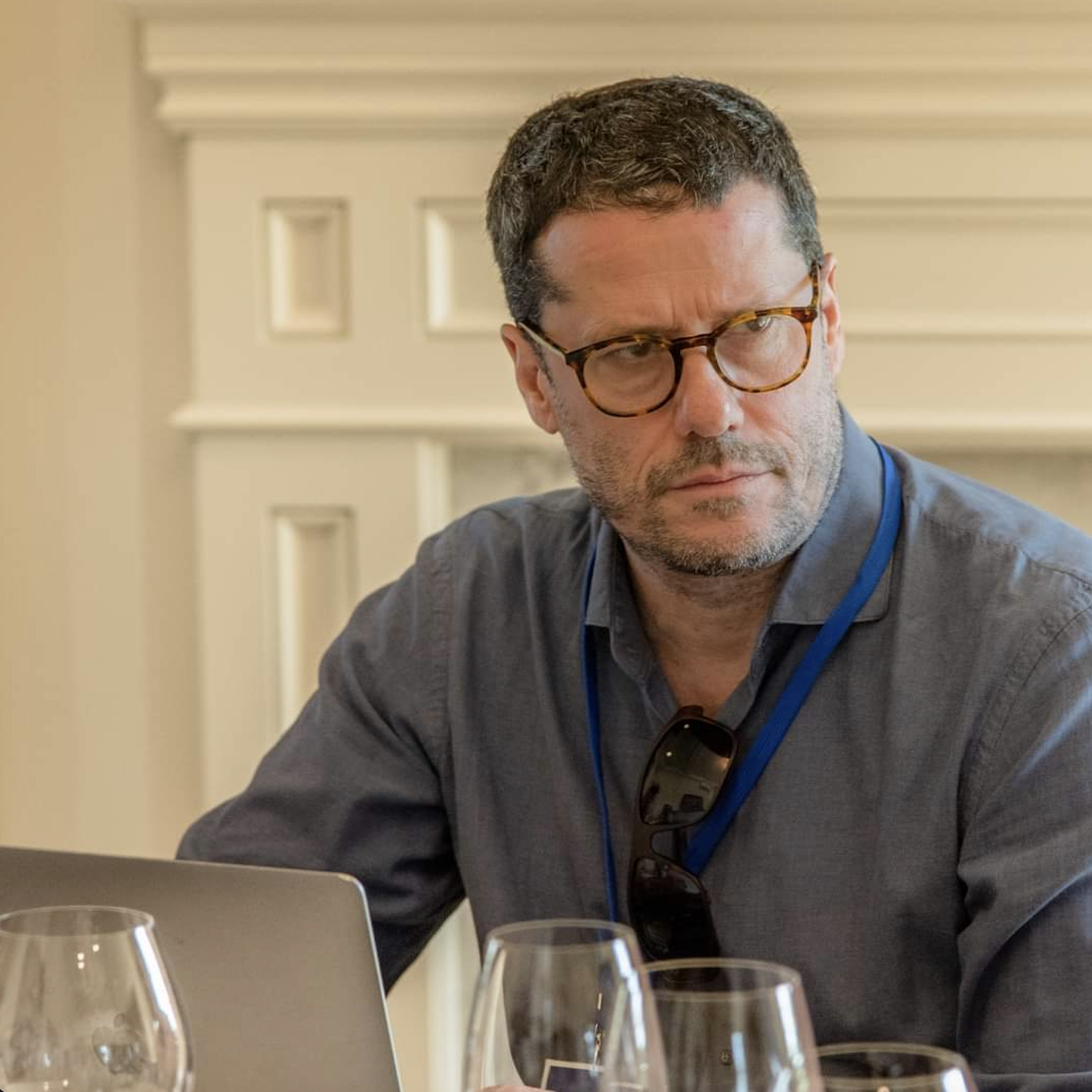
The last time I travelled across the Atlantic and down to the southern tip of Africa was in the warm days of September when I took in the three days of Cape Wine 2015. Beyond the Cape Town commotion of the triennial wine fair there was the added bonus of an expansive, wayfaring wine-lands itinerary. A deep understanding of the Western Cape’s wine landscape came to light, though at the time it seemed like being caught up in some kind of cultural and constitutional revolution. A return engagement with South Africa this past September changes but also cements the notions considered and the lessons learned. South Africa’s scene has now found itself comfortably cast in a post-revolution, full on republic state of wine. Allow me to expand.

I’m searching for the spirit of the great heart
Under African sky

A deeper understanding

After my return three years ago I suggested that “what separates South African vignerons from the rest of the world is a playground mentality and their confident executions in consummation of those ideals. The soils and the weather are nothing short of perfect…the place is a veritable garden of viticulture eden…a certain kind of comparison presents South Africa as the wine equivalent of the wild west. In the Western Cape, anything goes. The landscape of South African wine is demarcated by ancient geology and by the geographical diversity of its regions, sub-regions and micro-plots. Varietal placement is the key to success. As I mentioned, South African winemakers can grow anything they want, to both their discretion and their whimsy. The choice of what grows best and where will determine the successes of the future.”

It’s satisfying to note that three years later the adages, analytics and perspectives remain constant with that initial intuition and yet the changes in mentality meeting execution are far greater than such a short passage of time could normally afford. Winemakers in South Africa are learning everything there is to know about making wine and from every corner of the world. Some are travelling to the sources for the knowledge while others are simply experimenting at home every day to get there. There is no style of wine that isn’t being attempted. I’ll say it again. “Natural fermentation, skin contact and carbonic maceration have infiltrated the winemaker’s psyche. Fresh, natural, orange, amber, caliginous and tenebrous have established Cape footholds with enzymatic force.”

The year 2018 will be remembered for many things but at the top of that list are resilience and tradition. After months and months on end of near catastrophic drought the country and in turn the wine producers have found a way to survive and to thrive. Thanks must be afforded the pioneers and those with the most experience, in other words, the people who have been through and seen it all. As a result it is the icons and archetypes of South African wine that stole much of this year’s spotlight. Though they are the antithesis of the young and free-spirited, the lines have begun to blur, or at least overlap in terms of who is who in the winemaking mise en scene. Three years ago these pirates with pirate eyes and pirate smiles made some good wines but a good deal of them were dirty, funky and flawed. Wine geeks gushed because of the cool, natural and revolutionary factor. It was a time of protest and free spirit. Once upon a time in the wild Western Cape. As the boomers have grown older their winemaking has matured and become wiser. There is no abandoning the call for uprising, subversion and experimentation but there is a concerted effort to fashion wines that are a pleasure to drink. Isn’t that the point? In 2018 it seems that everyone has it figured out. South African wines are cleaner by ‘n landmyl, with more purity, transparency and honesty than ever before. Their epiphany is now ours as together we synchronically enter this new world of deeper understanding.

No one does a media package like @wosa_za for @wosacanada peeps. thank you for getting me very ready to tackle @capewine2018

So much to think about

It began at the Spier Hotel in Stellenbosch, home to Spier Wine Farm and Vineyards. It was unseasonably cold with the kind of crisp night air that just makes you think about acidity. The vines were infants at this time in the southern hemisphere vineyards but I could not help but imagine the 2019 harvest possibilities as having forged their beginnings with these early spring conditions. Next stop was Bot Rivier, first with a farm to table experience at Wildekrans Wine Estate. A quick stop to hang with the baboons at Sir Lowry’s Pass and a move to Kalmandi Township.

Performers at Amazink Live

This was a truly South African experience of ‘Ubunti’ at Amazink Live‘s township braai with the local entertainment troupe and a big bottle format of Smiley, Silvervis and Terracura with Ryan Mostert and Samantha Suddons. The fifth season of performance took place in what is called “a place of unity,” a safe space for all guests and groups. Amazink’s manager Zinthle explained that this club offers “a change in the perception of townships, the name alone means “it’s a nice home.” Kunandi Umalaba indeed. “It’s nice to be here.”

On to Roberston for three quick visits with Graham Beck Wines, Springfield Estate and De Wetshof Estate Wines. Then a night under the African sky, a 24-hour out-of-body experience at Sanbona Game Reserve and over to L’Avenir Farm for Pino Pistols – the next generation of pinotage young guns. The next morning at the Cape Town International Convention Centre for the start of three jam-packed days of Cape Wine 2018. An evening that can never be forgotten covered the classics – a regional four-decade vertical tasting with eight iconic producers. The trip culminated with lawn bowls in Malmesbury with the Swartland Swingers, artists formerly known as The Swartland Revolution.

Sundowners, Sanbona Game Reserve

Three years after that 2015 Cape Wine experience it’s duly noted how both flow and focus mean that the game is changing. The notion of planting whatever you feel like wherever you feel it just because it will ripen is evolving. Specialization, especially with respect to varietals like chenin blanc, cinsault, grenache and pinotage is the wave of the future and with this furthered isolation of micro-plots and terroir for these very specific grape varieties. Narrowing the focus, figuring out what works best and why. It’s the Burgundian way and indeed the way all great wine regions make their mark. The heritage seekers and protectors know what’s what. Old vines, especially dry, bush-farmed vineyards are the backbone of South Africa’s diversity and possibility.

Were South Africa not so far away from the rest of the wine-consuming world I truly believe it would blow every other wine region out of the proverbial water of supply and demand. South Africa’s wines represent the finest quality to price ratios in the world and there is plenty of product to go around. Lying a continent (and an ocean) away from both Europe and North America is an obstacle that will always be too distant to overcome but the global economy’s ability to coalesce and encourage trading of goods from the furthest of poles is only going to increase. If this upwards and positive trend is to continue the current wave of nationalist political tendencies must be curtailed, if only so that we as consumers can continue to enjoy the wealth of extraordinary wines that need to be exported out of South Africa.

Chef Gregory Henderson, Wildekrans Wilde Forage, Bot Rivier

New age of diversity: Bot Rivier

Bot Rivier is south-east from Cape Town, sandwiched from south to north between Hermanus and Stellenbosch. “From the top of the Houw Hoek Pass, one gets the first glimpse of the vast, rolling hills and big sky of the Bot River area, where real people make real wine.” This is the credo of the family of wineries that farm and produce in the area. There are 12 members of the wine-growing association, all within a 10km radius of one another. At Wildekrans we participated in a ground foraging experience alongside Chef Gregory Henderson. Beaumont Wines, Gabriëlskloof, Paardenkloof, Villion and Luddite Wines led us through a blending process to make a wine from samples supplied by all six. Four groups attempted the exercise to mixed reviews. Said Luddite’s Niels Verburg. “We gave you six beautiful wines and you gave us four bad ones back.” Their wines were significantly better.

Beaumont Family Wines Hope Marguerite 2017, WO Bot Rivier-Walker Bay, South Africa (Agent, $35.00, WineAlign)

The vintage clarity speaks to an unbelievable old vines imperative and in this case a stage presence imperative to scrape, zest and juice all the lemons, tangerines and peaches in the world. The fruit quality and integrity conjures a continuum where distant memory fast forwards to present day reality. ‘Tis an extraordinary time to taste chenin blanc in its modern vernacular, of so many styles with Sebastian Beaumont’s so high on the pyramid. The The 2017 accomplishment includes further complex compliments, dried pineapple, lemon peel and an herbal wonder powder. This is the sauce. “This is the day, your life will surely change. This is the day, when things fall into place.” Soul mining for chenin blanc. Drink 2019-2026.  Tasted September 2018

Villion Family Wines Syrah 2017, WO Western Cape, South Africa (WineryWineAlign)

A moment’s pause to consider the aromatics is unavoidable because the mid-palate complex notions swirl dramatically out of glass, through the mouth and straight into the mind. This with thanks in kind to more than half of the juice having matured for eight months in (36 per cent new) 300 and 400L French barrels. The fruit was not lost in fact it’s uncanny how mandarin orange it is, plus this old vine (30 years and older) mineral-flint strike to round out the third and most expected aspect of the total oeuvre. Rich, unctuous and structured is a great way for chenin blanc to go through life. Drink 2018-2021.  Tasted September 2018  villionwines  @VillionWines  @VillionWines

Wildekrans Wine Estate Chenin Blanc Barrel Select Reserve 2017, WO Bot Rivier, South Africa (WineryWineAlign)

From winemaker Braam Gerricke his chenin blanc layers and variegates richness and spice. There is nothing simple about the designation or the result, very much in the vein of old vines and barrel licked chenin with great expectation. The ceiling climbs high for this type of execution and with some age for this, followed by some adjustments for the rest the future looks very bright. These are wines poised to climb into another Cape echelon. Drink 2018-2022.  Tasted September 2018  wildekrans  @WildekransWines  @Wildekrans

Gabriëlskloof Syrah The Landscape Series on Shale 2016, WO Bot Rivier, South Africa (WineryWineAlign)

On Shale is forged of a single-vineyard, Bokkeveld site on the Gabriëlskloof property that makes for a stand apart syrah without comparison. A wild ferment encourages idiosyncratic, ferric and hematic tendencies of what can happen on this section of Western Cape geology. The theoretical possibilities from such shale do for syrah what Cape granite and Malmesbury shale won’t, making abstract connections liquid chalk bled through mudstone in the form of herbal amaro syrup. You notice it in the consistency too, so pure, so sappy oozing and in its very intuitive way, extroverted fine. Drink 2018-2021.  Tasted September 2018  gabrielskloof_  @Gabrielskloof  @donniewine  @Gabrielskloof

Luddite Shiraz 2014, WO Bot Rivier, South Africa (WineryWineAlign)

Just a few years offers up so many more clues as to what is going on in Niels Verburg’s shiraz world. First of all the 24 months in barrel and the 24 months in bottle are structure building and basically tell us to stay away for an equally further amount of time. Not that you wouldn’t want to taste one or two along the way but time is the necessity. This is shiraz held back to “gain a balanced potential.” Meanwhile, no other Cape shiraz smells like this. Niels talks about the mattress of curry the khoi bushmen used to lie upon to raise them up above the ground and away from the insects. The plants known as “kerrie” have a very particular herbal-savoury scent, certainly present in Luddite’s shiraz and even more pronounced with a few years of time gone by. It’s exotic, an herbal-spice line trod with floral undertone and in part certainly a cause to that vineyard presence of the curry bush. Texture is fine spun silk, integrated and then comes exquisite acidity to complete the picture. Drink 2019-2027.  Tasted September 2018  luddite_wines  @LudditeWines  @ludditewines

Paardenkloof Estate Cabernet Sauvignon 2017, WO Bot Rivier, South Africa (WineryWineAlign)

Planted in 2002, it was 2006 that proprietor Mohseen Moosa first produced this cabernet sauvignon on the mountain that separates Bot Rivier from the Hemel-en-Aarde, three to four kms from the sea, as the crow flies. The cooling breezes help to coax, coddle and accentuate the varietal tendencies, “to promote the primary fruit of the vineyard,” tells Moosa. Beneficial balance and restrained intensity define this wine, from pockets of spice through ultra-violet floral rays. Pleasing fruit meets designate structure for the most solid of South African cabernets. Fine chalky tannins and all in all, really accomplished. Drink 2020-2027.  Tasted September 2018  paardenkloof  @PaardenKloof  @PaardenKloofEstate

Chardonnay vineyard in Robertson

Regional spotlight: Robertson

The Robertson Valley is a singular and vast South African landscape, a place of wide open spaces and skies. It’s the ideal location for many things, including growing chardonnay and pinot noir for Méthode Cap Classique sparkling wines. It’s also possessive of the finest limestone soils in the Capelands which means chardonnay thrives and the ceiling for pinot noir can only raise higher. Pockets of sand and clay are also ideal for Bordeaux varietals; cabernet sauvignon and sauvignon blanc. The history, meticulousness and confidence of Robertson’s winemakers is more than evident. Springfield’s Abrie Bruwer was quick to remind us all “we’ve revolutionized (winemaking) three times over already and nobody’s noticed.” Robertson remains under the radar but know this. Old world defines the collective oeuvre.

Springfield Estate Sauvignon Blanc Life From Stone 2018, WO Robertson, South Africa (Winery, WineAlign)

What a jolt in how there’s a quick flash of Sancerre and then bam, straight back into a Robertson reality from the rockiest of parcels. The juice is kept at negative three degrees celsius to preserve the sheer freshness of the fruit. It’s not so radical but it’s also not done. What is does is prevent the flavours from disappearing into the enzymatic wind. They’ve been at this process for 11-12 years, seven of them with the entire crop. It’s about keeping the entirety of the lees suspended to buoy and ready the fruit for fermentation, at 13-16 degrees. The fruit is so variegated, at first mostly stone and the towards tropical tendencies, on the back of acidity wise and mature.  Drink 2018-2023. Tasted September 2018  springfieldestate  @springfieldwine  @springfieldestate

De Wetshof Estate Unwooded Chardonnay Bon Vallon 2018, WO Robertson, South Africa (403675, $22.95, WineAlign)

The unwooded chardonnay from de Wetshof is a fascinating wine because it’s one of the very few in the style that needs some time to settle down and in. From the good valley at the lowest point between slopes there is more searing orchard and citrus fruit meeting pure, unaffected by wood nuttiness than a list that includes all of Robertson and perhaps the entire Western Cape. What is pulled from this limestone terroir and without any barrel time is almost impossible but wholly remarkable. It’s also consistently constructed vintage after vintage by the commitment to craft by the family de Wet. Drink 20189-2022.  Tasted September 2018  dewetshofwines  @DeWetshofWines  @dewetshofwines

Graham Beck Prestige Collection Cuvée Clive 2012, Méthode Cap Classique, Robertson, South Africa (Agent, WineAlign)

Clive is Graham Beck’s most prestigious and important cuvée, what méthode cap classique cellarmaster Pieter Ferreira calls “a respect to Champagne. While previous incarnations were wines of “best selection” the 2012 chardonnay and pinot noir are drawn from a single-vineyard for the first time. Stand in the tasting room and there it spreads out below, on soil riddled with limestone to equip this crisp and arid sparkling wine with all the necessary attributes. Bronze-parched apple and dried quince are noted. Sentiment and data from a 10 year study project of varietal, lees and aging are collected and come to this; a toast demure, a love divine, a wild control. Brilliant sparkling wine and undoubtedly a South African gem. Drink 20189-2027.  Tasted September 2018  grahambeckbubbly  vinexxperts  @GrahamBeckSA  @Vinexxpert  @grahambeckmcc  @Vinexx

L’Avenir Wine Estate and Country Lodge

Pino Pistols – The next generation of Pinotage young guns

Heritage in South Africa is not just reserved for chenin blanc. “You know what old vines can give you,” says L’Avenir’s winemaker Dirk Coetzee. “We’re here to discuss a pinotage revolution. We’re here to discuss the next generation of pinotage.” Stellenbosch is host to the greatest concentration of Western Cape plantings and over the last ten years it has grown by 52 per cent. “Once we start making authentic product people will start thinking and the product will speak for itself.” In fact it has moved from being the sixth to the third most planted grape varieties. Beyerskloof winemaker Ani Truter adds, “what I tasted in the 80s was not pinotage, it was sabotage. It took 2,000 years for Burgundy to be successful. Don’t worry, it won’t take that long in South Africa.” Only a Châteauneuf-du-Pâpe winemaker could pay a compliment with such direct proposition.

David Sadie continued the analysis with his take on soil and cellar as being the reasons for making good and bad pinotage. “If you look at a bad pinotage today you can look at the cellar and not at the cultivar.” This in explanation for how pinotage has improved and is moving on from rubbery, toasted and burnt flavour profiles. “It’s about site selection, planting in the right areas.” It’s also about pH levels. “Your attention to hygiene is really important, it’s pH driven.” And finally, Jacques de Klerk of Radford Dale.” They used to be made at high alcohol levels and the margin for error was very precarious. It comes down to over extraction and over use of oak.” The times they are a-changin’.

Beaumont Family Wines Pinotage Sixty Barrels 2015, WO Bot Rivier, South Africa (Agent, WineAlign)

So interesting to taste this seminal pinotage by Sebastian Beaumont side by each with his 2009 “normale.” The same 1970s planted vineyard is employed, here from two blocks, one 44 years of age and the other being a spritely 21. The salty note on the aromatic top is faint, hidden beneath massive fruit ability, but it depends (of course it depends), on vintage. This one is full of wealthy possibilities and stealth opportunity, especially when the salt rises to the surface in thew clay. That clay effect is a fulsome one, really notable from 2015 to claim fruit, stash it away in reserve and wait for structure to build, crest and relent. Many years will pass as a result of this pinotage process. This is how you build varietal wealth and worth. One of South Africa’s finest. Drink 2019-2027.  Tasted September 2018  beaumontwines  @Beauwine  @Smallwinemakers  @beaumontfamilywine  @smallwinemakerscollection

L’Avenir Pinotage 2016, WO Stellenbosch, South Africa (Agent, $14.95, WineAlign)

When it comes to pinotage there are few producers capable of delivering the triumvirate of quality, honesty and ignoring of sickly trends. There is no mocha in L’Avenir’s take on the mistaken identity grape. In this case it’s like you’d expect pinotage to be but also completely unexpected because it takes classic relief, alters the perspective and turns the architectural rendering on its head. Pinotage needs to keep you on your toes, confuse with trompe l’oeuil drawn trickery and offer up great surprise. That’s what makes it special. Here richness is met head on by tannin, dusty fruit by bold acidity and spice mix at the gate of intensity. Just imagine the possibilities in the estate’s single block. Drink 2019-2022.  Tasted September 2018  lavenir_wine_estate  selectwinemoments  @LAvenirWines  @SelectWinesTO  @LAvenirEstate  @SelectWinesCanada

Beyerskloof Pinotage Diesel 2015, WO Stellenbosch, South Africa (Winery, WineAlign)

The bush vines are in the 20 year range on gravelly Oakleaf and Klapmuts soil for this highly credible example of what is possible with pinotage, especially in Stellenbosch. This is nothing but a structured red, housed in 100 per cent new French oak barrels for 20 months. After maturation, only 20 barrels were selected out of a possible 300. The fruit is richer, the texture denser and the extraction at the top end of the ideal. There is more of everything here, including savour and it’s anything but reductive or ball bouncy. Big, roasting, boasting and blasting with an exceptional level of quality. Drink 2019-2023.  Tasted September 2018  beyerskloof  churchillcellars  @Beyerskloof_  @imbibersreport  @Beyerskloof  @imbibersreport

B. Vintners Pinotage Liberté 2017, WO Stellenbosch, South Africa (Agent, $41.99, WineAlign)

Two oceans facing granitic soils at 250m are the impetus to raise this Cape dialectical, Atlantic meets Indian pinotage. It’s also a whole bunch matter, something that in increasingly important in the varietal lexicon. The plantings are east-west in orientation to avoid overbearing sun exposure, which is really a thing in pinotage and often the culprit for its unwanted “thickening.” Baking spice is all over the notes and fruit purity is duly counted. A very characterful red, spicy, smoky and just plain pleasurable, if on the confident side of all things being equal. Nice work between cousins Gavin Bruwer and Bruwer Raats. Drink 2019-2024.  Tasted September 2018  raatsfamilywines  liffordgram  @RaatsWines  @LiffordON  Raats Family Wines  @liffordwineandspirits

Radford Dale Pinotage Frankenstein 2015, WO Stellenbosch, South Africa (AgentWineAlign)

It took a few decades for someone to give Shelleyan props to Dr. Abraham Penold of Stellenbosch University,1925 grafter of cinsault and pinot noir to create pinotage. It’s a literary sidestep of a stretch to compare the science to Mary Shelley’s creature created by mismatched donors, but more than that it’s a cheeky shout out for a varietal often mistaken for a monster. Winemaker Jacques de Klerk grabs fruit from the white marl at the foot of the Helderberg Mountain for a pinotage troika of intention, ability and expectation. Three properties born of terroir, house and winemaker. All are on the same page written by an unspoken agreement to not abuse or confuse this grape. Frankenstein is smoky, curative, red raspberry ripe, right proper and built to last. Drink 2019-2026.  Tasted September 2018  radford_dale  reveriechenin  noble_estates  @Radforddale  @deklerkjacques  @Noble_Estates  @RadfordDaleWine  @NobleEstates

Pinotage winemakers at L’Avenir

Kanonkop Pinotage 2015, WO Simonsberg-Stellenbosch, South Africa (Agent, $44.95, WineAlign)

Vines are between 30 and 60 years of age for this prototypical ode to how things were and going forward can almost certainly be in the world of pinotage. Wrinkled, gnarled, grizzled old veteran vines, the Gordie Howe of the genre, Mr. pinotage if you will. Trees of a vinous sort, able to shake of draughts and new wave mochafied drafts, with a hat trick of checks, balances and grit. These vines are the past but more importantly are the future, typified and exemplified in this kind of pinotage, a modern classic made from a place by a maker who knows what’s what. Smoky red fruit with this uncanny variegation of hue, cloudy transparency and complexity of character. Drink 2019-2025.  Tasted September 2018  kanonkopwineestate  noble_estates  @KanonkopEstate  @Noble_Estates  @Kanonkop  @NobleEstates

David And Nadia Pinotage 2017, WO Swartland, South Africa (Winery, WineAlign)

David and Nadia Sadie’s pinotage is quite possibly and purposefully the lightest there is, clocking in at an impossibly low 12 per cent. It is both the next and other tier for the varietal reconnaissance with vanguard clarity and an honesty to speak of wine made under serious drought conditions. Bright red fruit and that low alcohol make it at once crushable but then sneaky structured. A maturity of vine, maker and grape conspire for such a dichotomy of bemusement though to be fair you could blindly be convinced that you were tasting lithe and ethereal northern Rhône syrah. The mixed magical condition certainly makes you take a step back and a seat to think. It’s a good conundrum and an excellent way to be drinking pinotage. Drink 2019-2027.  Tasted September 2018  davidandnadia  @DavidandNadia  @DavidandNadia

Wildekrans Wine Estate

Wildekrans Wine Estate Pinotage 2017, WO Bot Rivier, South Africa (WineryWineAlign)

A cooler, herbal and uniquely floral pinotage from Braam Gerricke. Bush vines grow on a shady site of small acreage and at altitude for the valley. Pinotage of chalky liquidity from you which you feel the oak and a real sour-sorrel tang. Was in barrel for 15 months and it will need a year or two to fully integrate, than drink well for four or five more years after that. Terrific persistence and length.  Drink 2019-2023. Tasted September 2018  wildekrans  @WildekransWines  @Wildekrans

Graham Beck Winery, Robertson

Méthode Cap Classique

Plain and simple, Méthode Cap Classique (MCC) is a South African term indicating a sparkling wine made in the traditional method (the same way Champagne is made), by which a secondary fermentation takes place inside the bottle. That said, there is nothing simple about MCC and who would argue that as a category it produces some of the finest, most complex and diverse sparkling wines in the world. It’s also very much a wine about terroir. As it stands, MCC has to age on the lees for a minimum nine months to be labelled as such. “We’re making wines that develop too quickly,” insists Paul Gerber of Le Lude. Gerber believes the minimum should be raised to 15. “Sparkling wine is not a terroir wine? Please. This is completely untrue.” As for sugar dosage he’s like a cook in the kitchen. “Dosage is like seasoning. If you do it properly you don’t taste it.” It is Graham Beck’s Pieter Ferreira that has put in the time and the research over 20-plus years to really understand the category but more importantly the potential. “You are always looking to express terroir,” he says. “For Brut we have to extend (the less aging time) to 60 months. So there is no lipstick or eye shadow.”

Le Lude Vintage Cuvée Méthode Cap Classique 2012, WO Franschhoek, South Africa (Winery, WineAlign)

Le Lude’s winemaker Paul Gerber assembles two non-vintage Bruts, blended each vintage for a house style. The fruit is primarily Robertson with some addendum out of Franschhoek. The first vintage was indeed 2012 and this chardonnay (80 per cent) plus pinot noir comes sweet herbal straight out of the riddle with a sultry, piqued spiciness. Already showing a hint of secondary notation by way of a honeyed nougat melted into the soft and delicate mousse. Still plenty of intensity and drive with citrus in whole represent by lime, fresh and juicy. Less red fruit (much, much less) and more white flower with the idea of yellow and green fruit. Stylish, persevering and precise. At 2.6 g/L it’s perfectly albeit sparsely seasoned and mature with Champagne confidence. Drink 2019-2027.  Tasted September 2018  leludemcc  @LeLudeMCC  @LeLudeMCC

L’Avenir Brut Méthode Cap Classique 2017, WO Stellenbosch, South Africa (Winery, WineAlign)

L’Avenir Estate’s Méthode Cap Classique is mainly pinotage with some chardonnay and arrives in the glass as a light and nearly delicate bubble. It’s a succulent, sweet rusty, lively enzymatic sparkling wine with an opinion and a plan of action. Pleasurable to sip from a definite MCC teachable moment. Drink 2018-2020.  Tasted September 2018  lavenir_wine_estate  selectwinemoments  @LAvenirWines  @SelectWinesTO  @LAvenirEstate  @SelectWinesCanada 

Genevieve Brut Blanc De Blancs Méthode Cap Classique 2014, WO Bot Rivier, South Africa (WineryWineAlign)

Genevieve is Cap Classique made by Melissa Nelsen and was first made in 2008, released in 2010. Now with 2014 the lees aging time is 48 months with total output in the 12,00-13,000 bottle range, up from the 5,000 of that first vintage. The goal is 20,000 in the very near future. It’s essentially blanc de blancs, 100 per cent chardonnay as a wise, calm, mature and elegant traditional method sparkling. Just lovely. Drink 2018-2021.  Tasted September 2018  #melissagenevievenelsen  @Genevieve_mcc  

Graham Beck Brut Zero 2012, Méthode Cap Classique,Robertson, South Africa (435453, $23.95, WineAlign)

Slanghoek pinot noir (77 per cent) meets limestone-Robertson chardonnay for a driest of the dry sparkling wine that spent 60 months on the lees. Beck’s attack for the Brut Zero “is based on the philosophy of grower’s Champagne,” notes Pieter Ferreira and as such it surely ranks as one of the more mineral-toasty bubbles in the entire Cap Classique category. No sugar added during dosage allows the land to speak. There is a deeper intuition beyond flint-struck, something categorically chalky while delicate and flavour wise it’s simply limon-delicieux. The fineness is noted and the vintage too, from which the team saw enough to make use of the highest quality juice for a tête de cuvée wine. High ceiling for aging here. Drink 2018-2024.  Tasted September 2018

Wildehurst Méthode Cap Classique NV, WO Swartland, South Africa (Winery, WineAlign)

Sheree Nothangel’s sparkling Cap Classique is composed of chenin blanc and chardonnay (56/44), at 4 g/L dosage after 24 months on the lees. This is the third year of the program and the first stage speaks to a style that acts in delicasse incarnate. Just lovely and creamy in which lemon billows with elastic solids as curd and there is a real feel of fine lees. Though downy it too is lifted but not explosive by acidity. Drink 2018-2021.  Tasted September 2018  wildehurst  @WildehurstW  @wildehurst

Avondale Wines Armilla Blanc De Blanc 2011, Méthode Cap Classique, WO Paarl, South Africa (451930, $34.95, WineAlign)

The first vintage was 2003 for the Armilla blanc de blanc, now out of 2011 and having spent six years lees post whole bunch pressing. It’s a naturally fermented chardonnay of which two per cent saw some older barrel. After two years of coarse lees aging there began this formidable bringing of citrus and sharp apple bite. The following four on fine lees delivered the integration of acidity ahead of the gainful accumulation of toasted brioche. Richness at its best for this Méthode Cap Classique, of preserved lemon, fine aridity (under 5 g/L RS) and high acidulation (over 9 TA). Terrific MCC. Drink 2018-2024.  Tasted September 2018   avondalewinesa  @Avondalewine  @RareEarth_Wines  @AvondaleWines  Rare Earth Wines & Spirits

Godello with André “The Giant” Morgenthal, Old Vines Project and Scott Zebarth in Stellenbosch

Heritage vines

It may be argued that South Africa’s most important work is being done through the Old Vines Project. “Old vines make wines with a unique character. Wines that reflect the vastness of our South African landscape – our harsh climate, our old and sometimes fragile soils, and our complex culture. They reflect the decades of growing in one place, in the unyielding sun, the cold winter rain, the storms and winds, on a mountain, on a plain somewhere and then producing these delicate but powerful wines.

The Old Vine Project wants to preserve vines older than 35 years by creating an awareness of the heritage of old vines. Winemakers can certify their wines as ‘Old Vine’ and the public will knowingly buy wines that are made from the many ancient and sometimes forgotten patches of vineyards. Through membership the wine drinker will be able to follow the history of these wines and see where they come from – the exact slope or site, the winemaker, the soils and the stories of each.”

It begins with Rosa Kruger, viticulturalist and long time champion of the Cape’s oldest plantings. Using funding from businessman and winery proprietor Johann Rupert, Kruger founded the project in 2016, cementing formal something that had been in the works since 2002. In 2018, the OVP launched its plaques, held tastings and developed certification seals. Kruger has tirelessly promoted the qualities of the Cape’s 2618 hA of old vines. Today the larger than life André Morgenthal instructs, educates and directs on behalf of the Old Vines Project.

Chris Alheit makes an archetypal wine from the poster child vineyard for this intense old block by block pre-occupation, called La Colline in Franschhoek. So what do heritage vines mean to the makers of wines that carry this luggage? “For a clear South African identity you must use old vineyards to call it Cape heritage wine,” insists Alheit. He and more than 40 producers are making wines from a dozen regions housing further dozens of heritage blocks. These are the history and lifeline of South African varietals. It’s not just about keeping old things alive. The Western (and Northern) Cape is one of the few places in the world where old vines continue to produce extraordinary fruit to make beautiful wines. It’s not just about where you come from, it’s also about where you are going. These are just a few of these examples.

Alheit Vineyards Sémillon La Colline Vineyard 2017, Franschhoek, Western Cape, South Africa (WineryWineAlign)

“Qu’est-ce que c’est?” From a vineyard housing both light and dark-skinned sémillon and if there are others in this world I am not privy to the information. The resulting wine is 85-90 per cent blanc and 10-15 gris. La Colline was planted in 1936 on the southern slope of Dassenberg and is now farmed by grandson Anton Roux, a direct descendant of the Huguenot refugee Paul Roux who arrived in Franschhoek in 1688. The vines stretch up the hill from 310-350m and it is the fruit from the middle slope that is best to leave for picking long after the chenin blanc. This is the indispensable fruit used in Alheit’s Cartology. Thick skins elevate the natural talking tendencies, from a super healthy pH for drupe of apposite attack and confusing like great whites you would not or should not compare it to. Chris Alheit’s invades your head’s consciousness with this amazing depth for sémillon, with no definable context, pretence or precedent. The impossibility is totally unique in the world and yet utterly South African. It’s both tense and nervous but somehow I can still relax. Psycho Killer sémillon.  Drink 2020-2028. Tasted September 2018  chrisalheit  gsoleil123  @ChrisAlheit  @GroupeSoleilTO  Chris Alheit  Groupe Soleil Fine Wines

Chris and Suzaan Alheit

gentle humans, givers, terroiristes, magical wine purveyors ~ suzaan and @chrisalheit ~ thank you for the enlightenment ~ #capewine2018 #zoocrew

Alheit Vineyards Chenin Blanc Magnetic North 2017, WO Citrusdal Mountains, South Africa (WineryWineAlign)

Also from the Citrusdal Mountains SAVA, a.k.a the viticultural area also known as the Skurfberg, a 10 minute drive away at 550m, again red sand and clay. The vines are ungrafted chenin blanc on its own roots but the soil here is an even deeper red, more so than Huilkrans and so now that white hematic thing is happening. Like red blood cells carrying elements, nutrients, ferrous unction and a pulse of power as opposed to the calm in the white of Huilkrans. This is the tenor to the baritone, rich in its crazy depth of fruit and always seared, marked and injected with trace elements. Does it all on its own. There is no winemaking going on here, only a moving target, of intensity and mystery. The vineyard lies a few degrees off true north from the Alheit cellar, poetically licensed as their “Magnetic North.” Drink 2019-2028.  Tasted September 2018


Mullineux Old Vines White 2017, Unfiltered & Unfined, WO Swartland, South Africa (556597, $37.95, WineAlign)

Predominately chenin blanc with grenache blanc, sémillon gris, clairette and viognier, ushered by natural yeasts and encouraged through malolactic fermentation. The new age textured acidity is accessed without a stir and a highly textured affair it is. The composure rests in seamless mille-feuille layering while vested in slow-developed, all you could dream about in a cape effect white wine. Welcome to the cumulative in Andrea Mullineux’s Old Vines bottling. While Granite and Quartz make pinpointed investigations this is the one to educate us all on what Western Cape and more specifically Swartland chenin blanc blends are capable of discerning. The weight is powerful and weightless, the effort strong and effortless. Amazing really. Drink 2019-2025.  Tasted September 2018 and January 2019  mullineuxwines  nicholaspearcewines  @MullineuxWines  @Nicholaspearce_  @MullineuxWines  Andrea Mullineux  Chris Mullineux  Nicholas Pearce

Huis Van Chevallerie Filia Brut Nature Kap Klaissque NV, WO Swartland, South Africa (Winery, WineAlign)

Filia is the daughter of the Paardeberg, a self-described and cheeky Swartland Kap Klassique chenin blanc made by Christa Von La Chevallerie, dogter to Juergen and the Nuwedam Farm just off the R45 outside Malmesbury. Not just any sparkling wine mind you. Although the early stages of this old vines project from the (mainly) 2015 vintage only gives 18 months on the lees it also provides 1974 planted chenin blanc, for shits, giggles and shut the front door attitude. For Christa it’s a matter of “how far I can go with (the combination of) chenin and lees.” Clearly just the entry point here, with an announced mix of richness and tension, not yet knowing what can and will happen. The coast is clear, the chenin blanc is ready, willing, able and the winemaker will stop at nothing to make this bubble in her own image and way. Look out sparkling world. Drink 2018-2022. Tasted September 2018  christalachevallerie  @HuisChevallerie  @ChevallerieZA  Christa Von La Chevallerie

Natte Valleij Cinsault 2017, WO Darling, South Africa (Winery, WineAlign)

Malmesbury formation is the ground beneath the feet of these 1978ish planted bush vines. Milner calls them “the most isolated block in our collective…on a lonely hill surrounded by wheat fields and too many gates to remember.” The élevage is back into concrete egg here because the Darling fruit asks or even demands it. Alex is wanting the florality of violets to be celebrated and “put into a time capsule,” from one amazing environment to another. The egg is asked to capture that. It also brings texture and salve in the form of orange pastille, warmed and lingering. Of the four single investigative cinsault this is the most accomplished, with tannin and structure. Die koppie. Drink 2019-2022.  Tasted September 2018  nattevalleij  @nattevalleij  @nattevalleij

Savage Wines Red 2015, WO Western Cape, South Africa (Agent, $54.99, WineAlign)

The kitchen sink is nearly full with syrah, grenache, cinsault and touriga nacional in a back to the farthing future beginning that was the first and now reminds of the regional ideal. While all of Duncan Savage’s other wines will already have evolved, in ’17 this will become a 100 per cent varietal syrah, in the name of fine tuning and a furthering of regional identity. The Red is the most perfumed, also elegant and delicate with a sneaky beauty in its phantom power. Really clocks in and knocks you upside like powerful. Like modern nebbiolo though you’d never really know it unless you were unafraid to ask. Who are you? Drink 2019-2025.  Tasted September 2018  #savagewines    #savagewines

The Heldeberg from Stellenbosch

Post revolution Swartland

They are no longer the Swartland Revolution but now the Swartland Swingers, a free and easy collective of South African winemakers who have this winemaking thing figured out. There is a swagger about these women and men who make wine from dry-farmed bush vines set into some of this planet’s craziest antediluvian soils. Their wines collectively have a very purposed focus but what they have more than anything else is flow.

Badenhorst Secateurs Chenin Blanc 2018, WO Swartland, South Africa (Agent, $23.00, WineAlign)

While Adi Badenhorst also produces some über fascinating and ultra-expensive chenin blanc (Klip Klop, Golden Slopes and Piet Bok se) the Secateurs, also known as pruning shears or “snoeiskêr” is the glue and the rock in his entire portfolio. It’s one of the original upscale chenin blanc to crack the North American market and open the portal to the rest of South Africa’s bush vine world. Some great old vines help usher this into its echelon and while it strikes with leaner and more direct lines than (especially) the textured Golden Slopes, it still exhibits its own palate wealth. A little bit of this, a little bit of vat, skin-contact, stainless and concrete ushers along the variegation so that feeling balances the fresh spirit of this steen. Salty rock and sweet basil come through at the finish. Drink 2018-2022.  Tasted September 2018  aabadenhorst  hannekebotha  wynbefok  noble_estates  @AABadenhorst  @Noble_Estates  Adi Badenhorst  @aabadenhorst  @NobleEstates

David And Nadia Grenache 2017, WO Swartland, South Africa (Winery, WineAlign)

For grenache the focus David and Nadia exert is on the red-brown schistous soils of the Kasteelberg, masculine terroir if you like (or will) as a brother to the Paardeberg where they make chenin blanc the order. About half the ferment is whole bunch, plenty enough for grenache and also six amazing weeks on skins. I can only imagine what the room began to smell like with this triumvirate of soil, varietal and execution happening. No other grenache anywhere in the world shows this type of terroir purity, or at least with such unequivocal and parochial relevance. The raspberry notes are uncanny and the transparency of transference is both light and in total control. Who knew so much character and structure could be coaxed from something desperately delicate. It’s like a spider’s web with bonds unbroken, capable of snaring the physical and the emotional while always remaining inherently meta. Aragon nor Rhône this is not, ethereal it is. Drink 2018-2027.  Tasted September 2018  davidandnadia  @DavidandNadia  @DavidandNadia

Porseleinberg Syrah 2012, WO Swartland, South Africa (Winery, WineAlign)

If you would like to explore the pinnacle of richest restraint where South African syrah goes out to concrete then look to this off of Porcelain Mountain made by the phantom himself Callie Louw. A Riebeek Kasteel phenomenon was born out of a Boekenhoutskloof drive and it is the magical glycerin texture that behooves us to think, feel and linger with this top quality example. It’s also reticent, of great humility, needing no attention or introduction. It may be syrah of a certain aloof quality and yet the intensity unparalleled deserves all the accolades it may and will receive. Remembered, remarkable, stoic, unchanged and unchained. Drink 2019-2033.  Tasted September 2018  #porseleinberg #callielouw  #porseleinberg

Terracura Wines Red 2016, WO Swartland, South Africa (Winery, WineAlign)

Contributions are solicited, paid for and received from five different vineyards on three different terroirs in the Swartland; two on Riebeek schist, two on Paardeberg granite and one on Malmesbury ferrous clay. What does is all mean or add least add up to? It’s not Jamet dammit though it may be the most Cornas like because of the deep liqueur in this fruit. Also due in part to the Rhônish funk which gets into the mind of assessment in ahead of Western Cape terroir. It’s a combination of absolute perfection and downright absurdity. The olive brine and meaty cure are there, as is the tannin, like deep, dark sunken eyes. Ryan and Samantha don gothic costumes and zombie make-up, “with white lipstick and one thing on their minds.” Full moon syrah fever. Make a wine like this and you are no longer innocent winemakers. Nothing petty about that. Drink 2019-2023.  Tasted September 2018  terracura  ryanthewinegeek  vinevenom  @RyanTheWineGeek  @Sammelier  Samantha Suddons  Ryan Mostert  @terracurawines

Mullineux Syrah Granite 2016, WO Swartland, South Africa (Agent, $152.95, WineAlign)

Moving in a muy from the seven vineyard syrah and into a Swartland side site committed to granite this is one of three Mullineux syrah specificities, the other being Schist and Iron. Granite is drawn of a single parcel of 19 year-old dry land, bush vines grown in the decomposed granite of the Paardeberg. Andrea Mullineux makes use of a 100 per cent whole cluster ferment and moves into larger (500L) barrels, all aimed at freshness and aromatics. Granite provides a flavour profile that is juicier, fuller, spicier and more provocative than the others but oh to be smitten by tannins so exceptional. There is a taste of blackberry incarnate, a fluidity of seamless transitions and length for Paardeberg days. Brilliant vintage for one of South Africa’s most important red wines. Drink 2021-2033.  Tasted September 2018  mullineuxwines  nicholaspearcewines  wosa_ca  @MullineuxWines  @Nicholaspearce_  @MullineuxWines  @WOSACanada  Andrea Mullineux  Chris Mullineux  Nicholas Pearce  @WOSACA

Donovan Rall

Rall Wines AVA 2017, Swartland, South Africa (WineryWineAlign)

The red blend carrying his daughter’s name is Donovan Rall’s 2.5 hectares sourcing from the schistose section of 18 year-old planted vines. This is consistent with many of the vineyards he works with, from dry land conditions, cause he’s the Schist Man. It’s varietal syrah of 1000 bottles, a true cimmerian beast, from struggling vines, between 50-60 whole bunch (as opposed to 100 in the RED). Pure ferric initiative, real hematic following. The glycerin, candied flower and aged balsamico is almost IGT, of Cortona but really more so in a mind’s eye memory of Cornas. Freshness is preserved and structure is infinite. Great, great acidity. One of the Cape’s greatest achievements in syrah. Drink 2020-2032.  Tasted September 2018

Verticals

Anyone who chose not to attend Cape Wine’s eight wineries, four decades retrospective missed out on a tasting of a lifetime. Time was tight and so the ability to taste all eight and take proper notes in a walk-around format was challenging so here are five of the eight represented. Regrets to Vilafonté, Kanonkop and Warwick for the miss and here’s to hoping another opportunity will be afforded again someday.

How to have an epiphany. Taste 25-30 year-old #southafrican white wines. Case in point @kleinconstantia sauvignon blanc

Klein Constantia Blanc De Blanc 1987, Constantia, Western Cape, South Africa (Winery, WineAlign)

Poured by Managing Director Hans Astrom in Cape Town alongside 1994 and 2009. Planted in 1979, the inaugural vintage and the first South African sauvignon blanc was 1986. The 1987 was not labelled as sauvignon blanc but rather as B de B because of the botrytis-affected vintage. Honeyed but not in the way you might expect, not pushed by a petrol-fuelled sweetness but instead as the action of an old world inspired mash-up. Like Loire Jolivet Sancerre meeting Huet Demi-Sec chenin blanc head on. The collision explodes into a smoky smoulder with textural consequences. It’s a bees-waxy ethereal treading of chaotic spaces between worlds. The astral travel must have twisted through three decades of nether to arrive at this place, with the low pH vineyard soils to thank. And the magic, despite or perhaps in ode to the ’87 botrytis. In the end aridity wins and the wine drinks so proper, perfect and fine. Drink 2018-2020.  Tasted September 2018  kleinconstantia  halpernwine  wosa_za  @KleinConstantia  @HalpernWine  @hansverbier  @WOSA_ZA  @KleinConstantia  @halpernwine

Hamilton Russell Vineyard Pinot Noir 1986, WO Walker Bay, South Africa (999516, AgentWineAlign)

Anthony and Olive Hamilton Russell went above and beyond in their interpretation of what is means to pour at a varietal tasting by including not only this first HR vintage but also sharing one of only three remaining bottles left in this world. Were the 1997 and 2000 perhaps better structured wines? Likely and even probably yes, but there’s something magical about a first effort. The innocence, hopes and dreams are all in there, along with the honesty and the sincerity. Believe it or not the acidity is still in full flight even if the fruit has vacated the premises and turned to duff. If you’ve ever reached your hands into the Hermanus earth, inhaled in the sense of place and perhaps a lick of stone then you might imagine what this ’86 is like. A combination of plant oils, geosmin and petrichor preserved just long enough before it’s too late. Anthony and Olive timed the opening of the bottles produced to last just long enough. Drink 2018.  Tasted September 2018  olive_hamilton_russell  noble_estates  @OliveHR  @Noble_Estates  Olive Hamilton Russell  @NobleEstates

Paul Cluver Pinot Noir Seven Flags 2008, WO Elgin, South Africa (AgentWineAlign)

In a word meraviglioso, or as they say in Afrikaans, wonderlike. Paul Cluver’s 10 year-old Elgin whispering pinot noir is one to prove something very important. The get together of place, varietal and producer reaches a tri-point of agreement, all vintages being equal, at the 10 year mark. Here from this 2008 we intuit the apex, of tessellate beat and three points where two lines meet. We’ll allow for a give or take of one to two years, duly noted in this vertical that includes 2009, 2013 and 2015 but for 2008 the number 10 finds itself at a pinnacle of evolution. If you appreciate aged reds, developed pinot noir and wise South African wine than here you are. A glass of plum pudding elastic, textured and exemplary in entanglement; notable fruit, fine acidity and tannin of “streel.” An earthy intensity sprinkles over the finale. Drink 2018-2022. Tasted September 2018  paulcluver  paulcluverwines  @paulcluver  @paulcluverwines  Paul Cluver

Meerlust Rubicon 1991, WO Stellenbosch, South Africa (Agent, 64329, WineAlign)

Some vintage are surely more special than others and while Meerlust has blessed many of them with a speciality of Bordeaux inspired wine dissertation it is this 1991 that stands erect in a critical test of time. This was tasted during the second of two estate verticals afforded in one calendar year, the first having being drawn from 2010-2003, 1996 and 1984, with this second string consisting of 2015, 2009, 2001, 1991 and 1984. The fruit is both in original form and yet also dehydrated; rusty raspberry, bokser and orange peel. Still a tightness and a faint ramification of tannin but plenty of staying power. A top quality vintage no doubt. Drink 2018-2022.  Tasted September 2018  meerlustwine  liffordgram    @LiffordON  MEERLUST ESTATE  @liffordwineandspirits

Sadie Family Palladius 2011, WO Swartland, South Africa (SAQ 13098449, $88.00, WineAlign)

Though the upstart 2016 may well go on to become the best of the lot in a vertical that includes 2005, 2009 and 2014 there is no denying the way this 2011 draws you into its lair of fineness. “An incredible year,” says Eben Sadie and one during which the move was made to aging in foudres. Made for an instant alteration into the new texture and what Sadie notes as “starting to dial in.” This is by now one of the Western Cape’s most accomplished and paradigmatic appellative white blends and while certainly dogmatic it has earned the right to be so. A blend of 33 per cent chenin blanc, (16) roussanne, (11 each) grenache blanc and sémillon blanc plus sémillion gris and palomino, (6 each) viognier, clairette blanche and verdellho. What’s it all add up to? Layers and layers of stratified South African geology, history and potential. The ’05 and the ’09 show what was possible and this 2011 shows what is. Drink 2018-2027.  Tasted September 2018  sadiefamilywines  @SadieFamilyWine  The Sadie Family Wines

The 1980s called. They want their culture back.

Wot varietal?

“We’re no longer trying to make chenin taste like sauvignon blanc or chardonnay, or Huet for that matter,” noted Chris Mullineux. “The grape variety has been in the country for more the 350 years, since the 1650s and it can withstand warm and dry conditions and perform really well.” No discourse on new versus old in South Africa can be addressed without first looking at the modish dialectal of chenin blanc. The combination of bush and old vines, coupled with indigenous ferments and skin contact addresses has elevated the stalwart, signature grape to its current reality. That said the wines now being made in South Africa do not solely rely on the current chenin fashion and instead offers up a diverse lot of varietal, region and style.

Alheit Vineyards Cartology Bush Vines 2017, WO Western Cape, South Africa (Agent, $49.95, WineAlign)

Cartology exists in a vacuum without peers, in part because it charted and mapped a course ahead of the curve. The 2017 refuses to rest on laurels and pushes the destination even further away so that the journey still remains the thing. Chris and Suzaan Alheit employ 11 dryland bush (30-80) year-old parcels and the whole addition proposes an adage of place and not idea. This is Cartology, a snapshot of time and place. The smaller amount of eighty year-old sémillon is from La Colline in Franschhoek, while the 30+ year old chenin blanc is grown in Skurfberg, Perdeberg, Bottelary Hills and Kasteelberg. If Cartology was this rich before I cannot say and only Chris, Suzaan and the Cape can make this wine. Only them and in these places. Best to date. Drink 2019-2027.  Tasted September 2018  chrisalheit  gsoleil123  @ChrisAlheit  @GroupeSoleilTO  Chris Alheit  Groupe Soleil Fine Wines

Rall Wines Cinsault Blanc 2017, Wellington, Western Cape, South Africa (WineryWineAlign)

The fruit comes from a 32 year-old, tiny 0.2 hectares of certified vines and the only remaining vineyard planted to the varietal. Like red cinsault this thing drops acid as fast as anything else. What you will taste is only the grape, on the skins three days for phenolic pulling and then straight into the clay. Seven months only, not too far and so freshness is preserved. Not just spirit but mouthfeel with the lightest frame and 10.5 per cent alcohol, with nice dry tannins. It’s like a shout out louds very loud matter of “nothing is hard cause something always comes out.” Lemon like you’ve never experienced before, leaning lime, like clairette and grenache blanc, but then again no. It’s just this. Donovan Rall managed 1005 bottles. Drink 2018-2022.  Tasted September 2018  #Rallwines    @RallWines

Smiley Chenin Blanc NV, WO Swartland, South Africa (Winery, WineAlign)

Poured from magnum as one does with a non-vintage, Swartland chenin blanc inspired by the white Rioja of Tondonia and the idiosyncratic whites of the Jura. Although these originals are most obvious as Ryan Mostert’s first loves of oxidative sensitivity and specificity his Smiley stylistic has surely changed him so that the point in space is in constant flux. And so his is now the precedent because the revolutionary pioneering (along with several of his peers) has established South Africa, which includes Smiley at the forefront as the new reference point. We qualify this by saying that its own way Smiley is a fixed point that stays still and does not move. Drawing on four or five vintages the chenin blanc is blended on the flor, of skin-contact and it’s really all about layers of texture, not to mention “no holds barred.” It’s not nearly as far out there as you’d expect in fact it used to be and is now so much closer to centre. Some might argue against such a compromise but it’s not one at all. It’s made clean, with focus and determination to vinify something bloody great to drink. It’s a Champagne supernova cuvée. Drink 2018-2023.  Tasted September 2018  ryanthewinegeek  vinevenom  @Silwervis  @RyanTheWineGeek  @Sammelier  Samantha Suddons  Ryan Mostert

Blackwater Wines Palomino Pleasure Garden 2017, WO Swartland, South Africa (Winery, WineAlign)

Francois Haasbroek goes retro with his first try at varietal palomino, turning it out ambient and atmospheric, tasted here like listening to the Big Thing exactly thirty years on. The Duran Duran of chenin blanc for Swartland is also known as fransdruif or vaalblaar, meaning “White French.” Haasbroek sources his fruit by way of vines grown on shale with Table Mountain sandstone. Clocks in at a light radio’s just over 12 per cent alcohol and there was no fining. It’s a micro-terroir 0.85 hectare block and this 2016 as mentioned is the first kick at the can. Textured, natural, talc silky, with notes of orange zest, kelp, algae and sea spray. Gets creamy with lovely lemon preserve. Palomino is not chenin blanc but it can be coaxed into charm and “if there’s secrets, she has to be party, to every one of them.” We too are listening in. Drink 2018-2022.  Tasted September 2018  shot_of_time  @Blackwaterwine   @BlackwaterWine

Lowerland Colombard Vaalkameel 2017, WO Prieska Noord Kaap, South Africa (Winery, WineAlign)

Lowerland is the small northern exposure from Alette de Beer and Bertie Coetzee. Forget just about everything you think you know about wines from South Africa and settle in for something completely other. Drive 1000 kms north to a place 1000m above sea level, where the summers are hot and winters see temperatures of -10 celsius. Vaalkameel, the “pale camel” is not a reference to the wine’s hue but a note to mimic the local flora. Comes through in the most unique herbal way and so the thickets of horny bushes must have their garrigue say. Some natural grasses (no cover crops) line the rows of this arid and wild viticultural frontier where late summer rainfall and the Orange River supply all that is required. Lime citrus and moments of pith are coaxed into the cool, almost gelid but certainly textured fruit by whole bunch master winemaker Lukas van Loggerenberg. Only 1,000 bottles were made of this trés cool white. Drink 2018-2021.  Tasted September 2018  bioboertie  vanloggerenbergwines  alette.waterboer  lowerland_wines  @CoetzeeBertie  @AletteWaterboer  Bertie Coetzee  @LowerlandFarm  Alette De Beer

Avondale Wines Cyclus 2014, WO Paarl, South Africa (295220, $29.95, WineAlign)

The blend is one-third roussanne with smaller parts of chenin blanc, chardonnay, viognier and sémillon. Barrel fermented in bigger barrels plus 20 per cent in amphora with the whole bunch component. Toasty, first from the roussanne and then what the sémillon brings. Texture is quite silky and the acidity primps, prompts then lifts the richness of fruit. Such a smart mastering of the South African art of Cape assemblage. Drink 2019-2025.  Tasted September 2018  avondalewinesa  @Avondalewine  @RareEarth_Wines  @AvondaleWines  Rare Earth Wines & Spirits

De Wetshof Estate Pinot Noir Nature in Concert 2017, WO Robertson, South Africa (Winery, WineAlign)

For a chardonnay focused estate the question posed to Johannes de Wet is why pinot noir? “Because my father loves pinot,” is the straight answer. The brothers grow it on the rockiest soils up the slope seven kms from the winery above and beyond the limestone blocks where the whites thrive. It’s truly uncharted territory, away from the clay and into the hard Robertson granite. “Quite ideal for a variety that is so hard to get right,” muses de Wet. This is beautiful purity of fruit taken from vines that really only see the morning sun. A direct wind and afternoon shadows supply the acidity from what may be the coolest spot and also the steepest. “It’s one of the best/worst decisions we’ve ever made,” continues de Wet. “We don’t make any money but we love doing it.” Clean, linear, striking and in the end, just because. Drink 2018-2022.  Tasted September 2018  dewetshofwines  @DeWetshofWines  @dewetshofwines

Momento Wines Tinta Barocca 2017, WO Western Cape, South Africa (Winery, WineAlign)

In 2017 there are three equal sources for Momento’s tinto barocca; one-third each Swartland, Stellenbosch and Bot Rivier, all old, dry-farmed bush vineyards. The vintage saw 26 barrels made with 20 per cent whole bunch in the mix. “A tribute to old vines in South Africa explains Marelise Niemann.” Surely not the only one, but certainly the unique gatherer of the grape variety off of three distinct soils. Like making an estate Brunello or highest quality Bourgogne AOC, drawing from three apposite yet complimentary micro-terroirs to provide fruit, acidity and structure. The tannin accumulation submits to the possibilities of that structure and in turn, age ability. Brilliant. Drink 2020-2028.  Tasted September 2018  momento_wines  @momentowines  Marelise Niemann

Savage Wines Cinsault Follow The Line 2017, WO Western Cape, South Africa (Agent, $50.99, WineAlign)

Follow the Line investigates, celebrates and extrapolates the unbridled intensity of cinsualt defined, vital, incarnate. A small, seven points of Darling syrah is blended in for pure, spicy and red ropey fruit forward freedom. The full on fruit front is a pulsing current of currants and dried herbs but it’s also sneaky tannic. A creeping, seemingly idle ne’er-do-well this one but do not be fooled. Picked early and ready to explode. Wait for it, follow the line to the blood red shoes, “dancing with the lights on.” Wait for the fire like this cinsault of total excitement. Drink 2019-2026.  Tasted September 2018  #savagewines    #savagewines

Craven Wines Syrah The Faure Vineyard 2017, WO Stellenbosch, South Africa (Winery, WineAlign)

Like the sister Firs this Faure Vineyard site is also 21 years of age, east facing towards the Heldeberg, with rocks in the soils. The name is more than familiar to Jeanine Craven, who was a Faure before she merged with Mick. What really separates this place is the marine air, three kilometres from the sea, as far as the African Black Oystercatcher flies. Again the planning involves whole cluster pressing and on skins seven days, to make pure syrah. Separated by 15 kms the Faure is antithetical to the Firs, salted by the sea and of a furthered intensity in a different form. It’s near searing, linear, grippy and with acidity lifting everything. Really juicy, pushed by a wow factor, clean, no funk and so much spice. Drink 2019-2027.  Tasted September 2018   cravenwines  @cravenwines  Jeanine Craven  Mick Craven

Lismore Syrah Estate Reserve 2017, WO Greyton, South Africa (Winery, WineAlign)

Samatha O’Keefe’s excellent work with sauvignon blanc, chardonnay, viognier and pinot noir using Elgin, Walker Bay and 2003 planted estate fruit is one thing but this first go it alone syrah from the home vineyard takes a breath, blows a mind and melts a heart away. The Cape’s south coast at Greyton is the new frontier and as O’Keefe admits, “I drove down a dusty road and the rest is history.” While the ’16 syrah made use of half Elgin fruit it is this next wonder of cool-climate South Africa where you need to simply open your eyes and do the math. Steep slopes, prevalent shale and diurnal temperature fluctuations egress to varietal necessity and bring the proverbial Hermitage house down. A wine where together winemaker and taster share a moment of epiphany, for her one of many, for me my first. “All I did was learned to let the terroir speak for itself and to stop making South African shiraz.” Purity, transparency, honesty and paradigm shift all wrapped into one enigmatic yet emblematic syrah. Pay great attention to Greyton. This is South African syrah. Drink 2019-2029.  Tasted September 2018  lismorewine  greytontourism  @lismorewine  @LoveGreyton  @LismoreWine  Samantha O’Keefe  @GreytonTourism

Van Loggerenberg Wines Graft 2017, WO Stellenbosch, South Africa (Winery, WineAlign)

Lukas van Loggerenberg remembers his oupa with this tongue in cheek reference for a red blend of cinsault and syrah (55/45) sourced from granitic soils on in the Polkadraai Hills. Grafting, whether it be vines or winemakers is what keeps tradition, hard work ethic and biological diversity alive. Lukas is a larger than life pragmatist methinks and he’s all about putting things together, in place, with the best fit possible. Not so much a master of assemblage as much as one of oversized zen. The two varietal vineyards are 800m apart and separated by 200m of elevation. They are Lenny and George, two parcels joined at the whole bunch hip and for 11 months in French oak. They only add up to 660 bottles. The Mediterranean styling is evident, in black olive, garrigue (or fynbos), pepperoncino and cimmerian darkness. Richness is met by an earthbound ropiness though it’s ripeness is belied by pique, punch and peppery klip. A big and wow tannic finish, but it’s a sweet one. Drink 2019-2027. Tasted September 2018  vanloggerenbergwines  @LukasvLogg  Lukas van Loggerenberg  

Ken Forrester Grenache-Syrah 1999, WO Stellelenbosch, South Africa (Winery, WineAlign)

There ain’t a whole helluva lot of precedence from which to go on in deciding what’s going on here save for sitting next to Ken himself and taking in that devilish smile. What an honour to have him pour a spot of this 19 year-old tea into your glass. I suppose it could be considered the older sibling to the Gypsy and elder to Renegade but really it’s just a Rhône blend from another era and mother. Smoke, pepper, spice and mild meanderings remind us of innocent but also difficult times for making wine in the Western Cape. This just feels like sundown in Stellenbosch, of a demurred and soft glowing light, a breeze that picks up and falls away, a stillness in the air. No man made light, at night very bright. A good feeling this wine doth give. Drink 2018-2019.  Tasted September 2018  kenforrestervineyards  fmcwine noble_estates  @KFwines  @Noble_Estates  @KFwines  @NobleEstates

Kuier

Good to go!

godello

A view of the Simosnberg from Amazink in

Twitter: @mgodello

Instagram: mgodello

WineAlign