Tell me you’re not looking for a January cure. A cure for what ails, a respite from depressing news, a way to get through winter’s second and third trimesters. I know you are upset at losing some of your favourite rocks stars or wholly annoyed with those who are. Regardless of which camp you’re in, look me in the eye and tell me a good, honest, proper and satisfying bottle of wine won’t help.
The simplicity of wine is a beautiful thing. A vine grows and produces grapes. That fruit is picked and ferments itself with help from yeast it just happens to carry in its luggage. Time passes and wine is made. No one had to invent it. The most basic example of shit happens.
With a little help from a farmer and a winemaker wine can become something very special. Choosing which examples pass the test is less than automatic and takes many years of trial and error, but eventually the equation reaches a tipping point. This is where probability begins to win over doubtfulness.
VINTAGES spins the wheel again this coming weekend with a list one hundred strong. I have chosen fifteen to win the hearts of the cold, the depressed, the sad, the first responder, the liberal, the conservative, the left, right and all points in between, the cultural injustice fighter, the social media troll and the curmudgeon. Whoever you are or imagine yourself to be, one of these wines may just make you feel a whole lot better. It’s alcohol, after all.
Morality for the masses from parts unknown. Macedonian Merlot plush in carpeted ease. A touch of vinicultural funk bleeds into the drupe for good constancy. Wood is a factor but only for texture. Roast pork would work. Drink 2016-2019. Tasted January 2016 @bozvenimports@WineofMacedonia
La Ferme Du Mont Première Côte Côtes Du Rhône 2013, Ap Rhône, France (251645, $15.95, WineAlign)
The berries are the lead, the middle act and the finish. Extreme in fruit, fully ripened and punching well into classes. Acidity walks along with what heals and together the impression is regionally spot on. No need to look elsewhere for CdR style. Fashioned to induce consumer approaches that occur early, often and with heavy repetition. Drink 2015-2018. Tasted January 2016 @Eurovintage@VINSRHONE@RhoneWine
Rabl Langenlois Grüner Veltliner 2013, Kamptal, Austria (377457, $16.95, WineAlign)
A rouser this Rabl, highly aromatic and filled with creamy green dressing. Langenlois mineral by quatenary rocky red outcrop chip and scrape through the herbs and the citrus. Though a touch lean at present this has the legs and the foresight to age, like Semillon, like Riesling, like good Grüner Veltliner. Really persistent wine. Drink 2017-2023. Tasted January 2016 @BirgittaSamavar@austria_in_ca@AustrianWine
Château Des Demoiselles 2010, Ac Castillon Côtes De Bordeaux, France (348755, $17.95, WineAlign)
A bit of a brooder this Castillon, dusty and all in with Merlot speaking as it should. Typically ripe, not wood shy and instantly gratifying as per the vintage so considering the cost this offers good reason to drink, but not cellar Bordeaux. The flavours add in dark chocolate with tangy angles opening windows and doors. Two to three years of simple pleasure. Drink 2015-2017. Tasted January 2016 @BordeauxWines@HalpernWine
Domaine Chatelain Les Vignes De Saint Laurent L’abbaye Pouilly Fumé 2014, Ac Loire, France (958801, $19.95, WineAlign)
Slight hyperbole of Sauvignon Blanc with epitomizing smoky flint and vegetation healthy to overgrowing. Fresh and spicy, thematic and screaming out loud. The abbeys always make the most authentic wines. This one is no exception. Classic serial killer. Drink 2016-2020. Tasted January 2016 @WoodmanWS@LoireValleyWine
Laurent Gauthier Grand Cras Vieilles Vignes Morgon 2013, Ac Beaujolais, France (279059, $19.95, WineAlign)
Lovely floral entry and good close encounter with the Morgon kind. Certainly on the ripe black cherry trellis but not over, no, by no means over. Firm, charred tight and charcoal lit with the acidity to propel and excite. Gamay as it should be with a red lactic finale. Well done. Cras, cras, not cray, cray. Drink 2016-2019. Tasted January 2016 @DiscoverBojo
Señorío De P. Peciña Crianza 2011, Doca Rioja, Spain (313726, $22.95, WineAlign)
Old school alert. Fruiting body notes of telomorph yeast and room temperature evaporations. High tones and waves of liqueurs. Big old wood barriques and a slow evolutions over decades, with knowledge ingrained and methodology followed with religious zeal. Cherries and cedar, leathers and all sorts of gamy hides. Attack one and put two away and see the past in the distant future. Drink 2016-2026. Tasted January 2016 @BodegasPecina01@LeSommelierWine@RiojaWine_ES
Blue Mountain Chardonnay 2013, Okanagan Valley, British Columbia (350108, $23.95, WineAlign)
The confident, well-delineated structure of a Blue Mountain wine furthered here, with Chardonnay you are simply and unequivocally happy to drink. Mild, mild wood. Minor, minor but present reduction. Flavours overtop flavours, like green apple dipped in mellifluous agave. Salinity, a touch of flint and just general copacetic effectualizing behaviour. Another winner. Drink 2016-2020. Tasted January 2016 @BlueMtnWinery@winebcdotcom
Eric Louis Sancerre Rouge 2013, Ap Loire, France (66613, $24.95, WineAlign)
Red Sancerre plumb, plum too and cerise. Iron strength and a cumbersome ratification to be certain, for longevity and plenty that comes before. From flavour favour savour to acidity tannin in continuum. Rolls through the numbers and the highlights. Alcohol subtlety is a friend at 12.5 per cent and playing bigger than others twice the size. You can use this terrific example from Eric Louis for just about anything your experience desires. Sip, grill fish, finish post meal. Anything really. Drink 2016-2021. Tasted January 2016 @EricLouisWinery@LoireValleyWine
Martin Ray Chardonnay 2013, Russian River Valley, Sonoma County, California (57067, $28.95, WineAlign)
A really nice, relatively inexpensive example from the RRV. The aromatics are balanced with notes ranging from melted duck fat on golden roasted potatoes to a garden with vegetables ripening under a warm morning sun. The attitude towards the barrel is well adjusted and integrated, the flavours built of viscosity and generosity. Quite impressive and persistent with a spice accent on the finish. Drink 2016-2020. Tasted January 2016 @martinraywinery@rogcowines@sonomavintners
Marchand Tawse Saint Romain 2011, Ac Burgundy, France (440206, $31.95, WineAlign)
The genesis of reduction is the man, even four plus years into its time in bottle, here on earth. What to make of this showing at this juncture? From Saint Roman, The Melodist, “Pindar of rhythmic poetry” and very restrained in wood. Who would dare to make Chardonnay this way from this place, to wait for so long. “And all this time has passed me by? It doesn’t seem to matter now.” The fixed expression, the weight gain, the lean, flinty, bony structure in change. Not yet, not yet a musical box of flesh but it will be. Patience for another year. Great acidity. Drink 2017-2022. Tasted January 2016 @MARCHANDTAWSE@Burgundy_Direct
Marchand Tawse Côtes De Nuits Villages 2011, Ac Burgundy, France (440263, $31.95, WineAlign)
Conspicuously and distinctly Pascal Marchand perfumed village Burgundy to showcase regional distinction in the vicinity of affordability. Smells like roses and the aromal water imparted by fresh petals. Tastes like ropey strawberries, a squeeze of cranberry and a crush of pomegranate. Transports to walks up and down slopes in the morning mist. Will wait for fairer weather to come and a harvest table set al fresco. Pinot Noir off grace to invite friends and co-workers to the table. Drink 2017-2020. Tasted January 2016 @MARCHANDTAWSE@Burgundy_Direct
Vincent Girardin Vieilles Vignes Santenay 2013, Ac Burgundy, France (435552, $37.95, WineAlign)
An old vines Santenay from Girardin that demarcates a line back to the way things used to be. Modernity cast aside this is a firmer and cooler Santenay and it is very young. Not yet shed its carbon fat, stemmy tannin and barrel weight. This will need three years to settle, find its strokes and to allow the fruit to be extracted from its tannic and wooden house. “Oh the heart beats in its cage.” Drink 2018-2023. Tasted January 2016
Fattoria Dei Barbi Brunello Di Montalcino 2010, Docg Tuscany, Italy (928028, $49.95, WineAlign)
Quite approachable for the normally firm and hands off in its youth Barbi. Always with a foot firmly rooted in the past and yet the house seems to be slowly waltzing into the modernity of the future. This has hallmark roses and cherries under leathery hides but also a beautifully bright and dynamic luminescence. It also carries a silky texture that should have it pause less than the habitual five years to fully shine. So, a newer and earlier gifting Sangiovese and that’s quite alright. Drink 2017-2023. Tasted January 2016 @FattoriaBarbi@ConsBrunello@Noble_Estates
Peter Franus Cabernet Sauvignon 2012, Napa Valley, California (907477, $66.95, WineAlign)
The floral aspects of this mountain Cabernet are a delight to behold. The ripeness and concentration are optimum to be sure and are mitigated by a cool, altitude-salubrious repairing factor. Cassis and a hint of what smells like juniper are noted. It’s quite botanical actually, in distillate, not fresh or dried. The Franus angles are direct and retractable. Traces steps up and down, in switch backs and with a creamy, acidity backed rise, fall and repeat. Peter elicits notes heightened “in the firmament above and in the deep.” This 2012 is a sustainer, a Parvadigar, a prayer set to music. Very musical Cabernet, scaling, of arpeggios et al. Drink 2016-2022. Tasted January 2016 @ProfileWineGrp
When you taste barrels @QueylusVin with Thomas the direction is west to east @bachelder_wines #pinotnoir #neudorfvineyards #ontwine #niagarawine
It’s a tale of two vineyards really, the Grand Cru of Neudorf and the upstart Queylus. Two inexorable blocks, where careers were forged and fortunes, cerebral or cash otherwise await. Diagrammatic Niagara lieu-dits inhabited both by the minds and plied hands of families, winemakers and vested interested Québécois investors in search of the finest terroir from which to extract memorable wine.
One thing I’m getting used to is the unconventional order at a Thomas Bachelder tasting. It’s almost Joycean, a sort of syllogistic stream of consciousness systematization and yet please, do not for a moment think there is a complete absence of premeditated cumulative ratiocination. There most certainly is a method to Bachelder‘s madness. The decision on what to open or thief from next is not so much an implementation of sequence as much as a reaction to how the previous decant tasted and of what concordance it shaped.
Domaine Queylus is a melting pot in Niagara from and for wine business royalty. The Neudorf family has long raised vines on their farm and now bottles an eponymous Pinot Noir called Big Farm. The French Canadian investors, les deux Gilles and partners have put their dollars into a Wine Country Ontario trust. Thomas Bachelder, the vigneron and poet who crosses and bridges the twain of provinces and wine, is the glue and the catalyst for the project.
In mid-June, Dr. Jamie Goode and I were poised to judge at the 2015 WineAlign World Wine Awards of Canada and so conspired to corner Thomas at the newly minted domaine. What happened next could not have been imagined. Thomas and winemaker Kelly Mason opened and thieved just about everything on site, out of bottle and from barrels in the cellar. It was a comprehensive visit for the ages and is the reason why it took me so long to commit it to these pages. Here it is.
Delicato of culatello comes to mind and curiously so for Pinot Noir, though truth be told, somewhere in the median between hind and first sight the Bachelder take for Queylus carves new territory for the Peninisula. The feel is both au naturel and cheer meets chic. In depths the full fruit may have cumbered, by strawberry crusted in dry clay and noticeable in pepper, grit and tannin. Equitable forces alight, from acidity that straightens the fruit in wisdom angling to the gustatory rear. Dance to this Pinot and heed its request, “if you don’t mind, would you please, get up off of your seat and repeat.” Drink 2016-2020. Tasted June 2015
The next grand level attained by painstaking blending into Pinot Noir promiscuity kindles in the flagship 2011 Pinot Noir. This despite its reservations to strut its stuff. This wine is like looking into a mirror of denial. The reflection will not give you what you want. It insists that you must wait and yet intuitively, in the air of aromatic and the blocks of structural extrapolation you just know that grand life hides behind the glass. The mirror will shatter, maybe not soon but eventually and the affirmation of quality will be written in the chards. This 2011 carries a distinct Neudorf smell, one only that particular vineyard breathes. Twenty Mile Bench elegance as a three syllabic word. Drink 2017-2023. Last tasted June 2015
From my earlier note of March 2014:
The Thomas Bachelder mentored, two-vineyard assemblage Grande Reserve Pinot Noir grinds more cracked pepper than any predecessor. Every barrel from the Lincoln Lakeshore (formerly Le Clos Jordanne’s, Neudorf Family La Petite Colline Vineyard) and the Twenty Mile Bench (Mountainview) appellations were scrutinized to determine the final blend. Bachelder sees black fruit in the early life yet despite the ebullient seasoning, the LGR’s genes are intrinsically feminine. Red cherry, tellus fertility and a mother’s strength hold the family of barrel children together. This is an ambitious and hard to read Pinot Noir. Judgement reserved for five years before the word classic will be used.
Richer and fuller to no one’s surprise, considering the vintage, with darkness clouding the fruit. This vintage seems to dig in deeper, to where crust, chalk, grain and density lay. A very earnest Pinot Noir in which elegance is investigated within the catchment of a hot year. Drink 2015-2018. Tasted June 2015
The depths are plumbed to mine savour, a stratum of flavour and a purity of Pinot Noir fruit concentration. A mineral streaks through, twenty miles long, smouldering by charcoal, magnesium and yet is so pretty. That and a stecatta sweetness to bely what is and has been done so many times in the same paint by numbers way in Niagara. Finds its own accord and voice from both beauty and beast terroirs. Drink 2016-2021. Tasted June 2015
A remarkable congruence finds peace in which juicy hydration wraps and sloshes around a core of deeply resonant dry extract. Here the highest level of exceptionality is made possible by the thermohygrostatic control of both temperature and humidity. The achievement is not lost to find belief in Pinot Noir’s capability to unearth a sense of age in its youth. This ’12 has that impossibility factor from the outset. The waves of delicacy are like the gears of perfect machinery from somewhere in the early industrial age past. The red fruit aromas and flavours of strawberry will pass through the engine and slowly turn into compote, developing beauty with time and without any intrusions or additions. I wouldn’t call this Pinot Noir overly complex but it is so amazingly pure and will live long. Drink 2016-2024. Tasted June 2015
“These have been patiently aged in bottle for three weeks,” notes Thomas Bachelder as he pours the ’13 Pinots. The closed nose is not surprising, nor is the young adolescent anxiety, but the strawberry crush and brilliant acidity steals hearts. This is Pinot Noir of controlled tension, cool and just a bit sharp at the end. It will settle, gain control and perform with utter consistency. Drink 2016-2020. Tasted June 2015
Oh yes the vineyard speaks, like previous vintages but with clenched teeth and a hyperbole of natural yeast and soil funk. The most charcuterie salts and dehydrates from the middle sibling in 2013, with wisdom and a tale of future memories created in the here and now. Then you will return, to this time that will be its past, when things were so different and the assessment a figment of later imagination. At least three years (and possibly five) will pass before things are set straight for this past to be revealed. The level of smarts and savvy riches are amplified in the Réserve 2013. It is the strongest reminder that reconciliation takes time. Drink 2016-2022. Tasted June 2015
The top-tier Pinot Noir is quite fruit intense, but also sappy and uttered in soft, indecipherable if almost resolved words. That said the length traipses to somewhere distant, to a boundary no other Queylus Pinot Noir has yet made. As it is thought on, this wine climbs to that far away peak that can’t really be imagined. The wine lingers longer than the pen and like the sword, pierces with svelte pinpoint accuracy. The flavour profile is indescribable, neither fruit nor mineral dominant and not exactly earthbound either. The abstruse profile persists but can’t be named so like language, must go on and on. Time heeds no dissipation. The wine lingers forever. Drink 2017-2025. Tasted June 2015
“Now it’s a matter of a young vineyard in a young industry.”
The wines of Domaine Queylus
In the Barrel Cellar
We begin in Pinot Noir Queylus west, “the less elegant side of the vineyard,” says Thomas. All fruit and grit and some tense innocence. In the centre aisle there are plans for the Reserve though if they are funky barrels they just might find their way into the Tradition. As we move from west to east through centre the dry extract and energy of Gardes Françaises increases, mated, duplicated and equivocated with that awesome, necessary and mobile Pinot Noir tension.
We are working across wooden houses, moving through the geographical slices of young vineyards, inoculated with wild yeasts and punched only out of dutiful exigency. In the east there are discernible differences, built by layers of fitness and a push-pull only finesse can exact. Tannic structure firms up and a deeper, richer sentimental grit performs on a stage of subterranean chalk and wooden grain.
The modern monk from the middle earth, Thomas Bachelder
Bachelder examines and determines with the intention to name each child as the tonnage in quantity, plot by plot, block by block and row by row increases, but also stabilizes. “We’ll know what we have then. Now it’s a matter of a young vineyard in a young industry.” In the far Queylus east (best) the hue persists and tension runs highest. Thoughts of consumption are most difficult here, most ambitious to wrap a brain around. These barrels are closed tight. Mise en masse, putting thoughts back into black.
Kelly Mason, assistant winemaker
In Neudorf West the light, free run juice is a sappy red flow pierced by limestone begat of a chalky bleed. “Most people punch down to get colour and weight,” shrugs Bachelder. “But where is the vineyard?” He goes on, “if we shorten our ferments we might be able to avoid malolactic for longer and do its own thing.”
In Neudorf centre the delicacy is emphasized while at the same time a fullness of flavour and also, mineral. Here there is mention of vineyard without the need to call it out. The representation is of a bigger picture, of a Niagara in venn circling around and of distant thoughts, to homelands, mentors and giants. The length in a taste here says Grand Reserve 2014. Good times.
In the barrel cellar, Domaine Queylus
Over to Neudorf est we go, drawing samples from two-year old Sirugue barrels, all dry extract and dehydrated cherry. Tar and an almost minor key of anise is the pique. Now add Queylus est to this and it loses some Neudorf nuance. What the…? Then add 10 per cent Neudorf new oak and boom! It becomes oxygenated. Pinot Noir is site. Don’t ever forget that. Merlot is blending and site.
The Bordeaux investigation
Domaine Queylus Cabernet Franc Merlot Reserve Du Domaine 2011, VQA Niagara Peninsula, Ontario (Agent, $39.95, WineAlign)
Queylus and not Neudorf fruit brings these bedfellows together, merging gravel and pepper with richness born of soil, not cake. The Alain Sutre varietal site selection in challenged and met, in the vintage. There are moments of cocoa and chocolate so the oak plays into the fray but petty and over the top are not on the agenda. The barrel fills in holes, never smacking upside the head. This early in the continuum the ’11 may not succeed like warmer ’10 and ’12 but with time the vintage variation pendulum will flip. Young, fine fruit builds from blocks and the future looks wide open. Subsequent cool vintages will impress to be sure, even be heartbreakers, “under them skies of blue.” Drink 2016-2022. Tasted June 2015
Domaine Queylus Cabernet Franc Merlot Reserve Du Domaine 2012, VQA Niagara Peninsula, Ontario (Agent, $39.95, WineAlign)
A darker, warmer reduction, like fine, silky demi-glace rising and cascading as in a fountain of flavour. Possesses the drama of Lincoln Lakeshore Cabernet Franc excellence with an increase in pure cocoa butter, bike powered, stone ground chocolate and pure, decadent richness. The 2012 may lack a certain level of elegance that 2011 offered but wine must be made according to vintage. Thomas Bachelder and Kelly Mason have listened to the Queylus winds and followed ear worm orders. Drink 2016-2024. Tasted June 2015
Merlot and Cabernet Franc
Domaine Queylus Merlot Cabernet Franc Grand Reserve 2012, VQA Niagara Peninsula, Ontario (Agent, $65.00, WineAlign)
In 2012 the varietal relationship is magnified, pursued with prejudice and made blatantly obvious. The Cabernet Franc does the heavy lifting, bringing out the lovely dust, fine aggregate and mulled berry aspects of the Merlot. Richness is Merlot deep. Length, depth and a serious zest for blended life emits from energy. This vitality begins in the clay soil and the pioneering vision of Mr. Alain Sutre. Thomas and Kelly have transmitted his identification for the Queylus site to be one of the great essential locales in the development of harmony and power for the Bordeaux in Niagara varietal treatise. This is the starting point for the plan. It’s also a wine that is a product of Pinot Noir winemakers and doubting Thomases. Because it goes ripe. Drink 2017-2027. Tasted June 2015
Domaine Queylus Merlot Grand Reserve 2013, VQA Niagara Peninsula, Ontario
The wine had just been bottled so acted shocky, reductive and so massive it was nearly impossible to assess. Will reserve reviewing until another tasting.
From vines planted by soil guru Alain Sutre, two km’s from the lake, close to Green Lane. If you make a comparison to Bench sites, this is an understated, hyper elegant version of a Chardonnay. It’s an underdog, plain and simple. Sixteen months of élevage has raised a beautiful, bitter green dignity, pith nicety and polite terpenes. A child in many ways who’s offspring will only serve to honour the family name. Drink 2015-2018. Tasted June and July 2015
Winemaker Thomas Bachelder combed the blocks of the lowland “villages” sites and in slow-forward cohorts with the most subtle barrels, came up with the cuvée for the Reserve ’13. The same percentage of new oak fed the fruit with love, time, juncture and encouragement. A creamy lustre careens into honey, giving retrospective cue to suckle and accumulating richness. What fortune to work with 2013 for the purpose of announcing a Queylus take on tiers of Chardonnay to the world. Drink 2016-2021. Tasted June and July 2015
Bush vines, Groot Drakenstein Mountains @AnthonijRupert Wyne @WOSACanada #lormarins #franschhoek #southafrica #winesofsouthafrica #mesmerizing
The emprise out of Stellenbosch over to Franschhoek is quick and painless, bumping and gliding over gently undulating arteries into a defined path once traipsed by the great African mammal, treading through Oliphants Hoek. A dreamy way to begin a South African day.
Franschhoek Motor Museum, Anthonij Rupert Wyne Estate
How could I have known? Where inside the deep recesses of my non-mechanical brain could I have hinged the switch of awakening? What frame of reference would trigger a childlike awe in the presence of cars?
BMW, Franschhoek Motor Museum
We were brought to the Franschhoek Motor Museum situated on the property of the Anthonij Rupert Wyne Estate. Old cars. Famous cars. Really cool cars. Bill McLaren, Jules Salomon, Gioachhino Colombo, Sam Tingle, Austin-Healey, Alfa Romeo, Nelson MANDELA cars. Blow your mind cars.
Nelson Mandels’s BMW 7 Series Security Edition, Franschhoek Motor Museum
My own human linguistic capability, or at least the one I hang my perpetual innocence on would have me impose a self-professed “immateriality of the mind” when it comes to particulars or, discreet objects in the material world. Like cars. I would have believed that only universals, that is, characteristics of particular things would have the power to excite my NMB but this place changed everything. Much of the revelation was nurtured by the stories and librarian-like encyclopedic recounting by the museum’s David Magqwanti. Thank you for talking to me, kind sir. The commorancy of coupes and convertibles injected life into the mechanical. I saw universals rising like novella filled balloons from the humanity of cab antiquity housed in these buildings. But enough about that.
Godello behind the wheel of an Austin-Healey 100 M, Franschhoek Motor Museum
We toured the facilities and were chauffeured across the property in Champions, Hudsons and Studebakers. We sat down with Gareth Robertson, Sales and Marketing Manager at Anthonij Rupert Wines. Verticals were poured; Cape of Good Hope, Leopard’s Leap and Optima L’Ormarins. Then the varietals of Anthonij Rupert and a most unanticipated Eau de Vie.
Alpha Romeo, 1900 SS 1956, Franschhoek Motor Museum
Mining vertical gold in #franschhoek @AnthonijRupert Wyne #capeofgoodhope Altima
Cape of Good Hope Altima Sauvignon Blanc 2015, Franschhoek Mountains, South Africa (Winery, Agent)
A sunlight deprived Sauvignon Blanc from steep topography in Elandskloof, an isolated valley north of Villiersdorp. The valley depth and high altitude equals cool climate, pushing harvest back an average six seeks later than that of Stellenbosch. The long, slow, cool growing season, 24-hour skin contact and six months spent on lees add up to a receding depth of richness, like a Monet sunrise. The ’15 gives off a sense of just ripening, tangy tropical fruits like green mango and fig but it just smells like soft French cream. Bright, lit acidity makes it a very direct Sauvignon Blanc, like the lights are turned on. Drink 2015-2018. Tasted September 2015 @AnthonijRupert
Cape of Good Hope Altima Sauvignon Blanc 2014, Franschhoek Mountains, South Africa (Winery, Agent)
So very different to the hyper freshness of 2015. In brim, vim and savour the ’14 yet pops in lemon and lime and also diverges away from cream into texture. Very flavourful of a juice distilled and settled kind, resolved of itself, more taut in flesh and zest. The closed eyes idea is like grapefruit segments rolled in fresh-cut grass, never sweet, always on the positive side of bitter and then, suddenly awake, open wide. Drink 2015-2019. Tasted September 2015
Torture, er tasting room @AnthonijRupert Estate @WOSACanada #toolsofthetrade #franschhoek #mostphenomenaltour
Cape of Good Hope Altima Sauvignon Blanc 2012, Franschhoek Mountains, South Africa (Winery, Agent)
Of a warmer vintage, now into developed concepts occupied by petrol, base elements and tonics. Strikes as having been a once reductive preparation now into the early stages of graceful decline. Still vibrant though and more like Chenin in its mineral and barrel-aged clothing. Opens the window to discussion for Villiersdorp as a Sauvignon Blanc depot for this type of stylistic aging in veins otherwise occupied by the likes of Chenin, Riesling and Sémillon. Drink 2015-2017. Tasted September 2015
Leopard’s Leap Culinara Chenin Blanc
Leopard’s Leap Family Vineyards Chenin Blanc Culinara Collection 2014, Franschhoek, South Africa (Winery, Agent)
Chenin Blanc with 10 per cent Grenache Blanc out of a warmer Franschhoek climate and 25-30 year-old predominately bush vines. Half aged in barrel for nine months on the lees. Gives off a faux sugary Chenin nose, tangy, foolish and unsettled. The aromatics push texture and the acidity is awkward in up front, in your face demand. Citrus and white flowers foil the tension. This is all about layers of perfumatory sweetness. Drink 2015-2018. Tasted September 2015 @LeopardLeapWine
Leopard’s Leap Family Vineyards Chenin Blanc Culinara Collection 2013, Franschhoek, South Africa (Winery, Agent)
Grenache Blanc adds a modicum of creamy simplicity rot Chenin Blanc no stranger to the barrel with less yeast carpeting than the follow-up 2014. Leads to an increase in savour, redolence and verdancy. Here Chenin trades fruit for mineral, in expression and for longevity. The trace elements speak a neat chemistry vernacular, bracing the palate for the crushed rocks and stones, the alloy tang and a directness that can be described as lean. Even in the fave of wood this acts like Silex or a wine of slate. Drink 2015-2019. Tasted September 2015
Leopard’s Leap Family Vineyards Chenin Blanc Culinara Collection 2012, Franschhoek, South Africa (Winery, Agent)
Like 2014 but accentuated fine times fold, this Chenin (major) and Grenache Blanc (minor) blend unfolds as a stark, lean bony white it always must have been. Possessive of fuel in hyperbole as compared to the younger wines, like oldish hunter Valley Sémillon or stark, raving arid Loire Chenin. A very tense and terse white, like a certain kind of dad. Drink 2015-2016. Tasted September 2015
La Motte Pierneef Collection Syrah-Viognier
La Motte Syrah-Viognier Pierneef Collection 2013, Franschhoek Valley, Western Cape, South Africa (Winery, Agent)
Co-fermented Syrah (90 per cent) and Viognier confessed of enough cure to open a delicatessen. The smoked meat is joined by cherries and Franschhoek earth. Acts natural with a late frenzy of spice. Ripe to be sure, but balanced and not sweet. At 13.2 or 3 per cent alcohol its litheness is lauded and with thanks tom slightly cooler area fruit, but in the end warmth renders its tongue as speaking more southern than northern Rhone. Drink 2015-2020. Tasted September 2015
La Motte Syrah-Viognier Pierneef Collection 2009, Franschhoek Valley, Western Cape, South Africa (Winery, Agent)
Back then this co-fermented Syrah (90 per cent) and Viognier was wilder, of sauvage and animale. Like thick-cut bacon, fat beginning its rendering, and a verdant lardoon of smoothness in texture. Tends to the northern Rhone with age playing a bigger role in what is ostensible a cooler, savoury, leaner expression. Sitting still, direct and layered without veneer. Quite brilliant in the prime of life. Drink 2015-2018. Tasted September 2015
Anthonij Rupert Estate Optima L’Ormarins
Anthonij Rupert Wines Optima L’Ormarins 2011, Franschhoek, South Africa (Winery, Agent)
Élevage for the Optima is begat from the most grown-up, mature, wise and judiciously enriching maneuvers. The Cabernet Sauvignon, Merlot and Cabernet Franc is cold-soaked, with fermentation lasting 20 days. The juice sees 225L new French oak and the absolute awesomeness of 10,000L wooden tanks. The separate wines are aged for 18 months in 225L French oak barrels. Blending leads to six months in barrel and tank and a further bottle-maturation for 24 months before release. What’s it all mean? It means Cabernet Franc stars on the right side of the mountain. The added warmth and ripeness stirs into Rooibos, currants and rich earth. Such a soil-driven Bordeaux blend with wood spice, liquid chalk and variegated, relegated integration. Still, very young, heart-beating, life-affirming stuff. Drink 2017-2022. Tasted September 2015
Anthonij Rupert Wines Optima L’Ormarins 2006, Franschhoek, South Africa (Winery, Agent)
Though the 2006 is relatively subdued when compared to the 2005 tasted alongside, to call it anything but a full-bodied and mature red wine would miss the mark by a mountain or two. Warm fruit has come to its crossroads, to this very developed stage. Like stepping into time, with a plum to raisin aromatic compote, though the mise en place is fresh, not yet any sort of drying fruit expression. More oak apparent than even the fresher 2011, doling out a tempered chocolate ganache and the nibs of earth. Some tannin persists though the fruit wane suggests the time to drink up is now. Drink 2015-2017. Tasted September 2015
Anthonij Rupert Wines Optima L’Ormarins 2005, Franschhoek, South Africa (Winery, Agent)
Very much like the closest younger sibling 2006 but even more of a brooding wine, muscular, masculine and a syrupy, liqueur feel. Possessive of more polish and elevated acidity, the chocolate finer and the overall energy yet circulating and buzzing. Makes you realize that the acidity in 2005 has not only left the building but was low-level to begin with. This strikes as a better vintage, at least in terms of more modern tastes and like subsequent vintages going forward were directed to follow. Drink 2015-2018. Tasted September 2015
Cape of Good Hope Chenin Blanc Van Lill & Visser Chenin Blanc
Cape of Good Hope Chenin Blanc Van Lill & Visser 2014, Citrusdal Mountain, South Africa (Winery, Agent)
From 1964 vines in red sand and clay on the Skurfberg mountain, surrounded by fynbos, tended by growers Basie van Lill of Arbeidsend and Jozua Visser of Oudam. These Chenin Blanc vines are the pioneers and 50 years have laid the foundation for an exceptional varietal home. One of the broadest extensions appeals with style, refreshment, elegance and a bar-rasing level of refinement and poise. Underlying mineral joins unstirred Rooibos tea and a wealth of acidity. Imminently drinkable without agitation so it’s so interesting in that within this calm context it has developed its own mid-palate. It seeks no need for residual sugar, lees texture or chalk to find balance. Not sure I’ve ever come across a Chenin Blanc so at ease and this comfortable in its own skin. Drink 2015-2021. Tasted September 2015
Cape of Good Hope Chardonnay Serruria 2014, Elandskloof, Overberg Highlands, South Africa (Winery, Agent)
The Serruria Chardonnay is truly cool-climate inspired and substantiated, equal and opposing to those from the Hemel-En-Aarde Valley. Elandskloof is the new darling of Overberg, where these vines grow at high altitude (700-900m) on the slopes of the Stettyn mountains outside Villiersdorp. Unique drives initial thoughts. Understated, elongated and mineral-injected, in constancy and ironically so. Chardonnay of altitude is so proper, felicitous, of economy and amenable to the proverbial catalyst of soil (or lack thereof). Cool-climate Chardonnay of site, site, site is a perfect thing imagined, a mirror of its geology, especially when the raising follows suit. First, 2nd and 3rd fill barrels for nine months. We are told that further restraint is exercised in 2014. How much more does it need to be? Drink 2015-2020. Tasted September 2015
Was not ill but I am cured. 2009 Syrah & Cab Franc @AnthonijRupert @WOSA_ZA #lormarins #franschhoek #southafrica
Anthonij Rupert Wines Syrah 2009, Franschhoek, South Africa (Winery, Agent)
From the L’Ormarins farm, from carefully selected sites and the lowest of yields, Rhône échalas style densely planted (6 250 to 8 333 vines per ha) on slopes too steep for mechanical production. Syrah of ancient, natural cure out of very special earth, the granite soils of the Groot Drakenstein Mountains, on warmer, northerly facing slopes with better drainage at different altitudes. An absolutely (14 per cent alcohol) bloody hematoma of layers and hues, with nary a moment of vinyl or veneer. The bloodstream pulsates with extroverted energy and pitch-perfect fruit. Remarkable Syrah meaty and of conceit. Incredibly valuable Syrah. Mind-blowing, must get to know Syrah. Drink 2017-2024. Tasted September 2015
Anthonij Rupert Wines Cabernet Franc 2009, Franschhoek, South Africa (Winery, Agent)
From low yielding vineyards in granite with clay on the Helderberg (80 per cent) and Rooderust (20) farms. Oh the cured humanity of what Cabernet Franc can be, where fruit grown at the foot of the Helderberg Mountain mimics the moniker: “Clear.” Not too similar to the Syrah in terms of hematic intensity but the coursing paints a slower flowing halcyon picture and the wood is not handled with the same brightness and elastic breadth. The CF is aged for 18 to 24 months in 225 L new French oak barrels, bottled unfiltered and bottle aged for a year. Varietal chocolate and general girth make for male libido red wine fixations. Still the poise and the ability. Drink 2017-2022. Tasted September 2015
L’Ormarins Eau de Vivre
Anthonij Rupert Wines L’Ormarins Eau de Vie 2013, South Africa (Winery, Agent)
Litchis are sourced from Malelane, a farm up near the Mozambique border. The pulp is brought down the Anthonij Rupert Cellar in Franschhoek, de-pipped and shelled in frozen form. The frozen litchi juice is left to thaw once it arrives on the farm. Once thawed the pulp is inoculated with yeast and fermented into wine and treated with an Armagnac methodology. So very floral, intensely aromatic, from lychee to laurel. The palate is remarkable in that it swims beneath the surface, with flavours of orange peel and lemongrass. Drink for eternity. Tasted September 2015
In the past 12 months I have tasted Canadian wines. Somewhere between hundreds and a thousand of them. Aside from day-to-day assessments at home, in the LCBO sensory lab, at the WineAlign office and at events in Ontario, I’ve also been a part of judging panels. In 2015 I sat in at the Ontario Wine Awards, WineAlign National Wine Awards of Canada, WineAlign World Wine Awards of Canada and Gold Medal Plates.
Flight 3, code red #pinotnoir redux. Right proper #NWAC15 picks & pours @FortessaCanada stems @winealign staff rock!
In 2014 the highlights numbered 14, just as in 2013 the number chosen to cant, recant and decant excellence in Canadian wine was 13. And so forth leads to 15 in 2015.
The Legend, the Sommelier and the Godello #geddy #yyz #gmp2015 #goldmedalplates #rush
Canadian wine is growing with exponential force, gaining ground in markets at home and abroad. Brits dig us. I know, they told me. British Columbia is a desert oasis of variable climates to fascinating degrees. Oh the Syrah, Riesling and Gamay that rocks forth. Ontario stood up to two straight brutal winters and screamed, “we still made great fucking wine.” Take that mother nature.
And I quote. “Picking a top anything list is both a chore and a labour of loyalty. The opportunities to learn more about Canadian-made wine, especially the processes and the efforts, were numerous in 2014. Canadian winemakers opened their doors and when people came, they taught. They walked the vineyards, showed off their prized barrels and walked through the processes of making wine. Tasting and barrel rooms make for the greatest classrooms. Get out there in 2015. The experience is priceless.”
Riesling at the Carriage House, Vineland Estates Winery – March 7, 2015
So I did. In 2015 I visited Niagara for Icewine Fest, discovered exceptional cider (with percentages of Pinot Noir and Riesling) made by Angela Kasimos at Small Talk Vineyards and have been pouring it on tap at Barque Smokehouse and Barque Butcher Bar ever since.
The pioneer for #vqa #wineontap feel good recognition from @winecountryont Thank you from @barquebbq #ontariowineweek #ontwine #drinkontario #pourontario
The taps at the two restaurants poured a record number of wines in 2015, from Tawse, Lailey, Norm Hardie, Creekside, Between the Lines, Kew Vineyards, Redstone, Stratus and Leaning Post. In March we travelled with CAPS Ontario for an eight-hour intense immersion into Niagara Riesling and Cabernet Franc.
Another visit with Ilya and Nadia Senchuk at Leaning Post Wines in Winona, Ontario shed new lights, especially for Syrah from the Lincoln Lakeshore. In June I toured the facilities at Niagara College with Dr. Jamie Goode, Magdalena Kaiser and our host Chef Michael Olson. Jamie and I tasted through an impossible number to count Domaine Queylus wines with Thomas Bachelder. On that I will report really soon. Really soon…
Cool Chardonnay at Ridley College
The Cool Chardonnay conference in July was in fact, the coolest yet. I spent three more glorious Annapolis-Gaspereau Valley days with Mike and Jocelyn Lightfoot in Wolfville, Nova Scotia. Visits to Domaine de Grand Pre, L’Acadie Vineyards and Benjamin Bridge filled out the east coast foray.
Comity in the County godello.ca #PECwine #princeedwardcounty #cherryvalley #clossonridge #danforthridge #greerroad #laceyestates #hubbscreekvineyard #hinterlandwine #lighthallvineyards #clossonchase #adamoestatewinery #northshoreproject
In the fall I made pilgrimage to Prince Edward County to get a grip on the eskers, ridges and aspects of what makes wine so special in that part of Ontario.
As always there are wines that should have, would have and could have made the cut were there more time, space and yet another, better headline to write. Somewere knocked off the shortlist because they may not have been quite as exciting though were this list one of “most important,” then perhaps they would have stayed put. These four are perfect examples of that condition.
Château Des Charmes Old Vines Riesling 2008, VQA Niagara On The Lake, Ontario (277228, $16.95, WineAlign) Perhaps the assessment seven years later creates an unfair advantage but come now, a great wine is a great wine from its humble beginnings. At $16.95, in 2008 or 2015, in Niagara-on-the-Lake, on the Peninsula, this type of emerging propensity is more than gold or platinum, it’s money.
The Good Wine Cabernet Franc 2012, VQA Lincoln Lakeshore, Ontario (350751, $20.95, WineAlign) from winemaker Ross Wise and The Good Earth Wine Company’s Nicolette Novak is a necessary example of $20 Lincoln Lakeshore Cabernet Franc offering up every reason to drink it and demand that more me made.
Creekside Estate Winery Pinot Noir Queenston Road Vineyard 2013, VQA Niagara Peninsula, Ontario (Winery, $22.95, WineAlign) is what winemaker Rob Power refers to as a lay lady lay style. Still the Kama Sutra Pinot Noir of inviting behaviour.
Hubbs Creek Vineyard Pinot Noir Unfiltered 2010, VQA Prince Edward County, Ontario (Winery, $28.95, WineAlign). The HCV Danforth Ridge is clearly a top Pinot site in the County (along with slopes on the Greer and Closson roads). Planted to high density the results are proven in wines like this 2010
The year that was 2015 seemed to bring out the adventurous winemaker, the risk-taker and the progressive thinker. While these five wines were not so much exciting as much as they were cerebral, they need to be mentioned. Whenever the envelope is pushed and the emotions of geeks are sequestered, well then a wine has achieved something special. These five really opened some doors.
Hillebrand Showcase Series Wild Ferment Chardonnay 2011, VQA Lincoln Lakeshore, Niagara Peninsula, Ontario (199273, $36.20, WineAlign) speaks the treble language of the vintage, predicated on bold ideas looking forward towards a bright future. Ultimately it is yeast and vintage, non partisan to site, that elaborate the Wild Ferment.
Southbrook Vidal Orange Wine 2014
Southbrook Vineyards Whimsy! Orange Wine 2014, Niagara On The Lake, Ontario (Winery, $34.95, WineAlign). The technique and the practice is ancient and has been kept alive. The only questions need asking are “is it good, is it well-made and would I like to drink it?”
In bottle @Tawse_Winery #quarryroad 2014 #natural soon to tap @barquebbq #chardonnay #naturalwine #unfiltered #paulpender #vinemountridge #niagarapeninsula #vqa #ontwine
Tawse Chardonnay Quarry Road Natural 2014, VQA Vinemount Ridge, Niagara Peninsula, Ontario (Winery, $35.95, WineAlign). It’s one thing to make a natural wine in Ontario and a world away to do so with Chardonnay. “The law was never passed, but somehow all men feel they’re truly free at last. Have we really gone this far through space and time?”
The latest rendition of Vin de Curé, the “Parish Priest’s,” and the Jura’s Vin de Paille (Straw Wine) of Burning Kiln Stick Shaker Savagnin 2013, VQA Ontario (367144, $24.95, WineAlign) is a white elixir in search of roast pork, braised belly and cured bacon. Not to be missed.
Inniskillin Discovery Series Botrytis Affected Viognier 2013, VQA Niagara Peninsula (375ml), Ontario (405027, $39.95, WineAlign) though not a common Viognier practice can be imagined with Vendanges Tardives simulation.
Filtering Nova Scotia #peggyscove #eastcoastswing15
I try to concentrate on new releases, unless something old (read: Riesling) jumps out and bites me in the ass. The 15 Canadian wines tasted in 2015 that wooed, wowed and whetted the appetite are the fingers, toes and tongues of their creator’s ideals, hopes and dreams. They are also quintessentially representative of their time and place.
And the winners are…
Charles Baker Riesling Ivan Vineyard 2014, VQA Niagara Escarpment, Ontario (Winery, $27.00, WineAlign)
From the rich limestone and sandstone beneath the clay, 1.1 acre Misek vineyard, a southerly ledge up from Highway 8 and an easterly hill down from Cherry Avenue. A very linear Ivan combs the catacombs of the Escarpment’s underpinning. A retaining wall of vintage attenuated rocks and stones, a vineyard’s low yields and the voices in Charles’ head have produced a striking Riesling. In 2014 adolescence has entered adulthood. Now before us is a grown up Ivan, mature Ivan, maybe even wise Ivan. Texture is in manifest control in this loyal, stay at home Baker, not yet running wild like free-spirited Picone. Ivan has presence, sometimes a great notion and is Baker’s longest bit of prose to date. The next great Riesling vintage will make it iconic. Drink 2016-2020. Tasted April 2015 @cbriesling
Closson Chase Chardonnay Closson Chase Vineyard 2013, VQA Prince Edward County, Ontario (Winery, $27.95, WineAlign)
This CCV Chardonnay is one of departed winemaker Deborah Paskus’ final acts at Closson Chase. It will forever be noted as a legacy-cementing, swan song of career excellence. Crafted by Paskus and bottled by the next one, current winemaker Keith Tyers, the 2013 CCV is simply a tour de force. No such combination of richness, tropicality and pure grape tannin has ever infiltrated this Chardonnay, from this vineyard. I’m not sure there is a comparison in Ontario, at this level of excellence and at this price. A wine of pure impression, with Montrachet-like structure and Folatières-like precision. Seemingly capacious, its facile legerity is hypnotizing, quantitatively escalating in assembly of aromas, flavours, through texture and finally to longevity. The wine spent 16 months in a mere (17.25 per cent new) oak. That it notes 12.5 per cent alcohol on the label is next to impossible. The substance is just too buttressed to be so tender and effete. Impeccable balance, refinement and mineral finish. This is Chardonnay to confuse the world’s fine white collectors, to wreak havoc at international tastings for five to 10 years. Only 712 cases are available and at $27.95, is down $2 in price from the 2012. Best ever, hands down. Drink 2017-2023. Tasted March 2015 @ClossonChase
“There’s no work in walking in to fuel the talk.” @MalivoireWine Melon & @PearlMorissette Gamay #NWAC15 Parting of the Sensory #CuvéeMonUnique #shirazmottiar #treadwells #winealign #winecountryontario
Pearl Morissette Gamay Cuvée Mon Unique 2014, VQA Lincoln Lakeshore, Niagara Peninsula, Ontario (Winery, $29.00, WineAlign)
In December of 2014 I counted the ’13 CMU Gamay as one of my mind-blowing wines of the year. Once again we are witness to the authentic, raw and natural impossibility of the wine, from 100 per cent whole clusters sent to cement fermenters. The hue is just impossible, the wine sulphur-free. That ’13 Gamay did not last. I tasted again this winter and it failed me. It may return. This ’14 will never leave. It is natural to the 14th degree and yet its rich, smokey chocolate centre and structure of pure physical stature will not let it slide, into a dumb phase or oblivion. This Gamay will strut. It already does. Drink 2015-2020. Tasted June 2015 @PearlMorissette
Cave Spring Csv Riesling 2013, Cave Spring Vineyard, VQA Beamsville Bench, Niagara Peninsula, Ontario (566026, $29.95, WineAlign)
That flesh, that Kabinett flesh, fills the CSV in every crevice. In 2013 the residual sugar number lies between 15 and 16 g/L, and though the crop was bigger, it was still picked later than in 2012. The result is formidable corporeal concentration, consistency of house style and perhaps the only ’13 Niagara Riesling to imitate, perpetuate and extrapolate on the vintage that came before. This Cave Spring concentrates fruit and Escarpment into a powerful Riesling, streaming like charged particles through changing expressions. A lingering ascension hovers as it rises, until it slowly fades into the welkin, like a balloon that languidly gets lost into the blinding blue of a midday sky. Drink 2017-2025. Tasted April 2015 @CaveSpring
Any Chardonnay from a vineyard discovered on a bicycle just has to be the bomb. Winemaker Shiraz Mottiar has had many an adventure on his bicycle and it all began here in a plot of perfectly planted Chardonnay. A block that became his home vineyard. The fodder for this most balanced Chardonnay and its abilities transcend all that has come before. You would never know a barrel was ever involved and yet the silken sheaths of texture are well compressed and expertly ingrained. Nothing falls out of place. Everything remains in its right place. The radio is dialled in, from the top and outward in waves. “There are two colors in my head,” Everything in its right place. Drink 2016-2024. Tasted November 2015 @MalivoireWine@ShirazMottiar
Thirty Bench Small Lot Steel Post Vineyard Riesling 2009, VQA Beamsville Bench, Niagara Peninsula, Ontario (Winery, $30.00, WineAlign)
Riesling Masterclass at Terroir 2015
Balance is and therefore always was struck. The match percusses flint for a mere nano-second, with just a brush on cymbal, the rock bleeds but is quickly clotted because the fruit shines still, like around the clock light. The steely aspect is a posterior one, antithetical and yet purposed, from this vineyard. Youth tells common sense to think 2011. The Riesling behaviour seems to play that part, of a chalky, piercing acidity, so typical of that vintage and so distinctly Thirty Bench. That the wine is older is not a big surprise because 2009 is the bomb. It may just be the best Riesling vintage, from on that Bench, in the last 10. Drink 2015-2025. Tasted May 2015 @ThirtyBench
C.C. Jentsch Syrah 2013, BC VQA Okanagan Valley, British Columbia, Canada (Winery, $34.95, WineAlign)
Oh so beautifully nasty Syrah, spicy, saucy and wicked. Resin, somewhere between myrrh and mastic, redacts reductively and tension stretches the savoury aspects in all directions. Blood orange and anise blend into the aromatic grain, repeating again through flavour mettle. Fruit, acidity and tannin are interwoven, circulating and on edge, in pitch perfect darkness. Syrah in the big time with the stuffing to age. Drink 2016-2022. Tasted blind at WWAC15, August 2015 @CCJentschCellar
“I want you to see the difference between vineyards. That’s terroir.” This the crux and the impetus to abide and acquiesce fruit from McNally, a cooler, higher site of younger vines. For Ilya, this is “truffle hunting, eating roasted pig, at the base of an oak tree.” The forest floor and the catalytic funk come across more in flavour than smell, following cherries in the dead of an aromatic night. Modernity be damned, this strikes ripe, layered and nearly indelicate. The wine’s got some real chew to it, along with crispy flowers, like nasturtium and lavender. “I think this is the best Pinot that I’ve made,” boasts Senchuk, from 15 year-old vines at Peninsula Ridge. Ilya’s muse came from the 2010 made by winemaker Jamie Evans, along with the Voyageur ’10 made by Ross Wise at Keint-He. Wines that spoke in a vernacular that Senchuk could understand and relate to on a deeper level. Prime ripeness defines 2012. Though it teases of grandiose terroir, its complexities reign in the power with each sip, every time. Drink 2016-2022. Tasted June 2015 @LeaningPostWine
Potatoes, not wine #pei @normhardie
Norman Hardie County Unfiltered Pinot Noir 2013, VQA Prince Edward County, Ontario (125310, $39.00, WineAlign)
Procuring depth in County Pinot Noir is a tough task within the constraints of resisting a temptation to reach for sugars, alcohol and dark berry fruit. Norm Hardie’s 2013 unfiltered (at 10.9 per cent) and lambent exegesis succeeds because it offers the best of all available worlds. Roots for vines that burrow to limestone develop a structure that while may have at one time been inconsistent, have crossed the threshold in ’13 to establish a guarantee. A Hardie PEC Pinot Noir can be bright and accessible. It can also be tough, tart and tannic, as it is here, again, but not without its foil. The work is now innate, the transitions seamless, the crossroads left in the dust. This wine will please two camps; those who can afford and demand immediate gratification and those who are willing to wait for secondary (two to three years) and tertiary (four to seven) character development. Drink 2017-2022. Tasted April and September 2015 @normhardie
Culmina Hypothesis 2013, BC VQA Okanagan Valley, British Columbia, Canada (Winery, $39, WineAlign)
In 2013 the blend is not listed on the label though it strikes as a return to Cabernet Franc, albeit with a layer of lush not yet perceived. The 2013 combines the best of worlds put forth by the two previous vintages; ripe fruit, earthy-mineral tang, proper acidity and ripe, tonic tannin. The composition here is the most, accomplished, distinguished and relished. In 2013 the enjoyment can be right now or up to 10 years on. All this with thanks to exceptional balance. Drink 2015-2023. This wine has not yet been released. Tasted November 2015 @CulminaWinery
Sparkling wines by Hinterland
Hinterland Les Etoiles 2012, VQA Prince Edward County, Ontario (Winery, $39.00, WineAlign)
An axial split between Pinot Noir and Chardonnay balances this traditional method Sparkling wine, specific to and what can only, obviously be from Prince Edward County. Acidity defines its existence in every facet of its being. A rich star to be sure, from a warm vintage, free from frost and more importantly, immune to mould. Jonas Newman talks of the methodology, in growing low to the ground. As the sun goes down, the canopy shades the fruit, slowing down the ripening, extending the season, developing the sugars, the complexities and preserving the acidity. At 6 g/L RS, with limestone communication and that sassy acidity, Les Etoiles in ’12 is pure County Sparkling. It exudes untamed apple and unnamed acidity. The Hinterland acidity. It strikes early and often. Just add warmth, stir and voila. Terrific year. Drink 2015-2021. Tasted October 2015 @hinterlandwine
Ancienne Chardonnay and Pinot Noir 2013 with a glass of soon to be released Rose
If de novo for Pinot Noir is to be found in Nova Scotia then count me in because the inaugural release from Lightfoot & Wolfville is the trailblazer for and from the extrinsic frontier. Tasting the painstakingly measured yet barely handled 2013 for the first time (from bottle) is like falling into a glass of Nova Scotia cherries. Somehow there is this simultaneous and virtual voyage abroad to imagine a comparison with Nuits-Saint-Georges, in its earth crusted, sanguine, welled up tension that begs questions and belies answers. A year yonder the taste from barrel and what can be said? Pinot Noir adjudicated, into a cortex of recognizable consciousness and thus into the natural Nova Scotia mystic. Ignore and forgive the dope of first returns, for no one could have imagined such ripeness and immediate gratification. Future releases will dial back in the name of structure. That said, in 2013 there is a red citrus, ferric debate that will send this to an exordium seven years down the road. Impossible inaugural release. Approximately 50 cases made. Drink 2015-2022. Tasted July 2015 @lwwines@rachel_hope
Stratus assemblage and varietals
Stratus Tannat 2012, VQA Niagara On The Lake, Ontario (Winery, $42.00, WineAlign)
“To me this is one of the most successful new varieties we are planting,” exclaims J-L Groux. In similar ways with Stratus varietal cousin Petit Verdot, acidity rules the roost. Smells like a just sliced open bag of organic earth, freshly neutral, funkless and emptying into a (first use) terra cotta pot. A rich, looking straight ahead expression. What it hides in fruit is lost to the brilliance of balance though plum is the operative hidden flesh and it will make a clearer impression when it steps clear of the tar and the tannin. This is pitchy sagacity, with poise and length. Drink 2016-2022. Tasted June 2015 @StratusWines
Tasting The Old Third at White Oaks
The Old Third Sparkling Pinot Noir à la Volée 2011, VQA Prince Edward County, Ontario (Winery, $59, WineAlign)
“On the fly” is not exactly what comes to mind from this 100 per cent Pinot Noir, first Sparkling wine made by Bruno Francois. Calculated, attention to detail and intensity of ideation more like it. Three years on the lees, no dosage and from a vintage to speak in more than whispered voices, of acidity that announces its arrival with immediacy and a summons to contest. The nose does yeast, toast, citrus and ginger. A first release revelation as ever graced Ontario’s waves, as dry as the desert and lingering with switch back traces of its yeasty, toasty self. A single vineyard can be this way, equally and in opposition of natural and oxidative, with a hue less than Pinot Noir, though unrequited as a triumph when you get a ripe white from such Pinot. The production of 1200 bottles is relatively house high in a stunner that needs no sugar to draw up its flavours. Drink 2015-2023. Tasted twice, July and October 2015
asting across the @Benjamin_Bridge Vero, ’08’s, ’04, Sparkling & Cab Franc Rosé. Thanks JB, Scott & Mike
Benjamin Bridge Brut Reserve Methode Classique 2004, Annapolis Valley, Nova Scotia (275396, $95.00, WineAlign)
The ’04 is hanging in beautifully, on a wire of impossible balance, at 11 years old not yet really transitioning. There is simply too much brightness for it to give up its youth. You have to strain your ears, nose and throat to assuage just a hint at oxygen, life affirming breaths and then a keener sense of toast and yeast. Still behold the grapefruit, a sign of remarkable adolescence, the hang time amplified and in mass hyperbole here, in this current appraisal, address and time. How can richness act and display with such alpha freshness? How can an aging body not shed baby weight, turn lanky, lean and awkward? How is it neither the bitter pill of juvenility or senility has been swallowed? That is not the case here in a Blanc de Blancs which still has five to seven years of very active life ahead. Drink 2015-2021. Tasted July 2015 @Benjamin_Bridge@jbdeslauriers
High five Sunday, at #winecarboot with @PIWOSA@WOSA_ZA@WOSACanada #journeysendvineyards #schapenberghills #sirlowryspass
A few weeks ago there was this South African fling in Toronto. Anyone who fancies themselves as anything showed, because everybody was there. Joshua Corea and Archive Wine Bar graciously played host. Cape wine swelled like water and the mass of sommelier humanity flowed like wine.
After we had first returned to Canada from Cape Wine 2015, Will Predhomme and Wines of South Africa Canada’s Laurel Keenan had asked Rémy Charest, Scott Zebarth, Nicholas Pearce and I a question in requiem of some deep Jack Handey thought. Of the bottles we tasted in South Africa, what would we most like to see at a paradigmatic tasting back home? We offered up our lists and many of them were presented at Archive, along with a tumultuous quantity more. The likes of such an amassment had never been seen this side of the great pond. Cape Town loomed in de Chirico casted shadow in the backwater distance, watching, wondering, judging. So I tossed a pondered abstraction out to the winds that drift in the South African wine diaspora. “What page is loomed in the giver?”
My mind travels back to the Western Cape. The retrospection remembers wines yet brought to North American light, to intrepid voyages still to disgorge and to stories ultimately untold. Looking back it occurs to me, from a northern point of view, having witnessed and experienced an immersion and exposure into the culture and wines of South African life, that it is not the thing you fling. It’s the fling itself.
It began with the trebuchet. At Journey’s End the Premium Independent Wineries of South Africa (PIWOSA) threw a car boot and catapulted some rather heavy objects at targets far away.
The prepossession laid out with tastes of The Drift Farm, The Winery of Good Hope, Glenelly Cellars and Mullineux & Leeu. Later the night begged and belonged to vignerons gathered at Longridge Estate, the following morning a tour of the Franschhoek Motor Museum and a tasting at Anthonij Rupert Estate.
Each of the three days at Cape Wine begat evenings in Cape Town of world’s away preoccupation. Velvet dissident South African Braai at Publik, her majesty’s secret service at Ellerman House and born in the USA-DGB in the Winelands. Events de facto, recondite and unshackled.
Publik, Cape Town
Then the Canadian boys played cricket with the Swartland cowboys and while our swings looked more like hockey snap shots and our bowls like little league change-ups, in the end we held serve and thankfully no one got hurt. True Swartland smoking at the hands of Callie Louw linked Groot Frankenstein to Barque Smokehouse BBQ.
Cricket adversaries #swartlandswingers
A #braai in the hand is worth two in the bush #callielouw #porseleinberg @SwartlandRev #swartlandindependents #swartlandswingers #swartland
An epic 12 hours followed the matches, first with Ken Forrester and a speed tasting across a portfolio shot through the heart with some striking, older bottles. Then the group got down to trials at the Winery of Good Hope with Alex Dale and Jacques de Klerk. Remy Charest, Scott Zebarth, Kler-Yann Bouteiller and Godello helped mix, match, add and subtract percentages of fermented juice to decide upon the blend for the Pearce-Predhomme Stellenbosch Chenin Blanc. Nicholas and Will are now taking orders for delivery in the new year. Then in order, wagyu beef and Radford Dale wines at Ken’s 96 Winery Road Restaurant, World Cup Rugby and Burgundy.
The view from the Winery of Good Hope
On the final day we paid a visit to the Hemel-en-Aarde Valley along the Hermanus wine route, with a tasting at Bouchard Finlayson and lunch at La Vierge winery.
I tasted hundreds of wines during the eight-day journey around the Western Cape. In due course I will put up tasting notes for as many as possible but for now here are a couple of dozen, specific to and in conjunction with the people and places that hosted us.
The PIWOSA Wine-Car Boot, Journey’s End Winery
The Drift Farm
The Drift Wines Year of the Rooster Rosé 2014, Overberg Highlands, South Africa (Winery)
Winemaker Bruce Jack’s 100 per cent shaken, not stirred Touriga Franca was inspired by a trip to the Douro. Rhubarb and salinity rub the ripe fruit in the right way. If 007 were to drink Rosé, this would fit the metrosexual bill. From four barrels. Drink 2015-2016. Tasted September 2015 @TheDriftFarm
Drift Farm The Moveable Feast
The Drift Wines The Moveable Feast 2013, Overberg Highlands, South Africa (Winery)
A blend (that drifts and changes every year) of Malbec and Shiraz with Tannat, Touriga Nacional and Pinot Noir. Though the notes are played without excess, the specs ruminate for infinite possibilities, with aspects as from mine run-off, ocean salinity, high body acidity, muted sunshine, rusticity and veneer. Rides a sonic highway, to “crossroads with nothing to lose.” The feast and the famine, a fighter, “put back together by a troubled groove.” From minimalist Hemingway to Foo from Grohl. Get the drift? Drink 2015-2019. Tasted September 2015
The Drift Wines Mary le Bow 2011, Robertson, South Africa (Winery)
A farm-designate red blend (Wildepaardekloof, Langeberg Mountain) built upon Cabernet Sauvignon (38 per cent), Shiraz (31), Petit Verdot (23) and Merlot (8). In ode to the Cockney saint, big Bow Bell and crusader’s crypts. Extended barrel age and the deepest, darkest maturity makes for a brooding red reflective of a Kloof’s tale from a crypt. Not for the faint of red blends. Indeed it trembles with power. Drink 2017-2021. Tasted September 2015
Journey’s End Sauvignon Blanc The Weather Station 2014, Stellenbosch, South Africa (Agent, Winery, WineAlign)
A product of the first Sauvignon Blanc clones planted in South Africa (next to a weather station). The wine had been bottled less than a week ago so while the pyrazine factor is set to high the equal and mitigating fruit freshness trumps the green. Free spirited, of spice, in bite and quickly settling, into balance. Drink 2015-2018. Tasted September 2015 @JourneysEndWine@vonterrabev@colyntruter
Journey’s End Destination Chardonnay 2014, Stellenbosch, South Africa (Agent, Winery, WineAlign)
A nicely, effectively minor reductive Chardonnay that knows the barrel well. Divides by mitosis the cells of mineral and spice into furrows, chiseling a secondary cytokinesis flavour profile in cut by brilliant gemstone flexure. From fruit fracture to cellular overlap, out of (approximately 10 months) wood and into impressionistic stone. Tasting accessed through four stages imagines time to be exigent; through reduction (prophase), oak (metaphase), stone (anaphase) and texture (telophase), until the ultimate descent toward’s the journey’s end. Drink 2016-2022. Tasted September 2015
Journey’s End Trebuchet 2014, Stellenbosch, South Africa (Agent, Winery, WineAlign)
Two Cabernets and a Malbec conjoin to catapult funk-less, heavy laden red fruit into an atmosphere of veneer. The flavours are inclusive of pomegranate and anise, with some rust and circumstantial metallurgical magnification. The tang is a factor to be reckoned with in this primeval red blend. Crushes unsuspecting objects upon landing. Let it settle for 12 months. Drink 2016-2020. Tasted September 2015
Journey’s End Cabernet Sauvignon 2009, Stellenbosch, South Africa (Agent, Winery, WineAlign)
A 100 per cent varietal wine from a wind that blew through and away. The child of a markedly perfect vintage blessed with chalk, grit and terroir. Views from within the new barrel have diminished along with once terrible teeth gnashing tannin. At six years-old it sits cross-legged, big-boned, fruit fleshy, structured and sure. The evolution is far from complete with berries seemingly so presently ripe, the late spice and coffee kick making cause for yet jittery times. Two or three more years will offer further guarantees of pay dirt and peace. Drink 2017-2024. Tasted September 2015
Godello, Leon Esterhuizen and Colyn Truter from Journey’s End
Glenelly Estate Shiraz “Glass Collection” 2011, Wo Stellenbosch, South Africa (Winery, Agent, WineAlign)
Screw cap Shiraz reason number one here, fresh from Stellenbosch, single-vineyard, whole bunch fermented for aromatics and 10 months in one-third new oak, for maximum flavour. “These wines are to be drunk young,” notes export manager Nicolas Bureau, “within five to six years of the vintage.” And so, why put a cork in them? From the hands of winemaker Luke O’Cuinneagain and Secateurs minimal intervention wine consultant Adi Badenhorst. Sparkle, vigour and dew. Drink 2015-2021. Tasted September 2015 @GlenellyWines@VinexxWine
Glenelly Wines
Grand Vin De Glenelly Red 2009, Wo Stellenbosch, South Africa (360339, $19.95, WineAlign)
There are components of the Shiraz and the Cabernet in the Grand Vin though its composure comes neither from sparkle nor funk. Nor does it pay direct homage any more to the Rhône than it does to Bordeaux. With time, the Grand Vin will go it alone, from Stellenbosch to the world. Time spent in oak was lengthy (18 months in one-third new) for a blend composed of Syrah (42 per cent), Cabernet Sauvignon (40), Merlot (14) and Petit Verdot (4). The estate clearly considers blends as more than the sum of parts. The Grand Vin is the thing. The Glenelly king. It’s hard to get under its skin, to comprehend its nuance, to know it as a child. The wood, the terroir and the structure yet relent to understanding. A matriarchal wine to be sure, a generation may need to pass for the Grand Vin to carry the torch. The Pichon Longueville connection is not lost or left to chance but this prodigy will need to find its own voice. Red wine of such eternal maturity exists towards a future that begins now. Or on in two to three years. Drink 2017-2024. Tasted September 2015
Grasps the subterranean funk of the Swartland terroir and runs with in, through fields of atmosphere, in a wholly singular way. A culling combination if shale, schist and granite, brushed by (15 per cent new) oak for 11 months. Pure, natural, fresh and rising, by citrus zest and inflating acidity. The oscillating flavours prick, pierce, push and pull with elemental and mineral inflections. Like a light show in the sky, Chris and Andrea Mullineux’s Syrah is a quiet spectacle. Drink 2016-2026. Tasted September 2015 @MullineuxWines@MullineuxChris@Nicholaspearce_
Mullineux & Leeu Cinsault Rosé 2013, Wo Swartland, South Africa (Winery, Agent)
Tangy tangerine, rhubarb and liquid chalk are the emotive emissions from this skin contact blush as much orange as it is pink. Wild in sauvage, perfectly musty, a Rosé of its own accord and spacing within the parameters of its very won world. Drink 2015-2017. Tasted September 2015
Mullineux & Leeu White 2013, Wo Swartland, South Africa (Winery, Agent, WineAlign)
An old bush vines blend of Chenin Blanc (80 per cent), Clairette Blanc (13) and Viognier, 10 per cent of which was fermented in old oak. A wild and carpeted ride for Chenin Blanc, melding into gentle acidity with layers of smithy portent and even a bit of Greekdom. “The son. And the heir. Of a shyness that is criminally vulgar.” There is so much spice and complexity, from the skins of many citrus fruits. Strips, stripes and skirts the mouth with layers of mineral life. How soon is now for wines like these in South Africa and to be shared with the world? Drink 2015-2023. Tasted September 2015
Mullineux & Leeu Syrah Iron 2013, Wo Swartland, South Africa (Winery, Agent, WineAlign)
If such cure, grip, ferric grab and intense tannin has ever infiltrated South African Syrah it has not yet found its way over to me. In a side by side comparative tasting with the Schist Syrah this one wrestles to win. The Schist is all perfume and soft elegance. The Iron draws power to strength from strength. It is an unrelenting conduit of energy, from soil clearly designed to outlive humanity. The Syrah is a product of geological wonder and winemaking that steps aside to let the terroir speak its mind. Demanding and filled with tension now, time will soften the stranglehold and loosen the wires. Lots of time. Drink 2019-2028. Tasted September 2015
Radford Dale Nudity 2014, Voor-Paardeberg, South Africa (Winery, Agent, WineAlign)
From the Winery of Good Hope, vignerons Alex Dale and Jacques de Klerk. Ancient granite soil from a single-vineyard on Paardeberg mountain. Organic, dry-farmed, total consciousness, flowing robes, grace, striking. Low alcohol, high natural acidity, fresh, spirited, energetic Syrah. Impossible South African Syrah. Drink 2015-2022. Tasted September 2015 @Radforddale@WineryGoodHope@deklerkjacques@Noble_Estates
With the gang from Radford Dale
Radford Dale Black Rock 2013, Perdeberg-Swartland, South Africa (Winery, Agent, WineAlign)
From old bushvine vineyards scattered amongst the granite outcroppings of the Swartland, the blend combines Syrah, Cinsault, Carignan, Grenache, Mourvedre and Viognier for full Rhône homage, if not necessarily effect or intent. The percentages change with each vintage, left to seek harmony in the hands of master blender de Klerk, a man who plays and has the mandate to do so. Natural fermentations persist, as they should and they rightfully accomplish goals of freshness, natural acidity and that elusive you’re born with cure that extends health and longevity. Modern South Africa of ancient longing here on display is just the tip of the bare essentials, in ferments and blends, yet to come. Drink 2015-2020. Tasted September 2015
Working on South Africa with a sundown over Stellenbosch @WOSACanada
The Stellenbosch Experience, Longridge Estate
Fleur du Cap Unfiltered Chenin Blanc 2014
Fleur du Cap Unfiltered Chenin Blanc 2014, Western Cape, South Africa (Winery, Agent, WineAlign)
A markedly different and intriguing Chenin Blanc that saw seven to eight months in second and third fill barrels. Well-groomed, direct, crisp, clean and pure within the wooden framework and not even close to flirting with oxidative leanings or an overly creamy texture. A pleaser avec plaisir in excelsior, expression and exemplary restraint. Very tidy winemaking. Drink 2015-2019. Tasted September 2015 @FleurduCapWines
Venison and salted chocolate, Longridge Estate
Fleur du Cap Unfiltered Pinotage 2014, Western Cape, South Africa (Winery, Agent, WineAlign)
If it was not for this early sip of Fleur de Cap’s Pinotage on the first night of the South Africa trip I’m not sure the doors to new perception would have ever been opened. Fresh, red fruit juicy, base, natural and nearly naked. A step into giving new meaning for the great hybrid history and varietal future. Though other examples over the course of a week would blow my mind, this unfiltered beauty set the altering stage for what was to come. Unexpected excellent match to Venison with salted chocolate. Drink 2015-2018. Tasted September 2015
Longridge Estate Chenin Blanc 2013, Stellenbosch, South Africa (Winery, Agent)
Covers the essentials for Chenin Blanc in a Vouvray style; mineral, lemon, bitters and salinity. Emphasizes mastered qualities with proper stability and a strength of character. Will not usher in any sort of revolution but it takes beautifully bitter pear-like fruit from wizened vines and hits the target. And though it spent 11 months in second and third fill barrels you would never know it. A flinty fleeting moment, a slow ride and a shelter from residual sugar that might try to alter its corse. Instead it will munch on that sweetness to live on. Silky smooth, momentarily pungent and refreshing as can be. Stellar Chenin. Drink 2015-2020. Tasted September 2015 @LongridgeWines
Mainly Grenache and inculcated with varietal layers thereof, though in the end it is the Rhône blend accrual that bounds over hills and dales. I’m not sure any number of Stellenbosch investigations will unearth more expatriate quality for the coin than is found in the Renegade. A true marker of its maker, The specs are spot on to produce heft, strength and confidence from tireless work. Healthy pH, minimal sweetness, virile acidity and generous alcohol. Like a blood transfusion even though you weren’t sick. Like drinking snake’s blood in grain alcohol on the side of a Hanoi road. Like an hour of intense yoga. Ken Forrester, all in, fully, completely engaged. This red blend speaks in his voice. “Renegade! Never been afraid to say. What’s on my mind at, any given time of day.” It’s no jay but it covers the Stellenbosch bases, from A to Z. Drink 2015-2020. Tasted September 2015
Ellerman House
Godello at the edge of the world #capetown #ellermanhouse #banghoekuncorked #southafrica
Tokara Sauvignon Blanc Reserve Collection 2014, Elgin, South Africa (Winery, Agent)
From the atmospheric growing conditions of Elgin, the new South African geographical epiphany for the cool-climate varietal future. From the winery’s Highlands farm, transported to Stellenbosch and fermented with tact, cold, stainless, with acidity intact. Tokara’s Sauvignon Blanc is bone dry (near and dear to 2.0 g/L of RS) and a straight piercing heart of an SB as ever there was. Takes the likes of Marlborough and teaches it a thing or two about the coastal ways of the Western Cape. Tasted with viticulturist Aidan Morton. Drink 2015-2017. Tasted September 2015 @TOKARA_ZA
Oldenberg Vineyards Chenin Blanc 2014, Stellenbosch, South Africa (Winery, Agent, WineAlign)
From vines planted in 2006 on alluvial soils. A tight, lean and bracing Chenin Blanc with seamless attribution. Simplicity of fruit meets oak (30 per cent ferment for 10 months in 300L French barrels, 50 per cent new) but somehow freshness wins outright. This in kind to sharp, feisty, sour-edged acidity that is lemon bracing and a linger for a good length of time. Also in spite of generous alcohol (14.11 per cent) and relatively low pH (3.21). Jasmine and honey? “Fields of flowers deep in his dreams (Ha ha, honey), lead them out to sea by the east (Ha ha, honey).” The reminder of Stellenbosch and Chenin Blanc. Drink 2015-2019. Tasted September 2015 @Oldenburgwines@HHDImports_Wine
Thelema Mountain Blanc de Blancs Méthode Cap Classique 2012, Stellenbosch, South Africa (Winery, Agent, WineAlign)
Sparkling generously donated to with agreeable richness from eight year-old vines out of Tukulu soil. Generous of yield (16 t/hL) at low red/yellow saturated slopes near the basin floor. The dosage keeps it comfortably Brut, the acidity cozily numb. Classic bubble methodology, including three years lees aging, in line for such fine elegance. Runs for a straight purpose, of citrus incarnate with a penchant for piercing. In its youth it knows nothing of oxidative and yet that dimension will lengthen its future. For 15 years it will reside in the refreshing valley in between. Though he is a multi-varietal maestro and with no disrespect to the rest of his Thelma and Sutherland portfolios, if Sparkling is not winemaker Rudi Schultz’s true calling then I’ll have to spend three more hours at dinner with proprietor Thomas Webb to find out what is. Drink 2015-2030. Tasted September 2015 @ThelemaWines@tomwebbsa@EpicW_S
We’ve been expecting you, Mr. Bond #ellermanhouse #banghoekuncorked #007 #capetown
Thelema Sutherland Viognier-Roussanne 2012, Elgin, South Africa (Winery, Agent, WineAlign)
In the realm of two-thirds to one-third ratio from Seven year-old (at the time) vines grown on Tukulu and Glenrosa soils. The ramp up of Roussanne percentage elevates acidity to balance the richer, broader and wide-ranging Viognier breadth. There is great grape tannin in this Elgin white with healthy yet balanced alcohol, negligent sweetness and that bouncy, bountiful acidity. Lays about happily in a pool of bleed from rock and stone. Possessive of the je ne sais quoi all impressionistic whites must have, vry of the land and tonic attention. In the end bitter grapefruit draws a cheek full of wince and sends goose bumps down the spine. Gotta love that. Drink 2015-2021. Tasted September 2015
Panels of terroir @Ellermanhouse Face in the crowd #terroirwall #angustaylor #rammedearth #paulharris #winegallery #cape town
DGB in the Capelands
Others would kill for her Pinot fruit and Lizelle Gerber kills it for @BoschendalWines #dgb #DGBinthewinelands
Boschendal Cap Classique Jean le Long Prestige Cuvée Blanc de Blancs, Stellenbosch, South Africa (Winery, Agent)
Chardonnay curried favour from impeccant and licid (2007 base wine) cool climate fruit and then ingratiated by 60 months plus one year on the lees. Of added significance by only having been sulphured at disgorgement. A yeasty B de B of beautifully beckoning oxidation and bone dry at 2.3 g/L of RS. Fizz of finesse and elegance, a feet sweeping, inveigling, influence exerting Stellenbosch cuvée. A skillfully applied mound of preserved lemon and freshly grated wild ginger, piled like airy mousse, or like lustrous wasabi without the burn. Benchmark for the Méthode Cap Classique B de B style. Drink 2015-2027. Tasted September 2015 @BoschendalWines@LiffordON@liffordwine
Cape Oysters Vietnamese #chefswarehouse #capetown
Boschendal Cap Classique Grand Cuvée Brut 2009, Stellenbosch, South Africa (Winery, Agent, WineAlign)
Time is the settler is this Pinot Noir (51 per cent) and Chardonnay (49) of aeration and ripeness from its days as a sun-worshipper. From fruit primarily sourced in Stellenbosch with some help from the Elgin Valley. Disgorged in the Spring of 2014, six months post 36 months on its yeasts have brought it to a very happy place. As it found itself in requiem of a less than Brut profile, the sugar level is higher (7.8 g/L), a munching magic mousse transformative indeed, enacted during secondary fermentation and measured dosage. Distinctly nutty, rich, torch toasty and presented in purview by citrus. For Cape oysters, at the least, or foie gras and with a bowl of salted nuts. Drink 2015-2029. Tasted September 2015
Boschendal Cap Classique Grand Cuvée Brut 2009
Boschendal Sauvignon Blanc 2014, Elgin, South Africa (Winery, Agent)
From the highest of and one of the latest ripening mountain plateau vineyards in Elgin, 500m above sea level and only 18km away from the Atlantic Ocean. The Eikenhof farm offers well-drained Bokkeveld Shale soils and with a healthy yet restrained sugar component (4.4 g/L), here Sauvignon Blanc goes at it rich and grassy, herbal and highly textured. The white pepper olfaction in lieu of capsicum makes a yummo aromatic impression. Here SB executes in expatiated flection, with layers waiting to be peeled away in discovery of what lays beneath. I would suggest not treading near the surface. You will miss out on the mysteries weighted in its depths. Drink 2016-2021. Tasted September 2015
Pork Belly at DGB in the Capelands food truck event
Boschendal Chardonnay 2013, Elgin, South Africa (Winery, Agent)
Slow-ripened, low-yielding Chardonnay seasoned from unirrigated mountain slopes of Bokkeveld Shale mixed with some clay. Chardonnay paid attention in detail only a small farm can afford, followed by prudent picking in a warmer than average vintage. The barrel has its say in a heartfelt way, the integration with delicate fruit sprouting wings more effete than mannish. One quarter of the 80 per cent oak ferment is new and the rest either second or third fill. Fresh now, reductive to a necessary degree and built for a minimum five with an optimum seven to eight year shelf life. Drink 2015-2020. Tasted September 2015
This guy loves Canada @WOSA_ZA #DGBinthewinelands #foodtrucks
Boschendal Pinot Noir 2013, Elgin, South Africa (Winery, Agent)
This is the bomb. Lizelle Gerber may be benevolently pegged as the white wine maker at Boschendal but place Pinot Noir fruit from the second highest vineyard in South Africa in her hands and shazam; welcome to the hallowed alchemy payoff. The treatment is not unlike what Gerber effects upon her Chardonnay; 50 per cent natural fermentation, 12 months barrel maturation in (25 per cent) new, (35) second fill, (15) third and (25) fourth French oak. Variability comes by way of heavy red clays, from Table Mountain Sandstone, Bokkeveld shale, Tukulu and Silica Quartz with underlying Caoline clay. So what? Balance, so what. Her Pinot Noir finds separation by soil. The small berries are so prized even the baboons want in. The windswept vineyards are a place of chaste, inviolable grounds, where Pinot Noir needs little human interference save for some predator protection. The gathering here imagines Willamette salinity, Otago purity and Beaune delicacy. Gerber’s Pinot is simple, cast from only overnight free-run juice, unpressed, pitch perfect, virtuous and riddled with the tension of decorum. It will age for 10 years plus. Drink 2015-2025. Tasted September 2015
It’s December, baby. In Ontario that means one thing. Cash money for the LCBO. Lineups longer than a 1988 Moscow bread line. If you’re from somewhere other than this magical, monopolized place we call wine central you just wouldn’t understand. You would not be privy to and giddy with isles stacked in pyramids of critter red and whites, Bailey’s Irish Cream and Absolut Durian. Wait, that would be cool.
No, not la vida loca. We are not talking about living the crazy life to make you cool. No party trick, no Spanglish, no politically incorrect, Urban Dictionary Ricky Martin slur. Not this either. “The awkward silence and/or major anticlimax that follows the confession of a big secret that everybody else already knew.”
You want it all in December, the most wine for the money, for gifts, to bring to the holiday party, to stack some away in the cellar. You want the Garden of Eden in a bottle.
In a gadda da vida, honey.
Let me tell ya.
With the ghosts of Christmas gem releases now just a strange, uncomfortable and debilitating nightmare trailing away in the rear-view mirror of Visa cards maxed out past, now is the time to focus on what’s real. To concentrate on purchasing wines in your price bracket, wines that speak of people, places and who will be drinking them.
I have combed, tasted and considered the releases now on shelves for this weekend’s December 12th offering. The parameters are $15 to $35, something for everyone, to purchase with confidence and to equip you with a most necessary advantage, to present them with pride no matter the circumstance. Ten wines to work the holiday room.
Cabriz Reserva 2012, Doc Dão, Portugal (21410, $17.95, WineAlign)
Such a juicy red, of honest imporosity and primed with acidity to prop and speculate. Bang on for the price, in its weight class and with the charm of sweet adolescence. Solid Dao with a whole lot of propensity to mix and match with the multitude of foods at your table. Drink 2015-2019. Tasted November 2015 @wines_portugal@winesportugalCA@Noble_Estates
Gérard Bertrand Grand Terroir Pic Saint Loup 2011, Ap Coteaux Du Languedoc, France (376491, $18.95, WineAlign)
Syrah, Mourvedre and Grenache blend from the Pic Saint-Loup mountain peak and limestone cliff flanks of the the Coteaux du Languedoc. Sharp with concentrated red fruit, tight acidity and just enough tannin to render this marketable to a five-year plan of evolution. Real and as naturally forged as they come from Gérard Bertrand’s Cross Series reds of southern France. Prime example from and one to celebrate a terroir like Pic St Loup which continues to play the unheralded outlier. Really fine and just the right and correct amount of attitude. Drink 2015-2020. Tasted November 2015 @GBvins@FwmWine@LanguedocWines
Only a year and in conjunction with an improved Sparkling wine vintage for Riesling, short work has elevated the young Spark’s game. A repeat lees performance initiates the conversation, of cheese melted overtop composite laminate, with yeast burgeoning about. In 2013 the concrete crispness is cemented deeper, etched into stone and thus completing the sub-$20 legacy. That winemaker Paul Pender can coax Riesling character, striking Sparkling wine resolve and yet hover in the air of litheness, well, this is the kneading. Silty, salty earth and soft transitions to citrus acidity are a requiem for success as per the Twenty Mile Bench/Limestone ridges vouchsafe common. Can even imagine a bit of time turning this into sparks and honey. Drink 2015-2019. Last tasted November 2015 @Tawse_Winery@Paul_Pender
Ernie Els Big Easy 2013, Wo Western Cape, South Africa (220038, $19.95, WineAlign)
Big Easy, Stellenbosch
A massive amount of fruit, caked earth and big, bouncy reduction is packed into this free swinging Western Cape red blend. The reduction mixes with Rhone bacon and its own regional gamey notes. This is both typical and radical. It is made in a style that many love and will continue to love and yet others will balk at its generational specificity. The clean, pure focus in Rhone varietal terminology teams up to subdue the Cabernet though that variety does add lushness to smooth out some of the hard edges. Tons of flavour. Drink 2015-2020. Tasted November 2015 @ErnieElsWinery@WOSACanada@WOSA_ZA
Another terrific vintage for the varietal Ley, wrapping a wreath of pure Graciano fruit around your neck and letting you lay back with a sip of something beautiful. Pure floral liqueur, the violets and the sweat, the sweet fruit and the citrus accent. Soft lactic acid and chewy with an accent of dark chocolate and spice. A bit more burly than the ’09 and certainly increasingly oak apparent but a good mouthful nevertheless. Let it rest for two years to let the wood sink in. Drink 2017-2022. Tasted November 2015 @BaronDeLeyRioja@RiojaWine@AMH_hobbsandco
Stratus Evergreen Red 2008, VQA Niagara On The Lake, Ontario (437434, $24.95, WineAlign)
Where has this been? This harmonious composition, like a Starland Vocal Band, Cabernet Sauvignon (30 per cent) plus Cabernet Franc (30) friendship with a healthy dose of Merlot (27) and a bit of Petit Verdot (4) in minor support. The acidity and the tannin have nearly fully waned but it’s a real pleasure to drink at this seven-year mark. Pretty fruit, creamy texture, just enough energy left to keep the party grooving, weightless and soaring in the air. Some chocolate and dessert like tendency but with the right kind of salty main course or just a few sips leading to that point, this will be an afternoon delight. “My motto’s always been ‘when it’s right, it’s right.’ Why wait until the middle of a cold dark night?” Herbal finish is cool and Northern Ontario like in its slow, easy exhalation. Extra points for the foresight, the opportunistic release point and the effort in a hit or miss vintage. The Evergreen Brickworks market’s loss is the LCBO’s gain. Drink 2015-2018. Tasted November 2015 @StratusWines
Versado Malbec 2013, Luján De Cuyo, Mendoza, Argentina (317008, $25.95, WineAlign)
The rocks beneath the earth precede the rich, dark fruit. After the berries and the candy beets and the spices subside the flowers grow and take over the room. The vintage brings more layers than before. Malbec of character and belief, even a touch of good VA, a coat that only the Southern Hemisphere can provide. It is not usually present in Mendozan Malbec so it’s really a breath of fresh paint here in the Versado. Great purity. Protracted length. Most expansive and intriguing vintage to date. The Reserva will be killer. Last tasted November 2015
A rich, nearly creamy mouthful of Xinomavro, full on red fruit and as much scorched earth as prescribed to be necessary. There is plenty of front end acidity and back-end tannin though the pathway between is rocky, jagged and bumpy. I’d like to see this again in two or three years to see if it has smoothed out. For now it’s certainly edgy and divided though I will admit it has gained my full, undivided attention. Time will tell. Drink 2017-2022. Tasted November 2015 @KolonakiGroup@winesofnaoussa@DrinkGreekWine
Domaine Hamelin Chablis Beauroy Premier Cru 2012, Burgundy, France (391805, $33.95, WineAlign)
May just be the most well-rounded Premier Cru Chablis in the Ontario market today and orbits would not be its prescribed or described path. Linear more like it, star-shooting with trailing sparks from its steely beginnings out of stainless silo. Well-rounded because it draws fruit from every level of Kimmeridgien subsoil up and down the hills, from the bottom of the valley to the top of the slopes. Also because of its pinpoint unoaked Chablis accuracy, from mineral on the tongue to citrus receding and recoiling. So very clean old bones fruit (up to 35 years old) and direct at a price point most Premier Cru fail to touch. Drink 2015-2021. Tasted December 2015 @BIVBChablis@oenophilia1
Classic and I mean classic Chianti Classico, cured, ancient, fruit forward. Modern, gritty, tannic, spicy, desperately in love and bound by leather. Tea and liqueur, all in Chianti Classico. Some iron and animale, bitters, tonics, cherries, medicines, all of the above. Acidity raging, thunder clapping, lightning striking. Needs seven years to shed emotional tears, fully settle and be a memory of its intense self. A wine that will remember. Drink 2018-2026. Tasted November 2015 @chianticlassico@rogcowines
Balance, health, sustainability, organics, bio-dynamics, 21st century science and a posse of ducks. For Johnathan Grieve, these are the tenets of growing grapes and making wine at Avondale. The family owned and operated winery in Paarl, South Africa is a purveyor of wines fashioned with low and slow dynamics. Their dynasty is bred from a form of naturalism practiced in farming and winemaking executed in its purest form.
Take a moment to consider the dowsing effects of viticulture and viniculture driven by divested interests, where natural fermentations and a complete absence of artificial adjustments are the sworn rule. Let yourself go and the tangent will take you further, to incurvate within a grower’s neighbourhood occupied by the dimensions of the spiritual intersected with the existential. You will find yourself stumbling upon life energies, living systems, cosmic influences and rhythms.
I tasted with Grieve in Toronto, May 2015, with thanks to Rare Earth Wines and Wines of South Africa Canada’s Laurel Keenan. I then sat down with him again in September 2015, at Cape Wine, in Cape Town, South Africa. The notes tell the stories.
From a farm dating to 1693 purchased by Johnathan Grieve’s family in 1996. Poster bubbles, for the Blanc de blancs habitation and for the Avondale oeuvre, the Armillary sphere, Roman “circle of life” and ancient astronomical instrument used to show the position of stars around the earth. Traditional production, with a kiss of oak and a final act of dosage. Five total years on the lees, including two on coarse and one in bottle. Picking was accomplished at the end of that January, in purpose of stylistic elegance and beautiful bitters born of natural and integrated acidity. Terrific dip of biscuits into honey. Like Baklava in a glass though equally savoury to dessert. Baller bubble, balanced and with the sense to envision evolution, to the look ahead of an adult age. Would retail for approximately $28 CAN. Drink 2015-2027. Tasted twice, May and September 2015 @Avondalewine@RareEarth_Wines@WOSACanada@WOSA_ZA
Winemaker with a true sense of purpose- Johnathan Grieve @Avondalewine@CapeWine2015 #capewineconnect #terraestvita #paarl #westerncape #southafrica #southafricanwine
Avondale Wines Jonty’s Ducks Pekin White 2013, Paarl, South Africa ($14.95, Winery, Agent, WineAlign)
Named for the young ducks and their voracious appetites for snails on which they go to town in the vineyard. Chenin Blanc driven, with some white Muscat, Semillon and Roussane. Sweet Chenin nose while 10 per cent aged in big French barrels adds texture in fleshy orchard fruit, from white peach to yellow plum. Duck, duck, goose, as in tart, sapid berries and the way they solidify the finish. Drink 2015-2018. Tasted May 2015
Avondale Wines Jonty’s Ducks Pekin White 2014, Paarl, South Africa ($14.95, Winery, Agent, WineAlign)
The house white with the Avondale ducks always in mind. “How does mother nature do it? For each problem there is a natural predator available to do the job.” The holistic approach applies to the winemaking of Johnathan Grieve as well. In 2014 there is an easier and more naturalistic feel. With less oak and lees, some rest and the result is increased freshness, especially for the dominant Chenin Blanc. Ready to go as we speak. Drink 2015-2018. Tasted September 2015
Avondale Wines in Toronto, May 2015
Avondale Wines Jonty’s Ducks Pekin Red 2011, Paarl, South Africa (383547, $14.95, Winery, Agent, WineAlign)
At Avondale they employ beneficial bacteria, predatory wasps, birds of prey and their famous ducks. The Jonty’s posse goes frenetic when escargot are offered up at lunch. The same can be said for hordes of humans and this red blend. Composed from Shiraz, Cabernet Sauvignon, Merlot, Cabernet Franc, Petit Verdot and Malbec, it is seamless at this price. While savoury to be sure, there is no grape dominance. The middle is filled with drupe, kernel and spice. Try finding volatility. You can’t. Speaks, comments and lectures in layers of fruit across its hexa-varietal spectrum. Drink 2015-2020. Tasted May 2015
Avondale Wines Anima Chenin Blanc 2013, Paarl, South Africa ($22.95, Winery, Agent, WineAlign)
Straight shooting Chenin of struck stone and flint, from 100 per cent whole clusters, naturally fermented and aged for 12 months on the lees in large (500L) barrels. Plus bâtonnage, in the name of lees. Offers a sense of wax and pollen, in airy texture, through a valley of sound, with bending notes and a big riff finish. Some bitter melon and unique berries fret about. Has developed its tannic structure with mineral for soul and weight from soil. Terra est vita, soul to soul. Soil to soil. Avondale makes use of concentrated sea salts and cover crops give balance to the vineyard, to add diversity without negativity. Like adding keyboard and saxophone to the blues, for soul. “Get away from the blind side of life.” Change it. Drink 2015-2020. tasted May and September 2015
Avondale Wines Cyclus 2013, Paarl, South Africa ($26.95, Winery, Agent, WineAlign)
A sink full blend of give or take equal (20-24 per cent) parts, with the vortex at Viognier, alongside Chenin Blanc, Marsanne and Roussane with (six to 10 per cent) Sémillon. Ostensibly, sensibly and spoken through megaphone, purporting the drive to and for such an appellative blend in South Africa. A circle of life and energy to announce the need for diversity, in vineyard, by way of bringing varietal togetherness and the notion that anything can be accomplished, anywhere, anytime. Confirms the idea that everything ripens in South Africa and can be showcased with the correct approach. An Avondale holistic approach. A Capelands example for which many should follow. Fruit in every pore, nook, hollow and cranny. Just as the vortices of a cow’s horn encourages blood flow, so are energies focused in the Avondale soil. Breathing in the Autumn, breathing out in Spring. The cycles. Drink 2015-2022. Tasted September 2015
Johnathan Grieve in Toronto, May 2015
Avondale Wines Cyclus 2012, Paarl, South Africa ($26.95, Winery, Agent, WineAlign)
Viognier, Chardonnay, Roussanne, Chenin Blanc and Sémillon. In 2012 it’s as if the five varieties are spinning in centrifuge. Quite the whirling white blend, dynamic, energetic, replete with tropical fruit, metals and pulpy paper. The entire accumulation grooves in a vortex, whorling within a dynamic container. The lees adds a perfume of fine format, of yeast cultures and beneficial bacteria in a frenzy, bringing character and expression. The nine months of coarse solids have filtered in, relegating to elegance and pausing in a northern Rhone way. Up front fruit once quiet is now showy in this, its early stages of development. Fascinating stuff. Drink 2015-2021. Tasted May 2015
A different sort of animal, the Camissa is a Blanc de Noir made from red varieties, Muscat de Frontignan, Mourvedre and Grenache. Tells the story of Table Mountain and the stream that feeds the vineyard. An expression of mostly red fruit; strawberry, raspberry, cranberry and pomegranate, dried, saline and briny. Lithe like dry Rosé and struck by impeccable balance thanks to natural acidity. Citrus claims the finish. Drink 2015-2019. Tasted September 2015
Avondale Wines Samsara 2009, Paarl, South Africa ($32.95, Winery, Agent, WineAlign)
A 100 per cent Syrah of purity, elegance and structure, from beginning to end. Nary a gauze or volatile moment intrudes, nor smoke and tar neither. Floral of violets, red plum and wet clay with just the faintest note of warm coffee grinds. Bright and vivid acidity, a rebirthing of Syrah, of South African roots incarnate and that grounded, earthy, yeasty cure. Much more elegant than the raw and energetic ’07. Drink 2016-2022. Tasted May 2015
Avondale Wines Samsara 2007, Paarl, South Africa ($32.95, Winery, Agent, WineAlign)
Hand-harvested Syrah, whole bunch, naturally warm fermented with no crushing at 30-32 degrees centigrade. Extended (15-16 day) skin contact. All this to gain maximum extraction and optimum flavour. What resulted was a deep, rich, red earth cured, funk-motivated Syrah, driven by soil above all else. Pepper and violets meld into severe grape tannin from those skins. Allspice and red citrus make their mark. Still not yet ready for prime time. Drink 2017-2022. Tasted September 2015
Avondale Wines La Luna 2009, Paarl, South Africa ($34.95, Winery, Agent, WineAlign)
A five Bordeaux varietal blend from Cabernet Sauvignon to Malbec with diminishing percentages by way of and through Cabernet Franc, Merlot and Petit Verdot. A meritage in which the heritage aromatics driven by natural yeasts are accentuated by the bell curve of the ferment, during the decline and before the spike. Cake of the earth, fruit of dense expression and the structure of low and slow development. Extended skin contact, housing the place where yeasts reside, leads to the cultures driving the tannins. A culture club of composure and happiness. Really offers up a sense of what is achievable in South Africa. Drink 2018-2025. Tasted May and September 2015
The flagship, limited release Navitas (just over 1000 bottles) endears juicy, parturient Grenache and Mourvedre to Avondale’s enceinte Syrah in a transformative and characterful Rhône blend. This ’08’s cup runneth over with intense energy in what may be referred to as the powerstream red, 100 per cent whole bunch fermented, powered by natural enzymes and essentially, prolifically gravid with the most severe envy of carbonic maceration. A post ferment skin contact for 30 days and 18 months in gently effacing, new 6o0L oak barrels transports grapes to near nirvana. This is what can be done with fruit that has fully completed a journey to phenolic ripeness. Approximately $139 CAN. Drink 2017-2028. Tasted September 2015
More reasons are requested, given, offered, presented and needed for purchasing and consuming wine during the month of December than at any other time of the year. And so, 12 more suggestions, falling this time within the realm of mortal affordability yet special enough to gift and to make you feel like you’ve done something nice for yourself. Go ahead, indulge. All from the November 28th VINTAGES release.
Casas Del Bosque Reserva Sauvignon Blanc 2014, Casablanca Valley, Chile (974717, $13.95, WineAlign)
Could not be anything but Casablanca Sauvignon Blanc, movie quotes and all. Tossed like a cayenne dart at a yellow plum tree board. Sweet and salty, like white taffy and sprigs of rosemary on a bacon-wrapped scallop. Odd combo and why not. On the edge of tomatillo and nettle? Perhaps, but also composed with an acerbic wit, as time goes by. “It’s still the same old story. A fight for love and glory.” Drink 2015-2018. Tasted November 2015 @CasasdelBosque@azureau@DrinkChile
Delheim Family Chenin Blanc 2014, Wo Stellenbosch, South Africa (429720, $17.95, WineAlign)
Flinty, smoky, reductive Chenin, certainly produced with quantity and accessibility in mind. Typically, succinctly Stellenbosch, with a level of sweetness available and in balance with the stony fruit that is marked by a mineral mine. Has good acidity and even better length. Drink 2015-2019. Tasted September and November 2015 @Delheim@Noble_Estates@WOSACanada@WOSA_ZA
So unexpectedly and remarkably fresh Umbrian of red fruit and ripe acids without any overkill from wood or tannin. This is a pure breath of fresh air in a world dominated by barrel, heat, over-extraction and covert winemaking operations. The fruit may not be Caprai’s most prized but it works a basic stratagem of interpretative and integrated, integral magic. It must be lauded for its honesty. Drink 2015-2018. Tasted November 2015 @Arnaldocaprai@StemWineGroup
Josef Chromy Pepik Sekt, Tasmania, Australia, (429704, $26.95, WineAlign)
A whole whorl of aromas kick up the dust from this pearl of a Tazzy with an arid and saline sense of destiny. Density and weight are surprising features, along with orchard fruit and wild machinations. Jams and swaggers with so much personality, from lime lining the velodramatic slopes of its groove to fish jumping out of its waters. Calling it alive would be an understatement. “Yeah, yeah, yeah, yeah.” Drink 2015-2020. Tasted November 2015 @JosefChromy@bwwines
Jean Max Roger Cuvée G.C. Sancerre 2014, Loire Valley, France (189126, $28.95, WineAlign)
Sweet scenting and spicy wafting Sauvignon Blanc, with white pepper and cool herbiage (mint, savoury, tarragon and basil). Good solid Sancerre, always, organically developed and of a verbiage that is modern, proper and articulate. Always spot on. Drink 2015-2020. Tasted November 2015 @oenophilia1@LoireValleyWine
Spy Valley Envoy Sauvignon Blanc 2013, Waihopai Valley, Marlborough, South Island, New Zealand (429308, $29.95, WineAlign)
Elevated, reductive, flinty tones, noticeably crash course modern and reactive for New Zealand. Capsicum and juicy fruit gum, matchstick and tropical fruit, then citrus on the palate with opiate numbing. This is Sauvignon Blanc like Semillon, as if the winemaker at Spy Valley, with the best fruit possible from Waihopai Valley, had the intention of making the most serious SB on the planet. With a bit of barrel effect, though that may be a stretch I’m looking at a 10 year development here, into honey, rocks and a blast of propellent. Uncharted territory. Will have its share of naysaying anti-stylistic poo-pooers. Drink 2016-2026. Tasted November 2015 @spyvalleywine@SpyValleyUK@nzwine@TrialtoON
Château Bernadotte 2005, Ac Haut Médoc, Bordeaux, France (431775, $32.95, WineAlign)
A really nice drop of Bordeaux that has fully resolved from the semi-heat of 2005. This is good to go, with both acidity and tannin gracefully interconnected while the fruit remains. A good leathery hide and a slight ferric bleed fills the nooks. Lovely semi-old Bordeaux. Drink 2015-2017. Tasted November 2015
Majella Coonawarra Cabernet Sauvignon 2012, Coonawarra, South Australia (301531, $33.95, WineAlign)
A massive combination of fruit, tannin and wood whorl in a ferric, tough, gritty and ready for nothing in any particular hurry Cabernet. That said, it is silky smooth, spicy and velvety too. A really big mouthful of so much goodness to last 20 years or more. Out it aside for all the major players to get in tune and it will be music to your ears. And pleasure to your lips. Drink 2017-2032. Tasted November 2015 @aussiewineguy@HalpernWine@CoonawarraWine
Faustino I Gran Reserva 2004, Doca Rioja, Spain (976662, $35.95, WineAlign)
Rioja of another era, of tradition, curated history and the famous rusty liqueur. Steeping cherries, elongated acidity, rifling ripples of leather, cedar, cypress and chestnut. The right kind of Rioja with just a hint of plum and plenty of naturally orchestrated enjoyment. Drink 2015-2024. Tasted November 2015 @RiojaWine@Select_Wines
Stags’ Leap Winery Petite Sirah 2012, Napa Valley, California (590356, $39.95, WineAlign)
Dark, dusty and devilishly rich. Must be noted from the start that this is quite restrained for Petite Sirah, cautiously oaked and modest in alcohol. It’s no introvert mind you. A note of volatility keeps it on the edge and the flavours are steeped in tea, coffee and cocoa nib. The vintage agrees with the varietal transplantation and the burgeoning acidity makes for a relationship built on mutual respect. Good and plenty. The handshake is currently quite gripped so waiting another 18 months or so should and will soften the clasp. Drink 2016-2022. Tasted November 2015 @stagsleapwines
Along with Rudesheim and Johannisberg, Hochheim was anointed by Goethe as one of the magnates of the Rheingau. From a singular cone-shaped hill locale on the unshaded east-west aspect of the Rhine River. The mediterranean micro-climate makes for, simply stated, stupid good Riesling. Riesling of richness and minerality, strength and length, perfectly good bitters and even better health assisting tonics. Fruit density in the realm of peach and apricot lives in due part because of the Cyrena marl and its soil matrix of dark, alluvial loamy loess. Bounty buoyed by energy. Layers and layers of health, wealth and old vines wisdom. Drink 2018-2035. Tasted May and November 2015 @Noble_Estates@germanwineca@WinesofGermany
Catena Alta Cabernet Sauvignon 2012, Mendoza, Argentina (959965, $46.95, WineAlign)
A very pretty, floral and flirtatious Cabernet, supported by extremely ripe and ripping tannins currently caught in a veritable uproar. Elongating drivers are chalky but not grainy and while the sweetness of those conduits are astonishing, the immediate gratification tells me I won’t see this continuing to develop for the better after the ten year mark. Five to ten will be just right. Drink 2017-2022. Tasted November 2015 @CatenaMalbec@LauraCatena@winesofarg@ArgentinaWineCA@TrialtoON
Donatella Cinelli Colombini Brunello Di Montalcino 2010
Expensive wine surrounds us all year-long but in the 30 plus days leading up to Christmas the concentration multiplies. As the shopping days tick down, it seems as though we are inundated by an omnipresent $50-plus crowd. Do these wines have any effect on your life? Do you consider forking out half a yard or two, on yourself or for someone you (sort of) love? Are the jet-setting, usual suspects really worth considering?
In certain cases the answer is yes, but just because some wines are expensive, for a complex variety of reasons, does not make them either good or bad in a decidedly black or white sense. Many outrageously expensive wines are simply awesome bottles of fermented grapes while others are nothing special. High prices can be a reflection of designer labelling and marketing, while others are the summation of genius created by greatness and art. Sometimes it’s just a matter of economics.
I’m going to borrow a hypothesis from my WineAlign colleague John Szabo to illustrate the point. You go to a juice bar. The smoothie or vegan fruit and grass concoction cost not much more than a few dimes to produce. The expertise required came as a result of a half hour’s worth of learning and training. The machine costs a few hundred bucks. And you paid $8.95 for the beverage.
Wine grapes grow on vines that might be as old as 100 years, tended by a farmer far away who was paid a dollar or two for a kilo of his fruit. The vigneron spent perhaps the first 30 days slaving over the initial maceration and fermentation of that fruit and followed that up with at least a year (and in some cases five) to nurture the wine into becoming something special. The bottle and the cork cost another dollar or two and the shipping charges add at least another two again. Then there were the middle men involved; negociants, wholesalers, distributors, agents, retailers and monopolies. That wine might sell for anywhere from $9 to $20 in the Canadian market. And you don’t want to pay $20 for a decent bottle of wine?
Now imagine the fruit coming from some of the most expensive real estate on the planet and processed by the best equipment that money can buy for making wine. Then it is handled by experts in the transportation, selling and marketing fields. You can see how $20 quickly becomes $50 and so on. Don’t misunderstand me. Many wines are ridiculously overpriced. Many are the by-products of marketing juggernauts. It is important to understand, however, that many high-priced wines are deserving of their tags. The margins are not as inflated as you might want to believe.
Iconic wines are always a good buy for someone, but vintages determine when their purchase is the way to go for others. Varied and direct opinion of conceit is rarely witnessed with such certainty as there is found in the world of wine. “I speak therefore it is,” or “I think therefore I am” are two truisms that ring with pomp and circumstance in the world of winemakers, sommeliers and writers. Being sure about everything goes a long way towards determining careers and fortunes.
So, for the first time in this sketch of wine stuff I am offering up a list of high-priced wines that I may or may not be recommending. They are all household names in the world of iconic wine. Some are “best of” vintages while others are head scratches as to why anyone would spend such money on their wood or their contrivance. You are the one to judge. Here are 10 expensive releases from VINTAGES for November 28th, as usual, prodigal in their return in time for the holidays.
Donatella Cinelli Colombini Brunello Di Montalcino 2010, Brunello Di Montalcino, Tuscany, Italy (431718, $56.95, WineAlign)
The fruit in 2010 is jam-packed, sealed in freshness and blessed with the unmistakeable Colombini soil funk. I first tasted this ’10 alongside 2007 and 2008. The dew, bloom and vigor hangs on a line threaded through each vintage. The 2010 stands alone for its poetic perfume. The flowers of Montalcino, along with the burst buds of herbs on the hills. This vintage pours a generous cup of Montalcino mountain tea. Smoky, opaque and of a proprietary liqueur thick and distilled, the level of animale is right there too. With so much aromatic potpourri the wine’s trotters scramble and ascend with a juggernaut of complexity. Beautiful Brunello with so much tradition running through its fast forward veins. It must of course be laid aside for a few years to really get it. Drink 2017-2022. Tasted April and November 2015 @news_donatella@ConsBrunello@LeSommelierWine
Château De Beaucastel Châteauneuf Du Pape 2013, Ac Rhone, France (711317, $89.95, WineAlign)
Quite a mouthful of Beaucastel with more warm, figgy fruit than memory generally serves. The surfeited structure can’t be denied but the advanced, occupied territory reminds of 1988. This ’13 may be viewed as acting with similar haste when it will have reached the age of 25, in earth-crusted caramel and sweet fruit scooped from a forest floor. Up until five years before then it will always have ripe red berries, spice accents, anise and the veritable design of garrigue. Drink 2018-2028. Tasted November 2015 @Beaucastel@VINSRHONE@RhoneWine@ChartonHobbs
Kistler Les Noisetiers Chardonnay 2013, Sonoma Coast, California (251223, $99.95, WineAlign)
A tremendous vintage for Les Noisetiers, cared for, tendered and placated by a clarity in hands-off winemaking. Deeply ingrained from juice maximized out of overloaded sensory sunshine and the choice to let sleeping fruit dogs lie. Possessive of an almond bitter bar not bitten into before and overlaid by lacy organza, a mild sheath overtop of purposed, wild fermented fruit, a lightly toasted barrel slumber and richness beyond the horizon. All in style of west coast Chardonnay, though simply prepared with the freshest local ingredients, with stony lactic lees texture and subtle spice. Drink 2015-2022. Tasted November 2015 @TheVine_RobGroh@sonomavintners
Deep, dark, rich and handsome, a thick red duke of aggressive, conceited, unctuous behaviour. Such tannin and aggression is not so much rarely seen as not always a factor provided by expatriate Cabernet Sauvignon. The dense and massive ferric monster exercises in many, thorough magnanimous machinations. Such a beast. It’s big and it’s good. Drink 2018-2028. Tasted November 2015 @AntinoriFamily@HalpernWine
Here Quintarelli takes it to a new level, away from rusticity and into modernity, though it remembers every step along the historical way. Liquid caramel and red fruit meld into such sweet earth it feels as though the vineyard is right here and now. Some tobacco but just a puff, so much impression, cure without aridity and natural feel without an orange juicing. Intensity and acidity to take it 30 years. Amongst the best ever? No question it must be considered. Impossible to know. Drink 2015-2047. Tasted November 2015 @LiffordON
Luce Della Vite Luce 2012, Igt Toscana, Italy (685263, $114.95, WineAlign)
There can be no denying the density and wealth of flavour. Equally so the solid foundation and unwavering structure is the result of a winemaker’s ability to construct such a formidable pillar of strength. It can be imagined that this Luce will go ten years before budging into evolution even a single iota. It is a beast of fruit, barrel and tannin but more than anything else, oak. As shaken as a creamy, milky, anglaise cappuccino as there ever was or will be. Lots of spice from that oak. A designer label wine made with the finest materials. It really doesn’t matter when it is opened, now or in 15 years. It will take that long before it will begin to change. That is because the sum of its parts happen to be over the top. Drink 2015-2030. Tasted November 2015 @FrescobaldiVini@AuthenticWineON@AuthenticWine
Every once in a while an iconic leader of Tuscan wine feudalism takes a step back from its military rule and offers to feed both the army and its people. In 2012 Sassicaia is restrained, giving, generous and empathetic. The fruit is certainly ripe, as are the tannins and structurally speaking this has the layers, the soft libido and the desire to please like never before. Sassicaia for the people, like it may have once been, a king of the classes and for the masses. Not in price mind you, but you can’t have everything. Drink 2018-2038. Tasted November 2015 @Smarent
Takes the purity of 2011, furthers the integration and mimics the precision, then pumps up the volume. Takes a breath and then, with soluble efficiency it refines the intricately woven lines a few steps furtrher, if that is even possible. I will say that the tannins are a bit tougher in ’12, with a tight string wound depressively around the fruit’s long and elegant tendrils. Fruit is the determinate factor, pure, blossoming and fragrant. It adds up to a consensus of one thought, that this vintage is yet another legend in the making, a fine and linear Ornellaia that should travel 30 plus years, perhaps longer. What liqueur, such botanicals and endless valleys passing through fertile hills. Drink 2019-2045. Tasted November 2015 @Ornellaia@AuthenticWineON@AuthenticWine
Shows off the typically cured and seemingly advanced notes that Solaia always seems to display, whether the vintage purposed days of heat or nights of cold. A wine that seems immune from vintage variation, with fresh and dried fruit shacking up together. In 2011 Solaia is extremely rich, aggressive with acidity and yet with moderate tannins for five years of development, but not much more. Drink 2017-2020. Tasted November 2015 @AntinoriFamily@HalpernWine
Joseph Phelps Insignia 2012, Napa Valley, California (710400, $299.95, WineAlign)
The 2012 Insignia had me at first whiff. At first sip I could not be reached. Massive aromatics blast from this formidable Insignia, clearly noted with immediate clarity as a proprietary blend for the ages. The current torrent is so plugged in and highly climatic, like a visibly sparking conduit, storm and fire all wrapped into one electric happening. The peaks, valleys, waves and intonations are bred of perfectly ripe fruit sets traveling as one in perfect syncopation. The ripe, chain-link tannins will take this very, very far. This is as fine a California wine as I have ever tasted. Drink 2018-2045. Tasted November 2015 @josephphelps@LiffordON@NapaVintners
I find the last week of November to be one of the strangest, most eery and unsettling times of the year. Calm before the storm. Frost, indigenous summer, zero degrees, crisp air, fall sunshine. We all know it’s coming; snow, holidays, ice, time off. The acronym might ring true but I would suggest resting your worried mind and tucking those cynical philosophies into a drawer. Pull them out in January when it matters less. For now, have a peek into the VINTAGES catalogue for November 28th.
Inside you will be faced with a thematic titled “Holiday finery.” Twenty some odd iconic Super Tuscans, Venetians, Rhônes, Californians and various, multifarious and sundry bottles leap from the pages like three-dimensional wine beacons in full propagandistic regalia. They are expensive, massive wines with pedigrees to shack up with queens and kings. I’ll expand on them later this week. Some are truly exceptional and all are stupid expensive.
There is Icewine and there is what VINTAGES calls “signature study,” a short and apathetically effective use of white space to extol the virtues of Ontario’s most important cool-climate varietal plantings, of Cabernet Franc, Chardonnay and Pinot Noir. Also the notion that Sparkling wine is important to our wine psyche. It’s all true.
What fails is the idea of a feature in a magazine and corresponding release with only 10 wines to drive the point. An angle with five aspects needs more than two examples to prove the multi-pronged determination in support of the bottom line. Why feature Ontario’s signature varietals with next to no illustration? Hard to imagine a paradigm shift in consumer connection with Ontario wines out of such a lacklustre effort.
The good news is that of the ten wines on offer, all are solid and representative of the ideal, with seven worthy of being recommended here. An Icewine and two British Columbia reds round out the top ten list.
Typically juicy and tight, lithe and piercing, popping and reflexive. Very consistent, vintage to vintage. Knows just what it wants to be. Drink 2015-2018. Tasted September and November 2015 @featherstonewne
Henry Of Pelham Estate Chardonnay 2013, VQA Short Hills Bench, Ontario (268342, $19.95, WineAlign)
Sunlight is the key to this ripe Chardonnay, snatched from vines that grow on the most easterly of the Niagara Escarpment’s sub-appellation. Here Henry of Pelham calmly puts its hegemony over Short Hills Bench Chardonnay on display. The fruit layering is very impressive, compressed even, with just a spiced spirit injection from the barrel. The Estate Chardonnay is in a mid-range class of its own, this gatherer of heat days, hoarder in spring water retention, cleanser in sand and gravel drainage. The vintage just seems perfect for this niche bottling, balanced, primed to finespun texture, stretched for length and good to age at least five years. Last tasted November 2015 @HenryofPelham@SpeckBros
Bordeaux blend bearing the name of the former Leaf’s Captain with Ontario sites fruit via Prince Edward County. From a warm vintage and showing every bit of that heat, in spice, not alcohol. Its credo should be “make Meritage love for the group, not varietal lust for the individual.” In it for the right reasons. Team. The fruit is quite green and loaded with pyrazines but quality wood fills the unplugged holes. The wine has heart, just like number 93, perhaps small in stature but gritty like no one else in the County league. A killer playoff red with the ability to weave back and forth behind the net until the wrap around is available. I was in the Gardens that night Doug, sitting in the sixth row behind that net. Big hair guy with his arms in the air, caught on the ESPN video. Gilmour represents one of the best Meritage values the County has yet seen. Good things happen when you add work ethic to the roster. The grapes are surely proud. Drink 2015-2019. Tasted November 2015 @KarloEstates@MettleUnited
Coyote’s Run Rare Vintage Chardonnay 2013, VQA Four Mile Creek, Niagara Peninsula, Ontario (426437, $24.95, WineAlign)
A nicely, confidently, smartly adjudicated reductive Chardonnay with beautifully judged oak and a pretty white flower note that elevates the aromatic profile to the verified realm of the near ethereal. This is the prettiest bloody Chardonnay ever produced at Coyote’s Run. It is rare vintage indeed, for the appellation, the sub-appellation and the vigneron. Subtle, placid, restrained, smooth, integrated, just hinting at smoke and spice, easy on the lips, mouth and gums. This will follow a fine parallel line for five years, gain some honey and caramel for five more and fade into the Four Mile reflective sunset for five more after that. Drink 2017-2023. Tasted November 2015 @coyotesrun
The Reif Reserve Cabernet Sauvignon is a wildly endearing and dangerously delicious wine that should evolve gracefully and purposefully for 10 years. Why? Because it has structure. What does that mean? It means that ripe, warmer(ish) Niagara River sub-appellation fruit was picked precisely on time, with acidity intact. It means that the extraction and maceration culled sweet, supporting tannin and the barrel program added just the right amount of accentuating care. This is dutifully doted over and offers Cabernet Sauvignon plaisir. Well done. Tasted November 2015. Drink 2016-2023 @Reifwinery
Château Des Charmes Vidal Icewine 2014, VQA Niagara On The Lake (200ml), VQA Niagara Peninsula, Ontario (565861, $25.95, WineAlign)
The aromatics forge a beautiful relationship between tropical fruit and intensity. Represents the reason for using Vidal to hang at negative temperatures through the freezing nights of Niagara winters. The pineapple, longan and deep peach intent are the palpable culmination of patience leading to reward. This is a most excellent example of the necessity. The little sensation of drying tannin on the finish is the indicator for conterminous Riesling longevity too. Drink 2015-2022. Tasted twice, October and November 2015 @MBosc
Dirty Laundry Kay Syrah 2012, BC VQA Okanagan Valley, British Columbia (437111, $25.95, WineAlign)
Really perfumed Syrah permeated by spice and promising permutations left, right and centre. Quite young, modern, piqued by white pepper and juicy by way of pomegranate, cranberry, more so raspberry and then vanilla. A really solid wine with nothing but pleasure in mind. Drink 2015-2018. Tasted November 2015 @DirtyLaundryVin@HHDImports_Wine
Inniskillin Montague Vineyard Pinot Noir 2012, VQA Four Mile Creek, Niagara Peninsula, Ontario (997353, $29.95, WineAlign)
A crescendo of sorts has been struck in 2012 with the Montague Pinot Noir perpetuity, giving credence to the vineyard as a resource to be exploited. What the site does for Pinot, particularly in warm vintages like 2012, reminds of the Pfersigberg in Alsace, a plot which provides fruit for the Sainte-Claires bottling by Domaine Albert Mann. A site where water-retention is less than average, where soil colour and low humidity attract the radiance of intense heat, which leads to early ripening of the grapes. The richness of Montague’s clay is amplified in the vintage, providing elevated heat units for this red cherry, beet, cinnamon and toasted red of equally exceptional flavours. Fine, linear acidity takes it to depths and will lead it down long, paved roads. Tasted January 2015 @InniskillinWine@CBrandsCareers
Skips the cork, avoids the taint and caps with a crown. A king’s bubble in here, a king of pop perhaps, with “a mind like a diamond.” Like a fine, flat rock that cuts through crap and “red tape fast, thorough, and sharp as a tack.” I want a fizz that gets me up early. I want a Sparkling wine that knows what’s right. I want bubbles with “uninterrupted prosperity and smooth liquidation.” I want a sparkler “with a short skirt and a long, long jacket.” I want bubbles with tang, tang, tang, apples, pears, ginger and cardamom. One that I can drink with cake. Yes, perhaps the Riddled ’09 is just a bit abrupt, at times monotone, awkward in chord changes, tempo switches and suffers from a twittering finish. But it’s twitchy and characterful along the way. Tasted November 2014 @Winemakersboots@brightlighter1@UnfilteredEd
Burrowing Owl Cabernet Sauvignon 2012, BC VQA Okanagan Valley, British Columbia (73098, $44.95, WineAlign)
In 2012 a beefed up wine of early life unsettling proportion, oversized, dilated, and maximized. Cut through with a current of pyrazine and distended with lots of barrel buoy, though not as over-wooded and clumsy as many. Has enough restraint and Cab character to keep things bustling and whistling, from Boston to Dixie. Cool, savoury, spicy centre. A large expression of multi-faceted desert aridity, all B.C., not Bordeaux. This will age nicely as the tannins are quite ripe. Drink 2015-2020. Tasted November 2015 @BurrowingOwlBC@LeSommelierWine
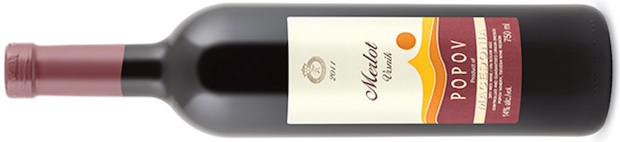
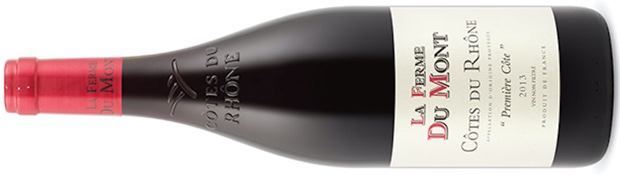

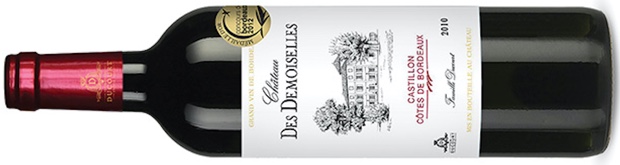
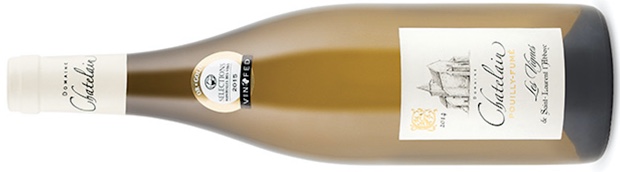
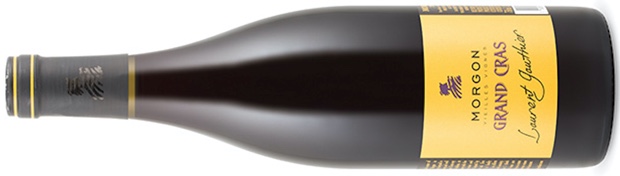
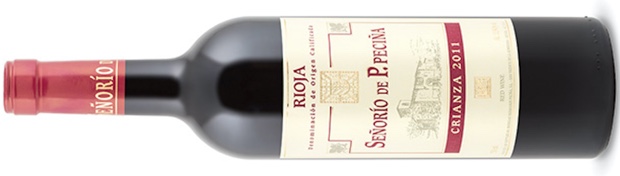
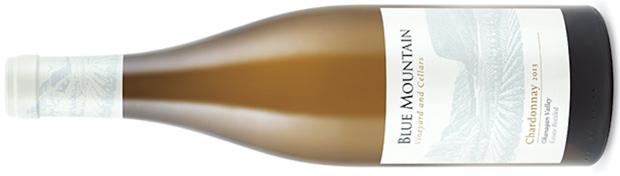
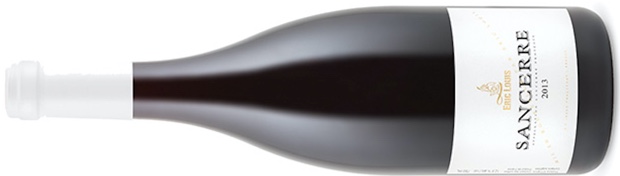

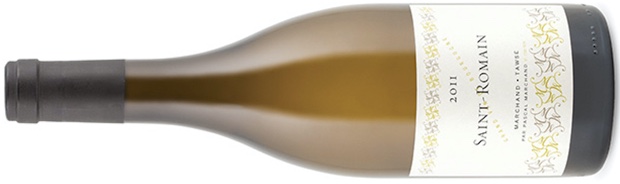
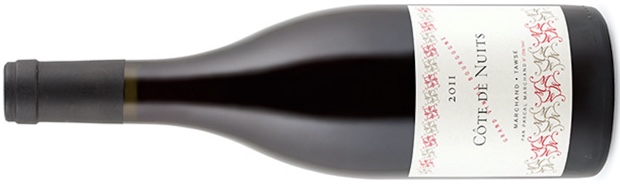

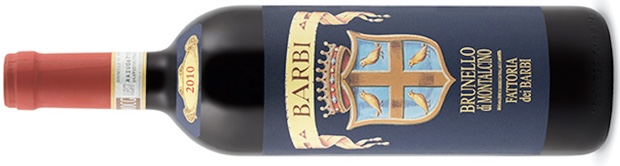
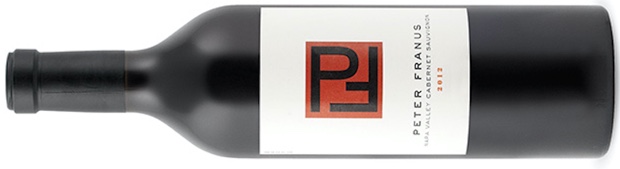

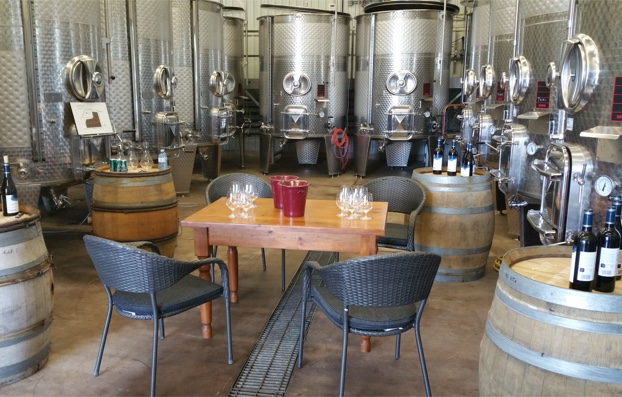
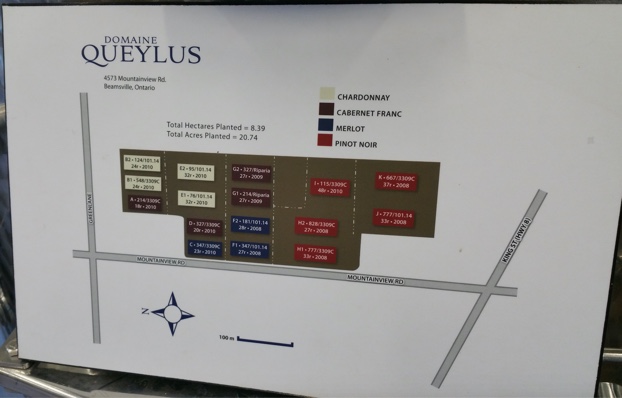
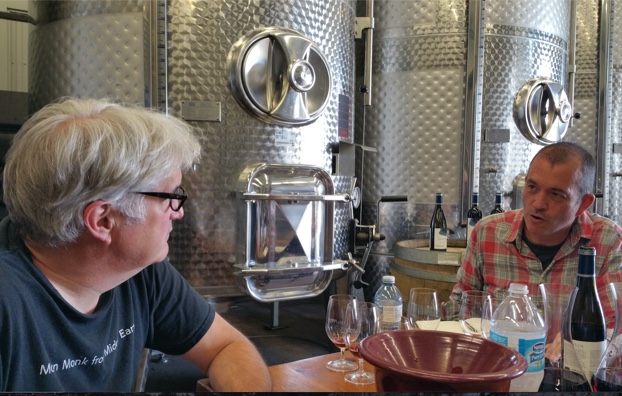

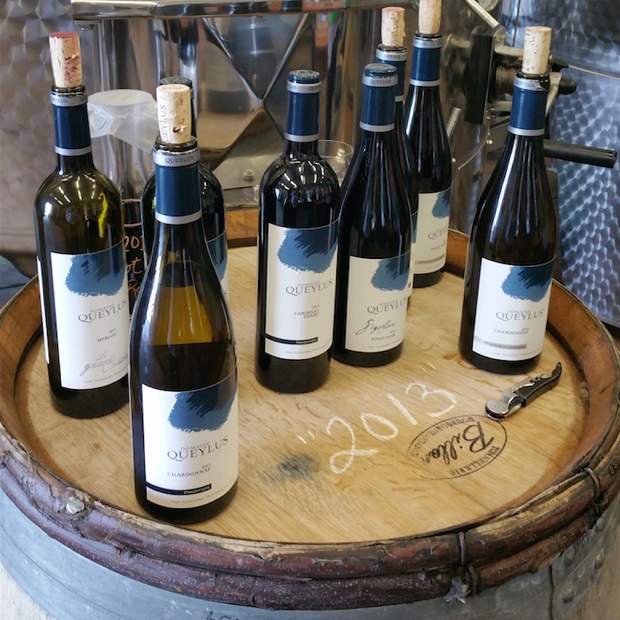
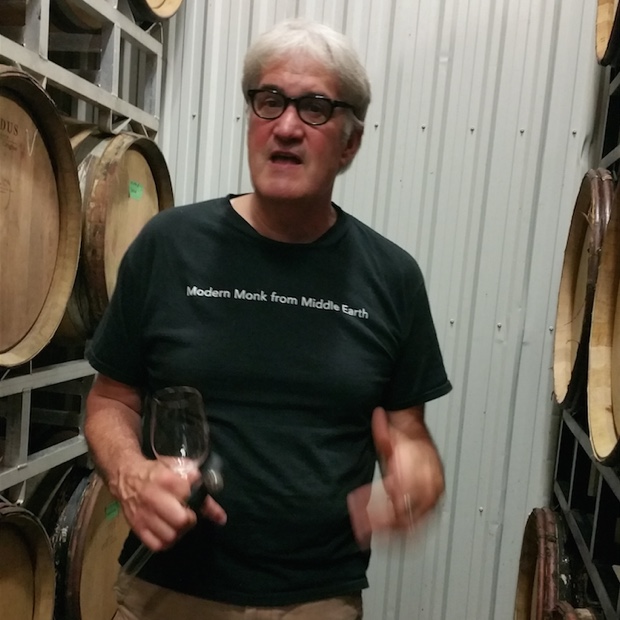
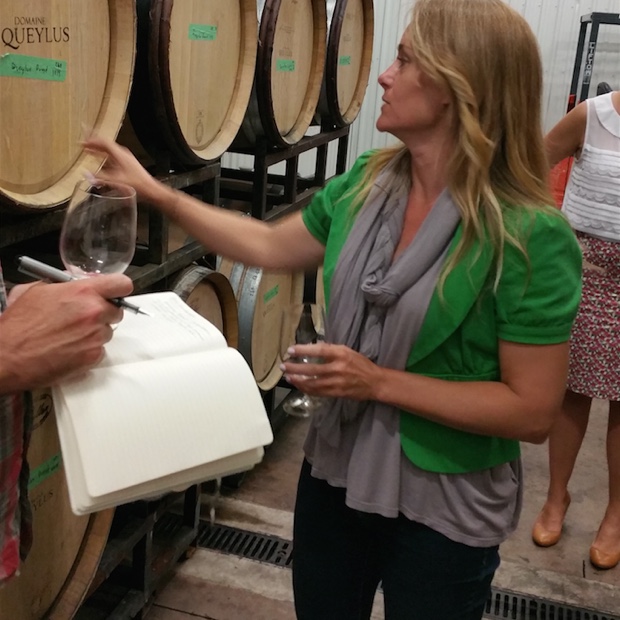


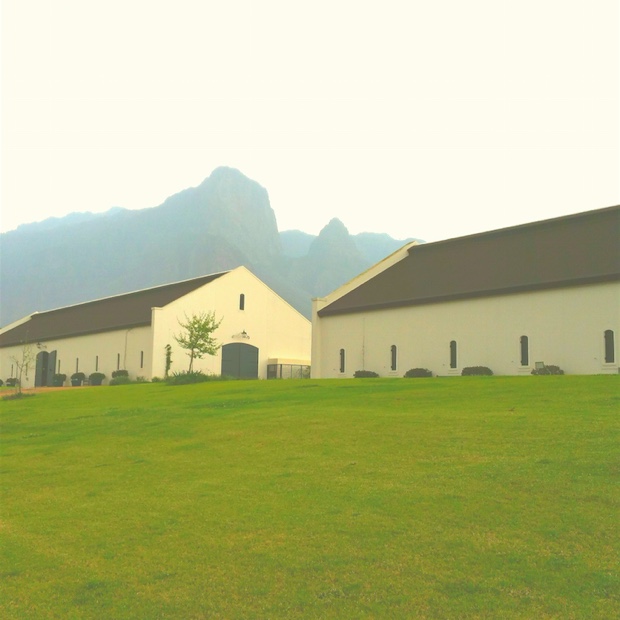

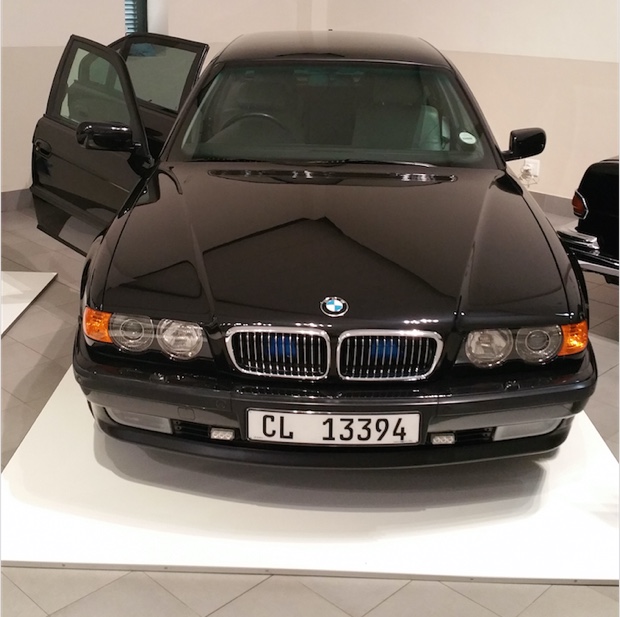
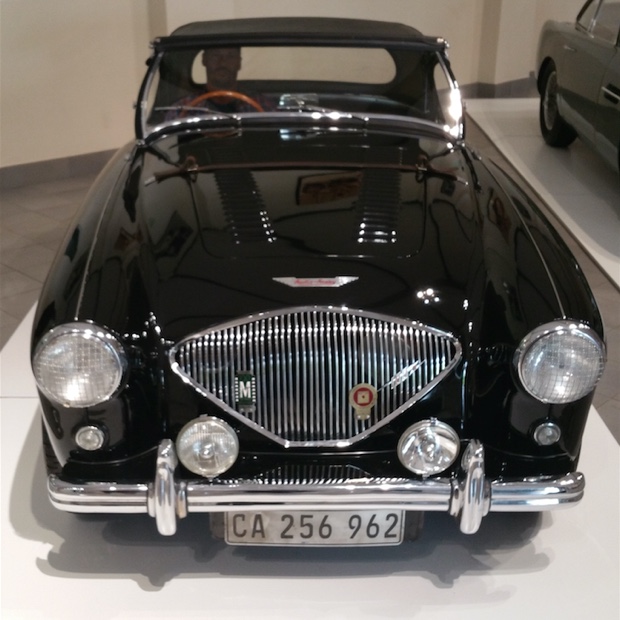
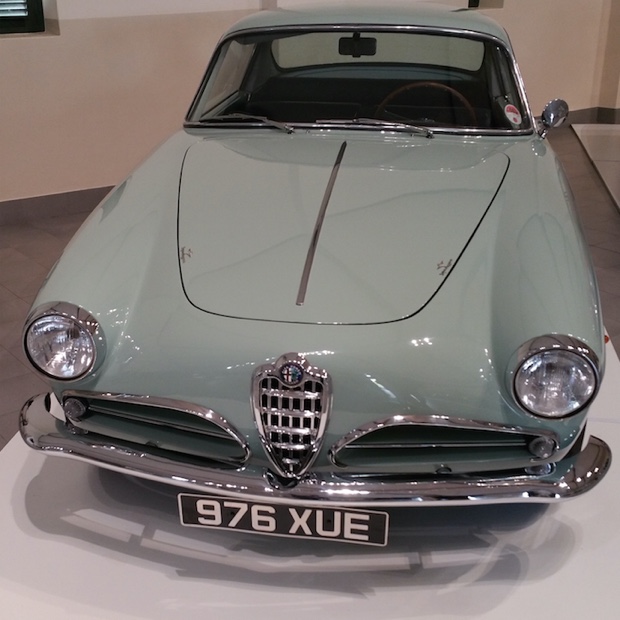

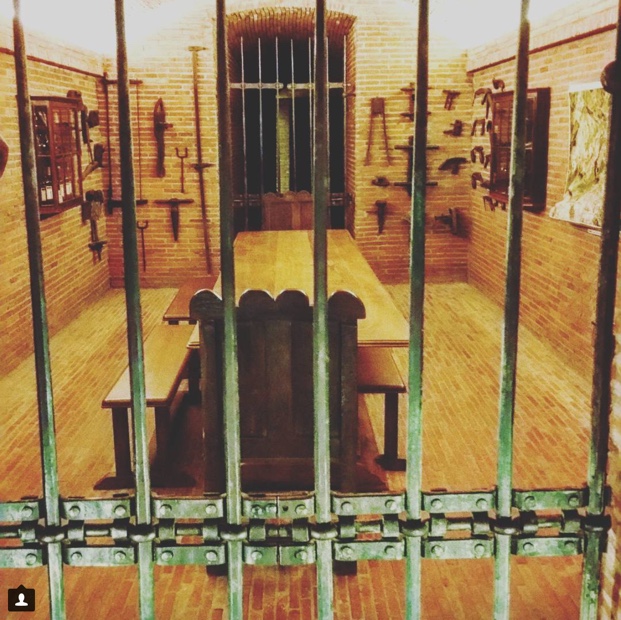
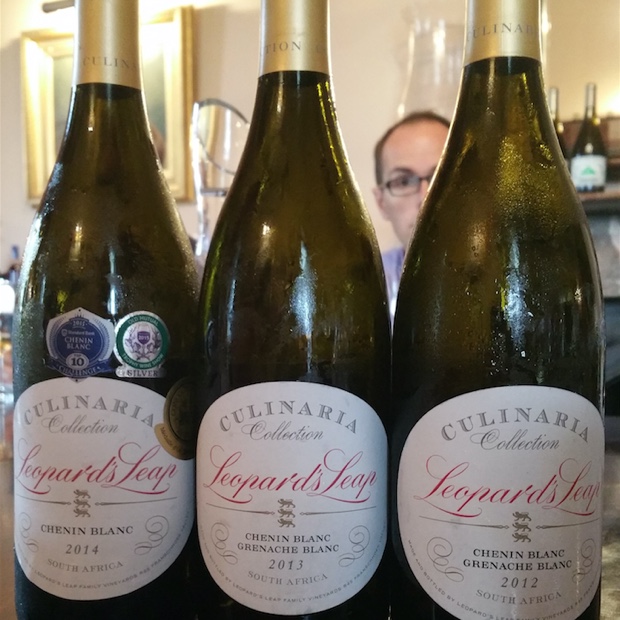
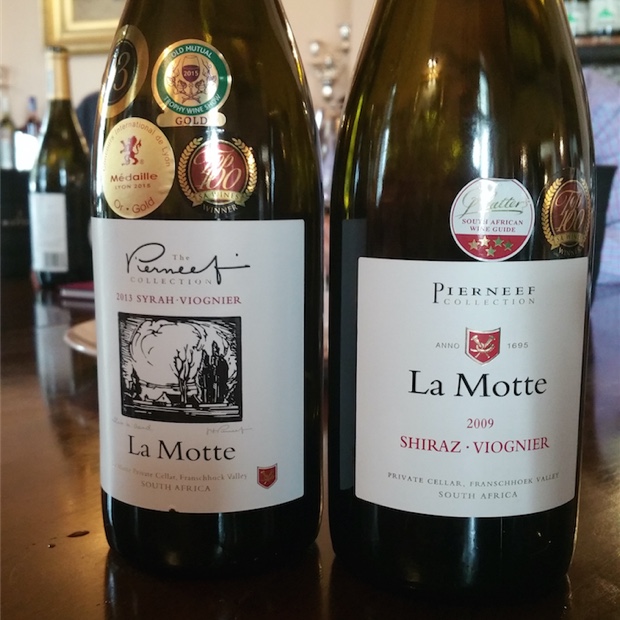
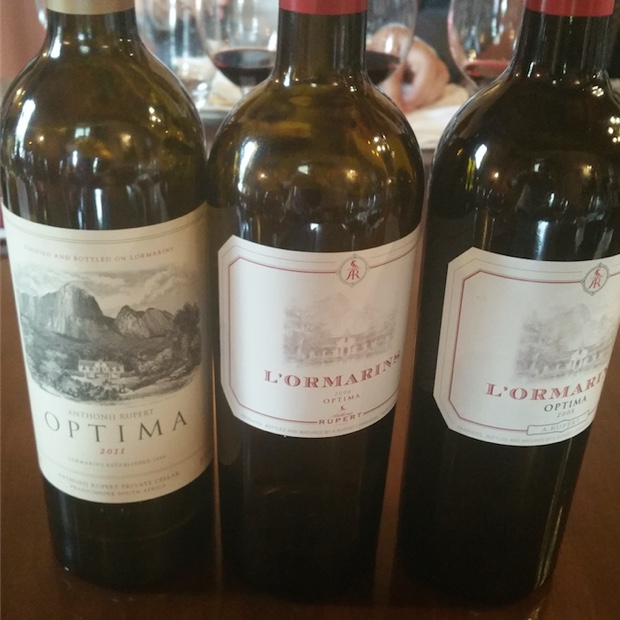
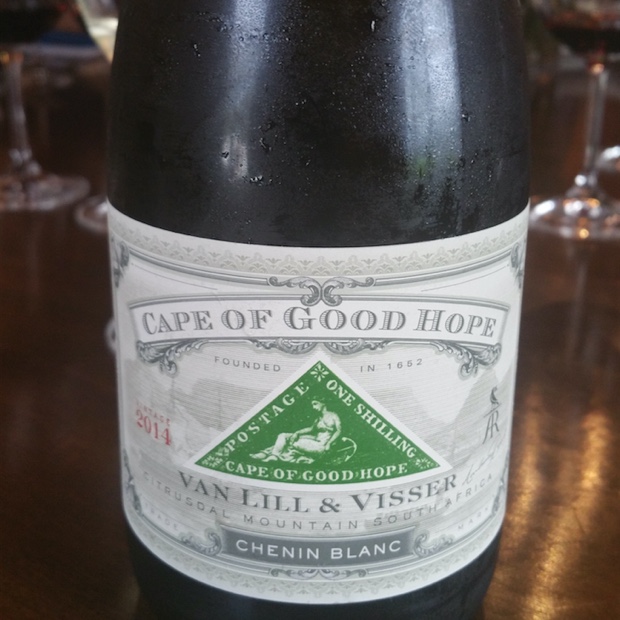
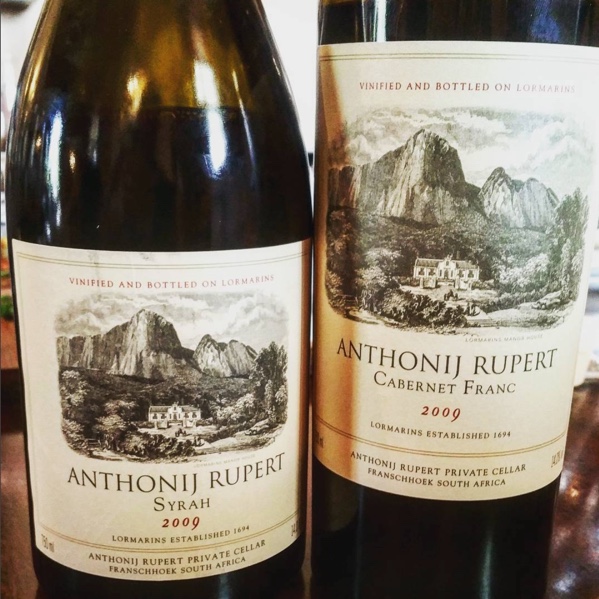
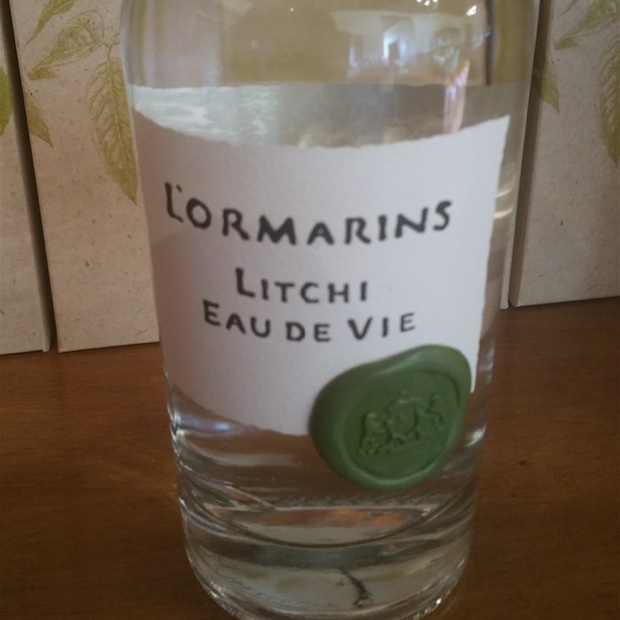
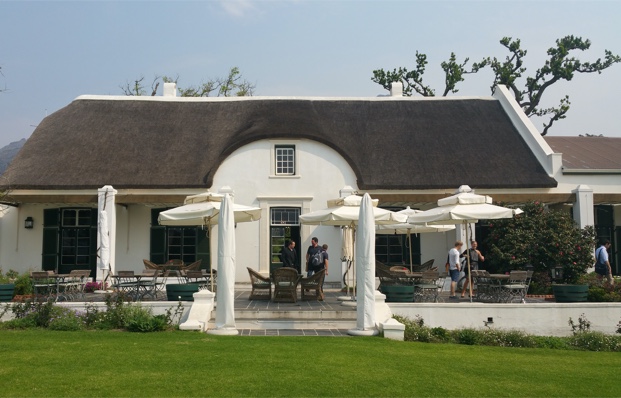
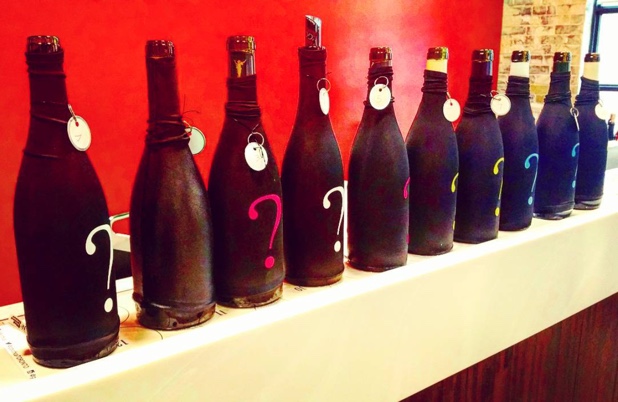


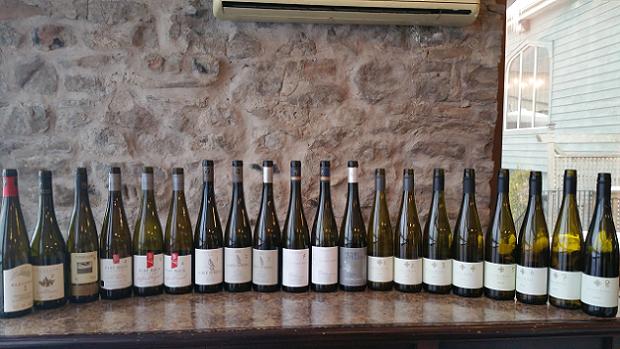
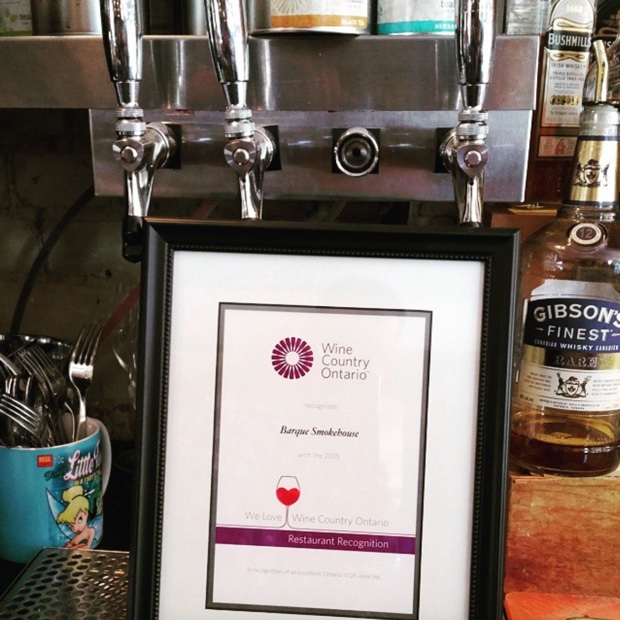
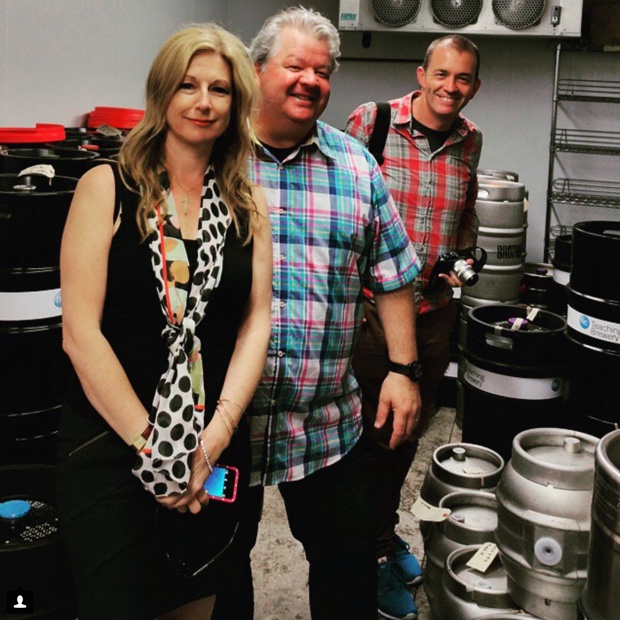
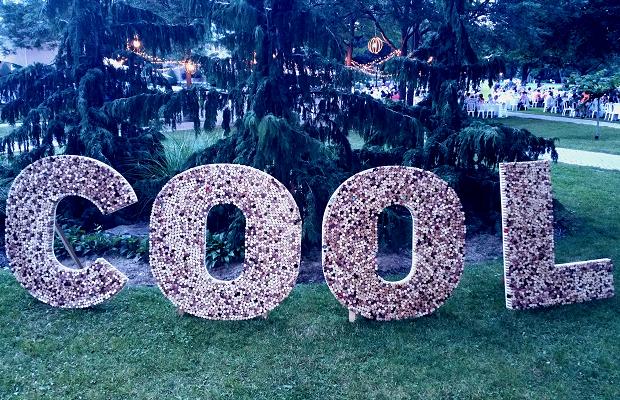

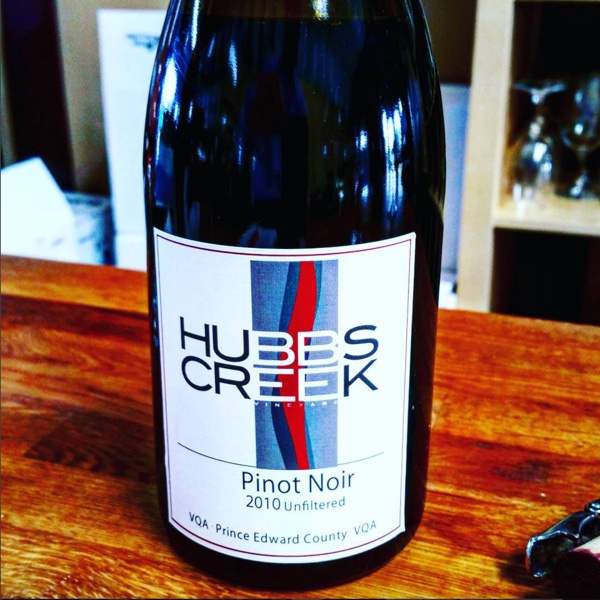
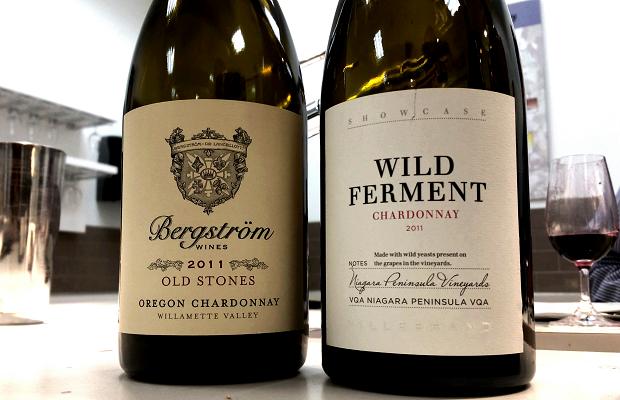
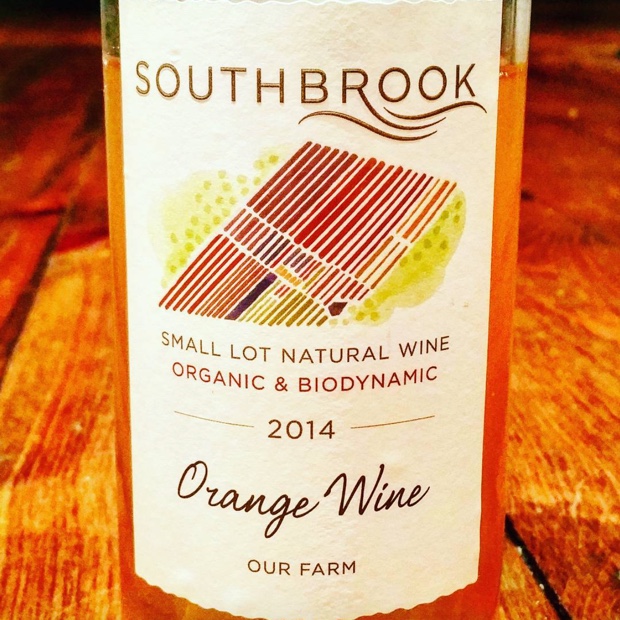
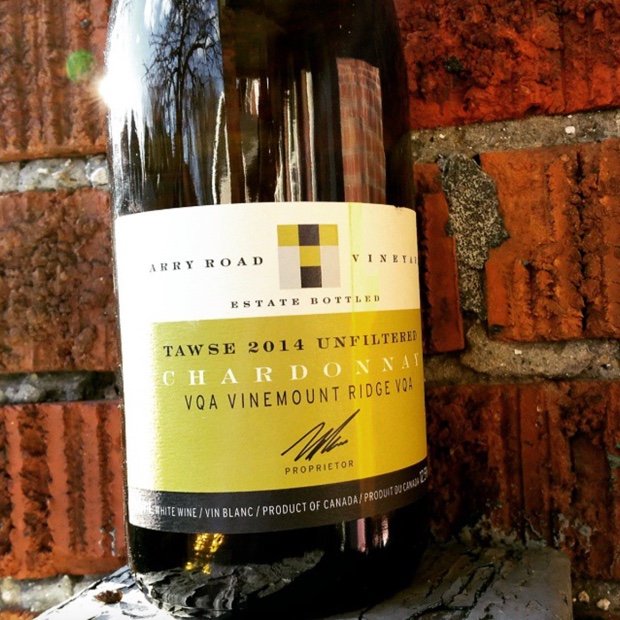

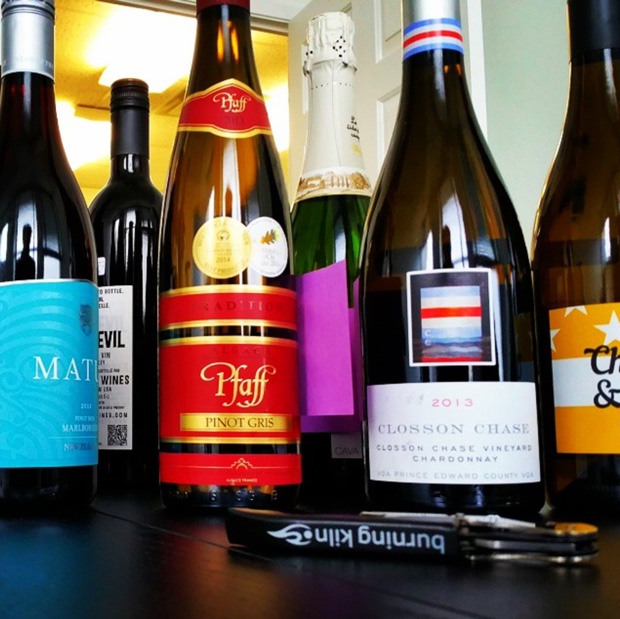

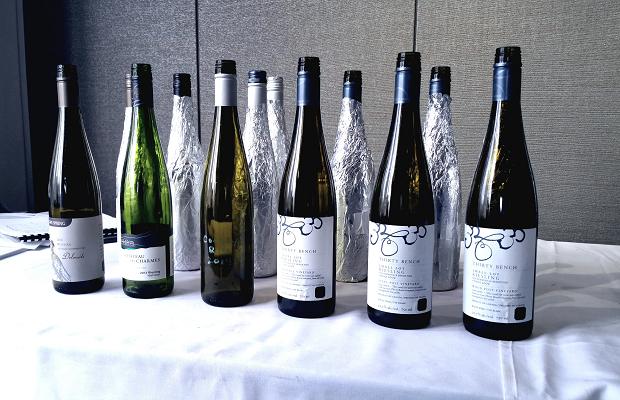
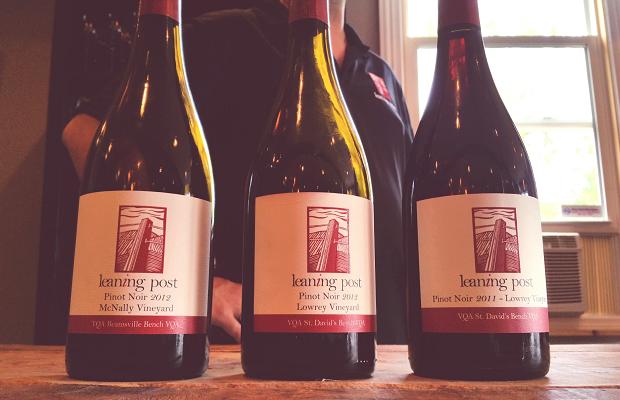


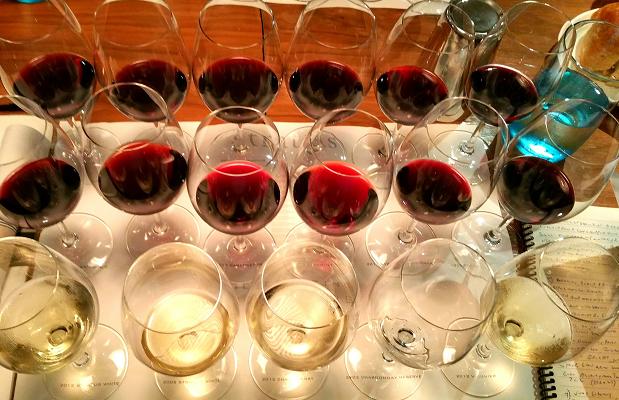

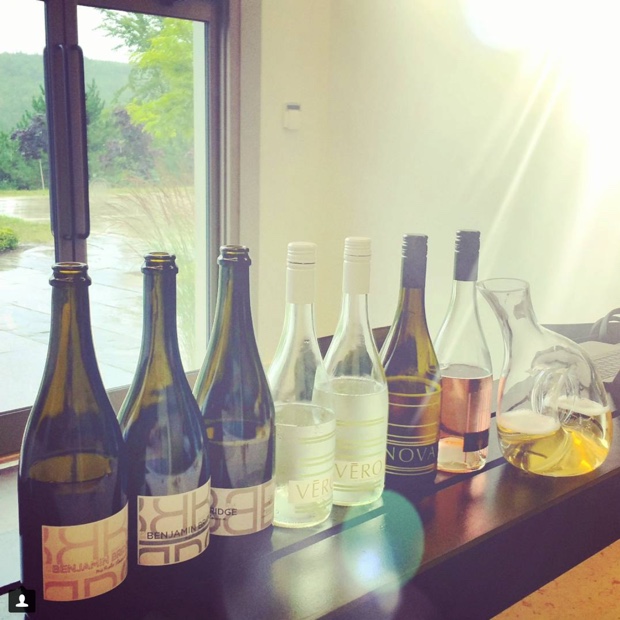
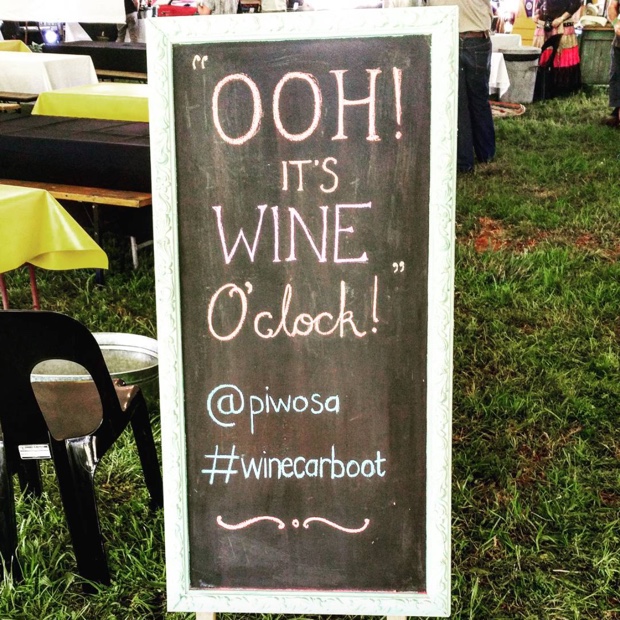
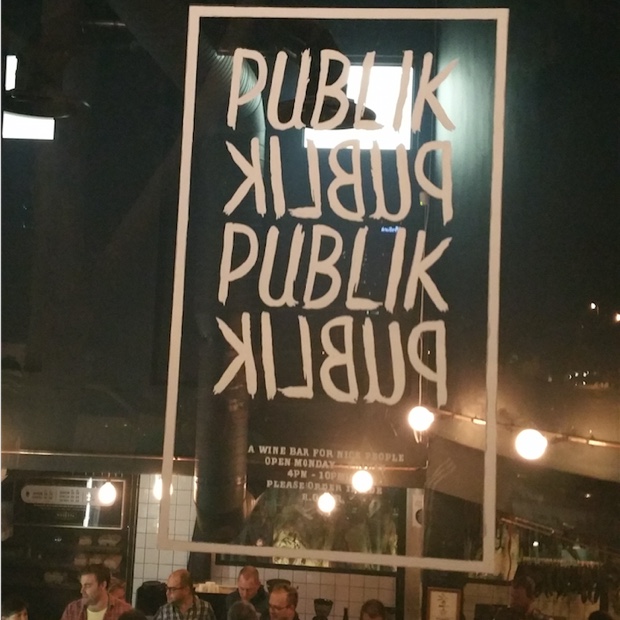
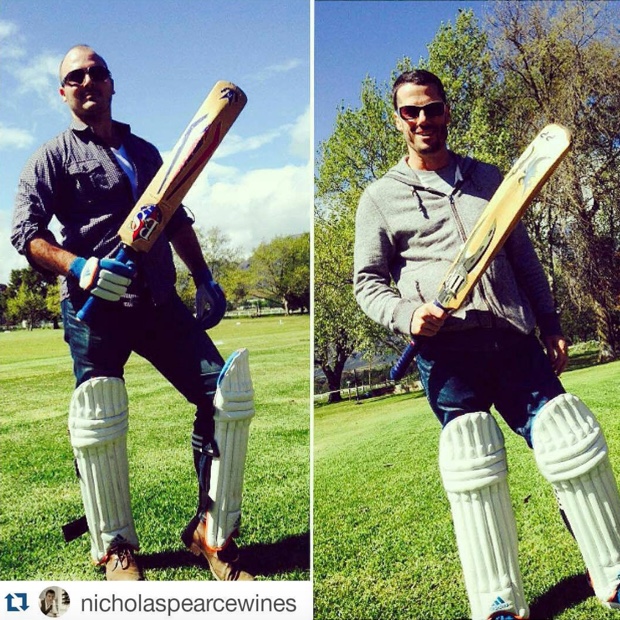
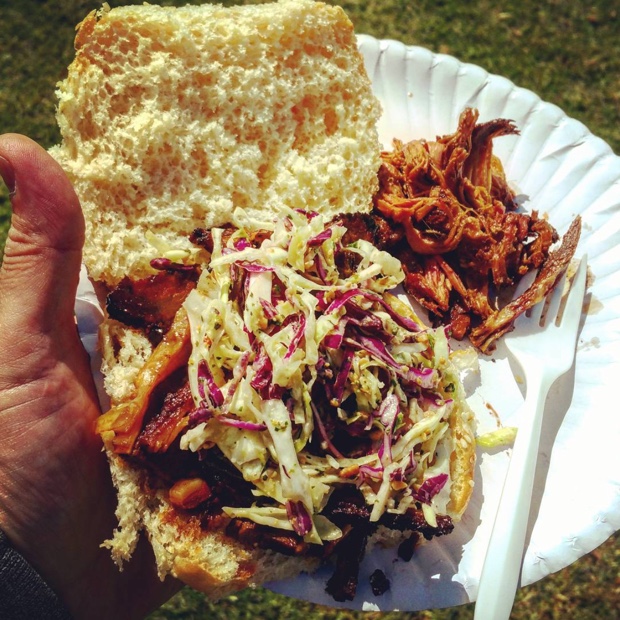
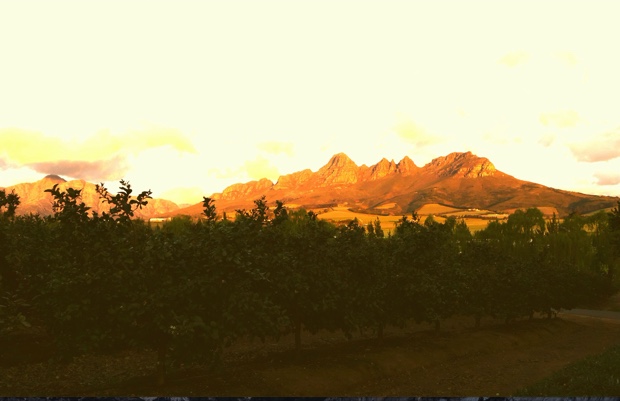
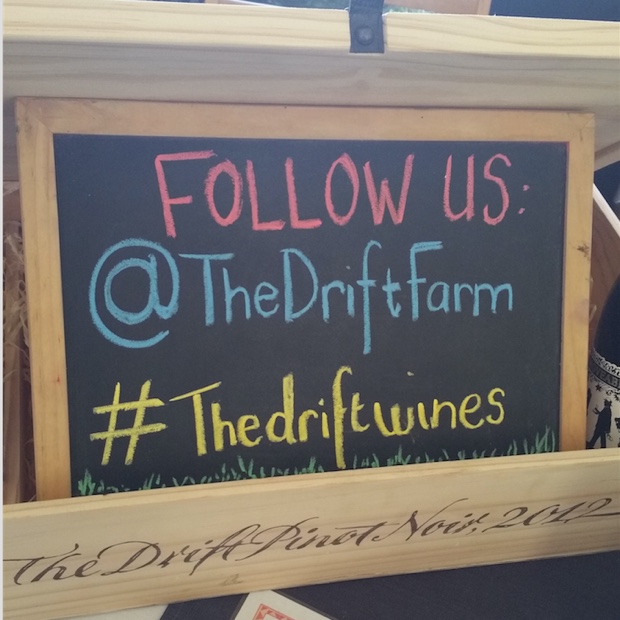
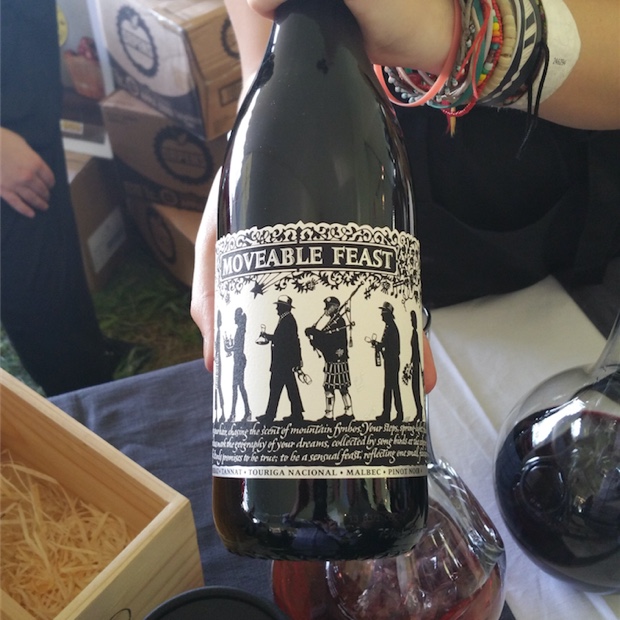
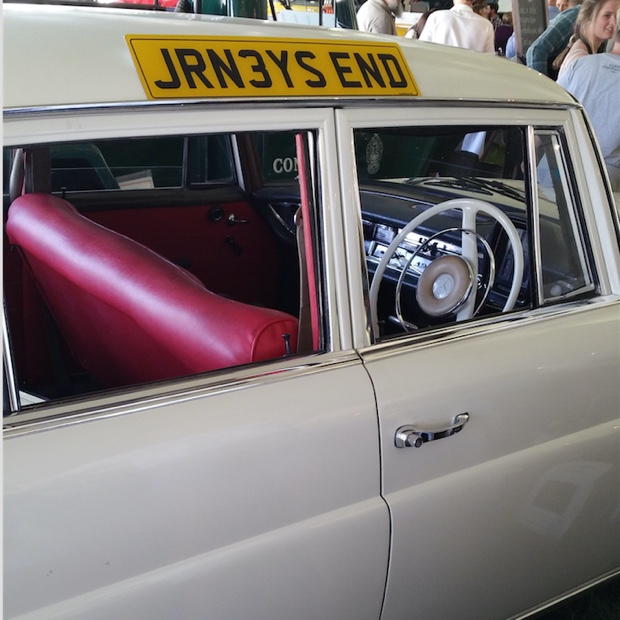
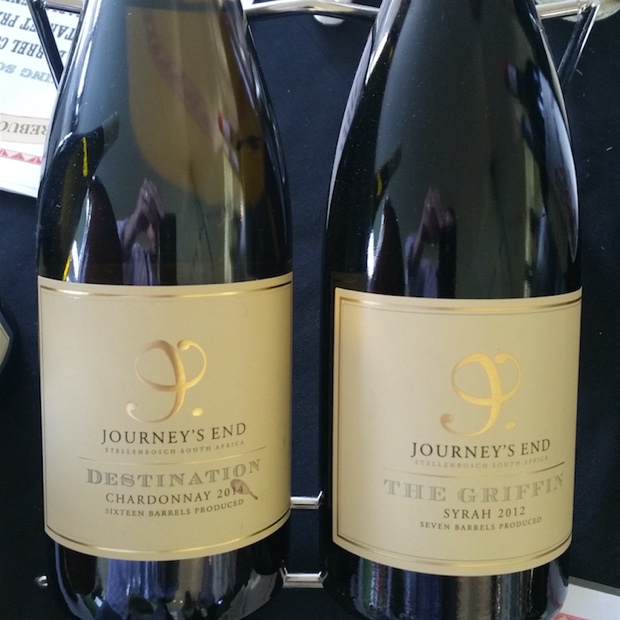
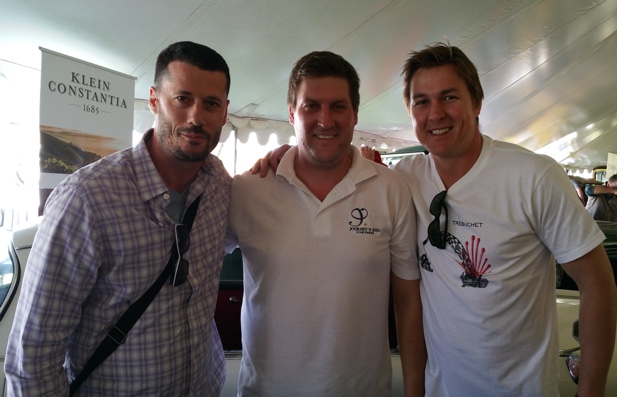
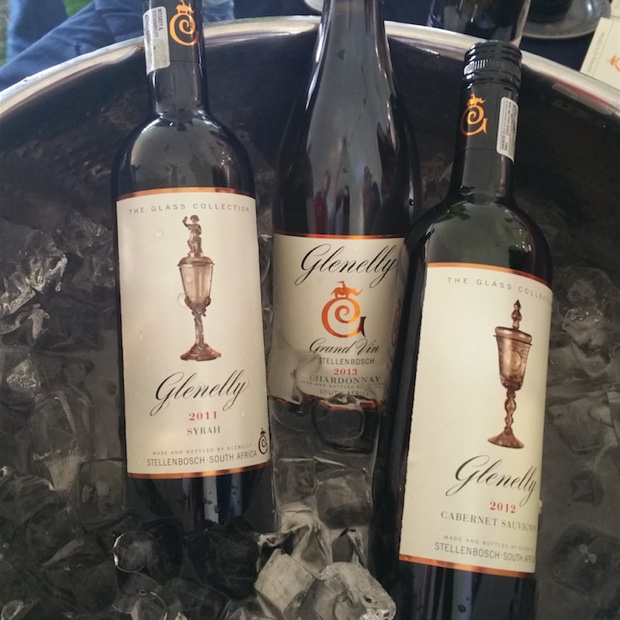


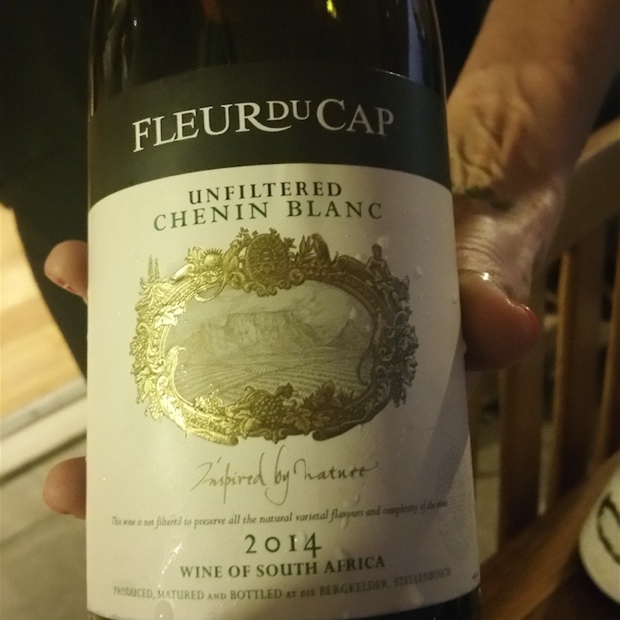

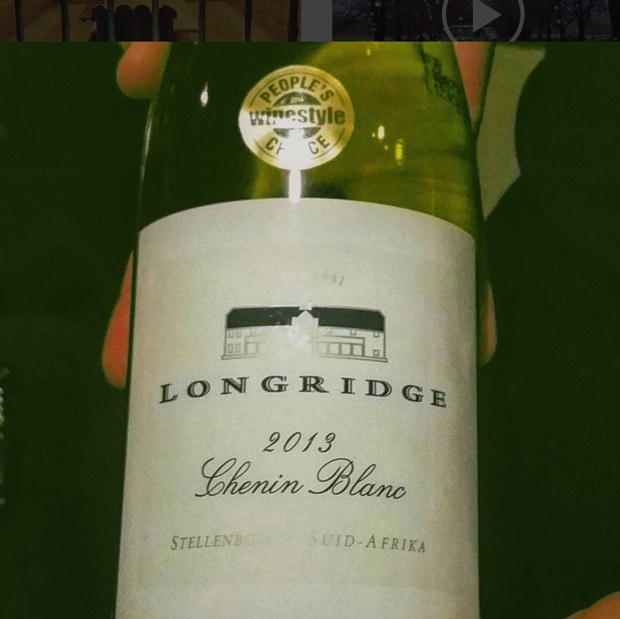
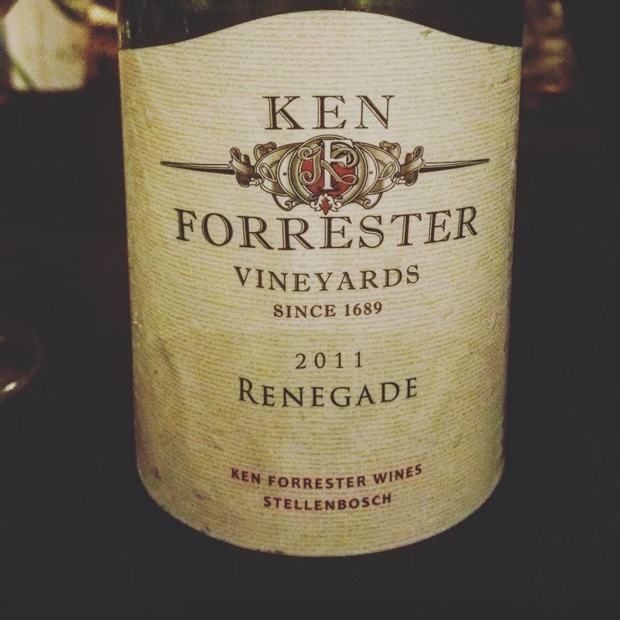


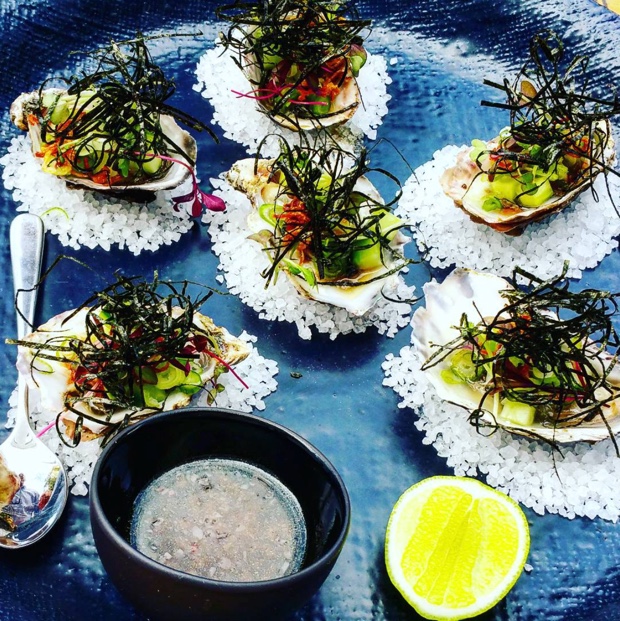

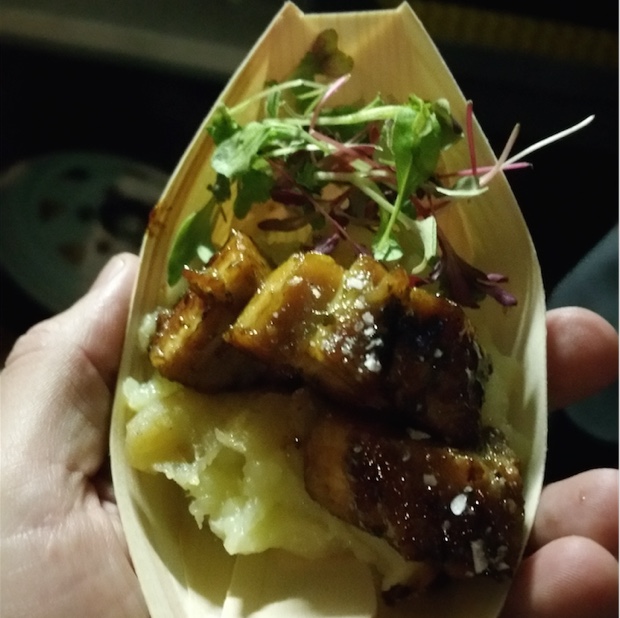
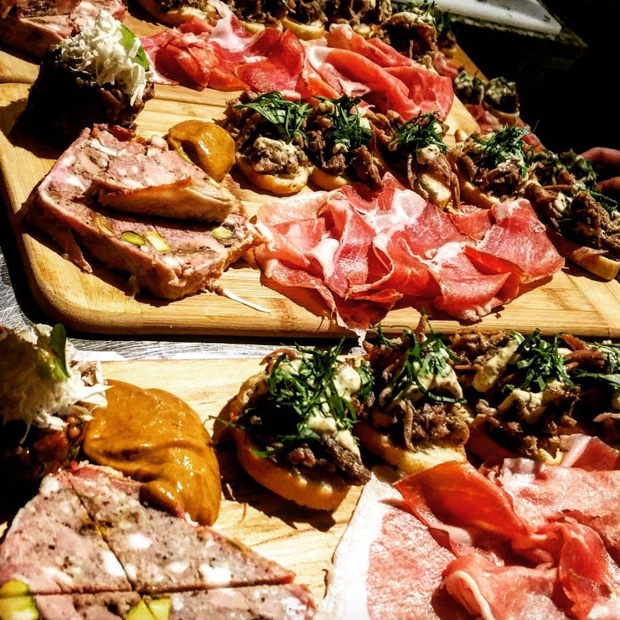







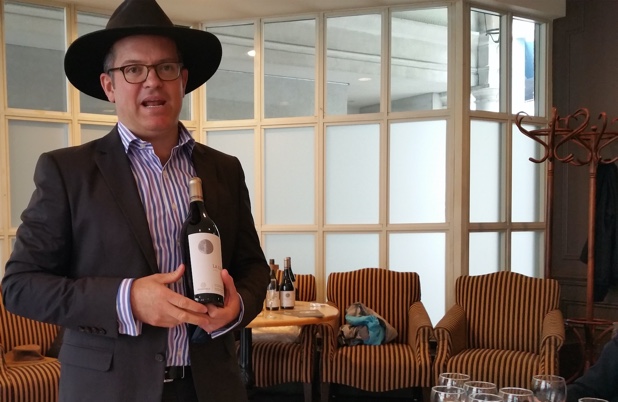
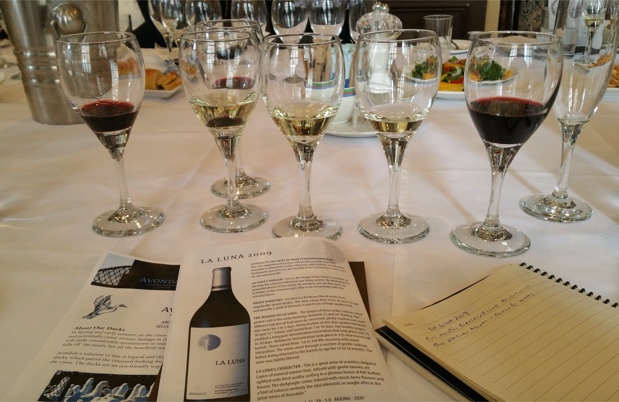
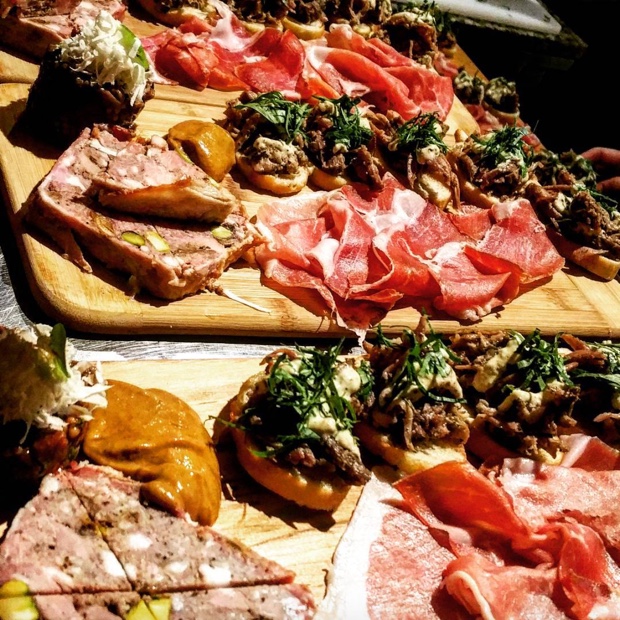







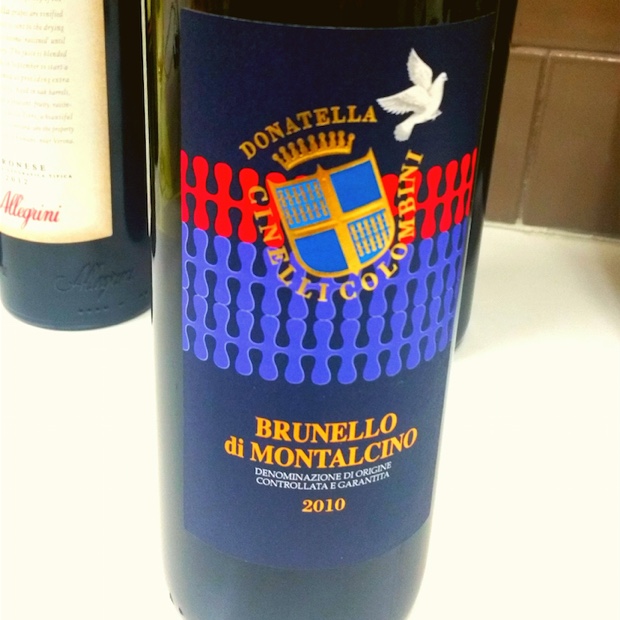
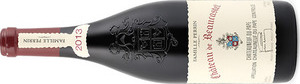
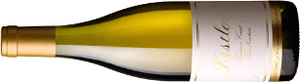
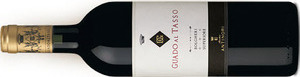
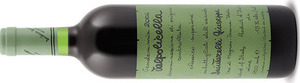


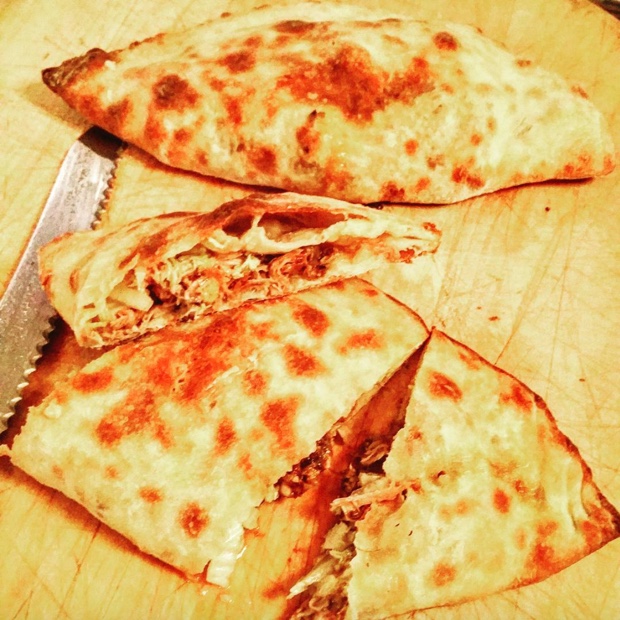

 Godello