Now for a few argumentative words on logomachy, interpretive synergies and general rambling. Lets talk about wine and how it can make us forget about being chilled to the bone. Lets discuss the ways in which wine can bring forth a future being remembered with each passing sip.
Like stones as heavy, some winters are so stinging only silence helps you portage them, or soldier on through them. That and wine. When winter pisses and moans with a cold, cold heart, the purity and silence of wine can ease the pain. Fruit of the vine that remembers the eskers of the earth, minerals that have not forgotten magma, wine that gives an ancient, suspenseful feeling. Cold forgotten.
In July of 2012 the suggestion was to chill red wines for another hot weekend to ease the suffering in the throes of a sweltering, Ontario summer. A year on the thematic was pursued once again.
“Just a slight frost mind you, like clipped diction, for warm, not hot weather.” Here we find ourselves in the opposite chasm, the anti-Hades, a seemingly endless void of polar hell. Perpetually stuck inside a frozen hadron collider. So history is the gradual intent. What to do? Drink wine.
February can be displaced with wine because the ferment has no beginning and no end. No sense of horizontal progression of time. Wine is set in a fractal globe, in which no facet of its character has a life of its own. Scale succumbs to intention.
Tomorrow brings another VINTAGES release, a February 21st agglomeration with wines I suggest have discovered a remarkable balance achieved. Open them in a room and their blood will posit a similar temperature, one of warmth, so that soon, you will neither notice the alcohol or the heat, nor the deep freeze of winter. Here are eight more values to kick winter upside its proverbial ass.
From left to right: Gayda Viognier 2013, Esser Chardonnay 2012, Fowles Stone Dwellers Shiraz 2012, Domaine Des Huards Romo Cour Cheverny 2010, Jim Barry The Lodge Hill Dry Riesling 2012, Leasingham Winemakers Selection Bin 61 Shiraz 2012, Hedges Family Estate Three Vineyards Red 2011 and Domaine Du Grapillon D’or Gigondas 2012
Gayda Viognier 2013, Igp Pays D’oc, Languedoc-Roussillon, France (395129, $13.95, WineAlign)
Simple, proper, sturdy and in certain respects, essential Viognier. Three sites each purpose a layer; chalk from limestone La Livinière, grain by clay-limestone Côteaux du Languedoc and metal tang through slate Roussillon. Florals are southern French Viognier obvious and spice adds a global touch. Quite versatile, well-made and complex beyond its simple roots. A nutty note rounds out the lean with a touch of fat. Good length takes it beneath the surface. Tasted February 2015 @DomaineGayda@TandemSelection
Esser Chardonnay 2012, Monterey County, California (675017, $18.95, WineAlign)
The musky and musty aromas in this off-chance gem from cooler Monterey draws fruit from the Riverview and Viento Vineyards in the north of Salinas Valley. The bottled up compression is relieved shortly after the cap is unscrewed, melting into a creamy textured Chardonnay and into the wind gaps of tall redwoods and pines. Round, sweet unctuous, easy to consume sips are both tropical and anything but buttery, heavy mouthfuls. Quite cool-classic actually, persistent, whiffing Monterey cone and framed by mineral adjunct meaning. More than impressive for the cost involved. Tasted February 2015 @EsserVineyards@DionysusWines
Fowles Stone Dwellers Shiraz 2012, Strathbogie Ranges, Victoria, Australia (265967, $19.95, WineAlign)
In Victoria’s Strathbogie Ranges cooler temperatures and heads prevail in this savoury, meaty, cured, grounded and earthy Shiraz. Dried flowers, caper berry and a bitterish angst are the Mediterranean accents from a low-yielding vine proviso. Though the wine is quite concentrated as a result of the peanut produce, the fruit is anything but baked. It may be a dweller on the threshold but it has lift, a natural acidity that emphasizes the freshness. The stone turned, this has “the music of the spheres,” a gaining in gathering momentum, beautiful vision and a background of accompanying voices. Tasted February 2015 @FowlesWine@vonterrabev
Domaine Des Huards Romo Cour Cheverny 2010, Ac, Loire, France (401257, $21.95, WineAlign)
A wildly original, not quite Loire white made from 100 per cent Romorantin, of a brilliant golden yellow colour and great metallic expression. Like sweating rocks, all sorts of soft and precious metals, a cool medallion around the neck. A tang that gets beneath the surface, though oxidative, remains fixed, in suspended animation. The length cements the fixation, with white flowers, their petals strewn about. A most uncomfortable pungency might frighten some olfaction, though the reek is just a by-product of calcareous clay with a lime reaction, not necessarily chalky but more like a lick of Blaisois loam on metal. Nutty, drying out on the finish but with acids stringing along in ability and pride. Tasted February 2015 @MarkCuff@TheLivingVine
Jim Barry The Lodge Hill Dry Riesling 2012, Clare Valley, South Australia, Australia (262469, $25.95, WineAlign)
Clare Valley Riesling is one of those caché varietal in locale entities revered by so many. Fact is not all CVRs are sensational but when one is made like the 2012 Lodge Hill, the grape in place is nothing short of spectacular. A rather flinty meets petrol continuum vintage is massively forward and upward, getting right down to back of the skull business. Herbal yet stony, so arid, so much citrus and a tang of salinity bled from metal. Highly complex and blessedly dangerous length. But flack is cut because despite the anxiety the Lodge Hill “sang as if he knew me…singing clear and strong.” Riesling that soothes and delights, killing me softly with Riesling kindness and his song. Tasted February 2015 @Jimbarrywines@MikeAikins1@ChartonHobbs@Wine_Australia
Leasingham Winemakers Selection Bin 61 Shiraz 2012, Clare Valley, South Australia, Australia (448241, $25.95, WineAlign)
The history of the Bin 61 is a long, storied and reliable one to hang a perennial Shiraz hat on. In the late nineties and early 2000’s the fruit was darker, more extracted, the wines tannic and needing a dozen years to reach nirvana. Times have gradually shifted the fruit paradigm to red, fresh and vibrant. In 2012, immediate gratification increases, though the tempering vintage has not advanced the progression like in the most recent years. Here the stretched, busy and cake Leasingham persists, so five to seven years of justified evolution should be expected. Tightness grips with further sips so despite the current requiem for red fruit and acidity, this will need a brief taming. Not a Bin 61 for the ages but another winner to be sure. Tasted February 2015 #Clarevalley
Hedges Family Estate Three Vineyards Red 2011, Red Mountain, Yakima Valley, Washington (1594, $32.95, WineAlign)
A year later this Yakima Valley red has concentrated further, like sweet cherry tree gum resin and sap. Desert climate and high pH loess in coarse flood debris, once entirely gritty in the blend, are now beginning to integrate. Acidity remains on high amid diplomatic balance. From my earlier, February 2014 note: “A most interesting Washington blend out of a vintage worth seeking out. Abstruse fruit package in five varieties, conjoined like a semi-sweet chocolate dessert of flourless proportions and marked by a grain and an exceptional, altitudinous presence that can’t be denied. Berries of all colours and levels of sweet/tart, evergreen verdigris, velvety texture, richesse, luxury magic mountain air. “Walk in the sun, up on Magic Mountain, Red mountain wine, everybody laughs.” This Hedges has that effect. A more than sensible price for all that’s going on and anything but a burden. Last tasted February 2015 @hedgeswine
Domaine Du Grapillon D’or Gigondas 2012, Southern Rhône, France (981787, $32.95, WineAlign)
Grenache dominant Rhône such as this from the Chauvet family goes deep into the ripest territory, with gorgeous aromatics that burst of red fruit incarnate. The large ancient barrels bring a subtle oak spice and a funk du cave unique and necessary to the Gigondas application. Alcohol is checked at the mid-palate, stepping aside for the vermillion fruit layering while so many spice accents, so Rhône, old and new, spike the zesty orange skin. The leathery hide will see to a decade of age, at the very least. Tasted February 2015 @grapillondor
Tawse Unoaked Chardonnay 2013 with Pho Cuu Long Mien Tay
Valentine’s Day came and went yet again. The 2015 edition of the polar vortex coincided with Cupid’s annual marketing juggernaut, bursting pipes, freezing the tails off brass monkeys everywhere and making life especially hell for those left out in the cold. Hearts were broken, mended and hopefully in more cases, joined as one.
Dundas Park Kitchen Valentine’s Cake
I was under the assumption you did not need my recommendations this year so I didn’t provide a pre-VD column to parade out a list of painfully obvious pink and sparkling wines. In the past I messed with the gratuitous holiday, first with just say no to pink wine for Valentine’s:
February 14th is so hyper-candied that ingredients like salinity, minerality, positive bitterness, animale and tannin are essential in the name of balance. Just don’t pair your dry red wine with chocolate.
Red Velvet Waffles
In early retrospect, my take on 2015 remains frozen like the crust of precipitation on my windows and my copper pipes. Nothing much to say but wait for the thaw. There were of course the proverbial dinners, chocolates, desserts and all you need is love; enough to go around for the whole family. And there was wine. The family day weekend offered ample opportunity to sample and take note of a dozen bottles, none earth shattering or iconic but most aimed to please. Here are some notes.
The wines of Grange-Barbastre
Château De La Grange Barbastre Muscadet Sur Lie 2013, Cotes De Grand Lieu, Loire, France (Agent, $14.00, WineAlign)
Little in the way of aromatics here. Were Honeydew Melon dried like mango, this Melon de Bourgogne might be its simple sweet candied flavour. That and a chalky, thin leesy residue. The texture improves as a by-product of the tangy finish on that palate that turns musky melon funky, like whiskey in the jar. Like an ole’ Irish ballad singing “musha ring dumb a do dumb a da,” this Muscadet is characterful if nothing else and good value at $14. Tasted February 2015 @LoireValleyWine
Domaine De La Grange Barbastre Sauvignon 2013, Igp Loire, France (Agent, $14.00, WineAlign)
Here is a very effective, oleaginous tank simple Sauvignon Blanc with a white flower and candied salt dominant nose. The candy replays on the palate though in a more medicinal and saccharine way. The sweetness is one that drowns, submerges, without a sound. More salinity and blanched nuts round out the smooth finish. Succulent if one dimensional Loire specimen. Tasted February 2015
Domaine De La Grange Barbastre Pinot Gris Sauvignon 2013, Igp Loire, France (Agent, $14.00, WineAlign)
This 50/50 split between Sauvignon Blanc and Pinot Gris is a rare sighting indeed from out of the Loire Valley. In this instance the Alsatian elevates the Loire game with its ability to draw mineral and salinity from the earth, not to mention extract and the achievement in balance. Here the fruit leaves the salty stones in the dirt and then reaches higher, into the branches of the orchard, for zest and flesh, of pear and lemon. A gradated layering and roundness prevails. Sweet without being sweet, salty without being salty, in the end, all about flesh and bone. Good length. Tasted February 2015
From left to right: Lanciola Chianti Colli Fiorentini 2012, Boutari Grande Reserve Naoussa 2008, Liberty School Chardonnay 2013, Eos Estate Petite Sirah 2012, Henri Ehrhart Gewürztraminer 2012, Dei Rosso Di Montepulciano 2013, Waterbrook Pinot Gris 2013
Entry level pricing rarely affords complexity and here, in this glycerin, shimmering Colli Fiorentini is an intoxicant of red fruit Sangiovese. Smells like warm celluloid and lamb. The “wool is soft and warm, gives off some kind of heat.” The plums within are charred, fleshy, clement and battered by a bretty funk. The carpet of texture is crawling with cellar micro-nutrients and gamey notes. There is nothing simple in the lamb’s coat and braised shank character. Wood splinters in the glass and the somewhat acquired flavours spread ambience through its broadway Florentine grooves. Another genesis Chianti Docg provides fodder for the further breaking down of appellations and designations of denominazione. Tasted February 2015 @Collifiorentini@LeSommelierWine
Boutari Grande Reserve Naoussa 2008, Naoussa, Greece (140111, $17.95, WineAlign) A VINTAGES March 21, 2015 release
In this Xinomavro there is beauty and bog consistence, like wild calla palustris. Imagine a wine thick as consonants, dense and defined by solid rock bubbling like stew, from out of a marsh. Wood adds intricate layers and a mothering of leather hiding and protecting dried cherries. Game, spice, liquorice, funk and things that heal flavour the wine’s liqueur. Silky smooth with a run of grain and the salinity of ancient longing. Racy acidity intrudes, puts in a charge and takes care to see six to eight years more life will be a guarantee. Easily and possibly 10 will pass before it sheds the chalky loops. Terrific vintage with impressive depth and range of flavour. Tasted February 2015 @boutari@KolonakiGroup@DrinkGreekWine@winesofnaoussa
Liberty School Chardonnay 2013, Central Coast, California (960120, $18.95, WineAlign)
A perfectly well-made, crowd-pleasing and sufficiently balanced Chardonnay with tree fruit notes in many shapes and sizes. The forward aromatics and restrained PG flavours are made for MOR, broad appeal. Though the texture and length are unexceptional, there is a spicy bite that slips more sips into the cards. A move along and return to again and again Chardonnay. Tasted February 2015 @TrialtoON@hopefamilywines
Eos Estate Petite Sirah 2012, Paso Robles, California (Agent, $19.95, WineAlign)
Petite Sirah is so often inelegant and black as night so the Eos take is refreshing and relatively tame in comparison. Here defined by a multitude of red fruits and a varietally timid 14.3 per cent alcohol declaration that is more than believable. Has a large stone flecking earth character that reminds of Vacqueyras, amplified by liquorice, bramble and pseudo-garrigue. Fine-grained acidity and tannin add depth and linear, progressive attitude. The inherent hunches of ferric and sanguine seem Tuscan, when considered by way of comparative mythologies. The sole glaring detractor is folksy oak that will not fully integrate before fruit decline. Leans sweet without veering to cloying and all tolled, adds up to complexity for value at under $20. Tasted February 2015 @EOSwinery@LeSommelierWine
Henri Ehrhart Gewürztraminer 2012, Alsace, France (392118, $19.95, WineAlign)
From Klevener de Heiligenstein, this is surely a step up in the Alsace Gewurz take. Some reserve in the nose, holding back the far east florals and the sugar. There’s an aerified feel to this, an ethereal complement, a savoury edge. Really interesting and surely more than versatile aromatic white. Good texture with creamy mangosteen and vanilla pod and then tight, even spicy, bracing acidity. Great deal here. Will live for a decade. Tasted November 2014 @AlsaceWines@drinkAlsace
Dei Rosso Di Montepulciano 2013, Tuscany, Italy (919430, $19.95, WineAlign)
Caterina Dei’s red fruit Rosso di Montepulciano is a noble seductress of necessity, younger and approachable, engaging for its purity and for its freshness. When compared to the Prugnolo Gentile that frames a Vino Nobile, it falls short, obviously, but its immediate appeal is what matters. Clean, clear and pristine juice is dropped with a tincture of beneficial medicine notes, for good sense, in place, measure and thought. A maquillage smear of sweet anise liqueure adds a dense streak in herbiage. The rehydrated fruit of tree pods is imagined, along with a vestige of Val D’Orcia garden shrub excretions. A malleable, permeating and nearly intoxicating Rosso. Drink now, now and again. Tasted February 2015 @LeSommelierWine
The Tawse take on Unoaked Chardonnay is definitive, exemplary, righteous stuff. It does not clock you over the back of the head, nor does it beg for attention. Its stainless steel raising causes a dichotomous sensation, merging fruit seemingly drawn directly from the apple and pear orchards to melt into a mineral bath. It’s like a collision of hot and cold, like lightning. One taste of this pale, pure Gegenschein elicits the idea of a relevant encounter and one willing to be experienced again and again. Tasted February 2015 @Tawse_Winery
Waterbrook Pinot Gris 2013, Columbia Valley, Washington (918242, $22.95, WineAlign)
Very Gris (as opposed to Grigio), pure as Walla Walla running spring water, with mineral salts on the nose, juicy stone fruit on the palate and some tonic on the surprisingly long finish. Sweetness spoons over and lingers, perhaps trying just a bit too hard but “she brings the sunshine to a rainy afternoon.” Waterbrook’s PG is a yes wine, with components that are all expressive, if a bit scattered and not always in synch. If Washington Pinot Gris were progressive art rock, this Columbia Valley specimen might sing its song, with length to last out an album side. Tasted February 2015 @WaterbrookWine@LeSommelierWine
Boxwood Estate Trellis 2012
Boxwood Estate Trellis 2012, Middleburg, Virginia (Agent, $39.00, WineAlign)
A blend of Merlot, Cabernet Sauvignon and Cabernet Franc produced at John Kent Cooke’s historic estate, the Trellis spent 12 months in one to three year-old French oak. Classic nor-eastern aromatics share a kinship with North Fork clarets, but here warmer, riper and fuller of flesh. The advance comes by way of the 2012 heat day quotient and the latitude. The swath is a fresh coat, not sublimated from dried fruit. The plumpness is in fig, prune and plum, hydrated, dense and twisted with ties of tannin and acidity. The unmistakeable feel of cool-climate, new world expatriate Bordeaux-styled reds is explicitly fresh and clean. If it were $20 instead of $40 it would be an absolute no-brainer. As it stands, it’s worth a look though at the price its audience will not be large. Tasted February 2015 @boxwoodwinery@TrialtoON
Like a weather map, when you take account of a wine, you are leafing through time. One could chart a wine through location, soils, geology and climatic influences. The biographical footprint is also measured after the vine has been stripped and in the winemaker’s hands.
The reconstruction of biography is about as arbitrary as predicting the future. It’s just as puzzling, untraceable and like running through a maze, is fraught with wrong turns and dead-ends. It’s about hunch work, gauging probabilities, accounting for what has come before and extrapolating towards what might be. It involves using unsubstantiated and even unrecorded information to try proving a current state of affairs.
The conjuring of a wine to define the present and the future deals not with what is extant but what may never have been. It relies on tastes, sensations and feelings that have done the big vamoose and left no trace. Wines are reticent subjects, unable to defend themselves, posthumously fudged together. We gorge on the lives of famous wines and those culled from beneath overturned rocks, impressible with the fixations of our own.
We are lovers of wine; eager and desperate to be one with their psyche, to imagine it synched in sycophant fixation with our own. Yet all the salient facts and aspects of a wine’s journey, in viticulture, pH, residual sugar, total acidity, élevage and in tasting, are really nothing if we are unable to find the theory the wine and by extension, the winemaker live by.
In Ontario, wine writers spend an inordinate amount of time tasting new releases, generally the most current vintage of wines we have made acquaintance many times before. The bright lights of revelation dim increasingly out of sight due to the nature of that redundant beast. Yet on a Thursday in January at WineAlign the kid in a candy store factor presented through bottles yet discovered from wineries lined up and waiting to be counted.
A few weeks ago David Lawrason, Sara d’Amato and I assembled to have a go at four new (or not nationally recognized) Canadian wineries. Redstone Wines is the newest venture from Moray Tawse, with director of winemaking Paul Pender as headmaster to the rising, structured elegance of winemaker Rene Van Ede‘s compositions. Two Sisters in Niagara has pounced on the scene with precocious nerve, having released a few vintages in a short time. Some older wines were crafted in virtual virtuosity by current Ravine winemaker Marty Werner. The Sisters (Angela Marotta & Melissa Marotta-Paolicelli) have come to the present with Adam Pearce at the helm and his affinity for aromatic whites is the newest Niagara revelation. I will look forward to seeing him push some envelopes, with barrels, hang time, micro-plots and fermentative experimentation.
Though I’ve not tasted more than a handful from the Okanagan Valley’s CedarCreek Vineyards, all thus far have touched gold. Winemaker Daryl Brooker‘s varietal wines are pure, precise and affordable. This may just be one of the most exciting wineries to watch out for in British Columbia. Fort Berens does Burgundy in the shadow of Fraser Canyon’s Mountains. A taste of Rolf de Bruin‘s Chardonnay and Pinot Noir offers terrific insight into DNA and in them you can read B.C.’s varietal future. Daydreamer Wines is winemaker Marcus Ansems‘ collective energy of intention, wines to sip again and again until you taste them for the first time.
Here are the notes on 23 Ontario and B.C. wines tasted on January 22, 2015.
Redstone Viognier 2013, VQA Lincoln Lakeshore, Ontario (Winery, $18.00, WineAlign)
Where there’s Lincoln Lakeshore there is red clay and with it winemaker Rene Van Ede goes it old school. Staid and static, Viognier is the star, in as much as it can be in the solid soil by the lake. On the leesy side, a sprite of lime and a dusting of chalk give texture, augmenting an already noticeable, package deal Redstone white wine portfolio. A yeast strain trend seems to be the uniting force. This is weighty but not dense, solid for the varietal and indicative of the winemaker’s style. Tasted January 2015 @RedstoneWines
Part Cabernet Franc and parcel Cabernet Sauvingon, this Redstone spent 16 months in French oak. Having melded wood into savour, the plum fruit is more than up front ample, with a pepper over and a chocolate under. A fair shake of spice and insistent tannin makes for quite a bracing red mouthful, indicating needed air and age time. Like the Tawse Bordeaux-styled reds that have come before, here is yet another slice of red fruit meets the iron life. Tasted January 2015
If a Niagara Sauvignon Blanc could be endeared with the term ‘calcaire,’ Rene Van Ede’s Limestone Vineyard would lead the shortlist, not only because of the eponymous vineyard but because it oozes of the rock’s chalky chafe. Plenty of orchard fruit belies the lime, in an unoaked Chardonnay way and the wine makes full use of limestone’s hematic shed. This is one of the most stylish Sauvignon Blancs made in Canada, even if the average consumer were not able to recognize it as such. A winemaker from Sancerre would know it immediately and intuitively. Here a crushed reef of limestone memory permeates the wine from beginning to end. One of the more outstanding Sauvignon Blancs made in Ontario to date. Tasted January 2015 @DanielatTawse
Such a stoic, atomic, inwardly myopic, microscopic Riesling. Dry and drier on the not yet quite ripe pear side of the tree fruit diapason. A juicy, tangy palate follows, with viscous treasures tasting of lime curd kicked up by spice accents. A kinship here with the Tawse Limestone Ridge Vineyard, with minerals that have not forgotten what it’s like to think about magma. So much lime continues to kick in and the stone it acidulates. Narrow, focused, long and rising Riesling. Tasted January 2015
Fruit for Redstone’s Pinot Noir is sourced from a 15 year-old block and it saw 16 months in French oak. A wine defined by up front spice, oak obviousness and a candescence in extraction. This the vintage gives, to clamber along with the barrel, in addition to red fruit tones that trump earth. The glass is filled with a waft of raspberry pie and a drizzle of macerated cherries. A ferric streak, as would absolutely be expected, line the red fruit basket and keeps the Redstone savour animated. Know this about Twenty Mile Pinot Noir. It is alive. Tasted January 2015 @RedstoneWines
The Redstone Vineyard is a plot of red clay and large stones, set within the 38-acre estate. This red beauty saw an extended stay (18 months) in French oak, a relevant encounter to see it come out with remarkable purity, not to mention sensuality. This from out of the 2011 vintage, one that did not flatter many Niagara reds though on the Lincoln Lakeshore much success has been found. Plum and strawberry scents emerge from a wine warmer than would be thought, sanded by chalky and grainy parts in synch. A well-delineated progressive and fine-tuned machine should age for a minimum five years. Tasted January 2015
A very buttery Chardonnay, warm, tropical, steeped from rich soil, seeping orchard fruit and yet soaking from the generous amount of French oak. Handled with poise and ease, the fruit just seems to inuit its amalgamated Peninsula place and understand its place in the Niagara Chardonnay spectrum. This grows and grows, like a vine, upwards yet inwards, with instrumental interplay and no excess notes. Just the bare Chard essentials; no waste, all focus, trim and elegant. Tasted January 2015 @Tawse_Winery
Two Sisters Vineyards Riesling 2013, Unoaked Chardonnay 2013, Sauvignon Blanc 2013, Chardonnay 2013, Eleventh Post 2011 and Merlot 2010
An auspicious coming out vintage from winemaker Adam Pearce with fruit sourced from the Foxcroft block of the Wismer Vineyard. So very Twenty Mile Bench, with fleshy, near to bursting exotic aromatics in the vein of other Foxcroft Rieslings, like those made by Paul Pender, Ilya Senchuk and Kevin Panagapka. The classic stone fruit, their stones and the soil’s stones trampled underfoot. The kinship goes deeper, with Jay Johnston’s Nadja and Pender’s Limestone Ridge. Pearce’s take endears with notes of clementine and creamy mango pudding. Though the residual inflates more expansively than all the others, there is an aridity in the end, one that intimates modern Alsace. A pleasure to taste, with good (though not great) acidity and low (10.6 per cent) alcohol. The finish improves with each pass of the lips. Tasted January 2015
Two Sisters Unoaked Chardonnay 2013, VQA Creek Shores, Ontario (Winery, $24.00, WineAlign)
From the Creek Shores appellation, a precinct of the Peninsula with a habit of firing citrus shots into Riesling and Chardonnay. The injections are at their hyper best from June’s Vineyard and here, in this Adam Pearce crafted, barrel-broaching bottle of white stone immaculate. Tons of character graces this Chardonnay, with a salinity drawn from the heavy Creek Shores soil overtop solid rock that permeates the wine’s earth. Lees affected, this may well be Petite Chablis, what with its texture and sugary smells. There is a perceived effervescence, a lively streak that gives it life and a swelling of its heart. The acidity is rampant and despite the inkling of SO2, the wine is quite expressive and a step-up from many cut of the same genre. Tasted January 2015
Here is a veritable, potable example of Niagara SB 101, breath freshening, varietal refresher. Crafted with the lightest Sauvignon Blanc touch, with hints of grass and goose feathers, hold the berries. Soft, slight and slightly herbal with a thin veiled membrane of circular acidity. Amiably done. Tasted January 2015
Two Sisters Chardonnay 2013, VQA Creek Shores, Ontario (Winery, $32.00,WineAlign)
Not unexpectedly, the Two Sisters oaked Chardonnay is a dramatically opposing force to the unplugged abbess. If not for the pierce afforded a Creek Shores drawn Chardonnay, winemaker Adam Pearce might have found himself stuck with a big, buttery bag of popcorn on its way to becoming a can a of creamed corn. The wooden ship is thankfully mitigated by citrus and sails calmly across buttery seas in search of herbal lands. The handling is not one fumbled by heavy mitts and the cool climate intent is managed bravely. There is admiral balance with just enough wood incantation to see it stretch across a few years time. Tasted January 2015
Two Sisters Eleventh Post 2011, VQA Niagara River, Ontario (Winery, $39.00, WineAlign)
A Bordeaux blend of Cabernet Franc, Cabernet Sauvignon and Merlot that is very savoury, with a dry and dusty white/red pepper component. This has good verve from out of the challenging 2011 vintage. It forges ’10 louder, amps the dial up to ’11, in tempo and sapidity. A very persistent and intense heritage, with chalky tannin and grains running crosswise. Though the final wish would be for more length, it is a dogged specimen with a few years left ahead. Tasted January 2015
Two Sisters Merlot 2010, VQA Niagara River, Ontario (Winery, $48.00, WineAlign)
This was a “virtually” made wine at the time by current Ravine Vineyard winemaker Martin Werner. From the warm and high ripening 2010 vintage, with additional blanketing and layering from the Niagara River appellation. Oak provides a creamy flannel swaddle. Certainly soft, dreamy and downy, void of tension and so easy to consume. Though by now it has fully evolved and is rapidly descending into the river’s sunset, its flavour temperament is more than Merlot palatable. Were the price considerably lower it would please on more levels. Tasted January 2015 @2SistersVine
CedarCreek Chardonnay 2013 and Platinum Block 4 Pinot Noir 2012, Fort Berens Chardonnay 2013 and Pinot Noir 2012
CedarCreek Chardonnay 2013, VQA Okanagan Valley, British Columbia (Winery, $17.95, WineAlign)
With a component of this wine having been housed in mammoth, old-school (2250 litre) oak barrels, the wood is spread like citrus honey butter, evenly and judiciously, through every sip. Chardonnay of tang and by lees, with apples everywhere, along with a streaky flint mien. Fine Chardonnay. Tasted January 2015 @CedarCreekWine
CedarCreek Platinum Block 4 Pinot Noir 2012, VQA Okanagan Valley, British Columbia (Winery, $39.95, WineAlign)
From a vineyard planted in 1995, this wild yeast inoculated Pinot Noir is tough, sinewy, rigid and masculine. Dark red fruits are surrounded by racing, bracing, running on the spot acidity. Here is a west coast wine that needs enough time, somewhere in the area of five years, to soften and bring flowers. When it does, they will be roses. Tasted January 2015
Fort Berens Chardonnay 2013, VQA British Columbia (BC VQA, 559492, $19.99, WineAlign)
With Fraser Canyon’s mountains as the backdrop, the sandy soil and sage brush make for a cool yet herbal Chardonnay. The foothills earth gives Lillooet mineral, not unlike Chablis but in B.C., with a tropical twist. This has plenty of leesy, Chablis character. Quite spirited, chalky and with a hint of soft metals, as if the cold world melts, “the noise a song.” Any way you look at it or listen to its electronica grooves, this is another cool-climate beauty. With good oscillating texture and length, it could easily be imagined to be drinking a tankful on a hot summer’s day. Tasted January 2015 @FortBerens
Fort Berens Pinot Noir 2012, VQA British Columbia (Winery, $25.99, WineAlign)
This wine of many clones came together from Lilloet soils and was housed in barrels from many coopers. It’s bright, funky, meaty and fecundated with a clafouti of red fruits. Though jammy it’s neither hot nor over-extracted. The jam is a compote, teased by citrus rind and rubbed herb stems. In the end the sweetness prevails so find some salty charcuterie to match and drink up. Tasted January 2015
Daydreamer Wines Pinot Gris 2013, Jasper 2013, Amelia 2013 and Chardonnay 2013, Marcus Ansems Chardonnay 2013 and Shiraz 2013
Daydreamer Wines Pinot Gris 2013, VQA Okanagan Valley, British Columbia (Winery, $22.00, WineAlign)
Here a small batch Pinot Gris from winemaker Marcus Ansems out of an organic (Naramata Bench) vineyard. Dry and inhabiting atmospheric space, tightly wound, aerified and vacuous. Smells of fruit and blasted bits housed in concrete; pits, stones and blocks of rock. Flavours come from tree fruit, citrus and crushed seeds. Clean like Alsatian Pinot Gris (Schoffit comes to mind) and really balanced, with a soft crooning lilt. It’s quite elemental and elementary dear Watson, approachable and comforting. “When my head is heavy on my shoulders, daydreamer gonna make it over.” Linear acidity gives further meaning, in planar and stretched grooves. Deserving of the generic comment “really good food wine.” Tasted January 2015 @Daydreamerwines
Daydreamer Wines Jasper 2013, VQA Okanagan Valley, British Columbia (Winery, $25.90, WineAlign)
This blend of Merlot (83 per cent) and Cabernet Franc is a dry, dusty pepper, mace and plum red with a silky texture and some advanced character. In retention of necessary acidity it manages to stay on the wire, with a citrus ability and a lees meets cheese rind cure. The flavours carry this forward with a chew of dried jerky, only to return to the aromatic takeover of dried flowers and cracked nasturtium pods. The great appeal here is on the nose, nothing to sneeze at or take for granted. The lasting appeal is a smell of salt pulling lilacs into the sea, or like a garden of flowers of trance inducing aromas that have absorbed many daydreams. Tasted January 2015
Daydreamer Wines Amelia 2013, VQA Okanagan Valley, British Columbia (Winery, $25.90, WineAlign)
The organic B.C. winery presents a northern Rhône dreamer singing like a bird on its very personal Okanagan hejira. Composed of (90 per cent) Syrah and more than a dash (10 per cent) of Viognier, it also hits you like a linebacker, with waves of pepper and steeping cherries, or perhaps plums. Silky smooth and haunting up the middle, but the cure is in, the meats drying and the flavours massive. The fruits dehydrate in a way to question, have you got a date? Dates this Syrah has, in clusters, made saline by capers and sage. Leaves “vapor trails across the bleak terrain,” with streaks of octane fruit and tannin in refrain. This should be left to rest for a few years, to play out the song, to avoid “dreams, Amelia, dreams and false alarms.” Tasted January 2015
Daydreamer Wines Chardonnay 2013, VQA Okanagan Valley, British Columbia (BC VQA, 410076, $29.90, WineAlign)
A weighty example in excess of the chameleon Chardonnay’s necessities, skittering with jerking movements and changing rapidly within the assessment in minutiae. Plenty of scorched earth and toasted barrel putter about and the aromatics remind of an old Eastern European home. Braising biennial Brassica, Pot au Feu and a wood smoker linger into a leesy and citrus tang. The sapidity takes charge and warms to the glass and the senses. A more than serviceable if scattered Chardonnay here brings much character to the table. Tasted January 2015
Marcus Ansems Chardonnay 2013, VQA Okanagan Valley, British Columbia (BC VQA, 410076, $29.90, WineAlign)
The winemaker’s personal label is derived from more finesse and delves into upstanding seriousness than what is shown by his Daydreamer counterpart. Very cool-climate, acidity on top, with the suite of buttered toast, green apples and spice notes harmoniously intertwined. Pining notes opine to imagine pine forests and natural twine. Intense tang and verve stretch to protected length. Cooler in many ways, like a trio of established artists coming together for a first record, to offer their collective sound, on a “Friday evening, Sunday in the afternoon, what have you got to lose?” Nothing at all, from a glass of this blue-eyed Chardonnay. Tasted January 2015 @HemispheresWine
Marcus Ansems Shiraz 2013, VQA Okanagan Valley, British Columbia (Winery, $34.90, WineAlign)
This Golden Mile Bench, west coast red leans northern Rhône with pronounced cured pork belly and smoked meat aromas. The savoury edge is like capers growing from cracks in limestone, the olives and other pickled berries coming by way of warmer, more southerly climes. Modern, violaceous and a touch oxidative, with some southern hemisphere gauze and rubber mercurial style points. There is a smell like that of baked potato, baked underground, after lightning has struck. A big wine from a little known pocket for Shiraz lore, the Ansems Shiraz will appeal to a masculine palate. Tasted January 2015
From left to right: Porcupine Ridge Syrah 2013, Boschendal 1685 Chardonnay 2013, The Wolftrap Syrah Mourvedre Viognier 2013, Café Culture Coffee Mocha Pinotage 2014, Thelema Mountain Red 2012
I sat down a few weeks back to taste 20 South African wines, all value-based, consumer-friendly and market-driven. With WineAlign colleagues David Lawrason, John Szabo M.S., Margaret Swaine, Steve Thurlow and Sara d’Amato on hand, the general consensus at the tasting was positive and only worked to re-enforce how competitive South African wines can be in the sub-$15 market.
While certainly not immune to flaws, some South African reds and whites can sometimes get right in your face and yet others show remarkable elegance and complexity at entry-level prices. When I taste wines such as these I imagine the catastrophe of grace. They are wines that move through history with the fluency of a spirit. Some make a house cleaning of belief, others are solid senders. The South African tasting was more than just a group of cheap wines with something to say, more than a pleasant surprise, it was in fact, a pleasure.
Porcupine Ridge Syrah 2013, Swartland, South Africa (595280, $14.95, WineAlign)
Deep dish Syrah, with meaty and cured toppings and the mordant pitch of Swartland. Tarry, olivine rampant and filled with the late summer, sorrowful berries; blackberry and black raspberry. Naturally sweet, viscous, grainy and tannic mess of texture overlaying fruit. Tons of wine for the buck and a very promising vintage to lay down. Aridity takes over on the briery finish. Wow. Tasted January 2015 @PorcupineWines
Boschendal 1685 Chardonnay 2013, Western Cape, South Africa (367698, $14.85, WineAlign)
Here is a buttery and toasty Western Cape Chardonnay, slightly dirty and reductive. Confused, seemingly high residual avoirdupois restricts the opening notes, though they surely begin to play. The aromatics are heavy with the soaking skins of pear, apple and quince in crumbled amaretto cookie and flaky pastry boozy waters. Give this three plus years to shed its nerdy phase and integrate its tangy persistence. Tasted January 2015 @BoschendalWines@liffordwine
The Wolftrap Syrah Mourvedre Viognier 2013, Western Cape, South Africa (292557, $13.95, WineAlign)
Referring to Marc Kent’s blend as traditionally Rhône may seem at odds in consideration of the north-south, modish chaos, the price and the locale, but folky it is. The blend is unvarying Boekenhoutskloof, grounded by Syrah with support from Mourvèdre and Viognier. The latter, aromatic white grape variety lifts and brightens the brooding load. This is quite sweet and sour, of high-toned red and black fruits meeting a reduction of Champagne vinegar. A tannic and mineral streak divides, circles and conquers all. This will drink better in a year and for a few more after that. Tasted January 2015 @TandemSelection
Café Culture Coffee Mocha Pinotage 2014, Western Cape, South Africa (292466, $12.95, WineAlign)
From the KWV stable, the triad of outwardly and rhetorically spoken culture is right there on the label, in all its java glory. Café, Coffee, Mocha. The charm here is that perhaps in 2014 it has actually been scaled back a touch, the wood suffusion, to at least reveal a modicum of red fruits. Nonetheless it is the notes of smoke, tar, rubber and of course coffee that dominate. “Cause it’s the new Mother Nature takin’ over.” There are also at least two spoonfuls too many of sugar. Like the annoying Guess Who song, this can only be taken in very small doses. “Find a corner where I can hide.” Tasted January 2015 @TheCafeCult@Diageo_News
Thelema Mountain Red 2012, Western Cape, South Africa (222570, $12.95, WineAlign)
From fruit up on the slopes of the Simonsig Mountains, this has real, natural cherry brightness, not to mention a kitchen sink of varietal interplay. Shiraz (37 per cent), Petit Verdot (25), Cabernet Sauvignon (23), Merlot (10), Grenache (4) and Cabernet Franc (1) are coalesced by a lighter hand and the effect is less frightening than might be expected. Like similar California action (save for Zinfandel and/or Petite Sirah), this comes together nicely, even coherently, with just a few wrinkles. Represents very good value for a multitude of purposes; BBQ and barbecue being two of them. Tasted January 2015 @ThelemaWines@EpicW_S
From left to right: Cape Heritage Inception Deep Layered Red 2012, Cape Heights Cabernet Sauvignon 2013, Flat Roof Manor Pinot Grigio 2014, Flat Roof Manor Merlot 2013, Boschendal The Pavillion Chenin Blanc 2014
Cape Heritage Inception Deep Layered Red 2012, Western Cape, South Africa (369967, $12.95, WineAlign)
If 2011 was sweet, this next vintage is like Carabao mango, Luohan duo and Deglet noor dates all cooked down together into a mawkish, sappy jam. Or maybe it’s much simpler than that; just deeply layered refined sugar and red dye number 40. There is almost no aromatic discernment beyond the crystalline layers. No fruit, no soil, no acidity, no tannin. Just sweetness. Tasted January 2015
Cape Heights Cabernet Sauvignon 2013, Western Cape, South Africa (129874, $11.30, WineAlign)
The simple drawn label indicates honest design and intent. The alcohol (14.5 per cent) seems spot on and in sweetness, honestly declared. Stones of fruit, full on Cassis, vanilla and wood spice are in the glass and obviously so. Scales greater heights than most generic California counterparts and comes across as Cabernet Sauvignon, with savoury Western Cape scents closer to Sonoma than say, Central Coast. Some coal and tar come in play with a good, persistent finish. Tasted January 2015 @liffordretail
Flat Roof Manor Pinot Grigio 2014, Western Cape, South Africa (27128, $11.25, WineAlign)
With the simple aroma of vanilla drops on cut pears and refined sugar, this is clean, crystalline and simple Pinot Grigio. Inoffensive, for a large gathering it will not hurt any feelings. The production is mindlessly prepared and contrived, until a warm cookie dough nuance takes it to another level. Nothing shocking here. Tasted January 2015 @FlatRoofManor
Flat Roof Manor Merlot 2013, Stellenbosch, South Africa (27128, $11.25, WineAlign)
A taut and toned Merlot, varietally correct and though the label reads 13.5 per cent alcohol, shows considerable heat. Very Merlot, dusty, mulberry scented, syrupy and familiar as a Cape red. Fully garnished, varnished and a rubber stamp this side of tarnished, the thick smoke does distort the clarity. Somewhat seamless in its heavy charms and structured, if quick to finish. Tasted January 2015 @FlatRoofManor
Boschendal The Pavillion Chenin Blanc 2014, Western Cape, South Africa (365353, $10.95, WineAlign)
Though the label has forsaken the partnership with (15 per cent) Viognier, the aromatic floral lilt persists, lifts and buoys the stoic and stark Chenin to impossible heights in a sub-$11 wine. The Chenin’s sharp reserve is inwardly atomic and the relationship with the 15 percenter strictly platonic. Together they create honeyed matter, walk hand in hand and handsomely forward. The residual sugar drip may be a touch heavy-handed but laying a bottle or two down for a few years is entirely possible and save for the price, even longer than that. The acidity circulates to the end, framed by a fine tannic texture. Tasted January 2015 @BoschendalWines@liffordwine
From left to right: Goats Do Roam White 2013, Flagstone Poetry Cabernet Sauvignon 2012, Durbanville Hills Sauvignon Blanc 2014, Two Oceans Sauvignon Blanc Extra Dry Sparkling Wine 2013, Bellingham Big Oak Red 2013
Goats Do Roam White 2013, Coastal Region, South Africa (237313, $10.95, WineAlign)
The popular and successful Rhône-ish north-south blend in 2013 is Viognier (67 per cent), Roussane (19) and Grenache Blanc (14). In memory, mimic and polar fellowship of the mother land, the GdR is spic and span clean if slightly saccharine and sentimental. I find this to be a typically commercial and derivative South African white wine, with an aromatic and palate profile of sugary, viscous appliqué and rubber tree sap. Has that awkward, gummy resin sensation, along with tropical notes. It’s the pineapple expression that saves the day and makes it more fun to drink. Tasted January 2015 @DonGoatti@FairviewWine
Flagstone Poetry Cabernet Sauvignon 2012, Western Cape, South Africa (358754, $10.95, WineAlign)
Like flavoured, warmed to dripping chocolate, with splinters. Like overripe blackberries seeping in warm rainwater. There is some formidable tannin and acidity which could use some air time to resolve. Quite unique and fun for an inexpensive South African red with only a minute level of rubbery, volatile acidity. Some earth and plenty of spice, much of it from wood. Quite bright actually and well made. Tasted January 2015 @flagstonewines@CBrandsCareers
Durbanville Hills Sauvignon Blanc 2014, Durbanville, South Africa (22251, $10.95, WineAlign)
Extreme savour and notes for green vegetables are sprinkled with capsicum and dried caper dust in this piquant Sauvignon Blanc. Windswept tops of or cliff edges can be conjured at a sip, along with he dust of desert brush and spots of European gorse. Ocean mists join the notes of Ulex, contributing further green aromas and salty-based flavours. Acidity brings it all in focus. There is complexity in this SB’s drive. Tasted January 2015 @dhillswine
Two Oceans Sauvignon Blanc Extra Dry Sparkling Wine 2013, Western Cape, South Africa (281311, $10.95, WineAlign)
Quite oxidized and based on the saccharine sugar aspect, “Extra-Dry” must be a translation from the local winemaker’s dialect. While it has some fining aridity on the back end, the early palate is coated with not so unpleasant sweetness. The capsicum captures the effectualness of the varietal, as do green vegetables and grasses. Intensity comes through in lemon curd and the finish is quite bitter. Tasted January 2015
Bellingham Big Oak Red 2013, Western Cape, South Africa (350595, $10.80, WineAlign)
A Shiraz-Cabernet blend that’s all about the tree, the barrel and a winemaker’s loud and clear pronouncement of the way jammy Western Cape fruit should be treated. Tire tread and sappy tensor bandage smother along with all kinds of chocolate. Plenty of red fruit, grainy tannin and condensed acidity, straight out of the can. Big wine for so little. Tasted January 2015 @DionysusWines
From left to right: Nederburg Winemaster’s Reserve Shiraz 2013, Douglas Green Sauvignon Blanc 2014, K W V Contemporary Collection Chenin Blanc 2014, Obikwa Sauvignon Blanc 2014, Frisky Zebras Sensuous Sauvignon Blanc
Nederburg Winemaster’s Reserve Shiraz 2013, Western Cape, South Africa (527457, $9.95, WineAlign)
Have always had a soft spot for this hard-nosed, high-alcohol (pushing the 15 per cent limit, despite the declared 14.5 on the bottle) heavy lead and plush red berry Shiraz. Especially at under $10. Graphite and mephitic barks, ferrous bits and cool bites keep it dancing under ground. It’s sweet and sour, with soy and balsamic swirls. Covers a wide ranging set of Western Cape parameters. Runs the flavour gamut and represents more than solid value. It’s the style, love it or not. Tasted January 2015 @Nederburg@ImportWineMAFWM
Douglas Green Sauvignon Blanc 2014, Western Cape, South Africa (367821, $9.80, WineAlign)
Mr. Green Jr. has fashioned the goods, following in the footsteps of his father. This is a cheeky little Sauvignon Blanc. Slightly oxidized, certainly pumped up by a touch of effervescent CO2 and tempered by Western Cape sentiments. Has hallmark South African flaw-ish white wine tendencies but also plenty of back-end bite meets verve. Like Scatterlings in a bottle, “in their hearts a burning hunger, beneath the copper sun,” this SB has tons of tropical flavour. Also possesses a green apple crunch and a Cleggy, cool, minty middle. Most excellent and affordable juice. Tasted January 2015 @DionysusWines
K W V Contemporary Collection Chenin Blanc 2014, Western Cape, South Africa (18689, $9.45, WineAlign)
Despite the obvious base, elemental and flinty suggestions, it would take some yoga like stretching to pull a Chenin Blanc muscle out of the overall aromatics in a blind tasting. Yet somehow it screams Western Cape and South Africa. Reeks of gauze, sacchariferous density and homeopathic remedy. Saps moisture with anti-vivid aridity. Must overs are in vegetative tones. And, it’s all in. Tasted January 2015 @KWVwines@DiamondEstates
Obikwa Sauvignon Blanc 2014, Western Cape, South Africa (527465, $9.45, WineAlign)
Struts slowly out, the aromatic neck in craning position, the rotund body slightly awkward and stuck in one dimension. The sweet perfume is animal musky, in a medicinal way. The big bird is a perfectly planar white that is just and only that, hardly recognizable as Sauvignon Blanc, with no ties to any defined terroir. The ostrich abides for simple and ordinary quaffing. Tasted January 2015 @ObikwaWines@ImportWineMAFWM
Frisky Zebras Sensuous Sauvignon Blanc NV, Western Cape, South Africa (237685, $8.95, WineAlign)
From purchased fair-trade fruit, this non-vintage white wine is nondescript. Here brews honeydew in a bottle. Tinny, oxidized and briny, bronzing smells are also sunburnt. The mouth is the recipient of a greasy, reductive, effervescent and prickling salve. Non-Maleficence in Sauvignon Blanc. Tasted January 2015
Something has shifted in me, somewhere closer to the realm of sweet nirvana. It could be empathy, a delayed reaction in sensitive thought to what the winemakers and hard-working Niagara wine country folks had to endure in the winter of 2014. Maybe it’s a premature anticipation of the greatness that will come from sweet wines crafted from out of that polar vortex attenuated vintage. Could it just be that Icewine has grown on me, that the elixirs of Peninsula life have violated and occupied my parochial psyche?
For two weeks in January, Niagara Wine Festivals and Wine Country Ontario lay out the nectarous red carpet and everything comes up Icewine. If fans of the Toronto basketball franchise can ignore all the basic tenets and principals of modern English grammar, who’s to say the followers of Ontario’s world-class elixirs can’t do the same. Thus I give you, “We the Icewine.”
Admittedly the phrase does not resonate with equal credibility in comparison with what works in the realm of base, shallow and primitive sport. It does not matter to me. I’m still going with it. Niagara is the epicentre of the Icewine world, in the (near, near) north and we own the market and its successes. We the Icewine.
20 Years of Icewine
A recap of Icewine 101. Simply put, made from grapes that have been left to freeze naturally on the vine. Ontario’s production laws insist that Icewine must be made from approved grape varieties; the most popular are Vidal Blanc, Riesling and Cabernet Franc. Some small lots include Gewürztraminer, Chardonnay and Cabernet Sauvignon. Grapes are left on the vine until a sustained temperature of -8°C or lower is reached and then picked from those vines encapsulated in nets to protect them from birds possessive of a sweet tooth.
The wineries of Niagara-on-the-Lake are the backbone of the Icewine phenomenon in Ontario. Picking for the Icewine harvest in 2015 has stretched over a period exceeding 30 days, not necessarily out of the ordinary but it should make for a wide range of styles and quality in the vintage. Inniskillin Niagara Estate Winery began its thirty-first Icewine harvest on January 5th.
The Niagara Icewine Festival has wrapped up for another year but there are still many weekends left to get a taste of what took place throughout the month of January. There were street festivals in Twenty Valley‘s Jordan Village from January 9th – 11th, Niagara-on-the-Lake from January 16th – 18th and new this year, events in Niagara Falls. Winter continues along with the buzz across the Niagara Peninsula.
Visitors made use of the Discovery Pass, a passport to 35 wineries and culinary experiences along the Wine Route. Along with a variety of Icewines, visitors were offered the opportunity to taste sparkling and VQA red and white wines.
Icewine Gala decor
For all things Icewine here is a link to the festival site withy more information here. With kind thanks to Magdalena Kaiser and Wine Country Ontario on Friday, January 10th, 2014 I attended another Xerox Icewine Gala at the Fallsview Casino Resort. The following day I attended the Twenty Valley street festival in Jordan, Ontario.
With Icewine firmly on the brain I decided to make a go at as many samples that can safely be sampled in one night. Not to leave out the still and Sparkling in the room, I made sure to taste the generous and in some cases, pleasant surprises being poured by Niagara’s finest winemakers. Here are notes on twenty wines tasted over the weekend.
And don’t forget the anagram: A wet vial is fine nice agar.
If this Riesling could go through a glück stage, now would be the time. There is a plump and resinous feel about it in 2015, quite possibly signalling the end of its first seven years en route to a minimum 14 more in its life. At this juncture it’s like hot stones washed down with salt water. Look for it to cool again as the year passes. From my earlier, April 2013 note: “Poured as a youthful and “hello” pleasant surprise though it’s just beginning to display secondary character. Has shed its tingling ferment skin without compromising the inherent citrus zest. Nectar lit by just emerging perky propellant and the ubiquitous, underlying ullage of St. Urban’s stones all combine forces to a life of amarita. All this to make believe 2028 will be just another year in its evolution. Last tasted January 2015 @benchwineguy@VinelandEstates
The first made since the 2008 because of a new directional decision to hold onto and no longer forsake these exceptional Queenston Road Vineyard grapes. A wine that folds back the skyline skin of time and reveals a cloning from intimate belongings. Pinot blessed of a Dylan-esque drawl, from a comfortable and crooning time in its life. Penetrates into the QRV earth and draws out subtleties, slow food assuagement and makes no BS about its ease. Though posolutely whiffing and tasting of black cherry, it balances itself with an acerbic wit. This is what winemaker Rob Power refers to as a lay lady lay style. Partners in crime Yvonne Irving and Matt Loney concur. One sip and your partner may just lay across your “big brass bed.” You can always go back to Nashville. Tasted January 2015 @CreeksideWine@CellarMonkey@Matt_Loney
Spice notes are the current rage, from out of the barrel and now into a next level of amalgamation with tree orchard fruit. Has lengthened somewhat since last summer. From my earlier, July 2014 note: “Winemaker Martin Werner’s 2012 may just be the hardest working Chardonnay in showbiz and in Niagara. Winnowed from Estate (St. David’s Bench) and (Niagara) River fruit, there lurks within, a 20-30 percent perfumed compression of Chardonnay Musqué. The additive is a tonic fanned from the wine’s olfactic communicative nerve centre, adding tree fruit notes no more serious than should be gathered. Werner picked real early, like five weeks ahead (first of September) and the resulting noisome perfume makes for some funk. “It’s these little things, they can pull you under,” but they blow away and settle into a rich, viscous Chardonnay for the palate to collect, contain and command. “Oh, oh, but sweetness follows.” This Ravine works automatically, of the people, for the people.” Last tasted January 2015 @RavineVineyard@marty_werner
Inniskillin Winemaker’s Series Montague Vineyard Chardonnay 2012, VQA Four Mile Creek, Niagara Peninsula, Ontario (586347, $24.95, WineAlign)
The warm clay of Montague plugs in and along with the barrel, layers toast, buttered toast and more toast upon the body of the 2012 Chardonnay. In many ways this is a serious bottling for the Peninsula; it’s all in and wants it all. A strong-willed, big-boned wine with much ado about varietal expressiveness. Paired with a plate of many elements and anchored by rich protein drawn from a salty ocean, this forward and weighty Chardonnay can do no wrong. With all its upfront personality it may not do the same with more than a few years age but there’s really nothing wrong with that. Enjoy it now and to 2017. Tasted January 2015 @InniskillinWine
Made from a blend of Chardonnay, Pinot Noir, Pinot Meunier, and Riesling, the Charmat method Rosé Sparkling is weighty at 13 per cent alcohol and so very savoury. Winemaker Mauro Salvador is finding new places for investigation in fizz-forming for Ontario. The ’12 Brut Rosé champions aridity and noble bitters. The aromas conjure up a botany and a herbalism that would make Pliny proud. Think stinging nettles, rapini, arugula, strawberry leaf and the energy of carboniferous ponds. Though the acidity is mild as compared to Salvador’s Vidal/Pinot Gris ‘Momenti,’ it manages just enough balance in this blush sparkler. Tasted January 2015 @VieniEstatesInc
Creekside’s small production Viognier (maximum 80 cases) from the warmer micro-climate of the Queenston Road Vineyard heads back to near-boozy and a bit hot in the sudorific vintage. Oh the viscous humanity of it all, especially when the (all French, two year-old, nine months time) ferment was performed on 100 per cent of the six barrel juice. While it may not flirt with the dangers of say, a dirty peach martini, there is plenty of seasoning, rich, spicy and opulent fruit to at least declare a cocktail of some shaken kind. The ’12 Viognier drips and sweats of a humidity as much as any cool climate rendition can (at least in the context of the Niagara Peninsula). It may not be the ideal vintage but it just may be the one with the most excess. Tasted January 2015 @CreeksideWine
Inniskillin Niagara Estate Single Vineyard Series Montague Pinot Noir 2012, VQA Niagara On The Lake, Ontario (997353, $29.95, WineAlign)
A crescendo of sorts has been struck in 2012 with the Montague Pinot Noir perpetuity, giving credence to the vineyard as a resource to be exploited. What the site does for Pinot, particularly in warm vintages like 2012, reminds of the Pfersigberg in Alsace, a plot which provides fruit for the Sainte-Claires bottling by Domaine Albert Mann. A site where water-retention is less than average, where soil colour and low humidity attract the radiance of intense heat, which leads to early ripening of the grapes. The richness of Montague’s clay is amplified in the vintage, providing elevated heat units for this red cherry, beet, cinnamon and toasted red of equally exceptional flavours. Fine, linear acidity takes it to depths and will lead it down long, paved roads. Tasted January 2015
Château Des Charmes Equuleus 2010, VQA St. David’s Bench, Paul Bosc Estate Vineyard, Ontario (319525, $30.00, WineAlign)
Not quite halfway to the five year prediction, the filly is showing the first sign of slowing down. While time certainly remains on her side, the obvious maturation and calming down is nosed in the onset of a slow caramelizing aroma. While the gait may be in trot mode, the five year mark (2018) remains the signpost to look towards on the long track of her life. At that point, with an hour decant, Equuleus ’10 will be good to go. From my earlier, May 2013 note: “From the Paul Bosc Estate Vineyard is a classically styled blend of 50% Cabernet Sauvignon, 25% Cabernet Franc and 25% Merlot, only made in exceptional years. Apropos choice from 25-year old vines (in 2010) from the warmer St. David’s Bench for Cuvée’s 25th show. Poised, balanced and regal yet this mare is temporarily a head-shy, sensitive equine red. Will trot out furlongs of tobacco and meaty aromas from now and through maturity in five plus years. A saddle of round, red fruit will age gracefully.” Last tasted January 2015 @MBosc
Crafted in the appassimento style, the 2012 Coraggioso is made from 80 per cent dried fruit. Intended to mimic its maker (Michele “Mike” Colaneri), the wine is a bullish, strong silent type, protector of the family, or in this case, the dried grape, passed over style of the Veneto. The specs are bold and impossible; alcohol fortified at 15.3 per cent, residual sugar duplicitous at 7.8 g/L and acidity nearly non-existent at 0.97 g/L. The composition yet works, with help from natural fermentation (no cultured yeasts), six months in new barrels and an additional 13 more in used ones. The happy and old school aspect ratio is turned up by its dried bulb, root and packed earth aromatics; fennel, liquorice and just set concrete. The balance is paradoxical, nearly apocryphal, certainly Coraggioso (courageous). The dried fruit sensations continue right to the end, in lieu of acidity and tannin so the ability to age is there, even in the absence of traditional agents. Really unique and dare it be said, elegant Bordeaux-esque appasimento. Tasted January 2015 @ColaneriWinery
As a Whimsy sister to the XY Sirgue, XX Damy is a barrel blend that spent 10 months on lees in 100 percent French oak (25 new, 25 one year-old and 50 neutral). While undoutedly the more feminine of the two, she is also feistier and the Chardonnay possessive of a bigger personality. Damy exaggerates suppositions synthesized from both the 2011 micro-vintage and the macro-cool climate for Niagara Chardonnay. At present she seems stressed, with so much citrus anxiety, a sting in herbage and a medicinal lactic seeping. All need to come together, find the calm, common ground and spoon beside one another. This will happen, given a couple of years time and Damy will express herself more freely come then. Drink brother Sirgue first, the simpler and softer sibling. Tasted January 2015 @SouthbrookWine
A 21-month stay in an all French oak hotel has now reached integration in this Queenston Road Vineyard beauty. The fullness of its qualities are on display, running a circuitous aromatic and flavour gamut from dark chocolate to savoury black olive cake. From my earlier, February 2014 note: “Impeccable correctness in terms of the variety from a year where the heat giveth and the heat taketh away. Works Cabernet properties properly, embracing and minimizing oak without pretending it’s not there. This red is expressly lush and oak driven, as it should be, it being Cabernet and all. Leaves its appendages out for a Mediterranean pedicure, a glaze of Cassis, black olive and black cherry dug in a chair entrenched in the warm confines of the St. David’s Bench.” Last tasted January 2015 @CreeksideWine
The Poetica Red is very warm, extracted and quite stylish. She did not miss much from the heat day quotient of the 2007 vintage in Niagara. “She’s well acquainted with the touch of the velvet hand like a lizard on a window pane.” Anise and pencil graphite are shot straight from the wood-soaked barrel of a dark chocolate gun, leaving behind a pool of orange bitters with a slick of acidity. The (rounded up) one-half Cabernet Sauvignon, one-third Cabernet Franc and one-quarter Merlot, while bigger than its head, is so integral towards the future success of learning to reign in the power of this formidable Southbrook blend. Happiness is a warm Poetica. Tasted January 2015 @SouthbrookWine
The Icewines
Château Des Charmes Estate Bottled Vidal Icewine 2013, VQA Niagara On The Lake, Ontario (565861, 200 ml $25.95, WineAlign)
All the diamonds in this world seem to concentrate in fruit form within CdC’s Vidal ’13, “conjured up by wind and sunlight, sparkling on the sea.” The pang of smells opens with the prickly sting of memory, of childhood fruit cocktail, Turkish delight and the Big Turk. “Like a pearl in a sea of liquid jade.” The intensity of piercing acidity and hyper-cloying stone tree fruit is a searing and blinding crush on the eyes, teeth and mouth. So very tight and concentrated, this is a wow Vidal, an ‘o baby’ Icewine and all the while over the top. It may be a tad hard to handle but it offers crazy bang for the buck. Perhaps a few years will settle its crazies. Tasted January 2015 @MBosc
Southbrook Vidal Icewine 2010, VQA Niagara On The Lake, Ontario (Winery, 200 ml $26.95, WineAlign)
A naturally sweet monster from a vintage where ideal conditions allowed for early picking, especially for Vidal. That 150 g/L of sugar could be realized from a December baby is what strikes this condensed tropical fruit bomb into the lore of the genre. Indigenous fermentation using yeast lees from Southbrook’s 2010 Chardonnay barrels and some bacterial connectivity has resulted in early evolutionary notes, notably bitter burnt orange and oxidized mango. Highly complex for the Vidal sempiternity, the 2010 Vidal Icewine is no imminent retiring rose though its decline will hasten sooner rather than later. Tasted January 2015 @SouthbrookWine
Inniskllin
Inniskillin Vidal Sparkling Icewine 2012, VQA Niagara On The Lake, Ontario (560367, 375 ml $31.95, WineAlign)
The sweetness is highly elevated straight from the central core of this (200+ g/L RS) Charmat-method Sparkling Icewine. It’s more than interesting, I’ll grant it at least that and though the alcohol remains at or just below the (10 degrees) threshold, it acts quite hot. This is due to so much accenting spice, which seems to be a ropey-wooden-sappy injection, though the wine sees no barrel. Big, big tangy fruit flavours are smothered in the ubiquitous spice. Complexity is gained though elegance is lost. At least the ride is wild when in consideration of the price. Tasted January 2015 @InniskillinWine
From a base wine that is Chardonnay (70 per cent) and Pinot Noir (30), the aridity is markedly up front despite the sweet Vidal dosage style. Comes streaking across on the barking citrus palate. It’s broad, expansive, with a minute bit of oxidation. It builds upon itself and really develops the mouthfeel. A most excellent use of Vidal. So very long and solidifies the earlier anti-oppugning exceeds expectations declaration. From my earlier, January 2014 note: “This is Peller’s most versatile fizz, a blend of traditional method Chardonnay and Pinot Noir sweetened by a dosage of Vidal icewine post disgorgement of its lees. The lees has been left to linger in the bottle, in spirit. Sapid, savoury bubbles tingle the senses to the bone and will offer the most comforting and proper pleasures to those discriminating and otherwise. Appealing to a large common denominator, this Peller Sparkling can really do no wrong.” Last tasted January 2015 @PellerVQA
Less than 50 cases were produced of a wine sourced from fruit grown on the Lepp farm. Crafted from 100 per cent Cabernet Franc, the grapes were picked quite late (in January) in a vintage that saw thaw, freeze and thaw again before temperatures dropped to allow for the Icewine harvest. The fruit lost some freshness and the fluctuations also resulted in less syrupy viscosity. There are dried fruit notes, a calming mustiness and even some herbiage, in dill, anise and salinity crusted sea peas and vetches. The complexities continue into a palate that goes at it in more traditional ways, with apricot, orange peel and lemon rind. Add in liquorice and bokser. Acidity keeps it very much alive. The conclusion? Nature’s accords cannot be guessed at. Tasted January 2015 @RavineVineyard@marty_werner
Trius Winery At Hillebrand Showcase Vidal Icewine 2012, VQA Niagara Peninsula, Ontario, (Winery, 375 ml $60.00, WineAlign)
What strikes most upfront about the Trius Vidal ’12 is the anomalous and dichotomous reserve on the nose. Its very concentration is chained to the aromatics but they lurk in the background. This is no floozy of an Icewine. There is spice and very rich fruit but it does not flirt or give itself up with abandonment. Apricot is most noticeable, along with accents that indicate the roots and barks of South Asian trees. Acidity is downright proper. A solid and gallant Vidal. Tasted January 2015 @TriusWines
Reif Estate Grand Reserve Riesling Icewine 2011, VQA Niagara River, Ontario (Winery, 375 ml $74.90, WineAlign)
A slow ripening season with warm, never hot and at times quite cool temperatures made for one seriously gelid cat of a Riesling Icewine. This 2011 makes the mouth go ooohh with an array of frosty aromatics and flavours. A veritable study in wine’s sweet and sour science, there is mint, eucalyptus, citrus and a host of sweet fruits; yellow peach, clementine, juicy lime and crunchy apple. Spice notes pierce and prick in every hole. Though not as striking in its early stages, the coolness factor is refreshing and the understated style a harbinger for many years of slow development. It would be hard not to imagine the Grand Riesling ’11 as not being a 20-25 year wine. Tasted January 2015 @Reifwinery
Reif Estate Grand Reserve Cabernet Franc Icewine 2013, VQA Niagara Peninsula, Ontario (Winery, 375 ml $94.95, WineAlign)
A glaringly vivid icebox Icewine from Reif in 2013, throwing the grocery gamut all in. From the top shelf come layers of sweetness; gelées, juices, purées and coulis in (at least) raspberry, Cassis and strawberry. From the middle swaths in thick brushstrokes, of rhubarb and caramelized Kabocha squash. From the bottom rises roasted nightshades and alium confit, in capsicum and red onion marmalade. A moderate alcohol (10.5 per cent) out of solid brix (38.8) in ’13 has arrived at this sugary mess of produce yet without the zip and zest required to really tie the Grütze together. The overall composition is certainly graphic and in exaggeration of its parts. That said, this just may be the best pairing for good quality chocolate ever composed in the Icewine category. Tasted January 2015 @Reifwinery
Wine today is suffocated by an industrial and disproportionate number of writers, critics, reviewers and judges. There are so many voices vying for airtime, filling up virtual white pages with their comments, feelings and dissertations. There are homers and there are curmudgeons. When in balance, both keep the ship afloat, but more often than not the questions begs. Which ones are causing the wreck? The answer is both. The problem is not the intent but rather the execution.
You may have noticed that when I write about wine, which is pretty much all of the time, I use a whole lot of words. A mess of vocabulary. An inordinate amount of adjectives. A boundless number of references to music, song and pop culture. It’s how I roll. And it has got me thinking, again.
Tis’ about that time of year. A period for reflection and review, not on what was so great in the previous vintage but about the things that will be critical going forward in this new one. Please excuse the interlude while I hang suspended within the interval of hermeneutic, contemplation and debate. Reading books on anthropology, art world shenanigans and a post-holocaust personal journey are seeping into my thoughts like Sémillon into Sauvignon Blanc and the varietal blend is coming up complicated.
Old guard tasting notes are losing their relevance and not because they are wrong or inaccurate. They just don’t speak to wine in the 21st century. They don’t tell a story and they surely don’t have any fun. So what? Imagine taking a video of yourself working on your computer, browsing the internet, reading and interacting on social media. What would you see? A world of links and associations. A world where thoughts and comments bounce around like children in a jumpy castle. This is the realm of the new tasting note. This is what wine can do for you in the 21st century. It can lead you forward and take you back. Most of all it can really tie your life together.
Then the whining. The constant shrill voice of conceit mixed with complaint. The words minced to poison with a hunger to attack. Paragraphs penned to warn of apocalypse and to relegate decent writers to the scrap heap and back to the depressing nine to five. Writers reacting only to what others do without creating anything of their own. Comedians of the wine world lashing out, ranting, shouting “got ’em, need ’em, hate ’em.”
These attitudes and still the truth is not to be ignored. Reading a wine through a tasting note is like kissing a woman through a veil. “Translation is a kind of transubstantiation,” where one wine becomes another and another. You can choose your philosophy of critiquing just as you choose how to live. The freedom to personalize or substantiate thoughts on structure sacrifices the detail to meaning and meaning to preciseness. The winemaker is the writer or poet, moving from vines to vinous language. The critic moves in the opposite direction, or should, by attempting to read between the lines, to identify what can’t be seen, to interpret the mysterious implications of smell, taste and texture.
The lede firmly and flatly backs the headline, states, if asks, “is writing making a mess of wine?” Yes, that is a double entendre, a loaded gun of meaning and hypothesis, a million dollar question. While we want to know who’ll stop the rain, we also desperately need to understand the meaning of wine. So we put it down in words. We explain how wonderful life is with wine in the world. We also break it down, grape by grape, to a point where it often lies broken, disassembled, deconstructed, left for naked. What is it for? Are wine writers leaving behind a city of ruins?
Have they decided and determined that the winemaker’s works can be used to make a point? A point that belongs to the critic? Has the wine writer taken away the artist’s right to be, has the intent been obscured, or worse, the opposite and turned it into a curator’s right?
There are wines that claim you and wines that warn you away. Maybe the writers are just looking for wine that would teach them everything, like searching for one language, just as some would look for one woman’s face. The combined fugitive pieces of wine and its critics pose “questions without answers.” They must be asked very slowly.
To the beleaguered point five wines are here venerated and disfigured, assessed and cut to size. They are sniffed and sipped, thought of in song and regurgitated on the page. Do they lift or bury their maker’s plan? You be the judge.
From left to right: Susana Balbo Signature Barrel Fermented Torrontés 2014, Sterling Vineyards Pinot Noir 2012, Nyarai Cellars Cadence 2011, Wieninger Nußberg Alte Reben Gemischter Satz 2012, Tabarrini Colle Grimaldesco Montefalco Sagrantino 2009
Susana Balbo Signature Barrel Fermented Torrontés 2014, Uco Valley, Mendoza, Argentina (384339, $17.95, WineAlign)
Here, from Dominio del Plata, an experiment with clear merit. The attributes are so sizeable, with weight depth and no compromise. The dramatic effect works to ignore the “clouds of mystery pourin’ confusion on the ground.” The floral aromatic integrity of Torrontés is upheld within the leaden shackles of the wood, as is the savour. This is a honeyed white, suckling and mellifluous, like fully extracted ripe Sémillon, from and with the benefit of a warm vintage. Puts the fun back into varietal revival by way of a giant leap up from the thin, medicinal water clogging the arteries of South American white wines so often put to market. Here is a Torrontés to stop the rain. Tasted January 2015 @ddpwinery@ProfileWineGrp
Sterling Vineyards Pinot Noir 2012, Napa Valley, California (424179, $19.95, WineAlign)
There are so many reasons not to find a thrill in this regional blend of Pinot Noir fruit but none of them stick. Sweetness, simple syrup silky fruit, brown sugar, every red and purple berry in all varieties of fields (plus ripe plums) and warm to temperate alcohol (14.5 per cent declared) all combine for full California sunshine effect. All this and I just can’t turn away. With all the excess fruit, texture and multiplicity in good times, how can I? I ask this Pinot, “how come you, how come you dance so good?” The answer lies in the feel and the ability to turn a Noir trick or two. Not to mention a rolling of barrels and Napa Valley stones through its very core. Well done. Tasted January 2015 @sterlingwines@Diageo_News
Steve Byfield’s crimson blend of Cabernet Franc (42 per cent), Merlot (33), Cabernet Sauvignon (20) and Syrah (5) is at once so very Niagara while acting out anomalously in the 2011 vintage. Ripe, extracted fruit appears warm-vintage drawn, with its coated layers of primer, brushstroke and plummy stone fruit. The warmth is tempered by savour, oranges, figs and psalms. Its ability to find cadence and cascade keeps it “cool in the shade.” The varietal combining is delineated in balance, “sliding mystify, on the wine of the tide.” This effort, with its new name, could become one of the king’s amongst Ontario blends. Tasted January 2015 @NyaraiCellars
Wieninger Nußberg Alte Reben Gemischter Satz 2012, Vienna, Austria (Agent, $40.00, WineAlign)
Here, the intensity of multi-varietal wine defined. From next to the Danube, out of the Ulm Vineyard, on a very steep southern slope on the eastern part of the Nussberg. The composition is nine-fold; Weissburgunder, Neuburger, Welschriesling, Grüner Veltliner, Sylvaner, Zierfandler, Rotgipfler, Traminer and Riesling. The aridity (1.3 g/L RS) is visionary. Beneath the vineyard there is coral from the tertiary period and in this wine you can hear the Geiger counter amplifying the faint eupnea of fossilized shells, thousands of years ago. Its resinous, sappy and majestic floating flowers are like “potions in a traveling show.” The layering is heavy (14.5 per cent ABV) and variegated, like sands and snails in a bottle or a vessel filled with an alcohol made from nature’s natural and fermenting bounty; carboniferous forest cosmology and the unpronounceable names of exotic fruit. Then there is the wooden smoulder, the white rock solder, the pine and the scene where “I sat on the roof and kicked off the moss.” The Gemischter Satz is granular but in liquid form, marbled and with a lovely wisp of oxidation. It exudes lemon custard and tonic in a wild yet beautiful breath of sauvage. It is your song. Tasted January 2015
Here thickness is applied in every way imaginable. Sagrantino from the maw of the beast; raw, big-boned, musky, chewing sinew and spitting out teeth. Though fierce and ancient, eliciting vegetal scents as if Pliny’s natural history were scoured for every trace of pungent plants grown in iron rich earth, it is also the most modern expression of Umbria, or all of Italy even. In so many ways it’s pretty Gestanko, composted and of an incomparable spume. But it also desensitizes and endears in a soulful, ethereal way “like scattered leaves,” blowing in a stiff breeze. It folds back the skin of time, in waves of heat and at times is so very sweet. Bring this to the apocalyptic marshmallow roast. Leaves the red wine city in ruins and in the dust. Sagrantino at 16.5 %. Burn, baby burn. Tasted January 2015 @TrialtoON@TABARRINI
She says she’s making a similar wine in British Columbia, but Ann Sperling will tip no varietal hat, will offer up no hints, will not reveal the make-up in her new, all-natural Orange wine. That’s right. Orange wine.
To arrive at this (nothing rhymes with orange) juncture, a bit of background on the winemaker and her Ontario employer, Southbrook Vineyards. Sperling is from B.C., where she makes Riesling, Pinot Noir, Chardonnay and piercing Sparkling Wines at Pioneer Ranch, the family heritage farm under her eponymous Sperling Vineyards label.
Southbrook as a winery and a vineyard is a leader in Ontario’s increasingly developing biodynamic and organic direction. Ann Sperling introduced proprietors Marilyn and Bill Redelmeier to the sprawling property in Niagara-on-the-Lake and it is there that their commitment to farming organically and biodynamically is managed in the vineyard by Scott Jones and in the winery by Brian Hamilton and Regan Kapach.
The Redelmeiers are no strangers to the concepts and the agrarian way. Who does not remember making necessary stops at their farmstead and pumpkin patch on Major Mackenzie Rd. between Dufferin and Bathurst in Richmond Hill. Southbrook defined that concept in the 80’s and 90’s, by bringing a distinctly rural Ontario feel to the edge of Toronto civilization. People came from all four directions for their farm fresh produce. Chappell Farms, Chudleighs and Whittamore’s all owe a major level of their success to Southbrook’s pioneering concept.
The Redelmeier cattle farm on the 19th century property in Richmond Hill morphed into that roadside vegetable stand in the 1980s. Winemaking came next and then in 2005, Bill and Marilyn relocated to Niagara. Having chosen to pursue certifications for both the vineyard and the winery – including LEED, biodynamic and organic certification, the Redelmeiers have been instrumental in the revolution.
Ann Sperling is a natural fit for their manifesto, to produce high quality wine from estate fruit under the strict O & B directive. The upper echelon Southbrook wines are bottled under the labels of Triomphe, Whimsy! and Poetica. That she has now decided to make an orange wine is, well, natural. I think a great deal of Ontario wine drinkers, along with those beyond these borders don’t quite get Southbrook. Gaining insight as to why the Orange wine should be made is no less difficult than acquiring an understanding as to what the Southbrook portfolio is all about. You need to spend time with the wine and the winemaker. This point is essential.
Winemakers are intensely focused individuals. Their wines live and breath. As a parent to their children, winemakers feel their every step. Their hopes and dreams rise and fall with every breath they take. Sperling had thought about it for years but the 2014 vintage allowed her to take the experimental, all natural plunge.
She is not the first to do the orange wine thing. In his May, 2014 Macleans article, Orange is the new white (wine), John Szabo reported on his involvement with making such a beast in Ontario. Together with Norman Hardie and François Morissette, they have fashioned one from Riesling in Prince Edward County. Szabo wrote, “Ontario vintners are experimenting with an ancient Georgian technique and a 500-litre qvevri. “With an imported clay vessel their wine currently rests in a 500-litre qvevri in Hardie’s cellar. Szabo had also discovered that Richie Roberts of Fielding Estate was the first orangista in Canada. Roberts made 400 bottles of skin-fermented Viognier in 2012, though not in clay. Szabo had previously referred to Stanners Vineyard Pinot Gris Cuivré 2010 as “the first orange wine made in Ontario.”
Ann Sperling in the Oak Room at Southbrook Winery
The natural/orange wine debate is hot right now and not because of the reasons you might think. The smoke and mirrors of discussing the merits of making such wines or to question whether it’s rubbish is clouding the discussion. Or as Alexandra Gill reports in her most recent Globe and Mail article, “fault-indulgent hippie juice as a major scam,” or the smell of “stale, mouth-puckering morning breath.” The technique and the practice is ancient and has been kept alive. The only questions need asking are “is it good, is it well-made and would I like to drink it?”
Then along comes the Hosemaster of Wine, Ron Washam who insists “don’t publish anything about natural wine on your blog in 2015.” Washam is right when he comments on the hypocrisy of “natural wine shipped in an ocean-polluting tanker…loaded on an exhaust-belching truck…and you feel good about it because the guy who made it didn’t spray Roundup?” This N-word wine story, however, is allowed. Here we are discussing an Orange wine made with attention to ancient detail, in our Niagara backyard, the one I travelled to the source to taste and you know something, it’s pretty fucking good? You’re a funny man and a really good writer but let me ask you something. You got a problem with that Ron?
I sat down with Ann, Wines In Niagara writer Rick VanSickle and Paul DeCampo, Southbrook’s Director of Marketing & Sales on Sunday, December 28th to taste the new or yet released Triomphe ’13’s, Whimsy! ’12’s and Poetica ’12’s. A ’13 Cabernet Franc Icewine and the mysterious, ubiquitous and enigmatic Orange wine rounded out the tasting card. The experience went a long way towards adding Southbrook Vineyards to the loftier queue’s cerebral vinous database. Going forward, I’ll surely never look at these wines in the same light.
Southbrook Whimsy! Orange wine 2014
Whimsy! Orange Wine 2014, Niagara On The Lake, Ontario
“We’ve been waiting to do small batch, stem fermentation,” Ann Sperling tells us as we have a good look at the lustrous, foggy glass of orange-yellow colour more micro-described as either croceate or gamboge. “Now we have the infrastructure to do so.” Stems add architecture (and a preservative effect), something that is otherwise compromised in a sulphite-free wine. This nameless natural wine was biodynamically-raised, indigenously-yeasted and freed from the constraints of temperature control. No wood was used, only stainless steel and glass carboys. The orange and natural classification comes by way of the complex ebullition (closest in style to the Collio hills wines of Josko Gravner), in colour, weight, elegance and the dichotomy of skin fermentation. Sperling used acumen derived from the concept at Argentina’s Versado, where skins are employed in a similar way when making Malbec with husband Peter Gamble. This young wine is filled with terpenes and is highly, desperately aromatic. Lemon curd is up front and centre. It’s got a tart tang and at (approximately) 11.8 per cent alcohol, the gravity is impossibly beautiful. Sperling’s take is “a fair reflection on the vintage” and it’s the mouthfeel that sets it apart. What’s the varietal make up, single or a blend? If the latter, was it co-fermented? Ann will only tell us that it was harvested over a two week period in October. The big question is will it receive VQA approval. Viognier and Pinot Gris should certainly be options but I’m not aware of Southbrook ever having employed their use. Sperling’s Whimsy! Winemaker’s White uses Muscat so perhaps we could go that direction but the aromatics don’t jive. Riesling is the simplest road to take and if the Southbrook Connect Organic White 2013 is any indication, the combined effect with Vidal could certainly steer this Orange ship. But If I were made to guess, to have some fun with concept, I would suggest that it’s a blend of white and red grapes, but Southbrook does not grow Pinot Noir so that should rule out Chardonnay as well. So I conjure up a song. “Well I had a dream I stood beneath an orange sky.” With a union of grape varieties standing by. Cabernet Franc and Sauvignon Blanc feed my Spidey senses, so under the auspices of that marriage, what we might have here is an offspring, a Cabernet Sauvignon. A very natural one. An orange one. Tasted December 2014
Triomphe Merlot 2013, VQA Niagara On The Lake, Ontario (Winery, $22.95, WineAlign)
From 100 per cent estate fruit (so it’s organic and biodynamic), the accesibility here is immediate and gratifying. So ever-very raspberry, like berries and savoury flower dust rehydrated into a sweet yet tart and viscous tisane baked into a pie. That does not articulate a cooked component, but rather a concentrated vehemence. As far as Peninsula Merlot goes, this really finds both its varietal and vintage capitalized way. It’s both cool and critical, exemplary and snappy. Early thought leads towards a five to seven-year run. Tasted December 2014
Triomphe Cabernet Franc 2013, VQA Niagara On The Lake, Ontario (Winery, $22.95, WineAlign)
Still organic through and through, despite only a small portion of estate fruit contributing to the overall design of the Triomphe Cabernet Franc ’13. Contracted growers fuel and fulfill the Southbrook ideology, to seek purity in healthy berries. The red fruit here shines on with Daliesque impunity. Its agglomeration makes a juicy, gregarious offer to sip. The vanilla-lavender streak brings elegance, more so than in ’12, along with an elevated sense of savour and really compounded red, red fruit. A natural sweetness and long finish are easy on the gustatory senses. Will be available at VINTAGES in February 2015, when the ’12 runs dry. Tasted December 2014
Southbrook Triomphe ’13’s
Triomphe Cabernet Sauvignon 2013, VQA Niagara On The Lake, Ontario (Winery, $22.95, WineAlign)
The VINTAGES Essential is fashioned from mostly estate fruit (making it mostly biodynamic) save for a tonne or two grower’s supplementation. The 13’s are just beginning to hit shelves as ’12 stock depletes and in many ways the new vintage excels and exceeds the success of the split decision ’12. Where the ’13 lags is in showy complexity, though I’m not sure that is the Triomphe Cab Sauv’s most distinguishing or valuable asset. The new year brings a darker, pitchier, heavier brooder and as a second thought, a slower build to complexity. If ’12 was the rare marble, this is the braising cut. The triumph is now an impression as a sum of parts, not outwardly obvious and live. Not so easy to disseminate, the ’13 could likely have benefited from a less urgent rush to market. The drive to appease the sellers may inhibit a quick response understanding of its fruit intent so consumers should be aware of the need to exercise just a half-year or so of patience. Tasted December 2014
Whimsy! Sémillon 2013, VQA Niagara On The Lake, Ontario ($34.95)
A getableSémillon of plenary indulgence, of deep-seated intent, already blessed and blissful of honey. From a two-barrel lot, fermented in stainless steel with lees contact. This is an Ann Sperling special, both biodynamic and unfined, so it serves public notice as a Southbrook affiche in promotion of naturalism. And then it really begins to rock. Sulphites are present and perceptible but so are the more panegyrizing notes of salinity, mineral and rocks with ideas. Single-varietal Sémillon is an amazing thing, possessive of a clarity few can match. It ages with ease and it knows it. “When you know that your time is close at hand, maybe then you’ll begin to understand.” The ’13 Whimsy! Sémillon is an iron maiden, luminescent metal intense with even more honey on the back-end. Sémillon, hallowed be thy name. Tasted December 2014
Whimsy! Chardonnay ‘Minerality’ 2012, VQA Niagara On The Lake, Ontario (Winery, $34.95, WineAlign)
Slated for release in January or February 2015, “Minerality” as sister to “Richness” is the wilder of the two, less weighty (though up there at 14 per cent alcohol), possessing nothing in any discernible or palpable, tropical void. This little sister is “shakin’ like a tree. rollin’ like a log, shakin’ and a rollin’ now, that ain’t all.” Minerality occupied (40 per cent new, 12 per cent one-year and 48 per cent older) French oak barrels for 12 months, then sat in bottle for 12 more. Until now. Ray of power here unleashed, like a rock ‘n roll genie, finger-picking god ranging all over the map of scales. Though her sulphur edges to watering eyes, the aqueous emulsion from barrel selections leading to tight, reductive early life tendency will one day be forgiven. In fact, Minerality was rejected by the VQA panel on her first go round, bad girl as she was, but she’s now settling into her band-aid skin. She’s now a release away from being almost famous. The rigidity in redux has stirred through, having trod beyond pyridine freshness, though you can still feel the ghosts. Acts seemingly evolved but it manifests as an aromatic nougat. “Reduction is an indication of aging potential, or verve,” says Sperling. A comparison might be made to a 2000 Mosel, which was untouchable early on, but is now a classic. Could Minerality stand the weather? It has a very particular profile, a tactile mouthfeel and great, sweet length, from soul to soul. So yes, this is 2012 Chardonnay on the Peninsula. Tasted December 2014
Whimsy! Cabernet Franc 2012, VQA Niagara On The Lake, Ontario ($34.95, WineAlign)
Slated for a January/February 2015 release, the 100 per cent estate (organic and biodynamic) ’12 Whimsy Cabernet Franc spent time in (41 per cent) new wood. The significance of the barrel imprint is not lost on territorial influence as related to texture, more than anything else. A warming trend is balanced by a layering of savoury savoir faire and citrus (or the thought of). A repetitive drumming tang drives this tome with trepidation in reserved activity and acidity. Lacking any discernible tobacco, currant or notes of piquancy, this will request consumer patience before it comes into its own and out to the party. Though quite elegant and possessive of better than good length, I prefer the freshness and personality of the (’12 and ’13) Triomphe, for the money. Here I am reminded of some Tuscan CCR’s. Like a time-clocked, sui generis oaked and stately Chianti, this Whimsy will offer more charm when it reaches middle age, at least five years down the road and it will display plenty of caramel, wood polish and charcuterie cure at that time. Tasted December 2014
Whimsy! Cabernet Sauvignon 2012, VQA Niagara On The Lake, Ontario ($34.95, WineAlign)
In a warm year like 2012, the perfect Southbrook synoptic storm for Cabernet Sauvignon gives cause for thought. Awash in agriculture (organic and biodynamic), of fruit (100 per cent estate) and from barrels (nearly half new and just Four Mile Creek shy of two years), this winemaker’s vagary palavers on verve, torpid integration and inevitable aging. The rich berry and earth weave is a veritable, variegated loaf of aggie layering. But it’s more than that. The centre is filled with cool runnings; mint, eucalyptus and chains of pyromorphite. All tolled you can feel the showiness of the vintage in this Whimsy’s emphatic overall statement. Tasted December 2014
Whimsy! Petit Verdot 2012, VQA Niagara On The Lake, Ontario (Winery, $34.95)
Welcome to the new world of single-varietal junkets and Four Mile Creek Petit Verdot. Cabernet Sauvignon (13.3 per cent) and Merlot (1.3) offer up contiguous Bordeaux support for this Southbrook first (under the full varietal name – this used to be called “Who You Calling Petit”), slated for an April or May 2015 release. Culled from the estate’s biodynamic and organic vineyard. Musty, dusty and undomesticated, Sperling’s take is a swirling mistral of wild berries, sauvage, herbs, garrigue and even mushroom. It has yet to recede from its barrel play, showing nary a sign of evolution. Big tannins, high concentration and abrupt ministrations are the crux of its personality. It seems that it will stride out in two years, score early and often, then retire to the bench. The late candied flavours indicate a successful, if short career. Less than 70 cases were produced. Tasted December 2014
Southbrook Whimsy! and Poetica decanted
Poetica Red 2012, VQA Niagara On The Lake, Ontario ($54.95, WineAlign)
The Poetica Red ’12, slated for a Spring 2015 release, is amazing and intriguing on many levels. But for the fact that Petit Verdot (26.5 per cent) plays such a major varietal role, what must first be declared is the disseminated learning applied to this application. The dos and don’ts of previous (only produced in) warm vintage Poetica Reds will see a shedding of those don’ts in this 2012. Ann Sperling ushers in a new era for Niagara Bordeaux assemblage and if this wine is any harbinger, others will follow suit. Here celebrates a love for the land (environment), poetry and more specifically, Canadian poets. Chief Dan George, he of North Vancouver and the Hollywood screen, penned “Words to a Grandchild.” In it he wrote, “in the midst of a land without silence, you have to make a place for yourself.” Poetica Red ’12 will have done that when viewed retrospectively, 10-15 years from now. It will have grown old, but also wise. As for now it’s brooding, melancholy even. It’s all of that and this; endemic, entrenched, crenellated, ensconced and indoctrinated with Niagara knowledge. Has a dusty, earthy, even funky poetry. More depth than many, much realized acumen and will live long. Given 30 minutes of air it showed the ribbons of classic Niagara reds. All these concepts combine to see Poetica Red ’12 not so much as huge, but with depth and complexity. Tasted December 2014.
Poetica Chardonnay 2012, VQA Niagara On The Lake, Ontario ($49.95, WineAlign)
Whole cluster pressed, all estate fruit spent 18 months in only 15 per cent new (100 per cent French, mainly 300L) barrels. Indigenous yeasts saw more rotation than stirring and classic Chardonnay fermentation, which is code for “they always stick.” As a result, there was no need to impress a finish on fermentation. As per the Poetica practicum, poetry sidles up to the Estate’s flagship white, joined in ’12 by Chief Dan George, the Burrard Inlet, B.C. Tsleil-Waututh Nation chief. The Little Big Man (Old Lodge Skins) academy-award winning actor and poet penned “Keep a Few Embers From the Fire.” The final line “for a new life in a changed world” alludes to the Poetica’s destiny, affirmed by the success of this vintage. When it is released in the Spring of 2015, it will strike an immediate accord with tasters and consumers alike because it is markedly more accessible than previous vintages. Rich and unctuous, it is neither as tropical nor as misunderstood as Poeticas that have come before. Focus is laser sharp, balance is key and integration realized. The level of osmosis in its parts is just awesome. Though reductive, power will propel this Poetica to parts native and familiar, with élan in evolution. Tannins are great but certainly yet spun by sunburst. In 20 years time, words will describe this Poetica as best ever. That much is certain. Tasted December 2014
Southbrook Cabernet Franc Icewine 2013
Cabernet Franc Icewine 2013, VQA Niagara On The Lake, Ontario ($69.95, WineAlign)
An all estate, indigenous and inoculated Icewine, even if it were not thought possible to do so. Spoons out pure raspberry and apricot distillate, this Cabernet Franc is a product of happily fermented yeast because of a clean, natural and healthy vineyard. Bacteria neither takes a prominent seat nor dominates in the fermentation. Plenty of nutrition (or just enough, depending on the angle) is available in the fermentative state and then again in barrel. No trouble will come running. No Brettanomyces nor acetic negativity can survive. There is orange, pomegranate molasses and cinnamon stick in here. Goes straight to the cavity, with sugars and acidity set on high, along with structure and length. Really as good as Cabernet Franc gets in the idiom and finishes alternatively, distinctly dry. Will not turn Bretty like some older vintages. A thinker of clean, clean Icewine thoughts, from a desert of fermentation to realize a dessert garden of eden. I took a sip and “I got taken away, by a heavenly host, to a heavenly place.” Tasted December 2014
The Burrowing Owl Vineyard portfolio is a big one, in varietal scope and in style. That the winery is situated on the most northern outpost of the Sonoran desert, an arid and agriculturally inhospitable stretch of terroir that originates in Mexico, is not exactly so well known. That the Owl can produce such wines of extraction spinning on a compass of intensity is one of the wonders of the Okanagan Valley.
A second point of interest centres on the winery being at the forefront of a captive breeding program to help the endangered Burrowing Owl in British Columbia. Fundraising at the winery has helped make possible a recovery program to reestablish them in the Okanagan. The natural grassland habitats available to the owls comprises less than one per cent of the province. It’s a matter of burrows. Agriculture and civilization are taking away their space. Why save the owl? Because they are different – they nest in underground burrows rather than in cavities or in the branches of trees and they are often active in broad daylight. The winery’s co-operation is an example of the landowner’s stewardship agreements needed to ensure the owl’s survival.
Burrowing Owl was started by Jim Wyse and its location in one of North America’s most diverse ecosystems is the source of one of the wine world’s most constant preoccupations. Caring for wildlife and wine don’t also coincide but they do at BO. Jim’s son Chris is now at the head of the portfolio. Wyse brought the show to Toronto Fine Wine Reserve along with their Ontario agent, Le Sommelier.
The Burrowing Owl wines do not shrink away from tasters, are not shy and to a bottle show their strength in elicitation. They are wines that give a hoot and leave a zaftig impression. Their strengths travel from big to bigger but in the end, after tasting nine examples, palate fatigue is not an issue. Balance is struck across the portfolio, as is diversity and a shared private moment. Thanks to Bernard Stramwasser, Jan Didriksen and of course, Chris Wyse. Here are 12 Burrowing Owl wines tasted in November at the FWR and at the LCBO Media lab for VINTAGES releases.
Calliope Figure 8 Red 2010, BC VQA Okanagan Valley, British Columbia (324582, $17.95, WineAlign)
For all intents and purposes this is Okanagan Syrah, in content (75 per cent), protein (meat and smoke) and cool climate aromatics (mint, eucalyptus and graphite). The (25 per cent) Merlot component adds little to nothing, save for mellow softening. That, or the simple fact of what four years of age will elucidate fruit made to simply please from the get go. Elevation may have once made a terse statement but is now resolved with an easy-going temperament. At this time the Calliope is a slice of sweet, tart and savoury cherry pie, at once “revved up like a deuce,” but now just “another runner in the night.” Still, at $18, painted and abrasive, it can leave one blinded by the light. Still has the legs to make it through the night. Tasted November 2014
Burrowing Owl Malbec 2012, BC VQA Okanagan Valley, British Columbia (Winery, $30.00 – B.C.)
The fruit comes from the southern reaches, near Osoyoos Lake. The Malbec differs from the other reds; it’s both stoic and pleasant, easy on the olfactory and gustatory senses. So very red, in direct proportion for smell and taste, of berries, in plum, for tea and spices. In condition of being a Burrowing Owl red, it tightens late but takes longer to not play nice, to turn away from its easy-going ways. Extended leisure time prevents an early turn to reach deeper into the bed of intensity and so this Malbec finishes more abruptly with shorter length than the others. Tasted November 2014
Burrowing Owl Chardonnay 2012, BC VQA Okanagan Valley, British Columbia (208694, $33.95, WineAlign)
Intimates warm sunshine but can’t hide from its cool nights. An element of periodic surprise wafts straight up and grabs the little nose hairs by the tips, tugs and then lets go. Hatchoo. Wisps green apple skin, daikon radish and a metal tang. Full on fruit-mineral-earthy expression. Big Chardonnay as ripe as its gets for the Okanagan but carries a hefty (though you might ponder an inordinate exorbitance of 14.5 per cent abv) with relative ease. Goes on at length, about what, I do not yet know, but I’m willing to hang in there for 5-7 years to find out. Tasted September and November 2014
Burrowing Owl Merlot 2010, BC VQA Okanagan Valley, British Columbia (585737, $40.95, WineAlign)
The softest and only downy wine in the Burrowing Owl lot, elegant, pure, ripe and yet intimately Merlot. Just a minor crack of the whip shudders on the back-end, indicating some minor tannic matters that are yet to be resolved. Three more years of attitude reducing time will fully complete this ’10’s adjunct necessity. Though it’s not the most dusty of Merlots, nor masculine neither, overall it’s bright and vibrant. Tasted November 2014
Burrowing Owl Pinot Noir 2012, BC VQA Okanagan Valley, British Columbia (556613, $40.95, WineAlign)
The hot climate, sandy soil and water-deprivation all combine to intensify Burrowing Owl’s Pinot Noir, like desert fruit in a Sonoran landscape. It exhibits extreme unction in high tones; of cherry extraction, blanketed warmth and west coast favour. Sun, ripeness and a full hand scooping through the olive tart. Has heft and flavours in abundance, of rich plum treacle, like Christmas cake in Pinot Noir form. The angles are all on the back end, in voluminous, hydrated granules of gravelly fruit. The Black Sage vineyard runs through, infiltrating every pore. Crazy, overblown and over the top. Tasted November 2014
Burrowing Owl Syrah 2010, BC VQA Okanagan Valley, British Columbia (Agent 73072, $41.95, WineAlign)
Here there lists a depth of intensity, from out of a vintage that gave cause for struggle and the necessity in fortitude. Richly layered, full on red fruit, smoky, smouldering and mired in solder. Iron wine, on a horse, from out of the sinking depths of deep, deep sand. From my earlier, October 2013 note: “This Syrah will cure so many ails. Vouchsafe for a pepper-laced, plasmic mouthfeel, a maroon liquid pewter party of rocks and stones in the mouth. Playful and childlike, digs a pony, playing and offering really good fun. Does its own Okanagan thing because “everything has got to be just like you want it to.” Last tasted November 2014
Burrowing Owl Cabernet Franc 2012, BC VQA Okanagan Valley, British Columbia (349019, $43.95, WineAlign)
The Owl’s ’12 Cabernet Franc is first real-time proof in magnified proportion of the true savour of the magnanimous red line up. This is the wine that proves the varietal transparency, the wise and sage terroir that all the wines can’t help but put on display for the world to engage. Cabernet Franc that is distinct, popping, bracing and very physical. Tasted November 2014
Burrowing Owl Athene 2010, BC VQA Okanagan Valley, British Columbia (371336, $44.95, WineAlign)
A co-fermented, single tank Syrah (60 per cent) and Cabernet Sauvignon (40) blend from vineyards in Oliver and Osoyoos. A generously oaked, eerily Barossan mimicked concoction that spent 18 months in 40 per cent new French and American barrels. The vanilla, chocolate, mocha, lavender and coconut shake texture and waft is uncompromising and concomitant. Burrowing Owl’s experimentations indicated that co-fermentation leaves a desired effect, much more so than separate vinification. While it’s a rich, hooting, wild-eyed and shivery red, this shows more elegance than the solo Syrah. It’s a different sort of intensity, of sage, Cassis and graphite, but also a sandy grit liquified. Shorter too and admissable as evidence of heavy blending, as a shrewd companion of heroes and a goddess of heroic endeavour. Tasted November 2014
Burrowing Owl Meritage 2010, BC VQA Okanagan Valley, British Columbia (343038, $59.95, WineAlign)
The Meritage ’10 has integrated in niceties, settled into domesticated, symbiotic grips with its varietal relationships. Though it may have struggled earlier on, it has now entered its period of glory. The pitchy brood on the back palate persists, wrapped in strength to strength from texture and through structure. Epitomizes the attitude of a Burrowing Owl red. From my earlier, November 2013 note: “A National Wine Awards of Canada Platinum Medal winner. As massive a corporeal attack as can ever be ascertained from a B.C. Bordeaux blend, of the earth, or any other prodigiously structured Canadian red. Uproariously ripe fruit de rigueur and storming tannins. A boast of plum crushed by an intense, dry, rocky intent. To this Okanagan I say, “you’re the book that I have opened and now I’ve got to know much more.” Crazy stuff for sure, full of unfinished sympathy, with enough fruit to push it to 10 years and beyond. Priced at $45 (winery) and at a premium through VINTAGES.” Last tasted November 2014
Bouteilles de la collection Méquillet de Kientzheim, Confrérie Saint-Etienne
In January it began with A resolution to drink honest wine, “juice that conveys the salient facts of a grape’s life.” It continued with New year. Try new wines, where the goal was “the resolve to drink outside the comfort zone.” If the issue was Feeling under the weather? Drink wine, success was had. “Wine is your friend. When approached, integrated and embraced in the right way it can help to promote a healthy lifestyle. The defence rests.”
A 5500 km trek to the tip of Cape Breton and back yielding poetic and prophetic expression in The tides that bind: East Coast swing. “The tractive is a thing to and of itself. The pauses to gather at points along the process remember lobsters roasting over an open fire, a cottage visit with new-found friends, a hike into the cavern of a waterfall and a swim in a tidal river. Memories are made in rites of passage, though in the end, like the photographs, they too will be demurred by time. Indelible stamps they are, cemented in commitment to reaching and by necessity, descending summits. A road trip to the eastern part of Canada realizes the bigger plan. The key is making it safely home, before the tide rolls in.”
Local wines, notably Niagara delivers everbearing quality in November releases and in direct contrast, I went Off the beaten Italian path to discover endemic varietals. The Bloody vivid 2011 Vintage Ports had me reeling. “The 2011 Vintage Ports have balance, well, the best do, but they are, and I speak in very general terms, collectively over the top. Though it may seem an oxymoron to put Vintage Port and elegance in the same sentence, what is a great wine without a sense of humility and restraint?”
Godello and Christophe Ehrhart, Domaine Josmeyer, Kientzenheim
This is the third in the trilogy of best of reports for 2014. The first, 14 Canadian wines that rocked in 2014 was about “wines that are extensions of their maker’s personality, philosophy and temperament. Wines that are indicative of their terroir.” The second, Top 15 under-$25 wines of 2014 was meant to to “create the sociological, world of wine equivalent of splitting the atom. To celebrate the triumph of laic heterodoxy and the arrogance of modernity. To seek purity from beneath the massacre caused by an avalanche of contrived wines.” The third instalment is meant purely to celebrate and to thank those who shared their bottles with me. Here are 16 wines tasted in 2014 that simply blew me away.
Tasting with Philippe Blanck, Domaine Paul Blanck
Domaine Paul Blanck et Fils Muscat d’Alsace Réserve Spéciale 1983, Alsace, France (From A Blanck slate in Alsace, December 1, 2014)
From Altenbourg, a lieu-dit located at the base of the Furstentum vineyard. Here is Blanck’s “fairy tale,” a wine you would have always heard about but never had a chance to taste or likely ever seen. The terroir is limestone mixed with clay and you will have to excuse my Alsatian, but a single sniff and taste releases the expression, “are you fucking kidding me?” This 31-year old Muscat is an impossibility, a first time feeling, a never before nosed perfume. Speaks in a limestone vernacular, of grapes given every chance to survive long after their innocence had been lost. A forest herb, tree sap, evergreen resin, lemongrass and bitter orange coagulation rises from its viscous mist. The acidity has lost nothing on the fruit, acts in perfect foil and leaves you with a sense of loneliness that is just beautiful. Tasted June 2014 @DomaineBlanck
In July 2013 Francois Morissette made this statement. “If we can’t make Gamay in a Cru Beaujolais Style, I’m not interested.” In May 2014 his ’13 Gamay causes Bill Zacharkiw to comment with blatant honesty, “just line up at the tank. Forget the bottle.” From 100 per cent whole clusters sent to cement fermenters. Once again the hue is just impossible. Sulphur-free, this walks a fine and perfect line of Cru banana Gamay. Pushes the Gamay envelope in that it’s gulpable but with a duress to remind you not to overdo it. A Gamay with a chamber of 32 doors. In it “I’d rather trust a man who doesn’t shout what he’s found.” François Morissette. Tasted May 2014 @PearlMorissette@3050imports
Here blends one-third each Viognier, Rousanne and Marsanne, a veritable Rhône orgy in wild fermentation, aged on the skins in terra-cotta and amphorae. While I would not go so far as to call it an “orange wine,” I will use the “N” word to describe its agrarian ways. As natural as anything you are likely to taste out of B.C., this is a most untamed experiment and should not be missed. It verges on oxidation but refuses to climb over the edge. It’s floral, spicy and crowded. The texture is chalky and so full of rusty, clay rubbed streaks. Everything about this is unkempt and exotic, including the never cease and desist fermenting lychee and longan feel. Hard not to be wowed by this blend’s presence. Tasted August 2014 @lfngwine@liffordretail
Only Charles can follow Charles, as only Jimi could follow Jimi. Just ask Peter Townshend. The combined forces of vintage, off-dry level of residual sugar (23.9 g/L) and age have ushered this Picone into a realm of adipose, butyraceous, chewy texture. The ’06 is emblematic of its time, stunning, psychedelic, experienced. It speaks clearly and with conceit. Tasting it eight years on you can hear Baker’s 2006 voice saying “if you can just get your mind together uh-then come on across to me.” We have and continue to follow Charles, and we are paying close attention to every vintage along the ride.Tasted March 2014 @cbriesling@StratusWines
A lifelong search for great Sémillon is fraught with peaks and valleys. Finding greatness is so rare it’s blue. The Hunter Valley in New South Wales beckons for a rush to strike gold. Many roads lead nowhere and others, like the dusty lane up to Brokenwood’s Maxwell Vineyard, lead to OZ. This young one has barely broken bread, or even a sweat. Sémillon of primary concern, like a tank sample. Varietal beauty as a cryogenically frozen specimen inundated by the table, the whole periodic table and nothing but the table. Guided by a laser beam of focus, great intent and expectations. Bob’s your uncle this David to the world’s white wine Goliaths. Son of racing studs and mares. Wow Sémillon. Not a faint moment about or in it. Tasted May 2014 @Brokenwood
The Hess Collection Cabernet Sauvignon 1990, Mount Veeder, Napa Valley, California, USA (662015, $59.00, WineAlign) From The death of wine scores?, March 26, 2014
A seminal bottling from a game-changing year, for two all important reasons. One, it was a great vintage for Napa reds and two, the Mount Veeder sub-appellation was established. While only 24 years ago, a mere five wineries existed there at the time, including Mayacamas, Mt. Veeder and Hess. No hyperbole to say this is tasting a piece of history. Despite my “shouting all about love,” this splendidly aged Cabernet is not so much about resilience as it is persistence and infinite wisdom. All those years ago there were Napa reds made at a mere 12.5 per cent alcohol, with finesse and a sense of George-like calm. With little aeration there is fig, prune and toffee gently weeping but with air the aged fruit is swept away by a wave of gob stopping Cassis before its time. Preconceived notions of banausic, early days Cabernet are smothered by the magic dust of this Hess religion, a Dharma of licorice, ash and enlightenment. A wine to make you forget where you are. Depth, length and up to a half decade yet of reserved life lay ahead. Tasted March 2014 @HessCollection @liffordretail
The Fèvre take on Les Clos is the cradle of all the domain’s wines, in every respect. Intensely concentrated, this is Chardonnay expressive in every facet of its surroundings. The impart from compressed white limestone, ancient fossils and Jurassic minerals in distillate may seem abstract in description but how else can the feeling of a mouth full of rocks be conveyed? The remarkably complex Les Clos and its structured palate that goes on forever has come out of its Chablis vineyard cradle and will live on as one of the best ever. “It’s not a place, it’s a yearning. It’s not a race, it’s a journey.” There is no rush to drink it up. It will offer immense pleasure for 20-25 years. @WoodmanWS@BourgogneWines
From a golden vintage, this ’97 is crazy good. A fixed, double-edged blade fighting knife dipped into a warm pool of developed liqueur-like sweetness. Seventeen years of languorous modulation and wood-fruit integration had resulted in a gracious Brunello, intrinsically delicious and living large in senescence. Life for the Col D’orcia ’97 is a bowl of cherries. Open one now and for the next three to five years and you’ll know exactly what you’re going to get. Me, “I’ll stick with you baby for a thousand years. Nothing’s gonna touch you in these golden years.” Tasted April 2014 @Coldorcia@ConsBrunello
The blend of the 2001 Rosso Superiore is Cabernet Sauvignon (65 per cent), Merlot (30) and Cabernet Franc (5). Though strange to say and admittedly a retrospective comment, the minute quantity of Cabernet Franc and not yet inclusion of Petit Verdot result in a more straightforward and not as heavily layered Ornellaia. The structure is more linear and understandable, the fruit not as variegated. Complexity and Tuscan spiritualism are not compromised by the Cabernet Sauvignon and Merlot dominant line, in fact, assessing the evolution at 13 years on reveals the Bolgheri terroir in ways the magnanimous and opulent more recent vintages just don’t reach. There is a refreshing acidity in this young and developing ’01 in a streak that again, the baby Superiore do not seem to possess. This is a striking Ornellaia, a wine that would work with exceptional cuisine of varied cultures. It can be enjoyed now and will respond with grace and thanks for 30 plus years more. Tasted June 2014 @Ornellaia@AuthenticWineON@sherry_naylor
Château Léoville Las Cases 1995, Ac St Julien, Bordeaux, Left Bank, France (402529, $599.00, WineAlign) From A Bordeaux family of wines, September 29, 2014
This 2nd Growth, Grand Vin is a product of nurturing and environment, a study in 12 superb soil subsets, from sand to clay to stone. From mature, edified vines split between Cabernet Sauvignon (70 per cent), Cabernet Franc (16) and Merlot (14). The LLC ’95 is grounded and centered on its highly confident axis while swirling within a centrifuge of inwardly concentrated, ripe but not ripest fruit. Merlot here is the anchor, Cabernet Sauvignon the mast. This is a relationship of pure linear fruit meets acidity. The full and fresh attack is refined with soft-pedaled tannins. It’s neither St. Julien nor Paulliac. It is Las Cases. No other Bordeaux is such an island, a distinctly personal expression, an event of its own. This is a window to the greatest vintages, a portal to extend to the benchmarks of 1996, 2000, 2005 and 2009, but also to step into the history of physiological cortex, to gain insight into previous legendary vintages, like 90, 89 and 82. The ’95 is silky, caressing, rapturous enveloping in a reverse osmosis of fruit and acidity, acidity and tannin. Another sip notices the layering, the grain left in tannin, the lingering richness of the fruit. The absolute sweet caress. Tasted September 2014 @Noble_Estates
Tenuta San Guido Sassicaia 1977 at Splendido Restaurant, September 2014
Tenuta San Guido Sassicaia 1977, Doc Bolgheri, Tuscany, Italy
Though the vintage was reported to be less than exceptional, the chance to taste this 37 years in/on and the longevity it displays combines for full, blow me away effect. The first vintage of Sassicaia was 1968 and this 10th try hits the mark of experience. A blend of Cabernet Sauvignon (85 per cent) and (15) Cabernet Franc, the fruit came from vines over top soils of clay and limestone. The wine spent 20 months in Yugoslavian oak barrels (half of it being new, and half used once or twice before), while for the remaining 60 per cent, French oak was used (2/3 new and 1/3 used once or twice before. Tasted blind, the swirling and searching thoughts of Genesis retrospection assimilate aromas of truffle and mushroom, but at first there is no reply at all. Landing on a plot of excellence somewhere between Bordeaux and Piedmont, Tuscany rises from its hills. A silent conversation ask the Sassicaia “I get the feelin’ you’re tryin’ to tell me;
Is there somethin’ that I should know?” Its condition is near perfect, its body full, its nature pristine and finally, so obviously in balance. After 30 minutes it begins to slide, to no surprise, but you can’t believe the expression it gives and the impression it leaves. And so, it is confirmed. 1977 was a fine vintage for Sassicaia. Tasted September 2014 @Smarent@Splendido_TO
Bodega Viñedos del Contino Rioja Reserva 1974 at XocoCava, with Chef Chris McDonald and Rob Groh of the Vine Agency, October 2014
Bodega Viñedos del Contino Rioja Reserva 1974, Rioja, Spain (Agent)
An impossibly youthful 40 year-old Tempranillo, even surpassing the more evolved ’80 in that regard, with aniseed, coconut and beeswax in its current aromatic state. Less gamy and animal funky, yet persistent in earthy beats. The vegetal scents act as conduit to the light bulb shining brightly of circuitous flavours and resolved textures. Lingers in mouth feel, its layers of time slowly peeling back, revealing in length, a slide show of the wine’s life. With many year’s still ahead, this is a Tempranillo revelation and from one going back this far that gained no support from Graciano (because it was planted in 1979). Its apostle following instead comes by way of the white Viura. Pair with Chef Chris McDonald’s Foie Gras and Partridge Croquetas. Tasted September 2014 @TheVine_RobGroh@Cvne
Decanted Château Margaux 1989, The National Club, Toronto, May 1, 2014 PHOTO: Michael Godel
The 1989 Château Margaux wears the response to a mondo Bordeaux axiom on its sleeve. Are First Growth wines made for people who want darts of instant pleasure?” Twenty years earlier and now like the 2009, here is a quintessential and exemplary vintage, from day one of bud break to the last day of harvest. Its appraisal as anything but incredible is to assassinate it as if it were the Franz Ferdinand of Bordeaux. The examination 25 years later sees a mellow funk meet a peerless and sublime perfume. A wine cast in utmost density, complexity and length. It noses strength, warmth verging on heat but only for a fleeting moment, to gain attention. The iconic wine has reached the first major peak, up a ways from base camp. In this second phase of young adulthood it looks with conceit to the top of the mountain, seeing 25 to 50 more years on the climb. Mr. Pontallier regrets he won’t be around to taste this wine at full maturity. Moi aussi. The fruit lingers in its full, original state, from the moment it passes lips and for minutes onward. Violets trump roses. Château Margaux 1989 is from a vintage that offers the blessing of ethereal balance. Hear her sing, “Ich heisse Superfantastisch!” Tasted April 2014 @Noble_Estates
A south-facing, very steep slope of grey marls and gypsum. A vineyard that yielded a miniscule 10 hl/H. A stratospheric residual sugar quotient (in the realm of 500 g/L) and incredulous acidity to prevent the development of the yeasts. A fermentation that finally finished in the late winter of 2012. A wine aged in demi-guid. Selection of grapes of a botrytis so pure and dry. These are the specs of a wine I may never taste again. Olivier concedes he “really tries not to obtain the highest sugar concentration possible” but this 2009 is a “monster of a wine.” It will take forever to assimilate and digest the sugar. Unctuous, lush, rich and gorgeous does not do it justice. Pure distillation of fruit and stone, accented by spice, wild herbs and flowers. Like an injection of pure, Pinot Gris adrenaline. All this from dry extract, slowly rehydrated with magic pixie dust and the wonders of the natural world. Will live for a century and then some. Tasted June 2014 @olivier_dzh@TrialtoON
Domaines Schlumberger Riesling Grand Cru Kitterlé 1945
From an area of sandstone soil that predates the appellation. “This is an old story,” says Sommelière Caroline Furstoss by way of introduction at a Millésime master class. “This is a wine of God,” in allusion to the success of a vintage immediately following the end of World War Two. So emotional to taste, of a Riesling with 20-25 g/L of residual sugar and a recondite, balancing level of acidity. Complete and clean, persistent in its power and vitality. There is orange peel and spice, cinnamon and spike. Must have been a warm yet somehow perfect vintage. Sixty-nine years on there is the slightest hint of toffee and nougat with a whispered promise to age for at least 30 more effortless and graceful years. The length lasts for minutes. The heart and the hearth. Just the thought of producing this wine at that time is unfathomable and mystifying. There are no superlatives to do it justice. Tasted June 2014 @VinexxWine
Taylor Fladgate Single Harvest Porto 1863
Taylor Fladgate Single Harvest Porto 1863, Douro, Portugal (Agent, $3,995.00, WineAlign) From Taylor made Port, September 2, 2014
The two casks of 1863 reached the Taylor family in pristine condition, from one of the last great pre-Phylloxera vintages of the 20th century. This wine came from the cool and damp Port lodges of Oporto, “the cathedrals of wine.” This was a once in a lifetime chance to taste a piece of history, a most natural and organic fluid encased for 151 years in its integument of time. The year 1863 was significant in many respects, including being the birth year of Henry Ford and Franz Ferdinand. This is Port that creates the future and yet dwells on the past. The hue is both progressive and fathomless in subterranean fantasy. Its many shades of warm, advancing colours resemble the faux brown rings of Mars. The aromas are built around toffee and with accents of many mints; spearmint, chocolate and pepper. You can smell the 1863 from rooms and world’s away. It conjures up many songs. “When you’re half way from a dream, is it hard to work out what is real?” That is its love illumination. It has the strange advance “of killing time and dreams.” The flavours are extreme and exotic, with South-Asian spices highlighting its deep, late night humidity. The finish is endless. Is this brilliance or a stroke of incredible luck? It is certainly pristine and wondrous. It has to be considered a perfect wine, for its niche and genre, by its makers, David Guimaraens and Adrian Bridge. Having let the days of 151 years go by, this is not a wine to compare with others, it is not the same as it ever was. In the end, “you may ask yourself, well…how did I get here?” Thanks to Stephen Marentette of Sylvestre Wines and Spirits. Tasted August 2014 @TaylorsPortWine@Smarent
Gold Medal Plates Toronto 2014 silent auction guitar signed by Canadian musicians
In 2013 the number chosen to highlight excellence in Canadian wine was 13. Symmetry and permutations with repetition are one thing, quality in winemaking is yet another. The expectation is fully understood that next year there will be 15 wines on the list. And so on and so forth.
What force has thus far driven and will continue to drive the wines of Canada? By sifting through leads in geography, in the orientation of escarpments, mountains, rivers and valleys, in the gestalt of the archaeology of tomorrow, in the vineyard landscape of today, we can perchance unlock the riddle of the what and the why for varietal planting. The end game is to unlock the mystery within the puzzle of terroir, to figure out what grapes will thrive and where they can be given the best shot at success. It is not just about what happens beneath the soil, but also what happens above, around, beyond and in the minds of women and men.
Picking a top anything list is both a chore and a labour of loyalty. The opportunities to learn more about Canadian-made wine, especially the processes and the efforts, were numerous in 2014. Canadian winemakers opened their doors and when people came, they taught. They walked the vineyards, showed off their prized barrels and walked through the processes of making wine. Tasting and barrel rooms make for the greatest classrooms. Get out there in 2015. The experience is priceless.
Winery visits were numerous in 2014. Thanks must be dispatched to all who opened their doors, to those with established roots and to risk takers who through their new planting, began burrowing their own. Like Ilya and Nadia Senchuk at Leaning Post Wines in Winona, Ontario. Like Mike and Jocelyn Lightfoot in Wolfville, Nova Scotia. Tastings that go beyond the pale shed new élevage and barrel light. The light shed by such practices was no more in evidence than at Tawse with Paul Pender and Norman Hardie, but also at Flat Rock Cellars with Jay Johnston and Ed Madronich.
There were a few wines that should have, would have and could have made the cut were there time, space and a better headline to write. Gray Monk Riesling 2012, Okanagan Valley at ($15.00, WineAlign) is the best value for the niche in B.C. This is old-school, west coast Riesling with attributes to reflect and look back on generations of acumen. Tawse Carly’s Block Riesling 2012, VQA Twenty Mile Bench ($31.95, WineAlign) forms a bridge and meets the twain, from atomic to tropic and was a NWAC14 Platinum Medal Winner.
La Face Cachée de la Pomme 2011 Neige Première Ice Pink Cider, Quebec ($22.95, WineAlign) speaks to me in waves of demonstrative, Floydian verse. There is Icewine on the bright side and then there is Iced Cider on la face cachée. Leaning Post Lowrey Pinot Noir 2010, VQA St. David’s Bench ($38.00, WineAlign) though just recently re-tasted, was actually first assessed in November of 2013.
This list certainly concentrates on new releases, save for a few exceptions where older wines left a modern impression. Wines that found a way to break new ground also factored into the decisions. Here are the 14 Canadian wines tasted in 2014 that simply did it for me. Wines that are extensions of their maker’s personality, philosophy and temperament. Wines that are indicative of their terroir.
From left to right: Vineland Estates Elevation St. Urban Vineyard Riesling 2012, Flat Rock Nadja’s Vineyard Riesling 2012, Blue Mountain Gamay Noir 2013 , Norman Hardie County Cabernet Franc 2012, Sperling Vineyards Chardonnay 2012, Charles Baker Picone Vineyard Riesling 2012, Pillitteri Estates Family Reserve Merlot 2002
Who has not waited for Elevation to hit out of the 2012 vintage? Straight up it must be noted that this will rank over and above the best from the St. Urban Vineyard. The ’12 Elevation will not only find long-term success among the great values in Bench Riesling, it will go down as one of the best ever, at any price. The vintage impart is a natural for this wine. At the moment it is the most primary of all because of the layers that texture bring. The Elevation will go thirty years and climb higher and higher into the stratosphere, gaining flesh and personality. The already seamless gathering of fruit and mineral is palpable. And still a reminder, the price is $20. This is a Schmidt gift to Ontario, for anyone and everyone to be one of the lucky ones. To purchase in increments any less than a case may be considered a crime against Riesling. Tasted November 2014 @VinelandEstates@benchwineguy
Flat Rock Nadja’s Vineyard Riesling 2012, VQA Twenty Mile Bench, Niagara Peninsula, Ontario (578625, $19.95, WineAlign) From The Group of twelve, April 28, 2014
Just add three months and witness a new evolution, a density, from a honeyed thing. Entering a pre-adolescence with a new bounce in its step. From my earlier, January 2014 note: “A champion cyclone of forces combined to elevate the already incumbent position of this Twenty Mile Bench Riesling. An ideal growing season magnified transmission upon a paradigmatic two and a half-acre block. This southern-most and highest altitude section of Flat Rock’s vineyard rests aboard a solid bed of limestone and wake me up if that rock was not drawn up into the vines in this stellar Riesling vintage. Sure its warm and nearly off-dry but such an effortless squeeze of lemon hydrates and elevates orchard fruit and honey out of the year of the lemon. After each sip its “every time you kiss me, lemon crush.” Love this prince of a Twenty Mile white in 2012, the dynamism smiling on the tart, succulent fruit. The length is one of outright bravado. This will develop for 20 years, of that I am convinced. There is just so much fruit. A Nadja for the ages.” Tasted April 2014 @Winemakersboots@UnfilteredEd@brightlighter1
The purity of fruit in Blue Mountain’s Gamay is without question in a distinct class of the few and far between. Older barrels (four year-old, fifth fill) were used and the impart should not be dismissed. While quintessentially Okanagan Gamay, the fruit is elevated, lifted, ripe like warmer Cabernet (dare it be said) with more berry and Cassis-like aromas. The palate tension and round acidity bring Morgon to mind. Just a bit gamy on the back end, which is nice. Planning to drink this through the end of the decade would not be a mistake. Tasted October 2014 @BlueMtnWinery
Norman Hardie County Cabernet Franc 2012, VQA Prince Edward County, Ontario (Winery, $25.00, WineAlign)
Hardie’s 2012 Cabernet Franc comes of age out of a preternatural and ontological perfect storm. Casts odds into the river of ideal weather, procures phenolic grape ripeness out of the vineyard, avoids the green and embraces the brown stems. Ferments under the natural eye of indigenous yeasts and settles into its silky skin at a low, low 10.8 per cent (give or take a lab sample) alcohol. Cabernet Franc of impossible soul, its “burden is the weight of a feather.” Pepper and currants are noted, tobacco and tomato are not. Comes “bearing a sword” but seduces with primal proclamations. Radical County red. Tasted April 2014 @normhardie
High altitude expression from a vineyard perched atop a gravel bed, a rocky pool of stone that seems to toss-up pebbles at Sperling’s window to see if she would like to sneak away for a midnight drive. A crisp, clean and linear style, full of night-air freshness, white flowers and white fruit. This is undeniably picked early and ahead of any possible oxidative or overripe window, yet there is a rich quality about it that rages against the machine, calm like a bomb, “its narrative fearless.” Very mineral in its direct back and to the side of the mouth attack, full of salinity and lemon-lime acidity. Long, long Okanagan that will flesh with five years time. The slate bass line will soften, allowing the white fruit to further shine. Tasted twice, May and July 2014 @SperlingVyds
A vintage that begged to be protected in the vineyard, meaning no leaf plucking and no thinning. A most excellent goal of (0.691895068 kg / m2), or 2.8 tons an acre was realized, as opposed to one in 2010. Heavy vigor slowed down the ripening (leaving that kind of tonnage on the vine), to an elongated balance. Comes from terroir Baker nods to as “a barren tundra,” which you don’t get down the hill. In 2012 there was no waste, no rot, no problems. Its residual climbs to 15 g/L but you’d never know it. There is a confit of citrus, a mellifluous sensation of preserved lemon. Total count is 600 cases. From my earlier, March 2014 note: “Baker’s iconic child yet breathes in unsettled, spumous emission from out of a warm vintage. So primary and such a hard act to follow. Vanguard Vinemount Ridge, arid as the desert and citrus, carbonic tight. Treated with cool, cooler and colder methods to seek result and strike balance in an opulent, lees-appertained, tangy finish. A Picone that says I don’t live today, so it is told and canvassed, “uh, get experienced, are you experienced?” Last tasted June 2014 @cbriesling
Served from Jeroboam, one of 23 produced and a testament to the precocious, facile touch of then winemaker Sue-Ann Staff. The extreme five litre format has certainly been kind to the hermetic 11-year slumber of this Merlot, as has the above average red Niagara growing season. Charlie pulled out this rare behemoth “for the special occasion” and despite and with thanks to the perfect vintage meets size storm, it has held up with dramatic fortitude. Unmistakably predicated Pillitteri chocolate perfume, brushed violet, mulberry and oven-warmed baking spice. Holding in sustained concentration, the toffee, caramel and umami of wizened, oxidized fruit not yet a twinkle in its soapy sandalwood eye. How could Sun-Ann have known what time-cheating lengths her Merlot would see to? Tasted January 2014 @Pillitteriwines
From left to right: Bachelder Saunders Vineyard Chardonnay 2012, Hidden Bench Tête De Cuvée Chardonnay 2011, Cave Spring Cellars Riesling CSV 2003, Stratus Cabernet Sauvignon 2010, Le Clos Jordanne Le Grand Clos Chardonnay 2011, Creekside Estates Lost Barrel Red 2007, Benjamin Bridge Brut Reserve 2008
Bachelder Saunders Vineyard Chardonnay 2012, VQA Beamsville Bench, Niagara Peninsula, Ontario (324103, $44.95, WineAlign) From Chardonnay is cool, July 9, 2014
Though presently showing a bit inferential, no amount of Bachelder reduction can keep good fruit down nor can it dismantle the mastery of mineral impart. An arras of texture conceals the portal to both vineyard and barrel with streaks of salinity, charcoal and chalk. The 2012 rendition is a canvas laden with pure golden paint, concealing “hidden forms and shifting states.” Thomas has found a rhythm in Saunders through thick brush strokes, full and advancing. This warm vintage is not a receding one, its flavours and its texture do the opposite. They jump out at you in waves. For Thomas, the sublime is now. Tasted May 2014 @Bachelder_wines
Tête De Cuvée by Hidden Bench, like a Champagne best of the best abstraction, makes an appeal to self-esteem and esteem for others, to consumers who have come to recognize Niagara and even more specifically, the Beamsville Bench for head of the class, cool climate Chardonnay. That mouthful congregates and works in congruence with the quality in the Tête’s composition; full-on freshness, density, weeping cerate texture, toasted and popping kernel, fine-grained localization, utterly integrated barrel. There was scant quantity (32.5 hL/h) from some very old and wise vines, pronounced like others but louder than most, from the bullhorn of a stentorian vintage. What is felt and spoken about the quality inherent from out of the finest parcels in the Locust Lane and Rosomel Vineyards Chardonnay fruit is more than a patent observation. The ability to take on toast cuts to the nougat and the synoptic rises to the ethereal ozone. Not to mention gross minerality. On the shortlist for best Niagara Chardonnay to date. Drink now and beyond 2025. Tasted twice, September and October 2014 @HiddenBench@BenchVigneron
Mind bending to taste a piece of recent history, a Riesling rooted in the rocks, blues and pop of the limestone, sandstone and shale Bench, but a wine also futuristic, distorted and soulful. From 25 plus year-old vines, this foxy lady has entered into true, secondary territory. She’s softened and her perfume is cast in vanilla butterscotch so much so she might mess with tasters’ minds in a flight of oaked Chardonnay. She’s “a cute little heartbreaker.”Tasted March 2014@CaveSpring
The declared alcohol on this is 14.6 per cent but to all of me, that is really hard to believe. Really elegant, 100 per cent Cabernet Sauvignon, perfectly unabridged in phenolic ripeness but in such fine rhythm and blues. Were it a score it would be euphonious without encumbrance and void of splinters. The most subtle and gentle J-L Groux crafted red wine I’ve yet to encounter, with a back palate combination of mushroom and citrus to follow pure red fruit. Resoundingly circular with curves, no hard edges and “perfect imperfections.” This Cabernet goes at it with Graves character and poise. It will be a Niagara legend. @StratusWines
Certainly plays the most hard to get of the ’11 Chardonnays of fruit so fine and pure. Layered like Phyllo or Puff pastry, gathered and set back upon itself. Gains traction and intensity through developed flavours and overlays of texture, both solid like shale and lacy like organza. From my earlier, July 2014 note: “From sandy loam and limestone soils, here is a Chardonnay that winemaker Sébastien Jacquey is looking to fashion with low PH and elevated tannin. A most commendable effort in the enigmatic ’11 vintage, clean, anything but lean and un-gassed by a jet engine’s aerified stream. Chardonnay running instead on the vineyard’s biofuel, a chalky lees and lime texture that turns green in a savoury way towards the back end. Full, rich, gaining in stature as it breathes, thinks and feels. Atop the green there is an ambrosial aroma and a honeyed sense of flesh. A wine of great respect and biodynamic energy.” Last tasted October 2014 @LeClosJordanne
Just 60-80 cases are made from the tips of the best barrels through a process that takes 56 months to complete. The secret ingredient is Sangiovese and bless the band‘s soul if the ferric, iron and animal musk is not attributed to the addition. This is a different kind of wine, with lees in the bottle, not unlike some big, bad Spanish wines. It’s ’07 and still reductive which makes it seem peculiarly modern (note, Spanish) but it’s really not. Despite the monster tannins, it “just gave my heart a throb to the bottom of my feet and I swore as I took another pull,” the Lost Barrel can’t be beat. Up on Creekside Estates. Tasted March 2014 @CreeksideWine
The 2008 Brut Reserve is composed of 61 per cent Chardonnay and 39 Pinot Noir. If any wine in the Benjamin Bridge continuum defines the legacy left behind by Raphaël Brisebois and passes the sparkling torch to Jean-Benoit Deslauriers, this ’08 is it. Here is the vintage that begins to emulate the grower’s Champagne of the motherland, in deeper learning, understanding and connection to the estate’s vineyards. At present this is such an infant, reductive and with a blowzy palate that suggests a fidgety, elemental state. The attack is in burgeoning mousse. After spitting, the wine persists, as if there remains a mouthful, causing the cheeks to expand. The citrus is weighty in texture and this ’08 goes deeper than the previous Brut reserves. Three years will be required to allow for a settling and 20 years lay further ahead for secondary, tertiary and quaternary development. Tasted at the winery, July 2014 @Benjamin_Bridge

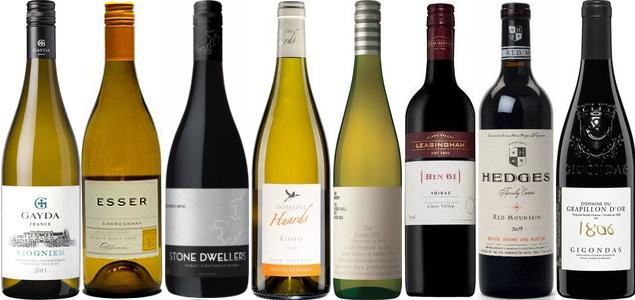
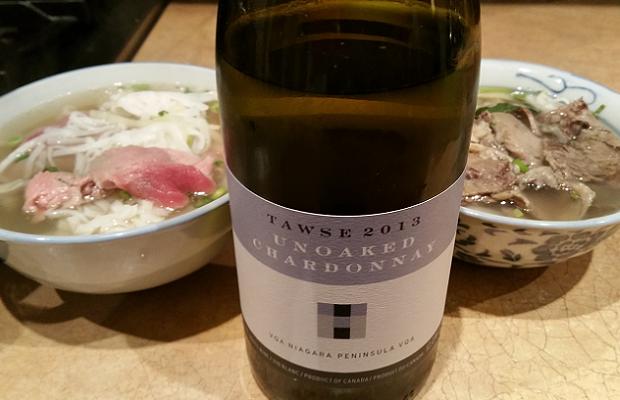
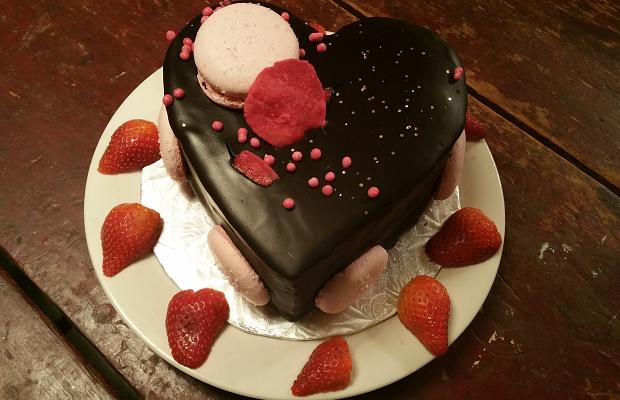
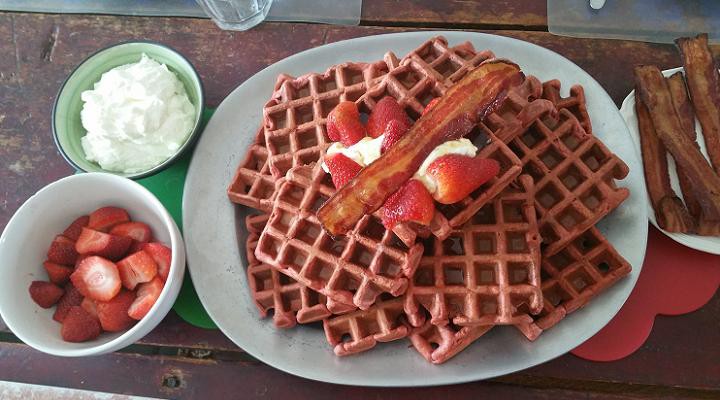
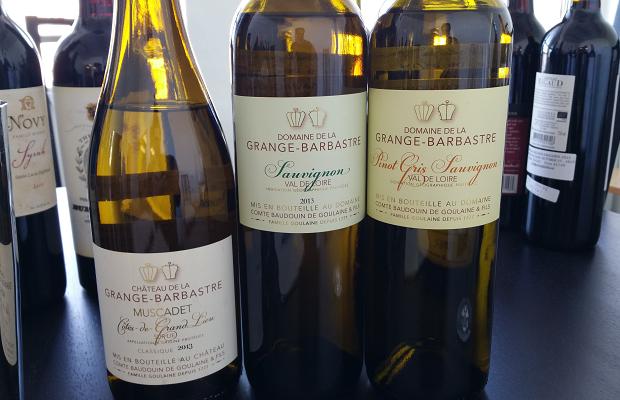
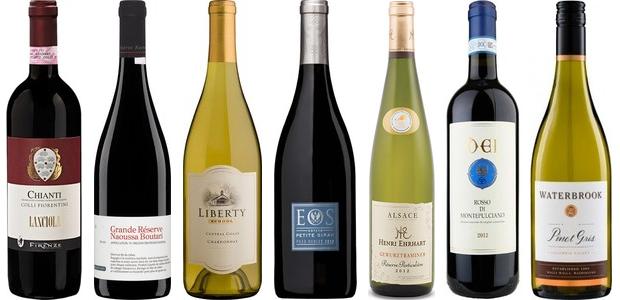

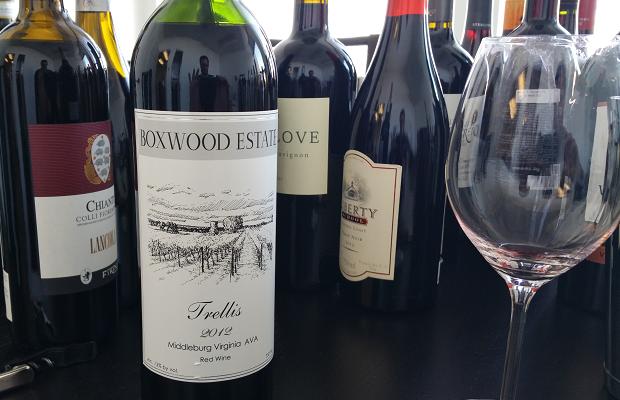
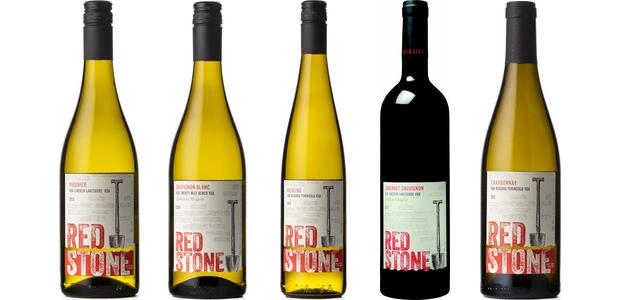
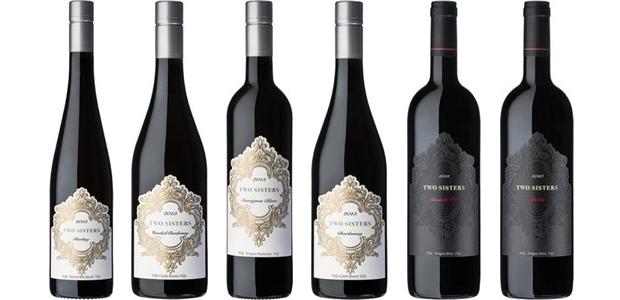
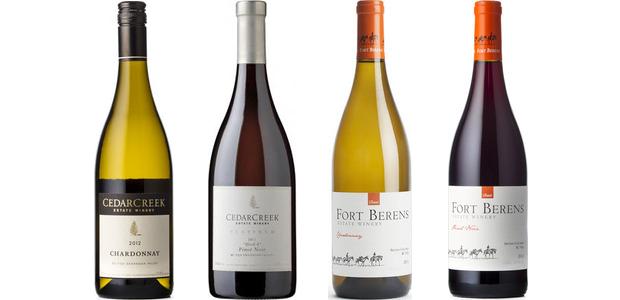
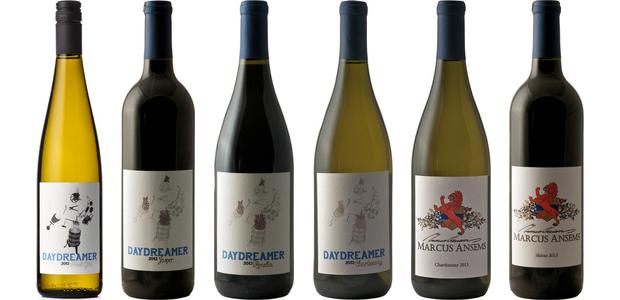
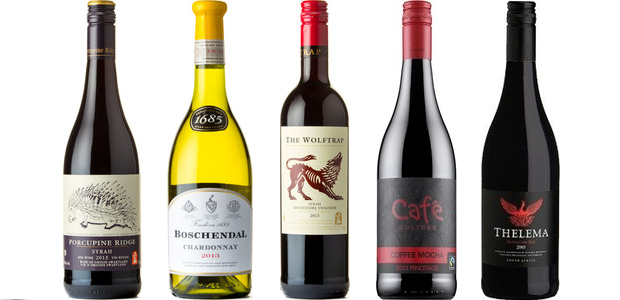

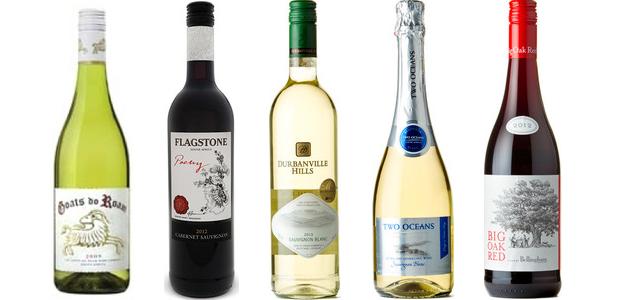

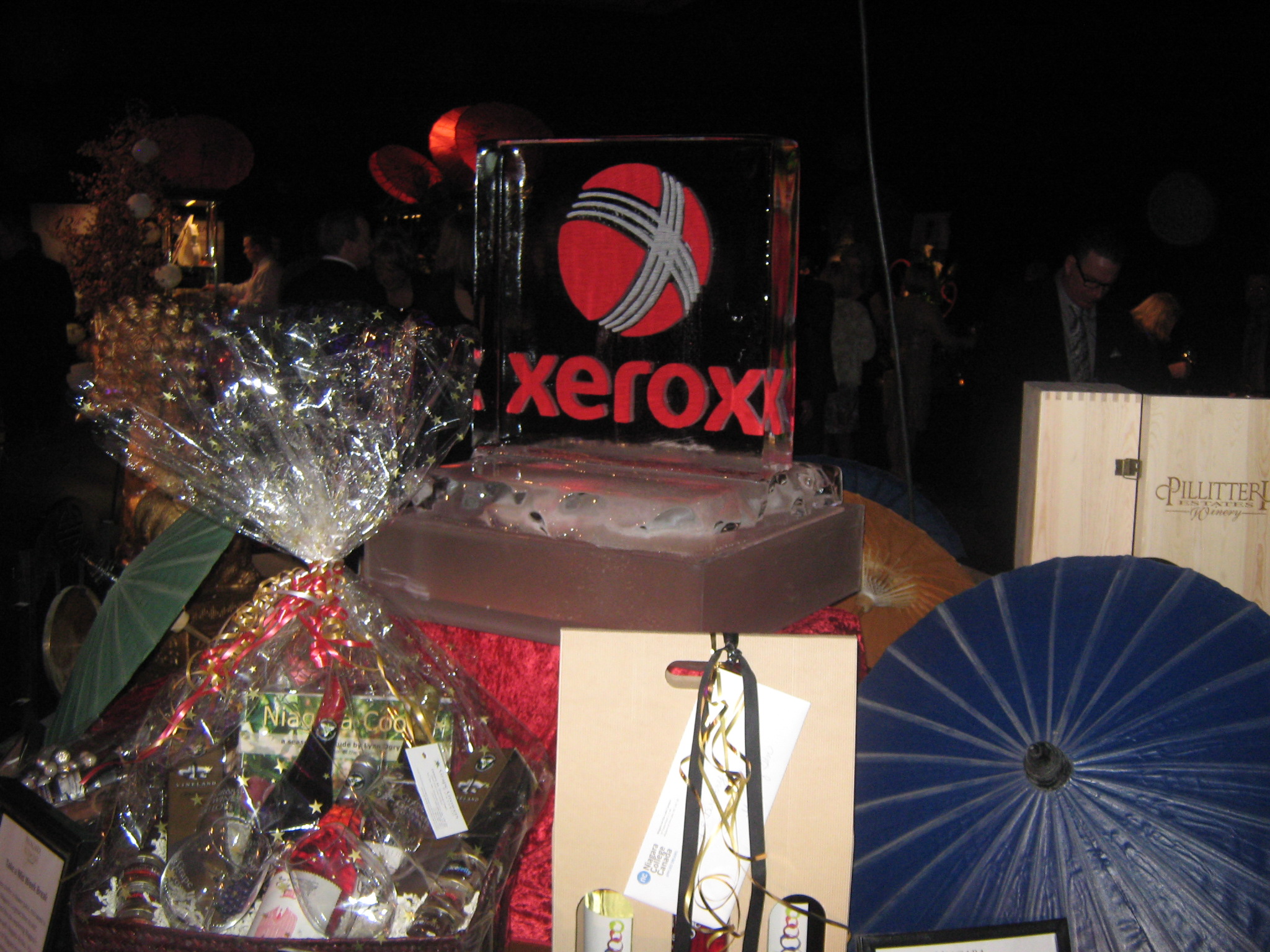


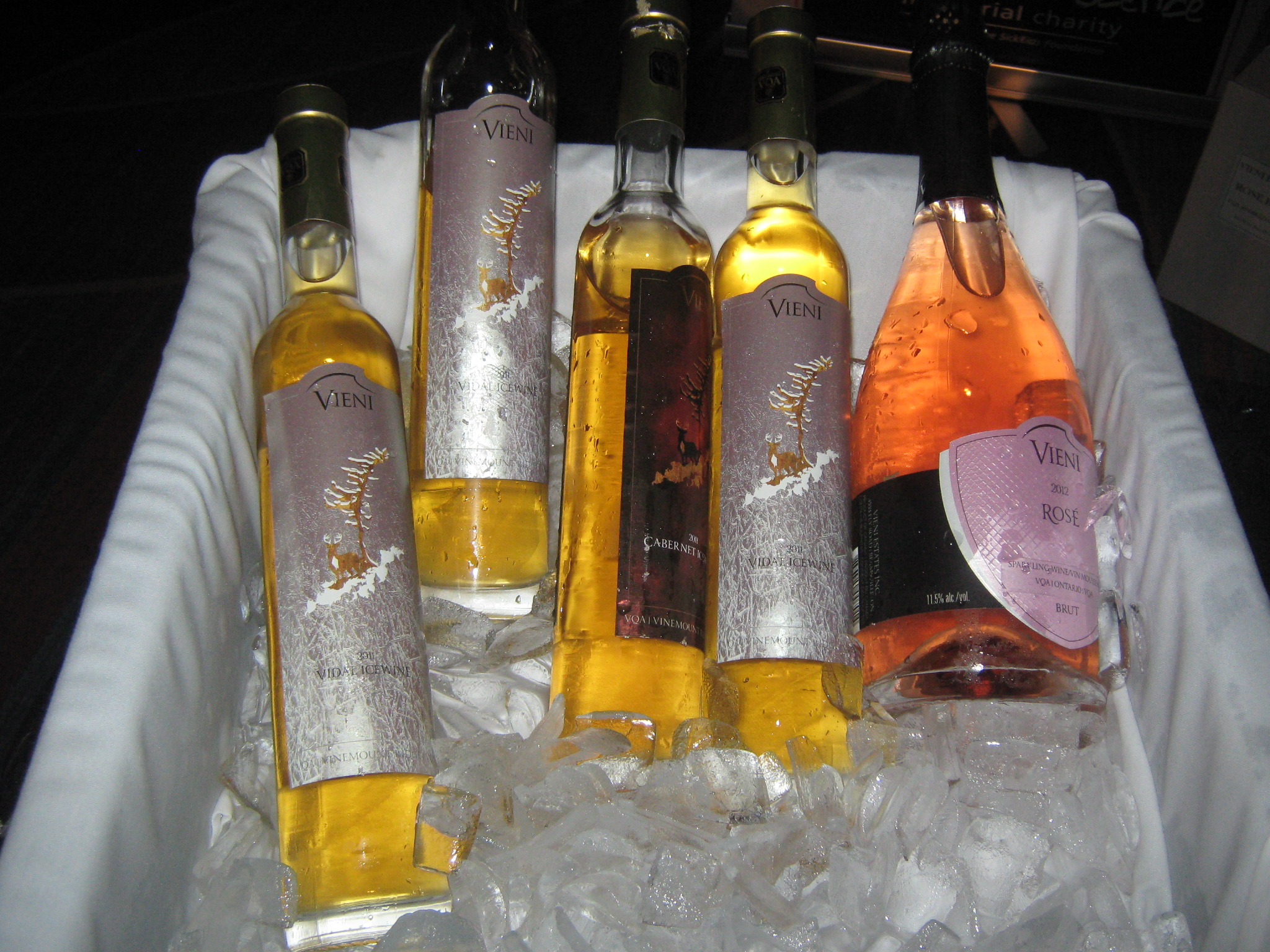
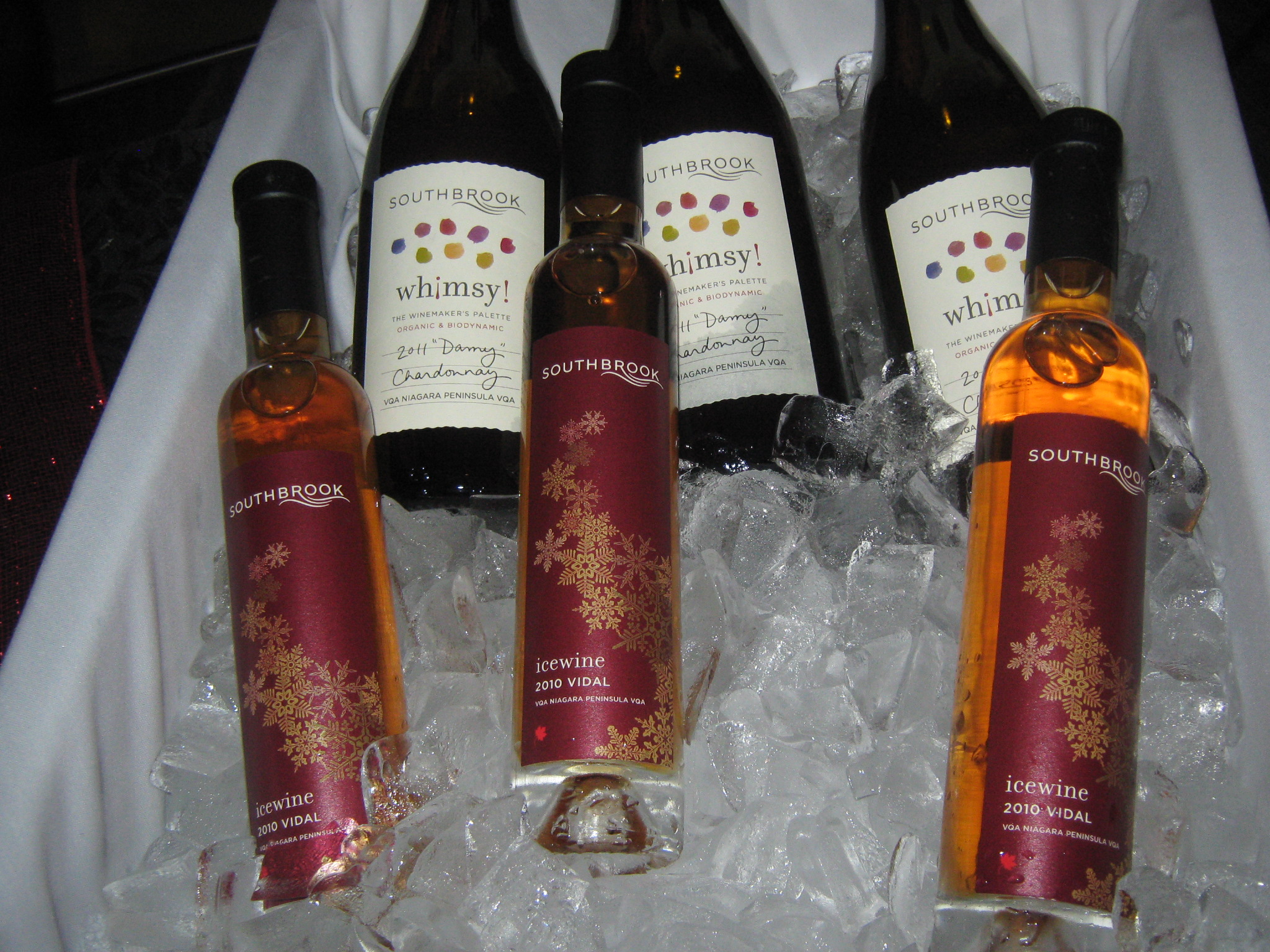
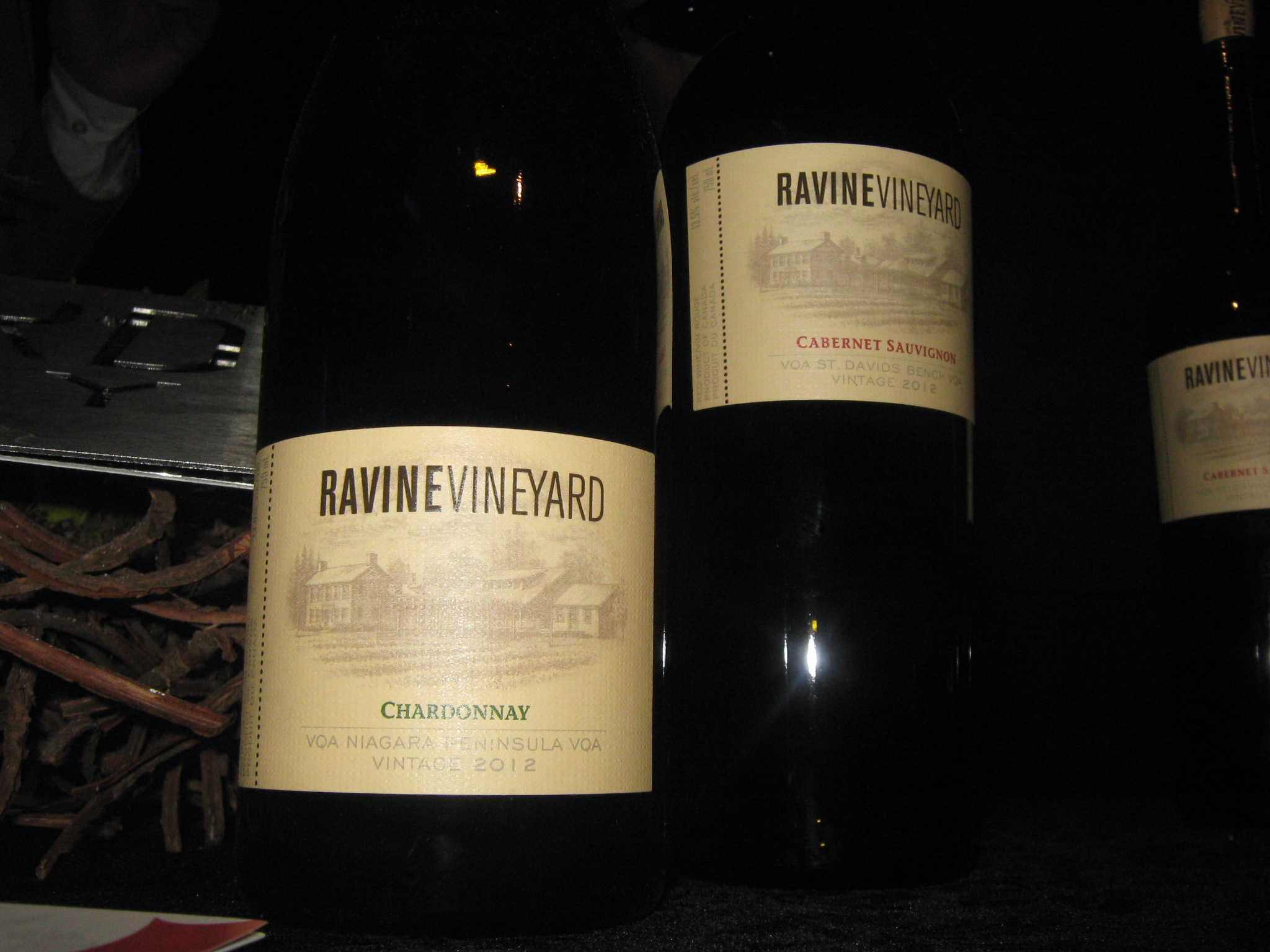

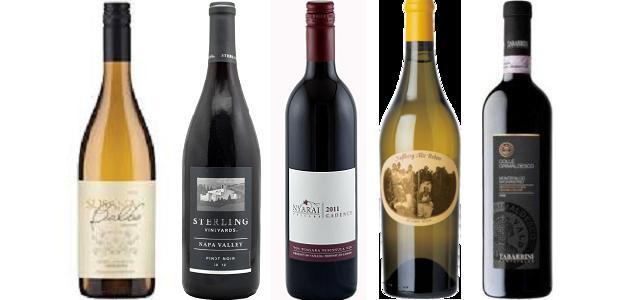

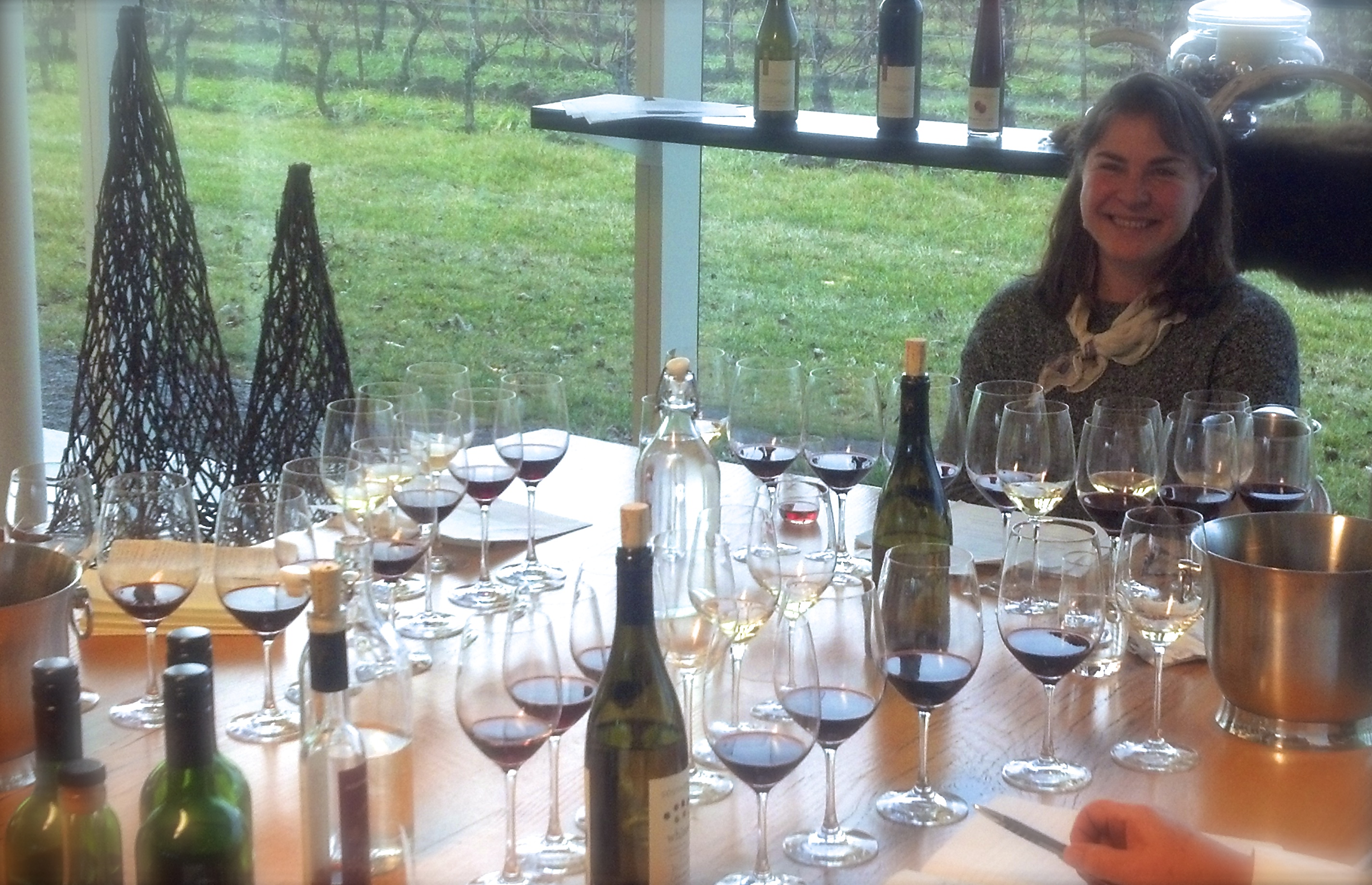
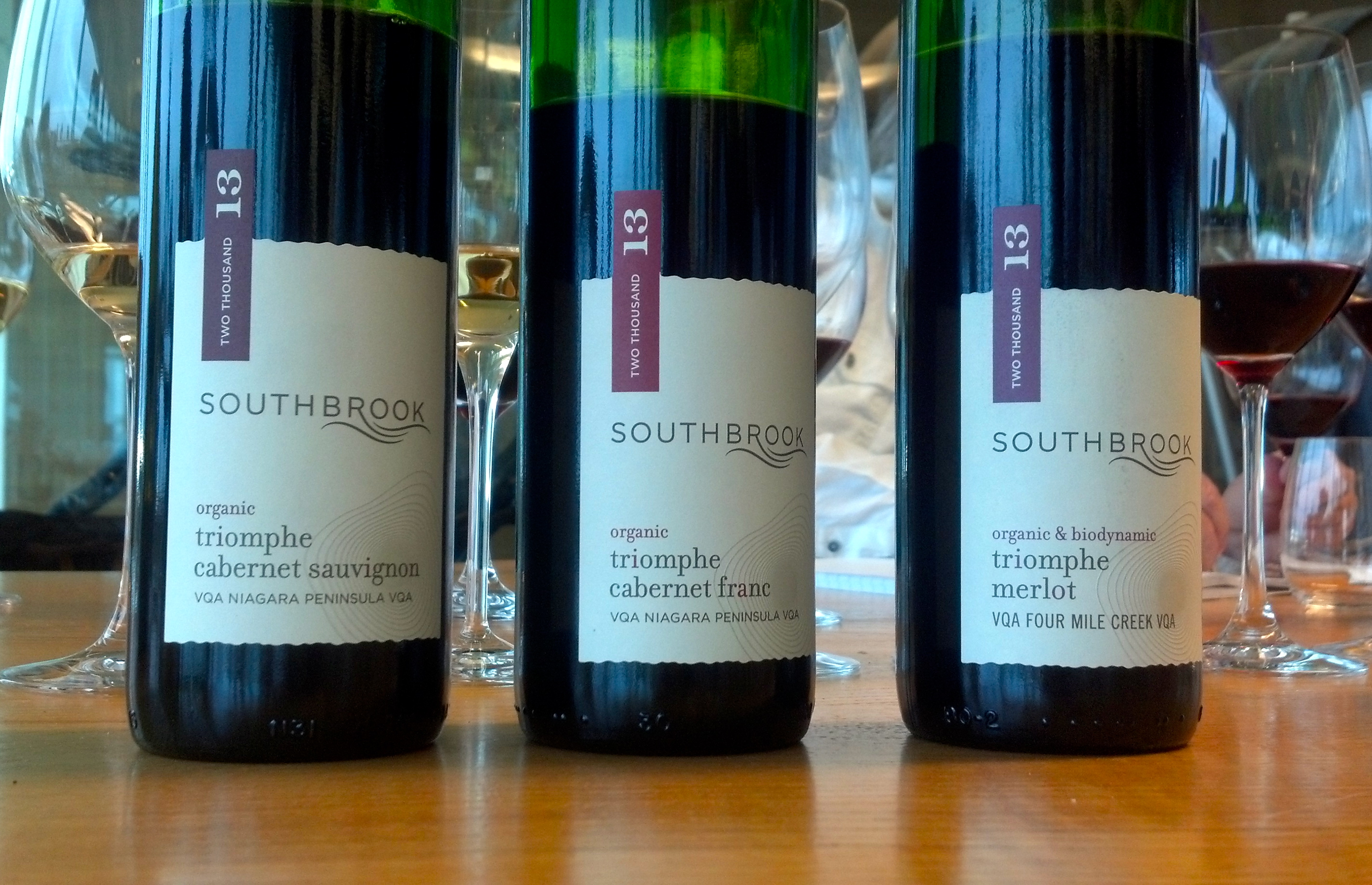
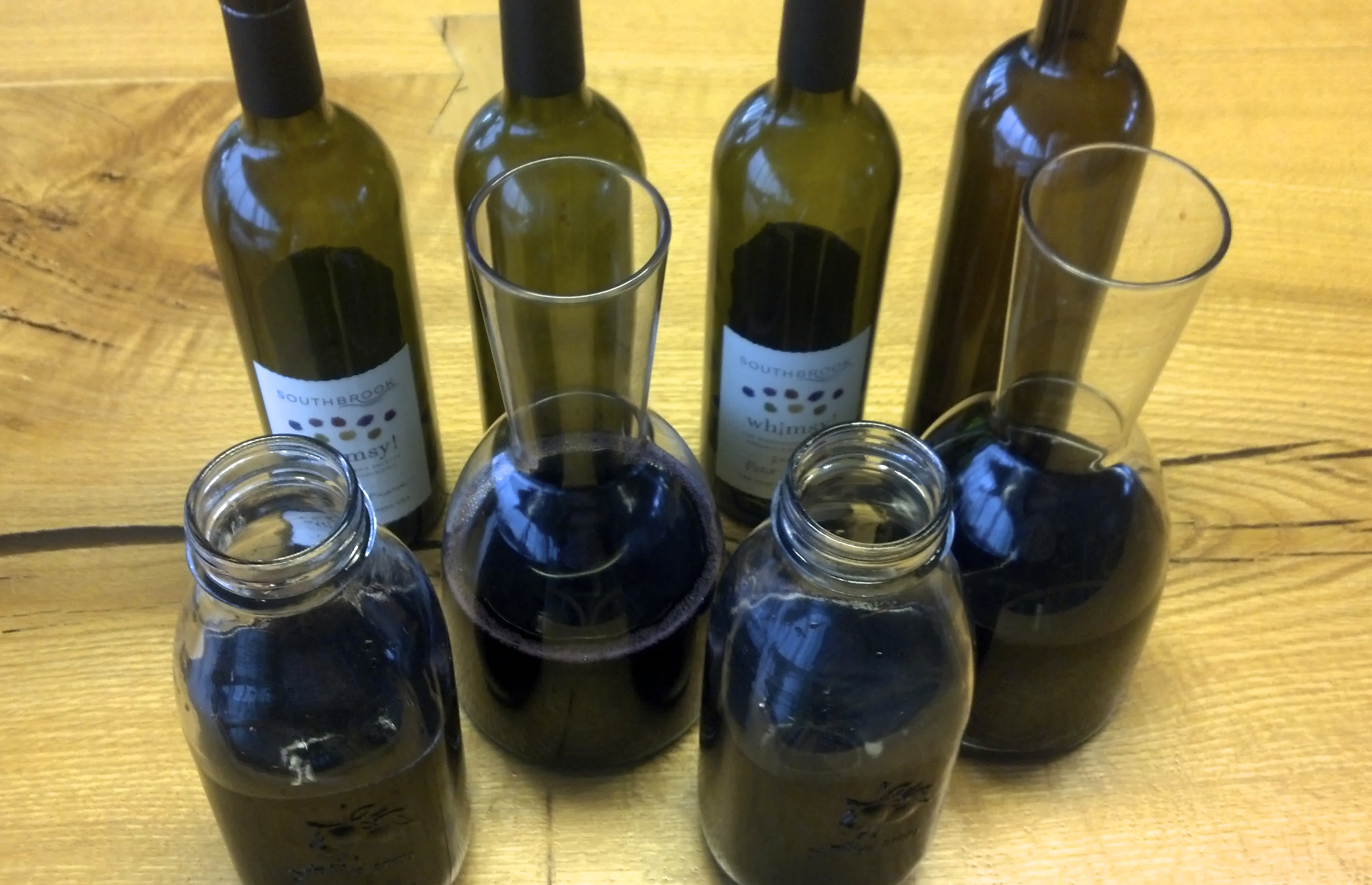
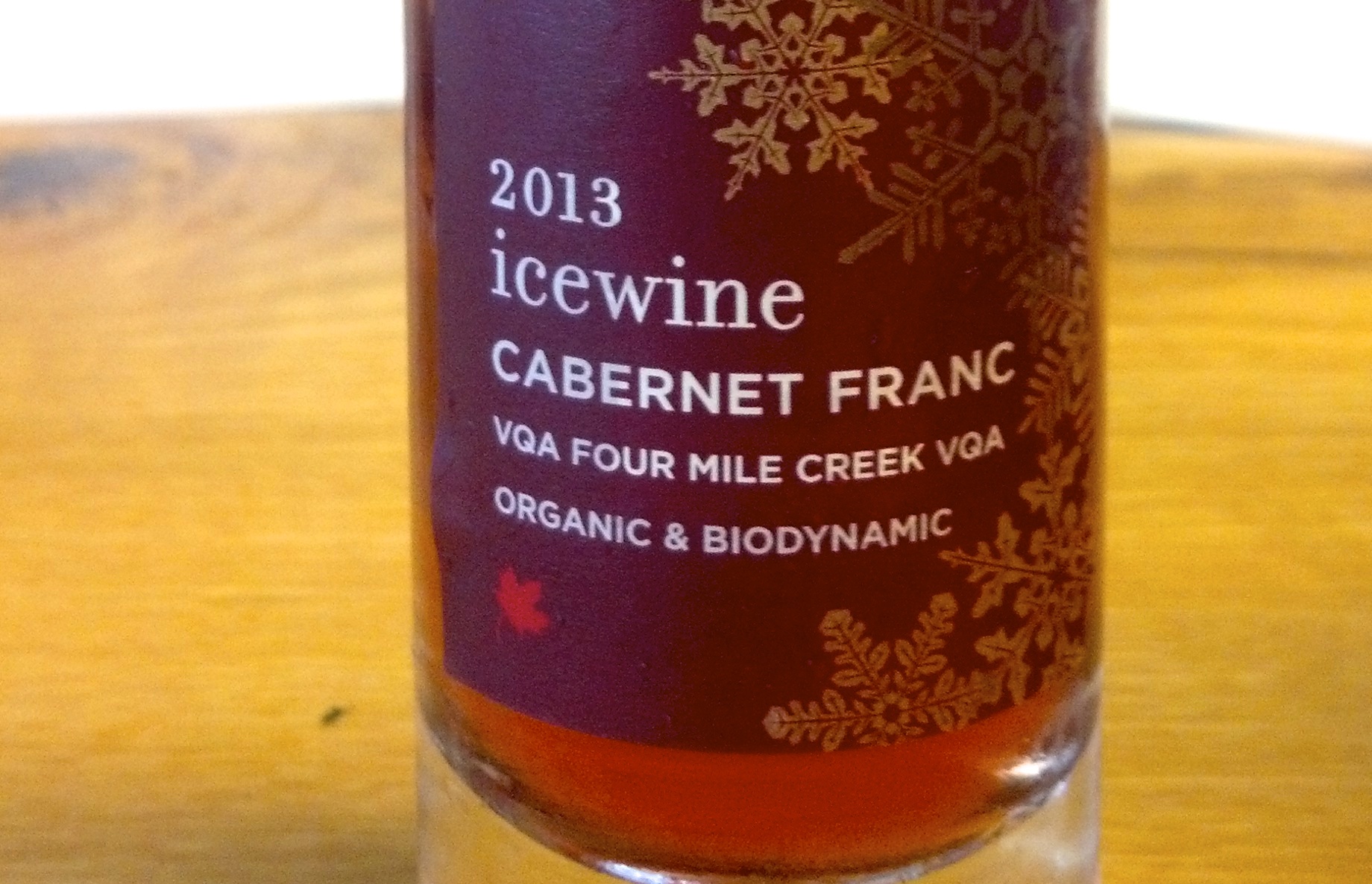
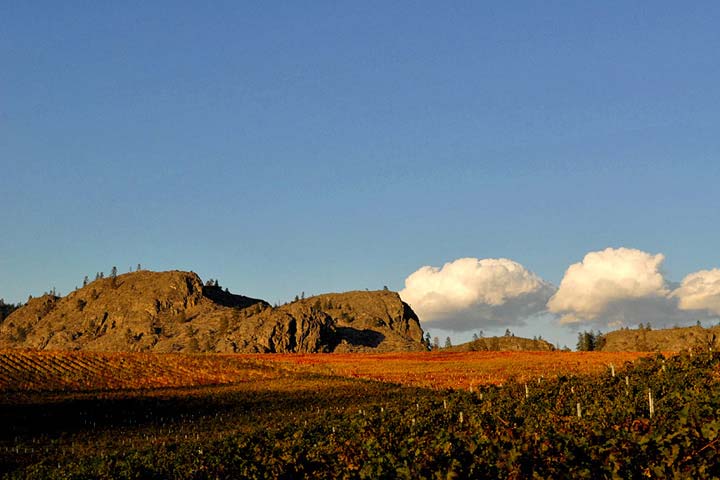


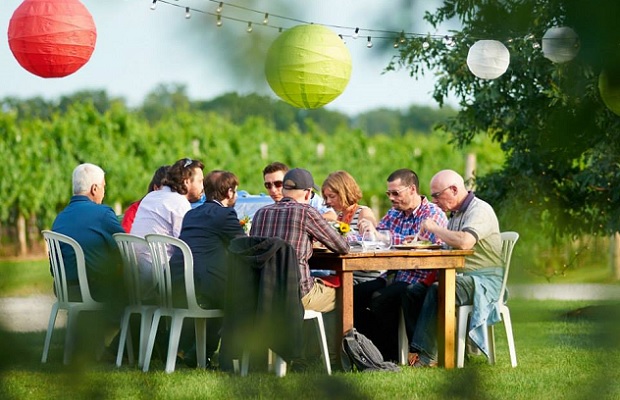

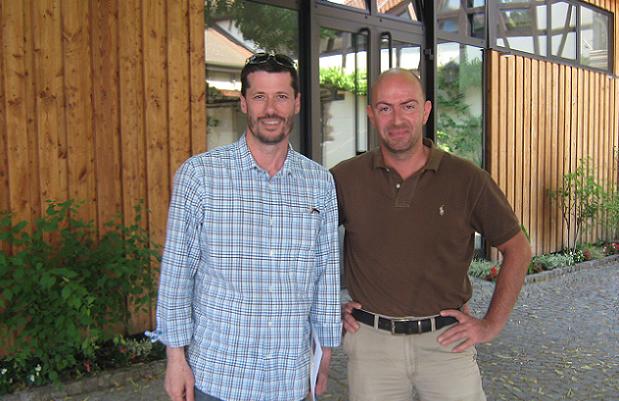
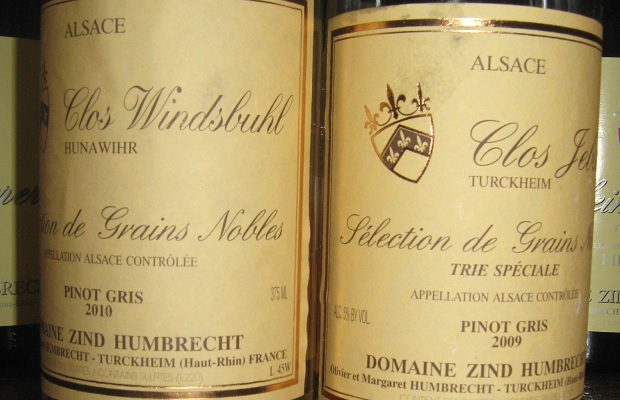


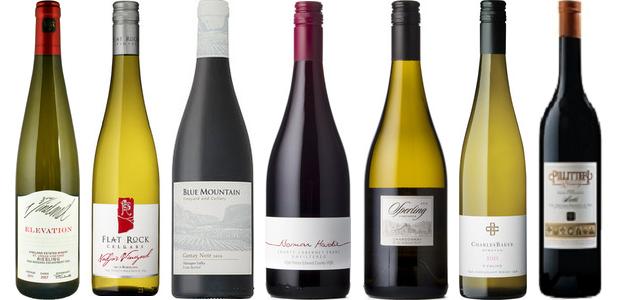
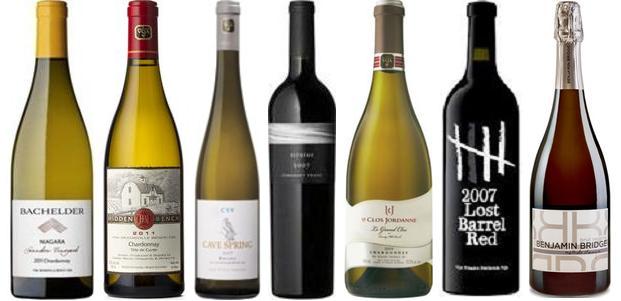
 Godello