Post ProWein tasting crawl trough the Ahr, Mosel, Nahe and Rheinhessen

In March of 2024 Godello reprised a Düsseldorf redux by attending the annual ProWein Wine Fair and then hitting the road for a three-day, four region transversal of German wine-growing regions. Prowein, Messe Düsseldorf and the German Wines Institute brought international journalists through the Ahr, Nahe, Mosel and Rheinhessen. The producers visited were Weingut J.J. Adeneuer (Bad Neuenahr-Ahrweiler); Weingut Forster (Rümmelsheim), Schlossgut Diel and Piri Naturel Christine Pieroth (Burg Layen) and Weingut Anette Closheim (Langenlonsheim); Four producers from Der Ring 1899, a.k.a. the Bernkasteler auction company hosted the group at Die Mosel Vinothek und Winebar, Traben-Trarbach; Weingut Franzen (Bremm), Weingut Walter (Briedel), Weingut Rebenhof (Hochheim am Main) and Weingut Erben Von Beulwitz (Mertesdorf); Last stop was with Weingut J. Neus (Ingelheim am Rhein) in Rheinhessen and finally the press tour concluded with a fascinating Rheinhessen tasting at the Ingelheim Vinothek, presented by Sommelier Shanna Reis. Special thank you goes out to Christiane Schorn, Senior Manager Press & PR, ProWein, Michael Mandel, Messe Düsseldorf and Carola Keller, Marketing Manager, German Wines (DWI). These are the estates, their makers and notes on a collective 80 wines tasted between the 12th and 14th of March.
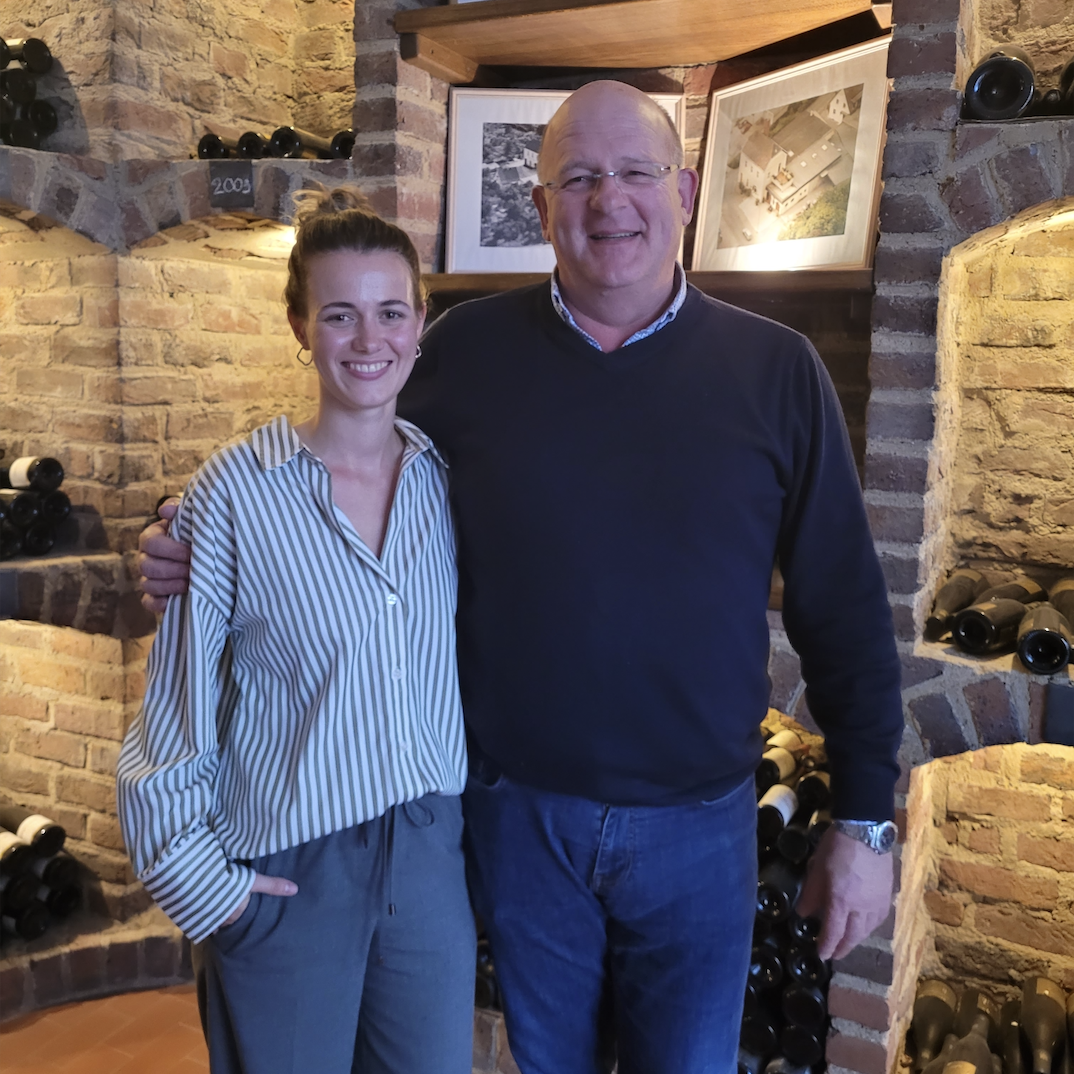
Marc Adeneuer with daughter Francisca – J.J. Adeneuer

Ahr Valley

Weingut J.J. Adeneuer –  Bad Neuenahr-Ahrweiler

Weingut J.J. Adeneuer Blanc De Noir Purist 2022, Ahr Valley

Saignée method Blanc de Noir, reduced from the Grosses Gewächs spätburgunder, finished at three g/L of RS. Simple, fresh and dry. Quite pure as Rosé with a mild pith bitters finish. Drink 2024-2025.  Tasted March 2024

Weingut J.J. Adeneuer Weissburgunder Purist 2022, Ahr Valley

Juts a month on the lees for pinot blanc, now a year in bottle, more about texture and mouthfeel than primary fruit. About as crisp and clean as it gets but again with a mild lime pith bitter finish, much like the Rosé. Length adds to the refreshment of the wine. Drink 2024-2025.  Tasted March 2024

Weingut J.J. Adeneuer Spätburgunder 2022, Ahr Valley

Mildly reductive and also a factor of Ahr Valley terroir, making pinot noir flinty and taut while still this youthful. As with all the Adeneuer pinots they all fall in at 13 percent alcohol, the wood factor only from Bourgogne forests and just 10 percent new. A mix of red berry fruit, more flint stone character and the faintest touch of red fruit but also almond bitters. Would never see this as jammy and chilling it down for maximum freshness is wholly encouraged. Drink 2024-2026.  Tasted March 2024
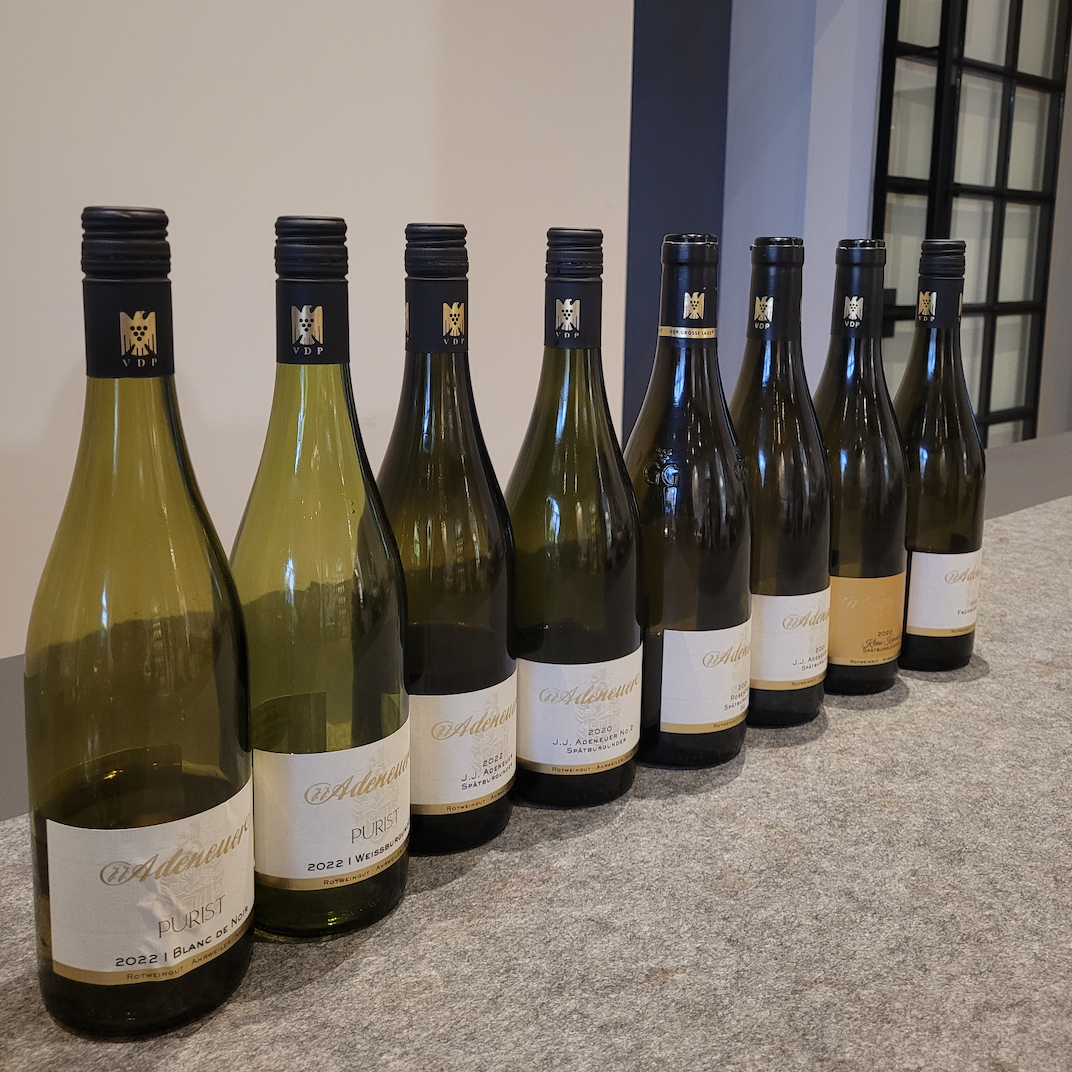
Weingut J.J. Adeneuer Spätburgunder No. 2 2020, Ahr Valley

A pinot noir from after the floods of 2021 and normally bottled after 12 months. Circumstances meant that after the barrels were saved the vintage had to remain in wood for 18 months, only able to be bottled after the clean-up. Caused the alcohol to finish at 13.5 percent instead of the usual 13 and there is more texture as a result. Feels like a bigger and creamier pinot noir with tang and more red berry plus a toastier quality than that of the coming ’21s and ‘22s. Drink 2024-2026.  Tasted March 2024

Weingut J.J. Adeneuer Spätburgunder No. 1 2021, Ahr Valley

A later harvest, two weeks later the 2018-2020 but also the flood vintage when on the night of July 14th and into the 15th the waters filled the cellars and basements plus halfway up the ground floor of the winery. The No. 1 always remains 18 months in barrel, fruit coming from the lower Ahr Valley vineyards in three villages. The soils are 60 percent volcanic rock and the basaltic reek is felt in palpable aromatic display. Much more lactic and blood red citrus style plus this porcine smokiness, like Speck bacon. More structure and only GG plots are used – three of them. Drink 2025-2029.  Tasted March 2024

Weingut J.J. Adeneuer Spätburgunder Kleine Kammer 2022, Ahr Valley

J.J. as in Johannes Josef (ancestor from the 18th century, dating to 1776). Kleine Kammer, meaning “small (fermentation) chamber.” This Adenauer pinot noir comes off of soils of only pure slate with sandy loam, the second choice from a GG site, a terraced plot measuring only 0.68 hectares in size. The rule in Germany for GG is such that you can’t use a site’s name twice, thus the fantasy name. Vines are 50-60 and 80-100 years of age with the younger vines giving fruit for this wine. Ages in 1,800 to 2,000L barrels, namely Taransaud. No real toast to speak of, nor new wood feels or bitters in any notable way. Classic slate example that expresses its terroir and since 1776 as a Monopole. from vines with deep roots that never see their berries get sunburnt. A beauty and grace about this, quite getable and with sneaky structure. Made with the Kastenholz clone, grandchild of a pinot noir original. Drink 2024-2028.  Tasted March 2024

Weingut J.J. Adeneuer Spätburgunder Rosenthal GG 2021, Ahr Valley

J.J. Adenauer is now Marc Adeneuer with daughter Francisca and together they farm 13 of 540 hectares in the region, third most from the fourth smallest region in Germany. A red wine specialist with 90 percent red grapes, mainly pinot noir while the rest is weissburgunder and now just starting with chardonnay. Basically a place where Bourgogne grapes thrive. Rosenthal is mainly sandy loam and graywacke soils to gift pinot noir with a purity, crispiness and liveliness. You simply will not find more fresh fruit purity from any of the other Adeneuer pinot noirs. Comes from 2.5 hectares in the GG vineyard and the acid structure here is sensational – the catalyst and reason why this will age longer and slower than the other wines. This was the flood vintage too so kudos to the estate for sticking with it and creating this delight of a pinot noir. Drink 2025-2031.  Tasted March 2024

Weingut J.J. Adeneuer Frühburgunder 2022, Ahr Valley

Varietal frühburgunder, fresh and clean, clean, clean. Floral, without musculature, gamay like and though labeled at 13 per cent it’s really 12.7. Chill this and put away the serious talk. More than go gamay go – it’s fly frühburgunder fly. Approximately 1,500 bottles produced (plus 500 of the GG). Drink 2024-2025.  Tasted March 2024
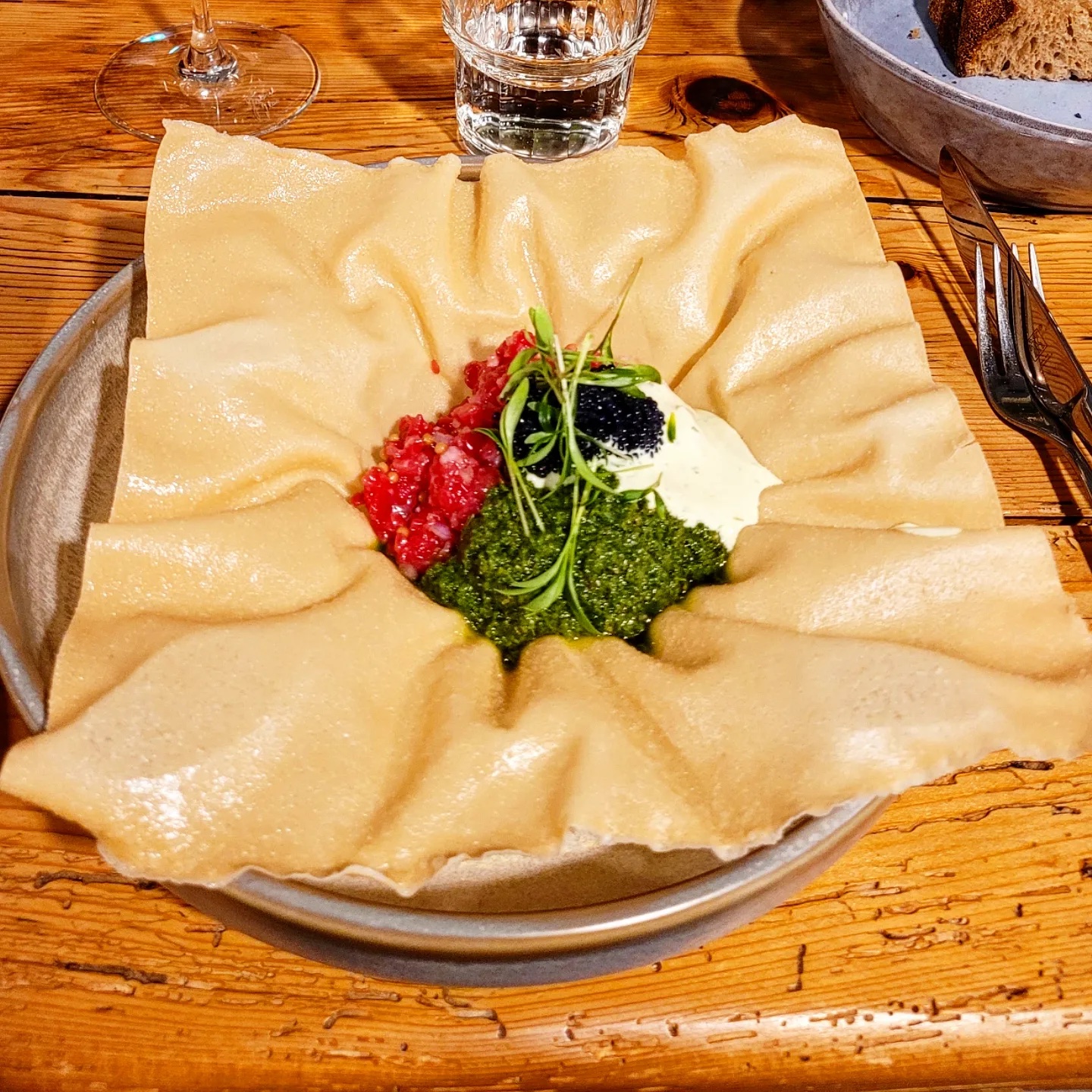
Beef Tartar – Kräter Sauce, Pinienkerne, Koriander, Chips – Die Mosel Vinothek und Winebar, Traben-Trarbach

Mosel

Der Ring 1899 at Die Mosel Vinothek und Winebar, Traben-Trarbach

Weingut Franzen – Bremm

Weingut Franzen Riesling Der Sommer War Sehr Groß 2022, Gutsweine, Mosel

A dry Mosel riesling which means 10.2 g/L of RS, 7.3 TA and finished at 11 percent alcohol. “Winegrowing on a razor’s edge” for a riesling “summer project” begun in 2011, “a cuvée that presents the cross-section of our vineyards and combines all the advantages of the individual locations in one wine.” Spontaneous ferment, as with all the wines, not far from Cochem where the steepest vineyard in Europe slopes to 68 degrees. A riesling of what feels like crazy conversion rates coming from red slates and seasoned with many spices. You would literally have no idea there is any sugar in this wine and the length is exceptional. Drink 2024-2027.  Tasted March 2024

Weingut Franzen Riesling Bremmer Calmont Großes Gewächs 2022, Lagenweine, Mosel

Bremmer Calmont delivers far more spice and power than the Franzen blend, here off of pure slate on a 65-degree slope which happens to be one of the steepest vineyards in Europe. Calmont is about as dry as riesling gets and its scintillant-mineral quality delivers true Großes Gewächs distinction. Extreme aridity perceived matched by intense sapidity that only this specific Mosel red slate provides. A riesling of trenchant intention, compact and stone cold concentrated. Serious wine. Drink 2024-2029.  Tasted March 2024
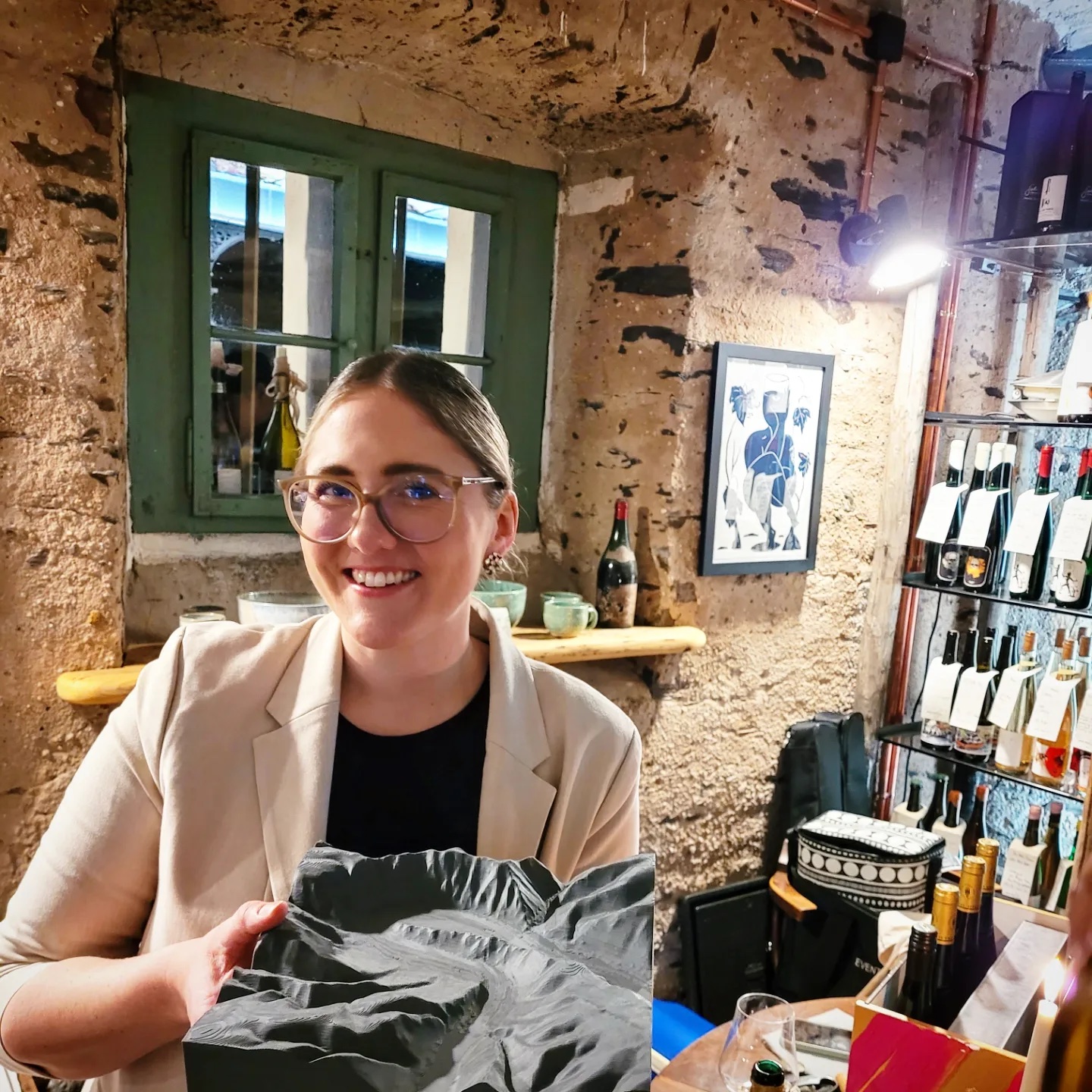
Angelina Franzen – Weingut Franzen

Weingut Franzen Riesling Calmont Trocken 2021, Lagenweine, Mosel

Dry riesling from the steepest 65 degree vineyard of oxidized red Devonian slate and quartzite raised only in steel. The specs are 8.5 g/L of residual sugar matched by 7.6 g/L of acidity with 11.0 percent alcohol and as far as vintages are concerned this would be one to really age. Namely because of palate density but also because the acidity is as fine and finessed as it gets for this composition. May not pierce your riesling heart, or soul but it will age well. Drink 2024-2030.  Tasted March 2024

Weingut Franzen Riesling Fachkaul Großes Gewächs 2020, Große Lagen, Mosel

Fachkaul is the parcel which forms a kind of mini-amphitheater-shaped bowl where at the end of the 1990s Kilian Franzen’s father Ulrich restored and replanted the vines. The epitome of Killian and Angelina’s story, a Calmont tale fraught with adversity, challenges and heartache, but this small (1.6-ish hectare) plot means everything. Mineral that matters, red slate and the steepest slope where all that is important, essential and profound result in singular riesling. Not quite as dry as the Bremmer but higher in acid, more stark, expletive and magical. Sapid lime intensity, long, significant, precise, consequential and just recently bottled in January. Drink 2025-2032.  Tasted March 2024
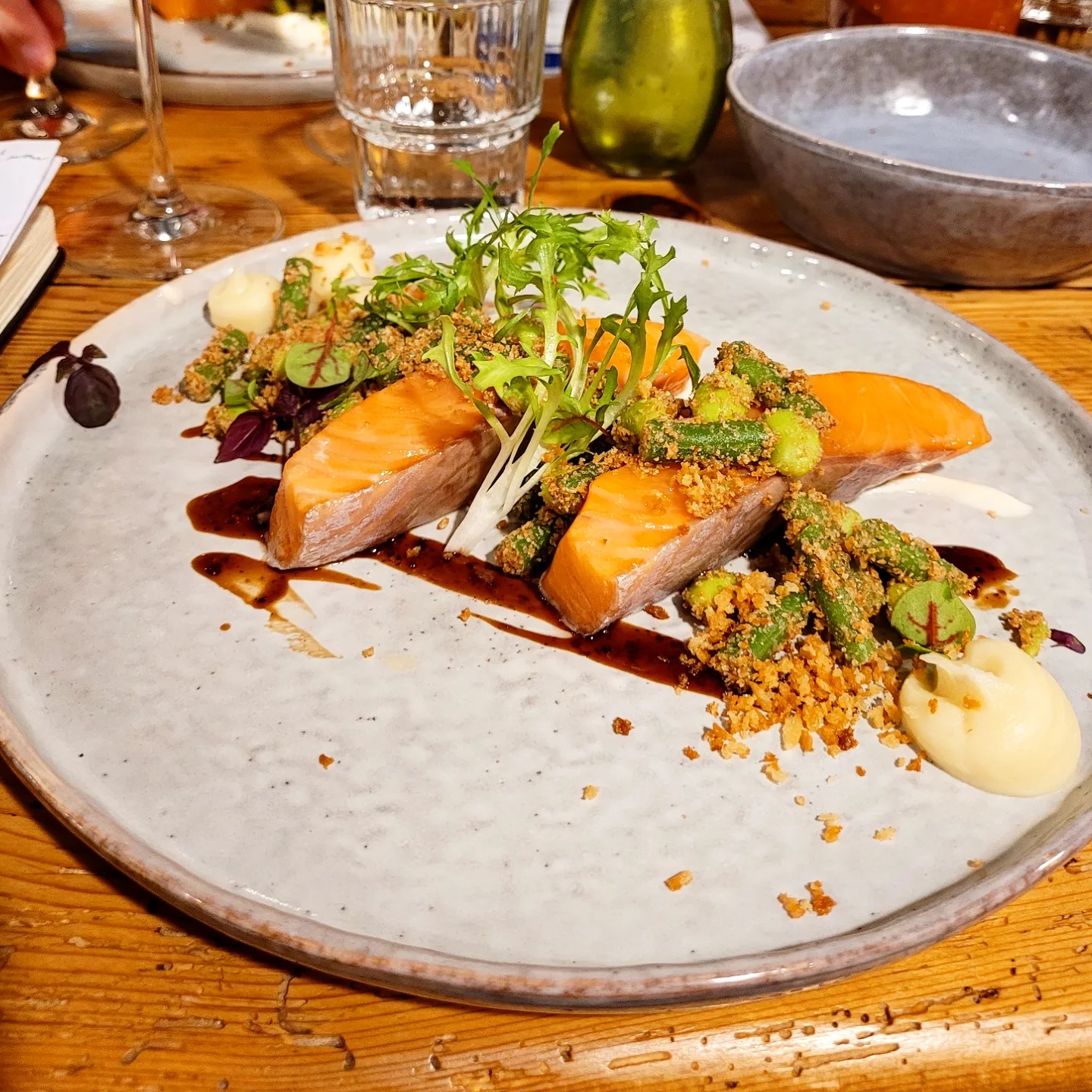
Lachs – Tofu Puree, Edamame, Bohnen, Dijon Sauce – Die Mosel Vinothek und Winebar, Traben-Trarbach

Weingut Franzen Riesling Fachkaul Großes Gewächs 2017, Große Lagen, Mosel

In a perfect place at this six to seven year stage, from one of the warmest seasons with lots of rain at harvest. Picking began in the second week of September and required many passes in the vineyard with a stringent selection to create (an overall) 15 skus for 11 hectares. The work of Killian and Angelina, students from Geisenheim who began this journey of family necessity at the ages of 23 and 20. A softer Fachkaul but that is the maturity speaking for riesling of a sapid tug on red slate, one and a half hectare mineral-varietal heartstrings. Quite remarkable and with three great years still laid out ahead. Drink 2024-2027.  Tasted March 2024

Weingut Franzen Riesling Sterneberg Großes Gewächs 2020, Große Lagen, Mosel

Killian and Angelina Franzen’s best plot in the Neefer Frauenberg is called Sterneberg. Vines were planted in 1938 on grey slate for a different, next level mineral quality and quotient for Mosel riesling. These are own-rooted vines, old, experienced and wise, their resulting dry wine coming away like the desert because sugar and acids near-equal come together seamlessly. The most viscosity and texture of the Franzen rieslings, from a hot vintage and so concentration, unctuousness, flesh, pulp and glissade are all at peak performance. Glorious and confident, outspoken but only to make sure we understand its origins and Franzen abides by its voice. Drink 2024-2033.  Tasted March 2024

Gerrit Walter and Angelina Franzen

Weingut Walter – Briedel

Weingut Walter Riesling Trocken 2022, Gutsweine, Mosel

From Briedel, next village out of this tight turn in the Mosel from Pünderich where Clemens Busch farms their riesling. The Walter Trocken is just 6.5 g/L of residual sugar pretty much hidden by 6.9 of TA. Six to eight hours of skin contact for a phenolic, taut, lime doused example off of the grey slate of the Briedel Vineyard. Solid effort and notably modern. Drink 2024-2025.  Tasted March 2024

Weingut Walter Riesling Feinherb Briedeler 2022, Ortsweine, Mosel

Villages quality wine from Briedel, not as dry as the Trocken with three times the residual sugar, here at 10 g/L. A floral-herbal expression, fresh, light and modular. The acidity functions to make the malleable wine travel to the back palate and structure is formed because of this movement and interaction. Very well made Feinherb style by Gerrit Walter for simple pleasure, especially with a piece of cheese or beef tartare with pine nuts and a high acid mustard sauce . Drink 2024-2026.  Tasted March 2024
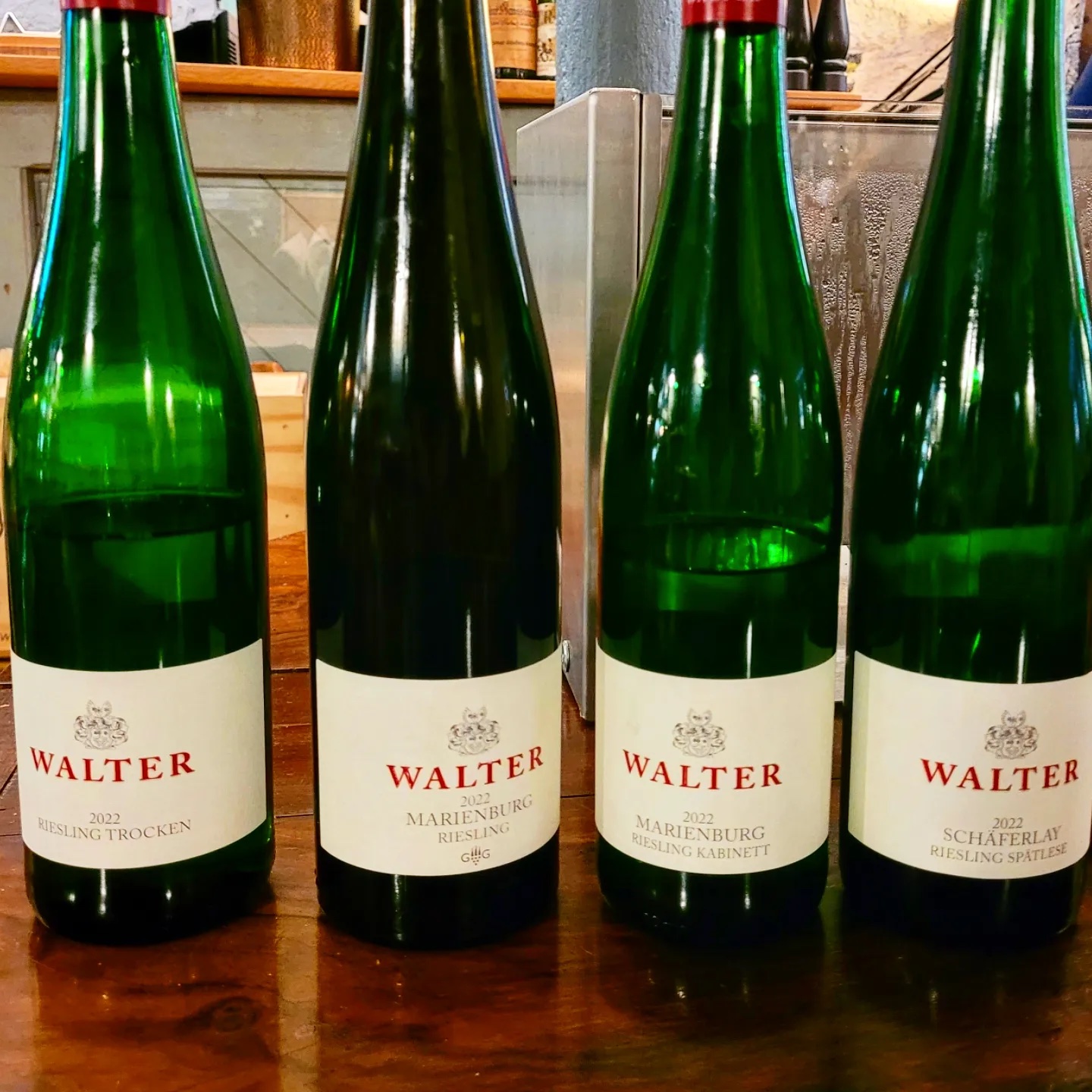
Weingut Walter Riesling Pünderricher Marienburg Großes Gewächs 2022, Mosel

Gerrit Walter is the next generation producer of this GG riesling out of Briedel’s grey slate vineyard. Sees a longer maceration of 12-15 hours, comes away super dry (3.1 g/L), matches the Trocken’s acidity and finishes at a Mosel high 12.6 per cent alcohol. This is not about fruit but rather the type of mineral focus that comes from Marienburg, with increased seasoning, spice, elements and tonic-edgy florals, though it is not the most phenolic of rieslings. Cracker example, truly dry and in command of the palate. Drink 2024-2028.  Tasted March 2024

Weingut Walter Riesling Kabinett Pünderricher Marienburg 2022, Lagenweine, Mosel

One of two recognizable styes of riesling made by Gerrit Walter to carry on with Mosel tradition even while he and many young generation winemakers are turning to drier and drier. This from an early harvest resulting in 45 g/L of residual sugar, far from searing 8.0 TA and low-ish alcohol at 8.6 percent. There is more fruit here in a light, refreshing yet in its own way also intense style that the estate has been making for 10 years. “Kabinett means light, vibrant and elegant,” explains Gerrit and his Pünderricher is without any real skin contact, but the tangerine-orange peel aroma really kicks things off. The length is indeed outstanding. Drink 2024-2029.  Tasted March 2024

Weingut Walter Riesling Kabinett Marienburg 2016, Lagenweine, Mosel

When talking about his 2022 Pünderricher from Marienburg Gerrit Walter noted that “Kabinett means light, vibrant and elegant,” three things this 2016 most surely had been. Not anymore because age has exaggerated the aromas if also softened the palate flavours. This divergence has resulted in maturity and a dispersion of parity. There is some interest for this fine if past prime look at a Marienburg riesling.  Tasted March 2024

Weingut Walter Riesling Spätlese Briedeler Schäferlay 2022, Lagenweine, Mosel
No botrytis came about for Walter’s late harvest riesling with 63.2 g/L of RS, higher 9.3 at TA and 8.6 percent alcohol. Elegant, concentrated and optimum if unassuming ripeness for this lime cordial, mineral salts and cracker acidity style. In fact the blade swipe makes for an intensely serious and stood up to be counted riesling that demands attention. Serious but as mentioned also elegant which is a very good combination. Drink 2025-2031.  Tasted March 2024

Weingut Rebenhof – Hochheim am Main

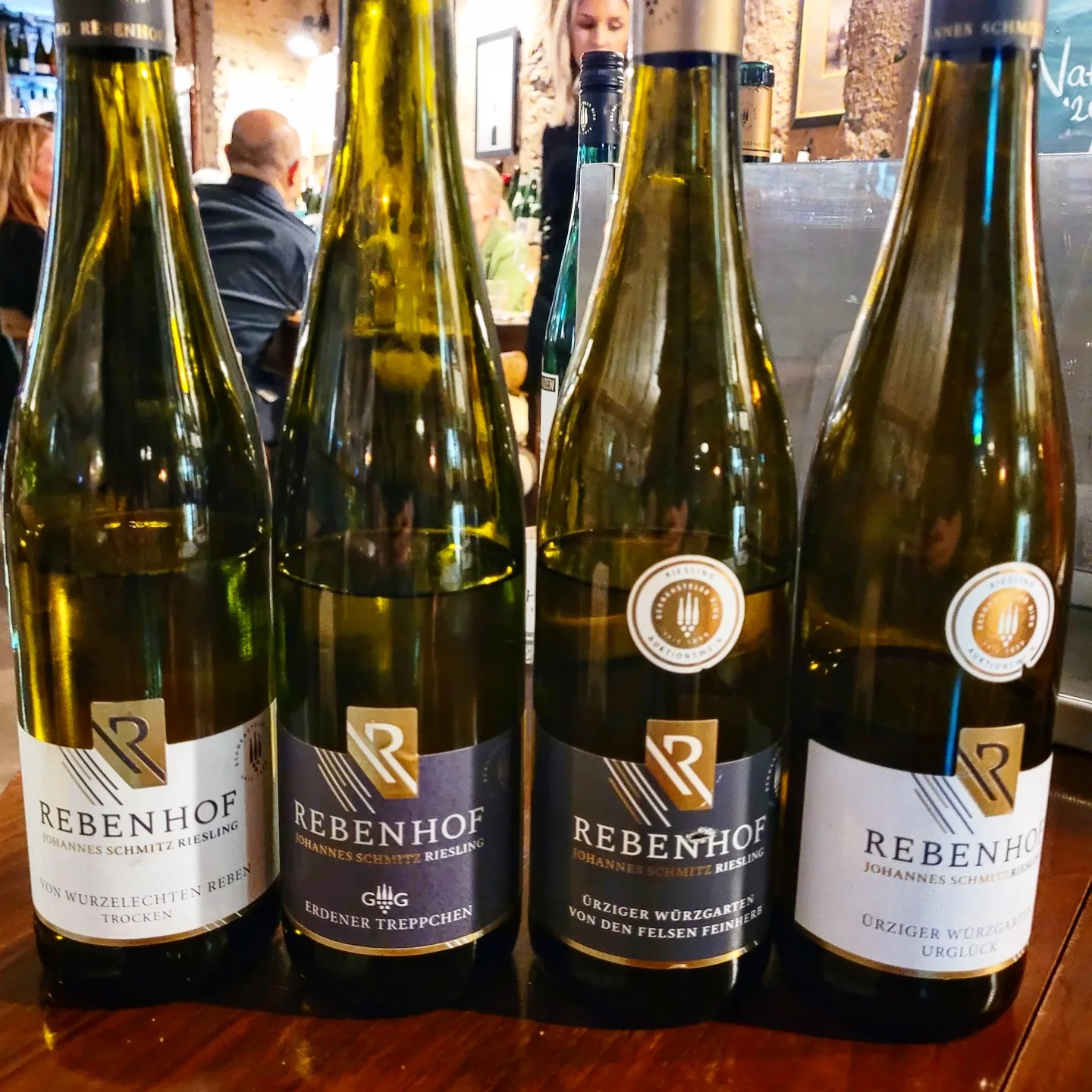
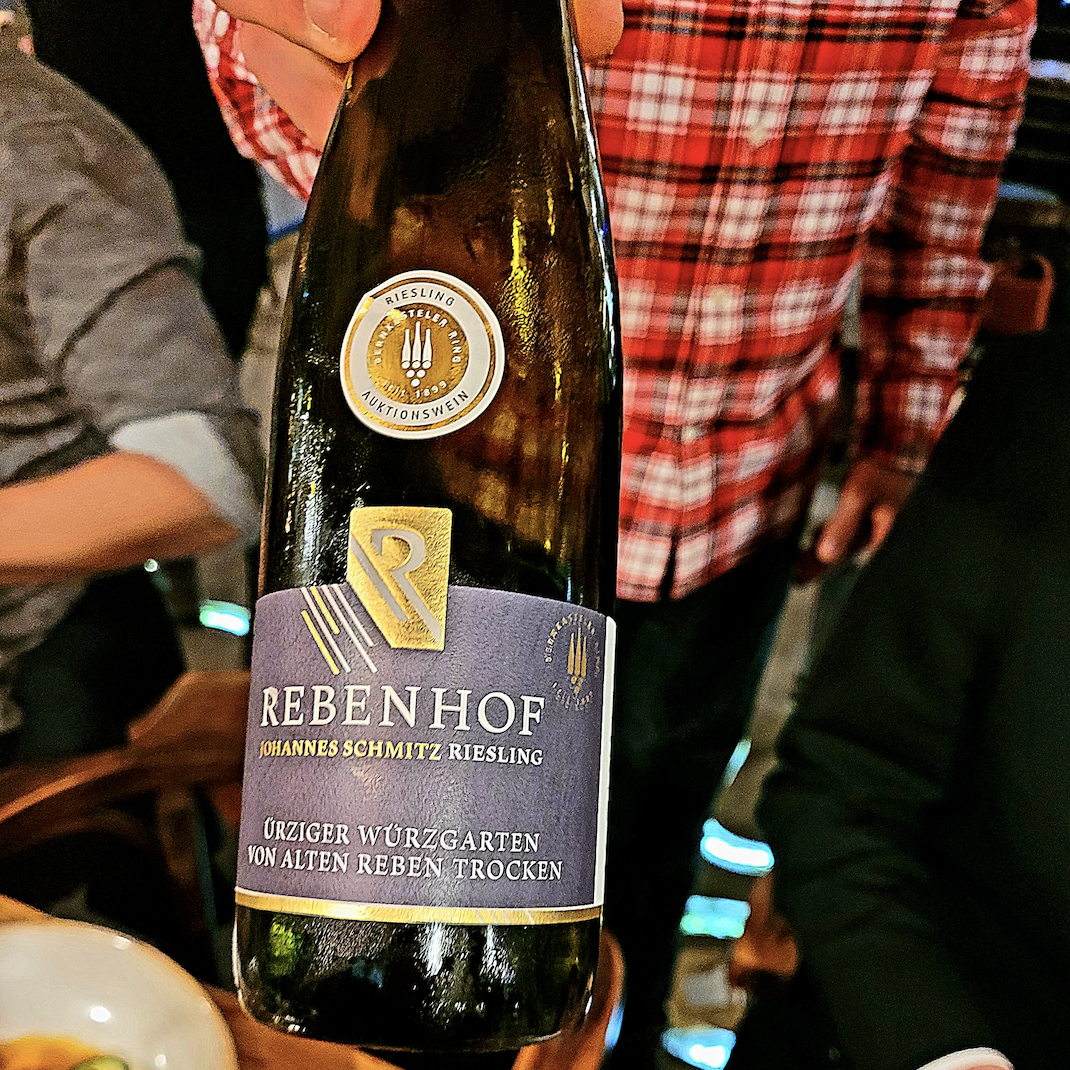
Weingut Rebenhof Riesling Kabinett Trocken Ürziger Würzgarten Von Wurzelechten Reben 2022, Hochheim am Main

Ürzig is a village in the Bernkastel district of the Mosel and the Ürziger (vineyard) is a place of red slate, often lending a spicy or salty character to the riesling grown there. Wurzelechten basically means “own or unrooted,” a significant case because there are between 50-60 hectares of un-grafted vines in all of Germany, about half of them planted between 1910 and 1935. Topsoil must exist over stoney soils for Phylloxera to attack and the slate in this part of the Mosel is not one of those locations. Rebenhof’s Kabinett is the truest form of Trocken and one of the zestiest you are ever likely to encounter. Matching sugar and acidity numbers create the equilibrium, both at 6.8 g/L with alcohol right there in the median sweet spot at 11 percent. Tons of lime, mostly zest and the intensity never relents. Still there is a fulsome aspect and so time should soften the attack and coax out some flesh. Unique riesling in any case. Drink 2025-2029.  Tasted March 2024

Weingut Rebenhof Riesling Großes Gewächs Auktionswein Erdener Treppchen 2020, Hochheim am Main

A riesling with the Auktionswein classification which means it its part of the Bernkasteler Ring E.V., which is the oldest wine auction company in Germany. A Großes Gewächs (a mark of quality by top producers from best sites making dry wines) from the iron-rich, red slate soils of the Erdener Treppchen (village of Erden in the Mosel’s Bernkastel area). The 2020 is a wine of dichotomies, still on the dry side but with elevated numbers as compared to the Ürziger. Here riesling is at once salty but the acid presence (as a quotient of this vineyard’s minerals) creates an opposing sense of sapidity. Diversity from start to finish, a wine of waves and oscillations, multifold mineral movements and a gelid texture to the palate. Higher alcohol contributes to the elevated weight. Drink 2024-2028.  Tasted March 2024

Weingut Rebenhof Riesling Spätlese Ürziger Würzgarten Von den Felsen 2018, Hochheim am Main

A new style of Spätlese riesling, well ahead of its time from 2018 out of the Ürziger Würzgarten with just a bit more than one-third of the residual sugar of the Kabinett. Here at 29.5 g/L and higher alcohol (11.0 percent) than might have been thought. This modern approach makes for a sapid riesling despite the sweetness, quite phenolic, ripe and grippy, rich and creamy yet intensely mineral. A lime cordial meets sherbet style with backbone, attitude and potential. Drink 2025-2031.  Tasted March 2024
Weingut Rebenhof Riesling Kabinett Auktionswein Ürziger Würzgarten Urglück 2022, Hochheim am Main

Fabulous nose with exceptional aromatics mark the entry of this very sweet riesling made in a singular Kabinett style. A riesling of nectarine and peach stone, creamy like the Spätlese but more bodied and emulsified as texture with acidity really buoying the fruit. The method, application and intention might suggest a challenge but Rebenhof does their best work when sugars are elevated because that is how they see riesling and its capabilities. Drink 2024-2030.  Tasted March 2024

Charlie and Caroline Weis – Weingut Erben Von Beulwitz

Weingut Erben Von Beulwitz – Mertesdorf

Weingut Erben Von Beulwitz Riesling Kaseler Nies’chen No. 15 Im Steingarten 2023, Mertesdorf, Mosel

Caroline Weis describes the steep and exposed Nies’chen vineyard as the “mountain,” an extreme and specific Steingarten site with blue slate and sparse stony topsoil. It is anything but a “garden” of a vineyard to farm. Labeled Trocken and while anything but severely dry it is the intensity of this riesling’s acidity that plays tricks upon both the nose and palate. The TA is in fact higher (at 7.9) than the sugar (at 7.5 g/L). The new (and local) winemaker Phillip Steffes likes this style, more open than rigid and definitely sapid without any gratuitous generosity. Drink 2024-2027.  Tasted March 2024

Weingut Erben Von Beulwitz Riesling Großes Gewächs Trocken Mertesdorfer Herrenberg No. 14 2022, Mertesdorf, Mosel

As with the Nies’chen there is slate in the topsoil of the Mertesdorfer (Mertesdorf Village) Herrenberg but more blue on the lower slope, as opposed to black at the “mountain” top. Also a dry riesling though even more so (at 5.5 g/L) in this Großes Gewächs edition with an acidity number (at 6.7) that dominates to make this feel like one of the most arid Mosel rieslings around. A modern and modish take that commands attention, broadens the mouthfeel and so that fruit-mineral swirl becomes one of serious breadth. A credible example with acidity that is not sharp, but certainly powerful, impeccable balance and high level age-worthiness in the Trocken idiom. Drink 2025-2032.  Tasted March 2024
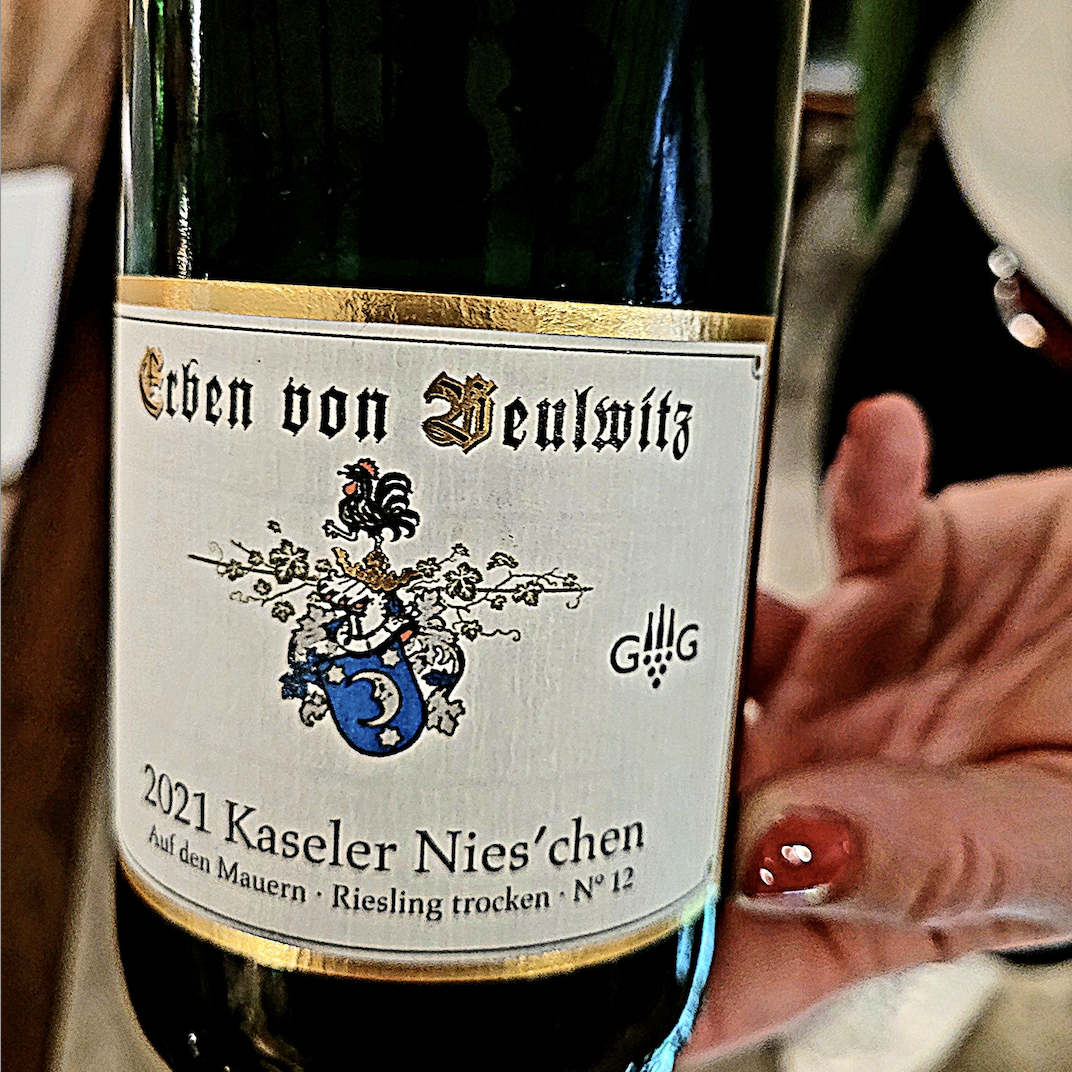
Weingut Erben Von Beulwitz Riesling Großes Gewächs Trocken Kaseler Nies’chen No. 12 Auf Den Nauern 2021, Mertesdorf, Mosel

Auf Den Mauern is a 60 percent steepness portion of the Nies’chen Vineyard and considered to be the most important riesling section where high slate walls support the slope. Though this does come across as dry there is more sugar (at 8.6 g/L) and also acidity (7.2) as compared to the Herrenberg. What stands out now is the saltiness in a way only this riesling from Erben Von Beulwitz is want to show. A different expression results, also because it’s still young, reductive and yet to open. Caroline Weis notes its 10-year potential and truth be told there will be two more years of waiting before any significant changes begin to occur. It could be suggested to open bottles at the 2,4, 6, 8, 10 and 12 year marks to see the evolution. It was a rainy summer of 2021 in this part of the Mosel and so things slows down for riesling. Drink 2026-2034.  Tasted March 2024
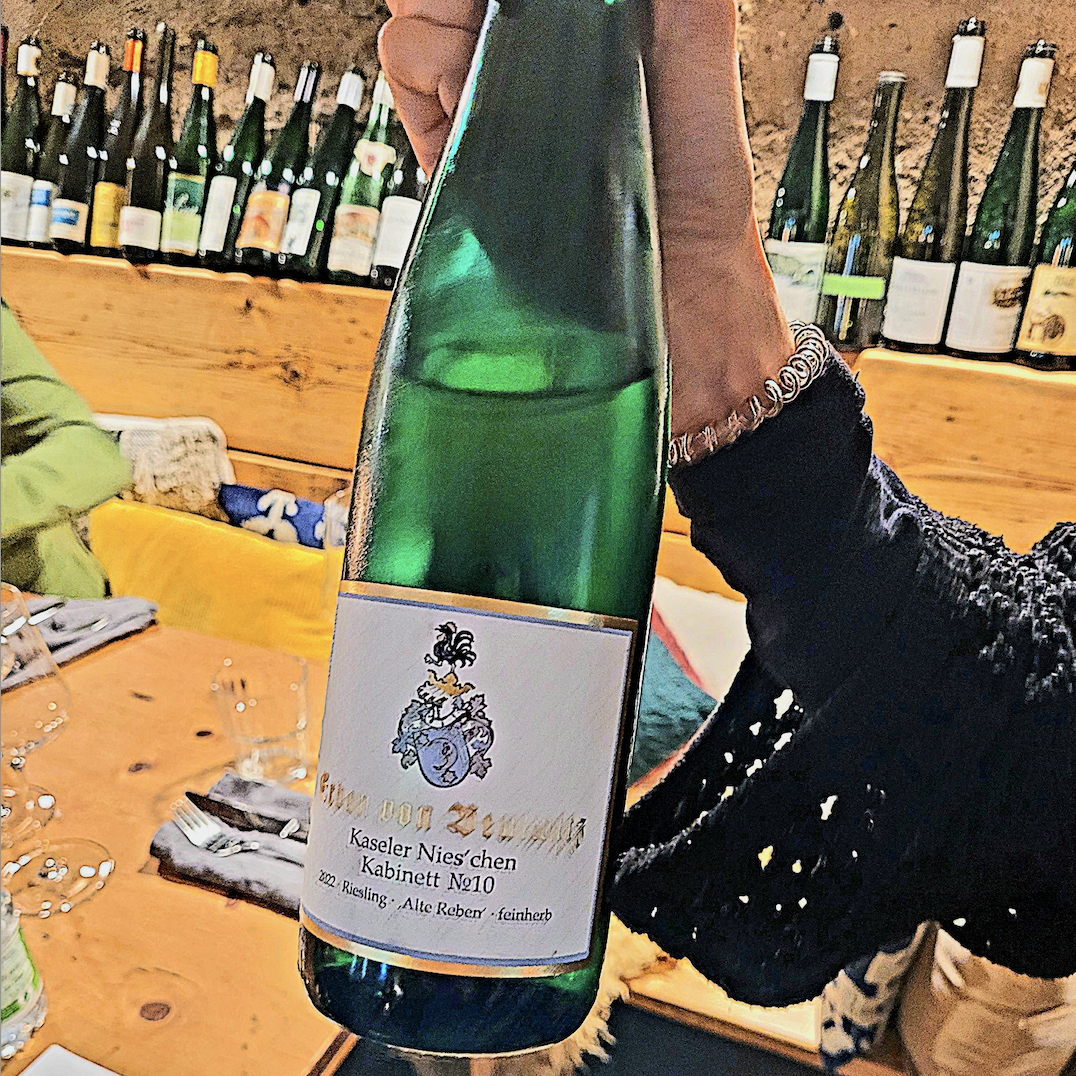
Weingut Erben Von Beulwitz Riesling Kabinett Feinherb Kaseler Nies’chen No. 10 2022, Mertesdorf

Classic Mosel style in the ways of the 90s and 2000s and “Dad’s favourite,” tells Charlie Weis. The kind that expertly balances high sugar and acid, layered like mille-feuille pastry, light on its feet and melting with ethereal ability in the mouth. Creates a symbiotic relationship with the Spätlese, the other Herbert classic styled riesling. The combination of 150 years of history and a family’s efforts since 1982 are what make a riesling like the Kaseler Nies’chen No. 10. Drink 2024-2029.  Tasted March 2024

Weingut Erben Von Beulwitz Riesling Spätlese Alte Reben Kaseler Nies’chen No. 6 2023, Mertesdorf, Mosel

Now into late harvest territory, old-school if you will, “Dad’s riesling” admits both Caroline and Charlie, Weis daughters and face of the estate. What a contrast to the Trocken, fruity, pulpy and forward, blast from the past though a very recent one to be honest. No holding back, zero reduction and ready to please. The specs are 95.0 g/L of residual sugar, 9.1 TA and 7.1 percent alcohol. Classic in so many respects, namely the tart stone fruit, sweetness elevated by the specific kind of acidity and good energy all-around. A clean and protected riesling that should have no problem living a long and productive life. Drink 2024-2033.  Tasted March 2024

Weingut Erben Von Beulwitz Riesling Auslese Alte Reben Auktionswein Kaseler Nies’chen 2015, Mertesdorf, Mosel

Tasted side by side with the 2020, a wine so incredibly youthful it seems years too early to be tasted. This 2015 is just beginning to show the first early stage of maturity, an Auslese from a hot summer with heavy rains. This fortunately stopped and the harvest saw cooling temperatures with beneficial drying winds. The end result was small berries and low yields for highly concentrated riesling fixing high quality Auslese. The acidity is still ripping through, keeping the sugars low and at bay, way down below. Kaleo rhythm, pure Mosel aromatic if perhaps the melodic-Icelandic gelid coolness, and “whoa, we get what we deserve.” Drink 2024-2031.  Tasted March 2024
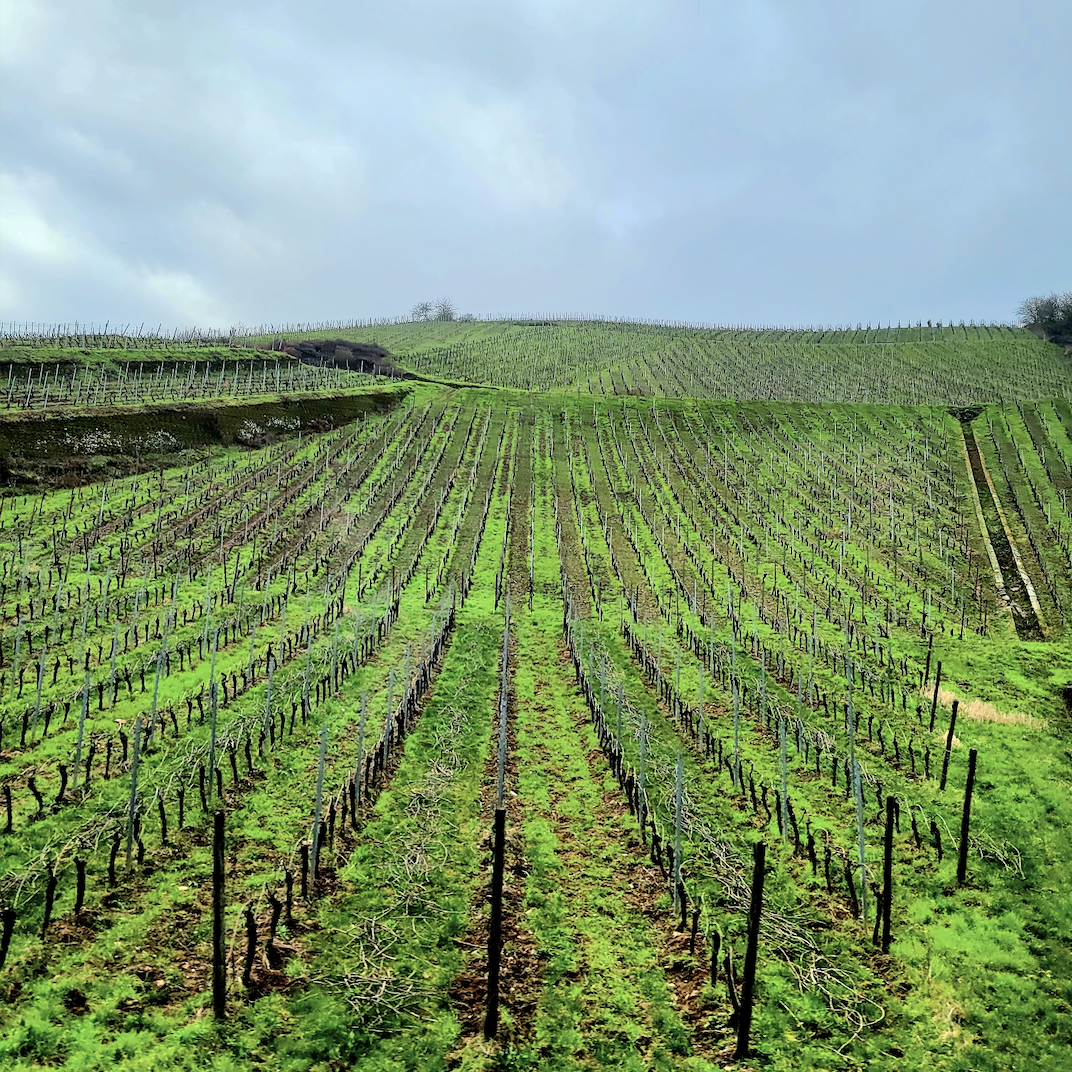
Nahe Vineyard

Nahe

Weingut Forster – Rümmelsheim

Weingut Forster Sekt Brut Nature Chardonnay and Weißburgunder 2016, Nahe

The 2016 Sekt of zero dosage spent 90 months on the lees. Still showing good freshness and aromatics are more than joyous. The wine turns quite botanical and it’s all sweet herbs throughout the second half of this unique sparkling wine. Drink 2024-2026.  Tasted March 2024

Weingut Forster Weißburgunder Dry 2023, Nahe

Fermentation is 70 percent in stainless and (30) in wood. A few hours of skin contact, bâttonage and lees contact for a few months. Organic, with neutral yeasts in the steel and spontaneous in the barrels. Low sulphur, vegan and unfined. Just grapes, no additions, proper ripeness, tasting like fruit and admittedly never creamy, oaky or gratuitously soft. Clean, satisfying, of medium acidity and surely just a matter of healthy grapes out of a good pinot blanc vintage. Well thought out, environmentally and sustainably conscious white wine. Drink 2024-2025.  Tasted March 2024

Weingut Forster Riesling KABInett 2023, Nahe

A German word play, the use of KABI in bold, as in “I’d like to have a Kabi, short for Kabinett.” One of the first riesling harvested at lower sugar and higher acidity though like all Kabinetts the residual sugar is essential, though here it’s in the lower range at 36.2 g/L. A cool climate vineyard that is now warming to be able to make this style in the Nahe, plus Laura Forster wanted this style to be made, especially because of the low alcohol. Only the third vintage, a fine mix of peach and lime, richness and tang. Well balanced though not one to age like many from the Mosel. Only 3,000 bottles made. Drink 2024-2027.  Tasted March 2024

Weingut Forster Riesling vom Kies Dry 2022, Nahe

From gravel (kies) soils and the aromatic profile is not only so opposite to the Schiefer but to 99 percent of rieslings made in Germany. A botanical tonic and a cheese rind that really expounds on the idea of this being a natural wine. Yes the soil comes through but also the vinification process, of 10-12 hours of skin contact, first press juice only, spontaneous fermentation in steel, finished at Christmas. Very dry, lime finish and just a bit “horsey.” Drink 2024-2025.  Tasted March 2024
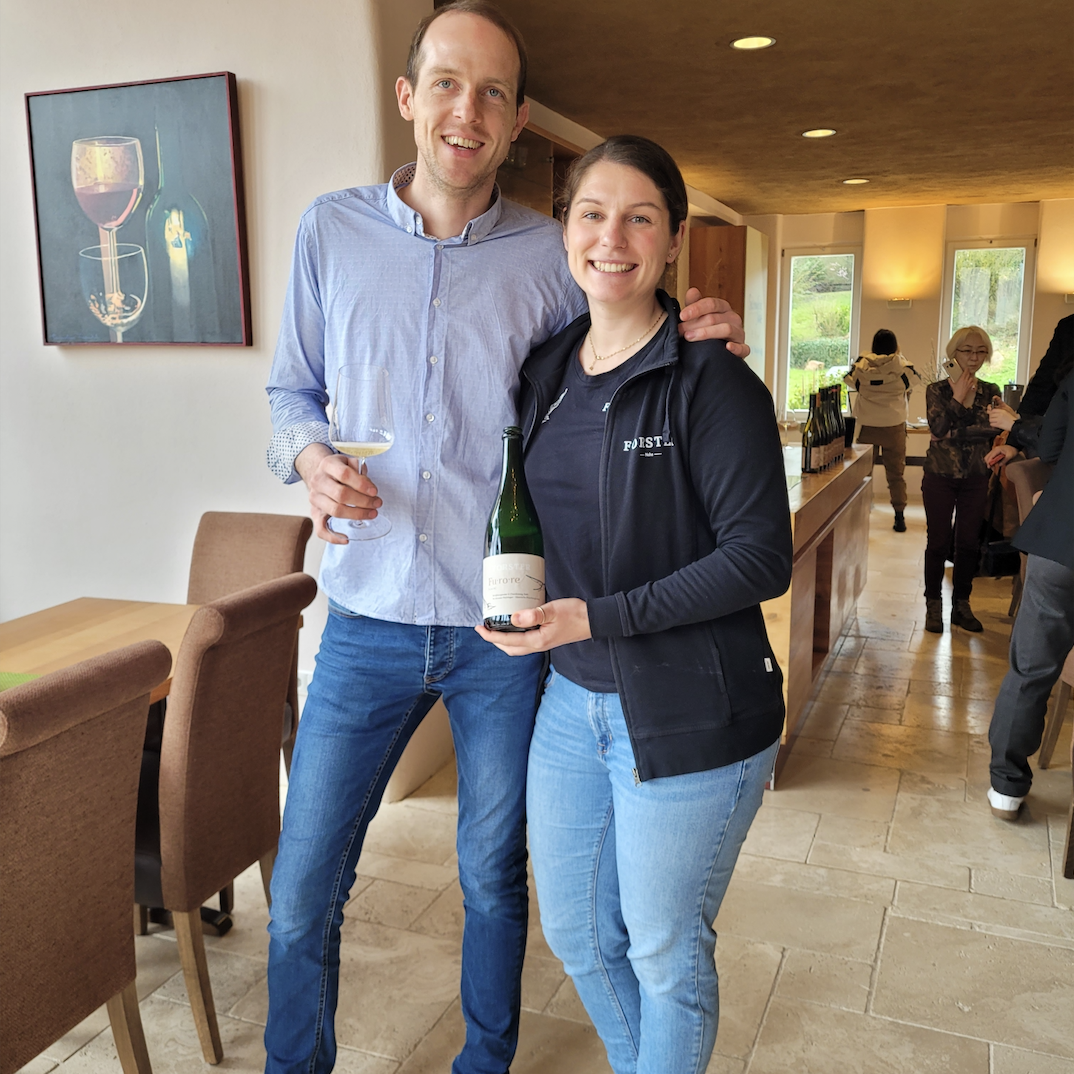
The Forsters

Weingut Forster Riesling vom roten Schiefer Dry 2022, Nahe

From red slate soils, same fermentation-vinification process as the Kies (granite) riesling. Less lactic and more phenolic, dry as can be and in better balance with thanks to the soil. Still it is the mix of style, use of compost, organics and low intervention, including sulphuring that creates this very natural scenting, a notably earthy and cheese rind notated riesling. Drink 2024-2026.  Tasted March 2024

Weingut Forster Riesling Burg Layer Schlossberg Dry 2018, Nahe

Warm, south facing red slate hill, 52 degrees of steepness, right behind the winery. Warm vintage though cooler than 2019, higher in sugar though still just about bone dry at 2.9 g/L. Also higher in alcohol at 13.5 with more flesh and body and the balance afforded this clean riesling from clearly healthy soils is just right there where we want it to be. Tannins and structure aided by long lees aging (up to a year) in stainless steel. Freshness fully captured, longevity a true matter of potential and acidity still a great catalyst for all that is happening and will continue to develop in the wine. Drink 2024-2028.  Tasted March 2024

Weingut Forster Riesling Burg Layer Schlossberg Dry 2019, Nahe

Mild though detectable TCA. Warm, south facing red slate hill, 52 degrees of steepness, right behind the winery. A complete and utter apposite vintage to the cooler 2018, here warm and dry, the sugar under 1.0 g/L and the acids also a point lower. Alcohol 1.5 less at 12 and overall the balance afforded by 2019 was surely more of a challenge. Warm nights up to harvest sacrificed some acidity and so structure overall here, included tannin is lessened. Just not as balanced and without the top energy of 2018 but still well and naturally made. Drink 2024-2025.  Tasted March 2024
Weingut Forster Grauburgunder Réserve Dry 2022, Nahe

Short 12 hour but effective skin contact for pinot gris, fermented in 500L tonneaux, 12 months of lees contact and healthy alcohol at 13.5 though less than much warmer vintages. Grows on the red slate soil of the Rotenberg (red mountain), sun richness and good metallurgy in the aromatics. Juicy, fleshy and just enough acid to keep things moving swimmingly along. Great diversion from a sea of pinot grigio ubiquity. Drink 2024-2026.  Tasted March 2024

Weingut Forster Frühburgunder Burg Layer Johannisberg 2022, Nahe

A single vineyard red from the rare variety (only 440 hectares planted in all of Germany), a cru frühburgunder not oft seen in the Nahe. Early ripening grape planted by Johannes Forster’s father 20 years ago. Softer tannin structure as compared to spätburgunder and grown in the cooler site where the riesling for Kabinett also grows. Some whole bunch, fermented on skins for four weeks and yes just enough tannin has come through. Some aging in low toast new barrels, a bit more structure than some though it stays below the threshold of too much extraction and tannin. Just a bit of spice and again gamay or perhaps even pelaverga is the mind’s launching point. Just a hair ambitious for what the grape is want to deliver. Drink 2024-2026.  Tasted March 2024

Weingut Forster Spätburgunder Kies 2022, Nahe

Grown on the Kies (granite) soil, four weeks of skin fermentation, very little wood usage, soft but still just enough grip to effect structure. Similar natural feel like many of the rieslings and more viscous mouthfeel than the frühburgunder, liquid chalky and again the cheese rind note, Also a verdancy and red citrus tang, desiccated roses and minty cool savour at the finish. Tannins are just a bit hard, chalky-grainy and friable. Drink 2024-2026.  Tasted March 2024
Schlossgut Diel – Burg Layen, Nahe

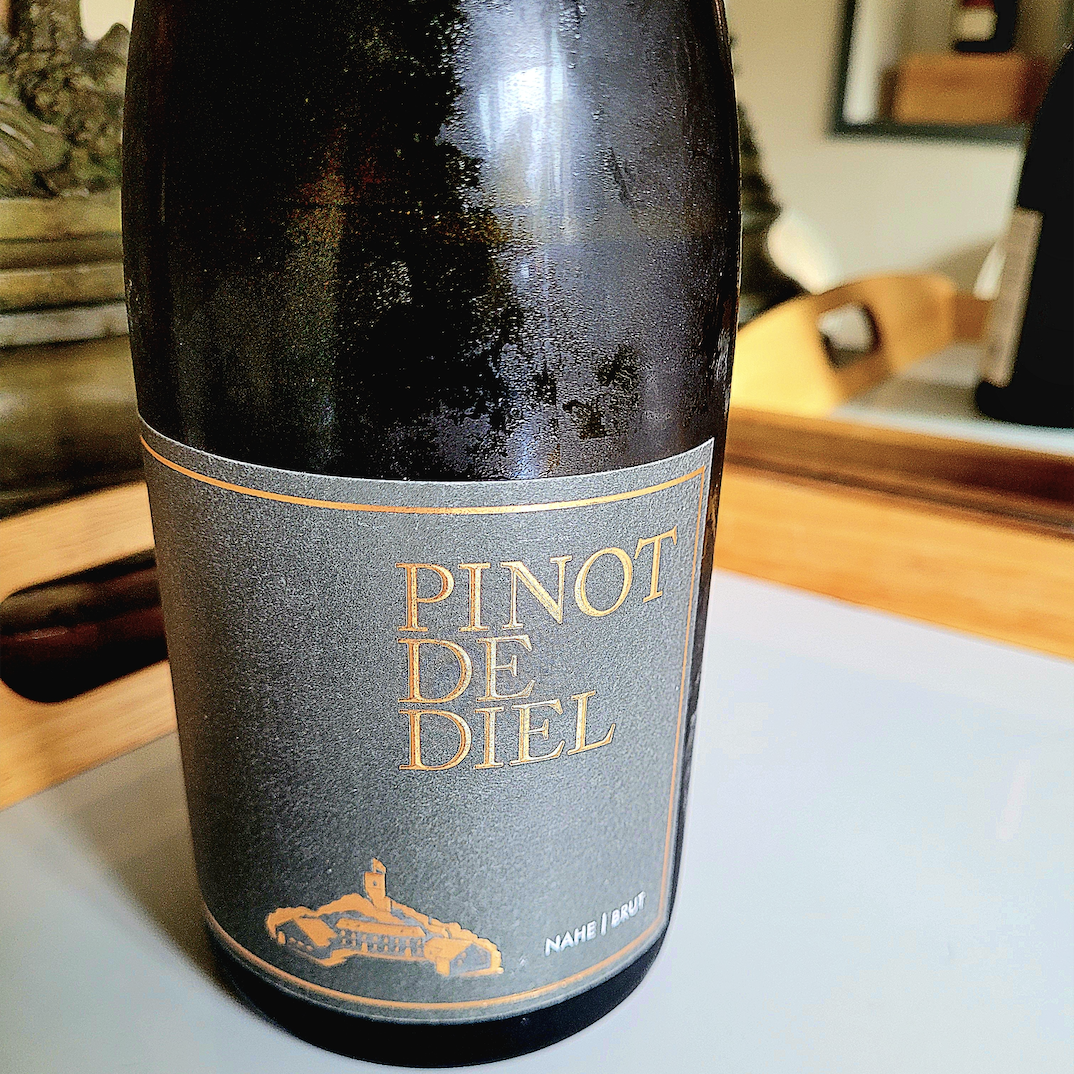
Schlossgut Diel Pinot De Diel, VDP.Sekt, Nahe

A vibrant mix of pinot noir and pinot gris from Caroline Diel, seventh generation winemaker at Burg Layen which came into the possession of the Diel family in 1802. The base wine is 2020 fruit with some residual 2019 involved, two years on the lees and of an aperitivo intent. Easy drinking and on the dry side which feels like another Brut Zero style is well within Diel’s capable reach. Like a bite into a tart and juicy green apple with a drip of red fruit and a fairly tart finish. Satisfying bubble all around. Drink 2024-2026.  Tasted March 2024

Schlossgut Diel Dry Riesling Dorsheim 2017, VDP.Orstwein

Villages organized riesling from neighbouring village Orstwein with seven-plus years of age, dry and now pretty much in the perfect zone. Has aged beautifully, sitting up vertical and straight, giving generously with a clear and present amount of grace in restraint. The balance between extract and tannin, fruit and acid is simply structured, allegedly and unequivocally spot on. Drink 2024-2027.  Tasted March 2024
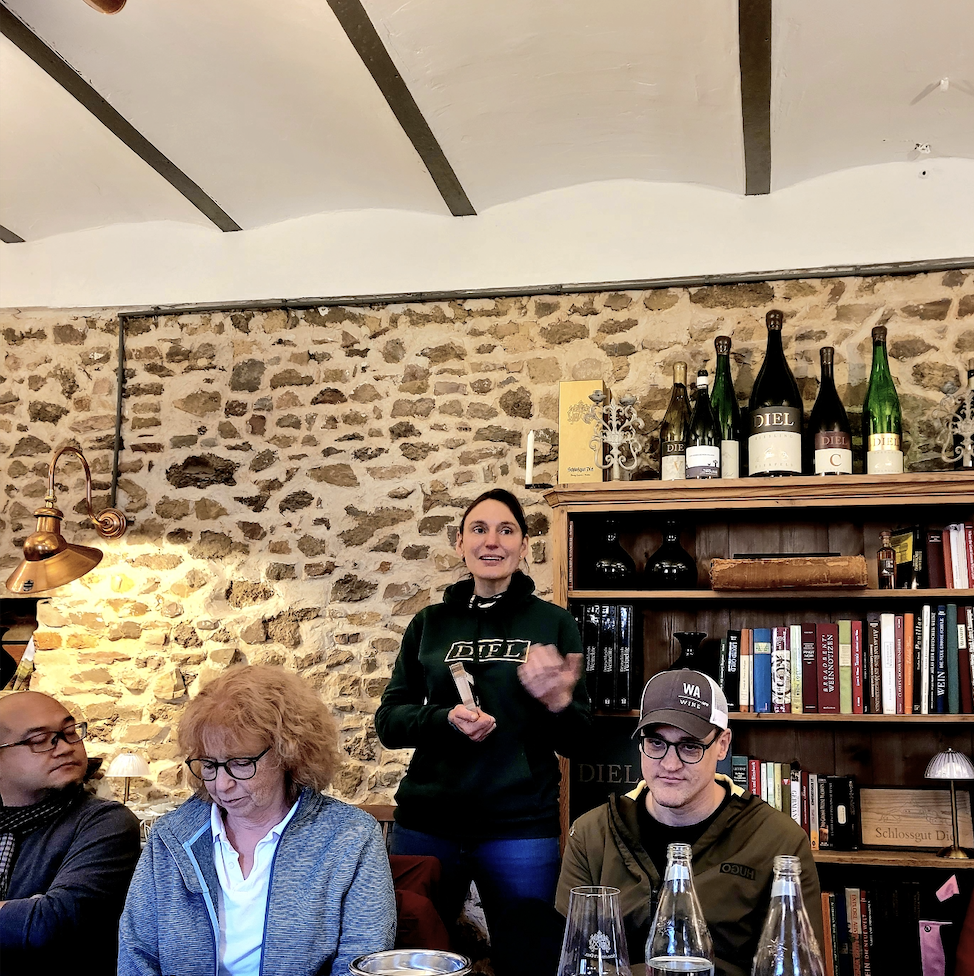
Caroline Diel – Schlossgut Diel

Schlossgut Diel Cuvée MO Brut Nature 2014, VDP.Sekt Prestige

“I believe sparkling wine does not need any dosage,” and Caroline Diel followed this when she joined the family in 2007, continuing what started going all the way back to the 2004 beginning of this project. Cuvée MO Brut Nature is ninety months on the lees, made with pinot noir and chardonnay. Developed richness for a sparkling wine made at the time in an oxidative style,. Showing aldehydic notes, of brioche to the end of a smoky and really old style of Champagne. Should actually stay this way for a few more years to come. Drink 2024-2027.  Tasted March 2024

Schlossgut Diel Pinot Noir Réserve 2020, Nahe

Most of the vines were planted in the mid to late 90s by Caroline Diel’s father Armin. Approximately 20 percent whole cluster, the rest hand de-stemmed, all vineyards in the cuvée fermented naturally and kept separate. A year and a half in barrel, spontaneous malolactic settling, racked now and then and no filtration. Rich fruit, high acid, truly complex aromatics, meaty perfume, full, juicy, lively and finally a truly substantial finish. Neither derivative nor imitative. This is Caroline’s mid-level pinot noir for a 7th generation winemaker who would go on to do the 2022 harvest at Romanée Conti. Mid-level will surely rise up to even greater heights. Drink 2024-2028. Tasted March 2024
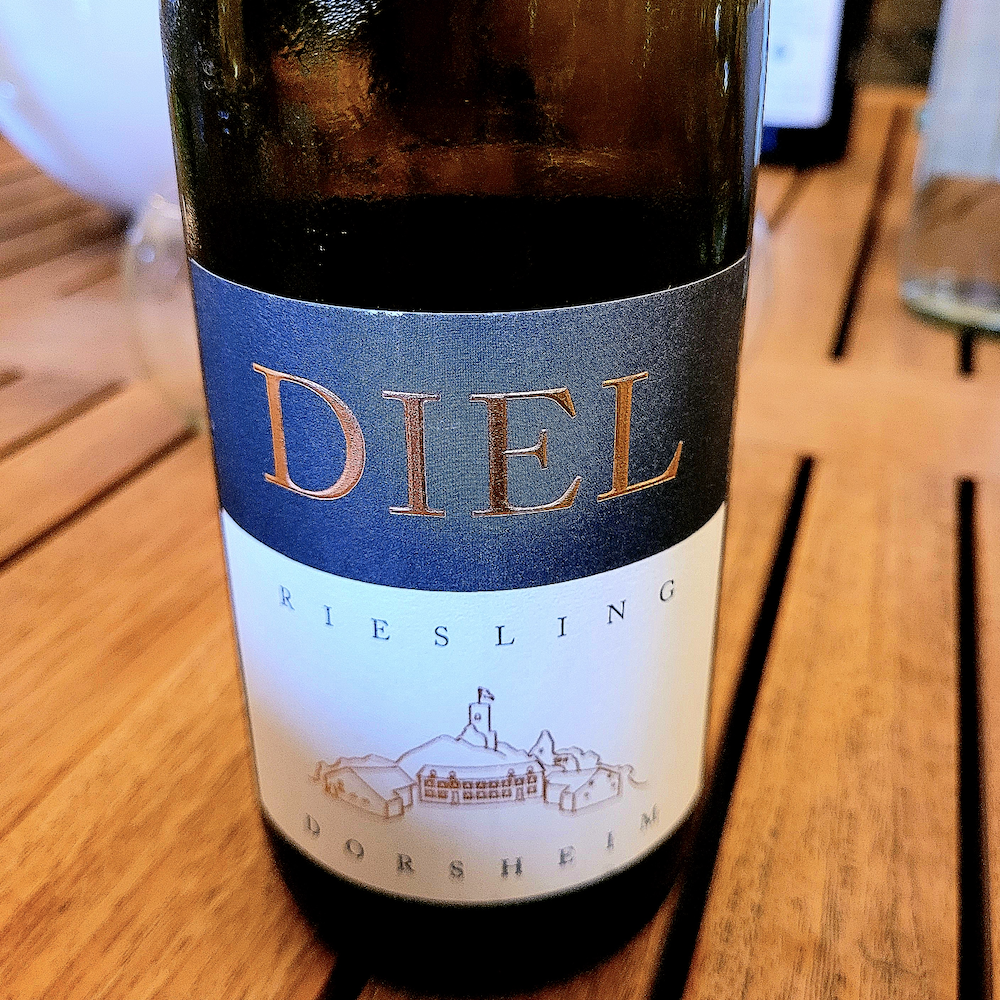
Schlossgut Diel Dry Riesling Pittermännchen GG 2022, VDP.Grosses Gewächs

The tiny one hectare cru Pittermännchen is a name that dates to the middle ages with a connection to the people of Köln and Düsseldorf. Grand cru site of weathered grey (Devonian) slate atop Rotliegend conglomerate that dates back several million years. The geo-agricultural texture is small decomposed particles as opposed to the larger stones of the Mosel. Expressive flint stone aromatics undeniably soil related and not much fruit to discuss, save for some variegate currants but you really have to conjure imagination. There is a mille-feuille density to this riesling that peels away and delivers waves in layers without boundaries. Complexities are revealed without pause and dryness results because purity and grip replace the necessity for sugar-acid balance. So stony, long and our palates are held captive. Top shelf riesling within the idiom. Drink 2026-2033.  Tasted March 2024

Schlossgut Diel Riesling Kabinett Goldloch 2022, VDP.Grosse Lage

When she returned to the family in 2007 Caroline Diel’s first order of business was to not use herbicides “and it was a disaster,” she remembers, “not being prepared with staff, machine and experience.” Good things take time and now organic certification will come in 2024. The 2022 vintage was not the hottest but was an extremely dry one that saw vines on steep hillsides have to work hard to resist the dangers. Healthy vines can in fact digest the climatic extremes and this riesling of Kabinett style is a testament to facing the challenges head on. The gravelly bedrock of Dorsheimer Goldloch is of the Permian age and its rieslings are juicy as it gets, fruit forward and truly antithetical to the über mineral of the Pittermännchen. Makes sense that Kabinett is the choice for this naturally sweet meeting equal factored acidity that connects for a kick mix of sweet, salty, sapid and savoury. A quotient of 42 g/L of RS so hidden by the acids, grip and energy of the wine. Drink 2024-2031.  Tasted March 2024
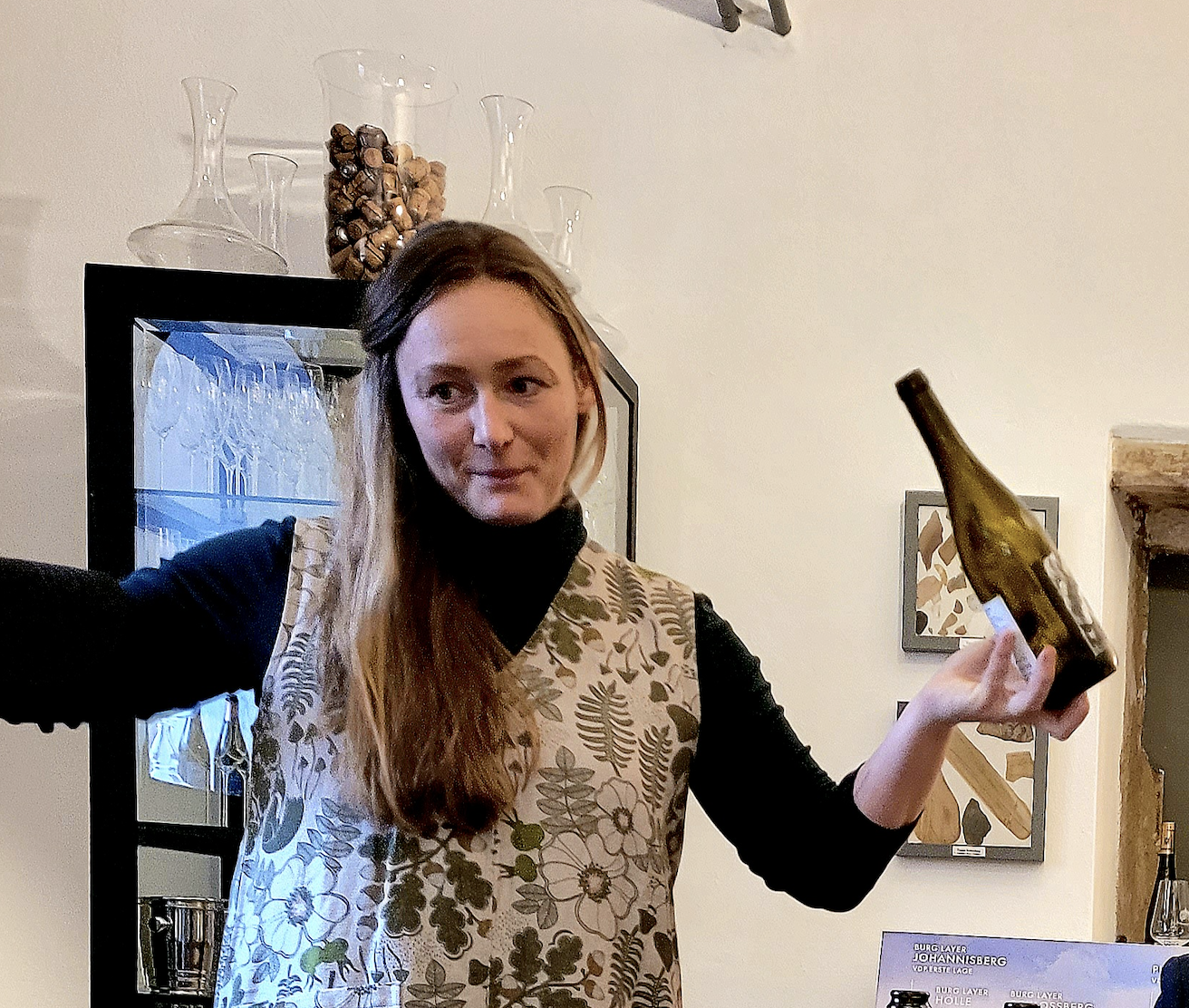
Christine Pieroth – Piri Naturel

Piri Naturel Christine Pieroth – Burg Layen, Nahe

Piri Naturel Christine Pieroth Mathilda 2021, Nahe

Christine Pieroth is 7th generation for a winery dating back to 1789. Mathilda is a blend of sylvaner, riesling and kerner, made for simple drinking pleasure. Bottled under screwcap to capture the natural effervescence, skin contact and cloudy character for a characterful example of what a nurturing and deft touch can do for grapes that just want to be together. Clean and well made without any pretence, trend or commercial design. Natural for the simple reason of pour me a glass. Drink 2024-2025.  Tasted March 2024

Piri Naturel Christine Pieroth Riesling 2021, Nahe

Christine Pieroth studied at Geisenheim and worked in the Okanagan. Her philosophy is really quite direct. “Agriculture is really separated from nature.” Piri Naturel is riesling grown on granite-based, (ancient) sandy seashore pebbles called the Kieselstein. Macerated on the skins for one day, to capture the cool climate region, especially with riesling, then ages two years on full lees in big Stückfässern. “One of the vintages (2021) with the highest acidity I’ve ever experienced” she remembers. Beautiful purity captured without oxidative or any idiomatic orange ornateness. Brilliant riesling work in the style for those who like and want, but also those skeptical of what this kind of wine can be. Acids are captured, tamed and on time release. Drink 2024-2028.  Tasted March 2024
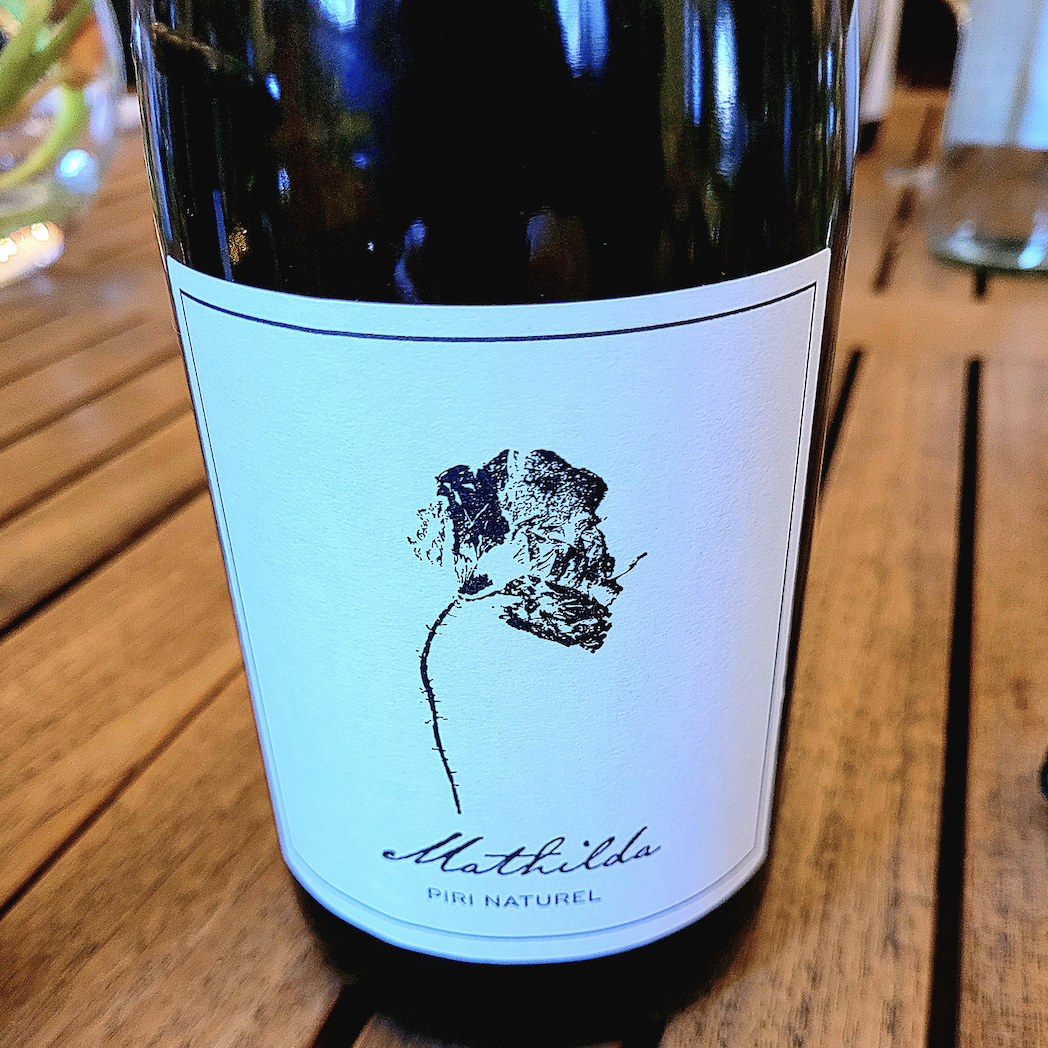
Piri Naturel Christine Pieroth Ponderosa 2021, Nahe

A family nickname for the vineyard and incidentally also the Matsutake mushroom, a.k.a. Armadillo Ponderosa. Comes from a schist slope that changes colour from top to bottom, here for a single vineyard though it can’t be labeled this way. Not filtered and so it can’t have a classification. “In the last year I’m turning things upside down” says Christine Pieroth. Ponderosa is 90 percent pinot gris with (10) pinot noir treated to carbonic maceration and my if this isn’t the pink juice you really want to drink. Pink grapefruit, jelly belly, pomelo and guava, dry and tropical, crunchy and tart though never searing. Drink this with a grilled striploin – seriously. Forget Rosé or chardonnay – the acid structure, grip and tannins will do well especially, with a marbled cut. After all it is called Ponderosa. Drink 2024-2027.  Tasted March 2024

Piri Naturel Christine Pieroth Pinot Blanc 2019, Nahe

Piri farms 7.5 hectares for an average of 80,000 bottles, mostly estate. Permaculture and regenerative farming are practiced with organics as the basis for everything, including no fining or sulphites. The pinot blanc is from 70 yer-old vines, “a very special vineyard, planted by my grandpa,” tells Christine Pieroth. Red schist soil to gift passion and texture to pinot blanc that sees three years in oak, all the while on its lees. No complication, a wine of perfume and nuance, abstract expressionist style, an incredible natural sweetness. A unicorn wine, infinite in ways that can and also can’t be described. The most alcohol of Christine’s wines at 13.5 percent but acidity and spices share the stage and spread the wealth. A slight amount of oak flavour, but fermentative notes have all resolved. Drink 2024-2027.  Tasted March 2024
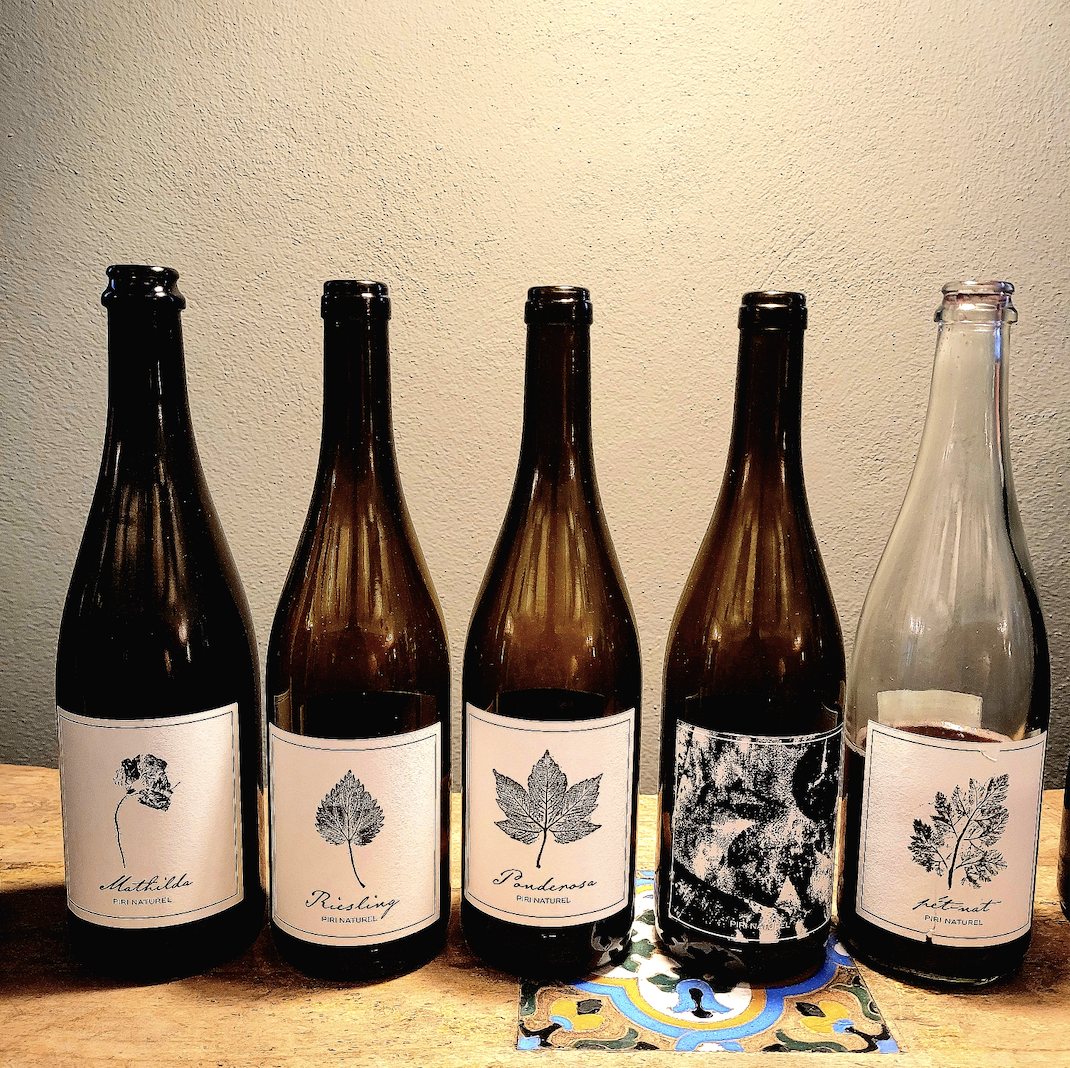
Piri Naturel Christine Pieroth Pét-Nat 2021, Nahe

A Germanic-styled Pétillant-Naturel in the Lambrusco idiom, bone-dry, made from Piwi grapes planted 20 years ago. They being dornfelder and regent (the piwi variety). Talk about foresight and seeing the challenge ahead of the curve. Leesy and cheesy, the most reductive and natural of all Christine’s wines. The kids will love this.  Tasted March 2024

Weingut Anette Closheim – Langenlonsheim

Weingut Anette Closheim Calardis Blanc Dry 2023, Nahe

Calardis is a Piwi variety crossed with bacchus (as opposed to sauvignon blanc or cabernet sauvignon especially) and this is just the second vintage of trying it. Quick  on skins, fermentation and just bottled in February. Picked on the 22nd and 23rd of September after a picture perfect season. A muscat aromatic way about this unique hybrid example, light, fresh, clean and this elastic push-pull between fizzy and botanical. Bit of white peach and peach pit too. Finished at 12.5 percent alcohol with 4.7 RS and 5.8 TA. Drink 2024-2025.  Tasted March 2024

Weingut Anette Closheim Riesling With Friends Dry 2022, Nahe

For friends who are or may not be friends with riesling, but they can be. Acts dry but there is 7.0 g/L of residual sugar and a near equal amount of acidity. Entry riesling in style, juicy, high citrus, only steel raising and uncomplicated. Lime in every way, especially the juice and the zest. Bit of a Mojito you might say. Drink 2024-2025.  Tasted March 2024

Weingut Anette Closheim Riesling Fifteen Dry 2022, Nahe

From Langenlonsheim, Nahe. A long and narrow, “street village” a.k.a. the Naheweinstraße that lines the Nahe. Anniversary riesling of the label, a blend of two single vineyards, planted in 1963 and 1965, red limestone and Nahe gravel. Vinified separately in old wood and in the 2022 there is some residual sugar because one half did not quite finish its fermentation. Seems like rising pH numbers in a vintage like 2022 is the reason for lower acidities and while riesling still seems immune you can’t say the same about pinot grigio and pinot noir which are hitting numbers at or exceeding 3.5. Quite a balanced riesling, a bit higher in RS than the “With Friends” but also more vibrant, less rounded and more quenching. Drink 2024-2026.  Tasted March 2024

Weingut Anette Closheim Riesling Pastorei Dry 2018, Nahe

The last vintage of this near 40 year-old south facing riesling vineyard which has since been re-planted to chardonnay because it’s just too warm a place and 2018 was such a vintage. Finished at 13.5 percent which is about as high as you’re going to accept from riesling, with acidity at a healthy 6.3 though anything but creating a searing experience. Lime juicy, ripe and reduced, like a creamy cordial, sapid as it gets, sweetly botanical upon the finish. Drink 2024-2026.  Tasted March 2024
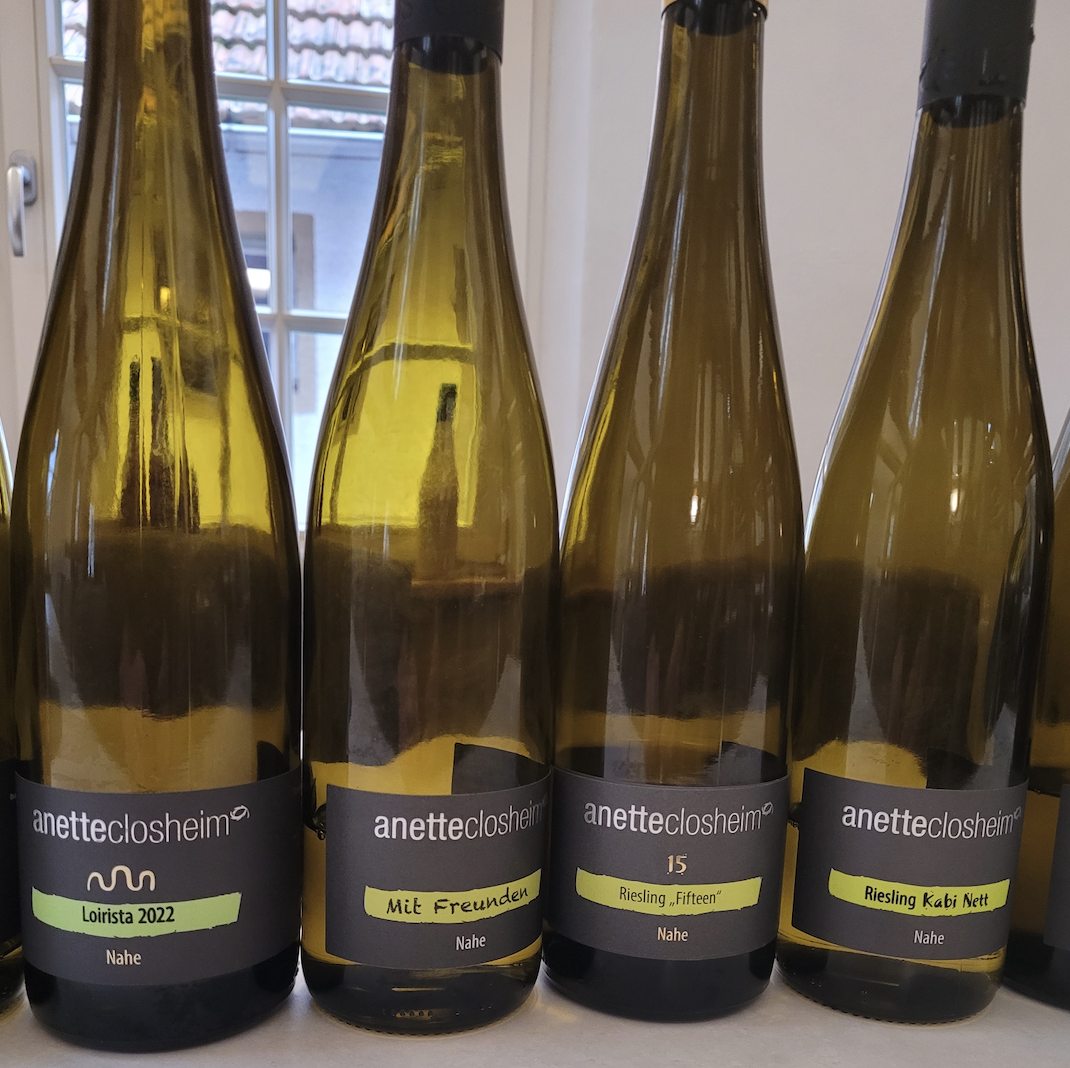
Weingut Anette Closheim Riesling Kabinett Löhrer Berg Medium Sweet 2022, Nahe

From the right side gravel soils for a different mineral experience and while sugar (at 36 g/L) runs high in the Kabinett style you can’t deny how forceful the (8.1) acidity really is. A good if not highest level vineyard site, vines 10-12 years of age, nectarine and lime, well integrated and such a grippy wine. Will hit its balanced stride in a year or two. Drink 2025-2028.  Tasted March 2024

Weingut Anette Closheim Sauvignon Blanc Maturis Dry 2022, Nahe

Single vineyard sauvignon blanc called Maturis, as in ripe, well matured and experienced. The clones are mostly from Alto Adige but also some from France, the vines now 16-18 years of age, in seven vineyards, picked across a week’s time. Verdant, botanical and there is a CO2 buzz on the palate. Lime intensity with just six percent wood aging. One of the most unique SBs ever tasted, like green eggs and ham. Tonic fuelled finish. Drink 2024-2025.  Tasted March 2024

Weingut Anette Closheim Sauvignon Blanc Lorista Dry 2022, Nahe

Higher, drier, similar acidity to the Maturis and now the barrel aged version, with the latest picked grapes (near to the end of September) and a much preferred iteration for Langenlonsheim. From a quickly settled, cloudy and protected pressing that clarifies itself and delivers this amazing richness in spite of the austere aridity. The acidity feels closer to riesling for the Lorista and yet there is some roundness, a creamy consistency based on lime because of the wood. Really unique for the variety, made with the Leimbourg (LB) 36 clone out of Alto Adige. Drink 2024-2026.   Tasted March 2024

Weingut Anette Closheim Pinot Noir Dry 2020, Nahe

Pretty big pinot noir, not exactly traditional German spätburgunder, from German research clones with bunches of small berries and space. Results in more airflow, less botrytis and good ripeness. Low yielding and good colour. Stays on the skins for 16-18 days and then wood for 14-16 months, mainly from François Frères, 25-35 new, plus second, third and fourth fill. Dark berries, sweet savour (with help from 30-40 percent stems added back) for a level of verdancy expected and well integrated. Solid work here. Drink 2024-2027.  Tasted March 2024
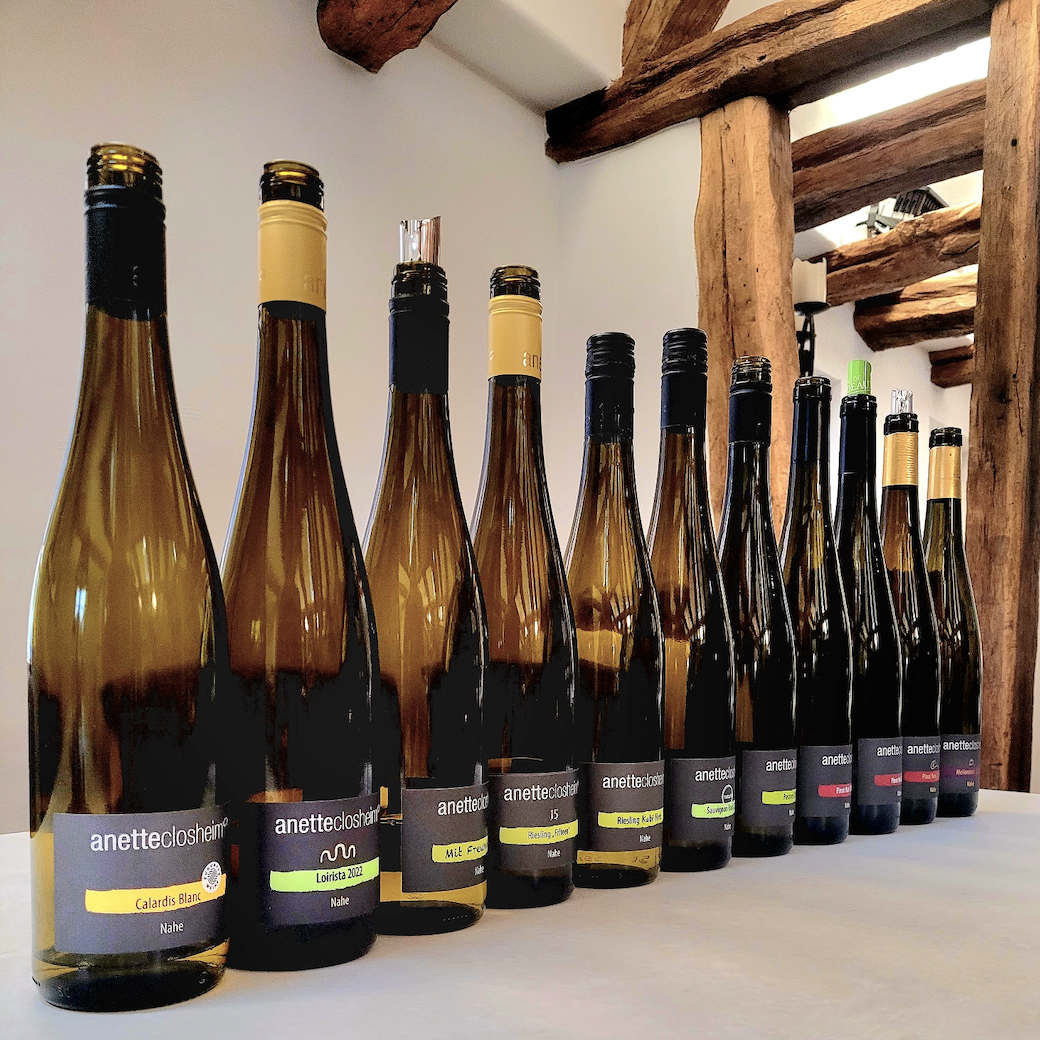
Weingut Anette Closheim Pinot Noir Dry 2016, Nahe

Considering the ripeness, well integrated chemistry and complexity of 2020 it should be really fascinating to look back at 2016. Still peppery reductive and surely a matter of vintage meeting winemaking that both changed within two years after this one. Quite a bit lower in alcohol, here at 13 percent and a perceivable verdant-savoury accent with no shortage of salt and pepper seasoning and added spice. Beyond the reduction this is showing really well, with cool freshness and what could be called a classic German vintage. A pinot noir naked to the world of beauty and that could not be hidden. First vintage was 2008 and since 2012 the same two vineyards have been making this wine. Drink 2024-2025.  Tasted March 2024

Weingut Anette Closheim Pinot Noir Dry 2019, Nahe

Higher percentage of stems (over 50) as compared with 2020, with moderate alcohol (at 13 percent like 2016). Now things are really interesting, also more new oak involved and clearly the thought was that this combination of ripeness and moderation could handle more structure and anti-jam developing fruit. Which turns out to have been the correct move because the wood is hidden, the succulence raised and the overall effect one of best balance. Truly well made, judged and effected pinot noir. Drink 2024-2027.  Tasted March 2024

Weingut Meilenstein 2020, Nahe

Meilenstein, meaning milestone and a wine that marked a big step from a wine that used to be based on point noir with st. laurent. A richness and a pyrazine quality, mildly smoky and really warming on the back end going down. A mix of 65 percent cabernet franc, (25) merlot and 10 acolon (a crossing of dornfelder and lemberger). A quarter new wood and 24 months for a spicy red blend with good energy. It’s woody and a bit awkward still but another year or so will do well to get it into a good place. Drink 2025-2028.  Tasted March 2024
Rheinhessen

Weingut J. Neus – Ingelheim Am Rhein

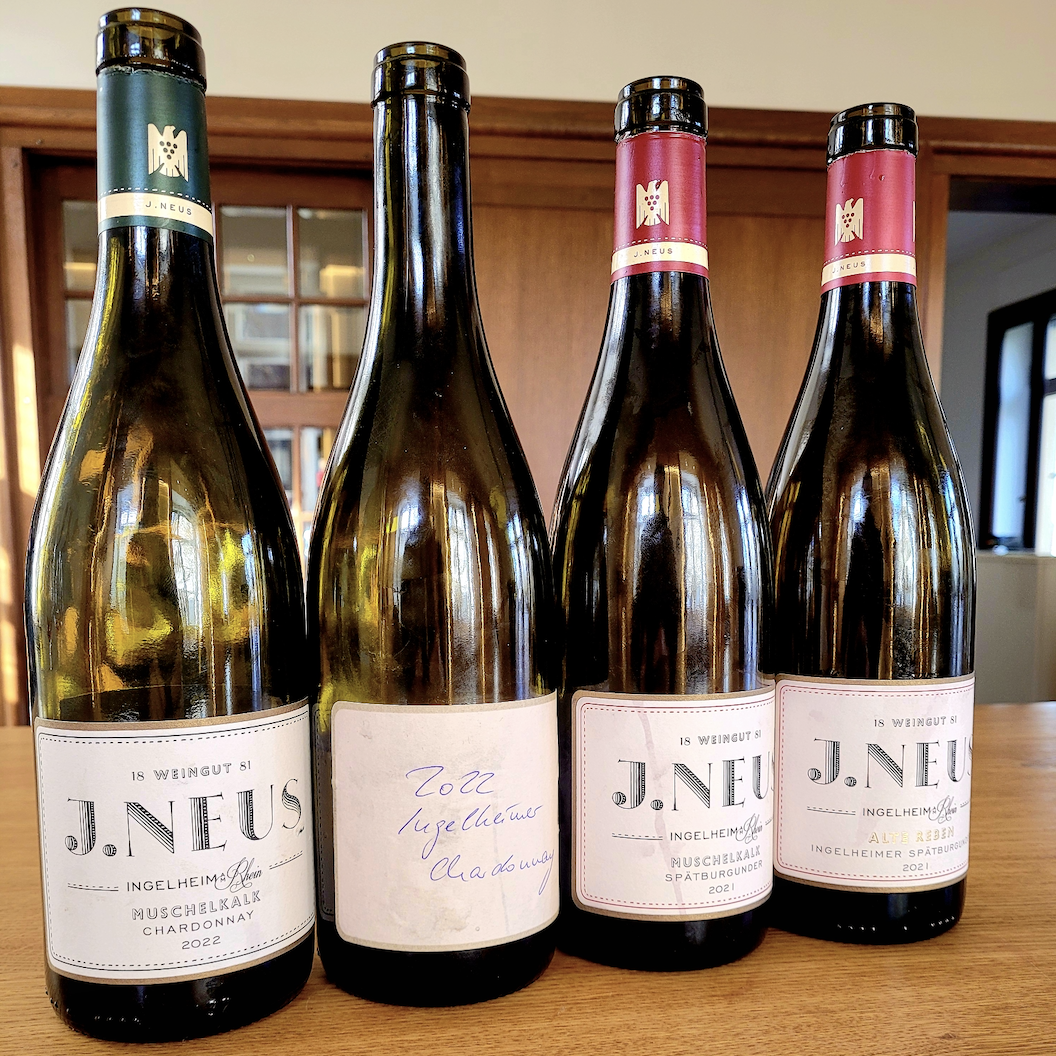
J. Neus Chardonnay Muschelkalk 2022, Ingelheim Am Rhein, Rheinhessen

Chardonnay is increasingly important at J. Neus and while pinot noir represents 70 percent of the portfolio it is this kind of entry-level varietal wine that speaks to what is possible. All chardonnay is barrel fermented and aged in 500L tonneaux and some German wood. Simple but proper, subtle in all the important ways, especially texture. Impressive work for a barrel fermented and aged, full malolactic chardonnay. Good crunch, energy, vitality and persistence. Pure chardonnay expression, the new Rheinhessen personified for what white wine can be, especially in and around Ingelsheim. Drink 2024-2026.  Tasted March 2024

J. Neus Chardonnay Ingelsheimer 2022, Ingelheim Am Rhein, Rheinhessen

Ingelheim is the village and this is currently the higher tier chardonnay though a third is on the way so it will soon fall into the middle. Certainly shows more newer tonneaux and compactness on the aromatic front, less forthcoming and yet clearly more stylish. Smells richer and more expensive, transitions with tighter grain and intensity, fills the spaces in between with riper, woven and textured fruit. Then it’s all chalky limestone strikes with spice over the last moments of the wine. Vanilla rests and settles on the finish. Drink 2025-2029.  Tasted March 2024

J. Neus Spätburgunder Muschelkalk 2021, Ingelheim Am Rhein, Rheinhessen

The introductory pinot noir with a great part of it made with Neus clone grapes, genetically selected by Josef Neus who came from the Mosel and started the winery in 1881. Full on berry aromas in red but also blues, still quite primary as if it just recently come out of its fermentative machinations. So fruit forward and floral, truly unique oi the world of pinot noir and the vintage must have more than something to do with this result. Drink 2024-2026.  Tasted March 2024

J. Neus Spätburgunder Alte Reben Ingelheimer 2021, Ingelheim Am Rhein, Rheinhessen

Eminently and immediately notable to recognize more reduction, flint stone and less fermentative aromas as compared to the entry level Muschelkalk spätburgunder. The wood lends an early and persistent toasty quality while dried herbs and botanicals remind of the phenolics that a Neus pinot noir has been showing for a decade. That said the style has for sure softened and refined over the last seven years to arrive at this well founded time in its tenure. Many people will be surprised at this high level of Rheinhessen quality. Drink 2025-2028.  Tasted March 2024

J. Neus Spätburgunder Pares GG 2021, Ingelheim Am Rhein, Rheinhessen

A hot summer though the Grosses Gewachß spätburgunder are made from fruit grown in the coolest spots and picking was done in mid September ahead of the rains. Lively and spicy aromatics with acidity showing up even before a sip is taken. Red fruit of many ilk, from stone through citrus and yet the palate is quiet, namely because Pares is a much more mineral example than the other GG called Horn. Again the refinement compared to vintages such as 2014 shows the progression and evolution of Neus’ work with pinot noir. Approximately 3,000 bottles are produced between the two GGs. Drink 2026-2031.  Tasted March 2024

J. Neus Spätburgunder Horn GG 2021, Ingelheim Am Rhein, Rheinhessen

One of two single vineyard sites (along with Pares) on the Meinsebach side of the river and Ingelheim village. Horn is the warmer of the two sites and so the great immediacy of the Pares acidity gives way to greater depth of gratifying fruit maturity on Horn. More stone and less citrus but really the differences are subtle even while the breadth here surely elevates this unique GG. The vineyard faces southwest and texture really concentrates in a pinot noir that still shows off sweet acidity with top level spiciness and energy. Ripest stems are added back and again it just feels like this process has been refined over the last seven years to come to this really stylish point. Drink 2026-2032.  Tasted March 2024
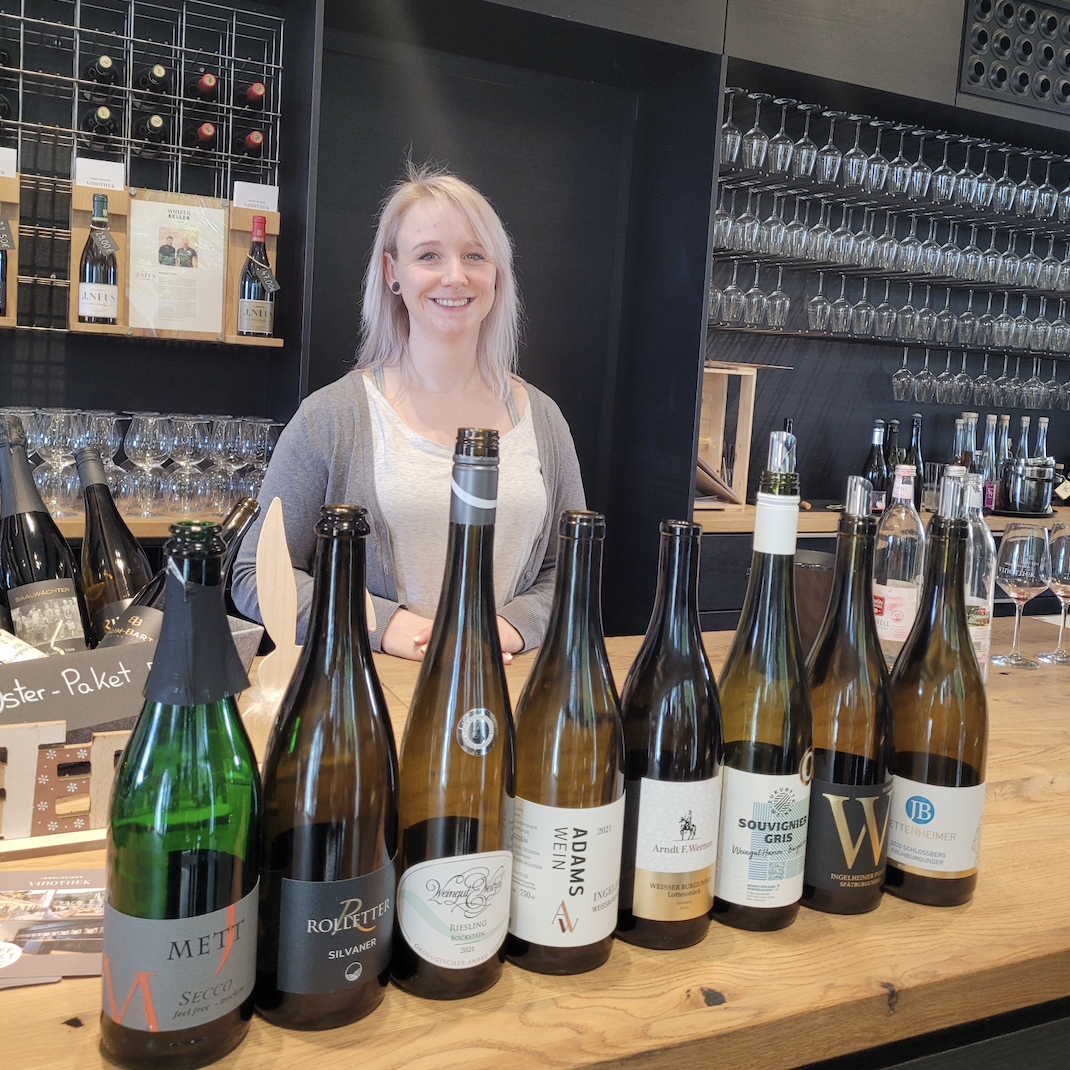
Shanna Reis – Ingelheim Vinothek

Rheinhessen tasting at the Ingelheim Vinothek with Shanna Reis

Organic Weingut Weitzel Riesling Spätlese Trocken Bockstein 2021, Rheinhessen

The work of Elke & Eckhard Weitzel with riesling of late harvest (somewhere between Kabinett and Spätlese) designation though also classified as dry. A bit of an oxymoron but this is in fact of a much lower residual sugar content for a late picked riesling. Lacks the energy and drive in the sugar-acid relationship of true or classic late harvest and so the simplified style drinks easily with straight lines and one-dimensional lime. Drink 2024-2025.  Tasted March 2024

AdamWein Weißburgunder Trocken Ingelheim 2022, Rheinhessen

Simona Adam is the winemaker, having taken over from her parents nearly 10 years ago. Creamy wood on the nose and even more so on the palate. Spice and pencil lead first, followed by lactic peach and vanilla after. A shot of tonic at the finish for a nicely complex if easy drinking white. Drink 2024-2026.  Tasted March 2024
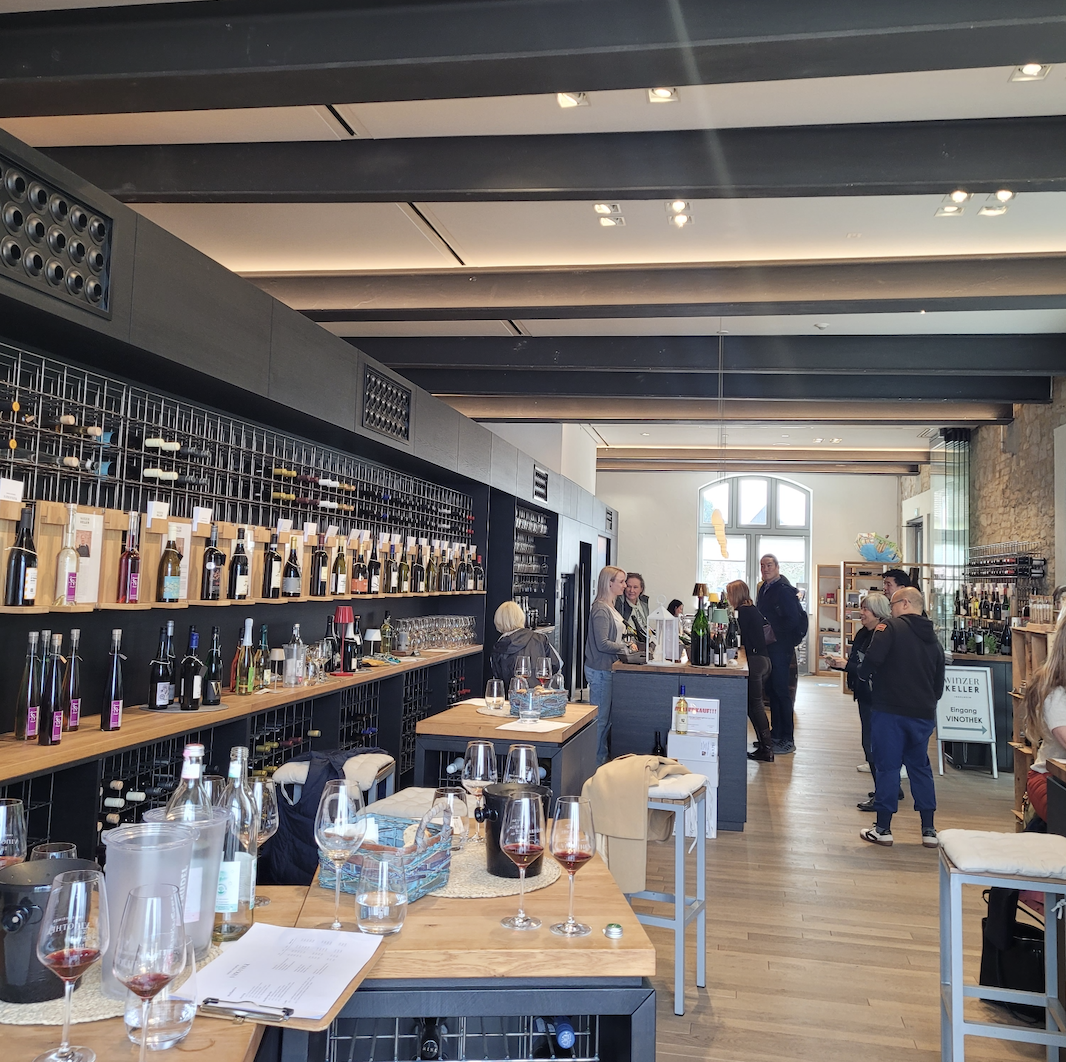
Ingelheim Vinothek

Weingut Arndt Werner Weißer Burgunder Trocken Lottenstück 2022, Rheinhessen

One of two local organic wineries doing weißburgunder (though for the consumer confusingly labeled “Weißer Burgunder) and a much fruitier, almost fruit punch, up front and round style of pinot blanc. Lower in acid and really just about the fruit. It’s weisser, meaning whiter, so the question is, how much more white can this pinot be? The answer is none more white. Drink 2024-2026.  Tasted March 2024

Weingut Hamm-Burgkirsch Souvignier Gris Weiss Trocken Zunkunftswein 2022, Rheinhessen

A Piwi grape, German cross between seyval blanc and zähringer created in 1983 by Dr. Norbert Becker. Strange that it was originally thought to be a cross between cabernet sauvignon and bronner and maybe because the grapes are quite dark pink in colour. The idea is sauvignon gris meets viognier and the style is not far from that type of union. The palate is more tropical and unctuous than what the nose might have indicated but there is a pungency and passion fruit-like note that advances aromatically after a sip is taken. Some sweetness and good acidity. Could really see people enjoying this. Drink 2024-2025.  Tasted March 2024
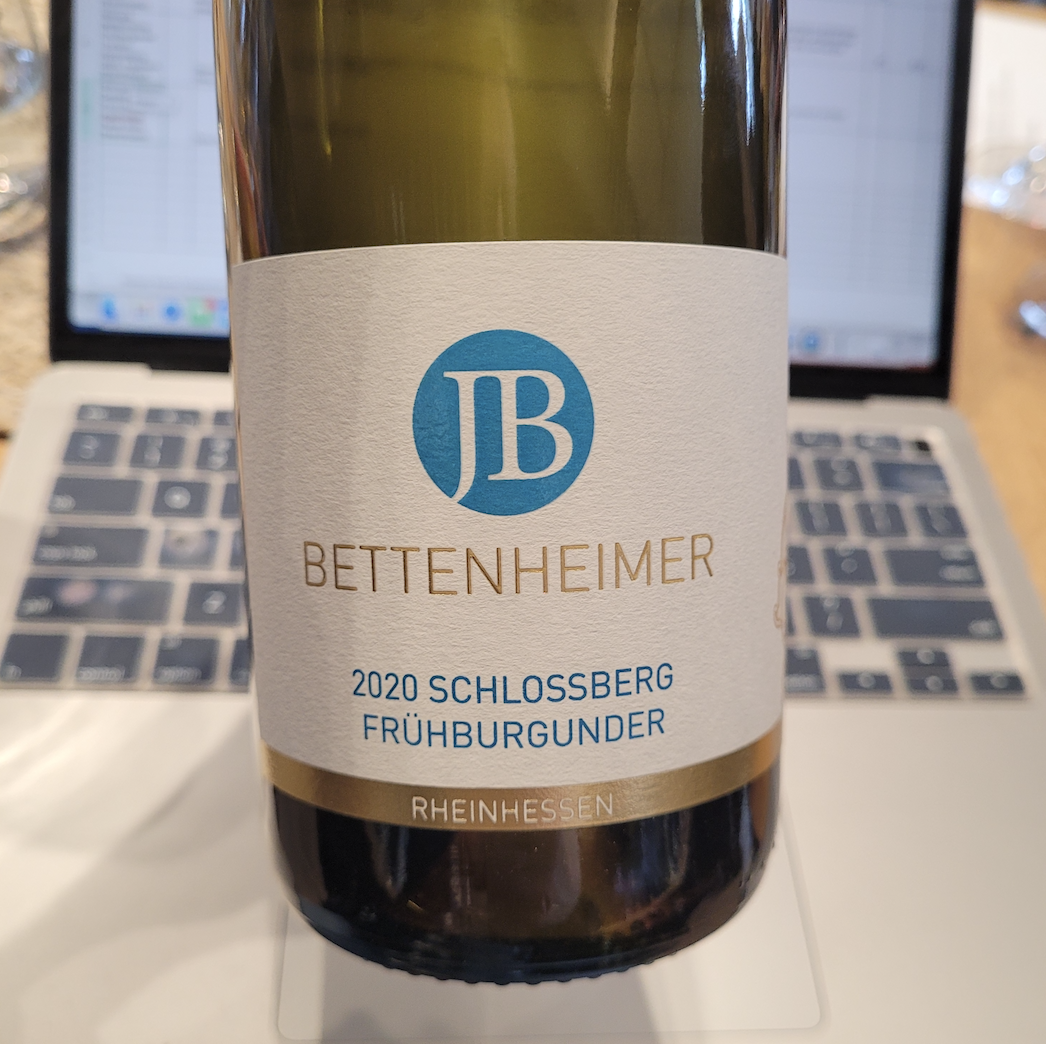
Weingut Bettenheimer Frühburgunder Trocken Schlossberg 2020, Ingelheim, Rheinhessen

Germany’s most interesting grape and perhaps its red future is frühburgunder, a.k.a pinot noir précoce or pinot madelaine, a cultivar that needs to be treated without great oak or pressed ambition. This is neither lithe nor heavy but some not so perfect wood makes the texture quite pasty and it settles uncomfortably on the palate. Some green tannin as well – pressed just a bit heavy it feels. Drink 2024-2025.  Tasted March 2024

Weingut Wasem Doppelstück Pinot Noir Trocken Ingelheimer Pares 2020, Rheinhessen

Some micro oxidative notes at this three-plus year stage though also a taut and compact sensation both on the nose and palate. Rich glycerin and viscous, plenty of cherry and cherry stone bitters for complexity but also a harshness at the finish. Doppelstück is a barrel name where more than one family makes wines but this pinot noir is made by two sisters of the family’s next generation – Doppelstück, meaning twice as big as a regular sized barrel. Very promising varietal wine, just a bit heavy pressed at this stage in its tenure. Drink 2024-2026.  Tasted March 2024
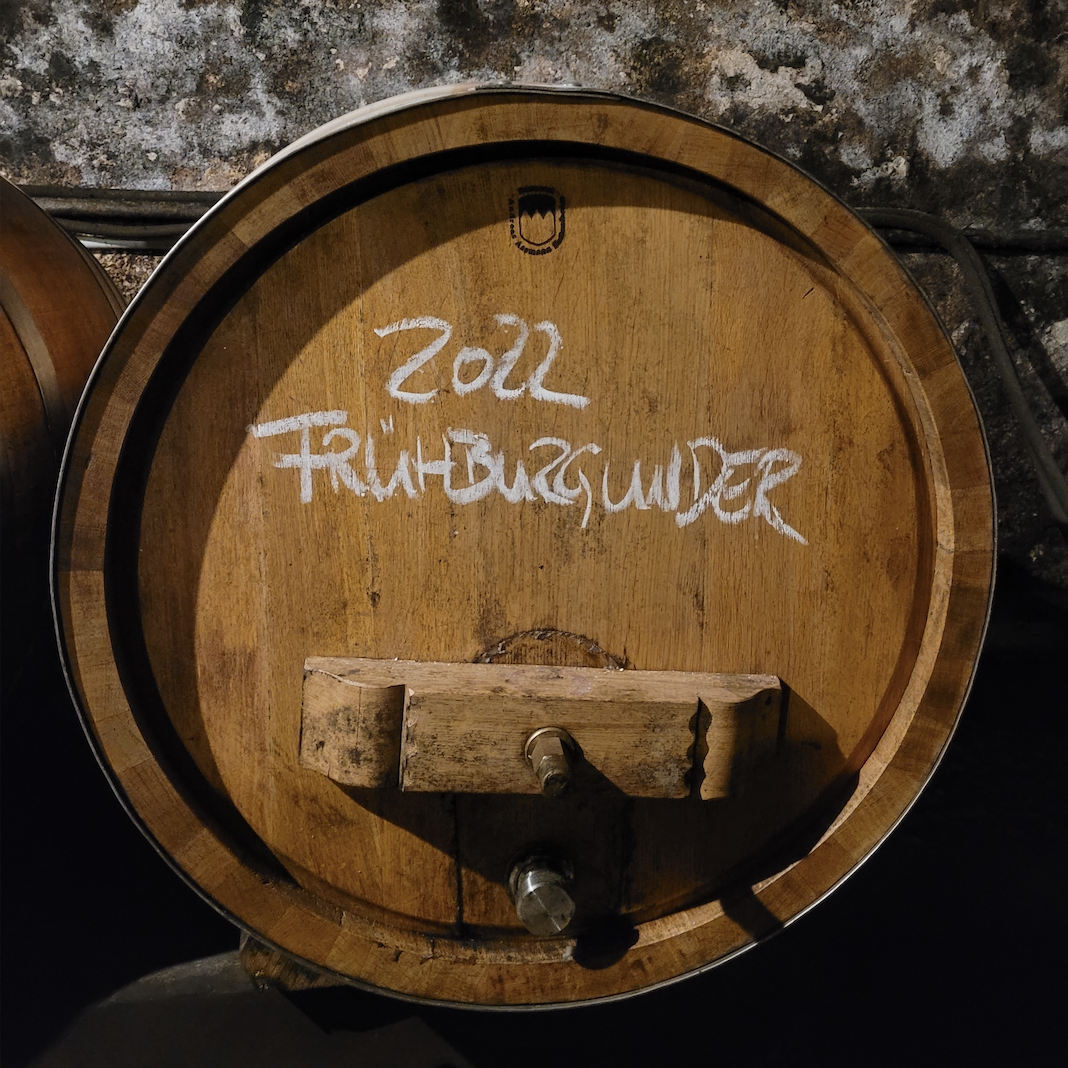
Menk Frühburgunder Trocken 2021, Ingelheim, Rheinhessen

Fresh and energetic frühburgunder with a briny note but some nice fresh raspberry fruit with leafy accents. Palate is a bit syrupy while overall acidity and drive are quite good. Drink 2024-2025.  Tasted March 2024

Baum-Barth Ingelheimer Frühburgunder 2021, Rheinhessen

Good ripe fruit, a bit oxidative but the bottle has been open for a few days. That said the tannic structure and energy are clearly based on an uptick of quality and overall intensity is really fine. Drink 2024-2025.  Tasted March 2024

Sebastian Münster Frühburgunder Cosmographia 2020, Ingelheim, Rheinhessen

Fine and well made frühburgunder with a lactic way about it and fruit really well connected to the structural aspect of the wine. A bit of red fruit paste and austere tannins so there is potential and the pressing was done with some fine restraint. No overriding green tannin but a tisane quality is part of the deal. Drink 2024-2026.  Tasted March 2024

Good to go!

godello

Twitter: @mgodello

Instagram: mgodello
WineAlign

Abruzzo, from the mountains to the sea

Ausonia (Atri, Teramo)

In the last days of February and first days of March the focus zeroed in on Montepulciano d’Abruzzo, “flagship grape of our region,” in the words of Franco D’Eusanio, Vice-President of the Consorzio Vini d’Abruzzo. The Abruzzo Wine Experience served a threefold purpose, to present the Anteprima Colline Teramane DOCG, a Montepulciano d’Abruzzo DOC preview and allow journalists to make visits with regional producers. Success was achieved in all three ways, from insight into Colline Teramane’s specificities, Montepulciano d’Abruzzo DOC’s continuing evolution and the hyper-intense passion, dedication and growth experienced through the work of several Abruzzo estates.

Colline Teramane Montepulciano d’Abruzzo is Abruzzo’s only DOCG appellation. Situated on the border with Marche, in the hills around Teramo, it was previously a sub-zone of Montepulciano d’Abruzzo DOC, elevated to DOCG status in 2003. “Colline Teramane is not just an appellation for Montepulciano grapes,” explains Enrico Cerulli Irelli, former president of the Consorzio Colline Teramane, “but it is a designation that indicates a territory where people, traditions, environment, and history have defined viticulture and with it, the unique identity of the wines. Today, this excellence becomes the flagship in the world of the outstanding quality of Abruzzo wines.”

Abruzzo Program

While being naturally predisposed to viticulture may not separate Abruzzo from dozens of other Italian wine regions, what has thus far challenged its global market share will only make it stronger. Rome (and Italy’s most used, largest airport) is only a few hours away and anyone with half an ability to read a map can clearly find it smack dab in the central part of Italy. Yet Abruzzo finds itself isolated, both literally and conceptually,  located between the Adriatic Sea and the massifs of Gran Sasso d’Italia and Majella, within which three National Parks and more than ten national and regional reserves are situated. The region can be divided into two zones: the mountainous interior, which constitutes over 65 percent of the entire regional territory, along with the coastal area with its wide hilly belt. A traveller could find weeks of interest in these hills and along hundreds of kilometres of Adriatic shoreline and still somehow Abruzzo is considered “out there.” There is the rub; the region should and going forward will in fact attract an adventure seeker yet once inside its ropes the more obvious and accessible tenets of its offerings will be revealed. This will trickle down to more conventional tourism, both that which is associated with wine and also not, and before too long Abruzzo will become known to all.

The climate of the region is Mediterranean along the coast, with sea breezes moderating temperatures. It becomes more continental as one moves towards the hilly and mountainous areas, and with increasing altitude, temperature variations become more pronounced. The average level of precipitation is good, less on the coast and more abundant inland.

Godello in Atri with unidentified cat

Montepulciano d’Abruzzo is undoubtedly the most representative among the Abruzzo grape varieties. Numerous historical documents demonstrate that the grape has been present in the region since the mid-1700s, where it found its ideal terrain. Cultivated in the past in the Valle Peligna (province of L’Aquila) and in the inland hills of the province of Pescara, since the 1950s its cultivation has spread throughout the entire coastal hilly belt, and today it constitutes the main red grape variety of the region. Alone, it represents over 80 percent of the total denomination wines produced in Abruzzo and is among the top three DOC wines produced in Italy. Montepulciano d’Abruzzo DOC is obtained solely from vineyards located in hilly or plateau terrain, whose altitude must not exceed 600 meters above sea level, exceptionally up to 700 meters for those facing south; the surface area on which it is cultivated is around 17,000 hectares. It is almost exclusively obtained from grapes of the same variety. With approximately 800,000 hectoliters bottled (2023 data), it is established as one of the top DOC wines produced in Italy.

Abruzzo wine dinner at Hotel Cristalo, Giulianova

The Consorzio Tutela Vini d’Abruzzo is a non-profit associative body tasked with the protection, promotion, and overall care of interests related to the denominations it oversees. It was established in 2003 by Decree of the Ministry of Agricultural, Food and Forestry Policies (MiPAF) and over the past three years its membership has grown by 20 percent, reaching the current count of 220 members, representing over 4,000 producers of DOC and IGT grapes. The Consortium oversees compliance with the regulatory discipline of the denominations, formulates any proposals for updating it, and coordinates the work of the production sectors to enhance the individual denominations. The Consortium protects the wines with the Designation of Controlled Origin:

  • Colline Teramane DOCG
  • Montepulciano d’Abruzzo DOC
  • Trebbiano d’Abruzzo DOC
  • Cerasuolo d’Abruzzo DOC
  • Abruzzo DOC
  • Villamagna DOC

Starting from the 2024 harvest, with the entry into force of the “Abruzzo Model,” all IGT wines will be grouped under the single Terre d’Abruzzo IGT designation. Starting from the 2023 harvest, the subregion “San Martino sulla Marruccina” has been introduced, joining the existing subregion “Terre dei Vestini,” “Teate,” “Terre dei Peligni,” and “Alto Tirino.” The most significant novelty is the introduction of the distinctive label Superiore, aimed at highlighting productions characterized by stricter production criteria and intended for refinement for important and distinctive reserve productions of the various provincial territories. Only for the Superiore designation will it be possible to highlight on the label references to smaller and more identity-affirming territories such as provincial ones and, in the future, even more restricted ones like Additional Geographical Units, until, of course, the individual mention of a Vigna. Both the Superiore and Riserva categories will be required to feature on the label the provincial subregions of Colline Pescaresi, Terre de L’Aquila, and Terre di Chieti.

Godello with the AIS Sommeliers

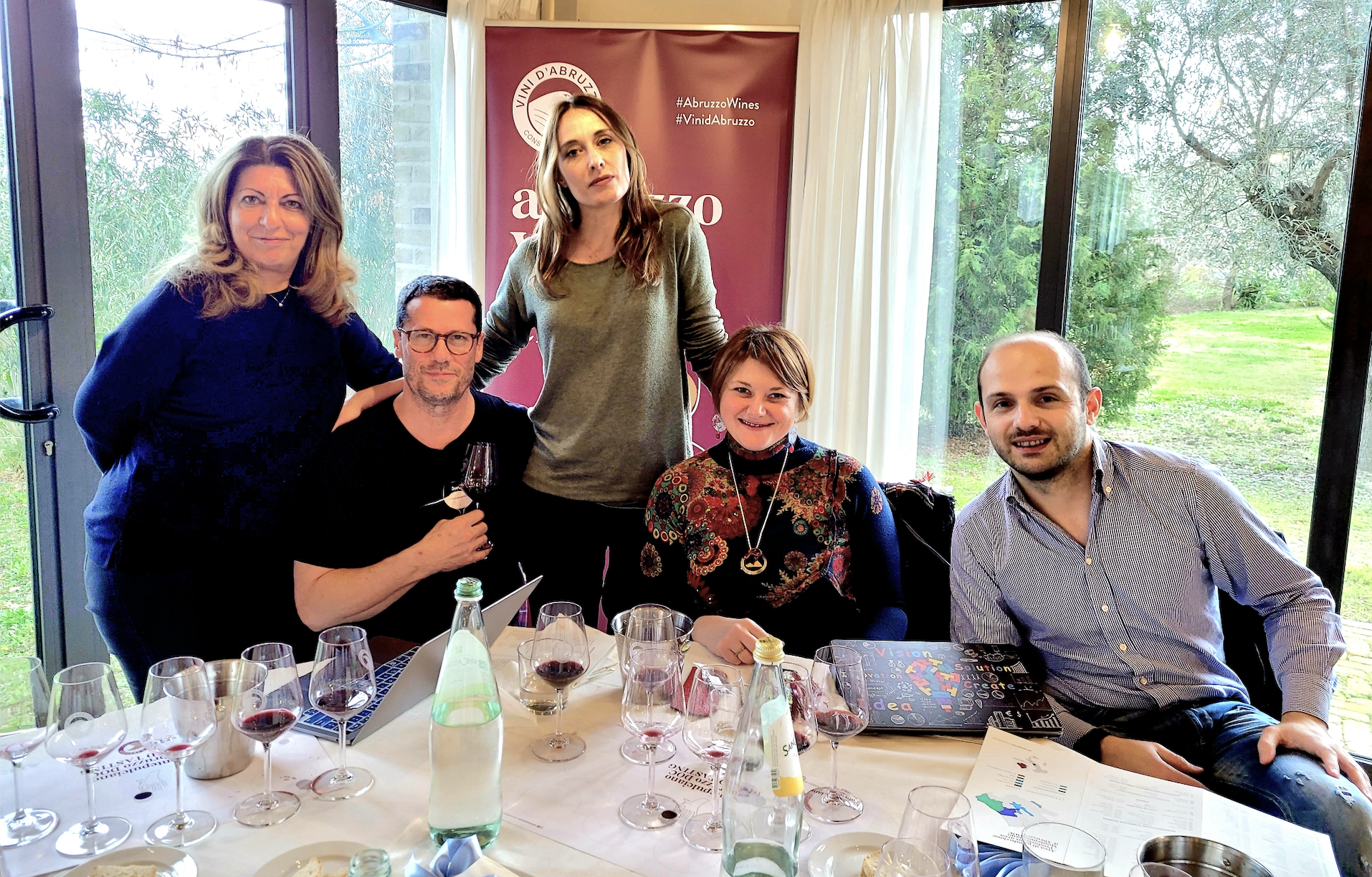
Obvious thank you from the heart to the team at Consorzio Tutela Vini d’Abruzzo and IEM Communications out of Verona and Miami, but also to the AIS Sommeliers and La Squadra Abruzzese; Francesca Granelli, Fosca Tortorelli, Simone Roveda and Daniela De Morgex. A good number of Godello’s blind tasting notes came about as a result of careful panel deliberation and collaboration. Here are 140 notes from three days of tasting and touring in Abruzzo.

The Visits

Guardiani Farchione (Tocco da Casauria, Pecara)

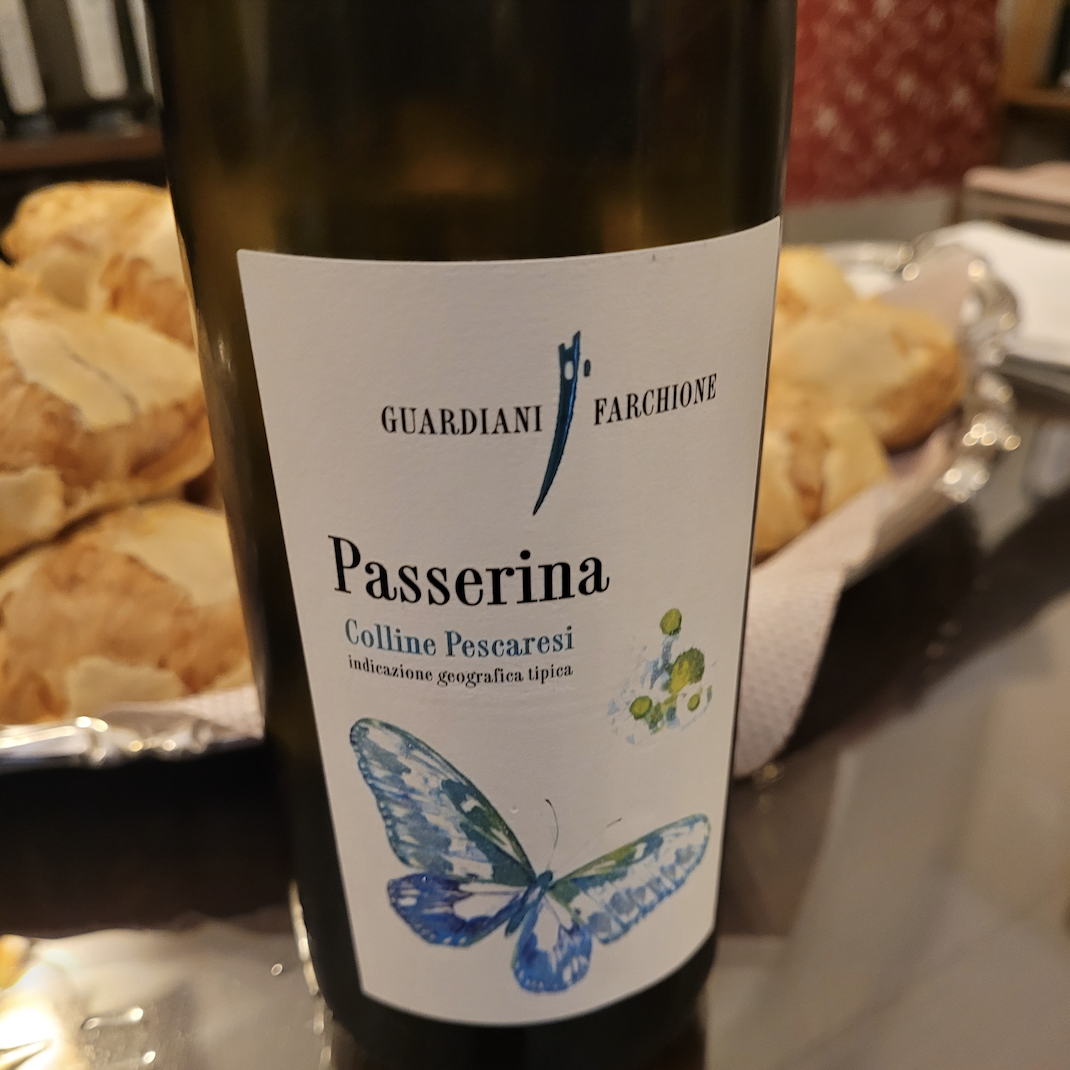
Guardiani Farchione Passerina 2023, Colline Pescaresi IGT

A substantial summer white at 13 percent alcohol, dry, phenolic and floral. Green figs, low acid, mineral-metallic savoury and a good match with fatty meats of fish. A passerina with some connection to volcanic soil with an orange note – no zest but a juicing and quite the botanical finish. Drink 2024-2025.  Tasted February 2024

Guardiani Farchione Pecorino Abruzzo Superiore DOC 2023

If it can be the favourite grape of the migrating sheep then why not ours as well, here from the short wood aging in old wood, experimental for some, incidental for others. A honeyed-beeswax note, not surprisingly phenolic and botanical but also woolly, of both gravity and fantasy considered. A thread of spring herbs and juniper late. Not a rich pecorino but one with a little bit of experience. Drink 2024-2026.  Tasted March 2024

Guardiani Farchione Mille Papaveri Rosso 2023, Colline Pescaresi IGT

A stronger version of the Cerasuolo normale, a ten day soak that brings montepulciano closer to montepulciano, away from the pale and the delicate. A modern experiment that appeals in a retrospective way to the older way of ordering and drinking red wines in Abruzzo. Quite classic gummy bear fruity of red and blue berries, dry and far from savoury. Fruit essence captured because of the extended maceration and really quite focused to deliver with unapologetic consistency. Glou glou montepulciano and so very clean. Drink 2024-2026.  Tasted March 2024

Paolo and Giampaolo Guardiani

Guardiani Farchione Tenuta Del Ceppete 74 2018, Montepulciano d’Abruzzo DOC

Commemorates the year of the first bottled wine for the company by Paolo’s father. Sees two years in cement and 12-18 months in barriques, depending on the season. Another crystal clear varietal wine from Guardiani Farchione. Structured and tannic, long contact with the skins (10-plus days), full textured, cocoa to mocha, meant for (sheep) arrosticini every day you go that way. With a side of sformato you may just rise up to Abruzzo heaven, or in this case the Tocco version of it. Don’t even think of taking any of this for granted. As for the skewers, “any less than five would be a capital sin.” Would like to see this ’18 develop another gear, for energy and integration. Drink 2025-2026.  Tasted March 2024

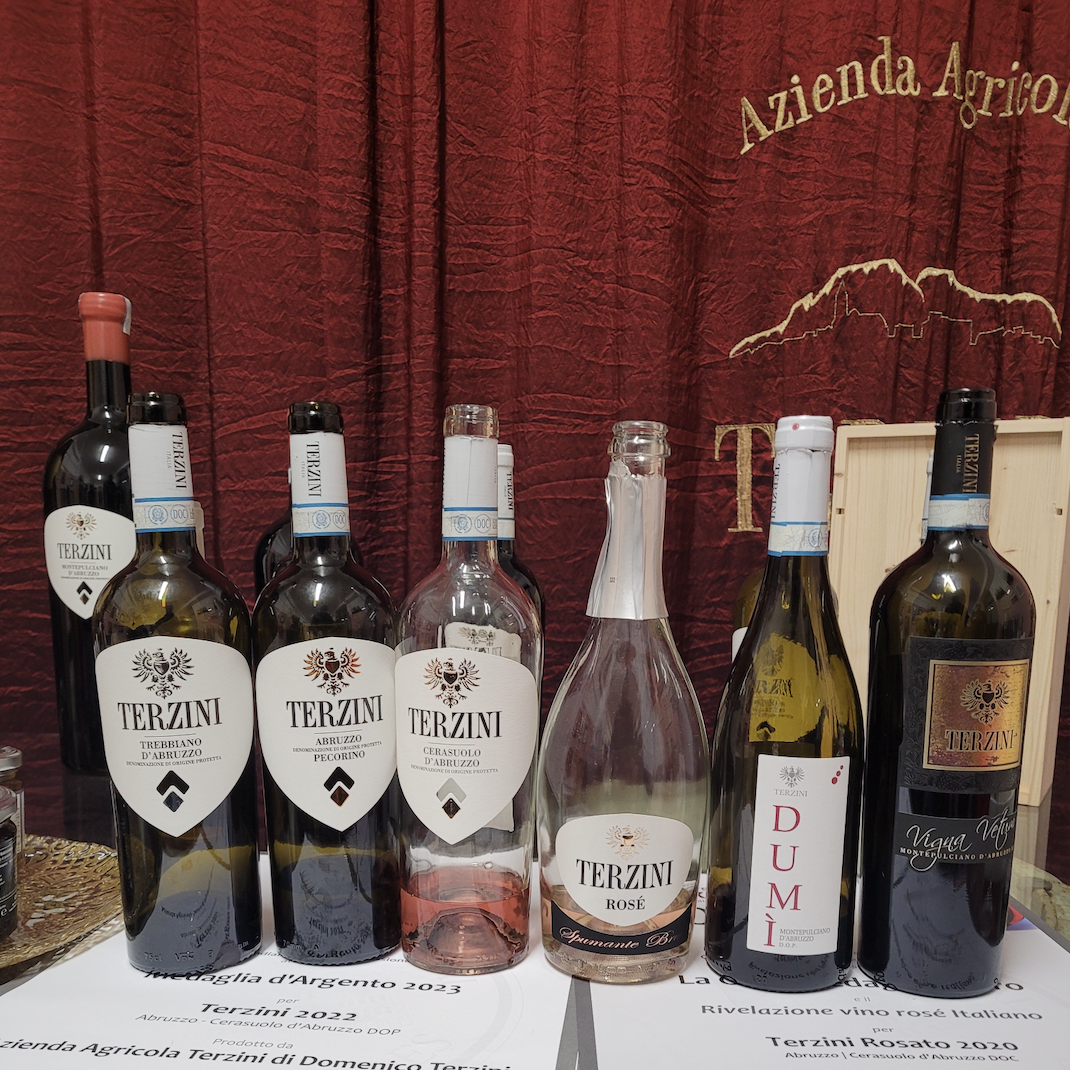
Cantina Terzini (Tocco da Casauria, Pecara)

Cantina Terzini Trebbiano d’Abruzzo DOP 2023

From Tocco da Casauria, of clay soils in an old volcanic area and vines trained by Pergola at 350m. Only steel, clean, sharp and suitable. A serviceable white whenever for hot days when a cool glass is needed to quench a thirst. Fresh as fresh can be, helped by Pergola Abruzzese “roof over a house” training. Drink 2024-2025.  Tasted March 2024

Cantina Terzini Pecorino d’Abruzzo DOP 2023

Pecorino grown in the valley between two massifs, the Maiella and Morrone where day for night temperature swings are great and consistent winds will blow. The endemic Marche grape continues to gain traction in Abruzzo and the history goes back to Benedictine monks in the 1200s. Pale and spicy, quite a lot of intensity for pecorino and again very botanical, a specific Abruzzo style that seems exaggerated in Tocco di Casauria. Not lacking for energy and the very reason why Terzini uses pecorino to make sparkling wine. Drink 2024-2025.  Tasted March 2024

Cantina Terzini Cerasuolo d’Abruzzo DOP 2023

Skin-contact for six to eight hours, followed by six months in stainless steel. True Cerasuolo, made from only montepulciano grapes, finished at 14 percent alcohol. Clean, crisp, fresh and proper. Just that hint of phenolic grip and spiciness but more subtle than pecorino and stylish in its very respectful Cerasuolo way. Good intensity and what the appellative wine needs to be. Drink 2024-2026.  Tasted March 2024

Cantina Terzini Abruzzo Rosé DOP 2023

Sparkling montepulciano and in a way Cerasuolo but only at 12 percent alcohol, as fresh as it is savoury and drier than many sparkling Rosé, especially those made in the Italian method. Can’t be more than 10-ish g/L of RS and the acidity is superb. Still a bit phenolic which might turn the sugar crowd away but there is without a doubt good character and energy. For those who simply like sparkling pink – it’s really that simple. Drink 2024-2025.  Tasted March 2024

Cantina Terzini Montepulciano d’Abruzzo DOP Dumi’ 2022

Domenico Terzini, grandson of Domenico Sr., took the reigns in 2009 and brother Roberto runs the business side of the family winery. Dumi’ is Sr., a pet or nickname in Abruzzo. As in ”Dumi” come here.” Sees juts a few months in wood after stainless steel aging, just a kiss for texture and a year or three of longevity. Reductive in both a rubbery and peppery way, needing agitation to release both floral and fruity charm. Swell of dark fruit and liquorice, mint and heavy fuel phenols. Strong tannins, big time bitters and time is needed in every way. Must be tannin season. Can only imagine what 12-18 months in tonneaux might do. Drink 2025-2028.  Tasted March 2024

Cantina Terzini Montepulciano d’Abruzzo DOP Vigna Vetum 2020

Essentially a Reserve montepulciano, but also a single vineyard or cru. Oldest vines of more than 60 years of age, thus the Latin name. A year in steel and another in barriques. When you think about the recent past of grape and place this is probably just what you would imagine; dark and stormy, rich and oaky, full and substantial fruit, warming and all those wood notes very much in charge. Vanilla, lavender, spice cupboard, tobacco, mocha, perceived sweetness and a softness despite the dense presence of tannins. Energy is fine if not invigorating. Solid example for five-plus years. Drink 2025-2028.  Tasted March 2024

Federico Faraone

Faraone (Mosciano Sant’Angelo, Terame)

Faraone Metodo Classico dal 1983 Dossagio Zero 2021

As with the first bottles made in 1983 by Federico’s father the grape is passerina, first chosen and still the top for Bianco because of pH and acidity on par with Champagne. This means 3.0-3.10 in a good season, as opposed to pecorino which is more like 3.30-plus, meaning closer to a red wine. On the lees for 24 months, mild toasty quality, impeccable balance really and dry as it gets because you can find richness without dosage from the grape and place. Acidity is admirable though just a point one or two below what would really see this sail into scintillant territory. Drink 2024-2026.  Tasted March 2024

Faraone Metodo Classico dal 1983 Rosé 2019

Made with sangiovese, 100 per cent and one of the very few like this in Abruzzo. First trials began in 2010 and 2017 was the first production for selling. The sangiovese sees 48 months on the lees and while there is a rustic earthy quality there is also higher acidity and surely double the complexity as compared to the passerina bianco. Crisp enough but also a sparkling of body and a sense of what can be considered soul. Interestingly it is a sip of the sangiovese and a return to the passerina that makes the Bianco’s acidity seem greater. Counterintuitive but true. Meanwhile there are some fine phenolic bitters on the finish of the sangiovese. Drink 2025-2028.  Tasted March 2024

Faraone Trebbiano d’Abruzzo DOC 2022

Properly fresh and conversely phenolic trebbiano but neither character overwhelm or dominate in any way or sternly towards one another. More scented than many, not what should be considered perfume but more in the vein of plants you brush by in between vineyard rows and on the lower steps of hillsides in the mountains. Pencil shavings and while the grape may seem “neutral” this young it does suggest hints of what may come a few years down the road. Good acidity and low pH for teasers of the sea but please, only in season. Drink 2024-2029.  Tasted March 2024

Faraone Trebbiano d’Abruzzo DOC 2019

Just beginning to develop and express some nuance and next stage character but in the hands of Federico and Faraone this is really just a baby. Now the citrus steps up and rises to the fore to make us think that acidity has risen but phenolics have lessened, or at least our perception of them. A mild lemon preserve, a balance so consistent with the 2022 tasted side by side and then an about face to the side by each comparison with 2013. Drink 2024-2027.  Tasted March 2024

Faraone Trebbiano d’Abruzzo DOC 2013

After 10-plus years the perception really changes and the arena now entered is entirely re-designed and thoughts must be re-written. Fully and completely in delivery of secondary notes, by vanilla, not wood derived but naturally vegetal and other verdant sensations having joined the fray. Paraffin and a roasted parsnip character, not quite caramelized but heading in that direction. The age has surely brought secondary notes while freshness would have been finer just two or three years ago. Suggests that seven or eight years is the sweet spot. Drink 2024.  Tasted March 2024

Faraone Montepulciano d’Abruzzo Colline Teramane DOCG 2007

A fine vintage for the area, in particular for montepulciano and the juiciness but also fleshy character is about as high as it gets, especially as compared to 2016. It’s almost incredulous how fresh and far from evolved this is for 2007 – it’s a weird magic that’s seems virtually impossible, to note considering this was made by Federico’s father who did not study oenology and learned by his own experience. Successful showing with fresh fruit intact and sweet secondary notes just in their infancy. Drink 2024-2028.  Tasted March 2024

Faraone Montepulciano d’Abruzzo Colline Teramane DOCG 2016

From 2016 but about as close to a recent release as it gets for Faraone because extra time in botti is the order of necessity for Federico, just as it was for his father before. Refinement in 30-35 year old cask that ever so slowly develops this relationship between grape and its home. Kinds of reminds of Ca’Bionda in Valpolicella, thoughtful, soulful and simply a representation in respect to the exact place from whence it came. Nothing curious about this but something so real and we are given the opportunity to taste exactly what montepulciano from this pinpointed part of the Colline Teramane must be. Controlled and restrained in every way with many years left in its sure to be long life. Lower production because of Perenospera brought on by May rains and so no surprise how high the quality runs because of a warm and dry summer. Drink 2024-2028.  Tasted March 2024

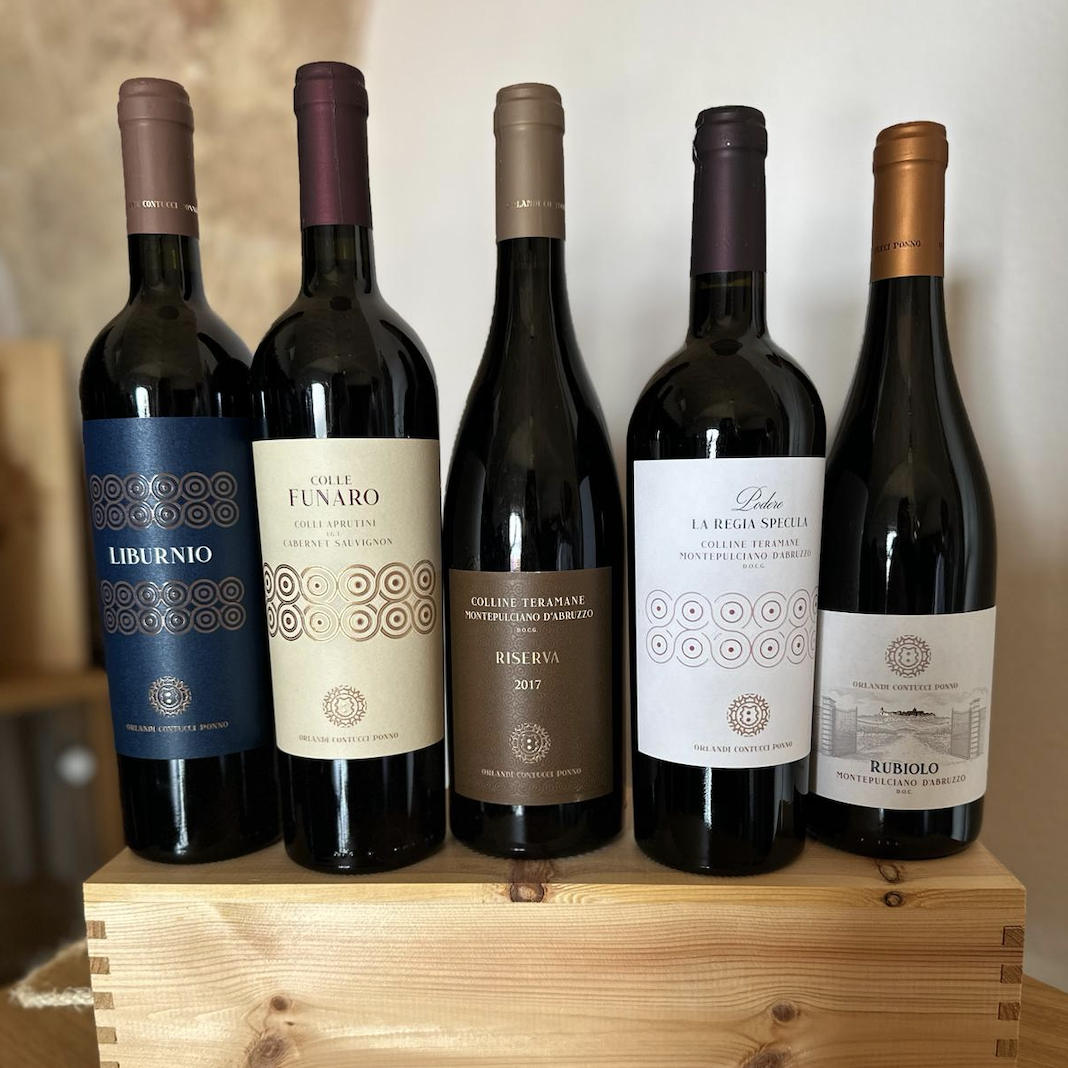
Orlandi Contucci Ponno (Roseto degli Abruzzi, Teramo)

Orlandi Contucci Ponno (Roseto degli Abruzzi, Teramo)

Orlandi Contucci Ponno Pecorino d’Abruzzo Superiore DOC 2022

Will hit the market after May the year following vintage, with higher in acidity in this part of the Colline Teramane, now acid driven but with a year or two the citrus will almost surely morph into fruit more tropical in nature. Already there because as a 2022 the early stages of maturity have already begun to form. Good sapidity but lower level phenols than some other similarly composed and minded examples. Bit of balsamico-gariga at the finish. Drink 2024-2025.  Tasted March 2024

Orlandi Contucci Ponno Trebbiano d’Abruzzo DOC Podere Corte della Corte 2022

More phenolic than the pecorino, less salinity and higher sapidity, herbal in a different way, sweeter and less dried conditions. Impeccably balanced using 90 percent trebbiano d’abruzzo with (10) passerina, clearly in the hands of a team most comfortable with this appellative wine. Half fermented in steel and the other in cask with the result another clear and present indication of equality and balance. Clean, no toast and filtered with great technology to deliver a crystalline varietal experience. Should age a year and possibly up to three longer than the pecorino. Drink 2024-2026.  Tasted March 2024

Orlandi Contucci Ponno Cerasuolo d’Abruzzo Superiore DOC Vermiglio 2022

Super dry Cerasuolo from the montepulciano grape, again extremely clean but also here with the subtlest CO2 buzz. Macerates for seven or more hours and is then separated from the skins. The next steps are white wine method fermentations, allowing for classic appellative colour and most importantly the floral and fruit musky capture of aromas. Soft and stylish, fresh, clear and smoothy sapid. Clinical and precise with a mild cherry stone bitter finish. Drink 2024-2026.  Tasted March 2024

Orlandi Contucci Ponno Liburnio 2016, Colli Aprutini Rosso IGT

Based on cabernet sauvignon (70 percent), with (15) malbec, (10) cabernet franc and (5) petit verdot. Liburnio as in Liburnium, along with Corsica. Ages in barriques for three years, followed by the bottle for two more. Sure the richness is the most prominent feature and matter but the ageing has brought this Bordelais-esque wine into a fine place. Softened for the most part, a spice cupboard masala emulsified into the overall silky texture and acidity still pretty much the energy that keeps the wine keeping on. Drink 2024-2027.  Tasted March 2024

Orlandi Contucci Ponno Colline Teramane Montepulciano d’Abruzzo DOCG Podere la Regia Specula 2020

Ages for minimum 12 months in 20hL botti of Slavonian wood, a high level and quality vintage by estate and appellation standards, warm and dry – but here affected by TCA. Requires a re-taste.  Tasted March 2024

Orlandi Contucci Ponno Colline Teramane Montepulciano d’Abruzzo Riserva DOCG 2018

Barriques and tonneaux for 24 months, now showing the softness of age, the montepulciano in dried leathery fruit notes beginning to replace the fresh plum and berries of the wine. Drink 2024-2025.  Tasted March 2024

Orlandi Contucci Ponno Montepulciano d’Abruzzo DOCG 1999

Corks were replaced five years ago but this particular bottle was already infected with TCA and so could unfortunately not be saved.  Tasted March 2024

Ausonia (Atri, Teramo)

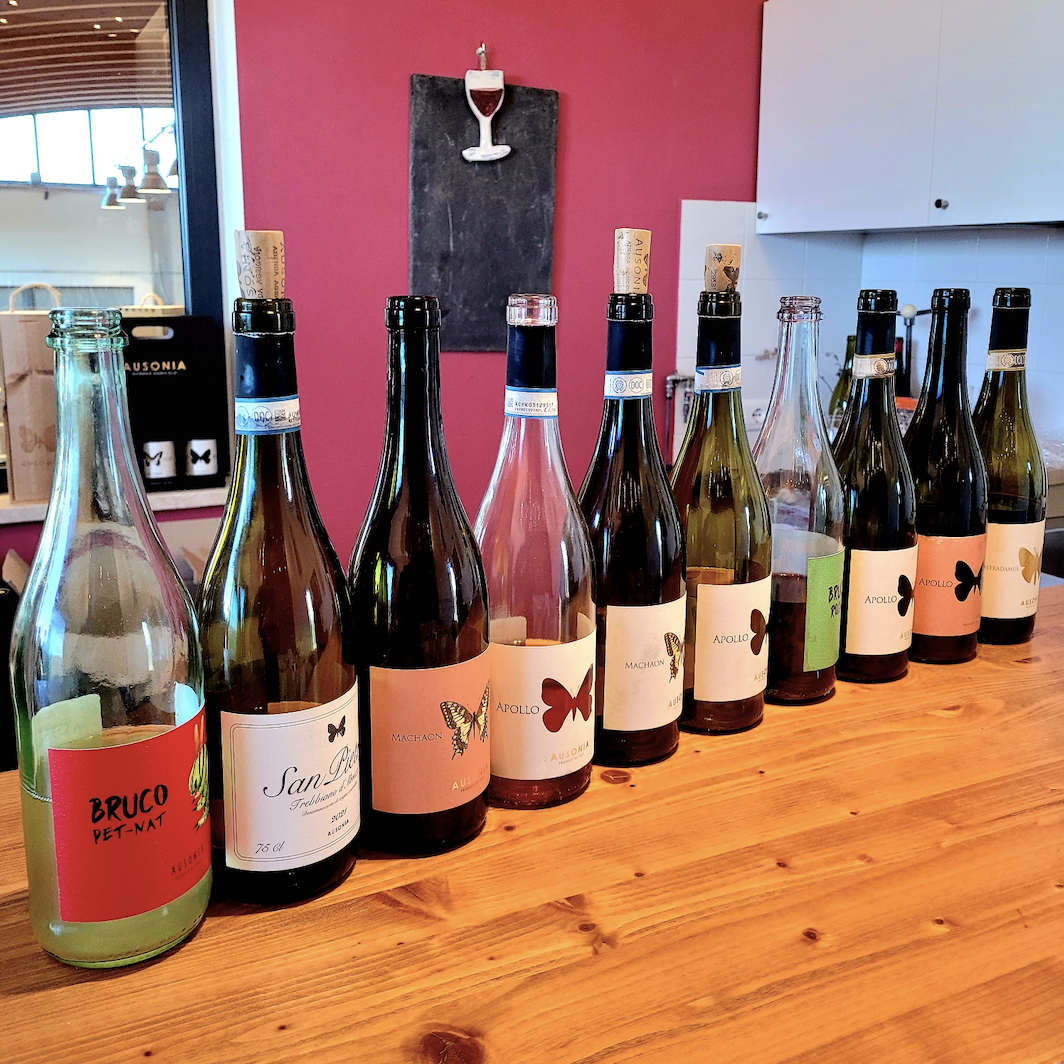
Ausonia Bruco Pet-Nat 2022, Colli Aprutini Bianco Frizzante IGP

The work of Simone and Francesca (Franca) Binelli from Lombardia, he the pharmacist who studied oenology in Florence, she the mechanical engineer. “Natural is the best way to make wine, but not all natural wines are the best,” explains Simone. Their Pét-Nat is made from trebbiano, all in yeasty though quite clean with a raw dough aspect to what must be seen as a unique Abruzzese iteration. Kind of tastes like a Japanese Orin Apple, a connection not often found but there it is. Really drinkable and getable for the genre. Drink 2024-2025.  Tasted March 2024

Ausonia Trebbiano d’Abruzzo DOP Apollo 2022

The name Ausonia is from the original name for Italy, as in Auson, sone of Ulysses and father of the Ausone people. The Apollo line trebbiano is only made with fruit from the youngest vineyard, coming away sharp, fresh and phenolic trebbiano, as per the usual, but the biodynamic aspect sure plays a role in its fruit and crisp, just picked vegetable personality. More than most this is a representation of vintage for these particular vineyards. Inherently natural and characterized this way. Drink 2024-2025.  Tasted March 2024

Ausonia Pecorino d’Abruzzo DOP Machaon 2022

A Canadian connection with Ausone, the name being assigned to one of three 1920s Class “A” Intermediat San Pietro 2022e emigrant and refrigerated cargo carrying ships that sailed from England to Pier 21 in Halifax. The winery’s name however is actually a connection with Italy’s original name. In any case this is wholly unique and excellent pecorino, once again organic and biodynamic through spontaneous fermentation, with only stainless steel aging. Sharp and tight, sweetly tart and clean, fresh and sparked. Great energy and the kind of natural pecorino to pour alongside and eat with sharp salty cheeses and afternoons of the same, all the live long day. Drink 2025-2028.  Tasted March 2024

Ausonia Trebbiano d’Abruzzo DOC Apollo – San Pietro 2022

The trebbiano aged in fermented without skins in cask and aged in Austrian. A “French” style of trebbiano, first made in 2020, creamy and also tart, spiced and high acid, well captured, kept and energy refuses to wane despite the wood. Actually brings out the aromatics in the grape and the older vines deliver concentration from the cru most important planted in 1984. About as special for trebbiano as it gets from the Colline Teramane. Drink 2024-2028.  Tasted March 2024

Ausonia Cerasuolo d’Abruzzo DOP Apollo 2022

Fabulous Cerasuolo, full hue, aroma and flavour profile that gives and gives some more. Rich in poly-phenolic compounds with intensities that never relent. Truly generous and fresh, sparked and clean as Cerasuolo to the limit of enhancement for naturally curated montepulciano. Drink 2024-2027.  Tasted March 2024

Ausonia Pecorino d’Abruzzo DOP Machaon 2022

Sees 10 days of maceration, followed by amphora for 11 months and while this follows suit for so many expected attributes with respect to natural wine aged this way – well the purity of fruit and clean character are at the top of the game. Sure the phenols and the fine bitters are very much a part of the mix but believe it or not a few years of age to resolve the tannins might do more good than bad. Will lead to a pecorino that would be considered affinamento, with the development of refinement and glissade. Drink 2025-2028.  Tasted March 2024

Ausonia Montepulciano Bruco 2022, Colli Aprutini IGP

The sister to the Bianco Frizzante but not sparkling, in fact just the youngest vines and shortest maceration for the most glou-glou montepulciano on the planet. Super juicy and no thought required. Grape juice that’s just about fun.  Tasted March 2024

Ausonia Montepulciano d’Abruzzo DOP Apollo 2021

Aged in concrete and a part stays some months in barrel. Just bottled and now released so yes the youngest stage to taste this finished wine. Crisp, croccante and crunchy, of fresh liquorice, tart and juicy. Quite a pure and unadulterated expression, some verdancy and fresh herbs, still a bit austere because the tannins need time to resolve. Drink 2025-2028.  Tasted March 2024

Ausonia Montepulciano d’Abruzzo Riserva DOCG Apollo 2021

Amphora montepulciano from which you will feel the oxidation and while the effort is clearly yeoman it would hard to not see this as a work in progress. Bitters and herbs are exaggerated, spices are smoky and the fruit feels charred. Roasted nightshades and real austerity but there are some juicy and energy redeeming qualities. Will feel more generous once the dust settles. Drink 2025-2028.  Tasted March 2024

Ausonia Montepulciano d’Abruzzo Riserva DOCG Apollo 2019

Though also organic and biodynamic this is most certainly the most conventional of all the wines made by Simone and Francesca Lodi. Rich, woody, caky and equipped with serious austere tannins. Not the easiest vintage for a montepulciano and Abruzzo but this does well to capture grape and Riserva style. Really well. Drink 2025-2031.  Tasted March 2024

Tasting team Abruzzo

A baker’s dozen dinner wines

Barba Pecorino Collemorino 2023, Colli Aprutini IGT

Just a 60 days stay on the fine lees but that works to great fresh advantage for Barba’s properly herbal and still truly fleshy pecorino. Catches and captures the variety’s Abruzzese essence with a posit tug effected between salty and creamy. Delightful example. Drink 2024-2026.  Tasted February 2024

San Lorenzo Pecorino d’Abruzzo DOC 2023, Teramo – Castilenti

Oily and phenolic, somewhat brooding or as much as this can happen with pecorino. A resemblance with viognier or perhaps more akin to some verdicchio at the elevated style where ripeness and alcohol become the discerning factors. Drink 2024-2025.  Tasted February 2024

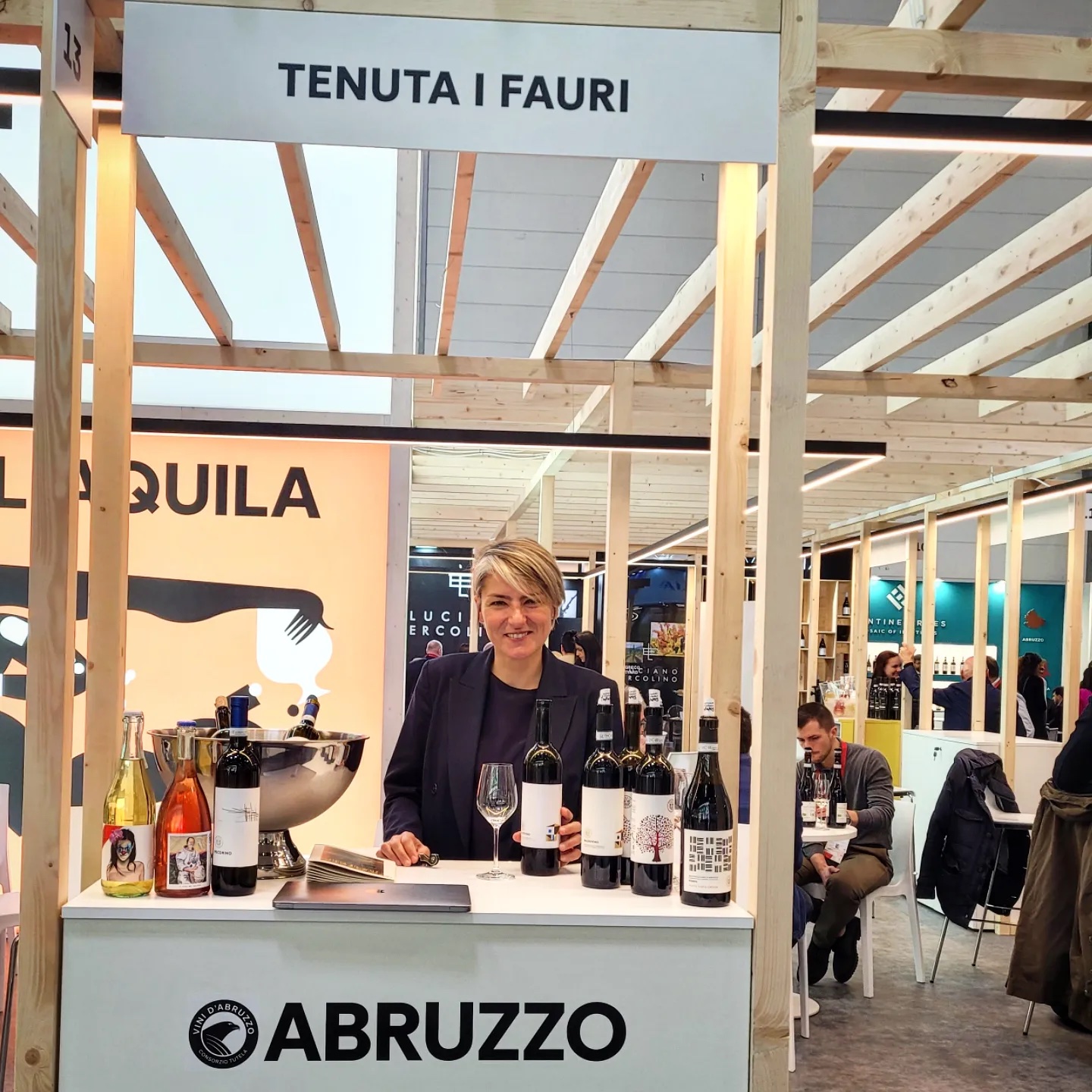
Tenuta I Fauri Pecorino d’Abruzzo Vino Biologico 2022, Chieti

Perfectly ideal and comfortable middle ground with two varietal feet firmly planted into the ground for pecorino gifting the holy trinity – Salinity, sapidity and roborant herbology. This translates as a combined feeling gained that is at first phenolic, followed by creamy, oily and finally grippy pecorino. The salts are elementally mineral, drawn up and into a wine expressive of Chieti, from the mountains to the sea. Botany, grapes and seasoning in the glass. Drink 2024-2026.   Tasted February 2024

Bossanova Trebbiano d’Abruzzo DOC Contraguerra 2022

Same skin-contact style as before and a similar result though the acetic quality is tamed from 2022. A tisane effect now, which is in fact something proper as it pertains to making skin-macerated whites but once again this lacks the necessary lustre and medium-scintillant behaviour that makes the genre successful. I am a big fan of Bossanova’s montepulciano work but the orange idiom feels forced and not (yet) quite understood.  Tasted February 2024

Nicodemi Trebbiano d’Abruzzo DOC Cocciopesti 2021, Notaresco

Raising takes place in clay pots for trebbiano of character and style. Not to mention colour, texture and a sapidity elevated to the nth degree. High phenolic presence which means a grippy treb, metallic and famously Abruzzese personality. Drink 2024-2026.   Tasted February 2024

Cerulli Spinozzi Trebbiano d’Abruzzo DOC Torre Miglioro 2021, Canzano

A trebbiano of a developing idea and story, rich and rising to the edge of phenolic danger, without crossing over. Sapidity in droves, precious gem and metal sheen, some reduction but again things settle themsleves in the face of potential adversity. All things considered this is quite successful and certainly more interesting than Cerulli Spinozzi’s Gruè trebbiano. Drink 2024-2026.   Tasted February 2024

Tenuta Terraviva Trebbiano d’Abruzzo Superiore DOC Mario’s 48 2022, Colline Teramane – Tortoreto

Some reduction requiring resolution but there is breadth, a broad swath of fruit and necessary stuffing to set this up well. The grip and also balance say drink now but also look to see what’s coming around the next few corners. Fulsome, fleshy enough but also grounded. The potential is there. Drink 2024-2027.   Tasted February 2024

Masciarelli Trebbiano d’Abruzzo Superiore DOC Castello Di Semivicoli 2020

Tasting 28 months later and this trebbiano has resolved into a straight shooter. Simple, easy and little complexity. Still a serviceable example.  Last tasted February 2024

Candied florals in sugary perfume as if white cotton candy or a confectioners’ marshmallow vein. Soft, downy and light, smooth and suave trebbiano. Drink 2021-2022. Tasted October 2021

Bucciacatino Trebbiano d’Abruzzo DOC Biologico 2022, Chieti – Vacri

Another straight shooter of varietal mineral truth, plant extracts and elements run through. Some flesh to back it up for quality trebbiano of easy accessibility. Drink 2024-2026.   Tasted February 2024

Le Vigne Di Faraone Cerasuolo d’Abruzzo DOC 2023, Terame – Giulianova

Terrific by appellation standards, so proper and extremely satisfying. Fruit, acids, tannin and flesh are all onside. Not just arch classic but the sort of Cerasuolo to consider eliminating the use of montepulciano grapes for red wine. Sorry, not sorry and funny, not funny because when the varietal result is this delicious meeting the profound, well you understand the hyperbole. Drink 2024-2028.   Tasted February 2024

Ciavolich Cerasuolo d’Abruzzo DOP Fosso Cancelli 2021, Loreto Aprutino

Transparently scintillant and lithe example of montepulciano as if from another era, yet so clean and modern for today. Sharp Cerasuolo of excitement, seductive because its eyes never wander and it wears high-level emotions of generosity and empathy on its sleeves. Yet it is somehow troubled, unstable in youth and for a 2021 Cerasuolo you would have thought’d should be past the tense and nervous stage. But it is not and that is surely part of the fascination. Cheese note on the nose (ha ha pecorino) with lightning quick reflexes to extol the virtues of fruit combined with sweet acidity for excitations and exultations of a higher order. In the end Fosso Cancelli acts out a passion play for an appellative dichotomy wrapped inside a paradox. Drink 2024-2028.  Tasted February 2024

Stefania Pepe Trebbiano d’Abruzzo DOC Pepe Bianco 2020

Natural smoulder and flint struck, a glissade of trebbiano made from old vines requiring a listen because its speaks in passionate tones. Flint monster in fact, that smoulder in surfeiting seduction, full on willing, able to please yet 2020 is still not quite ready. For some the unresolved sulphides and smokiness will give a heavy feeling but where is the hurry? There is a glou-glou effect behind the veil and given another year there should be no distraction. There is sex appeal inherent do don’t be shy or this will will walk all over you. Just try to enjoy the rapture. Drink 2024-2027.   Tasted February 2024

Abruzzo Wine Experience

Colline Termane

Bossanova Montepulciano d’Abruzzo DOCG Il Bossa 2022, Colline Teramane – Controguerra

Inviting straight away. Spices and chalk on the nose, complexities bounding with immediacy for a smart, tart and fresh montepulciano announcing its arrival. Lots of wood though that feeling of older and bigger format very much involved. Classic liquorice and unlit tobacco, spices again and again, long through to the finale. No denying the quality of the tannins. Drink 2026-2030.  Tasted February 2024

Tenuta Terraviva Montepulciano d’Abruzzo DOCG Terraviva 2022, Colline Teramane – Tortoreto

More than notably reductive, at the top for such a distinction with montepulciano locked in oh so tight. Spiced and lit to the hilt, almost flinty with some unresolved sulphides as well. Wood a major factor and time essential to see development and evolution take this somewhere positive. Quite frankly feels like a barrel sample still. The jury is out and in the end may very well (or not) be hung. Drink 2026-2029.  Tasted March 2024

Barba Yang Montepulciano d’Abruzzo DOCG 2022, Colline Teramane – Roseta degli Abruzzi

Brightness and freshness at the foremost of importance and clarity reels high for what has to be a montepulciano to drink both early and then four to five easy years of sliding, gliding and effortlessly developing maturity. A hint of semi-carbonic pulse, a buzz of energy and notes through chalky tannin that suggest waiting a year or two. My if this dopes not resemble Cru Beaujolais, especially Fleurie with the bold and floral notes. Not particularly typical at this stage but so curious and perhaps still a factor of campione (tank sample). Drink 2025-2029.  Tasted March 2024

Fosso Corno Montepulciano d’Abruzzo DOCG Il Grande Silenzio 2021, Colline Teramane – Roseta degli Abruzzi

Weedy, dill pickles and nettles – surely problematic, either from the wood or a moment of danger near the latter stages of alcoholic fermentation.  Tasted March 2024

Cerulli Spinozzi Montepulciano d’Abruzzo DOCG Gruè 2021, Colline Teramane – Canzano

Fine if reserved, reductive, stoic and its freshness locked in tight. Aromas are caught behind the walls of acidity, tannin and reduction though the latter is nothing more than a thin veil of currency. Great acids actually and fine-grained chalky tannins, nearly ready to open and reveal the true florals of the wine. Wood is important here but it is good quality and used judiciously. Could very well still be fermenting. Drink 2026-2030.  Tasted March 2024

Tenuta Antonini Montepulciano d’Abruzzo DOCG P. 121 2021, Colline Teramane – Ancarano

The barrel first and foremost, indicative of American oak, of vanilla, lavender and coconut, not unlike Rioja Reserva. Lacks the body politic and stuffing to keep up with the wood. In the end that’s all there will be. That said there are fans of the style. Drink 2026-2028. Tasted March 2024

Velenosi Montepulciano d’Abruzzo DOCG Versosera 2021, Colline Teramane – Controguerra

If a montepulciano could be classified and considered as classically modern than this would fit that ideal to a “T.” Or a “V” in this case, for valedictorial conduct and victory. Rich and delicious, full and substantial, wood used generously and also properly for a fine weave of fruit and vessel in easy intertwine. Drying at the finish yet floral and naturally sweet berries without pause or distraction. A prime and proper Colline Teramane Montepulciano d’Abruzzo DOCG with just that small hint of danger-inducing oxidation, though also one that speaks for all in a truly fruitful way. Drink this now because that oxidative suggestion will develop within two years. Drink 2025-2027.  Tasted March 2024

Ausonia Apollo Montepulciano d’Abruzzo DOCG 2021, Colline Teramane – Atri

Quiet, youthful and reserved, reminiscent of old school styles prevalent in recent past epochs but truthfully they can be well made and delivered examples of montepulcioano. As here with quality fruit, nothing mind-blowing but the weight and balance are well maintained. Simpler than some, not perfectly clean and yet made with heritage and traditional purpose. Drink 2026-2029.  Tasted March 2024

Emidio Pepe Montepulciano d’Abruzzo DOCG 2021, Colline Teramane – Torano Nuovo

Nothing else noses like this montepulciano and what is also perceived is the extreme youth of such an example. Gifts with shadowy hints and generous ideas but the sensations yet to come are manyfold, if quite possibly infinite. Fruit source just feels tops and selection so much more stringent than just about any in the appellation. Tannins are about as tight as any in all of Abruzzo and the interplay between fruit and structure is both playful but also gripped by an intensity of tension. A few sips gathers the swarthiness of the vintage but time will elasticize and disperse the parts. The potential here is great and if this is not looked upon as a top vintage today there will be times over the next 25 years where that opinion is challenged. Drink 2027-2039.  Tasted March 2024

Fattoria Nicodemi Notari Montepulciano d’Abruzzo DOCG 2021, Colline Teramane- Notaresco

Fine, straight-faced, laces tied tight, lean and linear issue of montepulciano as Colline Termane for Montepulciano d’Abruzzo DOCG. Cool, salt-licked, stony and also vertical. Will not live past this decade but will soon begin to offer up a soothing and cool glass in the short term. Drink 2025-2028.  Tasted March 2024

San Lorenzo Montepulciano d’Abruzzo DOCG Antares 2021, Colline Teramane – Castilenti

Aromas of red onion skin and pickling spices. Vintage directed and the sort of montepulciano that has listened to the season’s wind to deliver just what was on order. Fruit juicy, punchy and simple, if also pleasing, serviceable and effective. All parts that follow are equal and consistent with the first. Drink 2024-2026.  Tasted March 2024

Abbazia di Propezzano Montepulciano d’Abruzzo DOCG 2021, Colline Teramane – Morro d’Oro

Reductive, tart and woolly, working through fermentative machinations with both manic and lactic undertones. Needs to settle and function confidentially within itself, though time will also dry out the fruit. Try to find the sweet spot two or three years down the road. Drink 2025-2027.  Tasted March 2024

Cioti Alarius Montepulciano d’Abruzzo DOCG 2021, Colline Teramane – Paterno

Fresh, semi-carbonic, still in a bubble gum and candy floss time frame. Tart and simple, wood not such a distraction though the montepulciano tannins cannot be ignored. Their drying and savoury qualities are not so in synch with the fruitiness and will never fully come together. Drink 2025-2027.  Tasted March 2024

Tenuta Morganti Nina Montepulciano d’Abruzzo DOCG 2021, Colline Teramane – Torano Nuovo

Much interest to start if also demure but there are florals and sweets natural red fruit scents that do invite further inquiry. The palate is furry, woollen and just that right amount of swarthy so again, curiosity runs high to look for complexities and fascinations to come. Chewy and tannic, in fact this is montepulciano that you truly sink your teeth into. Will mature and oxidize with beauty and old soul character to drink with distinction several years forward. Pay attention to the signs and see what lays ahead. Drink 2026-2032.  Tasted March 2024

Cantina Strappelli Montepulciano d’Abruzzo DOCG 2020, Colline Teramane – Torano Nuovo

Super reductive to block receptors and hide away potential. There are hints of beauty and charm back there but a warm and grippy vintage is reluctant to give away too much, too early. Firm and also marked by ripe acids that control and also keep the fruit’s emotions in check. The potential for great positivity and true to appellation drinking should not be ignored nor denied. This will find its way. Drink 2026-2031.  Tasted March 2024

Fosso Corno Montepulciano d’Abruzzo Riserva DOCG Orsus 2020, Colline Teramane – Roseta degli Abruzzi

A Riserva of montepulciano that relies on the barrels for most of its character and while the further aging time in vessels should develop more structure (and will) there is a bit too much distraction involved. Once again it is a Rioja-like stylistic that comes to mind and that is not a great look for Abruzzo. Drink 2025-2027.  Tasted March 2024

Tenuta Terraviva Montepulciano d’Abruzzo Riserva DOCG Terraviva 2020, Colline Teramane – Tortoreto

Floral, candied nose, tart and distracting because of the way wood interposes against the simplicity of fruit. Odd in many ways, relatively clean yet oddly fermentative in its freshness seeking way. Unusual Riserva style and hard to understand. In the end the tannins are brittle and crumble under pressure. Drink 2025-2028.  Tasted March 2024

Fattoria Nicodemi Montepulciano d’Abruzzo Riserva DOCG Luì 2020, Colline Teramane – Notaresco

No real surprise from grape and appellation because substance is next level and acids well heeded to support and drive the point forward. There is a lot of wood to resolve but it too helps and acts as a catalyst to make all parts of this montepulciano feel naturally sweet and connected. The style is normal and the execution well accomplished. A clean 2020 with plenty of life ahead. Drink 2025-2031.  Tasted March 2024

Illuminati Montepulciano d’Abruzzo Riserva DOCG Pieluni 2019, Colline Teramane – Controguerra

Plenty of wood and somewhat forced upon the fruit and our senses in that regard though this will serve an important purpose moving forward. Fruit quality is quite fine if not yet feeling precise and the style is one of winemaking to create a structured wine that will last a good long time. But the style will always be front and centre for a montepulciano by way of the Colline Termane’s professional construct. Tastes like a $60 J. Lohr Red, at the peak of Abruzzo commerciality and impressive all the same. Drink 2025-2027.  Tasted March 2024

Barone Cornacchia Montepulciano d’Abruzzo Riserva DOCG Bizzarro 2019, Colline Teramane – Torano Nuovo

No surprise that Riserva for montepulciano is so much about up front wood from a wine going back to 2019 that delivers this swaying kind of feeling. Tang, tart and controlled intensity of parts moving together in ways that just seem better and more tightly gathered than many. It’s a style and one issued on repeat but some producers do this better than others. As here because the acidity is forceful yet sweet and the culminating balsamico note clearly indicates a sense of place. That would be Torano Nuovo and here the sub-zone is promoted through a fine 2019. Drink 2025-2030.  Tasted March 2024

Centorame Castellum Venus (Campione Vasca) Montepulciano d’Abruzzo Riserva DOCG 2019, Colline Teramane – Atri

Going back four and a half to five years with a still reductive montepulciano though cleaner than it at first seemed. Dark, cool, sweetly savoury fruit with tobacco, liquorice, fennel, espresso and finishing spice. Plenty of character and complexity but also a linear traction and tractive ascent. Grips the rungs and the tracks without hover or disconnect to express fruit and place (that being Atri) with distinction. Drink 2025-2031.  Tasted March 2024

San Lorenzo Montepulciano d’Abruzzo Riserva DOCG Escol 2019, Colline Teramane – Castilenti

An oaky feeling from the start with American notes of coconut and here also blanched nuts. The fruit wants to shine through, of currants and pomegranate, culminating at a proper balsamico shudder but the wood is all over this mess of fruit. Wholly distracting from start to finish. Drink 2025-2027.  Tasted March 2024

Fattoria Giuseppe Savini Montepulciano d’Abruzzo Riserva DOCG 2019, Colline Teramane – Castilenti

As fresh and fruit forward as Riserva for montepulciano will be to tell us maturity and resolution have arrived – with thanks to simply and judiciously used wood. Yes, a simple and easy drinking Teramane example but thankful it neither reeks nor swells with barrel overuse. Drink 2024-2026.  Tasted March 2024

Cantina Colonnella Montepulciano d’Abruzzo Riserva DOCG Barocco 2019, Colline Teramane – Colonnella

Oddly carbonic for a Riserva level appellative montepulciano but sometimes the style will dominate the aromas no matter how or why. Presents a bubble gum fruitiness and also leathery compaction with fruit the main factor in the wine. Sweet acids to be sure and while a consumer might be unaware of what they are drinking, many will find delight. That said you have to know that to other local producers an eyebrow of concern would be raised in reaction to the style. Drink 2025-2027.  Tasted March 2024

Montori Montepulciano d’Abruzzo Riserva DOCG Fonte Cupa 2019, Colline Teramane – Controguerra

Quite thick, rich and emulsified montepulciano with all parts integrated, resolving and coming together. Fine acidity is this 2019, leading the construction and fully entrenched as catalyst for the quality Colline Teramane fruit. Clean and proper, ready to drink and willing to please for two-plus years or more. Drink 2024-2027.  Tasted March 2024

Cantina Strappelli Colle Trà Montepulciano d’Abruzzo Riserva DOCG 2019, Colline Termane – Torano Nuovo

Dio mio so much up front and in charge wood on this 2019 Riserva made in the ways of grand Italian selections, trying in a most sincere attempt to access old school charm and grace. Succeeds to a pick the best barrels degree, yet neither fruit source nor a true sense of place are in play. More about style, structure and winemaking and yet there is no denying the precision and clarity of the execution. Has its place and many will find the neo-classicism in its ways. Drink 2025-2028.  Tasted March 2024

Biagi Ipnosi Montepulciano d’Abruzzo Riserva DOCG 2018, Colline Termane – Colonnella

Chewy and caky example of montepulciano that clearly indicates Riserva style with more than a marked presence of French wood. Vanilla, lavender and emulsified elements to create a swirl of floral, fruity and woody elements. No shock to find such an example and many will be comfortable with this glass. Drink 2025-2028.  Tasted March 2024

Terre di Chieti

Azienda Till Montepulciano d’Abruzzo DOC Lupus 2022, Terre di Chieti – Casoli

Open, fragrant, floral and naturally sweet fruit forward montepulciano. Clean and bright, fresh as the day it was born and bottled, stopping only it seems for a few months in steel. Ideal entry point with hints at but no real showing from and for wood. Drink 2024-2026.  Tasted March 2024

Tenuta I Fauri Montepulciano d’Abruzzo DOC Baldovino 2022, Terre di Chieti

Extremely youthful with that natural feel by carbonic pulse, fresh and gassy fruit and sweetly reductive. Simple in a way but so getable and appealing to a naive and willing crowd. Something lactic about it and for those set in their ways this may act uncomfortably primary but the glou-glou style will woo and kill it with the bottle shop crowd. Drink 2024-2025.  Tasted March 2024

Tenuta Ulisse Montepulciano d’Abruzzo DOC Ulisse 2022, Terre di Chieti – Crecchio

Openly fragrant, clean and inviting, fresh bouquet of just cut flowers and sliced red fruit. No wood soak to consider as a distraction so really just fruit and nothing but the fruit. Freshness incarnate urged forward by equally clean and even racy acidity. Drink 2024-2026.  Tasted March 2024

Cantina Cerretano Montepulciano d’Abruzzo DOC Angizia 2022, Terre di Chieti – Orsogno

A bit closed yet über fresh, spirited and lifted montepulciano. Perhaps a short stay in barrel this time because the spices and textures are also raised to move alongside the red and blackberry fruit. Well made and an excellent entry point. Drink 2024-2026.  Tasted March 2024

Cantina Frentana Montepulciano d’Abruzzo DOC Frentano 2022, Terre di Chieti – Rocca San Giovanni

Fresh, fruity, slightly candied and easy montepulciano to once again explain the high fructose and bright content provided by 2022. Solid entry level activity right here. A hit of Amaro bitters at the finish. Spot on. Drink 2024-2026.  Tasted March 2024

Cantina Tollo Montepulciano d’Abruzzo DOC Insetti Bio 2022, Terre di Chieti – Tollo

Tight and reductive though not far from its impending release. Crisp and crunchy, tart and salty, even with a slight botanical bite as well. Solid with just a kiss of barrel for texture and structure. Will age a year and then drink well for three more. Drink 2025-2028.  Tasted March 2024

Vigneti Radica Montepulciano d’Abruzzo DOC Vigneti Radica Bio 2022, Terre di Chieti – Tollo

Lighter and brighter village example from Tollo, tart and even sour-edged red berries with very minimal (if any) wood influence. An herbal side here, verdant and a bit rustic but there is plenty of bright energy and succulence in the mix. Noting the wood more on the palate with a caky and even chalky feel that is also surely provided by the distinct terroir. Drink 2025-2028.  Tasted March 2024

Jasci & Marchesani Montepulciano d’Abruzzo DOC Bio 2022, Terre di Chieti – Vasto

Classic perfume and style, salty upfront for montepulciano with florals part fresh and part dried. Rich as need be, full and substantial on the mid palate and then a return to savoury and also salty at the finish. Really good barrel usage and integration. Clean and classic. Will age a bit. Drink 2025-2029.  Tasted March 2024

Cascina del Colle Montepulciano d’Abruzzo DOC Ducaminimo 2022, Terre di Chieti – Villamagna

More spices and spiciness on the nose than almost any of the montepulciano 2022s, more wood noted as well though integrated into both fruit and acidity. A well designed and executed package from a well-formed example, if not as big in terms of vintage expectation. Excellent drive and length. Drink 2025-2030.  Tasted March 2024

Famiglia de Cerchio Montepulciano d’Abruzzo DOC Valle Maris 2022, Terre di Chieti – Villamagna

Lighter, brighter, leaner and also lifted montepulciano from 2022, liner and vertical, salty and conversely sapid. A crunchy wine that needs time to resolve its chalky tannins and mildly bitter Amaro back side. Potential is good though hard to shake the feeling that wood usage is just a bit heavy handed. Drink 2026-2029.  Tasted March 2024

Casal Thaulero Montepulciano d’Abruzzo DOC Orsetto Oro 2021, Terre di Chieti – Ortona

Rich if also a bit forced, a montepulciano 2021 of fruit not up to snuff and so wood fills in the holes. Just feels like a made wine with overbearing intervention. Drink 2024-2025.  Tasted March 2024

Fantini Group Montepulciano d’Abruzzo DOC Casale Vecchio 2021, Terre di Chieti – Ortona

Basic, clean and sharp montepulciano, heavy wood and a spoonful of medicine. Contrived and very “made.”  Tasted March 2024

Nododivino Montepulciano d’Abruzzo DOC Monovarietale 2020, Terre di Chieti – Ortona

Problematic aromas, medicinal and artificial. Sweet, of confection and powdery accents. Basic and serviceable in a pinch.  Tasted March 2024

Cantina Frentana Montepulciano d’Abruzzo DOC Torre Vinaria 2020, Terre di Chieti – Rocca San Giovanni

Perfumed if obtusely so, not exactly floral but something exotic, dried and spiced. The whole cupboard here, a masala of many aromas and flavours that for now confuse the overall plan but when the wine resolves there will be better understanding. A rich proposition and a complex one at that. Drink 2025-2027.  Tasted March 2024

Olivastri Montepulciano d’Abruzzo DOC La Grondaia 2020, Terre di Chieti – San Vito Chietino

Reductive and tart, tight and nutty. Lots of wood involved but thankfully there is a brightness and an energy provided by the acidity. Finishes at balsamico and that is a fine way to leave off. Length is very good. Drink 2025-2027.  Tasted March 2024

Fonetico Montepulciano d’Abruzzo DOC Cocca di Casa 2020, Terre di Chieti – Vasto

The entry is neither floral nor fruit perfumed but there is a musky skin and salumi scent that provides interest. The barrel work is high level and well used, not yet integrated but the acidity does the yeoman to move things swimmingly along. A fine example of mid-weight for mid-term aging and complexity developing with a few years in bottle. A bit commercial with smokiness and toasted nuts, but ultimately solid. Drink 2025-2028.  Tasted March 2024

Cascina del Colle Montepulciano d’Abruzzo DOC Mammut 2020, Terre di Chieti – Villamagna

Solid, oaky, toasty, tobacco lit and also reductive montepulciano. Really spicy and charred on the palate. Almost feels like they could be secretly growing carmenère in Abruzzo. Absurdities aside there are aspects of this montepulciano that excite and riase eyebrows, of holy roasted peppers, verdancy and char. Drink 2025-2027.  Tasted March 2024

Colline Pescaresi

Cantina Zaccagnini Montepulciano d’Abruzzo DOC Il Vino dal Traghetto Bio 2022, Colline Pescaresi – Bolognano

Artificial, bland and lifeless. No biodiversity, complexity or life to be found. The result of what happens in a vineyard translated into wine.  Tasted March 2024

Contesa Montepulciano d’Abruzzo DOC Contesa 2022, Colline Pescaresi – Collecorvino

Perfectly fruity, fine and lifted montepulciano. Quiet, simple and introductory to speak of grape and place. Teachable, educational and spot on at the level it intends to discuss. Drink 2024-2026.  Tasted March 2024

Talamonti Montepulciano d’Abruzzo DOC Modà 2022, Colline Pescaresi – Loreto Aprutino

Basic, clean, vaguely complex, conversely tannic and utilitarian montepulciano. May not express a true sense of place but does confidently and properly speak for the greater good. Drink 2024-2025.  Tasted March 2024

Tenuta Arabona Montepulciano d’Abruzzo DOC Mia Natura Bio 2022, Colline Pescaresi – Manoppello

Fresh, mildly carbonic, spiced, white peppery, fragrant and generous. Mild oak work and usage, sliding and gliding across the palate, gracious texture and well defined finish. Very solid and proper example. Drink 2025-2028.  Tasted March 2024

Chiusa Grande Montepulciano d’Abruzzo DOC Vinosophia 2022, Colline Pescaresi – Nocciano

Really notable for the juicy and succulent character and clearly montepulciano treated with the respect it deserves to shine. The wood is indeed felt in mouthfeel but only for a moment before a full on wet of the appetite occurs. Arrosticini happens next.  Last tasted March 2024

Light and fresh, expressly clean and impressively so, inviting to a fine varietal degree without any real wood distraction. More so on the palate but as an entry level or a half step up from there this does the trick to envier, invite, entice and deliver correct responses. Nocciano for the early win. Drink 2024-2026.  Tasted February 2024

Tenuta Pescarina Montepulciano d’Abruzzo DOC Torre Bio 2022, Colline Pescaresi – Spoltore

Reductive and a bit dirty, crisp and also a note of char. This is not clean wood nor does it do the fruit any favours.  Tasted March 2024

Chiusa Grande Montepulciano d’Abruzzo DOC In Petra 2021, Colline Pescaresi – Nocciano

A bright and perfumed montepulciano, tart and expressive but mostly on the nose. A good chalkiness and more substance coming later with a gap up the middle thankfully not filled in by wood. Yeoman work from 2022 which may not be the grandest vintage of the last five, yet here still well represented. Drink 2025-2027.  Tasted March 2024

Ciavolich Montepulciano d’Abruzzo DOC Divus 2020, Colline Pescaresi – Loreto Aprutino

First montepulciano of swarthy interest from a flight 27-in strong and while some may feel the brittle possibilities there can be no doubt that character and potential exist in this bigger 2020. Rich and expressive, the Brettanomyces a potential danger but for now we’ll accept the rest of the wine as something into which we are curious to partake. Drink 2025-2028.  Tasted March 2024

Caprera Montepulciano d’Abruzzo DOC La Vasche 2020, Colline Pescaresi – Pietronico

Fine, caky and well developed example of montepulciano, wood used too a high degree but already beginning to integrate without issue. A medium-bodied and good acid inflected example that serves a purpose, to exult grape and place as well as can be reasoned, seasoned and expected. Drink 2025-2028.  Tasted March 2024

Tenuta Pescarina Montepulciano d’Abruzzo DOC Mascolino 2020, Colline Pescaresi – Spoltore

Full disclosure Montepulciano, rich and full vintage developed fruit, high toned and expressive. A whole whack of fruit, acidity and tannin combining for the whole package delivered. Drink 2025-2030.  Tasted March 2024

Teramo

Barone di Valforte Montepulciano d’Abruzzo DOC 2023, Teramo – Silvi

As much fruit perfume and palate presence as any with high acidity, lift and only the gentlest amount of swarthiness. This will appeal to both lovers of clean wines and also natural wine aficionados that look for the cleaner examples. Drink 2025-2028.  Tasted March 2024

Centrorame Montepulciano d’Abruzzo DOC Scuderie Ducali 2023, Teramo, Atri

Touch of reduction but also confection from wood in a montepulciano that will need some time to develop charm and hopefully also some grace. Drink 2025-2028.  Tasted March 2024

Velenosi Montepulciano d’Abruzzo DOC Prope 2022, Teramo – Ancarano

Fruit at the fore, berries in full force, perfumed if not exactly floral and wood very much in the mix if not wholly aligned with the fruit. Perfectly reasoned and seasoned example that serves great purpose in the short term. Drink 2025-2027.  Tasted March 2024

San Lorenzo Montepulciano d’Abruzzo DOC Aldebaran 2022, Teramo – Castilenti

Fruity and aromatic with fruit pulp and skin perfumes that really stand at the fore. Full flavour and wood well integrated without spiciness or caky spice. Good seasoning if not high complexity. Drink 2025-2028. Tasted March 2024

Biagi Montepulciano d’Abruzzo DOC 2022, Teramo – Colonnella

Medicinal and artificial. Smoky and caky textured. No joy in Colonnella-ville.  Tasted March 2024

Cantina Collonella Montepulciano d’Abruzzo DOC Parhelia 2022, Teramo

Reductive and peppery, slight rubbery feel and plenty of wood though the lift meeting drying sensation speak to potential. Though the tannins are severe and even austere there is something strong that indicates more charm a few years down the road. Remains to be seen. Drink 2025-2031.  Tasted March 2024

Illuminati Montepulciano d’Abruzzo DOC Riparosso 2022, Teramo – Controguerra

Brighter than some but simpler than many. Clean, fresh and unexciting. No complexities to speak of, nor austerity in the tannins neither. Chill a bit for just a good glass of montepulciano. Drink 2024-2026.  Tasted March 2024

Tenuta Morganti Montepulciano d’Abruzzo DOC Dolcenera, Affinamento in Anfora 2022, Teramo – Controguerra

Lovely brightness and freshness from a wine that expectation might have see it being moved or leaning in another direction but grace and charm are tops for this montepulciano. So much beauty and a wine that holds your attention for as long as you are willing to abide. Drink 2026-2033.  Tasted March 2024

La Quercia Montepulciano d’Abruzzo DOC Peladi 2022, Teramo – Morro d’Oro

Solid work with oak for fruit of a big if not grand vintage and as 2022 is concerned this finds the way. The way with lots of wood but fruit, acidity and tannins are all sweet to the edge of energy from which the palate draws invigoration. Nothing incendiary or enervating here but instead a wine that works the glass and room with style. Drink 2025-2030.  Tasted March 2024

Orlando Contucci Montepulciano d’Abruzzo DOC Rubiolo 2022, Teramo, Roseto degli Abruzzi

Reductive in a part rubbery and part peppery way, with cool fruit and austere tannins. Lots of wood to resolve and scores to settle. Another montepulciano for which the phrase “remains to be seen” must be employed. Drink 2025-2029.  Tasted March 2024

Centorame Montepulciano d’Abruzzo DOC San Michele 2021, Atri

Reductive and tight, clean and pure behind the shell and a montepulciano with plenty of notable French oak. Seasoned and spiced but also spicy. There will be many fans of the style. Drink 2025-2028.  Tasted March 2024

Cirelli Montepulciano d’Abruzzo DOC Anfora 2021, Atri

Simple, clean and very fruity without strings or exceptionalities. Basic and far from complex. Drink 2024-2025.  Tasted March 2024

Fattoria Giuseppe Savini Montepulciano d’Abruzzo DOC Rondineto 2021, Morro d’Oro

Off-putting aromas to indicate microbial activity. Problematic and not correct.  Tasted March 2024

Cantina Strappelli Montepulciano d’Abruzzo DOC 2021, Torano Nuovo

Quite tight and reductive for 2021, not yet having moved through its workings surely inner and implosive in design. A crunchy and crisp example for which the wood is a great helper but acidity is the true driver. No the mid-palate is not fully formed but surely this will be an example that needs to be re-tasted again and again to see how it is progressing and will continue to do so. Drink 2026-2032.  Tasted March 2024

San Lorenzo Montepulciano d’Abruzzo DOC Casabianca 2020, Castilenti

Big montepulciano, muscular and intense, full frontal, fit substantial and ready for anything that comes its way. Good if not exceptional acidity, lots of sweetening wood and then bigger tannins. An ambitious example that needs years to mature and will surely show truffle and possibly also porcini in its future. Drink 2026-2031.  Tasted March 2024

Illuminati Montepulciano d’Abruzzo DOC Ilico 2020, Controguerra

Tight yet not reductive, rich and oak caky, textured with tart edginess and really tight tannins. Austere even but there is plenty of substance involved. A big wine that’ll have broad appeal once it integrates and settles down. Drink 2026-2030.  Tasted March 2024

Podere San Massimo Montepulciano d’Abruzzo DOC Colle Rosso 2020, Giulianova

Decaying matter.  Tasted March 2024

La Quercia Montepulciano d’Abruzzo DOC La Quercia 2020, Morro d’Oro

Reductive and truly savoury but specifically tomato – the leaves and also a thick-skinned cherry variety. Tannins are brittle and so there is a yeasty aspect that creates this issue. What to make of this chaotic montepulciano? Drink 2025-2026.  Tasted March 2024

Barone Cornacchia Montepulciano d’Abruzzo DOC Casanova 2020, Torano Nuovo

An improvement aromatically speaking for the oft challenging and sometimes tragic 2020s. Plenty of substantial fruit and richness though also some bitters and rusticity. This is montepulciano that flies all over the map and the question is where will it land? Likely in secondary character that feels mushroom, brothy, earthy and tannic. Drink 2025-2028. An improvement aromatically speaking for the oft challenging and sometimes tragic 2020s. Plenty of substantial fruit and richness though also some bitters and rusticity. This is montepulciano that flies all over the map and the question is where will it land? Likely in secondary character that feels mushroom, brothy, earthy and tannic. Drink 2025-2028. Tasted March 2024.  Tasted March 2024

Cataldi Madonna Montepulciano d’Abruzzo DOC Malandrino 2022, Terre dell’Aquila – Ofena

Now here flies out a perfume not yet nosed in 50-plus previous examples of montepulciano from Abruzzo. But also a strange advance of flavours that feel lost in time, therapeutic and curative. Shows that iron and iodine quality. Hard to find the true joy, especially in this youthful stage. Sit on this montepulciano for at leats a year – it surely represents its place. Drink 2025-2028.  Tasted March 2024

Cataldi Madonna Montepulciano d’Abruzzo DOC Girovago 2021, Terre dell’Aquila – Ofena

Fulsome, substantial, full-bodied and all in montepulciano with fruits, acidities and sweet tannins all in line. A perfect storm of the holy trinity and trilogy that will see the best of all worlds for 2020 from Terre dell’Aquila. Surprising and what joy to come across this special wine. Drink 2026-2033.  Tasted March 2024

Cataldi Madonna Montepulciano d’Abruzzo DOC Tonì 2021, Terre dell’Aquila – Ofena

Briny and salty with other reductive assets set this up for a different sort of advance. Hard to see the forest through the herbaceous trees and spices run amok but once again time will almost certainly be the ally. Not to mention the catalyst to explain how such a montepulciano is surely one to define its location. Drink 2025-2028.  Tasted March 2024

Inalto Montepulciano d’Abruzzo DOC Campo Affamato 2020, Terre dell’Aquila – Ofena

Really tight and full on in Riserva-plus style that will need years to integrate, resolve and ultimately mature. More than most. Yes there is plenty of wood and also a swarthiness about the volatile compounds circulating around fruit but my goodness the stuffing and therefore potential are great. Come back in four years. Drink 2027-2034.  Tasted March 2024

Tenuta i Fauri Montepulciano d’Abruzzo Riserva DOC Vigna Santa Cecilia 2020, Terre di Chieti – Chieti

Lighter and brighter than some Riserva but just as substantial in terms of fruit and acidity than any from the 2020 vintage. Really chalky and still austere as far as tannins are concerned, but there is some great and purposeful reasoning to see this live a very long life. Drink 2026-2033.  Tasted March 2024

Pasetti Montepulciano d’Abruzzo Riserva DOC Testarossa 2020, Terre di Chieti – Francavilla al Mare

True purpose for bright varietal fruit matched against serious structure put this Riserva in promising steading because the fruit is pitted up towards the wall of tannin. Holy moly is this a serious and potentially impressive wine. Again the facts are facts and the rest remains to be seen. Drink 2027-2035.  Tasted March 2024

Casal Thaulero Montepulciano d’Abruzzo Riserva DOC Duca Thaulero 2020, Terre di Chieti – Ortona

A bit of pickling here, more spice than brine but nevertheless the seasoning is markedly driven by wood. The fruit is strong and for the most part stands up to the task but the middle palate wanes and so wood wins in the end. Drink 2025-2029.  Tasted March 2024

Citra Vini Montepulciano d’Abruzzo Riserva DOC Caroso Limited Edition 2020, Terre di Chieti – Ortona

Rich and caky, a very barrel directed example of montepulciano that for Chieti does in fact do well to fill in the mid palate. Ultimately black forest cake in style and as an example that will live long if not far away from secondary and even tertiary notes taking centre stage. Drink 2026-2029.  Tasted March 2024

Masciarelli Montepulciano d’Abruzzo Riserva DOC Marina Cvetic ISKRA 2020, Terre di Chieti – San Martino sulla Marruccina

Mamma Mia all oak and very little else. The fruit tries to poke through the woody and woollen clouds but fails to express itself with any truly credible opposite of confusion. Will become more and more about wood as time goes by. Drink 2026-2029.  Tasted March 2024

Famiglia De Cerchio Montepulciano d’Abruzzo Riserva DOC Colle Maggio 2020, Terre di Chieti – Villamagna

Unique aromatic perspective, especially for Chieti because the barrel is not the first thought as it pertains to the approach for Riserva style wines. Still there is black forest cake and heavy berry-mocha-chocolate with a toasty aspect that overtakes the rest. A smothered montepulciano. Drink 2026-2028.  Tasted March 2024

Cantina Zaccagnini Montepulciano d’Abruzzo Riserva DOC Il Vino dal Tralcetto 2020, Colline Pescaresi – Bolognano

Reductive and mephitic, a dark and dank basement where the air can’t ever clear.  Tasted March 2024

Talamonti Montepulciano d’Abruzzo Riserva DOC Tre Saggi 2020, Colline Pescaresi – Loreto Aprutino

Proper Riserva nose, rich and lifted, oak so full and in charge but fruit stands up and alongside. A firm, grippy and intelligent example if again an impressive amount of wood involved. Can’t help but see this as a top style for Riserva for a fine example of vintage (2020) and place (Colline Pescaresi). Age worthiness is a certain guarantee. Drink 2026-2034.  Tasted March 2024

Fosso Corno Montepulciano d’Abruzzo Riserva DOC 2020, Teramo – Torano Nuovo

Stinky, reductive and dill pickle juice overrun.  Tasted March 2024

Citra Vini Montepulciano d’Abruzzo Riserva DOC Ferzo 2020, Teate – Ortona

Tannic as you know what with austerity and toasted wood notes all over the fruit. Will this ever find the light? To a decent extent yes. Drink 2027-2032.  Tasted March 2024

Nododivino Montepulciano d’Abruzzo Riserva DOC Torrepasso 2020, Teate – Ortona

Plenty of lift from montepulciano as Riserva with heavy fuel delivered in tanker after tanker by the barrels. The soy, varnish and heavy espresso is almost out of control. Tertiary character is just around the corner. Drink 2024-2026.  Tasted March 2024

Contesa Montepulciano d’Abruzzo Riserva DOC Chiedi alla Polvere 2020, Terre dei Vestini – Collecorvino

Cool, minty-savoury, very wood seasoned and reasoned for what can only act like a heavy set of fuel. Fruit and barrel will conspire for a decade-long run. Drink 2025-2033.  Tasted March 2024

Marramiero Montepulciano d’Abruzzo Riserva DOC Inferi 2020, Terre dei Vestini – Rosciano

As rich, dense and concentrated as montepulciano will get. Heavy oak-driven style in the wooded, brewed soy, dark ganache of chocolate and mocha way. If you have come looking for a quick varietal fix with fruity transparency than thjis will seem so very over the top because of barrel usage and just too much for whatever fruit you would like to see expressed. If you want texture and structure than this will satisfy greatly, but not before another three years have passed. Drink 2026-2032.  Tasted March 2024

At Prowein with Valentina di Camillo, Tenute I Fauri

Tasted at Prowein with Valentina Di Camillo

Tenuta I Fauri Passerina Vino Biologico 2023, Colline Teatine IGT

Campione: Grandfather abandoned these vines because of low production and they were re-planted 20 years ago on clay-calcareous soils with a great skeleton of limestones. Delivers salty notes but as a coincidence because these are not vines by the sea, closer to Chieti, 15 kms away from the water. Raised in concrete vats, holdovers from Valentina’s grandfather and restored to modern standards. Lost 85 percent of production to Perenospera with only this pecorino and Cerasulo being made. A wine of right choices and direction, what with passerina being the future. Drink 2024-2026.  Tasted March 2024

Valentina di Camillo, Tenute I Fauri, Prowein 2024

Tenuta I Fauri Passerina Baldovino 2023

Campione: At 14 percent in alcohol and so light, bright, balanced and beautiful. This is the cuvée of all 14 plots of montepulciano and my goodness this is what you want to drink. “No matter what my mom cooks,” says Valentina, “especially gnocchi al sugu.” This is the energy from Cerasulolo you need. There it is, doing its job. Subtle almond aftertaste for a 7,000 bottle production that usually reaches 15. Drink 2024-2026.  Tasted March 2024

Good to go!

godello

Ausonia (Atri, Teramo)

Instagram

Facebook

Visceral, volcanic Hungary

Balaton

From almost any vantage point up on the Szent György-Hegy one can’t help but engage in the act of starting to smile and in a really subtle way. There’s a Hungarian word for that called elmosolyodik. Mosoly is the word for smile, but to elmosolyodni is something less obvious, usually reserved for something you don’t do right away, meaning you realize something is funny or heartwarming and so in the end you find yourself smiling. Taking the liberty here to make use of the abstruse word because no matter the moment, who could not smile when surrounded by these landscapes. From up aboard the majestic Saint George Hill and downward in descension the vistas are inspiring. They keep your gaze locked in tight as the vines (especially in mid-summer) spread out through villages and across to the shapes of other emerald volcanic hills that dot the peripheral horizons.

View of Lake Balaton from the peak of the Szent György-Hegy

Starting to write an article about any wine region is always difficult because while visiting said region is at the time a special experience, returning back to it months later presents a serious challenge to the intellect. The Lake Balaton region is no exception and so making headway might best be served by another usage of a Hungarian word. Here is where szöszmötöl seems to offer the best approach. The conjugated verb could be interpreted as “to do something lengthily and with uttermost care.” Sounds right up Godello’s alley and so what may begin with frustration, lack of initiative, or suffering from writer’s block will eventually somehow lead to being prone to szöszmötöl, that is to wax rhapsodic, not forever, but every once in a while. As in right now.

With Robert Gilvesy

Before continuing on it must be noted straight away that much of what will follow is thanks in full to the planning by WineAlign partner John Szabo M.S. and the Canadian-Hungarian architect-wine producer Robert Gilvesy. Gilvesy has made his home and last three decade’s of work on the Saint George Hill going back to the early 1990s. Behold a 2023 seasonal round-up message from Robert:

“Round and round and round we go, following the seasons, the cycles, and nature’s whims, and with this, finally our wines sleep. Our wines sleep, but they are alive, and they will greet you with the vibrance and life that you have come to know in our wines. 2023 was a season of changes and challenges, with great new faces on our team and high disease pressure in the vineyards. Since our inception in 2012, I do not remember a growing season with such intense downy mildew pressure, assisted by rains and humidity which started before flowering and stayed with us through the end of July. After being surprised with such early infections, and playing catch-up most of the summer we had ideal conditions from August through the end of a small but well-conceived harvest. Our reinvigorated crew performed marvellously, and we look forward to building with them in 2024. Pruning has started and we will continue through the winter of 2024.  At the same time I will be visiting some very fine wine fairs: Haut les Vins, Paris and Haut les Vins, Düsseldorf, not to mention Alois Lageder’s  SUMMA in April. Don’t worry, I will send out notices with details very soon should you like to visit. I would like to thank you all for working with us, and following not just our seasons, but how our wines have developed over years. Our love of our terroir, and our volcanic landscape has only deepened and so we will continue send you an honest, and natural expressions of this in our wines.”

Lake Balaton from the Szent György-Hegy

For four days at the end of July 2023 a small group of wine writers, including Godello traveled across Slovenia, originating in Collio, arriving at the Szent György-Hegy in the dead of night. Magyarórszág csapat, a.k.a. Team Hungary took to the volcanoes around Lake Balaton like ducks to water and dove headfirst into the wines from Balatoni, Badacsony, Szent György-Hegy, Csobánc, Káli Basin and Somló. Mostly volcanic, all so very real, of grape varieties endemic to, suitable for and just plain native for these verdant hills. These are the notes on 65 wines tasted over those four fateful days in July.

Gilvesy Winery

Robert Gilvesy’s home and winery sit on a former Esterházy estate on the Szent György Hill. Mount Saint George is an ancient and little known volcanic butte in Europe’s Pannon basin. The Hegymagas-based facility and 13 hectares of vineyards are poised at this prime location in an area shaped by eight million year-old volcanoes that would have ceased erupting between four and five million years ago. The cellar was erected circa 1680 by the Lengyel family and was later part of the noble Esterhazy estate. In 2012, the renovation and modification was completed just in time for the 2012 harvest. All Gilvesy vineyards have been organically cultivated since 2014. Soils are eroded basalt and tuff integrated in Pannon loess, sand or clay. Varieties cultivated are  riesling, furmint, olaszrizling and sauvignon blanc. The place is home to, as described by Gilvesy, “ancient, crumbling edifices, witness to a violent history, but now so bucolic, and natural.”

Gilvesy Brut Nature Méthode Traditionnelle 2017, Szent György Hegy, Balatoni, Hungary

Toasty as few other sparkling wines made from furmint are or really can be in Balaton. The first varietal harvest (of an overall vigorous and usually generous amount) is taken for the BNMTSGH in the first week of September. A late green harvest if you will, not about percentage but about properly thinning out the vines. The 2017 vintage saw to 3,000 bottles which is the ceiling “for the market.” Natural ferment, fine lees through March/April and then shipped off to Garamvári sparkling wine house. The subtle aspects of autolysis and aldehydes are shadows and mysteries, never rising to the surface or making themselves clear but you feel them gliding through air, following the layers of fruit, texture, truth and soul. Lovely bitters and tonics on the finish, just there and just right. In other words the terroir of Szent György-hegy. Drink 2023-2026.  Tasted July 2023

Gilvesy Bohém Balatoni Cuvée 2021, Balatoni, Hungary

Robert Gilvesy’s Bohém blend no longer uses pinot gris (as mentioned in March) and tasting it four months later while looking out at Lake Balaton only romances the flavours and exults the wine. How could it not? The appellative excellence speaks to all the winemakers in the area and says it’s time. Time to join the party and make a white blend that represents estate.  Last tasted July 2023

The blend in 2021 is olaszrizling (a.k.a. welschriesling), riesling and sauvignon blanc with pinot gris no longer involved. No doubt a botanical aspect ups the complexity game away and beyond the simple norms of white blends marked by citrus and stone fruit. They are in the mix but the herbal tonic and fine bitters elevate the cuvée to speak rightly and spritely for Balaton, the Szent György Hill and Robert Gilvesy’s oeuvre. This wine is an institution now and deserves plenty of attention. Drink 2023-2026.  Tasted March 2023

Gilvesy Sauvignon Blanc Volcanic & Basalt 2022, Szent György Hegy (Mount Saint George), Balatoni, Hungary

Stainless steel and all wild ferment by way of a starter (Pied de Cuve) from the home-based Szent György-Hegy a.k.a. Mount Saint-George). No this is not the vintage of the century for Balaton but there is no doubt that sauvignon blanc is becoming one of his most consistent wines. A minty-herbal cool sensation and citrus distillate, concentrated and so well balanced for a pleasurable flavour profile while also inducing saliva to wish for more and more sips. An improved wine with the changes that begun in 2019 making for a much more complete example of sauvignon blanc. Drink 2023-2027.  Tasted July 2023

Gilvesy Pixu Saba Szüretlén 2022, Szent György Hegy (Mount Saint George), Balatoni, Hungary

The use of 15 percent whole bunch through fermentation (inclusive of three days of skin contact) on this next and ulterior level sauvignon blanc plays a prominent role and puts a positive spin on the Pixu. More than flinty reduction (which is incidentally low key) but mainly a matter of texture because the palate awakens with excitement, like a child bounding out of bed for Saturday morning cartoons. But such a crunchy wine can almost be heard as the palate swirls and bites down on the cracklings of the wine. Lemon pith finish reminds that this natural SB makes decisions of its own accord. Drink 2023-2028.   Tasted July 2023

Gilvesy Pixu Olaszrizling 2022, Szent György Hegy (Mount Saint George), Balatoni, Hungary

Third vintage (2020 was skipped) for the olaszrizling of no maceration but the use of a really old 52L foudres and two German spiedl (concrete) eggs were employed and then…nothing much after that until bottling with only some sulphuring late when oxidation was sensed. Followed by a small amount, after not filtering, before bottling. And so the linear and vertical variety is turned textural, citrus preserved and chewy. Like savoury sour lemon chews rolled in ginger crystals. The petrol future will be like none you’ve ever encountered in olazriesling. Drink 2023-2029.  Tasted July 2023

Gilvesy Pixu Furmint 2022, Szent György Hegy (Mount Saint George), Balatoni, Hungary

Vinification essentially identical to the olazrizling; that is large old foudres, two concrete eggs, minor sulphuring and no filtering. Yet furmint comes leaning and angling with more notable oxidative sways, golden hue, metallic moments, phenolic elasticity and early petrol emission. Feels like there is still some malolactic magic going on and the wine will be a vastly different animal six months to a year from now. Crafty little thing this furmint, acidity doing its thing and textural like lemon curd swirled into mascarpone. Drink 2024-2027.  Tasted July 2023

Gilvesy Pixu Cross 19 + 21, Szent György Hegy (Mount Saint George), Balatoni, Hungary

Two old barrels of furmint, one from 2019 and the other 2021 are put together, one because each orange segment needed a kick from the other and two because they were both stable ferments that could marry to make an even more stable union. This is delicious wine, no matter what it actually is or people perceive it to be. The idea of orange upon orange is Rothko-esque but truth is orange (the wine) is a primary thing and orange (the colour) is a secondary one, made by combining red and yellow, which is essentially what skin-contact wine happens to be. As for volatility it is at the edge but anyone who wants to win the argument that this is above and beyond is only fighting to win. In the end 19 plus 21 is forty. Drink 2023-2026.  Tasted July 2023

Gilvesy Pixu Kadarka 2021, Szent György Hegy (Mount Saint George), Balatoni, Hungary

First vintage form the vines’ third leaf planted right on the Saint-George hill. A vigorous variety, historically grown in Hungary but also certainly here, best produced in a light and bright style, picked ahead of its tendency to go jammy. Nothing here suggests that, nor oak-influence, nor heavy ambition neither. Just fruit, ih so natural and the aroma is the uncanny scent of watermelon (namely the rind). A convincingly pure kadarka so fruit driven, balanced and impossibly juicy. Hard to get simpler or more refreshing than this. Newsflash: Kadarka has a place on this mountain. Drink 2023-2025.  Tasted July 2023

Gilvesy Volcanic & Basalt Furmint Rajnai Rizling Olaszrizling 2021, Szent György Hegy (Mount Saint George), Lake Balaton, Hungary

Co-fermented furmint and olaszrizling with other ferments of rajnai riesling mixed in, up to 50 percent oak on some of the furmint and in the end there are varietal layers but vintage is really what’s on display. Yet another appellative white blend that speaks to place and sure there is a specificity that a cool and balanced vintage brings but this style considers place more than anything else. Complex while much more finessed and precise than what might be imagined and also a joy to sip. Acid, layers of tart and taut, highly local fruit and boom – SGH incarnate. Drink 2023-2026.  Tasted July 2023

Gilvesy Rajnai Rizling 2021, Szent György Hegy, Balatoni, Hungary

The most straightforward, juicy and crunchy of Robert Gilvesy’s wines is this rizling of the Rajnai type. Dry style and luxe for the variety, lemon and lime plus an ideal vintage from which to capture the essence of this hill above Lake Balaton through the lens of the grape. Hard to imagine the wine with more energy and vitality than what 2021 has to offer. Drink 2023-2026.  Tasted July 2023

Gilvesy Rajnai Rizling 2017, Szent György Hegy, Balatoni, Hungary

Nearly all the grapes come from different clones, blocks and harvests out of the Varadi Vineyard. Most of the vines were planted in 2014 and so it’s just amazing how by 2017 the vines were already getting into the Szent György-hegy groove. The location is down left or southeast from Csaba Török’s 2HA Estate terrace. There is no doubt that 2017 has developed into a fuller expression of rajnai rizling but also one leaving behind a vapour trail. Last tasted July 2023.

The immediate sensation is that of two-toned texture, like a faux sweet and savoury green apple creation, a bite through a crisp candied shell and then the creamy pulp inside. Two basalt vineyards, old Tarányi and young Váradi meet from off of the Saint George hill on lake Balaton. The palate delivers a snap of fruit and this mildly bitter tonic aridity and that variegation is due to staggered picking and stacking. In the end the alignment and balance find the first stages of fine accord. With greater experience more finesse is sure to come. Drink 2018-2022.  Tasted December 2018

Gilvesy Rajnai Rizling Tarányi 2020, Szent György Hegy, Balatoni, Hungary

Old vines over 50 years of age (planted sometime in the 1970s), right below the estate, just nine rows and once belonging to the cooperative. Named after a landowner from the 1920s (or 30s) connected to the local governmental administration. Crunchy as only a Gilvesy rizling can be, lime doused, acids so bloody intelligent and making sure fruit is put into flight. Aged in steel, Austrian Stockinger cask and Flex-Cube. There is no doubt that the single vineyard Tarányi delivers a richer and luxe expression of rajnai rizling but also one of flint, petrol and scintillant emission. This flashes across the palate like a supernova and lingers long after the wine is gone. That is powerful rizling. Drink 2024-2030.  Tasted July 2023

Gilvesy Sauvignon Blanc Mogyorós 2019, Szent György Hegy, Balatoni, Hungary

Single vineyard on the north side of Saint George Mountain for a varietal wine but what the world needs to know about Robert Gilvesy’s sauvignon blanc is that it tastes nothing like any other. Matured in Hungarian wood, luxe, mature, rich and just plain exceptional. Full and layered with elderflower that creeps in and out with ascent that distracts while enhancing the yellow fruit. Must be tasted to be understood how unique this truly is and how it celebrates this volcanic hill. Drink 2023-2028.  Tasted July 2023

Gilvesy Furmint Váradi 2019, Szent György Hegy, Balatoni

Single vineyard furmint from the vineyard planted just five years earlier and so ready so quick, as with the rizling from the same place. Anyone who thinks they know furmint and also they who know nothing about the great Hungarian grape must have a moment with Gilvesy’s finessed and precise work that truly expresses what grape and place will conspire to create. Furmint is “well-acquainted with the touch of the velvet hand,” and Gilvesy’s is that hand. Like happiness, furmint is a warm gun and when treated to the volcanics of the Szent György Hegy it becomes the eighth track on the white wine album of the Balatoni. Special does not begin to describe this fantasy. Drink 2024-2029.  Tasted July 2023

Vineyards at Szászi Birtok

Szászi Birtok

Endre Szászi is one of the original winemakers of the Badacsony wine region. His family vineyard was established in 1999 with twp hectares, organic from the start, certified since 2003, now 20. Balontoni olazriesling is key, also grown in Zigliget and at the hills called Kesthely which are the Balaton Uplands where the soils mix with limestone. Main vineyards are here on the basalt hill and at Siglikat with other plots at Hajagos and Lesencetomaj, All wild fermentation, only bentonite for fining with filtration. Also natural wines, first Orange released in 2019. Daniel Friedrich is viticulturist and in charge of sales, amongst other things.

Szászi Birtok Zenit 2022, Badacsony

Zenet is a Hungarian crossbreed of bouvier and ezerjó, put to direct press, all parts in steel. Runs similar to sauvignon blanc and here a warm vintage with up to (one percent) higher alcohol than normal. Usually blended yet here we are – 13.2 in ’22, lemon zest big time and yet there is something about zenit that puts it in a l’acadie vein. Pick it on time and you get this low pH and high acid speciality. But the window is wider, up to 10 days. Crunchy and clean, a refresher that serves a great purpose. Drink 2023-2024.  Tasted July 2023

Szászi Birtok Rozsakö 2022, Badacsony

Rózsakó translates as “rose stone,” a crossbreed made in the Balaton agricultural centre in the 1960s, between kéknyelü and budai zöld. The kéknyelü was the first mentioned variety in the area but hard to grow because it only produces female flowers and so another variety must be grown nearby, thus budai sold. Low yielding, late flowering and producing truly salty volcanic flavours. Only steel fermentation and aging, up to eight months. No miss in terms of acid and rózsakó is also aromatically gregarious. Lots of lime here and also phenolic grip. It was first accepted as a local appellative variety in 2002. Drink 2023-2025.  Tasted July 2023

Szászi Birtok Kéknyelü 2022, Badacsony

Only 38 hectares total planted in the area of this local variety that Srászi also uses but in a crossbreed called rózsakó that sees the grape blended with budai zöld. More lemon drop with viscosity in a varietal wine that’s more about texture than the others. A warm vintage like 2018 and 2020 with high ripe fruit flavours and slightly lower acidity. Just a drinkable white wine in all respects, without distraction and finishing with the slightest amount of lovely pith bitters. The soils high in potassium make for high pH to give the sapid element and unctuous drift. Drink 2024-2027.  Tasted July 2023

Szászi Birtok Kéknyelü 2019, Badacsony

Cooler vintage for the kéknyelü and considered a best or favourite for Srászi and likely in its best condition right now. Has developed something new, akin to petrol but very different than what happens in riesling or perhaps sémillon. A winemaker’s vintage and style, also now lemon creamy against the salty (especially as compared to 2022) backdrop and length is clearly more impressive. The caress is created by wood, 500L and none of it even close to new, some as old as 20 years. Drink 2023-2026.  Tasted July 2023

Szászi Birtok Szent György Hill Olaszrizling 2021, Badacsony

From eight hectares on the Szent György-Hegy (Saint George Hill), south slope facing the lake and every parcel is picked over two or three times. Top picks that is and the rest goes to the larger quantity white blend. Does not get cleaner and more crystal transparent, a popular wine found in many Budapest restaurants, easy to comprehend and less phenolic than riesling. Nothing fussy or precious, much like the grape itself and how it grows so easily. Neutral in a way but expressive and predicated on a squeeze of sweet lemon. Drink 2023-2025.   Tasted July 2023

Szászi Birtok Olazsrizling Szent György Hegy Rókaluki Vineyard 2021, Badacsony

From the vineyard just in front of the winery, rókaluki meaning “foxhole,” considered part of the Szent György-Hegy. Off of low-yielding vines and whole bunched pressed to restrict the phenolics which can spoil the wine with bitterness if left to its own devices. Next level richness but also intense juiciness with more colour and reduced citrus. Also sweet herbs here, basil namely but make no mistake the drink-ability factor runs equal if not higher to the cuvée of olazriesling. Almost tropical flavours but no botrytis involved. Clean, focused and precise from a wine that all wine savvy Canadians should know and get to love. Drink 2023-2026.   Tasted July 2023

Szászi Birtok Blanc De Noir Brut Nature 2020, Balatoni

Made from pinot noir with no local appellative PDO and nearly all the sparkling wine made at small wineries are not traditionally labelled this way. Just 1,000-1,500 bottles made, first was from 2010, fruit picked late August in the Kesthély limestone hills. On the lees for six months in steel and transferred for two more years before disgorgement. Lovely in so many respects, without malo and just lemon creamy enough to create a true level of textural satisfaction. Really nice without saying too much and speaking softly. Drink 2023-2025.  Tasted July 2023

Szászi Birtok Nyerspezsgö (Brut Nature) Furmint 2020, Balatoni

Made from furmint but you can’t put it in on the label because still/table PDO wines have cornered the appellative market nor can it have a PDO or PGI working title because the wine is not bottled in the region. Ferment takes more time to settle in as bubbles so this raw example is still quite young. Autolytic and protectively, if gently oxidative, gingery and of downy feather feels. Quite fresh as compared to the pinot. More twist and torque, grip and circumstance. Disgorged in February of 2023 and so upwards of 30 months on lees like the pinot noir Brut Nature. Similar production number, of 1,000-1,500 bottles. Drink 2024-2027.  Tasted July 2023

Szászi Birtok Pet Nat Cabernet Sauvignon 2022, Balatoni

Endre Szászi wanted to make a Rosé Pét-Nat and with no pinot noir to employ it was cabernet sauvignon as the next grape up. Planted in front of the estate, a half hectare and one more to the east, with some of the fruit (for 6,000 bottles) being made into still Rosé. Same picking time and fermentation with just a few litres or so (for 2,000 bottles) pulled off for Pét-Nat. “Quite popular at the lake,” tells Daniel Friedrich and it is only sold at the cellar door. Strawberry to cherry flavours, inexpensive, charming and simple fun. Low sugar too, at 3.5 g/L. Drink 2023-2025.  Tasted July 2023

Szászi Birtok Csokászölö 2022, Balatoni

Csóka is a type of bird, literally “coot bird” but that does not tell us much. Actually a Jackdaw, in the crow family and the csokászölö variety is quite rare in Hungary, with only six family holding plantings. From the Szent György-Hegy, bottled as a varietal wine, hard to grow, not produced in every vintage, perhaps 60 percent of the time. Similar to kadarka, light, phenolic with some character traits that are shared with pinot noir. Makes 500-700 bottles per year. Sweetly fruity, gummy berry in a sense, 2022 ripe, playful and of a charming grace. An affinity with gamay, as far as the csóka flies. Drink 2023-2025.  Tasted July 2023

Szászi Birtok Cserszegi Narancsbór 2022, Balatoni

A unique variety crossing between irsai-oliver and traminer, made into an unfiltered orange wine, spiced and spicy, salt and pepper seasoning, uniquely gastronomic. Amazingly clean, without faults, the furthest possible from acetic or bacterial. Just the right hit of tart and textured, terpenes involved, bright, perfumed and grounded. Made primarily for a partner in Korea, about as random as it gets but alliances can be forged between the strangest of bedfellows. It can be imagined as working well with Korean food where kimchi is involved. Sees seven months on lees, bottled by hand. It’s bloody delicious, acids are delicate yet properly arranged, unabashedly and honestly Orange. There were 2,000 bottles in 2022, a year where the (other Orange) Zeus was not able to be produced. Drink 2023-2025.  Tasted July 2023

Csobánc hill

Villa Tolnay

Since 2004 Philipp Oser has been the owner and chief-winemaker of Villa Tolnay winery. Oser’s cantina is located at the foot of the Volcanic Csobánc hill and is actually the former residence of the famous Hungarian actress Klari Tolnay. Csobánc is one of the unique and peculiar monadnocks of Tapolca Basin, a coffin-shaped mountain befitting (especially) of riesling and olazriszling.  Atop the grassy plateau there rests the ruins of Csobánc Castle and a 360 degree view can be had over the Balaton Uplands. While some volcanoes in the area have conical or pointed peaks but Csobánc, like Badacsony and Szent György-hegy bear a flat plateau. The soil and terroir at Csobánc is volcanic basalt soil with ancient Pannonian sea sediment, on 23 hecatres for cabernet franc, cabernet sauvignon, chardonnay, merlot, olaszrizling, pinot noir, rajnai riesling, sauvignon blanc and zold veltilini (grüner veltliner).

Villa Tolnay Zöldveltelini GV Grüner Veltliner Selection Balatoni 2022, Csobánc

A mix of a 50 year-old plot and a more recent (eight year-old) planting and some of that old fruit went into a premium bottling. Takes up to six harvests separated because of variable ripening. Over time it has made sense to bring all the picks, tanks and barrels together to make this selection. Phenolic, herbal and luxe grüner, lime douse throughout as a seamless account filled with fruit, basaltic tension, texture and grip. Finishes properly salty and long. Drink 2023-2027.  Tasted July 2023

Villa Tolnay Olaszrizling Csobáncz Welschriesling Balatoni* 2022, Csobánc

“Even if olaszrizling is not considered a class “A” variety it can be a great expression of terroir,” says Philipp Oser and it should be added, in more than one way. If you compare to Steirmark this is picked a bit earlier but extracted to make it a be richer iteration – and yet find the 12.5-13.0 alcohol by volume sweet spot. The terroir is a mix of basalt and sedimentary layer of powdery white sand left over from the ancient Panonian Sea – brings that fine limestone acidity to the wines and they come out specifically salty. It’s the combination and yes, this begins rich and finishes lean and salty. Further away from Lake Balaton so cooler there and less humid following lower sun refraction as compared to the volcano vineyards down by the water. Class A or not this should never, ever by used to spritz it up. No fröccs from this olaszrizling. Drink 2023-2026.  Tasted July 2023

Villa Tolnay Balatoni Rajnai Rizling Csobáncz 2022, Csobánc

From a vintage that was too dry and yet this entry into Villa Tolnay’s rizling does well to make a layered tripartite mix from purchased sandstone-soil fruit (south shore Balaton) mixed with Badascony (hill) and the Csobánc hill’s basalt. A lovely entry plus mid-palate middle weight grip of phenols and preserved citrus, well balanced between creamy and crunchy. Fruit and succulence work together for gratification and this easy glide down the gullet. No need for esoteric complexity but just enjoyment. Drink 2023-2026.  Tasted July 2023

Villa Tolnay Csobáncz Rizling Rajnai Kápolna-Domb Balatoni *** 2020, Csobánc

Premium single rizling, varietal and vineyard, from the start an understood haute level of aromatic concentration with seamless transition to feeling the same coming off of the palate. Incidentally the “Z” is added to the hill’s name because of labelling laws and so it becomes a proprietary name from a monopole. Intensity of citrus from the chapel hill (Kápolna-Domb) with a nod to Burgundian philosophy. The two best (1200 and 1800L) casks are chosen for this top expression. Length to the top of the Csobánc and back down. Drink 2023-2029.  Tasted July 2023

Hidden Treasures/A Moric Project NR3 Feat. Villa Tolnay Balaton 2020

A micro-négoce project where Roland seeks producers to bottle wines under the label and Hungary’s contribution includes Philipps’s two-part varietal wine – blending riesling and furmint, nearly half and half. “The idea is fTükör Balaton ** 2020, Csobáncirst of all, for us and for the region, the furmint could be the Panonain riesling,” tells Philipp. “I’m convinced here at lake Balaton, some great rieslings are being produced.” All estate selections, complimentary, especially after some bottle aging because the furmint fruitiness mixing with the riesling’s saltiness marry so well together. The salty and sapid elements are strongest, the fruit laying lower but it does create the mid-palate texture and structure. Drink 2023-2026.  Tasted July 2023

Villa Tolnay Furmint Tükör Balaton ** 2020, Csobánc

Pure furmint from the two estate blocks, only separated by a small road, right by the cantina but considered a single vineyard wine. Certainly less aromatically expressive but the basaltic terroir is beautifully expressed like aligoté as it pertains to Bourgogne. Low pH and high acidity yet far from a scintillant sear with relatively neutral citrus and tart stone fruit. Compressed and confident. Drink 2023-2025.  Tasted July 2023

Villa Tolnay Tenger Fehér Cuvée Weiss ** 2022, Csobánc

In Hungarian meaning “the sea,” Villa Tolnay’s white cuvée, for an audience that appreciates a white appellative style. Always 40 per cent-ish chardonnay withy rizling, olaszrizling and grüner veltliner. “With this wine we cover a much bigger surface,” says Philipp Oser. And still the mineral, basaltic terroir and winemaking acumen is shown. Never a cuvée of leftovers, a window into Philipp’s philosophy, experience and soul. Perhaps a Burgundian style with barrel fermentation involved with malo and lees for a creamy, quite getable and amenable style. Very lemon oriented, like Mâcon-Villages, seamless, balanced and much finer than expected. Would drink this everyday. Drink 2023-2025.  Tasted July 2023

Villa Tolnay Furmint Méthode Traditionelle Extra Brut Balatoni 2020

A 24 months on lees sparkling furmint from the volcanic Csobánc hill. Young vines picked on point to make this delightful, expressive, fashionable and delicious bubble. Mousse is full, fruit matters and acidity meets salinity at a point to put this in great steading. Couldn’t be happier if there were other grapes involved because there is no need – the hill, the maker and the style all get together for quietly simple and energetic distinction. Drink 2023-2026.  Tasted July 2023

Káli Kövek Borászat Winery

Káli Kövek Borászat Winery

Borászat means “winemaker’s” and Szabó Gyula is the winemaker of Káli Kövek Borászat Winery in the Káli Basin of the Balaton uplands. Most of his graoes come from the slopes of  volcanic buttes made up of basalt fragments mixed with clay and brown earth. Structurally speaking the volcanic tuff and sedimentary rocks create soils of rich mineral and fossil content. A very Mediterranean climate with more than 2,000 sunshine hours yearly.

Káli Kövek Olaszrizling Rezedal PDO Válogatás 2022, Káli Basin

A varietal olaszrizling from the Káli Basin of terroir mixing volcanic origin with limestone. From winemaker Gyula Szabó. This doubles down on the saltiness like few other – a searing and dual-stony example that so reminds of aligoté in its most intense form. Perfect gateway entry into the grape and place. Drink 2023-2025.  Tasted July 2023

Káli Kövek Monoszló Jufhfark Pangyér Dülö 2022, PDO Káli, Káli Basin

Just 1,000 bottles produced of this rare Hungarian variety for which five producers maximum take on, aged in Inox and wood. Growers’ fruit, 30 year-old vines, sour lemon character, intense and salty style, salivating and soliciting the need for more. Crunchy stuff, tart and maximum tang acceded. Drink 2023-2025.  Tasted July 2023

Káli Kövek Zôld Veltlini 2022, PDO Káli, Káli Basin

A grüner veltliner from the volcanic “black hill” estate grapes, 30-plus year-old vines harvested later, yet short of late to get into sweetness territory. Wild ferment, notable lees effect to counteract the basaltic saltiness and piercing quality shown with extreme direct hit by the olaszrizling and juhfark. Feels a miles away from Austria and surely the terroir trumps anything that grüner should be or at least for this sideways clone. Drink 2023-2025.  Tasted July 2023

Káli Kövek Furmint 2021, PDO Balatonfüred Csopak, Káli Basin

From the parcel (Dülö) called Kütfoi on the volcanic black hill (Halom-Hegy) in the village of Dörgisce and difficult to work with because the grape likes and tends to develop non-noble, as in the non-beneficial botrytis. A full mouthful of furmint that fleshes and develops before showing its stripes and mature charm. Most fascinating wine!! Develops an oily fatness with time to only increase the curiosity. Drink 2024-2027.  Tasted July 2023

Káli Kövek Köveskál Olaszrizling Fekete Hegy Töltés Dülö 2021, PDO Balatonfüred Csopak, Káli Basin

Varietal olazrizing from estate fruit out of the village of Köveskál and a parcel called Töltés Dülü on the volcanic hill of Fekete. Richer than the cuvée for sure with some next level aromas for one, of white to yellow blossoms, followed by tart white peach flesh. There is some fantasy with this olaszrizling, sharp, tart and built aboard lemon-lime citrus flavours. Drink 2023-2026.   Tasted July 2023

Káli Kövek Szentbékkálla Pinot Noir Rosé Oreghegy Dülö 2021, Káli Basin

A pinot noir Rosé fermented in barrel and no red was made so this is the only pressing of that fruit. Szentbékkálla (village) is the western part Öreghegy-Dülö of the black (Fekete) hill. Massive flavour from grapes destined for red wine, if not in the next vintage, surely the one after that. A 2021 Rosé of strawberry flesh and great acid intertwine that delivers such a satisfying stylistic experience. Fully formed in hue, aromas, flavour and finish. Drink 2023-2025.   Tasted July 2023

Laposa Birtok

The winery’s origins (back in 1978) are a merger between two families, a barrel maker (József Laposa of the Laposa family from Budapest) and a winemaker (Eleonóra of the Barabás family from Badacsony). Located on the side of Badacsony hill making mostly white wines, working with traditional, local grape varieties. The biggest plots are in Badacsony, Csobánc and Köves-hill. Production is approximately 500,000 bottles a year with a focus on welschriesling, rhine riesling, pinot gris, kéknyelű, furmint and juhfark.

Laposa Pezsgö Habléany Anno 1888 Methode Charmat Balatoni Brut

Pure furmint, Charmat Method, green fig, creamy and them’s fighting acids to seek some balance. Refreshing, wine bar creative and serviceable with distinction. Drink 2023-2024.  Tasted July 2023

Laposa Pino Szürkebarát Badacsonyi 2022

A multi pinot assemblage but from just one half hectare (of the gris) in Szürkebarát. The label’s Pi symbol is shown to represent all the different pinots. Simple and fresh, clean, quietly stainless steel reductive style through there are no flint or sulphide elements anywhere in the aromatic mix. Carries some fine bitters to give it just enough complexity to be more than just a simple sipping pi. Drink 2023-2024.  Tasted July 2023

Laposa Kéknyelü Badacsonyi 2022

The kéknyelü was one of the first mentioned varieties in the area but hard to grow because it only produces female flowers and so to pollinate another variety must be grown nearby, thus something like budai sold is used. Low yielding, late flowering and producing truly salty volcanic flavours. Only 80 hectares exist and they are all here in Badascony. Fermented in steel, 70 per cent of which is sent to 35 hL barrels, bottled the spring after vintage. From two parcels on two hills, one being Basacsony and the neighbouring one. In better years they are separate bottlings but here they are blended. Semi-aromatic, buoyed by lees and tasting like preserved lemon. Drink 2023-2024.  Tasted July 2023

Laposa Olaszrizling 4Hegy Badasconyi 2022

Varietal olaszrizling from four hills, they being, harvested and fermented separately, put to four barrels. The flagship wine of the winery’s 30 hectares, here a mid-range olaszrizling. Surprisingly ripe and luxe example though the mid-palate does not quite keep up with the initial peach and longan beginning. Returns to form, acids stretch out the fruit and the finish carries forward. Drink 2023-2025.   Tasted July 2023

Laposa Olaszrizling Kápolna Badasconyi 2017

From a single block on the Csobánc, a.k.a. the “chapel hill” (without the add-on Z because it is in the official appellation) and next to Villa Tolnay. Concentration, low-yielding single sites vines and of course age have conspired to bring this into a petrol-phenolic space where grip and unction coincide. There is some fine and taut spin to this olaszrizling, quite fine and precise to be sure. In the window now and should drink beautifully for two-plus further seasons. Lovely example of the grape from Badasconyi. Drink 2023-2025.  Tasted July 2023

With Csaba Török, 2HA

2HA

Csaba Török is the proprietor of 2HA Vineyard and Winery in the Badacsony wine region aboard the Szent György Hill on the north side of Lake Balaton. Török started with two hectares (thus the name)and is now cultivating a four hectare organic vineyard. One of the smallest operations and one that guarantees all the vines are farmed with special, personal treatment, further reflected in the wines that are produced. Csaba is a huge proponent of red varieties, including shiraz, merlot and sangiovese. This is clearly antithetical to most of the white wines made by producers on a number of basaltic terroirs but the future may just be red. One never knows.

2HA Olaszrizling Szent György Hegy 2022, Badacsony

From two of Csaba Török’s oldest sets of vines, bottled three weeks ago, harvested in late September, aged in old 225L barrels, malolactic always encouraged. No filtration and since the beginning (which was 2007) this is the way his wines have been made. Hard to find more texture captured and says Török, “this is my style, whether people like it to not. I don’t like the others.” To be honest there is something hypnotic about the energy in this olaszrizing, a buzz that you feel by tasting it. And this is the entry level wine because everyone raises this variety on the Szent György-hegy. Drink 2023-2027.  Tasted July 2023

2HA Pinot Gris “5” Szent György-Hegy 2021, Badacsony

A little bit of skin contact for the pinot gris, half a day maybe but Csaba Török likes this and would probably do more if there was room in his small press. If this aroma has ever come from pinot gris before it would be good to know where and when. Only 400 bottles (of a usual 2000) were produced because of a green harvest mistake and so imagine the high levels of acidity, ripeness, concentration and heterogeneity in the aromas, flavours and accents. It all comes forward and trips the palate with fantastic if unprecedented Basasconyi effect. Was harvested on the 15th of August, with alcohol at 13.5 percent alcohol and the most magical conversion rate in the place. Drink 2023-2026.  Tasted July 2023

2HA Pinot Gris Orange Szent György-Hegy 2022, Badacsony

Skin contact but not all that long (less than 10 days), not long enough to truly get to Orange and yet that’s the name. Still the colour is truly candied or watermelon pink. Implosive and inwardly intense, layering within and upon itself with an almost pint noir character and sensibility that confuses the palate and the senses. How is this orange wine? In theory and practice perhaps but the result, effect and reality is something completely other. One of the most unique wines made anywhere in the world. Oh the fascination and the humanity! The changing climate does mean that its shelf life is diminishing (as proven by an August 15th pick) but for now the present is exciting. It’s all pinot in the end. Drink 2023-2026.  Tasted July 2023

2HA Cabernet Szent György-Hegy 2022, Badacsony

Labeled cabernet but it’s only cabernet franc and just proves that Csaba Török is a more highly evolved thinker than everyone else in the world. Smells precisely like franc or as it were, cabernet. Green in the best way, herbal in the sweetest matter and herbaceous as the savoury beast it needs to be. Wood is the spice and the accenting addendum, not the driver nor the star. Tar and char but fruit is the heart of the matter. Excellent and yet far from his best red wine work. Drink 2023-2026.  Tasted July 2023

2HA Shiraz Szent György-Hegy 2019, Badacsony

“Shiraz is a big challenge for me every year,” tells Csaba Török. “You have to catch it at exactly the right time.” Csaba feels this is a perfectly prime vintage and the style may be considered in a Swartland vein but dig deeper, concentrate and note the specific gamey-meatiness that’s much more Euro. The skins are not old man wrinkled and so the peppery spice and chalky underlay are more northern Rhône if you need to make a connection. This is blood sausage coagulation and iodine intensity from syrah called shiraz because it’s just another name. Drink 2023-2027.  Tasted July 2023

2HA Sangiovese Szent György-Hegy Tabunello 2019, Badacsony

A self-professed and yet clearly the sangiovese specialist aboard the Szent György-Hegy. A play on words with the nod more than obvious but the connection ends there. Tuscany maybe but Brunello? Not so much. The wood is 40 percent new and medium toast, the style high acid, sour edged and more than unique. Once again a look at a grape from a place that’s unlike anything else with very little reference point. Meaty like the shiraz and yet the acetic notions are voiced with varietal and local knowledge. Drink 2023-2025.  Tasted July 2023

2HA Merlot Szent György-Hegy Courage 2011, Badacsony

Called “Courage” because merlot needs nobility and saying that it makes this deserving of some praise. This was the second vintage and the last made by Csaba Török. After that it began to be blended with other grapes like the cabernets. A bit foxy and chalky but it has aged quite well, in fact it’s going strong with nary a true set of secondary circumstances. Drink 2023-2025.  Tasted July 2023

PAP Wines

PAP wines is a small biodynamic winery making self-professed “vins de garage” style wines. It was founded by Aron Molnár and Karina Vissonova, who cultivate 4.8 hectares of vineyards with biodynamic methods. Pap is located on the south and southeast slopes of Mount St. George (Szent György-hegy) and their credo reads as “our job is to bottle this truth.” Their small selection is up to 8,000 bottles, crafted with low intervention and containing very low to no sulphites and no additives. The wines are matured in oak barrels on lees, unfiltered at bottling. They specialize in pinot noir and a ‘Bazalt’ cuvée, szürkebarát (pinot gris) and olaszriszling, as well as kéknyelü, hárslevelü, szürkebarát and olaszriszling for skin-contact wines.

Pap Wines Balatonmeleki Szürkébarat Tuff Szent György-Hegy 2022, Badacsony

A pinot gris from the tuff soils on the shores of Lake Balaton of just what feels like perhaps just one day of skin contact, aged in barriques, unfined and unfiltered. Unfeigned natural wine so to speak, lemon curd in all respects, phenolic and welcoming. Refreshing and textural, clean and juicy. Drink 2023-2025.  Tasted July 2023

Pap Wines Balatonmeleki Hárslevelü Jumis Szent György-Hegy 2022, Badacsony

A varietal hárslevelü, descendent of furmint grown on the shores of Lake Balaton. Skin contact, not forever but a few too three or fours days it feels, orange in a way and then again just a local pinot gris. Really clean and emptying into the complex basin of light and refreshing whites of hue, distinction, sweetly natural and ripe phenolics. Almost crunchy but more gliding and sliding across the palate with salty goodness. Drink 2023-2026.  Tasted July 2023

Pap Wines Balatonmeleki Olaszrizling Or(e) Szent György-Hegy 2022, Badacsony

Aromatically distinct to potentially challenging with an aldehydic accent from olaszrizling grown near the shores of Balaton. Like Manzanilla with green olive brine, full on sapidity and in most respects so apposite to the salty pinot gris and truly saline hárslevelü. Drink 2023-2024.  Tasted July 2023

Pap Wines Balatonmeleki Kékmelü-Olaszrizling Don’t Tell Mama Szent György-Hegy 2021, Badacsony

The blend is a macerated joint between kékmelü and olaszrizling from the north side of Lake Balaton that seeks the cool factor and finds it, but the wine while salty and a product of organic, natural wine and no sulphites credo, well, the je ne sais quois is yet out of reach. Love the idea and the flavours but perhaps an extra level of intensity and fantasy would seal the deal. Drink 2023-2024.  Tasted July 2023

Pap Wines Balatonmeleki Pinot Noir Szent György-Hegy 2021, Badacsony

Natural, organic (not certified), unfined, unfiltered and in 2021, a very promising vintage as it happens, delivering a ripe pinot noir. High acid, intensely acid structured and tart to the nth degree. It’s cool climate but the vintage brings the phenolics and also the juiciness of all angles, sharp tang and length. Drink 2023-2025.  Tasted July 2023

Pap Wines Balatonmeleki Bazalt Szent György-Hegy 2021, Badacsony

A cuvée from the very good 2021 for the natural producer, built on cabernet franc (and likely kékfrankos) with a proper combination of ripeness and acidity. Sweet fruit and that level of acidity caught between beauty and intensity to create some fantasy and magic. This hill holds a future for red grapes and in particular kék, also hopefully kadarka but cabernet franc is surely the grape of least risk involved. Good work no doubt, rich enough to gain attention and as clean as so many would prefer in the context of “natural” wines. Drink 2023-2026.  Tasted July 2023

Somló Hill

Somló

Somló is an 832 hectare wine region (530 planted top vines) in Veszprém county, in the North-West of Hungary and is the smallest of Hungary’s 22 wine regions. Juhfark, a native grape that survived the phylloxera epidemic, is planted almost exclusively in Somló. Two modern day winemakers chose quality, they being Imre Györgykovács and Béla Fekete, opening a new Somló renaissance after decades of obscurity. Much is happening today and new winemakers are very interested in this singular volcanic hill. The 432m high Somló hill is surrounded by a flat terrain, formed four to five million years ago as a result of a volcanic eruption. The terroir is basalt and volcanic ash tuff, while the lower areas are mainly loamy loess. On this visit we were graciously hosted up on the hill’s cantina to a most informative and quite frankly comprehensively representative tasting by Eva Cartwright, long time procurer of Somló wines.

With John Szabo M.S. and Eva Cartwright at Somloi

Somlói Vandor Pince Celli Dunántülu Juhfark 2021, Somló

From the volcanic Somló hill, stand alone away from the dozen or so others in the Balatonyi and a field blend despite the label announcing the variety as juhfark. Taut, high acidity that feels upwards of 8 g/L and mixed with 13 percent alcohol to incite this doubling down of local intensity. Salty and the sapid, then back aging before feeling warm and peppery into the finish. Drink 2023-2025.  Tasted July 2023

Tornai Juhfark Grófi Top Selection 2020, Somló

Varietal juhfark from the volcanic Somló hill and a best possible iteration from Tornai that will not tear love apart. A quality juhfark to be very sure, sapid and viscous, mature and with enough glycerin to really coat the palate. Must try interest here, like a cross between chenin blanc and viognier. Drink 2023-2026.  Tasted July 2023

Tornai Furmint Apátsági Top Selection 2020, Somló

Varietal furmint from the volcanic Somló hill where this grape thrives, as it does in many basaltic Balaton area collines but something extra seems to exist here. Compound complexity and interest, fully formed ripenesses and then textures, substantial fruit and a sweet saltiness streaking through. Some glycerol fantasy as well in spite of the sweetness provided by the wood. Drink 2023-2026.  Tasted July 2023

Tornai Hárslevelü Grófi Top Selection 2020, Somló

Varietal hárslevelü from the volcanic Somló hill and a definite cheese intonation which directs what to do for best pairing results. Only 12.5 percent alcohol but there is grip, flesh and structural hang, so be impressed if you dare. More interesting than the furmint, less oak textural-glycerol cloy and yet not quite the substance of the juhfark, in the end. Impression times three here, viognier-like power and full to the very, slightly nutty two bitter end. Drink 2023-2026.  Tasted July 2023

Fekete Pince Hárslevelü Somlóí 2018, Somló

Varietal hárslevelü with some age on ‘im and a Manzanilla notation now, briny and green olive sharp. Taut still but surely moving along and interest in terms of what to eat (chicken Kiev comes to local mind) and so the intersect involves phenols, petrol and fried chicken and cheesy ham goodness, a.k.a. “Gordon Blue.” In the zone for certain reasons and anyway marching forward so make sure their is food and the wine is chilled. Drink 2023-2025.  Tasted July 2023

Fekete Pince Furmint Somlóí 2020, Somló

Varietal furmint that shows the youth of Somló with a similar Manzanilla profile and phenolic grip but quite youthful here – yet to transfer power to next level food pairing necessity. The volcanic hill is not one to deliver fruity wines and yet complexity, as you will duly note right here, runs dramatically and fantastically high. Which grape between the two (including hárslevelü) is better suited to the hill and a true Balatonyi palate? Drink 2023-2029.  Tasted July 2023

Fekete Pince Juhfrark Somlóí 2019, Somló

Somló is simply the home of juhfark, a grape identified from and matched to the volcanic hill in ways others can’t quite get. Aromatics may not be the thing of expectation but they are filled with delectable fantasy and dream on from there forward. This is citrus unknown, not lemon or the type to think in terms of grassy extras but it’s something inviting, invigorating and shameless. What is this? Hard to say but it’s hyper real and curious. Drink 2024-2030.  Tasted July 2023

Fekete Pince Cuvée Somlóí 2019, Somló

A Cuvée from the hill known as Somló and likely a mix of four varieties planted there, they being hárslevelü, furmint, juhfrark and olaszrizling. While all three varietal wines from this volcanic place are special in their own right, layer and stack them in a cuvée for something truly other. And special. This has the ilk, glycerin, phenolics, resins, salts, sapid sways and complex flavours. Truth to the idea once again for the Balatonyi that appellative white blends can really tie the basins together. Drink 2023-2026.  Tasted July 2023

Good to go!

godello

Balaton

Twitter: @mgodello

Instagram: mgodello
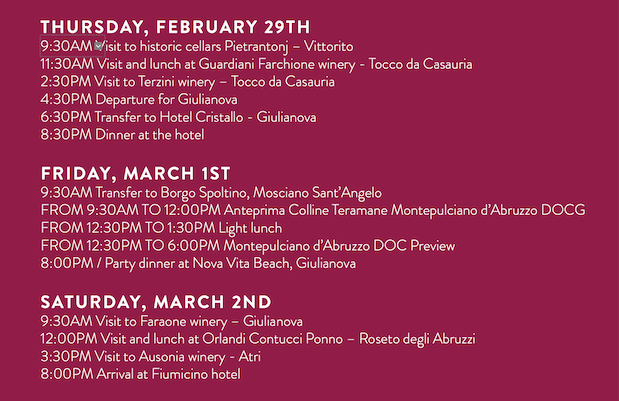
WineAlign


Rediscovering Lambrusco – In the Eiffel Tower

Tour d’Eiffel

Giving meaning to anything requires vision, especially if the object of attention is a grape or a wine, from a place, assigned to one particular calendar day. Press releases inundate our inboxes on what seems like a weekly basis, asking us to celebrate a day dedicated to world this or world that. Not easy to get on board or find the passion, climb onto that train or get behind whatever the marketing case (or cause) may be. Then along comes World Lambrusco Day. Whoever heard of such an animal? What is this concept, this idea of surrendering an entire day in exultation of esoteric sparkling virtues? But the subject is Lambrusco! Wines created from real plants possessive of functional virtue, made from a family of twelve indigenous black grape varieties, out of six designations espousing Modena and Reggio Emilia provinces, from the plains to the hills. World Lambrusco Day: Yes indeed. Different, suggestive of something diverse, entirely significant. The press releases succeed in attracting full attention. But wait, there’s so much more.

Gabriele Gorelli MW and Godello

The Place

Within the region of Emilia-Romagna is the Emilian landscape, home to Lambrusco and six growing zones where summers are hot and humid, winters too and fog often drapes the land. The two provinces of Modena and Reggio-Emilia are where the gentle rolling foothills of the Apennines play host to the 12 varieties of grapes. While the trend in the Modena area is to focus on a single variety, the Reggiano area traditionally uses a blend of different varieties.

(c) Consorzio Tutela Lambrusco

The Varieties

They are, in no particular order, Lambrusco di Sorbara, Lambrusco Grasparossa, Lambrusco Salamino, Lambrusco Foglia Frastagliata, Lambrusco Barghi, Lambrusco Maestri, Lambrusco Marani, Lambrusco Montericco, Lambrusco Oliva, Lambrusco Viadanese, Lambrusco Benetti and Lambrusco Pellegrino. Of special interest is the fact that Sorbara is a sterile male variety while the Salamino can actually fertilize in order to perpetuate the Sorbara.

(c) Consorzio Tutela Lambrusco

The Disciplinare

  • Lambrusco di Sorbara DOC: 60 percent minimum Lambrusco di Sorbara, (40 maximum) Lambrusco Salamino, (15 maximum) 
    other Lambrusco
  • Lambrusco Grasparossa di Castelvetro: 85 percent minimum Lambrusco Grasparossa, (15 other) Lambrusco and Malbo Gentile
  • Colli di Scandiano e di Canossa: Colli di Scandiano e di Canossa Lambrusco – 85 percent minimum Lambrusco Maestri, Lambrusco Marani, Lambrusco Salamino, Lambrusco Barghi (jointly or separately), 15 percent maximum Malbo Gentile, Marzemino, Croatina, Sgavetta, Termarina, and Perla dei Vivi; Colli di Scandiano e di Canossa Lambrusco Grasparossa – 85 percent minimum Lambrusco Grasparossa, (15 maximum) Lambrusco Marani, Lambrusco Montericco, Ancellotta, Malbo Gentile and Croatina; Colli di Scandiano e di Canossa Lambrusco Montericco – 85 percent minimum Lambrusco Montericco, (15 maximum) Lambrusco Marani, Lambrusco Grasparossa, Lambrusco Salamino, Malbo Genitle, Ancellotta and Croatina

  • Lambrusco Salamino di Santa Croce: 85 percent minimum Lambrusco Salamino, (15 maximum other) Lambrusco, Ancellotta, and Fortana

  • Modena DOC: 85 percent minimum Lambrusco Grasparossa, Lambrusco Salamino, Lambrusco di Sorbara; Lambrusco Marani, Lambrusco Maestri, Lambrusco Montericco, Lambrusco Oliva, Lambrusco a foglia frastagliata (jointly or separately), (15 maximum) Ancellotta, Malbo Gentile, Fortana
  • Reggiano DOC: Reggiano DOC Lambrusco – 85 percent minimum Lambrusco Marani, Lambrusco Salamino, Lambrusco Montericco, Lambrusco Maestri, Lambrusco di Sorbara, Lambrusco Grasparossa, Lambrusco Viadanese, Lambrusco Oliva, Lambrusco Barghi (jointly or separately), (15 maximum) Ancellotta, Malbo Gentile, Lambrusco a foglia frastagliata, Fogarina; Reggiano DOC Lambrusco Salamino – 85 percent minimum Lambrusco Salamino, (15 maximum) Ancellotta, Lambrusco Marani, Lambrusco di Sorbara and Malbo Gentile

Lambrusco Masterclass in the Salon Gustave Eiffel (c) Consorzio Tutela Lambrusco

The Consortium

The Consorzio Tutela Lambrusco is responsible for the protection of Lambrusco wine, a role not taken lightly because these are oft imitated wines and styles, because they are popular and they are great. Ancrestale, a.k.a. Pét-Nat styled Lambrusco is as old as dirt and there is an argument to be made that the original Lambrusco was in fact a Pét-Nat. The French may lay claim to many things but Ancestrale method sparkling wine? That one is up for debate. The CTL is a protective organization representing 70 wine producers. There are approximately 16,600 hectares of vineyards total in the two provinces, of which approximately 10,000 are dedicated to Lambrusco with a production exceeding 40 million bottles of Lambrusco DOC in 2022. To add to these figures, there are approximately 100 million bottles of Lambrusco Emilia IGT that fall under the protection of the Consorzio Vini Emilia [Emilia Wines Consortium]. Fun fact however because the Consorzio was only just created in January 2021 with the merger by incorporation of three Emilian wine consortiums: Consorzio Tutela del Lambrusco di Modena, Consorzio per la Tutela e la Promozione dei Vini DOP Reggiano e Colli di Scandiano e Canossa and Consorzio di Tutela Vini del Reno DOC. Claudio Biondi is the President, Davide Frascari is the Vice President, and Giacomo Savorini is the Director.

Frédéric Anton, chef of Le Jules Verne Restaurant, young Austrian prodigy Philip Rachinger and the Japanese-Argentinian duo of Chiho Kanzaki & Marcelo Di Giacomo

Frédéric Anton, chef of Le Jules Verne Restaurant and members of his team, young Austrian prodigy Philip Rachinger and the Japanese-Argentinian duo of Chiho Kanzaki & Marcelo Di Giacomo (c) Consorzio Tutela Lambrusco

Export

Germany and the United States are the markets with the highest volumes. China and Japan are the leading energing markets, followed by South America, Mexico and Brazil, as well as the United Kingdom. Overall, between DOC and (above all) IGT, about 60 percent of production leaves the country. Come on Canada!

100-Point Tomato by Chef Frédéric Anton, Jules Verne Restaurant

World Lambrusco Day

The first edition of World Lambrusco Day was completed in collaboration with APT Servizi Emilia-Romagna and held on June 21 in Paris. Now you get to find out the more – the big reveal. WLD23 was held in the Tour d’Eiffel and it was called Rediscovering Lambrusco: Terroirs, Styles, Savoir-Faire,” with guests in attendance from Taiwan to the United States, from Brazil to Canada. Yes Canada, which meant Gurvinder Bhatia and Godello. A Masterclass hosted by Gabriele Gorelli M.W. in the Salon Gustave Eiffel, a.k.a. the Gustave Eiffel Reception Room allowed international media the opportunity t taste through 14 examples of Lambrusco following Gorelli’s masterful overview of the region. The class concluded with a cutting of a 24-month old Parmigiano Reggiano because that makes so much sense and the Reggiano Consortium was there to partner with Lambrusco. The journalists were also able to sample Parmigiano Reggiano at three different stages of maturity – 24, 48 and 101 months – and to taste another local speciality, Aceto Balsamico Tradizionale di Modena DOP (Traditional Balsamic Vinegar of Modena PDO). The icing on the proverbial Emilian cake was a dinner up to the second floor in the Jules Verne Restaurant. Lambrusco wines were paired with an original menu cooked by the eight hands of four international chefs: Frédéric Anton, chef of Le Jules Verne Restaurant, young Austrian prodigy Philip Rachinger and the Japanese-Argentinian duo of Chiho Kanzaki & Marcelo Di Giacomo.

All of this was possible as a result of a collaboration with event partners APT Servizi Emilia-Romagna, the Modena Chamber of Commerce, the Reggio Emilia Chamber of Commerce and Unioncamere Emilia-Romagna. Then there are the Consorzio staff who made the events in Paris become a reality; Chiara Cecchetto, Alice Camellini, Fabio Ferrari and Chiara Crepaldi.  World Lambrusco Day events are scheduled to take place every three years so next up will be New York, in 2026. Hosting WLD triennially and not every year is not only brilliant but also the reason why our undivided attention will focus on Lambrusco whenever it calls. Brava!

Masterclass with Gabriele Gorelli MW

Gorelli’s Masterclass

“Italy’s first Master of Wine Gabriele Gorelli‘s charge was to introduce Lambrusco’s new path because it does in fact continue to hold an image as being a rustic, traditional and even ancient wine tethered to the past. The Masterclass was an eye-opener, suggestive of an epiphany if possibly verging on a revelation. The mix of Ancestrale, Traditional and Italian method sparkling wines all made with the range of red Lambrusco varieties showed more than mere diversity, it presented a rough, rowdy, tumble and exciting mix to express an infinite number of future possibilities. The traditional method way of making Lambrusco was all but abandoned when the tank method arrived but producers are marking its return. The current results are astounding and offer a perfectly right and proper foil to the many cherry red, off-dry and simpler iterations so ideally suited to Emilia formaggi and salumi.  Then there are the Ancestrale, they of wild yeasts and the addition of same vines’ grape must to create the secondary fermentation. The results are dry, low alcohol and high acidity wines creating a new truth and vernacular for Lambrusco. 

The Wines

Francesco Bellei E C. Lambrusco Di Sorbara DOC Puro 2013

Traditional method Lambrusco and an example that represents the tiniest of production, so really an experiment for the region. Zero dosage to make it even more particular but also a 2013 vinified like a white wine that spent eight years on the lees. There is an argument to be made that Lambrusco was in fact a Pét-Nat travelling the world so this is not all that unusual – kind of original if you think about it. Aromas are quite Pét-Nat yeasty, low pH and high acid play the act of dichotomous control and if served just a bit warm there is an herbal quality with vibrancy set on high. Highly phenolic, citrus zesty and sharp, sharp, sharp. Nothing has really changed in all this time nor is there any thought that anything will happen, anytime soon. Really tight stuff. The maximum production is 5,000 bottles and this vintage is only 1,000 total. Drink 2023-2029.  Tasted June 2023

Cavicchioli Lambrusco Di Sorbara DOC Rosé Del Cristo 2020

Traditional method, a way of making Lambrusco that was all but abandoned when the tank method arrived but here is an example of its return to form. Spends 36 months on the lees and is anything but an experiment with an average product of 40,000 bottles. Low in alcohol at 11 percent, nearly negligible sweetness with impressive acidity and just what a producer wants in an extra, extra Brut style with low pH. Fruit is really everything in a red vinified sorbara, of currants and pomegranate with mint the dominant herbal character. Shy in a way but inviting and quite frankly there is an aged Reggiano rind note that really makes it interesting. Impressively fine. Drink 2023-2027.  Tasted June 2023

Chiarli Lambrusco Di Modena DOC Quintopasso Rosé 2017

Truly classic producer with a cuvée consisting of fruit drawn off different vineyards from clones cultivated specifically by the estate through its own massale selection. A creamier and more professional wine, “reaching an increasing latitude of palates” with some sweetness, mostly natural, big acidity and more delicacy with pH that persists. Elevated red citrus, or rather a combination of lemon and blood orange with 36-40 months of lees again really bringing the texture. Drink 2023-2025.  Tasted June 2023

Colours of Lambrusco (c) Consorzio Tutela Lambrusco

Silvia Zucchi Lambrusco Di Sorbara DOC Avvincente 2018

Bone dry traditional method Lambrusco, contemporary style in that the lack of sweetness, generous acidity, generosity of (12.5 percent) alcohol and even colour will draw in eyes and therefore also palates. There is a smokiness, almost a char to it, tannic as well, extracted and pressed to seek gravitas and in a way it’s just a bit closed. Spends 36 months on the lees and truth spoken here involves the idea of a really modern Lambrusco, a forward thinking one and that this surely is. Perhaps unusual because of the poly-phenolic and tannic character but this will change, find sous bois, frusta di bosco and other complex elements. Drink 2024-2028.  Tasted June 2023

Paltrinieri Lambrusco Di Sorbara DOC Radice 2021

Ancrestale, a.k.a. Pét-Nat styled Lambrusco made from sorbara, here from grapes grown in the narrow strip between the Secchia and Panaro rivers. Wild yeast and then the addition of same vines’ grape must creates the second fermentation with the result being a dry, low alcohol (11 percent), really high (just about 10) acidity and a new truth created then spoken way for Lambrusco. Clean, pink grapefruit sharp yet generous, expansive and with an herb selvatica quality. Defines sapidity for sorbara and its DOC. Not to mention an ideal vintage for making top quality Lambrusco from the healthiest grapes. Anyone who could not drink the you know what out of this Lambrusco is clearly not paying attention. Drink 2023-2026.  Tasted June 2023

Venturini Baldini Lambrusco Di Sorbara DOC Cadelvento

Here a bit of a blend, dominated by sorbara and with 15 percent grasparossa made in the Charmat method for sparkling wine. Hard to not imagine the first scent as cotton candy in a good way, sweetness present yet subtle and as Lambrusco must be, this is yet another example of sapidity so essential in the wines. Almost chalky, calcari of feel and yet not exactly salty. Definite tannic punch, helped and urged on by the grasparossa. Drink 2023-2025.  Tasted June 2023

Pezzuoli Lambrusco Di Sorbara DOC Frizzante Pietrarossa

Charmat method and true red vlnification with an extended maceration, extracted, elevating sugars to meet acidity times pH for clean, red berry, gummy bear effect. Some carbonic here to maintain freshness, keep the poly-phenolic distraction to a minimum and maximize fruitiness. Drink 2023-2025.  Tasted June 2023

Ventiventi Lambrusco di Modena DOC La Vie 2022

From the broader DOC of Modena and a most modernized estate looking to bring Lambrusco to a next and next after that generation. Low alcohol, running up the sugars and maintaining excitability. Called La Vie for a reason, soft, round, extracted and creamy, pink all the way, certainly attractive to a want to join the party kind of audience. Drink 2023-2024.  Tasted June 2023

Medici Ermete Lambrusco Reggiano DOC Concerto 2021

Made from 100 percent palomino even though it’s origin is Lambrusco Reggiano DOC. Concerto is always an intense wine, here from Reggio Emilia – Tenuta la Rampata. Crunchy dark red fruit, ripe and fleshy, some smoulder and then boom – fruity, salty, tannic and mouth-coating. Terrific breadth and density under the auspices of proper balance, everything elevated though of a powdery quality liquifying and finding equilibrium. Drink 2023-2026.  Tasted June 2023

Cantina Di Carpi E Sorbara Lambrusco Salomon Di Santa Croce DOC Dedicato Ad Alfredo Molinari

From the municipality of Modena in the northerly parts, Santa Croce area and a fantastic combination of freshness and fierceness. The Gabriele Gorelli described savoir-faire Lambrusco style with sorbara as a true protagonist for red macerated sparkling wine of true parochial sapidity. There is density here but also intensity. A bit vivid but no matter really. Drink 2023-2024.  Tasted June 2023

Lombardini Lambrusco Reggiano DOC Lambrusco Brut

Charmat method yet longer maceration and so both tannins and herbal Amaro signs emerge with less energy, freshness and depth. Big and bruised, almost brooding, definitely a pouch of fruit, char, caper pickling and dark fruit intensity. Drink 2023-2024.  Tasted June 2023

Tenuta Galvana Superiore Lambrusco Grasparossa di Castelvetro DOC Cà Imperatore

From older (45-plus) year-old vineyards on clay with higher pH and lower acidity for a dense if rounded palate like Lambrusco. Not salty by any stretch but certainly heavy set in terms of fruit and its extraction. Drink 2023-2024.  Tasted June 2023

Zanasi Scietà Agricola Lambrusco Grasparossa di Castelvetro DOC Bruno Zanasi

Serious tradition involved here, from the Grasparossa area and a real herbaceous, almost cabernet franc character. Flavour recalls dark cherries and especially cherry pits, while also herbal and vinous but the sugar is at the higher point for Charmat method Lambrusco, harvested for increased phenolic presence and culpability. Or Beaujolais perhaps, generous enough of acidity and really elevated pH for this sapid-phenolic expression that is what it is. Drink 2023-2024. Tasted June and August 2023

Albinea Canali Lambrusco Reggiano DOC Foglie Rosse

From vineyards in the Reggio Emilia areas of Canossa and Scandiano with three Lambrusco varieties in the blend; salamino, marani and lancellotta. Some dirty funk on the nose, phenolic, vinous and tannic but everything is quick and done. Rustic and tight, hard to avoid because that’s what these grape varieties are. That said these are grapes and wines that are capable of adapting to a changing climate, more so the many. Drink 2023-2024.  Tasted June 2023

Also tasted in Toronto

Venturini Baldini Marchese Manadori Lambrusco Secco DOP Reggiano

Charmat method and one of the drier examples in that style. Piney resinous but balanced because the lesser sugars, lower pH and higher acids all conspire to act out a really harmonic Lambrusco. Ample fruit in the red, red berry way with a note of wild strawberry and all the greens mixed in make for as complex an Italian Method Lambrusco as you are likely to find. Fine work and result that just about justifies the premium price. Last tasted August 2023

This organic Lambrusco is dry and tannic, with blackberry fruit meeting an earthy to chalky underlay for real elevated style. Lambrusco does not always show this level of complexity but the cherry, violet and tobacco notes swirl to entice and invite. So much more than a sipping sparkling wine into one where some serious food pairing thought should be encouraged. Begin with great prosciutto and parmigiano and nothing could go wrong. Or the best Mortadella you can find. Drink 2022-2025. Tasted October 2022

Good to go!

godello

Tour d’Eiffel

Twitter: @mgodello

Instagram: mgodello
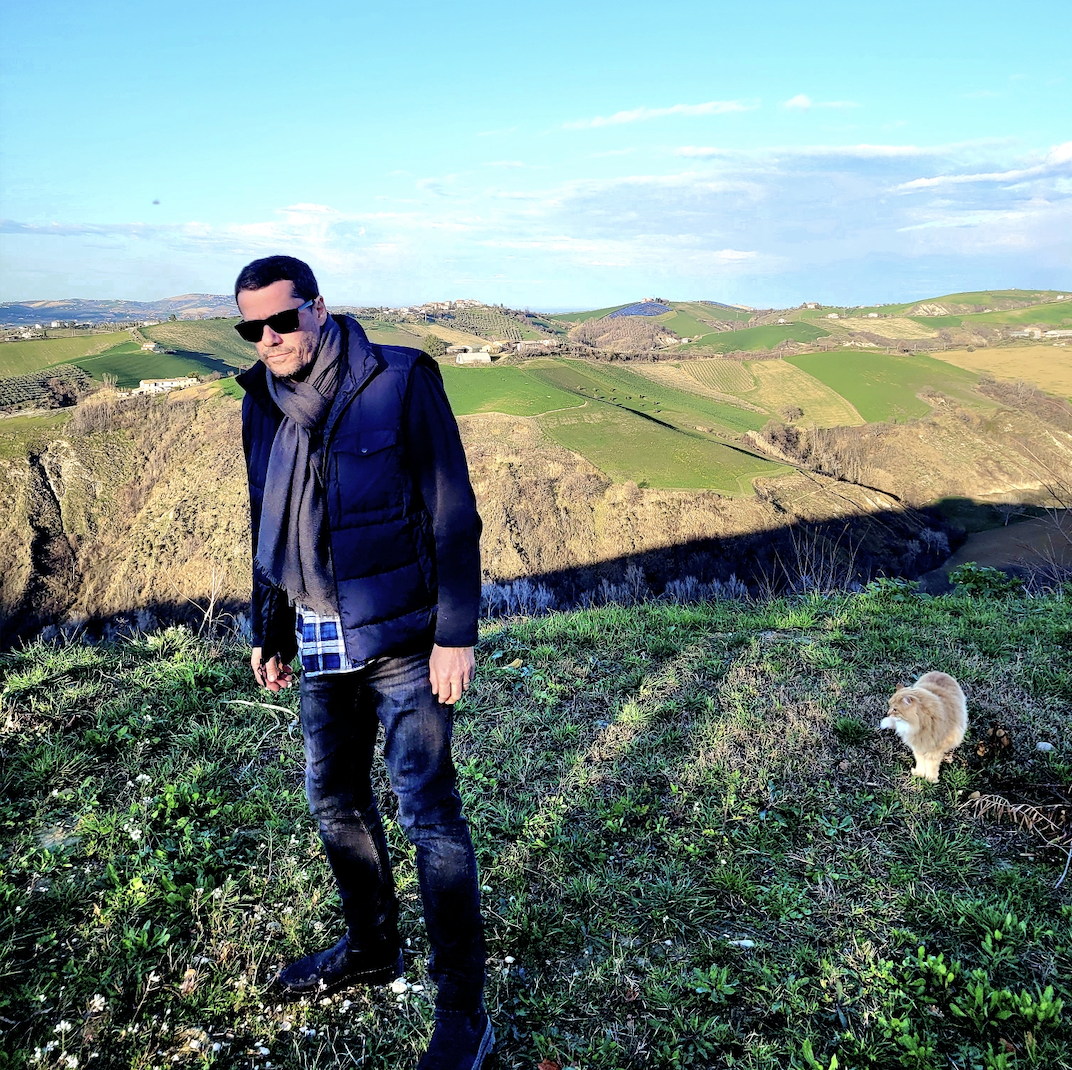
WineAlign

To Icewine and beyond

The Tunnel at Niagara Parks Power Station

Icewine. A Niagara wine-growing region speciality, long-suited to place, world renowned and in a way a curse because mistakenly global perception thinks only this kind of wine can be made great out of this coldest of cool viticultural climates. For quite some time Icewine has been Canada’s infinity, a national star and success story that have been the Ontario wine industry’s burden to bear, it being the ONLY wine capable of excellence in the minds of consumers and also many wine industry peeps worldwide. This is finally changing, in no small part thanks to ambassadors like The Wine Marketing Association of Ontario’s Magdalena Kaiser and Canadian Trade Commissioner Dr. Janet Dorozynski PhD. They, along with dozens of Canadians producers and winemakers have presented many years of Canadian wine tastings in London, at Germany’s Prowein Trade Fair and most recently through masterclasses in Copenhagen and Berlin. Their efforts and an exponential leap in collective quality have helped to raise the profile of the great breadth of Canadian wines.

The Wine Marketing Association of Ontario’s Magdalena Kaiser

Is it not finally time to prove two 21st century facts? First that wine consumers from Timmins to Torino are actually privy to a vinous Canadiana scene that includes but is no longer confined to the gelid, glycerin and bracing late harvest elixir. Second, Icewine and other forms of fermented grapes are evermore intrinsically connected, bonded by their growers and makers whose climate change evolving portfolios are now the sort that are chock full of inclusivity. Is it not possible to celebrate Icewine without sacrificing the progresses made by other styles of wine? Of course it is and our Ontario (and also British Columbia, Nova Scotia, New Brunswick and Québec) includes all walks of appellative, varietal and stylistic life.

The Horseshoe Falls lit up in Pride colours

The time has come to reflect upon Icewine as an entity the likes of say VinSanto or Sauternes, sweet labours of love perpetuated because of tradition and climates that continue to encourage their production. Icewine in Ontario are intrinsically connected to a winery’s portfolio; to the consumer-friendly, classic and small lot wines. European wine producing regions were once sweet-centric too and Ontario is at long last maturing into a new epoch where Icewine the founder is begetting table wines, the current board of directors. They and all Canadian wines are prepared and experienced to travel far, well outside the Icewine universe. Their destination looks past infinity, to the beyond.

The Savoury – From Chef Tim Mackiddie’s “Savoury, Spicy and Sweet” Icewine pairing preparations

Back in January the WineAlign crü shuffled off to Niagara Falls for the 2023 iteration of Niagara’s Icewine Festival. It was inside the renovated event space halls of the Niagara Parks Power Station where the gala event was held. If you’ve not been the time has come to make a visit because the installations are spectacular. Then there is the inspiring experience that is a 600m walk through the early 1900s tunnel construction that empties beneath the Horseshoe Falls. Many Icewine and other Ontario wine samples were tasted that evening, this following a truly special Icewine Masterclass given by WMAO’s Kaiser at the tasting room of The Hare Wine Company. Kaiser put together an 18-strong Icewine line-up in conjunction with Chef’ Tim Mackiddie’s “Savoury, Spicy and Sweet” pairing menu, all to fascinating results. “Icewine is the strongest post pandemic recovery for a Niagara wine category,“ informed Kaiser. “Younger males lead the resurgence.” She noted an increased use in cocktails, making use of Icewine instead of simple syrup because the traditional dessert wine is such a high quality ingredient, with natural sweetness. At the gala it was Kaiser’s son Maximilian Smit, creator of the Niagara Icewine Sour, who mixed up two unique and bloody delicious Icewine cocktails for hundreds of guests. The masterclass and the cocktails demonstrated how Icewine is no longer just about dessert. 

The Spicy – From Chef Tim Mackiddie’s “Savoury, Spicy and Sweet” Icewine pairing preparations

On Sunday after the Icewine fète the group paid two visits, to Queenston Mile Vineyard and Henry of Pelham Family Estate. The following 30 tasting notes cover Magdalena’s Masterclass and the wines tasted at the two Sunday morning stops.

Cave Spring Riesling Icewine 2019, VQA Niagara Peninsula

Stars and acids through the proverbial roof with thanks to a November 14th harvest, earliest on record by what has to be a long-shot. Specs come in at 245 g\L RS, 15.3 TA, and 9 percent abv. Full aromatic wealth and viscosity, apricot and golden pineapple, acids coming through on the nose to set up everything wanted and needed on the palate. As unctuous and fell-throttle expressive an Icewine from riesling that could ever be. Kudos to the vintage and to the makers for capturing all parts at peak. Top performer without a doubt. Drink 2023-2029.  Tasted January 2023

Henry Of Pelham Riesling Icewine 2019, VQA Short Hills Bench

Part scintillant and part fruit bomb with high active acidity in great categorical respect. Lemon, apricot and pineapple all in, gelid and cool, high in balancing acid from one of the earliest picks by one of the earlier pickers so certainly in the first two weeks of November. Also as much a petrol and airy aromatic propulsion signalling near equal to any indicators the fruit might elicit for Icewine temptation. With sugar plus acid so high and meshing together there are no spikes, searing moments or overt richness, though in the end there is a white peppery warmth. Lemon and tea, heavy sweetener and naturally tannic. Unique Icewine when you get down to the brass tacks. Registers as 9.5 percent alcohol and what’s also special is a saline streak running through. Sweet lemon desserts only serve to accentuate the sweetness and the lemon. Drink 2023-2027.  Tasted January 2023

The WineAlign Crü with Magdalena Kaiser

Magnotta Riesling Icewine Niagara Peninsula Limited Edition 2019, VQA Niagara Peninsula

A nose of ulterior style leading to different sort of reactions though the palate is much more classic, standard and expected. Reserved and limited and then exuberant, forceful, heavy steel reinforced. Really attacks the sides of the mouth upwards to the upper wisdom corners and pineapple is everywhere. Old school, white fleshed and high acid. 194 g\L of RS and 10 percent abv.  Last tasted January 2023

The lemon iced tea in Icewine makes riesling go its own direction and run with the ideal. This has energy and pizzazz, style that makes one want to know more and more. Great tension and acidity puts this in a place of its own. Drink 2024-2030.  Tasted blind at NWAC2022, June 2022

Riverview Cellars Estate Winery Riesling Icewine 2019, VQA Niagara-on-the Lake

Exotic scents in riesling out of 2019 running the mango to pineapple, papaya to litchi gamut of ripe, tart, rich and creamy. Extreme sweetness and delectable flavour profile. Chewy stuff, heavy concentrate of the tropical doused by heavy yellow citrus. Lacks a bit of balance. 189 g\L of RS, 11 abv. Drink 2023-2025.  Tasted January 2023

Byland Riesling Icewine 2019, VQA Niagara-on-the Lake

Some understatement here, aromatically speaking at the very least and the first in a comprehensive Icewine tasting to feel herbal, stem-scented and evergreen savoury. Mint and fennel, sweetness never overloading the palate or making any demands. Almost a tonic or cocktail bitters note near the finish, though persistently subtle and agreeable. Unique Icewine is every which way but loose. 192 g\L RS, 11 abv. Drink 2023-2026.  Last tasted January 2023

Byland Estate Winery is a newer Niagara-on-the-Lake, 13-acre vineyard owned by Jackson Bai since 2015. It was acquired from Frank Di Paola and his three decades of grape growing experience. The vineyard has been providing grapes for Magnotta Winery for 25 years. Their riesling Icewine is high-toned, aggressively tart and intensely implosive. Lemon and also lemongrass nose, orange crème brûlée and lime flavours with some bitterness inherent in all that layered citrus. Good length here.  Tasted November 2020

Peller Estates Andrew Peller Signature Series Riesling Icewine 2019, VQA Niagara Peninsula 

Densely concentrated and from the beginning an impressive balance in accord between sugars and acids so that the two move swimmingly along from the start through to a long lingering finish. One sip and the Icewine becomes one with your palate, hangs on, repeats upon itself and as far as that kind of attraction is concerned you welcome the linger. Special dedication and technique here to be sure. 179 gL RS and 10.5 percent abv.  Last tasted January 2023

Stratus Riesling Icewine 2020, VQA Niagara Lakeshore

Perhaps the most aromatic, palate density and intense character of any in a long Icewine flight but also a lovely swarthiness to take things to an entirely new level. Of promise and age-worthiness, to imagine a wine equipped with structure and fortitude, to change with incremental tempo (and opposite of haste), to spend a couple of decades evolving. Impressive and intoxicating in every way while sweetness is lowest in importance. 142 g\L RS, 9.3 tA, 14 abv. Drink 2023-2033.  Tasted January 2023

Densely concentrated, heavy fuel and sweetness overload Icewine that delivers all the expectations in that dessert wine category. Classic example, not overtly exotic but full of stone fruit in the peach, nectarine and yellow plum spectrum. Not the longest yet of a more than ample lingering finish. 235 g\L RS, 8 tA, 10 abv. Drink 2023-2026.  Tasted January 2023

Lakeview Cellars Gewürztraminer Icewine 2019, VQA Niagara Peninsula

Über sweet Icewine, oily of viscosity, a chewy mouthful of stone fruit fleshiness. Pulpy in textural feel, a mouthful all the way through. Yeoman acidity work and moderate length in a correct to highly proper example. Expressly gewürztraminer so it’s got that going for it, which is nice. 188 g\L RS, 9 TA, 9 abv. Drink 2023-2026.  Tasted January 2023

Vineland Estates Vidal Icewine 2017, VQA Niagara Peninsula

Wildly aromatic Icewine, unique and savoury, almost smells like charcuterie with pork rillette and a mix of pickles. Does not act so overtly sweet as compared to so many others and is remarkably characterful. But just look at the numbers. Residual sugar of 271 g\L, 8.2 TA, 9 abv. Onion skin and the musky cured skin of pork salumi. So bloody interesting. Would age this a year or two. 271 g\L, 8.2 tA, 9 abvDrink 2025-2033.  Tasted January 2023

Sue Ann Staff Howard’s Vidal Icewine 2017, VQA Niagara Peninsula

Desperately sweet and intensely concentrated Icewine, as fortified and full as they come. Not a tropical one but certainly the kind that makes one think of ripe stone fruit after a different sort of Ontario summer that turned into a hot September. Good capture of a season that was turned on its head that delivered something new. 209 g\L RS, 11 abv. Drink 2023-2027.  Tasted January 2023

Chateau Des Charmes Vidal Icewine 2018, VQA Niagara Peninsula

Concentrated of fruit times more fruit sweetness to define the style and quality of this vidal in Icemen clothing. Pineapple and apricot namely, lemon drop and a tisane finish. Quite tannic, unexpectedly so. Drink 2023-2026.  Last tasted January 2023

Lithe and charming use of vidal in Icewine from Château des Charmes, of such proper middle ground concentration and intensity. Sweet pear and caramel apple, mango purée and maple syrup on snow. Simple and oh so very effective.  Drink 2020-2023

The Sweet – From Chef Tim Mackiddie’s “Savoury, Spicy and Sweet” Icewine pairing preparations

Hare Wine Frontier Collection Vidal Icewine 2019, VQA Niagara-on-the-Lake

Impressive concentration meets a savoury edginess, white peppery dusted and full on character of an Icewine made with vidal. Classic preparation and presentation, no side-steps or derivations but simple, capable and proud. Really well made. 171 g\L RS, 10.3 abv. Drink 2023-2026.  Tasted January 2023

Reif Estate Grand Reserve Vidal Icewine 2018, VQA Niagara Peninsula

Indelibly stamped and incredible density from an Icewine that delivers maximum fruit substance from maximum effort. Here the work and the patience is justified because this is what the wine has to be. Acids do well to keep up with some much sweetness and fruit character. The crème brûlée of vidal all the way. 270 g\L RS, 10.5 tA, 9.5 abv. Drink 2023-2028.  Tasted January 2023

Ferox By Fabian Reis Dornfelder Icewine 2017, VQA Niagara Peninsula

Pungent in so many ways with serious wood elements that manifest as soy, carob, dill, tar and chocolate. In a way tastes like Cherry Blossom in childhood memory recall but its clearly more complex that that. Pot of Gold perhaps, the finest Laura Secord mixed box and so much more. Chocolate and red jam persist long after the wine has been swallowed. As much like Port as it is representative of Icewine. Picked at -10 degrees Celsius and fermented for six weeks. 90 percent stainless steel and (10) neutral French oak. 250 g\L RS, 6.4 tA, 10 abv. Drink 2023-2026.  Tasted January 2023

Pelee Island Winery Cabernet Franc Icewine 2017, VQA South Islands

Truly savoury, wholly identifiable as cabernet franc and ultimately a varietal wine that stands tall. Lacks concentration to be sure but ultimately this does the yeoman work. 187 g\L RS, 11 abv. Drink 2023-2025.  Tasted January 2023

Really does taste like cabernet sauvignon but what really stands out is the candied red apple skin character above all else. A petrol note as well however subtle and always that truth in red fruit, of currant, pomegranate and cherry character. Quality Icewine from less than classic varietal origins. 224.5 g\L RS, 10.3 tA, 9.5 abv.  Last tasted January 2023

This is a well-priced Icewine made from cabernet franc with tell-tale varietal signs. Smells like red currants, roasted peppers, strawberry or cherry pie and Ju Jubes, a Canadian Candy classic or wait, Swedish Berries. Nicely concentrated with mid-weight Icewine feel and really good length. Quality, not over the top and a pique of relish make this a highly plausible dessert wine for red wine drinkers. Drink 2020-2024.  Tasted November 2020

Queenston Mile Vineyard Blanc De Noirs Brut 2018, VQA St. David’s Bench

Two-hour cold soak for colour and spends 38 months on lees for one of Niagara’s most fully developed and also bodied Blanc de Noirs, bar none. Fruit comes from The Mile’s original 25 year-old plantings, totalling 33 acres. A light toasty and generously expressive traditional method sparkling wine not so much pink as platinum gold shaded subtly of pink salmon. High acid above 9 g\L of tA and just a few pinches (in and around) 4 g/L of residual sugar. Taut and residing somewhere between bracing and embracing in a balanced pinot noir off of these deep and heavy clay St. David’s Bench soils, to suit up sparkling from pinot noir ready, willing and able to abide. Dry and focused, precise, proper and balanced. Just a few more than 300 cases are produced. Drink 2023-2026.  Tasted January 2023

Queenston Mile Vineyard Grand Mile 2017, VQA St. David’s Bench

Just about half the production of the Blanc de Noirs (at 155 cases total) and a traditional method example with 11.2 g/L of tA and higher sugar than the B de N, upwards of 9 g/L. Aged 39 months on the lees, fuller and though the acid is so high there’s actually some creamy and mouth filling expansiveness to this pinot noir based sparkling wine. The matching sugar walks hand in hand along with the pierce of intensity so expect nervous energy and tension from this antonym to the straight pinot noir. Needs more time to integrate, seek and accede its intended balance.  Last tasted January 2023

Odd climatic vintage and while chardonnay had little trouble staying the course the same could not be said for pinot noir. It was late and it was all strawberry in 2017 so at 40 per cent of the classic mix it just can’t be denied. White strawberry in sparkling that is, leafy and savoury, unique beyond. Nearly 40 months on lees puts this is a justice league where Niagara sparklers congregate and debate with philosophical force. Grand Mile is a contemplative one, its tension suppressed yet ready to rise anytime. The moment has not yet arrived but when it does sometime in 2023 this fizz will stand up to be noticed. Such are the important matters of sparkling wine programs like these in Ontario. Drink 2023-2026.  Tasted November 2022

Queenston Mile Viognier Pét-Nat 2021, VQA St. David’s Bench

There have been still viogniers and pinot noir Pét-Nats but methinks this to be the first ancestral method viognier for The Mile. Cloudy and aromatically tart, a 100 per cent, estate fruit viognier that acts as much like a yeasty sour beer as much as it might seem to fit into the sparkling wine system. Pretty clean to be honest and there is certainly a mashed banana, creamed mango and puréed pineapple feel from this pèttilant speaking directly to hipster fashion. It’s the bacon for vegans and the air-conditioner for fans of fans. Drink 2023-2024.  Tasted January 2023

Queenston Mile Vineyard Pinot Noir Pét-Nat Sparkling Rosé 2020, VQA St. David’s Bench

Strawberries in a glass, through and through, the brain trust, child and wild thing amour of winemaker Yvonne Irving and if asked, I would imagine winemaker partner Rob Power saying, “I love all my children and I want them to discover themselves.” Which is what this pink P-N is want to do but more so allow a curious crowd the ability to get with trends, ancient method resurgences and wild thing vibes. Much drier than expected with a bin full of play dough, rye bread in the proofing stage and stewing strawberry/rhubarb. There is an unusual and au naturel, dancing in the dark profile to be sure but this kind of enzymatic presence is something to behold. Mon dieu Cellar Monkey! Well, remember this. “You can’t start a fire without a spark.” Drink 2023-2025.  Tasted January 2023

Queenston Mile Mile High NV, VQA St. David’s Bench

A Charmat method sparkling wine in a heavy fruit matched by sour lactic yogurt meets lime doused mango kind of profile. More than ample to impressive complexity for an Italian method sparkling wine though without the traditional lees aging there is a brief exchange of values and shorter finish. No surprise and because much is happening both on the nose and the palate this services the intellect although the story ends in an abrupt way. Drink 2023-2024.  Tasted January 2023

Queenston Mile Vineyard Chardonnay 2020, VQA St. David’s Bench

From the estate Queenston Mile Vineyard and spends a year in neutral barriques plus undergoes partial malolactic fermentation. Flinty and really quite yeasty for chardonnay, a raw bread dough note which seems to be something that happens in many of the QM still and especially sparkling wines. Fine bitters too, the kind you wish for in your cocktail with that kiss of oak you cherish and are so pleased it’s that and no more. Some capsicum and sweet basil come later, integrating and making for a complex and quality chardonnay. Drink 2023-2025.  Tasted January 2023

Queenston Mile Pinot Noir Unoaked 2021, VQA St. Davids Bench

As advertised there is no wood employed to ink or embellish this neutral St. David’s Bench pinot noir and the natural result is just that. Maybe not a first but writing “unoaked” on a pinot noir label is certainly not the norm and here we are with Queenston Mile’s fresh 2021. Would like to say this is all about fruit but my there are so many more goings on. Likely a healthy stem inclusion because the notes from nightshade and other sundry vegetables are swirling in the checkered and mottled aromatic profile. Some resin to varnish scents, gentle swarthiness manifesting the rusticity but naked is naked and this wine wears clarity on its sleeve. Smells like a September tomato canning day and tastes like a strawberry-rhubarb fruit roll up, though much more of saline piquant-tang than that of any level of sweetness within. Crunchy as well with a good long finish. Imagine the excitement and vinous intensity were there a higher level of whole bunch and carbonic maceration methodology involved. Drink 2023-2025.  Tasted twice, January 2023

Queenston Mile Proud Pour Pinot Noir For Bees 2020, VQA St. David’s Bench

A wine that exults the idea of “Cheers to Change” as five per cent of profits gives back to 20 non-profit organizations. Sees eight months in wood to put it in the middle tier of the three QM pinots. Gains a sweetness and a cream-centred textural verging towards Turkish Delight in a pinot not that is eminently and imminently drinkable from the day it’s bottled. No tension or sharp angles here, just roundness and amenability. Drink 2023-2024.  Tasted January 2023

Queenston Mile Vineyard Pinot Noir 2017, VQA St. David’s Bench

Nearly three years have passed and things have really changed, as they should have and now the whole bunch retreats from its original attack, fruit flanks running short in residual terms. The verdancy of stem inclusion makes this feel almost reductive but mostly it is the toasted and roasted notes that remain. The flavours are most important at this stage and so food pairing is truly key. Duck confit and crispy potatoes but also a sweetened fruit demi-glacé would elevate the wine and leave the savoury exaggerations behind.  Last tasted January 2023

The ’17 is even dustier than ’16, in fact it’s sitting compressed and pressed in a bowl inside a bin. Roasted, toasted and intense, particularly string, grippy and potent. The warmth of St. David’s and the heat of September really speaks but curiously noted and question asked is where is the strawberry jam? Lost in the foil provided by whole bunches it would seem. Drink 2021-2025.  Tasted March 2019

Queenston Mile Vineyard Cabernet Franc Icewine 2017, VQA Niagara Peninsula

Once again a wine from a vintage turned upside down with cool summer weather resolving into the hottest September and early October on record. For cabernet franc the harvest date was January 2, 2018 and yet for 2017 that would have been a vintage where acidity was easily maintained to that date. Clocks in above 9 g\L to match the 204 g\L of residual sugar with esteem and balance for Icewine of proper red fruit character, part raspberry and part red currant. Nice level of tart here but there is a roundness to what could have been sharp edges. Well made to be sure. Drink 2023-2027.  Tasted January 2023

Henry Of Pelham Cuvée Catharine Carte Blanche Estate Blanc De Blanc 2015, Traditional Method, VQA Short Hills Bench

From a specially identified block of chardonnay vines. Best of the best are destined for this top Niagara sparkling and it was Matthew of the Speck Bros. that determined the direction of this Ontario essential. One quarter barrel aged and 60 months on lees, as gently toasted and smooth sailing as a Blanc de Blancs can be – in the context of fizz that is always a scintillant without repose. Some warmth now emitting from 2015 matched by intensity and so very long.  Last tasted January 2023 

As always 100 per cent chardonnay and 2015 is perhaps the vintage of the most golden toast, as if made by agemono, with the most lemon and lees ever assembled in a Cuvée Catharine, vintage-dated Sparkling wine. An intensity of aromas swirl around in citrus centrifuge into which the gross cells don’t seem to want to go. On the palate is where they rest, layered and leesy, textured with a sense of weightlessness and wonder. Henry of Pelham channelling an inner Japanese cooking technique. Feels like some time is warranted to pull all this together. Drink 2021-2025.  Tasted October 2020

Henry Of Pelham Speck Family Reserve Riesling 2020, VQA Short Hills Bench

When winemaker Lawrence Buehler came on board in 2017 he quite soon thereafter introduced 3000L foudres to age riesling. For Henry of Pelham it continues to evolve as a game changer. Tames acidity to an extent while in certain years the truth spoken by this varietal wine in the SFR line is truly indicative of Henry of Pelham’s raison d’Être. Not merely a matter of high intensity (though there is plenty of that in high regard) but the warm 2020 season concentrates the fluid to gelid texture up the middle of this balanced wine. Youthfulness supersedes what secondary notes might choose to emerge but there is a sense of early emission, namely petrol or the equivalent aching to emerge just around the bend. Drink 2023-2027.  Tasted January 2023

Henry Of Pelham Speck Family Reserve Pinot Noir 2019, Sustainable, VQA Short Hills Bench

Vines upwards of 30 years of age provide the drupe and great Scott (or Speck) fruit it is indeed for what is almost Willamette sweet in correspondence and style. That strawberry purée and raspberry coulis effect comes pure, unadulterated and about as natural as one might imagine a varietal wine of this level of quality could come to be. Some sugar involved, maximizing around 7 g\L. Not a year of major tension but they can’t all be so drink this young, for four to five years after harvest, for best results.  Last tasted January 2023

Not so crazy young anymore in fact the perfume has become an intoxicant, spellbinding, hypnotic even. But also because the oak vanillin swirls through and is further imagined as sweetness on the palate. In the zone, as they say, all parts melted and melded together. These next six months will mark the height of this SFR Reserve with the succeeding two years being the slowly descending denouement.  Last tasted November 2022

Crazy young but somehow lovely aromatic potpourri to the SFR ’19 and a benchmark as such for the Short Hill sub-appellation. What you want to nose from the are that borders, ties and links all surrounding pinot noir lands together, especially Twenty Mile and St. David’s Bench. This just fits right in and into itself with snug togetherness. Juicy fruit, fine acids and tightly coiled tannin. Just the right kind of sour tang. Real varietal gastronomy and ideal for three to four years, some salty protein and even a side of pickle. Drink 2020-2024.  Tasted November 2020

Henry Of Pelham Baco Noir Speck Family Reserve 2020, VQA Ontario

The top seller of all of its Pelham wines and just about as promising a vintage there could possibly be for this scientifically orchestrated varietal wine. High yielding season, absence of stress, plenty of ripe fruit for a hybrid variety and ultimately the best there can really be. Picking time is crucial to ward off incoming and oncoming funk which this fruit-centric wine does not show. No barnyard, earthiness nor swarthy character neither. No – it’s so very blackberry and dark cherry, void of the feral and so well assimilated of its American oak. Pure honest tang and even though the residual sugar pushes 12 g\L it’s not the most prominent aspect of the wine. Tannins are also sweet, plush and positive. It just works, like it or not. Drink 2023-2026.  Tasted January 2023

Good to go!

godello

Twitter: @mgodello

Instagram: mgodello
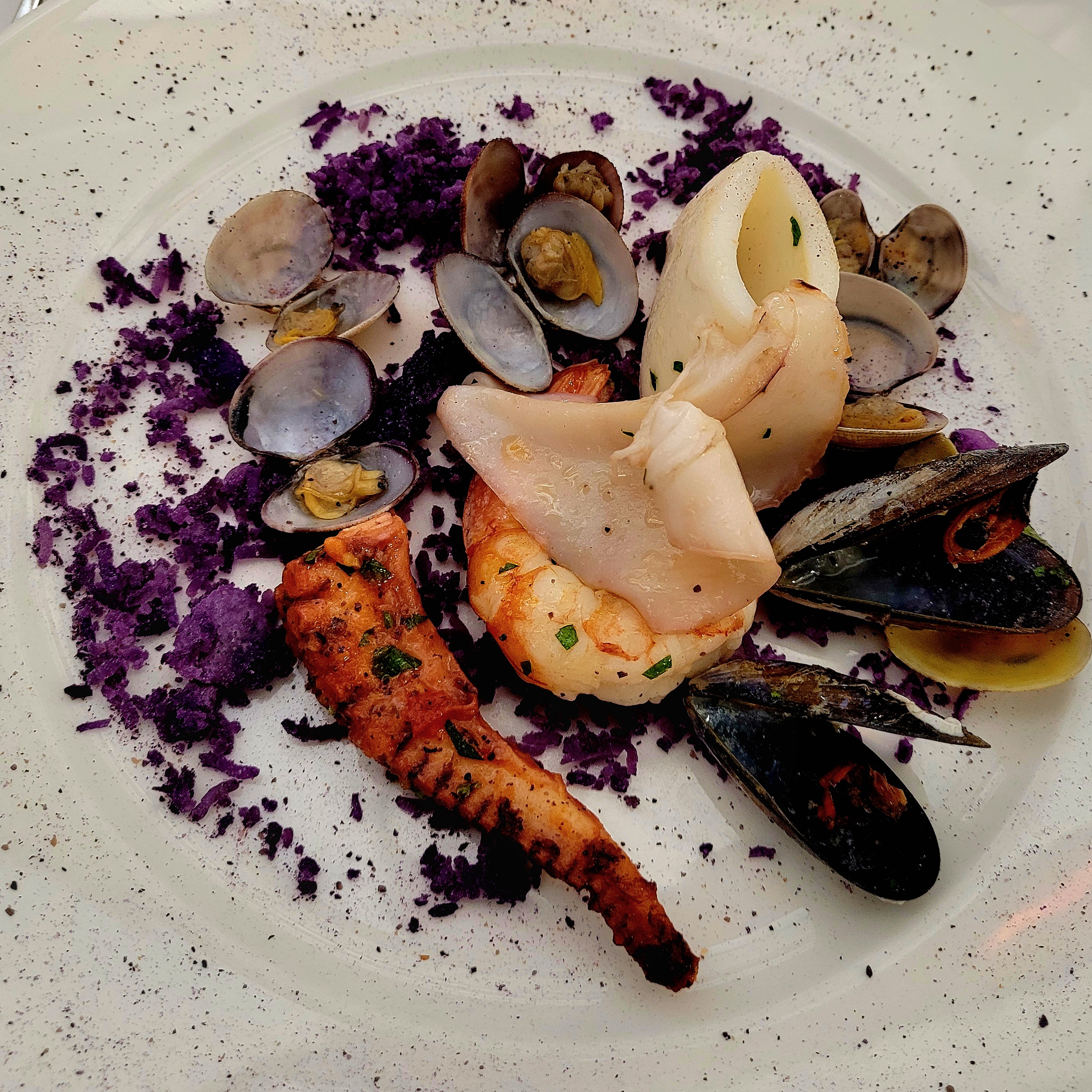
WineAlign

17 Canadian wines that rocked in 2017

As we taste through the #NWAC17 finals we thank @ZWILLING_CA for the rocking great glassware. Canadian wines are better for these vessels.

I first published this year-end summary of Canadian wine excellence in 2013 and four years on that original list of 13 has expanded with four more. It’s a good thing too because four years later 17 wines is but a fraction of what could or should be included. This exercise is more than difficult. It’s biased, exclusive and decisive but it is meant to celebrate a select few with a mandate to elevate and exult the rest. It’s also a proclamation read to many who remain ignorant to an ideal of great wine being made in Canada, to tell the insolent they are not welcome here anyway. The winemakers in this country are in full command of their acumen, craft and future. They own it. Roll out the red carpet. Here they come.

Related – 16 Canadian wines that rocked in 2016

My writing about wine is a display that spills everything but subtraction, reduction and minimalism. It is an occupation whose reality is examined to points of madness, of long, run-on sentences, often at odds with grammatical winemaking realism. My tireless, tiring sentences and phrasing can at times offer a feeling that is potentially endless. So thanks for reading and putting up with me.

As I have noted before, I try to visit wines more than once before reviewing them, preferably from more than one bottle but even more importantly, with a good chunk of time having passed between assessments. The most complete picture is drawn from such a course of critical action but it’s not always possible. Not a single one of these 17 wines were decided upon at a single VINTAGES release, sterile and windowless LCBO laboratory tasting. The nearly 2000 wines (of which approximately were 20 percent Canadian) that I tasted in the LCBO lab in 2017 are kept, compartmentalized, reviewed and stored over at WineAlign. They are forged from and formed by a very specific, of the fleeting moment style. They are the results of root days and fruit days, often plagued by other writers present levels of distraction and time constraints. These 17 wines are children of repeated concentration and stand out because the makers went out of their way to bring them to me.

Please allow me to quote Wes Anderson. “It is an extremely common mistake, people think the writer’s imagination is always at work, that he’s constantly inventing an endless supply of incidents and episodes, that he simply dreams up his stories out of thin air. In point of fact, the opposite is true. Once the public knows you’re a writer, they bring the characters and events to you and as long as you maintain your ability to look and to carefully listen, these stories will continue to…,” continue to provide what you need to entertain your readers. Thank you to the winemakers for sharing their stories time and time again.

Related – 15 Canadian wines that rocked in 2015

Heartbreaker

If 2016 was a most difficult year, what does that say about 2017? It was a most dippy, derisory, barmy and yet chimerical one. Once again too many special people were taken from us and in Ontario, no one more important to everyone who works in wine than Karl Kaiser. It can and should be argued that the industry we all call home is at its 2017 state because of Mr. Kaiser and what he pioneered more than 40 years ago. Karl Kaiser was eulogized by Brock University’s Dan Dakin. Please take the time to read it.

Related – Karl Kaiser left indelible mark on Brock University

Once again we all lost someone close to us in 2017. Celebrity deaths, especially the ones of loved musicians seem to hit us the hardest because we relive moments of our lives when their songs are played. I’ll ask the social media trolls to walk on past and to once again, please respect our reminiscences.

Gregg Allman. Richard Anderson. Harvey Atkin. Walter Becker. Chester Bennington. Johnny Bower. Chuck Berry. Glen Campbell. David Cassidy. Chris Cornell. Jonathan Demme. Fats Domino. Dick Enberg. Stephen Furst. J. Geils. Robert Guillaume. Roy ‘Doc’ Halladay. Connie Hawkins. John Hurt. Al Jarreau. Martin Landau. Jerry Lewis. Erin Moran. Sir Roger Moore. Bryan Murray. Charlie Murphy. Bill Paxton. Tom Petty. Della Reese. Don Rickles. Sam Shepard. Joni Sledge. Keely Smith. Harry Dean Stanton. Y. A. Tittle. Mary Tyler Moore. Adam West. Malcom Young. Joanne Godel.

Don’t forget the pouring rain

There was more than enough good news out of 2017, especially from Ontario. After one of the wettest summers on record and this looming harvest of disaster everything changed. The temperatures hit 30 degrees and remained there for much of September. October obliged with warm and slowly declining temperatures with very little precipitation. Not only was the 2017 vintage saved but it became one of the great phenolic ripeness stories in wine country history. Quality high. Check. Quantity high. Check. Win win for wine.

The year continued to throw thousands of wines my way. I did travel more and so the international count ran higher at the expense of the local. I plan to fix that in 2018. Things have a way of balancing out anyway. Still I’m sure I tasted close to 1000 Canadian wines once again. We continued to pay great attention to Canadian wines at the WineAlign office. I once again joined the judging with Tony Aspler at the Ontario Wine Awards, in Wolfville, Nova Scotia at the WineAlign National Wine Awards of Canada and with David Lawrason at Gold Medal Plates.

Related – 14 Canadian wines that rocked in 2014

My wine on tap program at Barque Smokehouse and Barque Butcher Bar welcomed a third child to the family when we opened Barque Smokehouse Burlington in August. With that opening we were proud to partner with Rosewood Estates to join the family that over the years has included Tawse, Lailey, Norm Hardie, Creekside, Between the Lines, Kew Vineyards, Redstone, Stratus, Leaning Post, Between the Lines, Coyote’s Run, Vineland Estates and Creekside Estates.

It began, as it always does with Niagara’s Icewine Festival in January and in February there were Thirteen ways to taste Cuvée. In March I found Fifty ways to Taste Ontario and then travelled to Germany for Godello’s March through Prowein, The Ahr Valley and The Rheinhessen. As a Canadian and a representative of Wine Country Ontario I hung around the Canadian pavilion, talked with our coast to coast winemakers, vintners and marketing representatives, took in the seminars on cool climate wines led by David and Dr. Janet Dorozynski and of course, tasted some wines.

Related – 13 Canadian wines that rocked in 2013

In the company of #family so thank you judges, friends and badasses #NWAC17 #killedit

Any major dude will tell you

At the Terroir Hospitality Symposium in May we debated the highly controversial new category of Skin-Contact wines in Ontario. Orange is the new smack should have been my title but instead I chose to talk through hushed tones in Pop goes VQA, a story in three parts, each one more misunderstood than the others. It would take months to come to better and more improved conclusions to that haughty complex story.

In June we convened the WineAlign Canadian Wine Awards in the Annapolis Valley. It was the first time that Nova Scotia hosted our motley crew and what a smashing success it was. Great thanks must go out to all our tremendous hosts including Wines of Nova Scotia, Domiane de Grand Pré, Benjamin Bridge Vineyards, Blomidon Estate, Annapolis Cider Company and Obladee Wine Bar in Halifax.

In July I once again made the pilgrimage to i4c, the International Chardonnay Cool Climate Conference, “the local mecca attracting thousands, arriving to praise chardonnay in all its glory. It’s chanted with incantatory connotation by patrons cantilevered like alluvial fans across the Niagara Peninsula. It teaches us about more than chardonnay because the rapidity of climate change is real and the desire for fresh is yet unquenched. This transcends chardonnay. It’s about growing grapes and making wines in places we all previously discounted. Recently scoffed at. It concerns farming higher, further and edgier. This conference and this grape together let us know that we must change.”

At i4c we welcomed California’s Karen MacNeil, Dr, Jamie Goode, Bill Zacharkiw, Treve Ring, Kurtis Kolt and Rhys Pender MW and then I penned 69 chardonnay reviews. What did Godello learn from Cool Chardonnay in 2017? After a visit to Pearl Morissette I learned from François Morissette, vigneron about oxidation.“Whatever we press, we oxidize. We do not oxidize wine, we oxidize must.” There’s a big difference. The stabilization of these wines are attributed to this idea of getting rid of all oxidizable compounds before they enter into the next stages of the winemaking process. Pleasing aromas, flavours, textures and ultimately the sum of the above elevates the cool chardonnay game and speaks to the future. But I did not learn enough. I needed to move beyond the ubiquity of cool climate. I wanted to understand more about cold soaking and whole berry fermentation. Just last week Pearl Morissette’s savant winemaker Brent Rowland sent me these words of enlightenment.

“This is the main reason I am such an advocate to whole bunch fermentation. The best tannin and worst tannin are seed tannin, depending on how you extract them…heat and alcohol rip out aggressive angular tannins. By keeping the berry attached to the rachis for as long as possible you are creating a little microenvironment for fermentation that is low heat and low alcohol, enabling you to slowly extract long polymerized tannins. This and perfume is the reason I do everything whole bunch. To me whole bunch has nothing to do with the stems, tannins from stems or flavour of stems.” He continues. “I absolutely think that skin contact wines can have elevated structure and texture. I also do not subscribe to the idea that some arbitrary number like “10 days” defines the genre. I did say that Orange wine is not an in-between wine but its own genre and I believe that. For the record I feel the less rigid the criteria for the category the better. As you state the broader the category the more opportunity for discovery of a valued category.” Thank you mate.

Be part of the Greatest Wine Revolution since Prohibition.

Where are we one year later?

I’ve two words for you. WineAlign Exchange. The WineAlign Exchange taps into the world of wines beyond the LCBO and delivers a curated, mixed case of top quality wines directly to your door. All the wines have been carefully chosen by our panel of critics for their quality and value. David Lawrason, John Szabo M.S., Sara d’Amato, Steve Thurlow and Godello. The first case delivered to hundreds of members was an all Platinum Award winners pack from the National Wine Awards of Canada. In terms of free trade we await a decision but don’t expect a miracle in 2018, Christmas or otherwise. As for the VQA panel in Ontario? Well, read my article referenced above and you’ll get my drift.

One of my favorite wines I tasted in 2017. All killer no filler. Beautifully ripe #cabernetfranc nice layers of cocoa, red, and black fruit. Tannin is liquid silk. Can_t wait for next

Let’s be Franc

Cabernet Franc is getting better all the time. In British Columbia the coolest sites are increasingly raising fresh, spirited and ultimately crushable wines with unmistakable west coast accents; savour, garrigue and mountain tea. With thanks to venn diagram circles drawn in and out of Niagara’s Lincoln Lakeshore, but also magically deep into the Prince Edward County limestone, the great Ontario hope is developing into what we thought it might be. Getable and structured red wine.

New World cabernet franc growing sites produce less delineation as compared to the various lieux-dites in the varietal homeland, France’s Loire Valley. Niagara is beginning to enter into an Old World state of mind, so now winemakers and by extension wine geeks, are posturing over micro-terroirs; Niagara-on-the-Lake, Beamsville Bench, Niagara Escarpment, St. David’s Bench, Lincoln Lakeshore, Four Mile Creek. The same is happening in British Columbia’s Okanagan Valley although the cumulative stylistic is worlds (four provinces to be exact) apart. In Nova Scotia Benjamin Bridge Vineyards’ viticultural and vinifying braintrust of Jean-Benoit Deslauriers and Scott Savoy are allocating serious resources to cabernet franc in the Gaspereau Valley. But how is it that decisions are made as to where to plant this crisp, juicy and crunchy grape? While many will disagree, if you consider growing sites as circles within the aforementioned venn diagram, in Canadian soils the shared subtleties can easily get buried or muddled within the common areas. The lines may be drawn but the web is tangled. That said, the story of franc terroir is getting clearer and clearer. Interloper carries the torch.

Tonight brought to you by #interloper and the inner beauty of #cabernetfranc @RavineVineyard #vqaniagaraonthelake

At this most recent NWAC17 judging experience the results from cabernet franc paints a more palatable picture than those brushed by both merlot and cabernet sauvignon. We are collectively impressed with and solidly behind the direction growers and winemakers are taking with this noble varietal. The 546 acres planted in B.C. are rising steadily and if I were merlot I’d be looking in the rear-view mirror. In Ontario more than 4,000 tonnes were harvested in 2015, third to only chardonnay and riesling. Four of five Gold Medals were Ontario in origin, 10 of 16 were awarded Silver and 10 of 17, Bronze. While only four in Ontario are labled “LL,” no less than 10 of the 24 winners were made with at least some significant amount of fruit grown in the Lincoln Lakeshore/Beamsville Bench circle of commonality. The sites we want to call “cru” are no longer a mystery.

Taskmasters not pictured #punchdowns #interloper

I can’t say this list is full of surprises, save for the first of 17. You see this particular wine is close to my heart because I had a hand in its concept and design. My partner Scott Zebarth and I teamed up with winemakers Marty Werner and Ben Minaker at Ravine Vineyards to produce what we all feel is the most exciting fresh breath of cabernet franc air to arrive in Ontario in quite some time. It’s obviously self-serving to put it on a best of the year list but we are very proud of this project and its inaugural effort. If you’ve tried it you know. If you haven’t, give me a ring. We’ll break Interloper bread together. To the other 16, welcome to the list.

Scott, Marty, Ben and I are proud to present the now SOLD OUT #interloper Cabernet Franc 2016. We’ll be back next year #vqa #niagaraonthelake #ravinevineyard

Interloper 2016, VQA Niagara-on-the-Lake, Ontario ($19.95)

Produced at Ravine Vineyard Estate Winery with the winemaking team of Martin Werner and Ben Minaker

Variety: 100 per cent cabernet franc

Fruit source: 55 per cent Estate (St. David’s Bench), 40 Creek Road, five Tanbark (Four Mile Creek)

Harvest Dates: October 26th and November 5th, 2017

Time on skins: Estate 26 days, Creek 21 days

Length and type of fermentation: Three weeks, ambient/wild for both

Élévage: Eight months in old 225 L French barrels

Case Production: 22

mgodello  scottzebarth  marty_werner  benminaker23  ravinevineyard

Charles Baker Riesling B-Side 2016, VQA Niagara Peninsula, Ontario (Winery, $22.00, WineAlign)

Vinyl records sound different because they are designed with grooves carved in that mirrors the original sound’s wave form. Their analog recording delivers a sensory feeling of warmth, an aural of texture, nuance and soul. There was a time when the hits spun over and over were also pressed onto the A-Side of 45 rpm singles. The discovery of a never before heard B-Side was a revelation because is was extra material from a favourite band and it was a great song. It meant the record was already too strong for that song to make the final cut and to choose it for a B-Side meant it would elevate the quality of the album. A well-chosen B was not an afterthought. This is the accomplishment of the first Charles Baker’s B-Side, for itself and for the vineyards of Iaen and Picone. Baker digs about in the Niagara Peninsula’s escarpment dirt for young vine, not ready for prime time riesling fruit. If perchance it seems like cheating on his per se Vinemount Ridge Picone and Ivan bottles so be it but one look at him and he’ll say “Hey, hey, what can I do?” His 2016 B-Side delivers a spray bottle Zeppelin expressing heady aromas, high in the stratosphere and raining down upon the earth. The notes are an all in, breath of classic Baker riesling air, blanketing from up above and with a landscape that reeks of lime and quivers with classic agitation. The fruit is wild and full, the salty grit infiltrating and gripping the bloody omniscience of this package. What is this B-Side and where will it be lead? To the top of the ridge, from earlier harvests, younger fruit and higher yields. Scratch the single vineyard elitism, just listen to the song and raise one up, to getting ‘er done before the conceptual singular side one and side two, Ivan and Picone. The Beatles? Forget it. Led’s flip side to the ‘Immigrant Song’ A is the one. Drink 2017-2021.  Tasted November 2017  Charles Baker Wines  stratuswines  @cbriesling  @StratusWines  Stratus Vineyards

Tawse Riesling Quarry Road Vineyard 2016, VQA Vinemount Ridge, Ontario (198853, $24.50, WineAlign)

There is no substitute for seasonal Vinemount Ridge warmth when you are (or even if you’re not) trying to emulate a Mosel like, fleshy Kabinett tension. The Tawse Quarry Road riesling has shown signs of such mimicry in the past but here in 2016 the coincidence is uncanny. Riesling amounts to just 10 per cent of the 2007 planted vineyard, a Fly Road in Lincoln block where chardonnay (planted in 1998) and pinot noir (2007) are queen and king of the hill. But it is riesling that mines for limestone and uses it to distill, filter and enervate the outright fruity purposes of orange zest, lime juice and sweet grapefruit flesh. This ’16 has it all; adipose drupe, salty elements and stasis preserve. It will add some petrol and honey after a few years time and drink well for a few to a bevy more. Drink 2017-2023.  Tasted November 2017  tawsewinery  @Tawse_Winery  @tawsewines

Malivoire Rosé Moira 2016, VQA Beamsville Bench, Ontario (AgentWinery, $24.95, WineAlign)

Hard to believe what I see, a hue not blush nor pink, but gris. That “if my eyes don’t deceive me there’s something going wrong around here.” Forget about Provençe, don’t think too hard about Vin Gris but concentrate only on what Shiraz Mottiar has acceded with Rosé for Moira in ’16. Light and lithe do not begin to explain the rub. Rocks and stones are what come through the good earth on the nose. Is this the blush equivalent of mineralité, away from chardonnay and into pinot noir? “Is she really going out with him?” But the pinot noir component is almost non-existent so what is the phenolic advantage here? Has this gone too far or not far enough? Don’t mistake the things I say. This is delicious, understated and fully underestimated Rosé. It will have great appeal to a specific cognoscenti population and who could not think to drink it any day of the week? Commercially considered however, it may not speak a universal language. Drink 2017-2021.  Tasted March 2017  malivoire  shirazmottiar  @MalivoireWine  @ShirazMottiar  @MalivoireWine

Flat Rock Riesling Nadja’s Vineyard 2016, VQA Twenty Mile Bench, Niagara Escarpment, Ontario (578625, $24.95, WineAlign)

Nadja, like the Bréton novel begins with the question, “Who am I?” A surrealistic trigger is incited by the first taste, with excitement running in many directions but like the book, Nadja’s non-linear structure is grounded in Twenty Mile Bench riesling reality. She is an elite varietal wine in 2016, excitable girl, gregarious, punchy and so bloody juicy. I don’t recall the last Nadja with so much up front zest fervency and writhing aromatic gait, “exploding international, the scenes, the sounds, and famously the feeling that you can’t squeeze ground.” The lime flesh and cordial infusion brings the flavours into a once tropical, twice bitten realm. The vintage delivers the electric version, the new pornographer for the vineyard and the song sung loud swan song for departing winemaker Jay Johnstone. Was it all for swinging you around? Drink 2017-2024.  Tasted October 2017  flatrockcellars  @Winemakersboots  @FlatRockCellars

First Fruit: Field Day Pet Nat, Niagara Peninsula, Ontario (Winery, $25.00, WineAlign)

An escarpment Pet-Nat is born, thanks to the healthy and precocious idealism of winemaker Ryan de Witte and his Winona-based host Ilya Senchuk at Leaning Post Wines. The name “First Fruit: Field Day” carries three connotations; a reference to De Witte’s first commercial wine, the first crop off this particular block and the fact that it’s a field blend of two grapes. The erudite hat is thrown into the micro-cuvée, sparkling wine ring with interchangeable tracks of arts and science from near-equal parts muscat (60 per cent) and gewürztraminer. The style is pétillant-naturel, or as they say in Italy, Vino Rifermentato In Bottiglia, under crown cap with what Ryan notes “as much of the lees as I could get in.” The tightrope induces a two-fold increase, of reduction and for texture, from the nutrients fed the fermentation. De Witte’s math was sound because the effervescence is strong enough to blow the reduction off after a few seconds in the glass. One point for science. After tasting two samples I can safely say that the yeast deposit can’t be missed but it is those crafty and leaningpostwineconsolidated cells that drive the salvus meets salus machine. This lithe, re-fermented and crackling sparkler is both safe and healthy. You can feel its enzymes usher liquid happiness through your body and it makes you pause, leave the warrior behind and become at one with the experimental fizz. It’s raw and you want it to be so. The aromatic varieties collogue preserved lemon, ginger and aseptic vegetal scents in an almost funk-less Pet-Nat. It’s an impossible one actually, that is until you get a load of that slag at the bottom of the bottle. But the lack of danceable, rhythmic funk may deny you a Cissy Strut so think on it like Foam meets Talking Heads as in minimal, industrial, synth-pop. Or, in sparkling wine terms, one Pet-Nat’s riflessioni naturalische is another one’s clarity. One point for art. The intrigue here sets the bar high and looking ahead, when acidity can further provide boundless rhythm section support we’ll really have something to talk about. Inaugurals are never easy, nor is progress but the sophomore release will most certainly play on repeat. Let’s hope someone finds a category to place it for three-letter approval. Drink 2017-2018.  Tasted Twice, February 2017  leaningpostwine  @LeaningPostWine  @Witte_Wine  Leaning Post Wines  Ryan de Witte

Cave Spring CSV Riesling 2015, Cave Spring Vineyard, VQA Beamsville Bench, Niagara Peninsula, Ontario (566026, $29.95, WineAlign)

In a word, balance. Well two, balance and brilliance. CSV in 2015 takes the reigns from itself and stands firm. The fruit is in charge, the mineral a support system unparalleled and the minor celebratory sweetness a mere afterthought when it comes to rounding out the complexity. CSV is pretty darn back in ancient dolomite time travel and escarpments high great in 2015, uplifting, serious but yet not so. The numbers trip the light fantastic, fooling like gold and bones dry are seemingly preserved in karst but impossibly not. The sensoria apprised reel from the finest acidity it can possibly carry in its veritable truth. Deep lemon intent and a new wax vernacular speak the clarity of a wine that listens to its own expert advice. Might as well have made itself. CSV 2015 is one of the finest rieslings ever made from Ontario grapes. Drink 2019-2031.  Tasted March 2017  cavespringcellars  thevineagency  @CaveSpring  @TheVine_RobGroh  Cave Spring Cellars  The Vine – Robert Groh Agency

Sneak peak in the @TriusWines Meunier with Craig McDonald and a true Niagara Grand Cru @coolchardonnay site #lincolnlakeshore #oliveiravineyards #vqa #wildferment

Trius Showcase Chardonnay Wild Ferment Oliveira Vineyard 2015, VQA Lincoln Lakeshore, Ontario (Winery, $36.75, WineAlign)

When you consider the level of quality provided by the Wild Ferment 2014 it would be hard to imagine raising the bar any further but this is what winemaker Craig McDonald has managed with his exceptional 2015. The accomplishment is purely based on one year older, wiser and complexities developed Oliveira Farm vineyard fruit, the holy chardonnay grail, Lincoln Lakeshore playground. The site sits along the QEW below the escarpment’s Twenty Mile and Beamsville benches, a recipient of glacial till and rocks left behind by an ancient river running from a lake. It’s a chardonnay wonderland. Intensity of fruit purity, fleshy and real, remarkably juicy and notably crunchy has increased, upping the pleasure game and turning the impression knob up to 11. The windmill generates more power while always maintaining a classic Trius level of finesse. Then you think on the wood integration, equally impressionable because acidity is sweet and refined. Dry extract is also impressive, not to mention a fineness of grape tannin. The site’s unofficial designation as a Niagara Grand Cru should be upgraded with status. There is no better time than the present and the Wild Ferment’s 2015 ability is proof enough. Drink 2017-2023.  Tasted July 2017   triuswines  @TriusWines  @triuswines

Pearl Morissette Cuvée Madeline Cabernet Franc 2014, VQA Twenty Mile Bench, Niagara Peninsula, Ontario (Winery, $38.00, WineAlign)

From the 19th Street Vineyard and wow, there is simply no cabernet franc like this cabernet franc. It pops and flies from the glass, in and out of your mouth, playful, buoyant, joyful, unbridled. A silky and spicy ripeness that’s also shed by its tannin, like shavings of a chocolate only a master knows to render, then currants electric and alive. Excels by its chewy mouthfeel and texture and you must ruminate on this cabernet franc. This is the it vintage, with all the enzymes in control, wrapped up in the enigma membrane and this low, classical Beethoven orchestral strings rumble, on a Verona stage, surrounded by the ancient rocks, acoustics perfect. You can get lost in franc like this. Drink 2019-2027.  Tasted July 2017  pearlmorissette  @PearlMorissette  Pearl Morissette

Quails’ Gate Stewart Family Reserve Chardonnay 2015, BC VQA Okanagan Valley, British Columbia (639641, $43.95, WineAlign)

Some of the Okanagan Valley’s great chardonnay fruit is found on its eastern shore and makes its way into this Quail’s Gate Reserve. The story and place go back 60 plus years and wait if you can’t nose it in this top North American chardonnay. Forget comparisons, competitions and blind judgements but pull anything you want from Sonoma and watch this raise eyebrows and turn heads. The variegations are numerous and in replay. Richness, bite, energy, spirit and firm conceit. The barrel is everywhere and nowhere. What is a great chardonnay? It’s completely invisible, yet always in sight. It remembers what people hate. It anticipates the consumer’s needs before the needs are needed. A great chardonnay is, above all, discreet to a fault. Such is the Stewart Family Reserve. Drink 2018-2023.  Tasted October 2017   quails gate  hobbsandcompany  @Quails_Gate  @AMH_hobbsandco  Quails’ Gate  Hobbs & Co.

Sparkling wine you need to know @lwwines Blanc de Blanc Extra Brut 2013, from the shores of the #minasbasin #annapolisvalley #novascotia

Lightfoot & Wolfville Blanc De Blanc Extra Brut 2013, Nova Scotia, Canada (Winery, $45.00, WineAlign)

Josh Horton and Rachel Lightfoot presented an early, less leesy glimpse of their 100 per cent estate chardonnay at i4c in July of 2016. It was a different animal than this recently disgorged (late February/early March) sparkling wine. The Extra Brut lives up to its designation, from fruit grown on the shores of the Minas Basin under the auspices of a markedly warm year with exceptional phenolic ripeness and 25 per cent malolactic gain. The time relative to texture lees accumulation is approximately 40 months and it’s an accurate representation of Nova Scotia low and slow. The flavours are wisely developed ripe and spicy, leaning into a moment or two of oxygenation, but seemingly richer than the amount of lees time that was given. Now emerging from the shell of not just a warm but a great chardonnay year (as previously proven by the Ancienne released two years ago). The notion here is of a sparkling wine that has been brought home, a B de B that you need to get to know. There are layers and layers of character that fold and unfold. The precision, focus and rendering is citrus tamed, mouthfeel in perpetual expansion and contraction, length linear and elastic. And it’s just the beginning. Drink 2017-2023.  Tasted June 2017  lwwines  @lwwines  Lightfoot & Wolfville

Blomidon Late Pick Sparkling Chardonnay 2011, Nova Scotia, Canada (Winery, $45.00, WineAlign)

The 2011 late-picked chardonnay, the “Hurricane” is a hyperbole of itself. Normally picked in later October, the frost-free weather allowed further time and development. Picked from seaside vineyards just ahead of another hurricane (in a season that included Irene), this is sparkling wine you just have to try. Though lean, taut and as intense as you are likely to taste, the developed character and complexity is visionary for Nova Scotia and Canadian sparkling wine. Three years on the lees brings the texture and fills the gaps, holes and voids created by such a tightly wound cool climate chardonnay. The dry factor is exaggerated in 2011 (a one-off says winemaker Simon Rafuse) but the wine takes full advantage of the Extra-Brut intent. Did it require the anxiety of a recent and an impending cyclone? Can it be duplicated? “That’s the story of the Hurricane.” Visionary for Nova Scotia and Canadian sparkling wine. Drink 2017-2022.  Tasted March 2017  blomidonestate  @BlomidonEstate  Blomidon Estate Winery

Southbrook Poetica Red 2013, VQA Niagara Peninsula, Ontario (355859, $69.95, WineAlign)

It seems at first that Poetica 2013 was chosen by winemaker Ann Sperling to be the deferential one. The blend is dominated by 74 per cent cabernet sauvignon, the highest number ever for the wine. Conversely the cabernet franc component is set to 23 per cent and far less petit verdot (3 per cent) rounds out the blend. That number had been 29 per cent in 2012 because the varietal elegance shown at that time necessitated the relationship. In 2013 it is the cabernet sauvignon that displayed with elegance and an uncanny ability to sow of its own accord and yes, it is an exceptional vintage so look for 2013 to age on a 15 year curve. The Witness Block CS-CF follows suit and the SV-PV is better off for the allocations. Every wine wins as a result. There is this deep-impressed sous-terre tang in here, a wisdom certainly, and when it is released later in the year the heads will turn. Poetica is often but here not overly tannic, but it is endowed with bones, spine and structure. The flavours, spice and magnetism give cause to salivate. Only Ann Sperling makes Niagara reds like this, wines that can develop such architecture without an excess of tannin, astringency and chalky chocolate from over-wrought wood exchange. Poetica 2013 will drink well young and comfortably into the end of the next decade. Drink 2018-2028.  Tasted January 2017  southbrookvineyards  thelivingvine  @TheLivingVine  @SouthbrookWine   @SouthbrookWine  The Living Vine inc.

A finer man, winemaker and host you will not find. Thank you @normanhardie @keeponshucking @clarsenault @cuveeletittia @Mknow21 @mclauriault and all.

Norman Hardie Chardonnay Cuvée Des Amis 2014, Prince Edward County, Ontario (Winery, $150.00, 1500ml, WineAlign)

As exceptional as chardonnay may have seemed from out of the 2013 Ontario vintage you haven’t lived or loved until you get a taste of (only in magnum format) Norm Hardie’s 2014 Cuvées des Amis. This chardonnay attacks and ascends, recalibrating the inner workings of the brain and how it develops conceptualization. It is a state of the art and all-knowing elixir to remind that ’13 was a vintage with profitable yields and a generously stretched canvas on which to practice on, for when things begin to get real. The CdeA spent 18 months in barrel, the first 12 (in 35 per cent new), the next six in neutral and the last six in stainless steel on the fine lees. The spin class in the mouth manages agility, dextrous, furtive movement and completes many pirouettes. The dance is pure joy but the intensity is equally to disturbingly intrusive, suggesting more settling time is necessary. The flavour pearls are delicate and come straight from the oyster so they carry salinity, power and brine. Pure lemon essence is received by intravenous injection. Sumptuous is translated from Hardie-speak as a four-letter, Prince Edward County word. It doesn’t get more real than right here, with the best fruit, the tripping of the light fantastic, previously unheard and unseen unconscionable concentration. Drink 2019-2025.  Tasted twice, June and July 2017  normanhardiewinery  @normhardie  Norman Hardie

Le Vieux Pin Équinoxe Syrah 2014, BC VQA Okanagan Valley, British Columbia (Winery, $80.00, WineAlign)

Èquinoxe is announced without equivocation as the Bricco of B.C. syrah and an absolutely lovely Bench expression from winemaker Severine Pinte. What came from these three-quarters Osoyoos Lake District and one-quarter Black Sage vineyards in 2013 was floral and peppery, with a fineness that belies a dessert climate but in 2014, well this is something more and other. You just have to think about texture here and a quality of acidity that is peerless in B.C. syrah. So juicy, beautifully tannic and rendered with culture and class. Drink 2018-2022.  Tasted October 2017  levieuxpin  @LeVieuxPin  Le Vieux Pin Winery

My eyes do not deceive me. It’s Decant @StratusWines #cabernetfranc bottled with lees #vqa #niagaraonthelake #karimrashid

Stratus Cabernet Franc “Decant” 2014, VQA Niagara On The Lake, Ontario (Winery, $95.00, WineAlign)

“A designer’s hands are tied. They are only as good as their opportunities.” The words of the brilliant bottle designer Karim Rashid fully apply to the mirrored universe in which winemaker J-L Groux works, here with a deferential and ulterior cabernet franc, bottled with its lees. When I first tasted it in February (in advance of this auspicious release), its unfiltered state spoke of a hyperbole of perfume, marked by exoticism. The aromatics gave far east five-spice, star anise, cardamom, miso and incense, all natural by-products of its purposed ferment. More grain spoke out but also a roundness of tannin and a smoothness both coating and comforting. There was chocolate accentuated by the treatment, with thanks to those lees left in the bottle. The chopped up and constructed bottle catches the lees while the volume flows out and the function out of form mimics the thought of lees delivering structure and yet they are invisible, caught in a hidden net or nook, out of sight, out of mind. But it’s not about pouring. It’s about the hand, or the slight thereof. Then there is the copycat idealism of strata in the vineyard, of geology transferred to the bottle and kept there, like a ship perfectly preserved inside. This cabernet franc will age better, as is the plan, with thanks to the lees that you’ll never have to deal with. There were 110 cases made. Drink 2019-2029.  Tasted twice, February and May 2017  stratuswines  @StratusWines  Stratus Vineyards

Supper at Benjamin Bridge

Benjamin Bridge Méthode Classique Estate Blanc De Blancs 2013, Nova Scotia (Winery, $119.50, WineAlign)

Tasted from a bottle disgorged in May 2017, there alights a plugged-in, three-pronged, dazed, charged and enchanted energy about the Bridge’s ’13 Blanc de Blancs. The history of go it alone pure chardonnay is a relatively short one for the estate so this quickly makes up for lost time or rather with haste sets the timer and heads out at first light. “Like sittin’ on pins and needles, things fall apart, it’s scientific.” Wild, of talking heads temper and yeasts, done up in demi-muids, with a wilder secondary fermentative push riding on the coattails of the primary fermentation. Everything in this wine is a productive child of the vineyard, of no third party sugars or consultations. “How do you do that without making a Pétillant Naturel,” I wonder aloud. It’s a second ferment, non-contiguous is the reason, even if the former is both influencer and mentor to the latter. It certainly falls under the category of “micro-cuvée. Like its cousin and predecessor (Blanc de Noirs 2011), this ’13 BdeB is mired intensely inward within its own specificity and is not so much a sparkling wine with competitive soul. It is a pure representative of chardonnay grown in Nova Scotia for one purpose. So let’s talk about true stories and wild, wild life. “You get on board anytime you like.” Drink 2018-2024.  Tasted July 2017  benjaminbridge  caveman__jones   winesofn  @Benjamin_Bridge  @benjaminbridgevineyards  @WinesofNS @benjaminbridgevineyards  @winesofns

As we taste through the #NWAC17 finals we thank @ZWILLING_CA for the rocking great glassware. Canadian wines are better for these vessels.

Good to go!

Godello

Twitter: @mgodello

Instagram: mgodello

WineAlign

Massimago in astral Valpolicella light

camilla-rossi-chauvenet

Camilla Rossi Chauvenet

I have been thinking quite a bit lately about certain producers I have met through the course of my recent travels. Every wine region has its stars and while it’s quite rare to have a bad visit or negative experience, some visits simply turn on the lights.  Sometimes there comes along a winemaker and a place with a special kind of light. Last September I found such an experience on a windswept limestone ridge in Valpolicella. Massimago.

windswept-white-limestone-vineyard-at-massimago

Windswept white limestone vineyard at Massimago

Words of advice. “Lasciate la vostre ansia e le scarpe al cancello.” Massimago is the dream of Camilla Rossi Chauvenet, in Mezzane di Sotto found in Valpolicella’s Mezzane Valley. “A little heaven in the north part of Italy.” Massimago, from the Latin “Maximum Agium,” the maximum benefit. Camilla considers Mezzane as the most secret and wild of Valpolicella and her family’s land has belonged to the Cracco Family (on the maternal side) since 1883. In 2003 she began to transform the company into its modern-day renaissance.

Now (and I believe since 2014, officially) organic though that has always been the philosophy, the new generation believes in the Eminem credo, one shot equals one opportunity. Young guardian and creator of Massimago Camilla Rossi Chauvenet’s  roots are never forgotten, emotion and creativity define identity and complexity will lead to longevity. On her website Camilla writes, “Massimago and I are tightly holding our hands, step by step, sooner or later we shall arrive, but please do not hurry us, time in nature is slow and unstoppable.” Truth.

Lasciate la vostre ansia e le scarpe al cancello

There are 28 hectares of vineyards, olive trees and woods. The soils are a nominative palette of limestone, marl and clay. Traditional varieties (corvina, corvine and rondinella) cultivated in Pergola are transformed into wines assembled from only estate grapes. A wine relais experience on site confirms Massimago as a Veronese wine experience hotel. As noted in Italian above there is but one rule. “Leave your anxiety and your shoes at the gate.”

On that September day I paid a visit and sat down to taste seven Massimago wines with John Szabo M.S., Joshua Corea, Annette Bruley, Jules Garton, José Luis Fernández, Lauren Hall and Nick Chajoglou. I could hardly contain my enthusiasm and these wines changed everything I thought I knew about Valpolicella. Così grande, così perfetto. I saw the light.

mago-brut-rose

Magò Brut Rosé

Massimago Spumante Brut Rosé Millésime Magò 2014, Veneto, Italy (Agent, $34.95, WineAlign)

Magò is Camilla Rossi Chauvenet’s Charmat Method, 100 per cent corvina blush sparkler and another Massimago wine born of dreams and initiative. We climb to the top of the exposed white limestone ridge to sample this unmitigated refreshing fizz, light, aromatic and ethereal. To say it does wonders for grape, method and place would be the correct way to explain the situation. Magò sees 10 hours of maceration and eight months of lees aging. Though intentionally sweet (10.4 g/L RS) it is expertly balanced by acidity and even more so by exceptionally dry, limestone-conditioned extract. This is the key and the kicker, that and elevation, on a windswept, exposed geological place of wonder. The setting and presentation notwithstanding this is an impressive effort from the simplest of technologies at the hands of the soft-spoken and the kind. So yes, do enjoy this with “an elegant dress, the magic of waiting and the taste of freedom.” Or whatever romantic notion you prefer to call your own. Drink 2016-2019.  Tasted September 2016

https://www.youtube.com/watch?v=WxB4weCzqGE

Massimago Valpolicella 2014, Veneto, Italy (Agent, $29.95, WineAlign)

Few reference points can prepare you for Massimago’s style of Valpolicella so simply use this as the ingress. Plucked from vines in the Mezzane Valley in the east part of Verona province, rising from the village of Vago towards Mezzane di Sotto. Camilla Rossi Chauvenet’s precocious blend is the crisp, crunchy, pure as driven white limestone portal into the soils laid out in amphitheatre vineyard grid. Camilla uses only stainless steel tanks here to accentuate a basal clarity brush stroke on her Valpolicella canvas. This from a selection of the grapes that will not enter the Amarone process, the second and third pass harvested bunches. Cherry and silty saline mingle at the interces of limestone. How can you miss the white stone in the naked Valpolicella? You can’t. It’s without make-up, transparent, naked to the world. The wine speaks a natural vernacular and the land is spoken for. If villages-level Bourgogne were made like this all would be well in the world. Lithe, delicate and perfumed. Drink 2016-2019.  Tasted September 2016

godello-can-hardly-contain-his-enthusiasm-for-camillas-valpolicella

Godello can hardly contain his enthusiasm for Camilla’s Valpolicella

Massimago Valpolicella Superiore Profasio 2012, Veneto, Italy (Agent, $54.95, WineAlign)

Profasio establishes new territory for Valpolicella Superiore from Mezzane Valley fruit in a wine over dinner “that lets you talk.” A careful and specific selection of Corvina, Corvinone and Rondinella (65/30/5) is subjected to “un leggero appassimento,” or a “slight withering” from one month of drying and the rest kept thankfully and respectfully fresh. The child is raised in stainless steel for five months plus one year in 2nd and 3rd passage barrels. This is Valpolicella meant to partner up with dinner for two, replete with secret recipes and crossing glances. “We feel the appassimento method is about levels of aromatics,” tells Camilla Rossi Chauvenet. In such a contrary to Superiore belief we find freshness and anti-jam the goal and as a result, the wine is allowed to tell a story. A script written cursively, crisp and pure, crunchy like the normale with an addendum of aromatic profiling; cherry, leather and red citrus. Profasio is a wine of good temper and vision (and could mean profezia, or prophecy, or perhaps a surname in reference to Dante and the Veronese ebraico’s Almanacco Perpetuo), a Valpolicella into a second level of contemplation, but not too much. The wine causes no worries, no anxiety and shoes are left at the bottom of the mountain. Profasio with its hint of dried momentum is a wine of communication and a new way of communicating. Drink 2016-2021.  Tasted September 2016

Camilla Rossi-Chauvenet talks Ripasso

Camilla Rossi-Chauvenet talks Ripasso

Massimago Valpolicella Ripasso Marchesi Mariabella 2014, Veneto, Italy (Agent, $40.95, WineAlign)

Yet another new launching point, this time for the much maligned Ripasso category, acquiesced through the fresh urgency of the whimsical Marchesi MariaBella. The fruit is borne of a a much earlier ripening vineyard outside of Massimago, perched only at an insignificant 100m on Argileux soil. This a Ripasso I will wager large you have never tasted before. La Bella Poesia, “is different because its literary destiny has followed a strange path.” To say that a feminine disposition, temperament and engagement fills not just the aromatics but also the texture would be a Valpolicella understatent of this early century. There is virtually no dried fruit on the nose; there is more tension than the two classic Valpolicellas which is both counter-intuitive to terroir and to methodology. Ripasso needs to carry both weight and tension. It needs to have some elegance. It requires acidity and freshness. This walks that very line and it will age gracefully and with beauty. Incidentally to answer the query of whimsy each character on the label represents the democracy of the proletariat. Drink 2016-2022.  Tasted September 2016

this-is-camilla-and-matteo-they-will-change-everything-you-thought-you-knew-about-valpolicella

This is Camilla and Matteo. They will change everything you thought you knew about #valpolicella

Massimago Amarone Della Valpolicella Conte Gastone 2011, Veneto, Italy (Agent, $77.95, WineAlign)

If at first the Conte Gastone Amarone seems to be the freshest Amarone ever tasted it will in fact creep up and get upside so don’t be fooled. It is in fact a brooding, sulking, contemplative mess of intense fruit. The assessment is magnified when compared to a barrel sample of 2015 tasted minutes before. With no disrespect to carefully raised and quite specific red fruit the 2011 Amarone punch drunk (16.5 per cent alcohol) love can’t help but overwhelm as is its want and ilk. Here the Massimago conditioning of (65/30/5) corvina, corvinone and rondinella is treated with 100 days of appassimento, 30 months in large botti and smaller French barriques and then 12 further months in bottle. Camilla’s suggestion would be to enjoy her Amarone “brainstorming with friends, feasting on dreams and quiet omnipotence.” While hers is indeed more cerebral and contemplative inducing than most, 2011 is just a beginning and fashioned as a means preparing Valpolicella towards an end that will begin with that fresh maker of a ’15. Drink 2017-2024.  Tasted September 2016

"I gotta have some of your attention, give it to me." @massimago #special #brassinpocket

“I gotta have some of your attention, give it to me.” @massimago #special #brassinpocket

Massimago Amarone Della Valpolicella 2011, Veneto, Italy (Agent, $109.95, WineAlign)

The packed and punchy Massimago labeled simply Amarone is the stronger one and with deferential ability manages to bring the Conte Gastone into bright, fresh, highlighted, beautiful infrared light. Not that the fruit is any less presumptuous or magnificent but considered side by side here it is really just acidity and tannin that drives the intense machine. The suggestions of “brainstorming, feasting and omnipotence” are more than apropos for a wine of preponderance, indulgence and power. The young wine is rigid and so full of fruit, an impossible combination in Amarone and like the Gastone is just a precurser to what will be coming in Camilla Rossi-Chauvenet’s dreamy Valpolicella future. Drink 2018-2025.  Tasted September 2016

sneak-label-preview-of-camillas-massimago-pet-nat-sparkling-cosi-grande-cosi-perfetto

Sneak label preview of Camilla’s @massimago pét-nat sparkling. Così grande, così perfetto

Massimago Zurlie, IGT Verona, Italy (Agent, $21.95, WineAlign)

Zurlie is Massimago’s newest product, a 100 per cent confondere corvina made in the sur lie Vino Rifermentato In Bottiglia style. The fruit is 100 per cent 2015 and until now, no one in Valpolicella has tried to make sparkling wine in this confounding style. Passes through secondary fermentation with sugar added into the bottle and then a seal under crown cap. Extreme acidity abounds because it’s accomplished sur lie, a wine to clean your mouth at the end of a wine tasting. Delicately raises a perfume almost after the fact from an easy drinking picnic wine stolen straight from the fridge. So much fun and just extreme freshness, in a way cider does but also cannot do. This speaks at the highest level of simple brillance. A four year dream in the making. Drink 2016-2018.  Tasted September 2016

when-you-visit-massimago-%22lasciate-la-vostre-ansia-e-le-scarpe-al-cancello%22-c_valpolicella-organic-camilla

When you visit @massimago “lasciate la vostre ansia e le scarpe al cancello” @C_Valpolicella #organic #camilla

Good to go!

Godello

Twitter: @mgodello

Instagram: mgodello
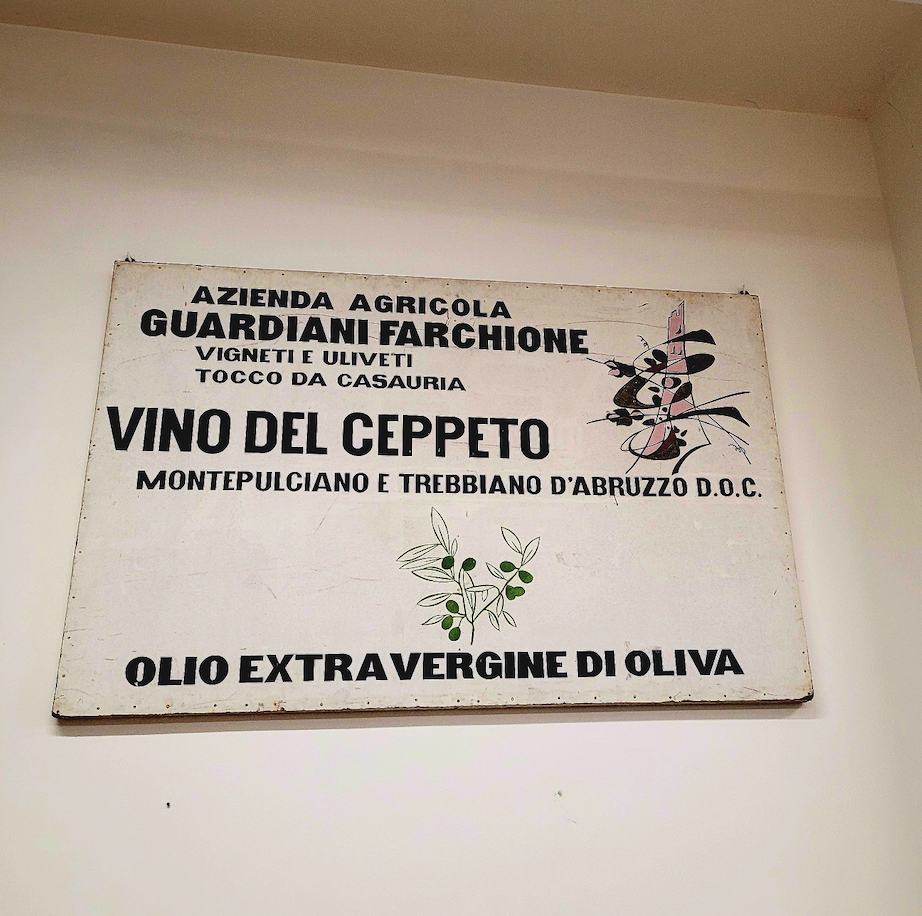
WineAlign