Peaceful afternoon in February light at #carrobio #chianticlassico #panzano
Few wanderlust statements sound better than “I returned to Tuscany” and with the greatest of fortune smiling upon me I am able to utter the phrase again. Not just Toscana mind you, but Chianti Classico, in and out of February Anteprime tastings, to a pin on the map south from Firenze along the Chiantigiana, sidestepping for the Florentine view from Impruneta, then through Greve and into Panzano. The reason for my return begins as it always does, to adduce a lifelong pursuit deep into the meaning of sangiovese. It also fosters a fixation dug into the variegated soils of Chianti Classico and even further still, to the nurturing, sub-appellative specificity of sangiovese’s intaglio secrets. With each return it also ingrains a feeling of coming home.
The most recent visit brought me back to Panzano, first to Il Molino di Grace and then to Tenuta Carobbio. Panzano in Chianti lies at the heart of Chianti Classico and below the hilltop town sits the “golden basin” of the Conca d’Oro, once a prized wheat producing area interspersed with grape vineyards and olive groves. Carobbio is not so easy to find. The tight twisting road from Panzano climbs and descends before turning off-road for the descent into the valley where tucked away and recondite Carobbio lies. It is no stretch to call Carobbio a hidden gem.
Conca d’Oro
Forza e Passione
E la sua passione describes the vision of Carlo Novarese’s decision to create Tenuta Carobbio. The Como silk king was born into a family from Monferrato and the childhood memories of wine production at Sannazaro Castle conspired to transfer passion into the estate’s Panzano ways. At 60, Novarese handed over the family textile company to his son and returned to Tuscany. “A spontaneous return, perhaps atavistic, which marked a new beginning.” With a “desire was to return to his roots and begin living close to the soil.” During a magical evening in June 1986, in a moment frozen in time, Carlo Novarese felt the certainty of having found “un angolo di paradiso in Toscana, “a little corner of paradise.”
Capiteto
A little slice of Eden in Tuscany
The southern facing Carobbio set between 350 and 400 metres of elevation stretches over 50 hectares, mostly forested, 10 of which are specialized vineyards and two are dedicated to olive cultivation. The Panzano hill and its houses protect the southern Conca d’Oro valley from the cold Apennine winds. The peaks of Monte Domini, Poggio Convento, Monte San Michele and Monte Querciabella in the east shelter the vineyards of Carobbio from the winds and damp air from the Arno.
The soils are characterized by a significant proportion of deep clay, sandstone, siltstone strata, marl and Alberese, the latter two most typical of Chianti Classico. The land is simply and emphatically “un territorio che vive graze alla forza e passione delle persone,” a land that lives through the strength and passion of its people. The 150 year-old farmhouse, ‘Capiteto’ is a great symbol of the estate’s history, a home at the edge of the Conca d’Oro, with views stretching from Rignana in San Donato to Tavarnelle.
Silvia Fiorentini and Dario Faccin
After walking the estate I sat down with Carobbio’s Director of Winemaking Dario Faccin and the Consorzio di Vino Chianti Classico’s Silvia Fiorentini for a tasting of current vintages and indelible memory etching bottles from the past. Dear Carobbio, thank you for taking me in, for sustaining me and for introducing me to the mysteries of the Conca d’Oro. Here are my notes on the nine wines tasted, with thanks to Dario, including selections from 1997, 1995 and 1991.
Single-vineyard, 100 per cent sangiovese, so mineral-spiced you would think it came from barrel #notachance #carrobio #toscana #panzano #terrarossa #rosato #rosé
Carobbio’s is different, a rosato of its own accord from a hasty (24-28 hours) fermentation descried of 100 per cent sangiovese. After four to five months in stainless steel it asks to show the world what it has to offer from a specific, steep-terraced red clay soil vineyard, thus the moniker and only used for this wine. A mineral-saline aroma sears ahead of the fruit which is bright of light cherry and convincingly of an intent to celebrate sangiovese in a form not so often noted. Like a cross between Coonawarra of terra rossa for cabernet sauvignon and Swartland of schist for syrah but here with sangioivese, for Rosé. Much more fruit on the palate but still the light and lithe cherry. There is more colour from sangiovese, naturally, but not from pressing. A very distinguished and elegant Rosato. Drink 2017-2020. Tasted February 2017 @Tenuta_Carobbio@apparitionwines@chianticlassico@ChiantiClassUSA
Chianti Classico 2014 is a Panzano in Chianti, Conca d’Oro sangiovese with five per cent merlot that takes just one whiff to gain an understanding of what’s going on with wine director Dario Faccin, Carobbio and where these wines are heading. From the start I would ask to leave vintage concern or controversy out of the equation and simply concentrate on the purity from a variegated sangiovese that is entirely specific to the vineyards here. The red to purple sangiovese, transversing a line from a classic to ultra modern without ever veering from what sangiovese must have been and quintessentially is, off of vines tendered into Carobbio’s soils. The only comparison thus far is the Radda in Chianti Colle Bereto from Bernardo Bianchi, here of course so different, but with perfect hue, avoidance of massive structure and bullish tannin, in a word or two, “molto elegante.” Precise. Drink 2017-2025. Tasted February 2017
For Chianti Classico Riserva the solo performance is 100 per cent sangiovese and just as 2013 must be this grabs you by the olfactory senses with elegant inhalant immediacy. You are immersed straight away into a wine without reserve in the way that the only the purest of Riserva can be. Philanthropic, generous and kind. Even more so and because it is Carobbio, there is no fence to jump over, hoop to hurl through or great wall to climb. Not in aroma and then what follows is palate texture and finally fine-grained tannin. Not even acidity will lash out but rather support, with more kindness. Everything is presented from the start with a wisdom that doesn’t rely on oxidative or cured character. Just elegance. Rich and affirming, for sangiovese and life. Humour this CCR ’13 and wait just one more year, per il rispetto. Drink 2018-2027. Tasted February 2017.
Leone is Chianti Classico incarnate, a single-vineyard sangiovese and perhaps the artist of the future known as Gran Selezione. The aromatics are a force from fruit raised in front of the river (Pesa) on the border between Florence and Siena, a high-density (5,000-5,500 plants per hectare) vineyard. In the first week of June Dario says “I take all the leaves off of the stems,” executed with risk-reward abandon but on second thought, as a factual matter of personal volition and intuition. Then two weeks later the smaller leaves begin to grow. This allows the early phenolic process to work on the young skins and increase the early offerings of photosynthesis. The skins carry a natural protection against the sun (in June) but not in August. Voila, wine begins in the vineyard. Leone is incredibly young and perfumed with so much restraint. It gets neither more precise, elegant or wise, or even more important, as a vineyard representative or as such a mindful and consistently right expression as this. The tannins are the finest of any you are likely to taste in sangiovese. The fruit is so perfect, red and purple, living and loving together, and you don’t need to name them. Dario insists on the simple and the obvious. That you taste the grapes every day at harvest and when the bottom of the skins do not attack you with aggressive tannin and the brown seeds crunch, you are ready to pick. “If you want to produce a great wine, you have to walk in the vineyard every day.” Leone’s got soul and only 4,000 bottles are produced. Drink 2020-2033. Tasted February 2017
Pietraforte is the Carobbio diversion into 95 per cent cabernet sauvignon (plus five cabernet franc) out of a 30 year-old vineyard that generally yields 3,500 kg per hectare or what Dario Faccin deems “niente.” Only 2,000 bottles are produced and 2013 is still a bambino, with wood more apparent on the nose than the sangiovese, quite spiced and then even spicier on the palate. Nothing vegetal takes any place at this international varietal table but the franc lends its must give current, of currants and even a little espresso. This has cool red soil savour that the cabs will inherit from the wind and the earth. But I have to say and say it with conviction, this is more varietally correct and obvious than most. More cabernet than Toscana. Needs five years, minimum. 2022-2030. Tasted February 2017
What are you tasting right now? #carrobio @chianticlassico #1991 #1997
Chianti Classico 1997 was made by then oenologist Gabriella Tani, the first pupil of Vittorio Fiore. With 20 beautiful years of slow development now in the past this has drifted into the smoky, opaque and cloudy future, elegant and elongated though its best days have only recently receded out of view. Plums mingle with raisins while the original cherries are now dehydrating sweet and turning to leather. There is this delicate acidity and silky mouthfeel that reminds you of what Chianti Classico once was (and for some continue to make), that curative, always knew what it was going to be in disposition for two years even before it has taken its first steps. In glass 15 minutes it now changes and becomes even more like its original self, minus the tannin. The old funk is in, quietly slipping into the room, lingering and taking a seat at the table. It is most welcome. Drink 2017-2020. Tasted February 2017
Ranging back further to 1991, now this is something else, 26 year-old Chianti Classico (Riserva), but surely so like the normale, alive, singing and oh I bet it can tell some stories. From a Carobbio golden age, at a time when the wines were at one with grandfather’s pipe, when I and so many other children would sit on his lap and as the pipe-cleaner came out, we would take in a deep breath and this was the smell. He wasn’t Tuscan, never walked the Conca d’Oro, knew nothing of Panzano, but does it matter? Chianti Classico of no guru, no method, no teacher. Now the wine morphs into delicate, fine-spice, a moment’s travel on a magic carpet to somewhere exotic. Than back to sangiovese reality, with lavender, rosemary and wild cherry. The acidity in 1991 is kept, preserved alive so there will easily be five years left to repeatedly find this in a sound and gifting place. “We’ve got to go back. For the healing. Go on with the dreamers.” Drink 2017-2023. Tasted February 2017
Leone 1995 was made under the auspices of the Vittorio Fiore-Gabriella Tani oenology stylistic for Carlo Novarese. To say that this single-vineyard sangiovese is youthful would be the biggest IGT understatement of the century. From vines that at the time were 25 years-old, Leone is not just a survivor of a universally-declared incredible vintage, it is a singular expression from 1990’s Tuscany, in Chianti Classico and for Panzano. The violets, dried espresso and plum-amaretti semifreddo (savoury, not sweet) mixes with fennel frond, fresh rosemary and the 20-plus years lingering Carobbio tobacco. The acidity is fully intact, still travelling up and down the sides of the tongue, repeatedly and soliciting so much savour, sapidity, a desire for a mouthful of hematic, rare sear of Claudia’s beef filet and then more and more sipping. After 20 minutes the aromatics deliver a raspberry purée and even a black olive and mineral-saline, short of briny caper into the fray by stroke of some aromatic brush and bush in the light afternoon wind. That’s enough. I’m not sure my heart can take any more. Time for Vin Santo. Drink 2017-2029. Tasted February 2017
A great honour to taste this 1995 #carobbio #leone and in memory of #carlonovarese Thank you Dario and Silvia. Would like the chance to do it again in 22 years #toscana #sangiovese
Tenuta Carobbio Vin Santo del Chianti Classico Occhio di Pernice 2010, Tuscany, Italy (Agent, $49.95, WineAlign)
Vin Santo del Chianti Classico Occhio di Pernice, “The eyes of the partridge,” called as such because it adheres to the credo of Vin Santo, made from at least 80 per cent sangiovese. Here the number is 90, with (five) trebbiano and (five) malvasia bianca, a completely different take, with so much more fruit, red fruit, away from the stone-peach/apricot vein and grounded, back down to the earth. Long, created by time in barrel spice, with the accent in cinnamon and there is this lemon peel and ripe crabapple aroma too. The palate is all cherry blossom liqueur, soft, creamy, downy, silky and nearly gelid. But it’s warm and comfortable. The gentlest and most ethereal Vin Santo in which acidity tempers sweetness, connecting with each other and neither bleeding ego or control. Drink 2017-2035. Tasted February 2017
It was December of 2016 when I last sat down to taste with Mackenzie Brisbois of Trail Estate Winery. With the first year anniversary of her inaugaral wine release having recently passed and the 2017 (Prince Edward) County in the City tasting coming up this Thursday, it seems as good a time as ever to revisit and publish my tasting notes on her multifarious ’15s. I had previously tasted a 2015 group of skin-contact riesling and sauvignon blanc in April 2016.
Brisbois’ concentration bordering on infatuation incites a summons to contest with the fruit reaped out of two Niagara vineyards, one farmed by Ed Hughes on the Lincoln Lakeshore and the other by Craig Wismer from his Wismer Vineyards Foxtrot Block on the Twenty Mile Bench. While time develops Trail Estate’s plantings in Prince Edward County and the fruit that will eventually come, these iconic Niagara Peninsula plots more than suffice and for what Trail Estate needs to say today. In fact I don’t envision Mack Brisbois moving on from these two sites any time soon, what with her triumvirate expressions focused on skin contact, wild ferments and barrel aging. It seems that riesling, chardonnay and sauvignon blanc, these vineyards and the Brisbois experimental style were all made for one another.
Which elicits my response to the question you are chomping at the bit to ask. Come on I know it’s what you are thinking. Why are these wines so expensive? Why pay $25-$35 for Niagara fruit bottled in Prince Edward County? Why pay a premium for speculative and probationary wines from a small up and coming estate not yet on the commercial radar? For any Ontario wine for that matter? These are all good, valid and ignorant questions.
First of all, these wines are made in minuscule quantities by a small group of passionate, risk-taking, acumen-exceptional people. The fruit is expensive, whether it travels three hours east from Niagara or not. Great winemakers to be have to hone their craft on something while they wait for their own gardens to grow. A rock star in waiting will earn stripes by purchasing fruit and turning water in wine. Most important to remember is the honesty of what’s inside their bottles, how in spite of their experimental nature they are so f-in clean, pure and drinkable. It’s also amazing to note that Brisbois is fully cognizant (and readily forthright) about the mistakes she made (and allowed others to make) in growing, fermenting and finishing these wines and how she would correct them going forward. These wines represent just the tip of her proverbial winemaking iceberg, of what’s to come when she gets really, really good at this. Not that she isn’t already but risks, mistakes and epiphanies will all combine and conspire to lead her and her labels to greatness. Are you reading me?
Here are the six wines tasted with Brisbois on that early winter’s day.
The sourcing is 100 per cent Niagara fruit that was previously allotted to the estate’s Vintner’s Weiss, here with six months extra wait time (in very old 500L barrels). Typically potpourri floral with lemon zest spritz in the air but also masculine musky. Not so strong like the passing herd of Ovibos moschatus but it’s there. The palate is all tight turns down tart alleys, fleshy and rippling. The textural breadth is key to keeping this Musqué from turning medicinal because a return to the aromatics finds expression in language often spoken by gewürztraminer or viognier. The talk of Muscat, or Musqué. There were 64 cases produced. Drink 2016-2018. Tasted December 2016
Mackenzie Brisbois spins some old world order on her riesling from Niagara’s Foxcroft Vineyard. It begins like every other in stainless steel but is then transferred to old 500L and 225L barrels, travels over the full malolactic threshold and is finally bottled unfiltered. This is not exactly a rogue approach but it is certainly throwback experimental. Is it an atypical, mad scientist outtake? Perhaps. But it is less unusual than her previous skin-contact series, invisibly stitched and tart-pan curl rieslings. In 2015 there is an amalgamated, pretty little funk, and lemon like you’ve not nosed before. At once expectedly oaky (in an old way) but now settling down, beautifully arid, preparing the nest for a life of comfort. The stoic nature of riesling is acclimatized with a meagre 1.5 g/L of RS and indiscernible sulphur. Was bottled in November. Timbered Trocken at its finest. A total of 125 cases produced. Drink 2016-2022. Tasted December 2016
A blend of vineyards, from Ed Hughes and (Wismer) Foxcroft, perhaps with some influence under the lingering auspices of the Norman Hardie school, here in the playful and progressive hands of Mack Brisbois. Mackenzie employs no sulphur at processing, allowing for chardonnay efficacious and liberally oxidized, settled, cold stabilized, non bentonite-affected, chilled and racked. Not lost is the ever-commented process of going at it with wild ferment, but also caution thrown to the wind via no temperature control (but yes on the Hughes fruit), with the final end game in search of and wanting a fruity Chablis side. Done up in half stainless plus 50 old 500L and two 225L barrels. The sulphur was added in October, the full malo achieved and then bottled in November. All of this technical mumbo-jumbo to say there is still quite a creamy, leesy, oaky feeling but like some others in Niagara (Robyn’s Block, Oliveira and Aberdeen) it totes great palate texture and a “fruitiness,” but it’s not fruity. It may not recreate the Chablis fruit to mineral purity but it is a righteous, proper and Niagara purity fashioned in PEC. There are 266 Cases. Drink 2016-2020. Tasted December 2016
Trail Estate Riesling Wild Ferment Ed Hughes Vineyard 2015, VQA Lincoln Lakeshore, Ontario (Winery, $28.00, WineAlign)
This off-dry riesling was de-stemmed and steeped under 24 hours of skin contact, pressed and wikked by wild ferment. “Stopped on taste” notes winemaker Mackenzie Brisbois which turned out to be off-dry, at 19 g/L of RS. The skin contact confuses the perceived sugar levels “so if the mark was breached, so be it. I just realy liked where it was at.” Besides, the wine did it’s own thing, essentially, by and by and in presentation of itself. A very Mosel nose with no aromatic sweetness really and acidity to temper the sugar crawling across the palate. Carries a concrete feeling despite the stainless regimen and nary a tropical fruit or custardy cream moment intrudes. The orchard meets late August Niagara stone fruit is all that concerns. Darn delicious riesling. There were 120 cases made. Drink 2016-2020. Tasted December 2016
Trail Estate Baco Nouveau 2016, Ontario (Winery, $25.00, WineAlign)
More than OK I must say about this baco noir of resolute and absolute crush ability. Whether against or not against her will I cannot say but Mackenzie Brisbois must be the first to commercialize the musky and foxy hybrid in such a way, with carbonic maceration plus yeasts for eight days and the sugar arrested at at 5 g/L. TE released this antithetical BN on on Nouveau day but there were only 30 cases made. It is without a doubt the prettiest of nouveau and of all the bacos ever. There is no fizz, no re-ferment and it is very drinkable. A stable, dark fruit vetted, better than many gamay, thirst-quenching drink. A South African Jurgen Gouws Intellego meets Jacques de Klerk Thirst by way of baco noir in Prince Edward County. Fun, juicy, easy. Well done. Drink 2016. Tasted December 2016
Not bottled yet, this mason jar barrel sample is from a Wismer single-vineyard (Foxcroft). It will be pulled from (one new of six and the rest 13s and 14s) barrels this coming week but as of yet unsulphured it already has that slightly sulphured and coarse filtered feeling. Beautiful dark fruit has aromatically blossomed from being open a few days and this really speaks of of that rarely achieved Niagara cabernet franc imposiibility. Soil-clay funky, so pure and precise. Carries that feign of sweetness, low alcohol, depth but so not heavy and plenty of spice. There will be 100-120 cases. $30ish.
This extrospective @TrailEstateWine #cabernetfranc ’15 by @MackBrisbois…wait for it.
Two weeks ago I stepped back into Chianti Classico time for an all in, taste as many sangiovese as is humanly possible two-day inculcation at Anteprima 2017. The uninitiated will wonder and ask how this is accomplished. How do taste so many wines of the same ilk and differentiate from one to the next? The answer is really quite simple and straightforward. The sangiovese of Chianti Classico are like children. They are all different. They are snowflakes.
You will have noted my penchant for lengthy tasting notes and excessive use of adjectives. You’re likely privy to a certain infatuation with obscure and insignificant pop culture references and music lyrics. Have you paid attention to my running obsession with geology, climat and terroir? In Chianti Classico there is this ridge, an escarpment really that works its way from Tavernelle and across to San Donato in Poggio. The intendment of this geology and geography and its unique aspects play a vital role in determining some of the most complex sangiovese. The significance is not lost on my mission.
To a world who considers all sangiovese to be cut from the same cloth, from a fichu always woven of volatile acidity, fresh cherry and old leather, there are some things worth knowing. Like for instance did you know that both the Ricasoli and Carobbio estates are variegated with five unique and distinct soil types? Did you know that in Chianti Classico marl and limestone come in many variations, three of which are called Galèstro, Albarese and Colombino? Soil matters for what differentiates hundreds of contrastive sangiovese.
Which brings me to this very special visit I made to see Bruno and Natascia Rossini at Podere La Cappella. You do your best to breathe in and with eyes wide open examine to commit to memory the simple and extraordinary truths that you see around a property such as this. You see it as beatific, elysian, baronial and devout, as a small piece of paradise in a sea of paradisical estates in Chianti Classico, but here unequivocal to San Donato in Poggio.
Bruno and Natascia Rossini with Godello
The estate has been in the possession of the Rossini family since 1979, when Mr. Rossini, a native of Veneto, integrated the growing of vines and olives with the cultivation of apple and pear trees. In the early days Rossini sold off his grapes but in the subsequent years he was drawn to the temptation of self-guided expression and became a producer of Chianti Classico. A re-planting (and re-grafting) scheme took place between 1981 and 1985 and again in the 1990’s. Some varieties were removed and others moved in to take their place. Sangiovese was elevated to top-tier status and merlot was planted, grafted to chardonnay and vermentino rootstock.
Beginning with the 1995 vintage Podere la Cappella started producing its own wines, of Chianti Classico and Corbezzolo, a sangiovese IGT Toscana. Then in 1996 the company released their first merlot called Cantico and it was at this time that Bruno’s daughter Natascia joined in the family’s organically farmed and produced vinous endeavours.
Just across from the house and adjacent the winery in the park of the estate you can visit the small church of S. Maria a Cerbaia, mentioned for the first time in 1043. The church hosts some very precious artistic works, like a painting of a Madonna with the infant Jesus on her lap, which experts date back to the end of the 13th century. Also inside the tiny chapel you will note high relief works representing the stations of the cross.
Bruno and Natascia Rossini are what you might refer to as the most gracious of hosts. From the extraordinary hearth in the kitchen to their sublime and highly personal wines, my visit with them and the Consorzio del Chianti Classico’s Christine Lechner was not so much memorable as it was like going home. At Podere La Cappella, home is where the hearth and the heart can be found. The Rossini’s poured 12 wines for me to taste, before and with a Tuscan lunch for the ages. Here are the notes.
There were very early plantings of vermentino on the property but a decision was made to graft those vines and re-plant them between 2010 and 2012. Oriana is the modern day estate’s 100 per cent varietal white, named after Bruno Rossini’s wife. The grapes are harvested when their colour turns to a mature gold, then left to sit in the cold cellar for 20 days so the perfume concentrates straight to the core. A very mineral vermentino, telescoped, structured, with spice but there is no oak. Non-filtered, precise, unctuous and incomparable. Needs time, but there is no frame of reference here, not for Tuscany, not for the verdant hills of Chianti Classico. Doesn’t make it unusual but makes it extraordinary. The specific galestro marl and columbino here is influenced by the sea, more than in Panzano and that mineral runs through, with the fantasy of fossilized shells, like Chablis. There was a sea here at one time after all. What else should it be compared to? Drink 2019-2027. Tasted February 2017
Podere La Cappella Vermentino Tancredi di Rossini 1998, Tuscany, Italy (Agent, Winery, WineAlign)
Bruno Rossini’s vermentino 1998 is still very much alive, with some must on the nose, running along a parallel line to TCA but it’s really just a matter of age and the cellar. Acidity is very much intact, the aromas are notable in lemon purée and gelée, some orange peel and to the palate with great viscosity. Really quite amazing when you think about it, 19 year-old Tuscan vermentino, of salinity and shells. Bring on the oysters. Drink 2017-2018. Tasted February 2017
Every Chianti Classico tasting should begin with a 2015 and Podere La Cappella’s is the ideal portal. Breaks it consistently down with 90 sangiovese and 10 merlot because, as we are informed by Natascia Rossini, “if you want to make Chianti Classico and drink it (relatively) young, you need to blend in a little bit of merlot or cabernet.” This is the wise sangiovese, from vines seven to 10 years old and still the mineral gives, even from young vines. Important in that it is raised with no new oak and in which richness is balanced by the sort of acidity that tries to remain out of focus, out of the spotlight. The fruit is dark and broods in youth, so a comparison to ’14 will be smart. The contrast reminds us of a more getable, dare it be said commercial vintage in this two sides of the moon sangiovese. Robust, consolidated, sober and gorgeous. Still, a year will make a difference. Drink 2018-2025. Tasted February 2017
As with the coming unrestricted vintage, the 2014 get together is 90 per cent sangiovese and (10) merlot but such a different animal. The acidity needed to be stronger for deferential (but classic) fruit squeezed from minuscule yields after so much rain. It all called for the requiem of very strict selection and there is this rusticity in ’14 along with so much more herbology and perfume. Roses and fennel, less fruit, more perfume. There is structure in 2014 and it is a wine that will develop secondary character because of the umami that is necessary without as much fruit due to sun deprivation. Frutti di bosco sharing equal aromatic time with frutti di conifere. Walks a more traditional, taut, direct and unconsolidated sedimentary line for Chianti Classico, with time travel ability to a future blooming with Angiosperms. It’s simple really. The sangiovese usually reserved for Corbezzolo went to Riserva and for Riserva relegated to Chianti Classico. Structure is not compromised. Drink 2018-2026. Tasted February 2017
The most recent release of Podere La Cappella’s “small oak tree” is a vintage success, as always a sangiovese (90 per cent) and merlot configuration and no other Riserva will ever give such defined perfume and richesse. In this smaller than small crop of a vintage the under-rock current is the galestro and the savoury, here with some spice from increased barrel, though of course no new oak. There is some fine chocolate and there is this sweet defined acidity and tannin. When you taste this side by side by each with the 2012 and the 2013 you begin to note these recurrent themes. The smell of orange skin (and in 2013 it was persimmon) is specific to Querciolo. In the pantheon of CCR this is very refined. Drink 2019-2025. Tasted February 2017
The 100 per cent, “small oak tree” sangiovese is showing some reductive funk in ’13 though purely and surely reasoned of a sangiovese seasoning, melted into liquid, like fennel simple syrup. From what is generally considered a high quality vintage, confirmed by Bruno and Natascia, warm, balanced, not too hot, with some rain in the middle of harvest. Picking and selection required greater focus than 2012 though not as serious as 2014 so there is so much more terroir (than ’12) in here and tannic structure similar, though a step down from 2014. Not quite ready, actually, not even close, but gains potential complexity because it is youthful and spirited. Then a different note makes an appearance, one that is hard to define, a red or orange citrus. Wait for it…persimmon! What a finish this stretches towards, forever and intense to Riserva. Drink 2019-2031. Tasted February 2017
Querciolo is 100 sangiovese (as always for the Riserva),”the small oak tree.” Time is of course the catalyst but who would deny for whatever reasons chosen that it is the most beautiful of the (2012-2014) vertical’s three, the only one with the first stages of its developmental life already complete. Come away with its pure fruit aromas and still the structure dominates the mathematical mind, demanding attention. What makes the difference I ask Natascha Rossini? “The extra year,” she shrugs and adds, philosophically, “for my father each wine is a son, or a daughter.” There is a liqueur in here that reminds of what happens with structured sangiovese, regardless of clone and irregardless to place, be it Brunello, Gran Selezione or Riserva. What defines this ’12 is inherent to the specifics of galestro marl from the hallowed grounds of San Donato in Poggio. Drink 2017-2029. Tasted February 2017
The Corbezzolo from vine and into bottle is 100 per cent sangiovese and in name “the fruit tree that produces a very tart berry for making jam.” This comes straight from the heart of the Rossini matter, out of the oldest vineyard planted in 1990-1991. It would be hard not too think on Podere La Cappella’s sangiovese as untethered to family, to meals and the kitchen’s hearth. The demi-glacé in Corbezzolo is deeper, richer, slower developing, of graceful, elegant and ethereal aromatics, even a bit exotic verging on quixotic. There is this far eastern temperament because the fruit seems to simmer with cool, jasmine-floral savour in a galestro clay pot. The acumen is variegated in the singular Corbezzolo concentration but this is not a factor of extract or density. Depth is sangiovese light, dancing from 2013, a gorgeous vintage that everyone will want a piece of. Drink 2020-2035. Tasted February 2017
Corbezzolo in 2012 comes by way of 22 year-old vines and it carries a similar quality in deep, exotic and mysterious fruit. The rich get richer in such a very tannic vintage, taking this top-tier, 100 per cent sangiovese to a place up on a pedestal where it can be really heard. There is a chew to this 2012 and a meaty grip but always ushered along by the spirit guide of sangiovese. There seems to be this relationship between Querciolo and Corbezzolo whereby the current vintage of the former shares a kinship with the subsequent vintage of the former. Though Natascia Rossini will remind me that one extra year in bottle for her sangiovese will both trick and explain, I’m still convinced there is something to the counterintuitive duality. Only retrospective tastings like can reveal the truth. Drink 2020-2032. Tasted February 2017
The Corbezzolo in 2011 is another matter altogether as compared to what comes after, beginning with the 2012 vintage. The fruit is from 1981-1984 planted vineyards and if 2012 in (Querciolo) Riserva showed the most terroir it is the 2011 that does so for Corbezzolo. The older vines do just the opposite of what the 90’s planted vines do for Corbezzolo going forward. Here there is less exoticism and more mineral meets local terroir and with some time there emits this great ulterior perfume. But it’s a sangiovese perfume you can recognize, a fennel-liquorice aroma noted in other parts of Chianti Classico. What separates this ’11 from the rest is that Cappella acidity that is second to none. It’s also chewy, then crunchy with just a side note of chocolate, something that clearly dissipates with time. The structure in 2011 is also remarkable, but singular and with such fine pearls and grains of acidity, leading to the conclusion this will be so long lived. Drink 2018-2034. Tasted February 2017
Cantico is hard to define, laying decanted tracks somewhere between a poem and a song, as in the form created by Dante. This is 100 per cent merlot from the oldest vineyard planted between 1981-1985 and grafted on the old vermentino and chardonnay rootstock. Rich in pure fruit and exoticism, steeped, of black cherry, graphite and more cherries, vivid and wild. This is very grown-up, mature IGT but still that Cappella acidity keeps it round and alive. The intensity and wisdom in this merlot is of its own accord but if you want to make comparisons to the likes of Galatrona, Masseto or Ricasoli’s Casalferro, be my guest. You won’t have much to say after you’re done. There is some still nearly hidden, secondary activity here that hints to truffle, porcini and balsamic but these are mere aromatic accents in a centrifuge of veal demi-glacé that has been simmering for days. Remarkable merlot. Wait two more years. Drink 2019-2029. Tasted February 2017
“The canto is a principal form of division in a long poem,” and yet this 1998 has yet to sub-divide. The nearly 20 year-old Cantico is not as hard to figure as a precocious 2009 but a dante refrain is still the reference, at least with respect to nomenclature. The vines for Podere La Cappella’s 100 per cent merlot were but a mere but established 18-22 years old at the time and I truly believe the old vermentino and chardonnay rootstock had more effect on this particular wine. You can feel it in the Cappella acidity and this is what has kept it sailing along virtually unchanged and certainly unfazed. Few Toscana IGT tasted in 2017 could possibly show such youthful aromatics, barley perceivable yet replete with must be said are loyal and allegiant secondary mineral notes. Seek the mushroom and the truffle and they are not yet there. Wonder aloud that you feel a deep sense of the marl and you will still just be convincing yourself because you happen to know what lays under foot and under vine. The gioventù of the 1998 Canto is extraordinary and tells us so much about what to expect from not only 2009 but the Cantos to come. Drink 2017-2022. Tasted February 2017
Soulful family wines of territory from #poderelacappella @chianticlassico #sandonatoinpoggio #chianticlassico #querciolo #chianticlassicoriserva #corbezzolo #cantico #brunorossini #natas
The Ontario wine industry is the best kept secret in the world. That much I’ve said before and this. “Ontario winemakers have figured it out. The “world-class” comparative humanities of aging and longevity aside, the comprehensive and widespread phenomenon of excellence, regardless of vintage, is now an Ontario reality.”
Though it’s not always obvious at what time of year the event will happen, the annual get to know Ontario wines gathering’s 2017 parlay affectionately known as Taste Ontario Toronto was held a week ago today, on Monday, March. 6, 2017 at the Royal Ontario Museum. The number of Ontario vintners who have participated in Taste Ontario over the past five years seems as random as it is consistent. We’ve seen as few as 30, as many as 55 and 42 participants in 2017. I’ve been tracking varietal representation and this year considered a cease and desist order for placing a trending finger on the pulse of any given grape.
Chardonnay rules, plain and simple and call it risk aversion if you must but why should Ontario shy away from developing the coolest climate designation on the planet? Chardonnay works and if you’ve spent any quality immersion time in Chablis you’ll drop the fight and join the team. Gamay remains an important and viable alternative to big bad reds but please, enough with trying to dress this sheep in wolf’s clothing. Cabernet Franc is getting better all the time. With thanks to venn diagram circles drawn in and out of the Lincoln Lakeshore but also magically deep into the Prince Edward County limestone, the great Ontario hope is developing into what we thought it might be. Getable and structured red wine.
I don’t always taste Ontario but when I do I like to do it with Mike Di Caro. Mike grounds me and tasting by his side helps to keep my pulse at a healthy, wine tasting athletic rate of 40 – 60 beats per minute. Mike knows Ontario wine and never gets too high or too low. Tasting with him as Michael to his Mike I get to hang out inside the kind of discourse that delves into the ground, the makers and the market. Mike knows.
With so many other opportunities to taste Ontario wines throughout the year, last week’s staging afforded the chance to re-taste a great number. These new assessments are so important to understanding and gaining new perspective on not just how our wines age but also how they are affected by early reductive environment shock and their ability to change (for the better) after a mere six to 12 months in bottle. The first snapshots are not always the clearest. Taste Ontario also brings new wineries to the table. It’s now my job to pay them visits. Here are 50 ways to Taste Ontario.
Sparkling
Flat Rock Cellars Riddled Traditional Method Sparkling 2010, Twenty Mile Bench, Ontario (383315, $29.95, WineAlign)
Time makes a difference so here the extended lees age (six months further, to 60) takes Riddled to another level. Considering the cost and attention to time, in the broad realm of traditional method sparkling wine there are some that are given away. Riddled. A whole lot of biscuit warmth, sody saleratus, gingersnap, tart Ida Red apple, breadth and a smile-inducing creamy palate. There is more wisdom and calm from 2010 so do not come around demanding tension and over-exciteability. Think Grower’s Champagne with Ontario heart and soul, dedication and purpose. The extended arm of Madronich-Johnston love is here, this year. It won’t get much better than this. Great length. Drink 2016-2025. Tasted October 2016 and March 2017 @Winemakersboots@UnfilteredEd@brightlighter1@wine_gems
The Grange Of Prince Edward Vineyards & Estate Winery Traditional Method Brut Rosé 2012, VQA Prince Edward County, Ontario (Winery, $35.00, WineAlign)
Caroline and Maggie Granger have reset the compass and brought to market this original sparkling wine with a whimsical outré bounce in its step. It was a fortifying and henna-russet collecting 40 months time spent on the lees that to me has magnified and clarified the varietal expression. This is so pinot noir it gazes at itself in a mirror and vaporizes a telluric perfume replete with strawberry, dried cherry, peach and almond. Estate fruit shed of such lithe and delicate, near zero dosage animation tempts fate, digs into danger and elicits a nervy period of risk-reward. Reflection time is now and the oxidative Grange Brut Rosé walks a fine volatile edge and succeeds. Few sparkling wines can go gossamer this way and survive but like the finest spun web by a leggy creature cunning and wise, strength comes out of the most delicate weave. Science can be pretty cool. There were 150 cases made. Drink 2017-2021. Tasted March 2017 @grangewinery
Riesling
Château Des Charmes Riesling Old Vines, Estate Bottled 2014, Niagara On The Lake, Ontario (277228, $17.95, WineAlign)
The language in ’14 is cordial and effete, with ripe sweetness trumping the pulse of energy. The old vines deliver distinct impression, compression and phenolic bitterness. There is no mistaking this distinct wine and in the vintage its clarity is only eclipsed by its easy drinking compatibility. Enjoy early. Drink 2017-2019. Tasted March 2017 @MBosc
Virtual winery producer Kevin Panagapka continues his obsession with single-vineyard wines with this riesling grown just above and south of the brow of the Niagara Escarpment. Clay loam till soils with silt and shale face south along the long, one km wide, hummocky ridge and as per the vintage, a bit of simplicity is narrowed from good biodiversity. It all works towards simple pleasure, with sun-warmed fruit; pears, apples and such. Falls Vineyard grants top notch acidity and a bit of lime bitters for what is always a solid Vinemount Ridge expression. Drink 2017-2020. Tasted March 2017 @2027cellars
Smells like Bench riesling spirit. The energy comes from the über vineyard’s way of emission, gasseous and vital, linear, introspective and direct. This may just be the most aridity and brine ever teased from a Mima’s riesling, acidity coveting sugar notwithstanding, startling from beginning to end, with spirited shots of lime. Underrated and honest, the consistency of this riesling is possessive of great triggers and so beautifully defines the mineral Bench. Early suffocations blow off with ease and in the denoument there are crunchy stones, forever and always something to like. Mima’s never really needed an abundance of sugar for balance and kudos to that. Drink 2017-2022. Tasted March 2017 @Rosewoodwine
In a word, balance. Well two, balance and brilliance. CSV in 2015 takes the reigns from itself and stands firm. The fruit is in charge, the mineral a support system unparalleled and the minor celebratory sweetness a mere afterthought when it comes to rounding out the complexity. CSV is pretty darn back in ancient dolomite time travel and escarpments high great in 2015, uplifting, serious but yet not so. The numbers trip the light fantastic, fooling like gold and bones dry are seemingly preserved in karst but impossibly not. The sensoria apprised reel from the finest acidity it can possibly carry in its veritable truth. Deep lemon intent and a new wax vernacular speak the clarity of a wine that listens to its own expert advice. Might as well have made itself. CSV 2015 is one of the finest rieslings ever made from Ontario grapes. Drink 2019-2031. Tasted March 2017 @CaveSpring@TheVine_RobGroh
It would be hard not to make a most drinkable and full-fleshy chardonnay from the stellar vintage, especially with the omnipresent cool tempering from Beamsville bench fruit. Redstone does not disappoint though at first it may seem both reluctant and extremely taut. The flavours stretch out more than the aromatics which are flinty, woody and tart. They will relent and meld into the palate with some further bottle time. This is classic for the house braintrust and reminiscent of sketches drawn in some earlier vintages, like 2009. Drink 2017-2020. Tasted September 2016 and March 2017 @RedstoneWines
Henry Of Pelham Family Estate Winery Chardonnay Estate 2015, VQA Short Hills Bench, Niagara Peninsula, Ontario (268342, $19.95, WineAlign)
Perhaps by virtue of the language spoken by the 2015 vintage this chardonnay is hard to crack and touched with a minor, vitality-preserving note of reduction. It will yield to swirl and air, opening up many floral blossoms, notably apple and peach. Intensity is consistent for the Short Hills Blench vineyards stalwart, both for its locked in freshness and aromatic heavy breathing with thanks to dense clay soils and their “tossed up limestone.” Think cool-climate chardonnay with added layers of compression, fervent soil tang and as of yet unresolved (one-third) new French and North Ameriacn oak. Two to three years in process from two to three bottles per vine naturally translates and extrapolates to needing two or three more years in bottle to make it all come swimmingly integrated together. Drink 2019-2023. Tasted February and March 2017 @HenryofPelham@SpeckBros
Meldville Chardonnay First Edition 2015, VQA Lincoln Lakeshore, Ontario (Winery, $20.20, WineAlign)
Foremost a Derek Barnett perfume, rational from a generous barrel and irrational from the ripest fruit at a twain where each meet, both matter and neither dominate. Classic Barnett chardonnay viscosity, deep tang and the sweetest of dry extract. If this isn’t the most ambitious effort early in a re-invented career it would be hard to say what is but wisdom and experience count for more than a bottom dollar. Real length in real time will develop the vanilla, honey and liqueur well into this chardonnay’s tithe year. If singular isn’t the current descriptor now, it surely will be then. A new stylistic benchmark for Lincoln Lakeshore is born. Drink 2017-2023. Tasted March 2017 @meldvillewines
The vintage offered up a whole set of challenges, especially for chardonnay on the Lincoln Lakeshore. Right off the aromatic bat I sense a little extra wood on the nose but low-yielding, ripe and healthy fruit can handle that sort of vintage-related truth. The coolness of a preceeding winter’s anti-glaze is contravened by the barrel up front and personal on the nose. The palate is all about cool-climate relegation, resignation and the overall picture is painted in balance; advance, recede, attack and retreat. Finishes with love interest, commercial appeal. Pretty complex chardonnay. Drink 2017-2020. Tasted October 2016 and March 2017 @FieldingWinery@RichieWine@Heidi_Fielding
Mineralité is clearly nose-marked and cleverly marketed to celebrate rocks and soil, not barrel. The fruit seems plucked straight from the apple tree, crisp, tart and crunchy. Everything about this exacting Thomas Bachelder chardonnay screams foil to most else, from his wide reaching chardonnay domain and from the rest of the province. Other mettalurgical label referenced chardonnays still reek of oak and are too shy to distance themselves from the heart of the rocky matter. Thomas is serious about the moniker and goes at it with great intent. The vintage nearly, fully completely complies. Drink 2017-2021. Tasted March 2017 @Bachelder_wines@LiffordON
The fruit for Ann Sperling’s chardonnay Triomphe ’15 is sourced primarily from Saunders (Beamsville Bench) with auxiliary support out of Heather Laundry’s old vine Lincoln Lakeshore vineyard. There are older, non-clonal blocks with perhaps some Musqué mixed in so the aromatics fly, with no restraint applied by the wild ferment and (mostly 300L) neutral oak. This Triomphe is anything but reductive, a no stress chardonnay from such a far from sluggish, clean ferment. The simplicity and complicity explain how beauty is curated, from a vintage where reduction did not happen or beg to happen so why try to force it. The copacetic re-quiescence bears witness to classic Ann Sperling in such a vintage. Chardonnay of mellow smoulder, of old barrel spice and one to define a certain kind on a line of disparate and unique, cool climate, i4c selections. There are 800 cases made. Drink 2017-2020. Tasted January and March 2017 @SouthbrookWine@AnnSperling@PaulDeCampo@thesirengroup
@wismervineyards royalty, Craig, Thomas @Bachelder_wines & @normhardie (and delegate Peter @BouchardFinlayson ) talking north and south #vinelandbench
The ability of Craig Wismer’s Foxcroft Block to gift fruit, regardless it seems of vintage, is one of Niagara’s great stories. Even more special is how it allows each producer to own it and create value from differentiation. Kevin Panagapka works a decidedly reductive room with bees-waxy fruit from 2014 and of a wood creativity that deals more in spice than anything else. I really think this takes more risk than other Foxcroft efforts and they are numerous. The reward here is in the pudding, literally, in proofed fruit set up for unbreakable structure. The Sonoma glade and fog rings true in Bench-driven chardonnay speak while wood only creates a leesy stir. A very good vintage, as good as the previous two I would say and creates even more buzz for what will come next. Drink 2017-2021. Tasted March 2017 @2027cellars
If classic Queenston Road Vineyard might be explained in one drop, try using the Creekside ’14 to do so. Riper than most Niagara fruit and easy as Sunday morning barrel influence come together for everything to gain. Here the chardonnay equivalent of reading a good book falls into lunch, followed by a mid-afternoon slumber. Mild notes of caramel and sandlawood come through on the lightly buttered rye toast palate. The only thing missing is a good slice of bacon. Drink 2017-2019. Tasted March 2017 @CreeksideWine
The vintage brings an excess of riches and richesse to the Queylus chardonnay entry point, a place you would be wise to begin your foray into high-level, carefully crafted, cool-climate wine. This 2014 offers up its tour-guide expertise as a representational bridge into what Thomas Bachelder, Kelly Mason, the Queylus team and lake-proximate, lower Bench chardonnay is all about. The vintage takes an ambitious departure for the house and yet it carries enough (short history of) tradition in its DNA to resemble past issues of itself. Such a balanced wine for you here, of ripe and tart fruit, elasticity, stretch, rebound and finally, great length. Drink 2017-2020. Tasted January and March 2017 @QueylusVin@Dandurandwines
13th Street Chardonnay Sandstone Vineyard Reserve 2013, VQA Four Mile Creek, Niagara Peninsula, Ontario (Winery, $29.95, WineAlign)
No surprise the vintage is a major plus for the Sandstone and the natural funk it owns. And I mean owns. Only Sandstone has such geological drive, not unlike chardonnay from South Africa’s Hemel-En-Aarde Valley. In 2013 there is a sweetness to the fruit mixed with a misty humidity and finally that falling over backwards with feet stuck in the clay and the calcaire. Wildness from J. P. Colas here and with attentiveness to place and time. Drink 2016-2021. Tasted at #i4c16, July 2016 @13thStreetWines
Adamo Estate Chardonnay Oaked Willms Vineyard 2014, Niagara On The Lake, Ontario (Winery, $31.00, WineAlign)
Adamo sources from the same vineyard that provides fruit for 13th Street’s Sandstone Reserve in the Four Mile Creek sub-appellation of Niagara-on-the-Lake. Planted in 1983, it is owned and farmed by Erv, Esther and Eric Willms. In its early stages the fruit acted and reacted as a lean, taut and tension fuelled chardonnay with party a sign of letting up. Eight months later the juicy flesh of orchard fruit pushes past the vintage’s grip and lets tis wine breath a sigh of relief. Chalk one up to yet another cool-climate, calcareous clay stuck moment in time. Drink 2017-2019. Tasted twice, at #i4c16, July 2016 and Taste Ontario, March 2017 @AdamoEstateWine
I don’t mean to skip forward and get ahead of Westcott’s aromatic propriety but knowing how a winemaker likes to celebrate texture and flavour sends me direct to a sip. That first taste reveals the sumptuousness of 2015 Vinemount Ridge fruit, ripe, savoury and fleshy peach-organized. Accomplishment number one for Arthur Harder and crew. An aromatic retrospective notices tradition and cool-climate reserve, as the name would suggest and then a full-on conversion moving forward, back to the present and into the variegated luxe of flavour gifted to mouthfeel. I love how this wine lingers with an almost analgesic sensation on the gums and up the sides of the mouth. If at moments it may seem too warm or right of balancing centre it is only because it has the gumption to test and heighten the senses. If any Peninsula chardonnay were a drug that could lead to addiction, Westcott’s ’15 is the one. Drink 2018-2023. Tasted March 2017 @WestcottWines
The aromatic hard to get personality is intriguing, not because of absence but due to a gentle wisdom and beautiful demure lurking behind the veil. I get the extract and the mineral quality inherent but need more. The palate gives more and more, especially a calcareous sensation and the lean qualities throughout are neither deficient nor bothersome. This is ambitiously market-introduced chardonnay created without getting ahead of itself and though the best the fruit has to offer is not quite coaxed, nothing has been added to distract or suppress what orchard fruit is there. Great appreciation is afforded the winemaker for keeping it simple, unadulterated and real. Drink 2017-2010. Tasted March 2017 @FoolAnd60Acres
Closson Chase South Clos Chardonnay 2014, VQA Prince Edward County, Ontario (Winery, $39.95, WineAlign)
Sometimes time matters. A year later the South Clos in 2014 has separated itself as the true Closson star, away from the CCV in ways it did not do in 2013, or before. The range of motion, aromas and flavours are dramatic and in beautiful flux, beginning with top notch orchard and stone fruit. The southern hill’s intense stony quality infiltrates before this opens up to reveal flavours as broad as the varietal spectrum will alow. If fruit slightly dehydrated, leather chewy and mille-feuille layered with fine, limestone wire interlocking are something of great appeal then chew on this South Clos for the next seven years. The texture and the length are wholly encouraging of the exercise. The score must change and the window be expanded. Drink 2018-2025. Last tasted March 2017 @ClossonChase
The 2014 CCV South Clos Chardonnay is imbued with less tension, more elegance and fully-aclimatized cool-climate bent. It’s a linear, calm and directed soul raised from Prince Edward County soil royalty. The vintage offers up low-crop, scrupulously cropped stable if unexceptional fruit. This from a portion of the vineyard with the ability to plateau what can otherwise get season’s growth-mired in the proverbial middle of the road. Though not so tart, nor tense neither, there is a sense of tannic zest. Cool and precise, this represents concrete work from incumbent winemaker Keith Tyers. Drink 2016-2021. Tasted February 2016
The man, the chardonnay @normhardie #princeedwardcounty ’14 #vqa #winecountryontario As sure as fire will burn There’s one thing you will learn Is things you have cherished Are things
Norman Hardie County Chardonnay Unfiltered 2014, VQA Prince Edward County, Ontario (Winery, $45.20, WineAlign)
So much locked in tight obscures the coaxing of a distinct and clear impression of Norman Hardie’s ’14 County chardonnay so I search for a reference point. There is danger in drawing comparisons between two single-vineyards and even more so Niagara to Prince Edward County, but I have to go there. Norman Hardie’s 2014 Niagara chardonnay is the rich and reductive, bullet-proof one. His extreme, hard as nails ’14 PEC counterpart may be the most mineral-focused ever produced off of County soils. The ferment spent 10 months in barrel plus 10 more in stainless steel and never fully completed malolactic. Chablis never had it so good. I can’t ever before recall this flirtatious and furtive combination conjoined by preserved lemon and ginger but also the smell of the apple orchard grinding through metal gears in the cider press. The magnitude of this ’14 chardonnay is felt even before the flavours begin their reveal because the layers of texture and tang are nothing short of remarkable. Hardie has gone for structure broke from this vintage reeling with impression, soliciting oyster, lobster and grand gustatory associations. There is so much going on, eliciting a response that imagines a change in direction and at least an unconscious metaphrasing of terroir. With this formidable chardonnay the idea of better or worse for Niagara versus PEC is finally laid to rest. Vintage rules. Drink 2018-2023. Tasted March 2017 @normhardie
Always Ontario’s outlier, eccentric and non-conformist chardonnay and I say this with complimentary, best of intention flattery. The 2013 vintage is simply chivalrous to chardonnay and in Poetica’s corner, a perfect calm case of preux meets elegante. Here is a chardonnay of inherent oxidative wisdom, from cloud cover, cool, long breaths of Niagara air well into the elongated autumn and the address for what I refer to as “the age apparent one.” The iconoclast Poetica ideal conforms because it is matched with equal breadth by richness of fruit and confirms the way Ann Sperling makes her signature wine. Tasted blind my first guess would put this at five years old because of the exuding warmth so 2010 might just be the order. A 2012 Bench chardonnay might have also been the answer. But with Poetica the promise is like Meursault with uptown fruit, honey, vanilla, caramel, a Niagara vapour and ethanol. Such a telling display that only Poetica can play. Drink 2016-2024. Tasted October 2016, January and March 2017 @SouthbrookWine@AnnSperling@PaulDeCampo@thesirengroup
With a string of no less than five well-executed and received pinot gris vintages tucked comfortably like brass in pocket, Malivoire’s pinot gris 2015 goes one step deeper. No pretender or pretension but yes with compression in ’15, noting melon and lime, white stone fruit, not dense but layered. More Alsace than before and poured blind would always and only be pinot gris. In the hands of Shiaz Mottiar the ’15 knows and says it. “Intention, I feel inventive. Gonna make you, make you, make you notice.” Drink 2017-2020. Tasted January and March 2017 @MalivoireWine@ShirazMottiar@GroupeSoleilTO
Meldville Sauvignon Blanc First Edition 2015, VQA Lincoln Lakeshore, Ontario (Winery, $20.20, WineAlign)
Not so much an aromatic sucess for sauvignon blanc though some faux botrytis in the guise of white peach and even mango is nosed. It is the palate that defines Derek Barnett’s First Edition and offers up description. Quite creamy in texture, tangy again from mango and then sharp and linear with the type of acidity that folds over itself to increase the notion and the effect that leesy textures creates. This lingers on the palate like a tropical pastille and sapidity is very real. It’s classic antithetical Niagara Peninsula sauvignon blanc and could not be confused with Marlborough, Elgin, Sancerre or any other varietal play in the great diaspora. Derek Barnett takes less risk here (as compared to his chardonnay) but at the same time perpetuates the marked differences in expression of NP sauvignon blanc. Drink 2017-2020. Tasted March 2017 @meldvillewines
Does not get much fresher in Viognier, anywhere. The tank has yet to leave the bottle which does not so much stand transfixed in shock as much as it buzzes like a fridge. Heady, radioactive, reductive and policed tight which I very much like. The expected flavours of peach and the pits are in while the texture thrushes inward and the linear, distillate character lashes out. Solid as a rock in a Niagara quarry. Drink 2016-2018. Tasted February 2016 and March 2017 @NyaraiCellars@TerroirLover
The Grange Of Prince Edward Vineyards & Estate Winery Pinot Gris Select 2015, VQA Prince Edward County, Ontario (Winery, $24.95, WineAlign)
If you are going to go for something you may as well go all in. Maggie Granger tells me the ’15 pinot gris saw 36 hours of skin contact. My math tells me that’s a 240 per cent increase over 2013 and 2014. As I said, all in. Now we have something that raises the stakes and despite some energy flatlining the sweet extract quality has never been finer. The Grange’s ’15 and its oxidative meets lactic and red berry-currant leafy personality is remarkably pure, clean, saline and yes, unusual. Add it should be because halfway there is nowhere. This succeeds because it crosses an imaginary line and fear is ignored. I can really imagine sipping this with pork liver mousse or cured Ontario fish, like rainbow or salmon trout. Drink 2017-2019. Tasted March 2017 @grangewinery
The Good Earth Viognier 2015, VQA Lincoln Lakeshore, Ontario (Winery, $24.95, WineAlign)
Some of Ontario’s best viognier fruit comes from these picturesque vineyards, fruit that shines with tangy delight and also takes on the weight of compression from the great clay below. I do feel the 2013 vintage was better suited to both the varietal but also the way winemaker Ross Wise procured viognier in the purest form with glassy clarity. It will be most interesting to see what incumbent consulting winemaker Ilya Senchuk does with 2016 fruit going forward. Here, from what could only have been the lowest of low yields, this aromatic and treacly textured viognier is seamless and full of peach flavour. It lingers with its phenolic ripenss well into the next minute. Highly recommended especially for its lack of waxy or bitter edges. Drink 2017-2020. Tasted March 2017 @goodearthtweets@goodearthNico
Stratus White 2013, VQA Niagara On The Lake, Ontario (660704, $38.20, WineAlign)
In 2013 viognier is back in the varietal mix, in reprise of its earlier role in support of chardonnay, sauvignon blanc and riesling. A different sort of vintage here for the White, seemingly led by a circular turning of chardonnay and viognier, like a cat chasing its tail. This really goes round and round with no obvious signs of where it will stop. Quite fleshy and lime juicy with stone fruit flavours in righteous abound. Really amalgamated and seamless even for itself. It is here that I think of it as The White. Niagara’s White. Lake Effect™. Drink 2017-2022. Tasted November 2016 and March 2017 @StratusWines
Gamay
Malivoire Gamay Small Lot 2015, VQA Beamsville Bench, Ontario (Winery, $19.95, WineAlign)
A change of pace is noted for gamay in 2015 and perhaps it takes itself to a place beyond. Seriously dark fruit (with more tannin showing up after some time in bottle than might have originally thought possible) is noted from just a nose on Malivoire’s 2015. The pressed extraction may turn out to be a process leading to greatly improved structure. This is not the gamay rising from riding on the go-go train but one more akin to Cru doctrine and demagogy. Flavours of black cherry and tart citrus lead to plenty of leafy and earthy savour. Look out Juliénas, here comes Small Lot. Drink 2017-2020. Tasted March 2017 @MalivoireWine@ShirazMottiar@GroupeSoleilTO
The fruit for this deeply coloured gamay is drawn from Tom Koscis’ vineyard, big batch fermented but with a minimalist sulphured approach. Gamay that went through full malolactic in barrel out of sheer necessity. Winemaker Paul Pender is a big fan of this great site, a place that gifts perfect colour and a soil’s funk that is spot on. This is gamay of a noticeable velvety texture. Something strikes as deja nosed and sure enough, this was Pearl Morissette’s fruit in 2013 and 2014. Wisely natural and so bright, gulpable, back up the truck gamay. So beautifully and perfectly dry and even a wee bite of tannin. Drink 2016-2018. Tasted April 2016 and March 2017 @Tawse_Winery@DanielatTawse@Paul_Pender
The Grange Of Prince Edward Vineyards & Estate Winery Gamay-Pinot Noir Select 2014, VQA Prince Edward County, Ontario (Winery, $24.95, WineAlign)
The ’14 is the first Grange gamay-pinot where the grapes were simultaneously picked and co-fermented. It’s a really ripe co-mingling and so much brighter than you’d think. “This is the vintage I was waiting for with this wine,” tells Maggie Granger. Clean, pure essence of raspberry dances on the nose and texture liquid chalky, lactic and taut. This wine also proves that this more than obvious bedfellow varietal combination makes more sense in the County than Bourgogne meetings of the kind. It remains to be seen if the Grange’s irreligious pagan pairing idea will catch on but if any vintage can spur the revolution, 2014 is the one. Drink 2017-2020. Tasted March 2017 @grangewinery
The Flat Rock has been a VINTAGES essential for several seasons and like any maturing pinot noir vineyard, four or five years are needed before quality is ensured. This wine has always provided quality but it is in 2014 where the stakes are raised. For the Twenty Mile Bench (and others Benches too) this vintage provides sweet extract, steadfast fruit, polished tannins and exceptional structure. Jay Jonhston did not mess with the cards, blended with acumen and has subsequently ran the table for his basic, normale, bring it to the (relative) masses pinot noir. It’s all you need to understand Flat Rock, The Twenty Mile Bench and the Niagara Peninsula. It’s essential. Drink 2016-2022. Tasted October 2016 and March 2017 @Winemakersboots@UnfilteredEd@brightlighter1@wine_gems
Parfum doles out the Bachelder perfume with great Beaune intent and whole bunch hints from this most celebrated 2014 Niagara pinot noir vintage. With potpourri so bright and wildly tonal there needs to be some firmness for balance and this is present with tonic injection and finishing grip. The overall impression is a broad brushstoke and wells with its tea-seeping pot of mild but effective tannin. With thanks to “de-classified” Lowrey and Wismer-Parke vineyard fruit an ideal launching point progresses for the Bachelder way and encourages Le Parfum to set the stage for further investigative play. Drink 2017-2020. Tasted March 2017 @Bachelder_wines@LiffordON
Hard to believe what I see, a hue not blush nor pink, but gris. That “if my eyes don’t deceive me there’s something going wrong around here.” Forget about Provençe, don’t think too hard about Vin Gris but concentrate only on what Shiraz Mottiar has acceded with Rosé for Moira in ’16. Light and lithe do not begin to explain the rub. Rocks and stones are what come through the good earth on the nose. Is this the blush equivalent of mineralité, away from chardonnay and into pinot noir? “Is she really going out with him?” But the pinot noir component is almost non-existent so what is the phenolic advantage here? Has this gone too far or not far enough? Don’t mistake the things I say. This is delicious, understated and fully underestimated Rosé. It will have great appeal to a specific cognoscenti population and who could not think to drink it any day of the week? Commercially considered however, it may not speak a universal language. Drink 2017-2021. Tasted March 2017 @MalivoireWine@ShirazMottiar@GroupeSoleilTO
The Good Earth Pinot Noir 2015, VQA Niagara Escarpment, Ontario (Winery, $24.95, WineAlign)
Moving away from the Lincoln Lakeshore and up on to the ledges of the Niagara Escarpment we find pinot noir taking on a decidly firm and stony aromatic profile. Fruit in 2015 is graced with phenolic ripeness though certainly submissive to the elevated mineral tones. The strawberry-cranberry spectrum is acquiesced and the winemaking has rendered this clean as a pinot noir popsicle whistle. Great simplicity and consumer complicity is gained. Drink 2017-2019. Tasted March 2017 @goodearthtweets@goodearthNico
You’re gonna want to make room for a whole cluster of these @SouthbrookWine #pinotnoir #triomphe #annsperling #laundryvineyard #organic #niagarapeninsula #vqa #beamsvillebench
Ann Sperling’s inaugural pinot noir for Southbrook makes swift, acumen accomplished first time work with Heather Laundry’s vineyard fruit. While her peers of the current generation begin to play and progressively experiment, Sperling helps to usher in the whole cluster brigade with her own 40 per cent packed, tiny berry ferment. This sterling effort takes Lincoln Lakeshore pinot noir to another dimension and Ann is confident the 115 clone is so perfectly suited to the ideal. This whole cluster thing with pinot expresses the floral lift and in turn a gift into elegance and purity. Ripeness and richness take turns without drifting into black cherry darkness. There is some chalky, earthy reduction that needs to mellow and it’s still a bit gritty, palpable of textural and even a bit mean. It won’t take long for this just recently released Triomphe to pirouette, assimilate and dutifully represent an unmitigated success for Sperling, in this her 11th vintage at Southbrook. Drink 2017-2019. Tasted January and March 2017 @SouthbrookWine@AnnSperling@PaulDeCampo@thesirengroup
Bright, high-toned Pinot Noir with rambling warm, St. David’s Bench red fruit aromas, out of the raspberry patch (thorns and thistles in) and off of the ripening pomegranate tree. Some rusticity and quarried character refracts within a mild tannic frame. Very floral and high on acidity. Blissfully and blessedly not over pressed and in fact rather well made. Yet another success employed by winemaker Kevin Panagapka with stylistic firm talon grip from out of the Queenston Road Vineyard. Drink 2016-2020. Tasted February 2016 and March 2017 @2027cellars
Thomas Bachelder has never had a problem with timing. His first pinot noir from the specific Wismer Parke Vineyard (labeled as such) comes from a veritable cracking jackpot of a great varietal vintage. If you need some geographical placement here, The Parke is contiguous to the Foxcroft and Wingfield sections of Wismer in the eight farm-strong holdings on and around the Twenty Mile Bench. It is here that Bachelder concentrates the microscope on a sectional-cordoned off Wismer micro-terroir and its precision-apportioned mineralogy mined for sidetracked and step out of the box focus. What The Parke delivers in 2014 is a sweeter extract than Wismer proper and one that is stationary, static and accessible. The overall grasp is a mouthful easy on the spice or rather subtle in attack after it has climbed in and out of its barrels. Most polls would place Lowrey at the pinnacle of Ontario’s pinot noir vineyards but Thomas Bachelder’s 2014 work with Wismer Parke establishes a new player on the shortlist. This is an exciting entry point and the future will be bright. Drink 2018-2024. Tasted October 2016 and March 2017 @Bachelder_wines@LiffordON
The pinot noir condition is really challenged with Icellars ’15, a wine that acts as ambitious as its sister chardonnay but the results filtered through just the opposite. The aromas are dusty, rusty, coppery and full of dried fruit, but also weathered leather and savour. The palate goes deep south, humid and balmy with red citrus, plenty of tonic and a finish left by bitter citrus pith. Incredibly firm and old-world schooled, way back to Burgundy from another era. Drink 2017-2019. Tasted March 2017 @FoolAnd60Acres
Great purity of Twenty Mile Bench fruit lightens the load, re-focuses, revives, prolongs and re-lives the magic. Sweet, salty and bitter combinative phenols in cohorts distinguish the layering effect of a Norm Hardie pinot noir, no matter the source but here distinct as the s-shaped micro-cilmate curves of 20 Mile blocks. Quite the cake creamy texture and silky mouthfeel for a Hardie pinot noir would indicate that alcohol has crept above the norm but the magic is never abandoned and always prolonged. Heat and alcohol “never there. You’re never there. You’re never ever ever ever there.” Under 12 per cent, every time. Drink 2017-2021. Tasted March 2017 @normhardie
A cabernet blend more franc than sauvignon because of the savour and the plugged in currant fruit. Though the aromatic tones are elevated and venturing into menthol territory, the structure provided by palate and finish ground this two cab blend into solid clay. Will drink well for up to five BBQ seasons. Drink 2016-2020. Tasted September 2016 and March 2017 @RedstoneWines
The Good Earth Cabernet Franc 2015, VQA Lincoln Lakeshore, Ontario (Winery, $21.95, WineAlign)
Just as cabernet franc is inherently wont to be this Good Earth celebrates a grape’s verdant habitual greenness of warming spring and fresh vegetal in waves that bring more advantage than not. Nicely tart and expressive of varietal ways, this is neither overly ambitious nor does it use wood to excessive advantage. With understated the great operative we are faces with cabernet franc allowed to go about its business, for under appreciated grace and the sort of electric and elastic length that goes on for days. Some will say too much of a good thing but if you know cabernet franc, it’s just right. Drink 2017-2019. Tasted March 2017 @goodearthtweets@goodearthNico
Can I be #cabernetfranc for a minute? @meldvillewines @grangewinery
The Grange Of Prince Edward Vineyards & Estate Winery Cabernet Franc 2013 Select, VQA Prince Edward County, Ontario (Winery, $24.95, WineAlign)
An extra year has paid great compliment to Caroline Granger’s ’13 cabernet franc, a wine of deeply aromatic and summer savoury dark fruit. Comparisons politically correct or not, this kind of County cabernet franc is so much more closely connected to Chinon than most from Niagara and it really combines cool-climate with limestone geology. What wood there was has melted and blended in with copacetic liquid chalky ooze, leaving this in a pure and pleasurable state of cabernet franc grace. A near perfect place. Drink 2017-2020. Tasted March 2017 @grangewinery
Henry Of Pelham Family Estate Winery Cabernet/Merlot Estate 2012, VQA Short Hills Bench, Niagara Peninsula, Ontario (395855, $24.95, WineAlign)
Exceeds elegant expectations with poise and presence, a Bordeaux blend so refined it pleases. Effectively restrained and remedies with tonic. Circulating acidity ranges while chocolate whips, but wholly within reason. Spice accents assist in the celebration (why not?) to effectuate this red’s firm grip and grasp of Claret reality. Drink 2015-2020. Tasted blind at WWAC15, August 2015, January and March 2017 @HenryofPelham@SpeckBros
The rare and elusive Ontario cabernet-syrah returns with Fielding’s 2014, from mostly Lowrey Vineyard fruit set in 20-25 per cent new barrel for 16 months. Neither a 2009 or a 2013 was produced because “it’s a priority, not an afterthought,” insists winemaker Richie Roberts. The ’14 is a (50 per cent) cabernet sauvignon, (30) syrah and (20) cabernet franc compendium, treated like a top tier Bordeaux-esque blend with a French-Niagara twist. This is sultry-smoky, curative and red fruit, earthy-dried salumi-salmagundi, holy gastronomy in a glass blend. The Fielding-Roberts wisdom and acumen are all over in a wine that will prepare you for every eventuality. Would undoubtedly pair famously with the rare and elusive king of game birds, le bécasse, with bacon and fleur de sel. Drink 2018-2024. Tasted January and March 2017 @FieldingWinery@RichieWine@Heidi_Fielding
Norman Hardie County Cabernet Franc 2015, VQA Prince Edward County, Ontario (Winery, $25.00, WineAlign)
Only 100 cases were made of Hardie’s 2015 County cabernet franc with thanks to a late spring frost. The impossible one is a destemmed, small basket press wonder that spent 11 months (one more than usual) in 30 per cent new (plus 70 neutral) 228L French barrels. The tartful dodger is slick, smart and spirited. Impossible because of its wood-smothered and smouldered upbringing and how it stays so lean, clean, stealth and low in alcohol. Some things are best left unexplained. Just take in the raspberry, cranberry and cool limestone, followed by the star anise and cassia red braised pork belly imagined, even if that’s just what dish would be so right alongside. Drink 2017-2021. Tasted March 2017 @normhardie
Meldville Cabernet Franc 2015, VQA Lincoln Lakeshore, Ontario (Winery, $27.00, WineAlign)
A beautifully sweet, savoury aromatic cabernet franc of verdant bright tones and such commissioned, defined red fruit. Character is at the forefront, both for attitude and complexity, gently pressed and in varietal synch. This is precisely why Lincoln Lakeshore is the right place to be with the cabernet franc you love. This has great tension without being too firm, gritty or tannic. Though this celebrates the bright and the fruity it is not without enough structure to carry it forward five plus years. Pyrazine or green notes are curiously absent and there nothing suffers as a result of their omission. Drink 2017-2022. Tasted March 2017 @meldvillewines
Southbrook Vineyards Cabernet Franc Small Lot “101” 2013, VQA Niagara Peninsula, Ontario (Winery, $34.95, WineAlign)
Gone is the Whimsy! idiom and preserved is the varietal freshman year class denotation. The “101” actually refers to the vineyard, a block in purport of aromatic restraint in a confident Cabernet Franc with more richness and tannin, not to mention raging acidity and acceptable volatility. There is lightness and brightness within the rigid tannic frame. The “101” vineyard shines while it broods. Dichotomous Cabernet Franc with an as yet undecided future. Drink 2017-2020. Tasted at Gold Medal Plates, November 2016, February and March 2017 @SouthbrookWine@AnnSperling@PaulDeCampo@thesirengroup
Without knowing much about the blend, the nose tells me cabernet sauvignon leads the way. Merlot and cabernet franc trail behind the tart, purple citrus and tobacco-verdant personality. The accumulation is quite chalky, wood-inflected and with the middle palate transparency this emits as another example of a big effort (like the pinot noir) with a shortfall because it gets ahead of itself. Would likely better be served with less pressing, structural dreaming and more easy going impression. I suppose the style has to justify the price but for value and enjoyment a prudent decision would choose instead to follow the lead set out with the estate’s chardonnay. Drink 2017-2019. Tasted March 2017 @FoolAnd60Acres
The time in bottle has eased up the tannic throttle, leaving Creekside’s ’12 in a pleasurable if not quite fuly accessible state. The great fruit vintage was deftly pressed, that much is clear, because as the wood subsides it is not astringncy and bitters sliding into its place. Cassis, cassia and black cherry are the aromas of ilk, in delivery at this time and followed up with cabernet sauvignon silk. This is rightfully and righteously chewy cabernet sauvignon and without a doubt just about as good as it gets for Ontario. Though the limbo bar starts low, Rob Power’s 2012 climbs under with great agility and raises the stakes for everyone else. Still, I’d hedge bets and wait two more years for further integration and a little bit of truffling to begin. Drink 2019-2025. Tasted March 2017 @CreeksideWine
Good quality fruit and equanimity from generous barrels define this ambitious effort. There is this underlying green streak that can’t be missed nor denied though it’s neither unexpected nor unusual. The texture runs quite complex, chewy and at times even crunchy, with enough structure to work towards a promising future. Wood and stemmy savour are certainly part of the mix but with time should integrate without much trouble. Drink 2019-2023. Tasted March 2017 @FoolAnd60Acres
I have been thinking quite a bit lately about certain producers I have met through the course of my recent travels. Every wine region has its stars and while it’s quite rare to have a bad visit or negative experience, some visits simply turn on the lights. Sometimes there comes along a winemaker and a place with a special kind of light. Last September I found such an experience on a windswept limestone ridge in Valpolicella. Massimago.
Windswept white limestone vineyard at Massimago
Words of advice. “Lasciate la vostre ansia e le scarpe al cancello.” Massimago is the dream of Camilla Rossi Chauvenet, in Mezzane di Sotto found in Valpolicella’s Mezzane Valley. “A little heaven in the north part of Italy.” Massimago, from the Latin “Maximum Agium,” the maximum benefit. Camilla considers Mezzane as the most secret and wild of Valpolicella and her family’s land has belonged to the Cracco Family (on the maternal side) since 1883. In 2003 she began to transform the company into its modern-day renaissance.
Now (and I believe since 2014, officially) organic though that has always been the philosophy, the new generation believes in the Eminem credo, one shot equals one opportunity. Young guardian and creator of Massimago Camilla Rossi Chauvenet’s roots are never forgotten, emotion and creativity define identity and complexity will lead to longevity. On her website Camilla writes, “Massimago and I are tightly holding our hands, step by step, sooner or later we shall arrive, but please do not hurry us, time in nature is slow and unstoppable.” Truth.
Lasciate la vostre ansia e le scarpe al cancello
There are 28 hectares of vineyards, olive trees and woods. The soils are a nominative palette of limestone, marl and clay. Traditional varieties (corvina, corvine and rondinella) cultivated in Pergola are transformed into wines assembled from only estate grapes. A wine relais experience on site confirms Massimago as a Veronese wine experience hotel. As noted in Italian above there is but one rule. “Leave your anxiety and your shoes at the gate.”
On that September day I paid a visit and sat down to taste seven Massimago wines with John Szabo M.S., Joshua Corea, Annette Bruley, Jules Garton, José Luis Fernández, Lauren Hall and Nick Chajoglou. I could hardly contain my enthusiasm and these wines changed everything I thought I knew about Valpolicella. Così grande, così perfetto. I saw the light.
Magò is Camilla Rossi Chauvenet’s Charmat Method, 100 per cent corvina blush sparkler and another Massimago wine born of dreams and initiative. We climb to the top of the exposed white limestone ridge to sample this unmitigated refreshing fizz, light, aromatic and ethereal. To say it does wonders for grape, method and place would be the correct way to explain the situation. Magò sees 10 hours of maceration and eight months of lees aging. Though intentionally sweet (10.4 g/L RS) it is expertly balanced by acidity and even more so by exceptionally dry, limestone-conditioned extract. This is the key and the kicker, that and elevation, on a windswept, exposed geological place of wonder. The setting and presentation notwithstanding this is an impressive effort from the simplest of technologies at the hands of the soft-spoken and the kind. So yes, do enjoy this with “an elegant dress, the magic of waiting and the taste of freedom.” Or whatever romantic notion you prefer to call your own. Drink 2016-2019. Tasted September 2016
Few reference points can prepare you for Massimago’s style of Valpolicella so simply use this as the ingress. Plucked from vines in the Mezzane Valley in the east part of Verona province, rising from the village of Vago towards Mezzane di Sotto. Camilla Rossi Chauvenet’s precocious blend is the crisp, crunchy, pure as driven white limestone portal into the soils laid out in amphitheatre vineyard grid. Camilla uses only stainless steel tanks here to accentuate a basal clarity brush stroke on her Valpolicella canvas. This from a selection of the grapes that will not enter the Amarone process, the second and third pass harvested bunches. Cherry and silty saline mingle at the interces of limestone. How can you miss the white stone in the naked Valpolicella? You can’t. It’s without make-up, transparent, naked to the world. The wine speaks a natural vernacular and the land is spoken for. If villages-level Bourgogne were made like this all would be well in the world. Lithe, delicate and perfumed. Drink 2016-2019. Tasted September 2016
Godello can hardly contain his enthusiasm for Camilla’s Valpolicella
Profasio establishes new territory for Valpolicella Superiore from Mezzane Valley fruit in a wine over dinner “that lets you talk.” A careful and specific selection of Corvina, Corvinone and Rondinella (65/30/5) is subjected to “un leggero appassimento,” or a “slight withering” from one month of drying and the rest kept thankfully and respectfully fresh. The child is raised in stainless steel for five months plus one year in 2nd and 3rd passage barrels. This is Valpolicella meant to partner up with dinner for two, replete with secret recipes and crossing glances. “We feel the appassimento method is about levels of aromatics,” tells Camilla Rossi Chauvenet. In such a contrary to Superiore belief we find freshness and anti-jam the goal and as a result, the wine is allowed to tell a story. A script written cursively, crisp and pure, crunchy like the normale with an addendum of aromatic profiling; cherry, leather and red citrus. Profasio is a wine of good temper and vision (and could mean profezia, or prophecy, or perhaps a surname in reference to Dante and the Veronese ebraico’s Almanacco Perpetuo), a Valpolicella into a second level of contemplation, but not too much. The wine causes no worries, no anxiety and shoes are left at the bottom of the mountain. Profasio with its hint of dried momentum is a wine of communication and a new way of communicating. Drink 2016-2021. Tasted September 2016
Yet another new launching point, this time for the much maligned Ripasso category, acquiesced through the fresh urgency of the whimsical Marchesi MariaBella. The fruit is borne of a a much earlier ripening vineyard outside of Massimago, perched only at an insignificant 100m on Argileux soil. This a Ripasso I will wager large you have never tasted before. La Bella Poesia, “is different because its literary destiny has followed a strange path.” To say that a feminine disposition, temperament and engagement fills not just the aromatics but also the texture would be a Valpolicella understatent of this early century. There is virtually no dried fruit on the nose; there is more tension than the two classic Valpolicellas which is both counter-intuitive to terroir and to methodology. Ripasso needs to carry both weight and tension. It needs to have some elegance. It requires acidity and freshness. This walks that very line and it will age gracefully and with beauty. Incidentally to answer the query of whimsy each character on the label represents the democracy of the proletariat. Drink 2016-2022. Tasted September 2016
This is Camilla and Matteo. They will change everything you thought you knew about #valpolicella
If at first the Conte Gastone Amarone seems to be the freshest Amarone ever tasted it will in fact creep up and get upside so don’t be fooled. It is in fact a brooding, sulking, contemplative mess of intense fruit. The assessment is magnified when compared to a barrel sample of 2015 tasted minutes before. With no disrespect to carefully raised and quite specific red fruit the 2011 Amarone punch drunk (16.5 per cent alcohol) love can’t help but overwhelm as is its want and ilk. Here the Massimago conditioning of (65/30/5) corvina, corvinone and rondinella is treated with 100 days of appassimento, 30 months in large botti and smaller French barriques and then 12 further months in bottle. Camilla’s suggestion would be to enjoy her Amarone “brainstorming with friends, feasting on dreams and quiet omnipotence.” While hers is indeed more cerebral and contemplative inducing than most, 2011 is just a beginning and fashioned as a means preparing Valpolicella towards an end that will begin with that fresh maker of a ’15. Drink 2017-2024. Tasted September 2016
“I gotta have some of your attention, give it to me.” @massimago #special #brassinpocket
Massimago Amarone Della Valpolicella 2011, Veneto, Italy (Agent, $109.95, WineAlign)
The packed and punchy Massimago labeled simply Amarone is the stronger one and with deferential ability manages to bring the Conte Gastone into bright, fresh, highlighted, beautiful infrared light. Not that the fruit is any less presumptuous or magnificent but considered side by side here it is really just acidity and tannin that drives the intense machine. The suggestions of “brainstorming, feasting and omnipotence” are more than apropos for a wine of preponderance, indulgence and power. The young wine is rigid and so full of fruit, an impossible combination in Amarone and like the Gastone is just a precurser to what will be coming in Camilla Rossi-Chauvenet’s dreamy Valpolicella future. Drink 2018-2025. Tasted September 2016
Sneak label preview of Camilla’s @massimago pét-nat sparkling. Così grande, così perfetto
Zurlie is Massimago’s newest product, a 100 per cent confondere corvina made in the sur lie Vino Rifermentato In Bottiglia style. The fruit is 100 per cent 2015 and until now, no one in Valpolicella has tried to make sparkling wine in this confounding style. Passes through secondary fermentation with sugar added into the bottle and then a seal under crown cap. Extreme acidity abounds because it’s accomplished sur lie, a wine to clean your mouth at the end of a wine tasting. Delicately raises a perfume almost after the fact from an easy drinking picnic wine stolen straight from the fridge. So much fun and just extreme freshness, in a way cider does but also cannot do. This speaks at the highest level of simple brillance. A four year dream in the making. Drink 2016-2018. Tasted September 2016
When you visit @massimago “lasciate la vostre ansia e le scarpe al cancello” @C_Valpolicella #organic #camilla
I first visited Il Molino di Grace in May 2016 and was graciously welcomed into the family’s estate by Director Iacopo Morganti. In the months leading up to that first visit I had opportunities to assess Chianti Classico, Chianti Classico Riserva and Chianti Classico Gran Selezione at LCBO media lab tastings in Toronto. I became an instant convert and a buyer even before I stepped foot onto Il Molino di Grace’s sloping Galèstro soil-driven vineyards in Panzano. After that May visit I was transformed into a life-long friend.
Later that May I was handed the keys to Chianti Classico’s Gran Selezione Masterclass presentation at The Four Seasons Hotel in Toronto. My role was to open the door to sangiovese perception before a crowd of Toronto sommeliers, agents, buyers and media. It was the Gallo Nero’s 300 year anniversary and its Ontario reputation was entrusted to me by the consorzio braintrust of President Sergio Zingarelli, Director Giuseppe Liberatore, Silvia Fiorentini and Christine Lechner. At that Toronto event I had the pleasure to meet and sit on the panel with Tim Grace. Last week I followed that up and made my way back to Tuscany to have a go at 400-plus Chianti Classico at Anteprima 2017. When the two-day sangiovese adventure was done I returned with Iacopo back to Il Molino di Grace.
The vineyard at Il Molino di Grace
Frank and Judy Grace purchased the vineyards in the mid 1990’s and restored an abandoned 19th century ruin into what is now the cantina of Il Molino di Grace, named for the centuries-old historic water-mill. The first vintage out of the new winery was in 1999. MdG became a certified organic winery in 2013, something they and indeed the entire 20 viticultural Panzano-in-Chianti producers are extremely proud of, all together as one. It took 20 years to get this way, with no spraying and even the workers who work the roads will cut, but never spray.
Tim Grace runs Il Molino di Grace along with Iacopo Morganti. Their consulting oenologist is none other than Franco Bernabei. To say that Il Molino di Grace is an authentic producer of terroir-driven Chianti Classico would be an understatement. Their vineyards are set upon some of the finest Galèstro soil in all of Chianti Classico. The permeations and permutations from that soil have separated this estate from so many others with a portfolio of wines constructed with power, finesse and yes, grace.
Iacopo poured a very strategic retrospective of the estate’s wines in an artfully designed schematic so that I was able to literally pick up where I left off last May. We travelled retrospectively astern through CC’14, CCR ’13, GS ’12 and IGT ’11 with prudent stops at intervals to re-visit previously tasted wines. The exercise never wavered from the safekeeping of sangiovese as the heart of the matter and the vintage interval play showed both the progression and the consistency of the estate. Here are the notes.
My valentines, @chianticlassico of @ilmolinodigrace and of course, Iacopo
Il Molino Di Grace Chianti Classico 2014, Docg Tuscany, Italy (85209, $19.95, WineAlign)
Incidentally the first vintage on which the label reads organic, 2014 captures the freshness and the true Chianti Classico, its nature and its truth. No mask, nothing to hide behind, nowhere to run. “In some ways 2014 is more typical a vintage,” suggests Iacopo Morganti, because like other passed over and quickly assessed ones of the recent past (such as 1996, 1998 and 2008) the intrepid purity of sangiovese is decisive and built to last. This is deeply hued Chianti Classico, refreshing, spirited and crafted with a very specific type of actionable drinkability. With pasta, with filetto, with friends. Will not change course for four years and drink comfortably for four more. Sangiovese accented with canaiolo, colorino and malvasia nero. Drink 2017-2025. Tasted February 2017 @Ilmolinodigrace
Il Molino Di Grace Chianti Classico 2013, Docg Tuscany, Italy (85209, $19.95, WineAlign)
Nine months later so provocative and round, still imbued of the deep pulpier purple Il Molino di Grace hue with ruby tinges. Floral but not bursting, warm, in control and easy. Manages fruit purity and then by extension, the grip from 100 per cent sangiovese. Now gelling into a liqueur typical of ’13, smooth and rapidly developing into a multi-faceted sip. A drink earlier in full enjoyment vintage. Last tasted February 2017
The 2013 point blank sangiovese Chianti Classico is a softer, rounder version of its normale self, with less spice and dust and as a matter of course, from double the output. A dreamy downy growing season saw to 100,000 bottles and each are so eminently drinkable. There is a soil in there that seeps through because of the vintage, that combination of marl and limestone known locally as galestro and so while the concentration is wontedly in measure to 2012, it is ultimately just a matter of differing result. One wine’s pale is another one’s edge. This ’13 will present for immediate pleasure while ’12 spends one more year coming into view. Drink 2016-2019. Tasted May 2016
Il Molino Di Grace Chianti Classico Riserva 2014, Docg Tuscany, Italy (382945, $23.95, WineAlign)
Riserva 2014 is certainly positioned further down that democratic line from the Chianti Classico, its hue more variegated with three to four variations of shade and fruit still popping fresh. These two pronto pieces of personality are the hallmarks of the Il Molino di Grace style and singularity. To employ such darker fruit without any compromise to freshness, this is the magic of this place. Iacopo Morganti says there is no magic. “I like to see the colour of the vintage.” It is true, 2014 is one of purple violet fruit so it speaks of a time. As a Riserva it demonstrates guts and creates a shell of protection for itself, sufferable to whoever thinks it may fail to validate the idea of a classic vintage, which it most certainly will turn out to be. Drink 2019-2029. Tasted February 2017
Il Molino Di Grace Chianti Classico Riserva 2013, Docg Tuscany, Italy (382945, $23.95, WineAlign)
A better vintage for Riserva (as it is in Chianti Classico for merlot) because of the warmth and highest available poly-phenolic qualities. A return here to deep purple, Il Molino di Grace’s ’13 Riserva is akin to 2009 (though seemingly more in control of its fruit) and also with thanks somewhat like ’14 Chianti Classico, popping, fresh and with its stark moments. It is necessary to stick around, keep checking the glass and it too will lead you down a sexy, sultry, sumptuous road. Shows signs of 2010 in these flaunting ways, with a forward and upwards trajectory through the notions drawn from its very specific Panzano territory. There is chocolatey richness mixed with driving acidity, because “this is the vintage.” Will live long enough, perhaps developing some exoticism and balsamic and/or mushroom notes after seven or eight years time. Drink 2019-2027. Tasted February 2017
Il Molino Di Grace Chianti Classico Gran Selezione Il Margone 2012, Docg Tuscany, Italy (435115, $39.95, WineAlign)
Chianti Classico Gran Selezione Il Margone 2012 comes structured from a vintage with frost in May that compromised 50 per cent of the crop and as a result, bestowed lowest of low yields and concentrated berries. After that happenstance of natural selection the vintage turned to hot and dry, with great weather at harvest. This is and could only have developed into a fleshy and magnanimous Gran Selezione with acidity equivocal and anti-acrimonious to bones draped with the ripest of fruit. And it’s a good thing the acidity is set to high because that fruit and richness will need it going forward. Such a GS had to be crafted this way, with compound aggression and aggressive behaviour. Ultimately defines what it means to be affirmative action Gran Selezione. Drink 2021-2030. Tasted February 2017
Il Molino Di Grace Gratius 2011, Docg Tuscany, Italy (Agent, $49.95, WineAlign)
“The ’11 Gratius is like a bomb,” says Iacopo Morganti with a shrug and a gesture of hands. The vintage parlays sangiovese that clocks in cresting and swimmingly close to breaching 15 degrees in alcohol, because it just had to be, like 2000, heavy and brooding. The aromatics are distended, bloated, full of over-exceptional life. Sangiovese in warm, mediterranean tones, black olive, sun-dried tomato and surfeited with bloody good chocolate. Sangiovese so big and youthfully musty-dusty must be accompanyed by and is in fact supported by the Il Molino di Grace acidity to carry this Gratius forward five years but not necessarily much more. In 2011 the composition is 95 per cent sangiovese with stabilizing colorino and canaiolo. Tasting this in 2017 is a gift that never stops giving. Drink 2018-2022. Tasted February 2017
Il Molino Di Grace Gratius 2010, Docg Tuscany, Italy (Agent, $49.95, WineAlign)
Again, as before and going forward, Gratius is 95 per cent sangiovese with the supporting bits of canaiolo and colorino, In contrast to ’11 all the weight falls away with wistful pleasure. “Here you have fantasy,” smiles Iacopo Morganti. Your mind is taken places by the exotica and the clouds of perfume. Elegance derived from sangiovese so deep is possible when balance is struck and at 13.5 per cent alcohol, just what you want from such a wine. Contemplate the blades of acidity sharpening their teeth on the back sides of your tongue and know that the subsidies won’t begin their wane until 2022 or beyond. Yes Gratius, you are indeed elegant and long. Last tasted February 2017.
Gratius, meaning more pleasing, the author of a poem on hunting, opponent of the poet Archias and a contemporary of Ovid. The other sangiovese from Il Molino di Grace whose first vintage was 1999, of “a nose incredible,” says a wistful Iacopo Morganti and he is not wrong. From the Panzano-Greve in Chianti slopes of Montefili, at 500 meters, a 2.2 hectare single vineyard of old vines (70 years) co-planted with some colorino and canaiolo. So in that sense it’s a field blend but essentially sangiovese. Tuscan climat of rock and poor soil, where the wind blows and grapes whose fate is two weeks later maturation. Aromatics and elegance are in a calm struggle and like two brothers, rolling but not fighting. Such a wine of clean, pristine purity does not exist just anywhere. The inviting perfume solicits readiness and a willingness to be generous. No need to wait. Drink 2016-2022. Tasted May 2016
Il Molino Di Grace Gratius 2005, Docg Tuscany, Italy (Agent, $49.95, WineAlign)
A next look nine months later confirms what Iacopo insists. “The acidity’s finished for me. It’s ready to drink now.” At this juncture Gratius 2005 has abandoned its fantasy in concession to a drink now reality. Last tasted February 2017
The Gratius 2005 shares DNA with 2009 aromatically speaking but in texture and expression the litheness is pinot noir like, with a bit of bretty volatility as an impression that is vineyard funk derived. Just now beginning a drinking window in performance for the art of perfect timing but why not imagine the installation persisting for 10-12 more years? Here the Montefili Galestro vineyard is clearly iterated in a funk-soil-chalk-liquid rubies way. A brilliant peek back because the tart is just so right. Ask the question, “what was the old wine like?” The answer is “it was like old wine, that is to say, like all old wines.” Drink 2016-2022. Tasted May 2016
Local best buys ahead of Taste Ontario and Cuvée, Kosher for Passover and searching for common ground
In advance of the fourth VINTAGES release of 2017 and just a shade post Valentine’s Day we find ourselves in anticipatory times. Here at the crossroads of February and depending on which overfed rodent’s shadow you align with, we may yet be faced with four more potential weeks of winter. Concerning ourselves with more important things, we turn to the Ontario wine industry’s lead in anticipation of Wine Country Ontario’s big month of March. Two seminal events lie in wait just around the corner, ahead of and into spring.
Taste Ontario! Toronto Trade and Media Tasting 2017 comes to the Royal Ontario Museum on March 6th and the 29th edition of Cuvée will happen in Niagara Falls. Brock University’s Cool Climate Oenology and Viticulture Institute (CCOVI) will host more than 800 guests at the Scotiabank Convention Centre for the Cuvée Grand Tasting on Friday March 24th.
After tasting at Cuvée in 2016 I noted how riesling and chardonnay have not relinquished any stronghold on their domination, nor should they anytime soon. I can’t help but feel and notice that winemakers continue to reach for the big red machine and wish upon an intangible Bordeaux star when they should be concentrating on fresh, gulpable cabernet franc and gamay. They should also take some risk-reward chances with these necessary, best Ontario option red varieties. Press less, reveal freshness and let natural ferments find low-alcohol impressions of impossible, ethereal beauty.
It’s not just a matter of what, but where. By sifting through leads in geography, in the orientation of escarpments, benches and lakeshore flats, in the gestalt of the archaeology of tomorrow, in the vineyard landscape of today we can perchance unlock the riddle of the what and the why for varietal planting. The end game is to unlock the mystery within the puzzle of terroir, to figure out what grapes will thrive and where they can be given the best shot at success. It is not just about what happens beneath the soil, but also what happens above, around, beyond and in the minds of growers and winemakers.
Passover is sill nearly two months away but ever the proactive agency, VINTAGES lays out the usual Kosher for Passover suspects in the February 18th release, some Mevushal (cooked or, flash pasteurized), some not. Let us first examine the concept and then, the cuisine. An understanding of the rules and laws that govern wine on Passover is on a need to know basis. There are really just three key variants of information essential to purchasing and consuming on Pesach. This applies to Jews and non-Jews alike.
Number one. Passover wine is specific to a Jew’s level of Kosher. From Reform, to Conservative, to Orthodox, all Jews have different variances of belief. A Reform Jew will likely drink any wine on Passover and then again, may not. But, he or she will almost certainly not require the bottle to be Mevushal. A Conservative may only drink Mevushal but in more cases than not, Kosher is good enough. An Orthodox Jew goes it only one way or the highway. Strictly Mevushal KFP, do not pass go, do not collect the Afikoman (the broken Matzah) money. Most Jews who appreciate a glass of good wine with dinner, and especially those who double as wine geeks avoid Mevushal wine at all costs, thought being, consuming heat-damaged wine is no way to go through life. That said, a good deal of the Kosher for Passover wines in our market are Mevushal (KPM) and some are really quite agreeable.
It’s quite simple, really. All wines labelled “Kosher for Passover” are kosher, but not all kosher wines are kosher for Passover. Further to that, wine does not become kosher by being blessed. It can be considered kosher (from the Hebrew; pure, proper) once it has complied with strict rabbinic criteria that render it acceptable for Orthodox Jews.
Few holidays put food under as much duress as Passover. The cooking is a science and an art unto itself, having to make use of Matzo, eggs and oil for eight days. It is a form of penitence, a tortuous walk through a culinary desert, at times horrific like a Fear Factor episode. Charred eggs, Haroseth, Chopped Liver, Kugel, Farfel Stuffing and desserts made with cake meal and Matzo Meal. Believe me, this chef has had nightmares.
Up until a year or two ago I noticed that Kosher wines seemed to have migrated bigger and bigger with each passing Lunisolar calendar year. Israel continued to race towards big, lush, often high alcohol reds. This trend could be seen as a masking or a compensating/mitigating strategy to oppose the rigours and past failings of making Kosher wine. It can also be viewed as a stylistic choice, to mirror what has taken place in Bordeaux, in California and in Australia for the past 20 years. For the first time, the reds on this VINTAGES release seem to collectively take an extraction and alcohol step back.
The Kosher contingent on the VINTAGES February 18th release continues to be Israel-focused, which is not a bad thing, but if you really want a better selection, head to one of three LCBO kosher boutique locations; 675 Wilson Ave., 180 Promenade Circle, Promenade Mall and 502 Lawrence Ave. W. It is here that the LCBO has stepped up their Kosher game.
As for scouring the best of the rest, WineAlign’s John Szabo laid down the low-down on Australia’s impressive showing in this release and found great value in a hodge-podge of VINTAGES value releases. I am searching for common ground and was quite impressed with two iconic southern French producers and their stellar-valued, pull no punches red and white. One hails from arid Côtes du Roussillon, the other off of old vines in Costières de Nîmes. Magic and lithe Oregon, endemic Greece and a most pleasurable drop of Sagrantino round out my shortlist. David and Sara shore up the global list with much needed and appreciated support with pertinent finds of their own.
While I sip and taste through Chianti Classico, Vino Nobile di Montepulciano and Brunello di Montalcino at Antiprime Toscane I hope you all find your gems from the February 18th release. See you in March for a taste of Ontario.
One vineyard’s cover crop is another man’s salad @LaurelGlenWine #organics #sonomamountain #cabernetsauvignon #sonoma #california #califwine
Sometimes the muse strikes when you least expect it. I was on the Frankfurt-Toronto leg on my return from Tuscany last night when it hit me. This time last year I was in Sonoma as part of a group invited by California Wines and tasted three vintage verticals (2012, 2008 and 2004) with three crucially constitutive California wineries; Laurel Glen, Jordan and Korbin Kameron. We were hosted (and benevolently fed) by Bettina Sichel, proprietor at Laurel Glen.
We also walked through Laurel Glen’s wondrous vineyard, a thousand feet up the slopes of Sonoma Mountain. In the pantheon of exceptional sites for cultivating cabernet sauvignon, Laurel Glen’s was pinpointed early and their first vintage was produced in 1981. The 16 acre vineyard was developed in the 1970’s by Sonoma wine pioneer Patrick Campbell. It is now farmed organically and is planted in particular to the Laurel Glen clone of cabernet sauvignon, certified as unique unto itself by the University of California at Davis.
The Laurel Glen vineyard was replanted to cabernet sauvignon in 1968 by Carmen Taylor at a time when such a proliferation was about to burst into an explosion. The grapes were sold for several years to Chateau St. Jean and at one time provided the backbone of Kenwood’s Artist Series. In 1977, Ms. Taylor sold the property to Campbell, who took cuttings from the existing three acres of cabernet vines to develop the modern vineyard.
I feel for you Canada. It’s pretty cool in Sonoma too. Guess that’s why the wines are so good.
Founders Tom and Sally Jordan established Jordan Winery in the Alexander Valley in 1972 so referring to them as Sonoma County pioneers is hardly a stretch. The first vintage was 1976, released in 1980. Second-generation vintner John Jordan and winemaker Rob Davis continue to craft the Healdsburg winery’s wines.
Jordan’s vineyards include estate blocks, which have more clay-rich soils similar to the Right Bank of Bordeaux, as well as well-drained, mid-slope grower parcels with mineral-rich soils more reminiscent of Bordeaux’s Left Bank. Rob Davis had this to say about the 2012 vintage. “The 2012 vintage validates our decision to elevate the black-fruit intensity in the wines without abandoning our house style. I didn’t think a wine like this was possible for Jordan twenty years ago.”
Korbin Kameron is the new kid on the block, or in their impressive 2,000-plus feet of altitude case, the mountain. Moon Mountain that is, a steep and picturesque, difficult to farm Mt. Veeder ridge that straddles the border between Sonoma and Napa counties. It is a family affair for Mitchell and Jenny Ming on their 186-acre estate, with their children Kristin and twins Korbin and Kameron. The viticulturist is Phil Coturri and the winemaker is Timothy Milos.
The vineyard (referred to as both Korbin Kameron and Moonridge) sits on the ridge of the Mayacamas Mountain Range and straddles the Napa/Sonoma county line at 2,300 feet in elevation. It resides in both the Moon Mountain District and Mt. Veeder AVAs and is southwest facing, making it ideal for growing high quality Bordeaux varietals; cabernet sauvignon, merlot, cabernet franc, malbec and petit verdot. Korbin Kameron also farms sémillon and sauvignon blanc.
Laurel Glen, Jordan and Korbin Kameron share few connective commonalities and each came to make their cabernet sauvignon from three unrelated paths. Sonoma Mountain, Alexander Valley and Moon Mountain are non germane to one another. So what is the learned significance of such a three times three tasting of seemingly disparate and at the surface, unconnected Sonoma County wines? Putting a finger on the associations between three vintners is like trying to get a musical grip on an “adventurous jazz drummer/composer whose own music walks the line between atmospheric contemporary jazz and aggressive post-bop.” As in Birdman and Three Times Three composer Antonio Sanchéz. What was the point?
The answer lies in a three-pronged composition; varietal, practice and vintage. The choice of Bordeaux as the launching point is not new to California, but in these three pockets of Sonoma the French left bank ideal is the thing. It has always been and will not be displaced any time soon. Mimicry and loyalty to common ground agricultural practices are abided, shared and repeated. The tenets are all so similar; low yielding vines, organics, planting of cover crops and tilling those organics back into the earth. And finally it is the three by three vintages that forge the final act of cahoots. This quick and obvious look at 2012, 2008 and 2004 is a glaring gaze straight into the mirror of Sonoma’s recent past. The thread speaks to clarity and obviousness, of richness, challenge and pleasant surprise. Three vintages.
Jordan Cabernet Sauvignon 2012, Alexander Valley, Sonoma County, California (Winery, Approx. $80, WineAlign)
The vintage saw late bud break and therefore an abbreviated growing season with a long veraison to an early harvest. The highest yields of the recent past meant quality not seen for Jordan in forever. This ’12 signals to turn on the light of red fruit epitome, picked at a lower than typical brix, high in acidity and simply rocking red cabernet. Red currants of a precise sort of ripeness with the crushed fresh bursting seeds of pomegranate and citrus but in its very, very own unique way. This can only come about in a way specific to place with sheer deliciousness from Jordan. Drink 2017-2022. Tasted February 2016 @jordanwinery
Jordan Cabernet Sauvignon 2008, Alexander Valley, Sonoma County, California (Winery, $59.95, WineAlign)
The retreat in time is as much the reason, though not entirely, for the gritty, darker, somewhat secondary though not nearly tertiary taste of 2008. A strike of flint and smoke clouds the air above the glass. The smoke gassed into acidity acts vinyl reductive, high-toned and yet submits to grit performing the play of gravelly soil. The last acts are a tragicomedy by wood and from chocolate. Gets the heart pumping with excitement at this eight year mark, looking back at the challenge of the vintage. Drink 2017-2018. Tasted February 2016
Jordan Cabernet Sauvignon 2004, Alexander Valley, Sonoma County, California (Winery, $59.95, WineAlign)
More than conceptually speaking this really fun and vitally alive look back 12 years solicits quick appreciation. The reference point is in reminiscence to left bank Bordeaux, capitulated into the geology of well-drained Sonoma County vineyards with mineral-rich, gravelly soils. Retroactive to and foreshadowing to what will come later in ’08 and ’12, the 12 year-old Jordan cabernet sauvignon holds firm and clear at 13.5 per cent alcohol, with a good cabernet franc component, for ripeness, for thoroughfare and for consistency. Drink 2017-2019. Tasted February 2016
Korbin Kameron hails from the Moon Mountain District, a unique California locale that straddles Napa Valley and Sonoma County. This is my first rapport with this cabernet sauvignon from the 2100 foot, west facing ridge of Mt. Veeder, with views of both the Sonoma and Napa Valleys. It hopefully will not be my last. Fruit grown here faces much maligning and in requiem of major effort repelling mildew pressure so Korbin Kameron faces it head on by farming organically. They also have to deal with erratic coastal influences. The plantings were done in 2000, 2002 and 2013, First Bordeaux reds and then Bordeaux whites. The locale determines long hang time and high acidity, 3.4 to 3.6 pH and alcohol levels between 14 and 14.5 per cent. The geology is mostly well-draining, gravelly and clay loam. Such florals nosed with eyes and mouth wide-open are character separating, notable from dry-farmed, arid brushy aromatics. A mountain sensation noted is due to minimally irrigated, tiny berry goodness, thicker skin tannins and a very delicate chocolate. Very long, conifer driven aromatics. Just a terrific discovery. Drink 2019-2027 @KorbinKameron
As far as California vintages go 2008 was not one for the ages and the cabernet sauvignon continues to make development haste. Only five kicks at the can in there is pleasant surprise in Korbin Kameron’s 2008 try. There is something about the altitude-affected, Sonoma-Mt. Vedder coupling that while not yet really understood, it is a story that will begin to take great shape in a few year’s time. Here at the eight year summit the yet young fruit still intensifies with a bit of rubbery reduction and slathers of chocolate ganache. What holes exist are eco-rich in oak. A bit of smoke-injected northern California unorthodoxy in cabernet sauvignon hangs in with life but the wane is certainly in. It’s much more than a matter of preponderance and curiosity. We should all be so fortunate to grab a taste like this. Drink 2017-2018. Tasted February 2016
Korbin Kameron will put cabernet sauvignon and other Bordeaux variety wines for Moon Mountain District on the map but for now, looking back to the first vintage, it’s all about a work in progress. The essential family tenets of know-how, determination, creativity, vision, compassion and exuberance are but a twinkle in the eye. This 2004 is quite advanced, with dried fruit aromas and flavours, fig, even a bit of prune. Tannins are persistent, acidity still apparent and fruit waning. Sharpness of the vintage is nicely integrated into facets of earth and brush, chocolate and game. There is much appreciation for the gastronomy of this wine. Drink 2016. Tasted February 2016
From 100 per cent, planted in particular to the UC Davis confirmed Laurel Glen clone of cabernet sauvignon, acidity is the defining factor here. As it essentially is with respect to all Sonoma Mountain Cabernet, from a place of diffuse morning light and immune to the hot afternoon sun. Laurel Glen’s carries in its genetic make-up a VA expertly nurtured and managed well within the acceptable and appreciated threshold. There is no shortage of 2012 ripeness, exfoliated and at cross-purposed beneficence with tart berries and sweet currants. Quite the creamy chocolate finish and a very balanced wine. The silky tannins prepare it for early and repetitive accessibility. A fine example of how a structured wine that drinks early will also age with grace. Drink 2018-2028. Tasted February 2016 @LaurelGlenWine@Smallwinemakers
Laurel Glen’s unique clone and exceptional vineyard-designate cabernet sauvignon is one of the winners from the challenging vintage in 2008. Sonoma Mountain has much to do with this eight years later retrospective perspective, now in secondary life, not just because of time. Yes, it may be a cliché but the reason is noted by fruit aromas that have dehydrated, into fig and yet the acidity is striking, piercing, and in your face. This is Laurel Glen’s calling card and what a dichotomous spin. The vintage made many sing “oh, what a tribulation.” Not so for Laurel Glen. This ’08 is rich and espresso dusty, of lava flowing, volcanic dust. From the Sonoma fire vintage but I think this wine is immune to that effect. Also remarkable balance from an imbalanced vintage where sugars spiked at harvest and in which flavours were dragged and lagging behind. “Forget your troubles and dance. Forget your sorrow and dance.” Cabernet Sauvignon to make Them Belly Full. Drink 2016-2018. Tasted February 2016
From 100 per cent, planted in particular to the UC Davis confirmed Laurel Glen clone of cabernet sauvignon, acidity is the defining factor here. As it essentially is with respect to all Sonoma Mountain Cabernet, from a place of diffuse morning light and immune to the hot afternoon sun. Laurel Glen’s carries in its genetic make-up a VA expertly nurtured and managed well within the acceptable and appreciated threshold. There is no shortage of 2012 ripeness, exfoliated and at cross-purposed beneficence with tart berries and sweet currants. Quite the creamy chocolate finish and a very balanced wine. The silky tannins prepare it for early and repetitive accessibility. A fine example of how a structured wine that drinks early will also age with grace. Drink 2018-2028. Tasted February 2016
Hey Bret really lovely little drop of ’92 @LaurelGlenWine tnx Bettina you rock @CalifWines_CA
Familiar and not so familiar Europe, always cool chardonnay, seeing South African red (and a white)
These past two weeks have been difficult, bizarre and disturbing to say the least. No one is immune to thinking about the twists, turns and horrors of recent world events. With no disrespect to activism, especially on a personal level, at WineAlign our job as critics is to find ways to keep the machine running, in other words, to focus on wine. In 1975 Saturday Night Live did a skit in which Paul Simon played one-on-one basketball against one-time Harlem Globetrotter and NBA legend Connie Hawkins. Just before the game sports reporter Marv Albert asks Simon about his strategy in going up against The Hawk. “Uh, but I’ll just have to play my game, as I usually play it,” says Simon. “I mean, I’m not gonna change anything, I’ve gotta stay with my strengths… basically, singing and songwriting.” At WineAlign we’ll simply do the same.
Wines across the Mediterranean are a primary focus of the VINTAGES February 4th release. A great number of them will coax a feeling of familiarity and there are others that may not ring a bell. In any particular wine purchasing scheme it is always best to strike a balance between the poles of available options so best approached by looking to one and then the other. While France, Spain and Italy will always deliver the tried and true, a gem of a geeky or otherwise deferential varietal can be unearthed if your mind and your heart are open. Get into the corners and alleys of habituated Europe but also a place like Greece. You will marvel at how it can change your outlook to usher in the most interesting of times, in life and in wine.
A view through Vouraikos Canyon from Mega Spileo Vineyard
Don’t worry. I’m not going to run off and wax rhapsodic about wines found “off the beaten path,” argue on the semantics of what exactly that means or how it should be defined. But I will tell you a little story. In July of 2016 I visited one of Europe’s most extraordinary vineyards, found in Achaia, located in the northern Peloponnese. At the top of this incredible canyon you stand at the foot of another even more imposing and massive rock face that is home to the 11th century Mega Spileo monastery. Gazing north through the cracks in the mountain cragges you can see the azure blue waters of the Gulf of Corinth. Looking straight down you see the greenery of the healthy Mega Spileo vineyard. The entire footage leaves an indelible mark. What’s the point? The point is to get out there and make discoveries. This also applies to what can be found in the VINTAGES catalogue.
Chardonnay is always in the spotlight so why should February 4th be any different? This past summer at Niagara’s Cool Chardonnay conference I found out that we have to look at organoleptics and ask a very important question. Is your expectation of a Chablis going to be the same as chardonnay made from anywhere else? More important, who are we putting this wine in front of? Ian D’agata’s take struck a Canadian chord. He talked of “a welcome astringency characterized by piercing flavours. These are cool-climate wines. Cool climate chardonnay is not about a long litany of fruit descriptors. If you have a cool-climate viticultural area it behooves you to give the people what they are looking for.” More cool chardonnay examples available on this release are worthy of your time and your dollars.
Bush vines, Groot Drakenstein Mountains @AnthonijRupert Wyne @WOSACanada #lormarins #franschhoek #southafrica #winesofsouthafrica #mesmerizing
South Africa is a geographical and geological land of wonder, of ancient soils and picturesque intrusions. Extreme examples include the shale and schist of Swartland that turns into dust and the granite domes of Paarl, which are 30 million years old. We are talking about beginning of time stuff, but how does it impart into wine? Taste more than just a few South African reds and you will get a sense.
I’ve said it before and will repeat myself. South African wine is not what we thought it was. This mantra can’t be repeated often enough. Ventures into the Cape wine lands, tastings and zealous immersion into Stellenbosch, Paarl, Franschhoek, Swartland and Hemel-En-Aarde see to that. If you’ve not visited you can’t possibly know what revelations lurk but you can get a glimpse by drinking South African wines here in Ontario.
I would like to wish you all great February release wine hunting and gathering. The WineAlign team is in travel mode these days but rest assured the reviews from upcoming VINTAGES releases will be dutifully covered. I’m off to Antiprime Toscane next week and will be back in time for everything March. The February 18th release will find a focus on Australia and March 4th, well, it’s anyone’s guess!
Feels like #shrovetuesday came a month early. A varietal #negoce feast with @PearcePredhomme
Nicholas Pearce and Will Predhomme form the intermutual Ontario wine agent and sommelier-consultant union extraordinaire. If you’ve not met them, tasted with them or traveled to South Africa with them, you have not yet lived. Pearce-Predhomme are the proud papas of wines made in Oregon and South Africa. Their mission is as builders and facilitator-importers of wines from their favourite appellations. Three days ago I tasted their most recent releases.
Hyland Vineyard is a rather large 185 acre plot on a south-facing bench in the foothills of the Coast Range near McMinnville in Oregon’s Willamette Valley. French winemaker Laurent Montalieu makes the pinot noir for Pearce and Predhomme at the Northwest Wine Company.
The Helderberg (Afrikaans) or Clear Mountain (English) is the ancient place in South Africa’s Western Cape from which the boys draw their chenin blanc. The bush vines are found in the southwestern-most corner of Stellenbosch adjacent to False Bay. Their first kick at the red blend can is a syrah-cinsault schlepped off of old bush vines on antediluvian Helderberg Koffieklip (ironstone) soils. Both wines are produced in collaboration with winemaker-oenologist Jacques de Klerk and Alex Dale’s Radford Dale brand at The Winery of Good Hope in Stellenbosch. Here are the notes.
@mgodello & @willpredhomme getting geeky on the new @pearcepredhomme releases.
Pearce Predhomme Pinot Noir Hyland Vineyard 2015, Mcminnville Ava, Willamette Valley, Oregon (Agent, $39.99 plus HST, WineAlign)
It was Eyrie Vineyards’ David Lett who started this whole volcanic pinot noir thing 40 years ago and it is here out of this single, heritage vineyard in McMinville where Nicholas Pearce and Will Predhomme are laying négoce roots. This pinot noir is from a Pommard clone with opposing and complimenting ripeness and anti-ripeness attributes, located on a monster hill of 185 acres. The wine is made at the Northwest Wine Company by Laurent Montalieu and in 2015 we are witness to a pattern forming (or joining, depending on your vantage point) for McMinnville pinot noir. Here very floral with a sous-sous-terre saline current and richness that is forever held at bay by rock, viaduct geology and that specific Oregon salumi cure. A bit ferric in the best New World possible way. Really chewy pinot noir, not dangerous mind you because I’ll get over it and so will you. That’s volcanic for you. The alcohol cut above is honest at 13.6 per cent, not uncommon for Pommard and its inherent greeneess, which is a thing in terms of heredity and perpetual genetics. Ah, clonal selection, though certainly not clinical. Nice choice of vintage too. There were 120 cases made. Drink 2018-2022. Tasted January 2017 @PearcePredhomme@Nicholaspearce_@WillPredhomme
Pearce Predhomme Chenin Blanc Whole Old Vine/Wild Ferment 2016, Clear Mountain, Stellenbosch, South Africa (Agent, $19.99 plus HST, WineAlign)
Made at Radford Dale Winery and in homage to the afrikaans nomenclature for Clear Mountain known as the Helderberg, this is the second vintage of the Pearce-Predhomme chenin blanc. Comes from a rugged and ancient place of decomposed granite, quartz and Koffieklip, the great geological qualifier containing iron, mica and phosphorous. This striking and “sublieme” chenin from the négoce duo of Nicholas Pearce and Will Predhomme was harvested two weeks early in the hot vintage of ’16 with the Strook Vineyard providing the laser acid and the Bankrupt Vineyard (planted in 1988) nurturing the mother to infant skin-contact portion. The boys and their captain (Radford Dale winemaker Jacques de) Klerk made use of more young vine fruit partly due to vintage but also to temper richness. No matter how early you harvest chenin blanc from the Helderberg there will somehow always be this viscous, cotton picking candy note. Once into barrel this became “a wine that almost made itself,” admits Predhomme, with no sulphur addition. It’s labeled and literally is 12.56 per cent alcohol and as a follow up to the ’15 it furthers the rock salt grip and yet also seems compressed with melon-rich goodness. Wiser men than this group were not always able to balance wild South African west, ultra-phenolic ripe chenin blanc with raging acidity, but here the twain is traversed. It was bottled very recently so it will sit and settle, to be released on or around April 1st. There are 540 cases available. Drink 2017-2020. Tasted January 2017 @deklerkjacques@Radforddale@WineryGoodHope@WOSA_ZA@WOSACanada
Pearce Predhomme Syrah/Cinsault Whole Cluster/Wild Ferment 2016, Koffieklip, Stellenbosch, South Africa (Agent, $19.99 plus HST, WineAlign)
The whole cluster vacuous bubble has yet to burst and rain exquisite aromatics so you are wise to engage in a full-on, get wet splash, to release the reductive hounds of charm out of the Koffieklip. The licit dyad of Nicholas Pearce and Will Predhomme are banking on an emphasis from freshness by Syrah and for the thin-skinned Cinsault, whole cluster and wild ferment treatment off of unirrigated bush vines. “Buried in the hail” of the whole and wild is two per cent fruit from Wildcard Vineyard, bush vines of unknown varietal. Could this be the catalyst to tie the room together in the inaugural red’s simple twist of fate? The quadrant realized falls somewhere on the space-time party continuum between Radford Dale’s two geekonic labels Thirst and Nudity, at once fresh and gulpable and then conversely structured and corporeal. The SC carries in its joint DNA the funk of Thirst in minor capacity and then the paradigm shift moves into the weight and intensity of the other. Though seeking attention and love, it persists a bit liquid chalky and grainy in the tannic structure, with a gamy bit of (ferric) blood on the tracks. The stanzas of complexity should make you think not on it as just a one hit, one-year wonder, but as a whole album side of a wine to gulp over three years time. There were 458 cases made. Drink 2017-2019. Tasted January 2017


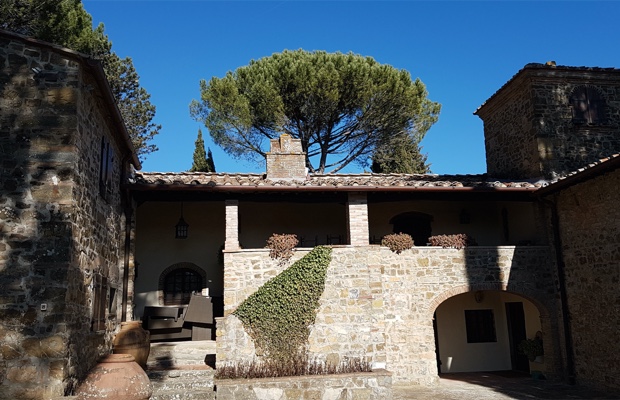


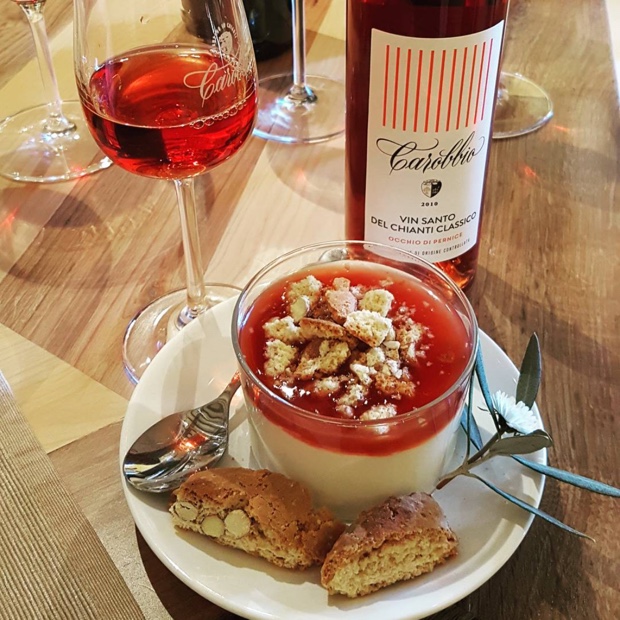
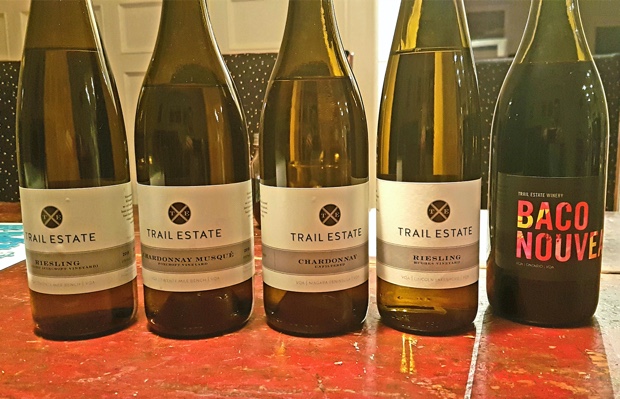

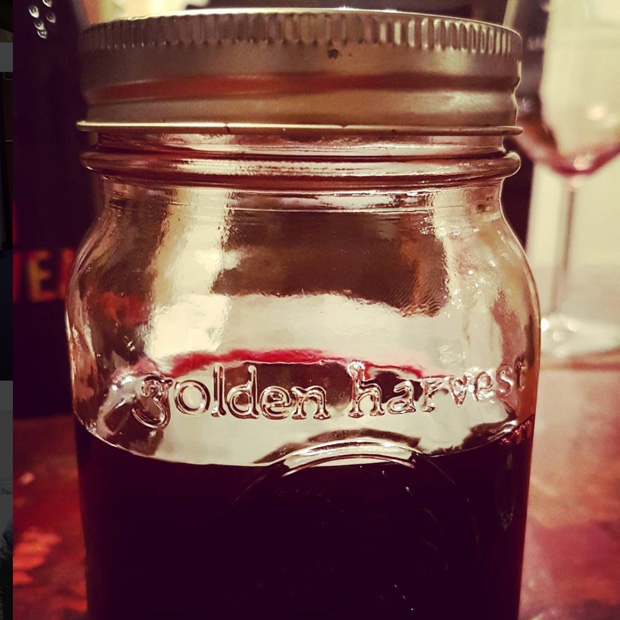

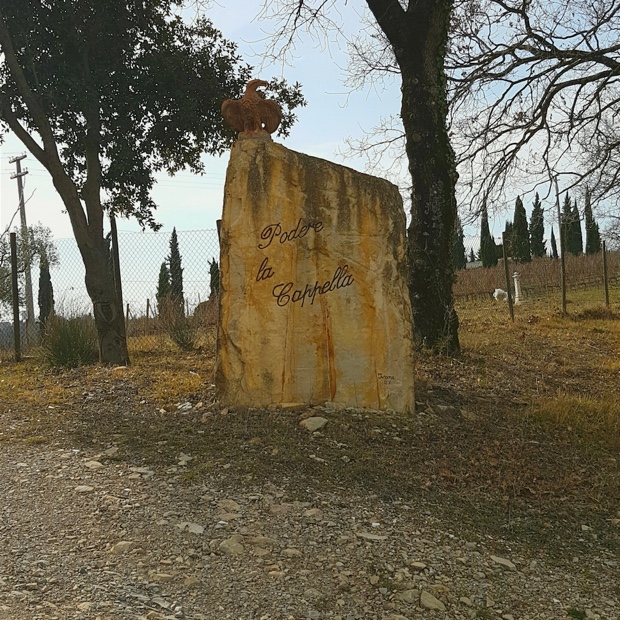

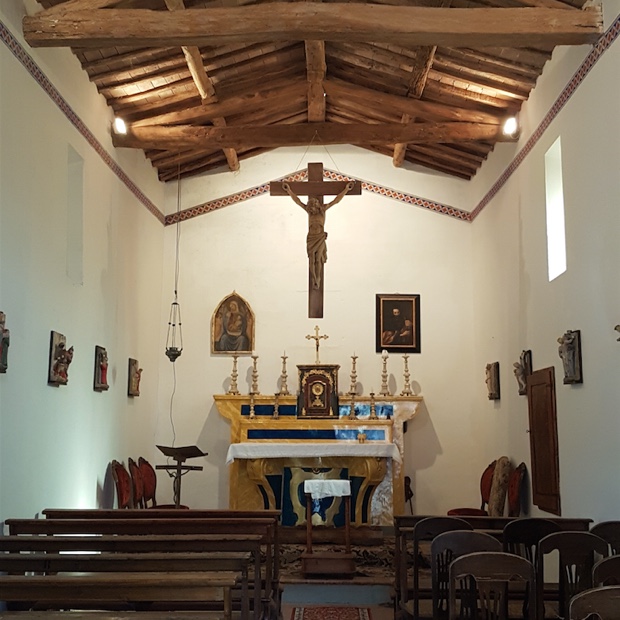


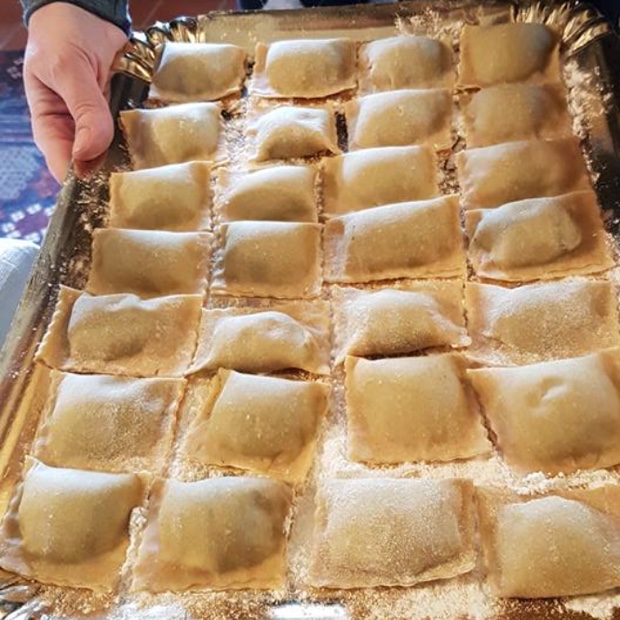

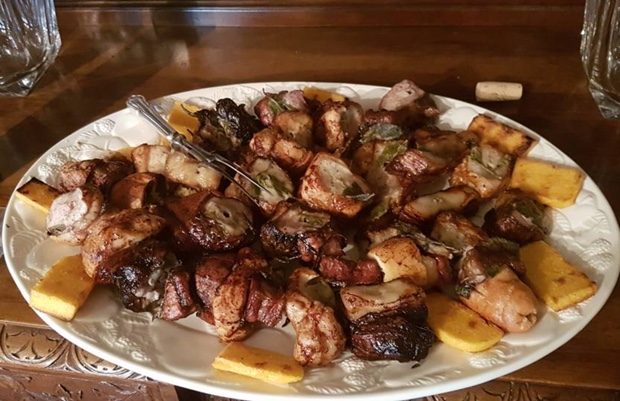
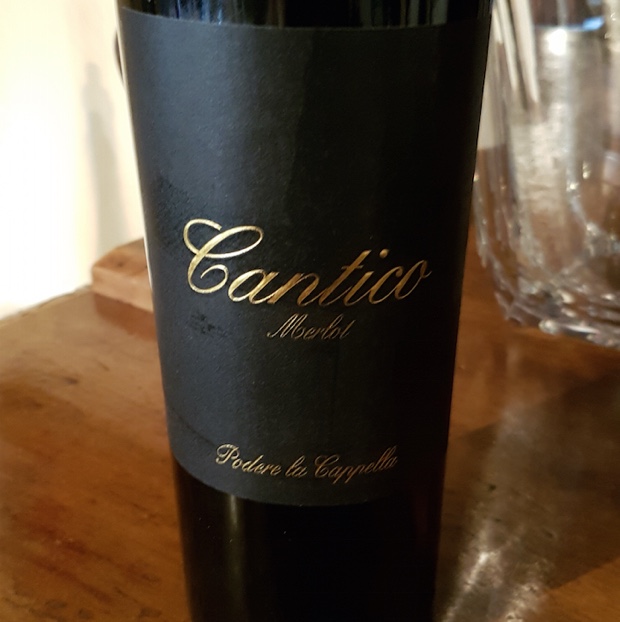

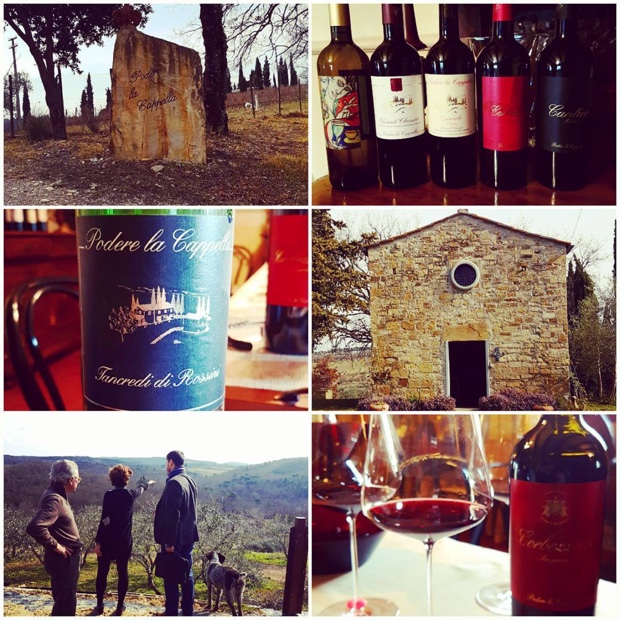
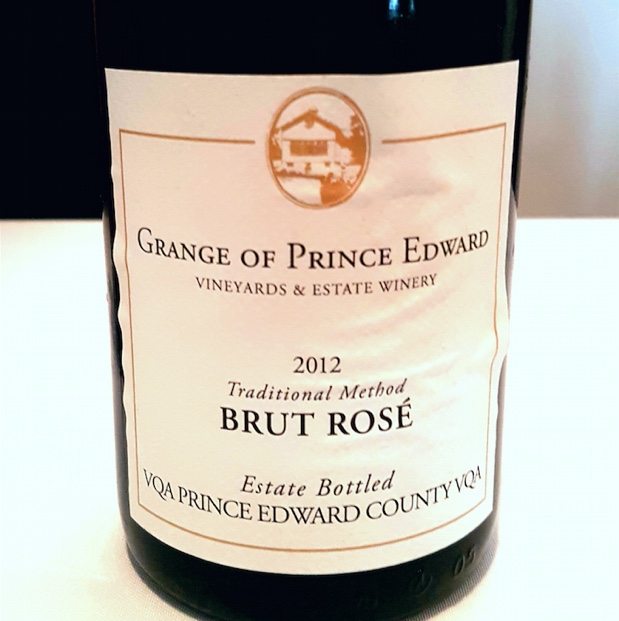
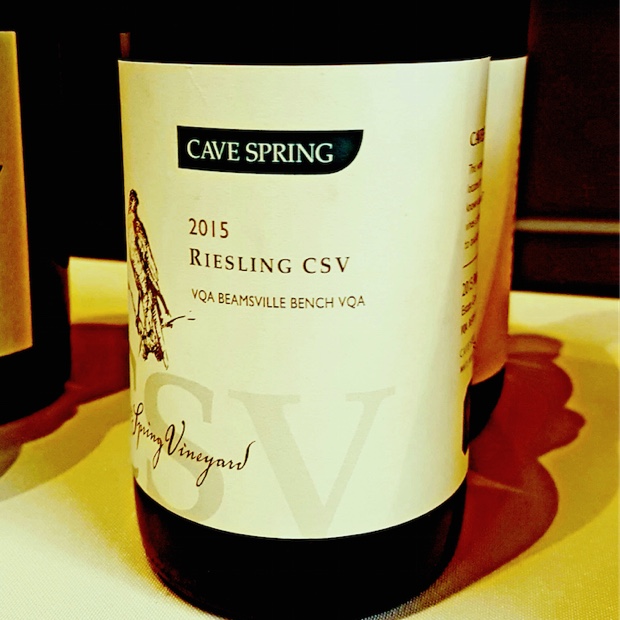
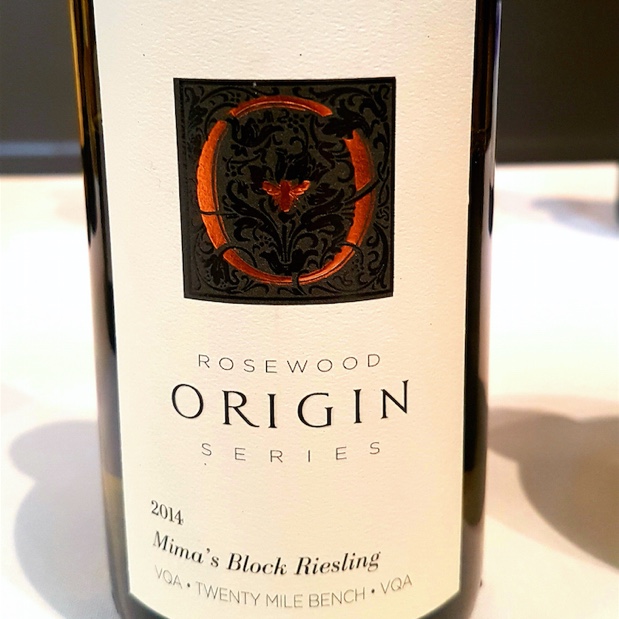

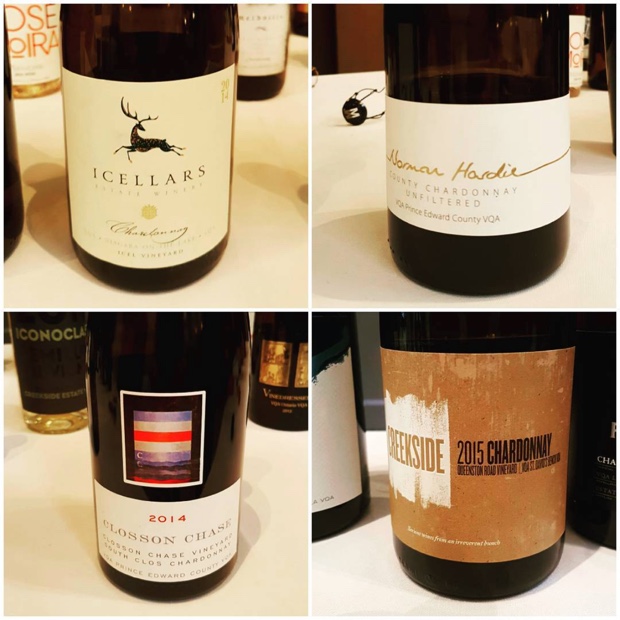

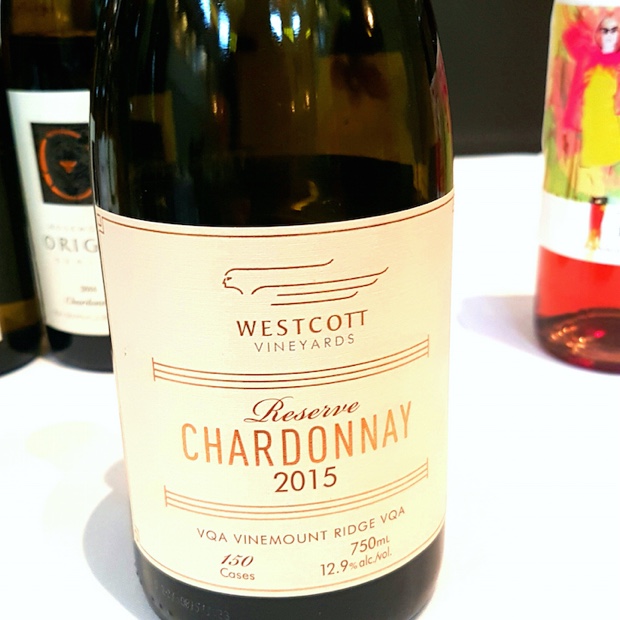

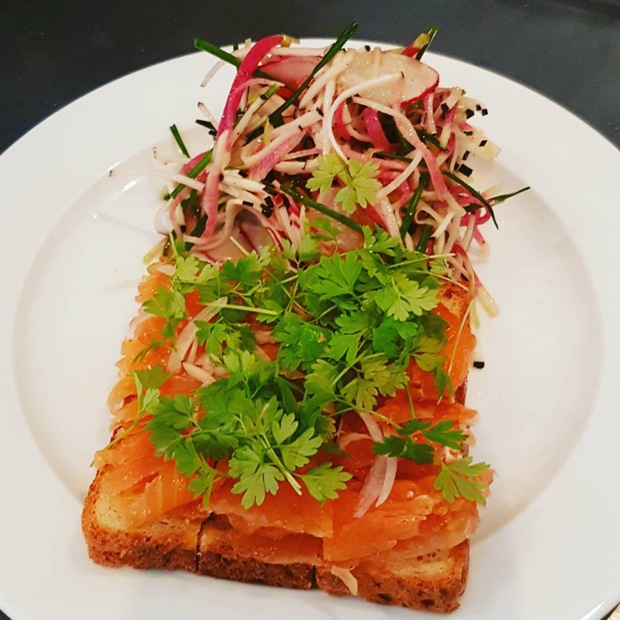
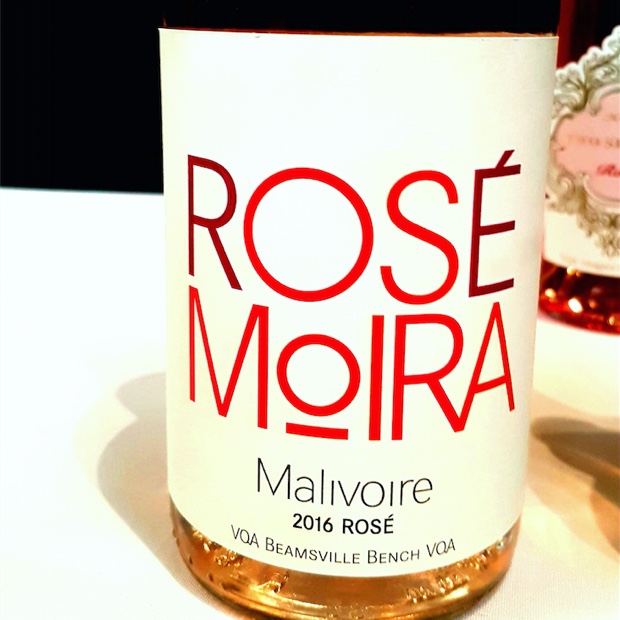


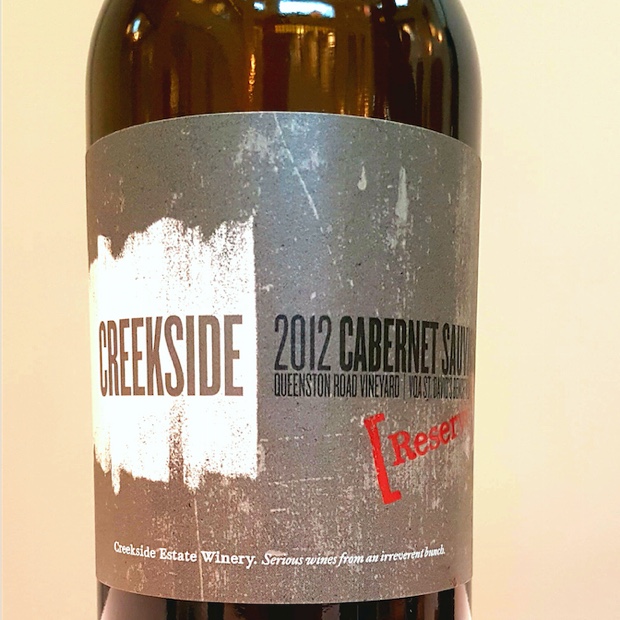
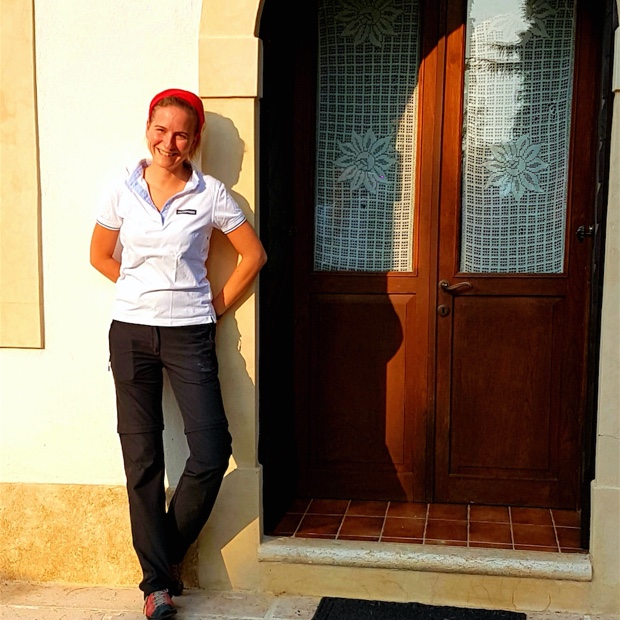

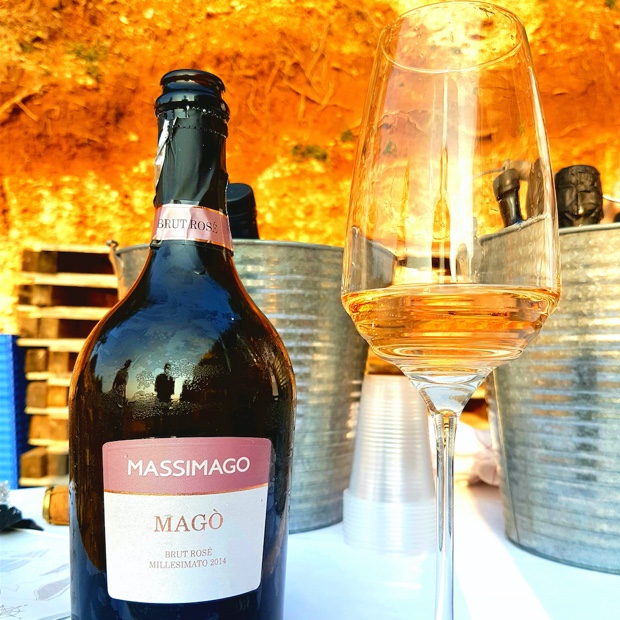
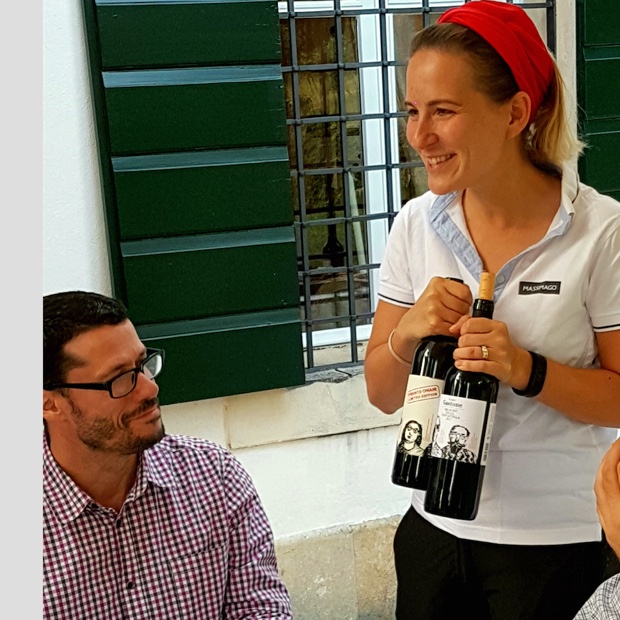
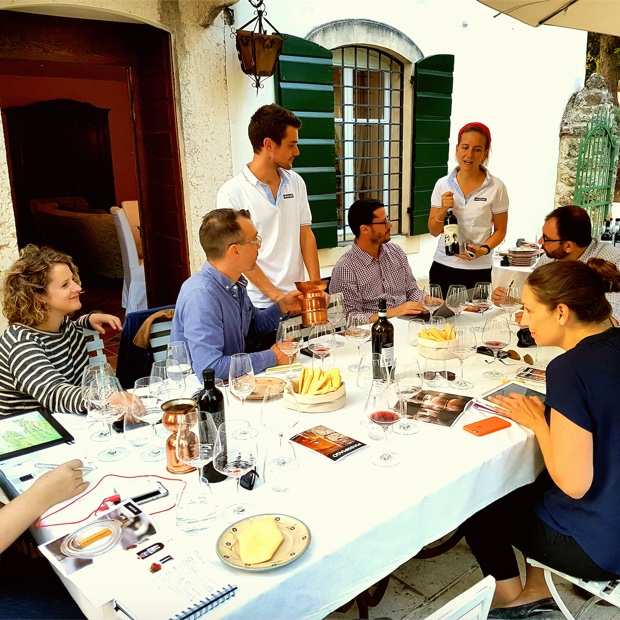
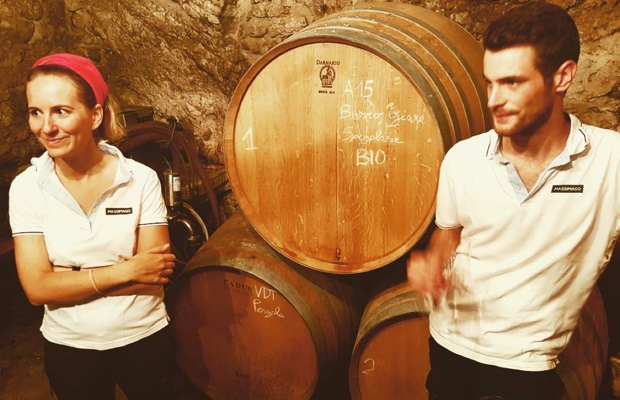

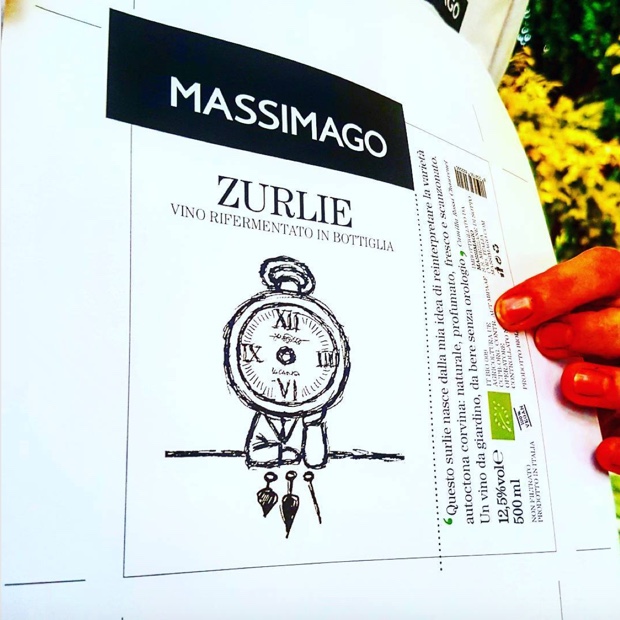
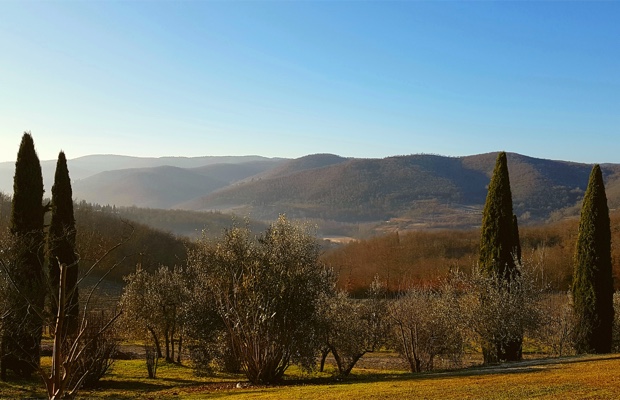
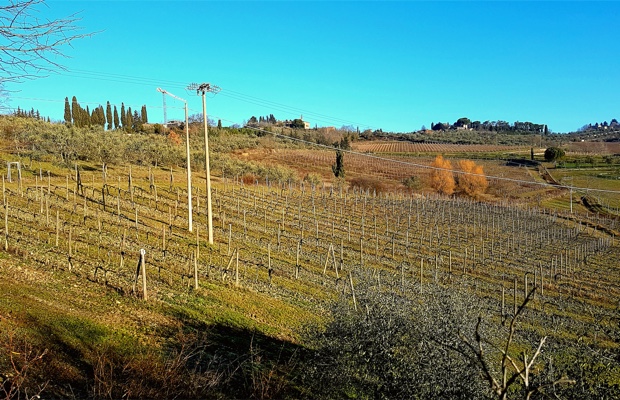


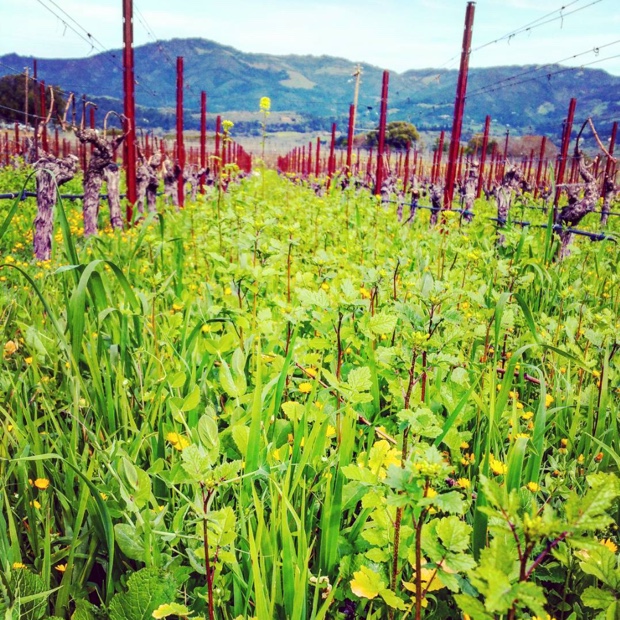

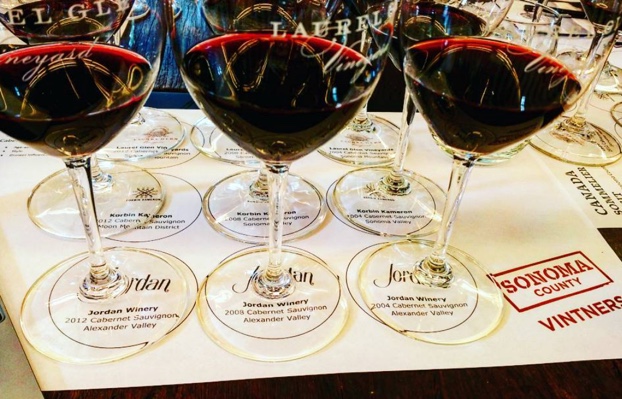

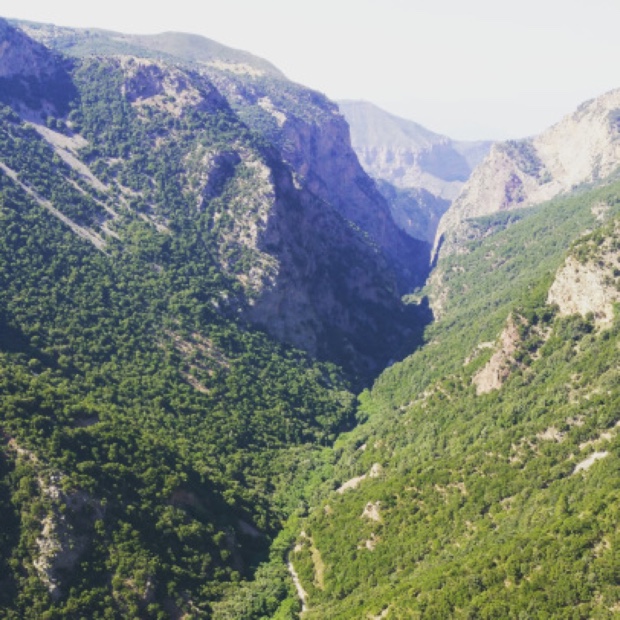


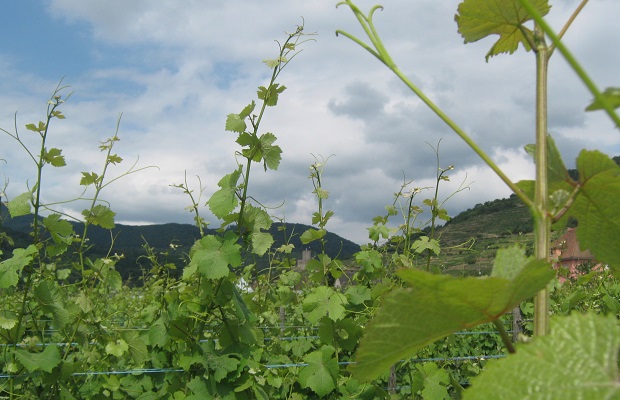

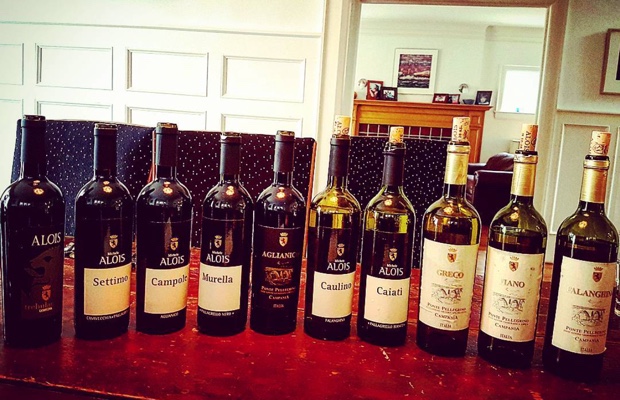



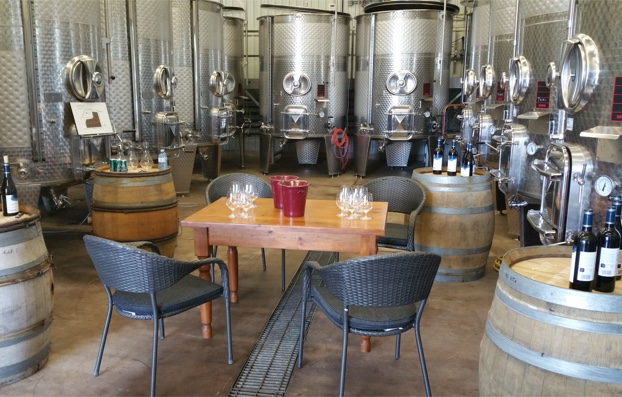


 Godello