It has finally happened. It has come to this. Inflation has hit the LCBO. The old Mason-Dixon line for finer wine has left the building. We are finally rid of the oppressive bar of redundancy and free from the high water mark. First it was the penny, now it’s the $20 dollar bill. The over-under threshold of $21.95 is the new $19.95.
The wines I have chosen to recommend speak to the change, beginning with, going forth and prospering from the VINTAGES October 17th, 2015 release. One lonely bottle from the Okanagan Valley of British Columbia’s west coast stands to keep the frontier from moving north but the tide has risen and prices are no longer safe. Mark my words. Beginning in the fall of 2015, a twenty and a toonie in your pocket is the new requiem to make purchase for the common denominator in competent and felicitous dinner companions. On that note, everyone should be given a 20 per cent raise. Surely we don’t want any drinking of less than stellar LCBO issued wines.
Here are the picks.
From left to right: San Raffaele Monte Tabor Pinot Grigio 2014, Dirty Laundry Gewurztraminer Madames 2013, Palacios Remondo La Montesa 2012, Trimbach Riesling 2012, Southbrook Triomphe Cabernet Franc 2013, and Red Hill Estate Pinot Noir 2013 and Hinterland Borealis Method Charmat Rosé 2014
San Raffaele Monte Tabor Pinot Grigio 2014, Igt Veronese, Italy (204768, $14.95, WineAlign)
Ripeness extended out of extraction leads to slight distraction in 2014, with mineral notes falling off the charts. The vintage is one of hyperbole for this particular Pinot Grigio abstraction, fruit compressed, stones crushed and dry extract seared by arid ice. Salinity and brine are magnified too though the overall impression in ’14 is one of weight, like the elements are being sent substrata, as opposed to the typically aerified course. Still there can be no denying the complexity such a $14 white affords, even if the line here is a bit right of centre. Drink now for hedonistic pleasure, with any savoury sea creature and alongside the next 60 days of increasingly cooler nights. Drink 2015-2016. Tasted September 2015 @oenophilia1
Dirty Laundry Gewurztraminer Madames 2013, BC VQA Okanagan Valley (423228, $21.95, WineAlign)
Illustrated Gewürztraminer of appreciably pointed attributes, on the off-dry side of town but with enough acidity to float on. Les Madames offers up the most sweet and inviting set of vinous virtues for the triple-threat DL schematic. The Summerland vines and warmth make for a fully expected and dramatized aromatic wine with the most unctuous behaviour. Were the pH and the grape tannin of a higher combined force this would also be a wine to lay down, to wait and watch for the sugars to slowly develop into things tertiary. As it is, find some flavourful and spicy fare to seek succulence through osmosis. Drink 2015-2018. Tasted October 2015 @DirtyLaundryVin@winebcdotcom@bottleneckdrive
This perennial confluence of the left and the right, of two oceans, grapes and barrels is the red wine portal into the Álvaro Palacios idiom. The modern polish and sanctity of Rioja conjoin for the most representative first pass at Tempranillo-Garnacha you will and should encounter. The vintage is not a rigid one, the wine a downy entry into the style and the equation. The fruit dominates calcareous longing and leaning but for the time being and the audience reached out to, there are no questions or complaints. Red plum and subtle liquorice meander into clay, get a sprinkle of white rock and distill into a seasoned, approachable liquid. Cracks are filled, bonds are cemented and dinner is properly accompanied. What won’t this work with and for? Drink 2015-2019. Tasted October 2015 @WoodmanWS@RiojaWine
Trimbach Riesling 2012, Ac Alsace, France (734517, $21.95, WineAlign)
“Six plus months will do wonders” is a statement of probability for well-made Riesling and for Trimbach, of the obvious. Coequality between fruit and mineral bobs on the surface of the vineyard and the rim of pale platinum beauty. Illustrative Alsace. Drink 2015-2022.
From my earlier note of March 2015:
To Jean and Anne Trimbach and most Alsatians, this Riesling from their ‘Classic’ range may represent the best that basic can be but when it travels oversees it gains a stature well beyond its humble roots. Here is another one of the those dictionary entry wines meant to depict and define. Quite simply emblematic Alsace. Built with acidity to envelop sweetness, marked by herbiage that is alive and fresh. Weight and density draw from Ribeauvillé rocks. Parity is realized in osmosis by fruit and mineral. As always, there is the tannic underlay, the length and the purposed bitter finish.
Six months have amplified the current, running in a direct aromatic-flavour line from strawberry to black currant. Such healthy up front fruit with nary a moment of humidity shines while the wine remains just grounded enough to call it Niagara.
From my earlier note of December 2014:
Still organic through and through, despite only a small portion of estate fruit contributing to the overall design of the Triomphe Cabernet Franc ’13. Contracted growers fuel and fulfill the Southbrook ideology, to seek purity in healthy berries. The red fruit here shines on with Daliesque impunity. Its agglomeration makes a juicy, gregarious offer to sip. The vanilla-lavender streak brings elegance, more so than in ’12, along with an elevated sense of savour and really compounded red, red fruit. A natural sweetness and long finish are easy on the gustatory senses. Will be available at VINTAGES in February 2015, when the ’12 runs dry.
Red Hill Estate Pinot Noir 2013, Mornington Peninsula, Victoria, Australia (58073, $21.95, WineAlign)
The Mornington perfume, distinct, ethereal, lifted, elevated, fresh with a bit sauvage, not of musk, but of a wild road less trodden. A step beyond fresh, into learned territory and also above crisp, into crunchy. Very interesting and complex Pinot Noir, so obvious as anything but, yet unique, tart, striking and long. This should have many consumer fans and expand horizons for broad appeal, but also be a friend to the discerning taster. Most impressive. Tasted November 2014 @RedHillEstate@Noble_Estates
The Ancestral cousin continues its arid ways in 2014, ostensibly a better vintage for the sparkling tank methodology. The fruit, acidity, volatility and tension all elevate and there is nothing surprising about that but where this sophomore succeeds is in the dry take on Gamay bubbles. So many winemakers would be tempted into higher dosage and the soft allure of enticing a younger audience with sweetness. Jonas Newman won’t go there. This is fun and simple but its aridity and dry extract keep it real. Like a September Algonquin campsite gaze upwards at the Aurora Borealis. “The icy sky at night.” Drink 2015-2018. Tasted October 2015 @hinterlandwine
From left to right: Creekside Estate Reserve Viognier Queenston Road Vineyard 2013, Dominio De Tares Cepas Viejas Mencia 2011, Tenuta Rocca Barolo 2010, Cvne Imperial Reserva 2009, Prunotto Barolo 2010, Tawse Pinot Noir Lauritzen Vineyard 2012, Duckhorn Merlot 2012 and Banfi Poggio Alle Mura Brunello Di Montalcino 2010
Exceedingly mineral in 2013, decidedly varietal and power prepositioned for the purpose of small lot, attention to detail Creekside adjudication. Though Syrah and Cabernet Franc would seem to define the winery’s signature strokes, it is this small production Queenston Road Vineyard labour of love that crawls beneath the radar. The ’13 is outright juicy, unctuous, feathered in weight and warm-pitched to verdant greens. The vintage doles out more warmth than expected but acidity carries the weight, over the water and onto the dance floor. I’d wait a couple of years for some more floral and honeyed notes to develop. Drink 2017- 2022. Tasted October 2015 @CreeksideWine@hobbsandco
This is rich and powerful Mencia, even for itself, sheathed and layered by the alternating variegation of French and American oak. From Alliers to Missouri there is comfort to be found in its warm blanket, alcohol (14.5 degrees) and depth of fruit. It might come across as figgy and raisined and indeed those aromas and flavours are imagined, but they are fresh, not dried. Acidity and tannin envelop fruit. Old vines offer substantial heft, concentration and brambly fruit like Zinfandel and Primitivo, but here there is a citrus lift to carry the weight. Emblematic Bierzo that has and will be more exciting with just that much more freshness and tension. Drink 2015-2019. Tasted October 2015 @DominiodeTares@oenophilia1@dobierzo
Modern speak and safely on the pleasurable side of volatile. A real deal for Nebbiolo, ready and willing in afford of whatever’s in your pocket. Framework is well-delineated, wood properly judged, the view clearly visible from multiple correct vantage points. Not earth shattering but at the price reaches more than appropriate goals. Drink 2016-2020. Tasted September 2015 @regionepiemonte
Another impressive, formidable and structured Tempranillo from the Cvne stable, from old vineyards and the comforts of both French and American oak. Such a rich and deep exhalant, as much fruit as tannin, mineral as acidity. There are many moving parts but one day they will align. Like a jigsaw falling into place, “the beat goes round and round,” swirling with tannic noise and plum fruit aromas, with earthy and botanical flavours. This begins with a murmur and ends with thunder. It rocks and wails in between. Rioja made only in the best vintages and the kind of $39 wine to lay down for 15 plus years. It will play on the radio and in your head for at least that long. Drink 2019-2029. Tasted October 2015 @Cvne@vonterrabev@RiojaWine
The faintest hue. The rusty pilgrim. Such a pretty scent. Fresh roses and the beginnings of osseous imagination, to seek a classic pairing, with osso bucco. The real deal in normale Barolo. The righteous Nebbiolo beginning. The jumping off point with no sharks in the water. The effortless offering. Drink 2016-2021. Tasted September 2015 @HalpernWine
Typically Tawse and exemplary of Lauritzen. The highest of the vineyard tones and a plot up on a ridge (now 11 years of age) growing up before our eyes. The fruit is not shy in any way. Possessive of earth alternating with min real neither Cherry nor Quarry nor Laidlaw can lay claim. This is a Pender Pinot that seethes, oozes and owns its vineyard’s fruit, rocks and clay, earth and elements. Upwards and drying, with tannins that shriek. Ripping and yet at once, a few years down the road to be, elegant Pinot Noir. Drink 2017-2020. Tasted September 2015 @Tawse_Winery@Paul_Pender@DanielatTawse
Duckhorn Merlot 2012, Napa Valley, California (992529, $59.95, WineAlign)
Always rich and flavourful, the champion vintage here elicits a nearly massive Merlot in benchmark Napa ideal. This has strength in situation and there is something you can’t quite put a finger on, but it emanates from a special brand of umami. Strength, poise and sweetness that never cloys. There grades a balanced capability and pure, grainy, sweet, supple tannin. Alcohol travels a really grand yet gracious line. It’s not hot at all. This is a Merlot steal, with fruit to match a long, meandering road. Drink 2016-2025. Tasted September 2015 @duckhornwine@rogcowines@NapaVintners
Banfi Poggio Alle Mura Brunello Di Montalcino 2010, Tuscany, Italy (372250, $69.95, WineAlign)
Arguably the most modern and stylishly put together Brunello on the market today yet without an overdoing of oak hinderance. Like the deliciously devilish 2007 this has a wealth of beauty and gregarious aromatics but unlike that precocious vintage there is weight and brooding behaviour as well. The depth of fruit and earth are not weighted down by excessive alcohol (a very good thing) though there is a bit of dried fruit and flowers mixed in to the cure. There is also a bitter almond pith note ties into the aggressive but starry-eyed tannins. This needs three to five years to come together. The hope is for that slight bit of green tannin to find its integrated way with the fruit. Drink 2018-2025. Tasted October 2015 @CastelloBanfi@AuthenticWineON
Time, tides and wine. In a place like the Bay of Fundy, the three intertwine with nearly inexplicable lightness of being. The traveler covets these things in wistful retrospection. East coast movement, water and the new frontier for viniculture. “Each day the tides carried us to promulgate layovers, to begin flowing again each seriate day, at the hour of its reversal.”
While the exercise of a vinous walking tour would seem to fitly tread the boards of Nova Scotia’s watery ways, even more so for stations achieved by bicycle, a car makes possible the desire to learn more in less time. The roads in Nova Scotia wine country lay out as an inferential and navigable labyrinth, in the Gaspereau Valley and along the shores of the Minas Basin, from Wolfville to Grand-Pré of King’s County. There, unbeknownst to who knows how many zonked global winos, the wines of Nova Scotia not so much hide as crouch. They are a real, new deal, fervidly expensive to those who don’t yet understand them, free to those who do. They are poised to join the ranks along with Canada’s best.
Peter Gamble has reached out a major hand to three essential facets for Nova Scotia’s wine renaissance. His consultancy has raised the profile and the bar for Sparkling wine from Benjamin Bridge Vineyards. He has been instrumental in the creation of the provincial appellative blend Tidal Bay, a regionally defining and commercially essential white wine. Ontario has fallen behind in not seeking out to create the same. Gamble’s work with the vinifera producing wines of Lightfoot & Wolfville Vineyards is the single most important revolution to happen in the Canadian wine industry in 20 years. I wrote this last summer. “What he will touch in his new appointment at Lightfoot & Wolfville Vineyards will make Nova Scotia history.”
Courtyard of Le Caveau at Domaine de Grand Pré Vineyards
Over the course of two days in late July I foraged through a second annual investigation into the Wines of Nova Scotia. It began with a tasting through the Domaine De Grand Pré Vineyards portfolio led by Hanspeter Stutz. The estate’s Vintner’s Reserve Riesling 2013 was recently awarded one of three Awards for Excellence in Nova Scotia Wines at the recent Lieutenant Governor’s Vice-Regal Wine Awards. The other two winners were Blomidon Estate Winery Cuvée L’Acadie 2010 and Avondale Sky Winery Martock 2012. Blomidon and Avondale Sky are two estates at the top of my WONS bucket list I have yet to visit.
Post anything but haste tasting with HansPeter dinner then followed at the estate’s incomparable Le Caveau Restaurant, in the company of L & W’s Mike, Jocelyn and Rachel Lightfoot, with Chef Jason Lynch manning the stoves.
Le Caveau’s Beef Two Ways, grilled AAA hanger steak, beef shank galette, seasonal vegetables, barley
The following morning I sat down with Rachel and winemaker Josh Horton at Lightfoot, then travelled shotgun with Mike to taste at Bruce Ewart’s L’Acadie Vineyards. The estate’s Cuvée Rosé 2011 was awarded a Silver medal and the Vintage Cuvée 2012 a Bronzeat the 2015 WineAlign National Wine Awards of Canada (NWAC15). We then paid a visit to Benjamin Bridge to peruse a Sparkling meets still appraisal with head winemaker Jean-Benoit Deslauriers and vineyard manager Scott Savoy.
Smell the slate and taste the natatory saliva, like liquid shells from the grape that transmits nascent maritime theology. Consider this variety that accentuates the terroir and reaches beneath the mud, to imagined aquifers for deep-rooted flavour
L’Acadie the grape variety harbours one of the great acidity secrets on the planet. Sparkling wine is possessive of dramatic excellence in Nova Scotia. Chardonnay and Pinot Noir are moments away from certain greatness.
Le Caveau’s Charcuterie Plate, house-made and locally sourced, served with chutney, shallot compote and spiced bread
“The wines of Nova Scotia could not be drunk in the 1990’s. None of them.” These are the words of a now very proud Hanspeter Stutz, who in 1993 purchased the estate and re-planted 30 acres. The doors opened in 2000. In can be argued that no one in Nova Scotia has accomplished more and furthered the credibility of hybrid-produced wines than Hanspeter and (winemaker-son) Jürg Stutz.
Godello and Hanspeter Stutz at Domaine de Grand Pré Vineyards
Domaine de Grand Pré Riesling Vintner’s Reserve 2013, Nova Scotia (Winery, $20, WineAlign)
Imagine lime as a tide, ripening in extreme oscillating waves and layers like the highs and lows of Fundy’s Minas Basin. Only a dike could stop the citrus from rising and falling twice at normal sipping speed within the time it takes to assess through a glass. Lactic and piercing with a finish that pops, like no other Riesling in the world. Such a lingering finish. Healthy in correct perspective at 11 per cent alcohol. Drink 2015-2022. Tasted July 2015
Domaine de Grand Pré Tidal Bay 2014 and Riesling Reserve 2013
Domaine de Grand Pré Tidal Bay 2014, Nova Scotia (Winery, $20, WineAlign)
Hanspeter’s favourite wine is this blend of L’Acadie Blanc, Seyval Blanc, Ortega, Muscat and Vidal Blanc. Using the maximum allowable 15 per cent Muscat Hanspeter explains the choice to “do fruity, with our strength and to a dry finish.” Muscat acts as the catalyst to achieve this end. At 11 per cent abv it is not overdone, remains in balance and leads the Tidal Bay armada. Defines terroir within a properly determined fragrant framework specific to the Nova Scotia appellative intention. Rocks no boats and expresses more character than a rhyme with bucket or most. Drink 2015-2017. Tasted July 2015
Domaine de Grand Pré Seyval Blanc 2013, Nova Scotia (Winery, $17, WineAlign)
The DGP equivalent of Chasselas along the Lake Geneva shoreline, straightforward, 12 per cent alcohol juicy, pure white simplicity. For those who would pin this hybrid to “empty cold and bare,” open your mind and conceptualize Seyval to be fish friendly to a Swiss degree. Terrific lemon acidity and smoke on the water bitters put this in perfect mind of place, with good length. White flames to deep purple. Drink 2015-2018. Tasted July 2015
Domaine de Grand Pré Baco Noir 2013, Nova Scotia (Winery, $18, WineAlign)
A smoky, unambiguous tobacco kiln and blueberry Baco. Sour cherry, salumi and pepper infuse the vina da tavola feel and like Syrah goes as meaty as can be. Refreshing because it smacks of Baco Noir, not oak. Rad sour finish. Drink 2015-2019. Tasted July 2015
Domaine de Grand Pré Castel Vintner’s Reserve 2014, Nova Scotia (Winery, $19.50, WineAlign)
The crossroads varietal happening is on display here with Cinsault and a member of the native North American Vitis ruprestis family (by Pierre Castel). Four to five thousand bottles of peppery black run off convey a taste of pickled black raspberries, cut by major chalk and minor tannin. Juicy and ready for roast game. Drink 2015-2017. Tasted July 2015
The reds of Domaine de Grand Pré Vineyards
Domaine de Grand Pré Cabernet Foch 2012, Nova Scotia (Winery, $25, WineAlign)
Only made in top vintages (when Cabernet Sauvignon ripens) and in those years the Foch welcomes the bones and body, for ageability in accord with agreeability. Travels from Cassis to tar, chocolate to sour cherry. Chalk again, this time in grains of liquid sand and a pepper-laced finale. Drink 2015-2020. Tasted July 2015
Domaine de Grand Pré Foch Vintner’s Reserve 2012, Nova Scotia (Winery, $25, WineAlign)
Without the parenting role performed by Cabernet Sauvignon the Foch abandons the homestead and goes it alone. Kind of ironic considering the vinifera is the guest but old world pedigree and custom is hard to replicate. A mix of lead pencil, a curtailment of fruit and fermentation by attrition. A wild ride of savoireverte, tar and resilient verity. Drink 2015-2018. Tasted July 2015
Domaine de Grand Pré Tom Tom NV, Nova Scotia (Winery, $25, WineAlign)
And I quote. “This blended red wine was created in honour of Tom Preston. Tom was probably the longest-serving field hand in the Nova Scotia wine industry. His career at Grand Pré placed him near the center of its remarkable growth; as witness, contributor and mentor to those who tend the vineyards today. Tom passed away in 2014 only two years after his retirement from the vineyards.” This 1300 bottle debut tribute consolidates 60 per cent Marquette from two vintages with Baco Noir and Cabernet Foch. The second encomium will go under another moniker. A blend that softens in simpatico, ripens with one another and pitches in together. There is cure in its depth with red plum on the road to palate. Quite the coat of veneer. All red fruit, incumbent acidity and red lactic citrus circulating throughout. To Tom. Drink 2015-2020. Tasted July 2015
Domaine de Grand Pré Riesling Icewine 2013, Nova Scotia (Winery, $54.50, WineAlign)
From Warner Vineyards in Lakeville, Nova Scotia. Barrel fermented and aged in American oak for 10 months. Incredible acidity on top of pure fruit that indicates pear and white fleshed peach. The yield comes from an orchard’s northern clime stone groove with nary an apricot in mind. This wine, as with the table whites and reds, never takes itself too seriously. In the words of Hanspeter “just have fun and work on it. That’s a start.” Drink 2017-2025. Tasted July 2015
“Tirage and terroir,” asserts Bruce Ewart, a pile of vineyard rocks and stones separating he and I on the tasting counter between us. The rocks are quarried out of slopes in the Gaspereau Valley spilling down towards the Bay of Fundy, from vineyards built of glacial till in the soil mixed with clay and loam. “Mineral flavours from mineral soils,” adds Ewart. Then we taste.
Godello and Bruce Ewart of L’Acadie Vineyards
L’Acadie is the signature grape of the L’AV command. When sourced from clay-loam it produces fruitier wines, from still to sparkling. The mineral increases from out of the glacial till. L’Acadie is certified organic and all of their wines are made with 100 per cent Nova Scotia grapes.
Glacial till stones of L’Acadie Vineyards
Bruce goes straight for the critical jugular and pulls out the best Sparklers in his portfolio. Make no mistake, no matter the hybrid content, the wines are cogent sticks of Nova Scotian dynamite with unprecedented levels of balance. They are as unheralded as any in North America. The only other house with less attention yet paid to its méthode traditionnelle programme that I have encountered is Sparkling Pointe on the North Fork of Long Island. Yet another example for a cool-climate region’s reason to make bubbles.
Sparkling wines of L’Acadie Vineyards, Gaspereau Valley, Nova Scotia
L’Acadie Vineyards Prestige Brut Estate 2009, Gaspereau Valley, Nova Scotia (Winery, $45, WineAlign)
From the second harvest (following the 2008 vintage was from 2005 fruit) of the certified organic vineyard, a south facing Gaspereau Valley rocky plot blessed of ancient geology, like crushed pills of polar pottery and with perfect natural low vigour conditions. That first vintage of some 100 odd bottles still rests and will do so for likely up to seven or eight years. The 2009 is made in the traditional method and aged for five years on the lees. All estate fruit and that 60 months is needed to bring about harmony. Toasty, part cruller, part panettone and brut to the point of profundity (was six and is now 3 g/L of residual sugar). Bitters melt into length with alcohol set at 11.6 per cent. Drink 2015-2021. Tasted July 2015
L’Acadie Vineyards Vintage Cuvée 2012, Gaspereau Valley, Nova Scotia (Winery, $26, WineAlign)
A Cuvée cut with a bowie from grower’s fruit on clay-loam soils with less triage (24 months) than the other sparklers in the L’Acadie oeuvre. A fruit forward expression, persistent in biscuit baking but the result is more cookie than croissant. Reads like an eight line poem, the higher dosage (8 g/L) in drama of orchard fruit and lime zest. Hunky dory bubbles, “the key to the city, is in the sun that pins the branches to the sky, oh, oh, oh.” Drink 2015-2019. Tasted July 2015
L’Acadie Vineyards Cuvée Rosé 2011, Gaspereau Valley, Nova Scotia (Winery, $26, WineAlign)
Blends dramatically early-picked Marechal Foch (40 per cent) with less antecedent specific to bubbly-grown L’Acadie (60) grapes. The Foch brings can/rasp/strawberry to the system of sparkling reckoning, in subject meaning for the latter to chastise with acidity. Comes to light like a new sparkling day, an awakening of bubbles senses, with a balanced attack of fruit flavours ushered within the pressured caisson of L’Acadie’s mineral chamber. Salinity, brine, sapidity and red citrus roll on. Drink 2015-2020. Tasted July 2015
L’Acadie Vineyards Rosé 2014, Gaspereau Valley, Nova Scotia(Winery, $20, WineAlign)
An early picked Marechal Foch, lithe 11.6 per cent alcohol, crushed berry beauty. Terrific aridity, aromatic allure and redundant in nix of residual sugar. Another nerdy, essential example of what can be done with Rosé in Nova Scotia. Cranberry and strawberry expressed through citrus with the always necessary mineral balance provided by L’Acadie, in every reason, for harmony. Drink 2015-2017. Tasted July 2015
L’Acadie VineyardsEstate L’Acadie 2013, Gaspereau Valley, Nova Scotia (Winery, $20, WineAlign)
Here the mineral and bone in till from the strong, outstretched arm of the sea lends sentient clarity, joined by the earth it bares. Smell the slate and taste the natatory saliva, like liquid shells from the grape that transmits nascent maritime theology. Consider this variety that accentuates the terroir and reaches beneath the mud, to imagined aquifers for deep rooted flavour. Think about vines that delve into the glacial recesses to divine subaqueous locution. As a hybrid L’Acadie may seem obtuse but as a Nova Scotian reality it may as well be Muscadet, or even Chablis. Drink 2015-2020. Tasted July 2015
L’Acadie Vineyards Passito 2012, Gaspereau Valley, Nova Scotia(Winery, $23, WineAlign)
A Ripasso-style red made from 30 per cent dried grapes. An intriguing approach for hybrids and cool climate viticulture. Marechal Foch and Leon Millot are aged in American oak. The discerning is of dried figs and prunes, foxy and slick. Characterful, like duck prosciutto and dried, sour cherry liquorice, spiked by fennel seed and dipped into a pool of savoury syrup. Very interesting. Drink 2015-2018. Tasted July 2015
L’Acadie Vineyards Alchemy 2010, Gaspereau Valley, Nova Scotia(Winery, $43, WineAlign)
Here the Ripasso steps up to Appassimento. In 2009 the work was performed with 75 per cent Leon Millot and 25 Luci Kuhlmann aged for 24 months in American oak. The 100 per cent methodology in 2012 in the 500 mL bottle is all Foch and nothing but. Leads to a deeper brood, of rich, chocolate flavour melted and hardened over blackberry and a wild hit of sauvage. Intense red smouldering with tobacco and finishing in pulsating fashion, like currants on steroids. Drink 2015-2020. Tasted July 2015
Jean Benoit Deslauriers, along with viticulturalist Scott Savoy leads Mike Lightfoot and I through a transaction of Sparkling and still wines in the BB portfolio. Deslauriers offers a concise dissertation on phenolic maturity as a journey incarnate, out of the Gaspereau Valley’s long growing season, mitigated by the east west corridor. He talks on moisture vs heat and the dichotomy of swelling berries. “Its not California here” he says with a wry smile and I can tell he’s pleased with his winemaking lot in life. Here it’s real, tapping into hang time, phenolics and utterly eccentric levels of dry extract.
Tasting at Benjamin Bridge, Gaspereau Valley, Nova Scotia
Benjamin Bridge Nova Scotia Brut 2008, Gaspereau Valley, Nova Scotia (381533, $49.95, WineAlign)
Even if it’s not the first Bridge record, a milestone moment is here in this the last wine with hybrid contents (within this particular BB program). Though it houses 10 per cent Chardonnay and 10 per cent Pinot Noir, the remainder (80) is Seyval Blanc, L’Acadie Blanc and Vidal. At this Brut level it’s so very bluesy and deceptive in consideration that it is a hybrid based wine, but at the sensory level, miles beyond and a whole other matter. The tempo is furious, the muscularity of tone like bebop in chorus. It has citrus fleshed, aromatically autolytic patisserie and caramelizing onion richness. It’s a searing, raging scintillant, still throbbing and thriving. There is so much grapefruit here in crazy intensity. Work with it and the toast, the brioche and the baking spices come out, come clean and linger. Drink 2015-2023. Tasted July 2015
Benjamin Bridge Brut Reserve Methode Classique 2004, Annapolis Valley, Nova Scotia (275396, $95.00, WineAlign)
The ’04 is hanging in beautifully, on a wire of impossible balance, at 11 years old not yet really transitioning. There is simply too much brightness for it to give up its youth. You have to strain your ears, nose and throat to assuage just a hint at oxygen, life affirming breaths and then a keener sense of toast and yeast. Still behold the grapefruit, a sign of remarkable adolescence, the hang time amplified and in mass hyperbole here, in this current appraisal, address and time. How can richness act and display with such alpha freshness? How can an aging body not shed baby weight, turn lanky, lean and awkward? How is it neither the bitter pill of juvenility or senility has been swallowed? That is not the case here in a Blanc de Blancs which still has five to seven years of very active life ahead. Drink 2015-2021. Tasted July 2015
Benjamin Bridge Brut Reserve 2008, Gaspereau Valley, Nova Scotia (275396, $74.95, WineAlign)
From dry extracts that were off the charts, the ’08 comes to play with massive intensity. A unique Co2 effervescence, expansive instead of contracting. A wine of palate sensory driven speculation and assessment. Unrelenting mousse, exploding outwards, persisting straight through to the finish. Richness matches the foundation of freshness, with a full citrus fruit palate. Density from super low yields (a decadent tonne per acre, 1/6th of champagne) in another cool year, or in other words, “a vintage of opportunity.”
From my earlier note of July 2014:
The 2008 Brut Reserve is composed of 61 per cent Chardonnay and 39 Pinot Noir. If any wine in the Benjamin Bridge continuum defines the legacy left behind by Raphaël Brisebois and passes the sparkling torch to Jean-Benoit Deslauriers, this ’08 is it. Here is the vintage that begins to emulate the grower’s Champagne of the motherland, in deeper learning, understanding and connection to the estate’s vineyards. At present this is such an infant, reductive and with a blowzy palate that suggests a fidgety, elemental state. The attack is in burgeoning mousse. After spitting, the wine persists, as if there remains a mouthful, causing the cheeks to expand. The citrus is weighty in texture and this ’08 goes deeper than the previous Brut reserves. Three years will be required to allow for a settling and 20 years lay further ahead for secondary, tertiary and quaternary development.
Last tasted, at the winery, July 2015
Benjamin Bridge Vēro 2013 and 2014
Benjamin Bridge Vēro 2014, Nova Scotia (Winery, $22, WineAlign)
Derived from veritas, the Latin word for truth. If Tidal Bay is an appellative Nova Scotia blend that walks from the sea, Vēro is the Bridge’s worthy adversary that emerges from the land. This vintage is composed of 35 per cent Chardonnay, 10 Sauvignon Blanc, 15 Riesling, 20 Ortega and 20 Vidal. It appeals with an increase of ore and aridity, despite and in spite of 17 g/L of residual sugar. It is a formidable, linear, focused, 11 per cent alcohol straight shooter. Hybrids speak in foxy white linen and lace. A striking and popping white blend. Quite wild, really. 500 cases made. Drink 2015-2018. Tasted July 2015
Benjamin Bridge Vēro 2013, Nova Scotia (Winery, $22, WineAlign)
As in the forward ’14, this ’13 is again built on the foundation of freshness and the highest of aromatic components. Percentages are (60) Chardonnay, (30) L’Acadie and (10) Riesling, the latter of which is noticeable, adding petrol and terpene to the still beating, vibrant palate. Compounded by full flesh on viscous mouthfeel. Has a natural, nearly oxidative feel just beginning to happen so it behooves to ask if these are the wines that define idealism as adversary to the stylistic Tidal Bay way? Finishes with terrific bitters and a L’Acadie oyster shell coarseness. Drink 2015-2016. Tasted July 2015
Benjamin Bridge Cabernet Franc Rosé 2014, Nova Scotia (Winery, $22.95, WineAlign)
A Nova Scotia first, this blush made from 100 per cent Cabernet Franc. The minerality comes straight from stone, sans flint, and the epigrammatic aromatic notion is saucissons and rillettes, not wild berry. Simulacrum to a Loire Valley format, like Chèvre on a log after a forest rainstorm. Stone age Breton on exhibit. Salinity and aridity in spite of its meagre 7 g/L RS. Bright, fresh and vivid tones are wrapped up in the enigma of very cool climate grown Cabernet Franc. Sea and brine entrammel the flavours. Drink 2015-2018. Tasted July 2015
Benjamin Bridge Nova 7 2014, Nova Scotia (Winery, $24.95, WineAlign)
There is really no vintage in, vintage out agenda on a journey to categorical dryness for Nova 7, so it is thrown like caution to the Fundy wind and fermented at lower temperatures. The risk road taken preserves the Co2, which stays in the solution instead of leaving, thanks to the cool temperatures. Terpenes, phenols and esters remain. Low alcohol (8 per cent), elevated (80 g/L) RS, aromatics and effervescence are the amalgamated result. A unique wine out of an extreme environment, this is a plainly, nearly painfully mother humming cliffhanger from Benjamin Bridge. Beautifully waxy, of a pink aridity, brightness, fresh acidity with a dry finish, in as much as such a level of sweetness can allow. Will stay fresh, age and linger for five to seven years, easy. Drink 2015-2022. Tasted July 2015
Natural challenges, winter temperatures in the -20 range, late frosts, hurricanes. Welcome to growing grapes in Nova Scotia. And yet Lightfoot & Wolfville is producing Chardonnay and Pinot Noir. Mike Lightfoot attributes vine survival to nutritional balance in the natural systems through organic and biodynamic viticulture.
Ancienne Chardonnay and Pinot Noir 2013 with a glass of soon to be released Rosé
The pioneering activities do not end there. L & W has also added 4.5 acres of rare and classic vinifera to their “Corton” Oak Island vineyard. Chenin Blanc, Scheurabe, Sauvignon Blanc, Kékfrankos just to name a few. “These grapes were chosen based on climate and soil chemistry,” with the future in mind, for sparkling, still, and sweet wines.
These are the wines I tasted (from bottle and tank/barrel samples) in July with winemakers Josh Horton and Rachel Lightfoot.
A sneak peak at Lightfoot and Wolfville’s Tidal Bay
Lightfoot & Wolfville Tidal Bay 2014, Nova Scotia (Winery, Approx. $21-22, WineAlign)
A Muscat-less blend of Geisenheim, L’Acadie Blanc, Chardonnay and Chasselas with a directive to drive by aromatics if easy on the turns. A Tidal Bay borne on the architecture of spine, a step shy of sacra perfume. A white to pair with local necessity, a seafood marker, a buoy to the stock pot and the grill. Its release is imminent (the intention was between August 17th to 27th). Represents pure citrus distillate, in lemon and lime, with a median balancing action in 12 g/L of residual sugar, which really doesn’t show, no, not even close, though certainly the acidity balance helps (9 g/L of TA). Drink 2015-2017. Tasted July 2015
Lightfoot & Wolfville Rosé 2014, Nova Scotia(Winery, Approx. $18-20, WineAlign)
Pinot-driven, of Noir and Pinot Meunier with tiny amounts of Geisenheim and Frontenac Rouge. Arid, rusty, simply and purposefuly pale red that emerges straight from the earth. Has a plasma sensation, with lemon and dry red earth. Natural feel. A cure of veal. More structured than even its makers are giving early credit for. A portal to the more ”serious” solo, mano a mano Pinot/Pinot to come. A hue and style originated and heading in the right direction. Drink 2015-2018. Tasted July 2015
Welcome to the new Chardonnay ethos, an east coast compages for la belle nouvelle écosse, the new borderland for Canadian vinifera. The respite found in Lightfoot & Wolfville’s first release is like breathing for the first time. As I noted a year ago while tasting through (mostly older) barrel trials, I have unearthed a Canadian winery animated in the architectural rendering of Premier Cru Chablis. Full textured, creamy aromatics, layers of lace and luxe, popping acidity and with length stretched to service now and later. Approximately 135 cases made. Drink 2015-2019. Tasted July 2015
I see the light. Innaugaural releases of Lightfoot and Wolfville’s Ancienne Chardonnay and Pinot Noir 2013
If de novo for Pinot Noir is to be found in Nova Scotia then count me in because the inaugural release from Lightfoot & Wolfville is the trailblazer for and from the extrinsic frontier. Tasting the painstakingly measured yet barely handled 2013 for the first time (from bottle) is like falling into a glass of Nova Scotia cherries. Somehow there is this simultaneous and virtual voyage abroad to imagine a comparison with Nuits-Saint-Georges, in its earth crusted, sanguine, welled up tension that begs questions and belies answers. A year yonder the taste from barrel and what can be said? Pinot Noir adjudicated, into a cortex of recognizable consciousness and thus into the natural Nova Scotia mystic. Ignore and forgive the dope of first returns, for no one could have imagined such ripeness and immediate gratification. Future releases will dial back in the name of structure. That said, in 2013 there is a red citrus, ferric debate that will send this to an exordium seven years down the road. Impossible inaugural release. Approximately 50 cases made. Drink 2015-2022. Tasted July 2015
Lightfoot & Wolfville Sparkling Blanc de Blancs 2012 (Sample)
Not yet disgorged with a plan for leaving them for five to seven years on the lees. From estate fruit (five year-old vines at the time) tanking in stainless, with no dosage. Full input charged citrus reminds of Brut Zero (i.e. Tarlant) in its classic, linear, straight pierce, dart to the heart. Needs lees texture for body which time will accord. Really classically styled.
Lightfoot & Wolfville Sparkling Blanc de Blancs 2012 (Second Sample)
Here the use of a small amount of oak. A slight bit of reductiveness (being employed as an idea going forward in defining a house style) shows up as smoke and flint. The triage leads to green apple and a different kind of citrus, with more body and warmth, partly in alcohol but more so elegance and a linger in this not so fleeting fizz.
Ripeness, of phenolic targets hit for the second year on a row. In 2014, marked a reduction experiment, from a brand new demi-barrel, seeking a covering up of the reductive qualities. An approach to amalgamate the best of both worlds.
Lightfoot & Wolfville Rosé 2014 (Tank Sample)
Pinot Noir and Pinot Meunier. An hour or two quick breaking of the skins on the press. Incredible aromatics, chewy, with a pepper kick, of an edge that will be smoothed over by a bit of residual in the finished wine. Just the right proper citrus ands a touch of animale. So special. Potential release is late September/Early October.
The recent releases of Lightfoot & Wolfville’s Tidal Bay and Rosé 2014 were met with much ado in the Halifax wine bars, just like the reception giventhe Pinot Noir and Chardonnay one month before. Naysayers (including some critics who have tasted these wines) want to burst the bubble, not because of truth but out of a closed mind set that will not allow for change, or evolution. The treatment in contempt of possibility is born of narrow, jaded vision. Despite the exceptional and opprobrious hurdles that climate places on vinifera and its attempted journey to phenolic ripeness, L & W, Benjamin Bridge, Domaine de Grand Pré and L’Acadie Vineyards are ripening grapes, beyond and along with winter-resistant hybrids. Advanced viticulture and winemaking prowess are primed for the new Nova Scotia millennium, on the new frontier. Pay a visit and see for yourself. Then get ready for a policy change of the mind.
Leaning Post Wines in Winona, Ontario is a must stop on every wine pursuer’s bucket list. The budding to burgeoning vintner may not call Beamsville, Vineland, Jordan, Virgil, St. David’s or Niagara-on-the-Lake home, but turning off of the QEW and onto the Fifty Road need never be thought of as a time-wasting detour.
Set in a warm nook abutting the Niagara Escarpment, Ilya and Nadia Senchuk‘s base is but a mere stone’s throw from significant points metropolitan, rural and urban Niagara, from Toronto, Hamilton, the towns along The Bench, St. Catharines, Niagara Falls, Oakville and Burlington. I have meandered through portfolios, tanks and barrels with Ilya mano a mano three times now, twice during visits on spring pilgrimages. His wines reside in the complex realm of obliquity, in a physical zone known as the borderland between fracas and order. And while they seem to follow no comfortable or obvious pattern, without prevarication I can safely say there is such a thing as the Senchuk style.
Ilya Senchuk has little interest is making wine like everyone else in Niagara. His modus vivendi is predicated on basic, unembellished and crucial tenets. Three V’s. Vineyard, vintage and variance. Senchuk truly believes that greatness is determined by varietal variegation, from vineyard to vineyard and from year to year. Perspective and point of view are an advantage, not to mention prejudice. Hands-off winemaking? Natural wines? Forget about it. Make the best possible wine using the best possible fruit and in the best possible way. End of story.
Senchuk is on mission. He is a Pinot Noir specialist and is one of only three winemakers to produce from holdings in arguably the finest Grand Cru (sic) Peninsula site, a.k.a. the Lowrey Vineyard. The others are Thomas Bachelder and Wes Lowrey. He makes Riesling with impunity. His Chardonnay is modernity incarnate. Gamay in a class of its own. Syrah to redefine what can be done in the cool countenance of the New World. The 2012 was pressed the night (second son) Ruslan was born so the wine is (rightfully so) dedicated to wife Nadia. It is also in support of a farm growing Syrah purposed for greatness.
Ilya arranged a tasting through his current portfolio. Melissa Bogaert was tasting next to me in the barn’s renovated room with assistant winemaker Ryan Corrigan. It was nice to put a face to a Twitter personality. Senchuk and I followed the current selections with a ride through some tanks and barrels to get a sense of the resting ’13 Pinot, Merlot and Syrah. My interest in his agglomerated use of both French and American oak was certainly piqued, but we’ll save that talk for another, finished wine in bottle day. The notes here are (mostly) on the finished wines.
A Gamay (70 per cent) and Cabernet Franc (30) split, all picked at an acidity weight-bearing 19 brix from Cattail Creek’s farm. Unlike 99.9 per cent of the Rosé produced on this planet, this fruit was explicitly grown and picked with complicity for Rosé, not red wine. Saigneé be damned, Ilya Senchuk has entered a world of savoury relish, as opposed to herbal pain. From berries to citrus and mouth feel only such blush can know. There is weight without density, more rutaceae on the finish and in a strange Winona way, like a red ringer for skin contact Sauvignon Blanc. So says just a messenger. Drink 2015-2017. On tap at Barque Smokehouse. Tasted multiple times in June and July 2015
Increases the colline built of earth and endemic Gamay character. Keeps the funk grooving with a precise, focused beat. So very like Pinot, with grains and tannin interwoven to length. Chewy, sanguine and gamy, a manducate of meaty sashimi or a mouthful of raw, marbled rib-eye, seconded on charcoal for a split second. On tap at Barque Butcher Bar.
Leaning Post Rosé 2014 on tap at Barque Smokehouse
A year has clarified the must into a venerable, beneficial decay, like effulgent, liquid rust. The shine of antiquity and then a blast of cinnamon dominates for the first major swirl. So lithe and profound like wise Pinot Noir, minus the Niagara coat of arms and lacquered veneer. Whatever anxiety may have held down the brightness has eased to deliver this current, optimum drinking window. Drink 2015-2016.
From my earlier (tank sample) note of May 2014:
Guiltless and virtuous straight out of stainless, the meaty side of Gamay game boldly goes where few from the Bench have gone before. Like a rare venison steak sitting in a silky pool of lavender-scented demi-glace. Floral like Fleurie and despite zero new oak, vanilla joins the gravy. A Senchuk steal of quality Wismer (McLeary…sort of) fruit sets this Gamay up for easy sell success.
Senchuk’s swallow of Lowrey fruit from rows part sloping St. David’s Bench and Niagara-on-the-Lake flats are heretofore known as The “Pommatago.” Stated with utter, dire, climeractic swoon, it begs saying that it’s actually pretty. I mean gorgeous. Florals range from roses to violets. A departure from ’09 and ’10 to be sure, this combines Pommard (al fresco detail) and Central Otago (potpourri). The late grip, girth and mirth rounds out like Nebbiolo, with a (13 per cent alcohol) finality in litheness with legs. Structure to age is written in blatant physiognomy. The tannic grain wields from out of 15 months in barrel, followed by eight plus months in bottle, to release its hounds. Says Senchuk, “I like what Pinot does after 24 months.” So will we. Drink 2015-2021. Tasted June 2015
Here, the numbers game. The 2012 Lowrey is riper and yet lighter than ’10, like taking ’10 and turning it up to ’11. A Pinot Noir of spine, tapped from Grand Cru Niagara Peninsula fruit, of St. David’s Bench underwritten by Niagara-on-the-Lake. From a year where 20 degrees was the new 28 (as in 2010) and so density at its very core is bankrolled by that vintage. Accents are the beast; spice, smoked brisket and still a hint of haute, though not quite as delicate like ’11. The delicacy is enriching even in the early absence of litheness. It’s gastronomy is old world, albeit a western one and then in retrospect on the finish, you realize it dances remarkably light on it hovering feet. The transition to tannin on the finish is seamless, moving beyond the fits, stops and restarts of ’11. The barrel sees it to this end. “Certainly, in the topsy-turvy world of heavy rock, having a good solid piece of wood in your hand is often useful.” Accessibility be thy Pinot name in 2012. Drink 2015-2020. Tasted June 2015
“I want you to see the difference between vineyards. That’s terroir.” This the crux and the impetus to abide and acquiesce fruit from McNally, a cooler, higher site of younger vines. For Ilya, this is “truffle hunting, eating roasted pig, at the base of an oak tree.” The forest floor and the catalytic funk come across more in flavour than smell, following cherries in the dead of an aromatic night. Modernity be damned, this strikes ripe, layered and nearly indelicate. The wine’s got some real chew to it, along with crispy flowers, like nasturtium and lavender. “I think this is the best Pinot that I’ve made,” boasts Senchuk, from 15 year-old vines at Peninsula Ridge. Ilya’s muse came from the 2010 made by winemaker Jamie Evans, along with the Voyageur ’10 made by Ross Wise at Keint-He. Wines that spoke in a vernacular that Senchuk could understand and relate to on a deeper level. Prime ripeness defines 2012. Though it teases of grandiose terroir, its complexities reign in the power with each sip, every time. Drink 2016-2022. Tasted June 2015
As much as Pinot Noir attempts to define what Leaning Post represents, this intoxicating inhalant from the Lincoln Lakeshore elucidates the bent and the intent for 2012. Rich in smoking meats, lavender and white pepper, the Hwy. 8 vineyard (where Quarry Road comes down) site transmits flavour, purports cool-climate necessity and is yet warm enough to purpose ripe fruit of a briny, Mediterranean cure. The plot is one km closer to Beamsville than the Redstone Vineyard and very near to Malivoire’s Stouck. More than just prime Cabernet Franc territory, Keczan is the epicentre of Niagara Syrah. This has layers of texture, at once gripping and then conversely popping. At 13.8 per cent alcohol it’s physical without being crazy, warm yet short of cured, rich but shy of acting nubilous. A benchmark. Drink 2015-2022. Tasted June 2015
A oaked/unoaked split that Senchuk says this about.”I don’t like air in my Chardonnay. I like a bit of reduction (for freshness) but don’t want to make a reductive wine.” Tasted from barrel, on its lees (not stirred), this is all about texture. It is creamy with a hint of nuts in nougat. The reductive aspect is negligible to unnoticeable. Has kept its dextrous, youthful charm, inoculated by the lees, exhibiting nary a disparaging phrase. Will champion the style that is so very Senchuk.
Ziti N. 69, sage, spinach, garlic, olive oil, reggiano
Last week there were bubbles and yesterday I gave you whites. Today five reds (well, four plus one very aromatic Rosé) from the VINTAGES, June 13th, 2015 release.
From left to right: Fielding Estate Rosé 2014, Montebuena Cuvée K P F 2012, Château Eugénie Cuvée Réservée De L’aïeul Cahors 2011, Ambra Santa Cristina In Pilli Carmignano 2011 and Louis Jadot Château Des Jacques Moulin à Vent 2011
A tree full of blossoms fills the air, with a fresh vegetal-herbal rub of vine leaves and grape skins. Aromas from vegetation determinate and indeterminate join the fray, you name it, they’re in there. Fruit notes run through strawberry, peach, rhubarb, tomato and cherry. A bowl of fresh petals adds to the al fresco potpourri. Not done there. Shoots, tender tendrils and slices of fruity flesh add a textural junction. As for the idea of Ontario Rosé, not only why not, why not this Fielding? Acidity seals in the juices and the deal. A squeeze of grapefruit and a chew on a few sections goes for the win. Drink 2015-2017. Tasted May 2015 @FieldingWinery@RichieWine
Montebuena Cuvée K P F 2012, Doca Rioja, Spain (211029, $15.95, WineAlign)
This young and taut Rioja is of the buenaza kind, giving and good-natured. From a ripe vintage, out of pure if elevated extraction. Life may sometimes be described in the old Spanish proverb “no todo el monte es orégano,” but a taste of this cherry filled Tempranillo will lift the spirits. It’s quite intense, with accents of plum and orange zest. The Montebuena is ready, willing and able. It is a fine value, a working Rioja in a permanent position to be consumed in the present. Drink 2015-2017. Tasted July 2014 and June 2015 @oenophilia1@RiojaWine
Château Eugénie Cuvée Réservée De L’aïeul Cahors 2011, Ac Southwest, France (295949, $20.95, WineAlign)
Initializes in a semi-reductive, verging on carbonic state. The miasma is excitable, especially for Cahors. The wine passes its early days in an ante-room, waiting for its life to begin. That will happen with air time or a few years of slumber, when it will drive past fennel seed and through the town of funky Calcaire. Following the brief mineral respite in a pit of alcoholic heat it will fuel up on desperate tannin, remain hot and bothered and then relax along the long lost highway into the sunset. This is Cahors mind you and a huge expression with plenty of fruit to carry it long. It’s a bit black like Barossa Shiraz but with a searing southern French mentality and a Malbec heart. Drink 2017-2021. Tasted May 2015
Ambra Santa Cristina In Pilli Carmignano 2011, Docg Tuscany, Italy (705376, $23.95, WineAlign)
You have to appreciate a good Carmignano. This developed, cured, slightly oxidized but beautifully auctioned Bordeaux varietal-augmented Sangiovese is on target. Like proper modern Rioja with ancient feelings, or Chianti Classico of same. Here Sangiovese does the right dance on the line, with so much earth, liquorice and plum, not to mention cherry. It is decidedly warm, slightly baked but there is a cool centre and intensely proportioned acidity. This Carmignano yet swells, cracks and churns. Does it soften in the end and is it too bitter or charred? No. Drink 2015-2020. Tasted May 2015
Louis Jadot Château Des Jacques Moulin à Vent 2011
Louis Jadot Château Des Jacques Moulin à Vent 2011, Ac Beaujolais, France (700187, $29.95, WineAlign)
This Moulin à Vent exhibits as much natural, yeast induced funk as Gamay has or is likely to find, potentially offend and yet ultimately please. The novel and vertiginous perfumatory experience mingles with pure fruit, namely cherry and layers of caked, hard-packed earth. This is ferric, tannic, ionically structured and filled with thick droplets that seem distilled from anthropomorphitic ability. The reducing glycerin texture and slow developed flavour makes for exciting, Cru Beaujolais. Spice, chalk, grit and an anti-commonality add to the conductive charge. Drink 2016-2022. Tasted May 2015 @ljadot@HalpernWine@DiscoverBojo
Somewhereness is not really a word. It’s hokum. Gibberish. Nonsense. Look it up in Merriam-Webster or Oxford. Not there. Its conceived convenience is recorded in Wiktionary, Your Dictionary and other online glossaries though, because there is always an online presence ready and willing to immortalize anything and everything.
The definition of Somewhereness, according to the online “dictionaries.”
The state or quality of being in, occurring in, or belonging to a specific place.
The state or quality of existing in a place that is unknown or cannot be pinpointed.
The unique characteristics imparted on a wine by the conditions of the place in which it was grown.
Somewhereness is not a state of mind, of being, of knowing something is intrinsically right within the parameters or context of here, there, anywhere or everywhere. Somewhereness is not merely a function of good decision-making, of exercising the ideal to expand on terroir, to create something to talk about. Yet that third so-called definition is on the right track. Belief says terroir is what happens in the vineyard, through environment, by geology, geography and topology, from naturally occurring elements and microbes in the soil, by air and of climate. Terroir is the great one. The impossible creator of perfect storms, from out of riddle and enigma. Somewhereness, by extension, is the next one.
Somewhereness exists, albeit with just as much abstruse behaviour and paradox, inside the finished bottle. That’s all you really need to know. Terroir happens before. Somewhereness happens after. The line is drawn when wine enters its final resting place. It evolves, develops and finds its somewhereness inside the bottle. In the case of Champagne (and the wines of Emidio Pepe), the first bottling is merely a temporary shelter and somewhereness knows to wait for the final call. In those cases there are the stages of terroir, disgorgement and finally, somewhereness.
In Ontario, somewhereness has been found (as opposed to “was founded”) by Norman Hardie, Jonas Newman, Vicky Samaras, Bill Redelmeier, Ann Sperling, J-L Groux, Charles Baker, Doug Witty, J.P. Colas, Ed Madronich, Jay Johnston, Tom and Len Pennachetti, Angelo Pavan, Moray Tawse, Paul Pender, Harald Thiel, Marlize Beyers, Mary Bachelder-Delaney, Thomas Bachelder, Martin Malivoire and Shiraz Mottiar.
Somewhereness may have been born to these Ontario parents but it has and will not remain exclusive to the 12 who discovered it. Somewhereness belongs to all wine with true and truthful origins in terroir. The great wines of the world share in the expression and the mystery, even if the gold inside their bottles has never been affixed with such a label. Somewhereness is found inside a bottle of Dujac Bonnes Mares. You will taste it in an Egon Müller Scharzhofberg. It can’t be missed from out of a Margaux pour by the hands of Paul Pontallier. Wines of manic manipulation will never find it. They either do or they don’t, will or they won’t. Somewhereness just happens. Don’t ask me to explain. I’m just the messenger.
Over the past few years, much godello.ca white space has been set aside for glossing in written word and the ever-evolving rumination on the spiritual effect of somewhereness.
Konrad Ejbich holding court in front of De La Terre’s breads
“For a comprehensive look at our province, make sure you read A Pocket Guide to Ontario Wines, Wineries, Vineyards, & Vines by Konrad Ejbich. The discourse concerning somewhereness in Ontario is in full swing. In October of 2012 I wrote, “character and quality has never been better. Riesling continues to impress and let us not ignore the high level of ever-evolving Chardonnay vines. Reds have made great strides, especially Pinot Noir, Gamay and Cabernet Franc. The future looks very bright for Ontario [wines].”
“Abeyance be gone, these next few years have the potential to cement an industry’s power. Only a minority has even the slightest clue that liquid gold is mined out of the peninsula’s glacial clay and limestone. The time is ripe to tell the world the story of somewhereness. The embryo is about to grow in a major way. Financial reward is within reach. So how to alert the world?”
“History may one day remember them as the group of twelve, or perhaps, “The Ontario School.” They are the 12 wineries who have banded together to ensconce a strange but beautiful word on the tongue, in the dictionary and out in the world. Somewhereness. They are purveyors of the land from which their grapes grow and ferment into wine. Facilitators of terroir, working a canvas forged by millions of years of geological and climatic evolution. Their assembly is based on both exigency and on Moira; destiny, share, fate. Like that other famous group, “collectively they agree.” Ontario’s cool-climate wine regions need to qualify and certify a distinctive winemaking style. In juxtaposition to old world, European tradition, the intensity of somewhereness needs to reflect an increasingly Ontario-centric partiality.”
“The Ontario wine industry is the best kept secret in the world. It has grown, accelerated and advanced with more success than might have been imagined as recently as five years ago. In November I wrote, “Ontario winemakers have figured it out. The “world-class” comparative humanities of aging and longevity aside, the comprehensive and widespread phenomenon of excellence, regardless of vintage, is now an Ontario reality.”
Wine Country Ontario’s Magdalena Kaiser
All wonderful hyperbole, to be sure. But for years I missed the point. Somewhereness is not about agreeing, in principle, on how to make wine from a particular place so that it can collectively result in a thing. It is something other. It’s in the bottle. It has always been there but the key lies in Ontario’s industry having matured to a point where we can now taste it, again and again, inside the bottle. The work made it happen. It is well-deserved.
Thomas Bachelder and Mary Delaney-Bachelder
So with the assistance of Trisha Molokach, Dorian Anderson and the vintners who came to realize what happens when terroir is used to bottle divine pleasure, another Somewhereness (the event) happened, at St. James Cathedral in Toronto, on April 20, 2015. Food partners completed the stellar event; Best Baa Dairy, Monforte Dairy, Upper Canada Chees Company, Fat Chance Hand Sliced Cold Smoked Salmon Co., Chef Ryan Crawford & Beverly Hotchkiss of Backhouse, De La Terre Kitchen and Bakery and Schott Zwiesel. Hinterland was not present in 2015 and I skipped two tables, due to quite recent full portfolio tastings, at Bachelder and at Southbrook. Here are some other notes.
Norman Hardie Riesling 2013, VQA Ontario (Winery, $21.00, WineAlign)
With less residual sugar than in 2012 and slightly higher alcohol (the bottle says 10.1 per cent but it’s actually 9.8), the house style persists, if only as a refrain that adjusts and adheres to the vintage. A hint of oyster shell is more than significant, in working alongside Hardie’s Calcaire, effected out of lees fermentation. The minute loss of high-toned aromatics is pitched in favour of fruit, if only from one exploited tank, within the context of producing 1000 cases. The ’13 (70 Niagara/30 PEC) is like very modern Alsace, akin to Schoffit, what with its texture fitted through a tiny hole. Drink 2015-2018. Tasted April 2015
Norman Hardie Calcaire 2013, VQA Ontario (Winery, $23.00, WineAlign)
The field blend of Marcel Deiss is the starting point. Lees imparts texture and the proverbial minerality is rounder than the Riesling, though the acidity just as linear. The breakdown is Chardonnay (40 per cent), Riesling (40), Melon de Bourgogne (10) and Pinot Gris (10). It should be noted that the mid-palate is caressed by a silky cheese curd, sour milk atonement. Drink 2015-2019.
From my earlier note of August 2014:
If any wine growing and producing region not called Alsace has the right to label a wine Calcaire, Prince Edward County is that place. The irony squared of Norman Hardie’s choice of nomenclature is not lost. Olivier Humbrecht makes use of the term because some of his single-varietal wines can no longer (under the local AOC rules) be labeled with the name of the wine-growing village. Marcel Deiss produces ‘field blends’ composed of several varieties grown on Grand Cru soil but he can’t (under other regional rules) label them Grand Cru. Hardie takes Niagara and PEC Grand Cru grapes, fashions an Ontario white blend, not unlike J-L Groux and calls it Calcaire, in ode to the limestone underlay of the County. Are you following me here? This may be new, innovative, yet understood and an early impression, but this cuvée initiates the PEC march to white blend supremacy, much like Stratus White has done over the course of 10 vintages in Niagara. Norm’s Calcaire is a Chardonnay, Pinot Gris, Riesling and Melon de Bourgogne mélange, co-fermented on the lees, striking, all in limestone, full out mineral consequence. There is purified pear and white melon fruit in distillation. There is a house in Wellington, “they call the Rising Sun.” That this animal succeeds so early in its tenure shows the Norm conceit and the swagger. That it will define white blends for a millennium is an arrogance of traditional song and of scripture. So be it.
The ’12 Niagara has swapped spontaneity for coherence, licentiousness for logic. Has entered the stage of non-reductive peel, where skin is discarded, flesh is exposed and juices run free. If you like your Chardonnay settled and yet vitally fresh, now is the time to enjoy the Hardie 2012 Niagara Chardonnay. Drink 2015-2022.
From my earlier more of May 2014:
Norm’s Niagara is such a different animal to the County 2012. The warm summer and dry fall means more humidity and even more reduction. Currently cothurnal so less like Burgundy but only because there elevates the high-tones and percipience from Niagara. Texture is key but this Hardie needs time. It’s not angular but it is steroidal, injected, like a wild thing, as if the yeast were still in control, munching away even though there is no more sugar to be had. Undomesticated ’12, at heart, in spirit, out of mind. Hard to imagine there could be this much anxiety from the even-tempered vintage, but when you pick real early and keep the oak to a bare minimum, Hardie happens. Norm picked ripe fruit between September 7 and 10, six weeks ahead as compared to some years. He said the fruit had a “golden tan, ready to go.” The use of smallish 500L barrels works wonders for texture and though 40 per cent was new wood, you would never know it. Malolactic fermentation didn’t happen until late August, nearly a full year on so no sulphuring was required until that time. This is Hardie’s freshest Niagara fruit ever, from Duarte Oliveira’s farm between Victoria and Ontario Street, the same spot as Hillebrand’s Chardonnay Reserve. Terrific Beamsville Bench Chardonnay.
Hidden Bench’s ’13 Riesling is a pure, soft-spoken and balanced reflection of her maker, winemaker Marlize Beyers. Only a month or two of lees and no stirring has brought her Riesling into this current corporeal state. The citrus is all flesh, void of pith and with acidity that has already incorporated, disguised and covered the zest. If any Hidden Bench Riesling suggest tropical fruit, here it is and yet again, not. Drink 2015-2020.
From my earlier note of September 2014:
The Estate Riesling is as vigneron-defining as any wine on the Niagara Escarpment. Hidden Bench is a 100 per cent estate-fruit operation so this Riesling is spokesperson, prolocutor, mouthpiece, champion, campaigner and advocate for the concept. The estate ’13 reaches deeper for nutrient pot sweetening, into shale and in conceit of its varied, positively cultivated terroirs. Compact and jelled, this is several steps up from most other entry-level Niagara Riesling and in fact, is really anything but. The transparency here is patent. This is Riesling that simply knows what it is; pure Bench, unequivocally real and forthright. Knows what it wants to be.
Produced exclusively for licensee, the Bistro follows a very similar profile to the Estate Riesling, with exactitude in weight and alcohol 911 per cent). The flesh is less, the zest increased and overall you can sense more youth. The Bistro juice comes from Roman Block cuttings planted in Felseck Vineyard in 2008. The simmer here is a simpler, more straightforward pot of sustenance, entirely capable of acting as spokes-Riesling for the Hidden Bench house druthers. The vines will grow up and the juice will move on but other, newer, youthful cuttings will take up residence and the Bistro line will endure. Drink 2015-2017. Tasted April 2015
The (five to) six percent Sémillon speaks at present, in a waxy, bitter gourd winter melon and smoky flint tightness. In this wound moment, it is perceived that another year will be needed for the next unwind. Now vacuous, spinning and whirling as if in a processor’s bowl, an amphitheatre of expression. Drink 2016-2022.
From my earlier notes of September and (at Gold Medal Plates Toronto) November 2014:
Less than six weeks after my first introduction to the NB ’12 complexity shines anew. Such a delicate and elegant take on the Bordeaux white axiom. Void of all the gangly G’s; grasses, gooseberry and green vegetable. Leans to custards and curds with a savoury accent and a limestone tang. Willing to be paired with a multitude of gastronomy. Long finish. From my earlier, September 2014 note: “Taking what the vintage gives, Rosomel’s Sauvignon Blanc was king in 2012, dominating at a 95 per cent share of the Bordeaux-styled blend with Sémillon. Barrels were stirred weekly during fermentation and the creamy texture thanks that regimen, as does the tannic fullness of the round back-end. It rocks out bracing, formidable and nobly bitter, in pear and its pith, in lemon, of rind and in curd. The SB lounges in tall grasses but avoids goose feathers and blanching veg. So very savoury, in gorse tension, thistle and nettle. These notes all cut through the roundness and are finally tied together by the flinty rock of Rosomel.”
A meandering young blend of Pinot Noir, Malbec and Viognier that is super dry (3.2 g/L of residual sugar), “hey, hey, my, my.” The aromas suggest a succession from strawberry to green and red onion but “there’s more to the picture, than meets the eye.” The medley, interrupted by ballads and road stories is like a subtle, sweet, sour and savoury gastronomical pickle, ramps in brine, scopes in sweet alkali. Can there be a drier, more windswept crag, neal to a southern French style made anywhere on the Peninsula than from the Escarpment coliseum up on Locust Lane? Drink 2015-2018. Tasted April 2015
While persistent in aridity as a disciple to the Locust Lane, this Bordeaux blend Rosé packs a fruitier punch. Elevated residual sugar (as compared to the Double L) mans a higher rate of variability and accessibility, not to mention more chance of Ontario patio success. This licensee bottling will work for summer, across the province. Drink 2015-2016. Tasted May 2015
Meg McGrath and and Marlize Beyers of Hidden bench
Still tightly wound with the tannic grain criss-crossing at interstices of fruit (pomegranate/cranberry/strawberry) and acidity (sharp/pointed/direct). A fine, pointillist’s rendering; Locust as Seurat, nobly bitter, to the end. Drink 2016-2022.
From my earlier note of April 2014:
The Locust Lane Vineyard, originally planted in 1998, was Hidden Bench’s first acquisition, in 2003. It has a unique perpendicular cross-slope effect, undulating in all four directions, gathering sun hours in its own special way. The vineyard produces the richest and warmest Pinot Noir with fruit flavours more akin to ripe plum and black cherry than almost anywhere on the Beamsville Bench, certainly as any from the Hidden Bench stable. While the ’11 is not the biggest beast nor the Bordeaux bully of the Terroir Caché, it is surprisingly tannic and strong. It’s anything but hot, though it attacks with fervor. Big berry fruit, macerated strawberry, rich pie notes and spice. A great Locust vintage.
There is so much floral presence in 2011, a showy perfume that parades the relative elegance of Niagara’s Bordeaux reds in the vintage. Structure is comparable to 2010, not in beast mode but rather with a delicacy derived from less burning, high-toned fruit. Still here lays a wine so young, of social encumbrance that might be passed off as a mark of impertinence. This faintly embarrassing condition can be suppressed in a dark cellar, in which the foundation can be laid for the beginning of a cure. The Terroir Caché 2011 will show its best between 2017 and 2020, then develop, slow down, suspend animation and age further, effortlessly and exceptionally. Drink 2017-2024. Tasted April 2015
Oh, the accessibility of Quarry Road in 2012. Still totes the emerald shine, the gemstone tannic scrape and yet the flesh is rendered rich, ripe, ratcheted and riled up. This has tonality like never before, layered and strudel buttery. At this point the vines for Quarry are 17 years of age, sophic and erudite, compounded by the organic, biodynamic and prudent pruning practices that have cemented its vigour. The clay-limestone, fresh-mineral, push-pull is a veritable careening of expression. Though its longevity may not pile towards a compressed future like that of ’09 or ’11, the earlier and often response will act both as Chardonnay charming and Quarry Road magnetizing. For the next five years it will be very hard to turn away. Drink 2017-2020. Tasted April 2015
Tawse Laundry Vineyard Cabernet Franc 2011, VQA Lincoln Lakeshore, Niagara Peninsula, Ontario (130997, $34.95, WineAlign)
A year had added rich note to this ’11, furthering the inflammatory vibrations and purposefulness of Bordeaux (as opposed to Loire) red makings from the vintage. The depth of cherry merging to smoked currants is cool, collected and shaded by brushy, briny strokes. Hints at brambly, even. This is so very Cabernet Franc and even more so, Lincoln Lakeshore. Drink 2015-2019.
From my earlier note of April 2014:
A lean Laundry with as much finesse as winemaker Paul Pender has ever shown in his poignant Cabernet Franc realm. When a vintage deals you calm and scale you sit back and relax. The Lincoln Lakeshore advancing in years vines bring yet unseen front end red berry, licorice and red currant softness in 2011. There is elegance but also a refusal to yield its back end bite. A level of enveloping grain and chalk is unique to this bottle and should be seen as a very good effort with the possibility ahead
Last tasted April 2015
Cave Spring Cellars
Cave Spring Extra Dry Sparkling Riesling 2010, VQA Niagara Escarpment, Niagara Peninsula, Ontario (Winery, $24.95, WineAlign)
From the clay-limestone bench lands abutting the Escarpment, specifically one block of 11 year-old vines at the Beamsville Bench Cave Spring Vineyard. Traditional method fizz accessed of low brix (early picked, 19.3 degrees) and mortar (2.97 pH) numbers, then elevated under microscope magnified sugar (15.5 RS g/L) and acidity (8.4 g/L). So what? So this is a pure CS expression of Riesling, cured and curated in the house style, led to textile weave from 14 months on the lees and finalized just that side of Brut. Functions like a Blanc de Blancs suitably this side of acidity rage and with corresponding remarkable, if close to impossible aridity. Less fat than might be expected and with a swath of sauvage. There sweats ginger and the cuttings of foraged wild things. The extension on the finish is protracted even after the liquid has left the building. Finishes with dry stones, nuts and a rightful oxidative thrust. Drink 2015-2020. Tasted April 2015
Cave Spring Csv Riesling 2013, Cave Spring Vineyard, VQA Beamsville Bench, Niagara Peninsula, Ontario (566026, $29.95, WineAlign)
That flesh, that Kabinett flesh, fills the CSV in every crevice. In 2013 the residual sugar number lies between 15 and 16 g/L, and though the crop was bigger, it was still picked later than in 2012. The result is formidable corporeal concentration, consistency of house style and perhaps the only ’13 Niagara Riesling to imitate, perpetuate and extrapolate on the vintage that came before. This Cave Spring concentrates fruit and Escarpment into a powerful Riesling, streaming like charged particles through changing expressions. A lingering ascension hovers as it rises, until it slowly fades into the welkin, like a balloon that languidly gets lost into the blinding blue of a midday sky. Drink 2017-2025. Tasted April 2015
At present there are sweets, bitters and rich Adam fruit. Only the shadows of a limestone outcrop near the crest of the Niagara Escarpment know why the Adam is so juicy. A chew like no other. Drink 2015-2020.
From my earlier note of October 2014:
A classic Adam, amplified in 2013, riper and not as piercing as previously noted vintages. Still the layering is omnipresent but there is more juicy fruit and texture then ever before. This is a consumer friendly Adam, gregarious, outgoing, off-dry as never before. New slang for the bottling.
From my earlier note of July 2014:
According to Cave Spring’s website this newer Riesling from older (18 to 35 year-old plantings) is from “a single block of vines in the shadows of a limestone outcrop near the crest of the Niagara Escarpment, known as ‘The Adam Steps’. Really apropos, for this Riesling is the cantilever, the one with the outstretched arm. At 10.5 per cent alcohol and with an unmistakably stony, sweet and sour whiff the wine speaks of its off-dryness. The juiciest of all the Cave Spring Rieslings, with rounder acidity and good persistence. This is the all-around good guy, the one with an open invitation, the bridge from Estate to Dolomite to Csv. The well-adjusted one steps up its game to help win one for the team, especially out of the convivial 2013 vintage.
Last tasted April 2015
Cave Spring Cabernet Franc 2012, VQA Beamsville Bench, Niagara Peninsula, Ontario (391995, $19.95, WineAlign)
The 2012 Cabernet Franc needed six further months for the high-toned fruit to settle just enough for the spiced richness to shine. Though Dolomite-designated, this sheds Beamsville light purity, along with a grain variegated by (pomegranate) citrus and chalk. The cool centre is elongated and expansive though it seems to inuit the correct time for retraction. The aerial fruit stresses condense and accept the angles prepared by coriander and eucalyptus. Drink 2015-2018. Tasted April 2015
The Twenty Mile Bench in Jay Johnston’s hands flat out rocks. The Chardonnays “they dig a funky spiel, they’ll make some spiel.” The ’12 Estate has crossed into pretty territory, not shy to wear its thin lamina of oak make-up and not too proud to say drink me now. Drink me here, there and everywhere. Drink 2015-2017.
From my earlier note of March 2014:
Has spent some quality time and knows its way around a barrel but its attitude is young, fresh and alive. From 12 and 13 year-old estate vines and kissed by only 15 per cent new oak. “But here’s a funky fact that I know is real.” Flat Rock’s Chardonnays are red hot and this fresh-faced ’12 has “baby appeal.” Blatant, colorable value on the Twenty.
Always expressive of such manifest certitude, the 2014 can’t be anything but Nadja though there adds a fleshy dimension that pins it to the broader spectrum of Twenty Mile Bench, in as much as what the vineyard culls from its capacious diagrammatic. That broader outlook provides understanding into Nadja’s decrease of stentorian language in the fractionally stagnant vintage. There is a variegation within the sweetness lining the tunnel of aridity. Fourteen is nothing overly special and Nadja suffers as a result. It’s still a very, very good Riesling, just not one for the ages. Drink 2015-2019. Tasted April 2015
The vintage acts as a launch point for Flat Rock Pinot Noir and prepares a palate for the 20 Mile Bench by coating it with utmost approachability. Violets and Nebbiolo-like roses are raised in warmth, albeit beneath the safety net of cloud cover. You’ll find no burn, rust spots and yet you will acquire comfort, in and out of sips. Drink 2015-2018.
From my earlier note of April 2014:
As with Flat Rock’s Chardonnays, here is a vintage and an evolutionary coming of age that becomes a matter of scaling back oak. The quotient here is less than 40 per cent new, leaving the wizened vines and maker’s acumen to coax maximum character, brilliant sheen and recognizable aroma. The 2012 Pinot teases black cherry but never really goes there.
From my earlier note of February 2014:
Nearly 4000 cases will be available of this nearly-unfiltered, very established and always well-thought out Pinot Noir. A consideration of the plots and barrels micro-management that determine the crasis of this Estate wine demands an extrapolation in full-on assessment. The medium-coarse Chinois filtering lends to a tannic chain of texture thick in grain and chalk. A heavier Estate because when the weather gives you heat you make a climate appropriate wine. This monkey is not a product of arctic air and it “got too deep, but how deep is too deep?” Thermal vintage melt, ritzy ripe cherry stuff in 2012. From the Ritz to the Rubble, if you like, or the Flat Rock.
Last tasted April 2015
13th Street Pinot Gris 2012, VQA Creek Shores, Niagara Peninsula, Ontario (Winery, $19.95, WineAlign)
From two blocks on one farm in the centre of Creek Shores, one picked earlier to avoid botrytis. No malo, stainless steel tank fermentation leads to pure, crisp and clean Pinot Gris. The soil-driven funk meets faux-sulphur is typically J.P. Colas, a specificity in undertone that culminates in a dry, variegated finish. Drink 2015-2017.
From my earlier note of April 2014.
Here you have an honest, 100 per cent stainless steel treated Pinot Gris from an estate vineyard located adjacent the market on Fourth Avenue in the Creek Shores appellation. So very dry and really fine fruit, crisp, neoteric, rising and falling in waves of tempered acidity. Made in a comfortable, country-twanged, folk-rock style, like a Cowboy Junkie. Juicy, mouth watering work and very easy to fall for. An angel mine, this 13th Street, “and I know that your skin is as warm and as real as that smile in your eyes.” This effort by Jean-Pierre Colas is as good as it gets, a tally for Creek Shores and its kinship with the variety.
Four months has upped the funk in for ’13, with tar and bitters still and thick as summer air. Rich and ripe, notable for its black cherry aroma and that J.P. Colas natural truncation. Unique, as always and very Gamay. Drink 2015-2019.
From my earlier note of December 2014:
Fruit was sourced from both the Sandstone and Whitty Vineyards for 13th Street’s Gamay Noir, a focused and gritty adjunct in ode to the Cru Beaujolais approach. This ’13 raises the aromatic and texture bar and just may be the most striking from a 13th Street estate mix. All the important berries are there, as are the mineral quandaries. In a Gamay moment this will lead you to gulp and giggle with #GoGamayGo delight.
Fruit was sourced mainly from Wismer Vineyard (Vineland) and a smaller proportion from AJ Lepp (Niagara-on-the-Lake) for this dry as the desert Syrah of deep extract, warmth and density of fruit. All set upon a highly tannic frame, with every indication that longevity will be its best friend, as much as any red has ever been produced in Ontario. A formidable vulcanization marks the entry, a not so inappropriate entreaty to beg for time and lots of it. The current pavane of fruit is exhibitive of excruciating physical reticence though behind the wall there is more than enough indicators to stand the test of time. No new oak (though the Essence saw an extended slumber in three to four year old barrels) has allowed the tapestry of intertwined layers to set up shop and dig in for the long haul. If big-boned Syrah and Niagara are in your cellar plans, this 13th Street 2012 has to have a prominent place. Drink 2020-2027. Tasted April 2015
A dual block blush, from two clones in the Moira Vineyard. Made from 100 per cent Pinot Noir, this second vintage is pale as can be, dry, saline and reeking of fresh peaches and strawberries. The level of purity and intensity is nothing short of amazing. This will rise quickly into the ranks of the Peninsula’s finest Rosés. Drink 2015-2017. Tasted April 2015
The purity and fine-lines of Pinot Gris are defined, delineated and deftly prepared by Shiraz Mottiar and team in 2014. This is a calm rendition, void of tremors, certainly not taking any risks but also not a white of unfulfilled promises. Herbs, lemon, mint and fine PG tannin draws salt from stone. A perfectly dry finish is in play, as with all malivoire whites, to cement the deal. Drink 2015-2018. Tasted April 2015.
It’s hard to recall memories of so much syrup, liqueur and high tonality as coming from Stouck, from any Meritage for that matter and yet the 2011 Bordeaux varietal wines out of Niagara continue to astound. If excess or vivid character is a negative, just look away. The combination of rich extraction and explicit oak generosity dope out fruit from a dry September into wonders of dried timbre and inflection. The drupe is enriched, as is the tannin and a Beamsville buttressing that warps and wraps like never before. At this four-year juncture, the Niagara ’11 varietal compendium is officially a thing, witnessed in example through this Stouck. More than just dramatic Shiraz Mottiar foreshadowing here, but further into thoughts of what vintages co do for red wine as a Peninsula whole. The ’11 Stouck Meritage stands upright at the mirror and its reflection looks right back. Drink 2017-2021. Tasted April 2015
Malivoire M2 Small Lot Gamay 2013, VQA Niagara Escarpment, Niagara Peninsula, Ontario (Winery, $19.95, WineAlign)
The profundity of tart, keen, briny berries dilates in its own very useful layers of citrus, tannin and concentration, beyond even what was observed in 2012. The zesty, spritely argot resonates from the unfurling of floral essentia out of a Gamay in desperate need of time. The flavours and overlay are somewhat impenetrable and yet leave quite an impression. While patience might be the virtue and the reward, if #gogamaygo is the modus operandi, a swig from the bottle like gentlemen of the road is certainly not out of the question. Drink 2016-2021. Tasted April 2015
Charles Baker Riesling Ivan Vineyard 2014, VQA Niagara Escarpment, Niagara Peninsula, Ontario (Winery, $27.00, WineAlign)
From the rich limestone and sandstone beneath the clay, 1.1 acre Misek vineyard, a southerly ledge up from Highway 8 and an easterly hill down from Cherry Avenue. A very linear Ivan combs the catacombs of the Escarpment’s underpinning. A retaining wall of vintage attenuated rocks and stones, a vineyard’s low yields and the voices in Charles’ head have produced a striking Riesling. In 2014 adolescence has entered adulthood. Now before us is a grown up Ivan, mature Ivan, maybe even wise Ivan. Texture is in manifest control in this loyal, stay at home Baker, not yet running wild like free-spirited Picone. Ivan has presence, sometimes a great notion and is Baker’s longest bit of prose to date. The next great Riesling vintage will make it iconic. Drink 2016-2020. Tasted April 2015
The petrol and mighty bee’s sting have taken over, with the honey again not far behind. A lemon prepares to spill its juices as it warms above a bunsen flame. At present it is almost too elemental to define. Will change course again when midnight strikes in 2016. Then it will come into its own. Drink 2016-2020.
From my earlier note of April 2014:
Tasted at Somewhereness 2014 as part of a vertical retrospective going back to 2007. The Vinemount Ridge’s now famous Picone Vineyard is set within a 10-acre estate on the Niagara Escarpment. Planted to the Weis 21 clone, the Riesling grown here digs in for complexity from sectional moieties of clay and sandy soil atop a unique base of limestone bedrock. Charles Baker began working with these grapes in 2005 and it is this 2008 where the learning curve took a turn for the Riesling stratosphere. The ’06 found luck in the stars but this vintage lays the framework and foundation for a master plan. At this stage in the ’08 evolution there is a prodigious and viscous honeyed textured. Ripening tree fruit juices run like maple sap in spring and the run off is beginning to think syrup. A cutting ridge of acidity arrests the sugaring, allowing citrus and flinty rock to recall the wine’s first, fresh steps. Baker’s Riesling time travels in circles with no real beginning and no real end. From my earlier, September 2012 note: ““Whoo-ahhh” Mojito, green apple skin scent of a Riesling. Seductive to sip, a bodacious body of influence, then back-end bite. A wolf pack in sheep’s clothing.”
A blend of Cabernet Franc and Merlot with some Sauvignon Blanc and Riesling added for lift and what J-L Groux admits is rendered “for the consumer.” This essentially marks the twain between sweet and dry, if not quite halfway then pretty darn close. Plenty of herbs and citrus nail the aromas on the proverbial head with more than a grapefruit or two on the half circle. A highly approachable, end-user friendly blush. Drink 2015-2016. Tasted April 2015
Stratus White 2012, VQA Niagara On The Lake, Ontario (660704, $44.20, WineAlign)
In 2012 the blend is Chardonnay, Sauvignon Blanc and Riesling. Viognier was left out because according to winemaker J-L Groux “it did not work in blending trials.” The vintage has laid the foundation for the most density, and unctuous fruit for the Stratus White in what must be, ever. At the high aromatic end there is peppery beeswax, reverberating and echoing in scales and arpeggios. Like an open string singing warmly, the vintage, extraction and residuum combine for texture in mottled unction. Sapid lemon, more beeswax and lanolin mark the palate and then the White drifts into spaces occupied by smoky, back beats and bites. This has great pitch with a knowledge of the path to pleasure. Drink 2017-2025. Tasted April 2015
Stratus Gamay 2012, VQA Niagara On The Lake, Ontario (Winery, $29.00, WineAlign)
t may not be the most idiosyncratic Gamay in Niagara but the Stratus 2012 is without a doubt the most advanced and complex. Gamay fusion is on display, at once a bottle of Niagara’s finest pulchritudinous veneer and then a charcuterie board laid ample with cured bovine parts and sun-dried grapes. Maximum ripeness and then even later picking, to no one’s surprise, have led to this. Two years of ageing in neutral oak barrels has brought about a humid roundness and yet the centre is controlled by Oz-like mint and eucalyptus notes. The jam is gelid, as opposed to temperate. Rarely does Gamay go to such depths, of blackberry, chalk and grain, with an overlord of tannin. Quite serious stuff. Drink 2017-2020. Tasted April 2015
Stratus Red 2012, VQA Niagara On The Lake, Ontario (131037, $44.20, WineAlign)
The Stratus Red 2012 resides both in a virtuoso’s hollow and in a pantheon inhabited by some of Niagara’s great reds. The fact that such ripe phenology can anticipate and foretell to balance and freedom in the byplace of the blending process is nothing short of amazing. Sinuous and exact, of berries so indefatigable, layering raspberry over blackberry atop strawberry. Cedar and red citrus compound, without jamming the fluidity, but certainly accentuating the Fragaria vesca. Confident and fluid in movement, the ’12 neither shakes nor stirs and its acidity is flat out terrific. At this early point in its evolution it is showing as well as could be expected, or hoped for. Its core of fraises du bois will always be there. Time will be kind, gentle and patient. Drink 2015-2024. Tasted April 2015
Long weekend ahead. Must find wine. VINTAGES concentrates on Australia and I am happy to report that the choices are more than impressive, especially in shades of Chardonnay, Sémillon and Marsanne. Three Ontario whites are released with two offering perfect sipping opportunities, from the hands of Rob Power and Richie Roberts. The third, from Craig McDonald, will blow you away in the realm of wild and crazy cool Chardonnay.
Get out there folks, said in refrain, put on some music, pour a glass and seize the day.
From left to right: Creekside Backyard Block Sauvignon Blanc 2013, Tahbilk Marsanne 2013, Kuhlmann Platz Rosé Crémant D’alsace, Méthode Traditionnelle, Fielding Pinot Gris 2014 and Howard Park Flint Rock Chardonnay 2012
The Backyard Block returns for another go around with as much Loire typicity as Niagara does in Sauvignon Blanc. Cements the Creek Shores varietal viability, in ripeness, greens and acidity.
From my earlier note of February 2014: A Creek Shores SB that bridges the gap between spring and summer fruit. From a year in which the choice was made to not blend off into the estate bottling. Recognizable Creekside aromatics stand out in a more than obvious mineral deposit and grapefruit zest way. Here the band plays across The Great Divide so “just grab your hat, and take that ride.” Tasted again in August 2014 and last tasted May 2015 @CreeksideWine@rich_hobbsandco
Tahbilk Marsanne 2013, Nagambie Lakes, Central Victoria, Australia (117945, $17.95, WineAlign)
In this Marsanne music from the big flint can be heard, with more than a wisp of woodsmoke and an aridity that hollows out the theatrical sound. Has that lean, stoic feeling, like Hunter Valley Sémillon, with a mouthful of mineral and stone. Since you asked, yes it does get to the Rhône point and lingers efficiently for longer than a band’s last waltz organ line. Though so dry it dips into the Nagambie Lakes well and seeks epic Evangeline poetic longevity. Marsanne from out of the blue that will gain weight and will age into a Riesling like future, with petrol and honey. Then it will play in refrain, its theme repeated for a good, long, lingering time. Drink 2017-2022. Tasted May 2015 @TahbilkWinery@GrapeExpects@winevic
Kuhlmann Platz Rosé Crémant D’alsace, Méthode Traditionnelle, Alsace, France (400788, $18.95, WineAlign)
Crémant cut from cloth neither chary nor coy, prompted with prejudice though in the archaic, piercing, ultra arid K-P style. Elemental my dear Rosé and cherries, struck by lightning and melting into the silky, sultry and lactic palate. Anything but oxidative with thunderous, Pinot Noir appeal. Pour this everywhere, off of fountains and into large vessels. Drink 2015-2017. Tasted May 2015 @AlsaceWines@VinsAlsace@drinkAlsace
Such a ripe and extroverted Pinot Gris, in a style created and honed by winemaker Richie Roberts, here in 2014 near its apex. Singular without feeling the pressure to induce rapture or revelation. Fleshy ripe, of peaches, plums and nectarines. Typically and expectedly fresh, juicy, industrious, vehement and good, spicy length. Always well-made, hitting essential, doctrinal Pinot Gris notes and so very food versatile. May I suggest a whole grilled fish, lemon and fresh herbs. Drink 2015-2018. Tasted May 2015 @RichieWine@FieldingWinery
Howard Park Flint Rock Chardonnay 2012, Great Southern, Western Australia, Australia (410027, $22.95, WineAlign)
Flint or sulphur, pick your poison and in the case of this Howard Park Chardonnay, it must be called good medicine. Such a lively, struck match seethe, intimating and participating in the act of cool climate performance. A Sandman, an algid atmospheric cover band to the real Metallica, with mineral, toasty notes and driving anxiety. If only there was more than this, more fruit and flesh, this would be a stunner. As it is, the value it represents can’t be denied. Drink 2016-2018. Tasted May 2015 @HowardParkWines@imbibersreport@WestAustralia
From left to right: Tyrrell’s Brookdale Sémillon 2013, D’arenberg The Love Grass Shiraz 2011, Hillebrand Showcase Series Wild Ferment Chardonnay 2011, Bergstrom Old Stones Chardonnay 2011 and Jonata La Sangre De Jonata Syrah 2008
Tyrrell’s Brookdale Sémillon 2013, Hunter Valley, New South Wales, Australia (269316, $24.95, WineAlign)
Hunter Valley Sémillon should never, ever be underestimated. The starved, crazed and raving mad personality is delirium incarnate. This Tyrrell’s ‘basic’ Brookdale is like orchard fruit on a focused and intense diet, thirsty from drought and hungry from deprivation. And it’s simply gorgeous. Wiry, angular and lean, it’s also careening and funky, actually, like a tincture made from dried roots, fruit skins and grasses, ground between two schisty stones. Like lemons left out in the sun to dry, pulverized and inculcated to a professor’s fine elemental powder. For now it knows “all I have is baking and going simple slowly.” Close your eyes and feel past the young tension, to where the body of the wine indicates expansion, to five years on where honey and sweet cold collation will lead this to a special place. Put aside the indifference engine and suck it up buttercup. This is exemplary Hunter Valley Sémillon for a pittance. Drink 2017-2025. Tasted May 2015 @TyrrellsWines@Wine_Australia@HunterValleyAUS
D’arenberg The Love Grass Shiraz 2011, Mclaren Vale, Australia (48785, $25.95, WineAlign)
This Love Grass is the kind of Shiraz with the right stimulants, high-toned but with a kind of resinous, dried fruit that hydrates with an intoxicating perfume. The vineyard’s weed infiltrates and adds savour, stimulating the senses with cool Mediterranean aromas mixed with the flavour of beautifully bitter chocolate. Sticky and able to attach itself across the taste buds, the wolf steps on every nerve, then attacks the teeth and the back palate. All the while you are left with a calm yet enervating feeling. Chester Osborn, “you know the dealer, the dealer is a man, with the love grass in his hand.” This D’arenberg is worth every penny of its $26, especially when the pusher is considered against many peers $20-$30 more costly. Drink 2016-2022. Tasted May 2015 @darenbergwine@mclaren_vale@imbibersreport
Hillebrand Showcase Series Wild Ferment Chardonnay 2011, VQA Lincoln Lakeshore, Niagara Peninsula, Ontario (199273, $36.20, WineAlign)
The ambiguity of site is of little consequence in this texturally striking Niagara Chardonnay. The bookend vintages of 2010 and 2012 list the Oliveira Vineyard on the label and not surprisingly display character akin to Norm Hardie’s Niagara Chardonnay. From Duarte Oliveira’s farm between Victoria and Ontario Street, Hardie calls it Beamsville Bench, Craig McDonald deems it Lincoln Lakeshore. Regardless, those wines of fruit with a “golden tan, ready to go” are undomesticated and wild. This Trius 2011 is different. The fruit’s source is unspecified and the bursting personality takes Peninsula Chardonnay architecture past and well right of the centre line. Rich, ripe and buttressed, from pivot to gyrate, with acidity circling the life affirming yeasts. Pear trees in spring bloom and ready to pick fruit in a dream of tenses, with personality like a Hengst Grand Cru Pinot Gris. The style and varietal take are highly unique, expertly configured, judged and primed to age. Speaks the treble language of the vintage, predicated on bold ideas looking forward towards a bright future. Ultimately it is yeast and vintage, non partisan to site, that elaborate the Wild Ferment 2011. Drink 2017-2023. Tasted May 2015 @TriusWines
Bergstrom Old Stones Chardonnay 2011 and Hillebrand Showcase Series Wild Ferment Chardonnay 2011
Bergstrom Old Stones Chardonnay 2011, Willamette Valley, Oregon (410753, $41.95, WineAlign)
Both estate and purchased fruit sources from several sites make up the Old Stones, a Willamette Chardonnay in which those stones can be imagined travelling a subterranean river, along with salt and volcanic bombs. Balance defined for Oregon, with soft and subtle fruit melded into stiff vintage-driven acidity. This is a not a heavyweight by any stretch, but rather an elegant, confident, demurred Chardonnay with lots of class. It has its popping moments, not quite eruptive but the activity can be sensed. It will evolve and slowly dissipate with time. Drink 2016-2021. Tasted May 2015 @Bergstromwines@HalpernWine@wvwines
D’arenberg The Love Grass Shiraz 2011 and Jonata La Sangre De Jonata Syrah 2008
Jonata La Sangre De Jonata Syrah 2008, Santa Ynez Valley, Santa Barbara County, California (220517, $150.00, WineAlign)
A tremendously ripe, rich and layered Syrah that has few equals or rivals in California so in that sense the price is benevolently justified. Winemaker Matt Dees is no flash in the pan. His wines are cerebrated and cogitated with no stone left unturned. They are showy, chiselled wrestlers, boxers and ultimate fighters but they are the real deal. This ’08 is a veritable protein potpourri, of wafts from the finest boucherie, all hung limbs and wrapped sheep’s cheeses, in caves, on counters and under glass. The expression is also very Côte Rôtie meets côte de bœuf rôtie, with added luxe perfume, chalk and lacy grain. The fruit boundaries are endless, the chew meaty, cured and smoky. Ultra Syrah of never wavering red fruit in a packed vessel with alcohol declared at a meagre 14.9 per cent. Even if it is really more like 15.5, the wealth of fruit, acidity, tannin and structure can handle the heat. With so much happening, this wine will age like the prized hind quarters and mother’s milk solids it smells of. Jonata La Sangre De Jonata Syrah 2008 says something and I’d love to hear what that is 15 years down the road. Drink 2018-2028. Tasted May 2015 @WoodmanWS@CalifWines_CA
Every day brings a new morning when wine tasting in on the schedule. There are many tasters, writers, critics and Sommeliers who do not love working in such a way, tasting wine so early in the day. A table full of jammy Shiraz or warm vintage Bordeaux might scare me too but a Greek tasting? In. There. Any time, night or day. Bring it on.
If you have not recently acquainted or re-acquainted yourself with the new wines of Greece, which are actually the old ones save for advancing technologies, clean as whistle viti-viniculture and winemaking brilliance from masters to young apprentices, it’s Mt. Olympus time you did.
From Assyrtiko to Retsina, Debina to Moschofilero, Agiorgitiko to Xinomavro, Amyndeon to Zitsa, Nemea to Thessaloniki, Naoussa to Santorini, Greek wine is diverse, complex and critical to wine blessedness. Don’t even get me started on volcanic. That opus shall be left to Master Sommelier John Szabo.
Me, I’ll concentrate on the divine mythology of Greek wine, of its place in the fractal world, how it can beautify and simplify, through recursion in dynamic systems, the bleak chaos of wine landscapes. Like the Morai, Greek wines are thread with motherly nurturing. For mere mortals, they direct fate from the birth of their drinking days to death. They are a highly independent bunch, unobstructed and driven by necessity.
The call to assembly of WineAlign critics last week for a table full of Greek whites, reds and one righteous Rosé meant that fate was on side, ready and willing to facilitate a tasting full of exemplary and impressive wines. For a full report on Greek wines, read John Szabo’s words of necessity at WineAlign: Confident wines from Original Vines: Reasons to Drink Greek.
In anticipation of next week’s Greek wine show at which 50 wineries will pour for media and trade in Toronto, I tasted through 25 samples on that new morning. An exceedingly promising number (more than half of what was presented) showed state-of-the-art antiquity and eternal modernity. I’ve chosen ten to highlight here, all worthy of your attention, time and palate. All under $25.
From left to right: Kechri Kechribari Retsina, Kir Yianni Akakies Rosé 2013, Boutari Agiorgitiko 2013, Domaine Glinavos Primus Zitsa 2013 and Tselepos Classique Mantinia Moschofilero 2013
The resin, the steam room herbal essential oil, the ancient feeling of tonics to heal a wounded soul. It’s all in this tidy little $7 package of wine mythology. That there still exists a market for wine made in this way, with this attention to wise, classic detail, is just amazing. Rosemary and here, even more so oregano are distilled, purely, effortlessly, with peat and macro-oxygenated matter of fact sensibility. Unctuous and viscous elixir, old school to the xyz degree and a pure form of abc ancient Greece. As JS nots, “everyone needs a flagon of Retsina.” Truer words may not be spoken. One must debate, with well into the night philosophy, drawing inspiration from Plato and Aristotle, whether the long, long finish is good, or evil. I’m not sure this will ever tire, or spoil. Drink 2015-2022. Tasted April 2015
Kir Yianni Akakies Rosé 2013, Ao Amyndeon, Greece (71050, $9.95, WineAlign)
Xinomavro from the Amyndeon vineyards in northwestern Greece done in a funky lactic, savoury and mom’s feta way. Dry, rhubarb wafting, rosemary branch smouldering, lime and pink grapefruit tasting Rosé. This will and should have many fans, particularly those of Tavel on holiday in the ancient continent and needing salinity to match their suckling roast. Clear, concise Rosé. Proper. Drink 2015-2106. Tasted April 2015
Kechri Kechribari Retsina and Kir Yianni Akakies Rosé 2013
Fun, exuberant, fresh, modern cherry explosion expression. Simple, direct, positive energy and ease of drinkability. Has just enough spice, floral lift and back end bite to afford it three years of service, with any sort of roast meat or salty cheese. Good stuff. Drink 2015-2017. Tasted April 2015
Domaine Glinavos Primus Zitsa 2013, Zitsa, Greece (395962, $12.55, WineAlign)
From the Debina variety in Ioannina, it would be hard to find another Greek white that offers up as much orchard fruit, primarily from the apple and pear tree thicket. Accents of white peach and lemon make a quick entry and exit just as quick. This is a really crunchy green apple white, picked ripe and finishes with ripe white tannin. It’s not very long but I can think of many, many savoury dishes that would complement with symbiotic pleasure. Drink 2015-2017. Tasted April 2015
An example for racing Moschofilero against Pinot Grigio and passing it on the stretch run from the outside lane. There are many reasons to go with this variety when narrow thinking leans PG, mostly because it has more depth, mineral grain and positive energy. This is a basic but prime entry into the category. Has the passage of time in its wheelhouse but also the verve to keep it afloat in a sea of sun drenched whites. Drink 2015-2016.
From my earlier November 2014 note: A textured, minutely oxidative and bronzing Moschofilero with a confident sense of itself. The orchard has ripened and spilled into this bottle with peaches, apricots and citrus Portokalia Lakonias. Great metal tang, world turning acidity and length as long as the Nestani’s walk to Demeter’s Temple.
Last tasted April 2015
From left to right: Santo Assyrtiko 2014, Cavino Grande Reserve Nemea 2008, Argyros Assyrtiko 2014, Ktima Kir Yianni 2011, Domaine Gerovassiliou Malagousia Vieilles Vignes 2013
Assyrtiko seemingly dredged in volcanic tuff erosion and tightly wound by straight-shooting citrus smack. A rocky cragg of funk leads to desire, for hearth roasted sea beauties and yet this is not even near the oxidized line. Such a white from Santorini needs at least three years to see where it might truly go. I know a sucker for acid driven volcanic wines that evoke the god Apollo. This is yet another fine example that will bring him sunshine and the moon. Drink 2017-2021. Tasted April 2015
St. George persists as a tremendous deal in Peloponnese red. Rustic charm and righteous liqueur fill the air from drift to waft. Prime Agiortiko acidity and fine grained tannin. This will live for 7-10 years. Drink 2015-2018.
From my earlier November 2014 note: Nemea strikes again. Dark rust, earth juiced on and of the rocks. Like Sangiovese with attitude, made by Romans, like Syrah the way it was made in mythological times, by Greeks. A classical garden. This is actually quite modern and expressive for Agiorgitiko. Acts as if it were a touch clay (or amphora) baked but it’s really just a Peleponnese take on oak aging (18 months) and further bottle rest (12 months). This is right in its window and will be friendly for three to five years more. What a steal.
The most distinct, pure and crisp expression of Assyrtiko comes from this Argyros bottle, magnified with more platinum rock bonding in ’14 than even in the previous few vintages. Exotic evolution has arrived early in this stoic and timelessly chronic Assyrtiko with dramatic fleshing, a hint of hloro tiri and ashen black sand grit. A volcanic goddess in patina hued dress, very mineral, very direct, that drives straight for the lumbar zone. Saline, full of shells and mollusc brine. Anything grilled on charcoal, of white flesh, whether porcine, foul or sea sweet will shine alongside, as it always does. Drink 2015-2019. Tasted April 2015
Greek back labels
Ktima Kir Yianni 2011, PGI Imathia, Greece (419234, $19.95, WineAlign)
Xinomavro (40 per cent) submits to Merlot (60) in a rather weighty and warm Imathia out of Naoussa. Chewy to dense and yet floral dark fruit gives this eminent drinkability, especially with salty protein, though it would be hard to distinguish this from Tuscan Sangiovese or IGT. Very modern, really well made and certainly no stranger to oak. Drink 2015-2020. Tasted April 2015
From old parcels planted to the indigenous variety Malagousia, resurrected like a Greek Jesus in the 1970’s by winemaker Vangelis Gerovassiliou. A classical composition with unexpectedly modern eccentricity. It would be hard not to fall for this Adonis of Greek whites; a strikingly beautiful Phoenician whose drops of liqueur turn to liquid alloy in a glass, of a striking green-gold patina, old barrel spirits and precious metals. This has layers of vine wisdom, fruit that holds its own against the mineral drubbing and ghosts of immortal gods in its aura. Rarely does a Greek white exude such ferocity of history and flesh to match. Calamari and octopus await, in whole roast over charcoal, not to mention great cheeses and roast pork. Fantastic. Will age dutifully. Drink 2016-2025. Tasted April 2015
In which camp do you take up permanent and loyal residence? Do you listen to, build your cellar around and taste exclusively of the singer-songwriter, the solo artist, the grape that goes it alone? Who are you? Varietal or blend?
Many a quarrel has landed on the subject of pitting meritage versus the single-varietal. The purist will argue that no combination of grapes can combine to make for the greatest of wines (save for Champagne). They will insist the skilled and important winemaker is one whose favourite medium is difficulty. That only the ones who are possessive of the cabalistic code can truly unlock the inner secrets of their art. That it can only done through the secret concentration and religious attention paid solely to one partner.
Pinot Noir and Chardonnay perpetuate in globally made, 100 per cent single solutions, not to mention the behemoths of Shiraz, Malbec, Tempranillo, Sauvignon Blanc and Riesling. To a lesser extent there are great vats composed of Cabernet Sauvignon, Sangiovese, Cabernet Franc, Merlot, Nebbiolo, Gamay, Chenin Blanc, Pinot Gris and Gewürztraminer.
The viticultural right of assemblage is one of the perks in modern winemaking, propped up by and standing on the shoulders of Bordeaux giants. The blending of grapes in summations to argue that the whole is the proper gross of fractions is a celebration of the 21st century avant garde.
Yet times evolve, change and tesselate. Old becomes new again. In November I travelled off the beaten Italian varietal path in an investigation of the B-sides, the ones that no one else knows about. I met the awakening of the Italian grape vernacular, engineered for companionless a cappella troubadours, from Albana to Ribolla Gialla, endemic (or indigenous, if the nomenclature suits you) and ancient varieties that have entered a time of new dawn. A similar renaissance is happening in Spain.
In October, at the invite of the downright honourable good Dr. Barry Brown of the Spanish Wine Society, I had the opportunity to taste through a wide selection of the wines of Navarra. The region lies between Pamplona in the north and the Ebro River plain to the south. Non-native varieties like Chardonnay, Cabernet Sauvignon and Merlot were introduced in the eighties, but it is the native Viura, Tempranillo and Garnacha that drive the Navarran machine.
The Rosado of Navarra were exceptional and the best examples were composed from 100 per cent Garnacha. The single-varietal compositions in Garnacha and Tempranillo by Bodegas Principe de Viana drove the companionless point. The exception to the rule was found in the wines of Bodegas Tandem. The small winery in Tierra Estella (Yerri Valley) is fashioning blends using Tempranillo with Cabernet Sauvignon and Merlot in a combination of concrete vats and French oak. The slow ripening, meticulous handling and extended aging in wines crafted by José María Fraile is nothing short of exceptional. After all, they are called grape varieties and variety is the spice of life. Why shouldn’t blends have more fun?
In November I continued my Spanish odyssey with the wines of Garnacha. It was there that the solo records, in red and white really began to play in my varietal head. Garnacha (also known as Grenache) is one of the world’s oldest and most widely planted grapes. Its ability to assimilate the double-pronged effect of a Mediterranean climate and an Atlantic suffusion make it ideal for the Iberian Peninsula.
From left to right: Bodegas Tandem Ars Nova 2011, Bodegas Principe de Viana Garnacha Vinas Viejas 2013, Viñas del Vero La Miranda de Secastilla 2012, Lafou Els Amelers 2013, Edetària Selecció Blanc 2012, Bodegas Pirineos Garnacha 2013 and Grandes Vinos y Viñedos El Anayón Selección Garnacha 2011
As the most notorious grape variety with the ability to go ying or yang, Ac or Dc, red or white, Garnacha makes for a fascinating study. Three examples expressive of Blanca’s western European white vinous supremacy opened my eyes to its capabilities. Viñas del Vero La Miranda de Secastilla 2012 (Agent, $16.00) from Somontano made use of four months in two year-old oak barrels to help develop texture in as good a value Garnacha Blanca as could hope to find. The Lafou Els Amelers 2013 (Agent, $28.95) from Terra Alta is a gorgeous wine of salinity, calcium, white flowers, fine lines and elegance. The Edetària Selecció Blanc 2012 (Agent, $39.95) also from Terra Alta is the pure distilled embodiment of Garnacha Blanca with its own unique and distinct aroma.
The Toronto Garnacha tasting ushered by Sopexa Canada brought into focus the grape’s diverse spectrum spread liberally around Spanish wine regions. When Garnacha goes it alone the results are extremely varied, from simple syrup, inexpensive drops to seriously structured compositions. As a varietal wine it is extremely accessible and offers exploratory song lines for all walks of wine consumer life.
From Somontano there is the Bodegas Pirineos Garnacha 2013 (Agent, $17.00), a prime starter’s example all about structure, with rock, chalk and lime-like citrus accents. This is a red Garnacha for the white wine drinker. Grandes Vinos y Viñedos El Anayón Selección Garnacha 2011 (Agent, $30.00) hails from Cariñena. Reeking ethereal and attenuated in American Oak, the high toast, citrus tone, vanilla and Rhône-esque garrigue is palpable. Crazy sweet tannins will carry this big fruit Garnacha to the next decade with pleasing clarity.
So with thanks to Macabeo, Prieto Picudo, Mazuelo, Graciano, Garnacha and the people who brought them to us, the individual is freed from the collective. In a twist of Descartian philosophy, of mind and mechanism, varietal wine is handled with the treatment of oxymoronic social sciences. The result is a triumph of secular materialism, the conceit of modernity and the reduction of the world to a single, simple mechanism. Varietal atom splitting is a resource to be exploited in blind interaction with the living planet.
In the end there is only one vine, one grape, concentrating, developing, existing one at a time. Here are six full tasting notes on varietal wines, each allowed to shine without intrusion and on their own line.
From left to right: Torre Oria Reserva Brut Cava, Dominio Dostares Estay Prieto Picudo 2011, Señorío De Sarría Viñedo No.8 Mazuelo Crianza 2009, Finca Los Alijares Graciano 2009, Baron De Ley Varietales Graciano 2010 and Viñas del Vero Secastilla 2009
Made from 100 per cent Macabeo, this is from a winery that is the first to produce Cava from outside of the Penedes DO. Here, from Valencia, up front there is dust, must and concrete, evidence of a lees-induced oxdative lean and wish upon a star aridity. There comes a time when dry fizz does not have to be the way to go, especially when trying to please many palates in too tight a space. So up steps this formidable Cava (with 9-10 g/L RS), in quality, with a crush of gala apple, a weight and a texture like a shag rug. Sure, it may be a bit disco but it’s also so very retro hip. Like Gorillaz and Clint Eastwood with “the essence, the basics,” and its “got sunshine, in a bag.” On the oxidative side? Yes and “the future is coming on.” Drink up. Tasted January 2015 @cavaswine@DO_Cava
Dominio Dostares Estay Prieto Picudo 2011, Vino De La Tierra De Castilla Y León, Spain (393140, $15.95, WineAlign)
A rare sighting of Prieto Picudo, one of the more idiosyncratic of grape varieties. This is the entry-level offering from Dominio Dostares (they make more precious best plot selection versions). Vines as ancient as 90 years old contribute briery cedar and leathery veins but this is quite modern, straightforward and aiming to please. Though a bit hot and heavy, the aridity (2 g/L RS) and the mineral streak keep it real. A harmonious if gangly red (from high acid soils), keeping warm and huddled within its hermetic, endemic environment. Short and simple, sweet and tart. Represents striking value in something other. Tasted January 2015 @oenophilia1@_Cast_y_Leon
Señorío De Sarría Viñedo No.8 Mazuelo Crianza 2009, Do Navarra, Spain (391656, $17.95, WineAlign)
The release of relief in the activity of opportunity to taste something other, like 100 per cent Mazuelo, is just excellent. Compounded with the breath of fresh Spanish DO brought to the table by the current wave of Navarran wines, the experience is made that much more enjoyable. The wine is neither modest nor is it a mouse. Its body travels “on a road shaped like a figure eight.” It builds more than nothing out of something. The traced aromas are filled with pots of fresh flowers and the space is occupied by plenty of stuffing. No. 8 has a seamless, put together structure from the start. Silky and so very juicy with a streak of reminiscing rusticity. Great proper acidity and very stretched length. A very pretty if grounded and ode to history made wine. Tasted January 2015 @navarrawine
Finca Los Alijares Graciano 2009, Vino De La Tierra De Castilla, DO La Mancha, Spain (392522, $17.95, WineAlign)
Not unlike Rioja, the wines of Tierra De Castilla in the heart of Spain are blessed with a Mediterranean climate augmented by an Atlantic influence. This organic winery is located beneath the Gredos Mountains in the Province of Toledo. The vineyards are protected from the northern winds by the mountain ranges. Though oft considered lower in quality, the Vino de la Tierra de Castilla designation is emerging from out of the Castilla-La Mancha shell. Tasting this 100 per cent Graciano just after a few months in oak and a bunch more in bottle before release would have shown more bright fruit and verve. Now four plus years later there is still much to admire in the high notes and brightness of the nose. Hard not to notice the strikingly and hauntingly beautiful aromatics. Also some dried fruit, like prune and turkish apricot. Akin to some Dão and some Rhône, without ever flirting with being baked or stewed flavours. Aridty juiced from rocks, acidity that follows suit and to nudge it forward in longer strides. Tasted January 2015
Such a unique and life reaffirming, giving back red Riojan. The singular, singled out Graciano comeback revolution is upon us and we are all the beneficiaries. Here there exhibits a different sort of profile. A veritable profiterole of anise, cured chorizo, dried flowers and some spices (violets and the wafting aromas of Patatas a la Riojana). Not to be left off the redolent list is a funk, one that is not merde, but rather an old school, skinned hide. At the price and best of all is that the Graciano is so very, very long, like the Camino Frances, from the Pyrenees, through Roncesvalles and to Rioja. Tasted January 2015 @RiojaWine
Viñas del Vero Secastilla 2009, DO Somontano, Spain (Agent, $32.00)
Took a sip and “the breeze blew back my hair.” Made from 100 per cent Garnacha, the elevated liqueur on the nose is invigorating and initially, somehow disturbing. The combined forces of macerated, steeping cherries, melting liquorice and bubbling tar is extraordinary. Enveloped by a tinging, pinging acidity, the wine is structured in chalk, grain and gravelly tannin. The barrel influence is ingrained and the wine is most certainly huge but the overall composition is fresh, red and viscid. What to do after being hit in the face with a wine such as this? “How can I measure up to anyone new, after such a love as this?” Who are you Secastilla? Be patient, let it ride for years, let it soften. The comeback tour will be fun. Tasted November 2014 @VinasdelVero@WoodmanWS
Over the past few years I’ve published some pieces on Sparkling wine, from technical to fluff and from focused horizontal tastings to scattered, random accumulations. The one aspect about bubbles I’ve not concentrated on, whether it be Champagne or from Ontario, is vintage.
Vintage dated fizz is all the rage and I for one can’t really understand why. The most consistent Sparkling wine made anywhere and everywhere is the non-vintage produced stuff. Drawing the majority of juice from a single vintage and topping it up with a smaller amount from one or more previous (or even book-ending years) allows the winemaker to strike a seamless accord in continuity. It proliferates a house style. I had this to say in 2012: “The production of vintage-dated fizz in Ontario is certainly fashionable, as witnessed by more than 60% of the wines present, but for the purposes of consistency, local weather conditions should see the future trending a non-vintage path.”
Vintage issued Sparkling wine has lost its luster. If the vintage is anything less than ideal, whether it be too cold or too warm, under ripe or over ripe grapes are hard to hide. Keep in mind that the grapes for bubbles are the first to be picked, no matter where you are, to preserve acidity. In funny climatic years modifications must be made. The blender will have to resort to either chapital or acid tricks of the trade. Another argument for non-dated fizz.
Does the average, or even effervescence geek care about vintage bubbles? British wine journalist Jamie Goode doesn’t seem to think so. On vintage dated bubbles, Goode spoke (at the 2014 Brock University Technical Wine Symposium) from an unequivocal marketing perspective. “People don’t really care about vintage.” On the emerging Canadian and British sparkling wine industries. “Do English or Canadian wines need a special name?” No.
On the puffery side of the tracks I gave this: “Sparkling wine, fizz, bubbles, bubbly. Champagne. Mousseux, Crémant, Asti Spumante, Espumante, Cap Classique, Cava, Prosecco, Franciacorta, Oltrepò Pavese Metodo, Brachetto, Sekt. Méthode champenoise, charmat, méthode ancestrale. Chardonnay, Pinot Noir, Pinot Meunier, Chenin Blanc, Arbois, Riesling, Pinot Blanc, Pinot Gris, Auxerrois, Macabeu, Parellada, Xarel-Lo, Glera. It’s all just an amazing confluence of pressed juice, yeast, sugar and carbon dioxide. Nothing in the world screams “party!” like an effervescent bottle of fermented grapes. Who isn’t looking for a Sparkling wine to pop open this month? Should we put up our hands so we know who we are?”
A year later, back into the throes of the holiday season, a new batch of bubbles are on the scene. Here are 12 new picks, from $17 to $95, from Crémant d’Alsace to Champagne, to tolerate winter and ring in the new year.
From left to right: Pierre Sparr Brut Rosé Crémant d’Alsace, Freixenet Elyssia Gran Cuvée Brut Cava, Jackson Triggs Entourage Grand Reserve Brut 2011, Hinterland Ancestral 2014, Flat Rock Cellars Riddled Sparkling 2009, Josef Chromy Sparkling 2008
Pierre Sparr Brut Rosé Crémant d’Alsace, Méthode Traditionnelle, Ac Alsace, France (39016, $17.95, WineAlign)
Graceful and pink lithe, like cold smoked salmon, delightful Pinot Noir Rosé fizz. Nothing earth shattering, breath-taking or barrier breaking, just well made blush bubbles. The structure and balance are really spot on. Finishes strong and with confidence. Helps to define this genre of Crémant’s creamy texture, matched in contrast by its stony, flinty and mineral style. Tasted November 2014 @ProfileWineGrp
Freixenet Elyssia Gran Cuvée Brut Cava, Do Penedès, Spain (392548, $19.95, WineAlign)
A stonking Cava this one, or the Spanish (enervante) equivalent. Relishing in quite high acidity, which is necessary and useful, considering the residual sugar left behind. Good tang, verve and a with a push to succeed in elevating everything it seeks to uphold; aroma, flavour and tannic texture. As good an example of Cava as I’ve tasted in recent times. Tasted November 2014 @freixenet@DionysusWines
Jackson Triggs Entourage Grand Reserve Brut 2011, Méthode Classique, VQA Niagara Peninsula, Ontario (234161, $22.95, WineAlign)
This is a very effective bottle of bubbles, consistently produced, vintage after vintage. Some reserve on the nose, notable in its pear and yeasty aromas. Crunchy feel for fizz with a replay in flavour much like prickly pear and the tropical esters of yeast. Really good length. Simply well made. Tasted November 2014 @Jackson_Triggs
Hinterland Ancestral 2014, Prince Edward County, Ontario (Winery, $25,00, WineAlign)
Just released today, the anterior sniff and first sip procure a sense of immediacy in declaration: This is Jonas Newman’s finest Ancestral to date. Amethyst methustos bled from Prince Edward County Gamay. If a continuing study on such sparkling wine were to be conducted in the méthode ancestrale diaspora, the anthropologist would lose time in the County. Say what you must about the method and the New World place, this elevates an old game, in fact it creates a new one. Strawberry is again at the helm with the sugar number high and balanced by three necessary portents of chemistry; low alcohol, savor and acidity. The finish is conspicuously dry, conditioning the palate to activate the phenotypic sensors. Hits all the right bells, traits, whistles and behaviour. Careful, it will make you want to go out and make babies. Tasted November 2014 @hinterlandwine on the card at @barquebbq
Skips the cork, avoids the taint and caps with a crown. A king’s bubble in here, a king of pop perhaps, with “a mind like a diamond.” Like a fine, flat rock that cuts through crap and “red tape fast, thorough, and sharp as a tack.” I want a fizz that gets me up early. I want a Sparkling wine that knows what’s right. I want bubbles with “uninterrupted prosperity and smooth liquidation.” I want a sparkler “with a short skirt and a long, long jacket.” I want bubbles with tang, tang, tang, apples, pears, ginger and cardamom. One that I can drink with cake. Yes, perhaps the Riddled ’09 is just a bit abrupt, at times monotone, awkward in chord changes, tempo switches and suffers from a twittering finish. But it’s twitchy and characterful along the way. Tasted November 2014 @Winemakersboots@UnfilteredEd
Josef Chromy Sparkling 2008, Méthode Traditionnelle, Tasmania, Australia (393629, $29.95, WineAlign)
Love the balance and graceful point this has come to six years post much fine lees staging. So very elegant and demurred, like an actress on a silver screen imagined in a near-falsetto progressive rock singer’s croon. A strange but beautiful mismatch, given ambiance and vindication by a classical musician’s playing. Silent stardom take on cool climate bubbles to sip along with “early thirties gangster movies, set to spellbind population.” A friend to Mr. Cairo with a palate adding weight and a texture lustful in a creamy affair. Just a hair across the oxidized threshold, holding steady, acting very much like Champagne. Flies like a Mediterranean bird of prey, a Maltese falcon everyone is searching for. Always “shoots between the eyes.” Tasted November 2014 @JosefChromy
From left to right: Benjamin Bridge Brut Methode Classique 2009, Delouvin Bagnost Brut NV, André Clouet Silver Brut Nature Champagne, Louis Roederer Brut Premier Champagne, Moët & Chandon Grand Vintage Brut Rosé Champagne 2004, Veuve Clicquot Ponsardin Brut Vintage Champagne 2004
Benjamin Bridge Brut Methode Classique 2009, Gaspereau Valley, Nova Scotia (381533, LCBO $47.95, 1018464, NSLC $44.99, 313106, B.C. $49.97, WineAlign)
L’Acadie used for a parochial teaching moment effect. Winemaker Jean Benoit Deslauriers embracing its Gaspereau ability, coaxing acidity within a context of optimum fruit attention. Brings a level of texture and structure rarely, if ever seen from the region, this contrived blend and the imagined attempt. The parts roll into and through one another seamlessly. This impresses from a point of expression, that being the BB vineyard. From my earlier, July 2014 note: “Essentially, or at least philosophically a Blanc de Blancs, the blend is 57 per cent L’Acadie Blanc, 25 Chardonnay and 18 Seyval Blanc. The acidity is key and certainly elevated (12.8 g/L), keeping line tabs on the stone ground, clean fruit in gingered mousse. A defined elegance and accumulated synergy of site comes from a lower-slope perceived sweetness, down by the river. By no means piercing, there is a length here that lays down the foundation for the high-end, Vinifera-driven Sparkling wine program. The Brut ’09 conveys the growing environment, in freshness and in ripeness. A wine with such a refreshing upside. ” Last tasted November 2014 @Benjamin_Bridge@jbdeslauriers
Delouvin Bagnost Brut NV, Récoltant Manipulant, Ac Champagne, France (385369, $47.95, WineAlign)
The level of baking apples and yeasty aromas are overwhelming, at first, then settle down. Yeasty boy, screaming its oxidative angst. Big acidity, wild ginger tang, whipping and gesturing wildly as it raps in your mouth. Speaks its mind this one, breaks down stereotypes, wins the crowd. Fans go wild. From my earlier, August 2014, WWAC 2014 (tasted blind) note: “Tends to a trend in sweet aromatic beginnings which is nothing but endearing. A leesy pear and ris de veau nose split by a bowie and filled with pearls of sugary syrup. To taste there is the metallic gaminess of uncooked other white meat. Sweet meat, sweet thing. The gathering sensation is an elemental display of ethereal, aerified climatic conditions. Though made in an oxidized style, the complexity of character is not to be denied. “Runs to the center of things where the knowing one says, boys, boys, it’s a sweet thing.” In the end the burst of energy is invigorating and heart piercing.” Last Tasted November 2014
André Clouet Silver Brut Nature Champagne, France (Agent, $57.95, WineAlign)
Zero dosage, 100 per cent Pinot Noir, grower produced and affordable. These are the attributes of Jean Francois Clouet’s Champagne. If any three are what you look for in righteous fizz, you have found what you need, for any occasion. The Clouet Silver (Blanc de Noir, Grand Cru from Bouzy) has that stark reality of aridity so necessary for Sparkling wine to knock you upside of the cerebral cortex. Sweetness is superfluous because the fruit is so exceptional. There are dried spices and ginger in many incantations; exotic, wild, dried and slowly dripping into every sip. The vacuous voids are filled with combustion, the lingering strands of texture elegance defined. This is exceptionally made Champagne, to the point and with confident, boyish presence. Tasted November 2014 @GroupeSoleilTO
Louis Roederer Brut Premier Champagne, France (268771, $64.95, WineAlign)
A most expressive house style, crowd pleasing and one step further into complex territory than many of a similar ilk. Creeping aromas, big flavours, enveloping texture, noble bitter finish. Citrus pith and darkening honey. So well made. Score an extra point. From my previous, August 2014 note: “The house style in this Pinot Blanc (55 per cent), Chardonnay (30) and Pinot Meunier (15) is amped on yeast and baked brioche. The elevation is of a modern and ambitious producer with a wild, expansive and yeast-moussy feel in the mouth. Spiced and spicy accents really help to open up the wine. An exemplary rendition of Sparkling wine if not quite willing to last as long as others.” Last tasted November 2014 @LouisRoederer_
Moët & Chandon Grand Vintage Brut Rosé Champagne 2004, Ac Champagne, France (69831, $91.95, WineAlign)
Sometimes Champagne is blessed with a dirty presence that is just beautiful. This Moët could go either way. Struts with a copper hue and metal cruelty in its every move. Like cheese melting on a pipe. Like bonito flaking off a rusty anchor. Earthy and really into the oxidative souse but on a tasting line-up day when everything seems oxidized. Bitter pith and grapefruit flavours with a hint of coriander and a texture so damn divine. Is that corpulence enough to rescue it from the depths of bitter disdain? If at first you are not so sure, Rosé up and try again. This ’04 will take advantage of your every insecurity and grow on your unconscious. Tasted November 2014 @MoetUSA
Veuve Clicquot Ponsardin Brut Vintage Champagne 2004, Ac Champagne, France (508614, $93.95, WineAlign)
This Veuve 2004 just keeps coming, does it not? Fashioned in an evolved style, typical for the house, not so atomic and not so wild. Ginger beer and tropical fruit aromas give simple pleasure, followed by more ginger and green mango on the palate, drying and turning to a fine, pungent powder re-hydrated on a whippy, elastic finish. Better vintage than would have been expected. Tasted November 2014 @VeuveClicquot@ChartonHobbs
Carpineto brings “la Toscana e i suoi vini magliori” to the world. The producer near Greve in Chianti fashions wines from most of the better, best, requisite and constituent locales of Tuscany. The Carpineto library has been laid down from foundations in the DOC and DOCGs of Montereggio, Chianti Classico, Vino Nobile di Montepulciano and Brunello di Montalcino. Were the Bolgheri on the Maremma coast a part of their portfolio their reputation would surely be further cemented amongst the elite agricole of the region.
What dials Carpineto’s wines in to the natural and honest zone, especially when compared to so many modern peers, is their attention to simple detail. The wines across the board are restrained in alcohol, low in residual sugar and unencumbered by an excess of new oak. The wines are pure Tuscany distilled with seamless though mitigated texture. To a bottle they are a pleasure to taste.
Last Thursday Antonio Michael Zaccheo Jr. of Carpineto came to the WineAlign offices, along with eight of his wines. Together with Tandem Selections, WineAlign principals David Lawrason and Steve Thurlow we tasted through this noteworthy cross section of the Carpineto registry.
From left to right: Rosato 2013, Dogajolo Rosso 2012, Chianti Classico 2012, Chianti Classico Riserva 2008, Vino Nobile Di Montepulciano Riserva 2007, Farnito Cabernet Sauvignon 2009, Molin Vechio 2004 Photos: Jason Dziver, Photographer (http://www.jasondziver.com/)
The Dogajolo Rosato is a right proper and serviceable Rosé, made from 90 per cent Sangiovese and 10 Canaiolo from holdings in both Chianti Classico and Vino Nobile. Sells quite well at the LCBO and even better at the SAQ where there is a different “attitude towards Rosé.” A gaseous medicine with exceptional salinity. Very dry saigneé, savoury and approachable. The freshly pickled strawberry is a nice touch.
Farnito White 2012, Tuscany, Italy ($24.95, WineAlign)
The Carpineto “White” is made from 100 per cent Chardonnay. Though the intent may be Burgundy, the Tuscan take here is very Italian; tight and forthright in flexure and focus. It is quite amazing how very primary it shows, with its whisper of a kiss by just a chip off the old barrel. Fresh, bone dry and bestowed the angle of Tuscan herbiage. So young that it offers the sensation of just having left the tanks and the wood. Like a leaner and cleaner version of the Cervaro della Sella. Can you say Linguine con le Vongole?
Maybe it’s just a marketing term but Carpineto’s Antonio Michael Zaccheo Jr. refers to this as a “baby Super Tuscan,” because that is what it is. To pay $15 for a quarter century of winemaking acumen is anything but a hardship. Lithesome of fruit as opposed to sweet, it’s actually bone-dry (one g/L residual sugar), and artfully crafted for both the primi and secondi piatti. “Now we are in the Sangiovese camp, so good to go.” Well said, Antonio.
For Chianti Classico, 2012 was a good year, not too warm yet ripening occurred early, with the quality set to high, but the quantities were low. A winemaker’s vintage. Carpineto’s CC comes from the northern aspect of the appellation, from a conca (amphitheater) seven km’s east of Greve, by the piccolo hamlet of Dudda. It’s cooler in this part of Chianti, with more rock imparting flavour and textured sensations into the reds. The ’12 is essentially 90 percent Sangiovese and 10 per cent Canaiolo, give or take 10 per cent. Aromas of roses and wet rocks, fresh ripe plums mashed into tomatoes, herbs and a spicy side note. Old school and precisely what CC should be, minus the funk (which it does not have or need). Ultimate pasta wine right here. Traditional style in an up to date way with temperature control and all the tools of a modern facility. No VA, no barnyard, but really natural. This explains the axiom of maintaining tradition. With so many story lines already spoken for in sectarian Chianti, maybe that is the only thing Carpineto has left to hang their Zuccotto on. David Lawrason hits the nail head on. A Chianti that “resets the compass.” Coming to VINTAGES April 18, 2015
A wine that is “already performing at purchase time,” like the Chianti Classico but turned up to 11. This has a more than a touch of funk, not exactly barnyard, but surely an earthy forest carpeting. Attribute this to the extra concentration and the élevage – time spent soaking up the barrel. The added marinade works to opposite effect as compared to the CC normale and in my opinion it’s an adverse one. Lost is the freshness and spirit. Still a wine of great Tuscan antiquity, in maintenance of its acidity and full of dark, iron and sanguine pulsing fruit.
Carpineto’s Vino Nobile hails from further inland, where the climate is more continental and the dry-farmed clay soils help carry the grapes through warm summers like 2007. Has an intense grapey, raisin and resin character. Really big fruit yet still old school enough to remind us all of the Carpineto oeuvre. This has stuffing, with nary an advancing moment towards a premature future. Blessed with a seamless nose to palate to tannins structure. This is really fine Vino Nobile, “scelto,” a chosen mocker. It’s thick and full but not from oak in any shaken or splintered way. This Prugnolo Gentile comes by its substance naturally, with minimal effort or need of applause.
Cabernet planted as 8,000 vines per hectare in Montepulciano resulting in the production of one bottle per vine. Love that equation. Eight tons per hectare is low but not an economically impossible yield. Antonio Michael Zaccheo Jr. insists the single vineyard plot is the largest contiguous vineyard in all of Italy. The vineyard was 15 years old at the time this wine was made, so we’re talking prime time for making world class wine. Spent one year in one third new French and American oak and then a few years in bottle. Not quite as ready to pop and pour like the CCR, this has beast mode written all over its expatriate face. Juicy, chalky and dusty which puts it in contrast to the Sangiovese. This is much more internationally styled and “needs cholesterol of any kind, “ says Antonio Michael. It’s more floral than the Chiantis and the Vino Nobile. Ripe but not overripe, international but unmistakably Tuscany.
This vintage is from a single, five hectare vineyard (the wine moves around through vineyards, depending on an assessment of which shows best from year to year). Spent one year in new oak and was bottled in spring 2006. The “Old Mill” is a Tuscan-Bordeaux-Rhône gathering of Sangiovese (70 per cent), Cabernet Sauvignon (20) and Syrah (10). This has a Boschetto al Tartufo (shaved white truffles in cheese) note that is intoxicating. From sandy clay soils, southerly facing with marine sediments planted in the early nineties so the marine impart is just starting to show. Recent vintages should give increased salinity and minerality. Has the aroma of roasting game and savoury, Mediterranean bushes – this is akin to some southern Rhône big wines but the texture is stretched and seamless, not cake-baked and chalky. Great acidity and length. Still quite edgy. Needs at least five more years to come around. Released as part of the VINTAGES September Classics.
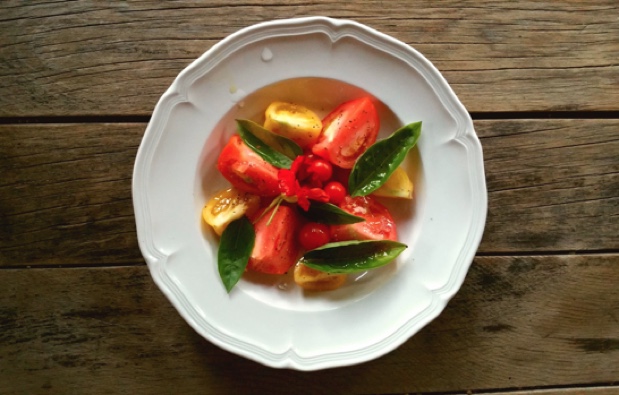
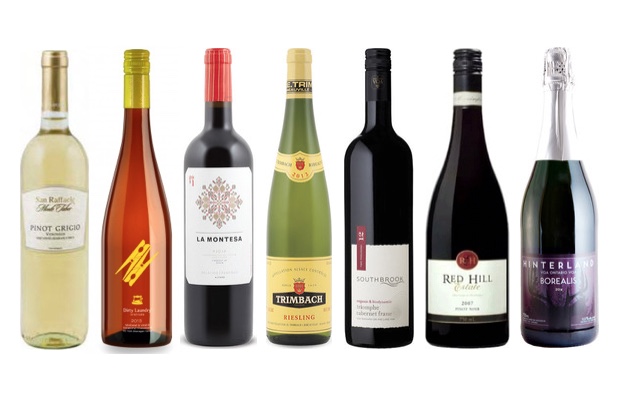

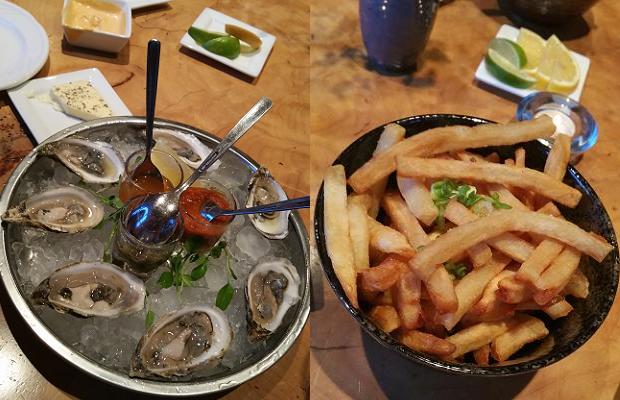
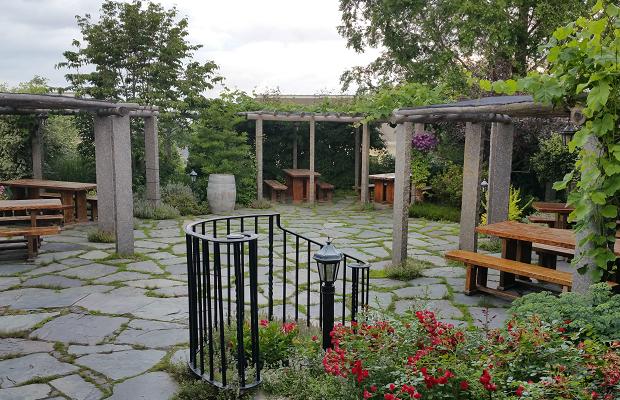
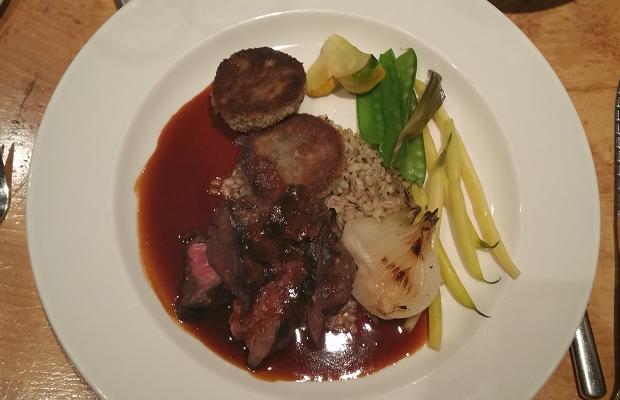
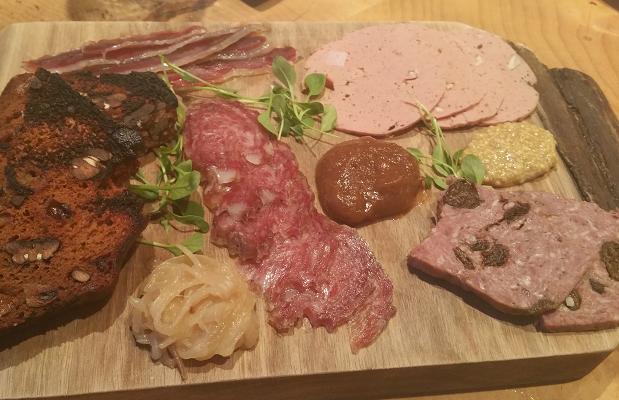
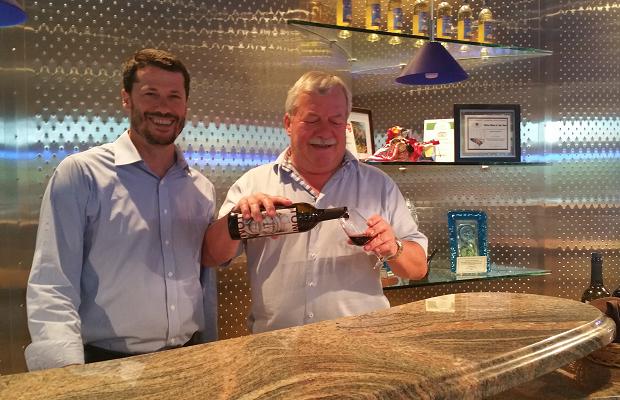

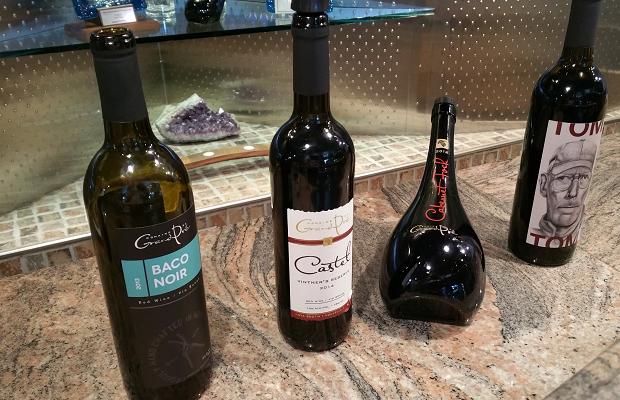
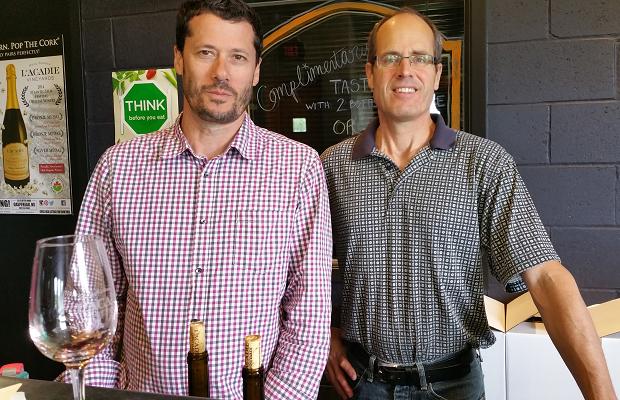

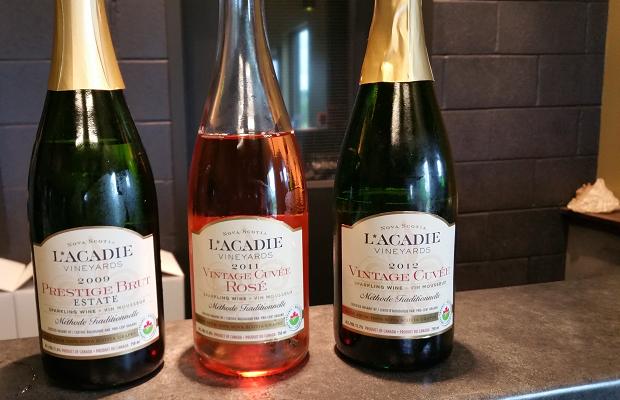
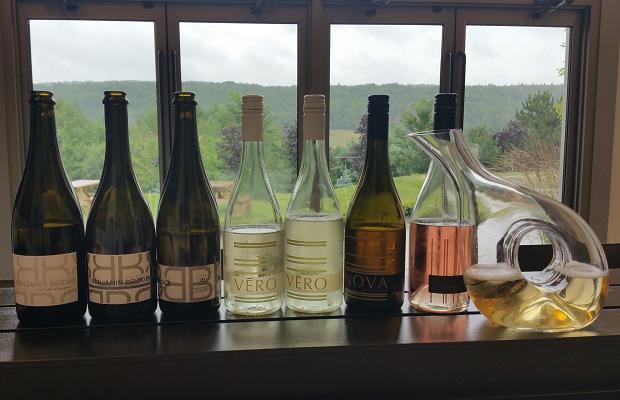
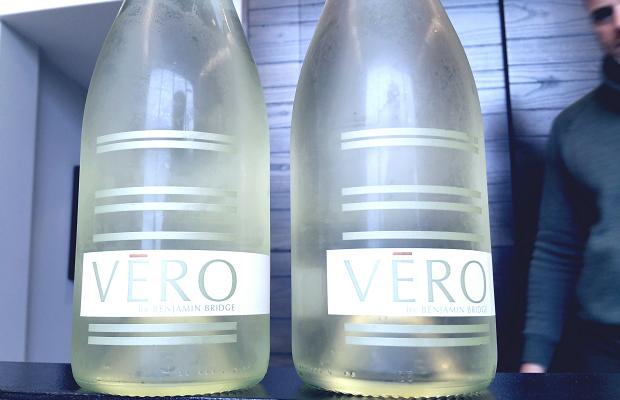



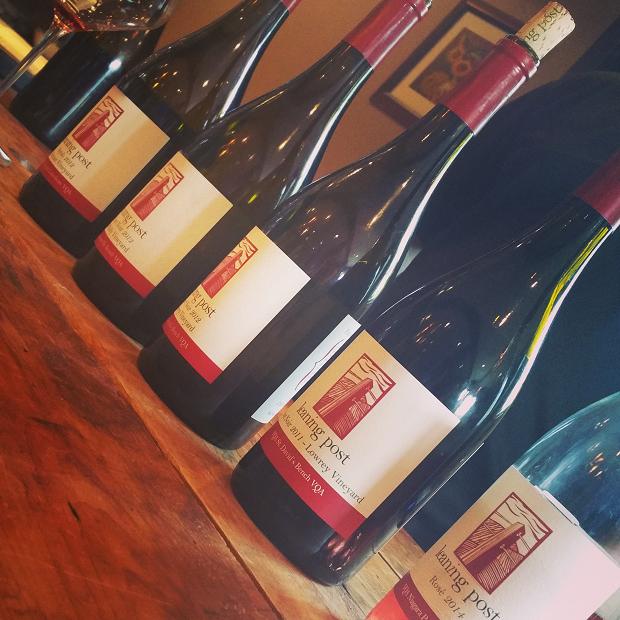
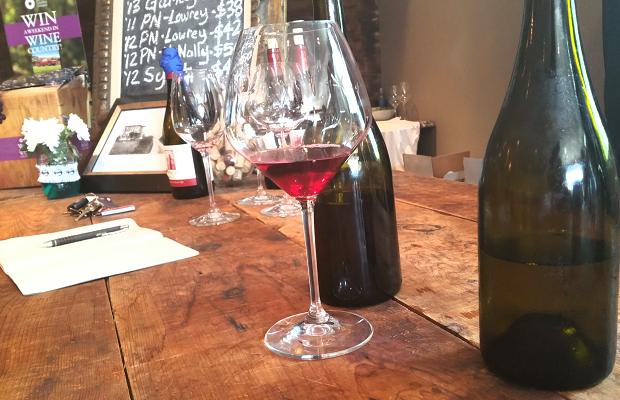
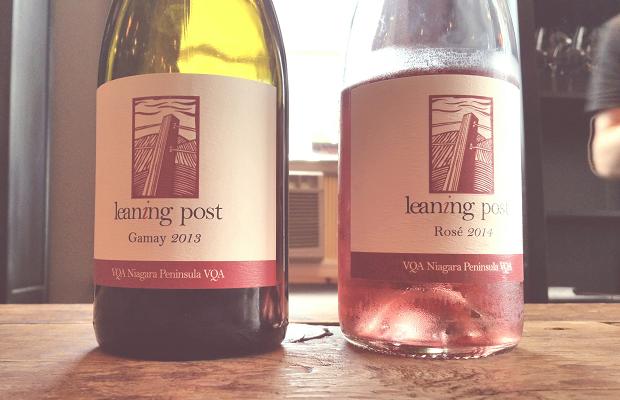
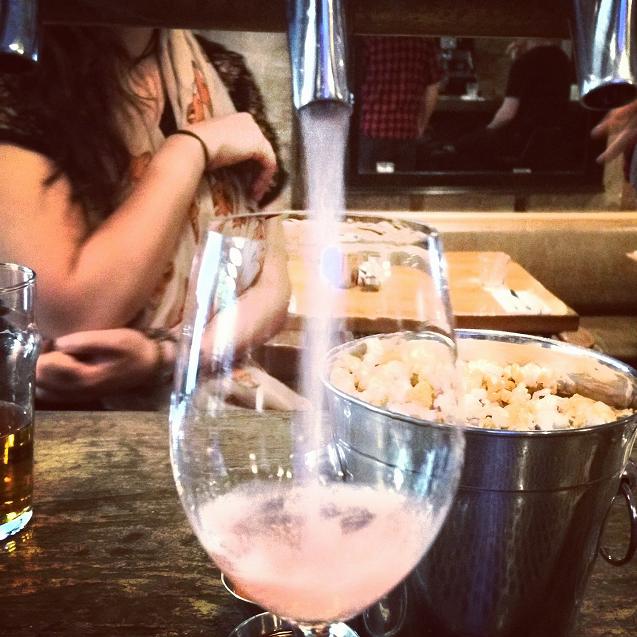
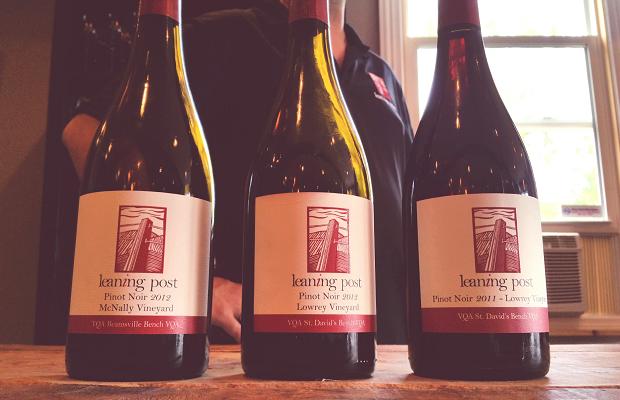

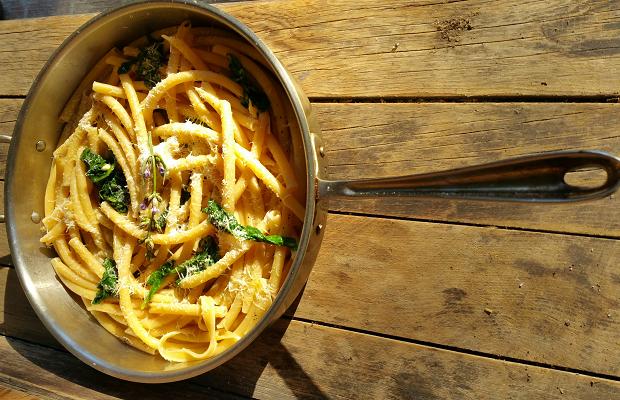
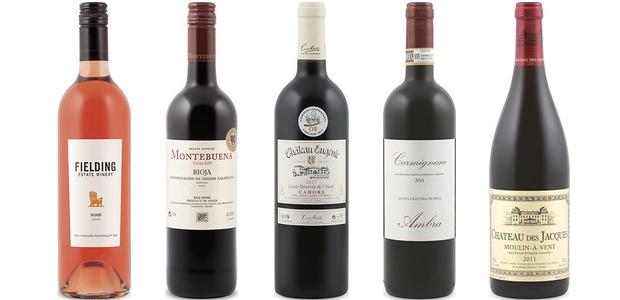
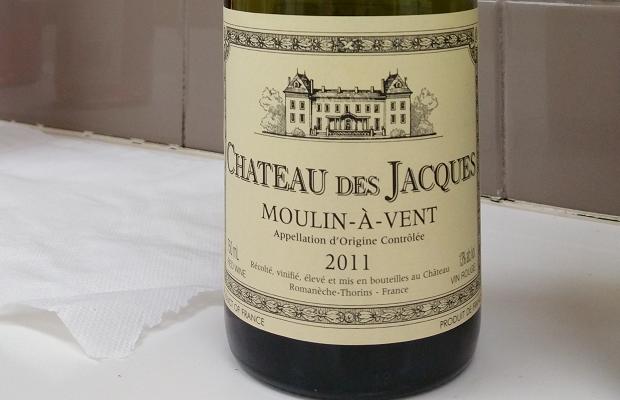
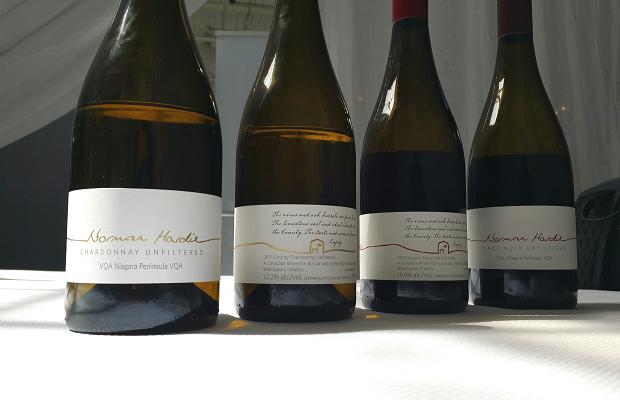


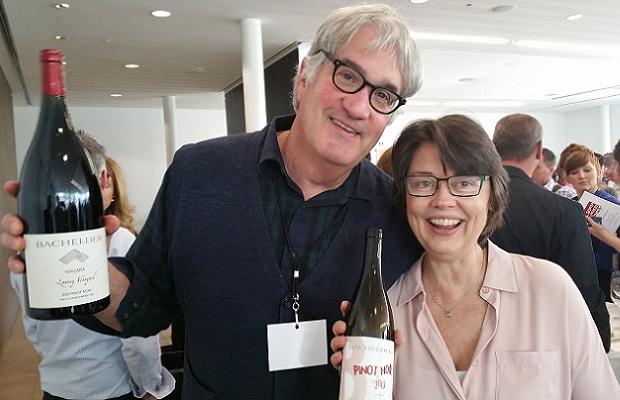

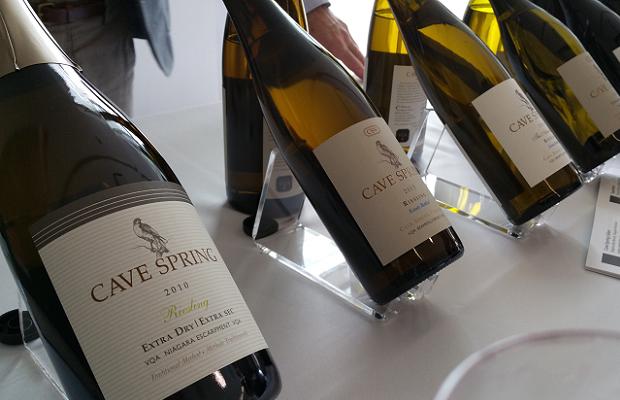
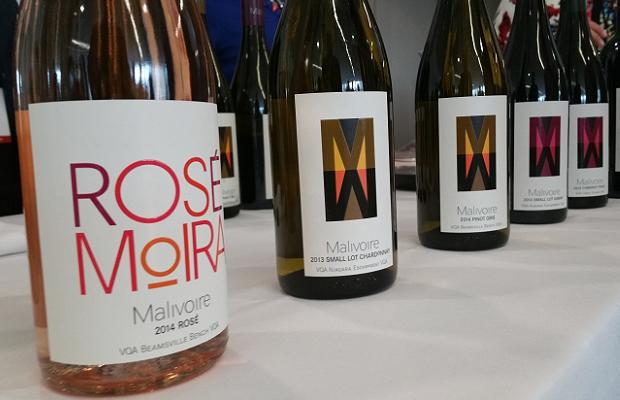
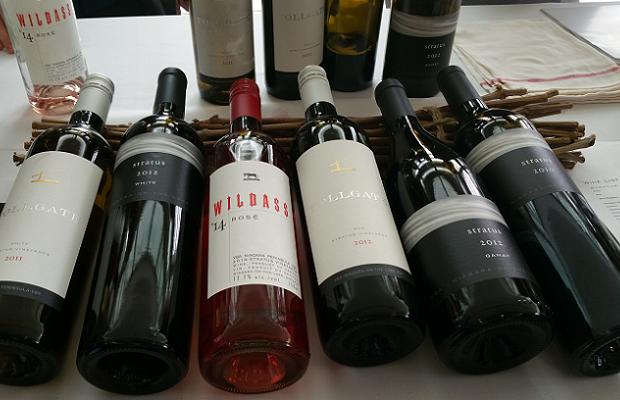
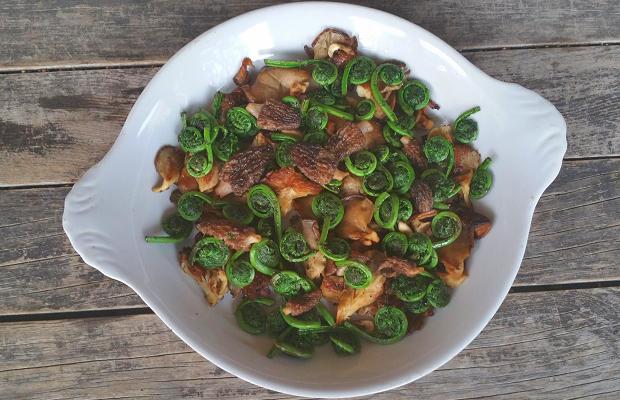

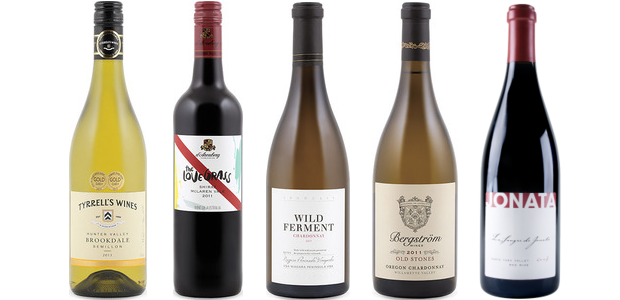
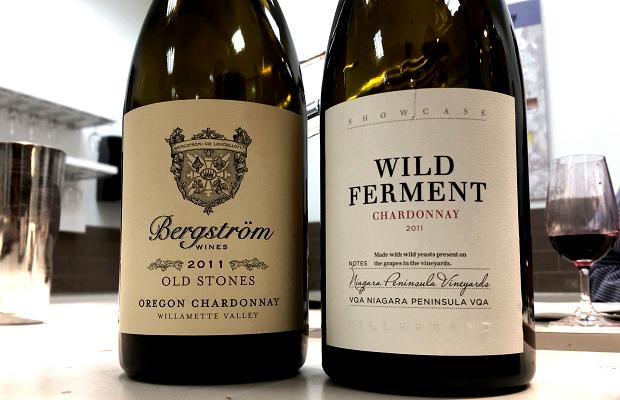
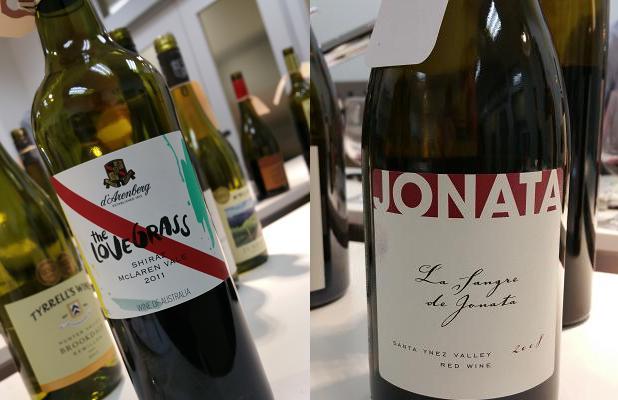
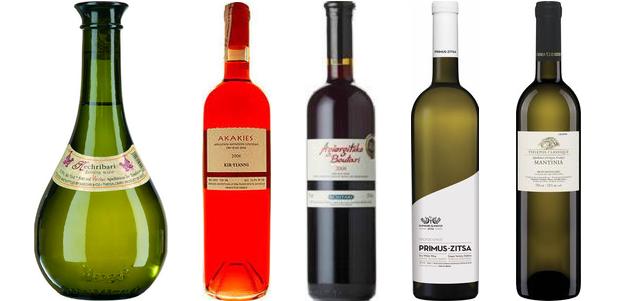



 Godello