Life is a trilogy, believe it or not. Things come in threes, whether you like it or not. In 2012 the number one reason for pouring a glass of wine on Halloween was “you will sound much more intelligent when answering the question, “trick or treat?”
In 2013, the top answer on the board was “nothing like a glass of wine on Halloween puts you in the mood to have another glass of wine on Halloween.” This guy may have had one too many while designing pumpkins. His ‘Stem In A Box’ is nothing if not creative. The phrasing may be indelicate but its meaning is clear.
In the guise of an elevated pattern of harmony, a third and final installment in the trilogy of top 10 reasons to dole out the vino on All Hallows’ Eve is laid bare. The concept is as simple as a candle, without magic, no mystery. The addendum is music, tunes to play on the sickly sweet night where candy is everything. Songs to match the wine poured as dark as monster’s gore. And so, here are yet another 10 reasons to pour a glass of wine on Halloween.
You finally get to make use of those etched glasses you were gifted by the neighbour with really bad taste
Because sometimes adults need travelling sippy cups too
The polyphenols in red wine can help offset the horrible effects of eating a pound of refined white sugar
The flavonoids in wine are a most excellent match to those in the apples in your Trick-or-Treat bag
You don’t even have to leave the house to get the full effect
Red wine helps to harden enamel and prevent tooth decay. Halloween. Got it?
Wine will make Halloween night’s sub-freezing weather kind of bearable
Do the neighbourly thing and try pouring these wines on Halloween.
Rosewood Origin Series La Fumée 2013 and Ravenswood Old Vine Zinfandel 2011
Rosewood Origin Series La Fumée 2013, VQA Niagara Escarpment, Niagara Peninsula, Ontario (Winery, $21.80, WineAlign)
In 2012 La Fumée was less about its namesake, “the smoke” but in ’13 the opposite wafts like candy in the wind, like confection on brume, like smoke and a pancake. The significant acts of three months in oak for the Sauvignon Blanc plus the hallmark honeyed addition of (approximately 15 per cent), golden-skinned Rosewood Sémillon make for a smouldering and meandering La Fumée. In ’13 call it “Smoke Signal,” “The Big Smoke,” “On Top of Old Smoky” or “Smokearoo.” This one is full on, woven in tapestry texture and like a band on stage in the magic theatre, haunting its own house. This wine will make for a most excellent Halloween investigation, what with its consecrated combustion, but it should also be laid down to rest. Open the tomb in five years, remembering with wistful nostalgia the last of the great Sémillon contributions and see how this Fumée will have settled. It won’t be smokeless but it will be extinguished. “A smoke signal, no matter where you are.” Tasted October 2014 @Rosewoodwine
Ravenswood Old Vine Zinfandel 2011, Sonoma County, California (673798, $21.95., WineAlign)
From 60-80 year-old vines in three different sub-regions of Sonoma and from the how can we thank you enough 2011 vintage. All red berries, all in and at 14.5 per cent alcohol it is both subtle and carried with ease. The ever bearing berries are poured in every glass and seep into every pore. Maintains a level of class despite the big bones and the vivid excesses of Zinfandel repute. The cooler vintage is a natural for this Zinfandel, allowing the spices to spume and the coffee beans to percolate without needing to go muddy. In hue the Old Vines ’11 “flies the blackest way” so “sip it like you’re typical.” A raven in Zinfandel clothing, this is bang on and righteous, not to mention exemplary value in Sonoma Zin. Tasted October 2014 @CBrandsCareers@TheZinfandelOrg
Sonoma County is so massive a wine region it’s really quite futile to take account of a singular, defining personality. Diversity of wine styles and viticultural approaches are what elucidate Sounty County and its 16 AVA’s (American Viticultural Areas). That much is true but the sheer geographical scope of California’s coastline, inward valleys and mountain vineyards make it all but impossible to distill the entire region into one simplified and understood junction of compounding synchronisms.
Imagine Sonoma in terms of soils and geology the way the Clare Valley and Barossa are making plans to split their vineyards into new sub-regions. “Rather than create a hierarchical system, proponents say the plans are part of a cultural shift in Australia’s wine industry that seeks to make technology in the cellar subservient to geological understanding and vineyard management.” Though erroneously, people talk about Sonoma wines as being the same, as sharing a commonality that allows for overused generalizations.
Sonoman varietals need to be characterized by an interpretation of sundry realities. Pinot Noir loses focus when simply labeled “Sonoma County.” Its actuality is much more specific than that. Dutton Goldfield’s Pinot Noir is a prime example; not exactly Russian River Valley nor Sonoma Coast. If its vineyard and those of countless hundreds of others were pinned down into a more micro-specific locale of soil and geology, justice might be served. Yet through all the talk of fining sub-appellations there is one constant in Sonoma. There is one manifest vital spark that runs through all of its fiords and chords, spuming with an irrepressible puissance. Fog.
Growing grapes in Sonoma is all about the fog cycle prone zone, warm by day, cool by night. Grapes above the fog line on the mountain ranges and upper reaches have the highest chance of ripening. Wind screams in between the mountains and through the valleys to dry out the vines and protect them from disease. The region lies at the western edge of a hyperbolic, tectonic geology, causing not only earthquakes but also dramatically different soil structures. From out of this super active geology, this volcanic action and this movement of tectonic plates, is a cool climate viticulture along 100 km’s of Pacific Coast frontage.
The cool nights and days that rarely get oppressively hot (above 26-28 degrees celsius) contribute to layers of oceanic fog that creep into Sonoma’s interior valleys through numerous spots like the Petaluma Gap. The Russian River, meandering through a lush valley of vineyards, provides a conduit pulling fog through Healdsburg and into the Alexander Valley, as well as forming its own appellation.
Sonoma native Elizabeth Linhart Veneman, author of Moon Travel Guides, sums up Sonoma’s fog in one fell swoop statement: “Perhaps no aspect of the weather here is more important.” Then there is the most amazing time lapse video shot by Nicole Tostevin of Tostevin Design. Tostevin (not to be and to be confused with Tastevin, which means a taste of a wine and a small, shallow cup or saucer with a reflective surface, traditionally used by winemakers and sommeliers when judging the maturity of wine) was born in San Francisco. She is a 5th Generation Californian living in West Marin; she’s an independent freelance artist, interactive art director and motion graphics animator. The video titled, “Sonoma Morning Fog Dance” was shot using time lapse footage of The Anvil Ranch in the Annapolis Valley in Sonoma County, California.
This time last year, in November 2013, San Francisco Chronicle wine editor Jon Bonné wrote, “today, the state of the art for Pinot Noir – along with Chardonnay and, to some extent, Syrah and even Cabernet – has shifted into the coastal fog lands.” Green Valley is defined by fog. Fog discourse and computerized, animated maps are front and centre on the AVA’s website. “Green Valley is the first place where the fog comes in and the last place where it burns off, making it the coolest, foggiest part of the Russian River Valley.”
Walmart’s Sonoma Fog Area Rug
Sonoma fog can even be defined as a colour, like Siena brick red, or at the very least as a style. At Walmart you can buy a “Sonoma Fog Area Rug.” The mist of California’s coast has even had a couple of cocktails conceived in its name. The Sonoma Fog and Sonoma Fog Vinotini are sweet and sour variations on the Kamikaze or the Cosmopolitan, using Grapefruit and Icewine.
Sonoma’s fog is a stern exertion of soda and salt and when its atomic dipoles get together to dance with ripe grapes and the puffy gaieties of yeast, the syntagmatic rearrangement in the region’s wines are all the merrier and made most remarkably interesting. Fog complicates and makes complex the ferments from Sonoma’s hills and valleys. The second fiddle status to Napa Valley’s hugeness is both ridiculous and absurd. Sonoma Chardonnay and Pinot Noir is already known for its kinetic inquisitiveness but other varieties are also gaining major traction. Cabernet Sauvignon, when ripened upwards of that fog and yet inextricably linked to the miasma, gains a level of synergistically precipitated elaboration that blows Napa out of the water.
WineAlign’s John Szabo MS says Sonoma County “is this big.”
Sonoma Vintners came to Toronto’s ROM for a trade tasting on October 9, 2014. With the ever resourceful moderator John Szabo MS of WineAlign at the microphone and nine winery representatives on hand to speak of their land, Sonoma was defended, savoured and celebrated. Here are notes on the 10 wines presented.
Sonoma County at the ROM
Gloria Ferrer Royal Cuvée 2006, Carneros (Agent, $37.00 – winery)
The brand was developed for the 1987 visit of King Juan Carlos I and Queen Sofia of Spain. Seventeen base wines were blended to create the final (66 per cent Pinot Noir and 34 Chardonnay) cuvée. The Chardonnay is planted on lower sloped with deeper soil and the Pinot nicked from locales higher up where it’s rocky and volcanic. “Oh they’re ready for a tussle.” The immediate query is how can it act so fresh? Aged 7 years, the incongruous to electric power is mind altering, though the reaction in the seminar room is muted and should instead be filled with oohs and ahhs…am I wrong? Intense wine, highly lactic and dancing on tongues. Citrus, ginger, pear and Pinot length from the rockpile. And so it goes. @GloriaFerrer
Quivira Sauvignon Blanc 2013, Dry Creek Valley, Sonoma County (Agent, $15 – winery)
Quivira’s expressive Sauvignon Blanc sells for a song what with its high level of minerality from gravelly soils, typical of Dry Creek Valley. Low acidity, and a quietude of heterocyclic aromatic organic compounds comes aided by a musky, Musqué SB clone. The terroir and the grapes speak for themselves, mostly out of stainless steel, with a bit of neutral oak, plus Acacia barrels, for texture. All in all, there is an elevated pattern of harmony. Biodynamic since 2006, Marketing Director Andrew Figelman notes, “going through biodynamic is like going through an IRS audit.” And worth it in the end. @quivirawinery@KylixWines
La Crema Chardonnay Saralee’s Vineyard 2012, Russian River Valley, Sonoma (Agent, $39 if it were available – winery)
So notable from the get go is this SV Chardonnay’s possessiveness of a muscular rhythm, where oak meets butter. High quality fruit comes from Saralee’s Block 89, a gravelly loam, with less vigorous vines and of course, much fog. Nine months in one third new French oak and a generous, if in check, 13.9 per cent alcohol. A mere 500 cases are produced of this new and titillating brand. Much orchard fruit on the nose, mineral on the palate and a wrapping of lemon curd. Has chalk and grain. La Crema’s (Ontario-born) winemaker Elizabeth Grant-Douglas has teased us. “You can taste it but you can’t buy it,” Just don’t call it creamy. @LaCremaWines@bwwines
Patz & Hall Dutton Ranch Russian River Valley Chardonnay 2012, Sonoma County (Agent, $56, WineAlign)
The Dutton’s have owned the farm for more than a hundred years and have been serious about viticulture for the last 40 or so. The fluffy, porous soils are composed of Goldridge loams, in which moisture runs right through. There is very little if any precipitation making this a sort of “dust bowl” Chardonnay, from five different sites. Distinctive, exotic, old vines give a Muscat-like character, plus mineral and structure. It reminds of a mildly spiced Gingerbread cookie on a dry, cold winter day. The Dutton receives the same elevage treatment as their other 13 Chardonnays; it’s the land that’s different. “We’re allowing these wines to be different by virtue of the terroir,” notes Donald Patz. This is mildly restrained in many ways. A very balanced wine, full of class. @PatzHall@TrialtoON
Dutton Goldfield Pinot Noir 2012, Russian River Valley (Winery, $72)
From the Estate’s 1996 planted Freestone Hill Vineyard, from the middle reach (far southwest corner) of the Russian River Valley, a full-on sunshine of fruit spent 17 recondite months in 55 per cent new oak. The resulting door affronting 13.8 per cent alcohol is a so very, if anoetic welcome mat. The Dutton family were the local pioneers. Says Warren Dutton, “if I can ripen apples, surely I can ripen Chardonnay or Pinot Noir,” Ripe red apples and a savoury candy shell have turned to grapes with aid in influence from the Petaluma Wind Gap, in an accruing of elegance and finesse from high acids and low sugars. If the common feeling is that it’s difficult to ripen fruit in this region, the bar must have been set to beanstalk heights. The Freestone Vineyard (which is almost in the Sonoma Coast appellation) is colder even than Green Valley, with an elevation just above the fog, for even ripening margins. The Duttons thought the vineyard not too cold for Pinot Noir, a thought even more astute than the idea of ripening coconuts in Fiji. This really is unadulterated Pinot, from a process that included (20 per cent) whole berry fermentation. The simple elevage turned into a simple yet complex result, with high toned fruit character, tangy black cherry, really fine grain tannin and acidity. Length is ascending and enveloping, from the hill. @DuttonGoldfield
Buena Vista Pinot Noir 2011, Carneros (304105, $24.95, WineAlign)
Buena Vista was California’s first commercial winery, dating back to 1857. Winemaker and Sonoma native Brian Maloney, formerly of De Loach Vineyards crafted this tight and bracing Pinot Noir from the cooler vintage. The vintage may have been a result of global chaos but the wine is an unmitigated success. From my earlier, August 2014 note: “This is really quite impressive Pinot Noir. Fastidiously judged if bullish fruit having way too much fun, causing varietal envy amongst other price category peers. Clearly fashioned from stocks of quality fruit, providing an environment for the coming together of many red berries and the earth of contiguous vines. All roads lead to a grand palate marked by exotic, spicy and righteous fleet of wood tones. I wonder if I’m in over my head and tell it “your mood is like a circus wheel, you’re changing all the time.” Quite something this MacPinot specimen and though I wonder if it’s a bit too much, it always seems to have an answer and it sure feels fine.” Tasted blind at World Wine Awards of Canada. Last tasted October 2014 @BuenaVistaWines@TandemSelection
Seghesio Zinfandel Rockpile 2011, Sonoma County (Winery, $38)
From three ridgetop vineyards 1,200 feet above Dry Creek Valley; Westphall Ranch, Porcini Hill and Mauritson. Rockpile comes from the late 1880’s, founded by the local Sherrif Tennessee Bishop. Prisoners broke up rocks to make roads and they called it the rock pile. Near extreme elevation matters deeply in this wine, as do three clones, all in the name of layers of flavour. There is a massive waft of florality in Rockpile and a Zinessence that can only be Seghesio. A large yet somehow fog-tempered cool wine, the result of a unique marriage between an altitudinous though indispensable Sonoma climate. Fresh ground spices join the flowers at the hands of winemaker Ted Seghesio. To the palate and texture the wine turns a boisterous phrase, with natural acidity and that structure is defined by tannin and personality. There is heat, a bit of a heavy grain and lifted alcohol though it carries it well. “Veraison thinning is key,” notes Pete Seghesio. Narrowing the harvest window by removing berries from the double sorting table is practiced, along with halting the brix from rising at the hands of hydrating raisins releasing sugars during fermentation. The must is weighed down a touch, even if the practice in fear is just one of splitting hairs, as obviously this has everything Zin needs to be fresh and elastic. “If you miss Zinfandel by five days you have Port,” admits Seghesio. The 2011 got it right. @seghesio
Kunde Family Estate Zinfandel 2012, Sonoma Valley (965921, $24.95, WineAlign)
Rich and utilitarian to a fundamental degree. Nothing but plum delicious, instilled with structure, tannin and early acidity. More spice and less florals by way of red volcanic rock soil, interspersed with a bit of sand and clay. Winemaker Zach Long is very specific about “that harvest moment” so Kunde’s Zinfandel can never be accused of hanging too long or cheating on the wrong side of ripeness. Cold soaks for five days with a low and slow, geek’s native yeast add layers of complexity to the ferment. With a peppering of Petit Sirah in the mix this has more tar, char and less brightness. It actually leans to black cherry, in Pinot-like dulcet tones which, in that particular direction, is a good thing. The only deterrent in the SV ’12 is a waning of finishing acidity at the end. @KundeEstate@imbibersreport
Silver Oak Cabernet Sauvignon 2010, Alexander Valley, Sonoma County (943472, $89.95, WineAlign)
International Sales Manager Vivien Gay introduces the Silver Oak by talking about the Alexander Valley as being the most fully planted AVA in Sonoma. This ’10 is warm and intense, hot to nose, potentially volatile, like a bouquet of hacksaws. Dusty, full-on mulberry fruit is indicative of Merlot but there is none – it’s 100 per cent Cabernet Sauvignon. That teasing and varietal perplexity is an indication of complexity and also American oak, the usage of which began in 1972. Vanilla, coconut, then spiced, round and soft tannins come by way of 50 per cent new and 50 per cent one-year Missouri white barrels. The fruit quivers, like blackberry bushes in sweltering conditions, trying to shake themselves of the heat. Two years in oak plus one in bottle is a loyal and sentient journey, nearly devout and religious. A highly polarizing wine. @SilverOak@HalpernWine
Rodney Strong Vineyard Cabernet Sauvignon Brothers Ridge 2010, Alexander Valley, Sonoma County (Winery, $75)
This is the flagship Cabernet bottling from the winery that bears the ballet dancer’s name. Has layers of sweet Cassis, black cherry and blackberry fruit. Serrated with heat from a warm vineyard, picked at a generous (27.3 brix) and vinified (15.5 per cent alcohol) in a very big style. The Brothers Ridge fruit spent 21 months in 100 per cent French (43 per cent new) oak. The heat transmits through all the layers. So much java is espressed in this big boned Cabernet. Looking, sniffing and tasting the Brothers Ridge gives the impression of “a great big tall fella, about six foot tall. I shivered and I shook, couldn’t do any more.” Despite it’s heavy kinks, the BR is flat out delicious, hedonistic and as decidedly rich as any Cabernet from the Alexander Valley. Perhaps it is a lover, not a fighter. @rsvineyards@ImportWineMAFWM
From the Middle English octobre and the Latin October, meaning “eight,” just how the month of October became the Julian and Gregorian 10th is a matter of bad juju. The corporate bumbling by way of the insertion of January and February into the Roman calendar screwed up all available etymological kismet. Perhaps in abbreviation or acronym, October, shortened to OCT, means “On Company Time.” That might explain its delay and parlay to 10th month status.
October has made its sad and beautiful way into song, rarely in joy or rebirth, almost always in tragedy and death. What’s up with that? With leaves turning to every shade of a Tom Thomson watercolour amid Ontario’s landscape that is all pan and even more orama, why the long faces? James Mercer writes, “to hell again and back,” and Amy Winehouse “today my bird flew away.” The lyrics in these songs are anything but uplifting but the tunes themselves are scrappy.
Then there is the October as envisioned by U2, well, there’s an entire album of oppression, repression and depression. “And the trees are stripped bare, of all they wear, What do I care.”
The good news, through tough times and innocence lost, is the availability of wine. VINTAGES is our facilitator and we are the benefactors, to concentrate on seeking solace in the living, breathing and most complex organism that genies into great bottles of grape ferment. This coming weekend one of my favourite releases on the perennial calender rolls out more value and less plonk than usual. On the heels of anything will sell for Thanksgiving and predating the shelves emptying free for all that is Christmas, October 25th is ideal and satiating. Here are 16 new releases, guaranteed to restore faith in this most troubled month.
From left to right: Andreza Reserva 2011, Flat Rock Unplugged Chardonnay 2013, Morandé Gran Reserva Cabernet Sauvignon 2011, Château Rigaud 2012, Loimer Grüner Veltliner 2013
Andreza Reserva 2011, Do Douro, Portugal (385849, $16.95, WineAlign)
This blend of Touriga Nacional, Touriga Franca and Tinta Roriz (Aragonez) from Lua Cheia em Vinhas Velhas is certainly funky and vineyard driven so that’s a bit of all right, isn’t it? Its phrasing is indelicate and slightly hot but its message is quite clear. Former winemaker for Offley Port and Technical Director for all the Sogrape Vineyards in Portugal João Silva e Sousa and consultant winemaker Francisco Baptista bring forth honest Douro red fruit, along with some mineral and righteous wood spice. Dark, deep and with a wonderful level of anxiety and tension. Gives purpose to modernity. Tasted October 2014 @FreeHouseWine@wines_portugal
A stoic and fruit aplenty Unplugged, less aromatic than some, equally magnanimous as others. Juicy, orchard fruit that is ripe and then elongated, with just enough acidity to keep it honest through the middle acts of savoury balm. Late tonic pungency lines the output. A very good, if not the finest ever unoaked Chardonnay at the hands of Jay Johnston and Ed Madronich. Then again, the ’07 tasted in February 2014 was a revelation. Who knows what the future may hold for this aloof ’13. Tasted October 2014 @brightlighter1@Winemakersboots
Morandé Gran Reserva Cabernet Sauvignon 2011, Maipo Valley, Chile (389254, $17.00, WineAlign)
Despite the 14.5 per cent alcohol this is beautifully bright, fresh, red cherry fruity and with nary a sign of abstruse chocolate or coffee. The southern hemisphere pulsates in here like a chromosphere of massive, meaty fruit. There is a funk per se but in earth, not wood. Good grain, honest grain, de facto grain. Spice from wood but just as an accent. A romantic one. Admittedly more Maipo than Cabernet but well thought on with the texture of haptic contours. Will satisfy a hunt for October reds to drink right now. Tasted October 2014 @MajesticWineInc
Château Rigaud 2012, Ap Faugères, Languedoc-Roussillon, France (393561, $17.95, WineAlign)
A bold and beautiful southern French rapport of 55 per cent Syrah, 26 Mourvèdre and 19 Grenache, so very modern and explicitly floral. A veritable Midi garden salad lives in the glass; chicory, acacia, iris, black cherry and lemon. Brassy blend from Languedoc-Roussillon, tangy and of the earth in cohorts for simple, if semi-hedonistic pleasure. Nothing about this screams oak and if the shed was open for a lay down it kept its splintered mits buried within the pockets of its staves. The ’12 Rigaud is meant for near-term luxury, alone or with sundry kinds of protein. Tasted October 2014 @oenophilia1@VinsAOPFaugeres
Loimer Grüner Veltliner 2013, Dac Kamptal, Austria (142240, $19.95, WineAlign)
Can any entry level (used with latitude) Grüner speak more clearly of varietal truth than Fred Loimer’s Kamptal? Saline, herbal, juicy and mineral all roll off the golden carpeted tongue. A ripe merging to oxidative line is straddled but acidity keeps reeling in the fruit so no harm, no foul. Flavours of citrus and white peach. Heads medicinally sweet on the finish and lasts longer than could ever be expected. From my earlier April 2014 note: “Increased hang time has put this Kamptal in a deeper state of focus and understanding concerning the intricacies of Langenlois Grüner Veltliner. Continues the pure, clean and crisp axiom of the basic Lois but here the aromatics are spoken in acroamatic terms, obvious to disciples and yet available for all to comprehend. Though five per cent big wood barrel aging does not seem significant, that practice along with four months of aging on the fine lees has had a textural impact. The added weight is a questionable thing, though arguably just splitting hairs. Will help carry this vintage through five to seven years of graceful settling. Last tasted October 2014 @FredLoimer@LeSommelierWine
From left to right: Bordón Gran Reserva 2005, Dog Point Vineyard Sauvignon Blanc 2013, Domaine Hamelin Beauroy Chablis 1er Cru 2011, Giacosa Fratelli Bussia Barolo 2009, Giacosa Fratelli Bussia Barolo 2009, Le Clos Jordanne Claystone Terrace Chardonnay 2011, Le Clos Jordanne Claystone Terrace Pinot Noir 2011
Bordón Gran Reserva 2005, Doca Rioja, Spain (114454, $22.95, WineAlign)
If it were so because of cryogenic preserved must or an accidental tipping and topping up into an unused barrel by recent vintage juice I would not be left hanging with mouth fully agape. Considering the amount of time this flat out delicious Gran Reserva saw in barrel, the mystery must somehow be explained, how it came to be so surprisingly modern and bright (for its age), especially at $23. But it has been seen many times before, with no greater example than the Montecillo 1991 GR that drank fortuitously well into the last years of the previous decade. This is the magic of Rioja. That said, there is some sinew and some raw character here as well – that’s the old school treatment and style talking. Red cherry fruit. Ripe fruit roasted, rested and now sliced, showing its perfectly cooked rare cut. Juicy and with sanguine notes still running through its grain. Wonderful old school yet bright Rioja. Riotous red wine with a calming aura of quietude. Tasted October 2014 @RiojaBordon @Eurovintage@RiojaWine
Dog Point Vineyard Sauvignon Blanc 2013, Marlborough, South Island, New Zealand (677450, $24.95, WineAlign)
Dog Point’s principals Ivan Sutherland and James Healy know the innuendo of that ever present Marlborough SB subtlety by allowing the vineyard to show up in the glass. That sussuration is the hallmark of this most righteous bottle. The VINTAGES October 25th release indicates a 2014 debut when in fact it is the ’13 that was presented for tasting and likely that vintage will show up on shelves. This ’13 bring elegance, less weight and more fruit. Round and rippling, spiced but in spicy check. Not the finest but persistent in class and crowing achievement for the stomping ground. Tasted October 2014 @DogPointWines@TrialtoON
Thierry Hamelin and his son Charles (no, not the Olympic Speed Skating gold medalist) are eighth generation family winemakers and their 2011 Beauroy, one of the most underrated vineyards in Chablis, or anywhere Chardonnay is made, is both an ode to tradition and an immaculately clean look at the future. Prototypical steely Chablis in every nook of its lithified being and befitting of a 1er Cru designation. Fruit comes by way of some pretty wizened vines (30-plus years) and steep, south-facing slopes. The exposition is both fresh and flinty, the logic sound and spotless. If a creamy, leesy note is felt it’s just a case of genes. In every other respect this is Chablis as both a child of the present and the future. Quality vineyard, vines and fruit given the gift of no mask. This will drink well for five plus years. Tasted October 2014 @BIVBChablis
From the hills of Monforte d’Alba in Piemonte, Bussia is laid out like an amphitheater, the soil is all clay and the Nebbiolo is rich and often austere. Now, here is what temperance and a reliability in attention to classicism is all about. Cherries and ferric earth. Roses and funky beet beats. Tannins stuck on 10, winding and unwinding, but mostly winding. Wild herbs, sweet candied flowers, tight angles, tough and beautiful. Needs many years to wind down. Exceptional value for the real deal in Nebbiolo. Tasted October 2014 @stradadelbarolo
The Claystone 2005 made by Thomas Bachelder was the single-vineyard ringer that shocked the Chardonnay world when it trumped international competitors in a Montreal grand tasting. The 2011 made by Sébastien Jacquey recently won a Silver Medal at the Decanter World Wine Awards. This Jordan, Ontario vineyard is a key clay-limestone foundation for both the Claystone and Village Reserve botttlings. Yet another exemplary ’11 Chardonnay with the omnipresent Jacquey handling for aromatic freshness and layering; candied flower, fresh morning glade and lemon drop, amplified to 11 in ’11. Moreover there is a level of honey not previously witnessed. It smells like natural sugars and like a bloom of sunflower lollipops. Very little (15 per cent new) oak was used so the texture is fluid and palpable, with just a touch of stone/toast/wood spice, but ultimately it’s the top quality fruit allowed to speak its own language. Tasted October 2014 @LeClosJordanne@20ValleyWine
Oh so pretty Claystone. Like a butterfly, delicate and gossamer. How can you not mark the change in direction to a most inviting and positive way for the Pinot program with Sébastien at the helm? The paint fumes are dissipating with each passing vintage. These vines belong in Jacquey’s hands – they were made for his touch. He understands them and they are now speaking so clearly, sweetly, with texture that underscores their elegance. When fruit is this subtle, acidity magnified and tannins feigning dry in the early stages of development, a wine can confound and sometimes even seem to be failing. In my view, it is the obtuse that are perhaps guilty of being under appreciative of the Pinot Noir paradox. Like the rest of the ’11’s in the LCJ stable, this is a terrific Claystone with 10 years ahead in sublimity. Tasted October 2014
From left to right: Ramey Chardonnay Sonoma Coast 2012, Besserat De Bellefon Cuvée Des Moines Brut Champagne, Jean Gagnerot Meursault 2011, Château Cantenac Brown 2010, Ornellaia 2011
Ramey Chardonnay Sonoma Coast 2012, Sonoma County, California (288035, $45.95, WineAlign)
Buttered toast and lemon meringue are clear and concise in this inner-coastal, altitudinous Chardonnay. You just know there is a pent up, wound intensity lurking. Somewhat slow to start, it not being a jump to the front of the pack, first furlong leader. Then it gathers horsepower from texture and power from acidity. While the fruit remains unreleased beneath the moving parts, it’s the spice, lime tang and bitters that propel this Sonoman from sheer wildness in complexity. Impeccable equine balance. Likes the longer track to make the most out of its endurance. Will show its best down the stretch, at the end of the decade. Tasted twice, October 2014 @RameyWineCellar@BarrelSelect
Besserat De Bellefon Cuvée Des Moines Brut Champagne, France (724955, $54.95, WineAlign)
This Cuvée Des Moines Brut is fashioned in a decidedly aerified yet grappling crémant style, of firm jaw and air of tragic nobility. Low pressure and dosage in this Chardonnay (35 per cent) , Pinot Noir (20) and Pinot Meunier (45) mix make cause for a new Champagne slang. More than a pinch of ginger burrows into the waft of baking apple scones, marked by sody saleratus and more (two and a half years) leesy tang than you can dip a canoe paddle into. The flavours continue with something akin to pickled apples and sweet pork, if there were such a souse. Really tangy and overtly complex, with a long, long finish, if just a shade on the oxidative side of town. Tasted October 2014 @BesseratB@DionysusWines
Jean Gagnerot Meursault 2011, Burgundy, France (390369, $57.95, WineAlign)
Gorgeous and subtle yet clearly spoken aromatics; just a hint of tonic piques some ripe orchard fruit, along with a crisp spike of very little citrus. Round, moving, enveloping and circling, parts unified and oscillating. Great round acidity as a membrane to a full, fleshy Chardonnay that returns again and again, to strength and from strength. The length goes on and snaps back to the beginning. Most excellent Meursault. Tasted October 2014 @grapewines@BourgogneWines
Château Cantenac Brown 2010, Ac Margaux, 3e Cru, Bordeaux, France (259424, $89.00, WineAlign)
Whether or not you have left the modern Bordeaux market, attention needs to be paid when an incredible wine at a fair price is made available. Not to be found for any less cash south of the border or across seas, the 2010, 3rd Growth, Margaux Cantenac Brown is the best $50-100 Bordeaux buy of the vintage. Composed of 66 per cent Cabernet Sauvignon and 34 per cent Merlot, the wine saw its fair share soak in 60 percent new oak. This classic beauty is the epitome of lush and welcoming Bordeaux from a vintage with more sun than 2005. It will make you stop to smell the adjectives. Rich red and black fruit, so very floral and void of any harsh moments about it. I don’t imagine this is to be the longest lived because of its inviting immediacy but it is no shrinking violet. The fruit is in charge and will give it five to 10 years of that parsimonious pleasure. Great late spice and line dancing energy. Tasted October 2014 @Cantenac_Brown
Hasn’t lost a moment of time through six months in bottle. This should give an indication as to its near-unprecedented longevity. Six years will cast a moment’s advancement, sixteen a fortnight. Not saying it can go 60 but half of that is in the realm of the serious and for certain. Candied yet tempered violets, rocks crushed and sprinkled on cryogenic frozen and restored heirloom berries of yesteryear. Huge tannins. From my earlier, June 2014 note: “The blend of the 2011 Rosso Superiore is Cabernet Sauvignon (51 per cent), Merlot (32), Cabernet Franc (11) and Petit Verdot (6). From a near-sweltering vintage, tempered by a cooling spell in June and July. The late August heat spike brought on early ripening which explains the intense aromatic waft that fills the AGO’s tasting room air. Though following the same (post 12-month) assemblage and return to barriques for a further six months, the richesse in fruit quality and 70 per cent new oak envelopes this ’11 with so many structured layers there remains many years to see where it will go. The rose petal meets violet florality can elicit no parochial parallel, the anxiety in hematological ooze neither. A consideration of the phenolic exceptionality follows suit. Chalky tannins follow chains in a world spinning ’round in lush circles. This is the reference point for such assemblage in Bolgheri. The breakdown will not begin for a minimum 10 years and evolution will continue comfortably, gently and effortlessly for 15-30 after that.” Last tasted October 2014 @Ornellaia@sherry_naylor
A visit to the Beamsville Bench on a warm September morning is a beautiful thing. Facilitated by their sagacious Ontario agent Bernard Stramwasser of Le Sommelier, the royal welcome was presented at Hidden Bench Vineyards and Winery. Proprietor Harald Thiel and winemaker Marlize Beyers left no barrel, vine, wine or helping left to the imagination. What a terrific day.
Marlize Beyers is as close to artisanal perfectionism as it gets on the Niagara Peninsula. The texture and grace of the wines reflect their maker. Beyers showed off the underbelly of Hidden Bench, including the 600L concrete egg fermenter (which actually holds 700L of juice). The concrete must be primed with tartaric acid before use or the egg will de-acidify the wine. What will emerge from within the thick chitinous walls of that oospore is on my future tasting agenda.
Out in the vineyard, vigneron Harald Thiel tells the story of Fel-seck, the “corner of a cliff,” in the angled nook of the Niagara Escarpment. The soil is filled with glacial till left from ancient Lake Iroquois pulled up from four retreating glaciers. “The glacial till deposit IS the Bench,” says Thiel. His winery operates on more than a quarter of the Beamsville Bench, in high density plantings. All wines are made from estate fruit. The control centre manages that fruit 24/7. The crux of the operation. And leaves.
Harald Thiel in front of Pinot Noir vines in the Felseck Vineyard
Leaves are a huge preoccupation at Hidden Bench. “Rule of thumb is you need 14 leaves to ripen one bunch,” confirms Harald. Canopy leaf management is a rigorous exercise, to compensate for wrong orientation. The inherited Felseck was planted east-west, but the south gets the sun, the north not so much. The spur pruning system (as opposed to double-Guyot) works to benefit in Felseck. To compensate for the winter of ’14 and to stop the “middle-age spread,” the leaves (shoots) are kept between wires. Other benefits include less disease stress and no fruit shadowing.
Sun on the fruit in the morning is key and to avoid sunburn, the leaf orientation is managed accordingly. “Manage the umbrella leaves,” notes Thiel. What about birds? “We use 32 km’s of nets,” and no bird bangers. “Pinot Noir is the favourite varietal of birds,” because they turn colour first. Anti-aviary veraison. Insects? “We use sexual confusion to ward off (insects).” There are 7500 pheremone ties (of the Paralobesia Viteana or female Grape Berry Moth) in the vineyards. Confuses the hell out the males. Translation: No insecticides.
Harald is proud to say this about Marlize. “Winemaking is an artfully applied science.” This was Beyers’ answer to the age-old question,”art or science?” So it goes without saying that grapes are picked on flavour, not sugar levels determined in the laboratory. You take what the vintage gives and make the appropriate, corresponding wine. Ideally Chardonnay is picked at 21-22 degrees brix, but regardless, at Hidden Bench it is always picked on flavour.
Pinot Noir comes from high density planting, with one cane and a single Guyot system. Yields are Grand Cru in quantity (1.6 – 1.9 tonnes per acre or 26-28 hL/L) but not at proportionate pricing. To many a consumer and outspoken wine trade professional they are exceedingly high. Spend some time with Harald and Marlize and you may just figure out why.
The two have developed a “Bistro” line bottled for the restaurant licensee industry. The Pinot Noir, Chardonnay, Riesling, Red Blend and Rosé are essentially the sum total of the collected and filtered run-off from the rich and select HB vineyard pool. The Riesling ’13 slings sugar and salinity in a push-pull, posit tug. It serves up typicity with bias and honesty. The Chardonnay ’13 is a perfectly round sipper, coagulating all of Marlize’s varietal plans; canopy management, earlier picking, gentle pressing, pumpover, the management of new wood barrels – all in the name of affordable structure. The Red ’11 is composed of Cabernet Franc (68 per cent), Malbec and Merlot. The CF smothers and smoulders above the M & M’s with all its currant, tobacco and black pepper power.
Here are notes on the 16 other wines tasted at Hidden Bench that day. Not to mention a sumptuous Coq au Vin.
Hidden Bench La Brunante 2011 and Select Late Harvest Gewürztraminer Vendanges Tardives 2013
The Estate Riesling is as vigneron-defining as any wine on the Niagara Escarpment. Hidden Bench is a 100 per cent estate-fruit operation so this Riesling is spokesperson, prolocutor, mouthpiece, champion, campaigner and advocate for the concept. The estate ’13 reaches deeper for nutrient pot sweetening, into shale and in conceit of its varied, positively cultivated terroirs. Compact and jelled, this is several steps up from most other entry-level Niagara Riesling and in fact, is really anything but. The transparency here is patent. This is Riesling that simply knows what it is; pure Bench, unequivocally real and forthright. Knows what it wants to be. Tasted September 2014
Felseck, “the corner of the cliff,” creates twisted Riesling, as per the directive in this angled, mineral nook of the Niagara Escarpment. Choose your planting politics if you will, left of centre Chardonnay or right of the compass Riesling, to determine which one speaks in the amphitheater’s clearest varietal vernacular. If sugar is a determinant or a catalyst in this ’13, it would take a zafrero to suss out that truth because sweetness succumbs to noble bitterness. The Felseck Riesling mixes ginger in tonic in a hyper-linear solution. It’s tightly wound, like a spooled reel rid of memory and twisting. A soldier marching in patriotic allegiance, to the soil and to the maker. There is no hurry to drink this ’13. Its pot will sweeten after the fighting’s done. Tasted September 2014
Of the estate’s Rosomel Vineyard from vines exceeding 35 years in age. This is the belletristic Riesling in the Hidden Bench stable, handled with mathematical precision and utmost care; specific sun exposure, green harvesting, low yields (29.4 L/hL) and a free run juice cap at (500 L). The density and distinct crux of the Bench nook character circulates aromatics in through the out-door. Lime melds to lemon and returns. The wine is plentiful, nearly generous but not all is sweet and amenable. Roman is policed by wild sage in dusty herbal efficacy unleashed. Honey is a fleeting tease but the numeral knowledge indicates mellifluous viscosity down the road. This is Riesling of finesse to realize power and sting. “It’s murder by numbers, one, two, three. It’s as easy to learn as your ABC’s.” Wait five years and settle with Roman’s synchronicity for five years more. Tasted September 2014
Taking what the vintage gives, Rosomel’s Sauvignon Blanc was king in 2012, dominating at a 95 per cent share of the Bordeaux-styled blend with Sémillon. Barrels were stirred weekly during fermentation and the creamy texture thanks that regimen, as does the tannic fullness of the round back-end. It rocks out bracing, formidable and nobly bitter, in pear and its pith, in lemon, of rind and in curd. The SB lounges in tall grasses but avoids goose feathers and blanching veg. So very savoury, in gorse tension, thistle and nettle. These notes all cut through the roundness and are finally tied together by the flinty rock of Rosomel. Tasted September 2014
The varietal components of the 2007 NB were not blended until August 2008 and then filtered to bottle. That barrel time and prior weekly stirring provided the pelage texture and now developed, tepefying character. Rumour has it I’d tasted this ’07 once before when it fact it was the ’08 in March of 2012. Must be the “marzipan, musky and risky, on the edge of a roasted, toasted Nutella thing.” The Niagara white Bordeaux idiom and its use of prime vineyard space has yet to prove itself so to this Nuit Blanche I would say, “you made my heart melt, yet I’m cold to the core.” Perhaps by ‘21 that attitude will have changed. Tasted September 2014
The key to ripeness is sunlight, something both 2012 and the practice of leaf removal on the East sides of the canopy gave this Felseck stunner. Oh so full with a hint of that typical glycerin and bitter pith so necessary for definition. This reminds me of an off-dry Zind-Humbrecht take, with its late feel of residual sugar and planing finish. There is a wonderfully humid condensation of south Asian drupe and fruit moisture droplet, never in syrup, but rather on the glistening, post-rain skin. Top Bench example. Tasted September 2014
East sides of the canopy to encourage fruit ripening
Yet rigid in its youth, the wood is not yet settled. Bottled in September of 2012, the ’12 will need every day of its first year to be ready, willing and able to please upon release. From my earlier, May 2014 note: “Always aromatically embossed and texturally creamy, the Estate Chardonnay finds a way to elevate its game with each passing vintage. The uplifting elegance factor acquiesces the poise needed to battle the effects of ultra-ripe fruit out of a warm vintage. In ’12 the middle ground exchanges more pleasantries though the finale speaks in terse, toasted nut and piquant daikon terms. Not harshly or witchy, mind you, but effectively and within reason of the season. When you look in the window at Harald (proprietor Thiel) and Marlize’s (winemaker Beyers) Chardonnay, “you’ve got to pick up every stitch.” Last tasted July 2014
The richness has yet to melt away, nor will it likely do so any time soon. Must give credit where due; ’10 managed to seek out tempering acidity where it was not necessarily in sui generis mind, nor did it want to be found. From my earlier March 2013 note: “Akin to Russian River Valley, allowing the comparison, in platinum, edging to gold and in stony, mineral rigidity. Tends to the orchard in a fell swoop of swelling fruit. Nobody does it better on the Bench. The sec who loves me, “makes me feel sad for the rest.” Last tasted September 2014
Hidden Bench Tête De Cuvée Chardonnay 2011, VQA Beamsville Bench, Niagara Peninsula, Ontario (20906, $45.00, WineAlign)
Tête De Cuvée by Hidden Bench, like a Champagne best of the best abstraction, makes an appeal to self-esteem and esteem for others, to consumers who have come to recognize Niagara and even more specifically, the Beamsville Bench for head of the class, cool climate Chardonnay. That mouthful congregates and works in congruence with the quality in the Tête’s composition; full-on freshness, density, weeping cerate texture, toasted and popping kernel, fine-grained localization, utterly integrated barrel. There was scant quantity (32.5 hL/h) from some very old and wise vines, pronounced like others but louder than most, from the bullhorn of a stentorian vintage. What is felt and spoken about the quality inherent from out of the finest parcels in the Locust Lane and Rosomel Vineyards Chardonnay fruit is more than a patent observation. The ability to take on toast cuts to the nougat and the synoptic rises to the ethereal ozone. Not to mention gross minerality. On the shortlist for best Niagara Chardonnay to date. Drink now and beyond 2025. Tasted twice, September and October 2014
Now into the mid-point of its six to seven year life, this essential Bench Pinot brings worlds together. A toffee, taffy, salted (not caramelized) caramel mulch comes from pinpoint smoke oak. Has a palpable sende of chew and density. From my earlier, February 2014 note: “Five months more in bottle has come to this, a Bench perfumed state of mind. On a red raspberry road to absolution. The international coat has now begun to surrender to the maturity and wisdom of the local vine’s intellect, its maker and overseer acting as artificers in planned execution.” From my earlier, October 2013 note: “Deeper, earthier, decreased propriety and more pelage than the previous two vintages. I sense longer hang time, more redress and slower slumber. In Hidden Bench I thought I knew and would always associate with a specific Pinot Noir feel but this ’11 confounds. In a way, that is a large compliment. Fruit reminiscent of a top Central Otago in that it grips my Pinot interest if not my Ontario heart.” Last tasted September 2014
The summer swelter of the 2007 vintage was not lost on this Pinot Noir and although the black fruit spectrum was picked clean from all available plum, fig and cherries, they and their tannins have evolved in clemency and snug harmony. That and a whipped beet shake of hide, vanilla and lavender. This would be a diverting and polarizing ringer to toss into a blind tasting. Tasted September 2014
Transplants Nuits-Saint-Georges into the coliseum of Felseck with frisky and fine-grained tannin. The aromatic aggregate of flowers, orange grove and red cherry is akin to Les Perrières. This is micro-managed, micro-plot Niagara at its very core, the diminutive, wee berries singing the nook’s furtive, foxy and salient song. The late bitter note is both beautiful and honed in on the vineyard’s frequency. Graphite trails with back-end nerve. This Felseck has entered the zone. Drink over the next three years. Tasted September 2014
On benches all along the Niagara Escarpment, each single-vineyard grown, vinified and bottled Pinot Noir has an affinity for a particular vintage. The Locust Lane and 2010 share a commonality that exceeds the level of companionship seen in the more rigid, bookend vintages of ’09 and ’11. Here is the richest density, though still teasing and leaning against the black cherry tree. There is a limestone, Alsatian, Albert Mann thing going on, rolling like thunder, bobbing like drinking birds. Still formidable, the stuffing yet burst from its cloud. A sniff and a sip of the ’10 “and the locusts sang, yeah, it give me a chill. Yeah, the locusts sang such a sweet melody.” The vineyard takes heat and gives Pinot Noir its energy. The ardor will slowly release over the next eight to 10 years. Tasted September 2014
With another summer beneath its brooding belt, the aromatics are now in full flight. From my earlier, June 2014 note: “The richest Terroir Caché to date, making use of its barrel in judicious but never obnoxious ways. Huge Bench wine, needs 10 years for sure. From my earlier, April 2014 note: “No other Niagara red and for sure no alternative Peninsula Bordeaux blend exists in such a vacuum of dichotomous behaviour. Act one is an out-and-out boastful, opulent show of Rococo. Act two a gnawing and gnashing by beasts. The pitch and pull of the Terroir Caché 2010 optates and culls the extraordinary through the practice of extended délestage, what Hidden Bench notes as “a traditional method of gently draining the wine and returning it to tank with its skins during fermentation.” The ’10 is about as huge as it gets, highly ferric and tannic. Still chemically reactive, you can almost imagine its once small molecules fitfully growing into long chains. Berries of the darkest night and he who should not be named black fruit are confounded by minerals forcing the juice into a cold sweat. Will require a minimum of 10 years to soften its all-powerful grip. From my earlier March 2013 note: “Has rich, voluptuous Napa Valley written all over it. Sister Merlot dominant, Beamsville Bench sledge monster. Plumbago, mineral, blackberry and coffee in a wine that will be the ringer in a blind tasting 10 years on. Harald may be saying “this is our family jewel.” Mr. Thiel, you make good wine.” Last tasted September 2014
Welcome to the world ’11 LB, the flotilla leader in the Hidden Bench brigade. This fierce Bordeaux-styled blend of exemplary fruit out of the three Estate parcels is composed from Merlot, Cabernet Sauvignon, Malbec and Cabernet Franc. Not home from a hot climate, and not the most likely candidate to be made in the 2011 vintage, La Brunante is “like a mudship becalmed in a rusty bay cracking with an emboldened abandon.” Bottled in a strong compression but without aggression, it lies in wait, creaking, twitching, smoldering and aching with desire. When it should be released, somewhere up to 10 years down the road, it will sail, cutting through waves of tannin, with multiple berries, dust, diesel and into a show that never ends. Tasted September 2014
The benchmark for such a rare Niagara animal is of course Alsace and more specifically the iconic and consumer-recognizable brands such as Zind-Humbrecht and Domaine Weinbach from the Hengst and Furstentum Grand Crus. This HB is decidedly not that. Even the kings of Alsace late harvest only go to bofttle in the finest vintages, when a level upwards of 50 percent botrytis is achieved. After a few freeze/thaw cycles the fruit was picked on the 28th of November. The ’13 Vendanges Tardives has the subtlety and attributes to call itself VT, with residual sugar (119 g/L) and alcohol (10.5 per cent) numbers in line. Near-needed acidity, PH and exceptional phenolic character mix to balance and so the reduction in sweetness is nicely tempered. Pears meet apricots in hinted whispers. As per the Alsatian requiem, this never enters the arena of the cloyingly sweet and absurd. Utilitarian to a fundamental degree, in the end I would have liked more acidity in this very pretty wine. Tasted September 2014
Some wine is made all in the family. These days I am particularly intrigued by the ancestral homestead turned grape-growing entity. This past summer I paid a visit to Lightfoot & Wolfville Vineyards in Nova Scotia’s Gaspereau Valley. Mike Lightfoot‘s apple farm has transformed into a 21st century outpost for Vinifera and local, indigenous viticulture.
Blue Mountain Vineyards has been a family business since 1971. For twenty years Jane and Ian Mavety grew and sold grapes to the commercial wine industry. In 1991 they began bottling under the Blue Mountain name. Next generation winemaker Matt Mavety came to Niagara in July for the annual 14C Cool Chardonnay event and I had the pleasure of tasting with him. His wines have been arriving in Ontario with record B.C. import speed. They have become a darling of the LCBO, the WineAlign crew and consumers for good reason. The purity of the all-estate grown wines are a study in South Okanagan clarity. The persistence in consistency across the board is increasingly apparent.
Blue Mountain’s tale of cultivation is one of intensive labour. It’s a hands-on approach in the vineyard; suckering, shoot thinning, shoot positioning, fruit thinning and harvesting are all done this way. The winery focuses on varietals; Pinot Blanc, Pinot Gris, Sauvignon Blanc, Chardonnay, Gamay Noir, and Pinot Noir. In addition to the single-varietal bottles, no less than five different Sparkling variations are made in the traditional method. It’s a toss-up between the two styles to decide what the Okanagan farm does best. Neither analect should be missed.
Sperling Vineyards comes from along history near Kelowna, B.C. Giovanni and Lorenzo Casorso began the farm in 1884, going on to become the largest grower of fruits and vegetables in the area. Giovanni’s sons all planted vineyards in the Okanagan beginning in 1925. Pioneer Ranch, home to Sperling Vineyards, is one of those sites. Since 2008, Sperling has been harvesting and building the 21st century legacy of that famous Kelowna property.
Ann Sperling is one of Canada’s superstar winemakers. Alone and along with partner Peter Gamble, Sperling has elevated the efficacious fortunes of Southbrook Vineyards in Niagara and Versado in Argentina. Her categorical work on the home front has raised the bar for the Okanagan and for Sperling Vineyards.
The Kelowna winery concentrates on a Sparkling wine program, along with Pinot Noir, Chardonnay, Riesling, Gewürztraminer, Pinot Gris and Marechal Foch from some very old (1960’s planted) vines. Chances to taste the Sperling output have been more frequent of late, from i4C to VINTAGES releases and with Ann at a special LCBO tasting.
Here are notes on 17 wines tasted over the past few months from Sperling and Blue Mountain.
Sperling Vineyards Sparkling Brut 2009
Sperling Vineyards Sparkling Brut 2009, Traditional Method, VQA Okanagan Valley, British Columbia (361436, $40.00, B.C. winery, $40.00, WineAlign)
From winemaker Ann Sperling’s Kelowna family vineyard (dating back to the 1880’s) this is fashioned from 100 per cent (Estate only) Pinot Blanc. The vineyard sits adjacent the Old Vines Riesling of Tantalus Vineyards, another quintessential B.C. example of vines that lambaste and biff out racy, tension filled grapes. Though the ’09 is more round than linear and an invitation to a more prescient pleasure or vatic gratification, the concept is base and relative to an assessment of the ’08. The Sperling citrus, the undefined citrus, is an amalgamation or vagary of lemon, lime, grapefruit, pomello and orchard fruit that acts like citrus in nature. This ’09 is initially warm but then builds with intensity, unlike the ’08 which was (and still is) that way from the outset. In a year this should join the accessibility shelf in parallel to its one year older sibling. Tasted September 2014 @SperlingVyds
Sperling Vineyards Sparkling Brut 2008, Traditional Method, VQA Okanagan Valley, British Columbia (361436, $40.00, B.C. winery, $40.00, WineAlign)
The Sperling citrus layering is nowhere near locating the entrance to an unraveling descent. From an early vintage with an early frost, there is little wonder why it possesses so much pent-up aggression. Note to self: Wait another year, find Ann Sperling and must re-try. From my earlier, November 2013 notes: “Fasten the seatbelt for these Okanagan bubbles of tension nonpareil, acids beyond compare, fruit screaming to be heard. Estate-grown Pinot Blanc picked and aged at classic Champagne numbers, 18 brix, 2.95 PH and 36 months on the lees. Low in alcohol (11.3 per cent) and supportive in reverse balancing residual sugar (6 gr/l). Of note were green seeds, “so we’re not fighting green character,” says Sperling’s partner Peter Gamble. Non varietally-driven fizz that concentrates on mouthfeel, place and method. Does this Brut have the most tension ever from a B.C. Sparkling wine? Travels electrically from pole to pole, wired tight, inside a smart machine. A tale of a northern soul, “too busy staying alive.” Last tasted September 2014
Sperling Vineyards Sparkling Brut Reserve 2010, Traditional Method, VQA Okanagan Valley, British Columbia (B.C. winery, $79.95, WineAlign)
This blend of Pinot Noir (70 per cent) and Chardonnay (30) was just recently riddled and disgorged so it comes across stonking and stomping on the freshness and fervor scale. After a few months in, the diminished low-dosage and Reserve style will settle and merge into an ever so slightly oxidized, Champagne stage, the platinum eyes will shine, the ginger spice will bite and the expansive mousse will blow. This is a very mature and wise bottle of Okanagan bubbles with a wistful look on its many faces, imagining what might have been, with today’s ability, in that lane of unmade Okanagan Sparkling wine. Ooh la la, Ann Sperling might say, ” I wish that I knew what I know now, when I was younger.” Tasted September 2014
Sperling Vineyards Sparkling Brut Rosé 2012, Traditional Method, VQA Okanagan Valley, British Columbia (B.C. winery, $50.00, WineAlign)
Ann Sperling’s Rosé fizz is 100 per cent Pinot Noir of a style in high contrast to the Brut bottlings. Higher brix (19) and sugar dosage, shorter lees time, really low (though classic Champagne number – 2.95) pH and high-ranging acidity (10 g/L) all combine for a consistent yet very different airy apprehension. There is a sweet lavender soap aroma, a savoury edge and the classic Sperling citrus, here in lemon-lime pull. There is really nothing strawberry-rhubarb or berry-centric about it. This is Sparkling Rosé with hold the ball old school feel and modern era scoring ability. Tasted September 2014
Sperling Vineyards Old Vines Riesling 2011, VQA Okanagan Valley, British Columbia (361204, $34.95, WineAlign)
From a 1978 planting, this teases late harvest-like with a sweet-sliding aromatic entry that glides effortlessly on the changeover to the palate and then bam! A red-letter sharp and acidulated takeover. The roots dug deep for the wise and wizened vines overtop a full limestone overlay “naturally stretch the nutrients in the bunches,” notes Sperling’s partner Peter Gamble. Low, old and slow, “all about circulation and flow.” Finishes with pith and citrus intensity. Yikes Riesling. Tasted November 2013
Sperling Vineyards Chardonnay 2012, VQA Okanagan Valley, British Columbia (winery, $26.00, WineAlign)
High altitude expression from a vineyard perched atop a gravel bed, a rocky pool of stone that seems to toss-up pebbles at Sperling’s window to see if she would like to sneak away for a midnight drive. A crisp, clean and linear style, full of night-air freshness, white flowers and white fruit. This is undeniably picked early and ahead of any possible oxidative or overripe window, yet there is a rich quality about it that rages against the machine, calm like a bomb, “its narrative fearless.” Very mineral in its direct back and to the side of the mouth attack, full of salinity and lemon-lime acidity. Long, long Okanagan that will flesh with five years time. The slate bass line will soften, allowing the white fruit to further shine. Tasted twice, May and July 2014
Sperling Vineyards Pinot Noir
Sperling Vineyards Pinot Noir 2012, BC VQA Okanagan Valley, British Columbia (382283, $27.95, WineAlign)
Winemaker Ann Sperling stresses clonal selection for the success of this Okanagan Pinot Noir. The structured clone 144 inhabits a south-facing block, while 777 (higher degree of sugar, weaker acidity) and 828 are planted on the north facing side. Sperling’s goal is minerality, to seek a fine streak, drawn up from soil through vine, transmitted direct to berry, cutting a multi-dimensional line crossing and interpolating the finished wine. That success is here carved from hillsides, burrowed into must and released simultaneously into wine. Ministrations are gathered from small bunch pressings, indigenous yeasts and small puncheon aging to minimize wood impact. This ’12 is a buckaroo bright, light silt and gravel textured Pinot Noir of cherries fruity and pit-tinged. As for the mineral streak, call it metaphor hyperbole if you must, but how else to explain the subtle tickle in polytypic sensation? Like a banzai effect, “a simultaneous plane of existence with our own.” Minerality. Tasted September 2014
Blue Mountain Brut, Méthode Traditionnelle, Okanagan Valley, British Columbia (206326, $27.95, WineAlign)
Blue Mountain is the poster child for B.C. bubbles and this forth-righteous, tight to expansive, quintessential cool-climate Okanagan is the stalwart for the genre. The unabashed intensity in citrus acidity, zero dosage style is exactly what it should be. If you have never experienced west coast bubbles, this is the pace to start. Tasted December 2013
Blue Mountain Brut Rose R.D. 2010, VQA Okanagan Valley, British Columbia (Winery, B.C. $32.90, WineAlign)
A blend of primarily Pinot Noir with approximately 15 per cent Chardonnay, the Rosé bubbles by Blue Mountain rest 36 months on lees. Perpetuates the clear and concise house style, shared in common excellence with the Reserve Dry bottle. The smells of strawberries are key, the texture so important to character and aridity the driving force behind its level of elegance. So faintly pink, rusty really, this is blush fizz of the domicile kind; loyal, agreeable and persistent. It pleases from the first sip and lingers with consistent tones to the last drop. What beach sit, couch lag or special event stand wouldn’t be improved with a glass of these Okanagan bubbles? Tasted October 2014
Blue Mountain Blanc de Blancs
Blue Mountain Blanc De Blancs R.D. 2007, VQA Okanagan Valley, British Columbia (Winery, B.C. $39.90, WineAlign)
Blue Mountain’s B de B is all in Chardonnay, a 100 per cent estate fruit, cuvée first press, finished dry (6 g/L RS) and left on the lees sparkler for six years. This is quite an olfactory clot of yeast, yogurt and yellow fruit. Full and widening in the mouth, the flavours expand and contract, then expand again like fizz on life support. It’s hard to tell where this will go; the So2 is noticeable and though it blows to the mistral, beyond the element there are more elements. Magnetic to be sure and all over the mountain, these bubbles are confounding and exciting, but confounding nonetheless. Tasted October 2014
Blue Mountain Reserve Brut R.D. 2006, VQA Okanagan Valley, British Columbia (Winery, B.C. $39.95, WineAlign)
The RD from estate fruit is Pinot Noir based, with approximately one-third support from Chardonnay and a pittance of Pinot Gris. The extended lees sit is seven years and if that is not the texture kicker than nothing is. Strawberries persist throughout this very dry sparkler, from leaves on the nose to bled fruit on the palate. This carries more arid character than the Blanc de Blancs, more texture and less atomic airiness. Finishes dusty and gingered, with a hint of mineral though the subtlety is sketched. The poise here is to be commended, the grace embraced. Calming fizz for any occasion. Tasted October 2014
Blue Mountain Chardonnay 2012, Okanagan Valley, British Columbia (350108, $23.95, WineAlign)
Juicy and immediately perceived as existing in unwavering balance. The juxtaposition of the stainless steel and (three year-old oak for seven months) barrel aging intertwines fresh and reductive aromas to a common meld. More orchard fruit than I remember, more linear acidity, more expression. Raises the bar and the score. From my earlier, April 2014 note: “Half barrel-aged, this Chardonnay has a silky mouth feel and as much nip as can be assimilated in a single mouthful. Green apple, blanched nuts and a metallic tickle give the sensation of chewing on crumbling stones. There is considerable girth and texture here, spicy folds and tangible tension. The alloy trumps the fruit so consider drinking up now and for another year or two.” Last tasted July 2014
Blue Mountain Chardonnay 2011, Okanagan Valley, British Columbia (350108, $23.95, WineAlign)
A thick, rich and medicated goo this ’11 Blue Mountain Chardonnay. “Mother Nature just brewed it and there’s nothing really to it I know.” A traffic of oak waves in not so much woody but more so simply tannic. The palate is clenched, those tannins angular and ever so slightly bitter, intense and want to be bigger than the fruit would be willing to allow. This is Chardonnay with personality and ability, if just a bit big for its own head. Tasted July 2014
Blue Mountain Sauvignon Blanc 2013, Okanagan Valley, British Columbia (Winery, $18.90, WineAlign)
Upfront, come and get me, juicy expression of Sauvignon Blanc, free of encumbrances. Avoids grass and spice, reaching instead for tree fruits, both stone and orchard. A bit ambiguous for that reason, acting less varietal and more Okanagan, but that is a very good thing. Has terrific sapidity and more than admirable length. A touch of distracting, caustic herbal intensity on the finish. Tasted August 2014
Blue Mountain Pinot Gris 2013, Okanagan Valley, British Columbia (Agent, $21.00, WineAlign)
The astucity is palpable, the innuendo more than just a suggestion. This silent but deadly Pinot Gris is quietly explosive, fruit shuddering beneath a wall of texture and grain. Aromatically speaking it gives very little of itself but in the mouth the feel is so broad and coating. This is one of those very special wines that must be tasted with prejudice to appreciate just how dramatic and evidenced it can be. The acidity is stony laminous, the juice squeezed of many an orange variety, from Mandarin to Moros Blood. The finish gets an accent in Pomello. Blue-chip value in B.C. PG. Tasted October 2014
Blue Mountain Reserve Pinot Noir 2011, Okanagan Valley, British Columbia (Winery, B.C. $36.00, WineAlign)
The Reserve Pinot is intoxicating to say the list. Some whole clusters in the fermentation process add mouth feel, cure and needed grit but how this can not be viewed overall in the shiniest west coast light would be confounding. The reserve ’11 is both “sky as I kite, sticky as lips” and “as licky as trips.” If there was ever an Okanagan Pinot Noir to get you high, this would be the one. What a boisterous effort out of a less than scorching vintage and considering the modest to riches price, no shame in visiting with flavourful fare, imbued with spice, any day of the week. Tasted April 2014
Blue Mountain Gamay
Blue Mountain Gamay Noir 2013, Okanagan Valley, British Columbia (Winery, B.C. $20.90, WineAlign)
The purity of fruit in Blue Mountain’s Gamay is without question in a distinct class of the few and far between. Older barrels (four year-old, fifth fill) were used and the impart should not be dismissed. While quintessentially Okanagan Gamay, the fruit is elevated, lifted, ripe like warmer Cabernet (dare it be said) with more berry and Cassis-like aromas. The palate tension and round acidity bring Morgon to mind. Just a bit gamy on the back end, which is nice. Planning to drink this through the end of the decade would not be a mistake. Tasted October 2014
Wine Country came to town last week betwixt what has seemed like the most expansive sectarian LCBO campaign in recent memory, or possibly ever. Hashed out, tagged and promoted by such catch slogans as #LCBOtastelocal, #LCBOGoLocal and #LoveLocal, Ontario’s wine superstars have been dancing on the monopoly’s main stage and in stores, since September 15th and through to October 11th. As part of the phrontifugic campaign, the LCBO has quaintly persisted in matching local wine with pie.
It has not just been a talking affair, this love for the wine regions of Niagara, Prince Edward County and Lake Erie North Shore. VINTAGES walked the walk by welcoming 55 Ontario wineries last Thursday, October 2, 2014 to Toronto’s Bronfman Hall at the Royal Ontario Museum.
Taste Ontario is a curated and correlated gathering and the sixth annual did something the first five failed to accomplish. The agglomeration left no book of wines behind on the varietal bus. This year the offering sought a cogent cross-section of everything Ontario works its vinicultural tail off at, from stalwart signatures Chardonnay and Riesling through to the global gamut of expatriate Vinifera. Pinot Noir and Cabernet Franc continued their most righteous and requisite climb to prominence. The increasingly genuflected niches occupied by Pinot Gris, Sauvignon Blanc and Red Meritage Blends upped the ante and their game. Finally and with much market grab ado, Sparkling, Gamay and Syrah crossed the bridge to be more than gratuitously represented.
This is what happens when Wine Country Ontario, the LCBO and the winemakers do whatever it takes to get on the same page. The miserable and disenfranchised put their gripes aside. There was no talk of private wine stores, organics, biodynamics and wishes to reformulate the VQA certification process. No, all of the important issues facing the Ontario wine industry were swept under the rug to focus on one thing. Current and recent releases.
Ontario’s expansion in diversity and prosperity has not climbed aboard the gravy train without challenges. Growing, nurturing and manufacturing (despicable term, I know) the varieties of the European shtetl is a labour of New World love. The results have polarized the region, dividing its critics into glass half full or empty rural planners, into partisans and dissidents. The wines themselves can be brutally honest takes, but also classic, arguably heroic examples of despair refusing to take itself seriously.
The critic will tell the Ontario winemaker who strays from the comfortable cool home confines for Chardonnay, Pinot Noir, Riesling and Cabernet Franc that all else is a complete waste of viticultural time. They will insist that you can’t have doppeltesGlück, that your bread cannot be buttered on both sides. Cake is not to have and eat it too. The winemaker will respectfully disagree.
Never before, in the presence of so many Ontario wines at a single tasting, have the poles been blurred, bent and bemused. Martin Werner’s 2013 Riesling challenges the laws of typicity, even while it expands on the boundaries of what can be achieved. VQA found no fault. Francois Morissette did the same (and more) and yet his Cuvée met with the ball’s black curtain. Ravine’s Riesling barely caused a batting of the VQA lash. Gordon Robert’s Gamay 2013 has a sense of Cru with a tension that belies Beaujolais. Others found it thin and volatile, yet it breaks new ground and carries a #GoGamayGo torch. Marynissen Estates has re-invented itself (with Pinot Gris and Chardonnay in tow) and still the paradigmatic radar gun is silent, its registry empty and reading zero in the wrist slap department. Is everyone paying attention?
Taste Ontario has bore the ancient marvelous into the modern everyday. The gathering has developed as a show of VQA magic realism, a look at the mundane through a hyper-realistic lens. While there are many consumers who would still not drink these wines at a Leamington tomato auction, the number of converts increases exponentially with each passing congress. With yet another Taste Ontario in the books, the conversation has been furthered, the level of fitness elevated and the report card in. Ontario wine is worthy of cerebral ramparts. Discussion to ensue.
I tasted more than 50 wines through the course of the provincial day and with time, space and brevity as my leader, I have thus far reviewed but a lagniappe, beginning with those that spoke with the clearest voice and tender personality. Polarized or not, here are 10 new releases assessed, in a wide range of categories, tasted at Ontario’s signature event.
From left to right: Coyote’s Run Pinot Gris/Pinot Blanc 2013, Rosewood Select Sémillon 2013, Di Profio Wines Limited Sauvignon Blanc 2013, Southbrook Vineyards Triomphe Chardonnay 2013, Marynissen Estates Gamay Noir 2013
A most pleasant symbiosis of Pinots in this rhyming wine. Juicy equal parts align and run together in fresh time. Extraction is bang on, with gentle lime pressings layered in line. Scents of orange rind and lemon thyme. Reminiscent of another land and another time, gathering up old knowledge and I me mine. “No one’s frightened of playing it, everyone’s saying it” and this white blend is “flowing more freely than wine.” Very functional, with just enough Loire meets Alsace, which is fine, working in unison to keep a welcoming consumer feel the sun shine. Tasted October 2014 @coyotesrun
After tasting Rosewood’s ’12, I urged the region’s cultivation of the great white wolf variety. Then the winter of 2014 happened. Rosewood’s vines were wiped clean off the map, erased like a child of parents who never met. The ’13 Sem is the last Mohican and its 12.5 per cent alcohol (down two from ’12) is a fitting, subdued and graceful epitaph to an amazing Beamsville run. This final cut is lean, stark, raving mad. So very savoury, tannic and built to linger for longer than most. The Rosewood honey is in hiding,”far from flying high in clear blue skies,” but like all memorable vintages of this wine, it will emerge in time. This Sémillon asks, “and if I show you my dark side, will you still hold me tonight?” Yes is the answer, and not just because she is the last one. Terrific curtain call. Tasted October 2014 @Rosewoodwine
From estate fruit out of the Mia Cara Vineyard in Jordan Station. Not sure any Ontario SB has ever hit the nail on the proverbial head like Fred Di Prfio’s ’13. Subtle touches of wet hay, mowed grass, capsicum, juiced berries, goose feathers and passing through the rising steam of just about to be blanched green vegetables. Acidity brings the party to another level but it’s not an all night affair. The verve is quick, dancing on tongues, layered on the floor, spread on a raft of herbs, ready for smoking beneath the fish just out of the river. Great, late balm, like after the rain in an equatorial zone. Yes to this beauty. Tasted October 2014 @diprofiowines
Southbrook Vineyards Triomphe Chardonnay 2013, VQA Niagara On The Lake, Ontario (172338, $22.95, WineAlign)
The immediate impression is the increased richness as compared to 2012, as if the “Richness” fruit were here in the Triomphe. What this will mean in terms of the Whimsy’s potential should be cause for anticipation. This is the most triumphant essential Southbrook Chardonnay to date and much thanks must be awarded the Saunders Vineyard for helping to bolster the mix. The gentle Beamsville Bench of old-vine Chardonnay impart is ephemeral, in mineral and lushness. The layered result atop Niagara flatland fruit in Triomphe ’13 is texture. This is the key and the king component. In that sense what you have here is a wine of social heredity. It is drinking well now and will do so for five plus years. Tasted October 2014 @SouthbrookWine
Marynissen Estates Gamay Noir 2013, VQA Four Mile Creek, Ontario (winery, $25.00, WineAlign)
Really clean Gamay, ripe but entangled nowhere in the vicinity of over extraction. Ambrosial entry, nectarous middle and sweet finish. Has a sense of Cru with a tension that belies Beaujolais. Cherries in fleshy drupe simulating veraison to black cherries, anise in legume gumming to licorice. What’s not to like? Its vapours, tranquilized and centred by meditation are the furthest thing from volatile. A new genesis of anesthetizing Gamay, like a “Freudian slumber empty of sound.” This does the #GoGamyGo train proud. Tasted October 2014 @Marynissen
From left to right: reekside Estates The Trad Reserve 2011, Tawse Meritage Grower’s Blend 2011, Ravine Vineyard Riesling 2013, Creekside Estates Broken Press Syrah Queenston Road Vineyard 2011, Bachelder Lowrey Vineyard Pinot Noir 2012
Creekside Estates The Trad Reserve 2011, VQA St. David’s Bench, Niagara Peninsula, Ontario (winery, $28.95, WineAlign)
The Trad ’11 has a classic toast and yeast aromatic waft and so it goes that everything that follows is embraced with curiosity and an open mind. Ginger, citrus, bronze and the sweet scents of the inside of a candy machine, its candy long gone. Creekside’s winemaker Rob Power will never be accused of dialing this sparkler in. Tasting trials help determine the necessary, final blend. The single, Queenston Road Vineyard puts 56 per cent Pinot Noir and (44) Chardonnay, aged 2 years in bottle, together for a highly effective, expansive but not explosive fizz. At 8.7 g/L of residual its dry but not quite falling off the bone. The sweetness is tempered by elevated (9.98 g/L) acidity and tension. Spent 24 months on the lees and was bottled back in February. There is balance and pleasure and a good, stretchy finish. No band-aid. Clean, precise, fizz of the day. Tasted October 2014
Having tasted through single-varietal Bordeaux barrels with Paul Pender last January, I was amazed to be informed at Taste Ontario that much of that juice was declassified into this inaugural Grower’s Blend. At that time the richness and poise of the varieties seemed destined for the winemaker’s top of the heap Meritage. That loss is this blend’s gain. Composed of Cabernet Sauvignon (42 per cent), Merlot (40) and Cabernet Franc (18), the GB brings together the hallways of always high quality David’s Block Merlot, Cabernet Sauvignon and Redstone Cabernet Franc. So very juicy, the fruit is mastered by a tannic anxiety so in its current state, the wine is haunted by its own house. This Tawse 2011 is a haunting idle, “an instrumental that serves as a breath-catcher,” If the finish of minutes riding the quark is any indication, sometime between five and 10 years from now this union will speak with wonderful clarity. Tasted October 2014 @Tawse_Winery
Martin Werner’s botrytis-affected 2013 accesses virgin territory, embraces a unique if puzzling style and challenges Niagara Riesling scholarship. Something in this St. David’s Bench yield reminds me of Rolly Gassman’s (Alsace) Pflaenzerreben but also the eccentric and magnetic Benjamin Bridge (Gaspereau Valley) Sauvignon Blanc. The winemaker lineage from Werner, through Peter Gamble to Jean-Benoit Deslauriers is cause for fellowship-fraternity thought. The methodology here makes use of 40 per cent noble rot impaired (organically and biodynamically raised) grapes that were arrested in fermentation at a residual sugar number in the 35-40 g/L range. The intent may have been Germanic (or more specifically, a Mosel one) but the vernacular spoken in yogurty tones and the abrupt dry finish confound thoughts at seeking direct comparisons. Its hydrated puffballs of bacterial fuzz give intensity and yet this is a Riesling that defies known laws of atomic weight. So interesting, so unique. Requires a re-visit in five years time. Tasted October 2014
Only Creekside Syrah smells like this, like bending down to smell black raspberries on the shores of a briny capsicum lake in the middle of a pine forest. The 2011 Syrah has fruit residing on the edge of impossibly ripe, factored inside a pipeline, while piping lavender and plum pastry cream float atop rare duck breasts. If Syrah were to ooze or drip without sticking to surfaces along the way, this would be it. If Syrah came forth from the maw of the beast it would speak in these demanding tones. Creekside’s BP talks the tense, nervous and twitching talk. It’s smeared with a coat of epoxy spread over fine grain in wood. It sweats an air of metallic cordiality. If given five years to come together it will vape and realize togetherness. Tasted October 2014 @CreeksideWine
To those who wonder aloud about the annual love affair with this vineyard, suck it and see. This connectivity and this wine renew again. Same time, this year. Bursts of all that have come from it before, are here now and in temptation of what will be for years to come. Has “the type of kisses where teeth collide,” a Sam Cooke ages to Arctic Monkeys kind of reckless serenade. It’s also a balladeer, this scaled back Bachelder, if that can be said to be done. Here now soft, elegant, perfumed, demurred, sweet, downy, pretty, not yet fleshed, surprisingly void in tannin, anxiety and tension. Work with it for 10 minutes and it will then begin to bite back, show its teeth, pearly white as they are, grind it out. There will be 10 years of development in this Lowrey, if not less, but in ’12, that is more. Tasted October 2014 @Bachelder_wines
No one gets us like we get ourselves. Not so long ago that statement still held more water than the combined towers in all of Canada’s small towns. Here’s another grandiloquent statement. Exceptional wine is made in British Columbia and in Ontario. The proverbial and parochial Canadian wine thinker is privy to that erudite credence, as are many global wine experts, but what of Nova Scotia? If you didn’t already know, Benjamin Bridge and more specifically, Peter Gamble have launched the revolution.
Just past the mid-point of my July 2014 east coast swing there happened a planned yet improvisational reconnaissance with Gamble, Canada’s flying winemaker and A-team consultant. Gamble’s work with Stratus, Southbrook and Ravine Vineyards in Niagara, his partnership with Ann Sperling in B.C. and at Versado in Argentina are well documented. His work with Benjamin Bridge Vineyards is already the stuff of Canadian wine lore. What he will touch in his new appointment at Lightfoot & Wolfville Vineyards will make Nova Scotia history.
Godello, Consulting Benjamin Bridge Winemaker Peter Gamble and Proprietor Gerry McConnell/Godello, Benjamin Bridge Winemaker Jean-Benoit Deslauriers and Proprietor Gerry McConnell
I noted that “it is there, in the heart of the Gaspereau Valley, that the essence of Nova Scotia’s wine industry walks out from beneath the fog to reveal itself in an elongated moment of clarity.” I tasted with Gamble, Benjamin Bridge winemaker Jean-Benoit Deslauriers and proprietor Gerry McConnell at the Gaspereau Valley winery. The next day I toured the vineyards of Lightfoot & Wolfville with Peter, along with owners Mike and Jocelyn Lightfoot, as well as winemaker Josh Horton. We also tasted through barrels. Other visits and tastings were done at Gaspereau and Luckett Vineyards. After the visit with Lightfoot, I was duly impressed.
I have seen & tasted the future of vinifera in Nova Scotia and its name is Lightfoot & Wolfville Vineyards. @lwwinespic.twitter.com/prLdloxyHb
Nova Scotia is home for Peter Gamble. When Gerry McConnell invited him to assess the potential for making wine in the Gaspereau Valley, Peter insisted, without equivocation, that the concepts of Vinifera and Sparkling be the driving equation. McConnell always wanted to make Sauvignon Blanc so the first idea was a given. But Sparkling wine? In Nova Scotia?
Peter Gamble had more than just a hunch. The Gaspereau’s cold, yet specific micro-climate was perfectly suited to ripening Chardonnay, Pinot Noir and Pinot Meunier, the classic varieties that make up traditional method, Champagne-styled Sparkling wine. The grapes in the Valley could be developed and harvested with the right level of brix (sugars) and acidity, as well as pH. Though still wines from Chardonnay, Pinot Noir, Riesling and Sauvignon Blanc were less obviously suited to the climate, setting their place in Nova Scotia’s wine future had begun.
Hans Christian Jost was the first to plant in the Gaspereau Valley, in 1992-1993. Gerry McConnell bought his (seventh generation Westcott family) farm land in 1999. “We know what we don’t know and we don’t pretend to know what we don’t know,” admits McConnell. It was Gamble (recommended to McConnell by Jost) who sparked the idea of bubbles in 2000.
“Our mission was sparkling wines, world class,” says McConnell. They hired the late, great Champenois expert, oenologist Raphaël Brisebois to consult after Peter went to England for some collaborative discussion with Tom Stevenson, the British writer who many regard as the world’s leading authority on Champagne. Then in 2008, Jean (Lebron) Benoit Deslauriers was drafted from California on Raphaël’s recommendation.
McConnell wanted to plant all 50 acres “but I talked him down,” jokes (not) Peter. It took nearly 10 years but in 2010 they began to release what they considered to be their first (2004) crop of world-class Sparkling, a Brut Reserve and Blanc de Noirs.
Benjamin Bridge Vineyard
So what makes Benjamin Bridge tick out of a region that resides in relative global obscurity? Number one, the river that runs through the valley doesn’t freeze; it’s a tidal flow. That water keeps the lower part of the vineyard safe, like a warm winter blanket. It conveys the moderating effect of the Bay of Fundy. Two, the soils are extreme in granulation, in rocks and stones under clay. Three, there is great air flow, between, in and out of slopes. Four, the vineyards are south-facing, almost direct and in full advantage of the westerly sun. Last and just as important, “there is always a factor of luck.” Words to make wine by, from the ever thankful and pragmatic Peter Gamble.
The Benjamin Bridge pansophy adheres to low-yielding productivity. The average yearly production (excluding winter effect) is one to one and a half tons per acre. “We consider the fruit from Pinot Noir and Chardonnay on this property to be Grand Cru,” insists Gamble. ” The climactic micro-reality is really important here,” adds Deslauriers, in reference to the BB style. “All great wines have the acidity to express a sense of their environment. We want to express the vineyard in the bottle.”
Related – Notes on previously tasted Benjamin Bridge Sparkling wines:
Benjamin Bridge Wines from left to right: Sauvignon Blanc 2013, Brut Rosé Sparkling 2010, Brut Methode Classique 2009, Brut Reserve Methode Classique 2008
Brut Methode Classique 2009, Gaspereau Valley, Nova Scotia (1018464, NSLC $44.99, 313106, B.C. $49.97, WineAlign)
Essentially, or at least philosophically a Blanc de Blancs, the blend is 57 per cent L’Acadie Blanc, 25 Chardonnay and 18 Seyval Blanc. The acidity is key and certainly elevated (12.8 g/L), keeping line tabs on the stone ground, clean fruit in gingered mousse. A defined elegance and accumulated synergy of site comes from a lower-slope perceived sweetness, down by the river. By no means piercing, there is a length here that lays down the foundation for the high-end, Vinifera-driven Sparkling wine program. The Brut ’09 conveys the growing environment, in freshness and in ripeness. A wine with such a refreshing upside. Tasted July 2014
Brut Rosé Sparkling 2010, Gaspereau Valley, Nova Scotia (1015073, NSLC $44.99 WineAlign)
A blend of Pinot Noir and Chardonnay, the 2010 Brut Rosé is possessive of intricate intensity and unparalleled elegance for the style and genre. It is the watershed bottle, anywhere in Canada. These bubbles are the confluence of early picked red berries, distinct platinum minerality and bitterless savoury edges. Whether or not the bitter principle is masked or eliminated by a feigned sweetness matters little. “You taste so bitter and so sweet, oh I could drink a case of you darling and I would still be on my feet.” This sets the new benchmark for Rosé sparkling out of Canadian soils. It’s so blush and melodic it’s blue. In fact, the treatment here is tender, slow and steady, sad even, also spare and beautiful. Tasted July 2014
Brut Reserve Methode Classique 2008, Gaspereau Valley, Nova Scotia (275396, $74.95, WineAlign)
The 2008 Brut Reserve is composed of 61 per cent Chardonnay and 39 Pinot Noir. If any wine in the Benjamin Bridge continuum defines the legacy left behind by Raphaël Brisebois and passes the sparkling torch to Jean-Benoit Deslauriers, this ’08 is it. Here is the vintage that begins to emulate the grower’s Champagne of the motherland, in deeper learning, understanding and connection to the estate’s vineyards. At present this is such an infant, reductive and with a blowzy palate that suggests a fidgety, elemental state. The attack is in burgeoning mousse. After spitting, the wine persists, as if there remains a mouthful, causing the cheeks to expand. The citrus is weighty in texture and this ’08 goes deeper than the previous Brut reserves. Three years will be required to allow for a settling and 20 years lay further ahead for secondary, tertiary and quaternary development. Tasted at the winery, July 2014
Sauvignon Blanc 2013, Gaspereau Valley, Nova Scotia (1019689, NSLC $27.79, WineAlign)
The 2013 marks the inaugural release for a wine that is “the by-product of an unconditional labour of love in commitment.” Gerry McConnell always wanted to make Sauvignon Blanc, Peter Gamble fostered the dream and Jean-Benoit Deslauriers made it a reality. A de facto Sauvignon force is behind the wine, 13 years in the making. Fashioned from drastically low yields, the ’13 SB is concentrated in literally handfuls of berries. It’s a style that could almost be considered eccentric. It feigns lees effect, slow fermentation, years of barrel age and late harvest. It’s a magnetic, beast of intensity, goes sweet up the middle (7 g/L residual sugar) and finishes extremely dry. There were 206 cases made. Tasted July 2014
Lightfoot and Wolfville
This apple farm turned organic and biodynamic winery will take everything anyone has ever thought about the Nova Scotia wine industry and turn it on its head. Hybrids and local varieties will continue to be a part of the stratagem. In the unpredictable climate of Nova Scotia’s wine growing regions that is a necessity but it’s what Chardonnay and Pinot Noir will do that will put the province on the map and the world’s stage.
Young vines in Lightfoot and Wolfville’s Oak Isle Knoll Vineyard
Up on a hill near Avonport with a view of and at the head of the Gaspereau Valley is “Le Corton,” the Oak Isle knoll. It is here that Lightfoot and Wolfville, with the expertise of Peter Gamble, are banking on the future success of Vinifera grapes. There is more vigor up here in these vines (as compared to Benjamin Bridge) and the varieties planted are dual in purpose. One hand can make a serious Chardonnay, the other a Sparkling. It’s a question of vintage and ripening. The plan is essential for making wine in Nova Scotia.
Owners Jocelyn and Mike Lightfoot in the cellar at Lightfoot and Wolfville Vineyards
The winery will manage Chardonnay, Pinot Noir, Riesling, Sauvignon Blanc, Gewürztraminer, Chenin Blanc, Chasselas and Scheurebe with New York Muscat and Vidal. I tasted through the 2013 Chardonnay and Pinot Noir resting in barrel, along with a most intriguing 2012 Late-Harvest Chasselas.
Lightfoot and Wolfville Winemaker Josh Horton with barrel samples of 2013 Chardonnay
Pinot Noir 2013
This will be L &W’s first Pinot Noir, from 15 year-old vines in Canning, near Blomidon Estates and aged in three year-old (Stratus-used) barrels. The fruit comes by way of a grower named Al McIntyre, who was convinced to reduce yields by dropping fruit, as he traditionally made Sparkling from more vigorous vines. The profile is both fresh fruity and gravelly, like Burgenland, or perhaps Baden. Bright, black cherry meets marly earth. The tannins are present and accounted for post-traditional two-year Burgundian élevage. This is Nova Scotia Pinot Noir and it is remarkably pure. Tasted July 2014
Chardonnay 2013
From a sample out of a neutral barrel transferred halfway through the process into two year-old barrel. The old world autolytics are textbook and this Chardonnay has already added much of its weight. The reduction at this stage is at a nearly indiscernible level. If this does not intimate Chablis, it would be tough to imagine what does. Beautifully clean Chablis, with a wild yeast accent and tropical accessories. The tannins head straight for the back of the cheeks. This is Chardonnay from Nova Scotia? Yes, it is. Tasted July 2014
Chardonnay 2013
From a sample out of a brand (medium toast) new barrel with Meursault the intended target. It certainly leans Côte de Beaune, with a lemon, honey and wet glade aromatic soup. The latter note comes across as something herbal without being earthy and sorry to use the M word but the minerality is definitely in here. Rich and glaring in grape, not wood tannins, the length is a testament to future endeavors. Tasted July 2014
Chardonnay 2013
A blend of the two samples brings the ghosts of the farm’s apples together in the glass. Overall the fruit came in (early November) at 21.5 to 22.8 brix. The pH falls in at 3.18-3.2 and the total acidity 9-10 g/L.
Chasselas Late Harvest 2012
A sweet wine with stinking acidity and a dry finish. At 100 g/L, this has both sugar and acidity through the roof. “It wanted to be this,” notes Josh Horton. “We didn’t plan to go this route, but we did.” Unleashed and wild LH.
Gaspereau Vineyards
After a morning spent with the Lightfoots, Peter Gamble brought me to taste at Gaspereau Vineyards with Rebecca Griffin, Associate Winemaker & Vineyard Manager at the winery’s parent entity, Devonian Coast Wineries. Gaspereau winemaker Gina Haverstock, who I tasted with at Brock University’s Technical Sparkling Wine Symposium in May, was away on holiday. After being guided through Haverstock’s Rieslings, I can safely say that I will look forward to tasting future (and hopefully library vintages) with her on my next visit east.
The Rieslings of Gaspereau Vineyards – Front Labels
Griffin led us through renditions of Nova Scotia’s signature white Tidal Bay, an Icewine and five exceedingly promising Rieslings. The tightly wound and magnanimous acidity of the lot impressed not just for their food versatility but also their kinship with some of the greater Riesling producing regions of the world. Both Clare Valley and the Beamsville Bench came to mind, as well as the Okanagan Valley and Alsace. Here are notes on the wines tasted.
The Rieslings of Gaspereau Vineyards – Back Labels
Riesling Black Dog 2010
The vintage gives rich fruit, tempered by a mineral and lime layering. Though very dry and somewhat angular with a clamp down bite, the warmth inherent and abundant flavours give it bounty. Tasted July 2014
Riesling Black Dog 2011
Tighter even, full-on snare driven Riesling. Less luxuriant than the ’10, with more pierce, a zigzagging beat in angles and relentless drive that’s “gonna make you sweat, gonna make you groove.” Gets the lead out with a juicy burst of orange zest. This Black Dog is a howler and goes on for minutes on end. Tasted July 2014
Riesling Warner’s Vineyard 2011
This single vineyard Riesling shows more brightness, in white fruit and an increase in mineral. Conversely it also displays a reductive funk. Wild, in ferment, with eyes that never lie and a timeless, earth-driven, low and slow layering. Tasted July 2014
Riesling Estate 2011
Bottled in a 500 mL format because of drastically low quantities. Only 125 cases in the half litres were made. At first it’s fresh, bright orchard fruit with a minor key in funk. Moves into ginger, lime and the white heat of lit limestone, or more specifically, gypsum. Smells a bit like machine gun powder, leading to a plugged in “ignited fever and I can’t put out the flame.” Hot Riesling in a band of gypsies, with a rat tat tat sound and a nose for excitement. Tasted July 2014
Riesling Tri0 2012
The Trio is assembled from Warner, Black Dog and Estate vineyards. Richer, warmer, rounder Riesling. The aromatics are more pronounced but also muddled together. Not as stark as compared to the others. Not so much sweeter as rounder, fuller and less piercing. Still, the Gaspereau Riesling funk persists. Tasted July 2014
This coming weekend’s VINTAGES release will parlay values from around the globe into the meeting place of Ontario stores. Many of the bargains tie directly into a PB and J campaign, a parochial bandwagon advertising juggernaut. The LCBO and Wine Country Ontario‘s #Tastelocal, #Lovelocal and #LCBOGolocal slogans are currently omnipresent, fast forwardly gaining both steam and traction with restos, critics and consumers.
The late, great VINTAGES wine facilitator David Churchill once told me that putting together Taste Ontario was one of the LCBO’s great endeavors. David said the work and time that VINTAGES allotted the event was extraordinary and great care was always afforded the exercise. Next week the chance to taste the most current, largest and impressive cross-section of Ontario wines in one setting will happen with the annual Taste Ontario gala event. When Wine Country Ontario comes to town and joins forces with VINTAGES, it is the writers, sommeliers and restaurant wine junkies who collectively jump trains, catch flames and do what they do. This in the name of getting to know Ontario wines.
On September 27th VINTAGES will release the following 17 wines, though most will already be on shelves before you skim through this tasting note report with all the brevity you can afford. This week’s recommendations come by way of one Sparkling, four Chardonnay, two Riesling, three Pinot Noir, a Sangiovese, a Malbec, a Veneto, a Zinfandel, one Rhône and two Bordeaux blends.
From left to right: Delmas Cuvée Tradition Brut Blanquette De Limoux, Château Des Charmes Paul Bosc Estate Chardonnay 2012, Kistler Chardonnay Les Noisetiers 2012, Burrowing Owl Chardonnay 2012, Errázuriz Wild Ferment Chardonnay 2012, Henry Of Pelham Estate Riesling 2012
Delmas Cuvée Tradition Brut Blanquette De Limoux, Ac, Languedoc-Roussillon, France (179978, $19.95, WineAlign)
Organic and Biodynamic sparkler with a personality all its own. Made primarily from the local grape variety Mauzac (with some Chardonnay and Chenin Blanc), Blanquette is the dry and sylvan style of Limoux. The “little white one” is a lovely little lemon curd Blanquette pulsating in spatially atomic subtlety. Aerified notes hint at sulfur but the breeze is so minor so as not to obstruct the citrus and crucible of candied ginger. Green apple flavour delights with really good gin and tonic (juniper), lime bitters and a muddle of basil. Pertinent and invigorating example. Tasted September 2014 @AOCLIMOUX@RareEarth_Wines
Château Des Charmes Paul Bosc Estate Chardonnay 2012, VQA Niagara On The Lake, Ontario (179978, $21.95, WineAlign)
Much oak and buttery crustaceans in this need to relax and settle into a self-induced state of Chardonnay. Quite lactic but that’s not a detractor; it’s a textural overlay that with time will turn lacy, organza even. I would imagine the wrong kind of attitude will not see the acidity for the forest and instead feel that malic is short for malicious behaviour. On the contrary. This is a very good vineyard giving fruit of the right St. David’s kind. With five years it will prove its merit and play matronly with that fresh catch on your plate. Too big and clunky you say? Put it down. Let it breathe. Take a good inhale/exhale yourself. From my earlier, August 2014 note: “It would be a shame to have missed the found ardor in this tractile, careening Chardonnay. Chances have been taken in 2012, from a vineyard near and dear to a proprietor’s heart and perhaps even his soul. Picked bright and early, vinified bone dry and sent to a Burgundian school, the Paul Bosc Vineyard Chardonnay suffers from ESS (early stricture syndrome) because it (and particularly its shaken lees) have yet to settle. The barrel is confusingly, hardly noticeable and so the ’12’s awkwardness must then be attributed to a milky, marmalade and blues-influenced free-form run. It’s as if the crowd is waiting for one (Garcia-Saunders) song to end and another to begin. The new “anyway you do” slang take on an old blues riff may be misconstrued but, when all is said and done, that’s alright mama, there’s jam and space for your kind too.” Last tasted September 2014 @Mbosc
Kistler Chardonnay Les Noisetiers 2012, Sonoma Coast, California (251223, $75.95, WineAlign)
Expansive, all over the coast display of Kistler ambition and conceit. Fully ripe and not shy to swim with splinters. Lemon meringue pie, baked Alaska and tarte au citron on one gorging dessert plate. Then the flavours kick in. A lemon Negroni (is there such an animal?) and lemon Hollandaise atop white aspagarus. Decadent, even for Kistler, without the poise and subtlety of the single-vineyard bottlings. A full on glass of California sunshine. From my earlier, (tasted three times), July 2014 note: “Long distance runner built for endurance, a cool customer able to withstand the heat from a season’s relentless, though moderate, gentle sun, from start to finish. No shortage of ripe fruit and certainly not wanting for the micro-oxygenated slow release of a prized barrel. This might be the two-bit Kistler bottling but it offers up exemplary Sonoma fruit with the temperament and conceit of high caste Burgundy. The style is culled from two poles and pulls in two directions. At once sharp and piquant, then golden and in mirth. All in all it’s exactly what should be wanted for the buyer who wants what it has to give.” Last tasted September 2014
Burrowing Owl Chardonnay 2012, BC VQA Okanagan Valley (208694, $33.95, WineAlign)
Intimates warm sunshine but can’t hide from its cool nights. An element of periodic surprise wafts straight up and grabs the little nose hairs by the tips, tugs and then let’s go. Hatchoo. Wisps green apple skin, daikon radish and a metal tang. Full on fruit-mineral-earthy expression. Big Chardonnay as ripe as its gets for the Okanagan but carries a hefty (though you might ponder an inordinate exorbitance of 14.5 per cent abv) with relative ease. Goes on at length, about what, I do not yet know, but I’m willing to hang in there for 5-7 years to find out. Tasted September 2014 @BurrowingOwlBC
The wild ferment Francisco Baettig oeuvre brings into focus a nicely balanced and intimately-integrated-aligned Chardonnay. There is wildness in the form of a toasted bread, rich enzymatic energy and a leather strapping, bullied brawn. The countrified personality is tempered by a roundness, thus limiting its ability to display like an alpha male. Though not delicate or elegant by any stretch, this is Chilean power unleashed and reigned in. It represents really good value. Tasted September 2014 @errazurizwines@Dandurandwines
Henry Of Pelham Estate Riesling 2012, VQA Short Hills Bench, Niagara Peninsula, Ontario (557165, $17.95, WineAlign)
Classic Short Hills Bench Riesling, magnified by and exemplified in the vintage. Soda enriched fresh juice, bursting berry nose, off-dry palate. Meets all expectations for the realms of juicy and savoury. One of the best yet from H of P at this price. Great value. Tasted September 2014 @HenryofPelham
From left to right: Wegeler Rüdesheimer Berg Schlossberg Riesling Kabinett 2012, Kim Crawford Small Parcels Rise & Shine Pinot Noir 2012, Hamilton Russell Pinot Noir 2012, omaine Marchand Grillot Morey Saint Denis 2012, Viticcio Chianti Classico 2011
From the steepest Rheingau vineyard named after the nearby castle (Schloss) ruin “Ehrenfels” which was built in 1211. The stony terroir for this definitive Riesling is quarzite from the Taunus region with layers of slate. Oh, this has the sultry charm of most excellent Kabinett. Aerified to the stratosphere, dry, toasty and buoyant. The soda blows away into the sky with just a vigorous swirl and the aromas turn to fruit and to stone. Rocking great intensity of many fruits, of trees and of natural grape sugar (in the 80-90 g/L residual range) that is everywhere and nowhere. Acidity is linear and impossibly round at the same time. Typically low in alcohol (around 8 per cent by volume), this rude boy is a crazy Kabinett. It’s like a Barbadian songstress rated “R.” You may ask it “is you big enough?” It will answer, I’m as good as it gets. Tasted September 2014
Kim Crawford Small Parcels Rise & Shine Pinot Noir 2012, Central Otago, New Zealand (35337, $29.95, WineAlign)
Rich, ripe black cherry and just a hint of earth. Some cola but of the cherry kind. Tart yet sweet, hot and roomy. Built of a scrupulous structure where tannin and astringency bend in many ways. Does its yoga poses with reluctance then hits the gym. Confounding for Central Otago with what may perhaps be a great future ahead but for now, really wonky. Where is this going? To the dark side, to return in five years and to offer good value in aged CO Pinot Noir. Tasted September 2014 @kimcrawfordwine@CBrandsCareers
Hamilton Russell Pinot Noir 2012, Wo Hemel En Aarde Valley, Walker Bay, South Africa (999516, $44.95, WineAlign)
he right and fantastic Pinot Noir stuff from the winemaker with the King Midas (or in this case the Queen Modjadji) touch. The Walker Bay Burgundian specialist fashions some most elegant Chardonnay and Pinot Noir. It seems that every vintage is turned to gold, or brings rain when there is drought. The 2012 is marked by bright cherries and really pungent, compressed earth. Fantastically ripe but just before the fall. Pleasure of the incarnate kind. The coat of South African red wine arms is animatedly there but it’s contained, restrained, elegant and yet still powerful. Long, fashionable flow with no visible finish line. This will age for a minimum 10 years and get that smoky glaze and glare. Tasted September 2014 @TrialtoON
Domaine Marchand Grillot Morey Saint Denis 2012, Ac, Burgundy, France (210906, $54.95, WineAlign)
Here the entry is musty, blows off considerably and leaves the leaf and sweet fruit from strawberry and raspberry. For the spell it’s clean, crisp, pure and inviting. Roses and red fruit, violets and violent rocks careening with a rushing spring river. Those musty notes do persist again, blanketing the dolce, disguising that red fruit. Sharpness stings like Kiwi. Packs a punch of tannin, a bitter, mineral rangy streak that elevates the middle hallows and sends this MSD into really lengthy elasticity. Creamy vanilla comes to the palate with herbal undertones, like Lavender ice cream. This is old school with a modern twist. A really fine example. Tasted twice, September 2014, including blind at the WWAC14 @AmethystWineInc
Big, bad and brooding. Black fruits are intense but surprisingly not overbearing or huge in demanded extract. Chalky, tannic, acidic, long. This is neither average nor to be ignored. It’s in the 13.5 per cent proper Chianti wheelhouse and marches in hipster stride without ever acting obnoxious. Some sanguine activity, along with iron and tension. The real deal. Not the brightest Chianti in the hills but one of a raw, unleashed power. Tasted September 2014 @chianticlassico@MajesticWineInc
From left to right: Versado Malbec 2013, Luigi Righetti Campolieti Ripasso Valpolicella Classico Superiore 2012, Seghesio Zinfandel 2012, Domaine Brusset Tradition Le Grand Montmirail Gigondas 2012, Creekside Laura’s Red 2011, Château Léoville Las Cases 2006
Versado Malbec 2013, Luján De Cuyo, Mendoza, Argentina (317008, $25.95, WineAlign)
The rocks beneath the earth precede the rich, dark fruit. After the berries and the candy beets and the spices subside the flowers grow and take over the room. The vintage brings more layers than before. Malbec of character and belief, even a touch of good VA, a coat that only the Southern Hemisphere can provide. It is not usually present in Mendozan Malbec so it’s really a breath of fresh paint here in the Versado. Great purity. Protracted length. Most expansive and intriguing vintage to date. The Reserva will be killer. Tasted September 2014 @VersadoWine
Classic really. Juicy must, musty juiciness. Earth and fruit. Fruity earth. Simple but so effective. Never gets beyond itself or out of its mind. Just the right amount of funk. Maybe the best yet. Great value. Tasted September 2014 @Smallwinemakers
Seghesio Zinfandel 2012, Sonoma County, California, USA (942151, $29.95, WineAlign)
Rich plum and spicy Zinfandel. Young and tightly wound on a spindle. Needs time to unravel and reveal its charms. In a varietal sense this vintage of the Seghesio has got everything Zin needs and more. More specifically, the definition is out of a cooler vintage, with clear, well-delineated fruit and acidity. Sharp,spicy, focused and full, without ever acting hot, or bothered. Tasted September 2014 @seghesio
Domaine Brusset Tradition Le Grand Montmirail Gigondas 2012, Ac, Rhône, France (960104, $29.95, WineAlign)
A thick, baking cake of a Gigondas, full of expected dark red Rhône fruitiness, but all in balance. Soapy sandalwood and chalky tannins. Quite grainy. Big, brawny and teeth staining, its “teeth ready, sharpened to bite.” It’s warm but not too hot. Cool centres, some spice and garrigue. Nothing to run away from. Though firm and loyal in the tradition of place, this has rolling stones in its blood so it will age gracefully in a well respected, cool, calm and collected manner. Will grow and grow on you as you work with it. This will age forever as there is just so much fruit. Hedging my bets on 25 years, safe to say. Tasted September 2014 @rogcowines
The most dead red Laura to date, juicy and earthy, like a licorice, plum and pomegranate demi-glace. Really expressive of earth and fruit. Traditional house blend of Cabernet Sauvignon, Merlot, Syrah, Malbec and Petit Verdot. A no coat unfastened Niagara, consumer-friendly but also swelling with stuffing. “The light is red. The camera’s on,” the strokes are rich in energy though the tannins dry out a touch. Drink now and for two more years. Tasted September 2014 @CreeksideWine
Château Léoville Las Cases 2006, Ac St Julien, 2e Cru, Bordeaux, France (566661, $299.00, WineAlign)
The LLC Grand Vin vineyard is very close to the Gironde river, creating a micro-climate that tempers the vines in climate control and matronly comfort. Cabernet Sauvignon and Franc develop here as well as anywhere in the world. Here is an interesting retrospective look at this formidable St. Julien, now having reached the tender and yet developed age of eight. Earthbound distance fruit by way of a chocolate (real dark) truffle and layers of soul stew. Still chalky and tannic, there is enough fruit to keep this going for a decade and a half, or more. Licorice, Cassis and graphite. Wow. Very broad across the late palate, indicating an integration that has begun to realize the potential of this wine. A very good vintage looking back, not one for the ages, but certainly expressive and rich. Tasted September 2014 @Noble_Estates
The results are in. Closure has come. Category champions and Judge’s picks are now live.
The highly regarded WineAlign World Wine Awards of Canada is categorized and justified as a “must enter” for winemakers and vintners who want to be a part of a genuine, above-board wine competition. For consumers in Canada it is a place to discover the best value wines available on the market today. Say what you will about the concours concept. The straightforward WineAlign offer implements an expertly designed bracket to ultimately crown a covey of thoroughly deserving champions. Wines are carefully scrutinized, judged with fair play and at times, brutal honesty. Each wine must impress the judges more than once. “Up to the task” is never in question. At “The Worlds,” the best minds are on the job.
Panorama of judging and wines at WWAC14 Photo: Jason Dziver (www.jasondziver.com)
It was the week of August 18 to 22. Eighteen critics, two czars, a tech guy, a database custodian, a logistics steward, “her bitch” (sic) and a dedicated team of volunteers gathered to administer vinous justice for 1000 (give or take) hopeful wines. The tasting road was long yet filled with much success. Never have so many wines with the intention of offering value and simple pleasure shown so well and with so much grace.
Head judge Anthony Gismondi talks with Rhys Pender MW, Steve Thurlow, DJ Kearney and Godello Photo: Jason Dziver (www.jasondziver.com)
In today’s WineAlign WWAC14 results dissertation, Anthony Gismondi tells us that “nothing has value unless you give it some.” The awards are about assessing daily drinkers, wines that the repeat consumer look for often, especially the bargains. They are for consumers first, of and for the common people. For the wineries, agents and writers, the competition is effectuated without bias. “The tastings are computerized from start to finish allowing wineries, agents or retailers to enter, pay, and eventually track their results online.”
In 2014 my position is this. Oak and cheap tricks are on the way out, at least when it comes to wines submitted to the WineAlign World Wine Awards of Canada. Sugar, wood chips, agar agar, artificial colour, manipulated flavour, reverse osmosis and added acidity are trade practices reserved for wines out there in the fast food stratosphere. The judges at the WWAC14 were fortunate to be granted immunity from having to taste and assess such a most unnatural lot. These awards represent and foster an altruistic commonality between vigneron and critic. Make an honest wine and it will be judged with honourable intent.
WWAC14 Judging Panel
The writers and judges that make up the panels evaluate wines under $50 that are sold somewhere in Canada in the year of the competition. Entries are judged in flights along with similar varietal wines in three price categories; under $15, $15 to $25 and over $25. Starting with the 2014 awards all wines entered will not only be posted on WineAlign with bottle images, but reviews will be included as well (many in both French and English). Again in 2014, orchestration was overseen by one of North America’s most respected wine critics, Vancouver Sun columnist and WineAlign Partner Anthony Gismondi, aka The Spitter.
Panel of judges DJ Kearney, Godello and Rhys Pender MW Photo: Jason Dziver (www.jasondziver.com)
Some startling results came out of this year’s tastings. Who would have ever put money on Carménère under $15 not only showing well, but blowing the collective minds of no less than five critics? Should Malbec in the $15-25 range, half of which are made by large and recognizable houses, have impressed with so much structure and restraint? A group of eight red blends under $15 were all good, five of them garnering very good scores. That same concept group of $15-25 were nearly all exceptional. Southern Italy fared with top value results in the under $15 category. Syrah/Shiraz $15-25 really surprised, as did Cabernet Sauvignon, Pinot Noir and Chardonnay in the same range. Not to mention a flight of five fruit wines, four of which scored between 85 and 88. Not bad. All this can be attributed to one basic premise. WineAlign does not attract more producers than other concours. It attracts better ones.
WWAC14 judges Photo: Jason Dziver (www.jasondziver.com)
Each judge was asked to write reviews on a specific cross-section of wines they were a part of assessing during the competition. Here are my notes on 30 wines tasted blind, across a wide range of categories, in August of 2014 at #WWAC14 and the songs they inspired.
Category champion wines from left to right: Villa Wolf Riesling 2013, Castillo De Molina Reserva Carmenère 2012, Church & State Coyote Bowl Series Chardonnay 2012, Cono Sur Single Vineyard Block No. 21 Viento Mar Pinot Noir 2012, Wolf Blass Grey Label Shiraz 2012, Buena Vista Pinot Noir 2011
Cabernet Sauvignon $15-25
Wolf Blass Gold Label Cabernet Sauvignon 2012, Coonawarra, South Australia, Australia (606939, $24.95, WineAlign)
Funny thing about Cabernet Sauvignon, “sometimes they rock and roll, sometimes they stay at home and it’s just fine,” Wolf Blass makes all kinds. This Coonawarra GL seems to do both. It’s ripe and presumptuous, rocks in the glass but also has good, homebody, varietal tendency. It has a heart that’s on fire, a wolf parade of iron, sanguine tension and tannin, but also hung walls of home woven tapestry texture. The core of fruit, earth and tar cries out for prey. The finish is long and returns, back to base Blass.
Icewine – Riesling-Gewurz-Apple
La Face Cachée de la Pomme 2011 Neige Première Ice Pink Cider, Quebec (39305, 375ml, $22.95, WineAlign)
“Breathe, breathe in the air” of intensity, in apples. One hundred squared apples on top of one another. Never mind the few bruised and oxidative ones because the fresh and concentrated mass smothers those minor notes. Pink and ambient, the major sweetness and top-notch acidity speak to me in waves of demonstrative, Floydian verse. Here you will find a Québécois response to “there is no dark side in the moon, really. As a matter of fact it’s all dark.” There is Icewine on the bright side and then there is Iced Cider on la face cachée, “balanced on the biggest wave.”
Mission Hill Family Estate Reserve Riesling Icewine 2013, Okanagan Valley, British Columbia (winery, 375ml, $59.95, WineAlign)
A vanimated astral week’s of emotion is met by an animal musk, both hard to define. There is a high quotient of lemon, in curd, zest and pith. The sweetness is tempered by nudging acidity though it lingers long. All Riesling Icewine has to do “is ring a bell and step right up” so despite the electric Kool-Aid sugar syrup moments, this one spins and twirls, as Riesling does, just like a ballerina.
Here sweetness, acerbity and a slightly advanced character are brought into balance by high grape sugar intensity and real linear acidity. Long and elastic, medicinally pretty and sacrosanct with seasoned complexity. Tasted this one and “felt a spark.” Tasted it twice and it tingled to the bone. What begun as a bob between evaluations ended with a simple twist of fate. WWAC 2014 Category Champion
Pinot Noir $15-25
Villa Maria Private Bin Pinot Noir 2011, Marlborough, South Island, New Zealand (146548, $21.95, WineAlign)
Deep earth and black cherry combine for the most extraction in the $15-25 Pinot Noir flight. There’s dust in them hills as the wine acts as if it were borne of the mountains. Has attitude in altitude. All things considered, the fruit is clean and crisp, perhaps a hair over the overripe line. The cool temperament and temperature in the cold room aid in giving it some love. From my earlier, January 2014 note: “That Villa Maria can make 80,000 cases of Pinot Noir this proper is nothing short of remarkable. Aged in French oak for 8-10 months. As Pinot like as could be hoped for considering the case amount. Every drop must go through Malolactic fermentation. Winemaker Josh Hammond and crew insist upon it, though it’s nothing but painstaking cellar/lab work. The Pinot character initially shines, with loads of plum and black cherry, but there is a momentary lapse. But, “if you’re standing in the middle, ain’t no way you’re gonna stop.” So, the definitive Marlborough ectodermal line painted through the in door speaks quickly and leaves by the out door. From a smoking gun, rising like a Zeppelin. Large volume, big production, drinkable in the evening Pinot Noir.” Last tasted August 2014 WWAC 2014 Judges’ Choice
Unsworth Vineyards Pinot Noir 2012, Vancouver Island, British Columbia (winery, $$23.90, WineAlign)
Now here we’re talking about a Pinot Noir from a another mother. It heads generously into fragrances not yet nosed in this flight of $15-25 Pinot Noir. Exotic byrne of a perfume on high alert; jasmine, violets, roses and Summer ‘David’ Phlox. Exquisite, fresh and bright. There is tang and tannin. Vibrancy to raise eyebrows. Also wild sage, wild fruit, an animal on a walk in a virgin forest. So much Pinot Noir is hairy, this one is “living on nuts and berries.” WWAC 2014 Judges’ Choice
Malbec $15-25
Trivento Golden Reserve Malbec 2012, Mendoza, Argentina (agent, $19.95, WineAlign)
This Golden Reserve Malbec by Trivento is a juicy, dusty, fruit tree addition to the #WWAC14 flight and arrives just in the nick of time. Despite the dark fruit, it has no Drake spoken word conceit. It sings in classic Drake lullaby, with beefy meet pine forest aromas and so “you find that darkness can give the brightest light.” Tender refrains soften chalky, stalky wood and corresponding bitter chocolate. Big tannins on this balladeer. Has impressive stuffing. WWAC 2014 Judges’ Choice
Red Blends over $25
Tinhorn Creek Oldfield Series 2 Bench Red 2011, Okanagan Valley, British Columbia (winery, $29.95, WineAlign)
Wonderful, tangy red fruits define this well-structured Bordeaux blend. Cool and concise, it plays a tight riff and bangs a drum slowly. Comfortable on a big stage, it charges into a funky break and whips a crowd into a frenzy. So much energy from a band of five varietal friends, complimenting each other’s playing with mutual respect. Does the two Bench two-step and steals the show. “Celebrate we will because life is short but sweet for certain. We’re climbing two by two, to be sure these days continue.”
Vin Parfait Red 2012, Adelaide Hills, South Australia, Australia (350512, $29.95, WineAlign)
Circuitous mounds of round, stone ground aromas in coffee, Goji berry, red licorice and red ochre. A Jackson Pollock Expressionist splatter of notion and motion, flirtations and tension. Tempranillo, Shiraz and Grenache in does it, or will it come together beyond the abstract? Number 8 did. This one s’got to too.
A slightly cooked character is evident but within reason. Despite the heat it’s a bit of an arctic monkey, with tomato and cherry sprinkled over by Queso Fresco and followed up with a slice of blueberry pie. Simple yet effective, pleasant palate. There is some heat and tension from the tannins and “I’d like to poke them in their prying eyes,” but they do relent. The length is more than appropriate, given the tag. Only question is, “will the teasing of the fire be followed by the thud?” At $10, who really cares. Represents excellent value.
Garnacha from the old world west with incredible citrus bursts, like orange blossoms and the spirit of the zest. A spritz from a lemon too. A smoulder of burning charcoal with a spit-roasting goat adds to the roadside attraction. Palm branches help to create the smoke. This is exotic and creative stuff. Finishes with a dessert note of bitter plum. Velada, “you got yourself a 1, 2, 3, 4, 5 star reaction.” Really unique red. WWAC 2014 Judges’ Choice
Caliterra Tributo Single Vineyard Sauvignon Blanc 2013, Leyda Valley, Region de Aconcagua, Chile (283648, $14.95, WineAlign)
A step up from multi-site, southern hemisphere Sauvignon Blanc with direct intentions, all the right moves and in all the right places. So much going on in both its aromatic and textural world. Wax, lanolin and Bordeaux-like temperance and consistent with the growing SB trend, “the grass is getting greener each day.” Decent one republic attack on the palate though nothing fantastic. Has heart and Sauvignon Blanc soul. WWAC 2014 Judges’ Choice
A red-veined Primitivo, with the savoury blood of Swiss Chard and hoisin and red bean paste coarsing through it. Smells like spicy and sweet Hunan dishes, sweet sweat and sour, but it is not a matter of oxidation. It’s a caramelized soy sensation but written in reverse. Spoon this over cereal, ice cream, charred beef, anything. It’s got Chinese five-spice powder and coriander. Like a bowl of most excellent Pho. Fantastic exotics. “We’re gettin’ you raw and it feels real good.” Rocking Primitivo. WWAC 2014 Judges’ Choice
Shiraz/Syrah $15-25
Layer Cake Shiraz 2012, South Australia, Australia ($24.99, WineAlign)
Unquestionably warm but with restraint. That may be perceived as a bad, obvious and reprehensible dichotomous comment but in transparency it speaks truths. Shows good savour and sapidity. It’s an aurulent burnt orange and smoked pineapple offering, blanketed in dusty chocolate and syrupy to a certain extreme. It’s long, creamy, silken and covered further in darker chocolate. “True colors fly in blue and black, bruised silken sky and burning flag.” Warm but you too will indubitably see the pleasures in its layer cake. WWAC 2014 Judges’ Choice
White Blends Under $15
Pelee Gewurztraminer Riesling 2012, Lake Erie North Shore, Ontario (109991, $10.95, WineAlign)
A ray of golden sunshine. The glade and the classic Gewurz attributes are here and highly floral. Rose petals soaking in good medicine. This could be my beloved monster. Such a dry example. She wears “a raincoat that has four sleeves, gets us through all kinds of weather.” Match with BBQ’s eels. Not for everyone but it works. WWAC 2014 Judges’ Choice
Shiraz/Syrah Over $25
Wolf Blass Grey Label Shiraz 2012, McLaren Vale, South Australia, Australia (390872, $29.95, WineAlign)
This is the most accomplished and wise drop of Shiraz tasted at the WineAlign #WWAC14. A hit of snowy sulphur shows just how much growing up it needs. Such a precocious and heady example. A thick, gluey mess of fruit, unsettled and in rapture within its tannic walls. The voilets and the rest of the garden rules really tie the room together. Shiraz entrenched, grown and raised, “where the nettle met the rose.” For five years later and on patrol for ten more after that. Wow. WWAC 2014 Category ChampionWWAC 2014 Best of Country
Here blows a fine, exuberant and expresive muzzle with ambrosial flavours. A garrigue and olive dirty martini with sweet drops pf berry syrup. Juniper and conifer verdure meet inklings of berries. There is a sense of mushroom and truffle which can go either way, but here it brings paradigmatic character. Like words added to an intense Billy Preston instrumental. This may “take your brain to another dimension. Pay close attention.” Dark, brooding and out of space. A prodigy and a real deal in cool climate Syrah. WWAC 2014 Judges’ ChoiceWWAC 2014 Best of Country
Cabernet Sauvignon $15-25
Kaiken Ultra Cabernet Sauvignon 2012, Mendoza, Argentina (135202, $19.95, WineAlign)
A genesis in clean fruit of high extract order is linear, direct, forceful and in Cab conceit. A narcissistic brooder with ripples of underbrush and underworld scents. Thinks highly of itself, demands attention, seeks followers, stares into a pool. “The face in the water looks up and she shakes her head as if to say, that it’s the last time you’ll look like today.” With a few more reflecting and reflective refrains this Cabernet will realize a softness, turn away from the mirror and settle into its skin. WWAC 2014 Judges’ Choice
Lake Sonoma Alexander Valley Cabernet Sauvignon 2012, Napa – Sonoma – Mendocino, California, United States (Agent, $26.99, WineAlign)
From the outset this engages the imbiber simple because it acts as though its one time tension has been massaged and released. The flat feeling is there, though not detracting, because of an inherent notion that there was and still can be beautiful fruit. It just needs “that spark to get psyched back up.” A rapping modern facade is the cover page for earth savoury meets candied M & M flavour, docile, downy glycerin Cabernet texture, with acidity and tannin waning. Was serious, now friendly and will be late leaving the party. WWAC 2014 Judges’ Choice
Chardonnay $15-25
Kendall Jackson Avant Chardonnay 2013, Mendocino County, California, United States ($19.00, WineAlign)
This may be a winner. I love the immediacy of its fruit, the antebellum tension and just a kiss from the barrel. You know its there but in subtlety, class and as background noise. The aromas of citrus, beeswax and honey and all accents to clean orchard fruit. This has the most balance in a flight of eleven verry tidy Chardonnay in a consumer-driven $15-25 price bracket. Lady spirited and at times a bit anxious, or perhaps not yet entirely comfortable in its skin, this is nonetheless best in show. WWAC 2014 Judges’ Choice
Carmenère Under $15
Castillo De Molina Reserva Carmenère 2012, Valle del Maule, Region del Valle Central, Chile (Agent, $14.95, WineAlign)
The first thought on this Carmenère is the scaling back of new oak, lifting it above the crowd in an under $15 flight. The freshness factor makes for a whole new animal, or botanical rather. This has candied jasmine, pansy, bergamot and nasturtium. It’s a veritable salad of candied edibles. The middle palate is marked by Mentholatum and the finale is persistent in acidulated action. What a warm, mazzy gift of a Carmenère, a star of a Chilean red that would be welcome, just like flowers in December. “Send me a flower of your December. Save me a drink of your candy wine.” WWAC 2014 Category Champion
Chardonnay Over $25
Church & State Coyote Bowl Series Chardonnay 2012, Okanagan Valley, British Columbia (winery, $26.90, WineAlign)
Quiet, muted, beautiful and reserved. This is the “iconoclastic and restlessly innovative” style of a wine that bravely explores other territories of pop Chardonnay. Anything but fashioned in an in your face style, this one is in it for the Hejira, the journey and the time. Ripe yellow apples and pears and then come the lees. Could pass for unoaked Chablis. The appreciation and gathering are a style that should be used more. “No regrets coyote,” you just come “from such different sets of circumstance.” WWAC 2014 Judges’ ChoiceWWAC 2014 Top Value Wines
Stags’ Leap Winery Chardonnay 2012, Napa Valley, California, United States (655381, $34.95, WineAlign)
Has hallmarks of essential fruit from a top notch vintage, the most complexity and schooling. The reduction is pure essence of grape must, with no fault to either the vine or the maker. Every wine’s “screwed up in their own special way.” A rmineral tannin gets on top early like a Ramones riff, stays for dinner and repeats in refrain. The crisp and mister punchy orchard fruit is kissed by wood. Sucks face. The texture is seamless and verve excellent, by acidity and forward to pronounced length. WWAC 2014 Judges’ Choice
Sparkling
Delouvin Bagnost N/V Brut, Champagne, France (agent, $42.75, WineAlign)
Tends to a trend in sweet aromatic beginnings which is nothing but endearing. A leesy pear and ris de veau nose split by a bowie and filled with pearls of sugary syrup. To taste there is the metallic gaminess of uncooked other white meat. Sweet meat, sweet thing. The gathering sensation is an elemental display of ethereal, aerified climatic conditions. Though made in an oxidized style, the complexity of character is not to be denied. “Runs to the center of things where the knowing one says, boys, boys, its a sweet thing.” In the end the burst of energy is invigorating and heart piercing. WWAC 2014 Judges’ Choice
Pinot Noir Over $25
Cono Sur Single Vineyard Block No. 21 Viento Mar Pinot Noir 2012, Valle de San Antonio, Region de Aconcagua, Chile (agent, $19.99, WineAlign)
You can always pick out the wines made from unique, little feat sites, wherever in the world they may have been raised. Even when they stink up the joint, smell like a 16 year-old hockey change room or like candied paint poured over fresh cedar planks, they stand out like beacons of Pinot amon din. Lord of the Pinot rings here that’s “been kicked by the wind, robbed by the sleet…baked by the sun,” fire lit, rosemary branches and oxtail smoldering and simmering over fresh cut ash from a deciduous forest. Cool mint and pine. The most savoury things of fantasy imagined. Wild ride in and most willin’ Pinot Noir. WWAC 2014 Category Champion
Buena Vista Pinot Noir, Carneros 2011, Napa Valley, California, United States (304105, $24.95, WineAlign)
This is really quite impressive Pinot Noir. Fastidiously judged if bullish fruit having way too much fun, causing varietal envy amongst other price category peers. Clearly fashioned from stocks of quality fruit, providing an environment for the coming together of many red berries and the earth of contigious vines. All roads lead to a grand palate marked by exotic, spicy and righteous fleet of wood tones. I wonder if I’m in over my head and tell it “your mood is like a circus wheel, you’re changing all the time.” Quite something this MacPinot specimen and though I wonder if it’s a bit too much, it always seems to have an answer and it sure feels fine. WWAC 2013 Category ChampionWWAC 2013 Best of Variety $15 – $25WWAC 2014 Category ChampionWWAC 2014 Top Value Wines
Tinhorn Creek Oldfield Series Pinot Noir 2010, Okanagan Valley, British Columbia (winery, $29.99, WineAlign)
The grace of time has ladled felicity upon this left coast Pinot Noir. What once were harsh and mephitic stuck in a cola can kind of smells have been released and are just a faint memory of their once formidable, terrible teeth gnashing remains. Twas root beer that fouled the air but now the saline sea and verdure of hills speaks in clear vernacular. The sailor has “sailed across weeks and through a year,” met with wild things, to now return home and offer up her Pinot Noir, to be enjoyed with supper that is still warm. WWAC 2014 Judges’ Choice
Riesling Under $15
Villa Wolf Riesling 2013, Pfalz, Germany (agent, $14.95, WineAlign)
This has a lovely, head of its class, nearly value-driven exquisite nature and aromatic richness. In consideration of the price bracket, the sulphur is trumped by that radio dialed in richesse. Exotic Riesling specific fruit. A crisp apple meets a ripe pineapple. A wolf at the door, “out pops the cracker, smacks you in the head.” Decent acidity, better length, good bitters. WWAC 2014 Category Champion
Red Blends Under $15
Miguel Torres Sangre de Toro 2012, Cataluña, Spain (6585, $12.95, WineAlign)
This Garnacha and Carignan blend works a stoned immaculate contrivance as well as any red blend under $15 you are ever likely to upend. “Soft driven slow and mad, like some new language.” The action is effective, properly conceived and opens the doors to value-based perception. Perhaps a bit thin but the lack of wood and sweetener is a breath of fresh air. What it lacks in girth it makes up for with complexity, in notes of graphite, fennel and sea air. Lovely little Mediterranean red. WWAC 2014 Judges’ Choice
Good things come in threes and once in a calendar blue moon the LCBO’s VINTAGES wine release cycle rolls out that magic number. There can be no better month than August for the cosmic confluence to occur, particularly when the 31-day stretch hovers and encompasses two Canadian long weekends.
The fundamental postulate of accepting abetment to be ushered down a path of vinous enlightenment and the subsequent pleasure derived from having matched recommended bottles to the meals of summer is a priceless thing indeed. Make the connection enough times and behold the sense of empowerment. The beneficiary then becomes the facilitator. A torch is passed and the gift pays forward. Say what you will but no other wine program offers this type of retail-critic-consumer relationship. This is the beauty of the VINTAGES program. Bordeaux futures don’t count. That’s a racket.
The three August releases of the 2nd, 16th and 30th, though encumbered by a sea of suffusion, are also filled with excellence. Here are nine wines to consider for the final (gasp) summer long weekend of 2014.
Clockwise, from left to right: The Royal Old Vine Steen Chenin Blanc 2013, Creekside Backyard Block Sauvignon Blanc 2013, Redstone Limestone Vineyard South Riesling 2012, Château Des Charmes Estate Bottled Old Vines Pinot Noir 2010, Nyarai Cellars Viognier 2012, Robert Mondavi Fumé Blanc 2012, Greywacke Sauvignon Blanc 2013, Huff Estates South Bay Chardonnay 2010, Le Clos Jordanne Village Reserve Pinot Noir 2011, Norman Hardie Niagara Unfiltered Chardonnay 2012, (c) Jason Dziver, http://www.winealign.com
The Royal Old Vine Steen Chenin Blanc 2013, Wo Swartland, South Africa (376871, $13.95, WineAlign) From the VINTAGES August 2, 2014 Release
While other expat varieties ride in to town, “see the glory, of the royal scam” and dupe new consumers into thinking greatness has immigrated here, Chenin Blanc in South Africa, like Malbec in Argentina, is the real deal. That an example like this Steen old vines can offer ten degrees of advanced proficiency in steely, dan-like refrain is a testament to the necessity of its promotion. Chenin Blanc is the grape for Swartland, for Stellenbosch, for the Western Cape, for South Africa. It comes equipped with energy, “wearing coats that shined, both red and green, colors from their sunny island, from their boats of iron.” It works many sides of the wine pairing practicum, for protein fleshy and flaky, for vegetables prepared in many ways. The Royal is textured and even if the tale is told with quick and efficient pluck, at $14 per play, what more is there to say. Tasted August 2014 @oenophilia1@kysela
Creekside Backyard Block Sauvignon Blanc 2013, VQA Creek Shores, Niagara Peninsula, Ontario (341792, $17.95, WineAlign) From the VINTAGES August 30, 2014 Release
A Creek Shores SB that bridges the gap between spring and summer fruit. From a year in which the choice was made to not blend off into the estate bottling. Recognizable Creekside aromatics stand out in a more than obvious mineral deposit and grapefruit zest way. Here the band plays across The Great Divide so “just grab your hat, and take that ride.” Will be a VINTAGES August 30 release. Tasted February 2014 @CreeksideWine
Château Des Charmes Estate Bottled Old Vines Pinot Noir 2010, VQA Niagara On The Lake, Ontario (256834, $17.95, WineAlign) From the VINTAGES August 30, 2014 Release
The CdC Pinot schematic is never predicated on pectin or reduction but rather the pungent molasses of earth. What better vintage (until the 2012 comes our way) can there be to accentuate the warmth of the St. David’s Bench (within a Pinot Noir plat) and to elevate sylvan fruit for complex results? The raisining is within reason and concentrates botany, not plums or figs. The somewhat elevated (7.0 g/L) residual comes across in tannin and texture so forgiveness is granted. Bigmouth (critic) strikes again, “oh…sweetness, sweetness,” but “I was only joking.” The Old Vines Pinot brings about smithy balance, of brix, treacle, iron, acidity, rusticty and mortar. It should be considered as good a value at $18 as any basic Bourgogne rouge. Tasted August 2014 @MBosc
Redstone Limestone Vineyard South Riesling 2012, VQA Twenty Mile Bench, Ontario (381251, $21.95, WineAlign) From the VINTAGES August 16, 2014 Release
This inaugural Riesling foray from atop the Twenty Mile Bench out of the Limestone Vineyard is a sister to the Tawse exploration from same. The comparisons end right there. Paul Pender’s take is kinetic, frenetic and electric. Redstone winemaker Rene Van Ede tends to and lends from a reconnaissance that heralds Mosel. His first, fixed take is off-dry (in obvious ubiquity) with circular acidity. The co-agitation is early picked at low brix, with realized high residual sugar (36.4 g/L) and low alcohol (10 per cent). Toothsome, with a ying/yang, lemon/lime, push/pull. The case load is formidable for a first go ’round (1000 plus) yet paddled through limestone acreage with effortless strokes. Tasted May 2014 @RedstoneWines
Nyarai Cellars Viognier 2012, VQA Niagara Peninsula, Ontario (378414, $21.95, WineAlign) From the VINTAGES August 2, 2014 Release
Look, I get it. Wine is made from grapes so why command a host of other fruits to offer context for aromas and tastes? Just have a moment with Steve Byfield’s “virtual” Viognier 2012. Virtual tree meets stone fruit. Smells just like a ripe peach. The flavour bears an uncanny resemblance to apricots. Virtual my Equus africanus asinus. The winery is virtual, the Viognier anything but. Speaks a Condrieu varietal truth by way of Niagara’s Redfoot vineyard. Carries a soil-driven, mineral-flecked, microscopically-oxidized metal tang so essential to invigorating Viognier. Blessed stuff from a Shona’s humble hands. Tasted twice, March and June 2014 @NyaraiCellars
Robert Mondavi Fumé Blanc 2012, Napa Valley, California (221887, $23.95, WineAlign) From the VINTAGES August 2, 2014 Release
A nod to the typical White Bordeaux blend with 87 per cent Sauvignon Blanc and 13 Semillon. Another vintage that shows the direction taken by the winery is a righteous one. Drawn in chromatic patina, characterized by an oxidized style and with extreme arid prejudice. Though it’s a storied expression of warm Napa Valley it bears an uncanny resemblance to a wild yeast affected, cool climate Sauvignon Blanc style, with extended lees contact. There is ripe pear and some chalk, excellent tang, faux sugars and stretched out length. Served well chilled is a plus, accentuating the zest and mineral components. Very good showing and vintage for this iconic wine. Tasted April 2014 @CBrandsCareers
Greywacke Sauvignon Blanc 2013, Marlborough, New Zealand (164228, $24.95, WineAlign) From the VINTAGES August 2, 2014 Release
With caution to what is likely a captain obvious comment, the suggestion here is that this (former Cloudy Bay winemaker) Kevin Judd Sauvignon Blanc makes perfect use of the over thruster to travel back in time. A time in the late 90’s/early 2000’s when Marlborough SB was the white bomb. Might it be more than obvious to ask for some briny Pacific oysters to accompany and match the elegance in salinity of this Woodbourne, Renwick and Rapaura fruit amalgamation? Potent, if distilled Marlborough delivering excellence here, with a notion of sweetness, not of a suffering palate, but in aromatics. The late summer garden by the sea, in a stiff mineral breeze and in ripening, southern hemisphere tree fruit. The grasses are somewhere else, there are no speed limits and no undesirable tang. The Greywacke is refined, perhaps to a fault, but prime and worth every bit of its dime. Tasted August 2014 @greywacker
Huff Estates South Bay Chardonnay 2010, VQA Prince Edward County, Ontario (88955, $29.95, WineAlign) From the VINTAGES August 2, 2014 Release
The oak repeal in decreased new barrel impact allows the County to speak in the clearest of voice. As it should, from a South Bay landscape and terroir as rugged and dramatic that can be found anywhere Chardonnay is made in Ontario. There is a honeyed unctuous and viscous feel to the South Bay ’10, no doubt a result of its middle filled in by a meritorious and pure lees. Limestone wraps up the fruit in a clean, crisp and pure package. Tasted April 2014 @HuffEstatesWine
Le Clos Jordanne Village Reserve Pinot Noir 2011, VQA Niagara Peninsula, Ontario (33894, $33.00, WineAlign) From the VINTAGES August 2, 2014 Release
Something’s missing, or rather something is happening here. The LCJ omnipresent warm Pinot coat of harm is conspicuous in its absence, or has it been reigned in? This 2011 is so much more friendly, more soft-spoken, expertly judged and picked ripe fruit richer than before. Plenty of tang and tannin but the pronouncement is in a savoury basil/chervil kind of way. Not just another high made by just another crazy guy. A most excellent, bright, roxy Village Reserve, full of atmosphere and ambient music. Tasted February 2014 @LeClosJordanne
Norman Hardie Niagara Unfiltered Chardonnay 2012, VQA Niagara Peninsula, Ontario (184432, $39.20, WineAlign) From the VINTAGES August 30, 2014 Release
Norm’s Niagara is such a different animal to the County 2012. The warm summer and dry fall means more humidity and even more reduction. Currently cothurnal so less like Burgundy but only because there elevates the high-tones and percipience from Niagara. Texture is key but this Hardie needs time. It’s not angular but it is steroidal, injected, like a wild thing, as if the yeast were still in control, munching away even though there is no more sugar to be had. Undomesticated ’12, at heart, in spirit, out of mind. Hard to imagine there could be this much anxiety from the even-tempered vintage, but when you pick real early and keep the oak to a bare minimum, Hardie happens. Norm picked ripe fruit between September 7 and 10, six weeks ahead as compared to some years. He said the fruit had a “golden tan, ready to go.” The use of smallish 500L barrels works wonders for texture and though 40 per cent was new wood, you would never know it. Malolactic fermentation didn’t happen until late August, nearly a full year on so no sulphuring was required until that time. This is Hardie’s freshest Niagara fruit ever, from Duarte Oliveira’s farm between Victoria and Ontario Street, the same spot as Hillebrand’s Chardonnay Reserve. Terrific Beamsville Bench Chardonnay. Tasted May 2014 @normhardie


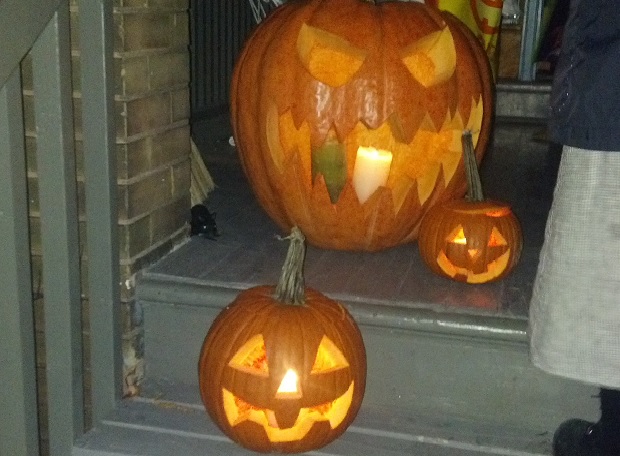

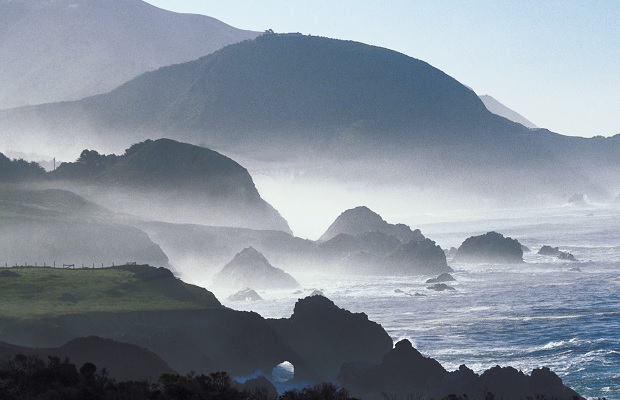


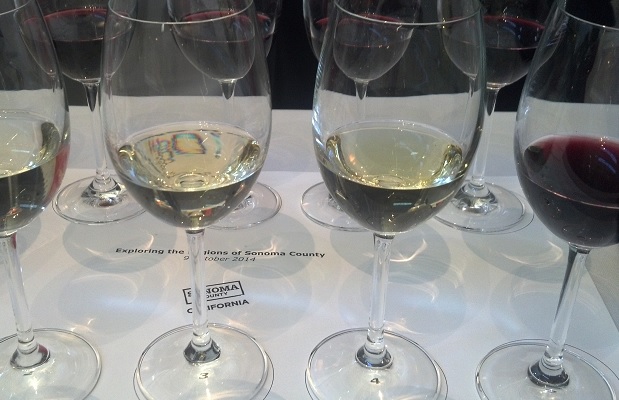

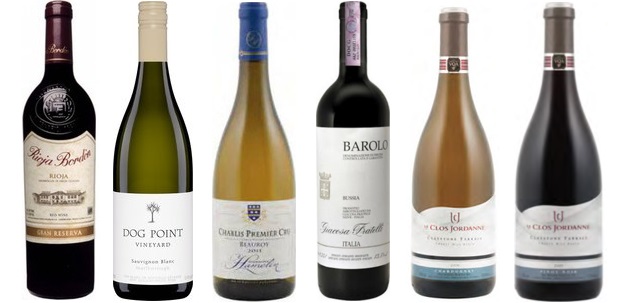
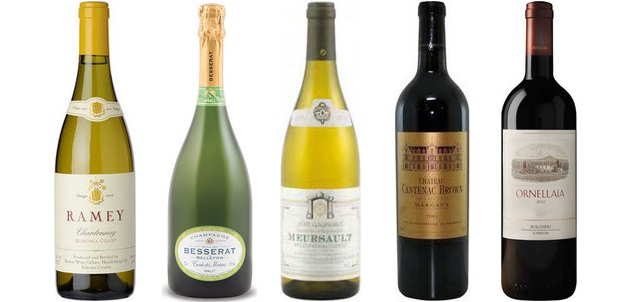
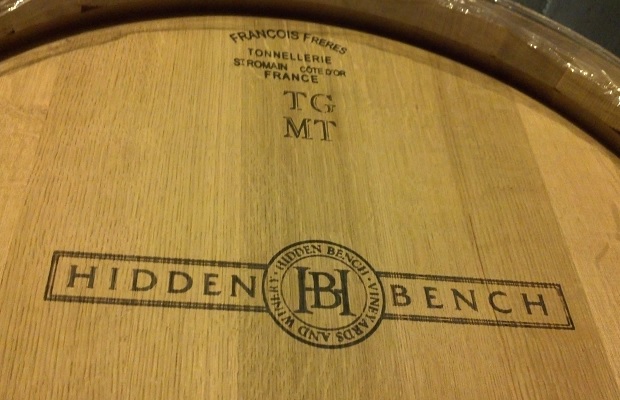
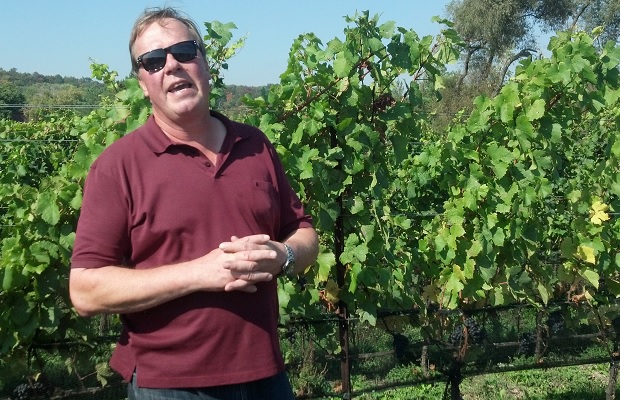
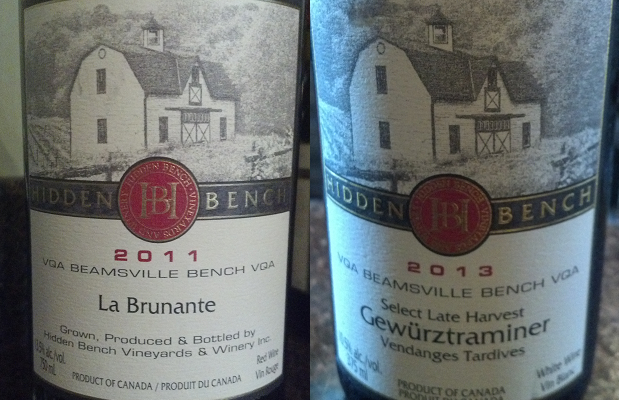

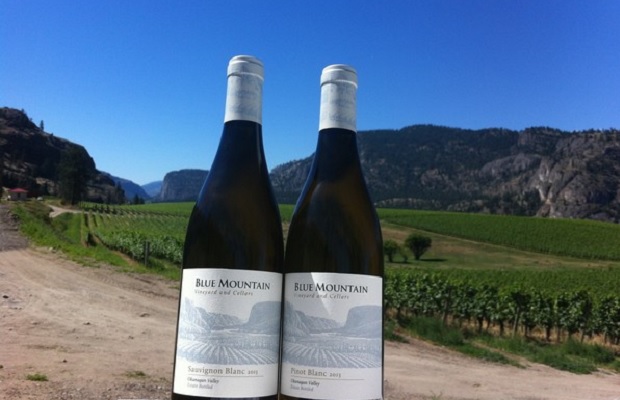
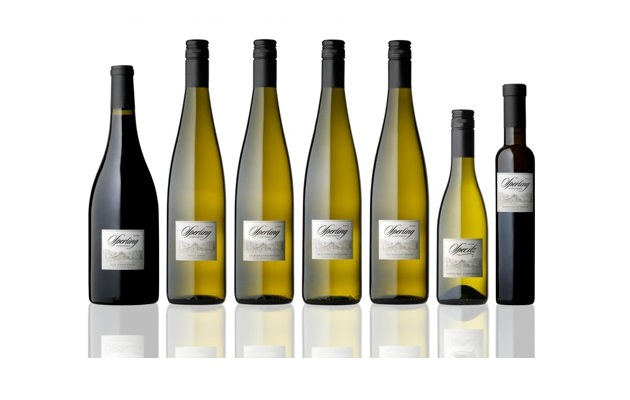
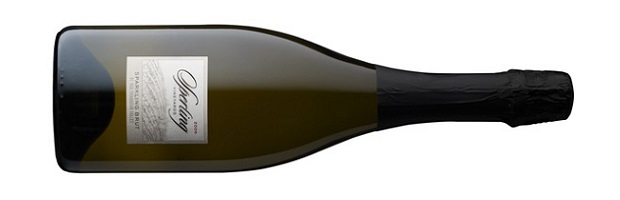

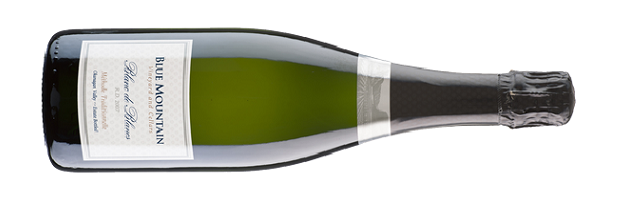
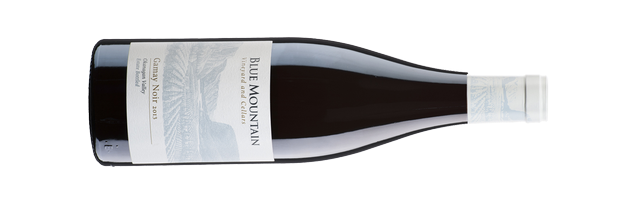
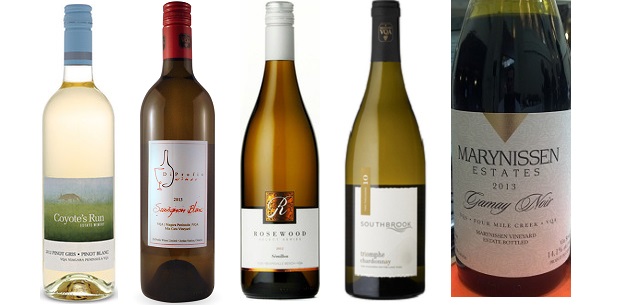

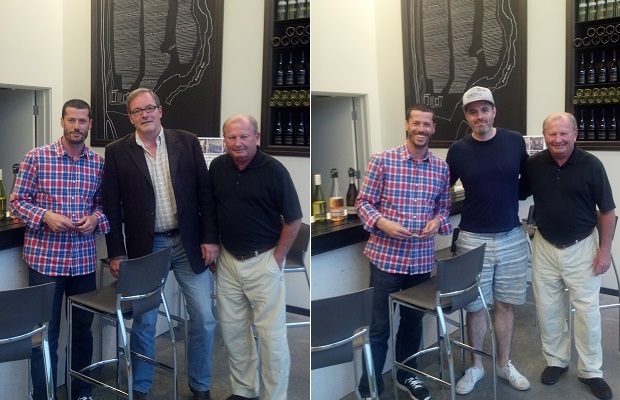

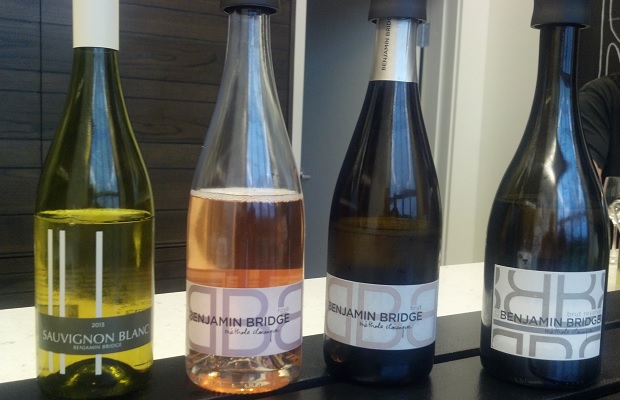
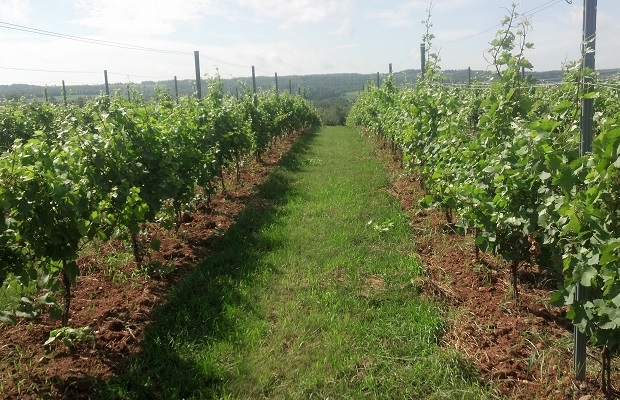
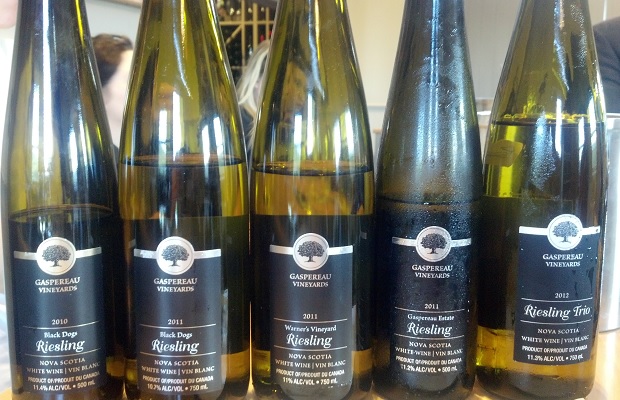
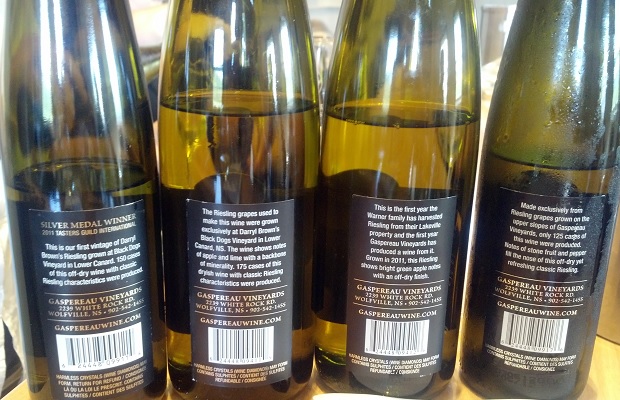
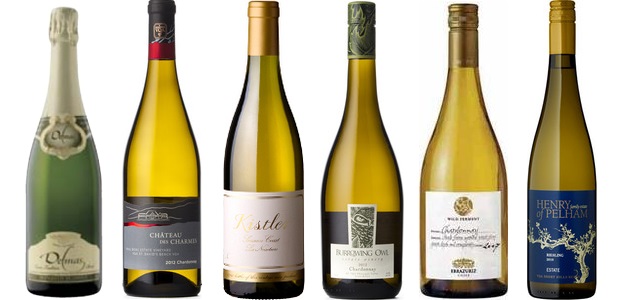
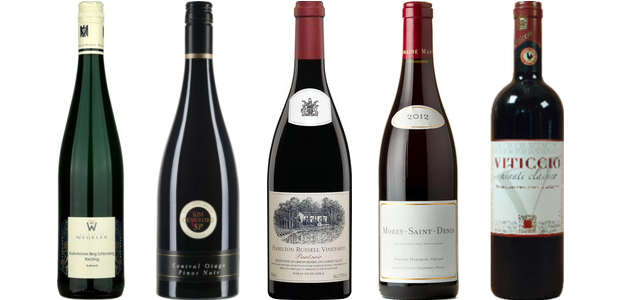
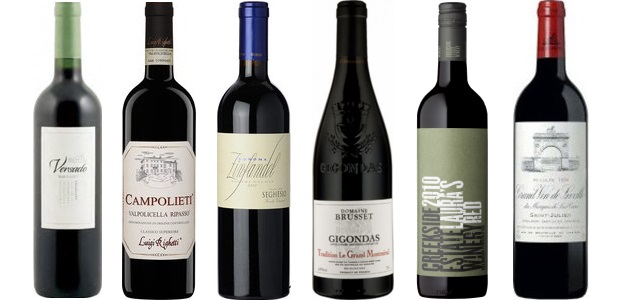




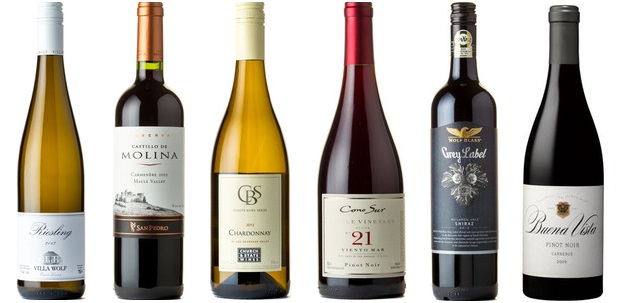

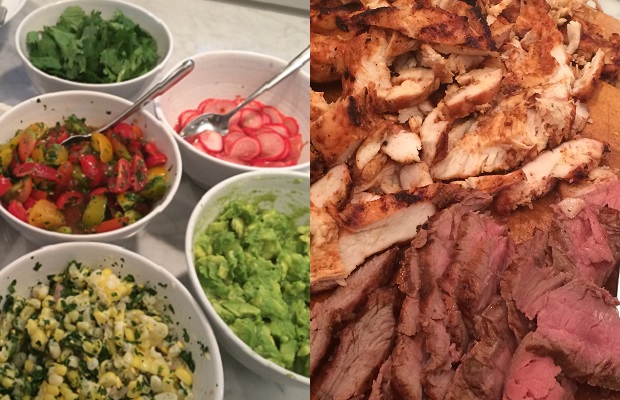
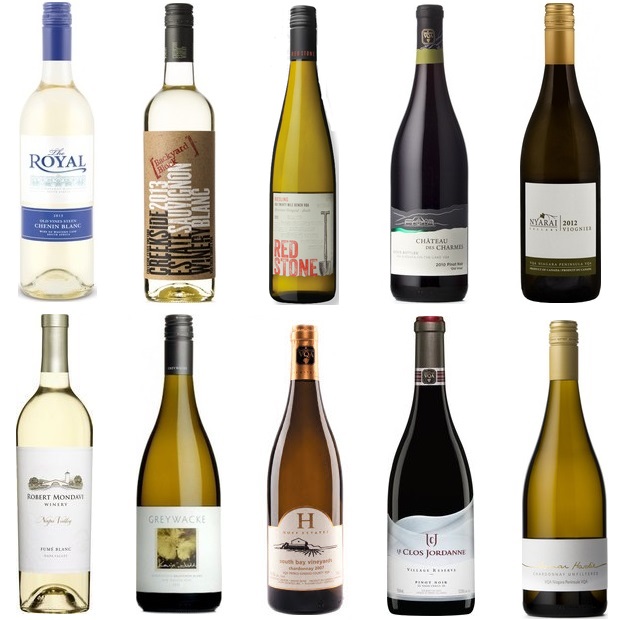
 Godello