A couple of years ago I tasted godello with Telmo Rodríguez at Archive Wine Bar in Toronto. Godello and godello under the tutelage of the micro-craft-small production Spanish wine magnate. Rodríguez combines “travel, evangelism and conceit, qualities the laser-focused, frank and facund winemaker possesses in spades.” Telmo returned to Toronto last Wednesday, this time to Momofuku’s Nikai. Godello (the grape) was not in tow, but Godello (the writer) was privy to taste some of the wildest field blends on the planet not produced by Marcel Deiss.
The place of origin is at the epicentre of Telmo’s recurrent dream, a place “lost in the mists of time.” Remelluri. The family farm to which a prodigal son returns, to restore winemaking traditions and bring back greatness. In Telmo’s world, exceptionality from place does not happen without first preaching a very specific gospel in nothing short of modern evangelical tones. Rodríguez doesn’t think much of corporations, commercialization, factories and cooperatives. He has little patience for large production, low-cost, cookie-cutter Rioja passing for traditional values. He is argumentative towards labelling and time spent in oak definitions. To him the Rioja categories of Crianza and Reserva are frustrating, mis-leading and so stupidly broad. He believes that most regional vintners put the most average juice into barrels, adhere to the criteria for aging and boom, release generic Rioja with no sense of place. Telmo is desperate to right this wrong.
Last time through Rodríguez lamented that “in Canada you have been drinking the worst Riojas, the undrinkable Riojas.” So he makes wines without incessantly resorting to the suffocating slings and arrows of outrageous, appellative fortune; no Crianza, no Reserva, no Gran Reserva. At Remelluri he follows the designations albeit with experimental designs, even if some consider him to be doing so “illegally.” The field blend concept can’t be found anywhere in Rioja’s published guidelines or conceptual literature. That doesn’t seem to stop Telmo from doing his thing. At Remelluri, the vineyard was filled with a field blend, beyond tempranillo, planted to more than 5,000 plants per hectare. Telmo grafted from these plants to resuscitate the vineyard. Caring nothing about shunned (endemic) grape varieties densities considered too high he simply went about doing his radical work.
Rodríguez explains to a group of Toronto writers and sommeliers what it takes to make great wine in Spain. “Lets fight for those places. In Malaga, in Rioja, vineyards from the 7th century. Top vineyards. Amazing places.” He insists that the best wines from Rioja are not from 150 year-old wineries with big production. They are from places like Artadi’s Viña El Pisón, and the Rodríguez Las Beatas vineyard, small, specific and rich in historical significance. His list might also include R. López de Heredia Viña Tondonia’s Viña Cubillo, Viña Bosconia, and Viña Zaconia. Not to mention Tentenublo Wines Las Paredes and Contino’s Viña del Olivo.
Momofuku Nikai’s Fried Chicken
Telmo’s current focus and main goal is changing the hierarchy in Rioja, to re-establish beautiful places at the pinnacle of quality. “The quality of a wine is (derived from) the talent of the vineyard. The place is the talent, not the winemaker.” This is the crux of Telmo Rodríguez. This turns the winemaker-vineyard, artist-canvas concept on its head. There is no canvas. The vineyard as the star makes the winemaker a mere handler, a facilitator, a coach, a manager. The vineyard is the talent.
With thanks to Momofuku’s Beverage Director and Sommelier Steve Sousa and the Noble Estates braintrust of Craig de Blois, Richard Dittmar and too legit to quit Mark Coster, we sat down with four pours by Telmo Rodríguez and a stellar Nikai spread. Here are the notes.
Got me thinking, writing, anticipating #remelluri #telmorodriguez
Telmo Rodríguez returned in 2010 with the desperate urge to be a representative for Remelluri, the family property purchased by his parents in the 1960’s, with a lineage and history dating back to the 16th century. “They spent a good part of their life recuperating this estate,” explains Rodríguez. “It is a place never touched by herbicides or pesticides. How many vineyards in Europe can say that?” Remelluri is not just organic now, it has always been this way. The Blanco is a field blend of nine different varieties grown on poor limestone terraces of calcaire variegated into clay and quartenary sandstone/loam. The high altitude slopes and their cool-climate induction from the northwest are driven to drawing an immediate sense of layering, of sub-strata, strata, ground cover, dirt, vine and air. You can’t help but smell the white flowers and the palpability of dry extract. Picked over a long September to October period, fermented with wild abandon and left to smoulder away in a carnival of casks, the Blanco is an onion and its layers will peel away over a decade or more. An artisan white Rhône sensation warms the glass with the only southern aspect to waft from this wine. The rest is cooly northern and while the sense of origin is at the crux and the core, time will be needed to clarify the memories and to look ahead for future vintages articulated with greater experience. Drink 2016-2022. Tasted September 2016
From here the leap is great before assuming a place in history #remelluri #telmorodriguez
Remuelluri Lindes De Remelluri Viñedos De Labastida 2012, Rioja, Spain (392860, $27.95, WineAlign)
Granja Nuestra Señora de Remelluri is the oldest wine estate from Rioja, adjunct two villages, Labastida Alava and San Vicente de la Sonsierra from Rioja Alta. The significance of place was magnified in 2009 when the harvests were separated from each other and from the rest of the greater estate as a whole. The family lineages of farming and pressing those grapes is now expressed in two single-village, non-estate Lindes, meaning “on the boundaries or surroundings.” Tempranillo, garnacha, graciano and viura combine to tell the story of Labastida in Telmo Rodríguez’ entry-level Remelluri in which we don’t talk about oak. “We talk about place, viticulture, about what is important,” not how much time the wine aged in barrel. Rodríguez prizes these growers’ grapes and they are very proud of this project. A wine (60,000 bottles) that is ready to drink. A density of cure, just the slightest mustiness, a demurred, smoky, opaque mustiness, strawberries, cream and more natural yeasts and grapes than might be imagined getting together and making wine. It’s so very Telmo Rodríguez by mouthfeel so the vineyard is procured a time out in the sensory assessment and the winemaker steps in. But then culture, history and things that used to be creep back in on the gently sloping, ups, down and angled overs arrive at the beautiful finish. The length is not just long but lingering and very fresh. Drink 2016-2019. Tasted September 2016
“My first fight was in Navarra, against cabernet sauvignon,” begins Telmo Rodríguez, el luchador por la libertad, the grape fighter. “My fight today is against trellising.” He continues.” Bush vines, field blends, these things are beautiful. The future of Spain is the past. For me Rioja is the villages, and the (field) blend of grapes. And a culture that has been lost.” And so The Remelluri Reserva, the original Granja Nuestra Señora de Remelluri estate wine has so quickly come to this. The most important fruit from three valleys from an essential Rioja vintage, massive, intense and instructive. All the culture, history and tradition of Telmo’s Rioja is locked tight in this time capsule vault of tempranillo, garnacha, graciano, viura and malvasia. From three valleys, Remelluri , Valdarremelluri and Villaescusa, from Labastida (Rioja Alvesa) and Rivas de Tereso belonging to San Vicente de La Sonsierra (Rioja Alta). These places are so important because of the families who have farmed these vineyards and the villages they are associated with. These lands are the rock stars and Rodríguez brings the Medoc-Bordeaux concept to purpose their Grand Vin potential. This 2010 Reserva is so young it took 20 minutes in the moment and two hours in the present to open the consideration assessment to even begin thinking about what it is. The depth of fruit is currently managed by volatility and tannin. That much is understood. Even acidity took a knee in the present, not in protest but in concession and abstinence. It will take its rightful place when needed, 10 plus years down the road. The fruit is massive, with freshness that will be preserved though it can’t yet speak. Red berries in a coal mine, tart unidentified stone fruits suspended in tree pod syrup animation. More later. Much later. Drink 2020-2032. Tasted September 2016
“What is Rioja?” asks Telmo Rodríguez. He notes that Lopez-Heredia still manages small vineyards, Grand Cru and Premier Cru plots, but most Rioja houses are industrial. Their wines age in barrels in 100-150 year old wineries but have no sense of place, of origins, of an amazing vineyard. “I want to be radical. I believe it (Rioja) can be one of the most beautiful places in the world but I told my brothers it needed to go in a very particular direction. My brothers agreed.” So costs went up 35 per cent. They bought no grapes. “If you want to work properly in Spain, you have to be a hero.” You have to work the most difficult vineyards, where production costs are five times that of Grand Vin Bordeaux but the price sells for 10 times less. And so Telmo Rodríguez produces this Gran Reserva, a wine that adheres to a Rioja systematic but does so from a blind-eye turned, high density field-blend planting of tempranillo, garnacha, graciano, muscatel, viura and malvasia. A field blend, unlike Bordeaux but a local village farmed gathering of the best fruit. The 2009 is showing no age but the difference between 2010 Reserva and 2009 Gran Reserva is night and day. This makes the ’10 seem fresh, alive, open, almost simple. Here the variegation is distilled down to laser focus, as if the varieties all become one and most people would simply say tempranillo, but who has ever tasted and been dealt such a tempranillo? This is oozing of a liqueur like no other, rich, viscous, natural and dry-extract sweet. An expression of the best microclimates and their vineyard kin. Wait another five years to allow it to remember and tell its tale. Drink 2022-2034. Tasted September 2016
There are three times per year when we all disappear into the nether land of family, cottages and getaways, at Christmas, New Years and Labour Day. It’s very easy to miss out on news, world events and VINTAGES releases. The latest VINTAGES release took place over the Labour Day long weekend and I’ve always felt the LCBO should skip this Saturday on the calendar. I’ve been following the release cycle since 2000 and never pay much attention until after the fact. Like now.
While I did taste and review the September 3rd wines in August, I’m only getting around to sharing them with you now because I had better and necessary things to do, like delivering a child to university. This is the one time I don’t consider delivering the VINTAGES news after the fact as being late. Who was paying attention on the weekend anyway? This release goes up to 11 meaning it’s bigger and louder than others. And I’ve made 11 recommendations. Here.
Maycas Del Limarì Sumaq Chardonnay 2014, Limari Valley, Chile (378471, $14.95, WineAlign)
Cool and crisp chardonnay with a big bite out of a tart, green apple and notes from the barrel that are a good distance away from softening their grip. The fruit is not shy and is coddled so that it will stay strong when its time does come. That should be 12-18 months down the road. The spices will still be hanging around at that time. Drink 2017-2021. Tasted August 2016 @Maycasdellimari@DrinkChile
A classic grigio style on the fresh, tart and juicy spectrum but with a dense side note of mineral almost as fig pierced by a hypodermic tang. Pears are up front, fennel bulb behind and citrus everywhere in between. No questions asked for what’s in store and how it will offer broad yet refined appeal. Drink 2016-2018. Tasted August 2016 #peterzemmer@AltoAdigeWines@3050imports
De Wetshof Limestone Hill Unwooded Chardonnay 2015, Wo Robertson, South Africa (419622, $16.95, WineAlign)
No oak but plenty of flavour, vitality, alcohol and spice. Rarely does an unwooded chardonnay achieve such extended parameters but here the breaching is palpable. Sugar has something to do with the achievement, but so does extract, so credit is due. It is the verve of this wine and its utter Robertson-South African character (which is so bloody obvious) that gives it its charm. Drink 2016-2018. Tasted August 2016 @DeWetshofWines@WOSACanada@WOSA_ZA
Montes Alpha Carmenère 2013, Colchagua Valley, Chile (143230, $19.95, WineAlign)
Really smoky, savoury, dense and wildly delicious carménère from Montes in 2013. The fruit is focused and the texture silky with a side of grit. Very persistent in its linger, long after the wine has passed your lips. Drink 2016-2020. Tasted August 2016 @MontesWines@WinesofChile@ProfileWineGrp
Poderi Di Luigi Einaudi Dolcetto Di Dogliani 2013, Doc Piedmont, Italy (232454, $19.95, WineAlign)
If modern and rustic can co-exist they would do so in this dogliani, a wine deeply and religiously traditional but executed with current pressed and exercised values. Black currant, liquorice and Cassis get together in a petite sirah meets cabernet sauvignon thinks 21st century nebbiolo way. Could confuse but instead delights with its bright ability within the darkness of its pitchy fruit. Terrific acidity trumps the microbial volatility. Chocolate fills the finish. Really fun wine for red meats, from the hearth, off the grill and in the pot. Drink 2017-2020. Tasted August 2016 @quotidianopiem@WoodmanWS
Il Molino Di Grace Chianti Classico 2012, Docg Tuscany, Italy (85209, $19.95, WineAlign)
Sangiovese running 100 per cent solo, but from a vintage that surrendered 50 per cent of the crop in the spring to frost. The absence of quantity is quality’s coup for a mere 48,000 bottles of Molino di Grace’s normale. Aging happened in Botti (25 hL) for one year. There is a distinct opposition to the other house stylistics, here fresh and fruit massive meets a beautifully dusty, high quality, straight and taut line. Drink 2016-2020. Tasted May 2016 @Ilmolinodigrace@chianticlassico
Fielding’s consistent take on Cabernet Franc might be labeled as boring in proportion to its lack of ego but it is getting better with each passing vintage. Winemaker Richie Roberts is comfortable with the traditional technique that follows the regimen; de-stem, minimal crush, cold soak, rack, return, pumpover, extended maceration, drain, press and 12 months, full malo-achievement in barrel. Dark berries and moments in chocolate are polite and gratifying. The end game is temperance, modesty and goodness. Fielding’s Cabernet Franc is not one of Ontario fiction in requiem of drama, egotism, vanity and venality. The oak is an accent, not a heavy brush stroke. Acidity defines fruit and in turn that fruit bites ripe and ripping. Drink 2016-2019. Tasted March 2016 @FieldingWinery@RichieWine
Descendientes De J. Palacios Pétalos 2013, Do Bierzo, Spain (446484, $24.95, WineAlign)
Pétalos del Bierzo is the entry-level Corrullón from Alvaro Palacios and nephew Ricardo Perez and it’s typically Mencía deep and juicy, rich in berries, iron and reeking of fresh sandalwood. The palate is richer still, full of plums and good bitter chocolate. Old vineyards in revival for the purpose of making modern wines is the modus operandi and you would be hard-pressed to find comparable or parallel in Bierzo. The oak here is in full control so let it rest two or three years and allow the seamless structure to submit, abide and oblige. Drink 2018-2022. Pétalos del Bierzo is the entry-level Corrullón from Alvaro Palacios and nephew Ricardo Perez and it’s typically Mencía deep and juicy, rich in berries, iron and reeking of fresh sandalwood. The palate is richer still, full of plums and good bitter chocolate. Old vineyards in revival for the purpose of making modern wines is the modus operandi and you would be hard-pressed to find comparable or parallel in Bierzo. The oak here is in full control so let it rest two or three years and allow the seamless structure to submit, abide and oblige. Drink 2018-2022. Tasted August 2016 @WoodmanWS@dobierzo
Masi Brolo Campofiorin Oro 2012, Igt Rosso Del Veronese, Italy (976092, $26.95, WineAlign)
Classic appassimento from Masi in this seminal bottling with a great exude of flowers and the most complex, exotically perfumed sugar syrup nose. The texture is silky and elastic, the acidity proper and the finish long and sweet. Though the chocolate is all pervasive (with a shot of espresso brought late, for good measure), this is highly accomplished, value-added Veronese red wine. The Brolo (walled vineyard, or Clos as per the French) has gifted a great appassimento in 2012. Drink 2016-2022. Tasted August 2016 @MrAmaroneMasi@AuthenticWineON
Akarua Rua Pinot Noir 2015, Central Otago, South Island, New Zealand (295592, $27.95, WineAlign)
Young, bright, vivacious, gregarious and highly flavourful Central Otago for a the price of a duet. The vineyard is 20 years old, perfect for fresh but experienced Bannockburn (sub-region) pinot noir. Ripe red cherries leaning to the darker side and fresh cut cedar two by fours are forest happy and rustic with finely carved edges. The tannins are indeed gentle, slightly caressing and here is a wine for five years of most excellent drinking. Yum. Drink 2016-2020. Tasted August 2016 @AkaruaWine@vonterrabev@nzwine
Scavino’s Azelia is a proud and confident nebbiolo, blessed by a calm demeanour and dressed in the finest leather. Roses are its most coveted and obvious aroma, joined in part by wild cherry and brushed young fennel frond. The balance and the structure are poised, erect and firm. There are 15 years easily ahead for this Azelia, ready in two but potentially closed in the four to six range. Try one now for size and then put the other five away until the next decade. Drink 2021-2029. Tasted August 2016 #Azelia@brixandmortar
Some folks in Ontario know quite a lot about the B.C. wine industry but they are few and far between. Wine professionals with decades of experience and those who have travelled extensively to the Okanagan Valley and Vancouver Island have their fingers pointed in the right western direction. But most of us living and imbibing here in Ontario are clueless as to the breadth of B.C.’s wine culture. It’s not our fault. Our government is keeping us in the dark.
Ontario still refuses to agree that it should not be illegal to carry or ship wine for personal use across provincial borders. That issue is at the forefront of what keeps Canada’s wine regions isolated from one another. The Canadian Vintners Association (CVA) recently met for their annual AGM in Kelowna, B.C. The CVA is the industry’s governing board that deals with national regulatory issues, standards and policies. The idea of direct to consumer interprovincial shipping was again tabled and discussed with five MP’s from Ontario and B.C. in attendance. WineAlign’s David Lawrason was there.
“The politicians and CVA members were most vocal about getting Canadian wine moving freely and directly across all provincial boundaries in Canada. Alas, there was no breakthrough to announce in terms of more provinces dropping their opposition, but I was surprised by how loud, frequent and public the CVA and its members, as well as the politicians, have become – insisting that action be taken sooner rather than later. There was a mood in the room.” Still Ontario consumers continue to be ignorant about the wines of British Columbia. It remains to be seen if the recent CVA meeting will help constitute a step forward.
Back in June we took the WineAlign National Wine Awards of Canada on the road and hunkered down in Penticton, British Columbia to assess and pick winners from over 1,500 Canadian produced wines. And we did so much more. First we paid a visit with The Wines of British Columbia for the Judgement of B.C. The second annual cage match was hosted by the B.C. Wine Institute and took place on Tuesday, June 21, pitting 12 B.C. Wines against 12 acknowledged global benchmarks. Riesling and Pinot Noir squared off, curated by DJ Kearney and judged by a who’s who of Canadian wine writers, critics and educators, along with international WineAlign Awards judges Dr. Jamie Goode and Elaine Chukan Brown.
Max Ferd. Richter Graacher Himmelreich Riesling Kabinett 2013 from the Mosel Valley, Germany placed first in the Riesling category, followed by two B.C. entries, CedarCreek Platinum Block 3 Riesling 2014 BC VQA,Okanagan Valley, B.C. and Wild Goose Stoney Slope Riesling 2013 BC VQA,Okanagan Falls, B.C. Three international Pinot Noirs medalled, Bouchard Père Premier Cru Beaune Clos de la Mousse Monopole 2012, Burgundy, France, Bachelder Oregon Pinot Noir 2012,Willamette Valley AVA Oregon, USA and Felton Road Bannockburn Pinot Noir 2014, Central Otago, New Zealand. B.C. Pinot Noir took the fourth, fifth, sixth, seventh and (tied for) eighth spots. “What was really interesting when I tasted through those 12 wines blind, I couldn’t pick out the BC Wines which tells me they belong in their peer group which is a ringing endorsement for BC Wine that we’re on the right track,” noted Dr. Jamie Goode.
Faultless evening @OKCrushPad above reproach and the wines beyond #nwac16
As the week progressed, the WineAlign judges paid visits to Okanagan Crush Pad Winery in Summerland, Culmina Family Estate Winery in Oliver, Tantalus Vineyards in Kelowna, Rustic Roots Winery with the Similkameen Wineries Association and Deep Roots Winery on the Naramata Bench. I tasted more than 100 wines over the course of the five days from the appellations of Okanagan Valley, Okanagan Falls, Oliver-Osoyoos, Golden Mile, Similkameen Valley and Naramata Bench. Whatever I thought I knew and understood about wines coming from B.C.’s diverse and variegated landscapes has been tossed out the window and diapason replaced with an entirely renewed subset of thought. It is even clearer to me now, from an Ontario perspective with limited access to B.C. wines and an even smaller vocabulary that here in this province we really don’t know shit about B.C. wines.
Exceptional eats @CulminaWinery in adroit by @Quintoquorto and @hooydonk_van
In talking and reflecting recently with Elaine Brown she told me how “Canada’s Provincial restrictions around wine have created what are essentially isolated sovereignties of wine. There is a lot of good wine made throughout Canada but speaking with wine lovers across the country I am impressed with how little access they have to wines from other provinces.” Brown hits the proverbial screwcap right on the head. In a country where distance makes community so difficult, the only way to seek unity is to tear down trade barriers and that is something our provincial government has outright refused to docket. As a result, the consumer in Ontario has little access to the diversity that the B.C. wine industry has to offer.
So much @WineBCdotcom amour in the @tantaluswine cellar last night #nwac16
One of the great B.C. revelations on the June trip was all about riesling. In his recent WineAlign column, Rhys Pender wrote the following. “It feels to me that the last few years have seen a really strong focus towards quality in BC. Not that good wines weren’t made, but most of the riesling seemed to be aimed at being a low price, broad crowd pleaser. More and more wines are a little pricier but a lot more intense and quality focused. This was evident in the recent judging of the National Wine Awards of Canada. To be honest, Ontario riesling has pretty much always been superior to BC in these competitions and while there were still many great Ontario wines, this year things were different and many of the best rieslings I personally tasted in my flights were from BC. Less simple, fruity wines and more serious, intense and concentrated examples. Seven of the top ten riesling overall were from BC this year including the Gray Monk 2013 Riesling which won a Platinum medal. An impressive showing.”
Another adumbrate scoop came outlined in out-of-the-box white varietals, with very interesting results by albariño, grüner veltliner, muscat ottonel and trebbiano. The same quality of wines made from these grape varieties can’t be found in Ontario, nor can the success of red blends from the Similkameen Valley and from single varietal reds in the Okanagan Valley as a whole. When B.C. winemakers begin to dial back the oak and take full advantage of ripe, fresh fruit, the world won’t know what hit them. In his National Wine Awards of Canada report, David Lawrason noted that “two B.C. wineries, Moon Cursor and Stag’s Hollow, are worth watching for their medal winning experiments with grapes like tempranillo, grenache and petit verdot.” Another nod to experimentation.
I liken the Okanagan to South Africa, a varietal playground where just about anything can achieve phenolic ripeness in almost any given vintage. B.C. has one distinct advantage and that is a cooler climate. It should be exploited to the fullest, in the name of balance and quality. Though I tasted many more, in the name of 5,000 words or (slightly more) brevity, here are notes on 40 wines tasted and reviewed in June.
Bartier Bros. Cabernet Franc Cerqueira Vineyard 2013, Okanagan Valley, British Columbia (Winery, $30.00, WineAlign)
A rich, savoury mess of red fruits comes clean if surreptitiously divided by barrel on the nose on this gently intended cabernet franc from the gentle Cerqueira slope. More than a modicum of concentration of dusty raspberry and some new leather jacket. Silky smooth mouthfeel and the condensed tangy extraction really pops up on the finish. Another crunchy, chewy, smoky, serious cabernet franc turning bitter and tough with alcohol and bramble on the finish. More freshness would be ideal so let it rest for two years instead. Drink 2018-2022. Tasted June 2016 @bartierbros
Bench 1775 Semillon 2015, BC VQA Okanagan Valley, British Columbia (Winery, $19.90, WineAlign)
A virtually bone-dry, stainless steel raised semillon that is quintessentially fresh and varietally correct though even more attentive to the Okanagan Valley. There is an abundance of fruit in the green mango/citrus realm and a je ne sais quoi spirit. All in all quite amenable and no reason to seek a future dripping with honey. The sense of anti-austerity, fruit over mineral reaction means drink it young. Drink 2016-2019. Tasted June 2016 @bench1775
Black Hills Viognier 2014, BC VQA, British Columbia (Winery, $25.00, WineAlign)
A very impressive viognier from a mother nature conspired vintage to make it shine. This is so very viognier as much as it is B.C. which is a great thing. White floral, viscous and split between honey suckle and white pepper-edged, green apple bite. Against all odds in a way and certainly a top example for the region. Drink 2016-2019. Tasted June 2016 @BlackHillsWine
Black Hills Nota Bene 2014, BC VQA, British Columbia (Winery, $52.09, WineAlign)
This Nota Bene can be espied as of the Okanagan Valley’s most ambitious reds filled with good notes, in winemaking conditioned real tones, as opposed to pure, simple acoustic ones. The Black Sage Bench blend of cabernet sauvignon (52 per cent), merlot (33) and cabernet franc (15) is pulled from two vineyards, Double Black and Sharp Rock. The proprietary junction is criss-crossed where rich chocolate takes up address at a certain genre of Napa ideology. Black Hills’ premium wine is big and full of brawn, backbone and guts. The three real tones played together express pronounced dissonances between many of their harmonics. Dissonance is related to (barrel developed) spice so I would think that a minimum of five years will be needed to connect and make seamless the overlapping harmonics. Drink 2019-2025. Tasted June 2016
Bordertown Living Desert Red 2013, Okanagan Valley, British Columbia (Winery, $25.00, WineAlign)
The first vintage of Mohan Gill’s 600 case merlot and cabernet franc blend is one of the more curious and engaging Osoyoos reds that is really worth some study. The 18 months spent in all new French wood should ring the alarms but instead it seems a combination of vaguely engaged and greatly spectatorial. Reduction and volatility strike an accord with the wood and the result is a rich, meaty, full on expression from which fruit emerges virtually unscathed. “It’s the first vintage,” shrugs Gill, “what else could I do?” More of the same Mohan. Drink 2017-2020. Tasted June 2016 @BordertownWine
CedarCreek Amphora Wine Project Desert Ridge Meritage 2014, Okanagan Valley, British Columbia (Winery, $60.00, WineAlign)
Winemaker Alexis Moore inherited the (Chianti sourced) clay amphora from former winemaker Daryl Brooker and this (second vintage) meritage is her first kick at the urn. The co-fermented, all natural, don’t even think about peeking and sneaking a taste blend is cabernet sauvignon (54 per cent), cabernet franc (35) and malbec (11). The hallmark desert notes of rich, caky and dusty are necessarily present but it is the preservation of red earth savour that gives this formidable flagon of magic juice its inimitable personality. Mature rows of fruit are to blame and thank for the just desert reward. Transferred to amphora the fruit is preserved in such a way no B.C. reds have ever really seen and the new territory is not so simple for making quick, on the spot judgements. I have thought about this wine for quite some time and the conclusion is positive for two important reasons. Spice and tannin. Together they combine for an infinite finish. Here is the crux of the vessel’s power, to preserve fruit and slowly release its charms within the structure provided. Drink 2018-2024. Tasted June 2016 @CedarCreekWine
CedarCreek Platinum Series “The Last Word” 2013, Okanagan Valley, British Columbia (Winery, $77.99, WineAlign)
The “Last Word” is at the pinnacle of CedarCreek’s Platinum Series, single-vineyard wines and only made in “nature conspired,” exceptional vintages. The biggest and baddest red is a “wine that leaves nothing left to say,” thus the moniker. The blend is cabernet sauvignon (34 per cent), merlot (32), cabernet franc (24) and malbec (10) in true Meritage style. Talk about big reds, talk about the passion. Plan on getting extra hours of REM sleep after a glass, after the punch, the ripest fruit, tempered chocolate, grip and after the heavy hitting acidity. Every crevice is filled in with a jangle of notes and few winemakers can find balance with such a wealth of material. There is simply no way not to make a bold, tannic statement. “Not everyone can carry the weight of the world” but CedarCreek has managed to grin and bear it. Drink 2018-2026. Tasted June 2016
Church & State Coyote Bowl Series Syrah 2013, BC VQA Okanagan Valley, British Columbia (Winery, $35.00, WineAlign)
Reductive, dark, stormy raging and off the charts spicy syrah but there is terrific ripe fruit and cool, cool savour. Edgy but tannic within range. After the violets come sweet purple palate fruit but it’s a feigning sweetness. Long drifts of acidity and tannin but again, like so many Okanagan peers the finish dusts with espresso and not the mocha. The spice lingers well after all else has resolved. Drink 2016-2020. Tasted June 2016 @ChurchStateWine
Clos Du Soleil Estate Reserve Red 2012, Similkameen Valley, British Columbia (Winery, $58.90, WineAlign)
The apropos named winery, the “Vineyard of the Sun,” describes British Columbia-Okanagan-Similkameen so well. That and what can happen when Bordeaux varietals are the recipients of proper sun-worshipping phenolic journeys is the crux to understanding and enjoying such a proper and righteous red. Tasting this Michael Clark characteristic fruit handling facture with Spencer Massie sheds enlightened light on the Clos du Soleil passion project and the red ability of the Similkameen Valley. Taken from the Estate Vineyard on the Upper Bench of the Similkameen Valley, the prettiest and most inviting nose pops up here, led by cabernet sauvignon and in usage of all five Bordeaux varietals. The best red fruit, the hint of mineral and sage, the aridity of the land, the restraint from wood. It’s all correct and truth be told. Solid red blend. Drink 2016-2022. Tasted June 2016 @ClosduSoleil@spencemassie
Corcelettes Menhir 2014, Similkameen Valley, British Columbia (Winery, $31.90, WineAlign)
It’s hard not be endeared into the red blend culture of the Similkemeen Valley and the variegation various positions occupy on the slopes of its benches. This ode in OZ style of cabernet Sauvignon (62 per cent) and syrah (38) is pulled from vines set on the rocky soils of the Corcelletes Middle Bench Vineyard. Though the herbal, savoury, currant and tobacco laced cabernet should dominate it does not with witness thanks to a more than peppery edge and black fruit ooze of the syrah. Only the Similkameen can bring such shared duality and find common ground like this in the overall B.C. genre. Like Beamsville in Ontario and with grace in wood usage, here the two varieties co-exist with copacetic simpatico. The ancient monolith believed to date back 2741-2488 BC on the Baessler family farm off the shores of Lac de Neuchatel, Switzerland gives this blend its name. This wine is no monolith, nor does it strike as ancient or antediluvian, but it does stand out as singular for the Similkameen and for B.C. Drink 2016-2021. Tasted June 2016 @corcelettes
Culmina Dilemma 2014, VQA Okanagan Valley, British Columbia (Winery, $35.65, WineAlign)
The road taken for this chardonnay should have led to rich, buttery and fat because the approach mimics a throwback west coast style. Alcohol, pH, new barrel usage are all generous but so is acidity. So this could have emerged huge but it’s impossibly restrained. The cool-climate metal factor sings with austerity and the gemstone crunch folds with richness. The Margaret’s Bench land speaks and gives so all tolled Culmina’s signature chardonnay is a study in heutagogical learning because it teaches knowledge sharing. This is chardonnay and in many ways, this is Burgundy. Chances taken have landed reward, if a bit unexpected, but certainly appreciated. Drink 2016-2019. Tasted June 2016 @CulminaWinery@CulminaSara
Culmina Merlot 2013, VQA Okanagan Valley, British Columbia (Winery, $31.00, WineAlign)
Red over green merlot to substantiate a vintage called better on the Golden Mile (Arise) Bench. Here is bone-dry, full malolactic, high acidity merlot, so very vacuous, inward, implosive and wild. The wood blankets with purpose in lieu of reckless abandon and because the fruit is just ripe enough to defend itself the return is an effusive one. Would love to taste this merlot in a best vintage with 20-25 per cent less new oak and a number close to this healthy 6.4 g/L of acidity. Now we’re talking, in tones red over green. Drink 2017-2021. Tasted June 2016
Culmina Unicus 2014, VQA Okanagan Valley, British Columbia (Winery, $31.05, WineAlign)
B.C. is a playground for experimentation, a place not unlike South Africa where phenolic ripeness is almost always accomplished yet it has a distinct advantage. Cooler sites and the availability, if embraced, of equally ripe acidity. So grüner veltliner, along with trebbiano, muscat ottonel, auxerrois, sylvaner and others should be investigated. Culmina’s work with grüner is fought properly, in a combination of concrete amphora, egg and steel, allowing varietal to share equal ground with terroir. A sense of some white-ish rhubarb here is noted in the most complimentary vegetal sense, along with white flowers and a dash or two of white pepper. This is a gustatory and gastronomic grüner with intensity and vitality that good slope Marlborough sauvignon blanc will similarly give. The difference here is the absence of searing citrus which is a good thing, all things considered. Drink 2016-2018. Tasted June 2016
Deep Roots Syrah 2014, Naramata, British Columbia (Winery, $34.00, WineAlign)
Tasted twice, first blind at #NWAC16 and then at the winery, this is syrah with a dual northern intent, more Naramata than Rhone though the bent is a soulful repent in the church of St. Joseph. Beautifully savoury and smoky, like a big meat and smoulder sandwich with great fruit and a silken texture. The peppery bite is a sure tell sign of well-made syrah. Drink 2016-2020. Tasted June 2016 @DeepRootsWine
Gehringer Auxerrois 2015, BC VQA Okanagan Valley, British Columbia (Winery, $13.29, WineAlign)
Despite the off-dry (11 g/L RS) directive because that is what auxerrois always wants to do and though the vintage brings much warmth, this persists as a delicate and fresh wine. Auxerrois as a grape variety is set in an imprecise past, shaded by myth, carried forward and planted decades ago in B.C. These old vines could tell stories but today its fruit expresses itself simply, with richness and with plenitude. I wouldn’t tie a cellophane bag around one and leave it in the cellar to revisit in 30 years. I’d rather hook some trout, pan roast it and work in some acidity. The auxerrois will compliment such a move just fine. Drink 2016-2018. Tasted June 2016 @GB_Wines
Haywire Chardonnay Canyonview Vineyard 2013, BC VQA Okanagan Valley, British Columbia (Winery, $22.90, WineAlign)
From the Summerland vineyard, raised in concrete and emerged with a semi-unoaked feel. There is a certain sort of sweet condense as if a tank and a barrel had merged. Clearly managed in the slow, micro-oxygenated way, with notes of curd, cream and whey. A chardonnay smoothie with many beneficial enzymes running wild, the yeasts working and munching away. Still retains a cool-climate feel regardless of the vat influence with top notch acidity and tannin to lengthen the chain. Drink 2016-2019. Tasted June 2016 @Haywirewine@OKCrushPad@brixandmortar
Haywire Pinot Noir 2014, BC VQA Okanagan Valley, British Columbia (Winery, $27.00, WineAlign)
From the steep limestone and granite Waters & Banks Vineyard, this is a limber, lissome and rusty pinot noir, gently pressed, caressed and left to find its own singular way. Reminds me of the salinity graced Willamette Valley, set upright and alert on the bright side of life. Their is a musky lime aroma and a lithe tartness that belies its mineral gifting. Well done. Don’t envision this losing its charm any time soon. Drink 2016-2020. Tasted June 2016
Hester Creek Trebbiano Old Vines Block 16 2015, BC VQA Okanagan Valley, British Columbia (Winery, $22.95, WineAlign)
From vines planted in 1968 which in itself is a wild and mind-blowing proposition. Trebbiano has well-adapted to the Okanagan Valley, or at least these two acres have and only fools would not try to get their hands on one of the 1100 cases produced. No it’s not Emidio Pepe nor is it your nonno’s trebbiano but it is a singular expression for B.C. Terrific acidity layers over rich and viscous stone-orchard fruit. Something creamy evolves, not like similar styled Okanagan viognier but in another realm. It’s a derivative sensation, like the way children look like their mothers, so the connection to Abruzzo is really there. This is a special proprietary moment and good on Hester Creek for brokering the proviso. I will agree to abide. Drink 2016-2020. Tasted June 2016 @HesterCreek
Hillside Muscat Ottonel 2015, BC VQA Okanagan Valley, British Columbia (Winery, $24.99, WineAlign)
Floral, as expected, but in contrast to the globally spoken style, this does orange blossom and mineral mining with equal and opposing ease. Acidity rings round, not overtly meaningful but nonetheless wild. From 30-plus year-old vines (circa 1982), to not find fun, joy and pleasure would be to miss every pertinent point. Hillside presents a provincial comic flick of a muscat phrase and does so with lighthearted resourcefulness and ingenuity. Drink 2016-2018. Tasted June 2016 @hillsidewines
La Stella Fortissimo 2014, BC VQA Okanagan Valley, British Columbia (Winery, $35.00, WineAlign)
In 2014 Fortissimo is mostly merlot with sangiovese playing a vital role along with a splash of cabernet sauvignon. This is found to be softer, more amenable and structured with bungalow sprawl. Bright, maximum juiced red berry fruit resemblance is anti-savoury, friendly, and ready to roll but still with some smoky spice. The 21 per cent sangiovese is significant (up seven points from 2013) so the Classico factor runs high. This is the alternative world case of Fortissimo where in some years you make Chianti Classico and in others, Gran Selezione. Though she may not consider 2014 to be her most accomplished Fortissimo, winemaker Severine Pinte will have to accept that she has procured a very elegant red blend. A Classico. Drink 2016-2020. Tasted June 2016 @LaStellaWinery
Laughing Stock Portfolio 2007, Naramata Bench, British Columbia (Winery, $52.95, WineAlign)
Poured from Magnum the LSV ’07 has resolved from cool vintage and micro-oxidation into cool-climate meets right bank stylistic personality. Soy, Chinese five-spice, cassia, balsamic, fig and a caramelization that lists to part vegetal and part demerara sugar. The palate is expressly vital still, carrying a torch that for a cabernet-merlot Okanagan blend is fun to reason with. Magnum is obviously a major plus for this nine-year advancement. Sweet with no noticeable heat finish. Drink 2016-2018. Tasted June 2016 @lfngwine
Maverick Syrah 2013, BC VQA Okanagan Valley, British Columbia (Winery, $35.00, WineAlign)
Winemaker Bertus Albertyn bottled a meagre 200 cases of this Golden Mile Bench sourced syrah after 18 months in three to four year-old French Oak. If you are a fan of fresh, well-spoken, confident and blessedly transparent syrah then look for the next vintage of this sold out beauty. So gauzy gossamer textured, peppery but of scant bite and driven by a northern, smoky beat. The cure and depth in its make-up nearly adds up to beefy but its form of athleticism is built upon the quiet politesse of its maker’s execution. The comparison must be made to septentrional Rhône and the lack of new oak is so appreciated. This is a wine to watch for. Drink 2016-2020. Tasted June 2016 @MaverickWinery
Moraine Gewürztraminer 2015, Okanagan Valley, British Columbia (Winery, $17.90, WineAlign)
Classic Okanagan Valley gewürztraminer with a touch of mute reserve relative to more forward peers. The aromatics pause at traditional exoticism then veer to pear and apricot. The palate concentrates the off-dry varietal tendency with a furthered spin out of the seed orchard and into the pit. Not necessarily a gewürztraminer with extended play acidity but highly pleasurable nonetheless. Drink 2016-2018. Tasted June 2016 @MoraineWinery
Moraine Riesling 2015, Okanagan Valley, British Columbia (Winery, $19.90, WineAlign)
Slightly airy and hyper-opiated riesling up to here, of burgeoning talent, suggesting what is yet to come from Moraine with respect to the great varietal Okanagan potential. On the off-dry scale this falls somewhere in the middle, going at it with heavy Mosel fuel. Quite intense with acidity to match. Hip riesling, “addicted to approval, addicted to the air. It was see if you like it or see you up there.” Drink 2016-2020. Tasted June 2016
Moraine Pinot Noir 2013, Okanagan Valley, British Columbia (Winery, $25.95, WineAlign)
Moraine’s Okanagan Falls pinot noir is lambent with great rust and conversely vapid in desert dust. The entire red fruit spectrum is seemingly sung and stung with range and breadth; cranberry-cherry-pomegranate-strawberry-raspberry, from tart all the way to sweet. Taut, tight and bracing. This will work with pairing pride for short to mid-term enjoyment. Drink 2016-2020. Tasted June 2016
Quails’ Gate Chenin Blanc 2015, BC VQA Okanagan Valley (Winery, $18.95, WineAlign)
The fruit hails from both Quails’ Gate Estate and Osoyoos vineyards. Tasted just three months after bottling, the sweet (whole bunch pressed) serenity of chenin blanc has already settled in with equal and opposing acidity in tact. An angle of bitters works the lush fruit (thickened by a small percentage of older wood) and weaves the two as one in this eager and enthusiastic young (albeit early sulphur persistent) white. A splash or two of sauvignon blanc helps in the ushering. Drink 2016-2020. Tasted June 2016 @Quails_Gate@@hobbsandco
Quails’ Gate Connemara 2014, BC VQA Okanagan Valley (Winery, $64.00, WineAlign)
The inaugural vintage and first ever Quails’ Gate Bordeaux-style blend is winemaker Nikki Callaway’s ode to her stage/cellar hand/winemaking time spent in Bordeaux. The cumulative of merlot (55 per cent), cabernet sauvignon (30) and cabernet franc (15) is formidable in its perplexing youth, taut, rigid and so very tannic. The minor’s current approach is virtually unapproachable but look for something to grab for, like perfectly ripe fruit or structure. The beatitude is easily found in these two essential components. You’ll then think “if you were another pretender, oh I’d pass you by,” but in the case of the Connemara, put in the effort and the time. The reward will come later. Drink 2018-2028. Tasted August 2016
Quails’ Gate The Boswell Syrah 2014, Okanagan Valley, British Columbia (Winery, $61.05, WineAlign)
Named in ode to grandparents, The Boswell is a deep, brooding and extreme-bodied syrah that is actually quite floral. Smoky, meaty, chewy fruit mixes with tar and roses in a heightened, variegated state. Rich and piqued by peppery spice and then the chocolate warmth settles in on the finish. Sip again and note that every pass circles back to the beginning. Though it nods to the northern Rhône and wells up like Barossa, you can’t take the Okanagan out of the Boswell. It wins every time. Would prefer to see this again in three years. Drink 2019-2025. Tasted June 2016
Stoneboat Vineyards Pinot Noir 2013, VQA Okanagan Valley, British Columbia (429332, $29.95, WineAlign)
I tasted this blind at #NWAC16 and with Larry Martiniuk that same week and both times was struck by the electric pinosity, density and beneficial volatility. The pre-integration period is apparent so I’d hazard a guess that 18 months more are needed to assimilate the 18 months spent in (20 per cent new) French oak. To whiff it’s like peat moss mixed with a cassia-cassis cocktail. Black cherry sweetish on the palate and quite spicy. This neon pinot is quite volatile and yet closed, but it carries a downy pilosity texture. Very west coast. Though I return to thinking it out of whack, still feeling the alcohol and wondering why it has to be so loud, the texture and the complexity always bring me back. The raindrops are alive. Drink 2018-2022. Tasted June 2016 @stoneboat@Noble_Estates
Synchromesh Riesling Storm Haven Vineyard 2015, BC VQA Okanagan Valley, British Columbia (Winery, $31.90, WineAlign)
If this riesling is sweet I couldn’t say. That is the first thought that comes to mind. From Alan Dickinson’s home property, this is his baby, an Okanagan Falls derived riesling that lives an entirely holistic existence. No spraying, none, nada, niente. Not ever. The wine could not get any cleaner. Purity is its cognomen. The vineyard is subject to the highest diurnal temperature swing than just about anywhere in the valley. That might explain the risk-reward probability factor. The technical specs are a triumvirate of implausibility; 46 g/L RS, 11.5 g/L TA and pH below three. What? This is the most impossible wine made in B.C. In its concentrated velocity it wheezes like something ancient. We could almost be drinking Greek debina or 20 year-old Alsatian auxerrois. Dickinson makes three passes over each of the two blocks so even if the hands are off, the meticulous picking breeds asepsis. Citrus such as found in the Storm Haven fruit does not happen very often, if rarely. It’s like citrus soma. Citrus unknowable out of determination unthinkable. Direct misunderstanding by indirect whimsy. And so the vintage offers good fun but not greatness. Imagine the possibilities. Drink 2018-2027. Tasted June 2015 @SynchromeshWine
Synchromesh Riesling For Shadows Vineyard 2015, BC VQA Naramata Bench , British Columbia (Winery, $23.00, WineAlign)
Like its brethren Storm Haven Vineyard, this Synchromesh draws blood from stone in holistic ways that few Canadian riesling seem to do. The Four Shadows is different in that it chooses wisdom over risk. A clear, clean and precise nose reveals lemon drop and a honey drip. Though the sugar is more noticeable than the SHV, the older world (Germanic) impression is filled with a sense of tradition. The vineyard is in fact of very high elevation on an extremely steep slope (think Mosel) of gravel and clay layered over fractured bedrock and granite. The sugar is also elevated (50.93 g/L) and the acidity lower (8.4 g/L) so what you get may seem to lower the impossibility factor. Don’t be fooled into thinking this a riesling of privilege and lassitude. It does not drip with sleep but rather rages with life. The stones seem to speak. And the riesling listens. Drink 2016-2022. Like its brethren Storm Haven Vineyard, this Synchromesh draws blood from stone in holistic ways that few Canadian riesling seem to do. The Four Shadows is different in that it chooses wisdom over risk. A clear, clean and precise nose reveals lemon drop and a honey drip. Though the sugar is more noticeable than the SHV, the older world (Germanic) impression is filled with a sense of tradition. The vineyard is in fact of very high elevation on an extremely steep slope (think Mosel) of gravel and clay layered over fractured bedrock and granite. The sugar is also elevated (50.93 g/L) and the acidity lower (8.4 g/L) so what you get may seem to lower the impossibility factor. Don’t be fooled into thinking this a riesling of privilege and lassitude. It does not drip with sleep but rather rages with life. The stones seem to speak. And the riesling listens. Drink 2016-2022. Tasted June 2016.Tasted June 2016
Tantalus Blanc De Noir 2013, Okanagan Valley, British Columbia (Winery, $31.90, WineAlign)
Winemaker David Paterson “squeezes it like Champagne” and lets it rest for six months in chardonnay barrels. Two years of triage and boom! Freaking elegant Blanc de Noir. Rusty, rosy, the absolute spot on ripe vernacular spoken, the right tart exposed. It’s curious and foreshadowed thinking to know that 100 cases have been set aside for a five to seven year disgorgement. D’ya think Paterson is high on the vintage? Tasted June 2016 @tantaluswine
A single block of Clone 93 pinot noir planted in 1985 is responsible for this breath of fresh Okanagan Valley Blanc de Noir. Fashioned with the omnipresent Tantalus acidity, this rages out with aridity, salinity and palpable tension. Only pinot noir can act like this, with layers of sous bois and fraises du bois. The age of the vines, the early-picked necessity and the allowance for needful and natural expression has resulted in a wine simply stressed as terroir and boîte. Carries the acidity and the tension across and through the palate. Finishes as dry as it started. Drink 2016-2020. Tasted April 2016
Tantalus Pinot Noir 2013, Okanagan Valley, British Columbia (Winery, $29.90, WineAlign)
The vintage was not shy to gift dark, optimum-achievement in phenolic fruit and along with that ripeness comes even deeper tonal intent. Red hyperbole is elevated by striking acidity, setting this Pinot Noir up for really high expectations. The palate does not disappoint. Flavours range from black cherry to charred meat making for a highly gustatory experience. Chewy and enjoyable describes the time spent with this wine. It will offer great pleasure in the short term. Drink 2016-2018. Tasted April and June 2016
Tantalus Riesling 2015, Okanagan Valley, British Columbia (Winery, $23.00, WineAlign)
Two months later things have changed and yet not at all. There are more tricks and inducements (as compared to 2010) but don’t be fooled because with a difficult (sweltering) vintage the wine makes you think you can get close. But you can’t. You are further away than you think mostly due to incredible citrus and wild rhythms swimming through raging riesling waters. Change of plans. Drink 2018-2024. Tasted June 2016
Well with the arena of aridity, salinity and sheer marketability, here is a showy Tantalus with super searing lemon flavours emerging out of great atmosphere and aromatic intensity. Some Riesling taketh away and some are mouth watering, like this. The stone fruit goodness attacks and sticks to the tongue like sap, then glides effortlessly down. Tantalus might make me think of things that are out of reach, “standing in water, but dying of thirst, this is my thanks and this is my curse.” Yet this early to market 2015 Riesling offers an antithetical view, ready, willing and able to please. Drink 2016-2019. Tasted April 2016
Tantalus Riesling 2010, Okanagan Valley, British Columbia (Winery, $22.90, WineAlign)
I’m thinking that no other B.C. riesling tries, trips and tricks with intense tribulation like the Tantalus, especially with a look back at this 2010 ripper. Though just now emerging from out of its saline crusted shell, the liquid stone injection will always render this a tantalizing wine so while it seems to open a door a part of it will always remain just out of reach. This 2010 can retrospectively be looked at as a genre defining riesling at the hands of an engaging young winemaker to be. Tasted June 2016
Tinhorn Creek Oldfield Series 2bench Red 2012, BC VQA Okanagan Valley, British Columbia (Winery, $29.99, WineAlign)
Naturally south Okanagan crunchy, chewy, spicy and taut red blend. From two benches, the Golden Mile (Tinhorn Creek Vineyard) and the Black Sage Bench (Diamondback Vineyard). This is quite a ripper in that magical $30 middle ground with power to impress as much as many peers two times the price. That said it certainly retains its tangy, two-step, red fruit freshness, with cool savour, like two mints in one. Kind of reminds me of Coonawarra, especially the Penfolds Bin 169, so perhaps when brought together there is a Bench similarity with the Terra Rosso soil. Or perhaps just a stab at clouds. Either way this 2012 takes over from the vital 2011 and runs with the baton. Drink 2016-2021. Tasted June 2016 @TinhornCreek@Andrew_Tinhorn@SandraOldfield
Upper Bench Zweigelt 2014, BC VQA Okanagan Valley, British Columbia (Winery, $25.00, WineAlign)
I’ve not had the opportunity to taste the go between 2013 but progression and evolution are found in the bright red fruit of this 2014 zweigelt from Upper Bench. The aromatics travel east and west, as if coast to coast and on a global trek. I get the foraged berries, baking scents and the felled evergreen mixed with fresh cocoa. I also sense garrigue, as well as jasmine in the early evening. Though the sugar is elevated (an insignificant 0.6 g/L up to 2.9) the wine was picked at lower brix (23.5 as opposed to 24.2) and so the acidity is given the chance to feign higher. The alcohol is hefty (14.4 per cent) but the overall balance is improved. Dialled back a bit but another notch or two would really do justice to the grape. Early consumption is still the order and fresher remains the promise. We’ll see what the warm 2015 vintage will bring. Drink 2016-2018. Tasted June 2016 @upperbench
Wild Goose Pinot Blanc Mystic River 2015, Okanagan Valley, British Columbia (Winery, $19.00, WineAlign)
A few clicks north of Oliver comes this maximum juice master of a pinot blanc, like a tart gooseberry cake with a warm, yeasty crust. It’s like autolytic sparkling wine without the bubble, foiled by a sauvignon blanc faux botrytis thing going on. The acidity is well suited to match the exuberant fruit. Roland Kruger points a finger to the vineyard (right along the south Okanagan River) to explain the aromatics. The addendum of 20 per cent barrel fermentation is the key that turns the textural screws. As far as pinot blanc goes, “it’s open mike, punk rock, (it’s natural), red, white and blue.” This Wild Goose. Drink 2016-2019. Tasted June 2016 @wildgoosewines
Wild Goose Gewürztraminer Mystic River 2015, Okanagan Valley, British Columbia (Winery, $19.00, WineAlign)
Wild Goose is proving to be a gewürztraminer leader in the Okanagan Valley not just for its adherence to rose petal and lychee varietal correctness but also for aromatic elegance. Terrific texture marks the ’15’s territory (a trademark of Wild Goose whites) and here you get drying wax still pliable and malleable. The aura is distinct and the wine so very amenable. Really well made Mystic River output. Drink 2016-2020. Tasted June 2016
Good night and many thanks @tantaluswine #kelowna #nwac16
It’s that time of summer when transitions begin to set in, in paradoxical slow surges and breezes, sonic wallows and fond, rueful, ironic gaps. It also brings the unofficial last one of the season (gasp), the upcoming VINTAGES August 20th release. The limits of probability, possibility and potentiality are great, delineated and distilled to 17 wines tasted, reviewed and laid out right here.
The barrel need not be employed to gain success for chardonnay from the excellent Niagara 2013 vintage. Calamus has done right by the no-wood approach, allowing the slow-ripened fruit to shine solo and brightly. Steely chardonnay for steamy days. Drink 2016-2017. Tasted August 2016 @calamuswinery
Val De Vid Verdejo 2015, Do Rueda, Spain (452086, $14.95, WineAlign)
Quite a racy Rueda with lemon and lime juiced and cooling the warm stone aspect. Were the acidity a touch more in tune this would really plug in the senses. But it is delicious and worthy of some seafood tapas. Drink 2016-2018. Tasted August 2016 @DORueda@rogcowines
Schloss Schönborn Riesling 2011, Qualitätswein, Rheingau, Germany (653535, $16.95, WineAlign)
Schloss Schönborn’s basic, entry-level, come and get it Qualitätswein is seemingly riesling from out of a designate void and no strings attached. It’s actually highly specified riesling but without label verbiage and from a most excellent vintage. The oscillation runs the gamut from propellant to scintillant, with pumped in air and rising cool temperature behaviour. There is a balanced, posit tug between acidity and sweetness, over the line and back again. The cumulative flavours recall long lasting pastilles, of gin, tonic and agave. Drink 2017-2025. Tasted August 2016 #schlossschonborn@HHDImports_Wine@germanwineca
Stoic and aerified vermentino emanating like semillon or riesling, with a vapour trail and simply terrific mineral feel. You might imagine riesling from calcareous soils or semillon off of dry, arid plains, but this vermentino is striking on its own accord and illuminates as a developing experiment. The next big thing perhaps for geeks and mineral freaks in search of a profound, axiomatic, aromatic experience? More than perhaps and Sardegna beckons. Terrific tonic and beneficial bitters mark the rather lengthy finish. Drink 2016-2020. Tasted August 2016 @WineOfSardinia@vinosardegna
Quinta Nova De Nossa Senhora Do Carmo Colheita Tinto 2011, Doc Douro, Portugal (452748, $19.95, WineAlign)
A blend of four endemic varieties, two from touriga and two by tinto. The label tells us it’s “unoaked.” Brilliant. Such knowledge is power and usually an exclusive bit reserved for whites, especially chardonnay. Why not tell us your red wine spent no time in barrel? This is nothing short of awesome for the consumer. And so we have pure fruit, excellent extraction, very little in the way of masking or shrouding (if any) and a simple, unadulterated experience. Terrific summer red when procured with a chill that will serve and protect your palate and your will. At five years of age it has held up beautifully, a testament to hands off and trustworthy winemaking. Drink 2016-2018. Tasted August 2016 @LeSommelierWine@winesportugalCA
Charmat or otherwise, grapes grown on Lighthall’s beautifully stark, wind-swept and electrifying property destined for sparkling wine does so with profound meaning. This is lit with the finest Ontario spark of vidal, also known as “Ward 5 Brut.” Unparalleled in its treatment to effect continuum, Progression is possessive of real intent and fine-grained precision. It’s simply meant to be. Their are notes of green apple and grapefruit, sweetness from extract, wild and wooly texture. This and fresh summer basil pesto would work every time. Just imagine the possibilities when Glenn Symons adds further lees and traditional method applications to his sparkling fruit. Just you wait and see what it does to elevate the category in Ontario. Drink 2016-2019. Tasted July 2016 @lighthallvyard
Tart, waxy, off-dry, herbal and very sapid. Tremendous appeal on the scales of sweet, sour and racy. Great acidity and a fine pesto of herbs. Balance is spot on. Really well made. Drink 2016-2021. Tasted August 2016 @thoerle@UNIVINS@germanwineca
From Radda in Chianti on the Monterinaldi Estate, here the prevalent liqueur of intuitive and naturally occurring sangiovese wafts like ripe, red fruit warming in compote with wildflower honey. While this may seem a touch raisined (and even slightly volatile) it is in fact both those things. But it’s beautifully bitter and richly old-school. A certain kind of CC and a style that is slowly dying out but there is something to be said in support of drying sangiovese fruit once steeped and macerated in its own narcissistic liqueur. I for one am happy to spend time with this and like my grandfather, would know to miss him when he’s gone. His old and drying tannins really grow on you. Great deal in old-school Chianti Classico. Drink 2017-2021. Tasted August 2016 @monterinaldi@chianticlassico
Jean Marc Brocard Domaine Sainte Claire Chablis 2014, Ac Burgundy, France (356634, $23.95, WineAlign)
In a year for acidity and total, utter freshness the Saint Claire rushes and wells with excitement. Beautifully green apple tart and crunchy. The saline temperature is measured in an ooze running through and with the lees. Cracker vintage keeps the deep salinity intense, vital, searing and so naked to the world. Pure Chablis with length that stretches away from richness and into a lean lingering. Drink 2016-2019. Tasted twice, July 2016 @chablisbrocard @BIVBChablis@purechablis
André Goichot Les Guignottes Montagny 2014, Ac Burgundy, France (455139, $26.95, WineAlign)
As in the case of Chablis, 2014 is a stellar vintage from the ever-increasingly excellent Côte Chalonnaise subregion from which chardonnay fervently shines. André Goichot’s fruit is rich, ripe and beautifully pressed, expressed and plays with the determination of the mineral obsessed. Oh the vitality and the range this displays, with balance and exceptional layering. Breath is actually taken slightly away on the acidity’s back side and the airy, elemental finish. Simply wow Montagny. Drink 2016-2022. Tasted August 2016 @vinsdebourgogne@BourgogneWines
Dutschke Jackson Cabernet/Shiraz 2012, Lyndoch, Barossa Valley, South Australia, Australia (447037, $27.95, WineAlign)
This marriage of shiraz (60 per cent) and cabernet sauvignon is a deep well filled to overflowing with Barossa berry and Lyndoch savour. The smell of ripening pomegranate and red berry is in the air but the blend is grounded by a lactic-limestone like liquid chalkiness. This is seamless stuff, pretty and modern but also following down a very direct line. The dualistic varietal speak is a thing of seamless, duet, two-part harmony. Will pair and compliment anything you throw at it over the following five years. Drink 2016-2021. Tasted August 2016 @DutschkeWines@Wine_Australia@TFBrands
Closson Chase Vineyard Chardonnay 2014, VQA Prince Edward County, Ontario (148866, $29.00, WineAlign)
Keith Tyers’ follow-up to the tour de force that was the hypnotizing 2013 is a step forward in the vineyard’s progression out of a vintage that takes a step back from buttressed substance. Taking into account that 2014 was cooler than the year before, the barrel swaddle needed to also scale back, but just a bit. This CCV chardonnay takes a clean and lean precise line, drawing up PEC mineral with mining acumen and wrapping perfectly phenolic ripe fruit coiled like gelid citrus around a gemstone wire popsicle stick. The palate does provide an orchard meets stone fruit creamy respite from the rocks of entry and exit but it is the mineral County notes that make the biggest impression. Terrific balance is struck, on flint and over the course of so many levels. Leave this a year to stretch and flex while you enjoy every waking moment with the ’13. Drink 2017-2023. Tasted May 2016 @ClossonChase
Fonterutoli’s “second wine” pays exceptional attention to fruit quality, drawing from five different limestone sites and bringing them all together with balance. The minor tonic is an asset to the major fruit and a tie of acidity. Classic Castellina in Chianti richness and sun-driven excellence. Few CC’s are as firm and structured within the arena of such exceptional fruit. This is so modern and bright you might have to wear shades but the stylistic is achieved with grace, class and culture. Never forget where you are from. Mazzei. Fonterutoli. Castellina. Chianti Classico. Drink 2018-2024. Tasted August 2016 @MarchesiMazzei@chianticlassico@ProfileWineGrp
Jean Collet & Fils Montée De Tonnerre Chablis 1er Cru 2014, Ac Burgundy, France (405720, $37.95, WineAlign)
Just amazing pitch and imploding vitality from a climat that demands traditional winemaking (in 100 per cent old wood) so as not to detract from a classic flinty, steely Chablis direction. No bells and whistles, just rocks and stones and straight ahead chardonnay. Takes what the vintage gives and tackles the rest. Drink 2018-2024. Tasted August 2016 @BIVBChablis@purechablis
Every great wine dissolves a genre or creates a new one and in the context of Gran Selezione, Pietro Losi and Giorgio Baldi’s Millenium 2010 concludes the latter. In a category where so much changes and yet nothing at all, the choice to pick individual plants, specific vines and particular bunches of grapes as destined for a vision of greatness defines the ideal that wine is indeed made in the vineyard. This Chianti Classico Riserva sees 36 months in 10hL barrels and it is a wine that has essentially been made since since 1997. It went to market again in 1999 and then it was 2000 that prescribed the Millenium, followed by 2001, 2003, 2005, 2007 and 2009. Subsequent top quality vintages are 2011, 2012 and 2015. The selected vines and particular bunches produce on average and approximately 4800 bottles. Take note of the most perfume and yet not the most savour, forest or truffle but there are hints, with some fennochio and the most grip to lead a sangiovese (with five per cent each canaiolo and malvasia nera) structure. The finest tannic grain runs through, lifted by tang meets sour over tart so round and specific to Gran Selezione. This wine is a highly accomplished specimen and a portal in ode to a great grandfather who started his day with wine and cheese, for energy. He imbibed for everyday consumption, just as water would nourish as it should be with this wine for food and contemplation. A wine with a finish minutes long. Drink 2018-2028. Tasted May 2016 @Valerialosi@chianticlassico
Humility only exceeded by impossibility @normhardie #pec #countyinthecity Pinot Noir 2014
Norman Hardie County Unfiltered Pinot Noir 2014, VQA Prince Edward County, Ontario (125310, $45.20, WineAlign)
A second taste four months later confirms the impossibility from Hardie in 2014, a vintage that just begs for Norm’s magic handling, from exemplary, slow-developed fruit off of a vintage’s hyperbole of low-yielding vines. The low alcohol continuum persists, the freshness and richness of County berries magnifies and the development of flavour is beyond and above. The tart is a membrane and the sweetness a virtue, feigned and delicate. Tremendous work made easy by Norm and a pinot noir that will live longer than any he has produced before. Drink 2017-2027. Tasted August 2016.
In Prince Edward County and for Pinot Noir there is no substitute and no comparison. Quixotically sweet Pinot Noir fruit, from the lowest of the low yields, scrupulously heeded and handled with care and yet also, somehow without a care to the world. As self-effacingly pretty and impossible as ever though in 2014 the tensity is lower, the anxiety bereft and not so crucially or dearly developed. There is almost no crisis from out of this first of the near-crisis vintages. This is an early to love Norm Pinot Noir, brought to life and with red citrus that only a Hardie low alcohol Pinot can bring. Humility only exceeded by impossibility. Ready to enjoy younger than most. Tasted April 2016 @normhardie
Beautifully firm Dundee Hills pinot noir requesting some patience before it will submit and offer near instant gratification. The fruit is wonderfully, naturally sweet with an underlying saline current and so much ripe yet tart currant fruit. This gift wraps French Beaune soul and Oregon soil in one exemplary pinot noir package. Will develop righteously for up to ten years. A stroke of balanced genius from winemaker Arron Bell. Drink 2018-2023. Tasted August 2016 @DrouhinOregon@FWMCan
The new temple of #chablis Eleni & Edouard #vocoret #vignerons #vocoropoulos #offthecharts
He’s a seventh generation Chablis winemaker and she’s Greek-German. He has worked with Daniel Barraud (Pouilly Fuissé) and she with Vincent Dauvissat. They met during the 2010 harvest in New Zealand and currently farm five hectares in Chablis. Their tiny domain produces just a few wines, Chablis Bas de Chapelot (just beneath Montée de Tonnerre), Chablis Premier Cru Butteaux (next to La Forêt) and Chablis Les Pargues (bordered by La Forêt and Butteaux). Their karma, instinctive roots and beautiful impossibilities can only intrinsically and kinaesthetically be linked to family, tradition and to the work of Vincent Dauvissat. I have met and tasted the future of Chablis and its name is Edouard Vocoret and Eleni Theodoropoulos.
That undeniable truth might come to fruition were Edouard and Eleni looking to expand their empire. The current output (the catastrophe of 2016 notwithstanding) is somewhere in the vicinity of 15,000 with the vineyard capacity to produce up to 30,000 bottles. The future is bright but it’s also invisible. Good luck finding a single bottle of “Vocoropoulos” Chablis anywhere, not in Canada or even at the modest, cramped, rudimentary and perfectly tidy domain. The couple have no plans to get bigger.
The ferments are all spontaneous, the barrels old. They ignore sugar levels and always pick on acidity potential. “We are looking for minerality and tension,” explains Vocoret. Their Chablis achieves exactly that and with off the charts levels of dry extract and ulterior tannin. The wines are receptive to new sensations yet restrained by old sensibilities. The spiritual education being witnessed is writing the couple’s bildungsroman. Who would not be engrossed in reading through the chapters of their life?
So why would two reluctant rock stars want to limit themselves to such an insignificant quantity of output when the Chablis they craft is such a perfect amalgamation of traditional values and forward thinking, naturally approximated execution? “We wouldn’t be able to make the same wines,” evinces Theodoropoulos. I’m not sure I agree. These two could make wine from water. What’s 3,000 more bottles in the grand quality scheme of things?
Kickin’ back with the gentle #chablis renegade giants, Edouard Vocoret and Eleni Theodoropoulos #domaineelenietedouardvocoret #vocoropoulos
My visit with Eleni and Edouard happened at the end of a day filled with many Chablis pursuits and was followed by the most extreme of pivotal days. It began with a breakfast of champions visit and tasting in the cellar with Patrick Piuze. On Piuze’s wines I will examine later. Patrick then made the introduction with Vincent Dauvissat who had just come down from assessing climatic and mildew damage in his vineyards. His face said it all. The man, the ghost. No grapes. Vincent is not alone this summer in Chablis as a vigneron possessive of a complicated vintage that officially turned to one word. Catastrophe.
A great pleasure and exercize in humility to taste with #vincentdauvissat in his cellar @BIVBChablis #humanity #chablis
Vincent Dauvissat the professional and the gentleman shook aside the sudden realization of mother nature’s cataclysmic consequence and led the way down into his cellar. And then without a noise, magic simply happened. We tasted through barrels and older wines, opened a week earlier. The musicality of Vincent Dauvissat’s wines are self-conscious without being self-regarding. Their aromas, flavours and textures tend to themselves, to Chablis and to the world at large. In a good year Dauvissat produces approximately 75,000 bottles. Petit Chablis, Chablis, Premier Cru Séchets, Vaillons, Montmains, Forêts, Grand Crus Les Preuses and Les Clos. Oak is always used in the range of 10-15 per cent. Prices will be raised as a result of what has happened in 2016. One hundred per cent vineyard loss to hail, more hail, rain and mildew. Total, utter devastation. Disaster. Stock up on 2014 if you can and in the case of Dauvissat and Vocoret, ’15 as well.
Here are the wines tasted at the two domains, mostly from barrel.
Domaine Eleni et Edouard Vocoret
Domaine Eleni et Edouard Vocoret Chablis Les Pargues 2015, Burgundy, France (Barrel Sample)
The block (with duplicitous exposure) to the adjacent climats of Premier Cru La Forêt and Butteaux was destroyed by hail in 2016. All of it. Though 2015 was a solid, middle of the road, commercial hit vintage, Les Pargues by Vocoret is anything but. On a line somewhere between 12 and 12.5 per cent alcohol it exhibits such body and gorgeous texture made ethereally corporeal by its complex carbohydrate-mineral reality. In this sense we are graced with Chablis sometimes peculiarly histrionic and at others, stubbornly passive. The dichotomy is amazing. Will emerge as one of the great 2015s and live well into the end of the next decade. Drink 2018-2028. Tasted July 2016
Domaine Eleni et Edouard Vocoret Chablis Bas de Chapelot 2015, Burgundy, France (Barrel Sample)
Another block with Premier Cru exposure and situation, just beneath the Montée de Tonnerre and what others might refer to as cuvée première, though Edouard and Eleni simply let the wine speak for itself. It hailed and rained just before picking but the washing away of impurities trumped what damage and/or dilution may have resulted. The élevage was the same as Les Pargues which means “do nothing.” Extract and concentration are extraordinary in a Chablis that is courteous in its acceptance of paradox and dialectical ministrations in which things that are old are inexplicably made new again. Raveneau enters the discussion here (along with Dauvissat), at least in terms of potential aging but Vocoret is not either of these two domains. Edouard and Eleni are the new gentle, renegade, go it alone Chablis giants. We’ll see just how far this goes. Drink 2017-2027. Tasted July 2016
In the cellar at Domaine René et Vincent Dauvissat
Domaine René et Vincent Dauvissat
Domaine René et Vincent Dauvissat Petite Chablis 2015, Burgundy, France (Barrel Sample)
Crisp, clean, pure and classic Chablis. If I were to buy only one Petite Chablis, this would be it. Drink 2016-2019. Tasted July 2016
Domaine René et Vincent Dauvissat Chablis 2015, Burgundy, France (Barrel Sample)
Repeats the virtues of the Petite Chablis with a wider open window of clarity and acidity a rung up the terroir ladder. Fully realized phenolic ripeness, naturally optimized and fully consumed, basic Chablis potential. A wine void of addition or adjustment. Pure Chablis. Drink 2016-2021. Tasted July 2016
Domaine René et Vincent Dauvissat Chablis Premier Cru Séchets 2015, Burgundy, France (Barrel Sample)
Linear, focused, precise and of an acidity aquiver in ever so slight oscillation. Chablis that delves into the poor, calcareous soil and angles of its slope. Dauvissat uses Séchets as if to avoid being overly serious while allowing its vines to procure fruit able to walk an unwavering, straight line. An erudite experience in the absence of profundity. Drink 2018-2025. Tasted July 2016
Domaine René et Vincent Dauvissat Chablis Premier Cru Vaillons 2015, Burgundy, France (Barrel Sample)
A heart and soul textured Chablis, round and yet demonstrative, in wonderful balance. Acidity and alcohol work in and out of one harmoniously smooth groove, leaving freshness to stand clear of the tension. The clarity of Vaillons and its southwestern position in relation to the village of Chablis are broadcast with utter clarity from out of a Dauvissat barrel. More approachable than the rest. Drink 2017-2023. Tasted July 2016
Bits of Dauvissat terroir
Domaine René et Vincent Dauvissat Chablis Premier Cru Forêts 2015, Burgundy, France (Barrel Sample)
Only Forêts breathes like this, with the confidential creak of oak, in the Dauvissat way. The density here is deeper, the layering consummately plied and the citrus interwoven into atmosphere. The quite politesse of its consummation pumps air into intelligent texture, like mousse, of soft curd, creamy and also tart. The length is outstanding. Drink 2018-2030. Tasted July 2016
Domaine René et Vincent Dauvissat Chablis Grand Cru Les Preuses 2015, Burgundy, France (Barrel Sample)
Vincent Dauvissat thieves a sample of Les Preuses before Les Clos, even though there are some who feel you can never follow Preuses. In Dauvissat’s world you can. His Preuses is a living, breathing incarnation of the Grand Cru, with kimmeridgian organza as a sheath to cover and protect the delicasse of fruit. The level of orchard phenolics is unprecedented, even for this Cru and the operative word is purity. Intoxicating clarity. Les Preuses by Vincent establishes my experience of his actual wines as opposed to others’ claims made on their behalf. Drink 2020-2035. Tasted July 2016
Domaine René et Vincent Dauvissat Chablis Grand Cru Les Clos 2015, Burgundy, France (Barrel Sample)
I am quick to concede that a mere sample of Dauvissat’s Les Clos is the epitome of the class, calm and distinction that defines the most famous and largest Grand Cru. Purity here is drawn of a bigger picture, with lines that demarcate the perfect orchard within the gates of an untouched Eden. The magnitude of the Cru is impressed with just two sips and I’m left with a feeling of “my goodness.” I nod and there is understanding. But there is some wood there, felt in a way no previous sample has put forth. Following Les Preuses makes perfect sense in Dauvissat’s world. Though this is five years from readying itself, Les Clos winds down just enough so that it may be heard, surveyed and thus enjoyed. Drink 2021-2039. Tasted July 2016
Domaine René et Vincent Dauvissat Chablis Grand Cru Les Clos 2001, Burgundy, France
Tasted from a bottle opened five days prior which is nothing really for a wine that can age easily for 30 years. It resides in a perfect state. Vincent concedes “over 20 there is nothing to be gained” and yet the still terrifically raging acidity would suggest this 15 year-old specimen is only halfway there. The texture is nothing if not persuasive. In 1931 Vincent’s father began this journey. Here 70 years later is a wine so perfectly intact, the lemon-waxy aspect almost on the edge of the hive. But not quite because of the taut bracing and tight embracing. There is a chew to this and Dauvissat shrugs. “What’s to say?” Nothing but a great piece of his history and his father’s legacy. If this wine is a sentimental tribute to a childhood village, it is never uncomplicated. Drink 2016-2031. Tasted July 2016
What sort of wine are you looking for? What do you want to find in that bottle you pluck from the VINTAGES shelf in your local LCBO? Do you wish for aromas unknown or unknowable? A reliquary filled with immiscible liquid? Flavours to incite a curious rictus? Would you hope for incredulity cut with familiarity? Enigmatic morsels or koans? None of the above?
No, none of the above. What you want in the here and now is to be satiated by simple pleasures. Whilst we find ourselves suspended in the throes of a scorching Ontario summer there can never be such a thing as too many thirst quenching wines, especially whites, like the Moschofilero I recommend below. Greece is the word and in terms of go to Greek whites Moschofilero may play second violi to Assyrtiko but Mantinia is a special place for the aromatic Peloponnese variety. Assyrtiko by the sea? Sure. Moschofilero by the lake or the pool? Bring it on. And 11 more great buys from today’s VINTAGES August 6th release.
Kir Yianni Akakies Rosé 2015, Ac Amyndeon, Macedonia, Greece (71050, $12.95, WineAlign)
Savouy rusty and varietally distinguished xinomavro with equal parts aridity and salinity to welcome the sapidity. Slightly bled for posterity and predisposed to Greekdom but from Amyndeon and with xino this finds relish and relishes brightness then finishes from the same straight from which it came. Drink 2016-2019. Tasted July 2016 @kiryianni@KolonakiGroup@DrinkGreekWine
Cavino Deus Mavrodaphne Of Patras, Ao Greece (452060, $13.95, WineAlign)
This is a rare sighting in Ontario for the Patras curated sweet mavrodaphne, a wine of history and tradition that price does nothing to indicate. The style is Tawny Port like, of dried fruits (figs and apricots) with a spicy edge from old wood and a long finish. This is a true divergence from just about any sweet wine you will have ever tasted because the red variety brings a tannic firmness and singular personality to the diversion. It’s balanced and worth checking out. Drink 2016-2025. Tasted July 2016 #Cavino@DrinkGreekWine
Tart and taut, with bright to bursting red fruit and tones off the proverbial Naoussa charts. Quite wildly composed, with berries from the woods, smoky underbrush and a forest floor undertone. Resin, leather and respect. Drink 2016-2019. Tasted July 2016 @TSANTALI_wines@KolonakiGroup@winesofnaoussa@DrinkGreekWine
Mantinia is a special place for Moschofilero and this ripping example from Troupis should not be missed. The straightforward citrus in the Fiteri version is lifted to hyperbole in the Mantinia with more salinity, mineral and top notch acidity. At this price ($17) the value quotient is simply crazy good bordering on ridiculous. The stony texture and piquant nature is revitalizing. There is also more weight and alcohol but never at a deterrent or a compromise to freshness. Whole grilled Branzino or Porgies with lemon and olive oil would make for a perfect foil. This Moschofilero also has the stuffing to age and develop some honey. Drink 2016-2021. Tasted July 2016 @TroupisWinery@VictoryWine@DrinkGreekWine
Thorn Clarke Eden Trail Riesling 2015, Eden Valley, South Australia, Australia (457242, $16.95, WineAlign)
A beautiful label gives way to a ripe and gregarious riesling from the most excellent of locales in the Eden Valley. The green mango and lime sherbet is a dry treat, stand alone and facing the crowd. Represents arid riesling from Eden for all the right reasons and succeeds without compromise. Will find peace in a land of milk and honey after seven years or so. Tremendous entry-level value to feign and accompany the single-vineyard and special selection courtesan kind from the Eden. Drink 2016-2022. Tasted July 2016 @thorn_clarke@LiffordON
La Griffe Bernard Chéreau Muscadet Sèvre & Maine 2014, Sur Lie, Ap Loire, France (948182, $16.95, WineAlign)
A rich and multi-crustaceous/mollusc edgy melon de bourgogne, briny, fleshy and beginning to develop. A most excellent example for a big chill and a mess of creatures edging out of their shells. Drink 2016-2019. Tasted July 2016 @HHDImports_Wine@LoireValleyWine
Mullineux Wines Kloof Street Red 2014, Western Cape, South Africa (460964, $19.95, WineAlign)
A six varietal blend with essential, yeoman’s work put in by shiraz (86 per cent) with bits of grenache, mourvedre, tinto barocca and cinsault. The schist and the simple combine to tell the world in entry-level vernacular of the Swartland revolution that’s happening right now. The purity found here is in an unidentified, free, indirect South African style of modernistic, red blend narrative. Chris and Andrea Mullineux are here represented at ground level with pure, unadulterated red wine joy. Everyone must spend $20 over and over to enjoy what this will offer. Drink 2016-2020. Tasted July 2016 @MullineuxWines@MullineuxChris@Nicholaspearce_@WOSACanada@WOSA_ZA
La Cadierenne Cuvée Grande Tradition Bandol Rosé 2015, Ac Provence, France (119453, $20.95, WineAlign)
Boozy (listed at 14 per cent) and beautifully balanced Bandol for the alternatively authentic and alliterative mouthful win. A citric acid, guava and himalayan rock salt spice rub for your mouth that with the level of saliva inducement turns to a slow developed variegation of flavour. Terrific mouthfeel and elongation. Tonic for and to your health. Drink 2016-2019. Tasted July 2016 #lacadierenne@winesofprovence@oenophilia1
Turtles is a southern block of infertile soil facing northwest (Greek for most excellent exposure) facing Petron Lake at Alpha Estate. The area was an ancient nesting place for the local species of Chelonii on the Amyndeon plateau in northwestern Greek Macedonia. A whiff of this rich and thoroughly modern red seems to shake the foundations of syrah and brings Amyndeon into the front page discussion. Some syrah in parts of Australia smell just like this; smoky, meaty, peppery and just plain strong. Built of big bones is the order of syrah call and here the gait and the structure is followed. This is quite emblematic of what can be accessed and accomplished from a special cool site that faces adroitly in the face of heat. The power and the corporeal design are nothing short of impressive. Drink 2018-2022. Tasted July 2016 @EstateAlpha@FlorinaAmyndeon@DrinkGreekWine
Buena Vista Chardonnay 2014, Sonoma County, California (396440, $24.95, WineAlign)
With thanks to the vintage and a smartly scaled ripeness versus barrel relationship, the Buena Vista Sonoma County chardonnay works out on the cool climate treadmill of style. The wood is proportioned with restraint in such a way as to allow fruit and acidity to spot one another. It’s still a commercial wine but it’s pretty, balanced and long. In 2014 the Buena Vista winemaker has smartly handed off this chardonnay to an implied community in village chorus, but the tune is new and improved. Drink 2016-2019. Tasted July 2016 @BuenaVistaWines@sonomavintners@UNIVINS
J. & J. Eger Kékfrankos 2011, Eged Hegy Vineyard, Hungary (446591, $24.95, WineAlign)
Though I have tasted this on no fewer than six occasions over the past 18 months, this is the first time I am penning a note on its behalf. It persists as ripe and succulent kefrankos with more than enough juice to stand up, be heard and defend itself. Here a wine of firm handshake and slight microbial aromas, tart and dripping humidity. There is still plenty of life as seen in how it cools itself, balancing the metabolic processes with savour and sapidity. Very charming red from Hungary. Drink 2016-2019. Tasted July 2016 @brixandmortar@johnszabo#Egedhegy
Colli Di Lapio Fiano Di Avellino 2014, Docg Campania, Italy (455253, $30.95, WineAlign)
Pitch near-perfect seafood companion from Campania, briny, stony, rock crag-crunchy and oyster shell myopic. Searing of sea breeze intensity with a calm demeanour so that it lingers without returning with storm-lashing discomfort. Fiano that gets to the crux of its own austerity is a beautiful thing as witnessed in the pure open vitality of this Colli di Lapio. Drink 2016-2021. Tasted July 2016 #collidilapio#fianodiavellino@Reg_Campania
Vintage to vintage nuance and the common thread of grothiness, or, @GrothWines in essence @TheVine_RobGroh #suzannegroth #napavalley #oakville #cabernetsauvignon
In February, at Cuvaison Estate in Carneros, Napa Valley, I tasted Groth’s 1987 Reserve Cabernet Sauvignon. “Definitely tastes like Cabernet from the 1980’s,” said Suzanne Groth with a shrug. I’ve now tasted Cabernet by Groth from vintages spanning the last four decades. The ’97 tasted like Cabernet from the 1990’s, the 2005, 2006 and 2007 from that decade and the 2012, well, you get the picture. Grothiness, Groth in essence and a touch of Groth are all a thing. So are the notions of time specific and era representative. At any point in Napa Valley’s last 40-plus years of winemaking history, you could count on a Groth Cabernet to capture the moment in a time capsule. Grothic tales.
During that February tasting in Napa, a question of age was at the forefront of the discussion. Putting a finger on the Valley’s long-term capabilities is not yet imprinted as a foregone conclusion but increasingly wines from the 1970’s and 1980’s are laid bare in longevity reveal. Case in point Robert Mondavi. At Groth, despite all the changes and re-plants, age ability is still the goal despite not knowing how long the wines can actually age.
Groth Vineyards was founded in 1981 by Dennis and Judith in the heart of the Oakville appellation. First crush was in 1982, the winery was finished in 1990 and expansion of the fermentation and barrel cellar was completed in 2007. Michael Weis is Director of Winemaking and he was instrumental in the decision to re-plant Oakville blocks to Cabernet Sauvignon in 1999 ands 2000. Cameron Parry is the winemaker. The Oakville vineyard is planted to Cabernet (55 acres), Sauvignon Blanc (32) and Semillon (11). The Hillview Vineyard is planted to Merlot (12) and Chardonnay (26). Half of the acreage in Oakville is dedicated to the flagship Reserve Cabernet Sauvignon. Cameron Parry spoke to the 2012 vintage saying, “it was back to normal in 2012 and here in Oakville normal is awesome.’
The Vine Agency’s Robert Groh brought Suzanne and her family’s portfolio to the Chef’s House at Toronto’s George Brown College in May. Here is what we tasted.
My #napavalley education according to @GrothWines continues with @TheVine_RobGroh #suzannegroth #oakville #cabernetsauvignon #chardonnay #sauvignonblanc
Groth Sauvignon Blanc 2014, Oakville, Napa Valley, California (Agent, $41.95, WineAlign)
Groth’s Sauvignon Blanc comes from vines planted in black clay on the eastern block of a former dairy ranch. Winemaker Michael Weiss knew the terroir was not blessed to ripen red varietals and the SB plan (with the reins now taken over by Cameron Parry) shies away from vivid, pungent aromatic realities, i.e. no cat’s pee. With nine per cent Sémillon (highest to date) mixed in “we knew more would be better” notes Suzanne Groth. Weiss wanted to showcase warm climate Sauvignon Blanc, but in a crisp, clean and sur-lie (70-90 days) flavour-texture compendium. The blend is actually figured in the field, not post crush. It’s whole cluster pressed and spends four plus years in aged French barrels. It gets to stone fruit with Sem’s sharp accents, of acidity to line up the usual warm climate roundness of SB. It’s a real treat of extract meets tannin impression, with top notch length and impeccable balance from start to finish. This is warm Sauvignon Blanc to be sure but there is no mistaking the parity. Drink 2016-2019. Tasted April 2016
Groth Chardonnay Hillview Vineyard 2014, Napa Valley, California (Agent, $64.95, WineAlign)
From a 44-acre Yountville vineyard founded in 1982 and (mostly) re-planted in 1996. High caste Chardonnay thanks to whole cluster pressing, a long, cool fermentation, assistance from old and new barrels and time spent on the lees. The wildness is tamed, the aromas are brilliant and the flavours deep, creamy and spiced. This is a perfect and prime example of all the right directions Napa Chardonnay has taken in the last 10 years, with kudos to Suzanne Groth for embracing the ideal, from restraint, for elegance and in balance. Drink 2017-2026. Tasted April 2016
Groth Cabernet Sauvignon 2005, Oakville, Napa Valley, California (Agent, $64.95, WineAlign)
Suzanne Groth introduces her family’s tween Estate Cab as “being from the Cabernet ghetto that is Oakville,” a quip not lost on the concept of the sub-appellation’s fractional singularity. From the first of a string of cool vintages. Just a fleeting, secondary hint of what was noticed in the golden 1987, a savoury flirting with truflle and soy but of course, so very floral. Merlot (somewhere between 22-24 per cent) was blended in, then French oak for 22 months (50 per cent new). A “Grothiness” is guaranteed, as per the house style, valley floor indicative, making for travel down a silk road. This is antithetic to mountain wine and caressing when it comes to tannin. All three vintages tasted side by each (2005-2007) share an affinity in ability to balance out the young, brutish cabernet, with black pepper liquified in mouth-coating, satin sheathing. Will live another 11 years, almost, if not quite like that ’87. Drink 2016-2027. Tasted April 2016
Groth Cabernet Sauvignon 2006, Oakville, Napa Valley, California (Agent, $64.95, WineAlign)
Showing a bit more evolution than the ’05 and a cooler, deeper savour. Red fruit is a bit dried, like Korean red pepper, adhering to espresso dusted pomegranate seeds, plus cranberries and bitter chocolate. A bigger wine within the context of expressing and in duplicity of a cool factor. Still tannic, grippy and amazing. Drink 2016-2025. Tasted February 2016
Groth Cabernet Sauvignon 2007, Oakville, Napa Valley, California (Agent, $64.95, WineAlign)
Not only the youngest but also easily the least evolved as compared to the 2005 and 2006, which makes sense, but so incredibly fresh and with the most exuberant red fruit and polarizing, corresponding rigid tannins. A wine to recognize the ties that bind from vintage to vintage, in nuance and by the common thread of “grothiness,” or, Groth Wines in essence. This expression is wider ranging and gregarious across the board and while it may not be the most beautiful of the three, it will age the longest. The length is testament to that contention. Drink 2016-2029. Tasted February 2016
Another @GrothWines question of age with 1997 refusing to grow up @TheVine_RobGroh
Groth Cabernet Sauvignon Reserve 1997, Oakville, Napa Valley, California (Agent, $179.95, WineAlign)
It is so very special to be graced the avowal of opportunity to partake in the coming of age with this young Cabernet, the pre-Groth replant wine, from the vines that came with the purchase of the winery. Vines that finished their work in the 1999 vintage. In an oddly decreased, antediluvian aromatic character as compared to the 2005, the soy, truffle and earthy antiquity as it may be imagined is tangled in an intangible collective. Red berry fruit is remarkable in its freshness, from strawberry to raspberry picked just this morning. The palate shows more age but also vitality and energy. The warmth of 1997 has been held at bay, a kept intruder not allowed to smother what idealism the fruit held in confidence. Marks the watershed flow of the churte rock, a sedimentary conclusion that pushes its way through the vines into this reserve Cabernet. What a superlative piece of (what seems like only yesterday) Napa Valley history. Drink 2016-2028. Tasted April 2016
Groth Cabernet Sauvignon Reserve 2012, Oakville, Napa Valley, California (Agent, $179.95, WineAlign)
Tasted alongside the alluring 1987 with Suzanne Groth. Extremely primary and struck as if by cool fog and mineral mist. Unmelted and unshaken tempered chocolate to be sure, cracked and fissured into shards. The flavours welcome Cassis and graphite with quite the lightning on the tongue. Enervating Cabernet, pulsating and tingling. Should age long but not quite like the 1980’s. Contains 12 per cent Merlot and saw 22 months in 100 per cent oak, but notes Suzanne, “other than that everything is completely different.” Drink 2018-2032. Tasted February 2016
The winemaking at Ravine Vineyard is not so much deferential as much as it is a stylistic best described as post modern proletariat. Marty Werner’s modern enrichment often acts like subtraction, as opposed to traditional winemaking which effects the obvious, just and because less is more. His work reflects what once was (in turn of the century Niagara Peninsula) and upon what function emerged out of form, but also what could have been, from successes squeezed out of warm (2005, 2007, 2010) and from mistakes in challenging (2006, 2008, 2009) vintages. The current releases of 2014 and 2015 are wines of augmentation in the form of intensification in the structure rather than for weight or texture. Werner’s plebeian, blue-collar post-modernism is setting a new standard in Niagara. If his work (along with assistant winemaker Ben Minaker) can be viewed as sycophantic than all the better for the copycats and the apostles to hang on and around.
After a wild and multi-faceted chardonnay (plus) weekend down on the farms of Niagara’s flats, shores and across its escarpment benches, it is always the pleasure of pleasures to convene at Ravine Vineyard for a few oysters, a plate of great grub and more chardonnay. It is a time to breath and say another goodbye to the greatest collective consciousness of wine folk on the planet. Then Peter Gamble approaches. “We’re having a little impromptu tasting down in the cellar.” Marty and Ben lead a small group through these wines. We are captivated and motivated by their new work and their mini-vertical presentation. Ian D’Agata, John Szabo M.S., Michael Vaughan, Tony Aspler, Stephen Campbell, Magdalena Kaiser and I. Here are my notes.
John Szabo M.S., Stephen Campbell (Lifford), Ian D’Agata and Peter Gamble
In 2015 winemaker Marty Werner offers up 100 per cent barrel fermented sauvignon blanc aged in 10 per cent new (or just one barrel). The fruit comes from Concession Road 2 between lines 8 and 9, on heavy clay and only four year-old vines. The recovering vineyard is a microcosm for the overall Niagara recovery and the vintage allotted 250 cases when it normally produces upwards of 350. The 2015 ripeness stylistic is up front fruit from young vines. “A pick when you want to, not when you have to vintage” notes assistant winemaker Ben Minaker. Metallic peach and fennel pollen emit and you must appreciate a wine of such tartness on the back end, as opposed to sour patch up front. Stylish is the yeast (one third wild) understatement of the day. Says Werner, “we leave the fruit a bit dirtier coming out of the press,” so it gains some funky complexity, but no malo though. The acidity counteracts in the mid to high sevens. Lush antiquarianism is the end result. Drink 2016-2019. Tasted July 2016.
Some cheesy pungency notes the entry. Some edge of ripeness too. Tropical notes, full, fleshy, enervating and dangerously, precariously close to seed, oxidative even. But it teases and walks a blade’s edge. Lacks grassy middle ground (and again, that is a strength) but varietally speaking it may just be the most sauvignon blanc of any in the flight. Drink 2016-2019. Tasted blind at #NWAC16, June 2016
Marty and Ben establish a new verity for #PinotGris @RavineVineyard … There will be followers. #i4c16 #niagaralakeshore
From a vintage of purportless rainfall, this is expressly (24 hour) skin-soaked pinot gris in candid desire of flavour more than and in second thought to hue. Subsequently sent to barrel for a wild ferment. Picked ripe (so 13.5 per cent alcohol), perhaps a result of, if not necessary from a vintage where mid-october pinot gris fruit was the exception and a last minute decision to bring in this fruit led to an earned foray for such a wine. Seven year-old fruit from (Marty’s parents farm on White Road) really floats a divergent varietal boat with six months of barrel time (25 per cent new). Frankly speaking, it carries such an air of benevolence so you would never know how alternative it really is. If there is a precursor or a reference point I stand at attention to be enlightened. Marty (winemaker Werner) and Ben (assistant winemaker Minaker) establish a new verity for pinot gris. There will be followers. This 2015 needed air, splashing and sloshing and it responded in kind. Drink 2017-2022. Tasted July 2016
Ravine’s Rosé spent the most minimal time on skins, from a posterior fruit position left out in the elements long and aided by leaf removal to break down the pyrazine. These were the second last grapes to pick (because the acidity is high in slightly overcropped fruit), on Slingerland Farm between lines five and six halfway up from Ravine to Highway 55. Though seemingly dry, the 6.0 g/L of RS is used “to bring it into balance for the consumer,” notes Marty Werner. This has some strawberry funk, as if it were macerated in a clay-calcaire bath, like balm as if steeped, cooled and poured over ice. It may be imagined as a saline, faintly honeyed berry granita with just the right amount of gelid texture alongside cool and savoury charcuterie. Simply put, what cabernet franc must be in warm niagara country. Drink 2016-2019. Ravine’s Rosé spent the most minimal time on skins, from a posterior fruit position left out in the elements long and aided by leaf removal to break down the pyrazine. These were the second last grapes to pick (because the acidity is high in slightly overcropped fruit), on Slingerland Farm between lines five and six halfway up from Ravine to Highway 55. Though seemingly dry, the 6.0 g/L of RS is used “to bring it into balance for the consumer,” notes Marty Werner. This has some strawberry funk, as if it were macerated in a clay-calcaire bath, like balm as if steeped, cooled and poured over ice. It may be imagined as a saline, faintly honeyed berry granita with just the right amount of gelid texture alongside cool and savoury charcuterie. Simply put, what cabernet franc must be in warm niagara country. Drink 2016-2019. Tasted July 2016
Mini #lonnasblock @RavineVineyard Cabernet Franc vertical. Loaded with the S-word…structure @marty_werner #i4c16
Ravine Vineyard Cabernet Franc Lonna’s Block 2014, VQA St. David’s Bench, Ontario (Winery, $40.00, WineAlign)
Lonna’a Block alights straight out from the retail shop to the west side of the driveway (and is named for Ravine owner Norma Jean Harber’s sister). The site was planted in 2004 and here, 10 years on, its warm St. Davids’ Bench fruit is simply welling, hermetically sealed and antithetically intense. The block has come to this, in production of cabernet franc with side-splitting, tongue tripping acidity to work lightning crack geometry into the wood-derived chocolate and the ferric-tannic tension. The fissures are filled but there is the right kind of cabernet franc fragmentation. The liquid metal mineral and deep blackberry ooze is smooth and polished. The fruit was “picked early,” or if you will, in Grouxian, Gambleized and risk, Werner reward exercised terms, mid-November. Drink 2017-2024. Tasted July 2016
Ravine Vineyard Cabernet Franc Lonna’s Block 2013, VQA St. David’s Bench, Ontario (Winery, $40.00, WineAlign)
From the same (2004 planted) rows and stylistic as 2014 here cabernet franc desired the requiem of an extra year in bottle to solicit understanding, with a 2013 dried fruit component here and now. The resolve already inherent is indicative from a challenging growing season, in a year from which Peter Gamble chided “I guess you guys (Marty and Ben) really earned your stripes.” Some of these grapes were left on the vine until December 15th. That is not a stretch. This will live into the next decade and though it will surely walk into the barn with the balsamic, the soy and the nibs, it will carry its acidity and its 180-day, growing season development. A cabernet franc of most excellent desiccation, with thanks to thick skins and then variety’s variegated character. Drink 2016-2021. Tasted July 2016
Ravine Vineyard Cabernet Franc Lonna’s Block 2012, VQA St. David’s Bench, Ontario (Winery, $40.00, WineAlign)
From the block dedicated to Ravine owner Norma Jean Harber’s sister, planted in 2004. Though hailing from a recent, post-2010 reach for the sugar stars vintage, there is freshness and vitality mixed with a Napa cabernet from elevation sensibility (think Laurel Glen and Korbin Kameron). This has presence. Real stage presence, gracing the battleground encompassing an intensification of the things that people normally associate with the varietal – fruit, acidity and extract. A cabernet franc granted and given early promise that has crossed a certain varietally correct threshold to travel weightlessly into its current accomplished state. It knows who it is and where it’s going. It will live long. Five to seven, perhaps even 10 more years easy. Drink 2016-2022. Tasted July 2016
While life is a blur there is always wine. In the past month the WineAlign National Wine Awards of Canada, Chablis and three VINTAGES releases have seen me taste through more than 800 glasses of wine. This is something I do often in a four-week stretch but this, this was something other. It was intense.
During the same stretch I completed my tasting notes on 50 Chianti Classico (including 18 Gran Selezione) and those ruminating thoughts will be published in the coming weeks. Tomorrow I head down to Niagara for the sixth annual International Cool Climate Chardonnay Celebration, or as it is affectionately hash-tagged, #i4c16. Just in case I didn’t have enough tasting notes to transcribe, edify, pop-culture aggrandize, indoctrinate and embellish, well, get ready for 100 more.
For now there is the upcoming July 23rd VINTAGES release and 15 wines I recommend with Godello certainty. Now if I could just get off this grid.
Sutherland Sauvignon Blanc 2014, Wo Elgin, South Africa (203877, $14.95, WineAlign)
A pungent, insistently perfumed cooler clime sauvignon blanc from a big, need to be picked quick crop. Spice, grapefruit, agave and yellow flowers and with more texture than its Thelema ’14 cousin. Fleshy, tropical, juicy, ripe and spirited. Classic Elgin cool savour running linear like a beam through the joist of structure. High quality fruit ready for all comers. Drink 2016-2018. Tasted September 2015 and July 2016 @ThelemaWines@WOSA_ZA@WOSACanada
Castillo De Almansa Old Vines Selection 2010, Almansa, Spain (586719, $16.95, WineAlign)
Rich and concentrated, nicely balanced between roping fruit and ripping acidity. Has real firepower but enough sense to remain calm at the right moments. Plenty of verve, concentration and development from old vines and the stuffing to stand up to blessed char off the grill. Terrific summer BBQ red. Will also work for winter stew. Drink 2016-2020. Tasted July 2016 @BodegasPiqueras@almansaturismo@DionysusWines
Vinedos Y Bodegas Pablo Menguante Garnacha Selección 2012, Cariñena, Spain (313833, $16.95, WineAlign)
Two years on and with more oak this is a very different animal than the subdued ’14, integrated but on the other side of the aromosphere. The oak is dominant, vanilla and cocoa are the great waft in what is ostensibly pitch perfect fruit, in bottle on the dark side of the moon. Coconut, vanilla extract and cinnamon. The wood brings layered and sheathed character. Very plush and notes Jorge, “if you come to Cariñena to experience Garnacha, this wine will allow you to discover the wonders of American oak.” The deep fruit and earth melded into and by the barrel makes for a very pleasurable drop. The ’08 released into the Ontario market in November 2014 lends credence to the ageability of this Garnacha. Drink 2015-2019. Tasted October 2015 and July 2016 @GranViu@VinosCarinena@DoCarinena@Vinexxperts
Quails’ Gate Gewürztraminer 2014, BC VQA Okanagan Valley, British Columbia (354480, $17.95, WineAlign)
The ripest Quail’s Gate gewürztraminer ever may be some kind of anomic desert hyperbole but wow is this fleshy, extracted and beautiful. Spicy too, with a minor citrus pith and almost into slight effervescence. Fun with gewürztraminer. Drink 2016-2018. Tasted July 2016 @Quails_Gate@hobbsandco@AMH_hobbsandco
Santa Rita Medalla Real Syrah 2012, Limarí Valley, Chile (443523, $17.95, WineAlign)
From the northerly clime of the Limari this is seductively floral syrah with an edge of peppery spice. It just feels balanced on the nose and silky sweet in mouthfeel. Pushes characterization towards incomplex tautology. Linger with it long enough and the fine tannins will rear and bring everything back to earth. Cue the value jingle. Drink 2016-2020. Tasted July 2016 @SantaRitaEst@WinesofChile@DrinkChile@ImportWineMAFWM@MarkAnthonyWine
The lower bowl of this Tawse-Redstone plot is the shiny one, as in happy scintillant of riesling proportions. A year on the attitude persists, in lime and honey, acacia and beeswax. Terrific tartness and direct enjoyable deposit. Enough mineral to satisfy a calcaire lover’s soul. @RedstoneWines@Tawse_Winery@DanielatTawse
From my earlier note of May 2015:
So much lime and liquid chalk make for desired and dreamy texture. The lime slides like a slick of oil into the full flavours, spiked by peach and white plum liqueur. Terrific 20 Mile value. Drink 2015-2019.
From my earlier note of May 2014:
This inaugural Riesling foray from atop the Twenty Mile Bench out of the Limestone Vineyard is a sister to the Tawse exploration from same. The comparisons end right there. Paul Pender’s take is kinetic, frenetic and electric. Redstone winemaker Rene Van Ede tends to and lends from a reconnaissance that heralds Mosel. His first, fixed take is off-dry (in obvious ubiquity) with circular acidity. The co-agitation is early picked at low brix, with realized high residual sugar (36.4 g/L) and low alcohol (10 per cent). Toothsome, with a ying/yang, lemon/lime, push/pull. The case load is formidable for a first go ’round (1000 plus) yet paddled through limestone acreage with effortless strokes.
Lovely Ripasso liqueur with pretty red fruit and compressed earthy accents. Resides on the correct side of tart and the exemplary aspect of sweet, fine-grained tannin. Accomplishes Ripasso intimacy by doing so at a mimetic remove. Lingers like a perfect pastille. Drink 2016-2019. Tasted July 2016 @AllegriniWine@C_Valpolicella@RegioneVeneto
William Fèvre Champs Royaux Chablis 2014, Ac Burgundy, France (461640, $24.95, WineAlign)
The Champs Royaux is Chablis drawn from a selection of Fèvre’s better grower contracts and five to 10 per cent is aged in old oak, the rest in stainless steel. It is a generalized but oh too important expression from kimmeridgian soil, hedged and qualified from all over Chablis. Takes all the hills, valleys, les clos and slope/aspect dimensions into account. It is textbook Chablis, a guarantee of quality, especially out of the cracker 2014 vintage. The fruit is ripe and the acidity a study in Chablis exactitude. The balance may be the best this cuvée has ever shown. Drink 2016-2020. Tasted July 2016 @williamfevre_@WoodmanWS@BIVBChablis@purechablis
Roger & Didier Raimbault Sancerre 2014, Ac Loire Valley, France (82255, $26.95, WineAlign)
This white scintillant by Raimbault from Sancerre is laid out with clear instruction, like Rimbaud through Van Morrison, in precisely what sauvignon blanc needs to impress from the Loire. The beseeching immanent, insulated implosion of fruit, searing mineral and tannin multiplying within a bubble. This is tres fort fricative stuff, tart without any excess tang, notes all important and leading to a grand result. Pungency does not enter the vocabulary but the mouthful of stones is palpable and sonant. Raimbault’s 2014 offered up a sense of wonder, “showed me ways and means and motions. showed me what it’s like to be. Gave me days of deep devotions, showed me things I cannot see.” Essential sauvignon blanc with poise, precision and mandatory feel. Sincere Sancerre tore down a la Rimbaud. Drink 2016-2022. Tasted July 2016
Château Des Charmes St. David’s Bench Vineyard Cabernet Franc 2012, VQA St. David’s Bench, Niagara On The Lake, Ontario (453415, $27.95, WineAlign)
I’d put my money down on a French woman to work magic from cabernet franc grown on the warm, generous and giving St. David’s Bench. Lo and behold here is Amélie Boury with such fruit of spot on varietal countenance, magnified by the exhort of 2012. The gifts of that vintage could have been clouded with oak smothers but that case is not presented nor was it predicted. Boury certainly makes use of the barrel but its presence is textural, with mellow spice and for la longeur. This will develop efficiently and with grace, from this current anglaise stage into something modern Loire Valley en croute. It will accrue its culture and its character over seven to 10 years. Drink 2018-2022. Tasted July 2016 @MBosc
Bachelder Hautes Côtes De Beaune 2013, Ac Burgundy, France (445247, $27.95, WineAlign)
My sweet Beaune from Thomas Bachelder, as in sweet on the spontaneous haute ideal, not the cloying of residual imbalance. From a winemaker who lets his wines narrate themselves. Exemplary by George (well, Thomas) of a Beaune perfume with an underlay of acidity and tannin. No bitters here, nor astringent behaviour, nor harassment, which is nice. My sweet Beaune. Hm, my Beaune. Hm, my Beaune. Though a touch firm at present, a year ahead will see it come closer to hallelujah harmony. Drink 2017-2020. Tasted July 2016 @Bachelder_wines@BourgogneWines@vinsdebourgogne@LiffordON
Remarkable sangiovese so fleshy and forthright, modern and of an extreme brightness of being. There is an underlying Greve truth be told in moderation, tradition and historical meets varietal significance but it’s a new oration. This means that the structure is both sound and hermetically sealed. The lightness of volatility is a reminder of the past but it treads so delicately you just know this is a shining star pointing the way to the future. A brilliant “normale” without the the new slang of Gran Selezione but in many respects it may as well be. Drink 2018-2025. Tasted July 2016 @Querciabella@chianticlassico@rogcowines
Fisticuffs Cabernet Sauvignon 2012, Napa Valley, California (457507, $49.95, WineAlign)
From Pavi Wines comes this study in hedonistic Napa Valley balance from out of a top-notch vintage. Ripe fruit and oak spice dance a simple cabernet sauvignon language with rope-a-dope drupe, right-handed acidity and a solid tannic left. A peremptory wine but its message is an assertion rather than a persuasion. Not a heavyweight by any means but behold the high-strung, svelte and agile middleweight. Possessive of the stuffing and the stamina to go a full fifteen rounds. Drink 2018-2022. Tasted July 2016
A near perfect vintage after a mild winter was presented to shape this ripe gathering of increased extraction. Though the previous years pale in comparison, there can be no mistaking the load of impression. The causation supplied by extreme coastal vineyards with dramatic altitude stretches and elongates the fruit and so it is hard to get to know the oak. The bite is toothsome into great green apple, perfectly ripened grapefruit and a far eastern note of Indonesian sasak (snake) fruit. The materials and the handling are as one, from purchased coastal fruit to winemaker Dave Keatley’s acquiescent dispensation. Delicate fortitude from Sonoma. Where else before but here can chardonnay sire and develop such a family? Drink 2016-2022. Tasted July 2016 @FlowersWinery@rogcowines@sonomavintners
Two Hands Samantha’s Garden Shiraz 2013, Clare Valley, South Australia, Australia (67355, $71.95, WineAlign)
This is simply gorgeous shiraz from the Clare Valley. A wine of balance, precision and focus. It seems the wood regimen has been relaxed in welcoming retreat. On a rare occasion when a garden of flowers can bloom through despite so much fruit and an equal tempering by wood, well that is a joyous thing. The texture is woven from pure silk and the quality of the ganache painted with the finest brush. This never over soaks, runs roughshod or lays down the hammer. It is a fine-tuned shiraz of the highest esteem. Drink 2018-2030. Tasted July 2016 @twohandswine@bwwines@Wine_Australia
Down by the river with #raveneau #grandcru #blanchot #chablis @lafolieauxerre #2009 #francoisraveneau #thankful
A week crawling through Chablis is blissful beyond imagination. Though 2016 has been and will always be the most challenging and complicated in recorded recent history, Chablis will survive and its ethos will persist. I will be penning a chilliad of Chablis thoughts, memories and tasting notes in the coming months, but for now there is Raveneau.
The peerless Kermit Lynch has referred to Domaine François Raveneau as “the most sublime and the most celebrated estate of Chablis.” Production is minuscule, quality at the apex of the Chablis psyche and availability rare as endangered species.
Dinner at Auxerre’s Restaurant Le Folie was accompanied by a Raveneau rarity, the Grand Cru Blanchot 2009. On this I wrote my note.
Domaine François Raveneau Chablis Grand Cru Blanchot 2009, Burgundy, France
It would be misleading to address Raveneau’s Blanchot as chardonnay even as we know it as such because Raveneau produces wines as unique as door keys. They are so inimitable and each will only open the gate to its own unique perception. Blanchot is the southernmost of the seven Chablis Grand Cru climats and blankets the southeastern side of Les Clos. The Raveneau narration does not convey the notion of manifest feeling but instead splits the axiomatic atom of the climat. A sip and you are inside the Blanchot, gliding and passing through rock as if you are the ethereal and the wine is the solid foundation of thought, pathos and avowal. There are aromas that combine citrus and umami with a sweetness that can’t be denied or defined. The wine is just a child, complex, shy and yet unable to express both its meaning and power. But you try to get inside its head, stumbling over kimmeridgian rock replete with the smithereen-crushed shells of ancient fossils. This is a calm young Blanchot and you melt away while under its spell. Three more years should render its hidden meaning. Drink 2019-2034. Tasted July 2016.
Singular setting. Diversified flavours. In a word, merveilleux. @LaFolieAuxerre #julienmartinat #auxerre
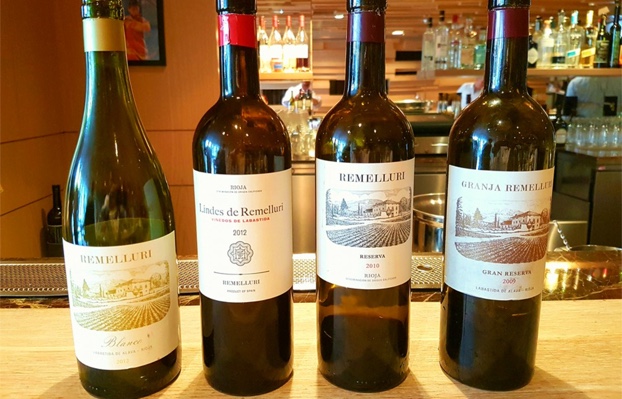
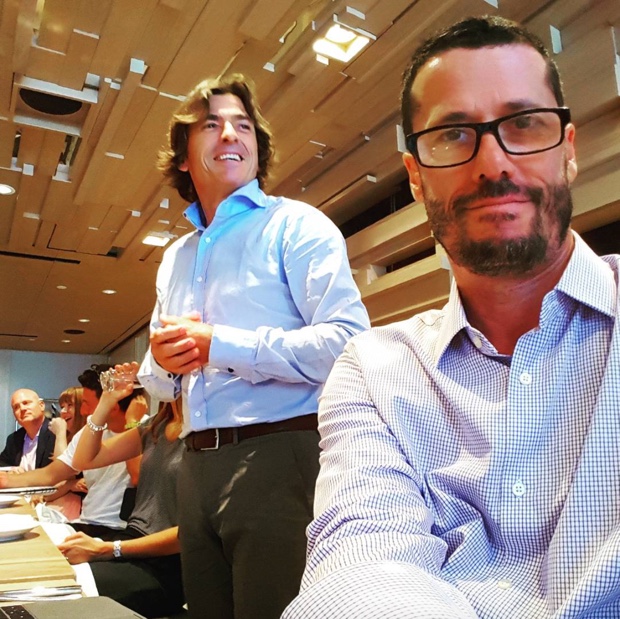


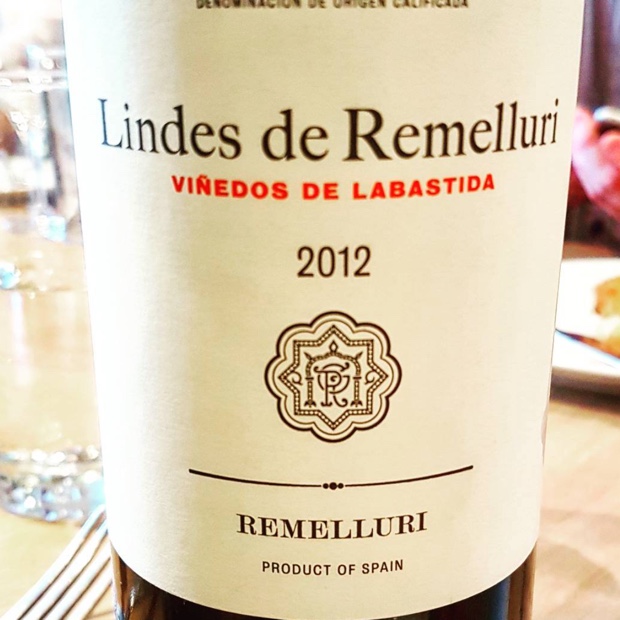

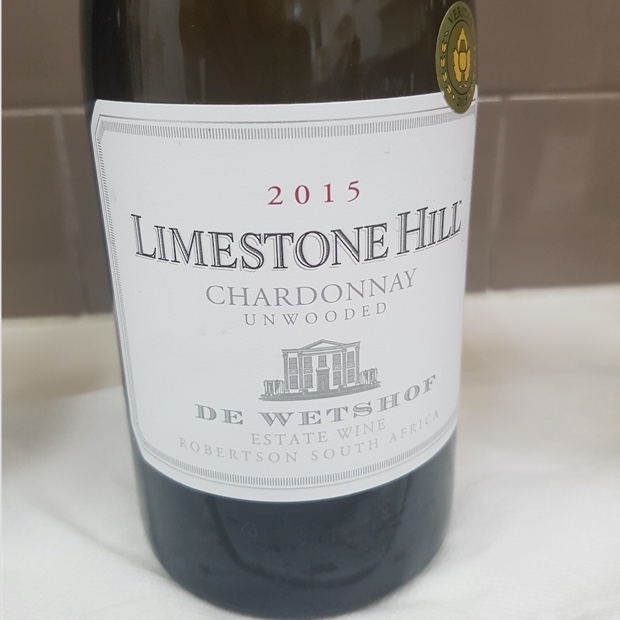


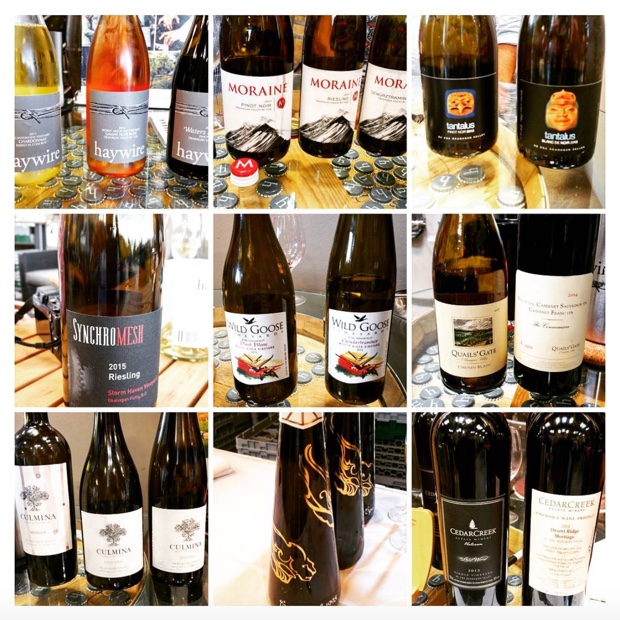


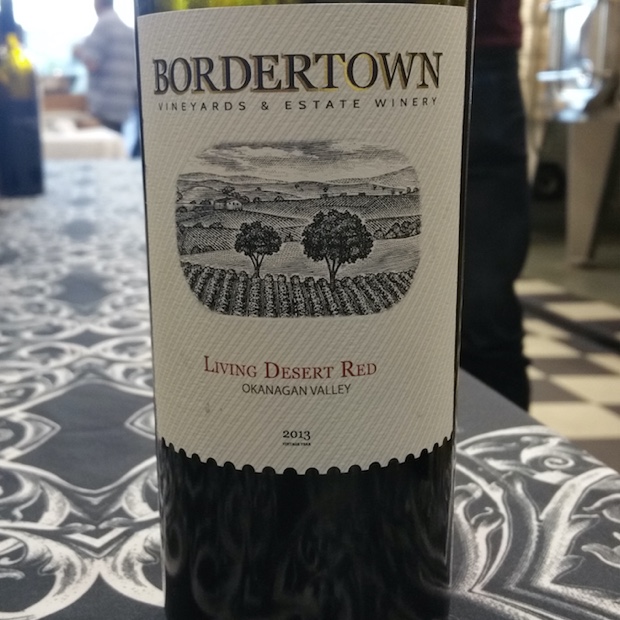
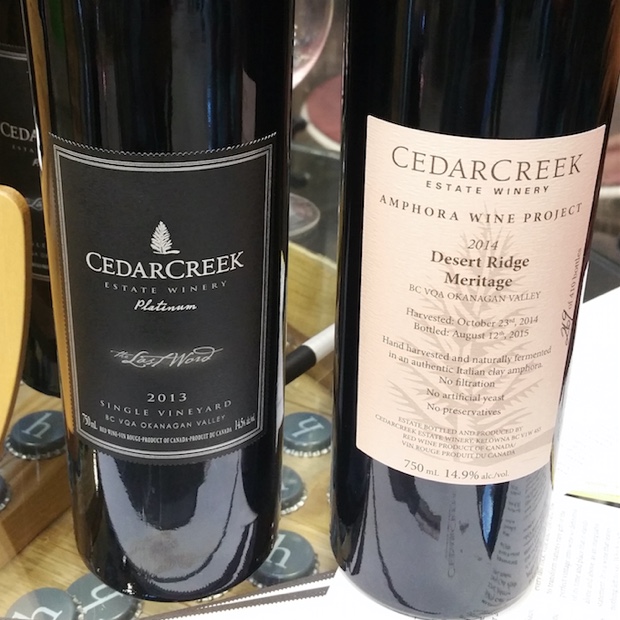
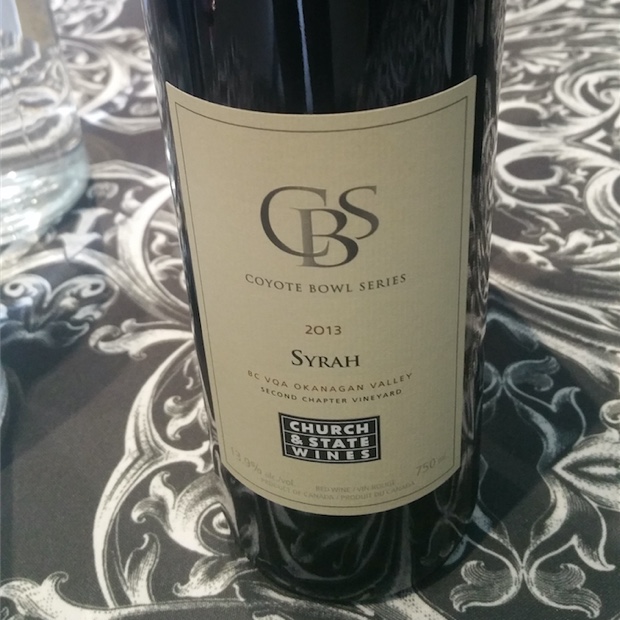


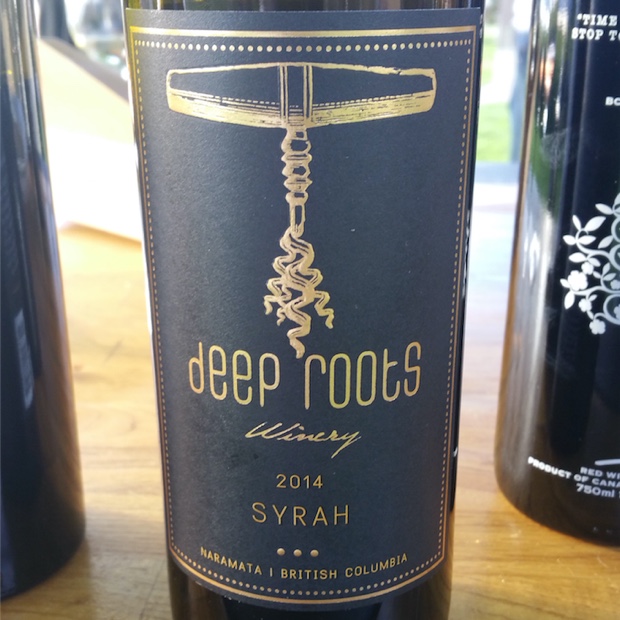
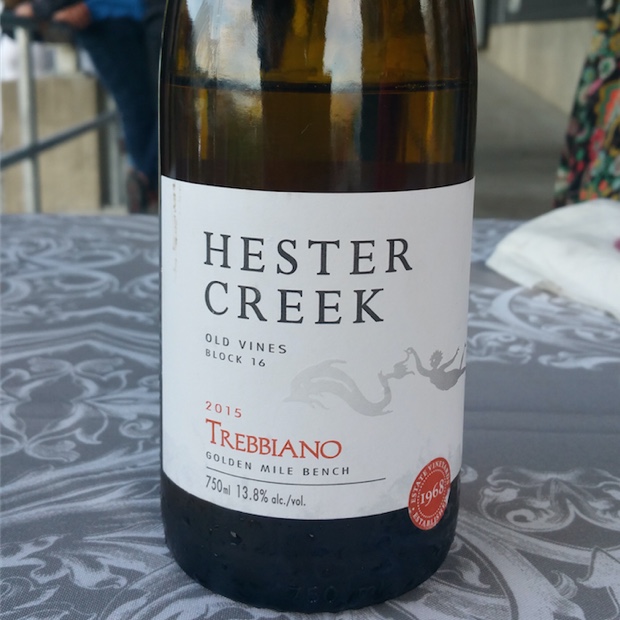


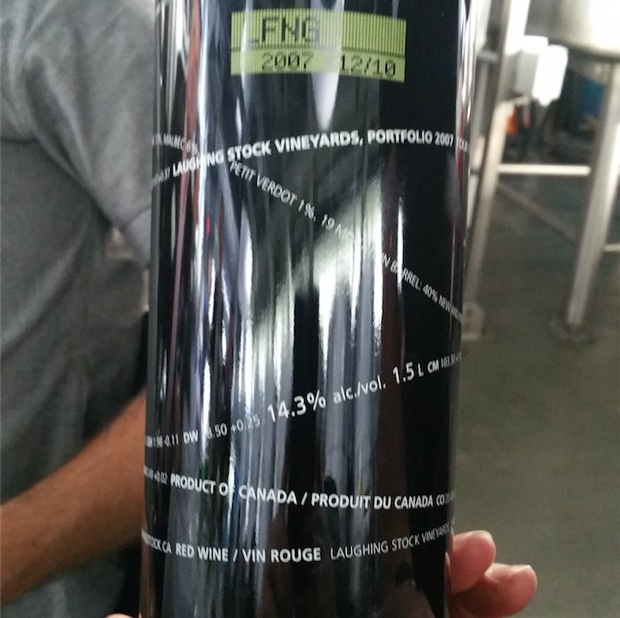


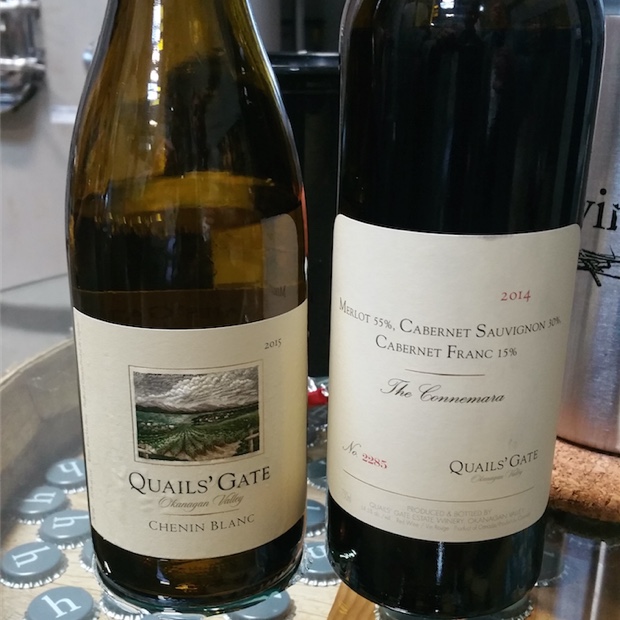
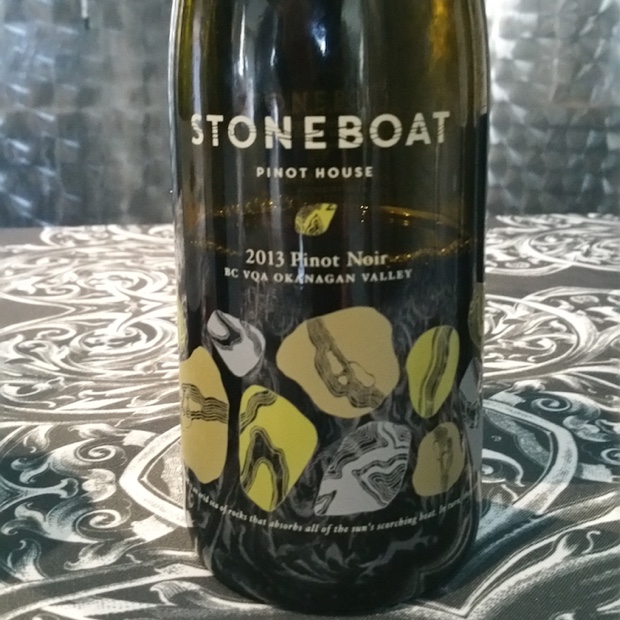


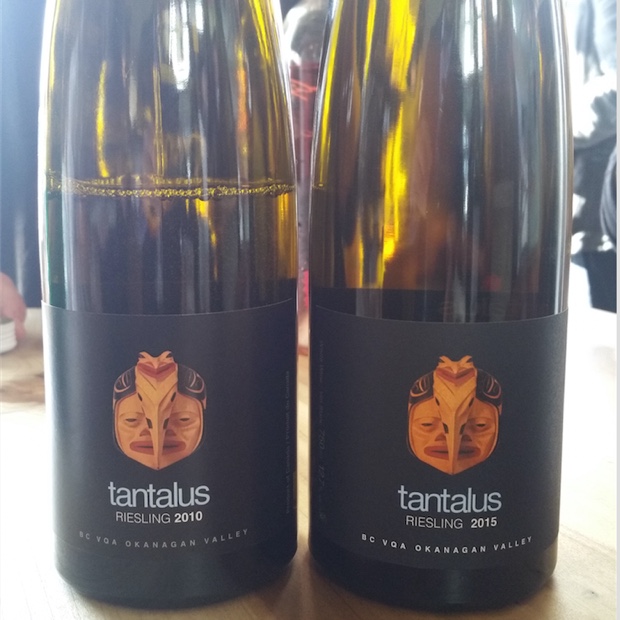

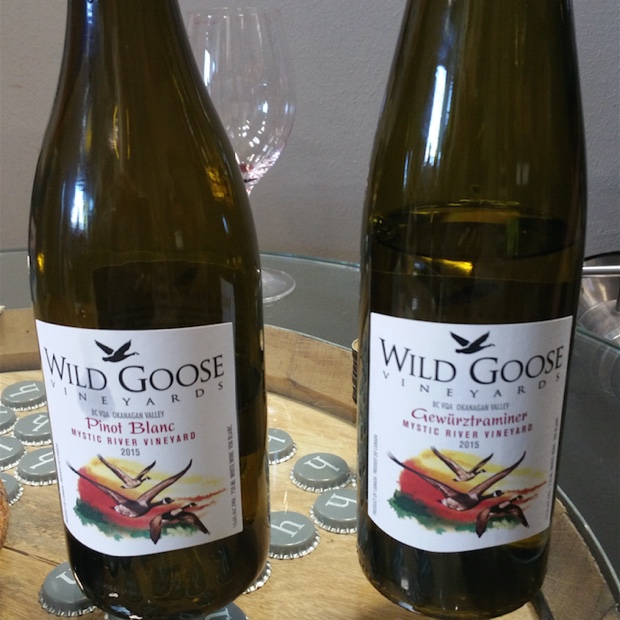
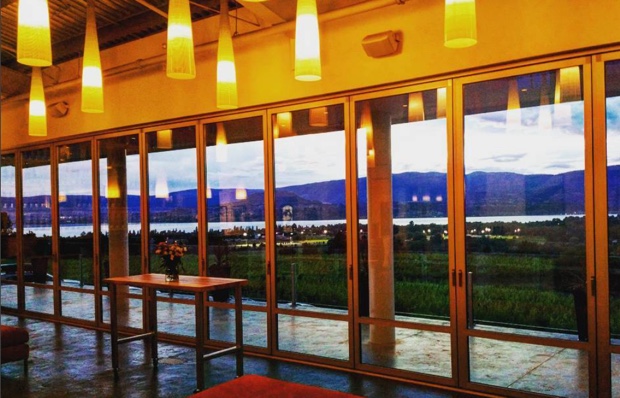


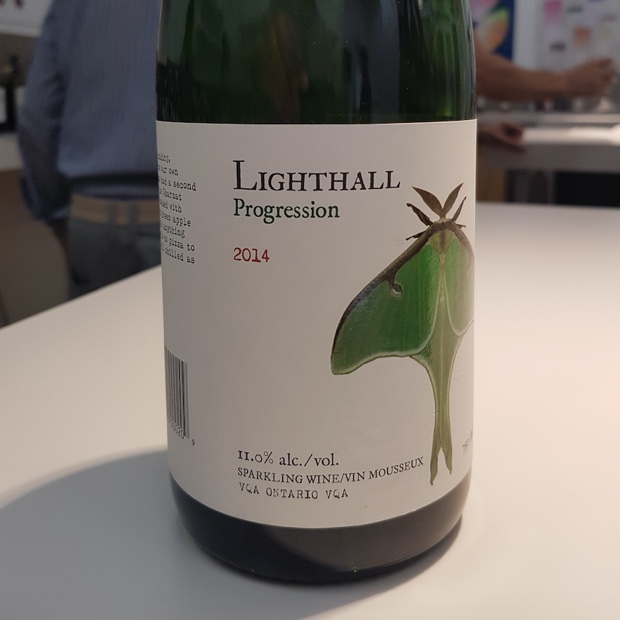


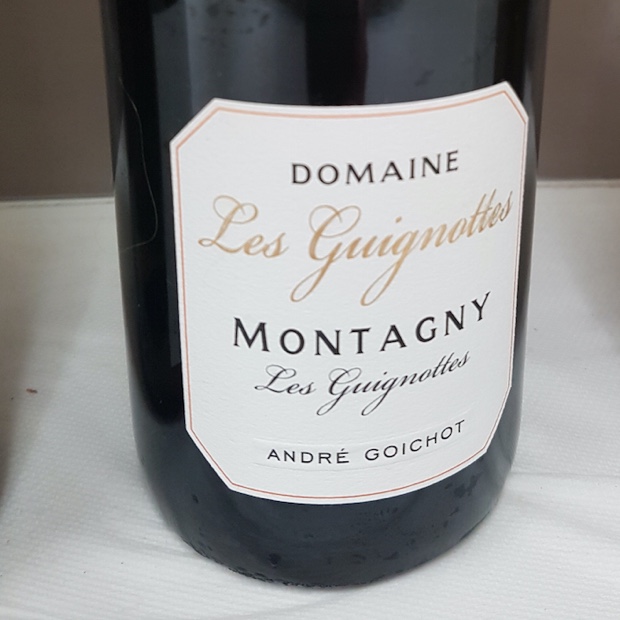
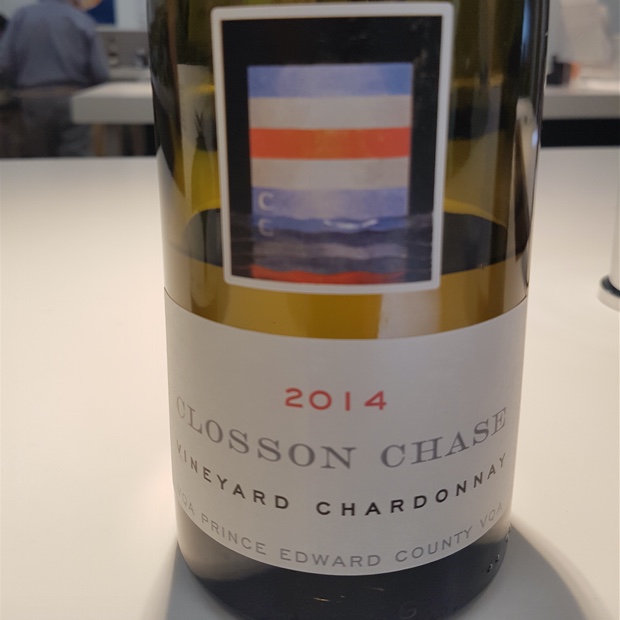
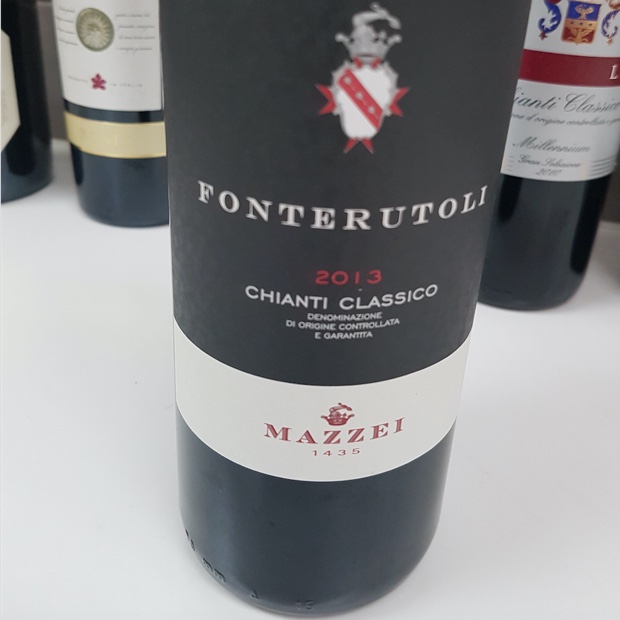
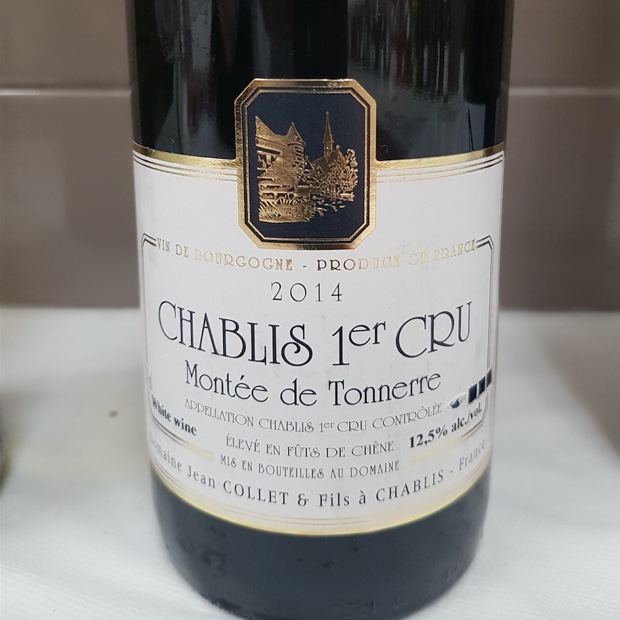

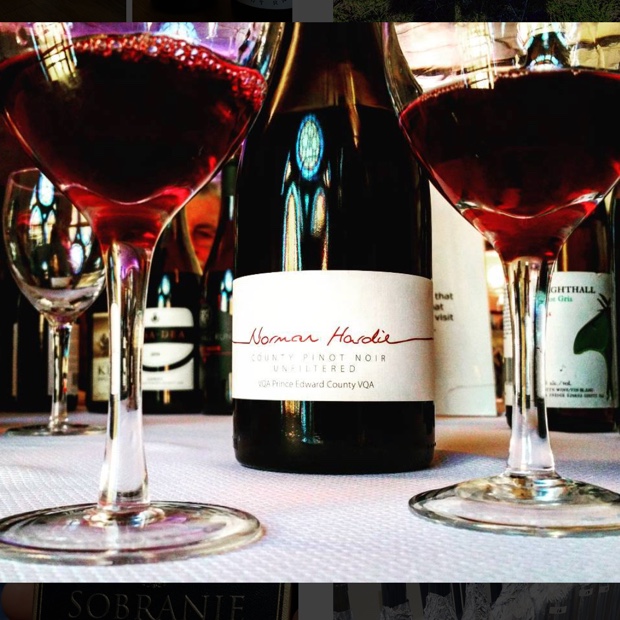
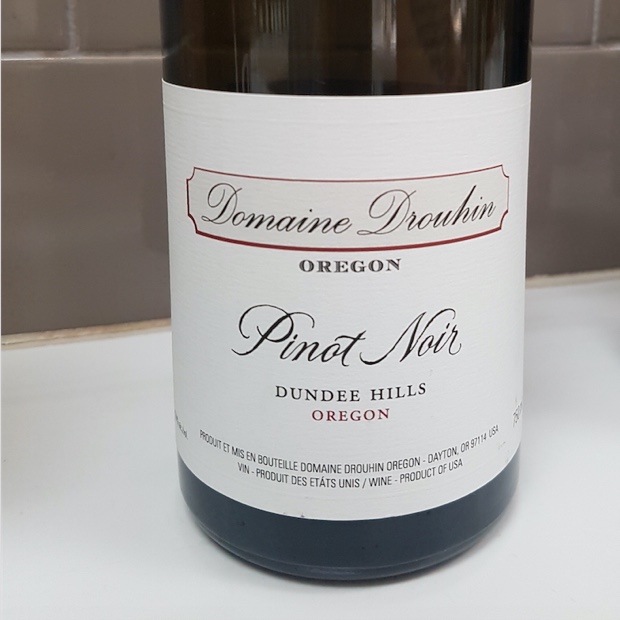
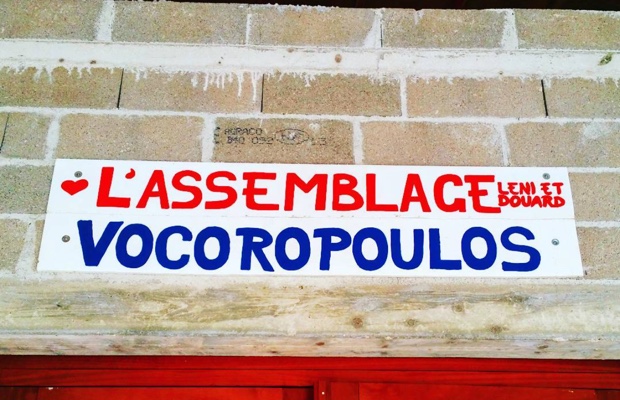
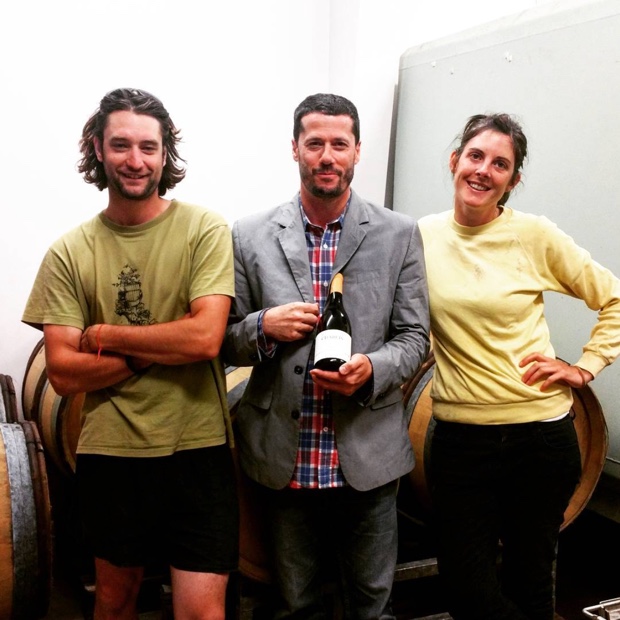
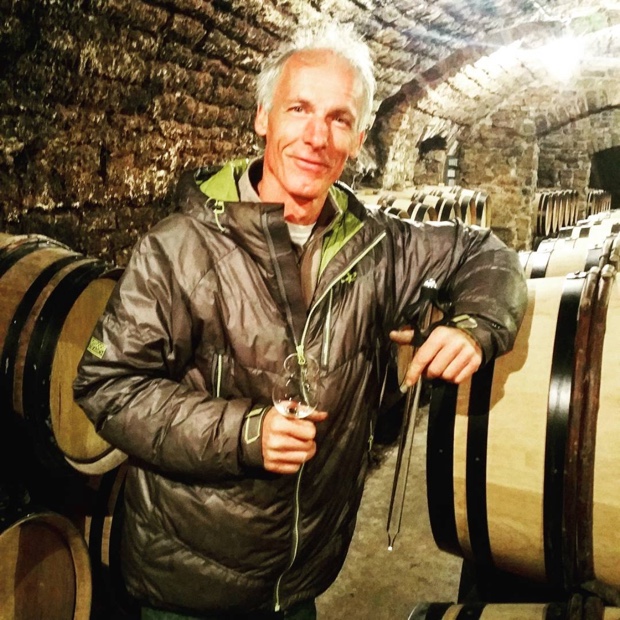
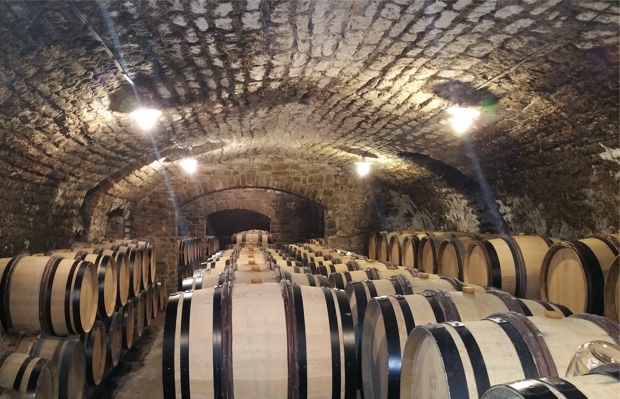
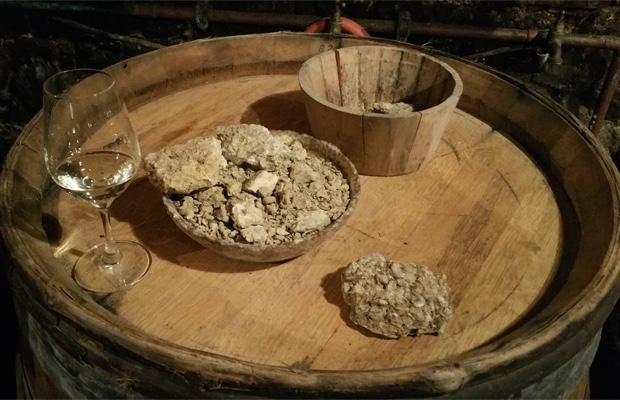

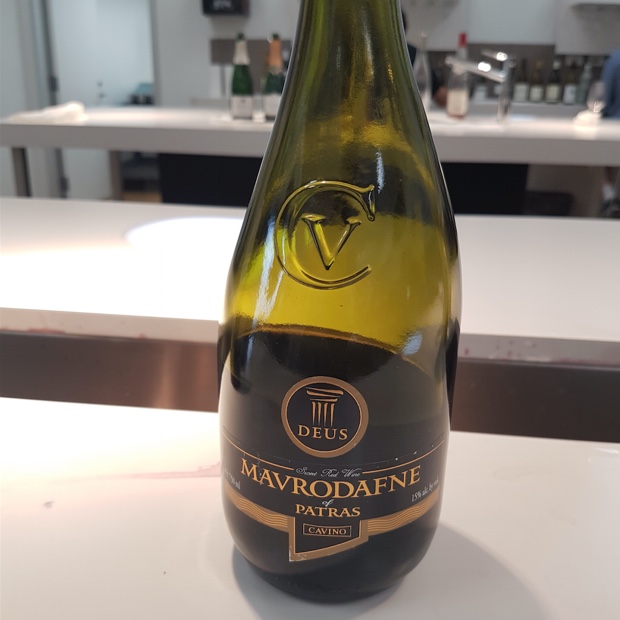

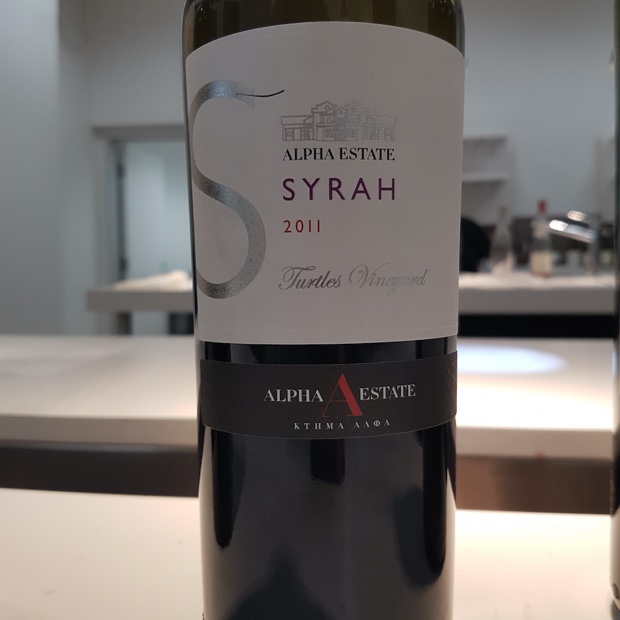
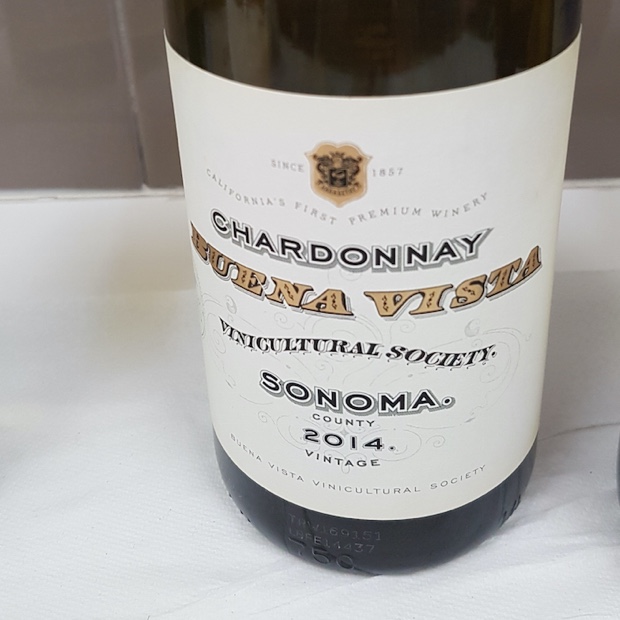




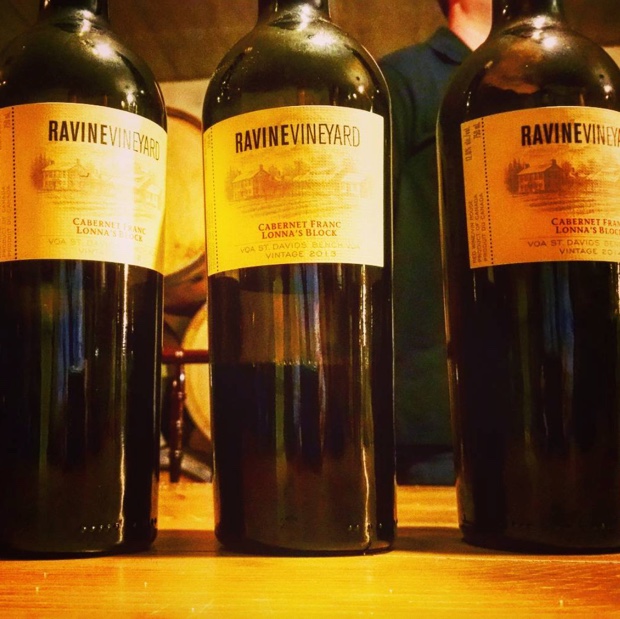


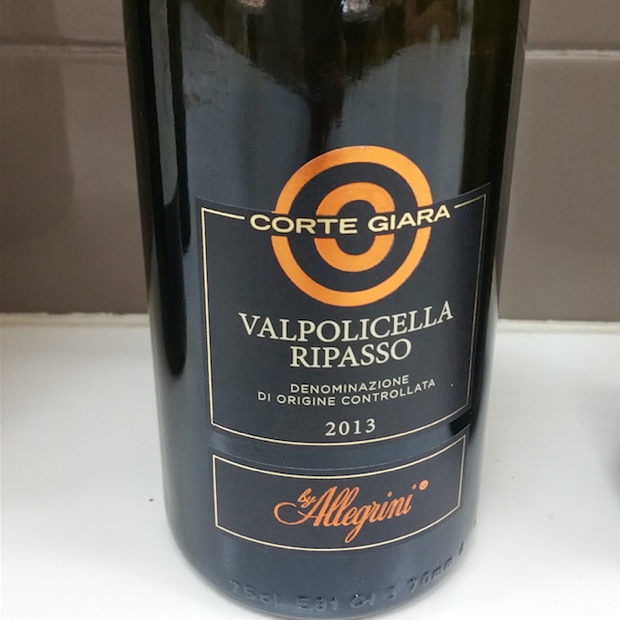
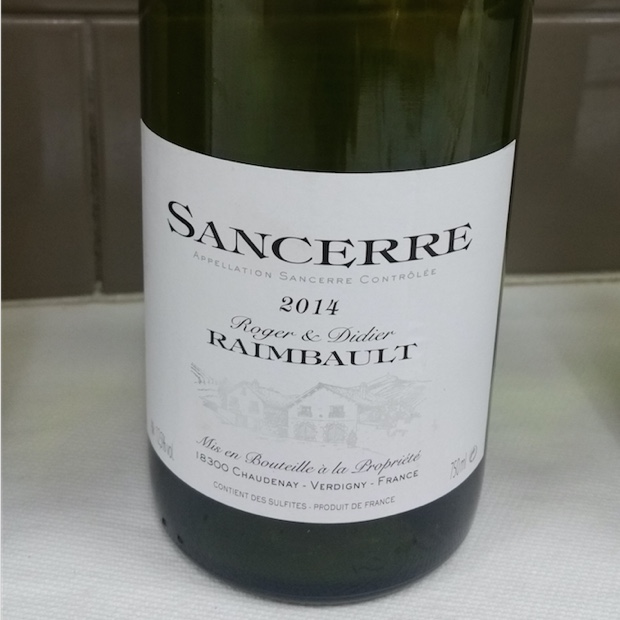


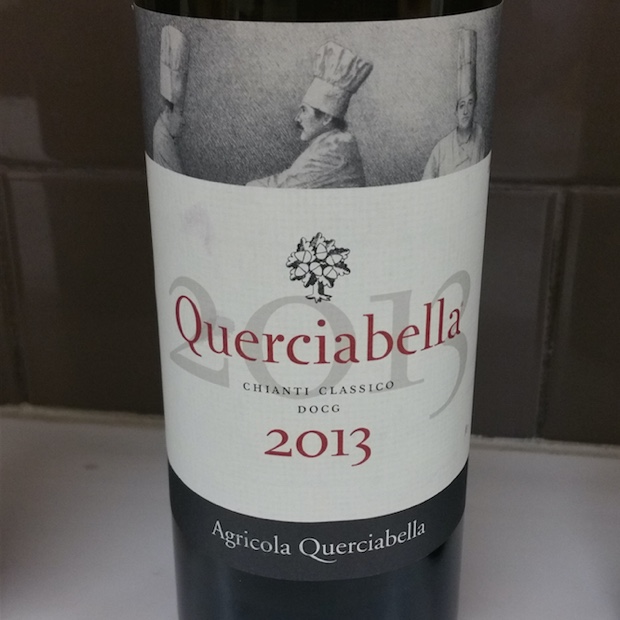
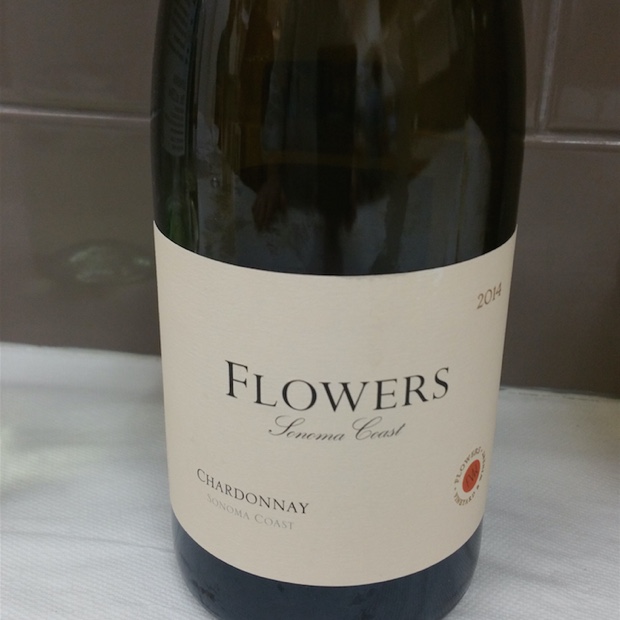
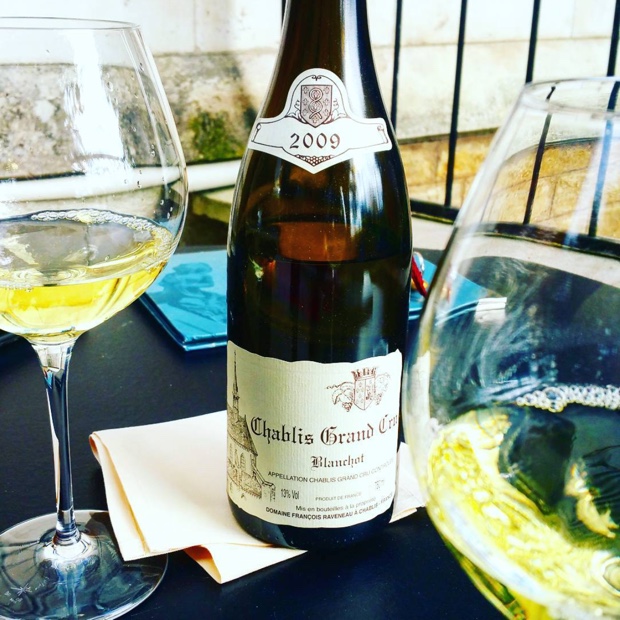
 Godello