Fear not dear reader. This is not a top ten list or a call to promote the best of the worst. It is not, most thankfully, a post on what wines are being released at the LCBO through VINTAGES. No, a one or two-day break is being granted, mercifully, to explore some wines over at the SAQ in Quebec and others available, by the case, in consignment by way of Ontario agents.
WineAlign is ever so surely becoming the tasting office of choice. It offers the opportunity to explore that critic’s dream realm of “so many wines and so little time.” The home office checks in a close second, with samples ready and carefully kept under temperature control. I tasted and scribbled with much verve last week and over the weekend. There will be more to follow, but for now, the Italian notes.
Leneo is 100 per cent Sangiovese, half of which is matured in small oak French barrels for approximately six months. From vineyards near Greve in Chianti, this is the epitome of fresh. The strawberry and raspberry aromas are so very height of summer, the tension having long left the ferment. Fruit and buoyant acidity remain to lift and cut spirit. A late flavour of rosemary and olive adds a nice Mediterranean touch. Tasted March 2015 @TorracciaPresur@TheVine_RobGroh
There is noticeable volatility in this Syrah though it strikes a congenial balance between fruit and alcohol. The wine is not hot but is currently unsettled. That comes through in the sooty sinew and tree sap aromas. Black raspberry fruit abounds, as does liquorice and black tea. The overall accord works the parts but some time will be required for reconciliation. Sweet and sour is accented by a savoury, though moderately lengthened finish. Tasted March 2015 @TheVine_RobGroh
A Sangiovese blush made from organic grapes, arid as the Corso Vannucci is long, linear and direct as la strada centrale leads to the Fontana Maggiore. Has a savoury flex and a salinity that central Italian Rosé almost always displays, a pull from two seas not hard to reach heading either east or west. The glycerin texture and tangy, just this side shy of reductive aromas are a propriety of pure yet driven fruit. Has the slant of Sangiovese, even in the absence of its sour edge and devitalizing tannin. A very fine example of Umbrian Rosé. Tasted March 2015 @roccafiorewines@TheVine_RobGroh
Fashioned from organic (and specialized clones of) Grechetto di Todi and Trebbiano Spoletino. The ordinary is abutted with prejudice in this Roccafiore take, in full mineral action out of Umbria. This one speaks to me, never mind the current reductive accent. The organic vines exude healthy fruit and this fleur-de-lis is regal, royal and full of life. Wet stones, not flinty but certainly crouching on the rocky forefront. The balance between orchard fruit, the rocks and the load carrying acidity is spot on. This is an expertly crafted, intelligent and gratifying white. Tasted March 2015 @roccafiorewines@TheVine_RobGroh
Sangiovese and Montepulciano combine forces in this organic Umbrian, the punica granatum or pomegranate. Like the uniquely variegated, sour, sweet and highly mineral fruit, this red mimics the savoury pleasures. It’s dry, possessive of natural salts and fruity, but not in a sugary way. The acids are citrusy, much like pomegranate, but void of true citrus. Very pure, penitent, clean and crisp, with mild tannins and a ferric touch. Very Umbrian, regal, Franciscan, Friars Minor to bigger, bolder Sangiovese. Tasted March 2015 @roccafiorewines@TheVine_RobGroh
Brancaia Il Bianco 2013, Tuscany, Italy (SAQ 11797174,$21.35, WineAlign)
Sauvignon Blanc stands soprattutto to Viognier, Gewürztraminer and Sémillon in this tannic white wine from Castellina in Chianti, in the far south-east corner of Chianti Classico. Five months on yeasts has not only built breadth but also compensated for no oak or malolactic. The repercussion is a curtailment and a feigning of qualitative casting, as if from sea stones and ancient feelings. Pretty pleasures are a supraliminal by-product of the effect, in a leavening of lime and rock. This reminds me of a young, petite Stratus White, in which a mélange of grape varieties combine and effectively cancel one another out, with nary a dominant, alpha varietal limelight steal. This Bianco would create even more buzz with a 10-20 per cent barrel influence. Tasted March 2015 Brancaia
Here is Prugnolo Gentile with a swagger and quite the attitude. Don’t be fooled by the new adventist-adventurist, retro-romantic label. This Rosso has a mean streak. Funky aromas of the barn and the compost heap may be secondary to red fruit but they are definitely there. High iron content, less so in botany and rich like a long braise of dark veal shank ragu. Complexity is in, basics are out and there is much to dwell on in this Rosso, event if its intent is to induce simple pleasures. This needs salty protein, like the aforementioned idea of ragu. Tasted March 2015 @TheVine_RobGroh
The Argiano NC-IGT must be awarded points and applause for the sheer felicity it affords the discerning drinker who knows when they have been pleased. This is juicy stuff from a terrific vintage. A latin lover of voluptuous body and luscious-laden lips. A flirtatious Tuscan ragazza, outgoing, friendly, hand-holding and demonstrative. Liquid freshness, with layers of red fruit and circulating acidity. Very modern, in an Aussie Rhône-blend way, with liquorice, cocktail beginnings and Tawny Port ends. Quite a swirl of flavours and pulsations. Drink now and for another two years. Tasted March 2015 @Argianowinery@TrialtoON
Traditional Nebbiolo that is neither austere nor of such a hard shell to crack. Roses and street cover in summer give sweet and fume aromas. Has an elemental scent, like a science lab but with experiments that broadcast harmony, synthesis and balance. Glycerin and tannin revolve around in the Nebbiolo oscillator. Some late funk creeps in, indicating some time (five years) needed to see a proper fruition. Represents very good value at $30. Tasted March 2015 @Fontanafredda_@Noble_Estates
This IGT from Castelnuovo Berardenga blends Merlot into Sangiovese, a push and pull varietal relationship if ever there was one. The Sangiovese is Mary while the Merlot whispers. The sacred and the profane. The ancient and the modern. “Uh-will the wind ever remember the (Tuscan wine) names it has blown in the past?” A red house of aromas, a gypsy’s soul and balance are found in this whirling, flavour-filled glass of noise. This is wild Tuscan magic, if a bit disjointed and occupied by strange, though harmonious bedfellows. Rippling red wine, tannic and in need of a few years to soften. “After all the jacks are in their boxes and the clowns have all gone to bed.” Tasted March 2015 @TolainiWines@BanvilleJones@bwwines
In antithesis to the angular ’12 Rosso, this ’11 Vino Nobile is Prugnolo Gentile at its liquor-like most. This is a painted Sangiovese, with impasto, with style that is strong of colour and meaning. With very plush, oak-managed Caciotti brush stroke and thick creamy flavours. Intensely glycerin, polished and agreeable, especially considering the often tannic and ferric side of Vino Nobile. This will not be a 20-year Tuscan as it already exhibits signs of age, in dried fruit, velutinous toffee and baking blackberry pie. Oh but it will go beautifully with a rare slice of roast and a side of truffled spuds. Tasted March 2015 @TheVine_RobGroh
The opposite, the antithesis, the polar paradox of to egregious IGT Tuscan blending is here in this delightful blend of Cabernet Sauvignon, Sangiovese and Cabernet Franc. Oak plays a prominent, spicy and sandalwood barmy role, as does the (mere five per cent) CF, giving currant energy and savoury plug-in to the softer CS. The middle notes and flavours are all Sangiovese, which is a good thing and a wise winemaking decision. The request begs for more Cabernet Franc in Tuscan composites, please. The Castelnuovo Bereardenga and Tuscan climate as a whole agrees with the variety, fleshes it, embraces it, encourages it to support Sangiovese and the less animale Cabernet Sauvignon and Merlot. Here squares off a total package, in substance and in familiarity. Tasted March 2015 TolainiWines@BanvilleJones@bwwines
From left to right: Ridge Three Valleys 2012, Amisfield Pinot Noir 2011, Brezza Barolo 2010, Antinori Pian Delle Vigne Brunello Di Montalcino 2009, Ridge Estate Cabernet Sauvignon 2011, Château Clerc Milon 2011, Cade Cabernet Sauvignon 2011 and Dominus 2011
The first day of spring strikes me as a strange time to roll out a VINTAGES release full of big guns, from Cabernet Sauvignon passing by Pinot Noir to Zinfandel and from Nebbiolo to Sangiovese Grosso. A bold group in large numbers is usually reserved for the November and December offers leading up to wallet emptying Christmas shopping days. If the March 21st release is any indication, the powers that be at the LCBO must feel pretty good about the current state of Ontario’s economy.
How else to explain the laying out of the fine red wine carpet in purchasing timeline purgatory? The other alibi in justification is a concern of surplus and overcrowded warehouse shelving, caused by a back log of unsold Bordeaux futures and a consumer shift to less vivid, decreased drama and all around #GoGamayGo sentiment.
For all my reviews from the March 21, 2015 VINTAGES release, see them @WineAlign
I tasted through most of the bad boys on this release and while many are more overpriced than a $20 bucket of bullfrogs in an Algonquin Park bog, these six wines stood tall and shook their value obvious money-maker amongst a slouching and gouging crowd. Forceful wines, all meant to spend at least some slumbering time in the cellar.
Ridge Three Valleys 2012, Sonoma County, California (652875, $35.95, WineAlign)
This Sonoma County Zinfandel melting pot was first produced in 2001 and the 12th vintage contains grapes from seven different Sonoma vineyards. Many of Ridge’s wines bull the intent of single-vineyard, terroir-driven expression. The TV is more about bear assemblage, the search for differential balance and winemaking. Zinfandel (79 per cent) is joined by Carignane (12), Petite Sirah (8) and Alicante Bouchet. Approximately one fifth of the American oak is new, with the wood waft leaning to spices directed by clove, cocoa kernel and faint coconut that infiltrates the Draper perfume. The rich red fruits combine for a brawny voice, bold, peppery and so very ripe. Though not hesitant or introverted, this Zinfandel avoids excessive character and exemplifies the fine art of blending. Tasted March 2015 @RidgeVineyards@rogcowines
Amisfield Pinot Noir 2011, Central Otago, South Island, New Zealand (179754, $41.95, WineAlign)
The agglomeration of Central Otago wild vegetative conglomerate is in this Pinot Noir. Strawberries and their leaves, dug up clay, saturated syrup with dark cherries and braising meat make for big aromatics. This is a very meaty, terrifically cimmerian Pinot, with a replay in flavour of loamy and corpulent stock, like a reduction of mire poix and beef bones. Finishes with dried fruits, marigold, a kick of cinnamon spice and pine needles. A bit of wow from the hinterland of Central Otago. Tasted March 2015 @Amisfield@COPinotNoirLtd@CentralOtago_NZ@HalpernWine
The gusto and earnestness of antiquity is right upfront in this Nebbiolo, the silliness of modernity left to the practices of more fickle and irresolute houses. A faint and impertinent percussion of volatility beats the near term olfaction into temporary submission, but the wine is bright and the acidity chants with proper diction. The tannic grain is sweet and savoury, well-structured and you can certainly smell the roses. The taste of Nebbiolo is succinct and the overall design is a seven to year plan, with nothing but pleasure on the next decade’s horizon. Tasted March 2015 @NaturalVines@jcmeli
Antinori Pian Delle Vigne Brunello Di Montalcino 2009, Docg, Tuscany, Italy (651141, $59.95, WineAlign)
Here flatters definitions of Sangiovese Grosso, of rusty and rustic pasts, big, bold beginnings and distant, slowly etched futures. A faint tease of soy in feign of premature corrosion is the product of the terroir’s liquor. This is so far from its secondary times. It’s as though it teases with an aroma and flavour of melted caramel but the mirage is tantalizing and unreal. The lack of sweetness confirms the notion and instead this Brunello offers dried flowers in dreams and fresh ones placed in vessels not yet tangible, nor yet set upon the table. Wild sauvage, sage and garriga are transubstantiated into liquorice, game and distilled amari. This is perhaps the finest Pian Delle Vigne of the (post 1990) modern age. Very exciting wine. Drink 2019 – 2029. Tasted March 2015 @AntinoriFamily@HalpernWine@ConsBrunello
Ridge Estate Cabernet Sauvignon 2011, Monte Bello Vineyard, Santa Cruz Mountains, California (89284, $61.95, WineAlign)
A perennial three plus one quarter blend of Cabernet Sauvignon and Merlot, give or take a few points, that always punches well above its weight and cost. Not just in relation to similarly priced Cabernets but when looked at alone and on its own merit. There is a searing red intensity in 2011, with steroidal currants and a whiff of lodge smoke, plenty of creamy vanilla and lavender. An injection of liquid chalk, circulating acidity and in the end, some bold coffee notes. No bell pepper. None. Well made, of course and despite the cold and the wet, the omnipresent Draper perfume and very good length. My only cavil would be a degree of over-employed new oak in a vintage where less would ironically be more. Tasted March 2015 @RidgeVineyards@rogcowines
Château Clerc Milon 2011, Ac Pauillac, 5e Cru, Bordeaux, France (301119, $89.95, WineAlign)
The principals at Clerc Milon consider 2011 “to be ranked among the finer, or perhaps even the finest” of Bordeaux vintages. The better news is that despite that declaration the price on this classic, structured and flat-out enjoyable Médoc is relatively affordable, especially considering the astronomy of pricing since 2000. This early picked (finished by September 28th) blend of Cabernet Sauvignon (54 per cent), Merlot (37), Cabernet Franc (7), Petit Verdot and Carmenère has vintage steal written all over its painted berry face. Terrific wood spice, more fruit from plum and rapturous acidity travel great lengths to pleasure. The coffee component is in but with just a light alcohol spike. This is really fine Paulliac, elegant, refined and not outrageously priced. Tasted March 2015 @Noble_Estates
Cade Cabernet Sauvignon 2011, Napa Valley, California (325027, $112.95, WineAlign) LCBO Inventory
Though prepped by notions of a cooler and later ripening vintage, there is even more savoury, tobacco and cool clime (altitude) aromatics than might have been imagined. This Cade is so very bright in a cherry-plum-pomegranate continuum yet in contrast to a (negatively impacting) sweet-sour-tang drupe. Tends to angles more akin to Tuscan summer savour, like lavender, rosemary, sage, and vanilla. The overall impression to palate is that of a chew of the toffee that might be made by the aromatic combination, or a pull of syrupy tea. In the end there is nothing simple about this thoughtfully crafted Cade. Tasted October 2014 @CADEWinery@TheVine_RobGroh
Dominus 2011, Napa Valley, California (212381, $176.95, WineAlign)
In 2011 the breakdown is Cabernet Sauvignon (86 per cent), Petit Verdot (9) and Cabernet Franc (5). From an antithetical Napa growing season, wet, cold and in requiem of acumen to deal with what the winemaker in Bordeaux faces in every vintage not hailed as best of the century. The ’11 Dominus has been in the market for just a shade under a year, just the right amount of time for a poured glass to reveal its charms. The new barrel count is approximately 40 percent, a substantial but not egregious number. We want to know what fruit the vintage gives, regardless of the conditions and in ’11 that drupe is savoury, more sage than nettle, and saliferous. That minerality is cute and key because the expression remains huge, so the cure helps to leave an indelible mark. The attributes of massive fruit, (no small feat considering the weather), smoke and phite makes for a mess of aromatic intensity. The flavours are accessible and the texture quite full. Though not the thickest Dominus to date (due to the oak not overwhelming the fruit) this will offer up seven to 10 staid years of development, followed by another five to 10 of minor decline. Tasted March 2015 @rogcowines
As VINTAGES rolls out another army of bottles in proclamations of blatant multiplicity and, as I mentioned yesterday, in duplicity, it is time to settle into the recommendations encampment. Trudging through the trenches of Sparkling, White, Red and Dessert the divisions are laid, dispatches ordered and strategies finalized. Staffers go here, front liners there and commanders bring up the rear.
A little bit of everything, as always, defines the March 7th release. Tidy little sippers work the hardest and make sacrifices for the rest. In this release Kosher wines prepare to tackle Passover but that we will save for next week, or perhaps the week after. Italy is the focus, bellowing commands from the bull horn, making decrees like colosseum commentators at Hunger Games. “We have wines that are just too goddamn vivid!” “We have wines with language that is fairly formal and sometimes flowery!” “Occasionally we stop to smell the adjectives!”
Tuscan wines always seem to possess what has heretofore been referred to as collectively having “a firm jaw and an air of tragic nobility.” As a group they are confident, steeped in tradition and now, as much as any wine-producing region, captured within the heart of the state of the art. The sea is murky because the obvious separations between varietal and blend are hard to discern but one aspect is not under dispute. Overall quality has never been higher. Tuscan wines are just plain fun to drink.
The seven blazon party from March 7th attacks with Chardonnay, Yellow Muscat, Cabernet Franc, Sauvignon Blanc, Zinfandel and two rounds of Sangiovese. The notes, here, now.
From left to right: Fielding Unoaked Chardonnay 2013, Puklus Pincészet Tokaji Yellow Muscat 2013, The Good Earth Cabernet Franc 2012, Castelli del Grevepesa Panzano Chianti Classico 2008, Rocca Di Castagnoli Poggio A’frati Riserva Chianti Classico 2010, Château De Cruzeau Blanc 2009, Chateau Montelena Estate Zinafandel 2012
One of the best deals going in oak-less Chardonnay, a glug, glug, line up at the jug kind of guiltless white. Pure, cool-climate variegate, with the cool of the Peninsula overridden by the vacuous warmth in the saddle abutting the Escarpment. Very pear, all in slate, exit to daylight acidity for a Chardonnay that hit the switch. Spot on in 2013 with an even keel of personality, warm but never far from cool. Tasted March 2015 @FieldingWinery@RichieWine
From Tokaj Hegyalja in Bodrogkeresztúr found tucked into the northeastern corner of Hungary. One could imagine the air thick as sweet cool soup in summer, perfumed by basil and lemon verbena. Designated “semi-sweet” the varietal is so much more than pedestrian when handled with this kind of poise and concern. Highly aromatic, viscous and wildflower floral. Honey and honeysuckle, fresh lemon, beeswax and citrus pith. Sweetness begins, abides, subsides and melts in the mouth. Buckley‘s medicinal to a fundamental degree but not to a fault. Delicate and delightful. Muscat of a grace that makes you feel and wish, “my kingdom for a kiss upon her shoulder.” Tasted March 2015 @WineofHungary
The Good Earth Cabernet Franc 2012, VQA Lincoln Lakeshore, Niagara Peninsula, Ontario (164491, $20.95, WineAlign)
While wood plays a prominent role it does not saturate to distraction. The barrel extract adds warmth and spice in contribution to balance. A high-toned syrup on the nose gives way to an evenly weighted palate. A scraped bean flavoured creamy toddy texture is topped with chocolate shavings, a dry of bell pepper and tobacco smoulder from out of the chamber. Nicely judged fruit, acidity and texture with admirable length. A necessary example of $20 Lincoln Lakeshore Cabernet Franc offering up every reason to drink it and demand that more me made. Tasted March 2015 @goodearthtweets@EpicW_S
A very honest take on Sangiovese and Chianti Classico. When it appeared from the 2006 vintage it had been a while since this Panzano came to market, having been a stalwart presence in late 1990’s vintages. Modern now, very much a child of 21st century winemaking but in retention of loyalties to red, sour cherry and dusty 90’s Sangiovese. Remains slightly austere, angular and tension-filled, as if a scraping noise could be heard as the fruit, acidity and tannins fight for purchase on the floor. Chalky lactic and really juicy. Drink now and for three to five further on. Tasted March 2015 @chianticlassico@ProfileWineGrpCastelli del Grevepesa
Very expressive aromatics in dried flowers, earthy red perfumed fruits, orange peel, clove and a full crumble of cinnamon fill the air. Rampant but not relegating (at this early, five-year juncture) acidity drives the engine, running on vineyard funk, a hint of game and fruit ripened to optimum clarity. This is faultless Sangiovese of guts and guile, really well-made, classic yet modern CCR. Dances like Sangiovese should, “well, you wiggle to the left, you wiggle to the right, you do the ooby dooby with all your might.” No factory made CCR here, nor from out of the cosmos. Just simply down to earth. Were $30 all that I had to spend and a Chianti Classico Riserva the only choice, this would have to make the shortlist. Tasted March 2015 @chianticlassico@ProfileWineGrp
Château De Cruzeau Blanc 2009, Ac Pessac Léognan, Bordeaux, France (966010, $31.95, WineAlign)
That VINTAGES was able to secure another sku of this Bordeaux Blanc is both fortuitous and a gift. For the cost of an I-Tunes song you can have a peak into the generosity of the 2009 Bordeaux vintage through the senses of a top-value producer. From Les Vignobles André Lurton comes this white beauty. Though slightly musty upon entry this shows immediate yet perfectly evolved poise. Ready to strike with much persistent verve and density in 100 per cent Sauvignon Blanc singularity. Wood is very involved (10 months in 35 per cent new oak barrels on full lees with bâtonnage) by adding precious layers of necessity. Very layered indeed, honeyed, anti-hackneyed, buttressed, really fine and generous. Most excellent work by oenologists Denis Dubourdieu and Valérie Lavigne. Tasted March 2015 @AndreLurton@KirkwoodDiamond
Château Montelena Estate Zinfandel 2012, Calistoga, Napa Valley, California (69633, $49.95, WineAlign)
A rare, in the neighbourhood of elegant and exquisitely refined Zinfandel gives all red fruit with just a faint raise of raisining. Quite pure, with heaps of liquorice, smouldering cedar bough, brushed and bushy, big but shy of the peak. The English punk of Zinfandel but with melody and charm. Says to the world we have “our own raison d’etre we can’t see?” The quality is in, raising the Zin bar to a level not oft seen, with restraint and complexity. Never mind the bullocks, Montelena offers a buzzcock of a Zinfandel. Here lies a Zinaison d’être. Tasted March 2015 @ChMontelena@rogcowines
The privacy, intimacy and relaxed atmosphere of a subterranean hashery is something we should all experience at least once in a gustatory lifetime. We should also be afforded the opportunity of a salubrious 12-course tasting menu designed by a reluctant superstar. Why ought we not be handled with extreme Sommelier care by the caress of a total professional? Give me a reason to not spend three hours locked in a room with eight others, all of generous wine and spirit?
The location was Splendido‘s downstairs dining room. The chef was Victor Barry. The Sommelier was Ellen Jakobsmeier. The company a group of friends and friends of friends with a common goal. Eat, drink and be merry. Maybe trash talk a little. Trade a few thousand e-mails ahead of time to fire the vinous juices. Get down to business. Taste fourteen wines blind, poured from paper bags, discuss and be humbled by knowing everything and yet nothing at all.
Chef Barry’s selections and his staff’s execution were beyond flawless, culled from trial, error and perfection, bobbing up into the ethereal. Ms. Jakobsmeier had less than 20 minutes to receive, prepare and pour in order, with timely precision, the agglomerated and cumulative progression of the wines. Like Euro rail time. Not a hair out-of-place. Big props Ellen.
One dinner companion said this. “Thank you so much for inviting me to join your Pirate festivities! The food was incredible, thanks for hosting us Victor. The wines were exciting, generous and delicious! Thanks to all of you for sharing the gems from your cellars. And thank you Ellen for doing such a great job pairing all the wines. A feast worthy of Pirates!”
Victor added his own words. “Thanks everyone. I had a blast. I really enjoyed sitting down stairs it made it much more enjoyable for me. Looking forward to the next event. PS that Tokai was fucking delicious. And the Premier Cru from that “Niagara appellation.”
I wrote this to the group. “Laid in bed last night thinking about every course. Too many details to comprehend. And then it was morning and my kids wanted their lunches packed. Good thing there was this pumpkin in my wine sleeve…generosity in wine just amazing. All thoughtful and just fucking generous. Fortunate to have met new faces. Looking forward to this again, and again. Great work JB and Victor, stars all around.”
And to you JB, you sure do know how to throw a party.
Champagne begins the pirates on a picnic dinner in the downstairs private dining vineyard at Splendido Toronto
Champagne Larmandier-Bernier Rosé de Saignée Premier Cru NV, Champagne, France
Just a wee coppery this rusty blush, savoury to solecism and uprooted by a tremendous fault that forces metamorphic salinity, no check that, bleeds from rock into the bottle. If Champagne could commandeer the senses to stop and take note, this LB is the one. Stoic, purposed, frank and blushing like a winter Olympic athlete after a gruelling race. This Rosé is as confident and masculine as can be for the genre. It opens the eyes, pores and heart for a long haul ahead of pulls, in corks, sips and gulps. @LarmandierB
Larmandier-Bernier Champagne Rosé de Saignée Premier Cru NV and Domaine Dauvissat Chablis Premier Cru “Séchet” 2009
Vincent Dauvissat Chablis Premier Cru “Séchet” 2009, Burgundy, France
To be blinded by rocks is to taste such a wine without knowing what it is, slicing like Silex, cutting with a jagged edge of mineral take, yet gripping of aridity that must come from singular Chablis. Something whips like paraffin but again, the missing wood, the fennel talc, the absolute purity just says Chardonnay. With levity requested, gotta borrow from Burghound on this one because he was spot on, “way beyond the shadow of a doubt, yeah.” After 30 minutes the Sechet left the quarry to enter a sweat lodge of smoke and toast with an eventual pause at the charred Shishito capsicum station. The coarse wail is the young Dauvissat crooning but with fear set aside, the wine will soften in time, like the fashion poet, the prince of thieves. This Séchet, mythological in name, is Chablis brightly lit and accepts another sung substitute for yes. “Oh it cuts like a knife , yeah but it feels so right.” @BIVBChablis
Oysters, popcorn, scallop dust
Popcorn dusted with dehydrated scallop dust? Damn straight.
Nikolaihof Im Weingebirge Grüner Veltliner Smaragd 2007,Wachau, Austria(Agent, WineAlign)
Something grand is brewing, of that there is no doubt, despite the skinny, indehiscent first moments. A petrol that comes with age, a suckling piggy with melifluous honeycomb in its mouth roasting away, tinned fruit cup of a jellied, agar-agar mandarin orange type; these are the bold scents of what must be Austria, possibly Riesling, certainly Wachau. Tannin and stone drip Alsace Grand Cru, of Riesling again, like Rangen, but the reveal of Grüner Veltliner makes so much sense. Crazy, mind-blowing example, as good as it gets, a bench and high-water mark from which a free fall off the high springboard makes a perfect splash into the glass. Ninety minutes later only a word is needed to stem the waves of petulant emotion. Unbelievable. @TheLivingVine@AustrianWine
Nikolaihof Im Weingebirge Grüner Veltliner Smaragd 2007 and Henry of Pelham Reserve Chardonnay 2007
Henry of Pelham Reserve Chardonnay 2007, VQA Niagara Peninsula (2013 268342, WineAlign)
French oak kicks at the door, feeling young, dirty and fine though synchronicity is absent in most respects. This is certainly not Chassagne, definitely not Meursault, not even St. Aubin. Yet it is delicate and delectable despite its unkempt ways, selfless and if left to be, might settle into a relationship. To discover it’s the hot vintage of 2007 version of today’s Estate Chardonnay is nothing short of astounding and at the same time, disappointing, at odds, disassembled. After 20 minutes it falls apart, “in little pieces on the floor, too wild to keep together.” The wine’s inclusion was necessary, gave perspective and bent to receive the Uni, “and now the end has come.” The 2012 and 2013 will offer much more pleasure. @HenryofPelham@SpeckBros
Sea urchin, toast, squid ink, lobster
Domaine Valette Pouilly-Fuissé ‘Clos de Monsieur Noly’ 2002, Mâconnais, Burgundy, France
May as well be Josko Gravner Ribollo Gialla, or Ann Sperling’s Whimsy! Orange and yet in contempt of the oxidized and underripe cantaloupe be damned, Jura should be the call. But then there is the question of messing with the man acidity and a trippy delicacy as per the cook’s butcher. It is certainly not faulty, nor should it be faulted for developing au natural, on top of the sheets, on the bare side of the beach. OK, so really old Chenin Blanc and a very natural Outback white blend would make for good conversation, or not. Like mushrooms for toffee. Like mulled apples for cider done wrong. Dirty in the most righteous 12 year-old Sherry way. Love it with Lobster on a rock, octopus and some kind of sea cucumber.
Domaine Valette Pouilly-Fuissé ‘Clos de Monsieur Noly’ 2002 and Louis Latour Corton-Charlemagne Grand Cru 2009
Louis Latour Corton-Charlemagne Grand Cru 2009, Côte de Beaune, France (Agent, WineAlign)
Can anything really be known from a fleeting moment spent with this? Classic, viscous, rich Burgundy and nothing but, with more mineral than should be gained from just a pass. The maker had the unconscious intent of remembering generations. When told that hey, it’s a Latour, in Beaune, of Corton Charlemagne, by Grand Cru, it’s hard to gather your inner we’re not worthy but focus and intent need be the outward act. You can really taste the limestone, imagine walking the Corton hillside, feeling the maximum exposure of the sun. When you know what it is you know to take a slice of humble pie and remember the soil, the soil, the soil. In Burgundy since 1797. @LouisLatour1797@LouisLatourInc
Equipo Navazos La Bota de Manzanilla Pasada 2011 nº 30 Capataz Rivas
Equipo Navazos La Bota de Manzanilla Pasada 2011, nº 30 Capataz Rivas, D.O.Manzanilla Sanlúcar de Barrameda, Spain
Tasted blind this pours as a glass of briny capers, sea peas, vetches and liquid basalt. It speaks a language that contains the ancient loneliness of ruins. Thoughts easily lean Manzanilla or Old Fino. Great nuts, bitters, horseradish, dry tang, daikon and like a dirty martini. Not to mention orange rind and lime rind, zest and akin to a Vin Doux. It’s origins are at the hands of capataz master Rafael Rivas, from juice originally preserved to add kick to more commercial releases but the decision instead was made to “touch” the 15 solera butts with “testimonial sacas” of only four or five arrobas (roughly 5 x 16 = 80 litres), to make a wine such as this. This is old school Manzanilla, the third saca, with a reductive flor, uniquely oxidative and an average age of around 15 years. @EquipoNavazos@SherryWines@JerezXrsSherry
Pop can seafood
Intermezzo of smoked oyster and foam…
Splendido’s Five-hour carrot
“Friends – ridiculous dinner last night, in the best way. Great wines with great friends is my favourite way to spend a night. Already looking forward to the next one – at which I will bring more than one wine.”
Here the soprano sings, in bold, rich, deep tones, with a sense of entitlement and a swagger. It’s a royal, goodfella, masculine depth. The notes are sung, even danced in bourrée, crescendo, sostenuto and ritardando. The luscious bing cherry richesse gives it youth, intimating Sangiovese but true hematic Toscana can’t be this dark. The modernity of Nebbiolo it must be. Seamless, tireless and impossibly rose petal delicate with the omnipresent tar. Would be willing to go back to 1999 but for the black forest layering, though to find out it’s ’97 shatters myths, confidence and legend. Still dusty and tannic, with more years needed to shed the grains of sand chain. After 20 minutes it goes to candied flowers, oranges and Alba truffles. Bring on the soft scrambled eggs.
Podere Rocche dei Manzoni Barolo Vigna Cappella Santo Stefano 1997 and Marchesi di Barolo Sarmassa 1997
Marchesi di Barolo Sarmassa 1997, Piedmont, Italy
Smells like spirited, youthful, though decidedly modern Nebbiolo. Rich, chalky, dense, viscous, unctuous and yet the opposite of the Manzoni grit. More feminine, of more voices, in fugue, at times in tarantella, then into arpeggio. The notes play from a radio in my head. “In the deepest ocean, the bottom of the sea, your eyes, they turn me.” That it’s my contribution, this weird fish of a Nebbiolo, makes me amazed at the complex world of Piemonte and the absurdity of knowledge. Sensory appreciation rocks, spoken through this Sarmassa, like a chant from an ancient tribe, sitting cross-legged upon the clays of Lugagnano. It seems there may be 20 years left on the Marchesi’s Nebbiolo. I can’t believe how well it showed.
Though the vintage was reported to be less than exceptional, the chance to taste this 37 years in/on and the longevity it displays combines for full, blow me away effect. The first vintage of Sassicaia was 1968 and this 10th try hits the mark of experience. A blend of Cabernet Sauvignon (85 per cent) and (15) Cabernet Franc, the fruit came from vines over top soils of clay and limestone. The wine spent 20 months in Yugoslavian oak barrels (half of it being new, and half used once or twice before), while for the remaining 60 per cent, French oak was used (2/3 new and 1/3 used once or twice before. Tasted blind, the swirling and searching thoughts of Genesis retrospection assimilate aromas of truffle and mushroom, but at first there is no reply at all. Landing on a plot of excellence somewhere between Bordeaux and Piedmont, Tuscany rises from its hills. A silent conversation ask the Sassicaia “I get the feelin’ you’re tryin’ to tell me; Is there somethin’ that I should know?” Its condition is near perfect, its body full, its nature pristine and finally, so obviously in balance. After 30 minutes it begins to slide, to no surprise, but you can’t believe the expression it gives and the impression it leaves. And so, it is confirmed. 1977 was a fine vintage for Sassicaia. @Smarent
The crowd leans modern, young, New World Cabernet Franc or Bordeaux blend. Can’t help but concur. Turns out to be a blend, of Cabernet Sauvignon (75 per cent), Sangiovese (20) and Cabernet Franc (5). First produced in 1978, the Sangiovese was only introduced to Solaia in 1980. In 2003, the weather could be described with a single word. Hot. Limited rainfall and a record total of 2400° in daytime heat summation has brought this Solaia to its full on gain, 12 years in evolution. The vintage caused a full draw from stony calcareous soil of marl and friable albarese rock. The collective soul can appreciate its charms but the heavy aspect ratio can’t be denied. We sipped and “the punches came fast and hard.” Warm smacks to the face, rushes of heat and an ensanguined rush of chocolate fruit through the system. For now there is no caramel, no brûlée, no denoument. In the present there are caverns of tannin, the ‘sunny one’ playing the crowd, on a sunset strip. Soon and in the end, times fades away. @AntinoriFamily@HalpernWine
Marchesi Antinori Solaia Toscana IGT 2003 and Royal Tokaji Aszú 5 Puttonyos 1993
Here the caramel unctuousness and apricot in chains of liquid gold is the work of a legendary purveyor, the Royal Tokaji company. With sweetness upwards of 150 g/L and acidity pushing the 10 g/L mark, this is no shrinking violet of a dessert wine. With 12 years of road under its belt, the blend of predominantly Furmint and Hárslevelú grape varieties (with a small percentage of Muscat) is firing on all cylinders. Racy and intense, this captures the essence of the 1st growth Nyulászó vineyard and brings it to the world. Bullies the desserts a bit, but all is forgiven considering the range of flavours within and complimented from without. @Royal_Tokaji@HHDImports_Wine
Then one more dessert course…”Milk and Cereal,” chamomile and maple tea gel, buttermilk quenelle, flaxseed granola.
Tawse Unoaked Chardonnay 2013 with Pho Cuu Long Mien Tay
Valentine’s Day came and went yet again. The 2015 edition of the polar vortex coincided with Cupid’s annual marketing juggernaut, bursting pipes, freezing the tails off brass monkeys everywhere and making life especially hell for those left out in the cold. Hearts were broken, mended and hopefully in more cases, joined as one.
Dundas Park Kitchen Valentine’s Cake
I was under the assumption you did not need my recommendations this year so I didn’t provide a pre-VD column to parade out a list of painfully obvious pink and sparkling wines. In the past I messed with the gratuitous holiday, first with just say no to pink wine for Valentine’s:
February 14th is so hyper-candied that ingredients like salinity, minerality, positive bitterness, animale and tannin are essential in the name of balance. Just don’t pair your dry red wine with chocolate.
Red Velvet Waffles
In early retrospect, my take on 2015 remains frozen like the crust of precipitation on my windows and my copper pipes. Nothing much to say but wait for the thaw. There were of course the proverbial dinners, chocolates, desserts and all you need is love; enough to go around for the whole family. And there was wine. The family day weekend offered ample opportunity to sample and take note of a dozen bottles, none earth shattering or iconic but most aimed to please. Here are some notes.
The wines of Grange-Barbastre
Château De La Grange Barbastre Muscadet Sur Lie 2013, Cotes De Grand Lieu, Loire, France (Agent, $14.00, WineAlign)
Little in the way of aromatics here. Were Honeydew Melon dried like mango, this Melon de Bourgogne might be its simple sweet candied flavour. That and a chalky, thin leesy residue. The texture improves as a by-product of the tangy finish on that palate that turns musky melon funky, like whiskey in the jar. Like an ole’ Irish ballad singing “musha ring dumb a do dumb a da,” this Muscadet is characterful if nothing else and good value at $14. Tasted February 2015 @LoireValleyWine
Domaine De La Grange Barbastre Sauvignon 2013, Igp Loire, France (Agent, $14.00, WineAlign)
Here is a very effective, oleaginous tank simple Sauvignon Blanc with a white flower and candied salt dominant nose. The candy replays on the palate though in a more medicinal and saccharine way. The sweetness is one that drowns, submerges, without a sound. More salinity and blanched nuts round out the smooth finish. Succulent if one dimensional Loire specimen. Tasted February 2015
Domaine De La Grange Barbastre Pinot Gris Sauvignon 2013, Igp Loire, France (Agent, $14.00, WineAlign)
This 50/50 split between Sauvignon Blanc and Pinot Gris is a rare sighting indeed from out of the Loire Valley. In this instance the Alsatian elevates the Loire game with its ability to draw mineral and salinity from the earth, not to mention extract and the achievement in balance. Here the fruit leaves the salty stones in the dirt and then reaches higher, into the branches of the orchard, for zest and flesh, of pear and lemon. A gradated layering and roundness prevails. Sweet without being sweet, salty without being salty, in the end, all about flesh and bone. Good length. Tasted February 2015
From left to right: Lanciola Chianti Colli Fiorentini 2012, Boutari Grande Reserve Naoussa 2008, Liberty School Chardonnay 2013, Eos Estate Petite Sirah 2012, Henri Ehrhart Gewürztraminer 2012, Dei Rosso Di Montepulciano 2013, Waterbrook Pinot Gris 2013
Entry level pricing rarely affords complexity and here, in this glycerin, shimmering Colli Fiorentini is an intoxicant of red fruit Sangiovese. Smells like warm celluloid and lamb. The “wool is soft and warm, gives off some kind of heat.” The plums within are charred, fleshy, clement and battered by a bretty funk. The carpet of texture is crawling with cellar micro-nutrients and gamey notes. There is nothing simple in the lamb’s coat and braised shank character. Wood splinters in the glass and the somewhat acquired flavours spread ambience through its broadway Florentine grooves. Another genesis Chianti Docg provides fodder for the further breaking down of appellations and designations of denominazione. Tasted February 2015 @Collifiorentini@LeSommelierWine
Boutari Grande Reserve Naoussa 2008, Naoussa, Greece (140111, $17.95, WineAlign) A VINTAGES March 21, 2015 release
In this Xinomavro there is beauty and bog consistence, like wild calla palustris. Imagine a wine thick as consonants, dense and defined by solid rock bubbling like stew, from out of a marsh. Wood adds intricate layers and a mothering of leather hiding and protecting dried cherries. Game, spice, liquorice, funk and things that heal flavour the wine’s liqueur. Silky smooth with a run of grain and the salinity of ancient longing. Racy acidity intrudes, puts in a charge and takes care to see six to eight years more life will be a guarantee. Easily and possibly 10 will pass before it sheds the chalky loops. Terrific vintage with impressive depth and range of flavour. Tasted February 2015 @boutari@KolonakiGroup@DrinkGreekWine@winesofnaoussa
Liberty School Chardonnay 2013, Central Coast, California (960120, $18.95, WineAlign)
A perfectly well-made, crowd-pleasing and sufficiently balanced Chardonnay with tree fruit notes in many shapes and sizes. The forward aromatics and restrained PG flavours are made for MOR, broad appeal. Though the texture and length are unexceptional, there is a spicy bite that slips more sips into the cards. A move along and return to again and again Chardonnay. Tasted February 2015 @TrialtoON@hopefamilywines
Eos Estate Petite Sirah 2012, Paso Robles, California (Agent, $19.95, WineAlign)
Petite Sirah is so often inelegant and black as night so the Eos take is refreshing and relatively tame in comparison. Here defined by a multitude of red fruits and a varietally timid 14.3 per cent alcohol declaration that is more than believable. Has a large stone flecking earth character that reminds of Vacqueyras, amplified by liquorice, bramble and pseudo-garrigue. Fine-grained acidity and tannin add depth and linear, progressive attitude. The inherent hunches of ferric and sanguine seem Tuscan, when considered by way of comparative mythologies. The sole glaring detractor is folksy oak that will not fully integrate before fruit decline. Leans sweet without veering to cloying and all tolled, adds up to complexity for value at under $20. Tasted February 2015 @EOSwinery@LeSommelierWine
Henri Ehrhart Gewürztraminer 2012, Alsace, France (392118, $19.95, WineAlign)
From Klevener de Heiligenstein, this is surely a step up in the Alsace Gewurz take. Some reserve in the nose, holding back the far east florals and the sugar. There’s an aerified feel to this, an ethereal complement, a savoury edge. Really interesting and surely more than versatile aromatic white. Good texture with creamy mangosteen and vanilla pod and then tight, even spicy, bracing acidity. Great deal here. Will live for a decade. Tasted November 2014 @AlsaceWines@drinkAlsace
Dei Rosso Di Montepulciano 2013, Tuscany, Italy (919430, $19.95, WineAlign)
Caterina Dei’s red fruit Rosso di Montepulciano is a noble seductress of necessity, younger and approachable, engaging for its purity and for its freshness. When compared to the Prugnolo Gentile that frames a Vino Nobile, it falls short, obviously, but its immediate appeal is what matters. Clean, clear and pristine juice is dropped with a tincture of beneficial medicine notes, for good sense, in place, measure and thought. A maquillage smear of sweet anise liqueure adds a dense streak in herbiage. The rehydrated fruit of tree pods is imagined, along with a vestige of Val D’Orcia garden shrub excretions. A malleable, permeating and nearly intoxicating Rosso. Drink now, now and again. Tasted February 2015 @LeSommelierWine
The Tawse take on Unoaked Chardonnay is definitive, exemplary, righteous stuff. It does not clock you over the back of the head, nor does it beg for attention. Its stainless steel raising causes a dichotomous sensation, merging fruit seemingly drawn directly from the apple and pear orchards to melt into a mineral bath. It’s like a collision of hot and cold, like lightning. One taste of this pale, pure Gegenschein elicits the idea of a relevant encounter and one willing to be experienced again and again. Tasted February 2015 @Tawse_Winery
Waterbrook Pinot Gris 2013, Columbia Valley, Washington (918242, $22.95, WineAlign)
Very Gris (as opposed to Grigio), pure as Walla Walla running spring water, with mineral salts on the nose, juicy stone fruit on the palate and some tonic on the surprisingly long finish. Sweetness spoons over and lingers, perhaps trying just a bit too hard but “she brings the sunshine to a rainy afternoon.” Waterbrook’s PG is a yes wine, with components that are all expressive, if a bit scattered and not always in synch. If Washington Pinot Gris were progressive art rock, this Columbia Valley specimen might sing its song, with length to last out an album side. Tasted February 2015 @WaterbrookWine@LeSommelierWine
Boxwood Estate Trellis 2012
Boxwood Estate Trellis 2012, Middleburg, Virginia (Agent, $39.00, WineAlign)
A blend of Merlot, Cabernet Sauvignon and Cabernet Franc produced at John Kent Cooke’s historic estate, the Trellis spent 12 months in one to three year-old French oak. Classic nor-eastern aromatics share a kinship with North Fork clarets, but here warmer, riper and fuller of flesh. The advance comes by way of the 2012 heat day quotient and the latitude. The swath is a fresh coat, not sublimated from dried fruit. The plumpness is in fig, prune and plum, hydrated, dense and twisted with ties of tannin and acidity. The unmistakeable feel of cool-climate, new world expatriate Bordeaux-styled reds is explicitly fresh and clean. If it were $20 instead of $40 it would be an absolute no-brainer. As it stands, it’s worth a look though at the price its audience will not be large. Tasted February 2015 @boxwoodwinery@TrialtoON
The seven reds from left to right: Resta Salice Salentino 2011, Mocali Morellino Di Scansano 2012, Rustenberg Shiraz 2011, Coyote’s Run Red Paw Vineyard Pinot Noir 2012, Salcheto Vino Nobile Di Montepulciano 2011, Beni Di Batasiolo Riserva Barolo 2006, Fattoi Brunello Di Montalcino 2009
Just as a child will willfully accept the naive and basic truth in a fairy tale, most of us will search for wines deeply buried within their simplicity. Then we have a sip. When we begin to think about that sip we delve deeper into the story and the mythology of the wine. This is where things begin to get complicated.
Maybe we invent comparative mythologies from tales and into wine just to play with the unconscious expressions of ourselves, or perhaps we just need to have some fun. Wine is not our yesteryear’s religion, nor is it something, once consumed, that can be held onto. It is fleeting and ever-changing. It is conceivable to think that wine drinkers of past eras were more childlike and held wine in more fairy-tale like hands. Today we act as though modern wines speak religiously, as if they each belong to one sect or another. Strange, but true.
On Saturday VINTAGES will roll out another lengthy tale of new releases, with a major focus on Italian reds. Like the analysis of the most famous of fairy tales, meaning is derived, not unlike an assessment of Italians and their wines, imagined as a desperate need to rule their own kingdom. The ferric, mineral and tannic nature of the group require that their rage be danced away with time, to re-gain control of their beauty and their lives.
For more recommendations from the VINTAGES February 7th, 2015 release:
Here are the winter snow whites and seven Italian reds to look for, in stores now.
The snow whites from left to right: Poulet Et Fils Brut Crémant De Die, Simonsig Chenin Avec Chêne Chenin Blanc 2012, Domaine De Saint Pierre Sancerre 2013, Girard Chardonnay 2012, Poplar Grove Chardonnay 2012, Taittinger Prestige Brut Rosé Champagne
Negroamaro (80 per cent) and Malvasia Nero combine for a mess of tar, composted earth, density in chewy dates, figs and ground funk drawn from dark, dank places. A Salice suspended, after the bruise of fermentation, like a charcoal tracing, like shadow with just an osculant of faint light. A cheesy note hangs, of a salinity out of cultures and wet vats. This may not be everyman’s cup of spume, peat and sedge, with its rough tannin too, but its value lies in complexity and value under $16. Tasted January 2015 @winesofpuglia@puglia
Morellino that is briery, earthy and with a soaked, cedar chip overlay on dark fruit. Brambly, purple pitchy and almost but not quite flamboyant. Slow as geology seeping, tile weeping, liqueur steeping then turning gritty with drying tannins. Good persistence and a bitter finish. Good value. Tasted January 2015 @InfoMorellino@liffordwine
Poulet Et Fils Brut Crémant De Die, Rhône, France (392555, $17.95, WineAlign)
The unique sparklers from the Die, made from (mostly) Clairette are somewhat of a rarity in Ontario waters. The bitter pith nose, ranging tangy palate and slightly oxidative style is a bit touchy but the length is nearly exceptional for the Euro. In the realm of Crémants, this Rhône dips pear slices past cracker nasturtium pods bobbing in a bowl of beneficial bitters. With a Mediterranean climate and altitude-influenced elemental aroma as if burnished pewter, the bird is anything but fowl. The case is made for these bubbles. Tasted January 2015 @VINSRHONE@WineandFood_RA@TheCaseForWine
Rustenberg Shiraz 2011, Wo Stellenbosch, South Africa (399246, $19.95, WineAlign)
As per the Stellenbosch Shiraz stratagem, this may lean to sweetness but it’s all about rich, ripe fruit running wild and free. Savoury support comes from green tea, smoking branches and fulminating esters. Neither heavy nor burning, the ’11 is warm, clean and highly accessible. Impressive density and at 14.5 degrees alcohol, really quite soft, unwavering in its ability to suppress the demands of the octane push. Drink in the near term. Tasted January 2015 @RustenbergWines@StellWineRoute
Coyote’s Run Red Paw Vineyard Pinot Noir 2012, VQA Four Mile Creek, Niagara Peninsula, Ontario (79228, $24.95, WineAlign)
This is an intense and vexing vintage for the Red Paw, a Pinot Noir of delicacy in constant search for the right dancing partner. In 2012 the soil seems to have been magnetized with a gravity of ferric density, causing juicy and spontaneous fits of revelry and a painting of the Paw red. Cherries, stones and figs are in, along with ether, earth and peat. The longevity quotient comes into question as the tenure already seems quite evolved but in its current state it is quite fun to drink. Tasted January 2015 @coyotesrun
Simonsig Chenin Avec Chêne Chenin Blanc 2012, Wo Stellenbosch, South Africa (282772, $25.95, WineAlign)
This barrel-aged Chenin Blanc is toasty, reductive and stratified, scaling heights few whites reach for, to seek other worldly atmospheres. I don’t find anything remotely tropical about it, on the contrary, it’s way out of the equatorial zone and into the upper reaches of the ozone. This has the Loire imprint of longing and distance. It will need time to come back down to earth, what with its hyper fruit meet mineral nuances. When it does it will walk through rain forests and dry flood plains with those extreme noisome notes in tow, to settle amongst the stones by the river. For some, this will be a rare find. Tasted January 2015 @Simonsig_Estate@WOSACanada@WoSA_USA@StellWineRoute
Domaine De Saint Pierre Sancerre 2013, Loire Valley, France (170258, $26.95, WineAlign)
A most promising and textured Sauvignon Blanc, full of chalky fruit and a lamina of minerality, like a strudel of stone fruit spread between layers of Phyllo pastry greased by pulverulant butter. Though this Sancerre does not and will not travel the longest route for the Loire, it is a seamless wine and one that is well-designed. Has a modernity about it while yet keeping a finger on and an ear to the radiocarbon chronometer. Tasted January 2015 @LoireValleyWine
Girard Chardonnay 2012, Russian River Valley, Sonoma County, California (338434, $26.95, WineAlign)
Quite a different sort of California Chardonnay, cooler and in avoidance of the sub-equatorial fruit of the tropics. With a wisp of woodsmoke and a toothpick poke or two of smokey spice, this RRV bottling puts foggy Sonoma first in line, ahead of warm Cali sunshine. The one warm aspect is a vanilla overlay on creamy mango, a texture that is present but not over the top. The ripeness gathers moss and little stones, gets going, gains steam and fleshes out across a length that steers forward towards a future of nice value. Tasted January 2015 @GirardWinery@imbibersrepotr@sonomavintners
Here a most modern Vino Nobile from Salcheto, through its forward and public fruit to its fine designed label. Retains a sensible and loyal texture, wearing its coat of arms in reverence of its past. Argumentative tannin and acidity speak loud, over the voices of tar, ferrous vernacular, black and blue bruises and rolling stones. Like rusty blood seeping into the cracked earth of a water-starved forest, this Sangiovese gets inside and under the skin. “Come si chiama, what’s your game?” She will answer, Vino Nobile, that’s my name. Tasted January 2015 @SalchetoWinery@AMH_hobbsandco
Poplar Grove Chardonnay 2012, VQA Okanagan Valley, British Columbia (276675, $29.95, WineAlign)
The vintage does not strike so much a new direction for the Poplar Grove Chardonnay as much as a blip on the cool climate radar. Before extrapolating on that comment it must be said that this is a well-made wine. It’s riper, with more gregarious character, an increase in topicality and into a nearly candied buttercup feel. Rich in glück and circumstance. Where in ’11 there were many notes in ripe coconut and green tones, they are a merely a suggestion in ’12, not a composition. A brûlée of lemon and ginger with a sprinkle of cinnamon finds the palate in think mode moving forwards in slurry strides towards a cemented and fixed positional finish. This is for the here and now. Tasted January 2015 @poplargrovewine
Time yet remains on the diminishing side of this Barolo of necessity, regaling and expressive of tea, tannin and flowers, dried and crumbled over fine earth. A modern and high-toned La Morra that is representative of very good value. The tannins persist in clenched chops and will need up to five years to resolve. The BdB Riserva ’06 may not be the Nebbiolo to mortgage the cellar on, but it does have the ability to be a wine to arouse the longing of one who waits. Tasted January 2015 @ChartonHobbs@MikeAikins1
Fattoi Brunello Di Montalcino 2009, Tuscany, Italy (33498, $39.95, WineAlign)
The porcine cure of a Fattoi Brunello is a thing of mesmerism, here alongside a gamey note of soft, braised heart of beef. In ’09 the aromatics are a bit closed at present, atypical for the vintage but likely more a product of the curated, house style. Leather and some judicious oak spice offer up characteristic Grosso sentiments, dug into sweet earth and a feign of candied fruits and flowers. Sumptuous and terrific stuff. Here Brunello that effects the blinding potency of vines screaming of their fruit. Tasted January 2015 @BrunelloImports@ConsBrunello
Taittinger Prestige Brut Rosé Champagne, Ac Champagne, France (993113, $67.95, WineAlign)
A sweeping scopic range of bitters, soft tonics and savoury Polygonaceae circulate in the vacuum of this point beleaguering Champagne. She plies a rough trade, with a flinty, smouldering gun effect that simulates a toasted barrel blowing smoke upwards a riotous Rosé’s crystal glass. With citrus acidity off the charts, a pampered and churned pamplemousse ever expanding, the Taittinger excites and jointly strikes the heart with elegance and beauty. Her style is both chic and confidential, “she’s a combination Anita Eckberg, Mamie van Doren.” A Champagne that avoids freud and “drives a candy pink Cadillac,” that will “make you want to give up high school.” For immediate pleasure and years of future memories. Tasted January 2015 @Taittinger_News@TaittingerUSA
Today I will go out and taste another set of wines, graciously if institutionally laid out by our hosts at the LCBO. The challenge in assessment will be, as always, in the unearthing of the gems from within the larger group. There are always great wines to discover. That is the joy.
Two weeks ago I did the same. From that mass of juice I first published last week on the Spanish beauties that stood out to be counted. As far as a feature thematic goes, the Spanish armada was very impressive. Does that not say something about the state of quality in Spanish wine today? Like the wines presented below, those Spaniards are another group of wines whose future is being remembered with each passing sip.
In wine there exists minute atomic particles spinning and interacting in space, in the bottle and in the glass. Sure that’s really all there is. But we think, perhaps too much, yet still we think. The ritual relationship between vines and wines is based not only on rooted human connections to these vines and wines but also on a far more subtle intuition. It’s based on the idea that the vines and wines are breathed into actuality by civilized consciousness. Wine is compelling and begs to be entwined and transformed by the human imagination.
So, after that piece of grand advice, shopping list in hand, find a store nearby with any or all of these seven recommended bottles and have a great, wine-soaked January weekend.
From left to right: Aubert Visan Côtes Du Rhône Villages 2013, Rosehall Run Cuvée Hungry Point Unoaked Chardonnay 2013, Bibbiano Chianti Classico 2011, Vignobles De Balma Vénitia Cuvée Saint Roch Vacqueyras 2011, Domaines Schlumberger Saering Riesling 2011, William Fèvre Chablis Montmains Premier Cru 2012, Podere La Vigna Brunello Di Montalcino 2008
Aubert Visan Côtes Du Rhône Villages 2013, Ac Rhône, France (224915, $15.95, WineAlign)
Highly modern, evolved and warm weather friend. Red fruits dominate the aromas and on the palate a good angst lurks of something darker and ferric, though not over the top. Has a level of complexity that will see it to future days of coming together. Tannins and acidity are tough so give it three to five years. Well made and more than laudable value in Côtes Du Rhône. Tasted January 2015 @warren_walden@VINSRHONE
Rosehall Run Cuvée Hungry Point Unoaked Chardonnay 2013, VQA Prince Edward County (401208, $19.95, WineAlign)
With five months to solidify the intent, now the County fruit is revealed as a very upfront and happy place fitted, unbaked Chardonnay. “Like a river that don’t know where it’s flowing,” the wine is hungry in heart, riverine pointed and a touch effervescent. This is to be liked, in an Irish belt and Germanic sangfroid meets Moscato d’Asti melding way. Not as dry as some other Ontario unplugged but inflected of a similar floral and leesy profile. Very unique take. From my earlier, August 2014 note: “What is so striking about Dan Sullivan’s unoaked Chardonnay is the classic and unmistakeable County perfume that can only be his. No matter the grape, a Sullivan white is a cold play of pear and citrus, made most obvious when oak is not around to confuse. A Rosehall white is always the most glycerin-textured in the County and Sullivan’s light touch ensures this PEC Chard is made in the vineyard. There is a lightness in its being but it is one of the better unoaked wines made in the region.” Last tasted January 2015 @Rosehall_Run@sullywine
You have to swirl the stuffing out of this Chianti Classico, to aerify the concentrated must, soften the smithy metal and shake the dust out of the skeletal toys in the attic. In Chianti sometimes “nothing’s seen, real’s a dream.” After that it’s so very volatile, angry, biting, scathing and downright agitated. But it’s big and bruising, full of prune, fig and a real CC swagger. Very large for CC, in full conceit and with all those opposing forces in battle, I can see this aging for 10 plus years. Would like to see where it goes when it settles. In the later stages there is a funk, of the extra-terrestial Tuscan kind. Fun Sangiovese. Tasted January 2015 @chianticlassico
Vignobles De Balma Vénitia Cuvée Saint Roch Vacqueyras 2011, Ac Rhône, France (4003822, $24.95, WineAlign)
Delicious smelling Vacqueyras, of pure red fruit distillation, bursting berries and a smouldering of warm earth. Breath deeply and it doth not burn at all, a sign of great restraint and seamless forward thinking. Nice soft structure and carries itself with such poise. What’s not to love here? Tasted January 2015 @TheCaseForWine
Domaines Schlumberger Saering Riesling 2011, Ac Alsace Grand Cru, France (627950, $33.95, WineAlign)
To the north of Guebwiller, the vineyard is “the peninsula on the plain.” More often than not drier than the others, less weighty than Kitterlé and on par with Kessler, 2011 is the year of its kinship. Here alights the lemon drop, petrol, vintage given and vintage using searing Schlumberger. I have tasted the last five (in Saering, Kessler and Kitterlé) and here is the most intense of the group. Really wound tight, rolled into a fine Riesling cigar, with the stuffing to see that its “gonna go far, fly high…never gonna die.” Saering, those who wait patiently for you to become a star, “they’re gonna love you.” Tart and chalky, very calcareous, very serious. This needs 10 years to see heights elevated into another stratosphere. Tasted January 2015 @drinkAlsace
William Fèvre Chablis Montmains Premier Cru 2012, Burgundy, France (977587, $49.95, WineAlign)
A revisit (nine months after first tasting) confirms the ascertained earth, the gathered calcaire and the efficiency of mastering this plot. While neither as elegant as Les Lys or as intense as Mont Milieu, the Montmains is struck by stark, lees melding structure and mouthfeel. The sensation is like sucking on a slow-release tablet of concentrated Montmains. It’s pointed, rigid and saline, like a bone from the skin of the sea. Amazing tannin. The weight is gathered from dynamism that turns seas to rock, rock to liquid. Needs five more years. Last tasted January 2015 @WilliamFevre@WoodmanWS@BIVBChablis
Podere La Vigna Brunello Di Montalcino 2008, Tuscany, Italy (390807, $49.95, WineAlign)
If ever there was a glaring example of how a wine can polarize a room full of tasters, the Podere La Vigna Brunello is the dictionary entry. There is no doubt that it reeks of classic Sangiovese Grosso, of leather hides, centuries old liqueurs and hanging carcasses. Straight up, this is an animal, of Montalcino animale and animated beyond suspended belief. A combination of heavy syrup and evolution are well ahead of the curve. That in itself is not the issue, but rather the earthy, pruned fruit, overripe and heavily extracted. It’s a hematoma of a Brunello, with the swelling rising in the wine like bruises but, that said, it’s so very Brunello. Acidity is present but falls a bit short, while the length is just decent. I am not blown away by its ancient and pageant charms because it will not last. Were it a ’95 it would have huge appeal. but if consumed in 2033 it will most certainly provide for some muddy water. Tasted January 2015 @buonvini@ConsBrunello
Boutari Naoussa 2010, Monasterio De Las Viñas Reserva 2006, Keint He Voyageur Chardonnay 2012, Quercecchio Rosso Di Montalcino 2012, Villa Mora Montefalco Rosso Riserva 2008, Vina Real Crianza 2010, Finca Del Marquesado Gran Reserva 2004, Driftwood The Collection Cabernet Merlot 2012
Is there another time of year that creeps under the skin like the coldest depths of winter? Does the craving to travel, the urge to visit distant places, the longing to slip silently and unnoticed away take over with such grip more so than when it so freakin’ cold outside? Is wanderlust tugging at your layers of sleeves? Is the fernweh calling, off in the distance, far away from home, urging you to escape from your everyday life?
Easier said then done and so turn instead to wine. Wine of a different sort of ilk. Wine that causes controversy, or at the least, differences of opinion. Wine to one disappointed taster that is seemingly, annoyingly tainted. To another it is full of wizened life. Wine that polarizes individuals, asks of others to choose sides and yet always remains content and confident within its weathered skin. Wine with age.
It strikes me as remarkable that the same wine opened to two tasters will elicit profoundly divergent opinions. Imagine if two wines popped and tasted side by side could be in dialogue with one another. Like paintings that hang adjacent or opposite one another in a gallery, if the critics had left the room, would they continue the conversation? If they did, what would they say to one another?
They might say have a go at me and transport yourself away, in the moment, to somewhere else. That longing can be satiated with wine but not just any old bottle will do. It’s going to take something that indicates ancient thoughts, bottles that intimate the expression of far away lands, wines that speak a different language. In some cases it may simply involve grapes with a wanderlust of their own, voyageurs born in one place and raised in another. Or a varietal bonding that emulates indigenous assemblage.
This coming Saturday will mark the first VINTAGES release of 2015. I tasted through the offer back in December and it was mostly the Old World that stood apart, speaking in simple vernaculars, tracing steps back to the European continent. These eight wines, all under $20, spoke loudest and with much clarity. Here are their notes.
Always the bebop beat and bomb of Greece for a song. Great earth, solid fruit, a monk’s tale in Naoussa pure adrenaline fidelity. What composure this $14 red speaks with and acts in silent, loyal, religious accord. Minerals in, acidity flies out. Excellence in simple thought and Xinomavro prayer. A Monk’s dream, with body and soul, sweet and lovely. Tasted December 2014 @boutari@KolonakiGroup@DrinkGreekWine
Monasterio De Las Viñas Reserva 2006, Do Cariñena, Spain (166579, $14.95, WineAlign)
Heavy thoughts and weight are stratified in this very affordable Reserva. Showing zero effects of eight years age so again, the DNA (as being 100 per cent forthright in vintage juice) gives pause for thought. Should the impossibility be questionable? Yes, but the elevated levels of funk and circumstance make a case for utmost integrity, not to mention the old-school thought and grit. This is beautifully funky juice, scented with purple flowers and pumped up by pomp. Tasted December 2014 @Noble_Estates@DoCarinena
Keint He hit the Niagara mark with the ’12. All the right moves are struck; ripe fruit, mild toast, full yet unobtrusive malo, texture without excessively seeking success. Really well made in finding balance. Ten months to another point. From my earlier, February 2014 note: “Grapes for this Prince Edward County bottling made the long trip (thus the moniker) and were blended from three Niagara vineyards; Queenston, Malivoire and Foxcroft. This 13 per cent abv peninsula gathering saw 12 months in oak and leans leesy Chablis in temperament. Doughy Jenekek smothered in honey butter and washed down by a sprinkle of cream of tartar in soda. Mildly tropical but not bathed in sunshine. Elegant wine, especially at the price, so in that sense it’s very good value. Last tasted December 2014 @KeintHeWinery
There is s deep perfume to this Rosso, a concentrated mess of flowers, dried citrus and a forest of evergreen. Good value. Not so tight, though the acidity has an advantage. Not so drying as some, as this has brightness and red cherry fruit. Nothing dank. Good value I say but certainly on the simple side of the Sangiovese Grosso tracks. Tasted December 2014
Villa Mora Montefalco Rosso Riserva 2008, Umbria, Italy (357079, $16.95, WineAlign)
Musty and yet so very expressive. Showing signs of wisdom in age and yet still bright and full of funky sunshine. Wood spice notes and lines stretched and moving. Definitely, maybe a touch of back beat funk. The drying tannins and dried fruit flavours might be interpreted as flaws so “they’re gonna throw it back to you,” but you have heard it all before, you much maligned Umbrian oasis blend of Sangiovese, Sagrantino, Merlot and Cabernet. “By now you should’ve somehow realized what you gotta do.” Be yourself. Embrace your modern take on ancient, wonderwall ideas. You have power and prowess. You are inexpensive as can be imagined and aged well, like a many days-in marbled steak. Well done. Tasted December 2014 @DionysusWines
Vina Real Crianza 2010, Doca Rioja, Spain (657411, $19.95, WineAlign)
Another fine value here from the Riojan stable of Cvne. At first a modern mercury rise but with classical lines and structures, sharp and so very real. A Crianza whose message is old, yeah this message is true.” Queen Tempranillo that speaks of the old life, drawing character from vine and earth. Struck with tight acidity, yet verbose, melodic and artesian. As if the wine rises under pressure from a permeable stratum overlaid by impermeable rock. Is it perhaps an acquired attraction? Does it matter when it offers so much value for so little? Tasted December 2014 @Cvne@vonterrabev
Finca Del Marquesado Gran Reserva 2004, Doca Rioja, Spain (384248, $19.95, WineAlign)
Not just funky, this is an ’04 Gran Reserva that couldn’t be anything but. Oxidized, paralysed, stupefied. Wow. Old school, highly evolved, has passed every ritualistic benchmark and here presents life in Rioja as it may have once been, albeit 100 years ago. Toffee, caramel, the old barrel, sinew, roasted game, you name it – here it is. Would venture to even say this has even evolved prematurely, quicker than it perhaps even should have. But it’s so very, archaically pretty in a myriad of dirty ways. Hanging on for dear Tempranillo life so try it now, with a great braise, a perfect pork chop, or Sichuan-style red braised beef ribs. Tasted December 2014
Driftwood The Collection Cabernet Merlot 2012, Margaret River, Western Australia, Australia (399857, $19.95, WineAlign)
Margaret River Bordeaux done with a heavy hand and lifted richesse. High toned, big-boned, going it alone. Sumptuous and jammy, savoury and savvy. Clearly Bordeaux-styled with utmost modernity. Tannic too. Need to want both Oz and Bordeaux to get into this bruiser. Will age gorgeously and provide great value appeal 10 years down the road. Tasted December 2014 @Grapexpctations@margaretrivers
Bouteilles de la collection Méquillet de Kientzheim, Confrérie Saint-Etienne
In January it began with A resolution to drink honest wine, “juice that conveys the salient facts of a grape’s life.” It continued with New year. Try new wines, where the goal was “the resolve to drink outside the comfort zone.” If the issue was Feeling under the weather? Drink wine, success was had. “Wine is your friend. When approached, integrated and embraced in the right way it can help to promote a healthy lifestyle. The defence rests.”
A 5500 km trek to the tip of Cape Breton and back yielding poetic and prophetic expression in The tides that bind: East Coast swing. “The tractive is a thing to and of itself. The pauses to gather at points along the process remember lobsters roasting over an open fire, a cottage visit with new-found friends, a hike into the cavern of a waterfall and a swim in a tidal river. Memories are made in rites of passage, though in the end, like the photographs, they too will be demurred by time. Indelible stamps they are, cemented in commitment to reaching and by necessity, descending summits. A road trip to the eastern part of Canada realizes the bigger plan. The key is making it safely home, before the tide rolls in.”
Local wines, notably Niagara delivers everbearing quality in November releases and in direct contrast, I went Off the beaten Italian path to discover endemic varietals. The Bloody vivid 2011 Vintage Ports had me reeling. “The 2011 Vintage Ports have balance, well, the best do, but they are, and I speak in very general terms, collectively over the top. Though it may seem an oxymoron to put Vintage Port and elegance in the same sentence, what is a great wine without a sense of humility and restraint?”
Godello and Christophe Ehrhart, Domaine Josmeyer, Kientzenheim
This is the third in the trilogy of best of reports for 2014. The first, 14 Canadian wines that rocked in 2014 was about “wines that are extensions of their maker’s personality, philosophy and temperament. Wines that are indicative of their terroir.” The second, Top 15 under-$25 wines of 2014 was meant to to “create the sociological, world of wine equivalent of splitting the atom. To celebrate the triumph of laic heterodoxy and the arrogance of modernity. To seek purity from beneath the massacre caused by an avalanche of contrived wines.” The third instalment is meant purely to celebrate and to thank those who shared their bottles with me. Here are 16 wines tasted in 2014 that simply blew me away.
Tasting with Philippe Blanck, Domaine Paul Blanck
Domaine Paul Blanck et Fils Muscat d’Alsace Réserve Spéciale 1983, Alsace, France (From A Blanck slate in Alsace, December 1, 2014)
From Altenbourg, a lieu-dit located at the base of the Furstentum vineyard. Here is Blanck’s “fairy tale,” a wine you would have always heard about but never had a chance to taste or likely ever seen. The terroir is limestone mixed with clay and you will have to excuse my Alsatian, but a single sniff and taste releases the expression, “are you fucking kidding me?” This 31-year old Muscat is an impossibility, a first time feeling, a never before nosed perfume. Speaks in a limestone vernacular, of grapes given every chance to survive long after their innocence had been lost. A forest herb, tree sap, evergreen resin, lemongrass and bitter orange coagulation rises from its viscous mist. The acidity has lost nothing on the fruit, acts in perfect foil and leaves you with a sense of loneliness that is just beautiful. Tasted June 2014 @DomaineBlanck
In July 2013 Francois Morissette made this statement. “If we can’t make Gamay in a Cru Beaujolais Style, I’m not interested.” In May 2014 his ’13 Gamay causes Bill Zacharkiw to comment with blatant honesty, “just line up at the tank. Forget the bottle.” From 100 per cent whole clusters sent to cement fermenters. Once again the hue is just impossible. Sulphur-free, this walks a fine and perfect line of Cru banana Gamay. Pushes the Gamay envelope in that it’s gulpable but with a duress to remind you not to overdo it. A Gamay with a chamber of 32 doors. In it “I’d rather trust a man who doesn’t shout what he’s found.” François Morissette. Tasted May 2014 @PearlMorissette@3050imports
Here blends one-third each Viognier, Rousanne and Marsanne, a veritable Rhône orgy in wild fermentation, aged on the skins in terra-cotta and amphorae. While I would not go so far as to call it an “orange wine,” I will use the “N” word to describe its agrarian ways. As natural as anything you are likely to taste out of B.C., this is a most untamed experiment and should not be missed. It verges on oxidation but refuses to climb over the edge. It’s floral, spicy and crowded. The texture is chalky and so full of rusty, clay rubbed streaks. Everything about this is unkempt and exotic, including the never cease and desist fermenting lychee and longan feel. Hard not to be wowed by this blend’s presence. Tasted August 2014 @lfngwine@liffordretail
Only Charles can follow Charles, as only Jimi could follow Jimi. Just ask Peter Townshend. The combined forces of vintage, off-dry level of residual sugar (23.9 g/L) and age have ushered this Picone into a realm of adipose, butyraceous, chewy texture. The ’06 is emblematic of its time, stunning, psychedelic, experienced. It speaks clearly and with conceit. Tasting it eight years on you can hear Baker’s 2006 voice saying “if you can just get your mind together uh-then come on across to me.” We have and continue to follow Charles, and we are paying close attention to every vintage along the ride.Tasted March 2014 @cbriesling@StratusWines
A lifelong search for great Sémillon is fraught with peaks and valleys. Finding greatness is so rare it’s blue. The Hunter Valley in New South Wales beckons for a rush to strike gold. Many roads lead nowhere and others, like the dusty lane up to Brokenwood’s Maxwell Vineyard, lead to OZ. This young one has barely broken bread, or even a sweat. Sémillon of primary concern, like a tank sample. Varietal beauty as a cryogenically frozen specimen inundated by the table, the whole periodic table and nothing but the table. Guided by a laser beam of focus, great intent and expectations. Bob’s your uncle this David to the world’s white wine Goliaths. Son of racing studs and mares. Wow Sémillon. Not a faint moment about or in it. Tasted May 2014 @Brokenwood
The Hess Collection Cabernet Sauvignon 1990, Mount Veeder, Napa Valley, California, USA (662015, $59.00, WineAlign) From The death of wine scores?, March 26, 2014
A seminal bottling from a game-changing year, for two all important reasons. One, it was a great vintage for Napa reds and two, the Mount Veeder sub-appellation was established. While only 24 years ago, a mere five wineries existed there at the time, including Mayacamas, Mt. Veeder and Hess. No hyperbole to say this is tasting a piece of history. Despite my “shouting all about love,” this splendidly aged Cabernet is not so much about resilience as it is persistence and infinite wisdom. All those years ago there were Napa reds made at a mere 12.5 per cent alcohol, with finesse and a sense of George-like calm. With little aeration there is fig, prune and toffee gently weeping but with air the aged fruit is swept away by a wave of gob stopping Cassis before its time. Preconceived notions of banausic, early days Cabernet are smothered by the magic dust of this Hess religion, a Dharma of licorice, ash and enlightenment. A wine to make you forget where you are. Depth, length and up to a half decade yet of reserved life lay ahead. Tasted March 2014 @HessCollection @liffordretail
The Fèvre take on Les Clos is the cradle of all the domain’s wines, in every respect. Intensely concentrated, this is Chardonnay expressive in every facet of its surroundings. The impart from compressed white limestone, ancient fossils and Jurassic minerals in distillate may seem abstract in description but how else can the feeling of a mouth full of rocks be conveyed? The remarkably complex Les Clos and its structured palate that goes on forever has come out of its Chablis vineyard cradle and will live on as one of the best ever. “It’s not a place, it’s a yearning. It’s not a race, it’s a journey.” There is no rush to drink it up. It will offer immense pleasure for 20-25 years. @WoodmanWS@BourgogneWines
From a golden vintage, this ’97 is crazy good. A fixed, double-edged blade fighting knife dipped into a warm pool of developed liqueur-like sweetness. Seventeen years of languorous modulation and wood-fruit integration had resulted in a gracious Brunello, intrinsically delicious and living large in senescence. Life for the Col D’orcia ’97 is a bowl of cherries. Open one now and for the next three to five years and you’ll know exactly what you’re going to get. Me, “I’ll stick with you baby for a thousand years. Nothing’s gonna touch you in these golden years.” Tasted April 2014 @Coldorcia@ConsBrunello
The blend of the 2001 Rosso Superiore is Cabernet Sauvignon (65 per cent), Merlot (30) and Cabernet Franc (5). Though strange to say and admittedly a retrospective comment, the minute quantity of Cabernet Franc and not yet inclusion of Petit Verdot result in a more straightforward and not as heavily layered Ornellaia. The structure is more linear and understandable, the fruit not as variegated. Complexity and Tuscan spiritualism are not compromised by the Cabernet Sauvignon and Merlot dominant line, in fact, assessing the evolution at 13 years on reveals the Bolgheri terroir in ways the magnanimous and opulent more recent vintages just don’t reach. There is a refreshing acidity in this young and developing ’01 in a streak that again, the baby Superiore do not seem to possess. This is a striking Ornellaia, a wine that would work with exceptional cuisine of varied cultures. It can be enjoyed now and will respond with grace and thanks for 30 plus years more. Tasted June 2014 @Ornellaia@AuthenticWineON@sherry_naylor
Château Léoville Las Cases 1995, Ac St Julien, Bordeaux, Left Bank, France (402529, $599.00, WineAlign) From A Bordeaux family of wines, September 29, 2014
This 2nd Growth, Grand Vin is a product of nurturing and environment, a study in 12 superb soil subsets, from sand to clay to stone. From mature, edified vines split between Cabernet Sauvignon (70 per cent), Cabernet Franc (16) and Merlot (14). The LLC ’95 is grounded and centered on its highly confident axis while swirling within a centrifuge of inwardly concentrated, ripe but not ripest fruit. Merlot here is the anchor, Cabernet Sauvignon the mast. This is a relationship of pure linear fruit meets acidity. The full and fresh attack is refined with soft-pedaled tannins. It’s neither St. Julien nor Paulliac. It is Las Cases. No other Bordeaux is such an island, a distinctly personal expression, an event of its own. This is a window to the greatest vintages, a portal to extend to the benchmarks of 1996, 2000, 2005 and 2009, but also to step into the history of physiological cortex, to gain insight into previous legendary vintages, like 90, 89 and 82. The ’95 is silky, caressing, rapturous enveloping in a reverse osmosis of fruit and acidity, acidity and tannin. Another sip notices the layering, the grain left in tannin, the lingering richness of the fruit. The absolute sweet caress. Tasted September 2014 @Noble_Estates
Tenuta San Guido Sassicaia 1977 at Splendido Restaurant, September 2014
Tenuta San Guido Sassicaia 1977, Doc Bolgheri, Tuscany, Italy
Though the vintage was reported to be less than exceptional, the chance to taste this 37 years in/on and the longevity it displays combines for full, blow me away effect. The first vintage of Sassicaia was 1968 and this 10th try hits the mark of experience. A blend of Cabernet Sauvignon (85 per cent) and (15) Cabernet Franc, the fruit came from vines over top soils of clay and limestone. The wine spent 20 months in Yugoslavian oak barrels (half of it being new, and half used once or twice before), while for the remaining 60 per cent, French oak was used (2/3 new and 1/3 used once or twice before. Tasted blind, the swirling and searching thoughts of Genesis retrospection assimilate aromas of truffle and mushroom, but at first there is no reply at all. Landing on a plot of excellence somewhere between Bordeaux and Piedmont, Tuscany rises from its hills. A silent conversation ask the Sassicaia “I get the feelin’ you’re tryin’ to tell me;
Is there somethin’ that I should know?” Its condition is near perfect, its body full, its nature pristine and finally, so obviously in balance. After 30 minutes it begins to slide, to no surprise, but you can’t believe the expression it gives and the impression it leaves. And so, it is confirmed. 1977 was a fine vintage for Sassicaia. Tasted September 2014 @Smarent@Splendido_TO
Bodega Viñedos del Contino Rioja Reserva 1974 at XocoCava, with Chef Chris McDonald and Rob Groh of the Vine Agency, October 2014
Bodega Viñedos del Contino Rioja Reserva 1974, Rioja, Spain (Agent)
An impossibly youthful 40 year-old Tempranillo, even surpassing the more evolved ’80 in that regard, with aniseed, coconut and beeswax in its current aromatic state. Less gamy and animal funky, yet persistent in earthy beats. The vegetal scents act as conduit to the light bulb shining brightly of circuitous flavours and resolved textures. Lingers in mouth feel, its layers of time slowly peeling back, revealing in length, a slide show of the wine’s life. With many year’s still ahead, this is a Tempranillo revelation and from one going back this far that gained no support from Graciano (because it was planted in 1979). Its apostle following instead comes by way of the white Viura. Pair with Chef Chris McDonald’s Foie Gras and Partridge Croquetas. Tasted September 2014 @TheVine_RobGroh@Cvne
Decanted Château Margaux 1989, The National Club, Toronto, May 1, 2014 PHOTO: Michael Godel
The 1989 Château Margaux wears the response to a mondo Bordeaux axiom on its sleeve. Are First Growth wines made for people who want darts of instant pleasure?” Twenty years earlier and now like the 2009, here is a quintessential and exemplary vintage, from day one of bud break to the last day of harvest. Its appraisal as anything but incredible is to assassinate it as if it were the Franz Ferdinand of Bordeaux. The examination 25 years later sees a mellow funk meet a peerless and sublime perfume. A wine cast in utmost density, complexity and length. It noses strength, warmth verging on heat but only for a fleeting moment, to gain attention. The iconic wine has reached the first major peak, up a ways from base camp. In this second phase of young adulthood it looks with conceit to the top of the mountain, seeing 25 to 50 more years on the climb. Mr. Pontallier regrets he won’t be around to taste this wine at full maturity. Moi aussi. The fruit lingers in its full, original state, from the moment it passes lips and for minutes onward. Violets trump roses. Château Margaux 1989 is from a vintage that offers the blessing of ethereal balance. Hear her sing, “Ich heisse Superfantastisch!” Tasted April 2014 @Noble_Estates
A south-facing, very steep slope of grey marls and gypsum. A vineyard that yielded a miniscule 10 hl/H. A stratospheric residual sugar quotient (in the realm of 500 g/L) and incredulous acidity to prevent the development of the yeasts. A fermentation that finally finished in the late winter of 2012. A wine aged in demi-guid. Selection of grapes of a botrytis so pure and dry. These are the specs of a wine I may never taste again. Olivier concedes he “really tries not to obtain the highest sugar concentration possible” but this 2009 is a “monster of a wine.” It will take forever to assimilate and digest the sugar. Unctuous, lush, rich and gorgeous does not do it justice. Pure distillation of fruit and stone, accented by spice, wild herbs and flowers. Like an injection of pure, Pinot Gris adrenaline. All this from dry extract, slowly rehydrated with magic pixie dust and the wonders of the natural world. Will live for a century and then some. Tasted June 2014 @olivier_dzh@TrialtoON
Domaines Schlumberger Riesling Grand Cru Kitterlé 1945
From an area of sandstone soil that predates the appellation. “This is an old story,” says Sommelière Caroline Furstoss by way of introduction at a Millésime master class. “This is a wine of God,” in allusion to the success of a vintage immediately following the end of World War Two. So emotional to taste, of a Riesling with 20-25 g/L of residual sugar and a recondite, balancing level of acidity. Complete and clean, persistent in its power and vitality. There is orange peel and spice, cinnamon and spike. Must have been a warm yet somehow perfect vintage. Sixty-nine years on there is the slightest hint of toffee and nougat with a whispered promise to age for at least 30 more effortless and graceful years. The length lasts for minutes. The heart and the hearth. Just the thought of producing this wine at that time is unfathomable and mystifying. There are no superlatives to do it justice. Tasted June 2014 @VinexxWine
Taylor Fladgate Single Harvest Porto 1863
Taylor Fladgate Single Harvest Porto 1863, Douro, Portugal (Agent, $3,995.00, WineAlign) From Taylor made Port, September 2, 2014
The two casks of 1863 reached the Taylor family in pristine condition, from one of the last great pre-Phylloxera vintages of the 20th century. This wine came from the cool and damp Port lodges of Oporto, “the cathedrals of wine.” This was a once in a lifetime chance to taste a piece of history, a most natural and organic fluid encased for 151 years in its integument of time. The year 1863 was significant in many respects, including being the birth year of Henry Ford and Franz Ferdinand. This is Port that creates the future and yet dwells on the past. The hue is both progressive and fathomless in subterranean fantasy. Its many shades of warm, advancing colours resemble the faux brown rings of Mars. The aromas are built around toffee and with accents of many mints; spearmint, chocolate and pepper. You can smell the 1863 from rooms and world’s away. It conjures up many songs. “When you’re half way from a dream, is it hard to work out what is real?” That is its love illumination. It has the strange advance “of killing time and dreams.” The flavours are extreme and exotic, with South-Asian spices highlighting its deep, late night humidity. The finish is endless. Is this brilliance or a stroke of incredible luck? It is certainly pristine and wondrous. It has to be considered a perfect wine, for its niche and genre, by its makers, David Guimaraens and Adrian Bridge. Having let the days of 151 years go by, this is not a wine to compare with others, it is not the same as it ever was. In the end, “you may ask yourself, well…how did I get here?” Thanks to Stephen Marentette of Sylvestre Wines and Spirits. Tasted August 2014 @TaylorsPortWine@Smarent

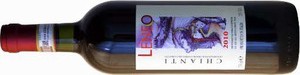
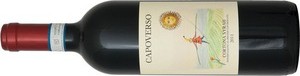
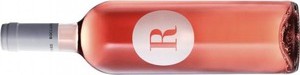
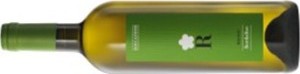
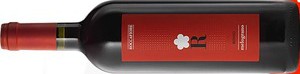
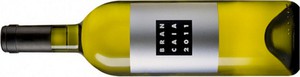
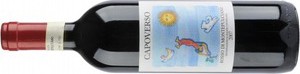
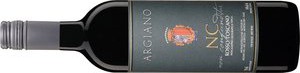
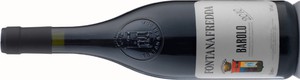
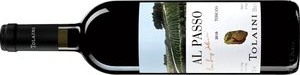
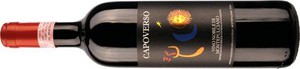
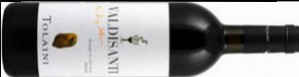
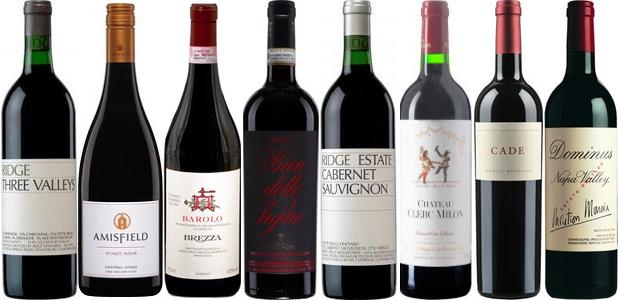
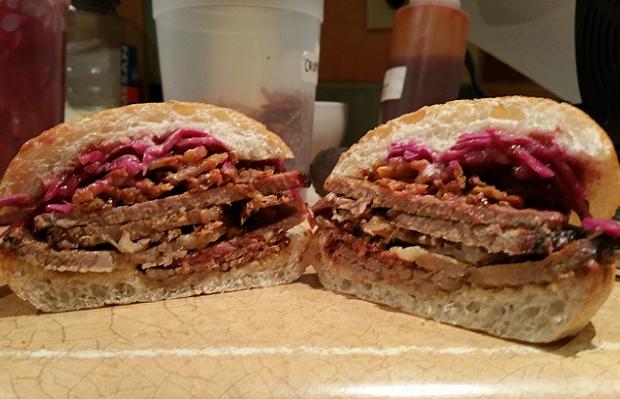

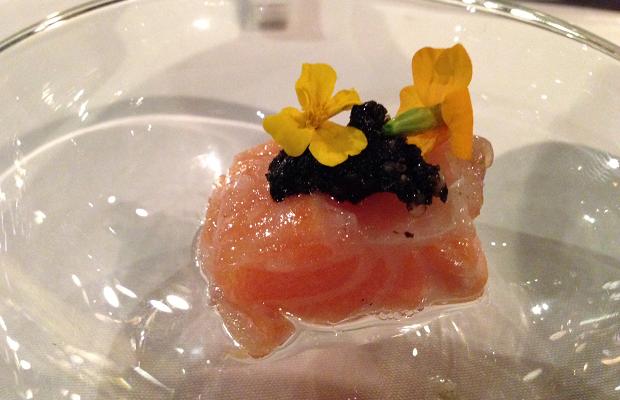


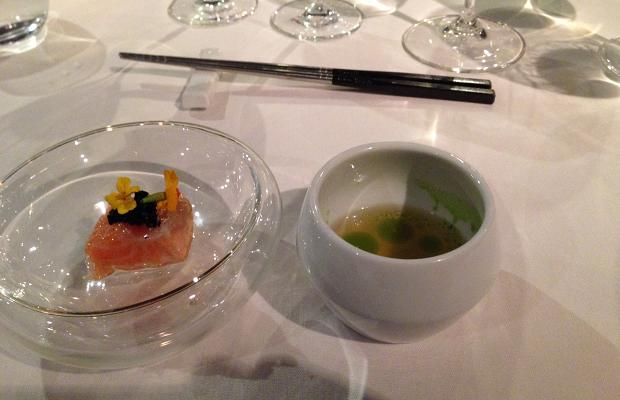
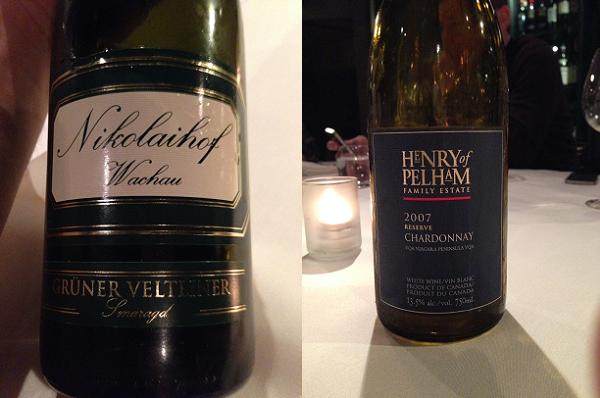
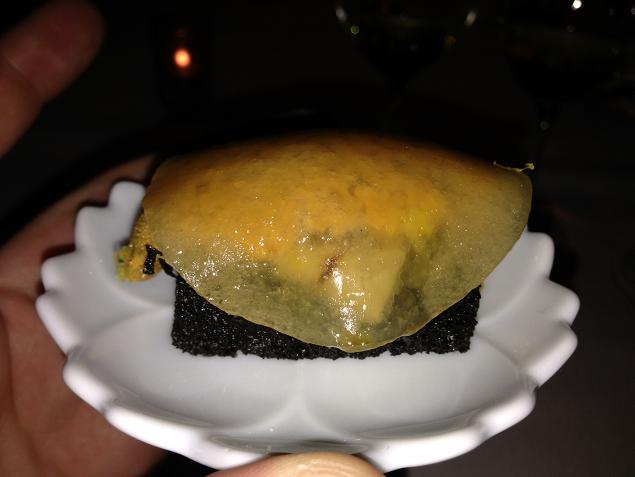


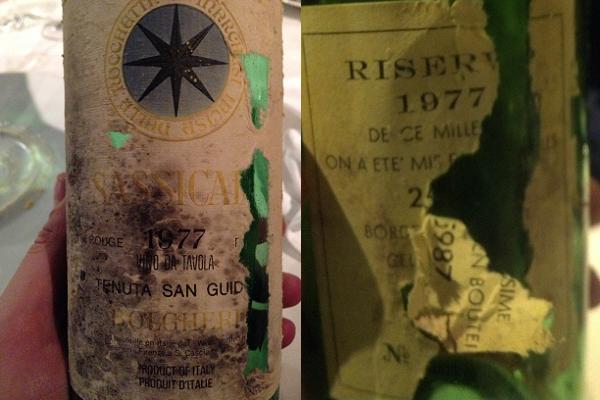
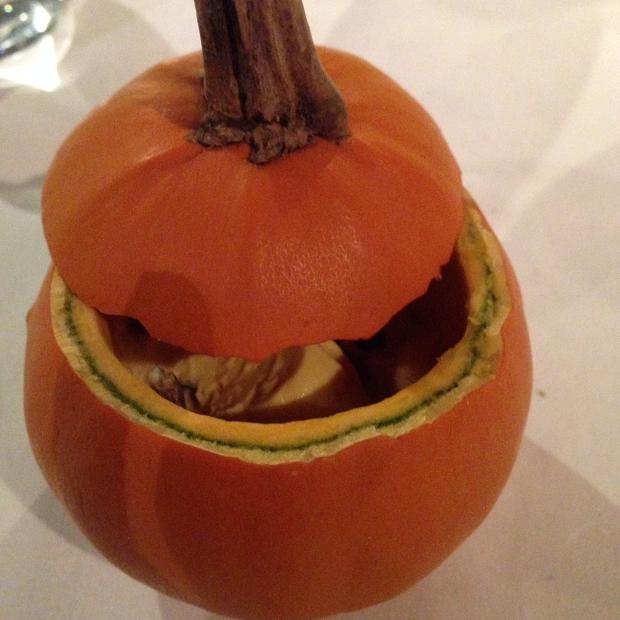

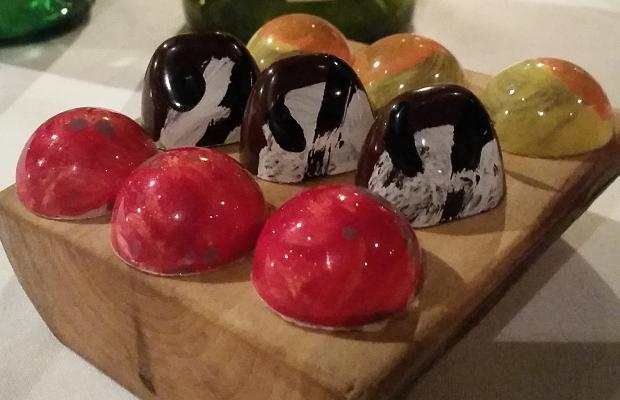
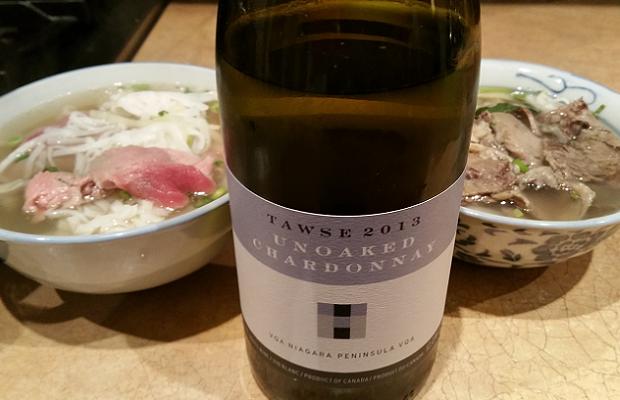
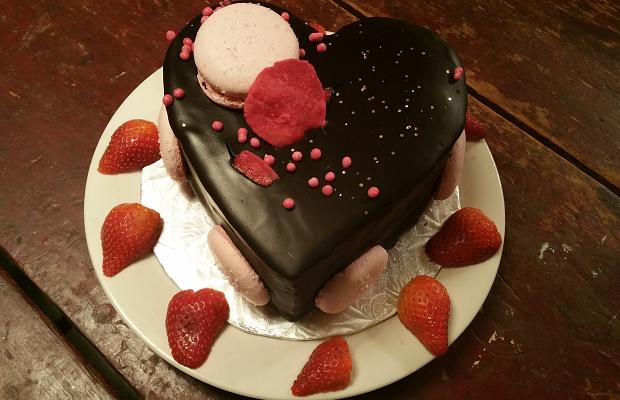
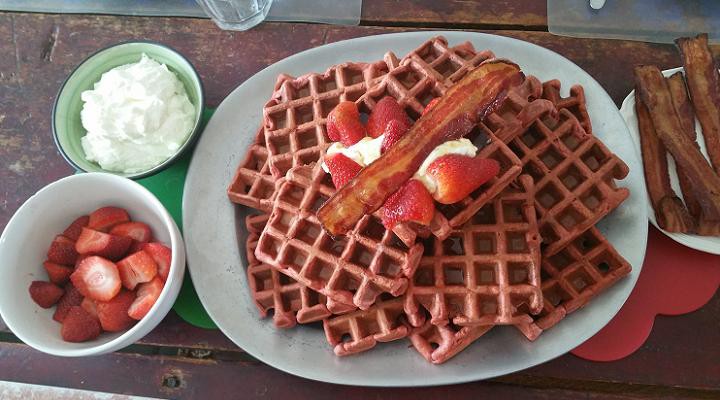
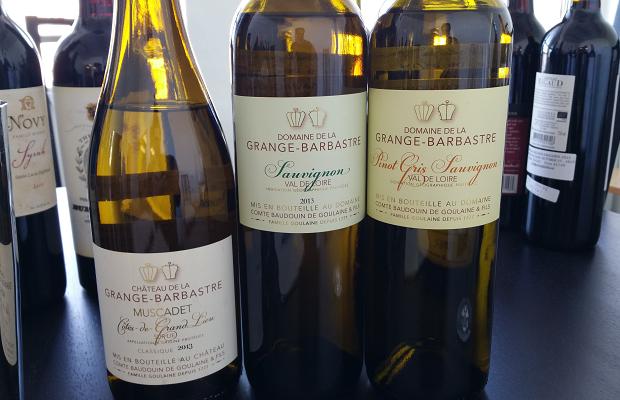
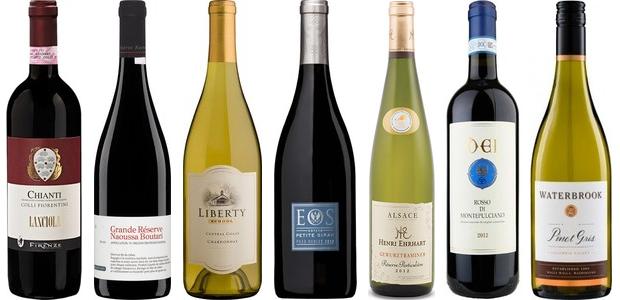

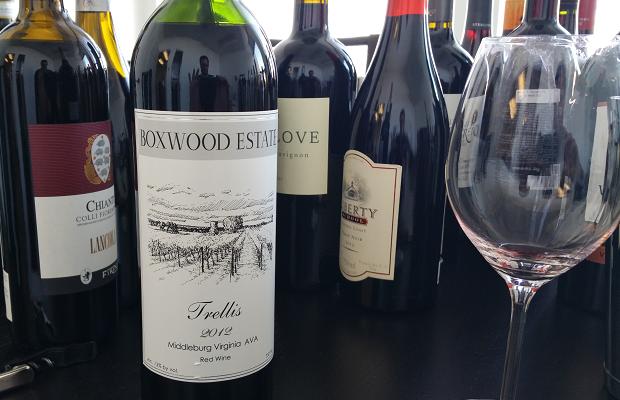
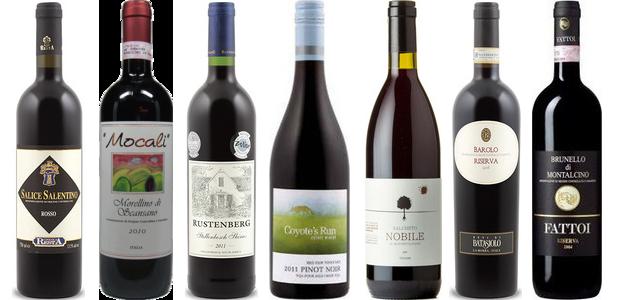
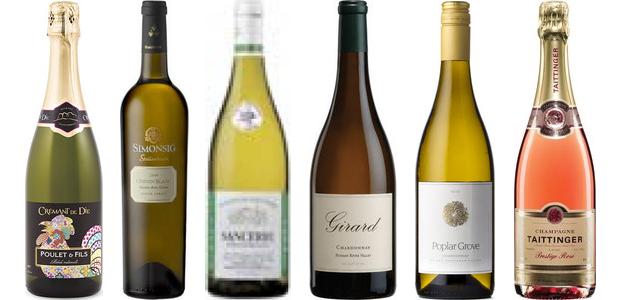
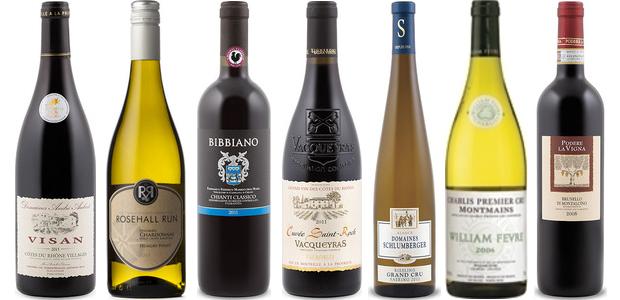


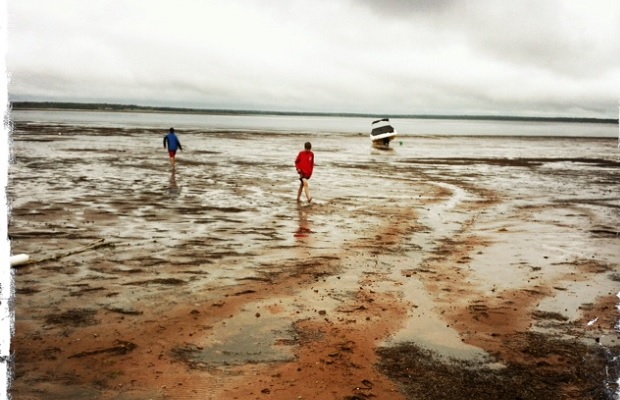

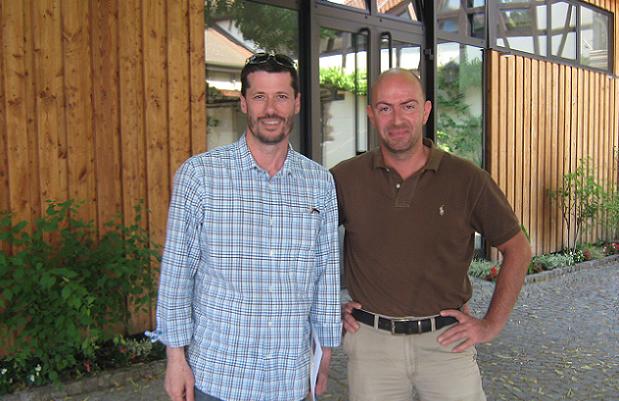
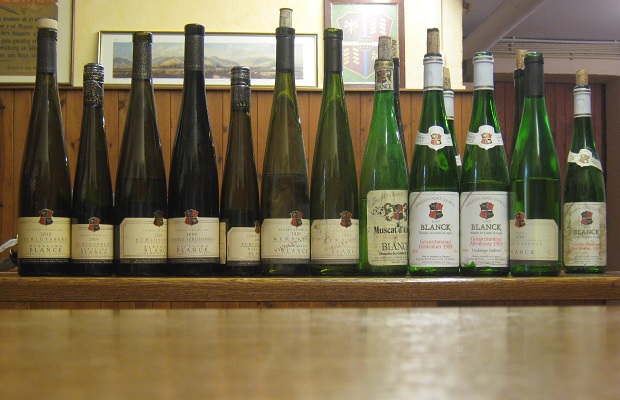
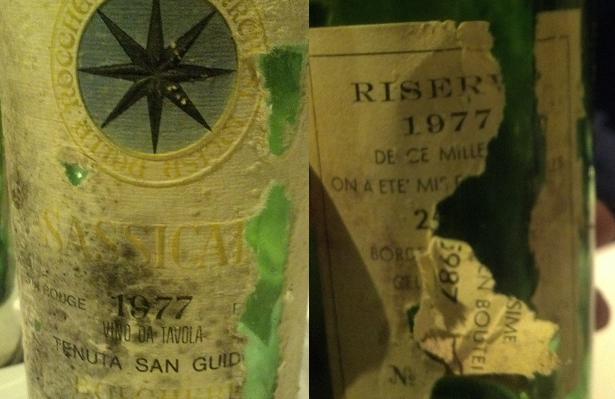
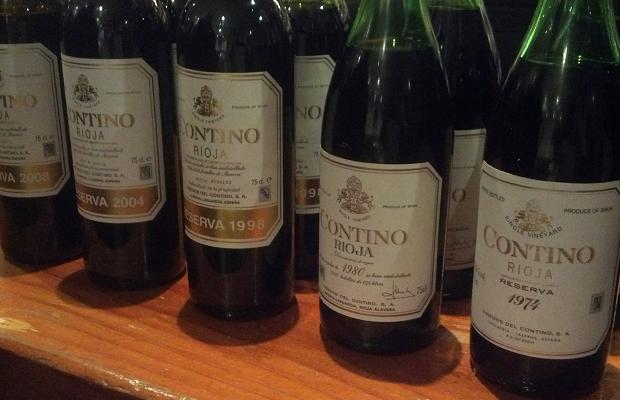



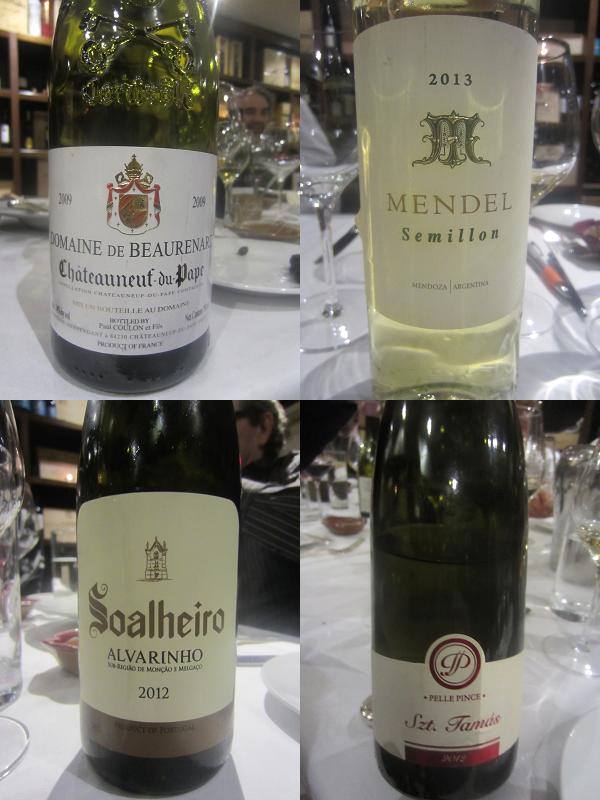
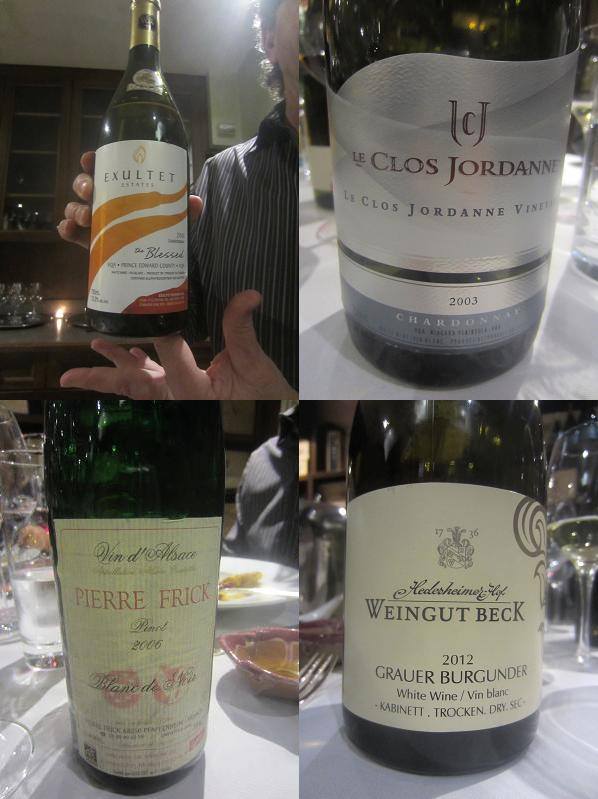
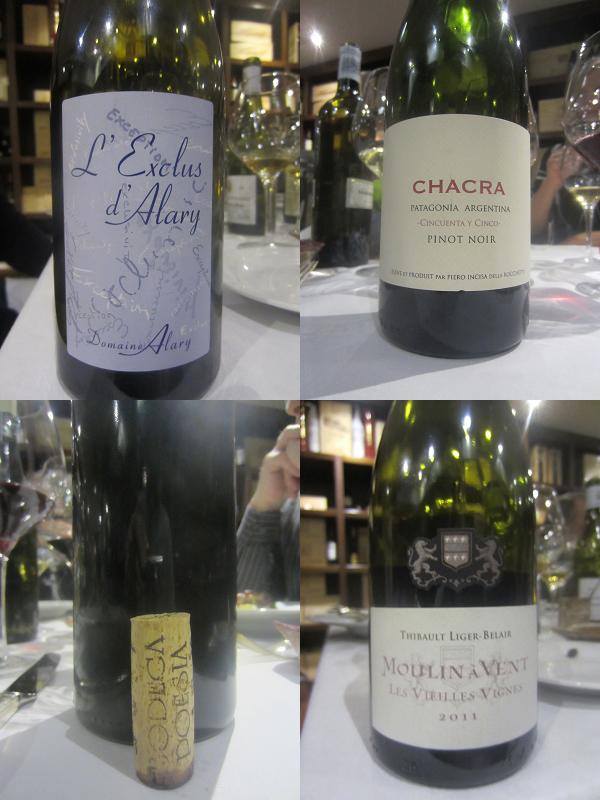

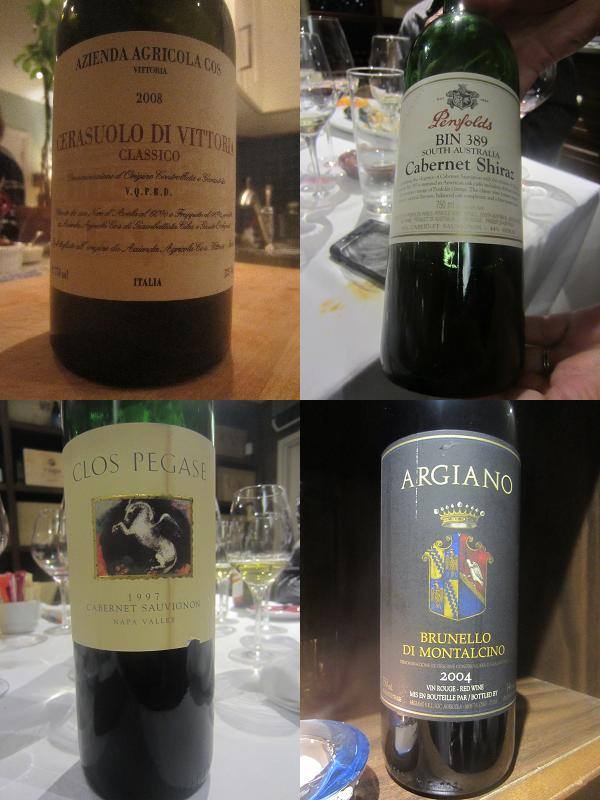
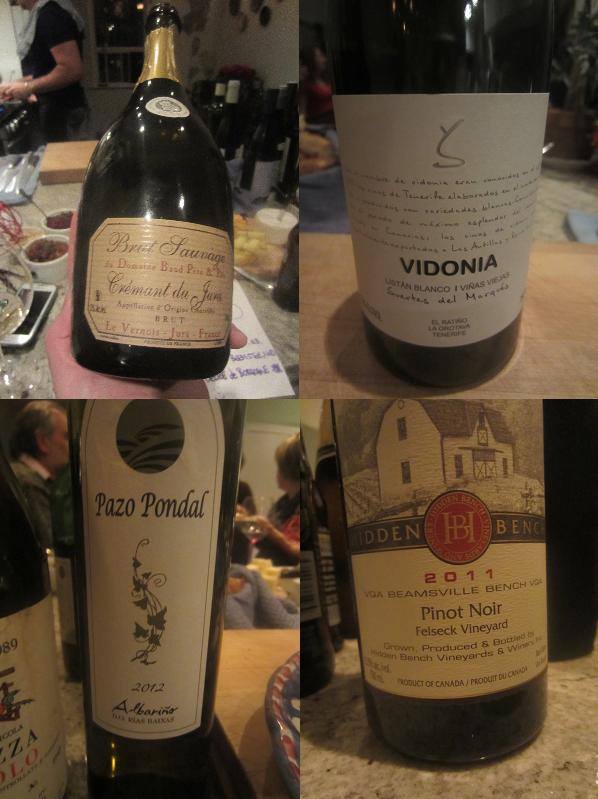

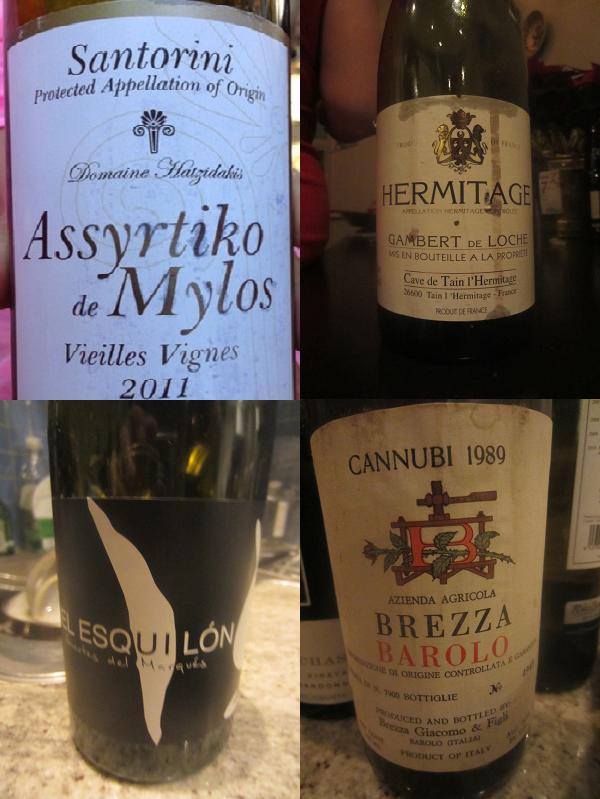
 Godello