Today I will go out and taste another set of wines, graciously if institutionally laid out by our hosts at the LCBO. The challenge in assessment will be, as always, in the unearthing of the gems from within the larger group. There are always great wines to discover. That is the joy.
Two weeks ago I did the same. From that mass of juice I first published last week on the Spanish beauties that stood out to be counted. As far as a feature thematic goes, the Spanish armada was very impressive. Does that not say something about the state of quality in Spanish wine today? Like the wines presented below, those Spaniards are another group of wines whose future is being remembered with each passing sip.
In wine there exists minute atomic particles spinning and interacting in space, in the bottle and in the glass. Sure that’s really all there is. But we think, perhaps too much, yet still we think. The ritual relationship between vines and wines is based not only on rooted human connections to these vines and wines but also on a far more subtle intuition. It’s based on the idea that the vines and wines are breathed into actuality by civilized consciousness. Wine is compelling and begs to be entwined and transformed by the human imagination.
So, after that piece of grand advice, shopping list in hand, find a store nearby with any or all of these seven recommended bottles and have a great, wine-soaked January weekend.
From left to right: Aubert Visan Côtes Du Rhône Villages 2013, Rosehall Run Cuvée Hungry Point Unoaked Chardonnay 2013, Bibbiano Chianti Classico 2011, Vignobles De Balma Vénitia Cuvée Saint Roch Vacqueyras 2011, Domaines Schlumberger Saering Riesling 2011, William Fèvre Chablis Montmains Premier Cru 2012, Podere La Vigna Brunello Di Montalcino 2008
Aubert Visan Côtes Du Rhône Villages 2013, Ac Rhône, France (224915, $15.95, WineAlign)
Highly modern, evolved and warm weather friend. Red fruits dominate the aromas and on the palate a good angst lurks of something darker and ferric, though not over the top. Has a level of complexity that will see it to future days of coming together. Tannins and acidity are tough so give it three to five years. Well made and more than laudable value in Côtes Du Rhône. Tasted January 2015 @warren_walden@VINSRHONE
Rosehall Run Cuvée Hungry Point Unoaked Chardonnay 2013, VQA Prince Edward County (401208, $19.95, WineAlign)
With five months to solidify the intent, now the County fruit is revealed as a very upfront and happy place fitted, unbaked Chardonnay. “Like a river that don’t know where it’s flowing,” the wine is hungry in heart, riverine pointed and a touch effervescent. This is to be liked, in an Irish belt and Germanic sangfroid meets Moscato d’Asti melding way. Not as dry as some other Ontario unplugged but inflected of a similar floral and leesy profile. Very unique take. From my earlier, August 2014 note: “What is so striking about Dan Sullivan’s unoaked Chardonnay is the classic and unmistakeable County perfume that can only be his. No matter the grape, a Sullivan white is a cold play of pear and citrus, made most obvious when oak is not around to confuse. A Rosehall white is always the most glycerin-textured in the County and Sullivan’s light touch ensures this PEC Chard is made in the vineyard. There is a lightness in its being but it is one of the better unoaked wines made in the region.” Last tasted January 2015 @Rosehall_Run@sullywine
You have to swirl the stuffing out of this Chianti Classico, to aerify the concentrated must, soften the smithy metal and shake the dust out of the skeletal toys in the attic. In Chianti sometimes “nothing’s seen, real’s a dream.” After that it’s so very volatile, angry, biting, scathing and downright agitated. But it’s big and bruising, full of prune, fig and a real CC swagger. Very large for CC, in full conceit and with all those opposing forces in battle, I can see this aging for 10 plus years. Would like to see where it goes when it settles. In the later stages there is a funk, of the extra-terrestial Tuscan kind. Fun Sangiovese. Tasted January 2015 @chianticlassico
Vignobles De Balma Vénitia Cuvée Saint Roch Vacqueyras 2011, Ac Rhône, France (4003822, $24.95, WineAlign)
Delicious smelling Vacqueyras, of pure red fruit distillation, bursting berries and a smouldering of warm earth. Breath deeply and it doth not burn at all, a sign of great restraint and seamless forward thinking. Nice soft structure and carries itself with such poise. What’s not to love here? Tasted January 2015 @TheCaseForWine
Domaines Schlumberger Saering Riesling 2011, Ac Alsace Grand Cru, France (627950, $33.95, WineAlign)
To the north of Guebwiller, the vineyard is “the peninsula on the plain.” More often than not drier than the others, less weighty than Kitterlé and on par with Kessler, 2011 is the year of its kinship. Here alights the lemon drop, petrol, vintage given and vintage using searing Schlumberger. I have tasted the last five (in Saering, Kessler and Kitterlé) and here is the most intense of the group. Really wound tight, rolled into a fine Riesling cigar, with the stuffing to see that its “gonna go far, fly high…never gonna die.” Saering, those who wait patiently for you to become a star, “they’re gonna love you.” Tart and chalky, very calcareous, very serious. This needs 10 years to see heights elevated into another stratosphere. Tasted January 2015 @drinkAlsace
William Fèvre Chablis Montmains Premier Cru 2012, Burgundy, France (977587, $49.95, WineAlign)
A revisit (nine months after first tasting) confirms the ascertained earth, the gathered calcaire and the efficiency of mastering this plot. While neither as elegant as Les Lys or as intense as Mont Milieu, the Montmains is struck by stark, lees melding structure and mouthfeel. The sensation is like sucking on a slow-release tablet of concentrated Montmains. It’s pointed, rigid and saline, like a bone from the skin of the sea. Amazing tannin. The weight is gathered from dynamism that turns seas to rock, rock to liquid. Needs five more years. Last tasted January 2015 @WilliamFevre@WoodmanWS@BIVBChablis
Podere La Vigna Brunello Di Montalcino 2008, Tuscany, Italy (390807, $49.95, WineAlign)
If ever there was a glaring example of how a wine can polarize a room full of tasters, the Podere La Vigna Brunello is the dictionary entry. There is no doubt that it reeks of classic Sangiovese Grosso, of leather hides, centuries old liqueurs and hanging carcasses. Straight up, this is an animal, of Montalcino animale and animated beyond suspended belief. A combination of heavy syrup and evolution are well ahead of the curve. That in itself is not the issue, but rather the earthy, pruned fruit, overripe and heavily extracted. It’s a hematoma of a Brunello, with the swelling rising in the wine like bruises but, that said, it’s so very Brunello. Acidity is present but falls a bit short, while the length is just decent. I am not blown away by its ancient and pageant charms because it will not last. Were it a ’95 it would have huge appeal. but if consumed in 2033 it will most certainly provide for some muddy water. Tasted January 2015 @buonvini@ConsBrunello
Québec native and Niagara Peninsula resident Thomas Bachelder makes Pinot Noir and Chardonnay in three countries. He may not be the only gypsy winemaker on this planet but he certainly ranks as the most focused. Over the past few years I have had many opportunities to taste and be privy to the diversity, overlapping and incrassation of his portfolio. By now I know so much and understand so little.
There is one thing I do know for sure. Bachelder and partner Mary Delaney form a formidable wine-producing juggernaut. Together they are the vine and the fence. The question is which one is the vine and which one is the fence. If asked they and their guests would likely all produce different answers.
In Oregon Bachelder made wines at Ponzi and Lemelson Vineyards. In Niagara he was best known for creating a world-renowned portfolio of Pinot Noir and Chardonnay through an artfully applied science at Le Clos Jordanne. Beyond Bachelder there is now the Thomas effect at Domaine Queylus. He’s like the Chicken Man, “he’s everywhere, he’s everywhere.”
In Ontario his Pinot Noir fruit mainly comes from the St. David’s Bench vineyard owned by the Lowrey family. The Chardonnays are drawn from the Wismer Vineyard on the Twenty Mile Bench and the Saunders Vineyard closer to Lake Ontario. In Oregon, the sturdy contrariness of the vines show a marked preference for the sandstone and volcanic (Basaltic) strata, in Yamhill-Carlton and the Willamette, rhymes with dammit – thanks Mary … ;), Valley. In Burgundy the terroir in micro-plots diversify the stratagem even while some are considered lesser locales for growing great Burgundy. But one thing is clear. The lieu-dits that give of their fruit all qualify as appellative wonders of the Bachelder diaspora.
Thomas Bachelder loves his map of Bourgogne. He would crawl inside it if he could.
For a brief history on the Burgundy, Oregon and Niagara terroirist, check out my two previous posts on the Bachelder project.
Wine writers hard at work. Clockwise from bottom left. Godello, Rick VanSickle, Evan Saviolidis and Michael Pinkus Photo: (Elena Galey-Pride, http://www.winestains.ca)
Order is an extreme obsession for Thomas Bachelder, in an organized, chaotic way. For this reason, the wines were tasted in the following progression, to make sense of the complexity and variegation in each country from the three distinct yet wholly antithetic bon (Burgundy-Oregon-Niagara) terroirs.
From old vines in the commune of Puligny-Montrachet, Bachelder’s Aligoté is a flinty, indiscreetly pinching and itinerant example. More complex than it needs to be, it can be accused of being a risk taker. If Chardonnay is considered in terms of finding excellence out of cool climates, this Aligoté is downright gelid. The wine doth go both ways, at once reductive and then terpenic. Lime citrus concentrates aromas and flavours within a very platinum, mineral frame. Speaks several languages that can be related to but only if you can pry through the cracks in the hard protective shell. Confounding really, yet a fascinating study. Bachelder could do for varietal Burgundy Aligoté in ways similar to Sylvaner in Alsace. Tasted December 2014
Pinot Noir Oregon 2012, Willamette Valley, Oregon, USA (333278, $34.95, WineAlign)
Primarily constructed from the fruit of Yamhill-Carlton vines, a third of which is Lazy River, an apropos moniker because by harvest time it hardly moves. The warm vintage adds a calm dimension to a Pinot Noir more Burgundian than the Bachelder’s Niagara and also more table friendly. Pure perfume and like life in layered, rosy hues, a vie en rose, from the land and the river’s subtle flows. The terra mobilis. The underlying dream in Thomas Bachelder’s Oregon movement is mineral, like salinity, not limestone but something ambiguous from the river’s pull and under the river. Elegance lived and relived. Here is a wine from a very available warm vintage, with a mess of fleshy fruit, yet Thomas does not obfuscate the terroir. In 2012 and needfully so, it is served from a light hand. Currently available at the SAQ in Quebec and coming to VINTAGES in Ontario, Spring 2015. Tasted December 2014
The fruit for Bachelder’s local environ comes from Wismer Parke within the essential Niagara vineyard. By way of setting bearings straight, the Park is contiguous to the Foxcroft and Wingfield sections of the Lowrey Vineyard. A precocious and most positive net gain Pinot Noir most of which, as Thomas so adroitly points out, will be consumed before being allowed to hit its prime. Despite the generic labelling, this is not a mass-produced bottling by any stretch and was swallowed up by licences. It’s a hallmark expression of warmth, texture, vintage and the capability of Pinot Noir in this specific place. What Thomas has achieved, with effective persuasion, is a cloning from intimate belongings; earth, fruit, Lowrey. Tasted December 2014
Côtes De Nuits Villages Aux Montagnes 2012, Burgundy, France ($45, WineAlign)
Named for La Montagne, to recognize it for place because local rules forbid calling it what it really is, nudge, nudge, wink, wink. So what was ‘La’ is now ‘Aux’ and with the change, in this vintage, comes something formidable, eliciting a response of aux la la. Let’s talk about this, with no mocking tone, just real thoughts. Anything but regional, this Bachelder is so very Villages, specifically lieu-dit, with its depth of earth and release of perfume. A piercing sort of Pinot Noir from a which a sauce could be fashioned out of its sheer intensity, to bathe meats. The concentration has a citrus feign, bright, in the back, along with a giving and Burgundy forgiving mineral funk. In this Burgundy, the mountain lurks, in spirit torque. Will unwind for up to 10 years. Available at the SAQ in Quebec. Tasted December 2014
Pinot Noir Johnson Vineyard Oregon 2012 and Côtes De Nuits Villages Aux Montagnes 2012
Pinot Noir Johnson Vineyard Oregon 2012, Willamette Valley, Oregon (SAQ 12065338, $44.50, WineAlign)
A hard-working wine that reaches for fibres not available for weave in the Bachelder ‘basic’ Oregon Pinot, the Johnson digs into the salty waters beneath the earth. Draws up its hydration, the astonishing fidelity of minerals magnetized and then redacts the smokey, splintering spokes of wood. The juice in 2012 flows and follows the inconsistencies of the skin and the barrel like the river travels along the irregularities of the land. Rich, dusty, brooding and intuitive. The Johnson is bent on serious intent, like a sculptor’s dentil relief, with increased shadow, less mannerist in 2012, deeper, darker and of more solemnity. When the ’11 was at first hard to figure then soon after revealed its charms, this ’12 will take much longer to unravel. The brightness of Oregon Pinot Noir is perhaps its greatest attribute so here that light is not yet known. Wait three to five years to find out its truth. Tasted December 2014
A balanced and thoughtful wine, from five rows of mostly mysterious, and unknown clones. There simply is no other locale in Ontario that you can grow Pinot Noir any further away from lake and river and still unearth such depth. Though terroir-driven, this shares little with other geographical perimeter outliers, like Ravine and Coyote’s Run. Can only be Lowrey; folkish, demotic, St. David’s Bench vernacular. From my earlier, October 2014 note: “To those who wonder aloud about the annual love affair with this vineyard, suck it and see. This connectivity and this wine renew again. Same time, this year. Bursts of all that have come from it before, are here now and in temptation of what will be for years to come. Has “the type of kisses where teeth collide,” a Sam Cooke ages to Arctic Monkeys kind of reckless serenade. It’s also a balladeer, this scaled back Bachelder, if that can be said to be done. Here now soft, elegant, perfumed, demurred, sweet, downy, pretty, not yet fleshed, surprisingly void in tannin, anxiety and tension. Work with it for 10 minutes and it will then begin to bite back, show its teeth, pearly white as they are, grind it out. There will be 10 years of development in this Lowrey, if not less, but in ’12, that is more.” Last tasted December 2014
Nuits St Georges La Petite Charmotte 2012, Burgundy, France (357228, $49.95, WineAlign)
Here grinds a wine that could want for some decant, a pause for thought while the imbibers assess their ways through Oregon, Niagara, Johnson and Lowrey. A pent-up perfume, when allowed to breath in and then out, results in a concentration of aromatic certainty. Tight and bracing, with cedar and bitumen, cherry and rose, this single-vineyard NSG hugged up on a northern slope is both adamantine Nuits and the pretty dame of Beaune. Straddles the arrondissement’s Burgundian twain, the Neaune, from iron to sublime. The imprint of yearning and distance. Tasted December 2014
Les Bas Liards Savigny Lès Beaune 2012, Burgundy, France (SAQ 12089567, $38.25, WineAlign)
Only two barrels (one and two year-old, zero per cent new oak) were procured of this 100 per cent Pinot Blanc. “I’m a barrel fermenting maniac,” admits Bachelder. He might also say “I’ve got a job, I explore, I follow every little whiff and I want my life to smell like this.” Stone fruit is in resolution and integration, fully, completely. This quenches thirst, like chewing on raw fish. Why Pinot Blanc in Savigny Lès Beaune is the $64K question with an answer tragically not really known. Its taste is not just Pinot Blanc, it is the flavour of Savigny Lès Beaune. It is PB looking for a place to happen. The argument is logomachy, the reality is Savigny. What it delivers is a clean, hip Burgundian message and at the same time asks, “do you taste Chardonnay?” Yes? No, I taste Savigny Lès Beaune. Tasted December 2014
Bachelder Chardonnay Johnson Vineyard 2012, Willamette Valley, Oregon, USA ($44.95, WineAlign)
From the best four of twenty barrels (and 15 – 18 per cent new oak). The salinity drawn is deeper still, like a bone from the skin of the sea. Rich tones, components, tannic texture, filibuster Chardonnay. From my earlier, May 2014 note: “More specifically a product of its ocean meets sous terre soil than Bachelder’s basic (term used loosely) Chardonnay, the Johnson nicks more richesse, around and around fullness. Not to mention the cerebral wisdom of two Scots and a Charlemagne. Johnson’s progressive and forward thinking maker works with inconspicuous wood and the science of introducing oxygen into wine in a controlled manner. He might say “for it is wisdom that we have for sale.” Like a white-winged dove, the 2012 will trod lightly towards a long walk to a very long life. It can be imagined aging to the edge of seventeen. The earthy feel, the salinity, not from tannin but from soil, “the music there, well, it was hauntingly familiar.” This is iridescent Oregon in a Bachelder voice. No doubt.” Last tasted December 2014
Primarily fruit sourced from Wismer-Foxcroft and Wismer-Wingfield plots, the oak treatment is 15 per cent new. Shows so much more warmth than Oregon. More honey and tropical notes than many peers as well. And still limestone crusted apple is the major finishing key in a Chardonnay that sings a familiar Niagara hymn. From my earlier May 2014 note: “Bottled just one month ago, contrary to the monk’s assertion, there is nothing shocky about her. Her fruit is downy soft, round without being fat because as Bachelder maintains, real as always, you “can’t have the minerality of that perfect 2011, I’m not going to bullshit you.” The 2012 is a wine unconscious in its own obviousness, ready for anything. Gregarious, golden, fresh fruit that was ready to roll out of its barrel and into the waiting glass long before its maker was prepared to open the valve. And of course there is a mineral finish. It can’t help but be.” Last tasted December 2014
Bourgogne Chardonnay 2012 and Niagara Chardonnay 2012
From a site 2.5 km’s from the lake, right on the highway at 30 Bench. Derives its plushness from mere proximity so “serve it first,” pleads Thomas. So much lush, more richesse and yet today, Saunders is a bit closed, primary even. Will yet need some time to find its way. Coming to VINTAGES, Spring 2015. From my earlier, May 2014 note: “Though presently showing a bit inferential, no amount of Bachelder reduction can keep good fruit down nor can it dismantle the mastery of mineral impart. An arras of texture conceals the portal to both vineyard and barrel with streaks of salinity, charcoal and chalk. The 2012 rendition is a canvas laden with pure golden paint, concealing “hidden forms and shifting states.” Thomas has found a rhythm in Saunders through thick brush strokes, full and advancing. This warm vintage is not a receding one, its flavours and its texture do the opposite. They jump out at you in waves. For Thomas, the sublime is now.” Last tasted December 2014
An appraisal of Wismer, much further up on the Bench as compared to Saunders, is always fraught with side by each guilt. The two coax and dissuade each other in every respect, from vintage to vintage and in flip-book oscillation. Once again, the reversal is complete in 2012. Wismer gives not just power and warmth, but layering. Its voice is an astonishing fidelity of native rock magnetized. Wismer finds a way to make grace necessary and to make necessity graceful. While Saunders made yeoman’s work of 11’s crazies with precision and poise, Wismer takes the glow of ’12 and turns it into cool sunshine. This Chardonnay of wealthy fruit, controlled oak, olivine and feldspar tannin will slowly wash up like driftwood on the gravelly beach of life. Give it a year or two to assimilate the components and drink it for 10 more. Tasted December 2014
Bourgogne Chardonnay 2012, Burgundy, France (272005, $35.95, WineAlign)
From lower Puligny, this is rich, forward and expressive Chardonnay. While it may gangle out with a fierce, pierce of the tang, a change fills the air after much discussion about a barrel, how it is used and to what effect, both for its current and predictable future. Has that honeyed, lemon toasty unctuousness, a weave that is weighty and glazed. Some wood spice and a colourable, creamy curd of citrus. Oak compounds the sweetness and layering. Puligny runs through its wooden veins and pumps micro-oxygenated nutrients to the important, internal organs. The eventuality here is the alleviation of pressure and a retrofit of fruit to elegance. Strike another notch up and step forward for the Bachelder Burgundy sojourn. There is still so much to learn and even this will seem pedestrian compared to what will come but for now it’s just fine, thank you very much. Tasted December 2014
Savigny Lès Beaune Les Bas Liards 2012 and Marsannay Clos du Roy 2012
Marsannay Clos du Roy 2012, Burgundy, France ($39.25, WineAlign)
The ‘King’s Hill’ which is just half of the misnomer because how can a plot of such ability be considered so low on the Cru pole. Half of a new barrel went into the minuscule (two barrel) blend. Chardonnay like lace, from nothing less than an appellation prepared to offer up fine drink, in pastry and in textile. Tropical tree fruits hang in rows, connected by cream and the contending forces of smoke and bite. Always the end game of rock envelops the whole, like gabbroid nodules, permeating every fissure. And so, because a Bachelder Chardonnay must comply, as the earth invisibly prepares its vines for successes and failures, so history is the creeping intent. Tasted December 2014
In which camp do you take up permanent and loyal residence? Do you listen to, build your cellar around and taste exclusively of the singer-songwriter, the solo artist, the grape that goes it alone? Who are you? Varietal or blend?
Many a quarrel has landed on the subject of pitting meritage versus the single-varietal. The purist will argue that no combination of grapes can combine to make for the greatest of wines (save for Champagne). They will insist the skilled and important winemaker is one whose favourite medium is difficulty. That only the ones who are possessive of the cabalistic code can truly unlock the inner secrets of their art. That it can only done through the secret concentration and religious attention paid solely to one partner.
Pinot Noir and Chardonnay perpetuate in globally made, 100 per cent single solutions, not to mention the behemoths of Shiraz, Malbec, Tempranillo, Sauvignon Blanc and Riesling. To a lesser extent there are great vats composed of Cabernet Sauvignon, Sangiovese, Cabernet Franc, Merlot, Nebbiolo, Gamay, Chenin Blanc, Pinot Gris and Gewürztraminer.
The viticultural right of assemblage is one of the perks in modern winemaking, propped up by and standing on the shoulders of Bordeaux giants. The blending of grapes in summations to argue that the whole is the proper gross of fractions is a celebration of the 21st century avant garde.
Yet times evolve, change and tesselate. Old becomes new again. In November I travelled off the beaten Italian varietal path in an investigation of the B-sides, the ones that no one else knows about. I met the awakening of the Italian grape vernacular, engineered for companionless a cappella troubadours, from Albana to Ribolla Gialla, endemic (or indigenous, if the nomenclature suits you) and ancient varieties that have entered a time of new dawn. A similar renaissance is happening in Spain.
In October, at the invite of the downright honourable good Dr. Barry Brown of the Spanish Wine Society, I had the opportunity to taste through a wide selection of the wines of Navarra. The region lies between Pamplona in the north and the Ebro River plain to the south. Non-native varieties like Chardonnay, Cabernet Sauvignon and Merlot were introduced in the eighties, but it is the native Viura, Tempranillo and Garnacha that drive the Navarran machine.
The Rosado of Navarra were exceptional and the best examples were composed from 100 per cent Garnacha. The single-varietal compositions in Garnacha and Tempranillo by Bodegas Principe de Viana drove the companionless point. The exception to the rule was found in the wines of Bodegas Tandem. The small winery in Tierra Estella (Yerri Valley) is fashioning blends using Tempranillo with Cabernet Sauvignon and Merlot in a combination of concrete vats and French oak. The slow ripening, meticulous handling and extended aging in wines crafted by José María Fraile is nothing short of exceptional. After all, they are called grape varieties and variety is the spice of life. Why shouldn’t blends have more fun?
In November I continued my Spanish odyssey with the wines of Garnacha. It was there that the solo records, in red and white really began to play in my varietal head. Garnacha (also known as Grenache) is one of the world’s oldest and most widely planted grapes. Its ability to assimilate the double-pronged effect of a Mediterranean climate and an Atlantic suffusion make it ideal for the Iberian Peninsula.
From left to right: Bodegas Tandem Ars Nova 2011, Bodegas Principe de Viana Garnacha Vinas Viejas 2013, Viñas del Vero La Miranda de Secastilla 2012, Lafou Els Amelers 2013, Edetària Selecció Blanc 2012, Bodegas Pirineos Garnacha 2013 and Grandes Vinos y Viñedos El Anayón Selección Garnacha 2011
As the most notorious grape variety with the ability to go ying or yang, Ac or Dc, red or white, Garnacha makes for a fascinating study. Three examples expressive of Blanca’s western European white vinous supremacy opened my eyes to its capabilities. Viñas del Vero La Miranda de Secastilla 2012 (Agent, $16.00) from Somontano made use of four months in two year-old oak barrels to help develop texture in as good a value Garnacha Blanca as could hope to find. The Lafou Els Amelers 2013 (Agent, $28.95) from Terra Alta is a gorgeous wine of salinity, calcium, white flowers, fine lines and elegance. The Edetària Selecció Blanc 2012 (Agent, $39.95) also from Terra Alta is the pure distilled embodiment of Garnacha Blanca with its own unique and distinct aroma.
The Toronto Garnacha tasting ushered by Sopexa Canada brought into focus the grape’s diverse spectrum spread liberally around Spanish wine regions. When Garnacha goes it alone the results are extremely varied, from simple syrup, inexpensive drops to seriously structured compositions. As a varietal wine it is extremely accessible and offers exploratory song lines for all walks of wine consumer life.
From Somontano there is the Bodegas Pirineos Garnacha 2013 (Agent, $17.00), a prime starter’s example all about structure, with rock, chalk and lime-like citrus accents. This is a red Garnacha for the white wine drinker. Grandes Vinos y Viñedos El Anayón Selección Garnacha 2011 (Agent, $30.00) hails from Cariñena. Reeking ethereal and attenuated in American Oak, the high toast, citrus tone, vanilla and Rhône-esque garrigue is palpable. Crazy sweet tannins will carry this big fruit Garnacha to the next decade with pleasing clarity.
So with thanks to Macabeo, Prieto Picudo, Mazuelo, Graciano, Garnacha and the people who brought them to us, the individual is freed from the collective. In a twist of Descartian philosophy, of mind and mechanism, varietal wine is handled with the treatment of oxymoronic social sciences. The result is a triumph of secular materialism, the conceit of modernity and the reduction of the world to a single, simple mechanism. Varietal atom splitting is a resource to be exploited in blind interaction with the living planet.
In the end there is only one vine, one grape, concentrating, developing, existing one at a time. Here are six full tasting notes on varietal wines, each allowed to shine without intrusion and on their own line.
From left to right: Torre Oria Reserva Brut Cava, Dominio Dostares Estay Prieto Picudo 2011, Señorío De Sarría Viñedo No.8 Mazuelo Crianza 2009, Finca Los Alijares Graciano 2009, Baron De Ley Varietales Graciano 2010 and Viñas del Vero Secastilla 2009
Made from 100 per cent Macabeo, this is from a winery that is the first to produce Cava from outside of the Penedes DO. Here, from Valencia, up front there is dust, must and concrete, evidence of a lees-induced oxdative lean and wish upon a star aridity. There comes a time when dry fizz does not have to be the way to go, especially when trying to please many palates in too tight a space. So up steps this formidable Cava (with 9-10 g/L RS), in quality, with a crush of gala apple, a weight and a texture like a shag rug. Sure, it may be a bit disco but it’s also so very retro hip. Like Gorillaz and Clint Eastwood with “the essence, the basics,” and its “got sunshine, in a bag.” On the oxidative side? Yes and “the future is coming on.” Drink up. Tasted January 2015 @cavaswine@DO_Cava
Dominio Dostares Estay Prieto Picudo 2011, Vino De La Tierra De Castilla Y León, Spain (393140, $15.95, WineAlign)
A rare sighting of Prieto Picudo, one of the more idiosyncratic of grape varieties. This is the entry-level offering from Dominio Dostares (they make more precious best plot selection versions). Vines as ancient as 90 years old contribute briery cedar and leathery veins but this is quite modern, straightforward and aiming to please. Though a bit hot and heavy, the aridity (2 g/L RS) and the mineral streak keep it real. A harmonious if gangly red (from high acid soils), keeping warm and huddled within its hermetic, endemic environment. Short and simple, sweet and tart. Represents striking value in something other. Tasted January 2015 @oenophilia1@_Cast_y_Leon
Señorío De Sarría Viñedo No.8 Mazuelo Crianza 2009, Do Navarra, Spain (391656, $17.95, WineAlign)
The release of relief in the activity of opportunity to taste something other, like 100 per cent Mazuelo, is just excellent. Compounded with the breath of fresh Spanish DO brought to the table by the current wave of Navarran wines, the experience is made that much more enjoyable. The wine is neither modest nor is it a mouse. Its body travels “on a road shaped like a figure eight.” It builds more than nothing out of something. The traced aromas are filled with pots of fresh flowers and the space is occupied by plenty of stuffing. No. 8 has a seamless, put together structure from the start. Silky and so very juicy with a streak of reminiscing rusticity. Great proper acidity and very stretched length. A very pretty if grounded and ode to history made wine. Tasted January 2015 @navarrawine
Finca Los Alijares Graciano 2009, Vino De La Tierra De Castilla, DO La Mancha, Spain (392522, $17.95, WineAlign)
Not unlike Rioja, the wines of Tierra De Castilla in the heart of Spain are blessed with a Mediterranean climate augmented by an Atlantic influence. This organic winery is located beneath the Gredos Mountains in the Province of Toledo. The vineyards are protected from the northern winds by the mountain ranges. Though oft considered lower in quality, the Vino de la Tierra de Castilla designation is emerging from out of the Castilla-La Mancha shell. Tasting this 100 per cent Graciano just after a few months in oak and a bunch more in bottle before release would have shown more bright fruit and verve. Now four plus years later there is still much to admire in the high notes and brightness of the nose. Hard not to notice the strikingly and hauntingly beautiful aromatics. Also some dried fruit, like prune and turkish apricot. Akin to some Dão and some Rhône, without ever flirting with being baked or stewed flavours. Aridty juiced from rocks, acidity that follows suit and to nudge it forward in longer strides. Tasted January 2015
Such a unique and life reaffirming, giving back red Riojan. The singular, singled out Graciano comeback revolution is upon us and we are all the beneficiaries. Here there exhibits a different sort of profile. A veritable profiterole of anise, cured chorizo, dried flowers and some spices (violets and the wafting aromas of Patatas a la Riojana). Not to be left off the redolent list is a funk, one that is not merde, but rather an old school, skinned hide. At the price and best of all is that the Graciano is so very, very long, like the Camino Frances, from the Pyrenees, through Roncesvalles and to Rioja. Tasted January 2015 @RiojaWine
Viñas del Vero Secastilla 2009, DO Somontano, Spain (Agent, $32.00)
Took a sip and “the breeze blew back my hair.” Made from 100 per cent Garnacha, the elevated liqueur on the nose is invigorating and initially, somehow disturbing. The combined forces of macerated, steeping cherries, melting liquorice and bubbling tar is extraordinary. Enveloped by a tinging, pinging acidity, the wine is structured in chalk, grain and gravelly tannin. The barrel influence is ingrained and the wine is most certainly huge but the overall composition is fresh, red and viscid. What to do after being hit in the face with a wine such as this? “How can I measure up to anyone new, after such a love as this?” Who are you Secastilla? Be patient, let it ride for years, let it soften. The comeback tour will be fun. Tasted November 2014 @VinasdelVero@WoodmanWS
Boutari Naoussa 2010, Monasterio De Las Viñas Reserva 2006, Keint He Voyageur Chardonnay 2012, Quercecchio Rosso Di Montalcino 2012, Villa Mora Montefalco Rosso Riserva 2008, Vina Real Crianza 2010, Finca Del Marquesado Gran Reserva 2004, Driftwood The Collection Cabernet Merlot 2012
Is there another time of year that creeps under the skin like the coldest depths of winter? Does the craving to travel, the urge to visit distant places, the longing to slip silently and unnoticed away take over with such grip more so than when it so freakin’ cold outside? Is wanderlust tugging at your layers of sleeves? Is the fernweh calling, off in the distance, far away from home, urging you to escape from your everyday life?
Easier said then done and so turn instead to wine. Wine of a different sort of ilk. Wine that causes controversy, or at the least, differences of opinion. Wine to one disappointed taster that is seemingly, annoyingly tainted. To another it is full of wizened life. Wine that polarizes individuals, asks of others to choose sides and yet always remains content and confident within its weathered skin. Wine with age.
It strikes me as remarkable that the same wine opened to two tasters will elicit profoundly divergent opinions. Imagine if two wines popped and tasted side by side could be in dialogue with one another. Like paintings that hang adjacent or opposite one another in a gallery, if the critics had left the room, would they continue the conversation? If they did, what would they say to one another?
They might say have a go at me and transport yourself away, in the moment, to somewhere else. That longing can be satiated with wine but not just any old bottle will do. It’s going to take something that indicates ancient thoughts, bottles that intimate the expression of far away lands, wines that speak a different language. In some cases it may simply involve grapes with a wanderlust of their own, voyageurs born in one place and raised in another. Or a varietal bonding that emulates indigenous assemblage.
This coming Saturday will mark the first VINTAGES release of 2015. I tasted through the offer back in December and it was mostly the Old World that stood apart, speaking in simple vernaculars, tracing steps back to the European continent. These eight wines, all under $20, spoke loudest and with much clarity. Here are their notes.
Always the bebop beat and bomb of Greece for a song. Great earth, solid fruit, a monk’s tale in Naoussa pure adrenaline fidelity. What composure this $14 red speaks with and acts in silent, loyal, religious accord. Minerals in, acidity flies out. Excellence in simple thought and Xinomavro prayer. A Monk’s dream, with body and soul, sweet and lovely. Tasted December 2014 @boutari@KolonakiGroup@DrinkGreekWine
Monasterio De Las Viñas Reserva 2006, Do Cariñena, Spain (166579, $14.95, WineAlign)
Heavy thoughts and weight are stratified in this very affordable Reserva. Showing zero effects of eight years age so again, the DNA (as being 100 per cent forthright in vintage juice) gives pause for thought. Should the impossibility be questionable? Yes, but the elevated levels of funk and circumstance make a case for utmost integrity, not to mention the old-school thought and grit. This is beautifully funky juice, scented with purple flowers and pumped up by pomp. Tasted December 2014 @Noble_Estates@DoCarinena
Keint He hit the Niagara mark with the ’12. All the right moves are struck; ripe fruit, mild toast, full yet unobtrusive malo, texture without excessively seeking success. Really well made in finding balance. Ten months to another point. From my earlier, February 2014 note: “Grapes for this Prince Edward County bottling made the long trip (thus the moniker) and were blended from three Niagara vineyards; Queenston, Malivoire and Foxcroft. This 13 per cent abv peninsula gathering saw 12 months in oak and leans leesy Chablis in temperament. Doughy Jenekek smothered in honey butter and washed down by a sprinkle of cream of tartar in soda. Mildly tropical but not bathed in sunshine. Elegant wine, especially at the price, so in that sense it’s very good value. Last tasted December 2014 @KeintHeWinery
There is s deep perfume to this Rosso, a concentrated mess of flowers, dried citrus and a forest of evergreen. Good value. Not so tight, though the acidity has an advantage. Not so drying as some, as this has brightness and red cherry fruit. Nothing dank. Good value I say but certainly on the simple side of the Sangiovese Grosso tracks. Tasted December 2014
Villa Mora Montefalco Rosso Riserva 2008, Umbria, Italy (357079, $16.95, WineAlign)
Musty and yet so very expressive. Showing signs of wisdom in age and yet still bright and full of funky sunshine. Wood spice notes and lines stretched and moving. Definitely, maybe a touch of back beat funk. The drying tannins and dried fruit flavours might be interpreted as flaws so “they’re gonna throw it back to you,” but you have heard it all before, you much maligned Umbrian oasis blend of Sangiovese, Sagrantino, Merlot and Cabernet. “By now you should’ve somehow realized what you gotta do.” Be yourself. Embrace your modern take on ancient, wonderwall ideas. You have power and prowess. You are inexpensive as can be imagined and aged well, like a many days-in marbled steak. Well done. Tasted December 2014 @DionysusWines
Vina Real Crianza 2010, Doca Rioja, Spain (657411, $19.95, WineAlign)
Another fine value here from the Riojan stable of Cvne. At first a modern mercury rise but with classical lines and structures, sharp and so very real. A Crianza whose message is old, yeah this message is true.” Queen Tempranillo that speaks of the old life, drawing character from vine and earth. Struck with tight acidity, yet verbose, melodic and artesian. As if the wine rises under pressure from a permeable stratum overlaid by impermeable rock. Is it perhaps an acquired attraction? Does it matter when it offers so much value for so little? Tasted December 2014 @Cvne@vonterrabev
Finca Del Marquesado Gran Reserva 2004, Doca Rioja, Spain (384248, $19.95, WineAlign)
Not just funky, this is an ’04 Gran Reserva that couldn’t be anything but. Oxidized, paralysed, stupefied. Wow. Old school, highly evolved, has passed every ritualistic benchmark and here presents life in Rioja as it may have once been, albeit 100 years ago. Toffee, caramel, the old barrel, sinew, roasted game, you name it – here it is. Would venture to even say this has even evolved prematurely, quicker than it perhaps even should have. But it’s so very, archaically pretty in a myriad of dirty ways. Hanging on for dear Tempranillo life so try it now, with a great braise, a perfect pork chop, or Sichuan-style red braised beef ribs. Tasted December 2014
Driftwood The Collection Cabernet Merlot 2012, Margaret River, Western Australia, Australia (399857, $19.95, WineAlign)
Margaret River Bordeaux done with a heavy hand and lifted richesse. High toned, big-boned, going it alone. Sumptuous and jammy, savoury and savvy. Clearly Bordeaux-styled with utmost modernity. Tannic too. Need to want both Oz and Bordeaux to get into this bruiser. Will age gorgeously and provide great value appeal 10 years down the road. Tasted December 2014 @Grapexpctations@margaretrivers
She says she’s making a similar wine in British Columbia, but Ann Sperling will tip no varietal hat, will offer up no hints, will not reveal the make-up in her new, all-natural Orange wine. That’s right. Orange wine.
To arrive at this (nothing rhymes with orange) juncture, a bit of background on the winemaker and her Ontario employer, Southbrook Vineyards. Sperling is from B.C., where she makes Riesling, Pinot Noir, Chardonnay and piercing Sparkling Wines at Pioneer Ranch, the family heritage farm under her eponymous Sperling Vineyards label.
Southbrook as a winery and a vineyard is a leader in Ontario’s increasingly developing biodynamic and organic direction. Ann Sperling introduced proprietors Marilyn and Bill Redelmeier to the sprawling property in Niagara-on-the-Lake and it is there that their commitment to farming organically and biodynamically is managed in the vineyard by Scott Jones and in the winery by Brian Hamilton and Regan Kapach.
The Redelmeiers are no strangers to the concepts and the agrarian way. Who does not remember making necessary stops at their farmstead and pumpkin patch on Major Mackenzie Rd. between Dufferin and Bathurst in Richmond Hill. Southbrook defined that concept in the 80’s and 90’s, by bringing a distinctly rural Ontario feel to the edge of Toronto civilization. People came from all four directions for their farm fresh produce. Chappell Farms, Chudleighs and Whittamore’s all owe a major level of their success to Southbrook’s pioneering concept.
The Redelmeier cattle farm on the 19th century property in Richmond Hill morphed into that roadside vegetable stand in the 1980s. Winemaking came next and then in 2005, Bill and Marilyn relocated to Niagara. Having chosen to pursue certifications for both the vineyard and the winery – including LEED, biodynamic and organic certification, the Redelmeiers have been instrumental in the revolution.
Ann Sperling is a natural fit for their manifesto, to produce high quality wine from estate fruit under the strict O & B directive. The upper echelon Southbrook wines are bottled under the labels of Triomphe, Whimsy! and Poetica. That she has now decided to make an orange wine is, well, natural. I think a great deal of Ontario wine drinkers, along with those beyond these borders don’t quite get Southbrook. Gaining insight as to why the Orange wine should be made is no less difficult than acquiring an understanding as to what the Southbrook portfolio is all about. You need to spend time with the wine and the winemaker. This point is essential.
Winemakers are intensely focused individuals. Their wines live and breath. As a parent to their children, winemakers feel their every step. Their hopes and dreams rise and fall with every breath they take. Sperling had thought about it for years but the 2014 vintage allowed her to take the experimental, all natural plunge.
She is not the first to do the orange wine thing. In his May, 2014 Macleans article, Orange is the new white (wine), John Szabo reported on his involvement with making such a beast in Ontario. Together with Norman Hardie and François Morissette, they have fashioned one from Riesling in Prince Edward County. Szabo wrote, “Ontario vintners are experimenting with an ancient Georgian technique and a 500-litre qvevri. “With an imported clay vessel their wine currently rests in a 500-litre qvevri in Hardie’s cellar. Szabo had also discovered that Richie Roberts of Fielding Estate was the first orangista in Canada. Roberts made 400 bottles of skin-fermented Viognier in 2012, though not in clay. Szabo had previously referred to Stanners Vineyard Pinot Gris Cuivré 2010 as “the first orange wine made in Ontario.”
Ann Sperling in the Oak Room at Southbrook Winery
The natural/orange wine debate is hot right now and not because of the reasons you might think. The smoke and mirrors of discussing the merits of making such wines or to question whether it’s rubbish is clouding the discussion. Or as Alexandra Gill reports in her most recent Globe and Mail article, “fault-indulgent hippie juice as a major scam,” or the smell of “stale, mouth-puckering morning breath.” The technique and the practice is ancient and has been kept alive. The only questions need asking are “is it good, is it well-made and would I like to drink it?”
Then along comes the Hosemaster of Wine, Ron Washam who insists “don’t publish anything about natural wine on your blog in 2015.” Washam is right when he comments on the hypocrisy of “natural wine shipped in an ocean-polluting tanker…loaded on an exhaust-belching truck…and you feel good about it because the guy who made it didn’t spray Roundup?” This N-word wine story, however, is allowed. Here we are discussing an Orange wine made with attention to ancient detail, in our Niagara backyard, the one I travelled to the source to taste and you know something, it’s pretty fucking good? You’re a funny man and a really good writer but let me ask you something. You got a problem with that Ron?
I sat down with Ann, Wines In Niagara writer Rick VanSickle and Paul DeCampo, Southbrook’s Director of Marketing & Sales on Sunday, December 28th to taste the new or yet released Triomphe ’13’s, Whimsy! ’12’s and Poetica ’12’s. A ’13 Cabernet Franc Icewine and the mysterious, ubiquitous and enigmatic Orange wine rounded out the tasting card. The experience went a long way towards adding Southbrook Vineyards to the loftier queue’s cerebral vinous database. Going forward, I’ll surely never look at these wines in the same light.
Southbrook Whimsy! Orange wine 2014
Whimsy! Orange Wine 2014, Niagara On The Lake, Ontario
“We’ve been waiting to do small batch, stem fermentation,” Ann Sperling tells us as we have a good look at the lustrous, foggy glass of orange-yellow colour more micro-described as either croceate or gamboge. “Now we have the infrastructure to do so.” Stems add architecture (and a preservative effect), something that is otherwise compromised in a sulphite-free wine. This nameless natural wine was biodynamically-raised, indigenously-yeasted and freed from the constraints of temperature control. No wood was used, only stainless steel and glass carboys. The orange and natural classification comes by way of the complex ebullition (closest in style to the Collio hills wines of Josko Gravner), in colour, weight, elegance and the dichotomy of skin fermentation. Sperling used acumen derived from the concept at Argentina’s Versado, where skins are employed in a similar way when making Malbec with husband Peter Gamble. This young wine is filled with terpenes and is highly, desperately aromatic. Lemon curd is up front and centre. It’s got a tart tang and at (approximately) 11.8 per cent alcohol, the gravity is impossibly beautiful. Sperling’s take is “a fair reflection on the vintage” and it’s the mouthfeel that sets it apart. What’s the varietal make up, single or a blend? If the latter, was it co-fermented? Ann will only tell us that it was harvested over a two week period in October. The big question is will it receive VQA approval. Viognier and Pinot Gris should certainly be options but I’m not aware of Southbrook ever having employed their use. Sperling’s Whimsy! Winemaker’s White uses Muscat so perhaps we could go that direction but the aromatics don’t jive. Riesling is the simplest road to take and if the Southbrook Connect Organic White 2013 is any indication, the combined effect with Vidal could certainly steer this Orange ship. But If I were made to guess, to have some fun with concept, I would suggest that it’s a blend of white and red grapes, but Southbrook does not grow Pinot Noir so that should rule out Chardonnay as well. So I conjure up a song. “Well I had a dream I stood beneath an orange sky.” With a union of grape varieties standing by. Cabernet Franc and Sauvignon Blanc feed my Spidey senses, so under the auspices of that marriage, what we might have here is an offspring, a Cabernet Sauvignon. A very natural one. An orange one. Tasted December 2014
Triomphe Merlot 2013, VQA Niagara On The Lake, Ontario (Winery, $22.95, WineAlign)
From 100 per cent estate fruit (so it’s organic and biodynamic), the accesibility here is immediate and gratifying. So ever-very raspberry, like berries and savoury flower dust rehydrated into a sweet yet tart and viscous tisane baked into a pie. That does not articulate a cooked component, but rather a concentrated vehemence. As far as Peninsula Merlot goes, this really finds both its varietal and vintage capitalized way. It’s both cool and critical, exemplary and snappy. Early thought leads towards a five to seven-year run. Tasted December 2014
Triomphe Cabernet Franc 2013, VQA Niagara On The Lake, Ontario (Winery, $22.95, WineAlign)
Still organic through and through, despite only a small portion of estate fruit contributing to the overall design of the Triomphe Cabernet Franc ’13. Contracted growers fuel and fulfill the Southbrook ideology, to seek purity in healthy berries. The red fruit here shines on with Daliesque impunity. Its agglomeration makes a juicy, gregarious offer to sip. The vanilla-lavender streak brings elegance, more so than in ’12, along with an elevated sense of savour and really compounded red, red fruit. A natural sweetness and long finish are easy on the gustatory senses. Will be available at VINTAGES in February 2015, when the ’12 runs dry. Tasted December 2014
Southbrook Triomphe ’13’s
Triomphe Cabernet Sauvignon 2013, VQA Niagara On The Lake, Ontario (Winery, $22.95, WineAlign)
The VINTAGES Essential is fashioned from mostly estate fruit (making it mostly biodynamic) save for a tonne or two grower’s supplementation. The 13’s are just beginning to hit shelves as ’12 stock depletes and in many ways the new vintage excels and exceeds the success of the split decision ’12. Where the ’13 lags is in showy complexity, though I’m not sure that is the Triomphe Cab Sauv’s most distinguishing or valuable asset. The new year brings a darker, pitchier, heavier brooder and as a second thought, a slower build to complexity. If ’12 was the rare marble, this is the braising cut. The triumph is now an impression as a sum of parts, not outwardly obvious and live. Not so easy to disseminate, the ’13 could likely have benefited from a less urgent rush to market. The drive to appease the sellers may inhibit a quick response understanding of its fruit intent so consumers should be aware of the need to exercise just a half-year or so of patience. Tasted December 2014
Whimsy! Sémillon 2013, VQA Niagara On The Lake, Ontario ($34.95)
A getableSémillon of plenary indulgence, of deep-seated intent, already blessed and blissful of honey. From a two-barrel lot, fermented in stainless steel with lees contact. This is an Ann Sperling special, both biodynamic and unfined, so it serves public notice as a Southbrook affiche in promotion of naturalism. And then it really begins to rock. Sulphites are present and perceptible but so are the more panegyrizing notes of salinity, mineral and rocks with ideas. Single-varietal Sémillon is an amazing thing, possessive of a clarity few can match. It ages with ease and it knows it. “When you know that your time is close at hand, maybe then you’ll begin to understand.” The ’13 Whimsy! Sémillon is an iron maiden, luminescent metal intense with even more honey on the back-end. Sémillon, hallowed be thy name. Tasted December 2014
Whimsy! Chardonnay ‘Minerality’ 2012, VQA Niagara On The Lake, Ontario (Winery, $34.95, WineAlign)
Slated for release in January or February 2015, “Minerality” as sister to “Richness” is the wilder of the two, less weighty (though up there at 14 per cent alcohol), possessing nothing in any discernible or palpable, tropical void. This little sister is “shakin’ like a tree. rollin’ like a log, shakin’ and a rollin’ now, that ain’t all.” Minerality occupied (40 per cent new, 12 per cent one-year and 48 per cent older) French oak barrels for 12 months, then sat in bottle for 12 more. Until now. Ray of power here unleashed, like a rock ‘n roll genie, finger-picking god ranging all over the map of scales. Though her sulphur edges to watering eyes, the aqueous emulsion from barrel selections leading to tight, reductive early life tendency will one day be forgiven. In fact, Minerality was rejected by the VQA panel on her first go round, bad girl as she was, but she’s now settling into her band-aid skin. She’s now a release away from being almost famous. The rigidity in redux has stirred through, having trod beyond pyridine freshness, though you can still feel the ghosts. Acts seemingly evolved but it manifests as an aromatic nougat. “Reduction is an indication of aging potential, or verve,” says Sperling. A comparison might be made to a 2000 Mosel, which was untouchable early on, but is now a classic. Could Minerality stand the weather? It has a very particular profile, a tactile mouthfeel and great, sweet length, from soul to soul. So yes, this is 2012 Chardonnay on the Peninsula. Tasted December 2014
Whimsy! Cabernet Franc 2012, VQA Niagara On The Lake, Ontario ($34.95, WineAlign)
Slated for a January/February 2015 release, the 100 per cent estate (organic and biodynamic) ’12 Whimsy Cabernet Franc spent time in (41 per cent) new wood. The significance of the barrel imprint is not lost on territorial influence as related to texture, more than anything else. A warming trend is balanced by a layering of savoury savoir faire and citrus (or the thought of). A repetitive drumming tang drives this tome with trepidation in reserved activity and acidity. Lacking any discernible tobacco, currant or notes of piquancy, this will request consumer patience before it comes into its own and out to the party. Though quite elegant and possessive of better than good length, I prefer the freshness and personality of the (’12 and ’13) Triomphe, for the money. Here I am reminded of some Tuscan CCR’s. Like a time-clocked, sui generis oaked and stately Chianti, this Whimsy will offer more charm when it reaches middle age, at least five years down the road and it will display plenty of caramel, wood polish and charcuterie cure at that time. Tasted December 2014
Whimsy! Cabernet Sauvignon 2012, VQA Niagara On The Lake, Ontario ($34.95, WineAlign)
In a warm year like 2012, the perfect Southbrook synoptic storm for Cabernet Sauvignon gives cause for thought. Awash in agriculture (organic and biodynamic), of fruit (100 per cent estate) and from barrels (nearly half new and just Four Mile Creek shy of two years), this winemaker’s vagary palavers on verve, torpid integration and inevitable aging. The rich berry and earth weave is a veritable, variegated loaf of aggie layering. But it’s more than that. The centre is filled with cool runnings; mint, eucalyptus and chains of pyromorphite. All tolled you can feel the showiness of the vintage in this Whimsy’s emphatic overall statement. Tasted December 2014
Whimsy! Petit Verdot 2012, VQA Niagara On The Lake, Ontario (Winery, $34.95)
Welcome to the new world of single-varietal junkets and Four Mile Creek Petit Verdot. Cabernet Sauvignon (13.3 per cent) and Merlot (1.3) offer up contiguous Bordeaux support for this Southbrook first (under the full varietal name – this used to be called “Who You Calling Petit”), slated for an April or May 2015 release. Culled from the estate’s biodynamic and organic vineyard. Musty, dusty and undomesticated, Sperling’s take is a swirling mistral of wild berries, sauvage, herbs, garrigue and even mushroom. It has yet to recede from its barrel play, showing nary a sign of evolution. Big tannins, high concentration and abrupt ministrations are the crux of its personality. It seems that it will stride out in two years, score early and often, then retire to the bench. The late candied flavours indicate a successful, if short career. Less than 70 cases were produced. Tasted December 2014
Southbrook Whimsy! and Poetica decanted
Poetica Red 2012, VQA Niagara On The Lake, Ontario ($54.95, WineAlign)
The Poetica Red ’12, slated for a Spring 2015 release, is amazing and intriguing on many levels. But for the fact that Petit Verdot (26.5 per cent) plays such a major varietal role, what must first be declared is the disseminated learning applied to this application. The dos and don’ts of previous (only produced in) warm vintage Poetica Reds will see a shedding of those don’ts in this 2012. Ann Sperling ushers in a new era for Niagara Bordeaux assemblage and if this wine is any harbinger, others will follow suit. Here celebrates a love for the land (environment), poetry and more specifically, Canadian poets. Chief Dan George, he of North Vancouver and the Hollywood screen, penned “Words to a Grandchild.” In it he wrote, “in the midst of a land without silence, you have to make a place for yourself.” Poetica Red ’12 will have done that when viewed retrospectively, 10-15 years from now. It will have grown old, but also wise. As for now it’s brooding, melancholy even. It’s all of that and this; endemic, entrenched, crenellated, ensconced and indoctrinated with Niagara knowledge. Has a dusty, earthy, even funky poetry. More depth than many, much realized acumen and will live long. Given 30 minutes of air it showed the ribbons of classic Niagara reds. All these concepts combine to see Poetica Red ’12 not so much as huge, but with depth and complexity. Tasted December 2014.
Poetica Chardonnay 2012, VQA Niagara On The Lake, Ontario ($49.95, WineAlign)
Whole cluster pressed, all estate fruit spent 18 months in only 15 per cent new (100 per cent French, mainly 300L) barrels. Indigenous yeasts saw more rotation than stirring and classic Chardonnay fermentation, which is code for “they always stick.” As a result, there was no need to impress a finish on fermentation. As per the Poetica practicum, poetry sidles up to the Estate’s flagship white, joined in ’12 by Chief Dan George, the Burrard Inlet, B.C. Tsleil-Waututh Nation chief. The Little Big Man (Old Lodge Skins) academy-award winning actor and poet penned “Keep a Few Embers From the Fire.” The final line “for a new life in a changed world” alludes to the Poetica’s destiny, affirmed by the success of this vintage. When it is released in the Spring of 2015, it will strike an immediate accord with tasters and consumers alike because it is markedly more accessible than previous vintages. Rich and unctuous, it is neither as tropical nor as misunderstood as Poeticas that have come before. Focus is laser sharp, balance is key and integration realized. The level of osmosis in its parts is just awesome. Though reductive, power will propel this Poetica to parts native and familiar, with élan in evolution. Tannins are great but certainly yet spun by sunburst. In 20 years time, words will describe this Poetica as best ever. That much is certain. Tasted December 2014
Southbrook Cabernet Franc Icewine 2013
Cabernet Franc Icewine 2013, VQA Niagara On The Lake, Ontario ($69.95, WineAlign)
An all estate, indigenous and inoculated Icewine, even if it were not thought possible to do so. Spoons out pure raspberry and apricot distillate, this Cabernet Franc is a product of happily fermented yeast because of a clean, natural and healthy vineyard. Bacteria neither takes a prominent seat nor dominates in the fermentation. Plenty of nutrition (or just enough, depending on the angle) is available in the fermentative state and then again in barrel. No trouble will come running. No Brettanomyces nor acetic negativity can survive. There is orange, pomegranate molasses and cinnamon stick in here. Goes straight to the cavity, with sugars and acidity set on high, along with structure and length. Really as good as Cabernet Franc gets in the idiom and finishes alternatively, distinctly dry. Will not turn Bretty like some older vintages. A thinker of clean, clean Icewine thoughts, from a desert of fermentation to realize a dessert garden of eden. I took a sip and “I got taken away, by a heavenly host, to a heavenly place.” Tasted December 2014
Bouteilles de la collection Méquillet de Kientzheim, Confrérie Saint-Etienne
In January it began with A resolution to drink honest wine, “juice that conveys the salient facts of a grape’s life.” It continued with New year. Try new wines, where the goal was “the resolve to drink outside the comfort zone.” If the issue was Feeling under the weather? Drink wine, success was had. “Wine is your friend. When approached, integrated and embraced in the right way it can help to promote a healthy lifestyle. The defence rests.”
A 5500 km trek to the tip of Cape Breton and back yielding poetic and prophetic expression in The tides that bind: East Coast swing. “The tractive is a thing to and of itself. The pauses to gather at points along the process remember lobsters roasting over an open fire, a cottage visit with new-found friends, a hike into the cavern of a waterfall and a swim in a tidal river. Memories are made in rites of passage, though in the end, like the photographs, they too will be demurred by time. Indelible stamps they are, cemented in commitment to reaching and by necessity, descending summits. A road trip to the eastern part of Canada realizes the bigger plan. The key is making it safely home, before the tide rolls in.”
Local wines, notably Niagara delivers everbearing quality in November releases and in direct contrast, I went Off the beaten Italian path to discover endemic varietals. The Bloody vivid 2011 Vintage Ports had me reeling. “The 2011 Vintage Ports have balance, well, the best do, but they are, and I speak in very general terms, collectively over the top. Though it may seem an oxymoron to put Vintage Port and elegance in the same sentence, what is a great wine without a sense of humility and restraint?”
Godello and Christophe Ehrhart, Domaine Josmeyer, Kientzenheim
This is the third in the trilogy of best of reports for 2014. The first, 14 Canadian wines that rocked in 2014 was about “wines that are extensions of their maker’s personality, philosophy and temperament. Wines that are indicative of their terroir.” The second, Top 15 under-$25 wines of 2014 was meant to to “create the sociological, world of wine equivalent of splitting the atom. To celebrate the triumph of laic heterodoxy and the arrogance of modernity. To seek purity from beneath the massacre caused by an avalanche of contrived wines.” The third instalment is meant purely to celebrate and to thank those who shared their bottles with me. Here are 16 wines tasted in 2014 that simply blew me away.
Tasting with Philippe Blanck, Domaine Paul Blanck
Domaine Paul Blanck et Fils Muscat d’Alsace Réserve Spéciale 1983, Alsace, France (From A Blanck slate in Alsace, December 1, 2014)
From Altenbourg, a lieu-dit located at the base of the Furstentum vineyard. Here is Blanck’s “fairy tale,” a wine you would have always heard about but never had a chance to taste or likely ever seen. The terroir is limestone mixed with clay and you will have to excuse my Alsatian, but a single sniff and taste releases the expression, “are you fucking kidding me?” This 31-year old Muscat is an impossibility, a first time feeling, a never before nosed perfume. Speaks in a limestone vernacular, of grapes given every chance to survive long after their innocence had been lost. A forest herb, tree sap, evergreen resin, lemongrass and bitter orange coagulation rises from its viscous mist. The acidity has lost nothing on the fruit, acts in perfect foil and leaves you with a sense of loneliness that is just beautiful. Tasted June 2014 @DomaineBlanck
In July 2013 Francois Morissette made this statement. “If we can’t make Gamay in a Cru Beaujolais Style, I’m not interested.” In May 2014 his ’13 Gamay causes Bill Zacharkiw to comment with blatant honesty, “just line up at the tank. Forget the bottle.” From 100 per cent whole clusters sent to cement fermenters. Once again the hue is just impossible. Sulphur-free, this walks a fine and perfect line of Cru banana Gamay. Pushes the Gamay envelope in that it’s gulpable but with a duress to remind you not to overdo it. A Gamay with a chamber of 32 doors. In it “I’d rather trust a man who doesn’t shout what he’s found.” François Morissette. Tasted May 2014 @PearlMorissette@3050imports
Here blends one-third each Viognier, Rousanne and Marsanne, a veritable Rhône orgy in wild fermentation, aged on the skins in terra-cotta and amphorae. While I would not go so far as to call it an “orange wine,” I will use the “N” word to describe its agrarian ways. As natural as anything you are likely to taste out of B.C., this is a most untamed experiment and should not be missed. It verges on oxidation but refuses to climb over the edge. It’s floral, spicy and crowded. The texture is chalky and so full of rusty, clay rubbed streaks. Everything about this is unkempt and exotic, including the never cease and desist fermenting lychee and longan feel. Hard not to be wowed by this blend’s presence. Tasted August 2014 @lfngwine@liffordretail
Only Charles can follow Charles, as only Jimi could follow Jimi. Just ask Peter Townshend. The combined forces of vintage, off-dry level of residual sugar (23.9 g/L) and age have ushered this Picone into a realm of adipose, butyraceous, chewy texture. The ’06 is emblematic of its time, stunning, psychedelic, experienced. It speaks clearly and with conceit. Tasting it eight years on you can hear Baker’s 2006 voice saying “if you can just get your mind together uh-then come on across to me.” We have and continue to follow Charles, and we are paying close attention to every vintage along the ride.Tasted March 2014 @cbriesling@StratusWines
A lifelong search for great Sémillon is fraught with peaks and valleys. Finding greatness is so rare it’s blue. The Hunter Valley in New South Wales beckons for a rush to strike gold. Many roads lead nowhere and others, like the dusty lane up to Brokenwood’s Maxwell Vineyard, lead to OZ. This young one has barely broken bread, or even a sweat. Sémillon of primary concern, like a tank sample. Varietal beauty as a cryogenically frozen specimen inundated by the table, the whole periodic table and nothing but the table. Guided by a laser beam of focus, great intent and expectations. Bob’s your uncle this David to the world’s white wine Goliaths. Son of racing studs and mares. Wow Sémillon. Not a faint moment about or in it. Tasted May 2014 @Brokenwood
The Hess Collection Cabernet Sauvignon 1990, Mount Veeder, Napa Valley, California, USA (662015, $59.00, WineAlign) From The death of wine scores?, March 26, 2014
A seminal bottling from a game-changing year, for two all important reasons. One, it was a great vintage for Napa reds and two, the Mount Veeder sub-appellation was established. While only 24 years ago, a mere five wineries existed there at the time, including Mayacamas, Mt. Veeder and Hess. No hyperbole to say this is tasting a piece of history. Despite my “shouting all about love,” this splendidly aged Cabernet is not so much about resilience as it is persistence and infinite wisdom. All those years ago there were Napa reds made at a mere 12.5 per cent alcohol, with finesse and a sense of George-like calm. With little aeration there is fig, prune and toffee gently weeping but with air the aged fruit is swept away by a wave of gob stopping Cassis before its time. Preconceived notions of banausic, early days Cabernet are smothered by the magic dust of this Hess religion, a Dharma of licorice, ash and enlightenment. A wine to make you forget where you are. Depth, length and up to a half decade yet of reserved life lay ahead. Tasted March 2014 @HessCollection @liffordretail
The Fèvre take on Les Clos is the cradle of all the domain’s wines, in every respect. Intensely concentrated, this is Chardonnay expressive in every facet of its surroundings. The impart from compressed white limestone, ancient fossils and Jurassic minerals in distillate may seem abstract in description but how else can the feeling of a mouth full of rocks be conveyed? The remarkably complex Les Clos and its structured palate that goes on forever has come out of its Chablis vineyard cradle and will live on as one of the best ever. “It’s not a place, it’s a yearning. It’s not a race, it’s a journey.” There is no rush to drink it up. It will offer immense pleasure for 20-25 years. @WoodmanWS@BourgogneWines
From a golden vintage, this ’97 is crazy good. A fixed, double-edged blade fighting knife dipped into a warm pool of developed liqueur-like sweetness. Seventeen years of languorous modulation and wood-fruit integration had resulted in a gracious Brunello, intrinsically delicious and living large in senescence. Life for the Col D’orcia ’97 is a bowl of cherries. Open one now and for the next three to five years and you’ll know exactly what you’re going to get. Me, “I’ll stick with you baby for a thousand years. Nothing’s gonna touch you in these golden years.” Tasted April 2014 @Coldorcia@ConsBrunello
The blend of the 2001 Rosso Superiore is Cabernet Sauvignon (65 per cent), Merlot (30) and Cabernet Franc (5). Though strange to say and admittedly a retrospective comment, the minute quantity of Cabernet Franc and not yet inclusion of Petit Verdot result in a more straightforward and not as heavily layered Ornellaia. The structure is more linear and understandable, the fruit not as variegated. Complexity and Tuscan spiritualism are not compromised by the Cabernet Sauvignon and Merlot dominant line, in fact, assessing the evolution at 13 years on reveals the Bolgheri terroir in ways the magnanimous and opulent more recent vintages just don’t reach. There is a refreshing acidity in this young and developing ’01 in a streak that again, the baby Superiore do not seem to possess. This is a striking Ornellaia, a wine that would work with exceptional cuisine of varied cultures. It can be enjoyed now and will respond with grace and thanks for 30 plus years more. Tasted June 2014 @Ornellaia@AuthenticWineON@sherry_naylor
Château Léoville Las Cases 1995, Ac St Julien, Bordeaux, Left Bank, France (402529, $599.00, WineAlign) From A Bordeaux family of wines, September 29, 2014
This 2nd Growth, Grand Vin is a product of nurturing and environment, a study in 12 superb soil subsets, from sand to clay to stone. From mature, edified vines split between Cabernet Sauvignon (70 per cent), Cabernet Franc (16) and Merlot (14). The LLC ’95 is grounded and centered on its highly confident axis while swirling within a centrifuge of inwardly concentrated, ripe but not ripest fruit. Merlot here is the anchor, Cabernet Sauvignon the mast. This is a relationship of pure linear fruit meets acidity. The full and fresh attack is refined with soft-pedaled tannins. It’s neither St. Julien nor Paulliac. It is Las Cases. No other Bordeaux is such an island, a distinctly personal expression, an event of its own. This is a window to the greatest vintages, a portal to extend to the benchmarks of 1996, 2000, 2005 and 2009, but also to step into the history of physiological cortex, to gain insight into previous legendary vintages, like 90, 89 and 82. The ’95 is silky, caressing, rapturous enveloping in a reverse osmosis of fruit and acidity, acidity and tannin. Another sip notices the layering, the grain left in tannin, the lingering richness of the fruit. The absolute sweet caress. Tasted September 2014 @Noble_Estates
Tenuta San Guido Sassicaia 1977 at Splendido Restaurant, September 2014
Tenuta San Guido Sassicaia 1977, Doc Bolgheri, Tuscany, Italy
Though the vintage was reported to be less than exceptional, the chance to taste this 37 years in/on and the longevity it displays combines for full, blow me away effect. The first vintage of Sassicaia was 1968 and this 10th try hits the mark of experience. A blend of Cabernet Sauvignon (85 per cent) and (15) Cabernet Franc, the fruit came from vines over top soils of clay and limestone. The wine spent 20 months in Yugoslavian oak barrels (half of it being new, and half used once or twice before), while for the remaining 60 per cent, French oak was used (2/3 new and 1/3 used once or twice before. Tasted blind, the swirling and searching thoughts of Genesis retrospection assimilate aromas of truffle and mushroom, but at first there is no reply at all. Landing on a plot of excellence somewhere between Bordeaux and Piedmont, Tuscany rises from its hills. A silent conversation ask the Sassicaia “I get the feelin’ you’re tryin’ to tell me;
Is there somethin’ that I should know?” Its condition is near perfect, its body full, its nature pristine and finally, so obviously in balance. After 30 minutes it begins to slide, to no surprise, but you can’t believe the expression it gives and the impression it leaves. And so, it is confirmed. 1977 was a fine vintage for Sassicaia. Tasted September 2014 @Smarent@Splendido_TO
Bodega Viñedos del Contino Rioja Reserva 1974 at XocoCava, with Chef Chris McDonald and Rob Groh of the Vine Agency, October 2014
Bodega Viñedos del Contino Rioja Reserva 1974, Rioja, Spain (Agent)
An impossibly youthful 40 year-old Tempranillo, even surpassing the more evolved ’80 in that regard, with aniseed, coconut and beeswax in its current aromatic state. Less gamy and animal funky, yet persistent in earthy beats. The vegetal scents act as conduit to the light bulb shining brightly of circuitous flavours and resolved textures. Lingers in mouth feel, its layers of time slowly peeling back, revealing in length, a slide show of the wine’s life. With many year’s still ahead, this is a Tempranillo revelation and from one going back this far that gained no support from Graciano (because it was planted in 1979). Its apostle following instead comes by way of the white Viura. Pair with Chef Chris McDonald’s Foie Gras and Partridge Croquetas. Tasted September 2014 @TheVine_RobGroh@Cvne
Decanted Château Margaux 1989, The National Club, Toronto, May 1, 2014 PHOTO: Michael Godel
The 1989 Château Margaux wears the response to a mondo Bordeaux axiom on its sleeve. Are First Growth wines made for people who want darts of instant pleasure?” Twenty years earlier and now like the 2009, here is a quintessential and exemplary vintage, from day one of bud break to the last day of harvest. Its appraisal as anything but incredible is to assassinate it as if it were the Franz Ferdinand of Bordeaux. The examination 25 years later sees a mellow funk meet a peerless and sublime perfume. A wine cast in utmost density, complexity and length. It noses strength, warmth verging on heat but only for a fleeting moment, to gain attention. The iconic wine has reached the first major peak, up a ways from base camp. In this second phase of young adulthood it looks with conceit to the top of the mountain, seeing 25 to 50 more years on the climb. Mr. Pontallier regrets he won’t be around to taste this wine at full maturity. Moi aussi. The fruit lingers in its full, original state, from the moment it passes lips and for minutes onward. Violets trump roses. Château Margaux 1989 is from a vintage that offers the blessing of ethereal balance. Hear her sing, “Ich heisse Superfantastisch!” Tasted April 2014 @Noble_Estates
A south-facing, very steep slope of grey marls and gypsum. A vineyard that yielded a miniscule 10 hl/H. A stratospheric residual sugar quotient (in the realm of 500 g/L) and incredulous acidity to prevent the development of the yeasts. A fermentation that finally finished in the late winter of 2012. A wine aged in demi-guid. Selection of grapes of a botrytis so pure and dry. These are the specs of a wine I may never taste again. Olivier concedes he “really tries not to obtain the highest sugar concentration possible” but this 2009 is a “monster of a wine.” It will take forever to assimilate and digest the sugar. Unctuous, lush, rich and gorgeous does not do it justice. Pure distillation of fruit and stone, accented by spice, wild herbs and flowers. Like an injection of pure, Pinot Gris adrenaline. All this from dry extract, slowly rehydrated with magic pixie dust and the wonders of the natural world. Will live for a century and then some. Tasted June 2014 @olivier_dzh@TrialtoON
Domaines Schlumberger Riesling Grand Cru Kitterlé 1945
From an area of sandstone soil that predates the appellation. “This is an old story,” says Sommelière Caroline Furstoss by way of introduction at a Millésime master class. “This is a wine of God,” in allusion to the success of a vintage immediately following the end of World War Two. So emotional to taste, of a Riesling with 20-25 g/L of residual sugar and a recondite, balancing level of acidity. Complete and clean, persistent in its power and vitality. There is orange peel and spice, cinnamon and spike. Must have been a warm yet somehow perfect vintage. Sixty-nine years on there is the slightest hint of toffee and nougat with a whispered promise to age for at least 30 more effortless and graceful years. The length lasts for minutes. The heart and the hearth. Just the thought of producing this wine at that time is unfathomable and mystifying. There are no superlatives to do it justice. Tasted June 2014 @VinexxWine
Taylor Fladgate Single Harvest Porto 1863
Taylor Fladgate Single Harvest Porto 1863, Douro, Portugal (Agent, $3,995.00, WineAlign) From Taylor made Port, September 2, 2014
The two casks of 1863 reached the Taylor family in pristine condition, from one of the last great pre-Phylloxera vintages of the 20th century. This wine came from the cool and damp Port lodges of Oporto, “the cathedrals of wine.” This was a once in a lifetime chance to taste a piece of history, a most natural and organic fluid encased for 151 years in its integument of time. The year 1863 was significant in many respects, including being the birth year of Henry Ford and Franz Ferdinand. This is Port that creates the future and yet dwells on the past. The hue is both progressive and fathomless in subterranean fantasy. Its many shades of warm, advancing colours resemble the faux brown rings of Mars. The aromas are built around toffee and with accents of many mints; spearmint, chocolate and pepper. You can smell the 1863 from rooms and world’s away. It conjures up many songs. “When you’re half way from a dream, is it hard to work out what is real?” That is its love illumination. It has the strange advance “of killing time and dreams.” The flavours are extreme and exotic, with South-Asian spices highlighting its deep, late night humidity. The finish is endless. Is this brilliance or a stroke of incredible luck? It is certainly pristine and wondrous. It has to be considered a perfect wine, for its niche and genre, by its makers, David Guimaraens and Adrian Bridge. Having let the days of 151 years go by, this is not a wine to compare with others, it is not the same as it ever was. In the end, “you may ask yourself, well…how did I get here?” Thanks to Stephen Marentette of Sylvestre Wines and Spirits. Tasted August 2014 @TaylorsPortWine@Smarent
Two weeks ago I laid bare the bubbles I’d buy were I faced with the welcoming necessity of a holiday shopping day. With those bottles long ago secured I followed up with more Sparkling wine tastings. Naturally.
The idiomatic phrase has infiltrated all kinds of desperation, from settling political disputes, to diffusing bombs, to shopping. Its origins are Matthew 20:6. “And about the eleventh hour he went out, and found others standing idle, and saith unto them, Why stand ye here all the day idle?” If it’s Sparkling you want or Champagne you need, stand up and be counted. The choices are all around you.
First a disclaimer. I have no intention of making this a Champagne-free holiday. Some wine writers and perhaps even a consumer or two will be joining Jim Budd, a.k.a Jim’s Loire, in a Champagne boycott. This in response to what Budd calls the governing board’s (CIVC) “ludicrous, extremely heavy-handed and ruthless attempt to crush Jayne Powell (aka Champagne Jayne).” The powers that be that are Champagne are attempting to out Powell in court for allegedly attempting to capitalize on the name in illegal marketing ways. They claim she is misleading Twitter followers for monetary gain.
The trial is both ridiculous and smells of a witch hunt but the prosecution weighs of the big houses, not the small grower. One reader commented that the small producers should speak out. Speak out? Why would a French farmer jeopardize his business and the food he puts on his family’s table to protect “a respected international media commentator, independent reviewer and expert in champagne.” Why join the complaint department with something you neither endorse nor renounce? Why chime in on something further from your radar than Sparkling Outback Shiraz?
Perhaps Jim Budd’s request to boycott will do for the Champagne strong-arm dialectic what the Leonardo DiCaprio narrated 11th Hour did for the earth’s environmental discourse. That is, “push the debate further down the road.” Maybe it will assist, as the film may have, as the “montage rolls inexorably forward, pitched somewhere between Koyaanisqatsi and An Inconvenient Truth.”
Sparkling wine aims to please in so many ways and yes, there are a multitude of Champagne alternatives. A recent one day affair with Lombardian Franciacorta left me weak in the knees, despite all attempts to figure out where the two samples found at WineAlign came from? If anyone has the answer, please let me know. I want more for Christmas. Most exciting was a second tasting in as many weeks with Stephen Cohen from Groupe Soleil. Stephen’s portfolio of Grand Cru, Grower’s Champagne is nothing short of brilliant. Treats to the nth degree.
Here are 11 more Sparkling wines to seek out over the holidays, through the LCBO and at the import of Ontario agents. Bubbles are worth buying by the case.
Betella Franciacorta Brut Blanc De Blanc, Lombardy, Italy (WineAlign)
This 100 per cent Chardonnay is so direct, so grounded, so black and white. Just a hint of funky earth and a swath of painted lees but otherwise fruit entrenched in traction and fermentation in beautiful suspended animation. Defines modernity in Franciacorta, a still frame of concentrated, dry bubbles, life affirming and void of any extraneous conditioning. No add-ons, just straight up sock it to me Sparkling wine. Tight, bracing and built for serious fun, without ceremony or pageantry. So effective and so well constructed. Tasted December 2014 @Franciacorta
Betella Lovera Di Franciacorta Rose Ardi, Lombardy, Italy (WineAlign)
Like the Betella Blanc de Blanc, this is quite direct, but in a much different way. It’s funky reductive and yet super, hyper transparent and understood. Wound tight with racy acidity and spumes of an aridity that steals saliva and is nearly heart-stopping. These blush bubbles are savoury in a way the Chardonnay just can’t seem to herbalize and bracing in a way that does not fully compute. Exciting and tart if noticeably out of balance. Tasted December 2014
From left to right: Wolf Blass Yellow Label Sparkling Brut, Mionetto M O Prosecco, Foss Marai Extra Dry Prosecco,13th Street Cuvée 13 Sparkling Brut Rosé,Sumac Ridge Steller’s Jay Brut Sparkling Wine 2009
Wolf Blass Yellow Label Sparkling Brut, Australia (649996, $17.95, WineAlign)
Smells like strawberries covered in crème fraîche with a sprinkling of brown sugar. Slightly if negatively overripe and even oxidized, limping to bruised. The mouthfeel is nothing if not luxurious, in an expansive way Crémant d’Alsace fills spaces. The bruising is joined by a bronzing, in apples stuck to cold metal. Terpenes wind the fruit in elastic release. The persistence is quite good on a light (11 per cent) alcohol frame. Tasted December 2014 @WolfBlassWines
Mionetto M O Prosecco, Treviso, Veneto, Italy (266023, $17.95, WineAlign)
Paradigmatic, stoic, poised and essential Prosecco of ultra-utilitarianism and yet spirited in ascent. Like the combined discourse of soft, acidulated, creamy granny smith apples and bosc pears in baking anticipation. A hero seltzer for aperitif goings on. Celebrates the reformed religion of Treviso fizz. Our Prosecco of inclusive ascension. Tasted December 2014 @Select_Wines
Foss Marai Extra Dry Prosecco, Veneto, Italy (729392, $19.95, WineAlign)
Light, lithe and indiscernible from an alcohol perspective. Candy factory meet concrete truck aromas to form a strange, but effective union. Like yellow-banana salt water taffy rolled in coarse aggregate and portland cement. The filling brings sweetness and nondescript bitters. Finishes bold yet abrupt. From my earlier note: “Funky and advanced character. Aromas of green vegetables, celery stalks and oddly like botrytis, or an anti-botrytis. Has a platinum, minerality like no other in its Prosecco gang. Fun to think on and to work with.” Last tasted December 2014 @FossMarai
13th Street Cuvée 13 Sparkling Brut Rosé, Traditional Method, VQA Niagara Peninsula, Ontario (147504, $24.95, WineAlign)
The intensity of strawberries is palpable, with the woodsy and earthy leaves on the ground soiling the oozing juices. Only Jean Pierre Colas can coax mushroom and truffles from Pinot Noir and Chardonnay destined for blush bubbles, grown in Niagara clay soils. Starts out sweet, turns dry and finishes with a concrete stamp of evidence. Not everyone’s cup of steeped, developed and all over the map tea. From my earlier note of April 2013: “Autolytic, Brut-finished, traditional method sparkling that has that something in her style. Pinot Noir and Chardonnay emitting so much strawberry energy you might find yourself lost in the fields forever. But there is more than that, “something in the way she woos me,” maybe the rhubarb replay, or the tarragon, or the faint tang of cheese. You gotta like the Jean Pierre Colas style and to like her, you need to like her style.” Last tasted December 2014 @13thStreetWines
Sumac Ridge Steller’s Jay Brut Sparkling Wine 2009, VQA Okanagan Valley, British Columbia (264879, $25.95, WineAlign)
A worthy if warmer and fuller follow-up to the wise and evolving ’08. Presents more yeasty opulence and sweet cream, not to mention density and conceit in alcohol (13 per cent). A slightly oxidized false front reveals a gregarious personality, with aromas of clementine rind, spritz and a concentration of enzymatic lees. This has to be imagined as an absolute, unequivocal take on Okanagan Brut, with a glide from gravel and slate to citrus all around. Gives length like it should and it will say, “like I knew I would.” Thing is, these bubbles are good. Tasted December 2014 @SumacRidgeWine
From left to right: Deutz Brut Classic Champagne, André Clouet Brut Rosé Champagne, Diebolt Vallois Prestige Brut Blanc De Blancs Champagne, Champagne Agrapart De Blanc Grand Cru Champagne
Deutz Brut Classic Champagne, France (Agent, $54.95, WineAlign)
The Deutz has every right to call itself classic Champagne; full of charm and chaste caste, of ingot, pleasure in bottle and a calm, slow play. An armoury of bronze, gold and platinum set yet malleable, ready to mold with all that comes its way. A sipper extraordinaire, a meal companion and a celebratory tipple. Works its metals with every facet of its mettle and being. Bread yeasty, non-violent citrus aromatics and very, very linear acidity. Elasticity in forward stretch, rebound rewind and cast forth again. Quite remarkable in such a simple way. Most excellent value. Tasted December 2014 @TandemSelection
André Clouet Brut Rosé Champagne, France (Agent, $62.95, WineAlign)
Clouet does Rosé in a unique and special way. With the slightest early whiff in miasma it bleeds residual in sanguine, plasma vitality. Disgorged in April 2014, the base wine is 100 per cent Pinot Noir from the 2010 vintage, with (20 per cent) support from 2008 and 2009. Its 6 g/L of dosage saturates the plasmic flow, just at the edge of sweetness without any elevated or heightened sense of being there. A tease of concept and precept; citrus, wild sage savour and berry fruits. Very fine, natural and pronounced, in a calm and precise way. Tasted December 2014 @GroupeSoleilTO
Diebolt Vallois Prestige Brut Blanc De BlancsChampagne, France (Agent, $68.00, WineAlign)
From the tiny town of Cramant, this B de B could never be confused with the lithe and lively Alsatian unequivalent. The Prestige bottling is exactly that; a bubbly of searing intensity from a Blanc de Blancs operative with an ever so slight bent to oxidation. The oxymoronic activity that is simultaneously weighty and aerified will only improve with some age. Disgorged in March 2014 at 9 g/L it eschews a Brut mentality for extreme pleasure. Savour the savour in this grower’s Champagne. The lemon-lime-grapefruit flavours pierce and inject along with organic sourdough fury and a density of just over the top toasty goodness. This is sword fighting, swashbuckling Champagne, bottled Tybalt of honour, terroir and incredible length. Tasted December 2014
Champagne Agrapart Terroir Blanc De Blanc Extra Brut Grand Cru Champagne, France (Agent, $72.00, WineAlign)
Disgorged in February 2014 at 3.5 g/L, this is the Extra Brut Agrapart, as amplified a grower’s Champagne expression you are ever hopeful to come across. The base wine is from the 2009 vintage, with bits of 2008 and 2007 added in. There is an increased green feeling, in herbs and savour, nettle and apple. The citrus component is from lime, acting as the key to elevation and weightless simulation. Here the Grand Cru terroir for a GC strikes an immolate dagger into the hearts of basic, big name, monotone Champagne. Their are bitter roots as underlay and the aridity is simply nuts, peanuts even, the citrus condense of pith and putty. The flavours at times are at odds but thoughts always return to soil and blocks. This has specificity and idiosyncratic relevance written all over its fierce face. Most interesting specimen. Tasted December 2014
Gold Medal Plates Toronto 2014 silent auction guitar signed by Canadian musicians
In 2013 the number chosen to highlight excellence in Canadian wine was 13. Symmetry and permutations with repetition are one thing, quality in winemaking is yet another. The expectation is fully understood that next year there will be 15 wines on the list. And so on and so forth.
What force has thus far driven and will continue to drive the wines of Canada? By sifting through leads in geography, in the orientation of escarpments, mountains, rivers and valleys, in the gestalt of the archaeology of tomorrow, in the vineyard landscape of today, we can perchance unlock the riddle of the what and the why for varietal planting. The end game is to unlock the mystery within the puzzle of terroir, to figure out what grapes will thrive and where they can be given the best shot at success. It is not just about what happens beneath the soil, but also what happens above, around, beyond and in the minds of women and men.
Picking a top anything list is both a chore and a labour of loyalty. The opportunities to learn more about Canadian-made wine, especially the processes and the efforts, were numerous in 2014. Canadian winemakers opened their doors and when people came, they taught. They walked the vineyards, showed off their prized barrels and walked through the processes of making wine. Tasting and barrel rooms make for the greatest classrooms. Get out there in 2015. The experience is priceless.
Winery visits were numerous in 2014. Thanks must be dispatched to all who opened their doors, to those with established roots and to risk takers who through their new planting, began burrowing their own. Like Ilya and Nadia Senchuk at Leaning Post Wines in Winona, Ontario. Like Mike and Jocelyn Lightfoot in Wolfville, Nova Scotia. Tastings that go beyond the pale shed new élevage and barrel light. The light shed by such practices was no more in evidence than at Tawse with Paul Pender and Norman Hardie, but also at Flat Rock Cellars with Jay Johnston and Ed Madronich.
There were a few wines that should have, would have and could have made the cut were there time, space and a better headline to write. Gray Monk Riesling 2012, Okanagan Valley at ($15.00, WineAlign) is the best value for the niche in B.C. This is old-school, west coast Riesling with attributes to reflect and look back on generations of acumen. Tawse Carly’s Block Riesling 2012, VQA Twenty Mile Bench ($31.95, WineAlign) forms a bridge and meets the twain, from atomic to tropic and was a NWAC14 Platinum Medal Winner.
La Face Cachée de la Pomme 2011 Neige Première Ice Pink Cider, Quebec ($22.95, WineAlign) speaks to me in waves of demonstrative, Floydian verse. There is Icewine on the bright side and then there is Iced Cider on la face cachée. Leaning Post Lowrey Pinot Noir 2010, VQA St. David’s Bench ($38.00, WineAlign) though just recently re-tasted, was actually first assessed in November of 2013.
This list certainly concentrates on new releases, save for a few exceptions where older wines left a modern impression. Wines that found a way to break new ground also factored into the decisions. Here are the 14 Canadian wines tasted in 2014 that simply did it for me. Wines that are extensions of their maker’s personality, philosophy and temperament. Wines that are indicative of their terroir.
From left to right: Vineland Estates Elevation St. Urban Vineyard Riesling 2012, Flat Rock Nadja’s Vineyard Riesling 2012, Blue Mountain Gamay Noir 2013 , Norman Hardie County Cabernet Franc 2012, Sperling Vineyards Chardonnay 2012, Charles Baker Picone Vineyard Riesling 2012, Pillitteri Estates Family Reserve Merlot 2002
Who has not waited for Elevation to hit out of the 2012 vintage? Straight up it must be noted that this will rank over and above the best from the St. Urban Vineyard. The ’12 Elevation will not only find long-term success among the great values in Bench Riesling, it will go down as one of the best ever, at any price. The vintage impart is a natural for this wine. At the moment it is the most primary of all because of the layers that texture bring. The Elevation will go thirty years and climb higher and higher into the stratosphere, gaining flesh and personality. The already seamless gathering of fruit and mineral is palpable. And still a reminder, the price is $20. This is a Schmidt gift to Ontario, for anyone and everyone to be one of the lucky ones. To purchase in increments any less than a case may be considered a crime against Riesling. Tasted November 2014 @VinelandEstates@benchwineguy
Flat Rock Nadja’s Vineyard Riesling 2012, VQA Twenty Mile Bench, Niagara Peninsula, Ontario (578625, $19.95, WineAlign) From The Group of twelve, April 28, 2014
Just add three months and witness a new evolution, a density, from a honeyed thing. Entering a pre-adolescence with a new bounce in its step. From my earlier, January 2014 note: “A champion cyclone of forces combined to elevate the already incumbent position of this Twenty Mile Bench Riesling. An ideal growing season magnified transmission upon a paradigmatic two and a half-acre block. This southern-most and highest altitude section of Flat Rock’s vineyard rests aboard a solid bed of limestone and wake me up if that rock was not drawn up into the vines in this stellar Riesling vintage. Sure its warm and nearly off-dry but such an effortless squeeze of lemon hydrates and elevates orchard fruit and honey out of the year of the lemon. After each sip its “every time you kiss me, lemon crush.” Love this prince of a Twenty Mile white in 2012, the dynamism smiling on the tart, succulent fruit. The length is one of outright bravado. This will develop for 20 years, of that I am convinced. There is just so much fruit. A Nadja for the ages.” Tasted April 2014 @Winemakersboots@UnfilteredEd@brightlighter1
The purity of fruit in Blue Mountain’s Gamay is without question in a distinct class of the few and far between. Older barrels (four year-old, fifth fill) were used and the impart should not be dismissed. While quintessentially Okanagan Gamay, the fruit is elevated, lifted, ripe like warmer Cabernet (dare it be said) with more berry and Cassis-like aromas. The palate tension and round acidity bring Morgon to mind. Just a bit gamy on the back end, which is nice. Planning to drink this through the end of the decade would not be a mistake. Tasted October 2014 @BlueMtnWinery
Norman Hardie County Cabernet Franc 2012, VQA Prince Edward County, Ontario (Winery, $25.00, WineAlign)
Hardie’s 2012 Cabernet Franc comes of age out of a preternatural and ontological perfect storm. Casts odds into the river of ideal weather, procures phenolic grape ripeness out of the vineyard, avoids the green and embraces the brown stems. Ferments under the natural eye of indigenous yeasts and settles into its silky skin at a low, low 10.8 per cent (give or take a lab sample) alcohol. Cabernet Franc of impossible soul, its “burden is the weight of a feather.” Pepper and currants are noted, tobacco and tomato are not. Comes “bearing a sword” but seduces with primal proclamations. Radical County red. Tasted April 2014 @normhardie
High altitude expression from a vineyard perched atop a gravel bed, a rocky pool of stone that seems to toss-up pebbles at Sperling’s window to see if she would like to sneak away for a midnight drive. A crisp, clean and linear style, full of night-air freshness, white flowers and white fruit. This is undeniably picked early and ahead of any possible oxidative or overripe window, yet there is a rich quality about it that rages against the machine, calm like a bomb, “its narrative fearless.” Very mineral in its direct back and to the side of the mouth attack, full of salinity and lemon-lime acidity. Long, long Okanagan that will flesh with five years time. The slate bass line will soften, allowing the white fruit to further shine. Tasted twice, May and July 2014 @SperlingVyds
A vintage that begged to be protected in the vineyard, meaning no leaf plucking and no thinning. A most excellent goal of (0.691895068 kg / m2), or 2.8 tons an acre was realized, as opposed to one in 2010. Heavy vigor slowed down the ripening (leaving that kind of tonnage on the vine), to an elongated balance. Comes from terroir Baker nods to as “a barren tundra,” which you don’t get down the hill. In 2012 there was no waste, no rot, no problems. Its residual climbs to 15 g/L but you’d never know it. There is a confit of citrus, a mellifluous sensation of preserved lemon. Total count is 600 cases. From my earlier, March 2014 note: “Baker’s iconic child yet breathes in unsettled, spumous emission from out of a warm vintage. So primary and such a hard act to follow. Vanguard Vinemount Ridge, arid as the desert and citrus, carbonic tight. Treated with cool, cooler and colder methods to seek result and strike balance in an opulent, lees-appertained, tangy finish. A Picone that says I don’t live today, so it is told and canvassed, “uh, get experienced, are you experienced?” Last tasted June 2014 @cbriesling
Served from Jeroboam, one of 23 produced and a testament to the precocious, facile touch of then winemaker Sue-Ann Staff. The extreme five litre format has certainly been kind to the hermetic 11-year slumber of this Merlot, as has the above average red Niagara growing season. Charlie pulled out this rare behemoth “for the special occasion” and despite and with thanks to the perfect vintage meets size storm, it has held up with dramatic fortitude. Unmistakably predicated Pillitteri chocolate perfume, brushed violet, mulberry and oven-warmed baking spice. Holding in sustained concentration, the toffee, caramel and umami of wizened, oxidized fruit not yet a twinkle in its soapy sandalwood eye. How could Sun-Ann have known what time-cheating lengths her Merlot would see to? Tasted January 2014 @Pillitteriwines
From left to right: Bachelder Saunders Vineyard Chardonnay 2012, Hidden Bench Tête De Cuvée Chardonnay 2011, Cave Spring Cellars Riesling CSV 2003, Stratus Cabernet Sauvignon 2010, Le Clos Jordanne Le Grand Clos Chardonnay 2011, Creekside Estates Lost Barrel Red 2007, Benjamin Bridge Brut Reserve 2008
Bachelder Saunders Vineyard Chardonnay 2012, VQA Beamsville Bench, Niagara Peninsula, Ontario (324103, $44.95, WineAlign) From Chardonnay is cool, July 9, 2014
Though presently showing a bit inferential, no amount of Bachelder reduction can keep good fruit down nor can it dismantle the mastery of mineral impart. An arras of texture conceals the portal to both vineyard and barrel with streaks of salinity, charcoal and chalk. The 2012 rendition is a canvas laden with pure golden paint, concealing “hidden forms and shifting states.” Thomas has found a rhythm in Saunders through thick brush strokes, full and advancing. This warm vintage is not a receding one, its flavours and its texture do the opposite. They jump out at you in waves. For Thomas, the sublime is now. Tasted May 2014 @Bachelder_wines
Tête De Cuvée by Hidden Bench, like a Champagne best of the best abstraction, makes an appeal to self-esteem and esteem for others, to consumers who have come to recognize Niagara and even more specifically, the Beamsville Bench for head of the class, cool climate Chardonnay. That mouthful congregates and works in congruence with the quality in the Tête’s composition; full-on freshness, density, weeping cerate texture, toasted and popping kernel, fine-grained localization, utterly integrated barrel. There was scant quantity (32.5 hL/h) from some very old and wise vines, pronounced like others but louder than most, from the bullhorn of a stentorian vintage. What is felt and spoken about the quality inherent from out of the finest parcels in the Locust Lane and Rosomel Vineyards Chardonnay fruit is more than a patent observation. The ability to take on toast cuts to the nougat and the synoptic rises to the ethereal ozone. Not to mention gross minerality. On the shortlist for best Niagara Chardonnay to date. Drink now and beyond 2025. Tasted twice, September and October 2014 @HiddenBench@BenchVigneron
Mind bending to taste a piece of recent history, a Riesling rooted in the rocks, blues and pop of the limestone, sandstone and shale Bench, but a wine also futuristic, distorted and soulful. From 25 plus year-old vines, this foxy lady has entered into true, secondary territory. She’s softened and her perfume is cast in vanilla butterscotch so much so she might mess with tasters’ minds in a flight of oaked Chardonnay. She’s “a cute little heartbreaker.”Tasted March 2014@CaveSpring
The declared alcohol on this is 14.6 per cent but to all of me, that is really hard to believe. Really elegant, 100 per cent Cabernet Sauvignon, perfectly unabridged in phenolic ripeness but in such fine rhythm and blues. Were it a score it would be euphonious without encumbrance and void of splinters. The most subtle and gentle J-L Groux crafted red wine I’ve yet to encounter, with a back palate combination of mushroom and citrus to follow pure red fruit. Resoundingly circular with curves, no hard edges and “perfect imperfections.” This Cabernet goes at it with Graves character and poise. It will be a Niagara legend. @StratusWines
Certainly plays the most hard to get of the ’11 Chardonnays of fruit so fine and pure. Layered like Phyllo or Puff pastry, gathered and set back upon itself. Gains traction and intensity through developed flavours and overlays of texture, both solid like shale and lacy like organza. From my earlier, July 2014 note: “From sandy loam and limestone soils, here is a Chardonnay that winemaker Sébastien Jacquey is looking to fashion with low PH and elevated tannin. A most commendable effort in the enigmatic ’11 vintage, clean, anything but lean and un-gassed by a jet engine’s aerified stream. Chardonnay running instead on the vineyard’s biofuel, a chalky lees and lime texture that turns green in a savoury way towards the back end. Full, rich, gaining in stature as it breathes, thinks and feels. Atop the green there is an ambrosial aroma and a honeyed sense of flesh. A wine of great respect and biodynamic energy.” Last tasted October 2014 @LeClosJordanne
Just 60-80 cases are made from the tips of the best barrels through a process that takes 56 months to complete. The secret ingredient is Sangiovese and bless the band‘s soul if the ferric, iron and animal musk is not attributed to the addition. This is a different kind of wine, with lees in the bottle, not unlike some big, bad Spanish wines. It’s ’07 and still reductive which makes it seem peculiarly modern (note, Spanish) but it’s really not. Despite the monster tannins, it “just gave my heart a throb to the bottom of my feet and I swore as I took another pull,” the Lost Barrel can’t be beat. Up on Creekside Estates. Tasted March 2014 @CreeksideWine
The 2008 Brut Reserve is composed of 61 per cent Chardonnay and 39 Pinot Noir. If any wine in the Benjamin Bridge continuum defines the legacy left behind by Raphaël Brisebois and passes the sparkling torch to Jean-Benoit Deslauriers, this ’08 is it. Here is the vintage that begins to emulate the grower’s Champagne of the motherland, in deeper learning, understanding and connection to the estate’s vineyards. At present this is such an infant, reductive and with a blowzy palate that suggests a fidgety, elemental state. The attack is in burgeoning mousse. After spitting, the wine persists, as if there remains a mouthful, causing the cheeks to expand. The citrus is weighty in texture and this ’08 goes deeper than the previous Brut reserves. Three years will be required to allow for a settling and 20 years lay further ahead for secondary, tertiary and quaternary development. Tasted at the winery, July 2014 @Benjamin_Bridge
Gold Medal winning plate, Gold Medal Plates, Toronto 2014: Canoe’s Chef John Horne’s Grandview Short Ribs Glazed with Tree Syrups (c) Ronald Ng Photography
When head judge David Lawrason asked me to join him and fellow WineAlign colleague Sara d’Amato to preside over the wines at Gold Medal Plates Toronto, I paused for a brief moment. I knew right away the answer was an emphatic yes but I had to breathe in the possibilities. One: Sample 10 wondrous culinary creations by 10 sacrosanct chefs. Two: Spend an evening with Canadian Olympic medallists and recording artists. Three: Taste and judge the sagacious efforts by some of Ontario’s most venerated winemakers.
Gold Medal Plates was founded in 2003 and is so much more than an organization. It is a Canadian institution. The primary goal of the coast to coast galas are to “celebrate Canadian excellence in food, wine, athletic achievement and entertainment.” The tour makes stops in 11 Canadian cities and raises funds for the Canadian Olympic Foundation to support Olympic athletes. Net proceeds are donated to support high performance programs such as Own The Podium. To date over $8.2 million has been raised. (Update: Gold Medal Plates tweeted on December 10th that the number is now $9.5 million).
Gold Medal Plates Toronto 2014 bronze, gold and silver medal winning chefs Damon Campbell, John Horne and Jason Bangerter (c) Ronald Ng Photography
In each city the invited chefs prepare a regional dish and in Toronto, more than 700 people tasted through a complex variety of creations. The gold medal chef in each city goes on to compete at the Gold Medal Plates Finale at the Canadian Culinary Championships. In 2015 the host will be Kelowna, British Columbia on February 6 and 7. The term “career changer” is used to describe the chef who is crowned tops in Canada.
With unprecedented support from the event’s title sponsor Deloitte, the Toronto event was held at the Metro Toronto Convention Centre on Wednesday, November 12, 2014. The culinary judging was headed up by former Toronto Life Magazine food critic James Chatto. Joining Mr. Chatto were chef/author Sasha Chapman, chef/TV personality Christine Cushing, author/CBC radio host Anita Stewart, George Brown chef school’s John Higgins and the 2013 Canadian Culinary Champion Lorenzo Loseto of George Restaurant.
Candian musicians and atheletes sing O Canada at Gold Medal Plates Toronto 2014 (c) Ronald Ng Photography
The plates in Toronto were really quite incredible. Canoe’s Chef John Horne was the gold medal winner. His Grandview Farms Short Ribs glazed with tree syrups was a ground breaker, an original composition of intrigue, a wild sequestered spot of gastronomy. The other plates were exceptional, each in their own right, but chef Horne travelled to a zone alone. Congratulations Chef.
Gold Medal Plates wines (c) Ronald Ng Photography
In David Lawrason’s recap to the audience, he noted how close the wine judging really was. “It was the highest quality level from bottle to bottle I have seen in the country this year, making the judging of the Best of Show Award rather tough. But when each judged ranked their top five, the same five wines showed up. It was then the ordering that became difficult, and only two points separated first and second place.” In the end we chose Norman Hardie‘s Niagara Unfiltered Pinot Noir 2011 as the Gold Medal winning wine. Hardie’s take on Twenty Mile Bench Pinot Noir is pure, complex and made with a deft, hands-off approach.
The wines ware all impressive, each and every one. The Hidden Bench approach on a Bordeaux-styled white is as impressive as any that have come before it, which is why the Nuit Blanche Rosomel Vineyard 2012 finished a very close second, taking home the Silver Medal. Syrah in the hands of winemaker Rob Power is a beautiful thing indeed. Creekside Estate‘s Iconoclast Syrah 2012 was the Bronze Medal winner. Pinot Noir by Leaning Post and Cabernet Franc by Rosewood Estates were fractional points behind.
David, Sara and I tasted and judged 12 wines, 10 of which were paired to the 10 chef’s plates. Here are the tasting notes and pairings.
Gold Medal Plates Toronto 2014 dishes and paired wines
High acidity, negligible tannin and no surprise, the black burn of charcoal crushed, tarry fruit. A wallop of pepper for accented measure stings as per the effect of a Rhône, so like Syrah this is a good example of Baco. An airplane taxiing down a tobacco road. “But it’s home, the only life (its) ever known.” Definitely Baco. Tasted at Gold Medal Plates Toronto, November 2014 @PellerVQA
Like bottled pastry, sweet, soft apples baking. Warm wafting aromatics, mild toast and caramelizing butter, effectively creamy and palate coating. Evolved to the point of full integration and absolute oak resolution. Drink now. Tasted at Gold Medal Plates Toronto, November 2014 @PellerVQA
Creekside Estates Syrah Iconoclast 2012, VQA Niagara Peninsula, Ontario (Winery, $18.05) Paired with Canoe’s Chef John Horne’s Grandview Farms Short Ribs Glazed with Tree Syrups
Winemaker Rob Power is on the fast track (if he is not there already) at becoming the King of Syrah in Ontario. The Queenston Road vineyard helps. Years of acumen development is key. Passion for the Rhône and Niagara’s climatic and stylistic kinship wraps the package. A ton of effort goes into the production of this $19 wine. The methodology here differs greatly from the co-fermented two-clone meets Viognier (and twice the price) Brokenpress Syrah. Here the fruit from three vineyards (including the Queenston Road) were fermented separately in stainless steel tanks and 1 tonne fruit bins. Malolactic fermentation took place in barrel where the wine aged for 12 months. The (30 percent new) barrel mix is (53 per cent) American, (42) French and (five) Hungarian. The result? In Rob Power’s hands, you can take Syrah out of the Rhône and Australia but you can’t take the cool climate out of the Syrah. Meat, pepper and smoke pique, pinch and pop. Pow! A totem in proclivity for the variety. The water is at times dishy but the fruit swells and fills in every gap. Tasted at Gold Medal Plates Toronto, November 2014 @CreeksideWine
13th Street Gamay Noir 2012, VQA Niagara Peninsula, Ontario (177824, $19.95, WineAlign) Paired with Bestellen’s Chef Rob Rossi’s 60 Day Dry-Aged Beef Crudo, B.C. Pine Mushrooms, Concord Grape Mustard and Truffle Sauce
Spice and rich fruit head straight to Gamay welkin derived direct from the soil’s core, of Sandstone, Schwenker and the winery’s home vineyard at Fourth Avenue. Swirl away the gathered must and moss to reveal more Cru fruit than you can shake a stirring rod at. Such verve, said grit, such persistence. The thing about Gamay is, “if you want inside of her, well boy you better make her a raspberry swirl.” 13th Street has certainly made the raspberry sing in the ’12 Gamay so “raspberry swirl, mmm let’s go.” Tasted at Gold Medal Plates Toronto, November 2014 @13thStreetWines
Hidden Bench Nuit Blanche Rosomel Vineyard 2012, VQA Beamsville Bench, Ontario (Winery, $20.00, WineAlign) Paired with Splendido’s Chef Victor Barry’s Smoked Rocky Point Oyster, Yukon Gold Potato and Chive
Less than six weeks after my first introduction to the NB ’12 complexity shines anew. Such a delicate and elegant take on the Bordeaux white axiom. Void of all the gangly G’s; grasses, gooseberry and green vegetable. Leans to custards and curds with a savoury accent and a limestone tang. Willing to be paired with a multitude of gastronomy. Long finish. From my earlier, September 2014 note: “Taking what the vintage gives, Rosomel’s Sauvignon Blanc was king in 2012, dominating at a 95 per cent share of the Bordeaux-styled blend with Sémillon. Barrels were stirred weekly during fermentation and the creamy texture thanks that regimen, as does the tannic fullness of the round back-end. It rocks out bracing, formidable and nobly bitter, in pear and its pith, in lemon, of rind and in curd. The SB lounges in tall grasses but avoids goose feathers and blanching veg. So very savoury, in gorse tension, thistle and nettle. These notes all cut through the roundness and are finally tied together by the flinty rock of Rosomel.” Last tasted at Gold Medal Plates Toronto November 2014 @HiddenBench
Marben Restaurant’s Chef Rob Bragagnolo’s Canadian Paella, Crab, Lobster & Mussel Suquet, Crispy Wild Rice, Red Pepper-Saffron Aioli and Almond (c) Michael Godel
Rosewood Estates Cabernet Franc Origin Series 2012, VQA Beamsville Bench, Ontario (Winery, $26.20, WineAlign) Paired with Marben Restaurant’s Chef Rob Bragagnolo’s Canadian Paella, Crab, Lobster & Mussel Suquet, Crispy Wild Rice, Red Pepper-Saffron Aioli and Almond
From fruit grown on the Estate’s Beamsville Bench (Renaceau) vineyard. As per the house directive, this is not oak shy. So as the house finds collective varietal success from inside a barrel, the Origin Cabernet Franc 2012 falls into line. Fruit is bright and sour-edged, softened, filled in and tempered by wood. Lush berries and plums, herbs and did I mention oak? A roasted kind of sweetness comes wafting and pan-dripping in, with currants, mint and eucalyptus with a far away look. Intensely modish CF, with a swath of chocolate, springy and extensible length. Tasted at Gold Medal Plates Toronto, November 2014 @Rosewoodwine
Rosewood Estates Chardonnay Origin Series 2012, VQA Beamsville Bench, Ontario (Winery, $28.20) Paired with Buca’s Chef Rob Gentile’s Ravioli alla Tonnara, Tuna Blood Pasta, Tuna N’duja and Stracciatella Cheese
The Chardonnay formerly known as Renaceau Estate Vineyard, followed by Reserve and now Origin continues to hail from the Beamsville locale and persists as one of the most viscous and rich of its ilk. The glaring mismatch in sugar (20.8 g/L) and acidity (1.8 g/L) could spell disaster but to the contrary, this finds its tongue. Quite drawn, in a southern sort of lobster dipped in butter drawl. Unrequited malo fermentative linguistics suppress any tension that might distract from the bounty of warm vintage, perfectly ripe fruit smothered in a creamy lather of French oak (nine months in 50% new and 50% seasoned). Tasted at Gold Medal Plates Toronto, November 2014 @Rosewoodwine
The Farm Pinot Noir 2012, VQA Twenty Mile Bench, Ontario (Winery) Paired withCafé Boulud’s Chef Tyler Shedden’s Haida Gwaii Pink Salmon, Preserved Porcini Mushroom, Nasturtium and Smoked Sabayon
Those familiar with the Neudorf farm fruit know it well because of the single vineyard Pinot Noir “La Petite Colline” made by then Le Clos Jordanne winemaker Thomas Bachelder and carried forth by Sébastien Jacquey. Most of the harvest was then scooped up by Bachelder’s newest Niagara venture with some Quebec buddies at Domaine Queylus. In 2012 the Neudorf family decided to allocate a small commercial gifting of their own minuscule production of Estate Pinot Noir. Eleven restaurants in Southern Ontario carry this luxurious and humid red. The aromatics are pure Neudorf; a blackberry-rapt silt and clay-earth mingle with a sideshow of coated limestone primer. Just a smidgen past ripe, this blood pedigree redaction has plenty of charm if less earnest finesse than the Bachelder siphoned bottles. Tasted at Gold Medal Plates Toronto, November 2014
Langdon Hall’s Chef Jason Bangerter’s Wild Flower & Herb Smoked Game Fowl, Fermented Berry & Celery Root (c) Ronald Ng Photography
Leaning Post Pinot Noir Lowrey Vineyard 2010, VQA St. David’s Bench, Niagara Peninsula, Ontario (Winery, $38.20, WineAlign) Paired with Langdon Hall’s Chef Jason Bangerter’s Wild Flower & Herb Smoked Game Fowl, Fermented Berry & Celery Root
One year later and in conjunction with stopping to think about them (other vintages and other reds at #GMP2014), the most terroir and aromatic focus comes from Ilya Senchuk’s ’10. Cherry, pomegranate and earth. Only Lowrey goes deep like this. Such a palate refresher. From my earlier, November 2013 note: “Can’t say I’m all that surprised but this is so much more approachable, pretty and glamorous. From an unrelenting hot vintage (picked Sept. 11th), a full six weeks earlier than ’09 and from the same vineyard. This was necessary as a means to preserve freshness. More sunshine, less earth but still there’s a cure and metal tendency that really defines Lowrey. Could of course be considered more of a crowd pleaser but it’s not as simple as that. That I can taste these two mano a mano, in my life is a rubber soul stamp. “All these places have their moments.” 125 cases.” Last tasted at Gold Medal Plates Toronto, November 2014 @LeaningPostWine
Norman Hardie Unfiltered Niagara Pinot Noir 2011, VQA Niagara Peninsula, Ontario (208702, $39.20, WineAlign) Paired with The Drake Hotel’s Chef Alexandra Feswick’s Beef Tongue, Plums and Almonds
The tension in the ’11 Niagara Pinot is palpable, ongoing and yet, as noted previously, not like it used to be. Expertly judged in a major key of complexity. Like candied nuts strung along a chain of tannin. Layers of depth and active ingredients. From my earlier, August 2014 note: “Hardie’s 2011 Pinot Noir comes out of deep clay, 20 Mile Bench soil, an impart not lost in the rich though dusty character of the wine. The flesh is both corporeal and marbled and a chalky grain runs through, with thanks to what feels like smithereens of limestone blasted through. “It was long ago, seems like yesterday,” that Norm’s Niagara Pinot carried an unwieldy level of anxiety but here the tannins have settled, the volatility has relented and there is a curious combination now, of blood and roses. Though meaty, the ’11 Pinot’s juices are concentrated, contained, not running out. The aromas are floral, heightened and intoxicating. Once again, classic comes by way of low alcohol and minimalist intervention. Last tasted at Gold Medal Plates Toronto, November 2014 @normhardie
The Chase’s Chef Michael Steh’s Tuna Toro, Foie Gras, Ginger Pork Dumpling and Damsum Plum Sauce (c) Michael Godel
Stratus White 2010, VQA Niagara On The Lake, Ontario (660704, $44.20, WineAlign) Paired with The Chase’s Chef Michael Steh’s Tuna Toro, Foie Gras, Ginger Pork Dumpling and Damsum Plum Sauce
Tropical notes are currently blanketing the radar on the long flight to future decades. From my earlier, October 2013 note: “Quite possibly the most textured yet. A casted mass, like ingot or sélection de grains nobles, where viscosity meets candied fruit, apricot, quince and acacia flowers. A white moon with a medicinal and peaty tang that shows so much verve, earth floor even. This cracker jack ’10 will continue to add heft and flesh to earn its white stripes. Could be a classic for 20 years plus.” From my earlier, September 2013 note: “Sends me immediately towards Bordeaux, in neo-marmalade, but also buoyed in perfume and body by 25 percent Viognier. “This variety worked so well in the vineyard in 2010,” notes Groux. Niagara honey and near-botrytis via Semillon and Sauvignon Blanc void of grass, full of vigor. A sharp note, neither metallic nor mineral, but a combination of the two is present in this so very concentrated ’10. Of a warm vintage (self-explanatory) fully picked by October 23. Though loaded with early Spring maple sap, foie gras and appley terpines, its sharp and framed by “tannic” tang and protracted length.” Last tasted at Gold Medal Plates Toronto, November 2014
The Shangri-La Hotel’s Damon Campbell Nova Scotia Lobster, Potato Gnocchi, Forest Mushroom, Black Truffle and Lobster Emulsion (c) Ronald Ng Photography
Southbrook Poetica Chardonnay 2011, VQA Niagara Peninsula, Ontario (366500, $50.20, WineAlign) Paired with The Shangri-La Hotel’s Chef Damon Campbell’s Nova Scotia Lobster, Potato Gnocchi, Forest Mushroom, Black Truffle and Lobster Emulsion
There is still a tough outer layer to crack. A poem of many stanzas has only just begun. Mute yet delicate, the stratified vineyard is the Poetica’s poetry; tight, yet forwardly futuristic towards the ephemeral and the aerified. From my earlier July 2014 note: “Has integrated nicely though certainly persists as a big, lush Chardonnay. If there were splinters or sinewy bits they have melted away.” From my earlier, May 2014 note: “The Poetica underwhelms at the present time, or perhaps hides in her youth. She’s a calm, buttery, mildly toasted, supportive softie and more accessible than her Sperling west coast sistren. Like a cool Chardonnay soffit hiding beneath a warm bench, the Poetica speaks not for the vintage but more for the current vineyard, a warm and hip spot in the Four Mile Creek appellation. The site remains (at least to me) understood but the unctuous aspect in texture and gathering sweetness with time in the glass will realize a richesse yet unseen. Poetica’s refrain is like “wind on the weathervane,” her tragically subdued fruit quiet, but able to travel long. Time will be the reveal, so be patient.” Last tasted at Gold Medal Plates Toronto, November 2014 @SouthbrookWine@thesirengroup
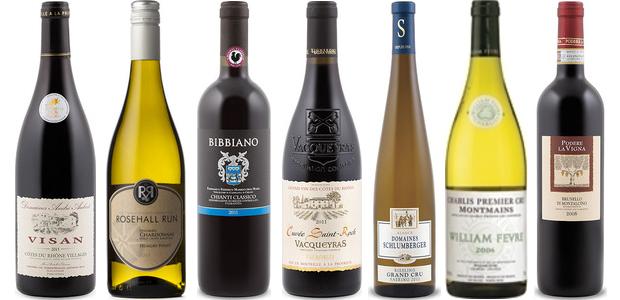
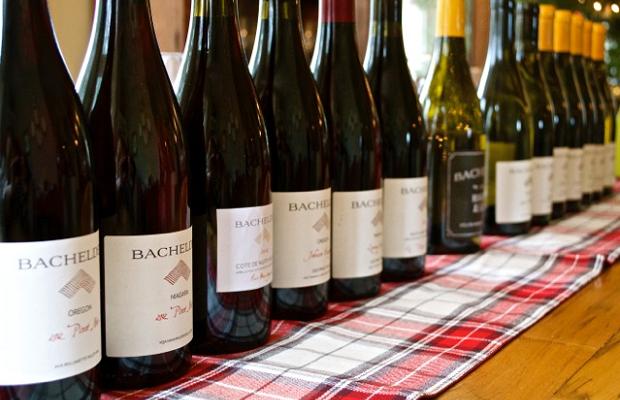
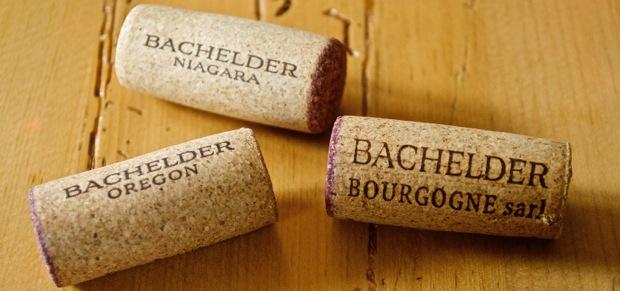
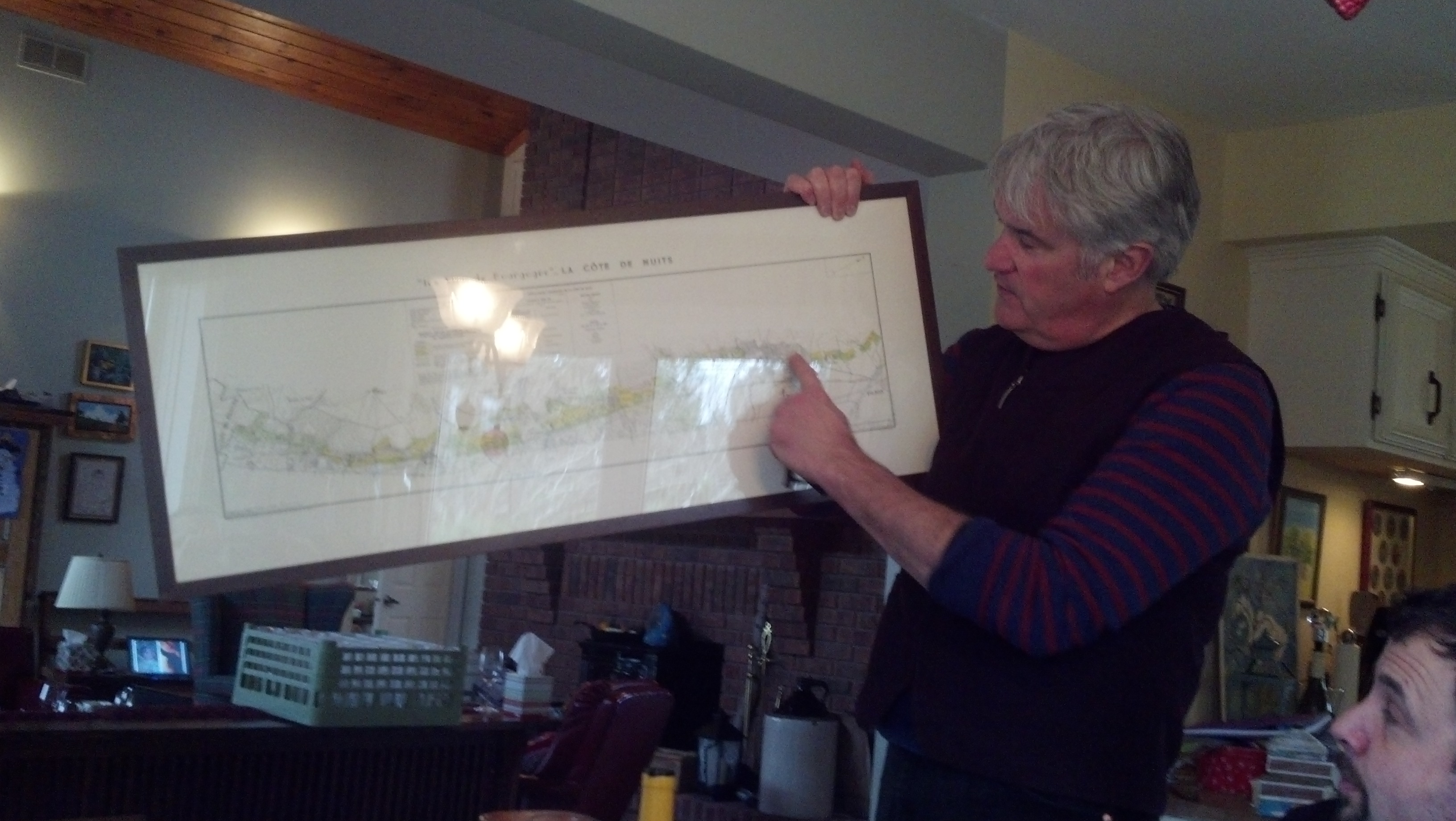
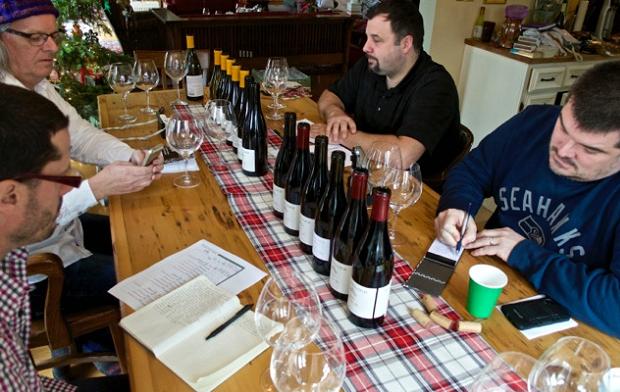
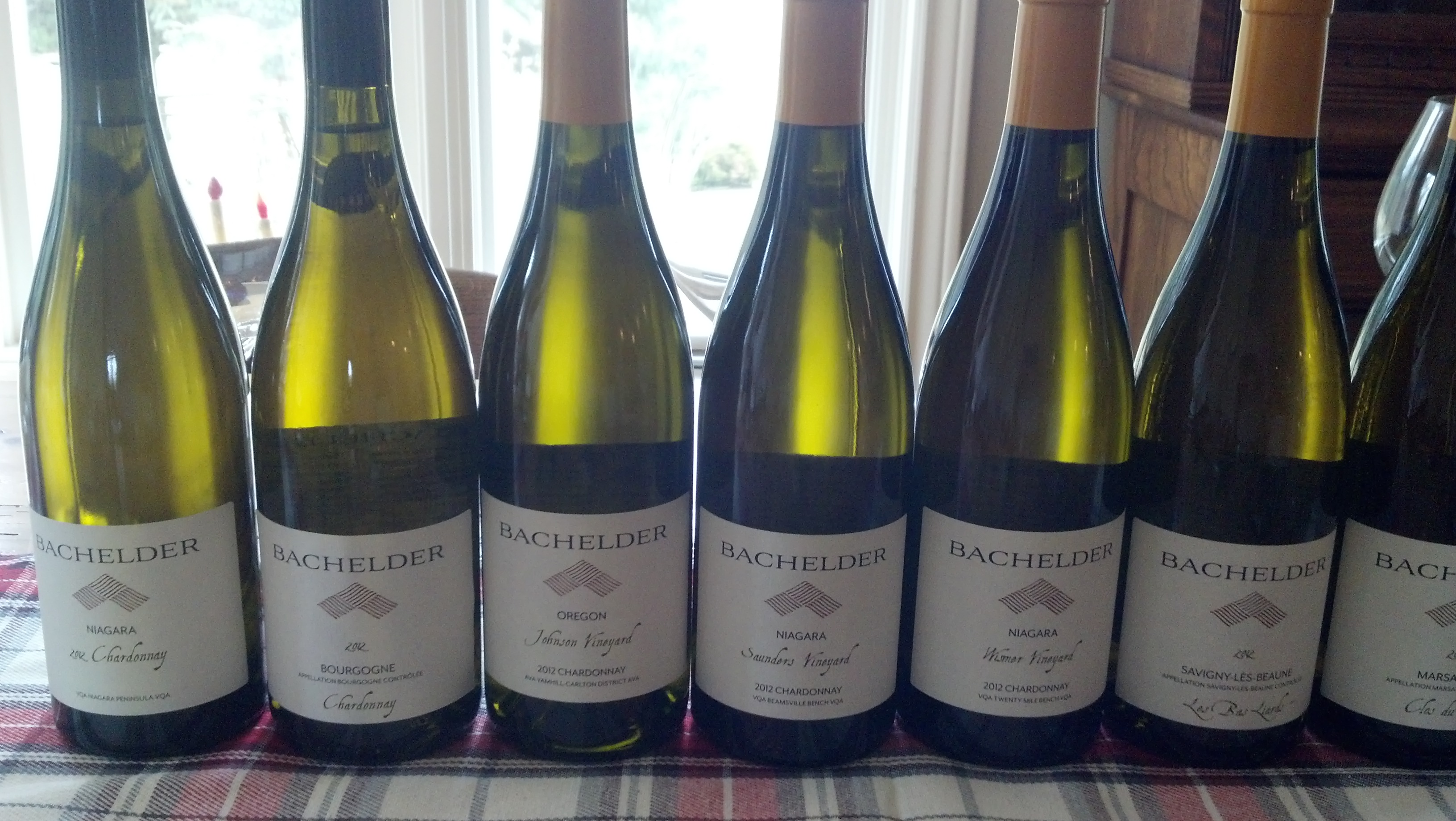
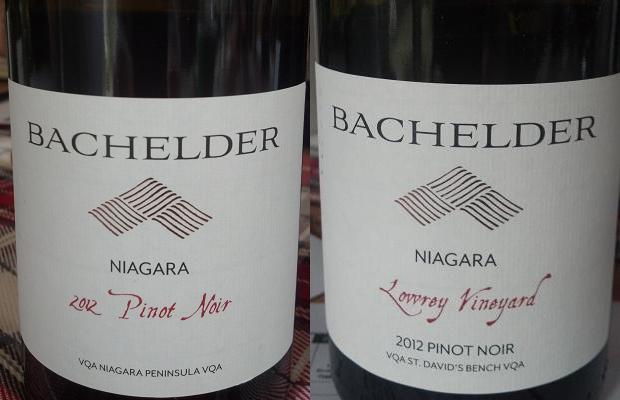
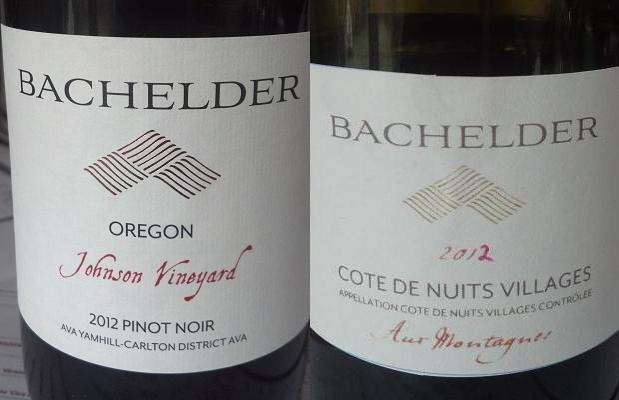
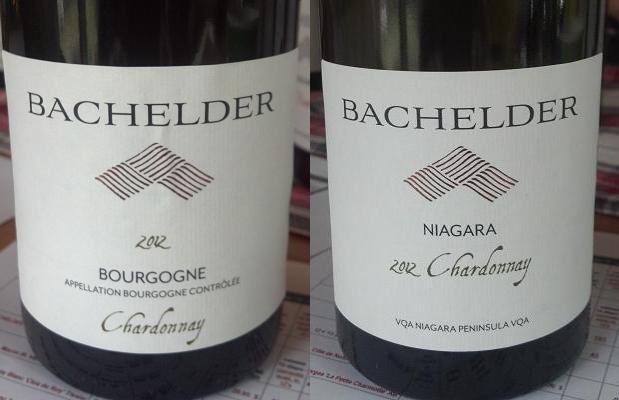
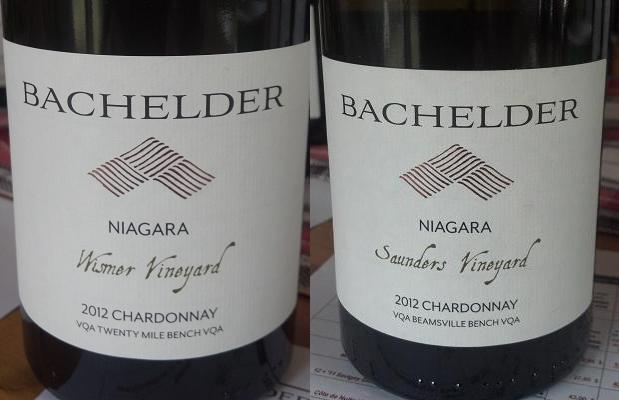



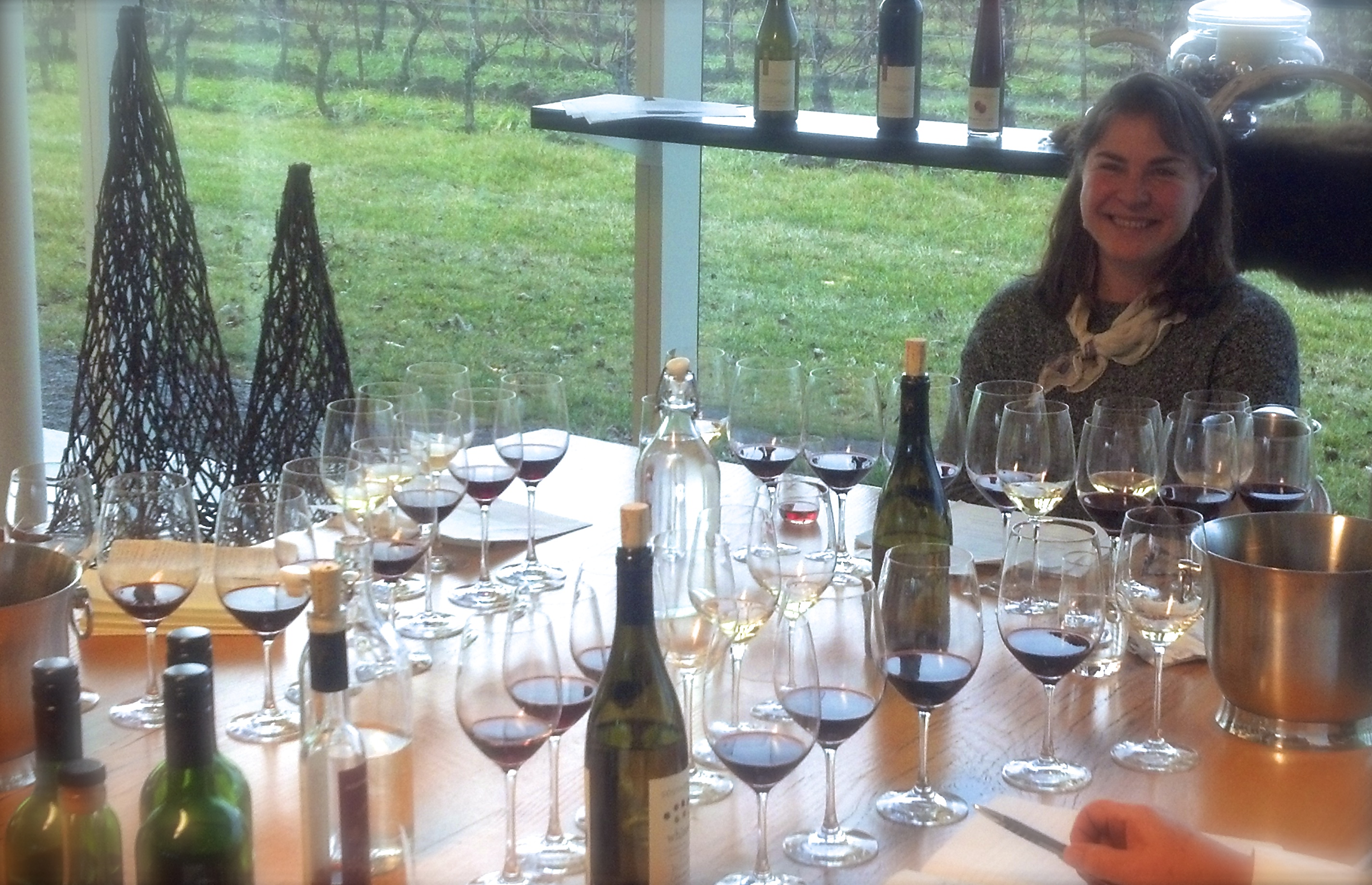
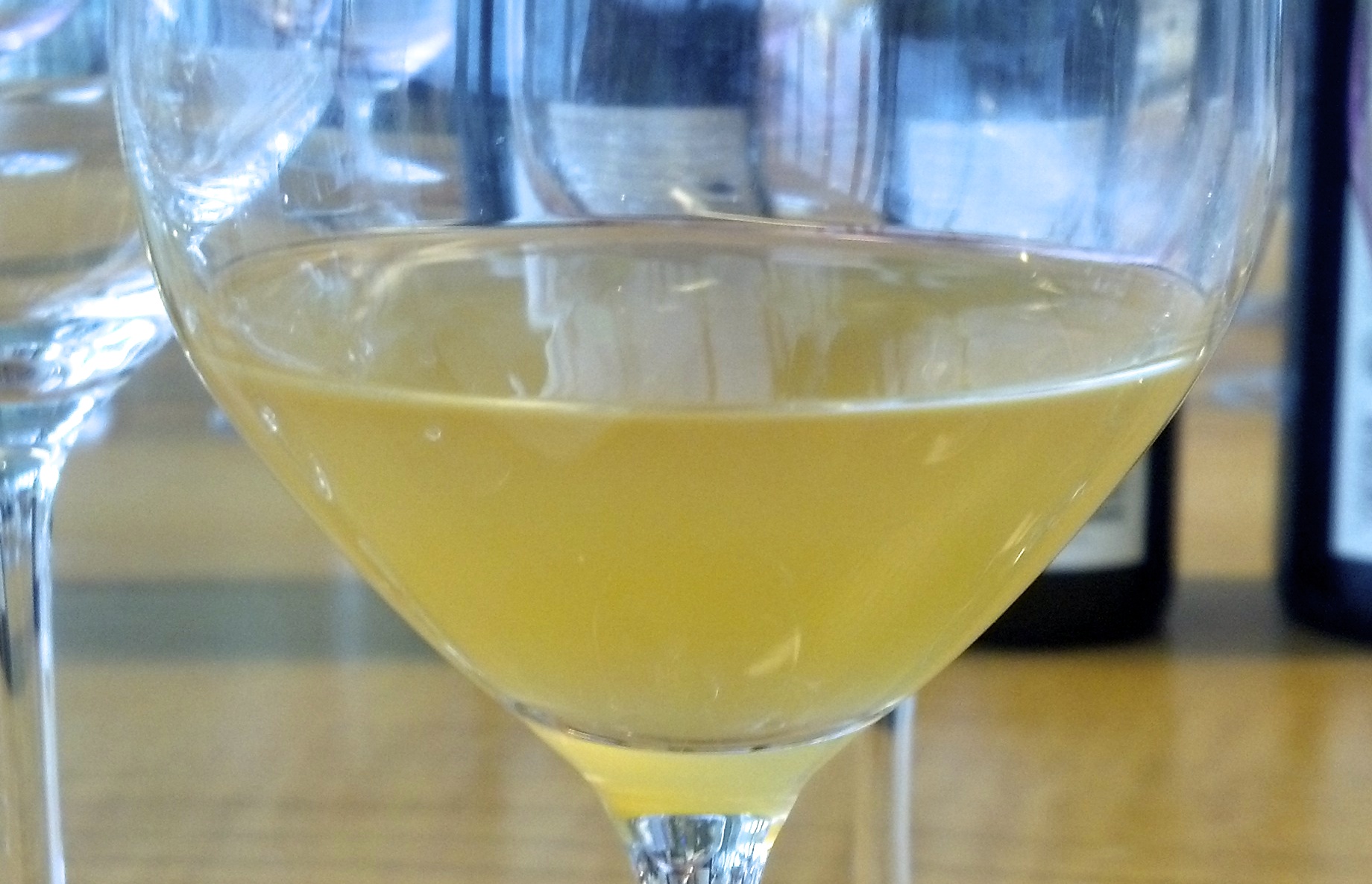
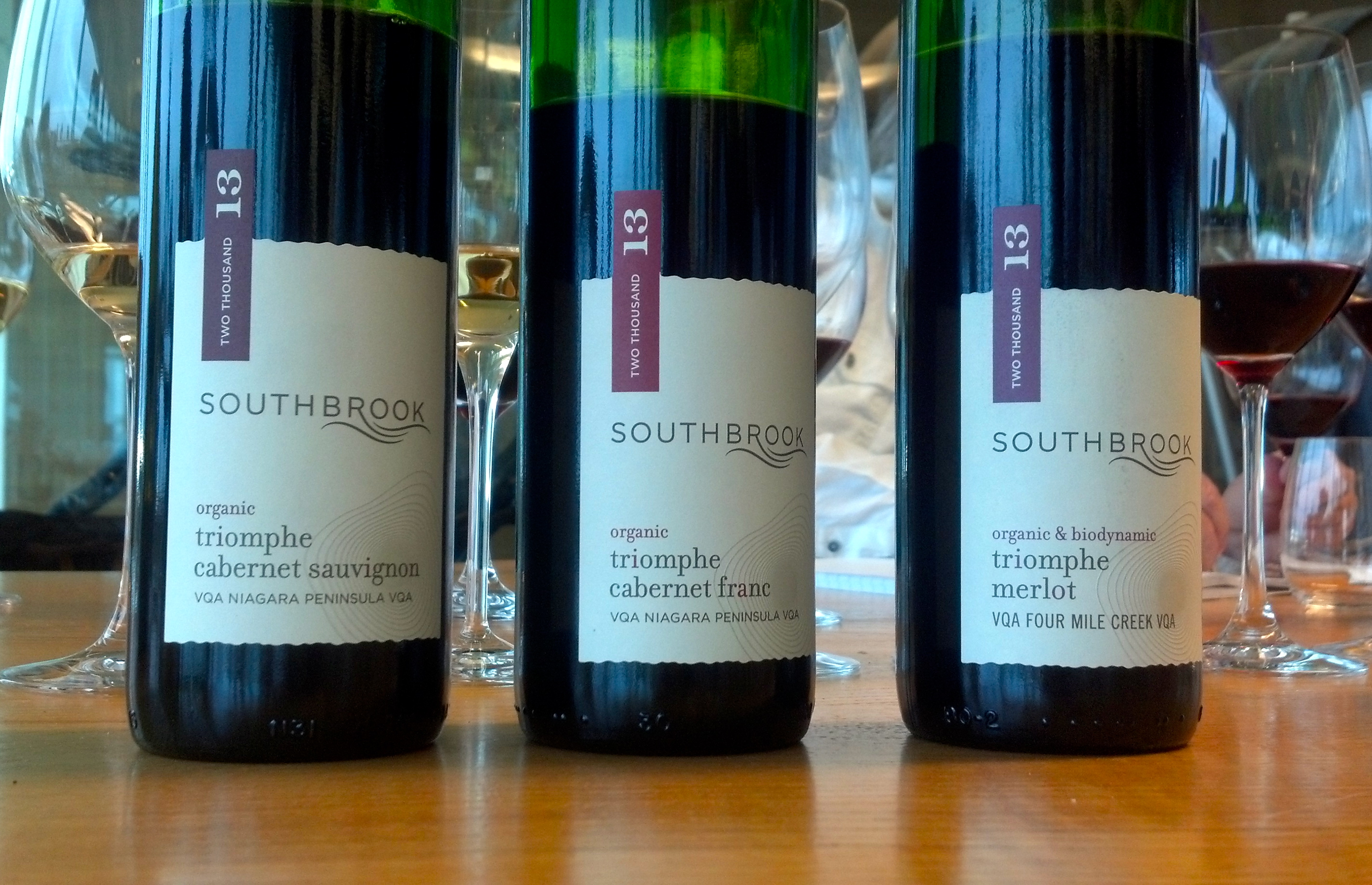
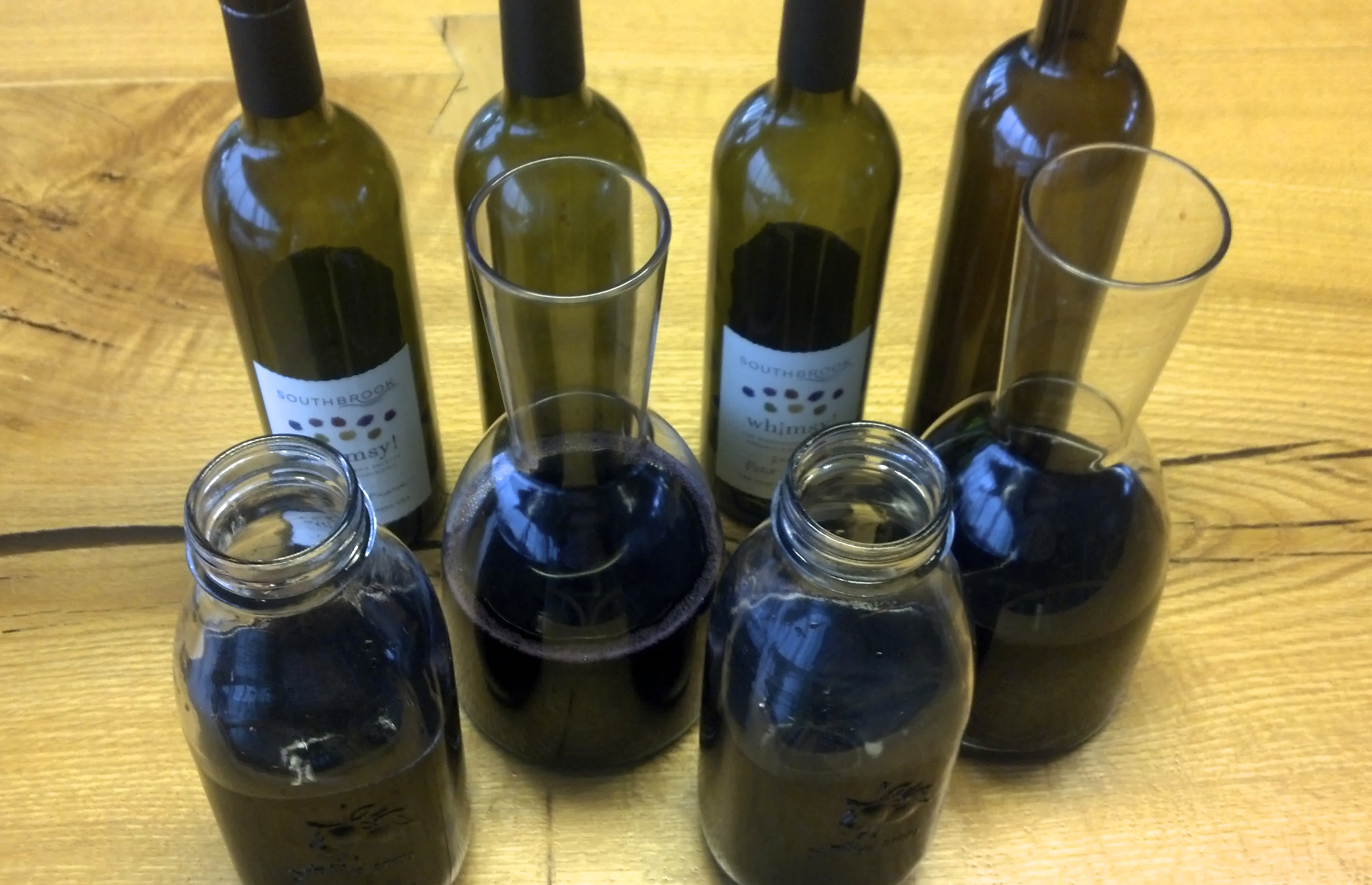
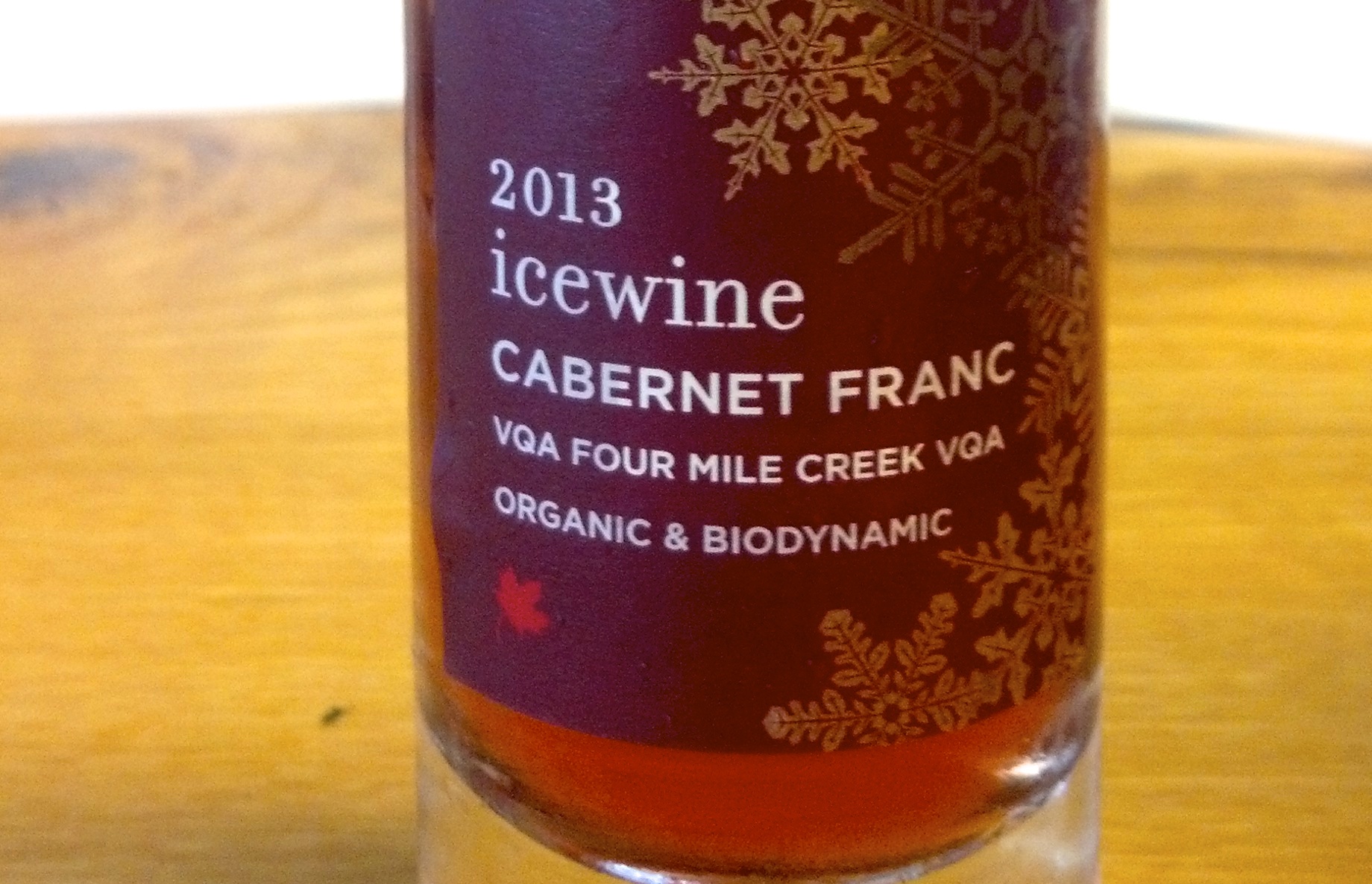


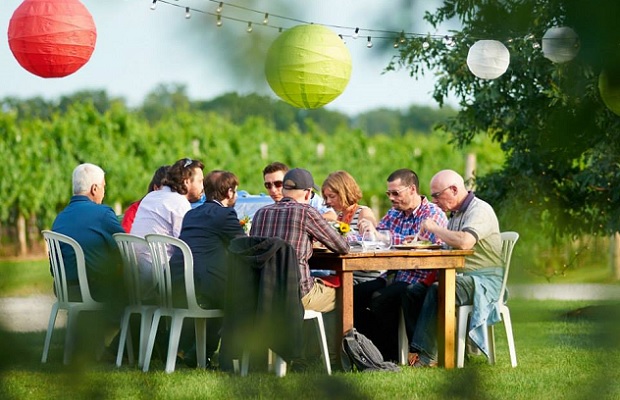
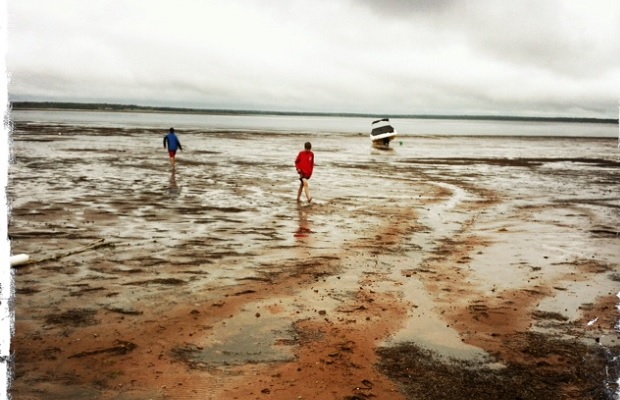

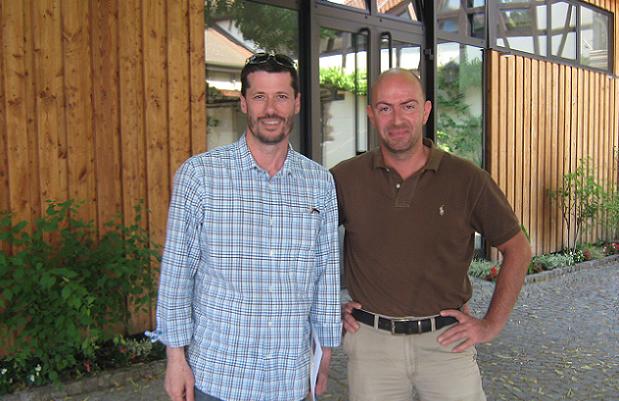
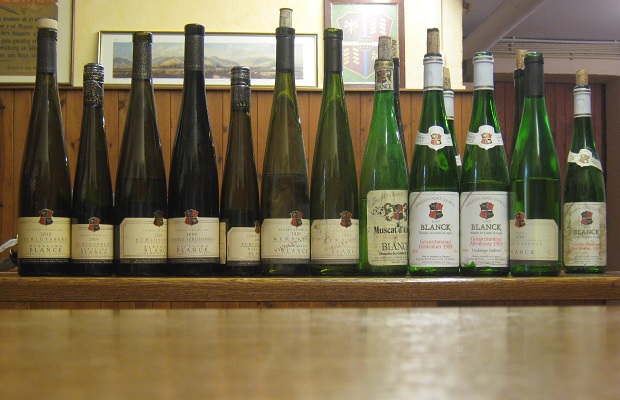
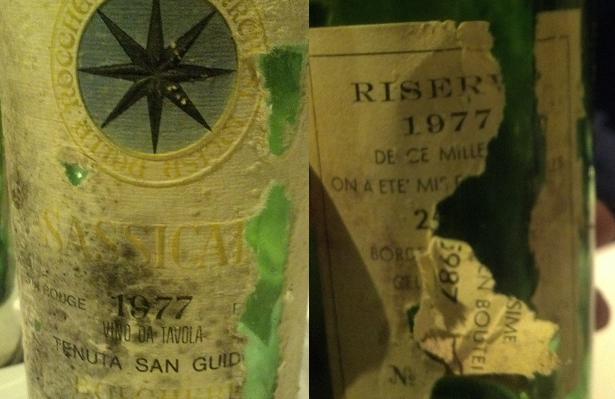
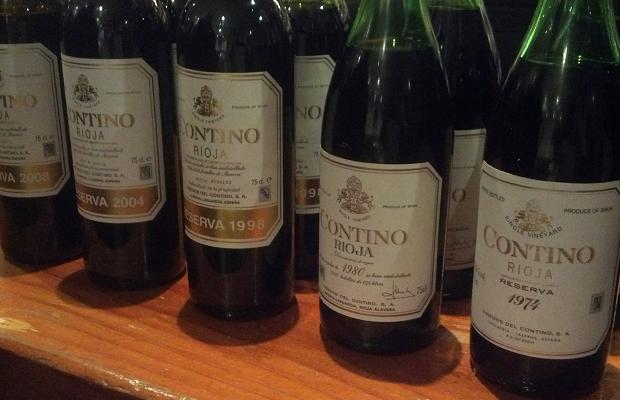
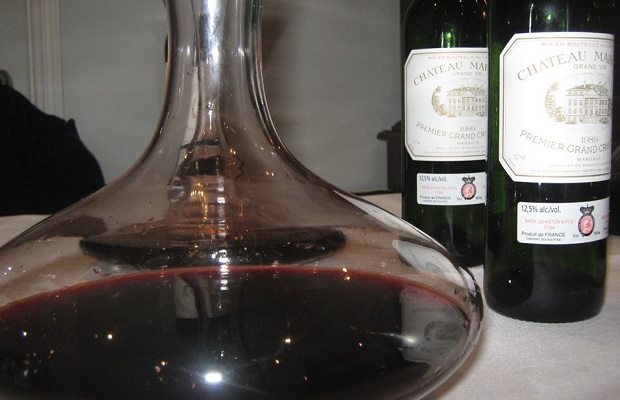
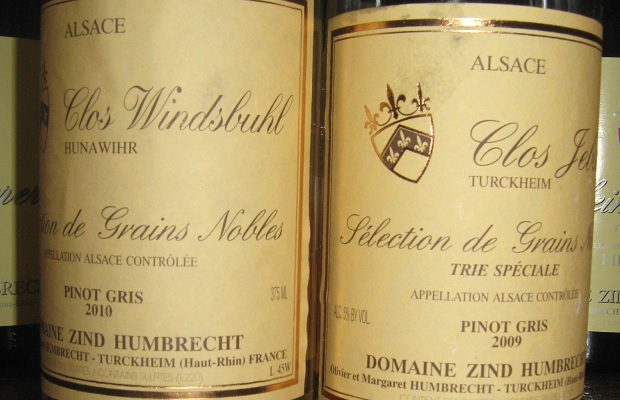

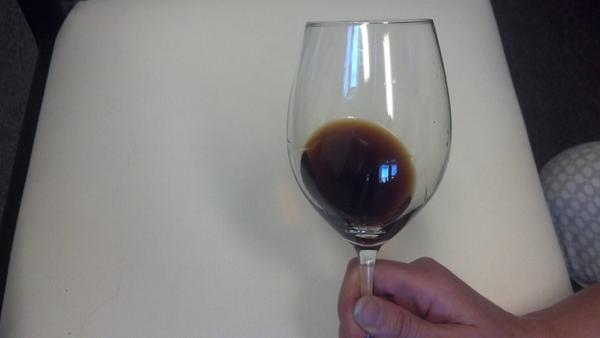
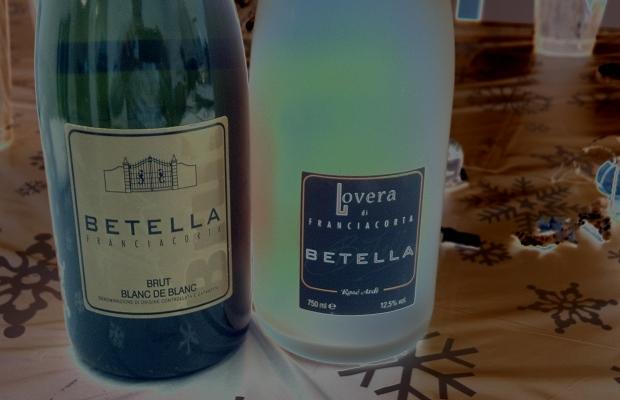

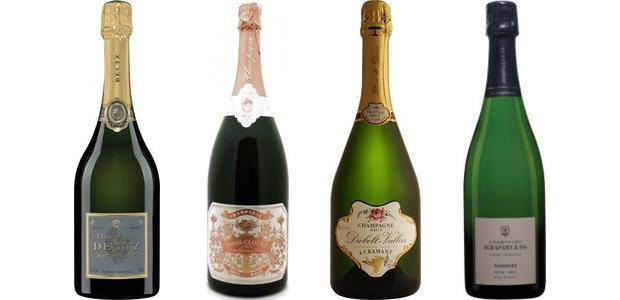


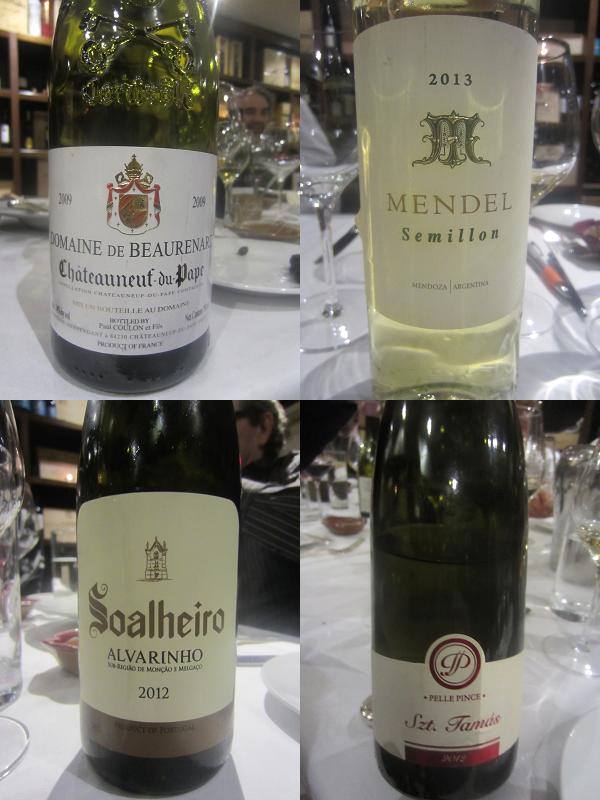
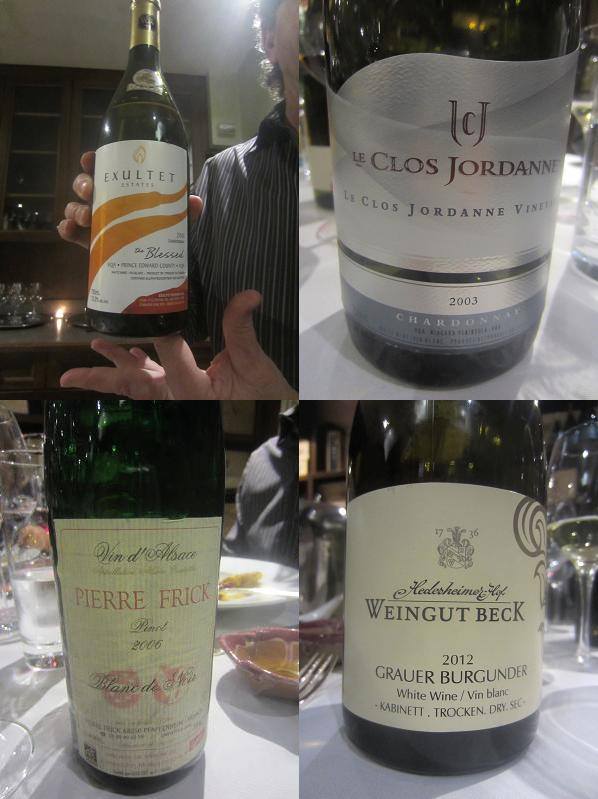
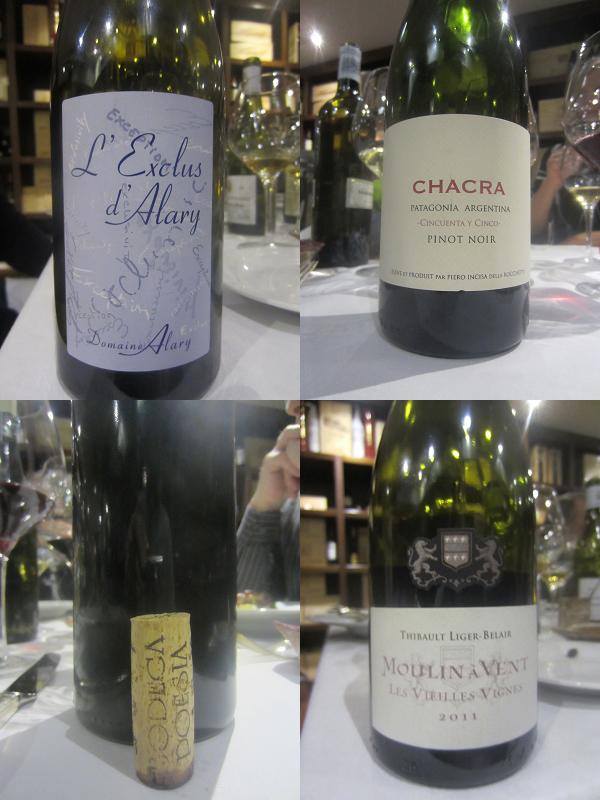

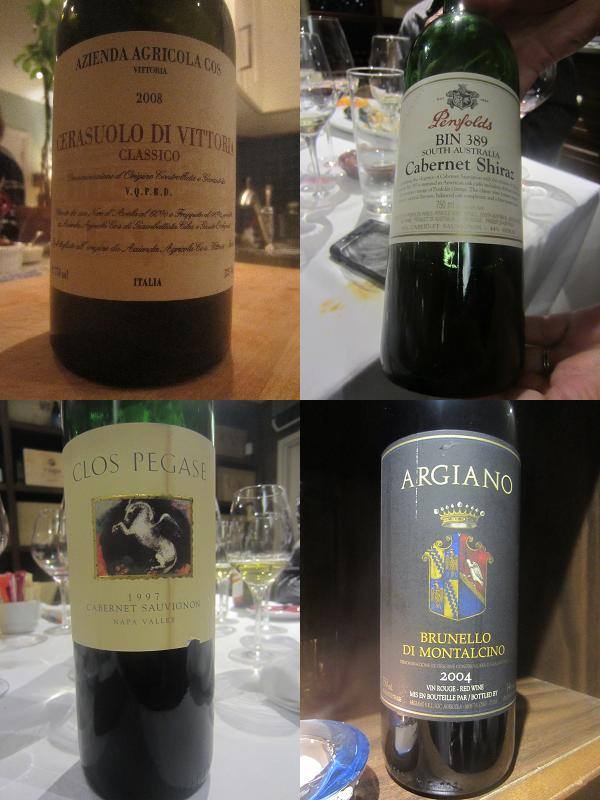
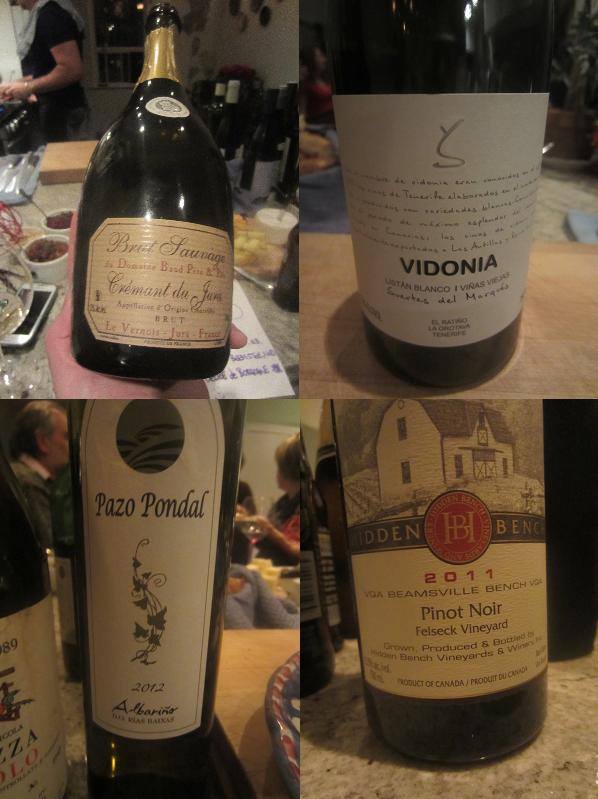

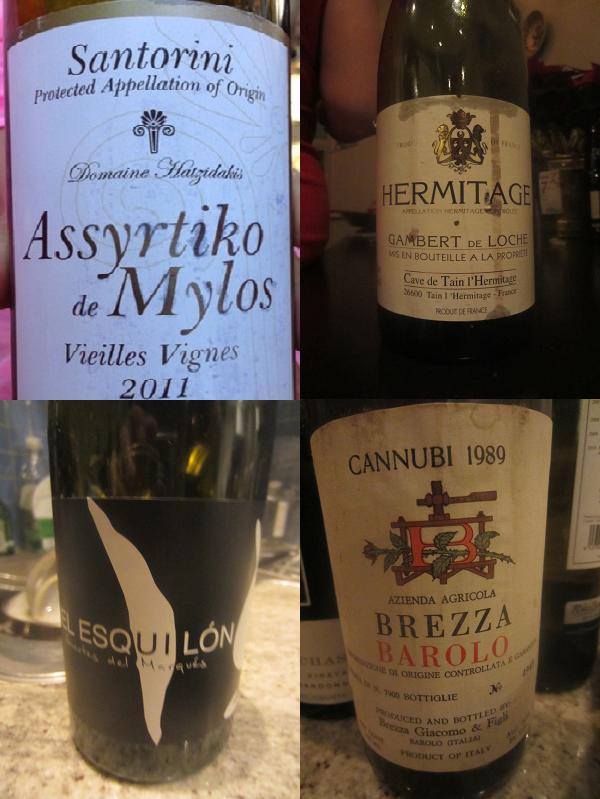

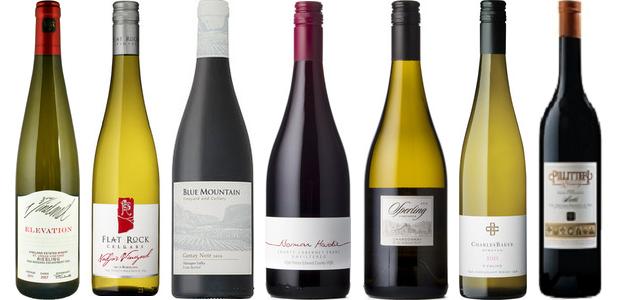
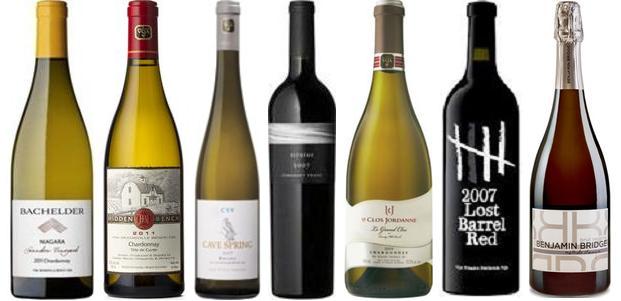

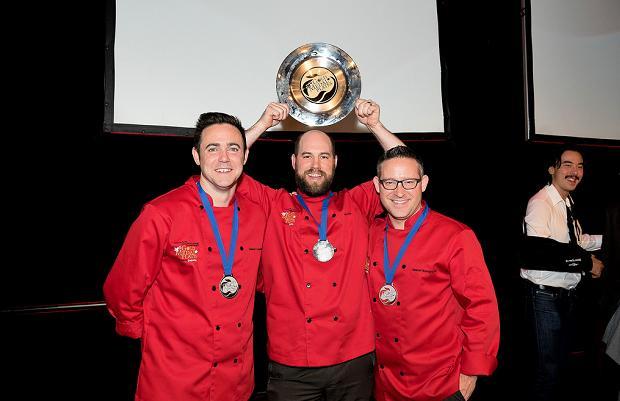
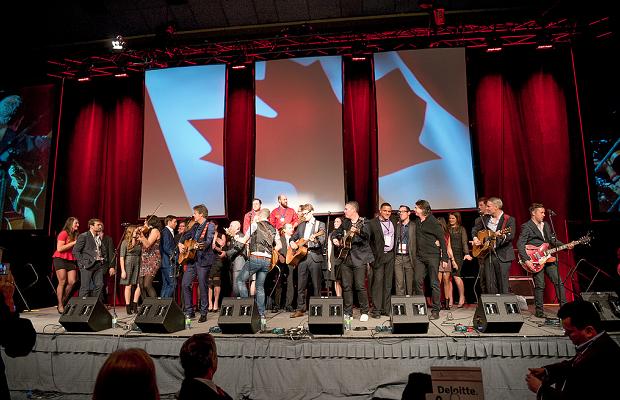
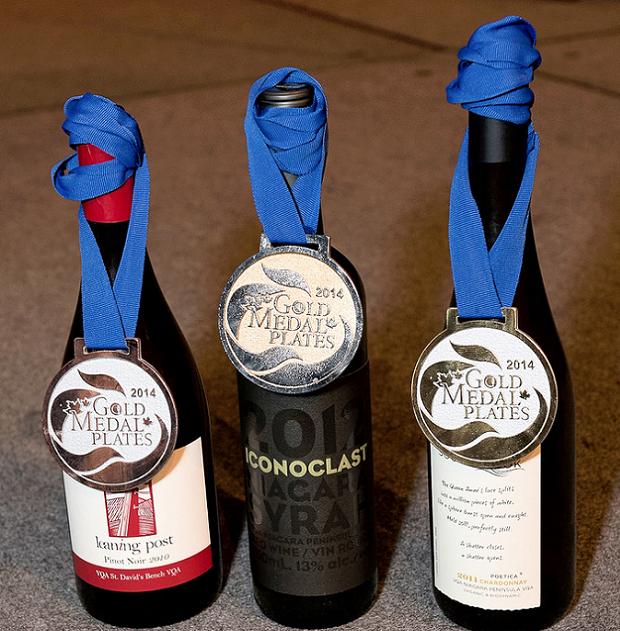
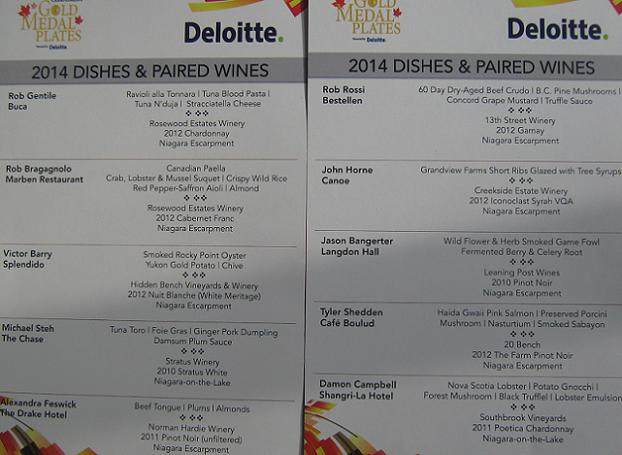
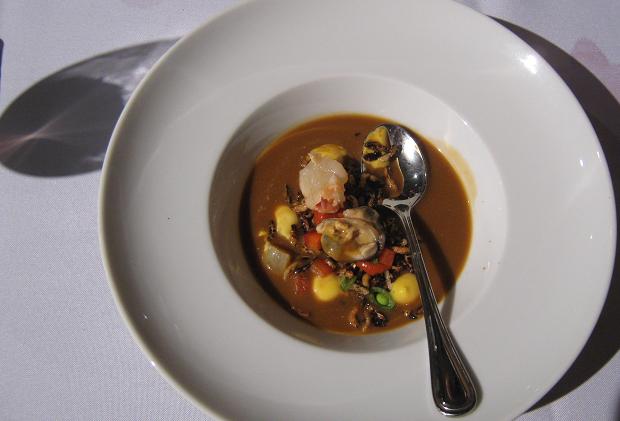
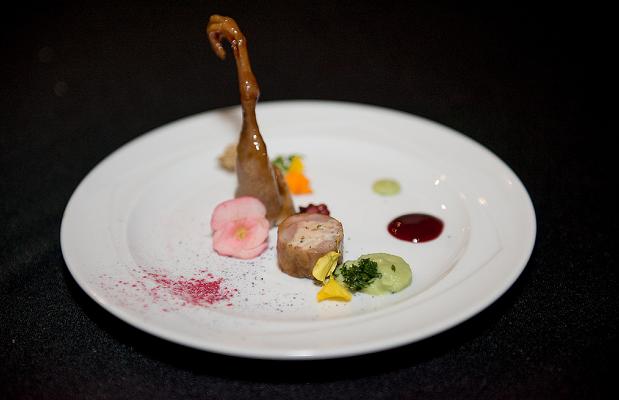

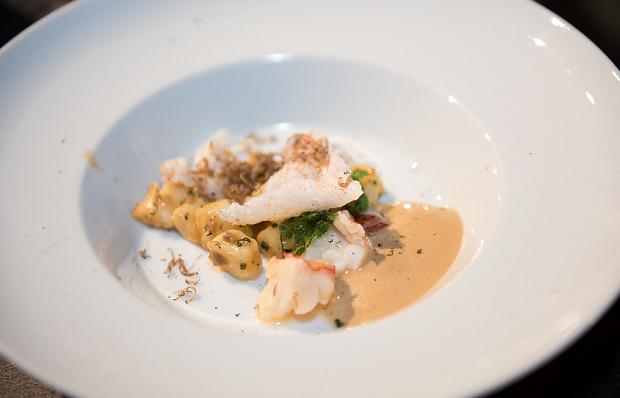
 Godello