Familiar and not so familiar Europe, always cool chardonnay, seeing South African red (and a white)
These past two weeks have been difficult, bizarre and disturbing to say the least. No one is immune to thinking about the twists, turns and horrors of recent world events. With no disrespect to activism, especially on a personal level, at WineAlign our job as critics is to find ways to keep the machine running, in other words, to focus on wine. In 1975 Saturday Night Live did a skit in which Paul Simon played one-on-one basketball against one-time Harlem Globetrotter and NBA legend Connie Hawkins. Just before the game sports reporter Marv Albert asks Simon about his strategy in going up against The Hawk. “Uh, but I’ll just have to play my game, as I usually play it,” says Simon. “I mean, I’m not gonna change anything, I’ve gotta stay with my strengths… basically, singing and songwriting.” At WineAlign we’ll simply do the same.
Wines across the Mediterranean are a primary focus of the VINTAGES February 4th release. A great number of them will coax a feeling of familiarity and there are others that may not ring a bell. In any particular wine purchasing scheme it is always best to strike a balance between the poles of available options so best approached by looking to one and then the other. While France, Spain and Italy will always deliver the tried and true, a gem of a geeky or otherwise deferential varietal can be unearthed if your mind and your heart are open. Get into the corners and alleys of habituated Europe but also a place like Greece. You will marvel at how it can change your outlook to usher in the most interesting of times, in life and in wine.
A view through Vouraikos Canyon from Mega Spileo Vineyard
Don’t worry. I’m not going to run off and wax rhapsodic about wines found “off the beaten path,” argue on the semantics of what exactly that means or how it should be defined. But I will tell you a little story. In July of 2016 I visited one of Europe’s most extraordinary vineyards, found in Achaia, located in the northern Peloponnese. At the top of this incredible canyon you stand at the foot of another even more imposing and massive rock face that is home to the 11th century Mega Spileo monastery. Gazing north through the cracks in the mountain cragges you can see the azure blue waters of the Gulf of Corinth. Looking straight down you see the greenery of the healthy Mega Spileo vineyard. The entire footage leaves an indelible mark. What’s the point? The point is to get out there and make discoveries. This also applies to what can be found in the VINTAGES catalogue.
Chardonnay is always in the spotlight so why should February 4th be any different? This past summer at Niagara’s Cool Chardonnay conference I found out that we have to look at organoleptics and ask a very important question. Is your expectation of a Chablis going to be the same as chardonnay made from anywhere else? More important, who are we putting this wine in front of? Ian D’agata’s take struck a Canadian chord. He talked of “a welcome astringency characterized by piercing flavours. These are cool-climate wines. Cool climate chardonnay is not about a long litany of fruit descriptors. If you have a cool-climate viticultural area it behooves you to give the people what they are looking for.” More cool chardonnay examples available on this release are worthy of your time and your dollars.
Bush vines, Groot Drakenstein Mountains @AnthonijRupert Wyne @WOSACanada #lormarins #franschhoek #southafrica #winesofsouthafrica #mesmerizing
South Africa is a geographical and geological land of wonder, of ancient soils and picturesque intrusions. Extreme examples include the shale and schist of Swartland that turns into dust and the granite domes of Paarl, which are 30 million years old. We are talking about beginning of time stuff, but how does it impart into wine? Taste more than just a few South African reds and you will get a sense.
I’ve said it before and will repeat myself. South African wine is not what we thought it was. This mantra can’t be repeated often enough. Ventures into the Cape wine lands, tastings and zealous immersion into Stellenbosch, Paarl, Franschhoek, Swartland and Hemel-En-Aarde see to that. If you’ve not visited you can’t possibly know what revelations lurk but you can get a glimpse by drinking South African wines here in Ontario.
I would like to wish you all great February release wine hunting and gathering. The WineAlign team is in travel mode these days but rest assured the reviews from upcoming VINTAGES releases will be dutifully covered. I’m off to Antiprime Toscane next week and will be back in time for everything March. The February 18th release will find a focus on Australia and March 4th, well, it’s anyone’s guess!
He has always distracted me so that I thought of nothing else while listening to the words. And the sound of his voice.
Compiling a best of wine list is never easy. Not when the subject matter is the most fleeting of consumables, a drink ever-changing, almost never tasting the same twice and destined for eventual failure. We know by instinct that wines cast the shadow of their own destruction before them and are designed from the first with an eye to their later existence as ruins. Wine critics can only regard what is in the glass by what sensory enjoyment or displeasure is activated at that exact time. In most cases there are no second chances.
I do my best to taste wines twice before passing judgement. Too often I can’t fulfill this prophecy, especially when plodding through 100-plus on a VINTAGES release. In 2016 I made a great effort to visit these 16 wines three times before penning a review. It was not always possible but I tried. When it comes to Canadian wines and even more so with wines from Ontario, there are often second and third chances. And so I feel very confident in sharing this definitive list with you.
Hallelujah
It must be said that 2016 was a most difficult year. Too many special people were taken from us far too early. I lost two friends this fall as I’m sure some of you did as well. Many of us dwell on favourite celebrity deaths and especially the loss of musicians, some of us more than others. If you are one who takes to social media to mock the romantic who shares grief with others at the loss of a musical icon, well just skip past this and go straight to the wines. Or please refrain from comment and respectfully remain quiet.
David Bowie. Prince. Leonard Cohen. Sir George Martin. Glenn Frey. Paul Kantner. Leon Russell. Keith Emerson. Greg Lake. Alan Vega. Mose Allison. Bernie Worrell. Muhammad Ali. Gene Wilder. Arnold Palmer. Craig Sager. David Huddleston. Ken Howard. George Kennedy. Abe Vigoda. Ron Glass. Florence Henderson. Fuck 2016. And this tree fell on my house.
How’s your Sunday going so far?
On a much brighter note 2016 was a banner year for tasting Canadian wines. It also provided a vintage of quantity meets quality and one that was desperately needed, especially here in Ontario. My tasting regimen saw no quit or slow down in 2016. I’m not sure how many Canadian wines I tasted but if it was less than a thousand I’d be shocked. I tasted more at home, assessed a greater number in the LCBO’s sensory lab, delved deeper at the WineAlign office and spread the web wider at events in Ontario. I judged with Tony Aspler at the Ontario Wine Awards, in Penticton at the WineAlign National Wine Awards of Canada and with David Lawrason at Gold Medal Plates.
In 2015 I counted 15 on the filtered list. In 2014 the highlights numbered 14, just as in 2013 the number chosen to cant, recant and decant excellence in Canadian wine was 13. And so forth will lead to 17 in 2017.
Welcome @muller_brent to team RED! with nazlanmak captain @treve_ring #nwac16 @winealign
And again, I quote. “Picking a top anything list is both a chore and a labour of loyalty. The opportunities to learn more about Canadian-made wine, especially the processes and the efforts, were numerous in 2014. Canadian winemakers opened their doors and when people came, they taught. They walked the vineyards, showed off their prized barrels and walked through the processes of making wine. Tasting and barrel rooms make for the greatest classrooms. Get out there in 2015. The experience is priceless.” In 2017, trust in Canadian wine.
Return Syrah engagement @CreeksideWine pouring on tap @barquebbq and @barquebutchers #freshtap #wineontap
My wine on tap program at Barque Smokehouse and Barque Butcher Bar added some new wines in 2016 to follow those poured from Tawse, Lailey, Norm Hardie, Creekside, Between the Lines, Kew Vineyards, Redstone, Stratus and Leaning Post. Between the Lines, Coyote’s Run, Vineland Estates and new offerings from Creekside continue to fill your glasses.
The year began with great excitement at Niagara’s Icewine Festival in January. In February I returned for Cuvée Weekend. In June we convened the WineAlign Canadian Wine Awards in the Okanagan Valley and a confession I need to make is that I wanted to publish with the title “Why you don’t know shit about B.C. wine” but chickened out at the last second and instead came out with Why you don’t know jack about B.C. wine. Before judging we paid a visit with The Wines of British Columbia for the Judgement of B.C. The second annual cage match was hosted by the B.C. Wine Institute and took place on Tuesday, June 21, pitting 12 B.C. Wines against 12 acknowledged global benchmarks. Riesling and Pinot Noir squared off, curated by DJ Kearney and judged by a who’s who of Canadian wine writers, critics and educators, along with international WineAlign Awards judges Dr. Jamie Goode and Elaine Chukan Brown.
How lucky we all were to have her back in the captain’s chair. Happy Canada Day @djwines #nwac16
As the week progressed, the WineAlign judges paid visits to Okanagan Crush Pad Winery in Summerland, Culmina Family Estate Winery in Oliver, Tantalus Vineyards in Kelowna, Rustic Roots Winery with the Similkameen Wineries Association and Deep Roots Winery on the Naramata Bench. I tasted more than 100 wines over the course of the five days from the appellations of Okanagan Valley, Okanagan Falls, Oliver-Osoyoos, Golden Mile, Similkameen Valley and Naramata Bench. At the awards I tasted more than 500 Canadian wines.
Of greatest importance was my return to the International Chardonnay Cool Climate conference that took place between July 22nd and July 24th in Niagara. Before attending for a fourth straight year I penned The democracy of Cool Chardonnay. It was there I wrote that “plus has joined the i4c, an ideogram of addendum, a character of diversity for the fluently persuasive and forceful congress. This gathering will open its arms for colour and to allow its constituents to regale with what they do best. For an event-driven pure as single-varietal snow and formerly known exclusively as chardonnay, is this really a shocker? This is the reality of democracy.”
People bitched and moaned. How can a chardonnay conference include other grape varieties? Sacrilege and foul play they (secretly and not so secretly) complained. In the end the inclusion of red varietals confused nothing and no one. Chardonnay remained the focus and the star. No chardonnay were harmed.
We broke cool climate bread and spread chardonnay gospel with Ian D’Agata (Decanter, Vinous.com), John Szabo M.S. (Volcanic Wines: Salt, Grit and Power), Jean-François Bordet and Françoise Roure from Wines of Chablis. We tasted with sixty winemakers at the School of Cool, “Flights of Chardonnay” at Niagara District Airport and the Cool Chardonnay World Tour Tasting & Dinner at Ridley College in St. Catharines, Ontario. Red wines were poured after dinner!
Only American presidential candidates carry babies at #i4c @coolchardonnay
We welcomed writer Kurtis Kolt from Vancouver, sommeliers Carl Villeneuve-Lepage and Elyse Lambert from Quebec. Four Seasons Hotels and Resorts and Tex-Somm Director James Tidwell made the long trip north and a second Canadian courting immersion in as many months was performed by visionary wine raconteur Elaine Brown.
So what did Godello learn from Cool Chardonnay in 2016? Well, he found out that we have to look at organoleptics and ask a very important question. Is your expectation of a Chablis going to be the same as chardonnay made from anywhere else? More important, who are we putting this wine in front of? Ian D’agata’s take struck a Canadian chord. He talked of “a welcome astringency characterized by piercing flavours. These are cool-climate wines. Cool climate chardonnay is not about a long litany of fruit descriptors. If you have a cool-climate viticultural area it behooves you to give the people what they are looking for.”
Potential is the past @Somewhereness
After i4c16 I took part in an Impromptu tasting at Ravine. Four months later the intrepid sophist Scott Zebarth and I tasted with winemaker Marty Werner for a second time. That same day we visited with J-L Groux at Stratus and with Paul Pender at Tawse. Our focus was cabernet franc. That report is coming soon and I can promise this. The 17 in 2017 and 18 in 2018 will be graced by cabernet franc. Fall events were led by the constitutive Somewhereness, as fundamental and essential as any agminate Ontario tasting can and will ever be. Then there was the Great Canadian Oysters and Wine Experience at Rodney’s Oyster House. The event was hosted by Wine Country Ontario and paired a curated who’s who of Ontario VQA wines with the local iconic fare. Exceptional all around.
“I’ll do what I can so you can be what you do.” @rodneystoronto #coasttocoast #oysters #winecountryontario #dukes #peioysters #bcoysters #elliotsmith #greatcanadianoystersandwineexperience
Where are we now?
Despite all the talk of rules, regulations and governing boards that restrict movement, labelling and profits, the Canadian landscape is evolving in a beneficent direction. Though the move to loosen monopoly control and increase competition has backfired in the short term, corrections to British Columbia’s wine trade will happen, sort itself out and right the ship. Decades of bureaucracy don’t dismantle and do right by the consumer overnight. Things always get worse before they get better. The move to supermarkets in Ontario is indeed one of smoke and mirrors but it opens the door to gaining advantage through loopholes and creative minds kickstarting new business ventures. The wave to privatization can no longer be averted or snuffed out. Momentum will gain traction and open the flood gates to wine trade nirvana.
The man, the chardonnay @normhardie #princeedwardcounty ’14 #vqa #winecountryontario “As sure as fire will burn There’s one thing you will learn Is things you have cherished Are things that you have earned.” #tomwaits #littleman
Canadian wines run more or less of their own accord, not so much thanks to the winemakers or the condition of the current culture, as in spite of them. And certainly not by virtue of any particular ethos through customs and traditions going back over many generations of wines. No, success and cumulative proficiency exists by dint of these wines without any forced supervision. They are governed by themselves and indeed across the entire industry. Done are the blanketing days of spare and often powerful Canadian wines that were often too spare, so that the ribs of tannin showed through in painful obviousness. The embracing of cool climate idiosyncrasy and unique-somewhereness make Canada the envy of the developing wine world.
Controversy
Now this. VQA is expected to pass regulatory approval and introduce a new category of wines called “skin contact whites.” While Orange wines are the most notable example of skin contact whites, who’s to say the ambiguity of the designation could not impel the inclusion of other cabalistic and achromatic specimens? Let’s look at Riesling as a perfect example.
Skin contact #Riesling from @MackBrisbois @TrailEstateWine Invisibly stitched and tart-pan curl. #burgunder less than 50 cases #hughes #lakeview #foxcroft
Leaning Post’s The Geek, Trail Estate’s Skin Contact Foxcroft and Pearl Morissette’s Blackball are all atypical, mad scientist outtakes. Will the new category allow these wines to pass easily through the borders of VQA? Will the wall regarding place of origin on labelling be the next to crumble? Let’s hope reason in the name of progress born out of trust for altruistic and dedicated producers will carry through to a new frontier. Right Bruno and Jens?
New Kid in Town
You might notice that all 16 wines I have chosen are from very established producers. The next wave of young winemakers and wineries is taking shape in Ontario, British Columbia, Quebec and especially in Nova Scotia. I would expect new kids on the list in the coming years. I want you all to know that I traveled through great pains, algorithmic calculations and much unavoidable emotion to arrive at this rocking list. For every wine that made the grade there were three more that narrowly missed. They are all important but these 16 combine lyricism with melody. They write the songs.
Flat Rock Vineyard, Twenty Mile Bench, Niagara Peninsula Photo: Brian Barton – Guelph, Ontario
Flat Rock The Rusty Shed Chardonnay 2013, VQA Twenty Mile Bench, Niagara Peninsula, Ontario (1552, $24.95, WineAlign)
It’s as if this label had bided all this time to be the benefactor of 2013 fruit. This Rusty Shed, this 20 miler with the track record to age, a wine that sheds baby fat over a 10 year mineral through echelon stratum, in ways few other peninsula to bench chardonnay can do. This Jay Johnston handled surfer of a wine, buoyant and balanced, centred and able to withstand turbulence, oscillation and tidal sway. Here with sumptuous and spiralled fruit gaged in lode intervals and a tartness held in lope and line by a membrane of extract and tannin. Best ever. Showing well, repeatedly and to forecasted repute. Impressing critics and consumers alike. Bravo. Drink 2016-2025. Tasted June 2016 @Winemakersboots@UnfilteredEd@brightlighter1
Sometimes there comes a wine, of the impossible, at the frontier. This by @SynchromeshWine #riesling #stormhavenvineyard #okanaganfalls #8.9%
Synchromesh Riesling Storm Haven Vineyard 2015, BC VQA Okanagan Valley, British Columbia (Winery, $31.90, WineAlign)
If this riesling is sweet I couldn’t say. That is the first thought that comes to mind. From Alan Dickinson’s home property, this is his baby, an Okanagan Falls derived riesling that lives an entirely holistic existence. No spraying, none, nada, niente. Not ever. The wine could not get any cleaner. Purity is its cognomen. The vineyard is subject to the highest diurnal temperature swing than just about anywhere in the valley. That might explain the risk-reward probability factor. The technical specs are a triumvirate of implausibility; 46 g/L RS, 11.5 g/L TA and pH below three. What? This is the most impossible wine made in B.C. In its concentrated velocity it wheezes like something ancient. We could almost be drinking Greek debina or 20 year-old Alsatian auxerrois. Dickinson makes three passes over each of the two blocks so even if the hands are off, the meticulous picking breeds asepsis. Citrus such as found in the Storm Haven fruit does not happen very often, if rarely. It’s like citrus soma. Citrus unknowable out of determination unthinkable. Direct misunderstanding by indirect whimsy. And so the vintage offers good fun but not greatness. Imagine the possibilities. Drink 2018-2027. Tasted June 2015 @SynchromeshWine
Leaning Post Riesling “The Geek” 2014, VQA Niagara Peninsula, Ontario (Winery, $32.00, WineAlign)
Senchuk and swot-out cohort Ryan de Witte pulled 350 litres of riesling aside, accoutred with all readily available lees and shacked the whole gross mess in tank together, Vinification was completed at nine grams (RS) nearly-dry, in what can only be described as a reductive, cloudy, super-geeky riesling. Acquires an increased resonance from its designation stowed at a way station on what really is a longer, personal journey. The 2015 will be bone dry and like this ’14 will sit for 18 months in encouragement of a truly experimental, waiting for something to happen riesling. Time will act to fill in the gaps and increase its already developed texture. If you have ever had the pleasure you will see this as Jean-Pierre Frick-ish to be sure. When asked the question, he ‘The Geek’ will repeatedly reply, “I am not ready.” Drink 2018-2022. Tasted March 2016 @LeaningPostWine@Witte_Wine
If the establishment wants what you got give it to them. Blackball ’14 #riesling by @PearlMorissette
Pearl Morissette Cuvée Black Ball Riesling 2014, Twenty Mile Bench, Ontario (416073, $32.20, WineAlign)
One whiff and you are hep to what can only be Pearl Morissette, but with a neoteric twist. Riesling that flaunts full-frontal, of furthered acidity, vitality and multi-tined nuance. Farther too of age advanced but without any quirky or funky naturalist intrusion. Already chill, relaxed and with thanks to the vintage, almost round. The precise weave is tapestry fine and deceptively simple, what François Morissette likes to call a “crystallized cream of texture.” The oversized 2012 still digests itself, ’13 is organoleptically structured, long and cool. But ’14? A ‘no foudres’ vintage, from 100 per cent concrete fermentation, wild through malolactic and with zero grams of residual sugar. Bone dry. Concrete was chosen for must intricacy, palate texture, flavour and necessary balance. Riesling borne of crunchy, concrete desire, bright, with preserved lemon across the palate, gentle, feminine and beautiful. This is the focused consistency in loyalty to ’12 and ’13. Try and stereotype this Black Ball to Vin Nature funk. I dare you. Pour it in an expansive Ontario riesling flight and it will stand out like a solar flare in a fulmination of fireworks. There will be no mid-life, black hole of disappearance crisis. It will always be fine and pristine, drink well, like an impossibly dry version of a Coulée de Serrant. Only 186 cases were made so yes, the Blackball is a wine of very small production. Establishes yet another reference point and just wait for ’15. That vintage will deliver the greatest of bones. The new age will really launch then. Drink 2016-2022. Tasted November 2016 @PearlMorissette@lassvet
Sincerity @CulminaWinery from Elaine & Don Triggs and a superfluity of @WineBCdotcom pours #ohwhatanight #hospitality #nwac16
Maverick Syrah 2013, BC VQA Okanagan Valley, British Columbia (Winery, $35.00, WineAlign)
Winemaker Bertus Albertyn bottled a meagre 200 cases of this Golden Mile Bench sourced syrah after 18 months in three to four year-old French Oak. If you are a fan of fresh, well-spoken, confident and blessedly transparent syrah then look for the next vintage of this sold out beauty. So gauzy gossamer textured, peppery but of scant bite and driven by a northern, smoky beat. The cure and depth in its make-up nearly adds up to beefy but its form of athleticism is built upon the quiet politesse of its maker’s execution. The comparison must be made to septentrional Rhône and the lack of new oak is so appreciated. This is a wine to watch for. Drink 2016-2020. Tasted June 2016 @MaverickWinery
There was this intuitive moment with Picone 2013 as if it was waiting on me. Not doting or soliciting, but waiting. I will admit to have been wondering, reeling and speculating. To peer or peek into what Mark Picone’s Vinemount Ridge vineyard would adjudge and then bestow Charles Baker’s riesling in 2013? Would it be a case of weight, hyperbole, a hang in the balance out of misjudged necessity? Nah. Picone is no longer a mature 20 year-old vineyard but now a wise old thirty year-old one. Picone 2013 is in fact a fun park mirrored image of itself, with haughty, aerified aromas and variegated, leaning to tropical fruit flavours, taut like a flock in line with the vintage. The riesling berries just seem to have imploded and the results that have followed are nothing if not intense. Imagine a Yogyakarta market and a two-wheeled, glass-cased push cart stacked with a pyramid of tart mangoes. The fruit had been picked just as the sugars had begun to run like sap and bleed sticky on the cracking skin. A mango is sliced and doused with the intensity of Java lime juice and then sprinkled with Laut Jawa salt. The flavours are searing, sweetly saline and quenching. Only this tart is this, where tart and acidity meet, intertwine and connect on an emotional level. Picone 2013. The first non-inoculated riesling at first and then touched up near the end. “The best vintage you could ask for in riesling,” notes Baker, “cloud-covered, a meeting of the minds, vibrant.” The arid, cranky one will live without fret for 15 years. Drink 2018-2028. First tasted in March of 2015, then twice, October 2016 @cbriesling@StratusWines
Cave Spring Cellars
Cave Spring Csv Blanc De Blancs Brut 2008, Beamsville Bench, Ontario (Winery, $39.95, WineAlign)
As expected the Cave Spring 2008 Chardonnay Sparkling solicits thoughts and ideas centred around age. It elicits a complexity response and one taste means a succumbing to the contagion of its vitality. With its autolytic character shining bright, Cave Spring’s BdeB acts out a fantasy up on a silver screen. Another seven year itch is realized in guaranteed Ontario age ability. Has acted way past simple citrus and yet remains a little closed, just now entering the window of showmanship. Another year or two and this will vie for an Oscar. The bubble program production is unparalleled at Cave Spring, perhaps more than any studio in Ontario. Tasted February 2016 @CaveSpring@TheVine_RobGroh
Nuit Blanche is one of Canada’s most unique commodities, a White Meritage (of sauvignon blanc and sémillon) blended from exceptional and aromatically delicate Rosomel Vineyard fruit. As part of Hidden Bench’s “Terroir Series” it righteously expresses white Bordeaux varietal purity from the southern blocks of the Beamsville Bench vineyard. Expectation runs high because 2014 seems a perfect Fumé Blanc vintage if ever there will be one for (40 year-old) vineyards tucked snugly in abutment to the Niagara Escarpment. A struck flint nosing entry is followed by taut strung acidity and palate tension eased by a fictionalized adult cotton candy, wisps of smoke, honey and lanolin. The grace of it all is hidden beneath a filigree of molecular green apple caviar gastronomy. In 2014 Nuit Blanche reflects propriety, elegance and genteel balance, caressed from the hands of winemaker Marlize Beyers. It is as if Beyers let this ferment slip away as a parent would encourage a child who is ready to leave the home. After tasting it at Gold Medal Plates in Toronto I spent a sleepless night, not from restlessness or over-indulgent behaviour but because I wished to pull an all-nighter with the best ever sauvignon blanc bled and led Ontario white. I would suggest leaving this be for two years for the subtle though generous barrel to melt into fruit but time will gather for up to two decades before the sun sets on the 2014 Nuit Blanche. Drink 2018-2029. Tasted November 2016 @HiddenBench@BenchVigneron@ImportWineMAFWM@MarkAnthonyWine
Mini #lonnasblock @RavineVineyard Cabernet Franc vertical. Loaded with the S-word…structure @marty_werner #i4c16
Ravine Vineyard Cabernet Franc Lonna’s Block 2014, VQA St. David’s Bench, Ontario (Winery, $40.00, WineAlign)
Lonna’a Block alights straight out from the retail shop to the west side of the driveway (and is named for Ravine owner Norma Jean Harber’s sister). The site was planted in 2004 and here, 10 years on, its warm St. Davids’ Bench fruit is simply welling, hermetically sealed and antithetically intense. The block has come to this, in production of cabernet franc with side-splitting, tongue tripping acidity to work lightning crack geometry into the wood-derived chocolate and the ferric-tannic tension. The fissures are filled but there is the right kind of cabernet franc fragmentation. The liquid metal mineral and deep blackberry ooze is smooth and polished. The fruit was “picked early,” or if you will, in Grouxian, Gambleized and risk, Werner reward exercised terms, mid-November. Drink 2017-2024. Tasted July 2016 @RavineVineyard@marty_werner
The wines of Creekside Estates at Barque Smokehouse, March 2015
Creekside’s website waxes about the vintage, noting “the 2012 growing season felt like it had been imported up from California.” This is a type of pragmatic truth (as opposed to correspondent or coherent) because it is useful in applying winemaker Rob Powers’ gathering of phenolic ripeness in lieu of extraneous matter to make this Broken Press. When perfect provisos give you perfect fruit you listen to the winds of the vintage and just go with it. Viognier conditions the mess of richness with more pragmatism in 2012, lifting the aromatics and hooking the rug, up and away from drought conditioning. This BP dips into the earth of the northern Rhône to recover its fearless tactility. And so you feel the autumn’s moderate, crucial rainfall in this wine, its warm days and cool nights. The harvest on October 2nd from the St. David’s Bench Queenston Road Vineyard amounted to nine barrels, eight older French and one new Hungarian, leading to 210 cases. This is the best Syrah from QRV made to date. It will live long because of that aforementioned pragmatic truth. Drink 2016-2024. Tasted March 2016 @CreeksideWine@AMH_hobbsandco@hobbsandco
J.L. Groux, Winemaker, Stratus Vineyards Photo: Michael Godel
Stratus Red 2012, VQA Niagara On The Lake, Ontario (131037, $44.20, WineAlign)
The Stratus Red 2012 resides both in a virtuoso’s hollow and in a pantheon inhabited by some of Niagara’s great reds. The fact that such ripe phenology can anticipate and foretell to balance and freedom in the byplace of the blending process is nothing short of amazing. Sinuous and exact, of berries so indefatigable, layering raspberry over blackberry atop strawberry. Cedar and red citrus compound, without jamming the fluidity, but certainly accentuating the Fragaria vesca. Confident and fluid in movement, the ’12 neither shakes nor stirs and its acidity is flat out terrific. At this early point in its evolution it is showing as well as could be expected, or hoped for. Its core of fraises du bois will always be there. Time will be kind, gentle and patient. Drink 2015-2024. Tasted April and June 2015 @StratusWines
Thomas Bachelder has never had a problem with timing. His first pinot noir from the specific Wismer Parke Vineyard (labeled as such) comes from a veritable cracking jackpot of a great varietal vintage. If you need some geographical placement here, The Parke is contiguous to the Foxcroft and Wingfield sections of Wismer in the eight farm-strong holdings on and around the Twenty Mile Bench. It is here that Bachelder concentrates the microscope on a sectional-cordoned off Wismer micro-terroir and its precision-apportioned mineralogy mined for sidetracked and step out of the box focus. What The Parke delivers in 2014 is a sweeter extract than Wismer proper and one that is stationary, static and accessible. The overall grasp is a mouthful easy on the spice or rather subtle in attack after it has climbed in and out of its barrels. Most polls would place Lowrey at the pinnacle of Ontario’s pinot noir vineyards but Thomas Bachelder’s 2014 work with Wismer Parke establishes a new player on the shortlist. This is an exciting entry point and the future will be bright. Drink 2018-2024. Tasted October 2016 @Bachelder_wines@LiffordON
Humility only exceeded by impossibility @normhardie #pec #countyinthecity Pinot Noir 2014
Norman Hardie Pinot Noir 2014, VQA Prince Edward County, Ontario (125310, $45.20, WineAlign)
A second taste four months later confirms the impossibility from Hardie in 2014, a vintage that just begs for Norm’s magic handling, from exemplary, slow-developed fruit off of a vintage’s hyperbole of low-yielding vines. The low alcohol continuum persists, the freshness and richness of County berries magnifies and the development of flavour is beyond and above. The tart is a membrane and the sweetness a virtue, feigned and delicate. Tremendous work made easy by Norm and a pinot noir that will live longer than any he has produced before. Drink 2017-2027. Last tasted August 2016
In Prince Edward County and for pinot noir there is no substitute and no comparison. Quixotically sweet pinot noir fruit, from the lowest of the low yields, scrupulously heeded and handled with care and yet also, somehow without a care to the world. As self-effacingly pretty and impossible as ever though in 2014 the tensity is lower, the anxiety bereft and not so crucially or dearly developed. There is almost no crisis from out of this first of the near-crisis vintages. This is an early to love Norm pinot noir, brought to life and with red citrus that only a Hardie low alcohol pinot can bring. Humility only exceeded by impossibility. Ready to enjoy younger than most. Tasted April 2016 @normhardie
A back pages #cabernetfranc moment with Paul Pender @Tawse_Winery @wismervineyards #everythingfranc #2007 #vanbers
Tawse Cabernet Franc Van Bers Vineyard 2007, VQA Creek Shores, Niagara Peninsula, Ontario (Winery, $49.95, WineAlign)
The state of freshness is static, a sameness that is mostly impossible but the perfume is settled and obvious, of violets and blackberries, closer to ’12 than ’10. Hot and dry but still, balanced. Tasted blind there would be no way of knowing where or from when this was. Sure Bordeaux could be imagined but Niagara, Beamsville Bench, Lincoln Lakeshore, Creek Shoes, or the confluence of the three? How could you know. Two years ago this opening began and now the invitation reads with utter clarity, the door widely agape. There seemingly is not a single moment of aromatic evolution and the acidity rages with great vibrancy. The longevity factor is in my friends. Paul Pender knew then what he knows now, at least with respect to cabernet franc. It’s like this. Just like this. Drink 2016-2019. Tasted October 2016 @Tawse_Winery@DanielatTawse@Paul_Pender
Benjamin Bridge Wines
Benjamin Bridge Brut 2011, Gaspereau Valley, Nova Scotia (381533, $49.00, WineAlign)
First sips were blind at #i4c16 with ripeness and yeasty lees so apparent early and smouldering, flinty and then turned to citrus, freshness and acidity. Burgundian-Champagne dichotomous directional pull, certainly, though with eyes shut tight imagination travels and falls on a far east Canadian clime, though likely from an early ripening site. As in October. The reveal presents the first Blanc de Blancs in Benjamin Bridge Brut form, taking the cue from an exemplary vintage for chardonnay to go it alone, leaving seyval blanc and l’acadie behind as Nova Scotian relics of a bygone era. Winemaker Jean-Benoit Deslauriers cants with insightful eloquence. “It’s in our collective consciousness to say that white wines will rely on acidity while reds are determined by phenolics. (The science of) pH will help to locate electrons between reduction and oxidation. It’s a very eccentric proposition, being on the edge of the Bay of Fundy in Nova Scotia. Lodi harvested pinot noir yesterday. We are harvesting in November. The beauty of moderation is that it’s a step away from the model of extremes. Our ability to ripen fruit and preserve the Titratable Acidity at unspoiled levels is going to translate into tension and ageability.” This Brut 2011 is far too young, extremely bright and blessed with so much citrus. The level of lemon is extraordinary. Just as recent past tastes of the Brut Reserve 2004 spoke of its remarkable youth, this ’11 is full of orchard fruit but it’s hard to fathom the extreme level of tightly wound strength that yet persists. Drink 2016-2020. Tasted July 2016 @Benjamin_Bridge@jbdeslauriers
CedarCreek Amphora Wine Project Desert Ridge Meritage 2014, Okanagan Valley, British Columbia (Winery, $60.00, WineAlign)
Winemaker Alexis Moore inherited the (Chianti sourced) clay amphora from former winemaker Daryl Brooker and this (second vintage) meritage is her first kick at the urn. The co-fermented, all natural, don’t even think about peeking and sneaking a taste blend is cabernet sauvignon (54 per cent), cabernet franc (35) and malbec (11). The hallmark desert notes of rich, caky and dusty are necessarily present but it is the preservation of red earth savour that gives this formidable flagon of magic juice its inimitable personality. Mature rows of fruit are to blame and thank for the just desert reward. Transferred to amphora the fruit is preserved in such a way no B.C. reds have ever really seen and the new territory is not so simple for making quick, on the spot judgements. I have thought about this wine for quite some time and the conclusion is positive for two important reasons. Spice and tannin. Together they combine for an infinite finish. Here is the crux of the vessel’s power, to preserve fruit and slowly release its charms within the structure provided. Drink 2018-2024. Tasted June 2016 @CedarCreekWine
As you all know I am one of the five principle critics for WineAlign in Ontario. This is a position I am extremely proud of and very fortunate to hold. That I am able to work alongside Ontario’s most notable experts is something I say thanks for and appreciate every single day. David Lawrason, John Szabo M.S., Sara d’Amato and Steve Thurlow are my friends and colleagues. I could not ask for association with a finer group of writers.
Which brings me to why you need to know that I am making some changes at godello.ca. Since February of 2012 I have been posting VINTAGES release recommendations and notes on this website. Though in March of 2014 I eliminated scores on Godello I have continued to publish full tasting notes. Every single one of my VINTAGES release picks has been simultaneously published on WineAlign (with scores), along with dozens more on wines that don’t make the shortlist.
I will no longer be publishing my current VINTAGES release tasting notes on Godello. You can still read them on WineAlign though there is a paywall behind which only premium paying subscribers are able to see the most recent reviews in the first 30 days. This is necessary and I hope you will all understand why I feel so strong about the time being right to effect such a change. WineAlign is the most important, comprehensive and trusted source in Ontario for critical review of VINTAGES wine releases. I fully support and endorse our protocol and hope that you will visit the website for your Ontario wine purchasing needs.
For those of you who wish to read my full tastings notes, I would highly encourage you to pay the WineAlign $35 yearly subscription fee (or $9.95 per quarter) to read the reviews and get the scores as they are published, to the second, in real time. You can still access my bi-weekly list of picks and to do so all you have to do is sign up as a non-paying member. I have a link called “Michael’s Mix” and my VINTAGES recommendations are assembled there.
As for now, here is my list for November 26th, if only as a teaser so that I don’t leave you all high and dry.
Some folks in Ontario know quite a lot about the B.C. wine industry but they are few and far between. Wine professionals with decades of experience and those who have travelled extensively to the Okanagan Valley and Vancouver Island have their fingers pointed in the right western direction. But most of us living and imbibing here in Ontario are clueless as to the breadth of B.C.’s wine culture. It’s not our fault. Our government is keeping us in the dark.
Ontario still refuses to agree that it should not be illegal to carry or ship wine for personal use across provincial borders. That issue is at the forefront of what keeps Canada’s wine regions isolated from one another. The Canadian Vintners Association (CVA) recently met for their annual AGM in Kelowna, B.C. The CVA is the industry’s governing board that deals with national regulatory issues, standards and policies. The idea of direct to consumer interprovincial shipping was again tabled and discussed with five MP’s from Ontario and B.C. in attendance. WineAlign’s David Lawrason was there.
“The politicians and CVA members were most vocal about getting Canadian wine moving freely and directly across all provincial boundaries in Canada. Alas, there was no breakthrough to announce in terms of more provinces dropping their opposition, but I was surprised by how loud, frequent and public the CVA and its members, as well as the politicians, have become – insisting that action be taken sooner rather than later. There was a mood in the room.” Still Ontario consumers continue to be ignorant about the wines of British Columbia. It remains to be seen if the recent CVA meeting will help constitute a step forward.
Back in June we took the WineAlign National Wine Awards of Canada on the road and hunkered down in Penticton, British Columbia to assess and pick winners from over 1,500 Canadian produced wines. And we did so much more. First we paid a visit with The Wines of British Columbia for the Judgement of B.C. The second annual cage match was hosted by the B.C. Wine Institute and took place on Tuesday, June 21, pitting 12 B.C. Wines against 12 acknowledged global benchmarks. Riesling and Pinot Noir squared off, curated by DJ Kearney and judged by a who’s who of Canadian wine writers, critics and educators, along with international WineAlign Awards judges Dr. Jamie Goode and Elaine Chukan Brown.
Max Ferd. Richter Graacher Himmelreich Riesling Kabinett 2013 from the Mosel Valley, Germany placed first in the Riesling category, followed by two B.C. entries, CedarCreek Platinum Block 3 Riesling 2014 BC VQA,Okanagan Valley, B.C. and Wild Goose Stoney Slope Riesling 2013 BC VQA,Okanagan Falls, B.C. Three international Pinot Noirs medalled, Bouchard Père Premier Cru Beaune Clos de la Mousse Monopole 2012, Burgundy, France, Bachelder Oregon Pinot Noir 2012,Willamette Valley AVA Oregon, USA and Felton Road Bannockburn Pinot Noir 2014, Central Otago, New Zealand. B.C. Pinot Noir took the fourth, fifth, sixth, seventh and (tied for) eighth spots. “What was really interesting when I tasted through those 12 wines blind, I couldn’t pick out the BC Wines which tells me they belong in their peer group which is a ringing endorsement for BC Wine that we’re on the right track,” noted Dr. Jamie Goode.
Faultless evening @OKCrushPad above reproach and the wines beyond #nwac16
As the week progressed, the WineAlign judges paid visits to Okanagan Crush Pad Winery in Summerland, Culmina Family Estate Winery in Oliver, Tantalus Vineyards in Kelowna, Rustic Roots Winery with the Similkameen Wineries Association and Deep Roots Winery on the Naramata Bench. I tasted more than 100 wines over the course of the five days from the appellations of Okanagan Valley, Okanagan Falls, Oliver-Osoyoos, Golden Mile, Similkameen Valley and Naramata Bench. Whatever I thought I knew and understood about wines coming from B.C.’s diverse and variegated landscapes has been tossed out the window and diapason replaced with an entirely renewed subset of thought. It is even clearer to me now, from an Ontario perspective with limited access to B.C. wines and an even smaller vocabulary that here in this province we really don’t know shit about B.C. wines.
Exceptional eats @CulminaWinery in adroit by @Quintoquorto and @hooydonk_van
In talking and reflecting recently with Elaine Brown she told me how “Canada’s Provincial restrictions around wine have created what are essentially isolated sovereignties of wine. There is a lot of good wine made throughout Canada but speaking with wine lovers across the country I am impressed with how little access they have to wines from other provinces.” Brown hits the proverbial screwcap right on the head. In a country where distance makes community so difficult, the only way to seek unity is to tear down trade barriers and that is something our provincial government has outright refused to docket. As a result, the consumer in Ontario has little access to the diversity that the B.C. wine industry has to offer.
So much @WineBCdotcom amour in the @tantaluswine cellar last night #nwac16
One of the great B.C. revelations on the June trip was all about riesling. In his recent WineAlign column, Rhys Pender wrote the following. “It feels to me that the last few years have seen a really strong focus towards quality in BC. Not that good wines weren’t made, but most of the riesling seemed to be aimed at being a low price, broad crowd pleaser. More and more wines are a little pricier but a lot more intense and quality focused. This was evident in the recent judging of the National Wine Awards of Canada. To be honest, Ontario riesling has pretty much always been superior to BC in these competitions and while there were still many great Ontario wines, this year things were different and many of the best rieslings I personally tasted in my flights were from BC. Less simple, fruity wines and more serious, intense and concentrated examples. Seven of the top ten riesling overall were from BC this year including the Gray Monk 2013 Riesling which won a Platinum medal. An impressive showing.”
Another adumbrate scoop came outlined in out-of-the-box white varietals, with very interesting results by albariño, grüner veltliner, muscat ottonel and trebbiano. The same quality of wines made from these grape varieties can’t be found in Ontario, nor can the success of red blends from the Similkameen Valley and from single varietal reds in the Okanagan Valley as a whole. When B.C. winemakers begin to dial back the oak and take full advantage of ripe, fresh fruit, the world won’t know what hit them. In his National Wine Awards of Canada report, David Lawrason noted that “two B.C. wineries, Moon Cursor and Stag’s Hollow, are worth watching for their medal winning experiments with grapes like tempranillo, grenache and petit verdot.” Another nod to experimentation.
I liken the Okanagan to South Africa, a varietal playground where just about anything can achieve phenolic ripeness in almost any given vintage. B.C. has one distinct advantage and that is a cooler climate. It should be exploited to the fullest, in the name of balance and quality. Though I tasted many more, in the name of 5,000 words or (slightly more) brevity, here are notes on 40 wines tasted and reviewed in June.
Bartier Bros. Cabernet Franc Cerqueira Vineyard 2013, Okanagan Valley, British Columbia (Winery, $30.00, WineAlign)
A rich, savoury mess of red fruits comes clean if surreptitiously divided by barrel on the nose on this gently intended cabernet franc from the gentle Cerqueira slope. More than a modicum of concentration of dusty raspberry and some new leather jacket. Silky smooth mouthfeel and the condensed tangy extraction really pops up on the finish. Another crunchy, chewy, smoky, serious cabernet franc turning bitter and tough with alcohol and bramble on the finish. More freshness would be ideal so let it rest for two years instead. Drink 2018-2022. Tasted June 2016 @bartierbros
Bench 1775 Semillon 2015, BC VQA Okanagan Valley, British Columbia (Winery, $19.90, WineAlign)
A virtually bone-dry, stainless steel raised semillon that is quintessentially fresh and varietally correct though even more attentive to the Okanagan Valley. There is an abundance of fruit in the green mango/citrus realm and a je ne sais quoi spirit. All in all quite amenable and no reason to seek a future dripping with honey. The sense of anti-austerity, fruit over mineral reaction means drink it young. Drink 2016-2019. Tasted June 2016 @bench1775
Black Hills Viognier 2014, BC VQA, British Columbia (Winery, $25.00, WineAlign)
A very impressive viognier from a mother nature conspired vintage to make it shine. This is so very viognier as much as it is B.C. which is a great thing. White floral, viscous and split between honey suckle and white pepper-edged, green apple bite. Against all odds in a way and certainly a top example for the region. Drink 2016-2019. Tasted June 2016 @BlackHillsWine
Black Hills Nota Bene 2014, BC VQA, British Columbia (Winery, $52.09, WineAlign)
This Nota Bene can be espied as of the Okanagan Valley’s most ambitious reds filled with good notes, in winemaking conditioned real tones, as opposed to pure, simple acoustic ones. The Black Sage Bench blend of cabernet sauvignon (52 per cent), merlot (33) and cabernet franc (15) is pulled from two vineyards, Double Black and Sharp Rock. The proprietary junction is criss-crossed where rich chocolate takes up address at a certain genre of Napa ideology. Black Hills’ premium wine is big and full of brawn, backbone and guts. The three real tones played together express pronounced dissonances between many of their harmonics. Dissonance is related to (barrel developed) spice so I would think that a minimum of five years will be needed to connect and make seamless the overlapping harmonics. Drink 2019-2025. Tasted June 2016
Bordertown Living Desert Red 2013, Okanagan Valley, British Columbia (Winery, $25.00, WineAlign)
The first vintage of Mohan Gill’s 600 case merlot and cabernet franc blend is one of the more curious and engaging Osoyoos reds that is really worth some study. The 18 months spent in all new French wood should ring the alarms but instead it seems a combination of vaguely engaged and greatly spectatorial. Reduction and volatility strike an accord with the wood and the result is a rich, meaty, full on expression from which fruit emerges virtually unscathed. “It’s the first vintage,” shrugs Gill, “what else could I do?” More of the same Mohan. Drink 2017-2020. Tasted June 2016 @BordertownWine
CedarCreek Amphora Wine Project Desert Ridge Meritage 2014, Okanagan Valley, British Columbia (Winery, $60.00, WineAlign)
Winemaker Alexis Moore inherited the (Chianti sourced) clay amphora from former winemaker Daryl Brooker and this (second vintage) meritage is her first kick at the urn. The co-fermented, all natural, don’t even think about peeking and sneaking a taste blend is cabernet sauvignon (54 per cent), cabernet franc (35) and malbec (11). The hallmark desert notes of rich, caky and dusty are necessarily present but it is the preservation of red earth savour that gives this formidable flagon of magic juice its inimitable personality. Mature rows of fruit are to blame and thank for the just desert reward. Transferred to amphora the fruit is preserved in such a way no B.C. reds have ever really seen and the new territory is not so simple for making quick, on the spot judgements. I have thought about this wine for quite some time and the conclusion is positive for two important reasons. Spice and tannin. Together they combine for an infinite finish. Here is the crux of the vessel’s power, to preserve fruit and slowly release its charms within the structure provided. Drink 2018-2024. Tasted June 2016 @CedarCreekWine
CedarCreek Platinum Series “The Last Word” 2013, Okanagan Valley, British Columbia (Winery, $77.99, WineAlign)
The “Last Word” is at the pinnacle of CedarCreek’s Platinum Series, single-vineyard wines and only made in “nature conspired,” exceptional vintages. The biggest and baddest red is a “wine that leaves nothing left to say,” thus the moniker. The blend is cabernet sauvignon (34 per cent), merlot (32), cabernet franc (24) and malbec (10) in true Meritage style. Talk about big reds, talk about the passion. Plan on getting extra hours of REM sleep after a glass, after the punch, the ripest fruit, tempered chocolate, grip and after the heavy hitting acidity. Every crevice is filled in with a jangle of notes and few winemakers can find balance with such a wealth of material. There is simply no way not to make a bold, tannic statement. “Not everyone can carry the weight of the world” but CedarCreek has managed to grin and bear it. Drink 2018-2026. Tasted June 2016
Church & State Coyote Bowl Series Syrah 2013, BC VQA Okanagan Valley, British Columbia (Winery, $35.00, WineAlign)
Reductive, dark, stormy raging and off the charts spicy syrah but there is terrific ripe fruit and cool, cool savour. Edgy but tannic within range. After the violets come sweet purple palate fruit but it’s a feigning sweetness. Long drifts of acidity and tannin but again, like so many Okanagan peers the finish dusts with espresso and not the mocha. The spice lingers well after all else has resolved. Drink 2016-2020. Tasted June 2016 @ChurchStateWine
Clos Du Soleil Estate Reserve Red 2012, Similkameen Valley, British Columbia (Winery, $58.90, WineAlign)
The apropos named winery, the “Vineyard of the Sun,” describes British Columbia-Okanagan-Similkameen so well. That and what can happen when Bordeaux varietals are the recipients of proper sun-worshipping phenolic journeys is the crux to understanding and enjoying such a proper and righteous red. Tasting this Michael Clark characteristic fruit handling facture with Spencer Massie sheds enlightened light on the Clos du Soleil passion project and the red ability of the Similkameen Valley. Taken from the Estate Vineyard on the Upper Bench of the Similkameen Valley, the prettiest and most inviting nose pops up here, led by cabernet sauvignon and in usage of all five Bordeaux varietals. The best red fruit, the hint of mineral and sage, the aridity of the land, the restraint from wood. It’s all correct and truth be told. Solid red blend. Drink 2016-2022. Tasted June 2016 @ClosduSoleil@spencemassie
Corcelettes Menhir 2014, Similkameen Valley, British Columbia (Winery, $31.90, WineAlign)
It’s hard not be endeared into the red blend culture of the Similkemeen Valley and the variegation various positions occupy on the slopes of its benches. This ode in OZ style of cabernet Sauvignon (62 per cent) and syrah (38) is pulled from vines set on the rocky soils of the Corcelletes Middle Bench Vineyard. Though the herbal, savoury, currant and tobacco laced cabernet should dominate it does not with witness thanks to a more than peppery edge and black fruit ooze of the syrah. Only the Similkameen can bring such shared duality and find common ground like this in the overall B.C. genre. Like Beamsville in Ontario and with grace in wood usage, here the two varieties co-exist with copacetic simpatico. The ancient monolith believed to date back 2741-2488 BC on the Baessler family farm off the shores of Lac de Neuchatel, Switzerland gives this blend its name. This wine is no monolith, nor does it strike as ancient or antediluvian, but it does stand out as singular for the Similkameen and for B.C. Drink 2016-2021. Tasted June 2016 @corcelettes
Culmina Dilemma 2014, VQA Okanagan Valley, British Columbia (Winery, $35.65, WineAlign)
The road taken for this chardonnay should have led to rich, buttery and fat because the approach mimics a throwback west coast style. Alcohol, pH, new barrel usage are all generous but so is acidity. So this could have emerged huge but it’s impossibly restrained. The cool-climate metal factor sings with austerity and the gemstone crunch folds with richness. The Margaret’s Bench land speaks and gives so all tolled Culmina’s signature chardonnay is a study in heutagogical learning because it teaches knowledge sharing. This is chardonnay and in many ways, this is Burgundy. Chances taken have landed reward, if a bit unexpected, but certainly appreciated. Drink 2016-2019. Tasted June 2016 @CulminaWinery@CulminaSara
Culmina Merlot 2013, VQA Okanagan Valley, British Columbia (Winery, $31.00, WineAlign)
Red over green merlot to substantiate a vintage called better on the Golden Mile (Arise) Bench. Here is bone-dry, full malolactic, high acidity merlot, so very vacuous, inward, implosive and wild. The wood blankets with purpose in lieu of reckless abandon and because the fruit is just ripe enough to defend itself the return is an effusive one. Would love to taste this merlot in a best vintage with 20-25 per cent less new oak and a number close to this healthy 6.4 g/L of acidity. Now we’re talking, in tones red over green. Drink 2017-2021. Tasted June 2016
Culmina Unicus 2014, VQA Okanagan Valley, British Columbia (Winery, $31.05, WineAlign)
B.C. is a playground for experimentation, a place not unlike South Africa where phenolic ripeness is almost always accomplished yet it has a distinct advantage. Cooler sites and the availability, if embraced, of equally ripe acidity. So grüner veltliner, along with trebbiano, muscat ottonel, auxerrois, sylvaner and others should be investigated. Culmina’s work with grüner is fought properly, in a combination of concrete amphora, egg and steel, allowing varietal to share equal ground with terroir. A sense of some white-ish rhubarb here is noted in the most complimentary vegetal sense, along with white flowers and a dash or two of white pepper. This is a gustatory and gastronomic grüner with intensity and vitality that good slope Marlborough sauvignon blanc will similarly give. The difference here is the absence of searing citrus which is a good thing, all things considered. Drink 2016-2018. Tasted June 2016
Deep Roots Syrah 2014, Naramata, British Columbia (Winery, $34.00, WineAlign)
Tasted twice, first blind at #NWAC16 and then at the winery, this is syrah with a dual northern intent, more Naramata than Rhone though the bent is a soulful repent in the church of St. Joseph. Beautifully savoury and smoky, like a big meat and smoulder sandwich with great fruit and a silken texture. The peppery bite is a sure tell sign of well-made syrah. Drink 2016-2020. Tasted June 2016 @DeepRootsWine
Gehringer Auxerrois 2015, BC VQA Okanagan Valley, British Columbia (Winery, $13.29, WineAlign)
Despite the off-dry (11 g/L RS) directive because that is what auxerrois always wants to do and though the vintage brings much warmth, this persists as a delicate and fresh wine. Auxerrois as a grape variety is set in an imprecise past, shaded by myth, carried forward and planted decades ago in B.C. These old vines could tell stories but today its fruit expresses itself simply, with richness and with plenitude. I wouldn’t tie a cellophane bag around one and leave it in the cellar to revisit in 30 years. I’d rather hook some trout, pan roast it and work in some acidity. The auxerrois will compliment such a move just fine. Drink 2016-2018. Tasted June 2016 @GB_Wines
Haywire Chardonnay Canyonview Vineyard 2013, BC VQA Okanagan Valley, British Columbia (Winery, $22.90, WineAlign)
From the Summerland vineyard, raised in concrete and emerged with a semi-unoaked feel. There is a certain sort of sweet condense as if a tank and a barrel had merged. Clearly managed in the slow, micro-oxygenated way, with notes of curd, cream and whey. A chardonnay smoothie with many beneficial enzymes running wild, the yeasts working and munching away. Still retains a cool-climate feel regardless of the vat influence with top notch acidity and tannin to lengthen the chain. Drink 2016-2019. Tasted June 2016 @Haywirewine@OKCrushPad@brixandmortar
Haywire Pinot Noir 2014, BC VQA Okanagan Valley, British Columbia (Winery, $27.00, WineAlign)
From the steep limestone and granite Waters & Banks Vineyard, this is a limber, lissome and rusty pinot noir, gently pressed, caressed and left to find its own singular way. Reminds me of the salinity graced Willamette Valley, set upright and alert on the bright side of life. Their is a musky lime aroma and a lithe tartness that belies its mineral gifting. Well done. Don’t envision this losing its charm any time soon. Drink 2016-2020. Tasted June 2016
Hester Creek Trebbiano Old Vines Block 16 2015, BC VQA Okanagan Valley, British Columbia (Winery, $22.95, WineAlign)
From vines planted in 1968 which in itself is a wild and mind-blowing proposition. Trebbiano has well-adapted to the Okanagan Valley, or at least these two acres have and only fools would not try to get their hands on one of the 1100 cases produced. No it’s not Emidio Pepe nor is it your nonno’s trebbiano but it is a singular expression for B.C. Terrific acidity layers over rich and viscous stone-orchard fruit. Something creamy evolves, not like similar styled Okanagan viognier but in another realm. It’s a derivative sensation, like the way children look like their mothers, so the connection to Abruzzo is really there. This is a special proprietary moment and good on Hester Creek for brokering the proviso. I will agree to abide. Drink 2016-2020. Tasted June 2016 @HesterCreek
Hillside Muscat Ottonel 2015, BC VQA Okanagan Valley, British Columbia (Winery, $24.99, WineAlign)
Floral, as expected, but in contrast to the globally spoken style, this does orange blossom and mineral mining with equal and opposing ease. Acidity rings round, not overtly meaningful but nonetheless wild. From 30-plus year-old vines (circa 1982), to not find fun, joy and pleasure would be to miss every pertinent point. Hillside presents a provincial comic flick of a muscat phrase and does so with lighthearted resourcefulness and ingenuity. Drink 2016-2018. Tasted June 2016 @hillsidewines
La Stella Fortissimo 2014, BC VQA Okanagan Valley, British Columbia (Winery, $35.00, WineAlign)
In 2014 Fortissimo is mostly merlot with sangiovese playing a vital role along with a splash of cabernet sauvignon. This is found to be softer, more amenable and structured with bungalow sprawl. Bright, maximum juiced red berry fruit resemblance is anti-savoury, friendly, and ready to roll but still with some smoky spice. The 21 per cent sangiovese is significant (up seven points from 2013) so the Classico factor runs high. This is the alternative world case of Fortissimo where in some years you make Chianti Classico and in others, Gran Selezione. Though she may not consider 2014 to be her most accomplished Fortissimo, winemaker Severine Pinte will have to accept that she has procured a very elegant red blend. A Classico. Drink 2016-2020. Tasted June 2016 @LaStellaWinery
Laughing Stock Portfolio 2007, Naramata Bench, British Columbia (Winery, $52.95, WineAlign)
Poured from Magnum the LSV ’07 has resolved from cool vintage and micro-oxidation into cool-climate meets right bank stylistic personality. Soy, Chinese five-spice, cassia, balsamic, fig and a caramelization that lists to part vegetal and part demerara sugar. The palate is expressly vital still, carrying a torch that for a cabernet-merlot Okanagan blend is fun to reason with. Magnum is obviously a major plus for this nine-year advancement. Sweet with no noticeable heat finish. Drink 2016-2018. Tasted June 2016 @lfngwine
Maverick Syrah 2013, BC VQA Okanagan Valley, British Columbia (Winery, $35.00, WineAlign)
Winemaker Bertus Albertyn bottled a meagre 200 cases of this Golden Mile Bench sourced syrah after 18 months in three to four year-old French Oak. If you are a fan of fresh, well-spoken, confident and blessedly transparent syrah then look for the next vintage of this sold out beauty. So gauzy gossamer textured, peppery but of scant bite and driven by a northern, smoky beat. The cure and depth in its make-up nearly adds up to beefy but its form of athleticism is built upon the quiet politesse of its maker’s execution. The comparison must be made to septentrional Rhône and the lack of new oak is so appreciated. This is a wine to watch for. Drink 2016-2020. Tasted June 2016 @MaverickWinery
Moraine Gewürztraminer 2015, Okanagan Valley, British Columbia (Winery, $17.90, WineAlign)
Classic Okanagan Valley gewürztraminer with a touch of mute reserve relative to more forward peers. The aromatics pause at traditional exoticism then veer to pear and apricot. The palate concentrates the off-dry varietal tendency with a furthered spin out of the seed orchard and into the pit. Not necessarily a gewürztraminer with extended play acidity but highly pleasurable nonetheless. Drink 2016-2018. Tasted June 2016 @MoraineWinery
Moraine Riesling 2015, Okanagan Valley, British Columbia (Winery, $19.90, WineAlign)
Slightly airy and hyper-opiated riesling up to here, of burgeoning talent, suggesting what is yet to come from Moraine with respect to the great varietal Okanagan potential. On the off-dry scale this falls somewhere in the middle, going at it with heavy Mosel fuel. Quite intense with acidity to match. Hip riesling, “addicted to approval, addicted to the air. It was see if you like it or see you up there.” Drink 2016-2020. Tasted June 2016
Moraine Pinot Noir 2013, Okanagan Valley, British Columbia (Winery, $25.95, WineAlign)
Moraine’s Okanagan Falls pinot noir is lambent with great rust and conversely vapid in desert dust. The entire red fruit spectrum is seemingly sung and stung with range and breadth; cranberry-cherry-pomegranate-strawberry-raspberry, from tart all the way to sweet. Taut, tight and bracing. This will work with pairing pride for short to mid-term enjoyment. Drink 2016-2020. Tasted June 2016
Quails’ Gate Chenin Blanc 2015, BC VQA Okanagan Valley (Winery, $18.95, WineAlign)
The fruit hails from both Quails’ Gate Estate and Osoyoos vineyards. Tasted just three months after bottling, the sweet (whole bunch pressed) serenity of chenin blanc has already settled in with equal and opposing acidity in tact. An angle of bitters works the lush fruit (thickened by a small percentage of older wood) and weaves the two as one in this eager and enthusiastic young (albeit early sulphur persistent) white. A splash or two of sauvignon blanc helps in the ushering. Drink 2016-2020. Tasted June 2016 @Quails_Gate@@hobbsandco
Quails’ Gate Connemara 2014, BC VQA Okanagan Valley (Winery, $64.00, WineAlign)
The inaugural vintage and first ever Quails’ Gate Bordeaux-style blend is winemaker Nikki Callaway’s ode to her stage/cellar hand/winemaking time spent in Bordeaux. The cumulative of merlot (55 per cent), cabernet sauvignon (30) and cabernet franc (15) is formidable in its perplexing youth, taut, rigid and so very tannic. The minor’s current approach is virtually unapproachable but look for something to grab for, like perfectly ripe fruit or structure. The beatitude is easily found in these two essential components. You’ll then think “if you were another pretender, oh I’d pass you by,” but in the case of the Connemara, put in the effort and the time. The reward will come later. Drink 2018-2028. Tasted August 2016
Quails’ Gate The Boswell Syrah 2014, Okanagan Valley, British Columbia (Winery, $61.05, WineAlign)
Named in ode to grandparents, The Boswell is a deep, brooding and extreme-bodied syrah that is actually quite floral. Smoky, meaty, chewy fruit mixes with tar and roses in a heightened, variegated state. Rich and piqued by peppery spice and then the chocolate warmth settles in on the finish. Sip again and note that every pass circles back to the beginning. Though it nods to the northern Rhône and wells up like Barossa, you can’t take the Okanagan out of the Boswell. It wins every time. Would prefer to see this again in three years. Drink 2019-2025. Tasted June 2016
Stoneboat Vineyards Pinot Noir 2013, VQA Okanagan Valley, British Columbia (429332, $29.95, WineAlign)
I tasted this blind at #NWAC16 and with Larry Martiniuk that same week and both times was struck by the electric pinosity, density and beneficial volatility. The pre-integration period is apparent so I’d hazard a guess that 18 months more are needed to assimilate the 18 months spent in (20 per cent new) French oak. To whiff it’s like peat moss mixed with a cassia-cassis cocktail. Black cherry sweetish on the palate and quite spicy. This neon pinot is quite volatile and yet closed, but it carries a downy pilosity texture. Very west coast. Though I return to thinking it out of whack, still feeling the alcohol and wondering why it has to be so loud, the texture and the complexity always bring me back. The raindrops are alive. Drink 2018-2022. Tasted June 2016 @stoneboat@Noble_Estates
Synchromesh Riesling Storm Haven Vineyard 2015, BC VQA Okanagan Valley, British Columbia (Winery, $31.90, WineAlign)
If this riesling is sweet I couldn’t say. That is the first thought that comes to mind. From Alan Dickinson’s home property, this is his baby, an Okanagan Falls derived riesling that lives an entirely holistic existence. No spraying, none, nada, niente. Not ever. The wine could not get any cleaner. Purity is its cognomen. The vineyard is subject to the highest diurnal temperature swing than just about anywhere in the valley. That might explain the risk-reward probability factor. The technical specs are a triumvirate of implausibility; 46 g/L RS, 11.5 g/L TA and pH below three. What? This is the most impossible wine made in B.C. In its concentrated velocity it wheezes like something ancient. We could almost be drinking Greek debina or 20 year-old Alsatian auxerrois. Dickinson makes three passes over each of the two blocks so even if the hands are off, the meticulous picking breeds asepsis. Citrus such as found in the Storm Haven fruit does not happen very often, if rarely. It’s like citrus soma. Citrus unknowable out of determination unthinkable. Direct misunderstanding by indirect whimsy. And so the vintage offers good fun but not greatness. Imagine the possibilities. Drink 2018-2027. Tasted June 2015 @SynchromeshWine
Synchromesh Riesling For Shadows Vineyard 2015, BC VQA Naramata Bench , British Columbia (Winery, $23.00, WineAlign)
Like its brethren Storm Haven Vineyard, this Synchromesh draws blood from stone in holistic ways that few Canadian riesling seem to do. The Four Shadows is different in that it chooses wisdom over risk. A clear, clean and precise nose reveals lemon drop and a honey drip. Though the sugar is more noticeable than the SHV, the older world (Germanic) impression is filled with a sense of tradition. The vineyard is in fact of very high elevation on an extremely steep slope (think Mosel) of gravel and clay layered over fractured bedrock and granite. The sugar is also elevated (50.93 g/L) and the acidity lower (8.4 g/L) so what you get may seem to lower the impossibility factor. Don’t be fooled into thinking this a riesling of privilege and lassitude. It does not drip with sleep but rather rages with life. The stones seem to speak. And the riesling listens. Drink 2016-2022. Like its brethren Storm Haven Vineyard, this Synchromesh draws blood from stone in holistic ways that few Canadian riesling seem to do. The Four Shadows is different in that it chooses wisdom over risk. A clear, clean and precise nose reveals lemon drop and a honey drip. Though the sugar is more noticeable than the SHV, the older world (Germanic) impression is filled with a sense of tradition. The vineyard is in fact of very high elevation on an extremely steep slope (think Mosel) of gravel and clay layered over fractured bedrock and granite. The sugar is also elevated (50.93 g/L) and the acidity lower (8.4 g/L) so what you get may seem to lower the impossibility factor. Don’t be fooled into thinking this a riesling of privilege and lassitude. It does not drip with sleep but rather rages with life. The stones seem to speak. And the riesling listens. Drink 2016-2022. Tasted June 2016.Tasted June 2016
Tantalus Blanc De Noir 2013, Okanagan Valley, British Columbia (Winery, $31.90, WineAlign)
Winemaker David Paterson “squeezes it like Champagne” and lets it rest for six months in chardonnay barrels. Two years of triage and boom! Freaking elegant Blanc de Noir. Rusty, rosy, the absolute spot on ripe vernacular spoken, the right tart exposed. It’s curious and foreshadowed thinking to know that 100 cases have been set aside for a five to seven year disgorgement. D’ya think Paterson is high on the vintage? Tasted June 2016 @tantaluswine
A single block of Clone 93 pinot noir planted in 1985 is responsible for this breath of fresh Okanagan Valley Blanc de Noir. Fashioned with the omnipresent Tantalus acidity, this rages out with aridity, salinity and palpable tension. Only pinot noir can act like this, with layers of sous bois and fraises du bois. The age of the vines, the early-picked necessity and the allowance for needful and natural expression has resulted in a wine simply stressed as terroir and boîte. Carries the acidity and the tension across and through the palate. Finishes as dry as it started. Drink 2016-2020. Tasted April 2016
Tantalus Pinot Noir 2013, Okanagan Valley, British Columbia (Winery, $29.90, WineAlign)
The vintage was not shy to gift dark, optimum-achievement in phenolic fruit and along with that ripeness comes even deeper tonal intent. Red hyperbole is elevated by striking acidity, setting this Pinot Noir up for really high expectations. The palate does not disappoint. Flavours range from black cherry to charred meat making for a highly gustatory experience. Chewy and enjoyable describes the time spent with this wine. It will offer great pleasure in the short term. Drink 2016-2018. Tasted April and June 2016
Tantalus Riesling 2015, Okanagan Valley, British Columbia (Winery, $23.00, WineAlign)
Two months later things have changed and yet not at all. There are more tricks and inducements (as compared to 2010) but don’t be fooled because with a difficult (sweltering) vintage the wine makes you think you can get close. But you can’t. You are further away than you think mostly due to incredible citrus and wild rhythms swimming through raging riesling waters. Change of plans. Drink 2018-2024. Tasted June 2016
Well with the arena of aridity, salinity and sheer marketability, here is a showy Tantalus with super searing lemon flavours emerging out of great atmosphere and aromatic intensity. Some Riesling taketh away and some are mouth watering, like this. The stone fruit goodness attacks and sticks to the tongue like sap, then glides effortlessly down. Tantalus might make me think of things that are out of reach, “standing in water, but dying of thirst, this is my thanks and this is my curse.” Yet this early to market 2015 Riesling offers an antithetical view, ready, willing and able to please. Drink 2016-2019. Tasted April 2016
Tantalus Riesling 2010, Okanagan Valley, British Columbia (Winery, $22.90, WineAlign)
I’m thinking that no other B.C. riesling tries, trips and tricks with intense tribulation like the Tantalus, especially with a look back at this 2010 ripper. Though just now emerging from out of its saline crusted shell, the liquid stone injection will always render this a tantalizing wine so while it seems to open a door a part of it will always remain just out of reach. This 2010 can retrospectively be looked at as a genre defining riesling at the hands of an engaging young winemaker to be. Tasted June 2016
Tinhorn Creek Oldfield Series 2bench Red 2012, BC VQA Okanagan Valley, British Columbia (Winery, $29.99, WineAlign)
Naturally south Okanagan crunchy, chewy, spicy and taut red blend. From two benches, the Golden Mile (Tinhorn Creek Vineyard) and the Black Sage Bench (Diamondback Vineyard). This is quite a ripper in that magical $30 middle ground with power to impress as much as many peers two times the price. That said it certainly retains its tangy, two-step, red fruit freshness, with cool savour, like two mints in one. Kind of reminds me of Coonawarra, especially the Penfolds Bin 169, so perhaps when brought together there is a Bench similarity with the Terra Rosso soil. Or perhaps just a stab at clouds. Either way this 2012 takes over from the vital 2011 and runs with the baton. Drink 2016-2021. Tasted June 2016 @TinhornCreek@Andrew_Tinhorn@SandraOldfield
Upper Bench Zweigelt 2014, BC VQA Okanagan Valley, British Columbia (Winery, $25.00, WineAlign)
I’ve not had the opportunity to taste the go between 2013 but progression and evolution are found in the bright red fruit of this 2014 zweigelt from Upper Bench. The aromatics travel east and west, as if coast to coast and on a global trek. I get the foraged berries, baking scents and the felled evergreen mixed with fresh cocoa. I also sense garrigue, as well as jasmine in the early evening. Though the sugar is elevated (an insignificant 0.6 g/L up to 2.9) the wine was picked at lower brix (23.5 as opposed to 24.2) and so the acidity is given the chance to feign higher. The alcohol is hefty (14.4 per cent) but the overall balance is improved. Dialled back a bit but another notch or two would really do justice to the grape. Early consumption is still the order and fresher remains the promise. We’ll see what the warm 2015 vintage will bring. Drink 2016-2018. Tasted June 2016 @upperbench
Wild Goose Pinot Blanc Mystic River 2015, Okanagan Valley, British Columbia (Winery, $19.00, WineAlign)
A few clicks north of Oliver comes this maximum juice master of a pinot blanc, like a tart gooseberry cake with a warm, yeasty crust. It’s like autolytic sparkling wine without the bubble, foiled by a sauvignon blanc faux botrytis thing going on. The acidity is well suited to match the exuberant fruit. Roland Kruger points a finger to the vineyard (right along the south Okanagan River) to explain the aromatics. The addendum of 20 per cent barrel fermentation is the key that turns the textural screws. As far as pinot blanc goes, “it’s open mike, punk rock, (it’s natural), red, white and blue.” This Wild Goose. Drink 2016-2019. Tasted June 2016 @wildgoosewines
Wild Goose Gewürztraminer Mystic River 2015, Okanagan Valley, British Columbia (Winery, $19.00, WineAlign)
Wild Goose is proving to be a gewürztraminer leader in the Okanagan Valley not just for its adherence to rose petal and lychee varietal correctness but also for aromatic elegance. Terrific texture marks the ’15’s territory (a trademark of Wild Goose whites) and here you get drying wax still pliable and malleable. The aura is distinct and the wine so very amenable. Really well made Mystic River output. Drink 2016-2020. Tasted June 2016
Good night and many thanks @tantaluswine #kelowna #nwac16
Rosé. It’s meteoric rise to prominence has shaken the foundation of wine consuming thought. Everyone’s doing it. Imbibing is at an all time high and celebrating the merits is exercised with commitment and conviction. This summer’s sweltering season has seen it skyrocket in sales. My restaurant lists are seeing the explosion first hand, up close and personal. The stress of ridicule or having the stuffing kicked out of you for sipping on a glass isn’t even a figment of imagination in the conversation. The reluctance to admit drinking rosé is a thing of the Neanderthal past. What happened? How did the pink stuff gain such traction and find its way into the hearts and minds of everywino?
Quality and diversity. First and foremost we are witnessing an increase in winemakers committed to making rosé from grapes grown specifically for the purpose. Second is the equality in money allotted by the vintners to research, experiment and condition the styles they produce. If you spend the same amount on your rosés as you do your whites and reds, your quality will follow. Third and so very important is diversity, not just stylistically but also regionally. Rosé production is increasing beyond the familiar confines of southern France. So many countries are on board with vested interest; Italy, Spain, Germany, South Africa, Argentina, Chile, Greece, Australia, New Zealand and Canada. Languedoc shares a rosé story:
I have never seen so many rosés come through VINTAGES as I have in the last four months. The shelves are teeming with the pink stuff and it’s selling like sunscreen. In February I penned ‘Twas the week before Valentine’s but specifically avoided the cliché of recommending rosés for the kissing holiday. The year before I discussed in after the fact hushed tones regarding Post Valentine’s polar vortex wines. I also said this:
“February 14th is so hyper-candied that ingredients like salinity, minerality, positive bitterness, animale and tannin are essential in the name of balance. Just don’t pair your dry red wine with chocolate.”
It’s not that I don’t believe in drinking rosé on Valentine’s but rather that I recommend not limiting as such and also prefer to choose rosés at all times of the year. So I saved up my recos for late summer, just in case you thought the season was already behind us. Two of my favourite critic-colleagues anywhere on this wine writing planet are Treve Ring and Jamie Goode. Both have recently written about rosé because, well, they understand its importance and its pantheonic place.
“While the world rosé wine consumption has increased 20% from 2002-2014, Canada was up 120% in consumption during that same period. When we keener Canucks like something, we really like it. The same study shows that Canadian pink drinkers were pretty evenly split between men and women.”
“Quality has improved, and although it’s rare to find an example that stops you in your tracks – it’s not a geek wine – there’s a real consistency to these wines. They are context wines, and in the right context you want the wine to do the job it is chosen for. And Provence rosé does this brilliantly.”
VINTAGES has rolled out more diversity than ever before. The increased number of different rosé wines available this year has climbed by around 30 per cent. The escalation has allowed the LCBO to release some of their most popular SKUs two to three times over the course of the spring and summer. According to Geneviève Tomney, LCBO Media Relations Coordinator, Corporate Communications, for the months of May through early August, VINTAGES sales of rosé wines have risen by 30 per cent year over year. Keep in mind that because the LCBO’s financial data is based on sales periods it fluctuates slightly where periods fall in the month. Sales for that time period in 2016 were $6.6M compared to the same period of time last year ($5.1M).
That’s nothing short of remarkable and sets the stage for some solid long-term category growth. Paul Farrell, VINTAGES Category Manager, European Wines, tells us that “rosé wine sales through VINTAGES have exceeded our expectations this summer. We have definitely brought in more rosé this year to support the growth trend in this style of wine. We also have plans to have more rosé wine available throughout the winter season and to bring in French rosés even earlier next spring to keep up with the incredible demand for these products.”
Here are 18 selections in VINTAGES stores and available direct through agents or Ontario wineries.
VINTAGES August 20, 2016 release
Famille Perrin Réserve Rosé 2015, Ac Côtes De Rhône, Rhône, France (719062, $15.95, WineAlign)
A bit more density and compression for 2015 Rosé, in forward demand by grapefruit citrus with plenty of absolute faith inflator flavour. Really fine example for the Rhône, in touch with further south impressions but faithful to more parochial roots. Drink 2016-2019. Tasted August 2016 @Beaucastel@VINSRHONE
Delas Frères Saint Esprit Côtes Du Rhône Rosé 2015, Ac Rhône, France (224964, $16.95, WineAlign)
Deeper and fuller of pressed flavour than noted in the previous few VINTAGES releases. Density, tart edges and typically savoury. Drink 2016-2018. Tasted August 2016 @UNIVINS
Gérard Bertrand Côte Des Roses Rosé 2015, Ap Languedoc, France (373985, $18.95, WineAlign)
A grenache, cinsault and syrah amalgamation from Languedoc, perfectly arid, tart and with a tiny bit of effervescence. Strawberry and cranberry waft in faint waves and thoughts. Lingers nicely. Chilled well it’s what you need right now. Drink 2016-2018. Tasted August 2016 @GBvins@FWMCan@LanguedocWines
Good, well and very nice 100 per cent cabernet franc, rusty and cherry juicy with salinity and brine. Nothing out of this world but so perfectly acceptable and fine. Simple words for simple blush. Drink 2016-2017. Tasted blind at NWAC16, June 2016 @Hinterbrook
Domaine Lafond Roc épine Tavel Rosé 2015, Ac (Jean Pierre Et Pascal Lafond), Rhône, France (950709, $18.95, WineAlign)
From Jean Pierre Et Pascal Lafond the blend in ostensibly classic Tavel; grenache (60 per cent), cinsault (20) and syrah (20). If you have not had the pleasure of sipping on Tavel Rosé from calcareous soils marked by galets and white quartzite than you need to. This is a ripping example, densely layered, highly saline and rich as the sun shines long in the Rhône Valley. Don’t come looking for lithe, pretty and ethereal. This is Tavel with guts but its aridity and piercing salinity makes for a wealthy drop. Drink 2017-2020. Tasted August 2016 @VINSRHONE@@hobbsandco
Ciao Bella Pinot Rosé 2014, Okanagan Valley, British Columbia (Winery, $20.75, WineAlign)
Love the early note of minor volatility to check and balance for soft and downy, simple and into pleasure. Smells like unripe pickled strawberry. Though some decent salinity and brine offer up a rosé reality there lacks a bit of ingratiating 100 per cent pinot noir charm. Improves and brings out some pinosity by good bitters, gin and tonic, orange zest and some spice. In the end it’s actually more than quite good. Drink 2016-2018. Tasted blind at #NWAC16, June 2016 @ciaobellawinery
Ravine’s Rosé spent the most minimal time on skins, from a posterior fruit position left out in the elements long and aided by leaf removal to break down the pyrazine. These were the second last grapes to pick (because the acidity is high in slightly overcropped fruit), on Slingerland Farm between lines five and six halfway up from Ravine to Highway 55. Though seemingly dry, the 6.0 g/L of RS is used “to bring it into balance for the consumer,” notes Marty Werner. This has some strawberry funk, as if it were macerated in a clay-calcaire bath, like balm as if steeped, cooled and poured over ice. It may be imagined as a saline, faintly honeyed berry granita with just the right amount of gelid texture alongside cool and savoury charcuterie. Simply put, what cabernet franc must be in warm niagara country. Drink 2016-2019. Tasted July 2016 @RavineVineyard@marty_werner@BMinaker23
Haywire Secrest Mountain Vineyard Gamay Noir Rosé 2015, Okanagan Valley, British Columbia (Winery, $22.90, WineAlign)
Really earthy 100 per cent gamay Rosé. Good mineral in here. This was made with a purpose. “Now everybody’s gonna tell you it’s not worth it. Everybody’s gotta show you their own thing.” There is balance and ballad ease. This is just so drinkable. “Is this the past or the future that is calling.” Gamay, I love the times you’ve come. Drink 2016-2018. Tasted blind at #NWAC16, June 2016 @Haywirewine@OKCrushPad
From a concrete (and full malolactic) fermentation and 12 hours left on the skins. A singular expression from the Secrest Mountain Vineyard in the Okanagan Valley. Great amber tang and wonderful extract, not to mention spirit. Tasted at Okanagan Crush Pad, June 2016.
Serendipity Winery Rosé 2015, BC VQA Okanagan Valley, British Columbia (Winery, $22.00, WineAlign)
Hello serendipitous salinity in this lithe yet dense Rosé that is somehow denied any real weight. Spicy strawberry on the nose and such strength moving forward in linear motion, all with feminine resolve. A perfect blush expression from the Naramata Bench. Great tart finish with terrific grip. Drink 2016-2018. Tasted June 2016 @Winespiration
Synchromesh Cabernet Franc Rosé Cachola Family Vineyards 2015, Okanagan Valley, British Columbia (Winery, $23.00, WineAlign)
The cabernet franc came in at 19 brix and the residual sugar is a whopping 0.0 g/L. The impossibility of significance is fraught with amazement and the inspired, touch-less magic whispered in the most inaudible of tones. What drives this fruit to make such bone-dry, pitch balanced blush? It’s hard to say but there are more than just a few moments in whiffs and over sips during which the perception of sweetness is a reality. The subtle onion skin, saline and briny oyster shell confection is oceanic at the least and planetary to the highest level of imagination. Another unthinkable wine from Alan Dickinson. It might even age into its 10th year as if it were riesling. Drink 2016-2022. Tasted June 2016 @SynchromeshWine
Château Léoube Rosé De Léoube 2015, Côtes De Provence, Provence, France (Agent, $28.95, WineAlign)
Organic, artisan Rosé by the sea from grenache, syrah, cinsault and mourvèdre, all harvested simultaneously by a big, local team. Co-pressed, all natural, whole cluster ferment and 90 per cent free run juice. Super aridity meets creamy layers in blush of determinate, crazy focus in average purport of 12.5 per cent alcohol. In spite of the process this sees full malolactic and despite the co-ferment there is blending done before bottling. Round acidity finds denouement in a dry finish but of one that is not drying. Freshness persists. Drink 2016-2019. Tasted April 2016 @chateauleoube@TheLivingVine@winesofprovence
VINTAGES August 6, 2016 release
Kir Yianni Akakies Rosé 2015, Ac Amyndeon, Macedonia, Greece (71050, $12.95, WineAlign)
Savouy rusty and varietally distinguished xinomavro with equal parts aridity and salinity to welcome the sapidity. Slightly bled for posterity and predisposed to Greekdom but from Amyndeon and with xino this finds relish and relishes brightness then finishes from the same straight from which it came. Drink 2016-2019. Tasted July 2016 #kiryianniWines@ShopGreekWine@KolonakiGroup@FlorinaAmyndeon
La Cadierenne Cuvée Grande Tradition Bandol Rosé 2015, Ac Provence, France (119453, $20.95, WineAlign)
Boozy (listed at 14 per cent) and beautifully balanced Bandol for the alternatively authentic and alliterative mouthful win. A citric acid, guava and himalayan rock salt spice rub for your mouth that with the level of saliva inducement turns to a slow developed variegation of flavour. Terrific mouthfeel and elongation. Tonic for and to your health. Drink 2016-2019. Tasted July 2016 #lacadierenne@winesofprovence@oenophilia1
VINTAGES July 23, 2016 release
Domaines Ott Château De Selle Coeur De Grain Rosé 2015, Ac Côtes De Provence, Provence, France (74617, $46.95, WineAlign)
Few vignerons take their viticulture and viniculture for the production of Rosé so seriously. Château Léoube is the other that comes to mind and here Domaines Ott puts resources aside to drive quality as high as it can go. This is not just delicious Rosé but it is exemplary Rosé. The level of pure aridity, salinity and the requisite faintness of fruit is highly commendable. Everything here is understated and ethereal. It finishes long and persistent. But it’s too bloody expensive. It’s Rosé and it must get over itself. I would never turn it away and conversely I would not spend $46 to assuage its ego. Drink 2018-2025. Tasted July 2016 #DomainesOtt@winesofprovence@AuthenticWineON
Aromatically off the charts for Niagara Peninsula Rosé, like strawberry mingling with marl. The sweetness on the palate is by extract and finishes dry. Acidity and tang merge at the intersection of soil and press. Wildass strikes ruby in 2015. Drink 2016-2018. Tasted June 2016 @StratusWines
There is an apical, salient substantiality inherent to Southbrook’s 100 per cent cabernet franc 2015. If it wasn’t for the cool skin soaking, gentle pressing and cool fermentation it might have fretfully ventured into a cloyingly cuspidated tripartite deluge of sweet, savoury and sour. It’s not aromatically gregarious but strawberry and cider do clear afield. This strikes as way more profound, intense and serious, akin to Tavel, in hue, breadth of character and sheer unctuous texture. I’m not sure winemaker Ann Sperling had this stylistic intent in mind and while 2014 hinted at such a Peninsula departure, 2015 cements the consummation. The junction may lead to further or it may sequester a scaling back. Very interested to see where 2016 will take the Triomphe Rosé. Either way, cabernet franc is deserving of the stage. Drink 2016-2018. Tasted June 2016 @SouthbrookWine@thesirengroup
VINTAGES June 11, 2016 release
Rustenberg Petit Verdot Rosé 2015, Wo Simonsberg Stellenbosch, South Africa (451773, $13.95, WineAlign)
The deferential Rosé from Rustenberg tries petit verdot, as uncommon a varietal play as there is. Such brevity of skin and extraction exchange does little to bring out the firm and direct character of petit verdot so the interest here has little to do with varietal. It does however, present a beautiful and typical exchange between Simonsberg Mountain and Stellenbosch Valley, up and down, when push comes to shove. Chill it down, raise it up. Drink 2016-2018. Tasted June 2016 @RustenbergWines@WOSACanada@WOSA_ZA
Qualitätswein carried to another sub $14 level, with dry extract, tannin and life as looked at two sides Rhine. There is nothing but pleasure derived from the magic bled faintly, lithely and with quick, cool-pressed restraint. Just enough sweetness to attract a crowd and more than enough savour to get with the geek. Drink 2016-2018. Tasted May 2016 @HHDImports_Wine@germanwineca
While life is a blur there is always wine. In the past month the WineAlign National Wine Awards of Canada, Chablis and three VINTAGES releases have seen me taste through more than 800 glasses of wine. This is something I do often in a four-week stretch but this, this was something other. It was intense.
During the same stretch I completed my tasting notes on 50 Chianti Classico (including 18 Gran Selezione) and those ruminating thoughts will be published in the coming weeks. Tomorrow I head down to Niagara for the sixth annual International Cool Climate Chardonnay Celebration, or as it is affectionately hash-tagged, #i4c16. Just in case I didn’t have enough tasting notes to transcribe, edify, pop-culture aggrandize, indoctrinate and embellish, well, get ready for 100 more.
For now there is the upcoming July 23rd VINTAGES release and 15 wines I recommend with Godello certainty. Now if I could just get off this grid.
Sutherland Sauvignon Blanc 2014, Wo Elgin, South Africa (203877, $14.95, WineAlign)
A pungent, insistently perfumed cooler clime sauvignon blanc from a big, need to be picked quick crop. Spice, grapefruit, agave and yellow flowers and with more texture than its Thelema ’14 cousin. Fleshy, tropical, juicy, ripe and spirited. Classic Elgin cool savour running linear like a beam through the joist of structure. High quality fruit ready for all comers. Drink 2016-2018. Tasted September 2015 and July 2016 @ThelemaWines@WOSA_ZA@WOSACanada
Castillo De Almansa Old Vines Selection 2010, Almansa, Spain (586719, $16.95, WineAlign)
Rich and concentrated, nicely balanced between roping fruit and ripping acidity. Has real firepower but enough sense to remain calm at the right moments. Plenty of verve, concentration and development from old vines and the stuffing to stand up to blessed char off the grill. Terrific summer BBQ red. Will also work for winter stew. Drink 2016-2020. Tasted July 2016 @BodegasPiqueras@almansaturismo@DionysusWines
Vinedos Y Bodegas Pablo Menguante Garnacha Selección 2012, Cariñena, Spain (313833, $16.95, WineAlign)
Two years on and with more oak this is a very different animal than the subdued ’14, integrated but on the other side of the aromosphere. The oak is dominant, vanilla and cocoa are the great waft in what is ostensibly pitch perfect fruit, in bottle on the dark side of the moon. Coconut, vanilla extract and cinnamon. The wood brings layered and sheathed character. Very plush and notes Jorge, “if you come to Cariñena to experience Garnacha, this wine will allow you to discover the wonders of American oak.” The deep fruit and earth melded into and by the barrel makes for a very pleasurable drop. The ’08 released into the Ontario market in November 2014 lends credence to the ageability of this Garnacha. Drink 2015-2019. Tasted October 2015 and July 2016 @GranViu@VinosCarinena@DoCarinena@Vinexxperts
Quails’ Gate Gewürztraminer 2014, BC VQA Okanagan Valley, British Columbia (354480, $17.95, WineAlign)
The ripest Quail’s Gate gewürztraminer ever may be some kind of anomic desert hyperbole but wow is this fleshy, extracted and beautiful. Spicy too, with a minor citrus pith and almost into slight effervescence. Fun with gewürztraminer. Drink 2016-2018. Tasted July 2016 @Quails_Gate@hobbsandco@AMH_hobbsandco
Santa Rita Medalla Real Syrah 2012, Limarí Valley, Chile (443523, $17.95, WineAlign)
From the northerly clime of the Limari this is seductively floral syrah with an edge of peppery spice. It just feels balanced on the nose and silky sweet in mouthfeel. Pushes characterization towards incomplex tautology. Linger with it long enough and the fine tannins will rear and bring everything back to earth. Cue the value jingle. Drink 2016-2020. Tasted July 2016 @SantaRitaEst@WinesofChile@DrinkChile@ImportWineMAFWM@MarkAnthonyWine
The lower bowl of this Tawse-Redstone plot is the shiny one, as in happy scintillant of riesling proportions. A year on the attitude persists, in lime and honey, acacia and beeswax. Terrific tartness and direct enjoyable deposit. Enough mineral to satisfy a calcaire lover’s soul. @RedstoneWines@Tawse_Winery@DanielatTawse
From my earlier note of May 2015:
So much lime and liquid chalk make for desired and dreamy texture. The lime slides like a slick of oil into the full flavours, spiked by peach and white plum liqueur. Terrific 20 Mile value. Drink 2015-2019.
From my earlier note of May 2014:
This inaugural Riesling foray from atop the Twenty Mile Bench out of the Limestone Vineyard is a sister to the Tawse exploration from same. The comparisons end right there. Paul Pender’s take is kinetic, frenetic and electric. Redstone winemaker Rene Van Ede tends to and lends from a reconnaissance that heralds Mosel. His first, fixed take is off-dry (in obvious ubiquity) with circular acidity. The co-agitation is early picked at low brix, with realized high residual sugar (36.4 g/L) and low alcohol (10 per cent). Toothsome, with a ying/yang, lemon/lime, push/pull. The case load is formidable for a first go ’round (1000 plus) yet paddled through limestone acreage with effortless strokes.
Lovely Ripasso liqueur with pretty red fruit and compressed earthy accents. Resides on the correct side of tart and the exemplary aspect of sweet, fine-grained tannin. Accomplishes Ripasso intimacy by doing so at a mimetic remove. Lingers like a perfect pastille. Drink 2016-2019. Tasted July 2016 @AllegriniWine@C_Valpolicella@RegioneVeneto
William Fèvre Champs Royaux Chablis 2014, Ac Burgundy, France (461640, $24.95, WineAlign)
The Champs Royaux is Chablis drawn from a selection of Fèvre’s better grower contracts and five to 10 per cent is aged in old oak, the rest in stainless steel. It is a generalized but oh too important expression from kimmeridgian soil, hedged and qualified from all over Chablis. Takes all the hills, valleys, les clos and slope/aspect dimensions into account. It is textbook Chablis, a guarantee of quality, especially out of the cracker 2014 vintage. The fruit is ripe and the acidity a study in Chablis exactitude. The balance may be the best this cuvée has ever shown. Drink 2016-2020. Tasted July 2016 @williamfevre_@WoodmanWS@BIVBChablis@purechablis
Roger & Didier Raimbault Sancerre 2014, Ac Loire Valley, France (82255, $26.95, WineAlign)
This white scintillant by Raimbault from Sancerre is laid out with clear instruction, like Rimbaud through Van Morrison, in precisely what sauvignon blanc needs to impress from the Loire. The beseeching immanent, insulated implosion of fruit, searing mineral and tannin multiplying within a bubble. This is tres fort fricative stuff, tart without any excess tang, notes all important and leading to a grand result. Pungency does not enter the vocabulary but the mouthful of stones is palpable and sonant. Raimbault’s 2014 offered up a sense of wonder, “showed me ways and means and motions. showed me what it’s like to be. Gave me days of deep devotions, showed me things I cannot see.” Essential sauvignon blanc with poise, precision and mandatory feel. Sincere Sancerre tore down a la Rimbaud. Drink 2016-2022. Tasted July 2016
Château Des Charmes St. David’s Bench Vineyard Cabernet Franc 2012, VQA St. David’s Bench, Niagara On The Lake, Ontario (453415, $27.95, WineAlign)
I’d put my money down on a French woman to work magic from cabernet franc grown on the warm, generous and giving St. David’s Bench. Lo and behold here is Amélie Boury with such fruit of spot on varietal countenance, magnified by the exhort of 2012. The gifts of that vintage could have been clouded with oak smothers but that case is not presented nor was it predicted. Boury certainly makes use of the barrel but its presence is textural, with mellow spice and for la longeur. This will develop efficiently and with grace, from this current anglaise stage into something modern Loire Valley en croute. It will accrue its culture and its character over seven to 10 years. Drink 2018-2022. Tasted July 2016 @MBosc
Bachelder Hautes Côtes De Beaune 2013, Ac Burgundy, France (445247, $27.95, WineAlign)
My sweet Beaune from Thomas Bachelder, as in sweet on the spontaneous haute ideal, not the cloying of residual imbalance. From a winemaker who lets his wines narrate themselves. Exemplary by George (well, Thomas) of a Beaune perfume with an underlay of acidity and tannin. No bitters here, nor astringent behaviour, nor harassment, which is nice. My sweet Beaune. Hm, my Beaune. Hm, my Beaune. Though a touch firm at present, a year ahead will see it come closer to hallelujah harmony. Drink 2017-2020. Tasted July 2016 @Bachelder_wines@BourgogneWines@vinsdebourgogne@LiffordON
Remarkable sangiovese so fleshy and forthright, modern and of an extreme brightness of being. There is an underlying Greve truth be told in moderation, tradition and historical meets varietal significance but it’s a new oration. This means that the structure is both sound and hermetically sealed. The lightness of volatility is a reminder of the past but it treads so delicately you just know this is a shining star pointing the way to the future. A brilliant “normale” without the the new slang of Gran Selezione but in many respects it may as well be. Drink 2018-2025. Tasted July 2016 @Querciabella@chianticlassico@rogcowines
Fisticuffs Cabernet Sauvignon 2012, Napa Valley, California (457507, $49.95, WineAlign)
From Pavi Wines comes this study in hedonistic Napa Valley balance from out of a top-notch vintage. Ripe fruit and oak spice dance a simple cabernet sauvignon language with rope-a-dope drupe, right-handed acidity and a solid tannic left. A peremptory wine but its message is an assertion rather than a persuasion. Not a heavyweight by any means but behold the high-strung, svelte and agile middleweight. Possessive of the stuffing and the stamina to go a full fifteen rounds. Drink 2018-2022. Tasted July 2016
A near perfect vintage after a mild winter was presented to shape this ripe gathering of increased extraction. Though the previous years pale in comparison, there can be no mistaking the load of impression. The causation supplied by extreme coastal vineyards with dramatic altitude stretches and elongates the fruit and so it is hard to get to know the oak. The bite is toothsome into great green apple, perfectly ripened grapefruit and a far eastern note of Indonesian sasak (snake) fruit. The materials and the handling are as one, from purchased coastal fruit to winemaker Dave Keatley’s acquiescent dispensation. Delicate fortitude from Sonoma. Where else before but here can chardonnay sire and develop such a family? Drink 2016-2022. Tasted July 2016 @FlowersWinery@rogcowines@sonomavintners
Two Hands Samantha’s Garden Shiraz 2013, Clare Valley, South Australia, Australia (67355, $71.95, WineAlign)
This is simply gorgeous shiraz from the Clare Valley. A wine of balance, precision and focus. It seems the wood regimen has been relaxed in welcoming retreat. On a rare occasion when a garden of flowers can bloom through despite so much fruit and an equal tempering by wood, well that is a joyous thing. The texture is woven from pure silk and the quality of the ganache painted with the finest brush. This never over soaks, runs roughshod or lays down the hammer. It is a fine-tuned shiraz of the highest esteem. Drink 2018-2030. Tasted July 2016 @twohandswine@bwwines@Wine_Australia
In 2016 and for the first time in its brief yet facund tenure, Ontario’s International Cool Climate Celebration will include some other cool-climate varietal representation; pinot noir, gamay and cabernet franc. Yes it is true. Plus has joined the i4c, an ideogram of addendum, a character of diversity for the fluently persuasive and forceful congress. This gathering will open its arms for colour and to allow its constituents to regale with what they do best. For an event-driven pure as single-varietal snow and formerly known exclusively as chardonnay, is this really a shocker? This is the reality of democracy.
In August of 2015 I asked the question, can chardonnay get any cooler? My immediate answer to myself was this. “Five is a big number. Any annual convention that survives and thrives into a fifth caucus must be divined by some unseen force, a guiding hand perhaps, by avatar or prosopopoeia. And something other. The International Cool Climate Chardonnay Celebration has priceless equity on its side. Three aces in the hole. Canadian climate and geology, adroit farmers and winemakers, simpatico of communities.” That answer was not exclusive to chardonnay. It held the door open for more.
Niagara’s Cool Chardonnay Conference will take place between July 22nd and July 24th. It begins on Friday with the annual School of Cool, Viticultural and Winemaking Sessions in the Grand Room at White Oaks Conference Resort & Spa. Ian D’Agata (Decanter, Vinous.com), John Szabo (MS) and twenty of the brightest talents in the world of Cool Climate viticulture and winemaking will explore three provocative topics. Two seminars from Wines of Chablis and Riedel Canada will follow.
Friday’s main event, “Flights of Chardonnay” will be hosted at Niagara District Airport. Sixty winemakers from nine countries and 75 wines will be poured at this “boots and blue-jeans” event. The new culinary marché will offer dishes from Niagara’s top chefs and the mainstage will feature live bands as the sun sets over the airstrip. On Saturday night the Cool Chardonnay World Tour Tasting & Dinner will return to Ridley College in St. Catharines, Ontario.
When I reflected back on i4c 2015 I wrote this. “Yes, we thought these things and then year number five blew our minds. We had been wrong. We found out that the bar had yet been breached. Further was still out there, not yet claimed, hovering in the realm of the possible and still, going forward, yet remains plausible.” And so in 2016 there will be reds. Oh, the blasphemy, the bastardization, the spurious board gone askew. Really? Can this multifarious variegation really cause such angst? Must we express ourselves with varietal racism just to be heard? Just take it easy man.
The internal red invasion comes at an appropriate time, by coincidence or not with “TanninAlert” a new Brock University Cool Climate Oenology and Viticulture Institute (CCOVI) program that will track tannin levels in red wines which impact bitterness and astringency. The joint CCOVI and Ontario Grape and Wine Research Inc. (OGWRI) concept will provide Ontario grape growers and winemakers with information on the ripeness of these flavours to help consistently create rich and robust Ontario red wines. Red wines and cool chardonnay living together like cats and dogs. What a revelation.
At the end of this week I will prep my chardonnay palate in Chablis for six days. Last week I tasted, assessed and judged more than 40 Canadian chardonnays in Penticton at the WineAlign National Wine Awards of Canada. Now I count down the days (22 of them) and in anticipation I’ve drawn up more cool tasting notes as the great #i4C16 event nears. Many will become available through VINTAGES next week for the July 9th release. After Canada Day. Notes that include chardonnay, gamay, pinot noir and gasp, riesling. Imagine the horror of tasting such an intruder at a cool chardonnay conference sometime soon.
Tawse repeats itself in 2014 with a gamay noir that breathes deeply and breeds consistency. From a vintage that few varietals could find great shine, gamay seems the outlier and Tawse does what was required. The firm, dark and tasty taut fruit is really all that matters, a result of a driven desire to celebrate the simplicity of the grape In Niagara when uncertainly lurks. Eight months in oak committed neither diversion nor crime. Drink 2016-2018. Tasted June 2016 @Tawse_Winery@DanielatTawse@Paul_Pender
Château Des Charmes St. David’s Bench Vineyard Chardonnay 2012, VQA St. David’s Bench, Niagara Peninsula, Ontario (430991, $19.95, WineAlign)
Tasting the CdC SDB chardonnay a year after it may have been held up with halting reduction is the best thing I could have done and props are fisted forward to the folks at the winery for timing this perfectly. It’s so very mineral-driven and may have stung like a bee in 2015, now fluttering and dancing like a butterfly instead. The barrel presented texture is all marzipan and honey butter with a crunchy bite of rye toast under-spread. Dramatic for the vineyard and exceptional as a price with quality quotient from a polarizing chardonnay vintage. Exceptional timing is exemplary and day assessing uplifting. Drink 2016-2021. Tasted June 2016 @MBosc
Oak Bay Pinot Noir 2012, BC VQA Okanagan Valley, British Columbia (267146, $19.95, WineAlign)
The Oak Bay pinot noir by St. Hubertus has drifted into settled middle age at a time when whatever high tones may have once spoken loud have now faded away. This is light, truffled and whiffing of a vanilla cigar. Blackberries and currants too. Simply complex enough to offer up some value that exceeds decent and enters the realm of great. Drink 2016-2017. Tasted June 2016 @St_HubertusWine
Tinhorn Creek Chardonnay 2014, BC VQA Okanagan Valley, British Columbia (378489, $19.95, WineAlign)
Classic cool-climate please all camps Okanagan chardonnay. From here and there, with this and that; Black Sage and Golden Mile Bench fruit. New oak and stainless steel, wild and cultured yeasts. Herbs and spices, fruit and mineral, ying and yang. Lean, green verdancy and warm, textured liquor. Cool and boozy. All in for $20. Drink 2016-2019. Tasted June 2016 @TinhornCreek@SandraOldfield
Flat Rock The Rusty Shed Chardonnay 2013, VQA Twenty Mile Bench, Niagara Peninsula, Ontario (1552, $24.95, WineAlign)
It’s as if this label had bided all this time to be the benefactor of 2013 fruit. This Rusty Shed, this 20 miler with the track record to age, a wine that sheds baby fat over a 10 year mineral through echelon stratum, in ways few other peninsula to bench chardonnay can do. This Jay Johnston handled surfer of a wine, buoyant and balanced, centred and able to withstand turbulence, oscillation and tidal sway. Here with sumptuous and spiralled fruit gaged in lode intervals and a tartness held in lope and line by a membrane of extract and tannin. Best ever. Showing well, repeatedly and to forecasted repute. Impressing critics and consumers alike. Bravo. Drink 2016-2025. Tasted June 2016 @Winemakersboots@UnfilteredEd@brightlighter1
Charles Baker Riesling Ivan Vineyard 2015, Niagara Escarpment, Ontario (395921, $27.20, WineAlign)
In 2015 Ivan delivers the labour of ripe, concentrated fruit, by lower yield, alcohol and spine, concomitantly and conversely to elevated, amenable juicy potability. I can think of 100 reasons to drink this repeatedly over the next three years while the more structured ’13 and ’14 Ivans continue to mature. Three good reasons would be breakfast, lunch and dinner, from scones, through croques and into fresh, piquant and herbed shrimp rolls. Drink 2016-2019. Tasted June 2016 @cbriesling@StratusWines
Bachelder Bourgogne Blanc Chardonnay 2013, Burgundy, France (416602, $28.95, WineAlign)
The winemaking gypsy Thomas Bachelder “flies from coast to coasts” and his 2013 French foray into basics and the essential tenets of white Burgundy is a trip replete with a sunbeam shining through your hair. A sweet Melissa of a chardonnay, an ode to what is pretty, simple and carefree about Bourgogne Blanc, but also the idea of chatting up and producing pure driven varietal wine from ideal terroir. Bachelder does this, albeit with romantic vision, here with phenolics, dry extract and mineral of organza sheathing. The vintage speaks clearly and the wine responds with thanks, in kind. “Crossroads, will you ever let him go?” Drink 2016-2020. Tasted June 2016 @Bachelder_wines@LiffordON
Henry Of Pelham Speck Family Reserve Chardonnay 2013, VQA Short Hills Bench, Niagara Peninsula, Ontario (616466, $29.95, WineAlign)
The barrel toast is a gift of the highest order, dispensing a twinge neither wholly lucid nor abstruse, but somewhere on the demurred line in between. Exposes flint in mineral over fruit in its younger development, with elements of sunshine, forest glade and some herbal tones. Not to say it is balmy in any perceptible way, its lees layered body pops fresh in happily reductive design, in a real Ontario way. So representative of the regional, modern, cognoscenti connection. Drink 2017-2023. Tasted blind at the WineAlign National Wine Awards of Canada, June 2015 @HenryofPelham@SpeckBros
The greatest surprise is a skeptic’s dream, that is, no surprise. The vintage was a gift for chardonnay as we all know and so Francois Morissette does what a wise winemaker does. He lets the fruit from such conditioning speak on its own behalf. The less is more approach allows his fruit to do more than most, to condense into pure elixir of terroir, to inflate with airy, philosophical heir and to exhale a perfume so very, very Cuvée Dix-Neuvieme. Like marzipan but more umami and like stone fruit but crossed with the orchard. The palate and the texture speak of resolution after the revolution and the level of calm post chaos is quietly dramatic. Hypnotizing clarity is what it is. Drink 2017-2027. Tasted June 2016 @PearlMorissette
One of the true pleasures in wine & life to judge with two amazing women @treve_ring @curlyluddite #NWAC15 #thenationals #winealign
Wine. The ancient mocker, a drink unknowable and illustriously beyond judgement. That is until a national organization builds a mountain out of bottles, gathers together a court of 22 like-minded adjudicators and brings a nation’s wine culture together. The WineAlign Canadian Wine Awards is this country’s own version of unfathomability, as a thinking and tasting machine to test the romantic mysteriousness of an overall expression laid out by deferential wines produced from coast to coast.
The Nationals or #NWAC2016 will amass and coordinate more than 1,500 entries from Nova Scotia, Quebec, Ontario and British Columbia. The romantic grandiosity of the project will merge with the mainframe abacus of wine awards algorithms. The WineAlign National Wine Awards of Canada (NWAC) are held annually in June. Each year the country’s leading wine writers and judges gather somewhere in Canadian wine country to evaluate wines grown in Canada. They award Platinum, Gold, Silver and Bronze medals in some two dozen categories, with medal rankings further determining Winery of the Year and the country’s Top Twenty wineries.
When I roll out of bed Tuesday morning my Air Canada flight to Kelowna, British Columbia will be in its early stages of preparation. AC 1975 will transport me ceremoniously to the golden western frontier of the Okanagan Valley and it is there in Penticton that I will join 21 fellow judges (plus two apprentice judges) at the 2016 WineAlign Canadian Wine Awards.
Co-Chief Judge Anthony Gismondi has let us all know that “we have had a tremendous response from wineries across the country. Entries to date to are at 1,505 wines, a new record. With that number comes much responsibility so please be prepared to work hard for a full five days in the tasting room.” We welcome our visiting international judges, Elaine Chukan Brown of JancisRobinson.com, WakawakaWineReviews.com and Wine & Spirits, along with WWAC veteran Dr. Jamie Goode, The Sunday Express and wineanorak.com. Vancouver’s DJ Kearney oversaw the apprentice judges program and this year Brent Muller and Alistair Veen prevailed in a tryout that included 5 top BC sommeliers and retail buyers.
WineAlign judges, a rainbow and the American Falls
This will be my fourth Nationals. It is one of the greatest privileges in wine journalism and a profound honour to be gifted the opportunity to contribute towards bestowing medals on the best wines produced in Canada. It is an equally awesome grant of companionship and shoulder rubbing to work alongside the WineAlign crew. The war room leaders Bryan McCaw, Sarah Goddard, Carol-Ann Jessiman, Earl Paxton and Anthony Gismondi. The judges I’ve worked with before; David Lawrason, John Szabo M.S., Sara d’Amato, Steve Thurlow and Dr. Janet Dorozynski from Ontario. Rémy Charest, Michelle Bouffard, Bill Zacharkiw and Nadia Fournier from Quebec. Ben MacPhee-Sigurdson from Manitoba. DJ Kearney, Treve Ring and Rhys Pender, MW from British Columbia. Brad Royale from Alberta. Craig Pinhey from New Brunswick. Heather Rankin from Nova Scotia. I look forward to meeting David Scholefield and Sharon McLean from B.C.
Day 2 #NWAC15 with @curlyluddite and the maestro @DavidLawrason .. I will taste f’in #merlot !! @winealign
The judging is overseen by WineAlign principal critics and partners Anthony Gismondi and David Lawrason. All competition wines are blind-tasted and judged in categories according to varietal or style, not by region, using the same 100-point system as used on WineAlign. Each wine earning the requisite points will get a medal. Wines with the top scores in the entire awards will be awarded a Platinum medal (approximately 1% of the total entries). Gold medals = 90 – 100 points, Silver medals = 88 – 89 points and Bronze medals = 87 points
At last year’s Nationals held in Ontario we handed out a record number of awards; 14 Platinum, 101 Gold, 263 Silver and 375 Bronze. Given that a bronze must have been scored 87 points by a panel of a minimum of three judges, we have hundreds of wines in Canada that our experts felt were ‘very good’or better. That should instil some confidence among consumers. I tasted and reviewed many of the 14 platinum medal winners. Here are some of my notes.
Flight 3, code red #pinotnoir redux. Right proper #NWAC15 picks & pours @FortessaCanada stems @winealign staff rock!
Four months has upped the funk for ’13, with tar and bitters still and thick as summer air. Rich and ripe, notable for its black cherry aroma and that J.P. Colas natural truncation. Unique, as always and very Gamay. Drink 2015-2019.
From my earlier note of December 2014:
Fruit was sourced from both the Sandstone and Whitty Vineyards for 13th Street’s Gamay Noir, a focused and gritty adjunct in ode to the Cru Beaujolais approach. This ’13 raises the aromatic and texture bar and just may be the most striking from a 13th Street estate mix. All the important berries are there, as are the mineral quandaries. In a Gamay moment this will lead you to gulp and giggle with #GoGamayGo delight.
Tres hombres in @TheGoodEarthTweets light @johnszabo @billzacharkiw @bradroyale #NWAC15 #beerdrinkersandhellraisers
C.C. Jentsch Syrah 2013, BC VQA Okanagan Valley, British Columbia (Winery, $34.95, WineAlign)
Oh so beautifully nasty Syrah, spicy, saucy and wicked. Resin, somewhere between myrrh and mastic, redacts reductively and tension stretches the savoury aspects in all directions. Blood orange and anise blend into the aromatic grain, repeating again through flavour mettle. Fruit, acidity and tannin are interwoven, circulating and on edge, in pitch perfect darkness. Syrah in the big time with the stuffing to age. Drink 2016-2022. Tasted blind at WWAC15, August 2015 @CCJentschCellar
Merlot, Cabs, Red blends #NWAC15 messed with kilters but @DavidLawrason & @curlyluddite set me straight. #cdnwine #thenationals #winealignnationalwineawardsofcanada #sheratonfallsview
Château Des Charmes St. David’s Bench Vineyard Gamay Noir Droit 2012, VQA St. David’s Bench, Niagara Peninsula, Ontario (Winery, $16.95, WineAlign)
The increased Droit depth in black cherry positions this CdC Gamay like a cousin to the same vintage Pinot Noir with shared DNA and more funk meets reduction than I would have expected or even guessed at. Should this be chalked up to complex conscientious forethought or the denude of a brilliant mistake? The raspberries and strawberries are in the mulch and the mire, the acidity and tannin thinking cru, cru thoughts. A near behemoth for Ontario Gamay, as much to do with the St. David’s Bench and the vintage as anything. Droit redux, new, improved and polarizing. Drink 2016-2021. Tasted June 2015 and February 2016 @MBosc
The ’12 Niagara has swapped spontaneity for coherence, licentiousness for logic. Has entered the stage of non-reductive peel, where skin is discarded, flesh is exposed and juices run free. If you like your Chardonnay settled and yet vitally fresh, now is the time to enjoy the Hardie 2012 Niagara Chardonnay. Drink 2015-2022. @normhardie
From my earlier more of May 2014:
Norm’s Niagara is such a different animal to the County 2012. The warm summer and dry fall means more humidity and even more reduction. Currently cothurnal so less like Burgundy but only because there elevates the high-tones and percipience from Niagara. Texture is key but this Hardie needs time. It’s not angular but it is steroidal, injected, like a wild thing, as if the yeast were still in control, munching away even though there is no more sugar to be had. Undomesticated ’12, at heart, in spirit, out of mind. Hard to imagine there could be this much anxiety from the even-tempered vintage, but when you pick real early and keep the oak to a bare minimum, Hardie happens. Norm picked ripe fruit between September 7 and 10, six weeks ahead as compared to some years. He said the fruit had a “golden tan, ready to go.” The use of smallish 500L barrels works wonders for texture and though 40 per cent was new wood, you would never know it. Malolactic fermentation didn’t happen until late August, nearly a full year on so no sulphuring was required until that time. This is Hardie’s freshest Niagara fruit ever, from Duarte Oliveira’s farm between Victoria and Ontario Street, the same spot as Hillebrand’s Chardonnay Reserve. Terrific Beamsville Bench Chardonnay.
Last tasted April 2015
Sea of #schottzwiesel via @FortessaCanada #NWAC15
The Good Wine Cabernet Franc 2012, VQA Lincoln Lakeshore, Ontario (350751, $19.95, WineAlign)
While wood plays a prominent role it does not saturate to distraction. The barrel extract adds warmth and spice in contribution to balance. A high-toned syrup on the nose gives way to an evenly weighted palate. A scraped bean flavoured creamy toddy texture is topped with chocolate shavings, a dry of bell pepper and tobacco smoulder from out of the chamber. Nicely judged fruit, acidity and texture with admirable length. A necessary example of $20 Lincoln Lakeshore Cabernet Franc offering up every reason to drink it and demand that more me made. Tasted March 2015 @goodearthtweets
We @WineAlign came to judge nearly 1,500 wines #NWAC15 and it was fair and just.
It reminds me of Richard Yates at his early career, Revolutionary Road best, in tense humour, as noted by James Woods, “a celebrated indictment of suburban surrender.” Here we are, in 21st century Ontario, preparing to head to our suburban respite sanctuaries with tools, sundries and supplies in hand, only lacking one essential piece. Good wine. We turn to the LCBO, to VINTAGES, to the ceaseless recurrence of release and we find limbo. Last week? Next week? Why not now?
We are willing to submit and surrender but the shelves are stocked with 2nd tier choices, the wines of first degree excitement already having disappeared with the previous week’s first wave. So if you need wine suggestions for the Victoria Day weekend I’ll have to send you on a retroactive search through the May 14th VINTAGES release. “It’s a beautifully typical story of these times and this place.”
Why am I looking forward and into the eyes of May 28th? Well, I’ll tell you why. The finest collection of Canadian wines in some time gathered together at one communal table will become available, sadly just days after the May 24 three-day escape. These wines would have sold well, in droves actually, had VINTAGES made use of their excellence in advance. So, as a messenger for the stars, it is my duty to tell you about their upcoming presence in diplomatic conformity of early 21st century Ontario realism, on the LCBO stage. These be the 10 of them.
Jackson Triggs Okanagan Reserve Series Viognier 2014, BC VQA Okanagan Valley, British Columbia (445700, $15.95, WineAlign)
This 2014 Okanagan take on Viognier is an all out rich, ripe and boozy affair. Sparks fired by a cold play take the lead, singing with spice, marked by galangal and ginger in control over the wishful act of balancing extract. “And I saw sparks, yeah I saw sparks,” enough so for such a Viognier to be on your way. Sharply struck, in smithereens and yet epic for the price. Drink 2016-2018. Tasted May 2016 @JacksonTriggsBC@CBrandsCareers@winebcdotcom
Good unction for the un-oaked Jay Johnston procured Chardonnay, more green apple and early honey than before. This is the purity machine in motion, direct, spoken in a Bench vernacular and zagging like the rows of the vineyard. Still at $17 and not to be bypassed for anything that might think to stand in its way. Can you say petite Chablis? Drink 2016-2020. Tasted February 2016 and May 2016 @Winemakersboots@brightlighter1@UnfilteredEd
The bottle tells you about grapes handed the pink slip during post harvest deliberations, something not lost within its own ironic twist. When you have pink lemons you made pink lemonade, done here to great simulated effect. Tart is the operative, like a perfect square of gelid red citrus on a plate to foil briny sea morsel and verdant greens. With the right herbs and lettuces this pink grapefruit Rosé will handle itself with pairing irony and relative ease. Welcome aboard Sébastien Jacquey. Megalomaniac’s winemaking approach to Rosé never had it so good. Drink 2016-2018. Tasted May 2016 @MegalomaniacJHC
13th Street June’s Vineyard Riesling 2013, VQA Creek Shores, Niagara Peninsula, Ontario (147512, $19.95, WineAlign)
Continues to throw its weight about and has now engaged a phase of typical J-P Colas redolence and pungency. Strict adherence to Creek Shores citrus minerality injects the June for future time-lapse release, an internal ooze that will take years to push its way upwards to the surface.
From my earlier note of December 2014: 2013 was a perfect follow-up for Niagara Riesling, after a vintage where so many exceptional wines were made. The ’12 June’s by Jean-Pierre Colas was his best and with this repeat performance in ’13, the consistency of June’s vineyard is further cemented. Once again, the citrus injection is a Creek Shores thing, a vehemence not matched by other sub appellations. Where ’13 differs is its weight. There is a textural density improved upon and at the same time dragging on the freshness of the fruit. The trade-off will mean less immediate gratification in lieu of more flesh and bone for a longer period of aging. Given at least five years rest, the 2013 June’s Riesling will discover a Ribeauvillé like future.
Such a ripe and extroverted Pinot Gris, in a style created and honed by winemaker Richie Roberts, here in 2014 near its apex. Singular without feeling the pressure to induce rapture or revelation. Fleshy ripe, of peaches, plums and nectarines. Typically and expectedly fresh, juicy, industrious, vehement and good, spicy length. Always well-made, hitting essential, doctrinal Pinot Gris notes and so very food versatile. May I suggest a whole grilled fish, lemon and fresh herbs. Drink 2015-2018. Tasted May 2015 and May 2016 @FieldingWinery@RichieWine
Joie Farm A Noble Blend 2014, BC VQA Okanagan Valley (454793, $23.95, WineAlign)
The dial is turned up in the noble blend, an amalgamation of five grape varieties and nine vineyards. The inspiration and the intent is Alsace, the result lying somewhere in between. It is an inspired blend and it does resemble Alsace but in the end it’s all Joie Farm. Distinct from structure and connectivity, not to mention drinkability, with a shot of spice. Drink 2016-2020. Tasted May 2016 @JoieFarm
At first the 2013 Red alights in high tones juxtaposed by a chew of sultana, an odd entry for the Thirty Bench, carrying on for the first few minutes in the glass. There are sulphide notes, of red onion and yet after a few minutes they begin to resolve, caramelizing to sweetness, mixed with tannin. The transformation continues, playing new notes, of red rooibos tea and seasoned seaweed. Grilled onions and charred poblanos come on the palate. Currants finish off the profile. The emotive cabernet franc really dominates this blend and though at first difficult to crack, the eventuality is an equation figured as a true positive. Drink 2017-2021. Tasted May 2016 @ThirtyBench
This is more than an interesting look back into the Tawse time machine to compare where the Grower’s Blend now sits as compared to what it was like in its youth. Now into liqueur, of cherry and earth, no longer just a hint of what they wish to be. This shows the excellence of the 2011 vintage for Pinot Noir and the master blending acumen of winemaker Paul Pender. Drink 2016-2018. Tasted May 2016 @Tawse_Winery@DanielatTawse@Paul_Pender
Cave Spring Csv Riesling 2013, Estate Bottled, Cave Spring Vineyard, VQA Beamsville Bench, Niagara Peninsula, Ontario (566026, $29.95, WineAlign)
That flesh, that Kabinett flesh, fills the CSV in every crevice. In 2013 the residual sugar number lies between 15 and 16 g/L, and though the crop was bigger, it was still picked later than in 2012. The result is formidable corporeal concentration, consistency of house style and perhaps the only ’13 Niagara Riesling to imitate, perpetuate and extrapolate on the vintage that came before. This Cave Spring concentrates fruit and Escarpment into a powerful Riesling, streaming like charged particles through changing expressions. A lingering ascension hovers as it rises, until it slowly fades into the welkin, like a balloon that languidly gets lost into the blinding blue of a midday sky. Drink 2017-2025. Tasted April 2015 and May 2016 @CaveSpring@TheVine_RobGroh
Bachelder Nuits St Georges La Petite Charmotte 2013, Burgundy, France (357228, $58.95, WineAlign)
From the Nuits St Georges parcel that Thomas reaps, built on the premise of soil, structure and depth. The lithe beauty of this La Petite Charmotte block is lifted and held in the highest esteem in 2013, perhaps with even greater sensibility of character than out of what was an exceptional 2011. The Nuits iron power surge may have descended down a half level but the redolent Beaune balance is spot on. So very perfumed. That Bachelder perfume, expressed in Neaune craving and breadth. Drink 2017-2024. Tasted May 2016 @Bachelder_wines
Yeoman’s try not yet having been taught by @mkaiserwine #schnitzel
Funny time of year, ain’t it? Are the winter blahs and blues really behind us? Today I believe they are. The sun shines and my immediate Ontario wine community family finds itself entrenched at the mid-point of a week filled with a persistent number of sequential events; California Wine Fair, LCBO lab, WineAlign group tasting, Austrian Wine Fair, County in the City, LCBO April 30th release. I will taste 300 wines this week. Easy.
As is my pejorative want, I tend to recommend, purchase and drink wines that seem to contradict the moment, the weather and the mood. Last week I prepped with The White Stuff, fighting off gelid temperatures and an intruding cold with pale tannin and clear fluids. The blues can always be dealt with when wine is in your life.
Wine doles out the importance of appeal, with the dynamism of narrative to bring truths to light and incite the tumescence of pleasure. Though I have been and will continue to enjoy more whites, today marks a necessary paradigm shift, towards accepting an open invitation to the reds.
The VINTAGES April 16th release is filled with such a summons, from Croatia to Chianti, Chinon to Coonawarra. I’ve got 10 reds to recommend. Here:
Vina Laguna Terra Rossa 2013, Istria, Croatia (450437, $15.95, WineAlign)
Juicy and ripe Croatian with survivalist acidity and some liquorice flavour dipped in tannin. Ferric and hematic, like deep Garnacha or Cannonau, welling with earth and dark red fruit. I can’t imagine it improving much but I can certainly see it pairing beautifully with a spice-rubbed roast chicken and potatoes. Points awarded for originality and sheer drinkability. Drink 2016-2018. Tasted April 2016 @WinesofCroatia#vinalaguna
Couly Dutheil Les Gravières D’amador Abbé De Turpenay Chinon 2014, Ac Loire, France (446328, $19.95, WineAlign)
When Cabernet Franc properly and confidently exhibits grassy, herbaceous and red peppery accents the verse is written by Chinon and this Couly Dutheil takes a page out of that savoury book. This is wise, sage and tarragon bombed balm, with full on dark red fruit and mineral stony play. Quite rich for the genre, deep and full of oscillating (advancing) cool and (receding) warm tides. Extreme unction and flavour form Cabernet Franc. Were the Peninsula’s Lincoln Lakeshore Francs always this forthcoming then Niagara would surely rise above. Drink 2016-2019. Tasted April 2016 #CoulyDutheil@LoireValleyWine@HHDImports_Wine
The basic Hauner Rosso picks up where the bigger brother Hiera leaves off, albeit with a flinty funk exposed. Red earth and redder fruit shales and strives for depth within the secondary framework and for all intents and purposes it really succeeds. There is some advanced character so don’t wait to enjoy. Personally I would like to see this paired alongside Sicilian Purpu Vugghiutu with a smear of briny, black olive tapenade. Drink 2016-2019. Tasted April 2016 #hauner@WinesOfSicily@WoodmanWS
William Fèvre Chile Espino Gran Cuvée Cabernet Sauvignon 2012, Maipo Valley, Chile (444430, $19.95, WineAlign)
The Fevre Cabernet take is decidedly Maipo, full of currants and a raging current of grand energy. Capsicum tingles the senses, red fruit wraps around the tongue and the barrel takes over the approach. Quite fresh and refreshing for the varietal play. Cabernet of altitude and a fresh attitude. Drink 2016-2020. Tasted April 2016 @williamfevrecl@WinesofChile@DrinkChile
Bel Echo Pinot Noir By Clos Henri 2014, Marlborough, New Zealand (159137, $23.95, WineAlign)
Lovely aromatic Pinot Noir by Clos Henri, sumptuous, ideologically sweet and celebratory of its river stones terroir. The fruit is primed to ripeness, conjuring dreams of perfect weather and utter calm. The palate delivers the tension with precisely handled reason and well within the limits of healthy curiosity. Distinctly Marlborough and frankly effortless. Such ideal value. Drink 2017-2021. Tasted April 2016 @ClosHenri@ChartonHobbs@nzwine
Wynns Coonawarra Estate Cabernet/Shiraz/Merlot 2012, Coonawarra, South Australia, Australia (511600, $24.95, WineAlign)
The blend formerly known as “Cabernet Hermitage” involves vines dating back as far as 1969. Versatility and varietal integration is so very key to success when Cabernet, Shiraz and Merlot share the Terra Rossa sandbox, or any soil receptacle for that matter. This has real even keel, somewhat feminine character, silky smooth texture and is yet built on sharp wit. Would like to match it with seven straight nights of variegated dinners. A highly quaffable red blend that brilliantly shows the deft touch of winemaker Sue Hodder. Drink 2016-2020. Tasted April 2016 @sueatwynns@Wine_Australia@CoonawarraWine#wynnscoonawarraestate
Culmina R&D Red Blend 2014, BC VQA Golden Mile Bench, Okanagan Valley, British Columbia (445494, $25.95, WineAlign)
The research and development continues, reeling deeper in 2014, to sous bois, fraises du bois and with true raison d’être. A healthy press and crush fills the earthy cup with dark fruit, real determination and ripe darkness. This is assemblage to reach for dinner and reap serious reward. The culmination of R & D is this D-league red blend, Culmina 250. Drink 2016-2019. Tasted April 2016 @CulminaWinery@FWMCan@winebcdotcom
San Felice Il Grigio Chianti Classico Riserva 2011, Tuscany, Italy (716266, $27.95, WineAlign)
A most perfectly funky, robust and dusty CCR with meat on its bones and velutinous structure in its demi-glace. Dried strawberry, roses and aniseed all contribute exoticism and danger. Colloquially old-school and yet at war with itself because of the welling up tension coursing through its Sangiovese-oozing arterial veins. A Duke of a Riserva not yet in its comfort zone and with so many years left ahead. Drink 2018-2024. Tasted April 2016 @AgricolaSFelice@ChartonHobbs@chianticlassico
Mas Des Bressades Cuvée Quintessence 2013, Ap Costierès De Nîmes, Rhône, France (443085, $32.95, WineAlign)
Extracted from hyper-low yields, this is a big expression for Grenache, especially from the Costierès De Nîmes, built on a solid foundation of alcohol and rich fruit. Brings with it high tones, acidity and waves of chocolate ganache. Very reminiscent of say Fagus, hailing from Aragon’s Campo de Borja, but bigger, broader and more exuberant. The ambition is palpable and the curiosity, at least in terms of Grenache, should be encouraged. A fine example even if it may seem expensive to those who might not afford the stretch. Drink 2016-2020. Tasted April 2016 @VINSRHONE#MasdesBressades#costieresdenimes@Vinexxperts
La Lecciaia Brunello Di Montalcino 2010, Tuscany, Italy (121905, $57.95, WineAlign)
Deep and driven Sangiovese inhalant, of fully exonerated fruit having developed a wide swath of brushstroke aromatics; red berries, cherries, earth, graphite, iron and the imagined, enchanted garden. Full bodied but so far from heavy, typically Brunello but atypically fresh and yet densely layered like sagaciously-executed mille feuille piccolo forno, Montalcino style. If you are going to buy one walk-in to VINTAGES available Brunello in plus-one increments, this just has to be the one. La Lecciaia will evolve slowly, effortlessly, with beguiling behaviour over a 20 years span. Drink 2018-2038. Tasted April 2016 @TheWineCoaches@ConsBrunello
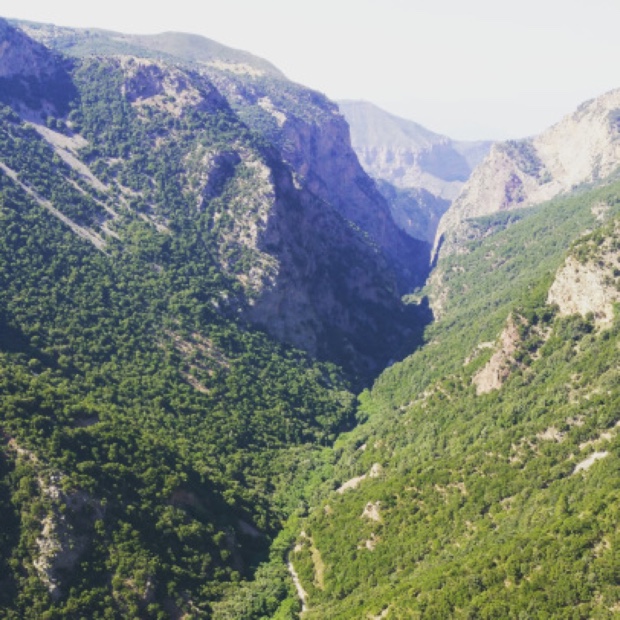
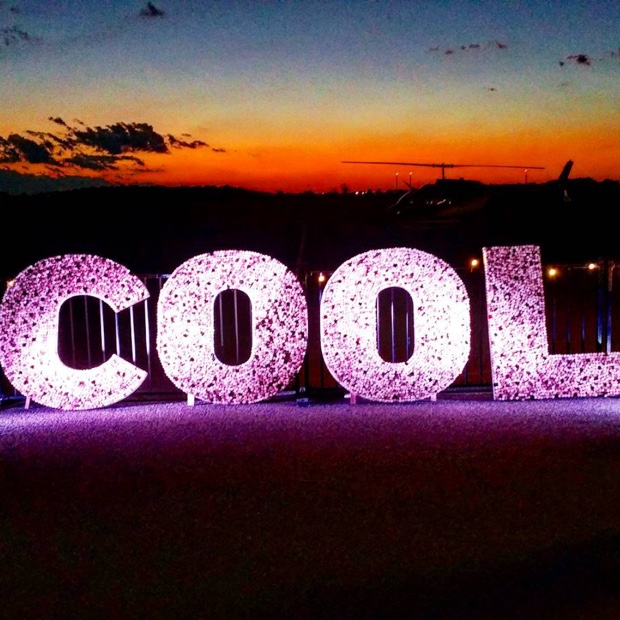


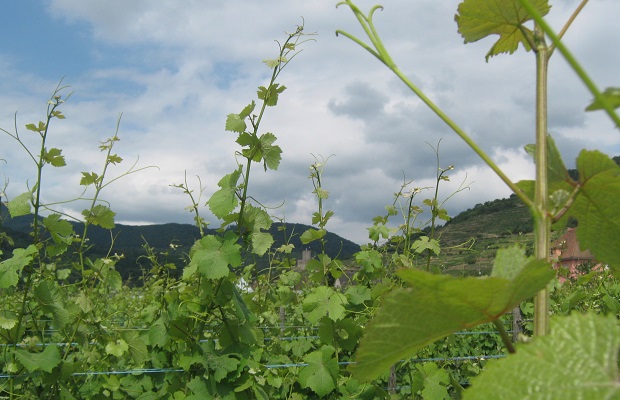

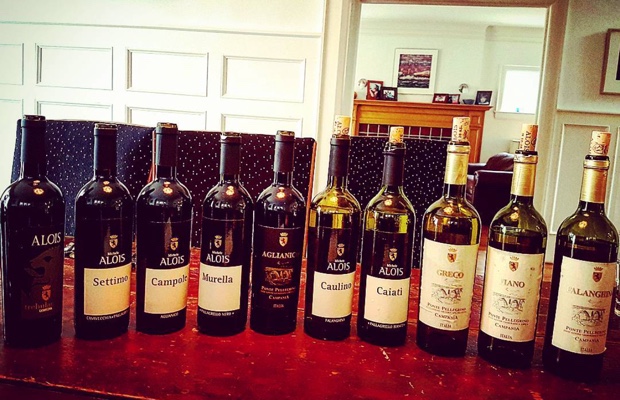



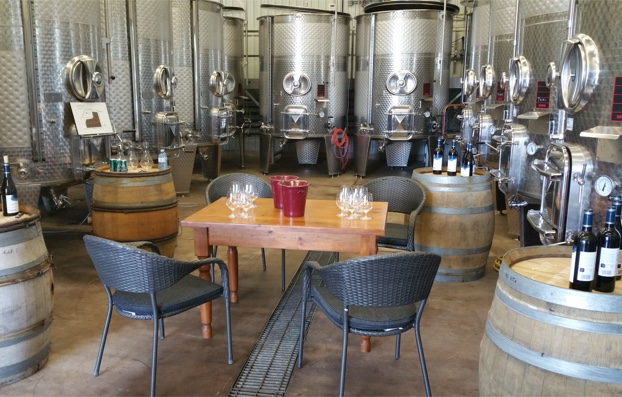





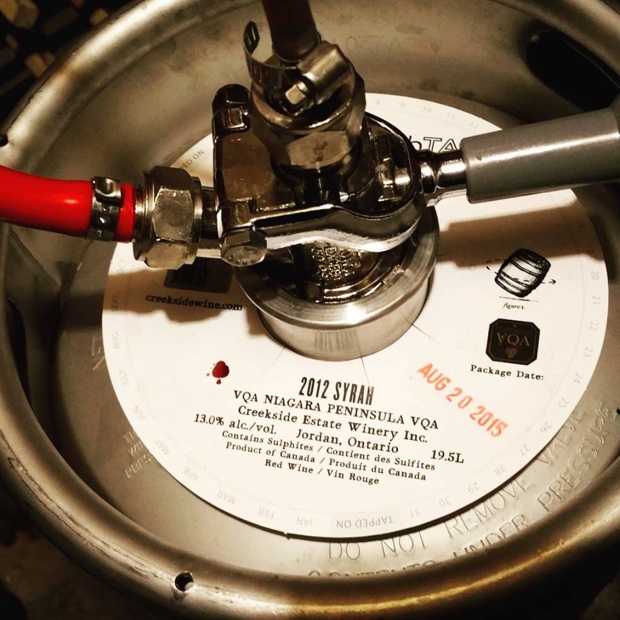
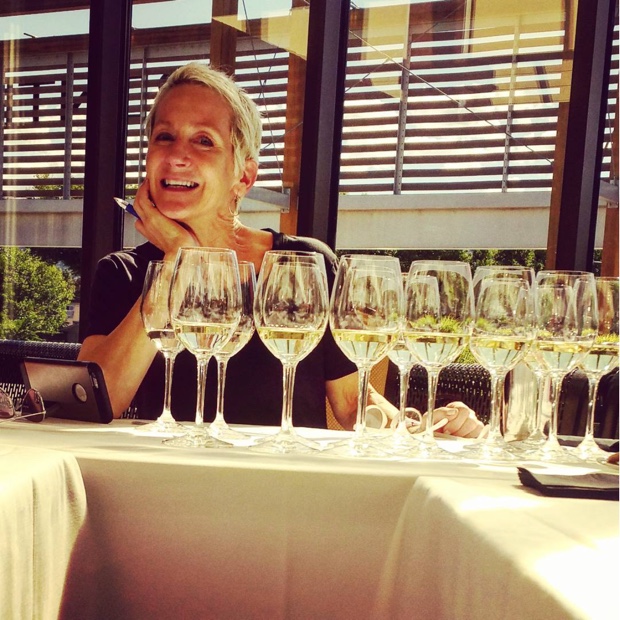

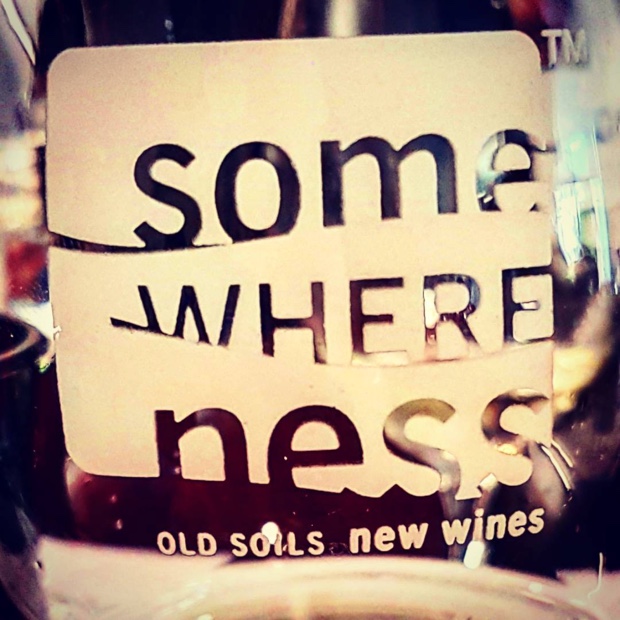
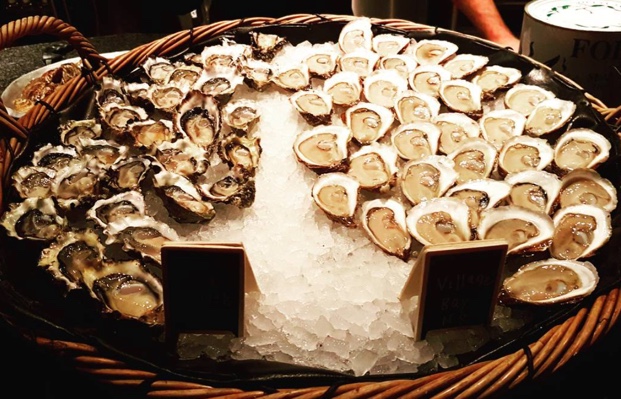


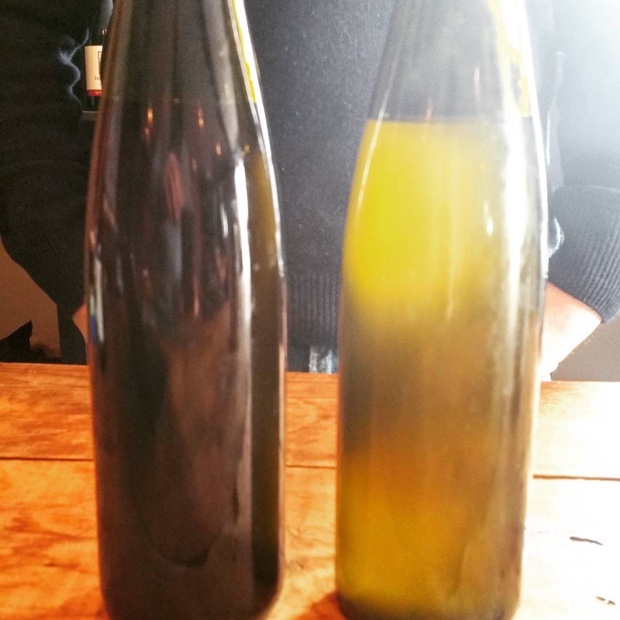
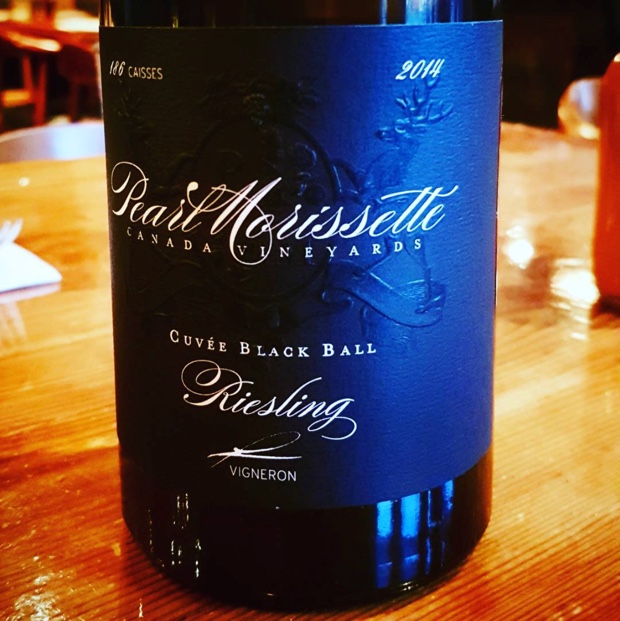


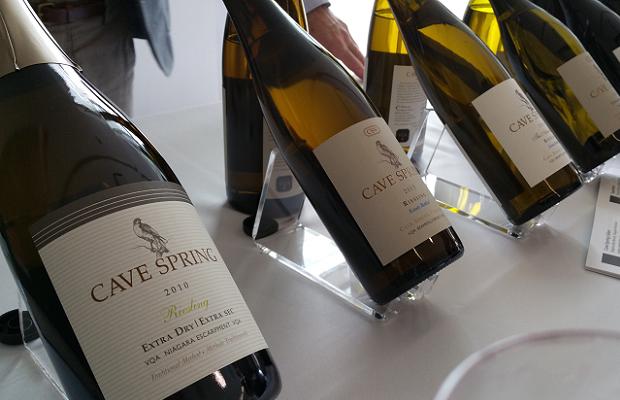
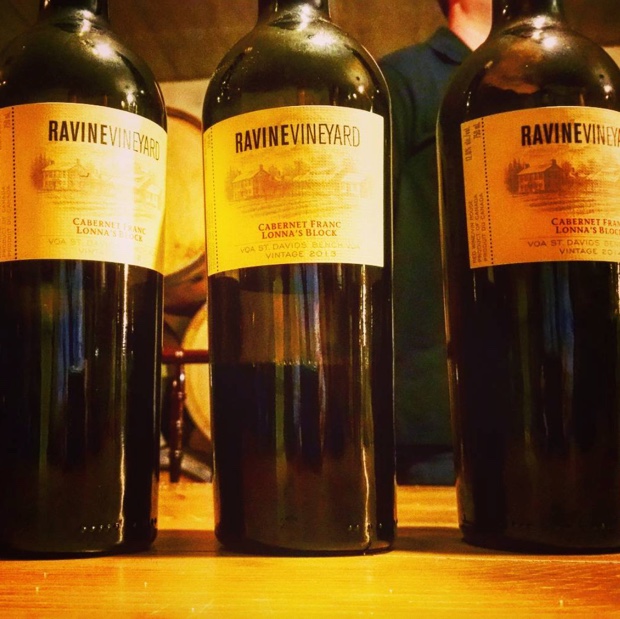



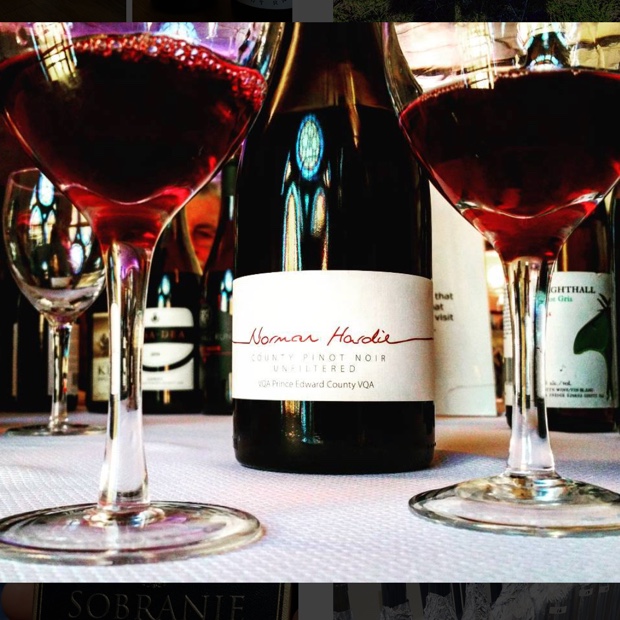

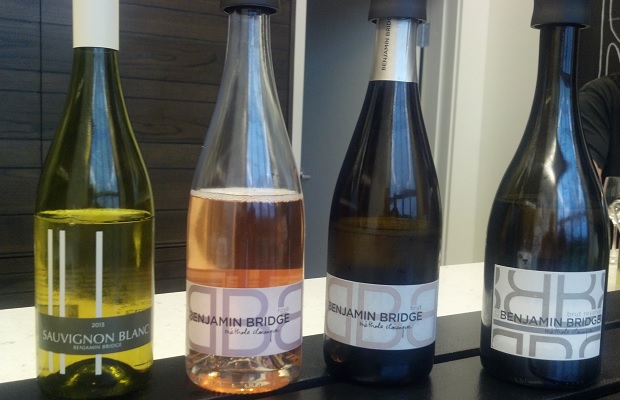
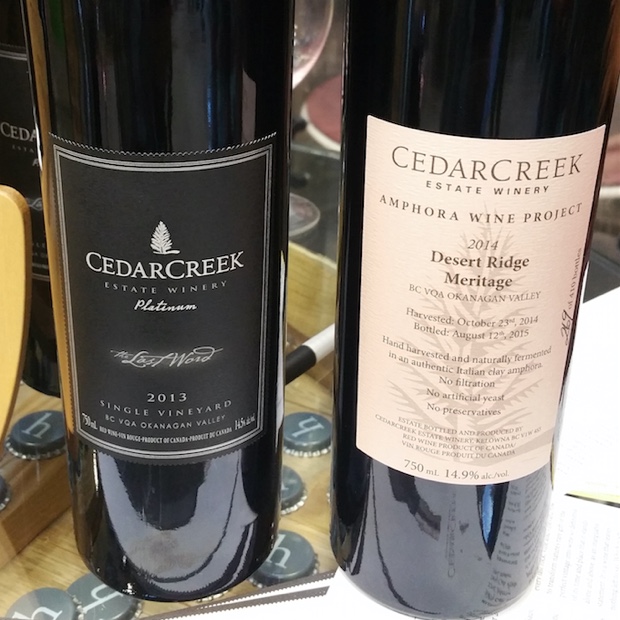

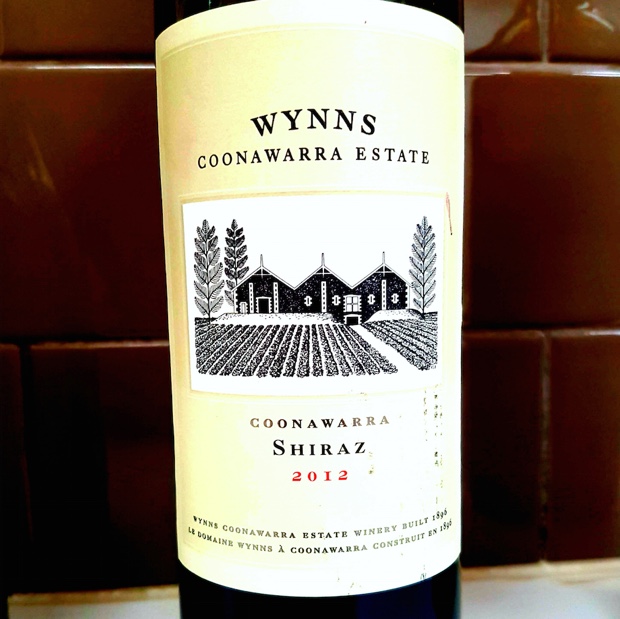
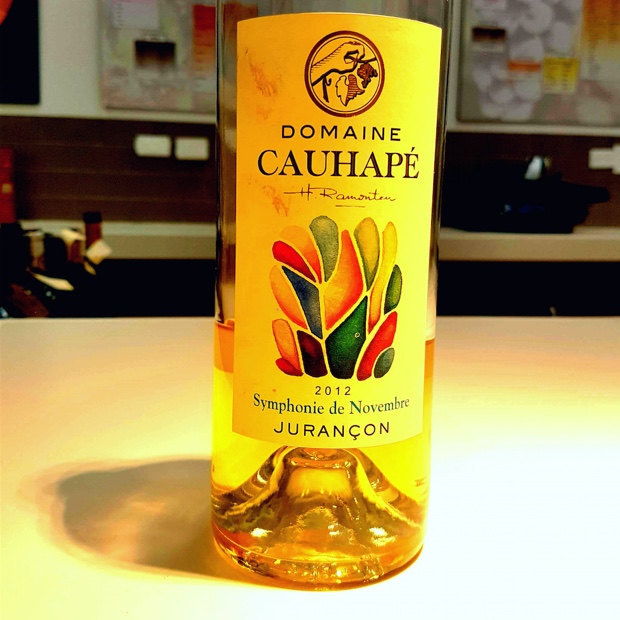


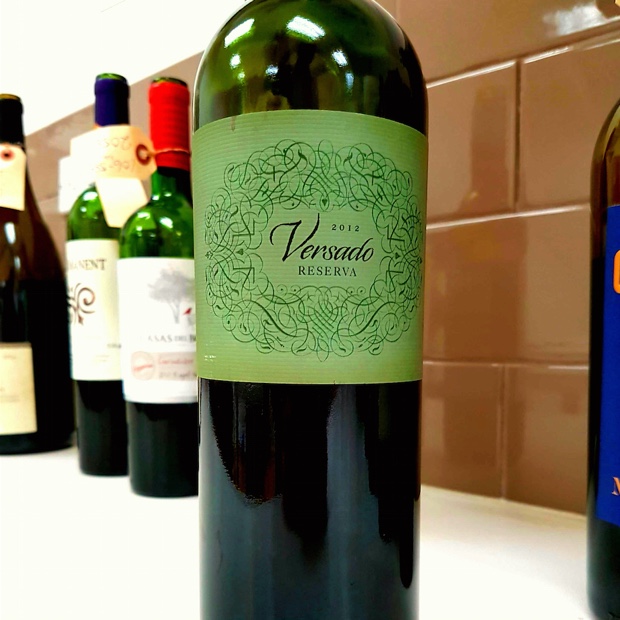


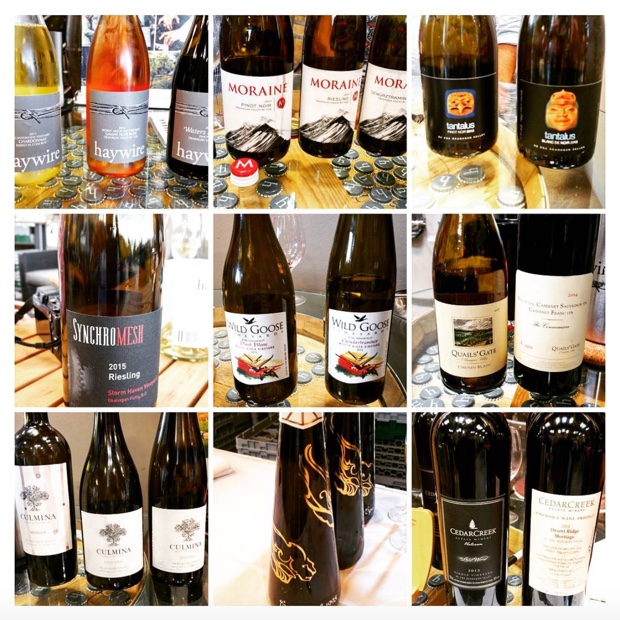


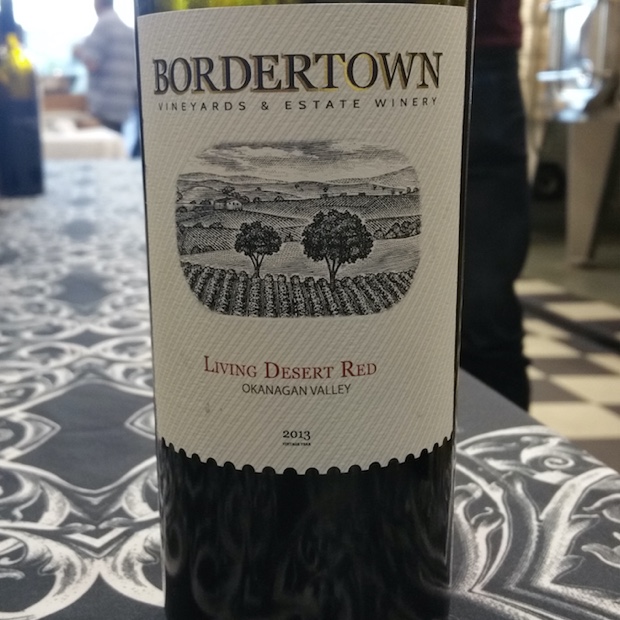
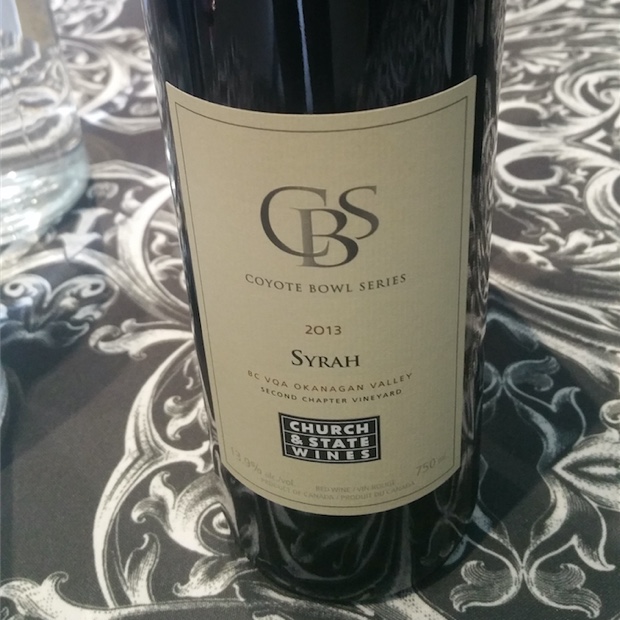


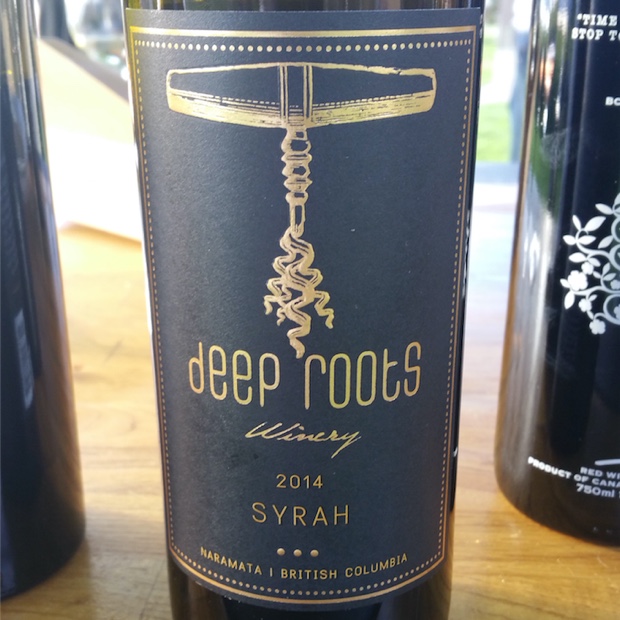
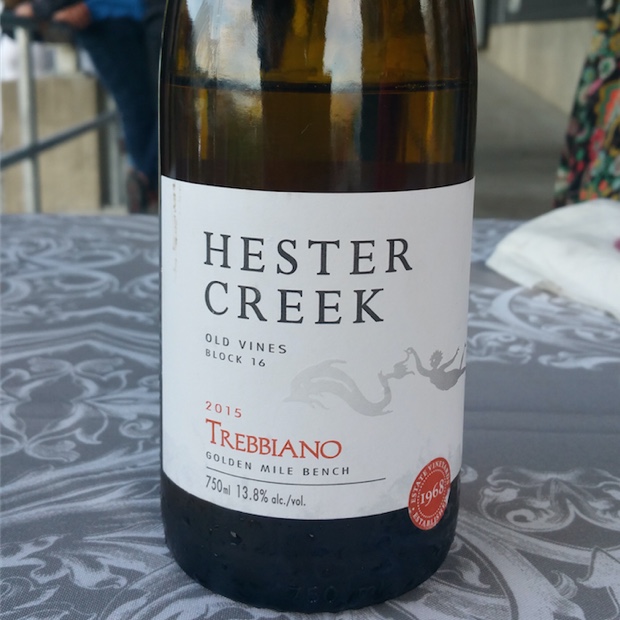


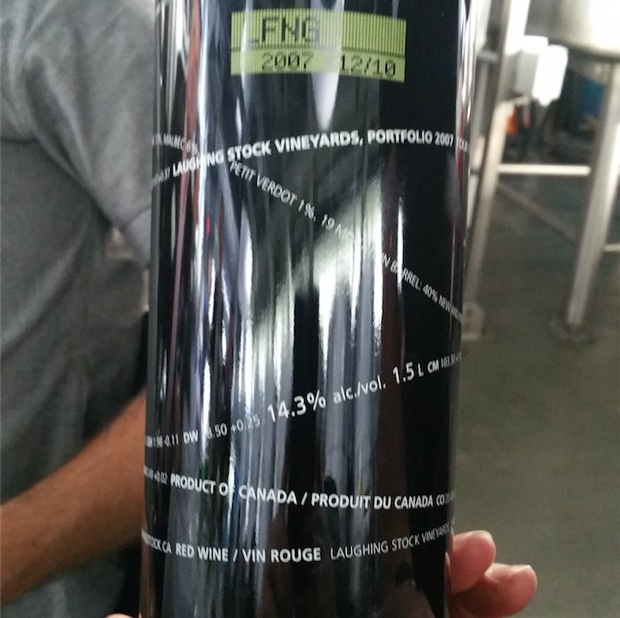


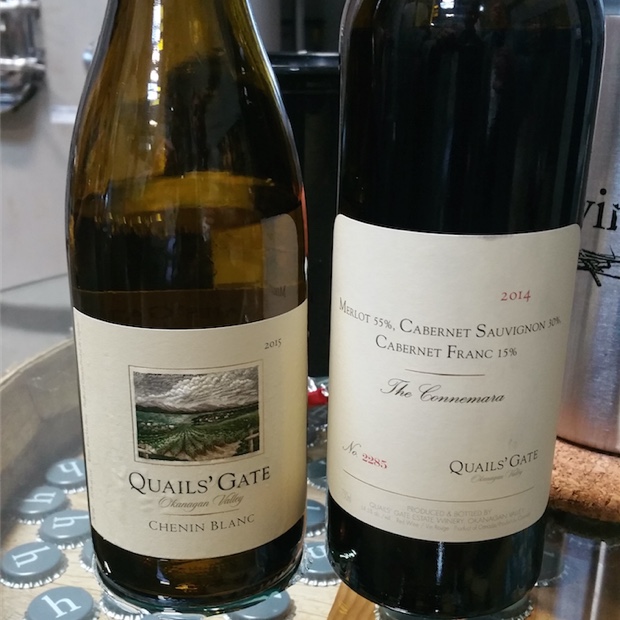
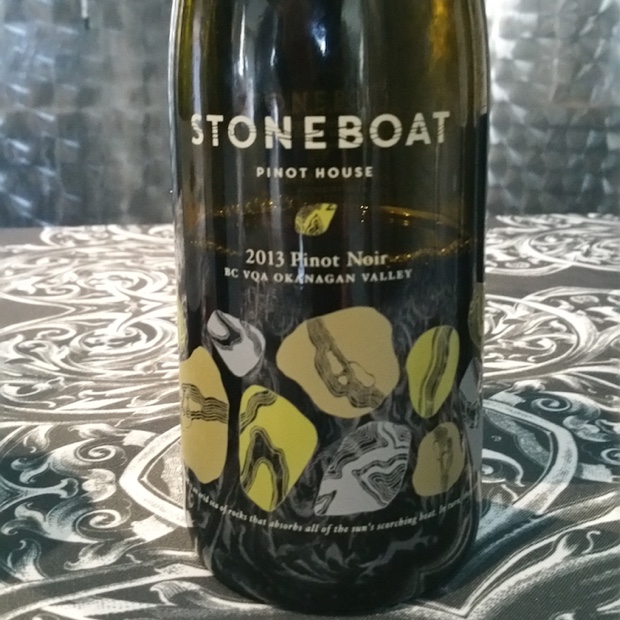


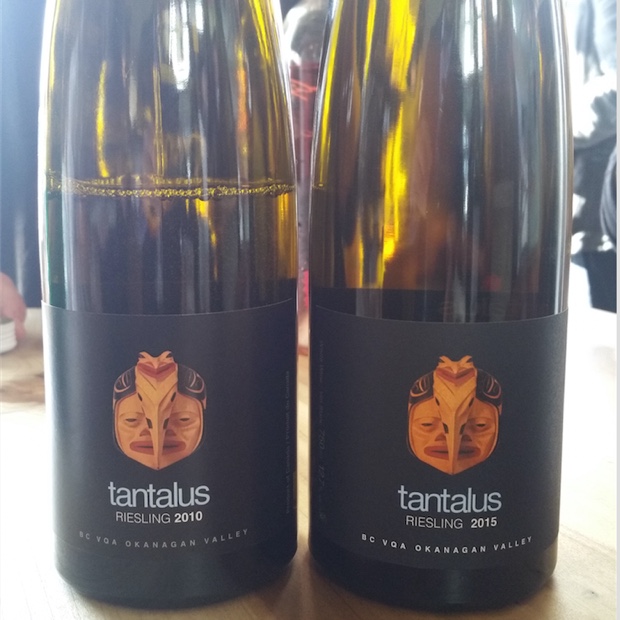

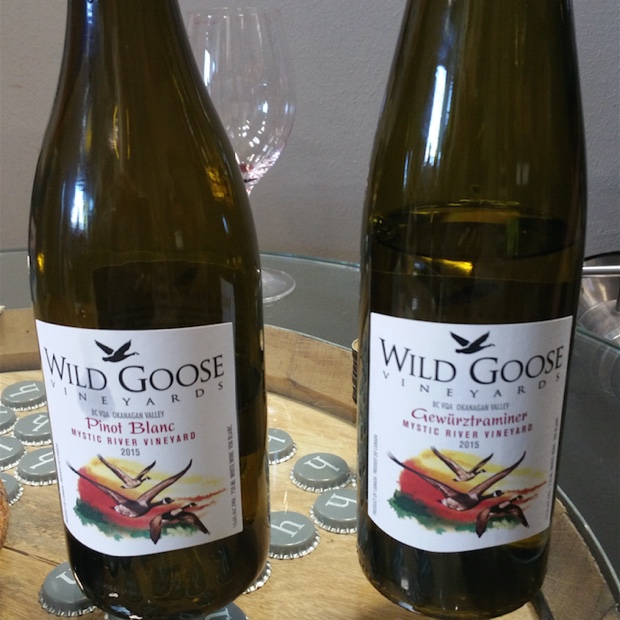
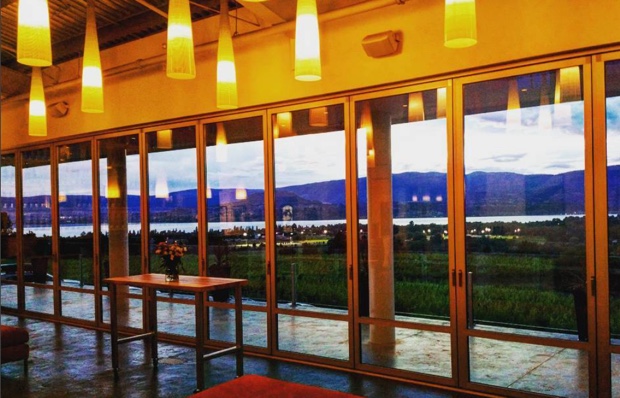
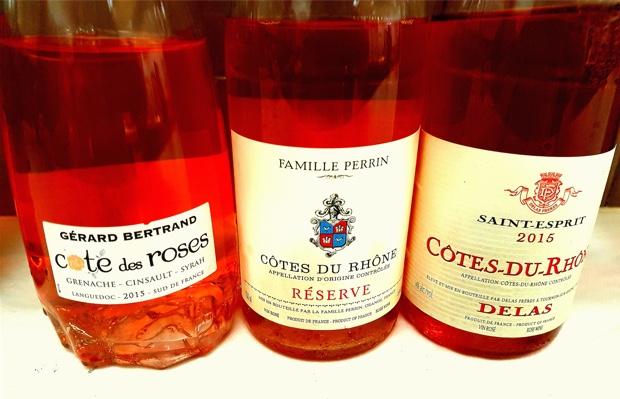

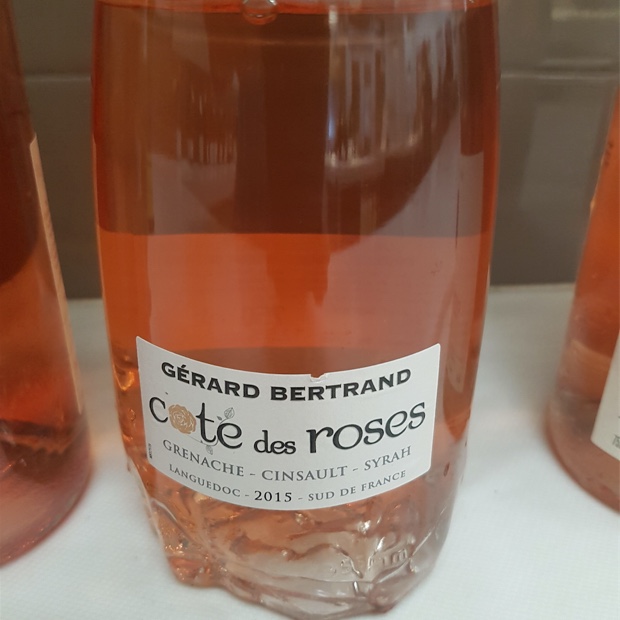

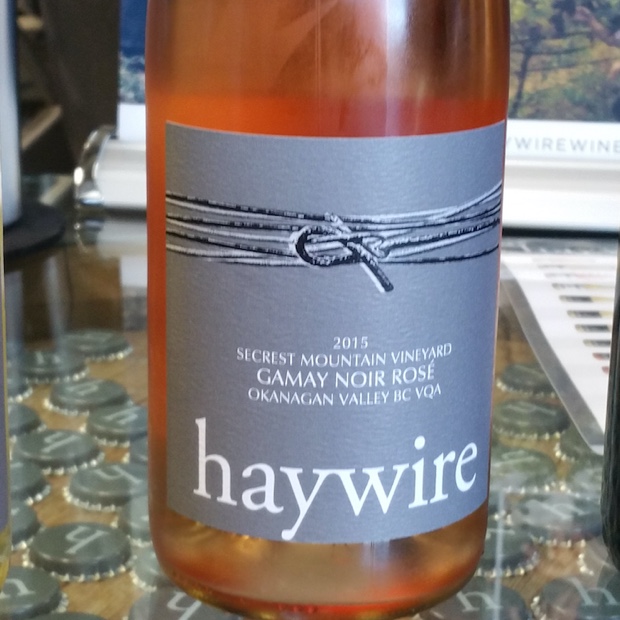

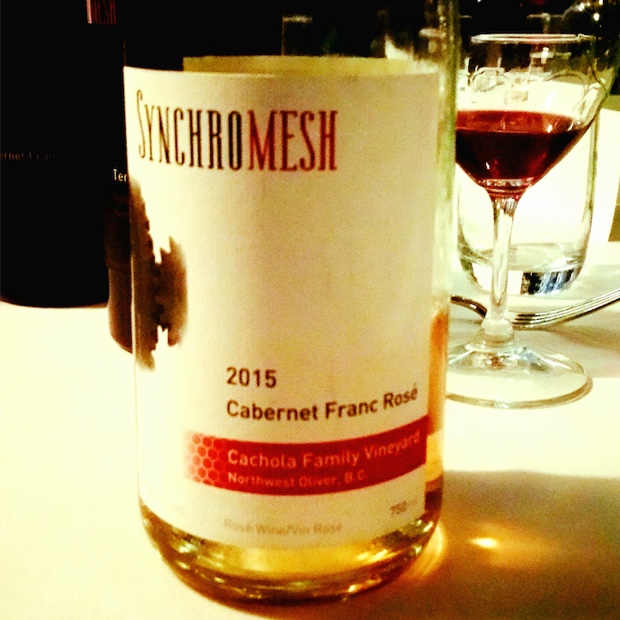

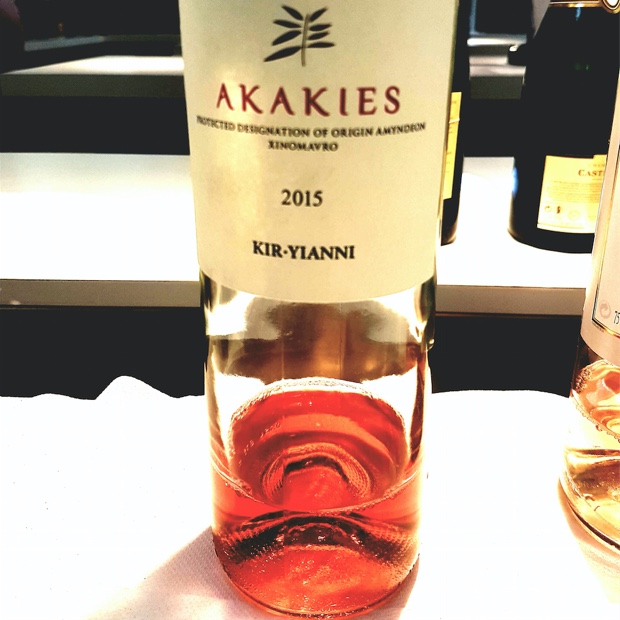
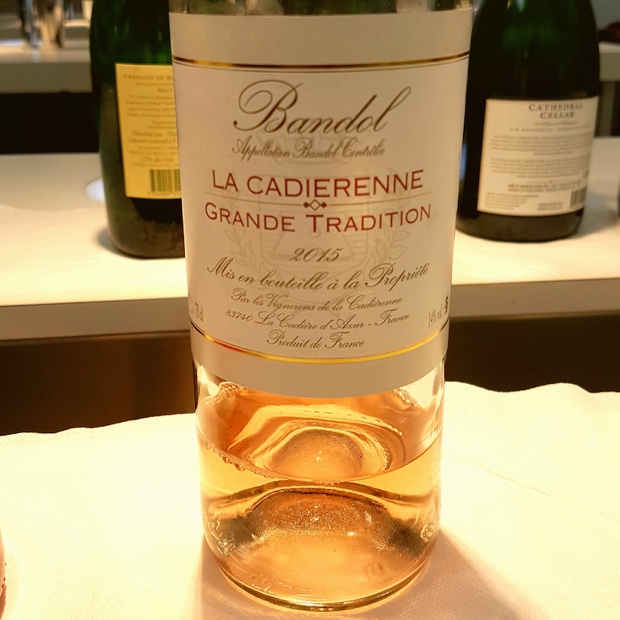
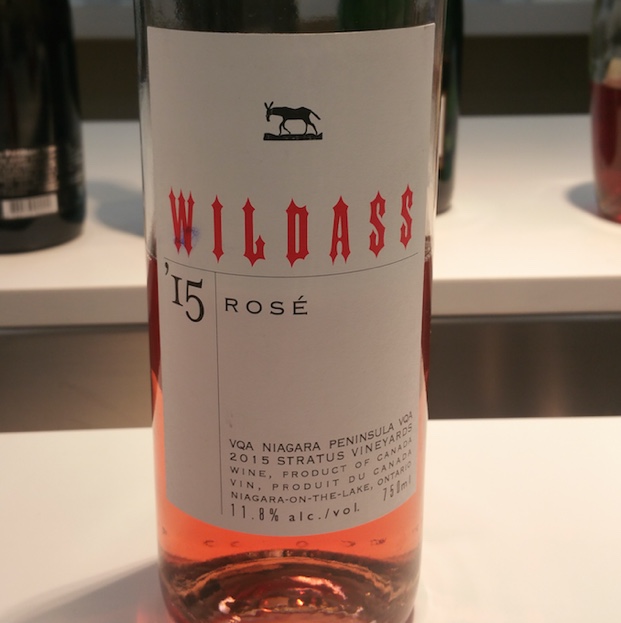

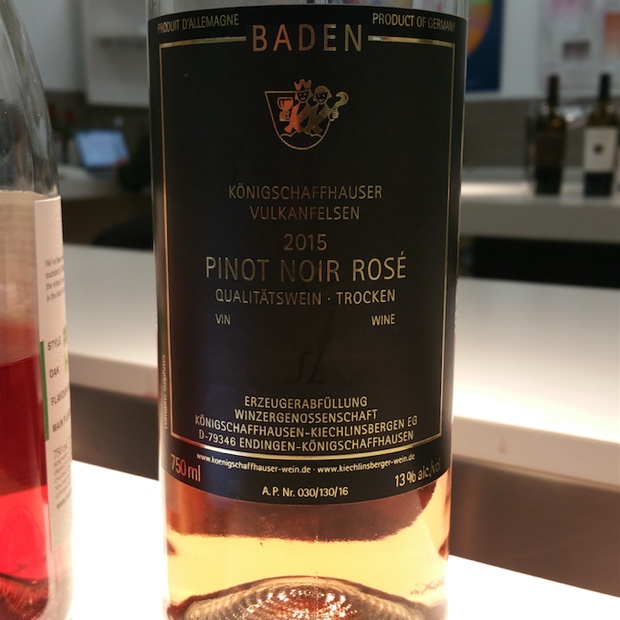


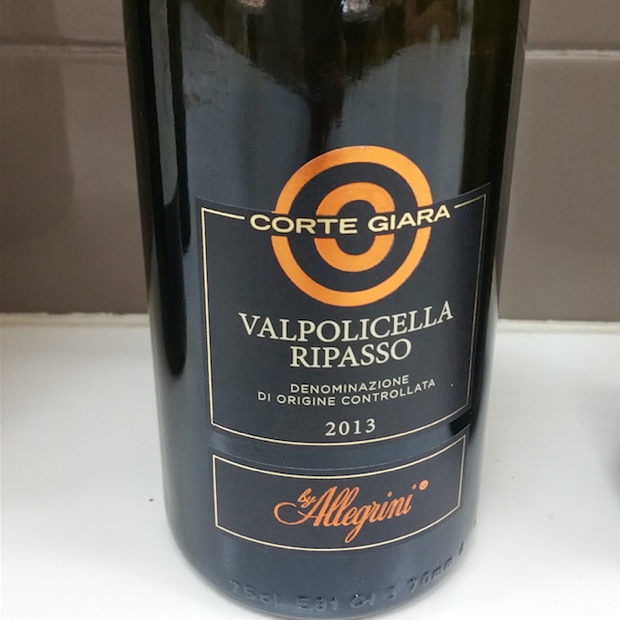
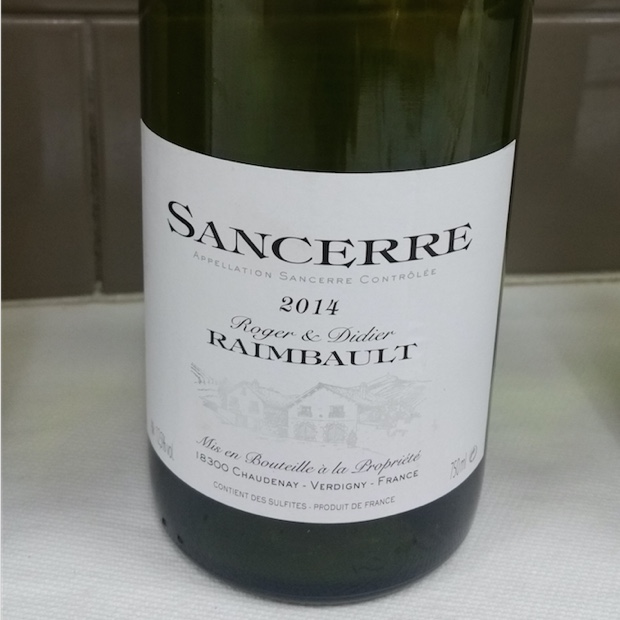


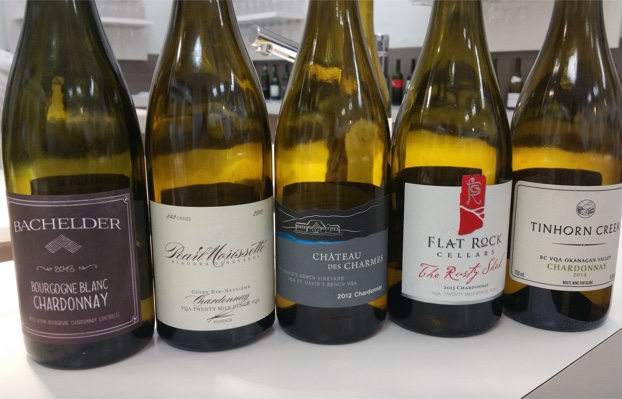



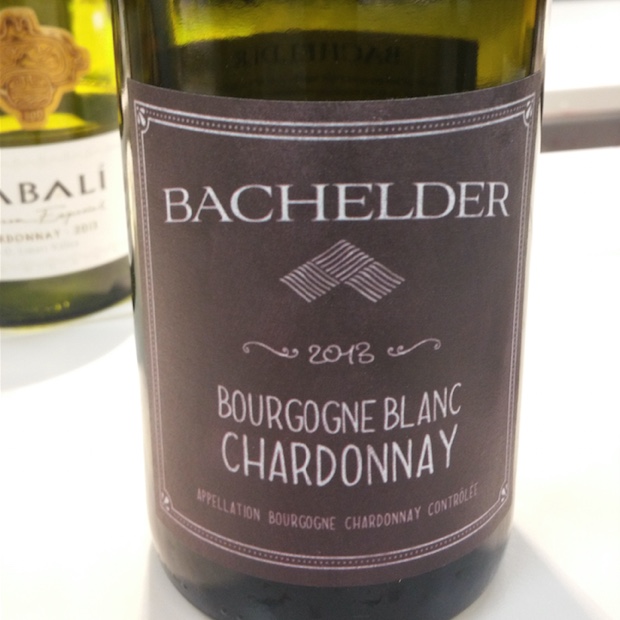
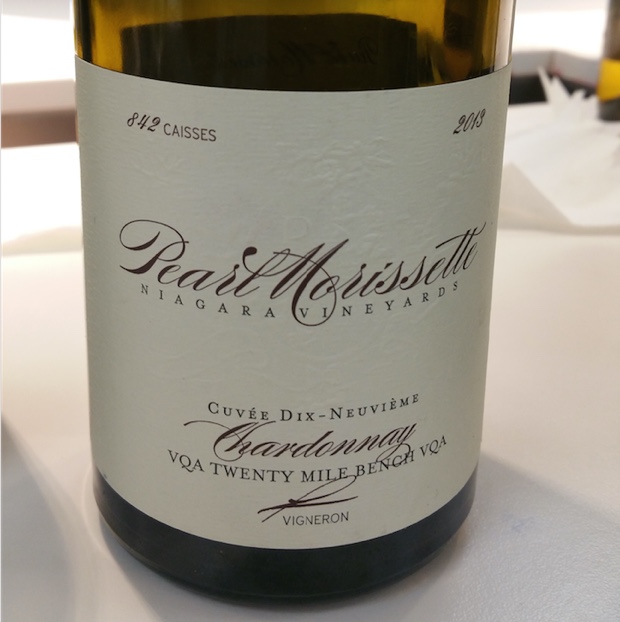


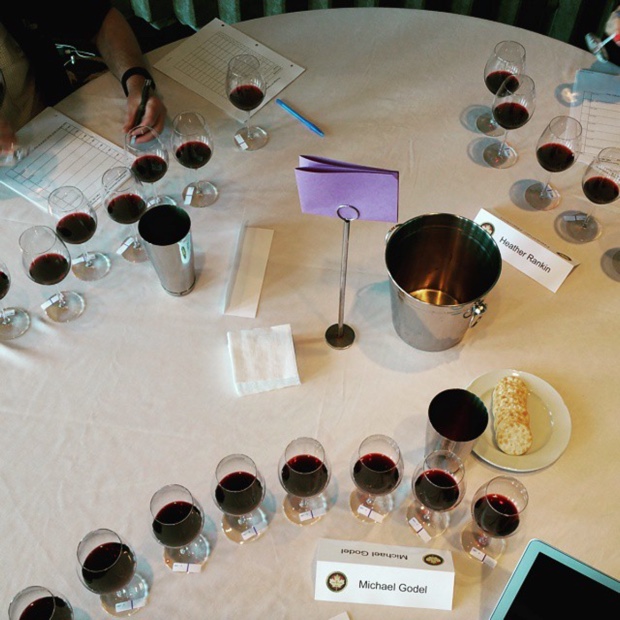
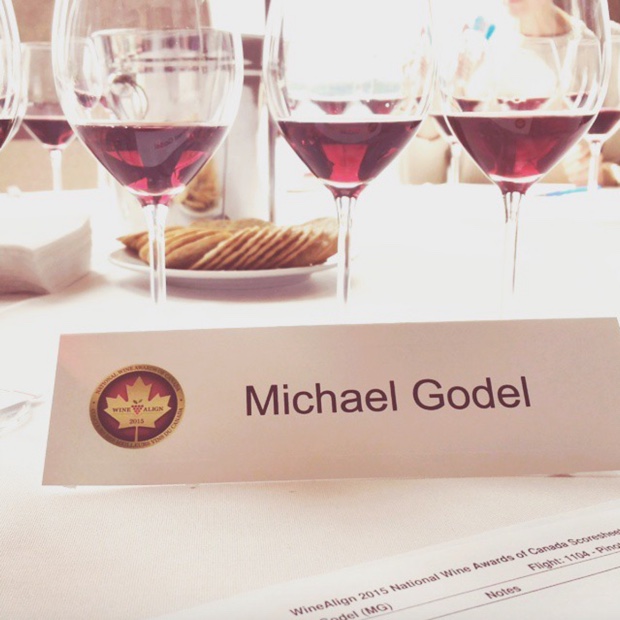

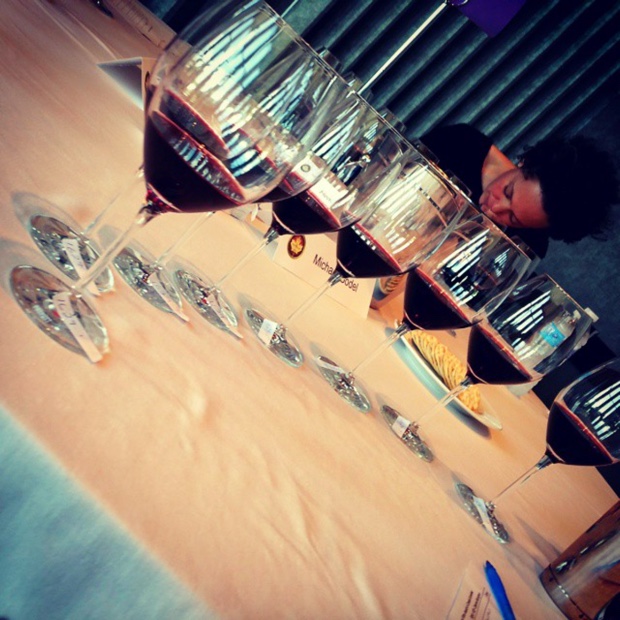
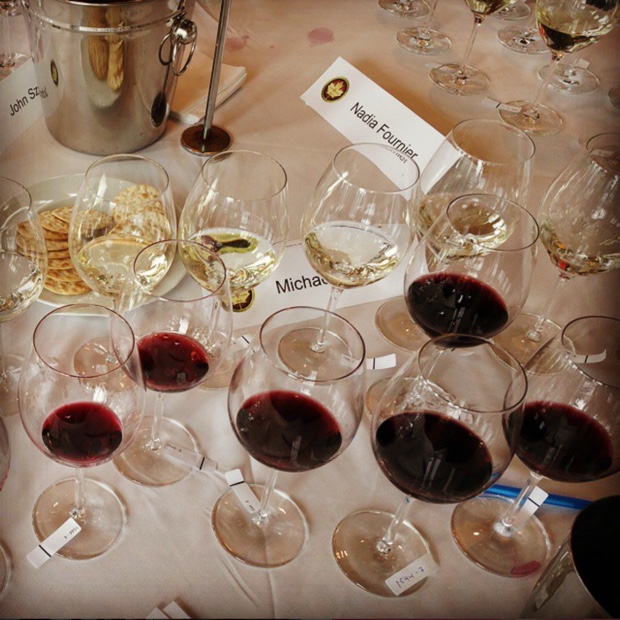
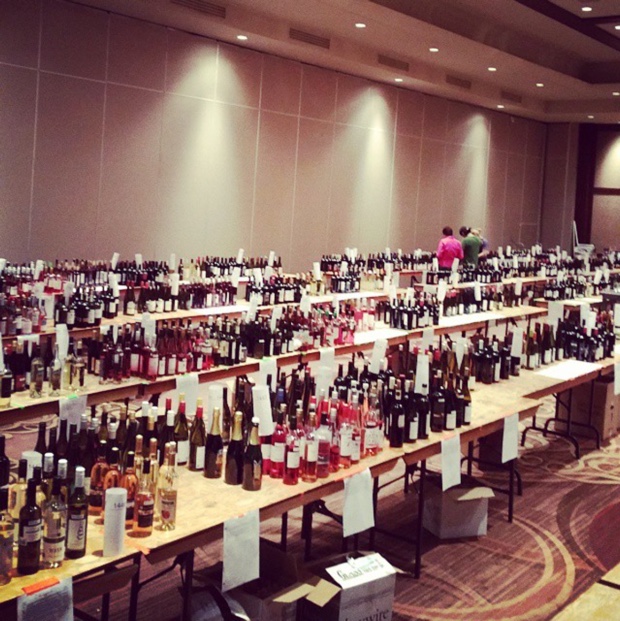
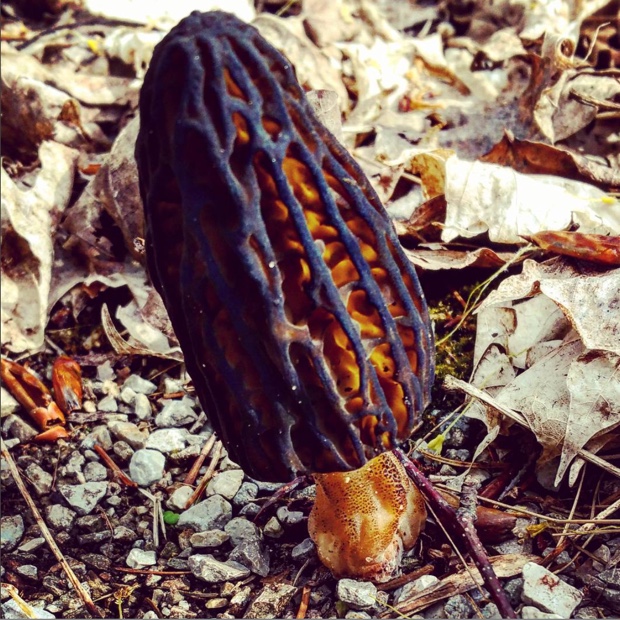

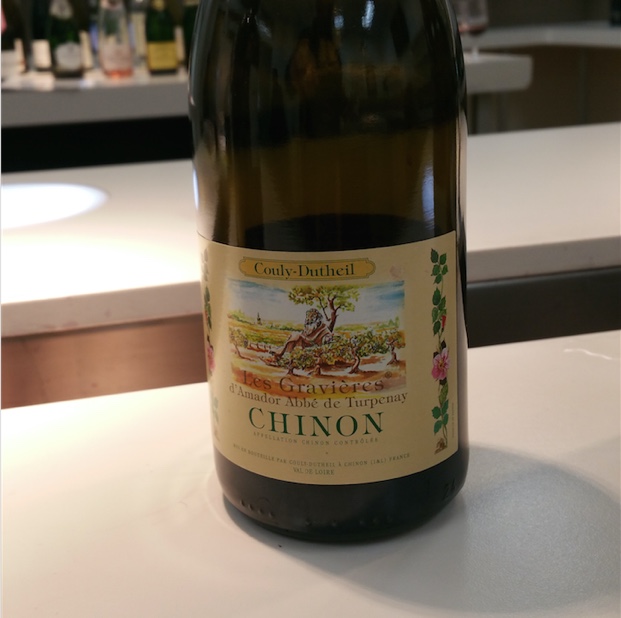
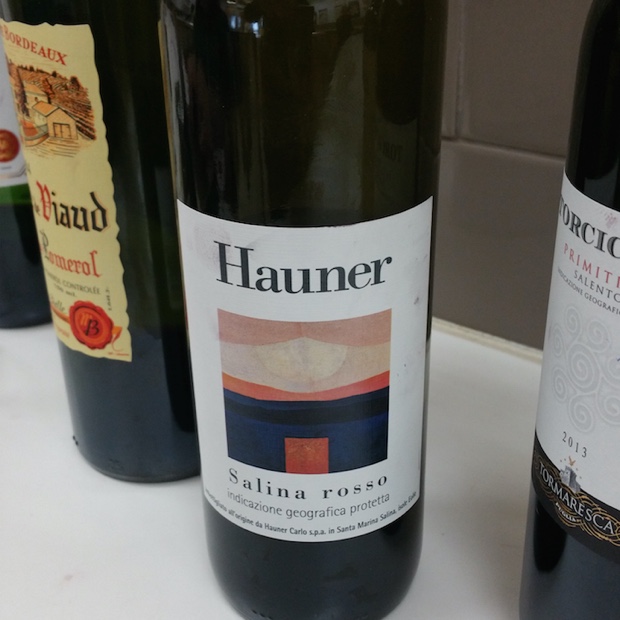
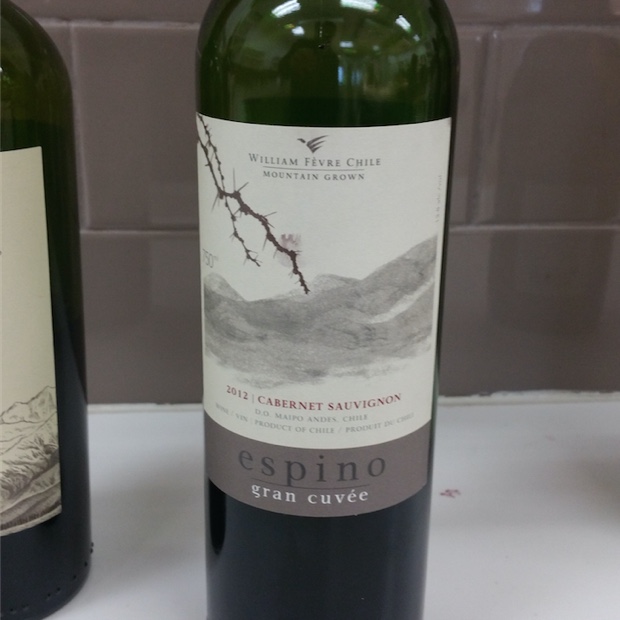


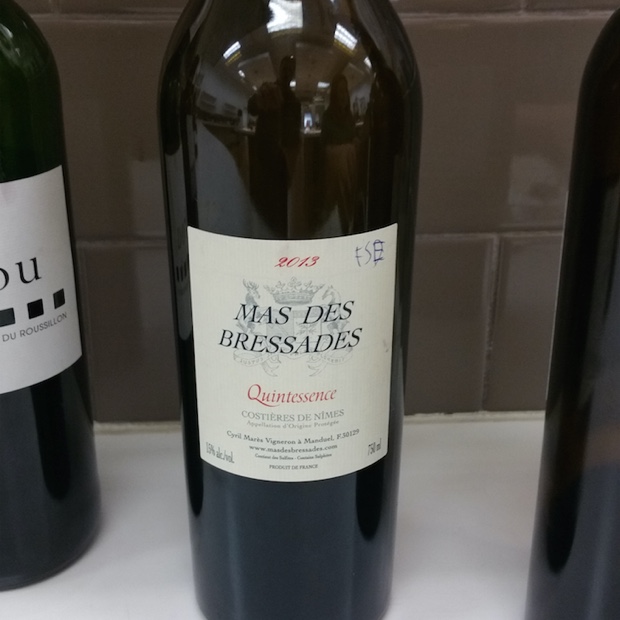
 Godello