In the cool, cool, cool of the i4C

Cool Chardonnay on ice

In the cool cool cool of the evening
Tell ’em I’ll be there
In the cool cool cool of the evening
You better save a chair

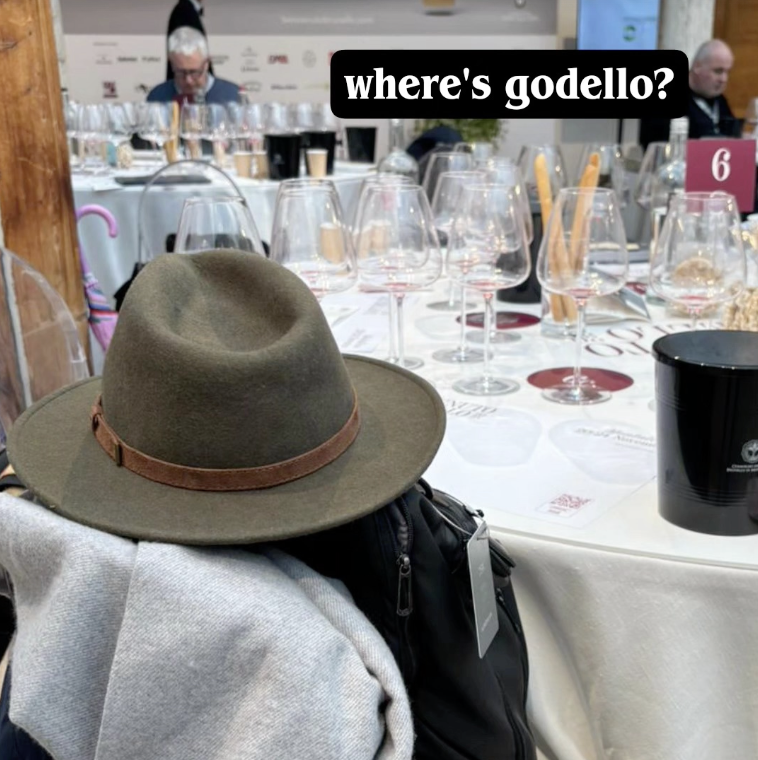
The 15th International Cool Climate Chardonnay Celebration took place just a few weeks ago and while every annual Niagara chardonnay experience is cool, this above the clouds 2025 edition was something other. Unexpectedly Godello was tasked with steering the educational component as emcee for the Thursday School of Cool at White Oaks Conference Resort and Spa. An honour and indeed a privilege it was, to share a stage with Canadian and international winemakers, winery representatives, distinguished minds and presenters. There was a palpable buzz in the room at this year’s School of Cool and also an uncommon level of expert conviction conferred by the moderators and panelists. The Canadian wine industry has assuredly come of age and chardonnay’s cool weekend was the perfect time to express the explorative, collaborative and measurable maturity of experience. Over those four days from July 17-20, the i4C was the coolest place to be.

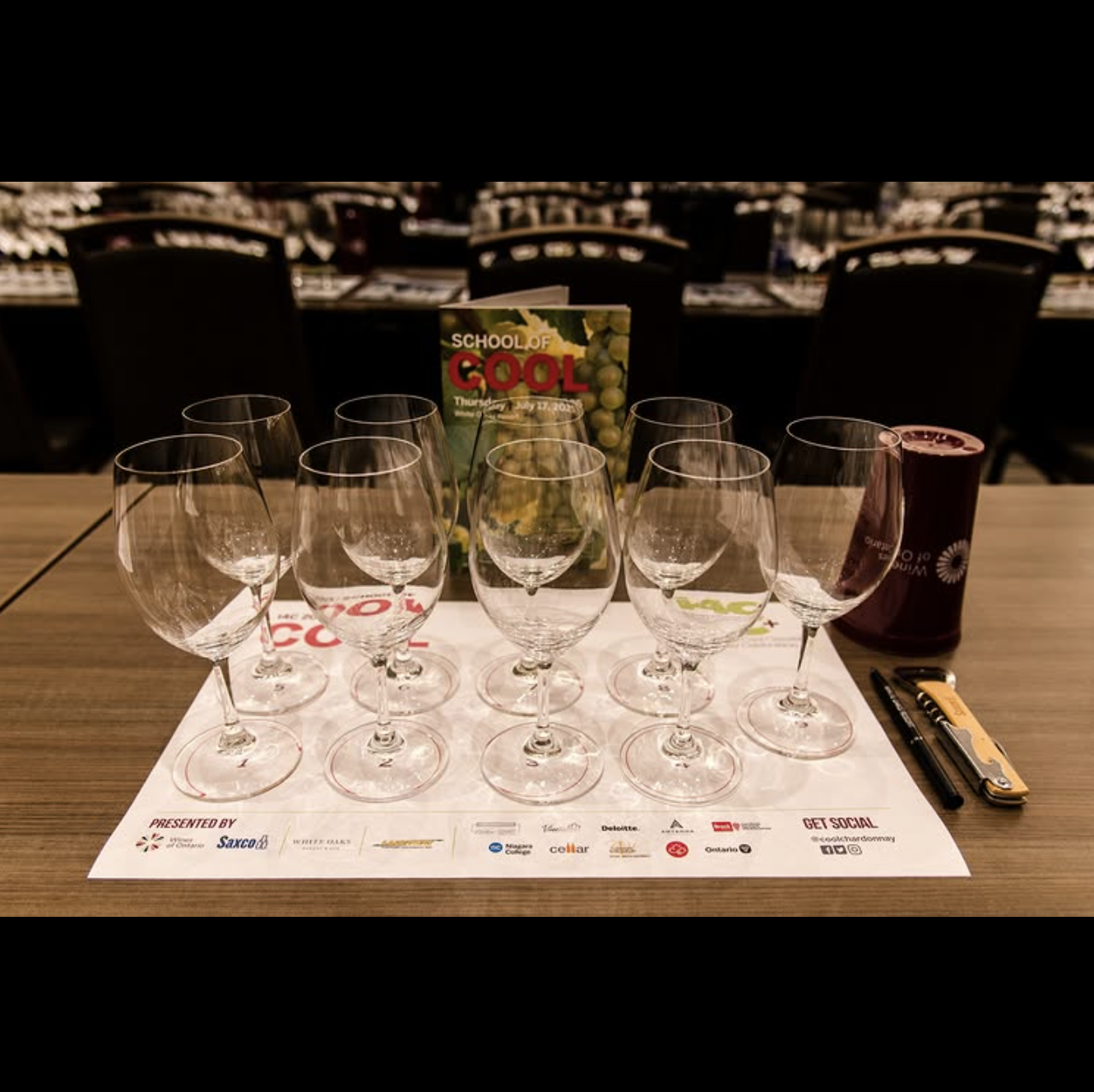
The School of Cool July 17, 2025 Edition
(c) Cool Chardonnay

Godello is pleased to share his words spoken to the audience that day.

“Good morning, and welcome to Day One of #i4c, the coolest conference in the world. My name is Michael Godel, a wine writer based in Toronto, sometimes in Italy and in my spare time I play both critic and partner at WineAlign. When I was asked to emcee this year’s School of Cool I thought hmmm, compared to those who have previously served this post, what can I contribute? I’m neither as funny or savvy as my colleague John Szabo, not as witty and sharp as Chris Waters, certainly less accomplished than both Magdalena and Suzanne. But I am good at surrounding myself with smart and talented people. I look forward to introducing many of them to you today.

We are thrilled to welcome all of you for the 15th year of the i4C! (Holds up applause sign). Every year winery representatives and people who adore chardonnay from around the world congregate here in the Niagara region to celebrate the variations, intricacies and philosophies behind making cool climate chardonnay. I once asked the question, How can i4c the future through cool chardonnay? Chardonnay is cool, then, and now. Don’t we always seem to foresee 4C a future filled with chardonnay?

This year at i4C we have 43 participating wineries, including 12 internationals from England, France, Tasmania, Argentina and two wineries from each British Columbia and Nova Scotia.

Today, we are meeting on Indigenous lands, over which Indigenous people still hold jurisdiction. In the Niagara Region, where 27 of our participating wineries operate, we are meeting on the shared lands of the Haudenosaunee, Anishinaabeg, Wendat, and Chonnonton nations. A key treaty governing this territory is the “Dish with One Spoon” agreement. This treaty between the Anishinaabe, Mississaugas and Haudenosaunee  binds them to share the territory and protect the land. Subsequent Indigenous nations and peoples, settlers, and all newcomers, have been invited into this treaty in the spirit of peace, friendship and respect. We all share the responsibility of ensuring the “Dish” is never empty, meaning that we must take care of the land and the creatures we share it with.

I would like to take a moment to acknowledge and thank our Educational Committee: Scott Wilkins, Rob Power, Elsa MacDonald, Dr. Jennifer Kelly of CCOVI at Brock University, Peter Rod of CCOVI and Niagara College and Trisha Molokach, our esteemed, tireless and incredible Event Director. Twelve years Trisha has poured heart and soul into this event. Thank you.

This weekend is made possible by the contributions of a dedicated group of volunteers who have spent countless hours preparing for this weekend. We have a wonderful team of folks pouring wine for you today, so if you happen to see someone in a colourful I4c t-shirt, make sure you take the opportunity to thank them for their time and efforts. None of this is possible without them.

We would love to see any photos or videos that you take today, so please be sure to tag us. Our Instagram handle and the i4C hashtag are both listed on the bottom of your name tag and on your tasting mat.

At the end of the first session I will get to more specific housekeeping details and we do have a full schedule ahead of us today. There will be three educational sessions and tastings, with coffee breaks and a lunch in between, followed by a walk-around tasting in the afternoon. Please refer to the booklet provided at your seat for more information on timing and session details.

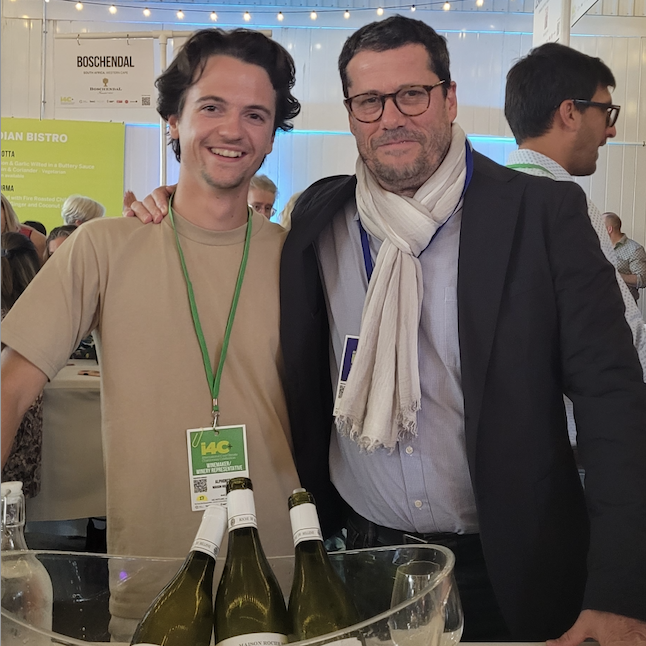
Before I proceed I would like to take a moment to remember a great friend of the i4C. Just a few weeks ago we lost Nicolas Potel, a great winemaker, négoce, father and friend. We miss you Nico and all of us wish you were here. But believe me I can’t think of anyone who would want us to just go out and have a grand time. Nicolas Potel came from Bourgogne for the very first event and his winery Domaine de Bellene was present here at i4C eight times, including last year when his son Alphonse joined us for the weekend. We should all raise a glass of cool chardonnay to the great Nicolas Potel.”

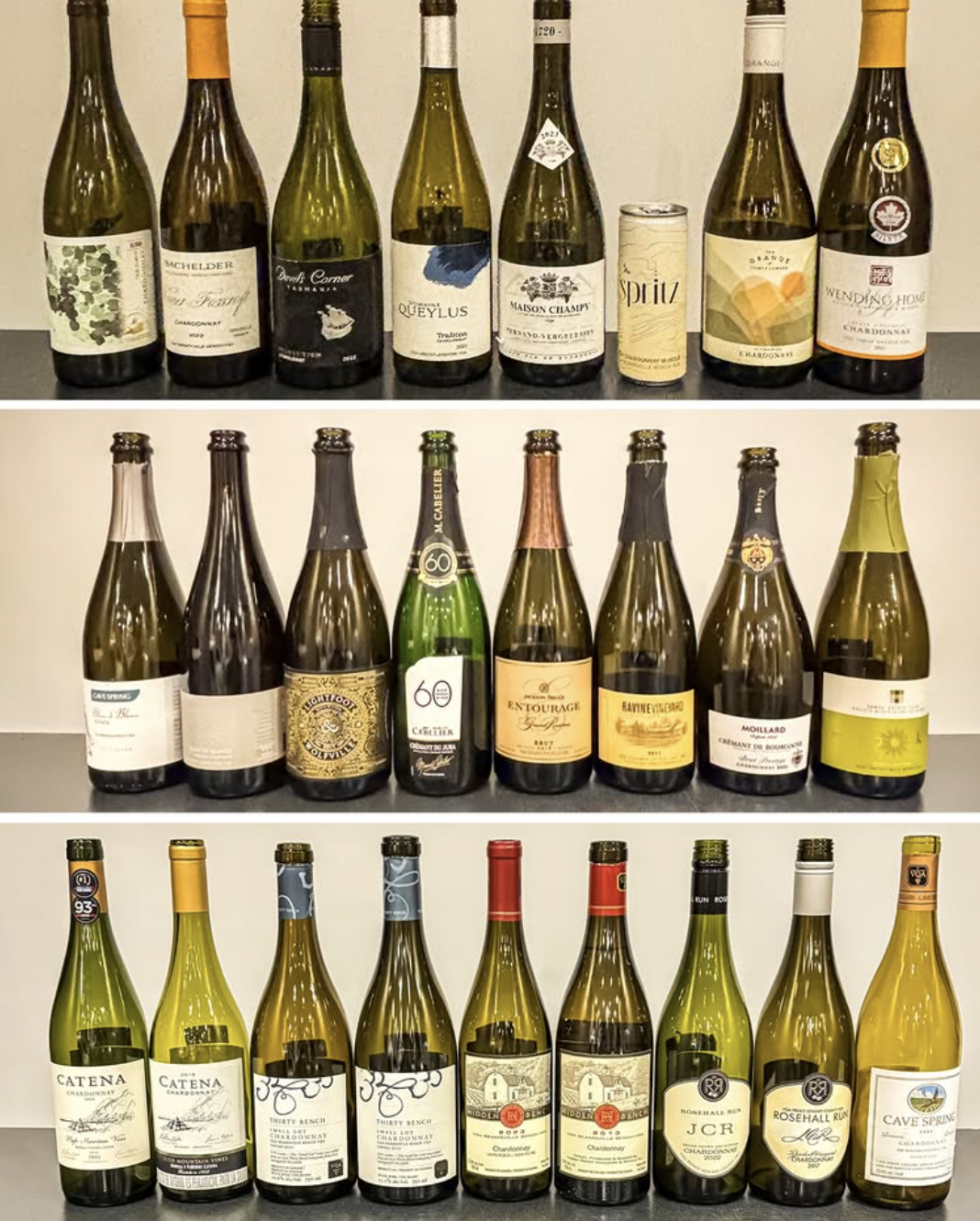
Coolest Chardonnay of The School of Cool (c) Cool Chardonnay

Session One

“Our keynote speaker for this year is Clive Pursehouse. Based in Seattle, Washington, Clive Pursehouse is Decanter’s US Editor and Regional Editor for the Pacific Northwest. He is the creator of the site Northwest Wine Anthem, Culture Editor at Peloton Magazine and the newly minted Fausto Magazine. This I gather makes him an avid cyclist. In fact I’m told he is a fan of Cyclocross, which is a unique, non-Olympic discipline of cycling that can be best described as a cross between road cycling, mountain biking and steeplechase. Wait, there’s more. Cyclocross takes place on technical outdoor courses of grass, dirt, mud, sand or sometimes snow. Snow. Still more – Pursehouse broke his pelvis cycling in the middle east and spent who knows how long in casts and wheelchairs. In other words and though I’ve just met him, not unlike a close friend I have known since nursery school who is an ultra-marathon runner, I would have to say that Clive is clearly nuts. And he’s from Pittsburgh (I like Pittsburgh!) but he does know a lot about wine, including chardonnay, especially those beauties from Washington and Oregon. I would say that his mix of intense exercise, the snow part and wine study make him ultra qualified for this role as our keynote speaker. When our Concierge asked if he had any allergies, Clive replied, “yah, tusk.” Tusk? Well Clive, this walk up song is for you. (Cue Tusk by Fleetwood Mac). Allow me to introduce Clive Pursehouse.”

Pursehouse began by saying “cool” starts with Miles Davis. Then there was Camus. “Cool is aloof. It resides on the fringe.” Finally a description that applies to Kim Gordon of Sonic Youth. “Cool is aspirational – It has an elusive character we find attractive.” Then like André 3000, “wine needs cool voices and cool critics. Cool is coming and it can’t be stopped.” Lastly, The Who because “the kids are alright, meaning it’s time to partner with cool, young voices who will celebrate edginess, low alcohol, fresh fruit and minerality. “The loneliness epidemic is real,” reminded Pursehouse, “and wine can be the healer, can bring people together and make things better.”

Session Two

“Eugene Mlynczyk is national sales manager and fine wine ambassador for Principle Fine Wines, the luxury team within Arterra Wines, Canada. He attended Stanford University in the 1980s, majored in art and earned a Master of Fine Arts degree in Painting from Indiana University. Eugene earned the title of Master of Wine in 2015 and I will always remember a memorable trip spent with him at Mondavi in 2017. Session Two is titled Sparkling Chardonnay – No Occasion Required. Please welcome moderator and Master of Wine Eugene Mlynczyk.”

“The world can’t get enough bubbles and chardonnay is at the heart of the world’s finest sparkling wines.”

Session Three

“Dr. Jennifer Kelly PhD has been a Scientist in Oenology at Brock University’s Cool Climate Oenology and Viticulture Institute since May of 2023. I had the pleasure of sitting on the 2024 Experts’ Tasting Panel with Dr. Kelly who brought a much needed scientist’s perspective to assessing Niagara wines in a room with nine winemakers, one sommelier and one journalist. Hanging around Jen certainly helped me to trust the science. I think you will all be intrigued by Jennifer’s approach and moderation for session three called Chardonnay’s Coming of Age – A Retrospective. Please welcome Dr. Kelly.”

School of Cool squadra; Josh Horton (Lightfoot & Wolfville), Marty Werner (MW Wines), Ben Minaker (Andrew Peller) and Dr. Jennifer Kelly (CCOVI)

“This has been a true pleasure for me, to be a part of being a messenger for cool chardonnay. I am grateful for the opportunity. To the i4C committee, Trisha and her unbelievable team, our terrific AV guys and the White Oaks staff. Bravo. Thank you to Clive for leading us into cool territory with a refreshing approach. I loved the image of Kim Gordon but personally Clive I would have chosen Tina Weymouth or Kim Deal – but we can argue that out later. Kudos to our three session moderators, Clive, Eugene and Jennifer. Your time and attention is seriously appreciated. To all our panelists, your insights are what we come for and to learn anew each and every year at the School of Cool. And to all of you for being here, I hope there was something here for everyone and we’d love to see you back next year. Remember, Chardonnay is never too cool for school. Just outside the doors you will find all the chardonnay available at a walk around tasting which is scheduled to last until 6:15 pm. Happy tasting and thank you all for coming and see you again in 2026!”

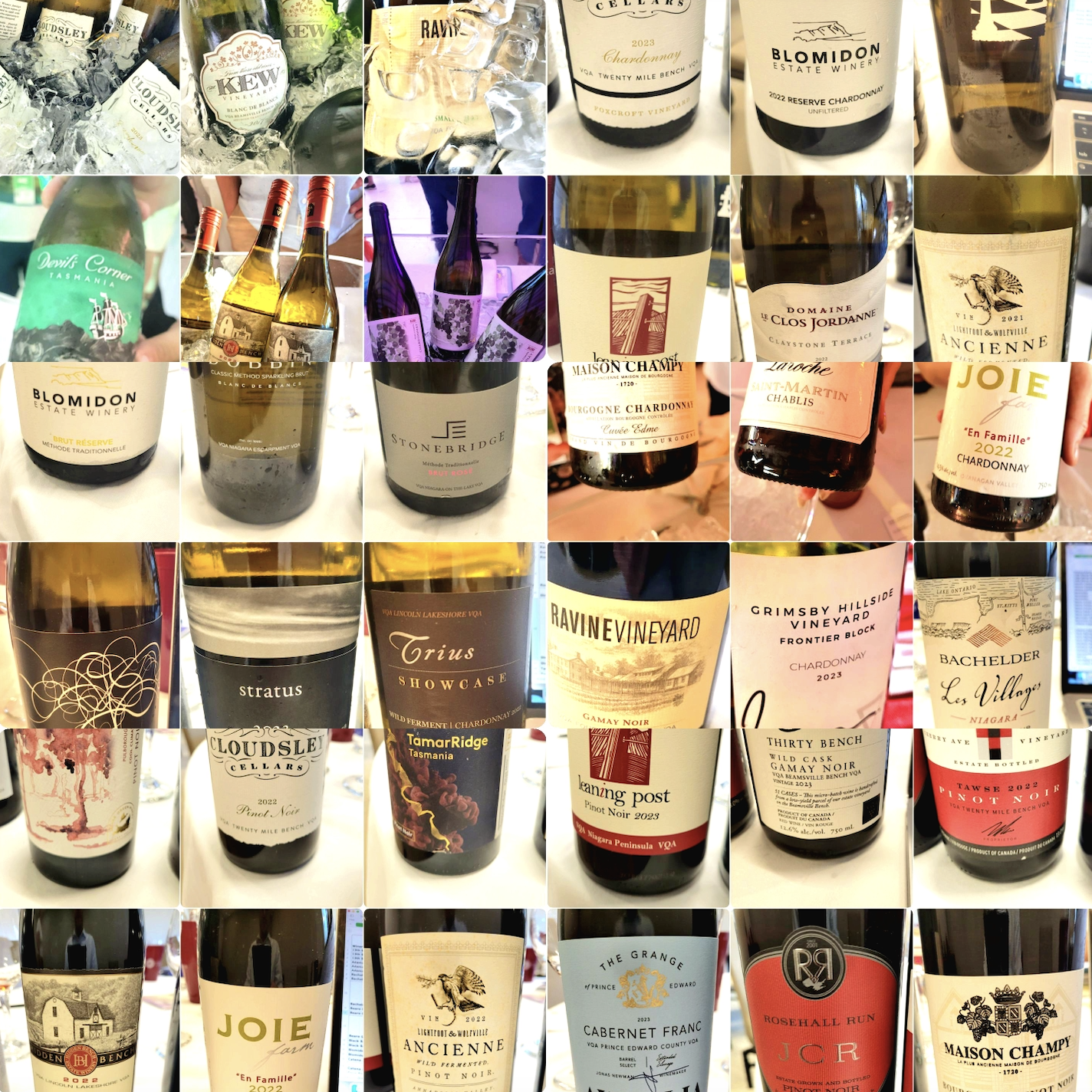
Godello tasted and has reviewed 80 wines during the four-day conference; At the School of Cool; In the White Oaks media room set up by the Wine Marketing Association of Ontario team led by Andrea Peters; At visits to Cave Spring with Gabriel Demarco and Malivoire with Shiraz Mottiar; An evening at Ravine Vineyard with Jeff Moote of Divergence Wines, Jonas Newman and Marlise Ponzo of The Grange of Prince Edward, Chris Thompson and Stephen Del Degan of Volta Estate Winery and Ron Giesbrecht from Wending Home Estate Vineyards & Winery; Lunch at Black Bank Hill with Taylor Emerson, Jonathan McLean and Meg McGrath; At the evening events held at Friday Night Flights, Niagara District Airport, Niagara-on-the-Lake and at Chardonnay in the Vineyard World Tour Tasting and Dinner at The Riverbend Inn, Niagara-on-the-Lake. Here are the notes.

The Sparkling

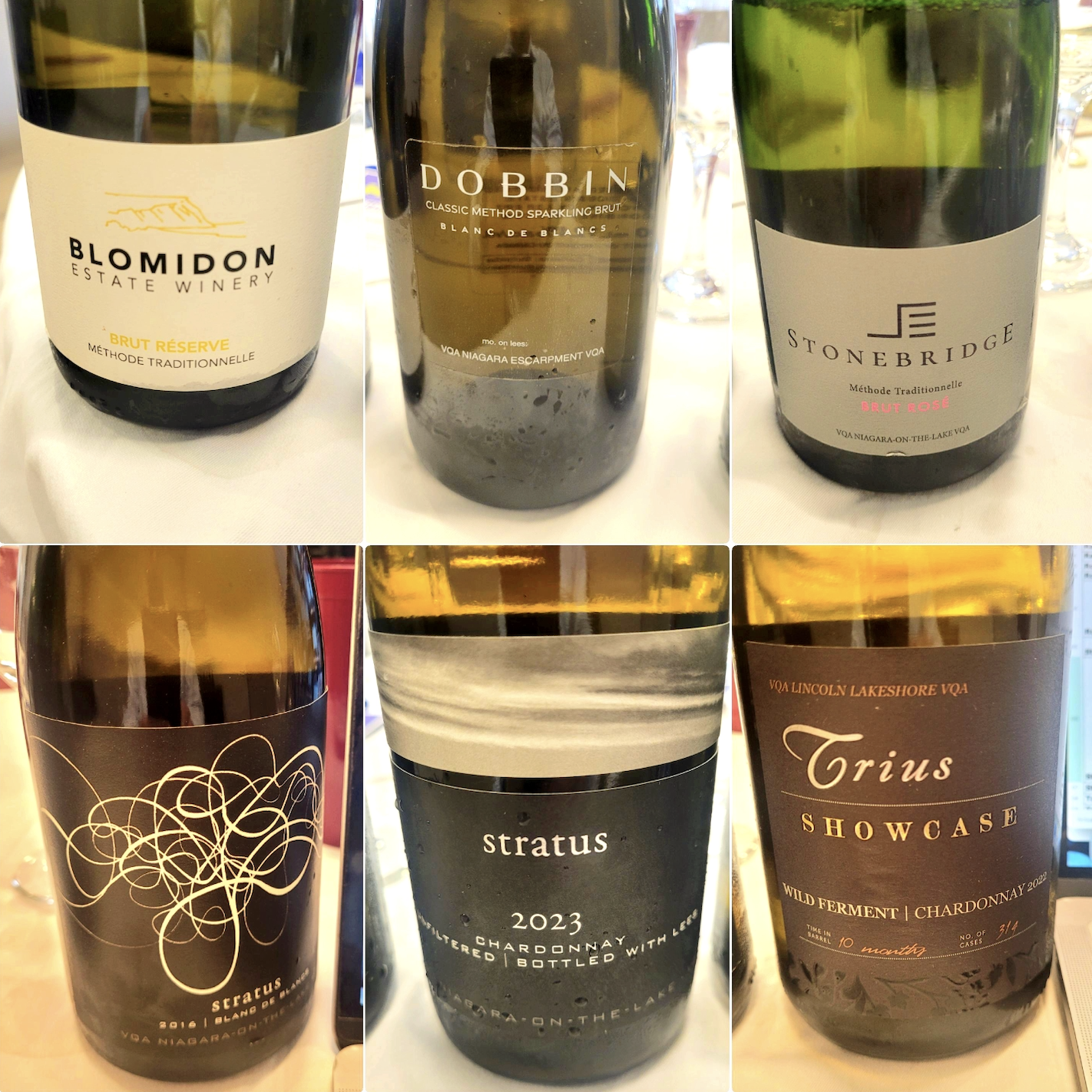
Blomidon Brut Réserve NV, Annapolis Valley, Nova Scotia

Next year and disgorgement, same five years on lees for Blomidon’s signature sparkling wine and now more depth. Once again time is the impetus (and requiem) to see results, both of which have manifested into a bubble of greater charge than so many peers. Mainly chardonnay from that strip of land running up from the Minas Basin and jutting through the Bay of Fundy. Depth yes and also a low rumble of botanicals that make this a most agreeable sapid sparkling wine from Nova Scotia, like a cool night that follows a warm day.  Last tasted at i4C, July 2025

Put to bottle in 2019 and so five years on lees ain’t nothing to develop complexities, eccentricities and potential variability. This pour comes out of sound and vision, disgorged in March of 2024, set to be released in the early Fall. Makes great use of 2016 and 2017 fruit, plus a small amount of the frost vintage 2018. Youthful, appropriately Blomidon Peninsula/Annapolis Valley tightly wound and in a way very chardonnay, though not glaringly so. “For us this is the future for non-vintage,” explains Simon Rafuse, “and to save the cooler vintages for Blanc de Blancs.” It’s a reverse engineering kind of approach. Simply put, in cooler vintages you can’t push wines through malolactic and so chardonnay is best purposed for sparkling when acids are high and pH levels are low.” Like 2011, but not 2010 and Rafuse adds that “the problem is you have to wait many years to see the results. But it’s worth it because they are really good.” True that. Drink 2024-2028.  Tasted at i4C, July 2024

The Adam Steps, Niagara Escarpment

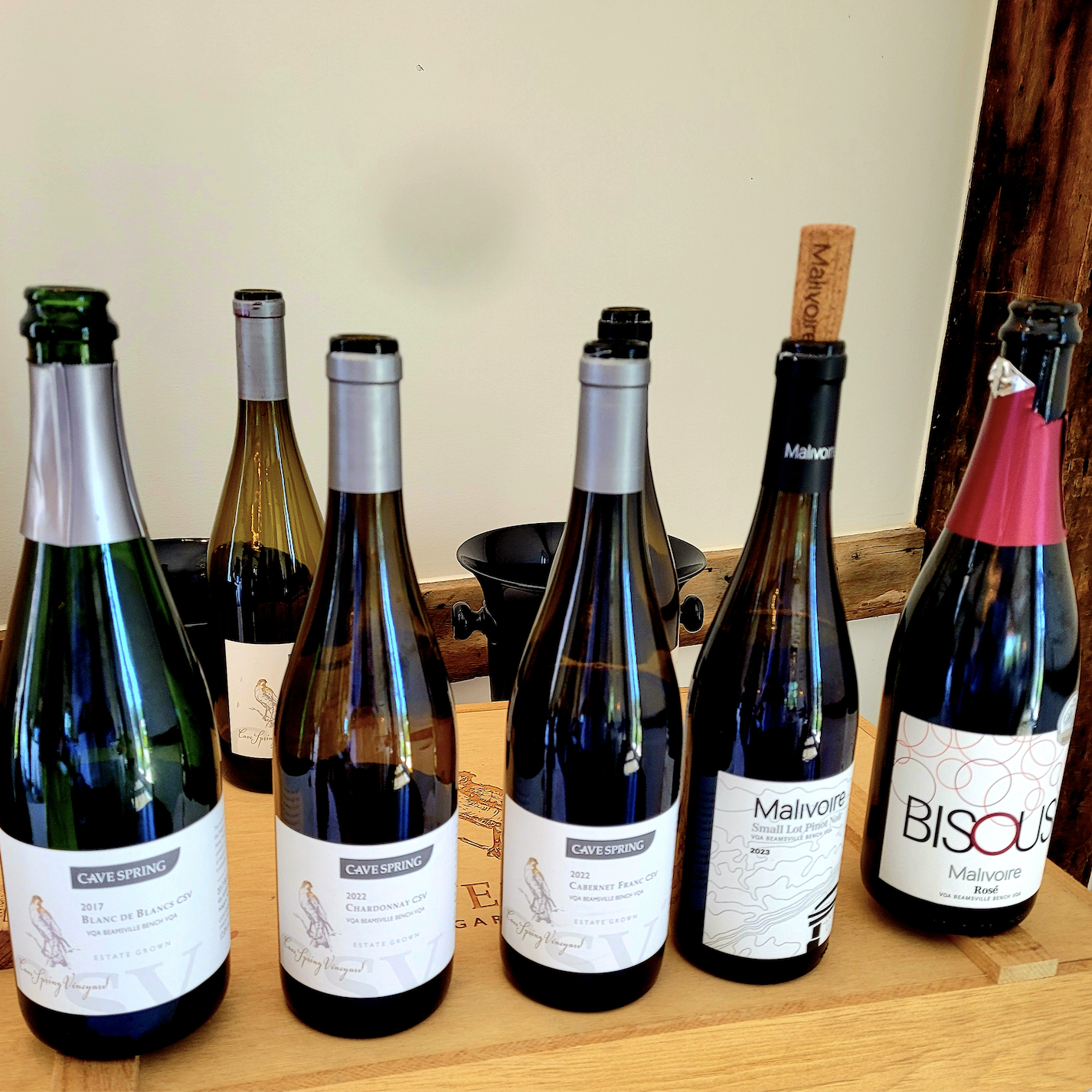
Cave Spring Estate Blanc De Blancs NV, VQA Beamsville Bench, Ontario

Over the course of tasting the non-vintage Blanc de Blancs over 13 years it is noted how the chardonnay bubbles have evolved yet stayed the course and ultimately improved. From strength to strength with a wine that now bears the stamp and waves the banner for cool climate sparkling wine made with its most essential grape. The team has struck balance for a wine to be used, enjoyed, employed and celebrated all the bloody time. Simply put “ripe fruit and acid structure” said by by winemaker Gabriel Demarco, “putting in accumulated knowledge to recognize a place.” Which by the way includes 50 percent clone 777 chardonnay musqué originally built into the program by OG winemaker Angelo Pavan. Drink 2025-2030.  Last tasted at i4C, July 2025

It matters not whether this Beamsville Bench Blanc de Blancs is p[riced at $24.95 or $32.95 because it still represents the finest Ontario value in chardonnay sparkling wine. Bar none. Why trust your hard-earned, looking to celebrate or drink bubbles on a Tuesday dollars on anything else. Last tasted November 2024. Classic, sharp, intense and ideal. A ripper, “and I love that” says Stephen Gash. Dry as the desert in such a playfully proverbial way. Scintillant extraordinaire.  Last tasted at i4C, July 2024 and November 2024

For the first time in quite some time the next look at the Cave Spring Estate Blanc De Blancs is bang on one year later and so yes, freshness is the thing. Crisp and crunchy, stylistically so consistent and really set up to act as the dictionary entry for chardonnay as sparkling wine out of Niagara. It’s just so spot on, high in energy and exacting for style, place and estate.  Tasted November 2023

Sees a minimum 30 months on lees ahead of disgorging and this chardonnay was likely sprung in the Spring of 2022 with a good dose of 2019 fruit layered within. In other words a true-blue varietal vintage to espouse the latest virtues and expound upon the great elevator in Niagara Blanc de Blancs sparkling wine. Never disappoints and continues to rise, surge ahead, power forward and capture necessary tension. The offset here is more botanical tonic and weight. A new complexity.  Tasted November 2022

It seems every three years is the interval for reviewing this arch-classic Ontario sparkling wine but be assured that the time in between actually drinking this fine Niagara wine is a much tighter and repetitive proposition. Terrific balance accorded and afforded from this latest cuvée with equal and opposing trips switched on by yeast and lemon, ginger and tea. Good toasty bubble for any and all toasts, plus innocuous glasses for drinking in between.  Tasted October 2020

Angelo Pavan and Cave Spring sure do love to fashion a toasty sparkling chardonnay. Still in the biscuity, flinty and textured Champagne vein though really far from the last B de B tasted back in May 2014. No longer a case of fruit from in and around the 2008 vintage it would have to be the cool as lightning 2011 by my calculations with likely some warm and rich 2012 fruit. The relationship delivers the best of all worlds; tart, bright acidity and linear functionality with creamy, rich orchard and stone fruit, generous and round. All together now.  Tasted September 2017

Today a fine misty Blancs, looking very much the coppery, crisp slice of apple it need be. Slate stone tone directive, grapefruit very much in play. A slice of tart key lime pie.  Tasted July 2014

From my earlier May 2014 note: The freshest style of the #ONfizz B de B flight. Fruit, escarpment bench stone layering, richesse, biscuits and toast are all in. Acidity meets complexity

From my earlier, December 2012 note: Sees no malolactic fermentation and sits at the top end of dry (12-14 dosage). Most of the fruit is 2008, despite the NV designation. A soda fountain of argon and nitrogen bunsens forth through clean lines and carries an entire cider house orchard of Spartan apple. This one certainly hints at Champagne-like characteristics, of brioche and toast. The apples never relent

Cave Spring CSV Blanc De Blancs Natural Brut 2017, VQA Beamsville Bench, Ontario

The chardonnay scintillant for a toasty style of Blanc de Blancs in pointed appeal. Must be 80-plus months on the lees for this disgorgement and a bubble as fresh as the day it was conceived. Controlled or let’s say restrained excitement, vertical, a sparkling wine of backbone without hitch or bend, taut though generous of flavour. In a terrific place right here and now.  Last tasted at i4C, July 2025

Home (Cave Spring Vineyard) which means old chardonnay vines for Blanc de Blancs with added human experience to set up for top regional excellence. This from the upside down vintage which meant that chardonnay ripening was not the same as it ever was and so come here expecting something different. In fact the 2017 takes a turn for the toasty and excitable, into tart and scintillant territory for B de B of a singular style. Even for the most consistent sparkling wine house of them all but all things being equal this Beamsville Bench bubble creates a new fashion all its own. Drink 2024-2027.  Tasted November 2024

Divergence Blanc De Blancs Hughes Vineyard 2020, VQA Lincoln Lakeshore, Ontario

Made from a place “of big skies and lots of sunshine,” tells winemaker Jeff Moote and that is why he chose the double “L’ to make his inaugural sparkling wine. The clay-loam-till with a strain of limestone delivers richness for chardonnay and into sparkling wine. Eight months further, seemingly the same disgorgement (October 2024) and a slight exaggeration of the toasty-autolytic notes, but now with more of a soft creamed centre. Orange flavour now coming through, perhaps owing to that CLT terroir.  Last tasted at i4C, July 2025

Small production of less than 600 cases for a 100 percent chardonnay from the Lincoln Lakeshore sub-appellation’s Hughes Vineyard. A whole cluster pressed, cuvée juice only used and the base wine barrel fermented in neutral French wood where it is aged six months on lees. Follows with 42 months en tirage and just two g/L of sugar added. Essentially dry and in the scintillant style for Blanc de Blancs, screaming grape and acidity, accented by dried herbs and orchard fruit. In a serious vein, not what could be described as generous and conversely needing bottle time to settle into its parched and piqued skin. A bit severe and this from a warm vintage. Intensity is all in. Drink 2025-2029.  Tasted November 2024

Dobbin Estate Brut Blanc De Blancs, VQA Niagara Escarpment, Ontario

The newest and ambitious chardonnay in the Dobbin project is Blanc de Blancs, Brut in style and non-vintage. Perfumed and chock full of relatively ripe chardonnay flavours, accessible and immediately enjoyable. It should likely be surmised that subsequent releases will have seen longer lees aging time with this shedding the feel of 30-36 months. No doubt strikes an almost perfectly equanimous balance between sugars and acids in the 7-ish g/L range. Not yet developed into the ambient, enigmatic and complex sparkling wine it is detailed and destined to become – yet there is elegance, softness and charm in this (presumably first) issue. Smells, tastes and feels like celebration. Drink 2025-2027.  Tasted at i4C, July 2025

Jackson Triggs Niagara Entourage Grand Reserve Brut 2018, VQA Niagara Peninsula, Ontario

The 14th vintage of this silver medal winner at the 2025 WineAlign National Wine Awards of Canada and a unique Brut made in an ulterior intensified fruit style. An entourage of a bubble, a word that can translate as “surroundings” and the concentration of chardonnay emotions meeting flavours speaks to a grand place on the Niagara Peninsula. Entourage is half and half chardonnay plus pinot noir with two percent pinot meunier. Tastes like a mouthful of minerals with a dusting of sugar dosage and a shot of botany, a.k.a. tonic at the finish. Drink 2025-2028.  Tasted at i4C, July 2025

Lailey Stonebridge Méthode Traditionnelle Brut Rosé 2021, VQA Niagara-on-the Lake, Ontario

Classically composed and delineated Brut Rosé blessed by top quality fruit, a strawberries in cream softness transposed against a frothy bubble of vitality and airiness. Tons of flavour here, from the red berries through savoury elements inductive of leafy chicory greens and nettles. A beautiful bitterness juxtaposed against reliable dosage, harmonious while still expressive of individual parts. Trusted and effective, on the road to knowledge and future finer results.  Last tasted at i4C, July 2025

A chardonnay purposed grown and cropped then “pinkified” with just two or three percent Lailey zweigelt for what it truly an original look at Niagara sparkling wine. Picked on September 12th and 13th with just a bit left for still wine and perfectly ahead of the September rains. Recently disgorged (after approximately 20 months on lees) and of a season that reminds Ann Sperling of 2006. Very phenolic vintage of high caste character, just not the most intensity and power. Crunchy like the other ’21 Rosés, salty and as mentioned, quite phenolic. Not an autolytic fizz but definitely one that combines precision with pleasure. Just a tweak of tannin at the finish. There are 83 cases made and the wine will be released in a few months. Drink 2023-2025.  Tasted April 2023

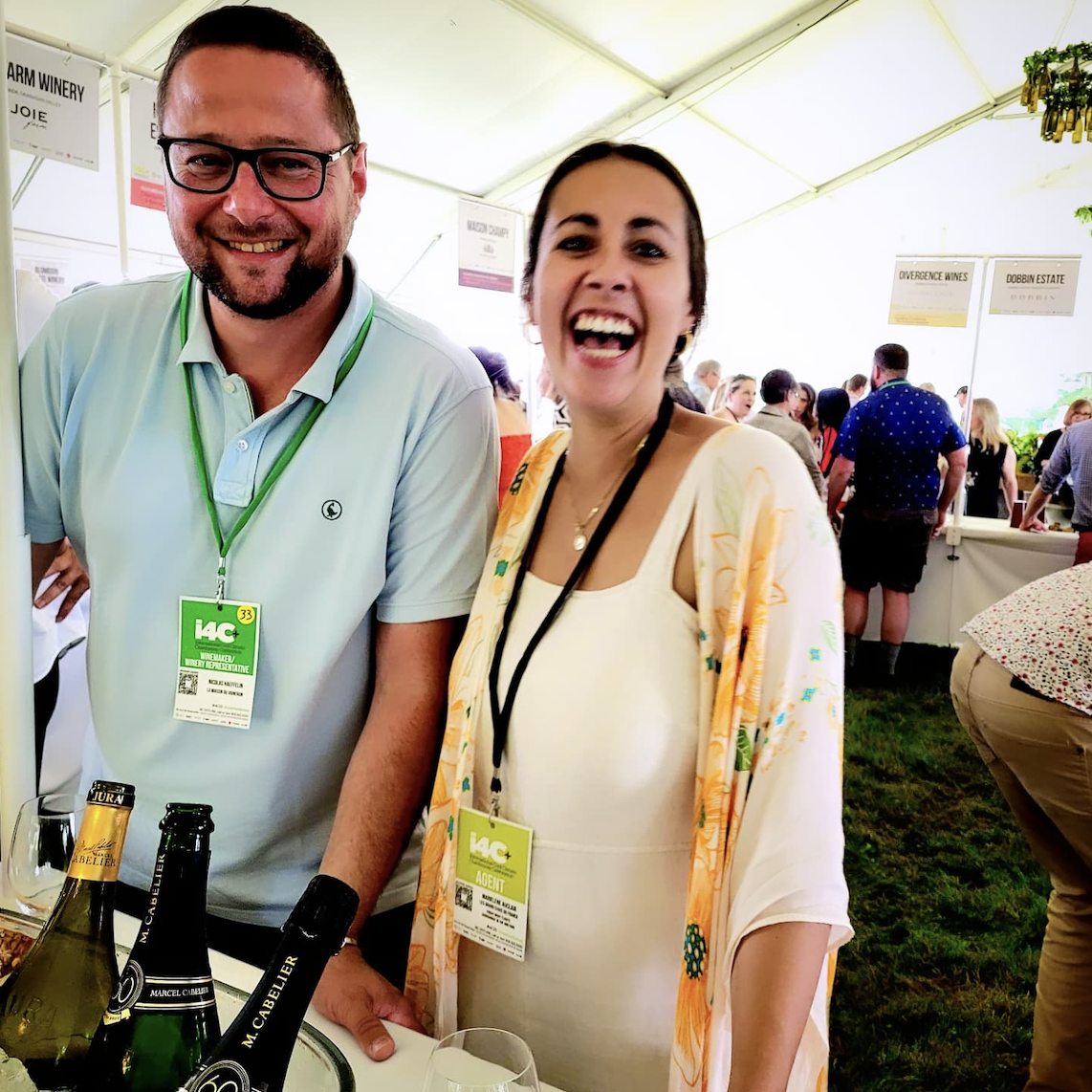
The team from Maison du Vigneron

La Maison Du Vigneron Crémant Du Jura Marcel Cabelier NV, Jura, France

Truly Jura, no matter whether the chardonnay is made into still or sparkling wine, with the unmistakable earthenware aspect speaking vividly to terroir. This may be non-vintage but there just feels to be a lot of sunshine accumulated into this fruit and so the orchard is well represented in the chardonnay bubble. Lower acidity (at 4.15 g/L) and the creamy palate is as generous as they come. Drink 2025-2026. Tasted at i4C, July 2025

Lightfoot & Wolfville Brut 2019, Nova Scotia

Surely more richness from the 2019 Brut and still the cool interpretation of the Annapolis Valley’s maritime climate. You must consider this amazement of success from a place that resides at the furthest edge of viticultural promise. “It’s challenging” says Josh Horton, “and we’re starting to see the odd hot vintage” which this wine somehow expresses. “Chardonnay checks all the boxes for us, acidity, structure, complexity and versatility, not mention walking right through a winter with a polar vortex.” Brut 2019 is fleshier and balanced, ripe and zesty. Yes, angularity can be beautiful. Drink 2025-2029. Tasted at i4C, July 2025

Malivoire Chardonnay Musqué Spritz (In Can) 2024, VQA Beamsville Bench, Ontario (250ml)

Perhaps the first Ontario chardonnay musqué packaged in a can, experimental, light, minimally frothy, also with sweetness and floral. A semi-sparkling wine of arrested fermentation at nine percent alcohol with 40 g/L of residual sugar. Easy drinking, like juice with some alcohol, almost moscato d’Asti stylistically speaking. Candied, of fuzzy peach and ginger for adults only. Fun stuff from winemaker Elisa Mazzi and quenching for what gets you hot.  Tasted at i4C, July 2025

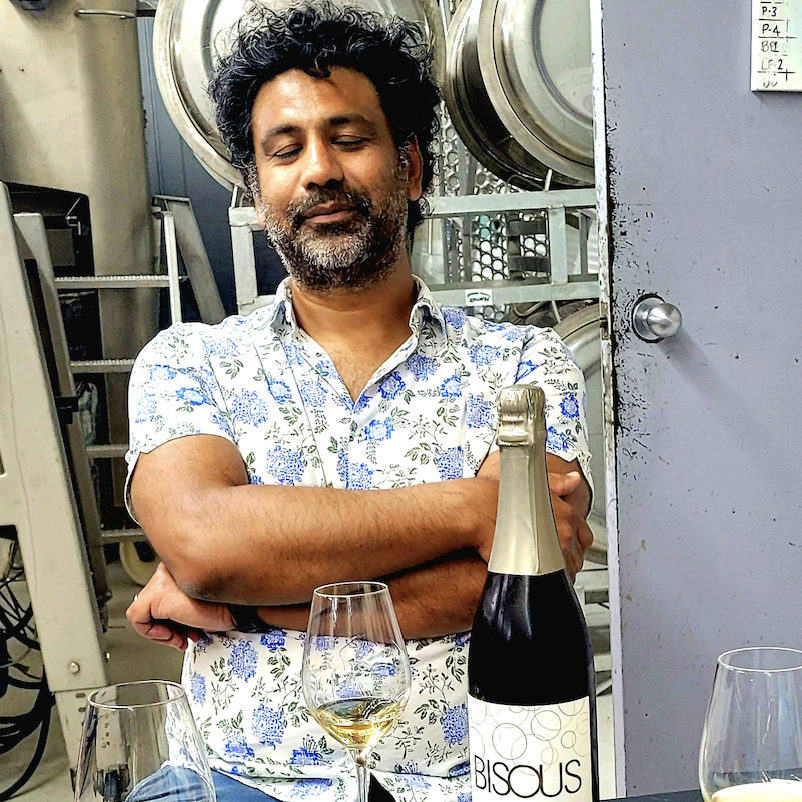
Malivoire Bisous Brut 2012, VQA Beamsville Bench, Ontario

Tiraged in 2013, of 60 pinot noir and 30 chardonnay for what was at the time just winemaker shiraz mottiar’s third kick at the sparkling can. Fermented in older barrels and aged 10 years on the lees. Oxidative and gingered, full cupboard of exotic spices. Dynamic, pulsating, pretty dynamite experimental bubble. Only 20 bottles made. First release of Bisous was 2016. Make more of this shiraz. That’s an order. Drink 2025-2027.  Tasted at i4c, July 2025

Malivoire Bisous Brut NV, VQA Beamsville Bench, Ontario

Of 70-ish chardonnay with 30-ish pinot noir disgorged in May 2023 and so think about fruit from 2019 which means a top sparkling vintage because neither fruit nor acidity saw any compromise. Nearly dry with just 2 g/L of dosage, a negligible number that only helps to coax out the natural sweetness in the wine. Quintessential house bubble for anyone who seeks and can see the top value (along with Cave Spring) in a $30-35 traditional method Ontario sparkling wine. Drink 2025-2028.  Last tasted at i4C, July 2025

Having recently tasted Bisous just four months ago you might think there would be no change when in fact things have. Tension is now juxtaposed by a truly creamy feel on the palate and so next tasting is next level gained. Bisous is now a perfect foil for tortellini and crispy pancetta with a drizzle of basil infused oil and some aged pecorino. Please. Tasted November 2024

Not simple. Fine and mighty toast, a mix of autolysis and oxidative minutia, full-flavoured and complex, of orchard plus stone fruit and more than just chardonnay. Feels like some pinot noir mixed in and the blend creates a terrific variegate experience.  Tasted blind at i4C School of Cool July 2024

Good and simple if also plenty but very simple. Drink 2024-2026.  Tasted blind at #NWACS24, June 2024

Moillard Prestige Blanc De Blancs 2021, Crémant De Bourgogne AOC, France

Crémant de Bourgogne labeled as Blanc de Blancs, of fruit left to ripen a bit longer than many, in maintenance of acidity though furthest from the racy style. Richness incarnate for chardonnay in sparkling clothing. Nothing searing about this one and truly accessible. Spends 24 months on lees with 6 g/L of dosage. Drink 2025-2027.  Tasted at i4C, July 2025

Ravine Vineyard Brut NV, VQA Niagara-on-the Lake, Ontario

There is a real depth behind this Ravine Brut, packed with flavour and what now feels like deeper concentration than just over a year ago. A huge style, classically blended and true to its roots, but also an extension from what others have done as they came before.  Last tasted at i4C, July 2025

Quiet and demure sparkling wine made from a mix of 60 percent chardonnay and (40) pinot noir for a pretty and soft example. Feels like a relatively short to mid-term time on lees, Considered blanc de noirs despite its lean to the white side and while the custardy lemon-osity sprinkled by white pepper runs high it is the smooth softness that dictates the order of this wine. Drink 2024-2026.  Tasted blind at #NWACS24, June 2024

Charlotte Hickey and and Suzanne Janke, Stratus Vineyards

Stratus Blanc De Blancs 2016, VQA Niagara-on the Lake, Ontario

Eight months further on lees, now deeper meaning, more complex behaviour and a compounding of the autolytic meets mature flavours in full concentric abound. Quite savoury now, more herbal than botanical and like a scape pesto with cilantro, best with fish, boiled fingerling potato, or grilled flank steak.  Last tasted at i4C, July 2025

Still noting the grip and aromatic compaction due to high level phenolics, a trenchant autolytic intention and a level of seriousness in the realm of Blanc de Blancs. Hides some aspect of chardonnay fruit and also texture but the elemental quotidian is impressive to say the least. Not an elastic B de B, nor is it a scintillant per se but something other, something mature, developed and of the earth. Singular in that regard.  Tasted November 2024

Some phenolic grip on this blanc de blancs takes chardonnay into a metallic and distillate place. The base wines involved were likely pressed for success and as such have collectively adjudicated, settled and come to this place. If it seems at present to lack some tension there is clearly function and the shrouding of flavours righteously complex. Notably autolytic and may leave some wondering when the energy will revive. Which it will because the stuffing and cunning will most certainly raise the bar and encourage a realizing of potential. Drink 2024-2028.  Tasted blind at NWAC2023, June 2023

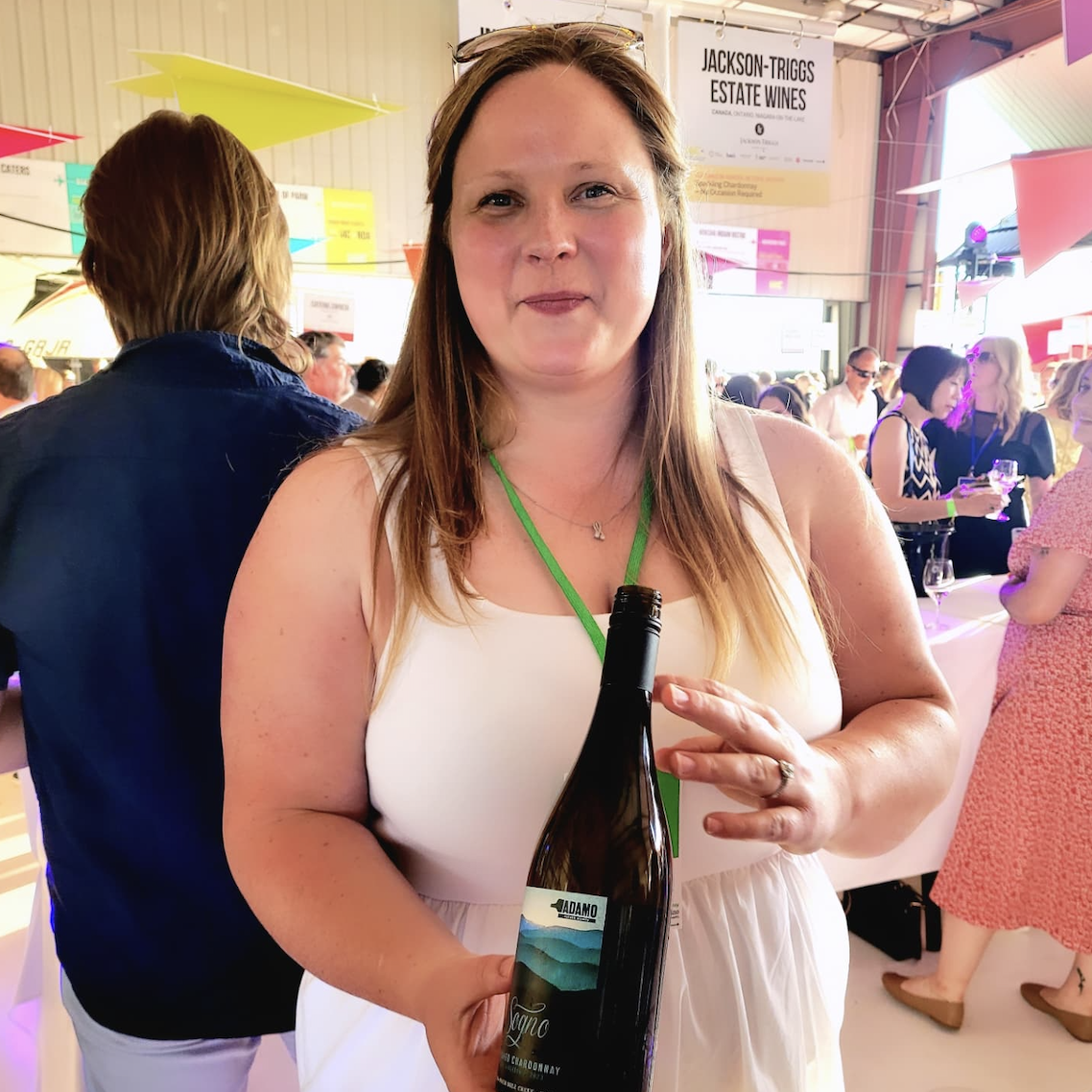
Vanessa McKean, Adamo Estate

Chardonnay

Adamo Sogno Chardonnay Unoaked Lore Vineyard 2023, VQA Four Mile Creek, Ontario

From the 1980s planted Four Mile Creek Lore Vineyard with some chardonnay musqué involved to consistently add a floral muskiness. No wood and now quite the experienced fresh and layered chardonnay in the hands of winemaker Vanessa McKean. A pyramid of activity because of a change by way of employing three ferments and three different yeast strains to see what complex results might result. Lees does the yeoman work without needing to blender pulse the fruit, but just to simply act as catalyst for the transference from vineyard to glass. Drink 2025-2027.  Tasted at 14C, July 2025

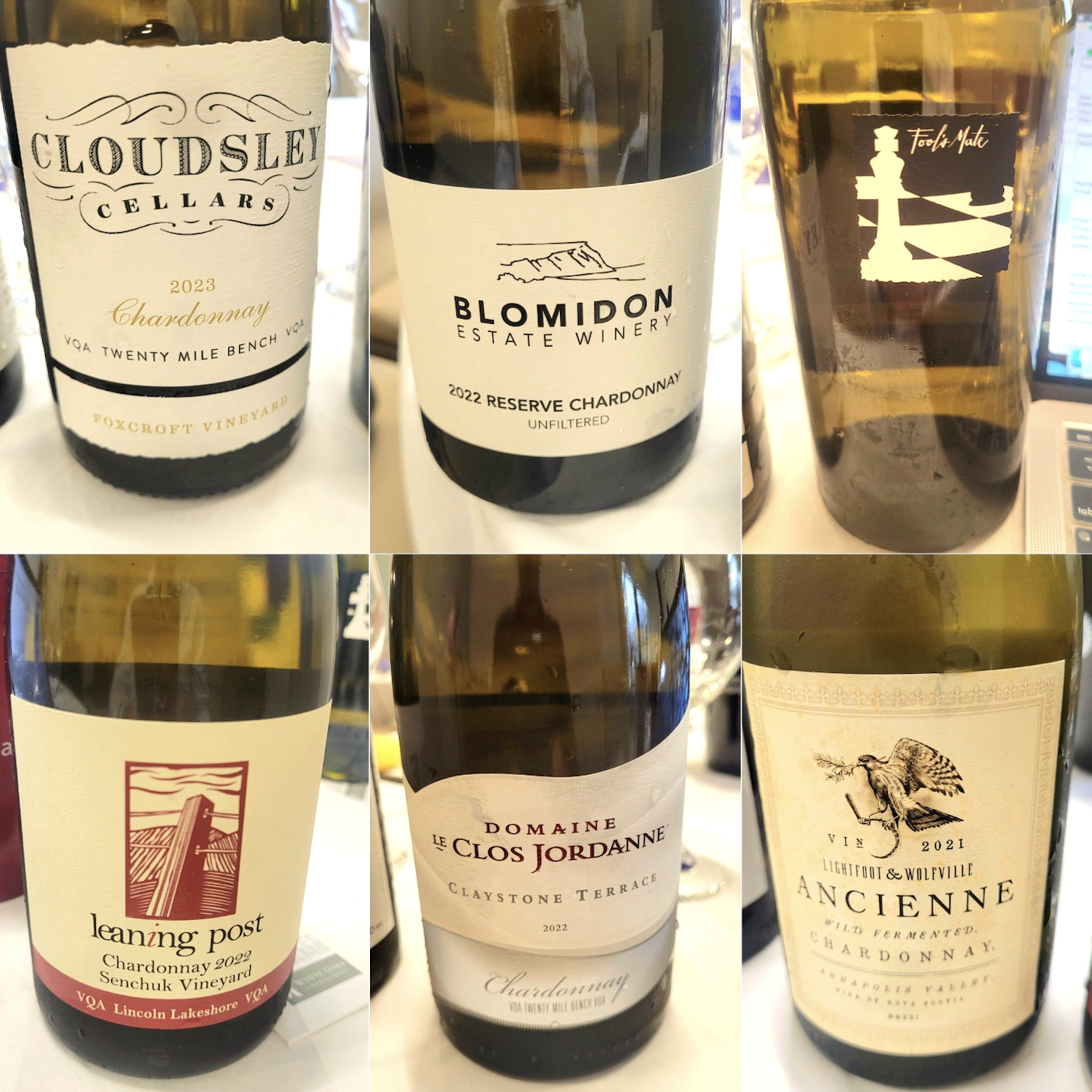
Bachelder Chardonnay Wismer-Foxcroft Parcelle Nord 2022, VQA Twenty Mile Bench, Ontario

Fascinating to get a nose into Wismer-Foxcroft not quite a year but easily eight or nine months later. A Toussaint forward moment for chardonnay still maintaining its touch with the flinty beginnings and the storied act of fleshing out is corroborated today. Late July is a terrific time to re-taste a November Bachelder release of the previous year. This showing drives the point and marks an important moment on the curve.  Last tasted at i4C, July 2025

Does not get more knowable or established for Bench chardonnay than the Foxcroft block in Wismer’s expansive vineyard and who but Thomas Bachelder knows this place as well as anyone. A similar story to Wismer Parke with pinot noir in that this vintage just somehow feels like the culmination of a decade-plus worth of experience. Wismer-Foxcroft 2022 is a truly mature and adult version of its reliable self, seamless, punctual and responsible. Substantial, harmonious and structured. All of the above. Drink 2024-2028.  Tasted November 2024

Beare Green Winery Chardonnay Clonal Blend 2023, Surrey, England

From Wine with Jimmy’s (jimmy Smith) and a project that started in 2022 with a real core aim to make “low intervention English wine.” A wine made beneath a “perennial dark cloud in a marginal maritime climate” tells Jimmy. A chardonnay of a short ripening season, an average of 700mm of rainfall (and 1,700 in 2024) for lean, edgy, on the edge of cool wine production. “I want English wines to have electric acidity,” says Smith. His chardonnay is lean yet charming, more than somehow because the wine is balanced in spite of its searing intensity. The intrigue is palpable and real. This chardonnay may age for a very long time. Drink 2025-2028.  Tasted at i4c, July 2025

Taylor Emerson, Black Bank Hill and Simon Rafuse, Blomidon Winery

Black Bank Hill Chardonnay Runway 2023, VQA Lincoln Lakeshore, Ontario

A reminder that the name is an homage to service people and the part the property played in the First World War. All the land from here to the lake was an aerodrome and a runway ran right through the field along Sanna Rd. Now showing its lactic-citrus angle without any give or relent to high voltage acid backbone. Come to think of it there is just something Tantalus chardonnay about this ’23 chardonnay in how it rises vertical, controlled within its intensity and built to travel forward. There could very well be four to six years remaining in this singular high wattage way.  Last tasted at i4C, July 2025

Gotta be the first chardonnay out of the gates from the 2023 vintage and if this cracker example is any indication of what’s coming then hold on to your senses. Recently bottled and even with an early (September) pick this saw less than 10 months of aging, but the mix of indelible lees and high voltage (8.5 g/L) total acidity put this in scintillant, dare it be said Blanc de Blancs styled territory. So very different to the Runway White (blend) because of its intensity but also warmth at 13.8 alcohol, not quite torridity, but a white peppery scorch nonetheless. Wild and exciting shift from vintner Taylor Emerson and winemaker Jonathan McLean. Will be hard to wait and anticipate what the next level chardonnay turns out to be. Drink 2024-2026.  Tasted at i4C, July 2024

Black Bank Hill Chardonnay 2022, VQA Lincoln Lakeshore, Ontario

Warm vintage for Lincoln Lakeshore chardonnay fruit, layers more compressed, aromatics to flavours, resulting in a fullness of mouthfeel quite opposite to 2021 and apposite to the situation. Just the right mathematical problem is written should reduction keeps the freshness and vitality in motion. That said there is warmth and some development, already showing maturity yet time will graciously be kind, at least for a spell and behold a top tier pairing wine is born. Foie Gras with Membrillo and Sherry Vinegar anyone? Drink 2025-2029.  Tasted at i4C, July 2025

Black Bank Hill Chardonnay 2021, VQA Lincoln Lakeshore, Ontario

With Twenty Mile Bench fruit in the rear-view mirror Black Bank begins their estate journey with Lincoln Lakeshore fruit accepting and abiding by barrel aging with a precociousness that belies its youthful experience. This from a less than heat unit cumulate vintage and still the body of this 2021 is fleshy and impressive, its elastic length dutiful in helping fruit, acid and texture all come together as one. Should drink beautifully for a few more years. Drink 2025-2030.  Tasted at i4C, July 2025

Classic styling for chardonnay, from a winemaking perspective more so than the viognier and also the reds in the Black Bank portfolio. Neither reductive nor oxidative, reactive nor submissive, obsequious nor domineering. No risks taken, nor aversions neither. Buttery yet with good acids, natural sweetness and also wood spice. Right there in that space between, still a wine for its makers to continue figuring out, in terms of wishes and direction. For now a glass in hand is a good one. Drink 2024-2026.  Tasted May 2024

Winemaker Jonathan McLean, Black Bank Hill

Black Bank Hill Chardonnay Wingfield 2020, VQA Twenty Mile Bench, Ontario

Top end chardonnay for Black Bank Hill in the Wingfield section of the Wismer Vineyard, riper and of a concentration that celebrates a vintage, especially now that full integration has come about. The stylized and chic feel is fuller than 2018 and more than a shade less than 2019, with no imminent sign of maturity. But these are oranges as compared to apples even though they come from cousin plots within the larger vineyard. And so Wingfield brings everything to the table; concentration, backbone, linearity, energy and acids wrapping it all up in a fine sharp bow. Top tier chardonnay right here for lovers of the Okanagan, Sonoma, Napa and Ontario, not necessarily in that order. Drink 2025-2028.  Tasted at i4C, July 2025

Black Bank Hill Chardonnay Foxcroft 2019, VQA Twenty Mile Bench, Ontario

The 2019 Foxcroft has matured faster than the 2018 and now shows some caramel with more obvious vanilla by way of its conceptual French wood styling. Has done its time, run amok, gone lactic, now softened and finishing its run. Drink 2025.  Tasted at i4C, July 2025

Black Bank Hill Chardonnay Foxcroft 2018, VQA Twenty Mile Bench, Ontario

Fruit was sourced from Foxcroft within Wismer Vineyard for the first chardonnay made at the time Black Bank Hill was a virtual winery. The wines were made by Adam Lowry at Cloudsley Cellars and knowledge is power in knowing what a seriously good vintage it was for chardonnay. Age able as well with 2018 persistently fresh, piqued, energetic and thriving. Might have been reductive and tight to begin but time has been generous and kind for Foxcroft 2018 to arrive at this ideal moment in time. Drink 2025-2027.  Tasted at i4C, July 2025

Blomidon Reserve Chardonnay 2022, Nova Scotia

Hard to find more chardonnay substance and texture than in Reserve 2022 from winemaker Simon Rafuse at Blomidon. Spiced piques, crunchy apple bites, barrel blanketing and fruit involved at all points for what define the character of this wine. More about flavour than aroma, not out of character for chardonnay but beyond fruit comes sea air and the crushed shells of fossils. There is a Bourgogne feeling gained but not an old school one. Close your eyes and imagine young, modern and inspired from the Motherland.  Last tasted at i4C, July 2025

A chardonnay that shows how in the context of a flight of eight wines just how different Canadian chardonnay will be from one to the next. Which also means from one province through to another. Juicy, orchard juiced fruity and simple, if a fine coolest climate expression from the grape to gift high energy character, belied by easy and accessible drinking. Drink 2025-2027.  Tasted blind at NWACs, June 2025

Catena Chardonnay High Mountain Vines, Sustainable 2023, Valle De Uco, Mendoza, Argentina

A chardonnay of four sites, Agrelo (950m), Villa Bastías (1,120), Gualtallary (1,450) and El Cepillo (1,090). Classic Catena, of respectfully farmed fruit to optimum ripenesses, phenolics included and ease of barrel blanketing to oxygenate and elevate. Partial (60 percent) malolactic because why compromise acidity when you’re making mountain chardonnay? A higher level of affordable chardonnay prepared and meant for all, of fullness in concentration and experience to get things balanced and just right. Another unmitigated success, delivered without surprise. Drink 2025-2027.  Tasted at i4C, July 2025

Catena Chardonnay 2019, Mendoza, Argentina

Well settled, buttery warmth and a nut butter oiliness having entered the arena of delicious and snackable. Drink up although there are two more years available in this state. Drink 2025-2026.  Tasted at i4C, July 2025

With every passing vintage the solar radiation affecting high altitude vines increases and dramatizes the gainful effect of Argentina’s darling value-priced chardonnay. It has come to this. A wine of great concentration, generous of fruit and equipped with the tightest spiral of complexity and then, unwind. That the winemakers have figured out how to dial in and expound upon an already well figured out scheme is nothing short of outstanding. Do not dismiss this as a regular, easy to knock back $20 white wine. The substance and the fanning out of notes and pleasures is just too much to simplify, no matter the quantity of output. Drink 2021-2025.  Tasted January 2021

Cave Spring Chardonnay Reserve 1995, VQA Niagara Peninsula

Made by Angelo Pavan and we are drinking the last drops of this wine. Picked at 22 Brix in 1995! And yes the wine is showing beautifully. Spiced and piquing with spiciness on the tip of the palate from a chardonnay that was so perfectly oxidative from the beginning with just the right amount of skin contact to see it age remarkably for 30 years. Magic.  Tasted at i4C, July 2025

Kaylee Barss, Checkmate Winery

Checkmate Chardonnay Fool’s Mate 2020, VQA Okanagan Valley, British Columbia

Hard to find a fuller, more substantial and all in chardonnay than the Fool’s Mate, but also one with this much finesse, charm and grace. Ridiculously pleasing and dealing in immediate gratification, Checkmate’s 2020 has now settled into its skin to be the kind of wine that literally makes you sigh. So much textural fabric and Okanagan essence from a top-tier focused, sophisticated, considered and flawlessly executed chardonnay. Drink 2025-2029.  Tasted at i4C, July 2025

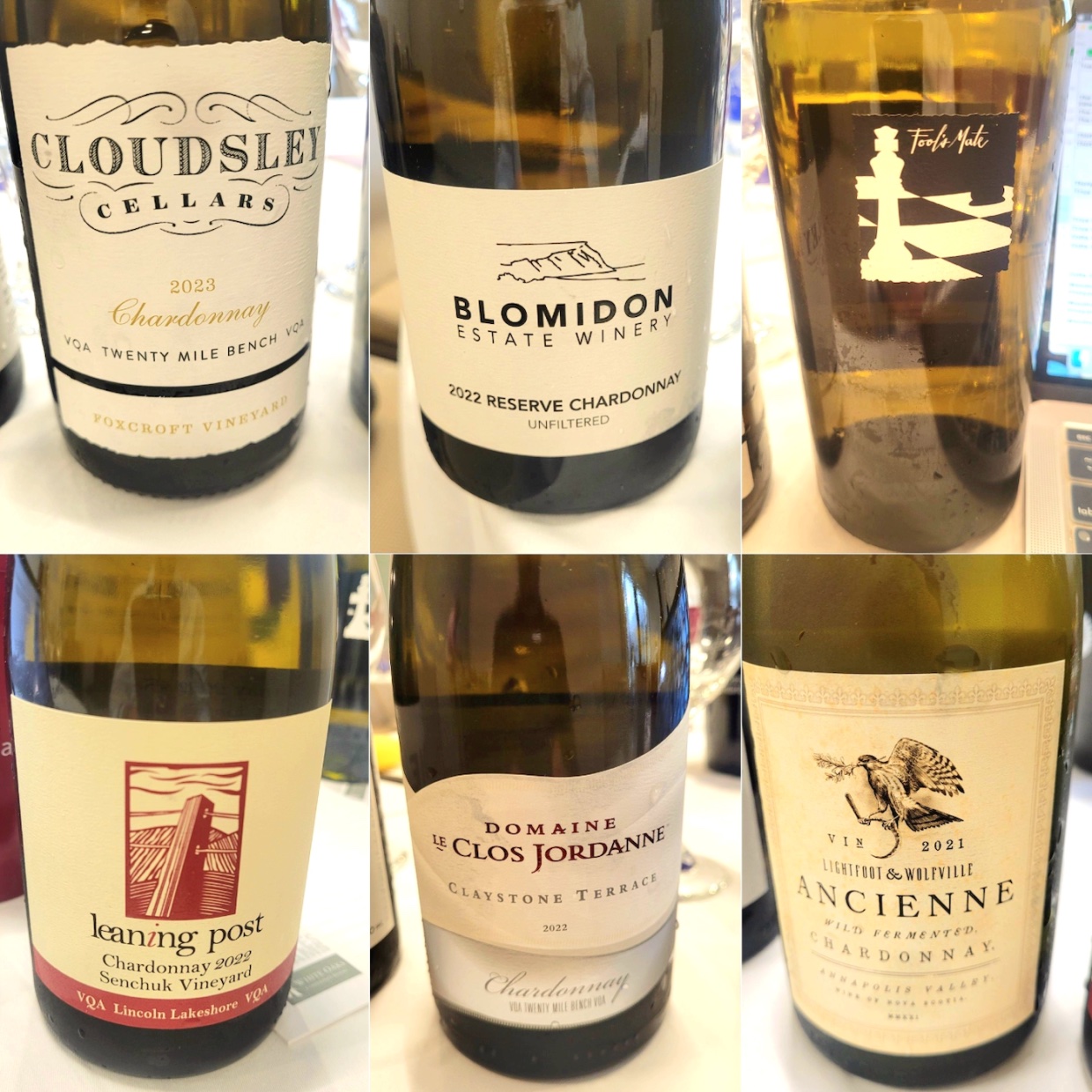
Cloudsley Cellars Chardonnay Foxcroft Vineyard 2023, Twenty Mile Bench, Niagara Peninsula, Ontario

For 2023 winemaker Matt Smith and proprietor Adam Lowry take their Foxcroft chardonnay to another level. The integration of sharply dressed orchard fruit in barrel clothing is a suave and handsome design, look and feel. This stands upright, expresses varietal linearity and is just about as fit and taut a Foxcroft as there has ever been. Essential Wismer Twenty Mile Bench chardonnay, focused and got so right. Raises the bar and ceiling for estate and vineyard. Drink 2026-2030.  Tasted at i4C, July 2025

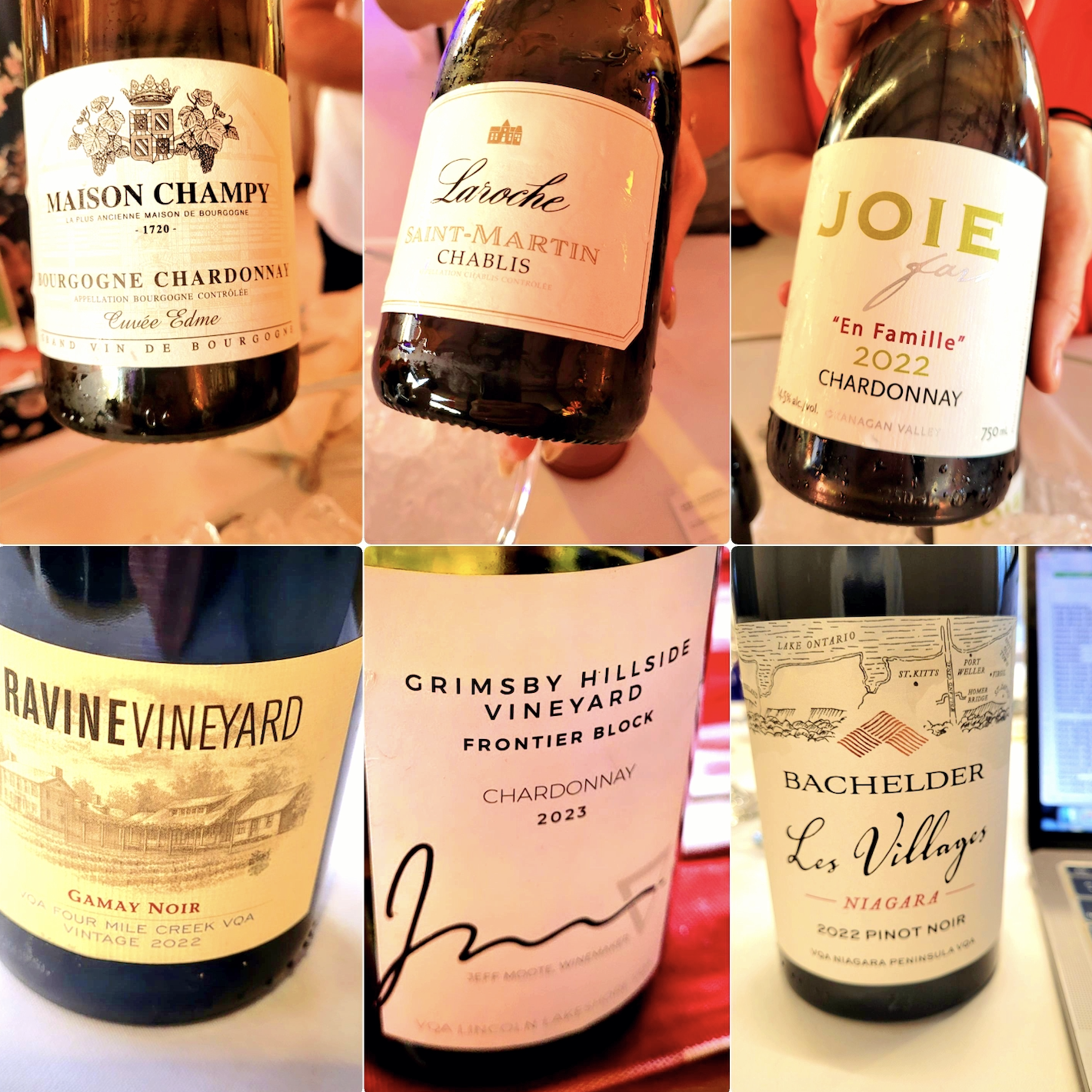
Domaine Laroche Chablis Les Vaudevey Premier Cru 2022, AC Bourgogne, France

Terrifically balanced, harmonious and gracious Chablis for 2022 from Les Vaudevey. A Left Bank beauty with joyous acidity that lifts this Premier Cru up to a place where eager palates will find bliss in chardonnay. Truly a factor of kimmeridgian soil and soul, seamlessly integrated, layered and also elastic in mouthfeel. Spot on with persistent aging potential.  Last tasted at i4C, July 2025

The word precise is often used to describe Chablis and many other global chardonnays, sometimes gratuitously but here perfectly applies to the Laroche Vaudeyey. Les VdV ’22 is focused to a virtue with its equality, equanimity and equilibrium from start to finish. A lexical entry to figure out the crux and relationship between cru and village.  Tasted a second time, July 2024

Domaine Queylus Chardonnay Tradition 2023, VQA Lincoln Lakeshore, Ontario

“We’re growing the wine and not really making it in the cellar. It’s really challenging, you have to be proactive and also reactive on a vine by vine basis.” The words of winemaker Kelly Mason. From leaf thinning to green harvest and hopefully at the right time, all within the parameters of vintage variation. “Like being the pit crew and driver at the same time.” From the Lincoln Lakeshore vineyard for a ’23 Tradition leaner than some other years, a linear drive with a platinum gold hue and mineral feel. Less than 20 percent new wood, no stirring, “out to barrel and leave it to sit.” Ever so slightly acetic, well within reason and with a pinch of natural chardonnay sweetness. Drink 2025-2027.  Tasted at i4C, July 2025

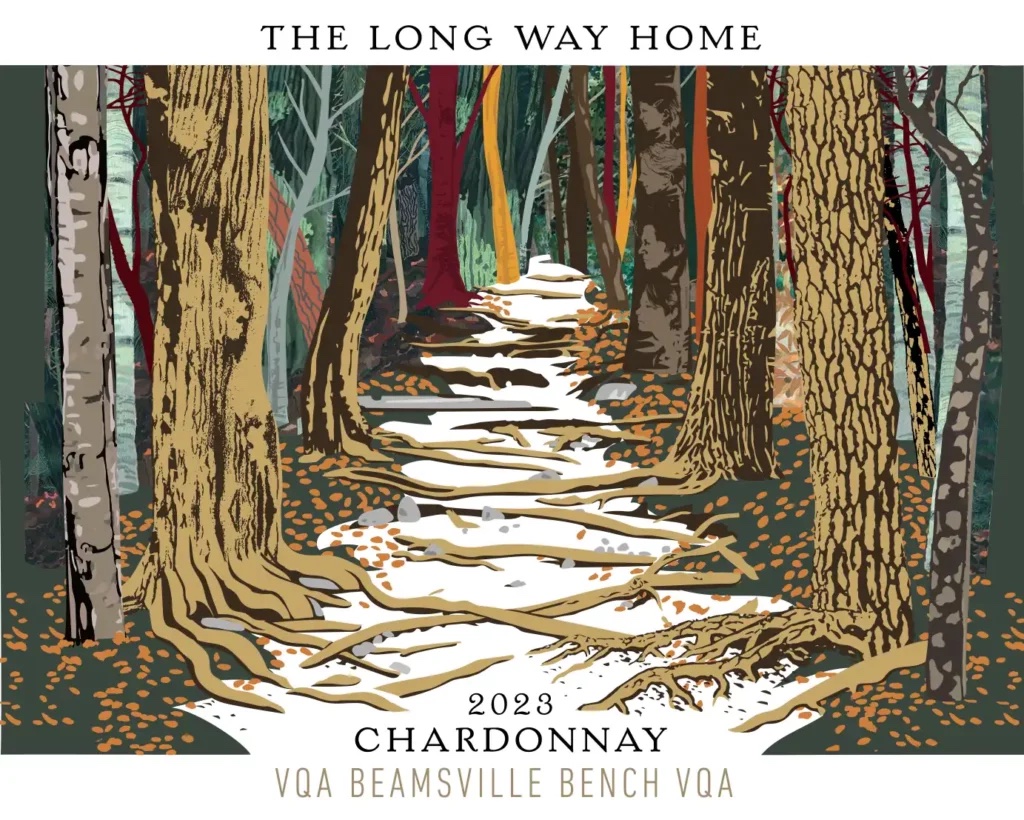
Hidden Bench Chardonnay Béton 2023, VQA Beamsville Bench, Ontario

A unique Bench chardonnay because the fruit has all been taken from the 2009 planting in the Felseck Vineyard. The younger vines are perfectly suited to this Béton’s raising, as in the label’s meaning which is 10 months in concrete for briny and über fresh chardonnay with its own kind of bite. Also tension with no wood to attract attention from the sharp, pointed and direct display of chardonnay. The middle is creamy, that much is true and the juxtaposition makes for an open invitation to imbibe. Drink 2025-2028.  Tasted at i4C, July 2025

Hidden Bench Chardonnay Estate Organic 2023, VQA Beamsville Bench, Ontario

Youngest and freshest of Ontario’s 2023 chardonnay aged and then aged further in bottle for what should be this precise release point. Any earlier and it might have played hard to get, any later and freshness would not be this pitch perfect. Assemble a group of wine lovers without extensive cool climate experience or bring this on the road and serve it to consumers beyond these borders for what will be a cool chardonnay teaching moment at a time in history when these wines can turn even the most ardent disbeliever. Drink 2025-2029.  Tasted at i4C, July 2025

Hidden Bench Estate Chardonnay 2013, VQA Beamsville Bench, Ontario

Seduction from the word go, nose to glass and if surprise well this could be forgiven considering this is an 11-plus year-old chardonnay from the Beamsville Bench. Then again in 2013 winemaker Marlize Beyers, Hidden Bench and many Bench wineries were already keenly aware of how to make high quality and also structured chardonnay. This wine has drifted slowly and comfortably into its ripe maturity at an age with beauty and of respect. Special is the understatement. FYI for corks nerds out there the 2013 was bottled under Diam-10.  Last tasted at i4C, July 2025

A best of both worlds Chardonnay; indicative of the giving vintage (in quality, not quantity, prestige, not prosper) and an Estate, house style with some cosmetics to enhance the consequence. Really typifies and explains what a Marlize Beyers Chardonnay is. Elegant, stylish, with perfect skin, tones, understated beauty and the soft vernacular of few yet precise words. The texture and feel of this Chardonnay is downy, lacey and so very understated. You simply can’t take your eyes off its charms and your palate away from its soft feel. A wine of character and poise. Drink 2015-2020.  Tasted August 2015

Jennifer Carter, JoieFarm

Joiefarm Chardonnay En Famille Reserve 2022, BC VQA Okanagan Valley, British Columbia

En Famille is the line of signature Joie wines that define, but also distinguish a family’s and team’s fulfillment for everything they’ve accomplished. All in the family celebrates a history and the present, here with chardonnay from a terrific vintage that takes every binate advantage given. Is this not the epitome of a Naramata season, to induce seduction, generosity and philanthropy. Gives and then gives some more, like ripe stone and orchard fruit at peak ripeness, the subtlety of barrel and fineness of acidity. The sweetest kind and thing that could be, natural, at hand to induce consequential pleasure and gratification. Drink 2025-2028.  Tasted at i4C, July 2025

Joiefarm Winery Chardonnay Con Vida Vineyard 2022, BC VQA Okanagan Valley, British Columbia

The pinnacle of En Famille for chardonnay drills deeper into place with Con Vida Vineyard, meaning “alive” or “with life,” a term of endearment to celebrate a piece within the greater good. Winemaker Richard Charnock takes chardonnay to the next level, particularly in amplitude and opulence for the kind of wine no mere mortal could resist, Or deny its succulence and generosity. Thankfully the sweetness and elasticity of acidity extends the character, fortune and play before giving way to warmth, a buttery brioche-ness and fluid forward motion extended well into the lingering minutes of a palate’s perception. Drink 2025-2029.  Tasted at i4C, July 2025

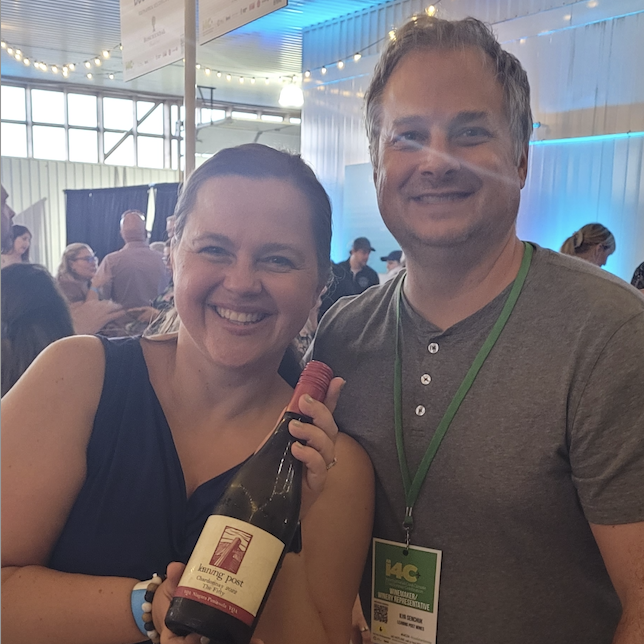
Leaning Post Chardonnay Senchuk Vineyard 2022, VQA Lincoln Lakeshore, Ontario

Sharp and pinpointed without equivocation in home base chardonnay of vines further matured into early adulthood. Now in delivery for fineness and a development into true realism in western Niagara chardonnay. In fact place does not get any more west and so we begin to believe that the west is indeed the best. The concept may express a subjective opinion and also convey a preference for a specific geographic region but who can deny what the Senchuks have accomplished with the clay based block behind the winery. The 2022 is in fact a warm chardonnay from a cool climate that shows just the existential where and when history of a wine like this. With depth of flavour, rise and length. Drink 2025-2032.  Tasted at i4C, July 2025

Le Clos Jordanne Chardonnay Claystone Terrace 2022, VQA Twenty Mile Bench, Ontario

Claystone for 2022 chardonnay notes reductive character in a restrained and fruit encapsulated manner. Separates itself from Jordan Village through more varietal and place specifics with higher aromatic pitch and pinpointed flavours to make you think and feel the sickle curved nook on a plateau aboard the Twenty Mile Bench. Terrace that is, where clay and decomposed stone are the impetus for chardonnay of an identified speciality, coaxed and brought to life by Bachelder and team. Sharp and focused with the earth of a vintage packing its pockets and fleshing out its fruit.  Last tasted at i4C, July 2025

If anyone were to ask, what does a chardonnay from Le Clos Jordanne taste like, the answer would be this. This 2022 Claystone is exactly it, a chardonnay of selection from a specific block, a development of fruit hung to optimize aromas, favours and intangibles, a wealth wrought of barrel choices made to accentuate all the fresh meeting mature nuances of Twenty Mile Bench chardonnay. Top stuff at eye level shelf for this sku in the hands of three skilled wine crafters that make Niagara proud. Phillip Brown, Kerri Crawford and the monk himself, Thomas Bachelder. Drink 2025-2028.  Tasted July 2025

Lightfoot & Wolfville Chardonnay Ancienne Wild Ferment 2021, Annapolis Valley, Nova Scotia

One nose into Ancienne 2021 and you know the change has come. The first epoch of evolution now paves the way for another, the last one having developed and experienced over the past eight years, now come to full fruition. The new and improved Ancienne will one day beget a decades old chardonnay that truly defines its ancient name, looks to its past and reflects on what has been accomplished. As we will do in kind, to have believed everything was possible and was meant to be. This ’21 owes its DNA to place and previous vintages but there is are new parameters of warmth, richness and ripeness, aspects now present in more vintages than not, no matter the climate extremes and obstacles that are want to diminish quantities. My goodness what great chardonnay is being made on such a consistent basis by a winemaker as present and confident as Josh Horton. The underlay of Fundy spray saltiness in the heart of juiced and zested lemon is an irresistible mix for chardonnay. They who take this wine’s subtleties and potential for granted are missing the point. Drink 2025-2029.  Tasted at i4C, July 2025

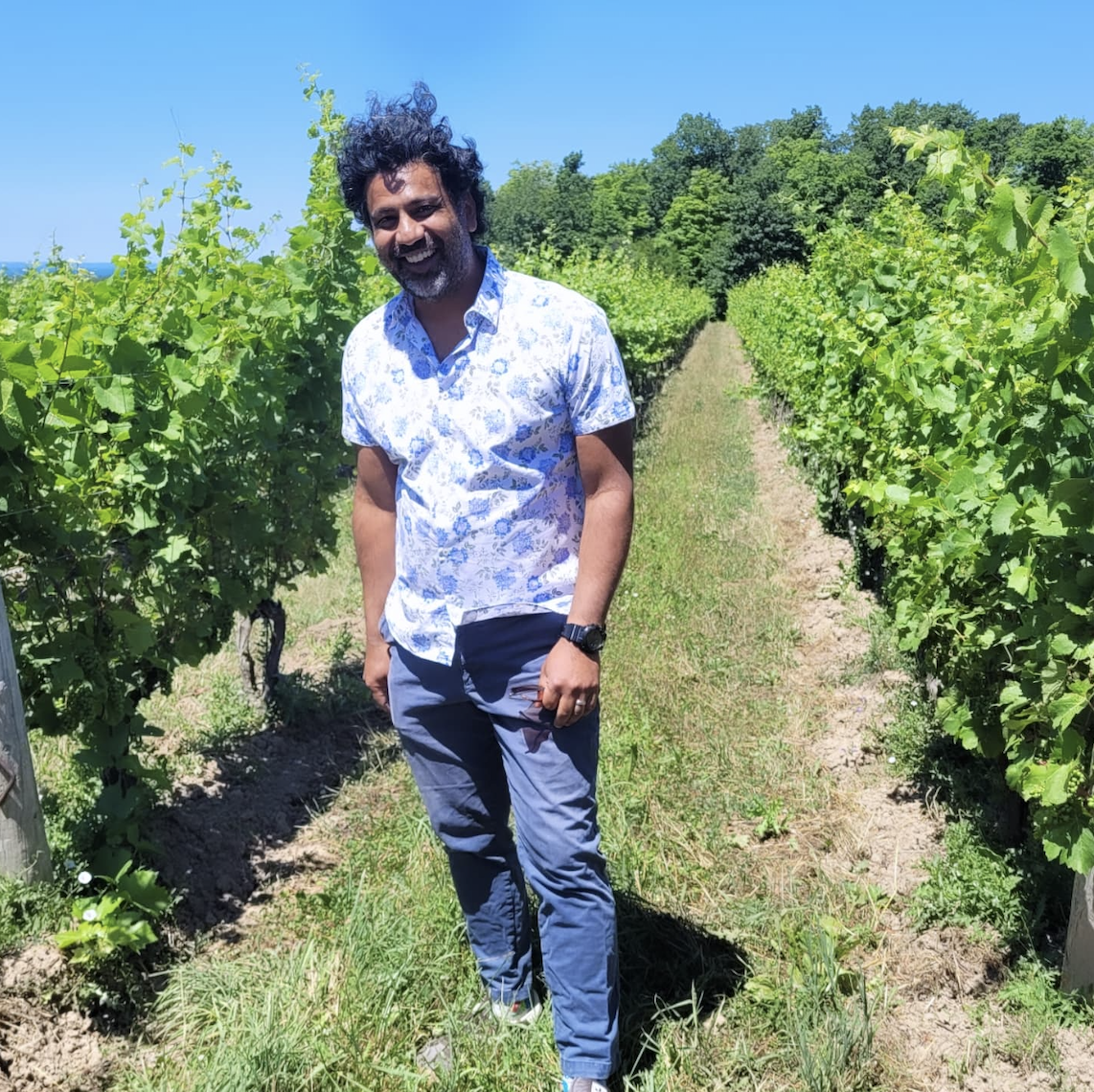
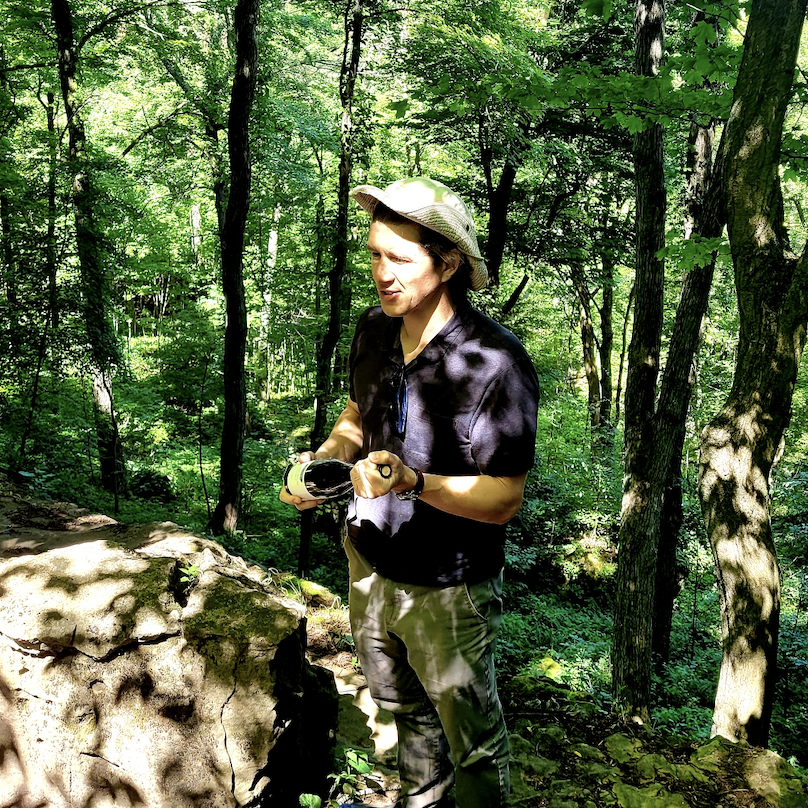
Shiraz Mottiar in his home vineyard

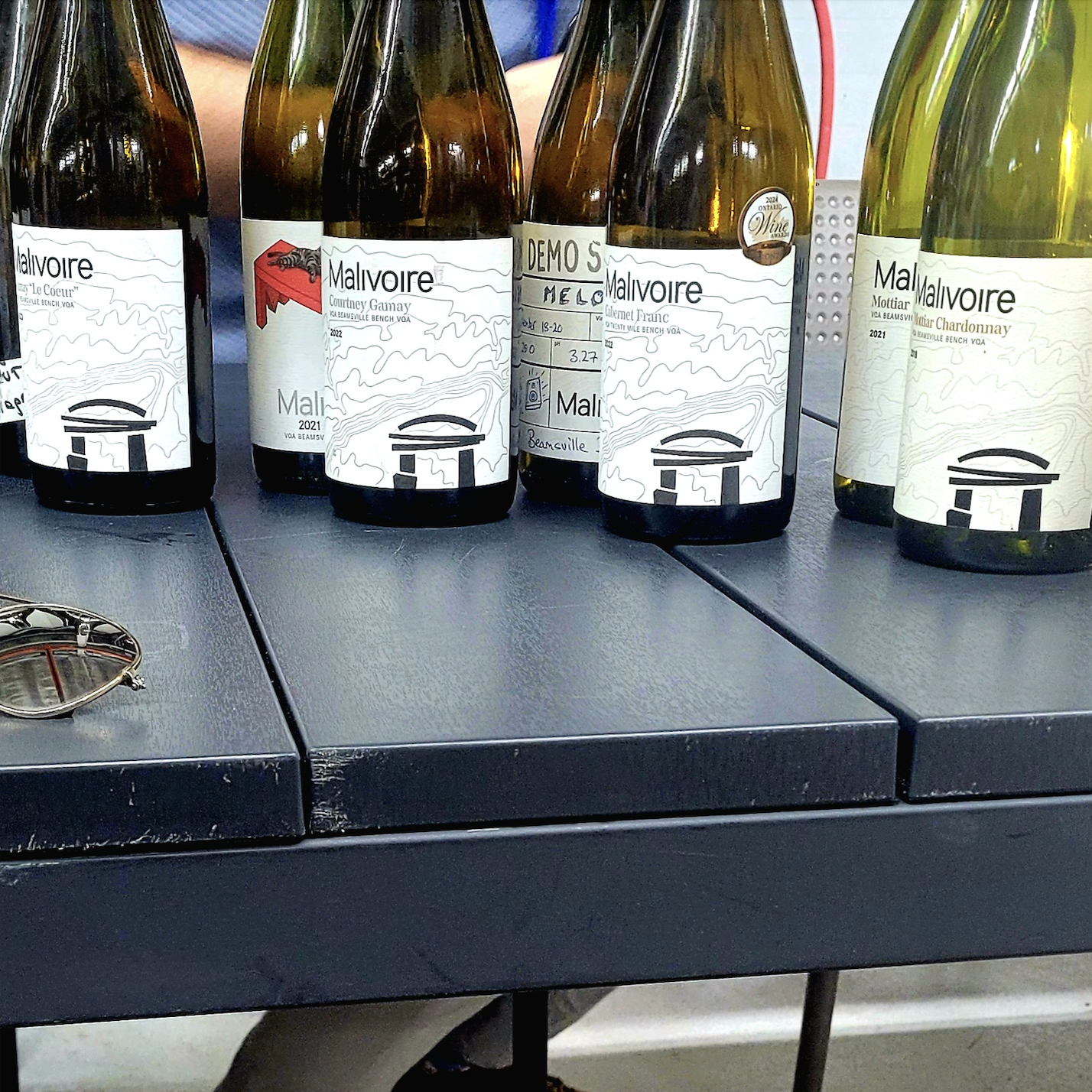
Malivoire Chardonnay Mottiar 2021, VQA Beamsville Bench, Ontario

From Shiraz Mottiar’s home vineyard and the wet vintage, moderately cool and one of those times that fruit dropping and rigorous sorting could and would lead to great chardonnay. That is this, taut and opening slowly, incrementally, in no hurry, nearly yet still not ready to go. Not the open flower yet and will be soon when fleshier times will fill the glass. A newfound yes to 2021.  Last tasted at i4C, July 2025

“A disaster (yet high volume, up 30 percent) vintage but I’m really happy what came from there,” admits winemaker Elisa Mazzi. No matter the rain and fog because there is flesh and substance in the ’21 from Shiraz Mottiar’s vineyard. Not a fully natural fermentation with some yeasts used but also not a full malolactic fermentation. Stopped halfway, winemaking on numbers instead of taste so to speak. Some wet concrete notes, washed hard cheese rind and surely different for a Malivoire chardonnay, leaner and linear but ready as ever to go out and please. Drink 2024-2026.  Tasted March 2024

Malivoire Chardonnay Mottiar 2018, VQA Beamsville Bench, Ontario

Pronounced flintiness from 2018, “it’s just vintage,” says Shiraz Mottiar and it lends a Beamsvile-ness to chardonnay, not unlike 2011 but ’18 was warmer. Translates to an added layer of richness with just the right amount of wood felt at this six-plus year stage.  Last tasted at i4C, July 2025

Intensely youthful chardonnay is a scent to behold, especially from a vineyard block picked on the high-low dichotomy of acid and pH then naturally fermented with bunches intact. I wonder if the barrel time was extended slightly because of the promise of 2018 and that may add to the taut nature of this Mottiar. That said there is no lack of freshness or shortage of cool climate bite. After all, this is chardonnay that speaks the vernacular of stoicism, structure and length. Drink 2022-2027.  Tasted October 2020

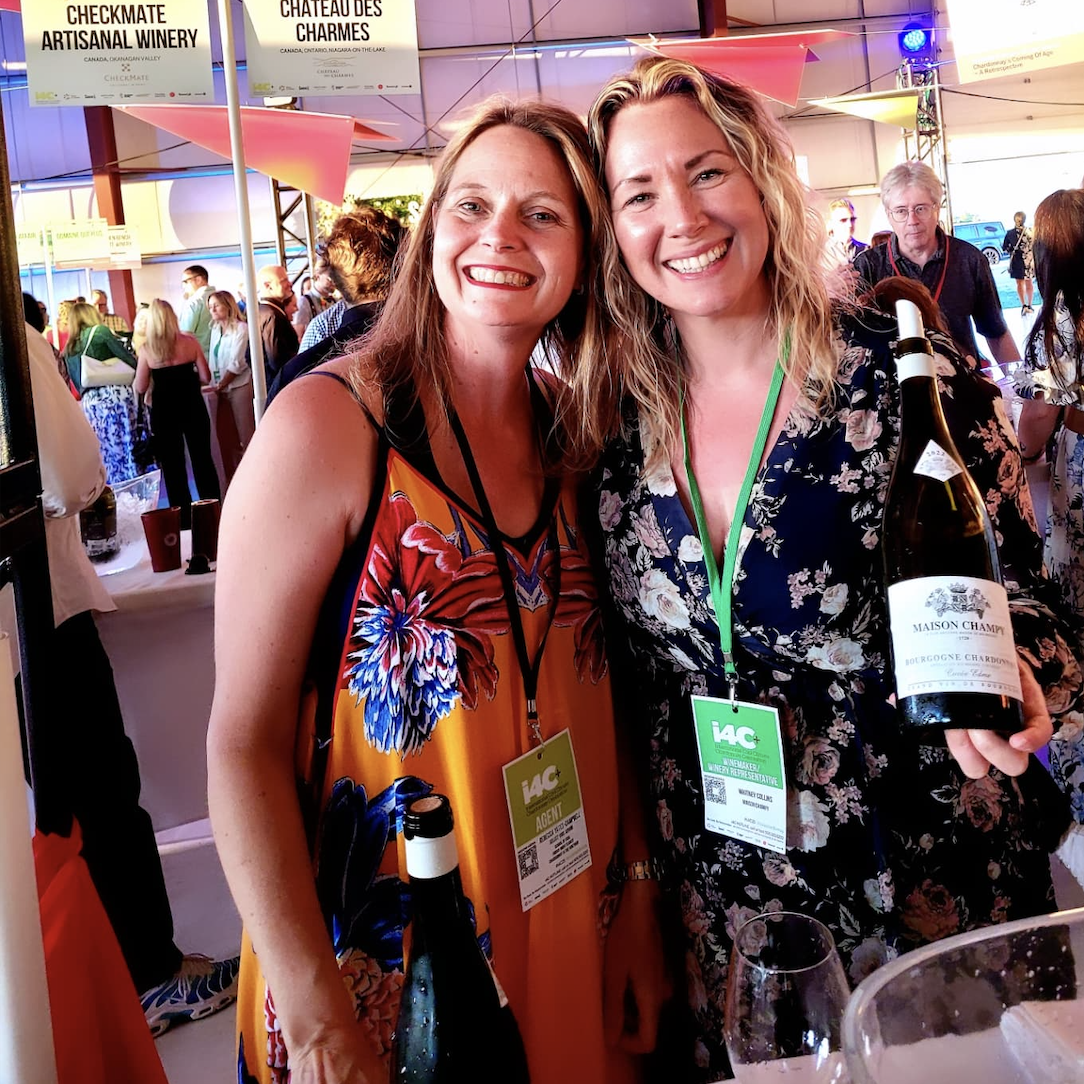
Rebecca Yates-Campbell and Whiney Collins, Advini (Maison Champy and Domaine Laroche)

Maison Champy Pernand Vergelesses Blanc 2023, Bourgogne AOC, France

The appellation and terroir must direct a classic movement in chardonnay and Champy ensures its orchestration finds what we are all looking for. That would be lighter, mineral-acid freshness from a large local landholder with more cards than many to mix, match and most importantly adapt. Organics and the essential ideal of sustainability translate into a chardonnay that is truly technically proficient to the edge of perfection. Translates terroir, talking points and acumen into great chardonnay. One of innovation for timelessness. Drink 2025-2029.  Tasted at i4C, July 2025

Organized Crime Chardonnay Limestone Block 2022, VQA Beamsville Bench, Ontario

Sharp value chardonnay cut from stone and to deliver top quality varietal goods from a fantastic Beamsville Bench terroir. Crisp as it gets for a 2022 Bench chardonnay, sweetly herbal, crispy and taut yet with no shortage of fluidity and flesh. Distinct and still recognizable for grape and place with wood the pique in spice at the tip and also back end of the palate. Acidity fills the voluminous space between. Drink 2025-2028.  Tasted at i4C, July 2025

Organized Crime Chardonnay Sacred Series Cuvée Krystyna 2021, VQA Beamsville Bench, Ontario

Higher end and inviting pinpointed cuvée from the cooler and wetter if humid vintage to determine ultra specific chardonnay. In a way surprisingly soft with a cream-centred mid-palate, pH elevated and acidity mild. The truth is this feels and drinks like a “Reserve” style of Ontario chardonnay with no questioning the quality of fruit ripeness, purity and wood. Comes together nicely and still drinks with purpose, though these immediately arriving years will see a waning of freshness. Drink 2025-2027.  Tasted at i4C, July 2025

Rosehall Run JCR Chardonnay Rosehall Vineyard 2017, VQA Prince Edward County, Ontario

Were you to say upfront that this was a Prince Edward County chardonnay from 2017 it would not be believed. Still cracker energy and freshness, crispy and crunchy character and blessed County beauty.  Last tasted at i4C, July 2025

As a follow-up to the warmth and phenolic heights of 2016 you’ll have to imagine a meandering through zig-zagging directions for ’17. Despite the ups, downs and ups again this chardonnay has indeed found its way, charming us with insights and how richness ensues. The surety of this fruit and this composure ensures and enriches the great sleeper County chardonnay that continues to explain the concept of cool climate viticulture done right. It’s not really all that reductive but it is protective and crafted with indefatigable structure in surround of high quality ingredients. Another winner from Dan Sullivan. Drink 2019-2023.  Tasted June 2019 and May 2020

Stratus Chardonnay Unfiltered And Bottled With Lees 2023, VQA Niagara-on-the Lake, Ontario

The Stratus chardonnay lees program is simply fascinating. Options, possibilities and abilities learned have developed and been banked for hits that keep on coming, but what is most striking about the 2023 unfiltered is how perfectly clean it is. Like you would never know there were significant lees bottled and so here there feels like a return or in a sense a throwback to chardonnay from say 2012. Of a clarity, purity and acceptance of barrel in proper tones and with effortless ease. The agriculture is everything anyway, so to be sure a chardonnay like this will improve and be sure to bless a consumer with the last vintage produced being the best. Which means 2023. Drink 2025-2029.  Tasted at i4C, July 2025

Tamar Ridge Devil’s Corner Chardonnay Resolution 2022, Tasmania, Australia

Man does this smell like Tasmanian chardonnay, but what does that mean? Cool, for one thing, taut and tart with a Champagne profile minus the bubble. Also a chardonnay provided with a western rain shadow, a moderating body of water and north-facing sun capture for optimum ripening. Much of the fruit comes from the river that makes a moderating temperature effect horseshoed around the vineyard, that and 15 percent from the coastal vineyard. Like a bite into a strong green apple with satisfying juiciness and acidity. Drink 2025-2028.  Tasted at i4C, July 2025

Thirty Bench Chardonnay Small Lot 2021, VQA Beamsville Bench, Ontario

In a ripe and settled place, fruit over acidity and barrel, fresh in its persistence and pulpy by texture. Green apple bite and spice more than many, exaggerated from a cooler vintage for excitability, gastronomy and complexity.  Last tasted at i4C, July 2025

True to Bench chardonnay sprit and energy, standing upright, demanding to be noticed and in turn we are paying notice. A harvest of demand forces the team to focus and pay extra attention, to do everything possible for greater returns. Picking and sorting strategies finds the best available fruit to create something cool, gelid, succulent and shockingly Chablis like. In fact at 12.6 percent (low) alcohol this acts in a stoic and matter of fact way, without airs and confidently what it needs to be. Will not overwhelm any palate, nor will it takes any breath away. That said it should age longer than first anticipated.  Last tasted twice in July 2024, including at at i4C

Small Lot just has to be the owner of the lowest of low alcohol number as it pertains to the Beamsville Bench and at 12.6 percent the conversion rate falls under the categorical auspices of magic. This is not a light chardonnay but it is a lithe, elastic and effusive one. Aromatically demure yet soft and almost caressing, without peppery (and sharp apple) bites or jolting in any way. The palate runs a similar course, gracing with soft and round flavours that are easy and stretched. Lovely and amenable 2021 here from Emma Garner and one to savour slowly, in a calm and tranquil setting. Drink 2023-2025.  Tasted July 2023

Trius Showcase Chardonnay Wild Ferment Watching Tree Vineyard 2022, VQA Lincoln Lakeshore, Ontario

Single vineyard, optimum fruit picked right at peak in a warm vintage and just the wild facts before barrel time rounds out the edges and corners. They still point and stand out with reductive style being the impetus for freshness and how this chardonnay will age, journey and thrive. There is a crunchy green apple quality, a flinty moment our two and fine lees as pure as ever.  Last tasted at i4C, July 2025

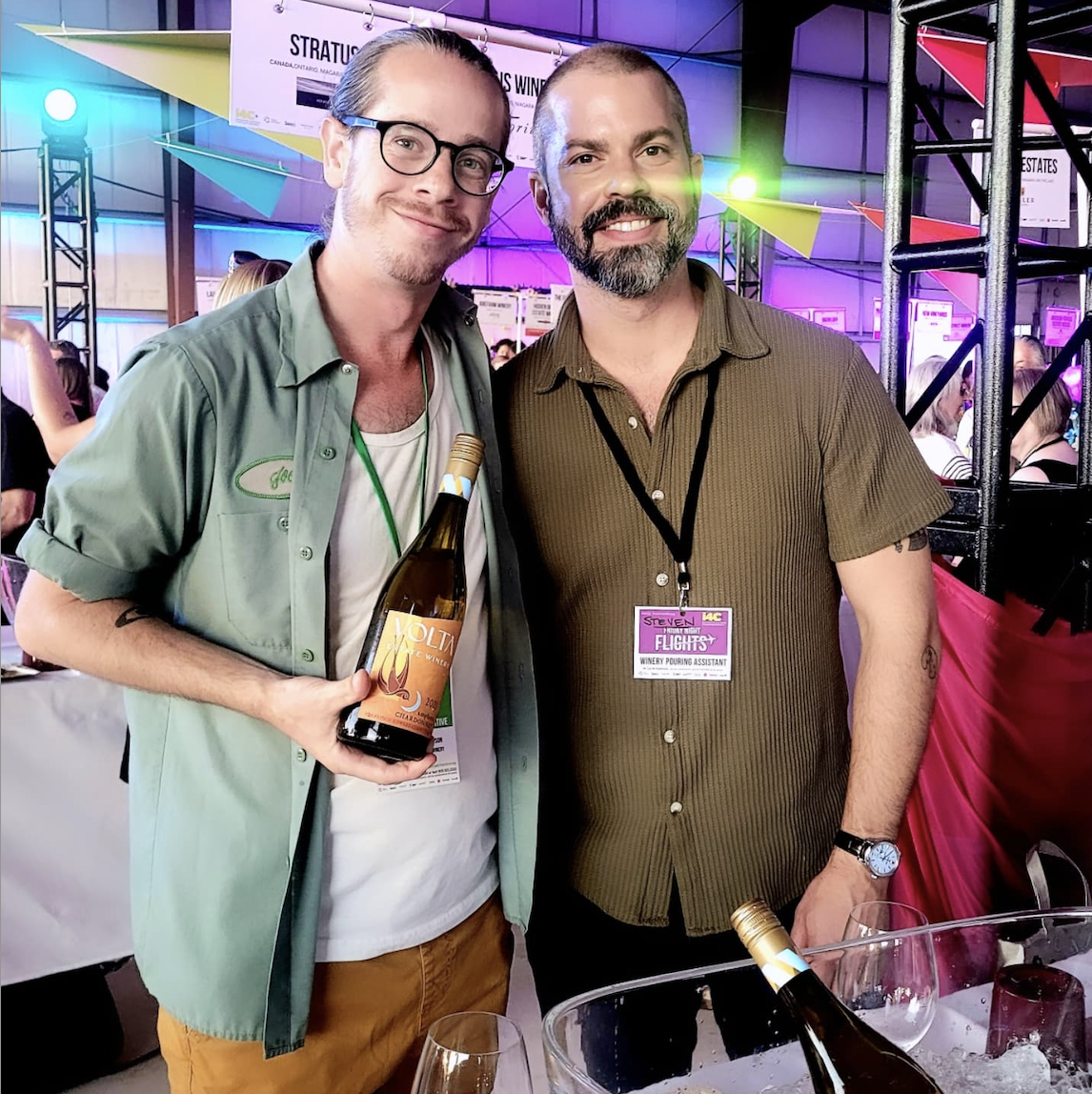
Volta Estate Winery Chardonnay Unoaked 2023, VQA Prince Edward County, Ontario

One of three Volta chardonnays, the second being barrel-aged and the third raised in (sandstone) amphora. Fruit comes from Hillier’s Ramirez Family Farm, at one time sourced by Lighthall Vineyards, a fun fact that indirectly forms a connection with new winemaker Chris Thompson who used to work at there. This steely chardonnay is stirred and closely mimics a Chablis perspective, youthful style that is with languid drift, elasticity, freshness and cool finishing spice. Acids are spot on for this ultra correct chardonnay. Drink 2025-2026.  Tasted at i4C, July 2025

Volta Estate Winery Chardonnay Amphora Ramirez Family Vineyard 2023, VQA Prince Edward County, Ontario

As with the first Volta chardonnay the source is Hillier’s Ramirez Farm but here the aging is done in French (sandstone) amphora-style vessels. A freshness does not merely drift but flies out in a way that rarely happens from these pots (when made with concrete or clay) and so the medium surely creates some sort of revolutionary housing. Purity incarnate and no salve drip or texture melted upon the palate makes this so bloody different. Highlights the fruit and not reduction while micro-oxygenation comes into effect in the neatest way. Drink 2025-2027.  Tasted at i4C, July 2025

Wending Home Chardonnay Estate Vineyards 2021, VQA Creek Shores, Ontario

First tasted 13 months ago and no shock to find this chardonnay right in the heart of its open window. The spice is melting and infiltrating every pore of this wine for pervasive seasoning and flavour. Just delicious at this stage.  Last tasted at i4C, July 2025

Bit of a cool banana smoothie here, extracted and sweet though naturally so with that tropical spectrum feel, especially like pineapple. Chewy for chardonnay and the wood is very much there, finishing with a buttery swath pasted across the palate. A bit heavy handed (though not overdone) in terms of bâtonnage to effect honeycomb and creaminess, however those who like the style will do very well with this example. Drink 2024-2026.  Tasted blind at #NWACS24, June 2024

With Jonas Newman, The Grange of Prince Edward

Other Whites

Divergence Wines Sauvignon Blanc Creek Road Vineyard 2023, VQA Four Mile Creek, Ontario

In the past Jeff Moote sourced his sauvignon blanc from Hughes Vineyard in Beamsville and this is the first from Creek Road near Virgil in the Four Mile Creek sub-zone. The vineyard may be most famous for cabernet franc but this white grape cousin makes for a fine, ripe and complex wine. Saw 20 hours of skin contact, enough to effect colour and texture but not enough to adhere in any unwanted way aboard the palate. There are notes of green fig and yellow peach from what is ostensibly tight, vaguely tannic and corporeally solid white wine. Drink 2025-2027.  Tasted at 14C, July 2025

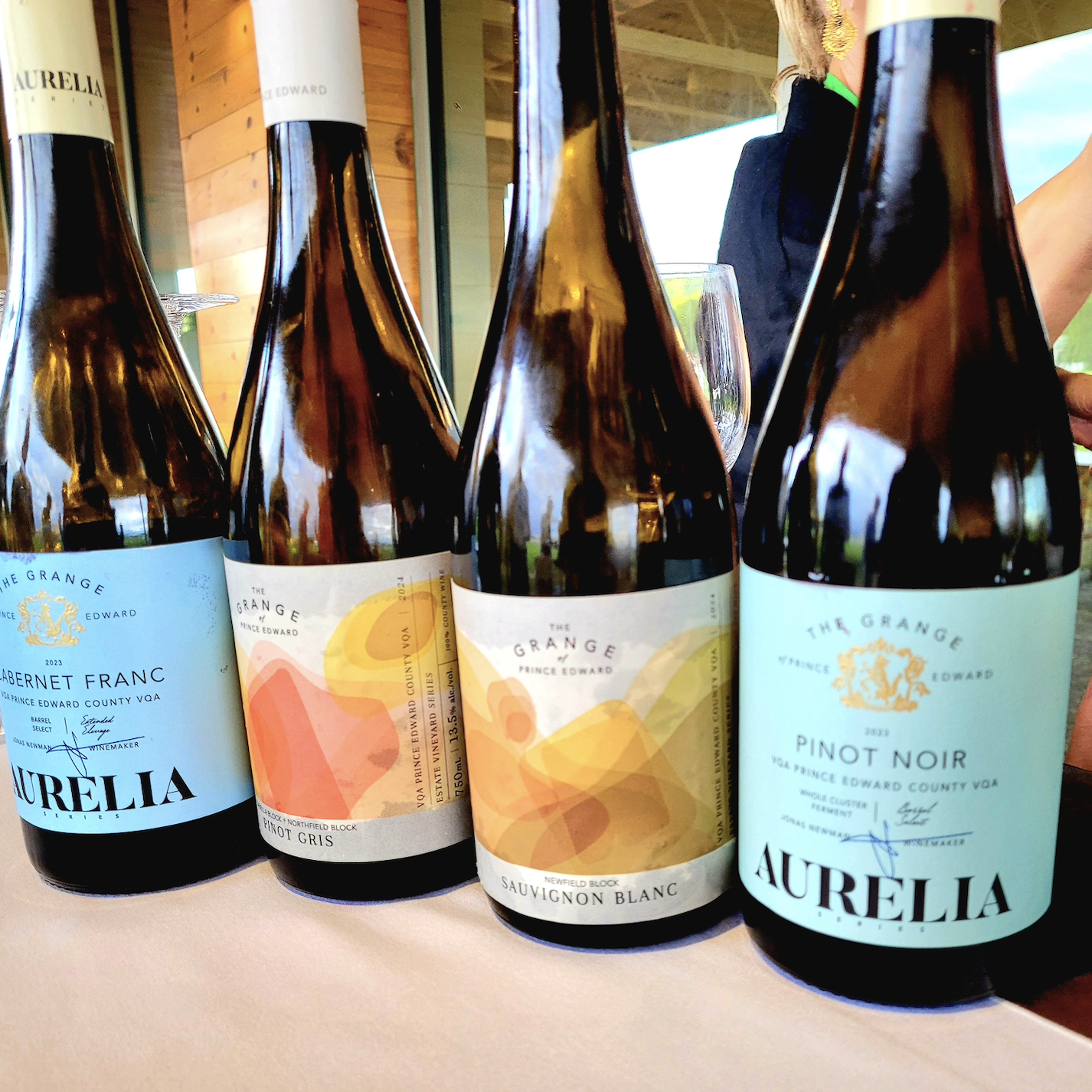
Grange Of Prince Edward Sauvignon Blanc Newfield Block 2024, VQA Prince Edward County, Ontario

From vines planted in 2003 though never really ever made into a dry sauvignon blanc. Now in the hands of winemaker Jonas Newman that changes with a stirred yet no wood version, although Newman feels that could come into play sometime soon. “To make a more complex and sophisticated sauvignon blanc,” but the quality of this feels like there will need to be two. This ’24 is joyous and eye-opening stuff. Drink 2025-2028.  Tasted at i4C, July 2025

Grange Of Prince Edward Pinot Gris Isabella Block + Northfield Block 2024, VQA Prince Edward County, Ontario

Truly ABG, anything but grigio in dry, salty, crisp and enticing pinot gris. Gris for gris’ sake, solid, purposed and drinking effortlessly. Drink 2025-2027.  Tasted at i4C, July 2025

Malivoire Pinot Gris 2024, VQA Beamsville Bench, Ontario

Aromatic for gris with flowers, part fresh and part desiccated. Vaguely turbid with an acetic moment that distract from the purity of intended local pinot gris flavours. A bit troubled by its youthful style and perhaps it will “clean itself” up with a few to more to six months in bottle. Drink 2025-2027.  Tasted at i4C, July 2025

Malivoire Melon 2024, VQA Beamsville Bench, Ontario

Fresh, ultra fruity and light style, decidedly void of long lees aging. Originally conceived and continues to be made for proprietor Martin Malivoire because this melon de bourgogne is exactly what he prefers for oysters. As will you because the 2024 delivers both substance and salinity, key ingredients in the pairing. Drink 2025-2028.  Tasted at i4C, July 2025

Malivoire Melon De Bourgogne Demo Series 2022, VQA Beamsville Bench, Ontario

The ulterior methodology and stylistic for melon de bourgogne, here aged 22 months on the lees. No we have not walked up from the river to Nantes, but there is some fantasy in that regard. Salty and the feeling of wet concrete, so proper for oysters but frankly an exciting melon on its own. Flinty and still youthful. Drink 2025-2029.  Tasted at i4C, July 2025

Jimmy Smith, Beare Green Winery and Wine with Jimmy

The Reds

Beare Green Winery Pinot Noir Pulborough Cool Climate Clone 777 2023, Surrey, England

The Surrey project of Wine with Jimmy (Smith) comes from Pulborough, a tiny village where the fringe of cool climate viticulture is practiced and planted to pinot noir clone 777. Beare Green’s is a natural varietal treat with acetic meanderings and like the chardonnay, leanness is belied by its charm. Yes it is in fact acid tart and sax jazzy while also crunchy and intensely cherry sour. A ton of clash but the prospects and possibilities feel like a high ceilinged future awaits. The intrigue is great with much looking forward to watching this passion project grow. London and the world are calling. “J-a-zee zee, J-a-zed zed, J-a-zed zed, Jimmy Jazz.” Satta Massagana Jimmy. Drink 2025-2027.  Tasted at i4C, July 2025

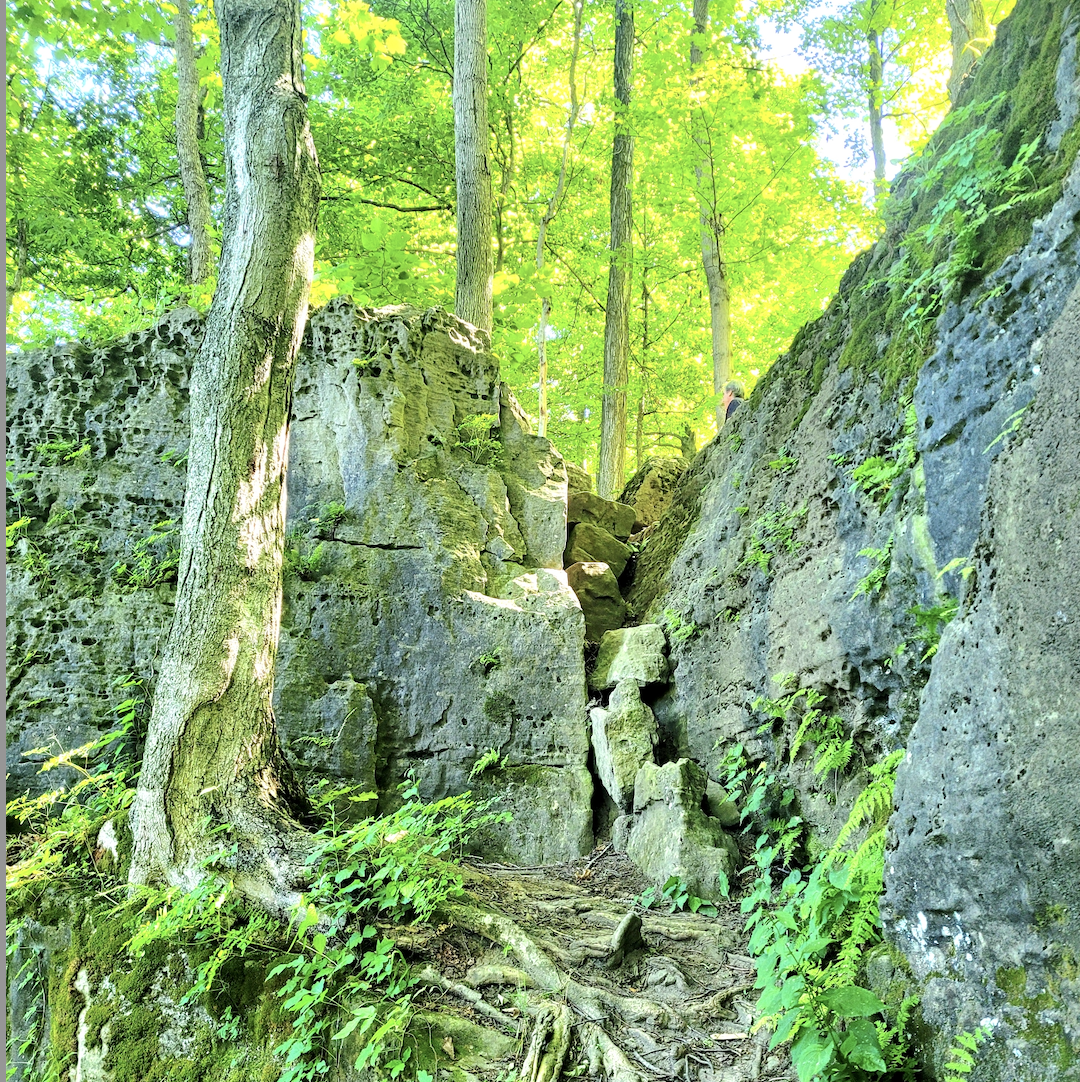
Cave Spring winemaker Gabe Demarco speaking at the Adam Steps

Cave Spring Cabernet Franc CSV Estate Grown 2022, Sustainable, VQA Beamsville Bench, Ontario

Warm vintage, a richness of fruit optimized from highest attention to farming and chosen right there in the field. In June no less because identifying blocks ahead of canopy management is key to drawing up the map for Cave Spring wines. CSV is the varietal meow, also with cabernet franc and while the ’22 carries deeper meaning there is no denying the sheer purity. Wood used generously is the requiem to elevate and extend the grip, spice, texture and potential of this wine.  Last tasted at i4C, July 2025

Juicy, unfettered in terms of exuberance and yet finely restrained as cabernet franc because it pulls no gratuity, nor punches for that matter. Only a kiss of the barrel is felt and the proper herbaceous greens are noted, as they rightly should. Speaks to the Cave Spring Vineyard and the important farming adjustments made over these last few years by Gabe Demarco and team. The fruit is singing because their host vines are well loved. It’s as simple as that. Drink 2024-2027.  Tasted September 2024

Cloudsley Cellars Pinot Noir 2022, VQA Twenty Mile Bench, Ontario

Adam Lowy’s Twenty Mile Bench pinot noir really is the mirror into a vintage with its mix of vineyard fruit, lithe transparency and aromatic spicing of a season. That’s the thing – His pinot noir does not go into bottle without proper, correct and frankly spot on salt & pepper seasoning in order to coax out the truth of fruit. Its decisive resource is concentration and depth without unnecessary over-extraction or heft. Would say to drink this early in its tenure and also pour it to those who question the viability and comparability of Ontario pinot noir. Drink 2025-2028.  Tasted at i4C, July 2025

Grange Of Prince Edward Pinot Noir Aurelia 2023, VQA Prince Edward County, Ontario

Tart with an acetic edginess because of its raw energy and DIY ethic. Red fruit intensity, implosive, dangerous, rebellious and still workable. It is County pinot noir, the punk rock of Ontario’s varietal sound, purposefully shock chord driven and fast. Try to keep up.  Last tasted at i4C, July 2025

The golden one, Aurelia, from the Latin Aurelius and if you want to delve deeper, the name for Marcus Aurelius Antoninus, Roman emperor from 161 to 180. Even deeper still the character portrayed by Richard Harris in Gladiator. Also the top of the opus pinot noir at The Grange and what a golden one it surely is. Needs to be because it is bloody expensive but just 98 cases were made of a varietal harbinger that gets the full on spa treatment. Double sorted, first in the vineyard, then at the table. Whole cluster fermented, including carbonic for five days and then foot trodden. Ten days of délestage before being pressed off and blended to finish ferment in tank. Ages in the most expensive wood for 10 months, 33 percent new. Burgundy anyone? Yes this is the idea and the result is a pretty good approximation, all the while tended to by that County high life in acidity with a generous amount of volatile compound effect. Yet the fruit and that acidity are in cahoots, sweet, inviting and enlivening. At nearly $75 there is a whole lot of swagger, ambition and confidence but if money were no object I’d happily drink through a few bottles. Drink 2024-2027.  Tasted December 2024

Grange Of Prince Edward Cabernet Franc Aurelia Series 2023, VQA Prince Edward County, Ontario

What absolutely killer, beautiful and appropriate volatility in the sweetest and most elastic vein. There are Loire and Ontario cabernet franc and then comes along Aurelius at Prince Edward County’s Grange made by Jonas Newman – and the skies re-open. Feels like a cabernet franc epiphany sent after a storm with order restored post chaos and darkness. The wine’s opening salvo is something understood to be professional and artisanal rolling into the proverbial emergence from risk relatable to reward. Brightness and potential ensues. Near, near absolutely brilliant bottle of cabernet franc. The pinnacle is coming soon. Drink 2026-2031.  Tasted at i4C, July 2025

With Jennifer Carter, JoieFarm

Joiefarm Winery Pinot Noir En Famille 2022, BC VQA Okanagan Valley, British Columbia

A treat to taste a signature JoieFarm pinot noir from a most rewarding Okanagan Valley – Naramata Bench vintage, especially under the auspices of the En Famille autograph. A true “farm” wine, emphasizing a connection between Naramata and these varietal wines. The ’22 brings fullness and generosity in a most familial and joyous way. Ripeness is just right there and softness ensues to ensure the highest level of drinkability for always and whenever. Drink 2025-2028.  Tasted at i4C, July 2025

Leaning Post Pinot Noir 2023, VQA Niagara Peninsula, Ontario

The NP pinot noir falls into the Leaning Post line wedged somewhere on the line between The Fifty and the single vineyard labels of Senchuk, Hemeris, Lowery and Grimsby Hillside Vineyard. What’s right and charming about 2023 is how it settles into our varietal psyche for a vintage neither as warm or concentred, while returning to varietal basics. This feels like 2009 or 2009, wines ripe and structured enough that in Ilya Senchuk’s hands that are able to please early yet surely age gracefully forward several years. There is purity and potential magic from vintages like this with no exception for one labeled as an LP pinot noir. Less than epic, but they can’t all be and my how good ’23 will be for years to come. Drink 2025-2031.  Tasted at i4C, July 2025

Lightfoot & Wolfville Pinot Noir Ancienne Wild Ferment 2021, Annapolis Valley, Nova Scotia

Feels like only yesterday when pinot noir planted, nurtured and made into wine at Lightfoot & Wolfville was born, but here we find this special Annapolis Valley example come upon a decade into its tenure. Things have changed in terms of ripeness, knowledge and experience, but still this is Nova Scotia wine. Unequivocally and beautifully, with tension and this rise of high tonality up high into a Fundy-Minas Basin air. The 2021 still rises but also settles in term of its tannin structure. This says drink away and be keenly aware of how time will dramatically change this pinot noir across all of its character; volatility, emotional well-being and spirit. Drink 2025-2028.  Tasted at i4C, July 2025

Shiraz Mottiar, Malivoire

Malivoire Gamay Small Lot 2023, VQA Niagara Escarpment, Ontario

Some carbonic from 30 percent whole cluster gamay. Pretty tight, spot on, clean and correct gamay with ample concentration stopped short of density and so no noted chalkiness. Aromatic spice and Villages stylistic captured to represent keen varietal aspiration bred from rooted Escarpment function. Drink 2025-2028.  Tasted at i4C, July 2025

Malivoire Gamay Le Coeur 2023, VQA Niagara Escarpment, Ontario

A hundred percent carbonic from same number whole cluster gamay and if there once was risk involved that anxiety is long gone. The all in number has been a factor since 2017 and one time trepidation is now a gamay that knows exactly what it is from makers who know exactly what they’ve got. Firm and with elastic tension for gamay that reaches out, snaps back and does it again. Repeats its processes on the palate with pulse and meter. Amazing.  Last tasted at i4c, July 2025

Punchy for gamay, so very Niagara style, likely Lincoln Lakeshore or the steppes of the Beamsville Bench. Fruit, leafiness and a mild earthiness (as in reduction) together with top level perfume of spring flowers (hibiscus), fresh dill and that induction of reductive aromas. and a Villages emotion that speaks volumes about a general sense of place. Less demanding in terms of tannin and a declension of flavours while not quite as fleshy or full as expected to follow what came at the first. Will this flesh out? Quite likely because it grows and grows on you. Tremendously solid varietal wine – if not so adept at aging. Drink 2024-2026.  Tasted blind at #NWACS24, June 2024

Malivoire Gamay Courtney 2022, VQA Beamsville Bench, Ontario

Courtney releases a year later than Small Lot and Le Coeur because it’s more traditional without any carbonic maceration. Warmer vintage, more depth and peppery quality in a pinot meets syrah sort of way. A unique and mature vineyard brings warmth and depth, the treatment in the cellar meant to add breadth and lengthen what is possible. That it does.  Last tasted at i4C, July 2025

Juicy and effusive gamay, such sweet perfume and candied goodness in that aromatic regard. Leafy and savoury infiltrates within and then a repeat on the palate that speaks to harmony within and also without. Maybe some RS sweetness but it is forgiven because all parts work well and together, Acidity over tannin and that’s perfectly fine. Just a bit sour at the finish. Drink 2024-2026.  Tasted blind at #NWACS24, June 2024

Malivoire Cat On The Bench Gamay 2021, VQA Beamsville Bench

Hard not to think comparatively but the musky funk of Cat on a Bench really does imagine Cru Beaujolais, specifically Morgan from a famous producer or two. “We got the funk, we got the funk!” Just one barrel makes 30 cases, first vintage was 2007 and who is the cat? Is it one of three or is it Martin? And which bench, the one next to the barn or The Bench? All adds up to fantasy, to Beaujolais and benches, to the impossibility of herding cats and the uniqueness of gamay from Moira vineyard. In any case this hits the proverbial off the beaten path spot.  Last tasted at i4C, July 2025

New gamay sku here for Malivoire, one of if not Niagara’s (and Canada’s for that matter) benchmark gamay houses. Martin Malivoire planted vines more than 25 years ago and at the time of bottling it was winemaker (now head of all things Malivoire) Shiraz Mottiar who had been running hither and thither with the varietal program. The iterations included Small Lot, Farmstead, Courtney, Le Coeur, Wismer-Foxcroft, Concrete and Genova. Mottiar has been playing with whole bunches, carbonic maceration, wood, concrete and things we may not fully be privy too. The Cat series includes three $50 chardonnays called Steel, Stave and Skin, while this looks to a new pinnacle for what the team surely saw as the finest estate fruit to date. “Cat on a Bench” may just be the mendicant four-legged feline on a hot tin roof because it’s survival depends on instinct and cunning, its energy nervous, hot, desirous and bothered. In a good way. Yes this is structured gamay, notably firm, sour, crunchy and somehow finds a way to reflect the realities of normal gamay life. And it is $60, surely unprecedented for Canadian gamay. Cru Beaujolais as well. A one off? We shall see. Drink 2024-2027 . Tasted August 2023

Malivoire Pinot Noir Small Lot 2023, VQA Beamsville Bench, Niagara Escarpment, Ontario

Brightest of the Malivoire pinot noir and a high acid, toned and intensity example with less concentration than the previous 2022. Classic cool climate correctness and standard bearer. Takes what it’s given and stays the varietal to place course. Drink 2025-2028.  Tasted at i4C, July 2025

Malivoire Pinot Noir Mottiar 2023, VQA Beamsville Bench, Ontario

Just a small amount of whole cluster, maybe 10 percent because of the variety’s penchant to elevate in volatile acidity. Still a little bit goes a long way and the wine just pops here from 2023. First there were the fiddlings of Shiraz Mottiar and now Elisa Mazzi, two winemakers who have confidently figured out how to master pinot noir from the small Mottiar vineyard. Do not fear “if you”can’t find the conductor who created the whole cluster” in this wine, but trust that their signature is there. As is the fruit and how it expresses this peekaboo of a block on the Beamsville Bench. If Val were pinot noir this would be her song and she would find her way off the train. It’s the theme of humankind and making pinot on the Bench. Drink 2026-2029.  Tasted at i4C, July 2025

Malivoire Pinot Noir Cat On The Bench 2022, VQA Beamsville Bench, Ontario

Malivoire’s Cat on the Bench in pinot noir is expressive of a similar whole cluster funk as noted with the Cat on the Bench gamay. Here however it combines with and is elevated in spice, but also increased depth and it all formulates as a serious pinot noir with a wildly invigorating result. COTB is a layered varietal wine that will take years to peel away and figure out what full possibilities await. The vintage is key to constructing and ultimately resolving the pressing and evolving questions. Hard to make a final decision on just how important the 2022 really is because tasting bottles along the way will surely re-write the script. Drink 2027-2031.  Tasted at i4C, July 2025

Malivoire Cabernet Franc 2022, VQA Twenty Mile Bench, Ontario

Crispy, crunchy and chalky cabernet franc, deep and sonorous, herbal with herbaceous piques, edgy and structured. Will still take a few years to figure itself out, push the fruit to the fore and find its core of balance.  Last tasted at i4C, July 2025

Very different vintage to the light and stretched ’21, now fleshier and fulsome, 18 months total wood time, the last eight of which were in older barrel. From a vineyard in the valley below Ball’s Falls, this being Cascade adjacent to the Wismer cabernet franc block. Classic varietal expression, truly classic, tasting like and from limestone, impressively forward enough considering it was bottled just two weeks ago. Crunchy currants and red pepper, tart and tannins still a bit austere. Drink 2025-2028.  Tasted March 2024

Rosehall Run Pinot Noir JCR Rosehall Vineyard 2022, VQA Prince Edward County, Ontario

Sweet floral aromatics for Rosehall’s JCR 2022, a pinot noir that scents like an open book after a warm season. The dictionary entry for effusive, a Prince Edward County welcome, of “approval in an unrestrained or heartfelt manner.” A far as pinot noir in JCR steading goes there is a drinkability factor quickly underscored and yet a few more sips come to regard a stealth and sneaky structure under the underscore. This is the way of a Rosehall Run drug, especially in pinot noir, waging war within itself and at times struggling to make itself understood. Like an ocean of pinot personality beneath the waves and remember, “it always gets so hard to see, right before the moon.” Drink 2026-2031.  Tasted at i4C, July 2025

Tamar Ridge Devil’s Corner Estate Pinot Noir 2023, Tasmania, Australia

Tamar Ridge’s Devil’s Corner is Tasmanian branding for four equal parts salty, sapid, sweet and sour pinot noir. In other words a four-poster balanced cuvée of vineyards’ fruit that draws lines to four corners within an a varietal enclosure and repeats the process ad infinitum. Stage presence and a profound personality stood up to be recognized, investigated and counted. Firm, grippy and impressive. Drink 2026-2030.  Tasted at i4C, July 2025

Tawse Pinot Noir Cherry Avenue 2021, VQA Twenty Mile Bench, Ontario

No shock to experience a young Cherry Ave pinot noir in a state of rigid and closed control because it defines restraint for the Twenty Mile Bench. Quiet and diffident though we do detect a half wink and wry smile as it teases aromatics if obtusely giving little of its charm away. Noting the classic red crayon and concrete stiffness, breathing diaphragmatically, fuller and longer of inhalation and exhalation, costal speaking. This means low and slow evolution, a few years yet before things begin to open up and a long life ahead. The child of a wet and often cool vintage, showing as it should, made in a style that expresses vintage and place with distinction. Even if these things are not yet known. Drink 2026-2030.  Tasted at i4C, July 2025

Thirty Bench Gamay Noir Wild Cask 2023, VQA Beamsville Bench, Ontario

Only 51 cases were made of this ultra unique Bench gamay noir which will appear as the lightest and leanest of them all. Do not be fooled by colour because there is varietal concentration, intensity, structural integrity and pent up power in Emma Garner’s wine. Not exactly puff up the chest and egocentric, but rather capability, probability, possibility and promise. Balanced, sweetly volatile and singular with wood spice and a white pepperiness that is unlike the rest. Should hazard a guess the kids will love this and in these times can afford it too. Drink 2025-2029.  Tasted at i4C, July 2025

Chris Thompson and Stephen del Degan, Volta Estate

Volta Estate Winery Pinot Noir Knotty Vines Vineyard 2023, VQA Prince Edward County, Ontario

Welcome to the future. The Del Degan family are a new County player standing up to immediately be noticed and reckoned with. Just a short time ahead will be filled with elevated Prince Edward County importance to include Rosehall’s Volta Estate Wines under the guidance of winemaker Chris Thompson. Hard to fathom how quickly a wine like this 2023 rises to prominence for the region but here it is in all its ripeness and crucial balanced glory. A more precocious and richer start from the corner of Greer and 33 where 18-24 inches of topsoil separate 12 year-old plantings from solid limestone bedrock. This is simply a remarkable, yet surely well-reasoned and calculated beginning. Drink 2025-2027.  Tasted at i4C, July 2025

Good to go!

godello

Cool Chardonnay on ice

Instagram

Facebook

Report and reviews from the 2025 Chianti Classico Collection

At the Chianti Classico Collection 2025

Warm days have awoken the vines in Tuscany, the defiant 2025 Ontario winter has been reluctant to end, Spring has not sprung and 45 days have past since the 32nd edition of the Chianti Classico Collection came to another decisive and triumphant conclusion. Sustainability was the central theme in 2025 with talk of a new commitment by producers in their move towards a “sustainable future and respect for the region.” As always sangiovese remained the star for two-days of intensive tasting and continuing education studies with never enough thanks afforded to the organization of the Consorzio Vino Chianti Classico and execution of the Tuscan sommeliers. The most recent vintages showed off their prowess to a macroscale contingent of fully attentive international journalists seated at the Stazione Leopolda tasting tables for two immersive days. Between 2016 and 2024 recurrent hyperbole has been expressed on these Godello pages about the consistent forward strides made by Chianti Classico producers and still their passion and ethic persists. Chianti Classico wines have never acceded the level they are at right now, reputation is at an all-time high and the peak is far from reached. Should you either be blind to the obvious or just beginning to realize the importance of the Gallo Nero, fear not because the best is yet to come.

Related – Harvest report 2024: Retro Chianti Classico

Godello tasting at The Chianti Classico Collection 2025

Hai le fette di salame sugli occhi

A short note from Consorzio Vino Chianti Classico President Giovanni Manetti on US tarrfis: “We are particularly concerned about the repercussions that the 20% tariff imposed on imports could have on the export of our wines, and we must have faith that the choice made by the Trump Administration will be addressed as soon as possible by our Italian and European leaders. Us producers will now have to work together to shoulder the heavy economic burden that will result from the imposition of these tariffs on the U.S. market.  We will continue on, though, strong in our conviction that the American consumers who have always loved and enjoyed Chianti Classico will remain loyal to our quality wines, the Black Rooster, and to our unique region that’s present in each of our bottles.”

Chianti Classico Collection 2025

What to expect from 2024 Chianti Classico?

Near the end of 2024 Godello speculated on the quality of  the 2024 vintage, but also how it may resemble some blasts from the past. “The summer of ’24 was typically hot and dry but all that changed after September 7th because in some parts of the region nearly 400 ml of rain fell over the following seven weeks. Unprecedented amounts of water, well at least if you look back at the previous 30 years. August of 1995 saw rain like that and previous to that there was plenty of precipitation and cool harvest temperatures in 1991 and 1993. Fast forward again to 2024 and the the constant deluge of mid-September through to late October ends up becoming the cruelest stretch. Days on end when tractors are unable to enter the vineyards, harvest crews repeatedly pause on stand by because picking wet grapes is a cardinal sin and prayers are made for two straight days of sunshine to happen anytime and anywhere. From Greve to Castellina, San Donato in Poggio to Castelnuovo Berardenga, Vagliagli to Gaiole, San Casciano to Radda, in Montefioralle, Panzano and Lamole. Bunches are dropped because tight sangiovese clusters encourage the development of mold from within and the waiting game is excruciating for many. Patience is the greatest virtue and yet sugars are developing slowly, like the old days, piano-piano, as they like to say. In the end a classic vintage in the ways of days of old is declared, with phenolic ripeness achieved because of the longest hang-time since 1993, the same year Juventus’ Roberto Baggio scores five goals in seven international matches for Italy. Drinkable sangiovese, elegant, ripe, low alcohol and a good number blessed with sneaky structure. Producers are pleased with the freshness and ethereal beauty. The tank samples are bloody delicious. Pure sangiovese. Retro Chianti Classico.”

Related – 100 Years of Chianti Classico and Collection Previews 2024

“First and foremost on so many producers minds are the alcohol levels topping out at 13.5 percent. If you see 14.0 abv on a bottle in 2026 or beyond you can bet the actual number is just above that 13.5 Mason-Dixon line and in some cases 13.5 could in actuality be just a shade above 13.0. Lighter wines as a general rule, but age-worthy because of phenolic ripeness, at least in cases where producers waited, waited some more and picked as late as possible. Expect to see straight through the transparent hues of Chianti Classico sangiovese for 2024, to sense, taste and feel the brightest and potentially sweetest acidities, then finally the silkiest if also most elastic tannins. The 2024 acids will be the catalyst for aging these sangiovese. Anyone under the age of 50 will have likely never experienced a Chianti Classico vintage like 2024 and potentially never will again.”

Related – Chianti Classico 2023: A year in review

With Michaela Morris at Stazione Leopolda, Chianti Classico Collection 2025

A reminder that any Chianti Classico anteprime report on the Florence Collection must make clear that it is always a multi-vintage presentation. Also incumbent on a journalist is to express the importance of understanding the Annata in terms of what kinds of wines will come from a same vintage Riserva and Gran Selezione. The three appellative wines are intrinsically connected and so the Annata will foreshadow the future. There are producers who choose to present their just bottled Annata each February, if only because they qualify for what can be released under Consorzio rules, which in this case means the 2023s and this year unfinished tank samples account for 35 percent of that season’s total. The bulk (meaning nearly three out of every four) Annata made available to taste are from 2022, 2021 and 2020. The assessment of the campione is more of a trial and error exercise because hit or miss raw samples are so often challenging to get a read on. For the 2025 Collection it is safe to say that the 2022 Annata are to be considered as the current vintage. They are a powerful lot and though lower in quantity, they arrive in stark contrast to 2021s of truly exceptional quality. The 2022s are stringently stubborn, requiring time and several producers choose to keep their wines behind, to give these next releases a few more months in the bottle.

The 2025 Collection also marked the 50th Anniversary of the Chianti Classico DOP Olive Oil Consorzio and included a record number of Black Rooster exhibitors. There were 2018 wineries presenting 790 labels to the press, industry professionals and general public. In addition to the Collection presentation in Firenze, this most recent trip also included visits made with producers within the territory. As a follow-up, a second report will publish next week to include the wines tasted at those estates. There were 544 wines available at the sommelier-assisted tables and the following are 185 reviews covering all 11 UGAs for the three appellative levels of Chianti Classico DOCG tasted over two consecutive days in the Stazione Leopolda at the February 2025 Chianti Classico Collection.

Gagliole Chianti Classico DOCG Rubiolo 2023, Nessuna Unità

Campione: Juicy as they come and while a sample it is simply too early to fully assess the full extent known of this very forthright Rubiolo 2023. A pure sangiovese of high fruit content red and juicy, open and generous, nearly ready to express itself. Another six months and this could not only be bottled but rearing to please.  Tasted at The Chianti Classico Collection, February 2025

Istine Chianti Classico DOCG 2023, Nessuna Unità

Campione: Really full and substantial sangiovese if like many 2023 barrel samples there is a tightness about its aromatics. Not close fisted like other vintages but also not completely open or generous either. Tannins are a bit grippy and their muscular pipes must come down from the mountain and relax before any sort of joy can be found. And it will.  Tasted at The Chianti Classico Collection, February 2025

Istine Chianti Classico Riserva DOCG Levigne 2021, Nessuna Unità

LeVigne, Riserva from the Istine vines in Radda plus Gaiole to create Angela Fronti’s full scale selection. LeVigne and the reason why these vineyards all need to be the best they can be, to justify a Riserva label, especially now that each of the three are giving fruit to produce Gran Selezione. No severe loss for Riserva although it may take a few years for allocations to truly be figured out so that this wine will continue to stay at peak.  Last tasted at The Chianti Classico Collection, 2025

After experimenting for a few years this is Angela Front’s first use of whole bunches intero, approximately 20 percent in the mix, to wildly aromatic acclaim. Seriously, for better, worse or best, of a floral intensity now announced, with immediacy and the flavours burst, pop and finally explode upon the palate. Wholly complex notions and diversions that take you, here, there and everywhere. Dios mio Batman! Fronti has mixed in different percentages of whole bunch, 10 at first, 50 in the fermentative middle and 40 at another to arrive at the average of 20 and the final result is something extraordinary. You simply can’t look or turn away. The energy is palpable and infectious. Drama! Emozione. Drink 2025-2032.  Tasted February 2024

Castellina

Banfi Chianti Classico DOCG 2023, Castellina

Juicy, soft, amenable, drinkable to each and every degree. That is the point and the exclamation. Just the faintest hint of grainy texture and vanillin by wood that will integrate with six more months in bottle. Drink 2025-2027.  Tasted at The Chianti Classico Collection, February 2025

Brancaia Chianti Classico Gran Selezione DOCG 2022, Castellina

Big bones and a wave of exotic perfume defining the vintage and for Castellina. I mean it’s Gran Selezione and so 2022 is really young. Feels like the wine is still refining while it stiff arms your palate to ward off the tackle and so surely too early to be tasting. Speaks to the idea of a window opening before a some other number UGA ‘22s but the time is far from nigh. Drink 2026-2032. Tasted at The Chianti Classico Collection, 2025.

Buondonno Chianti Classico DOCG Podere Casavecchia Alla Piazza 2023, Castellina

Warm and inviting aromatic condition with this high elevation part of Castellina’s eastern ridge effecting a combination of sweet volatility and cool factor. A curious and potentially profound juxtaposition provided time chooses to sooth the grip and force that exists in the earliest stages of this wine. Just sangiovese and meaningful, raw and powerful, boozy to a degree but know that this place makes this kind of Chianti Classico. Return two years from now for the opening salvo. Drink 2027-2033.  Tasted at The Chianti Classico Collection, February 2025

Buondonno Chianti Classico Riserva DOCG Casavecchia Alla Piazza 2022, Castellina

Big and bountiful, rich and powerful while always just restrained enough to feel the natural beauty in the face of fruit meeting alcohol brawn. The place determines the result and 2022 could do nothing but make a big Buondonno as Riserva. A wow factor mélange of fruit and fine-grained tannin looking for the catalyst of acidity to control this manifest destiny. Two years rest will secure the result. Drink 2027-2033.  Tasted at The Chianti Classico Collection, February 2025

The beautiful family of Marta Buondonno

Capraia Chianti Classico DOCG 2023, Castellina

Wood off the top with a blush of make-up in vanilla, lavender and almond paste. Coats the palate with a salve and while the hope could be for a soft and creamy sangiovese – the wine does not come to that. Drying and chalky but in a liquid grainy way. Drink 2025-2026.  Tasted at The Chianti Classico Collection, February 2025

Capraia Chianti Classico Gran Selezione DOCG Effe 55 2021, Castellina

Spices all over the nose, baking and those that define the stews and braises of Toscana. A truly woody Gran Selezione, grabbing our attention, letting us know it’s there for the taking. Tannins do dry out at the finish but do not wait because the fruit will not improve or get any younger. Drink 2025-2027.  Tasted at The Chianti Classico Collection, 2025

Casale Dello Sparviero Chianti Classico DOCG 2022, Castellina

A most pure and surely glycerol sangiovese with (five percent) canaiolo as soft and creamy as they come from Castellina, or anywhere in the territory. Generous and amenable, a veritable mouthful of fruit and wood softened and melted into the fabric of the wine. Very modern, plush and easy. Drink 2025-2027.  Tasted at The Chianti Classico Collection, February 2025

Casale Dello Sparviero Chianti Classico Gran Selezione DOCG Paronza 2019, Castellina

Paronza 2019 has bided time and allowed itself to mature into an adult version of Gran Selezione. Now mature and settled, caramelizing into secondary character and showing like a sangiovese having entered its postmodern age. Chewy, of liquorice and dried persimmon, its acidity expressed in the reduced Balsamico way.  Last tasted at The Chianti Classico Collection, 2025

Unique example with aromatics unlike any other but for now they are mostly caused by the stay in wood. Vanilla yes but also what feels like the effects of American oak. Coconut like Rioja mixed with Napa Valley but sangiovese is rendered “different” because, well sangiovese. Needs two years to come fully together and will outlive many, darkening and thickening as it matures. Drink 2026-2032.  Tasted October 2024

Castagnoli Chianti Classico DOCG 2022, Castellina

A grand mix of aromas, in part from the surround of forest and the other a vineyard exposition at elevation and open to the elements. A lightning strike of sangiovese as bright and intense as any you will find in the whole of the territory but that is the crux of this Castellina situation. Intensity thy name is Castagnoli.  Last tasted at The Chianti Classico Collection, February 2025

Great example of juiciness and acidity in the face of a dry, concentrated and hydric-stressed vintage. Alternatively crispy but there is some reserve-style, reductively backward actionability and yet conversely also forgiving character. Tart and expressive with two years needed to integrate and complete this picture. Drink 2026-2031.  Tasted February 2024

Castellare Di Castellina Chianti Classico DOCG 2023, Castellina

Well made, drink early sangiovese with acidity in tow behind fruit though just sapid enough with thanks to (five percent) mitigating canaiolo. A thoughtful and well judged Annata with 2023 bones and flesh for open season Chianti Classico hunting. Get at Castellare now because it offers more than most without the necessary requiem for aging. Drink 2025-2027.  Tasted at The Chianti Classico Collection, February 2025

Castellare Di Castellina Chianti Classico Riserva DOCG 2022, Castellina

Solid construct in Riserva form from Castellare, rich and fulsome, dark fruited, red-faced and fine. Elegant sangiovese, so well thought about and crafted, spicy, spiced and open. Drink 2025-2029.  Tasted at The Chianti Classico Collection, February 2025

Castello Di Fonterutoli Chianti Classico Gran Selezione DOCG 2021, Castellina

High tonality, brightness and also lightness of red, red fruit though this sample of the 2021 Castellina Gran Selezione houses some Brettanomyces. Sweet fruit and acidity though tannins are somewhat hard as a result. Hoping for some relief after time brings all the elements together.  Last tasted at The Chianti Classico Collection, 2025

This Gran Selezione is in fact 2021, shown here as an anteprima because the rules allow (after January 1st), but it surely won’t be released on the market anytime soon. The hold on the fruit is serious and the wine is still ground into a masala paste without having rehydrated, settled and showing what it should become. Nevertheless there is plenty of substance and tonic weight to rely on for a Gran Selezione that shall provide, like 2016, but also with modern timing in pocket. Drink 2026-2032.  Tasted February 2024

Castello La Leccia Chianti Classico DOCG 2022, Castellina

Fine liquid elixir of sangiovese without adornment or distraction in this pure example of Castellina Chianti Classico. Simple and so bloody effective for what the Annata needs to express and how they should attract a willing audience. Drink without any care in the world. Drink 2025-2027.  Tasted at The Chianti Classico Collection, February 2025

Cecchi Chianti Classico DOCG Storia Di Famiglia 2022, Castellina

The story of a family – this to explain the reasons behind a Chianti Classico Annata of accumulation, of the years and a season. Warm and peach fuzzy, red cherry stylish with a hint of citrus pit bitters and acidity as cracker sharp as ever. A touch lactic and therefore tang is the operative word.  Last tasted at The Chianti Classico Collection, February 2025

Campione: Tight, reductive, a swirl of glycerol syrupy red fruits held in a tight acid embrace. This will be rich and also emulsified sangiovese made doubly thick and ready to impress one or two years from now. Take note and be ready. Drink 2025-2027.  Tasted February 2024

Cecchi Chianti Classico Gran Selezione DOCG Valore Di Famiglia 2021, Castellina

Taut and still somewhat reductive Gran Selezione from Castellina, not yet ready to calm, settle and release. A red fruit profile quite intense and acidity doing much the same. Needs to chill, relax and integrate, melt in its upfront barrel and come away with a new attitude, in new light. Drink 2027-2031.  Tasted at The Chianti Classico Collection, 2025

Fattoria Pomona Chianti Classico DOCG 2022, Castellina

Still working through its motions and machinations, this for a sangiovese from Castellina that fits the vintage profile, of fruit darker than almost any since 2016. Quite tannic, still a bit grainy and the impressive stature by structure is in charge. Big for Pomona, likely higher in alcohol than many, not a throwback by any stretch and drying at the finish. Give this time, plenty of precious time and look to better days ahead . Drink 2026-2032.  Tasted at The Chianti Classico Collection, February 2025

Gagliole Chianti Classico Gran Selezione DOCG Gallule 2021, Castellina

Riserva may be on its own but it already reveals much about itself. The separate entity that is Gran Selezione (from Castellina, not Panzano) does the opposite with wood so very much upfront and a tannic touch weighing down as freight below. As full a wine as Gagliole will make, however the barrel holds all the current cards. Comes away creamy and there needs to be some integration to get where it wants to go. Drink 2027-2033.  Tasted at The Chianti Classico Collection, 2025

Lornano Chianti Classico DOCG 2022, Castellina

There has never been a Lornano Chianti Classico with more upfront dark fruit and manageable structure as this out of the 2022 vintage. Nothing previous has acted so open and generous as this Annata, nor have we not had to wait for so short a time for grip and tannin to subside. Perhaps they were never fully there? Well no, the wine shows the stuffing of a warm and fulfilling year but there are few from Castellina that act this way. What sorcery is this pray tell? So curious and frankly also delicious. Drink 2025-2029.  Tasted at The Chianti Classico Collection, February 2025

La squadra – Casale Dello Sparviero

Nardi Viticoltori Chianti Classico DOCG 2022, Castellina

Sangiovese with five percent colorino and canaiolo first produced in 2014 now with the image of Siena’s skyline on the label. Soils are clay with some limestone and for Giacomo “the 2022 is better in the mouth.” Aged in a mix of Tuscan, Slovenian and French oak, “essential for aromatic complexity.” Now just in bottle for a bit more than a month, expressive of fruit in a broad way and the tannins are present in two parts, of softness and then in fine grains. Nardi picks on skin and alcohol – not on the pips. He insists they don’t necessarily have to be crunchy and brown. Surely a reaction to climate change and because he wants to make a wine of drinkability. Makes sense in Castellina and yes, there is more than ample ripeness in his 2022. Well done, Giacomo. Drink 2025-2028.  Tasted February 2025

Nardi Viticoltori Chianti Classico Gran Selezione DOCG Vigna Del Pino 2021, Castellina

The first vintage was 2016, the following vintage was so hot and dry but Nardi did the yeoman work and made a truly drinkable wine. The 2021 is blessed of the good if basic red fruit vintage, here with more polish and refinement as compared to the Annata. You can feel the passion and the piety in this work. Drink 2025-2028.  Tasted February 2025

Piemaggio Chianti Classico DOCG Le Fioraie 2020, Castellina

Campione: A 2020 and still not bottled which can only be for two reasons. Either the wine has been a serious challenge to clean up or the tannic structure is so formidable as to be the requiem for further time. In any case there is some noted volatility but no major faults or issues with sweet fruit, equal acidity and yes the backbone of the wine is sangiovese serious. Upright, vertical and the tannic profile demanding. Needs more time.  Last tasted at The Chianti Classico Collection, February 2025

Campione: Tight, peppery but only slightly reductive and quite fresh. Breathable and no oxidative moments as with so many samples taken from cask. Still the wine is far from shwoing any semblance of openness or readiness.  Tasted February 2024

Querceto Di Castellina Chianti Classico DOCG l’Aura 2023, Castellina

Herbal entry, a pesto of sweet greens swirled into tomato and tart fruits for another unique 2023 when many others feel cut from a similar cloth. In any case the unction runs deep and the flavours too, the acidity keeps pace and the structure is solid, if not the kind that measures quite the same. Adds up to a promising mid-term Annata. Drink 2025-2028.  Tasted at The Chianti Classico Collection, February 2025

Rocca Delle Macìe Chianti Classico DOCG 2023, Castellina

Unsurprising as a 2023 already bottled and ready for the market. Prèt a porter, fruit set up to talk the Maciè talk without hesitation and for all to take in right here, right now. Acids are soft and sweet, tannins never there. Drink 2025-2027.  Tasted at The Chianti Classico Collection, February 2025

Rocca Delle Macìe Famiglia Zingarelli Tenuta Le Maciè Chianti Classico Riserva DOCG Sergioveto 2022, Castellina

Indubitably Famiglia Zingarelli as a Riserva and for that matter any or all of their sangiovese. A mix of ripest fruit available at Le Maciè put to great barrel for thickening effect. This is the sort of Riserva you can chew on, swirling around the palate with creamy, red berry goodness. There are no holes or moments taken off, just a seamless and consistent wine from start to finish. Drink 2025-2028.  Tasted at The Chianti Classico Collection, February 2025

Rocca Delle Macìe Chianti Classico Gran Selezione DOCG Sergio Zingarelli 2021, Castellina

Really quite amazed at how approachable the Sergio Zingarelli Gran Selezione 2021 is acting this early in its tenure. A great vintage no doubt and yet not necessarily a sangiovese with it’s back against the wall, nor is there any reason to fear it’s tannic presence. No, fruit is king, generous and beautiful. A fine and fortuitous example that leads with its best foot forward, open and likely to stay this way for a few years. Drink 2025-2031. Tasted at The Chianti Classico Collection, 2025

Tenuta Di Bibbiano Chianti Classico DOCG 2022, Castellina

Visibly luminescent, highly aromatic and distinctly seasoned for 2022 Chianti Classico Annata. Crisp and vocal, crunchy and liquid chalky, squared at its corners, yet not far away from softening, rounding and curving those edges. Tannins are still firm and in command.  Last tasted at The Chianti Classico Collection, February 2025

Arch classic Bibbiano for Annata, fresh, impeccably clean and open, more so than most 2022s. No reduction, oxidation or volatility but a pleat of substance and noble power. The acids of ’22 improve upon ’17 and ’18, tannins follow suit and all is known to be on the right track. Drink 2025-2028.  Tasted February 2024

Tenute di Bibbiano Chianti Classico Gran Selezione DOCG Vigne Del Montornello 2021, Castellina

Montornello shows its stripes and flavours, wearing its emotions on the sleeves of its structure with all the vineyard notions in tow. Magnificent array of colours, aromas and flavours, in reds, blacks and blues, never relenting, welling up from a well of mineral and elemental happenstance. Big vintage for this Gran Selezione. Drink 2027-2032.  Tasted at The Chianti Classico Collection, 2025

Tenuta Di Lilliano Chianti Classico DOCG 2022, Castellina

Youthful and yet reductive, lightly white peppery infiltrate through the red rose floral bouquet. Syrupy in mouthfeel with high level tang and a fullness welling for the palate and low down at the finish. Lots of glycerin and a slight paste feel at the finish. Drink 2026-2028.  Tasted at The Chianti Classico Collection, February 2025

Tenute Squarcialupi La Castellina Chianti Classico DOCG Cosimo Bojola 2022, Castellina

The work of next generation winemaker Cosimo Bojola and his natural of natural procurements, the firsts from ’21 and ’20 with their classic earthy funk – but no more, The clean and crisp clarity out of 2022 is a cause for sense of wonder and the precocious abilities of said maker are in plain view. Fruit is securely ripe, tannins are severely restrained and the orange citrus acidity does the rest. The risk has clawed back to a safer space which sterilizes the wine just a touch. The best is still to come and yet with 2022 you have to give credit because it’s due. Bravo Cosimo. Drink 2025-2033.  Tasted at The Chianti Classico Collection, February 2025

Tregole Chianti Classico DOCG 2023, Castellina

In bottle from 2023 and so not a sample but for a maker who picks relatively late (often well into October) the time spent before bottling is less than many. And so come expecting some awkward moments, even from the beginning because the wine has just not settled and transformed into what it will be. Not for a moment and many will be confounded if tasted this early. Revisit in eight months time.  Tasted at The Chianti Classico Collection, February 2025

Tregole Chianti Classico Gran Selezione DOCG 2021, Castellina

The world of Tregole comes to the Gran Selezione appellation with late harvested fruit for it to translate as a fuller and more concentrated wine. More tannic freight then Annata and Riserva combined, now weighing in with trenchant and layered intention. Needing time to settle and find its way, this 2021 from Sophie Conte is some kind of unexpected tour de force. Drink 2026-2031.  Tasted at The Chianti Classico Collection, 2025

Villa Trasqua Chianti Classico DOCG 2021, Castellina

A Castellina Annata always held back and aged longer than most, at least one year and released as much as two later than the current 2023s coming to market. With thanks because my goodness the tannic profile is a tight and immovable one. Getting there slowly, nearly in stride and the wine should offer its height of pleasure by this time next year. For now there should be a lean cut of beef on the grill, a baseball top sirloin if you will, rested and sliced rare alongside. Drink 2026-2030.  Tasted at The Chianti Classico Collection, February 2025

Castelnuovo Berardenga

Carpineta Fontalpino Chianti Classico DOCG 2023, Castelnuovo Berardenga

Campione: Reductive and über primary with a sweet volatility in charge of the aromas. So very much in the house style where fruit is large and structure larger. There is no reason to expect the world and pass early judgement because there is little to see here in terms of a finished wine. Time needs to pass before it finds its way.  Tasted twice at The Chianti Classico Collection, February 2025

Carpineta Fontalpino Chianti Classico Gran Selezione DOCG Montaperto 2020, Castelnuovo Berardenga

Mineral, material, meaningful and of a clarity that Dofana does not show nor declare in 2020. Montaperto is clean living, sharp and focused Gran Selezione. Ripeness secured, acidity rising and tannins seething like a slow-simmered sauce, never rushed and developing complexities. A fine GS that shows the way for this Castelnuovo Berardenga terroir though still needing a few years to realize its potential. Drink 2027-2034.  Tasted at The Chianti Classico Collection, 2025

Castell’In Villa Chianti Classico DOCG 2020, Castelnuovo Berardenga

To taste a Castell’In Villa this early seems unusual to say the least and maybe even wrong. These are some of Chianti Classico’s longest lived wines, even at the Annata level and yet…and yet there is joy, light and promise right from the start. Hard to believe but here we are in the modern world and the house rolls with the changes – with no compromise to structure. Drink 2026-2032.  Tasted at The Chianti Classico Collection, February 2025

Castell’In Villa Chianti Classico Riserva DOCG 2019, Castelnuovo Berardenga

Well settled and comfortable within its Riserva Skin, softening and yet acidity persists at every turn. The driver is just that, sweet and salty, lightly caramelizing the deep red fruit into a state of its maturing accord. Feels like sangiovese from a warm southerly Chianti Classico location surrounded by all the macchia brush and herbs that a forest will provide. The development here tells us this will not be the longest aging Riservas from this estate. Drink 2025-2031.  Tasted at The Chianti Classico Collection, 2025

Castello Di Bossi C. Berardenga Chianti Classico DOCG 2022, Castelnuovo Berardenga

A clear reflection of the house style and the coolest, smoothest and silkiest iteration of Castelnuovo Beradenga. Elevation helps, as does riposte fruit caught at ideal maturity, but also the hands of knowledge, calm demeanour and experience. Bossi’s is such a well-judged, layered and syncopated sangiovese, Bio and proper, come to the world with great effect. Drink 2025-2028.  Tasted at The Chianti Classico Collection, February 2025

Castello Di Bossi Chianti Classico Gran Selezione DOCG 2021, Castelnuovo Berardenga

Bossi’s 2021 is truly a different animal as compared to its Riserva, less forthright, not quite as open or soliciting of immediate gratification. A vertical solo sangiovese expression, seriously structured and needing time. That said there is a brightness and citrus aspect that’s quite invigorating. Drink 2026-2031.  Tasted at The Chianti Classico Collection, 2025

Castello Di Bossi Berardo Chianti Classico Riserva DOCG 2021, Castelnuovo Berardenga

Lovely perfume from Bossi’s Riserva and a 100 percent sangiovese that immediately attracts in just this way. A deep well of red fruit rises, coats and then fills the palate for what is simply definitive Riserva for Chianti Classico. No lack for tannins here neither and so come back year after year for five or more for the enhanced and continued experience. The work of a winemaker honing his or her craft is more than apparent. Drink 2026-2031.  Tasted at The Chianti Classico Collection, February 2025

Fèlsina Berardenga Chianti Classico DOCG 2023, Castelnuovo Berardenga

An early release 2023, realizing its potential ahead of usual to mark a minor shift in design and expression from Fèlsina. Never missing the evergreen note always prevalent in these sangiovese of southeastern Castelnuovo Berardenga and Chianti Classico. A touch dusty and with the Balsamico of the località, though never shocking and really quite expected. Drink 2026-2030. Tasted at The Chianti Classico Collection,  February 2025

Fèlsina Chianti Classico Gran Selezione DOCG Colonia 2021, Castelnuovo Berardenga

There have been great Colonia made over the past 12 years but does it not just feel like Giovanni Poggiali and his intelligent team have been waiting for 2021 to come along and take this cru to another level? The can’t ever miss style and macchia notes are present and accounted for, but here in the most hyperbole of ways. An exaggeration of riches, a highest level of fitness and fullness not yet uncovered. The 2021 is an amazing wine, minty and white chocolate woody but always evergreen and cool in the face but also as a compliment to its warming heart. Virtuoso performance by ’21 Colonia, a Gran Selezione with the nurturing care of Pietro Pettinaio, in the school of Giuseppe Collignon and Domenico Beccafumi, all in the name of Castelnuovo Berardenga. Drink 2027-2036.  Tasted at The Chianti Classico Collection, 2025

Losi Querciavalle Chianti Classico DOCG 2022, Castelnuovo Berardenga

There’s something happening in Castellina from 2022 because there are wines with darker fruit and more depth than most of the Chianti Classico UGAs. Here with grip and this feeling of sangiovese liqueur exaggerated in colour and heft by the 10 percent colorino in the wine. Quite the extraction and the tannic presence for a profile bigger than Losi of the past. Another curious ’22 Castellina that can’t be ignored. Drink 2026-2029.  Tasted at The Chianti Classico Collection, February 2025

San Felice Chianti Classico DOCG 2022, Castelnuovo Berardenga

Quite the silky Castelnuovo sangiovese seasoned with salt, pepper and spices by 10 percent altri vitigni and there is no doubt the team led by Leonardo Bellaccini have found the sweet spot with this vim, relish and vigour 2022. Fruit and structure, one, the other, then back again for more. Incredible considering the quantities produced. Drink 2025-2028.  Tasted at The Chianti Classico Collection, February 2025

Tenuta Di Arceno Chianti Classico DOCG 2023, Castelnuovo Berardenga

Campione: Quite forward and understandable as a sample, fruit certainly full, ripe and still a touch dusty. Not exactly rigid though not yet malleable in terms of mouthful and certainly structure. Well reasoned and so will round out into a good Annata, seasoned and understandably forward. Drink 2025-2027.  Tasted at The Chianti Classico Collection, February 2025

Tolaini Chianti Classico DOCG Vallenuova 2023, Castelnuovo Berardenga

Nothing else scents like a Tolaini Chianti Classico, no matter the appellative level and in Annata the florals, mint and chocolate are at the height of heights. As is the luxe showiness, strut with feathers extended and beauty for all to see. Tannins are fierce and extensive, not to mention stretched far and long. Wholly impressive at this appellative level. Drink 2027-2032.  Tasted at The Chianti Classico Collection, 2025

With Gregorio Boscu Bianchi Bandinelli – Villa di Geggiano

Villa Di Geggiano Chianti Classico DOCG 2021, Castelnuovo Berardenga

Intensity from an ultra specific località with its descending fluvial screes between two hills. A microclimate unlike those on either side for which the sangiovese receives a mineral deposit all its own and 2022 brings the metal forward in full and proper distribution. Cuts through the fruit with sapid intent while fine if persistent tannins surround the whole. Best to let this ’21 sit for a couple of years. Drink 2027-2032.  Tasted at The Chianti Classico Collection, February 2025

Villa Di Geggiano Chianti Classico Riserva DOCG 2020, Castelnuovo Berardenga

Big vintage for Geggiano’s south-westerly Castelnuovo location transmitted through Riserva with all the fruit, and more. All the silky, cool and gelid feels there could and would ever want to be. Intensity of minerals, Alberese namely and who could not feel this mouthful of metal, gemstone and elements in the mouth. How could you possibly miss it? Sangiovese that stays with you for minutes on end. Drink 2025-2032. Tasted at The Chianti Classico Collection, 2025

Gaiole

Badia A Coltibuono Chianti Classico DOCG 2022, Gaiole

Not exactly closed yet not particularly expressive and so maybe the wish would be for this 2022 from Badia a Coltibuono to wait another year ahead of release. Still it has aged in bottle a year longer than some ‘23s now being presented and time will shift the gears for the wine to express its Coltibuono località. The savour and acidity of forests, elevation and mixed indigenous varieties accenting sangiovese delivers another ultra-specified Chianti Classico Annata. Close your eyes, conjure and recall BdC’s of the past and the 2022 will fall right into line. It could not have been made by just anyone nor have come from anywhere else. Drink 2026-2031.  Tasted at The Chianti Classico Collection, February 2025

Badia A Coltibuono Chianti Classico Riserva DOCG 2020, Gaiole

A bit seductive this Riserva from Badia a Coltibuono, it should be supposed because of the vintage and fruit stands up to counted with more immediacy than memory will try to recall. Ripeness to the edge and lingering, suggestive of maturity but in a holding pattern. Liquorice on the palate and again this sort of palaver involved, but then the wine steps back once again. An immediate gratification, in other words a phrase not ever used before to describe a Coltibuono Riserva but there it is and so this vintage is more ready to drink. Drink 2025-2028.  Tasted at The Chianti Classico Collection, 2025

Bertinga Chianti Classico DOCG La Porta Di Vertine 2022, Gaiole

The door to “Vertine,” a località within Gaiole that Luca Vitiello and his Bertinga team have chosen to exult, explain and present to the world. Their’s brings more fruit and modern styling to Gaiole and in turn to the whole that is Chianti Classico. A ready for drinking, juicy and openly generous, 100 percent sangiovese for every reason to believe. Drink 2025-2028.  Tasted at The Chianti Classico Collection, February 2025

Cantalici Chianti Classico DOCG Baruffo 2022, Gaiole

A new epoch for Cantalici’s Baruffo begins with this feeling of a transition having happened. Not just because of the clean, cool and ultra clear modernity but also the absence of barrel, or the feeling that wood sheds little importance into this wine. Only sangiovese, expressly Gaiole and yet new for the UGA, or at least different. There is substantial chew in texture that reminds of liquorice and because of aromas meeting style, but also a chalky tannin underneath. No bitters at the finish confirm the change in direction where less has become more. Drink 2026-2029.  Tasted at The Chianti Classico Collection, February 2025

Castello Di Ama Chianti Classico Riserva DOCG Montebuoni 2021, Gaiole

A mouthful of acidity, tannin and mineral direct and defining Ama’s Montebuoni 2021, a wine not yet mature enough to say the window has opened. Quite woody at this age while the dark fruit is so very substantial and so time is needed to melt them into one another. That acidity and seriousness of Balsamic quality speaks to the Gaiole origin as the source for this level of appellation. Drink 2026-2030.  Tasted at The Chianti Classico Collection, February 2025

Castello Di Ama Chianti Classico Gran Selezione DOCG San Lorenzo 2021, Gaiole

San Lorenzo the concept comes from the vineyard with that name and now the ideal conceives of Gran Selezione as a wine to speak for all of Ama’s Gaiole. The vintage is renowned to be important and so arrive expecting fullness of everything involved, but also a fortress yet to be breached. A tough one indeed still at this stage with verticality and immovability. Needs at least two more years. Drink 2027-2032.  Tasted at The Chianti Classico Collection, 2025

Castello Di Ama Chianti Classico Gran Selezione DOCG Vigneto Bellavista 2020, Gaiole

Bellavista is first and foremost the Gran Selezione only made in select vintages, inclusive of 20 percent malvasia nera and also the one of ripest fruit with a view. The depth in 2020 is serious, the wine at once grounded and then acidity of a Gaiole nature kicks in to lift and see this Bellavista rise. Full and beautiful, seamless, orchestrated by a master of decades and artistic appreciation while delivering a modernist’s virtuoso performance. Drink 2027-2035.  Tasted at The Chianti Classico Collection, 2025

Castello Di Cacchiano Chianti Classico DOCG 2022, Gaiole

Southerly directed Gaiole, Monti in Chianti sangiovese with the bits of malvasia and colorino lending colour and spice accent with liquorice and bokser pod for a dried herb, leathery fruit and botanical iteration. Nicely balanced affair with ample freshness and a settled disposition. Drink 2025-2028.  Tasted at The Chianti Classico Collection, February 2025

Castello di Meleto Chianti Classico DOCG 2022, Gaiole

Just five percent merlot softens the sangiovese with many vineyards of the 130 hectares in total contributing. Usually the youngest vines and also some of the plots that experience the warmest climate for the season. Ages 15 months, half in cement and half in large (really old) French cask. No tannic impart and this is about as correct, clean, acid retentive and well adjusted a Chianti Classico as you are want to find. Warm vintage yet freshness and fruit quality is knowably ripe and easy. Less savoury and more fruit centric than in years past.  Last tasted February 2025

Intensity of red fruit, almost searing while this young and immovable but surely a far cry from overly pressed or done. Surely a matter of Gaiole and vintage with Meleto sure to respect and deliver what it’s meant to bring. Another ’22 that must be waited on, again confirming how different these are to 2017. Drink 2025-2029.  Tasted February 2024

Fattoria San Giusto A Rentennano Chianti Classico DOCG 2023, Gaiole

Campione: I mean of course its tight and yet to resolve but this sample by San Giusto shows more wealth of upfront fruit than could have been expected. Darker fruit than 2022 and also 2021, closer to 2020 but once again the individual character of modern vintages can’t be denied. Feels a bit serious at this very early stage but substance at this level will mean a wine that will be held in high regard.  Tasted at The Chianti Classico Collection, February 2025

Fattoria San Giusto A Rentennano Chianti Classico Riserva DOCG Le Baròncole 2022, Gaiole

Campione: Unsettled sample here from San Giusto, chalky and finely grainy at this earliest of stages. Just a glimpse into what 2022 will become, years further down the road. Can’t really recall a sangiovese from the house showing wood like this but the vintage will show more taciturn moments in wines built to last. Far more tannins present than noted in the last several years, a freight of weight tethered to the fruit, keeping it low and below.  Tasted at The Chianti Classico Collection, February 2025

Romantic dinner for two

Le Miccine Chianti Classico DOCG 2022, Gaiole

Sharp and clean while oh so 2022 but how could it not be? Well to be honest Le Miccine gets the vintage so bloody correct because the mix of fruit and body come together as one. There is no doubt this Annata is just where maker and place wanted it to be so kudos to both for abiding by their mutual bond. Drink 2025-2028.  Tasted at The Chianti Classico Collection, 2025

Campione: Stewed and pruned. Oxidative barrel sample that gives no indication as to the quality or any sense of what the finished wine will be. Palate tells a better story though it’s challenging to fit the pieces together when the launch point is problematic. An example that speaks to avoiding tasting samples.  Tasted February 2024

Marchesi Frescobaldi Chianti Classico Gran Selezione DOCG Tenuta Perano Rialzi 2020, Gaiole

In Gran Selezione terms for Chianti Classico Rialzi is about as singular as it gets. Just drive up the road from La Villa in Radda, into Gaiole and through to Perano to know what you are dealing with. Olive trees, cypress, pine, other evergreens, rosemary, sage and brushy greens on your left give away to the single Rialzi Vineyard on your right. All that verdancy translates into these 25 year-old, cordone speronato vines for a very specific Balsamico, drawn from the greens, through the experienced vines and into the fruit. The vineyard was called “I Rialzi,” literally “the lifted up,” or now “the steps, or terraces. Lamberto Frescobaldi always insists “the vineyard matters most,” and in this case that is simply true. Aromatic confusion in a way but more so volume, palate tension and also vintage. Incidentally warmer than 2019, lending more volumetric credence and tending towards a bigger iteration of Gran Selezione. Feels more like the Rialzi of expectation and the kind of structure to go on and on. Drink 2026-2033.  Tasted October 2024 and at The Chianti Classico Collection, February 2025

Podere Ciona Chianti Classico DOCG Proprieta Gatteschi 2021, Gaiole

Freshness incarnate from the small single hillside Gaiole estate, a quintessential extension from a forest località, whole and fulfilled of its own accord. As equanimous as any Chianti Classico that exists. Silk-threaded and sumptuous from the first through filamented acidity and elastic texture. Tannins are fine, unobtrusive and acquiescing. Drink 2025-2030.  Tasted at The Chianti Classico Collection, February 2025

Ricasoli Brolio Chianti Classico DOCG 2023, Gaiole

Francesco Ricasoli sets the 2023 up by describing it as “crispy,” which translates as freshness but who could not think of Brolio ‘23 as juicy. Classic black cherry for this label of 600,000 bottles encompassing all five soil types, 250 hectares and everything that is collected, layered and transcribed as the Ricasoli estate. Drink 2025-2027.  Tasted February 2025

Campione: Youthful, still a bit reductive in a sweet bell peppery way, herbal amaro yet to stretch and let the fruit speak first. Good fruit however, substantial and showing Gaiole’s abilities for 2023.  Tasted at The Chianti Classico Collection, February 2025

Ricasoli Chianti Classico Riserva DOCG Brolio 2022, Gaiole

Riserva is truly the extension of Annata, from across the entirety of the Ricasoli estate and aged longer. Accedes to more concentration but still the Ricasoli style must be attended to; sharp, clean, drinkable and a provider of joy. This much is true and yes, the clarity is on display, so obvious in its openly generous and frank transparency. If there were rustic aspects 10 years ago they have long since left the building. It has been a matter of fine tuning, vintage after vintage. Drink 2025-2028.  Tasted February 2025

Rocca Di Castagnoli Chianti Classico DOCG 2023, Gaiole

Another ready to rock 2023 Annata and if any commune slash UGA is set up to deliver early it feels like Gaiole is the one. The naturally matured fruit and especially sweet acidity mixes with plush tannins that need not grip the wine but inserted allow for ease and drinkability. In fine form with a real neural swirl throughout. Drink 2025-2028.  Tasted at The Chianti Classico Collection, February 2025

Rocca Di Montegrossi Chianti Classico DOCG 2022, Gaiole

Still in rapid pulse mode, agitative, unsettled and excited. High tones and fruit working from left to right, red to black, low to high. Croccante and crackling to the nth degree, rigid and vertical, structured as Annata can be but with a light, bright and transparent Burgundian like character. Remembering tasting this from barrel and not surprised to see this as the next stage result. Drink 2026-2030.  Tasted at The Chianti Classico Collection, February 2025

With Federico Pini and Riccardo Bucciolini – Torcibrencoli

Greve

Carpineto Chianti Classico DOCG 2023, Greve

Indelible stamp of the house, estate style present, accounted for and oft repeated, again as here, in perpetuity. For 2023 there is a deeper well of sweet fruit that hides the macchia and so a less savoury Carpineto is the result. Quite fine and openly generous this early to allow access ahead of most contemporaries Drink 2025-2027.  Tasted at The Chianti Classico Collection, February 2025

Carpineto Chianti Classico Riserva DOCG 2021, Greve

Consistently a matter of dark fruit, dusty qualities and Balsamico swirled into reductive syrup. Maximum ripeness from 2021 while località and winemaking style make sure to remind of every vintage that came before. There is no mistaking a Carpineto wine, exaggerated in Riserva and doubly so as Gran Selezione. Without any shadow of a doubt. Drink 2026-2029.  Tasted at The Chianti Classico Collection, February 2025

Carpineto Chianti Classico Gran Selezione DOCG 2021, Greve

The dusty song reminds of the same and in such a Carpineto way, from Annata to Riserva and straight through to Gran Selezione. Also from vintage to vintage and expect the top from 2021. That it delivers in terms of fruit if just some overripeness and yet still the acidity, Balsamico and as a combinative result, also here Amaro. Drink 2025-2030. Tasted at The Chianti Classico Collection, 2025.

Castello Di Querceto Chianti Classico DOCG 2023, Greve

Rich and unctuous 2023 from the Dudda Valley, still quite tight, yet layered and fibrous. A fabric of place quilted into a tapestry of fruit and acidity with tannins at the edges to roll up and lock it all in. Should unravel, reveal its textures and brighten with time. Will be welcomed. Drink 2026-2029.  Tasted at The Chianti Classico Collection, February 2025

Castello Di Vicchiomaggio Chianti Classico DOCG Guado Alto 2023, Greve

One of the earlier released and drinking sangiovese is this from Greve in all its accessible and amenable glory. Classically styled with red fruit that speaks to what so many know and understand as Chianti Classico. Crisp and ultra fruity, like a bite out of a perfectly ripened piece of stone fruit, juices dripping with natural sweetness in overload. So well judged and made. Drink 2025-2028.  Tasted at The Chianti Classico Collection, February 2025

Castello Vicchiomaggio Chianti Classico Riserva DOCG Agostino Petri 2022, Greve

Classic Vicchiomaggio styling for an up the middle Riserva road with ripest fruit and sweet acids before the softest and mildest tannins say hello. Easy, creamy, generous and correct. Drink 2025-2028.  Tasted at The Chianti Classico Collection, February 2025

Castello Vicchiomaggio Chianti Classico Gran Selezione DOCG Le Bolle 2021, Greve

Time has done well to bring Le Bolle into a fine light and this from a Gran Selezione never pushy, heavy or tense. Does not demand too much form our palates and gives senselessly of itself. Quality wine in good temper and very much alive. Last tasted at The Chianti Classico Collection, 2025.

Le Bolle, the name of the cluster of houses in a specific locality and therefore in the register inside the frazione of Greti within the commune of Greve. A Gran Selezione single vineyard of just sangiovese, initially made in 2006 and first presented as a GS at VinItaly in 2019. More aromatic volume and power than La Prima but also a smooth as silk sensation on the nose and also on the palate. Stylish, certainly more woodiness and perceived sweetness because the tannins are in fact ripe and the mouthfeel classically scorrevole. Longer and more persistent from a GS that represents the house style. Drink 2025-2033.  Tasted October 2024

Podere Poggio Scalette Chianti Classico DOCG 2022, Greve

Wildly aromatic Annata from Jurji Fiore’s Greve UGA (hill of) Ruffoli Annata for Chianti Classico individuality. Fruit is on the darker side of the hill’s spectrum to speak for 2022 and not only ripneness, but how things ended up to be. Complex and structured, vertical, mineral and zested by dark citrus, inclusive of the imagined feeling of juiced pomegranate. So well made, unforced, non-plussed and yet to reach its peak. Drink 2026-2031.  Tasted at The Chianti Classico Collection, February 2025

Querciabella Chianti Classico DOCG 2022, Greve

Now here is a 2022 that shows us the greatness of the finest agricultural work, followed by studious attention in the cellar. Adds up to am Annata that truly abides by what the last 10 years have all been about. There is a balance and flow to this 100 percent Ruffoli sangiovese that some ‘22s struggle to find. Fruit first and foremost but then this proper mix of acidity and tannin, neither demanding more than the other and both supportive. So well managed and executed Annata, nearly ready to drink. Drink 2026-2032.  Tasted at The Chianti Classico Collection, February 2025

Richiari Porciglia Chianti Classico DOCG 2021, Greve

First vintage of the “regular,” non single vineyard Chianti Classico was 2009. An Annata conceived from vines between 250 and 350m at the base of Greve’s Ruffoli hill. A perfectly correct Classico, dark of fruit, easy to enjoy, fine though never tart, acidity spot on and smooth. Clean as there could be and a clarity that speaks to style, precise winemaking and place. Made with 95 percent sangiovese with (5) canaiolo. Drink 2025-2028.   Tasted February 2025

Richiari Porciglia Chianti Classico DOCG Il Paccio 2020, Greve

The single vineyard Classico from the oldest vineyard of 40 years where Alberese and Pietraforte predominate the soils. Not made in every vintage because, well quality and passion matter dearly to brothers Leonardo and Alessandro. You can clearly see the choices passed down from father Emilio and the stubbornness to only make quality wines with the season dictating the choices. Made in ’20, skipped in ’21 (though Riserva was made) and aged for six months in 15hL Botti after fermentation in stainless, followed by one year in cement vats. Il Paccio the name is just what every generation called this vineyard and place but no one really knows why it is called this. Such a proper Classico and representation of the designation “cru” because there is something so specific and distinct about this sangiovese (with eight percent canaiolo) in its sapid style. Ready to drink though you can see this aging five more years without any real change and certainly zero decline. Drink 2025-2030.  Tasted February 2025

Terreno Chianti Classico DOCG Le Tre Vigne 2022, Greve

Le Tre Vigne, two in Greve and the third in Montefioralle, three individualistic places, three separate geological entities drawn upon, gathered and collected for great Annata complexity. A liquid chalky, openly assuming and stand up to be noticed three vineyard set that struts but does not sit down, or still. Exercise some patience to allow it all to come together. Drink 2026-2029.  Tasted at The Chianti Classico Collection, February 2025

Torcibrencoli Chianti Classico DOCG Maria Giaconda 2020, Greve

The boys of Torcibrencoli have not only found something special for Gran Selezione but also the kind of sangiovese in Annata that takes their work to another level. Dark fruit of depth and breadth for this northerly Greve location and a saline undercurrent to cut through the drupe. Amazing work from young winemakers feeling their way through this appellative world.  Last tasted at The Chianti Classico Collection, February 2025

Still a sample because it won’t released until next year but it is a finished wine. A vintage of quality though not completely there in terms of quantity. Unfortunately the next three years will be even smaller but things will turn around in 2024. Les flesh as compared to 2019 but the linear quality seems highly appropriate and the backbone will serve this wine well. Some austerity in the tannins to resolve but they are part of the trenchant plan. A masala of spice defines the finish. Drink 2025-2030.  Tasted October 2024

Lamole

Castellaccio Chianti Classico Riserva DOCG 2019, Lamole

In the hands of young Davide Bottai after the work from Lorenzo Bottai and Federico Lozzi. A light, bright, nearly ethereal Chianti Classico now with vines growing up at the highest part of Lamole above 700m with Monte San Michele looming overhead. This is impressive sangiovese from Lamole deserving of attention. Drink 2025-2029.  Tasted at The Chianti Classico Collection, 2025

Castellinuzza E Piuca Chianti Classico DOCG 2023, Lamole

Campione: There are Classico and then there are Lamole Classico which this emphasizes with a capital “L” as a cool, savoury and airy sangiovese. With a few percentage points each of endemic varieties canaiolo and malvasia which do effect an alteration with their ability to inject complexity into sangiovese. There is liquorice and Amaro, herbal pesto and a liquid chalky underbelly that speaks in the clearest of sandstone soil voices. Proper and reflective of 2023.  Tasted at The Chianti Classico Collection, February 2025

Castellinuzza Proprieta Cinuzzi Chianti Classico DOCG 2021, Lamole

So much more modernity from 2021 in the Cinuzzi label for this faction of the Castelinuzza Lamole cartel with more glycerin and softness on the mid-palate than seemingly ever before. Can’t previously recall this much ripeness and in this style yet here we are with a sweetly generous and warming 2021. Get at it. Drink 2025-2026.  Tasted at The Chianti Classico Collection, February 2025

I Fabbri Chianti Classico DOCG Terra Di Lamole 2021, Lamole

Susanna Grassi’s 2021 continues to be the vintage of record and the extra year in bottle has done wonders to see her sangiovese (with 10 percent canaiolo) come through its period of transition. Aromas have concentrated, flavours conjoin with fleshiness and the wine now fully justifies the nomenclature. Terra di Lamole, master of its own terroir, terraces peeking upwards from 550m to 600-plus for a destiny above. Red fruit intensity elevated by the quintessential Lamole perfume forever and always. Terra di realtà, Lamole di cuore. Drink 2025-2029.  Tasted at The Chianti Classico Collection, February 2025

I Fabbri, Chianti Classico Riserva DOCG 2020, Lamole

Full sangiovese for I Fabbri, high acidity working alongside Lamole perfume with a feeling of wood because of the vintage. Quite a bit of earth on the nose in 2020, spice cupboard and liquorice. Unique for a Susanna Grassi sangiovese and nothing soft or light about it. So curious! Drink 2026-2030.  Tasted at The Chianti Classico Collection, 2025

I Fabbri Chianti Classico Gran Selezione DOCG 2020, Lamole

Like Riserva there is a wealth of fruit in I Fabbri’s Gran Selezione but this time the Lamole minerals strike first and fast. They take aim to inject an elemental jangling into fruit and coupled with the local perfume there is this wild at heart feeling about the wine. Major happenings in 2020 GS, complexities found throughout, bound up in the book of Lamole and with length from Greve to Casole and back. Drink 2027-2035.  Tasted at The Chianti Classico Collection, 2025

Montefioralle

Castello Di Verrazzano Chianti Classico DOCG 2022, Montefioralle

Worthy exercise to taste 2022 next to the settled 2021 because you see how much bolder this next vintage really is. Silky sangiovese impurezza as it is said, warm and sun-ripened at elevation with a look to the Chianti Mountains due east. A syrup of fruit and acidity swirled and seductive, acids purely Montefioralle and a balance discovered throughout. Deeper and darker fruit, sinking into brooding and a sangiovese that will need time to shed it’s weight and rise up again. The acidity will see to that rising and when the weather warms in 2027 this Verrazzano will begin to drink as it should. Fine Annata and one that resembles the Gran Selezione, albeit as parts of the appellative whole. Drink 2027-2031.  Tasted twice, at the winery and at The Chianti Classico Collection, February 2025

Conte Capponi/Villa Calcinaia Chianti Classico Gran Selezione DOCG Vigna Bastignano 2021, Montefioralle

One of three Capponi Gran Selezione and in 2021 this just has to be the succulent one with the most up front mastery. Easy to understand, full and persuasive, flowing, languid and long. Bastignano is the sangiovese that takes it all in stride, of verse flowing into refrain, a composition never delivering a moment of gratuity. There without forcing anything, balanced as they come, earlier drinking than the other grippier Selezione. Drink 2026-2032.  Tasted at The Chianti Classico Collection, 2025

Conti Capponi/Villa Calcinaia Chianti Classico Gran Selezione DOCG Vigna Contessa Luisa 2021, Montefioralle

Contessa Luisa, closer in style to Bastignano then to Fornace with more glycerol and silken texture. Also a metal-mineral cloud burst through, like ink in slow motion, injected into water. Fruit feels purple or nearly so and here again the 2021 vintage is full of fruit so ripe and expressive. Memories of discussing the April frost and the state of Chianti Classico with Sebastiano Capponi flood back with a taste of Contessa Luisa. Such a fine Gran Selezione. Drink 2027-2033.  Tasted at The Chianti Classico Collection, 2025

Conti Capponi/Villa Calcinaia Chianti Classico Gran Selezione DOCG La Fornace 2021, Montefioralle

The grandest statement of the three Capponi Gran Selezione is made by La Fornace, of the vineyard nicknamed “the furnace,” a place where solar radiation, especially in a vintage like this brings all the fruit out to play. More tension than the others, a greater demand made on our palates and a sapidity unlike the rest. Serious Selezione, perhaps less finessed and one to savour for years, but not quite yet. Drink 2028-2034.  Tasted at The Chianti Classico Collection

With Neri Capponi

Maurizio Brogioni Chianti Classico DOCG H’Amorosa 2023, Montefioralle

A rare reductive 2023 though nothing serious, however there is a candied shell in surround of cherry/red candy apple fruit. Wood imparts vanilla and it’s hard not to feel a sense of syrupy style. A bit cloying while admittedly flavourful. Drink 2025-2027.  Tasted at The Chianti Classico Collection, February 2025

Montefioralle Chianti Classico DOCG 2022, Montefioralle

Quite the rich and famous sangiovese to lead the Montefioralle charge with dark fruit for 2022 and more character than in many of its neighbouring UGAs. A liqueur of fruit and acidity in great swirl for Chianti Classico unction. Namely sangiovese with (five percent each) canaiolo and colorino, full and substantial, tannic primarily at the finish. Drink 2025-2028.  Tasted at The Chianti Classico Collection, February 2025

Viticcio Chianti Classico DOCG 2022, Montefioralle

Quite the full and substantial fruit-filled ’23 from Viticcio, an estate on a Montefioralle roll. Still taut and chalky but there is great promise from this set of presented probabilities. A relished effort that will lead to a just reward. Drink 2026-2028.  Tasted at The Chianti Classico Collection, February 2025

Viticcio Gran Selezione Chianti Classico DOCG Prunaio 2019, Montefioralle

Prunaio is beginning to resolve, to see a next level of integration and a drinkability not too far away. Fruit is persistently fresh, acids sweet and fattening, structural parts in play though without any austerity or great tannin. There is some mind you, but in good control and working well alongside the pleasurable parts of this Gran Selezione. Fine work here in 2019 from Vitticio. Drink 2024-2028.  Tasted October 2024 and at The Chianti Classico Collection, February 2025

Shenanigans at Enoteca Baldi, Panzano

Panzano

Cafaggio Chianti Classico DOCG 2022, Panzano

For 2022 this represents perfectly fit and proper sangiovese with balance accorded and afforded all the way through. A wine of Panzano riches but also tannic austerity connected by the acidity made available and captured to strengthen the overall bond. A Cafaggio vintage that impresses with its mix of fortitude and charm. Drink 2026-2029.  Tasted at The Chianti Classico Collection, February 2025

Ca’ Di Pesa Chianti Classico DOCG Burrone 2022, Panzano

Grippy and glycerin sangiovese from 2022, a reflection of Panzano through more recent times, here magnified out of Ca’ di Pesa’s corner. An exaggeration of warm vintage riches confiscated and expressed in this near simple Galestro syrup sangiovese. Wood is still an early factor and needs to dissolve into the fabric of this wine. Give it more time. Drink 2026-2028.  Tasted at The Chianti Classico Collection, February 2025

Fattoria Rignana Chianti Classico DOCG 2022, Panzano

Consistent with the warmth and specificity of red fruit from 2022 that just keeps on keeping on. It’s uncanny how many Annata of the vintage are juiced from the same sangiovese vine, expressed as citrus in the most ripe and pith spiced way. Not a bitterness per se and nothing like black cherry but there’s something so distinct and unprecedented about the sangiovese, at least not as a profile that has come around in the last ten years. Drink 2025-2028.  Tasted at The Chianti Classico Collection, February 2025

Fattoria Rignana Chianti Classico Riserva DOCG 2021, Panzano

One of the only Chianti Classico using cabernet franc (at 10 percent) to spice up sangiovese. This is Rignana’s use of the Loire (but in Tuscany) more so Bordeaux-styled grape variety for great sense and full expression. Brings another kind of verdancy and spiciness to Riserva and also to Panzano. More than curious, always sumptuous and for 2021 resulting in a great combination.  Drink 2026-2030.  Tasted at The Chianti Classico Collection, 2025

Fontodi Chianti Classico DOCG 2022, Panzano

Just only recently bottled, a 100 percent sangiovese from a very hot season and the challenge faced because of a devastating hailstorm that occurred on the night of August 15th. Thirty hectares (of 105 total) were lost to this rarest, once in a century happening. “It was revolting,” says Bernardo Manetti, “if you smelled the grapes after the hail.” The approach for 2022 became one of lower extraction and less aging, the wines taken out of wood in July after just nine months. The severely reduced crop yielded this concentration and inedible stamp of Conca d’Oro richness with a fine tannic presence and ripeness at peak both adding to the compaction of the wine. Drink 2026-2031.  Tasted February 2025

Fontodi Chianti Classico DOCG Dino 2022, Panzano

Dino is the sangiovese fermented and aged in amphora, from the southwest facing vineyard lower down in the Conca d’Oro overlooking the Chianina stables. A strangely low alcohol wine at 13 percent “and we don’t fully know why,” says Bernardo Manetti, but it is in fact a cooler site where temperatures really drop down in the night. Bottled in June of 2024 after three months of maceration and just a year and a half of aging. Always the push-pull between earthy and musky, as here with high poly-phenolic character. There is a presence to the 2022 with thanks to the lithe frame housing fleshy red fruit. Drink 2025-2029.  Tasted February 2025

Fontodi Chianti Classico Gran Selezione DOCG Pastrolo 2022, Panzano

Like Dino (in amphora) the aging time in wood for Pastrolo is shorter and so this 2022 put to bottle in June of 2024. From the Lamole (UGA) vineyard pruned in a variation of alberello or goblet training style but the vines run higher due to Pastrolo’s steep terraces. The soils are unique, marine in origin and called marna di macigno, in other words a Galestro type of cracked or flaky manifestation, but in this case from sandstone. The grace and harmony of ’22 Pastrolo is soothing with a delicasse that no other Gran Selezione will ever show. It’s remarkable from this more than warm vintage and the 14.5 percent alcohol is barely perceived. This will wake you up, especially if you are tasting in the first part of the morning. Thank you Pastrolo. I needed that. Drink 2027-2035.  Tasted February 2025

Fontodi Chianti Classico Gran Selezione DOCG Vigna del Sorbo 2022, Panzano

A finished wine because today is bottling day and what serendipity to taste it on the day. Vigna Del Sorbo is one of the vineyards that escaped the August 16th hail because it’s on the other side of the (Conca d’Oro) valley. Full quantity as a result, approximately one-third matured in new wood, the second year spent in older cask. Freshness captured and as always Vigna del Sorbo is the spiciest of the Gran Selezione but also the one of the three with the finest, if grainiest tannic profile. This after an aromatic wave of floral and mineral before giving way to a sangiovese that integrates with impunity. You’ve got to figure that the age of the vines are responsible for handling the heat of 2022. Drink 2027-2036.  Tasted February 2025

Fontodi Chianti Classico Gran Selezione DOCG San Leolino 2022, Panzano

Just being bottled as we speak and the quietest opening pronouncement as compared to Pastrolo (Lamole) and Vigna del Sorbo (Panzano – Conca d’Oro). This from the terraces below and in surround of the Pieve up on the hill where Alberese soil predomimates, unique to Fontodi because schisty clay (with Galestro), Pietraforte (calacreous sandstone conglomerate) and Marna di Macigno (marine sandstone) define the other wines. The Alberese limestone makes for a crispier and more croccante sangiovese, magnified in 2022 and while this is also quite tannic the catalyst to exaggeration is made by the highest acidity of the three. Vinoso but even more succulenza, a very specific character that is San Leolino. In fact this Gran Selezione will take longer to come together, but again the vintage dictates and solicits this response. Drink 2028-2037.  Tasted February 2025

Gagliole Chianti Classico Riserva DOCG 2021, Panzano

Pietraforte conglomerate sandstone in full relatable regale suggests a most mineral Riserva from Gagliole for 2021. A Riserva of its own accord, owing less of a connection than some to the estate’s Annata or to Gran Selezione. Mainly because the former works with Castellina fruit and the latter is more block specific. Riserva from Panzano comes replete with exciting acidity and a blues note that bend…and hangs. Fruit in the middle with great confidence and tannins on the periphery. As good as it gets.  Last tasted at The Chianti Classico Collection, 2025

Truly youthful Riserva from Gagliole and a representation of 2021 that we as tasters simply want to drink. The nose delivers sweet mineral sensations drawn through Pietraforte stone and simply rendered juiciness with negligible to almost no noticeable barrel. Spicy and tart, tannic and linear, vertical and built for the perfect space between Annata, Gran Selezione and big boy IGT. This is what we call the sweet spot. Drink 2025-2032.  Tasted February 2024

Il Molino Di Grace Chianti Classico DOCG 2023, Panzano

Tasted as a Campione (sample) just five days ago and now the finished blend just bottled is in remarkably ready condition. As far as 2023 is concerned the combination of freshness and structure are about as connected as it gets. A Pietraforte meets Galestro mineral juiciness that bleeds terroir, Panzano and the purity of sangiovese. No reduction, nor volatility neither. An Il Molino di Grace Chianti Classico cleans up really, really well. Drink 2026-2032.  Tasted at The Chianti Classico Collection, February 2025
Il Molino Di Grace Chianti Classico Riserva DOCG 2021, Panzano

A bit closed, not locked in or shut tight but quiet, in waiting, always the hardest part. Not the palate however, expressive, shot through with acidity, quite intense and with a few minutes passing the aromatics begin to come around. What is that scent? What perfume is that? A Panzano savour, Balsamico, Pietraforte as active rock in transference to sangiovese. Sneaky tannins and conspicuous if clear-cut structure, elegant wine, not ready, a true Riserva. Would that it were a blast from the past but manifested clean, crisp and modern. Tops for Molino di Grace at this appellative level.  Last tasted February 2024 and at the Chianti Classico Collection, February 2025

Campione (Sample): Riserva is high quality in 2021 though lessened in quantity thanks to an angry April frost around Easter time. Nothing much has changed in that Riserva takes the best fruit from special vineyards including that of Al Bosco. Very youthful so bottling in November or December may by necessary but there is tension, a twitchiness and an aggressive personality that speaks to top level structure. This will age very well. Smaller production of 18,000 bottles. Drink 2026-2033.  Tasted October 2023

Il Palagio Di Panzano Chianti Classico DOCG 2021, Panzano

Just sangiovese from the Panzano perch where Pietraforte runs through the ridge and only these sangiovese reek and taste of this particular mineral-rich sangiovese blood. As here with one that takes this thought to a high level from the vintage. Still quite a bit of structure here.  Last tasted at The Chianti Classico Collection, February 2025

The crunchiest and most piqued of Panzano vintages is juicy and peppery in the hands of Il Palagio di Panzano. Just ever so slightly reductive and in that space caught inside a hard shell, acids and tannins circulating like protons around the atom. Drink 2024-2027.  Tasted February 2024

Geology of Panzano

Le Cinciole Chianti Classico DOCG 2022, Panzano

A vintage predicated sangiovese as much as any and evev more so one that speaks to Panzano’s reaction to the season. There is a tendency to extract just a bit too much but Le Cinciole hits the proverbial nail on the head. The capture is precise, restrained and the wine acts undeterred. This to say it shows balance and potential, especially for Annata. Drink 2026-2030.  Tasted at The Chianti Classico Collection, February 2025

Le Cinciole Chianti Classico Gran Selezione DOCG Aluigi Campo Ai Peri 2020, Panzano

Panzano expression incarnate, red fruit ripe and silken without glycerol gratuity and flirting with untethered gravity. A richness while also barrel work lending a creamy mouthfeel that still needs to soften further, integrate the associated spice and see this become a Gran Selezione of parts develop into the whole. Just some austerity in the structure stands in the way. Drink 2026-2032.  Tasted October 2024 and at The Chianti Classico Collection, February 2025

Le Fonti Di Panzano Chianti Classico DOCG 2022, Panzano

Juicy and forthright 2022 as much as any in Panzano and perhaps the 10 percent (9 + 1) merlot and cabernet sauvignon are to thank for the softening of this wine. Without their additions this might be one serious and tough nut to track. As it stands there is great structure involved and the expert blending has led this ’22 in a very proper direction. Drink 2025-2028.  Tasted at The Chianti Classico Collection, February 2025

Le Fonti Di Panzano Chianti Classico Gran Selezione DOCG 2021, Panzano

Le Fonti’s is a 100 percent sangiovese from east facing Panzano vineyards with all the morning sun captured for Gran Selezione of truly effusive character. Tannins are a bit in charge however and there needs to be a reckoning sometime soon. A wealth of flavour, touch of mocha and so much more. Drink 2027-2032.  Tasted at The Chianti Classico Collection, 2025

Monte Bernardi Chianti Classico DOCG Sangió 2022, Panzano

The unmistakable touch and feel of a Monte Bernardi sangiovese here from 2022, up in the air where rare and vacuous receive the fruit of a most passionate and discerning labour. Sangio’ is Annata born in the fields and nowhere but, cumulate of proper but also determined decisions to make full use of every grape available. Once in the cantina it fends for itself because it is equipped to do so and yes this is the most natural of wines in the way you would ask for it to be. Acids are elastic but will become even more so as the sangiovese stretches, fleshes and finishes its giretto.  Last tasted at The Chianti Classico Collection, February 2025.

Fourth vintage of Sangio’, second of two Annata made by Michael Schmelzer, namely from the younger nine hectare parcels grown at the highest elevation. Brighter and yet chalkier than Retromarcia, though increasingly less of an almost “Riserva” style that the Retro M. has become. Delivers that blood orange sensibility in sangiovese. Tannins feel less experienced and stylish but the potential (looking ahead five-plus years) is nevertheless striking. Drink 2024-2027.  Tasted again, February 2024.

A windy place between 550 and 600m above Panzano a few kms northeast of the estate, a wine with a less serious name but not so in terms of the classicism that defines cool climate sangiovese. Crunchy or as it is said croccante, a beautiful and important use of (10 percent) stems, profoundly Monte Bernardi and the sort of tannins that grab hold of the senses, hold on tight, smiling and we in turn nod knowingly each moment along the way. A cooler yet sunny place, Alberese limestone helping to maintain the acidity and 16 months aging (barrels but skewed more towards concrete) so that in the end the wine you want to drink flows consistently from the bottle.  Tasted February 2024

Monte Bernardi Chianti Classico Riserva DOCG 2022, Panzano

Purity and natural beauty for this Panzano Riserva. Something primary about it to be sure but c’mon it’s 2022 and the wine has barely touched the sky. Down to earth yes but bright and of a purple fruit exclusive to this estate and label. Monte Bernardi’s tastes like none else, in a class of its own and a sangiovese (with five percent colorino) such as this will change your mind about how to grow, ferment and bottle Chianti Classico. Just those three tenets of the process. Especially when they are as clean and pure as this. Drink 2026-2032.  Tasted at The Chianti Classico Collection, February 2025

Renzo Marinai Chianti Classico DOCG 2021, Panzano

High quality fruit, ripe and luxe, expressive as any and thankful we all are for the wait. A 2021 kept a year (and in many cases two) longer than much of the rest, well executed in composition and all this in light of just a bit too much wood still on top. Nevertheless this will resolve and a very good Annata will impress with its wealth of fruit and complex character. Drink 2026-2029.  Tasted at The Chianti Classico Collection, February 2025

Tenuta Casenuove Chianti Classico DOCG 2021, Panzano

Another beautiful season, not at the beginning because of the April 7th frost which delayed development by a month – though in the end the wines showed with great balance. In part because of less bunches and bunch weight per plant but also because of a great September rain that followed a hot summer for the latest finish to harvest in recent times – September 25th. Everything in this wine moves in unison, all parts working together for a polished and luxe example of Chianti Classico. Drink 2025-2028.  Tasted February 2025

Radda

Arillo In Terrabianca Chianti Classico DOCG Sacello 2022, Radda

You can feel the warmth and lack of precipitation from the vintage, not quite 2017 aridity but the Macchia and Selvatica are surely present in every aspect of the wine. A mix of brushy and rosemary character, dried herbs and still the Raddese acidity keeps the fruit buoyed and alive. Drink 2025-2028.  Tasted at The Chianti Classico Collection, February 2025

Arillo In Terrabianca Chianti Classico Riserva DOCG Poggio Croce 2021, Radda

Just the second Chianti Classico Riserva turned out under the new ownership at Terrabianca and quite the refined example here from 2021. There is beauty and restraint, far, far less wood than in the past and a transparency that keeps things open, lithe and airy. Though the acidity is high in zest and piquancy there is a softness about how it presents on the palate. It results in a wine ready to drink but there is no hurry because it will stay focused like this for a few years yet. Drink 2025-2029.  Tasted at The Chianti Classico Collection, February 2025

Arillo In Terrabianca Chianti Classico Gran Selezione DOCG Terrabianca 2020, Radda

Some Gran Selezione 2022s are hitting the market and 2021 is the current main stage for the appellation but still there are estates staying focused on 2020. Like the new team at Arilla that must have watched this wine like a hawk over its aging tenure. Finally arrived and settled it has, not into maturity per se but ready to open and be consumed. Loving the captured acidity, so distinctly Raddese though not from the UGA’s upper reaches. A structural composition unto itself. Drink 2025-2030.  Tasted at The Chianti Classico Collection, 2025

Brancaia Chianti Classico DOCG 2023, Radda

More fruit and developed substance than the average and also compared to recent Brancaia Annata. The 100 percent sangiovese child of a long, slow, gentle and cumulative maceration to result in the most modern and seductive Chianti Classico. A pour of Brancaia’s 2023 Annata will be the one to convince world markets just how far the territory has come in the last 10 years. Definitive for the current state of the Gallo Nero. Drink 2025-2029. Tasted at The Chianti Classico Collection,  February 2025

Brancaia Chianti Classico Riserva DOCG 2022, Radda

The most exotically perfumed Riserva in the territory, at least from 2022, with the scents of lemongrass, fenugreek and in the oddest way the aromatics that create a Thai Curry. Unusual? Yes. Seductive? Absolutely. Feels like a percentage of American wood and 20 percent merlot are the answers to the questions and still the seduction is real. If you like Rioja Riserva this will be right up your alley and if you can appreciate the different than you should also be pleased. Drink 2025-2028.  Tasted at The Chianti Classico Collection, February 2025

Caparsa Chianti Classico DOCG 2021, Radda

Bright and beaming, bursting with Raddese frescezza for a 2021 Annata now knocking on the door of success mode after nearly the right amount of extra time in bottle. Still quite crunchy, sure as Caparsa herbal and tannins not quite yet justified. Plenty of reserve in the tank for an Annata yet to fully reach its peak. Drink 2026-2030.  Tasted at The Chianti Classico Collection, February 2025

Castello Di Albola Chianti Classico DOCG 2023, Radda

Youthful early release of Albola’s Annata, still tight and yet focused, crisp, crunchy and as they say, croccante. Crushable but not quite yet because the rocks have yet to pulverize and melt into the fabric of this 100 percent sangiovese. Truly Radda considering the quantity and worthy of you $20 bill. Drink 2026–2028. Tasted at The Chianti Classico Collection,  February 2025

Castello Di Albola Chianti Classico Riserva DOCG 2022, Radda

A ripe and dark fruit organized Riserva with high skin to pulp feeling in the musky perfume and husky flavours filling the mouth. Plenty of texture and tannin involved in the make-up and positioning with wood a factor and age ability the promise. Solid construct in a fine if recognizable Riserva contract. Drink 2026-2029.  Tasted at The Chianti Classico Collection, February 2025

Castello Di Fonterutoli Chianti Classico Gran Selezione DOCG Badiòla 2021, Radda

Much darker, compressed and more seriously compacted of substantial fruit defining Badiòla’s Radda character as compared to the less distinct Castellina label. Here a Gran Selezione from a terrific concave vineyard next to the 11th century church with a view to die for. Richesse and sweet acidity, a note of forest Balsamico and full palate fills without pause. Top drop for the family Mazzei. Drink 2027-2035.  Tasted at The Chianti Classico Collection, 2025

Castello Di Radda Chianti Classico DOCG 2022, Radda

Distinct and recognizable for this south-central westerly part of Radda with an herbaceous edge to the scintillant of red fruit. Charged and semi-electric, black cherry stone bitterness to the fruit’s back side and the presence of quality tannins made edgy by bits of green. Drink 2026-2027.  Tasted at The Chianti Classico Collection, February 2025

Castello Di Volpaia Chianti Classico DOCG 2023, Radda

Campione: Quite a youthful mouthful of fruit and tannin from Volpaia’s serious 2023, long macerated and viscous with time so necessary to settle it all down. Even the 10 percent merlot does little to soften the Raddese intensity at a time when the wine is yet to be put to bottle. Poetry of crunch and chew, botanicals and tonic, things all needing time. Drink 2027-2031.  Tasted at The Chianti Classico Collection, February 2025

Castello Di Volpaia Chianti Classico Riserva DOCG 2022, Radda

Truth for 2022 is Riserva as only Volpaia can gift, that is to say with restraint and respect for vintage. Perfumed yet never gratuitously so and the barrel work is done with a slightly heavier hand than in recent years past. Effects balance for a 100 percent sangiovese that feels cool, gelid, mineral and elastic. The wood does well to integrate the parts for Riserva without airs with thanks to its micro-oxygenating effects. Drink 2026-2030.  Tasted at The Chianti Classico Collection, February 2025

Volpaia Chianti Classico Gran Selezione DOCG Il Puro 2021, Radda

The refinement of Il Puro is apparent from the start for a sangiovese as Gran Selezione 100 percent worthy of its grape and name. The pure one is Volpaia perfume incarnate, cool and floral, Chianti Classico spice masala developed low and slow, acidity as unctuous as any but always di Volpaia. Hypnotizing elements make this wine go straight to your head though there is clarity of thought. Also beating of hearts because of its philanthropy. The focus and finesse are grand, the hypnotic effect causing a loss for words. Il Puro 2021 is a thing of great beauty – what else needs to be said? Drink 2029-2040.  Tasted February 2025

Castello Monterinaldi Chianti Classico DOCG 2022, Radda

Fine fruit-centric Annata from southeast Radda’s Monterinaldi with a gentle easing in and glide on through. Plum and orange citrus work the room to keep the energy up. Bigger than 2019, on par with 2020 and consistently extended from 2021. That’s the way you do it and like it. Uh-huh, uh-huh. Drink 2025-2028.  Tasted at The Chianti Classico Collection, February 2025

Castello Di Monterinaldi Chianti Classico Riserva DOCG 2020, Radda

Clean and bright, a 2020 Raddese acidity sharp and focused, so very different and as a whole in the vintage this sangiovese is day for night unlike the wines of nearby Panzano. As effusive and lithe as they come though wood is detected and not quite consumed. Still the light touch is noted and appreciated.  Last tasted at The Chianti Classico Collection, 2025

For Monterinaldi Riserva resides between Classico and Classico Vigneto Boscone and picking happens between the two, though Boscone is an entity all on its own. This fruit usually comes from middle elevation. Riserva sees Botti and it’s just so obvious because there is more texture and compaction, not necessarily concentration but certainly tight grained layering because of the use of wood. So curious that even with wood this feels less barrel affected than most so Riserva. Monterinaldi’s is still a fresh and sapid sangioivese. Crunchiest Riserva in the territory, bar none. Drink 2025-2029.  Tasted February 2023

Castello Monterinaldi Chianti Classico Gran Selezione DOCG 2020, Radda

A much more mature, fruit fulfilling and also barrel-affected sangiovese from Radda’s Monterinaldi for 2020. The wood speaks boldly yet within reason and under the bar. As with Riserva the requiem of time will aid but also abet the highest quality fruit wishing to be chaperoned through. The feels here are high and airy, acidity remains in charge yet also requiring some settling. The 2020 represents an early ideological approach for the category and might be viewed as a youthful work in progress. Drink 2027-2033.  Tasted at The Chianti Classico Collection, 2025

Colle Bereto Chianti Classico DOCG 2022, Radda

Knowably visible vivid seasonal style presented in the way of 2022, that is to say of dark fruit in a citrus vein, tart and intense but also a lactic quality involved. A different vintage, certainly warm but also one with a singular profile. Not a dried brushy or herbal one but something different, unique and without any obvious precedent. Unlike all previous vintages from this house. Still this from Radda is, well Raddese. Drink 2025-2028.  Tasted at The Chianti Classico Collection, February 2025

With Angela Fronti at Enoteca de Giusti, Firenze

Istine Chianti Classico Gran Selezione DOCG Vigna Istine 2021, Radda

Now labeled Gran Selezione. Here the Radda vineyard for Istine delivers all the Alberese and more in one of the more salty sangiovese you will ever taste. Like squeezing the limestone rocks for the juice to run into the grapes. The entirety of the wine tastes, notes and feels this way, It’s truly uncanny, lending definition to Gran Selezione as lithe and transparent as any Bourgogne. Vigna Istine need not be powerful and brawny – it’s musculature comes from finesse, determination and core strength.  Last tasted at The Chianti Classico Collection, 2025

There can be little doubt that of the three Istine wines that could be Gran Selezione it is the homefront Vigna Istine that quietly settles upon the palate with the most elegance and grace. That and a private austerity, yet nothing to do with asilita, loosely translated as “skininess.” No, there is flesh and body but in an elastic and layered way. Then a return to the elegance and the grace. This is Istine of elevation and Alberese soils. Not labeled Gran Selezione. Drink 2026-2034.  Tasted February 2024

L’Erta Di Radda Chianti Classico DOCG 2023, Radda

Campione: In the ways of L’Erta di Radda you will note the sapid streak through saline waters but more than ever there is the most naturally sweet and pulpy fruit swelling in mouthfeel for what has to be Diego Finnochi’s finest hour. The potential on 2023 Annata is as strong a guarantee as any of the vintage and in his tenure. Tasted at The Chianti Classico Collection, February 2025

Poggerino Chianti Classico DOCG 2023, Radda

The Perenospera (resulting in downy mildew) vintage but Piero Lanza only lost 10 percent of his production. Yes – he fared much better than many in the region. He remembers the 24th of June, at the time of the festival of San Giovanni in Florence. “I woke up on the 24th, a foggy morning, I went in the vineyard and everything was white. We sprayed and managed it.” The 2023 is only sangiovese, of 15 different clones and vineyards, a sweetly herbal example, oh so glycerin textured, holding more Bugialla (Riserva) fruit because none was made in 2023. Freshness from concrete aging mixes with wood spice for an easy drinking, balanced and well made Classico. Just recently bottled in December 2024. Drink 2025-2028.  Tasted February 2025

Tenuta Di Campomaggio Chianti Classico DOCG 2023, Radda

Campione: A barrel sample and the question is whether or not this should have been pulled for assessment. Does the choice help or hinder the estate? The open fragrance and specific Radda località perfume in this case answers the question with an emphatic yes, though it still depends on the finish of the wine. Again there is generosity and length, an extension of ripeness in all aspects of the cuvée and so again, yes. The issue is awkwardness and a middle palate section that feels gangly but all living things grow up and mature, as will TdC’s 2023.  Tasted at The Chianti Classico Collection, February 2025

Tenuta Di Carleone Chianti Classico DOCG 2022, Radda

Tenacious freshness initiates this 100 percent Raddese sangiovese of blooming perfume caught at the pinpointed moment of its opening salvo. The beauty inherent is a factor of many things but who could not think that acumen is the impetus and the driver. Of plants and place, people and maker. The it factor can be affirmed with unequivocal doubt for this to be one of the top and critical Annata for 2022, expressed with a clarity and a focus at the height of all these aforementioned ideals. Drink 2025-2033.  Tasted at The Chianti Classico Collection, February 2025
Val Delle Corti Chianti Classico DOCG 2022, Radda

Val delle Corti, Raddese to the core, still unknown to many but those who know are keenly aware of the fineness in these Chianti Classico. Roberto Bianchi’s 2022 is not as sleek and silken as some long macerated wines he has made before and it’s also quite tannic for Val delle Corti. In that sense I think newcomers to his work will see this as more classically Chianti Classico sangiovese and so a new breed of consumer will join the parade. Line up people – this should also not be missed. Drink 2026-2032.  Tasted at The Chianti Classico Collection, February 2025

Val Delle Corti Chianti Classico Riserva DOCG 2021, Radda

Full wealth of macerated sangiovese, nothing but the gold from old vineyards planted 50-plus years ago in high elevation and steep-sloped Radda. As textured in its silken robes as ever and also any, acids in line, fineness from entry to exit. Here the confluence of elevation, a vintage’s climate happenstance, worked to be cut from a new cloth and to the future coincide. No accident but a fully executed plan from a producer who gets it. Drink 2027-2036.  Tasted at The Chianti Classico Collection, 2025

San Casciano

Antinori Chianti Classico Riserva DOCG Villa Antinori 2022, San Casciano

Villa Antinori label for Chianti Classico Riserva is far less consistent, or rather its consistency is not as refined as the Marchese label. More of a forced nature which is to say winemaking and styling take precedence over seasoning and complexity because of altre varietà complementari that round out the sangiovese. More palate paste, red crayon, liquorice and balm in this wine. Especially because of the vintage. Drink 2025-2027.  Tasted at The Chianti Classico Collection, February 2025

Antinori Chianti Classico Riserva DOCG Marchese Antinori 2022, San Casciano

Consistency thy name is Chianti Classico Riserva, Antinori – Marchese Antinori. Close you eyes and imagine 2020, 2019, 2018 and now 2022. The repetition and same level of quality persists and educates about the power, the ability to refine, rinse and repeat. Liquid red gold, gemstone sangiovese with the mysterious addendum defined as altre varietà complementari. Could there be merlot and/or cabernet sauvignon? Likely. Endemic varieties as in colorino, canaiolo and malvasia? Probably. All adds up to the naturally sweet, accumulation of fruit, acid and tannin, come together at the hands of a top notch winemaking team. Drink 2025-2028.  Tasted at The Chianti Classico Collection, February 2025

Marchesi Antinori Chianti Classico Gran Selezione DOCG Badia A Passignano 2022, San Casciano

The Gran Selezione of 2022 are at the top of the perfume heap, exotically charged and seriously effusive. Case in point Badia a Passignano with its waves of tropical spice mixed with Amaro botanicals. Chewy mouthful of spicy fruit, liquorice and a touch of tar. Liquid chalky, structured for aging and looking ahead for truffles. Drink 2027-2032.  Tasted at The Chianti Classico Collection, 2025

Azienda Agricola Mori Concetta Chianti Classico DOCG Morino 2023, San Casciano

Young and brawny, tannic beyond the pale because truth be told this ’23 still feels to be in a Campione setting. As such the volatile elements, syrupy fruit, reduction and intensity are a bit over the top. Judgment of assessment must be stayed to allow for this wine to become more “finished” than it is in the current state.  Tasted at The Chianti Classico Collection, February 2025

Baciate Me Chianti Classico DOCG Avvenne 2020, San Casciano

“Kiss me,“ a play on words for the three men who own the winery, including Le Chiuse and Castello di Meleto oenologist Valentino Ciarla and a vineyard he purchased in San Casciano during Covid. Avvenne loosely translates as “please let me have some more of something, but in one word” and truthfully that is how you will feel after a glass of this wine. It’s is a sangiovese with some canaiolo of very old vines, truly San Casciano with a feeling of the local “macchia” and a natural wild quality, of great temper matched by restraint. The wine rolls and oscillates in waves, acts juicy, very aromatic, light, at times dusty and yet the texture is flowing. Never sharp and just the right balance from a super tiny production. Drink 2025-2029.  Tasted at Le Chiuse in Montalcino, February 2025

With Stefano Marinari and Federico Pini

Calcamura Chianti Classico DOCG 2023, San Casciano

Campione: Primary, exciting and confounding in its profundity. A mouth full of sangiovese (plus 10 percent) canaiolo as if bled direct from the crush and run-off of San Casciano river stones. The aromatics are twisted and entangled, nearly strangled yet the palate expresses with intense platitudes. Oxymorons and misunderstandings commit to seeing a Chianti Classico of greatness when the wine will be bottled, settled and set free.  Tasted at The Chianti Classico Collection, February 2025

Calcamura Chianti Classico DOCG 2022, San Casciano

Now in the third vintage for Calcamura the aging is only in tonneaux, two Slavonian and one French. Only sangiovese from a vineyard in the middle of nowhere but a località called Poggio ai Grilli. Could that be the name of a coming Gran Selezione for Stefano and Andreita? The Annata will be a grand total of 430 bottles that spent a year in Slavonian tonneaux and one in ceramic Tava terracotta. A light touch for a San Casciano sangiovese for which acidity is tempered with 10 percent canaiolo to affect a sangiovese between salinity and sapidity. A wine made by experienced hands not trying to coax too much from the rockiest river stone soils available to anyone in the whole of Chianti Classico. Never ambitious, always respectful and a feeling gained from out of the receded waters (so to speak) to make Annata as pinot noir Burgundian, nebbiolo Piedmontesino or nerello mascalese Etnean as any in the entirety of the territory. A more precise and verging on profound Chianti Classico with that terrific combination of drinkability and structure. Drink 2025-2030.  Tasted twice, at Borgo Machiavelli and The Chianti Classico Collection, February 2025

Capaccioli Poggio Niccolini Chianti Classico DOCG 2023, San Casciano

Campione: Truly primary and still quite a reductive element in charge of the wine. As with other 2023 samples there is not enough in the aromas to really set the tone but the palate delivers a luxe wealth of fruit and texture. Acids are running high, mighty and amok while the overall structure seems poised to see this Annata get set for a long and fruitful run.  Tasted at The Chianti Classico Collection, February 2025

Capaccioli Poggio Niccolini Chianti Classico DOCG 2022, San Casciano

Beautifully perfumed Riserva from Capaccioli in 2022 with experienced fruit from an old vineyard knowing just what to do. Exotically charged with aromatics by seed and tuber, star anise to galangal for a south by south east Asian spice bouquet. The ripenesses are necessary to keep up and all three do their part, if also the bidding to secure longevity. That will be the case for Riserva that should drink dutifully for up to 10 years time. Drink 2026-2032.  Tasted at The Chianti Classico Collection, February 2025

Castelli Del Grevepesa Castelgreve Chianti Classico DOCG 2023, San Casciano

Lactic and confected, liquid chalky and tart. Hard in the end. Tasted at The Chianti Classico Collection, February 2025

Castello Di Gabbiano Chianti Classico Riserva DOCG 2021, San Casciano

Rich, full and creamy, acidity sweet and supportive while tannins don’t seem so interested in causing a stir. A no fuss nor muss Riserva that fills the mouth and the heart. The five percent merlot feels significant, bringing another element of softness to a sangiovese eager to please. Drink 2025-2027.  Tasted at The Chianti Classico Collection, 2025

Castello Di Gabbiano Chianti Classico Gran Selezione DOCG Bellezza 2021, San Casciano

High and mighty, bright and airy, marked by macchia and a bit of reduction. Herbaceous for sangiovese like Loire cabernet franc and so curious this way. Crunchy and really quite fun withs sneaky structure for a really good Bellezza – different but good. Drink 2026-2031.  Tasted at The Chianti Classico Collection, 2025

Cigliano Di Sopra Cigliano Di Sopra Chianti Classico 2023, San Casciano

The brightest star shines from San Casciano with this ray of carbonic light, admittedly with a touch of Brettanomyces but one that hides in the layers, nooks and crannies of the wine. A 2023 and oh, so very young which says the wine will be cleaned and clean itself up given enough time. This is the natural world in sangiovese and Chianti Classico so be neither surprised nor alarmed because the risk-reward is palpable and should you accept the terms the price is worth the pay. Drink 2026-2030.  Tasted at The Chianti Classico Collection, February 2025

Cigliano Di Sopra Chianti Classico DOCG Vigneto Branca 2022, San Casciano

Riserva exists in a similar vein as Annata though it is chosen form the identified block known as Vigneto Branca. Let’s face it, the approach, the precocious idealism and the intention are the same. This sangiovese needs time, to settle and flesh so that the nervous notes fall into line. The natural world again approached and infiltrated is something many love to join and be a part of the unbridled fun. Still others are troubled by the naked aggression and willingness to let wines be wines. This is that, non-plussed nor deterred and unencumbered by the constraints of faculty and pedagogical education. Drink 2026-2032.  Tasted at The Chianti Classico Collection, February 2025

Conte Guicciardini Belvedere Campòli Chianti Classico DOCG 2022, San Casciano

Work in progress which means vineyards recently updated en route to becoming vines that will produce higher quality sangiovese. Also agriculture and winemaking assimilating the movement to prepare for Chianti Classico of a much improved, inching up to higher order. This is a next step but still one of the first for an estate on the precipice to deserving much greater attention.  Last tasted at The Chianti Classico Collection, February 2025

Solo sangiovese from “a normal vintage,” fruit from young vines not yet come into their own, aged for one year in large 25 hL French cask. Grapes are harvested at Belvedere Campòli, delivered to be processed and vinified at Castello di Poppiano and coming soon is a cellar project to the Chianti Classico property. Quite pure and yet savoury with the finest grainy structure laying below the pulpy red fruit. Missing a point of acidity to say that ripeness comes first. A factor of vintage and therefore necessity.  Drink 2024-2026. Tasted October 2024

Belvedere Campóli Guicciardini Campoli Chianti Classico Gran Selezione DOCG 2020, San Casciano

Belvedere Campóli’s ownership is Guicciardini of Castello di Poppiano – Chianti Colli Fiorentini and Massi di Mandorlaia – Maremma – Morello di Scanzano. Francesco Guicciardini was an Italian historian and statesman, a contemporary and critic of Niccolò Machiavelli and considered one of the major political writers of the Italian Renaissance. The Belvedere Campóli estate dates to 1915, was abandoned after the end of the mezzadrie system and purchased by Italian historian and mathematician Niccolò Guicciardini and family in 2015. They have been restoring and replanting vineyards since 2020. From the single vineyard called Tabernocolo, set just below the large forest above and indicative of the chapel on the estate. Identifying the vineyard as the one to define Chianti Classico as Gran Selezione was paramount while the aromas and palate notes remain so perfectly consistent with both the Classico and Riserva. Steps up the concentration, the mineral and elemental aspects drawn from the Pietraforte and the cool, almost minty savour in the flavours. Drink 2024-2028.  Tasted October 2024 and at The Chianti Classico Collection, February 2025

Fattoria Di Luiano Chianti Classico DOCG 2023, San Casciano

Open, fragrant, savoury and of a lovely oxidative style from 2023 that brings this sangiovese to a welcome and ready place, even before it might have needed be. But it and we are happy to have it drink with such ease because sometimes Annata must be a defender against tannin and time. The 10 percent merlot demos well to soften the blows and arrows of sangiovese’s San Casciano seriousness, with thanks and praises. Drink 2025-2028.   Tasted at The Chianti Classico Collection, February 2025

La Sala Del Torriano Chianti Classico DOCG 2022, San Casciano

High quality fruit from La Sala’s San Casciano vines for 2022 with a mix of warmth and a cool factor that cuts comfortably through. Some imaginative red crayon and liquorice notions put this in a bit off a rigid place to say that time is the requiem for the wine to flesh into the juicy sangiovese it wants to be. Loads of potential here. Drink 2026-2030.  Tasted at The Chianti Classico Collection, February 2025

Poggio Torselli Chianti Classico DOCG 2022 Il Contadino Cusano, San Casciano

The 2022 Annata and ’21 Riserva/Gran Selezione are the first set of wines to be made strictly as 100 percent sangiovese. As a reaction to the 2021 season’s severe reduction of yields there was no Annata produced and so this is the follow-up to the previous 2020. A new age of style and quality really begins with this vintage, of such sweet Balsamico character in a Chianti Classico of equally positive acidity and simple, if fine tannins. Great length on the Annata and a pleasure to drink.  Last tasted February 2025

Campione: Second vintage with oenologist Carlo Ferrini with a different process and yes the difference is immediately obvious. New tonneaux and 30 hL botti now housing the Annata, old barriques tossed out the window and the new balance is felt in the most palpable way. Rosso di Montalcino comes to mind and while that comparison may seem sanctimonious or anti-Classico, well just taste the style and level of quality. Juicy, blood orange in that regard and pretty much a finished wine. Stands up to be noticed. Drink 2024-2027.  Tasted February 2024
Poggio Torselli Chianti Classico Riserva DOCG 2021 Il Contadino Cusano, San Casciano

The new brand “Il Contadino Cusano” takes flight in 2021 with Riserva (and no Annata produced) because of frost-related reduced yields. An exaggeration of the local Torselli Balsamico and also really tightly wound acidity matched with equal force by grippy tannins. This is a different wine than the Torselli Riserva of the past, now with greater vibrancy and energy. At this stage the wines are made by Alessandro Campatelli with consultancy assistance by Carlo Ferrini. Something special begins and brews with ’21. Drink 2026-2030.  Tasted February 2025

Villa Le Corti  – Principe Corsini Chianti Classico DOCG 2023, San Casciano

Not atypical for 2023 with blood orange juiced sangiovese of a high and mighty if also glycerol order and the intensity of savoury-herbal-higher acid (for San Casciano) tang. Fulsome and layered by all these aspects still unsettled and needing time. There is nothing ordinary happening here, in fact this is the sort of Chianti Classico that will wake you up should you fall into a slumber. Drink 2026-2030.  Tasted at The Chianti Classico Collection, February 2025
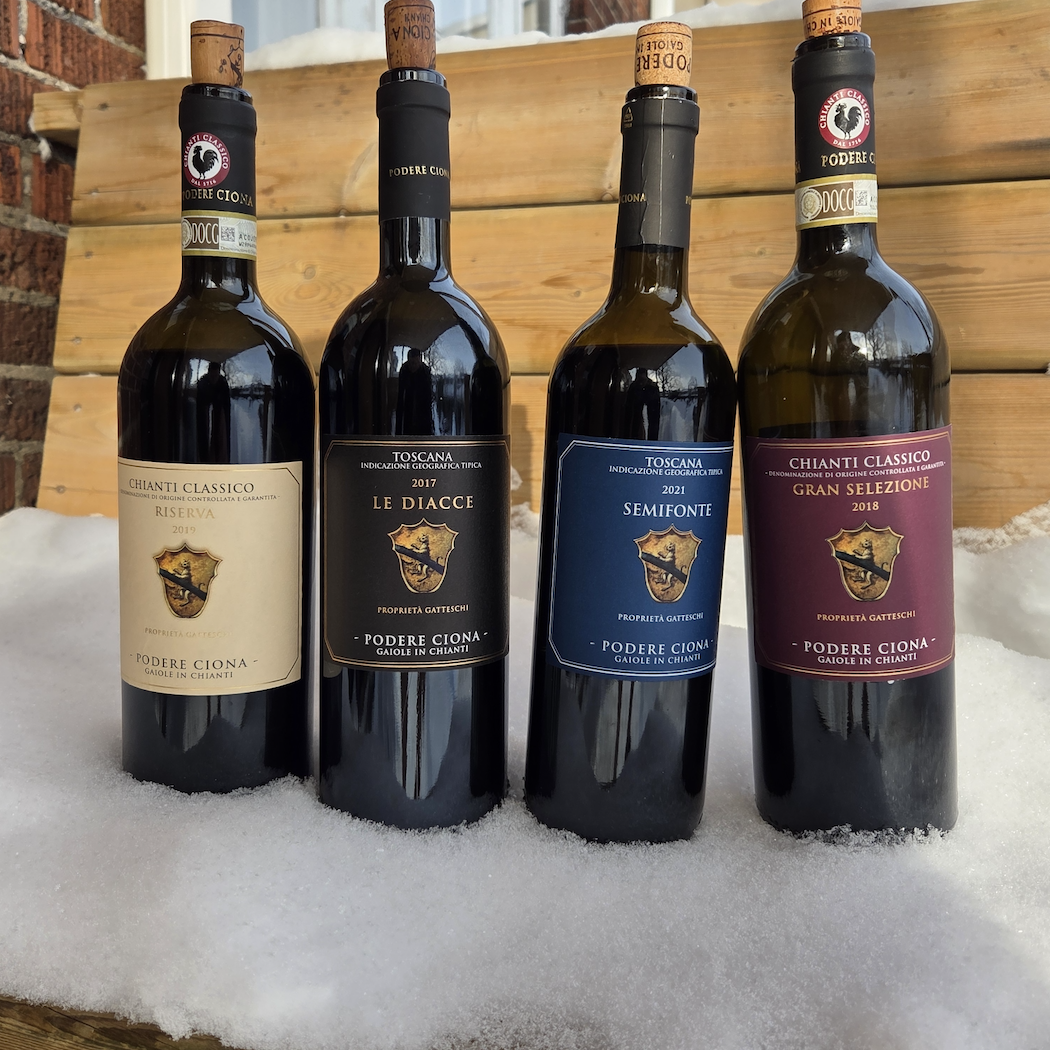
Villa Le Corti – Principe Corsini Chianti Classico Gran Selezione DOCG Don Tommaso 2021, San Casciano

Don Tommaso is Gran Selezione of the ripest order, satiny and elastic, metallic and sapid. A river stone vineyard reasoning, fullness of darkening tart acidity and serious tannins from 2021. Minty cool, Amaro herbal and again serious. Drink 2027-2032.  Tasted at The Chianti Classico Collection, 2025

San Donato In Poggio

Casa Emma Chianti Classico Riserva DOCG Vignalparco 2021, San Donato In Poggio

Hello Riserva 2021 from Casa Emma’s important Alberese stone-strewn Vignalparco that delivers the fortune of fruit and structure to a dark red-black sangiovese moving right of centre with all its accumulated glory. All the blood orange and serum right there on display and for the taking, unfettered and ready for action. Big Riserva with a soft heart, generous, open and free. Consistency in Riserva thy name is Vignalparco. Drink 2025-2028.  Tasted at The Chianti Classico Collection, February 2025

Casa Emma Chianti Classico Gran Selezione DOCG 2021, San Donato In Poggio

Though extremely youthful you can do nothing but imagine the rocky soils of Casa Emma from this excitable 2021. Lighter in hue, brighter and transparent by comparison to Riserva Vignalparco – which leads to the determining element and factor for calling this a Gran Selezione a most elegant wine. So stony mineral from the quantifiable Alberese found in these San Donato in Poggio hills. Drink 2027-2033.  Tasted at The Chianti Classico Collection, 2025

Castello Di Monsanto Chianti Classico DOCG 2023, San Donato In Poggio

Campione: Feeling another level of concentration from Annata which tells us two things: First is that Monsanto escaped the challenges of 2023 unscathed and second that the quality of their generous quantity of fruit was exceptional. Though this is but a sample and way too early to really capitulate there is no doubt just how blood orange citrus mixed into red fruit San Donato in Poggio this sangiovese truly is. The five percent canaiolo adds some drops of tonic while the colorino brings it all forward in technicolour.  Tasted at The Chianti Classico Collection, February 2025

Castello Di Monsanto Chianti Classico Riserva DOCG 2021, San Donato In Poggio

Another Riserva of a unique set of circumstances, so floral and gauged by the stoniness of soils. Rich and unctuous, high acidity in place, fruit set up for success and tannins clearly lining the floor below. Beauty incarnate, the proviso of sangiovese perfumes returning again and again, sip after sip, promising and providinf all that we ask for. Drink 2026-2032.  Tasted at The Chianti Classico Collection, 2025

Castello Della Paneretta Chianti Classico DOCG 2021, San Donato In Poggio

No shocker to find this San Donato in Poggio 2021 in a state of freshness, openness and availability without impediments, obstacles or borders. Just the fruit and a sweetness of acidity to match its ripeness stride for stride. Delicious as they say and ready to roll.  Last tasted at The Chianti Classico Collection, February 2025

Singular aromatic profile for Castello della Paneretta’s 2021 Annata, superbly perfumed if with a Ribena infiltrate cutting through the florals. More than obvious red fruit, especially citrus from the likes of blood orange and noticeable wood on the palate, Dries out and separates form the whole so be patient with this wine. Drink 2025-2029.  Tasted February 2024

Fattoria Di Montecchio Chianti Classico DOCG 2022, San Donato In Poggio

Indelible stamp of Montecchio and incredible substance of fruit, darkening in the way of black cherry with nary a moment of bitterness. Adds much glycerol and unction into that fruit as much as ever from this estate. Taut acidity and fine lines with backbone as structure does its work to provide the basis for longevity. Drink 2026-2032.  Tasted at The Chianti Classico Collection, February 2025

Fattoria Le Masse Chianti Classico DOCG 2022, San Donato In Poggio

Wow! Something so different for 2022, of dark fruit but like something out of Chambolle, silken and so bloody complex you wonder where to turn. First you must sidestep the sweet and tender volatility and once that happens there are fruit and mineral notes clashing, mingling, singing and smiling. Dio mio, man this Le Masse is a mouthful to consider. Drink 2026-2032.  Tasted at The Chianti Classico Collection, February 2025

Martina and Alberto Fabbri – Il Poggiolino

Il Poggiolino Chianti Classico DOCG 2022, San Donato in Poggio

The vineyards at Il Poggiolino may reside at moderate elevations between 250 and 350m but there are no south by southwest expositions and so in a hot vintage like 2022 the freshness remains a guarantee. Just three percent colorino goes a long way to raise up character of a Classico that only sees concrete and stainless steel for aging. Sweet acids match the fruit stride for stride and what you want is what you get – A level of drinkability that represents Classico and this northwest corner of San Donato in Poggio. Drink 2025-2028.  Tasted February 2025

Il Poggiolino Chianti Classico Riserva DOCG 2021, San Donato in Poggio

A terrific vintage and yes many estates in Chianti Classico lost production to the April frost but at Il Poggiolino the maximum loss was 10 percent. And so come for the quantity and stay for the quality. Rich and concentrated, lightly chalky with a clay and stony feeling. Structure asks that we wait a year before opening the window and set this sangiovese with three percent colorino for aging through to the end of the decade. Drink 2026-2030.  Tasted February 2025

Il Poggiolino Chianti Classico Gran Selezione DOCG Le Balze 2021, San Donato in Poggio

From a north by northeast vineyard up on the hill overlooking the winery which may have been a expositional detriment 20 years ago but no longer. The change of climate puts this steep single vineyard sangiovese in great light today and so welcome to the third in a row of vintages that may just shock as to its character and quality. Le Balze 20 years ago was organized as large terraces and in Tuscany you say “le balze,” when you take a giant leap. This Gran Selezione has improved and grown by leaps and bounds in the last few years to join other greats to reside near the top of the appellative pyramid.  Last tasted February 2025

Another perfumed and expressive Le Balze comes with as much if not more pulp and flesh a la mode than those San Donato in Poggio Gran Selezione that have come before. The depeche florals are Spring bloom fresh, the volume set at ideal pitch and you just need to keep putting glass to nose because, well you just can’t get enough. Richness is never compromised but it is belied by the beauty of a tannic caress about as graceful and gracious as there are. This is Il Poggiolino’s finest GS to date and that is saying a lot. “Just like a rainbow.” Drink 2025-2034.  Tasted October 2024

Isole E Olena Chianti Classico DOCG 2022, San Donato In Poggio

Crunchy sangiovese from Isole e Olena and the first vintage of the new era, blended and finished by the next team of winemaking. The ten percent canaiolo serves this 2022 well, striking a sapid chord to infiltrate what feels like super salty sangiovese with a decidedly lime-elemental strike. Almost piecing but the toothsome quality keeps things moving swimmingly along. The blend shifts from its original form and yet the DNA will not be denied. Genetics are strong and many years will have to pass by before the memories are forgotten. Drink 2026-2030.  Tasted at The Chianti Classico Collection, February 2025

Podere La Cappella Chianti Classico DOCG 2022, San Donato In Poggio

Intensity of aromas so high and mighty for 2022 but also the tang, acidity and fine grainy texture to speak for San Donato in Poggio. Few ’22 Annata are this intense and implosive with the most blood orange juicing of any in the area. Ten percent merlot or not, all the aspects of this wine are at the high end of the spectrum and time is the requiem to bring them back down to a place of comfort. Drink 2026-2030.  Tasted at The Chianti Classico Collection, February 2025

Podere La Cappella Chianti Classico Gran Selezione DOCG Corbezzolo 2019, San Donato In Poggio

Going back a few years to look at the inaugural Podere La Cappella Gran Selezione, a wine that joins the appellative fray for the first time out of a high quality vintage. The artist formerly labeled as IGT was last made in 2016 and here three years later it joins the Chianti Classico pyramid’s highest distinction. More barrel than the past and therefore spice, espresso and finally structure are really in. So much so you will still have to wait on the wine to integrate. First showing and the future will surely see to greater results. Drink 2027-2030.  Tasted at The Chianti Classico Collection, 2025

Quercia Al Poggio Chianti Classico DOCG 2023, San Donato In Poggio

Heavy Chianti Classico at this earliest of stages and one wonders why it needed to be rushed to b bottle. Nothing open or nurturing about it, so primary and hard to access. Needs to be revisited several months if not at least eight to 12 from now.  Tasted at The Chianti Classico Collection, February 2025

Tenuta Cinciano Chianti Classico Gran Selezione DOCG 2019, San Donato In Poggio

Still tightly wound and somewhat reductive with a skin to pulp ratio resinous effect in place. Still much to wait for and to receive from what will surely be a giving and abiding Gran Selezione that acts out a distinguished and defined San Donato in Poggio sangiovese style. Comes from relatively low elevation vineyards at 250m of medium textured soils, Alberese based, stony with some low-lying clay. Drink 2025-2029.  Tasted October 2024 and at The Chianti Classico Collection, February 2025

Vagliagli

Bindi Sergardi Tenuta Mocenni Chianti Classico DOCG La Ghirlanda 2022, Vagliagli

The times it takes for a Chianti Classico estate to perfect a formula for turning sangiovese into beauty is long and those who figure this out make wines like these. Annata from estate vineyards treated and handled with the gentlest of touch, low and slow, collated through processes that identify the vintage, tempering and refining its challenges. Presenting La Ghirlanda which expresses its own balance involving fruit, texture and weight, making use of acidity to distract from tannin and find a wine that drinks proportionally from now through to the end of its tenure. To the next decade. Drink 2025-2031.  Tasted at The Chianti Classico Collection, February 2025

Bindi Sergardi Chianti Classico Riserva DOCG I Colli 2020, Vagliagli

Riserva of experience and layering, a   of fruit and acidity intertwined, interchangeable and complimentary. One then the other taking turns at the wheel, got each others’ backs, defending from tannins coming forward sweet yet fierce. Full and substantial in most every regard but especially those parts that exemplify optimum ripeness. No lack for beauty and grace – never a doubt or question. Drink 2026-2031.  Tasted at The Chianti Classico Collection, 2025

Bindi Sergardi Chianti Classico Gran Selezione DOCG Mocenni ’89 2019, Vagliagli

Mocenni 89 is a special Gran Selezione, open, ethereal and generous. And it is just now entering its window of beauty with new surprise at every turn.  Last tasted October 2024 and at The Chianti Classico Collection, February 2025

Tenuta Mocenni presides at one of the higher points in the Vagliagli UGA at 500m with vineyard blocks impounded with great Alberese stones and outcroppings of Galestro. The south facing amphitheater is one of Chianti Classico’s most impressive sites and sights. The latest vintage is not yet released and there is no shock how youthful and tightly wound you will find this 2019 to be. The one that follows will proudly display the UGA on the front label. More than just a few years of time in more than one kind of vessel has equipped this major potion of fruit with ample layers of structure in a Gran Selezione so bloody big, substantial and beautiful. Will most definitely require five to seven years of unwinding. Drink 2025-2034.  Tasted October 2023 and February 2024

Borgo Scopeto Chianti Classico DOCG 2022, Vagliagli

Tighter Chianti Classico than many from 2022, acids wound around fruit and less of a softening from merlot plus colorino than in some vintages past. More dried herbal savoury than the Vagliagli norm, dimming of the brightness and not quite one cast into the great wide open. Brushy and Mediterranean like Vagliagli will be. Drink 2025-2027.  Tasted at The Chianti Classico Collection, February 2025

Cantine Bonacchi Chianti Classico DOCG 2023, Vagliagli

Sweet perfume, a mix of fresh berries and Amaro, high in glycerin, quite concentrated and fully completely red, red wine. Juicy 2023, as seems to be the vintage case. Classic acidity and mild tannin make for early drinking. Drink 2025-2027.  Tasted at The Chianti Classico Collection, February 2025

Dievole Chianti Classico DOCG Petrignano 2022, Vagliagli

Warmth of a vintage becomes and begets something different in Chianti Classico. The season is different than any of the last 10 and really just be looked at within the parameters of itself. There is this blood orange and red citrus feeling that can’t be shaken, incrementally different from one UGA to the next and yet consistently run through the entirety of the territory. Has there been another vintage so consistently perceived since 2014 or 2013? This wine speaks to that. Drink 2025-2028.  Tasted at The Chianti Classico Collection, February 2025

Dievole Chianti Classico Riserva DOCG Novecento 2022, Vagliagli

Big-boned Novocento from Dievole put of 2022, dark of fruit and very mineral. Shows the warmth of the season in its grip after a palate that can’t help but be full and satisfy. Truly mouth-filling, sapid, not particularly high in acidity and long. Drink 2026-2030.  Tasted at The Chianti Classico Collection, February 2025

Dievole Chianti Classico Gran Selezione DOCG Vigna Sessina 2021, Vagliagli

Vigna Sessina leads with its structure without apology or hesitation, of a palate attack taking hold straight away. A whole mouth of crushed rocks, very much in the way of packed and tannic Châteauneuf-du-Pâpe, warming and coating in mouthfeel. So full and substantial without a moment’s softening. Drink 2027-2034.  Tasted at The Chianti Classico Collection, 2025

Good to go!

godello

At the Chianti Classico Collection 2025

Instagram

Facebook

Twenty-four mind-blowing wines of 2024

‘Tis an exercise performed year after year, a word processor’s per annum distillation to say thank you and recognize game. To consistently act as messenger, be conscious of hard work filed and to celebrate that excellence. The first list was conceived more than 10 years ago, now peaking at its current number with twenty-four mind-blowing wines chosen for 2024. Travels to fluctuating destinations mean from year to year wine regions will carry different weight and the list abides by the variance. In 2023 Bordeaux played a significant role, as did South Africa and Washington in 2022, Bourgogne in 2019, and so on. The rules of engagement never change but evolution plays its part, priorities pivot and you never can say or tell what sorts of matters will strike deep into the heart.

Related – Twenty-three mind-blowing wines of 2023

Last one standing (sitting and tasting) at the Chianti Classico Collection 2024

Godello needs to make a confession, shed some honesty, clear the air. He admits to a love for writing tasting notes and needing to do it, especially when a potentially mind-blowing wine is in the glass and what follows flows forth as a stream of consciousness, ending only when the creative tap closes naturally. When these notes are edited weeks or even months later there is the incredulous feeling of “how did this get written – where did these words come from?” They just did, from right out of the wellspring of creativity, but Godello does not know how he came to write those notes – as if they were magically written. Paragraphs woven from dots and thoughts for unsuspecting connections between writings and wine, such as “Ribelle è colui che si distingue.” Translated as, or better yet in reference to “the rebel is the one who recognizes the unjust law and breaks free from it,” from Ernst Jünger’s 1951 “The Rebel’s Treatise.” The German philosopher, essayist and WWII captain was once called die Burgunderszene because he watched a bombing raid in Paris while sipping Burgundy. The stylish supervillain of twentieth-century German literature’s disquisition shared dire and prophetic words on what a future world would be, in what he called the “Age of the Titans.”

Related – Twenty-two mind-blowing wines of 2022

Godello beneath a massive Tuscan Mazza di Tamburo/Parasol Mushroom

Or this. “The label represents the position of the vines in coordinates, echoed in the machicolations of a sangiovese that drops all the stones on unsuspecting palates through fruit openings between supporting acid corbels of a projecting tannic parapet.” Where did that come from? Or simply, “who needs fruit when you have rocks?”

Related – Twenty-one mind-blowing wines of 2021

ColleMassari

More than rugs tie rooms together – lyrics, song titles, movie quotes, literary passages, exchanges between a journalist and a poet, thinker, writer, actor or composer – they are all a part of the masala. Reminds of a 2021 interview with a reluctant prophet. “Try to sit down and write something like that – there’s a magic to that and it’s not Siegfried & Roy kinda magic you know, it’s a different kind of penetrating magic.” All kidding comparisons aside with Bob Dylan’s answers to Ed Bradley in that famous 60 minutes exchange, but they may just be artistic words to live by. And why Godello? “You call yourself what you want to call yourself. This is the land of the free.” As for the relevance of wine tasting notes, sure it feels like being “a wordsmith from bygone days,” but it still feels right. And necessary. And unavoidable. A bottomless pit of cultural oblivion? No, not that. Tasting notes tell stories that need to be told. Relayed by messengers fulfilling a destiny to visit and break bread with good people making great wines and in turn agreeing to relay their tales. Tasting notes are the chronicles, expressed as narrative, of anecdotes woven through prose. If there is a better way to say what needs to be said it has not yet been found.

Related – Twenty mind-blowing wines of 2020

Chianti Classico’s Cento Anni

As of today’s date and the publishing of this year-end list Godello has reviewed 4,225 wines. If the origins of said wines were to be separated into categories than the breakdown would be as follows. Thirty percent would be from the LCBO’s VINTAGES release program, 24 percent for WineAlign Exchange curation and wine reviewing service, (12) Chianti Classico, (8) Piemonte, (6) Montalcino, (6) Sicilia and the remaining (14) from travels to other parts of Italy and around the world. A smaller part of one percent would be from wines enjoyed with friends, tasting groups, wine agent reps, visiting winemakers and at home. It all adds up to one great pool from which to create this list of 24, a number to represent just slightly more than half of one percent of the wines tasted by Godello in 2024. Here are his twenty-four mind-blowing wines of 2024.

Angelina Franzen – Weingut Franzen

Weingut Franzen Riesling Sterneberg Großes Gewächs 2020, Große Lagen, Mosel

Killian and Angelina Franzen’s best plot in the Neefer Frauenberg is called Sterneberg. Vines were planted in 1938 on grey slate for a different, next level mineral quality and quotient for Mosel riesling. These are own-rooted vines, old, experienced and wise, their resulting dry wine coming away like the desert because sugar and acids near-equal come together seamlessly. The most viscosity and texture of the Franzen rieslings, from a hot vintage and so concentration, unctuousness, flesh, pulp and glissade are all at peak performance. Glorious and confident, outspoken but only to make sure we understand its origins and Franzen abides by its voice. Drink 2024-2033.   Tasted March 2024

Caroline Diel – Schlossgut Diel

Schlossgut Diel Dry Riesling Pittermännchen GG 2022, Vdp. Grosses Gewächs

The tiny one hectare cru Pittermännchen is a name that dates to the middle ages with a connection to the people of Köln and Düsseldorf. Grand cru site of weathered grey (Devonian) slate atop Rotliegend conglomerate that dates back several million years. The geo-agricultural texture is small decomposed particles as opposed to the larger stones of the Mosel. Expressive flint stone aromatics undeniably soil related and not much fruit to discuss, save for some variegate currants but you really have to conjure imagination. There is a mille-feuille density to this riesling that peels away and delivers waves in layers without boundaries. Complexities are revealed without pause and dryness results because purity and grip replace the necessity for sugar-acid balance. So stony, long and our palates are held captive. Top shelf riesling within the idiom. Drink 2026-2033.  Tasted March 2024

Adega Do Vulcáo (c) entrevinhas.com

Adega Do Vulcáo Ameixâmbar 2022, Açores IG

A seriously volcanic blend of native grapes from two areas, first the ash of the Capelinhos and second the basalt of the Criaçào Velha. Add in the cold Atlantic influence and the result is something extraordinary to potentially mind-blowing. That depends on how much flint struck rock, mineral mouthfuls and deepening trajectories you may or not desire in your endemically-formulated white wines. Ameixambar is just such an animal and the profile, especially noted with verve and lashes upon the palate, is well, remarkable. Nothing else feels or tastes like this wine. Truly salty and there are notes that imagine powder created by crushing many different shells, inclusive of oyster, calm and mussel. You may ask yourself what is this, but you can answer with a simple word, or place. Açores. Drink 2024-2029.  Tasted July 2024

(c) inama.wine

Inama I Palchi Grande Cuvée Foscarino Soave Classico DOC 2021

I Palchi, as in the “stages,” a geographical term for a series of wide terraces aboard Monte Foscarino lined with pergolas of old garganega vines. In this case Inama’s highest level of Soave Classico meant to celebrate the ancients. As a surname it belonged to a cleric but also Antonio Foscarini (c. 1570 in Venice – 22 April 1622), member of the Venetian nobility, ambassador to Paris, London and later sentenced to death for high treason by the Council of Ten and executed. Yikes! This Foscarino ode is intended towards grapes and volcanic terroir for a bloody incredible garganega of substance and style. The ’21’s ability to attract and engage the taster’s attention is at the top of the Soave game. Fresh, flinty and wholly engaging. Mind-blowing actually. Drink 2024-2029.  Tasted December 2024

Marqués De Murrieta Capellanía Reserva Blanco 2018, Rioja DOCa

Only viura grapes are chosen from a six hectare calcareous clay plot off of 70 year-old vines located at the highest elevation of the Marqués De Murrieta Ygay Estate. The winemaking might well be working with sauvignon blanc and sémillon but with viura the ageing in French barrels takes a turn for the unexpected ethereal. The flinty smoulder is an intoxicant of the most hypnotizing order. The effect upon the palate and all the senes is extraordinary – mesmerizing. So what is Capellanía? In Spain it was a chantry or ecclesiastical endowment, one of several pious works commonly founded during the colonial period. A foundation in which certain assets are subject to the fulfillment of masses and other pious charges. Imaginatively speaking Capellanía is a rarity, monoceros, symbol of grace purity, power and transcendence. Not to mention healing powers and freedom. A unicorn. Drink 2024-2033.  Tasted June 2024

Vanessa Cherruau
(c) media.ouest-france.fr

Château De Plaisance Sur La Butte 2021, Anjou AOP

A wildly aromatic two cabernet blend from the Butte de Chaume where some of the finest wines made anywhere come from Chaume, Quarts de Chaume and Savennières. The curiosity and modernist approach is made two-fold by the presence of cabernet sauvignon to stride effortlessly alongside the usual franc. Yes this smells like the Loire but the aromas deliver so much more, in curiosity and intriguing sensations. Anjou in place and temperament but in design this may as well be a contemporary, abstract or Pop Art piece by François Morellet. The two related varieties form an almost intricate geometric pattern in the way they line the palate, so cleanly drawn with mathematical clarity. Yes this is serious Loire red wine but it’s also traceable, pre-minimalist and post conceptual by design. Drink 2024-2028.  Tasted April 2024

Godello and Giuseppe Russo

Girolamo Russo Etna Bianco DOC San Lorenzo 2023

San Lorenzo as Bianco from Giuseppe Russo is not like other Etna Bianco because well, San Lorenzo. Wow is the operative because no other EB gives like this. Beyond flesh and stone but something that defines what the two can effect, layered so invisibly and magically together. It seems impossible to believe that extract and conversions could come together this way, urged and supported buy some of the mountain’s finest quality of acidity and white grape tannins. This must be the place, eh? Carricante with 10 percent catarratto and grecanico makes it happen. Drink 2025-2033.  Tasted May 2024

With Alphonse Potel – Domaine de Bellene

Domaine De Bellene Vosne Romanée Premier Cru Les Suchots Bourgogne AOC 2022

In the woods as they say, “souches” or here “Suchots,” a 0.2159 hectare block in Vosne-Romanée that hangs a little longer, likely because the forest asks it to. Fresher, high spirited and savoury Bourgogne comes from the vineyard, picked on September 5th, coming away with more phenolic grip and aromatic volume because of the place. Less defined in 2022 perhaps because of a vintage’s great munificence but as far as plots in this area are concerned there are few that will speak as clearly as Les Suchots. Seamless and focused, unique as they come in an era of technical proficiency and expertise. Drink 2026-2038.  Tasted August 2024

Marc de Grazia – Tenuta delle Terre Nere

Tenuta Delle Terre Nere Etna Rosso DOC Calderara Sottana 2022

What Marc de Grazia considers to be the finest contrada on the north slope and yet there are micro plots within the eight parcels that can only be made into Rosato in humid vintages. This comes from the oldest vines, more than 80 years old and just one look sees a brightness and transparency inciting the senses as they take in a bouquet not having yet nosed in the other Rossi. Calderara Sottana is the most demure, the finest of sound and vision, the one you take in slowest, without haste, to allow unfurling and length to travel as far as it wishes, evocatively so. “It asks delicate questions,” says de Grazia. “Rose petal perfume and tannins that don’t cut off your palate.” Even more is this elastic meander, not aimless but with purpose and our palates follow every step. Like Giuseppe Russo’s (though de Grazia sees little comparison) this provides the exception to so many Etna Rosso rules. Drink 2027-2038.  Tasted September 2024

Collina Serragrilli Barbaresco DOCG Sorì Serragrilli 2021, Neive

Lovely aromatic presence, richly defined fruit of purity and expressiveness, fine and open. Exotic spicing and truly floral of a perfume that keeps one from needing to rush into a sip. The palate does not disappoint in fact it carries off and forward with equal ability to hold attention for as long as a participant is willing to hang around. These are tannins as fine as the sweet and supportive acids that precede them. A really impressive Barbaresco, forthright and a test of qualities held in reserve that can be counted upon for a decade and a half more time. Drink 2026-2037.  Tasted blind at Nebbiolo Prima January 2024

With Michela Morris, Nadia and Walter Fissore – Elvio Cogno

Elvio Cogno Barolo DOCG Ravera Bricco Pernice 2019, Novello

The hill within the hill, Bricco Pernice upon Ravera, isolated, insulated and encapsulated for nebbiolo of an insular and implosive intensity that’s likely unparalleled anywhere else in Novello. Closed and not because of vintage but due to time and really that’s about it A broad shouldered and muscular nebbiolo that must be given as much bottle time as it spent in cask, or double that for even better results. That means check back in 2026 or later to see if any part of the tannins have unfolded, unfurled or stretched out for some exercise. Likely not but then some parts will finally have as the decade unwinds. Also it’s normal in January for Pernice to be tight and a bit closed. Oh, by the way this was made with 100 PERCENT WHOLE BUNCH NEBBIOLO. For Barolo. Single vineyard Barolo from a storied MGA. Walter’s mid-life crisis begins right here and it’s glorious. Drink 2029-2045.  Tasted January 2024

Nebbiolo Prima 2024

Cavallotto Tenuta Bricco Boschis Barolo DOCG Bricco Boschis 2010, Castiglione Falletto

A top echelon cru, a producer that gets it as well as if not better than the rest and an eponymous label out of a relationship that develops longevity without equal. That would be the thrilling isosceles trilogy of Cavallotto Tenuta Bricco Boschis, Bricco Boschis and Barolo. Their 2010 is as youthful as any nebbiolo of this age, striking, rising, invigorating and still working through its operations. A performance piece of varietal for landscape as the most terroir driven Barolo as any of the best in the land can be. A triangle of Castiglione Falletto that speaks in unequivocal terms, fruit, acid and tannin intertwined, five years of this life still laid out ahead, 10 further for curiosity and interest beyond. Truth. Drink 2024-2029.  Tasted January 2024

Poggio Lombrone, Tenuta di Montecucco

Collemassari Montecucco Sangiovese Riserva DOCG Poggio Lombrone 2018

I walked this vineyard only recently upon arriving to the Castello di Montecucco at the advent of a blue-lit twilight on the second Sunday in November. The impression was a captivating one, from the site, its undulating slopes casting a strong and forceful presence. Poggio Lombrone was first made in 2007 and ColleMassari’s voice was instrumental in securing the DOCG for Montecucco sangiovese. A special vineyard with older plant material than just about anywhere in Montecucco, upwards of 60 years now and THE place to promote the authenticity, but also to preserve the local savoir-faire that distinguishes Montecucco sangiovese. Longest ager in Riserva togs because of potential, a wine of località Cinigiano fermented for at least 30 days (and 45 in 2016) in open Gamba casks with daily (hand) punchdowns to realize a production of 9,000-10,000 bottles. Ages in only two or three year-old grandi botti but not in really old casks. French of a few years are ideal to seek and attain the desired elegance. The 2018 is a strong version of varietal independence off of the Lombrone hillside, upright and linear yet never found to be awkward, though it is a wine of tannic charge. Fine tannins in fact with good energetic pulse, still needing more integration, its ceiling set ultra high. Drink 2026-2033.  Tasted November 2024

Michael Schmelzer – Monte Bernardi, Panzano

Monte Bernardi Chianti Classico DOCG MB1933 2021, Panzano

From the 90 year-old vigorous vineyard and insists Michael Schmelzer, “it would be insane to make it not the way it was planted.” Ten grapes which add up to a 100 percent field blend that may include sangiovese, colorino rosso, colorino bianco, malvasia nera, canaiolo and ciliegiolo. Once again the respect to agricultural heritage and long maceration conspire for complexities and flavours that most people don’t associate with Chianti Classico. If this is what the old farmers were producing then quality was actually a thing, at least in 1933. MB is Marcello Bartolini, teacher and mentor who just retired in December 2023. Crunchy, tart, red citrus intensity and a char of herbs. Perhaps not quite a unicorn but surely one of the most singular wines made in the entirety of the Chianti Classico territory. If classic is also a thing than this would be it but what it is not is Riserva, or Gran Selezione. Drink 2025-2033.  Tasted February 2024

Monsanto, San Donato in Poggio

Castello Di Monsanto Chianti Classico Riserva DOCG 1982

One of the great vintages for Chianti Classico, in all of Tuscany, most of Italy and as everyone knows, also Bordeaux. At this point the 100 percent large Slavonian cask aging is in full swing for wood with which Fabrizio Bianchi began replacing his old chestnut barrels back in the early 1970s. This would have been a bomb when it first went to bottle, so massively structured and immovable in its first 15-20 years. Possibly up until 10 years ago but is now so crunchy and giving so that all is forgiven. About as ideal as a sangiovese can be, resolved, cool and impossibly fresh. Laura feels a connection looking forward to 2015. This remains to be seen. Come back after 10 minutes and the clove can’t be missed. Drink 2024-2029.  Tasted February 2024

Luca Martini di Cigala and nephew Federico

Fattoria San Giusto A Rentennano Percarlo 2019, Toscana IGT

The 100 percent sangiovese that lives for itself and yet Luca Martini always feels that the wine shows the truest character of the place. Percarlo holds a higher percentage of grapes grown on Tufo soil (non volcanic sediment left behind by the water that was here three to four million years ago), a soil of sandy quality and pebbles. Results in a salty quality, a mineral quotient, a stream of airy brightness within a very structured and powerful sangiovese. Great saltiness and also fruit, a minty or mirto sensation that creates a cool, salt licked feeling. There is no other wine like this. Amazing freshness incarnate. Drink 2024-2034.  Tasted February 2024

Montevertine Le Pergole Torte 2021, Toscana IGT

As expected Le Pergole Torte expresses more volume and aromatic concentration than Montervertine mainly because its source are the oldest vines, namely the 1968 and 1972 original blocks. Twenty to 25 days of maceration with pump-overs, followed by a racking off and then a return to the concrete vats for another few months for malolactic fermentation. A year in barriques (on average 15-20 percent new) and another year in Garbellotto Slavonian cask, maximum 18 hL size. Martino Manetti is reminded of 2007, a vintage that acted closed early with the requiem of a minimum four to five years to be released from its tannic chains. And yet these days Manetti’s wines open sooner – it’s just a fact of change, maturity, growing and mapping out better sangiovese. The floral meets Macigno mineral expressiveness is present from the start yet without the intensity of 2017, nor is 2021 showy with the power of 2018. This 2021 resides right there in the balanced middle wheelhouse and should rightfully begin to give generously of itself starting in 2026. Some sangiovese are just in another league. Drink 2026-2040.  Tasted May 2024

Canalicchio Di Sopra Brunello Di Montalcino DOCG Vigna Montosoli 2020

Montosoli the northerly Montalcino mound, the hill of freshness, the knoll where sangiovese gains grip, savour and elegance, where Canalicchio di Sopra’s Vigna designate Brunello from six hectares delivers approximately five into this wine. The precision and fluidity of this ’20 is just about as fine and graceful as the Ripaccioli have ever produced. Literally the juice or blood of Montosoli’s Galestro, a clay-schist flaking at the surface bleeding back down into the earth, acquired by the roots, vacuumed back up into the vines and gifted to the bunches. Sapidity is similar to 2018 and that year was cold(er) which explains how soil is such the driver, especially for Montosoli. This tastes as you might expect, concentrated, texturally full and without pause. Incredible Brunello. Poised, seemingly ready but not, looking ahead two decades, maybe more. With thanks to perfectly restrained cellar work, timing and decision making. In this moment, at least in terms of clarity, 2020 is a Montosoli vintage. Drink 2026-2036.  Tasted November 2024

Sesti Brunello Di Montalcino Riserva DOCG Phenomena 2019

There are normal, standard Brunello di Montalcino Riserva, there are proper and representative examples, also exceptional versions and then there are the ones of ephemeral beauty. Fleeting in part because of their natural perfumes, scents that come from the fruiting bodies alone, mostly from the skins and yet like people there are some whose scents you never forget. Such is the case with Phenomena, a silent and measured creature of sangiovese but one that comes back to your thoughts and senses long after you are no longer in contact with the wine. Phenomena is also a Brunello of feeling, which means something ethereal, tactile and conclusive. Not seductive mind you, but suggestive and this 2019 will carry on, for some impossibly calculated infinite amount of time, as close to forever as could justifiably be imagined. Drink 2026-2038.  Tasted November 2024

With Giacomo Neri

Casanova Di Neri Brunello Di Montalcino DOCG Cerretalto 2019

The Cerretalto canyon is this singular Brunello’s origin, the place defined by Giacomo Neri as a “plintite,” of quartz, iron and magnesium elements residing next to and bleeding into the four hectare vineyard, which is incidentally a cooler località for Montalcino and very special place. Rare in the world, of an elemental-geological symbiosis found in parts of Australia, Brazil, China and here, in Montalcino. “It’s another planet” insists Giacomo Neri. You will smell blood and flint (a.k.a. gunpowder) because of the mineral personality. This is Brunello di Montalcino from sangiovese something altogether incomparable. A sangiovese wearing the terroir of a Tuscan trough on its sleeve, having spent two and a half years in tonneaux (more or less 20 percent new) and the same amount of time in bottle ahead of its much anticipated release. Yes the aromatics are concerned with trace metals and ingredients of the “canalone” of Torrenieri, but do not sleep on the purity and modernity of red to black fruit, or at least the perception brought forth because of the minerals involved. Sweetness of acidity is classic Casanova di Neri for 2020 but in Cerretalto they are near perfect and the tannins move from those noted out of Tenuta Nuova multiplied by the Giovanni Nero fineness to now enter into the arena of higher love. For the first time this estate’s Brunello di Montalcino should be given an absurd amount of time. Observing it change in the glass over 30 minutes explains much of what is needed to be known. Drink 2028-2043.  Tasted November 2024

Contrada Chiesa, Emidio Pepe

Emidio Pepe Montepulciano d’Abruzzo DOCG 2021, Colline Teramane, Torano Nuova

Nothing else noses like this montepulciano and what is also perceived is the extreme youth of such an example. Gifts with shadowy hints and generous ideas but the sensations yet to come are manyfold, if quite possibly infinite. Fruit source just feels tops and selection so much more stringent than just about any in the appellation. Tannins are about as tight as any in all of Abruzzo and the interplay between fruit and structure is both playful but also gripped by an intensity of tension. A few sips gathers the swarthiness of the vintage but time will elasticize and disperse the parts. The potential here is great and if this is not looked upon as a top vintage today there will be times over the next 25 years where that opinion is challenged. Drink 2027-2039.  Tasted March 2024

Feudo Montoni Sandwich – Between Fabio Sireci and Melissa Muller

Feudo Montoni Nero d’Avola Vrucara 2020, Sicilia DOC

Increasingly the use of sun-dried stems are added back in after some time, like sweet wood notes that alter Vrucara’s physiology for the best. The number is 20-25 percent in 2020. If there are weak vintages of Feudo Montoni’s Vrucara they are yet to be revealed and this 2020 resides near the top of the island’s nero d’Avola chain. Just walk the vineyard, in fact just hear the history and explanations from Fabio Sireci’s mouth and you will understand. Richness meets structure for balance at the vanishing point as if we sit at the bottom of the hill looking upwards from the vineyard, up to the Baglio and then the sky. The fruit is special from 2020, already showing the first subtle hints of maturity and the tannins are perhaps the sweetest ever designed. When Vrucara hits the five year mark it will entrench itself as one of Sicily’s finest drinking red wines for five more. It’s abilities transcend grape and island to last for five more after that before starting its slow five to ten year declension. Is there better value in top grade nero d’Avola from Sicilia? Drink 2025-2035.  Tasted May 2024

Vineyards in Ulmo

Planeta Cabernet Franc Didacus 2020, Sicilia Menfi DOC

Should there be a finer and more appropriate place to plant and raise cabernet franc on the entirety of Sicily that information should immediately be made public. Planeta’s Ulmo vineyard brings the grape to singular light, here 25 years after its introduction and it has become abundantly clear how it resides at the pinnacle and signature for reds out of Menfi. The 2020 is just now settling in and acting perfectly comfortable in its skin, fruit still swelling and always with the potential to burst free at any time. These are near perfect acids, sweet and sumptuous, allowing for movement and at this ideal stage, also development. There are hints at secondary character in the chiaroscuro shadows slow to reveal themselves. Sumac and pomegranate, a lightly browning and caramelizing eggplant before finishing with a wood encouraged dusting, as if by cocoa and clove. Drink 2024-2032.  Tasted September 2024

(c) web-assets-prod.yalumba.com

Yalumba The Menzies Cabernet Sauvignon 2017, Coonawarra, South Australia

From vines planted in 1994 and 1996 right there where it matters within Coonawarra’s terra rossa strip. The Menzies, as in the name of the estate where the Hill-Smith family saw the future back in 1992, there on a flat plain, approximately 70 km from the coast. The cooling Bonney upwelling is an influence and the red soil is, well everything. That said 2017 was a wet and cool season by Coonawarra standards and harvest required many passes over a 10-day period in April. Climate being what climate has become translates as a special cabernet sauvignon because the cool factor, for gelid fruit and sweet savour, not to mention more complex notions of herbs, spices and seasoning than you could seemingly fit into one bottle of cabernet sauvignon. Complexity be glory, as they say and the rest will be history. Drink 2024-2034.  Tasted October 2024

Good to go!

godello

Instagram

Facebook

Etna Days are here to stay

Versante Nord, L’Etna

As an event Etna Days may only be four years in the making, but it is a great one. That it falls in the second week of September is a thing of brilliance, with weather warm and nurturing, grapes continuing to hang on the vines, the harvest on producers’ minds and yet still far enough away. The setting is spectacular, with ancient lava flows all-around, signs of new ones spewing from craters above 3,000 metres, vineyards marked by stone terraces and walls, century vines thriving here, there and everywhere. No two blocks look the same with each producing a unique Etna Bianco or Rosso. Confidence and morale feel to be at an all time high.

Related – The contempo pull of Sicilia en Primeur

The Sommeliers of Etna Days

Never mind the challenges of 2023, including a May 3rd hailstorm, some but far from devastating presence of the Perenospera (mildew) virus and lower vine yields. What will follow the lower quantity and high quality of 2023 will by now have been the promise of a brilliant 2024 harvest. The Etna DOC Consortium suggests that the latest rains after the hot and dry summer have slowed down the ripening process, thereby helping to enhance phenolic and aromatic components. Slower and more gradual maturation proved to be decisive in terms of improvements in quantity and quality. The Consortium estimates a harvest of around 80,000 quintals (about 35/40% white grapes and the remainder red) and a likely production potential of more than 55,000 hectolitres. In terms of volume, the harvest is expected to be up by around 60 percent compared to 2023.

Related – Sicilia en Primeur 2023 Part One: L’Etna

La Gelsomina Di Colombo

There is no understanding of modern Etna without a proper historical base and that begins with the ancient, but also more recent visualization of the Palmento. In some cases outdoor stone remains can be seen, including that of the 1300 year-old Palmento at Rupestre in Pietramarina, Castiglione di Sicilia. It was excavated out of one rock, a vasca carved from the sandstone, a lagares for treading on grapes used by the Sicel peoples, early settlers in eastern Sicily. The island is littered with archeological sites that prove the existence of winemaking going back three thousand years but on L’Etna it is the presence of restored stone buildings where, with the use of gravity, grapes would have been collected and fermented into wine. At Palmento Costanzo the buildings that housed the original wine making were restored in 2015 and finished in 2019. The technology is new but the gravity fed Palmento abides by the old ways. 

Related – Sicilia en Primeur Part Two: Icons and Archetypes

Alberello planted in pentangles, five per grouping all facing a central axis at Palmento Costanzo, Contrada Santa Spririto

For centuries I Catanesi would have come up the mountain to purchase in bulk where necessitous viticulture was born in harmony but also with respect to the landscape. In the 19th century approximately 100 million litres of wine was produced on Mount Etna, all from the various Palmenti. Wine born of a place with an active volcano rising above vineyards at 3,300m of elevation, a climate unlike anywhere else on Sicily and a terroir aboard geology conceived from hundreds of various lava flows throughout the course of its history. The differences in biodiversity from block to block, contrada to contrada and village to village are evident in the multifarious plant life growing on the extant slopes of the volcano. 

Consorzio President Francesco Cambria

The various lava flows, each with a unique set of stone in chronological stages of degradation, from the hardest lava rock through gravels and into sand are all characterized by a distinct set of weathered minerals and elements contained within. How each corridor and at what elevation affects the endemic grape varieties is a great mystery and so many of us will spend a lifetime trying to make some sense of the how and why. The Etnaese carricante, white and red minnella, nerello mascalese and nerello cappuccio are children raised and nurtured by the slope, elevation and geological make-up that is their home on the mountain.

Related – Notes from 2019 Sicilia en Primeur

Etna Days Rosso

Whether by Alberello or modern day Guyot or Cordone Speronato training it is the age and disintegration of soil that seems to be the greatest influencer on their outcomes. Serena Costanzo talks of the innovative pruning method of Simon & Sirsch, of which “the principle rule is ramification – build a chronology of live wood; first year, second year, third year and so on” with a method that does not interrupt the lymphatic system. They remind that “a vine is not a tree, but a liana” and that “pruning, which is and remains a mutilating technical act for the plant, causes consequences within the plant…a rethinking of pruning, so that it was more respectful of the physiology of the plant.” There are ramifications, the necessity of continuance for sap flow, to make small cuts and hold a respect for the wood. They have observed “how the application of a dynamic and physiological pruning of the plant promote an increase in living wood over the years, with a consequent intact and efficient lymphatic system.” Their most essential reminder is that “there is no good or bad pruner but there is a trained and an untrained pruner. The Simon & Sirsch system “is a way to combat climate change,” says Serena, “especially during periods of extreme heat.” Nerello Mascalese trained by Alberello and planted in pentangles, five per grouping all facing a central axis works opposite to traditional rows and is Palmento Costanzo’s way of maximizing root structure and efficiency. 

Related – L’Etna and Parco Statella saved my Sicilian quarantine

With John Szabo M.S. and Consorzio Director Maurizio Lunetta

It bears reminding that L’Etna is a an active volcano and so what spews out and forth from its craters will constantly affect viticulture. The new settling of wind-carried ashes and lapilli are perpetually adding new layers to old soils which in turn induces innate revisions and so from vintage to vintage Etna’s wines are always in flux, forever subjugated to constant change. One only needs to have tasted the last few vintages of the Etna Bianco Superiore from the village of Milo to intuit just how significant an effect these wind-blown fragments have had on the wines. They have never been more intriguing, exciting and frankly better. Studies of these eastern Etna soils in a cooler micro-zone show significant levels of silica, iron, magnesium and potassium in the soils, combining to gift the Bianco with much to digest.

Related – All the wines of Sicily

That is the past and from the start of the First World War through to the 1970s and 1980s the wine business aboard L’Etna fell away to pieces. It’s resurrection is but 30 years in the making and the transformation of the past 10-plus years is nothing short of remarkable. The oenologist, farmer and cellar dweller will say that the use of Palmenti and the Alberello are key to restoring dignity, faith in humanity and the true essence of what it means to produce Etna wines. Consorzio President Francesco Cambria will say that the most important project is to see the passage of the denomination transform from the Italian DOC to DOCG. These are all matters to consider and get behind, for some it’s about the heart and for others the reality of business and therefore life.

Carlo Flamini, Maurizio Lunetta, Luigi Moio, Bertrand Gauvrit and Francesco Cambria

Etna Days is an exceptionally well run and seamlessly orchestrated event with thanks to the teams involved. Consorzio Etna DOC’s Presidente Francesco Cambria, Direttore Maurizio Lunetta and Segreteria di Direzione Sarolta Stella Osvath. The team at Ispropress with Angiolino Lonardi, Bernardetta Lonardi, Simone Velasco, Sara Faroni, Marina Catenacci, Marta De Carli and Eleonora Alberti Cermison. The third edition of the 2024 Etna Days congress assembled for the first morning’s welcome with expanded perspectives and analyses of international dimension. Cambria and Lunetta hosted speeches by Carlo Flamini (Head of the Italian Wine Union Observatory), Bertrand Gauvrit (General Director of the Association des Climats du Vignoble de Bourgogne) and Luigi Moio (President of the International Organization of Vine and Wine). Sommelier assisted technical tastings, walk around chats with the producers and touring visits at estates all combined to deliver a profound sense of modern day Etna. High-level discussions were had on location with Tenuta delle Terre Nere’s Marc de Grazia, Benanti’s Salvino Benanti, Papa Maria Cuore Di Marchesa’s Pietro Giovanni, Rupestre and Terre Darrigo’s Rosario Raciti, Palmento Costanzo’s Valeria and Serena Costanzo, Quantico’s Giovanni Raiti, Tascante’s Michele Brusaferri and Vittoria Cerniglia and Planeta’s Patricia Tóth. For his part Godello made tasting notes on 150-plus wines. These are his reviews.

Etna Spumante DOC and Terre Siciliane IGT

Benanti Viticoltori Noblesse Brut Carricante Método Classico 2021, Terre Siciliane IGT

Twenty years into the (traditional method) sparkling wine program with help from a northern (Suditrol) sparkling wine company, 24 months on lees. Brut which here means 4-5 g/L of residual sugar, more than relatively dry with carricante. Reductive, high energy, tight and immovably youthful. Dried herbs, fennel, brushy and dusty savour. Acidity is quite fine, balance is struck and the lees aging time spot on for this widely appealing yet serious sparkling wine. Drink 2024-2027.  Tasted September 2024

Benanti Viticoltori Noblesse XLVIII Brut Carricante Método Classico 2019, Terre Siciliane IGT

The Noblesse was named because Giuseppe Benanti saw himself as identifying with high level French sparkling wines and this next tier rise sees the wine remain on lees for 48 months. Similar RS (below 5 g/L) but the extra time brings quite a factor of autolysis as a by-product of time. Yeast-bready in just the correct way, harmony struck between the autolytic notes and acidity yet with a higher pH and lower acid profile. Quite a different expression of carricante as sparkling while co-existing within the same Benanti family. Both wines feel like they really carry a purpose, including for what sector of the market they are looking to make their appeal. Drink 2024-2028.  Tasted September 2024

Benanti Viticoltori Lamorèmio Brut Rosé Método Classico 2020, Terre Siciliane IGT

Like the Noblesse Brut this sees 24 months on the lees with nerello mascalese as a Rosato which comes away feigning sweetness more than the carricante, even though the sugar (at 5-ish g/L) is just about the same. Acid structure carries the sweetness and the weight, length is good and this is surely the more all-around style taht offers wide ranging appeal. Drink 2024-2026.  Tasted September 2024

Fischetti Etna Spumante DOC Método Classico Brut Librato 2020

Made with just a small part of nerello mascalese from Contrada Muscamento for a total blanc de noir production of 500 bottles. Livrato is poetry, in ode to Michaela Luca’s mother who was an avid reader. Base wines are kept on lees with bâttonage and the wine also spends 30 months on the gross lees. High energy, sharp, pointed and full on tang, enough freshness but also some weight to be sure. Citrus makes a statement and without any dosage there should be a piercing effect but that’s simply not the case. Quite impressive sparkling for L’Etna. Drink 2024-2026.  Tasted September 2024

La Gelsomina Di Colombo Maria Adalgisa Etna Spumante DOC Brut Rosé Método Classico 2021

Lightest Rosato hue, in part because the Gelsomina style is all about clarity and freshness, as far away as possible from oxidation and especially autolysis. No brioche or yeast derivative aromas, just red fruit, primary and juicy. The lees aging time is minimum 36 months but the winemaking does everything possible to stay reductive and with minimum contacts or stagnancies. Rosato is a step more complex than Blanc de Noir if not quite as energetic. Drink 2024-2026.  Tasted September 2024

La Gelsomina Di Colombo Maria Adalgisa Etna Spumante DOC Brut Blanc de Noir Método Classico 2021

When Etna DOC added Spumante to the disciplinare 10 years ago Gelsomina (partner of Tenute Orestiadi) was ready and was amongst the first to bottle under the allowable labelling. The blend is 80 percent nerello mascalese and (20) nerello cappuccio, minimum 36 months on the lees. Brut at six g/L of residual sugar. Good thing the acidity is captured and kept because there is no shortage of flesh, fruit ripeness and creamy texture. Clean, fresh, accessible and well made. The choice is clear, to avoid autolytic notes and so the yeasty and bready style is for someone else. A Gelsomina is the exact opposite. Drink 2024-2026.  Tasted September 2024

Palmento Costanzo Etna Spumante DOC Método Classico Brut

A 24 months on lees traditional method sparkling wine, disgorged in February 2024, Brut style. Feeling like 5-6 g/L of residual sugar, tart and ably if typically carricante. Fine bubble, tight and sure with a botanical component. Clean and just feels right with a cheese plate. Drink 2024-2026.  Tasted September 2024

Etna Rosato DOC

Alessandro Serughetti Etna Rosato DOC Lunabuona 2022

In 2022 Alessandro and Loredana Serughetti chose to invest in a small 1960 planted vineyard at 680m on the North slope of L’Etna in the village is Rovittello, a suburb of Castiglione di Sicilia in Contrada Dafara Galluzzo. Their Rosato is 90 percent nerello mascalese with (10 combined) minella nera and bianca. A unique Rosé, equal parts salinity an sapidity which essentially translates to 100 percent volcanic. This is currently their largest volume sku at 1,600 bottles and with the extra year of aging it drinks beautifully, at peak and with grace today. Drink 2024-2025.  Tasted September 2024

Cottanera Etna Rosato DOC 2023

From Rosso vineyards, looking for freshness and very little sugar but also low alcohol. Only steel, three months, bottled in February. Rich of fruit, salty, crunchy and for Rosato also complex. Tons of flavour, strawberry and some leafy savour. Drink 2024-2025.  Tasted May and September 2024

Palmento Costanzo Etna Rosato DOC Mofete Rosato 2023

Energy noted straight away, a carbonic nerello mascalese buzz that drives Rosato to stand up and be noticed. Comes right at the senses, aromatically floral and palate treble tremble to pique interest and taste sensations. Full fruit and mineral working together for flavour and character. That’s what it’s all about . Last tasted September 2024

Equally fruity and vegetal, of red berries and peppers, a tartness and also lactic cheese note. Herbal as well and so complexity as Rosato if on the acquired taste side of style. Crunchy and salty, briny to a degree, naturally wild and free. Drink 2024-2025.  Tasted May 2024

Rupestre Etna Rosato DOC 2023

So similar to the Terre Darrigo Rosato made by Rosario Raciti with 100 percent nerello mascalese fermented and simply allowed to go from vine to glass. The difference is location and terroir. What does that mean? Contrada Pietramarina fruit, salinity and acidity, grip and tension. Otherwise just the Rosato and mascalese facts. Drink 2024-2026.  Tasted September 2024

Tasca d’Almerita Tascante Etna Rosato DOC Tefra 2022

Aptly labeled “Vigne Custodite dalla Famiglia Tasca d’Almerita,” a statement to make sure we understand these nerello mascalese grapes are estate grown. Aromatic varietal volume, energy and spirit run high, yet most notable are the wealth and depth of flavours. Cherry moving into strawberry with a basic phenolic presence and that is very much all you want and need. Not a high acid Rosato, nor was that the intention. Drink 2024-2026.  Tasted September 2024

Tenute Bosco Etna Rosato DOC 2020

Only nerello mascalese from the lower and most vigorous part of the vineyard and grapes are chosen specifically for the Rosato. No wood like the white, once again to preserve the volcano’s effect on the wine, which is essential and when Rosato is made like this, also profound. This is a specific kind of salty, to Bosco’s vineyard and the mascalese that grows. Just three hours or less skin contact, quick maceration, no thought to colour, as with every wine in this portfolio, the place on Versante Nord is the heart of each and every matter. Already two years old, evolving very slowly and there is no reason to think it will not continue this way for another two or three more. Tranquility but also energy. Drink 2023-2027.  Tasted May 2023 and September 2024

Terre Darrigo Etna Rosato DOC 2023

Only nerello mascalese as per the norm for Etna Rosato DOC and another salty little number with satisfying juiciness and grip. Direct, unadorned, almost no barrel, perhaps just a few percent. Straight fermentation, let it sit and ride. Drink 2024-2025.  Tasted September 2024

With Alberto Graci, Giuseppe Russo and John Szabo M.S.

Etna Bianco DOC

Alta Mora Etna Bianco DOC 2022

Nice and smoky Etna Bianco from Alta Mora though the fruit is equally adamant about gaining your trust. The smoulder equalized by the pulpy flesh of fresh bites into orchard fruit and a touch of finishing spice. Not the most complex but surely robust for the category.  Last tasted May and September 2024

Solid and well made Etna Bianco in the ways of respect and tradition, ample, fulsome, substantial and structured for a wine that will drink well three-plus years forward. Citrus mainly, both lemon and lime, cool, not quite minty but surely like fresh summer basil and then a pinch of salt at the finish. Drink 2023-2026.  Tasted May 2024

Antichi Vinai 1877 Etna Bianco DOC Petralava 2023

Soda and neutral fruit intro which is par for the Etna Bianco course and certainly not unexpected. In other words mineral led, volcanic obviously and yet cool, gelid, mildly if sweetly botanical. A shot in the dark, unexpected and how can you not be thankful for a wine of this stature you knew nothing about. Drink 2024-2026.  Tasted September 2024

Azienda Agricola Ciro Biondi Etna Bianco DOC Outis 2022

Fruit up front but in a botanical way, less basaltic mineral salty and more sapid as a result. Still it carries a set of elements that conceptualize the Bianco, however the peachiness and sweet preserved citrus set this one up to be a mellow sort of affair. Drink 2024-2026.  Tasted September 2024

Azienda Agricola Ciro Biondi Etna Bianco DOC Chianta 2021

A more important label for Biondi and therefore aged an extra year ahead of release. Chianta the top Bianco cru and clearly a matter of longer maceration magnified by the extra aging. Not only noticed in hue but that natural salve texture settling while also dissolving nicely on the palate. A more interesting and satisfying iteration to speak credibly for the winemaking intent and also a matter of style. Then some crispiness and crunch to speak for captured and persistent freshness. Fine work. Drink 2024-2027.  Tasted September 2024

Benanti Viticoltori Etna Bianco DOC Contrada Cavaliere 2022

Sweetly aromatic waft in a memory of cotton candy at the fair sort of way. Palate tells another story, truly lemony and in a current one-dimensional phase. The carricante has gone into slumber, which is unsurprising and so best not to touch any bottles until the Spring of 2025.  Last tasted September 2024

Reserved, not reductive but neither open nor gregarious. A smoulder of volcanics and wood aging, just an aromatic wisp of flint and notable verdancy. The greens are also driven by the place and Cavaliere gives in just this way. Low, slow and with a time lapse release of controlled power. Really quite remarkable Etna Bianco from this contrada. Drink 2025-2032.  Tasted May 2024

Cottanera Etna Bianco DOC Calderara 2022

Calderara vineyards are 40-45 years of age and the harvest happens a week later, in the second week of October. Cement and large casks, 60-40, 10-12 months, brought back together and bottled. Saltier than the Bianco because the vineyard is so full of lava stone, a 100-plus year old eruption with brown basaltic stone. Very focused and precise though more power than 2021. Drink 2025-2029.  Tasted May and September 2024

Donnafugata Etna Bianco DOC Sul Vulcano 2021

Quite a taut and wound Etna Bianco, not unusual for the vintage and though anything but lean – my this is tight. Mountain white in every respect and one of the finest if also precise Bianci ever produced at Donnafugata. Exemplary for the DOC, speaking to the mineral slats, elements and ways but also reasons for how lava flows have affected what will happen to vines farmed with industrious respect. Frames Etna Bianco in a serious if surely satisfying way. Drink 2024-2031.  Tasted September 2024

Federico Curtaz Etna Bianco DOC Gamma 2021

Gamma is more aromatic than most with its mix of candied and floral but also spicy and so nasturtium or marigold are considered. The transitions are bold if seamless and the next stage is where things really take a turn to excitement. Moving away from the tight reduction and into bold flavours, variegated and layered, of fruit but of course minerals and elements that deduce then decide what an Etna Bianco is all about. Crisp, crunchy, biting and lengthy, all decidedly essential attributes of a rebel Bianco. Drink 2025-2034.  Tasted September 2024

Firriato Cavanera Etna Bianco DOC Contrada Zottorinotto, Balza Delle Poiane 2022

Some reduction from a specific cru and designation, that being Cavanera Balza delle Poiane within the northerly contrada of Zottorinotto. Herbal as well, fresh sprung spring glade of ferns and wild allium, trillium and the local Ginestra. Plenty of substantial fruit and truthfully so much going on. As far as Etna Bianco is concerned this should be considered a big wine, the kind that can be enjoyed by lovers of full-bodied chardonnay. Drink 2024-2029.  Tasted May and September 2024

Fischetti Etna Bianco DOC Muscamento 2022

Purchased the palmento in 2006, fully restored and what Michaela Luca calls “a very romantic place.” A Bianco called “Muscamento” (due to labelling bureaucracy) from the Contrada “Moscamento” at 650m on the northeast part of L’Etna. Just three hectares and 8,000-9,000 total production with this being the single-vineyard label. A blend, of 60 percent carricante and (40) catarratto. As floral as it gets for Etna Bianco with honeysuckle and ginger root. Lemon and lime flavours, clean, fresh and truly amenable. Drink 2024-2026.  Tasted September 2024

Giovanni Rosso Etna Bianco DOC 2023

The work of Barolo’s Davide Rosso who came to L’Etna in 2016. Straightforward Bianco, neither predictive nor oxidative, tight or loose but somewhere comfortably in between. Goldilocks, between hard and soft, fruit and mineral, an equality of both. Solid, unassuming and yet perfectly representative Etna Bianco. Wood spirit and spice is felt on the back end. Rosso may need to make Bianco for 10 years before greatness arrives. His past work with chardonnay in Bourgogne can only serve to speed up the understanding of carricante. Would not put it past him to get there even sooner. Drink 2024-2027.  Tasted September 2024

Girolamo Russo Etna Bianco DOC Nerina 2023

Only Nerina, San Lorenzo and Feudo were made in 2023 due to a challenge from rain, mildew and less fruit availability. No worries about quality however and Nerina is about as full pulp-fleshy and developed as it has ever been. The acids travel up and down the sides of the palate in the ways of striking Etna Bianco and here Russo finds the road back, each and every time. Drink 2024-2029.  Tasted May and September 2024

Girolamo Russo Etna Bianco DOC Feudo 2023

New Bianco for Giuseppe Russo, a selection of 100 percent carricante from three hectares within the Feudo di Mezzo vineyard and contrada. Feudo is not San Lorenzo but it is something remarkable in its own right. More botanical and phenolic but also a level of citrus preserve not noted anywhere but Feudo. Crazy level of implosive citric intensity and taut character. The behaviour is so different to San Lorenzo with flavours that mean business in the most impressive way imaginable. Intensity off the charts, concentration so impressive, energy that builds and builds. Drink 2024-2029.  Tasted May and September 2024

Graci Etna Bianco DOC Muganazzi 2022

“A wine of mystery,” says Alberto Graci, “very intriguing for me.” Flinty and scrubby at the same time, energy and vibrancy laying in waiting, a buzz behind the curtain and a soil purposed into the 100 percent carricante that Graci’s team and now also we know the wine will want to explode with flavours a year, or more rightly two from now. So tight but you can feel it, the linear nature looking ahead and time will bring about something social form that mystery. Unquestionably one of L’Etna’s finest ’22s. Drink 2026-2035.  Tasted Tasted May and September 2024

Graci Etna Bianco DOC 2023

A mix of all four contradas; Muganazzi, Arcurìa, Feudo di Mezzo and Santo Spirito. A mix of Mediterranean scrub and vibrancy, looking for that balance between and finding it. Really fine precision and salinity, length is outstanding for villages level Bianco. Drink 2024-2027.  Tasted May and September 2024

La Gelsomina Di Colombo Maria Adalgisa Etna Bianco DOC 2023

Fruit is drawn from the steepest of slopes surrounding the pond within an amphitheatre that is an extinct volcanic crater on the Gelsomina property. Tiny micro-climate within the 15 hectares of the estate, mainly carricante (80 percent) with a smaller portion of cattaratto, neutral and primary when this young, needing time to find its expression. Again the clarity and freshness are proper but the neutrality makes it hard to see where this will go and what it will become. Drink 2025-2027.  Tasted September 2024

La Gelsomina Di Colombo Maria Adalgisa Etna Bianco DOC 2022

The 80 percent carricante with (20) cattaratto grows on the steepest of slopes within the estate’s amphitheatre in surround of a natural pond that are all part an extinct volcanic crater on the Gelsomina property. A small micro-climate inside of 15 hectares for a Bianco fruit forward and when young, so easy to drink. Unsurprising to find this perfectly clean, fresh and direct, a matter of just five months in stainless steel. Perfect for the many and the willing. Drink 2024-2026.  Tasted September 2024

Massimo Lentsch Etna Bianco DOC 2023

Sweet aromatic perfumes, candied florals and white peach per se, a preserved lemon edging to limoncello. Lemony flavours, fine, simple and preparative to set the Bianco up for a modicum of representative success. Good and plenty but not quite exciting, complex or wholly substantial. Drink 2024-2026.  Tasted September 2024

Serena and Valeria Costanzo – Palmento Costanzo

Palmento Costanzo Etna Bianco DOC Bianco Di Sei 2022

A cuvée of all parcels from different contrade, including the homefront Santo Spirito, along with Cavaliere. On average 90 percent carricante with (10) catarratto. Only raised in stainless steel, persistently fresh and if any region in the world might be compared with it would be Chablis AOC, direct, salty, smart and widely purposed.  Last tasted September 2024

Just have to say wow because Bianco di Sei comes equipped with a level of intensity that was not quite expected from 2022. Not so much a volume or an explosion aromatically speaking but an extreme set of eccentricities that crash aboard the palate. Likely needing some rest and down time to integrate because the level of extract here (including volcanic activity) is simply off the charts. Etna incarnate, pointed and exciting. Drink 2025-2029.  Tasted May 2024

Palmento Costanzo Etna Bianco DOC Contrada Santo Spirito 2022

High level aromatic volume and concentration from Santo Spirito ’22 and we know right away that this wine knows exactly who it is, where it comes from and where it wants to go. Volcanic salts are also present on the nose from a Bianco of great stage presence and such a smart textural weave that gains every bit of the palate’s confidence. The connection is prescient, reaction calming and conclusion poignant. This is how you make and present Contrada-specific Etna Bianco. Drink 2025-2033.  Tasted September 2024

Palmento Costanzo Etna Bianco DOC Contrada Santo Spirito 2021

Note the colour of the lava soil on the label, lighter brown for Santo Spirito, from the contrada vineyard at 700m on the northern slope that comprises one out of three “islands within the island” of L’Etna. Still just an infant, implosive and insular, wound so tight, yet to explode. Give this another year, just as the first taste had indicated for months prior.  Last tasted September 2024

A fine vintage and and even finer Contrada, that being Santo Spirito where carricante (and 10 percent cattarrato) are given every soil, geological and micro-climatic advantage. There is an accumulation of ripeness and stone cool mineral groove from location and acumen that make this move with incremental ability. It will slowly define itself over along period of time that will be fascinating to watch every step of the way. Drink 2025-2032.  Tasted May 2024

Palmento Costanzo Etna Bianco DOC Contrada Cavaliere 2021

Note the colour of the lava soil on the label, darker brown for Cavaliere, from the contrada vineyard at 700m in the southwest “island” of L’Etna. A different expression to that of Santo Spirito, volumetric in terms of aromatics and less austere or rather locked tight. Here more sapid and botanical, less basaltic salinity and fleshier early on. More fruit forward, pulpy stone fruit like, amenability run higher and the Contrada-designate Bianco to drink while waiting for Santo Spirito to mature. Drink 2024-2027.  Tasted September 2024 

Papa Maria Cuore Di Marchesa Etna Bianco DOC Cuore Di Marchesa 2022

From Contrada Marchesa near Solicchiata at 750m, a property through Pietro Giovanni’s father-in-law with vines around 100 years old, of the passion and at the heart of the contrada. As unique as it gets for Etna Bianco, 100 percent carricante, ripe yet certainly not honeyed and wood a driver with a white cocoa note that alters perception at a certain level. Some savour as well, brushy style, curious and raising the overall levels of interest. The flavours and textures combine for substantial, if also layered appeal. This may turn secondary sooner rather than later but the level of intersecting interest should only increase. Drink 2024-2028.  Tasted September 2024

Pietradolce Etna Bianco DOC Archineri 2022

Archinieri comes at us with that Pietradolce mix of confidence and generosity because well, vineyards and expertise. A Bianco that must be great because the makers demand top quality from field to table and all the markers here are present, defined and accounted for. Ideal reasoning, seasoning and style. Drink 2024-2028.  Tasted May and September 2024

Planeta Etna Bianco DOC Contrada Taccione 2022

A singular Bianco labeled within Contrada Taccione for Planeta’s cantina located in Feudo di Mezzo and when you are the sole (known) contributor you make, transmit and valourize the rules. Pulp, acumen and circumstance establish and disperse layers of lava-fueled feelings, initiate discourse and bring about results to say this is Etna Bianco of balance and mountain reform. Not the acid intensity of some, nor the flowery pot gratuity of others. Nor does it reside indiscriminately or disinterestedly in between – no it makes a great pronouncement of elevation, mountain experience and intention. Exceptional Etna Bianco. Drink 2025-2033. Tasted September 2024

Quantico Etna Bianco DOC 2018

A few years have passed but my how this 2018 has hung onto its freshness despite some skin contact involved in the early process. Maturity is recognized in the platinum gold hue, subtle caramelization and next level developing complexities. May not keep for several years more but at nearly six years of age it is special.  Last tasted September 2024

Just two years older than the ’20 and a marked difference, especially in aromatics. Much warmer year but the exotica and tropical fruit really stand out in this 2018. Cherry blossom, lime cordial and a litchi or longan effect, almost feeling boozy but the alcohol (at 13 percent) is the same as 2020. That said the palate is much more similar, less advanced and feeling fresher. Lots of fruit here, full of energy with a long lasting impression. Drink 2023-2025.  Tasted May 2023

Rupestre Etna Bianco DOC 2023

The private label of Terre Darrigo winemaker Rosario Raciti grown in the Contrada of Pietramarina and vinified in the company’s cantina. Only carricante and an old lava flow location with 14 year-old vines planted by Rosario’s father. A unique saltiness and mineral intensity clearly attributed to the contrada despite the young age of the vines. Lean, direct and pointed, sharp and just the beginning of the story. Only 8,000 bottles in 2023. Drink 2024-2027.  Tasted September 2024

Tasca d’Almerita Tascante Etna Bianco DOC Buonora 2023

Only carricante and just has that look of a wine you expect to be extremely cold when it’s really a matter of a strong, sweetly phenolic presence. Herbal, like basil granita and a different sort of salinity owing to the specificity of Tascante’s Pianodario gravelly volcanic sands. Also owing to harvest time after a most challenging vintage which gave smaller, more concentrated berries with high skin to pulp ratios. Sees only stainless steel, for good reason and the effect triples down on this Bianco’s style. Drink 2024-2026.  Tasted September 2024

Tasca d’Almerita Tascante Etna Bianco DOC Contrada Sciaranuova 2022

Vinified and aged in Slavonian Grandi Botti, “to preserve the verticality and freshness of the carricante” explains Tasca d’Almerita agronomist Michele Brusaferri. Plays hard to get and acts demure inside the halls of its aromatic silence but you know that the elevation and fine basaltic soil are the portents of Tascante’s main Contrada Sciaranuova that will see to conditions for change. Though soft you feel the wood, present with confidence yet the thread of cool, herbal and botanical rins from Buonora into this Bianco. Fruit will soon peek through and announce a scintillant’s arrival, blossoms too, namely orange and then to salty lime later on. Just takes some air, agitation and swirl to coax out the excitement and up into the stratosphere. Turns out to be crunchy and seriously salty Etna Bianco, like flakes of Maldon or Slovenian platinum for what can best be described as living the high seasoned life of Etna Bianco. Structure is there and so this should age quite well. Drink 2025-2031.  Tasted September 2024

Tasca d’Almerita Tascante Etna Bianco DOC Contrada Sciaranuova 2016

The 2016 carricante takes the ’22 tasted alongside to another extreme. Now a return to a full blown aromatically romanticized effect with honey, orange blossom, sweet concentrated herbs, then into a downy, mature and creamy softness. Curious if well past prime with no good reason to complain about a Bianco conceived during its earlier stages of experimentation and understanding. You can tell the first two to three years would have had no problem convincing of greatness within the style it was made.   Tasted September 2024

Marc de Grazia – Tenuta delle Terre Nere

Tenuta Delle Terre Nere Etna Bianco DOC 2023

The Santo Spirito area has traditionally been devoted to Rosso and so grapes need to be brought in to make the Etna Bianco. Not 100 percent carricante yet the single contrada whites are. Remember that old vineyards would house five to seven percent white grapes and so here 20-30 percent would include minella, cattaratto, inzolia and grecanico. There is a gelid solidity to the texture and structure, inclusive of the white grapes hand-plucked out of the red vineyards. Makes for a complicated yet complex cuvée, not about parochial purity but instead an assemblage that speaks to bio and varietal diversity. There is notable extract and even some tannin involved for a Bianco you would want to drink every single day. With thanks to salinity that does the work from acidity. If only there were more of 2023, but such is the nature of farming in adversarial vintages. Drink 2024-2027.  Tasted September 2024

Tenuta Delle Terre Nere Etna Bianco DOC Calderara Sottana 2023

“Such a stunning vineyard that I believe will actually improve the Calderara,” says Marc de Grazia. Where Bianco can help to elevate the Rosso by association and osmosis. A carricante with more volume and depth than the wines from the south and east of L’Etna but we know many will not only appreciate but also prefer the style of those Bianci grown in warmer areas. As such the Calderara Sottana sees barrel fermentation, in 350L tonneaux and 10 hL foudres. Now we are getting into a Bourgogne comparison, Meursault first and foremost though some will consider Premier Cru, Right bank Chablis, Fourneaux coming to mind more than most. In the end all that matters is finding the sweet spot in every vintage to express place, in terms of wood size, time and methodology used. We can be reminded that Dibourdieu is a big influence on de Grazia, for whatever that is worth. “If you don’t have a compass it’s not sailing, it’s what Dibourdieu called vagabondage. You need to have an idea of the answer you’re looking for.” Drink 2025-2032.  Tasted September 2024

Tenuta Delle Terre Nere Etna Bianco DOC Montalto 2023

Montalto, “high mountain,” a 950m plot on L’Etna’s southern slope. Another Bianco that does not like being fermented in wood and so steel only aids and abets to maintain carricante purity. For the first time a Terre Nere white just feels truly salty, mineral extraction expressed through Bianco, as opposed to elemental sapidity. “You have to go higher as the heat increases,” says Marc de Grazia, “to extract perfumes and find acidity.” There is a savoury honeyed aspect that reminds of chenin blanc and the length is determined by old vines. Silex again which takes a mind to Loire more than Chablis. Drink 2024-2030.  Tasted September 2024

Tenuta Di Fessina Etna Bianco DOC A’Puddara 2022

Reductive in a most protective, protractive and progressive way because the burst of citrus screamed forth is seriously intensive. Well yes but it would behoove one to think in terms of elements and minerals over more than merely fruit. Wild and frantic even, excitability factor run off the charts and the palate, not to mention spirit seriously awakened. Drink 2025-2029.  Tasted September 2024

Tenute Bosco Etna Bianco DOC 2023

The ’23 Etna Bianco artist formerly known as Piano Dei Daini comes out of a hard vintage because of rain in June with some Perenospera issues, “but the carricante can handle the attack” explains Sofia Ponzini. No loss of fruit, harvest and vinification all together very much in a field blend way. The ten percent endemic varieties settle the carricante, neutralize its power and make for a most wholesome but always elegant Etna Bianco. A rinse of salty sea air meets Macchia Mediterranea. Sofia ends up happy but admits the wine needs bottle time, to sleep a bit, calm the energy and the power. Vibrancy is needy, crunchiness too, feel of the volcano so crucial and so all that is great but the drippy phenolic presence needs taming. That’s what time will effect. Drink 2025-2032.  Tasted May and September 2024

Terra Costantino Etna Rosso DOC d’Aetna 2023

Presumably a mix of of Blandano and Praino, which incidentally seem to be siblings from two different mothers and so the deAetna label is a blend in two-parts. More Praino is would seem, gelid and cool, a lemon-yellow plum granita of an Etna Bianco. Fine and solid enough though quite generalized as a local, eastern side of Etna expression. Drink 2024-2026.  Tasted September 2024

Terra Costantino Etna Bianco DOC Contrada Blandano 2019

A few years now in bottle and so this 2019 has developed next level style, further character and stage presence. Honeyed and luxe, acids sweetened with a lively if sour edge and then comes that extract that urged the totality from the start. A fine and confident wine with time on its side and a healthy perspective for Etna Bianco as the kind to serve at dinners and tastings all over the world. Drink 2024-2026.  Tasted May and September 2024

Terre Darrigo

Terre Darrigo Etna Bianco DOC 2023

A stone’s throw down the mountain is Lingualossa, of a terroir above 500 and upwards to 600m in a natural amphitheatre taken over by the Bacci family from a bankrupt farm and in disrepair. Restored to a beautifully rustic terraced set of vineyards set between the volcano and the sea. Salty carricante indeed with phenolic grip and yet acidity keeps the drive alive. So little was made because of a hailstorm in the first week of May that took out most of the vines even before rains and Perenospera mildew arrived to attack much of Etna’s northern vineyards. Drink 2024-2026. Tasted September 2024

Theresa Eccher Etna Bianco DOC Alizée 2021

As per the vintage and an estate taking full advantage this is quite ripe and open-knit Etna Bianco, simplified and moving forward into maturity with haste. Comes away with a bit of bitterness and honeyed savour but otherwise drinks well enough. Drink 2024-2026.  Tasted September 2024

Tornatore Etna Bianco DOC 2023

Tornatore has simply, unequivocally and decidedly defined the genre that is Etna Bianco for world markets at an affordable price. The 2023 vintage was not so easy to do this way because mildew pressure and low yields were the obstacle. And yet like so many the acids are intense to insure true Etna mountain spirit is elevated as it needs be. This does precisely what wants and needs for a $25-30 Bianco. All must partake and become believers in what is possible. Drink 2024-2027.  Tasted September 2024

Tornatore Etna Bianco DOC Pietrarizzo 2022

Pietrarizzo is both available and confident, not idiosyncratic like Zottorinotto and also richer of fruit. There is an herbal and botanical way about this cru Bianco with splashes of catarratto bringing seasoning to the carricante. A bit spicy and even humid though the fruit is the thing and the volcanics an accent making for even more spice entertained. Such a solid Contrada based Bianco. Drink 2024-2028.  Tasted and September 2024

Torre Mora Etna Bianco DOC Chiuse Vidalba 2022

An Etna Bianco on the extreme volcanic side because the aromas and flavours just feel like sucking on a mouthful of basaltic lozenges. Cool, gelid and distinctly mineral on the outside, liquid ethereal and almost mentholated within. Don’t come looking for a burst of fruit, not by citrus, stone nor orchard though there is this green melon note coming late. Nor is this a high acid example, but also not so very botanical. Just bloody volcanic – which speaks to Chiuse Vidalba. Drink 2024-2028.  Tasted May and September 2024

Vigneti Vecchio Carricante Sciare Vive 2022, Terre Siciliane IGT

Part of the production is from a vineyard located outside of the allowable (if arbitrarily and self-serving organization of geographic definition) for the DOC regulations. Yet the fruit from these 40 year-old carricante vines are special to Carmelo Vecchio. His is a true to real volcanic life skin-contact Bianco without the slings, constraints and arrows of pedagogical natural wine. Just the methodological facts to capture, elevate and celebrate the purity of grape variety come from where it lives. A well made example is a thing of beauty and in this case, a premise of perfection. Sapidity wins out over salinity and yet your palate may figure to feel more of the latter. Drink 2024-2029.  Tasted September 2024

Vigneti Vecchio Carricante Sciare Vive 2021, Terre Siciliane IGT

Tasted side by side with the 2022 (and also 2016) but here the extra year on a skin contact carricante solicits the first stage of age development. Just on the nose really, quite honeyed with a Ginestra savoury spice and a vague saffron note considered. More so honeysuckle when you combine the two and so there feels like a connection, re-imaging or re-imagining of chenin blanc. Palate presence lingers and length is befitting of ’22. Drink 2024-2027.  Tasted September 2024

Piè Franco Carricante – Terre Darrigo

Etna Bianco Superiore

Barone Di Villagrande Etna Bianco Superiore DOC 2023

Aromatic volume is turned up through the combination of vintage and Superiore designation which both repeats and magnifies the great fleshy chew for the accessorized palate. Some greens here though they are sweet to commit and then induce satisfaction. Also a great basaltic saltiness that causes this Bianco to linger long after you thought it might not and you are extremely grateful for the extension. Drink 2024-2030.  Tasted September 2024

Barone Di Villagrande Etna Bianco Superiore DOC Contrada Villagrande 2021

Just two years older than the ’23 Superiore (classico) and here the Contrada-specific Etna Bianco maintains freshness while defending the integrity of its municipal steading. This is a reduced volcanic saltiness but even more so it speaks to being a mountain wine in the most credible of ways. Rich and expressive, so finely tart and just so very impressive. Stays with your palate for minutes on end and for that you say brava. Drink 2024-2032.  Tasted September 2024

Salvino Benanti – Viticoltori Benanti

Benanti Viticoltori Etna Bianco Superiore DOC Pietramarina 2019

A current release which follows the Benanti rule of waiting four-plus years. Only stainless and already hinting at aromatic volume but also length, with petrol coming around the corner. Kind of in the vein of say riesling but even more so sémillon and more Hunter Valley than Bordeaux in that regard. Acidity is obviously lower and phenolics broader – but you get the drift. Will gain curiosity, if at the expense of freshness but that feels like the Superiore point. Drink 2024-2027.  Tasted September 2024

Calcagno Etna Bianco Superiore DOC Primazappa 2022

Important if also essential mountain label for Calcagno in Superiore clothing and ’22 shines brightly, even if this is not the summit of summits as far as vintage is concerned. No conceding or submissive behaviour mind you and instead great spirit, energy and vitality. Crisp bites of orchard fruit doused under lemon-lime citrus for real spark. A scintillant Etna Bianco with some fine chiseling and structured for aging. Drink 2024-2029.  Tasted September 2024

Federico Curtaz Etna Bianco Superiore DOC Kudos 2021

Kudos is far more botanical than that of Gamma, of green herbs and some herbaceous meanderings. More tonic and fine bitters though truthfully lemon in so many ways with some pith and it tastes like roasted Greek lemon potatoes. A second bottle seems to ramp up the intensity though things stay relatively the same. Superiore is a different animal and it feels like Curtaz has gone a bit more pied du cuve natural in the approach. Surely not an accidental wine and the jury stays out, not hung, but not making a final decision. Will do so after tasting another bottle, preferably sooner rather than later.  Tasted September 2024

Fischetti Etna Bianco Superiore DOC Rocca d’Alba 2022

First kick at the Fischetti can and it must be said where have these wines been in this life? In others’ glasses and now here for a look at possible grandezza. Big attempt at extraction, squeezing every bit of 100 percent carricante juice which means tomato leaf and water, but also acetic belief. Old wood is very present and leads the feels for a rustic Bianco that may not exactly find precision, nor finesse neither, but its character is built from soil, soil, soil. The earth is all in and it translates with the aforementioned acetic tang. Just 700 bottles are produced. Drink 2024-2025.  Tasted twice, September 2024

Varietal carricante at 800m fermented in steel, put to barrel and then one year in bottle. So much corporeal flesh on the body of a seriously developed Bianco. Has come into a fine place but my goodness so much texture, citrus and length. Drink 2024-2027.  Tasted May and September 2024

Maugeri Etna Bianco Superiore DOC Contrada Volpare 2023

Youthful is the understatement and Volpare the name, so say it loud. This is indeed singular Etna Bianco, as they should be but some are in a league of their own, as Mugeri’s eastern wines clearly are. The estate has taken it to the next level with an ascension of elevated mountain fortuity but also depth determined by terroir which can only be transmitted when agriculture abides. Abides because the maker makes it happen and Volpare delivers generously while also with precision and finesse. Leave this for 18 months or more to settle the relationship between rocks and acidity. After tasting Frontebosco and also Frontemare you realize the latter is the true catalyst to propel this cuvée selection. Drink 2026-2032.  Tasted September 2024

Maugeri Etna Bianco Superiore DOC Contrada Volpare Frontebosco 2023

Versante est which separates Mugeri from not just the north but also the south and the future will surely look to this area for greatness. Not only Volpare contrada but a section within, here called Frontebosco, as in facing or in front off the forest and so the herbals here within are assumed to be elected by the nearby woods. Makes for freshness but also a fruit fleshiness that the more general Volpare does not show. A full, substantial and impressive Etna Bianco that might just appeal to everyone. Superiore indeed. Drink 2025-2033.  Tasted September 2024

Maugeri Etna Bianco Superiore DOC Contrada Praino Frontemare 2023

Frontemare, “facing the sea,”as opposed to Frontebosco, “facing the wood.” As such this would be east facing from Etna’s east sector and so the block with the view creates a unicorn of an Etna Bianco as fascinating as it seemingly gets. The most crisp, crunchy, fresh and intense of Mugeri’s whites, citrus squeezed throughout and long as the zig-zagging wind of a single road down to Catania and into the sea. Just wow, with layers upon layers to unreel, unfurl and unroll for a long aging period ahead. Drink 2026-2034.  Tasted September 2024

Tenuta delle Terre Nere

Tenuta Delle Terre Nere Etna Bianco Superiore DOC Salice 2023

Only carricante from the the town of Milo, five year-old vines in the place where more rain falls and reds can not really be made. No more than 1000 hectares of vineyard farmed by 20 producers recently and collectively coming into its own. Wines now made by high profile estates including Barone di Villagrande, Benanti and Marc de Grazia. Soils are unique, having come from the collapse odf the side of the volcano’s east side. Deep, fractured and then also shallow soils so compact it’s hard for roots to penetrate. Less humid as a result and the best for ripening carricante. Exposure is key because the sun disappears behind the mountain earlier than most, though says de Grazia, “650-750m is the sweet spot. Adding “a challenge but not a suicide.” Extremely steep, two years to rebuild the terraces and here is the result. Imagine the views of the Ionian Sea with a glass, wildflowers everywhere and a sapidity so different to the gifts of the northern slope. Salice is the willow and that weeping only adds to the demure, but in a botanical, mellow and properly astringent way. Just like silex, but volcanic from a wine with no wood in play. Drink 2024-2028.  Tasted September 2024

Tenuta Di Fessina Etna Bianco Superiore DOC Il Musmeci Bianco 2021

Il Muscemi Bianco is another matter altogether because of two aspects. More taut reserve instigated by reductively protected ability plus an aromatic accountability that screams “mountain wine!” Scintillant behaviour, a bit eccentric mind you but how one could not be amused if clearly enthralled with the intensity. Once again we speak of volcanics and mysterious elements with fruit out of the conversation because it was picked early and with acidity in total mind, but in the end the lava matters most. Needs years to settle in, especially because of the need to assimilate its wood. Drink 2026-2032.  Tasted September 2024

Terra Costantino Etna Bianco Superiore DOC Contrada Praino 2022

Eastern slope on Etna, in the town of Milo where only here the Etna Bianco can be labeled with the addendum “Superiore.” From young five year-old carricante vines grown on Alberello at 650m by Fabio Stantino and his family where the conditions are more humid, namely because of the closer proximity to the sea. Cool, gelid and stylish. The kind of Etna Bianco with that mineral, gemstone quality while also one of the more yellow-fleshed fruit pulpy examples juiced by Sicilian orange. Gets white pepper and mango powder exotic at the humid finish. Drink 2024-2028.  Tasted May and September 2024

Etna Rosso

Etna Rosso

Alice Bonaccorsi Etna Rosso DOC Valcerasa Rosso 2019

Truly ripe cherry, maturing and for Bonaccorsi’s Rosso surely well into the drinking zone. Wealth of cloying oak, resins and overripe behaviour mean that zone should already be behind us. Drink 2024-2025.  Tasted September 2024

Alta Mora Etna Rosso DOC Feudo Di Mezzo 2020

Middle ground traveled and promise delivered for the large Feudo di Mezzo as Contrada sizes come, with fruit able to defend itself against generous wood though all parts launch a collective attack on the senses and palate. Big Rosso for Etna, strong boned and willed with the intention to impress. Drink 2025-2028.  Tasted September 2024

Alta Mora Etna Rosso DOC Guardiola 2020

Big barrel feel on Guardiola from Alta Mora and some fruit maturity to say the twain is yet to be abridged. As high toned as Rosso will come, red fruit swells and a dusty volatility that reminds of Rioja. Just feels akin to aging in American wood. Drink 2025-2029.  Tasted September 2024

Alessandro and Loredana Serughetti

Alessandro Serughetti Etna Rosso DOC Venturo 2022

Only 700 bottles were made of Alessandro Serrugheti’s Venturo, which transliterates to “next” and generationally speaking that is exactly what he and wife Loredona are to L’Etna. Their corner of Rovitello is rich in volcanic ingredients, of potassium, iron, and magnesium in the lava flow soils of their old (and qualifiedly historic) nerello mascalese vineyard. Alessandro dates them back 60 years and admits there to be a few cappuccio plants mixed in for one of his first attempts at Rosso that is simply grippy, liquid chalky, textural, structured and brimming with dark fruit. Ages 10 months in tonneaux. It’s basically a profound basaltic matter of this place within the greater volcanic place. Greatness is coming. Coming up next. Drink 2025-2030.  Tasted September 2024

Antichi Vinai 1877 Etna Rosso DOC Petralava 2019

Floral with a pretty perfume of fruit to join along and the effect is a fête for the olfactory senses. Neither lithe nor delicate in terms of flavour profile and punch yet the substantial and layered effect is something notable. Just a smidgen overdressed and no, subtlety is not the middle name but overall there are fine and appreciable aspects if this Rosso to get behind. Drink 2024-2027.  Tasted September 2024

Azienda Agricola Ciro Biondi Etna Rosso DOC San Nicolo’ 2022

San Nicolo’ steps up more than a tier in Etna Rosso terms as compared to Outis because its freshness and fragrance are that much more intense. This smells like Etna should, with southeastern slope warmth behind its ripeness and acidity acting as the driver for that freshness. Still it presents a challenge to sort through and figure out the how, what and why. Drink 2024-2026.  Tasted September 2024

Azienda Agricola Ciro Biondi Etna Rosso DOC Outis 2017

Notable wood on the nose, spiced and like the Bianco also savoury in an herbal-botanical way. Suits the fruit though the aromas lower, deepen into baritone and struggle to rise up with ease. The barrel is very involved with the flavours and somewhat unrelenting though one should not question the substance of this Rosso. Then again it’s already five to six years of age and so maturity will now beget declension. Drink 2024-2025.  Tasted September 2024

Barone Di Villagrande Etna Rosso DOC 2021

Truly pretty Rosso perfume yet the palate’s hard shell is candied and a bit cloying. The barrel is used in a symptomatic way, driving the fruit to places it may not have wished to go. The combination of that and volatility not in check leads this down and artificial and medicinal path, as a result. The ’21 Bianco Superiore is glorious but the Rosso is a miss. Drink 2024-2025.  Tasted September 2024

Barone Di Villagrande Etna Rosso DOC Contrada Monte Ilice 2020

Monte Illice 2022 is in better steading than the Rosso 2021 because its volatile compounds lay low and do much less to distract from the prize. Still the use of wood is heavy and so a resinous but also emulsified feeling is ascertained. Not quite soy but certainly lactic and creamy. A much better wine however and one that will age well over a five-plus year run. Drink 2024-2028.  Tasted September 2024

Benanti Viticoltori Etna Rosso Riserva DOC Serra Della Contessa Alberello Centenario 2018

Benanti Viticoltori was founded in 1988, one of the pioneers on L’Etna. Two Piedmontese oenologists, Gian Domenico Negro and Marco Monchiero, along with Prof. Rocco Di Stefano of the Experimental Institute for Oenology in Asti and Prof. Jean Siegrist of the Institut National de la Recherche Agronomique of Beaune combined to exert profound influence on Giuseppe Benanti and his wines. Oenological consultancy has molded and developed Benanti’s wines, from Salvo Foti to Enzo Calli, now with Benanti for 25 years. Serra Della Contessa is a field blend of the two nerello out of a 100-plus year-old bush vine vineyard (documents say 1910s), own grafted and original, bit of a unicorn for Benanti and a pioneer, just like Giuseppe Benanti. Not labeled as pre-phylloxera because “it’s difficult to prove,” but surely from resistant vines. The same vineyard (Monte Serra) also makes for a Contrada wine from the younger vines. Large barrels for two years, one in tank and then finally two in bottle, not unlike a Brunello di Montalcino Riserva. There is a chalkiness and serious structure here but the Grandi Botti do little to distract, thicken or overarch any semblance of density to this blend. Serra della Contessa dates back to the countess that owned the state in 1472. Cleary one of not only L’Etna’s but all of Sicily’s most important structured and age-worthy red wines. Would love to see this agin in 2033. Drink 2025-2034.  Tasted September 2024

Benanti Viticoltori Etna Rosso Riserva DOC Rovitello Alberello Centenario 2018

From North Etna, as opposed to the sister Serra della Contessa label that comes from the home-front vineyard on the mountain’s southeast slope. Picked two weeks later from a cooler location and still the same concept, that being a field blend of nerello mascalese and cappuccio, planted in the 1920s and yes it’s possible there are other varieties mingling in the ancient material of these bush vines. Essentially pre-phylloxera and here Rovitello is softer and cooler, almost gelid and less warmth meets weight, though Monte Serra is not what you would call a wine of density. The acids, harmony and understatement are really fine but to be honest the Contessa is showing better and with more impressive structure today. And yet Rovitello is a magnificent red blend from old DNA in its own-right. Drink 2024-2031.  Tasted September 2024

Viticoltori Benanti

Benanti Viticoltori Etna Rosso DOC Contrada Monte Serra 2022

From L’Etna’s southeastern sector on the mountain’s semi-circle and one of fine if also light glycerol texture. Truly pretty and delicate for Rosso, the kind we tell people about in the way we often describe pinot noir from the Côtes de Beaune. This is indeed as closely resembling that kind of varietal-appellation relationship as any on this volcanic mountain. Really fine, precise and softening though structure is not a problem. The feels are of older lava flows and how they effect nerello mascalese. Obviously not pinot noir. Drink 2024-2029.  Tasted September 2024

Benanti Viticoltori Etna Rosso DOC Contrada Calderara Sottana 2022

Benanti is not just a southeastern Etna specialist but an estate that wrote the book on the making of fine, precise, finessed and structured wines from that sector aboard the mountain. There is more power (albeit restrained) from northern slope Calderara Sottana and a sense of rich chalky liquidity that speaks to the age of lava flows and how vines are raised on older volcanic soils. Also the 700m of elevation and a place that works best with nerello mascalese, especially with north-facing plantings. The transmission is purposed, trenchant and near formidable. More chewy texture here and more favourably or gainfully nerello mascalese but when you think of it alongside Monte Serra than the options laid out are yours to choose. Drink 2026-2035.  Tasted September 2024

Franco and Giusi Calcagno

Calcagno Etna Rosso DOC Calderara 2021

Ah such an intoxicant of Calderara perfume coaxed and on exhibit just the way we would hope it should. Mind you there is some wood to deal with though high standard used will become quality worth resolved. More liquid chalky an Etna Rosso than many but again the execution will beget harmony because the wine is already expressive and frankly distinguished right there. Give this promising 2021 another 18 months and its canto will warble harmonic, pure and long. Drink 2026-2033.  Tasted September 2024

Cottanera Etna Rosso DOC Diciassettesalme 2022

Solo nerello mascalese, made with the grapes from all three Contradas, 10 months in steel, followed by six months in bottle. Dictionary entry though it’s just the first vintage of this specific Rosso without Cappuccio. These are nerello plants grafted onto the old cappuccio and to be honest there is more purity and focus this way. Spicier, in a way and more energy. Will take a few vintages to find its solo artist stride. Drink 2024-2027.  Tasted May and September 2024

Cottanera Etna Rosso DOC Contrada Feudo Di Mezzo 2020

Only nerello mascalese from 35 year-old vines, big barrel for 14 months. Even though Feudo di Mezzo is the largest Etna Nord contrada there is such consistency and a thread of wine effect that runs through the 20-plus producers. Cottanerà heeds and abides by the vineyard to produce a balanced FdM worthy of the name. Drink 2024-2027.  Tasted May and September 2024

Cottanera Etna Rosso Riserva DOC Zottorinoto 2019

Nerello Mascalese

Plants are 85 years of age on four hectares but this wine is a selection from three tonnes of grapes to make only 1,800-2,000 bottles. Riserva, so it remained in cask for two years plus two more in bottle. Depth, breadth, spices and richness, the most full bodied and textural Rosso, tannins sweet and long-chained with time still needed to resolve all that is here. Drink 2026-2032.  Tasted May and September 2024

Donnafugata Etna Rosso DOC Contrada Marchesa 2020

Marchesa 2020 seems to tell a contrada story in a most positive light with its effusive, fresh and yet also concentrated way. A specific style to be sure and a layered one but those layers are closely knit with their weave of ultra specific fibre. There is some reduction which is not a surprise and then some good old-fashioned structure to see this age quite admirably. A different charm and a good one from this well made Rosso. Drink 2025-2029. Tasted September 2024

Federico Curtaz Etna Rosso DOC Il Purgatorio 2020

Bold and trenchant Etna Rosso from the one and only legend that is Federico Curtaz and one to take great time getting to know. Ripe to be sure but also acids in stride with fruit influenced by Etna’s newer (relatively speaking) northern lava flows providing the freshness and finesse. There are some herbaceous moments that put this in a savoury place and in the end the diversity and complexity renders this a potent while oh so intriguing iteration of Etna Rosso. Drink 2025-2030.  Tasted September 2024

Federico Curtaz Etna Rosso DOC Il Pukkaria 2020

Consistency and a thread of similarity runs from Purgatorio through Pukkaria but the latter is not the bold expression that is the former. Sweeter perfume, more glycerol texture and emulsified acidity make this closer to the heart and without the same level of grip by structure. Still the herbal-herbaceous feels are there and some reduction to hold a part of the wine back. Give it a year and the ties that bind will loosen to free this wine of brine and tang. Drink 2025-2028.  Tasted September 2024

Federico Graziani Etna Rosso DOC 2022

Pretty much what they call Classico as far as Etna Rosso is concerned with a nerello mascalese of concentration yet delicate and shiny enough to speak generally if abidingly for an appellation. Wood is not nothing and will need some time to melt in but this is clearly a Rosso for Rosso sake, raised properly and equipped to live comfortably. A five year example that could be poured for anyone to explain the combination of style, varietal and place. Feels just a bit natural with faint Brettanomyces noted in the end. Drink 2024-2027.  Tasted September 2024

Federico Graziani Etna Rosso DOC Rosso Di Mezzo 2022

A sturdy and well wooded Rosso from Feudo di Mezzo labeled as Rosso di Mezzo because why not though the nomenclature could suggest a second wine to some. Like Rosso di Montalcino or even lesser, Rosso di Toscana. We know the intent but when you look at some other Italian denominations this becomes somewhat perplexing. In any case this travels down the middle of the Mezzo road (wink, wink) to deliver a Rosso of medium body, acidity, structure and finish. On par with Graziani’s Rosso DOC, both good wines though with little to distinguish between the two. Drink 2024-2027.  Tasted September 2024

Fischetti Etna Rosso Riserva DOC Gran Conte 2014

An alberello-trained, pre-phylloxera nerello mascalese of century vines. A survivalist, having been through at least one world war. A mature, oxidative and fully resolved Rosso in secondary character with no going back. Gifts that old Amarone feel without the jam or density, but age has put this in a known time frame for they who fully appreciate old wines. Freshness is not part of the package. This ’14 is the current release and once again 700 bottles are produced. Drink 2024-2026.  Tasted September 2024

Frank Cornelissen Etna Rosso DOC Munjebel 2021

As per the explanation of the erudite gentleman from Houston (by way of San Diego) the meaning of Munjebel informs us to be a “dialectal toponym for Mt. Etna and by the way akin to the Sicilian Muncibeddu or the Italian Mongibello, meaning monte bello or beautiful mountain.” And so it truly is in Etna Rosso form, of a purity and clarity that bemuses but also pleases us so. Chewy Rosso with that natural settling on the palate like a savoury salve slowly dissolving without dissipating or disappearing from consciousness. Stays with our thoughts and feelings for a good long time. Fine 2021, as expected and confirmed without a single moment of having conformed. Drink 2025-2033.  Tasted September 2024

Giovanni Rosso Etna Rosso DOC 2021

Quite the bright and ultra fresh nerello mascalese number with what feels like fruit taken from young and impressionable vines, and as of yet to deliver full out structure. Easy access, fresh and free drinking, no big questions posed and a Rosso that simply drinks really well. The length and consistent presence of flavours and textures speak to the maker’s affinity with mutually relatable red varieties, in this case nerello’s spiritual and physiological connection to nebbiolo. Then again Davide Rosso’s work with both Domaine Jean Grivot and Domaine Denis Mortet have no doubt influenced and introduced the treatment of pinot noir towards his work with mascalese. Drink 2024-2027.  Tasted September 2024

Girolamo Russo Etna Rosso DOC ‘A Rina 2022

A very warm and dry vintage making for a taut, chalky and savoury nerello mascalese (with 10 percent cappuccino). This next ‘a Rina takes off where 2021 left off and only Feudo is as consistent an Etna Rosso as this. Chalky red cherry, a leathery aspect and drying tannins that speak about 2022 in both toasty and positive ways. Crisp ’22, of bay and liquorice, salty volcanics and good length, though not in the league of Feudo and San Lorenzo. Drink 2025-2030.  Tasted May and September 2024

Girolamo Russo Etna Rosso DOC San Lorenzo 2022

The gifts of San Lorenzo are of a slow release ilk the other cru and vineyards of Girolamo Russo are not, but this from 2022 is so full of riches it brings early joy. A great pleasure to have a glass even now with gregarious perfume and readied flavours, of red berries, liquid chalky to candied palate swaths and immediacy from this bottle of wine. San Lorenzo shows off the most glyercol and silken texture – it’s almost candied but of course it’s not. Spicy on the back side, sneakily structured and all the while with a glass we’re feeling fine. Can only improve and integrate with a couple of years time. Drink 2025-2030.  Tasted May and September 2024

Girolamo Russo Etna Rosso DOC Feudo 2022

From the highest section in the Feudo di Mezzo vineyard, bush vines, very old. Delivers ultra light and conversely powerful di Mezzo freshness, but from this elevation at a much higher rate and with an extension of vibrancy plus energy. More verticality and sweetness of nerello fruit like almost no other. Resides in a state of grace upon the palate and though it hovers just a millimetre above, there still feels like the fruit, acidity and finest tannin are collectively making full contact. Remarkable. Drink 2026-2036.  Tasted May and September 2024

Graci Etna Rosso DOC 2022

From estate vineyards at 650-750m, fermented and aged for 18 months in concrete though once in a while a little bit of big barrel is used. Linear, stoic, restrained and serious Etna Rosso for Rosso’s sake but also trenchant intention. Crispy and crunchy, vertical and youthful. Fresh, even a bit reductive, so peppery and a year away from that open window. Drink 2025-2029.  Tasted May and September 2024

Graci Etna Rosso DOC Arcurìa 2021

The home vineyard, great vintage and that should not be questioned because frankly it simply can’t be denied. If nothing else the intensity of purpose comes through from the start. More depth and crunch, further concentration and breadth, still austere and working through its tasks, machinations and intentions. Big wine from 2021. Drink 2026-2033.  Tasted May and September 2024

Graci Etna Rosso DOC Arcurìa Sopra Il Pozzo 2019

Longer maceration because these are stems that ripen better than anywhere else and so Alberto Graci tastes and decides how long to go. Usually 60 days and 2019 was right around that number. You can feel them, mostly though not 100 percent ripe and yet that savoury-verdant note works so well to create a spice mix and seasoning that extends the breadth of the fruit. Do not come here for heavy concentration or weight because there is restraint but also expect some austerity. Really needs time and will eventually settle into it’s technicolor skin. A compact wine that will deliver a slow release of energy. Drink 2026-2035.  Tasted May and September 2024

La Gelsomina Di Colombo Maria Adalgisa Etna Rosso DOC 2021

A blend of 80 percent nerello mascalese with (20) nerello cappuccio, raised in 500L cask. Ascends with warm grape must character, fresh fig and tree pod fruit. On the warmer and darker side for Etna Rosso, already into some maturity with an almost Ripasso-like feel on the palate. Less typicity for Etna Rosso without a real sense of place. Either the grapes need to be picked (even) earlier or the winemaking will need to scale back and press as gentle as possible. Times have changed. Drink 2024-2025.  Tasted September 2024

Massimo Lentsch Etna Rosso DOC 2021

Spice and resins on the aromatics, wood-derived and unresolved. Earthiness, of fresh laid sod and a chalky undercut of stone. A bit rustic, as they say. Drink 2025-2027.  Tasted September 2024

Sebastiano Vinci – Mecori

Mecori Etna Rosso DOC Contrada Muganazzi Duo 2022

They are Serena & Sebastiano, Mecori’s “Duo,” reiterated from the special Muganazzi Contrada and vines planted in 1927 as a reductive one, protected and insular, unresolved and therefore undefined. Air is a friend of this nerello mascalese from one (soon to be two and a half) hectares and agitation an even more important accomplice to release what charm lays low and behind. There is real richness and layering beneath the shell which more than accidentally and incidentally defines the contrada and what it can achieve. Spicy and spiced, chalky, massively tannic and the kind of structure few Etna Rosso are wont to hold. A big wine so far away from ready, currently grippy and austere, tension in charge and time the operative to effect any kind of significant change. Average production is 4,000 bottles, soon to reach approximately 10. Drink 2026-2034.  Tasted September 2024

Giulia Monteleone

Monteleone Etna Rosso DOC Monteleone 2022

Fine perfumes and just as promising spirit turn upwards with even further generosity from an Etna Rosso of fruit as pure as any. A wine of harmony and like a well-written song sung with grace. Not the most complex or complicated Rosso but who would not bask in the glow of a glass any place and any time. Clarity and purity are what matters for Etna Rosso with its feet on the ground. Drink 2024-2027.  Tasted September 2024

Monteleone Etna Rosso DOC Rumex 2022

Rumex, a.k.a. Dock or Sorrel, a perennial culinary herb. Also Rumex, Giulia Monteleone’s sister Rosso to Qubba, of 100 percent nerello mascalese grown at 680m in the volcanic sand and gravels of Contrada Pontale Palino. The vineyard is a natural “clos” encircled by Sciara (mounds of magmatic scoriae formed along lava flows). Rumex is not Qubba what with its brighter entry but also high tonality and elevated acidity. This also means volatility, in check and important for the style and effect of this Rosso. While Qubba is a Rosso for which to peer through ornate windows, Rumex offers a converse approach with much to chew and mull upon, many facets to look deeper into, parts to unravel and feelings to unlock. Must wait two more years before more answers are provided. Drink 2026-2030.  Tasted September 2024

Monteleone Etna Rosso DOC Qubba 2021

Perhaps the most famous Islamic architectural example of a Qubba is the Green Dome in Medina, a cupola-shaped shrine built in 1837. In a way Monteleone’s Qubba feels like the representation of Giulia Monteleone’s short history aboard Versante Nord, a journey that began in 2017 and perhaps this Rosso’s extra year in bottle has contributed to the story. A nerello mascalese from a fine vintage that has come to a very great place. There is charm but even more so there is depth to this ’21. A structured wine just about arrived though not quite ready to open its doors and yet we feel like we are peering through the stained glass window of Jerusalem’s Qubba al-Sakhra. Or more realistically the nerello’s aperture but this is clearly coming from fine northern Etna terroir that ripens fruit, maintains acidity and give generously of its vines. Fully developed flavours, plenty of grip and many years are left to give. Drink 2024-2029.  Tasted September 2024

Palmento Costanzo DOC Etna Rosso Nero Di Sei 2021

Nero di Sei 2021 comes quicker to the point with near-immediate gratification because of vintage and also by way of the team allowig and even encouaging this to happen. Or abided more like it, with red berry fruit aromas that nerello mascalese can gift when the conditions are right. This is not to say that 2021 will fade into early light because it is in fact equipped with volume, concentration and backbone. A truly exceptional vintage that will appeal to all. Drink 2025-2030.  Tasted September 2024

Palmento Costanzo DOC Etna Rosso Nero Di Sei 2020

A nerello mascalese that sees 24 months in the troncone wooden vats from a vintage with its specific challenges but there is volume and depth. A Rosso that draws from all the available plots farmed by Palmento Costanzo. Spice and that feeling you get when you bite into dried fruit tree pods like bokser or carob. The finish is Etna balsamico, a mix of wild fennel, oregano and mint, but also some other dusty gariga.  Last tasted September 2024

Spicy and floral, aromatically crisp and taut, wood a factor with plenty of seasoning. A bit sappy and edging into tang with flavours quite sharp and also dense but time will settle the score for all parts involved. A big and inky version of Nero di Sei and one to really sink your teeth into. Wait two years to do so. Drink 2025-2028.  Tasted May 2024

Palmento Costanzo Etna Rosso DOC Contrada Santo Spirito 2020

Always promising and spirited Rosso from the combination of producer and place which take full advantage of both its elevation and particular lava flow to effect beauty and age-ability. A swirl of glycerol comes away from sweet perfume and leads toward real time austerity to indicate not only a wine of substance but also one of aging probability. The concentration is buoyed by acidity and tannin in the ways of top shelf Etna Rosso. Fine vintage and work from the Palmento Costanzo team. Drink 2025-2032.  Tasted September 2024

Palmento Costanzo Etna Rosso DOC Contrada Santo Spirito 2019

Three further months in and no further changes or gains but just the status quo of primary fruit and a Rosso come from vineyard health with thanks to organics and this 1879 eruption derived volcanic terroir.  Last tasted September 2024

Evolving nicely, now nearly ready to go, fruit still fresh enough and structure beginning to subside. A full bodied Etna Rosso from Santo Spirito in delivery of what the contrada and the vintage held in hand.  Tasted May 2024

A vintage out of which the pre-phylloxera was produced from the contrada so just imagine the possibilities as they come from this all in for the vintage nerello mascalese. Feels like an extended maceration because the glycerol and unctuous textural pool are both at the crest of Etna Rosso heights. Oranges and cherries but more than anything old vines spirit and what just happened from out of these volcanic sands carried through to century and a half vines is something wholly and unequivocally other. Hints at balsamic reduction but the tannins and also acids are so fresh and so years is what it will take to take this anywhere new. The finest chalkiness imitates the soil and puts this in a league with some of Italy’s most important red wines. Up to you too decide which they are or don’t bother at all. Drink 2025-2034.  Tasted May 2023

Palmento Costanzo Etna Rosso DOC Contrada Santo Spirito Pre Phylloxera 2020

Same grapes, different style of vinification from the pre-phylloxera section of the vineyard, therefore from material grown on the oldest vines. The extended skin contact is followed by a great and instructive polymerization of the phenolic compounds and when the skins sink down in the troncone the wine is racked and sent on its way into Stockinger Foudres. The tannin quality from the grapes coming off of old Santo Spirito vines are a velvet crush of plush fortified by exquisite volume. The wine moves fluidly and in harmony from start to finish, pausing only to see if you are paying full attention, then continuing to command attention seemingly without trying at all. Rosso this fine is deserving of its own place and time. Drink 2025-2035.  Tasted September 2024

Papa Maria Cuore Di Marchesa Etna Rosso DOC Cuore Di Marchesa 2020

The work of Pietro di Giovanni who also happens to be the oenological consultant to La Gelsomina. Papa Maria refers to first name and surname of the maternal grandmother and Pietro has been producing Cuore di (Contrada) Marchesa since 2016. From nerello mascalese grown at 750m near to Solicchiata with a look at varietal character in the vein of nebbiolo and sangiovese but the aging here is one third each steel, tonneaux and amphora. There is some depth to its hue but also proper Etnese transparency and being 2020 there is a sense of maturity on the nose. Amphora will add such an element, not to say the Rosso is passing over into secondary character but it is made with a specific style. Wood spice and amphora texture make this unique, again because Pietro di Giovanni is a winemaker free to choose his whimsy. Drink 2024-2026.  Tasted September 2024

Papa Maria Cuore Di Marchesa Etna Rosso DOC Cuore Di Marchesa 2019

The work of Pietro di Giovanni who also happens to be the oenological consultant to La Gelsomina. Papa Maria refers to first name and surname of the maternal grandmother and Pietro has been producing Cuore di (contrada) Marchesa since 2016. From nerello mascalese grown at 750m near to Solicchiata and 2019 show no further maturity as compared to 2020. Speaks not only to vintage but Pietro di Giovanni’s abiding by his contrada and climate. The vineyard is small (1.5 hectare) and the yields extremely low (4 tonnes per hectare). There is surely a style and an honesty here though with time these wines should become exceptional when they are designed with a just bit more restraint. Drink 2024-2026.  Tasted September 2024

Passopisciaro Etna Rosso DOC Passorosso 2022

Properly reductive, a redacted quality to hold back the tears and also the years. Concentration and aura are the cards held up by the artistic austerity held out with the final hand yet to play because bets are still arriving on the table. My goodness what structure and intensity so please, stay focused and patient because many years are needed to settle the score. Drink 2026-2032.  Tasted September 2024

Pietradolce Etna Rosso DOC 2020

Fine perfume, handsome and inviting to set this up as a muscular yet taut and lean Rosso. Reductive and herbaceous, such a savoury and earthy example of a place within a place. Tannins are somewhat austere and gritty but they should settle and resolve. Palate presence does not follow a direct line from aromas but again, time will bring them closer and eventually together. Drink 2025-2028.  Tasted September 2024

Pietradolce Etna Rosso DOC Santo Spirito 2020

The 2020 nerello mascalese from Contrada Santo Spirito is a meaty and gamy bruiser, sanguine and yet lifted with some fine volatility to nose. The right amount because the aromatic volume, palate depth and tannic freight are all equal partners working towards a common goal. That would be a full-bodied Etna Rosso with the stuffing and planning to age very well. Drink 2025-2031.  Tasted May and September 2024

Pietradolce Etna Rosso DOC Barbagalli 2019

A unicorn Etna Rosso and here from 2019 there has been some development though the wine is still ways away from full integration. Talking formidable structure, inclusive of tannins of a tight and variegated grain, running crosswise and painless because they usher fruit and urge acidity to always be a part of the fray. A total weave of Rosso sentiment, bringing emotion and pleasure without fail, to exult a vineyard as special as any in the world. One only need to stand over it to understand its power, insistence on restraint and the keys to unlock potential. Will turn heads and remain in light for a good long time. “Facts are nothing on the face of things. “Still waiting, still waiting, still waiting, still waiting.” Drink 2026-2037.  Tasted May and September 2024

Planeta Etna Rosso DOC 2022

Not a contrada specific Etna Rosso but more than 70 percent comes from Feudo di Mezzo in Passopiciaro. As juicy and glycol notable Rosso as there has ever been and silken would best describe the quality felt aboard the more than pleased and nurtured palate. Another wine that improves each vintage under the guidance of Patricia Tòth, in part because her favourite dogs hang around that winery next to the vineyard. Also because her experience and abilities have come to a most profound place. Love the spice masala on the finish. Drink 2025-2033.  Tasted May and September 2024

Quantico Etna Rosso DOC 2018

“Tough vintage,” admits Giovanni Raiti, with rain at harvest in October and lots of it. Selection was essential, careful maceration and pressing as well. What has resulted is a glycerol glide through texture incarnate with a fab silken palate holding court and more concentrated strength than thought possible. A wine to nose quickly and move forward to linger on that mouthfeel. Drink 2024-2027.  Tasted September 2024

Rosario Raciti – Rupestre

Rupestre Etna Rosso DOC 2022

The name Rupestre refers to the 3,000 year-old Palmento found on the estate’s site in Contrada Pietramarina and the word essentially means “ancient.” Rosario Raciti worked in Portugal, Spain, New Zealand, Australia, Tuscany and Puglia before returning to the family farm in Castiglione di Sicilia. The style is so very much Rosario’s, reductive and closed, yet from Contrada Pietramarina the glycerol, silky organza texture and length are what make the case for potential greatness out of such a wine. Again vine age is less than 20 and so the best days are still to come. Drink 2025-2029.  Tasted September 2024

Rupestre Etna Rosso DOC 2021

This just the third vintage for Rosario Raciti’s Etna Rosso from Contrada Pietramarina in in Castiglione di Sicilia. A perfumed nerello mascalese, unadorned and pure with glycerol marking the mouthfeel. Sweet and savoury spices and just a lovely natural swirl to not just the fruit but the whole composition. Drink 2024-2026.  Tasted September 2024

Tasca d’Almerita Tascante Etna Rosso DOC Contrada Pianodario 2020

Lighter of body but not aroma as it now enters with the volume turned up, a feeling of idiosyncrasy and high-level curiosity. Wild and exotic spicing owing to a 17th century lava flow now in a state of degradation to make certain the nerello mascalese growing in its sands are the recipient of its mineral profile.  Last tasted September 2024

High-toned, spirited and transparent nerello mascalese from Tasca’s L’Etna Tascante out of Contrada Pianodario. Red berry shine, acids excited and fruit a willing participant. Tarragon and Basil herbal, so very basaltic stony and truly a wine of place. Crunchy and ever so slightly resinous with balsamico mixing into the sweetness of fruit and acidity. Drink 2024-2029.  Tasted May 2024

Tasca d’Almerita Tascante Etna Rosso DOC Contrada Sciaranuova V.V. 2020

Old Sciaranuova vines are the impetus for concentration and experience in this soil-driven contrada specific Rosso for Alberto Tasca’s Tascante of L’Etna. A wholesome, fulsome and fully formed Rosso with the verity of a nerello mascalese-ness here that delivers the entirety of mountain experience with earthy, austere and drying tannins sure to elevate the long term goal and gain. Big Rosso but one of medium body that sets its heights and peaks to points achievable and five years forward will see real things indeed. Bravo to the team for getting this estate and this wine to where it needs to be. Drink 2026-2033.  Tasted September 2024

Michele Brusaferri and Vittoria Cerniglia – Tasca d’Almerita Tascante

Tasca d’Almerita Tascante Etna Rosso DOC Contrada Sciaranuova V.V. 2012

The inaugural vintage for the Tasca family’s Etna project and a more intense result because of initial experimentation with longer macerations. A very promising and in retrospect top quality but also age-worthy vintage, with lingering freshness battling against developing cherry stone bitters. As for overall maturity the ’12 has hung in admirably though wood and the pressed style have added up to this. Drink 2024-2025.  Tasted September 2024

Tasca d’Almerita Tascante Etna Rosso Doc Contrada Rampante 2020

Rampante is the biggest and broadest of the three Contrada Tascante, less ethereal and with more gainful force but it does so with impressive pronouncement. A comparative study however and still thus Rosso is transparent like its brethren. The fullness is a matter of contrada soil and subsequent style. Really quite unique for Etna Rosso, glycerol and silken texture in delivery of mouthfeel that few others will gift. Rampante yes but also Tascante, a way of raising and looking at nerello mascalese fruit with an eye to expression and fineness of tannin. There is some grippy austerity in the last part of this Rosso but one can’t help but feel the promise in its ways. Should age beautifully for 10 years easy. Drink 2024-2034.  Tasted September 2024

Tenuta Delle Terre Nere Etna Rosso DOC 20° Anniversario 2022

A single contrada Rosso from Terre Nere from the young vines within Calderara Sottana, to celebrate Marc de Grazia’s 20 years of delivering nerello mascalese from his Etna estate. “The young vines have a vigour and an enthusiasm,” he says. “Bless them.” A blend of these precocious parcels and a cuvée that he surely feels is representative of what has been accomplished thus far, without diverting too far way from what has already been done. Their cumulative hue is always lighter and brighter than the rest of the wines. A fine design and effort that stays true to purity and finesse. Fine wine indeed. Drink 2024-2027.  Tasted (twice), September 2024

Tenuta Delle Terre Nere Etna Rosso DOC 2022

Aged 18 months instead of the usual 12, which the reds will almost always receive going forward. “The son of our vineyards and also neighbours that follow our protocol,” explains Marc de Grazia, “or those who are so good in their’s they don’t need to follow our protocol.” Fine introductory lesson in Etna Rosso now in session. Not so much a dictionary entry but more like the instructor itself to test our mettle and knowledge, to see if we are paying attention and gaining what we need to now and feel. Bright red fruit, some grip and structure with tannins that dry with preferable, positive and proper distinction. A wine that will see the single contrada wines of Terre Nere move from strength to strength. “A watershed vintage” says de Grazia. “The finest (non single contrada) Rosso we’ve ever made and will improve with age.”  Last tasted September 2024

The “Villages” Rosso, blending youngest vines fruit from the various 50-plus parcels comprising half of the total production, including some cappuccio. There could be some montellado and other smallest quantities of red grape varieties involved. Interesting in that this effects a richer and naturally sweeter character than most Contrada or Cru wines. So getable and crushable, also a dictionary entry and teaching moment for what it means to be and taste like Etna Rosso. Drink 2023-2026.  Tasted May 2023

Tenuta Delle Terre Nere Etna Rosso DOC Feudo Di Mezzo 2022

Always the first to be harvested, almost certainly on October the 4th, give or take a few days of course. “Begins with harmony when young,” tells Marc de Grazia, “and born perfect.” Not entirely true and yet also not disengenous to say that because it will age extremely well. Yes 2022 is pretty, immediately gratifying and seductively perfumed already. Underneath are layers of feudal structure that may lay low below, unseen and unspoken, but they are there. The nerello mascalese equivalent of a hierarchical social structure characterized by a small ruling set of tannin over fruit peasantry working in exchange for protection. Maybe half the grip as compared to the other single contrada Etna Rosso but do not sleep on this subjugating power. Needs two year to initiate its integrations. Drink 2026-2032.  Tasted September 2024

Tenuta Delle Terre Nere Etna Rosso DOC Moganazzi 2022

Moganazzi is a bit further east and slightly higher in elevation as compared with Feudo di Mezzo. All terraced, 70 year-old vines at 650-700m. Three parcels combining for one vineyard on the same hill. Marc de Grazia purchased them one at a time and he sees this wine in the vein of say Pommard or Nuit-Saint-Georges. In other words grip that needs two years to “mellow and obtain its luminosity.” True spirit of Etna Rosso’s grace and charm with as lithe and bright nerello mascalese as ever there could be. Fragrance and kick. Moganazzi is all that and secretly austere within the construct of its fine demure. A Rosso that makes you think but even more its makes you feel. Terrific emotion, control, concentration and expressiveness. Amazing wine. Drink 2025-2034.  Tasted twice, September 2024

With Marc de Grazia – Tenuta delle Terre Nere

Tenuta Delle Terre Nere Etna Rosso DOC Guardiola 2022

Marc de Grazia considers Feudo di Mezzo and Moganazzi to be Premier Cru and while some producers feel that Guardiola is Grand Cru, he begs to differ. “Somewhere between the two,” he says. On the right hill and yet not quite there, maybe like the split opinion on Monte de Tonerre. Elevation up in the 900s transmits up as aromatic heights, expanse of perfume and yet also this sense of maturity. “A soprano of Rosso, a separation of crus with identity that implies discretion.” Refinement but also tannins that are compact, austere and like the bouquet, irreplaceable, in other words, not replicable. Drink 2026-2035.  Tasted September 2024

Tenuta Delle Terre Nere Etna Rosso DOC San Lorenzo 2022

From 70,000 year-old soils which makes a connection with other Rosso raised on the same terroir, like Calderara Sottana. A place that consistently provides quality for fine wines, from Premier to Grand Cru. This is the oration from Marc de Grazia who repeatedly uses Bourgogne as the reference point. “San Lorenzo of all the wines is the one that requires more patience,” says de Grazia. “To reveal its glory.” There is an aroma that reminds of Guardiola as well, a mix of restrained bursts and maturity which tells us the wine will be more expressive after a bottle is open for 24 hours. Youthful is the understatement. Drink 2026-2035.  Tasted September 2024

Tenuta Delle Terre Nere Etna Rosso DOC Dagala Di Bocca d’Orzo 2022

The tiny vineyard that survived the 1981 lava flow, a parcel that only produces a maximum of 1,800 bottles with a connection to San Lorenzo on the other side of the 100m wide lava swath. An old vines Monopole block dating back a century always made and the one that drinks with immediate distinction, maturity and acumen. Dagala di Bocca d’Orzo also deals in the sneakiest of tannins, more structure than you would surely think and that sort of Etna Rosso that arrives somewhere fast but stays comfortably in the same state for a dozen years. All that said it’s precision and beauty allow us to enjoy its charms straight away. Drink 2024-2035.  Tasted September 2024

Tenuta Delle Terre Nere Etna Rosso DOC Calderara Sottana 2022

What Marc de Grazia considers to be the finest contrada on the north slope and yet there are micro plots within the eight parcels that can only be made into Rosato in humid vintages. This comes from the oldest vines, more than 80 years old and just one look sees a brightness and transparency inciting the senses as they take in a bouquet not having yet nosed in the other Rossi. Calderara Sottana is the most demure, the finest of sound and vision, the one you take in slowest, without haste, to allow unfurling and length to travel as far as it wishes, evocatively so. “It asks delicate questions,” says de Grazia. “Rose petal perfume and tannins that don’t cut off your palate.” Even more is this elastic meander, not aimless but with purpose and our palates follow every step. Like Giuseppe Russo’s (though de Grazia sees little comparison) this provides the exception to so many Etna Rosso rules. Drink 2027-2038.  Tasted September 2024

Tenuta Ferrata Etna Rosso DOC Frevi 2020

From the area of Castiglione at 680m with 100 percent nerello mascalese. Aging in grandi botti for two years and then 10 months in bottle before release. A richness of style, liquorice and dried tree pod fruit, the wood very much in play and acidity less intense than many. A liquid chalky presence on the palate, still needing another year to resolve. Chewy example, confident and a slow delay of fruit, which is never really all that fresh. Drink 2024-2026.  Tasted May and September 2024

Tenute Bosco Etna Rosso DOC 2021

Big French tonneaux, second passage and older for eight months. No recipe but that is this vintage, not as powerful as 2022 and Sofia sees it like 2016, but perhaps a different kind of balance, though not as ideal as 2016. The restrained power of the volcano runs throughout and you really feel it. Remarkable Etna Rosso in balance and of a grace that speaks to all there can be. What these wines are want to express and how they carry themselves, non-plussed, confident and free. The ripeness factor at the top of what is normal and beautiful without excess or greed. Sweetness of acidity and form-fitting structure but neither curves nor angles are exaggerated, nor drawn with any concentric circles or sharp lines. The wine flows and reaches the limits of what is right and proper. Just that much and no more. And we say thank you. Drink 2024-2030.  Tasted May and September 2024

Tenute Bosco Etna Rosso DOC Vigna Vico Pre-Phylloxera 2017

From Sofia Ponzini in the area of Passopisciaro and her cru vineyard called Vico. Own-rooted, pre-phylloxera vines, more than 100 years old, nerello mascalese and also cappuccio. A reminder that 2017 was cooler than most of Italy, especially the centre and north, but still generally sunny and warm on Sicily, including aboard L’Etna. Just now beginning to open and emit its magnificent perfumes, followed by a textural weave of vinous fabrics and finally the much expected, energizing and aligning archetypal volcanic saltiness. Drink 2024-2030. T asted May and September 2024

Tenute Nicosia Etna Rosso DOC Contrada Monte San Nicolò Biologico 2020

A 2020 and so a few years in though the Monte San Nicolò is a bit quiet – somewhat aromatically subdued. Needs some coaxing to see and feel its joy, but fruit nor florals are what drive or cause the beats of the heart. In part because it’s somewhat reductive, of pencil shavings and notable botanicals, like an artiginale tonic water if you get the herbal drift. Solid if currently missing some spirit but time will make a difference. Drink 2024-2027.  Tasted September 2024

Rosario Raciti – Terre Darrigo

Terre Darrigo Etna Rosso DOC 2022

Proper and correct northeastern Etna road taken in terms of extraction and transparency, A good volume (upwards of 30,000 bottles) that will repeat in 2024 after the disastrous 2023. Real cherry fruit but also the stone that speaks to what Contrada Arrigo is want to lend in mineral terms for nerello mascalese. That mixed with some fruit from other sources but our palates get the drift. Good Rosso that will improve with vine age and agronomist/winemaker Rosario Raciti’s familiarity with this farm. Drink 2024-2027.  Tasted September 2024

Terre Darrigo Etna Rosso DOC C. da Arrigo 2022

Etna Rosso from the single contrada (Arrigo) where Terre Darrigo’s amphitheatre grows nerello mascalese in a most beautiful rustic setting on southeastern facing, tightly packed terraces between the volcano and the sea. You can feel the great difference between this wine and the classico Rosso though if you are from this place you say it with sentito, that is with feeling, shouting out this is “the wine from L’Etna!” This single contrada wine elevated from that appellative discourse, softens the bitter cherry stone and smooths transitions. This because it’s a very well made Rosso from a place of great potential. Drink 2024-2027.  Tasted September 2024

Tornatore Etna Rosso DOC 2021

The most understandable and straightforward Etna Rosso there could be, mature and layered, of riches and earth, fruit and soil all in the mix. A volcanic paint by numbers canvas of realism and beauty, easily accessible and generous to a perfectly reasonable degree. Entry point for the DOC and once in, never to look back. Drink 2024-2026.  Tasted May and September 2024

Tornatore Etna Rosso DOC Pietrarizzo 2020

Some very ripe fruit here from Tonatore’s Pietrarizzo Rosso in the ways of late picking and good solid pressing. Makes for a chewy nerello mascalese that will ready itself for consumption quite a bit earlier than quite a bunch of its peers. Plenty of flavour and attraction for a wine that should be consumed over the next three years.  Last tasted May and September 2024

North slope of Etna cru of nerello mascalese put to 50hl foudres, blended and then settled in concrete ahead of bottling. Consistently one of the finer Rosso values in Contrada-specific Etna and here the fruit ripeness and maturity is as fulsome as it ever gets. Makes for a drink really early proposition and provided that advice is followed there will be perfume, heady flavours and good acidity in your glass. A wine to lead off high-end tastings and dinners here, there and everywhere. Drink 2023-2025.  Tasted November 2023

Carmelo Vecchio and Rosa la Guzza – Vigneti Vecchio

Vigneti Vecchio Etna DOC Rosso Sciare Vive 2022

The work of Rosa La Guzza and Carmelo Vecchio in Solicchiata on L’Etna’s northeastern slope and a blend of several contrade. The signature Rosso of highest production that sees concrete, botti and fibreglass. Some of the vines date back 150 years and there are many varieties involved in what is a true field blend, including the likelihood of ancient red and white varieties; minnella, inzolia, carricante, grecanico, catarratto and malvasia. But when it comes to grapes (if not perhaps location and elevation) the Etna DOC offers an inclusive and forgiving discipline. Rosa admits this Rosso to be “a little rough,” Carmelo nods in agreement and while also tumble there is just so much flippin’ personality. It may blow your mind and also lash your palate, but in the end nothing else on Etna, or anywhere else tastes like this Rosso. Drink 2024-2027.  Tasted September 2024

Vigneti Vecchio Etna DOC Rosso Contrada Friera 2022

Contrada Friera is Carmelo Vecchio’s Etna Rosso from Lingualossa, of 95 percent nerello mascalese and a smattering of various endemic varieties (minnella, inzolia, carricante, grecanico and catarratto) from vines as old as 120 years of age. Less than one hectare provides this antediluvian hodge-podge of the varietal wild and the maker’s job is to simply gather and come what may. His vineyard is basically a monopole and so there is no frame of reference save for what the eastern Etna spirits might whisper in his ear. Material this old will do what it pleases and while there is a rusticity similar to Sciare Vive there is also more concentration, complexity and most importantly intuition. There could always be the possibility of importune happenstance but Friere knows what to do. It would seem. Drink 2026-2031.  Tasted September 2024

Vigneti Vecchio Etna Rosso DOC Contrada Malpasso 2022

Classic and that means arch-classic texture brought forth from a Carmelo Vecchio nerello mascalese. Without a doubt the purest and cleanest Vigneti Vecchio Rosso to date made under his tenure. A challenge of vintage but a test passed with flying colours and sweet spot found. Allow this 2022 to rest on the palate for 20 seconds, to take in its weightlessness and ability to hover just above the senses. A signature of Malpasso that will repeat and be recognized going forward. Drink 2025-2032.  Tasted September 2024

Vigneti Vecchio Etna Rosso DOC Contrada Malpasso 2020

As with Friere, the Etna blend from Contrada Malpasso (literally “bad step”), is a Rosso of 95 percent nerello mascalese with bits and bites of various indigenous varieties like minnella, inzolia, carricante, grecanico and catarratto, here from vines in the 120 year-old range. A Rosso that pulses, still with some residual CO2 and it feels like carbonic maceration was a part of the deal. Carmelo Vecchio in fact started with the method in 2020 so family and friends could get together and make a party of it. Malpasso shows great energy, fabulously so, alive and kicking. It is said that one wrong step can change everything but a mal passo might just result in a wildly entertaining wine like this. Drink this sooner than the other VV’s while this candle still burns. Drink 2024-2026.  Tasted September 2024

Vigneti Vecchio Etna DOC Rosso Contrada Crasà 2022

Contrada Crasà for Etna Rosso is composed of 90 per cent nerello mascalese and a field blend of (10) local white varieties, in this case inzolia, grecanico and catarratto. The hectare and a half was planted in 1930 and so 92 years is the number for this vintage. Call it even and just say century vines because 1930 seems a bit arbitrary at this point for a vineyard that sits just one km away from another where vines are 130 years of age. Carmello Vecchio likes to use stems, co-ferment and give 15 days of skin maceration. The acts of pigeage and remontage are done lightly and so the sweetness and purity of fruit is kept in tact. Like the Malpasso this buzzes with energy but with more control, less wildness and yet remains very much alive. All the red berries are imagined to be represented and once again Vigneti Vecchio presents a unicorn wine. They always are. Drink 2025-2033.  Tasted September 2024

Benanti

Other Wines

Benanti Viticoltori Nerello Cappuccio 2022, Terre Siciliane Rosso IGT

A rare varietal nerello cappuccio, without oak since 2014, not always made and says Salvino Benanti, ”not a wine you can make a business from, but it’s worth showing to the world.” A versatile red to chill, very gamay like, or if you ike to compare locally, in the vein of frappato. Does not grow (perfectly) well in every vintage and there is surely a rusticity but you can see just how well Benanti tames the edginess, softens the structure and maintains a sweet herbal profile. Drink 2024-2027.  Tasted September 2024

Tasca d’Almerita Tascante Chardonnay C’eragià 2021, Sicilia DOC

Tasca’s Etna interpretation of chardonnay comes from a one-acre vineyard in Contrada Rampante and no shock to sense the scents of barrel fermentation. There is vanilla, white caramel, honeysuckle, fennel pollen and lightly toasted biscuits with an autolytic wind ‘a blowing. A still chardonnay imagined as being subjected to a secondary fermentation in bottle and a sparkling method wine should be so lucky to have this fruit as its maker. The flavours feign sweetness accented by spice., energy runs high and in the end C’eragià which translates as “it was already there” is a fine interpretation of chardonnay. Drink 2024-2026.  Tasted September 2024

Vigneti Vecchio Donna Bianca 2018, Terre Siciliane Rosso IGT

With fruit from outside of the defined DOC yet in Carmelo Vecchio’s world a most important vineyard at 820m of elevation. The mix of soil and climate make for a poignant and prescient nerello mascalese named for Donna Bianca, the snowcapped “lady,” a.k.a the volcano at 3,000-3,300 metres above. High-toned, free-spirited, big acid bomb and half the glycerin of some of Vecchio’s other reds. Far from volatile despite the lightning style with great potential and a truly high ceiling. Drink 2024-2028.  Tasted September 2024

Dessert wines

La Gelsomina Di Colombo Maria Adalgisa Moscato Passito Di Terreni Vulcanici 2018, Terre Siciliane IGT

A moscato (bianco) but the variety is muscadelle, not moscato di alessandria, a.k.a. zibbibo. Dried fruit, never crushed, always infused after the stainless ferment and finishes at 110-120 g/L of residual sugar. Uniquely Sicilian if not defined or expressive of being from L’Etna but still a tradition is followed. Clean as Passito will be, without formaggi or yeasty notes, of apricot and fig, acidity enough though unassuming. Serves a purpose, preferably with a good bite into biscotti. Drink 2024-2028.  Tasted September 2024

Visits with Planeta and Serra Ferdinandea

Planeta Syrah Maroccoli 2020, Sicilia Menfi DOC

Just the syrah facts, “in purezza” as they say, from an Ulmo site with a proviso for as much varietal perfume as anywhere in Sicily. “We were expecting some kind of natural catastrophe, “says Winemaker Patricia Tóth, “because it was 2020 – but it never arrived.” Good winter precipitation was followed by months of pleasant weather, much like 2014. Succulent acids and tart idealism combine to elevate, buoy and celebrate fruit. A syrah of a rising, balanced, long and true. Has already entered the drinking zone. Drink 2024-2028.  Tasted September 2024

Planeta Burdese 2020, Sicilia Menfi DOC

A cabernet joint, of 70 sauvignon and 30 franc, each noticeable and notable for this Sicilian play on words. Burdese, as in Bordeaux for a wine grown on the left bank of the man made lake, once a river flowing through the valley below Ulmo in Sambuca di Sicilia. Forget the mimic or simulation because place supersedes idea with a mix of juicy and dusty fruit, succulent acids and fine tannins. No grittiness or grippy intensity but really more a matter of verticality and integration. Drink 2024-2027.  Tasted September 2024

Planeta Merlot Sito Dell’Ulmo 2020, Sicilia Menfi DOC

A 100 percent merlot from the Ulmo Vineyard, owned since 1694 and a first harvest in 1995. From this part of Menfi where the sun shines bright and the breezes blow every day between the massifs to the north and Monte Cerami that separates the vineyard from the sea. Menfi where the typical reds of merlot outlast the opposing greens by 10 to one and so fruit is everything with the local limestone streaking through. Succinct wine, linear and direct, credibly structured and the cohort involving fruit and wood seamlessly integrated. Fine stuff, veritably reasoned and seasoned. Drink 2024-2027.  Tasted September 2024

Planeta Cabernet Franc Didacus 2020, Sicilia Menfi DOC

Should there be a finer and more appropriate place to plant and raise cabernet franc on the entirety of Sicily that information should immediately be made public. Planeta’s Ulmo vineyard brings the grape to singular light, here 25 years after its introduction and it has become abundantly clear how it resides at the pinnacle and signature for reds out of Menfi. The 2020 is just now settling in and acting perfectly comfortable in its skin, fruit still swelling and always with the potential to burst free at any time. These are near perfect acids, sweet and sumptuous, allowing for movement and at this ideal stage, also development. There are hints at secondary character in the chiaroscuro shadows slow to reveal themselves. Sumac and pomegranate, a lightly browning and caramelizing eggplant before finishing with a wood encouraged dusting, as if by cocoa and clove. Drink 2024-2032.  Tasted September 2024

Planeta Cabernet Franc Didacus 2019, Sicilia Menfi DOC

An extra year in bottle and at first there seems not to be the great difference that might have been expected when tasted side by each with Didacus 2020. In fact 2019 is a much more tannic and structured vintage with its intensity cross-examined by austerity. Indemnity for cabinet franc with an upwards trajectory of extending verticality and still it requests for more time. The fruit is far less succulent and lush as compared to ’20 and so when the wine falls into place there will be a faster intern into secondary character. Expect quicker to arrive fungi and a masala of spice directed by the wood. Wait another year at least and then drink this Didacus ’19 before the ’20 finishes its own run. Drink 2025-2029.  Tasted September 2024

Serra Ferdinandea Rosato 2023, Sicilia DOC

First vintage of the 100 percent nero d’avola Rosé was 2020, grown aboard the serious limestone at 400-plus metres subjected to the south sea, Saharan and Mistral winds that blow through the Sambuca di Sicilia Valley. While southern France might seem to be the precursor that may no longer be the case, if namely because a blend now becomes a varietal wine. Better for the decision and change, now a step up in rich flavours, texture and presence. Fine and elegant.  Last tasted September 2024

Next step taken for Rosé on the south coast at Menfi with this upright and linear ’23 inching towards the profound. A balance and a confidence with 100 percent nero d’Avola that defines the idiom and begins to perfect the workmanship. Satisfying and also delicious, inciting the salivary glands and asking for more. Will gain interst and intersect with further complexities after 18 months further time in bottle. Drink 2024-2027.  Tasted May 2024

Serra Ferdinandea Bianco 2022, Sicilia DOC

Mezzo e mezzo, 50-50 grillo and sauvignon blanc grown at elevation like the nero d’avola, only stainless steel for fermentation. The grillo has always been a natural fermentation of a pied de cuve way, while the sauvignon follows dutifully along. A true bianco joint, friendly and smart, sapid and salty, phenolic and grippy. Brat not nat, not bratty and certainly not natty. Crisp and edging into herbal with a what just feels like place, that being Menfi. You can forage for salads in the fields and vineyards, reflected in the flavours of this Bianco.  Last tasted September 2024

Mix of 50-50 grillo and sauvignon blanc, for now the only two white grapes and making up a third of the 17 hectares total. The most recent planting was 2021, the first back in 2015. All about freshness and salinity with just a bit of wood thanks to 25 percent, none of it new. The wood is present by only in subtle and oscillating tones on the mouth. Some phenolic presence yet again, not overdone or even remotely aggressive. A bit buttery at the finish, graced by piquancy and the sort of scorrevole that drifts slowly away. Drink 2023-2025.  Tasted May 2023

Serra Ferdinandea Rosso Sicilia 2022, Sicilia DOC

Another 50-50 blend, here from nero d’Avola and syrah, equal partners in crime. The wines used to be 70-30, including the Rosato and now half an half makes much more sense for Rosso. And in turn it makes the Rosé that much better as a varietal nero. More syrah brings more spice and also meatiness matched by mineral, spice and elements of the earth. A hit of sanguine, a hint of iodine and then the floral nero kicking in. It continues with its freshness and necessary mix of sapid meeting salty, from limestone, sea and wind revivalist nature. The most complex and frankly interesting becoming delicious red blend in the winery’s short history. Just FYI the Serra Ferdinandea catalogue lists the wines from Rosso to Bianco to Rosato, in that order. Just the way tasting wine should be and yet we taste in the opposite order. Maybe we’ll switch that around in 2025.  Last tasted September 2024

Equal parts syrah and nero d’Avola, straightforward, clean and with the idea being to make the purest iteration that exults two very important grapes. Increasing the concrete involvement though this is all done in wood with subsequent vintages to go in that cemented direction. Already croccante so imagine the freshness and crunch going forward. Purple violets, light chalkiness and what feels like sandy soil-effected freshness. Piquant and toothsome. Delicious. Drink 2023-2025.  Tasted May 2023

Good to go!

godello

Versante Nord, L’Etna

Instagram

Facebook

Post ProWein tasting crawl trough the Ahr, Mosel, Nahe and Rheinhessen

In March of 2024 Godello reprised a Düsseldorf redux by attending the annual ProWein Wine Fair and then hitting the road for a three-day, four region transversal of German wine-growing regions. Prowein, Messe Düsseldorf and the German Wines Institute brought international journalists through the Ahr, Nahe, Mosel and Rheinhessen. The producers visited were Weingut J.J. Adeneuer (Bad Neuenahr-Ahrweiler); Weingut Forster (Rümmelsheim), Schlossgut Diel and Piri Naturel Christine Pieroth (Burg Layen) and Weingut Anette Closheim (Langenlonsheim); Four producers from Der Ring 1899, a.k.a. the Bernkasteler auction company hosted the group at Die Mosel Vinothek und Winebar, Traben-Trarbach; Weingut Franzen (Bremm), Weingut Walter (Briedel), Weingut Rebenhof (Hochheim am Main) and Weingut Erben Von Beulwitz (Mertesdorf); Last stop was with Weingut J. Neus (Ingelheim am Rhein) in Rheinhessen and finally the press tour concluded with a fascinating Rheinhessen tasting at the Ingelheim Vinothek, presented by Sommelier Shanna Reis. Special thank you goes out to Christiane Schorn, Senior Manager Press & PR, ProWein, Michael Mandel, Messe Düsseldorf and Carola Keller, Marketing Manager, German Wines (DWI). These are the estates, their makers and notes on a collective 80 wines tasted between the 12th and 14th of March.

Marc Adeneuer with daughter Francisca – J.J. Adeneuer

Ahr Valley

Weingut J.J. Adeneuer –  Bad Neuenahr-Ahrweiler

Weingut J.J. Adeneuer Blanc De Noir Purist 2022, Ahr Valley

Saignée method Blanc de Noir, reduced from the Grosses Gewächs spätburgunder, finished at three g/L of RS. Simple, fresh and dry. Quite pure as Rosé with a mild pith bitters finish. Drink 2024-2025.  Tasted March 2024

Weingut J.J. Adeneuer Weissburgunder Purist 2022, Ahr Valley

Juts a month on the lees for pinot blanc, now a year in bottle, more about texture and mouthfeel than primary fruit. About as crisp and clean as it gets but again with a mild lime pith bitter finish, much like the Rosé. Length adds to the refreshment of the wine. Drink 2024-2025.  Tasted March 2024

Weingut J.J. Adeneuer Spätburgunder 2022, Ahr Valley

Mildly reductive and also a factor of Ahr Valley terroir, making pinot noir flinty and taut while still this youthful. As with all the Adeneuer pinots they all fall in at 13 percent alcohol, the wood factor only from Bourgogne forests and just 10 percent new. A mix of red berry fruit, more flint stone character and the faintest touch of red fruit but also almond bitters. Would never see this as jammy and chilling it down for maximum freshness is wholly encouraged. Drink 2024-2026.  Tasted March 2024

Weingut J.J. Adeneuer Spätburgunder No. 2 2020, Ahr Valley

A pinot noir from after the floods of 2021 and normally bottled after 12 months. Circumstances meant that after the barrels were saved the vintage had to remain in wood for 18 months, only able to be bottled after the clean-up. Caused the alcohol to finish at 13.5 percent instead of the usual 13 and there is more texture as a result. Feels like a bigger and creamier pinot noir with tang and more red berry plus a toastier quality than that of the coming ’21s and ‘22s. Drink 2024-2026.  Tasted March 2024

Weingut J.J. Adeneuer Spätburgunder No. 1 2021, Ahr Valley

A later harvest, two weeks later the 2018-2020 but also the flood vintage when on the night of July 14th and into the 15th the waters filled the cellars and basements plus halfway up the ground floor of the winery. The No. 1 always remains 18 months in barrel, fruit coming from the lower Ahr Valley vineyards in three villages. The soils are 60 percent volcanic rock and the basaltic reek is felt in palpable aromatic display. Much more lactic and blood red citrus style plus this porcine smokiness, like Speck bacon. More structure and only GG plots are used – three of them. Drink 2025-2029.  Tasted March 2024

Weingut J.J. Adeneuer Spätburgunder Kleine Kammer 2022, Ahr Valley

J.J. as in Johannes Josef (ancestor from the 18th century, dating to 1776). Kleine Kammer, meaning “small (fermentation) chamber.” This Adenauer pinot noir comes off of soils of only pure slate with sandy loam, the second choice from a GG site, a terraced plot measuring only 0.68 hectares in size. The rule in Germany for GG is such that you can’t use a site’s name twice, thus the fantasy name. Vines are 50-60 and 80-100 years of age with the younger vines giving fruit for this wine. Ages in 1,800 to 2,000L barrels, namely Taransaud. No real toast to speak of, nor new wood feels or bitters in any notable way. Classic slate example that expresses its terroir and since 1776 as a Monopole. from vines with deep roots that never see their berries get sunburnt. A beauty and grace about this, quite getable and with sneaky structure. Made with the Kastenholz clone, grandchild of a pinot noir original. Drink 2024-2028.  Tasted March 2024

Weingut J.J. Adeneuer Spätburgunder Rosenthal GG 2021, Ahr Valley

J.J. Adenauer is now Marc Adeneuer with daughter Francisca and together they farm 13 of 540 hectares in the region, third most from the fourth smallest region in Germany. A red wine specialist with 90 percent red grapes, mainly pinot noir while the rest is weissburgunder and now just starting with chardonnay. Basically a place where Bourgogne grapes thrive. Rosenthal is mainly sandy loam and graywacke soils to gift pinot noir with a purity, crispiness and liveliness. You simply will not find more fresh fruit purity from any of the other Adeneuer pinot noirs. Comes from 2.5 hectares in the GG vineyard and the acid structure here is sensational – the catalyst and reason why this will age longer and slower than the other wines. This was the flood vintage too so kudos to the estate for sticking with it and creating this delight of a pinot noir. Drink 2025-2031.  Tasted March 2024

Weingut J.J. Adeneuer Frühburgunder 2022, Ahr Valley

Varietal frühburgunder, fresh and clean, clean, clean. Floral, without musculature, gamay like and though labeled at 13 per cent it’s really 12.7. Chill this and put away the serious talk. More than go gamay go – it’s fly frühburgunder fly. Approximately 1,500 bottles produced (plus 500 of the GG). Drink 2024-2025.  Tasted March 2024

Beef Tartar – Kräter Sauce, Pinienkerne, Koriander, Chips – Die Mosel Vinothek und Winebar, Traben-Trarbach

Mosel

Der Ring 1899 at Die Mosel Vinothek und Winebar, Traben-Trarbach

Weingut Franzen – Bremm

Weingut Franzen Riesling Der Sommer War Sehr Groß 2022, Gutsweine, Mosel

A dry Mosel riesling which means 10.2 g/L of RS, 7.3 TA and finished at 11 percent alcohol. “Winegrowing on a razor’s edge” for a riesling “summer project” begun in 2011, “a cuvée that presents the cross-section of our vineyards and combines all the advantages of the individual locations in one wine.” Spontaneous ferment, as with all the wines, not far from Cochem where the steepest vineyard in Europe slopes to 68 degrees. A riesling of what feels like crazy conversion rates coming from red slates and seasoned with many spices. You would literally have no idea there is any sugar in this wine and the length is exceptional. Drink 2024-2027.  Tasted March 2024

Weingut Franzen Riesling Bremmer Calmont Großes Gewächs 2022, Lagenweine, Mosel

Bremmer Calmont delivers far more spice and power than the Franzen blend, here off of pure slate on a 65-degree slope which happens to be one of the steepest vineyards in Europe. Calmont is about as dry as riesling gets and its scintillant-mineral quality delivers true Großes Gewächs distinction. Extreme aridity perceived matched by intense sapidity that only this specific Mosel red slate provides. A riesling of trenchant intention, compact and stone cold concentrated. Serious wine. Drink 2024-2029.  Tasted March 2024

Angelina Franzen – Weingut Franzen

Weingut Franzen Riesling Calmont Trocken 2021, Lagenweine, Mosel

Dry riesling from the steepest 65 degree vineyard of oxidized red Devonian slate and quartzite raised only in steel. The specs are 8.5 g/L of residual sugar matched by 7.6 g/L of acidity with 11.0 percent alcohol and as far as vintages are concerned this would be one to really age. Namely because of palate density but also because the acidity is as fine and finessed as it gets for this composition. May not pierce your riesling heart, or soul but it will age well. Drink 2024-2030.  Tasted March 2024

Weingut Franzen Riesling Fachkaul Großes Gewächs 2020, Große Lagen, Mosel

Fachkaul is the parcel which forms a kind of mini-amphitheater-shaped bowl where at the end of the 1990s Kilian Franzen’s father Ulrich restored and replanted the vines. The epitome of Killian and Angelina’s story, a Calmont tale fraught with adversity, challenges and heartache, but this small (1.6-ish hectare) plot means everything. Mineral that matters, red slate and the steepest slope where all that is important, essential and profound result in singular riesling. Not quite as dry as the Bremmer but higher in acid, more stark, expletive and magical. Sapid lime intensity, long, significant, precise, consequential and just recently bottled in January. Drink 2025-2032.  Tasted March 2024

Lachs – Tofu Puree, Edamame, Bohnen, Dijon Sauce – Die Mosel Vinothek und Winebar, Traben-Trarbach

Weingut Franzen Riesling Fachkaul Großes Gewächs 2017, Große Lagen, Mosel

In a perfect place at this six to seven year stage, from one of the warmest seasons with lots of rain at harvest. Picking began in the second week of September and required many passes in the vineyard with a stringent selection to create (an overall) 15 skus for 11 hectares. The work of Killian and Angelina, students from Geisenheim who began this journey of family necessity at the ages of 23 and 20. A softer Fachkaul but that is the maturity speaking for riesling of a sapid tug on red slate, one and a half hectare mineral-varietal heartstrings. Quite remarkable and with three great years still laid out ahead. Drink 2024-2027.  Tasted March 2024

Weingut Franzen Riesling Sterneberg Großes Gewächs 2020, Große Lagen, Mosel

Killian and Angelina Franzen’s best plot in the Neefer Frauenberg is called Sterneberg. Vines were planted in 1938 on grey slate for a different, next level mineral quality and quotient for Mosel riesling. These are own-rooted vines, old, experienced and wise, their resulting dry wine coming away like the desert because sugar and acids near-equal come together seamlessly. The most viscosity and texture of the Franzen rieslings, from a hot vintage and so concentration, unctuousness, flesh, pulp and glissade are all at peak performance. Glorious and confident, outspoken but only to make sure we understand its origins and Franzen abides by its voice. Drink 2024-2033.  Tasted March 2024

Gerrit Walter and Angelina Franzen

Weingut Walter – Briedel

Weingut Walter Riesling Trocken 2022, Gutsweine, Mosel

From Briedel, next village out of this tight turn in the Mosel from Pünderich where Clemens Busch farms their riesling. The Walter Trocken is just 6.5 g/L of residual sugar pretty much hidden by 6.9 of TA. Six to eight hours of skin contact for a phenolic, taut, lime doused example off of the grey slate of the Briedel Vineyard. Solid effort and notably modern. Drink 2024-2025.  Tasted March 2024

Weingut Walter Riesling Feinherb Briedeler 2022, Ortsweine, Mosel

Villages quality wine from Briedel, not as dry as the Trocken with three times the residual sugar, here at 10 g/L. A floral-herbal expression, fresh, light and modular. The acidity functions to make the malleable wine travel to the back palate and structure is formed because of this movement and interaction. Very well made Feinherb style by Gerrit Walter for simple pleasure, especially with a piece of cheese or beef tartare with pine nuts and a high acid mustard sauce . Drink 2024-2026.  Tasted March 2024

Weingut Walter Riesling Pünderricher Marienburg Großes Gewächs 2022, Mosel

Gerrit Walter is the next generation producer of this GG riesling out of Briedel’s grey slate vineyard. Sees a longer maceration of 12-15 hours, comes away super dry (3.1 g/L), matches the Trocken’s acidity and finishes at a Mosel high 12.6 per cent alcohol. This is not about fruit but rather the type of mineral focus that comes from Marienburg, with increased seasoning, spice, elements and tonic-edgy florals, though it is not the most phenolic of rieslings. Cracker example, truly dry and in command of the palate. Drink 2024-2028.  Tasted March 2024

Weingut Walter Riesling Kabinett Pünderricher Marienburg 2022, Lagenweine, Mosel

One of two recognizable styes of riesling made by Gerrit Walter to carry on with Mosel tradition even while he and many young generation winemakers are turning to drier and drier. This from an early harvest resulting in 45 g/L of residual sugar, far from searing 8.0 TA and low-ish alcohol at 8.6 percent. There is more fruit here in a light, refreshing yet in its own way also intense style that the estate has been making for 10 years. “Kabinett means light, vibrant and elegant,” explains Gerrit and his Pünderricher is without any real skin contact, but the tangerine-orange peel aroma really kicks things off. The length is indeed outstanding. Drink 2024-2029.  Tasted March 2024

Weingut Walter Riesling Kabinett Marienburg 2016, Lagenweine, Mosel

When talking about his 2022 Pünderricher from Marienburg Gerrit Walter noted that “Kabinett means light, vibrant and elegant,” three things this 2016 most surely had been. Not anymore because age has exaggerated the aromas if also softened the palate flavours. This divergence has resulted in maturity and a dispersion of parity. There is some interest for this fine if past prime look at a Marienburg riesling.  Tasted March 2024

Weingut Walter Riesling Spätlese Briedeler Schäferlay 2022, Lagenweine, Mosel

No botrytis came about for Walter’s late harvest riesling with 63.2 g/L of RS, higher 9.3 at TA and 8.6 percent alcohol. Elegant, concentrated and optimum if unassuming ripeness for this lime cordial, mineral salts and cracker acidity style. In fact the blade swipe makes for an intensely serious and stood up to be counted riesling that demands attention. Serious but as mentioned also elegant which is a very good combination. Drink 2025-2031.  Tasted March 2024

Weingut Rebenhof – Hochheim am Main

Weingut Rebenhof Riesling Kabinett Trocken Ürziger Würzgarten Von Wurzelechten Reben 2022, Hochheim am Main

Ürzig is a village in the Bernkastel district of the Mosel and the Ürziger (vineyard) is a place of red slate, often lending a spicy or salty character to the riesling grown there. Wurzelechten basically means “own or unrooted,” a significant case because there are between 50-60 hectares of un-grafted vines in all of Germany, about half of them planted between 1910 and 1935. Topsoil must exist over stoney soils for Phylloxera to attack and the slate in this part of the Mosel is not one of those locations. Rebenhof’s Kabinett is the truest form of Trocken and one of the zestiest you are ever likely to encounter. Matching sugar and acidity numbers create the equilibrium, both at 6.8 g/L with alcohol right there in the median sweet spot at 11 percent. Tons of lime, mostly zest and the intensity never relents. Still there is a fulsome aspect and so time should soften the attack and coax out some flesh. Unique riesling in any case. Drink 2025-2029.  Tasted March 2024

Weingut Rebenhof Riesling Großes Gewächs Auktionswein Erdener Treppchen 2020, Hochheim am Main

A riesling with the Auktionswein classification which means it its part of the Bernkasteler Ring E.V., which is the oldest wine auction company in Germany. A Großes Gewächs (a mark of quality by top producers from best sites making dry wines) from the iron-rich, red slate soils of the Erdener Treppchen (village of Erden in the Mosel’s Bernkastel area). The 2020 is a wine of dichotomies, still on the dry side but with elevated numbers as compared to the Ürziger. Here riesling is at once salty but the acid presence (as a quotient of this vineyard’s minerals) creates an opposing sense of sapidity. Diversity from start to finish, a wine of waves and oscillations, multifold mineral movements and a gelid texture to the palate. Higher alcohol contributes to the elevated weight. Drink 2024-2028.  Tasted March 2024

Weingut Rebenhof Riesling Spätlese Ürziger Würzgarten Von den Felsen 2018, Hochheim am Main

A new style of Spätlese riesling, well ahead of its time from 2018 out of the Ürziger Würzgarten with just a bit more than one-third of the residual sugar of the Kabinett. Here at 29.5 g/L and higher alcohol (11.0 percent) than might have been thought. This modern approach makes for a sapid riesling despite the sweetness, quite phenolic, ripe and grippy, rich and creamy yet intensely mineral. A lime cordial meets sherbet style with backbone, attitude and potential. Drink 2025-2031.  Tasted March 2024

Weingut Rebenhof Riesling Kabinett Auktionswein Ürziger Würzgarten Urglück 2022, Hochheim am Main

Fabulous nose with exceptional aromatics mark the entry of this very sweet riesling made in a singular Kabinett style. A riesling of nectarine and peach stone, creamy like the Spätlese but more bodied and emulsified as texture with acidity really buoying the fruit. The method, application and intention might suggest a challenge but Rebenhof does their best work when sugars are elevated because that is how they see riesling and its capabilities. Drink 2024-2030.  Tasted March 2024

Charlie and Caroline Weis – Weingut Erben Von Beulwitz

Weingut Erben Von Beulwitz – Mertesdorf

Weingut Erben Von Beulwitz Riesling Kaseler Nies’chen No. 15 Im Steingarten 2023, Mertesdorf, Mosel

Caroline Weis describes the steep and exposed Nies’chen vineyard as the “mountain,” an extreme and specific Steingarten site with blue slate and sparse stony topsoil. It is anything but a “garden” of a vineyard to farm. Labeled Trocken and while anything but severely dry it is the intensity of this riesling’s acidity that plays tricks upon both the nose and palate. The TA is in fact higher (at 7.9) than the sugar (at 7.5 g/L). The new (and local) winemaker Phillip Steffes likes this style, more open than rigid and definitely sapid without any gratuitous generosity. Drink 2024-2027.  Tasted March 2024

Weingut Erben Von Beulwitz Riesling Großes Gewächs Trocken Mertesdorfer Herrenberg No. 14 2022, Mertesdorf, Mosel

As with the Nies’chen there is slate in the topsoil of the Mertesdorfer (Mertesdorf Village) Herrenberg but more blue on the lower slope, as opposed to black at the “mountain” top. Also a dry riesling though even more so (at 5.5 g/L) in this Großes Gewächs edition with an acidity number (at 6.7) that dominates to make this feel like one of the most arid Mosel rieslings around. A modern and modish take that commands attention, broadens the mouthfeel and so that fruit-mineral swirl becomes one of serious breadth. A credible example with acidity that is not sharp, but certainly powerful, impeccable balance and high level age-worthiness in the Trocken idiom. Drink 2025-2032.  Tasted March 2024

Weingut Erben Von Beulwitz Riesling Großes Gewächs Trocken Kaseler Nies’chen No. 12 Auf Den Nauern 2021, Mertesdorf, Mosel

Auf Den Mauern is a 60 percent steepness portion of the Nies’chen Vineyard and considered to be the most important riesling section where high slate walls support the slope. Though this does come across as dry there is more sugar (at 8.6 g/L) and also acidity (7.2) as compared to the Herrenberg. What stands out now is the saltiness in a way only this riesling from Erben Von Beulwitz is want to show. A different expression results, also because it’s still young, reductive and yet to open. Caroline Weis notes its 10-year potential and truth be told there will be two more years of waiting before any significant changes begin to occur. It could be suggested to open bottles at the 2,4, 6, 8, 10 and 12 year marks to see the evolution. It was a rainy summer of 2021 in this part of the Mosel and so things slows down for riesling. Drink 2026-2034.  Tasted March 2024

Weingut Erben Von Beulwitz Riesling Kabinett Feinherb Kaseler Nies’chen No. 10 2022, Mertesdorf

Classic Mosel style in the ways of the 90s and 2000s and “Dad’s favourite,” tells Charlie Weis. The kind that expertly balances high sugar and acid, layered like mille-feuille pastry, light on its feet and melting with ethereal ability in the mouth. Creates a symbiotic relationship with the Spätlese, the other Herbert classic styled riesling. The combination of 150 years of history and a family’s efforts since 1982 are what make a riesling like the Kaseler Nies’chen No. 10. Drink 2024-2029.  Tasted March 2024

Weingut Erben Von Beulwitz Riesling Spätlese Alte Reben Kaseler Nies’chen No. 6 2023, Mertesdorf, Mosel

Now into late harvest territory, old-school if you will, “Dad’s riesling” admits both Caroline and Charlie, Weis daughters and face of the estate. What a contrast to the Trocken, fruity, pulpy and forward, blast from the past though a very recent one to be honest. No holding back, zero reduction and ready to please. The specs are 95.0 g/L of residual sugar, 9.1 TA and 7.1 percent alcohol. Classic in so many respects, namely the tart stone fruit, sweetness elevated by the specific kind of acidity and good energy all-around. A clean and protected riesling that should have no problem living a long and productive life. Drink 2024-2033.  Tasted March 2024

Weingut Erben Von Beulwitz Riesling Auslese Alte Reben Auktionswein Kaseler Nies’chen 2015, Mertesdorf, Mosel

Tasted side by side with the 2020, a wine so incredibly youthful it seems years too early to be tasted. This 2015 is just beginning to show the first early stage of maturity, an Auslese from a hot summer with heavy rains. This fortunately stopped and the harvest saw cooling temperatures with beneficial drying winds. The end result was small berries and low yields for highly concentrated riesling fixing high quality Auslese. The acidity is still ripping through, keeping the sugars low and at bay, way down below. Kaleo rhythm, pure Mosel aromatic if perhaps the melodic-Icelandic gelid coolness, and “whoa, we get what we deserve.” Drink 2024-2031.  Tasted March 2024

Nahe Vineyard

Nahe

Weingut Forster – Rümmelsheim

Weingut Forster Sekt Brut Nature Chardonnay and Weißburgunder 2016, Nahe

The 2016 Sekt of zero dosage spent 90 months on the lees. Still showing good freshness and aromatics are more than joyous. The wine turns quite botanical and it’s all sweet herbs throughout the second half of this unique sparkling wine. Drink 2024-2026.  Tasted March 2024

Weingut Forster Weißburgunder Dry 2023, Nahe

Fermentation is 70 percent in stainless and (30) in wood. A few hours of skin contact, bâttonage and lees contact for a few months. Organic, with neutral yeasts in the steel and spontaneous in the barrels. Low sulphur, vegan and unfined. Just grapes, no additions, proper ripeness, tasting like fruit and admittedly never creamy, oaky or gratuitously soft. Clean, satisfying, of medium acidity and surely just a matter of healthy grapes out of a good pinot blanc vintage. Well thought out, environmentally and sustainably conscious white wine. Drink 2024-2025.  Tasted March 2024

Weingut Forster Riesling KABInett 2023, Nahe

A German word play, the use of KABI in bold, as in “I’d like to have a Kabi, short for Kabinett.” One of the first riesling harvested at lower sugar and higher acidity though like all Kabinetts the residual sugar is essential, though here it’s in the lower range at 36.2 g/L. A cool climate vineyard that is now warming to be able to make this style in the Nahe, plus Laura Forster wanted this style to be made, especially because of the low alcohol. Only the third vintage, a fine mix of peach and lime, richness and tang. Well balanced though not one to age like many from the Mosel. Only 3,000 bottles made. Drink 2024-2027.  Tasted March 2024

Weingut Forster Riesling vom Kies Dry 2022, Nahe

From gravel (kies) soils and the aromatic profile is not only so opposite to the Schiefer but to 99 percent of rieslings made in Germany. A botanical tonic and a cheese rind that really expounds on the idea of this being a natural wine. Yes the soil comes through but also the vinification process, of 10-12 hours of skin contact, first press juice only, spontaneous fermentation in steel, finished at Christmas. Very dry, lime finish and just a bit “horsey.” Drink 2024-2025.  Tasted March 2024

The Forsters

Weingut Forster Riesling vom roten Schiefer Dry 2022, Nahe

From red slate soils, same fermentation-vinification process as the Kies (granite) riesling. Less lactic and more phenolic, dry as can be and in better balance with thanks to the soil. Still it is the mix of style, use of compost, organics and low intervention, including sulphuring that creates this very natural scenting, a notably earthy and cheese rind notated riesling. Drink 2024-2026.  Tasted March 2024

Weingut Forster Riesling Burg Layer Schlossberg Dry 2018, Nahe

Warm, south facing red slate hill, 52 degrees of steepness, right behind the winery. Warm vintage though cooler than 2019, higher in sugar though still just about bone dry at 2.9 g/L. Also higher in alcohol at 13.5 with more flesh and body and the balance afforded this clean riesling from clearly healthy soils is just right there where we want it to be. Tannins and structure aided by long lees aging (up to a year) in stainless steel. Freshness fully captured, longevity a true matter of potential and acidity still a great catalyst for all that is happening and will continue to develop in the wine. Drink 2024-2028.  Tasted March 2024

Weingut Forster Riesling Burg Layer Schlossberg Dry 2019, Nahe

Mild though detectable TCA. Warm, south facing red slate hill, 52 degrees of steepness, right behind the winery. A complete and utter apposite vintage to the cooler 2018, here warm and dry, the sugar under 1.0 g/L and the acids also a point lower. Alcohol 1.5 less at 12 and overall the balance afforded by 2019 was surely more of a challenge. Warm nights up to harvest sacrificed some acidity and so structure overall here, included tannin is lessened. Just not as balanced and without the top energy of 2018 but still well and naturally made. Drink 2024-2025.  Tasted March 2024

Weingut Forster Grauburgunder Réserve Dry 2022, Nahe

Short 12 hour but effective skin contact for pinot gris, fermented in 500L tonneaux, 12 months of lees contact and healthy alcohol at 13.5 though less than much warmer vintages. Grows on the red slate soil of the Rotenberg (red mountain), sun richness and good metallurgy in the aromatics. Juicy, fleshy and just enough acid to keep things moving swimmingly along. Great diversion from a sea of pinot grigio ubiquity. Drink 2024-2026.  Tasted March 2024

Weingut Forster Frühburgunder Burg Layer Johannisberg 2022, Nahe

A single vineyard red from the rare variety (only 440 hectares planted in all of Germany), a cru frühburgunder not oft seen in the Nahe. Early ripening grape planted by Johannes Forster’s father 20 years ago. Softer tannin structure as compared to spätburgunder and grown in the cooler site where the riesling for Kabinett also grows. Some whole bunch, fermented on skins for four weeks and yes just enough tannin has come through. Some aging in low toast new barrels, a bit more structure than some though it stays below the threshold of too much extraction and tannin. Just a bit of spice and again gamay or perhaps even pelaverga is the mind’s launching point. Just a hair ambitious for what the grape is want to deliver. Drink 2024-2026.  Tasted March 2024

Weingut Forster Spätburgunder Kies 2022, Nahe

Grown on the Kies (granite) soil, four weeks of skin fermentation, very little wood usage, soft but still just enough grip to effect structure. Similar natural feel like many of the rieslings and more viscous mouthfeel than the frühburgunder, liquid chalky and again the cheese rind note, Also a verdancy and red citrus tang, desiccated roses and minty cool savour at the finish. Tannins are just a bit hard, chalky-grainy and friable. Drink 2024-2026.  Tasted March 2024

Schlossgut Diel – Burg Layen, Nahe

Schlossgut Diel Pinot De Diel, VDP.Sekt, Nahe

A vibrant mix of pinot noir and pinot gris from Caroline Diel, seventh generation winemaker at Burg Layen which came into the possession of the Diel family in 1802. The base wine is 2020 fruit with some residual 2019 involved, two years on the lees and of an aperitivo intent. Easy drinking and on the dry side which feels like another Brut Zero style is well within Diel’s capable reach. Like a bite into a tart and juicy green apple with a drip of red fruit and a fairly tart finish. Satisfying bubble all around. Drink 2024-2026.  Tasted March 2024

Schlossgut Diel Dry Riesling Dorsheim 2017, VDP.Orstwein

Villages organized riesling from neighbouring village Orstwein with seven-plus years of age, dry and now pretty much in the perfect zone. Has aged beautifully, sitting up vertical and straight, giving generously with a clear and present amount of grace in restraint. The balance between extract and tannin, fruit and acid is simply structured, allegedly and unequivocally spot on. Drink 2024-2027.  Tasted March 2024

Caroline Diel – Schlossgut Diel

Schlossgut Diel Cuvée MO Brut Nature 2014, VDP.Sekt Prestige

“I believe sparkling wine does not need any dosage,” and Caroline Diel followed this when she joined the family in 2007, continuing what started going all the way back to the 2004 beginning of this project. Cuvée MO Brut Nature is ninety months on the lees, made with pinot noir and chardonnay. Developed richness for a sparkling wine made at the time in an oxidative style,. Showing aldehydic notes, of brioche to the end of a smoky and really old style of Champagne. Should actually stay this way for a few more years to come. Drink 2024-2027.  Tasted March 2024

Schlossgut Diel Pinot Noir Réserve 2020, Nahe

Most of the vines were planted in the mid to late 90s by Caroline Diel’s father Armin. Approximately 20 percent whole cluster, the rest hand de-stemmed, all vineyards in the cuvée fermented naturally and kept separate. A year and a half in barrel, spontaneous malolactic settling, racked now and then and no filtration. Rich fruit, high acid, truly complex aromatics, meaty perfume, full, juicy, lively and finally a truly substantial finish. Neither derivative nor imitative. This is Caroline’s mid-level pinot noir for a 7th generation winemaker who would go on to do the 2022 harvest at Romanée Conti. Mid-level will surely rise up to even greater heights. Drink 2024-2028. Tasted March 2024

Schlossgut Diel Dry Riesling Pittermännchen GG 2022, VDP.Grosses Gewächs

The tiny one hectare cru Pittermännchen is a name that dates to the middle ages with a connection to the people of Köln and Düsseldorf. Grand cru site of weathered grey (Devonian) slate atop Rotliegend conglomerate that dates back several million years. The geo-agricultural texture is small decomposed particles as opposed to the larger stones of the Mosel. Expressive flint stone aromatics undeniably soil related and not much fruit to discuss, save for some variegate currants but you really have to conjure imagination. There is a mille-feuille density to this riesling that peels away and delivers waves in layers without boundaries. Complexities are revealed without pause and dryness results because purity and grip replace the necessity for sugar-acid balance. So stony, long and our palates are held captive. Top shelf riesling within the idiom. Drink 2026-2033.  Tasted March 2024

Schlossgut Diel Riesling Kabinett Goldloch 2022, VDP.Grosse Lage

When she returned to the family in 2007 Caroline Diel’s first order of business was to not use herbicides “and it was a disaster,” she remembers, “not being prepared with staff, machine and experience.” Good things take time and now organic certification will come in 2024. The 2022 vintage was not the hottest but was an extremely dry one that saw vines on steep hillsides have to work hard to resist the dangers. Healthy vines can in fact digest the climatic extremes and this riesling of Kabinett style is a testament to facing the challenges head on. The gravelly bedrock of Dorsheimer Goldloch is of the Permian age and its rieslings are juicy as it gets, fruit forward and truly antithetical to the über mineral of the Pittermännchen. Makes sense that Kabinett is the choice for this naturally sweet meeting equal factored acidity that connects for a kick mix of sweet, salty, sapid and savoury. A quotient of 42 g/L of RS so hidden by the acids, grip and energy of the wine. Drink 2024-2031.  Tasted March 2024

Christine Pieroth – Piri Naturel

Piri Naturel Christine Pieroth – Burg Layen, Nahe

Piri Naturel Christine Pieroth Mathilda 2021, Nahe

Christine Pieroth is 7th generation for a winery dating back to 1789. Mathilda is a blend of sylvaner, riesling and kerner, made for simple drinking pleasure. Bottled under screwcap to capture the natural effervescence, skin contact and cloudy character for a characterful example of what a nurturing and deft touch can do for grapes that just want to be together. Clean and well made without any pretence, trend or commercial design. Natural for the simple reason of pour me a glass. Drink 2024-2025.  Tasted March 2024

Piri Naturel Christine Pieroth Riesling 2021, Nahe

Christine Pieroth studied at Geisenheim and worked in the Okanagan. Her philosophy is really quite direct. “Agriculture is really separated from nature.” Piri Naturel is riesling grown on granite-based, (ancient) sandy seashore pebbles called the Kieselstein. Macerated on the skins for one day, to capture the cool climate region, especially with riesling, then ages two years on full lees in big Stückfässern. “One of the vintages (2021) with the highest acidity I’ve ever experienced” she remembers. Beautiful purity captured without oxidative or any idiomatic orange ornateness. Brilliant riesling work in the style for those who like and want, but also those skeptical of what this kind of wine can be. Acids are captured, tamed and on time release. Drink 2024-2028.  Tasted March 2024

Piri Naturel Christine Pieroth Ponderosa 2021, Nahe

A family nickname for the vineyard and incidentally also the Matsutake mushroom, a.k.a. Armadillo Ponderosa. Comes from a schist slope that changes colour from top to bottom, here for a single vineyard though it can’t be labeled this way. Not filtered and so it can’t have a classification. “In the last year I’m turning things upside down” says Christine Pieroth. Ponderosa is 90 percent pinot gris with (10) pinot noir treated to carbonic maceration and my if this isn’t the pink juice you really want to drink. Pink grapefruit, jelly belly, pomelo and guava, dry and tropical, crunchy and tart though never searing. Drink this with a grilled striploin – seriously. Forget Rosé or chardonnay – the acid structure, grip and tannins will do well especially, with a marbled cut. After all it is called Ponderosa. Drink 2024-2027.  Tasted March 2024

Piri Naturel Christine Pieroth Pinot Blanc 2019, Nahe

Piri farms 7.5 hectares for an average of 80,000 bottles, mostly estate. Permaculture and regenerative farming are practiced with organics as the basis for everything, including no fining or sulphites. The pinot blanc is from 70 yer-old vines, “a very special vineyard, planted by my grandpa,” tells Christine Pieroth. Red schist soil to gift passion and texture to pinot blanc that sees three years in oak, all the while on its lees. No complication, a wine of perfume and nuance, abstract expressionist style, an incredible natural sweetness. A unicorn wine, infinite in ways that can and also can’t be described. The most alcohol of Christine’s wines at 13.5 percent but acidity and spices share the stage and spread the wealth. A slight amount of oak flavour, but fermentative notes have all resolved. Drink 2024-2027.  Tasted March 2024

Piri Naturel Christine Pieroth Pét-Nat 2021, Nahe

A Germanic-styled Pétillant-Naturel in the Lambrusco idiom, bone-dry, made from Piwi grapes planted 20 years ago. They being dornfelder and regent (the piwi variety). Talk about foresight and seeing the challenge ahead of the curve. Leesy and cheesy, the most reductive and natural of all Christine’s wines. The kids will love this.  Tasted March 2024

Weingut Anette Closheim – Langenlonsheim

Weingut Anette Closheim Calardis Blanc Dry 2023, Nahe

Calardis is a Piwi variety crossed with bacchus (as opposed to sauvignon blanc or cabernet sauvignon especially) and this is just the second vintage of trying it. Quick  on skins, fermentation and just bottled in February. Picked on the 22nd and 23rd of September after a picture perfect season. A muscat aromatic way about this unique hybrid example, light, fresh, clean and this elastic push-pull between fizzy and botanical. Bit of white peach and peach pit too. Finished at 12.5 percent alcohol with 4.7 RS and 5.8 TA. Drink 2024-2025.  Tasted March 2024

Weingut Anette Closheim Riesling With Friends Dry 2022, Nahe

For friends who are or may not be friends with riesling, but they can be. Acts dry but there is 7.0 g/L of residual sugar and a near equal amount of acidity. Entry riesling in style, juicy, high citrus, only steel raising and uncomplicated. Lime in every way, especially the juice and the zest. Bit of a Mojito you might say. Drink 2024-2025.  Tasted March 2024

Weingut Anette Closheim Riesling Fifteen Dry 2022, Nahe

From Langenlonsheim, Nahe. A long and narrow, “street village” a.k.a. the Naheweinstraße that lines the Nahe. Anniversary riesling of the label, a blend of two single vineyards, planted in 1963 and 1965, red limestone and Nahe gravel. Vinified separately in old wood and in the 2022 there is some residual sugar because one half did not quite finish its fermentation. Seems like rising pH numbers in a vintage like 2022 is the reason for lower acidities and while riesling still seems immune you can’t say the same about pinot grigio and pinot noir which are hitting numbers at or exceeding 3.5. Quite a balanced riesling, a bit higher in RS than the “With Friends” but also more vibrant, less rounded and more quenching. Drink 2024-2026.  Tasted March 2024

Weingut Anette Closheim Riesling Pastorei Dry 2018, Nahe

The last vintage of this near 40 year-old south facing riesling vineyard which has since been re-planted to chardonnay because it’s just too warm a place and 2018 was such a vintage. Finished at 13.5 percent which is about as high as you’re going to accept from riesling, with acidity at a healthy 6.3 though anything but creating a searing experience. Lime juicy, ripe and reduced, like a creamy cordial, sapid as it gets, sweetly botanical upon the finish. Drink 2024-2026.  Tasted March 2024

Weingut Anette Closheim Riesling Kabinett Löhrer Berg Medium Sweet 2022, Nahe

From the right side gravel soils for a different mineral experience and while sugar (at 36 g/L) runs high in the Kabinett style you can’t deny how forceful the (8.1) acidity really is. A good if not highest level vineyard site, vines 10-12 years of age, nectarine and lime, well integrated and such a grippy wine. Will hit its balanced stride in a year or two. Drink 2025-2028.  Tasted March 2024

Weingut Anette Closheim Sauvignon Blanc Maturis Dry 2022, Nahe

Single vineyard sauvignon blanc called Maturis, as in ripe, well matured and experienced. The clones are mostly from Alto Adige but also some from France, the vines now 16-18 years of age, in seven vineyards, picked across a week’s time. Verdant, botanical and there is a CO2 buzz on the palate. Lime intensity with just six percent wood aging. One of the most unique SBs ever tasted, like green eggs and ham. Tonic fuelled finish. Drink 2024-2025.  Tasted March 2024

Weingut Anette Closheim Sauvignon Blanc Lorista Dry 2022, Nahe

Higher, drier, similar acidity to the Maturis and now the barrel aged version, with the latest picked grapes (near to the end of September) and a much preferred iteration for Langenlonsheim. From a quickly settled, cloudy and protected pressing that clarifies itself and delivers this amazing richness in spite of the austere aridity. The acidity feels closer to riesling for the Lorista and yet there is some roundness, a creamy consistency based on lime because of the wood. Really unique for the variety, made with the Leimbourg (LB) 36 clone out of Alto Adige. Drink 2024-2026.   Tasted March 2024

Weingut Anette Closheim Pinot Noir Dry 2020, Nahe

Pretty big pinot noir, not exactly traditional German spätburgunder, from German research clones with bunches of small berries and space. Results in more airflow, less botrytis and good ripeness. Low yielding and good colour. Stays on the skins for 16-18 days and then wood for 14-16 months, mainly from François Frères, 25-35 new, plus second, third and fourth fill. Dark berries, sweet savour (with help from 30-40 percent stems added back) for a level of verdancy expected and well integrated. Solid work here. Drink 2024-2027.  Tasted March 2024

Weingut Anette Closheim Pinot Noir Dry 2016, Nahe

Considering the ripeness, well integrated chemistry and complexity of 2020 it should be really fascinating to look back at 2016. Still peppery reductive and surely a matter of vintage meeting winemaking that both changed within two years after this one. Quite a bit lower in alcohol, here at 13 percent and a perceivable verdant-savoury accent with no shortage of salt and pepper seasoning and added spice. Beyond the reduction this is showing really well, with cool freshness and what could be called a classic German vintage. A pinot noir naked to the world of beauty and that could not be hidden. First vintage was 2008 and since 2012 the same two vineyards have been making this wine. Drink 2024-2025.  Tasted March 2024

Weingut Anette Closheim Pinot Noir Dry 2019, Nahe

Higher percentage of stems (over 50) as compared with 2020, with moderate alcohol (at 13 percent like 2016). Now things are really interesting, also more new oak involved and clearly the thought was that this combination of ripeness and moderation could handle more structure and anti-jam developing fruit. Which turns out to have been the correct move because the wood is hidden, the succulence raised and the overall effect one of best balance. Truly well made, judged and effected pinot noir. Drink 2024-2027.  Tasted March 2024

Weingut Meilenstein 2020, Nahe

Meilenstein, meaning milestone and a wine that marked a big step from a wine that used to be based on point noir with st. laurent. A richness and a pyrazine quality, mildly smoky and really warming on the back end going down. A mix of 65 percent cabernet franc, (25) merlot and 10 acolon (a crossing of dornfelder and lemberger). A quarter new wood and 24 months for a spicy red blend with good energy. It’s woody and a bit awkward still but another year or so will do well to get it into a good place. Drink 2025-2028.  Tasted March 2024

Rheinhessen

Weingut J. Neus – Ingelheim Am Rhein

J. Neus Chardonnay Muschelkalk 2022, Ingelheim Am Rhein, Rheinhessen

Chardonnay is increasingly important at J. Neus and while pinot noir represents 70 percent of the portfolio it is this kind of entry-level varietal wine that speaks to what is possible. All chardonnay is barrel fermented and aged in 500L tonneaux and some German wood. Simple but proper, subtle in all the important ways, especially texture. Impressive work for a barrel fermented and aged, full malolactic chardonnay. Good crunch, energy, vitality and persistence. Pure chardonnay expression, the new Rheinhessen personified for what white wine can be, especially in and around Ingelsheim. Drink 2024-2026.  Tasted March 2024

J. Neus Chardonnay Ingelsheimer 2022, Ingelheim Am Rhein, Rheinhessen

Ingelheim is the village and this is currently the higher tier chardonnay though a third is on the way so it will soon fall into the middle. Certainly shows more newer tonneaux and compactness on the aromatic front, less forthcoming and yet clearly more stylish. Smells richer and more expensive, transitions with tighter grain and intensity, fills the spaces in between with riper, woven and textured fruit. Then it’s all chalky limestone strikes with spice over the last moments of the wine. Vanilla rests and settles on the finish. Drink 2025-2029.  Tasted March 2024

J. Neus Spätburgunder Muschelkalk 2021, Ingelheim Am Rhein, Rheinhessen

The introductory pinot noir with a great part of it made with Neus clone grapes, genetically selected by Josef Neus who came from the Mosel and started the winery in 1881. Full on berry aromas in red but also blues, still quite primary as if it just recently come out of its fermentative machinations. So fruit forward and floral, truly unique oi the world of pinot noir and the vintage must have more than something to do with this result. Drink 2024-2026.  Tasted March 2024

J. Neus Spätburgunder Alte Reben Ingelheimer 2021, Ingelheim Am Rhein, Rheinhessen

Eminently and immediately notable to recognize more reduction, flint stone and less fermentative aromas as compared to the entry level Muschelkalk spätburgunder. The wood lends an early and persistent toasty quality while dried herbs and botanicals remind of the phenolics that a Neus pinot noir has been showing for a decade. That said the style has for sure softened and refined over the last seven years to arrive at this well founded time in its tenure. Many people will be surprised at this high level of Rheinhessen quality. Drink 2025-2028.  Tasted March 2024

J. Neus Spätburgunder Pares GG 2021, Ingelheim Am Rhein, Rheinhessen

A hot summer though the Grosses Gewachß spätburgunder are made from fruit grown in the coolest spots and picking was done in mid September ahead of the rains. Lively and spicy aromatics with acidity showing up even before a sip is taken. Red fruit of many ilk, from stone through citrus and yet the palate is quiet, namely because Pares is a much more mineral example than the other GG called Horn. Again the refinement compared to vintages such as 2014 shows the progression and evolution of Neus’ work with pinot noir. Approximately 3,000 bottles are produced between the two GGs. Drink 2026-2031.  Tasted March 2024

J. Neus Spätburgunder Horn GG 2021, Ingelheim Am Rhein, Rheinhessen

One of two single vineyard sites (along with Pares) on the Meinsebach side of the river and Ingelheim village. Horn is the warmer of the two sites and so the great immediacy of the Pares acidity gives way to greater depth of gratifying fruit maturity on Horn. More stone and less citrus but really the differences are subtle even while the breadth here surely elevates this unique GG. The vineyard faces southwest and texture really concentrates in a pinot noir that still shows off sweet acidity with top level spiciness and energy. Ripest stems are added back and again it just feels like this process has been refined over the last seven years to come to this really stylish point. Drink 2026-2032.  Tasted March 2024

Shanna Reis – Ingelheim Vinothek

Rheinhessen tasting at the Ingelheim Vinothek with Shanna Reis

Organic Weingut Weitzel Riesling Spätlese Trocken Bockstein 2021, Rheinhessen

The work of Elke & Eckhard Weitzel with riesling of late harvest (somewhere between Kabinett and Spätlese) designation though also classified as dry. A bit of an oxymoron but this is in fact of a much lower residual sugar content for a late picked riesling. Lacks the energy and drive in the sugar-acid relationship of true or classic late harvest and so the simplified style drinks easily with straight lines and one-dimensional lime. Drink 2024-2025.  Tasted March 2024

AdamWein Weißburgunder Trocken Ingelheim 2022, Rheinhessen

Simona Adam is the winemaker, having taken over from her parents nearly 10 years ago. Creamy wood on the nose and even more so on the palate. Spice and pencil lead first, followed by lactic peach and vanilla after. A shot of tonic at the finish for a nicely complex if easy drinking white. Drink 2024-2026.  Tasted March 2024

Ingelheim Vinothek

Weingut Arndt Werner Weißer Burgunder Trocken Lottenstück 2022, Rheinhessen

One of two local organic wineries doing weißburgunder (though for the consumer confusingly labeled “Weißer Burgunder) and a much fruitier, almost fruit punch, up front and round style of pinot blanc. Lower in acid and really just about the fruit. It’s weisser, meaning whiter, so the question is, how much more white can this pinot be? The answer is none more white. Drink 2024-2026.  Tasted March 2024

Weingut Hamm-Burgkirsch Souvignier Gris Weiss Trocken Zunkunftswein 2022, Rheinhessen

A Piwi grape, German cross between seyval blanc and zähringer created in 1983 by Dr. Norbert Becker. Strange that it was originally thought to be a cross between cabernet sauvignon and bronner and maybe because the grapes are quite dark pink in colour. The idea is sauvignon gris meets viognier and the style is not far from that type of union. The palate is more tropical and unctuous than what the nose might have indicated but there is a pungency and passion fruit-like note that advances aromatically after a sip is taken. Some sweetness and good acidity. Could really see people enjoying this. Drink 2024-2025.  Tasted March 2024

Weingut Bettenheimer Frühburgunder Trocken Schlossberg 2020, Ingelheim, Rheinhessen

Germany’s most interesting grape and perhaps its red future is frühburgunder, a.k.a pinot noir précoce or pinot madelaine, a cultivar that needs to be treated without great oak or pressed ambition. This is neither lithe nor heavy but some not so perfect wood makes the texture quite pasty and it settles uncomfortably on the palate. Some green tannin as well – pressed just a bit heavy it feels. Drink 2024-2025.  Tasted March 2024

Weingut Wasem Doppelstück Pinot Noir Trocken Ingelheimer Pares 2020, Rheinhessen

Some micro oxidative notes at this three-plus year stage though also a taut and compact sensation both on the nose and palate. Rich glycerin and viscous, plenty of cherry and cherry stone bitters for complexity but also a harshness at the finish. Doppelstück is a barrel name where more than one family makes wines but this pinot noir is made by two sisters of the family’s next generation – Doppelstück, meaning twice as big as a regular sized barrel. Very promising varietal wine, just a bit heavy pressed at this stage in its tenure. Drink 2024-2026.  Tasted March 2024

Menk Frühburgunder Trocken 2021, Ingelheim, Rheinhessen

Fresh and energetic frühburgunder with a briny note but some nice fresh raspberry fruit with leafy accents. Palate is a bit syrupy while overall acidity and drive are quite good. Drink 2024-2025.  Tasted March 2024

Baum-Barth Ingelheimer Frühburgunder 2021, Rheinhessen

Good ripe fruit, a bit oxidative but the bottle has been open for a few days. That said the tannic structure and energy are clearly based on an uptick of quality and overall intensity is really fine. Drink 2024-2025.  Tasted March 2024

Sebastian Münster Frühburgunder Cosmographia 2020, Ingelheim, Rheinhessen

Fine and well made frühburgunder with a lactic way about it and fruit really well connected to the structural aspect of the wine. A bit of red fruit paste and austere tannins so there is potential and the pressing was done with some fine restraint. No overriding green tannin but a tisane quality is part of the deal. Drink 2024-2026.  Tasted March 2024

Good to go!

godello

Twitter: @mgodello

Instagram: mgodello

WineAlign

Abruzzo, from the mountains to the sea

Ausonia (Atri, Teramo)

In the last days of February and first days of March the focus zeroed in on Montepulciano d’Abruzzo, “flagship grape of our region,” in the words of Franco D’Eusanio, Vice-President of the Consorzio Vini d’Abruzzo. The Abruzzo Wine Experience served a threefold purpose, to present the Anteprima Colline Teramane DOCG, a Montepulciano d’Abruzzo DOC preview and allow journalists to make visits with regional producers. Success was achieved in all three ways, from insight into Colline Teramane’s specificities, Montepulciano d’Abruzzo DOC’s continuing evolution and the hyper-intense passion, dedication and growth experienced through the work of several Abruzzo estates.

Colline Teramane Montepulciano d’Abruzzo is Abruzzo’s only DOCG appellation. Situated on the border with Marche, in the hills around Teramo, it was previously a sub-zone of Montepulciano d’Abruzzo DOC, elevated to DOCG status in 2003. “Colline Teramane is not just an appellation for Montepulciano grapes,” explains Enrico Cerulli Irelli, former president of the Consorzio Colline Teramane, “but it is a designation that indicates a territory where people, traditions, environment, and history have defined viticulture and with it, the unique identity of the wines. Today, this excellence becomes the flagship in the world of the outstanding quality of Abruzzo wines.”

Abruzzo Program

While being naturally predisposed to viticulture may not separate Abruzzo from dozens of other Italian wine regions, what has thus far challenged its global market share will only make it stronger. Rome (and Italy’s most used, largest airport) is only a few hours away and anyone with half an ability to read a map can clearly find it smack dab in the central part of Italy. Yet Abruzzo finds itself isolated, both literally and conceptually,  located between the Adriatic Sea and the massifs of Gran Sasso d’Italia and Majella, within which three National Parks and more than ten national and regional reserves are situated. The region can be divided into two zones: the mountainous interior, which constitutes over 65 percent of the entire regional territory, along with the coastal area with its wide hilly belt. A traveller could find weeks of interest in these hills and along hundreds of kilometres of Adriatic shoreline and still somehow Abruzzo is considered “out there.” There is the rub; the region should and going forward will in fact attract an adventure seeker yet once inside its ropes the more obvious and accessible tenets of its offerings will be revealed. This will trickle down to more conventional tourism, both that which is associated with wine and also not, and before too long Abruzzo will become known to all.

The climate of the region is Mediterranean along the coast, with sea breezes moderating temperatures. It becomes more continental as one moves towards the hilly and mountainous areas, and with increasing altitude, temperature variations become more pronounced. The average level of precipitation is good, less on the coast and more abundant inland.

Godello in Atri with unidentified cat

Montepulciano d’Abruzzo is undoubtedly the most representative among the Abruzzo grape varieties. Numerous historical documents demonstrate that the grape has been present in the region since the mid-1700s, where it found its ideal terrain. Cultivated in the past in the Valle Peligna (province of L’Aquila) and in the inland hills of the province of Pescara, since the 1950s its cultivation has spread throughout the entire coastal hilly belt, and today it constitutes the main red grape variety of the region. Alone, it represents over 80 percent of the total denomination wines produced in Abruzzo and is among the top three DOC wines produced in Italy. Montepulciano d’Abruzzo DOC is obtained solely from vineyards located in hilly or plateau terrain, whose altitude must not exceed 600 meters above sea level, exceptionally up to 700 meters for those facing south; the surface area on which it is cultivated is around 17,000 hectares. It is almost exclusively obtained from grapes of the same variety. With approximately 800,000 hectoliters bottled (2023 data), it is established as one of the top DOC wines produced in Italy.

Abruzzo wine dinner at Hotel Cristalo, Giulianova

The Consorzio Tutela Vini d’Abruzzo is a non-profit associative body tasked with the protection, promotion, and overall care of interests related to the denominations it oversees. It was established in 2003 by Decree of the Ministry of Agricultural, Food and Forestry Policies (MiPAF) and over the past three years its membership has grown by 20 percent, reaching the current count of 220 members, representing over 4,000 producers of DOC and IGT grapes. The Consortium oversees compliance with the regulatory discipline of the denominations, formulates any proposals for updating it, and coordinates the work of the production sectors to enhance the individual denominations. The Consortium protects the wines with the Designation of Controlled Origin:

  • Colline Teramane DOCG
  • Montepulciano d’Abruzzo DOC
  • Trebbiano d’Abruzzo DOC
  • Cerasuolo d’Abruzzo DOC
  • Abruzzo DOC
  • Villamagna DOC

Starting from the 2024 harvest, with the entry into force of the “Abruzzo Model,” all IGT wines will be grouped under the single Terre d’Abruzzo IGT designation. Starting from the 2023 harvest, the subregion “San Martino sulla Marruccina” has been introduced, joining the existing subregion “Terre dei Vestini,” “Teate,” “Terre dei Peligni,” and “Alto Tirino.” The most significant novelty is the introduction of the distinctive label Superiore, aimed at highlighting productions characterized by stricter production criteria and intended for refinement for important and distinctive reserve productions of the various provincial territories. Only for the Superiore designation will it be possible to highlight on the label references to smaller and more identity-affirming territories such as provincial ones and, in the future, even more restricted ones like Additional Geographical Units, until, of course, the individual mention of a Vigna. Both the Superiore and Riserva categories will be required to feature on the label the provincial subregions of Colline Pescaresi, Terre de L’Aquila, and Terre di Chieti.

Godello with the AIS Sommeliers

Obvious thank you from the heart to the team at Consorzio Tutela Vini d’Abruzzo and IEM Communications out of Verona and Miami, but also to the AIS Sommeliers and La Squadra Abruzzese; Francesca Granelli, Fosca Tortorelli, Simone Roveda and Daniela De Morgex. A good number of Godello’s blind tasting notes came about as a result of careful panel deliberation and collaboration. Here are 140 notes from three days of tasting and touring in Abruzzo.

The Visits

Guardiani Farchione (Tocco da Casauria, Pecara)

Guardiani Farchione Passerina 2023, Colline Pescaresi IGT

A substantial summer white at 13 percent alcohol, dry, phenolic and floral. Green figs, low acid, mineral-metallic savoury and a good match with fatty meats of fish. A passerina with some connection to volcanic soil with an orange note – no zest but a juicing and quite the botanical finish. Drink 2024-2025.  Tasted February 2024

Guardiani Farchione Pecorino Abruzzo Superiore DOC 2023

If it can be the favourite grape of the migrating sheep then why not ours as well, here from the short wood aging in old wood, experimental for some, incidental for others. A honeyed-beeswax note, not surprisingly phenolic and botanical but also woolly, of both gravity and fantasy considered. A thread of spring herbs and juniper late. Not a rich pecorino but one with a little bit of experience. Drink 2024-2026.  Tasted March 2024

Guardiani Farchione Mille Papaveri Rosso 2023, Colline Pescaresi IGT

A stronger version of the Cerasuolo normale, a ten day soak that brings montepulciano closer to montepulciano, away from the pale and the delicate. A modern experiment that appeals in a retrospective way to the older way of ordering and drinking red wines in Abruzzo. Quite classic gummy bear fruity of red and blue berries, dry and far from savoury. Fruit essence captured because of the extended maceration and really quite focused to deliver with unapologetic consistency. Glou glou montepulciano and so very clean. Drink 2024-2026.  Tasted March 2024

Paolo and Giampaolo Guardiani

Guardiani Farchione Tenuta Del Ceppete 74 2018, Montepulciano d’Abruzzo DOC

Commemorates the year of the first bottled wine for the company by Paolo’s father. Sees two years in cement and 12-18 months in barriques, depending on the season. Another crystal clear varietal wine from Guardiani Farchione. Structured and tannic, long contact with the skins (10-plus days), full textured, cocoa to mocha, meant for (sheep) arrosticini every day you go that way. With a side of sformato you may just rise up to Abruzzo heaven, or in this case the Tocco version of it. Don’t even think of taking any of this for granted. As for the skewers, “any less than five would be a capital sin.” Would like to see this ’18 develop another gear, for energy and integration. Drink 2025-2026.  Tasted March 2024

Cantina Terzini (Tocco da Casauria, Pecara)

Cantina Terzini Trebbiano d’Abruzzo DOP 2023

From Tocco da Casauria, of clay soils in an old volcanic area and vines trained by Pergola at 350m. Only steel, clean, sharp and suitable. A serviceable white whenever for hot days when a cool glass is needed to quench a thirst. Fresh as fresh can be, helped by Pergola Abruzzese “roof over a house” training. Drink 2024-2025.  Tasted March 2024

Cantina Terzini Pecorino d’Abruzzo DOP 2023

Pecorino grown in the valley between two massifs, the Maiella and Morrone where day for night temperature swings are great and consistent winds will blow. The endemic Marche grape continues to gain traction in Abruzzo and the history goes back to Benedictine monks in the 1200s. Pale and spicy, quite a lot of intensity for pecorino and again very botanical, a specific Abruzzo style that seems exaggerated in Tocco di Casauria. Not lacking for energy and the very reason why Terzini uses pecorino to make sparkling wine. Drink 2024-2025.  Tasted March 2024

Cantina Terzini Cerasuolo d’Abruzzo DOP 2023

Skin-contact for six to eight hours, followed by six months in stainless steel. True Cerasuolo, made from only montepulciano grapes, finished at 14 percent alcohol. Clean, crisp, fresh and proper. Just that hint of phenolic grip and spiciness but more subtle than pecorino and stylish in its very respectful Cerasuolo way. Good intensity and what the appellative wine needs to be. Drink 2024-2026.  Tasted March 2024

Cantina Terzini Abruzzo Rosé DOP 2023

Sparkling montepulciano and in a way Cerasuolo but only at 12 percent alcohol, as fresh as it is savoury and drier than many sparkling Rosé, especially those made in the Italian method. Can’t be more than 10-ish g/L of RS and the acidity is superb. Still a bit phenolic which might turn the sugar crowd away but there is without a doubt good character and energy. For those who simply like sparkling pink – it’s really that simple. Drink 2024-2025.  Tasted March 2024

Cantina Terzini Montepulciano d’Abruzzo DOP Dumi’ 2022

Domenico Terzini, grandson of Domenico Sr., took the reigns in 2009 and brother Roberto runs the business side of the family winery. Dumi’ is Sr., a pet or nickname in Abruzzo. As in ”Dumi” come here.” Sees juts a few months in wood after stainless steel aging, just a kiss for texture and a year or three of longevity. Reductive in both a rubbery and peppery way, needing agitation to release both floral and fruity charm. Swell of dark fruit and liquorice, mint and heavy fuel phenols. Strong tannins, big time bitters and time is needed in every way. Must be tannin season. Can only imagine what 12-18 months in tonneaux might do. Drink 2025-2028.  Tasted March 2024

Cantina Terzini Montepulciano d’Abruzzo DOP Vigna Vetum 2020

Essentially a Reserve montepulciano, but also a single vineyard or cru. Oldest vines of more than 60 years of age, thus the Latin name. A year in steel and another in barriques. When you think about the recent past of grape and place this is probably just what you would imagine; dark and stormy, rich and oaky, full and substantial fruit, warming and all those wood notes very much in charge. Vanilla, lavender, spice cupboard, tobacco, mocha, perceived sweetness and a softness despite the dense presence of tannins. Energy is fine if not invigorating. Solid example for five-plus years. Drink 2025-2028.  Tasted March 2024

Federico Faraone

Faraone (Mosciano Sant’Angelo, Terame)

Faraone Metodo Classico dal 1983 Dossagio Zero 2021

As with the first bottles made in 1983 by Federico’s father the grape is passerina, first chosen and still the top for Bianco because of pH and acidity on par with Champagne. This means 3.0-3.10 in a good season, as opposed to pecorino which is more like 3.30-plus, meaning closer to a red wine. On the lees for 24 months, mild toasty quality, impeccable balance really and dry as it gets because you can find richness without dosage from the grape and place. Acidity is admirable though just a point one or two below what would really see this sail into scintillant territory. Drink 2024-2026.  Tasted March 2024

Faraone Metodo Classico dal 1983 Rosé 2019

Made with sangiovese, 100 per cent and one of the very few like this in Abruzzo. First trials began in 2010 and 2017 was the first production for selling. The sangiovese sees 48 months on the lees and while there is a rustic earthy quality there is also higher acidity and surely double the complexity as compared to the passerina bianco. Crisp enough but also a sparkling of body and a sense of what can be considered soul. Interestingly it is a sip of the sangiovese and a return to the passerina that makes the Bianco’s acidity seem greater. Counterintuitive but true. Meanwhile there are some fine phenolic bitters on the finish of the sangiovese. Drink 2025-2028.  Tasted March 2024

Faraone Trebbiano d’Abruzzo DOC 2022

Properly fresh and conversely phenolic trebbiano but neither character overwhelm or dominate in any way or sternly towards one another. More scented than many, not what should be considered perfume but more in the vein of plants you brush by in between vineyard rows and on the lower steps of hillsides in the mountains. Pencil shavings and while the grape may seem “neutral” this young it does suggest hints of what may come a few years down the road. Good acidity and low pH for teasers of the sea but please, only in season. Drink 2024-2029.  Tasted March 2024

Faraone Trebbiano d’Abruzzo DOC 2019

Just beginning to develop and express some nuance and next stage character but in the hands of Federico and Faraone this is really just a baby. Now the citrus steps up and rises to the fore to make us think that acidity has risen but phenolics have lessened, or at least our perception of them. A mild lemon preserve, a balance so consistent with the 2022 tasted side by side and then an about face to the side by each comparison with 2013. Drink 2024-2027.  Tasted March 2024

Faraone Trebbiano d’Abruzzo DOC 2013

After 10-plus years the perception really changes and the arena now entered is entirely re-designed and thoughts must be re-written. Fully and completely in delivery of secondary notes, by vanilla, not wood derived but naturally vegetal and other verdant sensations having joined the fray. Paraffin and a roasted parsnip character, not quite caramelized but heading in that direction. The age has surely brought secondary notes while freshness would have been finer just two or three years ago. Suggests that seven or eight years is the sweet spot. Drink 2024.  Tasted March 2024

Faraone Montepulciano d’Abruzzo Colline Teramane DOCG 2007

A fine vintage for the area, in particular for montepulciano and the juiciness but also fleshy character is about as high as it gets, especially as compared to 2016. It’s almost incredulous how fresh and far from evolved this is for 2007 – it’s a weird magic that’s seems virtually impossible, to note considering this was made by Federico’s father who did not study oenology and learned by his own experience. Successful showing with fresh fruit intact and sweet secondary notes just in their infancy. Drink 2024-2028.  Tasted March 2024

Faraone Montepulciano d’Abruzzo Colline Teramane DOCG 2016

From 2016 but about as close to a recent release as it gets for Faraone because extra time in botti is the order of necessity for Federico, just as it was for his father before. Refinement in 30-35 year old cask that ever so slowly develops this relationship between grape and its home. Kinds of reminds of Ca’Bionda in Valpolicella, thoughtful, soulful and simply a representation in respect to the exact place from whence it came. Nothing curious about this but something so real and we are given the opportunity to taste exactly what montepulciano from this pinpointed part of the Colline Teramane must be. Controlled and restrained in every way with many years left in its sure to be long life. Lower production because of Perenospera brought on by May rains and so no surprise how high the quality runs because of a warm and dry summer. Drink 2024-2028.  Tasted March 2024

Orlandi Contucci Ponno (Roseto degli Abruzzi, Teramo)

Orlandi Contucci Ponno (Roseto degli Abruzzi, Teramo)

Orlandi Contucci Ponno Pecorino d’Abruzzo Superiore DOC 2022

Will hit the market after May the year following vintage, with higher in acidity in this part of the Colline Teramane, now acid driven but with a year or two the citrus will almost surely morph into fruit more tropical in nature. Already there because as a 2022 the early stages of maturity have already begun to form. Good sapidity but lower level phenols than some other similarly composed and minded examples. Bit of balsamico-gariga at the finish. Drink 2024-2025.  Tasted March 2024

Orlandi Contucci Ponno Trebbiano d’Abruzzo DOC Podere Corte della Corte 2022

More phenolic than the pecorino, less salinity and higher sapidity, herbal in a different way, sweeter and less dried conditions. Impeccably balanced using 90 percent trebbiano d’abruzzo with (10) passerina, clearly in the hands of a team most comfortable with this appellative wine. Half fermented in steel and the other in cask with the result another clear and present indication of equality and balance. Clean, no toast and filtered with great technology to deliver a crystalline varietal experience. Should age a year and possibly up to three longer than the pecorino. Drink 2024-2026.  Tasted March 2024

Orlandi Contucci Ponno Cerasuolo d’Abruzzo Superiore DOC Vermiglio 2022

Super dry Cerasuolo from the montepulciano grape, again extremely clean but also here with the subtlest CO2 buzz. Macerates for seven or more hours and is then separated from the skins. The next steps are white wine method fermentations, allowing for classic appellative colour and most importantly the floral and fruit musky capture of aromas. Soft and stylish, fresh, clear and smoothy sapid. Clinical and precise with a mild cherry stone bitter finish. Drink 2024-2026.  Tasted March 2024

Orlandi Contucci Ponno Liburnio 2016, Colli Aprutini Rosso IGT

Based on cabernet sauvignon (70 percent), with (15) malbec, (10) cabernet franc and (5) petit verdot. Liburnio as in Liburnium, along with Corsica. Ages in barriques for three years, followed by the bottle for two more. Sure the richness is the most prominent feature and matter but the ageing has brought this Bordelais-esque wine into a fine place. Softened for the most part, a spice cupboard masala emulsified into the overall silky texture and acidity still pretty much the energy that keeps the wine keeping on. Drink 2024-2027.  Tasted March 2024

Orlandi Contucci Ponno Colline Teramane Montepulciano d’Abruzzo DOCG Podere la Regia Specula 2020

Ages for minimum 12 months in 20hL botti of Slavonian wood, a high level and quality vintage by estate and appellation standards, warm and dry – but here affected by TCA. Requires a re-taste.  Tasted March 2024

Orlandi Contucci Ponno Colline Teramane Montepulciano d’Abruzzo Riserva DOCG 2018

Barriques and tonneaux for 24 months, now showing the softness of age, the montepulciano in dried leathery fruit notes beginning to replace the fresh plum and berries of the wine. Drink 2024-2025.  Tasted March 2024

Orlandi Contucci Ponno Montepulciano d’Abruzzo DOCG 1999

Corks were replaced five years ago but this particular bottle was already infected with TCA and so could unfortunately not be saved.  Tasted March 2024

Ausonia (Atri, Teramo)

Ausonia Bruco Pet-Nat 2022, Colli Aprutini Bianco Frizzante IGP

The work of Simone and Francesca (Franca) Binelli from Lombardia, he the pharmacist who studied oenology in Florence, she the mechanical engineer. “Natural is the best way to make wine, but not all natural wines are the best,” explains Simone. Their Pét-Nat is made from trebbiano, all in yeasty though quite clean with a raw dough aspect to what must be seen as a unique Abruzzese iteration. Kind of tastes like a Japanese Orin Apple, a connection not often found but there it is. Really drinkable and getable for the genre. Drink 2024-2025.  Tasted March 2024

Ausonia Trebbiano d’Abruzzo DOP Apollo 2022

The name Ausonia is from the original name for Italy, as in Auson, sone of Ulysses and father of the Ausone people. The Apollo line trebbiano is only made with fruit from the youngest vineyard, coming away sharp, fresh and phenolic trebbiano, as per the usual, but the biodynamic aspect sure plays a role in its fruit and crisp, just picked vegetable personality. More than most this is a representation of vintage for these particular vineyards. Inherently natural and characterized this way. Drink 2024-2025.  Tasted March 2024

Ausonia Pecorino d’Abruzzo DOP Machaon 2022

A Canadian connection with Ausone, the name being assigned to one of three 1920s Class “A” Intermediat San Pietro 2022e emigrant and refrigerated cargo carrying ships that sailed from England to Pier 21 in Halifax. The winery’s name however is actually a connection with Italy’s original name. In any case this is wholly unique and excellent pecorino, once again organic and biodynamic through spontaneous fermentation, with only stainless steel aging. Sharp and tight, sweetly tart and clean, fresh and sparked. Great energy and the kind of natural pecorino to pour alongside and eat with sharp salty cheeses and afternoons of the same, all the live long day. Drink 2025-2028.  Tasted March 2024

Ausonia Trebbiano d’Abruzzo DOC Apollo – San Pietro 2022

The trebbiano aged in fermented without skins in cask and aged in Austrian. A “French” style of trebbiano, first made in 2020, creamy and also tart, spiced and high acid, well captured, kept and energy refuses to wane despite the wood. Actually brings out the aromatics in the grape and the older vines deliver concentration from the cru most important planted in 1984. About as special for trebbiano as it gets from the Colline Teramane. Drink 2024-2028.  Tasted March 2024

Ausonia Cerasuolo d’Abruzzo DOP Apollo 2022

Fabulous Cerasuolo, full hue, aroma and flavour profile that gives and gives some more. Rich in poly-phenolic compounds with intensities that never relent. Truly generous and fresh, sparked and clean as Cerasuolo to the limit of enhancement for naturally curated montepulciano. Drink 2024-2027.  Tasted March 2024

Ausonia Pecorino d’Abruzzo DOP Machaon 2022

Sees 10 days of maceration, followed by amphora for 11 months and while this follows suit for so many expected attributes with respect to natural wine aged this way – well the purity of fruit and clean character are at the top of the game. Sure the phenols and the fine bitters are very much a part of the mix but believe it or not a few years of age to resolve the tannins might do more good than bad. Will lead to a pecorino that would be considered affinamento, with the development of refinement and glissade. Drink 2025-2028.  Tasted March 2024

Ausonia Montepulciano Bruco 2022, Colli Aprutini IGP

The sister to the Bianco Frizzante but not sparkling, in fact just the youngest vines and shortest maceration for the most glou-glou montepulciano on the planet. Super juicy and no thought required. Grape juice that’s just about fun.  Tasted March 2024

Ausonia Montepulciano d’Abruzzo DOP Apollo 2021

Aged in concrete and a part stays some months in barrel. Just bottled and now released so yes the youngest stage to taste this finished wine. Crisp, croccante and crunchy, of fresh liquorice, tart and juicy. Quite a pure and unadulterated expression, some verdancy and fresh herbs, still a bit austere because the tannins need time to resolve. Drink 2025-2028.  Tasted March 2024

Ausonia Montepulciano d’Abruzzo Riserva DOCG Apollo 2021

Amphora montepulciano from which you will feel the oxidation and while the effort is clearly yeoman it would hard to not see this as a work in progress. Bitters and herbs are exaggerated, spices are smoky and the fruit feels charred. Roasted nightshades and real austerity but there are some juicy and energy redeeming qualities. Will feel more generous once the dust settles. Drink 2025-2028.  Tasted March 2024

Ausonia Montepulciano d’Abruzzo Riserva DOCG Apollo 2019

Though also organic and biodynamic this is most certainly the most conventional of all the wines made by Simone and Francesca Lodi. Rich, woody, caky and equipped with serious austere tannins. Not the easiest vintage for a montepulciano and Abruzzo but this does well to capture grape and Riserva style. Really well. Drink 2025-2031.  Tasted March 2024

Tasting team Abruzzo

A baker’s dozen dinner wines

Barba Pecorino Collemorino 2023, Colli Aprutini IGT

Just a 60 days stay on the fine lees but that works to great fresh advantage for Barba’s properly herbal and still truly fleshy pecorino. Catches and captures the variety’s Abruzzese essence with a posit tug effected between salty and creamy. Delightful example. Drink 2024-2026.  Tasted February 2024

San Lorenzo Pecorino d’Abruzzo DOC 2023, Teramo – Castilenti

Oily and phenolic, somewhat brooding or as much as this can happen with pecorino. A resemblance with viognier or perhaps more akin to some verdicchio at the elevated style where ripeness and alcohol become the discerning factors. Drink 2024-2025.  Tasted February 2024

Tenuta I Fauri Pecorino d’Abruzzo Vino Biologico 2022, Chieti

Perfectly ideal and comfortable middle ground with two varietal feet firmly planted into the ground for pecorino gifting the holy trinity – Salinity, sapidity and roborant herbology. This translates as a combined feeling gained that is at first phenolic, followed by creamy, oily and finally grippy pecorino. The salts are elementally mineral, drawn up and into a wine expressive of Chieti, from the mountains to the sea. Botany, grapes and seasoning in the glass. Drink 2024-2026.   Tasted February 2024

Bossanova Trebbiano d’Abruzzo DOC Contraguerra 2022

Same skin-contact style as before and a similar result though the acetic quality is tamed from 2022. A tisane effect now, which is in fact something proper as it pertains to making skin-macerated whites but once again this lacks the necessary lustre and medium-scintillant behaviour that makes the genre successful. I am a big fan of Bossanova’s montepulciano work but the orange idiom feels forced and not (yet) quite understood.  Tasted February 2024

Nicodemi Trebbiano d’Abruzzo DOC Cocciopesti 2021, Notaresco

Raising takes place in clay pots for trebbiano of character and style. Not to mention colour, texture and a sapidity elevated to the nth degree. High phenolic presence which means a grippy treb, metallic and famously Abruzzese personality. Drink 2024-2026.   Tasted February 2024

Cerulli Spinozzi Trebbiano d’Abruzzo DOC Torre Miglioro 2021, Canzano

A trebbiano of a developing idea and story, rich and rising to the edge of phenolic danger, without crossing over. Sapidity in droves, precious gem and metal sheen, some reduction but again things settle themsleves in the face of potential adversity. All things considered this is quite successful and certainly more interesting than Cerulli Spinozzi’s Gruè trebbiano. Drink 2024-2026.   Tasted February 2024

Tenuta Terraviva Trebbiano d’Abruzzo Superiore DOC Mario’s 48 2022, Colline Teramane – Tortoreto

Some reduction requiring resolution but there is breadth, a broad swath of fruit and necessary stuffing to set this up well. The grip and also balance say drink now but also look to see what’s coming around the next few corners. Fulsome, fleshy enough but also grounded. The potential is there. Drink 2024-2027.   Tasted February 2024

Masciarelli Trebbiano d’Abruzzo Superiore DOC Castello Di Semivicoli 2020

Tasting 28 months later and this trebbiano has resolved into a straight shooter. Simple, easy and little complexity. Still a serviceable example.  Last tasted February 2024

Candied florals in sugary perfume as if white cotton candy or a confectioners’ marshmallow vein. Soft, downy and light, smooth and suave trebbiano. Drink 2021-2022. Tasted October 2021

Bucciacatino Trebbiano d’Abruzzo DOC Biologico 2022, Chieti – Vacri

Another straight shooter of varietal mineral truth, plant extracts and elements run through. Some flesh to back it up for quality trebbiano of easy accessibility. Drink 2024-2026.   Tasted February 2024

Le Vigne Di Faraone Cerasuolo d’Abruzzo DOC 2023, Terame – Giulianova

Terrific by appellation standards, so proper and extremely satisfying. Fruit, acids, tannin and flesh are all onside. Not just arch classic but the sort of Cerasuolo to consider eliminating the use of montepulciano grapes for red wine. Sorry, not sorry and funny, not funny because when the varietal result is this delicious meeting the profound, well you understand the hyperbole. Drink 2024-2028.   Tasted February 2024

Ciavolich Cerasuolo d’Abruzzo DOP Fosso Cancelli 2021, Loreto Aprutino

Transparently scintillant and lithe example of montepulciano as if from another era, yet so clean and modern for today. Sharp Cerasuolo of excitement, seductive because its eyes never wander and it wears high-level emotions of generosity and empathy on its sleeves. Yet it is somehow troubled, unstable in youth and for a 2021 Cerasuolo you would have thought’d should be past the tense and nervous stage. But it is not and that is surely part of the fascination. Cheese note on the nose (ha ha pecorino) with lightning quick reflexes to extol the virtues of fruit combined with sweet acidity for excitations and exultations of a higher order. In the end Fosso Cancelli acts out a passion play for an appellative dichotomy wrapped inside a paradox. Drink 2024-2028.  Tasted February 2024

Stefania Pepe Trebbiano d’Abruzzo DOC Pepe Bianco 2020

Natural smoulder and flint struck, a glissade of trebbiano made from old vines requiring a listen because its speaks in passionate tones. Flint monster in fact, that smoulder in surfeiting seduction, full on willing, able to please yet 2020 is still not quite ready. For some the unresolved sulphides and smokiness will give a heavy feeling but where is the hurry? There is a glou-glou effect behind the veil and given another year there should be no distraction. There is sex appeal inherent do don’t be shy or this will will walk all over you. Just try to enjoy the rapture. Drink 2024-2027.   Tasted February 2024

Abruzzo Wine Experience

Colline Termane

Bossanova Montepulciano d’Abruzzo DOCG Il Bossa 2022, Colline Teramane – Controguerra

Inviting straight away. Spices and chalk on the nose, complexities bounding with immediacy for a smart, tart and fresh montepulciano announcing its arrival. Lots of wood though that feeling of older and bigger format very much involved. Classic liquorice and unlit tobacco, spices again and again, long through to the finale. No denying the quality of the tannins. Drink 2026-2030.  Tasted February 2024

Tenuta Terraviva Montepulciano d’Abruzzo DOCG Terraviva 2022, Colline Teramane – Tortoreto

More than notably reductive, at the top for such a distinction with montepulciano locked in oh so tight. Spiced and lit to the hilt, almost flinty with some unresolved sulphides as well. Wood a major factor and time essential to see development and evolution take this somewhere positive. Quite frankly feels like a barrel sample still. The jury is out and in the end may very well (or not) be hung. Drink 2026-2029.  Tasted March 2024

Barba Yang Montepulciano d’Abruzzo DOCG 2022, Colline Teramane – Roseta degli Abruzzi

Brightness and freshness at the foremost of importance and clarity reels high for what has to be a montepulciano to drink both early and then four to five easy years of sliding, gliding and effortlessly developing maturity. A hint of semi-carbonic pulse, a buzz of energy and notes through chalky tannin that suggest waiting a year or two. My if this dopes not resemble Cru Beaujolais, especially Fleurie with the bold and floral notes. Not particularly typical at this stage but so curious and perhaps still a factor of campione (tank sample). Drink 2025-2029.  Tasted March 2024

Fosso Corno Montepulciano d’Abruzzo DOCG Il Grande Silenzio 2021, Colline Teramane – Roseta degli Abruzzi

Weedy, dill pickles and nettles – surely problematic, either from the wood or a moment of danger near the latter stages of alcoholic fermentation.  Tasted March 2024

Cerulli Spinozzi Montepulciano d’Abruzzo DOCG Gruè 2021, Colline Teramane – Canzano

Fine if reserved, reductive, stoic and its freshness locked in tight. Aromas are caught behind the walls of acidity, tannin and reduction though the latter is nothing more than a thin veil of currency. Great acids actually and fine-grained chalky tannins, nearly ready to open and reveal the true florals of the wine. Wood is important here but it is good quality and used judiciously. Could very well still be fermenting. Drink 2026-2030.  Tasted March 2024

Tenuta Antonini Montepulciano d’Abruzzo DOCG P. 121 2021, Colline Teramane – Ancarano

The barrel first and foremost, indicative of American oak, of vanilla, lavender and coconut, not unlike Rioja Reserva. Lacks the body politic and stuffing to keep up with the wood. In the end that’s all there will be. That said there are fans of the style. Drink 2026-2028. Tasted March 2024

Velenosi Montepulciano d’Abruzzo DOCG Versosera 2021, Colline Teramane – Controguerra

If a montepulciano could be classified and considered as classically modern than this would fit that ideal to a “T.” Or a “V” in this case, for valedictorial conduct and victory. Rich and delicious, full and substantial, wood used generously and also properly for a fine weave of fruit and vessel in easy intertwine. Drying at the finish yet floral and naturally sweet berries without pause or distraction. A prime and proper Colline Teramane Montepulciano d’Abruzzo DOCG with just that small hint of danger-inducing oxidation, though also one that speaks for all in a truly fruitful way. Drink this now because that oxidative suggestion will develop within two years. Drink 2025-2027.  Tasted March 2024

Ausonia Apollo Montepulciano d’Abruzzo DOCG 2021, Colline Teramane – Atri

Quiet, youthful and reserved, reminiscent of old school styles prevalent in recent past epochs but truthfully they can be well made and delivered examples of montepulcioano. As here with quality fruit, nothing mind-blowing but the weight and balance are well maintained. Simpler than some, not perfectly clean and yet made with heritage and traditional purpose. Drink 2026-2029.  Tasted March 2024

Emidio Pepe Montepulciano d’Abruzzo DOCG 2021, Colline Teramane – Torano Nuovo

Nothing else noses like this montepulciano and what is also perceived is the extreme youth of such an example. Gifts with shadowy hints and generous ideas but the sensations yet to come are manyfold, if quite possibly infinite. Fruit source just feels tops and selection so much more stringent than just about any in the appellation. Tannins are about as tight as any in all of Abruzzo and the interplay between fruit and structure is both playful but also gripped by an intensity of tension. A few sips gathers the swarthiness of the vintage but time will elasticize and disperse the parts. The potential here is great and if this is not looked upon as a top vintage today there will be times over the next 25 years where that opinion is challenged. Drink 2027-2039.  Tasted March 2024

Fattoria Nicodemi Notari Montepulciano d’Abruzzo DOCG 2021, Colline Teramane- Notaresco

Fine, straight-faced, laces tied tight, lean and linear issue of montepulciano as Colline Termane for Montepulciano d’Abruzzo DOCG. Cool, salt-licked, stony and also vertical. Will not live past this decade but will soon begin to offer up a soothing and cool glass in the short term. Drink 2025-2028.  Tasted March 2024

San Lorenzo Montepulciano d’Abruzzo DOCG Antares 2021, Colline Teramane – Castilenti

Aromas of red onion skin and pickling spices. Vintage directed and the sort of montepulciano that has listened to the season’s wind to deliver just what was on order. Fruit juicy, punchy and simple, if also pleasing, serviceable and effective. All parts that follow are equal and consistent with the first. Drink 2024-2026.  Tasted March 2024

Abbazia di Propezzano Montepulciano d’Abruzzo DOCG 2021, Colline Teramane – Morro d’Oro

Reductive, tart and woolly, working through fermentative machinations with both manic and lactic undertones. Needs to settle and function confidentially within itself, though time will also dry out the fruit. Try to find the sweet spot two or three years down the road. Drink 2025-2027.  Tasted March 2024

Cioti Alarius Montepulciano d’Abruzzo DOCG 2021, Colline Teramane – Paterno

Fresh, semi-carbonic, still in a bubble gum and candy floss time frame. Tart and simple, wood not such a distraction though the montepulciano tannins cannot be ignored. Their drying and savoury qualities are not so in synch with the fruitiness and will never fully come together. Drink 2025-2027.  Tasted March 2024

Tenuta Morganti Nina Montepulciano d’Abruzzo DOCG 2021, Colline Teramane – Torano Nuovo

Much interest to start if also demure but there are florals and sweets natural red fruit scents that do invite further inquiry. The palate is furry, woollen and just that right amount of swarthy so again, curiosity runs high to look for complexities and fascinations to come. Chewy and tannic, in fact this is montepulciano that you truly sink your teeth into. Will mature and oxidize with beauty and old soul character to drink with distinction several years forward. Pay attention to the signs and see what lays ahead. Drink 2026-2032.  Tasted March 2024

Cantina Strappelli Montepulciano d’Abruzzo DOCG 2020, Colline Teramane – Torano Nuovo

Super reductive to block receptors and hide away potential. There are hints of beauty and charm back there but a warm and grippy vintage is reluctant to give away too much, too early. Firm and also marked by ripe acids that control and also keep the fruit’s emotions in check. The potential for great positivity and true to appellation drinking should not be ignored nor denied. This will find its way. Drink 2026-2031.  Tasted March 2024

Fosso Corno Montepulciano d’Abruzzo Riserva DOCG Orsus 2020, Colline Teramane – Roseta degli Abruzzi

A Riserva of montepulciano that relies on the barrels for most of its character and while the further aging time in vessels should develop more structure (and will) there is a bit too much distraction involved. Once again it is a Rioja-like stylistic that comes to mind and that is not a great look for Abruzzo. Drink 2025-2027.  Tasted March 2024

Tenuta Terraviva Montepulciano d’Abruzzo Riserva DOCG Terraviva 2020, Colline Teramane – Tortoreto

Floral, candied nose, tart and distracting because of the way wood interposes against the simplicity of fruit. Odd in many ways, relatively clean yet oddly fermentative in its freshness seeking way. Unusual Riserva style and hard to understand. In the end the tannins are brittle and crumble under pressure. Drink 2025-2028.  Tasted March 2024

Fattoria Nicodemi Montepulciano d’Abruzzo Riserva DOCG Luì 2020, Colline Teramane – Notaresco

No real surprise from grape and appellation because substance is next level and acids well heeded to support and drive the point forward. There is a lot of wood to resolve but it too helps and acts as a catalyst to make all parts of this montepulciano feel naturally sweet and connected. The style is normal and the execution well accomplished. A clean 2020 with plenty of life ahead. Drink 2025-2031.  Tasted March 2024

Illuminati Montepulciano d’Abruzzo Riserva DOCG Pieluni 2019, Colline Teramane – Controguerra

Plenty of wood and somewhat forced upon the fruit and our senses in that regard though this will serve an important purpose moving forward. Fruit quality is quite fine if not yet feeling precise and the style is one of winemaking to create a structured wine that will last a good long time. But the style will always be front and centre for a montepulciano by way of the Colline Termane’s professional construct. Tastes like a $60 J. Lohr Red, at the peak of Abruzzo commerciality and impressive all the same. Drink 2025-2027.  Tasted March 2024

Barone Cornacchia Montepulciano d’Abruzzo Riserva DOCG Bizzarro 2019, Colline Teramane – Torano Nuovo

No surprise that Riserva for montepulciano is so much about up front wood from a wine going back to 2019 that delivers this swaying kind of feeling. Tang, tart and controlled intensity of parts moving together in ways that just seem better and more tightly gathered than many. It’s a style and one issued on repeat but some producers do this better than others. As here because the acidity is forceful yet sweet and the culminating balsamico note clearly indicates a sense of place. That would be Torano Nuovo and here the sub-zone is promoted through a fine 2019. Drink 2025-2030.  Tasted March 2024

Centorame Castellum Venus (Campione Vasca) Montepulciano d’Abruzzo Riserva DOCG 2019, Colline Teramane – Atri

Going back four and a half to five years with a still reductive montepulciano though cleaner than it at first seemed. Dark, cool, sweetly savoury fruit with tobacco, liquorice, fennel, espresso and finishing spice. Plenty of character and complexity but also a linear traction and tractive ascent. Grips the rungs and the tracks without hover or disconnect to express fruit and place (that being Atri) with distinction. Drink 2025-2031.  Tasted March 2024

San Lorenzo Montepulciano d’Abruzzo Riserva DOCG Escol 2019, Colline Teramane – Castilenti

An oaky feeling from the start with American notes of coconut and here also blanched nuts. The fruit wants to shine through, of currants and pomegranate, culminating at a proper balsamico shudder but the wood is all over this mess of fruit. Wholly distracting from start to finish. Drink 2025-2027.  Tasted March 2024

Fattoria Giuseppe Savini Montepulciano d’Abruzzo Riserva DOCG 2019, Colline Teramane – Castilenti

As fresh and fruit forward as Riserva for montepulciano will be to tell us maturity and resolution have arrived – with thanks to simply and judiciously used wood. Yes, a simple and easy drinking Teramane example but thankful it neither reeks nor swells with barrel overuse. Drink 2024-2026.  Tasted March 2024

Cantina Colonnella Montepulciano d’Abruzzo Riserva DOCG Barocco 2019, Colline Teramane – Colonnella

Oddly carbonic for a Riserva level appellative montepulciano but sometimes the style will dominate the aromas no matter how or why. Presents a bubble gum fruitiness and also leathery compaction with fruit the main factor in the wine. Sweet acids to be sure and while a consumer might be unaware of what they are drinking, many will find delight. That said you have to know that to other local producers an eyebrow of concern would be raised in reaction to the style. Drink 2025-2027.  Tasted March 2024

Montori Montepulciano d’Abruzzo Riserva DOCG Fonte Cupa 2019, Colline Teramane – Controguerra

Quite thick, rich and emulsified montepulciano with all parts integrated, resolving and coming together. Fine acidity is this 2019, leading the construction and fully entrenched as catalyst for the quality Colline Teramane fruit. Clean and proper, ready to drink and willing to please for two-plus years or more. Drink 2024-2027.  Tasted March 2024

Cantina Strappelli Colle Trà Montepulciano d’Abruzzo Riserva DOCG 2019, Colline Termane – Torano Nuovo

Dio mio so much up front and in charge wood on this 2019 Riserva made in the ways of grand Italian selections, trying in a most sincere attempt to access old school charm and grace. Succeeds to a pick the best barrels degree, yet neither fruit source nor a true sense of place are in play. More about style, structure and winemaking and yet there is no denying the precision and clarity of the execution. Has its place and many will find the neo-classicism in its ways. Drink 2025-2028.  Tasted March 2024

Biagi Ipnosi Montepulciano d’Abruzzo Riserva DOCG 2018, Colline Termane – Colonnella

Chewy and caky example of montepulciano that clearly indicates Riserva style with more than a marked presence of French wood. Vanilla, lavender and emulsified elements to create a swirl of floral, fruity and woody elements. No shock to find such an example and many will be comfortable with this glass. Drink 2025-2028.  Tasted March 2024

Terre di Chieti

Azienda Till Montepulciano d’Abruzzo DOC Lupus 2022, Terre di Chieti – Casoli

Open, fragrant, floral and naturally sweet fruit forward montepulciano. Clean and bright, fresh as the day it was born and bottled, stopping only it seems for a few months in steel. Ideal entry point with hints at but no real showing from and for wood. Drink 2024-2026.  Tasted March 2024

Tenuta I Fauri Montepulciano d’Abruzzo DOC Baldovino 2022, Terre di Chieti

Extremely youthful with that natural feel by carbonic pulse, fresh and gassy fruit and sweetly reductive. Simple in a way but so getable and appealing to a naive and willing crowd. Something lactic about it and for those set in their ways this may act uncomfortably primary but the glou-glou style will woo and kill it with the bottle shop crowd. Drink 2024-2025.  Tasted March 2024

Tenuta Ulisse Montepulciano d’Abruzzo DOC Ulisse 2022, Terre di Chieti – Crecchio

Openly fragrant, clean and inviting, fresh bouquet of just cut flowers and sliced red fruit. No wood soak to consider as a distraction so really just fruit and nothing but the fruit. Freshness incarnate urged forward by equally clean and even racy acidity. Drink 2024-2026.  Tasted March 2024

Cantina Cerretano Montepulciano d’Abruzzo DOC Angizia 2022, Terre di Chieti – Orsogno

A bit closed yet über fresh, spirited and lifted montepulciano. Perhaps a short stay in barrel this time because the spices and textures are also raised to move alongside the red and blackberry fruit. Well made and an excellent entry point. Drink 2024-2026.  Tasted March 2024

Cantina Frentana Montepulciano d’Abruzzo DOC Frentano 2022, Terre di Chieti – Rocca San Giovanni

Fresh, fruity, slightly candied and easy montepulciano to once again explain the high fructose and bright content provided by 2022. Solid entry level activity right here. A hit of Amaro bitters at the finish. Spot on. Drink 2024-2026.  Tasted March 2024

Cantina Tollo Montepulciano d’Abruzzo DOC Insetti Bio 2022, Terre di Chieti – Tollo

Tight and reductive though not far from its impending release. Crisp and crunchy, tart and salty, even with a slight botanical bite as well. Solid with just a kiss of barrel for texture and structure. Will age a year and then drink well for three more. Drink 2025-2028.  Tasted March 2024

Vigneti Radica Montepulciano d’Abruzzo DOC Vigneti Radica Bio 2022, Terre di Chieti – Tollo

Lighter and brighter village example from Tollo, tart and even sour-edged red berries with very minimal (if any) wood influence. An herbal side here, verdant and a bit rustic but there is plenty of bright energy and succulence in the mix. Noting the wood more on the palate with a caky and even chalky feel that is also surely provided by the distinct terroir. Drink 2025-2028.  Tasted March 2024

Jasci & Marchesani Montepulciano d’Abruzzo DOC Bio 2022, Terre di Chieti – Vasto

Classic perfume and style, salty upfront for montepulciano with florals part fresh and part dried. Rich as need be, full and substantial on the mid palate and then a return to savoury and also salty at the finish. Really good barrel usage and integration. Clean and classic. Will age a bit. Drink 2025-2029.  Tasted March 2024

Cascina del Colle Montepulciano d’Abruzzo DOC Ducaminimo 2022, Terre di Chieti – Villamagna

More spices and spiciness on the nose than almost any of the montepulciano 2022s, more wood noted as well though integrated into both fruit and acidity. A well designed and executed package from a well-formed example, if not as big in terms of vintage expectation. Excellent drive and length. Drink 2025-2030.  Tasted March 2024

Famiglia de Cerchio Montepulciano d’Abruzzo DOC Valle Maris 2022, Terre di Chieti – Villamagna

Lighter, brighter, leaner and also lifted montepulciano from 2022, liner and vertical, salty and conversely sapid. A crunchy wine that needs time to resolve its chalky tannins and mildly bitter Amaro back side. Potential is good though hard to shake the feeling that wood usage is just a bit heavy handed. Drink 2026-2029.  Tasted March 2024

Casal Thaulero Montepulciano d’Abruzzo DOC Orsetto Oro 2021, Terre di Chieti – Ortona

Rich if also a bit forced, a montepulciano 2021 of fruit not up to snuff and so wood fills in the holes. Just feels like a made wine with overbearing intervention. Drink 2024-2025.  Tasted March 2024

Fantini Group Montepulciano d’Abruzzo DOC Casale Vecchio 2021, Terre di Chieti – Ortona

Basic, clean and sharp montepulciano, heavy wood and a spoonful of medicine. Contrived and very “made.”  Tasted March 2024

Nododivino Montepulciano d’Abruzzo DOC Monovarietale 2020, Terre di Chieti – Ortona

Problematic aromas, medicinal and artificial. Sweet, of confection and powdery accents. Basic and serviceable in a pinch.  Tasted March 2024

Cantina Frentana Montepulciano d’Abruzzo DOC Torre Vinaria 2020, Terre di Chieti – Rocca San Giovanni

Perfumed if obtusely so, not exactly floral but something exotic, dried and spiced. The whole cupboard here, a masala of many aromas and flavours that for now confuse the overall plan but when the wine resolves there will be better understanding. A rich proposition and a complex one at that. Drink 2025-2027.  Tasted March 2024

Olivastri Montepulciano d’Abruzzo DOC La Grondaia 2020, Terre di Chieti – San Vito Chietino

Reductive and tart, tight and nutty. Lots of wood involved but thankfully there is a brightness and an energy provided by the acidity. Finishes at balsamico and that is a fine way to leave off. Length is very good. Drink 2025-2027.  Tasted March 2024

Fonetico Montepulciano d’Abruzzo DOC Cocca di Casa 2020, Terre di Chieti – Vasto

The entry is neither floral nor fruit perfumed but there is a musky skin and salumi scent that provides interest. The barrel work is high level and well used, not yet integrated but the acidity does the yeoman to move things swimmingly along. A fine example of mid-weight for mid-term aging and complexity developing with a few years in bottle. A bit commercial with smokiness and toasted nuts, but ultimately solid. Drink 2025-2028.  Tasted March 2024

Cascina del Colle Montepulciano d’Abruzzo DOC Mammut 2020, Terre di Chieti – Villamagna

Solid, oaky, toasty, tobacco lit and also reductive montepulciano. Really spicy and charred on the palate. Almost feels like they could be secretly growing carmenère in Abruzzo. Absurdities aside there are aspects of this montepulciano that excite and riase eyebrows, of holy roasted peppers, verdancy and char. Drink 2025-2027.  Tasted March 2024

Colline Pescaresi

Cantina Zaccagnini Montepulciano d’Abruzzo DOC Il Vino dal Traghetto Bio 2022, Colline Pescaresi – Bolognano

Artificial, bland and lifeless. No biodiversity, complexity or life to be found. The result of what happens in a vineyard translated into wine.  Tasted March 2024

Contesa Montepulciano d’Abruzzo DOC Contesa 2022, Colline Pescaresi – Collecorvino

Perfectly fruity, fine and lifted montepulciano. Quiet, simple and introductory to speak of grape and place. Teachable, educational and spot on at the level it intends to discuss. Drink 2024-2026.  Tasted March 2024

Talamonti Montepulciano d’Abruzzo DOC Modà 2022, Colline Pescaresi – Loreto Aprutino

Basic, clean, vaguely complex, conversely tannic and utilitarian montepulciano. May not express a true sense of place but does confidently and properly speak for the greater good. Drink 2024-2025.  Tasted March 2024

Tenuta Arabona Montepulciano d’Abruzzo DOC Mia Natura Bio 2022, Colline Pescaresi – Manoppello

Fresh, mildly carbonic, spiced, white peppery, fragrant and generous. Mild oak work and usage, sliding and gliding across the palate, gracious texture and well defined finish. Very solid and proper example. Drink 2025-2028.  Tasted March 2024

Chiusa Grande Montepulciano d’Abruzzo DOC Vinosophia 2022, Colline Pescaresi – Nocciano

Really notable for the juicy and succulent character and clearly montepulciano treated with the respect it deserves to shine. The wood is indeed felt in mouthfeel but only for a moment before a full on wet of the appetite occurs. Arrosticini happens next.  Last tasted March 2024

Light and fresh, expressly clean and impressively so, inviting to a fine varietal degree without any real wood distraction. More so on the palate but as an entry level or a half step up from there this does the trick to envier, invite, entice and deliver correct responses. Nocciano for the early win. Drink 2024-2026.  Tasted February 2024

Tenuta Pescarina Montepulciano d’Abruzzo DOC Torre Bio 2022, Colline Pescaresi – Spoltore

Reductive and a bit dirty, crisp and also a note of char. This is not clean wood nor does it do the fruit any favours.  Tasted March 2024

Chiusa Grande Montepulciano d’Abruzzo DOC In Petra 2021, Colline Pescaresi – Nocciano

A bright and perfumed montepulciano, tart and expressive but mostly on the nose. A good chalkiness and more substance coming later with a gap up the middle thankfully not filled in by wood. Yeoman work from 2022 which may not be the grandest vintage of the last five, yet here still well represented. Drink 2025-2027.  Tasted March 2024

Ciavolich Montepulciano d’Abruzzo DOC Divus 2020, Colline Pescaresi – Loreto Aprutino

First montepulciano of swarthy interest from a flight 27-in strong and while some may feel the brittle possibilities there can be no doubt that character and potential exist in this bigger 2020. Rich and expressive, the Brettanomyces a potential danger but for now we’ll accept the rest of the wine as something into which we are curious to partake. Drink 2025-2028.  Tasted March 2024

Caprera Montepulciano d’Abruzzo DOC La Vasche 2020, Colline Pescaresi – Pietronico

Fine, caky and well developed example of montepulciano, wood used too a high degree but already beginning to integrate without issue. A medium-bodied and good acid inflected example that serves a purpose, to exult grape and place as well as can be reasoned, seasoned and expected. Drink 2025-2028.  Tasted March 2024

Tenuta Pescarina Montepulciano d’Abruzzo DOC Mascolino 2020, Colline Pescaresi – Spoltore

Full disclosure Montepulciano, rich and full vintage developed fruit, high toned and expressive. A whole whack of fruit, acidity and tannin combining for the whole package delivered. Drink 2025-2030.  Tasted March 2024

Teramo

Barone di Valforte Montepulciano d’Abruzzo DOC 2023, Teramo – Silvi

As much fruit perfume and palate presence as any with high acidity, lift and only the gentlest amount of swarthiness. This will appeal to both lovers of clean wines and also natural wine aficionados that look for the cleaner examples. Drink 2025-2028.  Tasted March 2024

Centrorame Montepulciano d’Abruzzo DOC Scuderie Ducali 2023, Teramo, Atri

Touch of reduction but also confection from wood in a montepulciano that will need some time to develop charm and hopefully also some grace. Drink 2025-2028.  Tasted March 2024

Velenosi Montepulciano d’Abruzzo DOC Prope 2022, Teramo – Ancarano

Fruit at the fore, berries in full force, perfumed if not exactly floral and wood very much in the mix if not wholly aligned with the fruit. Perfectly reasoned and seasoned example that serves great purpose in the short term. Drink 2025-2027.  Tasted March 2024

San Lorenzo Montepulciano d’Abruzzo DOC Aldebaran 2022, Teramo – Castilenti

Fruity and aromatic with fruit pulp and skin perfumes that really stand at the fore. Full flavour and wood well integrated without spiciness or caky spice. Good seasoning if not high complexity. Drink 2025-2028. Tasted March 2024

Biagi Montepulciano d’Abruzzo DOC 2022, Teramo – Colonnella

Medicinal and artificial. Smoky and caky textured. No joy in Colonnella-ville.  Tasted March 2024

Cantina Collonella Montepulciano d’Abruzzo DOC Parhelia 2022, Teramo

Reductive and peppery, slight rubbery feel and plenty of wood though the lift meeting drying sensation speak to potential. Though the tannins are severe and even austere there is something strong that indicates more charm a few years down the road. Remains to be seen. Drink 2025-2031.  Tasted March 2024

Illuminati Montepulciano d’Abruzzo DOC Riparosso 2022, Teramo – Controguerra

Brighter than some but simpler than many. Clean, fresh and unexciting. No complexities to speak of, nor austerity in the tannins neither. Chill a bit for just a good glass of montepulciano. Drink 2024-2026.  Tasted March 2024

Tenuta Morganti Montepulciano d’Abruzzo DOC Dolcenera, Affinamento in Anfora 2022, Teramo – Controguerra

Lovely brightness and freshness from a wine that expectation might have see it being moved or leaning in another direction but grace and charm are tops for this montepulciano. So much beauty and a wine that holds your attention for as long as you are willing to abide. Drink 2026-2033.  Tasted March 2024

La Quercia Montepulciano d’Abruzzo DOC Peladi 2022, Teramo – Morro d’Oro

Solid work with oak for fruit of a big if not grand vintage and as 2022 is concerned this finds the way. The way with lots of wood but fruit, acidity and tannins are all sweet to the edge of energy from which the palate draws invigoration. Nothing incendiary or enervating here but instead a wine that works the glass and room with style. Drink 2025-2030.  Tasted March 2024

Orlando Contucci Montepulciano d’Abruzzo DOC Rubiolo 2022, Teramo, Roseto degli Abruzzi

Reductive in a part rubbery and part peppery way, with cool fruit and austere tannins. Lots of wood to resolve and scores to settle. Another montepulciano for which the phrase “remains to be seen” must be employed. Drink 2025-2029.  Tasted March 2024

Centorame Montepulciano d’Abruzzo DOC San Michele 2021, Atri

Reductive and tight, clean and pure behind the shell and a montepulciano with plenty of notable French oak. Seasoned and spiced but also spicy. There will be many fans of the style. Drink 2025-2028.  Tasted March 2024

Cirelli Montepulciano d’Abruzzo DOC Anfora 2021, Atri

Simple, clean and very fruity without strings or exceptionalities. Basic and far from complex. Drink 2024-2025.  Tasted March 2024

Fattoria Giuseppe Savini Montepulciano d’Abruzzo DOC Rondineto 2021, Morro d’Oro

Off-putting aromas to indicate microbial activity. Problematic and not correct.  Tasted March 2024

Cantina Strappelli Montepulciano d’Abruzzo DOC 2021, Torano Nuovo

Quite tight and reductive for 2021, not yet having moved through its workings surely inner and implosive in design. A crunchy and crisp example for which the wood is a great helper but acidity is the true driver. No the mid-palate is not fully formed but surely this will be an example that needs to be re-tasted again and again to see how it is progressing and will continue to do so. Drink 2026-2032.  Tasted March 2024

San Lorenzo Montepulciano d’Abruzzo DOC Casabianca 2020, Castilenti

Big montepulciano, muscular and intense, full frontal, fit substantial and ready for anything that comes its way. Good if not exceptional acidity, lots of sweetening wood and then bigger tannins. An ambitious example that needs years to mature and will surely show truffle and possibly also porcini in its future. Drink 2026-2031.  Tasted March 2024

Illuminati Montepulciano d’Abruzzo DOC Ilico 2020, Controguerra

Tight yet not reductive, rich and oak caky, textured with tart edginess and really tight tannins. Austere even but there is plenty of substance involved. A big wine that’ll have broad appeal once it integrates and settles down. Drink 2026-2030.  Tasted March 2024

Podere San Massimo Montepulciano d’Abruzzo DOC Colle Rosso 2020, Giulianova

Decaying matter.  Tasted March 2024

La Quercia Montepulciano d’Abruzzo DOC La Quercia 2020, Morro d’Oro

Reductive and truly savoury but specifically tomato – the leaves and also a thick-skinned cherry variety. Tannins are brittle and so there is a yeasty aspect that creates this issue. What to make of this chaotic montepulciano? Drink 2025-2026.  Tasted March 2024

Barone Cornacchia Montepulciano d’Abruzzo DOC Casanova 2020, Torano Nuovo

An improvement aromatically speaking for the oft challenging and sometimes tragic 2020s. Plenty of substantial fruit and richness though also some bitters and rusticity. This is montepulciano that flies all over the map and the question is where will it land? Likely in secondary character that feels mushroom, brothy, earthy and tannic. Drink 2025-2028. An improvement aromatically speaking for the oft challenging and sometimes tragic 2020s. Plenty of substantial fruit and richness though also some bitters and rusticity. This is montepulciano that flies all over the map and the question is where will it land? Likely in secondary character that feels mushroom, brothy, earthy and tannic. Drink 2025-2028. Tasted March 2024.  Tasted March 2024

Cataldi Madonna Montepulciano d’Abruzzo DOC Malandrino 2022, Terre dell’Aquila – Ofena

Now here flies out a perfume not yet nosed in 50-plus previous examples of montepulciano from Abruzzo. But also a strange advance of flavours that feel lost in time, therapeutic and curative. Shows that iron and iodine quality. Hard to find the true joy, especially in this youthful stage. Sit on this montepulciano for at leats a year – it surely represents its place. Drink 2025-2028.  Tasted March 2024

Cataldi Madonna Montepulciano d’Abruzzo DOC Girovago 2021, Terre dell’Aquila – Ofena

Fulsome, substantial, full-bodied and all in montepulciano with fruits, acidities and sweet tannins all in line. A perfect storm of the holy trinity and trilogy that will see the best of all worlds for 2020 from Terre dell’Aquila. Surprising and what joy to come across this special wine. Drink 2026-2033.  Tasted March 2024

Cataldi Madonna Montepulciano d’Abruzzo DOC Tonì 2021, Terre dell’Aquila – Ofena

Briny and salty with other reductive assets set this up for a different sort of advance. Hard to see the forest through the herbaceous trees and spices run amok but once again time will almost certainly be the ally. Not to mention the catalyst to explain how such a montepulciano is surely one to define its location. Drink 2025-2028.  Tasted March 2024

Inalto Montepulciano d’Abruzzo DOC Campo Affamato 2020, Terre dell’Aquila – Ofena

Really tight and full on in Riserva-plus style that will need years to integrate, resolve and ultimately mature. More than most. Yes there is plenty of wood and also a swarthiness about the volatile compounds circulating around fruit but my goodness the stuffing and therefore potential are great. Come back in four years. Drink 2027-2034.  Tasted March 2024

Tenuta i Fauri Montepulciano d’Abruzzo Riserva DOC Vigna Santa Cecilia 2020, Terre di Chieti – Chieti

Lighter and brighter than some Riserva but just as substantial in terms of fruit and acidity than any from the 2020 vintage. Really chalky and still austere as far as tannins are concerned, but there is some great and purposeful reasoning to see this live a very long life. Drink 2026-2033.  Tasted March 2024

Pasetti Montepulciano d’Abruzzo Riserva DOC Testarossa 2020, Terre di Chieti – Francavilla al Mare

True purpose for bright varietal fruit matched against serious structure put this Riserva in promising steading because the fruit is pitted up towards the wall of tannin. Holy moly is this a serious and potentially impressive wine. Again the facts are facts and the rest remains to be seen. Drink 2027-2035.  Tasted March 2024

Casal Thaulero Montepulciano d’Abruzzo Riserva DOC Duca Thaulero 2020, Terre di Chieti – Ortona

A bit of pickling here, more spice than brine but nevertheless the seasoning is markedly driven by wood. The fruit is strong and for the most part stands up to the task but the middle palate wanes and so wood wins in the end. Drink 2025-2029.  Tasted March 2024

Citra Vini Montepulciano d’Abruzzo Riserva DOC Caroso Limited Edition 2020, Terre di Chieti – Ortona

Rich and caky, a very barrel directed example of montepulciano that for Chieti does in fact do well to fill in the mid palate. Ultimately black forest cake in style and as an example that will live long if not far away from secondary and even tertiary notes taking centre stage. Drink 2026-2029.  Tasted March 2024

Masciarelli Montepulciano d’Abruzzo Riserva DOC Marina Cvetic ISKRA 2020, Terre di Chieti – San Martino sulla Marruccina

Mamma Mia all oak and very little else. The fruit tries to poke through the woody and woollen clouds but fails to express itself with any truly credible opposite of confusion. Will become more and more about wood as time goes by. Drink 2026-2029.  Tasted March 2024

Famiglia De Cerchio Montepulciano d’Abruzzo Riserva DOC Colle Maggio 2020, Terre di Chieti – Villamagna

Unique aromatic perspective, especially for Chieti because the barrel is not the first thought as it pertains to the approach for Riserva style wines. Still there is black forest cake and heavy berry-mocha-chocolate with a toasty aspect that overtakes the rest. A smothered montepulciano. Drink 2026-2028.  Tasted March 2024

Cantina Zaccagnini Montepulciano d’Abruzzo Riserva DOC Il Vino dal Tralcetto 2020, Colline Pescaresi – Bolognano

Reductive and mephitic, a dark and dank basement where the air can’t ever clear.  Tasted March 2024

Talamonti Montepulciano d’Abruzzo Riserva DOC Tre Saggi 2020, Colline Pescaresi – Loreto Aprutino

Proper Riserva nose, rich and lifted, oak so full and in charge but fruit stands up and alongside. A firm, grippy and intelligent example if again an impressive amount of wood involved. Can’t help but see this as a top style for Riserva for a fine example of vintage (2020) and place (Colline Pescaresi). Age worthiness is a certain guarantee. Drink 2026-2034.  Tasted March 2024

Fosso Corno Montepulciano d’Abruzzo Riserva DOC 2020, Teramo – Torano Nuovo

Stinky, reductive and dill pickle juice overrun.  Tasted March 2024

Citra Vini Montepulciano d’Abruzzo Riserva DOC Ferzo 2020, Teate – Ortona

Tannic as you know what with austerity and toasted wood notes all over the fruit. Will this ever find the light? To a decent extent yes. Drink 2027-2032.  Tasted March 2024

Nododivino Montepulciano d’Abruzzo Riserva DOC Torrepasso 2020, Teate – Ortona

Plenty of lift from montepulciano as Riserva with heavy fuel delivered in tanker after tanker by the barrels. The soy, varnish and heavy espresso is almost out of control. Tertiary character is just around the corner. Drink 2024-2026.  Tasted March 2024

Contesa Montepulciano d’Abruzzo Riserva DOC Chiedi alla Polvere 2020, Terre dei Vestini – Collecorvino

Cool, minty-savoury, very wood seasoned and reasoned for what can only act like a heavy set of fuel. Fruit and barrel will conspire for a decade-long run. Drink 2025-2033.  Tasted March 2024

Marramiero Montepulciano d’Abruzzo Riserva DOC Inferi 2020, Terre dei Vestini – Rosciano

As rich, dense and concentrated as montepulciano will get. Heavy oak-driven style in the wooded, brewed soy, dark ganache of chocolate and mocha way. If you have come looking for a quick varietal fix with fruity transparency than thjis will seem so very over the top because of barrel usage and just too much for whatever fruit you would like to see expressed. If you want texture and structure than this will satisfy greatly, but not before another three years have passed. Drink 2026-2032.  Tasted March 2024

At Prowein with Valentina di Camillo, Tenute I Fauri

Tasted at Prowein with Valentina Di Camillo

Tenuta I Fauri Passerina Vino Biologico 2023, Colline Teatine IGT

Campione: Grandfather abandoned these vines because of low production and they were re-planted 20 years ago on clay-calcareous soils with a great skeleton of limestones. Delivers salty notes but as a coincidence because these are not vines by the sea, closer to Chieti, 15 kms away from the water. Raised in concrete vats, holdovers from Valentina’s grandfather and restored to modern standards. Lost 85 percent of production to Perenospera with only this pecorino and Cerasulo being made. A wine of right choices and direction, what with passerina being the future. Drink 2024-2026.  Tasted March 2024

Valentina di Camillo, Tenute I Fauri, Prowein 2024

Tenuta I Fauri Passerina Baldovino 2023

Campione: At 14 percent in alcohol and so light, bright, balanced and beautiful. This is the cuvée of all 14 plots of montepulciano and my goodness this is what you want to drink. “No matter what my mom cooks,” says Valentina, “especially gnocchi al sugu.” This is the energy from Cerasulolo you need. There it is, doing its job. Subtle almond aftertaste for a 7,000 bottle production that usually reaches 15. Drink 2024-2026.  Tasted March 2024

Good to go!

godello

Ausonia (Atri, Teramo)

Instagram

Facebook

The contempo pull of Sicilia en Primeur

A journey through the wine-lands of Sicilia is fluid and casual, yet timeless. The island’s contempo rhythms are their own and while each and every region is characterized, in fact stamped by a distinguishing mark or feature, there is a kinship that connects, especially through its people. A nearness of relations from east to west, an imperturbable sense of self-possession juxtaposed against the unspoken rule of being collectively Sicilian. The wine community acts exactly this way, feels irrefutable defined by characteristics of the present period and its modernity shines. People of poise, assurance, self-confidence, culturally and mosaically grouped together through a historic parade of travellers, occupiers, settlers and traders through time, yet belonging to the same contemporary age, living in the same period of time. Behold the contempo pull of Sicilia en Primeur.

Eastern slope on Etna, in the town of Milo where only here the Etna Bianco can be labeled with the addendum “Superiore.” From young five year-old carricante vines grown on Alberello at 650m by Fabio Stantino and his family where the conditions are more humid, namely because of the closer proximity to the sea. Cool, gelid and stylish. The kind of Etna Bianco with that mineral, gemstone quality while also one of the more yellow-fleshed fruit pulpy examples juiced by Sicilian orange. Gets white pepper and mango powder exotic at the humid finish. Drink 2024-2028. Tasted May 2024

Tenuta Di Fessina Etna Bianco DOC A’Puddara 2021

From Biancavilla at 900m just at the upper limit of the DOC. Sands, rocks, all volcanic for 100 percent carricante. Quite herbal, of thyme and bay laurel, but also the local Ginestra. Intense tang and thick acidity – creating great salivation and yet the palate lightens in the second half of the wine. You can feel the 12 months in cask because of lees and oxidative movement, for complex notions and preservation. Drink 2024-2027.  Tasted May 2024

Le Casematte Grillo Pharis 2022, Sicilia DOC

From Faro on the northeastern part of Sicily where the humidity concentrates and the breezes blow higher. A varietal grillo, quite peachy and freshness important because acidity more than keeps pace. Clean and an afternoon delight of a Sicilian white wine. The tonneaux adds texture and extends the fruit while never adding compaction. Very well rounded and made. Drink 2024-2026.  Tasted May 2024

Tenuta di Castellaro Eùxenos 2021, Terre Siciliane IGT

In the territory of Lipari in the (active) volcanic Aeolian where malvasia rules acroos the 160 hectares of the islands. Fertile soils, like a mix of Etna and Pantelleria. All malvasia (delle Lipari) grown at 350m on sandy basalt soils, of a natural fermentation and a deep golden hue because of a healthy maceration, followed by 10 months in amphora. Delicate perfume, orange blossom, dried white fig, dried and candied citrus before finishing at white pepper. A smoulder and easy character from beyond primary aromas mixing with the volcanics that not only characterize, but define this wine. Length is outstanding. Drink 2024-2027.  Tasted May 2024

Tenuta Ferrata Etna Rosso DOC Frevi 2020

From the area of Castiglione at 680m with 100 percent nerello mascalese. Aging in grandi botti for two years and then 10 months in bottle before release. A richness of style, liquorice and dried tree pod fruit, the wood very much in play and acidity less intense than many. A liquid chalky presence on the palate, still needing another year to resolve. Chewy example, confident and a slow delay of fruit, which is never really all that fresh. Drink 2024-2026.  Tasted May 2024

Tenute Bosco’s Sofia Ponzini and Godello together again

Tenute Bosco Etna Rosso DOC Vigna Vico Pre Phylloxera 2017

From Sofia Ponzini in the area of Passopisciaro and her cru vineyard called Vico. Own-rooted, pre-phylloxera vines, more than 100 years old, nerello mascalese and also cappuccio. A reminder that 2017 was cooler than most of Italy, especially the centre and north, but still generally sunny and warm on Sicily, including aboard L’Etna. Just now beginning to open and emit its magnificent perfumes, followed by a textural weave of vinous fabrics and finally the much expected, energizing and aligning archetypal volcanic saltiness. Drink 2024-2030.  Tasted May 2024

Mario Paoluzi – I Custodi Delle Vigne Dell’Etna

I Custodi delle Vigne dell’Etna Etna Rosso DOC Aetnus 2011

From Castiglione di Sicilia and specifically Muganazzi where 80 percent nerello mascalese and (20) nerello cappuccio are grown in volcanics but also tufo and pumice. Gamey aroma mixed with the threefold mix for a highly particular balsamico. Ample new (one-third to be precise ) tonneaux which gives this Etna Rosso full on spice meets smoulder to leather-weatherize fruit and finish at drying tannins. Though nearly 13 years of age the wine has not fully resolved, though the fruit is now past peak. Drink 2024-2026. Tasted May 2024

Valle dell’Acate Vittoria Frappato DOC Vigna Bidone Sottana 2023

From the dry black silt and sandy/stony soils of southern Sicily in Acate at sea level. Perfumed, clean, soft tannins and all about its fruit. The single vineyard designation gives focus and direction because this really ancient Sicilian grape owns true potential. Vigna Bidone Sottana comes from old plant material, a 1.88 hectare plot that will only improve and instruct its vines to offer up complexity with more time. A launching point frappato for anyone who wants to know what pleasure can be had from this grape. Drink 2024-2026.  Tasted May 2024

Feudi Del Pisciotto Versace Nero d’Avola 2021, Terre Siciliane IGT

The territory is Niscemi at 200m on red sandy soils for nero d’Avola that sees a healthy 20 days of maceration. Chewy, an inward and implosive turn of fruit and acidity intertwined. Barrique aged, archetypal nero d’avola that’s quite expected, of lifted aromas, dark fruit and peppery piques. Classic liquorice and a herbaceousness that the grape often shows, ot unlike cabernet franc. Layers of tannin equop this ’21 with a decent potential for aging. Drink 2024-2027.  Tasted May 2024

Candido Nero d’Avola 2021, Sicilia DOC

From Camporeale in the western side of Sicily, of nero d’Avola at 400m with no wood aging, only stainless steel. Openly fragrant and varietally obvious, a bit pressed which brings some greenness, pine resin and rosemary with natural tannins. Mix of ripenesses in the tannins which can feel austere and rustic. Honest and real continental example of nero d’avola. Dries out at the finish. Drink 2024-2026.  Tasted May 2024

Duca di Salaparuta Triskelè 2021, Sicilia DOC

A unique area for nero d’Avola, from Riesi and Butera heading into Western Sicily. Specifically from the The Suor Marchesa Estate, of clay and calcareous soils at 350m with aging in new and second passage barriques. The wood is very much involved, of grainy texture, waves and layers of spice, toasty and salty. Rich and high acid as well to keep the energy up. This must resolve and integrate further, which will happen in two-plus years though after five it will surely arrive into mushroom and truffle. Drink 2025-2028.  Tasted May 2024

Tenuta Gorghi Tondi Grillodoro Late Harvest “Noble Rot” 2018, Sicilia DOC

A rare botrytis-affected dessert wine for modern day Sicilia, a grillo allowed to reman on the vines longer than any other in southwestern Sicily. Mid-October through early November, a few bunches at a time picked and brought in over at least a two week period. Not a Passito, more Sauternes as an example and finishing at 140 g/L of residual sugar. Late harvest berries sent to wood, acidity more than perceived and in fact preserved, persevered and prepared to lead the fruit. Pineapple and apricot, quite fresh considering the agricultural method and also the aging style. Perfectly clean, honeyed, a touch waxy on the palate with corresponding saltiness, gently tannic with lemon iced tea. Will age really well. Drink 2024-2032.  Tasted May 2024

Tableside tasting at Sicilia en Primeur

Related – Notes from 2019 Sicilia en Primeur

Related – L’Etna and Parco Statella saved my Sicilian quarantine

Godello with the AIS Sicila Sommeliers

Related – All the wines of Sicily

Related – Sicily’s varietal concentration: Measuring an island’s wealth in grape varieties, a journey through its winelands and tasting Sicilia en Primeur

Tableside tasting at Sicilia en Primeur

En Primeur Sommelier Tastings

Spumante

Castellucci Miano Brut 2023, Terre Siciliane IGT 

Distinctly catarratto with a lime twist and boundless energy. Scintillant style, high tempo, treble off the charts and length to boot. Just a lovely ceremonial bubble for happy occasions. Drink 2024-2026.  Tasted May 2024

Firriato Gaudensius Metodo Classico Pas Dosé, Terre Siciliane IGT

So very curious and suggestive of glorious sparkling which is about as light in colour as any found anywhere this style is made. Not just Sicily and the near absence of skin contact time puts this is a singular space amongst peers, especially on Sicily with nerello mascalese. Drinks with ease yet also a controlled intensity of emotion. Drink 2024-2026.  Tasted May 20244

Principe Di Corleone San Loé Brut 2018, Terre Siciliane IGP

Quiet and demure, crunchy and mounting momentum after first sips. Gains traction and stars to presume a great stage presence before lingering effortlessly. Just a bit of sweetness distracts but this is both a well made sparkling and consumer rounding one. Drink 2024-2026.  Tasted May 2024

Spadafora Brut Nature Metodo Classico Enrica Spadafora 2018, Vino Spumante Di Qualità

Stays on lees for 36 months, Pas Dosé because all the wines are dry and that is the estate’s firm direction. Freshness yes but grape and slight gingery-oxidative character are the complexities urged forth by the grillo grape. Calming sparkling wine, all in order, pleasing and yes also complex. Drink 2024-2027.  Tasted May 2024

Tenute Navarra Frappato Spumante Rosemosse 2023, Terre Siciliane IGP

Located in Butera within Caltinasetta, started in 2019 on an estate that had been abandoned for 30 years. Of 175 hectares, 18.5 are planted, 15 in production. Almonds, olives also part of production. Charmat method, soft press and after five months it spends two months on lees. Straight frappato, extra brut style and so 4 g/L of RS, tart, very strawberry, big energy groove and patterning on repeat. Tends and trends to the higher level on the Brut scale in terms of residual sugar yet early picked varietal acids keep the pace and faith. Drink 2024-2025.  Tasted May 2024

Tenute Navarra Zahr Bianco Frizzante 2023, Terre Siciliane IGP

Zahr the flower from Arabic, a sparkling wine using grillo and chardonnay made at low pressure (max. 2.7 bars) and so not exactly by Charmat style, finishing at 12 percent alcohol and low residual sugar. Floral in every way, citrus is lime and the persistence very high for how this is made. Light bubble, easy and enjoyable. Spritz it up! Drink 2024-2025.  Tasted May 2024

Tenute Nicosia Sosta Tre Santi Etna Brut Sessantamesi Metodo Classico 2016, Etna DOP

Reductive style, maturing, now in the middle road in terms of fruit and energy, high acidity yet also sugars running that way. A big and openly gregarious expression for a consumer who likes it sweet, sour, intense and wild.  Last tasted May 202

Tenute Nicosia Sosta Tre Santi Brut Rosato Metodo Classico 2021, Etna DOP 

Quite a dry, rusty and rosy Rosé sparkling, clean and fresh. Drink 2024-2026.   Tasted May 2024

The view from Splendid Hotel La Torre, Mondello

Rosato

Alessandro Di Camporeale Etna Rosato DOC Vignazza 2023

Funky, earthy and cheese rind, herbal and acidulated roasted peppers. Notable onion skin and red apples. Not the most balanced work with nerello mascalese. Drink 2024.  Tasted May 2024

Baglio Di Pianetto Viafrancia Rosé 2023, Terre Siciliane IGT

Full, rich and substantial Rosé for those who wish for some pulp and flesh. An excess of red berry riches, proper acidity, only a pinch of residual sugar and persistence to satisfy in the end. Drink 2024-2026.  Tasted May 2024

Cottanera Etna Rosato DOC 2023

From Rosso vineyards, looking for freshness and very little sugar but also low alcohol. Only steel, three months, bottled in February. Rich of fruit, salty, crunchy and for Rosato also complex. Tons of flavour, strawberry and some leafy savour. Drink 2024-2025.  Tasted May 2024

Feudo Montoni Nerello Mascalese Rosé Di Adele 2023, Terre Siciliane IGT

The ripest vintage and so picking early was necessary but Montoni is in the enviable position of elevation and also ventilation where crosswinds from Africa and the Mediterranean meet. In this place and of a warm vintage there is early ripeness but also thankfully phenolic development so that fleshy fruit, sweet and ripe acidity, then finally phenolic maturity all come into place. This bodes well for nerello mascalese as Rosé. There will be no one who does not find this delicious. Drink 2024-2026.  Tasted May 2024

Le Casematte Etna Rosato DOC Rosematte 2023, Terre Siciliane IGT

There is this style of Rosé made with nerello mascalese that just says light, dry, breezy an easy – this would define that to a “T.” The plus of all the fruit imagined and needed, a touch of sweetness and simplicity from start to finish. Drink 2024-2025.  Tasted May 2024

Palmento Costanzo Etna Rosato DOC Mofete Rosato 2023

Equally fruity and vegetal, of red berries and peppers, a tartness and also lactic cheese note. Herbal as well and so complexity as Rosato if on the acquired taste side of style. Crunchy and salty, briny to a degree, naturally wild and free. Drink 2024-2025.  Tasted May 2024

Serra Ferdinandea Rosato 2023, Sicilia DOC

Next step taken for Rosé on the south coast at Menfi with this upright and linear ’23 inching towards the profound. A balance and a confidence with 100 percent nero d’Avola that defines the idiom and begins to perfect the workmanship. Satisfying and also delicious, inciting the salivary glands and asking for more. Will gain interest and intersect with further complexities after 18 months further time in bottle. Drink 2024-2027.  Tasted May 2024

Spadafora Il Nostro Rosato 2023, Terre Siciliane IGP

Colour, which is quite dark is just from the skins, no pressing, fermented in concrete and aged in steel. A Tavel hue, natural and appreciated, without pith, tonics or bitters. Top quality mix of the salty and the sapid, the rich and the stony. Could drink a bucket full because of its 100 percent nero d’Avola flavour, honestly and balance. Drink 2024-2026.  Tasted May 2024

Torre Mora Etna Rosato DOC Scalunera 2023

About as light and airy as it gets for Rosato, crunchy and salty, simple, easy and available. Chill, get at it and enjoy the fullness of a day. Drink 2024-2026.  Tasted May 2024

From Mangia Pollina Beach Resort

Etna Bianco DOC

Alta Mora Etna Bianco DOC 2022

Nice and smoky Etna Bianco from Alta Mora though the fruit is equally adamant about gaining your trust. The smoulder equalized by the pulpy flesh of fresh bites into orchard fruit and a touch of finishing spice. Not the most complex but surely robust for the category.  Last tasted May 2024

Solid and well made Etna Bianco in the ways of respect and tradition, ample, fulsome, substantial and structured for a wine that will drink well three-plus years forward. Citrus mainly, both lemon and lime, cool, not quite minty but surely like fresh summer basil and then a pinch of salt at the finish. Drink 2023-2026.  Tasted May 2023

Benanti Etna Bianco DOC Contrada Cavaliere 2022

Reserved, not reductive but neither open nor gregarious. A smoulder of volcanics and wood aging, just an aromatic wisp of flint and notable verdancy. The greens are also driven by the place and Cavaliere gives in just this way. Low, slow and with a time lapse release of controlled power. Really quite remarkable Etna Bianco from this contrada. Drink 2025-2032.  Tasted May 2024

Benanti Etna Bianco Superiore DOC Contrada Rinazzo 2022

The Bianco carricante of Rinazzo are so very different to (especially) Cavaliere, namely because of humidity but also due to closer proximity to the sea. Here is a Superiore example, allowed to be labeled this way in the eastern area (of the village of Milo) and Bennati’s is richer, fuller and also more textural. Not just a case of lees but the aforementioned micro-climate really makes the case. A fine and impressive iteration indeed. Drink 2024-2028.  Tasted May 2024

Cottanerà Etna Bianco DOC 2023

Campione: From three Contrada, carricante 100 percent, no issues with mildew because of an agronomist’s intensity of focus to root it out. Harvest in the first week of October and this comes away rich and full, so very developed and quite fruit explosive. Seven months of lees and stirring is very much in play this way. Fresh and full – just the way so many will find their love for this Etna Bianco. Drink 2024-2026.  Tasted May 2024

Cottanerà Etna Bianco DOC Calderara 2022

Calderara vineyards are 40-45 years of age and the harvest happens a week later, in the second week of October. Cement and large casks, 60-40, 10-12 months, brought back together and bottled. Saltier than the Bianco because the vineyard is so full of lava stone, a 100-plus year old eruption with brown basaltic stone. Very focused and precise though more power than 2021. Drink 2025-2029.  Tasted May 2024

Donnafugata Etna Bianco DOC Isolano 2021

About as curious and unique as it gets for Etna Bianco with this by Donnafugata at impressive elevation from a place called Isolano. The vintage delivers great sunshine and therefore ripeness for a maximum amount of fruit development that because of an extra year in bottle has now come to a place of generosity. More tang than saltiness and very ready to drink. Drink 2024-2026.  Tasted May 2024

Firriato Cavanera Etna Bianco DOC Balza Delle Poiane, Contrada Zottorinotto 2022

Some reduction from a specific cru and designation, that being Cavanera Balza delle Poiane within the northerly contrada of Zottorinotto. Herbal as well, fresh sprung spring glade of ferns and wild allium, trillium and the local Ginestra. Plenty of substantial fruit and truthfully so much going on. As far as Etna Bianco is concerned this should be considered a big wine, the kind that can be enjoyed by lovers of full-bodied chardonnay. Drink 2024-2029.  Tasted May 2024

Godello and Giuseppe Russo

Girolamo Russo Etna Bianco DOC Nerina 2023

Only Nerina, San Lorenzo and Feudo were made in 2023 due to a challenge from rain, mildew and less fruit availability. No worries about quality however and Nerina is about as full pulp-fleshy and developed as it has ever been. The acids travel up and down the sides of the palate in the ways of striking Etna Bianco and here Russo finds the road back, each and every time. Drink 2024-2029.  Tasted May 2024

Girolamo Russo Etna Bianco DOC Feudo 2023

New Bianco for Giuseppe Russo, a selection of 100 percent carricante from three hectares within the Feudo di Mezzo vineyard and contrada. Feudo is not San Lorenzo but it is something remarkable in its own right. More botanical and phenolic but also a level of citrus preserve not noted anywhere but Feudo. Crazy level of implosive citric intensity and taut character. The behaviour is so different to San Lorenzo with flavours that mean business in the most impressive way imaginable. Intensity off the charts, concentration so impressive, energy that builds and builds. Drink 2024-2029.  Tasted May 2024

Girolamo Russo Etna Bianco DOC San Lorenzo 2023

San Lorenzo as Bianco from Giuseppe Russo is not like other Etna Bianco because well, San Lorenzo. Wow is the operative because no other EB gives like this. Beyond flesh and stone but something that defines what the two can effect, layered so invisibly and magically together. It seems impossible to believe that extract and conversions could come together this way, urged and supported buy some of the mountain’s finest quality of acidity and white grape tannins. This must be the place, eh? Carricante with 10 percent catarratto and grecanico makes it happen. Drink 2025-2033.  Tasted May 2024

Graci Etna Bianco DOC 2023

A mix of all four contradas; Muganazzi, Arcurìa, Feudo di Mezzo and Santo Spirito. A mix of Mediterranean scrub and vibrancy, looking for that balance between and finding it. Really fine precision and salinity, length is outstanding for villages level Bianco. Drink 2024-2027.  Tasted May 2024

Graci Etna Bianco DOC Arcurìa 2022

Some wood on Arcurìa that the Classico Etna Bianco does not receive and so this is not as lean, nor is it vertically the same. Citrus mixes with mineral, some austerity and magic that makes this more complex. Crisp however, but fleshy because the concentration and the contrada want this wine to end up this way. Drink 2025-2030.  Tasted May 2024

Graci Etna Bianco DOC Muganazzi 2022

“A wine of mystery,” says Alberto Graci, “very intriguing for me.” Flinty and scrubby at the same time, energy and vibrancy laying in waiting, a buzz behind the curtain and a soil purposed into the 100 percent carricante that Graci’s team and now also we know the wine will want to explode with flavours a year, or more rightly two from now. So tight but you can feel it, the linear nature looking ahead and time will bring about something social form that mystery. Unquestionably one of L’Etna’s finest ’22s. Drink 2026-2035.  Tasted May 2024

I Custodi Delle Vigne Dell’Etna Etna Bianco Superiore DOC Imbris Contrada Caselle 2020

Varietal carricante at 800m fermented in steel, put to barrel and then one year in bottle. So much corporeal flesh on the body of a seriously developed Bianco. Has come into a fine place but my goodness so much texture, citrus and length. Drink 2024-2027.  Tasted May 2024

Nicosia Etna Bianco DOC Contrada Monte Gorna Biologico 2023

Quite rich and developed considering the youth and also a minor cheese rind lactic note in what feels like Etna Bianco working through its machinations. A bit awkward to be honest and a little bit of time should see some coming together. Then again the window is tight and so the time is just a bit ahead of now. Drink 2024-2026.  Tasted May 2024

Palmento Costanzo Etna Bianco DOC Bianco Di Sei 2022

Just have to say wow because Bianco di Sei comes equipped with a level of intensity that was not quite expected from 2022. Not so much a volume or an explosion aromatically speaking but an extreme set of eccentricities that crash aboard the palate. Likely needing some rest and down time to integrate because the level of extract here (including volcanic activity) is simply off the charts. Etna incarnate, pointed and exciting. Drink 2025-2029.  Tasted May 2024

Palmento Costanzo Etna Bianco DOC Contrada Santo Spirito 2021

A fine vintage and and even finer Contrada, that being Santo Spirito where carricante (and 10 percent cattarrato) are given every soil, geological and micro-climatic advantage. There is an accumulation of ripeness and stone cool mineral groove from location and acumen that make this move with incremental ability. It will slowly define itself over along period of time that will be fascinating to watch every step of the way. Drink 2025-2032.  Tasted May 2024

Pietradolce Etna Bianco DOC Archineri 2022

Archinieri comes at us with that Pietradolce mix of confidence and generosity because well, vineyards and expertise. A Bianco that must be great because the makers demand top quality from field to table and all the markers here are present, defined and accounted for. Ideal reasoning, seasoning and style. Drink 2024-2028.  Tasted May 2024

La leggenda Patricia Tóth – Planeta

Planeta Eruzione 1614 Carricante 2021, Terre Siciliane IGT

New label alert for Planeta’s 100 percent Passopisciaro carricante that celebrates, codifies and contemporizes the Etna eruption of 1614. Incredible intensity and roll in the hay of varietal beauty with striking acidity for what may just be the most brilliant shine ever noted in this emotional wine. Emozione indeed, of a respect for plants and place, of volcanic flows and their craggy rocks, of florals, herbals and all that lives and loves. The extra year in bottle intensifies, stratifies and solidifies both experience and intent. So fucking bon. Drink 2024-2033.  Tasted May 2024

Tenute Bosco Etna Bianco DOC 2023

The ’23 Etna Bianco artist formerly known as Piano Dei Daini comes out of a hard vintage because of rain in June with some Perenospera issues, “but the carricante can handle the attack” explains Sofia Ponzini. No loss of fruit, harvest and vinification all together very much in a field blend way. The ten percent endemic varieties settle the carricante, neutralize its power and make for a most wholesome but always elegant Etna Bianco. A rinse of salty sea air meets Macchia Mediterranea. Sofia ends up happy but admits the wine needs bottle time, to sleep a bit, calm the energy and the power. Vibrancy is needy, crunchiness too, feel of the volcano so crucial and so all that is great but the drippy phenolic presence needs taming. That’s what time will effect. Drink 2025-2032.  Tasted May 2024

Terra Costantino Etna Bianco DOC Contrada Blandano 2019

A few years now in bottle and so this 2019 has developed next level style, further character and stage presence. Honeyed and luxe, acids sweetened with a lively if sour edge and then comes that extract that urged the totality from the start. A fine and confident wine with time on its side and a healthy perspective for Etna Bianco as the kind to serve at dinners and tastings all over the world. Drink 2024-2026.  Tasted May 2024

Tornatore Etna Bianco DOC 2022

Classic Etna Bianco style that has come to be defined as “mountain wines” driven by volcanic soils. Here a rounded example with no sharp points, edges or spikes, fruit quotient run higher than most, riper and developed for immediate gratification. Substantial to every degree, acidity as sweet as it comes and everything so very up front. As good an introduction to the genre, idiom and place as there can be.  Last tasted May 2024

Extreme unction and notable lees usage though keep in mind this is 2022. As young, impressionable and not quite out of the gangly stage as an Etna Bianco can act. Laden with lemon, much of it fresh squeezed, some unresolved phenolics (and aldehydes) and a shield of early structure or elastic membrane that is yet to slide away and reveal the full nature of what will surely be a cracker wine. Would much prefer to taste this a year from now. Drink 2024-2028.  Tasted May 2023

Tornatore Etna Bianco DOC Pietrarizzo 2022

Pietrarizzo is both available and confident, not idiosyncratic like Zottorinotto and also richer of fruit. There is an herbal and botanical way about this cru Bianco with splashes of catarratto bringing seasoning to the carricante. A bit spicy and even humid though the fruit is the thing and the volcanics an accent making for even more spice entertained. Such a solid Contrada based Bianco. Drink 2024-2028.  Tasted May 2024

Tornatore Etna Bianco DOC Zottorinotto 2021

Of Tornatore’s cru-designated Bianci it is Zottorinotto that acts the most reductive and hard to crack. Great shell of protection and disguise, needing agitation and better still time. That said the 2021 is also fully formed, developed and very much ready to get at – make sure to aerate, decant if you can and allow the pleasures to be released. Drink 2024-2026.  Tasted May 2024

Torre Mora Etna Bianco DOC Chiuse Vidalba 2022

An Etna Bianco on the extreme volcanic side because the aromas and flavours just feel like sucking on a mouthful of basaltic lozenges. Cool, gelid and distinctly mineral on the outside, liquid ethereal and almost mentholated within. Don’t come looking for a burst of fruit, not by citrus, stone nor orchard though there is this green melon note coming late. Nor is this a high acid example, but also not so very botanical. Just bloody volcanic – which speaks to Chiuse Vidalba. Drink 2024-2028.  Tasted May 2024 

Torre Mora Etna Bianco DOC Scalunera 2023

Varietal carricante from Etna’s northern slope with just about as knowable and definable an Etna Bianco as there can be. This is Scalunera, of perfumes and fruit flavours yellow and green, crunchy and caught at the peak of freshness. What you call a dictionary entry that will be enjoyed by all – to great satisfaction. Drink 2024-2027.  Tasted May 2024


Other DOC and IGT Whites

Donnafugata Passiperduti 2023, Sicilia DOC

Only grillo from Sicily’s west-central hinterland surrounded by hills and then the seas. Freshness and phenolics, lemon, grapefruit and botanicals, the things that grow around vineyards and up through the slopes. A crispy and lemon zested grillo like no other, made to order for grilled fish. Drink 2024-2026.  Tasted May 2024

Feudo Montoni Catarratto Masso 2023, Terre Siciliane IGT

What catarratto will do when a grower and winemaker like Fabio Sireci gets it into his hands – to offer perfumes of white flowers and flavours of green fruits, always fresh and delicate. Persistence and linger, the way it should and wants to be. One of Sicily’s most honest and consistent white wines. Drink 2024-2027.  Tasted May 2024

Feudo Montoni Inzolia Dei Fornelli 2023, Terre Siciliane IGT

Feudo Montoni’s will always be one of the most harmonic, restrained and yet phenolic-gripped meets mutli-floral/fruity inzolia of the island. The citrus intensity, a zesting of lemon and lime made liquid to seal the cracks puts this ’23 in a state of grace. Must try varietal wine if not the ideal vintage because of warmth that begot early ripening. Drink 2024-2026.  Tasted May 2024

Feudo Montoni Grillo Timpa 2023, Sicilia DOC 

Only Fabio Sireci’s grillo comes forward this way, with an equal combination of full fruit determination and linear capacity. The mix of Sicilian exoticism and knowable character puts this at a varietal level to bely the island capabilities of the lion’s share. Not surprising considering the pick begins in late August and finishes early in September. Freshness yes but so much more, first from natural matter and then because skipping past the noise to arrive here confirms Sireci’s intelligence to make a grillo understood in the hands of instinctive tasters and consumers. Drink 2024-2027.  Tasted May 2024

Masseria Del Feudo Grillo Hermosa 2022, Sicilia DOC

Ideal middle of the road grillo example, white and yellow florals, lemon segmented and juiced, herbal and direct. A good chill on a warm day, some fried calamari and all will be right in the world. Drink 2024-2026.  Tasted May 2024

Mazzei Zisola Bianco Contrada Zisola 2022, Terre Siciliane IGT

The second vintage of a 100 percent catarratto from plants that went in back in 2015 on white calcareous soils. Only bush vines and at first made into a blend with grillo. The change was made to do some skin contact and aging in amphora. Really that simple and that is the advantage, no overdoing or distraction in trying to impress. But this does just that, with vibrancy and succulence. Really taut, lemon tight, nearly but not quite piercing. Will change after three years and get honeyed. Reminds of really young Hunter valley sémillon. Top echelon decisions and so bravo Filippo Mazzei and team. Drink 2024-2028.  Tasted May 2024

Mazzei Zisola Azisa 2023, Sicilia DOC

Only stainless steel, short contact with the skins, made in a very traditional way. Perfectly arranged, straightforward and simple, of lemon citrus and white flowers by grillo that by now presses the idiom into Sicily’s concept of island time. Crunchy and just ever so slightly pith bitter, lemon again and again, unrelenting in style and quick by design. Drink 2024-2025.  Tasted May 2024

Planeta Terebinto Grillo 2023, Sicilia Menfi DOC

Ripeness, juicy forthright quality and all in interface with what feels like every pore for both aromas and with the palate. The Terebinto, a.k.a Cyprus Turpentine never takes a break nor moves absently around. There is purpose in every aroma and flavour, not as an attack, but as a dance. This grillo gets better and better every year. Shiny happy leaves and people. Never out of time for this grillo. “Put it in the ground. where the flowers grow, gold and silver shine.” Drink 2024-2027.  Tasted May 2024

Planeta Bianco Alastro 2023, Menfi DOC

Varietal sauvignon blanc and not just any but from a southern Sicilian shore where the sea winds and scrublands are simply different to the Mediterranean side. All that matters conjoins for a whole new way to see the grape. Crispy and crunchy, salinity running amok and oysters or crunchy fried fishes (hopefully) waiting on the table. Drink 2024-2026.  Tasted May 2024

With the legend, Alessio Planeta

Planeta Allemanda 2023, Sicilia Noto DOC

It’s a moscato bianco but not the kind you think, in fact it’s not only bubbles that are missing from Planeta’s Noto example. Extract and tannin rise above sweetness and fruit though there is plenty of ripeness noted in the latter. Ripe vintage, perhaps less quantity, but quality fruit makes for a balanced moscato. Drink 2024-2026.  Tasted May 2024

Planeta Fiano Cometa 2022, Sicilia Menfi DOC

The sole varietal fiano at Anteprima Siciliane 2024 and of course it is Cometa by Planeta which stands the test of island time. Alas and always the subtle smoulder, struck flint but a moment in time and a crunchy quality to supersede the herbs and the lime. Full vintage, well-developed for a fiano that will ready itself a year ahead of its average time. Cometa cometh with palates standing by the ready. Drink 2024-2028.  Tasted May 2024

Planeta Didacus 2021, Sicilia Menfi DOC

Always the richest example of chardonnay with most honeyed flavours, spice cupboard and savoury eccentricities. The selection considers only the best, they being the ripest bunches with that uncanny ability to collect as mature, almost evolved feeling from its fruit to be converted into a magical example of Menfi. So much sunshine, luxe and refulgence, almost so bright you gotta wear shades sort of chardonnay. A top vintage because acidity, extract and tannin all layer in heaps. Drink 2024-2028.  Tasted May 2024

Principe Di Corleone Ridente Angelica 2023, Sicilia DOC

Cool, ethereal, minty, salt-licked and kissed, stoic and proud. Herbal and botanical, of bay laurel and thyme, lemon preserve and the morning juice. Some may find the tonic a bit gin-washed but who should not love these flavours and the style all the same? Drink 2024-2027.  Tasted May 2024

Francesco and Enrica Spadafora

Spadafora Bianco 2023, Terre Siciliane IGP

From vineyards Between 200-400m, a place of sandy soils where freshness is the order for catarratto and yet there is some tropical fleshiness about the ’23 by Spadafora. Would not exactly say salty but more so a split between salinity and sapidity because there are some phenolic moments in this wine. Harmonious and just complex enough to rise above the norm. Drink 2024-2026.  Tasted May 2024

Spadafora Don Pietro Bianco 2023, Terre Siciliane IGP

Named after Francesco Spadafora’s father (and Enrica’s grandfather) who started the winery in 1993. A bit higher in acidity than the straight catarratto because of the inclusion of grillo and so a higher saltiness, succulence and energy. This is expressive of attitude in such a good way. Will gain interest after a couple of years. Drink 2024-2027.  Tasted May 2024

Spadafora Grillo Principe G 2023, Terre Sicilane IGP

For the grillo the plants are kept to a relative minimum vigour but cutting away the “moustache and the tail” while keeping the interno. Ferments in concrete, ages in steel and just a few months on lees. Remarkably if subtly flinty, smouldering and textural, simply from land and grape, coming together for a really unique effect. It’s truly Spadafora, their place and how they allow this quality to speak. Drink 2024-2028.  Tasted May 2024

Spadafora Siriki Orange 2017, Terre Siciliane IGP

Grillo on skins for 30 days, now nearly seven years of age yet freshness somehow persists. Surely owing to clean lees and how they lay to present themselves as they continue to ready their host. Enrica Spadafora explains how she and her father were wanting to have a different style of orange and also this is grillo, not your every day average variety for the style. Was structured and has now settled, though there are some tannic moments drying the palate in the end. Impressive all in all, seemingly ambitious, but the result is there. Drink 2024-2026.  Tasted May 2024

Tenute Navarra Sofien 2023, Terre Siciliane IGT

Half and half grillo and chardonnay, as with all the wines they are called “Totò Navarra,” first and last name of the owner and you can’t just use Navarra because well, Spain. Totò, as in Salvatore. Fruit, flowers, simple, sunshine and some chardonnay backbone, but just clean and fresh which is just what is needed. Fine and easy yet acidity and persistence are essential and the finish more sapid than salty. Drink 2023-2025.  Tasted May 2024

Etna Rosso DOC

Cottanerà Etna Rosso DOC Diciassettesalme 2022

Solo nerello mascalese, made with the grapes from all three Contradas, 10 months in steel, followed by six months in bottle. Dictionary entry though it’s just the first vintage of this specific Rosso without Cappuccio. These are nerello plants grafted onto the old cappuccio and to be honest there is more purity and focus this way. Spicier, in a way and more energy. Will take a few vintages to find its solo artist stride. Drink 2024-2027.  Tasted May 2024

Cottanerà Etna Rosso DOC Contrada Feudo Di Mezzo 2020

Only nerello mascalese from 35 year-old vines, big barrel for 14 months. Even though Feudo di Mezzo is the largest Etna Nord contrada there is such consistency and a thread of wine effect that runs through the 20-plus producers. Cottanerà heeds and abides by the vineyard to produce a balanced FdM worthy of the name. Drink 2024-2027.  Tasted May 2024

Cottanerà Etna Rosso Riserva DOC Zottorinoto 2019

Plants are 85 years of age on four hectares but this wine is a selection from three tonnes of grapes to make only 1,800-2,000 bottles. Riserva, so it remained in cask for two years plus two more in bottle. Depth, breadth, spices and richness, the most full bodied and textural Rosso, tannins sweet and long-chained with time still needed to resolve all that is here. Drink 2026-2032.  Tasted May 2024

Girolamo Russo Etna Rosso DOC ‘A Rina 2022

A very warm and dry vintage making for a taut, chalky and savoury nerello mascalese (with 10 percent cappuccino). This next ‘a Rina takes off where 2021 left off and only Feudo is as consistent an Etna Rosso as this. Chalky red cherry, a leathery aspect and drying tannins that speak about 2022 in both toasty and positive ways. Crisp ’22, of bay and liquorice, salty volcanics and good length, though not in the league of Feudo and San Lorenzo. Drink 2025-2030.  Tasted May 2024

Girolamo Russo Etna Rosso DOC Calderara Sottana 2022

The juiciest of all the ‘22s for Giuseppe Russo and if also the least structured there can and should be no complaints. Reeking of and oozing nerello mascalese flavours so cherry red, fresh, clean and particular. There are no others like this – the level of energy without unnecessary heated intensity is remarkable. Drink 2024-2029.  Tasted May 2024

Girolamo Russo Etna Rosso DOC San Lorenzo 2022

The gifts of San Lorenzo are of a slow release ilk the other cru and vineyards of Girolamo Russo are not, but this from 2022 is so full of riches it brings early joy. A great pleasure to have a glass even now with gregarious perfume and readied flavours, of red berries, liquid chalky to candied palate swaths and immediacy from this bottle of wine. San Lorenzo shows off the most glyercol and silken texture – it’s almost candied but of course it’s not. Spicy on the back side, sneakily structured and all the while with a glass we’re feeling fine. Can only improve and integrate with a couple of years time. Drink 2025-2030.  Tasted May 2024

Girolamo Russo Etna Rosso DOC Feudo Di Mezzo 2022

The allure of Feudo is real, the consistency of its fuxed expression divine and the work in Giuseppe Russo’s world a conduit to access the sublime. Sure there is a quiet restraint at this early stage of 2022’s tenure but how could we miss the high levels of fruit and structure combining for purpose and potential? A big and full Feudo from the variable vintage, chewy and layered, stratified volcanics making sure that when maturity comes there will always be mineral. What a Feudo indeed. Peak of Feudo freshness out of the embers and smoulder of a warm season. The secret is Etna and this section of the vineyard. Drink 2026-2036.  Tasted May 2024

Girolamo Russo Etna Rosso DOC Feudo 2022

From the highest section in the Feudo di Mezzo vineyard, bush vines, very old. Delivers ultra light and conversely powerful di Mezzo freshness, but from this elevation at a much higher rate and with an extension of vibrancy plus energy. More verticality and sweetness of nerello fruit like almost no other. Resides in a state of grace upon the palate and though it hovers just a millimetre above, there still feels like the fruit, acidity and finest tannin are collectively making full contact. Remarkable. Drink 2026-2036.  Tasted May 2024

Girolamo Russo Etna Rosso DOC San Lorenzo Piano Delle Colombe 2021

Laying down expectation can be a dangerous thing, but can’t be helped some times. Knowing Giuseppe Russo and the Piano delle Colombe block of the San Lorenzo vineyard will induce and send thoughts down such a path from a 2021 that not only matches but exceeds what was thought to be possible. Aromatically positive signs and the deliverance of a fleet of nearly perfected ripenesses come to such a consummated fruition are come upon by way of unconscious results. Optimal not optimum, because there is no such thing, but only the attainable which in this case is superlative balance. Harmonies of all parts, out of field to bottle, through every rise, depression and plateau, from start to finish and everything in between. The critical moments are found, like cooking a perfect steak, pushing your finger into its soft middle fleshy belly and feeling the exact spring back desired. A greta or pearl of a nerello mascalese, a highway tune, “so sweet, so fine, so nice, all mine. “I prefer ’21,” admits Russo. Smart man. Drink 2024-2036.  Tasted May 2024

Alberto Graci

Graci Etna Rosso DOC 2022

From estate vineyards at 650-750m, fermented and aged for 18 months in concrete though once in a while a little bit of big barrel is used. Linear, stoic, restrained and serious Etna Rosso for Rosso’s sake but also trenchant intention. Crispy and crunchy, vertical and youthful. Fresh, even a bit reductive , so peppery and a year away from that open window. Drink 2025-2029.  Tasted May 2024

Graci Etna Rosso DOC Arcurìa 2021

The home vineyard, great vintage and that should not be questioned because frankly it simply can’t be denied. If nothing else the intensity of purpose comes through from the start. More depth and crunch, further concentration and breadth, still austere and working through its tasks, machinations and intentions. Big wine from 2021. Drink 2026-2033.  Tasted May 2024

Graci Etna Rosso DOC Arcurìa Sopra Il Pozzo 2019

Longer maceration because these are stems that ripen better than anywhere else and so Alberto Graci tastes and decides how long to go. Usually 60 days and 2019 was right around that number. You can feel them, mostly though not 100 percent ripe and yet that savoury-verdant note works so well to create a spice mix and seasoning that extends the breadth of the fruit. Do not come here for heavy concentration or weight because there is restraint but also expect some austerity. Really needs time and will eventually settle into it’s technicolor skin. A compact wine that will deliver a slow release of energy. Drink 2026-2035.  Tasted May 2024

I Custodi Delle Vigne Dell’Etna Etna Rosso DOC Pistus 2022

From L’Etna’s northern side at Contrada Muganazzi, only stainless aging, no wood and thank you very much. I Custodi Delle Vigne Dell’Etna have been working with this contrada since the beginning (2007) though Pistus the label dates to 2012. Some volatility though just a hint and not too distracting, Amaro herbal and very complex. Big wine though fresh, crispy and crunchy, with good freshness. Serious lift to this Etna Rosso. Drink 2024-2027.  Tasted May 2024

Palmento Costanzo DOC Etna Rosso Nero Di Sei 2020

Spicy and floral, aromatically crisp and taut, wood a factor with plenty of seasoning. A bit sappy and edging into tang with flavours quite sharp and also dense but time will settle the score for all parts involved. A big and inky version of Nero di Sei and one to really sink your teeth into. Wait two years to do so. Drink 2025-2028.  Tasted May 2024

Palmento Costanzo Etna Rosso DOC Contrada Santo Spirito

Evolving nicely, now nearly ready to go, fruit still fresh enough and structure beginning to subside. A full bodied Etna Rosso from Santo Spirito in delivery of what the contrada and the vintage held in hand. Drink 2024-2027.  Tasted May 2024

A vintage out of which the pre-phylloxera was produced from the contrada so just imagine the possibilities as they come from this all in for the vintage nerello mascalese. Feels like an extended maceration because the glycerol and unctuous textural pool are both at the crest of Etna Rosso heights. Oranges and cherries but more than anything old vines spirit and what just happened from out of these volcanic sands carried through to century and a half vines is something wholly and unequivocally other. Hints at balsamic reduction but the tannins and also acids are so fresh and so years is what it will take to take this anywhere new. The finest chalkiness imitates the soil and puts this in a league with some of Italy’s most important red wines. Up to you too decide which they are or don’t bother at all. Drink 2025-2034.  Tasted May 2023

Pietradolce Etna Rosso DOC Rampante 2020

The most developed for Rampante with a spicy 2020 aromatic entry, concentrated and refined while residing on the darker red fruit side of the line. Lift, balsamico gariga, bay laurel, crunchy and herbal. So very complex and as far as Etna nerello mascalese goes there is more savoury depth from this by Pietradolce. Full-bodied in all these regards, breadth and volume guaranteed. Drink 2024-2030.  Tasted May 2024

Pietradolce Etna Rosso DOC Santo Spirito 2020

The 2020 nerello mascalese from Contrada Santo Spirito is a meaty and gamy bruiser, sanguine and yet lifted with some fine volatility to nose. The right amount because the aromatic volume, palate depth and tannic freight are all equal partners working towards a common goal. That would be a full-bodied Etna Rosso with the stuffing and planning to age very well. Drink 2025-2031.  Tasted May 2024

Pietradolce Etna Rosso DOC Barbagalli 2019

A unicorn Etna Rosso and here from 2019 there has been some development though the wine is still ways away from full integration. Talking formidable structure, inclusive of tannins of a tight and variegated grain, running crosswise and painless because they usher fruit and urge acidity to always be a part of the fray. A total weave of Rosso sentiment, bringing emotion and pleasure without fail, to exult a vineyard as special as any in the world. One only need to stand over it to understand its power, insistence on restraint and the keys to unlock potential. Will turn heads and remain in light for a good long time. “Facts are nothing on the face of things. “Still waiting, still waiting, still waiting, still waiting.” Drink 2026-2037.  Tasted May 2024

Planeta Etna Rosso DOC 2022

Not a contrada specific Etna Rosso but more than 70 percent comes from Feudo di Mezzo in Passopiciaro. As juicy and glycol notable Rosso as there has ever been and silken would best describe the quality felt aboard the more than pleased and nurtured palate. Another wine that improves each vintage under the guidance of Patricia Tòth, in part because her favourite dogs hang around that winery next to the vineyard. Also because her experience and abilities have come to a most profound place. Love the spice masala on the finish. Drink 2025-2033. Tasted  May 2024

Planeta Eruzione 1614 Nerello Mascalese 2020, Terre Siciliane IGT

From the single vineyard in Passopisciaro, site of some of the oldest lava flows on Etna, the 1614 volcanic spill. Another high glycerol event as nerello mascalese because this is what this vineyard must effect upon fruit and 2020 abides. Of course it does but also delivers the kind of Rosso that does not beg for years of waiting. The tannins are sneaky but not austere, the acidity so sweet you would like to spoil it as dessert. More precise than the Etna Rosso (mainly from Feudo) but clearly nella famiglia.  Last tasted May 2024

Brightest and highest of scintillant nerello mascalese at impressive elevation on soils developed from the mountain’s 1614 eruption, in other words ancient but still young by world standards. Each and every lava flow resulting in volcanic soils is different on Etna and this 406 year-old tract is unequivocally responsible for Planeta’s 2020 style. Sure the winemaker might have a say but her job is to let the vineyard speak which she does as well as any artista/professionalista on the mountain. Buon lavoro PT. Stupendo. Drink 2024-2032.  Tasted May 2023

Tasca d’Almerita Tascante Etna Rosso DOC Contrada Pianodario

High-toned, spirited and transparent nerello mascalese from Tasca’s L’Etna Tascante out of Contrada Pianodario. Red berry shine, acids excited and fruit a willing participant. Tarragon and Basil herbal, so very basaltic stony and truly a wine of place. Crunchy and ever so slightly resinous with balsamico mixing into the sweetness of fruit and acidity. Drink 2024-2029.  Tasted May 2024

Tenute Bosco Etna Rosso DOC 2021

Big French tonneaux, second passage and older for eight months. No recipe but that is this vintage, not as powerful as 2022 and Sofia sees it like 2016, but perhaps a different kind of balance, though not as ideal as 2016. The restrained power of the volcano runs throughout and you really feel it. Remarkable Etna Rosso in balance and of a grace that speaks to all there can be. What these wines are want to express and how they carry themselves, non-plussed, confident and free. The ripeness factor at the top of what is normal and beautiful without excess or greed. Sweetness of acidity and form-fitting structure but neither curves nor angles are exaggerated, nor drawn with any concentric circles or sharp lines. The wine flows and reaches the limits of what is right and proper. Just that much and no more. And we say thank you. Drink 2024-2030.  Tasted May 2024

Tornatore Etna Rosso DOC 2021

The most understandable and straightforward Etna Rosso there could be, mature and layered, of riches and earth, fruit and soil all in the mix. A volcanic paint by numbers canvas of realism and beauty, easily accessible and generous to a perfectly reasonable degree. Entry point for the DOC and once in, never to look back. Drink 2024-2026.  Tasted May 2024

Tornatore Etna Rosso DOC Pietrarizzo 2020

Some very ripe fruit here from Tonatore’s Pietrarizzo Rosso in the ways of late picking and good solid pressing. Makes for a chewy nerello mascalese that will ready itself for consumption quite a bit earlier than quite a bunch of its peers. Plenty of flavour and attraction for a wine that should be consumed over the next three years.  Last tasted May 2024

North slope of Etna cru of nerello mascalese put to 50hl foudres, blended and then settled in concrete ahead of bottling. Consistently one of the finer Rosso values in Contrada-specific Etna and here the fruit ripeness and maturity is as fulsome as it ever gets. Makes for a drink really early proposition and provided that advice is followed there will be perfume, heady flavours and good acidity in your glass. A wine to lead off high-end tastings and dinners here, there and everywhere. Drink 2023-2025.  Tasted November 2023

Other DOC and IGT Reds

Arianna Occhipinti Il Frappato 2021, Terre Siciliane IGT

Candied floral aromas, of pansies and nasturtium namely with a lift so very suggestive. There is a note of Brettanomyces yet at a subtle level and while the effect is slight the palate trails into a momentary lapse of brittle tannin. Still the beauty and the natural smile of this frappato are intoxicating and we simply will not turn away. Drink 2024-2027.  Tasted May 2024

Castellucci Miano Frappato 2022, Terre Siciliane IGT

Not the most openly fragrant frappato with red berries the most notable entry but no real overt sense of florals. Sweetly herbal, cherry drop and then sweet basil before the palate feels the full true nature of the wine. Cool and gelid with a mint to bay layer herbal feel for a wine well made if pressed just a smidgen past prime. Drink 2024-2025.  Tasted May 2024

Donnafugata Frappato Bell’Assai 2022, Vittoria DOC

Straight ahead Vittoria frappato, floral and striking, citrus up front part green and part red, like cranberry and pomegranate with a chiffonade of tarragon. Some chewy quality here, of liquorice and fruit leather, flavour profile high and acidity cool, tart and fine. Gets better with each subsequent sniff and sip. Drink 2024-2027.  Tasted May 2024

Donnafugata Floramundi 2022, Cerasuolo Di Vittoria DOCG

Lifted, high spirit and tone, herbal, juicy and citrusy for the frappato-nero d’Avola Cerasuolo di Vittoria blend. On the light and transparent side of such an appellative joint which suggests more frappato and also choice of style. Light and linear, suggestively tannic and a great food wine for that meat to fish overlapping. Liquid chalky and lengthy. Drink 2024-2027.  Tasted May 2024

Feudo Montoni Sandwich – Between Fabio Sireci and Melissa Muller

Feudo Montoni Nero d’Avola Terre Di Elio 2022, Terre Siciliane IGT

A very good vintage for the variety though her recent tasting from tank causes Melissa Muller to say that ‘23 “will be even more vertical.” That said the ’22 is not your average, every day nerello mascalese, not by any stretch of the Sicilian imagination. Fully formed, attractive and finding no obstacle to hinder leaving its impression. Balanced throughout, without equivocation, fruit followed by acidity, stepping back to fruit before than fast forwarding two steps to really fine tannins. Lightens as it moves and finishes pretty much where it started. Drink 2024-2028.  Tasted May 2024

Feudo Montoni Perricone Core 2022, Terre Siciliane IGT

A perricone from Fabio Sireci of as much substantial fruit up front as the winemaker has ever put together. Aromatic volume gives way to palate and mouthfeel where depth and breadth really take centre stage. Big in terms of fruit presence though not the most structured ever. Drink 2024-2027.  Tasted May 2024

Feudo Montoni Nero d’Avola Lagnusa 2022, Sicilia DOC

Lagnusa may be hard to say but it is never hard to drink and enjoy to fullest extent of Sicilian nero d’Avola law. Or joy because its mix of local savoir faire, freshness and understated structure make it as ideal a five to seven year wine as any on the island. One of those crunchy exterior, chewy interior neros that remain constant from start to finish. Grace, charm and honesty incarnate. Drink 2025-2030.  Tasted May 2024

Feudo Montoni Nero d’Avola Vrucara 2020, Sicilia DOC

Increasingly the use of sun-dried stems are added back in after some time, like sweet wood notes that alter Vrucara’s physiology for the best. The number is 20-25 percent in 2020. If there are weak vintages of Feudo Montoni’s Vrucara they are yet to be revealed and this 2020 resides near the top of the island’s nero d’Avola chain. Just walk the vineyard, in fact just hear the history and explanations from Fabio Sireci’s mouth and you will understand. Richness meets structure for balance at the vanishing point as if we sit at the bottom of the hill looking upwards from the vineyard, up to the Baglio and then the sky. The fruit is special from 2020, already showing the first subtle hints of maturity and the tannins are perhaps the sweetest ever designed. When Vrucara hits the five year mark it will entrench itself as one of Sicily’s finest drinking red wines for five more. It’s abilities transcend grape and island to last for five more after that before starting its slow five to ten year declension. Is there better value in top grade nero d’Avola from Sicilia? Drink 2025-2035.  Tasted May 2024

Zisola definitely suits Filippo Mazzei

Mazzei Zisola 2022, Noto Rosso DOC

Zisola is a project for Filippo Mazzei that began with a 700 km drive around Sicily accompanied by Diego and Alessio Planeta. Noto was chosen because of the biodiversity of the flora, to Filippo not unlike Tuscany. He also fell in love with the old Baroque town and could see a comparison between nero d’avola and sangiovese. “The decision was made based on a feeling.” The 2022 is so much fresher than the nero of 15 years ago, not to mention the balance accrued by way of alberello trained vines. Open up the dictionary and here it is. Drink 2024-2027.  Tasted May 2024

Mazzei Zisola Achilles 2020, Terre Siciliane IGP

Just a 5,000 bottle production, not released until it sees an extra year in bottle. “Planted from the very the beginning,” because explains Fiippo Mazzei, “syrah was fashionable at the time, but then the Bordeaux varieties went in.” A very structured wine, also showing the wood more than the nero but concentration is so full and the wine just as grippy that it needs the fortification. A solid construct that will unfold after five to 10 years of time. Befitting its name. Drink 2025-2030.  Tasted May 2024

Mazzei Zisola Doppiozeta 2021, Noto DOC

Yes another fine Doppiozeta nero d’avola from the Mazzei family and their Sicilian estate. Crispy exterior, chewy interior, spice and herbs as accents, salt and pepper seasoning, chalky tannic, reasoned and knowably fine. Consistently well raised, made and delivered, signed and sealed as a really good wine. The freshness is always there and the acidity so ideally suited to grape and style. Drink 2025-2030.  Tasted May 2024

Mazzei Zisola Effe Emme 2021, Sicilia DOC

Varietal petit verdot planted in 2004, only 1.5 hectares, just about at the very beginning of Zisola. Incredibly chalky to say that it really speaks for the calcaire but time has come to effect changed so that the vines have come into balance. As petit verdot Effe Emme is not as dark and concentrated as it once was. Really showing its colours, what it is, a child of limestone soils. “Effe Emme,” F.M., long-play radio, well-spoken, one who tells things as they are, Filippo Mazzei. Drink 2024-2027.  Tasted May 2024

Planeta Frappato 2023, Vittoria DOC

About as fruity and openly floral as frappato will be to say that the style continues to evolve in the most positive way. Without distraction and encumbrance, set to aim, be received and please, without biting or striking back. There is some lift in Planeta’s 2023, in part because youth is a rebellious time to be frappato, but we know this too shall pass and the wine will settle without struggle. The fruit will remain and the song continue to play the same. Drink 2025-2029.  Tasted May 2024

Planeta Nocera 2023, Sicilia DOC

One of the very few pleasantly made varietal nocera on the island and the only one presented here at the ’24 Anteprima. Surely found to exist along similar lines to nero d’Avola, with a touch more rusticity, also chewy liquorice and leathery fruit character. The 2023 is a good if not high acid nor rather tannic vintage, assembled and delivered for earlier drinking than some. Drink 2024-2026.  Tasted May 2024

Planeta Santa Cecilia 2021, Noto DOC

Such a fine iteration of nero d’avola as Santa Cecilia, a 2021 more mature and open than before but is that not what it should be? Fruit so naturally curated, sweet and generous to speak of a great potential and long future. Fine acidity as well while also necessary and yet as the wine sits on the palate those credible and knowable quality of nero tannins remind of Cecilia’s past. Anyway this is both handsome and beautiful, vulnerable and strong. Fluid and confident, loving and powerful, with a spoonful of Noto nourishment to last a very good long time. Drink 2025-2034.  Tasted May 2024

Planeta Didacus Cabernet Franc 2018, Sicilia Menfi DOC

Now in release mode at near six years past vintage and believe when you hear that six more are needed to fully develop the structural intensity so that all parts get to working as one. For now feel the positivity of varietal fruit so obvious and layered, concentrated and confident, but in truth there is a submission to the tannins. They are grainy and chalky, not austere, but yes aggressive. Be patient – this Didacus is a 20 year wine. Drink 2026-2036.  Tasted May 2024

Spadafora Vignaioli In Sicilia Principe G 2023, Terre Sicilane IGP

The freshest of Spadafora’s nero d’Avola where acidity runs high, tannins lower and lighter wines are produced (in an area considered best for syrah). Fresh yes but there is a mild amount of Brettanomyces here, nothing striking but present. Natural wine lovers may just find this to their liking. Drink 2024-2025.  Tasted May 2024

Spadafora Vignaioli In Sicilia Don Pietro 2020, Terre Siciliane IGP

A blend of nero d’Avola, merlot and cabernet sauvignon (40,30,30), aged in only concrete and steel for freshness first. Chalkiness arrives second with thanks surely to soil and here some Brett but also volatility that is a bit distracting. Again it’s just a fractional amount but it is there, however less so than the solo nero d’avola. Drink 2024-2026.  Tasted May 2024

Spadafora Vignaioli In Sicilia Syrah 2021, Terre Siciliane IGP

Fermented in concrete and aged in steel, the freshest syrah that can be made to drink quickly, easily and without hesitation. Cleaner and fresher than the entry nero d’Avola with meatiness and mild peppery grip, though no real density to speak of. Great classic example for all red wine needs. You can chill this one. Drink 2024-2026.  Tasted May 2024

Spadafora Vignaioli In Sicilia Syrah Sole Dei Padri 2012, Terre Siciliane IGP

Sees one year in barriques and the rest in tank, bottled in July of 2022. Lengthy aging but just a short wood stay so don’t come expecting heavy vanilla, lavender or other French barrel notes. Come instead for the florals, spices, spiciness, liquid pepper, but no smoke. Chalky, tannic and all soil-related, created and driven. Can last for another 10 years. Clean and varietally obvious though not the iodine-meaty syrah kind. Perfume and texture are everything. Balsamico and mint at the finish. ”La terra,” shrugs Francesco Spadafora. Drink 2024-2034.  Tasted May 2024

Spadafora Vignaioli In Sicilia Merlot Schietto Selezione Limitada 2016, Terre Siciliane IGP

First vintage though merlot has been growing for many years and so after many trials it has been decided to make a solo effort. Proper, merlot-ness straight away, fruity and verdant. Clean and the land gives the life, breathes of fresh air and soil earthiness that runs complex if dry through the wine. Fine merlot, chic, suave and rewarding. Drink 2024-2029.  Tasted May 2024

Spadafora Vignaioli In Sicilia Nero d’Avola Schietto Selezione Limitada 2016, Terre Siciliane IGP

Ferments in concrete, ages in steel and 50 percent goes to barrel before going back to tank. Pretty much seven-plus years in total. Maturing and while there are some drying oxidative notes in dried fruit and herbs there is also freshness, acidity and energy. True nero d’Avola locution imagined as Riserva comparable with many other Italian wines, while harmony and style really tell the story. Very, very well made wine with great further potential for aging. Drink 2024-2030.  Tasted May 2024

The team at Totò Navarra

Tenute Navarra Disiato 2023, Sicilia DOC

Dark sandy soils and also light clay to effect frappato more towards the lighter side. Raised only in stainless steel, maintaining ultra freshness, clarity and my goodness this is so drinkable. Top acidity with simple tannin, far from grippy though it’s there, “to wash the mouth.” Crunchy and easy. Drink 2024-2026.  Tasted May 2024

Tenute Navarra Maribu 2022, Cerasuolo Di Vittoria DOCG

The classic mix of nero d’avola and frappato, here in 2022 the blend is 50-50 when sometimes it can be 70-30 or 60-40. A vintage where the two work seamlessly together and frappato carries more meaning than it often will. All sorts of berries, one after another, an apothem of a Cerasuola from which drinkability meets structure pretty much halfway there. A linear blend that travels from its centre to the midpoint of one of its sides. Really fine, of top quality freshness and clarity. Tonnino Guzzo is a winemaker who obviously keeps an immaculate cellar and makes the cleanest wines. Drink 2024-2028.  Tasted May 2024

Tenute Navarra Battichié 2021, Sicilia DOC

Battichié, a lullaby that Totò’s mother Maria used to sing to him when he was a child. One year in French barriques, one in steel and then followed by another in bottle. Truth is the grape and soils do show through, even while this remains so youthful, once again proving a winemaker’s acumen and ability. No over use of wood, still clear and fresh with more pieces to the varietal puzzle already there yet still to develop. Ten year nero d’avola for sure. Drink 2025-2032.  Tasted May 2024

Good to go!

godello

The view from Mangia Pollina Beach Resort

Instagram

Facebook

Chardonnay is never too cool for school

Flight #1 at the 2024 School of Cool
(c) i4C

Will fully admit to having seriously considered not using the word “cool” in the title for this latest exposé on i4C, Niagara’s annual International Cool Climate Chardonnay Conference. Then good conscience and reality set in because the original dub for Canada’s most important and successful wine congress will always be too good to dismiss. They coined it, built it and people have most certainly come. To foresee and then to consummate this collective pursuit of excellence inscribes Cool Chardonnay into the lexicon of wine forever. Hard to predict just how many more of these joyous to potentially annual profound (four-day) weekends there will be, but were this the last then hundreds upon hundreds of producers, winemakers, media, influencers and consumers over the years will have walked away happy, better for it and with memories to last a lifetime. The extraordinary 2024 edition of i4C went deeper still, to deliver the coolest quality and finest balance between information, socialization, revelry, society and of course, chardonnay. Cool as ever, gotta be cool, relax and never too cool for school.

Three panels of i4C School of Cool 2024

The School of Cool gets into sessions with wise and wily words from Past Chair Suzanne Janke, a lifer for the cool climate cause, public face of Stratus Vineyards and light of the room. Janke’s input, along with the i4C Board, Concierge Kim Auty and Event Director Trisha Molokach shows a highest level of intuition for what can only be judged as a cracker choice for keynote speaker at the 2024 School of Cool. That would be the affable character, next level intelligence and dry as the desert humour of Austrian-born, London-living Master of Wine Stefan Neumann. Mr. Neumann peeks out from behind his little boy grin to invoke the legend that is Laura Catena, to introduce his intentions as it pertains to cool climate chardonnay. “She slapped me on the brain and said there is no such thing as good warm climate chardonnay.” The wheels are turning, theories circulate and then from his own powers of reasoning Stefan announces, “I really think the world needs to know more about Canada and cool climate chardonnay, because it’s really important.” Not that he is late to the party, but the choir nods silently and knowingly, all smiling wryly. You can hear the collective internal dialogue working. “We like this guy.” Then he speaks to they who are not in the room. “Every cool chardonnay has a cool admirer out there,” he insists, “just as every pot has a lid.” The analogy might have got lost in translation from within the history of some ironic Viennese dialect. Note to self: Send Ernst Molden a note to ask for clarification. In any case Neumann comes from a place of hospitality. “As a guest you need someone who can help you,” he explains. “As a sommelier, if I’m going to explain cool climate chardonnay to a guest I’m not going to start with the Winkler classification.” Truer words never spoken.

School of Cool
(c) i4C

South Africa’s Anthony Hamilton Russell leads the first session where things turn immediately laugh out loud funny, if simply because Hamilton Russell is an Afrikaans lekker of off-the-charts intellect, dry wit and a brand of self-deprecating meets sweet roasting and toasting humour that is by all accounts infectious. “The only constant is change,” he begins with an address that may or may not attempt to tackle climate change. “All the hard rains and frosts are just noise in the background and it’s about how we are going to deal with it.” Anthony wisely chooses to order the chardonnay tasting from north to south. His first notation is to explain “how important it is to precipitate proper dormancy in chardonnay.” Then he poses the question, “what is the worst climate problem?“ He is answered by (Nova Scotia’s) Blomidon Estate winemaker Simon Rafuse. “Depending on when you ask me, the answer will be about what just happened.” For Adamo’s Vanessa McKean “it’s a big catch up in the spring to get ahead of things, remove the (geo-thermal) blankets as late as possible before the weeds get out of hand and also late frosts compounded by the textiles still in surround of the vines.” Westcott’s Casey Kulczyk notes that bud break occurs earlier, growing seasons are warmer and ripening is quicker, while also more uneven. Are you sensing a (lack of) discernible Canadian patterning? Even in winemaking, from west to east Canada is comprised of many different vine-growing countries.

Sparkling Flight led by Peter Rod
(c) i4C

Session two is led by Peter Rod, he of chivalrous and consortable character, a prodigy and mentor for Niagara educator royalty and if the audience thinks Neumann’s humour is dry, they are then treated to Rod’s mix of dead-pan, amusement and bemusement. Fine decision to put Peter at the fore for the Sparkling wine flight because nowhere does that category receive more attention, research and investigation than that at his seat of higher learning. Peter Rod is surrounded by bubbles at Brock University’s CCOVI where fizz is considered on a daily basis. An effervescent panel delves deep into discourse for what Peter dubs as “Bubbles on the Rise.” Then the third set of eight pours, this time returning to still waters, holds title for “Chardonnay Unbound,” a varietal discovery with different faces, from different countries. Stefan Neumann returns and keeps the room engaged. Then Suzanne Janke is back at the podium and tells the audience her outfit blends seamlessly into the drapes, as if no one had noticed. Janke’s words are sing-song, showing the skills of a melodist with a sweeping sense of purpose. All she says focuses on the patrons, panelists and chardonnay, but never the I. Piano-woman, “quick with a joke or to light up your smoke….Oh, la, la-la, di-dee-da. La-la, di-dee-da, da-dum.”

With Katie Dickieson, Emma Garner and Ben Minaker – Andrew Peller Ltd.

In the end these are three memorable panel experiences at the 2024 i4C Cool Chardonnay School of Cool. Three expertly moderated sessions by Anthony Hamilton Russell, Peter Rod and keynote speaker Stefan Neumann MS. Intel of the highest order from 21 Chardonnay winemakers. In 12 years of attending this conference there has never been a better organized, finer seamless set of transitions or more to learn. Bravo to Concierge Kim Auty, Event Director Trisha Molokach, Past Chair Suzanne Janke, the producers and entire team of volunteers. Friday night we tasted Friday Night Flights with the producers at Cherry Lane Farms in Vineland. On Saturday night we returned for Chardonnay in the Vineyard World Tour Tasting and Dinner at The Riverbend Inn, Niagara-on-the-Lake. And there were visits orchestrated by the Wine Marketing Association of Ontario’s Andrea Peters. To Chef Ryan Crawford’s Bar Ruffino with J-L Groux, Dean Stokya and Suzanne Janke of Stratus Vineyards. To Dobbin Estate with Wade Dobbin, Peter Gamble and Ann Sperling. To Flat Rock Cellars with Ed Madronich. To Le Clos Jordanne with Thomas Bachelder, Phillip Brown, Kerri Crawford and tasty treats from Chef Crawford. Finally, an i4C lunch at Westcott Vineyards’ Butlers’ Grant Vineyard with Grant Westcott, Carolyn Hurst, Casey Kulczyk and magnificence from Chef Tim Mackiddie. Alas, here are 83 tasting notes, 63 for chardonnay and 20 others. 

Three panel blinds

Blomidon Estate Winery Chardonnay 2021, Nova Scotia

“We have been growing chardonnay since the 1990s,” tells winemaker Simon Rafuse. “We can definitely ripen and picking is weeks ahead of the past, but we have experienced more extreme climate events in the last decade, whether it be frost, flash flooding, polar vortexes, hurricanes and disease pressure.” His ’21 is made in a clean style, whole cluster pressed, on lees for 12 months. Sharp yet rich, intense while full, apropos, meaningful and direct. Top vintage without a shadow of a doubt. Drink 2024-2027. Tasted at i4C, July 2024

Adamo Estate Chardonnay Musqué 2022, VQA Ontario

From an emerging Ontario region – Hockley Valley. Does not quite feel like 100 percent chardonnay musqué but more like an interplanting or layering with some linear, vertical and incisive Burgundian chardonnay. Less fruit from this bottle replaced by mineral salts yet with no compromise to the flowers by musqué. Producers and consumers of fleshy to buttery chardonnay will find holes but the rest will relish in this outcome all the same. “We farm in an area not great for growing grapes” says winemaker Vanessa McKean. ”We don’t have a large body of water to mitigate extreme temperatures so we cover out our entire 18 acres with geo-textile blankets.” Air flow through the vineyard is essential and being at the top of the hill is helpful. Barrel fermented in neutral wood with the musqué portion delivering more floral notes than most Ontario chardonnay. There is a tinned orchard fruit character that invites more than it distracts and the sharpness of this palate journeying acidity is really quite special. Drink 2024-2026.  Tasted twice at i4C, July 2024

The winemakers are alright – Westcott Vineyards

Westcott Vineyards Chardonnay Block 76 2021, VQA Vinemount Ridge

From the home farm of 26 acres and the lowest elevation, teardrop block on shales and gravels, facing east. Earlier ripening, acid retentive and sees 10 months in barriques, followed by six months in puncheon filled with the previous vintages’ clean lees. Like connective tissue that links the past to the present to prepare the chardonnay for a longer future. Texture is mineral, set below tannin, in command of the palate from a chardonnay built to celebrate and also abide by it’s double-barrelled shotgun approach. Fires, attacks and conquers the palate from above and below so that there is no escape. Spirit of ’76 all the way with more vibrancy than ever. Impressive like few others. Will age really well. Made for seafood dishes poached, bathed and sautéed in butter. Drink 2024-2028.  Tasted at i4C, July 2024

Greg Yemen – The Organized Crime

The Organized Crime Winery Inc. Chardonnay Sacred Series Cuvée Krystyna 2020, VQA Beamsville Bench

As implosive and protected as any Niagara chardonnay to speak of a year older example that acts and feels as young as any on recent record. Terrific sweetness of fruit and a testament to a full and in this case also long ripening season. Crisp and biting, orchard fruit crunch and no sign of breaking down. Gambles with nature, shows off precision winemaking and confidence exudes from a chardonnay constantly reopening and one you can do so much with. There are savoury elements that suggest food pairing with be a most fun and rewarding exercise.  Last tasted twice at i4C, July 2024

Powerful, reductive and in charge chardonnay, assuming the risk and in delivery of the reward. Platinum gold hue and attitude, serious, grippy and über conscious of its abilities. Top notch with vanilla and cereals that swirl into the full fruit complement of a chardonnay you just bloody want to drink. Consume away, with abandon because it asks this of you. Abide and oblige. Drink 2022-2026.  Tasted blind at NWAC2022, June 2022

Kellerei Bozen Chardonnay Riserva Stegher 2020, Alto Adige, Italy

From a vineyard at 650m with picking happening at least a week earlier than just 10 years ago and a dolomitic mountain air that breathes great life into this special sort of cool climate chardonnay. A yellow apple just short of ripe, with acidity sweeter than the drupe itself and a classic northerly sharpness that speaks to place as well as any European chardonnay. Drink 2024-2026.  Tasted at i4C, July 2024

Planeta Chardonnay 2022, Sicilia DOC 

Production began in 1995 while the vines are now nearly 45 years of age. In the southwest part of Sicily, in the Ulmo area around the village of Menfi where a corridor of wind, “our favourite friend,” tells Santi Planeta, blowing through between the lake and the sea. Through vines growing between 100 and 450m, breathing cool life, especially in the summer. The 2022 vintage saw plenty of rain though not concentrated at any particular time and so the constant events of moderation were something remarkable considering how often extreme climate events are increasingly more prevalent. The coming vintage of 2023 and 2024 will be affected by them, mostly because there was no rain. This chardonnay is impeccably balanced between fruit and acidity, acidity and texture, texture and tannin. The progression is seamless, the result precise and anyone who does not the recognize the experience and continued work put in may not be paying close attention. That’s fine but know just how special a (relatively) large production, semi-cool climate chardonnay this truly is. Planeta’s year-to-year consistency is truly impressive. Drink 2024-2028.  Tasted at i4C, July 2024

Hamilton Russell Vineyards Chardonnay 2023, WO Hemel En Aarde Valley, South Africa

The spirited intensity is unrelenting and speaks to how the HRV chardonnay tastes more profoundly serious than any other of its ilk. “Young and primary,” insists Anthony Hamilton Russell. “I like the complexity that our chardonnay develops with time in the bottle.” Well said but truth be told the wine already exhibits an electric variegate character and so what’s to come may just blow the mind.  Last tasted at i4C, July 2024

Freshness and abundance incarnate for Hemel-en-Aarde Valley chardonnay from the HR team that simply gets this grape from this place. A citrus vintage, less reductive than some whilst bursting with energy. Delight in lemon custard, all the zest, crunchy, mellifluously honeyed and never over-arching above and beyond the target. A scintillant of fruit through variety, to ache with love and to please, simply and unequivocally by design. Peak performance, summarily in the best of ways.  Drink 2024-2029. Tasted July 2024

The Foreign Affair Blanc de Blancs 2021, Methode Traditionelle VQA Vinemount Ridge

Light toast, easy goes, no long lees but a good signed lease to hang around for a few years time. True as chardonnay blanc de blanc, apples part terpene and part mashed. Smells like baked and cooled apple pie. Palate spirit yet agin those apples are all over, all consuming and all in. Some wood aging, Brut in style, somewhere between six and 10 g/L of dosage laid over 24 months leased lees aging. The second iteration of this sparkling wine.  Last tasted blind at i4C, July 2024

The bottle lists Vinemount Ridge as the fruit source though the website writes Lincoln Lakeshore so lets go with the bottle! Regardless we are looking at 100 percent chardonnay crafted in the dry, intense, citric, high energy style. This shows real energy and a couple of sips nearly take your breath away. The elucidations are green apple, piques of white pepper and the flavour profile slash texture much like sabayon extended by a few shots of limoncello. So much interest here. Drink 2023-2026.  Tasted November 2023

Stonebridge Blanc De Blanc Brut Nature 2020, VQA Four Mile Creek

More autolytic than some and even more than that, mellow, malolactified and softening quickly. Botanical flavours and fine bitters, creamy style, easy and ready. From chardonnay first made off of the estate in 2017 and looking forward to seeing what can be learned from the idylls of experience towards trying this first sparkling wine made at Stonebridge. Old puncheons and stainless steel combine for a punchiness that come out of several cuvées to try and abide by site, structure and ultimately consumer appeal. Richness of the site begets texture and in turn that appeal. The flavours persist though this is ready to drink sooner than many. Drink 2024-2025.  Tasted blind at i4C, July 2024

Kew Vineyards Blanc de Blanc 2017, VQA Beamsville Bench

Golden toast, truly brioche style, equipped with fruit a plenty marked by a note that reminds of good and plenty. Stage presence, persistence and length. A dosage of 5.9 g/L of residual sugar which may be the highest in a flight of eight but still very low for sparkling that is essentially dry. Made by Phillip Dowell with chardonnay that would have been planted on the property back in 1980. As concentrated as it gets for chardonnay sparkling wine but the vintage was acid driven and so the sugar extends the flesh.  Last tasted blind at i4C, July 2024

High energy, raging acidity, captivating and intense Blanc de Noirs right here. Eye-opening, olfactory shocking and palate enervating in every which way but loose. Taut, tight and demanding. Party wine. Drink 2020-2023.  Tasted October 2020

Leaning Post Traditional Method Sparkling Blanc de Blancs 2018, VQA Beamsville Bench

From Hemeris Vineyard on the Beamsville Bench, primary fermentation for six months in barrel, another six with lees and then the full lees aging of 36 months. An emotive sparkling wine that elicits and solicits emotion. Could this be a unicorn wine in its own special way? Evocative of what it makes you feel and what you would like a bubble to taste like? The long lees aging is clearly appropriate and leads the autolysis to a place of warmth, beauty and comfort. Oxidative and yet searing, a blanc be blancs no doubter that mans serious chardonnay business. Complex and curious, crafty and creative.The acidity here is special and in charge. An ideal mix of 9.2 g/L of total acidity and 3 g/L of residual sugar. “The vineyard was asking to become this kind of wine” explains Ilya Senchuk. “The purpose is a single vineyard expression.” Here’s to hoping the 2019 will add a few more months on lees to take that next step upwards.  Last tasted blind at i4C, July 2024

Single vineyard block called Hemeris (an old term for garden, or “something like that,” from the Greek). Of chardonnay, location between (Hidden Bench’s) Rosomel Vineyard and Cave Spring, picked late September and sometimes early October, for sparkling. Base wine is barrel fermented and aged in oak for six months. Spent 36 months on lees in bottle, finished at 2 g/L dosage (so essentially bone dry) and is now about to be released. This was the wine Nadia Senchuk pushed her husband for and this is the chardonnay tract that was needed to create it. Listen to the vineyard says Ilya, “because it’s basically growing bubbles.” Rich and exciting in the same breath, essential through autolytic response elicited and the breath stolen, literally taken away, every move made for the connection between I and it. An auspicious debut and were it not for the prophetic mind and ravishing palate of the winemaker’s better half, well then access to supply might not be so limited. Drink 2022-2026.  Tasted June 2022

Blue Mountain Vineyard and Cellars Brut Reserve R.D. 2014, VQA Okanagan Valley

Aromatic complexity, a chardonnay and pinot noir (55-45) sear of raging citrus but never lean because there is flesh all over the palate. The lemon segments are ripe and delicious, the red fruit character compliments with added spice, the persistence endless and the winemaking clearly coming from a place of experience and respect to place.  Last tasted blind at i4C, July 2024

Always pleased to welcome the BR R.D. into a glass and here is an old but a proverbial goody, that being 2014 and consumers must be reminded just how special this research and development is to determine the excellence of Blue Moutnain’s indagative sparkling wine. A blend of chardonnay and pinot noir, the first 10 percent more than the last with some of the most restrained, reserved and demure aromatics in the Okanagan Valley. All ways to say this is lovely, quietly generous and so settled to gift pleasure above all else. A most complex game of citrus and orchard fruit, distillate by nature, expertly seasoned with fine sea salt, white pepper and lemongrass powder. Such a gift nine years after vintage at a ridiculously reasonable price. Drink 2023-2027.  Tasted November 2023

Henry Of Pelham Cuvée Catharine Carte Blanche Estate Blanc De Blancs 2017, Traditional Method, VQA Short Hills Bench, Niagara Escarpment

Stoic, reserved, full scenting, flavoured and expressive. Tons of fruit here in what could only be 100 percent chardonnay. From a vineyard planted in the 1990s to Clone 95 chardonnay and a place of incredible consistency, “one of the most I’ve ever worked with,” tells winemaker Lawrence Buhler. Sees 54 months on its lees and while it may be difficult four to five years ahead to know what will happen – this is Ontario’s benchmark sparkling wine that always comes through. Not merely a matter of replication but more like intuition conjoined with persistence.  Last tasted blind at i4C, July 2024

Consistently crafted as a Blanc de Blancs that sees 60 months on the lees from estate grown chardonnay. From a varietal growing season so ideally destined for sparkling wine because a cool and wet spring plus summer emerged in late August to hot days and cool nights through October. In the middle of that spell is the chardonnay pick for sparkling and as good, complex and riveting as this arch-classic Ontario bubble may have been before – well bring on 2017 for next level complexities. Tasty, piquant and toothsome, of toasty brioche like never before and this swirl of creamy fruits and exotic seasonings. Feels like aged Growers’ Champagne and the fact that it is from Niagara makes it all that much more satisfying. Plenty of crunch, succulence and acid-driven energy from a meticulous bubble. The benchmark for local. Drink 2023-2027.  Tasted November 2023

Jacques Viljoen – Boschendal

Boschendal Cap Classique Jean Le Long Prestige Cuvée Blanc De Blancs 2012, WO Elgin

Presented by cellar master Jacques Viljoen for a sparkling wine coming from one of South Africa’s coolest climate area. The first vintage was 2007 and these are vines planted south-facing (i.e. cooler in the southern hemisphere) and facing the sea. A place where grapes can hang long and develop phenolic ripeness even while coming in at a brix number just above 19. Lower dosage now and so the autolytic notes (if not globally classic in their expression) and also excitement are increased. As much toast, autolytic and oxidative notes as any in a blind flight of eight. Pushes the envelope to see what can be done with sparkling wine, malolactic fermentation, wood aging, near dry dosage and lees aging. Not so much the classic brioche or baked bread representation but there are complex notions perceived from that aforementioned style clearly chosen, conceived, attempted and for the greater part, succeeded. Drink 2024-2027. Tasted blind at i4C, July 2024

Kyle Loney and Whitney Collins – Advini and Domaine Laroche

Domaine Laroche Chablis Les Vaudevey Premier Cru 2022, Bourgogne AOC, France

The word precise is often used to describe Chablis and many other global chardonnays, sometimes gratuitously but here perfectly applies to the Laroche Vaudeyey. Les VdV ’22 is focused to a virtue with its equality, equanimity and equilibrium from start to finish. A lexical entry to figure out the crux and relationship between cru and village.  Tasted a second time, July 2024

The immediate feeling perceived would be of a chardonnay bottled with lees, of a certain level of autolysis though neither by brioche or with respect to the sparkling kind. More like washed cheese rind, preserved lemon and that kind of texture that skin contact whites also deliver. The sort that settles on the tongue like a dissolving salve but here the subtlety suggest lees in the bottle more than light “orange.” In fact this is essential Chablis and does it not just feel like Ontario winemakers (in particular) are trying to emulate such a style by keeping lees in their bottles? Drink 2024-2028.  Tasted blind i4C, July 2024

Deux Roches Pouilly-Fuissé Vieilles Vignes Deux Roches 2022, Bourgogne AOC, France

Also a bottled with lees style of chardonnay with a level of richness so rightly and righteously older/traditional schooled, but so bloody clean and expertly made. Express and expert tang, layers of citrus, more grapefruit than many, fine tonics and also sweet bitters. There is some fat here but also acidity and verticality, in other words tension, more so than many of the appellation. Recommended by Export Manager Romain Bourgeois and also Stefan Neumann M.S. to pair with The Little Sparrow, a.k.a. La Vie En Rose, the one and only Édith Piaf. Drink 2024-2027.  Tasted blind at i4C, July 2024

Bachelder Chardonnay Grimsby Hillside Vineyard Frontier Block 2021, VQA Lincoln Lakeshore

So much to digest, first with knowledge of chardonnay in the hands of one monkified human that shall be named Bachelder and second of so much to take in and absorb from the label on the bottle. Niagara Cru (there are many), Single Vineyard (there are more), Grimsby Hillside Vineyard (current status Grand Cru, in progress) and Frontier Block (one of two within the great new frontier, inclusive of Red Clay Barn). Two-toned, of bites and textural chew, sexy chardonnay, clean and focused. Highest level aromatics at the peak of what is possible out of Ontario, positively spicy, white peppery even. Cleanest lees usage for a chardonnay of clarity and relatively speaking, also substance.  Last tasted blind at i4C, July 2024

Vintage number three from Grimsby Hillside Vineyard and now more specific by way of a split, with the Frontier Block as the plot within the larger plot, along with that of Red Clay Barn. Drilling down into this historical vineyard that has risen as fast as any New World terroir, just about anywhere these sorts of things are measured. Here named for the final frontier, that being the “last terroir” in Niagara and who knows, maybe it will soon be the first rolling off of everyone’s lips. GHV-FB 2021 is a force, that much is clear from the first look. Or nose, for what matters. Cool and stony style from a wide open space where limestone, shale and gravels conspire to create something new and with absolute potential. It’s already arrived thank you very much and while words like luxe and opulent do not come to the tip, others like succulent and scintillating do. Just something so real and right at your doorstep, vivid beyond chardonnay compare, a stealth fish swimming in clear waters. Truly complex for chardonnay and it must be noted, unlike any other in the world though at the same time feeling like something you’ve known your whole life. Make an exception to delve into this exception because when it comes to chardonnay, this is what we need. Remarkable clarity and distinction, precision extraordinaire and a wine to cast nets far and wide to secure as many bottles that could be found. Drink 2024-2032.  Tasted December 2023

Thirty Bench Chardonnay Small Lot Extended Lees Aging 2021, VQA Beamsville Bench

Spent 22 months in barrel, in other words space was not needed for new juice after 10, nor did Emma Garner feel the need to remove this lot and so 22 months it was. For good reason, great measure and bonafide success. You know the extra wood melt is there and integration is so complete. No compromise to fruit from a vintage aboard the Beamsville Bench that gave of itself selflessly to mingle in cahoots with the cohorts of those barrels and nuances at every turn. Acumen begets probability which in turn generates prospect. Conclusions drawn are expressed with silent nods, a twinkle and smile. This will age gracefully for 10 years.  Tasted a second time, July 2024

Maximum ripeness, warm vintage no doubt, captured and locked into what feels like a reserve style of chardonnay. Full and fine, fleshy and yet sturdy, chiseled musculature, riveting and attention so locked in. As is ours because we simply can’t turn away. Not an easy vintage tells Emma Garner because there was some rot, botrytis and less than desirable grapes. But there was also plenty of great fruit once the chaff was culled, the wheat came in and in turn a terrific chardonnay was made. The length is outstanding.   Tasted blind at i4C, July 2024

Stratus Vineyards Chardonnay Amphora 2021, VQA Niagara-on-the-Lake

Several factors are here at play, namely lees but also vessel so that the mineral aspect exhumed and manifested as texture makes us think about place. Spices run amok and that housing continues to occupy the impression that is distinctly Ontario chardonnay. Bottled with lees would be the reason behind the feeling and also the fact that it has been aged in amphora. First edition, fermented and aged in the clay vessels, influenced by Rene Barbier Jr. says winemaker Dean Stoyka. “It really respects the fruit and causes some restraint in the wine,” he explains. “Giving some salinity and richness on the mid palate.” A unique way to make chardonnay indeed.  Last tasted blind at i4C, July 2024

Along with cabernet franc this chardonnay was also tucked into and raised in amphora, no surprise because these have been two varieties suited up for experimental tests. Very late harvested (November 4th) from the 2021 vintage and specs are not very elevated for this wine. Moderate across the board and yet it is the clay that defines what we nose, taste and feel. Wet clay, a preserve with notable vegetal and savoury elements, banana esters, soft wool and ultimately a new set of varietal parameters imagined. One assumes this is bottled with a similar amount of lees as the R & D Stratus OG chardonnay but the clarity and transparency of the AC suggests something other, or wise. All in all a conundrum frankly, jury still out, much left to figure, pilot, trial, error and decide. Drink 2023-2025.  Tasted September 2023

Maenad Wine Company’s Yvonne Irvine

Maenad Wine Co. Chardonnay Skin Contact 2021, VQA St. David’s Bench

Orange chardonnay is a thing and this leads by example. Cloudy, hazy and yet much cleaner than the visuals might suggest. From Yvonne Irvine’s virtual wine project, made at Creekside and sold through the retail license at Marynissen Estates. Breaks down regular conventions like busy beavers taking apart wood and making their dens. To be honest skin contact wines don’t get much more delicious than this, especially from chardonnay, fruit having been “borrowed” from the vineyard owned and farmed at Niagara College. Full malolactic, lees stirring, older French wood for seven months. The richness, roundness and cozy-fuzzy feeling on the palate shows just how well this turned out. Should be so interesting to see how this ages – can’t hep but think it will go through the process with ease. Drink 2024-2027.  Tasted blind at i4C, July 2024

Stefan Neumann MS

Dobbin Estate Vineyard & Winery Chardonnay 2020, VQA Twenty Mile Bench

As full, rich and riveting a style of Niagara chardonnay as there has ever been. Ripeness at peak, wood in full glory, generously yet judiciously used and the overall effect is something usually reserved for what many will think of as a story written over centuries by Beaune chardonnay. There is delicacy here and if this chardonnay were a book it would be a page turner, which says this vintage in particular should likely appeal to a great and wide audience. Make no mistake though because a wine like this is comfortably affordable to the haves. That it turns out to be a Peter Gamble and Ann Sperling made chardonnay from a top warmth vintage comes as little surprise. Drink 2024-2027.  Tasted blind at i4C, July 2024

Morgan Juniper – 16 Mile Cellar

16 Mile Vineyard Chardonnay Civility 2018, VQA Beamsville Bench

Just carries and emits the feel of classic chardonnay winemaking, without hesitation or equivocation to result in something so knowably Niagara. The wood is on the weighty side and maturity has begun to see this wine acting its age. “I really think it’s important to honour the process of patience in winemaking,” says winemaker Morgan Juniper. The opportunity is not always available to do that but the ripeness here presented the proposition on a platter. “This wine is like waiting for a child to actualize their full potential,” she adds. “I wanted to push the boundaries to see this actualize at a later date.” As it has and the window is fully open with another year or two of enjoying this light lees-affected, barrel-aged and now of a chardonnay at this all in butterscotch stage. Drink 2024-2026.  Tasted blind at i4C, July 2024

Not labeled as such but essentially a Reserve wine taken from a single barrel housing all estate fruit. High level of concentration and richness in the face of a vintage considered cool and challenging, but when you take a smallest of small lot wines like this that just does not apply. Everything about this is classic, basket pressed, natural ferment, full natural malolactic, 22 months maximum for oak aging, Burgundian obviously and medium of toast. “We come to barrel turbid – we like density,” notes Peter Gamble. (Peter) and Ann Sperling really liked this one particular barrel and decided to put it to magnums only. From late September and early October picks, finished at 14.5 percent alcohol and ultimately mouthfeel that rivals some pretty warm wine growing regions. A chardonnay that moves beyond Bourgogne to offer up its very own definition of Niagara’s Twenty Mile Bench.  Last tasted July 2024

Friday, Saturday and Media room tastings

Trius Chardonnay Showcase Wild Ferment 2021, VQA Lincoln Lakeshore

A matter of factor decided by two essential aspects, the first being this chardonnay’s wild ferment and the second surely vintage. Turbidity endured and yeasty ebullition understood are how Wild Ferment ’21 co-opt and conjoin for aromas dedicated and unique to the Trius distinction. Scents of tropical fruit bathing in opaque waters cleansed by energy and movement to result in seriously complex chardonnay. Some spice tipping the tongue and tripping the palate fantastic for machinations of dreams and fantasy. Curious 2021, wild and woolly of texture with the confusion in delivery of a great part of the fun. The back label reminds that the fruit source continues to be Watching Tree Vineyard. Drink 2024-2027.  Tasted July 2024

Rosehall Run Chardonnay JCR Rosehall Vineyard 2021, VQA Prince Edward County

More of a restrained, stoic and while not reductive as chardonnay per se there is a wall erected between aromatics and early joy. A JCR dictated by its extract and structure, a compound butter in hard shell, surely not one in delivery of early returns. The crispiest, crunchiest, saltiest and most savoury of all the Dan Sullivan draws from the oh so important PEC Rosehall Vineyard. Try not to blink for many chardonnay that change straight away but with Rosehall that is far from the case. Twenty minutes in a glass and plus ça change, as they say. Immovably youthful chardonnay, stark and as a contrast, so sown, sworn, authoritative and stone cold of its own accord. There are 2021s from Ontario what will last comfortably in states of fickle freshness for 15-plus years. This could very well be one of them. Drink 2025-2031.  Tasted July 2024

Domaine Queylus Chardonnay Tradition 2022, VQA Niagara Peninsula

Warm and inviting, textural like silk, some glycerol and running soothingly smooth from start to finish shows a different look and separates itself from other vintages. Kelly Mason’s ability to change it up while still maintaining an always high level is a chardonnay testament to a team that ranks with the hardest working makers in Niagara Peninsula show business. There are clean yeasty notes, like sourdough in the proofing stage and subtle baking spice with texture truly divining the directive for high quality “classico” Niagara chardonnay. Never gives up or in, never too hot or cold, a great vintage in Mason’s estimation, but then again, “anything was better than ’21.” Drink 2024-2027.  Tasted July 2024

Taylor Emerson and Jonathan McLean – Black Bank Hill

Black Bank Hill Chardonnay Runway 2023, VQA Lincoln Lakeshore

Gotta be the first chardonnay out of the gates from the 2023 vintage and if this cracker example is any indication of what’s coming then hold on to your senses. Recently bottled and even with an early (September) pick this saw less than 10 months of aging, but the mix of indelible lees and high voltage (8.5 g/L) total acidity put this in scintillant, dare it be said Blanc de Blancs styled territory. So very different to the Runway White (blend) because of its intensity but also warmth at 13.8 alcohol, not quite torridity, but a white peppery scorch nonetheless. Wild and exciting shift from vintner Taylor Emerson and winemaker Jonathan McLean. Will be hard to wait and anticipate what the next level chardonnay turns out to be. Drink 2024-2026.  Tasted at i4C, July 2024

Alex Baines – Hidden Bench

Hidden Bench Chardonnay Unfiltered 2022, VQA Beamsville Bench

Say 10 months in French barrel, a warm vintage to coax out full concentration though “bunch weight and tonnage were actually lower than 2021,” tells winemaker Alex Baines. “More on the average” and yet this Estate level is all that 2022 could be and more, of fruit so silkily rendered, starred gastronomy plated and proffered as if by sous vide and reverse seared white meat, asparagus, salsify and yucca for one of HB’s most sweetly vegetal and succulently situated chardonnays. Gentle spice, firm grasp of the Beamsville Bench, extract accumulated at the peak of the proverbial chart and elastic tannin. All fine, refined and stylish.  Last tasted blind at i4C, July 2024

Full and wholly substantial chardonnay wth fruit juiciness, acidity and intensity. Never relents, takes a break or falls away. Keeps a straight line and follows the progression to a vanishing point. The perspective here is focused and linear. Top “Villages” example. Drink 2024-2027.  Tasted blind at NWACs24, June 2024

Dancing Swallows Chardonnay “Composite Number” Unfiltered 2019, VQA Ontario

Maturing, acetic and yet quite complex aromatics offer more than curious intrigue. Über cool climate, variegate ripenesses in the fruit and the acetone incites the proverbial shower curtain comment. All that said there is promise and even pleasure to be had.  Tasted July 2024

Hidden Bench Estate Winery Chardonnay Felseck Vineyard 2021, VQA Beamsville Bench

My goodness this is special chardonnay, coming as no surprise and if your thoughts and emotions for 2021 Niagara chardonnay need buoying than begin the bob right here. Precise aromas, immediate and echoing, more fruit than frankly necessity should expect as the mother of invention because mineral and saltness demand our utmost attention. Yet the fruit stands firm and even pulpy in the face of the crushed stone infiltrate from a vineyard stop on the grandest of Niagara cru tours. Exemplary to speak on behalf of a vintage that separates wheat from chaff, pinpointed location from just anywhere and adults from the gambling trials of youth. Drink 2024-2028.  Tasted July 2024

Kelly Mason and Brooke Husband – Domaine Queylus

Domaine Queylus Chardonnay Réserve du Domaine 2022, VQA Niagara Peninsula

Kelly Mason has hit the proverbial nail on the chardonnay head with her focused and balanced work with 2022 fruit to create what will forever exists as a quintessential Réserve du Domaine. The sort that will linger for years and be compared with when subsequent vintages are produced over the next 10-15 years. Remember the 2022 they will say. Ideal posit tug and a correct split between ripe fruit and stony goodness, also considered as mineral wealth to equip the wine with structure and subsequently longevity. All this despite a slight miss on acidity, which really turns out to be a thing of vintage. Brava team Mason. Sometimes there are misses when we taste blind.  Tasted July 2024

Oak all over, toasty notes in the orchard fruit aromas, mid-palate texture and no glissade but instead a settling on the palate. A bit heavy though just a year’s time will integrate the cloud. Lacks the right kind of acidity to really make it sing. Drink 2024-2026.  Tasted blind at #NWACS24, June 2024

With Alphonse Potel – Domaine de Bellene

Maison Roche De Bellene Vieilles Vignes Bourgogne Chardonnay 2022, AC Bourgogne

A vieilles vignes at Bourgogne AOC level that proves the ’22 point just how universal these wines should be admired and can be your friend. Bellene’s is luxe, focused and balanced.  Last tasted at i4C, July 2024

Sharp chardonnay from Nicolas Potel’s Maison Roche de Bellene out of 2022, lightly reductive, tightly wound and beaming with energetic light. Got a buzz and a vitality about it, with old vines concentration keeping pace and developing texture as we speak. This has been a good sku in the past but Potel has hit the proverbial varietal nail on the head this time around. Drink 2024-2026.  Tasted July 2024

Nadia and Ilya Senchuk – Leaning Post

Leaning Post The Fifty Chardonnay 2022, VQA Niagara Peninsula

What was once a true matter of 50-50 barrel to steel raising has morphed and is now another matter. A concrete matter for today’s 50, full of fruit and fuller after its cementing, a posit tug still, even though wood and steel no longer play the push-pull game. More about fruit versus lees, tension so tight the rope never seems to budge, but it sways and slings within inches of itself. A bloody poignant vintage in spite of warmth, contiguous from its wild ferment and winemaking truth. Drink 2024-2026.  Tasted at i4C, July 2024

Matthias Messner – Kellerei Bolzen

Kellerei Bozen Chardonnay Bolzano 2022, Südtirol Alto Adige DOC

Really hot year tells Matthias Messner for a steel only raised chardonnay on lees from vines at 550-600m of elevation. Close to the south of Balzano, “a windy area” with cooling temperatures at nigt. Straight as a marksman’s arrow, cracker sharp and the sort of chardonnay to pierce your heart. Quenching, satisfying and Südtirol perfumed. So drinkable.  Last tasted at i4C, July 2024

Has been three vintages since getting back to tasting this archetypal Südtirol-Alto Adige chardonnay from top quality and quantity cooperative producer Bolzano. Can’t go wrong with the style or the effect, of no oaks given and the most lemony sunshine one could arrive hoping to find. This is a terrific vintage for a chardonnay we could all afford to drink a boatload of. Drink 2024-2026.  Tasted July 2024

Boschendal Chardonnay Appellation Series 2021, WO Elgin

“It’s easy to make quality chardonnay,” says cellar master Jacques Viljoen, “but hard to make sellable quality. Also scaleable but Boschendal seems to have accomplished all three with their high level tiered Appellation Series Chardonnay. What could be called a 2021 of dramatic restraint, of tension but never nervous, of grip but no abuse of power. Brilliant chardonnay and Ontario consumers should be happy to know it will become available in the upcoming VINTAGES September Classics. Drink 2025-2028.  Tasted at i4C, July 2024

Lydia Tomek – Ravine Vineyard

Ravine Vineyard Chardonnay 2021, VQA Niagara-on-the Lake

All Niagara-on-the-Lake fruit, from three vineyards and with just a wee bit of musqué inclusion to give Ravine’s chardonnay that gentle spirit and floral lift. Just that subtle hint of jasmine flower, oxalic acid lemony scent of purslane and faint anise of chervil. Spends 18 months in a majority of old wood which does develop texture to find this somewhere comfortably between pillowy and elastic tension. You may not always have you’re best stuff but you can still contribute admirably to the team. Though 2021 is not the recent vintage to set Niagara chardonnay up for its greatest balance, “you take everything you’re given and make the best of it,” reassures winemaker Lydia Tomek. Which she clearly does to deliver a chardonnay to keep the dream alive and the streak unbroken. Drink 2024-2026.  Tasted at i4C, July 2024

Thirty Bench Small Lot Chardonnay 2021, VQA Beamsville Bench

True to Bench chardonnay sprit and energy, standing upright, demanding to be noticed and in turn we are paying attention. A harvest of demand forces the team to focus and pay extra attention, to do everything possible for greater returns. Picking and sorting strategies finds the best available fruit to create something cool, gelid, succulent and shockingly Chablis like. Should age longer than first anticipated.  Last tasted at i4C, July 2024

Small Lot just has to be the ownver of the lowest of low alcohol number as it pertains to the Beamsville Bench and at 12.6 percent the conversion rate falls under the categorical auspices of magic. This is not a light chardonnay but it is a lithe, elastic and effusive one. Aromatically demure yet soft and almost caressing, without peppery (and sharp apple) bites or jolting in any way. The palate runs a similar course, gracing with soft and round flavours that are easy and stretched. Lovely and amenable 2021 here from Emma Garner and one to savour slowly, in a calm and tranquil setting. Drink 2023-2025.  Tasted July 2023

Katie Dickieson – Peller Estates

Peller Estates Private Reserve Chardonnay 2022, VQA Niagara Peninsula

A factor of chardonnay and also musqué interplanting, unique for Niagara and smartly put to a 50-50 ferment between steel and oak. What follows is 12 months in barrel and mostly no malolactic fermentation though says Katie Dickieson, “some might happen.” Clear, clean, precise, pristine and from an ideal vintage to make this style of direct, ready to rock chardonnay. Beautiful. Drink 2024-2025.  Tasted at i4C, July 2024

Westcott Chardonnay Estate 2022, VQA Niagara Escarpment

Wild ferment and malolactic happenstance, “and if it occurs simultaneously,” says winemaker Casey Kulczyk, “it’s fine, I want this.” Barrel fermented, super turbid going in and also desired. Welcome to 2022, a vintage for which its maker forgets and leaves everything behind because adversity and challenges always puts one on their toes. Cold snap in winter, vine damage and a 60-plus percent loss of buds (on chardonnay). Great quality nonetheless, a new or different estate mix to result in a more linear, tight, bright and for Westcott, extreme iteration. Yet this arrives brilliantly, very young, not itinerantly fruity, but sharp and hyper real. Drink 2025-2029.  Tasted at i4C, July 2024

Tawse Chardonnay Quarry Road Vineyard 2021, VQA Vinemount Ridge

No shock or surprise that Quarry Road ’21 is a mineral bomb, coming away on that rocky side of the 50-50 fruit to stone compendium. Forget everything you’ve heard or read about this arch-cool Vinemount Ridge chardonnay, but also ignore all the noise about unmitigated disaster by vintage. Niagara winemakers should always make quality cool chardonnay these days and Tawse holds more water and responsibility than most. Jessica Otting is ten times equal to the task with a Quarry so precise and focused it may just make a tooth or two feel the mineral pain. A chardonnay chillingly representative of its vineyard yet, rewriting the jazz because of the shall not be named vintage. The naysayers can run away and hide in their holes because history will be kind to these wines, especially when they shine on in tastings ten years forward. No crutch or apology, sorry not sorry. Remember 2011 and 2013. Now forget them and only speak of 2021. Just great chardonnay. Drink 2025-2030.  Tasted at i4C, July 2024

Cave Spring Estate Blanc De Blancs, VQA Beamsville Bench

Classic, sharp, intense and ideal. A ripper, “and I love that” says Stephen Gash. Dry as the desert in such a plainfully proverbial way. Scintillant extraordinaire.  Last tasted at i4C, July 2024

For the first time in quite some time the next look at the Cave Spring Estate Blanc De Blancs is bang on one year later and so yes, freshness is the thing. Crisp and crunchy, stylistically so consistent and really set up to act as the dictionary entry for chardonnay as sparkling wine out of Niagara. It’s just so spot on, high in energy and exacting for style, place and estate.  Tasted November 2023

Domaine Des Deux Roches Saint Veran Vieilles Vignes 2022, Bourgogne AC

From the estate’s flagship old vines holdings in the village of Saint-Véran on the slopes set below the famous two rock faces (Deux Roches). They happen to be the largest holder of hectarage and as such this is one of six cuvées in the Véran. As crunchy as any in the Bourgogne Mâconnais, or will ever be, with crisp bites and never dissipating tension. Sharp, representative of great value with several Premier Cru coming to mind and a vintage quality to solidify and formalize the overall trenchant intention, consolidation and voice. Drink 2024-2028.  Tasted at i4C, July 2024

Violette Bachelder and Mary Delaney – Bachelder Vineyards

Bachelder Wismer Wingfield Chardonnay 2021, VQA Twenty Mile Bench

By this time Wismer-Wingfield is the standard Bachelder chardonnay, the one of great acumen and knowledge accrued, the most middle of the road of the Toussaint releases. This is said with greatest of compliment because there is no substitute for experience and Thomas has long since figured out how to make this most high level and consistent chardonnay. No lack for all this and more from 2021, of a wine where fruit and wood share equal space but both exist on the same footing. As always the presence of waxy, aerosol and resinous notes that chardonnay for Wismer-Wingfiled always displays. There is something to be said for the same old. Drink 2023-2026.  Tasted December 2023 and at i4C July 2024

Leaning Post Chardonnay Senchuk Vineyard 2021, VQA Lincoln Lakeshore

“I fought the grapes…and the grapes almost won,” quips Ilya Senchuk. We should note that the the temps are/were five to six degrees cooler in Grimsby/Senchuk Vineyard and so he and Nadia feel quite strong about their success for cool climate chardonnay out of the adversarial vintage. A “war of attrition” perhaps and some losses but in the end more wins, but you have to buy and taste these wines to find out. Ilya agrees that sometimes “you have to get out of the fruit zone,” and not just with respect to pinot noir. The mineral aptitude and stony goodness of this cracker ’21 Senchuk chardonnay will not be denied. Not to mention at 12.5 percent alcohol we need to look past lean and consider magical conversion rates. See for yourself. Drink 2025-2029.  Tasted July 2024

Cloudsley Chardonnay Twenty Mile Bench 2022, VQA Twenty Mile Bench

Always a mix of Wismer fruit, of Wingfield and Foxcroft, same bat fermentation and same bat channel. Wild ferment that is, followed by 18 months in French wood with one-quarter or so being new barrels. Balance of the old and new, the buttery and the grippy, the soft and the profound. A recurring fruit theme for 2022 with less tension and tightening as compared to say ’19 and ’21. Getable as chardonnay though persistent in its inherent cool climate origins. Still it will attract more and more consumers who hold preconceived notions about the idea of chardonnay. Drink 2024-2027.  Tasted July 2024

John Szabo M.S., Godello and Malivoire’s Shiraz Mottiar

Malivoire Chardonnay Mottiar 2020, VQA Beamsville Bench

In a state of grace resolve on course to deliver its best at every step of development. In the heart of the matter now, primary yet moving forward with finespun caramel right ahead. So well conceived and made to honour its origins.  Last tasted at i4C, July 2024

Sure there is a full and subtly opulent quality to the Mottiar 2020 but from the beginning there is confidence and balance. Always this way but ’20 is special in that regard, comfortable in its skin and so sure of what it brings to the chardonnay table. Beamsville Bench beauty and bounty, acidity so sweet and developed it feels like it has not yet acted just like this before. A hint of paraffin and beeswax, a lilt and a rise in beats here and there but most of all freshness and that aforementioned surety of conviction. Drink 2023-2027.  Tasted July 2023

Blomidon Brut Réserve NV, Annapolis Valley, Nova Scotia

Put to bottle in 2019 and so five years on lees ain’t nothing to develop complexities, eccentricities and potential variability. This pour comes out of sound and vision, disgorged in March of 2024, set to be released in the early Fall. Makes great use of 2016 and 2017 fruit, plus a small amount of the frost vintage 2018. Youthful, appropriately Blomidon Peninsula/Annapolis Valley tightly wound and in a way very chardonnay, though not glaringly so. “For us this is the future for non-vintage,” explains Simon Rafuse, “and to save the cooler vintages for Blanc de Blancs.” It’s a reverse engineering kind of approach. Simply put, in cooler vintages you can’t push wines through malolactic and so chardonnay is best purposed for sparkling when acids are high and pH levels are low.” Like 2011, but not 2010 and Rafuse adds that “the problem is you have to wait many years to see the results. But it’s worth it because they are really good.” True that. Drink 2024-2028.  Tasted at i4C, July 2024

Dean Stoyka and J-L Groux – Stratus Vineyards

And there were visits

Stratus Vineyards at Bar Ruffino

Stratus Brut Nature Zero Dosage 2013, VQA Niagara-on-the-Lake

J-L Groux explains that the main factor for making this kind of sparkling wine is PH, “because the aromatics will be built upon six to seven years of lees aging time.” J-L feels this ’13 is going to be the winner now, and for 20 years. Not far off it would seem because of the “partial disgorgement” method, well within VQA rules and thus you arrive at a toasty smoulder unlike any other sparkling wine. The lees are the thing, in fact they are everything. They prevent the aromas and the wine from oxidizing. Amazing.  Last tasted July 2024

Comes across a bit cloudy, at least as compared to the B de B with thanks to the natural, lees left intact style. The citrus component is so pronounced, as is the taut, direct, lean and intense manifold destiny of what is truly a singular Sparkling wine. That being a living, breathing, inhaling and exhaling wine, slowly releasing proteins, acids and realizing its B de B Nature dream. Just amazing what lees can do for sparkling wine.  Tasted July 2021

Released side by each with the Stratus Blanc de Blanc 2013 and while vintage and grape are the same, the similarities almost seemingly, ostensibly and allegedly end there. Yes in fact this 100 per cent chardonnay is a child of the most excellent varietal vintage and like the B de B spent six years on the lees. Comparisons cast aside it is the very fact that because much of the lees were transferred to bottle by a minimalist’s disgorging that this cloudy bubble with a Canadian artist’s series set of labels can’t help but elicit another memory. The Lilies of Monet and their clouds represent neither the horizon, nor the top or the bottom. Nor does a bottle of this Zéro Dosage Brut. The elements of water, air, sky and earth become intertwined in a composition without perspective, or so it goes in this hazy, opaque and dry as the desert sparkling wine. So many layers of lemon can be peeled, juiced and scraped away. If a Stratus wine could be a a riddle, wrapped in a mystery, inside an enigma then here it is. The texture here is palpable and the intrigue factor surely high, so it should be imagined that longevity will be this wine’s calling card. It’s more austere than the Blanc de Blanc but I think in fact it will. Drink 2022-2029.  Tasted November 2020

Stratus Chardonnay Reserve 2002, VQA Niagara-on-the-Lake

Harvested between October 4th and 6th which for J-L Groux was early, akin to harvesting in early September in the Stratus world of today. Barrel fermented for 350 days in a mix of new, second and third fill French wood. Low(ish) acid and high pH vintage from the vineyard purchased just two years prior. The team went about immediately reducing yields from eight to two tonnes per hectare, “direct to concentration,” says J-L, who at the time partnered with Peter Gamble to make this rare iteration labeled as a Reserve wine. They selected barrels for this premium chardonnay and truth can feel counterintuitive because many years after having tasted the (Non-Reserve) 2002 it is this ultra varietal bottle that shows impossible freshness. Persistent in reserve, laden with grapefruit and as much texture as wood is want to impart. Well, actually a bit less than expected but as a chardonnay expression with the same fruit the special barrels chosen have come about with such a different result. Less preserved lemon, wax, late bitters and oxidation. Therefore sharper and fruitier while in the end likely just what Peter and Jean-Laurent were looking for. Drink 2024-2026.  Tasted July 2024

Stratus Vineyards Retrospective at Bar Ruffino

Stratus Chardonnay 2009, VQA Niagara-on-the-Lake

Late pick (November 10th), high acid, smoky and smouldering chardonnay, connecting it to a course of action for those that are made today. A precursor and one that the winemakers surely look back at and draw upon for current preoccupations. Especially Dean Stoyka who stirred some lees and learned how to get his chardonnay through malo during his Niagara College educational days. Looking at 2009 helps to consider the sparkling wine program because the specs and style of this wine are clearly inspirational towards that end.  Last tasted July 2024

Comes off like a white blend, aka Stratus White but this is the outright, unchaste vintage talking. Winemaker J-L Groux crafted three wines with viticulturist Paul Hobbs. Here they split the project 50/50 with Hobbs including wild yeast fermentation and whole bunch pressing and J-L adding short skin contact, controlled yeasts and no whole bunch pressing. From extreme low yields, this one puts on a show after only 10 months in barrel. High on aroma, brazen in texture, ambient in flavour bites. Very Niagara if inexactly Chardonnay.  Tasted March 2014

Stratus Chardonnay Bottled with Lees 2015, VQA Niagara-on-the-Lake

Medium acid and low pH year, picked across September which is early (and necessary because acids would have waned) but what matters most are the lees kept in bottle. To develop aromas over time and ward off oxidation. So unlike the 2009 tasted side by each, here from a “winter damage year” tells Dean Stoyka. Small crop, somewhere between 88 and 91 tonnes (the number changes form time to time), average heat and precipitation. Serious chardonnay concentration, fruit persistent, in great shape and a better wine today than it showed as seven years ago.  Last tasted July 2024

The 2014 vintage was essentially the first year when barrel lees would be left in the bottle and my how conservative this ’15 really was as compared to an evolution that culminates (currently) with the full on lees filled chardonnay vintage. Quite the opulent vintage mixed with aromatics still morphing, developing lees, brash and blushing by 40 per cent new oak, complimented by generous acidity. Showing with controlled drama and though the yields were low (only 88 tonnes) there is something quite special about this emotionally charged, vivid, scarce and remarkable chardonnay.  Last tasted July 2021

Stratus Amphora Chardonnay 2022, VQA Niagara-on-the-Lake

“Slightly, maybe three times more oxidative than a barrel,” explains Dean Stoyka as it pertains to amphorae. Kind of surprising but then again there needs to be a good reason for choosing these tight-grained Tava Amphora baked at higher temperatures, especially as compared to Georgian Qvevri. More oxidation means more lees and more lees means kept freshness plus the ability for aromas to develop into complexities over time. As for a a second kick at the chardonnay in amphora can by Stratus well then assessment out of expectation also triples and the learning curve realized by Stoyka becomes three times the fun. Where is the reference point? Who cares because the nurturing of this fruit and palate caress conspire to create a feeling, as if you have known this wine your whole life. A matter of great positivity and understanding. Dios mio, man. Longevity should never be questioned and reasons why never argued. Keep at it, keep on keeping on. Drink 2024-2030.  Tasted July 2024

Hillebrand Trius Barrel Fermented Chardonnay 2000, VQA Niagara Peninsula

Nutty, flor oxidative and 24 years of age. From a very cool year and J-L Groux’s roots as a Niagara winemaker. Reluctantly fresh and honestly a good showing at this ripe old age easily into a time when the ideas and thoughts of mortality and finality can’t help but creep in. Though the wine would not shine to the dispassionate it does cause a stir of interest to a group of writers, influencers and sommeliers, all happy to drink one glass. Kudos to the Stratus team for offering up this cool piece of chardonnay history.  Tasted July 2024

Dobbin Estate Vineyard & Winery

Dobbin Estate Vineyard & Winery Chardonnay 2019, VQA Twenty Mile Bench

This may be just the first stages of Dobbin’s tenure making high end wines from the Twenty Mile Bench but auspicious does not begin to describe the level of sophistication marking these beginnings. The erudite oenological consulting team of Ann Sperling and Peter Gamble have taken chardonnay into territory they are quite familiar with but always keep in mind that top terroir, vineyard conditioning and uncompromising preparation are what collectively set this up for success. This 2019 is from a cool climate vintage out of a cool climate place and recent history tells us that these are chardonnay that live good, long and healthy varietal lives. Luxe yet still crunchy, high quality wood used generously if judiciously and in the end this kind of rocks the world. In a chardonnay way. Drink 2024-2028.  Tasted April 2024

The Tower at Dobbin Estate

Dobbin Estate Vineyard & Winery Cabernet Blend 2019, VQA Twenty Mile Bench

From a cool vintage, long one though and cabernets cropped at the lowest of the low – less than one tonne per acre. ”A drinkable style,” says Peter Gamble and “I like the ‘19s from Niagara for that reason.” Pretty much a 50-50 final blend, almost too easy if by design and immensely popular with those who know, but also those who do not necessarily know the how or why. This is not a Caymus drinker’s red but it will inform and in turn impress they who should do better than their muscle memory habits of consuming over ripened, elevated alcohol, sugary reds. The ’19 is not particularly structured as a cabernet squared though the modelo drinking window is a good one.  Last tasted July 2024

First release for the new, high-end estate found on the Twenty Mile Bench with this stylish, Right Bank in make-up cabernet franc (inclusive of 15 percent merlot) having been sourced from a mix of the Homefront along with Creek Shores and Four Mile Creek. Oenologists Ann Sperling and Peter Gamble have consulted from the beginning and this is what would be considered a “Peninsula” wine because the fruit is drawn from three very different micro-climates. Sure seems like single site iterations are the future once each have been trialled and understood but for now the mix makes for a treat of layering and integration. Chic, full, substantial and generously oaky in the classic Sperling-Gamble style for full-bodied but never over the top Bordeaux reds for Niagara. The wood lends sweetness, fine chocolate ganache and a smoothness that is a hallmark of their wines. They did not go for structured broke in this inaugural bottle but the result is dreamy and leaves an impression, without seemingly trying to be impressive. No doubt a Napa Valley feel here which is always a compliment as it pertains to Niagara reds. The only qualm is the lack of franc-ness but that feels somewhat intentional. Drink 2024-2026.  Tasted April 2024

Tasting at Dobbin Estate

Dobbin Estate Vineyard & Winery Riesling 2019, VQA Twenty Mile Bench

Classic and balanced, concentration meeting at the intersection where a righteous mix of sugars and acidities form layers from. Vineyard blocks are what define the intention and i turn the results of this riesling. Nothing overt, neither by salinity or sapidity, though their are hints, shadows and subtleties indicated by both. And so the requiem for this riesling’s success lies in its ability to please without speaking loud or acting with any sort of impunity or demand. This is why people who know nothing about riesling will gravitate to enjoying this as a glass of a special white wine. And those who get it will be hard pressed to label or pigeon-hole it as Ontario. The inclusion of some botrytized grapes has something to do with this. Drink 2024-2028.  Tasted July 2024

Dobbin Estate Vineyard & Winery Riesling 2020, VQA Twenty Mile Bench

A much warmer vintage for all of Niagara and with riesling the difference between 2019 and 2020 is truly the proverbial might and day. Almost an about face style with the ripest and juiciest ripe fruit, lower sugar and (less botrytis) but truth be told there is more richness and flesh in 2020. Intensity by implosion and higher sugar number (15-16 g/L) as compared top 10.5 fro 2019. Unrelenting flavours and a profile more Germanic than that more chiseled and muscular ’19. Drink 2024-2028.  Tasted July 2024

Ed Madronich holding court at Flat Rock Cellars

Flat Rock Cellars

Flat Rock Cellars Pinot Noir Foundation Series 2022, VQA Niagara Peninsula

The separation between Foundation and Gravity is essentially barrel selection with the winemaking being the same. So specific to this place, rusty and busy tart fruit, a mix of plum and cranberry, always curious, always complete. Gently and fluidly volatile, crunchy at its peaks and low rumbles in the valleys. A 5,000 case production (on average) as compared to 1,000 of Gravity. Never a question that this is and represents Flat Rock.  Last tasted at i4C, July 2024

No questioning the ripeness on all fronts, to the edge and precariously so with maturity and also a glycerol meets acetic set of circumstances. As such there is a raw cookie dough note, also potpourri and natural medicinals. A very specific tang carries the flavours and the sensation of style is duly noted. Gets chalky and the acidity takes over on the backside of this distinguishable pinot noir. Drink 2024-2025.  Tasted July 2024

Flat Rock Cellars Pinot Noir Gravity 2020, Twenty Mile Bench VQA

Warm vintage and about as high-toned that Gravity as pinot noir will ever be. A tight and to be frank also austere iteration that still remains and persists in this state of the unforgiven. If a Gravity has ever needed for time than this 2020 is certainly up for debate. Muscular, concentrated, broad shouldered, full of texture and buzz in its extremities. There is plenty of substance and so when the wine settles in it will do what intention asked it to do.  Last tasted July 2024

Jury’s still out on the season’s relationship between pinot noir, Niagara and especially the tattooed effect painted by the Escarpment’s benches. Gravity ’20 is still showing some early earthy, fermentative aromatic volatility by way of bread dough, tar, strawberry red fruit and coniferous-evergreen energy. Some stem inclusion surely, an early pick on acidity in a warm year, strength in maceration and equally pressed so that the Ontario greens also come through on the flexed rope of tannins. Like hastily hand-stretched pizza dough popping holes, or pulling liquorice too fast and causing cracks. Gravity is meant to fall softly downwards, gracefully and gently. The sour accents speak another language, a bit unfamiliar and yet the track record of this wine deserves respect and time. Jury will be hung and a new one will come back in two years for next assessment. Drink 2024-2027.  Tasted October 2022

Flat Rock Cellars Pinot Noir Gravity 2010, VQA Twenty Mile Bench

Really warm vintage, one of those in that time that ripened fruit to the max and so pinot noir went where it so boldly wished to go. One of those substantial examples that has surprisingly lasted deeper into its tenure than assessment of that vintage would have predicted. Good showing today and some duck prosciutto would work really well alongside.  Last tasted July 2024

Reels in Twenty Mile Bench fruit in a warm vintage as well if not better than any of its peers. Founder Ed Madronich is clearly slope and soil obsessed and this Pinot Noir is a study in topography and geology. To paraphrase Madronich, it’s ”more Pommard than Volnay, in a deeper and more masculine way than the Estate bottling.” Pinot barrels most representative of the Gravity style were chosen for the final blend, in this case noted by woodsy black cherry and spiced root vegetable. “Get a little savagery in your life.”  Tasted twice, April and December 2013

Flat Rock Cellars Chardonnay Foundation 2021, VQA Twenty Mile Bench

Middle road traveled, taken and projected for chardonnay definitive of a 25-year study by Flat Rock makers to arrive at this time. Lovely, juicy, prolific and in its Flat Rock way also a quintessential Twenty Mile Bench example of chardonnay What more needs to be said?  Last tasted July 2024

Foundation Series: Our Classics redefines the Flat Rock entry to market and gateway for their chardonnay. If you’ve been tasting these wines for a decade or more you’ll recognize these aromas from a 2021 that resonates of the house style. Inviting, somewhere between vanilla crème frâiche and lemon crème brûlée, soft and demure. Creamy palate texture, a swirl of butterscotch ripple curd and easy drinking all the way through. Many will find this soft but it’s best considered as a comfort food kind of chardonnay. Drink 2023-2024.  Tasted October 2023

Flat Rock Cellars Chardonnay The Rusty Shed 2021, VQA Twenty Mile Bench

If the Foundation delivers a quintessential Flat Rock chardonnay experience than The Rusty Shed takes it further. More substantial fruit and aromatic muskiness if less immediate joy and juiciness. No shock because RS is a wine that can and will age with this being one of those vintages that fit the bill. Reminds of 2011 or 2013, or maybe a combination of the two with the modern world of love and varietal development taking chardonnay from FR to new heights. Will hit the zone sometime later this year or early next. Drink 2024-2027.  Tasted July 2024

Flat Rock Cellars Chardonnay The Rusty Shed 2013, VQA Twenty Mile Bench

A more than appropriate vintage to pour side by each with 2021 because they share that Flat Rock Rusty Shed affinity of chardonnay needing some time to open up before delivering the juicy, gelid and fleshy character they will almost always eventually do. The ’21 will get to this place and few Niagara or Bench chards can go light years ahead into such a place of beauty. Just knew 2013 would get there and what a joy to be here with it.  Last tasted July 2024

It’s as if this label had bided all this time to be the benefactor of 2013 fruit. This Rusty Shed, this 20 miler with the track record to age, a wine that sheds baby fat over a 10 year mineral through echelon stratum, in ways few other peninsula to bench chardonnay can do. This Jay Johnston handled surfer of a wine, buoyant and balanced, centred and able to withstand turbulence, oscillation and tidal sway. Here with sumptuous and spiralled fruit gaged in lode intervals and a tartness held in lope and line by a membrane of extract and tannin. Best ever. Showing well, repeatedly and to forecasted repute. Impressing critics and consumers alike. Bravo. Drink 2016-2025.  Tasted June 2016

Flat Rock Cellars Riesling Nadja’s Vineyard 2021, VQA Twenty Mile Bench

A savoury, mineral and waxy Nadja as riesling, citrus as high and spritzed with energy as it will ever be. Not a vintage of concentration but rather one that is structured and so bloody specific to the vineyard higher up upon the estate’s step of the Niagara Escarpment. Flat Rock is perhaps the only estate with this level of elevation change, as much as a 10 story building from the this top vineyard to the (pinot noir) bottom. A place of air flow, equidistant to the lake and to the top of the Escarpment. Crisp, crunchy, tart and high level intensity, even for Najda. Need to wait a few years to see what next steps it will take. Drink 2025-2029.  Tasted July 2024

Flat Rock Cellars Riesling Nadja’s Vineyard 2006, VQA Twenty Mile Bench

Tough vintage but are they not the ones that find the magic of aging to deliver a wine like this? Phenolic and mineral as the saltiest of Nadja rieslings, ultra aromatic and a bit yeasty but the vintage had much to do with this. The rest is soil and location, up on the Twenty Mile bench on a second step up towards the crest of the Niagara Escarpment. Crunchy in every way, citrus as always but accentuated here (as it will repeat 15 years forward with 2021) and as Nadja, so very recognizable. Drink 2024-2026.  Tasted July 2024

Chey Ryan Crawford’s Fried Zucchini Blossoms

Le Clos Jordanne

Le Clos Jordanne Pinot Noir Villages 2021, VQA Niagara Peninsula

A few more red fleshed drops of fruit after only three months further in bottle. Fine impression gained from these Jordan Bench blocks acceding a seamless layering and all is right in this Villages world.  Last tasted July 2024

Off the top a more structured pinot noir vintage for Le Clos Jordanne and the aromatics are not shy to announce their swaggered arrival. Bigger bones and flesh hanging tightly, tannins very much apart of the mix, holding firm, lightly chalky in constitution and a notable wine meant for aging, surely be design. Very different to the 2019 and 2020 LCJ pinots which is both curious and effective. Drink 2025-2028.  Tasted April 2024

Le Clos Jordanne Pinot Noir Claystone Terrace 2021, VQA Twenty Mile Bench

This is a first kiss with and assessment of Claystone Terrace aboard the Twenty Mile Bench which Thomas Bachelder sets the record straight for how it is a contiguous tract connected with the terroir of the Jordan Bench. What it shares with Le Grand Clos Vineyard is a west to east gradation that moves from the structured to the blowsy. In other words every block acts differently but also incrementally and when their individual barrels are assembled they are done so to make the best and most balanced wine with nuts, bits, bolts and pieces drawn out of each gradation. From 2021 the softer aspects shine on because austerity and tension just don’t hold court as strong as they might in some cooler and also much warmer vintages. More middle road (for Claystone specifically) and the beneficiaries of such a pinot noir are all of us. Still another year will soften the last of the tannins and gripping tension. Drink 2025-2029.  Tasted July 2024

Le Clos Jordanne Pinot Noir Le Grand Clos 2021, VQA Twenty Mile Bench

As with Claystone Terrace the Grand Clos Vineyard blocks running from west to east move through this fruit gradation from structured and austere through to soft and amenable. For 2021 the middle ground is duly noted with a signature and arch classic Jordan/Twenty Mile Bench pinot noir that sings in youthful life as early as it ever has. The team (Thomas Bachelder, Kerri Crawford and Phillip Brown) have coaxed out the sweetest natural fruit. While it flows with ease it’s also equipped to slow down, reflect, and then re-emerge a few years thereafter, post pause and not atypical varietal dumb phase. Th3 2021 is found to be chic, suave and stylish as ever, fruit in a dark red cherry state and acidity meeting texture for mouthfeel of a most finessed kind. Drink 2025-2031.  Tasted July 2024

Chey Ryan Crawford’s Salmon Sack

Le Clos Jordanne Chardonnay Villages 2021, VQA Niagara Peninsula

Something about the Goldilocks vintage for chardonnay brings the three LCJ wines closer together. Villages may lack the complexities of Claystone Terrace and Le Grand Clos but its juiciness, open aromas, flavours and texture are all there. When you consider price there is no debate in how much value this offers and the gentle spice masala on all parts of the palate are really special. The attack of CT and le roi cru block LGC are there, albeit here less grippy and weighty, but Villages gives all that you want and need. Drink 2024-2026.  Tasted July 2024

Kerri Crawford – Le Clos Jordanne

Le Clos Jordanne Chardonnay Claystone Terrace 2021, VQA Niagara Peninsula

The Claystone Terrace attacks direct into vision, up the olfactory and drilling into the cerebral cortex, no holds barred, nor does it wait to express anything it needs to say. Like a blast of sunlight straight out of the west on a late July afternoon, not blinding but warm and inviting, though not what would be considered subtle. This speaks from the vineyard in a more substantial way than Villages and also Le Grand Clos, if not quite at the level of aromatic and textural complexity of the highest tier, signature chardonnay. CT scans your senses and takes hold of them. It is anything but tripping the light but it is quite fantastic. Captain Claystone fantastic. The bomb for 2021 as a Le Clos Jordanne chardonnay. Drink 2024-2027.  Tasted July 2024

Le Clos Jordanne Chardonnay Le Grand Clos 2021, VQA Niagara Peninsula

Feels like a bit more easterly block fruit from barrels chosen for the 2021 Le Grand Clos because there is a softness (though far from blowsiness) about the mouthfeel and mellow flavours. The Claystone exhibits more drama and while complexities are on par it is this LCJ that should actually be consumed sooner rather than later. Thinking however that more folks would love and appreciate this style from this vintage.  Last tasted July 2024.

A bit sweet it needs saying straight away from wood aging that mixes with fruit quite ripe though not seductively so. Surely cool climate and well judged but the barrels do lend some oily texture and weight to this otherwise fine chardonnay. Solid mid-weight example. Drink 2024-2026.  Tasted blind at #NWACS24, June 2024

Westcott Vineyards

Westcott Vineyards Chardonnay Reserve 2022, VQA Vinemount Ridge

Like Block 76, also from the home farm of 26 acres on the Vinemount Ridge. Warmer parameters for richer and well-developed chardonnay cut through with fine chiseling because of the limestone bedrock beneath the slim soils for what can be best described as Westcott salinity. Reverberations and consequences are a mix of quantifiable component and marbling, also with thanks to the mix of 95 and 96 clones. Reserve always comes from the same rows of two blocks and while it may have once been a barrel selection, over time it has come to abide by the strictest regimen of only those rows. A retro Reserve if you will with a return to fully celebrating specific fruit no matter the vintage or circumstances. What separates this chardonnay is more than concentration, but rather the underlying salinity that is more pronounced that that of the Block 76.  Drink 2024-2027. Tasted July 2024

Westcott Vineyards Chardonnay Estate 2016, VQA Vinemount Ridge

Amazing how age can be a graceful and beautiful thing and the ideal truly applies to Westcott’s Estate chardonnay. The ’16 was made by then winemaker Arthur Harder and subsequently blended and bottled by Casey Kulzyck. Now in a pretty good place, fine and refined, Still some linger of primary fruit.  Last tasted July 2024

This is one of the first near-premium chardonnays to hit the market from 2016 and so a decision needs to be quickly made if the style is more vintage or house in origin. There really isn’t any estate precedence for this superabundance of fruit on the “normale,” like Christmas coming early or Niagara peaches appearing in June. The ripeness goes beyond freestone fruit and into the tropical realms occupied by mango and pineapple. There is no denying the nectarous and appetizing nature so I’d like to think it’s really a seasonal somewhereness that drives the druthers. Drink this young and with some poached seafood. It will satisfy the pairing. Drink 2017-2019.  Tasted July 2017

Chef Tim Mackiddie’s Scallops, Cavatelli and Chardonnay – At Butlers’ Grant, Wetscott Vineyards

Westcott Vineyards Chardonnay Butlers’ Grant Old Vines 2022, VQA Twenty Mile Bench

Old Vines refers to the 1989 planting of Clone 76 on a 5.08 acre block on the northwest side of the 43 acre Vineland Bench property. The long and rectangular chardonnay block culminates on the southeastern side at Butlers’ Workshops and is paramount for a site that was a grower’s vineyard up until the Westcotts purchased the land that immediately abuts the Bruce Trail. So many c’s are apt descriptors for this chardonnay; copacetic, coalescing, conditioned and commendable. From a recalcitrant vintage in some ways, adversarial and short of crop but the chosen fruit seemed eager to please and access feels easy. Concentration is impressive and immediate gratification is on offer. Extract and tannin take this to another level and so the probabilities are positive for a chardonnay you may choose to age. Drink 2024-2028.  Tasted July 2024

Westcott Vineyards Pinot Noir Butler’s Grant Carolyn’s Block 2020, VQA Twenty Mile Bench

From the block closest to the house planted to the 667 clone. Youth still the understatement, vintage accessibility be recognized and quickly cast aside. A mix of flintiness and delicacy when rich and fat could have been this pinot noir’s everything. Not in this case.  Last tasted July 2024

From riesling to chardonnay and now pinot noir, all planted in 1988 under the name of Butler’s Grant and here the pinot is dedicated to Westcott proprietor Carolyn Hurst. A clone first iteration, or at least one owning as much as site itself because vinous, resinous and intense is what oozes from this Twenty Mile Bench wine. Hard to find this much varietal expression so reminiscent of some Beaune counterparts because austerity, intensity and implosive behaviour are all compounded with tough love, seriousness and respect. The vintage gives and is in turn captured for a wine that will command your undivided attention, in part because some suspected whole bunch fermentation just seemed like recssecity is the mother of invention. Need is the primary driving force behind Carolyn’s strong-willed pinot noir. Drink 2024-2028.  Tasted August 2023

Westcott Vineyards Pinot Noir Butler’s Grant Carolyn’s Block 2019, VQA Twenty Mile Bench

The 2020 Carolyn’s Block is something joyous but get a scent of (a now well-aged) 2019 and the aromatic world changes dramatically. A vintage advantage and clearly a pinot noir in need of time to set it aromas straight. From eccentricity to complexity, wildly spiced and now entrancing. An affinity with Cuesta the the south and Hanck to the north yet perfectly idiosyncratic in between. Some sweet seduction, ripe acidity and organza texture.  Tasted July 2024

Westcott Vineyards Pinot Noir Butlers’ Grant Old Vines 2019, Twenty Mile Bench

The 2020 Carolyn’s Block is something joyous but get a scent of (a now well-aged) 2019 and the aromatic world changes dramatically. A vintage advantage and clearly a pinot noir in need of time to set it aromas straight. From eccentricity to complexity, wildly spiced and now entrancing. An affinity with Cuesta the the south and Hanck to the north yet perfectly idiosyncratic in between. Some sweet seduction, ripe acidity and organza texture.  Last tasted July 2024

Funny aroma to begin, paint or something metallic but also tomato purée. Verdant as well, chalky and chewy, ready to rock and roll. Something amiss or at least distracting but there is this great palate presence and structural appeal. Silkiness and wood define the finish. Drink 2022-2025.  Tasted blind at NWAC2021, October 2021

Westcott Vineyards Pinot Noir Butlers’ Grant Old Vines 2020, VQA Twenty Mile Bench

Elevated concentration, of course, but an immediate burst of energy and immediacy really command attention. Spice and potpourri, full and up front, unabashed, without hesitation, standing vertical to be noticed. Clone is 828 planted in 1988 on the southwest corner of the Vineland Bench property. Explicit varietal assemblage curving to the substantial to decide the outcome for pinot noir designed to please. The gratification is underscored by a mineral underlay to say that tine is on side. Two more great years and two to for more with positive secondary characteristics.  Last tasted July 2024

Dark fruit, ambitious and tannic. Bold and structured pinot noir from a hot summer clime. Drink 2024-2026.  Tasted blind at #NWACS24, June 2024.

Westcott Vineyards Pinot Noir Butlers’ Grant Old Vines 2019, VQA Twenty Mile Bench

The second harvest of this block foreshadows what will be concluded as a dramatic difference between the ’20 and this ’19 residing in the arena of the vivid. A level of chalkiness and therefore structure now explain why tasting this early would have been confusing to deduce how clone and place will conspire for great pronouncement. This Twenty Mile (or Vineland) Bench geology directs the show and old vines concentration does the rest. Who knows, maybe Carolyn’s Block will act like this 28 years from now. For now Butlers’ Grant Old Vines is the one in command.  Last tasted July 2024

Funny aroma to begin, paint or something metallic but also tomato purée. Verdant as well, chalky and chewy, ready to rock and roll. Something amiss or at least distracting but there is this great palate presence and structural appeal. Silkiness and wood define the finish. Drink 2022-2025.  Tasted blind at NWAC2021, October 2021

Westcott Vineyards Brilliant Traditional Method Blanc De Blancs, VQA Vinemount Ridge

Winemaker Casey Kulczyk explains how chardonnay is always picked at a minimum 19 brix which not only influences but extends flavours and also exaggerates texture. Plenty of acidity mind you though the complex profile wins over all else. Sees 30 months on lees and makes every iota of their use to accentuate and autolyze for increased extensibility, plasticity and the aforementioned flavour. Yes this shows smoother texture and strengthened chains of mousse. Westcott’s sparkling processes are at the head of the game. Drink 2024-2027.  Tasted July 2024

Westcott Vineyards Brilliant Traditional Method Blanc De Noirs, VQA Vinemount Ridge

As with the Blanc de Blancs the pick is done at a minimum 19 brix and lees aging time is 30 months. The mix of chardonnay, pinot noir and meunier shows off ample freshness and sharp acidity, leading to boundless energy tethered with creamy flavours. Red fruit prominent but the truth lies in mellifluous textures ruling the day. Drink 2024-2026.  Tasted July 2024

Good to go!

godello

Flight #1 at the 2024 School of Cool
(c) i4C

Twitter: @mgodello

Instagram: mgodello

WineAlign

Eyes on Bolgheri’s future

Bolgheri

The allure of the Etruscan Coast, its accessible inland plateau, emerald wine-growing hills and what is affectionately referred to as La Macchia Mediterranea have attracted great investment into Bolgheri. The region’s most famous reds are known to be big, luxe, bold and structured, most commonly as blends of cabernet sauvignon, cabernet franc and merlot. In many cases these Bordelais treatises are accented with additions of syrah, petit verdot and on rare 21st century occasions also by sangiovese. The most endemic of Tuscan grapes predates the expatriate varieties with its own parochial, rich and important history. Vermentino now makes up 10 percent of all plantings and that number is sure to increase in earnest because of the need for climate adaptation and a demand to satisfy changing consumer tastes.

Foraging for Porcino, Castagneto Carducci

Just a shade under 1,000 hectares planted to vines in Bolgheri produce nearly 500,00 hectolitres or more than 550,000 cases annually. The DOC for Bianco and Rosé wines were written into Italian law in 1983, followed by Rosso in 1994 as Bolgheri Rosso DOC and Bolgheri Superiore DOC. At the same time Sassicaia was awarded its own sub-zone, Bolgheri Sassicaia DOC and then partitioned as a separate DOC in 2013. The Consorzio di Tutela Bolgheri e Bolgheri Sassicaia was founded in 1995 and is responsible for the protection of DOC Bolgheri and DOC Bolgheri wines. No other key Italian wine consortium is as compact and teams up as harmoniously with 73 members strong whose vineyards represent 99 percent of the territory’s overall hectarage.

Finding Puppole (or Mazze di Tamburo) in Castagneto Carducci

Bolgheri’s demarcated growing area is concurrent with the political boundaries of the Municipality of Castagneto Carducci in the province of Livorno, with the exception of the stretch of coastline west of Via Ulvino Aurelia. The area’s construct is akin to a natural amphitheater with the Colline Metalifere to the east that gradually slopes downwards towards the coastline so typical of the Ligurian sea’s platform push. Here the cause and effect is two-fold; Flysch (an alternating sequence of sedimentary limestones, sandstones, and shales, the beds of which are thin, regular, and alternating) is this frazione‘s ace up the sleeve. That and the Galestro (schisty clay with friable white, grey, blue and charcoal rocks) typical of the greater territory are the soils with which all of these producers have in their vineyards to some varying degree.

La Macchia Mediterranea at Castagneto Carducci

Thickset forests cover the hillsides and anyone who has had designs on foraging for autumn mushrooms or simply chosen to have a walk will concur with having experienced the woven thicket that must be stealthily navigated to make any real progress through the dense brush. This veritable Tuscan jungle serves a great and refreshing purpose, that is to maintain and protect a complex ecosystem and breathe great life into vines (and olive trees) sharing valuable space and resources. The tiered hillsides slowly descend towards the central arena marked by a flat if ever so gently sloping terrain (in a way reminiscent of Mendoza) where most of the vineyards grow. The distance from vine to water is anywhere from six to 13 kilometres as the crow flies, where the Tyrrhenian sea is dominated by the Tuscan archipelago and Corsica visible at a vanishing point upon the horizon.

Elena Brachini – Tenuta San Guido

Tenuta San Guido, its founder Marchesi Mario Incisa della Rocchetta, Marchesi Nicolò Incisa della Rocchetta and current Consorzio Vice-President (as well as Primum Familiae Vini President) Priscilla Incisa della Rocchetta will always reside at the heart of Bolgheri. The Grand Vin Sassicaia was first released on the market with the 1968 vintage and today continues to act as benchmark for the region’s wines. The Consorzio President is Guado al Tasso’s Albiera Antinori of Marchesi Antinori and the other Vice-President is Le Macchiole’s Cinzia Merli. In 2023 Godello visited Bolgheri on two occasions. The first in late May, to gregarious Grattamacco and grand Tenuta Argentiera. The second in early November, to the Bolgheri unicorn estate of Podere Il Castellaccio, movimentata Le Macchiole, veramente un azienda enorme Tenuta San Guido and again to Grattamacco.  These are the 32 wines tasted on the occasion of those two excursions.

The view from Grattamacco

Grattamacco

The organically certified Grattamacco estate originally founded in 1977 on that Maquis shrub-land as Bolgheri’s second winery became part of the Colle Massari Group in 2002. Siblings Maria Iris and Claudio Tipa are Grupo Colle Massari, proprietors of four Tuscan properties; Montalcino’s Poggio di Sotto (2011) and Tenuta San Giorgio (2017), along with Montecucco’s Castello Colle Massari (1998) and Bolgheri’s Grattamacco with its perfect view of the Castello di Castiglioncello. Bolgheri’s modern wine production may be less than 100 years old but its rise has been swift, its potential a gold mine and Grattamacco has marked its presence from the earliest days. 

Hills above Grattamacco

The name Grattamacco or Gratta Macca translates as “scratched iron.” When Colle Massari purchased 12 new hectares at Casa Vecchia it was sangiovese that was planted straight away, while a full cellar renovation followed 11 years later, in 2013. The endemic Tuscan grape variety sangiovese is well-suited to the estate’s unique Galestro and Flysch soils with their alternating sequences of sedimentary limestones, sandstones and shales. That orogenic belt’s design now helps to breathe light and elegance into the region’s full-bodied Bordeaux blends made with cabernet sauvignon, cabernet franc and merlot. Grattamacco’s are thankfully not the most powerful of Bolgheri’s wines but they are its truly sapid outliers, indelibly stamped with the sangiovese, a sense of place and no compromise to acidity.

Tasting room at Grattamacco

Grattamacco also constructs Bolgheri’s unicorn wine, made from vermentino off of the first such local vines planted in 1986 and this white wine has not only changed the landscape for the grape in Tuscany’s coastal areas, it promises to be its future. Vermentino ages in new Chassagne Burgundy barriques and with the rapidly changing climate there will be more wineries choosing to eschew the likes of problematic merlot for vineyard space dedicated to the virtues of vermentino.

Davide Torchio at Grattamacco

With 29 hectares in production Grattamacco’s labels comprise four wines: Vermentino Bolgheri DOC, Bolgheri Rosso DOC, L’Alberello Bolgheri Superiore DOC and Bolgheri Superiore DOC. The cellar is marked by stunning stained glass designed by Michael Zyw. Famed oenologist Luca Marrone and winemaker Davide Torchio’s usage of a peristaltic pump system, the Piedmontese technique of cappello sommerso and natural fermentations are what give the reds their advantage and silken textures. The sangiovese is the tie that binds, the catalyst to raise the perception of acidity in Bolgheri reds of grace, charm and greatness.

In the Grattamacco Cellar

Grattamacco Vermentino Bolgheri DOC 2021

A reminder that this is vermentino from the oldest such vines in Bolgheri. Storied vineyards blessed by a terroir of “argilla bianca.” The chalk in the soils is crucial to the personality of this wine, lending en elemental salinity because magnesium is much more prevalent than sodium. In fact the lees creaminess and alcohol are what effect the balance and without their inflations this might be too “salty” a vermentino. Meanwhile this 2021 always seems to be in its right place.  Last tasted October 2023

Good rains in February and March, dry all the way through and then some rains in the middle of September to delay harvest, for the better, to achieve a great ripeness level for vermentino. Such fruit changes the landscape for the grape in Bolgheri and the wood (one new and seven used barrels, all from Chassagne) lends just a popping or piquing of spice on the back of the palate. An exotic or tropical and cloudy fermentation transforms into the cleanest and fleshiest fruit gathering with essential structure to see the best years in fact lay ahead. That being three of four years forward. But drink it now. Why not and what could go wrong? Wait 30 minutes and it may just smell like roasted rosemary potatoes. Drink 2023-2027.  Tasted May 2023

Enoteca Tognoni, Bolgheri

Grattamacco Vermentino Bolgheri DOC 2013

If you happen to pop a bottle of the historic 2013 vermentino from Bolgheri’s original varietal wine do not be bemused by a little bit of mustiness. Open the closet and window to let the two airs mix before passing judgement. Perhaps a moment of cacchi (persimmon) like botrytis marks the next entry but what is most prevalent is the white clay-limestone-schist smoulder of fruit and soil that conspire with 10 years gone by to affix this vermentino into a lovely situation. Acidity fixed is acidity persistent. This is not a perfect wine but it does open a portal into Bolgheri vermentino looking retrospectively in ways no other can offer. Drink 2023-2024.  Tasted November 2023

Grattamacco Bolgheri Rosso DOC 2022

Bolgheri Rosso is first and foremost a vineyard selection, mainly from the youngest vineyards but also a first pass/pick out of the older blocks. There may also be some vats destined for Superiore that are shifted to the Rosso. A challenging follow-up to what was a very good 2021 but 2022 is up to the task, especially because the cabernet franc thrived in this vintage and it does not end up in the Superiore. This franc comes from vineyards new and old, suitable for the bigger wine but with respect to style and tradition it only ends up here. Even at just 25 percent the franc speaks loud and clear. The merlot makes up (30) with cabernet sauvignon and sangiovese rounding out the rest. The fact remains that this ’22 is a seriously structured Rosso, more than that ’21 and this tells us how much high quality fruit is diverted here, not to mention the increasing maturity of those younger vines. Succulent and top tier acidity puts this in high steading. It stands to be counted and counts out time. Will drink with distinction for five to seven years easy. 120,000 bottles produced. Drink 2024-2030.  Tasted October 2023

Grattamacco Bolgheri Rosso DOC 2021

The fruit first Bolgheri Rosso is 30 each cabernet sauvignon and merlot, (25) cabernet franc, (10) sangiovese and (five) petit verdot. Could age longer than when it is released (after one year in September) but cellar master Davide wishes it could rest another year. So very “Mediterranean” and in the early stages the red fruit is strong, overpowering the spices and pushing the merlot too up front. With age the franc especially and its aromatics will emerge, as they are just about imposing their will right now. The sangiovese is the tie that binds, the catalyst to raise the perception of acidity and make it all happen. The cabernet sauvignon will linger and last above all else, sending this “Classico” through the years, with its sweet tannins in tow. Drink 2024-2029.  Tasted May 2023

Grattamacco L’Alberello Bolgheri Superiore DOC 2021

Same blend percentages as 2020, of 70 percent cabernet sauvignon with (30) franc and so youthful to make the 2021 seems like it’s just as big a vintage but we just know the balance tells us otherwise. Freshness on steroids, rich in cherry fruit depth mixed with the Flysch earth and dried herbs weaponizing the berry liqueur. Savoury, serious and needing to be re-tasted next fall to really gain an understanding of aspects more than predicated on potential. Meanwhile these tannins are fine-grained, chained, intentional and propositional. Drink 2026-2034.  Tasted at Prowein, March 2024

Luca Marrone – Grattamacco

Grattamacco L’Alberello Bolgheri Superiore DOC 2020

Two cabernets involved, head-pruned, two hectares of 16 year-old vines in a single vineyard. Alberello training is unique and essential for the future of the sauvignon (70 percent) and franc, field picked and co-fermented, built on acid structure with a liquidity spiced by black pepper and what just feels like Sardegnan mirto. Beautiful if just ever so slightly rustic field blend. Drink 2024-2028.  Tasted May 2023

Grattamacco L’Alberello Bolgheri Superiore DOC 2013

Impossibly near perfect shape for this field blend’s amelioration 10 years forward from 2013 to 2023 with Grattamacco’s cabernet franc, cabernet sauvignon and petit verdot. Belive the idea that secondary character is only a recently transacted transition, acidity has not been suppressed and tannins have only sweetened. The succulence and continued speculation serve notice that no supplication is necessary to see the best in this Rosso, also because energy is never compromised, not for a moment. This bottle is in excellent shape. Drink 2023-2027.  Tasted November 2023

Mushrooms of Castagneto Carducci

Grattamacco Bolgheri Superiore DOC 2020

The “skinny” vintage, surely not as fleshy as the bookending years on either side but also the sneaky one, possibly destined to outlive them all. Very Mediterranean aromatics, something akin to garrigue but cleaner and less vegetal. Both crunch and chew, a combination of before and after, ying and yang. All right and no wrong in 2020, tight and closed now but given 20 minutes the wine will open up, better yet taste it the next day, even without sealing the wine overnight. Tannic structure exceeds the promise of Rosso and also Alberello though there is no compromise to acidity. Truly sapid. Made with 65 percent cabernet sauvignon and near equal parts between sangiovese and merlot. Drink 2024-2028.  Tasted May 2023

Grattamacco Bolgheri Superiore DOC 2013

L’Alberello 2013 shows energy and exuberance but what of Superiore? Two feet in the soil that’s what but not only is this Rosso as fresh as the day it was conceived, it’s also mature and wise, experienced even beyond its 10 years from vintage. If L’Alberello is a teenager than Superiore is a young adult, both perfect compliment to one another. Tasted side by each they both work wonders with the fresh porcini of the current vintage. Drink 2023-2028.  Last tasted November 2023

So fortuitous and surely fascinating to travel back ten years for a look at the Rosso Superiore. Where does it stand in terms of freshness, verticality and longevity? This is the wine simply referred to as “Grattamacco,” spokesperson and flagship, spinal label to tell the story of this place and the ColleMassari dedication. Unfortunately there is some TCA and so the tannins are brittle and dry. 120,000 bottles produced.  Tasted October 2023

With Cokie Ponikvar and Jeremy Bonia – Agriristoro La Cesarina, Castagneto Carducci

Grattamacco L’Alberello Bolgheri Superiore DOC 2020

No doubt time is the catalyst towards explaining more and more subtleties, idiosyncrasies and eccentricities of an Alberello-trained field blend like this creative and singular red by Grattamacco. Really showing its chalky structured personality six months later and this shows how it’s working through its adolescence. Six further months should see that chalkiness liquify and create the most stunning textured example of Bolgheri Superiore. When all is said and done, peccato di gioventu” Rushing belongs to humans, but nature will always follow its own pace.  Last tasted October 2023

Two cabernets involved, head-pruned, two hectares of 16 year-old vines in a single vineyard. Alberello training is unique and essential for the future of the sauvignon (70 percent) and franc, field picked and co-fermented, built on acid structure with a liquidity spiced by black pepper and what just feels like Sardegnan mirto. Beautiful if just ever so slightly rustic field blend. Drink 2024-2028.  Tasted May 2023

Agriristoro La Cesarina, Castagneto Carducci

Grattamacco Bolgheri Superiore DOC 2020

Was released in April 2023, just ahead of the last tasting and now six months forward there is no movement, literally not an iota. What is noticed is the presence of a certain saltiness, predicated on the vineyard where magnesium is stronger than sodium and so the Grattamacco elemental salinity energizes without obstacle. For oenologist Luca Marrone this vintage sides more to cool then warm and you can’t rush its progress. As predicted the tannins and overall architecture of the Superiore is the most formidable of all the Grattamacco wines, not to mention the one wound taut with great and measurable tension. You can cut it with a knife. Be patient, as a taster that is not a luxury afforded, but as a buyer it is a must.  Last tasted October 2023

The “skinny” vintage, surely not as fleshy as the bookending years on either side but also the sneaky one, possibly destined to outlive them all. Very Mediterranean aromatics, something akin to garrigue but cleaner and less vegetal. Both crunch and chew, a combination of before and after, ying and yang. All right and no wrong in 2020, tight and closed now but given 20 minutes the wine will open up, better yet taste it the next day, even without sealing the wine overnight. Tannic structure exceeds the promise of Rosso and also Alberello though there is no compromise to acidity. Truly sapid. Made with 65 percent cabernet sauvignon and near equal parts between (15) sangiovese and (20) merlot. Drink 2024-2028.  Tasted May 2023

Alessandro Scappini – Podere Il Castellacio

Podere Il Castellaccio

Attention Ontario sommeliers and agents. Speaking directly to you. These beautiful wines from Podere Il Castellaccio are the freshest in Bolgheri, most made from endemic varieties; sangiovese, pugnitello and foglia tonda. Top echelon work from Alessando and Enrica Scappini. In the Bolgheri area their’s is a vineyard with forty years of history and only they are protecting varieties that have disappeared from local winemaking. Their work concentrates on salvaging these ancient varieties because they are inextricably linked to the tradition of Tuscan wine so specific to Bolgheri.

Forest above Podere Il Castellacio

Podere Il Castellaccio Ardiglione Vermentino 2022, Costa Toscana IGT

A coastal vermentino that is a blend of three components, skin maceration, some aging time in wood and also amphora. Scents of the not far away sea and the green hills combine for a sweetly herbal, subtly phenolic and in the end salty vermentino. The vineyards are closer to the sea than the red vines and this second vintage of Castellaccio’s white is a win. There is also this white balsamic and pine nut character that is so very local. True identity of place and that is so crucial to the success of this kind of wine. Yet another reason to opine on how vermentino will be such an important part of Bolgheri’s future. The wood and the clay refining will see this age for a few extra years to become something even more interesting later on. Drink 2023-2027.  Tasted November 2023

Dinostro, Podere Il Castellacio

Podere Il Castellaccio Dinostro Sangiovese 2021, Toscana IGT

Alessandro Scappini’s grandfather grew endemic varieties here in Bolgheri where thaye have been cultivated since the 1960s. They may not jive with the last forty years of what Bolgheri has concentrated upon but Scappini considers them the heritage of this place. They are sangiovese, pugnitello and foliotonda. These are the original peasant grapes of the poderi and their DNA has been preserved to plant more vines. There is no doubt that a Bolgheri red like this is expressive of more identity and heritage than what the Bordeaux grapes can even fathom to deliver. There just feels to be a connection with the wines of Roberto Stucchi (Badia a Coltibuono) because this feels like sangiovese growing with forests all around, green in the ways of flora, but not ripeness. There is a rustic notion here but again it’s more of a country one and this sangiovese is indeed elegant. There is Gaiole and there is Bolgheri. The affinity is kind of uncanny don’t you think? The difference is the Mediterranean (or Ligurian) feeling gained, of resinous green herbs, evergreen and the sea. This is the tightest of all Il Castellaccio’s wines, high in acidity, seriously tannic though they are neither brooding nor baritone. Not austere neither but they are serious and they are profound. That said the fruit is like red lightning, a strike of intensity from that which is tart and also über fresh. This captures the essence of Castagneto Carducci. Drink 2024-2028.  Tasted November 2023

Valénte – Podere Il Castellacio

Podere Il Castellaccio Valenté Vitigni Autoctoni 2019, Toscana IGT

As particular a red blend as there is in all of Bolgheri, first because it’s not a DOC wine and also not just any IGT. It is a blend of the three endemic local varieties grown by Alessandro’s grandfather on the estate since the 1960s. They are sangiovese, pugnitello and foliotonda, the middle of which is connected to and revered with equal level at San Felice in Castelnuovo Berardenga. In total the average age of all three sets of vines is 50 years. The ferments see two weeks of maceration, raising the glycerin levels before the wine ages in large Slavonian cask and concrete. Acids are in control and this glaringly logical, local blend may be from 2019 but its persistent freshness is undeniable. Truly important work for Bolgheri. Drink 2024-2027.  Tasted November 2023

Somatico – Podere Il Castellacio

Podere Il Castellaccio Somatico Pugnitello 2021, Toscana IGT

Truly rare varietal pugnitello with just 300 or so hectares of vineyard planted in all of Italy. The vines are 50-plus years of age, Guyot trained and growing in mineral soils of Galestro outcroppings coming from schist. Deep hue and such a spicy red (though truly purple) Bolgheri example. Chalky though silken in its liquidity and and tannic presence that’s so unlike sangiovese, in fact there’s something more akin to cabernet sauvignon or franc in this wine. This is spezzatura by way of pugnitello, something that would likely be planned and crafted but the result just feels effortless and so very real. Drink 2025-2031.  Tasted November 2023

Orio – Podere Il Castellacio

Podere Il Castellaccio Orio 2022, Bolgheri DOC

Moving away from autochthonous varieties and now into the denominational wines with the three varietal blend of 60 percent cabernet franc, (30) merlot and (10) syrah. Vines are 10-20 years of age and aging happens over 12 months in second passage, 500L tonneaux. There is a temptation to automatically think that the French grapes will take away from the place and the resulting wine to be so different than those made from endemic varieties. But you can’t take the place out of any of Alessandro Scappini’s reds and so the evergreen, brushy herbs, balsamic and sea air are all in this wine. So is extra richness and peppery piques or bites with tobacco moments and chalky ground espresso on the finish. Drink 2024-2030.  Tasted November 2023

Il Castellacio – Podere Il Castellacio

Podere Il Castellaccio Il Castellaccio 2021, Bolgheri DOC

The Superiore is a two-part harmonic bend of mostly cabernet franc plus pugnitello from the Alberello-trained vines up on the hill of a terroir known as “cisto di galestro di scheletro. Sees a year in both barriques but also clay amphora which puts this in a whole other Bolgheri light. The French wood certainly lends a richness, depth and spice cupboard set of elements but the texture accedes a new manifest destiny because of the clay. The biggest though not what should be looked at as a baddest red wine, on the contrary the freshness is captured as with all of Il Castellaccio’s wines. The length on this wine is exceptional, exceeding all of the others and so it is deserving of the flagship calling. Profundtà e lunghezza. These are the elements that set this apart. Drink 2025-2033.  Tasted November 2023

Old vines at Le Macchiole

Le Macchiole

There have been opportunities in Ontario to taste the Bolgheri wines of Le Macchiole over the years, but now there is greater understanding after this first visit with agronomist Elia Campolmi, winemaker Luca Rettondini and proprietor Cinzia Merli. Decades of commitment and the development of 10 vineyard plots around the denomination see the fruition of their work today best explained as modestly profound. The estate plots travel from the sea to the hills of Castagneto Carducci at 220m of elevation on 32-33 total hectares.

Cinzia Merli – Le Macchiole

Puntoni Vineyard was planted in 1994 and Vignone in 1999, both to cabernet franc, syrah and merlot, Casanuovo went in the ground in 1998, to cabernet franc and syrah; Casanuovo 2 in 2009 to cabernet franc, chardonnay and sauvignon blanc; Casanuovo 3 in 2013 with cabernet franc and cabernet sauvignon. Sommi Vineyard was planted in 2015 with all four red varieties. Casavecchia and Ulvino are more recent plantations, back in 2016, the first only with syrah, the second to cabernet franc, merlot, chardonnay and sauvignon blanc. Livrone Vineyard dates to 2020, only to cabernet franc. Finally it was Quercione (syrah and cabernet franc), Lamentano (syrah and cabernet franc) and Vallone (merlot) back in 2021.

Elio Campolmi – Le Macchiole

An optical sorter was introduced in 2023 and the cement vats date to 2003. Some Cappello Sommerso (Piedmontese-style submerged cap) is used in some of the fermentations. Pours included a mini vertical of Paleo (cabernet franc), Scrio (syrah), Messorio (merlot) and Bolgheri Rosso. Fascinating to witness the transformation from argile stratificata and salty sea breezes into these wines of tension and emotion.

Le Macchiole Bolgheri Rosso DOC 2021

What Cinzia Merli introduces as “our Bolgheri blend, a wine that is the “Classico” for the denomination.” Blends the four red varieties of Le Macchiole’s 32-33 hectares of vineyards, led by 55 percent merlot, then (15-20 each) cabernet franc and sauvignon, rounded out with (10) syrah. One of the more suave and refined Bolgheri Rosso from anywhere in the denomination with an aromatic tug between fresh roses and balsamico. Silky and yet for what feels like the first time is it’s perfume, structure and freshness that do everything to make mouthfeel the lesser of this wine’s many sensations. Plenty of emotion however and while this is a very drinkable wine it’s so much more than that. The syrah grows on the hill where it receives even more marine saltiness on its skins then it would were it planted on the flats. And so it acts as both salt and pepper seasoning the merlot and cabernets. Everything is elevated and captured in this vintage, culminating in a thorough and captivating Rosso. Drink 2024-2028.  Tasted November 2023

Paleo – Le Macchiole

La Macchiole Paleo 2021, Toscana Rosso IGT

Bottled quite recently, around six weeks ago so this is kept in mind. That said the cabernet franc (especially) of Le Macchiole may be the most aromatic of all in Bolgheri so there is little shock this youthful 2021 is right there from the beginning. Yes it needs some air and agitation but it’s also 2021, an impressively structured vintage that dresses and acts as linear and vertical as any of the recent past. The tannins are all fruit and no wood, as are the spices and seasonings. Fruit is a hyperbole of itself, a double entendre of 2020 multiplied upon itself to entertain as 2021. Exotic and salty, depth of entangled clay out of which friable rock sears into memory and cuts through like a diamond for a red Bolgheri wine indelibly stamped from place. The potential here is palpable, to create feelings and elicit emotions but in the end the salinity really incites tension and tang. Wow vintage of Paleo. Drink 2026-2034.  Tasted November 2023

La Cantina – Le Macchiole

La Macchiole Paleo 2020, Toscana Rosso IGT

Paleo takes up where the Bolgheri Rosso leaves off and exaggerates perfume, not quite times 10 but surely to a few squared degrees. The red to purple fruits, fresh roses and balsamic are hyperbolized and made beautiful to great end. Add in elements reminiscent of pencil lead, graphite and dried wild herbs but here the 100 percent cabernet franc is what Cinzia Merli calls movimentata. Paleo was once blended with cabernet sauvignon and sangiovese but is today a solo act from the various cabernet franc plots collectively acting varietally intense if also obvious as it gets. The key is to find equilibrium In the wine’s density and 2020 could not have been the easiest to decipher. Warm vintage overall, especially in concentrated times if thankfully ideal through harvest. The wood is generous and important but it is already melted, integrating and at this stage acting as seasoning for welcoming cabernet franc. Will be ready for the commercial market in March of 2024. Drink 2025-2030.  Tasted November 2023

La Macchiole Paleo 2013, Toscana Rosso IGT

Nearing 10 years of age and showing remarkable freshness from a wine that at the time was 100 percent cabernet franc, dating back to 2001. There is zero surprise to find this wealth of generous aromas because, well this is a wine made by the aromatic genius that is Le Macchiole. Very special in that varietal is not only captured but exulted, made the star and preserved for decades so that wines live long and stay true to their nature. A vintage of heat but also really long maturation, of mature tannins and wood usage in 2013 that was of a heavier toast and much more involved. Everything began to change beginning with the 2015 vintage but the truth is the kind of toast and sweetness of oak back then did in fact serve this wine well so that it can show the way it does today. He who would complain for a lack of freshness would not be paying attention to detail. Interestingly this vintage finished at 15 percent alcohol while the 2020 and 2021 fall in at 14, give or take. Drink 2023-2026.  Tasted November 2023

Cabernet Franc – Le Macchiole

Le Macchiole Scrio 2020, Toscana Rosso IGT

Once again the wines from 2020 were a challenge but as long as the work was put in every day from vineyard through cellar it would become the friend of any willing and committed producer. This is Le Macchiole’s strength, with a team from field to table that worked so bloody hard to make are freshness and aromatic beauty stand front and centre in the wines. The exotic perfume of Scrio screams from the glass, of cinnamon, nutmeg out of 100 percent syrah that is the micro of micro productions. It’s syrah of Bolgheri so anything but easy though the salty skins from sea breezes blowing across the hills where it his cultivated make for a most uniquely seasoned varietal wine. The terroir is argilla stratificata out of which Galestro from schist manifests at the surface of the soils. Imparts a richness cut by slaty mineral in the syrah. Most curious and unlike any that you might think you already know. The rotundone is there but it comes with a twist. Will be ready for the commercial market in March of 2024. Drink 2025-2029.  Tasted November 2023

Vineyard map – Le Macchiole

La Macchiole Messorio 2020, Toscana Rosso IGT

Combine the aromatics of Bolgheri Rosso, Paleo and Scrio to arrive at Messorio because the fresh roses, balsamic and exotic spicing are all here in this 2020. But there’s more, of fresh herbs and dried hillside brush before you realized you’ve been nosing this wine for 10 minutes without having yet taken a sip. Then the linearity meeting richness of flavours, palate attack and texture all add up to the most accumulation of any wine inLe Macchiole’s profile. Graced by and soaks up more new wood than any of the other wines yet receives it all so well, integrates the barrel into the fruit of the wine’s labour and exacts structure like no other. An impressively composed, compressed, accumulated, vertical and intense 100 percent merlot that delivers grape, place and handling with substantial distinction. Finishes with a return of fruit freshness to reinforce the idea about a Messorio that will travel far and long. Will be ready for the commercial market in March of 2024. Drink 2025-2034.  Tasted November 2023

Tenuta Argentiera

Tenuta Argentiera

The name Tenuta Argentiera derives from ancient Etruscan silver mines and the peninsula’s first metallurgy. The wine estate is a project that began in 2000 by the Fratini brothers at the southern end of the Castagneto Carducci area on the site of the ancient Donoratico Estate. Formerly the summer home of the notable Serristori family of Florence, the estate has been owned by Stanislaus Turnauer since 2015. The southwest oriented vineyards are 23 years old, on 84 hectares of a total 150 of the estate. Soils are generally Flysch and calcareous marine in origin. Today there are six base wines, down from what was once 40, namely because the team have qualified the cabernets and merlot into their cru sections. The syrah goes into 30,000 bottles of Rosé. Federico Zileri is Chief Executive Officer, Leonardo Raspini is General Manager, Massimo Basile is Sales & Marketing Director, Fabio Fedeli is Direttore Commerciale Italia and Nicolò Carrar is the Winemaker.

The vineyards of Tenuta Argentiera

Tenuta Argentiera Poggio Ai Ginepri 2021, Toscana IGT

Amazing freshness for a warm place, 40 percent each merlot and cabernet sauvignon, (15) cabernet franc and (5) petit verdot. Rich and herbal cool, not mint but certainly other locally scented verdancy. Fruit just seems to come away sweet and succulent. Tannins are never austere or even dry, the wine is all about these varietal aromas, even their green parts. Great vintage. A wine that just works on every level for so many markets. Drink 2023-2026.  Tasted May 2023

Tenuta Argentiera Villa Donodoratico Bolgheri Rosso DOC 2021

Tasted side by side with Ai Ginepri, here with 45 percent cabernet sauvignon, 40 merlot and 15 split between cabernet franc and petit verdot. From a much more complex soil and merlot grows with the aid of water retention that also serves to exte the ripening season. The greens are still here but they should be and must be celebrated. They come from the geological flysch system of these old soils. So much texture and a cupboard of spice but also a structure that will begin to really open in two, better still three years time. The transparency of red fruit is a direct result the vintage and while it is young. Drink 2025-2030.  Tasted May 2023

La Cantina, Tenuta Argentiera

Tenuta Argentiera Bolgheri Superiore DOC 2020

A “vintage with two souls,” first drought and not so much heat but then quick ripening in August, especially at the lower elevation growing merlot. September rains arrived and changed the ripening of cabernet sauvignon. Very ripe merlot and “classic” pyrazine cabernet sauvignon. Reds and greens and back again. But the delay of the cabernet made for elastic stretched tannins and combined with the merlot resulted in a true marriage of disparate parts. This is the sneaky one. Drinking well already and will so for 20 more years. Drink 2024-2030.  Tasted May 2023

Tenuta Argentiera Bolgheri Superiore DOC 2017

Such a challenging vintage and yet Bolgheri found a way to succeed, as seen especially in this Superiore. Humidity was maintained in the soils despite no rain and yes, more than impressive freshness has been preserved. Acidity is not the best ever but it does perform solid yeoman works to extend the life and energy in this blend of 60 cabernet sauvignon, (35) merlot and (5) cabernet franc. A most floral vintage which is exciting and enticing. Drink 2024-2028.  Tasted May 2023

Tenuta Argentiera Bolgheri Superiore DOC 2015

A celebrated vintage in Tuscany and most certainly Bolgheri while 2015 ages gracefully with the greens still intact. ripe but not too ripe and more than ample acidity. The blend is 55 merlot, (35) cabernet sauvignon and (10) cabernet franc. The palate is where the acidity and piquancy really attack the back of the sides of the mouth. Great ambling length. Drink 2024-2027.  Tasted May 2023

Tenuta Argentiera Ventaglio, Toscana IGT 2019

Amazingly aromatic varietal cabernet franc. Spice cupboard, liquorice, tar, roses and so much black tea and also olive. Herbal cool, some Amaro, the cabernet franc so specific to the place and the respect it so righteously deserves. No need to compare to anything Right Bank because the Franc does not act like this anywhere else but it is duly suited to these calcareous-flysch soils. Drastic and dramatic wine, vivid and full of energy, pulse and even some hypnotics. Great, great vintage. Wait one more year. 4,000 bottles are made from just one hectare. Drink 2025-2034.  Tasted May 2023

Barrels at Tenuta San Guido

Tenuta San Guido

The estate is 250 hectares in total, veramente un azienda enorme, with approximately 100 hectares under vine.  A place famous not only for Sassiccaia but also Ciocco e Duna, le cicogne (storks) di Bolgheri.  Each of the vineyards are cultivated specifically for the three estate wines, Le Difese, Guidalberto and Sassiccaia. Sangiovese is only used in Difese with cabernet sauvignon, cabernet franc and merlot for Guidalberto and Sassiccaia. The history is of two Antinori marrying two Incise (cousins) and this is why the two families have been linked for so long, especially for international distribution of their wines. Niccolò Antinori was at the centre of the transformation to major business activities. 

Carlo Paoli – Tenuta San Guido

Each vineyard is a small parcel completely surrounded by forests and so harvest takes a long time, up to four weeks, usually moving from east to west, from the sea to the hills. Sassicaia is transferred back and forth between barrels for a settling of the sediments, to clean the wines and thus to eliminate filtration before bottling. This system went into effect withy the opening of the new cellar in 2008. Carlo Paoli, Tenuta San Guido’s General Manager and Production Manager has been with the estate since 2009. 

La Difese, Guidalberto and Sassicaia

Tenuta San Guido Le Difese 2022, Castagneto Carducci, Toscana IGT

The modernist blend of Tenuta San Guido and while it is considered by many as an IGT of thirds, the truth is 50 percent or more sangiovese qualifies Le Difese as its own entity, also because the vineyards that supply the fruit are cultivated specifically for this purpose alone. Carlo Paoli certifies 2022 as a vintage of excellent and harmony, no matter the heat because growing conditions, especially at harvest time were more than ideal. The ability to pick grapes over a month long period identified parcels and secured acidity to make ripe if balanced wines. There is an energy and a fervour to Difese, a spry aspect and a lovely swirl of liqueur present and fortuitous as Bolgheri in the wine. The season’s warmth puts the sangiovese in blood orange territory and overall there is a serious juicy quality to the drinkability of ’22. Also the sensation of black olive and just that right amount of structure to carry this forward for an appropriate four to six years. Approximately 150,000 bottles are produced. Drink 2024-2028.  Tasted November 2023

Tenuta San Guido Guidalberto 2021, Toscana IGT

No movement to speak of in fact the wine has gone a step or two backwards as compared to 70-odd days ago. At this time the knowledge of great structure and verticality are kept in mind to explain the grip, impenetrability and drying skins at the finish. Walk away and don’t come back for at least a year and preferably more.  Last tasted February 2024

Hard not to see 2021 as a unique vintage and while Guidalberto may be viewed more as a second wine to Sassicaia then Le Difese is a third, there is a distinct feeling that it stands alone, especially out of a vintage like 2021. A season of warmth but after staggered starts before arriving at a fine conclusion. A vintage quite proper for Bordeaux varieties within a context that requires both ripeness and acidity to be captured. Those acids are very present in a Bolgheri (as IGT) wine that wears the local balsamic notes on its sleeve. That and a gentle swarthiness but also a sense of structure that is pliable, extendable and elastic so that the vision of this wine could very well be that of a decade and a half. Guidalberto Gherardesca planted the cypress trees on the estate, which incidentally stands alone and away from Sassicaia, so even more reason to see this as a separate entity for Tenuta San Guido. Not forgotten is the constantly engaging perfume of Guidalberto, yet another reason to imagine the many possibilities and transformations that lay ahead. Drink 2025-2036.  Tasted November 2023 in Toronto and November 2024 at Tenuta San Guido in Bolgheri.

Tenuta San Guido Sassicaia 2020, Bolgheri Sassicaia DOC

The cabernet sauvignon dominated Sassicaia is more demure and reserved in 2020, or at least that’s how it acts at this near three year mark post vintage. Less perfumed at this stage than the 2019 was showing when assessed in September of 2022 but there are shadows and meanings hidden in the chiaroscuro that will surely begin to emerge with the first warm days and weeks of 2024. Still there is great structure and architecture in the 2020 Sassicaia from its 27th vintage as a Bolgheri Sassicaia DOC to set this grand vin up for decades of slow, sure and incremental evolution. Succulence is noted in both the fruit and then of course the acids to remind us that Sassicaia is always the most elegant, secure and divined example of Bolgheri. It’s presence as an own DOC entity is not taken lightly nor is there any gratuity, certainly not from the 2020. As a vintage it seems 2020 was misunderstood early but as time goes by the excellence comes into focus one wine at a time. The advantage of making an example from something like Sassicaia explains so much and there will be a great future, likely past 2040 for this grand dame of Bolgheri. If Guidalberto 2021 is any indication, that Sassicaia will be one for the epochs. Drink 2025-2040.  Tasted November 2023

Good to go!

godello

Bolgheri

Twitter: @mgodello

Instagram: mgodello

WineAlign

Chianti Classico 2023: A year in review

Godello
(c) Jamie Goode

Just 11 days ago the 2024 edition of the Chianti Classico Collection closed to a resounding and successful conclusion. There was the prodigal ambasciatore as per usual, also wearing his badge as journalist, in position at the Stazione Leopolda tasting tables before 9:30 am on Thursday. There he remained, steadfast and inchoate through 200 glasses of Gallo Nero before being the last one out at 7:00 pm Friday. No time to pause for reflection, nor wane in concentration because the sangiovese encouraged onwards by the Consorzio’s production and presentation of recent, nascent and exceptional vintages could easily sustain a high level of energy. Godello investigations, visits with producers and interviews with next generation offspring continued through the month of February. These first days of the 2024 season have seen nature and vines surely caught in a prolonged state of confused awakening but hot damn the weather has been incalculably beautiful. Unseasonal temperatures have risen into the high teens and despite intermittent rains (plus hail at the upper reaches of Monte San Michele) the region had come upon the culmination of a week straight of crystal clear blue skies to see Chianti Classico vineyards and its many villages bathed in golden winter light. Though the rains and cooler temperatures have now finally arrived, “winter” has shown to be traditional in timing only, because Spring had already sprung here in the Chiantishire.

The true Galestro

Related – Chianti Classico’s future is a three-letter word: UGA

Previous to this 2024 excursion there has not been any published material on Godello since a lengthy summary in coverage of the 2023 Chianti Classico Collection that took place now more than one year ago. Godello homecomings to the territory did in fact happen in May, July, October and December of that calendar year during which wines were both tasted at every turn and tasting notes committed to WineAlign pages, however no articles in synopsis or cumulative analytical thought had to date been published. That is until now.

Godello, Manetti, Goode and Szabo

In May of 2023 Godello played ambassadorial chaperone to nine Canadian Sommeliers representing as fine a national cross-section of that professional vocation as there has yet been assembled. The group consisted (from east to west) of Jeremy Bonia (Raymonds, The Merchant Tavern and Portage – St. Johns, Newfoundland), Alana Steele (Little Oak Bar, The Ostrich Club and Crush Pad Club – Halifax, Nova Scotia), Isabel Bordeleau (Institut de Tourisme et d’Hôtellerie du Québec), Cokie Ponikvar (Wine Vlogger, candidate for Master of Wine and Certified Sommelier | WSET 4 – Toronto, Ontario), Kate Dingwall (Writer at Forbes, Vogue, Maxim, Toronto Life, Wine Enthusiast, Etc. and Dreyfus – Toronto), Justin Madol (Don Alfonso 1890 – Toronto), Lexi Wolkowski (Restaurant Parquet – Toronto), Maude Renaud-Brisson (Apero Mode and This is Wine School – Vancouver, British Columbia) and Andrew Forsyth (L’Abattoir – Vancouver). The intrepid Canadian wine geeks were treated to seven days of sangiovese, the Gallo Nero, 13 estate visits with full UGA tastings, a tour with the Mapman Alessandro Masnaghetti through Radda, Gaiole, Castelnuovo Berardenga, Vagliagli, Castellina and Panzano, a night in Siena and two in Firenze. 

Goode, Harman, Szabo and Godello

Related – Chianti Classico goes to eleven

In October of 2023 the next excursion brought together a smaller group to complete a similar deep investigative dive into the region, this time with WineAlign colleague John Szabo M.S. (Toronto, Canada), Dr. Jamie Goode (Wine Anorak and latest book Regenerative Viticulture – England) and Emily Harman (Vina Lupa – England and Berlin, Germany). La squadra da sogno. This trip saw to 22 estate visits, a Gran Selezione tasting of 91 wines and another three-hour tour with Alessandro Masnaghetti taking in the Val di Pesa and ridges through San Donato in Poggio, Castellina, San Casciano, Greve and Montefioralle.

Calcareous rocks of Chianti Classico

Related – Forever in Chianti Classico

On a May tour with Masnaghetti the territory’s soils are considered, beginning with the Macigno (sandstones) which are lighter in colour, of less structure then the Formazione di Sillano which like the clays is darker and firmer of constitution. “It’s not only soil,” explains Alessandro, “I have to love the power. I love Alberese soils.” He tells the group that Galestro is the result of the degradation of shale and points out a rare 10m so of a vein in Panzano near Casenuove called Galestro focolaio, the “fire Galestro,” true and unique. Without exception something new and refreshing stirs where Chianti Classico wines are made. The ethos with sangiovese and its terroirs of Formazione di Sillano, Pietraforte, Macigno, Alberese, Argilla, Galestro and alluvial river stone soils meets at a new complex crossroads where new ideas and winemaking principles will challenge and potentially re-write the possibilities for this important region. Welcome to the future of Chianti Classico. The region and its eight communes share a commonality expressed in varietal and landscape but look to the maps, the ridges, hills and individual estates to note that there is more diversity than we can possibly absorb in one visit. When a visitor arrives in Chianti Classico they are intrinsically aware that the trip and each one that follows will add new dimensions to the legend and never-ending story. More to the point we are all hyper aware that the best is yet to come.

La nebbia di Radda

During the October week a tasting of 91 Gran Selezione opened the doors of perception to an appellation that has matured as it has grown by leaps and bounds since coming into play 10 years ago. The sangiovese (minimum 90 percent) and 11 UGAs (on labels beginning with the 2020 vintage) are collectively indicative of progress, intuition, incredible hard work and unlimited potential ~ This tasting was made possible by the Consorzio Vino Chianti Classico and a most positive response from the producers.

Monti del Chianti

A total of 372 wines were tasted over the course of those three 2023 Chianti Classico trips that occurred after the February Collection. The tasting note breakdown is as follows: Chianti Classico DOCG (112), Chianti Classico Riserva DOCG (64), Chianti Classico Gran Selezione DOCG (126), VinSanto del Chianti Classico DOCG (4), Campione/Samples (9) and IGTs (57). These are the reviews.

Antinori Estate

Estate Visits

Antinori – San Casciano

Antinori Chianti Classico DOCG Pèppoli 2022, San Casciano

A blend of 90 percent sangiovese with (10) merlot and syrah. Typical, freshness at the forefront, maintaining the identity of Pèppoli which is a 67 hectare place in San Casciano, but also fruit from small smaller farms around Tignanello and other locations. All of this is not not easy to accomplish considering the production. Sees nine months in cask and while fruity, it’s also savoury and floral, not to mention cinnamon heart spicy. Very made, well and good for what and who it services. One million bottles. Drink 2023-2025.  Tasted October 2023

Antinori Chianti Classico Riserva DOCG Villa Antinori 2020

Includes fruit from the recently purchased Castello di Sansano in Gaiole – much of that will become a second Gran Selezione, as of the 2021 vintage with the UGA “Gaiole” written on the label. As with the acquisition of an old Antinori property, that being the Cigliano vineyards destined to create a Gran Selezione for San Casciano. Villa Antinori needs some air time to blow off some taut and closed features. Blow off it does and reveals impressive fruit, again considering that Gaiole, Castellina and San Casciano’s multi-estate fruit are all involved.The amalgamation conjoins to create a sweet, savoury and salty balsamic effect with some rounded and softness due to 20 percent merlot and cabernet sauvignon in the mix. Twenty percent of new Hungarian wood makes this even rounder, spicier and sweeter. Production of approximately 480,000 bottles. Drink 2024-2027.  Tasted October 2023

Antinori wines

Antinori Chianti Classico Riserva DOCG Marchesi Antinori 2020, San Casciano

Fruit comes from only Tignanello estate with a similar blend to the Villa Antinori but there is some cabernet franc involved. A deeper, more substantial and rounder expression of Riserva that will also age longer because grip and power take matters steps further than the Villa Antinori. Greater succulence and finer acids as well, a purity but also tannins that hold their ground, swell, swirl and work well to carry the fruit. French instead of Hungarian oak here and so the spice is muted. Drink 2024-2028.  Tasted October 2023

Precisely what must be expected and frankly demanded from Antinori’s San Casciano Riserva and that would be a perfectly executed cuvée of sangiovese complimented by varieties that speak to exactly that. Glycerol and viscosity in a silken thread sewing fruit with the kind of acidity and tannin of the utmost professional kind. Nothing out of place and the window has officially opened. Drink 2023-2027.  Tasted February 2023

Antinori Chianti Classico Gran Selezione DOCG Badia a Pasignano 2020, San Casciano

Land purchased in 1987 and first vintage 1988. So very young and needing at least 10-15 minutes airtime to open and emit the piquancy of place. As much luxe riches as Badia a Pasignano pretty much ever expresses and mon dieu is this a mess of fruit, of all colours, a veritable hematoma of sangiovese. A matter of clays manifesting as Galestro aboard the surface in the soil of the vineyard.  Last tasted October 2023

Classic dried herbs and brushy Badia a Passignano style, here with the accessibility of 2020 though the fruit is pure red cherry with almost no darkening moments. Cool, almost minted with a creosote and cooling coals warmth through the chill of the air. This Gran Selezione is imagined as a perfect meditation in late fall, in a cabin in the woods, by a fire, dimly lit room and silence. Drink 2024-2028.  Tasted February 2023

Badia a Coltibuono

Badia a Coltibuono – Gaiole

Badia a Coltibuono Chianti Classico DOCG Cultusboni RS 2021

The “other” Chianti Classico with some fruit sourced off of the estate, other UGAs and villages, including San Casciano, Radda, Castelnuovo Berardenga and Gaiole. All sangiovese and mainly stainless steel for 80-90,000 bottles. Just about as fruit forward and well-rounded as any in the entirety of the territory. Turns a bit dusty though never tannic and finishes with a black cherry note – without ever descending into anything brooding or serious. The RS incidentally stands for Roberti Stucchi, proprietor of the estate. Drink 2023-2025.  Tasted October 2023

Badia a Coltibuono Chianti Classico DOCG 2021, Gaiole

The traditional estate blend, with canaiolo, colorino and ciliegiolo to compliment sangiovese. Two to three weeks of maceration, at the longer end from 2021 and for Gaiole this is just so Monti relatable with just about a 10 percent accent by Vagliagli within Castelnuovo Berardenga. Fine acidity for this Classico that hints at though stays quite clear of balsamico. Certified organic by Delineat, a private agro-forestry network now recognized by higher powers. The discipline includes solar work, carbon neutral footprint and lower levels of copper usage. Drink 2024-2029.  Tasted October 2023

Badia a Coltibuono Chianti Classico Riserva DOCG 2018, Gaiole

Smaller crop, lighter due to rain in August and how it might descend in terms of concentration it conversely rises with herbals, rose petals, sweet verdant sways and spices, from pickling to masalas. Freshness at the head of Classico in Riserva terms.  Last tasted October 2023

A Riserva from Badia a Colibuono is pretty much a Selezione matter and yet, not so much. The emotion is there if not the pack mentality and so Riserva is just Coltibuono. Almost startling to begin with but that is simply the acidity of place talking, distracting and exacting its power over a field blend-like gathering of varieties led by sangiovese. Riserva acts on behalf of and in the ways of the abbey and surrounding vineyards, were they personified would surely speak. Like the paintings along the cloister corridors and the occupants whose truths, history and tradition are what you need to hear. Drink 2024-2030.  Tasted February and May 2023

Badia a Coltibuono Chianti Classico Riserva DOCG Cultus 2018, Gaiole

What separates Cultus as a Riserva from the other is the fact that it began in 2001 as an Annata, moved to IGT (called Cultusboni, now the name of the second Classico) and recently switched to Riserva. Here sangiovese gains momentum and mellow roundness from several complimentary varieties, including pugnitello, ciliegiolo, malvasia nera, mammolo, foliotonda and sanforte. All in significantly riper, richer and liquid chalky with a tar, roses and juiced fennel effect. Just that soft touch of caramel and sweet soy. Drink 2023-2026.  Tasted October 2023

Badia a Coltibuono Vinsanto del Chianti Classico DOCG 2014, Gaiole

“Our peculiarity is using large barrels,” tells Roberto Stucchi, making for less oxidation and also concentration. Acidity is key and for 2014 it runs more than relatively high. From malvasia and trebbiano finishing at 185-190 g/L of residual sugar, balanced by high acidity an edgdimg to the upper reaches of allowable volatility. Intensely citrus, all in from lemon, orange and grapefruit, but also a tart persimmon note. Low level caramel yet honeyed with a tisane quality to its character. Drink 2023-2036.  Tasted October 2023

Badia a Coltibuono Vinsanto del Chianti Classico DOCG Occhio di Pernice 2008, Gaiole

The most unique Vinsanto made with only sangiovese and a much longer process, still in the larger and a small part in the half (caratelli) barrels. A vintage of top quality and quantity, quite different with sangiovese because it comes out much nuttier than the white grape cuvée. Some skin contact in the basket press happens post oozing and that contributes to the musky notes. Peppery as compared to the other Vinsanto with the citrus and cacchi (persimmon) aspect more marmalata in both aromas and also flavours. Sugars reach 210 g/L and yet alcohol does not rise too much, finishing at 13 percent because the yeasts are tough as nails. Wild ride in dessert wine. Drink 2023-2034.  Tasted October 2023

With Alessandra Casini – Bindi Sergardi

Bindi Sergardi – Vagliagli

Bindi Sergardi Chianti Classico Gran Selezione DOCG Mocenni 89 2019, Vagliagli

Tenuta Mocenni presides at one of the higher points in the Vagliagli UGA at 500m with vineyard blocks impounded with great Alberese stones and outcroppings of Galestro. The south facing amphitheater is one of Chianti Classico’s most impressive sites and sights. The latest vintage is not yet released and there is no shock how youthful and tightly wound you will find this 2019 to be. The one that follows will proudly display the UGA on the front label. More than just a few years of time in more than one kind of vessel has equipped this major potion of fruit with ample layers of structure in a Gran Selezione so bloody big, substantial and beautiful. Will most definitely require five to seven years of unwinding. Drink 2025-2034.  Tasted October 2023

Bindi Sergardi Chianti Classico Gran Selezione DOCG Mocenni 89 2018, Vagliagli

A bit warmer in Vagliagli as compared to the surrounding UGAs in 2018. There was some rain at the beginning of September after a very hot summer and harvest required three passes because there was some mildew pressure. Grapes were ready and “going away faster.” You can feel some maturity but also the blessed beauty of Mocenni’s elements, in rocks and stones feeding roots with nutrients. Very mineral. Truly.  Lasted tasted October 2023

Mocenni 89 is Vagliagli Gran Selezione born of tough decisions, love, prudent selection and know this. There are vineyards on Alberese and Galestro to choose from that steal the show, gifting fruit that will steal your heart and likely also take your breath away. This is 2018 in a void, vacuum and shuttered universe, fine and graceful, full and forceful, designed and cared for, nurtured like few other Chianti Classico sangiovese. A Chianti Classico exception at the peak of the pyramid that will drift, glide and age slowly for decades. That is what we call realizing potential. Drink 2025-2038.  Tasted February 2023

Bindi Sergardi Chianti Classico Gran Selezione DOCG Mocenni 89 2016, Vagliagli

Now ’16 is in a great if tight place but still so much potential and truth is a bit backwards at this stage. Length is outstanding and so potential will be long and so promising, timeless, as it is said.  Lasted tasted October 2023

A Gran Selezione from the Mocenni Estate in a wonderful state of equilibrium and almost calm suspension, of fruit at the pinnacle of vineyard selection with only two passages whereby the “lesser” grapes are taken out and the finest fruit is left until the first week of October to fully mature. Two years in large Gamba oak vats, Was an IGT from 2006, first GS vintage 2010. Sure these grapes from this vintage were some of the most consistent and non-variable of any recent vintage but the uniformity makes for a string and true set of wines, especially from Mocenni and up to this appellative level.  Tasted October 2021

Mocenni takes all the advantage that 2016 can possibly pass its way and runs carefree into the wind. The fruit is pretty much as ripe as there can ever be in sangiovese struck by silver acidity and gold tannins, so you can imagine the result. This needs 10 years to fully unfurl, unwind and unfold. Please give it at least half that much time. Drink 2024-2034.  Tasted February 2020
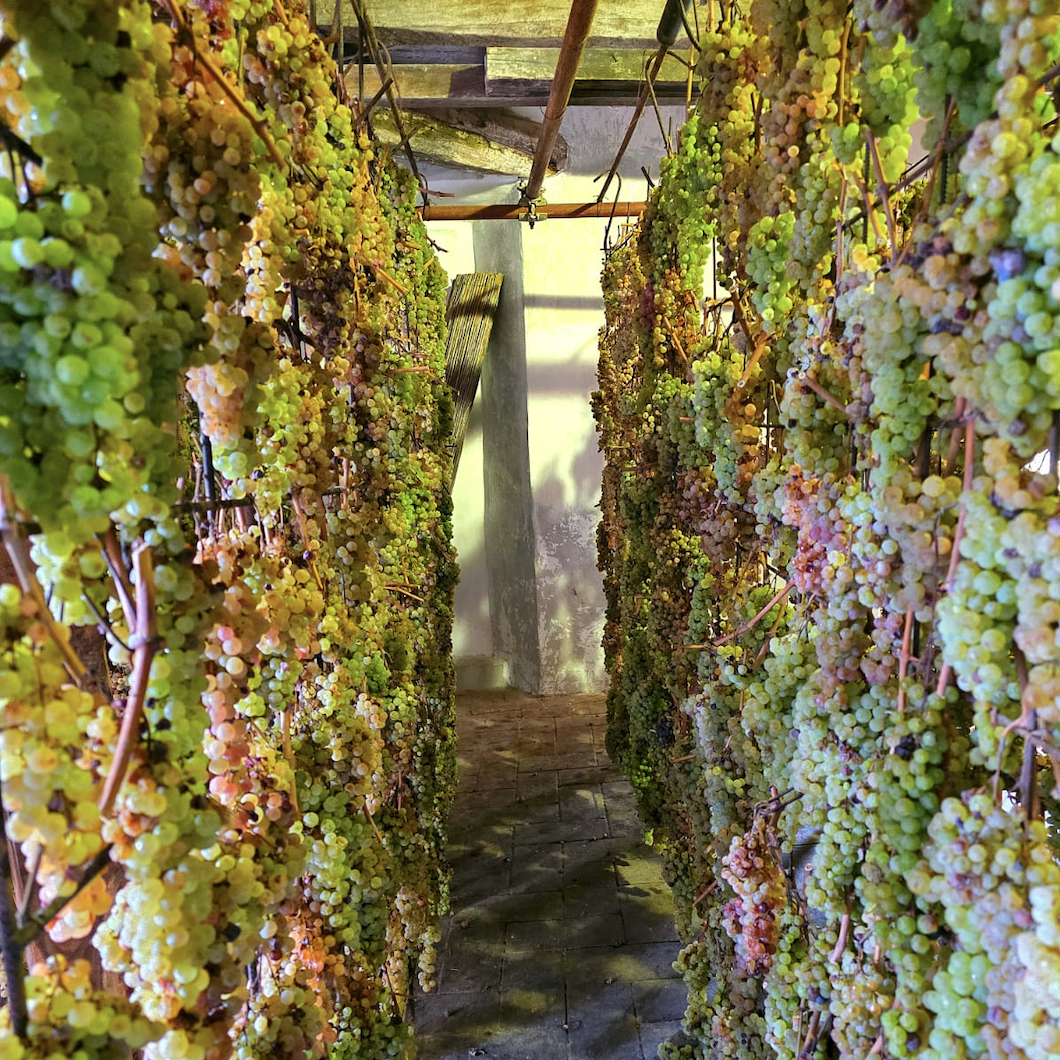
Bindi Sergardi Chianti Classico Gran Selezione DOCG Mocenni 89 2015, Vagliagli

leasant, so pleasant and that is ’15 for Mocenni, caressing of texture and nurturing as much as any as you will find in Vagliagli. Red fleshed fruit, succulent as well but also in the acids and then this liquid chalkiness about how its evolving and maturing. Giving generously of itself in so many ways. Lovely!! Alessandra says it wasn’t acting this way last year. Timing is everything.  Last tasted October 2023
There’s pure unbridled surprise in the delicasse and the gentility of this Gran Selezione, one of the more and even most charming of them all. The Mocenni texture is very present, very full, no holes, no peaks or valleys, just a calm and easy nature that finds no reason for stress. Pure fruit, Galestro and Alberese interwoven freshness. Proper, sweet and forward thinking tannins with a future ahead indeed. Drink 2020-2029.  Tasted February 2019
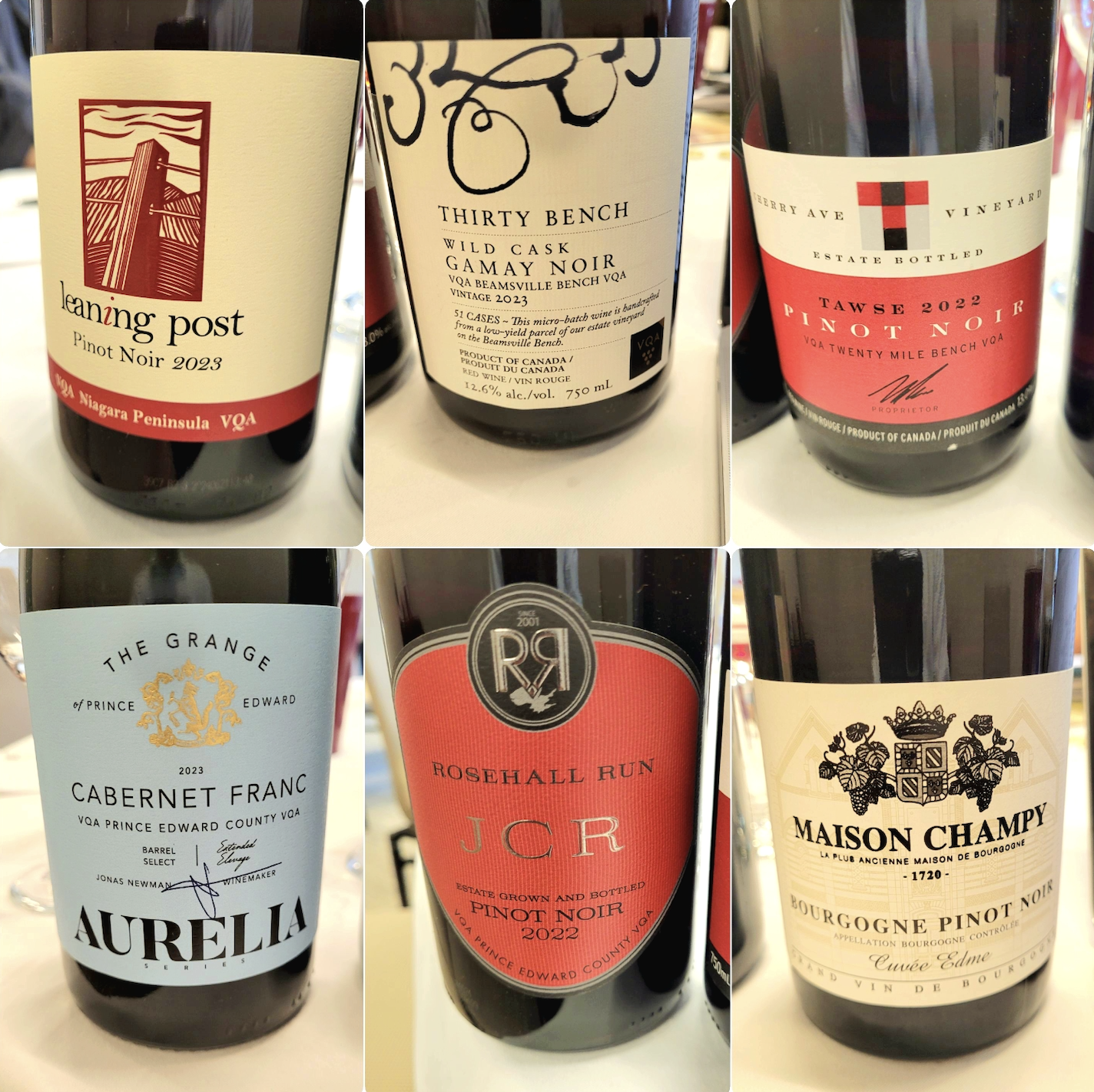
Bindi Sergardi Chianti Classico Gran Selezione DOCG Mocenni 89 2013, Vagliagli

The 2013 is so very different, quite unlike anything else that Mocenni has produced through 89 Gran Selezione. Rich and truly maturing but also because barriques were used and so it was different era through let’s say 2015. Really salty little sangiovese number back in 2013.  Last tasted October 2023

The Gran Selezione Numero ‘1989’ is consistently 100 per cent sangiovese and here we are in wholly, truly, inexorably inorganic, fully stony soil, from vines planted in 1998. There is this composure and this understanding in Gran Selezione that is at the top of the pyramid chart, a fineness of tannic structure, a roundness of acidity and a perpetual motive and emotive fruit that will not give up or in. This is the Bindi Sergardi expression, sultry and offers up every reason to believe in the category. This is the GS that tells us why and how the top of the quality pyramid begins to be explained, with intrinsic value and great confidence from this 2013 vintage. Approx. $58-62 US. Drink 2019-2031.  Tasted September 2017

Chianti Classico 2023 – Barrel Sample 

Quality and quantity, but how? “It’s a miracle,” smiles Alessandra Casini. “Joking aside it is the stony quality of our vineyards that allowed us to get in, put in the hard work and fend off mildew. We also had a lot of luck. ” A taste of a 2023 sample that has just finished fermentation reveals power and structure from true-blue Mocenni tannin.  Tasted October 2023

Canadian Sommeliers at Borgo Scopeto

Borgo Scopeto

Borgo Scopeto Chianti Classico DOCG 2020, Vagliagli

Perfectly round and normal, dictionary entry sangiovese with softness and intensity of hue, by colouring and merlot as a friend of sangiovese. Tart and just tight enough to hold on for a few years but for the most part this is meant to be consumed in the first two. Drink 2023-2025.  Tasted February and May 2023

Borgo Scopeto Chianti Classico Riserva DOCG Vigna Misciano 2019, Vagliagli

Single vineyard, Misciano being the name of the place and has always been called that way, Clay and Alberese in geological origin, Galestro outcropping above. Perfect view from this hilltop spot, airy and reflective in this fresh-scented Riserva. Also stemmy, and indicative of the aromatic brushy, Toscana gariga profile. Sweet fruit, a little bit of soy induction by barrels and definite balsamic finish. Drink 2024-2027.  Tasted May 2023

Borgo Scopeto Chianti Classico Gran Selezione DOCG 2016, Vagliagli

Remarkable consistency in Vagliagli sangiovese, here with lift and sharper angles, red fruit incarnate and that unmistakable Mediterranean herbaceous quality. The volatile acidity is a bit pointed, carrying onto the palate at the present moment and though there are some years already in, a few more will be needed to settle all the parts. Tannins are proper and will only continue to help in the overall regard. Drink 2025-2029.  Tasted May 2023

Borgo Scopeto Vinsanto Del Chianti Classico DOCG 2014, Vagliagli

Relatively traditional methodology though the grapes begin in larger barrels and when the volumes diminish they are then transferred to historically smaller caratelli. Very much a brown butter, nutty and dried apricot Vin Santo with more than an obvious honeyed element in play. Neither super concentrated nor cloyingly sweet but balanced and calming. Fine acids, chewy caramel and a note of citrus at the finish. Drink 2024-2030.  Tasted May 2023

Errico, Marta and Gabriele Buondonno

Buondonno

Buondonno Chianti Classico DOCG Podere Casavecchia Alla Piazza 2022, Castellina

A finished wine already blended though drawn from a sample that will be bottled in December. A bigger production than normal and so a sangiovese of volume in more than one dimension. There was some rain in the summer to make the difference but not much, neither occurring too early or too late to compromise quality. Solo sangiovese in vitro projecting forward towards really important structure noted through some chalky tannins. Spiced and spicy notes, depth of fruit and also lifted acidty, all adding up to a Chianti Classico packed with more stuffing than many. This is as good as anything Gabriele has, but also now in collaboration with son Errico Buondonno have made to date. Drink 2025-2031.  Tasted December 2023

Buondonno Chianti Classico Riserva DOCG Casavecchia Alla Piazza 2021, Castellina

A finished Riserva already blended drawn from a tank sample that will be bottled in just a week or two. Voluminous and a Riserva so cool, ethereal and in this vintage’s case a salty mineral or elemental streak running through. The acidity here is special even for Buondonno and that matters more every year because warmth, aridity and rising alcohol all need to be counteracted so that balance will be the end result. As it is here the wood is noted on the nose, likely because of some newer tonneaux but there is no doubt it will integrate and quiet easily so within a year or two. Again it is a matter of the ethereal, herbal coolness and a Riserva so easy to appreciate when forged into an ultra fine sangiovese like this. Drink 2025-2032.  Tasted December 2023

Marco Pallanti – Castello di Ama

Castello di Ama – Gaiole

Castello Di Ama Ama Chianti Classico 2021, Gaiole

The spice is so very quarried Ama rocks, Alberese mainly but also the Galestro that emerges and flakes above the soil. All of Marco Pallanti’s wines have their own particular style and balance and while this may be less powerful it is the land that exists and is so important towards seeing this wine’s eventual fruition.  Last tasted May 2023

Ama by (Castello di) Ama is a richly textured and high glycerol Annata with all the wealth and generosity from the vintage captured, pressed and patented for a stamp of quality and guarantee of success. Crunchy red fruit and limestone strike, not quite high-toned but rising and ethereal as far as Classico is concerned. So well made and a harbinger for Gaiole within the greater territory for 2021. Drink 2025-2030.  Tasted February 2023

Castello Di Ama Chianti Classico Riserva DOCG Montebuoni 2019, Gaiole

The last vineyard planted (in 1997) and its grapes used to go into San Lorenzo. This changed in 2018 to make a step between Ama (Annata) and Gran Selezione. “A good introduction into the style of Castello di Ama,” explains Marco Pallanti. The suave and settled sangiovese of the three tiers, with richness in a marked Chianti Classico Riserva style. Warm, enriching, nurturing, acids coming in sweet and savoury layers to remind that this is indeed is a factor of Gaiole.  Last tasted October 2023

“The wine is the goodness, to explain the place.” That being Montebuoni just 500m east of the Ama Borgo, just a bit different in exposure and soil conditions as compared to the Ama vineyards. A weathered place, reflected in the sangiovese and a perfect spot to create this go between, middle tier Chianti Classico. Feeling the tannins right now, as if the wine is working through something in order to pass over into beauty.  Tasted May 2023

Quite the aromatic lift and high-toned entry for a 2019 Riserva that must be pushing generosity of ripeness and also alcohol. Warm and floral, viscous and layered. High octane flavour profile, generous of juicy red berry fruit and also barrel. Quite classic in a modern vernacular for a sangiovese (with five per cent merlot) that has come to pass and be recognized for more than two-plus decades now.  Tasted February 2023

Direct descendant of Castello di Ama Riserva in a return to the appellation with this being the second such vintage. Falling somewhere between the Ama Annata and San Lorenzo Gran Selezione, Ama’s Montebuomi is so very Calcari, regardless of the level of appellation, intensely woven, idealized and structured. Such mineral virtuosity at the Riserva level captured however, linear, vertical and compact. A compression exists by dint of those vineyard soils and also the living and breathing Gaiole terroir. Drying for now, fleshing to come, settling in later. Drink 2024-2029.  Tasted March 2022

Castello Di Ama Gran Selezione Chianti Classico DOCG San Lorenzo 2019, Gaiole

 A reminder and to be clear – San Lorenzo comes from the San Lorenzo vineyard and also Montebuoni but not only. The Gran Selezione is both a name of fantasy but also connected to the vineyard that lends this top tier appellative wine its name. The step up in quality and precision from Montebuoni Riserva is really quite obvious though each are wines respective of their appellation and style. A very important vintage because there are times when Gran Selezione must be accessible early with unequivocal structure allowing it to age. This is 2019 from Ama as a personification of its maker. Marco Pallanti as Gran Selezione. Has a nice ring to it don’t you think? Drink 2024-2032.  Tasted October 2023

Castello Di Ama Gran Selezione Chianti Classico DOCG San Lorenzo 2018, Gaiole

Aromatic, spicy, lifted and genuine. Extra layers, fruit of course and then floral, calcareously white peppery, luxe as per the appellative level and a matter of time. Vintage but also patience, the latter needed to understand the former, warm and developed, compact and yet never dense. To achieve this kind of acidity is remarkable. A matter of matching same parts to make up a whole. As per Marco Pallanti’s decades of dedication. “I am not a flying winemaker, I am a pedestrian one.” Drink 2024-2034.  Tasted May 2023

Castello Di Ama Gran Selezione Chianti Classico DOCG San Lorenzo 2015, Gaiole

Looking back nearly halfway in time at Grand Selezione San Lorenzo (first made in 2010) is a most curious proposition. Frankly it is something to behold the freshness, not that this should be mature but it was enough of a generous and rich vintage. Complex aromatics, top ranking acidity and endearing piquancy.  Last tasted October 2023

Though not technically a single-vineyard wine the fruit source depends highly on this portion of the Gaiole in Chianti estate. As a blend of all the best plots of the property from a vintage with both La Casuccia or Bellavista having been produced it is truly fortunate that nature gifted so much promising fruit so that the right stuff could find its way into San Lorenzo. It is Gran Selezione of great history and no vintage has been as generous as this ’15. It’s accessibility above and beyond the category is astounding, probably because it shares the finest and sweetest acidities plus tannins. The plural is employed because the complexities are varied and variegated. Wonderful red fruit and seamless integration. Drink 20-2027.  Tasted February 2018

Castello di Querceto – Greve

Castello di Querceto Chianti Classico DOCG 2021, Greve

Fruit from vineyards all located in the Dudda Valley on the estate with a 16th century fortress built to defend the local villages during the Sienese-Florentine wars. Clearly a vintage of concentration, iron-rich and other elemental chalkiness. Savoury elements have come forward while grip stands firm, first and foremost as tannins in charge. A vintage calling card example that needs a few months more before speaking in clear Dudda dialect. Approximately 250,000 bottles made.  Last tasted October 2023

Fruit from vineyards all located in the Dudda Valley on the estate with a 16th century fortress built to defend the local villages during the Sienese-Florentine wars. Clearly a vintage of concentration, iron-rich and other elemental chalkiness. Approximately 250,000 bottles made.  Last tasted October 2023 As far as 2021s are concerned there is great youth and an unrelenting wall of structure in this sangiovse (with eight percent canaiolo) from Dudda Valley in northeast Greve. Too much wood noticed at this early stage and so the tart, tight and sapid red fruit is held in tight, closed and yet to sweeten, flesh out or fatten for that matter. Wait at least 18 months more. Drink 2024-2027.  Tasted February 2023

Castello di Querceto Chianti Classico Riserva DOCG 2020, Greve

Castello Di Querceto is one of the original 30 producers that formed the Consorzio, 27 years after Carlo François purchased the property. Riserva is intrinsically connected to Annata, especially now that the single Le Corte and Il Picchio vineyards are reserved for Gran Selezione. The red fruit in Riserva shows some pomegranate and currant piquancy while the wild things that grow in forests and along paths help to distinguish this as a most complex example of Dudda Valley sangiovese. Very Riserva style, a blanket covering cool fruit, a slight oxidative quality and longevity promised. Drink 2023-2027.  Tasted October 2023

Castello di Querceto Chianti Classico Gran Selezione DOCG Le Corte 2020, Greve

Le Corte is “the court,” second of two Gran Selezione out of The Dudda Valley by Greve’s Castello di Querceto. The one with more precision and refinement (as compared to Il Picchio) and it is this warm vintage 2020 that really captures the sunshine as manifested in true sangiovese concentration. The complexity comes from liquorice and resinous evergreen oils, a note of graphite, creosote and something unknown, or unnamed. Nevertheless there is a lot happening here and the wine should unwind with great intersect over a ten year period of time. Drink 2025-2031.  Tasted October 2023

Castello di Querceto Chianti Classico Gran Selezione DOCG Le Corte 2019, Greve

The 2019 Le Corte from the OG François family vineyard that is now housing 55 year-old vines is here in its third year as a Gran Selezione. Just as big, brawny, powerful and in harmony as the 2018 though in a much more consistent way. Not that it’s round but it pleases sooner, with more mineral and saltiness than the previous vintage. Crisp for sure, no matter the generosity, weight and size. Drink 2025-2033.  Tasted October 2023

Castello di Querceto Chianti Classico Gran Selezione DOCG Le Corte 2018, Greve

Le Corte is the original vineyard planted by the Alessandro François’ father in 1899, replanted in the early 1970s which makes them now approximately 55 years-old. The vintage was challenging and at the end of September the heat spike in Dudda (and other parts of the territory) was not only tempered by low nighttime temperatures but also the Mistral wind that blows through. And so 2018 is a big if balanced Gran Selezione, dark of fruit, higher of alcohol and singing in a baritone voice. Guts and glory. Drink 2024-2029.  Tasted October 2023

Castello di Querceto Chianti Classico Gran Selezione DOCG Il Picchio 2020, Greve

One of two Castello di Querceto 2020s in Gran Selezione form by way of the single vineyard located in Greve’s Dudda Valley. The less luxe of the two and as such it’s also the more savoury and resinous one. In that sense rustic and grippier as well. These are austere and forceful tannins plus there is more variegated acidity. Fruit is not the king in Il Picchio, incidentally “the woodpecker” though that moniker tells us nothing about the wine. Certainly not a Gran Selezione to have a good laugh at. Very serious stuff, stern and a bit grumpy. Drink 2025-2031.  Tasted October 2023

Castello di Querceto Chianti Classico Gran Selezione DOCG Il Picchio 2019, Greve

Like 2018 there is a darkness and depth of fruit from the gift of 2019 but what’s missing, as expected, is the resinous and essential herbal oil character. The balsamic is lessened and the five percent colorino shakes up the sangiovese to bring hue but also a change of fruit. Heart is still worn on the family sleeve and so Il Picchio delivers the history, passion, crest and culture of the family François. The richness of this vineyard’s clay really translates in terms of fruit, unction and structure. Drink 2025-2032.  Tasted October 2023

Castello di Querceto Chianti Classico Gran Selezione DOCG Il Picchio 2018, Greve

As with Le Corte 2018 there is size and weight to Il Picchio though coming from the small vineyard surrounded by forest this breathes of plants and herbs, in greens and oils. Much more vegetative scents and some resinous character as well. Higher tonality, balsamic that Le Corte never has and likely not to be found in 2019 Il Picchio though that remains to be seen. Dark fruit, intensity and length. Plenty of length. Drink 2024-2028.  Tasted October 2023

Castello di Verrazzano – Greve

Castello di Verrazzano Chianti Classico DOCG 2020, Greve

Oh, ah, the perfume of Verrazzano. Not just aromas from a wine producing estate but the complex aromatic weave of a veritable and traditional fattoria, of olive trees, gardens and forest. Not an Annata of structural potency but more so one of evident spezzatura, of superior phenolics and balance. The first half of the wine is sapid, the second turns and finishes salty. In that sense indicative of bordering Montefioralle and yet the mix of strong red fruit plus savour is purely Verrazzano. Returns full circle to strength of perfume. Drink 2024-2028.  Tasted February and May 2023

Canadian Sommeliers at Verrazzano

Castello di Verrazzano Chianti Classico Gran Selezione DOCG Sassello 2017, Greve

Sassello comes from the vineyard on the hill behind the Borgo at the highest elevation and while ripeness development will be slower there can be no doubt that 2017 was better here than most warmer and lower locations in Chianti Classico. The Sassello of this vintage is still stuck in first stage youth, quiet, dense and volumetric. The wine has moved but barely an inch, it speaks in fulsome texture and while yet to flesh out there is a roundness that will see it drink so well for years to come. The best of which will be two looking ahead and ten after that. Drink 2025-2035.  Tasted February and May 2023

Castello di Verrazzano Chianti Classico Gran Selezione DOCG Valdonica 2017, Greve

Valdonica is both lighter and more linear as compared to Sassello with more classic speazztura and Verrazzano aromatics. Also a chalkiness and barrel induced texture but without the volume in Sassello. Valdonica is more straightforward, not as intense in terms of substantial fruit and also more available at this early stage. Saltier finish as well, more in line with Annata while Sassello seems akin to Riserva. Notable balsamico in Valdonica. Drink 2024-2029.  Tasted February and May 2023

Gioia, Sara and Filippo Cresti

Fattoria Carpineta Fontalpino

Fattoria Carpineta Fontalpino Chianti Classico DOCG Fontalpino 2021, Castelnuovo Berardenga

Indelibly stamped Carpineta style while so very fresh for 2021, truly bright of great breaths of Castelnuovo Berardenga air. Aged in tonneaux after cement fermentation and to say this was judged with fine precision would be paying close attention to Gioia Crest’s acumen and always consistent deft touch. Spot on for 2021 in so many respects.  Last tasted October 2023

Wow the energy from 2021 Carpineta Fontalpino is off the charts, ergo there is this wide open sensation from Castelnuovo Berardenga that will not be denied. Fruit swells and impresses with its gingered-crimson beauty and the advances of egress by structural demand. While too youthful and awkward for all parts to hook up they will, in time, for all the right reasons and with zero regret. Drink 2025-2032.  Tasted February 2023

Fattoria Carpineta Fontalpino Chianti Classico DOCG Fontalpino 2020, Castelnuovo Berardenga

Starting to open with aromatic presence after a slow first year like so many 2020s and here yet another territorial example that should surely live longer than expectation might have predicted. Layered red fruit that unfolds, even further upon the palate. Fine work in blending estate, Dofana and Montaperto fruit from a producer so specialized in their cru investigations. Drink 2023-2027.  Tasted October 2023

Fattoria Carpineta Fontalpino Chianti Classico DOCG Dofana 2019, Castelnuovo Berardenga

A preview of 2019 that will shown at the Chianti Classico Collection in February of 2024 that are now finished wines “but to me they are young,” shrugs Filippo Cresti. The dried balsamic quality of 2018 is here replaced but more freshness and spirit. A richer wine in 2019 as compared to Montaperto with the wood more involved – while the wine this young is trying to figure out its way through adolescence. The clay is fully involved in just how textured and fruity Dofana acts in this inimitably generous vintage. Flesh will come, with time. Drink 2025-2032.  Tasted October 2023

Fattoria Carpineta Fontalpino Chianti Classico DOCG Dofana 2018, Castelnuovo Berardenga

The first thing that needs to mentioned and also discussed is place, that being the clay and Alberese, 300-plus meters of elevation and uniqueness, even for the place within the place. There is a sanguine character plus blood orange and liquorice, some dried herbs and just a touch of balsamic. Truly complex sangiovese from this cru, now entering into its ideal drinking time.  Last tasted October 2023

Carpineta Fontalpino is located in Castelnuovo Berardenga but their Dofana cru is a matter of Vagliagli, sibling UGA within the two-winged commune. Vigna Dofana, special place for the Cresti family, deliverer of Vagliagli as only this place can within the most complex and also yet fully understood UGA. Dofana now graduated or better said migrated to Gran Selezione as a subtle, shadowy sangiovese, like chiaroscuro where fruit and acid are light and also dark, yet with time one will become the other. The constant is Dofana and yet now the label speaks in territorial terms, appellative as Gran Selezione, something new and accepted by Cresti siblings Gioia and Filippo. Benvenuto ragazzi. We look forward to discussing this 10-15 years down the road. Drink 2024-2032.  Tasted February 2023

Fattoria Carpineta Fontalpino Chianti Classico DOCG Montaperto 2019, Castelnuovo Berardenga

A preview of 2019 that will shown at the Chianti Classico Collection in February of 2024 that are now finished wines “but to me they are young,” shrugs Filippo Cresti. The Montaperto layering of many red fruits are the crux of the perfumes and freshness out of ’19, they being pomegranate, currant and plum, juices running and so many layers to peel away. Focused vintage and “we love it,” adds Gioia. Return in a year and see just where it looks like this will go. Drink 2025-2033.  Tasted October 2023

Fattoria Carpineta Fontalpino Chianti Classico DOCG Montaperto 2018, Castelnuovo Berardenga

Montaperto cru is located in the western wing of the butterfly that is now considered Vagliagli though Gioia Cresti still likes to thinks in Castelnuovo Berardenga terms. And as such the labels starting in 2020 will say Castelnuovo. Montaperto currently exists in a truly fine moment, not frozen but suspended in a state of its earliest and most exciting drinking window. A wine that shows what kind of winemaking and wine style is cool again; effusive, elegant and inviting. So drinkable!  Last tasted October 2023

Certainly not expecting three months to change anything though new feelings will always come out when tasting Montaperto. Today there is an unspoken sense of generational lineage and that which makes us look deeper into how family leaves an impression on its wines.  Tasted May 2023

Apposite to Dofana for Vagliagli is Montaperto of Castelnuovo Berardenga, the grippy, forceful and tannic one. The immovable and unbreakable sangiovese so very linear, gripped by strength, of skeletal structure and needing time. Give it. Drink 2024-2029.  Tasted February 2023

Matteo Vaccari and Maddalena Fucile – Cigliano di Sopra

Fattoria Cigliano Di Sopra – San Casciano

Fattoria Cigliano Di Sopra Chianti Classico DOCG 2022, San Casciano

For Maddalena Fucile and Matteo Vaccari the hope is to increase to a maximum of 12 hectares and 35,000 bottles. “This is our dimension,” tells Matteo. And drinking others’ wines is key because if you don’t know what you like then you don’t know how to get where you want to go. The 2022 Annata was just bottled six-plus weeks ago, on August 31st and so this potential hinderance is kept in mind. The first vintage for which a portion was aged in the used Stockinger cask and some more stem (whole bunch) usage moved from (normally 20ish) up to 50-60 percent. You can sense the energy and increased power but still there is a transparency and a purity of red fruit that will not be denied. Comparisons are futile but those who seek out this style in cru Barbaresco or Côtes de Nuits Premier Cru will latch on here, likely to never let go. Next level for Fucile and Vaccari. Don’t care how young this wine happens to be – the potential can’t be ignored. Drink 2025-2033.  Tasted October 2023

Fattoria Cigliano Di Sopra Chianti Classico DOCG 2021, San Casciano

Settling in or better said, maturing and gaining confidence with every small step forward. So much of what the result happens to be in this ’21 is a matter of ideas and experiments that transpired between 2017 and this harvest. The ideals have evolved and subsequent vintages will not just reveal experience but evolution of technique and execution. Crispy still and juicy acidity but showing some dried notes and perhaps in temporary a downturn phase.  Last tasted October 2023

The use of 20-30 percent whole cluster tops up the open top fermenters, 15-20 days of fermentation and put to large old casks. Then 18 months, malo in the barrels and finally bottled in December. That perfect little lift of volatility so close to the edge without going over is just so enticing and delicious. A sangiovese of temptation and beauty, crunch and sweet savour. So much umami with thanks to those whole clusters that do their yeoman character building from old vines. Brilliant sangiovese. Truly.  Tasted May 2023

Behold yet another precocious and shockingly generous Annata from the team of Matteo and Maddalena at Cigliano di Sopra. That and an intensity of things intangible despite the very tangible, credible and knowable parts of this wine. So very singular and stand alone for San Casciano and yet a style but more so a way of being that just feels like the future. Too young to really know but it seems like this duo has learned how to keep their ferments from flying away and also from getting away. The professionals are in the house. Drink 2024-2029.  Tasted February 2023

Cigliano di Sopra Chianti Classico DOCG Vigneto Branca 2021, San Casciano

A single vineyard, 100 percent whole bunch macerated best parcel (of massal selection planted in 1972) sangiovese that is the first true experiment in the young winemaking lives of Maddalena Fucile and Matteo Vaccari. Reminds of the Annata in that transparency, purity and focus are all there but imagine more power, grip and intensified, implosive tannins. And yet, and yet the push here is just a bit overarching because a minor note of green austerity does arrive, however fleeting it may be. Drink 2024-2029.  Tasted October 2023

Robin Mugnaini of Le Masse

Fattoria Le Masse – San Donato in Poggio

Fattoria Le Masse Chianti Classico DOCG 2022, San Donato in Poggio

(Tank Sample) The first vintage that sees 70 percent new (5000L) concrete for aging to go along with the (30) in wood. Pure concrete, not lined, no resin. Once again 20 percent whole bunch and 60 days skin maceration. This is not a truly finished wine but a sample drawn to see progression. Some volatility and reduction still so come back in a year. Tons of stuffing and clearly on to something important because of the concrete use – not just freshness but succulence. The tannins are quite fine. The potential is great.  Tasted October 2023

Fattoria Le Masse Chianti Classico DOCG 2021, San Donato in Poggio

“So far 2021 is the one that gives me more pleasure, with more complexity and density, even more than 2021.” Now well into his tenure and so Robin Mugnaini has a pretty keen sense of where he’s at with respect to Chianti Classico. Still 20 percent whole bunch and two moths on skins, to be released in a year and a half. Really clean, fruit at the top of this San Donato in Poggio game and purity as verity. These are powdery tannins trying to liquify and integrate but it really is just a kid. Richer than any that have come before and of a structure that will see this travel for a few years. Drink 2024-2028.  Tasted October 2023

Fattoria Le Masse Chianti Classico DOCG 2020, San Donato in Poggio

The wildest of the three straight vintages of Le Masse’s Chianti Classico is this 2020, reductive and with just a hint of Brettanomyces on the palate. The fruit blooms greater and so at present the balance is easily struck though it remains to be seen how the knots will be untied and what will come next. Aromatic and Robin Mugnaini feels the problematic notes were worse six months ago and so the future might just be pure and sound. There is a gritty quality which might suggest otherwise but fear not because quality fruit and thoughtfulness will conspire for promise, just not so deep into the future. Drink 2023-2026.  Tasted October 2023

Fattoria Le Masse Chianti Classico DOCG 2019, San Donato in Poggio

Take the varietal sangiovese from 2018 and double the gift of fruit for a wine that saw two years in bottle after 30-35 percent aging in wood. More muscle and sweet structure out of 2019 by the combination of acids and tannins that can’t help but double down together. This is Chianti Classico that will make you smile and for so many reasons; organics, biodynamics, indigenous yeasts, limited sulphites and most importantly grace, purity, charm and beauty. True blue San Donato in Poggio blood orange, iron rich soil minerals, elements and ultimately a sensation gained that comes from this northwestern Chianti Classico terroir.  Last tasted October 2023

Le Masse’s 2019 is San Donato in Poggio come into its own, the window wide open and the wine is showing colours vibrant, fresh and clearly visible. A biodynamically produced wine of soul and true identity. Salty and conversely sapid, in great harmony between acids and pH, ying-yang, AC/DC, plus or minus all that needs to offer pleasure and just enough structure for aging.  Tasted May 2023

Pure and ready, amenable and readable Annata here from Le Masse’s San Donato in Poggio vines, treated with utmost respect and for all the right reasons. This is textural sangiovese and quantities are so low you should count yourself lucky to secure just a bottle or two. Grace, understatement and charm are what this feels like are the things that comprise its beauty.  Tasted February 2023

“To me, one of the best years for grapes,” tells winemaker Claudio Gozzi and the wood tank used for fermentation and now aging makes this noticeably a year wiser (than 2018) and so much more suitable to making this 100 per cent sangiovese. Even without tasting you can tell there’s a refinement, a calm and a settling that 2018 does not have. Cleaner, much more precision and seamless behaviour. Perfect volatility, sweet acidity and long, fine chains of tannin. Pure and honest, exacting, readier and will be just ideal with another year or so of time. Approximately 7,500 bottles produced. Drink 2022-2028.  Tasted October 2021

Fattoria Le Masse Chianti Classico DOCG 2018, San Donato in Poggio

The 2018 was the current release – until very recently. This was the last iteration of the old style or perhaps the transition to what Robin Mugnaini is trying to accomplish now. Fermentation in large wood vats, a month and a half on the skins, just sangiovese. Sent to 30-35 percent wood and the rest in tank. Lovely sweet perfume, fine silken texture and just that micro amount of swarthiness. Comes from soils of sand, clay and round river stones of an alluvial origin. Some iron in the soil particles, up in Marrocco near Sambuca. One of the only places with a view to much of Classico, including Badia a Passignano, Tignanello, San Donato in Poggio and Panzano. Three passes in the vineyard make for a layering that results in fine tannins and beauty. Charming Chianti Classico in every respect with a long, rewarding finish.  Last tasted October 2023

First vintage with new (large format) wood and it shows on the nose, from the vineyards in Morrocco, a land totally different from Le Masse’s estate lands. Not exactly like the Classico soils of Galestro and Alberese but still rocky, hard soil that drains easily and very different than Chianti nearby. Solo sangiovese, land directed, soil funky, fresh and vital. Partially fermented in wood tanks, a touch Bretty and notable tannic. Needs to and will settle in nicely. Drink 2023-2027.  Tasted October 2021

Le donne di Pomona

Fattoria Pomona – Castellina

Fattoria Pomona Chianti Classico DOCG 2021, Castellina

Monica Raspi’s acumen and comfort level have acceded the exceptional because she is passionate about making top echelon sangiovese as much as any winemaker, self-taught or not in Chianti Classico. The 2021 includes just five percent colorino, took 10 days to ferment and remained on its skins for somewhere between three and four weeks. This is a significant number, more prevalent in the region than it was just a few years ago and when managed right will transform Chianti Classico into sangiovese of the ethereal. A substantial, silken and seductive ’21 here from Pomona with its mix of sweet acidity and Castellina liqueur. The tannins are liquid Alberese chalky from a linear wine moving upwards and forwards in stride. This has the length and the balsamico specific to Pomona. A top body of Annata work from Raspi and just the sort of style to pass on to the next generation; Cosimo and Costanza.  Drink 2024-2028. Tasted October 2023

Fattoria Pomona Chianti Classico Riserva DOCG Vigna Pomona L’Uomino 2020, Castellina

The artist formerly known as Bandini is not a Riserva of selection but one made from all the grapes picked out of the single Vigna Pomona. The fantasy name “L’Uomini” neither denotes uomo della strada nor uomo d’affari but definitely uomo d’onore and uomo alla mano because this Riserva cares. The vines would have been 23 years of age for this vintage and the resulting wine is spicier than the Annata, but also exhibits an exaggeration of the local balsamico. A kind of resin in there, a natural cure, savoury and like incense some might say. It is the strident and taut character that defines what’s really going on though this shall pass. Yet another example of just how well 2020s communicate and explain their potential. Slow development ahead and in the end will be a vintage held in great esteem. L’Uomini is not a man of the street or just about business. He is friendly and wears a badge of honour. Drink 2024-2030.  Tasted October 2023

Fattoria Pomona Chianti Classico Riserva DOCG Bandini 2016, Castellina

“Not my best, but it’s perfect,” tells Monica Raspi. But it may just be the most elegant of all the Pomona sangiovese. In a great place now with the balsamico and the respect to the vineyard.  Last tasted October 2023

Purity of handsome fruit lingers left, right and centre within a commission of structural components designed by nature on the road past Villa Pomona up through Castellina in Chianti. The vintage is a rich and elastic one for Monica Raspi and one she must have just delighted in simply being a part of. Elegance as the opposite of vice. Reaches all the essential peaks, plateaus and precipices where supple fruit settles and rests. Drink 2021-2028.  Tasted February 2019

Fattoria Pomona Chianti Classico Gran Selezione DOCG 2021, Castellina Campione (Sample)

The 2021 will be a Gran Selezione and Castellina will be written on the label. As it stands this early in its tenure the future GS acts out a hyperbole of everything that is Pomona. The DNA of the top vineyard and family resemblances to L’Uomini and also Classico. Not just an uncanny look in a few mirrors but essential tenets to define these wines and keep them all in la famiglia.  Tasted October 2023

Fattoria Rignana

Fattoria Rignana Chianti Classico DOCG 2021, Panzano

Just a small amount of April frost damage happened in the lower part of the vineyards near the Pesa River but the rest of the higher reaches were unscathed and so quantity out of ’21 was fine, while quality ran high. Just stainless and concrete (no wood) for a truly fresh and sustainable Annata. The 15 percent canaiolo adds a dimension of sapidity as balance to what sensations high acid and saline sangiovese are want to deliver. Drink 2023-2025.  Tasted October 2023

Fattoria Rignana Chianti Classico Riserva DOCG 2020, Panzano

Led by sangiovese with 15 percent cabernet franc, mainly chosen in the vineyard because explains Cosimo Gericke, “over the years I know the vineyard and which ones produce the best sangiovese.” Spends two years in small and also large wood (Slavonian botti) but the barriques are being phased out in these years. Dark fruit, rich, deep and yes it’s a woody example of Riserva but it’s suave, mature, experienced and so very real within this kind of style. Full and substantial wine with really soft and fine tannins. Drink 2023-2027.  Tasted October 2023

Fattoria Rignana Chianti Classico Gran Selezione DOCG Villa Rignana 2020, Panzano

Gran Selezione is 100 percent sangiovese, just bottled in June of 2023. First vintage was 2013 and this 2020 is the first to see Panzano gracing the label under the new rules of the UGA. Similar elévage to the Riserva with all small barrels from a 2003 planted vineyard packed with lots of clay, Alberese lower down and Galestro at the top. Floral example, a bit of acetone, some wood scents of vanilla and coconut and finally balsamico. High acid, sharp, quite tannic and needing a few years to settle in. Will be a much better wine once the integration occurs. Drink 2025-2031.  Tasted October 2023

Giovanni Poggiali – Fèlsina

Fèlsina Berardenga – Castelnuovo Berardenga

Fèlsina Berardenga Chianti Classico DOCG Berardenga 2021, Castelnuovo Berardenga

The full-on Fèlsina aromatics are beginning their ascent, of brushy savour and spicy red fruits together expressive with leaps from the glass. Still a tight vintage no matter the generosity and yet Castelnuovo Berardenga sangiovese is the heart of the matter. Traces a line from 2019 to 2020 and then here for a vintage trilogy so clearly Fèlsina.  Last tasted October 2023

Firm yet fair Annata from Fèlsina and one off the harbingers not only for Castelnuovo Berardenga but surely Chianti Classico as a whole. The 2021s are a formidable group, like 2019 Barolo in certain structural and yet immovable respect. Though this entry is but an indicator, instigator and liquidator it does so with all possibilities and probabilities intact. Classic Fèlsina of a broad spectrum to speak on behalf of a wide breadth of fruit sourced out their many vineyard blocks. Drink 2024-2027.  Tasted February 2023

Fèlsina Berardenga Chianti Classico Riserva DOCG 2020, Castelnuovo Berardenga

When 2018 was tasted the suggestion was not to sleep on that vintage and while ’19 and ’21 may be heaped with greater praises, well do not sleep on 2020 either. One of the warmest on record at Fèlsina and most of Castelnuovo Berardenga but better water reserves and lower late season nighttime temps fully separate the vintage from 2017. Words like concentrated and substantial are key and offer up a keen sense of what kind of Riserva this is and will later become. There is wisdom and maturity here but also an unknown element, in other words possibility. That’s because CCR ’20 is a sangiovese of great acidity – important acids that buoy the fruit, stabilize its trajectory, set it upon the crests of waves that will see it fluidly travel well through to middle age. Truly well made and proper Riserva. Drink 2023-2029.  Tasted October 2023

Fèlsina Berardenga Chianti Classico Riserva DOCG Rancia 2019, Castelnuovo Berardenga

No let up in that excitative exuberance of herbal savour that can only Rancia. Five months since the last visit and this top Fèlsina Riserva remains immovable, unchallenged and in no hurry to change. Don’t ask it to.  Last tasted October 2023

Aromatically plush if less agitative and herbal than what showed 14 months prior though there is no denying the resins and bramble have yet to relent. The fruit waits, still in side the fortress but we know there is more than enough to peak for 10 years. Revisit in the spring of 2024. Nosing some vermouth today in wildly botanical and delectably aromatic style.  Tasted May 2023

A bright, lightning red fruit and herbal oil Rancia Riserva here in ’19, working through pine and cedar, rosemary, sage and elderberry, fennel too. All the resins are here in their youth, circulating and formulating an exit strategy. At this point the fruit, sweet as it is, is wrapped up in the bramble, impossible to reach without getting bitten by the thorny tannins of this wine. Just wait, and wait some more because there is so much happening and still to come. Drink 2024-2032.  Tasted March 2022

Fèlsina Berardenga Chianti Classico Riserva DOCG Rancia 2005, Castelnuovo Berardenga

Fèlsina’s first vinatge was 1967 with a label that exulted the name “Berardenga” in big letters, 54 years ahead of what would finally become the new UGA. “The land of light” is Fèlsina and no hill and its block of vines defines this place within Castelnuovo Berardenga more than that of Rancia. Takes its name from the house; a very dry place, markedly Mediterranean and thus every vintage of this Riserva scents of brush, mountain tea, garrigue, herbs and botanicals. Trust when it is said that no other Chianti Classico smells like Rancia and 2005 is an extreme example of that admonition. The ’05 is persistent in its reek, of fruit off of vines that transfer these aromas of wild fennel, sage, rosemary, marjoram, mint and other unnamed horticultural growth. It’s uncanny and with secondary umami elements now in full force the result is a sangiovese as complex as any from the territory for the last 20 years. Wild sauvage of flora captured and encapsulating a pinpointed territorial place. Drink 2023-2028.  Tasted October 2023

Pagliarese Chianti Classico Gran Selezione DOCG 2019, Castelnovo Berardenga

Likely the first Gran Selezione from the Pagliarese estate made by Fèlsina in the southeastern half of Castelnuovo Berardenga. A sharp and pointed example of the area with much in common shared with the Fèlsina sangiovese. Herbal and resinous to make you feel, smell, sense and inhale the land with as much local spirit as any. Not the most grippy example of GS but well-powered to drink well as soon as you wish and for three to five further seasons. Drink 2023-2027.  Tasted October 2023

Fèlsina Chianti Classico Gran Selezione DOCG Colonia 2019, Castelnuovo Berardenga

The Colonia vineyard is an important tract for many reasons. It was where Domenico Poggiali tried to clear and prepare but had to abandon back in the late 1960s because it was too difficult. Giovanni Poggiali succeeded in 1993 and then in 2009 this Chianti Classico became Gran Selezione. Colonia meant heliotherapy because this is the place people with diseases came to heal. “Helioteapica” it was, a sunny place at a tme when things were dire, including politically. Today Colonia may be a stone and a half’s throw up from Rancia but aromatically the sangiovese coming from its Alberese soils still result in a wine that is so obviously that of Fèlsinà. A diesel and pine note, charcoal, tar and evergreen resin, all rolled up with great red fruit that’s just so pure and substantial. Rich but no overtly so and luxe if always tempered by acids, wood and tannins exhumed from the depths of the grape’s must. So young, so fay away and so not ready to express its long-term goals. Drink 2025-2033.  Tasted October 2023

Fèlsina Chianti Classico Gran Selezione DOCG Colonia 2009, Castelnuovo Berardenga

Colonia Vineyard is a short jog up the hill past Rancia and through the woods. In 1966 Domenico Poggiali found a cellar set into the “tufa” hills of his Fèlsina estate. It was small, built of stone and with a wide brick vault. It was a start. In 1967 he chose to plant Colonia in an impossibly challenging and extreme Alberese limestone rocky location. He used dynamite because that was the thing at the time but it was soon outlawed and made clearing the land near impossible. Twenty-four years later Giovanni Poggiali resumed the project and planted its first vines in 1993, just before Domenico passed away. Colonia 2009 is La Prima, the first Gran Selezione and this look back is one to recall roots (tethered to 2006), familial traditions and passing of the Chianti Classico torch. This vintage separates and leaves its original designations in the rear-view mirror. At 14 years of age it remains austere but austere can be beautiful. As here, with severe and chiseled features though the savoury elements differ from Rancia. More resinous evergreen and forested aromas but also a chalkiness that speaks directly out of the Alberese. The thing is Colonia remains still young and fresh, while the powdered mineral persists unresolved. One of the most fascinating retrospective looks at aged Chianti Classico. Drink 2023-2036.  Tasted October 2023

Giovanni and Bernardo Manetti – Fontodi

Fontodi – Panzano

Fontodi Chianti Classico DOCG 2021, Panzano

Like the Filetta di Lamole, the Panzano Classico was also bottled quite recently and is to be released in the Spring of 2024. A full on expression of the Classico for Fontodi from a vintage of everything; substantial fruit, quality and quantity, acidity at peak, generosity and potential. What more does there need to be? About as full and classic as it gets for this stalwart and even just that wee bit of Panzano swarthiness that give these sangiovese their intrinsic and inherent character. Caught with spot on simplicity and poise. Drink 2024-2030.  Tasted October 2023

Fontodi Chianti Classico DOCG 2021 Dino 2021, Panzano

The Chianti Classico that sees amphora, stainless steel and also French wood – but no Slavonian oak. The outlier and if it needs be said, the experimental Annata. That said it has evolved from its IGT (Toscana Centrale) origins and the soils are Pietraforte in this specific micro-climate (a cooler one) from which finer and dustier tannins come away. More about texture in Dino but this is also a bit of a crooner expressive of songs sung from its valley origins. Not a frost zone because it buds later and at harvest time there is the diurnal fluctuation from 30 degrees by day to 10 at night. Great but different acidity from Dino, sweeter but also a balsamic aspect. Unique Classico in every respect. Drink 2023-2027.  Tasted October 2023

Fontodi Chianti Classico DOCG Filetta di Lamole 2021, Lamole

Pure macigno (sandstone) terroir on terraces fully surrounded by woods and what is most essential in Filetta is the perfume that just has to come from Lamole. From 2021 a most proficient and promising one, an effortless exhale and a seamless transition to mimicry upon the palate. Well structured, so subtly chalky and a succulence meeting exuberance that is as much vintage as it is place. Freshness meeting concentration at the highest level. A complete vintage, needing not be compared to any other. We’ll think in these kinds of terms seven to 10 years down the road. Drink 2024-2032.  Tasted October 2023

Giovanni Manetti – Fontodi

Fontodi Chianti Classico DOCG 2021 Pastrolo, Lamole

The newest (along with San Leolino) of Fontodi’s Chianti Classico, from Lamole and a vineyard with unique geology, that being Macigno di Marne, a.k.a marine sandstone. Youthful and the oak flavours still act as a flannel blanket over the fruit but insists Giovanni Manetti, “it remains a question of time.” Second vintage of this label and destined to be a Gran Selezione when time, commissioned grants and the realization of a plan all come together in collective fruition. Average planting was back in the late 1970s with newer plantations going in. There were some mixed varieties, including canaiolo, trebbiano, malvasia and colorino. Meanwhile this is sangiovese, grippy, firm, austere and as they say, molto profumato. Drink 2025-2033.  Tasted October 2023

Fontodi Chianti Classico Gran Selezione DOCG Vigna del Sorbo 2020, Panzano

Three parcels, two planted between 1965 and 1971 plus 1973, coming together because the uniqueness of these three plots are the schist soils that manifest above ground as Galestro. All about spiciness and mid-palate volume. The sorbo is a local fruit, specific to Tuscany, very dry and tannic, much like grapes. And hello to the Chianti Classico UGA within Greve commune because this is the first label to say Panzano, 40 years in the making and finally the mention is here. Structure is serious from a reduced crop yield due to frost in April and this is what Giovanni Manetti had to say at the time. “We had a couple of days very cold, April 6th and 7th but the damages are limited to the young vines. The majority of the buds of the other vines were still closed and were not hurt by the frost. In the rest of the CC territory there were some damages in the warmer areas and zero in the cooler ones like Radda and Lamole. The frost in 2017 was much more worse than this.” A linear Vigna del Sorbo this 2020, taut, extremely young and with a great potential. Drink 2026-2037.  Tasted October 2023

Fontodi Chianti Classico Gran Selezione DOCG Vigna del Sorbo 2019, Panzano

Openly aromatic and immediately generous Vigna del Sorbo from a vintage that it could not be helped but to acquiesce and create such a giving example of Gran Selezione. But do not be fooled because the tannic structure is equally generous though more importantly layered to a point that each month for the next 144 will reveal another aspect of what this sangiovese has surely been finessed to become. Will stand out in vertical, mixed sangiovese and multifarious high level wine tastings because it will always show with perfume, concentration and architectural lines. Profound Vigna del Sorbo from the ‘19 vintage. Drink 2025-2038.  Tasted October 2023

Fontodi Chianti Classico Gran Selezione DOCG Vigna del Sorbo 1988, Panzano

Deep colour and only bricking slightly at the rim but aromatics are truly mature, of soy, balsamic, resins and mushroom broth. That said there is great brightness with wonderful acidity and this blood orange meets caramelized or confit vegetables (like carrot and fennel) that give this a slow braised and purely plant-based feeling. So very cool to taste because the nose is not as inviting as we might have wished. Great energy and with some cabernet (10 percent) there is a just a wisp of Cassis but Panzano is clearly the origin. Perhaps not as fully evident as a similarly aged Flaccianello but you can’t take the place out of the Chianti Classico. Drink 2023-2026.  Tasted October 2023

Fontodi Chianti Classico Gran Selezione DOCG Terrazze San Leolino 2020, Panzano

From the vineyards surrounding the 9th century Pieve and you know what they say. “Sangiovese is planted, consequences follow.” A 15th century drawing found in a Florence museum proves that monks cultivated grapes on this property at that time. More perfume than the Classico level Panzano and so there is proof that this terraced land with high level Alberese soils provides aromatics and great structure in the way a Lamole plus Panzano might hypothetically get together for a similar result. Leolino is not a go between but something unique, something other. Special and of an aging potential that may just be more promising than that of Vigna del Sorbo, but let’s wait 10-15 years to see if that will come to be true. Drink 2026-2034.  Tasted October 2023

Fontodi Chianti Classico Gran Selezione DOCG Terrazze San Leolino 2019, Panzano

Truth be told just four and a half months have brought the new GS into fine illuminated light and though there is so much time ahead there is little doubt that partaking now would not a mistake. Sweetness of the holy trinity, they being fruit, acidity and tannin. They are all natural, lifted and in synch.  Last tasted October 2023

From Fontodi’s newest vineyard having now come into production, in and around the church of San Leonino on the east side of the Conca d’Oro and below the village of Panzano. Some maturity in this 2019 and a delicate if also suave type of (100 percent) sangiovese. The scents of liquorice and fennel, a dusty moment and just the right amount of differentiating scorrevole, always a trademark of a Manetti sangiovese, sliding with grace and ease across the palate. Drink 2024-2029.  Tasted May 2023

Canadian Sommeliers at Gagliole

Gagliole – Panzano

Gagliole Chianti Classico DOCG Rubiolo 2021, Panzano

Three terroir collection of Gagliole’s youngest vineyards across their estates, a macro of balancing related to soils built on Alberese, Pietraforte and Galestro. Brings all elements to the table; phenols, dusty savour and a mix of Classico acidities. In this vintage the pick was relatively late (especially in Panzano), as late as October 21 and 22. A management of vineyards leads to a capture of freshness so essential for the Annata level of Chianti Classico. Gagliole gets it in the most croccante way.  Last tasted May 2023

Rubiolo is 100 per cent sangiovese and Panzano fruit from 400-plus meters of elevation above and to the west side of the Conca d’Oro. Expressive of the two factions of Panzano character, texture and savour. Silky smooth liquidity and more accessible than what might have been pre-conceived though there is surely no lack of grip emanating through the cool ooze of this wine. Really quite fine. Drink 2024-2028.  Tasted February 2023

Gagliole Chianti Classico Riserva DOCG 2020, Panzano

Round acidity is the idea, to deliver true Riserva style and frankly not as a competition with either Rubiolo (Annata) or Pecchia (Gran Selezione). Quite a mouthful of 2020 fruit, truly circulative acidity and the kind of Panzano sangiovese that asks for consumption because it promises near immediate gratification, without strings or too much grip to prevent that kind of early enjoyment.  Last tasted May 2023

Fulsome and chewy Riserva for Gagliole with 100 percent Panzano sangiovese part beautiful and part structured, by Galestro and Pietraforte soils. This fruit comes from the heart and epicentre of Chianti Classico Pietraforte with a warm 2020 delivering waves of fruit and mineral, alternating, integrating and soon to be evolving. This 2020 feels like a Riserva quite close to reaching its peak, likely in two years but the wealth of fruit means the door will open sooner rather than later. Drink 2024-2028.  Tasted February 2023

Gagliole Chianti Classico Gran Selezione DOCG Pecchia 2018, Panzano

Pecchia from only Pietraforte Panzano soils was IGT through the 2016 vintage, skipped in 2017 and brought into the Chianti Classico DOCG appellation in 2018 with the estates first Gran Selezione. Less transparency but clearly more polish and luxe disposition than Gallùle but what this expresses are hearty matters of spotless and seamless perfection. Structurally speaking the Pietraforte puts this sangiovese in a most precise place to establish a top position in every respect. Just 3,000 bottles produced and though there was great heat at the launch of harvest there were also low nighttime temps and all the acidity was preserved. Great graphite style and cool as an October Panzano night. Really special wine. Drink 2026-2035.  Tasted May 2023

Godello and Iacopo Morganti – Il Molino di Grace

Il Molino di Grace

Il Molino di Grace Chianti Classico Riserva DOCG 2021, Panzano

Campione (Sample): Riserva is high quality in 2021 though lessened in quantity thanks to an angry April frost around Easter time. Nothing much has changed in that Riserva takes the best fruit from special vineyards including that of Al Bosco. Very youthful so bottling in November or December may by necessary but there is tension, a twitchiness and an aggressive personality that speaks to top level structure. This will age very well. Smaller production of 18,000 bottles. Drink 2025-2032.   Tasted October 2023

Il Molino di Grace Chianti Classico Gran Selezione DOCG 2021, Panzano

Campione (Sample): Take a little trip forward along a linear and precisely drawn line from Riserva to Gran Selezione and see what will be. Not as aggressive or intense as Riserva but its own kind of powerful and grippy while also more charming. I believe its elegance will begin to show sooner rather than later, say in the first few weeks of 2021. The wood is more noticeable on the nose and the sangiovese needs time – but charm and grace is there. This you can count on. Smaller production of 8,000 bottles. Drink 2026-2034.   Tasted October 2023

Il Molino di Grace

Il Molino di Grace Chianti Classico DOCG 2021, Panzano

A low (450 quintale or 45,000 kg) production vintage due to April frosts though the quality was very high. Is 2021 the best I ask Iacopo Morganti.“Every time the last one has to be the best one…though 2021 is like 2001. Similar vintage, weather included but there was more production from 2001.” The style is similar, also colour of fruit, elegance, light and ethereal with purposed acidity. “In 2020 the fruit was darker, you feel more oak,” he adds. These ‘21s are typical wines as and for sangiovese. Pure, light and so elegant, bottled on the 21st of September. Hard to find a more amenably front-ended Chianti Classico but the tannins are still somewhat aggressive. Not Riserva in that sense because there is less flesh and body. Still this is a discreetly charming 2021 and a great wine to drink, whenever you feel ready. Aging will be somewhere between six and nine years, give or take and depending on the situation. Drink 2024-2031.  Tasted October 2023

Il Molino di Grace Chianti Classico Riserva DOCG 2020, Panzano

Eight months later and Iacopo Morganti exclaims “Molto Buono!” The wood has not fully integrated, nor was that expected but now the aggressive aspects are relenting and the fruit-acid relationship is developing into the extraordinary. Another eight months and this will enter the “zone.”  Last tasted October 2023

In line with the Classico yet with better quality material chosen there is higher acidity and that matters greatly. Tannins are finer as well, yet that same darkness of pitchy and perfumed fruit is consistent with tighter and stronger grip. Must be granted another year in bottle to settle the strongholds and the score. The barrel has much to say right how, noted in grains running through the veins of the sangiovese. Older vines including Al Bosco are Riserva bound. The linger and length on this is infinite, at least in Riserva terms. Drink 2024-2028.  Tasted February 2023

Il Molino di Grace Chianti Classico Gran Selezione DOCG Il Margone 2020, Panzano

The vineyard that gives the best quality is Magdalena Vineyard planted around 2010, both for 2020 and what’s to come in 2021. When you have less production it’s easier to separate the wheat from the chaff and so the lots fermented separately are easier to identify. This 2020 proposes an extreme set of tannic proportions but sweet fruit with heft, weight and flesh is up to the task.  Last tasted October 2023

Fine tannic presence from Gran Selezione for 2020, several steps up from Riserva with less pitch and grab but still overt dark fruit. More diversity and complexity in perfume, notable violets and rose but really what stands out here is how the tannins allow the fruit to stay up front. There are no perceived grains or sand-papery textures involved, neither is Il Margone soft or fluffy. There may only be 8,000 or so bottles available at this quality and so a rare and must have wine it most certainly will be. Iacopo Morganti explains it well. “It’s not easy too make three different levels of Chianti Classico. You need to understand the vintage and the differences, especially when you have less quantity.” Drink 2025-2032.  Tasted February 2023

With Angela Fronti

Istine – Radda

Istine Chianti Classico DOCG 2021

The 2021 was taken to market last March though bottled a few times over four months. Crunchy Chianti Classico from Istine because the vintage says so with mostly (80 percent) coming off of Radda parcels – so it’s nearly a village wine, with 20 percent fruit out of Gaiole (lower part of Cavarchione plus Le Noci and Tibuca). High level freshness and what some like to describe as crispy, so typical of an Istine sangiovese. Sees a year in large format Austrian wood for 50,000 bottles produced.  Last tasted October 2023

Angela Fronti’s Annata is an expression of several vineyards, where rocks are such an important matter, in soils of Galestro plus Alberese, but also elevation and slope. The Classico’s grapes come mostly from Radda vineyards (Istine and Casanova dell’Aia) but also Gaiole (Cavarchione, Tibuca and Le Noci). Though a child of cool, calculated and mysterious ’21 there is quite a rouse of joy and untamed energy coming straight out of this pure sangiovese. Fronti has done well to coax pleasure with little tension or pain and as such you could very much have a glass as soon as you wish. Barrel sample or not and so when it does find its wine into bottle this 2021 will drink well from the start.  Tasted February 2023

Istine Chianti Classico DOCG Vigna Istine 2020, Radda

“For me this a project to show the territory,” explains Angela Fronti and each Istine micro-parcel does indeed show it’s particular place. An impressively paced sangiovese as a child of a submerged cap, not Piedmontese style per se, 30 days instead of 45-60 but the gist is there. Perhaps the single site Chianti Classico of the most transparency and purity but also lighting red fruit because of the Alberese, elevation at 550m and extreme slope. Intensity is off the charts, acidity also an electric strike and tannins in charge as a blast upon all other parts of the wine. 3,500 bottles produced. Drink 2025-2033.  Tasted October 2023

Istine Chianti Classico DOCG Vigna Casanova dell’Aia 2020, Radda

Off of limestone and clay at 500m on the other side of Radda from Istine and this particular cru delivers more unction, herbals and gritty tannins than those from Radda. Richer and more density with a layer of tannins and quite an impressive depth. 3,500 bottles produced.  Last tasted October 2023

One of three single vineyard Chianti Classico made by Angela Fronti (and one of two in Radda, the other being Istine) with this being the younger vineyard and a really transparent example of Radda. Fresh and up front strength, less intense than Istine without the Alberese structure and a very linear, upright and direct example. Of high acid Radda. Chalky tannins are fine-grained and needing time to integrate. Drink 2024-2029.  Tasted May 2023

Istine Chianti Classico DOCG Cavarchione 2020, Gaiole

A bit less elevation (at 420m) to Istine with similar soils if a bit more outrcropppings of Galestro. Frankly this shares more affinity in style with Istine as a Classico off of a single vineyard than the two Radda’s do so with each other. That said there is more depth to Cavarchione, more herbals and layers of both sweet yet fine acidities and tannins. It’s quite a brilliant expression and a pure one from this vineyard for 2020. 3,500 bottles produced. Drink 2025-2031.  Tasted October 2023

Istine Chianti Classico DOCG Levigne 2020

“If you are able to you can taste each single vineyard in the wine,” insists Angela Fronti. “You can find them,” she says confidently, if also with a nurturing smile. Levigne combines Istine, Casanova dell’Aia and Cavarchione for a super cru cuvée and quite frankly this is the isosceles triangle of Chianti Classico because each side and angle are equal, opposite and connected to each other. Three layers of harmony and equilibrium without any one of taking charge, centre stage or control. 3,500 bottles produced. Drink 2025-2032.  Tasted October 2023

Angela Fronti

Istine Chianti Classico Gran Selezione DOCG Istine 2021, Radda

(Sample) The three cru vineyards are all set to become Gran Selezione as of the 2021 vintage with the Istine Vineyard renamed as “Sistera” and Radda also named on the label. Impressively consistent with what has come before and though youth may cloud what possibility or better still the probability of this future, still you know this is Istine. The 2020 shows what will happen after just another six months and so where this will be next Spring is somewhere profound.   Tasted October 2023

Istine Chianti Classico Gran Selezione DOCG Casanova dell’Aia 2021, Radda (Sample)

The three cru vineyards are all set to become Gran Selezione as of the 2021 vintage with this to be labeled Radda iteration a matter of the Casanova dell’Aia Vineyard. Is this full-bodied? Well yes but then again no, because of its purity, sense of place, finesse, precision and directivity. This passes all tests with flying colours. Extremely important and proper vintage for Radda and a true testament to Gran Selezione.   Tasted October 2023

Istine Chianti Classico Gran Selezione DOCG Cavarchione 2021, Gaiole (Sample)

The three cru vineyards are all set to become Gran Selezione as of the 2021 vintage with this to be labeled Gaiole iteration a matter of the Cavarchione Vineyard. Riches but also lightning red fruit from Gaiole in 2021 with some of this vineyard’s finest acids ever cooked out of the cru surrounded by woods that breathe life into this sangiovese fruit. Length is about as impressive as any in the Istine pantheon of the last twenty years.   Tasted October 2023

La Montanina – Gaiole

La Montanina Chianti Classico DOCG 2021, Gaiole

The work of Bruno Mazzoni whose maternal grandfather was producing wine here in Gaiole in the 1970s. Mazzoni started tarted in 2006 wth a rebuilding of the cellar, first produced Chianti Classico in 2012, but waited a few years to begin selling the wines. His 2021 is a new and very youthful vintage made by winemaker Maurizio Longi for a Chianti Classico that shows off the true character and nature of Gaiole sangiovese. Tension and yet a transparency because it’s a bit lighter (than say 2019 or 2016) but the potential for aging here is great. Crunchy and crisp, a wine you can grip between the teeth and bite down, then finishing with piques of energy and spice. This is a fine wine of purpose. Drink 2024-2028.  Tasted December 2023

La Montanina Chianti Classico DOCG 2020, Gaiole

Still lifted, fresh and full-bodied though never dense or weighty.  Last tasted in December 2023

“It depends on where you are,” explains the President of the Gaiole association, Manuele Verdelli. That rings so true for La Montanina because elevation and forest are both integral in creating the freshness and lift in this Annata. High spirited lift, more than many, even from Gaiole. For Classico this expresses high acidity and also tannin, somewhat drying and austere yet beginning now to integrate with the Amaro-black cherry-like liqueur. Drink 2024-2027.  Tasted May 2023

La Montanina Chianti Classico DOCG 2019, Gaiole

New labels in 2019, more contemporary now and still the small amount of ciliegiolo mixed into the sangiovese. Freshness, tannins are fine-grained and there is some tension again, not too little and not too much. A just right 2019 that is befitting of the vintage and also Gaiole with herbs, breaths of fresh woods air and just that right amount of botti for structure and spice. Drink 2024-2028.  Tasted December 2023

La Montanina Chianti Classico DOCG 2018, Gaiole

No bottling in 2017 with the production sold off to bulk because of the heat of the vintage and so this ’18 is the follow-up to what was a high energy and tension filled 2016. Some good energy here as well yet in two years this will act more like the soft and round 2015. Feel the wood more in this sangiovese (always inclusive of five percent ciliegiolo) and so there is a note of caramel, bokser pod fruit and it is at the end where the acidity is felt. Very warm vintage as well, late picked and ready to drink. Drink 2023-2025.  Tasted December 2023

La Montanina Chianti Classico DOCG 2016, Gaiole

Similar to 2015 in that the Classico from this time is now rounded and at the later stages of its original character but straight away you note the tension and energy, even just from the aromatics. This is sangiovese, sharp and of a proper vintage acidity with grip and persistent intensity. Grabs a hold of the palate with several years to go before that attention will be softened. Drink 2023-2027.  Tasted December 2023

La Montanina Chianti Classico DOCG 2015, Gaiole

Some fresh fruits persistence put this warm weather vintage in a good place eight years later. Soft and amenable, round, just now entering that secondary zone. Yet the fruit has not dried our or become leathery but the acidity is soft and sweet. Lovely glass of sangiovese with five percent ciliegiolo that previous to had already been in the vineyard mix. Drink 2023-2024.  Tasted December 2023

La Montanina Chianti Classico Riserva DOCG 2020, Gaiole

A combination of frescezza and warmth with fruit that yes is fresh but there is both weight and tension to this Riserva. Truly appellative, very wisely and obviously Gaiole, rich and yet vertical, tight and still fleshy so that you have to see this as generous. Top drop for La Montanana between 2015 and 2020.  Last tasted December 2023

My what a lovely Riserva! Fruit succulent and sweet and swirled so effortlessly into equally mouthwatering acidity of pitch perfect tone. Yes there is Gaiole savour and it’s presence is as a seasoning, with chef’s ability, emotion and touch. As for 2020 well this from La Montanina delves into passion and the aforementioned emozione as well and as much as any Riserva in the Classico area. Brava, Oretta Leonini. Grande Gaiole! Drink 2024-2032. Tasted February 2023

La Montanina Chianti Classico Riserva DOCG 2019, Gaiole

Bruno Mazzoni owned shoe shops in Siena, no more but also works with real estate. At La Montanina there is also a agriturismo. Oretta is the “queen of the agriturismo, Bruno is the king of the cellar.” Rosa is his partner. The winemaker is Maurizio Longi. The vintage is simply reserved for the best and so Riserva as the first of its kind is because owner Mazzoni wanted to see several years of quality fruit before making this next level wine. Yes the concentration is next level and yet the blend is the same, that being five percent ciliegiolo in with the sangiovese. Sees 18 months in tonneaux and the wood is noted but already integrating so that this as Riserva will drink at its peak no more than a year to 18 months from now. Lifted for sure and so acidity is high caste. Only 2,000 bottles are produced. Drink 2024-2028.  Tasted December 2023
 

Luca, Veena and Valeria Orsini – Le Cinciole

Le Cinciole

Still the latest wine release because the 2021 will be bottled in January. The 2020 is still very youthful, lifted, high acid, tight and working toward its future. “I am satisfied enough for 2020″ tells Luca Orsini, “no particular problems, a normal season. A bit stronger than 2019.” Definitely more structure and very, very sangiovese.  Last tasted December 2023

Le Cinciole Chianti Classico Gran Selezione DOCG Aluigi Campo Ai Peri 2019, Panzano

Spiced aromatics, biscotti to ginger cookies, an eastern Panzano original, fresh and dusky, like the Frazione’s evening air. Tight and focused sangiovese, even more so Panzano on the palate, lightly glycerol and just so perfectly tart. Though a two-plus year old Annata this is really just about as fresh as it gets. Elevation contributes to the ideal, at 450m and near to the wines from Casole. Drink 2024-2027.  Tasted February 2023

Luigi was Valeria’s father who passed away in 2007, the same year that she and Luca planted their new vineyard. He was always very instrumental in their start between 1990 and 1991. The name of the vineyard is Campo ai Peri, the place “of two old pear trees.” The place was actually Graziella, the name of the old woman who lived in a house at that spot. Aluigi is in a great place today which speaks to the clay and position of the vineyard, the vintage for sure, longer time in bottle and so now it’s really just beautiful. Drink now and for seven to 10 more.  Last tasted December 2023

So very firm with a Gran Selezione that will remain in this position for the expected two-plus further years. There is great beauty and a handsomeness in this sangiovese, especially in the facial features but also upright strength in the bones.  Tasted October 2023

At once lovely but also striking vintage for Le Cincole’s Gran Selezione, 100 percent sangiovese from eastern Panzano. A 2019 with sapidity, not rare but also not exactly common. Juicy, through daggers or pricks on the palate and then taken over by austerely drying tannins. Length is dramatic and most invigorating. Drink 2025-2032.  Tasted May 2023

Podere La Cappella – San Donato in Poggio

Podere La Cappella Chianti Classico DOCG 2020, San Donato in Poggio

From vineyards approximately 20 years of age, aged in one or two year old bariques, An Annata in capture of place, full of red fruit and a singular kind of saltiness, Alberese mineral that is and from 2020 also tons of fruit, as much as any in San Donato in Poggio. This is what happens when a family heeds the vintage and makes what had to be made.  Lasted May 2023

Graceful and charming sangiovese with smoothness and texture added poignancy by 10 per cent merlot puts this 2020 in great vintage standing. Yes it is so very San Donato in Poggio but it’s also Podere La Cappella in a nutshell. The Rossini wines always express and taste this way, like bleeds from white limestone and a ripeness befitting this place. Also freshness by winds from the sea running through as a relish and a vim that keeps your hold of the palate. Drink 2024-2029.  Tasted February 2023

Podere La Cappella Chianti Classico Riserva DOCG 2020, San Donato in Poggio

Vineyards are 24-25 year-old for Riserva with some (25 percent) new barriques used for aging. Soft yet elastic tannins equip this 2020 for deeper term aging to the end of its first decade. Once again it is a matter of vintage and this one will see Riserva last several years longer than the Annata. Drink 2024-2032.  Tasted May 2023

The Davaz Family

Poggio al Sole – San Donato in Poggio

Poggio Al Sole Gran Selezione DOCG Casasilla 2020, San Donato In Poggio

Casasilia which can mean “the blessed house” is tied to Badia a Passignano just one kilometre away and the pre-1990 name of Poggio al Sole under the previous ownership. The flagship wine that was Riserva changed to Gran Selezione as of the 2012 vintage. Best grapes, harvested a bit later and longer macerati”on. Once fermentation and maceration are complete the “130 percent sent to barriques (between 10 and 20 percent new) is then narrowed down to its 100 number. Hard to imagine or find more suave texture and refinement which in GS translates as scorrevole. Which tells us that Poggio al Sole has as much in common with Panzano as it does with San Donato in Poggio. Playful acidity, precision and fine tuning. Runs on Swiss time if you will. A mulch of grippy tannin on the back end suggests waiting a year or two. Drink 2025-2033.  Tasted December 2023

Duccio Corsini – Villa Le Corti

Principe Corsini – Villa Le Corti

Principe Corsini – Villa Le Corti Chianti Classico DOCG 2021, San Casciano

Vino geloso, digestivo, balanced and beautiful, in perfect freshness and condition. Naturally sweet fruit, best ever Classico from Le Corti – or at least right there with some that have not yet been tasted.  Last tasted October 2023

Yet another Le Corti sangiovese darkened ever so slightly by (five percent) colorino of a style pure, San Casciano driven, warming and spiced. As luxe as it gets for Mediterranean scented and fleshed Chianti Classico with thanks to a particular mezo-climate and river pebbles in the soils. Finishes at sweet flavours and balsamic reduction.  Last tasted May 2023

Firm and apropos of maker and location, reddest of red San Casciano fruit developed with purpose in vineyards graced by river stones of vines in the path of beneficial marine winds. You can feel the breathability and even a shade of saltiness streaking through the red berry aromas. Crisp, crunchy and then chewy as the wine fleshes across the palate. Duccio Corsini gets better and better at making wines of clarity and profundity. Grande Principe! Drink 2025-2033.  Tasted February 2023

Principe Corsini – Villa Le Corti Chianti Classico Riserva DOCG Cortavecchia 2020, San Casciano

As with Le Corti Annata the wines see 27hL casks and colorino is used, “only for the tradition.” The Cortavecchia is intrinsically connected to the Annata, they are brethren and the selection between one and the other happens after fermentation. First comes the spezzaturra and then the division. The river stone soil earthiness is carnale not animale and from 2020 there is more flesh and body then before. This means more settling and grounding but also roundness than what happened in 2018, but also surely what will come from 2021. Drink 2023-2029.  Tasted October 2023

River stones, Villa Le Corti, San Casciano

Principe Corsini – Villa Le Corti Chianti Classico Gran Selezione DOCG Don Tommaso 2020, San Casciano

The original Gran Selezione for Villa Le Corti, that being Don Tommaso, incidentally labeled with its UGA while “Zac” adds the Val di Pesa suffix, as per the commune. Quite the fleshy and substantially concentrated 2020, impressively so, rich, luxe and jam-packed with flavour. A mix of 80 percent sangiovese with merlot (that will not be available in 2023 due to no production because of downy mildew). A bit woody on the palate at this youthful stage but this will pass and Don Tommaso will drink dutifully if also effortlessly through the latter stages of this one and into the first stretches of the next decade. Drink 2024-2032.  Tasted twice October 2023

Principe Corsini – Villa Le Corti Chianti Classico Gran Selezione DOCG Don Tommaso 2019, San Casciano

The original Gran Selezione for Villa Le Corti, that being Don Tommaso, incidentally labeled with its UGA while “Zac” adds the Val di Pesa suffix, as per the commune. Quite the fleshy and substantially concentrated 2019, impressively so, rich, luxe and jam-packed with flavour. A mix of 80 percent sangiovese with merlot (that will not be available in 2023 due to no production because of downy mildew). A bit woody on the palate at this youthful stage but this will pass and Don Tommaso will drink dutifully if also effortlessly through the latter stages of this and then into the first stretches of the next decade. Drink 2024-2031.  Tasted twice October 2023

Principe Corsini – Villa Le Corti Chianti Classico Gran Selezione DOCG Zac 2019, San Casciano

At the crested top of the Villa Le Corti (Chianti Classico) hill sits Zac, a 100 percent Gran Selezione that means everything in terms of memory, excellence and especially potential. This is a top tier wine that will realize potential in the most existential and reverential of ways because it does not celebrate what could have been but rather what will be. The vintage is seminal, essential and critical to moving forward. It’s fruit is substantial, youthfulness so beautiful and character to be admired. So much thought has gone into this focused Gran Selezione and it just may be the one. Above all else the most suave yet precise GS thus far for Le Corti. Note that this is labeled San Casciano in Val di Pesa, one year ahead of the curve, well two but nobody has really noticed. It’s about doing right things, not wrong ones. Now this is what this is, from great riverstone and clay in this northwest corner of Chianti Classico where a river ran raging six million years ago. This is magnanimously elegant stuff and it shows beautifully right at this very moment. And look 20 years forward to what it will become. “It’s not what I want – it’s what comes out of it,” says Duccio Corsini. “This is my ambition.” Drink 2025-2034.  Tasted twice October 2023

Manfred Ing – Querciabella, Greve

Querciabella – Greve

Querciabella Chianti Classico DOCG 2020

First vintage in which 10 percent of the new Casole (Lamole) vineyard provides lift by fruit at higher elevation, even upwards of the already 500m-plus Ruffoli vines in Greve. Some Radda and Gaiole fruit are still small percentages in the mix and so harmony is achieved by layering clones, villages, communes and UGAs in the most multifarious of ways. There have been stylish and luxe Querciabella Classicos in the past (like 1999) and this is surely one of those follow-up Annata (after 2019) that takes another step. A rise in lift and a furtive move into new grip, speaking in new slang and creating another decade initialization that forges a new epoch of Querciabella wines.  Last tasted May 2023

New directions, adjustments and mediations take Querciabella’s Annata into ever developing progressions and investigative accessing of new territory. Here from 2020 winemaker Manfred Ing finds new texture or next level mouthfeel for an Annata increasingly becoming and speaking on behalf of Greve and especially the Ruffoli hill. This vintage is not asked to over deliver and the statement made is one of drink-ability but also impression over expression. Top examples don’t try to impress – they simply do what’s necessary and so a deep impression is ultimately made. Drink 2024-2028.  Tasted February 2023

Querciabella Chianti Classico Riserva DOCG 2019, Greve

Riserva is of course a matter of sangiovese from Ruffoli and a very specific selection that looks to establish clarity and finesse. As transparent and delicate as Riserva will ever get in Classico, of fruit juicy red and then also orange citrus, taut, tightly wound and of a Ruffoli bled, calcari-macigno intensity. When you taste Riserva 2019 and Annata 2020 side by side you may just see how the latter will live longer while the former wants to please with extreme prejudice over the next five to seven years. Drink 2025-2030.  Tasted May 2023

Querciabella Chianti Classico Gran Selezione DOCG 2018, Greve

Hold the fort, or UGA, as they say. Dios mio man, Querciabella has done something extraordinary out of 2018 and that is make an elegant and ethereal example of Gran Selezione at low (14 percent) alcohol while delivering great concentration – to follow a most aromatic 2018. Extreme perfume and also unction with the ideal balance afforded to all parts, in synch, trodding and treading as one. It really does feel as though the fruit is suspended in liquid, as if weightless but fully formed and gliding though macerative juices. When everything comes together this will show as one of the great Chianti Classico Gran Selezione 2018s – for a decade and a half’s time. Drink 2025-2038.  Tasted October 2023

Rocca Delle Macìe

Rocca Delle Macie Chianti Classico DOCG 2022, Castellina

The line of Rocca delle Maciè Chianti Classico is now separated from the single estate wines, but says Andrea Zingarelli “these are the wines that show where we were born.” Another hot vintage but perhaps more equilibrium overall than 2021 and it shows. This separates from Famiglia Zingarelli and yet it’s inextricably linked. There is five percent merlot that rounds it out and the fruit comes from all the (and only) Castellina estates. No noise, just the facts and the sounds, smells and tastes of the territory. This may just be the cleanest, naturally sweetest and perfectly drinkable Rocca delle Maciè Chianti Classico ever produced. It will appeal to any and all. Drink 2023-2026.  Tasted December 2023

Rocca Delle Macìe Chianti Classico Riserva DOCG 2021, Castellina

Though 2022 is such a fine, amenable and drinkable vintage and 2021 more compacted in so many ways – well when you make a cuvée of all your Castellina estates and choose only the finer grapes – you can make a very proper and promising Riserva. Cool, just a kiss of wood and saltiness, violets and a bit of rounding softness from cabernet sauvignon. Sees 12-14 months in barrel and comes away rich, nurturing and silky smooth. For now and a few years but not much longer. Drink 2023-2026.  Tasted December 2023

Rocca Delle Macìe Chianti Classico Riserva DOCG 1995, Castellina

Good if at times cool and wet vintage, especially in August of 1995 with the style at the time being all about hanging for ripeness and creating power through extras provided by the barrel. Also more international grapes used at the time, with 15 percent cabernet sauvignon and merlot. Still some acid and freshness here with true fruit and wood sweetness. In really nice shape and who would not be pleased to have a glass with a braise of coniglio. Drink 2023-2024.  Tasted December 2023

Rocca Delle Macìe Chianti Classico Riserva di Fizzano DOCG 1995, Castellina

Very different from the Rocca delle Maciè Riserva in that maturity and depth are both increased though bright fruit and sweetness less so. An earthy and soy-juiced 1995, feeling older and clearly pushed a bit harder while also receiving more wood at that time. Still it’s a good showing for a 28 year-old sangiovese with its very noticeable cabernet and merlot. Tasted Drink 2023-2024.  Tasted December 2023

Rocca Delle Macìe Chianti Classico Riserva di Fizzano DOCG 1988, Castellina

Reeks of mint and a pine forest with aged balsamic. A massive aromatic display that feels old but oh so nice. Wow aromas and you feel like taking a sip is almost unnecessary to find the beauty in this wine. The palate is very consistent and carries the same message. Fresh and inviting from another sip, this from a 35 year-old wine out of Chianti Classico. Drink 2023-2024.  Tasted December 2023

Rocca Delle Macìe Famiglia Zingarelli Tenuta Le Maciè Chianti Classico Riserva DOCG Sergioveto 2021, Castellina

A single estate wine that used to be an IGT with 20 percent merlot and cabernet sauvignon but now 100 percent sangiovese from Tenuta le Maciè. A north exposition that just 20 years ago could not fully ripen. The acidity still runs high but the fruit ripeness has caught up and so a much more balanced wine, in the vein of lets say Radda Chianti Classico. This is harvested in October, later than many with calcari (Alberese) soil and its outcroppings of schist-flakey Galestro. No new wood, just 3rd and 4th passage for a light covering but the fruit still stands on its own. This is very refined and sleek with mid-term aging the sure and famous guarantee. Drink 2024-2028.  Tasted December 2023

Famiglia Zingarelli Tenuta Fizzano Chianti Classico Gran Selezione DOCG Il Crocino 2021, Castellina

The name Il Crocino is the name of the plot (within the larger vineyard) and the second of this label because it takes five years to receive approval after initial filing the application. From the upper part of the hill with 10 percent colorino and the only sangiovese that sees some tonneaux, along with Gamba botti. The soils are quite sandy, Arenaria style and so Fizzano delivers a finer, sleeker and less structured wine. Was literally the beach way back when and so that is the mindset you would have when drinking this Gran Selezione though preferably up on a terrace with simple if fine and delicate cuisine. Was bottled in July and so some five more months should be granted before really considering a first glass. These are fine tannins, lightly grainy but not chalky and age-ability from the very proper vintage should be up to 10 years after vintage. Drink 2025-2030.  Tasted December 2023

Rocca Delle Macìe Gran Selezione Chianti Classico DOCG Tenuta Di Fizzano 2020, Castellina

Moving forward 20 months and know this. Fizzano is in the zone, ready, willing, able and intent on pleasing as it can, must and should. And no, do not put these away for much longer, a year or two if you like but the best drinking times are now, in the immediate present tense. Some fresh noodles prepared by your favourite Italian chef with a ragù of veal or wild boar and behold: Sergio’s your zio!  Last tasted October 2023

Take the 2018 Riserva di Fizzano and move ahead with forward and current conditions acumen to open a new door, that being Tenuta di Fizzano. Makes great sense and so ideal to use this round, beautiful and amenable vintage for the change to make even greater sense. Sweetly concentrated fruit, good quality ’19 acids that never sear nor steal the spotlight all fall into a round and soft structural line. Even better value if not the vintage to cellar too long. Drink 2023-2026.  Tasted February 2022

Rocca Delle Macìe Chianti Classico Gran Selezione DOCG Sergio Zingarelli 2020, Castellina

Since 2014 has only been 100 percent sangiovese with this 2020 still so youthful in fact it’s a bit reductive so give these early opened bottles some agitation. Better to wait a few years and allow this to settle in. A bit of frost but nothing to fret about and a less complicated vintage as compared to the coming 2021. Only French wood with grapes coming from the single vineyard down from the winery on Alberese soil. Best selection from three of the five hectares and ripening was just about as even throughout from, top to bottom, 30 metres (330 to 360) in change on five terraces. Still a few harvests are made because the bottom retains more water and acts with great vigour. Rich and full, substantial and yet fresher than many Gran Selezione. Also the silkiest and smoothest, Castellina calling card of a Gran Selezione. Drink 2026-2033.  Tasted December 2023

Rocca Delle Macìe Chianti Classico Gran Selezione DOCG Sergio Zingarelli 2018, Castellina

Has been 20 months since first tasting the 2018 Zingarelli Gran Selezione and as it was expected the drinking window is by now open, but not fully so. A bigger and gripper wine than originally assessed with string bones and plenty of flesh hanging on this well-developed ’18 frame. In fine shape right now, the fruit showing some maturity and every reason to drink with a fine dining experience in this glass.  Last tasted October 2023

The team at Rocca delle Macìe surely heeded the vintage call and did nothing to press the situation. The pedal is not laid down to the metal and a slow travelling grace does indeed fill the glass from this 100 per cent sangiovese. Sweet berry and plum fruit in season, ripe and juicy lead to an easy glide and these are the softest Gran Selezione tannins from any Sergio Zingarelli made so far. Drink these young while the bigger and more demanding ’16 and ’17 take their time. Drink 2023-2027.  Tasted February 2022

Marco Ricasoli – Rocca di Montegrossi

Rocca di Montegrossi – Gaiole

Rocca di Montegrossi Chianti Classico DOCG 2021, Gaiole

Sangiovese with canaiolo and colorino of a deep Chianti Classico hue that Marco Ricasoli explains “is fixed by the Alberese. It’s the calcium in the limestone that really helps this process.” So different than sangiovese coming from Macigno (as a general rule) yet here the colour is full and opaque. Fresh vintage, substantial fruit, quantity high, all things a winemaker wants from Chianti Classico. Purity of aromas, linear of style, stony moments from start to finish. Just beginning to open up and really quite salty. Will surely see this last through the decade in a nearly primary state.  Last tasted October 2023

Surprising grip and structure here from Rocca di Montegrossi’s 2021 Annata, well not exactly shocking but this is a vintage wine quite far from readying towards release. Tannins are fine chained, grained, unbreakable and of a saltiness really connecting the mineral dots of this wine. Some canaiolo and colorino bring added seasoning and so sapidity is a thing. Crunchy for Gaiole and less herbaceous than most. Should begin to open in 18 months or so. Drink 2024-2029.  Tasted February 2023

Rocca di Montegrossi Chianti Classico Gran Selezione DOCG Vigneto San Marcellino 2018, Gaiole

There is ten percent pugnitello with the sangiovese, already meeting the new requirements of the Gran Selezione. From the 2020 vintage San Marcellino will say Gaiole on the label. Aging is 25 months in barriques, tonneaux and botti, 25 per cent new oak overall. Almost three years in bottle at this stage. Finest of San Marcellino tannins are coming about ever so slowly, surely to mature over a 15 year period. Tells Marco Ricasoli, “elegance does not mean weakness. The power does not affect your mouth.” Posit tug between salinity and sapidity.  Last tasted October 2023

So fresh, young and structured but my if there is another Gaiole Selezione with as much stuffing as San Marcellino it would be beneficial to hear about it. Thirty-plus year potential. Truthfully.  Tasted May 2023 The next San Marcellino Gran Selezione is a big one, strong willed and big-boned, laced with trace schisty-marl-Galestro elements and minerals from a vineyard capable of structuring wines like no other. This is Monti in Chianti, of all the red, blue and black fruits, coming away violet purple and speaking about a season. A warm one, all the way through to October and the phenolic ripeness here is off the proverbial charts. Wow. Drink 2025-2037.  Tasted February 2023

Rocca di Montegrossi Vinsanto del Chianti Classico DOCG 2013, Gaiole

The methodology at Rocca di Montegrossi is not simply one of drying grapes but hung on nets tied to rails where berries can be removed if they show negative mould. Vinsanto from Montegrossi and 2013 is a seriously unique iteration, transparently mahogany, deep and sonorous, acidity a rumble like a low bass line. The wine after pressing in January is kept for a few months in tanks at 16 degrees celsius which stabilizes and “cleans” the wine. Then to caretelli in mulberry and chestnut wood. As viscous as Vinsanto can get, texture developed after eight years plus three more in bottle. High sugar concentration, a maple syrup note, caramelized orchard fruit, quince, clarity and so clean. Only malvasia nera, finished at 13 percent alcohol. Ideal, nutty and as focused as it gets for this level and style of dessert wine. Drink 2023-2038.  Tasted October 2023

Canadian sommeliers tasting at Ruffino

Ruffino – Castellina

Ruffino Chianti Classico DOCG Aziano 2021

Multiple estates gathered Classico, mainly sangiovese with some canaiolo and only stainless steel. Herbal, dusty and deep in fruit, some fennel and true depth, but also local savour. Could only be Classico no matter the number of vineyards are organized, collectivized and championed inside this wine. Drink 2023-2025.  Tasted May 2023

Ruffino Santedame Chianti Classico DOCG 2019, Castellina

Single estate Classico, that being Santedame in Castellina and the next vintage will be certified organic. Augmented and stylized, in fact also made stylish by cabernet sauvignon and merlot to raise the sangiovese bar. Chewy and substantial, wood developed texture and a full on chocolate plus espresso finish. Drink 2023-2026.  Tasted May 2023

Ruffino Chianti Classico Riserva DOCG Ducale 2019

The Riserva that has always been made, in every vintage, as opposed to the Ducale Oro, only made in selected vintages, now and for the last 10-plus years as Gran Selezione. A selection from all of Ruffino’s Chianti Classico estates and truly the workhorse to connect quantity with quality. Wholly and recognizably impressive length tells us everything we need to know about Ruffino quality at the Riserva level. Especially considering there are often one million bottles produced. Drink 2024-2028.  Tasted May 2023

Ruffino Chianti Classico Gran Selezione DCCG Riserva Ducale Oro 2019, Castellina

With five percent merlot and (15) colorino but the merlot will disappear going forward. Take the Riserva Ducale and imagine every part elevated, exaggerated and taken to a more precise but also intensified level. That said there is a new idea of elegance not certain this historical wine has ever really shown. Just now entering a social and open place as we speak. Drinking beautifully. Drink 2023-2028.  Tasted May 2023

Ruffino Chianti Classico Gran Selezione DOCG Romitorio Di Santedame 2019,

Castellina Romitorio, the name of the vineyard, from an Italian word that means “not something mine or yours, an abbey or monastery that belongs to all.” Some toasty oak involved in this estate specific Selezione and a more structured composition that will require several years to loosen, freshen and eventually drink with distinction. My what a professional and designed expression of Chianti Classico. Drink 2025-2032.  Tasted May 2023

Leonardo Bellacini – San Felice

San Felice – Castelnuovo Berardenga

San Felice Chianti Classico DOCG 2021, Castelnuovo Berardenga

Mixing in colorino and pugnitello does more than just variegate the Annata but effects unique changes and reactions that sangiovese wants to achieve. That is to find an expression of its own and a way to interpret much of San Felice’s 150 hectares in one broad brushstroke of hue and texture. This is the crux, especially from what Leonardo Bellacini describes as a “buonissimo” 2021 and the spiced aromatics are accepted by balsamic to create the thing. The definition and dictionary entry into the world of San Felice is right here.  Last tasted October 2023

Annata or anything else by San Felice can only act like a child and a rebellious one at that when tasted so early in its tenure. Barrel and tannin are far from ready to relent and allow their wine its due. There is a fortress door to open and the substance behind the gates lies in waiting to be free. Two years methinks before that becomes reality. Drink 2025-2029.  Tasted February and May 2023

San Felice Chianti Classico Riserva DOCG Il Grigio 2020, Castelnuovo Berardenga

There is some peppery character especially on the aromatics and all the while the spices plus balsamic elements are consistent with the Annata, both from 2020 and 2021. Fruit is the same sourcing as the Annata but here the substantial quality by selection and extra aging in wood (mainly Botti Grandi, none of it new) means more weight and texture. Glycerol now, a silky-smooth elixir with chic style and more variegate tones. Ambient and plenty of succulence. Good structure from 2020.  Last tasted October 2023

San Felice Chianti Classico Gran Selezione DOCG 2020, Castelnuovo Berardenga

The sangiovese comes from the highest of the San Felice vineyards with a few points here and there of other indigenous varieties like the variant of colorino (called abrusco), malvasia, pugnitello and ciliegiolo. So youthful with still gritty or sandy tannins, high tonality but always the balsamic, spices and herbs. Wood is very much in the aromatic mix but also on the texture, thick as thieves with those hard-working tannins. Give it five years and things will get oh so very interesting. Drink 2026-2034.  Tasted October 2023

San Felice Chianti Classico Gran Selezione DOCG Poggiorosso 2020, Castelnuovo Berardenga

Poggiorosso as the second Gran Selezione is also labeled as Castelnuovo Berardenga for the first vintage under the new allowable UGA rules. Now from a single vineyard, an Alberese limestone source planted in 2000 and yet a consistent or at least seamless segue from the multi-site and multi-varietal GS. An extraordinary example of Selezione, rich and powerful but so accepting of its wood, seamlessly organized, oriented and original in every respect. Really elegant here from Leonardo Bellacini. Drink 2025-2035.  Tasted October 2023

San Felice Chianti Classico Gran Selezione DOCG Poggiorosso 2019, Castelnuovo Berardenga

Almost hard to believe but 2019 seems bigger, broader and in a way wilder than the 2020 Poggiorosso and yet this single vineyard Gran Selezione is a force to reckoned with, no matter the vintage. The vibrancy and especially the acidity is the wild aspect of a sangiovese that acts a bit the rebel, with cause. Quality here is tops in every respect, fruit is ripe on both ends and that acidity is really quite sweet. Splitting hairs compared to 2020 but this is something special. Amazing work from all new 500L tonneaux. Drink 2024-2037.  Tasted October 2023

With Sophie Conte

Tregole

Tregole Chianti Classico DOCG 2021, Castelllina

The Classico may be Castellina but the feeling is just as akin to Radda, because this is the border, in the vineyards above the river and a micro climate that brings swirling winds in from Montevarchi and the Apennines beyond. No frost here because of 500-600m of elevation (incredible for Castellina), one of two best harvests because again, cool climate, elevation and Macigno soils are all ideal to create this kind of mineral and glycerin sangiovese. Spent 10-12 days in fermentation at 23-24 degrees, a matter of whole berries (because tannins can be austere at Tregole) and then under hydrogen for 5-10 days and skin maceration 18-28 days, longer with the Riserva and GS. So bloody lovely, walking a tightrope line, at first volatile but the fruit swells and vertically elevates up to the level you wish for in the Annata. In fact there is more structure in Annata then most Chianti Classico. Drink 2024-2028.  Tasted December 2023

Tregole Chianti Classico Riserva DOCG 2019, Castellina

Comes from Vigna Adulta, the young one below the oldest planted vineyard. Spends close to three years in old barriques and part in the large (700L) tonneaux. Important time in cement as well but also in bottle before hitting the market. This was the first year it spent an extra year in bottle. Lower vineyard with more organic matter and it comes out meaty, almost gamey, with concentration and musculature. Tannins are very fine, no rusticity, less austere and more texture from the sweetness of the parts. Maybe less Tregole but more a matter of warmth and the mature ways of sangiovese. Drink 2025-2030.  Tasted December 2023

Sophie Conte – Tregole, Castellina

Tregole Chianti Classico Gran Selezione DOCG 2018, Castellina

Comes from the block called Asine (because there are donkeys on this part of the farm), and receives the longest maceration (nearly a month). The problem of 2018 was rain, for Tregole quite a bit in September and the picking happened three times because of unclean grapes and ripening variability. Tannins were green before October but the last few days of September brought heat (30 degrees) and nearly 30 degree drops at night. Saved the vintage with preserved acidity and while early appreciation may have been difficult in the beginning the llof of this Gran Selezione is surely improving over time. Great acidity and salty character, a bit sanguine and in the end a classic (this part of Chianti Classico) sandstone effect. More so than most that are not called Lamole. Drink 2024-2030.  Tasted December 2023

With Roberto and Lis Bianchi

Val Delle Corti

Val Delle Corti Chianti Classico DOCG 2020, Radda

A blend of parcels, many 25-30 years of age. Was a great spring during lockdown, long, sunny, pure through April and then suddenly cool and rainy in May. Then what followed was a variable, unsteady summer. Not the most equilibrium with late September cold and rain. Some difficulty in the selection because of differences in ripening. What does all that adversity, especially as it pertains to Radda add up to? Well, for one thing Roberto Bianchi’s Annata ’21 smells and tastes like Radda, transparent in its openness, cool, herbal and savoury. Truly, expressly, ostensibly and allegedly Radda with sangiovese born and raised in a very specific, high elevation part of Chianti Classico. Definitive, Macigno-stony and age-worthy, if not the fleshiest of them all. Drink 2024-2030.  Tasted December 2023 

Val Delle Corti Chianti Classico Riserva DOCG 2020, Radda

Riserva comes from the steep 1974 vineyard to the left (north) of the house planted by Roberto Bianchi’s father Giorgio, aged for 30 months in botti and tonneaux. A true single plot that may or may not as well be wink-wink, nudge-nudge Gran Selezione. Cool and ethereal like Annata 2020 with some spice cupboard arriving at the same time as the tannins for that unresolved protein powder feeling. Still it is understood that Val delle Corti’s sangiovese are youthful, fresh, crunchy and tart. Full and corpulent with potential being the thing about this 2020 and what’s required to see it open three years later before beginning to tell its true story. A bit raw or crudo at this stage. Drink 2026-2033.  Tasted December 2023

With Andrea Bianchi-Bandinelli – Villa di Geggiano

Villa di Geggiano

Villa di Geggiano Chianti Classico DOCG 2019, Castelnuovo Berardenga

Solo sangiovese aged in 500L tonneaux for 18 months. Dry ice is used during fermentation which means no to very little sulphites usage. Wines are stable, pure and eight months later this acts like it’s almost ready because of soft tannins – but think again. They are sneaky ones and while we are teased by the generosity we also know this ’19 will age a decade or two.  Last tasted October 2023

Geggiano must have time in a bottle, “ticking the moments that make up a dull day,” to come away later on, expressive of the Alberese soil (mainly) and deliver what has to be this place. Castelnuovo Berardenga that is and yet this valley with its ridges to the east and west is like no other place because winds, rain, sun and air flow differently, acting upon pure sangiovese to create wines like this. What this is exactly can’t be precisely said but this 2019 is the irrepressible essence indivisible to the history of the past. Also the present, right here in this glass, prescient, pure, persistent and built to last. Sangiovese from Geggiano is the future. Drink 2025-2033.  Tasted February and May 2023

Villa di Geggiano Chianti Classico DOCG 2003, Castelnuovo Berardenga

A most intriguing older vintage to taste because of the great heat that swept across the whole of Europe and here of a hue that could best be described as nero di sepia. Dark inflections, a grainy transparency and truth be told there is great freshness in this near 20 year-old Chianti Classico, certainly more than what shows in 2007 (or at least the bottle poured). The nose is what can be referred to as stern, a thing of age and yet blood orange and even more so sanguine character. Freshness again, dios mio, especially on the palate and tasted blind I might say 2010. Drink 2023-2027.  Tasted October 2023

Villa di Geggiano

Villa di Geggiano Chianti Classico DOCG 2000, Castelnuovo Berardenga

Aromatically similar to 2003 and perhaps even more maturity but it seems the wood was very much in charge. And yet the perfumes are essential and elevated, oils and distillate compounds that could have only come out in the last two or three years. Truffle and porcini, not quite a broth but more dried and then this frutta di bosco note. The finish is all caffé and liquorice. Very complex wine Drink 2023.  Tasted October 2023

Geggiano Chianti Classico DOCG Ai Lecci 2019, Castelnuovo Berardenga

The newest wine, from an east/southeast vineyard shaded with a line of silver oaks, thus the name Ai Lecci, a nod to these protectors of the block. A project of Andrea’s son Gregorio with a sensitivity to the natural world; organics, beeswax capped and the most minimal of sprays, but also motivations that express vineyard from the get go in a very young wine. Sharp, pointed, linear, focused, precise and of tannins so wise and very fine. Approximately 4,000 bottles will be released in January, 2024. Drink 2025-2035.  Tasted October 2023
 

With Cokie Ponikvar at Geggiano

Villa Di Geggiano Chianti Classico Riserva DOCG 2018, Castelnuovo Berardenga

There is five percent cabernet sauvignon to enrich the pure Geggiano micro-climate, organic and generously rich sangiovese. The concept of Geggioan’s Riserva is not to make the biggest, baddest and strongest but one of charm and grace. This is close to the latter yet still shows it teeth and there is some gariga in this ’18 – but also a classic balsamic “terziale” that comes from the combination of Riserva style and older vines. Seriously good from a variable vintage. Not quite ready.  Last tasted October 2023

Riserva is 90 percent sangiovese with (five each) canaiolo and cabernet sauvignon, vinified just like the Classico, with dry ice at the time of pressing. Only coarse filtered and by doing so keeping all the structure intact. Aged 18 months in 500L tonneaux and truth is the connection to Annata is guaranteed, simply because the micro-climate and generosity of the soils are sure to be the most important factors involved. Fruit concentration is as full, impressive and layered as it gets, tannins as ripe as they will be anywhere in the Chianti Classico territory. Will only improve with a few years in bottle. Drink 2025-2032.  Tasted May 2023

Villa Di Geggiano Chianti Classico Riserva DOCG 2016, Castelnuovo Berardenga

A particular perfume and very fresh ’16 as Riserva, deep in hue, berries also fresh with so much acidity intact and this mentholated (mentolato) note, with mirto and pepe lungo. Incredibly chalky and so adept at its structure, ready and willing to surprise with complexities known and also so many unknown. Drink 2024-2033.  Tasted October 2023

Villa Di Geggiano Chianti Classico Riserva DOCG 2012, Castelnuovo Berardenga

Always the same recipe with five percent cabernet sauvignon with this a cold and wet vintage but history tells us that these do end up being the kind of structured wines that surprise well into the future. Tells Andrea Bianchi Bandinella “to be honest we were suspicious in 2012 but made Riserva anyway.” Good thing because it has held up more than admirably, in fact the umami is extraordinary while the presence of Brettanomyces is anything but a distraction. Porcini broth and dried herbs line the inside walls and help to elevate the interest. Great showing.  Last tasted October 2023

The 2012 is the current release because they (Geggiano and sangiovese) need time in the bottle. They simply keep a firm grip on their youth for quite an extended period of time. Riserva for the Bianchi-Bandinelli brothers is a matter of the best vines and the better barrel samples. Creosote and graphite really come from this nose, with tapenade, blood orange and violets. It’s almost more red fruit than the Annata “but that’s alchemy,” says Alessandro BB. This is a great example of work done alongside sangiovese oenologist Paolo Vagaggini, to transfer the variegate of the vineyard, through the conduit of time, into the glass. Still so young with great chains of stretched tannins, to be better in three more years. Drink 2020-2031.  Tasted September 2018

Villa Di Geggiano Chianti Classico Riserva DOCG 2009, Castelnuovo Berardenga

Arguably the finest secondary character and now the initialization of the tertiary but there’s still this fresh plum note that keeps the wine in a state of macerate tremors. Showing as stylish and elegant as a 14 year-old sangiovese (with five percent cabernet sauvignon) and the sense of calm is meditative, zen and in the regulated place. Breathes are cool, even and the wine seems motionless. Remarkable place and time.  Last tasted October 2023

Tasted alongside the 2012 there is a marked humidity and warmth of vintage and now three years on the balsamico and chocolate are really beginning to emerge. Certainly more strength and depth, the chains of tannin and command are breaking down and the wine is entering its next stage of life. Warm, silky smooth and soothing. Drink 2020-2027.  Tasted September 2018

Villa Di Geggiano Chianti Classico Riserva DOCG 2007, Castelnuovo Berardenga

Very mature, silky and liquid chalky. Salty and mineral. Showing with great complexity if also quite a bit of age.  Last tasted October 2023

A warm and balanced vintage, older vines (between 20 and 35 years old) speak straight to me though proprietor Andrea Boscu Bianchi Bandinelli prefers his 2006. Geggiano’s Castelnuovo Berardenga Chianti Classico vineyards are located northeast of Siena and Ponte e Bozzone, a terroir composed of clay, river silt and galestro. Clean, pure and bright, this could easily pass for 2011, or even 2013. The aromatic brightness eases the mind and prepares the palate for the 10 year development of grit and power so in the end there is equity that leads to elegance. Chianti Classico Riserva as a gift of experience. Drink 2017-2021.  Tasted February 2017  

Tomasso and Cosimo Bojola – Squarcialupi

Tenute Squarcialupi

Tenute Squarcialupi La Castellina Chianti Classico DOCG Cosimo Bojola 2020, Castellina

“The vintage 2020 was for me the perfect combination between vineyards and amphora,” explains Cosimo Bojola, in how the mix of yeasts, fruit and time could come to what he and his oenologist wanted to achieve. Aromatic herbs are very prominent, of laurel (bay leaf) and teas mixed with minerals that induce the want for tasting another glass. Just about a year in amphora and the aromas can never escape this idea, but tasting this one year after a fresh and frankly too young 2021 is now the right time. Cosimo loves the sweetness of the nose and truthfully speaking this has settled so that it can be looked at as a finer structured wine than that of 2019. “I would like to reduce the amount of sulphur dioxide to increase the perception of sweetness,” says Cosimo, “but it can be a dangerous trick.” The finish is piqued with spiciness, a machia della terrenea, again of the wild Mediterranean herbs. Anaesthetizes the palate and leaves you wanting more. Drink 2023-2030.  Tasted December 2023

Tenute Squarcialupi La Castellina Chianti Classico DOCG 2020, Castellina

Much different expression than the Cosimo Bojola, here without amphora and also with five percent colorino. Not quite as easy drinking as the Bojola of tannins drier and tighter. The aromas and flavours but also textures are smooth, pliant and compliant but the wine overall still needs some time.  Last tasted December 2023

The label is a of a painter in the Squarcialupi Palace, drawn by Cosimo Bojola. Just over a year in medium sized cask, same vintage as the Amphora Chianti Classico yet darker of fruit which seems counterintuitive to this not remaining on skins for 11 months – as with the Cosimo Bojola. It’s the colorino, even at five percent doing the hue-mans work. Rich and unctuous, high acid tang, intense and a bit vivid. Stays its course all the way through, never wavering or being led to distraction, neither by overly aggressive tannins or astringencies. Drink 2023-2026.  Tasted February 2023

Tenute Squarcialupi La Castellina Chianti Classico Riserva DOCG 2018, Castellina

Aged part in barriques and part (Gamba) cask 15 and 26 hL sizes. Riserva sees the long maceration, as much as 60 days in the ways of macerazione Piedmontese, that being capello sommerso (under a submerged cap). For father and son Riserva must be made, for tradition, every vintage, even if you only make Gran Selezione once every few years. It is 100 percent sangiovese and one that does nothing to abandon its roots or what it means to its makers. Suave and smooth though there is a spiciness and a sweetness that can’t be denied. Extra layers to peel away and next moment to be revealed. A wine of thought and length, nearly in its right place.  Last tasted December 2023

All sangiovese, subjected to a prolonged capello sommerso maceration for up to two months. Spends two years in smaller wood, 10 and 14 hL sizes and going forward there will be at least some amphora aging for this wine. Much meatier and marbled than both Annata with Cinta Senese muskiness and peppery finocchiona spice. Complex Riserva in so many respects, plenty of fruit substance with minerals popping in and out at every turn. Drink 2023-2027.  Tasted February 2023

Tenute Squarcialupi Chianti Classico Gran Selezione DOCG 2016, Castellina

Single vineyard Gran Selezione made in a vintage that just seems to have been designed for this kind of appellative wine. Not labeled but the vineyard is called the “lavendere,” a place that was close to where the clothes were washed, like a “sorgente.” Deep and sonorous, a sangiovese that has settled with sauce and long-chained tannins. A remarkably centred if also vertical Gran Selezione that speaks to a very specific part of Castellina in Chianti. Can drink this now but will surely shows its best in two years.  Last tasted December 2023

A 100 percent sangiovese made from the sace vineyard as Riserva, of same prolonged maceration a la Capello sommerso. Aging in small Tuscan barrels made near Rufina, barriques and tonneaux of size. Adds a tougher and grippier feel to sangiovese, unlike the softness of French barriques. This Selezione has settled well and the fruit is remarkably fresh. All parts of this ’16 are in order, in symbiosis repeated and layered, folding back upon itself again and again. Ready to drink, wholly enjoyable, now and for a few more winters. Drink 2023-2026.  Tasted February 2023

Sangiovese of the Castellina UGA

Annata

Castellina

Buondonno Chianti Classico DOCG Podere Casavecchia Alla Piazza 2021, Castellina

The biggest and most fruit compacted vintage for Gabriele Buondonno, so free and natural, unhindered and with no distraction to take away from the fruit. No jam, not a bomb but compressed and just massive. Acids are neither shy nor lagging but right there in stride- though this does not qualify as the most tannic of Buondonno’s wines. Structure of a different accord.  Last tasted May 2023

High glycerin, notable alcohol and structure as well. A big wine as always for Gabriele Buondonno for several reasons, namely elevation and solar radiation but also the intangible of conversion rates and things just being natural, the way they simply have to be. Some vintages are bigger and greater than others and for sangiovese in varietal purity this out of 2021 will equivocate with superior strength, balance and trenchant intensity. Count on it. Drink 2025-2031.  Tasted February 2023

Fattoria Rodàno Chianti Classico DOCG 2019, Castellina

The name is not exactly known but records show that the property was a hospital for pilgrims on the French road to Rome. The name is preserved in books since the 13th century. Amazing aromatics, sweet florals and brushy herbs, neighbour to and so similar to Bibbiano but there really is no fully qualified comparison. Nice little bit of sausage felt on the palate for a truly characterful Classico. Sangiovese is 90 percent with (5) each canaiolo and colorino. Drink 2023-2026.  Tasted May 2023

Capraia Chianti Classico DOCG 2019, Castellina

The Castellina property of Gaiole’s Rocca di Castagnoli, upwards of Lilliano on the way up to Rodano and Bibbiano. Intense and dusty, feeling so very Alberese in its stony and really taut aromas. A wine needing quite a bit of time, that much is perceived from how wound and unforgiving it is at this time. Drink 2023-2025.  Tasted May 2023

Canadians sommeliers on tour with Masnaghetti

Casanuova Di Nittardi Chianti Classico Vigna Doghessa DOCG 2020, Castellina

All sangiovese from above the Conca d’Oro looking east and a neighbour of both Buondonno and also Bucciarelli. Quite a tannic 2020, dusty and filled with garriga. Savour of a unique and fulsome kind. Must be given time. Drink 2024-2027.  Tasted May 2023

Castagnoli Chianti Classico DOCG 2021, Castellina

Balsamic straight away from a deftly traditional Chianti Classico that speaks of place with bay leaf and perhaps some spice brought on by wood, especially barriques. Taut, tart and a new kind of Classico intensity, very fresh and young.  Last tasted May 2023

High octane red fruit with a decidedly higher acid drive puts this sangiovese in fine speed with trailing vaporous emission. Very young and this vintage of 2021 seems to need more time than most any looking back just about a decade of time. Yes a good deal will be released to the markets this year but it has been a while since needing time in bottle is more important than this particular vintage. Great length here on Castagnoli’s 2021 to speak of greater things yet to come. Drink 2025-2030.  Tasted February 2023

Fattoria Pomona Chianti Classico DOCG Vigna Pomona 2019, Castellina

Pomona was a goddess with a garden rich in fruit who preferred to be with plants then with a man. Smart deity that one. Riserva once called Bandino (after Monica Raspi’s grandfather Bandino Bandini). Only sangiovese and a precision at the highest level in a glycerin meeting structural composition. The combination of grace under pressure and finessed focus is something special with those who feel it, know it. Drink 2025-2034.  Tasted May 2023

Alessandro Masnaghetti

Fattoria Rodàno Chianti Classico DOCG 2019, Castellina

The name is not exactly known but records show that the property was a hospital for pilgrims on the French road to Rome. The name is preserved in books since the 13th century. Amazing aromatics, sweet florals and brushy herbs, neighbour to and so similar to Bibbiano but there really is no fully qualified comparison. Nice little bit of sausage felt on the palate for a truly characterful Classico. Sangiovese is 90 percent with (5) each canaiolo and colorino. Drink 2023-2026.  Tasted May 2023

Lornano Chianti Classico DOCG 2019, Castellina

No shock to say this ’19 from Lornano is still so young and immovable, a 100 percent sangiovese with all its character, love and passion locked in tight. Generous yes but not yet ready to open, flesh out and deliver what’s behind the wall. Savour and sweetness of natural fruit, compact and substantial, as big a bang for buck as there exists in Castellina. Sangiovese foot soldier. Drink 2025-2029.  Tasted May 2023

Piemaggio Chianti Classico DOCG Il Maggio 2019, Castellina in Chianti

Il Maggio may or may not make you feel what it means to be sangiovese from the 2019 Chianti Classico vintage but this much is true. Other grapes make their play and they feel like some kind of combination of canaiolo, colorino and/or especially malvasia nera. The rusticity, yang-yang mix of salinity and sapidity but most of all a gentle swarthiness indicate Castellina off a northwesterly position abutting the ridge coming down from San Donato in Poggio. The blood orange note is a much darker one here and the fruit depth delivers density. This is substantial Chianti Classico, ready to go. Drink 2023-2025. Tasted August 2023

Piemaggio Chianti Classico DOCG Fioraie 2019, Castellina

Highly aromatic sangiovese but also one with so much liquorice and the spice brought on by traditional cask aging. Proper bitter aspect. Tar, roses and old school sentimentality.  Last tasted May 2023 Most curious aromatic 2019 from Piemaggio with Chinese five spice all over the waft. That and preserved strawberry, tar and roses. Quite nebbiolo like in some respects with different tannins of course. Cool and savoury, notable evergreen and mint, finely designed and amply structured. Good example of red Castellina while setting its own course of style. Drink 2024-2027.  Tasted February 2023

Canadians Sommeliers at Villa Geggiano in Castelnuovo Berardenga

Castelnuovo Berardenga

Podere Lecci e Brocchi Chianti Classico DOCG 2020, Castelnuovo Berardenga

At the village of Villa a Sesta with Galestro above the red top soils, fruit coming at the palate in waves.Thick swells of reds with a markedly obvious ferric addendum. The red soils are very much in play, as is a minor sauvage, part volatile and part raw salsiccia. Chewy and cool, a specific kind of Castelnuovo savour and an aftertaste left behind that defines truly sanguine sangiovese. Drink 2024-2027.  Tasted May 2023

San Felice Chianti Classico DOCG 2021, Castelnuovo Berardenga

Annata or anything else by San Felice can only act like a child and a rebellious one at that when tasted so early in its tenure. Barrel and tannin are far from ready to relent and allow their wine its due. There is a fortress door to open and the substance behind the gates lies in waiting to be free. Two years methinks before that becomes reality. Drink 2025-2029.  Tasted February and May 2023

Tolaini Chianti Classico DOCG Vallenuova 2020, Castelnuovo Berardenga

Perfect place for Vallenuovo here and just 14 months later the concentration and flesh have not only increased but come together seamlessly. Tannins are anchored into the middle cheek, both sides now, “near and far, and still somehow.” Vallenuovo from Castelnuovo Berardenga’s Tolaini is an extracted, generously macerated and humorously concentrated 2020.  Last tasted May 2023

Castelo di MeletoThere is just something about Tolaini, an aromatic potpourri specific to this wine in great hyperbole. A bit reductive as many are so early in this vessel and yet agitation really does release the charm. A really well constructed Chianti Classico that will appeal to those who look for fullness, especially through the texture and the finish. Drink 2023-2027.  Tasted March 2022

Wines of Gaiole

Gaiole

Castelo di Meleto Chianti Classico DOCG 2021, Gaiole

Wonderful to feel the Gaiole spice straight away on a Classico of local aromas part forest and part stone. Both are encouraging and lifting up of fruit so very fresh and alive. Crunchy sangiovese, high acid and just that much rounded by five percent merlot. Just a few months have actually encouraged this ’21 to arrive in a great place and one so accessible for immediate gratification.  Last tasted May 2023 Very curious 2021 from Castello di Meleto, almost a sticky effect, like a savoury hard candy dissolving on the palate to reveal new character with each melting moment. Textural sangiovese with five percent merlot, one that works through aeration and on the palate then instigates the mind to imagine many developing possibilities. Sweet acids and tannins too, wanting to integrate but the wine is far too young to involve such foolery. Be patient, it’s sangiovese. Drink 2024-2027.  Tasted February 2023

La Montanina Chianti Classico DOCG 2020, Gaiole

“It depends on where you are,” explains the President of the Gaiole association, Manuele Verdelli. That rings so true for La Montanina because elevation and forest are both integral in creating the freshness and lift in this Annata. High spirited lift, more than many, even from Gaiole. For Classico this expresses high acidity and also tannin, somewhat drying and austere yet beginning now to integrate with the Amaro-black cherry-like liqueur. Drink 2024-2027.  Tasted May 2023

Manucci Droandi Chianti Classico DOCG Ceppeto 2019, Gaiole

As floral and also mature as any Gaiole sangiovese, lower in acid and conversely elevated in pH so as a result making for a more sapid wine. Lifted as well and so the acidity is more volatile than lactic, again contributing to the florals of this wine. Drink 2023-2025.  Tasted May 2023

Podere Ciona Chianti Classico DOCG Proprieta Gatteschi 2019, Gaiole

Intensely floral, cherries at peak, savoury and texturally Gaiole terroir. No matter what, where or how Podere Ciona may have previously interpreted their old vineyards it is this clarity and modernity that now speaks to the future. The rise and standing up to counted is a type of pronouncement felt in palpable ways. Great wines are coming. Drink 2023-2026.  Tasted October 2023

Sangiovese of the Greve UGA

Greve

Carpineto Chianti Classico DOCG 2020, Greve

A transparent wine from Carpineto, dusty and tart cherry wth a balsamico edge. The accents come straight from the source.  Last tasted May 2023

Carpineto’s Greve sangiovese is both unmistakable and akin to wines from another time, of thyme and incense, acids and innocence. You might swear this wine is wearing bell bottoms and preaching about peace and love. Love for the territory and especially the land underfoot. This smells like things that grow, of herbs and tea, resins and saps. Light and with a fluid glycerol feel. Lovely and herbal vintage for the Zaccheo team. Drink 2022-2025.  Tasted March 2022

Montecalvi Chianti Classico DOCG 2020, Greve

Full perfume from Greve, lift of fruit and really exotic for the UGA. That lift is a guarantee mixing with implosive intensity and then drift. Draughty but gritty, needing time to settle. Drink 2024-2027.  Last tasted May 2023

Barrel sample. Showing every minute not yet gained as a sangiovese with a few percentage points of various complimentary grapes (3) canaiolo plus (2) altri vitigni creating a push pull of saline-sapid notations. A bit swarthy and volatility needs to settle but a little bit of sulphur at bottling will do the trick.  Tasted February 2023

Tenuta Di Nozzole Chianti Classico DOCG Nozzole 2020, Greve

Evergreen and garrigue as per Greve in Chianti, silken textured with glycerol fill, more tense than combative. Verdant, piquant and yet to shed its wood. Needs some time though the green savour will always be there. Drink 2024-2026.  Tasted May 2023

Tenuta La Novella Chianti Classico DOCG Casa Di Colombo 2019, Greve

From 500m Località San Polo in Greve a reductive and earthy sangiovese in the dried red (bokser) pod fruit style and an almost blood orange appeal. Akin to San Donato in Poggio and so unique for Greve with an organic and biodynamic plus from a place just one hop and skip over from the Dudda Valley. This is Chianti Classico of a perfume never really nosed before. The mix of freshness and dried fruit should keep the wine in this state and allow it to age quite well. Drink 2023-2027.  Tasted May 2023

Sangiove of Lamole UGA

Lamole

Fattoria Castello di Lamole Chianti Classico DOCG Le Stinche 2016, Lamole

A whole other matter in Lamole from Paolo Socchi, reductive and older, having needed every moment of these seven years to arrive at a place of grace but more are warranted. So evergreen, feeling like a wine picked early and macerated long. In other ways it’s quite mature but one thing’s for sure this sangiovese is unlike any other, even for Lamole. Drink 2023-2025.  Tasted October 2023

I Fabbri Chianti Classico DOCG Olinto Grassie e Figlio 2021, Lamole

From the highest vineyard between 620 and 680m for a varietal sangiovese that separates itself from Olinto because that label holds 20 percent merlot, though 2021 will be the last vintage. From what Susanna Grassi calls the “crispy vintage” which translates as freshness incarnate and a crunchiness from seriously spot on pure red fruit. This is so precise and the Lamole perfume exudes out of every pore. Only sees concrete and at Annata level for Lamole that is the exact and proper thing to do. Brilliant. Drink 2023-2027.  Tasted October 2023

Wuth Susanna Grassi and John Szabo M.S. in Lamole

I Fabbri Chianti Classico DOCG Terra Di Lamole 2020, Lamole

The adage must always be repeated. The perfume of Lamole is omnipresent, all-pervasive and impossible to separate from the wines themselves. How and why? The answer is difficult to articulate though it is surely a response to the Macigno soils and the climate circulating in the UGA’s amphitheatre. Stand anywhere on the ring road between Casole and Lamole village and you may just feel as though you are in a rainforest. The sandstones mixed with calcareous rock just has to mean mineral transferral onto fruit that in turn scents floral. Not in the classic bouquet of flowers sense but as an example it is Terra di Lamole by Susanna Grassi that makes all this happen. Behold a sangiovese born in the shadow of the Monti del Chianti that shines in its own special way. Terra di Lamome – the land of the UGA, definite, elegant and full of grace. Drink 2024-2030.  Tasted May 2023

Il Campino di Lamole Chianti Classico DOCG Testardo 2020, Lamole

Frankincense, myrrh and clove? Smells like a church and feels like an R.E.M. song. From the newest project in Lamole and the aromatics are wild, the wine swarthy and something else altogether. Clove and incense, quinine-based Byrrh liqueur and so much coming from wood. Liquid chalky and somewhat cloying. Drink 2023-2024.  Tasted October 2023

Il Campino di Lamole Chianti Classico DOCG Testardo 2019, Lamole

Newest game in town, the neophyte producer making wine from high elevation in Lamole. Similar of expression to 2020 but with more elasticity and elegance. All those elements noted in the 2020 are hereless exaggerated; frankincense, clove, an old house, pine and cedar, amaro herbals and a cloying texture on the palate. But the stretchiness is a bit more stealth this time around. Tannins are finer as well. Drink 2023-2025.  Tasted October 2023

Jurji Fiore & Figlia Chianti Classico DOCG Sono Così 2022, Lamole

From Jurji and his daughter Sara, their Lamole vines at 580m on the west/southwest side on sabbioso limo (sandy silt) picked on the 13th of October. Perfumed to the Lamole hilt but make no mistake this is a Fiore wine, a red lightning scintillant of sharp red fruit that comes with some glycerol. The unction and refinement puts this is a rounded and getable place – a very attractive wine for lovers of nebbiolo (from Neive) and Etna Rosso from high elevation like Santo Spirito. Acids are stronger than words and tannin. Drink 2023-2027.  Tasted October 2023

Jurji Fiore & Figlia Chianti Classico DOCG Porcacciamiseria 2022, Lamole

An ancient word to say “bugger off,” yet in a polite way, or perhaps “shut the front door,” or maybe “what the flowers.” From a higher point than Sono Così at 650m which is about as high as it will get in Lamole. This has more breeze and also depth with less lightning red fruit and glycerol. Some grit and more endemic rusticity, in part because other endemic varieties join the sangiovese fray. Nutty and plenty of bitter chocolate grip the finish. Drink 2024-2028.  Tasted October 2023

Lamole di Lamole Chianti Classico DOCG Maggiolo 2020, Lamole

Quite a plate full of stuffing in Lamole di Lamole’s Maggiolo and so if talking turkey this is impressively concentrated and plush sangiovese from the producer that makes 50 percent of the wines out of the Lamole UGA. Luxe and silken, easy to like, no worries at all to push through what’s right, well and good from the Macigno terraces and terroir of the UGA. Drink 2023-2026.  Tasted October 2023

Podere Castellinuzza Chianti Classico DOCG 2021, Lamole

Upwards elevation even for Lamole, here between 550 and 600m on two exposures, one to the east and one to the north. In this sense we are looking at the cooler meeting higher sector and so expect a different, more evergreen type of savour to exaggerate the Lamole perfume in a wholly other way. Freshness incarnate, no wood, only cement aging for 20 months and a true authenticity about the expression. Really pure, if you appreciate the way. Classic, naked Lamole Classico. Drink 2023-2025.  Tasted October 2023

Podere Poggio Scalette Chianti Classico DOCG Lamole Nonloso 2020, Greve

Superlative aromatics flying out of the glass, first and foremost cinnamon with this combination of its evergreen host’s leaves and also the dried Cinnamomum cassia. Why cinnamon? Just because that’s what it is, a factor of Lamole but in a whole other and truly pinpointed way. Must be the woods nearest this vineyard and the kind of sandstone that pervades beneath its vines. Nonloso is graced by a label designed by Jurji Fiore’s daughter Sara that is so apropos for the gracious and confident expression so specific to the identified and exulted cru. Not to mention the fiery lightning red fruit that defines a Fiore sangiovese. Drink 2025-2033.  Tasted May 2023

Lamole-Greve-Montefioralle UGAs

Montefioralle

Villa Calcinaia Chianti Classico DOCG 2020, Montefioralle

From the moment you sniff and sip Sebastiano Capponi’s 2020 Chianti Classico you are either reminded or perhaps introduced into his Montefioralle UGA world of ripeness and harmony. Ideal pitch and sway, tactical forces playing off one another and everything in its right place. Always a challenging vintage but the words of Capponi in the Covid summer of 2020 speak to how far he and the territory have come. “I think that winemakers in Chianti Classico now have the ability, like Roberto Conterno had in 2002 when he made Monfortino, to interpret every single vintage without distorting what nature bestows to them.” And there is no distortion out of Calcinaia’s ’20, only similarity and continuation. It breathes sangiovese and lingers with demure philosophy, long after the last taste is gone. Will drink beautifully beginning next winter. Drink 2024-2028. Tasted August 2023

Panzano

Il Palagio Di Panzano Chianti Classico DOCG 2020, Panzano

Cool, lightly dusty and then salt-licked, intimating ethereal sangiovse from Il Palagio with a distinctly Pietraforte mixed with Galestro Panzano style. Hard to hide the terroir in 2020, not that it should ever be suppressed but there was no keeping it low this time around. Wood spice, almost of a cupboard masala and the graphite that comes from sangiovese in this part of the UGA.  Last tasted May 2023

As far as 2020 and Panzano are concerned there is a great deal of concentration and substance coming three ways from Il Palagio di Panzano’s Annata. Fruit, acid and tannin, all set to high intensity, each sucked and layered upon one another. A Classico in the great sense of the word and the appellation, pure and remarkable, not a sangiovese of any stringent notes despite how much has been pulled from these grapes. Juicy, no dustiness whatsoever and liquid running in soft waves. Drink 2024-2029.  Tasted February 2023

Le Fonti Di Panzano Chianti Classico DOCG 2020, Panzano

Bigger and clearly firmer vintage for Guido Vitali and Vicky Schmitt-Vitali’s Panzano sangiovese (with some merlot and cabernet sauvignon). That said there’s a glide about the aromas accented and spiced by pencil lead, fresh cut oak and balsamico. Aromatically tart fruit as well and so there is enough going on early to distract from the larger nature of this Annata. Thank goodness Vitali’s “svinatura” is slow and gentle otherwise there might be more here than our palates could handle. Instead there is wry and sly charm, do it yourself workability and in the end a fine example of 2020, Panzano and Le Fonti. Drink 2024-2028.  Tasted December 2023

Tenuta Carobbio Chianti Classico DOCG 2018, Panzano

A vintage of pure sapidity for Carobbio and Panzano, namely because of the late warm vintage conditions mediated by cold nights but mainly due to humidity through mineral accumulation in Galestro soils with shards here and there of Calcari and Pietraforte. Length is Cariobbio length, seemingly never-ending, glorious and rising. Grande Dario and team, this 2018 will live as long as any Annata in the territory. Vintages from the 80s, 90s and also those early in this decade have paved the road for an Annata like 2018 to live a very long life.  Last tasted May 2023

Then comes along Carobbio with a wine older than almost any other Annata in the collection and yet even from 2018 this sangiovese has yet to hit its stride. Dark fruit of baritone voice and depth puts this in unique territory and it would seem the grapes were mainly picked later, after the two day heat spike at September’s culmination. That said low nighttime temps kept the acidity and so 2018 from Carobbio should age as well as any Riserva and many Gran Selezione from the vintage. Drink 2024-2032.  Tasted February 2023


Candian Sommeliers at Terrabianca in Radda

Radda

Arillo in Terrabianca Chianti Classico DOCG Sacello 2021, Radda

Taken from the largest parcel up the hill to the right of the church and no wood involved. Soft and suave, the silkiest Annata imaginable and one that coats the palate with its substantial fruit. Perfume and spice are Raddese, as is acidity, of course.  Last tasted May 2023 Intense sangiovese while also drying and tannic with potential to travel far and yet this is certainly not the early beauty of what came from 2020. More so a sangiovese of classicism that must have some time in the bottle before we know what will come. Great length here so there will be a future, that much is guaranteed. Drink 2025-2029.  Tasted February 2023

Borgo Salcetino Chianti Classico DOCG 2020, Radda

Quite cool, minty, brushy and herbal to represent Radda in the most clear and knowable way. The level of tannin here is notable, markedly elevated for 2020 Chianti Classico and it is apparent that Radda at heights did not ripen at a level much above seven or 7.5 on the scale of these things. Quite a searing example for the season. Drink 2024-2026. Tasted February and May 2023.

Brancaia Chianti Classico DOCG 2021, Radda

Brancaia is Brancaia, 100 per cent sangiovese and only done up in concrete, accessible without any obstacles or reasons not to get at this perfect level of freshness. Uncomplicated, acids strong, tart and supportive, fruit all in. Drink 2023-2025.  Tasted May 2023

Colle Bereto Chianti Classico DOCG 2020, Radda

The most exotic perfume emits from Colle Bereto’s Annata in 2020 and there are none like it. Like cinnamon and coriander, pine and cedar, the forest and the spice cupboard fully involved. A truly structured and formidable wine, especially for 2020 and needing several years to resolve. That said the purity and quality are unwavering. Drink 2024-2027.  Tasted February and May 2023

Istine Chianti Classico DOCG Vigna Casanova Dell’aia 2020, Radda

One of three single vineyard Chianti Classico made by Angela Fronti (and one of two in Radda, the other being Istine) with this being the younger vineyard and a really transparent example of Radda. Fresh and up front strength, less intense than Istine without the Alberese structure and a very linear, upright and direct example. Of high acid Radda. Chalky tannins are fine-grained and needing time to integrate. Drink 2024-2029.  Tasted May 2023

L’Erta di Radda Chianti Classico DOCG 2021, Radda

Extreme perfume for a Diego Finnochi Annata and fully expressive of an iron-rich clay with above ground ensual of Galestro terroir. Really full, fleshy, juicy and substantial, acids tempered by a small percentage of (10 percent) canaiolo. Notable for the sanguine note that arrives on the palate and yet waiting to be drinking this Annata is not an issue. Lovely, consequently and subsequently structured stuff. Drink 2023-2027.  Tasted May 2023

Livernano Chianti Classico DOCG 2020, Radda

Uses the minimum (80 percent) sangiovese with merlot for as round as it gets as a Chianti Classico expression. Not hot or powered but dusty and lavender floral. Simple and a bit creamy. Drink 2023-2025.  Tasted May 2023

Poci Chianti Classico DOCG 2020, Radda

A rare Classico with alicante bouschet (10 percent) and as a reaction there is this grenache or zinfandel response. A bit oxidative and also lactic, dried fruit and a caramel creaminess.  Tasted May 2023

Podere Capaccia Chianti Classico DOCG 2020, Radda

The fineness of red fruit in layers and made to express breathes of fresh air in fine sprit by elevation in Radda sets this Podere Capaccia up for great success. Charming, graceful and yet grippy enough to stand up, defend its territory and survive for quite a stretch of time. Fine work from Alyson Morgan and team. Drink 2024-2027.  Tasted February and May 2023

San Casciano

San Casciano

Castelli del Grevepesa Chianti Classico DOCG Clemente VII 2020, San Casciano

Open, fragrant and fleshy, a sangiovese entirety, chewy, full of liquorice and plum. Getable, straight away, no reason to wait – so pop, pour and enjoy. Very well made Chianti Classico juice of classic proportion by design.  Last tasted May 2023

The San Casciano cooperative’s knowable and most recognizable bottle is this Clemente VII, who incidentally was Giulio Zanobi di Giuliano de’ Medici, head of the Catholic Church and ruler of the Papal States from November 19, 1523 until his death on September 25, 1534. The wine has not been made quite that long but it is one of the territory’s elder sangiovese statesmen and the 2020 version is a heady and fulsome one indeed. Higher in alcohol than some, concentrated to the fullest extent of the year (and Papal law if you like) with silky texture and sour acids. Classic really. Drink 2022-2024.  Tasted March 2023

Castello Di Gabbiano Chianti Classico DOCG Cavaliere D’Oro 2020, San Casciano

New label alert. The knight (Il Cavaliere) still rides but the name is removed so that Castello di Gabbiano is fron and centre. A 90 percent sangiovese with (10) split between merlot, cabernet sauvignon and colorino of wild fermentation, partial carbonic maceration and aged in steel with some cask. Finishes in concrete. Freshness incarnate, spicy notes and notable balsamico. Olive and gariga. Fine acidity.  Last tasted May 2023

Big production and from 2020 a sizeable wine for Gabbiano’s San Casciano Annata though do not be afraid to aerate and get at it in this calendar year. The fruit is up front even while some wood seasoning persists and assists in creating a classic sangiovese effect. Concrete helps to keep the freshness. Good linger so this 2020 will drink well for a few years to come. Drink 2023-2026.  Tasted February 2023

Montesecondo Chianti Classico DOCG 2019, San Casciano

Hard to find a sangiovese from this UGA as sweetley endowed, of fruit and acidity but also savour that celebrates pace. You can recognize estate through the transparency of vintage and the future is clearly expressed in Annata like this. Very special.  Last tasted October 2023

The work of Silvio Messana nearly 20 years into his San Casciano tenure, now with organic and biodynamic agriculture. Hard to find this UGA-specific sangiovese has sweetly endowed and structurally empowered as this, of fruit and acidity but also savour. Celebrates San Casciano in a most beautiful way and you can recognize place. Estate as well it seems, through a transparency of vintage and if this is the future of both then we call all look forward to many special wines. Drink 2023-2026.  Tasted May 2023

Pazzi Chianti Classico DOCG 2021, San Casciano

Nicely textured sangiovese, dry in may ways, warm and dry. Tannins are a bit resinous, brittle and astringent. New young producer with promise.   Tasted October 2023

Principe Corsini – Villa Le Corti Chianti Classico DOCG 2021, San Casciano

Yet another Le Corti sangiovese darkened ever so slightly by (five percent) colorino of a style pure, San Casciano driven, warming and spiced. As luxe as it gets for Mediterranean scented and fleshed Chianti Classico with thanks to a particular mezo-climate and river pebbles in the soils. Finishes at sweet flavours and balsamic reduction.  Last tasted May 2023 Firm and apropos of maker and location, reddest of red San Casciano fruit developed with purpose in vineyards graced by river stones of vines in the path of beneficial marine winds. You can feel the breathability and even a shade of saltiness streaking through the red berry aromas. Crisp, crunchy and then chewy as the wine fleshes across the palate. Duccio Corsini gets better and better at making wines of clarity and profundity. Grande Principe! Drink 2025-2033.  Tasted February 2023

Tenuta Orsumella Chianti Classico DOCG 2021, San Casciano

As intensely floral as it gets for San Casciano Chianti Classico, of violets and herbal blooms like lavender and rosemary so very beautiful. The UGA’s earthy-savoury underbrush is also there, mixing seamlessly with the flowers. Lovely vintage, airy, lyrical and unrestrained. Some chalkiness in the tannin so be confident this will be a four to six year Annata. Drink 2024-2027.  Tasted May 2023

Sangiovese of Viticoltori San Donato in Poggio

San Donato in Poggio

Casa Emma Chianti Classico DOCG 2021, San Donato In Poggio

The 2021s are being shown because many will indeed soon be released yet examples like this from Casa Emma are way too young and unresolved to really speak the language of its ancestry. But my what hides behind the curtain is so real, vivid to the point of acting out a passion play of psychological sangiovese thriller. An Annata with canaiolo and malvasia that twists and winds, sidles and turns through the sangiovese to aerate and intensify. All this said there are years needed to coordinate and allow Casa Emma to become the wine it wants to be. Even at Annata level. Always at Annata level. Drink 2025-2030.  Tasted February and May 2023

Fattoria Le Masse Chianti Classico DOCG 2019, San Donato In Poggio

Le Masse’s 2019 is San Donato in Poggio come into its own, the window wide open and the wine is showing colours vibrant, fresh and clearly visible. A biodynamically produced wine of soul and true identity. Salty and conversely sapid, in great harmony between acids and pH, ying-yang, AC/DC, plus or minus all that needs to offer pleasure and just enough structure for aging.  Last tasted May 2023 Pure and ready, amenable and readable Annata here from Le Masse’s San Donato in Poggio vines, treated with utmost respect and for all the right reasons. This is textural sangiovese and quantities are so low you should count yourself lucky to secure just a bottle or two. Grace, understatement and charm are what this feels like are the things that comprise its beauty.  Tasted February 2023 “To me, one of the best years for grapes,” tells winemaker Claudio Gozzi and the wood tank used for fermentation and now aging makes this noticeably a year wiser (than 2018) and so much more suitable to making this 100 per cent sangiovese. Even without tasting you can tell there’s a refinement, a calm and a settling that 2018 does not have. Cleaner, much more precision and seamless behaviour. Perfect volatility, sweet acidity and long, fine chains of tannin. Pure and honest, exacting, readier and will be just ideal with another year or so of time. Approximately 7,500 bottles produced. Drink 2022-2028.  Tasted October 2021

Isole e Olena Chianti Classico DOCG 2020, San Donato In Poggio

All the schist-bled, favourable exposure gratified and experiential positioning has conspired to raise spirits for the season from Isole e Olena’s standard bearing and load carrying Annata. Hard to find a more exacting example for the cuvée style in which a few varieties in higher percentages than the increasing norm are gathered for what a Chianti Classico can and to be frank, should be. The most sapidity is expressed by way of a Paolo de Marchi Classico and few roll off the tongue like an Isole. As good as it gets for 2020. Drink 2024-2032.  Tasted February and May 2023

Montecchio Chianti Classico DOCG 2020, San Donato In Poggio

Fullest sense of ripeness from 2020 that distinct blood orange note as strong as it gets for Montecchio. The estate right at the village is always consistent of a style for which 14 months in botti grande surely elasticizes and stretches the angles and lines of this persistent wine. Bigger than some vintages and yet also linear, rising and the peak will be reached in a year or three’s time. Drink 2024-2027.  Tasted May 2023

Quercia al Poggio Chianti Classico DOCG 2021, San Donato In Poggio

Purely, allegedly and unequivocally San Donato in Poggio here from Quercia al Poggio and an estate that writes the book on frazione definition. Sweetly natural red fruit from plum and citrus, tight and tart acidity but also warmth if kept fresh by breezes blown through. Another quality sangiovese from Vittorio and Paola with spicy bits and accents contributed by four supporting indigenous varieties. Drink 2024-2028.  Tasted February and May 2023

Le Filigare Chianti Classico DOCG 2021, San Donato In Poggio

Le Filigare is at the highest point in San Donato in Poggio, between 450 and 500, owned by Alessandra Casete-Burcchi. Dark fruit yet salty and surely a sangiovese come about as a factor of elevation and ocean breezes. Breezy and also a briny-kelp note that gives this Annata its umami finish. Drink 2023-2026.  Tasted May 2023

Torcilaqua Chianti Classico DOCG 2020, San Donato In Poggio

Darker of fruit, savoury and notable salinity. Also great freshness but that pitchy and developed fruit does work the glass as much as the minerals, elements and natural acidities. Drink 2023-2026.  Tasted May 2023

Masnaghetti and Godello

Chianti Classico Riserva DOCG

Castellina

Bibbiano Chianti Classico Riserva DOCG 2019, Castellina
 
My what and intense and tight example of Chianti Classico Riserva. Succulent and grippy, a best of two worlds Riserva that just seems to wrap around itself and persist in this unrelenting state.  Last tasted May 2023 My or should I say man is Bibbiano’s Riserva’s ’19 the most naturally sweet sensation of Castellina fruit that Tommaso Marrocchesi Marzi has ever produced. A well of sangiovese liqueur and liquidity of seasonings, fine spices, Mediterranean and even a bit exotique. I imagine he is most proud of this wine, traditionally Riserva but so above ground, out there and capable of running with his single-vineyard, one side of the estate or other, Gran Selezione wines. Drink 2023-2029.  Tasted March 2022

Casale dello Sparviero Chianti Classico Riserva DOCG 2019, Castellina

Perfumed to the hilt, a Castellina of quite mature fruit and seriously typical Riserva profile. Chalky as part of its tannic adjustment with wood a major part, espresso and dusty chocolate just omnipresent at the finish. Drink 2024-2027.  Tasted May 2023

Casina di Corina Chianti Classico Riserva DOCG 2016, Castellina

A bit cooked though clearly a stable sangiovese of clarity and charm, fruit mature and developed, advanced and in the proverbial ready zone. Still some sharp edges and formidable tannins. Needs time to settle but don’t give too much because the fruit is already moving forward. Drink 2024-2026.  Tasted May 2023

Fattoria La Ripa Chianti Classico Riserva DOCG 2019, Castellina

Strawberry, not a wild one but creamy, between layers of cake and liberally spiced. Very sweet, nearly candied fruit, repeated on the palate – almost cloying. Vanilla swirled in and so the wood is omnipresent and in charge of the fruit. Very little structure to speak of. Drink 2023-2025.  Tasted May 2023


Castelnuovo Berardenga

Fèlsina Berardenga Rancia Chianti Classico Riserva DOCG 2019, Castelnuovo Berardenga

Aromatically plush if less agitative and herbal than what showed 14 months prior though there is no denying the resins and bramble have yet to relent. The fruit waits, still in side the fortress but we know there is more than enough to peak for 10 years. Revisit in the spring of 2024. Nosing some vermouth today in wildly botanical and delectably aromatic style. Last tasted May 2023.

A bright, lightning red fruit and herbal oil Rancia Riserva here in ’19, working through pine and cedar, rosemary, sage and elderberry, fennel too. All the resins are here in their youth, circulating and formulating an exit strategy. At this point the fruit, sweet as it is, is wrapped up in the bramble, impossible to reach without getting bitten by the thorny tannins of this wine. Just wait, and wait some more because there is so much happening and still to come. Drink 2024-2032. Tasted March 2022

Pagliarese Chianti Classico Riserva DOCG 2019, Castelnovo Berardenga

A consistent and authentic expression for Fèlsina’s Pagliarese, here in its fifth revivalist vintage with DNA and lineage going back in time when Giulio Gambelli was in charge of making wines from this Castelnuovo Berardenga estate. Clearly more upfront fruit in 2019, still brushy and herbal savoury but the maturity strikes a raspberry-esque confiture pose. True sweetness from both nose and palate, in full bloom and toothsome activity. Not the vintage of great structure but so much is on offer from the word go. Drink 2023-2026.  Tasted May 2023

Tentuta di Arceno Chianti Classico Riserva DOCG 2018, Castelnovo Berardenga

Riserva is cast in dark violet light, plenty of barrel but violet fruit perched high in the sky. The fruit waiting to explode is felt with palpable concern. Please let Riserva sit in the glass for 15-20 minutes or more. It will change, develop floral aromas and juicy flesh will also come forth. That said, wait at least another year before the fireworks are want to begin. Drink 2024-2028.  Tasted May 2023

Tenute Poggio Bonelli Chianti Classico Riserva DOCG Bonelli 2018, Castelnovo Berardenga

Riserva from Bonelli is twice deep and dark (100 percent) sangiovese with quite mature fruit in early advanced stage form. All in, now and for the short term, generous of acid yet mild of welcome tannin with little to nary a moment of astringency. Clean, all about the fruit, high in alcohol. Drink 2023-2025.  Tasted May 2023

Gaiole

Tenuta San Vincenti Chianti Classico Riserva DOCG 2020, Gaiole

Dusty with a cooled white charcoal aroma and then suave, open and generous on the palate. Chalky and drying tannins, wood not fully integrated and time will help soften the harder angles. Family style Riserva incarnate. Drink 2024-2026.  Tasted May 2023

I Sodi Chianti Classico Riserva DOCG 2020, Gaiole

Heady and lifted aromas, spicy, intense and certainly a level of sauvage. More substance and layers of fruit than ever before. Tang in ways no other Gaiole sangiovese will show, no matter that 10 percent of softening merlot should round out the wine, especially at Riserva level. Drink 2023-2025.  Tasted May 2023

Lamole and Greve UGAs

Lamole

Castellinuzza di Claudia Cinuzzi Chianti Classico Riserva DOCG 2018, Lamole

A five percent mix of malvasia nera and canaiolo does wonders to stretch the salinity and change the elemental composition of sangiovese while adding exaggeration to the perfume that is Lamole. Grandi Botti (Slavonian) bring a true wood component that is like spiced resins but there is no make up to distract from the real situation. That being Lamole, of perfume and sweet savour. Nicely settled and mature by now. Drink 2023-2026.  Tasted October 2023

Lamole di Lamole Chianti Classico Riserva DOCG Lareale 2019, Lamole

More reserve and less glycerin than the 2020 Maggiolo while also a sangiovese from sandy Macigno soils that stretches with increased nimbleness and elasticity. Love the 2019 acidity and the sweet bitters to give this wine some salty bites and fine complexity. Much higher caste and well made wine by comparison. Drink 2023-2027.  Tasted October 2023

Podere Castellinuzza Chianti Classico Riserva DOCG 2020, Lamole

Reduction and youth, a hard candied shell of Macigno and fossilized wood that locks this great fruit in tight. Crunchy sangiovese, the epitome of croccante and a wine that speaks a true Riserva vernacular that is all about the cooler, minty and Amari reaches of Lamole. This has so much upside and positive structure to live a good long life. Great work from Paolo and Serena Coccia with oenologist Marco Chellini. Drink 2024-2028.  Tasted October 2023  

Panzano

Casaloste Chianti Classico Riserva DOCG 2018, Panzano

From primarily clay soils (with outcropping of Galestro) and made with with the unique technique of stacking sangiovese on the (five percent) of fermented merlot grapes. Suggestive of “appassimento” by way of a practice that began in 2000 and explains so much about the Casaloste wines tasted over the last seven years. Brings some dried and leathery fruit notes to mix with already fully ripened 2018 phenolics and yet just enough freshness is preserved. Exaggerates and accentuates just about every aspect, including what we think of as Chianti Classico Riserva. Drink 2023-2026. Tasted May 2023

Dr. Jaime Goode, Angela Fronti and Godello in Radda

Radda

Castello di Albola Chianti Classico Riserva DOCG 2020, Radda

Impressive perfume from Albola Riserva, candied rose and sweet, gently caramelized fennel. A bit boozy on the nose with the feeling of cherry or Amara as liqueur. High glycerol content, plum fleshy and spicy. Acid structure is bigger than the tannin and so in the end this is very much Radda as Riserva. Drink 2024-2027.  Tasted May 2023

Fattorie Melini Chianti Classico Riserva DOCG 2018, Radda

A bit reductive and fruit with serious traction, dark and of a paint can meets tomato paste character. Savoury though not entirely clean, with boozy aromas. Not spicy but a bit of nail polish or vinyl shower curtain. Oak is a major factor. Drink 2023-2025.  Tasted May 2023

Poggerino Chianti Classico Riserva DOCG Bugialla 2020, Radda

There is no riper fruit bomb character than Piero Lanza’s Riserva and the vineyard is the reason, or a certain portion thereof that delivers this amount of luxe flesh for Riserva. Generous in every respect and the wine must have wood and also tannin to balance out what happens when full ripeness is achieved. Clean, balanced, good acidity and ultimately a sangiovese offering great appeal. Look away from California cabernet and Aussie shiraz for a date with Bugialla. Drink 2024-2028.  Tasted May 2023

Val Delle Corti Chianti Classico DOCG 2019, Radda

It must always be reminded that Radda’s elevation and only that UGA’s acidity so instructionally Raddese are still the greatest determining factors for a Val delle Corti Classico. The operative just iterated is exactly that and while some might see vintages like ’18 and the coming ’20 as being the classics – well think again because this 2019 could not be more like the Chianti Classico of yore. Cleaner, purer and better made of course, but blasted if this Roberto Bianchi sangiovese does not take you back and intimate the best aspects of the past. For lovers of cool, salt-licked, sweetly savoury and ethereal Chianti Classico made in the past by the mamas, babbos, nonnas and nonnos of so many families. Coupled with today’s abilities Piemontazino effects and a trust in your own very special nook of the territory. The connection between Val delle Corti and 2019 forged, bonded and unbreakable. Drink 2024-2029.  Tasted February 2023

The soils of Chianti Classico

San Casciano

Castello di Gabbiano Chianti Classico Riserva DOCG 2019, San Casciano

Fulsome and also dusty vintage for the Gabbiano Riserva, deeper than so many, including previous iterations of itself. Mainly sangiovese with flavours and baritone notes that linger long after the wine’s song is sung. Goes on and on and on.  Last tasted May 2023 High glycerol, as per the vintage no doubt and a bleed from chalky Galestro with a nod to Pietraforte for Riserva of suave style and chic demeanour. The professionalism and faux fructose-pectin texture is like pure berry cream, without lactic or milky feels. Modern and so stylish. Drink 2023-2026.  Tasted February 2023

Coli – Fattoria Montagnana Chianti Classico Riserva DOCG 2019, San Casciano

Juiced exuberance of aromas, for sure namely blood orange and a low rumble of acidity with classic San Casciano verdant savour. Earthiness, plums and bokser pod, liquorice and openly accessible. Pop and pour. Drink 2023-2026.  Tasted May 2023

La Sala del Torriano Chianti Classico Riserva DOCG La Sala 2018, San Casciano

Brighter, high-toned, elevated acidity, vibrant and pulsating sangiovese from La Sala, no matter the hot vintage that was 2018. Crunch and crispness, fresh and ready to go. The trend in recent San Casciano wines is early accessibility, as here, on repeat. Drink 2023-2026.  Tasted May 2023

San Donato in Poggio

Casa Sola Chianti Classico Riserva DOCG 2019, San Donato In Poggio

Sweetly herbal, Amaro aromatics, botanical and quite wood sappy. Soy and just shy of mushroom-tartufo character. Secondary stage is imminent. With 10 percent merlot.  Tasted May 2023

Cinciano Chianti Classico Riserva DOCG 2020, San Donato In Poggio

Somewhere between six and seven thousand bottles are produced of this 100 percent sangiovese, from several vineyards and so the cuvée is indeed a selection. Definite spice cupboard of aromatics, coriander and ground red pepper, red fruit powder and then more attention paid because the wood is strong early on. Will be needing some time to liquify the chalkiness and emulsify into the textural fabric of the wine. Drink 2024-2027.  Tasted May 2023

Il Poggiolino Chianti Classico La Riserva DOCG 2020, San Donato In Poggio

Really unique for Classico and also San Donato aromatics, somewhat herbaceous, lifted and floral. Definitely salty while well-seasoned, namely with white pepper and a curious note of mirto. Quite a swath of unresolved wood and very much a thickened texture. As Riserva and especially San Donato goes this will need and benefit from time in bottle. Drink 2024-2028.  Tasted May 2023

Vagliagli

Bindi Sergardi Chianti Classico Riserva DOCG Calidonia 2019, Vagliagli

Calidonia, Calidnoia, my what a beautiful wine you have become, with three-plus years got behind your acids are softening and tannins fleshing, above and beyond their original anhydrous moments. Calidonia from the Casini/Bindi-Sergardi clan is purely Vagliagli and a 100 per cent sangiovese expressive of vineyards where Galestro and Alberese each impact upon vines. This is Riserva my dear readers. This is Riserva, from Vagliagli’s Craigie Dhu, a.k.a. Mocenni. “Oh, but let me tell you that I love you. That I think about you all the time, (Caledonia) you’re calling me and now I’m going home.” Drink 2023-2033.  Tasted February and May 2023

Fattoria della Aiola Chianti Classico Riserva DOCG Fortezza della Aiola 2019, Vagliagli

Aromatically particular, herbaceous with a mix of rosemary and cedar inclusive of essential oils acting resinous in. Mimic of really woody parts of bushes and trees. Pickling seasoning, finnochiona sausage, twiggy and an exceptionality of liquorice flavours. Very much sangiovese, concentrated and just a Riserva that scents of the land in great hyperbole. Drink 2024-2027.  Tasted May 2023

Vallepicciola Chianti Classico Riserva DOCG 2019, Vagliagli

Concentrated aromas, compact sangiovese and floral if in a brushy, herbal Mediterranean way. Like Rosemary and Ginestra in early May bloom, magic acid strength and truly juicy varietal palate. Riserva holds great restrained power and exudes energy for the vintage. Wood is obvious and integrated. A true Galestro expression, suave and structured enough to maintain freshness to evolve slowly over a five to seven year period of time. Drink 2024-2029.  Tasted May 2023

Vallepicciola Chianti Classico Riserva DOCG 2018, Vagliagli

No real surprise to find great and substantial fruit out of a warm, inviting and developing 2018 with more than ample grounding. A sangiovese well constructed of wood couverture and fruit coming into confiture. Showing some maturity yet systematically satisfying with a spicy finish. Drink 2023-2026.  Tasted May 2023

Godello at Enoteca Pitti Gola e Cantina, Firenze

Chianti Classico Gran Selezione DOCG

Castellina

Bibbiano Chianti Classico Gran Selezione DOCG Vigna Del Montornello 2019, Castellina

The sangiovese side of the tracks (as opposed to the Grosso for Cappanino) and a beautiful little amount of proper reduction imitates and reels in for what’s to come. As rich as 2019 needs to be yet Montornello crosses neither the macerated or extracted line to mesh with sweet acids and come out with all parts balanced and intact. Top quality 2019 for Castellina and one to age somewhere between the mid and long term. Drink 2025-2032.  Tasted October 2023

Bibbiano Chianti Classico Gran Selezione DOCG Vigna Del Capannino 2019, Castellina

The sangiovese grosso planted side of Bibbiano’s vineyard is not exactly the opposite of Montornello but the results are certainly another matter. More power, grip and firm shake of tannin after an aromatic front that rolls through like a threatening storm. The acids too are more in charge so in tandem there is a whole whack of structure in this very mineral expression of Castellina sangiovese. Must be the Alberese. Drink 2025-2034.  Tasted October 2023

Casale Dello Sparviero Chianti Classico Gran Selezione DOCG Paronza 2018, Castellina

Well traveled, maturing and warm Gran Selezione from Castellina’s Casale dello Sparviero, of high aromatic intensity to match stride for stride a sangiovese poised at the ready. Herbal for Castellina though neither brushy dry or brassy, but instead a juicy bleed of fruit and flora. Solid GS through and through, equivocating and evocative of the UGA.  Last tasted October 2023 Paronza is a buoyant and almost weightless, gravity defying Gran Selezione, easy of mind, body and alcohol. Aromatically reticent and a wine so young you really have to play, swirl and agitate to get any kind of emotive response. Perfume, red fruit and fresh sanguinity do emerge, followed by a sappy, almost syrupy texture dominated by liquid Galestro-willed tannins. Very Castellina, wholly vintage related and will drink well beginning two years or so from now. Drink 2024-2028 . Tasted February 2022

Castello Di Fonterutoli Chianti Classico Gran Selezione DOCG 2020, Castellina

Castello di Fonterutoli’s 2020 is Gran Selezione like looking in the Castellina mirror because the purity of red, red, red fruit is the crux and at the core of what this wine wants to say. Hyper indicative of the vintage, clear and transparent, never too weighty or adamant and Fonterutoli puts everything in its rightful place. Drink 2024-2027.  Tasted February and October 2023

Castello La Leccia Chianti Classico Gran Selezione DOCG Bruciagna 2020, Castellina

Here a Castellina Gran Selezione called Bruciagna, pure sangiovese sleek and hot-blooded. A 2020 of agility, speed, and spirit, well designed, fruit at the height of its powers and a sprinter as opposed to a long track runner. Structure is more power than endurance so drink in the near term for the win, place and show. Drink 2023-2026.  Tasted October 2023

Fattoria La Ripa Chianti Classico Gran Selezione DOCG 2017, Castellina

Well aged Gran Selezione and a good thing to tame what rusticity and woody savour would have been most in charge just a year or so ago. Varied in expression, of fruit ripeness and also slightly unripe stems but also the brush of hillsides and dried herbs. Quite rustic for Castellina though with the aforementioned age the spice and chalk have settled to make for some old school charm. Drink 2023-2025.  Tasted October 2023

Lornano Gran Selezione Chianti Classico DOCG 2017, Castellina

The last Lornano Gran Selezione tasted was 2012, absence makes the heart grow fonder and five vintages later expectations run high. Their’s are the most austere in youth, especially for Castellina because the bright red fruit of the UGA does not always ring the bells of structural alarm. But Lornano’s position and high Alberese content make them immovable when young and so three extra years is warranted for seeing them open up to the world. As with this 2017 which has indeed done so and yet maturity still seems far away. Great and luxe, juicy and even fresh fruit considering the vintage and so Bravo to the team for coaxing this kind of elegance. Drink 2023-2030.  Tasted October 2023

Villa Trasqua Gran Selezione Chianti Classico DOCG Nerento 2017, Castellina

Nerento offers up that super important and at times rare mix of maturity and results based on time having been the necessity to allow for an approach to drinking this Gran Selezione at this stage. The wood would have been obtrusive and on top just six months before and this timing is fortuitous to say the least. Some raisin and fig with high quality acid and a balsamic sweetness woven through the tannin. Not an extreme vintage as might be expected but surely a high-toned one. Drink 2023-2026.  Tasted October 2023

 
Certainly not expecting three months to change anything though new feelings will always come out when tasting Montaperto. Today there is an unspoken sense of generational lineage and that which makes us look deeper into how family leaves an impression on its wines.  Last tasted May 2023 Apposite to Dofana for Vagliagli is Montaperto of Castelnuovo Berardenga, the grippy, forceful and tannic one. The immovable and unbreakable sangiovese so very linear, gripped by strength, of skeletal structure and needing time. Give it. Drink 2024-2029. Tasted February 2023
 
 
Delightful, pretty, so very perfumed, florals flying from the glass. Well-aged, softening now with classic Castelnuovo Berardenga tannins, meaning non-aggressive, elastic and so complimentary to good vintage fruit. Fruit is just now transferring structurally to secondary staging, sweet and leathery if surely pliant and gracing the palate without tension or unnecessary effort. Drinking beautifully and we thank the estate for holding this Gran Selezione until this time. Drink 2023-2028.  Tasted May 2023
 
Tenuta Di Arceno Chianti Classico Gran Selezione DOCG Strada Al Sasso 2018, Castelnuovo Berardenga
 
Fourth vintage of Strada al Sasso, all from warm ones (aren’t they all) but ’17 and ’18 were seriously warm, especially in Castelnuovo Berardenga. Fruit is fully and I mean fully developed with powerful to nearly formidable tannins in surround. Such a mouthful, hard to handle but time with sooth, quell and solve many issues.  Last tasted May 2023 Tenuta di Arceno may be Castelnuovo and Siena is the closest city in the province but it exists as a world of its own, despite being referred to as “the most Senese Chianti Classico.” Strada al Sasso wholly and expectedly represents the remarkable diversity of soils including clay, sandstone, basalt and hard schist. They range from sediment-based near the riverbanks to extremely rocky in the higher elevations. Here drives but also drifts a deeply resonant and yet carefree Gran Selezione, if it may be said almost as if like Napa mountain fruit stylistically speaking. Where depth and air collide, from roots digging deep into the strata and fruit coming up for air. All parts walk the road. Drink 2023-2027.  Tasted February 2022
 

Quicker to fruition and though the driest of vintages there is an approachability from 2017 without aggressive tannins that will allow for immediate gratification. Some jam, almost impossible too avoid considering the desiccation of the grapes and so tomato confit and raspberry confiture are the two-toned notes. An herbal Amaro finish. Drink 2023-2025.  Tasted May 2023

Tenuta Canonica A Cerreto Chianti Classico Gran Selezione DOCG La Canonica Lady Anna 2019, Castelnuovo Berardenga

Quite the floral sangiovese Gran Selezione but there is no avoiding the landscape, fully expressed in herbaceous and dusty Mediterranean ways. Also balsamic this time around, serving to hyperbolize the style. Fruit is more than ample and swelling with blood orange like acidity and a scrape of citrus zest. Good energy here. Drink 2024-2028.  Tasted May 2023

Villa a Sesta Chianti Classico Gran Selezione DOCG Sorleone 2018, Castelnuovo Berardenga

Needing time but given that, there is indeed an explosion of fruit flavours in Villa a Sesta’s Sorleone. Simpler as an expression for Gran Selezione perhaps and readier than most this early. Rich as it gets, of a dusty and warm location and also climate exaggerated by vintage. Thick glass of black raspberry confiture. Drink 2024-2026.  Tasted May 2023

Gaiole

Barone Ricasoli Castello Di Brolio Chianti Classico Gran Selezione DOCG 2020, Gaiole

Exuberance and scintillant matter exude from Brolio’s energetic 2020 Gran Selezione which is truly a selection in the form of a “Villages” example taken from 270-pus hectares and at least five different terroirs. A layered and variegate mix of sand, clay and limestone, a lacustrine set of complexities lending all that is needed to create such a well-rounded example of Gran Selezione. Defines Gaiole and Ricasoli, discovers the vintage and delivers the goods. Drink 2024-2027.  Tasted October 2023

Barone Ricasoli Chianti Classico Gran Selezione DOCG Colledilà 2020, Gaiole

Colledilà, likely “lost” from the Welsh and yet this first Gran Selezione labeled with its Gaiole UGA will leave us all anything but. Like a an old and beautiful Welsh folk song about a love lost this is the sort of sangiovese that may just make you wistful and weepy. That is because Ricasoli has discovered what makes these grapes round out into a most ideal example of Gran Selezione. This is a soulful and spiritual hymn to Chianti Classic and specifically Gaiole, living, breathing and singing. There is charm, elegance and beauty here, not to mention to kind of structure built upon epochs of geology to see this linger well into the next and further decades. Drink 2025-2040.  Tasted October 2023

Castello di Cacchiano Chianti Classico Gran Selezione DOCG Millenio 2015, Gaiole

Maturing quickly now from a sangiovese with dried leathery fruit, now into truffle plus soy. Tannins are still a touch drying so air is needed but the wine needs to be consumed in the very near term. Drink 2023-2025.  Tasted May 2023

Castello di Meleto Gran Selezione DOCG 2019, Gaiole

Just terrific and suave sangiovese, another grand step forward for Castello di Meleto, fully formed with rich and concentrated, though never complicated fruit. Acids are sweet, supportive and glide across the palate to where even finer and sweeter tannins awaits. A delight in Gran Selezione and from a set of wines also occupied by the Meleto crü, by this “Villages” example from Gaiole is ready to go. Drink 2023-2027.   Tasted October 2023

Castello di Meleto Gran Selezione DOCG Poggiarso 2019, Gaiole

Vigna Poggiarso is a another tour de force in the new Meleto stable of cru and Gran Selezione wines, fine and pulsing with Gaiole savour. Perhaps the warmest, richest and most developed aromatic presence of the four and something that presents itself with great perfume. The palate neither disappoints nor takes a break from getting this single vineyard sangiovese of expressive personality to the finish line. That will happen in a few years time because all structural parts are locked in a tight embrace. Drink 2025-2034.  Tasted October 2023

Castello Di Meleto Chianti Classico Gran Selezione DOCG Vigna Trebbio 2019, Gaiole

As a cru example it is this Vigna Trebbio that defines a new focused era for Castello di Meleto Gran Selezione but also their wines as a whole. More richness and luxe comport fantasy than that of the Villages example with spice and a chalky-stony sensation that pervades throughout the length of the wine. Really spicy and complex finish with lots of tannin. Drink 2025-2032.  Tasted October 2023

Castello di Meleto Gran Selezione DOCG Vigna Casi 2019, Gaiole

Vigna Casi is apposite to Trebbio, sweeter of fruit and with more grace in the relative context of Gran Selezione. Still plenty of spice cupboard and complexities brought out and urged on by great vintage acidity and yet no matter the cru there is 2019 and Gaiole all over these wines. Sweet savour, the freshness of the air, aided and abetted by the woods and in the end, elegance and refinement. Casi is a more precise wine. Drink 2025-2032.  Tasted October 2023

Riecine Chianti Classico Gran Selezione DOCG Vigna Gittori 2020, Gaiole

Yet juicy, not finally because it always was for a crispy vintage of Riecine’s top drop. What truly matters now is the incredible length to tell us that the wine is in a great position and the possibilities will travel long.  Last tasted October 2023

Wholly singular Gran Selezione aromatic set, a smoulder not noted in any other sangiovese, certainly not at this level. That said the red citrus of Riecine can’t be missed, that plus tar and roses notes so reminiscent of some nebbiolo. This would be a great ringer to throw into a mixed sangiovese and nebbiolo blind tasting with tasters struggling to decide which were which. Great length from Riecine and without a doubt a wine for cellaring. Drink 2025-2033.  Tasted May 2023

Il Colombaio Di Cencio Chianti Classico Gran Selezione DOCG 2020, Gaiole

Gotta be Gaiole, aromatically lifted, herbal and filled with potpourri. Only Gaiole delivers this combination of fresh lift and dried fruit notes, not leathery but skin scraped ones. Unique for Classico Gran Selezione yet typical for Gaiole and that is not always so easy to do. A bit of extra wood compacts the finish yet time will do well to guarantee integration. Drink 2024-2029.  Tasted May 2023

Podere Il Palazzino Chianti Classico Gran Selezione DOCG Argenina 2019, Gaiole

Slightly reductive, not in a peppery or rubbery way but earthy. Sauvage and swarthiness here from Argenina, a term that makes reference to being of silver or silver coloured, as in the Latin “argentum.” The hue is so very 2019 and with Gaiole (and more specifically Monti in Chianti) as its origin there is a true breath of fresh air that serves as the silver lining to this Gran Selezione’s grippy character. Very well made, seductive and lengthy. That and the chalky tannins indicate a long life lays ahead. Drink 2025-2033.  Tasted October 2023

Podere Il Palazzino Chianti Classico Gran Selezione DOCG Grosso Sanese 2016, Gaiole

Truly dark fruit for Gaiole, say blackberry if you will, violets on the nose and a streak of red fruit running through. Power and restraint, lift and elasticity, dovetailing with the tannin, dangerous yet fine. Walks the edge and in the end the vintage has been respected, celebrated and ultimately refined. Drink 2023-2025.  Tasted May 2023

Rocca Di Castagnoli Stielle Chianti Classico Gran Selezione DOCG 2018, Gaiole

Has been but a mere five months since first tasting the 2018. Still and truth be told not much has changed save for an elective addition of juiciness to confirm the delicacy and potential of this fine wine. A real winner for 2018 Gran Selezione that will reveal great complexities over the coming years.  Last tasted October 2023 Classic in very respect, for a warm vintage, of Gaiole savour and red fruit lift. Tart and spicy, clearly structured for long life and slow evolution ahead. Drink 2025-2033.  Tasted May 2023

Rocca Di Montegrossi Chianti Classico Gran Selezione DOCG Vigneto San Marcellino 2018, Gaiole

There is ten percent pugnitello with the sangiovese, already meeting the new requirements of the Gran Selezione. From the 2020 vintage San Marcellino will say Gaiole on the label. Aging is 25 months in barriques, tonneaux and botti, 25 per cent new oak overall. Almost three years in bottle at this stage. Finest of San Marcellino tannins are coming about ever so slowly, surely to mature over a 15 year period. Tells Marco Ricasoli, “elegance does not mean weakness. The power does not affect your mouth.” Posit tug between salinity and sapidity.  Last tasted October 2023

So fresh, young and structured but my if there is another Gaiole Selezione with as much stuffing as San Marcellino it would be beneficial to hear about it. Thirty-plus year potential. Truthfully.  Tasted May 2023 The next San Marcellino Gran Selezione is a big one, strong willed and big-boned, laced with trace schisty-marl-Galestro elements and minerals from a vineyard capable of structuring wines like no other. This is Monti in Chianti, of all the red, blue and black fruits, coming away violet purple and speaking about a season. A warm one, all the way through to October and the phenolic ripeness here is off the proverbial charts. Wow. Drink 2025-2037.  Tasted February 2023

Greve

Castello Di Verrazzano Chianti Classico Gran Selezione DOCG Sassello 2017, Greve

Sassello comes from the vineyard on the hill behind the Borgo at the highest elevation and while ripeness development will be slower there can be no doubt that 2017 was better here than most warmer and lower locations in Chianti Classico. The Sassello of this vintage is still stuck in first stage youth, quiet, dense and volumetric. The wine has moved but barely an inch, it speaks in fulsome texture and while yet to flesh out there is a roundness that will see it drink so well for years to come. The best of which will be two looking ahead and ten after that. Drink 2025-2035.  Tasted February, May and October 2023

Lanciola Le Masse Di Greve Chianti Classico Gran Selezione DOCG 2017, Greve

Greve Quite the savoury and dusty Greve number here in Gran Selezione clothing with 2017 as the dry backdrop and that just can’t be ignored. Showing well if with parochial character to examine the rustic and local way of sangiovese. Some of this fruit is drying and desiccated, as are the tannins. Drink up.  Tasted October 2023

Tenuta Di Nozzole Chianti Classico Gran Selezione DOCG 2018, Greve

A Folonari property in the Greve UGA, western side on route to San Casciano, lower lying relatively speaking. By now mature and ready to roll with plenty of dry brushy elements, especially on the aromatics. Like fennel and sage, wild thyme and mirto. All about red fruit in classic sangiovese cherry with some softening from what usually comes by way of merlot though the sapidity could very well be imagined as canaiolo. No, just 100 percent sangiovese, tart as Gran Selezione, balanced and proper. Drink 2023-2026.  Tasted October 2023

Toraccia Di Presura Chianti Classico Gran Selezione DOCG 2019, Greve

Once aging the glycerine texture and concentration, satiny as a Gran Selezione with lots of wood up front. Captures the generosity and richness of the vintage with more style points than the previous 2018. The wood is also judged with finer acumen so that the maturity here will occur earlier and also linger longer, overall with pace as a slow release experience. Drink 2024-2030.  Tasted October 2023

Toraccia Di Presura Chianti Classico Gran Selezione DOCG 2018, Greve

Glycerol all the way, silky and concentrated while also a Gran Selezione with lots of wood on top. Relatively warm and developed example as far as 2018 is concerned and likely picked early, well ahead of the hot final days of September. The alcohol is lower than those that waited until October which also explains the particular Greve location. Just too much wood that needs resolution without having to wait years for that to happen. Drink 2025-2028.  Tasted October 2023

With Victoria and Sebastian Matta

Vicchiomaggio Chianti Classico Gran Selezione DOCG La Prima 2020, Greve

La Prima is as it states, the first Gran Selezione and the larger of the two in terms of production for Vicchiomaggio. Richness and somewhat middle of the road structure but all falls into place without much obstruction. Stony and grippy, liquid chalky and quite fine all around, while also softened by 10 percent merlot. Not as complex as Le Bolle to be sure but a fine representative of Matta’s Greve nonetheless. Drink 2023-2027.  Tasted October 2023

Vicchiomaggio Chianti Classico Gran Selezione DOCG Le Bolle 2020, Greve

Sister Gran Selezione to La Prima, certainly not La Seconda but rather “Le Bolle,” literally the “bubbles.” Happens to be the name of the top parcel at Vicchiomaggio and a Gran Selezione that captures every ounce of fruit and moment of truth for the vintage. And yet at 13.5 percent alcohol it’s a bit of a throwback, a light and bright star for the appellation at the near minimum as far as discipline and rules are concerned. This is about as elegant and graceful as it gets for the appellation so that great food can be paired alongside for years to come. If I were designing a pairing menu today this would rise to the top of the list. Drink 2024-2030.  Tasted October 2023

Vignamaggio Chianti Classico Gran Selezione DOCG Monna Lisa 2017, Greve

Well aged Gran Selezione as far as the category is concerned and ready to fly. Hot and dry season, middle of the road fruit, acidity well adjusted with and tannins readying for their final push. Solid if unexciting example and well-fitting or befitting the Greve oeuvre. Drink 2023-2025.  Tasted October 2023

Lamole

Castelli Del Grevepesa Chianti Classico Gran Selezione DOCG 2019, Lamole

The Grevepesa cooperative (out of San Casciano) grabs and works with fruit from Lamole with the UGA put front and centre on their label. This they do with Panzano as well and in both cases the Gran Selezione is written vertically, boxed and smaller in font. Celebrating an adjunctive location is most curious and when you think about it, quite clever. As with their Panzano Gran Selezione this Lamole 2019 is clearly parochial in origin with the UGA’s perfume up front and centre by way of a sandy Macigno mineral meets savoury character. Similar astringency but that all important bright red fruit keeps the faith alive. Rustic and will require a year to further settle in. Drink 2024-2027.  Tasted October 2023
 
 
Old vines from Podere Castellinuzza’s high elevation Lamole location are the impetus to set this Gran Selezione apart while keeping in perfumed line with compatriots of that most unique UGA. Who does not want to own fruit from this location in today’s Chianti Classico and this family’s time has surely come. The next epoch of sangiovese from Lamole begins right here with succulence, energy and intensity. Floral and spicy, austere in a tannic way while gently rustic, but so very beautiful in all these ways. Drink 2025-2034.  Tasted October 2023
 
 
Lamole sangiovese is always perfumed in ways no other UGA wines will express but here from Castellinuzza there is something other, wholly unique and fascinating. It is a combination of hillside savour and mineral meeting copious amounts of wood. Comes away smouldering, vanilla swirled and slightly cloying. A most unusual and hard to figure style but one that just might integrate, settle and become something altogether new. Remains to be seen. Drink 2025-2029.  Tasted October 2023

Castellinuzza e Piuca Chianti Classico Gran Selezione DOCG Vigna Piuca 2019, Lamole

Three types of vessels used, 10 months in cement, botti and steel, followed by ample (minimum) 14 further months in bottle to walk this Lamole path paved with herbs. They are all here; rosemary, curry leaf, fennel and marjoram, a veritable garden of greens and Amaro bitters. Complex and rustic, not too woody but there is some forest and stem feelings gained from this Gran Selezione. Drink 2024-2026.  Tasted October 2023

With La Susanna (Grassi) of I Fabbri – Lamole

I Fabbri Chianti Classico Gran Selezione DOCG 2019, Lamole

From the oldest vines, including those planted back in 1965 and aged for two years in large cask, a.k.a. grandi botti. The old vines show what can be done from lowest of yields, highest of concentration and by way of a contract that seeks and attains the necessity of elegance. Everything about Susanna Grassi’s Gran Selezione speaks to the Lamole UGA, in sweetly herbal and savoury perfume, a floral note connected to the botany and grace under the pressure of structure so well defined. Drink 2025-2034.  Tasted October 2023

Le Masse di Lamole Chianti Classico Gran Selezione DOCG 2016, Lamole

There are some issues in Le Masse’s Gran Selezione 2016, namely a composite and cabbage note but also maturity well beyond where it should be. Tasted blind it could be guessed early 2000s due to the caramel and soy. From a usually consistent producer and soy the two bottles tasted may well likely be to fault.  Tasted October 2023

Montefioralle

Conte Capponi/Villa Calcinaia Chianti Classico Gran Selezione DOCG Vigna Bastignano 2019, Montefioralle

Bastignano is beginning to show some of its charm and also beauty just eight months later but that iron fist in velvet glove feeling simply can’t be ignored. There is concentration in every respect, in balance and when all parts takes a few more breathes – well then all will be revealed, if slowly, over a ten year period of time.  Last tasted October 2023

More than promising vintage for this single vineyard Gran Selezione from Sebastiano Capponi and that is the operative word because Vigna Bastignano is beholden to time. From 2019 the one that suffices is such a structured sangiovese with broad shoulders with most substantial Montefioralle fruit to go the distance. More than suffices. Basti dire che. Drink 2025-2033.  Tasted February 2023

Conti Capponi/Villa Calcinaia Chianti Classico Gran Selezione DOCG Vigna Contessa Luisa 2019, Montefioralle

So challenging to pinpoint which of the three Capponi Gran Selezione will be the first to relent and open to their drinking window. Tempted to say Vigna Contessa Luisa because the fruit from 2019 is arguably the fleshiest and most openly aromatic. A gregarious and generous sangiovese she is, sweetly floral, like candied roses and the swirl of equally treacly mineral makes this wine so bloody seductive. There are some angles and also tension in the structural parts so beware of tannins drying at the finish, meaning wait two years to see this showing on reliant point. Drink 2025-2035.  Tasted October 2023

Villa Calcinaia Chianti Classico DOCG 2020, Montefioralle

From the moment you sniff and sip Sebastiano Capponi’s 2020 Chianti Classico you are either reminded or perhaps introduced into his Montefioralle UGA world of ripeness and harmony. Ideal pitch and sway, tactical forces playing off one another and everything in its right place. Always a challenging vintage but the words of Capponi in the Covid summer of 2020 speak to how far he and the territory have come. “I think that winemakers in Chianti Classico now have the ability, like Roberto Conterno had in 2002 when he made Monfortino, to interpret every single vintage without distorting what nature bestows to them.” And there is no distortion out of Calcinaia’s ’20, only similarity and continuation. It breathes sangiovese and lingers with demure philosophy, long after the last taste is gone. Will drink beautifully beginning next winter. Drink 2024-2028. Tasted August 2023

Conti Capponi/Villa Calcinaia Chianti Classico Gran Selezione DOCG La Fornace 2019, Montefioralle

The furnace continues to smoulder, long after the fire has gone out and the vintage has been safely tucked away in bottle. There are so many 2019 layers yet to peel aside and to see what measured moments in fruit meeting structure this Gran Selezione will deliver. Two years minimum before the walls begin to soften.  Last tasted October 2023

Incredibly youthful for a Gran Selezione and “the furnace” will surely always ensure to wrap a sangiovese tight, keep it from gregariously expressing itself when this young. The tannins are lined up in a long and unbreakable chain, the fruit set in a well below, textural juice not yet scooped and heaped upon the palate. This structure like karst from bedrock plus acids in skein formation hold flesh not yet put meat on these bones. These parts are all there above sangiovese lying patiently and resting in waiting. La Fornace is recited in refrain after verse after refrain with so many stanzas to come, chanted in canto over time and across decades ahead. Drink 2026-2037.  Tasted February 2023

Terreno Chianti Classico Gran Selezione DOCG Sillano 2019, Montefioralle

One of two Gran Selezione and harvested almost a week later on October 10th, referring to the place and little church near the village of Montefioralle. From 500m on calcareous soils (Essentially Alberese), not Formazione di Sillano as might have once been supposed because of the name of the place. No barriques or tonneaux, aged 24 months in 12 and 24 hL oak, finishing at 13.5 percent, much apposite to 2018 that finished at 15 percent. This is purely Montefioralle, exquisitely so, cool and fresh, elegant and if this isn’t an ideal vintage for the UGA then I for one will have no idea what is. Purity of parochial red fruit and a temperate state of being, calm and relaxed. The tension lies hidden in the shadows of this wine, non-explicit and as a result the sangiovese seems non-plussed. The tannins are upright, timely yet taut. All this to say that Sillano will be ready just a bit later than Asofia and will also live just that much longer. Drink 2024-2030.  Tasted February and October 2023

Viticcio Gran Selezione Chianti Classico DOCG Prunaio 2017, Montefioralle

Prunaio as in macchia di pruni, the blackthorn bush. Prunaio, made since 1985 and a Gran Selezione now for Viticcio out of the Monterfioralle UGA. A huge step forward for the estate with a pure, unadulterated and honest expression that will please anyone jonesing for a glass of proper sangiovese. No worries about hot and dry 2017 because this fruit was hung longer, caught at peak and with acids intact. Really fine if also chalky tannins with stones tying it all together. Finest work to date from Viticcio. Drink 2024-2033.  Tasted October 2023

Panzano

Panzano

Castelli Del Grevepesa Chianti Classico Gran Selezione DOCG 2019, Panzano

The Grevepesa cooperative (out of San Casciano) grabs and works with fruit from Panzano and they have chosen to put the UGA front and centre on their label. This they do with Lamole as well. In both cases the Gran Selezione is written vertically, boxed and smaller in font. Celebrating an adjunctive location is most curious and when you think about it, quite clever. Their 2019 is clearly Panzano in origin with that notable combination of glycerin fruit matched by Galestro-Pietraforte mineral swirls. There is some astringency here – yet more importantly bright red fruit. Needs a year to further settle in. Drink 2024-2027.  Tasted October 2023

Le Cinciole Chianti Classico Gran Selezione DOCG Aluigi Campo Ai Peri 2019, Panzano

So very firm with a Gran Selezione that will remain in this position for the expected two-plus further years. There is great beauty and a handsomeness in this sangiovese, especially in the facial features but also upright strength in the bones.  Last tasted October 2023 At once lovely but also striking vintage for Le Cincole’s Gran Selezione, 100 percent sangiovese from eastern Panzano. A 2019 with sapidity, not rare but also not exactly common. Juicy, through daggers or pricks on the palate and then taken over by austerely drying tannins. Length is dramatic and most invigorating. Drink 2025-2032.  Tasted May 2023

Le Fonti Di Panzano Chianti Classico Gran Selezione DOCG 2019, Panzano

As always at this appellative level Le Fonti’s is 100 percent sangioivese and as with Annata but also Riserva the house style chooses fruit over wood and seasoning over toast. The warm vintage finished with late season daytime highs juxtaposed against nighttime lows and this Gran Selezione emerged with glaring clarity, instrumental precision and parts on point. From fruit through structure round fits into round and square into square, nothing awkward, sharp or out of place. An aromatic sangiovese while the palate provides an experience and a half. Selezione ’19 is a prepared one, to withstand oxidation and develop supplementary character so that it may age well into the next decade. Drink 2024-2032.  Tasted February and October 2023

Le Fonti Di Panzano Chianti Classico Gran Selezione DOCG 2018, Panzano

Le Fonti surprises for the vintage. You know it, feel it, embrace it. Indelible stamp of north-central Panzano with the most perfume ever nosed from a sangiovese by Guido and Vicky (Schmitt) Vitali. Intoxicating, hypnotizing and simply put this is beautiful Gran Selezione worthy of every note, word and waxing praise. The aromatics are off the proverbial floral charts and the rest, as they say is gravy. Sweet fruit elixir with complex intrigue driving the imagination to places visited and those yet to find. There are sweet-tooth fungi and whitest of Porcino that release their sugars almost the moment they hit the pan. Would like to drink a glass of this nearly ready Gran Selezione with the crack of all snacks, that being fried fresh Porcini. Yes, that would be fine. Waiting another year or two would probably be the best advice. Drink 2024-2029.  Tasted October 2023

Renzo Marinai Chianti Classico Gran Selezione DOCG 2018, Panzano

Fully developed fruit at optimum ripeness for a Panzano Gran Selezione that truly exemplifies the appellative level with wholly substantial sangiovese. Fruit swells and texture created with no missing elements provided by wood. Chewy mouthful in just about every respect with near formidable tannins to see this live long and into which unlimited secondary characteristics will surely join the fray. Expect truffles before too long. Drink 2024-2029.  Tasted May 2023

Tenuta Casenuove Chianti Classico Gran Selezione DOCG 2018, Panzano

Firm, stoic and serious sangiovese from Casenuove situated at the top of the hill overlook with Panzano splayed out to the south and east, San Donato in Poggio and San Casciano behind, direction west and northwest. Glycerol and a depth of red fruit for a chic and stylish Gran Selezione that right here shows the real potential of these vineyards and what the future holds for Casenuove’s sangiovese. Tannins could use some time to resolve, the wood as well, before this settles into its pliable skin. Drink 2025-2032.  Tasted October 2023

Tenuta Di Vignole Chianti Classico Gran Selezione DOCG Créspine 2018, Panzano

Lovely fruit to structure balance to this Gran Selezione by Tenuta di Vignole with a marked propellant note mixed with tar and graphite. No lack for wood involved and a true note of the Panzano earth. Silky and saucy though the tannins are massive. Must give this plenty of time. Drink 2025-2030.  Tasted May 2023

Radda

Arillo In Terrabianca Chianti Classico Gran Selezione DOCG Terrabianca 2019, Radda

All sangiovese and nothing but the sangiovese in one of the first iterations of Gran Selezione under the guidance of new and improved ownership. Brightest of red fruit for a concept and work in progress that seeks to deliver utter transparency for lower (relatively speaking) elevation out of Radda. Firm enough though the tannins are anything but austere. Drink early GS, again, relatively speaking. Drink 2024-2027.  Tasted October 2023

Arillo In Terrabianca Chianti Classico Gran Selezione DOCG Terrabianca 2018, Radda

A departure from the recent past in terms of Terrabianca, wood involved but never in charge and fruit so reasoned, seasoned and true. Taut and spiced, a full cupboard of the stuff, sweet and fine-grained tannin so suave and supportive. Surely a Gran Selezione you just want to soak up and inhale every bit of aromatic potpourri. Delectable and succulent – a new era has begun. Drink 2024-2028.  Tasted May 2023

Brancaia Chianti Classico Gran Selezione DOCG 2020, Castellina

The Brancaia from Castellina is expressly three things. First and foremost a matter of 2020, secondly Castellina of temperament and more than anything a Gran Selezione to speak of the current epoch of Brancaia. As far as vintages are concerned these 2020s are a thing of great beauty and accessibility, with respect to UGA the acidity and cool mentality are at the height of heights and finally, the transparency and see through honesty is exemplary of the current Brancaia world order. Fine, fine Selezione, drinkable and cellar-able. Do as you please. Drink 2025-2032.  Tasted February and October 2023

Castello di Albola Chianti Classico Gran Selezione DOCG Santa Caterina 2019, Radda

Typically Radda and in more micro terms also Albola because we recognize the brushy Mediterranean scents as elements truly savoury. Dusty and balsamic style working in cohorts with substantial 2019 fruit though concentration is a bit modest in Santa Caterina, at least as it may compare to Il Solatio. A swirl of scents and flavours include both liquorice and dried fennel to double down on the initial response to this parochial sangiovese. Drink 2024-2027.   Tasted October 2023

Castello di Albola Chianti Classico Gran Selezione DOCG Il Solatìo 2019, Radda

Dusty, balsamic and Mediterranean brushy sangiovese, distinctly Radda and from what has to be angular slope meets aspect with elevation for breaths of inhalation and exhalation. Spa sangiovese, meditative, in the zen zone and ideal for those who want a soothing glass after relaxing treatments. All parts are naturally sweet from fruit through acids and into tannins. Fine lines, well made, sleek and of just enough grip meeting intensity. Drink 2024-2028.   Tasted October 2023

Castello Di Fonterutoli Chianti Classico Gran Selezione DOCG Badiòla 2020, Radda

Badiòla out of Radda is the work of Fonterutoli (out of Castellina) though the distance between cantina and vineyard is not that great. Lovely bit of swarthy behaviour and also an airy quality so elevation surely plays a role and Mazzei clearly sees the potential in this site. High toned and a notable acetone quality though it finds a way to play nice and stay well beneath dangerous thresholds. Good work and promise is clearly the thing. Drink relatively young if best after two more years and look for 2021 to surely be a cracker example of this Gran Selezione. Drink 2025-2030.  Tasted October 2023

Castello Di Radda Chianti Classico Gran Selezione Il Corno DOCG 2017, Radda

Though six years old there is still a wall of structure for Castello di Radda and a single vineyard Gran Selezione that’s far from showing its best and releasing the charm. Dries at the finish but when the wood and tannin subside that sensation should release. Two more years it would seem. Drink 2025-2029.  Tasted February and October 2023

With Giovannella Stianti – Volpaia

Castello Di Volpaia Chianti Classico Gran Selezione DOCG Coltassala 2020, Radda

One hundred layered tannins, unrelenting abd setting up for a 10-20 year run, very likely closer to the side of 20.  Last tasted October 2023

Sister to Il Puro and here not the 100 percent sangiovese but the “other,” the cuvée that includes five percent mammolo, less common in Chianti Classico and surely unique to Gran Selezione. Of a lighter, brighter and more sun-kissed stylistic, first of luminescent hue and veritably by way of lifted perfume. Lovely swirl of glycerol and velvety texture in a GS that entices and covers the palate form the start. Drink 2020 Coltassala years ahead of (2019) Il Puro and that relationship makes for a beautiful and complimentary appellative team. Drink 2024-2032.  Tasted October 2023

Volpaia Chianti Classico Gran Selezione DOCG Il Puro 2019, Radda

There can be little surprise that Il Puro is about as fresh, tight and immovable as there is in Gran Selezione but this from heights in Radda comes off of a vintage equipped with so much fruit there will always be unconditional love sent forth from the bottle. Like Cupid’s arrow shot straight through the heart the pure one captures imagination and appeals to our most sensitive emotions. Hooked, smitten and driven by passion we stay with a glass for minutes to try and steal a kiss but we are teased and left to try again. Keep at it, for as long as it takes for eventually Il Puro will cease playing hard to get. A twenty year relationship to look forward to. Drink 2026–2038.   Tasted October 2023

Castelvecchi Chianti Classico Gran Selezione DOCG “Madonnino Della Pieve” 2017, Radda

Well-aged (and held back two to three years) Gran Selezione from Castelvecchi out of mid-elevation Radda and a sangiovese paying tribute to La Madonna of her church. From the warm and veritably dry 2017 season but there is both flesh and also acidity riding high in this Gran Selezione. A top vintage for this appellative category because the healthiest fruit destined for the top wine did well to create promise. Still a bit austere and this was pressed just a bit heavy so the wine will always show a certain level of verdancy and tightness. Drink 2023-2026.  Tasted October 2023

Volpaia Chianti Classico Gran Selezione DOCG Coltassala 2018, Radda

Even just a few months have done wonders to coax out the waves of Coltassala perfume. No quiet phase here, only expressiveness, beauty and grace.  Last tasted May 2023 Full and expressive Coltassala with smoulder and sneaky tannins behind a wealth of dark cherry red fruit. Seasoned yet the wood is gentle, beautifully integrated and this is not the biggest and baddest of the Gran Selezione, even by Volpaia’s standards.  Tasted February 2023 Less openly fragrant and giving then 2017, only serving to show that some ‘18s are bigger and grander than too many people think, or have given them credit for. Regardless of a year having passed or not there is no doubt about the backbone in Coltasalla 2018, in Volpaia’s highly specific Raddese acidity and a tannic structure as long as a Radda autumn. In fact this was picked on October 22nd, a full month after 2017. The chains of command run deep and the connectivity remains unbroken for a Coltasalla that will undoubtedly stand the test of time, stay relevant and stay within secondary elements well into the next decade or more. Drink 2024-2036.  Tasted October 2021

San Casciano

Antinori Gran Selezione Chianti Classico DOCG Badia A Passignano 2019, San Casciano

Thick and unctuous, aromatically of fruit in swells, both blacks and reds, syrupy and viscous. Tons of wood still to integrate and there is no denying the depth, particular character and style of the wine. Spiced and sappy, rich, full and substantial. Return in two or even three years. Drink 2025-2032.  Tasted May 2023

Castelli Del Grevepesa Chianti Classico DOCG Gran Selezione Clemente VII 2019, San Casciano

The “other” or rather original San Casciano label for the Grevepesa cooperative is Clemente VII which just about anyone who has ever purchased a Chianti Classico in Ontario will surely recognize. The UGA verdancy and savour are so obvious, along with rustic moments that can’t be denied. That said there are more complexities than the Bibbione label and also grip. Expect this to outlive the other by a few years easy. Drink 2024-2028.  Tasted October 2023

Castello Di Bibbione Chianti Classico Gran Selezione DOCG 2019, San Casciano

Bibbione is a property (or label) of the Castelli di Grevepesa cooperative out of San Casciano and this would be their homefront UGA label. Classically parochial, red to black (cherry) red fruit matched by so much verdant savour and a local rusticity that is just part of the micro territory. A rather simple example of Gran Selezione that works in the short term. Drink 2023-2025.  Tasted October 2023

With Maddalena Fucile, President of the Viticoltori di San Casciano

Castello Di Gabbiano Chianti Classico Gran Selezione DOCG Bellezza 2018, San Casciano

Quite reductive and backwards for a sangiovese no matter the appellative level but as Gran Selezione this is in a funny place to be sure. Big swirl of fruit, soils and wood, all in chaos at the moment and likely to be a misunderstood 2018 for those trying to make sense of it all. Loads of stuffing and spice, chalkiness and intensity. The fact that the wood is really up front but also on top makes the wine seem rustic at present. It will soften, morph and step into a new void. I’d suggest waiting five years. Drink 2026-2030.   Tasted October 2023

La Sala Chianti Classico Gran Selezione DOCG Il Torriano 2019, San Casciano

Hard to control emotion with this follow-up Torriano by La Sala because a producer running from strength through strength can only make haste to greatness with a vintage like 2019. Such is the case with this Gran Selezione if mainly because what happens in the cantina resolves all parts and puts them in a lovely structured line. The fruit is ripe, that much is certain, perhaps even some raisin in the mix though the swirl of fruit, acids and stones makes for a truly ethereal result. As a representative of San Casciano there is a word for this example and that would be benchmark. Drink as soon as you feel you would like to get friends with this Selezione. Drink 2023-2029.   Tasted October 2023

Villa Mangiacane Chianti Classico Gran Selezione DOCG Z District 2018, San Casciano

It is possible for sangiovese to go reductive, if allowed and here is a prime example, über fresh and taut as it gets for Gran Selezione. Plenty of wood on this 2018 from a particularly warm vintage from out of one of Chianti Classico’s warmer hotspots. Classic San Casciano spice, black olive, caper and sweet espresso to finish. Drink 2023-2027.  Tasted May 2023

San Donato in Poggio

Castello di Monsanto Chianti Classico Gran Selezione Il Poggio DOCG 2019, San Donato in Poggio

The arrival of an Il Poggio is greeted with great anticipation because luxury and fortune have beget tastings of several recent and also older vintages. So imagine what Monsanto’s 2019 will surely bring to the table out of San Donato in Poggio. No ordinary moment, but one likely to get frozen into time. Open heart and mind, dig into deeper understanding and intuitive possibility. Gran Selezione 2019 from the Bianchi family’s hilltop vineyard is sublime. Concentrated, understated, refined, precise and giving. Nurturing if edgy but always gracious and unselfish. A touch reductive, protected and of course stylish. A moment so vivid it causes ache, awe and longing. Too much waxing for a bottle of wine? Actually no but another Il Poggio for the ages. Drink 2026-2039.  Tasted October 2023

Castello di Monsanto Chianti Classico Gran Selezione Il Poggio DOCG 2018, San Donato in Poggio

There can be little doubt that Gran Selezione is the wine to explain style from a place within a place, that being Monsanto’s Il Poggio Vineyard inside the UGA of San Donato In Poggio. Il Poggio is four things; famous, respected, stunning and structured to design formidably age-worthy sangiovese. Stylistically speaking this Gran Selezione is so very different than Riserva because older-school austerity and unrelenting tannic structure keep fruit locked in tight while also interpreting place with pinpoint precision. But 2018 is a warm and accumulating vintage and so all things being equal there are strong determining factors for the fate of this place. Highly aromatic, tripping with light, energy and the science of the soils, of Galestro and schisty fragments that must be a part of the make up, from stones through vines and vines to fruit. This Monsanto Selezione smells like the place’s dust kicked up by heels and hands dragged through the dirt. With 2018 in bottle there could be an argument that San Donato in Poggio’s are some of the richest of all the UGAs, but this is Monsanto where destiny is all. Drink 2025-2037.  Tasted February and May 2023

Fattoria Montecchio Chianti Classico DOCG Pasquino 2019, San Donato In Poggio

Seductive Gran Selezione here from Montecchio, not atypical for 2019 yet Pasquino takes the style to another level entirely. Blood orange, glycerol, silken texture and just as it has been said, seductive. Chic and classy without pretension or precious personality. Little maintenance required, only a glass, some salumi and fine cheeses, good people with which to share. Drink 2023-2027.  Tasted October 2023
 
 
Not just notably aromatic but so blood orange and sanguine. Typical of San Donato in Poggio sangiovese but the Badia a Passignano location can’t be forgotten. Lovely swirl of red to orange fruit and this stony bleed from limestone plus above ground flaky Galestro manifestations. Warm, concentrated and invited if finishing with just a wee bit of older-schooled rusticity. Tannins are in fact a touch austere. Spicy too.  Last tasted October 2023
 
Luxe if also closed, yet to relent, fruit darkness part of the mix, oak tannin very much compact and blocking the fruit. Needs years to integrate, settle and unwind. The fruit should last. Drink 2025-2030.  Tasted May 2023
 
Quercia Al Poggio Chianti Classico Gran Selezione DOCG Vigna Le Cataste 2018, San Donato In Poggio
 
The most important vineyard falling away from Vittorio and Michaela Fiore’s San Donato in Poggio peninsula is Le Cataste, the “stacks” or “piles” and yes the fruit, acid and tannin truly layer in this warm vintage 2018. And yet the self-taught Fiore acumen finds a way to keep alcoholic heat and weight low for a Gran Selezione that attracts with great style. There are some verdant and even reductive moments in this 2018 but agitation helps – time in bottle will do even more to soften the savoury edges. Drink 2024-2029.  Tasted October 2023

Vagliagli

Fattoria Di Valiano Chianti Classico Gran Selezione DOCG San Lazzaro 2019, Vagliagli

Very young and dusty sangiovese with good and substantial fruit but also tannins underlaid, waiting, biding time, working the room. A balanced wine through and through, professional and ample enough to well represent the appellation. Would set this aside for two or three years. Drink 2025-2030.  Tasted May 2023

Vallepicciola Chianti Classico Gran Selezione DOCG Lapina 2020, Vagliagli

Lapina, one word but likely ‘the pine” from Vallepicciola that nearly always communicates a verdant-evergreen sentimentality. The 2020 comes from a grander vintage, not full throttle Vagliagli dark berry but still a developed maturity at the top of what the UGA is nominally known to express. Lots of glycerol and silky texture from a rich yet understated Gran Selezione as suave as it is amenable. A drink sooner rather than later 2020 as far as that vintage is concerned. Drink 2024-2027.  Tasted October 2023

Toscana IGTs

Badia a Coltibuono Montebello 2018, Toscana IGT

Made since 2011 with equal parts of the nine varieties, one barrel of each, gathered together. Came about as a result of varietal experiments and most of these also get together with sangiovese for the Cultus Chianti Classico. A stacked Tuscan put together from their individual aging after a year in barriques. The future sees this as a field blend because why not put them together earlier. Quite different than the Cultus, here more wood noted in lavender and vanilla, but also violets, blue fruit and wood sweetness. The caramel and soy exaggerate in the 2018 Montebello for an expression more chic, suave and meant for another kind of consumer. Drink 2024-2028.  Tasted October 2023

Bindi Sergardi Tenuta Mocenni 91 2019, Toscana IGT

Varietal cabernet sauvignon from vines planted in 1980 on the Mocenni Estate in Vagliagli and the experience shows with power, finesse, elegance and intensity. Five years away (easy) and the Cassis is front and centre. Serious and beautiful, in control and charming. Impressive in a non sangiovese way.  Tasted October 2023

Borgo Scopeto Borgonero 2020, Toscana IGT

Toscana IGT makes Chianti Classico look rustic and über savoury by comparison while conversely showing truly sweet aromas and flavours. Far more barrel influence, sheathing and silkening for the most “international” and full-bodied expression available. Massive commercial appeal. Drink 2024-2027.  Tasted May 2023

Buondonno Campo Al Ciliegi 2020, Toscana IGT

Approximately 40 percent each merlot (’99 plantation) and syrah (’92) with (20) cabernet franc (also 1990s) for a blend thought of by Errico Buodonno, son of Gabriele who saw the merlot (in particular) getting too big and alcoholic. The syrah is the mitigating catalyst, to insert lift and energy into the other two, each of which were before made into varietal wines, but no longer. Also the vineyard in Tignano within Barberino Tavernelle, on the road past Casa Emma for Casa Sola, just one km outside of the Classico territory. Sangiovese is planted in 1.8 hectares with two more still to plant, including white grapes, likely trebbiano spoletino and even fiano. Cool and ethereal red blend here, neither salty nor phenolic but handsome and balanced. 4,000 bottles produced. Drink 2025-2032.  Tasted December 2023

Buondonno Lèmme Lèmme, Da Vecchie Viti Maritate Podere Casavecchia Alla Piazza 2021, Toscana IGT

A recent analysis of the field blend vineyard proves the existence of a few plants preserved of a variety thought lost to Tuscany. It is called bonamico and while that may seem insignificant, there are vitaceae texts that show it’s actually similar to canaiolo. It’s also known as “canaiolo roma.” The work was carried out by the nephew of the owner of the tower on Gabriele Buondonno’s property. This means another lovely catalyst to endure or rather encourage local sapidity because it will help to maintain pH and also temper acidity for a red and white field blend mix that thrives on its balance between the two poles. Hard to figure which reigns supreme in Lèmme Lèmme; salinity, sapidity or tannic chalkiness. All are important, in 2021 just about in near perfect equilibrium. Drink 2026-2034.  Tasted December 2023

Castello Di Gabbiano Alleanza 2018, Toscana IGT

The “alliance” is a re-styled sangiovese with its one specific hectare each of merlot and cabernet sauvignon aged in French oak, 50 percent of it new. Fully on top of the fruit though this will diminish but will take the same 14 months the wine had aged in those toasty barrels. The vines are grown on exposed clays, picked late when the leaves begin falling to the ground. In certain years the fruit can be co-fermented and both the best Belleza and Alleanza are made. The 2018 is a very good wine though one can’t help se the idea of seasoning new wood as a tool for future Gran Selezione. Drink 205-2028.  Tasted May 2023

Cigliano di Sopra Nuvola del Cigliano 2022, Toscana IGT

A mix of 75 percent trebbiano and (25) malvasia, five days whole bunches for a quick syringe of carbonic and then a short, old wood stay. Comes away with just that quick strike of matchstick and a finish at 11 percent alcohol. Citrus is very lemon, juiced and gelid like curd but what stands out is the dry extract and sweet tannins. This can and will age – there is no doubt. Picked on September 17th, 2023 – a week later than previously – on the 24th. Less than 1,000 bottles made. Drink 2023-2027.  Tasted October 2023

Fattoria Carpineta Fontalpino Boulé Vino Spumante di Qualità Metodo Classico Brut

Pas Dosé sangiovese because “I love Champagne,” smiles Gioia Cresti. This is simply the most easy, lovely and elegant sparkling wine in this territory, first made in 2019 and it’s just composed of the finest, lightest touch. Every occasion would benefit from a glass of Boulée. Single vineyard made in small quantity (5,000 bottles). Drink 2023-2025.  Tasted October 2023
 
 
At 200m on very clay soils with alluvial content and the presence of river stones. A mix of merlot, cabernet sauvignon and petit verdot. A bigger wine than the Classico and in many ways. True rich and luxe vintage for this Super Tuscan. A style so different that is a matter of the soil but “also my hand,” tells Gioia Cresti. Soft tannins here and though youthful there is an approachable aspect that the sangiovese do not allow for when they are this young. Drink 2024-2029.  Tasted October 2023

Fattoria Carpineta Fontalpino Do et Des 2017, Toscana IGT

Yes the vintage was a great challenge, including for Bordeaux reds with merlot being picked in late August, almost unheard of for any harvest time in Chianti Classico. Still there are soft tannins as per this blend and yet also dried fruit because of the vintage.  Last tasted October 2023

Do ut des brings cabernet sauvignon, merlot and petit verdot into mix, darker of fruit, herbal and full of both currants and roasted nightshades. A veritable caponata in a glass, Mediterranean, with black olive garnish. These are grapes that had an easier time in the dryness of the vintage and so the wine is soft but full, so very ripe and really gastronomic. Merlot pick started on the 21st of August, which is incredible, and yet it is soft and ripe. This wine is delicious now, won’t last like the sangiovese, but so ideal for restaurant pours. Drink 2022-2027.  Tasted November 2021

Fattoria Le Masse Forasacco 2022, Toscana IGT

A mix of chardonnay and (25 per cent) pinot gris from a 1986 planted vineyard on the farm purchased by Robin Mugnaini’s father in 1996. Just 1,800 bottles coming from steel only and the 2023 will improve quantity and Mugnaini feels also quality This ’22 amount is emarkable considering the Chianti Classico production will overall be down 50 percent. Feel the solar accumulation and as a result the phenolics that manifest as preserved lemon and sweet herbs with a side of textural lees. Five months that is and that really drives the point. Stays the course, never drifts away and finds its balance in the end. Drink 2023-2025.  Tasted October 2023

Fattoria Le Masse Camporella 2022, Toscana IGT

Varietal trebbiano, the orange wine, from a 1974 planted vineyard with perhaps (five percent) malvasia. Twenty percent whole bunch put to terra cotta pots, between eight and nine months, just two months on the skins (as opposed to six in 2021). Wild yeasts and no sulphites, organic (certified since 2020) and biodynamic. Clean, phenolic and quite precise, dry and a mild scotch note, neither smoky nor smouldering, nor paraffin neither. Good clarity and mouthfeel. Drink 2023-2026.  Tasted October 2023

Fattoria Le Masse Spruz 2022, Toscana IGT

Sangiovese as Rosato, label done by Robin’s sister, light, bright and under 12 percent alcohol. Shockingly aromatic in a terrific way, red current burst, pink grapefruit and juice that could have re-fermented as Pét-Nat but that risk-reward was averted and the result was better than what could have very possibly gone wrong. Quite a bit of colour for a quick drip as Rosé, salty like it should be and lingering with great presence, complex flavours and all that one could want for quenching satisfaction. Just 1,000 bottles made. Drink 2023-2025.  Tasted October 2023

Fattoria Le Masse Santa Goccia 2022, Toscana IGT

Bottled in June of 2023 so still in the cellar and not to be released until 2024. Comes away at 12.5 percent alcohol, a full percent higher than the 2021, “now just the way we want it to be,” notes Robin Mugnaini. “The ’21 was a bit strong for our intentions.” Fine showcase of reduction, on the gentle side of that stage, showing the verdant edges that the field blend of endemic red and white grapes are want to express at this level of competition. No it is not yet in a good place but when it settles, morphs in composition and decides what it wants to be – well then and with the lower alcohol this should change for the better. Feels a bit more like frappato or gamay now – less rustic then the 2021. Drink 2024-2027.  Tasted October 2023

Fattoria Le Masse Santa Goccia 2021, Toscana IGT

The blend is 70 percent sangiovese with a (20) mix of canaiolo, colorino and ciliegiolo plus (10) trebbiano. A wine that harkens back to the old Chianti recipe where a mix of endemic red and white grapes adhered to tradition as a true field blend. Mostly raised and aged in concrete, just a little bit more than 3,000 bottles. Two vineyards side by side, clay and sand, planted in 1974 and 1986. Chill, pop and pour concoction, grippy and phenolic, juicy as F and edgy. Don’t hold these – just enjoy the F out of them. Think Chilean Paìs or rustic gamay. This will attract a knowing and nodding crowd. Bottled in June of 2022. Drink 2023-2025.  Tasted October 2023

At Villa Pomona


Monica Raspi’s white made in Chianti Classico is something her son Cosimo surely takes interest in and so the future will likely see more of this kind of wine. Just a handful of rows of vines produce 200, maybe 300 bottles that Raspi insists are “to produce easy drinking wines.” As this is just that, a factor of 15 degree (celsius) fermentation, pressed 24 hours later and aged in concrete egg. A finer texture as compared to that first, reductive and raw ’21 which only saw stainless steel. Ever so slightly phenolic is this ’22 but that serves to pique curiosity. Well, anyway, just drink it. Drink 2023-2025.  Tasted October 2023
 
 
Piero is an ode to Monica Raspi’s brother, a communist who loved to drink red wine. The 2022 was just bottled a moth ago, a young vines sangiovese that sees only stainless steel. A really hot vintage and so if fruit concentration was the only qualifying criteria then Piero ’22 could very well be considered as Chianti Classico. Also substantial in mouthfeel and surprisingly tannic to tell us something important. Without wood aging those tannins are purely a result of pips and skins. Not the easiest drinking Piero but it is a Raspi wine from Pomona vineyards so there is of course a sweet level of charm. Works the glass, room and palate though choosing a food match is essential. Home Enrico-cured and transparently sliced pork shoulder for the win. Drink 2024-2027.  Tasted October 2023

Fattoria Pomona Cabernet Sauvignon 2021, Toscana IGT

No wood but only concrete which serves to avoid any density or heavy character. As far as cabernet sauvignon is concerned Pomona’s is pure and unadulterated, from exceptional fruit that simply delivers varietal personality. This would be high quality cabernet sauvignon anywhere and it is exceptional for vines grown in Chianti Classico. Cassis, pyrazine and a solid tannic presence. if sweetly so. Then the Pomona balsamico arrives to remind that place is just as strong as grape variety. The soils are so present and accounted for. Easy to drain two glasses. Drink 2023-2027.  Tasted October 2023

Fattoria Rignana Bianco 2022, Toscana IGT

Just 4,000 bottles made of this “white” sangiovese, chosen from younger vines in the lowest vineyards near the Pesa River where production is highest. Only stainless steel, wild yeasts and a proper saltiness to balance the phenolics of what transpires in treating sangiovese this way. Charcoal is added to the juice to remove the colour. Not a heroic wine but something more than curious and quite satisfying. Drink 2023-2025.  Tasted October 2023

Fattoria Rignana Rosato 2022, Toscana IGT

Same process to make Rosato as how the Bianco (white sangiovese is) yet fermented lower (13 degrees celsius) for 28 days. Bottled early in January or February of the following year. Truly clean and stable Rosé, absolutely no distractions, neither sharp, nor phenolic but yes it’s gastronomic. Pair with really fine salumi artigianale. Drink 2023-2025.  Tasted October 2023

Fattoria Rignana 2020, Toscana IGT

A 100 percent canaiolo, something very few producers will attempt and a very floral expression at that, some might say it scents like freisa. Smells like fresh roses and the texture is complimentary to the aromatics. Picked at the same time as sangiovese yet seems a bit riper if also variegate because the green notes are more prevalent. Not so much unripe but specific to the varietal style. Cosimo Gericke adds 10 per cent whole bunch on the top of the ferment and bingo, there’s the rub. Has been made five times, it really is curious and worthy of further investigations. Drink 2023-2025.  Tasted October 2023

Fattoria Rignana Il Riccio 2020, Toscana IGT

Il Riccio, the hedgehog because the estate once belonged to the family Ricci and the animal is found on their crests. A varietal cabernet franc, partly because winemaker Paolo Salvi agreed to work with it, even though Giacomo Tacchis considered cabernet sauvignon easily its equal. A rarity in Chianti Classico (also produced by Vignamaggio, Buondonno, Candiale and used with respect by Castello di Rampola) but that’s about it. Quite ripe and intense, high acid, some roasted fruit notes, figs, char, tar and balsamic. Lots of interest. Drink 2023-2025.  Tasted October 2023

Fèlsina I Sistri Chardonnay 2021, Toscana Bianco IGT

As luxe and rich a chardonnay as I Sistri has even been yet with a vintage that more than sufficiently supplies the substance. An IGT of sustenance yet there is a fine sharpness or tuning, a bite or chiseling, not quite green apple or stone but certainly a balancing measure to keep the wine from expressing too much voluptuous behaviour. Drinks beautifully and will continue to do so for a minimum three more years. Drink 2023-2026.  Tasted October 2023

Fèlsina I Sistri Chardonnay Selezione Privata 2019, Toscana Bianco IGT

Fruit comes off of a 15 year-old vineyard (at the time of this vintage) and a selection that makes this a Tuscan white that is essentially a “selezione speciale,” though Fèlsina chooses the addendum “privata.” The most special vines are chosen to separate and elevate this SP from the classico I Sistri label. Ostensibly a more concentrated version from this first, foremost and original (Chianti Classico producer) chardonnay. Yes it is luxe and volupté by comparison but its greatest significant asset is texture, exaggerated and extrapolated by way of viscosity. Hard not to name 2023 as the ideal time to see the best of this chardonnay, nor would it be odd to suggest four more very fine years lay ahead. Drink 2023-2027.  Tasted October 2023

Fèlsina Fontalloro 2019, Toscana IGT

Fontalloro is the two-part, 50-50 sangiovese with one foot in the southeastern tip of Chianti Classico and the other in the Chianti Colli Senesi. A joint between Fèlsina and Castello di Farnetella but each location is as important as the other. The former delivers limestone (Alberese), dry, dusty and tannic backbone while the latter offers clay-sandy fruit concentration, roundness and amenability. Like mixing Marsannay with Santenay but here in IGT sangiovese clothing. The 2019 leans more to the Colli Senesi because fruit is everything and not really a surprise considering the season was one of the easiest and most generous of a stretch between 2013 and 2023. This Fontalloro shows density and offers drinkability while explaining that cousins (and neighbours) are meant to blend and play together. Drink 2024-2029.  Tasted October 2023

Godello and la Famiglia Manetti

Fontodi Bianco 2022, Toscana Bianco IGT

A new sku for Fontodi and the inspiration comes from the next generation, that being Bernardo Manetti. Made with vermentino, 50 year-old vines, fermented in 600L barrels, 2nd passage (previously used for sauvignon blanc Merrigio). Low temps, every day bâttonage, whole cluster pressed, no skin contact and use of dry ice. Picked at high acid and this is just about spot on but thankfully a dry if not exceptionally hot season has resulted in great freshness, piquant personality and a truly linear Bianco. This is smart and focused. Just a bit more than 12 percent alcohol. 780 bottles produced. Drink 2023-2024.  Tasted October 2023

Fontodi Flaccianello Della Pieve 2020, Toscana Centrale IGT

The new generation says “Flaccianello is it’s own thing and I don’t want it to become something else.” The words of Bernardo Manetti and yet Dad will say. “It will become Gran Selezione – before I retire.” Them’s promising words for a wine of Pietraforte tannins and from 2020, another season for great concentration. Focused and precise and while tight there is something more immediately beautiful and gratifying about Flaccianello 2020. Drink 2026-2037.  Tasted October 2023

Fontodi Flaccianello Della Pieve 1983, Toscana Centrale IGT

Same as it ever was. Hardened and frozen in time, immovable, not to be modified and persistently itself as a manifestation of 1983.  Last tasted October 2023

E buono I say to Bernardo Manetti. “Of course it’s good” he answers, eyes rolled northwards, as if he’s responding to Dad Giovanni. Flaccianello 1983 was Manetti’s third vintage, a beneficial one with great potential and 38-plus years onwards the confirmation is indeed il budino. That and the hallmark of a wine aged, developed and inveterato by a Panzano and “al tempo Chianti Classico” freshness on the finish. Not to mention a parochial acidity still present, accounting for the super capacity to love and age. Truth be told more wood effect comes from ’83, even if the emotion is only now a matter of shadows. This truly does scent like dry aged beef and there is no doubt 2001 will access a similar funk but with even more succulenza. Here yet another Manetti sangiovese that slides with scorrevole ease across the nerves. Drink 2022-2024.  Tasted February 2022

Gagliole 2020, Colli Della Toscana Centrale IGT
 
First vintage was 1993, in what could be considered the second wave of Chianti Classico territory wines made as IGTs outside of the appellation, at the time inclusive of cabernet sauvignon. Today it comes from the finest selection in the Pietraforte of Panzano and is only sangiovese, crunchy and as UGA transparent as it gets. Time is the requiem to understand this wine and sangiovese in general. As for 2020 well it is hard to fathom how Gagliole could have coaxed this much finesse when so many things could have gone sideways. The level of trust in the process is to be admired. Drink 2025-2029.  Tasted May 2023

Il Molino di Grace Gratius 2020, Toscana IGT

Campione (Sample): “With Gratius we work in a different way,” explains Iacopo Morganti. “Aging in barriques and tonneaux.” From 2022 the aging will happen in 15 hL Austrian wood. Big wine from 2020 and that is not written, spoken and pronounced lightly. It is the vintage, hot and heavy, a romance between sangiovese and weather that does not happen so often. A lustfully romantic wine but be patient and allow the friendship and the longevity of the union to develop. Two years in wood and now needs a “cleaning” by way of vegetable gelatin (vegan, 3 g/l per 4hl) and then bottled by the end of the year. Very tannic finish. This should be Gran Selezione. It’s single vineyard and arguably the top wine. Starting with 2020 the artwork changes on the label with each vintage. Drink 2027-2035.   Tasted October 2023

Il Molino di Grace Gratius 2019, Toscana IGT
 
Gratius will make a very high quality Gran Selezione and the time is nigh to accord it the designation. All the qualities are inherent and intrinsic to the coming status, namely concentration, finest silken grains of texture and balancing tannin. Come now, the future is poetic and gracious.  Last tasted October 2023
 
Choosing not to compare Gratius to Chianti Classico at any level, let alone Gran Selezione, is wise and for several reasons. For one thing the blending in of canaiolo and colorino changes dynamics by setting and settling acidity, elevating pH and stabilizing colour. For more reasons check out the manual but here are the Coles notes. Gratius delivers two-toned liquorice, more direct solar radiated brightness, finer and yet less immediately understood structure and a chewiness that sets it apart. What matters is here is that Gratius is the representative for the single San Francesco vineyard and so it is a profound IGT ready, willing and able to become a wine graced with the Gallo Nero and labeled as Panzano. Two new Austrian casks will conceive 3,900 bottles going forward and the future is all about DOCG quality at the highest appellative level. Drink 2024-2030.  Tasted February 2023
 
 
Isole E Olena Cepparello 2021, Toscana IGT, Tuscany, Italy
 
Paolo’s first tasting of this finished 2021 Cepparello since bottling back in May is this right here. The frost vintage, namely on April 7th, with secondary buds on the Cordone vines being the source of most of the wine’s fruit. Not a disaster at Isole e Olena, maybe 35 percent loss in total but the quality was high and so less Chianti Classico was made. “That wine is less about the vintage for us,” says de Marchi and so this as the decision made to cope with the small crop. Once again (and since forever) Paolo employs the aromas and proteins inducing method of soft maceration, long délestage and skins connected back with already half fermented juice. The ’21 is a wine of frescezza and yet saying freshness does not do the description justice. There is tension and a nervous energy buzzing from Cepparello 2021 and one to really hold your attention. There may be no Italian word for texture but were there one that made any real sense it might be the dramatic threads of “weft” from this 2021 youthful work in progress. This will be a Cepparello for the ages, Buy it and bank on it. Drink 2026-2040.  Tasted December 2023


The Covid vintage, beautiful weather in late winter and early spring before intermittent rains through mid-May and June. Summer was very hot and thankfully water reserves were available to keep the plants healthy. The grapes did accumulate major sugars, maximum ripeness and the finish at 15 percent alcohol was matched by very well balanced parts, especially substantial tannins that are anything but aggressive. Like 2018 this was unavoidable unless you wanted to pick two weeks earlier along with what would have been green tannins. “A wine like this is really the result of the viticulture,” insists Paolo de Marchi. Also soft maceration, cap unbroken, long délestage for a result that is suave, stylish and democratic. The actual method is two days of maceration, Rosato liquid removed, four or five more days of the solids half fermenting. Then the liquid is added back, the cap is kept wet and the rest of fermentation happens with skins that hold already half fermented juice. The method induces more molecules in the aromatic compounds and also proteins are developed in added ways. An accommodating Cepparello, purity of sangiovese, rounder as a vintage, something that old and new buyers of this IGT will be drawn to, for early gratification and also long a life ahead. The following 2021 bottled last Spring will be Paolo de Marchi’s last finished vintage at Isole e Olena. Drink 2025-2038.  Tasted December 2023

Istine Rosato Toscano 2022, Toscana IGT

“My idea was a light Rosé that you can drink in good quantity.” – Angela Fronti. Three hours on skins then put to tank at maximum 18 degrees. More grapes come from Radda for freshness, picked 10 days ahead of the Chianti Classico, but also from Cavarchione in Gaiole. Fruit meets salinity at the junction where everything turns to stone. These are all hallmarks of Rosato made here that can only satisfy as it quenches thirst. 11,000 bottles produced. Drink 2023-2025.  Tasted October 2023

Istine Bianco Toscano 2022, Toscana IGT

The most unctuous and substantial of Angela Fronti’s whites may be trebbiano and malvasia bianca but tasted blind you might convince yourself that you are tasting white Châteauneuf-de-Pape. Good thing Angela Fronti chose these grapes for Bianco instead of Vinsanto because this is not the kind you can find in this region with any regularity. The malvasia may be a bit ripe but the acidity keeps the faith and the aging in terracotta pots delivers a far out amount of texture. Bâttonage in the early days stirs up quality lees and so mouthfeel gets the full treatment. Flavour profile is dry and savoury while honeyed with just that minor notation of beeswax. Drink 2023-2025.  Tasted October 2023

Istine 550 Merlot 2020, Toscana IGT

Rich and sweetly verdant with weight and massive tannins form this vintage. The name refers to the elevation and tonneaux are the vessels to age this varietal wine. Tat, serious tang and age-ability confirmed. Would wait at least five years for this special wine from Istine’s Chianti Classico lands. Drink 2025-2031.  Tasted October 2023

La Montanina Nebbiano 2019, Toscana IGT

Sangiovese in purrezza made with “a little bit of wood” and also concrete, like the Chianti Classico yet those appellative wines are slowly but surely settling in their last days in that vessel medium. This sees more time in concrete and so the lessening of tonneaux means more freshness and increased energy. What matters most is the verdancy that comes from Monti, the green notes of the forest, air and the vines. Here is what you call inniorante, the feeling of Monti that is quite frankly not translatable, something that is unknown by someone who does not know. Like birbi, as in naughty, or better yet clever or sly. This is to say typical of Monti sangiovese. Why not be a Gran Selezione? Drink 2025-2032.  Tasted December 2023

Le Cinciole 2022, Toscano Rosato IGT

First made in 2008 with the largest sangiovese berries chosen because they are the juiciest and most expressive for making Rosé. Salty and just a two hour contact with the skins which brings the subtlest bitterness that makes this more than just the aforementioned juicy and salty pink wine. All about satisfaction and thirst quenching. Just at the beginning of an evening, no more. Average production is 3,000 bottles. Drink 2023-2025.  Tasted December 2023

Le Cinciole Petresco 2019, Colli Della Toscana IGT

A fantasy name but it is the place and one full of stones, a.k.a. “la Pietra.” Solo sangiovese, not the juicy and open style that is Aluigi but something that comes form a more rocky soil, of Pietraforte, calcareous stones and schist which opens above as flaked Galestro. A much more structured sangiovese and you feel the rocks; sandstone and true calcium carbonate with some quartz. Feels like minerals and metals are piquing the palate with a real sanguine note. Serious and austere, not Gran Selezione but says Luca, “never say never.” Drink 2026-2034.  Tasted December 2023

Le Cinciole Camalaione 2018, Colli Della Toscana IGT

Camalaione, mainly cabernet sauvignon with (15 each) merlot and syrah. All from one vineyard and amphora is used for vinification. Wild ferment and for a few months before transfer to barrel. Inky and chalky with a true cabernet character coming through, truly of Cassis and this real Mediterranean brushy attitude. That said it’s juicy while also clearly structured for a wine that would make lovers of real Napa Valley stand up to request a glass. Drink 2024-2028.  Tasted December 2023

Podere La Cappella Oriana 2020, Toscana IGT

Varietal vermentino, not usual for the Classico area yet here sense is made in San Donato in Poggio with winds from the Ligurian Sea blowing in, unhindered, no barriers in the way. First made in 1998, grafted over and then restarted in 2014. Not a coastal vermentino but one particular to the soil of Chianti Classico. Silken, glycerin mouthfeel, ripe, almost akin to viognier. The wine’s label by artist Antonio Manzi pays tribute to Bruno Rossini’s wife. Spicy finish, visceral and textural, again so reminiscent of viognier and without the salinity of the sea. Sapidity indeed. Approx. 2,500 bottles produced. Drink 2023-2027.  Tasted May 2023

Podere La Cappella Corbezzolo 2016, Toscana IGT

Finest selection of sangiovese grapes, always having been labelled as IGT yet going forward from 2019 it will become Gran Selezione. There was time when it seemed as if Podere La Cappella would be one of the last to embrace the appellation but when yo have sangiovese as particular and expressive as Corbezzolo you may as well get with the program. Serious lift, elevating sangiovese to lofty status and a most structured wine with wood a much more accenting factor as compared to the Chianti Classico wines. Good and sapid, fresh and fine. Remains to be seen if the team will stay this course for a GS-designate Classico. Drink 2023-2029.  Tasted May 2023

Podere La Cappella Cantico 2015, Toscana IGT

Rich and structured, old vines merlot of an accord between San Donato in Poggio lands and a grape planted decades ago because times were different and it just felt right. Still is in pockets here and there with Podere La Cappella’s sector of San Donato in Poggio being one of those places where merlot continues to thrive.  Impressive and maturing though complexities will continue to develop for a few more seasons. Drink 2023-2027.  Tasted May 2023

Poggi al Sole Pontente 2020, Toscana IGT

Sangiovese with merlot and cabernet sauvignon with near equal parts facing the borgo of Badia a Passignano. Third vintage for the poetic red blend meaning “facing the sunset,” which speaks to the west-facing orientation of the vineyard. More evening sun which rounds the wine, especially the palate, as do the Bordeaux varieties. A five hectare vineyard (that is incidentally called Pontente) and the canaiolo also grows there. Acidity is higher but certainly sweeter, alcohol generous (at 14.5) but c’mon this is west facing and 2020. Integration is impeccable and balance the result. Very refined and age-able. Drink 2024-2029.  Tasted December 2023

Poggi al Sole Syrah 2021, Toscana IGT

The vineyard planted in 1992, same year Valentino Davaz was born and this is the lone survivor of dad Johannes’ varietal experimentations. Bottom line is people like syrah and this has its place, also in a different way then say Isole e Olena or Fontodi. A sommelier would be all over a syrah like this to sell to a customer who would be pleased to try a different wine from a classic place. Very vertical but even more so Tuscan and truth is defined by its Pietraforte soils in this unique corner of San Donato in Poggio. Which translates as a mix of Panzano sleekness and Badia a Passignano grip. The most lifted of the Poggio al Sole wines, the one with a balsamic edginess. Drink 2024-2030.  Tasted December 2023

Principe Corsini – Villa Le Corti Per Filo 2020, Toscana IGT

Per Filo, the most savage or wildest rebel of the Le Corti sangiovese but it’s a paradox of fruit and energy. The nose here with no added sulphites shows us the wild side but this will change. The palate is so very different and “it’s like a sunset that changes every moment you look and look again. You feel the sensation the whole way – it’s there.” Seriously austere tannins will also take quite some time. Reconvene in five years time. Drink 2026-2034.  Tasted October 2023

Principe Corsini – Villa Le Corti Figo Sangiovese 2020, Toscana IGT

Picked one week ahead of Zac (Gran Selezione) yet from the same vineyard sourcing. Less feral than Per Filo and yet more weight, flesh and the familiarity is so apparent, of brothers, sisters and cousins. Not as huge as Zac (at 15 percent) but something impressive in its own right. Austere tannins again but a juiciness that slings vitality and spirit. Wow. Drink 2026-2033.  Tasted October 2023

Querciabella Camartina 2019, Toscana IGT

First produced in 1981 as a Vino da Tavola, now a blend of 70 percent cabernet sauvignon and (30) sangiovese picked in late September to early October. So bloody young and virtually immovable, not merely tannic in an austere or compact way but something intangible happening to define structure. More herbal aromatics and compression that contend with the fruit’s energy and there feels like history and philosophy trapped in a bottle years away from expelling the story. Will unfold over a ten to fifteen year period. The shape of this IGT is so very different to Chianti Classico, by cabernet sauvignon of course but also the place that nurtures the vines from which Querciabella’s team are sure to abide so that it may lead this charge. Drink 2025-2036.  Tasted May 2023
 
 
The pinot bianco artist formerly known as “Batard” has morphed over the years though continues to keep track of what it was always meant to be. The current incarnation goes at the pristine style equal partners with chardonnay, all Ruffoli fruit at 450, 500 and 600m on Macigno (sandstone) soil with Galestro shelving. The “D” dropped is a tongue and cheek memory but now the opening “B” and finishing “R” connects Bourgogne with Ruffoli. Do you not feel the way this white blend just kind of takes your breath away? The nervous energy, like a strong wind before a storm, a deep inhale followed by a long, slow exhale. The pinot bianco and chardonnay equally proportionate to ensure balance and yet each sip incites a slight gasp. Move past this initial feeling of being frozen in time and then everything goes calm, the tempest not arriving with plenty of time still to enjoy the moment before it does. Drink 2024-2032.  Tasted May 2023
Andrea Zingarelli wanted to make a white wine, not any white wine but something more than just something simple and fresh to drink straight away. Chardonnay from Chianti Classico? No. Oxidative trebbiano? Uh-uh. Vermentino from the coast made the most sense but only with the freshest, cleanest and least sun-burnt berries. Grows on Macigno Toscano, non-calcareous, poor soils, of cooler temperatures overall than in Chianti Classico. Nine months on lees, racked off and the lees goes into to barrel, some of which will be added back into the mix. Just 1,800 bottles and a very aromatic white wine (vermentino is semi-aromatic) and the gemstone, metallic and mineral elements are all over the phenolic nose of this wine. This is a yeoman first iteration from a grand idea and with great potential. The future is wide open. Drink 2023-2025.  Tasted December 2023
 
Rocca Delle Macìe Vigna L’Aja Bruciata 2022, Maremma Toscana Vermentino DOC
 
Second vintage for the white wine brainchild of Andrea Zingarelli and the first labeled under the new DOC of Maremma Toscana Vermentino DOC. Winemakers Luca Francioni and son Duccio are very much a part of this project with the intention to make a vermentino of flesh and karst with some potential to age. This second attempt really makes an impression because of how it expresses place with more brightness and harmony between its parts. The citrus is here, as are those mineral elements from 2021 but without the overt phenolic and botanical aromas. Length is better, precision is finer and finesse bringing this vermentino into better focus. 3,241 bottles produced. Drink 2023-2026.  Tasted December 2023

Rocca Delle Maciè Ser Gioveto 1990, Vino Da Tavola Rosso Della Toscana

Before 1998 Ser Gioveto was 100 percent sangiovese and then up to 2013 it was made with 20 percent merlot and cabernet sauvignon. The first harvest was 1985 and so here in the sixth vintage the wine was created in one of the finest vintages for the Chianti Classico area. Keep in mind that this predates the creation of denominational IGT labelling. Arguably the best of its time and we are fortunate it was made as solo sangiovese, still bright, fresh and pure. Frescezza and salinity, finest Castellina acidity and hard to believe this is 33 years of age. Drink 2023-2026.  Tasted December 2023

Rocca di Montegrossi Rosato 2022, Toscana IGT

Always and only sangiovese, from all estate vines, including San Marcellino and picked later in ’23, starting on the 11th of September. Only one hour contact with the juice, fermentation lasts one month at low temperature (16 degrees celsius), CO2 added to each tank every day. Full oxidative prevention. Wine is never racked and the lees increases both character and structure, three months more or less. Then finally racked and put to bottle. Limestone salinity meets sangiovese sapidity. Dry as a bone and karst from vineyard stone for Rosato that is so satisfying with bonds between fruit and vineyard for something of true Chianti Classico identity, defined as gastronomy. Drink 2023-2026.  Tasted October 2023

Rocca di Montegrossi Geremia 2018, Toscana IGT

A mix of merlot and (20 percent) cabernet sauvignon that may not be a wine of appellative origin but make no mistake. This shows Monti in Chianti as well as most though with an added richness and textural weave reminding us that this is in fact not sangiovese but an ulterior mix of the vinous and the opulent. Success with other varieties that grow very well in this southern part of Gaiole given acidity and freshness as a factor of the land littered with Alberese soils. The mix of wood is 10 percent new, (30) second passage, (50) third and finally (10) fourth. Spice and spiciness, from cinnamon through nutmeg and then the accumulation of finest expatriate grape tannins. Drink 2025-2033.  Tasted October 2023

Rocca di Montegrossi Ridolfo 2017, Toscana IGT

Ridolfo was the son of Geremia in the Ricasoli family, builder of the fortress at Montegrossi. First vintage was 2015, making this the third. Marco Ricasoli was not looking for a new wine but by accident or happenstance he had conjoined 50 percent each pugnitello and cabernet sauvignon. Marco could not believe the seamless connection and juiciness so he felt compelled to turn the union into a new wine. His family holds the extra name Firidolfi, son of Ridolfi or the true meaning, “the Ricasoli coming from Ridolfo.” Ages longer than Geremia and is made in 2000 magnums. There is a sweetness of perfume that imagines violets more than anything else and while this also shows off the spice cupboard of Geremia it’s just as much a matter of the vineyard, meaning Alberese chalkiness, salinity and as per that of Chianti Classico – sapidity too. The pugnitello connection to San Marcellino is more than prescient and the longevity here will be long, slow and fascinating. Poured from Magnum. Drink 2025-2035.  Tasted October 2023

San Felice Vigorello 2019, Toscana IGT

The “original” Super Tuscan, a blend that used to be 100 percent sangiovese (born in 1968) but today that best fruit is destined only to the Gran Selezone. Now the blend is pugnitello, cabernet sauvignon, merlot and a splash of petit verdot. Still a wine with a Tuscan DNA and one that speaks to San Felice’s vineyards. Lovely vintage and that is no small feat for a wine based on pugnitello. The most elegant Vigorello to date. Drink 2024-2030.  Tasted October 2023

Vecchie Terre Di Montefili Vigna Vecchia 2018, Toscana IGT

High level acidity elevates the juicy and pulsating nature of this deeply hued and developed Gran Selezione by Vecchie Terre di Montefili. Tannins are nothing to ignore and their drying character makes sure to explain how young this sangiovese still is. Big-boned, high-toned and with captured freshness like few others. So many layers to unfold. Drink 2025-2032.  Tasted May 2023

Villa di Geggiano Rosato 2022, Toscana IGT

Non-saignée Rosato from sangiovese and syrah, the latter of which are from vines nearly 40 years of age. “We needed something for the cellar,” tells Andrea Bianchi Bandinelli and after white grapes were removed from the Chianti Classico rules it meant a new chapter for Geggiano. Just 1,000 bottles are made of this salty and briny Rosé, sharp, pointed and intensely flavourful. Great spirit with sapidity and citrus bitters on the finish. More gastronomy than patio sipper. Drink 2023-2026.  Tasted October 2023

Villa di Geggiano Bandinello 2021, Toscana Rosso IGT

A blend of 60 percent sangiovese with 20 each syrah and ciliegiolo. The dangerous wine because it can disappear so quickly and the label is the same that Andrea’s grandfather used for the fiasco bottles of the day. No wood, only stainless, juicy, snappy and super sharp. Cracker IGT with verse and juicy spirit.  Tasted October 2023

Good to go!

godello

Godello
(c) Jamie Goode

Twitter: @mgodello

Instagram: mgodello

WineAlign