Seventeen mind-blowing wines of 2017

No, wines do not have to be old to blow your mind but there is just something so mysterious, magical and hypnotizing about the experience of age in preservation. When we use the cliché “tasting history” it distracts from what is most poignant about tasting older wines. It’s the humbling and how wisdom, acumen and meteorological circumstance conspire to take us away from our troubles, to forget about life for a while and to realize that forces greater than us are truly in charge.

There are also young wines so precocious and wise beyond their years that they somehow intuit the future. These too can blow our minds, addle us as if lovestruck and disoriented so that only this confluence of smell, taste, texture and structure are what we know. It takes all kinds to populate a list that separates greatness from the rest, but that does not means only 17 wines were tasted to be extraordinary in 2017.  It means that some struck a vein while others grazed on the skin. Most important is that all were experienced because someone chose to share them. Thank you to the producers and the benefactors for bringing these bottles to light.

Related – 16 mind-blowing wines of 2016

Honourable Mentions

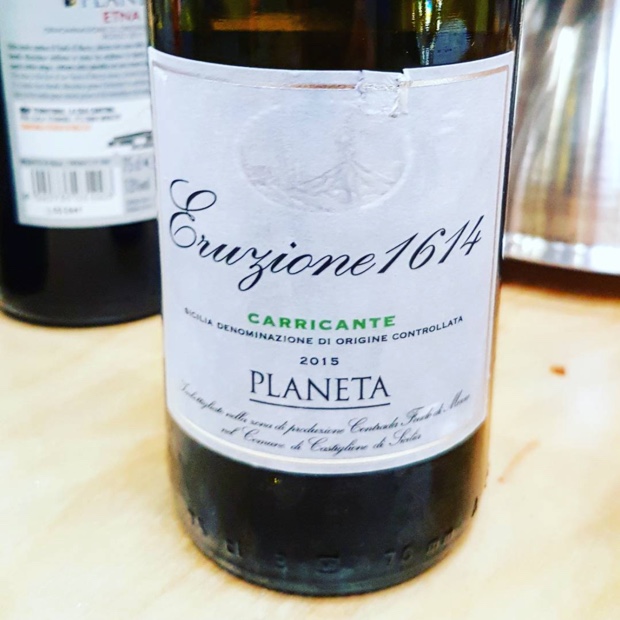
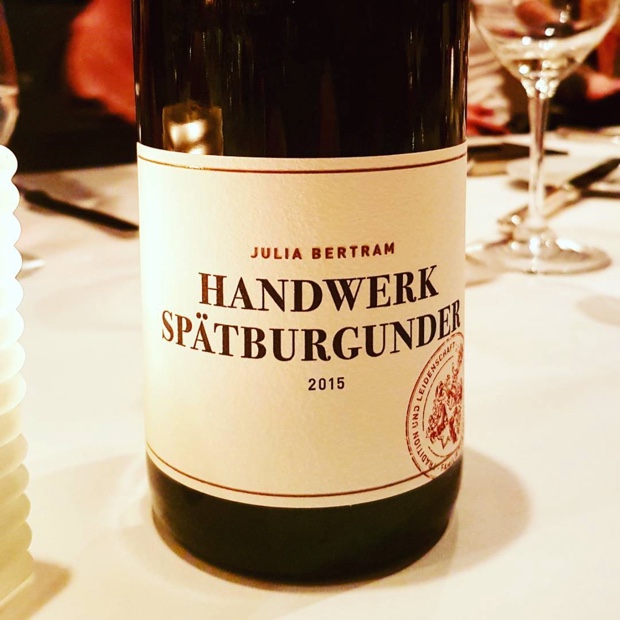
Château Haut-Brion 1986, Saffredi 2004, Brokenwood Sémillon 2007, Domaine Gros Frères Clos Voguent Musigni 2013, M. Lapierre Morgon 2010, Domaine G. Roumier Bonnes-Mares Grand Cru 1996, Domaine Jamet Côte-Rôtie 2006, Coppo Barbera d’Asti Nizza Riserva della Famiglia 2009, Le Fraghe Bardolino 2015, Sordo Barolo Riserva Gabutti 2006, Carobbio Chianti Classico 1990, J & J Eger Kékfrankos 2006, Château Léoville Las Cases 2001, François Cotat Chavignol Sancerre Rosé 2009, Domaine La Vieux Télégraphe Châteauneuf du Pâpe La Crau 2005, D’Arie Syrah 2012, Julia Bertram Handwerk Spätburgunder 2015, Planeta Carricante Eruzione 1614 2015, Dominus 1994, Château Lafite Rothschild 1998 and Esmonin Gevrey-Chambertin Clos Saint-Jacques 1993.

Several times a years I gather with groups of like-minded, wine-spirited folks, to break bread and to pop established icons, singular archetypes, varietal rarities and supernumerary misfits. Many of the wines on this 2017 list are a result of having been fortunate enough to be included in repeated repasts with pirates on picnics and doctors at dinner.  Most of the rest are travel related, in fact this year alone I tasted approximately 700 sangiovese, 200 barbera, 200 corvina and 100 nebbiolo. So many more of those praiseworthy reds and rosés deserved spots on this docket but alas, the list is short. I do not fulminate them, nor you neither. Here are Godello’s 17 mind-blowing wines of 2017.

It began like this and I got 15 dollars hid above the stove.

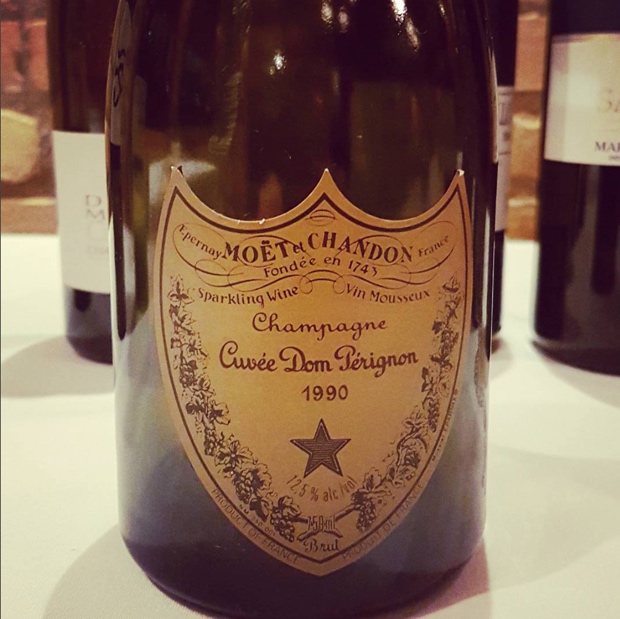
Möet & Chandon Dom Pérignon Vintage Brut Champagne 1990, Champagne, France (280461, AgentWineAlign)

Tasted blind the hue immediately leads the mind in one of two directions; hot vintage or decades of age. I’m tempted to consider a combination of the two, so the decision is warm vintage and a minimum of twenty years age. Further introspection takes me back to 1990 and when the reveal confirms this and in the abide of Dom Pérignon it means one thing. Start the process of thinking again. This wine has done its work, having accumulated a diverse set of developmental traits and processed them so that the language it now speaks is clear and pure. At 27 years of age it’s delicate, smooth, soft-spoken and settled. The finest golden toast (again in hue and more importantly in aroma) glows into the creamy texture, like preserved lemon transformed into gelid curd. The mouthfeel is exceptional with baking bread rising, puffy and satiny glazed across the palate. The seamlessness of this Champagne seeks, solicits and makes rendezvous with no peer or challenger its equivalent, not should any comparison be made. Kudos to a wine that stands on its own and makes you feel this good. It will continue to do so up to and perhaps beyond its 40th birthday. Drink 2017-2030.  Tasted March 2017  moetchandon  @chartonhobbs  @MoetUSA  @ChartonHobbs  @Champagne  Moët & Chandon  Charton Hobbs Canada  Champagne

Famille Picard Saint Aubin Premier Cru Le Charmois 2014, AOC Bourgogne (522078, $57.95, WineAlign)

This is a chardonnay to place the village of Saint Aubin in a remarkable light if only because it’s the most stony, flinty and tightly wound example just about ever. The Charmois is the elevator that carries the appellation into a purity of climat for Bourgogne Premier Cru. In this case terroir delivers the idea of Climat but it is the interaction of the maker that defines the notion simply because there is no mess and no fuss. It just feels like drinking straight from a bleed of the calcareous land, as might happen in a limestone goblet filled with Montrachet. You have no idea how good a deal this is from the most excellent 2014 vintage. Drink 2019-2028.  Tasted October 2017  domainesfamillepicard  profilewinegroup  #bourgognewines #FamillePicard  @ProfileWineGrp  @BourgogneWines  Domaines Famille Picard  Profile Wine Group  Bourgogne Wines

Domaine Bouchard Père & Fils Chevalier Montrachet Grand Cru 2015, AOC Bourgogne (Agent, $480.00 WineAlign)

Chevalier-Montrachet is a matter of aromatics, of the finest of the finest, preserved, reserved, impressionable and of quietly powerful impression. The deistic and the parrhesiastic are reached in this Grand Cru, “one who speaks the truth to power.” Elysium in chardonnay is captured for the perfectly ripe orchard and crushed stones. The young palate is almost severe but takes its first steps down the most ethereal path, with the finest drawn lines and rendered streaks of energy lit, sparked and smouldering. This is Bourgogne of intrinsic value, slowly rising to a crescendo where a flame flickers but within the sheltered lamp of a hurricane. How is such harnessed power even possible? Only like this, in Chevalier-Montrachet . Drink 2021-2037.  Tasted April 2017  bouchardpereetfils  woodmanws  vinsdebourgogne  @BouchardPere  @WoodmanWS  @VinsdeBourgogne  Bouchard Père & Fils  Woodman Wines & Spirits  Vins de Bourgogne / Burgundy wines

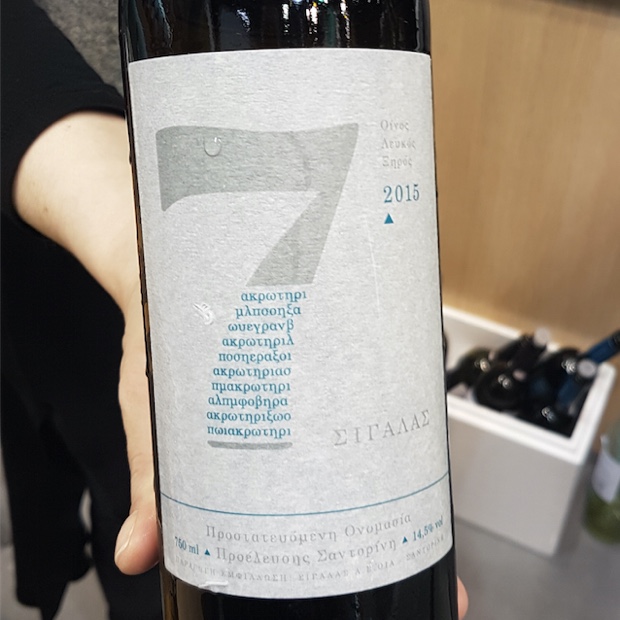
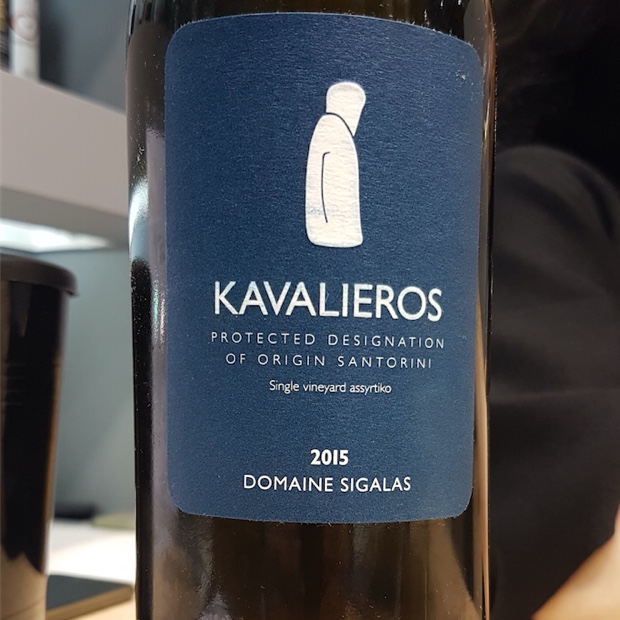
Domaine Sigalas Kavalieros 2015, Santorini, Greece (SAQ 11814421WineAlign)

I’ve not yet tasted the Kavalieros 2014, so this single-vineyard, 18 months on lees done in stainless steel Kavalieros 2015 made by “Mr. George” is the benchmark for Santorini, assrytiko and salty white wines everywhere. The first release was 2009. Straight up and turning the world on its head, like the old man on the label and upside down against Apollo’s Aegean Cyclades. This ’15 richer still, more than the seven villages wines and a hyperbole as compared to the entry-level assyrtiko, of deeper mineral, compressed, layered and fantastic. Crushed rocks permeate in aggregate, it’s quixotically saline and textured, of intense presence and finally, structured. For 15 years at least. A late shot of natural Santorini tonic swirls in centrifuge with assyrtiko so wound up. This will need 10 years to unwind and allow for cracks to form in the mineral shell, followed by the birth of its fruit. It should never be forgotten that assyrtiko can and will show fruit but with Kavalieros you’ll have to be patient. Drink 2020-2031.  Tasted March 2017  @DomaineSigalas  @MajesticWineInc  winesofgreece  domainesigalas  @MajesticWineInc  @DrinkGreekWine  @DomaineSigalas  Panayiota Kalogeropoulou  Wines of Greece

Penfolds Grange 2011, South Australia (356121, $750.00, WineAlign)

There is just something about cool, rainy and irreconcilably regarded vintages that brings out the best in wines made by winemakers of elite acumen. Deliver your best from the greatest of harvests but also “give me your tired, your poor, your huddled masses yearning to breathe free. The wretched refuse of your teeming shore.” Leave the middle of the road to someone else. This Grange faced adversity and won. The yields and output may only be 50 per cent of normal but what gives is the silky texture of Grand Cru Bourgogne. This chosen one of singular vision to represent the multi-tiered and faceted Penfolds Estate tells us about the world inhabited by the instinctual and the ethereal. It combines tannin, structure and aesthetic deeply engrossed in the shadow of its own looming destruction, but is designed from the first with an eye to its later existence as a ruin, forever preserved. If a perfect plum and a magical olive were crossed they would welcome this collective spice of no equal. The quality of bite and chew lead to rumination and the savour rests on a chart clearly defined but in high contrast and only to itself. An analgeisc meets hypnotic cooling is mentholated though if not specific in origin it is only and highly natural. Legendary vintage? Why not. This calm, cool and collected 2011 may just outlast some of the more recently considered top vintages of ’06, ’08 and ’10. Drink 2019-2035.  Tasted May 2017  penfolds  markanthonyon  wineaustralia  @penfolds  @MarkAnthonyWine  @Wine_Australia  Penfolds  @MarkAnthonyWine  Wine Australia

A deep #eredichiappone vertical delve with Daniele for perspective and a release of endorphins @ilNizza possibilities #progrettovini #collisionimonferrato

Erede Di Chiappone Armando Barbera D’asti Superiore Nizza DOC RU 2006, Piedmont, Italy (WineAlign)

RU by Daniele Chiappone is this, at first something altogether inexplicable but when tasted alongside his 2005, 2010 and 2011 it makes such perfect sense. Sense in where this fits in his evolution and to speak on behalf of the age-worthy ability of Nizza barbera. In a world where barbera perfume so often performs with perfunctory brevity this goes on and on. It is a unique combination of fennel frond, incense, hibiscus and violet to create an intoxicant and an anaesthetic. Yet another exceptional vintage is revealed, traditional and so alive, spun from earth crusting over cherry and then this smooth leather. The portal backwards 10 years allows for looks forward 10 more, especially into what’s coming from 2015 and 2016. To say the match with a prodigiously spiced in aromatic ragu over linguine was agreeable would be the understatement of the Monferrato century. Perfectly timed acidity seals the deal. This is barbera folks, of wit, age and history. Drink 2017-2021.  Tasted July 2017  erededi  ilnizza  @erededi  @ilNizza  Erede Di Chiappone Armando  IlNizza

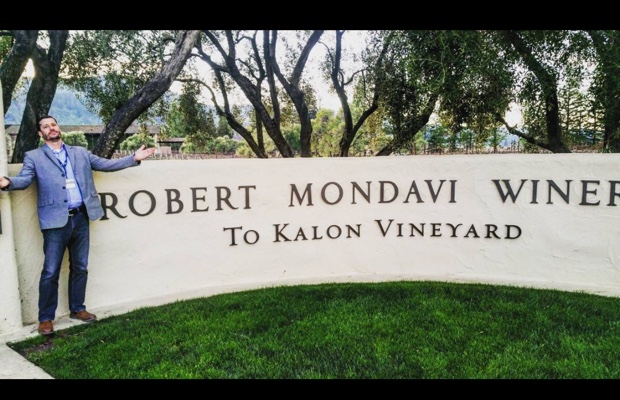
Robert Mondavi Reserve Cabernet Sauvignon To Kalon Vineyard 1999, Napa Valley, California (WineAlign)

This from a time when Mondavi labeled the reserve cabernet sauvignon as “To Kalon Vineyard,” a moniker of essential meaning that would return 14 years later on the 2013 bottle. If this were what Mark de Vere referred to as “a confusing moment in history” I could not say but “this strange bottling” provided an unequivocal and seminal turning point in this wine’s storied past, present and future. It was in fact a small, special cuvée, a little bit different than the ’99 Reserve. “The coolest vintage on record, until it wasn’t,” because of a warm period at the end of summer and early fall that ushered forth a certain, singular sort of ripeness. Regardless of memories, characterizations and twists of fate, this single-vineyard cabernet is as finessed, focused and precise as any Mondavi Reserve. It persists chalky, fine and gritty in tannin running amok, dragging the acidity forward and around. The workout is something to behold, a dispatch of late Napa fashion and never more successful than right here. The dépêche mode of To Kalon is by now famous but culminated with this ’99 for everything to follow, with consistency and a guarantee of modern quality. Listen to it croon “try walking in my shoes.” Many have and many continue to pay homage to this Napa Valley originator and pioneer. It’s a cabernet sauvignon of faith and devotion. Drink 2017-2029.  Tasted May 2017  robertmondavi  @RobertMondavi  Robert Mondavi Winery

Quilceda Creek Cabernet Sauvignon 2003, Columbia Valley, Washington (Agent, WineAlign)

A truly remarkable nose, notably violets and peregrine species of spices. There is so much perfume and beauty, an Aishwarya Rai Bachchan nose and then there is the fruit. Blackberry, Cassis then into vanilla, scented happiness like ruby red grapefruit and bergamot. If it should have aged I can’t say but it’s still a voluminous and voluptuous thing to sip. It blinds like first Growth Bordeaux with its perfect extraction. Thoughts keep at it, to blueberries, cigar box and Kirsch. The tannins are sweet and gritty, not fully resolved and imagine Margaux. You could consider taking out a mortgage on yours and your neighbour’s house for this one. It was one of many great reds tonight but I’ve just tasted this. And I wept. Drink 2017-2024.  Tasted March 2017  @QuilCreekWinery  @thevineagency  winesofwashington  wa_state_wine  @QuilCreekWinery  @TheVine_RobGroh  Quilceda Creek Vintners  @WINESofWA  The Vine – Robert Groh Agency  Washington State Wine

A great honour to taste this 1995 #carobbio #leone and in memory of #carlonovarese Thank you Dario and Silvia. Would like the chance to do it again in 22 years #toscana #sangiovese

Tenuta Carobbio Leone 1995, IGT Toscana, Italy (WineAlign)

Leone 1995 was made under the auspices of the Vittorio Fiore-Gabriella Tani oenology stylistic for Carlo Novarese. To say that this single-vineyard sangiovese is youthful would be the biggest IGT understatement of the century. From vines that at the time were 25 years-old, Leone is not just a survivor of a universally-declared incredible vintage, it is a singular expression from 1990’s Tuscany, in Chianti Classico and for Panzano. The violets, dried espresso and plum-amaretti semifreddo (savoury, not sweet) mixes with fennel frond, fresh rosemary and the 20-plus years lingering Carobbio tobacco. The acidity is fully intact, still travelling up and down the sides of the tongue, repeatedly and soliciting so much savour, sapidity, a desire for a mouthful of hematic, rare sear of Claudia’s beef filet and then more and more sipping. After 20 minutes the aromatics deliver a raspberry purée and even a black olive and mineral-saline, short of briny caper into the fray by stroke of some aromatic brush and bush in the light afternoon wind. That’s enough. I’m not sure my heart can take any more. Time for Vin Santo. Drink 2017-2029.  Tasted February 2017  carobbio_wine  chianticlassico  @Tenuta_Carobbio  @chianticlassico  Tenuta Carobbio  Chianti Classico

In @chianticlassico mano nella mano 1986, @fontodi #vignadelsorbo & #flaccianello thank you Giovanni Manetti for sharing these two opposing forces of the Tuscan paradox #chianticlassico

Fontodi Flaccianello della Pieve 1986, Tuscany, Italy (WineAlign)

Flaccianello in 1986 is actually though not surprisingly so different from Vigna del Sorbo, more than any other reason because of the cabernet sauvignon, but in a more philosophical way, because they have built a paradox, from the Super Tuscan ideal in revolution. Now the sangiovese going forward will be the most important and also the best wine, like looking back at this 1986, OK, not better than Sorbo but purer, honest, a clearer picture from which to learn from and ultimately a model for the future. Beautiful power, restraint, structure and yes, the kind of wine that deserves to be praised with the term elegance, overused, or not. Perfectly rustic, earthy and full of fruit with its accompanying complimentary, enervating and necessary acidity. Drink 2017-2023.  Tasted September 2017  Fontodi  chianticlassico    @chianticlassico  Chianti Classico  Az. Agr. Fontodi

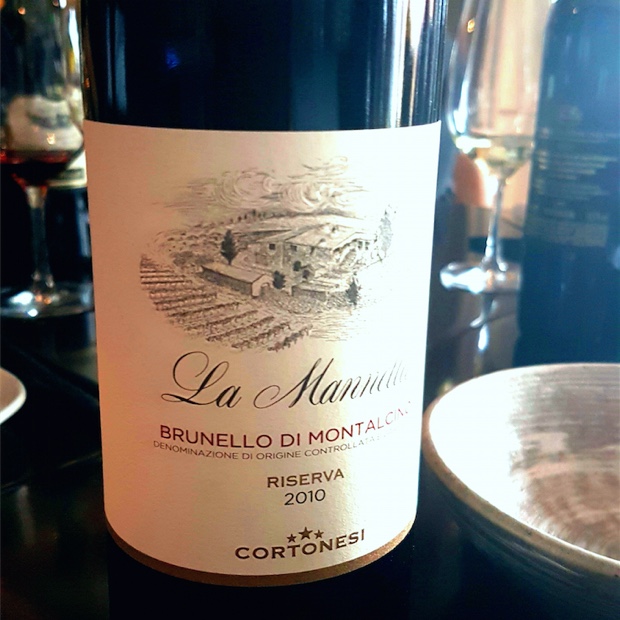
Cortonesi La Mannella Brunello Di Montalcino Riserva 2010, Docg Tuscany, Italy (Agent, $202.95, WineAlign)

There are few Brunello vintages afforded more attention in the last 10-plus, certainly ’04 and ’06, increasingly better even from ’08 and looking forward towards what greatness will come in 2015. Yes but not solely magnified through the lens of patience and bottle time, from 2010 La Mannella has coupled upon and layered over itself like compressed fruit and puff pastry. Though it begs for drink now attention, another seven years will be needed before it can safely be labeled as uncoiled and to reveal all that is wrapped so tight. Rich is not the operative but unmistakeable as Cortonesi it is; that natural clay soil funk of resolution and fully hydrated chalk. This is to sangiovese as Les Preuses Grand Cru Chablis or Rangen Grand Cru Alsace are to Riesling. It carries in its pocket the absolute meaning and genetic responsibility of where it comes from, with a curative and restorative ability to get you lost. Drink 2019-2031.  Tasted February 2017  marcora85  nicholaspearcewines  brunellodimontalcino  @LaMannella  @Nicholaspearce_  @ConsBrunello  Tommaso Cortonesi  Nicholas Pearce  Consorzio del Vino Brunello di Montalcino

Maison Roche De Bellene “Collection Bellenum” Grand Cru Clos De La Roche 1998, AOC Bourgogne, France (Agent, $364.95, WineAlign)

Clos de La Roche 1998 may be 19 years old but you have to swirl the britches out of this Grand Cru because reduction persists in its make-up. Once you work your way over the wall a field of wildflowers and a roses bouquet lays out as far as the nose can mind’s eye. This is pure candy in its most arid, blessed and gout de terroir way. It is as charming as Burgundy can be and yet so fine of tannin, tight and duplicitously-grained in clone upon itself. One of those wines so difficult to put to words because it teaches and you can do nothing but listen. I’d still want to wait two more years, maybe more, before knowing I’ve waited long enough. Close de la Roche speaks to me but to answer with any real credibility and respect I will need to think some more. Drink 2019-2035.  Tasted February 2017  domaine_de_bellene  nicholaspearcewines  vinsdebourgogne  @RochedeBellene  @Nicholaspearce_  @VinsdeBourgogne  Bellene  Nicholas Pearce  Vins de Bourgogne / Burgundy wines

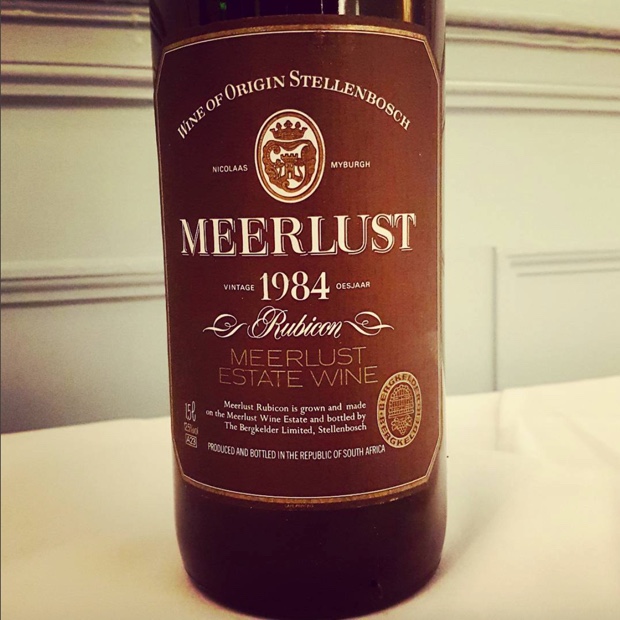
Not just #meerlust more like major lust. Thank you for the sexy time travel @meerlustwine Laurel Keenan and The South African Wine Society.

Meerlust Rubicon 1984, Wo Stellenbosch, South Africa (WineAlign)

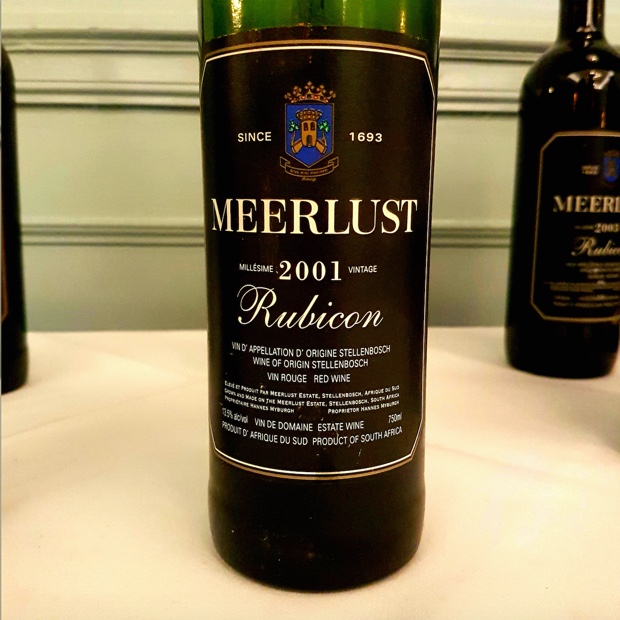
Meerlust dates back to 1693, the house that is “love or pleasure of the sea.” Less than five kms south from the Atlantic Ocean, the property was purchased in 1756 and to this day remains family owned, now in its eighth generation with 260 years of continuity. Rubicon 1984 is poured (with brilliant decision making) from magnum and is therefore fresher than the 1996 with an incredibly controlled level of fineness in tannin, from acidity and at the threshold of understood volatility. “Perhaps one did not want to be loved so much as to be understood,” like this early Rubicon. The future of Meerlust is foretold with Orwellian transparency, bold honesty and expert ability. “Who controls the past controls the future.” Drink 2017-2019.  Tasted September 2017  meerlustwine  wosa_za  wosa_ca  liffordgram  @MeerlustWine  @LiffordON  @WOSA_ZA  @WOSACanada  MEERLUST ESTATE  Lifford Wine and Spirits  Wines of South Africa

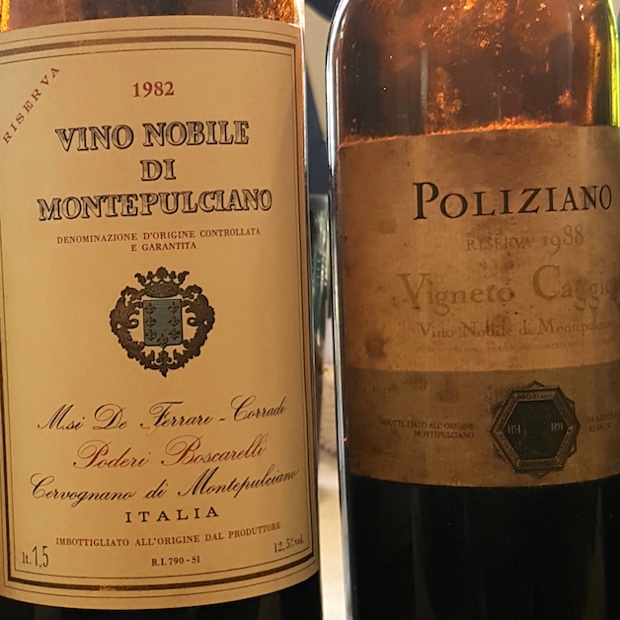
Boscarelli Vino Nobile Di Montepulciano Riserva 1982, Tuscany, Italy (WineAlign)

The Boscarelli acts like a much younger Nobile, from an exceptional vintage and a producer way ahead of its time. The key is to decide which side of the evolutionary fence we’re on, closer to that 1967 from Contucci or to what is happening today. This may actually be the turning point for Vino Nobile because it really has one foot entrenched in each world. Very much in the mushroom and truffle aromatic atmosphere, where sangiovese should feel free and comfortable to travel in the twilight of its golden years. This is beautiful, with some dark fruit persisting and acidity still in charge. You can imagine the old tannins but they no longer make any demands. Drink 2017-2020.  Tasted at Anteprima del Vino Nobile di Montepulciano 2017, February 2017  #PoderiBoscarelli  lucadeferrarildf  artisanal_wine_imports  consorzionobile  #poderiboscarelli  Nicolò De Ferrari   Luca De Ferrari  @artisanalwineimports

Antichi Poderi Dei Marchesi Di Barolo Gia’ Opera Pia Barolo 1958, Piedmont, Italy (WineAlign)

Poured by Ernesto Abbona on his wife Anna’s birthday, a ’58 at the ripe old age of 58 (though it will turn 59 later this year). Simply, in the words of the Abbona family, “a special evening, special friends, special vintage,” with a cork that looks as good as new, though Ernesto takes great time and care in its extraction. The aromas are blessed of a collective umami but would better be served by a new descriptor because they are antediluvian and impossibly preserved. Forget mushrooms and truffles. These scents are brand new, with no truly identifiable frame of reference, as if plucked from some guise of Eden where never before tasted dark berries fall effortlessly into the hand off of gariga savoury-scented bushes, brambly and crawling intertwined with nasturtium on a composting forest floor. The 1958 was and still is a nebbiolo of struttura, of a fibra morale that tells a story of consistency and longevity. With air it became more complex if deeper and turbido. That this magical nebbiolo from another era hovered in the lasting air of a 30 minute long ethereal says that you could open a few more but perhaps not much beyond its 60th birthday. Drink 2017-2018.  Tasted July 2017  marchesibarolo  majesticwinesinc  @MarchesiBarolo  @MajesticWineInc  @marchesibarolo  Majestic Wine Cellars

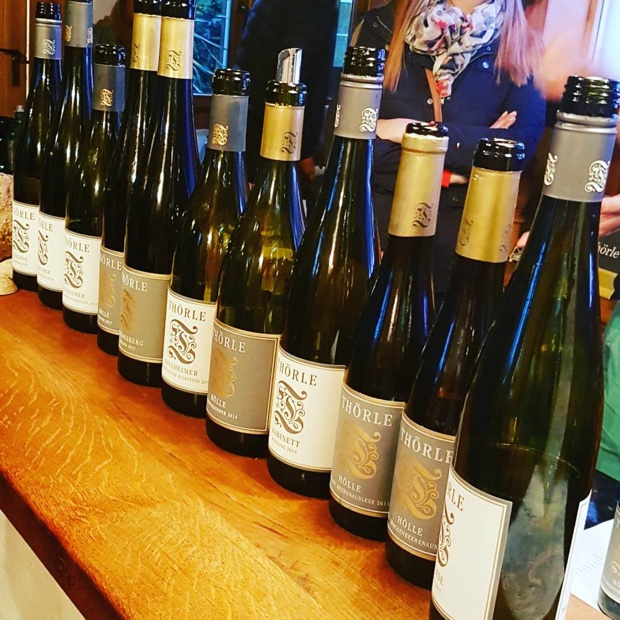
The mythology of #thorle #riesling in Beerenauslese and Trockenbetenauslese #weingutthörle #gabsheim #rheinhessen #holle

Thörle Riesling Trockenbeerenauslese Hölle 2011, Rheinhessen, Germany (WineAlign)

The Hölle TBA 2011 is a minuscule 180 bottle single-vineyard production and the vintage was simply perfect for the effort. The process involved the collection of a few berries at a time over the course of three weeks, started in the fridge and was then pressed when the amount of approximately 100L could be obtained. “This is the king’s discipline for creating such a riesling” explains Christoph Thörle. Thick like honey, full of unctuousness and viscosity. It is expressly noticed how the colour and the development have not advanced considering the six year mean. The exoticism is what separates this, with fruits far east, creamy and perfectly easy to assimilate, in flavour, consistency and understanding. Sweet herbology, of thai basil and thyme and candied mandarin rind. Here, a piece of history and legacy from Christoph and Johannes. Drink 2021-2041.  Tasted March 2017  thorle_c  thorleestatewinery  univinscanada  @thoerle  @UNIVINS  @germanwineca  @gen_riesling

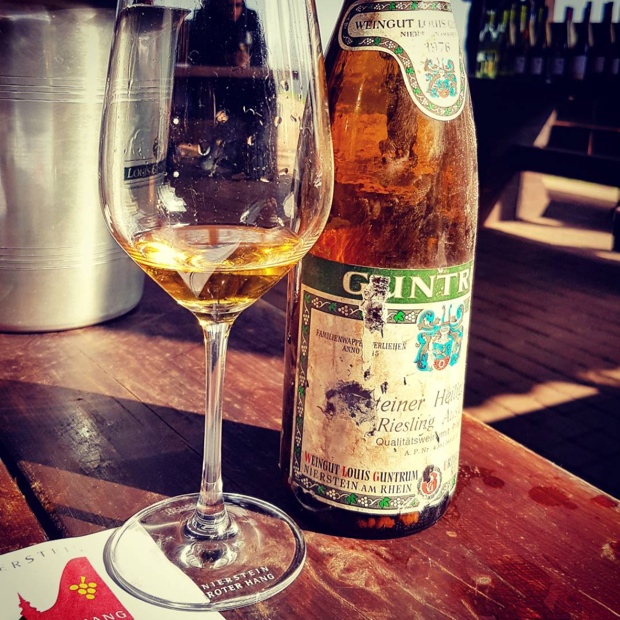
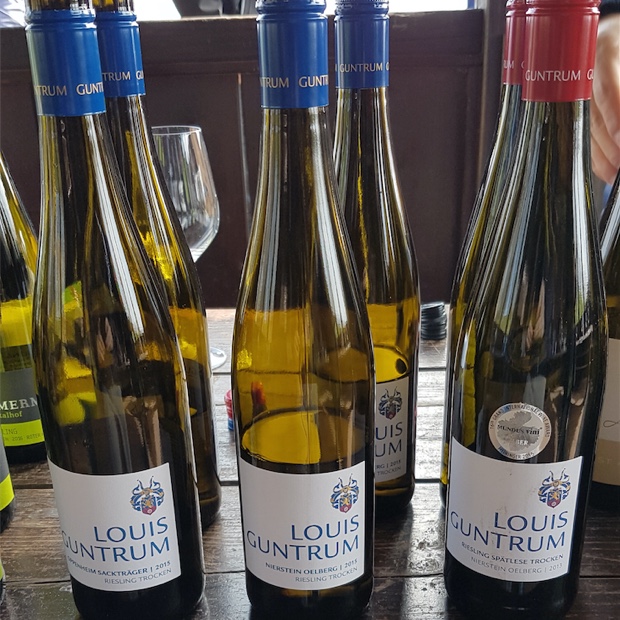
Will be a top ’17 from 2017 #louisguntrum #1976 @weininstitut #rieslingauslese #niersteiner #heiligen #nierstein #niersteinamrhein #roterhang

Weingut Louis Guntrum Riesling Auslese Niersteiner Heilibengaum 1976, Rheinhessen, Germany (WineAlign)

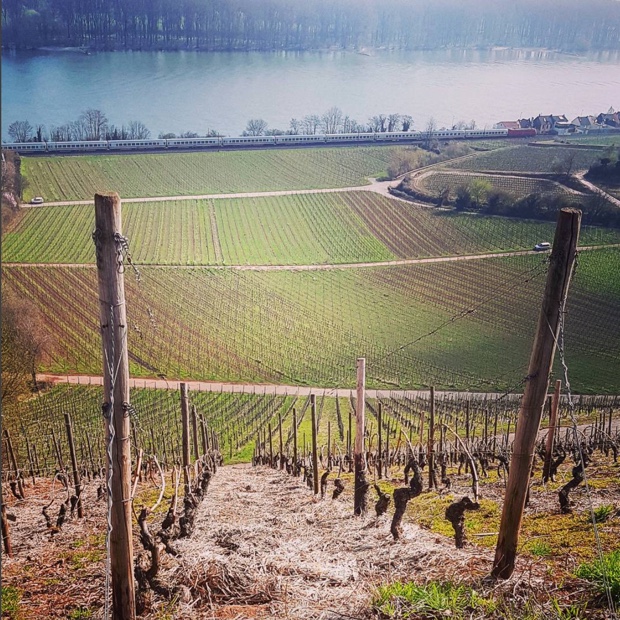
“Roter Hang is a geological statement” says Louis Konstantin Guntrum. If you want to hang around and try to understand its red soils and friable limestone fettle it requires a focused state of mind. Guntrum introduces this 1976 by saying “it’s a young guy, 40 years old,” the same thing he could have said years ago about a 1917 Roter Hang Riesling. The comparative studies is a matter of perspective, a theory of relativity, in reduction, colour, drama, florality and fabulousness. While certain vintages and specific wines will blow you away more than others there is something to be said about older just being more interesting, whether 1917, 1976 or whatever back vintage you want to try your luck with. It’s simply remarkable and crazy how sugar and acidity can preserve riesling like this, especially and/or truly withstanding the Roter Hang. The honey and candied orange blossom are so prevalent but it almost seems dry (relatively speaking) even though 100 grams or more of sugar have driven this wine. Beauty from bitter phenols blend with lanolin, paraffin, ginger and ginseng. Keep returning for 15 more years. Drink 2017-2031.  Tasted March 2017  #louisguntrum  @weininstitut  wines_of_germany  @LouisGuntrum  @WinesofGermany  Weingut Louis Guntrum  German Wine Institute i.e. Wines of Germany

\

Good to go!

Godello

Twitter: @mgodello

Instagram: mgodello

WineAlign


Gold Medal Plates Toronto 2017

Go Time @GoldMedalPlates Toronto #gmp2017

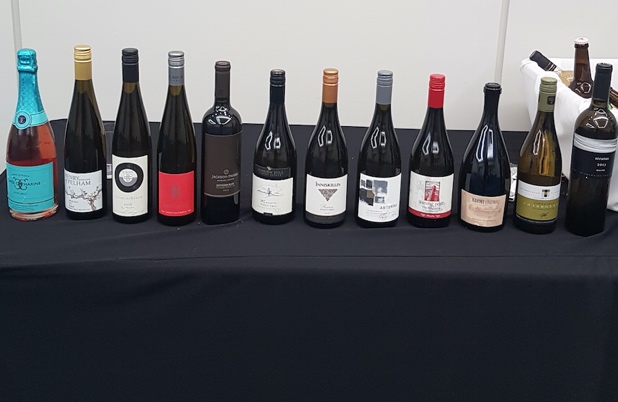
It was my fourth Gold Medal Plates Toronto as wine judge, culinary taster and olympic athlete groupie. In 2014 WineAlign partner, colleague, mentor and friend David Lawrason invited me to join the festivities and help decide which three wines should be crowned Gold, Silver and Bronze. Two weeks ago a panel of Ontario wine experts tasted, assessed, debated, deliberated and ultimately decided this year’s top three. David Lawrason, John Szabo M.S., Michael Vaughan, Margaret Swaine and Godello. The winner ran away from the pack but two through six were separated by one point increments. It was a photo finish for Silver and Bronze.

The 2017 Toronto event featured emcee Scott Russell of the CBC’s Olympic coverage. Russell was joined by dozens of Olympic medallists and future hopefuls. Blue Rodeo’s Jim Cuddy led the on-stage entertainment; Anne Lindsay, Danny Michel, Jeremy Fisher, Devin Cuddy and Sam Polley. The inimitable and eloquent James Chatto was once again at the head and the heart of the culinary judging panel with seats occupied by an illustrious five; Sasha Chapman, Anita Stewart,  Christine Cushing, Amy Rosen and Chef John Higgins.

Gold Medal Plates Toronto 2014

For a little bit of GMP history please click on this post I penned after that 2014 gala event. The culinary winners then were Gold Medal Plates Toronto 2014 bronze, gold and silver medal winning chefs Damon Campbell, John Horne and Jason Bangerter. The top three wines were Norman Hardie‘s Niagara Unfiltered Pinot Noir 2011, Hidden Bench Nuit Blanche Rosomel Vineyard 2012 and Creekside Estate‘s Iconoclast Syrah 2012. But what about 2017? My top seven in no particular order were Flat Rock Cellars Riesling Nadja’s Vineyard 2016, Ravine Vineyard Chardonnay Reserve 2014, Charles Baker Riesling B-Side 2016, Henry of Pelham Cuvée Catherine Brut Rosé, Stratus White 2013, Leaning Post Chardonnay ‘The Fifty’ 2015 and Tawse Chardonnay Quarry Road 2013. The actual medalists are listed below in David’s report.

National Wine Advisor David Lawrason’s Wine and Spirits Report

Nadja’s Tops a Bounty of Great Whites in Toronto

“The Gold Medal Plates campaign came to a booming 800-person conclusion at Toronto Convention Centre on November 16, and it included the largest selection of wines seen in any stop on the ten-city national tour.  We judged 26 donated wines, beers, spirits and even a lavender mead, but it was a core of great Canadian white wines that caused the most excitement, and produced the winner of the evening.

The “Best of Show” Gold Medal went, by a very clear margin, to Flat Rock Cellars 2016 Nadja’s Riesling, from a single block of maturing vines in Niagara’s Twenty Mile Bench appellation. I was personally stunned by just how delicious, well-balanced and nuanced this wine is – in my mind it is the best vintage of “Nadja’s” ever produced.  Other judges agreed – we all placed it as either our first or second choice.  This beauty also took a rare Platinum Medal at 2017 National Wine Awards.

It will go on to compete for Gold Medal Plates Wine of the Year at the Canadian Culinary Championships in Kelowna in February, and it appears there will be a riesling showdown, as it will be tasted against rieslings from Tantalus, Cave Spring and Norman Hardie, plus six other wines.

For second and third place the voting in Toronto was more varied, and only one point separated the second, third and fourth place wines.  The Silver Medal went to Mission Hill 2015 Merlot Reserve, a swarthy, plummy and ripe red from the Okanagan Valley.  And the bronze medal went to Henry of Pelham Cuvee Catharine Brut Rose, a delicate refined pink sparkler with subtle berry aromas.

In very close 4th place came Tawse 2013 Quarry Road Chardonnay from Niagara’s Vinemount Ridge sub-appellation. I have become very familiar with this solid, complex Burgundian chardonnay as it was generously donated by Tawse to the Celebration in three cities this year. It was also a Platinum Award winner at the 2107 WineAlign National Wine Awards of Canada.

Tawse was one of three Gold Level sponsors. Mission Hill was a national sponsor as well, donating a variety Reserve wines to seven city events across the country, and stepping even higher in Toronto with smaller donations of their more expensive “Legacy tier” red Compendium 2013 and Perpetua 2015 Chardonnay.

Arterra Wines, the recently re-named company with several wineries in Canada, was a gold sponsor donating to six cities.  In Toronto there was a selection of reserve whites and reds from Jackson-Triggs and Inniskillin, as well as a rare public showing of the new Arterra 2016 Chardonnay and Arterra 2016 Pinot Noir.

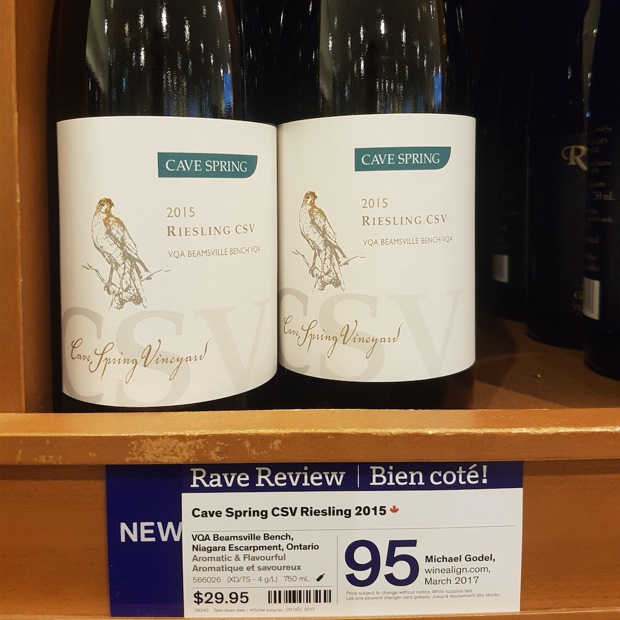
Toronto’s Silver Sponsor also donated to Ottawa. Cave Spring of Niagara donated their 2015 Cabernet Franc.  Although better known as a riesling producer, Cave Spring is doubling down on its efforts to produce fine reds from Ontario’s most widely grown grape.

Flat Rock Cellars was one two Bronze level sponsors for the Toronto event, providing Nadja’s riesling for the VIP Reception and Celebration tables. The other was Henry of Pelham, which split their donation between the 2016 Old Vines Baco Noir and yet another strong 2016 Estate Riesling.

Among other notable and high calibre wines donated to the chefs, I gave my first-place vote to Stratus 2013 White, a very complex, now maturing, barrel aged blend of several white varieties. Ravine 2014 Chardonnay Reserve, another power white, also earned top-five votes.  Leaning Post 2015 Mile 50 Chardonnay was a leaner style that paired well with Gold Medal Plates Chef Lorenzo Loseto’s winning dish.  And riesling specialist Charles Baker chose the occasion to show his new, bracing B-Side Riesling.

Interestingly, no red wines were paired with chef’s creations this year, but there were two ciders, including the fine, crisp Brickworks CiderHouse Batch 1904 and a lighter cider called Pick Up 66 from Hoity Toity Cellars. Rosewood Cellars donated their exotic, fragrant Lavellener Lavender Mead, and Zirkova Vodka set up shop during the VIP Reception to sample Zirkova One, a vodka designed to be drunk “neat” and Together a version designed for cocktails.

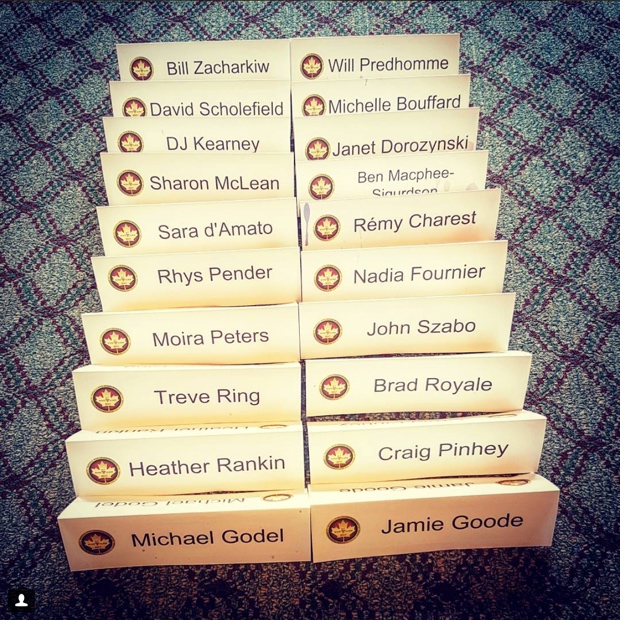
The Best of Show judging is held prior to each event, as way to highlight the generous donation of beverage by Canada’s wineries, brewers and distillers.  In Toronto I assembled four wine pros/sommeliers.  Three are amigos at WineAlign.com and two are judges at the National Wine Awards of Canada; including Master Sommelier John Szabo, and wordsmith extraordinaire and former chef Michael Godel.  Margaret Swaine is a veteran wine and travel writer, and the spirits columnist at WineAlign.  Michael Vaughan publishes Vintages Assessments, a detailed critique of every wine released by the LCBOs Vintages stores.”

Chef Lorenzo Loseto’s @GoldMedalPlates winning dish @georgeonqueen paired by @brieish with @leaningpostwine The Fifty Chardonnay 2015. Congratulations Chef and the entire team.

Culinary Medals

Gold

Lorenzo Loseto
George Restaurant

Pairing: Leaning Post Wines, 2015 ‘The Fifty’

Silver

David Lee
Nota Bene

Pairing: Brickworks Ciderhouse, Batch: 1904

Bronze

Jesse Vallins
Maple Leaf Tavern/PORT

Pairing: Tooth & Nail Brewing Company, AGRARIA Modern Farmhouse Ale

Nota Bene’s David Lee

Here are my tasting notes for the 20 wines entered at Gold Medal Plates 2017.

Henry Of Pelham Family Estate Winery Cuvée Catharine Brut Rosé, VQA Niagara Peninsula, Ontario (217505, $29.95, WineAlign)

A whole new base, a whole new wine, the departure point exacted by a new wisdom and understanding. But it’s somehow like looking in the mirror, reviving a good memory, going back to wine childhood. Consistency is your friend with non-vintage fizz and the Catherine(s) are the undisputed leader in the Ontario biz. Brings back the Niagara orchard of a take your pick red apple, lovely creamy texture, a mild blanch of nut and fresh baked bread. Terrific class and of its own accord. Drink 2017-2021.  Last tasted at Gold Medal Plates Toronto, November 2017

With its fine, strawberry mousse is at the head of its Ontario class. Vanilla, Ida Red apple and bitter nut combine like a smooth, creamy, Mediterranean spread to dip the warmest, fresh-baked bread.  Tasted December 2012

Henry Of Pelham Riesling Estate 2016, VQA Short Hills Bench, Niagara Peninsula, Ontario (557165, $17.95, WineAlign)

A rash of aromatics straight away and marked warmth verging to humidity. More weight, substance and depth than most vintages deal when youth is the tempo so this riesling plays the notes and the hand quick after the draw. What you nose, taste and feel is what you get, with lime, gassing up to petrol quickly and flavours already in developing mode. Five years of riesling together for the best of times, from beginning to end. Drink 2017-2021.  Tasted November 2017

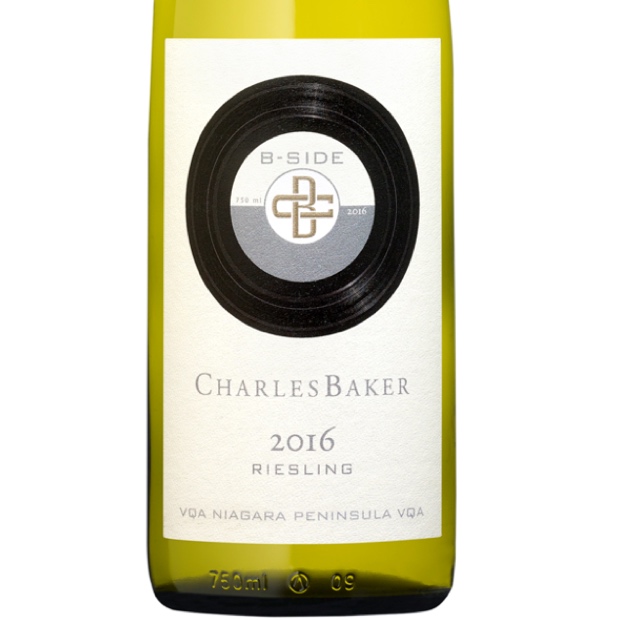
Charles Baker Riesling B-Side 2016, VQA Niagara Peninsula, Ontario (Winery, $22.00, WineAlign)

Vinyl records sound different because they are designed with grooves carved in that mirrors the original sound’s wave form. Their analog recording delivers a sensory feeling of warmth, an aural of texture, nuance and soul. There was a time when the hits spun over and over were also pressed onto the A-Side of 45 rpm singles. The discovery of a never before heard B-Side was a revelation because is was extra material from a favourite band and it was a great song. It meant the record was already too strong for that song to make the final cut and to choose it for a B-Side meant it would elevate the quality of the album. A well-chosen B was not an afterthought. This is the accomplishment of the first Charles Baker’s B-Side, for itself and for the vineyards of Ian and Picone. Baker digs about in the Niagara Peninsula’s escarpment dirt for young vine, not ready for prime time riesling fruit. If perchance it seems like cheating on his per se Vinemount Ridge Picone and Ivan bottles so be it but one look at him and he’ll say “Hey, hey, what can I do?” His 2016 B-Side delivers a spray bottle Zeppelin expressing heady aromas, high in the stratosphere and raining down upon the earth. The notes are an all in, breath of classic Baker riesling air, blanketing from up above and with a landscape that reeks of lime and quivers with classic agitation. The fruit is wild and full, the salty grit infiltrating and gripping the bloody omniscience of this package. What is this B-Side and where will it be lead? To the top of the ridge, from earlier harvests, younger fruit and higher yields. Scratch the single vineyard elitism, just listen to the song and raise one up, to getting ‘er done before the conceptual singular side one and side two, Ivan and Picone. The Beatles? Forget it. Led’s flip side to the ‘Immigrant Song’ A is the one. Drink 2017-2021. Tasted November 2017

Flat Rock Riesling Nadja’s Vineyard 2016, VQA Twenty Mile Bench, Niagara Escarpment, Ontario (578625, $24.95, WineAlign)

Nadja, like the Bréton novel begins with the question, “Who am I?” A surrealistic trigger is incited by the first taste, with excitement running in many directions but like the book, Nadja’s non-linear structure is grounded in Twenty Mile Bench riesling reality. She is an elite varietal wine in 2016, excitable girl, gregarious, punchy and so bloody juicy. I don’t recall the last Nadja with so much up front zest fervency and writhing aromatic gait, “exploding international, the scenes, the sounds, and famously the feeling that you can’t squeeze ground.” The lime flesh and cordial infusion brings the flavours into a once tropical, twice bitten realm. The vintage delivers the electric version, the new pornographer for the vineyard and the song sung loud swan song for departing winemaker Jay Johnstone. Was it all for swinging you around? Drink 2017-2024.  Tasted October 2017

Jackson Triggs Niagara Estate Sauvignon Blanc Grand Reserve 2015, VQA Niagara Peninsula, Ontario ($19.95, WineAlign)

Arterra’s JT sauvignon blanc is youthful and even a bit reductive, with wood notable and a real sauvignon blanc pungency. Its character and a bit of risk are tied up in the aromatics though it settles for mild-mannered and middle of the road on the palate. Drink 2017-2020.  Tasted November 2017

Mission Hill Family Pinot Gris Reserve 2016, BC VQA Okanagan Valley, British Columbia (537076, $24.95, WineAlign)

Reserved to be sure and also still in pulse mode, with some tongue pin-pricking, not quite effervescent but moving in time. A bit of skin-contact hue and plenty of orchard fruit notes are present in both aromas and flavours. Solid gris that will improve in six months or so. Drink 2018-2021.  Tasted November 2017

Inniskillin Okanagan Pinot Gris Reserve 2016, BC VQA Okanagan Valley, British Columbia ($19.99, WineAlign)

Noticeable skin-directed hue, chalky to soapy, with a taste that reminds of Topps hockey card bubble gum. Childhood memory revisited in pinot gris. Drink 2017-2018.  Tasted November 2017

Arterra Chardonnay 2016, VQA Niagara Peninsula, Ontario  (Winery, $25.00, WineAlign)

Arterra’s chardonnay comes from a famous Peninsula source, formerly made into just as famous wines by Le Clos Jordanne The site is on the Escarpment’s Bench above Jordan Village and this is the second vintage at the hands of Jackson-Triggs winemaker Marco Piccoli. Picks up where the fine and ambitious first vintage in 2015 left off but here with some light strike and reduction. You can just feel the buttered toast and kernels behind the flinty curtain, with blanched nut and some fine elasticity. Will benefit from a few more months in bottle to gather thoughts and flavours. Drink 2018-2021.  Tasted November 2017

Leaning Post Chardonnay ‘The Fifty’ 2015, VQA Ontario (Winery, $25.00, WineAlign)

This is chardonnay that had a cup of coffee in the big leagues and was then moved to the fresh confines of stainless steel tanks soon after its 15 minutes of barrel fame. It’s a unique chardonnay specimen this Fifty, barrel fermented but not aged, a wine crafted with pragmatic reverse psychology so that it may solicit great appeal. If you’ve never tasted Ilya Senchuk’s entry-level foray into Peninsula chardonnay you’ve been missing out, but by starting here in 2015 there is certainly no harm, no foul. This is the most pleasing and palatable Fifty so far, barrel creamy, suety and magically malolactic on the nose. The flavours are cooler, of an anti-Senchuk subtlety and versatile food amenability. I can think of 50 reasons to pour this by the glass, at home, on a restaurant list or on a campsite under the stars. Drink 2017-2020.  Tasted April 2017

Ravine Vineyard Chardonnay Reserve 2014, VQA St. David’s Bench, Ontario (Winery, $55.00, WineAlign)

The Reserve is 100 per cent estate fruit that spent 18 months in (50 per cent new) barrel. As it’s both barrel fermented and aged the variegation locks the fruit in so bloody tight so even now it’s reductive, smoky and flinty. A mineral chardonnay needs balance from over the top fruit and so track record, acumen and love will have it so. Marty Werner and Ben Minaker’s is a big, summery and gold platinum expression, very expressive, the two-lb steamed in seaweed lobster chardonnay, seemingly Meursault but just as likely from California. But as Ravine’s Reserve on the St. David’s Bench it is purely Niagara Peninsula. Fruit intensity, extract and controlled oxygenation shows off the best of what these men can do. It speaks to their efforts, knowledge accumulation, trials and finally to the culmination of their stamina. Drink 2018-2023.  Tasted July 2017

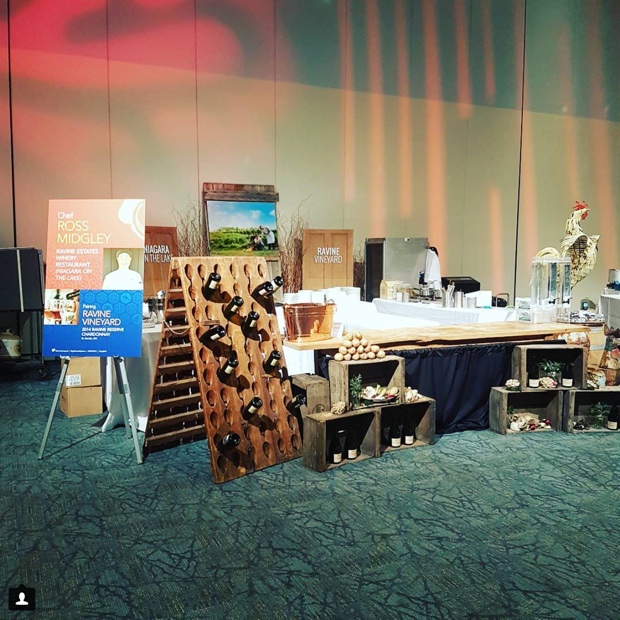
Small @RavineVineyard village looking pretty sweet at @GoldMedalPlates 2017 #gmp2017

Tawse Chardonnay Quarry Road Vineyard 2013, VQA Vinemount Ridge, Ontario (111989, $35.80, WineAlign)

When I tasted Quarry Road 2013 out of four barrels three years ago the purpose was to take in the nuances and see only the trees. I for one could not help seeing the forest through the trees and imagining percentages of each combining for the final blend. Neutral Mercurey wood looked over infant three year-old vines spoken here with surprising density, tang and tropical melon in both aroma and flavour. This sits on the front palate right now. The mineral Ceres qualifies older fruit as the pretty and the gemstone, essential for Quarry Road, the most like (Meursault) in Burgundy. This fruit transferred to stainless on the lees from September to March before going into bottle now renders to make Quarry the purest expression from the best vineyard. The CLL toast delivers the taut, not yet reductive wood tightening, then and again now, mainly on the finish. Compressed citrus notes are late arriving and even if it is splitting hairs, the oak really impacts the finish. The larger CLL toast Mercurey barrel reveals a fresher, more reductive, less oaky feel. All together we now have one of Paul Pender’s most accomplished to date and all chardonnays considered, one of the finest higher end values around. I think he would agree. Drink 2017-2024.  Tasted May 2017

Mission Hill Perpetua 2015, BC VQA Okanagan Valley, British Columbia (Winery, $73.03, WineAlign)

Perpetua is a different sort of chardonnay for the Okanagan, with not completely obvious fruit and leesy notes that outdo the effects of wood, plus a lactic edge that also smothers the smoulder. This is not the toastiest of chardonnays but is does deliver a saltiness so ultimately the reference point is flint and stone, a.k.a. Chablis. A bit of crème frâiche adds to the dairy mystique. Perpetual chardonnay motion leads to persistence. Drink 2017-2022.  Tasted November 2017

Stratus Vineyards Stratus White 2013, Niagara Lakeshore, Ontario (660704, $38.20, WineAlign)

There can be little doubt that anticipation would haver to run high for the aromatic, elongated and coolest of Niagara white wine vintages, especially for the chardonnay, but also for the iconic, four-varietal (with sauvignon blanc, sémillon and viognier) blend. The five sensory tenets are solicited and provided for; salty, sour, sweet, briny and umami. The last is exotic and punchy, so this White does it all, speaks for it all and completes it all. It is the most designed and seamless their’s can be. Last tasted May and November 2017

In 2013 viognier is back in the varietal mix, in reprise of its earlier role in support of chardonnay, sauvignon blanc and riesling. A different sort of vintage here for the White, seemingly led by a circular turning of chardonnay and viognier, like a cat chasing its tail. This really goes round and round with no obvious signs of where it will stop. Quite fleshy and lime juicy with stone fruit flavours in righteous abound. Really amalgamated and seamless even for itself. It is here that I think of it as The White. Niagara’s White. Lake Effect™. Drink 2017-2022.  Tasted November 2016

Arterra Pinot Noir 2016, VQA Niagara Peninsula, Ontario (Winery, $29.95, WineAlign)

Wow the cherry pie delivers a healthy slice oozing in reduced cherry syrup. Could only by an effect created by some appassimento on pinot noir. It’s so concentrated, full of glycerin and sweet fruit. Were it not pinot made with some drying of the grapes it would be an amazing feat of growing, picking and pressing. A panoply of cherries wells in this ripe of ripest Marco Picoli red. Wow, as I said. Drink 2017-2019.  Tasted September and November 2017

Cave Spring Cabernet Franc 2015, VQA Niagara Escarpment, Ontario (523001, $17.95, WineAlign)

As with the other Niagara Escarpment reds in the portfolio it is the limestone that stands out, in a good way, to bring about this mineral-red citrus cutting through the rich fruit. That stone-mineral note also does everything to temper and even mute what bitter-tonic-astringent notes might try to distract because that’s what capsicum-bell pepper is wont to do in cabernet franc. This is clean and focused, light and eminently quaffable juice. Drink 2017-2019. Tasted September and November 2017

Inniskillin Merlot Reserve 2014, VQA Niagara On The Lake, Ontario (Winery, $24.95, WineAlign)

This is really pressed and pushed merlot, cool and savoury, minty and spirited with lots of wood spice and equal amounts of tannin. The really tart finish dries out with grip and force. Drink 2018-2020.  Tasted November 2017

Jackson Triggs Grand Reserve Meritage 2015, VQA Niagara Peninsula, Ontario (594002, $24.95, WineAlign)

Now here is a nice little bit of diesel of dust, with more than a fair shake of dark raspberries and a mix of chicory, nettles and chalky tannin. Pretty wondrous quality and complexity here. Drink 2018-2021.  Tasted November 2017

Henry Of Pelham Baco Noir Old Vines 2016, VQA Niagara Peninsula, Ontario (459966, $19.95, WineAlign)

This is finely rendered baco noir, rich and tangy, with bright cherries and what just feels like beeswax. The most elegant baco noir ever made in Ontario and just foxy enough to be itself. Drink 2017-2019.  Tasted November 2017

Mission Hill Merlot Reserve 2015, VQA Okanagan Valley, British Columbia (Agent, $24.99, WineAlign)

This is aromatically rich and lush merlot, with a full compliment of palate richness and silky tannins. For fans of the California style with all in hedonism and a side of nettle. Drink 2018-2022.  Tasted November 2017

Mission Hill Compendium 2012, BC VQA Okanagan Valley, British Columbia (Agent, $86.25, WineAlign)

Compendium 2012 carries a great wealth of aromatics, very floral and rusty, with dried strawberries and so much more. A bit reserved on the palate but its elegance and seamlessness are special. Great length even while it’s just not that much of a concentrated beast. Drink 2017-2022.  Tasted November 2017

Good to go!

Godello

Twitter: @mgodello

Instagram: mgodello
WineAlign

Rewriting history at Meerlust back to 1984, one vintage at a time

Not just #meerlust more like major lust. Thank you for the sexy time travel @meerlustwine Laurel Keenan and The South African Wine Society.

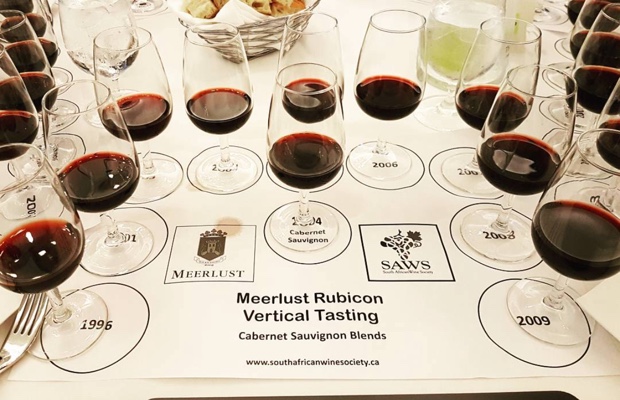
It was on September 12th, 2017 that a once in a lifetime South African vertical tasting happened. The South African Wine Society managed to acquire 10 Meerlust wines from nine vintages gathered over 15 years. In Toronto. At The University of Toronto Faculty Club. It’s not that I want to invoke the dystopian dread of George Orwell nor do I equate the master’s writing with the wines of Meerlust but tasting 1984 through to 2010 has provoked the linguistic drama in me to invoke some wordsmith parallels. “Who controls the past controls the future. Who controls the present controls the past.” Winemaker Chris Williams may not totally disagree.

Few Cabernet Sauvignon vertical tastings are capable of determining such a clear picture in style, patterning and evolution, save for perhaps for obvious reasons what is possible out of Bordeaux. This focused collection from Meerlust connected past to present and with no real South African presence in the room. A 25-minute video presentation by Williams and the wines were all the 75 guests in attendance had to go on. By the time the winemaker had sped-tasted and rapid-dissected the nine vintages most of the four-ounce pours in the room were drained. It was a quick to state of bliss happy bunch.

Meerlust dates back to 1693, the house that is “love or pleasure of the sea.” Less than five kms south from the Atlantic Ocean, the property was purchased in 1756 and to this day remains family owned, now in its eighth generation with 260 years of continuity. On the 3rd July 1693, the Governor of the Cape, Simon van der Stel, granted the land to Henning Hüsing, who named the farm Meerlust, describing the sense of pleasure he obtained from the sea breezes that blew inland from False Bay. Johannes Albertus Myburgh bought Meerlust in January 1757. His ownership marked the foundation of the Myburgh Dynasty.

Hannes Myburgh, eighth generation owner of Meerlust, graduated from the University of Stellenbosch with a Bachelor of Arts degree majoring in French and English in 1982, before studying winemaking at Geisenheim in Germany. Hannes worked at Chateau Lafite in France and von Oetinger in Germany. Chris Williams was appointed Cellar Master at Meerlust in 2004 but has worked as Assistant Winemaker for the farm since 1995. He studied Oenology at Elsenberg and gained international experience in France while working for Michel Rolland. He is assisted by Wilson Waterboer and the cellar team.

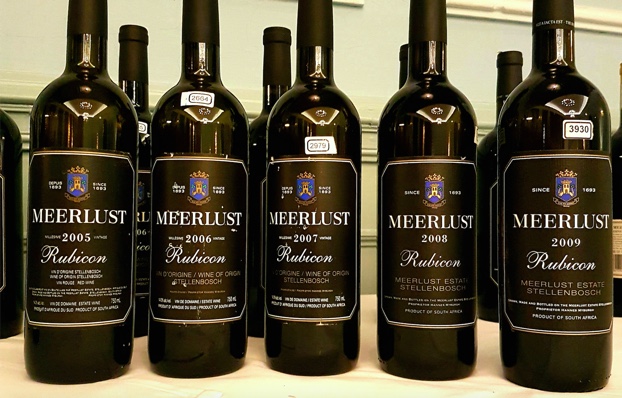
Remarkable history and longevity through 10 back vintages of @meerlustwine #rubicon with the South African Wine Society. Thank you LK for the generous treat.

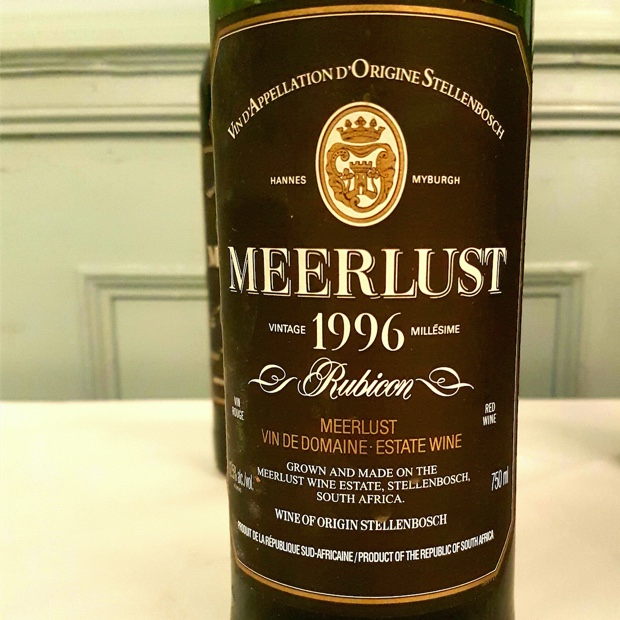
Rubicon is Meerlust’s flagship wine and considered one of South Africa’s premier Bordeaux Blend reds, first made in 1980. This vertical of nine vintages included 1996, 2001, 2003, 2004, 2005, 2006, 2007, 2008  and 2009. I’ve added 2010, tasted recently through Ontario’s VINTAGES release program. In addition, we tasted cabernet sauvignon 2004, infrequently made, the previous time in 1993. This is the prime ingredient to the Bordeaux blend, usually making up around 60 per cent of the wine, with merlot, cabernet franc (and from 2008 on), petit verdot added. Thank you to Laurel Keenan of Wines of South Africa Canada, for having me and to Eleanor Cosman of the South African Wine Society, for hosting. Here are the notes.

Meerlust Rubicon 2010, Wo Stellenbosch, South Africa (64329, $37.95, WineAlign)

Meerrlust’s iconic blend is a Stellenbosch essential, of the ripest fruit and fully-rendered barrel. I’m quite amazed at its uncanny ability to appeal, even at this seven year mark, a show of generosity and gregarious character almost unparalleled for a wine of its Western Cape ilk. The geology runs deep, neither reductive, sap-flowing or bouncy, but the mineral sear and streak is certainly there. This Rubicion trades fecundity for earthy chocolate, uncompromising and unapologetic in its frosting. Beef is a must, preferably rare and dark from high heat char. Dry-aged and or Wagyu would pair even better. The blend is 62 per cent cabernet sauvignon, (24) merlot, (12) cabernet franc and (2) petit verdot. Drink 2017-2021.  Tasted February 2017

Meerlust Rubicon 2009, Wo Stellenbosch, South Africa (WineAlign)

Winemaker Chris Williams forged the people’s Rubicon in 2009, a Bordeaux blend as recognizable in name and style as much as any produced in not only South Africa, but worldwide. Everything is attractive in 2009, beginning with these quite lovely liquid dusty, rich mulberry and deep plum notes. To a crowd of 75 it can’t help but be the standout of general consensus for its sheer restrained hedonism and unabashed beauty. Youth has so much to do with how this shows but believe me 2009 is just a baby, so much more so than 2008 and they are only a year apart. The blend is 70 per cent cabernet sauvignon, (20) merlot, (9) cabernet franc and (1) petit verdot. Drink 2019-2027.  Tasted September 2017

Meerlust Rubicon 2008, Wo Stellenbosch, South Africa (WineAlign)

The 2008 is the first vintage with some petit verdot in the mix though it’s just a start, with one per cent to go along in a blend of (71) cabernet sauvignon, (19) merlot and (9) cabernet franc. Shows some volatility and also more wood in the context of an espresso-chocolate continuum. Here a deeply hematic and iron schisty Rubicon, intense, brooding, mineral well dug deep into the terroir. This goes strong and powerful up the sides of the tongue with that fine but intense acidity. Unquestioned as a fine wine with lots of wood derived chocolate flavours but the spice is all fruit and the tannin from off of that fruit. Massive structure and age possibility will go well into the twenties. Drink 2017-2027.  Last tasted September 2017.

Rubber dust, road macadam and strawberry jam. Fierce Bordeaux Blend home from a hot climate. This has gritty obduracy and doggedness. Like a red blend with a gun, walking the mean streets. Acidity shot through the roof. Bordeaux meets South Africa in every shared, resplendent and promising way. Rasping tannins contain bursting dark fruit, the grain running in multiple directions. Respect. Wait two more years on this and drink comfortably past 2020. Tasted November 2014

Meerlust Rubicon 2007, Wo Stellenbosch, South Africa (WineAlign)

Rubicon 2007 is the last to be made without any petit verdot (74 per cent cabernet sauvignon, (15) merlot and (11) cabernet franc) and is actually not too dissimilar to ’06 though truly lighter and with more high bright intensity. It is also possessive of that collective ropey, red dusty cured and dried fruit character, like what can happen with traditionally adhered to sangiovese and tempranillo. So really when you think about it this shares a style, at least in part with more than its Bordeaux cousins. Yet go and ask winemaker Chris Williams and he’ll tell you “I dont think this wine could be made anywhere else because of terroir and history.” Fair enough. Surely the winemaker knows. Drink 2017-2026.  Tasted September 2017

Meerlust Rubicon 2006, Wo Stellenbosch, South Africa (WineAlign)

Rubicon is one of the original South African Bordeaux blends, here in 2006 with merlot and cabernet franc to satisfy the blended needs of cabernet sauvignon. The blend is 74 per cent cabernet sauvignon, (8) merlot and (18) cabernet franc. This ’06 is a bit shy, reserved, not giving much away from its usual floral heights. There is a layering of palate density before then deriving its complexity through the alleys of acidity, tannin and structure. Still so far from coming around but this reminds me of that salty, saline and mineral 1996. Drink 2017-2022.  Tasted September 2017

Meerlust Rubicon 2005, Wo Stellenbosch, South Africa (WineAlign)

In 2005 the blend (69 per cent cabernet sauvignon, (15) merlot and (16) cabernet franc) saw an increase of cabernet franc, likely because of heat units and a vintage-driven jamminess exhibited by the cabernet sauvignon. The result is a cooler, increased savoury blend with a rising of steroidal currants so very sapid in a pool of high acidity. It’s the most lucent Rubicon, almost luminescent though not quite transparent, still so vital, pulsating and nearly raging in its wild, twitchy edgy energy, even beastly and in the end, just a bit out of balance. Like a Steve Vai riff in Zappa mode. Then again, the, Rubicon ’05, anything but a flex able leftover or quaint little wine might tell me, “I’m the beast of love and you just got in my way.” Drink 2017-2025.  Tasted September 2017

Meerlust Rubicon 2004, Wo Stellenbosch, South Africa (WineAlign)

Rubicon 2004 is a completely different animal, with animale musk and a deep, dark and brooding constitution. The blend is 63 per cent cabernet sauvignon, (27) merlot and (10) cabernet franc. Shows 13 years on as the young (Chris Williams) winemaker’s ambitious first solo effort, while the wood was once so obviously in power of demand, it’s now ameliorated and integrated. This must have taken some time to come around, perhaps as recent as a year or two ago. Rubicon has been produced since 1980, was previuosly a matter of cabernet sauvignon, now here with more cabernet franc than before. Drink 2017-2025.  Tasted September 2017

Meerlust Rubicon 2003, Wo Stellenbosch, South Africa (WineAlign)

Rubicon 2003 was made by Chris Williams’ predecessor Giorgio Dalla Cia and from ’04 on they are made by Williams. The blend is 69 per cent cabernet sauvignon, (19) merlot and (12) cabernet franc. From a long hot dry sumer, a classic Rubicon, again with some lovely complexity out of the shadow of volatility, more savour here and cedar, plus pencil lead and graphite. In the freshest of ways this is closer to the present stylistic of Rubicon and Stellenbosh and further away than 1996. It’s the transition from old to new, with concentrated black currant, Cassis and wine gum. Not quite tertiary bit meaty char, balsamic, fennel and mushroom are just around the corner. Drink 2017-2020.  Tasted September 2017

Meerlust Rubicon 2001, Wo Stellenbosch, South Africa (WineAlign)

2001, a warmer vintage is the assumption, with its wood still in play and tannins truly continuing their assertion. Giorgio dalla Cia fashioned a truly proportioned blend, of 70 per cent cabernet sauvignon with equal parts merlot and cabernet franc. While it can’t hide from its ocean salinity and omnipresent terroir it is a stand out vintage because of new world opulence. I’m not sure there will be another Rubicon in this tasting or at any opportunistic time that will make one dream so vividly of Bordeaux (i.e Château Pichon Longueville Baron) but also Napa Valley (i.e. Opus One). The structure in this Rubicon is purely Stellenbosch and with its merlot/cabernet franc proportion it’s quite intriguing, especially because of the warmth and how dramatically this foreshadows how franc will become more important in the blend as the years progress by. A fantastic wine Drink 2017-2021.  Tasted September 2017

Meerlust Rubicon 1996, Wo Stellenbosch, South Africa (WineAlign)

In 1996 Chris Williams was a junior winemaker (to Giorgio della Cia) at the time but he remembers the vintage well. The blend is 70 per cent cabernet sauvignon, (20) merlot and (10) cabernet franc, from a cool vintage, here still dishing some Brettanomyces. It’s in check and so kind, gentle and helps to fixate towards thinking it a a sleeper vintage sort of personality There is much savour, still fruit (mulberry and plum), lots of acidity in quite a sour patch candy way but really dry and intense.Plenty of sediment! Very much alive with the silty, salty, but not fine pearly tannin. This falls into the saline-savoury style with wood just a dream from long ago, though admittedly a bit too pungent and earthy. Drink 2017-2019.  Tasted September 2017

Meerlust Rubicon 1984, Wo Stellenbosch, South Africa (WineAlign)

Meerlust dates back to 1693, the house that is “love or pleasure of the sea.” Less than five kms south from the Atlantic Ocean, the property was purchased in 1756 and to this day remains family owned, now in its eighth generation with 260 years of continuity. Rubicon 1984 is poured (with brilliant decision making) from magnum and is therefore fresher than the 1996 with an incredibly controlled level of fineness in tannin, from acidity and at the threshold of understood volatility. “Perhaps one did not want to be loved so much as to be understood,” like this early Rubicon. The future of Meerlust is foretold with Orwellian transparency, bold honesty and expert ability. “Who controls the past controls the future.” Drink 2017-2019.  Tasted September 2017

Meerlust Cabernet Sauvignon 2004, Wo Stellenbosch, South Africa (283390, $29.95, WineAlign)

Meerlust’s solo cabernet sauvignon ’04 is not merely very much alive it’s still full of bright fruit, though the wood is more noticeable than on the Rubicon. It is the lack of cabernet franc more than anything that seems to be the reason. The ganache component is highly significant, a chocolate factor magnified but still the Meerlust acidity drives the machine. Ripe and ripping with tannins still very much in charge, this wouldn’t be harmed by the generous and patient affording of more time so that it may further evolve to become the pleasing red it knows it will be. Drink 2017-2024.  Tasted September 2017

Not just #meerlust more like major lust. Thank you for the sexy time travel @meerlustwine Laurel Keenan and The South African Wine Society.

Good to go!

Godello

Twitter: @mgodello

Instagram: mgodello

WineAlign

Flights in and out of Niagara, ere Terroir

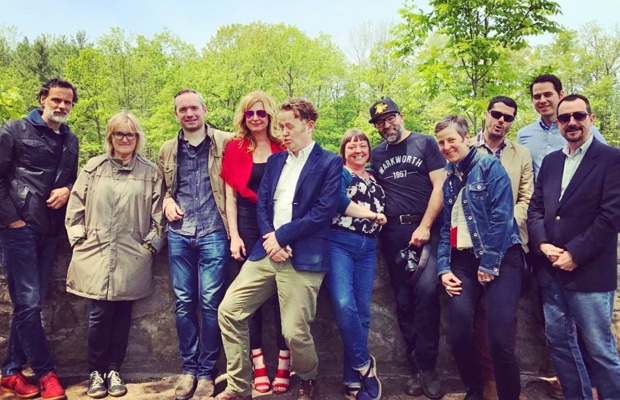
The Niagara crew getting a load of #BallsFalls in Jordan

In May of 2017 the 12th annual Terroir Symposium brought many magnificent folk to Ontario. They were dreamers, disruptors, international luminaries, thought leaders, visionaries, creative influencers, innovators, chefs, hoteliers, drink experts, writers and business leaders. With VQA Wines of Ontario and the Wine Marketing Association of Ontario as chaperone, a dozen of these invitees flew from Billy Bishop Airport to Niagara District Airport for an ante-Terroir Talk Sunday fun day in wine country immersion. I joined Robert Gilvesy, Fiona Beckett, Jeremy Bonia, Magdalena Kaiser, Jamie Drummond, Nikki Bayley, Dick Snyder, Ursula Heinzelmann, Christoph Thörle and Jim Poris for the excursion. In between return nine-seater shuttles we ran through flights at Flat Rock Cellars and Henry of Pelham Estate Winery. Who amongst us was not taken by these VQA wines and their unselfconscious excellence?

First a hot air balloon and now this!!!

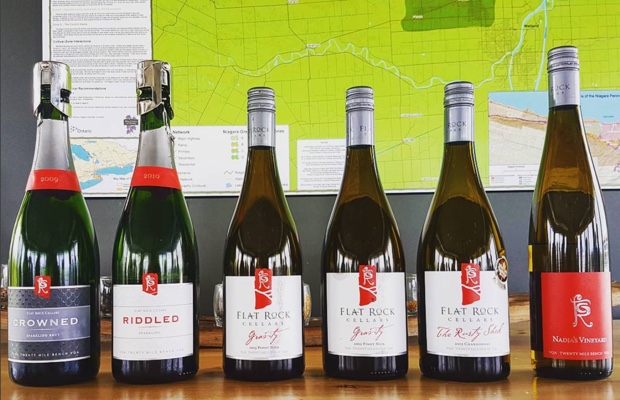
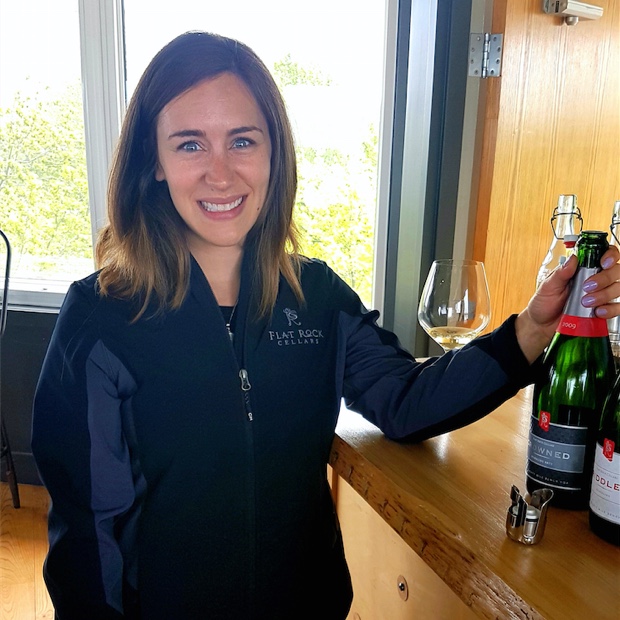
After a quick first pit stop at Ball’s Falls to show off Niagara’s famous escarpment limestone to the international contingent, we settled in at Flat Rock to taste six wines with Cellarmaster Allison Findlay. Next it was a dozen at Henry of Pelham Estate Winery with proprietor Daniel Speck, Ryan Corrigan of Rosewood Estates and Suzanne Janke of Stratus Vineyards. A blow your mind lunch was prepared on site by Wellington Court Chefs Erik Peacock and Cait Bermuhler. Here are the notes on the 18 wines.

Revisits with @Winemakersboots and a seven-year Crowned epiphany

At Flat Rock Cellars

Flat Rock Cellars Riddled Sparkling 2010, Méthode Traditionnelle, VQA Twenty Mile Bench, Niagara Escarpment, Ontario (383315, $29.95, WineAlign)

Time makes a difference so here the extended lees age (six months further, to 60) takes Riddled to another level. Considering the cost and attention to time, in the broad realm of traditional method sparkling wine there are some that are given away. Riddled. A whole lot of biscuit warmth, sody saleratus, gingersnap, tart Ida Red apple, breadth and a smile-inducing creamy palate. There is more wisdom and calm from 2010 so do not come around demanding tension and over-exciteability. Think Grower’s Champagne with Ontario heart and soul, dedication and purpose. The extended arm of Madronich-Johnston love is here, this year. It won’t get much better than this. Great length. Drink 2016-2025.  Tasted October 2016, March and May 2017  flatrockcellars  @Winemakersboots  @FlatRockCellars

Flat Rock Cellars Crowned Sparkling Brut 2009, VQA Twenty Mile Bench, Niagara Escarpment, Ontario (Winery, $45.20, WineAlign)

Crowned ’09 was disgorged this spring after seven years on the lees, sealed under crown cap and sent to market with a crowning achievement in mind. Feather gingery, faintly oxidative, this Blanc de Blancs wafts in copper-veined breezes and fennel frond ahead of its palate piercing chardonnay intensity. It delivers a cooler climate interaction than the Riddled, with preserved lemon and please concentrate if you will on it as a wine of heavy forethoughts. What with it resting on its lees, in limbo this long out of practice, necessity and as a result, now fortuitous and of great luck. The animal was created early on and now anything less might be difficult to justify and accept. Plus the bar is raised for the entire Sparkling community. Here the perfect example of low, slow and minute by minute evolution. Only 500 bottles (plus one) were made. Drink 2017-2023.  Tasted May 2017

Flat Rock Cellarmaster Allison Findlay

Flat Rock Cellars Gravity Pinot Noir 2013, VQA Twenty Mile Bench, Niagara Escarpment, Ontario (1560, $30.25, WineAlign)

Flat Rock’s ever involving vines (on 33 hectares planted in 2001 and 2002) enter a new phase with indicators blinking and refreshing in this 2013 Gravity Pinot Noir. Youthful adolescence and gregarious fruit expression initiated in 2010 and carried through the 2012 vintage. Those years saw to a world of astringency and tension relegated to mites in the rear-view mirror. The wine is now in a nexus cross-roaded with exigency holding pattern. To understand its confusion and survey fast forward to its future is not easy. Gravity is a bit large right now, seemingly advanced, but to me the fight is between that fruit abundant state and the return of, though eased by meditative Jedi tension. Gravity just needs a parachute to bring it back down to earth. That lifeline may not materialize in this 2013 but that does not take anything away from its discriminating and diagnostic tones. Brightness, astatic inflection and succulence. This vintage may suffer from some level of snafu but it will age, evolve and breath. That much fruit has to have some level of expectation. The follow up ’14 and ’15 will win the hearts of horses and men. Drink 2016-2021.  Tasted October 2015 and May 2017

Flat Rock Cellars Gravity Pinot Noir 2012, VQA Twenty Mile Bench, Niagara Escarpment, Ontario (1560, $29.95, WineAlign)

Seven months have softened and mothered Gravity’s adolescence in ways to now see it as the most feminine, certainly of the last four vintages. Pretty dabs, perfumes of natural conditioning, warm days and warm nights in the bottle. More accessible than previous takes and of a new modernity perceived. Sweet dreams and sweet fragrances, roses and cinnamon, nothing fancy here mind you, with no bite and no gathering moss. Cherries and vanilla, lavender and simple pleasures. Straight up Gravity, no pull down, no drag and no excess weight. At $30 and from the best barrels, this trumps $40-50 most locales not called Lowery, La Petite Vineyard, Central Otago, Hengst or Pfinstberg. From my earlier, March 2014 note: “In a vintage potentially muddled by warmth and a humidor of radio frequency, duplicating berry phenolics, Flat Rock’s Gravity remains a definitive, signature house Pinot Noir. In 2011, the head of the FR class from its most expressive barrels shared the limelight (and top juice) with the Pond, Bruce and Summit one-offs. In ’12, Gravity’s sandbox was its own. The style is surely dark, extracted, black cherry bent, as per the vintage. Yet only the Rock’s soil does earth in this variegate, borne and elevated by the barrel’s grain. There are no fake plastic trees in a Flat Rock Pinot. “Gravity always wins.”  Last tasted October 2014 and May 2017

Flat Rock The Rusty Shed Chardonnay 2013, VQA Twenty Mile Bench, Niagara Escarpment, Ontario (1552, $24.95, WineAlign)

It’s as if this label had bided all this time to be the benefactor of 2013 fruit. This Rusty Shed, this 20 miler with the track record to age, a wine that sheds baby fat over a 10 year mineral through echelon stratum, in ways few other peninsula to bench chardonnay can do. This Jay Johnston handled surfer of a wine, buoyant and balanced, centred and able to withstand turbulence, oscillation and tidal sway. Here with sumptuous and spiralled fruit gaged in lode intervals and a tartness held in lope and line by a membrane of extract and tannin. Best ever. Showing well, repeatedly and to forecasted repute. Impressing critics and consumers alike. Bravo. Drink 2016-2025.  Tasted June 2016 and May 2017.

Flat Rock Cellars Nadja’s Vineyard Riesling 2015, VQA Twenty Mile Bench, Niagara Peninsula, Ontario (578625, $24.95, WineAlign)

This is an outlier for the Nadja’s Vineyard riesling, with deeper concentration and compression than before. More Mosel and less Twenty Mile in 2015, of light alcohol and an increase in off-dry, extract meets acidity. There have been Nadja’s with more air and exhale but I can’t recall one with such density in vitality. A great Nadja to be sure but of a deferential sort of character. Two or three years should bring it back into its self-imposed and created line. Drink 2018-2024.  Tasted May 2016 and May 2017

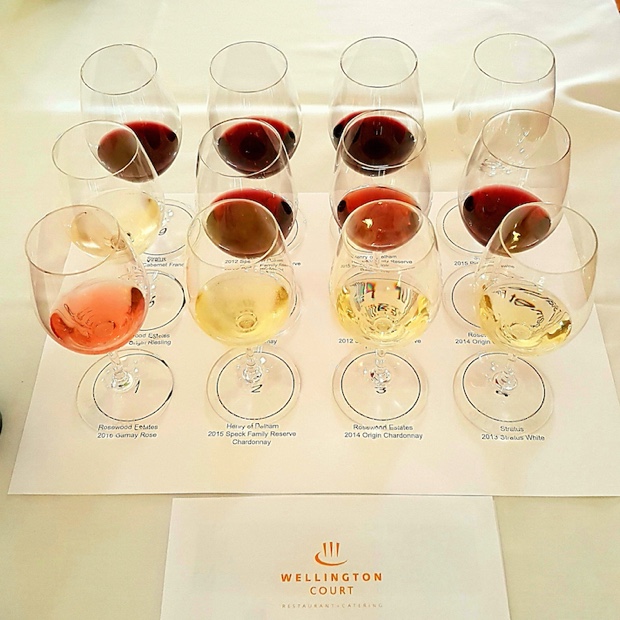
VQA wines at Henry of Pelham Estate Winery, May 2017

At Henry of Pelham Estate Winery

Rosewood Estates Gamay Rosé Emerald Shore Vineyard 2016, VQA Creek Shores, Ontario (Winery, $15.95, WineAlign)

The inaugural gamay Rosé is from fourth leaf vines in the spot where the famous sémillon once lived. It delivers essential gamay aromas; strawberry modified with a tisane into raspberry and cherry, salinity clarified and fined. It’s lactic tonal, nicely tart and with a Beamsville mineral, very specific and just this emerald side of intense. Finished dry, but was allowed to go through three quarters malo to bring the cream and the layers. Finished by the incumbent winemaker Ryan Corrigan who once “lived out of a backpack and chased grapes,” committing in fleeting methodology, to northern and southern hemisphere harvests. In 2017 Niagara is all his. Drink 2017-2018.  Tasted May 2017  rosewood wine  @Rosewoodwine  @rosewoodwine

Welcome to @rosewoodwine Ryan Corrigan. Gamay and Cabernet Franc are in fine hands.

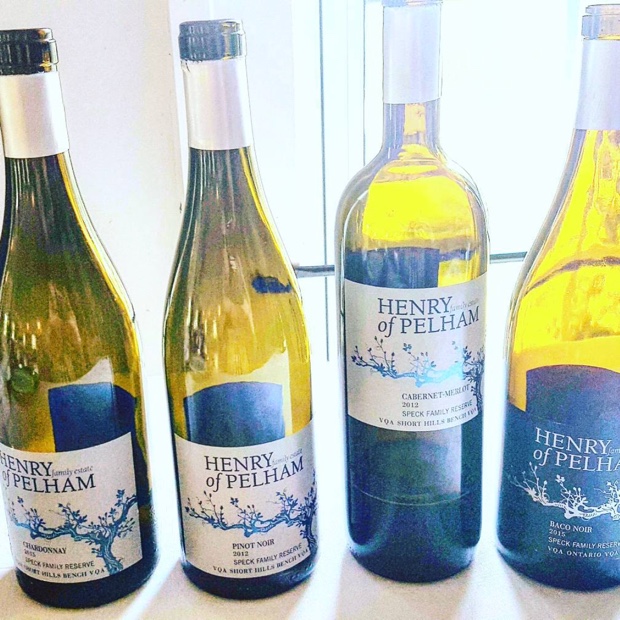
Henry Of Pelham Speck Family Reserve Chardonnay 2015, VQA Short Hills Bench, Niagara Peninsula, Ontario (616466, $29.95, WineAlign)

Spice and toast more than anything else come to define the early life of the SPR ’15 chardonnay. Not overtly or overly fruit forward at this (nearing) two-year mark, but green apple, pear and the unusual tangy bite of south asian palm (Salak) snake fruit are just around the corner. This speaks to the phenolic grab and go, the hang time and then that barrel exploit comes through. The palate delivers sappy moments and then the weight of the wine is felt. If texture were quantifiable in aromatics, it would be the SFR that would provide such intellectual fodder to describe what that might feel like. The perfume is layered, chewy, unctuous and viscous. Another year should inflate the fruit and integrate the wood. Drink 2018-2021.  Tasted twice, May and September 2017  henryofpelham  @HenryofPelham  @SpeckBros  @henryofpelham

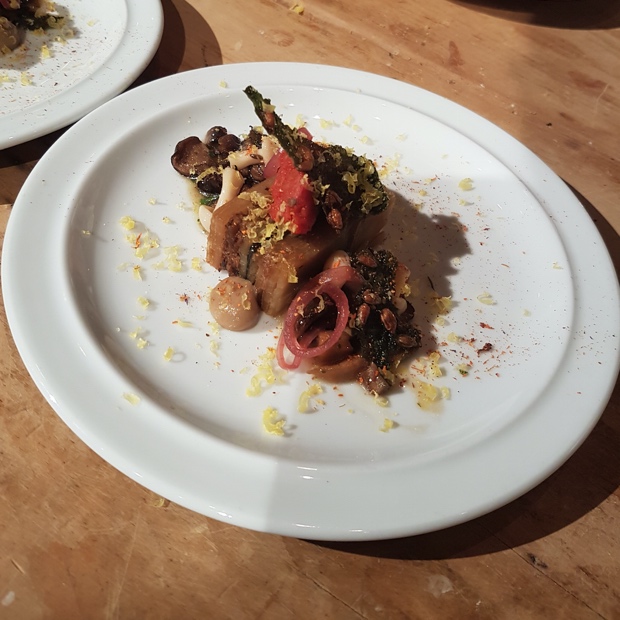
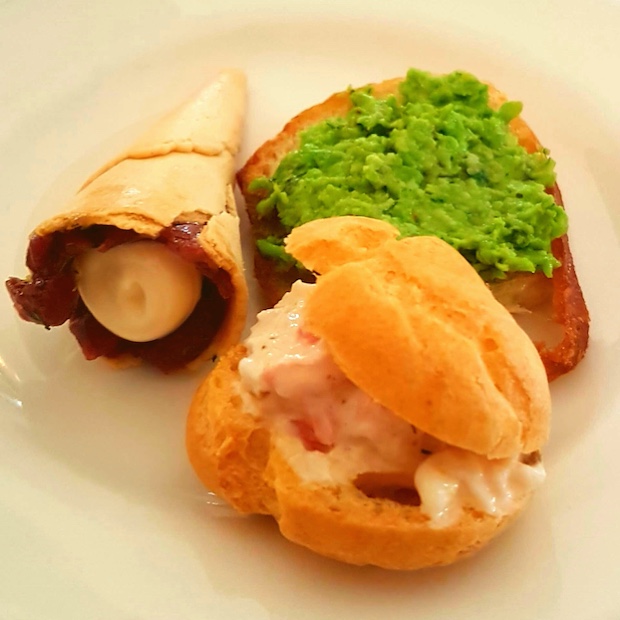
Wellington Court Chef Erik Peacock and Cait Bermuhler’s appetizer trio

Rosewood Estates Chardonnay Origin 2014, VQA Niagara Peninsula, Ontario (Winery, $28.95, WineAlign)

Rosewood’s Origin 2014 is highly representative of Beamsville chardonnay, pacing a bridge that connects the cool of the climate and the nook in the escarpment’s abutting warmth of the overall Bench. The skins matter, as per the departing winemaking Ross Wise expertise, if only and alt-heightened in elevating texture, but even more so the rusty, soil tart, intensely wound and taut orchard fruit speciality. Drink 2017-2020.  Tasted May 2017

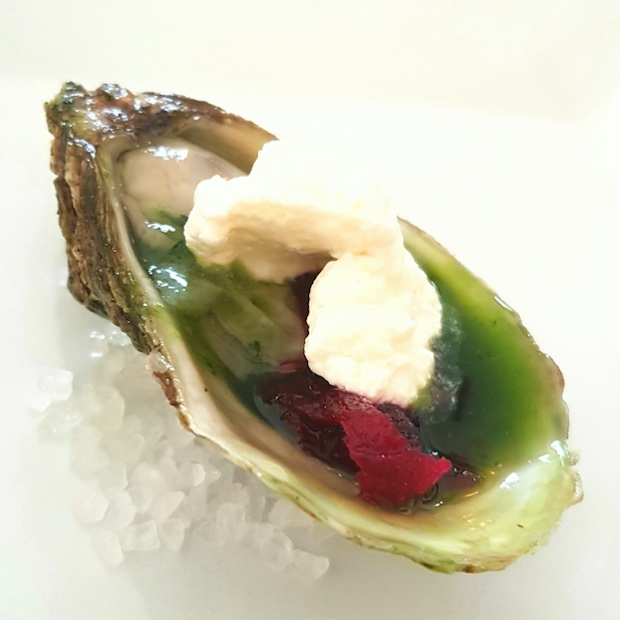
Wellington Court Chef Erik Peacock and Cait Bermuhler’s salt grass point oyster, beet mignonette, cucumber gel, horseradish foam

Stratus Vineyards Stratus White 2013, VQA Niagara Lakeshore, Ontario (660704, $38.20, WineAlign)

There can be little doubt that anticipation would haver to run high for the aromatic, elongated and coolest of Niagara white wine vintages, especially for the chardonnay, but also for the iconic, four-varietal (with sauvignon blanc, sémillon and viognier) blend. The five sensory tenets are solicited and provided for; salty, sour, sweet, briny and umami. The last is exotic and punchy, so this White does it all, speaks for it all and completes it all. It is the most designed and seamless their’s can be.  Last tasted May 2017  stratuswines  @StratusWines  @StratusWines

In 2013 viognier is back in the varietal mix, in reprise of its earlier role in support of chardonnay, sauvignon blanc and riesling. A different sort of vintage here for the White, seemingly led by a circular turning of chardonnay and viognier, like a cat chasing its tail. This really goes round and round with no obvious signs of where it will stop. Quite fleshy and lime juicy with stone fruit flavours in righteous abound. Really amalgamated and seamless even for itself. It is here that I think of it as The White. Niagara’s White. Lake Effect™. Drink 2017-2022.  Tasted November 2016

Rosewood Estates Riesling Origin 2014, VQA Niagara Peninsula, Ontario (Winery, $22.95, WineAlign)

Smells like Bench riesling spirit. The energy comes from the über vineyard’s way of emission, gasseous and vital, linear, introspective and direct. This may just be the most aridity and brine ever teased from a Mima’s riesling, acidity coveting sugar notwithstanding, startling from beginning to end, with spirited shots of lime. Underrated and honest, the consistency of this riesling is possessive of great triggers and so beautifully defines the mineral Bench. Early suffocations blow off with ease and in the denoument there are crunchy stones, forever and always something to like. Mima’s never really needed an abundance of sugar for balance and kudos to that. Drink 2017-2022.  Tasted March and May 2017

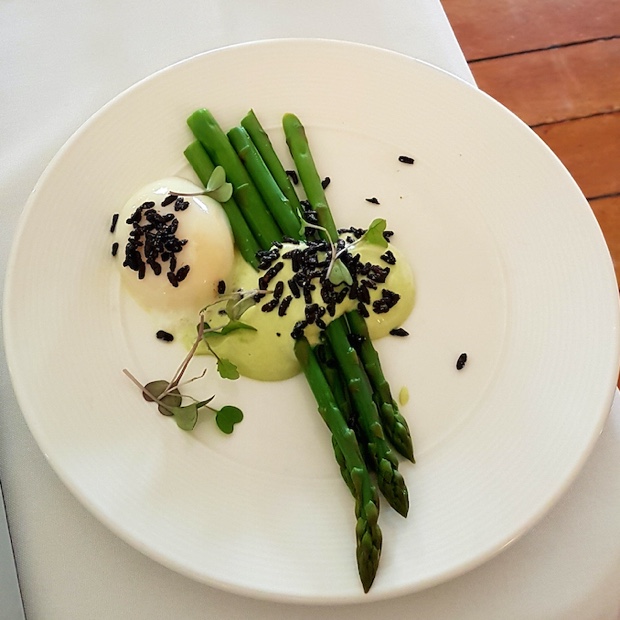
Wellington Court Chef Erik Peacock and Cait Bermuhler’s simcoe asparagus, ramp aioli, sous vide hen’s egg, puffed wild rice

Stratus Gamay 2014, VQA Niagara-on-the-Lake, Ontario (Winery, $29.20, WineAlign)

When asked about his approach to gamay winemaker J-L Groux responds with “continuously with changes.” This is what takes place in 2014 with the barrel time cut back by a full year, now only nine months, if nothing else for to place ultimate emphasis on fruit. Sounds simple but it’s anything but in a Groux universe. His gamay now gifts fresh strawberry and raspberry, a slight 13 per cent alcohol spine and the uplifting effect of zero-noticeable steaminess, steminess, aggression or grass. In contrast to many overly and overtly ambitious Ontario gamay here Stratus enters the antithetical to harsh realm and instead occupies the amenable-ethereal void. Less pressing means smoother transitions and weightless chimera. This captures varietal and place with its coax of maximum fruit. The plantings are from 1992 and 2001 (with an imperfect memory that includes the possibility of 1985 too). Drink 2017-2020.  Tasted twice, May 2017

Thanks for hosting Daniel. Cab-Merlot ’12 SFR @HenryofPelham is one for the ages @WineCouncilOnt @winecountryont

Henry Of Pelham Pinot Noir Speck Family Reserve 2012, VQA Short Hills Bench, Niagara Peninsula, Ontario (Winery, $34.95, WineAlign)

Always the elder, wise and delicate if elegant statesman for Ontario pinot noir. There is real demure and reserve, Speck family style and this dried red berry savour to both aromatics and flavour. Tart is an undercurrant and red currants run above. Right in its wheelhouse now, for a spell and then the slow fade will come. Drink 2017-2021.  Tasted May 2017

Henry Of Pelham Speck Family Reserve Baco Noir 2015, VQA Ontario (Winery, $24.95, WineAlign)

From vines planted in 1984, a more than significant fact of experience, wisdom and acumen from this baco noir. Couple that with what is arguably the finest varietal vintage in many years makes this the collector bottle for the baco fanatic. The rubbery reductiveness is so nicely offset by the flowers, the red fruit and the delicious appeal. Easily the finest ever, by anyone and especially this most prominent house. Great ripe acidity and fine, fine tannin. Drink 2017-2024. Tasted May and June 2017

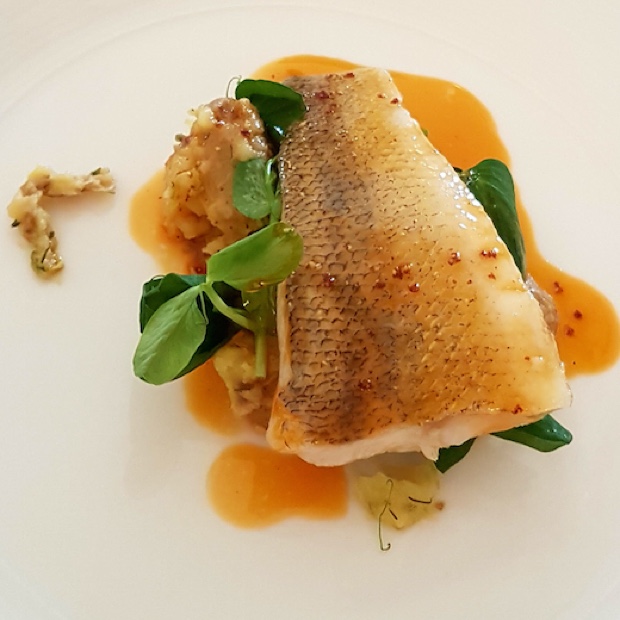
Wellington Court Chef Erik Peacock and Cait Bermuhler’s confit lake huron pickerel, fingerling potatoes, chorizo vinaigrette, celery, capers

Rosewood Origin Cabernet Franc 2014, VQA Beamsville Bench, Ontario (Winery, $29.95, WineAlign)

It’s a deep, dark fruit, rich currant, pyrazine and savoury vintage for the Origin. It’s cabernet franc that brings strawberry, raspberry and ripe rhubarb to the table. It’s tart and layered, rich and even a touch hematic. Quite pure, red fruit driven and of finely tuned acidity. Never tries too hard, refuses to hide the naturally green character, does nothing to sheath or blanket and leaves the fruit to shine red, bright and vital. Drink 2017-2020.  Tasted May 2017

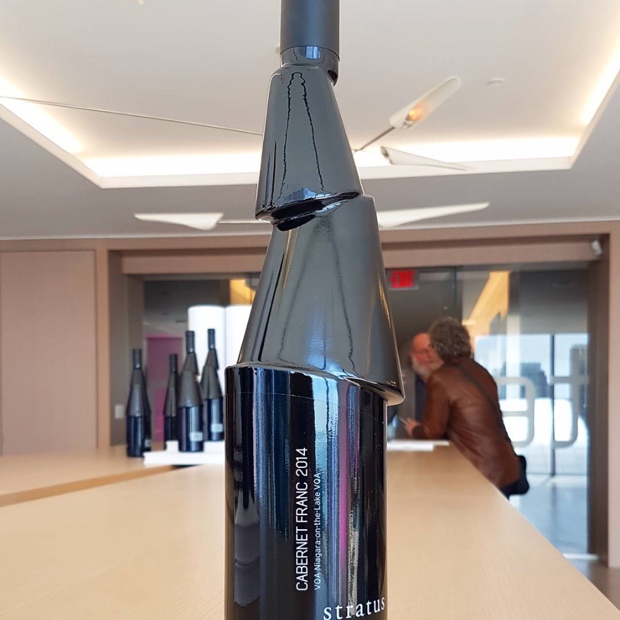
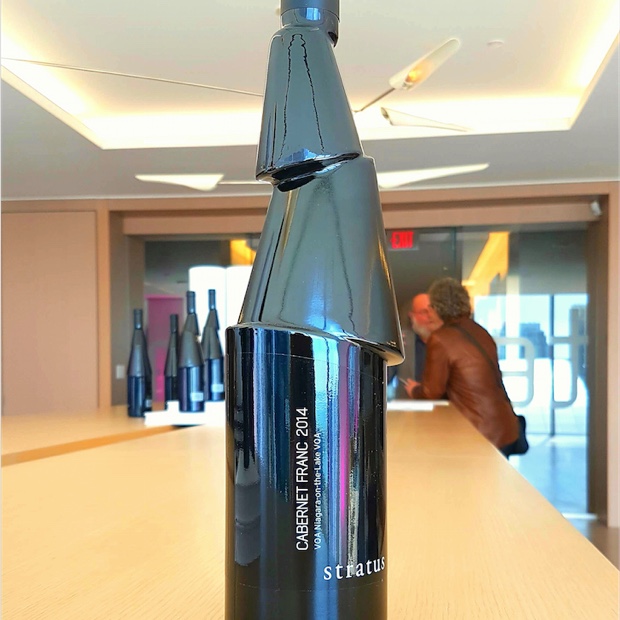
Stratus Cabernet Franc “Decant” 2014, VQA Niagara On The Lake, Ontario (Winery, $95.00, WineAlign)

“A designer’s hands are tied. They are only as good as their opportunities.” The words of the brilliant bottle designer Karim Rashid fully apply to the mirrored universe in which winemaker J-L Groux works, here with a deferential and ulterior cabernet franc, bottled with its lees. When I first tasted it in February (in advance of this auspicious release), its unfiltered state spoke of a hyperbole of perfume, marked by exoticism. The aromatics gave far east five-spice, star anise, cardamom, miso and incense, all natural by-products of its purposed ferment. More grain spoke out but also a roundness of tannin and a smoothness both coating and comforting. There was chocolate accentuated by the treatment, with thanks to those lees left in the bottle. The chopped up and constructed bottle catches the lees while the volume flows out and the function out of form mimics the thought of lees delivering structure and yet they are invisible, caught in a hidden net or nook, out of sight, out of mind. But it’s not about pouring. It’s about the hand, or the slight thereof. Then there is the copycat idealism of strata in the vineyard, of geology transferred to the bottle and kept there, like a ship perfectly preserved inside. This cabernet franc will age better, as is the plan, with thanks to the lees that you’ll never have to deal with. There were 110 cases made. Drink 2019-2029.  Tasted twice, February and May 2017

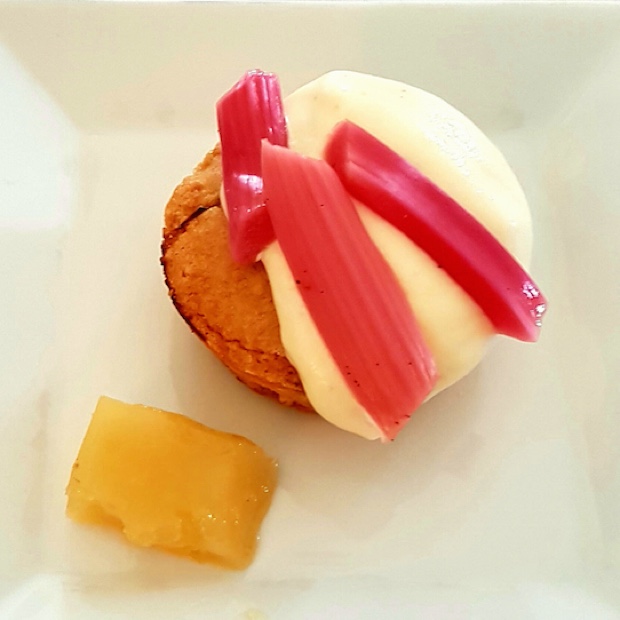
Wellington Court Chef Erik Peacock and Cait Bermuhler’s earl grey friand, poached rhubarb, vanilla mascarpone mousse

Henry Of Pelham Speck Family Reserve Cabernet Sauvignon/Merlot 2012, VQA Short Hills Bench, Niagara Peninsula, Ontario (616433, $39.95, WineAlign)

The warm 2012 is an ideal vintage for this very specific cabernets and merlot blend, a wine as deliberate and iconic to the Niagara effort as any that have come before or currently exist. The vintage falls into a line that remembers 1998 and 2002 (with a half wink for 2007 and three-quarters nod to 2010). The brightness of red fruit and the dusty grounding of that fruit into earth integrates quietly and when acidity joins, the balance is pitch perfect. The fineness of that acidity will allow the mild astringency and dark chocolate by barrel to melt with slow dripping ooze into proper and educated tannin. Is this Cabernet-Merlot Speck Family Reserve one for the ages? In a word yes and likely to rival that 1998 for a 15 year run through excellence. Drink 2017-2027.  Tasted May 2017

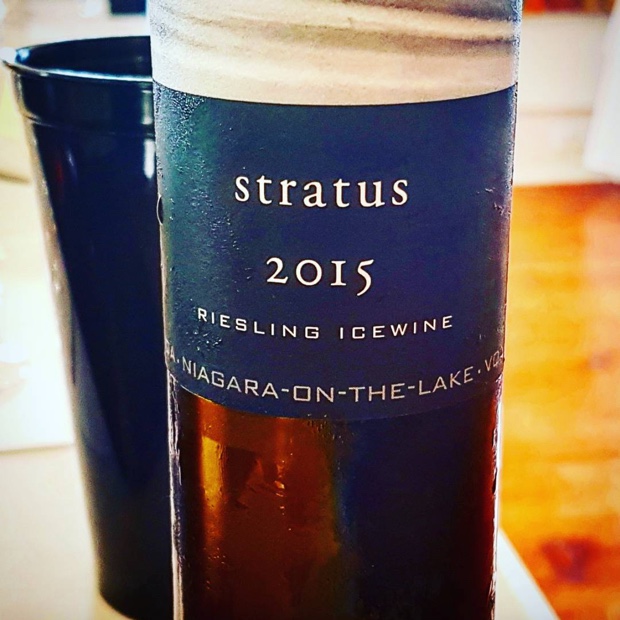
Run any machine on the harnessed marmalade energy of this @StratusWines Riesling Icewine #specialstuff #niagaraonthelake

Stratus Riesling Icewine 2015, VQA Niagara On The Lake (56671, $30.25, 200ml, WineAlign)

The Stratus Riesling Icewine 2015 simulates a true orange and apricot marmalade with a preserved lemon note and a bitter pitch edge. It actually goes into grapefruit a touch, develops unction as it fleshes in the mouth and never fattens or sweetens too much. A show off in triumvirate display of quality, beauty and rhythm. Drink 2019-2030.  Tasted May 2017

Good to go!

Godello

Twitter: @mgodello

Instagram: mgodello

WineAlign

Get back to Greece

Black Corinthian Raisin in early stages of veraison #manyshadesofachaia #prettyinpeloponnese

Over the past few weeks I have been getting reacquainted with some close friends. The wines of Greece. Greek wine and Godello have spent some quality time together, both at home and abroad. While in Paris last November I paid a visit to Gare au Gorille, a bistro in the Batignolles district of the 17th Arrondissement in Paris. A small but quintessential tasting was taking place; Thymiopoulos, Hatzidakis, Tetramythos and Sklavos. The tasting was a traveling extension from Oenos, a collaboration between winemakers Apostolos Thymiopoulos, Haridimos Hatzidakis, Evriviadis Sklavos and the wine trader Georgios Ioanndis.

#volcanic in Paris with #hatzidakis @DrinkGreekWine @3050imports Try it November 22nd in Toronto with @johnszaboms #aidani #assyrtiko #haridimoshatzidakis #mylos #santorini

Related – Getting into Greece

Gare au Gorille is a fine French paradoxical pun (“be careful of the gorilla) and also the title of a 1952 song by French musician Georges Brassens.  At the Paris tasting I rubbed shoulders with Greek gods, got salty with volcanic Santorini and travelled vicariously to Lixouri through endemic varietals and whimsical blends.

I highly recommend re-habituating with the new wines of Greece (which are actually the old ones) on a regular basis. The practice will take you from assyrtiko to retsina, debina to moschofilero and agiorgitiko to xinomavro. It will also transport you to places; Amyndeon to Zitsa, Nemea to Thessaloniki, Naoussa to Santorini. I’ve said it before. Greek wine is paradoxically diverse, mythically complex and critical to experiential wine blessedness.

The Greek paradox of producing great wines without anyone really knowing anything about them brings me to Zeno’s paradox of place. It was Eudemus and Alexander of Aphrodisias who bore witness and affirmation for the reconstruction of Zeno’s philosophical premise. The infinite regression goes like this: “Everything is somewhere: so places are in a place, which is in turn in a place, etc. The limitless exercise never allows you to get grounded so you end up nowhere. It was Aristotle who provided the solution. You always have to be somewhere. After all, being deprived of the possibility of saying where something is just leads to emptiness.

Red, white, rock and @DrinkGreekWine roll. Getting into old #winesofgreece with new regard.

Related – Till I reach Achaia ground

Greek wines offer a sense of being somewhere, all of them, but the challenge facing the Greek wine industry is securely fastened “in a place somewhere between the relic glow of early period brilliance and the cusp of legacy defining, career opus penning compositions. Making wine from endemic or indigenous grapes is a calling to a higher love, in spite of harsh conditions, geographical difficulties and the relative channels of global obscurity.”

The Greek dichotomy paradox leads me to the joke. A mathematician, a physicist and an engineer are asked to give an answer to the following question. One Greek vineyard is planted to endemic varietals and another to international ones. The grapes from one are brought to blend with those of the other. At which point will the ferments from the two vineyards strike a balance? The mathematician said they would never actually meet because the series is infinite. The physicist said they would meet when time equals infinity. The engineer said that within one more harvest they would be close enough for all practical purposes. The same might be said for Greek wines brought to a Toronto tasting and the locals coming to taste them.

Related – A new Greek morning

We tasted those wines at the WineAlign office, at the Royal Ontario Museum and at The LCBO’s Summerhill location with Christopher Sealy and Victory Wines and Spirits. Recurring themes and new finds were acquiesced. The wine-producing regions of Santorini (Aegean), Thessaloniki/Naoussa (Macedonia) and Nemea (Peloponnese) continue their inroads on the global scene. I noted that Achaia and Patras in the northern Peloponnese are on the verge of breaking out. The same is and will soon be said for Halkidiki, Mantinia, Zitsa, Evia, Kitherona, Imathia, Leprini, Attica, Crete, and Arkadia.

@DrinkGreekWine NOW! With @johnszabo in the RBC Glass Room #winesofgreece #EDOAO

We know by instinct that wines cast the shadow of their own destruction before them and are designed from the first with an eye to their later existence as ruins. Could this be more appropriate than when discussing the ancient and the new brought together in the wines of Greece? Unlike anywhere else Greek wines just seem to carry in their DNA a rusticity, a wisdom and a sense of age just as they are born, but they also last, linger and age longer than most anyone expects. They are to a generalization, the most especial set of regional wines in the world. To read his report that asks to drop the aristocratic pretence, please travel over to WineAlign.

Related – Wines of the People, Wines of the Place, by John Szabo, MS.

These following 53 tasting notes are all from May, a month that may as well have been dedicated to the wines of Greece. With thanks as always to Sofia Perpera, Twitter: @DrinkGreekWine, Instagram: winesofgreece and Facebook: @newwinesofgreece. I’ve four words for you babes. Get back to Greece.

2017 #winesofgreece @ROMToronto tasting highlights @DrinkGreekWine

Sparkling

Zoinos Zitsa Semi Sparkling 2016, PDO Zitsa (WineAlign)

Sparkling debina or halfway thereof is not exactly household in name for Ontario but the mountainous, high elevation locale of Epirus is a place for which, where and why sparkling wine makes sense. Grapes of high acidity come from out of a cool, windy, snow, sleet and rain kind of place. From a cooperative with maximum 11 per cent alcohol and a short time on lees, this is loaded with terpenes and dried (very gardenia) flowers The medicinal tonic is complimented by a pinch of sugar (that makes it go down) and go down with elegant ease. The lime finish is something to which you are welcome to attach a “like” emoji. Greek discovery number one. Approximately $20. Drink 2017-2018.  Tasted May 2017  @zoinoswinery  #ZoinosWinery  @zoinoswinerysa

Kir Yianni Akakies Xinomavro Sparkling Rosé 2015, Ac Macedonia, Greece (482646, $18.95, WineAlign)

The most interesting triad of xinomavro, Amyndeon and sparkling comes through in this toasty, flinty and rusty sweet Akakies. Rosé of strawberry, raspberry, currants and mountain tea. Chill it really well and pour it at a summer reception in the sun. With Dolmades! Drink 2017-2019.  Tasted April 2017  @kiryianni  @KolonakiGroup  kiryianni  @KirYianni  @KolonakiGroup

Rosé

Lykos Winery Rosé Grenache Rouge 2016, Pgi Evia, Greece (AgentWineAlign)

The Lykos Rosé is a grenache rouge play with some merlot and is dealt the wisdom afforded by 40 year-old vines on the south part of the island. Clay soil sits overtop limestone and the aromatics borrow this straight away, at first saline and then into Rosé richness. Texture comes with a sweet and sour palate. These vines gift low yields at four tonnes per hectare and its wine follows a similar to malagousia citrus line. Quite distinct. Drink 2017-2018.  Tasted March 2017  @LYKOSWINERY  lykounanalykoswineryevia  @LykosWinery

Troupis TOMH Rosé 2016, IGP Arcadia, Peloponnese, Greece (Agent, $18.95, WineAlign)

I tasted this magical, single-vineyard moschofilero blush on two consecutive days and each time it gave me epiphany shivers. There are few Ontario market specimens of Rosé made from a white wine grape with only minor skin contact, let’s say six to 10 hours and 24 hours maceration, which is remarkable since it is usually red wine that turns water into Rosé. But moschofilero carries pigmentation and is light-skinned so it’s best of both worlds suitable, like a perfect cross between pinot gris and for the sake of argument, pinot noir. First thought says it’s akin to a vin gris style and better off for it, celebrating a mountain terroir and allowing natural acidity to dictate the ideal. This TOMH (which may as well be an acronym for Troupis owed Moschofilero hero) helps to coax out the mineral and smells like the salinity and stone in a cave. I don’t find it overly fruity in terms of aromatics, even stoic and of high level acidity. There is faint cranberry, pomegranate and currant notes mixed with mountain tea and again, such salinity. Some residual sugar comes apparent on the palate but it’s essentially dry. Damn if moschcofilero isn’t ideally suited to Rosé and this TOMH will age a bit. Drink 2017-2019.   Tasted May 2017  @TroupisWinery    @VictoryWine  troupiswinery  victorywineandspiritsinc  @troupis.winery  Victory Wine & Spirits Inc.  

Thymiopoulos Rosé de Xinomavro 2014, PGI Macedonia, Greece (Agent, $22.95, WineAlign)

Thymipoloupos fashions a wholly different sort of Rosé, using the thicker skinned and more direct xinomavro as the man, so a masculine blush this is, full of tang and at first, a medium-dry meets cordial intensity. So much strawberry comes across the tongue but with dusty savour and then the salinity kicks in to bite the sweetness. This is very long and not so many make Rosé like this. Even just a touch in the oxidative way. At the present time varietal, climate, geography and vintage directs the style but adjustments will be made along the way. The formula will refine and in turn reveal some singular Greek Rosé. Drink 2017-2018.  Tasted May 2017  @thymiopoulosvin  @VictoryWine  @winesofnaoussa  apostolosthymiopoulos  eletsi  victorywineandspiritsinc  Eleftheria Tsitsipa  Victory Wine & Spirits Inc.  @WinesofNaoussa

Whites

Assyrtiko

Lykos Winery Assyrtiko 2016, Pgi Kitherona, Greece (AgentWineAlign)

Assyrtiko thrives beyond Santorini, here in the diaspora locale of Kitherona, at 450m on the slopes near Thebes. The terroir is stony shale with good drainage and the usual mineral strike is fattened up a touch but also quite reductive and far from shedding the barrel. The 15 years old vines are now just coming into play and owning the grapes. After nine months it went into medium toast French (300L) oak barrels for four months, to broaden horizons in a whole new way of looking at assyrtiko. Such smoulder and leesy texture reminds of Melgaço’s Anselmo Mendes and his barrel-aged alvarinho. Plenty of lemon juices over the finish. Drink 2018-2021.  Tasted March 2017  @LYKOSWINERY  lykounanalykoswineryevia  @LykosWinery

Lyrarakis Vóila Assyrtiko 2016, Crete, Greece (Agent, $18.95, WineAlign)

Certainly Cretan but no cretan this assryrtiko from relatively high altitude (580m) at the eastern part of Crete is a light and slightly resinous white with plenty of herbs and nice varietal spice. The citrus dominates the palate but the finish retains to mountain tea and fish complimenting leaves. Nicely done, clean, modern and a good take on the grape. Drink 2017-2018.  Tasted May 2017  @lyrarakis  @MajesticWineInc  @winesofcrete  lyrarakiswines  majesticwinesinc  winesofcrete  @LyrarakisWines  @majesticwinecellars

Santo Wines Assrytiko Organic 2016, PDO Santorini, Greece (Agent, $20.00, WineAlign)

Assyrtiko as only it can be, from a place reborn of a massive volcanic thrush in phases, covering the island in a 60-70m layer of stony, rocky pumice. One of the fuller and more concentrated assyrtiko with fruit juicing in and out of the bleeding lava stone. Still a water starved expression as it has to be from its harsh growing climate, a thick-skinned, drought resistant and managed, naturally selected grape. All this portends to make this expression all that much more incredible, of salty, palpable extract, linear and yet magically delicious. Drink 2018-2021. Tasted May 2017  @santo_wines  @Santoriniwines  @KolonakiGroup  santo_wines  winesfromsantorini  kolonakigroup  @SantoWines  @WinefromSantorini

Domaine Sigalas Assyrtiko 2016, PDO Santorini, Greece (Agent, $22.95, WineAlign)

At Sigalas the eponymous estate σοδειά (annata, vintage, etc.) is assyrtiko, solo assyrtiko, in stainless steel, four months on lees and from 2016, a rich vintage. It’s actually a big vintage, a huge vintage for quantity and quality replete with a fineness from those lees which really compound the mineral butter of this assyrtiko. Like 2011 and more. While the specialized village-specific assyrtiko from Sigalas are each their own sort of exceptional snowflakes, it is this broad yet precise swath of volcanic Santorini that defines the producer and the place. There is no excuse for not drinking a bottle of this wine at least three times a year. Drink 2017-2022.  Tasted March 2017  @DomaineSigalas  @MajesticWineInc  domainesigalas  @DomaineSigalas  Panayiota Kalogeropoulou

Argyros Assyrtiko Estate 2015, PDO Santorini, Greece (Agent, $23.95, WineAlign)

It must first be noted that the fruit in this Argyros bottle comes from 150-plus year-old ungrafted vines in Episkopi on (and it can’t be overstated) volcanic and sandy soil. It’s 100 per cent assyrtiko raised in 80 per cent stainless steel and 20 French oak for six months. The tenacity of assyrtiko vines built up from lava soil and the steadfast grip mixed with some barrel cream puts this in a singular category for white wine. It never forgets from whence and where it came but it takes grippy, piercing and citrus-stone character to another next level. Not to knock previous vintages but in here there is great structure and the stainless to wood compendium puts it in an ionic to corinthian entablature. Low yields, assyrtiko, a volcano, architecture and impeccable balance bring this all together. Drink 2018-2025.  Tasted May 2017    @Santoriniwines  @KolonakiGroup  #argyrosestate  winesfromsantorini  kolonakigroup  @ArgyrosEstate  @WinefromSantorini  @KolonakiGroup

Gaia Wines Thalassitis Santorini 2016, PDO Santorini, Greece (315010, $32.95, WineAlign)

Thalassitis is Gaia’s original wine, first produced in 1994 and the onomatopoeia in the nomenclature is in ode to Homer. The poet referred to Gaia’s Nemea (in the Peloponnese) as Ampeloessa, meaning “full of vines.” The searing and intense endemic to Santorini assyrtiko also carries some impressive weight (on a 13 per cent alcohol frame) with repeated shots of lime and formidable black pumice grit. See ’tis the sound of thalassitis and assyrtiko which mimics its searing and volcanic calescent character. The words sound like the sea to repeat the rhetorical effect. Definitive assyrtiko so easy to swallow. Drink 2017-2022.  Tasted May 2017  @GaiaWines  @Smallwinemakers  @Santoriniwines  gaiawines  #smallwinemakerscollection  winesfromsantorini   @GaiaWinesGR  @smallwinemakerscollection  @WinefromSantorini

Domaine Sigalas Kavalieros 2015, PDO Santorini, Greece (Agent, SAQ 11814421, $31.00, WineAlign)

I’ve not yet tasted the Kavalieros 2014, so this single-vineyard, 18 months on lees done in stainless steel Kavalieros 2015 made by “Mr. George” is the benchmark for Santorini, assrytiko and salty white wines everywhere. The first release was 2009. Straight up and turning the world on its head, like the old man on the label and upside down against Apollo’s Aegean Cyclades. This ’15 richer still, more than the seven villages wines and a hyperbole as compared to the entry-level assyrtiko, of deeper mineral, compressed, layered and fantastic. Crushed rocks permeate in aggregate, it’s quixotically saline and textured, of intense presence and finally, structured. For 15 years at least. A late shot of natural Santorini tonic swirls in centrifuge with assyrtiko so wound up. This will need 10 years to unwind and allow for cracks to form in the mineral shell, followed by the birth of its fruit. It should never be forgotten that assyrtiko can and will show fruit but with Kavalieros you’ll have to be patient. Drink 2020-2031.  Tasted March 2017  @DomaineSigalas  @MajesticWineInc  domainesigalas  @DomaineSigalas  Panayiota Kalogeropoulou

Santo Wines Grande Reserve 2014, PDO Santorini, Greece (Agent, $40.95, WineAlign)

Santo’s Grand Reserve is a special assyrtiko in its own class. It shares an affinity with other volcanic whites of Santorini in that it comes from selected vines, many 100 years of age or more and it is that mineral-gifting, salty giving soil that speaks of place. But in the case of Santo’s GR we are talking about assyrtiko that spent 12 months in French barrels so the texture and flavour compounds are directed into crème frâiche, island garrigue and tea. The classic Santorini rock and stone is never abandoned or oppressed but the lactic-milky notes are quite present. The citrus too seems less electric, more compressed and the level of tang, whether from lava or by wood spice, is very prevalent. This reminds me of what happens when a winemaker like Anselmo Mendes adds a year of barrel aging to Alvarinho, though in this case the volcano always offers the balance to keep things honest and real. This will age for a long time. Drink 2018-2028.  Tasted May 2017  @santo_wines  @Santoriniwines  @KolonakiGroup  santo_wines  winesfromsantorini  kolonakigroup  @SantoWines  @WinefromSantorini

Domaine Sigalas Assyrtiko Single Village Collection Pyrgos 2016, PDO Santorini, Greece (AgentWineAlign)

This particular locale from the “7” collection is from Pyrgos Village, an assyrtiko on the lees for one year in stainless. The collection are drawn from the villages (all seven of them represented), 1000 bottles per village and only sold by the case. The first vintage of this seven strong is a direct into the micro-place investigation, into what separates one from the next, with a range of altitudes and harvest dates and brace yourself for the news. August 20th is the last one! This Pyrgos is rich and intensely mineral, of wow factor intensity, deeply round and rolling, swelling in waves of Aegean acidity. Fine-spun citrus, of lemon without description, like the sea, its creatures and their freshness, with a zest and a pierce of that lemon. Drink 2017-2024.  Tasted March 2017  @DomaineSigalas  @MajesticWineInc  domainesigalas  @DomaineSigalas  Panayiota Kalogeropoulou

Fascinations with @troupiswinery & @thymiopoulosvin and some Greek geology @DrinkGreekWine

Malagousia

Domaine Porto Carras Malagousia 2016, PGI Halkidiki, Greece (WineAlign)

From Greece’s largest organic vineyard on the western coasts of Sithonia their malagousia is emblematic of a varietal story, of a lost grape, revived in the 70s and 80s. It is here that easier ripening happens and the wines can reach 13.5-14.0 per cent alcohol but with a rich forest acting as a barrier to the sea, trapping cool air and protecting the vineyards from summer heat. Highly aromatic, anti-oxidative and dynamic, like peach potage in syrup, of orchard fruit, an oily palate and a portage of melted alloy sensation. It is both mineral and fat at the same time. Even a bit chewy. Needs a big chill. Drink 2017-2019. Tasted May 2017  @PortoCarrasWine  Domaine Porto Carras  @DomainePortoCarras

Lykos Winery Malagousia 2016, Pgi Evia, Greece (WineAlign)

Lykos Winery was started in 1989, twenty years after Apostolos Lykos’ grandfather had already been using athiri and savatiano for his restaurant, which at the time had 17 seats but has since grown to 1000. Here malagousia explodes with aromatica, it’s rich and viscous with thanks to the island’s southern portion at Halkida. From a climate affected by two seas, so it’s both herbal and fuelled by lemon preserve, so Greek yes but so specific to this place. The acidity has terrific temper, tang and the wet, soft metal is felt. Vineyards at 200m are a mere 12 years-old. Just wait. Drink 2017-2019. Tasted March 2017  @LYKOSWINERY   lykounanalykoswineryevia  @LykosWinery

Y’all should think about pouring this @DrinkGreekWine #malagousia #bytheglass #megaspileo #cavino #achaia #peloponnese #Prowein #prowein2017

Domain Mega Spileo Malagousia 2016, PGI Achaia, Peloponnese, Greece (Agent, WineAlign)

The domain with the awe-inspiring, breathtaking vineyards set in a bowl below the medieval monastery has fashioned a malagousia worthy of Achaia and no restaurant list should discount how much pleasure it can bring. White wine rarely gives away so freely of salty, sweet and tart fruit juice, as if this Mega Spileo was juiced straight from the peach, plum, lemon and lime trees. There are no frivolous bells and whistles here, only natural free run juice within the context of how the varietal is expressed in Achaia. Northern Peloponnese cool altitude character right here. Drink 2017-2019.  Tasted March 2017    @apostolosGW  #MegaSpileo  Apostolos Gerakinis

Domaine Tetramythos Malagousia 2016, PGI Achaia, Peloponnese, Greece (SAQ 12910335, $17.95, WineAlign)

Malagousia from Achaia brings the goods and again magnified by the vintage a level of this specific juicy richness. This was fermented in higher temperatures to avoid 2015’s problematic alcoholic fermentation. As a result the impressed and increased humidity translates to the faux-botrytis, peachy sauvignon blanc thing and then the acidity and citrus just take over,. The palate is pure classic malagousia, possessive of great low pH and high natural acidity. This 2016 is crispy but more aromatic than usual. Drink 2017-2021.  Tasted March 2017  @Tetramythos  #tetramythoswines  @tetramythoswines  Devon Masciangelo

Taverna Toxotis, Düsseldorf

Moschofilero

Semeli Feast Moschofilero 2014, Peloponnese, Greece (477562, $12.95, WineAlign)

The hang time and extraction seem for one, delayed and two, pressed for success. There is a decidedly ripe yet slightly oxidative note on this moschofilero from the Peloponnese, a hint of banana and another one that m makes one think of guava. The palate brings a coiffed citrus and plenty of sour tang. Served warm this will not thrill but with obvert chill and grilled fish it will do just fine. Drink 2017.  Tasted May 2017  @SemeliWines     #semeliwines  #artisanalwineimports  @SemeliWines  @artisanalwineimports

Boutari Moschofilero 2016, Mantinia, Greece (172387, $13.25, WineAlign)

If heights have anything to do with adding some favour and complexity into the success of moschofilero than the 650m of clay soils for Boutari’s bottling launch from a good place. Altitude does in fact bring some extra added texture and it is the palate that wins big. Classic yellow stone fruit, citrus and glade are part of the aromatic profile. The mouthfeel is nicely delicate and then you get the wooly, fuzzy and mouth coating feel. Finishes quick but for the price, as expected. Drink 2017-2018.  Tasted May 2017  @boutari  @KolonakiGroup  boutariwines  kolonakigroup  @boutariwines  @KolonakiGroup

Tasting day @winealign

Skouras Moschofilero 2016, PGI Peloponnese, Greece (442178, $15.25, WineAlign)

The Skouras Moschofilero is grown at 700-750m up on the cool locale of the Mantinia Plateau. The depth in colour of the skins can turn out a hue not unlike pinot gris or gewürztraminer and the skins’ texture makes contact so very doable. A hint of though well short of the idea is the approach here, highly aromatic but also lactic. Rosewater and rose petal on the terpenic nose are joined by seminal acidity. The palate adds lemon, lime and grapefruit though stays south of the bitter pith agency. Quite clean, reductive even, of a stainless stylistic and cool. Finishes with lemon polish, certainly a lighter version of dry gewürztraminer but also connected to riesling and the aforementioned pinot gris. A chameleon and very versatile. Drink 2017-2018.  Tasted May 2017 @DOMAINESKOURAS  @KolonakiGroup  skourasdomaine  @KolonakiGroup  @domaineskouras

Troupis Fteri Moschofilero 2016, IGP Arcadia, Peloponnese, Greece (392936, $16.95, WineAlign)

Fteri from Yiannis Troupis is more than just a matter of the rich extract bringing the classic faux sugary aromatics, of sugar pears and moschcofilero’s wild scent. It’s also a spring feeling, of unfurling fiddleheads and their herbal-vegetal, early spring freshness before turning into a pungent fern (Fteri). Such a refreshing white with a two month quick dance in the barrel. Terrific quality from altitude that pushes some salivating acidity thanks to the elevation and all in all over delivers quality at the next step up from entry level. Drink 2017-2019.  Tasted May 2017  @TroupisWinery  @VictoryWine  troupiswinery  victorywineandspiritsinc  @troupis.winery  Victory Wine & Spirits Inc.  

Troupis Moschofilero 2016, PDO Mantinia, Greece (463422, $18.95, WineAlign)

Fteri from Yiannis Troupis is more than just a matter of the rich extract bringing the classic faux sugary aromatics, of sugar pears and moschcofilero’s wild scent. It’s also a spring feeling, of unfurling fiddleheads and their herbal-vegetal, early spring freshness before turning into a pungent fern (Fteri). Such a refreshing white with a two month quick dance in the barrel. Terrific quality from altitude that pushes some salivating acidity thanks to the elevation and all in all over delivers quality at the next step up from entry level. Drink 2017-2019.  Tasted May 2017  @TroupisWinery  @VictoryWine  troupiswinery  victorywineandspiritsinc  @troupis.winery  Victory Wine & Spirits Inc.  

Muscat

Domaine Tetramythos Muscat Sec Blanc Nature 2016, PGI Peloponnese, Greece (AgentWineAlign)

If you want to learn anything about breaking through boundaries, magical realism and the pragmatic confidence of a winemaker like Panayiotis Papagiannopoulos than this is the wine for you. Muscat de (extreme) petit grains’ higher level of protein gives it the ability to stabilize earlier, yet don’t think this is a wine without risk or complexity, which is why so many others should use it and make it this way. Great natural acidity again, as always with this producer, pure essence of lemon and what lemon will bring. Like 2014 that acidity and the dry extract are in this vacuum, so this just sucks the moisture from the mouth. Please be patient and wait for the great tart lemon of this Muscat dpg which means “something great” to speak to you. Oh would I like to see this grape and this style done in Ontario. Dry extract and tannin at its white wine finest. Drink 2017-2021.  Tasted March 2017  @Tetramythos  #tetramythoswines  @tetramythoswines  Devon Masciangelo

The inimitable @tetramythos @DrinkGreekWine of Panayiotis Papagiannopoulos @Prowein #naturalacidity #roditis #retsina #muscat #blancnature #malagousia #Prowein #prowein2017

Roditis

Domaine Tetramythos Roditis 2016, PDO Patras, Greece (Agent, $14.95, WineAlign)

The roditis 2016 is a product of a sluggish fermentation, of almost 100 days, plus malolactic that began half way through. As a result it mixes lemon blossom with mineral and goes more unctuous than some other vintages. The complexity and structure are high on the Tetramythos scale. This is the organic bottling, as opposed to the PGI Peloponnese natural. Drink 2017-2020.  Tasted March 2017  @Tetramythos  #tetramythoswines  @tetramythoswines  Devon Masciangelo

Domaine Tetramythos Roditis 2015, PGI Peloponnese, Greece (Agent, $17.95, WineAlign)

Roditis 2015 is the natural one, racked from the top and finally now settled (so at this time of tasting 2016 is not yet in bottle but at this time of writing should already be as it always does in April). This is the cleanest and purest of the natural wines on the planet, low in pH, high of natural acidity and without a care in the world. With nothing to fear in regards to spoilage it can go on its own personal shopping spree, accumulate character, personality and confidence with the end result being that there is more of everything in the natural one. It’s terrifically repeatable, replicable and clonal acidity makes it quite trippy, stepping on and igniting the light fantastic’s wire. You just have to take a stab in the dark with winemaker Panayiotis Papagiannopoulos’ roditis. Or ye have not yet lived. Drink 2017-2021.  Tasted March 2017  @Tetramythos  #tetramythoswines  @tetramythoswines  Devon Masciangelo

Domaine Tetramythos Retsina 2016, PGI Achaia, Peloponnese, Greece (AgentWineAlign)

The Tetramythos Retsina is made from roditis but can’t be labeled as such, why, because of perfectionist interests and bureaucracy. This is most certainly not the roditis you know, or think you know. This emerges unscathed and in a happy place from out of a natural fermentation and then amphora raised. The cognitive absence of resin and evergreen over-attention is replaced by a conifer funk and a thyme-rosemary herbal meld, but it’s all so faint and subtle. Lots of lemon and even some orange notes are part of the aromatic mix. The texture transfer is seamless and all is calm, a reflection of the maker and the gracious proprietors. Drink 2017-2021.  Tasted March 2017  @Tetramythos  #tetramythoswines  @tetramythoswines  Devon Masciangelo

Savatiano

Papagiannakos Savatiano Vieilles Vignes 2016, Attica, Greece (Agent, $17.65, WineAlign)

From Attica the old vines do elevate savatiano to a fine level, above and beyond the pale and the ecru. Bottled exactly a year ago I am glad this has had time for the deep citrus and acidity to mellow a touch, leaving this in a perfect drinking window right now. This is more aromatic than you might think, of lime juice, fresh thai basil and the inside of a beeswax-lined concrete tank. I find this quite complex in those terms and then fine if light on the palate. Must be from a tight and cloudy ferment, locked in and wrapped with great protection in its environment, like in a womb, with some semillon-esque, waxy character, gassy and aerified I can see this developing some honey post green figs and lime though it is broader on the palate with some honey dew adding to the green fig. Really needs grilled fish and a good chill. Drink 2017-2021.  Tasted May 2017  @vpapagiannakos  @MajesticWineInc  papagiannakos  majesticwinesinc  Papagiannakos Wines  @majesticwinecellars

Vidiano

Karavitakis Winery Klima Vidiano 2015, Crete, Greece (Agent, $23.00, WineAlign)

Klima, Greek for climate but also grapevine. Vidiano, indigenous to Crete, Chania to be specific, the Venetian Harbour, on the north coast. What the varietal brings (as opposed to let’s say to assyrtiko) is a tropical aroma profile and a fruitiness that the mineral one does not normally do. The peach-apricot-nectarine thing is almost like pinot gris but this is Greece so don’t be fooled. Rocks, stones and ancient script can’t help but define the line and the architecture of the wine. There is firm grip on the palate and because it grabs hold and holds on, this lingers for quite some time. I really like that length. Drink 2017-2020.  Tasted May 2017  @karavitakiswine  @VictoryWine  #karavitakiswinery  victorywineandspiritsinc Nikos Karavitakis  Victory Wine & Spirits Inc.

Pop goes the world. Tasting #popart #evia with Dimitrios @LykosWinery #prowein2017

White Blends

Lykos Winery Pop Art White 2016, Pgi Evia, Greece (AgentWineAlign)

Pop Art White combines the round and ripe ideals of athiri with aromatic malagousia and at 12 per cent alcohol is light, bright and yet has some weight to it. As much lime as lemon (so it must be the athiri that gives the lime), so easy and consumable (though I am actually quite partial it the sister red) but this represents terrific value for straight up grilled fish. Drink 2017-2019.  Tasted March 2017  @LYKOSWINERY  lykounanalykoswineryevia  @LykosWinery

Seméli Oreinos Helios White 2016, PGI Peloponnese, Greece (477554, $16.95, WineAlign)

The increasingly complimentary bedfellows of moschofilero and sauvignon blanc get together in this Seméli white for aromatic genius, faux botrytis heaven and dry extract success. Though this dries out with its unusually formidable grape tannin there is a linger of citrus and peach juicy elastic plasticity that is just great. Wonderful and playful Peloponnese value. Drink 2017-2019.  Tasted May 2017  @SemeliWines     #semeliwines  #artisanalwineimports  @SemeliWines  @artisanalwineimports


Domaine Sigalas Assyrtiko Athiri 2016, Santorini, Greece (Agent, $19.90, WineAlign)

The double A is an assyrtiko (75 per cent) and athiri blend, the latter helping to gift access for earlier drinking. Never wavers from its aromatic roots and necessity. Citrus bitters are prevalent but in the lithest way and only really in design to draw it all together. So drinkable but does not forget that its primary responsibility is tethered to an assyrtiko injunction. For people who don’t quite understand the mineral way or the highway. Drink 2017-2019.  Tasted May 2017  @DomaineSigalas  @MajesticWineInc  domainesigalas  @DomaineSigalas  Panayiota Kalogeropoulou

Wine Art Techni Alipias White 2016, Drama, Greece (Agent, $20.95, WineAlign)

Techni Alipias is primarily sauvignon blanc (80 per cent) mixed with assyrtiko and the nomenclature tells us this wine speaks to the art of “helping people forget their sorrows.” The vines are found near Mt. Pangeon, a Dionysian cult locale now in the land of Drama. The drama in this blend is subtle, the aromas all about citrus and the texture quite a mouthful to contend with. A highly distracting wine so if you are having a bad day this will do the trick with its tragicomedy mix of tart fruit and round acidity. Drink it with fried little fishes and calamari. Drink 2017-2018.  Tasted May 2017  @wineartestate  @KolonakiGroup  wine_art_estate  kolonakigroup  @wine.artestate  @KolonakiGroup

Reds

Agiorgitiko

Domaine Vassiliou Agiorgitiko 2008, PDO Nemea, Greece (WineAlign)

Vassilou’s Nemea agiorgitiko delves even deeper into the fig, raisin and old wood, comparable to an old school reserva tempranillo stylistic. It’s certainly got a musty note in a cool, sheltered from the storm, inside a cave stalactite and stalagmite way. Burnt orange is the dominant flavour in what is ostensibly and seriously rustic stuff. The fruit dries out with leafy compost yet structure and therefore age ability is king. Drink 2017-2020.  Tasted May 2017  @VassiliouNemeio  #domainevassiliou  Domaine Vassiliou – Nemeion Estate / Κτήμα Βασιλείου – Κτήμα Νέμειον

Lykos Winery Kratistos 2013, Pdo Nemea, Greece (Agent, $18.95, WineAlign)

Kratistos PDO Nemea 2013 is 100 per cent agiorgitiko and one of the first wines produced by Apostolos and Athena (Nana) Lykou. As per the marriage of varietal and place it takes a statist approach, with rusty and developed fruit, of strawberry, raspberry and red currant that takes a savoury turn. And then it silkens on the palate, as expected. This really helps to define and perpetuate the Greek red religion, drinkable and ageable, agreeable and to prudence by stashing some away. This is the Lykos high end agiorgitiko, one year in barrel with six types of barrels employed, all with varying toasts. Great length and the wood is merely a conduit of spice, texture and length. Really well done and shows that this winemaker has a way with reds. Drink 2018-2022.  Tasted March 2017  @LYKOSWINERY  lykounanalykoswineryevia  @LykosWinery

Troupis Fteri Agiorgitiko 2015, PGI Peloponnese, Greece (Agent, $18.95, WineAlign)

Fteri from Yiannis Troupis is bright and ripe for the oft dusty and cured St. George, here in clean, pure, crisp form. Seemingly void of dried fruit, out of tank and no barrel, this is the fresh maker, ready for the here and now. It’s just bloody delicious, of plums and cherries, refreshing and miles from rustic. At $16 back up the truck because this could be the gamay or sangiovese of your summer dreams, or a marriage of the two. remarkable. Luminous, naturally fortified by dry extract and sweet tannin favour. The final cut is the chew, like a bite into a rare steak with no game. Drink 2017-2018.  Tasted May 2017  @TroupisWinery  @VictoryWine  troupiswinery  victorywineandspiritsinc  @troupis.winery  Victory Wine & Spirits Inc. 

Skouras Saint George Agiorgitiko 2013, AOP Nemea, Greece (Agent, $19.95, WineAlign)

Both Saint George and Aghiorhitiko grace the label (not agiorgitiko) in this juicy and rambling red, full of tangy red fruit and bright, if quite vivid acidity. There is a good amount of chew and then some baking spice bite on the quick finish. Drink 2017-2018.  Tasted May 2017  @DOMAINESKOURAS  @KolonakiGroup  skourasdomaine  @KolonakiGroup  @domaineskouras

Gaia Agiorgitiko Nemea 2015, Greece (Agent, $21.30, WineAlign)

From Koutsi in Nemea, Gaia’s 100 per cent agiorgitiko is wonderfully dusty, ripe and modern, like clean and pure merlot in a way, with mulberry and raspberry fruit notes followed by bushy mountain savour. There is this perfectly tidy sour tang on the palate that mingles nicely with the early dusty and leathery notes, creating a kind of agiorgitiko liqueur that only it can exude. It’s like Rosso di Montalcino or more like Tuscan IGT (with merlot adding to sangiovese). A chewy and crunchy mouthful to be sure and blessed with a shot of bitters and very good length. Drink 2018-2021.  Tasted May 2017  @GaiaWines  @Smallwinemakers  gaiawines  @GaiaWinesGR  @smallwinemakerscollection

Ktima Papaioannou Single Vineyard Old Vines Agiorgitiko 2010, Nemea, Greece (Agent, $33.95, WineAlign)

The oldest vines from the endemic Nemea grape are chosen for this 17,000 bottle lot, an agiorgitiko of native charm and relevant substance. Substantial in fruit and beautifully rustic, dried fruit and potpourri aromas, the texture is complacently integrated now ten years after bottling. The happy blues of its notes are sung with painless refrain, with cedar, leather, resin and fine-spun acidity all rolled in, some baking spice and the tonic abilities of aperitifs. The vegetal component is not green but it is an oxidative style, pretty, woody and wild. A spoonful or a cupful, whichever your pleasure, will do just fine. “Could fill spoons full of coffee, could fill spoons full of tea. Just a little spoon of your precious love; Is that enough for me?” Drink 2017-2019.  Tasted May 2017    @KolonakiGroup  @KolonakiGroup

Cabernet Sauvignon

Domain Mega Spileo Cabernet Sauvignon 2009, Peloponnese, Greece (Agent, $27.95, WineAlign)

Such varietal accuracy is an exceptionality of Stelios Tsiris’ “Megali Ambelos,” great vineyard gifted cabernet sauvignon. The plateau narrative spoken at 800m along the Diakofto-Kalavrita Road above Vouraikos canyon is not unlike the endemic vernacular but with a firm handshake and bold tannin. The palate is silky and pleasantly savoury, then tart but intensely so. The alcohol measures 15 per cent but is handled with refined power. Like Stelios there is a gentle, polite and powerful confidence with length to scamper up and down the Vouraikos slopes, up to the monastery and back. We’re also dealing with 15-20 years of possibility. Mega Spileo’s is one of the top Greek cabernet sauvignon. Two are better than one. Drink 2017-2026.  Tasted March 2017    @apostolosGW  #MegaSpileo  Apostolos Gerakinis

Limniona

Tsililis Limniona 2013, PGI Meteora, Greece (WineAlign)

Limniona is the newest of discoveries, a highly aromatic red, with dried fruit like agiorgitiko, but here from Theopetra Estate in Thessaly, Northern (Central) Greece. There is a minty peach and pomegranate aromatic and texture in a real stretched, elastic and bounce back way, with structure like nebbiolo but with more intense poly-phenolic character. I don’t find this bretty or funky at all but rather as a wild floral and fruit display like a rustic Langhe, with dust and diesel. It’s also savoury like cabernet franc and of something nutty (like Nutella), which is really the barrel talking in smooth ganache chocolate lingo. You’ve got to try this. Drink 2017-2019.  Tasted May 2017    #theopetraestate

Tetramythos Winery

Mavro Kalavryta

Domaine Tetramythos Kalavryta 2016, PGI Achaia, Peloponnese, Greece (SAQ 11885457, $17.05, WineAlign)

This mavro kalavryta repeats the same alcohol and acidity as 2014 and the tune sees no change. Once again we are graced with a back up the track, gamay-nerello mascalese-cabernet franc-fresh tempranillo vein, still so fresh and even minor reductive and chewy. So freakin’ delicious. Drink 2017-2021.  Tasted March 2017  @Tetramythos  #tetramythoswines  @tetramythoswines  Devon Masciangelo

A sneak peek of @thymiopoulosvin ’15’s was reason enough to fly all the way to #paris #gareaugorille #rapsani #xinomavro #terreetciel #earthandsky #apostolosthymiopoulos

Xinomavro

Boutari Grande Reserve Naoussa 2010, Naoussa, Greece (140111, $17.95, WineAlign)

Naoussa Xinomavro with six years of age is just a baby, seemingly evolved but in so many ways, anything but. The fruit aromas are dried, from raisin to fig and the accents are all kalamata olive and date. This has real drying tannins and a savoury, dusty, musty feel. In 2010 it’s still very good, cementing more legacy defining consistency, but it’s not the best ever. Drink 2016-2020.  Tasted April 2016 and May 2017  @boutari  @KolonakiGroup  @DrinkGreekWine  @winesofnaoussa

Thymiopoulos Xinomavro 2014, PDO Naoussa, Greece (Agent, $19.95, WineAlign)

There is certainly more earth than sky this time around, probably because you couldn’t see it through all the rain. In a tough (and nearly disastrous) vintage that will test a winemaker’s mettle, it’s a good thing to have some history in pocket to draw upon and help pull you through. “My family has always been growing grapes,” tells Apostolos Thymiopoulos. They sold off their crop to other wineries but that changed in 2003 when Apostolos returned from having finished his oenology studies. His father was a long time practitioner of organics and Apostolos didn’t know why but today he knows and is thankful for it. Healthy vineyards, low yields and a father’s acumen now help to plough through adversity. The declassified fruit (with no Earth and Sky produced) sees the volatility and acidity down in ’14, but there is no compromise to the purity from a pure terroir. Texture and complex flavours are also compromised but again, purity can never be denied. Drink this honest, direct, ruby, deep rosey and ropey xinomavro for the next two years while both the haughty ’13 and ’15 bottles of Earth and Sky rest, evolve and eventually settle into their skins. Drink 2017-2019.  Tasted November 2016 and May 2017  @thymiopoulosvin  @VictoryWine  @winesofnaoussa  apostolosthymiopoulos  eletsi  victorywineandspiritsinc  Eleftheria Tsitsipa  Victory Wine & Spirits Inc.  @WinesofNaoussa

Thymiopoulos Young Vines Xinomavro 2015, PDO Naoussa, Greece (Agent, $20.00, WineAlign)

Here is the Naoussa little angel xinomavro affiche sans barrel, just pure, unadulterated, elastic and playful fruit in a glass. The xinomavro that everyone should know and love, enjoy with reckless, gulpable abandon and put seriousness aside. From 2015, a “3000 per cent better vintage than ’14” says Apostolos Thymiopoulos with a smile of relief and bounce back determination. There was some rain but not too hard so this Young Vines is able and enterprising to dance the passionate Thymiopoulos two-step, from the earth and with a momentary gaze up to the sky. The last thing you need to know is how lithe and ethereal this is, like pinot noir, in Naoussa, with xinomavro. Drink 2017-2020.  Tasted May 2017  @thymiopoulosvin  @VictoryWine  @winesofnaoussa  apostolosthymiopoulos  eletsi  victorywineandspiritsinc  Eleftheria Tsitsipa  Victory Wine & Spirits Inc.  @WinesofNaoussa

Thymiopoulos Terre Et Ciel Xinomavro Unfiltered 2015, PDO Naoussa, Greece (Agent, $35.23, WineAlign)

The Thymiopoulos estate vineyards are located in two villages, Trilofos and Fytia. The blend of the two is this flagship xinomavro, Yn Kai Oupavós. Known to us mere western mortals as Earth and Sky, the organic one from Apostolos Thymiopoulos and Eleftheria Tsitsipas picks up where the cherry chewy and very elongated 2013 left off (because 2014 was a difficult and therefore declassified vintage). The house habit of natural fermentation allows xinomavro to do the natural habitat, naturalist’s way, to look into the grape’s mirror and see its reflection naked, pure and clear. This is my second tasting of the ’15 Earth and Sky and though it continues to show some volatility (in the most beneficial way) it has settled (since November) and is now developing its second skin. The leathery hide was quite tough to begin and now gives off a sheen and sweet perfume that only this wine can gift. It also delivers a shot of honeyed, microbial goodness (in the context of its seamless package) with dance party energy. You will taste few wines like this and have not lived until you do. There is genius in this developing story, still in its infancy and on the road to legendary. Mythical even. One for and with the vine. Drink 2018-2028.  Tasted November 2016 and May 2017  @thymiopoulosvin  @VictoryWine  @winesofnaoussa  apostolosthymiopoulos  eletsi  victorywineandspiritsinc  Eleftheria Tsitsipa  Victory Wine & Spirits Inc.  @WinesofNaoussa

Red Blends

Domain Mega Spileo III Cuvée 2014, PGI Achaia, Peloponnese, Greece (Agent, $19.95, WineAlign)

The three varietal blend breaks down as mavrodafne and cabernet sauvignon (40 per cent each) plus agiorgitiko. The liquid chalk shapes into classic Achaia red wine though the mavrodaphne really stands apart. The notes of orange, pomegranate, currant and cranberry develop their combined keen sense of locale tartness. This carries sensory development and a right meets proper sheen, where old and new school meet at the twain. Drink 2017-2019.  Tasted May 2017    @apostolosGW  #MegaSpileo  Apostolos Gerakinis

Domaine Mercouri Red 2014, Vin De Pays Des Letrinon, Greece (213388, $18.70, WineAlign)

A blend of refosco and mavrodaphne, the IGP Leprini from Mercouri is oaky western Peloponnese rusticity at its finest. The nose is wild red berry simple syrup mixed with high-tonal volatility and new leather. The palate follows the thread, like rustic garnacha from Aragon and then a shot of adrenaline mixed with absinthe bitters. For fans of the deep smoky and oaky Greek style. Drink 2017-2019.  Tasted May 2017

Spiropoulos Porfyros 2013, Peloponnese, Greece (252147, $19.85, WineAlign)

The expatriate Bordeaux grapes cabernet sauvignon, cabernet franc and merlot join with organic agiorgitioko for a dark, hematic, ferric and rustic red, of more barrel than fruit. It’s hard to get past the wood, in fact the high-toned and wild-eyed hopeful fruit is suffocated under that milkshake sheathing. The attempt here is more west coast California than anything else but the result is savoury-syrupy and overly sour acidic in the end. If you like it earthy, robust and glossy then by all means. A deep braise of lamb shanks would help the cause. Drink 2018-2021.  Tasted May 2017

Askitikos Red 2013, Thessalia, Greece (485938, $19.95, WineAlign)

This is a highly modern blend of agiorgitiko, syrah and cabernet sauvignon from Thessalia with plenty of ripeness, dark fruit notes and ample wood spice. It carries quite the moderate temper and nice balance between fruit and acidity with easy on the palate tannin. Nothing shocking or out of the ordinary and could be from just about anywhere in Greece. Drink 2017-20219.  Tasted April 2017    #askitikos

Gaia Wines “S” 2014, PGI Peloponnese, Greece (AgentWineAlign)

From the Koutsi hillside, the sensory blend is agiorgitiko (70 per cent) and syrah, a stunning, speculative, modern Greek paradoxical study. Youthful, tannic and structured, here comes the sun from Yiannis Paraskevopoulos, with eyes, mouth and mind wide open. Antinori’s Tignanello may be the inspiration but this Super Nemea is all Greece. Black fruit and silky texrure as expected but once again, the place is the dynamic and the answer to the illimitable mystery. Drink 2017-2023.  Tasted May 2017  @GaiaWines  @Smallwinemakers  gaiawines  #smallwinemakerscollection  @GaiaWinesGR  @smallwinemakerscollection  

Mega Spileo Monastery

Domain Mega Spileo Red 2010, Peloponnese, Greece (466110, $29.95, WineAlign)

From one of the great vineyards in the Peloponnese, or all of Europe for that matter, Mega Spileo (Grand Cave) is set within a dramatically oriented steppe of an amphitheatre, in a bowl beneath the shadow of a 940m rock that houses the great Greek Orthodox monastery of Mega Spileo. Nowhere else in the Chelmos mountains does monk viticulture resonate as it does here. Perched above the Vouraikos Canyon at 800m of height, the vineyard sits like a slowly lowered field, dropped down past the granite walls to settle in its place. Winemaker Stelios Tsiris makes this ambitious Greek red, with generous old oak fashion and despite its dried fruit and old, dry tar personality, its spirit is lifted with great Greek acidity. It’s rustic, deferential and so interesting to behold. Drink 2017-2020.  Tasted January 2017

Kir Yianni Two Olives 2013, PGI Imathia, Greece (Agent, $33.95, WineAlign)

“Dyo Elies,” or two olives is a blend of syrah, merlot and xinomavro from Naoussa, ripe, sheathed in beneficial oak and ripping with sweet and sour acidity. This is a decidedly firm and grippy blend, quite tannic and with length for days. The moniker is quite apropos because this solicits thoughts of those typical Mediterranean notes, of black olive and garrigue. I’m not sure the olives is so approachable yet, even at four years from harvest and would suggest waiting a further two (or even four) to dig in. Drink 2019-2024.  Tasted May 2017  @kiryianni  @KolonakiGroup  kiryianni  kolonakigroup  @KirYianni  @KolonakiGroup

Black Corinthian Raisin in early stages of veraison #manyshadesofachaia #prettyinpeloponnese

Good to go!

Godello

Twitter: @mgodello

Instagram: mgodello
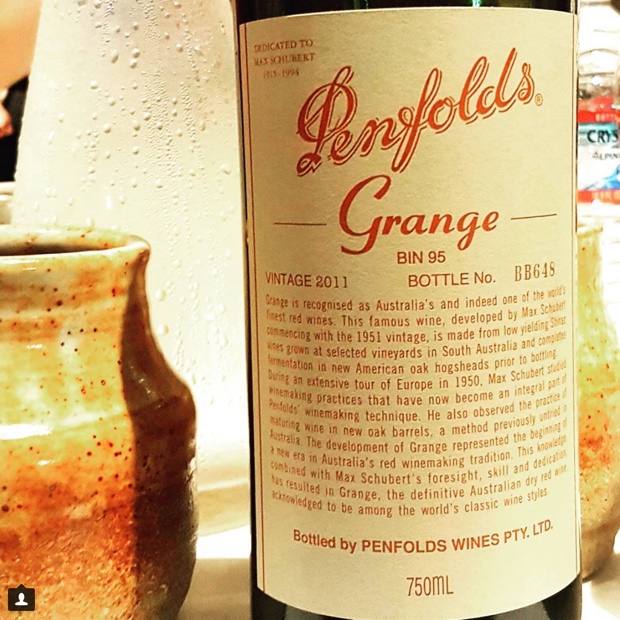
WineAlign

En route to Mondavi

Godello at Mondavi, February 2016 @CalifWines_CA @CBrandsCareers

I’m feeling a Mondavi shiver and a To Kalon shimmer coming on. Another anticipatory Mondavi experience is looming, a next week return venture to the iconic and archetypal Napa Valley winery. This will be my third deep delve into the wines of Robert Mondavi spread out over the past 15 months, after a February 2016 California visit and a June VINTAGES 50th Anniversary structured tasting and dinner. I thought it might be me that was the one getting around but clearly it’s the other way around.

THIS VINEYARD STOOD HEAD AND

SHOULDERS ABOVE THOSE AROUND IT

“The extraordinary quality of this wine originates in Napa Valley’s generous terroir. When I taste this, I’m reminded why Cabernet Sauvignon is the varietal on which Robert Mondavi built his reputation.” These are the comments of Genevieve Janssens, Director of Winemaking. I’d hedge my bets that Fumé Blanc should also fall under the auspicious umbrella of such a statement. Mondavi turned the ideal into copyright and it should be argued that Napa Valley Sauvignon Blanc would not be where it is today without the farming, research and development put in by generations of the Mondavi team.

Mondavi @CalifWines_CA @CBrandsCareers — at Robert Mondavi Vineyard.

No matter the varietal, the To Kalon Vineyard is where it all stems from, the rib from which the eponymous winery was born and the subsequent 50 years of wines that have comes from those storied vines. In 1966 Mondavi chose To Kalon as the epicentre of what would turn out to be a great big winemaking universe. “It was a vineyard with a distinguished history and a magical nature, ” he wrote. “Ideal soils, sunlight and rain – to my eye, the vineyard was a treasure.” Five decades of Fumé Blanc have sprung, along with more than a hundred renditions of Cabernet Sauvignon.

During that February 2016 visit we tasted through Napa, Oakville and Reserve Fumé Blanc and Cabernet Sauvignon. Carneros Pinot Noir and To Kalon Vineyard bottles were poured in the Margarit Mondavi Vineyard Room at dinner prepared by Chef Jeff Mosher, including the 1998 Cabernet Sauvignon Reserve.

Lorenzo Loseto predeliction @georgeonqueen Lobster, asparagus, quinoa, brioche #umami

Last June Mark De Vere MW led a masterclass in celebration of Mondavi’s 50th anniversary. The line up was outstanding bordering on ridiculous. Vintages of Cabernet Sauvignon starting at 2012 and going back through 2007, 1996, 1995, 1994, 1980 and 1975. The VINTAGES sponsored event and dinner at George Restaurant was prepared by the predilection of Executive Chef Lorenzo Loreto.

With 50 years of To Kalon and a specialized certification program up next, there is no better time than the present to publish these notes on 16 Mondavi wines tasted during these recent events and a few others that have found their way through the VINTAGES release program. Here they are.

Feeling a #mondavi shiver and a #tokalon shimmer #50thanniversary @RobertMondavi #markdevere

Robert Mondavi Fumé Blanc 2015, Napa Valley, California (SAQ 221887 $22.95, WineAlign)

The landmark 2015 is the culmination of five Mondavi decades spent elevating and differentiating sauvignon blanc, now in the its 50th vintage. The name fumé blanc and Mondavi are synonymous with one another in unequivocal signature, identical twin, trademark, signature fashion. Not just for Oakville, Napa Valley and California but anywhere and everywhere. You can throw in benchmark, Fodor’s or Lonely Planet guide, dictionary entry or whatever moniker you like. Mondavi’s is all this and in 2015 at its richest and adroitly balanced best. The nose is all ripe orchard fruit from seed to stone and the palate full of texture, acidity and length. The flavours repeat the apple-pear-peach-plum fodder with great tang and near-essential aridity. Great vineyards produce great sauvignon blanc and the rest is history. Drink 2017-2021.  Tasted February 2017

Robert Mondavi Fumé Blanc Oakville 2013, Napa Valley, California (SAQ 13119254 $32.00, WineAlign)

The Oakville fumé blanc is a To Kalon gathering, the vineyard that surrounds the Robert Mondavi Winery. With so many “highest beauty” offerings it’s hard to keep track but this qualifies for the distinction with as much respect as any in the ever moving squall of the portfolio. Here from the geographic mean of the valley, a benchmark Bordeaux blend in bench abutment, composed of 89 per cent sauvignon blanc and (11) sémillon. This is only the third vintage and once in cohorts you note the elevated toast, struck flint and smoke. More citrus involves the senses, something almost rare for Napa Valley, in this way. With time (and please be encouraged to hang out for a while) the butterscotch joins the fumé party. The increased tense intention translates to excellent length. The sémillon makes a statement into the nicely bitter finish, with weight, stoicism and certainly the great potential for age. By way of comparison to the Napa Valley bottle there are 5,000 cases of this Oakville. Drink 2017-2022.  Tasted February 2016

Robert Mondavi Winery Reserve Fumé Blanc To Kalon Vineyard 2012, Napa Valley, California (SAQ 225599 $44.75, WineAlign)

The To Kalon Vineyard Reserve produces 2500 cases (in a big year) and 2012 topped out at 1700. The vintage delivers more green apple and elastic elegance so good luck in your search for reduction, flint, toast and smoke. You should look to 2013 for such a deferential stylistic and make plans to embosom the two side by side 10 years onward. This is mostly sourced from the 1959 planted Robert’s Block within the larger vineyard, primarily gravelly and well-draining with some alluvial soil edged against the Mayacamas Mountains. The spice here is exceptional, with some anomalic Napa Valley mineral tang afforded by the sémillon blended into the sauvignon blanc. Drink 2017-2023.  Tasted February 2016

Robert Mondavi Winery Reserve Chardonnay 2014, Napa Valley, California (492124, $44.95, WineAlign)

There is a richness defined in a Mondavi chardonnay that goes beyond the simple fact that the fruit is Carneros in origin. It’s a luxe composition because of that terroir and also because winemaker Genevieve Janssens is painfully shy to let the fruit speak on its own behalf. The crux and the key lies and turns right there because this is a Mondavi wine. Just as it is always noted with fumé blanc, chardonnay too develops this obeisant disposition, full of emotive ability and perhaps not exactly what you are want to expect, varietally speaking. This is singular for Carneros chardonnay and it’s all Mondavi. It’s both country kitchen in weekend baking mode and a walk in the ripening orchard. It’s a starred Michelin kitchen in baking fury, with a multiplicity of sugars caramelizing overtop a myriad of ramekins welling with tropical fruit. Finally, it’s a Mondavi acidity, elevated and integrated. It’s good chardonnay. Drink 2017-2022.   Tasted April 2017

Robert Mondavi Pinot Noir Reserve 2013, Carneros, Napa Valley, California (SAQ 10219840, $60.50, WineAlign)

Some wise old conditioned and character building vines go into Mondavi’s pinot noir, “purchased from people who have better fruit than we do.” The Hyde Vineyard (40 plus year-old vines) and Rancho Carneros (which includes vines planted in 1979) bring the southernmost windswept part of Napa Valley into the pinot mix. This is optimum extraction in hyperbole, of fruit that runs the gamut from red to deeply dark. It is nothing if not a rich, concentrated and intensely flavourful pinot noir. There is a measure of stuffing to see it drink this way for at least five years from release. Drink 2016-2020.  Tasted February 2016

50th anniversary @RobertMondavi @LCBO #VINTAGES tasting @GeorgeTO #constellationbrands #cabernetsauvignon

Robert Mondavi 50th Anniversary Maestro Red 2013, Napa Valley, California (459933, $60.00, WineAlign)

Maestro the proprietary blend endows another legacy building notch onto the Robert Mondavi name. This is accomplished through the tenets of wisdom in winemaking as an extension from historic estate vineyards. To Kalon is always the rock and in order to make this 50th Anniversary blend there were sources drawn from throughout Napa Valley though mostly from the Stags Leap District. Merlot (59 per cent) is the pillar with cabernet franc (25), cabernet sauvignon (7), petit verdot (6) and malbec. It’s a true five varietal Bordeaux-styled affair with classic Mondavi elevated pH and acidity. The concept is taken from the image of Robert Mondavi as the maestro of the orchestra and of greater Napa Valley. The liquor of merlot provides the base wine, joined dusty and injected with power by jolts of espresso. It’s an interesting 50th anniversary choice of voice, antithetical to the dominant cabernet sauvignon reds that Mondavi is so famous for and the varietal he staked his reputation on. But rich and velvety helps the cause and the result. Drink 2017-2022.  Tasted June 2016

Robert Mondavi Cabernet Sauvignon 2013, Napa Valley, California (255513, $37.95, WineAlign)

The aridity of 2013 has now translated into some lovely development in bottle that trials and tribulates with its wealthy pool of rich, ripe and silky chocolate texture. Such a typically reasoned Napa Valley explanation with 47 years under its increscent belt. Serious tannins need five years to seek settlement and to carry structure for to build a home for the ripe fruit. At 14.8 per cent alcohol there is much to fuel and keep the abode bathed in warmth, along with American oak in pancetta ooze, augmented by smoke and spice. Chewy and huge. Drink 2018-2024.  Tasted twice, February and June 2016

Robert Mondavi Cabernet Sauvignon 1996, Napa Valley, California (459883, $73.00, WineAlign)

This 1996 is the 30th anniversary bottling at 20 years-old showing with impossible structure and beautiful possibilities still lay ahead. Though expecting it to push through to its 30th birthday is overly ambitious it will drink just like this, with freshness, bright red fruit and pitch perfect acidity for at least three more years. The pleasure it currently brings suggests this is what was meant to be, by design, of great fortune or just plain luck, so get it while it rests in this ethereal state. Those who paid nothing for it early on were the wisest of the wise and also lucky. This Mondavi ’96 would be a Left Bank killer in a Bordeaux blind tasting, teasing as it does with whiffs of Cassis and tobacco, plus a fortune in subtle perfume. The finish brings a note of baked bricks, almost like nebbiolo but the structure is all cabernet sauvignon. Drink 2016-2019.  Tasted June 2016

Robert Mondavi Cabernet Sauvignon 1994, Napa Valley, California (459867, $73.00, WineAlign)

From a cool, oft times wet vintage with an elongated ripening season the under appreciated, under-valued and underestimated cabernet sauvignons of Napa Valley continue to get their say. This Mondavi ’94 will not be denied its voice, showing harmonious parts in symphony, of power, grip and elegance from To Kalon Vineyard fruit, amazing acidity and more than impressive longevity. Here now some notes of balsam wood, mushroom and soy have taken hold with more than just two years of extra time as compared to the silly fresh ’96, but the jig is not yet up. The combination of brown sugar and lingering mixed berry fruit is nothing but lovely. Drink up soon. Drink 2016-2017.   Tasted June 2016

Robert Mondavi Cabernet Sauvignon Reserve 2012, Napa Valley, California (670463, $150.00, WineAlign)

Much of the fruit is brought to the Napa Reserve from the To Kalon Vineyard and it is rounded out with complimentary Napa and 16 months in 100 per cent new French oak. From a post 2011 hardship deliverance, more than welcome, hallelujah even vintage. Now a Mondavi return to floral posture above and beyond the Napa and Oakville bottle norms. So very pretty and powerful, out of saturation and into drought from which tannic structure is born. Full on fruit without borders, up to the top of the walls and back down in to the glass. With each sip the tannin builds and builds until the wall is constructed. There is no escape because the architecture is both classic and exceptional. Don’t be in a hurry. Struggle will only tighten the grip. Be patient and the next decade will deliver elegance and grace. Drink 2020-2027.  Tasted February 2016

Robert Mondavi Cabernet Sauvignon Reserve To Kalon Vineyard 2012, Oakville, Napa Valley, California (670463, $150.00, WineAlign)

This is just the second vintage of the To Kalon Oakville Reserve (as opposed to the Napa bottling) from a vineyard where Robert Mondavi established his winery in 1966 and the next “great one,” after 2009. The To Kalon (western) Oakville Reserve is like the Gretzky of cabernet sauvignons, a generational player that only comes along once (or in wine terms, two or three times) a decade. The finest blocks and the “walk in the park” vintage conspired to make To Kalon a focal point once again, of both pH and acidity on the elevated scale, telling us that longevity will never come into question. The wall of tannin exhibited by the Napa Reserve is not duplicated here and so it is a different sort of structure that builds, with more black cherry rich fruit and coveted acescence, but also an absence refined, as if the French barrel hides, deftly woven into the fineness of grain. There is a dusty, ropey and slow developing rise in character, as if a low, barely audible rumble can be heard, or sensed. A waffling between great and outstanding is certainly understood but by the time we reach 2030 and add up the career statistics of this To Kalon I’m quite certain the jury will be out. Drink 2018-2031.  Tasted February and June 2016

Robert Mondavi Reserve Cabernet Sauvignon 2007, Napa Valley, California (670463, $144.95, WineAlign)

Tasted at the nine year mark the vintage warmth has nowhere to hide and the fruit is coming within reason of raisin. A small percentage of petit verdot is part of this Mondavi development from fruit as rich, concentrated and extracted as any. The choices made here surely went a long way towards teaching what subsequent decisions were made with the aridity of 2012, 2013 and 2014. The dried fruit as syrup glazing the layers of cake melts into the decadence of barrel chocolate and a roundness of acidity so different that the 2012s. Some earthy, woodsy floor grounds this ’07 so that you are able to see fruit through the forest’s trees. Drink 2016-2019.  Tasted June 2016

Robert Mondavi Reserve Cabernet Sauvignon 1998, Napa Valley, California (WineAlign)

Though sandwiched betwixt and gobsmacked between some infamous Napa Valley vintages (most notable 1995-7 and 1999) don’t look past this golden era 1998. To Kalon Vineyard is the source so right there is pretty much what you need to know about pedigree and potential. At this 17-18 years point in time a few drops of soy and a melt or two of caramel are noted in the ’98 Reserve’s development. Secondary affirmations and vintage structure bring out the purity of the herbaceous quality in cabernet sauvignon together with the slow evolution of a quiet, respectful wine. A tender and silky balsamic reduction chimes in though time is still a friend, willing and allowing the fruit to continue its natural path towards senectitude. I can’t find any reason to not seek tertiary character and continue to enjoy this over the next six years. Drink 2016-2022.  Tasted February 2016

Robert Mondavi Reserve Cabernet Sauvignon 1995, Napa Valley, California (670463, WineAlign)

A few points of merlot were blended into this 21-year salute to Mondavi’s legacy, a cabernet sauvignon impossibly fresh and bright this deep into life. The acidity is not only persistent it’s downright captivating and spellbinding. With thanks to the vintage of course, after a wet spring and a long, cool summer. Few double digit decade retrospective looks into the Mondavi cabernet sauvignon anthology would deliver such clarity of fruit seemingly immune to the truffled passages of time. By dint of tradition and without any forced supervision wines like this govern themselves and yet this might be a larger consideration regarding the entire portfolio. Drink 2016-2021.  Tasted June 2016

Say, friend – you got any more of that good Sarsaparilla? #thestranger #thebiglebowski #yeahthatsagoodone

Robert Mondavi Cabernet Sauvignon Reserve 1980, Napa Valley, California (WineAlign)

Mondavi’s 1980 Reserve comes from a time when Napa Valley cabernet sauvignon was made in an unidentified, free and indirect style. The young To Kalon Vineyard may have already known its iconic place but if the makers also knew they could not have so easily created such an early success for us to revel in 36 years later. This is now and still fresh, at least in the context of three dozen years in the bag, with that tied To Kalon triumvirate of acidity, tannin and structure seamless and unsevered. How many aromatic notes can be described? Sarsaparilla, root beer, baked bricks, tomato leaf, pipe tobacco, eryngii mushroom, potpourri and mocha are eight that come to mind and nose. It’s a juicy ’80, not so much in terms of fruit though further sips bring faint memories on the back palate. All this 36 years later manages to remove responsibility from the omniscient perspective of the winemaker and lay it comfortably and pleasurably in our hands and minds. So much thanks for this opportunity. Drink 2016-2017.  Tasted June 2016

Robert Mondavi Cabernet Sauvignon Reserve 1975, Napa Valley, California (WineAlign)

Forty one years is a long haul for a wine to hang in there and I’m not sure more than a handful of 1975 Napa Valley cabernet sauvignon not plucked from the future iconic climat of To Kalon Vineyard could have survived this test of time. Even with the impressive longevity and lifeline ability this is now more curiosity than pleasure. Some might say at this stage the wine may be aimless but who can deny that it is also possessive of poised intelligence. From a vintage overshadowed by 1974, there is some old California Golden Seals hockey bag sweat in the aromatic mix along with savoury mulch and mushroom. There really is no fruit left to speak of, prune perhaps but no berries. The acidity still rips with some strength, swirling into the burnt caramel and all things considered this ain’t dead yet. It does show some Bretty notes that the 1980 does not and in the end the adage is true, spoken so eloquently by Mark de Vere MW. “Flavours you cannot replicate without time.” Drink 2016.   Tasted June 2016

Godello at Mondavi, February 2016 @CalifWines_CA @CBrandsCareers

Good to go!

Godello

Twitter: @mgodello

Instagram: mgodello

WineAlign

Godello’s March through Prowein, The Ahr Valley and The Rheinhessen

Godello with Jancis Robinson

as seen on WineAlign

In March I attended Prowein in Düsseldorf, Germany, the world’s largest wine trade fair, tasting a fascinating array of wines. I also added short visits to lesser known regions, first the tiny Ahr Valley as well as Rheinhessen in Germany. Last month I published a brief synopsis report based on the following tastings:

Jancis Robinson, Alsace, Greek Assyrtiko, Chianti Classico, Franken Silvaner, The Ahr Valley and Rheinhessen…

It was one month ago that David and I attended Prowein 2017, the international wine congress in Düsseldorf, Germany of such immense proportion that words, description and explanation just fail to do it justice. If you are an agent your goals are simple; meet with your incumbent suppliers and taste with enough new ones to fill the holes in your portfolio. But what if you are a journalist like me? What do you concentrate on? Were do you start?

Canada’s two coolest wine cats present the country’s cool whites to a packed #Prowein house #Canadianwine #ontariowine #winesofbritishcolumbia #drjanetdorozynski #davidlawrason #beyondco

First things first. As a Canadian and a representative of Wine Country Ontario I hung around the Canadian pavilion, talked with our coast to coast winemakers, vintners and marketing representatives, took in the seminars on cool climate wines led by David and Dr. Janet Dorozynski and of course, tasted some wines. I’m glad I did because I might have otherwise missed out on four exceptional Canadian bottles.

It’s @jamiegoode talking up #Canadianwine at #Prowein

Pillitteri Estates Winery Cabernet Franc 2013, VQA Niagara Peninsula, Ontario (Agent, $24.95, WineAlign)

The quintessential cool climate vintage does for more than chardonnay and riesling as told by this classic tier cabernet franc. From winemaker Aleksandar Kolundzic who is rapidly developing guru status where cabernet franc is concerned, which comes as no surprise when you consider how many variations on the theme he lends his laser focus. The 16 months spent in two to three year-old oak leads to mellow melting integration and that seasoned, grace-gifting wood is used to great advantage. This is floral, expansive, chewy, firm and so very pretty. A wise old cabernet franc that will tell great stories of the years gone by well into the next decade. Drink 2017-2023.  Tasted March 2017  @Pillitteriwines pillitteriwines  @PillitteriEstatesWinery  @WineCountryOnt  winecountryont  @mkaiserwine  @WineCountryOntario

Vineland Estates Elevation Cabernet 2014, VQA Niagara Peninsula, Ontario (173609, $28.00, WineAlign)

The two thirds/one third cabernet franc/cabernet sauvignon stunner from Vineland Estates is pulled (and now labeled) from the 60-acre Bo-Teek Vineyard found within the designated viticultural area Niagara Escarpment (within the broader Twenty Mile Bench) sub-appellation. Estate cabernet of such acumen is predicated on the sound wisdom gathered by a viticulturist and Vineland’s Roman Prydatkewycz knows his cabernet. Winemaker Brian Schmidt takes this paradigmatic escarpment fruit, passes it through the optimal sorter, removes five to eight per cent imperfect berries and a quarter of the cabernet sauvignon fruit. What remains is hand-punched, sent to neutral barrels and is forgotten for 15 months. What emerges is a naturally sweet, vegetal-void elixir, sharp, focused, fervently nervous, tart and captured as if in a dark vacuum or void. It’s all tied inside snug, concentrated and intense. It’s too early for the burst but it will happen within another 12 months time, followed by a six to 12 year slow release of flavour, texture and descendent development of tannin. Drink 2018-2023. Tasted March 2017  @VinelandEstates  @benchwineguy  vinelandestates  benchwineguy  @winery.vinelandestates  Brian Schmidt  @WineCountryOnt  winecountryont  @mkaiserwine  @WineCountryOntario

Attention proweiners- Still time to discover cool @WinesofCanada in Hall 9 @CVAWine @WinesofNS #ontariowine #bcwine

Benjamin Bridge Brut Brut Rosé Sparkling 2012, Nova Scotia (Winery, $44.99, WineAlign)

The adjustment for vintage and evolution means that chardonnay takes more control in the Brut Rosé. Warmth and ripeness were easier to come by in 2012 and though the pinot decrease may seem antithetical and not obvious as a result, it is a brilliant stroke of adjudication. With a 43 per cent stake (plus equal parts noir and meunier) the 2012 Rosé rushes out as an open vein of fleshy aromatics, many of which you will have never nosed before. Citrus and floral exotica, like juice vesicles oozing out of fruit and herbal, of Murraya paniculata, pomelo and kumquat. The omnipresent vitality, energy, intensity and Bridge acidity is never denied and definitely not here but the vintage sets this ’12 apart and furthers the experience with travel around excellency. The liquid hits the palate, expands, vaporizes and recurs. It’s magic really, the sparkling wine tasting equivalent of vaping so cue the health benefits. Just when you thought Benjamin Bridge and winemaker Jean-Benoit Deplauriers had hit the mark they turn the mark on its head. Confirms two salient matters; the Nova Scotia sparkling wine leader is the Canadian commander and blush bubbles are what they do with constant consistency. Drink 2017-2022. Tasted March 2017  @Benjamin_Bridge  @jbdeslauriers  benjaminbridge  caveman__jones  @benjaminbridgevineyards  Jean-Benoit Deslauriers  @WinesofNS  #winesofnovascotia  @winesofns

Blomidon Estate Late Pick Sparkling Chardonnay 2011, Nova Scotia (Winery, $45.00, WineAlign)

The 2011 late-picked chardonnay, the “Hurricane” is a hyperbole of itself. Normally picked in later October, the frost-free weather allowed further time and development. Picked from seaside vineyards just ahead of another hurricane (in a season that included Irene), this is sparkling wine you just have to try. Though lean, taut and as intense as you are likely to taste, the developed character and complexity is visionary for Nova Scotia and Canadian sparkling wine. Three years on the lees brings the texture and fills the gaps, holes and voids created by such a tightly wound cool climate chardonnay. The dry factor is exaggerated in 2011 (a one-off says winemaker Simon Rafuse) but the wine takes full advantage of the Extra-Brut intent. Did it require the anxiety of a recent and an impending cyclone? Can it be duplicated? “That’s the story of the Hurricane.” Visionary for Nova Scotia and Canadian sparkling wine. Drink 2017-2022.  Tasted March 2017  @BlomidonEstate  blomidonestate  @blomidonestatewinery   Simon Rafuse  @WinesofNS  #winesofnovascotia  @winesofns

https://www.youtube.com/watch?v=QfiK17FhP4g

You can’t see it all, do it all or taste it all, so you pick your spots. The rest of my three-day, 12-pavilion cum airport hangar wanderings can be summed up in five ProWein experiences; Jancis Robinson, Alsace, Greece, Chianti Classico and a great exploration into Franken silvaner and spätburgunder. The grand dame of wine held a special intimate media tasting. With fewer than 18 international journalists in attendance, Jancis Robinson’s seven favourite wines at ProWein were poured, choices she noted “I think should be useful to our readers and seek out value.” Nahe and Weinviertel riesling, Chinese cabernet sauvignon, Crozes-Hermitage, Amontillado and my picks of the lot from Chile and Sicily.

Robinson’s full list of wines chosen and poured were as follows: Weingut Schäfer-Fröhlich Riesling Trocken Bockenaur Schiefergestein 2015, Nahe, Germany, Zillinger Grüner Veltliner Radikal 2015, Weinviertel, Austria, De Martino Cinsault Viejas Tinajas 2014, Itata, Chile, Tenuta delle Terre Nere Santo Spirito Rosso 2014, Sicily, Italy, Chateau Changyu Moser Family Cabernet Sauvignon 2013, Ningxia, China, Maison Tardieu-Laurent Vieilles Vignes 2015, Rhône, France, Williams & Humbert Jalifa 30 Year Old VORS Amontillado NV, Jerez-Manzanilla, Spain.

41 years experience. 65,000 to choose from. Seven meticulous picks. @jancisrobinson @Prowein #Prowein

De Martino Viejas Tinajas Cinsault 2014, Secano Interior/Coelemu, Maule, Chile (BCLDB, 72702 $16.99, WineAlign)

Poured by Jancis Robinson at ProWein 2017, the departure for Chile and cinsault hails from just south of Maule and well south of Santiago. Grapes come from a tiny commune called Coelemu and in fact the name Itata cannot be used for ‘un-noble’ grapes so Secano Interior is the nomenclature employed. Done up in old clay jars called “Tinajas,” the cinsault gets a sort of membrane, a cap if you will, of a layer of tannin and acidity due to the clay after 15 days of carbonic maceration plus a full year in those amphorae. The 31 year-old vines deliver the first strike, a natural cure, then bitter cherry and so the wine would service better with a further chill. Robinson notes that it’s “chock full of fruit and tradition,” an exploration wine, in a part of the world not on the bigger maps. Drink 2017-2019.  Tasted March 2017  @DeMartinoWines  demartinowines  @DeMartinoWines  @WinesofChile  @WinesOfChile  drinkchile  @DrinkChile

Tenuta Delle Terre Nere Santo Spirito Rosso 2014, Sicily, Italy (Agent, $56.95, WineAlign)

Here is a regional defining Etna Rosso that comes 16 years after the pioneers began to bring these volcanic magma gems to the world, like Frank Cornilessen and Andrea Franchetti of Tuscany’s Tenuto Trinoro in the Val D’Orcia. Made by Marco de Grazie, Santo Spirito is a single vineyard Etna made on the “black lands,” composed of 98 per cent nerello mascalese, deep dark and volcanic, off of 40-100 year old vines. It’s deeply hematic and the nose is like a cross between fennel and the marriage of lava and garrigue. The wine is aged in French barriques and it shows; of vanilla, really mellow liquid bitters. It’s warm (14.5 per cent), young, oak-welling though energetic, playful, like dark modern Burgundy. The finish as so very volcanic twang, like country music, Sicilian style. Such chewy and grainy tannin drapes all over that long finish. Drink 2018-2022.  Tasted March 2017  @tenutaterrenere  @WinesSiciliaDoc  @WinesOfSicily  @GroupeSoleilTO  tenutaterrenere  winesofsicily  realbenhardy  @TenutaDelleTerreNere  @WinesOfSicily

The honour and privilege to taste Alsace is always welcome and especially when the sit down happens with two exceptional humans like Christian and Valerie Beyer. Their Lieu-Dit pinot gris and noir were terrific examples but it was the Riesling that blew me away. From special limestone this is more refined than similar Alsace from granite, of a salty minerality and intensely elegant.

An @AlsaceWines reconnect with Christian & Valérie Beyer @EmileBeyer @Prowein #justlikestartingover #eguisheim #riesling #rieslinggrandcru #pfersigberg #pinotgris #lieudit #hohrain #pin

Emile Beyer Riesling Grand Cru Pfersigberg 2012, Ac Alsace, France (Winery, WineAlign)

The Pfersigberg or “hill of peach trees” consists of limestone conglomera Muschelkalk and Jurassic stone. Its south exposure on very deep soil produces early maturing wines but from the exceptional 2012 vintage Christian Beyer’s Pfersigberg will last a decade or more. His family’s domain has been farming organically since ’05, officially since ’12 and half of the producers in Egusheim are indeed organic. Christian explains that this Grand Cru is a special kind of limestone, so similar to Burgundy and it lends the salty minerality of itself. Always carries richness with lime fresh citrus, stone fruit acidity and some honey in a riesling that will turn waxy in secondary life. It’s really about mouthfeel and the crisp crunchy rock salt so I and I believe you should really concentrate on the aftertaste. This is more refined than similar Alsace from granite, here from 35-45 year old vines and 35 hL/L yields. Intensely elegant. Drink 2018-2028.  Tasted March 2017  @EmileBeyer  emilebeyer1580  Emile Beyer  Valérie Beyer  @VinsAlsace  @AlsaceWines  @drinkAlsace  vinsalsace  drinkalsace  @vinsalsace  @AlsaceWinesOfficial

With Panayiota Kalogeropouloun and Margarita Damigou of Domaine Sigalas at ProWein

I also sat down with Panayiota Kalogeropoulou and Margarita Damigou for a ProWein date with assyrtiko and it was a revelation to taste a single-vineyard white that turns the world on its head.

Domaine Sigalas Kavalieros 2015, Santorini, Greece (Agent, SAQ 11814421, $31.00, WineAlign)

I’ve not yet tasted the Kavalieros 2014, so this single-vineyard, 18 months on lees done in stainless steel Kavalieros 2015 made by “Mr. George” is the benchmark for Santorini, assrytiko and salty white wines everywhere. The first release was 2009. Straight up and turning the world on its head, like the old man on the label and upside down against Apollo’s Aegean Cyclades. This ’15 richer still, more than the seven villages wines and a hyperbole as compared to the entry-level assyrtiko, of deeper mineral, compressed, layered and fantastic. Crushed rocks permeate in aggregate, it’s quixotically saline and textured, of intense presence and finally, structured. For 15 years at least. A late shot of natural Santorini tonic swirls in centrifuge with assyrtiko so wound up. This will need 10 years to unwind and allow for cracks to form in the mineral shell, followed by the birth of its fruit. It should never be forgotten that assyrtiko can and will show fruit but with Kavalieros you’ll have to be patient. Drink 2020-2031.  Tasted March 2017  @DomaineSigalas  @MajesticWineInc  domainesigalas  @DomaineSigalas  Panayiota Kalogeropoulou  @DrinkGreekWine  winesofgreece  @newwinesofgreece

As does a natural Peloponnese Roditis, a white that ignites the light fantastic’s wire.

Domaine Tetramythos Roditis 2015, PGI Peloponnese, Greece (Agent, WineAlign)

Roditis 2015 is the natural one, racked from the top and finally now settled (so at this time of tasting 2016 is not yet in bottle but at this time of writing should already be as it always does in April). This is the cleanest and purest of the natural wines on the planet, low in pH, high of natural acidity and without a care in the world. With nothing to fear in regards to spoilage it can go on its own personal shopping spree, accumulate character, personality and confidence with the end result being that there is more of everything in the natural one. Its terrifically repeatable, replicable and clonal acidity makes it quite trippy, stepping on and igniting the light fantastic’s wire. You just have to take a stab in the dark with winemaker Panayiotis Papagiannopoulos’ roditis. Or ye have not yet lived. Drink 2017-2021.  Tasted March 2017  @Tetramythos  #tetramythoswines  @tetramythoswines  Devon Masciangelo  @DrinkGreekWine  winesofgreece  @newwinesofgreece

A roam through the Italian pavilion afforded tastings in Puglia, Sicily and as always Tuscany with a one on one face to face with Chianti Classico’s President Sergio Zingarelli and his estate’s flagship wine.

Rocca Delle Macìe Chianti Classico Gran Selezione Sergio Zingarelli 2012, Docg Tuscany, Italy (Agent, $122.95, WineAlign)

This is the flagship wine from the famed estate, a Gran Selezione that bears the patriarchal Sergio Zingarelli name. As expected it is a richer, deeper and depth welling GS, clearly aimed towards the crowning achievement of place, more hedonism, but of course, seeking purity and elegance. The extra year or two in bottle means integration and wood having subsided a bit. “We decided to change the vineyard in 1974 in front of Rocca to be the best vineyard with the best grapes and we will produce our best wine,” I am told by Zingarelli as we taste at ProWein. What was 90 per cent sangiovese (planted in 1999-2000) this 2012 is accented by colorino but in 2014 it will be 100 per cent sangiovese. Elegant as much as sangiovese and Gran Selezione will likely ever strive to be. It is hard not to be impressed with this wine. It bursts with the essence of plums and richest of red cherries, but it’s not without it’s requisite crunch and chew. The absence of astringency is remarkable and speaks to the quality of the fruit and the gentle touch while working with such phenolic ability. Start drinking this anytime. Drink 2017-2025.  Tasted March 2017  @roccadellemacie  @roccadellemacie  @ProfileWineGrp  Profile Wine Group  roccadellemacie  @chianticlassico  chianticlassico  @ChiantiClassicoUSA

Cantina di Ruvo Grifo Nero di Troia Riserva Augustale 2012, DOCG Castel del  Monte, Puglia, Italy (Winery, WineAlign)

Grifo in Castel del Monte was established in 1960 as a cooperative, with 400 farmers and still operates as such with flagship wines based on the local nero di troia. The output is quantified at 1,200,000 bottles per year and increasing. Augustale is the top tier varietal wine from a selection of the vines and produced in small quantities. There is no mistaking what it is, with that specific yeasty bright fruit, slightly volatile to funky but ripe and generous grape scent and bursting with flavour. Spent approximately one year in oak “but the greatest liars are the winemakers,” says Riccardo Ravasio, Direttore Generale presso (General Manager), with a wink and a smile. Mainly big barrels, plus a smaller percentage of small barriques. Fresher than primitivo and with more structure. This has presence and distinction with just a hint of dried fruit, flowers and truffle towards the finish. Classic adult, mature, experienced NdT.  Drink 2018-2022.  Tasted March 2017    @FedericaSchir  @cantinaruvodipuglia

Miracle on #etna from @PlanetaWinery eruptive #carricante of such acidity! The lime! #eruzione #1614 #patriciatoth #prowein2017 #winesofsicily #Prowein

Planeta Eruzione 1614 Carricante 2014, Doc Sicily, Italy (Agent, $39.95, WineAlign)

“Not everyone can carry the weight of the world,” save perhaps Planeta’s Patricia Tóth, a winemaker who celebrates the past, the endemic varietal and in the present, the glaring truth. The name Eruzione is evocative of the estate’s Cru dell’Etna and in a mind’s eye transports history through the narrative of carricante (with 10 per cent riesling). It brings the legendary 1614 Mount Etna eruption to life, a longest ever recorded catastrophe that lasted ten years, halting just on the border of the vineyards of Sciaranuova. This is veritable mountain altitude wine, from high (790-890m) terraced, volcanic black soils delivering fresh conifer savour, saltiness and palpable mineral style. It is sharp and composed on the nose, with citrus distillate and elevated acidity. It does not matter whether you are wide awake or deep in R.E.M sleep. At all times it is a revelation for carricante. This is what it can be! There was no need for crop thinning, it was picked four to five weeks after the sparkling and it spent five months on the lees. The texture and the potential longevity are thankful for this. “Combien, combien, combien du temps?” At least seven years. Talk about the passion. Drink 2018-2025.  Tasted March 2017  @PlanetaWinery  @Noble_Estates  planetawinery  plant dependent  noble_estates  @planetawinery  Tóth Patricia  @NobleEstates

No self-respecting wine journo departs #Prowein without tasting #carricante @PlanetaWinery with #patriciatoth #etna

The Germany pavilion is the epicentre of the ProWein universe. Gravity would naturally pull you to the Mosel and yet I was in search of an alternative experience. With travels to the Ahr Valley and the Rheinhessen looming I gravitated (naturally) to Franken and more specifically to an intensive workshop with silvaner and spätburgunder. The days of the old flattened ellipsoid, field bottle silvaner packaged in traditional Franconian Bocksbeutel are nearly behind us and while several modern, clean and pure examples match up with the great mineral fresh whites around the planet, one stood apart.

Franken Silvaner

Rudolf May Silvaner Retzstadter Langenberg Der Schäfer 2015, Franken, Germany (Winery, WineAlign)

May’s Der Schäfer silvaner comes from the Retztadter Langenberg, a slope of muschelkalk (predominantly from the lower muschelkalk, or wellenkalk) that characterizes the soil. Looking east the location is protected by the Retzstadt deciduous forest and the warm air of the Maintales flows from the west. This specialized and extra-special silvaner is balanced in its aromatic ability meets proper and right-willing alcohol (13.5), with great quality acidity. True salinity and caper brine put my mind’s senses into concepts where this shares a kinship with assytrtiko. It’s brilliant, stony-gemstone able, savoury, no actually sapid, and exceptionally mouth salivating. Just a touch of texture driven lees builds character and great persistence. Bitters before the end are finely distilled and character building. Fresh to drink now and with more ability than most to age. Drink 2017-2022.  Tasted March 2017  @frankenwein  #frankenwein  Frankenwein Fränkische Weinkönigin  @Weingut.Rudolf.May  @weininstitut  @WinesofGermany  @germanwineca  germanwine_ca  wines_of_germany  @germanwinecanada

So much to say about #silvaner and #spätburgunder #pinotnoir

Passion für Pinot Noir! is the avant-garde Deutscher Qualitäswein Franken slogan for spätburgunder. Rudolf May once again impressed with their Retzbach Benediktusberg but as I was about to pour myself a taste of the next wine, a Franken booth associate swooped in to slip me a Burgundy glass, so I knew this was going to be different. It was the next wine that taught me what Franken pinot noir can be.

Weingut Richard Östreicher Spätburgunder No. 1 Sommeracher Katzenkopf 2013, Franken, Germany (Winery, WineAlign)

No. 1 takes not only the estate’s best pinot noir pick but Franken spätburgunder and paradigmatic pinot noir to an entirely new level. The Katzenkopf (“cat’s head”) is Sommeracher’s best vineyard and it is Weingut Richard Östreicher that demands great respect. As I am about to pour myself a taste a ProWein Franken booth associate swoops in and slips me a Burgundy glass, so this must be different. Certainly an elegance and a refinement not seen yet. I’m thinking only on its perfume from the get go but this Franken sensibility is more important, a soil component that just acts of its own accord in the magic it brings to pinot noir. The compatibility of fruit and acidity with the finest grains of sweet and refined tannin is a revelation. The vintage is an important one to be sure and the firm but still amenably sweet finish mixed with a dash of tonic tells me about the longevity this No. 1 is capable to execute. Drink 2017-2027.  Tasted March 2017  #richardöstreicher  Richard Östreicher  @weininstitut  @WinesofGermany  @germanwineca  germanwine_ca  wines_of_germany  @germanwinecanada

The desparate grade of Ahr Valley vineyards

On day three of ProWein I jumped on the großer Magie Bus with 17 international journalists and headed for the Ahr Valley, one of Germany’s (of 13) furthest northern wine regions. With an area of 150 hectares (of 100,000 total in Germany), even the Mosel is not so far north. Our first visit was to Meyer-Näkel, a young winery in its third generation. Before that there was a winery (Meyer) and Näkel (restaurant). When the grandparents married the entities merged. In 1982 winemaker Meike Näkel’s father took the winery and her uncle the restaurant.

Michael and Meike

Starting out with two, now there are 20 hectares under vines. The slopes are ridiculously steep, prized for their blue slate soils and so difficult to work. Spätburgunder steals the Ahr Valley show and while Meyer-Näkel’s lieu-dit and grand cru (Großes Gewächs) are impassioned and important works, in Ontario you can find their affordable entry-level treat. It really is what basic German spätburgunder needs and is expected to be.

Meyer Näkel Spätburgunder 2015, Deutscher Qualitätswein, Ahr Valley, Germany  (427898, $26.25, WineAlign)

The entry-level pinot noir was bottled in the summer of 2016, after a hot season and dry elsewhere but in the Ahr it rained and it was cool overall. Picking was actually late and the aromatics show off the long, cool, floral temper. De-stemming and fermentation is immediately initialized but the maximum fermentation is 10 and usually six days. The pips are just a quick doo-wop to keep both green and bitter away. A focus on fruit, an absence of tannin and a pure varietal expression. Red trumps green, large wooden casks (15-20 years) also impart no tannin so the finality is simply cherry. That said, this carries some almond pit and green strawberry on the palate. It’s really what basic German spätburgunder is and expected to be. Nicely balanced and in at 13 per cent alcohol. Drink 2017-2019.  Tasted March 2017    @vonterrabev  Weingut Meyer – Näkel  vonterra  @MeyerNaekel  @weininstitut  @WinesofGermany  @germanwineca  germanwine_ca  wines_of_germany  @germanwinecanada

Yet nothing could prepare me for what a former German wine queen would pour. Julia Bertram grew up in Dernau, gained experience at Meyer-Näkel and Klumpp. In 2013 she launched her own her vineyard with just half a hectare and now farms three and a half. Nothing fascinates her and the “SchlAhrVino” (association of young Ahr vintners) as much as ripe wines, especially pinot noir. Her whole bunch, wild ferment spätburgunder is nothing short of intense. The world should get ready for her alternative Ahr universe.

World get ready for #juliabertram and her alternative #ahr universe pinot noir @weininstitut #ahrvalley #spätburgunder #handwerk

Julia Bertram Spätburgunder Handwerk 2015, Ahrweiler, Germany (WineAlign)

Former German Wine Queen Julia Bertram grew up in Dernau, gained experience at Meyer-Näkel and Klumpp. In 2013 she launched her own her vineyard with just half a hectare and now farms three and a half. Nothing fascinates her and the “SchlAhrVino” (association of young Ahr vintners) as much as ripe wines, especially pinot noir. Her whole bunch, wild ferment spätburgunder is nothing short of intense. Bone dry, tart and spirited by crisp acidity, the young vines and used barrels deliver notes that are embattled in a spontaneous, natural, posit tug. The world should get ready for her alternative ahr universe pinot noir. Drink 2017-2020.  Tasted March 2017    #juliabertram  Julia Bertram  @weininstitut  @WinesofGermany  @germanwineca  germanwine_ca  wines_of_germany  @germanwinecanada

The next two were Rheinhessen days, first with five Appenheim village winemakers at Weingut Willems & Hoffman, followed by a visit to taste more deferential and singular spätburgunder at Weingut J. Neus. The single vineyard of Hudertgulden in Appenheim is one of the Rheinhessen’s finest. At Neus we got grippy with the muschelkalk soil meets spontaneous ferments from the team of Operations Manager Lewis Schmitt and agronomist/oenologist/winemaker/cellarmaster Julien Meissner’s pinot noir.

Weingut Knewitz Riesling Hundertgulden 2015, Rheinhessen, Germany (WineAlign)

From the Burgundy-like soils of this special rolling hills nook in the Rheinhessen, replete with shells and corrals, the Hundertgulden, “hundred guilders” is the most important single vineyard in all of Appenheim. The vintage trumps 2014 and nearly bone dry is still the operative in this super salty, linear, lengthy and age-worthy riesling. A true blue limestone vernacular is spoken and the stone simply slides and glides through the wine. Definitive of place, with leesy texture, elegant, balanced and seamlessly woven through. There is more lime zest and juice than the Appenheimer and more overall citrus tendency. The mirror of Appenheim. Drink 2018-2022.  Tasted March 2017    weingutknewitz  @Weingut.Knewitz  @weininstitut  @WinesofGermany  @germanwineca  germanwine_ca  wines_of_germany  @germanwinecanada

Getting grippy with #pinotnoir #jneus @weininstitut #spätburgunder #ingelheim #muschelkalk

Weingut J. Neus Spätburgunder Muschelkalk Alte Raben Trocken Ingelheim Am Rhein 2014, Rheinhessen, Germany (WineAlign)

From vines 25-40 years old, depending on which barrels are chosen for the final blend, off of the estate’s singular limestone muschelkalk soils. Even some 45 year-old vine fruit can be used, ferments kept separate, just as winemaker Julien Meissner will do with the Großes Gewächs. After tasting the younger vines spätburgunder and trocken first this acts less up front fruit forward, now spirited, of a phenolic tonic, variegated, characterful, open and spontaneous. Large (600 and 1000L) 100 per cent new oak barrels add char and spice to the rampant cherry, but also structure that takes you on the ride from background to foreground. “A strict style of pinot noir,” says Meissner, a cellar master who triples as agronomist and oenologist. Reduction begs for patience and time, tannins are taut and there is this minty, Mornington Peninsula pinot effect. Fruit, tannin, chalk and the conduit of Neuss acidity. The whole package. Drink 2018-2022.  Tasted March 2017  @JNeus1881  jneus.ingelheim  @J.Neus.Weingut.seit1881  @weininstitut  @WinesofGermany  @germanwineca  germanwine_ca  wines_of_germany  @germanwinecanada

We moved away from the red wine thematic and into more familiar territory when we stopped in at Weingut Thörle for a visit with Christoph Thörle. The single-vineyard Hölle and Schlossberg rieslings are as exceptional as any in Germany but the Ontario presence of the Feinherb should never be overlooked.

Some of Germany’s finest #riesling coming to @TerroirTalk May 29th #thorle #Terroir2017 #christophthorle #saulheim #rheinhessen #terroirsymposium #holle #agotoronto

Thörle Riesling Feinherb 2016, Qualitätswein Rheinhessen, Germany (420091, $18.95, WineAlign)

Off-dry riesling does not always have to be bottled as such but in the Rheinhessen and at Thörle the category of Feinherb is anything but an afterthought. This started as a side fermentation in its first years but is now an important wine in the estate’s multi-tiered processes. The cuvée is gathered from younger vines plus one barrel of premier cru Saulheim fruit. A slight skin maceration (12-18 hours) is employed which helps to temper the tartaric acid though this will be swapped for whole bunch fermentation in warmer years. Hides some of its sugar, especially on the nose which is quite floral, of white flowers and honeysuckle. Honey and wax with sweet herbs bring all into playful light to taste, with plenty of sweet lime and lik-a-maid sour touches. For every Indian Food list in the world. Drink 2017-2020.  Tasted March 2017  Weingut Thörle  @WeingutThoerleGabsheim  @weininstitut  @WinesofGermany  @germanwineca  germanwine_ca  wines_of_germany  @germanwinecanada

On our last day in the Rheinhessen we stopped in at Weingut Manz and if you ever find yourself in their tasting room, expect a multi-varietal experience. On any given day you may taste weissburgunder (pinot blanc), riesling, grauburgunder (pinot gris), sauvignon blanc, spätburgunder (pinot noir), merlot, cabernet sauvignon and finally, huxelrebe trockenbeerenauslese. On this day it was the wines spoke to the territorial low yields and late harvest work of Eric Manz.

#goodcombo #weingutmanz #rieslingauslese #herrenberg #restaurantvolker #oppenheim

Weingut Manz Riesling Spätlese Trocken Kehr, Weinolsheimer 2015, Rheinhessen, Germany (WineAlign)

The Kehr from Eric Manz is riesling of extremely low yields and a late harvest for what shines to be high in complexity and aging potential. Generous skin contact and even more so in lees action effect makes this quite different than the Kehr “M” but also the Herrenberg Trocken Spätlese. With the sugar here remaining in line with the Hipping (Niersteiner) it is the high acidity that drives the Kehr machine. This seems less arid than the Hipping, more energetic and more reductive than the “M.” Higher potential for aging with so much lime cordial sparkles and brings spirit that will persist into a petrol and honey future that would have to be bright. Drink 2019-2026.  Tasted March 2017     Weingut Manz Weinolsheim   @weingut.manz.weinolsheim  @weininstitut  @WinesofGermany  @germanwineca  germanwine_ca  wines_of_germany  @germanwinecanada

I don’t always taste #roterhang Riesling but when I do it has to be in the #fockenberghütte

The week in Germany saw virtually no sun, that is until the final morning outdoors above the Rhein River under the shelter of the Fockenberghütte. Here we tasted the Nierstien wines of Weingut Domtalhof, St. Antony and Louis Guntrum with our charismatic M.C. Konstantin Guntrum. We walked the famed Roter Hang Vineyard and had the great fortune to taste Guntrum’s ethereal 1976 Neisteiner Heilgen riesling. Guntrum wears the passion for his home vineyard in his expression, on his sleeve and by the way he walks. “Roter Hang is a geological statement,” he explains. Red soils of friable sandstone, steep and breathtaking. Nierstein is the portal into which you can peer to wonder about great riesling grown above the Rhein.

Weingut Louis Guntrum Riesling Trocken Nierstein Oelberg 2015, Rheinhessen, Germany (WineAlign)

Nierstein’s Oelberg is for vintner Konstantin Guntrum a changing landscape, of different light and greater fog. This dry riesling gives off the sense of intelligence and so grabs your attention and demands your concentration. It also solicits conversation. Takes its time to open up, with no petrol note but the grace of mineral is back there. Lean but slowly changing and developing in just the short time in glass, the charm envelops your sense of smell and taste, renders them keen and then you give it up for the aftertaste and the persistence. While the layers will not yet peel away they will, though may need two full years to do so. Forget the need for immediate gratification because this one is mineral skin deep. Drink 2018-2024.  Tasted March 2017  @LouisGuntrum  #louisguntrum  Weingut Louis Guntrum  @weininstitut  @WinesofGermany  @germanwineca  germanwine_ca  wines_of_germany  @germanwinecanada

When you see one grand cru you’ve seen another grand cru #nierstein #rheinhessen #rhein #roterhang

The German wine experience is owed great thanks to Stefan Egge, Christiane Schorn, Brigitte Küppers, Michael Mandel and Carola Keller of ProWein press department, Messe Düsseldorf and Wines of Germany. I have been on many Press trips over the years and the organization in Germany was second to none. I will now begin looking forward to ProWein 2018. Until then.

Good to go!

Godello

Twitter: @mgodello

Instagram: mgodello
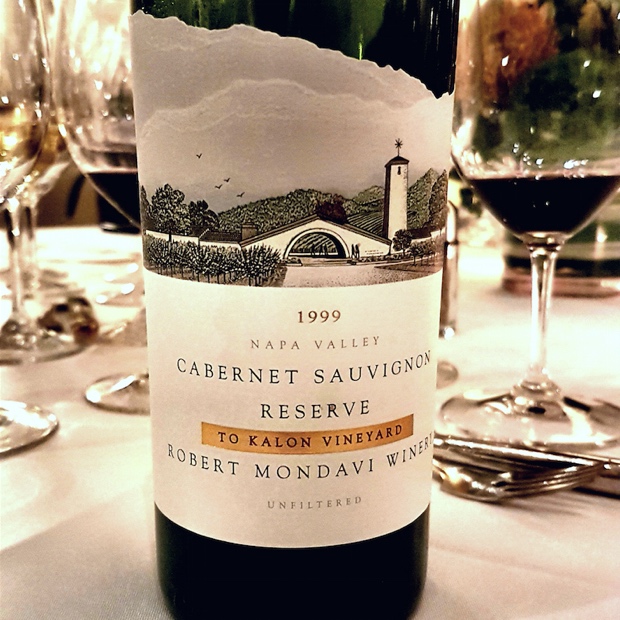
WineAlign

A Chianti Classico return to Villa Trasqua

I had been to Villa Trasqua once before, in May of 2016. Proprietor Sven Hulsbergen was more than kind and generous to say I would always be welcome back, so I took him up on that offer and returned in February 2017. I joined Sven and Villa Trasqua’s Export Manager Giorgia Casadio for dinner and to taste through the estate’s current releases, not to mention some spirited conversation and debate.

Related – The most important red wine from Italy

The following day in Florence inside Stazione Leopolda at Anteprime’s Chianti Classico Collection 2017 Sven and I run through the wines again with two Villa Trasqua associates, Francesca and Guilia. It is nearly impossible to gain a true sense of an estate’s Chianti Classico through the nadir scope of a single 12-hour window, even by tasting each bottle twice, yet such an ascent towards conceptualization and visualization leads to a higher probability of ken. I could not do this with just any Chianti Classico but Villa Trasqua’s wines are both encouraging and enabling. When sangiovese opportunity knocks, Godello walks through the varietal door.

A restful return and new visit with the #chianticlassico of #villatrasqua #castellinainchianti Thank you Sven. Thank you Giorgia. #graziemille

Related – Three days, eight estates, Chianti Classico

Located north of Siena in Castellina in Chianti with Monteriggioni rising majestically above the estate, Villa Trasqua is built around the ancient and exceptional vineyard known as Nerento. The estate dates back to 1965 and cultivates its 120 hectares and 10 vineyards in the oldest part of Castellina in Chianti. Trasqua is owned by Swiss brothers Sven and Alan Hulsbergen. Organically farmed vines and the gravity fed winery built on several levels are overseen by oenologist Franco Bernabei and Director Armand Metalla. The estate is represented in Ontario by Frontier Wine Merchants.

I tasted four new releases from Villa Trasqua, all from earlier vintages than the norm shown at the Chianti Classico Collection and held back because time in bottle is your ally and your friend. This is one of the ways that Bernabei refuses to let the estate’s wines melt into a puddle of conformity. The wines are not merely executed on behalf of comfort’s sake or stylized to emulate wherever the sangiovese grass is greener. They are specific to the soils with Nerento at the epicentre of it all.

The team at Trasqua takes what the land gives and allows each vintage to speak on its behalf. There are no forcing square pegs into round holes or the stealing of phrasing from other regional, or even more parochially, Castellina in Chianti micro-locales. Like love, sangiovese from Chianti Classico can’t be owned because no two are the same and Villa Trasqua’s are no exception but, they are becoming increasingly exceptional and each are their own emotive exemption. Here are the notes.

Annata, Fanatico, Nerento and Trasgaia

Villa Trasqua Chianti Classico 2013, Docg Tuscany, Italy (Agent, $19.95, WineAlign)

Trasqua’s from the Hulsbergen brothers (Alan and Sven) out of an idyllic, naturally rippling and undulating Castellina in Chianti bowl is 100 per cent sangiovese. I have to admit to fully agreeing with Sven when he tells me “you can drink this with red sauce.” I did in fact retroactively follow-up on this and tasted it alongside one prepared by him at the estate. The round, soft yet structured CC was, for the vintage and the pasta a perfect match. It’s that simple and you should try it, on a Monday night, as we did, in Chianti Classico, or anywhere else. This is traditional (perhaps even more so that their 2012) with its tart and edgy red fruit and some tannin. More than that is its smoke and smoulder, coming as it has from eight months in big barrels, eight more in concrete and finally, steel. Drink 2017-2019.  Tasted twice, February 2017     Villa Trasqua  @HULSI_II  Frontier Wine Merchants

Villa Trasqua Chianti Classico Riserva Fanatico 2011, Docg Tuscany, Italy (Agent, $29.95, WineAlign)

Though not declared on the label Fanatico is 100 per cent sangiovese in 2011 and very much in line, vein and style to the Annata Chianti Classico. The Bernabei entusiasta/amatore/appassionato for Trasqua’s exceptional Castellina in Chianti terroir comes across with CC amplifications so this does by its nomenclature in attitude, acidity and big red fruit. To stay clear of hyperbole balance was key to the vintage and here struck with firm, grippy and almost gritty amplitude. As a result it’s nearly atypical to traditional but it speaks to the specificity of Trasqua grown sangiovese. Drink 2018-2023.  Tasted twice, February 2017

Villa Trasqua Chianti Classico Gran Selezione Nerento 2011, Docg Tuscany, Italy (459685, $39.95, WineAlign)

Nerento lies at the heart of the Trasqua Vineyards and the vines take root in the deep red soil. The name might be mythical, a tree of life reference or from the Latin “nerent,” meaning courting. This is Gran Selezione that courts like a suitor, charming and suave but built on power and a deep liqueur, like at the bottom of a pure well. The sangiovese is still very kissed by wood and locked shut. The first bottle (over dinner) needed more than one hour to open, eventually releasing fresh florals (violets especially), herbs, savour and forest floor. The second bottle next day was not so eager to do the same. This is compact, woven, textured and refined sangiovese with forceful (and the promise of) delicate tannins. Drink 2019-2026.  Tasted twice, February 2017

Villa Trasqua IGT Toscana Trasgaia 2012, Tuscany, Italy (AgentWineAlign)

The IGT foray takes half sangiovese to mingle with two cabernets (35-40 per cent sauvignon and 10-15 franc) from the sandy Trasqua soils abutting Nerento. The name also combines and returns the estate to the earth. The conscious life of this blend centres around a currant crunch and a current of simplicity to solicit early and repetitive consumption with meals. This was bottled in May of 2016 so is now just coming into its window. There is a peaty, smoky note from the oak and this is one instance where sangiovese does not dominate, control or reign. It’s both rich and firm, typically Bernabei in style and with a tannic, beneficially bitter finish. IGT of a democratic and discreet kind. Drink 2017-2019. Tasted twice, February 2017

Good to go!

Godello

Twitter: @mgodello

Instagram: mgodello

WineAlign

Trail blazing in Prince Edward County

It was December of 2016 when I last sat down to taste with Mackenzie Brisbois of Trail Estate Winery. With the first year anniversary of her inaugaral wine release having recently passed and the 2017 (Prince Edward) County in the City tasting coming up this Thursday, it seems as good a time as ever to revisit and publish my tasting notes on her multifarious ’15s. I had previously tasted a 2015 group of skin-contact riesling and sauvignon blanc in April 2016.

Related – No County for old wines

Brisbois’ concentration bordering on infatuation incites a summons to contest with the fruit reaped out of two Niagara vineyards, one farmed by Ed Hughes on the Lincoln Lakeshore and the other by Craig Wismer from his Wismer Vineyards Foxtrot Block on the Twenty Mile Bench. While time develops Trail Estate’s plantings in Prince Edward County and the fruit that will eventually come, these iconic Niagara Peninsula plots more than suffice and for what Trail Estate needs to say today. In fact I don’t envision Mack Brisbois moving on from these two sites any time soon, what with her triumvirate expressions focused on skin contact, wild ferments and barrel aging. It seems that riesling, chardonnay and sauvignon blanc, these vineyards and the Brisbois experimental style were all made for one another.

Which elicits my response to the question you are chomping at the bit to ask. Come on I know it’s what you are thinking. Why are these wines so expensive? Why pay $25-$35 for Niagara fruit bottled in Prince Edward County? Why pay a premium for speculative and probationary wines from a small up and coming estate not yet on the commercial radar? For any Ontario wine for that matter? These are all good, valid and ignorant questions.

First of all, these wines are made in minuscule quantities by a small group of passionate, risk-taking, acumen-exceptional people. The fruit is expensive, whether it travels three hours east from Niagara or not. Great winemakers to be have to hone their craft on something while they wait for their own gardens to grow. A rock star in waiting will earn stripes by purchasing fruit and turning water in wine. Most important to remember is the honesty of what’s inside their bottles, how in spite of their experimental nature they are so f-in clean, pure and drinkable. It’s also amazing to note that Brisbois is fully cognizant (and readily forthright) about the mistakes she made (and allowed others to make) in growing, fermenting and finishing these wines and how she would correct them going forward. These wines represent just the tip of her proverbial winemaking iceberg, of what’s to come when she gets really, really good at this. Not that she isn’t already but risks, mistakes and epiphanies will all combine and conspire to lead her and her labels to greatness. Are you reading me?

Here are the six wines tasted with Brisbois on that early winter’s day.

Trail Estate Chardonnay Musqué Foxcroft Vineyard 2015, VQA Niagara Peninsula, Ontario (Winery, $32.00, WineAlign)

The sourcing is 100 per cent Niagara fruit that was previously allotted to the estate’s Vintner’s Weiss, here with six months extra wait time (in very old 500L barrels). Typically potpourri floral with lemon zest spritz in the air but also masculine musky. Not so strong like the passing herd of Ovibos moschatus but it’s there. The palate is all tight turns down tart alleys, fleshy and rippling. The textural breadth is key to keeping this Musqué from turning medicinal because a return to the aromatics finds expression in language often spoken by gewürztraminer or viognier. The talk of Muscat, or Musqué. There were 64 cases produced. Drink 2016-2018.  Tasted December 2016

Trail Estate Riesling Barrel Ferment Foxcroft Vineyard 2015, VQA Twenty Mile Bench, Ontario (Winery, $28.00, WineAlign)

Mackenzie Brisbois spins some old world order on her riesling from Niagara’s Foxcroft Vineyard. It begins like every other in stainless steel but is then transferred to old 500L and 225L barrels, travels over the full malolactic threshold and is finally bottled unfiltered. This is not exactly a rogue approach but it is certainly throwback experimental. Is it an atypical, mad scientist outtake? Perhaps. But it is less unusual than her previous skin-contact series, invisibly stitched and tart-pan curl rieslings. In 2015 there is an amalgamated, pretty little funk, and lemon like you’ve not nosed before. At once expectedly oaky (in an old way) but now settling down, beautifully arid, preparing the nest for a life of comfort. The stoic nature of riesling is acclimatized with a meagre 1.5 g/L of RS and indiscernible sulphur. Was bottled in November. Timbered Trocken at its finest. A total of 125 cases produced. Drink 2016-2022.  Tasted December 2016

Trail Estate Chardonnay Unfiltered 2015, VQA Niagara Peninsula, Ontario (Winery, $32.00, WineAlign)

A blend of vineyards, from Ed Hughes and (Wismer) Foxcroft, perhaps with some influence under the lingering auspices of the Norman Hardie school, here in the playful and progressive hands of Mack Brisbois. Mackenzie employs no sulphur at processing, allowing for chardonnay efficacious and liberally oxidized, settled, cold stabilized, non bentonite-affected, chilled and racked. Not lost is the ever-commented process of going at it with wild ferment, but also caution thrown to the wind via no temperature control (but yes on the Hughes fruit), with the final end game in search of and wanting a fruity Chablis side. Done up in half stainless plus 50 old 500L and two 225L barrels. The sulphur was added in October, the full malo achieved and then bottled in November. All of this technical mumbo-jumbo to say there is still quite a creamy, leesy, oaky feeling but like some others in Niagara (Robyn’s Block, Oliveira and Aberdeen) it totes great palate texture and a “fruitiness,” but it’s not fruity. It may not recreate the Chablis fruit to mineral purity but it is a righteous, proper and Niagara purity fashioned in PEC. There are 266 Cases. Drink 2016-2020.  Tasted December 2016

Trail Estate Riesling Wild Ferment Ed Hughes Vineyard 2015, VQA Lincoln Lakeshore, Ontario (Winery, $28.00, WineAlign)

This off-dry riesling was de-stemmed and steeped under 24 hours of skin contact, pressed and wikked by wild ferment. “Stopped on taste” notes winemaker Mackenzie Brisbois which turned out to be off-dry, at 19 g/L of RS. The skin contact confuses the perceived sugar levels “so if the mark was breached, so be it. I just realy liked where it was at.” Besides, the wine did it’s own thing, essentially, by and by and in presentation of itself. A very Mosel nose with no aromatic sweetness really and acidity to temper the sugar crawling across the palate. Carries a concrete feeling despite the stainless regimen and nary a tropical fruit or custardy cream moment intrudes. The orchard meets late August Niagara stone fruit is all that concerns. Darn delicious riesling. There were 120 cases made. Drink 2016-2020.  Tasted December 2016

Trail Estate Baco Nouveau 2016, Ontario (Winery, $25.00, WineAlign)

More than OK I must say about this baco noir of resolute and absolute crush ability. Whether against or not against her will I cannot say but Mackenzie Brisbois must be the first to commercialize the musky and foxy hybrid in such a way, with carbonic maceration plus yeasts for eight days and the sugar arrested at at 5 g/L. TE released this antithetical BN on on Nouveau day but there were only 30 cases made. It is without a doubt the prettiest of nouveau and of all the bacos ever. There is no fizz, no re-ferment and it is very drinkable. A stable, dark fruit vetted, better than many gamay, thirst-quenching drink. A South African Jurgen Gouws Intellego meets Jacques de Klerk Thirst by way of baco noir in Prince Edward County. Fun, juicy, easy. Well done. Drink 2016.  Tasted December 2016

Trail Estate Cabernet Franc Foxcroft Vineyard 2015, VQA Niagara Peninsula, Ontario (Barrel Sample)

Not bottled yet, this mason jar barrel sample is from a Wismer single-vineyard (Foxcroft). It will be pulled from (one new of six and the rest 13s and 14s) barrels this coming week but as of yet unsulphured it already has that slightly sulphured and coarse filtered feeling. Beautiful dark fruit has aromatically blossomed from being open a few days and this really speaks of of that rarely achieved Niagara cabernet franc imposiibility.  Soil-clay funky, so pure and precise. Carries that feign of sweetness, low alcohol, depth but so not heavy and plenty of spice. There will be 100-120 cases. $30ish.

This extrospective @TrailEstateWine #cabernetfranc ’15 by @MackBrisbois…wait for it.

Good to go!

Godello

Twitter: @mgodello

Instagram: mgodello

WineAlign

Thirteen ways to taste Cuvée

Less than 24 hours after touching down at Pearson following a trip to Germany for ProWein (plus excursions through the Rheinhessen and Ahr Valley) I find myself in comfortable surroundings. Knotting a tie with Niagara Falls tumbling as it is always wont to do while in other proximate places Niagara’s wine folks get cleaned up real good, all of us ready to gather for Cuvée 2017. A grand affair.

The 29th annual Cuvée was indeed held last Friday, March 24 with the Grand Tasting at the Scotiabank Convention Centre in Niagara Falls. Organized by Brock University’s Cool Climate Oenology and Viticulture Institute (CCOVI), Cuvée presents an essential cross-section of Ontario VQA wines while also raising thousands of dollars to fund academic scholarships and research. A count of 750 guests were in attendance along with 48 participating local VQA wineries and celebrated regional chefs.

Chef Justin Lesso, Kitchen 76 at Two Sisters Winery, Roasted eggplant and zucchini caponata with sultanas, whipped ricotta, toasted pine nuts and sweet balsamic on crostini

Congratulations to the Cuvée award winners for 2017

Cuvée Vineyard of Excellence Award: Grower Gerald Klose, Niagara-on-the-Lake.

Tony Aspler Cuvée Award of Excellence: Wine journalist Ian D’Agata.

VQA Promoters Award for Lifetime Achievement:  Toronto restaurateur Roberto Martella, Grano.

VQA Promoters Award for Education: Barb Tatarnic, Brock University.

VQA Promoters Award in the LCBO: Melissa McFadden, Owen Sound.

VQA Promoters Award for Hospitality: Sommelier Mike Fish, Glassroots Restaurant in London.

VQA Promoters Award in Retail: Brian Hanna, sommelier at Huff Estates Winery in Prince Edward County.

VQA Promoters Award for Media: Angela Aiello, iYellowWineclub.

The Cuvée Scholarship winners are:

Cuvée Hosting Award for Academic Excellence: Jacob Johnsson-Werner

Cuvée Award for Academic Excellence: Stephanie Van Dyk

Cuvée Award for Academic Excellence in OEVC: Hannah Lee

Cuvée Graduate Scholarship: Jennifer Kelly

Scotiabank Centre chefs

New signage showed the way to 47 winery participants divided into a six-pack of of design, “hazarding all ones chances,” to seek and to find. Luckily I found my way, with ease, to divide, conquer and taste many wines. 

I’ve reviewed 13 from the Cuvée Grand Tasting. Here are the notes.

Megalomaniac Chardonnay My Way 2015, VQA Niagara Peninsula, Ontario (Winery, $24.95, WineAlign)

A new order for chardonnay begins at Megalomaniac with winemaker Sébastien Jacquey now doing things his way. Lyrically speaking, a once buttery and brain freeze style of Megalomaniac chardonnay is now made My Way. The song reference is via Paul Anka (also interpreted through Frank Sinatra and Sid Vicious) but here turning with learned impression into Jacquey’s way. The bite into crunchy green apple and tart russet sting is more than cool, it’s downright intense. The pulsating, ebullient pop burst is techno chardonnay at its finest, melodic and built on sonic texture. My Way reminds more of Temptation, “heaven, a gateway, a hope, just like a feeling inside, it’s no joke.” There is great ripeness from warm St. David’s Bench fruit a bit less mineral so conversely eased away from oak. Also easy on the stirring of lees, to keep the purity, clarity and as Séb notes “we are always trying to listen to nature.” Drink 2017-2020.  Tasted March 2017  @MegalomaniacJHC

Tripping the #sauvignonblanc light fantastic @StratusWines @CreeksideWine “come and trip it as ye go / On the light fantastic toe.” #imaginative #cuvèe #cuvee2017 #skippedthelightfandango #whitershadeofpale #buthecrowdcalledoutformore

Creekside Estates Reserve Sauvignon Blanc Creekside Estate Vineyard 2013, VQA Creek Shores, Ontario (53371, $26.95, WineAlign)

Four months is an eternity in sauvignon blanc development and what was is not any more. Here again, “Ooo there I stand neath the Marquee Moon, hesitating.” Now some of the finest and most intelligently rendered spice you are ever likely to get from a bite anywhere in the SB diaspora is tasted. Effectively intense as it was not last fall, Creekside’s 50 per cent wood-aged ’13’s “life in the hive puckered up my night.” The risk is now rewarded. Last tasted at Cuvée with Yvonne Irving, March 2017  @CreeksideWine  @CellarMonkey  @PetiteOenophile  @AMH_hobbsandco

Of more worthy extraction and calculated tropical aromatics, the Reserve rendition of Creekside’s backyard vineyard play is deeply juicy and spiked with natural tonic. This wine makes full use of the slow, let it hang 2013 vintage and its dry, cloud covered temper. There are herbs and lime juice stirred into the cocktail and flavour does not pass by at a fleeting premium. This has richness and tangy appeal. The wish would be for more acidity but isn’t that always the case? Drink 2016-2019. Tasted November 2016

Stratus Sauvignon Blanc 2014, Niagara On The Lake, Ontario (Winery, $29.00, WineAlign)

Welcome to new adventures in hifi, J-L Groux-Stratus Vineyards-sauvignon blanc style. “Here it comes (and) I’m carried away” by the utter freshness and positively optimistic nature of the grape and its potential off of Niagara-on-the-Lake vineyards. Groux employed two Sancerre clones, 317 and 530, the former antiKiwithetical and the second more Loire obvious. Picked early straight out of REM sleep (for Stratus) though always loyal to aromatics, the crisp green apple bite is striking in a cool-climate designated white void of chive, grapefruit and green veg. The fitness, finesse and fineness really show on the palate, direct, fresh and very long. Speaks to the organoleptic language of taste. Could have very well been dubbed The Departure. Drink 2017-2020.  Tasted at Cuvée, March 2017  @StratusWines

Fielding Estate Sparkling Rosé, VQA Niagara Peninsula, Ontario (Winery, $29.95, WineAlign)

Fielding takes flight into traditional method, blush sparkling territory with this decidedly off-dry, fruit-driven, round and drinkable Rosé. Primarily 2013 based from pinot noir (84 per cent) and chardonnay (16) that spent up to 24 months on the lees. It’s habitual strawberry evidence and faint black cherry subtlety meet at the interstices of (13 g/L) of residual sugar, inviting and jacketing acidity. This is rose spectral, chaste stylish fizz to initiate Fielding’s investigation that will only become more and more complex. You’ll have to make a trip to Fielding if you want one, that or a reservation at Treadwell or Backhouse. All good options. Drink 2017-2020.  Tasted at Cuvée, March 2017  @FieldingWinery  @RichieWine  @Heidi_Fielding

Adamo Oaked Chardonnay Wismer Foxcroft Vineyard 2014, VQA Niagara Peninsula, Ontario (Winery, $29.95, WineAlign)

Nine months later and without the blind tasting arrangement it is Adamo’s chardonnay that once again directs the discourse. This second vintage and first solo record from B.C. native and winemaker Shauna White is a risk-taking, tart, fruit major, reductive minor virtuoso effort. It’s fresh, crisp, crunchy, pure, cooled down, off and out chardonnay. It’s also a classic Wismer-Foxtrot rendering interpreted with troubadour-diva talent. Chardonnay to “bring you apples from the vine,” so “run the bath and pour the wine.” Makes me anything but down.  Last tasted at Cuvée 2017, March 2017  @AdamoEstateWine

Really effective actuality, from barrel for couverture and bite, through texture by lees and with inhalant because of the mineral play. This has it all going on. The middle palate is so beautifully filled in, the spice and smokiness just a mild, intoxicating smoulder. Lovely stuff and terrific length. Drink 2016-2021.  Tasted blind at #NWAC16, June 2016

Thirty Bench Vineyards Small Lot Riesling Steel Post Vineyard 2014, VQA Beamsville Bench, Ontario (Winery, $30.00, WineAlign)

The pattern forming from riesling in 2014 out of Niagara is coming into clear, linear focus and with great hyperbole from this single-vineyard Thirty Bench. True to its vineyard nature nomenclature Steelpost is apropos of steel pulse beats and smoky to flinty intensity. It has been many vintages since this type of Steelpost showing and methinks it the kind of wine so misunderstood in its youth. Riesling that cuts like a knife, right through fruit and gets right to the mineral heart of the matter. It’s like walking on a tightrope, “just, just take a look and see, yeah. I’d wait two years before digging a little deeper. A future of flesh and bone awaits. Drink 2019-2025.  Tasted at Cuvée, March 2017

Adamo Oaked Pinot Noir Lowrey Vineyard 2014, VQA St. David’s Bench, Ontario (Winery, $34.95, WineAlign)

Adamo’s second vintage takes a small but important step forward with reasons threefold by way of explanation. The first is fruit one year older, still a toddler relatively speaking but beginning to express itself with opinion and determination. Second is the baton and torch transfer from PEC set up man Jonas Newman to incumbent winemaker Shauna White. Third is simply Howard and Wes Lowrey’s Vineyard. This hallowed ground for Adamo is an allotted St. David’s Bench section as a gift with one stipulation. Don’t mess it up. With abide to terroir and essential tenets followed, this ’14 drinks as it should, rich, unctuous and tenuously structured. The spice is quite up front, dancing cheek to cheek with the precocious fruit. The continuance moves through a central vortex and into the back halls, carrying noticeable tannin down its dry and savoury descent. Might want to wait one more year. How is it this vineyard is able to speak regardless the maker? Only the one who knows his or her rows can answer the question. Drink 2018-2021.  Tasted at Cuvée, March 2017  @AdamoEstateWine

2027 Cellars Pinot Noir Queenston Road Vineyard 2013, VQA St. David’s Bench, Ontario (421370, Was $35.00, Now $28.25, WineAlign)

This is one of those wines you need to revisit. The 70 per cent whole berry and 18 months in wood give it this posit tug between carbonic restlessness and organza texture. The flavours are now developing out of the tobacco road nose, into flanked borscht boullion distilled, like aqua vitae with cinnamon, Szechuan pepper and cardamom spice.  Tasted at Cuvée, March 2017  @2027cellars  @TheVine_RobGroh

Bright, high-toned Pinot Noir with rambling warm, St. David’s Bench red fruit aromas, out of the raspberry patch (thorns and thistles in) and off of the ripening pomegranate tree. Some rusticity and quarried character refracts within a mild tannic frame. Very floral and high on acidity. Blissfully and blessedly not over pressed and in fact rather well made. Yet another success employed by winemaker Kevin Panagapka with stylistic firm talon grip from out of the Queenston Road Vineyard. Drink 2016-2020. Tasted February 2016 and March 2017

Trius Showcase Chardonnay Wild Ferment Oliveira Vineyard 2014, VQA Lincoln Lakeshore, Ontario (Winery, $36.20, WineAlign)

With fruit from the Niagara chardonnay mecca Oliveira Vineyard and the addendum of yet another stellar varietal vintage it is this Craig McDonald speciality that helps to steal the show. Striking out with near-raging acidity (pushing and possibly exceeding the 8 g/L mark) the Wild Ferment is one of the most formidable expressions of 2014, if not ever. All the moving parts work fervently and impressively as if the motor is running and the machine careening around the speedway. To keep composure it is texture that brings about grounding, balance and cadence, from obvious lees perfection and 30 per cent new wood plus the rest forged by two to five year old barrels. This is creamy, energetic and tannic chardonnay, all conspiring to express itself with both weight and poise. From a maker who’s been around the block a few times, the ’14 WF will go the distance. And you can start now. Drink 2017-2024.  Tasted at Cuvée, March 2017  @TriusWines  @PellerVQA

Ravine Vineyard Cabernet Sauvignon 2015, VQA Niagara On The Lake, Ontario (Winery, $35.00, WineAlign)

The designation is NOTL and the fruit is a fifty-fifty draw from Niagara River along with less sandy estate soils. The fruit came is nicely warm, in the geek-noted 22.5-23.5 brix level, now double fast-forwarded to the spring of 2017 after its initial nine months in barrel. The frame is classic cabernet sauvignon, no matter the origin, housing and because of beautiful peninsula fruit. Twenty-five percent of the wood is texture giving and spice lifting atop blueberry, blackberry and Cassis. This is ripe but in retention of its acids with the creamy vanilla anglaise consistency only really felt at the finish. Only then. Tidy little $35 red from Marty Werner and Ben Minaker. Drink 2019-2024.  Tasted at Cuvée, March 2017  @RavineVineyard  @marty_werner  @BMinaker23

Colaneri Estate Winery Insieme 2013, VQA Niagara Peninsula, Ontario (Winery, $39.95, WineAlign)

Insieme is built around and upon a foundation of high quality vintage conditioned merlot (36 per cent) with (31) cabernet sauvignon, (19) cabernet franc and (14) syrah. The fruit is subjected to 100 per cent appassimento processing, turning smooth, ambient, atmospheric, “e petto a petto, noi respiriamo insieme.” This is Niagara’s cinema paradiso red blend, composed with Morricone classicism in ode to Amarone. Two years in second pass cigar barrels brings the smoke and the smoulder, syrah adds a peppery jolt and dusty merlot turns into raspberry purée because the appassimento makes it that way. With sugar and acidity equally running high there is a knowing balance in 2013, a silken palate and the structure to see it age. If nothing else, even at 15 per cent alcohol it achieves one thing. “Solamente amore.” Drink 2018-2022. Tasted at Cuvée, March 2017  @ColaneriWinery

Tripping the #sauvignonblanc light fantastic @StratusWines @CreeksideWine “come and trip it as ye go / On the light fantastic toe.” #imaginative #cuvèe #cuvee2017 #skippedthelightfandango #whitershadeofpale #buthecrowdcalledoutformore

Chef Andrew McLeod, Bolete Restaurant, Pork hock terrine with Jerusalem artichoke relish and black garlic

Domaine Queylus Pinot Noir Réserve Du Domaine 2014, VQA Niagara Peninsula, Ontario (392886, $44.95, WineAlign)

Two pinot noir worlds collide in the Réserve du Domaine, one from Jordan and the other Beamsville, with fruit forged and fused via Neudorf Farm’s Le Petit and Mountainview Vineyard. The collaboration is never lost on the Thomas Bachelder-Kelly Mason winemaking cooperation. Le Petit firms up the plummy rich unctuousness of Mountainview like any good spouse should and the match is unpredictable, at times inflammatory but in the end, made in heaven. Whole berries do their carbonic foreplay thing, infusing energy and keeping things light with assistance from a vintage in echo of the sentiment. This is more flavourful and quite possibly, potentially more structured than 2013 though it may also compromise some classicism for ultra modernity. It’s too young frankly to make such bold statements so let’s just call it a draw. Drink 2018-2024.  Tasted at Cuvée, March 2017  @QueylusVin  @Bachelder_wines

Trius Showcase Cabernet Franc Red Shale Clark Farm Vineyard 2014, VQA Lincoln Lakeshore, Ontario (Winery, $45.20, WineAlign)

Showcase is from the wealthiest of cabernet franc Niagara fruit aboard the Clark Farm rows and placed in the hands of Trius for full effect. The Red Shale is housed in 30-35 per cent new oak, travels fully and completely through malolactic fermentation and lots of lees are kept, stirred, shaken and promoted with extreme prejudice. This is rich and beautifully reductive, a smoky batter enriched by 18 months in selected, set aside for a rainy cabernet franc day barrels. Something exotic this way wafts as it always does, with green herbal phenols and sweet spice island Syzygium aromaticum. In the end its incredibly long despite its rebel youth so know that it will be a finer Niagara cabernet franc with time tucked in pocket. Another notch etched in Clark Farm lore. Drink 2019-2022.  Tasted at Cuvée, March 2017  @TriusWines  @PellerVQA

Executive Chef James Price, Scotiabank Convention Centre, Lady Agnes’s roast duck saves the nation. Sloe berry and lavender brined duck, cellared vegetables, watercress and parsnip

Good to go!

Godello

Twitter: @mgodello

Instagram: mgodello

WineAlign