Soft, smoky, fusible #fiorentina at #noce #queenstreet #mcgeefarms #canadianbeef
Every VINTAGES release we dig deep at WineAlign to pick a wine in response to the question “were we faced with buying only one, what would it be?” David, John, Sara and I do not take this responsibility lightly, nor do we approach the description of said wine without carefully scripting, editing and then publishing our thoughts. Most of our readers are pleased with the content. But you can’t please everyone. As a subscriber or passer-by, if there is something you don’t like, why wouldn’t you just keep moving on and choose to align with another?
Here is my preamble to my Only One from the VINTAGES, January 21st release:
“I am always on the lookout for wine off the beaten path. The term could actually be considered a metaphor for “authentic” and this is what winemakers and consumers, even if they need to be enlightened, really want. Winemaker Patricia Tóth’s Planeta Noto Nero D’avola 2012 is such a wine, grown on the white Sicilian soils of Noto and please do think about this. The mineral is salinity and that saline infiltration tears into bright bred red fruit, fragments it like the rock it came from and brings a brightness of being to otherwise dense and cimmerian nd’a. Today, the production from lesser, even totally unknown grape varieties, despite the zealous search for them by hipsters and geeks, is still considered a marginal pastime and a financial risk. Terrific wines like these are not inexpensive to produce. All sorts of meat clinging to and wishing to fall or be teeth-torn off the smoked bone will work wonders alongside this varietal-defiant, return to how things going forward must be Planeta nero d’avola.”
Is there anything in this section that is unclear? Is the term “beaten path” not obvious as the one I am referring to? Does the passage indicate that authentic wines MUST only be sought out in unusual locations or that seeking wines in unusual places is a metaphor for authentic wines? No. First off, I write “could actually” so I don’t make a blanket statement and secondly, the point I make is that authentic (or honest, if you will) wines are what we want. If they happen to be found off the beaten path than the interest level is increased.
The mineral discussion is always a heated one and like global warming, will always be challenged by those in denial and/or those who find it gets in the way of what they spend and what they earn. Grammatically and theoretically speaking, the words mineral and salinity can be interchangeable. Last I checked, both are nouns. I’ll even concede that the equation is predicated on perception, in aromatics, taste, texture or however else you wish to describe the sensation. Am I saying that the mineral one can detect in the wine is “saline” in quality? To some extent, yes. That much is obvious. But I am also saying that whatever trace minerals are found in soils do find their way into the grapes. And yes, salt, salty, saline and salinity are all ways of bringing the idea to the use of descriptors in a tasting note.
Writing is a tricky slope to navigate and there will be some who will read one’s words and it simply will not speak to them. To refer to something you don’t quite get as crap or someone who’s work you don’t like as a “slap in the face” is an opinion, not a fact. Or perhaps an alternative fact. We can all be judges and critics. Some of us do it better than others and those of us who do it for a living, work and stick together. “It is the difference of opinion that makes horse-races.” Thank you Pudden’head Wilson for that. And Mark Twain. And Samuel Clemens.
That Planeta wine, the preamble I penned in its support and more are the subject of my recommendations for the VINTAGES January 21st release. As always, please jump over to WineAlign to read the full reviews. You will also see a link to the presentation of our new wine revolution. Click on it. You are going to want to be a part of it. Thanks for coming and for reading. Your patronage is appreciated. Best regards, Godello.
Pop Art Red 2014, Pgi Evia, Greece (468686, $12.95, WineAlign)
The clock had barely struck nine when Patrick Piuze opened the doors to his garagiste lair. The level of activity inside indicated that Piuze had already been at it for hours. The Quebec (Montreal’s South Shore) native wasted no time and led the way down into the subterranean structure housing eight years of his labour.
Twenty-five years earlier, at the age of 18, Patrick had a chance encounter with the famous Rhône vigneron Marc Chapoutier. His life changed forever. With Chapoutier’s direction Piuze traveled to find work in Australia at Mount Langhi and Leconfield, then South Africa and Israel. He opened a wine bar in Montreal called “Le Pinot Noir.” He went to Burgundy and joined the team at Olivier Leflaive, then studied at the Beaune CFPPA (Centre de Formation Professionnelle et de Promotion Agricole). Then came his big break in 2000 as the head of winemaking for a Leflaive-Verget joint venture in Chablis. He worked four vintages at Leflaive, one at La Maison Verget with Jean-Marie Guffens and then held a cellar master job with Jean-Marc Brocard.
It was in July of 2008 that Patrick Piuze made the decision to go solo and start his own winery. While Piuze may not be a wine grower, he is an accomplished and respected winemaker. He may not own his vineyards but it took him little time to forge cultivated and solicitous relationships with farmers in Chablis.
We get right down to tasting his Chablis for breakfast but first Piuze offers a quick verbal vintage chart, for reference and for truth. First there is 2014, “a best ever year, razor-sharp and not too much skin maturity.” Then quickly, “well, 2013 is shit. 50-50 per cent rotten grapes.” 2010 is OK, ’11 soft but definitely speaks of place, ’12 is typical, with high skin maturity, though too big. And ’15 is like ’09, the “resto vintage.”
Where you find your grapes is key to making great Chablis, a place where it’s not just about vintage variation but also dissimilitude in climat and exposure. The last wine tasted (of 25) with Patrick Piuze is the most telling. It is a lieu-dit 2008 from his first solo vintage. “We have a glacial valley five km’s wide,” he explains, “where you have these exposures that are so important. But in a vintage like 2008, it’s good everywhere.”
The 2008 Terroirs de Chablis is not just an eight year-old curiosity. It is a testament to a vintage and to a winemaker who connected with and understood right away what had to be done. The wine shows now what Patrick Piuze knew then, armed with the ability to make his own decisions, what he needed to do with great fruit, even before he was able to intuit what might happen over the following eight years. These twenty-five tasting notes should open a window into the portal of Patrick Piuze in Chablis.
Patrick Piuze Petit Chablis 2015, Ac Burgundy, France (SAQ 11463182, $26.40, WineAlign)
From the “restaurant vintage,” like 2009 notes Patrick Piuze and a Petit Chablis more specific and focused than most, if perhaps all. A single-vineyard, lieu-dit PC, “Le Petit Preuses,” right banked and rubbing shoulders with the Grand Cru. Always on the plateau of Portlandia soil. Fine spark of Petit Chablis, like a lime cordial spiked by salinity and welling in concentration. Drink 2016-2020. Tasted July 2016 @patrickpiuze@LaCelesteLevure@LiffordON
Patrick Piuze Chablis Terroir De Chichée 2015, Ac Burgundy, France (WineAlign)
Terroir De Chichée is tasted first in a line-up of seven lieu-dit produced by Patrick Piuze, a Right Bank limestone plateau Chablis that “always takes the wind of the vintage.” The smoothest of entries transitions seamlessly to Chablis in which acidity runs up, down, across and in diagonal streaks across the palate. Done up in natural yeasts, like all the Piuze wines because “there’s no (other) point. It’s on the grape.” Clean, dry, clear and concise. Straight to the Chichée point. Acidity, even in the context of Chablis, must be your thing for Chichée to be your friend. I’d recommend seeking out Burgundian cuisine in the hands of a Japanese chef. Drink 2016-2020. Tasted July 2016
Patrick Piuze Chablis Terroir Découverte2015, Ac Burgundy, France (Agent, $34.95, WineAlign)
This second in Puize’s series of seven lieu-dits tastes at first draws more linear and then branches its lines for a broader approach to Chablis. From the cooler “des Couverts” parcel abutting the Vaulorent Premier Cru on the north-facing section of the Grand Cru hill, it is from here in a northerly locale beyond the borders of Grand Cru climats Preuses and Bougros where flint, richness and ancient shells intercede. If only because this was made in 2015, the near-Vaulorent cumulative effect is almost too easy to access. Bloody delicious and drink now Chablis. Drink 2016-2018. Tasted July 2016
Back to his #chablis roots with #patrickpiuze What a way to begin a new career #fresh
Patrick Piuze Chablis Terroir de Chablis2015, Ac Burgundy, France (SAQ 11180334, $33.25, WineAlign)
In the pantheon of the seven lieu-dits Piuze Chablis this is likely the great terroir despite its moniker that suggests a broader, cumulative expression. Terroirs is plucked and indeed speaks a Forêts language, its fruit native to the north facing hill occupied by the steely patron of the larger Left Bank Montmains Premier Cru. The reserve and quietude of Patrick’s ’15 is quite surprising but the circumvention of palate acidity is exhilarating and nearly frightening. Lemon meets much lime, texture wraps and ramps, precision leads to density. Striking but with the knowledge that ’14 was and will be more so. Drink 2016-2019. Tasted July 2016
Patrick Piuze Chablis Terroir de Chablis2008, Ac Burgundy, France (SAQ 11180334, $33.25, WineAlign)
The twenty-fifth wine we taste and Patrick’s choice to remember 2008 is this Terroirs de Chablis, a micro-specific lieu-dit spoken of Forêts vernacular formed on the northern exposition of the Montmains Premier Cru hill. Piuze loves this vintage, noting that “any appellation passes (the ’08 test).” The freshness here astounds. Were this served blind I would certainly guess 2014. Lime is everywhere, limestone everywhere else. Acidity rings in and out of every crevice and pore. If this T de C does not look back and show what Patrick Piuze will be capable of in Chablis then you won’t find a wine that will. And you won’t need to. Drink 2016-2018. Tasted at the domain with Patrick Piuze, July 2016
Patrick Piuze Chablis Courgis2015, Ac Burgundy, France (WineAlign)
Courgis was touched by some hail in 2015 on the first of September, a day Patrick Piuze says “I will always remember.” That was the day Piuze had to gather up seven years of go it alone fortitude to make the best of a difficult situation. He had to make a wine with some reduction, more upfront acidity and a different sort of citrus. Resist the temptation to make what he wanted and listen instead to the weather and the vintage. There is major fruit in this Courgis, a Chablis “wherever he laid his hat was his home.” Sly, in the lieu-dit family, Courgis “was a rollin’ stone.” Drink 2017-2020. Tasted July 2016
Patrick Piuze Chablis Terroir De Fyé 2015, Ac Burgundy, France (WineAlign)
Fyé comes fourth in a horizontal set of seven lieu-dits, a terroir across the tractor road from the “cape” Chapelot at the base of the fan-like shaped Montée de Tonnerre climat. The herbology and savour in Fyé is almost certainly magnified because of ’15 but so is the texture. The mouthfeel is fuller and wonderfully critical to balance and redemption. Drink 2017-2020. Tasted at the domain with Patrick Piuze, July 2016
Patrick Piuze Chablis La Grand Vallée 2015, Ac Burgundy, France (WineAlign)
La Grand Vallée is the Piuze rendering of the lieu-dit Les Pargues, a Left Bank single-vineyard flanked by the Premier crus Butteaux and Forêts. The exposure is the same just one hill over. Affinities are shared with Terroirs de Chablis though the lemon-lime, layering and persistence run deeper. This also steps up in length, with really old barrels stretching the fruit to an elastic density in a smoky Chablis forged from precision. Drink 2017-2022. Tasted July 2016
Patrick Piuze Chablis La Grand Vallée 2014, Ac Burgundy, France (WineAlign)
Tasted side-by-side with La Grand Vallée 2015, the Piuze ’14 from the lieu-dit Les Pargues “shows off the good acidity of the vintage.” With Premier crus Butteaux and Forêts acting as bookends, the Pargues enjoys a one-off hill same exposure and the citrus intensity here is palpable. It’s that lemon-lime, Terroirs de Chablis thing run deeper and in ’14, to the depths of possibility. This plays multi-fret grapefruit notes without capo, bends and holds them forever. Drink 2017-2022. Tasted July 2016
Patrick Piuze Chablis Premier Cru Vaillons “Les Minots” 2015, Ac Burgundy, France (WineAlign)
Patrick Piuze likes this single-parcel of 75 year-old vines in the warmest spot on Vaillons. He likes it a lot. The way he picks and vinifies turns over, inside and out the highest acidity and alcohol but it’s really a matter of place. This Vaillons is a striking wine, “Le Petit,” as he likes to call it and of the most wondrous mouthfeel. This from what Piuze likens as “the resto vintage,” so imagine the possibilities, the flinty, smoky, steely and cracking results that will come from true-blue, platinum, gemstone and ancient sea creature portended vintages. Drink 2018-2025. Tasted at the domain with Patrick Piuze, July 2016
Patrick Piuze Chablis Premier Cru Forêts 2015, Ac Burgundy, France (WineAlign)
It would be impossible to discuss Patrick Piuze and Forêts without bringing Vincent Dauvissat into the fray. To Piuze, Vincent is mentor, friend and benefactor. The fruit for Patrick’s ferment comes from Dauvissat’s domain and similarly in new blood’s hands it breathes the way only Forêts can, “with the confidential creak of oak, in the Dauvissat way.” Vincent’s quite politesse in Patrick’s care puts on confident airs, beneath the moon and with parallel lines drawn in a classically sharp but creamy Chablis. The balance struck between grace and tension is a performance only few from this special corner of Montmains learn to craft. Success in 2015 once again, with the best yet to come. Drink 2018-2026. Tasted July 2016
Patrick Piuze Chablis Premier Cru Forêts 2013, Ac Burgundy, France (WineAlign)
Patrick Piuze gains a whiff of his ’13 Forêts. “Hmm, like a riesling.” No other winemaker in Chablis is as honest as Piuze when it comes to extolling or denouncing the virtues of the vintage. “Like a virgin,” is what I begin to hum, “touched for the very first time.” And for the first time in 20 Piuze wines I consider chardonnay because this does not resemble it, but in a way that the rest do not. Forêts here is gassy, aerified, unusual, full of strange atmosphere and just plain atypical. Oh, Madonna this ’13 “made it through the wilderness” in spite of the weirdness, with enough citrus and mineral impression because, well, it’s still Chablis. “Cause only love can last.” Drink 2016-2017. Tasted July 2016
Patrick Piuze Chablis Premier Cru Les Roncières 2015, Ac Burgundy, France (WineAlign)
Piuze’s first attempt at tendering Les Roncières is here in this first edition ’15 from the single-plot, sub-climat inside Vaillons. You can’t help but sense the Dauvissat approach in Patrick’s take on Roncières with the conscious (or unconscious) allowance for the block within the block specific perfume. The stoic and quiet confidence of fruit submissive to mineral presentation points not to obviousness but to the basic tenets of smoke, flint and shell, Together they hover in the proverbial air. But Piuze’s Roncières walks a more direct line and of all his lieu-dit or Premier Cru ’15’s, it seems more akin to a vintage like ’14. This is because in mouthfeel it comes across as lean, but only in comparison to the rest of ’15. This is the one to really wait on and seek more time-rendered flesh. Drink 2018-2025. Tasted July 2016
Patrick Piuze Chablis Premier Cru Les Butteaux 2015, Ac Burgundy, France (SAQ 12936615, $67.50, WineAlign)
Butteaux with Patrick Piuze stands apart not just from other readings but also independent and aside from his own separate Premier Cru dealings. This Butteaux feels a bit more boozy which is not a vintage surprise, nor is it when you consider the cru and its ability to deliver both texture and gastronomy. The chunks of limestone and chalky topsoil get in here like mineral syrup emulsified into grape extract with a Piuze variegation that subdues both aromatics and linear acidity. This Montmains sub-divided Chablis instead plays with length and focuses on presence, delivering successes on both ends. Drink 2018-2025. Tasted July 2016
#amusebouche #lasperule #auxerre
Patrick Piuze Chablis Premier Cru Les Butteaux 2010, Ac Burgundy, France (SAQ 12936615, $67.50, WineAlign)
After tasting through 18 2015s Patrick Piuze travels back in time and pulls this Butteaux as his choice for 2010, despite no label but identified by its cork. The sub-climat of Montmains is notable for its variegated character, tang upon tang, density folded into density, tart on tart. It is a fascinating look into the rear-view Piuze mirror from a terrific vintage and a time when he couldn’t yet have fully known what this terroir could do. The citrus is pure, intense and still in demand of attention. Though the window is clearly open it would not surprise to see this drink with similar personality for yet another few eye and palate-popping years. Yet another example of Premier Cru Chablis with ambitious aspirations and a seeker of Japanese inspired Bourgogne cuisine. Drink 2016-2019. Tasted July 2016
Patrick Piuze Chablis Premier Cru Vaulorent 2015, Ac Burgundy, France (WineAlign)
Patrick Piuze does not offer up any sort of dissertation on the larger Fourchaume in presenting his Vaulorent. He has moved on. “This climat is so focused,” he confirms. “The real Chablis.” In my estimation Vaulorent is the opposite of Fourchaume, of anti-blanketing fruit-mineral amenability, sharp, fixated, honed-in. Though Piuze readily admits this about Fourchaume. “Me, I don’t understand it.” So he traded in his larger Fourchaume fruit for the more parochial Vaulorent. What he’s really saying (or I am thinking) is that he’s relying on instinct and holistic navigation to grace Vaulorent with respect. In 2015 mission accomplished. Drink 2018-2025. Tasted July 2016
Patrick Piuze Chablis Grand Cru Blanchot 2015, Ac Burgundy, France (WineAlign)
The Serein River’s Right Bank Grand Cru faces south with vines that average 40 years-old. Neutral barrels are employed for the Piuze Blanchot so that density is derived slowly, effortlessly and with GC corradiation. In the cathedral of Blanchot there is always a compression intro. of mille-feuille flint and citrus but few act with as much immediate amenability as this ’15. Seemingly warm and downy, things begin to increase with intricate complexity and the point of convergence is met where persistence begins, two years down the tractor road, to carry on into the middle of the next decade. Drink 2018-2025. Tasted July 2016
Patrick Piuze Chablis Grand Cru Bougros 2015, Ac Burgundy, France (WineAlign)
The Bougros vines grown on the plateau and while the aromatics are a bit reserved (like those on the Piuze Terroir Découverte) this inward and recondite Grand Cru is an intense, raging from within Chablis. It is this collected and surrounded power that keeps Patrick’s Bougros so in control and while it is labeled at 12.5 per cent alcohol, Piuze admits that is maxes out at 12.2. This is significant when you consider what sort of sapidity plays out in the context of enigmatic behaviour. “You can’t have a duality between acidity and alcohol,” says Piuze. “I don’t want high alcohol.” What he wants is chaste tension and while 2015 is not the perfect vestal vintage to realize his plans, it stays the course nonetheless. Drink 2018-2023. Tasted July 2016
Patrick Piuze Chablis Grand Cru Bougros Côte De Bouqueyreaux 2015, Ac Burgundy, France (WineAlign)
The Côte de Bouqueyraux terroir is a (45°) steep-sloping solid bedrock section of Bougros. It’s also a name referring to “how the monks are calling it” back in the pressoir day. “Bougueriot,” from the Latin “bucca” which gave the Old French “bouque” (shrunken). Or, Boquereau, which took its name from “bouque-eau,” (narrow passage by the water). Piuze made only 600 bottles in 2015 from this highly specified, laser-focused, riverine-simulated and disciplined Grand Cru vineyard. This is tasted 14th in the great caves breakfast Piuze rendezvous with Patrick and is unequivocally the most intense. And yet there is this creamy, nutty and tart stone tree-fruit character that adds a level of toothsome delight. Will chalk that up to 2015, from “a really sharp place,” coupled with the warm vintage. Drink 2018-2023. Tasted July 2016
Patrick Piuze Chablis Grand Cru Bougros Côte De Bouqueyreaux 2011, Ac Burgundy, France (WineAlign)
At 45° in angle the steep (perhaps the steepest) Côte de Bouqueyraux dangles Bougros like bait on a line and is the farthest thing from a shrunken (from the French “bouque”) or shrinking violet. This 2011 is what Patrick Piuze refers to as “in between ’09 and ’15 in style; my style.” He puckers, shrugs and adds, “pretty good for a vintage that isn’t supposed to age.” Once again it is Piuze that looks at Chablis, at Grand Cru Chablis from the very recent past as a wine of THE past. Most vignerons would see a 2011 Grand Cru as an infant, barely evolved and far too young to even think about passing any real judgement. Pious is the most pragmatic, honest and transparent of them all. It is both refreshing and confounding. Either for Bougros or in sub-climat terms this Côte De Bouqueyreaux is in the sweet spot. Citrus fruit, saline-mineral innervation and a vintage-affected softening combine for this lime-sherbet palate. Will drink with perfect reason for three to four more years. Drink 2016-2020. Tasted July 2016
Patrick Piuze Chablis Grand Cru Valmur 2015, Ac Burgundy, France (WineAlign)
The south-facing, Right Bank Grand Cru “Valley of Ripeness” parcel known as Valmur is from “val” which refers to “valley” and the French “mur,” which means “ripe.” Valmur and its great, late afternoon sun ensures phenolic ripeness unlike anywhere else, to accentuate the richness and the éclat. Yes there is this strong personality and guarantee of Grand Cru acidity but the creamy richesse is unparalleled for Chablis. Piuze recognizes both the place and the vintage and just lets this Valmur run free. What else should it be? Drink 2018-2023. Tasted July 2016
Patrick Piuze Chablis Grand Cru Valmur 2012, Ac Burgundy, France (WineAlign)
Before launching into the Valmur 2012 first an exhortatory preface, or at least a contextual, cautionary tale from Patrick Piuze. “It will look a bit older, on the nose, because we tasted so many 2015s.” True, we have just sailed through 18 (plus one 2014) so this Valmur does seem “dressed-up” and boozy with alcohol but it’s OK because the acidity is divine. Evolution has done some rendering and I get the feeling Patrick was picking later then than he is now. The liqueur leads a remarkable cocktail of pure Valmur geology distilled, subservience to ends, almost now, but now quite. If this Piuze Valmur is a Chablis meme to an aramaic Belshazzar’s feast, the Mene, Mene, Tekel, Upharsin is clearly understood writing on the wall. Drink 2016-2021. Tasted July 2016
Patrick Piuze Chablis Grand Cru Les Clos 2015, Ac Burgundy, France (SAQ 12034929, $106.00, WineAlign)
Piuze gathers equal and opposing Les Clos fruit from two parcels, first (and in dominance) in communality with Blanchots and then by Valmur. While not a perfect vintage for the grand Grand Cru by any stretch of the Chablis imagination, precision and clarity is a guarantee under the tutelage of Patrick Piuze. Hail was certainly a factor so quantity is sacrificed to quality, with herbs, bitters and spicy salinity the collective foil to early picked fruit. It’s a toss-up whether or not Les Clos is more successful than Blanchots and it remains to be seen if phenolics will drive the ageability machine, but Patrick’s caution and judgement should see this through to live another day. It is Grand Cru after all and deserves at least two years respect. Drink 2018-2024. Tasted July 2016
Patrick Piuze Chablis Grand Cru Les Preuses 2015, Ac Burgundy, France (SAQ 12034902, $106.00, WineAlign)
Les Preuses faces west, the Grand Cru Patrick Piuze notes “is always last. You cannot beat Les Preuses in Chablis.” The crux of what Piuze is aiming to accomplish with Grand Cru fruit is motivated by this climat and explained like this. “We are early pickers, early bottlers and (patient observers of) late transformations.” Semi-getting on towards vieilles vignes of 35 years are grown in Kimmeridgian limestone and clay soil. La Voie Pierreuse (The Stony Path) is the Piuze GC muse and his tightly wound elucidation will take longer to unravel, flesh up and drink heartily than most. Even in 2015 there will be no immediate Les Preuses gratification but there will be valiance and stony reward. Eventually. Drink 2018-2028. Tasted July 2016
Patrick Piuze Chablis Grand Cru Grenouilles 2009, Ac Burgundy, France (WineAlign)
Grenouilles is a Grand Cru that Piuze used to work with but does not anymore. This 2009 is close to achieving its full resolve, now waxy, oleaginous, briny and filled with the kind of glück usually reserved for older riesling, especially out of Alsace. Piuze discusses Grenouilles as “the most uni-dimensional” of all the Grands Cru, but he likes the way it has come to this point. If it has to be a one-trick perfect pony than so be it. Drink 2016-2017. Tasted July 2016
It’s only love when #french and #danish friends do dinner @michaelwuertz #herring #foiegras
I do like symmetrical things and prefer the irregular approach to writing and life. Method to madness is all in the perception and only really figured out when you learn to let your emotions run wild. You have to want to believe Godello as a writer knows what he’s talking about but you also need to trust the facts when you find them flooded into the seemingly unconnected mess of musical and multicultural references, veins and streams of consciousness.
Do you remember this commercial?
“You worked too hard and ate too much,
The cheesesteak made you green.
Let your aching head and stomach hear this message from old Speedy.”
Speedy here is voiced by the same guy (Dick Beals) that voiced Davey of “Davey and Goliath” and Ralph Phillips of “Looney Tunes.” Here we move forward, away from the mess and sting and sighs and slings of 2016, past the littering deaths of loved ones and icons, into the future that begins (in wine anyway), with the VINTAGES January 7th release. Forget the Alka Seltzer and listen up.
Drinking sparkling wine in January is a contagious and contiguous must for any self-respecting wine geek but who can afford Champagne after the bank-rolling of the holiday season? Fear not for alternative fizz is coming your way. So are tidy values for chenin blanc, viognier, grüner veltliner, malbec, negroamaro, tannat, graciano, sangiovese, garnacha, cabernet franc and syrah. You can also choose from five splendid blends from Dealu Mare, Valpolicella, Langhorne Creek, and Côtes Du Roussillon Villages. Please visit WineAlign for full reviews of these 17 in VINTAGES January 7th.
Budureasca Feteasca Regala 2015, Doc Dealu Mare, Romania (416800, $11.95, WineAlign)
Gérard Bertrand Grand Terroir Tautavel Grenache/Syrah/Carignan 2013, Ap Côtes Du Roussillon Villages, Languedoc-Roussillon, France (272575, $18.95, WineAlign)
This may or may not have happened #raveneau #memory #monteedetonnerre
It has never been this difficult to narrow it down. This frenetic, fast and forward moving blur of a year has blistered the patterns of thought so much so that I seriously considered throwing the whole 16 in 16 down the drain and laying it all out there. “Here are the 42 mind-blowing wines of 2016…” and then this wave of clarity came over me like a cloudless afternoon in Chablis. I mean I tasted 50-plus Grand Cru Chablis this year. They could all be on this list.
I meant this just the way I wrote it. The simplicity of wine is a beautiful thing. A vine grows and produces grapes. That fruit is picked and ferments itself with help from yeast it just happens to carry in its luggage. Time passes and wine is made. No one had to invent it. The most basic example of shit happens.
As if to presumptuously bookend 2016 before it even began, that first post was apropos. New year, 16 new VINTAGES releases were not mind-blowing by any stretch of the waxing rhapsodic imagination but white space was filled. Like growing grapes in warm climates where just about anything can complete a phenolic journey, the possibilities are endless. So that I may feel comfortable quoting Godello again and again, multeity is the name of the game.
South Africa continued to occupy Godello for the early part of 2016 and that will never cease and desist. Hosting Andrea Mullineux at Barque Butcher Bar was one of the true highlights of the year. The landscape of South African wine is demarcated by ancient geology and by the geographical diversity of its regions, sub-regions and micro-plots. Varietal placement is the key to success. As I mentioned in previous articles, South African winemakers can grow anything they want, to both their discretion and their whimsy. The choice of what grows best and where will determine the successes of the future.
A new riesling on my radar was released in February. Creekside Estate Riesling Marianne Hill Vineyard 2014, Beamsville Bench, Ontario (443572, $19.95, WineAlign) and it paired beautifully with more foreshadowing than I’d like to admit.
Such a showing of 12 from Langton’s does @Wine_Australia proud. Formidable, exemplary #AussieWine #vintagewineconservatory
The Langton’s Classification: Excellent, outstanding, exceptional could have, would have placed 16 wines on this best of list were the rest of the planet not so adept at making wine. Like Wynns Coonawarra Estate John Riddoch Cabernet Sauvignon Limited Release 2010, Coonawarra, South Australia (466748, $99.95, WineAlign). Such a gathering of Australian wine delivers the preponderance of form, with the incantatory capacity of narrative to bring truth to light and fulness out of pleasure. The mantra repeated with Savouring the new Australia.
The #napavalley mustard is something else @CalifWines_CA #napa #califwine
Vintage to vintage nuance and the common thread of grothiness, or, @GrothWines in essence @TheVine_RobGroh #suzannegroth #napavalley #oakville #cabernetsauvignon
The most pertinent question now in my mind is this. Can European wine keep up with the fictionality of North American reality? Even these wines could not make this list, however great and exceptional they are. Anakota Helena Montana Vineyard Cabernet Sauvignon 2013, California (181131, $158.95, WineAlign), Forman Cabernet Sauvignon 2012, Napa Valley, California (143925, $160.00, WineAlign) and Groth Cabernet Sauvignon Reserve 1997, Oakville, Napa Valley, California (Agent, $179.95, WineAlign). Sometimes the answer still persists. All in the Primum Familiae Vini. And by the way, The LCBO keeps Kosher.
Much of what I taste is in a lab with no windows. That is because VINTAGES is a mimetic project, which is a few projects too many. We wine trackers and writers are akin to Cricetinae, perpetually running in a wheel or like Sisyphus, forced to roll an immense boulder up a hill, only to watch it roll back down. We read the bi-weekly catalogue, pre-taste the newest offerings, make our lists and check them twice. In every batch there are 10-15 wines that stand out, as much about bell curve positioning as absence of singularity. That is why attending varietal-centric events like The dawning of the age of Austrian wine and travelling the world is so important. Not too mention in my dining room In the Campania of Vini Alois.
To name a few excursions, I visited California in February, Vinho Verde in March, Chianti Classico in May, Chablis in July and Valpolicella in September. November in Paris I re-connected with Earth and sky. The take aways were extraordinary and flush with the relish of new discoveries and brand new days. Who can forget Ca’ La Bionda Vigneti Di Ravazzol Amarone Della Valpolicella Classico 1997? Italy in the fall reminded me that Franciacorta is the best kept sparkling secret on the planet. November is a sublime time to visit the province of Brescia and the cellars of Franciacorta. Meraviglioso! Meanwhile, Champagne has to be on the list, right? Lallier Cuvée Millésime Grand Cru Brut Champagne 2008, Champagne, France (Agent, $95.00, WineAlign) should be but again, space restrictions and there was this old bubble from the New World. Decisions, decisions.
Which brings me back to Canadian and more parochioally, Ontario wine. The Canadian wine renaissance is attributed to high-end, artisan winemakers like Norman Hardie and Thomas Bachelder. That’s the cool factor. The truth of the matter is that Canadian winemakers have realized and capitalized on the significance and exceptionality of their terroirs in regions such as Niagara, Prince Edward County and the Okanagan Valley. Journalists and buyers from around the globe know it and have begun to spread the Canadian gospel.
And now #cuvee2016 @CCOVIBrockU #vqa @winecountryont #scotiabankconventioncentre
This 16-strong list has much to do with the beg, Drink now or save it for later? I have spent the last 30 years considering wine in some respect. The last 15 much more so. The tries, trials, errors, tricks, and tribulations have taught me one thing. I prefer and receive much more instant gratification from drinking wines young but nothing compares to the insight and the exhilaration of partaking in older wines.
You never forget your first hunk of #kimmeridgian love @BIVBChablis @vinsdebourgogne #chablis #cotedelechet
The year’s greatest distraction came at the hands of Chablis and fair warning, twenty thousand words are coming soon. In 2016 I published three times, Chablis from Dauvissat to Vocoret, Looking for Chablis in Ontario?, Enlightened Chablis of Château De Béru and Paradox in Chablis. Chablis as a varietal concept, as opposed to and unlike anywhere else in the world, seemingly unrelated to chardonnay. How could these extraordinary Chablis not make the list? Domaine Laroche Chablis Grand Cru Les Blanchots Réserve De L’obédience 2014, Ac Burgundy, France (Agent, WineAlign) and Domaine William Fèvre Chablis Grand Cru Bougros Côte Bouguerots 2014, Ac Burgundy, France (Agent, WineAlign). Perhaps because I will soon publish Grand Cru hyperbole next month? That must be it.
Mirror to classicism, history and tradition. Purity from @valerialosi #querciavalle @chianticlassico #agricolalosi #sangiovese #granselezione #pontiganello
For the first time, I think ever, I gave some love to Rosé in the Days of wine and Rosés. I also fell for new dessert wines and these two tried hard but came up just a wee bit short for the list. Domaine Cauhapé Jurançon Symphonie De Novembre 2012, Southwest, France (470344, $38.95, WineAlign), Losi Querciavalle Vin Santo Del Chianti Classico 2000, Docg Tuscany, Italy (Agent, $95.00, WineAlign).
@grahams_port insanity via @abnermallity #onceinalifetime #piratesonapicnic #piratesv4point0 #sharingiscaring #1948 #finestreserve
Singolarità, qualità, diversità. Grazie di tutto @chianticlassico
In 2016, two words. Chianti Classico. The wines have embarked upon an ascension into their contemporary golden age. Image, perception and finalmente, reality, these are the truths all who feel the soul of Chianti Classico are in search of today. Today and moving forward, explaining to the world that Chianti Classico is not what you thought or think it to be. Colle Bereto Chianti Classico Gran Selezione 2011, Docg Tuscany, Italy (Agent, $67.50, WineAlign) was a side-revelation, as were so many others in Three days, eight estates, Chianti Classico and Gran Selezione, The most important red wine from Italy. And in a year when CC is all that seems to matter, Tenuta dell’Ornellaia Ornellaia 2012, Doc Bolgheri Superiore, Tuscany, Italy (722470, $195.50, WineAlign) and Fattoria Dei Barbi Brunello Di Montalcino Riserva 2004, Tuscany, Italy (Agent, $100.00, WineAlign) are but mere mentions in addendum.
David Pelletier, ‘Le Sommelier Fou’ and friends in Vinho Verde
200 yr old vines. 1300m above sea level @vignerietna @somesmartsomm #rosato #vinudilice 2008 #tastethelava #volcanic
I Vigneri Di Salvo Foti Vinudilice 2008, Igt Sicilia Rosè, Sicily, Italy (WineAlign)
So much about this introduction to volcanic Rosato falls under the category and melts into the realm of the impossible. Begin with Vigna Bosco planted to 10,000, (up to) 200 year-old bush-trained (Etnean alberello) vines per hectare in Bronte, Northern Etna. Consider the party goers, endemic alicante, grecanico, minnella and other minor if wholly obscure native varietals. Locate the vineyard at 1,300m above sea level. Tell me it’s not the highest in all of Europe. Go on, tell me. Tended by hand with the help of Ciccio the mule. No refrigeration, yeasts or filtration. Decanting and bottling follow the phases of the moon. Blush has never acted like this, suspended as if put into bottle yesterday, beautifully minutia funky, every detail in laser calm focus. There really is no reference point, not in the south of France or anywhere in Italy to prepare for such an intellection. Vinudilice is nestled in a wood filled with holly oak (quercus ilex or in Sicily, ilice) but in respect for its singularity I would hesitate to categorize or compartmentalize. In fact I would not use the term Rosé, or Orange or natural to realize a need for reason. I would simply taste the lava. Thank you SomeSmartSomm. Drink 2016-2018. Tasted April 2016 @ivigneri@somesmartsomm@WinesOfSicily
Not members Blasted Mechanism. With Chris Wilton and Vasco Croft, Aphros Wines, Vinho Verde
Loureiro of a fashion so rare for Portugal and this region, from a concrete pétillant-naturel style, vinified in stainless steel with wild yeasts and initially no additional sugar, then bottled with 20 grams of natural residual sugar, to alight the single fermentation conclusion. An 11 per cent contrariety of méthode ancestrale dialectic, like a lime-grapefruit cordial housing a dissolving lemon tablet. A bowie cut, boning and dressing of loureiro. This here the whole new way to take the grape, to send it sky-high and bring it down to the rustic roots of glam, sparkling funk. “Like to take a cement fix, be a standing cinema. Dress my friends up just for show, see them as they really are.” Vasco (Andy) Croft walking and his hunky dory pet-nat spinning an original tale of a time and a place, or perhaps a myth, like the rustic deity of the forest riding shotgun to Dionysus and his native war. Drink 2016-2018. Tasted March 2016 #aphroswine@LeSommelierWine
Oldest vines #barossavalley textures in #semillon and #grenache @cirillo1850wine @Wine_Australia #southaustralia #marcocirillo
Cirillo 1850 Ancestor Sémillon 2011, Barossa Valley, South Australia (Agent, $36.00, WineAlign)
A sémillon revelation is found in this Barossa Valley ancient, a wine procured from vines dating back more than 150 years. To discount that prodigious bit of calculated fortuity would be wrong on so many levels. The Cirillo family are guardians of what may be the oldest continuously producing grenache and sémillon vineyards in Australia and by logical extension, the world. Here the combination of dry extract, mineral depth and straight-lined (unsalted) salinity is beyond special. While the Hunter Valley garners the most attention for aging immortal sémillon, this Barossan will likewise escape, somehow, to live another more complicated and mysterious life. I would wait three years for some extract meets tannic sweetness to begin its development and then take it slow for another six to 10. Incredible find here in Ontario from Marco Cirillo. Drink 2019-2029. Tasted May 2016 @Cirillo1850wine@bokkewines@BarossaDirt
Brash Higgins Nero D’avola Amphorae Project 2015, McLaren Vale, South Australia (Winery, $55.00, WineAlign)
The renegade triumvirate of coagulation denotes the shock and awe of this outlier; McLaren Vale, Nero d’Avola and Amphora. Winemaker Brad Hickey and his nickname have taken the troika and created a beautiful monster. A non-oxidative, crunchy, spicy, toasty, chewy and tannic NdA in versicolour, mottled and florid in flavour. There is black and white pepper, cinnamon, zesty orange spritz and a clay influence (plus amphora) to waft one for the ages. The palate flaunts a tapenade of painfully brilliant chalky black olive. The swirl is chocolate and vanilla, mediterranean and meganesian. There should be zero attention paid to the unusual in its concept. This is both a pleasure to taste now and will evolve into something wholly other given enough time. At least 10 years to be sure. Drink 2016-2025. Tasted May 2016 @BrashHiggins@mclaren_vale@TheLivingVine
Rockpile Zinfandel Cemetery Vineyard 2013, Rockpile AVA, Sonoma County, California (Winery, US $47, WineAlign)
Look towards the other arm of Lake Sonoma and let your mind’s eye rest 250 feet higher than Jack’s Cabin Vineyard. The Cemetery plantation is a jagged, craggy outcropping with “a face uneven as a river jag and asperous as the mullein’s flannel.” The Mauritsons are Los Campesinos of Cemetery Vineyard in Rockpile. The rocks below resemble giant headstones along the Rogers Creek fault and you just have to believe all this immensity of geology impacts the vines. It does but don’t ask how or why, just settle into the cimmerian depth of zinfandel touched by black fruit, spice and the akimbo savour of glutamate and amino acid. Three further months in barrel (85 French plus 15 American) accentuates the spice, smoulder and espresso con crema texture. Ripeness of fruit, tannin and acidity are simply stellar out of this dramatic place. “You know us by the way we crawl and you know us by our cemetery gaits.” Drink 2017-2025. Tasted February 2016 @mauritsonwinery@sonomavintners
Though it may long ago have been considered the quintessential one, there may be no other Alsatian gewürztraminer more important than Weinbach’s Cuvée Laurence. The reasons are manyfold but begin and end with memory and legacy. This was daughter and sister Laurence Faller’s prized wine, the wine she put her name to, that defined her gracious winemaking in echo of the estate she worked. Her family has carried the torch and yet her touch is all over this wine. Calm, composed, balanced and ethereal. Laurence is a clear expression of the marly limestone soil beneath the lieu-dit of Altenbourg, located at the base of the great Grand Cru Furstentum vineyard. Where else do you find gewürztraminer of such delicasse, from which classic aromas (rose petal, creamy to boozy-syrupy tropical fruit) and impossible unction combine without ukase? Nowhere. The acidity does not act with impulse. No, it rings, supports and lingers. The extract is intense but out of mind. Exceptional vintage. Drink 2018-2033. Tasted October 2016 #domaineweinbach@AlsaceWines@drinkAlsace@ACT_Alsace@VinsAlsace
Alessandro Palombo is skeptical at first, one eyebrow raised but with the look of possibility on his face. Takes me very little time to acknowledge that this ’79 is very much alive, fruit not predominant (and surely some prune) but neither cooked nor bruised. The brown nose (earth and spice) purports a full concentration of anthocyanins, acidity still full in, dried fraises de bois, black liquorice, dirty leather and worth repeating, still very good acidity. Truffle, forest floor and then black olive tapenade on the palate. This is 70-80 per cent sangiovese with colorino and canaiolo and for 1979 it’s quite incredible. It should not have lasted this long. Antonio says that up to 10 per cent could have been malvasia blanca and trebbiano because at the time it was a field blend, co-planted with the sangiovese, which could explain some of the variegation in the colour. This is a Chianti Classico to lend credence to the idea of using multiple fruit, vegetal and animale descriptors when assessing an old wine. It’s also the reason why you put them away and open them with friends who’s eyes are wide open. Thank you Alessandro for the opportunity and for the connection to your grandfather Alberto. He was a very good winemaker. Drink 2016. Tasted May 2016 @LuiLuiano@chianticlassico
Château De Béru Chablis Clos Béru Monopole 2012, Ac Burgundy, France (Agent, $87.95, WineAlign)
In 2012, less density and iodine matchstick is on display in performance for the historic, south facing vineyard beyond the Château’s walls. From this her eighth vintage in the resurrection of the family’s estate wines, Athénaïs de Béru has assembled fruit from Kimmeridgian limestone in rapport with a vintage of portent and intent towards elegance. The acidity is much more linear (than 2013) and the limestone sensations less metallic. Here the feeling is more of a liquid chalk and the balance is much improved. Also less evolved, bright and a much more amenable of a bitter pith, more citrus (lemon and lime) and not as earthy. Longer finish too. What 2013 lacks this ’12 gains and vice versa. The comparative literature and parenthetical study is duly noted as apples to oranges so the wines are exempt of one another. Neither answer all the questions asked and both express their terroir from their time spent on it. This ’12 story will become clearer in another year or two. Drink 2017-2023. Tasted July 2016 #chateaudebéru@TheLivingVine@vinsdechablis@purechablis
“What is Rioja?” asks Telmo Rodríguez. He notes that Lopez-Heredia still manages small vineyards, Grand Cru and Premier Cru plots, but most Rioja houses are industrial. Their wines age in barrels in 100-150 year old wineries but have no sense of place, of origins, of an amazing vineyard. “I want to be radical. I believe it (Rioja) can be one of the most beautiful places in the world but I told my brothers it needed to go in a very particular direction. My brothers agreed.” So costs went up 35 per cent. They bought no grapes. “If you want to work properly in Spain, you have to be a hero.” You have to work the most difficult vineyards, where production costs are five times that of Grand Vin Bordeaux but the price sells for 10 times less. And so Telmo Rodríguez produces this Gran Reserva, a wine that adheres to a Rioja systematic but does so from a blind-eye turned, high density field-blend planting of tempranillo, garnacha, graciano, muscatel, viura and malvasia. A field blend, unlike Bordeaux but a local village farmed gathering of the best fruit. The 2009 is showing no age but the difference between 2010 Reserva and 2009 Gran Reserva is night and day. This makes the ’10 seem fresh, alive, open, almost simple. Here the variegation is distilled down to laser focus, as if the varieties all become one and most people would simply say tempranillo, but who has ever tasted and been dealt such a tempranillo? This is oozing of a liqueur like no other, rich, viscous, natural and dry-extract sweet. An expression of the best microclimates and their vineyard kin. Wait another five years to allow it to remember and tell its tale. Drink 2022-2034. Tasted September 2016 #Remelluri@TelmoRodriguez_@Noble_Estates
Dominus 1998, Napa Valley, California (212381, $176.95, WineAlign)
When I tasted the 1990 in 2012, hanging on to every thread of oscillation from death to life and back again was exhausting. The 2008 tasted that same year could not have been more life affirming. This ’98 is such a zoetic Dominus beast with an embarrassment of resplendent riches. It is everything 1990 wished it could have been and yet the light-hearted George Hrab geological funk reminds me of that wine. The 1998 trips on a trebuchet and I weep at its aromatic reverie. It is hypnopompic, a state immediately preceding waking up, whiffing the most beautiful Brett there ever was or could ever imagined to be. Volatility in a bubble, circumstantial, lost in a dream. Get lost in the butcher shop, the natural cure here, there, everywhere, curative and comforting. Porcine and rapturous, fruit perfect and entitled, structure supprting every note. If 1998 was both a curious and concerning vintage this wine lays those worries to rest. The fretting may have swayed feelings and been difficult to glide fingers across but the harmonics extend with ease. Finishes with staccato calm, a palpable exhale of breath and silence. Five more years will be like this and five more without threat. Drink 2016-2026. Tasted October 2016 #dominus@rogcowines#ChristianMoueix
Ridge Vineyards Monte Bello 2013, Santa Cruz Mountains, California (405332, $191.95, WineAlign)
From a serious drought vintage, dry, warm and demanding, the 2013 Montebello’s Draper perfume is as heady as ever, to such effect that after one whiff this is where daydreaming takes over consciousness. Montebello gets inside the head, with allegory, radio frequency waves and platonic thought, as if inside a cave. An 80 per cent Cabernet Sauvignon, Petit Verdot (8), Cabernet Franc (7) and Merlot (5) classic, lithe and restrained blend of sheer, utter exceptionality. The balance in 2013 is impeccable but dont be fooled into thinking this is not a big wine. The acidity is dramatic, the tannins fine and demanding and the amount of pure extract whorled and revelling. All in dark red fruit and a coolness through the mid-palate that threads like silk through fine stainless steel fibre. “This goes beyond me, beyond you.” Drink 2018-2030. Tasted May 2016 @RidgeVineyards@rogcowines@CalifWines_CA
Fino, Don P.X. ’86 and ’62 w: @sorgatoBTA @toroalbala @LeSommelierWine Magical, impossible, unchanging. Bucket list to revisit in 150 years #pedroximenez #bodegastoroalbala #montillamoriles #spain
Bodegas Toro Albalá Don P.X. Selección 1967, Do Montilla Moriles, Spain (491647, $199.95, WineAlign)
You know it’s a good month when you are afforded the opportunity to taste two Montilla-Moriles Pedro Ximenez oldies, first the Alvear Solera 1927 in Paris and now this Selección 1967 bottled in November of 2016. The vintage-dated PX are produced from sun-dried grapes fermented for two months to eight or nine per cent alcohol, at which point a distillate made from the same PX pressings is added to bring the wine up to 17 per cent. First in concrete vats and then a transfer into 50-150 year old American oak barrels. Only 630 bottles were filled in a PX of awakening and hope that finished at an indiscernible 17 per cent alcohol. Some dessert wines can be cloying Popskull but Bodegas Toro Albalá delivers yet another impossible and crazy dessert wine of heavy fuel, impeccable balance in the face of Lugduname breaching sweetness and aromas sin fronteras. The gamut glides through roasted nuts and dried fruits, from almonds and Van Gogh Museum memories of their abundant flowers plus pomegranate, apricot, peach, nectarine, damson plum and pistachio. So much pistachio!! In between there is orange marmalade, quince jelly and prune preserve. Plenty of acidity extends and narrows into a sharp, pointed tang. No matter how many times you try to empty the glass there is always more wine. Always another sip. Is it viscosity, a truco del ojo or trampantojo? Is there some kind of wizardry at play? Then finally, well, actually never, a finish with no end, or a pause in a never-ending 49 year-old (and counting) story. So where is the beginning? 1967. Drink 2016-2040. Tasted November 2016 @toroalbala@sorgatoBTA@MontillaMoriles@LeSommelierWine
Schramsberg Sparkling J. Schram 50th Anniversary Late disgorged 1999, Napa Valley, California (Winery $175 US, WineAlign)
In celebration of Schramsberg’s golden anniversary, 50 years after Jack and Jamie Davies revived the historic Schramsberg estate for the purpose of making the nation’s first chardonnay and pinot noir based, bottle-fermented sparkling wines. A North Coast (57 per cent Napa, 25 Mendocino, 15 Monterey and 13 Sonoma) blend of 74 per cent chardonnay and 26 pinot noir. Seventeen years have come to ginger, cumin, coriander and galangal in laminous, oxidative ingenuity, wholly arid in kicking up the aromatic dust. Flavours of pressed lemon, bitter brioche and then tannin, yes tannin. From a protracted year, picked as late as October 19th, disgorged in August of 2014 at a dosage of (very necessary) 11.5 g/L RS. Blessed with high natural acidity of 9.8 tA. How can I not concur with Hugh Davies. “What we’re really showing here is Napa Valley Chardonnay.” Drink 2016-2031. Tasted February 2016 @Schramsberg@TheVine_RobGroh
Down by the river with #raveneau #grandcru #blanchot #chablis @lafolieauxerre #2009 #francoisraveneau #thankful
Domaine François Raveneau Chablis Grand Cru Blanchot 2009, Burgundy, France (WineAlign)
It would be misleading to address Raveneau’s Blanchot as chardonnay even as we know it as such because Raveneau produces wines as unique as door keys. They are so inimitable and each will only open the gate to its own unique perception. Blanchot is the southernmost of the seven Chablis Grand Cru climats and blankets the southeastern side of Les Clos. The Raveneau narration does not convey the notion of manifest feeling but instead splits the axiomatic atom of the climat. A sip and you are inside the Blanchot, gliding and passing through rock as if you are the ethereal and the wine is the solid foundation of thought, pathos and avowal. There are aromas that combine citrus and umami with a sweetness that can’t be denied or defined. The wine is just a child, complex, shy and yet unable to express both its meaning and power. But you try to get inside its head, stumbling over kimmeridgian rock replete with the smithereen-crushed shells of ancient fossils. This is a calm young Blanchot and you melt away while under its spell. Three more years should render its hidden meaning. Drink 2019-2034. Tasted July 2016
A great pleasure and exercize in humility to taste with #vincentdauvissat in his cellar @BIVBChablis #humanity #chablis
Domaine René et Vincent Dauvissat Chablis Grand Cru Les Clos 2001, Burgundy, France (WineAlign)
Tasted from a bottle opened five days prior which is nothing really for a wine that can age easily for 30 years. It resides in a perfect state. Vincent concedes “over 20 there is nothing to be gained” and yet the still terrifically raging acidity would suggest this 15 year-old specimen is only halfway there. The texture is nothing if not persuasive. In 1931 Vincent’s father began this journey. Here 70 years later is a wine so perfectly intact, the lemon-waxy aspect almost on the edge of the hive. But not quite because of the taut bracing and tight embracing. There is a chew to this and Dauvissat shrugs. “What’s to say?” Nothing but a great piece of his history and his father’s legacy. If this wine is a sentimental tribute to a childhood village, it is never uncomplicated. Drink 2016-2031. Tasted July 2016
Catena Adrianna Vineyard Mundus Bacillus Terrae Malbec 2011, Mendoza, Argentina (Agent, $325.00, WineAlign)
In this extremely specific malbec from a diagnosed block of the Adrianna Vineyard we are graced with the micro-science of wine. And if you feel that using the name of an aerobic bacteria in the nomenclature is an odd choice, consider the mind of Dr. Laura Catena and her biological approach to viticulture. If we can understand and differentiate the microbes in the soil we can make better wine. It’s as simple as that. When wine is broken down to the biological level it becomes something entirely different and this is the road travelled by the Mundus Bacillus. Catena’s usage of 70 parcel pits per hectare has unearthed this single parcel within the vineyard, again completely different and the pinpointed microbial discussion initiates right here. The soil stakes a claim for this malbec only, certainly not in any way that tends to funk but surely as an impresario of soil. Talk about eugenics in the MBT because that science is compelling and can be related to in this wine. It can offer keys towards improving genetic quality of the vinous population. Here we are faced with rich and dusty, a mean streak of malbec intensity made elegant by earthly microbes. This section draws parallels to the (chardonnay) White Bones soil from which there transfers an excess of dry extract and tannin. Patience please for a malbec that will be long lived. Drink 2019-2027. Tasted November 2016
He has always distracted me so that I thought of nothing else while listening to the words. And the sound of his voice.
Compiling a best of wine list is never easy. Not when the subject matter is the most fleeting of consumables, a drink ever-changing, almost never tasting the same twice and destined for eventual failure. We know by instinct that wines cast the shadow of their own destruction before them and are designed from the first with an eye to their later existence as ruins. Wine critics can only regard what is in the glass by what sensory enjoyment or displeasure is activated at that exact time. In most cases there are no second chances.
I do my best to taste wines twice before passing judgement. Too often I can’t fulfill this prophecy, especially when plodding through 100-plus on a VINTAGES release. In 2016 I made a great effort to visit these 16 wines three times before penning a review. It was not always possible but I tried. When it comes to Canadian wines and even more so with wines from Ontario, there are often second and third chances. And so I feel very confident in sharing this definitive list with you.
Hallelujah
It must be said that 2016 was a most difficult year. Too many special people were taken from us far too early. I lost two friends this fall as I’m sure some of you did as well. Many of us dwell on favourite celebrity deaths and especially the loss of musicians, some of us more than others. If you are one who takes to social media to mock the romantic who shares grief with others at the loss of a musical icon, well just skip past this and go straight to the wines. Or please refrain from comment and respectfully remain quiet.
David Bowie. Prince. Leonard Cohen. Sir George Martin. Glenn Frey. Paul Kantner. Leon Russell. Keith Emerson. Greg Lake. Alan Vega. Mose Allison. Bernie Worrell. Muhammad Ali. Gene Wilder. Arnold Palmer. Craig Sager. David Huddleston. Ken Howard. George Kennedy. Abe Vigoda. Ron Glass. Florence Henderson. Fuck 2016. And this tree fell on my house.
How’s your Sunday going so far?
On a much brighter note 2016 was a banner year for tasting Canadian wines. It also provided a vintage of quantity meets quality and one that was desperately needed, especially here in Ontario. My tasting regimen saw no quit or slow down in 2016. I’m not sure how many Canadian wines I tasted but if it was less than a thousand I’d be shocked. I tasted more at home, assessed a greater number in the LCBO’s sensory lab, delved deeper at the WineAlign office and spread the web wider at events in Ontario. I judged with Tony Aspler at the Ontario Wine Awards, in Penticton at the WineAlign National Wine Awards of Canada and with David Lawrason at Gold Medal Plates.
In 2015 I counted 15 on the filtered list. In 2014 the highlights numbered 14, just as in 2013 the number chosen to cant, recant and decant excellence in Canadian wine was 13. And so forth will lead to 17 in 2017.
Welcome @muller_brent to team RED! with nazlanmak captain @treve_ring #nwac16 @winealign
And again, I quote. “Picking a top anything list is both a chore and a labour of loyalty. The opportunities to learn more about Canadian-made wine, especially the processes and the efforts, were numerous in 2014. Canadian winemakers opened their doors and when people came, they taught. They walked the vineyards, showed off their prized barrels and walked through the processes of making wine. Tasting and barrel rooms make for the greatest classrooms. Get out there in 2015. The experience is priceless.” In 2017, trust in Canadian wine.
Return Syrah engagement @CreeksideWine pouring on tap @barquebbq and @barquebutchers #freshtap #wineontap
My wine on tap program at Barque Smokehouse and Barque Butcher Bar added some new wines in 2016 to follow those poured from Tawse, Lailey, Norm Hardie, Creekside, Between the Lines, Kew Vineyards, Redstone, Stratus and Leaning Post. Between the Lines, Coyote’s Run, Vineland Estates and new offerings from Creekside continue to fill your glasses.
The year began with great excitement at Niagara’s Icewine Festival in January. In February I returned for Cuvée Weekend. In June we convened the WineAlign Canadian Wine Awards in the Okanagan Valley and a confession I need to make is that I wanted to publish with the title “Why you don’t know shit about B.C. wine” but chickened out at the last second and instead came out with Why you don’t know jack about B.C. wine. Before judging we paid a visit with The Wines of British Columbia for the Judgement of B.C. The second annual cage match was hosted by the B.C. Wine Institute and took place on Tuesday, June 21, pitting 12 B.C. Wines against 12 acknowledged global benchmarks. Riesling and Pinot Noir squared off, curated by DJ Kearney and judged by a who’s who of Canadian wine writers, critics and educators, along with international WineAlign Awards judges Dr. Jamie Goode and Elaine Chukan Brown.
How lucky we all were to have her back in the captain’s chair. Happy Canada Day @djwines #nwac16
As the week progressed, the WineAlign judges paid visits to Okanagan Crush Pad Winery in Summerland, Culmina Family Estate Winery in Oliver, Tantalus Vineyards in Kelowna, Rustic Roots Winery with the Similkameen Wineries Association and Deep Roots Winery on the Naramata Bench. I tasted more than 100 wines over the course of the five days from the appellations of Okanagan Valley, Okanagan Falls, Oliver-Osoyoos, Golden Mile, Similkameen Valley and Naramata Bench. At the awards I tasted more than 500 Canadian wines.
Of greatest importance was my return to the International Chardonnay Cool Climate conference that took place between July 22nd and July 24th in Niagara. Before attending for a fourth straight year I penned The democracy of Cool Chardonnay. It was there I wrote that “plus has joined the i4c, an ideogram of addendum, a character of diversity for the fluently persuasive and forceful congress. This gathering will open its arms for colour and to allow its constituents to regale with what they do best. For an event-driven pure as single-varietal snow and formerly known exclusively as chardonnay, is this really a shocker? This is the reality of democracy.”
People bitched and moaned. How can a chardonnay conference include other grape varieties? Sacrilege and foul play they (secretly and not so secretly) complained. In the end the inclusion of red varietals confused nothing and no one. Chardonnay remained the focus and the star. No chardonnay were harmed.
We broke cool climate bread and spread chardonnay gospel with Ian D’Agata (Decanter, Vinous.com), John Szabo M.S. (Volcanic Wines: Salt, Grit and Power), Jean-François Bordet and Françoise Roure from Wines of Chablis. We tasted with sixty winemakers at the School of Cool, “Flights of Chardonnay” at Niagara District Airport and the Cool Chardonnay World Tour Tasting & Dinner at Ridley College in St. Catharines, Ontario. Red wines were poured after dinner!
Only American presidential candidates carry babies at #i4c @coolchardonnay
We welcomed writer Kurtis Kolt from Vancouver, sommeliers Carl Villeneuve-Lepage and Elyse Lambert from Quebec. Four Seasons Hotels and Resorts and Tex-Somm Director James Tidwell made the long trip north and a second Canadian courting immersion in as many months was performed by visionary wine raconteur Elaine Brown.
So what did Godello learn from Cool Chardonnay in 2016? Well, he found out that we have to look at organoleptics and ask a very important question. Is your expectation of a Chablis going to be the same as chardonnay made from anywhere else? More important, who are we putting this wine in front of? Ian D’agata’s take struck a Canadian chord. He talked of “a welcome astringency characterized by piercing flavours. These are cool-climate wines. Cool climate chardonnay is not about a long litany of fruit descriptors. If you have a cool-climate viticultural area it behooves you to give the people what they are looking for.”
Potential is the past @Somewhereness
After i4c16 I took part in an Impromptu tasting at Ravine. Four months later the intrepid sophist Scott Zebarth and I tasted with winemaker Marty Werner for a second time. That same day we visited with J-L Groux at Stratus and with Paul Pender at Tawse. Our focus was cabernet franc. That report is coming soon and I can promise this. The 17 in 2017 and 18 in 2018 will be graced by cabernet franc. Fall events were led by the constitutive Somewhereness, as fundamental and essential as any agminate Ontario tasting can and will ever be. Then there was the Great Canadian Oysters and Wine Experience at Rodney’s Oyster House. The event was hosted by Wine Country Ontario and paired a curated who’s who of Ontario VQA wines with the local iconic fare. Exceptional all around.
“I’ll do what I can so you can be what you do.” @rodneystoronto #coasttocoast #oysters #winecountryontario #dukes #peioysters #bcoysters #elliotsmith #greatcanadianoystersandwineexperience
Where are we now?
Despite all the talk of rules, regulations and governing boards that restrict movement, labelling and profits, the Canadian landscape is evolving in a beneficent direction. Though the move to loosen monopoly control and increase competition has backfired in the short term, corrections to British Columbia’s wine trade will happen, sort itself out and right the ship. Decades of bureaucracy don’t dismantle and do right by the consumer overnight. Things always get worse before they get better. The move to supermarkets in Ontario is indeed one of smoke and mirrors but it opens the door to gaining advantage through loopholes and creative minds kickstarting new business ventures. The wave to privatization can no longer be averted or snuffed out. Momentum will gain traction and open the flood gates to wine trade nirvana.
The man, the chardonnay @normhardie #princeedwardcounty ’14 #vqa #winecountryontario “As sure as fire will burn There’s one thing you will learn Is things you have cherished Are things that you have earned.” #tomwaits #littleman
Canadian wines run more or less of their own accord, not so much thanks to the winemakers or the condition of the current culture, as in spite of them. And certainly not by virtue of any particular ethos through customs and traditions going back over many generations of wines. No, success and cumulative proficiency exists by dint of these wines without any forced supervision. They are governed by themselves and indeed across the entire industry. Done are the blanketing days of spare and often powerful Canadian wines that were often too spare, so that the ribs of tannin showed through in painful obviousness. The embracing of cool climate idiosyncrasy and unique-somewhereness make Canada the envy of the developing wine world.
Controversy
Now this. VQA is expected to pass regulatory approval and introduce a new category of wines called “skin contact whites.” While Orange wines are the most notable example of skin contact whites, who’s to say the ambiguity of the designation could not impel the inclusion of other cabalistic and achromatic specimens? Let’s look at Riesling as a perfect example.
Skin contact #Riesling from @MackBrisbois @TrailEstateWine Invisibly stitched and tart-pan curl. #burgunder less than 50 cases #hughes #lakeview #foxcroft
Leaning Post’s The Geek, Trail Estate’s Skin Contact Foxcroft and Pearl Morissette’s Blackball are all atypical, mad scientist outtakes. Will the new category allow these wines to pass easily through the borders of VQA? Will the wall regarding place of origin on labelling be the next to crumble? Let’s hope reason in the name of progress born out of trust for altruistic and dedicated producers will carry through to a new frontier. Right Bruno and Jens?
New Kid in Town
You might notice that all 16 wines I have chosen are from very established producers. The next wave of young winemakers and wineries is taking shape in Ontario, British Columbia, Quebec and especially in Nova Scotia. I would expect new kids on the list in the coming years. I want you all to know that I traveled through great pains, algorithmic calculations and much unavoidable emotion to arrive at this rocking list. For every wine that made the grade there were three more that narrowly missed. They are all important but these 16 combine lyricism with melody. They write the songs.
Flat Rock Vineyard, Twenty Mile Bench, Niagara Peninsula Photo: Brian Barton – Guelph, Ontario
Flat Rock The Rusty Shed Chardonnay 2013, VQA Twenty Mile Bench, Niagara Peninsula, Ontario (1552, $24.95, WineAlign)
It’s as if this label had bided all this time to be the benefactor of 2013 fruit. This Rusty Shed, this 20 miler with the track record to age, a wine that sheds baby fat over a 10 year mineral through echelon stratum, in ways few other peninsula to bench chardonnay can do. This Jay Johnston handled surfer of a wine, buoyant and balanced, centred and able to withstand turbulence, oscillation and tidal sway. Here with sumptuous and spiralled fruit gaged in lode intervals and a tartness held in lope and line by a membrane of extract and tannin. Best ever. Showing well, repeatedly and to forecasted repute. Impressing critics and consumers alike. Bravo. Drink 2016-2025. Tasted June 2016 @Winemakersboots@UnfilteredEd@brightlighter1
Sometimes there comes a wine, of the impossible, at the frontier. This by @SynchromeshWine #riesling #stormhavenvineyard #okanaganfalls #8.9%
Synchromesh Riesling Storm Haven Vineyard 2015, BC VQA Okanagan Valley, British Columbia (Winery, $31.90, WineAlign)
If this riesling is sweet I couldn’t say. That is the first thought that comes to mind. From Alan Dickinson’s home property, this is his baby, an Okanagan Falls derived riesling that lives an entirely holistic existence. No spraying, none, nada, niente. Not ever. The wine could not get any cleaner. Purity is its cognomen. The vineyard is subject to the highest diurnal temperature swing than just about anywhere in the valley. That might explain the risk-reward probability factor. The technical specs are a triumvirate of implausibility; 46 g/L RS, 11.5 g/L TA and pH below three. What? This is the most impossible wine made in B.C. In its concentrated velocity it wheezes like something ancient. We could almost be drinking Greek debina or 20 year-old Alsatian auxerrois. Dickinson makes three passes over each of the two blocks so even if the hands are off, the meticulous picking breeds asepsis. Citrus such as found in the Storm Haven fruit does not happen very often, if rarely. It’s like citrus soma. Citrus unknowable out of determination unthinkable. Direct misunderstanding by indirect whimsy. And so the vintage offers good fun but not greatness. Imagine the possibilities. Drink 2018-2027. Tasted June 2015 @SynchromeshWine
Leaning Post Riesling “The Geek” 2014, VQA Niagara Peninsula, Ontario (Winery, $32.00, WineAlign)
Senchuk and swot-out cohort Ryan de Witte pulled 350 litres of riesling aside, accoutred with all readily available lees and shacked the whole gross mess in tank together, Vinification was completed at nine grams (RS) nearly-dry, in what can only be described as a reductive, cloudy, super-geeky riesling. Acquires an increased resonance from its designation stowed at a way station on what really is a longer, personal journey. The 2015 will be bone dry and like this ’14 will sit for 18 months in encouragement of a truly experimental, waiting for something to happen riesling. Time will act to fill in the gaps and increase its already developed texture. If you have ever had the pleasure you will see this as Jean-Pierre Frick-ish to be sure. When asked the question, he ‘The Geek’ will repeatedly reply, “I am not ready.” Drink 2018-2022. Tasted March 2016 @LeaningPostWine@Witte_Wine
If the establishment wants what you got give it to them. Blackball ’14 #riesling by @PearlMorissette
Pearl Morissette Cuvée Black Ball Riesling 2014, Twenty Mile Bench, Ontario (416073, $32.20, WineAlign)
One whiff and you are hep to what can only be Pearl Morissette, but with a neoteric twist. Riesling that flaunts full-frontal, of furthered acidity, vitality and multi-tined nuance. Farther too of age advanced but without any quirky or funky naturalist intrusion. Already chill, relaxed and with thanks to the vintage, almost round. The precise weave is tapestry fine and deceptively simple, what François Morissette likes to call a “crystallized cream of texture.” The oversized 2012 still digests itself, ’13 is organoleptically structured, long and cool. But ’14? A ‘no foudres’ vintage, from 100 per cent concrete fermentation, wild through malolactic and with zero grams of residual sugar. Bone dry. Concrete was chosen for must intricacy, palate texture, flavour and necessary balance. Riesling borne of crunchy, concrete desire, bright, with preserved lemon across the palate, gentle, feminine and beautiful. This is the focused consistency in loyalty to ’12 and ’13. Try and stereotype this Black Ball to Vin Nature funk. I dare you. Pour it in an expansive Ontario riesling flight and it will stand out like a solar flare in a fulmination of fireworks. There will be no mid-life, black hole of disappearance crisis. It will always be fine and pristine, drink well, like an impossibly dry version of a Coulée de Serrant. Only 186 cases were made so yes, the Blackball is a wine of very small production. Establishes yet another reference point and just wait for ’15. That vintage will deliver the greatest of bones. The new age will really launch then. Drink 2016-2022. Tasted November 2016 @PearlMorissette@lassvet
Sincerity @CulminaWinery from Elaine & Don Triggs and a superfluity of @WineBCdotcom pours #ohwhatanight #hospitality #nwac16
Maverick Syrah 2013, BC VQA Okanagan Valley, British Columbia (Winery, $35.00, WineAlign)
Winemaker Bertus Albertyn bottled a meagre 200 cases of this Golden Mile Bench sourced syrah after 18 months in three to four year-old French Oak. If you are a fan of fresh, well-spoken, confident and blessedly transparent syrah then look for the next vintage of this sold out beauty. So gauzy gossamer textured, peppery but of scant bite and driven by a northern, smoky beat. The cure and depth in its make-up nearly adds up to beefy but its form of athleticism is built upon the quiet politesse of its maker’s execution. The comparison must be made to septentrional Rhône and the lack of new oak is so appreciated. This is a wine to watch for. Drink 2016-2020. Tasted June 2016 @MaverickWinery
There was this intuitive moment with Picone 2013 as if it was waiting on me. Not doting or soliciting, but waiting. I will admit to have been wondering, reeling and speculating. To peer or peek into what Mark Picone’s Vinemount Ridge vineyard would adjudge and then bestow Charles Baker’s riesling in 2013? Would it be a case of weight, hyperbole, a hang in the balance out of misjudged necessity? Nah. Picone is no longer a mature 20 year-old vineyard but now a wise old thirty year-old one. Picone 2013 is in fact a fun park mirrored image of itself, with haughty, aerified aromas and variegated, leaning to tropical fruit flavours, taut like a flock in line with the vintage. The riesling berries just seem to have imploded and the results that have followed are nothing if not intense. Imagine a Yogyakarta market and a two-wheeled, glass-cased push cart stacked with a pyramid of tart mangoes. The fruit had been picked just as the sugars had begun to run like sap and bleed sticky on the cracking skin. A mango is sliced and doused with the intensity of Java lime juice and then sprinkled with Laut Jawa salt. The flavours are searing, sweetly saline and quenching. Only this tart is this, where tart and acidity meet, intertwine and connect on an emotional level. Picone 2013. The first non-inoculated riesling at first and then touched up near the end. “The best vintage you could ask for in riesling,” notes Baker, “cloud-covered, a meeting of the minds, vibrant.” The arid, cranky one will live without fret for 15 years. Drink 2018-2028. First tasted in March of 2015, then twice, October 2016 @cbriesling@StratusWines
Cave Spring Cellars
Cave Spring Csv Blanc De Blancs Brut 2008, Beamsville Bench, Ontario (Winery, $39.95, WineAlign)
As expected the Cave Spring 2008 Chardonnay Sparkling solicits thoughts and ideas centred around age. It elicits a complexity response and one taste means a succumbing to the contagion of its vitality. With its autolytic character shining bright, Cave Spring’s BdeB acts out a fantasy up on a silver screen. Another seven year itch is realized in guaranteed Ontario age ability. Has acted way past simple citrus and yet remains a little closed, just now entering the window of showmanship. Another year or two and this will vie for an Oscar. The bubble program production is unparalleled at Cave Spring, perhaps more than any studio in Ontario. Tasted February 2016 @CaveSpring@TheVine_RobGroh
Nuit Blanche is one of Canada’s most unique commodities, a White Meritage (of sauvignon blanc and sémillon) blended from exceptional and aromatically delicate Rosomel Vineyard fruit. As part of Hidden Bench’s “Terroir Series” it righteously expresses white Bordeaux varietal purity from the southern blocks of the Beamsville Bench vineyard. Expectation runs high because 2014 seems a perfect Fumé Blanc vintage if ever there will be one for (40 year-old) vineyards tucked snugly in abutment to the Niagara Escarpment. A struck flint nosing entry is followed by taut strung acidity and palate tension eased by a fictionalized adult cotton candy, wisps of smoke, honey and lanolin. The grace of it all is hidden beneath a filigree of molecular green apple caviar gastronomy. In 2014 Nuit Blanche reflects propriety, elegance and genteel balance, caressed from the hands of winemaker Marlize Beyers. It is as if Beyers let this ferment slip away as a parent would encourage a child who is ready to leave the home. After tasting it at Gold Medal Plates in Toronto I spent a sleepless night, not from restlessness or over-indulgent behaviour but because I wished to pull an all-nighter with the best ever sauvignon blanc bled and led Ontario white. I would suggest leaving this be for two years for the subtle though generous barrel to melt into fruit but time will gather for up to two decades before the sun sets on the 2014 Nuit Blanche. Drink 2018-2029. Tasted November 2016 @HiddenBench@BenchVigneron@ImportWineMAFWM@MarkAnthonyWine
Mini #lonnasblock @RavineVineyard Cabernet Franc vertical. Loaded with the S-word…structure @marty_werner #i4c16
Ravine Vineyard Cabernet Franc Lonna’s Block 2014, VQA St. David’s Bench, Ontario (Winery, $40.00, WineAlign)
Lonna’a Block alights straight out from the retail shop to the west side of the driveway (and is named for Ravine owner Norma Jean Harber’s sister). The site was planted in 2004 and here, 10 years on, its warm St. Davids’ Bench fruit is simply welling, hermetically sealed and antithetically intense. The block has come to this, in production of cabernet franc with side-splitting, tongue tripping acidity to work lightning crack geometry into the wood-derived chocolate and the ferric-tannic tension. The fissures are filled but there is the right kind of cabernet franc fragmentation. The liquid metal mineral and deep blackberry ooze is smooth and polished. The fruit was “picked early,” or if you will, in Grouxian, Gambleized and risk, Werner reward exercised terms, mid-November. Drink 2017-2024. Tasted July 2016 @RavineVineyard@marty_werner
The wines of Creekside Estates at Barque Smokehouse, March 2015
Creekside’s website waxes about the vintage, noting “the 2012 growing season felt like it had been imported up from California.” This is a type of pragmatic truth (as opposed to correspondent or coherent) because it is useful in applying winemaker Rob Powers’ gathering of phenolic ripeness in lieu of extraneous matter to make this Broken Press. When perfect provisos give you perfect fruit you listen to the winds of the vintage and just go with it. Viognier conditions the mess of richness with more pragmatism in 2012, lifting the aromatics and hooking the rug, up and away from drought conditioning. This BP dips into the earth of the northern Rhône to recover its fearless tactility. And so you feel the autumn’s moderate, crucial rainfall in this wine, its warm days and cool nights. The harvest on October 2nd from the St. David’s Bench Queenston Road Vineyard amounted to nine barrels, eight older French and one new Hungarian, leading to 210 cases. This is the best Syrah from QRV made to date. It will live long because of that aforementioned pragmatic truth. Drink 2016-2024. Tasted March 2016 @CreeksideWine@AMH_hobbsandco@hobbsandco
J.L. Groux, Winemaker, Stratus Vineyards Photo: Michael Godel
Stratus Red 2012, VQA Niagara On The Lake, Ontario (131037, $44.20, WineAlign)
The Stratus Red 2012 resides both in a virtuoso’s hollow and in a pantheon inhabited by some of Niagara’s great reds. The fact that such ripe phenology can anticipate and foretell to balance and freedom in the byplace of the blending process is nothing short of amazing. Sinuous and exact, of berries so indefatigable, layering raspberry over blackberry atop strawberry. Cedar and red citrus compound, without jamming the fluidity, but certainly accentuating the Fragaria vesca. Confident and fluid in movement, the ’12 neither shakes nor stirs and its acidity is flat out terrific. At this early point in its evolution it is showing as well as could be expected, or hoped for. Its core of fraises du bois will always be there. Time will be kind, gentle and patient. Drink 2015-2024. Tasted April and June 2015 @StratusWines
Thomas Bachelder has never had a problem with timing. His first pinot noir from the specific Wismer Parke Vineyard (labeled as such) comes from a veritable cracking jackpot of a great varietal vintage. If you need some geographical placement here, The Parke is contiguous to the Foxcroft and Wingfield sections of Wismer in the eight farm-strong holdings on and around the Twenty Mile Bench. It is here that Bachelder concentrates the microscope on a sectional-cordoned off Wismer micro-terroir and its precision-apportioned mineralogy mined for sidetracked and step out of the box focus. What The Parke delivers in 2014 is a sweeter extract than Wismer proper and one that is stationary, static and accessible. The overall grasp is a mouthful easy on the spice or rather subtle in attack after it has climbed in and out of its barrels. Most polls would place Lowrey at the pinnacle of Ontario’s pinot noir vineyards but Thomas Bachelder’s 2014 work with Wismer Parke establishes a new player on the shortlist. This is an exciting entry point and the future will be bright. Drink 2018-2024. Tasted October 2016 @Bachelder_wines@LiffordON
Humility only exceeded by impossibility @normhardie #pec #countyinthecity Pinot Noir 2014
Norman Hardie Pinot Noir 2014, VQA Prince Edward County, Ontario (125310, $45.20, WineAlign)
A second taste four months later confirms the impossibility from Hardie in 2014, a vintage that just begs for Norm’s magic handling, from exemplary, slow-developed fruit off of a vintage’s hyperbole of low-yielding vines. The low alcohol continuum persists, the freshness and richness of County berries magnifies and the development of flavour is beyond and above. The tart is a membrane and the sweetness a virtue, feigned and delicate. Tremendous work made easy by Norm and a pinot noir that will live longer than any he has produced before. Drink 2017-2027. Last tasted August 2016
In Prince Edward County and for pinot noir there is no substitute and no comparison. Quixotically sweet pinot noir fruit, from the lowest of the low yields, scrupulously heeded and handled with care and yet also, somehow without a care to the world. As self-effacingly pretty and impossible as ever though in 2014 the tensity is lower, the anxiety bereft and not so crucially or dearly developed. There is almost no crisis from out of this first of the near-crisis vintages. This is an early to love Norm pinot noir, brought to life and with red citrus that only a Hardie low alcohol pinot can bring. Humility only exceeded by impossibility. Ready to enjoy younger than most. Tasted April 2016 @normhardie
A back pages #cabernetfranc moment with Paul Pender @Tawse_Winery @wismervineyards #everythingfranc #2007 #vanbers
Tawse Cabernet Franc Van Bers Vineyard 2007, VQA Creek Shores, Niagara Peninsula, Ontario (Winery, $49.95, WineAlign)
The state of freshness is static, a sameness that is mostly impossible but the perfume is settled and obvious, of violets and blackberries, closer to ’12 than ’10. Hot and dry but still, balanced. Tasted blind there would be no way of knowing where or from when this was. Sure Bordeaux could be imagined but Niagara, Beamsville Bench, Lincoln Lakeshore, Creek Shoes, or the confluence of the three? How could you know. Two years ago this opening began and now the invitation reads with utter clarity, the door widely agape. There seemingly is not a single moment of aromatic evolution and the acidity rages with great vibrancy. The longevity factor is in my friends. Paul Pender knew then what he knows now, at least with respect to cabernet franc. It’s like this. Just like this. Drink 2016-2019. Tasted October 2016 @Tawse_Winery@DanielatTawse@Paul_Pender
Benjamin Bridge Wines
Benjamin Bridge Brut 2011, Gaspereau Valley, Nova Scotia (381533, $49.00, WineAlign)
First sips were blind at #i4c16 with ripeness and yeasty lees so apparent early and smouldering, flinty and then turned to citrus, freshness and acidity. Burgundian-Champagne dichotomous directional pull, certainly, though with eyes shut tight imagination travels and falls on a far east Canadian clime, though likely from an early ripening site. As in October. The reveal presents the first Blanc de Blancs in Benjamin Bridge Brut form, taking the cue from an exemplary vintage for chardonnay to go it alone, leaving seyval blanc and l’acadie behind as Nova Scotian relics of a bygone era. Winemaker Jean-Benoit Deslauriers cants with insightful eloquence. “It’s in our collective consciousness to say that white wines will rely on acidity while reds are determined by phenolics. (The science of) pH will help to locate electrons between reduction and oxidation. It’s a very eccentric proposition, being on the edge of the Bay of Fundy in Nova Scotia. Lodi harvested pinot noir yesterday. We are harvesting in November. The beauty of moderation is that it’s a step away from the model of extremes. Our ability to ripen fruit and preserve the Titratable Acidity at unspoiled levels is going to translate into tension and ageability.” This Brut 2011 is far too young, extremely bright and blessed with so much citrus. The level of lemon is extraordinary. Just as recent past tastes of the Brut Reserve 2004 spoke of its remarkable youth, this ’11 is full of orchard fruit but it’s hard to fathom the extreme level of tightly wound strength that yet persists. Drink 2016-2020. Tasted July 2016 @Benjamin_Bridge@jbdeslauriers
CedarCreek Amphora Wine Project Desert Ridge Meritage 2014, Okanagan Valley, British Columbia (Winery, $60.00, WineAlign)
Winemaker Alexis Moore inherited the (Chianti sourced) clay amphora from former winemaker Daryl Brooker and this (second vintage) meritage is her first kick at the urn. The co-fermented, all natural, don’t even think about peeking and sneaking a taste blend is cabernet sauvignon (54 per cent), cabernet franc (35) and malbec (11). The hallmark desert notes of rich, caky and dusty are necessarily present but it is the preservation of red earth savour that gives this formidable flagon of magic juice its inimitable personality. Mature rows of fruit are to blame and thank for the just desert reward. Transferred to amphora the fruit is preserved in such a way no B.C. reds have ever really seen and the new territory is not so simple for making quick, on the spot judgements. I have thought about this wine for quite some time and the conclusion is positive for two important reasons. Spice and tannin. Together they combine for an infinite finish. Here is the crux of the vessel’s power, to preserve fruit and slowly release its charms within the structure provided. Drink 2018-2024. Tasted June 2016 @CedarCreekWine
We’re going to do this three days in a row because it’s December and next week will just be too late. Canada, new world, old world. Mayhem in stores will begin this afternoon and carry through to the end of the weekend. It will slow for a day or two and then get crazy mid-week. By next Saturday these wines will be hard to find. The VINTAGES December 10th release is not a stellar one by any means, the best of the holiday season offerings having appeared in the previous two November releases. What is worth thrill seeking for drinking, cellars and gifts is encompassed in this triumvirate set of posts.
As a reminder my full tasting notes can be found on WineAlign for a small fee, a pittance actually, for mine and those penned by David, Sara and John. Eight more recommendations are here from new world locales, some of them big, brooding and Christmas boozy. Happy hunting.
Zuccardi Serie A Malbec 2014, Mendoza, Argentina (167619, $16.95, WineAlign)
I’m splitting up the teaser for the VINTAGES December 10th release into three sections; Canada, New World and Old World, if only for the old-school, nostalgic and compartmentalized way of things. First up are wines that stretch across the great Canadian divide, from all the way west to east, by way of Ontario, of course. Eight up, right now.
As you all know I am one of the five principle critics for WineAlign in Ontario. This is a position I am extremely proud of and very fortunate to hold. That I am able to work alongside Ontario’s most notable experts is something I say thanks for and appreciate every single day. David Lawrason, John Szabo M.S., Sara d’Amato and Steve Thurlow are my friends and colleagues. I could not ask for association with a finer group of writers.
Which brings me to why you need to know that I am making some changes at godello.ca. Since February of 2012 I have been posting VINTAGES release recommendations and notes on this website. Though in March of 2014 I eliminated scores on Godello I have continued to publish full tasting notes. Every single one of my VINTAGES release picks has been simultaneously published on WineAlign (with scores), along with dozens more on wines that don’t make the shortlist.
I will no longer be publishing my current VINTAGES release tasting notes on Godello. You can still read them on WineAlign though there is a paywall behind which only premium paying subscribers are able to see the most recent reviews in the first 30 days. This is necessary and I hope you will all understand why I feel so strong about the time being right to effect such a change. WineAlign is the most important, comprehensive and trusted source in Ontario for critical review of VINTAGES wine releases. I fully support and endorse our protocol and hope that you will visit the website for your Ontario wine purchasing needs.
For those of you who wish to read my full tastings notes, I would highly encourage you to pay the WineAlign $35 yearly subscription fee (or $9.95 per quarter) to read the reviews and get the scores as they are published, to the second, in real time. You can still access my bi-weekly list of picks and to do so all you have to do is sign up as a non-paying member. I have a link called “Michael’s Mix” and my VINTAGES recommendations are assembled there.
As for now, here is my list for November 26th, if only as a teaser so that I don’t leave you all high and dry.
Inclined to think this block has the best microbes @CatenaMalbec @LauraCatenamd @Noble_Estates #perfectname #adriannavineyard #vinodeparcela #mundusbacillusterrae #catenazapata #winesofargentina #mendoza #gualtallary #tupungato
Argentina’s Bodega Catena Zapata is in the throes of self-professed “Three Revolutions.” The first was inspired by Napa Valley, a grand success story that convinced Nicolás Catena Zapata to pursue the consciousness of emulation. He made the decision to plant, cultivate and produce high quality cabernet sauvignon and chardonnay. He infused his high-end domestic red with malbec, initiating a long history for this wine and a technique many others would follow. The old Italian traditions were eschewed for the Calif-French style. Catena has long since brought that wine to the world. The first revolution has been realized.
The development of extreme high altitude vineyards are at the crux of Catena’s second revolution. “When we talk about making a high altitude blend, we are actually taking about making a high altitude family of blends,” says Dr. Laura Catena, by way of introduction to a small faction of Toronto media. Plant selections and cuttings are employed with geneology and lineage. “To me climate has always been defined by latitude. Altitude is an entirely separate component. It’s a fact. Different soils give different flavours. I think the explanation lies in the microbes. Terroir needs to be redefined with these elements.”
Which leads to the third revolution, the current obsession defined by vinous archaeology, as if the Catena team are searching for fossils and signs of ancient life in the soil of their Adrianna Vineyard. They are in fact looking for diversity, variance and permutations, what viticulturists like to call micro-terroir. They are seeking to prove a French theory which attributes 100 per cent wine quality to terroir. Research is the mode de vie and who better to lead the revolution than the Harvard University-educated, biologist and physician Dr. Laura Catena. She and Head Winemaker Alejandro Vigil, along with Fernando Buscema and Vineyard Manager Luis Reginato have created the “Catena Institute of Wine.” What treasures they unearth will unlock the secret to the third “vineyard lot” revolution.
Good morning @lauracatenamd #vinodeparcela #altitudewines #appellationwines
Their website reads “Leña Restaurante by Chef Anthony Walsh is an all-day dining destination, inspired by South American cooking, located at the corner of Yonge and Richmond.” Truer time-gastronomy continuum words are rarely spoken. We arrived early to meet Dr. Laura Catena, listened with great intent as she led us through nine appellation series and Adrianna Vineyard wines and then moved on to lunch. If ducking out early to catch an overseas flight were not an obstacle it would have added up to the better part of an all-day affair. I would have had no problem with that.
We are blessed in Toronto, this close-knit wine community of ours, with access to a never-ending flow of great wine. We are also graced by exceptional humans, wine purveyors, men and women who have assumed the thankless task of procuring the finest available products from around the globe, against all odds beneath the shadow of the world’s most tyrannical liquor system. Hats off to them.
On November 9th Craig de Blois, Richard Dittmar and Mark Coster of Noble Estates, three smarter than your average bear, stand up guys played chaperone to Argentina’s Dr. Laura Catena in Toronto for this media tasting and trade lunch. We journalists and sommeliers are all well-versed in the Catena portfolio. My WineAlign colleagues and I had recently sat down with winemaker Ernesto Badja for a full-on, wide-scale investigation into a large section of the portfolio. This extraordinary and climat-precise sit-down went much further, deep into the soil for a compendious look at the proselytism of Catena culture.
Much of the discourse with Dr. Laura Catena during this visit focused on the science of soil, of microbes, bacteria and block by block vineyard investigations. I would expand further but I’ll just have to ask you to read the tasting notes below. Each of the very specific wines poured by Dr. Catena is driven by a particular block or a structured pyramid of amalgamated plots and the notes must speak to the science behind each expression. No more questions here. Just read the notes.
Catena Vista Flores 2014, Mendoza, Argentina (Agent, $22.95, WineAlign)
The humidity of Vista Flores (where there is much more rainfall) makes for another level of compression and density in malbec. A very floral red, from violets and roses, mixed in with deep, dark fruit. The tannins are sous vide and subterranean, throaty, tobacco-laced and rigid. Gifts a soft peppery bite, fine dust, even finer tang, minty meets calcari feel. The purpose here is to elevate Catena’s cabernet sauvignon and malbec essentials into more curious consumer territory. Value here is strong and purposed so there is nothing to fear. Single vineyards are not always commercially sustainable but single terroirs are so much more likely so. This is the epitome of that concept for malbec in Mendoza. Drink 2016-2020. Tasted June and November 2016
Catena Paraje Altamira Malbec 2014, Mendoza, Argentina (Agent, $22.95, WineAlign)
Paraje Altamira refers to something that is distant, far away, separated, a terroir where plots and places are dotted, separated by one another by some distance. Here Catena procures the flesh of the land with a malbec that delves deeper into earth and clay and procures a fuller, riper rich berry that goes to blue and boys. Though the tones of aromatic intensity and acidity are elevated, the ceiling is finite and the malbec juice is brilliantly protected. The earthy, material funk is all in, in surround and prevalent even as it finishes with the effects of great soil structure variegations. There is modern nebbiolo meets South African schisty syrah from mineral, smoked meat and smoulder in here. It’s got tartare running through its blood. Wow. Drink 2018-2024. Tasted June and November 2016
Catena San Carlos Cabernet Franc 2014, Mendoza, Argentina (Agent, $19.95, WineAlign)
Here in 2014 the single terroir series cabernet franc by Catena heads in the right direction with elevated aromatic tones, so different than the malbec. Well enough aside and beyond just location, it seems San Carlos accentuates the acidity and the herbal conditioning to fruit, making it taste more like plum and pomegranate than berries. The barrel weighs yet does trod lightly on the ripe red fruit. There is great persistence in its gait, with additional black fruit from currants and berries. The pyrazines are low to almost noon-discernible. Drink 2017-2021. Tasted June and November 2016
Catena Agrelo Cabernet Sauvignon 2014, Mendoza, Argentina (Agent, $22.95, WineAlign)
The aromatics fly from this four vineyard blend, more than the malbecs and certainly with haute plaisir as compared to the cabernet franc. The far-reaching amalgamation comes by way of La Pirámide Vineyard in the Agrelo district of Luján de Cuyo, Domingo Vineyard in the Villa Bastías district of Tupungato, Nicasia Vineyard located in Altamira in the La Consulta district of San Carlos and the high-altitude Adrianna Vineyard in the Gualtallary district of Tupungato. Travels well beyond fruit into florals and a sense of one another’s cumulative soil. What happens in Agrelo’s soils reacts with cabernet sauvignon or rather it allows (or encourages) these vines to draw something other. Something that is deep into a richness of tang, not an elevated acidity but a round and circuitous one. Balance is unearthed (literally) and this wine is extremely fresh, in fact it’s bloody delicious. A bit dusty and a few drops of bitters fall into it late so there is a minor sense of char and tar. Lingers like cabernet can and should. Drink 2016-2020. Tasted November 2016
“Bones sinking like stones, all that we fall for.” @LauraCatenamd we live in a beautiful world when #chardonnay does this, and that #adriannavineyard #catenawines #bodegacatenazapata #gualtallary #tupungato #mendoza #vinodeparcela #whitebones #whitestones
Bodega Catena Zapata Adrianna Vineyard Chardonnay White Stones 2012, Mendoza, Argentina (Agent, $81.00, WineAlign)
The White Stones chardonnay from the altitude-aromatic-accelerating Adrianna Vineyard is part of Catena’s third revolution, in concert to understanding soil, led by Laura Catena, beginning here. From Laura’s passion for “parcelas,” micro-level soil locations, going back to an investigation that began in 2000. In a locale above a dried riverbed, leaving big rocks, limestone, sand and more rocks in various locations, with the use of 70 parcel bits per hectare showing what is where. Stones on the soil’s surface help to facilitate and create a micro-climate of warm days and very cold nights. From the outset it has to be said that no chardonnay from the southern hemisphere has ever intimated Burgundy as one smell and one taste as here it has done. It is noted as an impression deeply internalized from this single parcel within the vineyard. There are sticks and stones in elegant lines, subtle, demurred white flower aromas, lime-creamy fruit, petals and rock. A wow mouthfeel and flavour intensity. Wild-eyed acidity. All this could not have been laid clear, or bare, a year ago. Drink 2016-2020. Tasted November 2016
Bodega Catena Zapata Chardonnay Adrianna Vineyard White Bones 2012, Mendoza, Argentina (Agent, $110.00, WineAlign)
The flip side of the Adrianna Vineyard is the antithetical White Bones, also part of Laura Catena’s third revolution, investigating and culling acuity from soil through the breakdown of the “parcelas.” These micro-level soil locations were first dissected in 2000 for the purpose of deconstructing Adrianna’s block-by-block diversity. The Bones necessarily draws from the ancient riverbed below, from its single parcel limestone, sand and rocks within the vineyard, though it seems quite deferential to the White Stones. It’s somehow fleshier and corporeal, of similar sticks but less stones. More bones, like an arm outstretched from the crackling skin of the roasting bird or swine. More gastronomy in that sense, less cool-climate and limestone a mere twinkle, not a shard or karst stuck like a needle into that arm. But the palate returns to join the stones with citrus and intensity. Chardonnay of concentration and balance with the soil crumbling like bones, shells and fossils into what is best described as Chablis. Drink 2016-2021. Tasted November 2016
Nicolás Catena Zapata 2011, Mendoza, Argentina (396960, $110.00, WineAlign)
The epiphany came after Jacques Lurton told Nicolás Catena “your cabernet sauvignon reminds me of the Languedoc.” So Nicolás went back to Argentina and planted at 5,000 feet of elevation. History changed. So the coolest (others insisted “you will never ripen at this altitude”) site produces this dry, dusty, intense cabernet sauvignon, the kind you can’t deny is possessive of powers unable to resist oozing dark black currants, chocolate and spice. Try musing about holes on the palate and if you find one it’s black into which once entered reveals no exit point. The back is very chocolate driven, of dark cacao, bitterless and strong. Note the balanced intervals of structure by fine-line drawn architecture and see where this will travel. For 10 more years until the fruit begins to dry and shrivel to further intensify. The mind’s obsession keeps returning back to the middle palate that drives the machine. Drink 2018-2024. Tasted November 2016
Catena Adrianna Vineyard Fortuna Terrae Malbec Vino De Parcela 2012, Mendoza (Agent, $130.00, WineAlign)
Catena’s Adrianna has clearly emerged as its most important vineyard and its biological dissolution is spurred by Laura Catena’s medical state of being and an unpropitious thirst for viticultural, micro-level knowledge. The analogical thinking machine delves deep into soil locations from an investigation that began in 2000. This section of Adrianna draws aridity and subtlety (as opposed to power) from the subterranean riverbed, leaving the big rock and heavy clay impart to others. From this single parcel within the vineyard the surprisingly attenuated and reserved character creates a new order for malbec, from Catena and the single-vineyard entablature. Quite pretty, floral and less volatile than not just Catena’s way but Mendoza malbec as a thing. A natural cure in the flavour profile tends to salumi and comes late. But even more respect is awarded because the overall personality is achieved without shrouding, sheathing or smouldering. It’s a very transparent malbec of extreme clarity, engaging and inviting. Singular actually. Drink 2018-2025. Tasted November 2016
In this extremely specific malbec from a diagnosed block of the Adrianna Vineyard we are graced with the micro-science of wine. And if you feel that using the name of an aerobic bacteria in the nomenclature is an odd choice, consider the mind of Dr. Laura Catena and her biological approach to viticulture. If we can understand and differentiate the microbes in the soil we can make better wine. It’s as simple as that. When wine is broken down to the biological level is becomes something entirely different and this is the road travelled by the Mundus Bacillus. Catena’s usage of 70 parcel pits per hectare has unearthed this single parcel within the vineyard, again completely different and the pinpointed microbial discussion initiates right here. The soil stakes a claim for this malbec only, certainly not in any way that tends to funk but surely as an impresario of soil. Talk about eugenics in the MBT because that science is compelling and can be related to in this wine. It can offer keys towards improving genetic quality of the vinous population. Here we are faced with rich and dusty, a mean streak of malbec intensity made elegant by earthly microbes. This section draws parallels to the (chardonnay) White Bones soil from which there transfers an excess of dry extract and tannin. Patience please for a malbec that will be long lived. Drink 2019-2027. Tasted November 2016
Mysteries of #climat soil and orientation in #chablis and les #grandcru before the wood
There is little about Chablis that is not drawn up in contrasts. It begins with Left Bank versus Right Bank, the Serein River and the village of Chablis acting as the interface between. Petit Chablis giving way to the more important Chablis and then Premier Cru the varied and always impressive interloper separating the villages wines from the Grand Cru. Chablis as a varietal concept, as opposed to and unlike anywhere else in the world, seemingly unrelated to chardonnay.
Antithetical wrangling does not end there. The sequential order of a substantial Chablis tasting is a going concern. The winemaker’s eyes will roll with Bachelderism consternation and concentration into the recesses of his or her head before deciding which Premier Cru should be assessed before the next. The geological contexts of Kimmeridgian and Portlandian soils have to be taken into account, as do slope and exposition of the particular cru. The permutations are endless for a place with one grape variety and four kinds of white wine.
Thon, cocombre and crème d’anchois at Au Fil du Zinc in the Hôtel du Vieux Moulin in Chablis
Even the tenets of modern cuisine in Chablis and Auxerre are riddled with mysteries and a clash of cultures. Both Restaurant L’aspérule in Auxerre and Au Fil du Zinc in the Hôtel du Vieux Moulin in Chablis fuse Japanese cuisine with Burgundian gastronomy. As if the average inhabitant did not already enjoy a health advantage over the rest of the world’s population, such a paradigm shift only improves the probability of extolling the virtues of the French paradox.
The contraposition of Chablis is most often discussed in terms of fermentation. Oak or stainless steel? Chablis is repeatedly referenced as steely, invariably flinty and almost without fail in bone of contention annoyance as mineral cliché. The younger Petit Chablis and Chablis fermentations will never see the inside of a barrel (well, maybe a really, really old one) and wood is only employed as they move into Premier Cru, Grand Cru and increasingly, climats of highly regarded lieu-dits. The percentage of barrel ferments these days rarely exceed 25-35 per cent though in some cases 50 per cent is seen. In Chablis the words “new” and “oak” are never uttered together, or aloud.
The greatest paradox of all is written in stone along a few ridges and across the most important set of hills above the river. Deep-rooted, inveterate purlieu of geology in eight names; Les Preuses, Bougros, Vaudésir, Grenouille, Valmur, Les Clos, Blanchot and unofficially (depending on political affiliations), La Moutonne. Les Grand Crus of Chablis are singled out not only for their exceptional terroir and climat but also for the impossibility of what happens when fruit is pulled from their chardonnay vines. The Grand Cru are oracles in complex riddles, transcendent mysteries and the most enigmatic of all Chablis. I suppose it’s because the rich fruit versus exigent stone is the epitome of Chablis paradox. You will read this later on in a tasting note, but it begs repeating.
Domaine Billaud-Simon
I sit down to taste with winemaker Olivier Bailly and he apologizes that he will be pouring from half-bottles. I tell Olivier there is nothing for which to apologize. I wish more producers would pour from half-bottles. Their young wines show better, breath quicker and after they have emptied half of a half into my glass, one more tasting from that bottle and voilà, the bottle is finished. As we begin, Olivier shares a deep, innermost thought. “I have a secret. Inox barrels.” The Chablis paradox. Not only the paradox, but the enigma and the Catch-22. When you taste with 20 producers in just under a week you often see a pattern forming, of reasons how the Petit Chablis, Chablis, Premier Cru and Grand Cru are considered and in what order. Bailly’s method of linear madness is not revealed until the tasting is completed. Only then is a second paradox considered.
Between a rock and @Billaud_Simon #kimmeridgian #chablis #chablispremiercru #chablisgrandcru #fourchaume #montdemilieu #montedetonnerre #vaillons #vaudesir #lesclos #lespreuses #lesblanchots
Domaine Billaud-Simon Chablis Premier Cru Fourchaume 2014, Ac Burgundy, France (Agent, WineAlign)
Taken specifically from a block in the Vaupulent lieu-dit at the southern end of the larger Fourchaume. The style is rich but with mineral in the air, ethereal and intoxicating. Fourchaume does not always get to such precise and hovering heights. This is typically 2014 and elevated by citrus with extreme prejudicial clarity. Right in the linear wheelhouse. Long floral, waxy citrus finish. Drink 2018-2023. Tasted July 2016 @Billaud_Simon
Domaine Billaud-Simon Chablis Premier Cru Les Vaillons 2014, Ac Burgundy, France (330175, $39.95, WineAlign)
Composed from several lieu-dit in the Cru; Les Minots, Roncieres and two parcels each of high solar-powered Chatains and Sécher. A rounder, softer, fuller expression by sun and out of the open-mindedness provided by exposure. Here the house accentuation from stainless steel helps to preserve freshness and keep it at the maximum. A committal success in 2014 for a vintage that demands acidity and freshness, here buoyed by decisions and understanding. Exemplary Vaillons of lemon with a shot of lime injection. Drink 2017-2022. Tasted July 2016
Domaine Billaud-Simon Chablis Premier Cru Mont de Milieu 2014, Ac Burgundy, France (373548, $44.95, WineAlign)
Billaud-Simon’s vines are up the hill in front of the forest, with four plots that work their way south and west and of parcels 40-70 years of age. This has such air and pomp in its deep breaths with the most maleficent acidity and tension in its grip. As stirring a Mont de Milieu as you will find built on 40 hL/H yields of solid citrus meets yellow apple fruit. Terrific attraction and length. Superb. Classic unoaked Chablis. Can envision it unchanging for seven years followed by a slow walk into and through the preserved citrus museum. With fruit this clean it will petrify before it spoils. Drink 2019-2027. Tasted July 2016
Domaine Billaud-Simon Chablis Premier Cru Montée De Tonnerre 2014, Ac Burgundy, France (325241, $52.00, WineAlign)
Tasted at the domaine, from three parcels, Montée de Tonnerre, Pied d’aloup and Côte de Chapelot, climats up on the hill on the right bank close to the town of Chablis. Rounder (with 10 per cent old oak) than Mont de Milieu but still of terrific 2014 acidity, though noticeable with more orchard fruit to mingle with the stones. The tension increases with some time spent with the M de T and like well-structured Premier Cru Chablis will want to do, it lingers with a combination of tension and amenability. Part gentille Alouette and part Kimmeridgian flinty, this is a terrific example of the co-habitable duality of great Chablis. It is also indicative of the transformative restoration and direction of Billaud-Simon under the auspices of winemaker Olivier Bailly. I will let this bird rest for a couple more years and then a promise. “Je te plumerai.” Drink 2018-2025. Tasted July 2016
Restaurant L’aspérule #foiegras
Domaine Billaud-Simon Chablis Grand Cru Vaudésir 2014, Ac Burgundy, France (SAQ 11482703, $77.00, WineAlign)
For some producers Vaudésir is the pinnacle of their Chablis expression and yet here it seems the entry point as it leads in a tasting of four Grand Crus. From three parcels in the amphitheatre, one right at the top by the wood and two at the mid-way point on the hill. A direct, in your sight lines Vaudésir, so very lemon-lime push-pulled and densely tart. It’s taut but not sour, tight but not cringing from the tightening of the winch. The most masculine of Vaudésir perhaps with few equals though unwavering and unquestionable in its achievement of balance. The Inox secret is discarded (or complicated, depending on your vantage point) in favour of 100 per cent (15-16 years) old oak. This is Grand Cru after all. Drink 2019-2029. Tasted July 2016
Domaine Billaud-Simon Chablis Grand Cru Les Preuses 2014, Ac Burgundy, France (360834, $99.00, WineAlign)
What separates Chablis from chardonnay begins with these 65 year-old vines, with healthy yields (50 hL/H) that are perfect for the vintage from this stoic and iconic Cru. Here is the essentiality of Les Preuses, “the juice of the stone,” saline, crustaceous, briny and simply, utterly trenchant. This is the vraiment Preuses impression, a fossil entrenched in the chardonnay and subsequently on the brain and the senses. A straight jacket Chablis with length up Les Preuses, back to the river and then straight back up and away into the woods. Inox barrel (sic) and old barrels used. Drink 2020-2030. Tasted July 2016
Domaine Billaud-Simon Chablis Grand Cru Les Clos 2014, Ac Burgundy, France (Agent, WineAlign)
Here Les Clos is a magnified adaptive narrative of the Grand Cru, rich and full of ripe excess. Riper than most of the others, which is saying something. Magnetic, platinum mineral with very expressive fruit from Billaud-Simon’s take out of the grandaddy of all Chablis climats. The biggest bad boy of the flight and in the eyes of the world, textbook Grand Cru. Salinity, floral blossom airy and briny, though not quite expressive of the fossilized, ancient river trenchancy of Les Preuses. But again, Chablis at it old school, from very little shrouded or spice-driven wood, classic, cool-climate, mineral-driven Chablis. The summation confirms why it is poured after Vaudésir and Les Preuses but ahead of Blanchots. Drink 2018-2025. Tasted July 2016
Domaine Billaud-Simon Chablis Grand Cru Blanchots 2014, Ac Burgundy, France (401984, $115.00, WineAlign)
From the top right (eastern) aspect of the white stones Grand Cru, just across the valley from Montée de Tonnerre. This is a fuller, slightly richer Blanchots but still so direct, piercing and impressed stone-dominant. Great lemon zest shaved into juice and an amplitude rendering dollop of curd. The lemon-curated and curative house continues to flex its citrus style. Once again, the enigma of Inox barrel and old barrels used. Why pour this last of the four Grand Crus? I suppose it’s because the rich fruit versus exigent stone is the epitome of Chablis paradox, in retrospect and with further addendum to what seemed obvious at the time. Blanchots is the gate-keeper of Grand Cru middle ground. Drink 2019-2027. Tasted July 2016
Domaine Billaud-Simon Petit Chablis 2015, Ac Burgundy, France (Agent, WineAlign)
Well of course the difference is felt immediately, in simpler terms, affordably easy, accountable, preferential to commercial success. Acidity is prepared with necessary balance in advance of letting fruit run wild. This is waxy and pleasantly sour. A bit chewy as well. Nicely done. Classic unbaked chardonnay in every correct way. Drink 2016-2017. Tasted July 2016
Domaine Billaud-Simon Chablis 2015, Ac Burgundy, France (Agent, WineAlign)
Nicely crisp Chablis for the vintage, a bit lean and direct but with ripe acidity and balance struck. Straight to the Chablis point, with more lime than lemon and a minor bitter middle, ending with easy leaning angles. Commendable from dependable for 2015. Drink 2016-2018. Tasted July 2016
Domaine Long-Depaquit
Imagine waking up every morning to work in this dreamy place where the cup of pure chablis essence runneth over. The soft-spoken winemaker is the youthful Matthieu Mangenot, a man who seems too young to manage the storied domain without the guidance of a father, grandfather and several generations of Mangenot men behind him. But make no mistake for this is his domain and the wines are in the hands of a traditionalist with a penchant for modern musical Chablis. Matthieu’s Chablis are alternative, ambient, precise rock and roll pop songs and totemic, epic poems. They could be from the early eighties or as current as a Spotify playlist today. The paradigm shift and the paradox of Chablis in 2016 are dutifully represented in Mangenot’s work at Long-Depaquit.
Matthieu Mangenot, Domaine Long-Depaquit
Domaine Albert Bichot Chablis 2015, Ac Burgundy, France (391805, $19.95, WineAlign)
Tasted with winemaker Matthieu Mangenot at the Long-Depaquit domain, this is Chablis raised 100 per cent in stainless steel. Gifts the immediacy of mineral and acidity, from Chichée to the south of Chablis and also the eastern areas of Beru and Viviers. Higher altitudes where snow and then frost at the end of April 2016 will mean a tiny harvest but for 2015 the acidity is top-notch, despite the fat and easy vintage, with more mineral driven into the palate (with some perceived though feigning sweetness) and a real gelid glide down the backside. Drink 2016-2019. Tasted July 2016 @Matth_Mangenot@Bichotwine@DionysusWines#LongDepaquit
Domaine Long-Depaquit Chablis Premier Cru Les Lys 2014, Ac Burgundy, France (SAQ 10278920, $40.00, WineAlign)
An achievement in the richer style of Vaillons Premier Cru, broad and expansive, not entering the cortex with overarching acidity but rather good host invitation. A Bichot Burgundian stylistic really shows in Les Lys, not so much a wood attack but the lees and fullness is certainly felt. Acidity is late and round, encompassing and caressing. A softer 2014 and a good foil to other, sharper, more piercing brethren. Kept in 100 per cent stainless steel to preserve the acidity and the freshness. Even in 2014 this was necessary, for freshness and elegance. Certainly showing the most lifted and modern of the three Premier Cru on this day. Drink 2017-2020. Tasted July 2016
The barrel cellar at Domaine Long-Depaquit
Domaine Long-Depaquit Chablis Premier Cru Les Vaillons 2014, Ac Burgundy, France (19364, $34.95, WineAlign)
Immediacy from the specific stony soil of Vaillons, unmistakable, of tang in impression and such a broad mouthfeel. The presence of Vaillons is nearly always noble, sumptuous, modish and sensual. Extract and tannin are very much a part of the program. Ten per cent of the take saw time in oak, lending an ingrained smack of spice. I would not exactly call it lavish though it is certainly a Vaillons surfeited with fruit, sun and stone. Drink 2017-2021. Tasted July 2016
Domaine Long-Depaquit Chablis Premier Cru Les Vaucopins 2014, Ac Burgundy, France (SAQ 10845111, $41.25, WineAlign)
Vaucopins is drawn off of five hectares on really steep slopes on the Right Bank. It is neither Les Lys nor Vaillons but somehow an across the river genetic and amalgamated combination of the two. Though there is a wild side to Vaucopins it really streams the vintage. Natural and corporeal because the fruit is untethered but habitual in that it mimics the Grand Cru. Its south-facing cragges and outcrops bring warmth to the kimmeridgian and that is why Matthieu Mangenot treats its élevage like a Grand Cru. The result is a very concentrated Chablis from 15 per cent (older Bichot barrels) oak fermentation. Drink 2018-2023. Tasted July 2016
Domaine Long-Depaquit
Domaine Long-Depaquit Chablis Grand Cru Les Blanchots 2012, Ac Burgundy, France (Agent, WineAlign)
The Long-Depaquit treatment for Blanchots is with 25 per cent barrel. A real preserved lemon and just a hint of paraffin is replete with such elegance and finesse on the nose. Les Blanchots is at once soft but also of a sexy smoulder, like flint that has been sparked, extinguished and left with a lingering wisp. So beautifully wound and full of demurred grace. But don’t be fooled, there is a punch of acidity and underlying spirit. The house accounts for a meaningful if ponderous part of the Blanchot riddle, its centrism wrapped in a mystery, in a fruit versus stone enigma. Recondite, interwoven Chablis. Drink 2019-2025. Tasted July 2016
Domaine Long-Depaquit Chablis Grand Cru Les Clos 2012, Ac Burgundy, France (Agent, WineAlign)
Just because the richest of Grand Cru fruit can handle the added value, Les Clos receives a generous 35 per cent barrel fermentation. As per Les Clos the corpulence and amenability adds up to one grand and inviting Grand Cru Chablis. Always critically evident and full of joie de vivre, there is roundness on les Clos like no other Grand Cru and Long-Depaquit is front and centre to the end of that ideal. What separates this house’s style is the long and slowly evolving finish because and with thanks to the wood adding texture and cream to all aspects of its relationship with the largest Grand Cru. Drink 2018-2024. Tasted July 2016
Domaine Long-Depaquit Chablis Grand Cru Moutonne Monopole 2013, Ac Burgundy, France (46706, $89.95, WineAlign)
The greatest of paradoxical moments is shared in confessional confidence with Moutonne because not just anyone can make a wine with the name and of such a singular distillation from within a venn diagram of places. While some lieu-dit in Chablis share affinities, territorial geography and climats with larger Premier Cru, it is only Moutonne that stands alone in the schematic drawn up for the Grand Crus. Though the Moutonne can’t help but take on the atypical characteristics of the 2013 vintage it also can’t escape from itself. Les deux visages are always relegated into the dichotomous and interconnected realm, of Les Preuses (five per cent) controlled with manifest destiny by Les Blanchots. Les Preuses’ fruit is feisty and must be heard and this is so necessary in the tropical and spicy vintage. There is no lychee here but there breathes some very ripe stone fruit and the great white geology of the Grand Cru. In spite of the vintage this is a beautifully managed Moutonne (fermented in 25 per cent barrel) with trenchant piquancy on the finish. Drink 2018-2025. Tasted July 2016


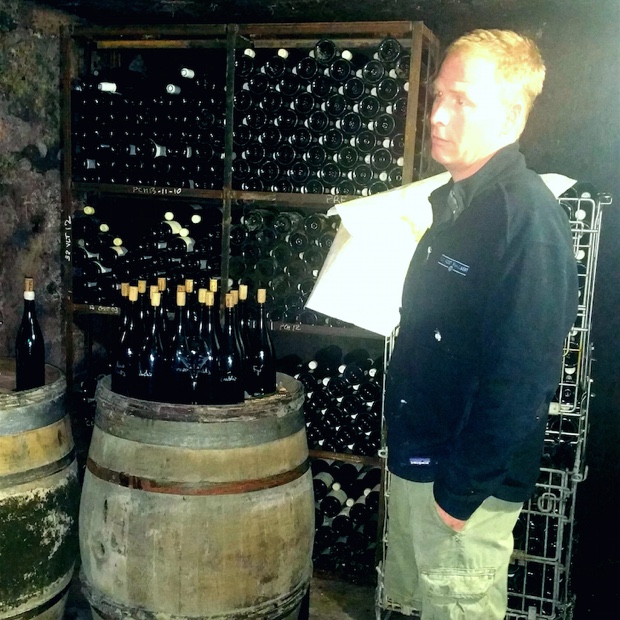
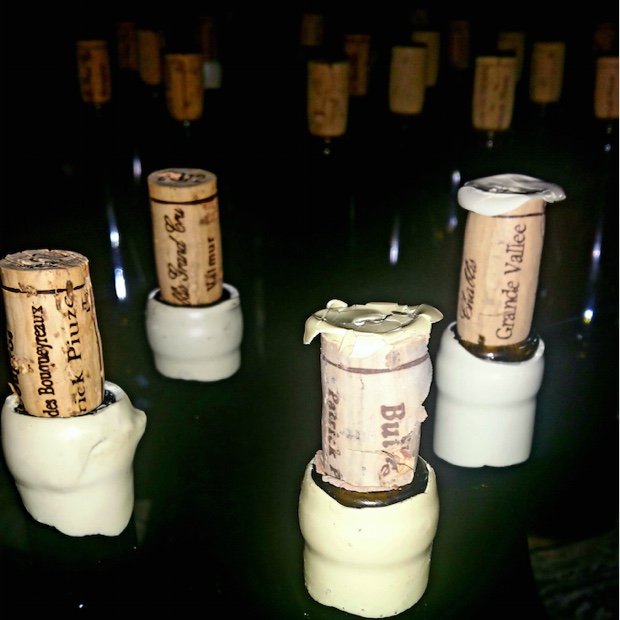
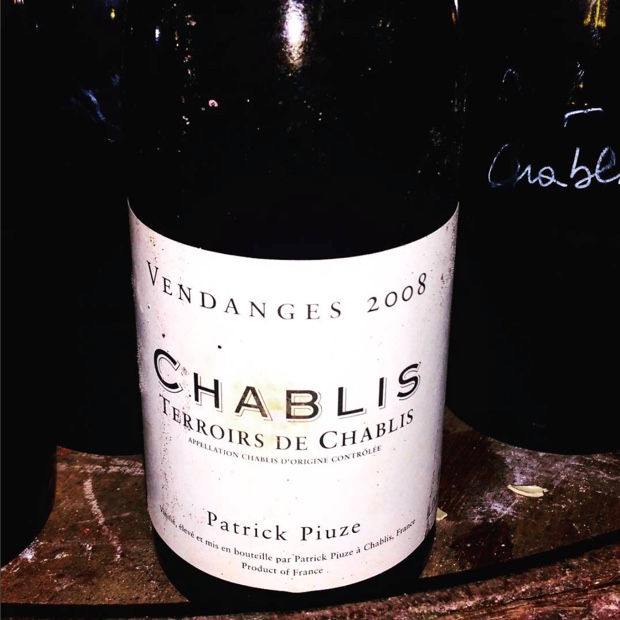

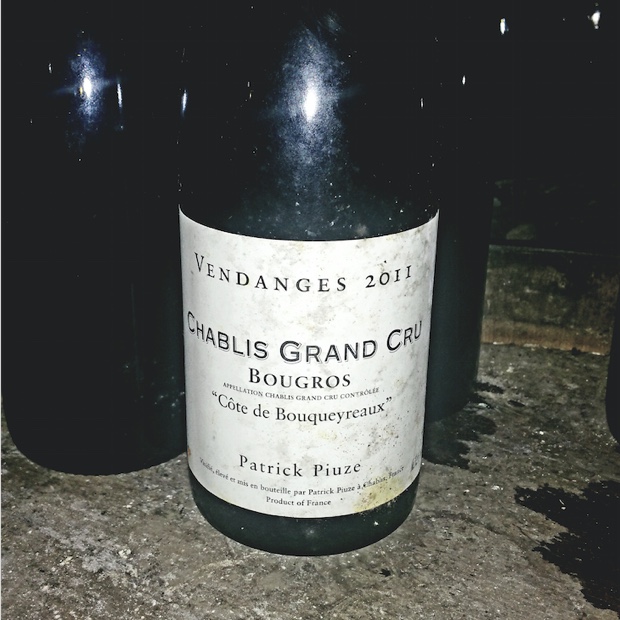
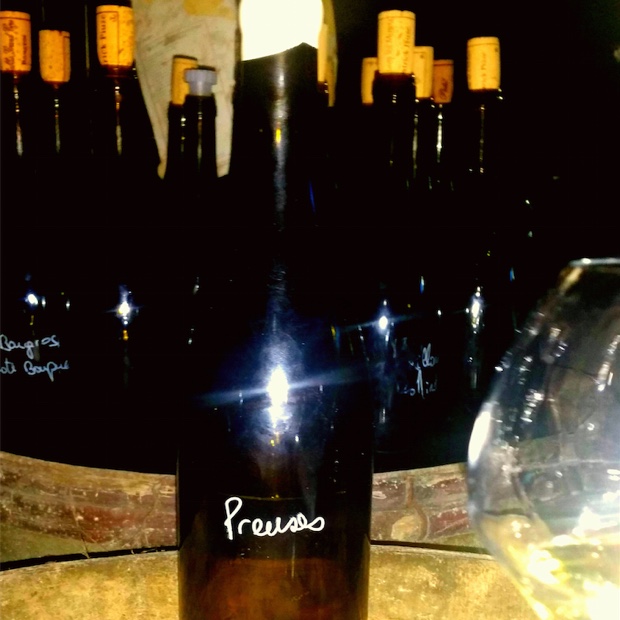

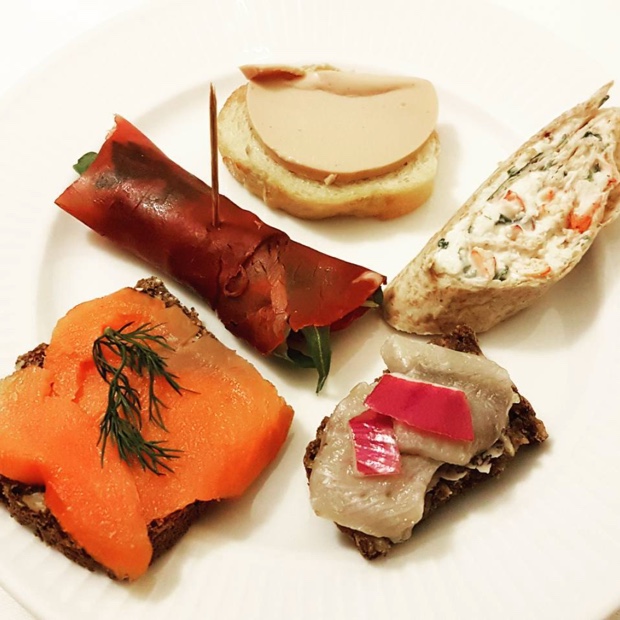

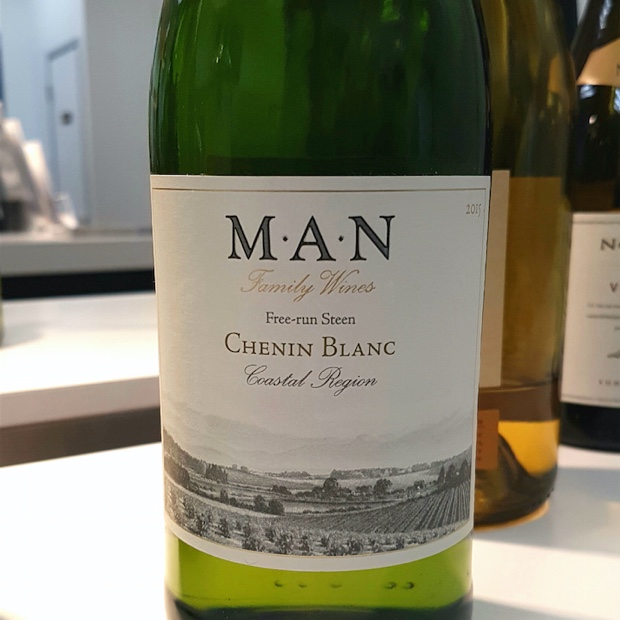
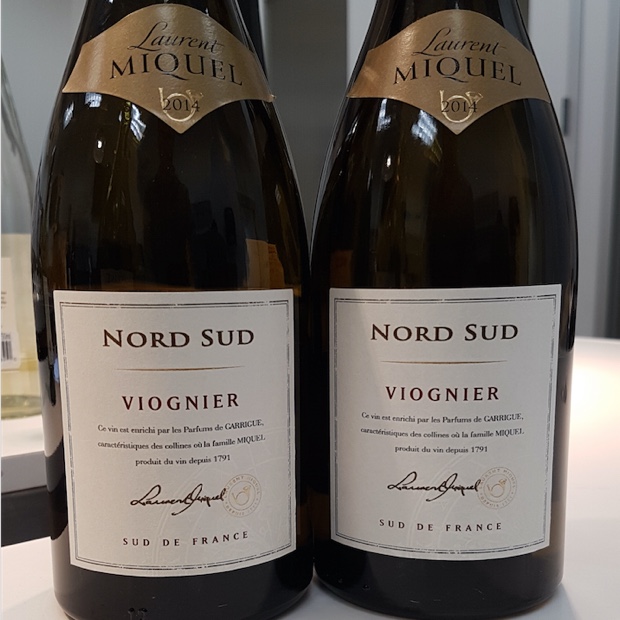


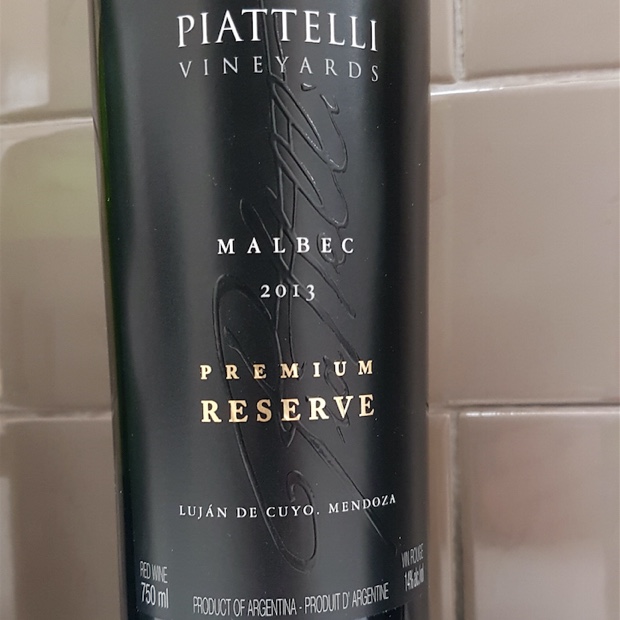
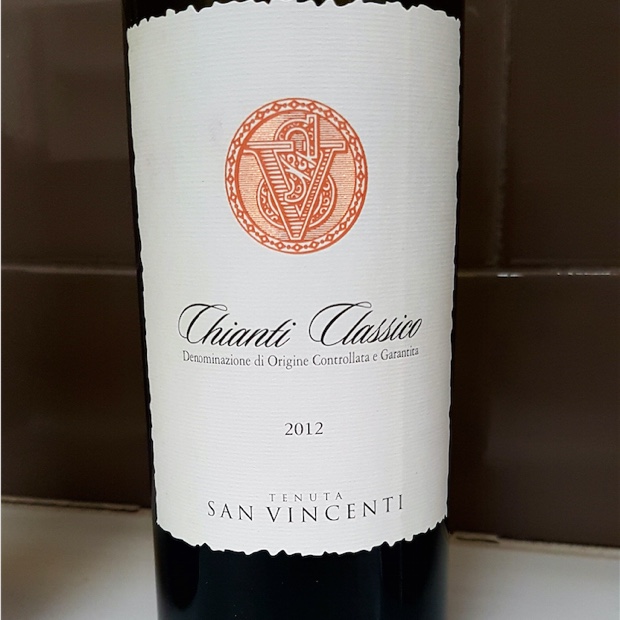
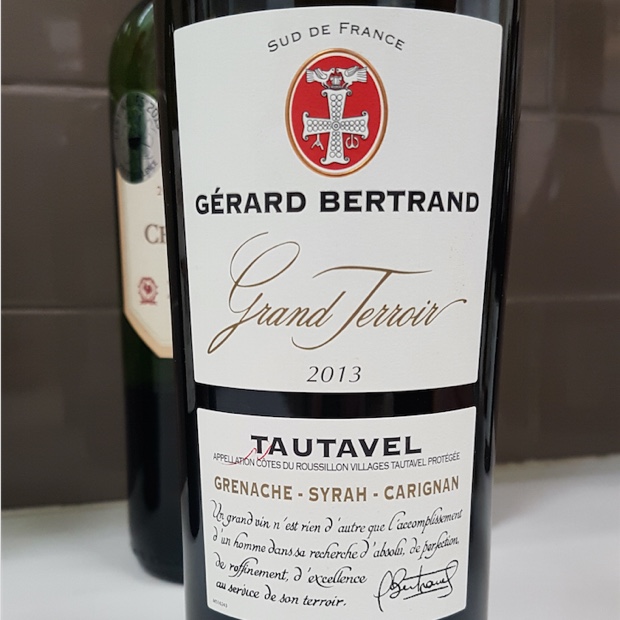
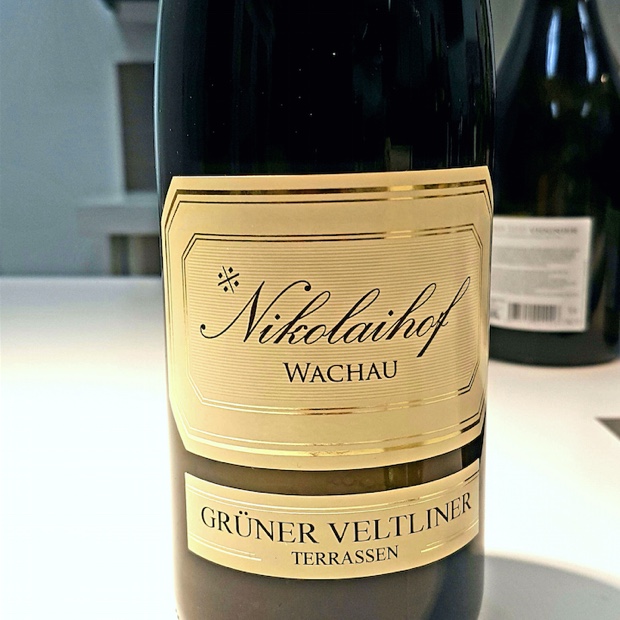


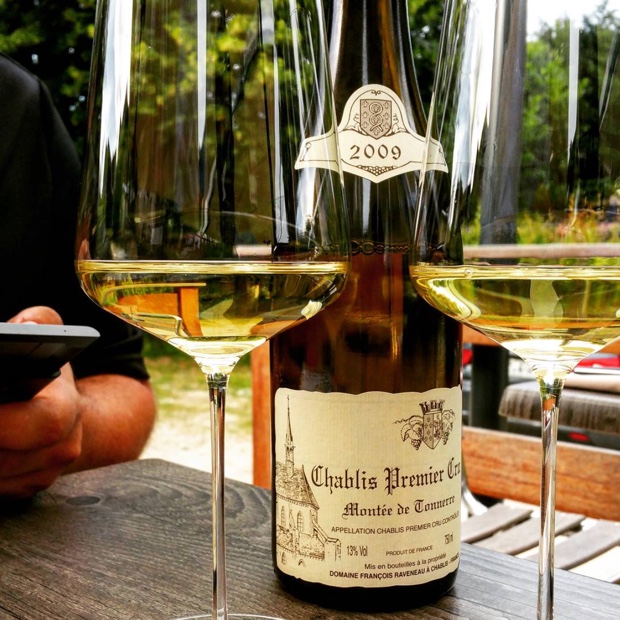
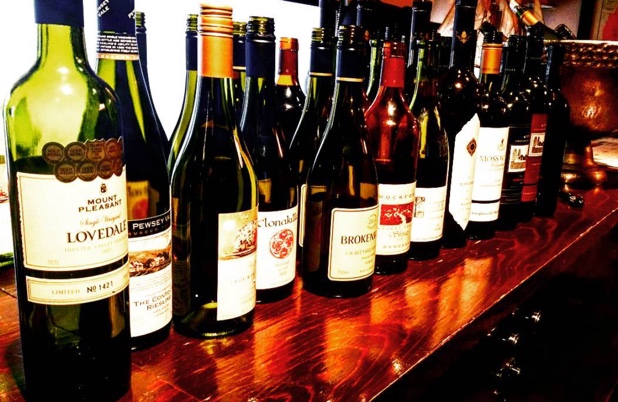
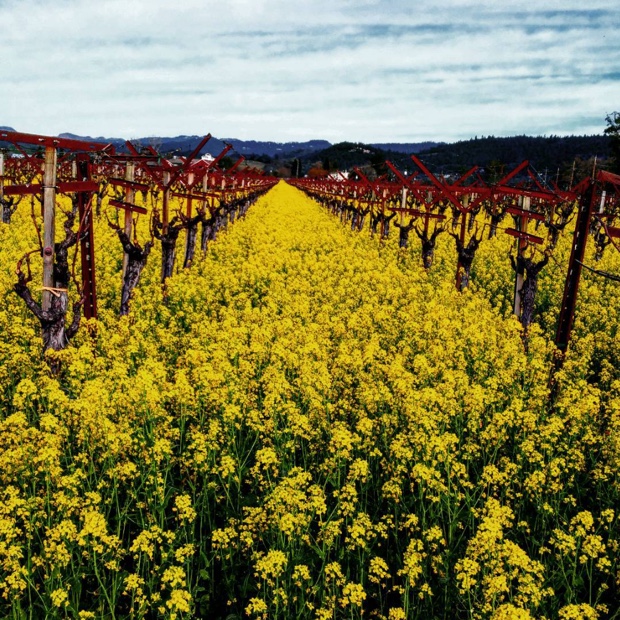


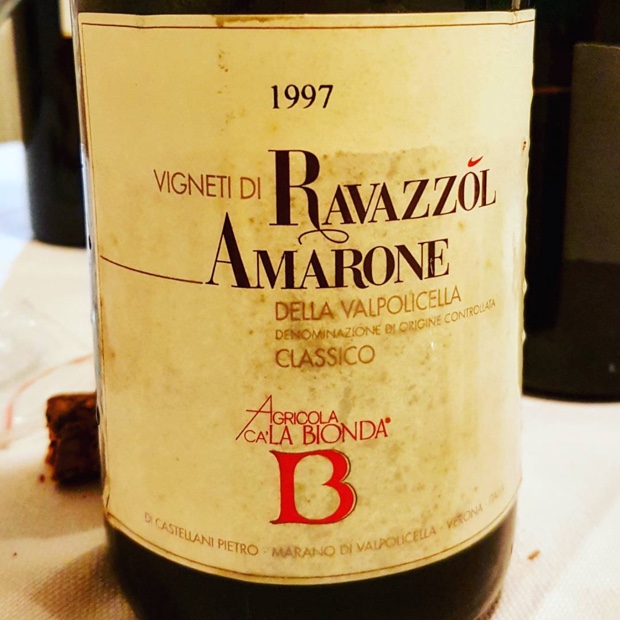


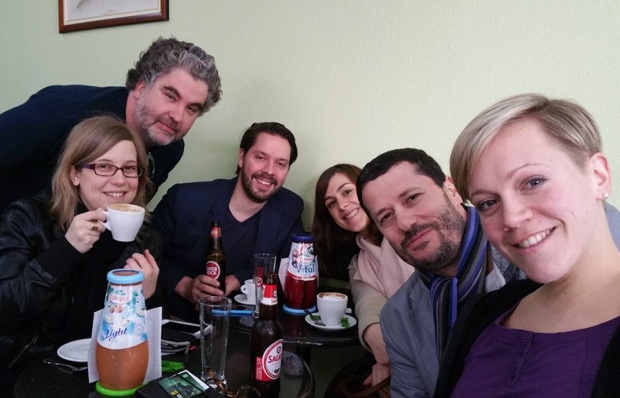
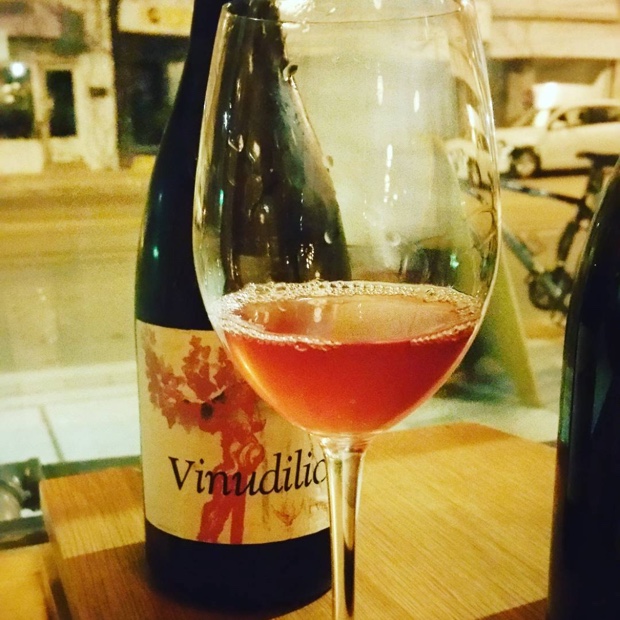


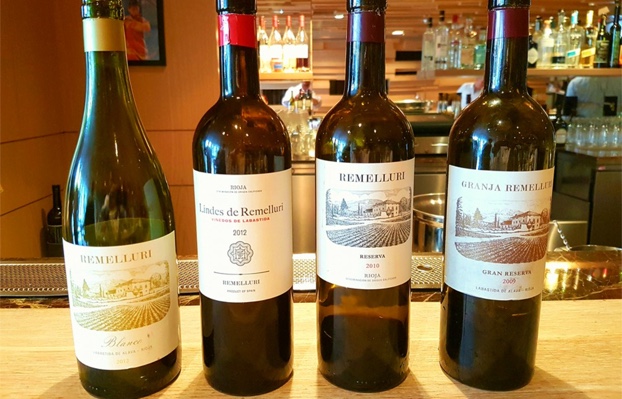
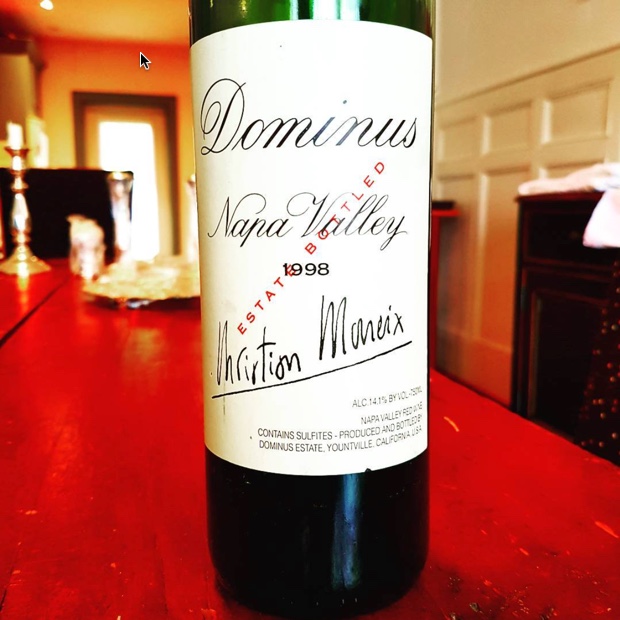


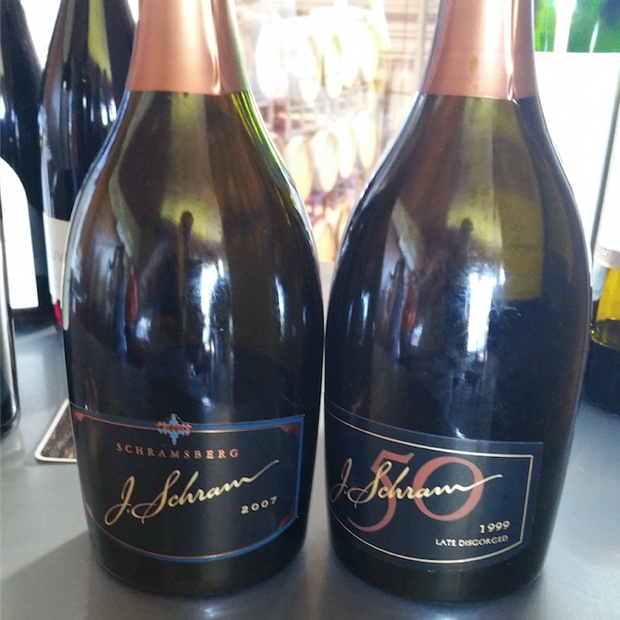
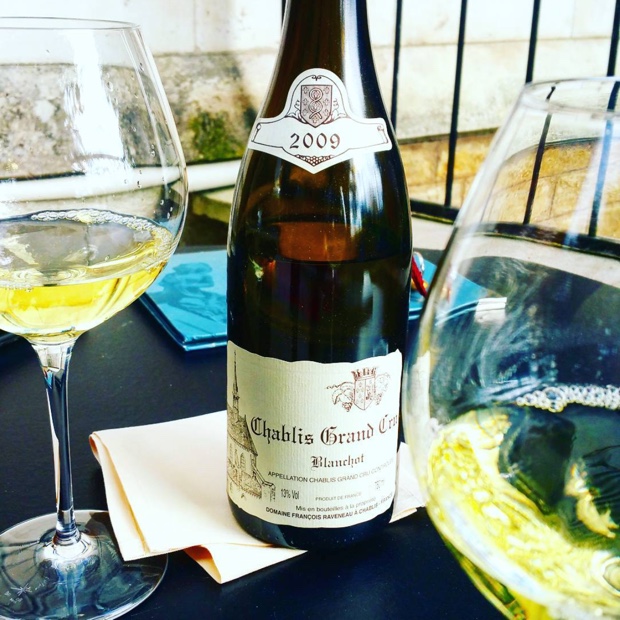
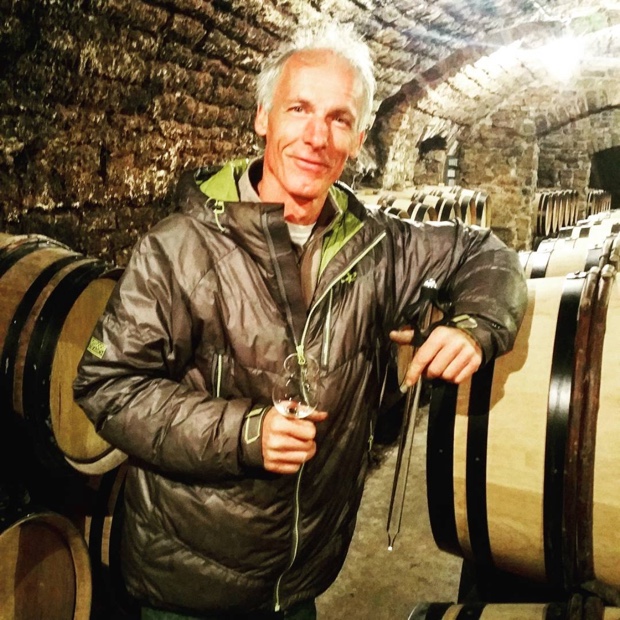
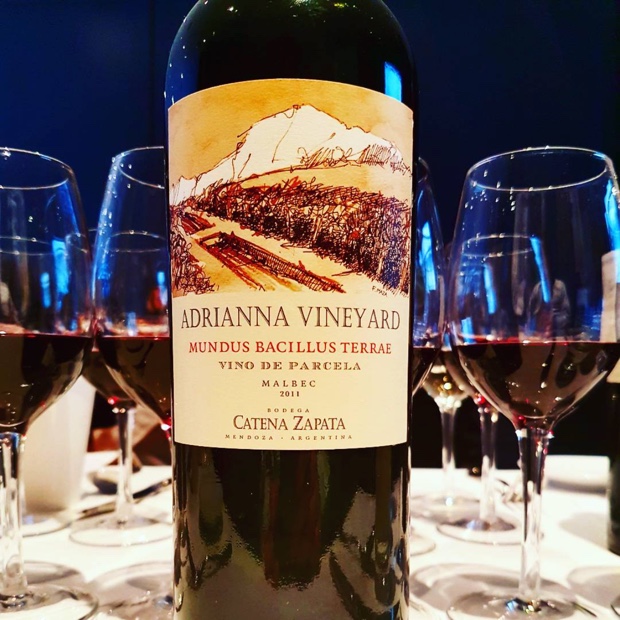
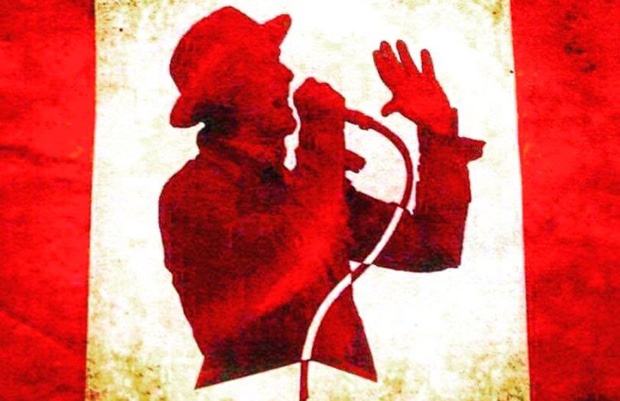


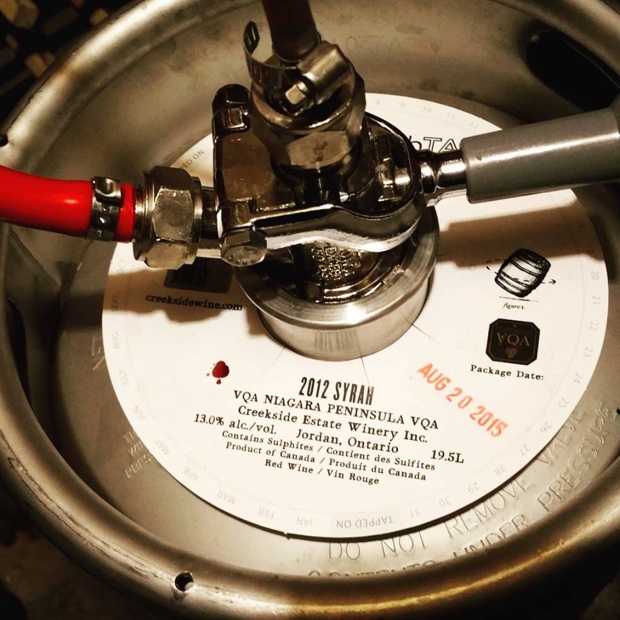
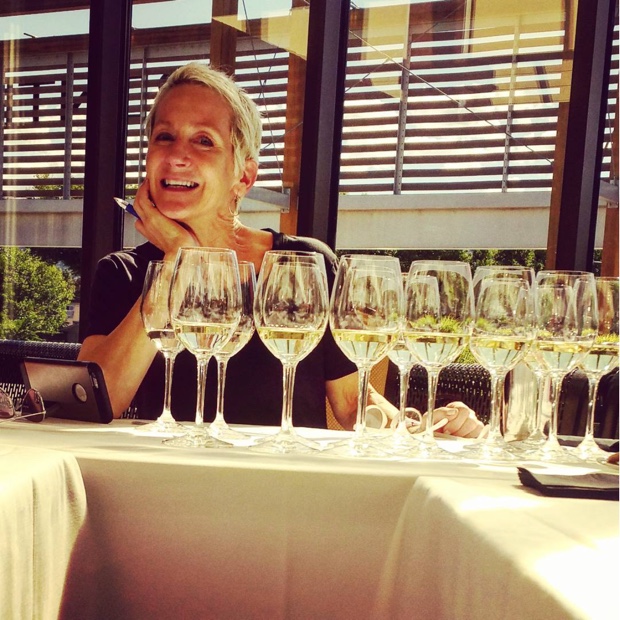
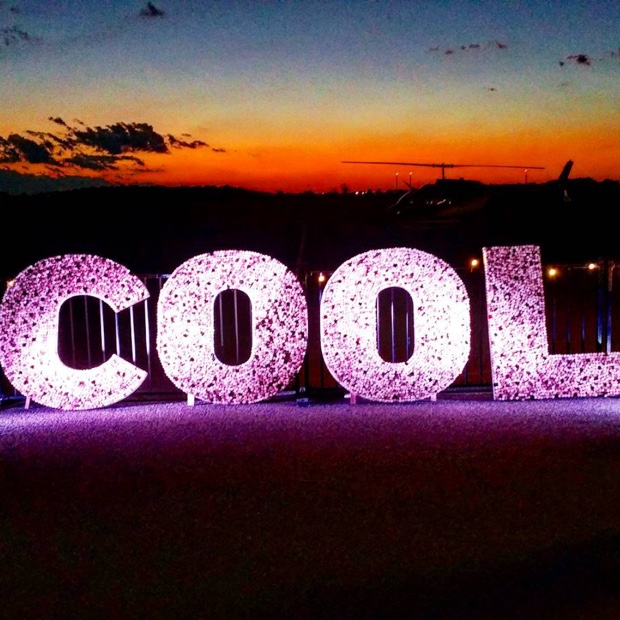

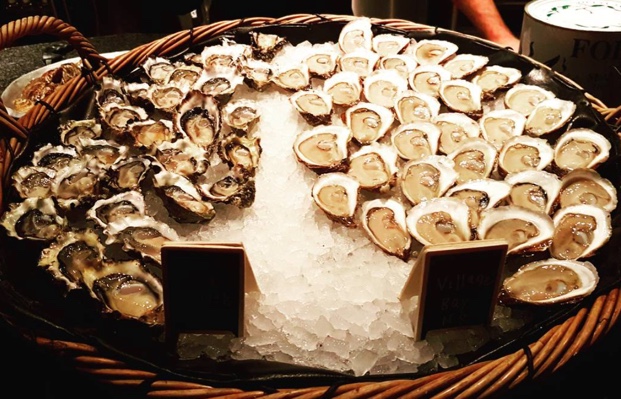


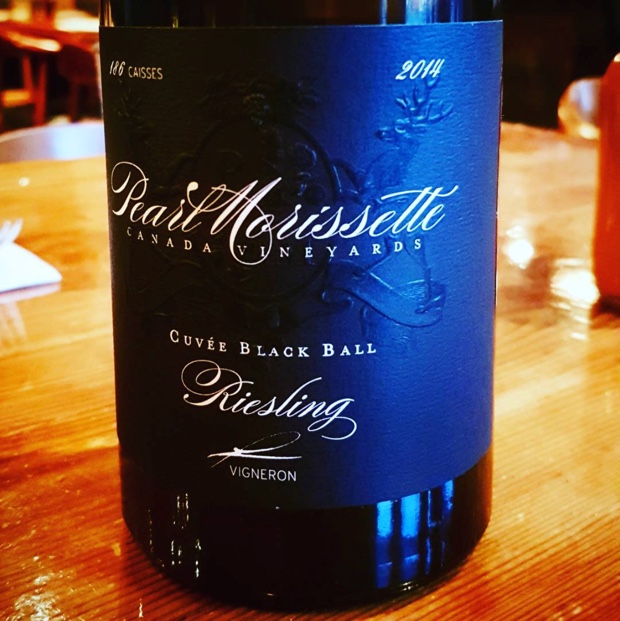


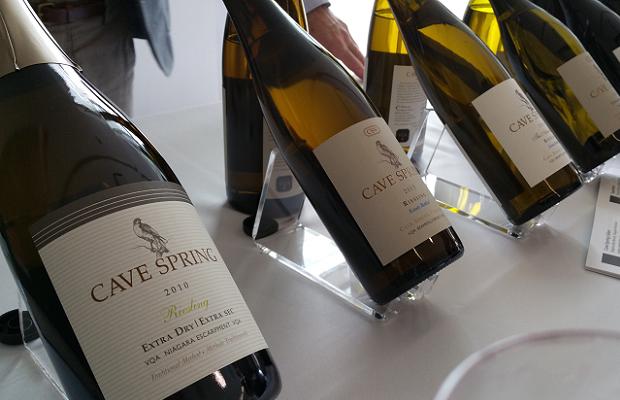
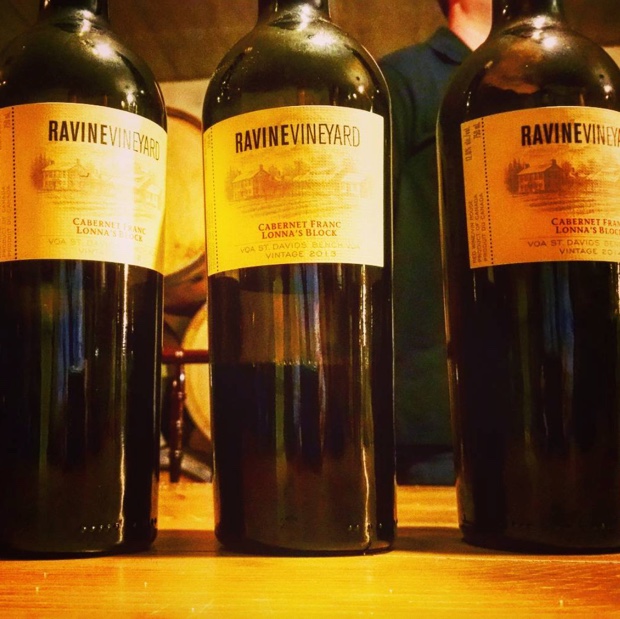

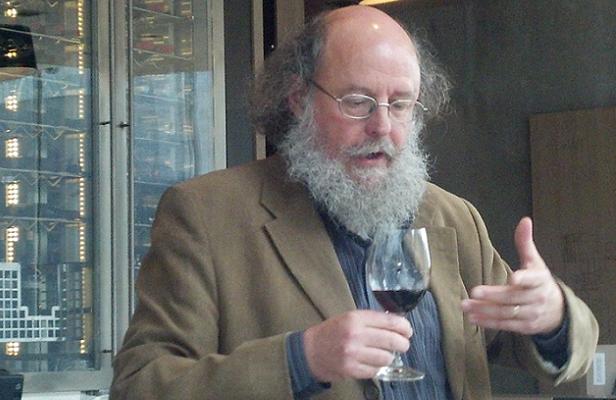

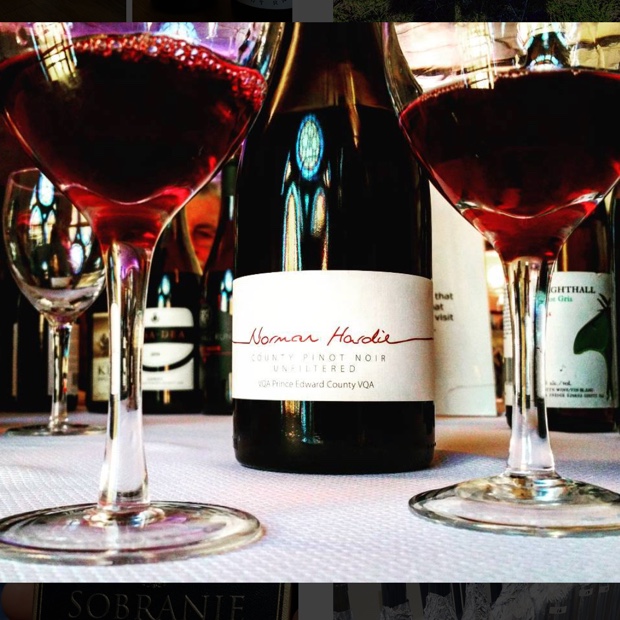

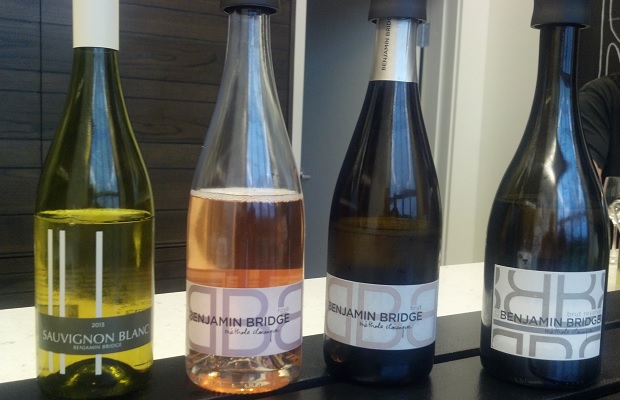
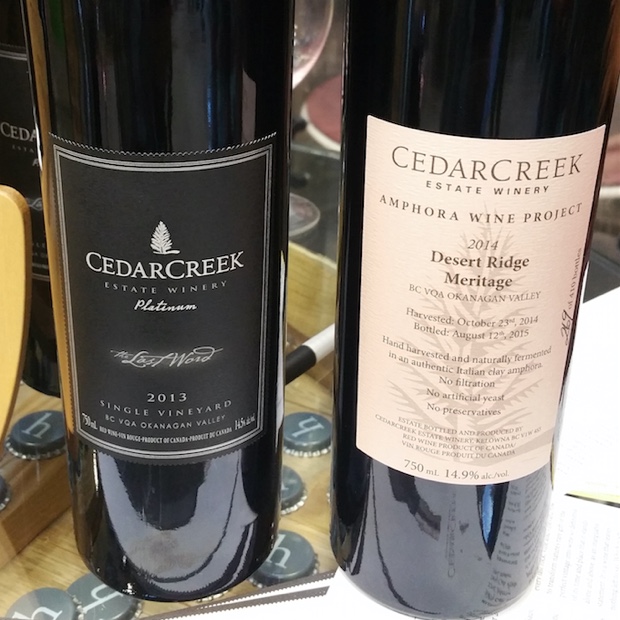

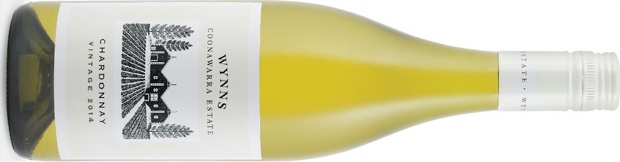
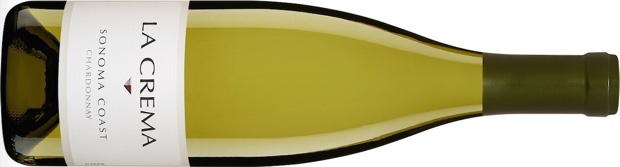
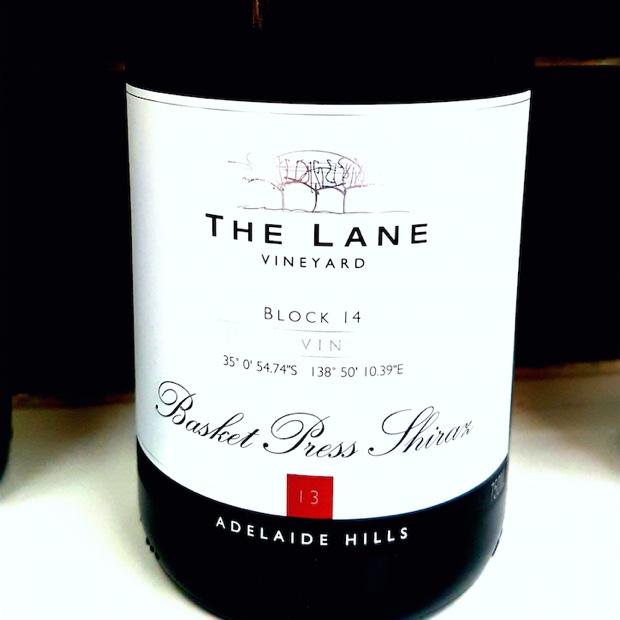
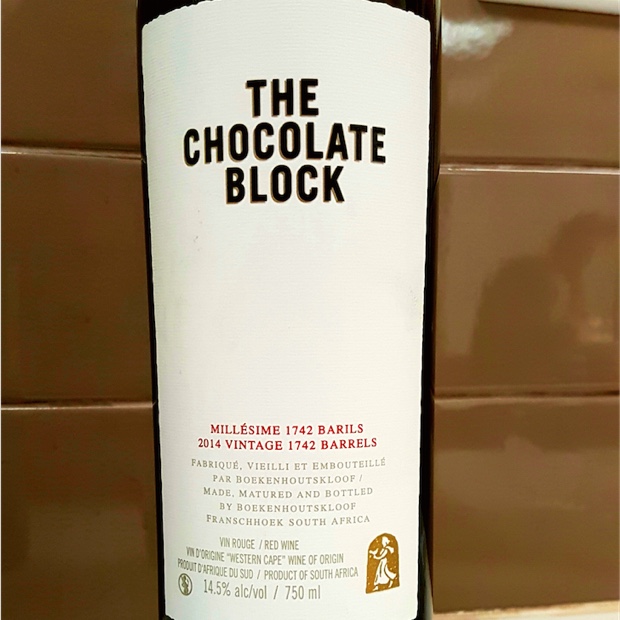

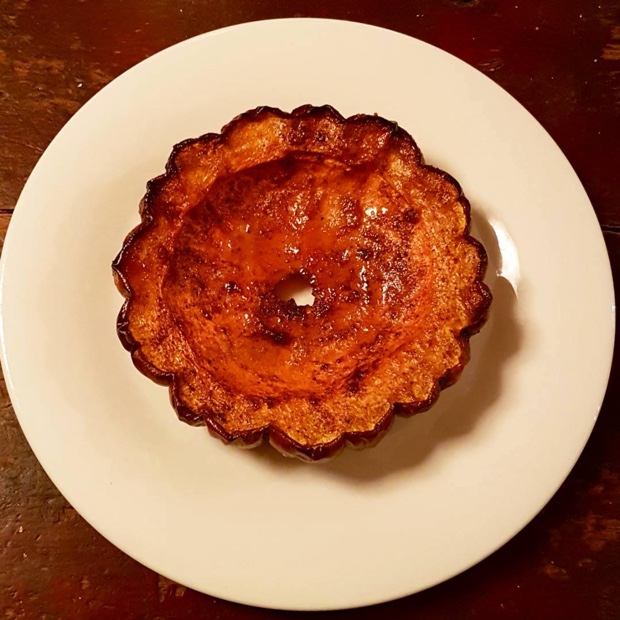
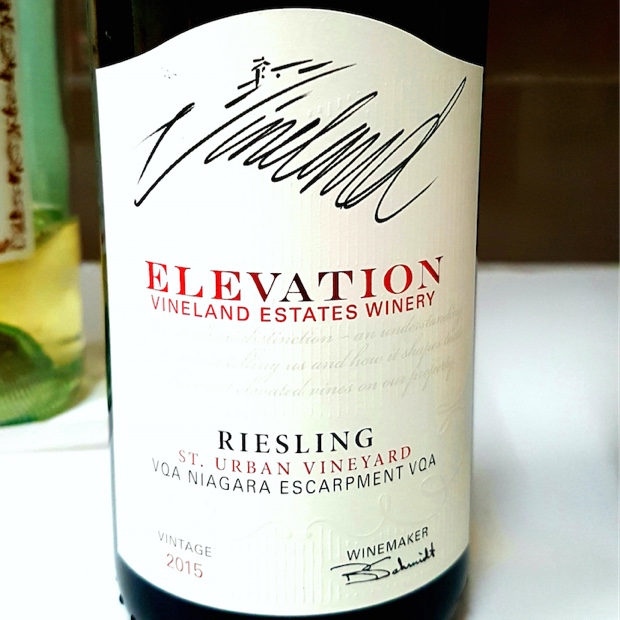
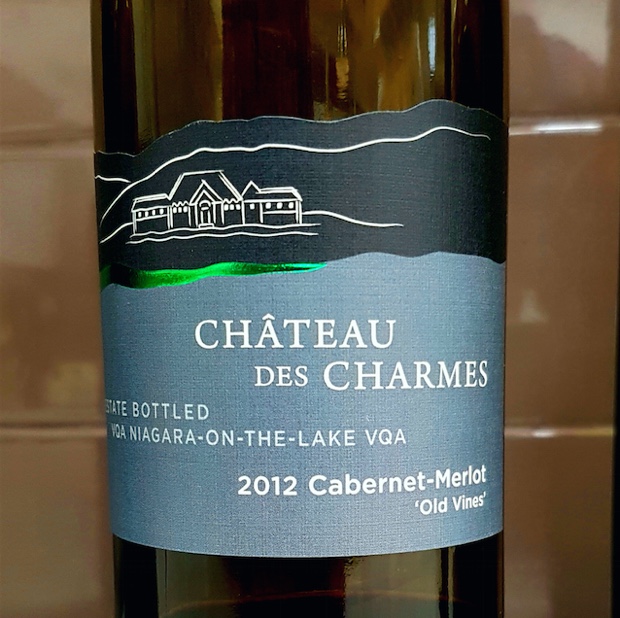




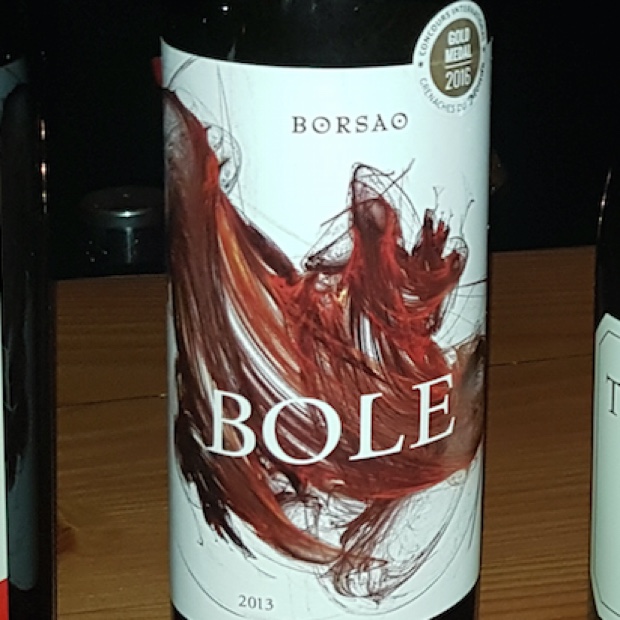
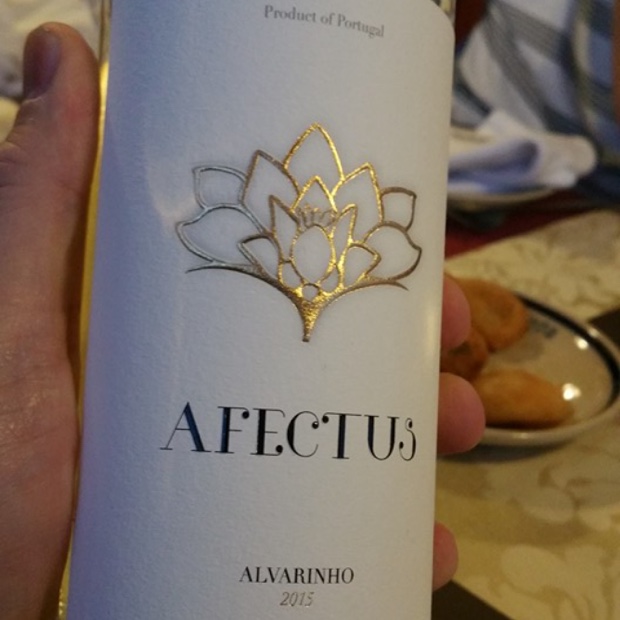
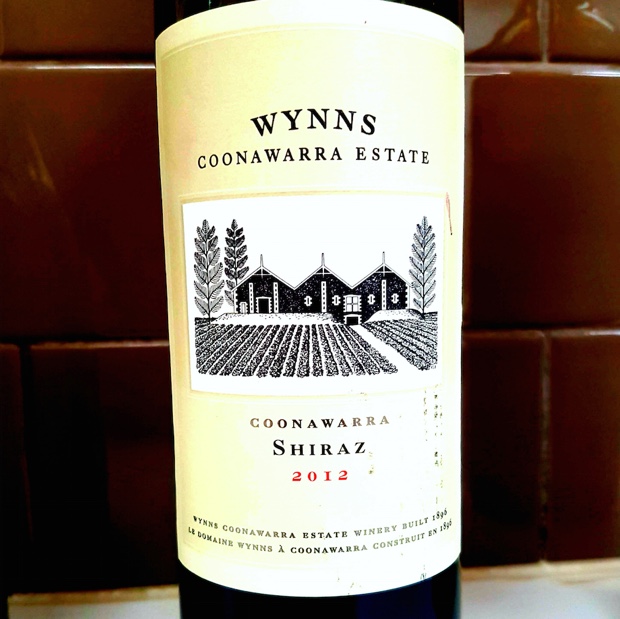
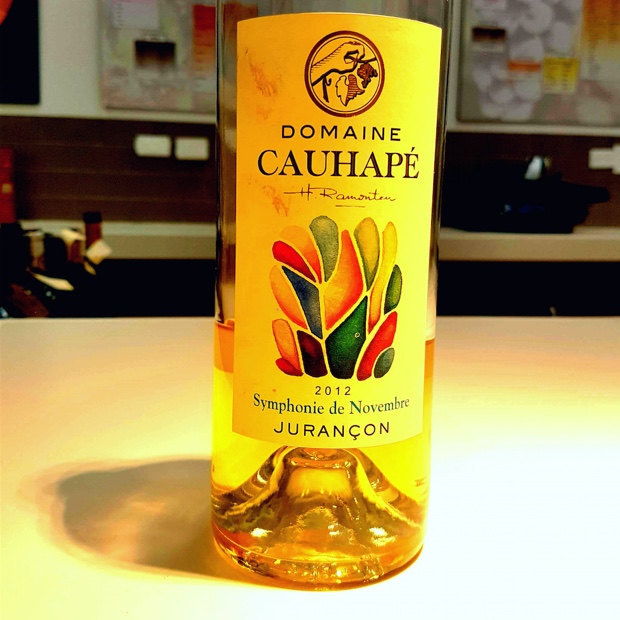


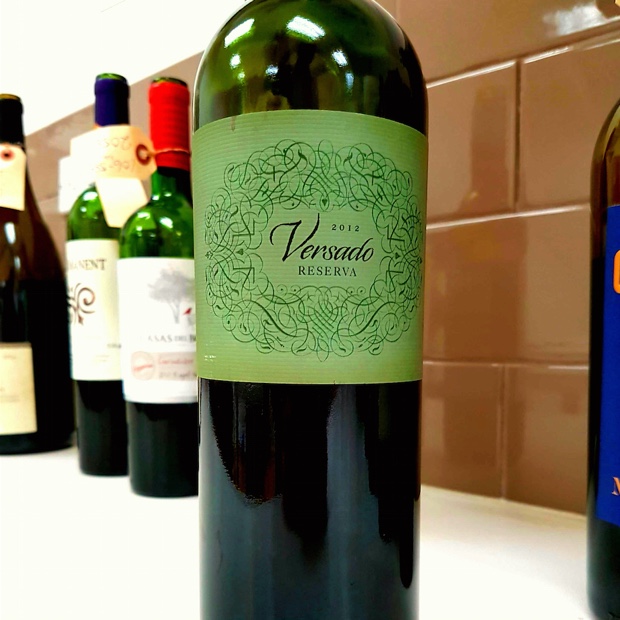


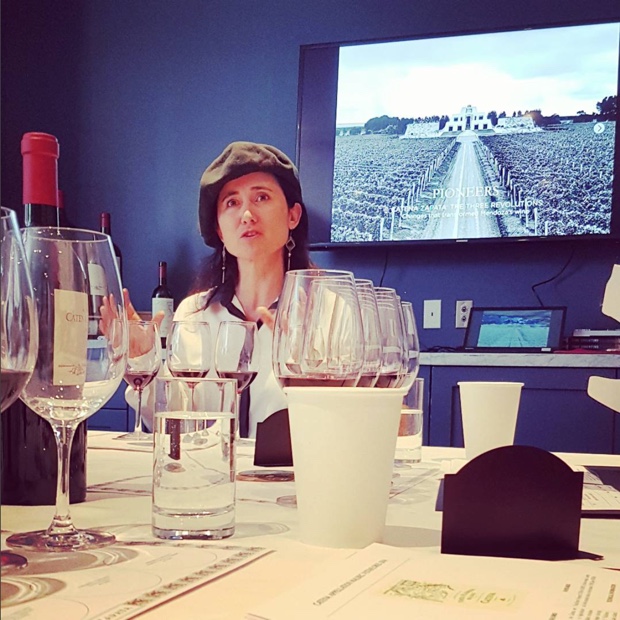

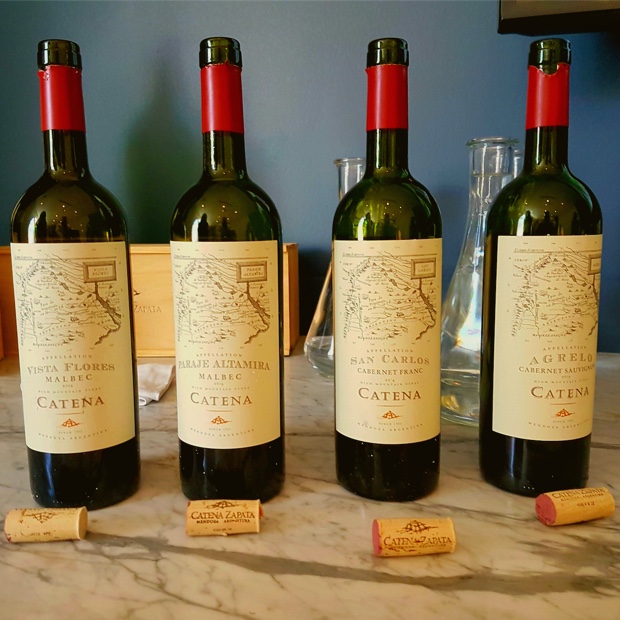
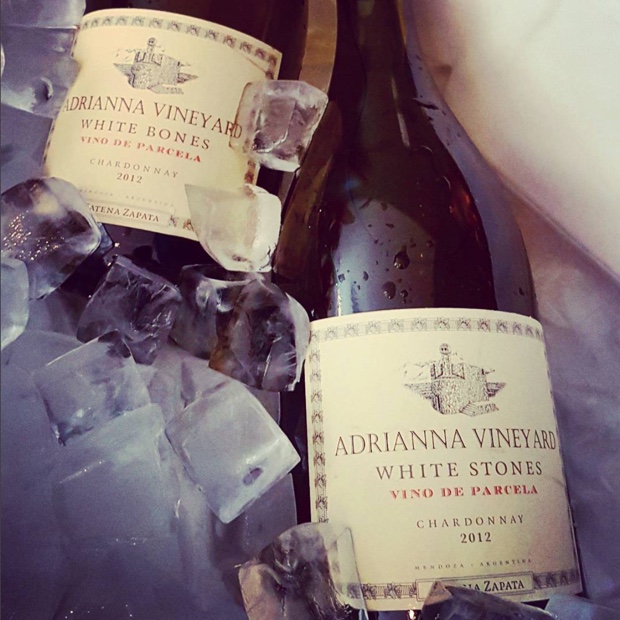
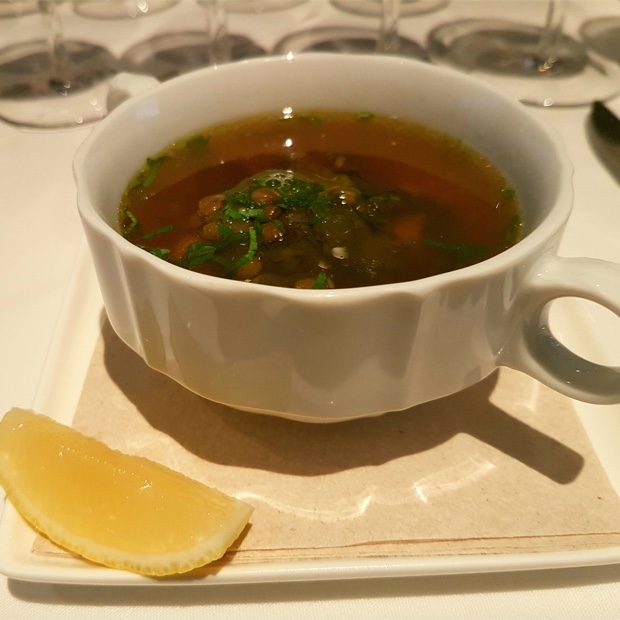
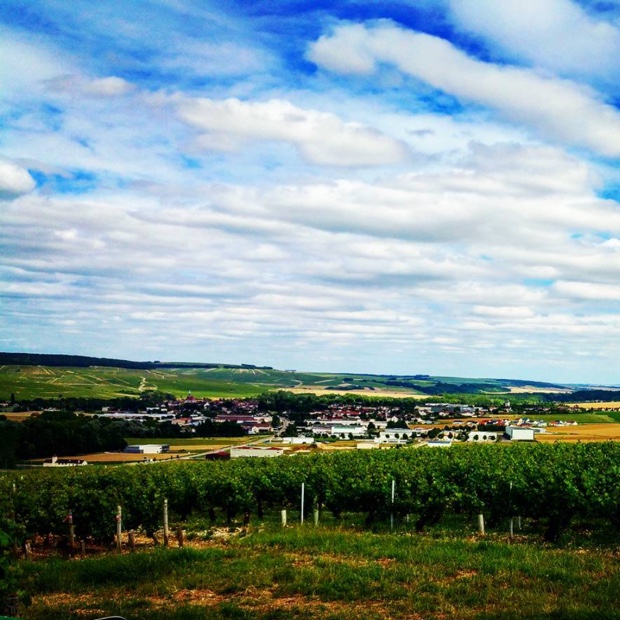
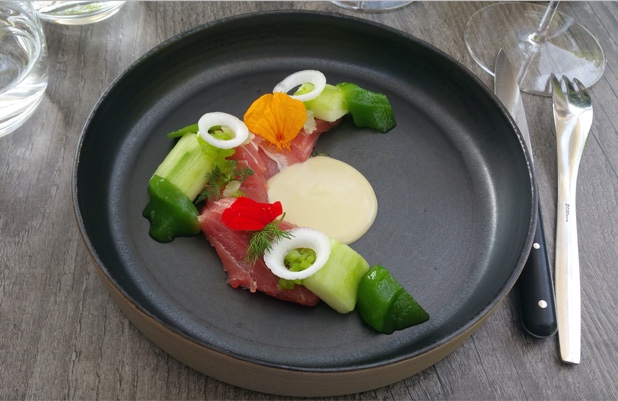

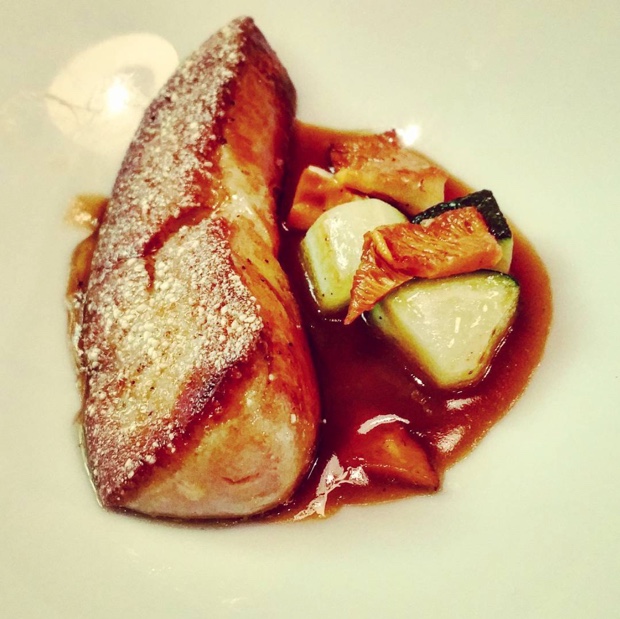

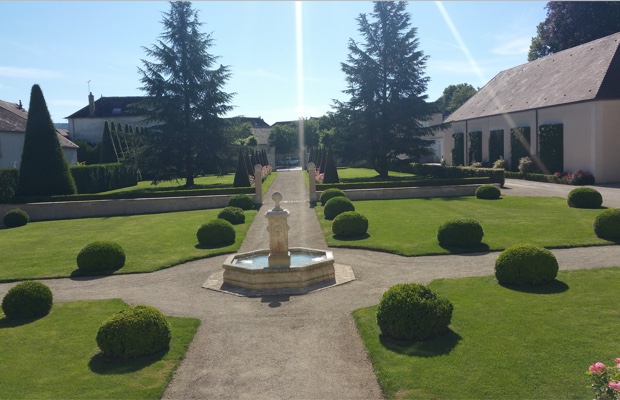
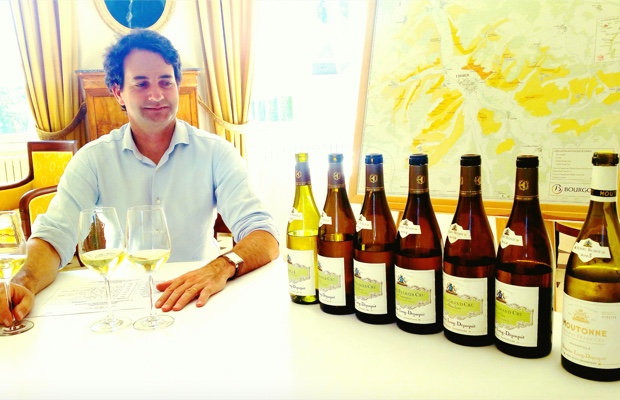

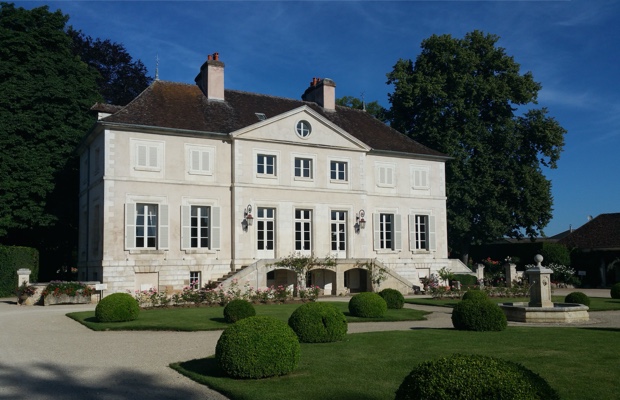
 Godello