Contino, McDonald and the Vine

Contino Head

The Rioja Reservas of Bodega Viñedos del Contino

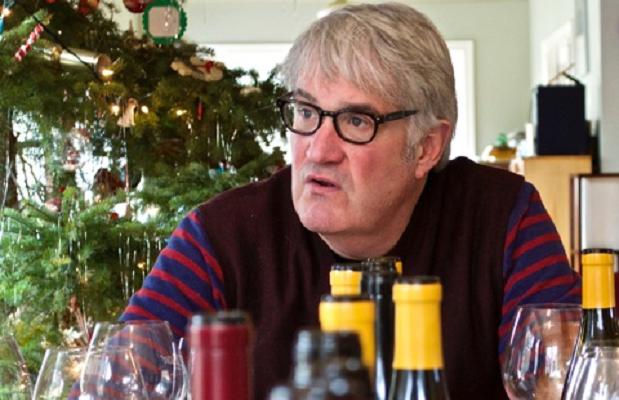
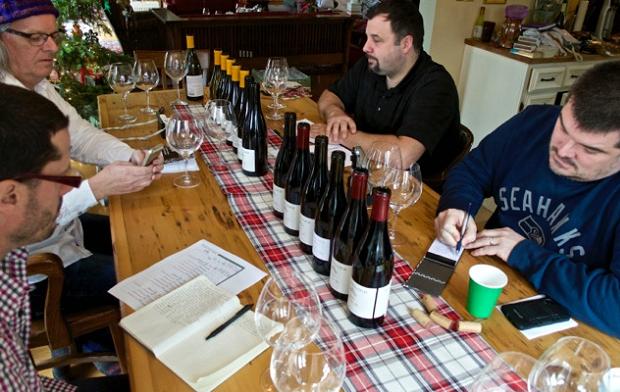
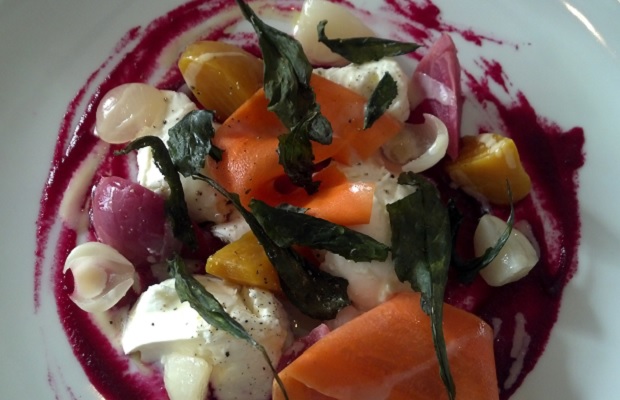
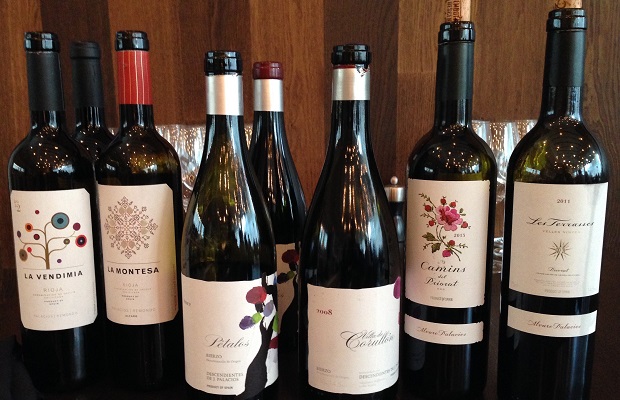
Near the end of September, at the invite of two exceptionally grounded wine men, Rob Groh and Derek Kranenborg of The Vine Wine Agency, I attended a tasting at Cava Restaurant with Technical Director Jesús Madrazo of Rioja’s Bodega Viñedos del Contino. With former Cava Chef Chris McDonald providing the worthy and soulful snacks, Madrazo poured eight wines. Eight to leave lasting memories in impression. Edibles to boot, complex concentrations by Chef McDonald with his last Cava days coming near. Everything about the tasting, in both wine and food, was intense. I hope all were paying attention.

Two of chef’s hors d’oeuvre-style compositions were Foie gras and partridge Croquetas and Frogsicles with Pimento Alioli. Both unique, both instrumental in elevating the old and wise Riojas upwards atop a rightful pedestal. The wines of Contino are very classic Rioja, at times understated and at others overwhelming. Contino’s Rioja buzz with energy and verve. They are very alive. They ooze earth and soil.

Bodega Viñedos del Contino is a part of the Cvne (Compañía Vinícola del Norte de España) stable. Founded in 1879, Cvne today is three distinct wineries; Cune, Viña Real and Viñedos del Contino. Contino was born in 1974.

In 2006 Madrazo began producing the white wine experience. The challenge was in getting approval from the board of directors. After much experimentation, the first vintage came in 2010. Grown on calcium carbonate soils, the white Viura draws energy from stones, some larger than the solar collecting galets of Châteauneuf-du-Pape. The rocks are the heliacal conductors to the vines, creating a paradox, of water loss and energy giving life. This, accomplished through dry, organic farming. “That’s how we play the game,” notes Madrazo.

At the Cava tasting, the ageability of the Riojas was the concept under investigation, but it was the three others wines poured, the flotilla leaders Blanco, Graciano and Viña del Olivo that really drove the point across. Longevity is the key to the Rioja heart. The Rioja Reservas are the soul. “In Spain,” says Madrazo, “we (continue to) fix everything. We release our Rioja in the 5th year.” Here are notes on the eight wines tasted.

Contino

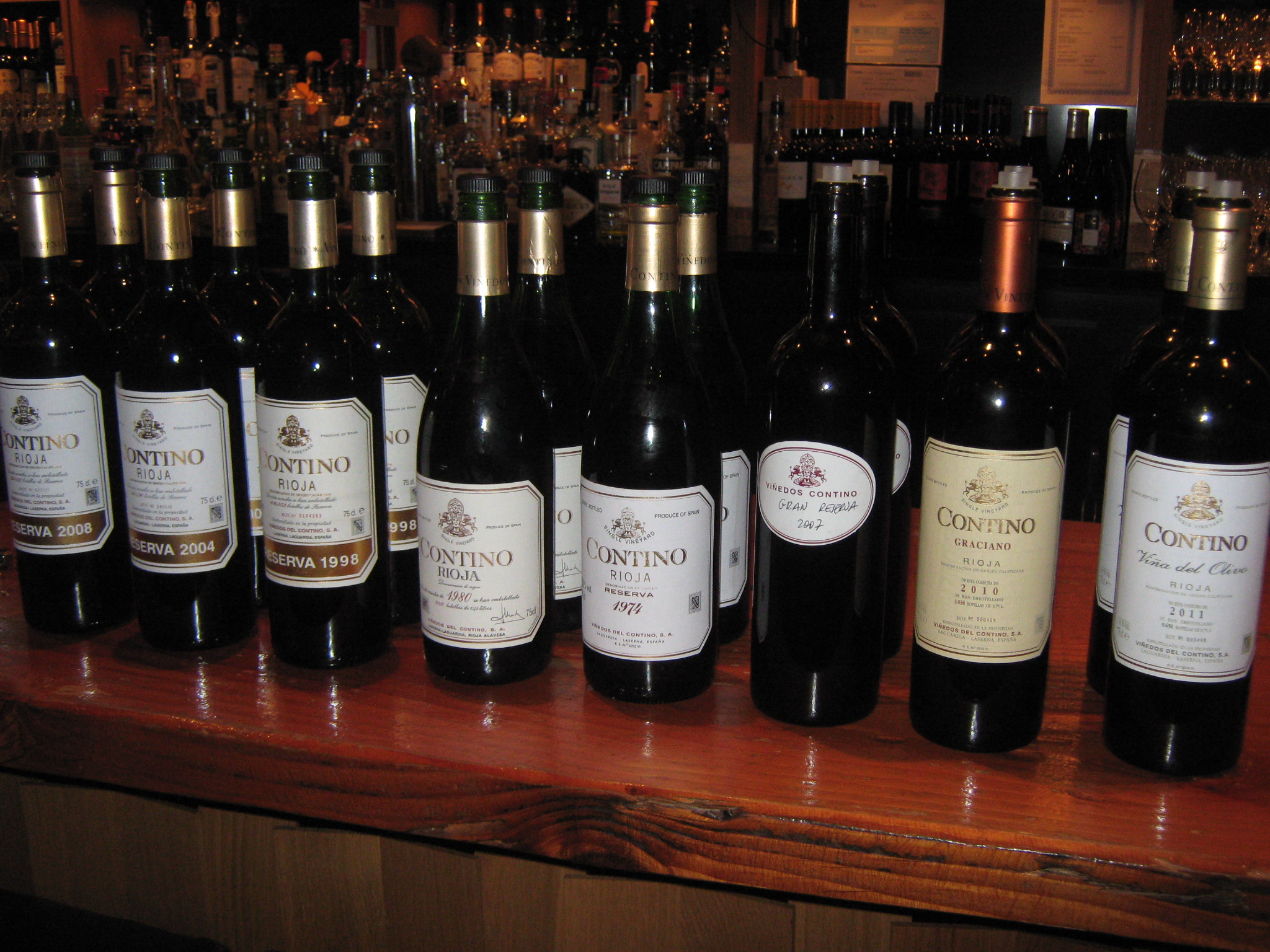
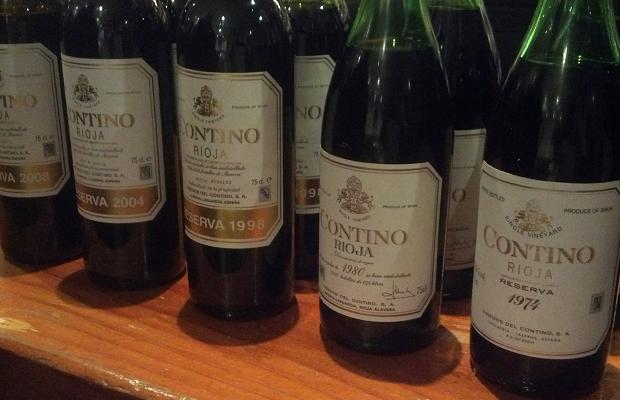
The line-up at Cava Restaurant: Bodega Viñedos del Contino

Blanco 2012, Rioja, Spain (Agent, $48.95, WineAlign)

The third vintage of Contino’s crown jewel white is (80 per cent) Viura with Malvasia (five per cent) and Garnacha Blanca (15). The latter will bull its way into future vintage mix with incremental proportion as a result of increased plantings. “The Queen” gets right up into the face and nose, indicating success for its primary goal. To seek a capacity for aging. “Viura can age,” insists winemaker Jesús Madrazo. “Here I can see at least six years of life, maybe ten.” The Blanco has a meddling mid-palate metal and creamy sensibility. Big (90 per cent new oak) barrels housed the wine for six months to seek its second goal; fruit spiciness. This effect is magnified by the south-facing, down to the river slopes, one of the warmest areas in Rioja. The third objective is acidity but with the malic tendency well-managed, to seek equilibrium. The single block Garnacha and Malvasia elevate and balance out the estate’s omnipresent, all over the map Viura. The paradox lies in the terroir, where hot, solar conduit stones cause evaporation and yet give energy in simultaneous activity. Old vines (some as much as 70 years) draw and release, draw and release. The ebb and flow in ardor gives this Blanco verve and it is showing with style right now. It will live as Jesús said it would but it’s life will be hard and fast. Drink now and for three or four years.  Tasted September 2014

Bodega Viñedos del Contino Rioja Reserva 2008, Rioja, Spain (Agent, $48.95, WineAlign)

From a late harvest (two to four weeks behind the norm), the ’08 is an example of the philosophy yet entrenched in the past, with a desire for pure quality, regardless of the picking time. The conditions meant no single-varietal Graciano bottling and only a small case load of the Viña del Olivo. Quality was essentially earmarked for the Reserva, scoured from 62 hectares of Estate Tempranillo. The vintage is defined by straight up red fruit with some spice and a warm-climate, tree bark/resin effect. The wine’s personality come from out of the nerve centre’s tangy inflection. Though it’s a touch warm and zealous of alcohol (14.5 per cent), it speaks in cants of the Contino chateau style.  Tasted September 2014

Bodega Viñedos del Contino Rioja Reserva 2004, Rioja, Spain (Agent, $42.95, WineAlign)

“If it’s not broke, we fix it,” admits Jesús Madrazo of Contino. The estate’s ’04 says exactly what it should and it must. Old barrels (50-50 French and American) plus two years in bottle bring out the hard vine life heartbreak and hyperbole in fruit grown on calcium carbonate soils with stones bigger than Les Galets of Châteauneuf-du-Pape. Stones that heat up from the sun, acting as solar conductors to the vines. Acidity may have been compromised but not structure. There is Rioja Alvesa sweetness, set against a whiskey town backdrop. There are plums, prunes and Phở. Yes, this is a quixotic and exotic Contino, ripe, spicy, floral, meaty but not gamy. Roast pork, Vietnamese style. Immaculate of youth, of original energy and of garrigue. The 2004 Reserva tells the Contino story like Ryan Adams sings about a broken heart. “Some things are born too strong, have to learn how to fight.” So, the Tempranillo will say, “you’ll have to excuse me if I break my own heart.”  Tasted September 2014

Bodega Viñedos del Contino Rioja Reserva 1998, Rioja, Spain (Agent)

Not unlike the book that wrote ’08, the vintage challenged with cold weather during harvest, this coming on the fits meets stops on heels and tiptoe starts that defined the overall growing season.  A first flawed bottle aside, a second one opened is musty in its own ancient and charming way. With only 10 per cent Graciano in the blend, this here is essential, old-school Tempranillo. Beyond the dust is a round and smooth elixir with a ferric vein of animal funk. There is liquorice and there is chalk. The grain of this Contino is like liquified barley or bulgur, with an earthy faro aroma, a creamy texture and long on glutinous structure. Earth keeps fruit in subterranean submission, though there will always be hints of dried plums and flowers to sustain life.  Tasted September 2014

Bodega Viñedos del Contino Rioja Reserva 1980, Rioja, Spain (Agent)

Here the Tempranillo has walked the sands, survived the winds of time and has arrived at the sultanate’s tent, exhausted, somewhat delirious yet basking in the accomplishment. The tapestry woven by 34 years of development has laid on a platter a veritable feast of dried fruits; prune, apricot and date, all chewy and densely concentrated. A diesel fume aroma indicates a modernity evolved and the oiled track shows the way out of Damascus (or in this case, Álava). The ’80 is a bit funkified too, with great acidity and length that lingers for a most amazing amount of mouth time. Dried flowers, namely violets define the perfumed finish. A Tempranillo possessive of exceptional survival skills.  Tasted September 2014

Bodega Viñedos del Contino Rioja Reserva 1974, Rioja, Spain (Agent)

An impossibly youthful 40 year-old Tempranillo, even surpassing the more evolved ’80 in that regard, with aniseed, coconut and beeswax in its current aromatic state. Less gamy and animal funky, yet persistent in earthy beats. The vegetal scents act as conduit to the light bulb shining brightly of circuitous flavours and resolved textures. Lingers in mouth feel, its layers of time slowly peeling back, revealing in length, a slide show of the wine’s life. With many year’s still ahead, this is a Tempranillo revelation and from one going back this far that gained no support from Graciano (because it was planted in 1979). Its apostle following instead comes by way of the white Viura. Pair with Chef Chris McDonald’s Foie Gras and Partridge Croquetas.  Tasted September 2014

Bodega Viñedos del Contino Graciano 2010, Rioja, Spain (Agent, $128.95, WineAlign)

Contino’s SV Graciano is the estate’s portent into the portal of ageability, beyond Tempranillo. Such formidable aromatics are on display, a result of low pH and high polyphenolic compounds. Has got something, but what it is, I can’t seem to place. It’s neither flora nor fauna, not rock, nor fruit. A combination of them all and a piercing streak of acidity leads to the expanse of a broad mouth texture. Sense perhaps black fruit, currants and berries. A toast, macerations, citrus even. This Graciano, the soul of Contino. Crème de cassis, eucalyptus, camphor, menthol and aniseed are all seemingly there, in colour, natural acidity, alive and dancing. Or are they? I looked at this Graciano, “from both sides now, from up and down, and still somehow,” it’s a challenge to see through the clouds. It’s so very large, exceeding the ministrations of other alterior SV examples, like that of Petit Verdot, Malbec or Cabernet Franc. In here it’s Graciano’s illusions I recall so I suppose I really don’t know Graciano at all. Imagine drinking this for 20 plus years.  Tasted September 2014

Bodega Viñedos del Contino Viña del Olivo 2011, Rioja, Spain (Agent)

The flagship wine from Contino has an uncanny braised pork belly in spirited wines reduction nose, spiced with star anise. The aromas then go straight to the back of the brain, bypassing the frontal lobes and acute senses of nose and tongue. A wine that drives a stake directly into the nervous system, leaves one twitching and paralyzed. From arid, calcareous clay, the 34 year-old vines are just deadly, direct and make for some seriously demonstrative fruit. The mineral expression can’t be denied; this represents the most in the estate’s terroir driven directive. The blend is Tempranillo (80 per cent), Graciano (10) and Garnacha (10). New oak (100 per cent) is split between French (70), American (20) and various other European wood. A wine that will need a minimum five years to reach adulthood and perhaps 10 more to enlightenment. Though it is marked and baked by chalk and cake the mineral keeps it so ver real.  Tasted September 2014.

Good to go!
Mind blowing wines of 2014

Bouteilles de la collection Méquillet de Kientzheim, Confrérie Saint-Etienne

Bouteilles de la collection Méquillet de Kientzheim, Confrérie Saint-Etienne

In January it began with A resolution to drink honest wine, “juice that conveys the salient facts of a grape’s life.” It continued with New year. Try new wines, where the goal was “the resolve to drink outside the comfort zone.” If the issue was Feeling under the weather? Drink wine, success was had. “Wine is your friend. When approached, integrated and embraced in the right way it can help to promote a healthy lifestyle. The defence rests.”

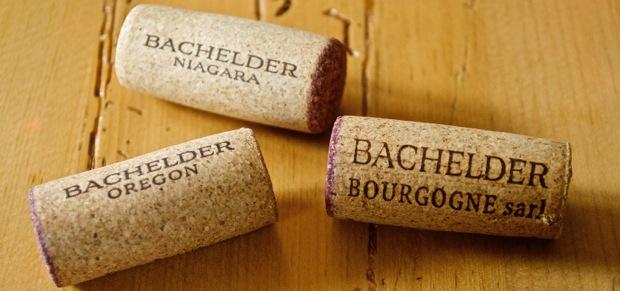
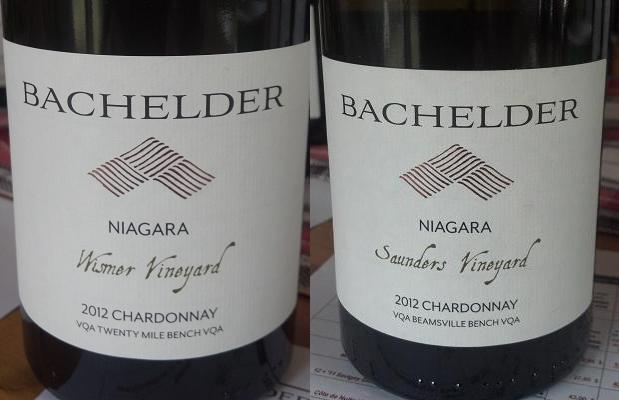
January was a busy month, complete with Deep freeze: Controversies, polar vortex and ice wine, not to mention Super Bowl XLVIII wine odds. In February the opined focus zeroed inwards, to Ontario. What’s in a wine vintage? asked to reach out and touch Ontario’s 2012 whites, the best wines made to date. Harsh words were spoken against Rosé, but only because of the obviousness of it all when said, You can kiss my sweet pink wine, Valentine. Thomas Bachelder showed us Synchronicity in three terrors and he will do so again this coming Sunday when we break wine together down on the Peninsula. Calming influences saved days, having once more expounded on the music immersion, in and with wine, from Three-chord wines, hold the rants. The month concluded with more healthy advice and the question Are you getting your daily serving of wine?

Is the rating simply a tool understood within the context of marketing? Photo: Maria Vazquez/Fotolia.com

Is the rating simply a tool understood within the context of marketing?
Photo: Maria Vazquez/Fotolia.com

In March the annual pilgrimage to Niagara produced more tasting notes and verbiage than was previously thought possible, in a three-part series. Godello’s excellent Cuvée adventureWhen experts break wine together and Wine experts Brock and roll, Brock on were also joined by a visit to Flat Rock Cellars in Bottles, barrels, tanks and a vertical. A two-year impassioned body of submissions to canada.com culminated with the final column, The death of wine scores?

Scores were subsequently dropped from godello.ca but continue to be sidled up to the notes at winealign.com. In April I found out what happens When Sangiovese comes to townBurgundy will always be royal and that it’s always Go Gamay go time. In the name of Somewhereness, The group of twelve was once again called to assembly. In May there was the omnipresent Kalon of MomPaul Pender’s Tawse and effect and a fascinating look at cooperage in Every barrel tells a story. Prince Edward County again proved its mettle in ’14 and consumers were encouraged to Take them home, County wines. VQA stood under scrutiny in The pearls of Morissette’s wisdom and another chapter was written in The Stratus-Momofuku continuum.

Godello with Zoltan Szabo, Tony Aspler, Mike Di Caro, Ben Macphee-Sigurdson and Nicholas Pearce,  Photo (c) Steven Elphick & Associates

Godello with Zoltan Szabo, Tony Aspler, Mike Di Caro, Ben Macphee-Sigurdson and Nicholas Pearce,
Photo (c) Steven Elphick & Associates

Sparkling wine bubbled over in New fizz on the Brock, was Talkin’ ’bout my Generation Riesling and a trip to Alsace in June put me In a Grand Cru state of mind. I was Down on the Ornellaia and found out first hand, on a boat trolling across Lake Erie that The South Coast is clear. I offered up The froth on Crémant d’Alsace and in July told you that Chardonnay is cool. The eponymous conference yielded in excess of 10,000 words in August with 50 cool Chardonnay in 5,000 words or more and The meaning of Chardonnay: You’ve gotta be cool to be kind. I branded Olivier Zind-Humbrecht The cru chief of Alsace and felt what it was like to be Walking an Alsace mile in their Riesling shoes.

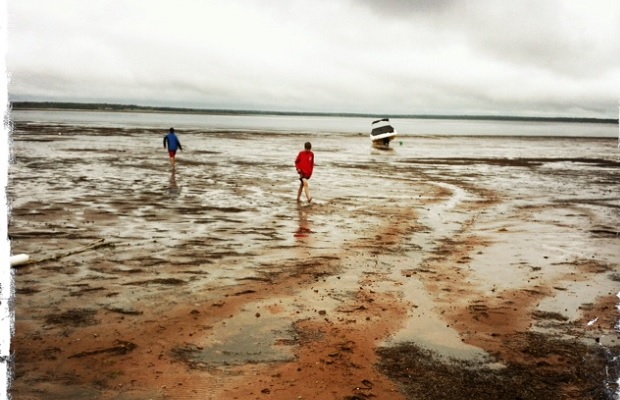
Tide's Out, Big Cove, New Brunswick

Tide’s Out, Big Cove, New Brunswick

A 5500 km trek to the tip of Cape Breton and back yielding poetic and prophetic expression in The tides that bind: East Coast swing. “The tractive is a thing to and of itself. The pauses to gather at points along the process remember lobsters roasting over an open fire, a cottage visit with new-found friends, a hike into the cavern of a waterfall and a swim in a tidal river. Memories are made in rites of passage, though in the end, like the photographs, they too will be demurred by time. Indelible stamps they are, cemented in commitment to reaching and by necessity, descending summits. A  road trip to the eastern part of Canada realizes the bigger plan. The key is making it safely home, before the tide rolls in.”

WineAlign World Wine Awards of Canada 2014

WineAlign World Wine Awards of Canada 2014

In September I tasted history with Taylor made Port and insisted on Giving Grand Cru Pinot Noir d’Alsace its due. I ignored a publishing embargo to announce how The LCBO and WineAlign go local and went Rocking out with the 2014 WineAlign World Wine Awards of Canada by judging the best of the best. A recall to Consider the Gaspereau Valley brought me back to Benjamin Bridge, a visit with Peter Gamble and the declaration that “I have seen & tasted the future of vinifera in Nova Scotia and its name is Lightfoot & Wolfville Vineyards.” Gamble’s work with partner Ann Sperling in Argentina is simply and skillfully The artfully applied science of Versado Malbec.

My report, Taste Ontario’s polarity of personality was met with lukewarm avoidance then rebounded, thanks to the tunes, From VINTAGES for Thanksgiving, in wine and with songA hip of wine from Hidden Bench gave way to Fourteen wines that should be on your restaurant list, in which I insisted “if your job title includes choosing what wine is poured at your restaurant, you should never dial it in.” I enjoyed some Wine on company time and Americans take note when Sonoma peaks from out of the fog.  For the third consecutive year I gave Yet another 10 reasons to pour a glass of wine on Halloween.

Local wines, notably Niagara delivers everbearing quality in November releases and in direct contrast, I went Off the beaten Italian path to discover endemic varietals. The Bloody vivid 2011 Vintage Ports had me reeling. “The 2011 Vintage Ports have balance, well, the best do, but they are, and I speak in very general terms, collectively over the top. Though it may seem an oxymoron to put Vintage Port and elegance in the same sentence, what is a great wine without a sense of humility and restraint?”

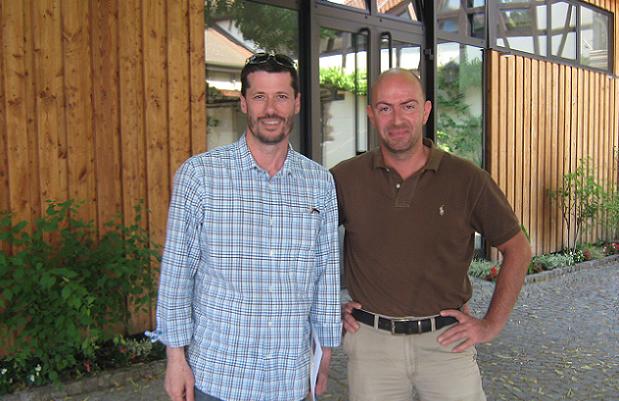
Godello and Christophe Ehrhart, Domaine Josmeyer, Kientzenheim

Godello and Christophe Ehrhart, Domaine Josmeyer, Kientzenheim

Two exposés on Alsatian wine, A Blanck slate in Alsace and It was Josmeyer’s imagination covered two distinct theories, of tabula rasa and wayfinding. On Sparkling wine I gave you Godello’s guide to holiday effervescence and Eleven 11th hour holiday bubbles. If value is your thing, I hope you read The final 14 bargains of 2014 and if great Canadian wine and cuisine float your gastronomic boat, my judging experience was captured at Gold Medal Plates Toronto 2014.

This is the third in the trilogy of best of reports for 2014. The first, 14 Canadian wines that rocked in 2014 was about “wines that are extensions of their maker’s personality, philosophy and temperament. Wines that are indicative of their terroir.” The second, Top 15 under-$25 wines of 2014 was meant to to “create the sociological, world of wine equivalent of splitting the atom. To celebrate the triumph of laic heterodoxy and the arrogance of modernity.  To seek purity from beneath the massacre caused by an avalanche of contrived wines.” The third instalment is meant purely to celebrate and to thank those who shared their bottles with me. Here are 16 wines tasted in 2014 that simply blew me away.

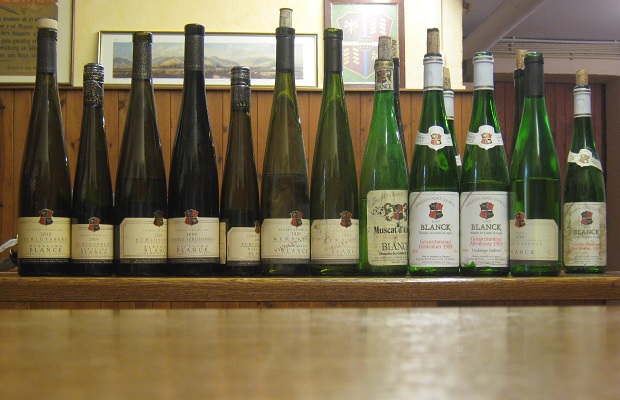
Tasting with Philippe Blanck, Domaine Paul Blanck

Tasting with Philippe Blanck, Domaine Paul Blanck

Domaine Paul Blanck et Fils Muscat d’Alsace Réserve Spéciale 1983, Alsace, France (From A Blanck slate in Alsace, December 1, 2014)

From Altenbourg, a lieu-dit located at the base of the Furstentum vineyard. Here is Blanck’s “fairy tale,” a wine you would have always heard about but never had a chance to taste or likely ever seen. The terroir is limestone mixed with clay and you will have to excuse my Alsatian, but a single sniff and taste releases the expression, “are you fucking kidding me?” This 31-year old Muscat is an impossibility, a first time feeling, a never before nosed perfume. Speaks in a limestone vernacular, of grapes given every chance to survive long after their innocence had been lost. A forest herb, tree sap, evergreen resin, lemongrass and bitter orange coagulation rises from its viscous mist. The acidity has lost nothing on the fruit, acts in perfect foil and leaves you with a sense of loneliness that is just beautiful.  Tasted June 2014  @DomaineBlanck

Pearl Morissette Gamay Cuvée Mon Unique 2013, VQA Twenty Mile Bench, Ontario (Winery) From The pearls of Morissette’s wisdom, May 26, 2014

In July 2013 Francois Morissette made this statement. “If we can’t make Gamay in a Cru Beaujolais Style, I’m not interested.” In May 2014 his ’13 Gamay causes Bill Zacharkiw to comment with blatant honesty, “just line up at the tank. Forget the bottle.” From 100 per cent whole clusters sent to cement fermenters. Once again the hue is just impossible. Sulphur-free, this walks a fine and perfect line of Cru banana Gamay. Pushes the Gamay envelope in that it’s gulpable but with a duress to remind you not to overdo it. A Gamay with a chamber of 32 doors. In it “I’d rather trust a man who doesn’t shout what he’s found.” François Morissette.   Tasted May 2014  @PearlMorissette  @3050imports

Laughing Stock Vineyards Amphora VRM 2013, VQA Okanagan Valley, British Columbia (agent, $30.00, WineAlign) From A day in WineAlign life: 15 new releases from Ontario and B.C., August 8, 2014

Here blends one-third each Viognier, Rousanne and Marsanne, a veritable Rhône orgy in wild fermentation, aged on the skins in terra-cotta and amphorae. While I would not go so far as to call it an “orange wine,” I will use the “N” word to describe its agrarian ways. As natural as anything you are likely to taste out of B.C., this is a most untamed experiment and should not be missed. It verges on oxidation but refuses to climb over the edge. It’s floral, spicy and crowded. The texture is chalky and so full of rusty, clay rubbed streaks. Everything about this is unkempt and exotic, including the never cease and desist fermenting lychee and longan feel. Hard not to be wowed by this blend’s presence.  Tasted August 2014  @lfngwine  @liffordretail

Charles Baker Riesling Picone Vineyard 2006, VQA Vinemount Ridge, Niagara Peninsula (241182, $35, WineAlign) From When experts break wine together, March 4, 2014

Only Charles can follow Charles, as only Jimi could follow Jimi. Just ask Peter Townshend. The combined forces of vintage, off-dry level of residual sugar (23.9 g/L) and age have ushered this Picone into a realm of adipose, butyraceous, chewy texture. The ’06 is emblematic of its time, stunning, psychedelic, experienced. It speaks clearly and with conceit. Tasting it eight years on you can hear Baker’s 2006 voice saying “if you can just get your mind together uh-then come on across to me.” We have and continue to follow Charles, and we are paying close attention to every vintage along the ride.  Tasted March 2014  @cbriesling  @StratusWines

Brokenwood Maxwell Vineyard Sémillon 2007, Hunter Valley, New South Wales, Australia (371484, $47.95, WineAlign) From Thirteen wines ‘ere Friday the 13th, June 12, 2014

A lifelong search for great Sémillon is fraught with peaks and valleys. Finding greatness is so rare it’s blue. The Hunter Valley in New South Wales beckons for a rush to strike gold. Many roads lead nowhere and others, like the dusty lane up to Brokenwood’s Maxwell Vineyard, lead to OZ. This young one has barely broken bread, or even a sweat. Sémillon of primary concern, like a tank sample. Varietal beauty as a cryogenically frozen specimen inundated by the table, the whole periodic table and nothing but the table. Guided by a laser beam of focus, great intent and expectations. Bob’s your uncle this David to the world’s white wine Goliaths. Son of racing studs and mares. Wow Sémillon. Not a faint moment about or in it.  Tasted May 2014  @Brokenwood

The Hess Collection Cabernet Sauvignon 1990, Mount Veeder, Napa Valley, California, USA (662015, $59.00, WineAlign) From The death of wine scores?, March 26, 2014

A seminal bottling from a game-changing year, for two all important reasons. One, it was a great vintage for Napa reds and two, the Mount Veeder sub-appellation was established. While only 24 years ago, a mere five wineries existed there at the time, including Mayacamas, Mt. Veeder and Hess. No hyperbole to say this is tasting a piece of history. Despite my “shouting all about love,” this splendidly aged Cabernet is not so much about resilience as it is persistence and infinite wisdom. All those years ago there were Napa reds made at a mere 12.5 per cent alcohol, with finesse and a sense of George-like calm. With little aeration there is fig, prune and toffee gently weeping but with air the aged fruit is swept away by a wave of gob stopping Cassis before its time. Preconceived notions of banausic, early days Cabernet are smothered by the magic dust of this Hess religion, a Dharma of licorice, ash and enlightenment. A wine to make you forget where you are. Depth, length and up to a half decade yet of reserved life lay ahead.  Tasted March 2014  @HessCollection   @liffordretail

Domaine William Fèvre Chablis Les Clos Grand Cru 2012, Burgundy, France ($143.00, WineAlign) From Burgundy will always be royal, April 22, 2014

The Fèvre take on Les Clos is the cradle of all the domain’s wines, in every respect. Intensely concentrated, this is Chardonnay expressive in every facet of its surroundings. The impart from compressed white limestone, ancient fossils and Jurassic minerals in distillate may seem abstract in description but how else can the feeling of a mouth full of rocks be conveyed? The remarkably complex Les Clos and its structured palate that goes on forever has come out of its Chablis vineyard cradle and will live on as one of the best ever. “It’s not a place, it’s a yearning. It’s not a race, it’s a journey.” There is no rush to drink it up. It will offer immense pleasure for 20-25 years.  @WoodmanWS  @BourgogneWines

Col D’orcia Brunello Di Montalcino 1997, Tuscany, Italy (LCBO 0961714 $145.00, WineAlign) From When Sangiovese comes to town, April 7, 2014

From a golden vintage, this ’97 is crazy good. A fixed, double-edged blade fighting knife dipped into a warm pool of developed liqueur-like sweetness. Seventeen years of languorous modulation and wood-fruit integration had resulted in a gracious Brunello, intrinsically delicious and living large in senescence. Life for the Col D’orcia ’97 is a bowl of cherries. Open one now and for the next three to five years and you’ll know exactly what you’re going to get. Me, “I’ll stick with you baby for a thousand years. Nothing’s gonna touch you in these golden years.”  Tasted April 2014  @Coldorcia  @ConsBrunello

Tenuta dell’Ornellaia Ornellaia 2001, Doc Bolgheri Superiore (Agent, $189.95, WineAlign) From Down on the Ornellaia, June 24, 2014

The blend of the 2001 Rosso Superiore is Cabernet Sauvignon (65 per cent), Merlot (30) and Cabernet Franc (5). Though strange to say and admittedly a retrospective comment, the minute quantity of Cabernet Franc and not yet inclusion of Petit Verdot result in a more straightforward and not as heavily layered Ornellaia. The structure is more linear and understandable, the fruit not as variegated. Complexity and Tuscan spiritualism are not compromised by the Cabernet Sauvignon and Merlot dominant line, in fact, assessing the evolution at 13 years on reveals the Bolgheri terroir in ways the magnanimous and opulent more recent vintages just don’t reach. There is a refreshing acidity in this young and developing ’01 in a streak that again, the baby Superiore do not seem to possess. This is a striking Ornellaia, a wine that would work with exceptional cuisine of varied cultures. It can be enjoyed now and will respond with grace and thanks for 30 plus years more.  Tasted June 2014  @Ornellaia  @AuthenticWineON  @sherry_naylor

Château Léoville Las Cases 1995, Ac St Julien, Bordeaux, Left Bank, France (402529, $599.00, WineAlign) From A Bordeaux family of wines, September 29, 2014

This 2nd Growth, Grand Vin is a product of nurturing and environment, a study in 12 superb soil subsets, from sand to clay to stone. From mature, edified vines split between Cabernet Sauvignon (70 per cent), Cabernet Franc (16) and Merlot (14). The LLC ’95 is grounded and centered on its highly confident axis while swirling within a centrifuge of inwardly concentrated, ripe but not ripest fruit. Merlot here is the anchor, Cabernet Sauvignon the mast. This is a relationship of pure linear fruit meets acidity. The full and fresh attack is refined with soft-pedaled tannins. It’s neither St. Julien nor Paulliac. It is Las Cases. No other Bordeaux is such an island, a distinctly personal expression, an event of its own. This is a window to the greatest vintages, a portal to extend to the benchmarks of 1996, 2000, 2005 and 2009, but also to step into the history of physiological cortex, to gain insight into previous legendary vintages, like 90, 89 and 82. The ’95 is silky, caressing, rapturous enveloping in a reverse osmosis of fruit and acidity, acidity and tannin. Another sip notices the layering, the grain left in tannin, the lingering richness of the fruit. The absolute sweet caress.  Tasted September 2014  @Noble_Estates

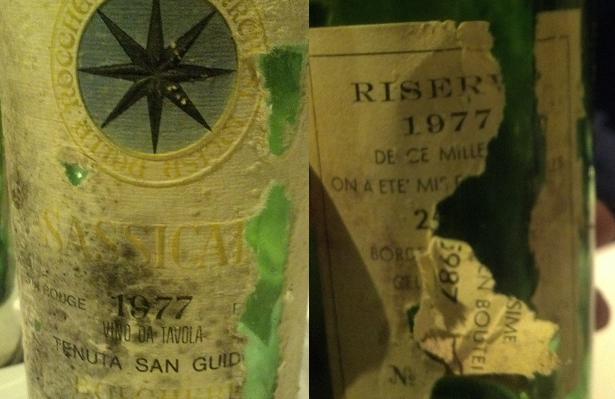
Tenuta San Guido Sassicaia 1977 at Splendido Restaurant, September 2014

Tenuta San Guido Sassicaia 1977 at Splendido Restaurant, September 2014

Tenuta San Guido Sassicaia 1977, Doc Bolgheri, Tuscany, Italy

Though the vintage was reported to be less than exceptional, the chance to taste this 37 years in/on and the longevity it displays combines for full, blow me away effect. The first vintage of Sassicaia was 1968 and this 10th try hits the mark of experience. A blend of Cabernet Sauvignon (85 per cent) and (15) Cabernet Franc, the fruit came from vines over top soils of clay and limestone. The wine spent 20 months in Yugoslavian oak barrels (half of it being new, and half used once or twice before), while for the remaining 60 per cent, French oak was used (2/3 new and 1/3 used once or twice before. Tasted blind, the swirling and searching thoughts of Genesis retrospection assimilate aromas of truffle and mushroom, but at first there is no reply at all. Landing on a plot of excellence somewhere between Bordeaux and Piedmont, Tuscany rises from its hills. A silent conversation ask the Sassicaia “I get the feelin’ you’re tryin’ to tell me;
Is there somethin’ that I should know?” Its condition is near perfect, its body full, its nature pristine and finally, so obviously in balance. After 30 minutes it begins to slide, to no surprise, but you can’t believe the expression it gives and the impression it leaves. And so, it is confirmed. 1977 was a fine vintage for Sassicaia.  Tasted September 2014  @Smarent  @Splendido_TO

Contino

Bodega Viñedos del Contino Rioja Reserva 1974 at XocoCava, with Chef Chris McDonald and Rob Groh of the Vine Agency, October 2014

Bodega Viñedos del Contino Rioja Reserva 1974, Rioja, Spain (Agent)

An impossibly youthful 40 year-old Tempranillo, even surpassing the more evolved ’80 in that regard, with aniseed, coconut and beeswax in its current aromatic state. Less gamy and animal funky, yet persistent in earthy beats. The vegetal scents act as conduit to the light bulb shining brightly of circuitous flavours and resolved textures. Lingers in mouth feel, its layers of time slowly peeling back, revealing in length, a slide show of the wine’s life. With many year’s still ahead, this is a Tempranillo revelation and from one going back this far that gained no support from Graciano (because it was planted in 1979). Its apostle following instead comes by way of the white Viura. Pair with Chef Chris McDonald’s Foie Gras and Partridge Croquetas.  Tasted September 2014  @TheVine_RobGroh  @Cvne

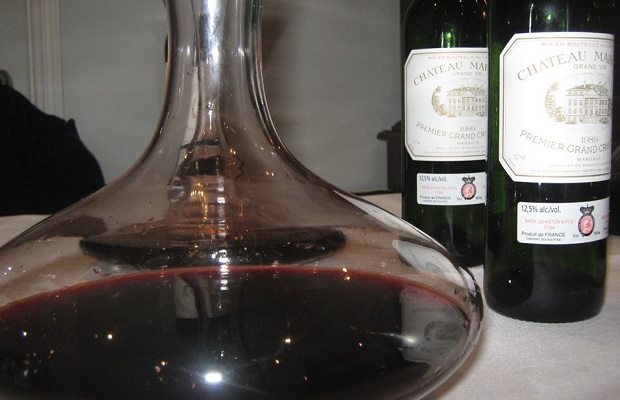
Decanted Château Margaux 1989, The National Club, Toronto, May 1, 2014 PHOTO: Michael Godel

Decanted Château Margaux 1989, The National Club, Toronto, May 1, 2014
PHOTO: Michael Godel

Château Margaux 1989, Ac Bordeaux, France (176057, $1,645.00, WineAlign) From Château Margaux hits the road, May 5, 2014

The 1989 Château Margaux wears the response to a mondo Bordeaux axiom on its sleeve. Are First Growth wines made for people who want darts of instant pleasure?” Twenty years earlier and now like the 2009, here is a quintessential and exemplary vintage, from day one of bud break to the last day of harvest. Its appraisal as anything but incredible is to assassinate it as if it were the Franz Ferdinand of Bordeaux. The examination 25 years later sees a mellow funk meet a peerless and sublime perfume. A wine cast in utmost density, complexity and length. It noses strength, warmth verging on heat but only for a fleeting moment, to gain attention. The iconic wine has reached the first major peak, up a ways from base camp. In this second phase of young adulthood it looks with conceit to the top of the mountain, seeing 25 to 50 more years on the climb. Mr. Pontallier regrets he won’t be around to taste this wine at full maturity. Moi aussi. The fruit lingers in its full, original state, from the moment it passes lips and for minutes onward. Violets trump roses. Château Margaux 1989 is from a vintage that offers the blessing of ethereal balance. Hear her sing, “Ich heisse Superfantastisch!”  Tasted April 2014  @Noble_Estates

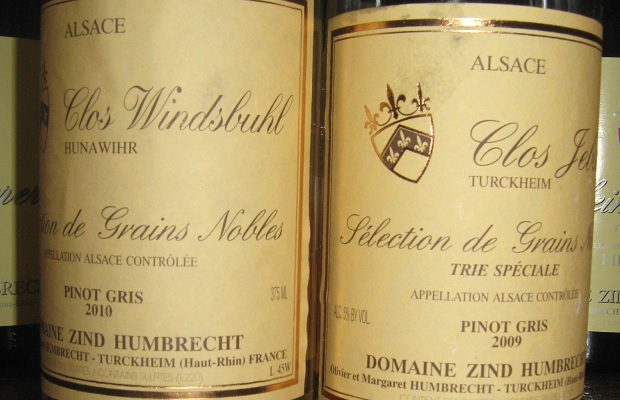
Pinot Gris Clos Jebsal Sélection de Grains Nobles Trie Spéciale 2009

Pinot Gris Clos Jebsal Sélection de Grains Nobles Trie Spéciale 2009

Domaine Zind-Humbrecht Pinot Gris Clos Jebsal Sélection de Grains Nobles Trie Spéciale 2009 (From The cru chief of Alsace: Zind Humbrecht, August 5, 2014)

A south-facing, very steep slope of grey marls and gypsum. A vineyard that yielded a miniscule 10 hl/H. A stratospheric residual sugar quotient (in the realm of 500 g/L) and incredulous acidity to prevent the development of the yeasts. A fermentation that finally finished in the late winter of 2012. A wine aged in demi-guid. Selection of grapes of a botrytis so pure and dry. These are the specs of a wine I may never taste again. Olivier concedes he “really tries not to obtain the highest sugar concentration possible” but this 2009 is a “monster of a wine.” It will take forever to assimilate and digest the sugar. Unctuous, lush, rich and gorgeous does not do it justice. Pure distillation of fruit and stone, accented by spice, wild herbs and flowers. Like an injection of pure, Pinot Gris adrenaline. All this from dry extract, slowly rehydrated with magic pixie dust and the wonders of the natural world.  Will live for a century and then some.  Tasted June 2014  @olivier_dzh  @TrialtoON

Schlumberger

Domaines Schlumberger Riesling Grand Cru Kitterlé 1945

Domaines Schlumberger Riesling Grand Cru Kitterlé 1945 (From In a Grand Cru state of mind, June 18, 2014)

From an area of sandstone soil that predates the appellation. “This is an old story,” says Sommelière Caroline Furstoss by way of introduction at a Millésime master class. “This is a wine of God,” in allusion to the success of a vintage immediately following the end of World War Two. So emotional to taste, of a Riesling with 20-25 g/L of residual sugar and a recondite, balancing level of acidity. Complete and clean, persistent in its power and vitality. There is orange peel and spice, cinnamon and spike. Must have been a warm yet somehow perfect vintage. Sixty-nine years on there is the slightest hint of toffee and nougat with a whispered promise to age for at least 30 more effortless and graceful years. The length lasts for minutes. The heart and the hearth. Just the thought of producing this wine at that time is unfathomable and mystifying. There are no superlatives to do it justice.  Tasted June 2014  @VinexxWine

Taylor Fladgate Single Harvest Porto 1863

Taylor Fladgate Single Harvest Porto 1863

Taylor Fladgate Single Harvest Porto 1863, Douro, Portugal (Agent, $3,995.00, WineAlign) From Taylor made Port, September 2, 2014

The two casks of 1863 reached the Taylor family in pristine condition, from one of the last great pre-Phylloxera vintages of the 20th century. This wine came from the cool and damp Port lodges of Oporto, “the cathedrals of wine.” This was a once in a lifetime chance to taste a piece of history, a most natural and organic fluid encased for 151 years in its integument of time. The year 1863 was significant in many respects, including being the birth year of Henry Ford and Franz Ferdinand. This is Port that creates the future and yet dwells on the past. The hue is both progressive and fathomless in subterranean fantasy. Its many shades of warm, advancing colours resemble the faux brown rings of Mars. The aromas are built around toffee and with accents of many mints; spearmint, chocolate and pepper. You can smell the 1863 from rooms and world’s away. It conjures up many songs. “When you’re half way from a dream, is it hard to work out what is real?” That is its love illumination. It has the strange advance “of killing time and dreams.” The flavours are extreme and exotic, with South-Asian spices highlighting its deep, late night humidity. The finish is endless. Is this brilliance or a stroke of incredible luck? It is certainly pristine and wondrous. It has to be considered a perfect wine, for its niche and genre, by its makers, David Guimaraens and Adrian Bridge. Having let the days of 151 years go by, this is not a wine to compare with others, it is not the same as it ever was. In the end, “you may ask yourself, well…how did I get here?” Thanks to Stephen Marentette of Sylvestre Wines and Spirits.  Tasted August 2014  @TaylorsPortWine  @Smarent

Good to go!

Bouillabaisse, paella and 32 wines

Chiado's Bouillabaisse

Chiado’s Bouillabaisse

No words. No tasting notes. Just the wines. What happens at WineAlign‘s #waxmas14 stays at Waxmas14. I will say this. There was music.

Waxmas Whites

Domaine Long-Depaquit Chablis Grand Cru La Moutonne 1996, Burgundy, France

Vergelegen G.V.B. White 2012, Stellenbosch, South Africa

René Muré Riesling Clos Saint-Landelin 2008, Alsace, France

R. López de Heredia Viña Tondoni Reserva 1999, Rioja, Spain

Waxmas Whites

Waxmas Whites

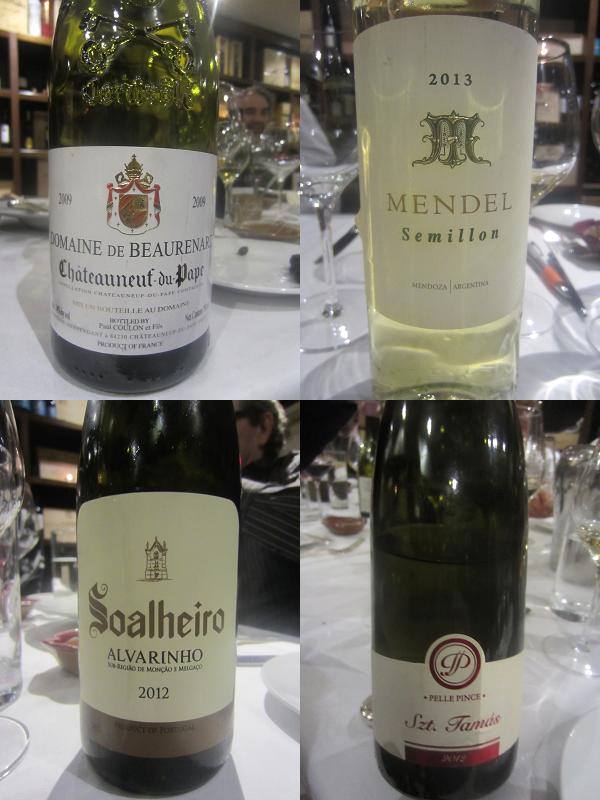
Four More Whites

Domaine de Beaurenard Châteauneuf-du-Pape Blanc 2009, Rhône Valley, France

Mendel Sémillon 2013, Mendoza, Argentina

Quinta de Soalheiro Alvarinho 2012, Vinho Verde, Portugal

Pelle Pince Szt. Tamás Furmint 2012, Hungary

Four More Whites

Four More Whites

Eclectic Blancs

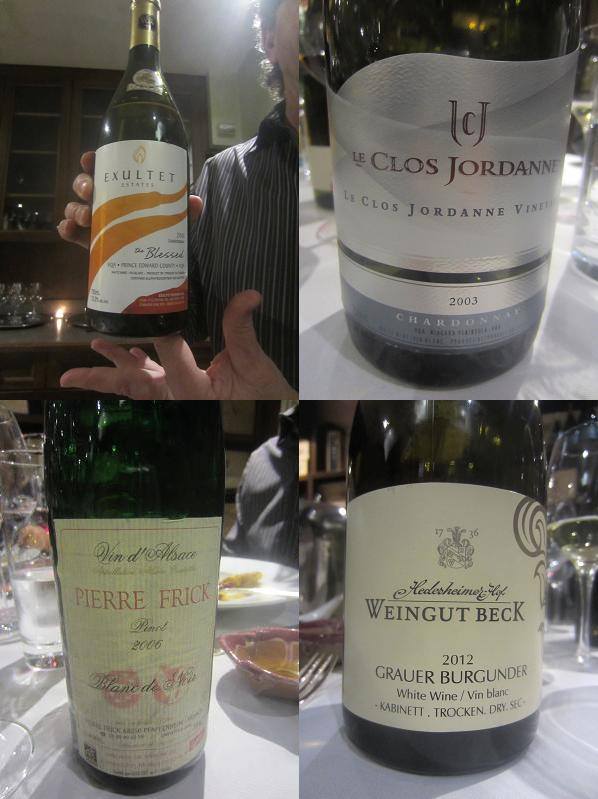
Exultet Estates The Blessed 2009, VQA Prince Edward County, Ontario

Le Clos Jordanne Le Clos Jordanne Vineyard 2003, VQA Niagara Peninsula, Ontario

Pierre Frick Pinot Blanc de Noir 2006, Alsace, France

Hedesheimer Hof Weingut Beck Grauer Burgunder Kabinett Trocken 2012, Prädikatswein, Germany

Eclectic Blancs

Eclectic Blancs

The Stealth Reds

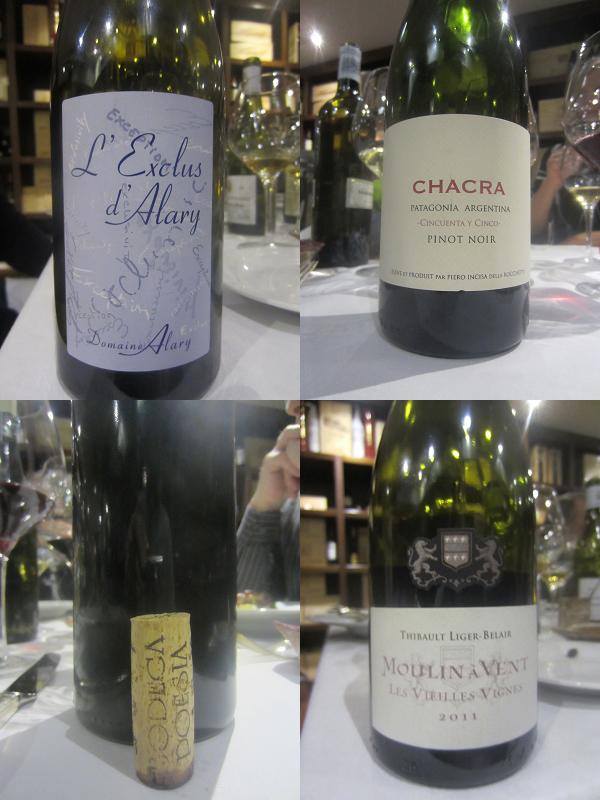
Domaine Alary, Cairanne L’Exclus d’Alary 2012, Cairanne, Rhône Valley, France

Bodega Chacra Pinot Noir Cincuenta y Cinco 2012, Patagonia, Argentina

Bodegas Poesia 2010, Mendoza, Argentina

Thibault Liger-Belair Moulin a Vent, Vieilles Vignes 2011, Beaujolais, Burgundy, France

The Stealth Reds

The Stealth Reds

Big Red Movements

Colinas De São Lourenço Principal Reserva 2007, Bairrada, Portugal

Brodie Estate Pinot Noir 2010, Martinborough, New Zealand

Re Manfredi Aglianico Del Vulture 2000, Campania, Italy

Domaine Jean Foillard Morgon Côte de Py 2011, Beaujolais, Burgundy, France

Big Red Movements

Big Red Movements

Seriously Red

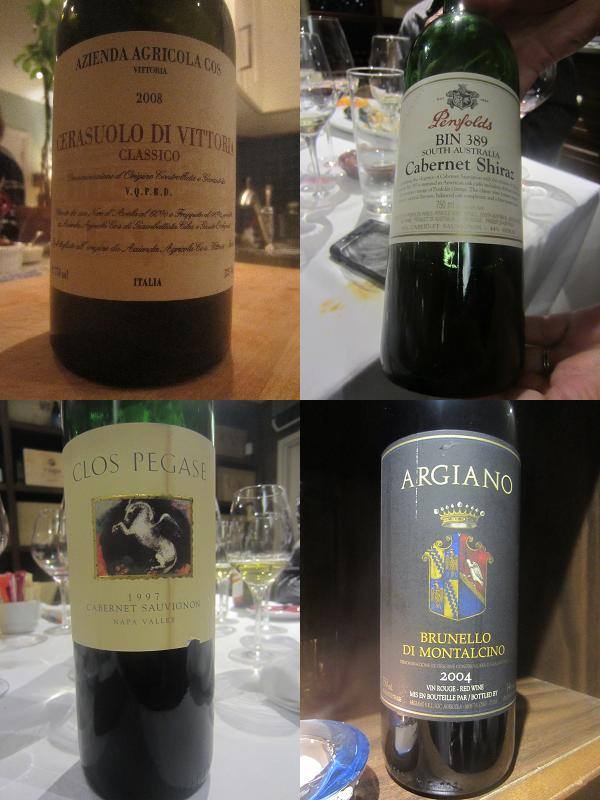
Azienda Agricola Cos Cerasuolo Di Vittorio Classico 2008, DOCG Sicily, Italy

Penfolds Cabernet Shiraz Bin 389 1995, South Australia, Australia

Clos Pegase Cabernet Sauvignon 1997, Napa Valley, California

Argiano Brunello Di Montalcino 2004, Tuscany, Italy

Seriously Red

Seriously Red

The Grace of Transition

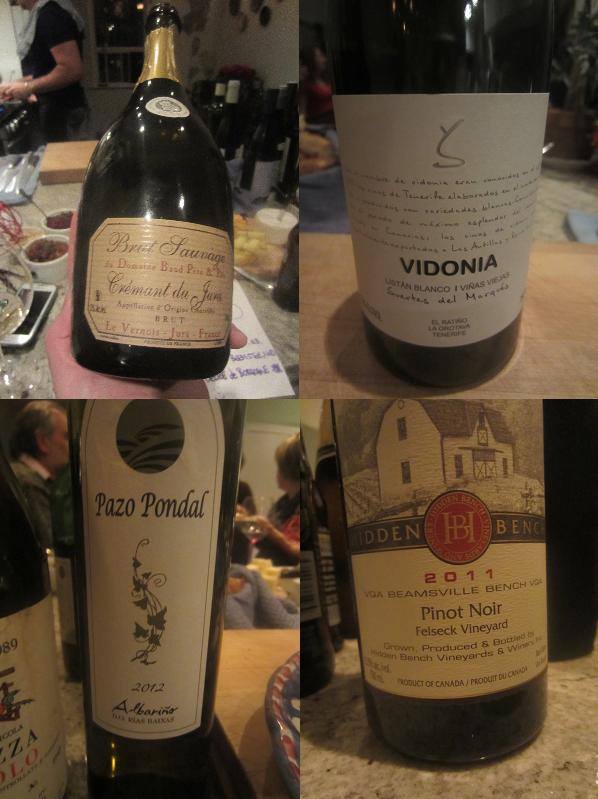
Domaine Baud Crémant du Jura Brut Sauvage, Jura, France

Vidonia Listan Blanco Vinas Viejas 2012, Valle de la Orotava, Spain

Pazo Pondal Albariño 2012, D.O. Rias Baixas, Spain

Hidden Bench Pinot Noir Felseck Vineyard 2011, VQA Beamsville Bench, Ontario

The Grace of Transition

The Grace of Transition

Chef Michael Pataran’s Paella

Chef Michael Pataran's Paella

Chef Michael Pataran’s Paella

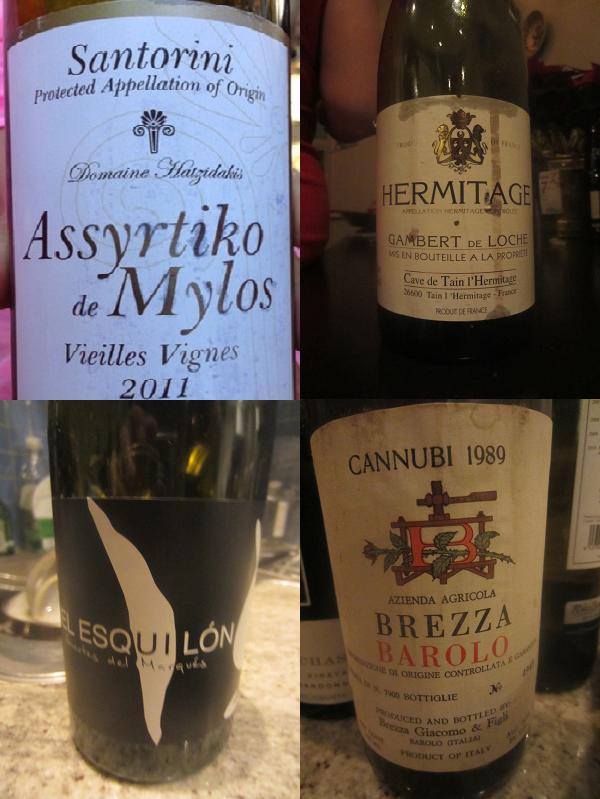
And in the End

Domaine Hatzidakis Assyrtiko de Mylos Vieilles Vignes 2011, Santorini, Greece

Cave de Tain l’Hermitage Hermitage Gambert de Loche 1998, Northern Rhône, France

Suertes del Marques El Esquilon 2012, Valle de la Orotava, Spain

Azienda Agricola Brezza Giacomo & Figli Cannubi 1989, Piedmont, Italy

And in the End

The love you take is equal to the love you make.”

Good to go!
14 Canadian wines that rocked in 2014

Gold Medal Plates Toronto 2014 silent auction guitar signed by Canadian musicians

Gold Medal Plates Toronto 2014 silent auction guitar signed by Canadian musicians

In 2013 the number chosen to highlight excellence in Canadian wine was 13. Symmetry and permutations with repetition are one thing, quality in winemaking is yet another. The expectation is fully understood that next year there will be 15 wines on the list. And so on and so forth.

Related – 13 Canadian wines that rocked in 2013

What force has thus far driven and will continue to drive the wines of Canada? By sifting through leads in geography, in the orientation of escarpments, mountains, rivers and valleys, in the gestalt of the archaeology of tomorrow, in the vineyard landscape of today, we can perchance unlock the riddle of the what and the why for varietal planting. The end game is to unlock the mystery within the puzzle of terroir, to figure out what grapes will thrive and where they can be given the best shot at success. It is not just about what happens beneath the soil, but also what happens above, around, beyond and in the minds of women and men.

Picking a top anything list is both a chore and a labour of loyalty. The opportunities to learn more about Canadian-made wine, especially the processes and the efforts, were numerous in 2014. Canadian winemakers opened their doors and when people came, they taught. They walked the vineyards, showed off their prized barrels and walked through the processes of making wine. Tasting and barrel rooms make for the greatest classrooms. Get out there in 2015. The experience is priceless.

Winery visits were numerous in 2014. Thanks must be dispatched to all who opened their doors, to those with established roots and to risk takers who through their new planting, began burrowing their own. Like Ilya and Nadia Senchuk at Leaning Post Wines in Winona, Ontario. Like Mike and Jocelyn Lightfoot in Wolfville, Nova Scotia. Tastings that go beyond the pale shed new élevage and barrel light. The light shed by such practices was no more in evidence than at Tawse with Paul Pender and Norman Hardie, but also at Flat Rock Cellars with Jay Johnston and Ed Madronich.

Memories of 2014 lead to thoughts of Cuvée, the Expert’s Tasting and the Sparkling Wine Symposium at Brock University. Taste OntarioSomewhereness, County in the City. July visits to Niagara and Nova Scotia gave up 10,000 words of free-flowing wine-speak about the Cool Chardonnay conference and with Peter Gamble in the Gaspereau Valley.

There were a few wines that should have, would have and could have made the cut were there time, space and a better headline to write. Gray Monk Riesling 2012, Okanagan Valley at ($15.00, WineAlign) is the best value for the niche in B.C. This is old-school, west coast Riesling with attributes to reflect and look back on generations of acumen. Tawse Carly’s Block Riesling 2012, VQA Twenty Mile Bench ($31.95, WineAlign) forms a bridge and meets the twain, from atomic to tropic and was a NWAC14 Platinum Medal Winner.

La Face Cachée de la Pomme 2011 Neige Première Ice Pink Cider, Quebec ($22.95, WineAlignspeaks to me in waves of demonstrative, Floydian verse. There is Icewine on the bright side and then there is Iced Cider on la face cachée. Leaning Post Lowrey Pinot Noir 2010, VQA St. David’s Bench ($38.00, WineAlign) though just recently re-tasted, was actually first assessed in November of 2013.

This list certainly concentrates on new releases, save for a few exceptions where older wines left a modern impression. Wines that found a way to break new ground also factored into the decisions. Here are the 14 Canadian wines tasted in 2014 that simply did it for me. Wines that are extensions of their maker’s personality, philosophy and temperament. Wines that are indicative of their terroir.

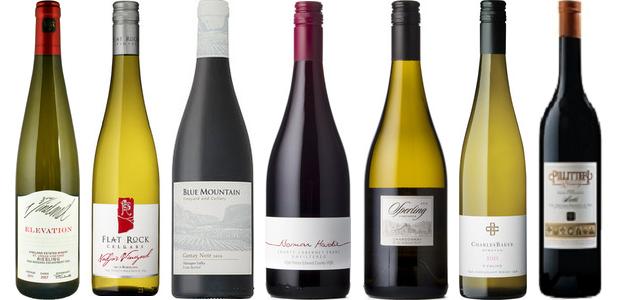
From left to right: Vineland Estates Elevation St. Urban Vineyard Riesling 2012, Flat Rock Nadja’s Vineyard Riesling 2012, Blue Mountain Gamay Noir 2013 , Norman Hardie County Cabernet Franc 2012, Sperling Vineyards Chardonnay 2012, Charles Baker Picone Vineyard Riesling 2012, Pillitteri Estates Family Reserve Merlot 2002

From left to right: Vineland Estates Elevation St. Urban Vineyard Riesling 2012, Flat Rock Nadja’s Vineyard Riesling 2012, Blue Mountain Gamay Noir 2013 , Norman Hardie County Cabernet Franc 2012, Sperling Vineyards Chardonnay 2012, Charles Baker Picone Vineyard Riesling 2012, Pillitteri Estates Family Reserve Merlot 2002


Vineland Estates Elevation St. Urban Vineyard Riesling 2012, VQA Niagara Peninsula, Ontario (38117, $19.95, WineAlign) From The final 14 bargains of 2014, December 5, 2014

Who has not waited for Elevation to hit out of the 2012 vintage? Straight up it must be noted that this will rank over and above the best from the St. Urban Vineyard. The ’12 Elevation will not only find long-term success among the great values in Bench Riesling, it will go down as one of the best ever, at any price. The vintage impart is a natural for this wine. At the moment it is the most primary of all because of the layers that texture bring. The Elevation will go thirty years and climb higher and higher into the stratosphere, gaining flesh and personality. The already seamless gathering of fruit and mineral is palpable. And still a reminder, the price is $20. This is a Schmidt gift to Ontario, for anyone and everyone to be one of the lucky ones. To purchase in increments any less than a case may be considered a crime against Riesling.  Tasted November 2014  @VinelandEstates  @benchwineguy

Flat Rock Nadja’s Vineyard Riesling 2012, VQA Twenty Mile Bench, Niagara Peninsula, Ontario (578625, $19.95, WineAlign) From The Group of twelve, April 28, 2014

Just add three months and witness a new evolution, a density, from a honeyed thing. Entering a pre-adolescence with a new bounce in its step. From my earlier, January 2014 note: “A champion cyclone of forces combined to elevate the already incumbent position of this Twenty Mile Bench Riesling. An ideal growing season magnified transmission upon a paradigmatic two and a half-acre block. This southern-most and highest altitude section of Flat Rock’s vineyard rests aboard a solid bed of limestone and wake me up if that rock was not drawn up into the vines in this stellar Riesling vintage. Sure its warm and nearly off-dry but such an effortless squeeze of lemon hydrates and elevates orchard fruit and honey out of the year of the lemon. After each sip its “every time you kiss me, lemon crush.” Love this prince of a Twenty Mile white in 2012, the dynamism smiling on the tart, succulent fruit. The length is one of outright bravado. This will develop for 20 years, of that I am convinced. There is just so much fruit. A Nadja for the ages.”  Tasted April 2014  @Winemakersboots  @UnfilteredEd  @brightlighter1

Blue Mountain Gamay Noir 2013, Okanagan Valley, British Columbia (Winery, B.C. $20.90, WineAlign) From A cultivated tale of two Okanagan wineries, October 14, 2014

The purity of fruit in Blue Mountain’s Gamay is without question in a distinct class of the few and far between. Older barrels (four year-old, fifth fill) were used and the impart should not be dismissed. While quintessentially Okanagan Gamay, the fruit is elevated, lifted, ripe like warmer Cabernet (dare it be said) with more berry and Cassis-like aromas. The palate tension and round acidity bring Morgon to mind. Just a bit gamy on the back end, which is nice. Planning to drink this through the end of the decade would not be a mistake.  Tasted October 2014  @BlueMtnWinery

Norman Hardie County Cabernet Franc 2012, VQA Prince Edward County, Ontario (Winery, $25.00, WineAlign)

Hardie’s 2012 Cabernet Franc comes of age out of a preternatural and ontological perfect storm. Casts odds into the river of ideal weather, procures phenolic grape ripeness out of the vineyard, avoids the green and embraces the brown stems. Ferments under the natural eye of indigenous yeasts and settles into its silky skin at a low, low 10.8 per cent (give or take a lab sample) alcohol. Cabernet Franc of impossible soul, its “burden is the weight of a feather.” Pepper and currants are noted, tobacco and tomato are not. Comes “bearing a sword” but seduces with primal proclamations. Radical County red.  Tasted April 2014  @normhardie

Sperling Vineyards Chardonnay 2012, VQA Okanagan Valley, British Columbia (winery, $26.00, WineAlign) From A cultivated tale of two Okanagan wineries, October 14, 2014

High altitude expression from a vineyard perched atop a gravel bed, a rocky pool of stone that seems to toss-up pebbles at Sperling’s window to see if she would like to sneak away for a midnight drive. A crisp, clean and linear style, full of night-air freshness, white flowers and white fruit. This is undeniably picked early and ahead of any possible oxidative or overripe window, yet there is a rich quality about it that rages against the machine, calm like a bomb, “its narrative fearless.” Very mineral in its direct back and to the side of the mouth attack, full of salinity and lemon-lime acidity. Long, long Okanagan that will flesh with five years time. The slate bass line will soften, allowing the white fruit to further shine.  Tasted twice, May and July 2014  @SperlingVyds

Charles Baker Picone Vineyard Riesling 2012, VQA Vinemount Ridge, Niagara Peninsula, Ontario (241182, $35.00, WineAlign) From Got two Chardonnays, June, Ivan and Picone, July 15, 2014

A vintage that begged to be protected in the vineyard, meaning no leaf plucking and no thinning. A most excellent goal of (0.691895068 kg / m2), or 2.8 tons an acre was realized, as opposed to one in 2010. Heavy vigor slowed down the ripening (leaving that kind of tonnage on the vine), to an elongated balance. Comes from terroir Baker nods to as “a barren tundra,” which you don’t get down the hill. In 2012 there was no waste, no rot, no problems. Its residual climbs to 15 g/L but you’d never know it. There is a confit of citrus, a mellifluous sensation of preserved lemon. Total count is 600 cases. From my earlier, March 2014 note: “Baker’s iconic child yet breathes in unsettled, spumous emission from out of a warm vintage. So primary and such a hard act to follow. Vanguard Vinemount Ridge, arid as the desert and citrus, carbonic tight. Treated with cool, cooler and colder methods to seek result and strike balance in an opulent, lees-appertained, tangy finish. A Picone that says I don’t live today, so it is told and canvassed, “uh, get experienced, are you experienced?”  Last tasted June 2014  @cbriesling

Pilliteri Estates Merlot Family Reserve 2002, VQA Niagara Peninsula, Ontario (71753, $39.95, WineAlign) From Deep freeze: Controversies, polar vortex and icewine, January 17, 2014

Served from Jeroboam, one of 23 produced and a testament to the precocious, facile touch of then winemaker Sue-Ann Staff. The extreme five litre format has certainly been kind to the hermetic 11-year slumber of this Merlot, as has the above average red Niagara growing season. Charlie pulled out this rare behemoth “for the special occasion” and despite and with thanks to the perfect vintage meets size storm, it has held up with dramatic fortitude. Unmistakably predicated Pillitteri chocolate perfume, brushed violet, mulberry and oven-warmed baking spice. Holding in sustained concentration, the toffee, caramel and umami of wizened, oxidized fruit not yet a twinkle in its soapy sandalwood eye. How could Sun-Ann have known what time-cheating lengths her Merlot would see to?   Tasted January 2014  @Pillitteriwines

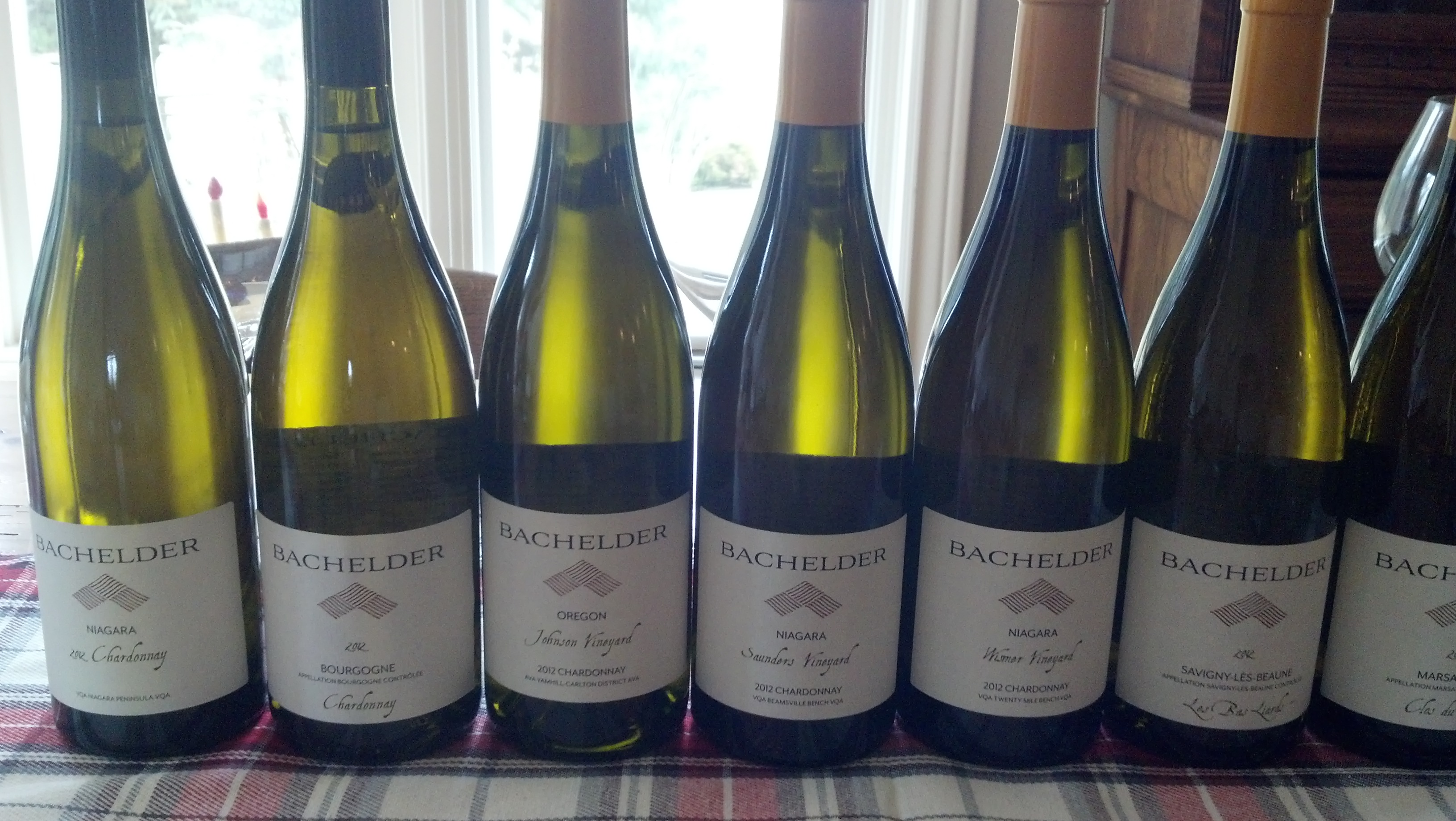
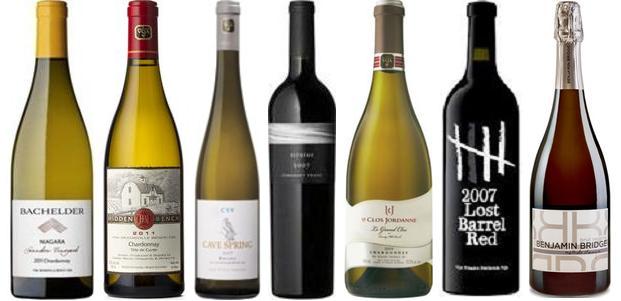
From left to right: Bachelder Saunders Vineyard Chardonnay 2012, Hidden Bench Tête De Cuvée Chardonnay 2011, Cave Spring Cellars Riesling CSV 2003, Stratus Cabernet Sauvignon 2010, Le Clos Jordanne Le Grand Clos Chardonnay 2011, Creekside Estates Lost Barrel Red 2007, Benjamin Bridge Brut Reserve 2008

From left to right: Bachelder Saunders Vineyard Chardonnay 2012, Hidden Bench Tête De Cuvée Chardonnay 2011, Cave Spring Cellars Riesling CSV 2003, Stratus Cabernet Sauvignon 2010, Le Clos Jordanne Le Grand Clos Chardonnay 2011, Creekside Estates Lost Barrel Red 2007, Benjamin Bridge Brut Reserve 2008


Bachelder Saunders Vineyard Chardonnay 2012, VQA Beamsville Bench, Niagara Peninsula, Ontario (324103, $44.95, WineAlign) From Chardonnay is cool, July 9, 2014

Though presently showing a bit inferential, no amount of Bachelder reduction can keep good fruit down nor can it dismantle the mastery of mineral impart. An arras of texture conceals the portal to both vineyard and barrel with streaks of salinity, charcoal and chalk. The 2012 rendition is a canvas laden with pure golden paint, concealing “hidden forms and shifting states.” Thomas has found a rhythm in Saunders through thick brush strokes, full and advancing. This warm vintage is not a receding one, its flavours and its texture do the opposite. They jump out at you in waves. For Thomas, the sublime is now.  Tasted May 2014  @Bachelder_wines

Hidden Bench Tête De Cuvée Chardonnay 2011, VQA Beamsville Bench, Niagara Peninsula, Ontario (20906, $45.00, WineAlign) From A hip of wine at Hidden Bench

Tête De Cuvée by Hidden Bench, like a Champagne best of the best abstraction, makes an appeal to self-esteem and esteem for others, to consumers who have come to recognize Niagara and even more specifically, the Beamsville Bench for head of the class, cool climate Chardonnay. That mouthful congregates and works in congruence with the quality in the Tête’s composition; full-on freshness, density, weeping cerate texture, toasted and popping kernel, fine-grained localization, utterly integrated barrel. There was scant quantity (32.5 hL/h) from some very old and wise vines, pronounced like others but louder than most, from the bullhorn of a stentorian vintage. What is felt and spoken about the quality inherent from out of the finest parcels in the Locust Lane and Rosomel Vineyards Chardonnay fruit is more than a patent observation. The ability to take on toast cuts to the nougat and the synoptic rises to the ethereal ozone. Not to mention gross minerality. On the shortlist for best Niagara Chardonnay to date. Drink now and beyond 2025.  Tasted twice, September  and October 2014  @HiddenBench  @BenchVigneron

Cave Spring Cellars Riesling CSV 2003, VQA Beamsville Bench (winery, $50, WineAlign) From When experts break wine together, March 4, 2014

Mind bending to taste a piece of recent history, a Riesling rooted in the rocks, blues and pop of the limestone, sandstone and shale Bench, but a wine also futuristic, distorted and soulful. From 25 plus year-old vines, this foxy lady has entered into true, secondary territory. She’s softened and her perfume is cast in vanilla butterscotch so much so she might mess with tasters’ minds in a flight of oaked Chardonnay. She’s “a cute little heartbreaker.”  Tasted March 2014  @CaveSpring

Stratus Cabernet Sauvignon 2010, VQA Niagara On The Lake, Ontario (Winery, $55.00, WineAlign) From The Stratus-Momofuku continuum, May 30, 2014

The declared alcohol on this is 14.6 per cent but to all of me, that is really hard to believe. Really elegant, 100 per cent Cabernet Sauvignon, perfectly unabridged in phenolic ripeness but in such fine rhythm and blues. Were it a score it would be euphonious without encumbrance and void of splinters. The most subtle and gentle J-L Groux crafted red wine I’ve yet to encounter, with a back palate combination of mushroom and citrus to follow pure red fruit. Resoundingly circular with curves, no hard edges and “perfect imperfections.” This Cabernet goes at it with Graves character and poise. It will be a Niagara legend.  @StratusWines

Le Clos Jordanne Le Grand Clos Chardonnay 2011, VQA Niagara Peninsula, Twenty Mile Bench, Ontario (34561, $65.00, WineAlign) From Niagara delivers everbearing quality in November releases November 4, 2014

Certainly plays the most hard to get of the ’11 Chardonnays of fruit so fine and pure. Layered like Phyllo or Puff pastry, gathered and set back upon itself. Gains traction and intensity through developed flavours and overlays of texture, both solid like shale and lacy like organza. From my earlier, July 2014 note: “From sandy loam and limestone soils, here is a Chardonnay that winemaker Sébastien Jacquey is looking to fashion with low PH and elevated tannin. A most commendable effort in the enigmatic ’11 vintage, clean, anything but lean and un-gassed by a jet engine’s aerified stream. Chardonnay running instead on the vineyard’s biofuel, a chalky lees and lime texture that turns green in a savoury way towards the back end. Full, rich, gaining in stature as it breathes, thinks and feels. Atop the green there is an ambrosial aroma and a honeyed sense of flesh. A wine of great respect and biodynamic energy.”  Last tasted October 2014  @LeClosJordanne

Creekside Estates Lost Barrel Red 2007, VQA Niagara Peninsula, Ontario (46470, $65.00, WineAlign) From Up on Creekside Estates, April 14, 2014

Just 60-80 cases are made from the tips of the best barrels through a process that takes 56 months to complete. The secret ingredient is Sangiovese and bless the band‘s soul if the ferric, iron and animal musk is not attributed to the addition. This is a different kind of wine, with lees in the bottle, not unlike some big, bad Spanish wines. It’s ’07 and still reductive which makes it seem peculiarly modern (note, Spanish) but it’s really not. Despite the monster tannins, it “just gave my heart a throb to the bottom of my feet and I swore as I took another pull,” the Lost Barrel can’t be beat. Up on Creekside Estates.  Tasted March 2014  @CreeksideWine

Benjamin Bridge Brut Reserve Methode Classique 2008, Gaspereau Valley, Nova Scotia (275396, $74.95, WineAlign) From Consider the Gaspereau Valley, October 1, 2014

The 2008 Brut Reserve is composed of 61 per cent Chardonnay and 39 Pinot Noir. If any wine in the Benjamin Bridge continuum defines the legacy left behind by Raphaël Brisebois and passes the sparkling torch to Jean-Benoit Deslauriers, this ’08 is it. Here is the vintage that begins to emulate the grower’s Champagne of the motherland, in deeper learning, understanding and connection to the estate’s vineyards. At present this is such an infant, reductive and with a blowzy palate that suggests a fidgety, elemental state. The attack is in burgeoning mousse. After spitting, the wine persists, as if there remains a mouthful, causing the cheeks to expand. The citrus is weighty in texture and this ’08 goes deeper than the previous Brut reserves. Three years will be required to allow for a settling and 20 years lay further ahead for secondary, tertiary and quaternary development.  Tasted at the winery, July 2014  @Benjamin_Bridge

Good to go!
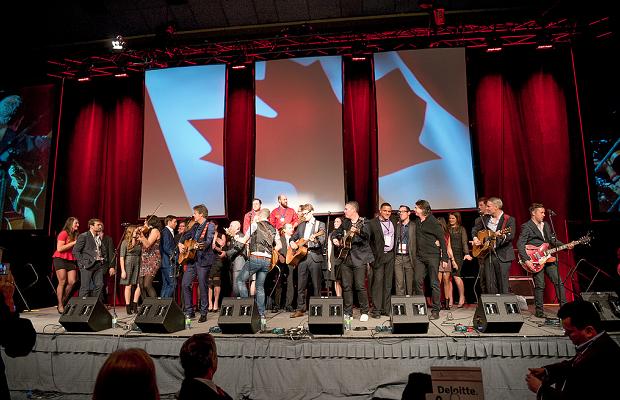
 

Gold Medal Plates Toronto 2014

Gold Medal Plate, Toronto 2014: Canoe's Chef John Horne Grandview Short Ribs Glazd with Tree Syrups (c) Ronald Ng Photography

Gold Medal winning plate, Gold Medal Plates, Toronto 2014: Canoe’s Chef John Horne’s Grandview Short Ribs Glazed with Tree Syrups
(c) Ronald Ng Photography

When head judge David Lawrason asked me to join him and fellow WineAlign colleague Sara d’Amato to preside over the wines at Gold Medal Plates Toronto, I paused for a brief moment. I knew right away the answer was an emphatic yes but I had to breathe in the possibilities. One: Sample 10 wondrous culinary creations by 10 sacrosanct chefs. Two: Spend an evening with Canadian Olympic medallists and recording artists. Three: Taste and judge the sagacious efforts by some of Ontario’s most venerated winemakers.

Gold Medal Plates was founded in 2003 and is so much more than an organization. It is a Canadian institution. The primary goal of the coast to coast galas are to “celebrate Canadian excellence in food, wine, athletic achievement and entertainment.” The tour makes stops in 11 Canadian cities and raises funds for the Canadian Olympic Foundation to support Olympic athletes. Net proceeds are donated to support high performance programs such as Own The Podium. To date over $8.2 million has been raised. (Update: Gold Medal Plates tweeted on December 10th that the number is now $9.5 million).

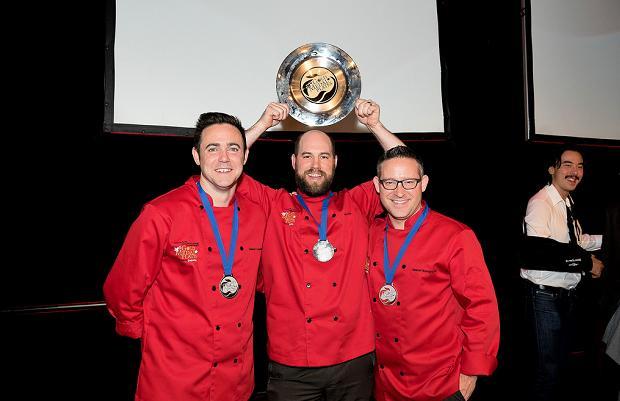
Gold Medal Plates Toronto 2014 bronze, gold and silver medal winning chefs Damon Campbell, John Horne and Jason Bangerter<br />  (c) Ronald Ng Photography

Gold Medal Plates Toronto 2014 bronze, gold and silver medal winning chefs Damon Campbell, John Horne and Jason Bangerter
(c) Ronald Ng Photography

In each city the invited chefs prepare a regional dish and in Toronto, more than 700 people tasted through a complex variety of creations. The gold medal chef in each city goes on to compete at the Gold Medal Plates Finale at the Canadian Culinary Championships. In 2015 the host will be Kelowna, British Columbia on February 6 and 7. The term “career changer” is used to describe the chef who is crowned tops in Canada.

With unprecedented support from the event’s title sponsor Deloitte, the Toronto event was held at the Metro Toronto Convention Centre on Wednesday, November 12, 2014. The culinary judging was headed up by former Toronto Life Magazine food critic James Chatto. Joining Mr. Chatto were chef/author Sasha Chapman, chef/TV personality Christine Cushing, author/CBC radio host Anita Stewart, George Brown chef school’s John Higgins and the 2013 Canadian Culinary Champion Lorenzo Loseto of George Restaurant.

Candian musicians and atheletes sing O Canada at Gold Medal Plates Toronto 2014 (c) Ronald Ng Photography

Candian musicians and atheletes sing O Canada at Gold Medal Plates Toronto 2014
(c) Ronald Ng Photography

At the Toronto event, emcee skaters Tessa Virtue and Scott Moir were joined by dozens of Olympic medallists and future hopefuls. The entertainment on stage was an all-star Canadian band led by Blue Rodeo’s Jim Cuddy. Cuddy was joined by The Barenaked Ladies’ Ed Roberstson, Barney Bentall, 5440’s Neil OsborneDanny Michel, Anne Lindsay and the astoundingly soulful guitarist Colin Cripps.

Slient auction signed guitar

Slient auction signed guitar

The plates in Toronto were really quite incredible. Canoe’s Chef John Horne was the gold medal winner. His Grandview Farms Short Ribs glazed with tree syrups was a ground breaker, an original composition of intrigue, a wild sequestered spot of gastronomy. The other plates were exceptional, each in their own right, but chef Horne travelled to a zone alone. Congratulations Chef.

Gold Medal Plates wines (c) Ronald Ng Photography

Gold Medal Plates wines
(c) Ronald Ng Photography

In David Lawrason’s recap to the audience, he noted how close the wine judging really was. “It was the highest quality level from bottle to bottle I have seen in the country this year, making the judging of the Best of Show Award rather tough. But when each judged ranked their top five, the same five wines showed up. It was then the ordering that became difficult, and only two points separated first and second place.” In the end we chose Norman Hardie‘s Niagara Unfiltered Pinot Noir 2011 as the Gold Medal winning wine. Hardie’s take on Twenty Mile Bench Pinot Noir is pure, complex and made with a deft, hands-off approach.

The wines ware all impressive, each and every one. The Hidden Bench approach on a Bordeaux-styled white is as impressive as any that have come before it, which is why the Nuit Blanche Rosomel Vineyard 2012 finished a very close second, taking home the Silver Medal. Syrah in the hands of winemaker Rob Power is a beautiful thing indeed. Creekside Estate‘s Iconoclast Syrah 2012 was the Bronze Medal winner. Pinot Noir by Leaning Post and Cabernet Franc by Rosewood Estates were fractional points behind.

David, Sara and I tasted and judged 12 wines, 10 of which were paired to the 10 chef’s plates. Here are the tasting notes and pairings.

Gold Medal Plates Toronto 2014 dishes and paired wines

Gold Medal Plates Toronto 2014 dishes and paired wines

Peller Estates Baco Noir Private Reserve 2013, VQA Niagara Peninsula, Ontario  (Winery, $17.95)

High acidity, negligible tannin and no surprise, the black burn of charcoal crushed, tarry fruit. A wallop of pepper for accented measure stings as per the effect of a Rhône, so like Syrah this is a good example of Baco. An airplane taxiing down a tobacco road. “But it’s home, the only life (its) ever known.” Definitely Baco.  Tasted at Gold Medal Plates Toronto, November 2014  @PellerVQA

Peller Estates Chardonnay Private Reserve  2012, VQA Niagara Peninsula, Ontario (Winery, $18.95, WineAlign)

Like bottled pastry, sweet, soft apples baking. Warm wafting aromatics, mild toast and caramelizing butter, effectively creamy and palate coating. Evolved to the point of full integration and absolute oak resolution. Drink now.  Tasted at Gold Medal Plates Toronto, November 2014  @PellerVQA

Creekside Estates Syrah Iconoclast 2012, VQA Niagara Peninsula, Ontario  (Winery, $18.05) Paired with Canoe’s Chef John Horne’s Grandview Farms Short Ribs Glazed with Tree Syrups

Winemaker Rob Power is on the fast track (if he is not there already) at becoming the King of Syrah in Ontario. The Queenston Road vineyard helps. Years of acumen development is key. Passion for the Rhône and Niagara’s climatic and stylistic kinship wraps the package. A ton of effort goes into the production of this $19 wine. The methodology here differs greatly from the co-fermented two-clone meets Viognier (and twice the price) Brokenpress Syrah. Here the fruit from three vineyards (including the Queenston Road) were fermented separately in stainless steel tanks and 1 tonne fruit bins. Malolactic fermentation took place in barrel where the wine aged for 12 months. The (30 percent new) barrel mix is (53 per cent) American, (42) French and (five) Hungarian. The result? In Rob Power’s hands, you can take Syrah out of the Rhône and Australia but you can’t take the cool climate out of the Syrah. Meat, pepper and smoke pique, pinch and pop. Pow! A totem in proclivity for the variety. The water is at times dishy but the fruit swells and fills in every gap.  Tasted at Gold Medal Plates Toronto, November 2014  @CreeksideWine

13th Street Gamay Noir 2012, VQA Niagara Peninsula, Ontario (177824, $19.95, WineAlign) Paired with Bestellen’s Chef Rob Rossi’s 60 Day Dry-Aged Beef Crudo, B.C. Pine Mushrooms, Concord Grape Mustard and Truffle Sauce

Spice and rich fruit head straight to Gamay welkin derived direct from the soil’s core, of Sandstone, Schwenker and the winery’s home vineyard at Fourth Avenue. Swirl away the gathered must and moss to reveal more Cru fruit than you can shake a stirring rod at. Such verve, said grit, such persistence. The thing about Gamay is, “if you want inside of her, well boy you better make her a raspberry swirl.” 13th Street has certainly made the raspberry sing in the ’12 Gamay so “raspberry swirl, mmm let’s go.”  Tasted at Gold Medal Plates Toronto, November 2014  @13thStreetWines

Hidden Bench Nuit Blanche Rosomel Vineyard 2012, VQA Beamsville Bench, Ontario (Winery, $20.00, WineAlign) Paired with Splendido’s Chef Victor Barry’s Smoked Rocky Point Oyster, Yukon Gold Potato and Chive

Less than six weeks after my first introduction to the NB ’12 complexity shines anew. Such a delicate and elegant take on the Bordeaux white axiom. Void of all the gangly G’s; grasses, gooseberry and green vegetable. Leans to custards and curds with a savoury accent and a limestone tang. Willing to be paired with a multitude of gastronomy. Long finish. From my earlier, September 2014 note: “Taking what the vintage gives, Rosomel’s Sauvignon Blanc was king in 2012, dominating at a 95 per cent share of the Bordeaux-styled blend with Sémillon. Barrels were stirred weekly during fermentation and the creamy texture thanks that regimen, as does the tannic fullness of the round back-end. It rocks out bracing, formidable and nobly bitter, in pear and its pith, in lemon, of rind and in curd. The SB lounges in tall grasses but avoids goose feathers and blanching veg. So very savoury, in gorse tension, thistle and nettle. These notes all cut through the roundness and are finally tied together by the flinty rock of Rosomel.”  Last tasted at Gold Medal Plates Toronto November 2014  @HiddenBench

Marben Restaurant's Chef Rob Bragagnolo's Canadian Paella, Crab, Lobster & Mussel Suquet, Crispy Wild Rice, Red Pepper-Saffron Aioli and Almond (c) Michael Godel

Marben Restaurant’s Chef Rob Bragagnolo’s Canadian Paella, Crab, Lobster & Mussel Suquet, Crispy Wild Rice, Red Pepper-Saffron Aioli and Almond
(c) Michael Godel

Rosewood Estates Cabernet Franc Origin Series 2012, VQA Beamsville Bench, Ontario (Winery, $26.20, WineAlign) Paired with Marben Restaurant’s Chef Rob Bragagnolo’s Canadian Paella, Crab, Lobster & Mussel Suquet, Crispy Wild Rice, Red Pepper-Saffron Aioli and Almond

From fruit grown on the Estate’s Beamsville Bench (Renaceau) vineyard. As per the house directive, this is not oak shy. So as the house finds collective varietal success from inside a barrel, the Origin Cabernet Franc 2012 falls into line. Fruit is bright and sour-edged, softened, filled in and tempered by wood. Lush berries and plums, herbs and did I mention oak? A roasted kind of sweetness comes wafting and pan-dripping in, with currants, mint and eucalyptus with a far away look. Intensely modish CF, with a swath of chocolate, springy and extensible length.  Tasted at Gold Medal Plates Toronto, November 2014  @Rosewoodwine

Rosewood Estates Chardonnay Origin Series 2012, VQA Beamsville Bench, Ontario (Winery, $28.20) Paired with Buca’s Chef Rob Gentile’s Ravioli alla Tonnara, Tuna Blood Pasta, Tuna N’duja and Stracciatella Cheese

The Chardonnay formerly known as Renaceau Estate Vineyard, followed by Reserve and now Origin continues to hail from the Beamsville locale and persists as one of the most viscous and rich of its ilk. The glaring mismatch in sugar (20.8 g/L) and acidity (1.8 g/L) could spell disaster but to the contrary, this finds its tongue. Quite drawn, in a southern sort of lobster dipped in butter drawl. Unrequited malo fermentative linguistics suppress any tension that might distract from the bounty of warm vintage, perfectly ripe fruit smothered in a creamy lather of French oak (nine months in 50% new and 50% seasoned).  Tasted at Gold Medal Plates Toronto, November 2014  @Rosewoodwine

The Farm Pinot Noir 2012, VQA Twenty Mile Bench, Ontario (Winery) Paired with Café Boulud’s Chef Tyler Shedden’s Haida Gwaii Pink Salmon, Preserved Porcini Mushroom, Nasturtium and Smoked Sabayon

Those familiar with the Neudorf farm fruit know it well because of the single vineyard Pinot Noir “La Petite Colline” made by then Le Clos Jordanne winemaker Thomas Bachelder and carried forth by Sébastien Jacquey. Most of the harvest was then scooped up by Bachelder’s newest Niagara venture with some Quebec buddies at Domaine Queylus. In 2012 the Neudorf family decided to allocate a small commercial gifting of their own minuscule production of Estate Pinot Noir. Eleven restaurants in Southern Ontario carry this luxurious and humid red. The aromatics are pure Neudorf; a blackberry-rapt silt and clay-earth mingle with a sideshow of coated limestone primer. Just a smidgen past ripe, this blood pedigree redaction has plenty of charm if less earnest finesse than the Bachelder siphoned bottles.  Tasted at Gold Medal Plates Toronto, November 2014

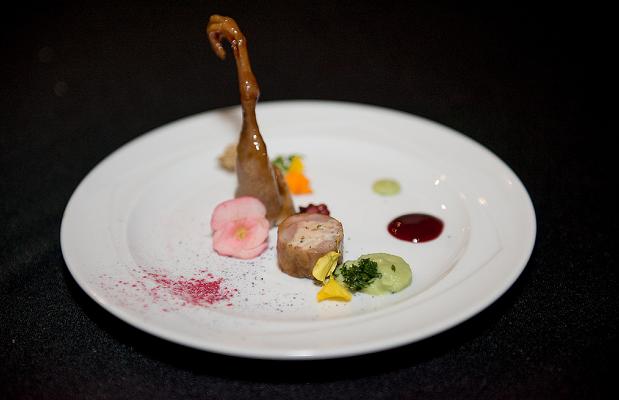
Langdon Hall's Chef Jason Bangerter's Wild Flower & Herb Smoked Game Fowl, Fermented Berry & Celery Root (c) Ronald Ng Photography

Langdon Hall’s Chef Jason Bangerter’s Wild Flower & Herb Smoked Game Fowl, Fermented Berry & Celery Root
(c) Ronald Ng Photography

Leaning Post Pinot Noir Lowrey Vineyard 2010, VQA St. David’s Bench, Niagara Peninsula, Ontario (Winery, $38.20, WineAlign) Paired with Langdon Hall’s Chef Jason Bangerter’s Wild Flower & Herb Smoked Game Fowl, Fermented Berry & Celery Root

One year later and in conjunction with stopping to think about them (other vintages and other reds at #GMP2014), the most terroir and aromatic focus comes from Ilya Senchuk’s ’10. Cherry, pomegranate and earth. Only Lowrey goes deep like this. Such a palate refresher. From my earlier, November 2013 note: “Can’t say I’m all that surprised but this is so much more approachable, pretty and glamorous. From an unrelenting hot vintage (picked Sept. 11th), a full six weeks earlier than ’09 and from the same vineyard. This was necessary as a means to preserve freshness. More sunshine, less earth but still there’s a cure and metal tendency that really defines Lowrey. Could of course be considered more of a crowd pleaser but it’s not as simple as that. That I can taste these two mano a mano, in my life is a rubber soul stamp. “All these places have their moments.” 125 cases.”  Last tasted at Gold Medal Plates Toronto, November 2014  @LeaningPostWine

http://vimeo.com/81371452

Norman Hardie Unfiltered Niagara Pinot Noir 2011, VQA Niagara Peninsula, Ontario (208702, $39.20, WineAlign) Paired with The Drake Hotel’s Chef Alexandra Feswick’s Beef Tongue, Plums and Almonds

The tension in the ’11 Niagara Pinot is palpable, ongoing and yet, as noted previously, not like it used to be. Expertly judged in a major key of complexity. Like candied nuts strung along a chain of tannin. Layers of depth and active ingredients. From my earlier, August 2014 note: “Hardie’s 2011 Pinot Noir comes out of deep clay, 20 Mile Bench soil, an impart not lost in the rich though dusty character of the wine. The flesh is both corporeal and marbled and a chalky grain runs through, with thanks to what feels like smithereens of limestone blasted through. “It was long ago, seems like yesterday,” that Norm’s Niagara Pinot carried an unwieldy level of anxiety but here the tannins have settled, the volatility has relented and there is a curious combination now, of blood and roses. Though meaty, the ’11 Pinot’s juices are concentrated, contained, not running out. The aromas are floral, heightened and intoxicating. Once again, classic comes by way of low alcohol and minimalist intervention. Last tasted at Gold Medal Plates Toronto, November 2014  @normhardie

The Chase's Chef Michael Steh's Tuna Toro, Foie Gras, Ginger Pork Dumpling and Damsum Plum Sauce (c) Michael Godel

The Chase’s Chef Michael Steh’s Tuna Toro, Foie Gras, Ginger Pork Dumpling and Damsum Plum Sauce
(c) Michael Godel

Stratus White 2010, VQA Niagara On The Lake, Ontario (660704, $44.20, WineAlign) Paired with The Chase’s Chef Michael Steh’s Tuna Toro, Foie Gras, Ginger Pork Dumpling and Damsum Plum Sauce

Tropical notes are currently blanketing the radar on the long flight to future decades. From my earlier, October 2013 note: “Quite possibly the most textured yet. A casted mass, like ingot or sélection de grains nobles, where viscosity meets candied fruit, apricot, quince and acacia flowers. A white moon with a medicinal and peaty tang that shows so much verve, earth floor even. This cracker jack ’10 will continue to add heft and flesh to earn its white stripes. Could be a classic for 20 years plus.” From my earlier, September 2013 note: “Sends me immediately towards Bordeaux, in neo-marmalade, but also buoyed in perfume and body by 25 percent Viognier. “This variety worked so well in the vineyard in 2010,” notes Groux. Niagara honey and near-botrytis via Semillon and Sauvignon Blanc void of grass, full of vigor. A sharp note, neither metallic nor mineral, but a combination of the two is present in this so very concentrated ’10. Of a warm vintage (self-explanatory) fully picked by October 23. Though loaded with early Spring maple sap, foie gras and appley terpines, its sharp and framed by “tannic” tang and protracted length.” Last tasted at Gold Medal Plates Toronto, November 2014

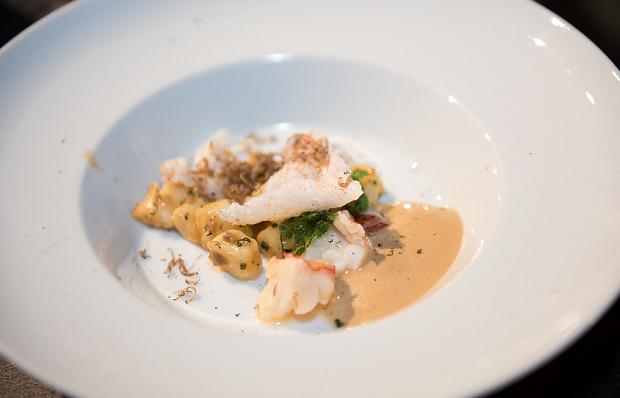
The Shangri-La Hotel's Damon Campbell Nova Scotia Lobster, Potato Gnocchi, Forest Mushroom, Black Truffle and Lobster Emulsion (c) Ronald Ng Photography

The Shangri-La Hotel’s Damon Campbell Nova Scotia Lobster, Potato Gnocchi, Forest Mushroom, Black Truffle and Lobster Emulsion
(c) Ronald Ng Photography

Southbrook Poetica Chardonnay 2011, VQA Niagara Peninsula, Ontario (366500, $50.20, WineAlign) Paired with The Shangri-La Hotel’s Chef Damon Campbell’s Nova Scotia Lobster, Potato Gnocchi, Forest Mushroom, Black Truffle and Lobster Emulsion

There is still a tough outer layer to crack. A poem of many stanzas has only just begun. Mute yet delicate, the stratified vineyard is the Poetica’s poetry; tight, yet forwardly futuristic towards the ephemeral and the aerified. From my earlier July 2014 note: “Has integrated nicely though certainly persists as a big, lush Chardonnay. If there were splinters or sinewy bits they have melted away.” From my earlier, May 2014 note: “The Poetica underwhelms at the present time, or perhaps hides in her youth. She’s a calm, buttery, mildly toasted, supportive softie and more accessible than her Sperling west coast sistren. Like a cool Chardonnay soffit hiding beneath a warm bench, the Poetica speaks not for the vintage but more for the current vineyard, a warm and hip spot in the Four Mile Creek appellation. The site remains (at least to me) understood but the unctuous aspect in texture and gathering sweetness with time in the glass will realize a richesse yet unseen. Poetica’s refrain is like “wind on the weathervane,” her tragically subdued fruit quiet, but able to travel long. Time will be the reveal, so be patient.”  Last tasted at Gold Medal Plates Toronto, November 2014  @SouthbrookWine  @thesirengroup

Looking red ahead at December 6th in VINTAGES

Álvaro Palacios presents his wines from Priorat, Rioja and Bierzo Photo (c): Eric Vellend

Álvaro Palacios presents his wines from Priorat, Rioja and Bierzo
Photo (c): Eric Vellend

When I walk into the tasting lab at the LCBO this morning to taste the red wines on the December 6th release, there will be more than 100 bottles staring me down. Not just any 100 bottles. The assembled wines will be deep, dark, dense and intense, a December agglomeration meant to drink down with the holidays.

The VINTAGES releases are so protracted at this time of year the media tastings have to be split across two consecutive weeks. Champagnes and whites were put out last Friday so today’s reds will stain teeth, pile on the tannin and cause a general convocation in dehydration. A perfect Friday.

Luma's Bocconcini and Preserved Vegetable Salad

Luma’s Bocconcini and Preserved Vegetable Salad

Over the past few weeks I’ve managed to taste some of the releases at trade events, with my colleagues at WineAlign and yesterday with Álvaro Palacios. At the invite of Woodman Wines and Spirits I had the indubitable pleasure of being heralded through a paramount cross-section of the Spanish wandering winemaker’s portfolio, from Priorat, Rioja and Bierzo. Palacios poured six of his wines at Luma Restaurant in Toronto. Reviews for the Riojan La Vendimia, the Bierzo Corullón and the Priorats Camins and Les Terraces will be found on WineAlign.

Last fall I wrote about Spanish wines, insisting that Spanish winemakers “do not pussyfoot in producing superannuated yet contemporary wine.” I talked up the Iberian wine making superstars. Red and white wine heroes. Álvaro Palacios was at the top of the list. Jason Woodman felt and still feels this way. “If anyone embodies the promise and spirit of “The New Spain”, it is Álvaro Palacios.” I elaborated. “It has not been much more than 20 years since he took control of the esteemed empire built by his father, Jose Palacios Remondo, but Álvaro Palacios has already become one of Spain’s most famous and well-respected winemakers.”

Related – Ancient, state of the art Spanish wine

One Rioja and one Bierzo by the Palacios domain are reviewed here, along with six other new releases coming to stores December 6th. Here’s a sneak peek, looking red ahead.

Palacios Line-Up at Luma Restaurant Photo (c): Eric Vellend

Palacios Line-Up at Luma Restaurant
Photo (c): Eric Vellend

Palacios Remondo La Montesa 2011, Doca Rioja, Spain (674572, $18.95, WineAlign)

La Montesa epitomizes everything about the Álvaro Palacios application; professionalism, breviloquence and balance. It also brings together essentia to one common Riojan crossroads; Atlantic and Mediterranean, Tempranillo and Garnacha, French and American oak. In fact, it does the latter with such seamless ease, as neither barrel disturbs the proportion or the harmony. Fresh, pointed, serious and value-driven with ridiculous compete, the silky smooth Montesa uses calcareous soil as an organza overlay and acidity to keep it real. The alcohol is certainly real but like the wood (and the tannin), is never overdone. From now to 2018 with bells on.  Tasted November 2014  @WoodmanWS  @RiojaWine

Tenuta Rapitala Alto Nero d’Avola 2012, Sicily, Italy (Agent392852, $19.95, WineAlign)

The winery known as the “Beautiful Garden of God” has burnished a Nero d’Avola from the northwest corner of Sicily so perfumed you may consider dabbing some on your neck. Like the sweet-smelling roses that endow Nebbiolo with its characteristic charm, this Sicilian sports the same except that it is magnified by sunshine and salinity. A meeting of red fruits macerating in a bath of freshly squeezed plum juice does nothing but make you want to sip and sip. In the end there is tannin, but also prune juice and really daring acidity. This is a big but not over the top southern Italian red to enjoy now and for three more years. Tasted November 2014  @Dandurandwines

Cantina Zaccagnini 2012, Montepulciano d’Abruzzo Doc, Abruzzo, Italy (Agent, $19.95, WineAlign)

There is much to admire about this most righteous and humble Montepulciano d’Abruzzo. From a west-facing vineyard with coarsely textured soils in the municipality of Bolognano, province of Pescara, very close to the Adriatic Sea. The maritime influence, while not dramatic, is significant, as nosed in salinity and humidity. The Zaccagnini spent a scant and refreshing four months in Slavonian oak barrels. The impart is gentle and sincere. The freshness and calm here reminds of a certain type of Syrah from St. Joseph, low in alcohol, preserved in acidity and full of savoury flavour. This is really well-judged, honest MdA that will linger in evolution for two to three more years of pure, simple drinking pleasure.  Tasted November 2014  @Zaccagninivini  

Lavau Rasteau 2012, Rhône, France (Agent, $19.95, WineAlign)

Equal parts Syrah and Grenache gather in this very warm Rasteau that spent (15 per cent of the cuvée) 10 months in French oak barrels. Typical of the upward trend in Rhône reds of elevated alcohol and vibrant spirit. There is no shortage of ripe fruit, concentrated flavours and modern attitude here. Beyond the up front aromas of raspberry and baked clay the Lavau continues its hearth oven stay and churns out roasted game, savoury pie and smouldering Rosemary branches. It’s a veritable Lavau luau, with both beef and pork in the pit and in need of a glass of something rich and spicy. This Rasteau will do the trick.  Tasted November 2014  @WinesOfFrance  @oenophilia1

From left to right: Tenuta Rapitala Alto Nero d'Avola 2012, Cantina Zaccagnini 2012, Lavau Rasteau 2012, Wakefield Jaraman Cabernet Sauvignon 2012, Caprili Brunello Di Montalcino 2009, Trinchero Mario's Vineyard Cabernet Sauvignon 2009

From left to right: Tenuta Rapitala Alto Nero d’Avola 2012, Cantina Zaccagnini 2012, Lavau Rasteau 2012, Wakefield Jaraman Cabernet Sauvignon 2012, Caprili Brunello Di Montalcino 2009, Trinchero Mario’s Vineyard Cabernet Sauvignon 2009

Wakefield Jaraman Cabernet Sauvignon 2012, Clare Valley/Coonawarra, South Australia (142398, $24.95, WineAlign)

A most blanketed tapestry of aromas come flying like a magic carpet from this Clare Valley and Coonawarra specimen. The best of both worlds collide; blue fruits and cool mint/eucalyptus. Though slightly murky and vanilla distilled simple syrupy, the aromas make the grade and put on the show. The fine grain in tannin and chalky texture are a plus though they do cause separation anxiety for the delicate fruit. Very much like a good blue and red fruit Malbec, from Mendoza or the Clare Valley, this is not overly, varietally Cabernet Sauvignon but it is a very effective and spiced red for near-term drinking.  Tasted November 2014  @Taylors_Wines

Descendientes De J. Palacios Pétalos 2012, Do Bierzo, Spain, (675207, $26.95, WineAlign)

From Ricardo Palacios, nephew to and with Álvaro, this Mencia is so indicative and representative as the “naked grape” of Bierzo. Anointed with a concentrated perfume and panegyrized by a fruit transparency that is just not present in the Palacios wines of Rioja and Priorat. With Mencia, what you see, smell and taste is what you get. It’s varietally obvious and this Palacios plays the part with thespian control. A caramel note lifts, not drags this dense, purposed red, purple in every way, condensing the happy freshness of the vintage. Lactic black fruits are milky, developing to creamy, then on to licorice and candied nasturtium. Has a Bordeaux-like dusty camino real drive to it, in perfect sunshine, the vapors rising off the arid track. The Mencia asks “and would you let me walk down your street, naked if I want to.” Yes is the answer, because it is such an honest, moby grape. In ferment it makes cause for another composed wine by Palacios.  The clarity and ambition will take it safely to the next decade.  Tasted November 2014

Caprili Brunello Di Montalcino 2009, Tuscany, Italy (398073, $44.95, WineAlign)

From estate grapes grown on the hillside which slopes down towards the Orcia and Ombrone rivers. The Bartolommei family needed a summons of their winemaker’s acumen to reign in advanced fruit from a vintage that saw soaring summer temperatures. This ’09 runs on full throttle, high-octane Grosso and yet is a remarkably, obiter dicta fresh flood of sanguine, berry chalky juice. All that and more actually and while it’s flat out fun to taste at such a young age, its ability to go long is not a sure thing. Plan to enjoy now and for three to five big years.  @Caprili  @NaturalVines

Trinchero Mario’s Vineyard Cabernet Sauvignon 2009, Napa Valley, California (399600, $64.95, WineAlign)

There is nothing chary about this single-vineyard Cabernet, named after the winery’s founder, situated in St. Helena. From soils ranging from gravelly to loamy to alluvial, the vines were only 12 years old when this dark beauty was made. Pitchy fruit is roped and tied by a whack of French oak, surrounding it with an aromatic bubble filled with lavender, charcoal, vanilla and licorice. A multi-plex of a red, darker than many, structured yet reliant on that mask of oak. Due to the mass and mess of fruit this will age nicely for 10 years but the wood will never go away. It’s just made that way.  Tasted November 2014  @Dandurandwines

Good to Go!

Off the beaten Italian path

Catarratto of Azienda Agricola Gregorio De Gregorio and Frappato of Valle dell'Acate<br /> Photos (c): http://www.valledellacate.com/ and http://www.degregorioagricoltura.com/

Catarratto of Azienda Agricola Gregorio De Gregorio and Frappato of Valle dell’Acate
Photos (c): http://www.degregorioagricoltura.com/ and http://www.valledellacate.com/

Of all the idioms that have proliferated in the English language, “off the beaten path” is one of my all-time ironic favourites. Modern definitions and thesaurus entries make straightforward sense; not well-known or popular with many people, offbeat, novel, out of the ordinary, the secret, special or sacred places, the B-sides, the ones that no one else knows about. The term was not always about travelling or looking for something. There was a time when “off the beaten path” was a dis, when it negatively described a person as heterodoxical; as a heteroclite, a dissident, an iconoclast, a heretic.

The paradox applies to grape varieties with I can see the light clarity. In the late 19th century the Phylloxera pest epidemic nearly wiped out most of the vineyards in Europe and with no cure available, the best recourse was to graft Phylloxera-resistant American rootstock to more susceptible European vinifera vines. As a result, many an indigenous varietal proliferation slowly, over the course of 100 years, dropped off the face of the grape growing map, or if I may, the beaten path.

My WineAlign colleague John Szabo M.S. recently penned a column on Portugal in which he challenged semantic references using the confabulation “indigenous,” claiming that the term is often misused. Szabo contends that “most European grapes are more correctly termed endemic varieties, that is, belonging exclusively to or confined to a certain place, even if they are not originally from there. The true origins of most Vitis vinifera varieties is almost certainly somewhere in the Middle East.” Using scientific data and study to corroborate the theory, Portugal is put forth as the only European country that may comfortably lay claim to housing true indigenous grape varieties.

John admits that “the line is purely arbitrary,” so there certainly is some leeway when it comes to the glossology of ancient grape authenticity. Everyone knows that Cabernet Sauvignon is not indigenous, endemic or even domestic to Italy, or for that matter Canada, but is the more important question not one of how many years must pass before a grape can call itself home? How can we really pinpoint when a grape may have migrated from Mesopotamia to Lazio, to “a secondary domestication centre.” Do we need to be so precise in qualifying roots? How many millennium must pass before Chardonnay can consider itself a citizen and its children should no longer feel like unwanted, second-class adoptive wanderers? The answer is a very long time. Longer for grapes than for humans, that is for certain. In the case of Italy, has enough time passed to consider its native vines as indigenous?

The most famous and successful of domestic Italian grape varieties have trod a well-navigated, kept in the limelight track. The list includes Aglianico, Barbera, Corvino, Garganega, Glera, Montepulciano d’Abruzzo, Nebbiolo, Negroamaro, Nero d’Avola, Pecorino, Sangiovese, Trebbiano, Verdicchio and Vermentino. Italian acreage swells with their plantings. However, “off the beaten path” could actually be considered a metaphor for “authentic” and this is what winemakers and consumers (even if they need to be enlightened), really want. Perhaps people want experiences with real grapes and away from the “tourists.”

You can’t help but notice that modern winemakers with a wistful eye are casting reflexively into the past with a hunger for vinous resurrection. By grafting their pre-Phylloxera ancient vines onto healthy root stock they have turned the varietal compass on its head. As they have moved through their days with an open-mind to the panoply of grape interactions, they have beget the endemic revival.

Old is new again. Meet the awakening of the Italian grape vernacular: Albana, Albarossa, Bellone, Bombino Bianco, Canaiolo, Casavecchia, Catarratto, Carricante, Catarratto Comune, Cocociolla, Cortese, Grecanico, Groppello Gentile, Frappatto, Grignolino, Nerello Mascalese, Pallagrello, Passerina, Pelaverga and Ribolla Gialla. Every one of these ancient varieties are coming to a restaurant list near you.

Finally, I find the irony in the idea that for a winemaker or vine grower to step off the quotidian they need to plant, cultivate and make wine from grapes once considered the norm and the go to in their region. Today, the production from lesser, even totally unknown grape varieties, despite the zealous search for them by hipsters and geeks, is still considered a marginal pastime and a financial risk. The comeback continues to gain traction and with every passing vintage, the wines made from once Herculean grapes get better and better. Rusticity persists but with ever-increasing modern techniques, so is structure and balance. Endemic is the new vino da tavola and if I were Chianti Classico, Barbera d’Alba or Valpolicella I would be working even harder to keep hold of my market share.

Related – Wine around the boot in 40 days

Linda Siddera of Casale Del Giglio and Francesco Ferreri of Valle Dell'Acate

Linda Siddera of Casale Del Giglio and Francesco Ferreri of Valle Dell’Acate

On November 3, 2014, the Italian Trade Commission rolled out the red carpet at Toronto’s Roy Thomson Hall for the 19th annual tasting of Wines from Italy. At least 90 producers from 20 regions poured their wines, including the brightest and biggest stars; Amarone, Barbaresco, Barolo, Brunello, Chianti Classico, Sagrantino, Taurasi and Vino Nobile. The ICE-ITA assembly is the most formidable Italian tasting show in town. The impossibility of sampling everything on hand is more than evident so planning ahead is key. For 2014 I chose the lesser-known, the black sheep, the heretics. When all was said and done I felt like I had done “off the beaten path” some justice. Here are notes on 10 #OBP wines.

Alois

Alois

Alois Terre del Volturino Trebulanum 2011, Terre del Volturno IGT, Campania, Italia (Agent, $42, WineAlign)

From volcanic soils, this 100 per cent Casavecchia, a name which means “old house,” was all but forgotten after the Phylloxera plague. Legend has it that it was rediscovered inside a walled garden, according to farmers, among some ancient ruins in Pontelatone. Trebulanum, considered by Pliny to be one of the best Italian wines, grows 25 miles from Mout Vesuvius. Cassavecchia is a wine that came from vineyards on the hills surrounding the old town of Tremula Balliensis, an area that now incorporates the townships of Pontelatone, Castel di Sasso Liberi and Formicola. Re-planted (the cut and the setting of a small branches and the pro-vine, an ancient method that places the vine branch in the soil until it develops its own root) by Alois in 1992, Casavecchia is a troubled vine because of hermaphroditic pistulates and so it is light producing (less than 600 grams of fruit per plant). Massimo Alois says it took 10 years to get comfortable with the vines, mainly due to its extremely firm structure. The grapes produce loose batches of small berries of big colour (twice as much as Aglianico). Micro-oxygenation helps to release tension, modernize the rusticity and allow the intense acidity to play nice with the fruit. From a cool vintage, this Trebulanum is a phenom of an individual, of great strength and individual character. Ideal introduction to the future of its past.  Tasted November 2014  Vini Alois  @vinialois

Casale Del Giglio Bellone 2013, IGT Lazio, Italia (Agent)

In ancient Rome, it has been reported that Bellone was called “uva fantastica” (“fantastic grape”) by Pliny the Elder in his Naturalis Historia. True? Maybe, maybe not. Linda Siddera tells me that Bellone hails out of the Trebbiano famliy tree from coastal vineyards thirty miles south of Rome. A child of sandy soils and sea breezes, the oldest local varietal found new life when planted by Casale Del Giglio 10 years ago. This Bellone exceeds many Trebbiano in body, viscous texture and finishing mineral natation. It may not be the most complex white on the boot but it will work beautifully with seafood and finish with the right kind of bitters.  Tasted November 2014  @CasaleGiglio

Casale Del Giglio Bellone 2013

Casale Del Giglio Bellone 2013

Casale Del Giglio Cesanese 2012, IGT  Lazio, Italia (Agent)

There are two sub-varieties of Cesanese: Comune (common), and d’Affile, from the eponymous village. Two years ago Wine Enthusiast’s Claudi Ricci said that “Cesanese is poised to become one of the hottest rediscovered red grapes in central Italy.” That is yet to happen but Casale Del Giglio’s take should raise an eyebrow or 10. Their vines grow in the Roman hills and although the variety has its own DOCg the territory (d’Afille) here  is wrong so here it must be labeled IGT. The wine spent six months in stainless steel tank and another six in neutral oak. Freshness preserved, freshness is everything. If a comparison could be made it would be to Montepulciano but here the opaque purple Cesanese is tighter and writes its own chalky narrative from limestone maculated, alluvial soils. Red raspberry, spice and exotic perfume give much character, suppress rusticity and make for a really approachable red.  Tasted November 2014  Wine World Importers

Casale Del Giglio Cesanese 2012 and Castello Di Verduno Pelaverga Basadone 2013

Casale Del Giglio Cesanese 2012 and Castello Di Verduno Pelaverga Basadone 2013

Castello Di Verduno Pelaverga Basadone 2013, Piemonte, Italia (Agent, $29.95)

Basadone can mean more than one thing in the local dialect of Verduno. It is a “king of wine’s” naughty little brother, a “wild poppy” and can mean “lady kisser.” The first is in reference to Barolo, Pelaverga and the 19th century vintner Carlo Alberto, king of Savoy. The second for its fruit-forward, low tannin and highly perfumed aromatics.The third because it was once considered an aphrodisiac. Winemaker Mario Andrion says that Pelaverga evolves on its own, that it is a gentle giant requiring no oak. Andrion uses traditional vinification methods, in stainless steel, to maintain purity. Though it dates to the 16th century, the current history of the grape goes back to 1974 when it was replanted using massal selection rootstock and then received its DOC status in 1995. This ’13 is firm, spicy, full of red fruit (notably cherry) with silky yet drying tannins. The wine is in heady balance and finishes with a brood of spice.  Tasted November 2014  Castello di Verduno  @3050imports  @CatlandF

Civielle – Cantine Della Valtènesi E Della Lugana Elianto Groppello Garda Classico 2010, Lombardia, Italia (Agent, $21.50)

Groppello Gentile has been cultivated in Valtènesi since the 14th century. The name comes from “gróp”, meaning “knot” in the local language, because of its tight clusters. Though “upon the beaten path I kept on my blinders,” it is grapes like Groppello that take us out of our comfort zone. Grapes from the good life. This is a most robust and rustic organic take on a very old grape grown on the southwest shores of Lago di Garda at the edge of the Veneto. High-toned spices and floral notes are really unique, drawing no obvious comparisons. Fresh, tart and with great length, this would benefit from some settling time and then work well with selvaggina, notes Export Manager Orlando Bonomo.  Tasted November 2014  Civielle  @VinoAllegroBC

Fantinel Ribolla Gialla Brut NV, Friuli-Venzia Giulia, Italia (Agent)

‎Presented by Export Manager for North America at Gruppo Vinicolo Fantinel Patrick Sacha Cappellini, this Ribolla dates back to the middle ages and when used for Sparkling wine it exhibits a fuller sense of body, one that the everyday Prosecco just can’t seem to match. Made in the same Charmat Method, this is a Brut style though at (6 g/L) residual sugar it pushes the line. Soil, in this case “ponca,” the dark marly limestone of the region is key. This fizz juices rocks, literally (to a point) from friable calcium, resulting in bitters in mind of lemon and lime zest and the pith from which they are scraped. There is a delicate elegance and a creamy texture by way of battonage, with white flowers on that forceful nose, good verve in high acidity and a more than decent, dry finish.  Tasted November 2014  @FantinelWinery  @ProfileWineGrp

Fantinel Ribolla Gialla Brut NV and Planeta Etna 2013

Fantinel Ribolla Gialla Brut NV and Planeta Etna 2013

Azienda Agricola Gregorio de Gregorio Catarratto IGT Terre Siciliane 2013, Sicilia, Italia (Agent, 764837, $17.40)

Not only is Catarratto one of Sicily’s most planted variety (60 per cent), it is also one of Italy’s most employed. Reputation lends to parts of speech such as bulk juice, grape concentrate and blending but when vinified with ancient acumen and love, Cataratto is capable of revivalist contention. Here, from plantings in the late 1990’s, the fruit was extricated off vines 18 years of age. The Mediterranean composition, feel, tone and character of this unique white, while simple, straightforward and utilitarian, gives forth an ooze of balm and brine that Grillo just can’t match. So much sapidity and savour, like olives, capers and wild herbs muddled into one fine tapenade. Bring on the calamari.  Tasted November 2014  Azienda Agricola Gregorio De Gregorio  @ColioWinery

Planeta Etna 2013, DOC Sicilia, Italia (Agent, $27.99)

When a white wine comes across all rocks, citrus and breeze you know that a) you are somewhere in the vicinity of the Tyrrhenian Sea and the western Mediterranean Sea and b) there is something beautiful and endemic going on. The highly aerified, vitreous, bracing, juicy 100 per cent Carricante is Sicilian vine flora at its finest. A stark cement tank ferment and six months in large format Slovenian oak casks has taken rocks, coarse sea salt and viscous atmosphere and just beat it, squeezed it and juiced it to become ground, white sunshine. When it comes to wine from this ancient grape, in the hands of the island’s master prodocer, “the fire’s in their eyes and their words are really clear.” This Planeta is the king of Sicilian Pop.  Tasted November 2014  @PlanetaWinery  @Noble_Estates
Poderi Dal Nespoli Pagadebit 2013, DOC Emilia Romagna, Italia (Agent, $15.95)
Presented by Brand Ambassador Nicole Poggi, who notes this is literally the “pay back” wine. Pagadebit is 90 per cent Bombino Bianco, with help from Sauvignon Blanc. Bombino is a productive, disease-resistant variety, traditionally grown by peasants so thus the moniker. From vines located between the Adriatic and Tuscany, this gains complexity in sandwiched compression of both region’s acidities. At the price, this is more than a no-brainer replacement for dull, insipid and often insulting, mass-produced Pinot Grigio. The corpulence and relish are of a movable feast, a compendium of white wine excitement that leaves PG in the dust of its neutrality and condescending patronage.  Tasted November 2014  Poderi Dal Nespoli   @_hiniky  Select Wines
Valle Dell'Acate

Valle Dell’Acate

Valle Dell’Acate Vittoria Il Frappato 2013, DOC Sicilia, Italia (Agent, $28.99)

Presented by Francesco Ferreri, this unique red from Sicily was the eye-opener to finish in endemic style. The roots from this 100 per cent Frappato go back at least six generations to pre-Phylloxera times. All organic and replanted using massal selection, the Vittoria is one of only five in the region. The textural impression left by its calcaire, sandstone and clay strata soils is significant. Extremely berry-oriented, with strawberry and raspberry leading, along with a sour hint of pomegranate. Like Sicilian Gamay, with great personality, fresh, tight, bracing and very territorial. With more attention paid to the expressive Sicilian the new battle cry could become #FireFrappatoFire. Tasted November 2014  @VdaWinery  @HalpernWine

Good to go!
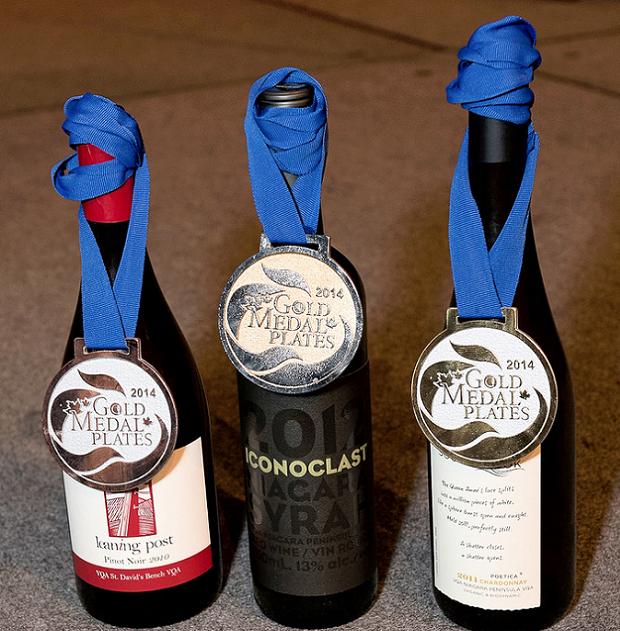
Life is a Cabernet

The closures of Plumpjack

The closures of Plumpjack

The wineries of Plumpjack, Cade and Odette bring three distinct Napa Valley growing areas together; Oakville, Howell Mountain and the Silverado Trail. When the unified program cascades into town it has a tremendous evangelical effect, proselytizing many. Though well-known and regarded California grape varieties like Chardonnay, Merlot and Syrah are part of the PCO output, that stalwart varietal behemoth called Cabernet Sauvignon stands alone. For this group of Napa wineries, life is a Cabernet.

Plumpjack is the heart and soul of the operation. In 2015 the Oakville outfit will celebrate 20 years of collocating wines from plots of Napa significance. In a universe steeped in the paradox of what was Bordeaux and is now California, Plumpjack makes work in fractive reflection of a vineyard’s take on that paradox. The estate’s 42 acres are nestled between the foothills of the Vaca mountain range and the Napa River flood zone. Cade works with Howell Mountain’s fog on 54 acres above the valley. The extremes of temperature and moisture do for Cade like the Petaluma Gap ushers to Sonoma but with more consistency from vintage to vintage. On Howell Mountain, balance is everything. Odette is the new, wunderkind venture, with Jeff Owens as winemaker, spiraled and sprawled across 54 acres against the Stag’s Leap Palisades knuckled down with all five Bordeaux varietals.

The Napa triumvirate of Plumpjack, Cade and Odette is represented in Ontario by The Vine Agency, a Toronto based wine bureau of authority, rebelliously in focus through the eyes of Rob Groh. Groh is an indefatigable defender of honest juice with a penchant for estate-grown, family procured, characterful wines. He and Derek Kranenborg brought General Manager John Conover to the Distillery District’s Cluny Bistro last month for an intense fixation, mostly and righteously on Cabernet Sauvignon.

From left to right: Adaptation Chardonnay 2011, Adaptation Cabernet Sauvignon 2012, Plumpjack Chardonnay Reserve 2013, Plumpjack Merlot 2012, Plumpjack Estate Cabernet Sauvignon 2011, Cade Cabernet Sauvignon Howell Mountain 2010

From left to right: Adaptation Chardonnay 2011, Adaptation Cabernet Sauvignon 2012, Plumpjack Chardonnay Reserve 2013, Plumpjack Merlot 2012, Plumpjack Estate Cabernet Sauvignon 2011, Cade Cabernet Sauvignon Howell Mountain 2010

Adaptation Chardonnay 2011, Napa Valley, California (Agent, $32.95) Consignment

A full on crème filling feel is awash in tropical nuance. At once young and tender like hearts of palm and then again  like roasted cart nuts and a bonfire on the beach, eventually cooled by palm fronds and prevailing winds. Nothing would suit this better than a suckling pig and a mess of lobsters. Seamless in texture all the way through, finishing with dessert cream and buttery pastry.  Tasted October 2014

Plumpjack Chardonnay Reserve 2013, Napa Valley, California (325019Agent, $67.00) VINTAGES Classics December 2014

Part Carneros and part St. Helena with the former trumping the latter as this is much cooler and linear, with apples in stereo acidity, cogitated in a self-professed “alternative California style.” Definition: zero malolactic fermentation. This is the second such recent animal (along with Gundlach-Bundschu) though the first Napa to do Ontario in such dissident manner. Feathers a tickle up the olfactory passage and bounds in restless bounce within the walls of the jumpy castle. Not quite indelicate but high-toned at the present time. Such a nimbly carved ride in wild yeast serried within an expressive ferment, with a Fernet note and a request for patience. Really long finish.  Tasted October 2014

Adaptation Cabernet Sauvignon 2012, Napa Valley, California (353102, $49.95, WineAlign) VINTAGES Release November 8, 2014

As a second wine to Plumpjack, Adaptation offers a similar, if less complex mental state to the dean Cabernet. The stress-free vintage gives very ripe, lush and excelling fruit in the throes of oak and circumstance. Tones are bright, aromas defined, with patent black cherry and Cassis. As noted, oak is not unbeknownst but it infuses the fruit with just a little chalk and from a very fine grain. Somewhat savoury sweet currants bring delicate flavour, along with a mild cure in its marbled flesh. Turns devilish with spice box, a drag on a hand rolled cigar and a slice of rye toast, caramelized on the edges. Will adapt to protein, with banter and good cheer.  Tasted October 2014

Cade Cabernet Sauvignon 2011, Napa Valley, California (Agent, 325027, $112.95, WineAlign)

Though prepped by notions of a cooler and later ripening vintage, there is even more savoury, tobacco and cool clime (altitude) aromatics than might have been imagined. This Cade is so very bright in a cherry-plum-pomegranate continuum yet in contrast to a (negatively impacting) sweet-sour-tang drupe. Tends to angles more akin to Tuscan summer savour, like lavender, rosemary, sage, and vanilla. The overall impression to palate is that of a chew of the toffee that might be made by the aromatic combination, or a pull of syrupy tea. In the end there is nothing simple about this thoughtfully crafted Cade.  Tasted October 2014

Plumpjack Merlot 2012, Napa Valley, California (Agent, $78.95) Consignment

Fruit from the Oak Knoll Vineyard etched as ripe a Napa Merlot that can or would ever want to be. That it teeters on the scarp, laughing at the greens, partying with the reds and joking with the blacks, this Merlot is quite righteous in quintessential necessity. It screams fruit, picked just at THE moment. At 15.2 per cent the expectation would be intensity, like a moth with a fatal attraction to a book fire but it manages the sun and ripeness with ease. Drink this now, if you can afford it and wait five more to see where it goes.  Tasted October 2014

Plumpjack Cabernet Sauvignon Reserve Oakville 2007 (screwcap), Napa Valley, California (Winery)

There’s a dusty aromatic feel here with tar, charcoal and the ardor of wet stones roasting in a hot room. The barrel is still speaking this many years on, the fruit lurking, the wood caressing but with a strong and outstretched hand. Dark berries come out of the waft in full play and when tasted, with tobacco and many candied flowers. Very Paulliac. Full warmth, with a texture of cream, vanilla, layer cake and nuzzled by sweet tannins. In spite of the compass it is approachable (stupidly so) and still worthy of a lazy petering for 10 years forward.  Tasted October 2014

Plumpjack Cabernet Sauvignon Reserve Oakville 2007 (cork), Napa Valley, California (Winery)

Less dust but that’s splitting hairs. When making comparisons without the necessity of blind pours the minute distinctions are conjured by plotting and conjecture. Same wood up front, same sweet fruit behind. The texture of cream filled layer cake and some spice with tobacco on the back palate. This is extreme modernity incarnate. It seeks love and love it receives.  Tasted October 2014

Cluny Bistro Octopus

Cluny Bistro Octopus

Plumpjack Estate Cabernet Sauvignon 2011, Oakville, Napa Valley (296483, $140.95, WineAlign) VINTAGES Release November 22, 2014

Just an incredible crack of aromatics mark what seems like 10-plus minutes of thunder Plumpjack; Spring wildflowers, black raspberry, roasted game and crushed steen as if from Gironde-banked, well-drained gravel, sandy stone and clay soils. Ripe, seamless and nonrigid. “I dare you to smell bell pepper in this,” chides General Manager John Conover. Though 2011 caused some Napa concern, Plumpjack will have had none of its woes and whimpers. The Oakville Cabernet “does this thing she calls the jump back Jack, she’s got the heart of a ballerina.” Dried and fresh herbs define its vintage-related nuance and their herbal presence, etched in balance with well-thought out barrels means “my heart’s wood, she’s a carpenter, she’s an angel in the night, what she does is alright.” Really approachable now, though it will go very long and deep.  Tasted October 2014  @PlumpJackWinery

Cade Cabernet Sauvignon Howell Mountain 2010 (cork), Napa Valley (325027, $99.95, WineAlign) VINTAGES Release March 15, 2014

As rich and hedonistic as is the animal of Oakville ‘07, this 2010 is the bomb. Pure, clear mountain fruit, unencumbered, free, card-carrying member. Spokesperson and player, cool and collected, conceited, sure, gay, straightforward, then warm and lush again. This has layers and layers of fruit, waves of feigned sweetness, grape tannins interwoven in chains, molecules tumbling over one another. Heartfelt expression creates a massive Howell Mountain impression.  Tasted October 2014

Cade Cabernet Sauvignon Howell Mountain 2010 (screwcap), Napa Valley (325027, $99.95, WineAlign)

From a second bottle tasted from screwcap: Just as the comparison of ’07’s revealed, the similarities are just what the wine expects you to find. Large and full of fruit with sweet, integrated and ingratiating tannins. There is actually another level of open window brightness in the Stelvin, but that same (cork closure) spice and high altitude conceit takes the fruit on honeymoon and sexes the hell out of it.  Tasted October 2014

Odette Cabernet Sauvignon Estate Cabernet Stag’s Leap District 2012, Napa Valley (Agent, $145.00) Consignment, February 2015

Here storms in the inaugural vintage, personally carried, delivered and poured by John Conover. The level of purity trumps the rest. The clarity and chaste structure are defined in lines of no blur and no confusion. Full of brisk, red-blooded, indelible ink of a cabaret magician’s brew. Built on axon terminals of mnemonic neurons. Sweetest dewy smells, unreal fruit, remarkable wildflowers – this reminds me of an Ornellaia, an ’01 or and ’11. Essence of just picked berries – strawberry and blackberry, leaves in an instant and an ooze of freshness. Knots of tannin will take 15-20 years to untangle but the fruit is up to every moment of engagement. “It’s only a (Cabernet), old chum. And I love a (Cabernet).”

Good to go!
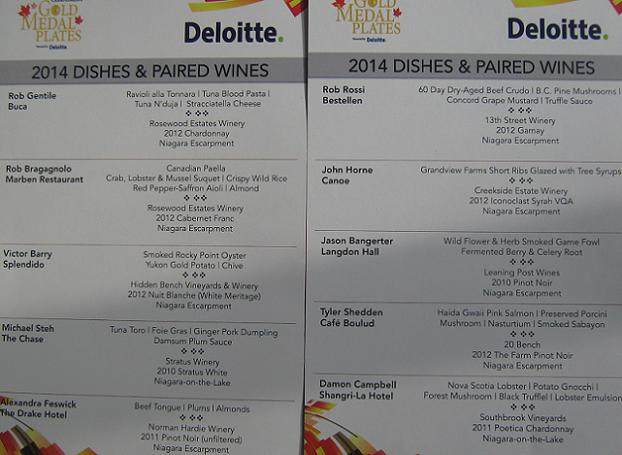
Big release, bigger wines

Chicken and beef destined for tortillas

Chicken and beef destined for tortillas

As we creep deeper and deeper into late autumn days, with afternoons bereft of light and evenings full of chill, we begin to search for more than a pipkin of warmth. Wine can fill the void and it is no simple folderol that we seek. The bicameral brain on one lobe wants deep, earthy reds, dynamic and changeless, the other asks for bombs with damp fuses.

But enough about that. Tomorrow marks the VINTAGES November 8th release. One short of the big holiday mess but full of big wines nonetheless. Here are nine to pass the time, to tell the cold to buzz off and to share with an unbridled generosity of spirit.

From left to right: Boeckel Brandluft Riesling 2012, Jean Max Roger Cuvée Les Chante Alouettes Pouilly Fumé 201, Michael David 6th Sense Syrah 2012, Tenuta San Guido Le Difese 2012

From left to right: Boeckel Brandluft Riesling 2012, Jean Max Roger Cuvée Les Chante Alouettes Pouilly Fumé 201, Michael David 6th Sense Syrah 2012, Tenuta San Guido Le Difese 2012

Boeckel Brandluft Riesling 2012, Alsace, France (392928, $17.95, WineAlign)

From a northern part of Alsace, southwest of Strasbourg comes this epitome of Dry Alsace Riesling, stone cold stoic and bereft. The impossibility of this style is what Alsace does with impunity and propriety; gaseous and aerified without petrol or vitriol. But it will condense and go there after five years time. The quality is excellent for the price, from a limestone and silica lieu-dit just this side short of Grand Cru. Citrus would be the wrong descriptor but it does act like an exuding of citric acid. So stark and beautiful. Such a mineral expression in every fighting sense of the argument. Like chewing on rock salts and dehydrated limestone, the second tablet then dropped into the glass. A famous wine merchant in London sells this for $25 CAN. In Ontario, this is a must purchase by the case.  Tasted October 2014  @HHDImports_Wine  @drinkAlsace

Michael David 6th Sense Syrah 2012, Lodi, California (394395, $24.95, WineAlign)

Considering it’s only $25, this is a screaming deal. The level of quality and concentration, regardless of the excess, is almost impossible. Not so much smelling like Syrah (it is devoid of any sort of roasting or cured meat) but what it lacks in porcine caramelization it makes up for in candied flowers, dense all-day cake and smoked beef ribs. So much rub (with too much brown sugar) needs slow cooking to assimilate, so wait a few years. This reminds me of good value Napa Petite Sirah (no relation) but for Lodi, at this price, this is the finest Syrah to be found. Great acidity, verve, incredulous modernity, unabashed behaviour and high alcohol – but it handles it well.  Tasted October 2014  @MDWinery  @imbibersreport

Jean Max Roger Cuvée Les Chante Alouettes Pouilly Fumé 2013, Loire, France (391623, $28.95, WineAlign)

Calm, reserved and intelligent. Just a faint hint of smoke, a whiff or a puff, here today, gone tomorrow.  Glade after a misty rain, glacial till, tangy in very good ways, intense but on the right edge of bearishness. Good quality.  Tasted October 2014  @oenophilia1

Tenuta San Guido Le Difese 2012, Igt Toscana, Italy (147876, $31.95, WineAlign)

La Difese, “the defences,” is the third wine of Tenuta San Guido and has been produced since 2003. The blend is Cabernet Sauvignon (70 per cent) and Sangiovese (30). Though the price hike is a slight, if splitting hair concern, in 2012 the IGT continues to, as they say, consegnare la merce. The vintage persists in ripe fruit and firm alcohol (14 per cent) but exhibits just the right sort of modernity. Sugars, oak and acidity follow suit, all in check. Smells like all sorts of licorice, below, above and in the ground. A seamless wine, so perfect for pasta and protein, an expatriate grape influenced baby Brunello, in a way, but clean and never gamy. Polished and with a foot entrenched in tradition. A delicious vintage for the Difese.  Tasted October 2014  @Smarent

From left to right: Ontanon Gran Reserva 2001, Churton Estate Pinot Noir 2010, Aurelio Settimo Rocche Dell'annunziata Barolo 2008, Jonata Todos Red 2010, Bollinger Special Cuvée Brut Champagne

From left to right: Ontanon Gran Reserva 2001, Churton Estate Pinot Noir 2010, Aurelio Settimo Rocche Dell’annunziata Barolo 2008, Jonata Todos Red 2010, Bollinger Special Cuvée Brut Champagne

Ontanon Gran Reserva 2001, Rioja, Spain (939736, $39.95, WineAlign)

A re-taste ups the ante and the score. Here, finally a 2001 Rioja that reeks of the maturity it announces. For a 13 year-old wine it displays all the tertiary components that are in high demand; worn leather, dried fruit, roasted cherries and the demi-glazing bones of a young calf. Imagine this with the finest preparation of ri de veau. Oh baby. Still churning its creamy oak and dried spice accents with some verve and just a wisp of cherry wood smoking in the open air fire pit. Really lovely. From my earlier August 2014 note: “This Tempranillo dominant and Graciano blend is of a funk more sister than brother. Class, breeding and elegance are the call cards, while grace, control and style are her moves. Still, a funk’s a funk, like Thomas East or Gloria Williams. Sister Funk with no words. An all-instrumental Rioja, with old-school rampart fortification, smells of coffee ground through stones and a flowing, dressy, showy and colourful display of fabric and texture. She has a slight temper but so much confidence. A strutting Gran Reserva, in leather boots and tight, curled acidity.  Last tasted November 2014  @OntanonWines  @TandemSelection

Churton Estate Pinot Noir 2010, Marlborough, New Zealand (237164, $39.95, WineAlign)

A whole lot more complexity here for $40 than the bulk of Marlborough Pinot Noir – more earth, mineral and biodynamic love are in this bottle with egos checked at the door. Florality trumps varnish, fruit is occupied but always ready to be bitten, crushed rocks are crumbling and bleeding in the bottle. Finesse, “Liberté, Égalité, Fraternité,” regal red fruit and dirt so fine, filtered and sweet. High quality and ageability intuit their philosophy into the practicum because the acidity and tannin are refined, hydrated, yet gritty in their ultra-composed way. Bring on the Petit Manseng.  Tasted October 2014  @LeSommelierWine  @ChurtonWines

Aurelio Settimo Rocche Dell’annunziata Barolo 2008, Docg Piedmont, Italy (293761, $51.95, WineAlign)

A most daunting yet approachable Rocche by Settimo, cinnamon splintered and floral spice in a flat out rocking Nebbiolo. With roses and tisane of orange rind mixed with coriander and pungent earth, this has all the aromatics you could dream on, along with a whack of dry, grainy tannin. A most excellent and righteous, properly made, capable of aging for a minimum two decades Barolo.  Tasted October 2014  @AURELIOSETTIMOV

Jonata Todos Red 2010, Santa Ynez Valley, Santa Barbara County, California  (218941, $67.95, WineAlign)

Lays out a new Santa Ynez Valley Rhône ranging slang. Huge wine but so beautifully Syrah. Literally dripping with memories of rendered, just crisping Pancetta and barque crusted smoked meat. Offers a sensation of Mediterranean brine, the warmth of a sunshine coast and the density of a thousand layers of chocolate covered cracklings. Wow. Huge and intense in every way; fruit, acidity, texture and tannin. Could further dream of consuming in Todos completion with the largest pork rib from the most ancient, prehistoric pig. This is a 30-year wine. Has to be. Best ever Todos made by Jonata.  Tasted October 2014  @WoodmanWS

Bollinger Special Cuvée Brut Champagne, Champagne, France (384529, $75.95, WineAlign)

A wine of social heredity, the Bollinger is tranquilized, entreated and centered by meditation. An arid, atomic and piercing Bollinger. Fine and misty, with ultra-classic subtlety, a living, breathing embodiment of a beloved house style. Exotic to a degree, these are bubbles in colourful pageantry, the Bollywood of Champagne, in grace, of flowing robes, hues in ochre and pastels, flowing like song and dance. There are beautiful bitter tonics on the finish. How can you not admire and be entranced by this style? What’s not to like?  Tasted October 2014  @BollingerFrance  @andrewhanna

Good to go!
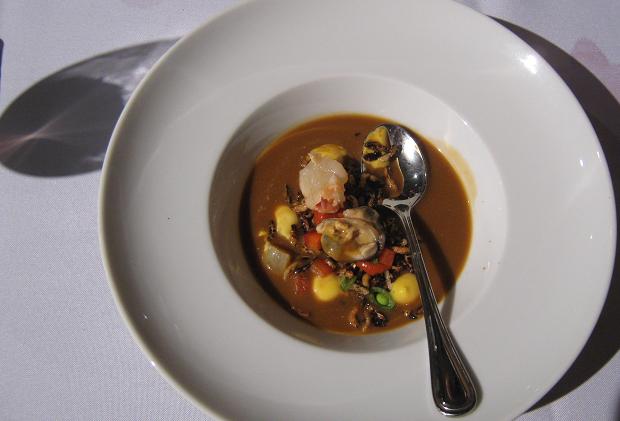


Niagara delivers everbearing quality in November releases

Ontario Everbearing Strawberries

Ontario Everbearing Strawberries

Like the strawberry, yet on countless further levels, Ontario wines have elevated in quality with exponential consistency in recent times. I can remember rushing out to Simcoe County to pick strawberries in late June at Visser and Barrie Hill farms, only to see the season end as abruptly as it began, after just a few weeks of plump, flame-red, succulence. Times have changed. Like the plant belonging to the family of Fragaria genus, Ontario wines, across the board, have evolved. The Everbearing Strawberry can be picked well into the Fall. Was it not so long ago the consumer chose Ontario wines with sporadic indifference? To Japan, exports of Canadian wine have doubled in the last five years. This is no small feat and with thanks to an all Canadian wine store owned by Jamie Paquin called Heavenly Vines. Domestically speaking, purchases of local wine are as strong in October as they are in July. Times has changed.

Ontario winemakers have figured it out. The “world-class” comparative humanities of aging and longevity aside, the comprehensive and widespread phenomenon of excellence, regardless of vintage, is now an Ontario reality. I would not make the call that 2013 was a vintage of the decade but very good wines were made. There are no bad vintages in Ontario. That concept is mired in the pessimistic rhetoric of the past. The winemaking camaraderie excogitates to mature as one big happy guild in pursuit of the common good. Vintners are focused and intense; on terroir, micro-climate, canopy management, picking times, pure and clean fruit, élevage and on honest wine.

The industry is currently fixated on making great product. Whatever beefs critics and consumers have with varietal choices, marketing failures or suffocating consumer systems, what is happening in bottle is nothing short of brilliance. Morale is at an all-time high. How else to explain the ability to weather the storm of a brutal winter in 2014? Enzo Barresi of Colio Estates told me yesterday that he does not bemoan the loss of vines. Less Merlot? So what? The ability to make polished wines from other grape varieties replaces fear, dread and loathing. The same goes for Rosewood Estates. No more Sémillon? “What can you do.”  says Krystina Roman. Concentrate on excellence elsewhere. Soldier on.

The November 8th VINTAGES release coming up this weekend is a prime example of the strawberry in the room that is Niagara wine. I count no fewer than eight examples of an eminence front in output. From Riesling and Sauvignon Blanc to Chardonnay and from Pinot Noir to a Bordeaux-styled blend, these eight wines are elephantine examples of what Ontario does best.

From left to right: Hidden Bench Chardonnay 2012

From left to right: Featherstone Black Sheep Riesling 2013, The Foreign Affair Sauvignon Blanc Enchanted 2013, Tawse Spark Limestone Ridge Riesling Sparkling Wine 2012, Hidden Bench Chardonnay 2012

Featherstone Black Sheep Riesling 2013, VQA Niagara Peninsula, Ontario (80234, $16.95, WineAlign)

The vintage delves into older school territory, elemental and elevated skywards, to atmosphere the Sheep has not recently climbed to. This airy void allows the Vineland rocks beneath to grind their way into all aspects of this Riesling. “Three bags full.” The lime rind and overall citrus circumvention brings the typical back to earth. This is a lean but fine Featherstone. Exemplary of the vintage, with plenty of wool.  Tasted October 2014  @featherstonewne

The Foreign Affair Sauvignon Blanc Enchanted 2013, VQA Niagara Peninsula, Ontario (389767, $19.95, WineAlign)

Appassimento-style Sauvignon Blanc is both curious and an open target for accusations of vivid excesses. The detractor will look for swift “walls of insincerity,” the complimenter will say “I was enchanted to meet you.” Foreign Affair’s take has been injected with a cocktail of intensity; steroidal, hormonal and from concentrate. All the juicy orchard fruits are there; plum, apple, pear, nectarine, lemon, lime and grapefruit. This passes the appassimento SB test, if only and commodiously because it spreads fruit like confiture on warm toast.  Tasted October 2014  @wineaffair

Tawse Spark Limestone Ridge Riesling Sparkling Wine 2012, Twenty Mile Bench, Ontario (370361, $19.95, WineAlign)

The Spark’s fermented in the bottle, cheesy, leesy warm ’12 turn, like melted Fontina on Formica, does dissipate following a moment or two and a bubble-bursting swirl. To taste there is much to delight in this inaugural release. Like the days leading up to ripe picked pears and a squeeze of striking, tart lemon. Good persistence is crackling, misty and even mysterious. Sparks squeezed from frenetic rhythm.  Tasted October 2014  @Tawse_Winery  @Paul_Pender

Hidden Bench Chardonnay 2012, VQA Beamsville Bench, Ontario (68817, $28.95, WineAlign)

Shows its finesse from the start. Though today I sense a slightly candied nose it’s wrapped in a warm and fuzzy coat, gifted by the vintage but without heat. This may be the prettiest of Marlize’s (Estate) Chardonnay; enchanting, honeyed, floral. Yet there is a pulsating note, portending the time needed to bring this to an intended fruition. Stretches for conscious movement length. From my earlier, July 2014 note: “Yet rigid in its youth, the wood is not yet settled. Bottled in September of 2012, the ’12 will need every day of its first year to be ready, willing and able to please upon release. From my earlier, May 2014 note: “Always aromatically embossed and texturally creamy, the Estate Chardonnay finds a way to elevate its game with each passing vintage. The uplifting elegance factor acquiesces the poise needed to battle the effects of ultra-ripe fruit out of a warm vintage. In ’12 the middle ground exchanges more pleasantries though the finale speaks in terse, toasted nut and piquant daikon terms. Not harshly or witchy, mind you, but effectively and within reason of the season. When you look in the window at Harald (proprietor Thiel) and Marlize’s (winemaker Beyers) Chardonnay, “you’ve got to pick up every stitch.”   Last tasted October 2014  @HiddenBench  @BenchVigneron

From left to right: Flat Rock Gravity Pinot Noir 2012, Le Clos Jordanne Village Reserve Pinot Noir 2011, Hidden Bench Terroir Caché Meritage 2010, Le Clos Jordanne Le Grand Clos Chardonnay 2011

From left to right: Flat Rock Gravity Pinot Noir 2012, Le Clos Jordanne Village Reserve Pinot Noir 2011, Hidden Bench Terroir Caché Meritage 2010, Le Clos Jordanne Le Grand Clos Chardonnay 2011

Flat Rock Gravity Pinot Noir 2012, VQA Twenty Mile Bench, Ontario (1560, $29.95, WineAlign)

Seven months have softened and mothered Gravity’s adolescence in ways to now see it as the most feminine, certainly of the last four vintages. Pretty dabs, perfumes of natural conditioning, warm days and warm nights in the bottle. More accessible than previous takes and of a new modernity perceived. Sweet dreams and sweet fragrances, roses and cinnamon, nothing fancy here mind you, with no bite and no gathering moss. Cherries and vanilla, lavender and simple pleasures. Straight up Gravity, no pull down, no drag and no excess weight. At $30 and from the best barrels, this trumps $40-50 most locales not called Lowery, La Petite Vineyard, Central Otago, Hengst or Pfinstberg. From my earlier, March 2014 note: “In a vintage potentially muddled by warmth and a humidor of radio frequency, duplicating berry phenolics, Flat Rock’s Gravity remains a definitive, signature house Pinot Noir. In 2011, the head of the FR class from its most expressive barrels shared the limelight (and top juice) with the Pond, Bruce and Summit one-offs. In ’12, Gravity’s sandbox was its own. The style is surely dark, extracted, black cherry bent, as per the vintage. Yet only the Rock’s soil does earth in this variegate, borne and elevated by the barrel’s grain. There are no fake plastic trees in a Flat Rock Pinot. “Gravity always wins.”  Last tasted October 2014  @Winemakersboots  @UnfilteredEd  @brightlighter1

Le Clos Jordanne Village Reserve Pinot Noir 2011, VQA Niagara Peninsula, Ontario (33894, $30.00, WineAlign)

A refined ’11 Pinot Noir, of combined vineyard fruit or not, this shows attention to clean, precise winemaking detail. Punches suffered during fermentation mean a fully healed wine in bottle. Good structure and grain in tannin with just a minor fleeting paint is only a fleeting reminder of previous VR’s. Sweet plum fruit, just ripe, skin cracking, flesh oozing and dripping of pure juice. From my earlier, February 2014 note: “Something’s missing, or rather something is happening here. The LCJ omnipresent warm Pinot coat of harm is conspicuous in its absence, or has it been reigned in? This 2011 is so much more friendly, more soft-spoken, expertly judged and picked ripe fruit richer than before. Plenty of tang and tannin but the pronouncement is in a savoury basil/chervil kind of way. Not just another high made by just another crazy guy. A most excellent, bright, roxy Village Reserve, full of atmosphere and ambient music.”  Last tasted October 2014  @LeClosJordanne

Hidden Bench Terroir Caché Meritage 2010, VQA Beamsville Bench, Niagara Peninsula, Ontario (505610, $38.00, WineAlign)

Has shifted ever so slightly, as if injected by a bolus to effectively level off the intensity in concentration. With another summer beneath its brooding belt, the aromatics are now in full flight. From my earlier, June 2014 note: “The richest Terroir Caché to date, making use of its barrel in judicious but never obnoxious ways. Huge Bench wine, needs 10 years for sure. From my earlier, April 2014 note: “No other Niagara red and for sure no alternative Peninsula Bordeaux blend exists in such a vacuum of dichotomous behaviour. Act one is an out-and-out boastful, opulent show of Rococo. Act two a gnawing and gnashing by beasts. The pitch and pull of the Terroir Caché 2010 optates and culls the extraordinary through the practice of extended délestage, what Hidden Bench notes as “a traditional method of gently draining the wine and returning it to tank with its skins during fermentation.” The ’10 is about as huge as it gets, highly ferric and tannic. Still chemically reactive, you can almost imagine its once small molecules fitfully growing into long chains. Berries of the darkest night and he who should not be named black fruit are confounded by minerals forcing the juice into a cold sweat. Will require a minimum of 10 years to soften its all-powerful grip. From my earlier March 2013 note: “Has rich, voluptuous Napa Valley written all over it. Sister Merlot dominant, Beamsville Bench sledge monster. Plumbago, mineral, blackberry and coffee in a wine that will be the ringer in a blind tasting 10 years on. Harald may be saying “this is our family jewel.” Mr. Thiel, you make good wine.”  Last tasted October 2014

Le Clos Jordanne Le Grand Clos Chardonnay 2011, VQA Niagara Peninsula, Twenty Mile Bench, Ontario (34561, $65.00, WineAlign)

Certainly plays the most hard to get of the ’11 Chardonnays of fruit so fine and pure. Layered like Phyllo or Puff pastry, gathered and set back upon itself. Gains traction and intensity through developed flavours and overlays of texture, both solid like shale and lacy like organza. From my earlier, July 2014 note: “From sandy loam and limestone soils, here is a Chardonnay that winemaker Sébastien Jacquey is looking to fashion with low PH and elevated tannin. A most commendable effort in the enigmatic ’11 vintage, clean, anything but lean and un-gassed by a jet engine’s aerified stream. Chardonnay running instead on the vineyard’s biofuel, a chalky lees and lime texture that turns green in a savoury way towards the back end. Full, rich, gaining in stature as it breathes, thinks and feels. Atop the green there is an ambrosial aroma and a honeyed sense of flesh. A wine of great respect and biodynamic energy.”  Last tasted October 2014

Good to go!