As an event Etna Days may only be four years in the making, but it is a great one. That it falls in the second week of September is a thing of brilliance, with weather warm and nurturing, grapes continuing to hang on the vines, the harvest on producers’ minds and yet still far enough away. The setting is spectacular, with ancient lava flows all-around, signs of new ones spewing from craters above 3,000 metres, vineyards marked by stone terraces and walls, century vines thriving here, there and everywhere. No two blocks look the same with each producing a unique Etna Bianco or Rosso. Confidence and morale feel to be at an all time high.
Never mind the challenges of 2023, including a May 3rd hailstorm, some but far from devastating presence of the Perenospera (mildew) virus and lower vine yields. What will follow the lower quantity and high quality of 2023 will by now have been the promise of a brilliant 2024 harvest. The Etna DOC Consortium suggests that the latest rains after the hot and dry summer have slowed down the ripening process, thereby helping to enhance phenolic and aromatic components. Slower and more gradual maturation proved to be decisive in terms of improvements in quantity and quality. The Consortium estimates a harvest of around 80,000 quintals (about 35/40% white grapes and the remainder red) and a likely production potential of more than 55,000 hectolitres. In terms of volume, the harvest is expected to be up by around 60 percent compared to 2023.
There is no understanding of modern Etna without a proper historical base and that begins with the ancient, but also more recent visualization of the Palmento. In some cases outdoor stone remains can be seen, including that of the 1300 year-old Palmento at Rupestre in Pietramarina, Castiglione di Sicilia. It was excavated out of one rock, a vasca carved from the sandstone, a lagares for treading on grapes used by the Sicel peoples, early settlers in eastern Sicily. The island is littered with archeological sites that prove the existence of winemaking going back three thousand years but on L’Etna it is the presence of restored stone buildings where, with the use of gravity, grapes would have been collected and fermented into wine. At Palmento Costanzo the buildings that housed the original wine making were restored in 2015 and finished in 2019. The technology is new but the gravity fed Palmento abides by the old ways.
Alberello planted in pentangles, five per grouping all facing a central axis at Palmento Costanzo, Contrada Santa Spririto
For centuries I Catanesi would have come up the mountain to purchase in bulk where necessitous viticulture was born in harmony but also with respect to the landscape. In the 19th century approximately 100 million litres of wine was produced on Mount Etna, all from the various Palmenti. Wine born of a place with an active volcano rising above vineyards at 3,300m of elevation, a climate unlike anywhere else on Sicily and a terroir aboard geology conceived from hundreds of various lava flows throughout the course of its history. The differences in biodiversity from block to block, contrada to contrada and village to village are evident in the multifarious plant life growing on the extant slopes of the volcano.
Consorzio President Francesco Cambria
The various lava flows, each with a unique set of stone in chronological stages of degradation, from the hardest lava rock through gravels and into sand are all characterized by a distinct set of weathered minerals and elements contained within. How each corridor and at what elevation affects the endemic grape varieties is a great mystery and so many of us will spend a lifetime trying to make some sense of the how and why. The Etnaese carricante, white and red minnella, nerello mascalese and nerello cappuccio are children raised and nurtured by the slope, elevation and geological make-up that is their home on the mountain.
Whether by Alberello or modern day Guyot or Cordone Speronato training it is the age and disintegration of soil that seems to be the greatest influencer on their outcomes. Serena Costanzo talks of the innovative pruning method of Simon & Sirsch, of which “the principle rule is ramification – build a chronology of live wood; first year, second year, third year and so on” with a method that does not interrupt the lymphatic system. They remind that “a vine is not a tree, but a liana” and that “pruning, which is and remains a mutilating technical act for the plant, causes consequences within the plant…a rethinking of pruning, so that it was more respectful of the physiology of the plant.” There are ramifications, the necessity of continuance for sap flow, to make small cuts and hold a respect for the wood. They have observed “how the application of a dynamic and physiological pruning of the plant promote an increase in living wood over the years, with a consequent intact and efficient lymphatic system.” Their most essential reminder is that “there is no good or bad pruner but there is a trained and an untrained pruner. The Simon & Sirsch system “is a way to combat climate change,” says Serena, “especially during periods of extreme heat.” Nerello Mascalese trained by Alberello and planted in pentangles, five per grouping all facing a central axis works opposite to traditional rows and is Palmento Costanzo’s way of maximizing root structure and efficiency.
With John Szabo M.S. and Consorzio Director Maurizio Lunetta
It bears reminding that L’Etna is a an active volcano and so what spews out and forth from its craters will constantly affect viticulture. The new settling of wind-carried ashes and lapilli are perpetually adding new layers to old soils which in turn induces innate revisions and so from vintage to vintage Etna’s wines are always in flux, forever subjugated to constant change. One only needs to have tasted the last few vintages of the Etna Bianco Superiore from the village of Milo to intuit just how significant an effect these wind-blown fragments have had on the wines. They have never been more intriguing, exciting and frankly better. Studies of these eastern Etna soils in a cooler micro-zone show significant levels of silica, iron, magnesium and potassium in the soils, combining to gift the Bianco with much to digest.
That is the past and from the start of the First World War through to the 1970s and 1980s the wine business aboard L’Etna fell away to pieces. It’s resurrection is but 30 years in the making and the transformation of the past 10-plus years is nothing short of remarkable. The oenologist, farmer and cellar dweller will say that the use of Palmenti and the Alberello are key to restoring dignity, faith in humanity and the true essence of what it means to produce Etna wines. Consorzio President Francesco Cambria will say that the most important project is to see the passage of the denomination transform from the Italian DOC to DOCG. These are all matters to consider and get behind, for some it’s about the heart and for others the reality of business and therefore life.
Carlo Flamini, Maurizio Lunetta, Luigi Moio, Bertrand Gauvrit and Francesco Cambria
Etna Days is an exceptionally well run and seamlessly orchestrated event with thanks to the teams involved. Consorzio Etna DOC’s Presidente Francesco Cambria, Direttore Maurizio Lunetta and Segreteria di Direzione Sarolta Stella Osvath. The team at Ispropress with Angiolino Lonardi, Bernardetta Lonardi, Simone Velasco, Sara Faroni, Marina Catenacci, Marta De Carli and Eleonora Alberti Cermison. The third edition of the 2024 Etna Days congress assembled for the first morning’s welcome with expanded perspectives and analyses of international dimension. Cambria and Lunetta hosted speeches by Carlo Flamini (Head of the Italian Wine Union Observatory), Bertrand Gauvrit (General Director of the Association des Climats du Vignoble de Bourgogne) and Luigi Moio (President of the International Organization of Vine and Wine). Sommelier assisted technical tastings, walk around chats with the producers and touring visits at estates all combined to deliver a profound sense of modern day Etna. High-level discussions were had on location with Tenuta delle Terre Nere’s Marc de Grazia, Benanti’s Salvino Benanti, Papa Maria Cuore Di Marchesa’s Pietro Giovanni, Rupestre and Terre Darrigo’s Rosario Raciti, Palmento Costanzo’s Valeria and Serena Costanzo, Quantico’s Giovanni Raiti, Tascante’s Michele Brusaferri and Vittoria Cerniglia and Planeta’s Patricia Tóth. For his part Godello made tasting notes on 150-plus wines. These are his reviews.
Twenty years into the (traditional method) sparkling wine program with help from a northern (Suditrol) sparkling wine company, 24 months on lees. Brut which here means 4-5 g/L of residual sugar, more than relatively dry with carricante. Reductive, high energy, tight and immovably youthful. Dried herbs, fennel, brushy and dusty savour. Acidity is quite fine, balance is struck and the lees aging time spot on for this widely appealing yet serious sparkling wine. Drink 2024-2027. Tasted September 2024
The Noblesse was named because Giuseppe Benanti saw himself as identifying with high level French sparkling wines and this next tier rise sees the wine remain on lees for 48 months. Similar RS (below 5 g/L) but the extra time brings quite a factor of autolysis as a by-product of time. Yeast-bready in just the correct way, harmony struck between the autolytic notes and acidity yet with a higher pH and lower acid profile. Quite a different expression of carricante as sparkling while co-existing within the same Benanti family. Both wines feel like they really carry a purpose, including for what sector of the market they are looking to make their appeal. Drink 2024-2028. Tasted September 2024
Like the Noblesse Brut this sees 24 months on the lees with nerello mascalese as a Rosato which comes away feigning sweetness more than the carricante, even though the sugar (at 5-ish g/L) is just about the same. Acid structure carries the sweetness and the weight, length is good and this is surely the more all-around style taht offers wide ranging appeal. Drink 2024-2026. Tasted September 2024
Made with just a small part of nerello mascalese from Contrada Muscamento for a total blanc de noir production of 500 bottles. Livrato is poetry, in ode to Michaela Luca’s mother who was an avid reader. Base wines are kept on lees with bâttonage and the wine also spends 30 months on the gross lees. High energy, sharp, pointed and full on tang, enough freshness but also some weight to be sure. Citrus makes a statement and without any dosage there should be a piercing effect but that’s simply not the case. Quite impressive sparkling for L’Etna. Drink 2024-2026. Tasted September 2024
Lightest Rosato hue, in part because the Gelsomina style is all about clarity and freshness, as far away as possible from oxidation and especially autolysis. No brioche or yeast derivative aromas, just red fruit, primary and juicy. The lees aging time is minimum 36 months but the winemaking does everything possible to stay reductive and with minimum contacts or stagnancies. Rosato is a step more complex than Blanc de Noir if not quite as energetic. Drink 2024-2026. Tasted September 2024
When Etna DOC added Spumante to the disciplinare 10 years ago Gelsomina (partner of Tenute Orestiadi) was ready and was amongst the first to bottle under the allowable labelling. The blend is 80 percent nerello mascalese and (20) nerello cappuccio, minimum 36 months on the lees. Brut at six g/L of residual sugar. Good thing the acidity is captured and kept because there is no shortage of flesh, fruit ripeness and creamy texture. Clean, fresh, accessible and well made. The choice is clear, to avoid autolytic notes and so the yeasty and bready style is for someone else. A Gelsomina is the exact opposite. Drink 2024-2026. Tasted September 2024
A 24 months on lees traditional method sparkling wine, disgorged in February 2024, Brut style. Feeling like 5-6 g/L of residual sugar, tart and ably if typically carricante. Fine bubble, tight and sure with a botanical component. Clean and just feels right with a cheese plate. Drink 2024-2026. Tasted September 2024
In 2022 Alessandro and Loredana Serughetti chose to invest in a small 1960 planted vineyard at 680m on the North slope of L’Etna in the village is Rovittello, a suburb of Castiglione di Sicilia in Contrada Dafara Galluzzo. Their Rosato is 90 percent nerello mascalese with (10 combined) minella nera and bianca. A unique Rosé, equal parts salinity an sapidity which essentially translates to 100 percent volcanic. This is currently their largest volume sku at 1,600 bottles and with the extra year of aging it drinks beautifully, at peak and with grace today. Drink 2024-2025. Tasted September 2024
From Rosso vineyards, looking for freshness and very little sugar but also low alcohol. Only steel, three months, bottled in February. Rich of fruit, salty, crunchy and for Rosato also complex. Tons of flavour, strawberry and some leafy savour. Drink 2024-2025. Tasted May and September 2024
Energy noted straight away, a carbonic nerello mascalese buzz that drives Rosato to stand up and be noticed. Comes right at the senses, aromatically floral and palate treble tremble to pique interest and taste sensations. Full fruit and mineral working together for flavour and character. That’s what it’s all about . Last tasted September 2024
Equally fruity and vegetal, of red berries and peppers, a tartness and also lactic cheese note. Herbal as well and so complexity as Rosato if on the acquired taste side of style. Crunchy and salty, briny to a degree, naturally wild and free. Drink 2024-2025. Tasted May 2024
So similar to the Terre Darrigo Rosato made by Rosario Raciti with 100 percent nerello mascalese fermented and simply allowed to go from vine to glass. The difference is location and terroir. What does that mean? Contrada Pietramarina fruit, salinity and acidity, grip and tension. Otherwise just the Rosato and mascalese facts. Drink 2024-2026. Tasted September 2024
Aptly labeled “Vigne Custodite dalla Famiglia Tasca d’Almerita,” a statement to make sure we understand these nerello mascalese grapes are estate grown. Aromatic varietal volume, energy and spirit run high, yet most notable are the wealth and depth of flavours. Cherry moving into strawberry with a basic phenolic presence and that is very much all you want and need. Not a high acid Rosato, nor was that the intention. Drink 2024-2026. Tasted September 2024
Only nerello mascalese from the lower and most vigorous part of the vineyard and grapes are chosen specifically for the Rosato. No wood like the white, once again to preserve the volcano’s effect on the wine, which is essential and when Rosato is made like this, also profound. This is a specific kind of salty, to Bosco’s vineyard and the mascalese that grows. Just three hours or less skin contact, quick maceration, no thought to colour, as with every wine in this portfolio, the place on Versante Nord is the heart of each and every matter. Already two years old, evolving very slowly and there is no reason to think it will not continue this way for another two or three more. Tranquility but also energy. Drink 2023-2027. Tasted May 2023 and September 2024
Only nerello mascalese as per the norm for Etna Rosato DOC and another salty little number with satisfying juiciness and grip. Direct, unadorned, almost no barrel, perhaps just a few percent. Straight fermentation, let it sit and ride. Drink 2024-2025. Tasted September 2024
With Alberto Graci, Giuseppe Russo and John Szabo M.S.
Nice and smoky Etna Bianco from Alta Mora though the fruit is equally adamant about gaining your trust. The smoulder equalized by the pulpy flesh of fresh bites into orchard fruit and a touch of finishing spice. Not the most complex but surely robust for the category. Last tasted May and September 2024
Solid and well made Etna Bianco in the ways of respect and tradition, ample, fulsome, substantial and structured for a wine that will drink well three-plus years forward. Citrus mainly, both lemon and lime, cool, not quite minty but surely like fresh summer basil and then a pinch of salt at the finish. Drink 2023-2026. Tasted May 2024
Soda and neutral fruit intro which is par for the Etna Bianco course and certainly not unexpected. In other words mineral led, volcanic obviously and yet cool, gelid, mildly if sweetly botanical. A shot in the dark, unexpected and how can you not be thankful for a wine of this stature you knew nothing about. Drink 2024-2026. Tasted September 2024
Fruit up front but in a botanical way, less basaltic mineral salty and more sapid as a result. Still it carries a set of elements that conceptualize the Bianco, however the peachiness and sweet preserved citrus set this one up to be a mellow sort of affair. Drink 2024-2026. Tasted September 2024
A more important label for Biondi and therefore aged an extra year ahead of release. Chianta the top Bianco cru and clearly a matter of longer maceration magnified by the extra aging. Not only noticed in hue but that natural salve texture settling while also dissolving nicely on the palate. A more interesting and satisfying iteration to speak credibly for the winemaking intent and also a matter of style. Then some crispiness and crunch to speak for captured and persistent freshness. Fine work. Drink 2024-2027. Tasted September 2024
Sweetly aromatic waft in a memory of cotton candy at the fair sort of way. Palate tells another story, truly lemony and in a current one-dimensional phase. The carricante has gone into slumber, which is unsurprising and so best not to touch any bottles until the Spring of 2025. Last tasted September 2024
Reserved, not reductive but neither open nor gregarious. A smoulder of volcanics and wood aging, just an aromatic wisp of flint and notable verdancy. The greens are also driven by the place and Cavaliere gives in just this way. Low, slow and with a time lapse release of controlled power. Really quite remarkable Etna Bianco from this contrada. Drink 2025-2032. Tasted May 2024
Calderara vineyards are 40-45 years of age and the harvest happens a week later, in the second week of October. Cement and large casks, 60-40, 10-12 months, brought back together and bottled. Saltier than the Bianco because the vineyard is so full of lava stone, a 100-plus year old eruption with brown basaltic stone. Very focused and precise though more power than 2021. Drink 2025-2029. Tasted May and September 2024
Quite a taut and wound Etna Bianco, not unusual for the vintage and though anything but lean – my this is tight. Mountain white in every respect and one of the finest if also precise Bianci ever produced at Donnafugata. Exemplary for the DOC, speaking to the mineral slats, elements and ways but also reasons for how lava flows have affected what will happen to vines farmed with industrious respect. Frames Etna Bianco in a serious if surely satisfying way. Drink 2024-2031. Tasted September 2024
Gamma is more aromatic than most with its mix of candied and floral but also spicy and so nasturtium or marigold are considered. The transitions are bold if seamless and the next stage is where things really take a turn to excitement. Moving away from the tight reduction and into bold flavours, variegated and layered, of fruit but of course minerals and elements that deduce then decide what an Etna Bianco is all about. Crisp, crunchy, biting and lengthy, all decidedly essential attributes of a rebel Bianco. Drink 2025-2034. Tasted September 2024
Some reduction from a specific cru and designation, that being Cavanera Balza delle Poiane within the northerly contrada of Zottorinotto. Herbal as well, fresh sprung spring glade of ferns and wild allium, trillium and the local Ginestra. Plenty of substantial fruit and truthfully so much going on. As far as Etna Bianco is concerned this should be considered a big wine, the kind that can be enjoyed by lovers of full-bodied chardonnay. Drink 2024-2029. Tasted May and September 2024
Purchased the palmento in 2006, fully restored and what Michaela Luca calls “a very romantic place.” A Bianco called “Muscamento” (due to labelling bureaucracy) from the Contrada “Moscamento” at 650m on the northeast part of L’Etna. Just three hectares and 8,000-9,000 total production with this being the single-vineyard label. A blend, of 60 percent carricante and (40) catarratto. As floral as it gets for Etna Bianco with honeysuckle and ginger root. Lemon and lime flavours, clean, fresh and truly amenable. Drink 2024-2026. Tasted September 2024
The work of Barolo’s Davide Rosso who came to L’Etna in 2016. Straightforward Bianco, neither predictive nor oxidative, tight or loose but somewhere comfortably in between. Goldilocks, between hard and soft, fruit and mineral, an equality of both. Solid, unassuming and yet perfectly representative Etna Bianco. Wood spirit and spice is felt on the back end. Rosso may need to make Bianco for 10 years before greatness arrives. His past work with chardonnay in Bourgogne can only serve to speed up the understanding of carricante. Would not put it past him to get there even sooner. Drink 2024-2027. Tasted September 2024
Only Nerina, San Lorenzo and Feudo were made in 2023 due to a challenge from rain, mildew and less fruit availability. No worries about quality however and Nerina is about as full pulp-fleshy and developed as it has ever been. The acids travel up and down the sides of the palate in the ways of striking Etna Bianco and here Russo finds the road back, each and every time. Drink 2024-2029. Tasted May and September 2024
New Bianco for Giuseppe Russo, a selection of 100 percent carricante from three hectares within the Feudo di Mezzo vineyard and contrada. Feudo is not San Lorenzo but it is something remarkable in its own right. More botanical and phenolic but also a level of citrus preserve not noted anywhere but Feudo. Crazy level of implosive citric intensity and taut character. The behaviour is so different to San Lorenzo with flavours that mean business in the most impressive way imaginable. Intensity off the charts, concentration so impressive, energy that builds and builds. Drink 2024-2029. Tasted May and September 2024
“A wine of mystery,” says Alberto Graci, “very intriguing for me.” Flinty and scrubby at the same time, energy and vibrancy laying in waiting, a buzz behind the curtain and a soil purposed into the 100 percent carricante that Graci’s team and now also we know the wine will want to explode with flavours a year, or more rightly two from now. So tight but you can feel it, the linear nature looking ahead and time will bring about something social form that mystery. Unquestionably one of L’Etna’s finest ’22s. Drink 2026-2035. Tasted Tasted May and September 2024
A mix of all four contradas; Muganazzi, Arcurìa, Feudo di Mezzo and Santo Spirito. A mix of Mediterranean scrub and vibrancy, looking for that balance between and finding it. Really fine precision and salinity, length is outstanding for villages level Bianco. Drink 2024-2027. Tasted May and September 2024
Fruit is drawn from the steepest of slopes surrounding the pond within an amphitheatre that is an extinct volcanic crater on the Gelsomina property. Tiny micro-climate within the 15 hectares of the estate, mainly carricante (80 percent) with a smaller portion of cattaratto, neutral and primary when this young, needing time to find its expression. Again the clarity and freshness are proper but the neutrality makes it hard to see where this will go and what it will become. Drink 2025-2027. Tasted September 2024
The 80 percent carricante with (20) cattaratto grows on the steepest of slopes within the estate’s amphitheatre in surround of a natural pond that are all part an extinct volcanic crater on the Gelsomina property. A small micro-climate inside of 15 hectares for a Bianco fruit forward and when young, so easy to drink. Unsurprising to find this perfectly clean, fresh and direct, a matter of just five months in stainless steel. Perfect for the many and the willing. Drink 2024-2026. Tasted September 2024
Sweet aromatic perfumes, candied florals and white peach per se, a preserved lemon edging to limoncello. Lemony flavours, fine, simple and preparative to set the Bianco up for a modicum of representative success. Good and plenty but not quite exciting, complex or wholly substantial. Drink 2024-2026. Tasted September 2024
A cuvée of all parcels from different contrade, including the homefront Santo Spirito, along with Cavaliere. On average 90 percent carricante with (10) catarratto. Only raised in stainless steel, persistently fresh and if any region in the world might be compared with it would be Chablis AOC, direct, salty, smart and widely purposed. Last tasted September 2024
Just have to say wow because Bianco di Sei comes equipped with a level of intensity that was not quite expected from 2022. Not so much a volume or an explosion aromatically speaking but an extreme set of eccentricities that crash aboard the palate. Likely needing some rest and down time to integrate because the level of extract here (including volcanic activity) is simply off the charts. Etna incarnate, pointed and exciting. Drink 2025-2029. Tasted May 2024
High level aromatic volume and concentration from Santo Spirito ’22 and we know right away that this wine knows exactly who it is, where it comes from and where it wants to go. Volcanic salts are also present on the nose from a Bianco of great stage presence and such a smart textural weave that gains every bit of the palate’s confidence. The connection is prescient, reaction calming and conclusion poignant. This is how you make and present Contrada-specific Etna Bianco. Drink 2025-2033. Tasted September 2024
Note the colour of the lava soil on the label, lighter brown for Santo Spirito, from the contrada vineyard at 700m on the northern slope that comprises one out of three “islands within the island” of L’Etna. Still just an infant, implosive and insular, wound so tight, yet to explode. Give this another year, just as the first taste had indicated for months prior. Last tasted September 2024
A fine vintage and and even finer Contrada, that being Santo Spirito where carricante (and 10 percent cattarrato) are given every soil, geological and micro-climatic advantage. There is an accumulation of ripeness and stone cool mineral groove from location and acumen that make this move with incremental ability. It will slowly define itself over along period of time that will be fascinating to watch every step of the way. Drink 2025-2032. Tasted May 2024
Note the colour of the lava soil on the label, darker brown for Cavaliere, from the contrada vineyard at 700m in the southwest “island” of L’Etna. A different expression to that of Santo Spirito, volumetric in terms of aromatics and less austere or rather locked tight. Here more sapid and botanical, less basaltic salinity and fleshier early on. More fruit forward, pulpy stone fruit like, amenability run higher and the Contrada-designate Bianco to drink while waiting for Santo Spirito to mature. Drink 2024-2027. Tasted September 2024
From Contrada Marchesa near Solicchiata at 750m, a property through Pietro Giovanni’s father-in-law with vines around 100 years old, of the passion and at the heart of the contrada. As unique as it gets for Etna Bianco, 100 percent carricante, ripe yet certainly not honeyed and wood a driver with a white cocoa note that alters perception at a certain level. Some savour as well, brushy style, curious and raising the overall levels of interest. The flavours and textures combine for substantial, if also layered appeal. This may turn secondary sooner rather than later but the level of intersecting interest should only increase. Drink 2024-2028. Tasted September 2024
Archinieri comes at us with that Pietradolce mix of confidence and generosity because well, vineyards and expertise. A Bianco that must be great because the makers demand top quality from field to table and all the markers here are present, defined and accounted for. Ideal reasoning, seasoning and style. Drink 2024-2028. Tasted May and September 2024
A singular Bianco labeled within Contrada Taccione for Planeta’s cantina located in Feudo di Mezzo and when you are the sole (known) contributor you make, transmit and valourize the rules. Pulp, acumen and circumstance establish and disperse layers of lava-fueled feelings, initiate discourse and bring about results to say this is Etna Bianco of balance and mountain reform. Not the acid intensity of some, nor the flowery pot gratuity of others. Nor does it reside indiscriminately or disinterestedly in between – no it makes a great pronouncement of elevation, mountain experience and intention. Exceptional Etna Bianco. Drink 2025-2033. Tasted September 2024
A few years have passed but my how this 2018 has hung onto its freshness despite some skin contact involved in the early process. Maturity is recognized in the platinum gold hue, subtle caramelization and next level developing complexities. May not keep for several years more but at nearly six years of age it is special. Last tasted September 2024
Just two years older than the ’20 and a marked difference, especially in aromatics. Much warmer year but the exotica and tropical fruit really stand out in this 2018. Cherry blossom, lime cordial and a litchi or longan effect, almost feeling boozy but the alcohol (at 13 percent) is the same as 2020. That said the palate is much more similar, less advanced and feeling fresher. Lots of fruit here, full of energy with a long lasting impression. Drink 2023-2025. Tasted May 2023
The private label of Terre Darrigo winemaker Rosario Raciti grown in the Contrada of Pietramarina and vinified in the company’s cantina. Only carricante and an old lava flow location with 14 year-old vines planted by Rosario’s father. A unique saltiness and mineral intensity clearly attributed to the contrada despite the young age of the vines. Lean, direct and pointed, sharp and just the beginning of the story. Only 8,000 bottles in 2023. Drink 2024-2027. Tasted September 2024
Only carricante and just has that look of a wine you expect to be extremely cold when it’s really a matter of a strong, sweetly phenolic presence. Herbal, like basil granita and a different sort of salinity owing to the specificity of Tascante’s Pianodario gravelly volcanic sands. Also owing to harvest time after a most challenging vintage which gave smaller, more concentrated berries with high skin to pulp ratios. Sees only stainless steel, for good reason and the effect triples down on this Bianco’s style. Drink 2024-2026. Tasted September 2024
Vinified and aged in Slavonian Grandi Botti, “to preserve the verticality and freshness of the carricante” explains Tasca d’Almerita agronomist Michele Brusaferri. Plays hard to get and acts demure inside the halls of its aromatic silence but you know that the elevation and fine basaltic soil are the portents of Tascante’s main Contrada Sciaranuova that will see to conditions for change. Though soft you feel the wood, present with confidence yet the thread of cool, herbal and botanical rins from Buonora into this Bianco. Fruit will soon peek through and announce a scintillant’s arrival, blossoms too, namely orange and then to salty lime later on. Just takes some air, agitation and swirl to coax out the excitement and up into the stratosphere. Turns out to be crunchy and seriously salty Etna Bianco, like flakes of Maldon or Slovenian platinum for what can best be described as living the high seasoned life of Etna Bianco. Structure is there and so this should age quite well. Drink 2025-2031. Tasted September 2024
The 2016 carricante takes the ’22 tasted alongside to another extreme. Now a return to a full blown aromatically romanticized effect with honey, orange blossom, sweet concentrated herbs, then into a downy, mature and creamy softness. Curious if well past prime with no good reason to complain about a Bianco conceived during its earlier stages of experimentation and understanding. You can tell the first two to three years would have had no problem convincing of greatness within the style it was made. Tasted September 2024
The Santo Spirito area has traditionally been devoted to Rosso and so grapes need to be brought in to make the Etna Bianco. Not 100 percent carricante yet the single contrada whites are. Remember that old vineyards would house five to seven percent white grapes and so here 20-30 percent would include minella, cattaratto, inzolia and grecanico. There is a gelid solidity to the texture and structure, inclusive of the white grapes hand-plucked out of the red vineyards. Makes for a complicated yet complex cuvée, not about parochial purity but instead an assemblage that speaks to bio and varietal diversity. There is notable extract and even some tannin involved for a Bianco you would want to drink every single day. With thanks to salinity that does the work from acidity. If only there were more of 2023, but such is the nature of farming in adversarial vintages. Drink 2024-2027. Tasted September 2024
“Such a stunning vineyard that I believe will actually improve the Calderara,” says Marc de Grazia. Where Bianco can help to elevate the Rosso by association and osmosis. A carricante with more volume and depth than the wines from the south and east of L’Etna but we know many will not only appreciate but also prefer the style of those Bianci grown in warmer areas. As such the Calderara Sottana sees barrel fermentation, in 350L tonneaux and 10 hL foudres. Now we are getting into a Bourgogne comparison, Meursault first and foremost though some will consider Premier Cru, Right bank Chablis, Fourneaux coming to mind more than most. In the end all that matters is finding the sweet spot in every vintage to express place, in terms of wood size, time and methodology used. We can be reminded that Dibourdieu is a big influence on de Grazia, for whatever that is worth. “If you don’t have a compass it’s not sailing, it’s what Dibourdieu called vagabondage. You need to have an idea of the answer you’re looking for.” Drink 2025-2032. Tasted September 2024
Montalto, “high mountain,” a 950m plot on L’Etna’s southern slope. Another Bianco that does not like being fermented in wood and so steel only aids and abets to maintain carricante purity. For the first time a Terre Nere white just feels truly salty, mineral extraction expressed through Bianco, as opposed to elemental sapidity. “You have to go higher as the heat increases,” says Marc de Grazia, “to extract perfumes and find acidity.” There is a savoury honeyed aspect that reminds of chenin blanc and the length is determined by old vines. Silex again which takes a mind to Loire more than Chablis. Drink 2024-2030. Tasted September 2024
Reductive in a most protective, protractive and progressive way because the burst of citrus screamed forth is seriously intensive. Well yes but it would behoove one to think in terms of elements and minerals over more than merely fruit. Wild and frantic even, excitability factor run off the charts and the palate, not to mention spirit seriously awakened. Drink 2025-2029. Tasted September 2024
The ’23 Etna Bianco artist formerly known as Piano Dei Daini comes out of a hard vintage because of rain in June with some Perenospera issues, “but the carricante can handle the attack” explains Sofia Ponzini. No loss of fruit, harvest and vinification all together very much in a field blend way. The ten percent endemic varieties settle the carricante, neutralize its power and make for a most wholesome but always elegant Etna Bianco. A rinse of salty sea air meets Macchia Mediterranea. Sofia ends up happy but admits the wine needs bottle time, to sleep a bit, calm the energy and the power. Vibrancy is needy, crunchiness too, feel of the volcano so crucial and so all that is great but the drippy phenolic presence needs taming. That’s what time will effect. Drink 2025-2032. Tasted May and September 2024
Presumably a mix of of Blandano and Praino, which incidentally seem to be siblings from two different mothers and so the deAetna label is a blend in two-parts. More Praino is would seem, gelid and cool, a lemon-yellow plum granita of an Etna Bianco. Fine and solid enough though quite generalized as a local, eastern side of Etna expression. Drink 2024-2026. Tasted September 2024
A few years now in bottle and so this 2019 has developed next level style, further character and stage presence. Honeyed and luxe, acids sweetened with a lively if sour edge and then comes that extract that urged the totality from the start. A fine and confident wine with time on its side and a healthy perspective for Etna Bianco as the kind to serve at dinners and tastings all over the world. Drink 2024-2026. Tasted May and September 2024
A stone’s throw down the mountain is Lingualossa, of a terroir above 500 and upwards to 600m in a natural amphitheatre taken over by the Bacci family from a bankrupt farm and in disrepair. Restored to a beautifully rustic terraced set of vineyards set between the volcano and the sea. Salty carricante indeed with phenolic grip and yet acidity keeps the drive alive. So little was made because of a hailstorm in the first week of May that took out most of the vines even before rains and Perenospera mildew arrived to attack much of Etna’s northern vineyards. Drink 2024-2026. Tasted September 2024
As per the vintage and an estate taking full advantage this is quite ripe and open-knit Etna Bianco, simplified and moving forward into maturity with haste. Comes away with a bit of bitterness and honeyed savour but otherwise drinks well enough. Drink 2024-2026. Tasted September 2024
Tornatore has simply, unequivocally and decidedly defined the genre that is Etna Bianco for world markets at an affordable price. The 2023 vintage was not so easy to do this way because mildew pressure and low yields were the obstacle. And yet like so many the acids are intense to insure true Etna mountain spirit is elevated as it needs be. This does precisely what wants and needs for a $25-30 Bianco. All must partake and become believers in what is possible. Drink 2024-2027. Tasted September 2024
Pietrarizzo is both available and confident, not idiosyncratic like Zottorinotto and also richer of fruit. There is an herbal and botanical way about this cru Bianco with splashes of catarratto bringing seasoning to the carricante. A bit spicy and even humid though the fruit is the thing and the volcanics an accent making for even more spice entertained. Such a solid Contrada based Bianco. Drink 2024-2028. Tasted and September 2024
An Etna Bianco on the extreme volcanic side because the aromas and flavours just feel like sucking on a mouthful of basaltic lozenges. Cool, gelid and distinctly mineral on the outside, liquid ethereal and almost mentholated within. Don’t come looking for a burst of fruit, not by citrus, stone nor orchard though there is this green melon note coming late. Nor is this a high acid example, but also not so very botanical. Just bloody volcanic – which speaks to Chiuse Vidalba. Drink 2024-2028. Tasted May and September 2024
Part of the production is from a vineyard located outside of the allowable (if arbitrarily and self-serving organization of geographic definition) for the DOC regulations. Yet the fruit from these 40 year-old carricante vines are special to Carmelo Vecchio. His is a true to real volcanic life skin-contact Bianco without the slings, constraints and arrows of pedagogical natural wine. Just the methodological facts to capture, elevate and celebrate the purity of grape variety come from where it lives. A well made example is a thing of beauty and in this case, a premise of perfection. Sapidity wins out over salinity and yet your palate may figure to feel more of the latter. Drink 2024-2029. Tasted September 2024
Tasted side by side with the 2022 (and also 2016) but here the extra year on a skin contact carricante solicits the first stage of age development. Just on the nose really, quite honeyed with a Ginestra savoury spice and a vague saffron note considered. More so honeysuckle when you combine the two and so there feels like a connection, re-imaging or re-imagining of chenin blanc. Palate presence lingers and length is befitting of ’22. Drink 2024-2027. Tasted September 2024
Aromatic volume is turned up through the combination of vintage and Superiore designation which both repeats and magnifies the great fleshy chew for the accessorized palate. Some greens here though they are sweet to commit and then induce satisfaction. Also a great basaltic saltiness that causes this Bianco to linger long after you thought it might not and you are extremely grateful for the extension. Drink 2024-2030. Tasted September 2024
Just two years older than the ’23 Superiore (classico) and here the Contrada-specific Etna Bianco maintains freshness while defending the integrity of its municipal steading. This is a reduced volcanic saltiness but even more so it speaks to being a mountain wine in the most credible of ways. Rich and expressive, so finely tart and just so very impressive. Stays with your palate for minutes on end and for that you say brava. Drink 2024-2032. Tasted September 2024
A current release which follows the Benanti rule of waiting four-plus years. Only stainless and already hinting at aromatic volume but also length, with petrol coming around the corner. Kind of in the vein of say riesling but even more so sémillon and more Hunter Valley than Bordeaux in that regard. Acidity is obviously lower and phenolics broader – but you get the drift. Will gain curiosity, if at the expense of freshness but that feels like the Superiore point. Drink 2024-2027. Tasted September 2024
Important if also essential mountain label for Calcagno in Superiore clothing and ’22 shines brightly, even if this is not the summit of summits as far as vintage is concerned. No conceding or submissive behaviour mind you and instead great spirit, energy and vitality. Crisp bites of orchard fruit doused under lemon-lime citrus for real spark. A scintillant Etna Bianco with some fine chiseling and structured for aging. Drink 2024-2029. Tasted September 2024
Kudos is far more botanical than that of Gamma, of green herbs and some herbaceous meanderings. More tonic and fine bitters though truthfully lemon in so many ways with some pith and it tastes like roasted Greek lemon potatoes. A second bottle seems to ramp up the intensity though things stay relatively the same. Superiore is a different animal and it feels like Curtaz has gone a bit more pied du cuve natural in the approach. Surely not an accidental wine and the jury stays out, not hung, but not making a final decision. Will do so after tasting another bottle, preferably sooner rather than later. Tasted September 2024
First kick at the Fischetti can and it must be said where have these wines been in this life? In others’ glasses and now here for a look at possible grandezza. Big attempt at extraction, squeezing every bit of 100 percent carricante juice which means tomato leaf and water, but also acetic belief. Old wood is very present and leads the feels for a rustic Bianco that may not exactly find precision, nor finesse neither, but its character is built from soil, soil, soil. The earth is all in and it translates with the aforementioned acetic tang. Just 700 bottles are produced. Drink 2024-2025. Tasted twice, September 2024
Varietal carricante at 800m fermented in steel, put to barrel and then one year in bottle. So much corporeal flesh on the body of a seriously developed Bianco. Has come into a fine place but my goodness so much texture, citrus and length. Drink 2024-2027. Tasted May and September 2024
Youthful is the understatement and Volpare the name, so say it loud. This is indeed singular Etna Bianco, as they should be but some are in a league of their own, as Mugeri’s eastern wines clearly are. The estate has taken it to the next level with an ascension of elevated mountain fortuity but also depth determined by terroir which can only be transmitted when agriculture abides. Abides because the maker makes it happen and Volpare delivers generously while also with precision and finesse. Leave this for 18 months or more to settle the relationship between rocks and acidity. After tasting Frontebosco and also Frontemare you realize the latter is the true catalyst to propel this cuvée selection. Drink 2026-2032. Tasted September 2024
Versante est which separates Mugeri from not just the north but also the south and the future will surely look to this area for greatness. Not only Volpare contrada but a section within, here called Frontebosco, as in facing or in front off the forest and so the herbals here within are assumed to be elected by the nearby woods. Makes for freshness but also a fruit fleshiness that the more general Volpare does not show. A full, substantial and impressive Etna Bianco that might just appeal to everyone. Superiore indeed. Drink 2025-2033. Tasted September 2024
Frontemare, “facing the sea,”as opposed to Frontebosco, “facing the wood.” As such this would be east facing from Etna’s east sector and so the block with the view creates a unicorn of an Etna Bianco as fascinating as it seemingly gets. The most crisp, crunchy, fresh and intense of Mugeri’s whites, citrus squeezed throughout and long as the zig-zagging wind of a single road down to Catania and into the sea. Just wow, with layers upon layers to unreel, unfurl and unroll for a long aging period ahead. Drink 2026-2034. Tasted September 2024
Only carricante from the the town of Milo, five year-old vines in the place where more rain falls and reds can not really be made. No more than 1000 hectares of vineyard farmed by 20 producers recently and collectively coming into its own. Wines now made by high profile estates including Barone di Villagrande, Benanti and Marc de Grazia. Soils are unique, having come from the collapse odf the side of the volcano’s east side. Deep, fractured and then also shallow soils so compact it’s hard for roots to penetrate. Less humid as a result and the best for ripening carricante. Exposure is key because the sun disappears behind the mountain earlier than most, though says de Grazia, “650-750m is the sweet spot. Adding “a challenge but not a suicide.” Extremely steep, two years to rebuild the terraces and here is the result. Imagine the views of the Ionian Sea with a glass, wildflowers everywhere and a sapidity so different to the gifts of the northern slope. Salice is the willow and that weeping only adds to the demure, but in a botanical, mellow and properly astringent way. Just like silex, but volcanic from a wine with no wood in play. Drink 2024-2028. Tasted September 2024
Il Muscemi Bianco is another matter altogether because of two aspects. More taut reserve instigated by reductively protected ability plus an aromatic accountability that screams “mountain wine!” Scintillant behaviour, a bit eccentric mind you but how one could not be amused if clearly enthralled with the intensity. Once again we speak of volcanics and mysterious elements with fruit out of the conversation because it was picked early and with acidity in total mind, but in the end the lava matters most. Needs years to settle in, especially because of the need to assimilate its wood. Drink 2026-2032. Tasted September 2024
Eastern slope on Etna, in the town of Milo where only here the Etna Bianco can be labeled with the addendum “Superiore.” From young five year-old carricante vines grown on Alberello at 650m by Fabio Stantino and his family where the conditions are more humid, namely because of the closer proximity to the sea. Cool, gelid and stylish. The kind of Etna Bianco with that mineral, gemstone quality while also one of the more yellow-fleshed fruit pulpy examples juiced by Sicilian orange. Gets white pepper and mango powder exotic at the humid finish. Drink 2024-2028. Tasted May and September 2024
Truly ripe cherry, maturing and for Bonaccorsi’s Rosso surely well into the drinking zone. Wealth of cloying oak, resins and overripe behaviour mean that zone should already be behind us. Drink 2024-2025. Tasted September 2024
Middle ground traveled and promise delivered for the large Feudo di Mezzo as Contrada sizes come, with fruit able to defend itself against generous wood though all parts launch a collective attack on the senses and palate. Big Rosso for Etna, strong boned and willed with the intention to impress. Drink 2025-2028. Tasted September 2024
Big barrel feel on Guardiola from Alta Mora and some fruit maturity to say the twain is yet to be abridged. As high toned as Rosso will come, red fruit swells and a dusty volatility that reminds of Rioja. Just feels akin to aging in American wood. Drink 2025-2029. Tasted September 2024
Only 700 bottles were made of Alessandro Serrugheti’s Venturo, which transliterates to “next” and generationally speaking that is exactly what he and wife Loredona are to L’Etna. Their corner of Rovitello is rich in volcanic ingredients, of potassium, iron, and magnesium in the lava flow soils of their old (and qualifiedly historic) nerello mascalese vineyard. Alessandro dates them back 60 years and admits there to be a few cappuccio plants mixed in for one of his first attempts at Rosso that is simply grippy, liquid chalky, textural, structured and brimming with dark fruit. Ages 10 months in tonneaux. It’s basically a profound basaltic matter of this place within the greater volcanic place. Greatness is coming. Coming up next. Drink 2025-2030. Tasted September 2024
Floral with a pretty perfume of fruit to join along and the effect is a fête for the olfactory senses. Neither lithe nor delicate in terms of flavour profile and punch yet the substantial and layered effect is something notable. Just a smidgen overdressed and no, subtlety is not the middle name but overall there are fine and appreciable aspects if this Rosso to get behind. Drink 2024-2027. Tasted September 2024
San Nicolo’ steps up more than a tier in Etna Rosso terms as compared to Outis because its freshness and fragrance are that much more intense. This smells like Etna should, with southeastern slope warmth behind its ripeness and acidity acting as the driver for that freshness. Still it presents a challenge to sort through and figure out the how, what and why. Drink 2024-2026. Tasted September 2024
Notable wood on the nose, spiced and like the Bianco also savoury in an herbal-botanical way. Suits the fruit though the aromas lower, deepen into baritone and struggle to rise up with ease. The barrel is very involved with the flavours and somewhat unrelenting though one should not question the substance of this Rosso. Then again it’s already five to six years of age and so maturity will now beget declension. Drink 2024-2025. Tasted September 2024
Truly pretty Rosso perfume yet the palate’s hard shell is candied and a bit cloying. The barrel is used in a symptomatic way, driving the fruit to places it may not have wished to go. The combination of that and volatility not in check leads this down and artificial and medicinal path, as a result. The ’21 Bianco Superiore is glorious but the Rosso is a miss. Drink 2024-2025. Tasted September 2024
Monte Illice 2022 is in better steading than the Rosso 2021 because its volatile compounds lay low and do much less to distract from the prize. Still the use of wood is heavy and so a resinous but also emulsified feeling is ascertained. Not quite soy but certainly lactic and creamy. A much better wine however and one that will age well over a five-plus year run. Drink 2024-2028. Tasted September 2024
Benanti Viticoltori was founded in 1988, one of the pioneers on L’Etna. Two Piedmontese oenologists, Gian Domenico Negro and Marco Monchiero, along with Prof. Rocco Di Stefano of the Experimental Institute for Oenology in Asti and Prof. Jean Siegrist of the Institut National de la Recherche Agronomique of Beaune combined to exert profound influence on Giuseppe Benanti and his wines. Oenological consultancy has molded and developed Benanti’s wines, from Salvo Foti to Enzo Calli, now with Benanti for 25 years. Serra Della Contessa is a field blend of the two nerello out of a 100-plus year-old bush vine vineyard (documents say 1910s), own grafted and original, bit of a unicorn for Benanti and a pioneer, just like Giuseppe Benanti. Not labeled as pre-phylloxera because “it’s difficult to prove,” but surely from resistant vines. The same vineyard (Monte Serra) also makes for a Contrada wine from the younger vines. Large barrels for two years, one in tank and then finally two in bottle, not unlike a Brunello di Montalcino Riserva. There is a chalkiness and serious structure here but the Grandi Botti do little to distract, thicken or overarch any semblance of density to this blend. Serra della Contessa dates back to the countess that owned the state in 1472. Cleary one of not only L’Etna’s but all of Sicily’s most important structured and age-worthy red wines. Would love to see this agin in 2033. Drink 2025-2034. Tasted September 2024
From North Etna, as opposed to the sister Serra della Contessa label that comes from the home-front vineyard on the mountain’s southeast slope. Picked two weeks later from a cooler location and still the same concept, that being a field blend of nerello mascalese and cappuccio, planted in the 1920s and yes it’s possible there are other varieties mingling in the ancient material of these bush vines. Essentially pre-phylloxera and here Rovitello is softer and cooler, almost gelid and less warmth meets weight, though Monte Serra is not what you would call a wine of density. The acids, harmony and understatement are really fine but to be honest the Contessa is showing better and with more impressive structure today. And yet Rovitello is a magnificent red blend from old DNA in its own-right. Drink 2024-2031. Tasted September 2024
From L’Etna’s southeastern sector on the mountain’s semi-circle and one of fine if also light glycerol texture. Truly pretty and delicate for Rosso, the kind we tell people about in the way we often describe pinot noir from the Côtes de Beaune. This is indeed as closely resembling that kind of varietal-appellation relationship as any on this volcanic mountain. Really fine, precise and softening though structure is not a problem. The feels are of older lava flows and how they effect nerello mascalese. Obviously not pinot noir. Drink 2024-2029. Tasted September 2024
Benanti is not just a southeastern Etna specialist but an estate that wrote the book on the making of fine, precise, finessed and structured wines from that sector aboard the mountain. There is more power (albeit restrained) from northern slope Calderara Sottana and a sense of rich chalky liquidity that speaks to the age of lava flows and how vines are raised on older volcanic soils. Also the 700m of elevation and a place that works best with nerello mascalese, especially with north-facing plantings. The transmission is purposed, trenchant and near formidable. More chewy texture here and more favourably or gainfully nerello mascalese but when you think of it alongside Monte Serra than the options laid out are yours to choose. Drink 2026-2035. Tasted September 2024
Ah such an intoxicant of Calderara perfume coaxed and on exhibit just the way we would hope it should. Mind you there is some wood to deal with though high standard used will become quality worth resolved. More liquid chalky an Etna Rosso than many but again the execution will beget harmony because the wine is already expressive and frankly distinguished right there. Give this promising 2021 another 18 months and its canto will warble harmonic, pure and long. Drink 2026-2033. Tasted September 2024
Solo nerello mascalese, made with the grapes from all three Contradas, 10 months in steel, followed by six months in bottle. Dictionary entry though it’s just the first vintage of this specific Rosso without Cappuccio. These are nerello plants grafted onto the old cappuccio and to be honest there is more purity and focus this way. Spicier, in a way and more energy. Will take a few vintages to find its solo artist stride. Drink 2024-2027. Tasted May and September 2024
Only nerello mascalese from 35 year-old vines, big barrel for 14 months. Even though Feudo di Mezzo is the largest Etna Nord contrada there is such consistency and a thread of wine effect that runs through the 20-plus producers. Cottanerà heeds and abides by the vineyard to produce a balanced FdM worthy of the name. Drink 2024-2027. Tasted May and September 2024
Plants are 85 years of age on four hectares but this wine is a selection from three tonnes of grapes to make only 1,800-2,000 bottles. Riserva, so it remained in cask for two years plus two more in bottle. Depth, breadth, spices and richness, the most full bodied and textural Rosso, tannins sweet and long-chained with time still needed to resolve all that is here. Drink 2026-2032. Tasted May and September 2024
Marchesa 2020 seems to tell a contrada story in a most positive light with its effusive, fresh and yet also concentrated way. A specific style to be sure and a layered one but those layers are closely knit with their weave of ultra specific fibre. There is some reduction which is not a surprise and then some good old-fashioned structure to see this age quite admirably. A different charm and a good one from this well made Rosso. Drink 2025-2029. Tasted September 2024
Bold and trenchant Etna Rosso from the one and only legend that is Federico Curtaz and one to take great time getting to know. Ripe to be sure but also acids in stride with fruit influenced by Etna’s newer (relatively speaking) northern lava flows providing the freshness and finesse. There are some herbaceous moments that put this in a savoury place and in the end the diversity and complexity renders this a potent while oh so intriguing iteration of Etna Rosso. Drink 2025-2030. Tasted September 2024
Consistency and a thread of similarity runs from Purgatorio through Pukkaria but the latter is not the bold expression that is the former. Sweeter perfume, more glycerol texture and emulsified acidity make this closer to the heart and without the same level of grip by structure. Still the herbal-herbaceous feels are there and some reduction to hold a part of the wine back. Give it a year and the ties that bind will loosen to free this wine of brine and tang. Drink 2025-2028. Tasted September 2024
Pretty much what they call Classico as far as Etna Rosso is concerned with a nerello mascalese of concentration yet delicate and shiny enough to speak generally if abidingly for an appellation. Wood is not nothing and will need some time to melt in but this is clearly a Rosso for Rosso sake, raised properly and equipped to live comfortably. A five year example that could be poured for anyone to explain the combination of style, varietal and place. Feels just a bit natural with faint Brettanomyces noted in the end. Drink 2024-2027. Tasted September 2024
A sturdy and well wooded Rosso from Feudo di Mezzo labeled as Rosso di Mezzo because why not though the nomenclature could suggest a second wine to some. Like Rosso di Montalcino or even lesser, Rosso di Toscana. We know the intent but when you look at some other Italian denominations this becomes somewhat perplexing. In any case this travels down the middle of the Mezzo road (wink, wink) to deliver a Rosso of medium body, acidity, structure and finish. On par with Graziani’s Rosso DOC, both good wines though with little to distinguish between the two. Drink 2024-2027. Tasted September 2024
An alberello-trained, pre-phylloxera nerello mascalese of century vines. A survivalist, having been through at least one world war. A mature, oxidative and fully resolved Rosso in secondary character with no going back. Gifts that old Amarone feel without the jam or density, but age has put this in a known time frame for they who fully appreciate old wines. Freshness is not part of the package. This ’14 is the current release and once again 700 bottles are produced. Drink 2024-2026. Tasted September 2024
As per the explanation of the erudite gentleman from Houston (by way of San Diego) the meaning of Munjebel informs us to be a “dialectal toponym for Mt. Etna and by the way akin to the Sicilian Muncibeddu or the Italian Mongibello, meaning monte bello or beautiful mountain.” And so it truly is in Etna Rosso form, of a purity and clarity that bemuses but also pleases us so. Chewy Rosso with that natural settling on the palate like a savoury salve slowly dissolving without dissipating or disappearing from consciousness. Stays with our thoughts and feelings for a good long time. Fine 2021, as expected and confirmed without a single moment of having conformed. Drink 2025-2033. Tasted September 2024
Quite the bright and ultra fresh nerello mascalese number with what feels like fruit taken from young and impressionable vines, and as of yet to deliver full out structure. Easy access, fresh and free drinking, no big questions posed and a Rosso that simply drinks really well. The length and consistent presence of flavours and textures speak to the maker’s affinity with mutually relatable red varieties, in this case nerello’s spiritual and physiological connection to nebbiolo. Then again Davide Rosso’s work with both Domaine Jean Grivot and Domaine Denis Mortet have no doubt influenced and introduced the treatment of pinot noir towards his work with mascalese. Drink 2024-2027. Tasted September 2024
A very warm and dry vintage making for a taut, chalky and savoury nerello mascalese (with 10 percent cappuccino). This next ‘a Rina takes off where 2021 left off and only Feudo is as consistent an Etna Rosso as this. Chalky red cherry, a leathery aspect and drying tannins that speak about 2022 in both toasty and positive ways. Crisp ’22, of bay and liquorice, salty volcanics and good length, though not in the league of Feudo and San Lorenzo. Drink 2025-2030. Tasted May and September 2024
The gifts of San Lorenzo are of a slow release ilk the other cru and vineyards of Girolamo Russo are not, but this from 2022 is so full of riches it brings early joy. A great pleasure to have a glass even now with gregarious perfume and readied flavours, of red berries, liquid chalky to candied palate swaths and immediacy from this bottle of wine. San Lorenzo shows off the most glyercol and silken texture – it’s almost candied but of course it’s not. Spicy on the back side, sneakily structured and all the while with a glass we’re feeling fine. Can only improve and integrate with a couple of years time. Drink 2025-2030. Tasted May and September 2024
From the highest section in the Feudo di Mezzo vineyard, bush vines, very old. Delivers ultra light and conversely powerful di Mezzo freshness, but from this elevation at a much higher rate and with an extension of vibrancy plus energy. More verticality and sweetness of nerello fruit like almost no other. Resides in a state of grace upon the palate and though it hovers just a millimetre above, there still feels like the fruit, acidity and finest tannin are collectively making full contact. Remarkable. Drink 2026-2036. Tasted May and September 2024
From estate vineyards at 650-750m, fermented and aged for 18 months in concrete though once in a while a little bit of big barrel is used. Linear, stoic, restrained and serious Etna Rosso for Rosso’s sake but also trenchant intention. Crispy and crunchy, vertical and youthful. Fresh, even a bit reductive, so peppery and a year away from that open window. Drink 2025-2029. Tasted May and September 2024
The home vineyard, great vintage and that should not be questioned because frankly it simply can’t be denied. If nothing else the intensity of purpose comes through from the start. More depth and crunch, further concentration and breadth, still austere and working through its tasks, machinations and intentions. Big wine from 2021. Drink 2026-2033. Tasted May and September 2024
Longer maceration because these are stems that ripen better than anywhere else and so Alberto Graci tastes and decides how long to go. Usually 60 days and 2019 was right around that number. You can feel them, mostly though not 100 percent ripe and yet that savoury-verdant note works so well to create a spice mix and seasoning that extends the breadth of the fruit. Do not come here for heavy concentration or weight because there is restraint but also expect some austerity. Really needs time and will eventually settle into it’s technicolor skin. A compact wine that will deliver a slow release of energy. Drink 2026-2035. Tasted May and September 2024
A blend of 80 percent nerello mascalese with (20) nerello cappuccio, raised in 500L cask. Ascends with warm grape must character, fresh fig and tree pod fruit. On the warmer and darker side for Etna Rosso, already into some maturity with an almost Ripasso-like feel on the palate. Less typicity for Etna Rosso without a real sense of place. Either the grapes need to be picked (even) earlier or the winemaking will need to scale back and press as gentle as possible. Times have changed. Drink 2024-2025. Tasted September 2024
Spice and resins on the aromatics, wood-derived and unresolved. Earthiness, of fresh laid sod and a chalky undercut of stone. A bit rustic, as they say. Drink 2025-2027. Tasted September 2024
They are Serena & Sebastiano, Mecori’s “Duo,” reiterated from the special Muganazzi Contrada and vines planted in 1927 as a reductive one, protected and insular, unresolved and therefore undefined. Air is a friend of this nerello mascalese from one (soon to be two and a half) hectares and agitation an even more important accomplice to release what charm lays low and behind. There is real richness and layering beneath the shell which more than accidentally and incidentally defines the contrada and what it can achieve. Spicy and spiced, chalky, massively tannic and the kind of structure few Etna Rosso are wont to hold. A big wine so far away from ready, currently grippy and austere, tension in charge and time the operative to effect any kind of significant change. Average production is 4,000 bottles, soon to reach approximately 10. Drink 2026-2034. Tasted September 2024
Fine perfumes and just as promising spirit turn upwards with even further generosity from an Etna Rosso of fruit as pure as any. A wine of harmony and like a well-written song sung with grace. Not the most complex or complicated Rosso but who would not bask in the glow of a glass any place and any time. Clarity and purity are what matters for Etna Rosso with its feet on the ground. Drink 2024-2027. Tasted September 2024
Rumex, a.k.a. Dock or Sorrel, a perennial culinary herb. Also Rumex, Giulia Monteleone’s sister Rosso to Qubba, of 100 percent nerello mascalese grown at 680m in the volcanic sand and gravels of Contrada Pontale Palino. The vineyard is a natural “clos” encircled by Sciara (mounds of magmatic scoriae formed along lava flows). Rumex is not Qubba what with its brighter entry but also high tonality and elevated acidity. This also means volatility, in check and important for the style and effect of this Rosso. While Qubba is a Rosso for which to peer through ornate windows, Rumex offers a converse approach with much to chew and mull upon, many facets to look deeper into, parts to unravel and feelings to unlock. Must wait two more years before more answers are provided. Drink 2026-2030. Tasted September 2024
Perhaps the most famous Islamic architectural example of a Qubba is the Green Dome in Medina, a cupola-shaped shrine built in 1837. In a way Monteleone’s Qubba feels like the representation of Giulia Monteleone’s short history aboard Versante Nord, a journey that began in 2017 and perhaps this Rosso’s extra year in bottle has contributed to the story. A nerello mascalese from a fine vintage that has come to a very great place. There is charm but even more so there is depth to this ’21. A structured wine just about arrived though not quite ready to open its doors and yet we feel like we are peering through the stained glass window of Jerusalem’s Qubba al-Sakhra. Or more realistically the nerello’s aperture but this is clearly coming from fine northern Etna terroir that ripens fruit, maintains acidity and give generously of its vines. Fully developed flavours, plenty of grip and many years are left to give. Drink 2024-2029. Tasted September 2024
Nero di Sei 2021 comes quicker to the point with near-immediate gratification because of vintage and also by way of the team allowig and even encouaging this to happen. Or abided more like it, with red berry fruit aromas that nerello mascalese can gift when the conditions are right. This is not to say that 2021 will fade into early light because it is in fact equipped with volume, concentration and backbone. A truly exceptional vintage that will appeal to all. Drink 2025-2030. Tasted September 2024
A nerello mascalese that sees 24 months in the troncone wooden vats from a vintage with its specific challenges but there is volume and depth. A Rosso that draws from all the available plots farmed by Palmento Costanzo. Spice and that feeling you get when you bite into dried fruit tree pods like bokser or carob. The finish is Etna balsamico, a mix of wild fennel, oregano and mint, but also some other dusty gariga. Last tasted September 2024
Spicy and floral, aromatically crisp and taut, wood a factor with plenty of seasoning. A bit sappy and edging into tang with flavours quite sharp and also dense but time will settle the score for all parts involved. A big and inky version of Nero di Sei and one to really sink your teeth into. Wait two years to do so. Drink 2025-2028. Tasted May 2024
Always promising and spirited Rosso from the combination of producer and place which take full advantage of both its elevation and particular lava flow to effect beauty and age-ability. A swirl of glycerol comes away from sweet perfume and leads toward real time austerity to indicate not only a wine of substance but also one of aging probability. The concentration is buoyed by acidity and tannin in the ways of top shelf Etna Rosso. Fine vintage and work from the Palmento Costanzo team. Drink 2025-2032. Tasted September 2024
Three further months in and no further changes or gains but just the status quo of primary fruit and a Rosso come from vineyard health with thanks to organics and this 1879 eruption derived volcanic terroir. Last tasted September 2024
Evolving nicely, now nearly ready to go, fruit still fresh enough and structure beginning to subside. A full bodied Etna Rosso from Santo Spirito in delivery of what the contrada and the vintage held in hand. Tasted May 2024
A vintage out of which the pre-phylloxera was produced from the contrada so just imagine the possibilities as they come from this all in for the vintage nerello mascalese. Feels like an extended maceration because the glycerol and unctuous textural pool are both at the crest of Etna Rosso heights. Oranges and cherries but more than anything old vines spirit and what just happened from out of these volcanic sands carried through to century and a half vines is something wholly and unequivocally other. Hints at balsamic reduction but the tannins and also acids are so fresh and so years is what it will take to take this anywhere new. The finest chalkiness imitates the soil and puts this in a league with some of Italy’s most important red wines. Up to you too decide which they are or don’t bother at all. Drink 2025-2034. Tasted May 2023
Same grapes, different style of vinification from the pre-phylloxera section of the vineyard, therefore from material grown on the oldest vines. The extended skin contact is followed by a great and instructive polymerization of the phenolic compounds and when the skins sink down in the troncone the wine is racked and sent on its way into Stockinger Foudres. The tannin quality from the grapes coming off of old Santo Spirito vines are a velvet crush of plush fortified by exquisite volume. The wine moves fluidly and in harmony from start to finish, pausing only to see if you are paying full attention, then continuing to command attention seemingly without trying at all. Rosso this fine is deserving of its own place and time. Drink 2025-2035. Tasted September 2024
The work of Pietro di Giovanni who also happens to be the oenological consultant to La Gelsomina. Papa Maria refers to first name and surname of the maternal grandmother and Pietro has been producing Cuore di (Contrada) Marchesa since 2016. From nerello mascalese grown at 750m near to Solicchiata with a look at varietal character in the vein of nebbiolo and sangiovese but the aging here is one third each steel, tonneaux and amphora. There is some depth to its hue but also proper Etnese transparency and being 2020 there is a sense of maturity on the nose. Amphora will add such an element, not to say the Rosso is passing over into secondary character but it is made with a specific style. Wood spice and amphora texture make this unique, again because Pietro di Giovanni is a winemaker free to choose his whimsy. Drink 2024-2026. Tasted September 2024
The work of Pietro di Giovanni who also happens to be the oenological consultant to La Gelsomina. Papa Maria refers to first name and surname of the maternal grandmother and Pietro has been producing Cuore di (contrada) Marchesa since 2016. From nerello mascalese grown at 750m near to Solicchiata and 2019 show no further maturity as compared to 2020. Speaks not only to vintage but Pietro di Giovanni’s abiding by his contrada and climate. The vineyard is small (1.5 hectare) and the yields extremely low (4 tonnes per hectare). There is surely a style and an honesty here though with time these wines should become exceptional when they are designed with a just bit more restraint. Drink 2024-2026. Tasted September 2024
Properly reductive, a redacted quality to hold back the tears and also the years. Concentration and aura are the cards held up by the artistic austerity held out with the final hand yet to play because bets are still arriving on the table. My goodness what structure and intensity so please, stay focused and patient because many years are needed to settle the score. Drink 2026-2032. Tasted September 2024
Fine perfume, handsome and inviting to set this up as a muscular yet taut and lean Rosso. Reductive and herbaceous, such a savoury and earthy example of a place within a place. Tannins are somewhat austere and gritty but they should settle and resolve. Palate presence does not follow a direct line from aromas but again, time will bring them closer and eventually together. Drink 2025-2028. Tasted September 2024
The 2020 nerello mascalese from Contrada Santo Spirito is a meaty and gamy bruiser, sanguine and yet lifted with some fine volatility to nose. The right amount because the aromatic volume, palate depth and tannic freight are all equal partners working towards a common goal. That would be a full-bodied Etna Rosso with the stuffing and planning to age very well. Drink 2025-2031. Tasted May and September 2024
A unicorn Etna Rosso and here from 2019 there has been some development though the wine is still ways away from full integration. Talking formidable structure, inclusive of tannins of a tight and variegated grain, running crosswise and painless because they usher fruit and urge acidity to always be a part of the fray. A total weave of Rosso sentiment, bringing emotion and pleasure without fail, to exult a vineyard as special as any in the world. One only need to stand over it to understand its power, insistence on restraint and the keys to unlock potential. Will turn heads and remain in light for a good long time. “Facts are nothing on the face of things. “Still waiting, still waiting, still waiting, still waiting.” Drink 2026-2037. Tasted May and September 2024
Not a contrada specific Etna Rosso but more than 70 percent comes from Feudo di Mezzo in Passopiciaro. As juicy and glycol notable Rosso as there has ever been and silken would best describe the quality felt aboard the more than pleased and nurtured palate. Another wine that improves each vintage under the guidance of Patricia Tòth, in part because her favourite dogs hang around that winery next to the vineyard. Also because her experience and abilities have come to a most profound place. Love the spice masala on the finish. Drink 2025-2033. Tasted May and September 2024
“Tough vintage,” admits Giovanni Raiti, with rain at harvest in October and lots of it. Selection was essential, careful maceration and pressing as well. What has resulted is a glycerol glide through texture incarnate with a fab silken palate holding court and more concentrated strength than thought possible. A wine to nose quickly and move forward to linger on that mouthfeel. Drink 2024-2027. Tasted September 2024
The name Rupestre refers to the 3,000 year-old Palmento found on the estate’s site in Contrada Pietramarina and the word essentially means “ancient.” Rosario Raciti worked in Portugal, Spain, New Zealand, Australia, Tuscany and Puglia before returning to the family farm in Castiglione di Sicilia. The style is so very much Rosario’s, reductive and closed, yet from Contrada Pietramarina the glycerol, silky organza texture and length are what make the case for potential greatness out of such a wine. Again vine age is less than 20 and so the best days are still to come. Drink 2025-2029. Tasted September 2024
This just the third vintage for Rosario Raciti’s Etna Rosso from Contrada Pietramarina in in Castiglione di Sicilia. A perfumed nerello mascalese, unadorned and pure with glycerol marking the mouthfeel. Sweet and savoury spices and just a lovely natural swirl to not just the fruit but the whole composition. Drink 2024-2026. Tasted September 2024
Lighter of body but not aroma as it now enters with the volume turned up, a feeling of idiosyncrasy and high-level curiosity. Wild and exotic spicing owing to a 17th century lava flow now in a state of degradation to make certain the nerello mascalese growing in its sands are the recipient of its mineral profile. Last tasted September 2024
High-toned, spirited and transparent nerello mascalese from Tasca’s L’Etna Tascante out of Contrada Pianodario. Red berry shine, acids excited and fruit a willing participant. Tarragon and Basil herbal, so very basaltic stony and truly a wine of place. Crunchy and ever so slightly resinous with balsamico mixing into the sweetness of fruit and acidity. Drink 2024-2029. Tasted May 2024
Old Sciaranuova vines are the impetus for concentration and experience in this soil-driven contrada specific Rosso for Alberto Tasca’s Tascante of L’Etna. A wholesome, fulsome and fully formed Rosso with the verity of a nerello mascalese-ness here that delivers the entirety of mountain experience with earthy, austere and drying tannins sure to elevate the long term goal and gain. Big Rosso but one of medium body that sets its heights and peaks to points achievable and five years forward will see real things indeed. Bravo to the team for getting this estate and this wine to where it needs to be. Drink 2026-2033. Tasted September 2024
Michele Brusaferri and Vittoria Cerniglia – Tasca d’Almerita Tascante
The inaugural vintage for the Tasca family’s Etna project and a more intense result because of initial experimentation with longer macerations. A very promising and in retrospect top quality but also age-worthy vintage, with lingering freshness battling against developing cherry stone bitters. As for overall maturity the ’12 has hung in admirably though wood and the pressed style have added up to this. Drink 2024-2025. Tasted September 2024
Rampante is the biggest and broadest of the three Contrada Tascante, less ethereal and with more gainful force but it does so with impressive pronouncement. A comparative study however and still thus Rosso is transparent like its brethren. The fullness is a matter of contrada soil and subsequent style. Really quite unique for Etna Rosso, glycerol and silken texture in delivery of mouthfeel that few others will gift. Rampante yes but also Tascante, a way of raising and looking at nerello mascalese fruit with an eye to expression and fineness of tannin. There is some grippy austerity in the last part of this Rosso but one can’t help but feel the promise in its ways. Should age beautifully for 10 years easy. Drink 2024-2034. Tasted September 2024
A single contrada Rosso from Terre Nere from the young vines within Calderara Sottana, to celebrate Marc de Grazia’s 20 years of delivering nerello mascalese from his Etna estate. “The young vines have a vigour and an enthusiasm,” he says. “Bless them.” A blend of these precocious parcels and a cuvée that he surely feels is representative of what has been accomplished thus far, without diverting too far way from what has already been done. Their cumulative hue is always lighter and brighter than the rest of the wines. A fine design and effort that stays true to purity and finesse. Fine wine indeed. Drink 2024-2027. Tasted (twice), September 2024
Aged 18 months instead of the usual 12, which the reds will almost always receive going forward. “The son of our vineyards and also neighbours that follow our protocol,” explains Marc de Grazia, “or those who are so good in their’s they don’t need to follow our protocol.” Fine introductory lesson in Etna Rosso now in session. Not so much a dictionary entry but more like the instructor itself to test our mettle and knowledge, to see if we are paying attention and gaining what we need to now and feel. Bright red fruit, some grip and structure with tannins that dry with preferable, positive and proper distinction. A wine that will see the single contrada wines of Terre Nere move from strength to strength. “A watershed vintage” says de Grazia. “The finest (non single contrada) Rosso we’ve ever made and will improve with age.” Last tasted September 2024
The “Villages” Rosso, blending youngest vines fruit from the various 50-plus parcels comprising half of the total production, including some cappuccio. There could be some montellado and other smallest quantities of red grape varieties involved. Interesting in that this effects a richer and naturally sweeter character than most Contrada or Cru wines. So getable and crushable, also a dictionary entry and teaching moment for what it means to be and taste like Etna Rosso. Drink 2023-2026. Tasted May 2023
Always the first to be harvested, almost certainly on October the 4th, give or take a few days of course. “Begins with harmony when young,” tells Marc de Grazia, “and born perfect.” Not entirely true and yet also not disengenous to say that because it will age extremely well. Yes 2022 is pretty, immediately gratifying and seductively perfumed already. Underneath are layers of feudal structure that may lay low below, unseen and unspoken, but they are there. The nerello mascalese equivalent of a hierarchical social structure characterized by a small ruling set of tannin over fruit peasantry working in exchange for protection. Maybe half the grip as compared to the other single contrada Etna Rosso but do not sleep on this subjugating power. Needs two year to initiate its integrations. Drink 2026-2032. Tasted September 2024
Moganazzi is a bit further east and slightly higher in elevation as compared with Feudo di Mezzo. All terraced, 70 year-old vines at 650-700m. Three parcels combining for one vineyard on the same hill. Marc de Grazia purchased them one at a time and he sees this wine in the vein of say Pommard or Nuit-Saint-Georges. In other words grip that needs two years to “mellow and obtain its luminosity.” True spirit of Etna Rosso’s grace and charm with as lithe and bright nerello mascalese as ever there could be. Fragrance and kick. Moganazzi is all that and secretly austere within the construct of its fine demure. A Rosso that makes you think but even more its makes you feel. Terrific emotion, control, concentration and expressiveness. Amazing wine. Drink 2025-2034. Tasted twice, September 2024
Marc de Grazia considers Feudo di Mezzo and Moganazzi to be Premier Cru and while some producers feel that Guardiola is Grand Cru, he begs to differ. “Somewhere between the two,” he says. On the right hill and yet not quite there, maybe like the split opinion on Monte de Tonerre. Elevation up in the 900s transmits up as aromatic heights, expanse of perfume and yet also this sense of maturity. “A soprano of Rosso, a separation of crus with identity that implies discretion.” Refinement but also tannins that are compact, austere and like the bouquet, irreplaceable, in other words, not replicable. Drink 2026-2035. Tasted September 2024
From 70,000 year-old soils which makes a connection with other Rosso raised on the same terroir, like Calderara Sottana. A place that consistently provides quality for fine wines, from Premier to Grand Cru. This is the oration from Marc de Grazia who repeatedly uses Bourgogne as the reference point. “San Lorenzo of all the wines is the one that requires more patience,” says de Grazia. “To reveal its glory.” There is an aroma that reminds of Guardiola as well, a mix of restrained bursts and maturity which tells us the wine will be more expressive after a bottle is open for 24 hours. Youthful is the understatement. Drink 2026-2035. Tasted September 2024
The tiny vineyard that survived the 1981 lava flow, a parcel that only produces a maximum of 1,800 bottles with a connection to San Lorenzo on the other side of the 100m wide lava swath. An old vines Monopole block dating back a century always made and the one that drinks with immediate distinction, maturity and acumen. Dagala di Bocca d’Orzo also deals in the sneakiest of tannins, more structure than you would surely think and that sort of Etna Rosso that arrives somewhere fast but stays comfortably in the same state for a dozen years. All that said it’s precision and beauty allow us to enjoy its charms straight away. Drink 2024-2035. Tasted September 2024
What Marc de Grazia considers to be the finest contrada on the north slope and yet there are micro plots within the eight parcels that can only be made into Rosato in humid vintages. This comes from the oldest vines, more than 80 years old and just one look sees a brightness and transparency inciting the senses as they take in a bouquet not having yet nosed in the other Rossi. Calderara Sottana is the most demure, the finest of sound and vision, the one you take in slowest, without haste, to allow unfurling and length to travel as far as it wishes, evocatively so. “It asks delicate questions,” says de Grazia. “Rose petal perfume and tannins that don’t cut off your palate.” Even more is this elastic meander, not aimless but with purpose and our palates follow every step. Like Giuseppe Russo’s (though de Grazia sees little comparison) this provides the exception to so many Etna Rosso rules. Drink 2027-2038. Tasted September 2024
From the area of Castiglione at 680m with 100 percent nerello mascalese. Aging in grandi botti for two years and then 10 months in bottle before release. A richness of style, liquorice and dried tree pod fruit, the wood very much in play and acidity less intense than many. A liquid chalky presence on the palate, still needing another year to resolve. Chewy example, confident and a slow delay of fruit, which is never really all that fresh. Drink 2024-2026. Tasted May and September 2024
Big French tonneaux, second passage and older for eight months. No recipe but that is this vintage, not as powerful as 2022 and Sofia sees it like 2016, but perhaps a different kind of balance, though not as ideal as 2016. The restrained power of the volcano runs throughout and you really feel it. Remarkable Etna Rosso in balance and of a grace that speaks to all there can be. What these wines are want to express and how they carry themselves, non-plussed, confident and free. The ripeness factor at the top of what is normal and beautiful without excess or greed. Sweetness of acidity and form-fitting structure but neither curves nor angles are exaggerated, nor drawn with any concentric circles or sharp lines. The wine flows and reaches the limits of what is right and proper. Just that much and no more. And we say thank you. Drink 2024-2030. Tasted May and September 2024
From Sofia Ponzini in the area of Passopisciaro and her cru vineyard called Vico. Own-rooted, pre-phylloxera vines, more than 100 years old, nerello mascalese and also cappuccio. A reminder that 2017 was cooler than most of Italy, especially the centre and north, but still generally sunny and warm on Sicily, including aboard L’Etna. Just now beginning to open and emit its magnificent perfumes, followed by a textural weave of vinous fabrics and finally the much expected, energizing and aligning archetypal volcanic saltiness. Drink 2024-2030. T asted May and September 2024
A 2020 and so a few years in though the Monte San Nicolò is a bit quiet – somewhat aromatically subdued. Needs some coaxing to see and feel its joy, but fruit nor florals are what drive or cause the beats of the heart. In part because it’s somewhat reductive, of pencil shavings and notable botanicals, like an artiginale tonic water if you get the herbal drift. Solid if currently missing some spirit but time will make a difference. Drink 2024-2027. Tasted September 2024
Proper and correct northeastern Etna road taken in terms of extraction and transparency, A good volume (upwards of 30,000 bottles) that will repeat in 2024 after the disastrous 2023. Real cherry fruit but also the stone that speaks to what Contrada Arrigo is want to lend in mineral terms for nerello mascalese. That mixed with some fruit from other sources but our palates get the drift. Good Rosso that will improve with vine age and agronomist/winemaker Rosario Raciti’s familiarity with this farm. Drink 2024-2027. Tasted September 2024
Etna Rosso from the single contrada (Arrigo) where Terre Darrigo’s amphitheatre grows nerello mascalese in a most beautiful rustic setting on southeastern facing, tightly packed terraces between the volcano and the sea. You can feel the great difference between this wine and the classico Rosso though if you are from this place you say it with sentito, that is with feeling, shouting out this is “the wine from L’Etna!” This single contrada wine elevated from that appellative discourse, softens the bitter cherry stone and smooths transitions. This because it’s a very well made Rosso from a place of great potential. Drink 2024-2027. Tasted September 2024
The most understandable and straightforward Etna Rosso there could be, mature and layered, of riches and earth, fruit and soil all in the mix. A volcanic paint by numbers canvas of realism and beauty, easily accessible and generous to a perfectly reasonable degree. Entry point for the DOC and once in, never to look back. Drink 2024-2026. Tasted May and September 2024
Some very ripe fruit here from Tonatore’s Pietrarizzo Rosso in the ways of late picking and good solid pressing. Makes for a chewy nerello mascalese that will ready itself for consumption quite a bit earlier than quite a bunch of its peers. Plenty of flavour and attraction for a wine that should be consumed over the next three years. Last tasted May and September 2024
North slope of Etna cru of nerello mascalese put to 50hl foudres, blended and then settled in concrete ahead of bottling. Consistently one of the finer Rosso values in Contrada-specific Etna and here the fruit ripeness and maturity is as fulsome as it ever gets. Makes for a drink really early proposition and provided that advice is followed there will be perfume, heady flavours and good acidity in your glass. A wine to lead off high-end tastings and dinners here, there and everywhere. Drink 2023-2025. Tasted November 2023
Carmelo Vecchio and Rosa la Guzza – Vigneti Vecchio
The work of Rosa La Guzza and Carmelo Vecchio in Solicchiata on L’Etna’s northeastern slope and a blend of several contrade. The signature Rosso of highest production that sees concrete, botti and fibreglass. Some of the vines date back 150 years and there are many varieties involved in what is a true field blend, including the likelihood of ancient red and white varieties; minnella, inzolia, carricante, grecanico, catarratto and malvasia. But when it comes to grapes (if not perhaps location and elevation) the Etna DOC offers an inclusive and forgiving discipline. Rosa admits this Rosso to be “a little rough,” Carmelo nods in agreement and while also tumble there is just so much flippin’ personality. It may blow your mind and also lash your palate, but in the end nothing else on Etna, or anywhere else tastes like this Rosso. Drink 2024-2027. Tasted September 2024
Contrada Friera is Carmelo Vecchio’s Etna Rosso from Lingualossa, of 95 percent nerello mascalese and a smattering of various endemic varieties (minnella, inzolia, carricante, grecanico and catarratto) from vines as old as 120 years of age. Less than one hectare provides this antediluvian hodge-podge of the varietal wild and the maker’s job is to simply gather and come what may. His vineyard is basically a monopole and so there is no frame of reference save for what the eastern Etna spirits might whisper in his ear. Material this old will do what it pleases and while there is a rusticity similar to Sciare Vive there is also more concentration, complexity and most importantly intuition. There could always be the possibility of importune happenstance but Friere knows what to do. It would seem. Drink 2026-2031. Tasted September 2024
Classic and that means arch-classic texture brought forth from a Carmelo Vecchio nerello mascalese. Without a doubt the purest and cleanest Vigneti Vecchio Rosso to date made under his tenure. A challenge of vintage but a test passed with flying colours and sweet spot found. Allow this 2022 to rest on the palate for 20 seconds, to take in its weightlessness and ability to hover just above the senses. A signature of Malpasso that will repeat and be recognized going forward. Drink 2025-2032. Tasted September 2024
As with Friere, the Etna blend from Contrada Malpasso (literally “bad step”), is a Rosso of 95 percent nerello mascalese with bits and bites of various indigenous varieties like minnella, inzolia, carricante, grecanico and catarratto, here from vines in the 120 year-old range. A Rosso that pulses, still with some residual CO2 and it feels like carbonic maceration was a part of the deal. Carmelo Vecchio in fact started with the method in 2020 so family and friends could get together and make a party of it. Malpasso shows great energy, fabulously so, alive and kicking. It is said that one wrong step can change everything but a mal passo might just result in a wildly entertaining wine like this. Drink this sooner than the other VV’s while this candle still burns. Drink 2024-2026. Tasted September 2024
Contrada Crasà for Etna Rosso is composed of 90 per cent nerello mascalese and a field blend of (10) local white varieties, in this case inzolia, grecanico and catarratto. The hectare and a half was planted in 1930 and so 92 years is the number for this vintage. Call it even and just say century vines because 1930 seems a bit arbitrary at this point for a vineyard that sits just one km away from another where vines are 130 years of age. Carmello Vecchio likes to use stems, co-ferment and give 15 days of skin maceration. The acts of pigeage and remontage are done lightly and so the sweetness and purity of fruit is kept in tact. Like the Malpasso this buzzes with energy but with more control, less wildness and yet remains very much alive. All the red berries are imagined to be represented and once again Vigneti Vecchio presents a unicorn wine. They always are. Drink 2025-2033. Tasted September 2024
A rare varietal nerello cappuccio, without oak since 2014, not always made and says Salvino Benanti, ”not a wine you can make a business from, but it’s worth showing to the world.” A versatile red to chill, very gamay like, or if you ike to compare locally, in the vein of frappato. Does not grow (perfectly) well in every vintage and there is surely a rusticity but you can see just how well Benanti tames the edginess, softens the structure and maintains a sweet herbal profile. Drink 2024-2027. Tasted September 2024
Tasca’s Etna interpretation of chardonnay comes from a one-acre vineyard in Contrada Rampante and no shock to sense the scents of barrel fermentation. There is vanilla, white caramel, honeysuckle, fennel pollen and lightly toasted biscuits with an autolytic wind ‘a blowing. A still chardonnay imagined as being subjected to a secondary fermentation in bottle and a sparkling method wine should be so lucky to have this fruit as its maker. The flavours feign sweetness accented by spice., energy runs high and in the end C’eragià which translates as “it was already there” is a fine interpretation of chardonnay. Drink 2024-2026. Tasted September 2024
With fruit from outside of the defined DOC yet in Carmelo Vecchio’s world a most important vineyard at 820m of elevation. The mix of soil and climate make for a poignant and prescient nerello mascalese named for Donna Bianca, the snowcapped “lady,” a.k.a the volcano at 3,000-3,300 metres above. High-toned, free-spirited, big acid bomb and half the glycerin of some of Vecchio’s other reds. Far from volatile despite the lightning style with great potential and a truly high ceiling. Drink 2024-2028. Tasted September 2024
A moscato (bianco) but the variety is muscadelle, not moscato di alessandria, a.k.a. zibbibo. Dried fruit, never crushed, always infused after the stainless ferment and finishes at 110-120 g/L of residual sugar. Uniquely Sicilian if not defined or expressive of being from L’Etna but still a tradition is followed. Clean as Passito will be, without formaggi or yeasty notes, of apricot and fig, acidity enough though unassuming. Serves a purpose, preferably with a good bite into biscotti. Drink 2024-2028. Tasted September 2024
Just the syrah facts, “in purezza” as they say, from an Ulmo site with a proviso for as much varietal perfume as anywhere in Sicily. “We were expecting some kind of natural catastrophe, “says Winemaker Patricia Tóth, “because it was 2020 – but it never arrived.” Good winter precipitation was followed by months of pleasant weather, much like 2014. Succulent acids and tart idealism combine to elevate, buoy and celebrate fruit. A syrah of a rising, balanced, long and true. Has already entered the drinking zone. Drink 2024-2028. Tasted September 2024
A cabernet joint, of 70 sauvignon and 30 franc, each noticeable and notable for this Sicilian play on words. Burdese, as in Bordeaux for a wine grown on the left bank of the man made lake, once a river flowing through the valley below Ulmo in Sambuca di Sicilia. Forget the mimic or simulation because place supersedes idea with a mix of juicy and dusty fruit, succulent acids and fine tannins. No grittiness or grippy intensity but really more a matter of verticality and integration. Drink 2024-2027. Tasted September 2024
A 100 percent merlot from the Ulmo Vineyard, owned since 1694 and a first harvest in 1995. From this part of Menfi where the sun shines bright and the breezes blow every day between the massifs to the north and Monte Cerami that separates the vineyard from the sea. Menfi where the typical reds of merlot outlast the opposing greens by 10 to one and so fruit is everything with the local limestone streaking through. Succinct wine, linear and direct, credibly structured and the cohort involving fruit and wood seamlessly integrated. Fine stuff, veritably reasoned and seasoned. Drink 2024-2027. Tasted September 2024
Should there be a finer and more appropriate place to plant and raise cabernet franc on the entirety of Sicily that information should immediately be made public. Planeta’s Ulmo vineyard brings the grape to singular light, here 25 years after its introduction and it has become abundantly clear how it resides at the pinnacle and signature for reds out of Menfi. The 2020 is just now settling in and acting perfectly comfortable in its skin, fruit still swelling and always with the potential to burst free at any time. These are near perfect acids, sweet and sumptuous, allowing for movement and at this ideal stage, also development. There are hints at secondary character in the chiaroscuro shadows slow to reveal themselves. Sumac and pomegranate, a lightly browning and caramelizing eggplant before finishing with a wood encouraged dusting, as if by cocoa and clove. Drink 2024-2032. Tasted September 2024
An extra year in bottle and at first there seems not to be the great difference that might have been expected when tasted side by each with Didacus 2020. In fact 2019 is a much more tannic and structured vintage with its intensity cross-examined by austerity. Indemnity for cabinet franc with an upwards trajectory of extending verticality and still it requests for more time. The fruit is far less succulent and lush as compared to ’20 and so when the wine falls into place there will be a faster intern into secondary character. Expect quicker to arrive fungi and a masala of spice directed by the wood. Wait another year at least and then drink this Didacus ’19 before the ’20 finishes its own run. Drink 2025-2029. Tasted September 2024
First vintage of the 100 percent nero d’avola Rosé was 2020, grown aboard the serious limestone at 400-plus metres subjected to the south sea, Saharan and Mistral winds that blow through the Sambuca di Sicilia Valley. While southern France might seem to be the precursor that may no longer be the case, if namely because a blend now becomes a varietal wine. Better for the decision and change, now a step up in rich flavours, texture and presence. Fine and elegant. Last tasted September 2024
Next step taken for Rosé on the south coast at Menfi with this upright and linear ’23 inching towards the profound. A balance and a confidence with 100 percent nero d’Avola that defines the idiom and begins to perfect the workmanship. Satisfying and also delicious, inciting the salivary glands and asking for more. Will gain interst and intersect with further complexities after 18 months further time in bottle. Drink 2024-2027. Tasted May 2024
Mezzo e mezzo, 50-50 grillo and sauvignon blanc grown at elevation like the nero d’avola, only stainless steel for fermentation. The grillo has always been a natural fermentation of a pied de cuve way, while the sauvignon follows dutifully along. A true bianco joint, friendly and smart, sapid and salty, phenolic and grippy. Brat not nat, not bratty and certainly not natty. Crisp and edging into herbal with a what just feels like place, that being Menfi. You can forage for salads in the fields and vineyards, reflected in the flavours of this Bianco. Last tasted September 2024
Mix of 50-50 grillo and sauvignon blanc, for now the only two white grapes and making up a third of the 17 hectares total. The most recent planting was 2021, the first back in 2015. All about freshness and salinity with just a bit of wood thanks to 25 percent, none of it new. The wood is present by only in subtle and oscillating tones on the mouth. Some phenolic presence yet again, not overdone or even remotely aggressive. A bit buttery at the finish, graced by piquancy and the sort of scorrevole that drifts slowly away. Drink 2023-2025. Tasted May 2023
Another 50-50 blend, here from nero d’Avola and syrah, equal partners in crime. The wines used to be 70-30, including the Rosato and now half an half makes much more sense for Rosso. And in turn it makes the Rosé that much better as a varietal nero. More syrah brings more spice and also meatiness matched by mineral, spice and elements of the earth. A hit of sanguine, a hint of iodine and then the floral nero kicking in. It continues with its freshness and necessary mix of sapid meeting salty, from limestone, sea and wind revivalist nature. The most complex and frankly interesting becoming delicious red blend in the winery’s short history. Just FYI the Serra Ferdinandea catalogue lists the wines from Rosso to Bianco to Rosato, in that order. Just the way tasting wine should be and yet we taste in the opposite order. Maybe we’ll switch that around in 2025. Last tasted September 2024
Equal parts syrah and nero d’Avola, straightforward, clean and with the idea being to make the purest iteration that exults two very important grapes. Increasing the concrete involvement though this is all done in wood with subsequent vintages to go in that cemented direction. Already croccante so imagine the freshness and crunch going forward. Purple violets, light chalkiness and what feels like sandy soil-effected freshness. Piquant and toothsome. Delicious. Drink 2023-2025. Tasted May 2023
Just 11 days ago the 2024 edition of the Chianti Classico Collection closed to a resounding and successful conclusion. There was the prodigal ambasciatore as per usual, also wearing his badge as journalist, in position at the Stazione Leopolda tasting tables before 9:30 am on Thursday. There he remained, steadfast and inchoate through 200 glasses of Gallo Nero before being the last one out at 7:00 pm Friday. No time to pause for reflection, nor wane in concentration because the sangiovese encouraged onwards by the Consorzio’s production and presentation of recent, nascent and exceptional vintages could easily sustain a high level of energy. Godello investigations, visits with producers and interviews with next generation offspring continued through the month of February. These first days of the 2024 season have seen nature and vines surely caught in a prolonged state of confused awakening but hot damn the weather has been incalculably beautiful. Unseasonal temperatures have risen into the high teens and despite intermittent rains (plus hail at the upper reaches of Monte San Michele) the region had come upon the culmination of a week straight of crystal clear blue skies to see Chianti Classico vineyards and its many villages bathed in golden winter light. Though the rains and cooler temperatures have now finally arrived, “winter” has shown to be traditional in timing only, because Spring had already sprung here in the Chiantishire.
Previous to this 2024 excursion there has not been any published material on Godello since a lengthy summary in coverage of the 2023 Chianti Classico Collection that took place now more than one year ago. Godello homecomings to the territory did in fact happen in May, July, October and December of that calendar year during which wines were both tasted at every turn and tasting notes committed to WineAlign pages, however no articles in synopsis or cumulative analytical thought had to date been published. That is until now.
Godello, Manetti, Goode and Szabo
In May of 2023 Godello played ambassadorial chaperone to nine Canadian Sommeliers representing as fine a national cross-section of that professional vocation as there has yet been assembled. The group consisted (from east to west) of Jeremy Bonia (Raymonds, The Merchant Tavern and Portage – St. Johns, Newfoundland), Alana Steele (Little Oak Bar, The Ostrich Club and Crush Pad Club – Halifax, Nova Scotia), Isabel Bordeleau (Institut de Tourisme et d’Hôtellerie du Québec), Cokie Ponikvar (Wine Vlogger, candidate for Master of Wine and Certified Sommelier | WSET 4 – Toronto, Ontario), Kate Dingwall (Writer at Forbes, Vogue, Maxim, Toronto Life, Wine Enthusiast, Etc. and Dreyfus – Toronto), Justin Madol (Don Alfonso 1890 – Toronto), Lexi Wolkowski (Restaurant Parquet – Toronto), Maude Renaud-Brisson (Apero Mode and This is Wine School – Vancouver, British Columbia) and Andrew Forsyth (L’Abattoir – Vancouver). The intrepid Canadian wine geeks were treated to seven days of sangiovese, the Gallo Nero, 13 estate visits with full UGA tastings, a tour with the Mapman Alessandro Masnaghetti through Radda, Gaiole, Castelnuovo Berardenga, Vagliagli, Castellina and Panzano, a night in Siena and two in Firenze.
In October of 2023 the next excursion brought together a smaller group to complete a similar deep investigative dive into the region, this time with WineAlign colleague John Szabo M.S. (Toronto, Canada), Dr. Jamie Goode (Wine Anorak and latest book Regenerative Viticulture – England) and Emily Harman (Vina Lupa – England and Berlin, Germany). La squadra da sogno. This trip saw to 22 estate visits, a Gran Selezione tasting of 91 wines and another three-hour tour with Alessandro Masnaghetti taking in the Val di Pesa and ridges through San Donato in Poggio, Castellina, San Casciano, Greve and Montefioralle.
On a May tour with Masnaghetti the territory’s soils are considered, beginning with the Macigno (sandstones) which are lighter in colour, of less structure then the Formazione di Sillano which like the clays is darker and firmer of constitution. “It’s not only soil,” explains Alessandro, “I have to love the power. I love Alberese soils.” He tells the group that Galestro is the result of the degradation of shale and points out a rare 10m so of a vein in Panzano near Casenuove called Galestro focolaio, the “fire Galestro,” true and unique. Without exception something new and refreshing stirs where Chianti Classico wines are made. The ethos with sangiovese and its terroirs of Formazione di Sillano, Pietraforte, Macigno, Alberese, Argilla, Galestro and alluvial river stone soils meets at a new complex crossroads where new ideas and winemaking principles will challenge and potentially re-write the possibilities for this important region. Welcome to the future of Chianti Classico. The region and its eight communes share a commonality expressed in varietal and landscape but look to the maps, the ridges, hills and individual estates to note that there is more diversity than we can possibly absorb in one visit. When a visitor arrives in Chianti Classico they are intrinsically aware that the trip and each one that follows will add new dimensions to the legend and never-ending story. More to the point we are all hyper aware that the best is yet to come.
La nebbia di Radda
During the October week a tasting of 91 Gran Selezione opened the doors of perception to an appellation that has matured as it has grown by leaps and bounds since coming into play 10 years ago. The sangiovese (minimum 90 percent) and 11 UGAs (on labels beginning with the 2020 vintage) are collectively indicative of progress, intuition, incredible hard work and unlimited potential ~ This tasting was made possible by the Consorzio Vino Chianti Classico and a most positive response from the producers.
Monti del Chianti
A total of 372 wines were tasted over the course of those three 2023 Chianti Classico trips that occurred after the February Collection. The tasting note breakdown is as follows: Chianti Classico DOCG (112), Chianti Classico Riserva DOCG (64), Chianti Classico Gran Selezione DOCG (126), VinSanto del Chianti Classico DOCG (4), Campione/Samples (9) and IGTs (57). These are the reviews.
A blend of 90 percent sangiovese with (10) merlot and syrah. Typical, freshness at the forefront, maintaining the identity of Pèppoli which is a 67 hectare place in San Casciano, but also fruit from small smaller farms around Tignanello and other locations. All of this is not not easy to accomplish considering the production. Sees nine months in cask and while fruity, it’s also savoury and floral, not to mention cinnamon heart spicy. Very made, well and good for what and who it services. One million bottles. Drink 2023-2025. Tasted October 2023
Includes fruit from the recently purchased Castello di Sansano in Gaiole – much of that will become a second Gran Selezione, as of the 2021 vintage with the UGA “Gaiole” written on the label. As with the acquisition of an old Antinori property, that being the Cigliano vineyards destined to create a Gran Selezione for San Casciano. Villa Antinori needs some air time to blow off some taut and closed features. Blow off it does and reveals impressive fruit, again considering that Gaiole, Castellina and San Casciano’s multi-estate fruit are all involved.The amalgamation conjoins to create a sweet, savoury and salty balsamic effect with some rounded and softness due to 20 percent merlot and cabernet sauvignon in the mix. Twenty percent of new Hungarian wood makes this even rounder, spicier and sweeter. Production of approximately 480,000 bottles. Drink 2024-2027. Tasted October 2023
Fruit comes from only Tignanello estate with a similar blend to the Villa Antinori but there is some cabernet franc involved. A deeper, more substantial and rounder expression of Riserva that will also age longer because grip and power take matters steps further than the Villa Antinori. Greater succulence and finer acids as well, a purity but also tannins that hold their ground, swell, swirl and work well to carry the fruit. French instead of Hungarian oak here and so the spice is muted. Drink 2024-2028. Tasted October 2023
Precisely what must be expected and frankly demanded from Antinori’s San Casciano Riserva and that would be a perfectly executed cuvée of sangiovese complimented by varieties that speak to exactly that. Glycerol and viscosity in a silken thread sewing fruit with the kind of acidity and tannin of the utmost professional kind. Nothing out of place and the window has officially opened. Drink 2023-2027. Tasted February 2023
Land purchased in 1987 and first vintage 1988. So very young and needing at least 10-15 minutes airtime to open and emit the piquancy of place. As much luxe riches as Badia a Pasignano pretty much ever expresses and mon dieu is this a mess of fruit, of all colours, a veritable hematoma of sangiovese. A matter of clays manifesting as Galestro aboard the surface in the soil of the vineyard. Last tasted October 2023
Classic dried herbs and brushy Badia a Passignano style, here with the accessibility of 2020 though the fruit is pure red cherry with almost no darkening moments. Cool, almost minted with a creosote and cooling coals warmth through the chill of the air. This Gran Selezione is imagined as a perfect meditation in late fall, in a cabin in the woods, by a fire, dimly lit room and silence. Drink 2024-2028. Tasted February 2023
The “other” Chianti Classico with some fruit sourced off of the estate, other UGAs and villages, including San Casciano, Radda, Castelnuovo Berardenga and Gaiole. All sangiovese and mainly stainless steel for 80-90,000 bottles. Just about as fruit forward and well-rounded as any in the entirety of the territory. Turns a bit dusty though never tannic and finishes with a black cherry note – without ever descending into anything brooding or serious. The RS incidentally stands for Roberti Stucchi, proprietor of the estate. Drink 2023-2025. Tasted October 2023
The traditional estate blend, with canaiolo, colorino and ciliegiolo to compliment sangiovese. Two to three weeks of maceration, at the longer end from 2021 and for Gaiole this is just so Monti relatable with just about a 10 percent accent by Vagliagli within Castelnuovo Berardenga. Fine acidity for this Classico that hints at though stays quite clear of balsamico. Certified organic by Delineat, a private agro-forestry network now recognized by higher powers. The discipline includes solar work, carbon neutral footprint and lower levels of copper usage. Drink 2024-2029. Tasted October 2023
Smaller crop, lighter due to rain in August and how it might descend in terms of concentration it conversely rises with herbals, rose petals, sweet verdant sways and spices, from pickling to masalas. Freshness at the head of Classico in Riserva terms. Last tasted October 2023
A Riserva from Badia a Colibuono is pretty much a Selezione matter and yet, not so much. The emotion is there if not the pack mentality and so Riserva is just Coltibuono. Almost startling to begin with but that is simply the acidity of place talking, distracting and exacting its power over a field blend-like gathering of varieties led by sangiovese. Riserva acts on behalf of and in the ways of the abbey and surrounding vineyards, were they personified would surely speak. Like the paintings along the cloister corridors and the occupants whose truths, history and tradition are what you need to hear. Drink 2024-2030. Tasted February and May 2023
What separates Cultus as a Riserva from the other is the fact that it began in 2001 as an Annata, moved to IGT (called Cultusboni, now the name of the second Classico) and recently switched to Riserva. Here sangiovese gains momentum and mellow roundness from several complimentary varieties, including pugnitello, ciliegiolo, malvasia nera, mammolo, foliotonda and sanforte. All in significantly riper, richer and liquid chalky with a tar, roses and juiced fennel effect. Just that soft touch of caramel and sweet soy. Drink 2023-2026. Tasted October 2023
“Our peculiarity is using large barrels,” tells Roberto Stucchi, making for less oxidation and also concentration. Acidity is key and for 2014 it runs more than relatively high. From malvasia and trebbiano finishing at 185-190 g/L of residual sugar, balanced by high acidity an edgdimg to the upper reaches of allowable volatility. Intensely citrus, all in from lemon, orange and grapefruit, but also a tart persimmon note. Low level caramel yet honeyed with a tisane quality to its character. Drink 2023-2036. Tasted October 2023
The most unique Vinsanto made with only sangiovese and a much longer process, still in the larger and a small part in the half (caratelli) barrels. A vintage of top quality and quantity, quite different with sangiovese because it comes out much nuttier than the white grape cuvée. Some skin contact in the basket press happens post oozing and that contributes to the musky notes. Peppery as compared to the other Vinsanto with the citrus and cacchi (persimmon) aspect more marmalata in both aromas and also flavours. Sugars reach 210 g/L and yet alcohol does not rise too much, finishing at 13 percent because the yeasts are tough as nails. Wild ride in dessert wine. Drink 2023-2034. Tasted October 2023
Tenuta Mocenni presides at one of the higher points in the Vagliagli UGA at 500m with vineyard blocks impounded with great Alberese stones and outcroppings of Galestro. The south facing amphitheater is one of Chianti Classico’s most impressive sites and sights. The latest vintage is not yet released and there is no shock how youthful and tightly wound you will find this 2019 to be. The one that follows will proudly display the UGA on the front label. More than just a few years of time in more than one kind of vessel has equipped this major potion of fruit with ample layers of structure in a Gran Selezione so bloody big, substantial and beautiful. Will most definitely require five to seven years of unwinding. Drink 2025-2034. Tasted October 2023
A bit warmer in Vagliagli as compared to the surrounding UGAs in 2018. There was some rain at the beginning of September after a very hot summer and harvest required three passes because there was some mildew pressure. Grapes were ready and “going away faster.” You can feel some maturity but also the blessed beauty of Mocenni’s elements, in rocks and stones feeding roots with nutrients. Very mineral. Truly. Lasted tasted October 2023
Mocenni 89 is Vagliagli Gran Selezione born of tough decisions, love, prudent selection and know this. There are vineyards on Alberese and Galestro to choose from that steal the show, gifting fruit that will steal your heart and likely also take your breath away. This is 2018 in a void, vacuum and shuttered universe, fine and graceful, full and forceful, designed and cared for, nurtured like few other Chianti Classico sangiovese. A Chianti Classico exception at the peak of the pyramid that will drift, glide and age slowly for decades. That is what we call realizing potential. Drink 2025-2038. Tasted February 2023
Now ’16 is in a great if tight place but still so much potential and truth is a bit backwards at this stage. Length is outstanding and so potential will be long and so promising, timeless, as it is said. Lasted tasted October 2023
A Gran Selezione from the Mocenni Estate in a wonderful state of equilibrium and almost calm suspension, of fruit at the pinnacle of vineyard selection with only two passages whereby the “lesser” grapes are taken out and the finest fruit is left until the first week of October to fully mature. Two years in large Gamba oak vats, Was an IGT from 2006, first GS vintage 2010. Sure these grapes from this vintage were some of the most consistent and non-variable of any recent vintage but the uniformity makes for a string and true set of wines, especially from Mocenni and up to this appellative level. Tasted October 2021
Mocenni takes all the advantage that 2016 can possibly pass its way and runs carefree into the wind. The fruit is pretty much as ripe as there can ever be in sangiovese struck by silver acidity and gold tannins, so you can imagine the result. This needs 10 years to fully unfurl, unwind and unfold. Please give it at least half that much time. Drink 2024-2034. Tasted February 2020
leasant, so pleasant and that is ’15 for Mocenni, caressing of texture and nurturing as much as any as you will find in Vagliagli. Red fleshed fruit, succulent as well but also in the acids and then this liquid chalkiness about how its evolving and maturing. Giving generously of itself in so many ways. Lovely!! Alessandra says it wasn’t acting this way last year. Timing is everything. Last tasted October 2023
There’s pure unbridled surprise in the delicasse and the gentility of this Gran Selezione, one of the more and even most charming of them all. The Mocenni texture is very present, very full, no holes, no peaks or valleys, just a calm and easy nature that finds no reason for stress. Pure fruit, Galestro and Alberese interwoven freshness. Proper, sweet and forward thinking tannins with a future ahead indeed. Drink 2020-2029. Tasted February 2019
The 2013 is so very different, quite unlike anything else that Mocenni has produced through 89 Gran Selezione. Rich and truly maturing but also because barriques were used and so it was different era through let’s say 2015. Really salty little sangiovese number back in 2013. Last tasted October 2023
The Gran Selezione Numero ‘1989’ is consistently 100 per cent sangiovese and here we are in wholly, truly, inexorably inorganic, fully stony soil, from vines planted in 1998. There is this composure and this understanding in Gran Selezione that is at the top of the pyramid chart, a fineness of tannic structure, a roundness of acidity and a perpetual motive and emotive fruit that will not give up or in. This is the Bindi Sergardi expression, sultry and offers up every reason to believe in the category. This is the GS that tells us why and how the top of the quality pyramid begins to be explained, with intrinsic value and great confidence from this 2013 vintage. Approx. $58-62 US. Drink 2019-2031. Tasted September 2017
Chianti Classico 2023 – Barrel Sample
Quality and quantity, but how? “It’s a miracle,” smiles Alessandra Casini. “Joking aside it is the stony quality of our vineyards that allowed us to get in, put in the hard work and fend off mildew. We also had a lot of luck. ” A taste of a 2023 sample that has just finished fermentation reveals power and structure from true-blue Mocenni tannin. Tasted October 2023
Perfectly round and normal, dictionary entry sangiovese with softness and intensity of hue, by colouring and merlot as a friend of sangiovese. Tart and just tight enough to hold on for a few years but for the most part this is meant to be consumed in the first two. Drink 2023-2025. Tasted February and May 2023
Single vineyard, Misciano being the name of the place and has always been called that way, Clay and Alberese in geological origin, Galestro outcropping above. Perfect view from this hilltop spot, airy and reflective in this fresh-scented Riserva. Also stemmy, and indicative of the aromatic brushy, Toscana gariga profile. Sweet fruit, a little bit of soy induction by barrels and definite balsamic finish. Drink 2024-2027. Tasted May 2023
Remarkable consistency in Vagliagli sangiovese, here with lift and sharper angles, red fruit incarnate and that unmistakable Mediterranean herbaceous quality. The volatile acidity is a bit pointed, carrying onto the palate at the present moment and though there are some years already in, a few more will be needed to settle all the parts. Tannins are proper and will only continue to help in the overall regard. Drink 2025-2029. Tasted May 2023
Relatively traditional methodology though the grapes begin in larger barrels and when the volumes diminish they are then transferred to historically smaller caratelli. Very much a brown butter, nutty and dried apricot Vin Santo with more than an obvious honeyed element in play. Neither super concentrated nor cloyingly sweet but balanced and calming. Fine acids, chewy caramel and a note of citrus at the finish. Drink 2024-2030. Tasted May 2023
A finished wine already blended though drawn from a sample that will be bottled in December. A bigger production than normal and so a sangiovese of volume in more than one dimension. There was some rain in the summer to make the difference but not much, neither occurring too early or too late to compromise quality. Solo sangiovese in vitro projecting forward towards really important structure noted through some chalky tannins. Spiced and spicy notes, depth of fruit and also lifted acidty, all adding up to a Chianti Classico packed with more stuffing than many. This is as good as anything Gabriele has, but also now in collaboration with son Errico Buondonno have made to date. Drink 2025-2031. Tasted December 2023
A finished Riserva already blended drawn from a tank sample that will be bottled in just a week or two. Voluminous and a Riserva so cool, ethereal and in this vintage’s case a salty mineral or elemental streak running through. The acidity here is special even for Buondonno and that matters more every year because warmth, aridity and rising alcohol all need to be counteracted so that balance will be the end result. As it is here the wood is noted on the nose, likely because of some newer tonneaux but there is no doubt it will integrate and quiet easily so within a year or two. Again it is a matter of the ethereal, herbal coolness and a Riserva so easy to appreciate when forged into an ultra fine sangiovese like this. Drink 2025-2032. Tasted December 2023
The spice is so very quarried Ama rocks, Alberese mainly but also the Galestro that emerges and flakes above the soil. All of Marco Pallanti’s wines have their own particular style and balance and while this may be less powerful it is the land that exists and is so important towards seeing this wine’s eventual fruition. Last tasted May 2023
Ama by (Castello di) Ama is a richly textured and high glycerol Annata with all the wealth and generosity from the vintage captured, pressed and patented for a stamp of quality and guarantee of success. Crunchy red fruit and limestone strike, not quite high-toned but rising and ethereal as far as Classico is concerned. So well made and a harbinger for Gaiole within the greater territory for 2021. Drink 2025-2030. Tasted February 2023
The last vineyard planted (in 1997) and its grapes used to go into San Lorenzo. This changed in 2018 to make a step between Ama (Annata) and Gran Selezione. “A good introduction into the style of Castello di Ama,” explains Marco Pallanti. The suave and settled sangiovese of the three tiers, with richness in a marked Chianti Classico Riserva style. Warm, enriching, nurturing, acids coming in sweet and savoury layers to remind that this is indeed is a factor of Gaiole. Last tasted October 2023
“The wine is the goodness, to explain the place.” That being Montebuoni just 500m east of the Ama Borgo, just a bit different in exposure and soil conditions as compared to the Ama vineyards. A weathered place, reflected in the sangiovese and a perfect spot to create this go between, middle tier Chianti Classico. Feeling the tannins right now, as if the wine is working through something in order to pass over into beauty. Tasted May 2023
Quite the aromatic lift and high-toned entry for a 2019 Riserva that must be pushing generosity of ripeness and also alcohol. Warm and floral, viscous and layered. High octane flavour profile, generous of juicy red berry fruit and also barrel. Quite classic in a modern vernacular for a sangiovese (with five per cent merlot) that has come to pass and be recognized for more than two-plus decades now. Tasted February 2023
Direct descendant of Castello di Ama Riserva in a return to the appellation with this being the second such vintage. Falling somewhere between the Ama Annata and San Lorenzo Gran Selezione, Ama’s Montebuomi is so very Calcari, regardless of the level of appellation, intensely woven, idealized and structured. Such mineral virtuosity at the Riserva level captured however, linear, vertical and compact. A compression exists by dint of those vineyard soils and also the living and breathing Gaiole terroir. Drying for now, fleshing to come, settling in later. Drink 2024-2029. Tasted March 2022
A reminder and to be clear – San Lorenzo comes from the San Lorenzo vineyard and also Montebuoni but not only. The Gran Selezione is both a name of fantasy but also connected to the vineyard that lends this top tier appellative wine its name. The step up in quality and precision from Montebuoni Riserva is really quite obvious though each are wines respective of their appellation and style. A very important vintage because there are times when Gran Selezione must be accessible early with unequivocal structure allowing it to age. This is 2019 from Ama as a personification of its maker. Marco Pallanti as Gran Selezione. Has a nice ring to it don’t you think? Drink 2024-2032. Tasted October 2023
Aromatic, spicy, lifted and genuine. Extra layers, fruit of course and then floral, calcareously white peppery, luxe as per the appellative level and a matter of time. Vintage but also patience, the latter needed to understand the former, warm and developed, compact and yet never dense. To achieve this kind of acidity is remarkable. A matter of matching same parts to make up a whole. As per Marco Pallanti’s decades of dedication. “I am not a flying winemaker, I am a pedestrian one.” Drink 2024-2034. Tasted May 2023
Looking back nearly halfway in time at Grand Selezione San Lorenzo (first made in 2010) is a most curious proposition. Frankly it is something to behold the freshness, not that this should be mature but it was enough of a generous and rich vintage. Complex aromatics, top ranking acidity and endearing piquancy. Last tasted October 2023
Though not technically a single-vineyard wine the fruit source depends highly on this portion of the Gaiole in Chianti estate. As a blend of all the best plots of the property from a vintage with both La Casuccia or Bellavista having been produced it is truly fortunate that nature gifted so much promising fruit so that the right stuff could find its way into San Lorenzo. It is Gran Selezione of great history and no vintage has been as generous as this ’15. It’s accessibility above and beyond the category is astounding, probably because it shares the finest and sweetest acidities plus tannins. The plural is employed because the complexities are varied and variegated. Wonderful red fruit and seamless integration. Drink 20-2027. Tasted February 2018
Fruit from vineyards all located in the Dudda Valley on the estate with a 16th century fortress built to defend the local villages during the Sienese-Florentine wars. Clearly a vintage of concentration, iron-rich and other elemental chalkiness. Savoury elements have come forward while grip stands firm, first and foremost as tannins in charge. A vintage calling card example that needs a few months more before speaking in clear Dudda dialect. Approximately 250,000 bottles made. Last tasted October 2023
Fruit from vineyards all located in the Dudda Valley on the estate with a 16th century fortress built to defend the local villages during the Sienese-Florentine wars. Clearly a vintage of concentration, iron-rich and other elemental chalkiness. Approximately 250,000 bottles made. Last tasted October 2023 As far as 2021s are concerned there is great youth and an unrelenting wall of structure in this sangiovse (with eight percent canaiolo) from Dudda Valley in northeast Greve. Too much wood noticed at this early stage and so the tart, tight and sapid red fruit is held in tight, closed and yet to sweeten, flesh out or fatten for that matter. Wait at least 18 months more. Drink 2024-2027. Tasted February 2023
Castello Di Querceto is one of the original 30 producers that formed the Consorzio, 27 years after Carlo François purchased the property. Riserva is intrinsically connected to Annata, especially now that the single Le Corte and Il Picchio vineyards are reserved for Gran Selezione. The red fruit in Riserva shows some pomegranate and currant piquancy while the wild things that grow in forests and along paths help to distinguish this as a most complex example of Dudda Valley sangiovese. Very Riserva style, a blanket covering cool fruit, a slight oxidative quality and longevity promised. Drink 2023-2027. Tasted October 2023
Le Corte is “the court,” second of two Gran Selezione out of The Dudda Valley by Greve’s Castello di Querceto. The one with more precision and refinement (as compared to Il Picchio) and it is this warm vintage 2020 that really captures the sunshine as manifested in true sangiovese concentration. The complexity comes from liquorice and resinous evergreen oils, a note of graphite, creosote and something unknown, or unnamed. Nevertheless there is a lot happening here and the wine should unwind with great intersect over a ten year period of time. Drink 2025-2031. Tasted October 2023
The 2019 Le Corte from the OG François family vineyard that is now housing 55 year-old vines is here in its third year as a Gran Selezione. Just as big, brawny, powerful and in harmony as the 2018 though in a much more consistent way. Not that it’s round but it pleases sooner, with more mineral and saltiness than the previous vintage. Crisp for sure, no matter the generosity, weight and size. Drink 2025-2033. Tasted October 2023
Le Corte is the original vineyard planted by the Alessandro François’ father in 1899, replanted in the early 1970s which makes them now approximately 55 years-old. The vintage was challenging and at the end of September the heat spike in Dudda (and other parts of the territory) was not only tempered by low nighttime temperatures but also the Mistral wind that blows through. And so 2018 is a big if balanced Gran Selezione, dark of fruit, higher of alcohol and singing in a baritone voice. Guts and glory. Drink 2024-2029. Tasted October 2023
One of two Castello di Querceto 2020s in Gran Selezione form by way of the single vineyard located in Greve’s Dudda Valley. The less luxe of the two and as such it’s also the more savoury and resinous one. In that sense rustic and grippier as well. These are austere and forceful tannins plus there is more variegated acidity. Fruit is not the king in Il Picchio, incidentally “the woodpecker” though that moniker tells us nothing about the wine. Certainly not a Gran Selezione to have a good laugh at. Very serious stuff, stern and a bit grumpy. Drink 2025-2031. Tasted October 2023
Like 2018 there is a darkness and depth of fruit from the gift of 2019 but what’s missing, as expected, is the resinous and essential herbal oil character. The balsamic is lessened and the five percent colorino shakes up the sangiovese to bring hue but also a change of fruit. Heart is still worn on the family sleeve and so Il Picchio delivers the history, passion, crest and culture of the family François. The richness of this vineyard’s clay really translates in terms of fruit, unction and structure. Drink 2025-2032. Tasted October 2023
As with Le Corte 2018 there is size and weight to Il Picchio though coming from the small vineyard surrounded by forest this breathes of plants and herbs, in greens and oils. Much more vegetative scents and some resinous character as well. Higher tonality, balsamic that Le Corte never has and likely not to be found in 2019 Il Picchio though that remains to be seen. Dark fruit, intensity and length. Plenty of length. Drink 2024-2028. Tasted October 2023
Oh, ah, the perfume of Verrazzano. Not just aromas from a wine producing estate but the complex aromatic weave of a veritable and traditional fattoria, of olive trees, gardens and forest. Not an Annata of structural potency but more so one of evident spezzatura, of superior phenolics and balance. The first half of the wine is sapid, the second turns and finishes salty. In that sense indicative of bordering Montefioralle and yet the mix of strong red fruit plus savour is purely Verrazzano. Returns full circle to strength of perfume. Drink 2024-2028. Tasted February and May 2023
Sassello comes from the vineyard on the hill behind the Borgo at the highest elevation and while ripeness development will be slower there can be no doubt that 2017 was better here than most warmer and lower locations in Chianti Classico. The Sassello of this vintage is still stuck in first stage youth, quiet, dense and volumetric. The wine has moved but barely an inch, it speaks in fulsome texture and while yet to flesh out there is a roundness that will see it drink so well for years to come. The best of which will be two looking ahead and ten after that. Drink 2025-2035. Tasted February and May 2023
Valdonica is both lighter and more linear as compared to Sassello with more classic speazztura and Verrazzano aromatics. Also a chalkiness and barrel induced texture but without the volume in Sassello. Valdonica is more straightforward, not as intense in terms of substantial fruit and also more available at this early stage. Saltier finish as well, more in line with Annata while Sassello seems akin to Riserva. Notable balsamico in Valdonica. Drink 2024-2029. Tasted February and May 2023
Indelibly stamped Carpineta style while so very fresh for 2021, truly bright of great breaths of Castelnuovo Berardenga air. Aged in tonneaux after cement fermentation and to say this was judged with fine precision would be paying close attention to Gioia Crest’s acumen and always consistent deft touch. Spot on for 2021 in so many respects. Last tasted October 2023
Wow the energy from 2021 Carpineta Fontalpino is off the charts, ergo there is this wide open sensation from Castelnuovo Berardenga that will not be denied. Fruit swells and impresses with its gingered-crimson beauty and the advances of egress by structural demand. While too youthful and awkward for all parts to hook up they will, in time, for all the right reasons and with zero regret. Drink 2025-2032. Tasted February 2023
Starting to open with aromatic presence after a slow first year like so many 2020s and here yet another territorial example that should surely live longer than expectation might have predicted. Layered red fruit that unfolds, even further upon the palate. Fine work in blending estate, Dofana and Montaperto fruit from a producer so specialized in their cru investigations. Drink 2023-2027. Tasted October 2023
A preview of 2019 that will shown at the Chianti Classico Collection in February of 2024 that are now finished wines “but to me they are young,” shrugs Filippo Cresti. The dried balsamic quality of 2018 is here replaced but more freshness and spirit. A richer wine in 2019 as compared to Montaperto with the wood more involved – while the wine this young is trying to figure out its way through adolescence. The clay is fully involved in just how textured and fruity Dofana acts in this inimitably generous vintage. Flesh will come, with time. Drink 2025-2032. Tasted October 2023
The first thing that needs to mentioned and also discussed is place, that being the clay and Alberese, 300-plus meters of elevation and uniqueness, even for the place within the place. There is a sanguine character plus blood orange and liquorice, some dried herbs and just a touch of balsamic. Truly complex sangiovese from this cru, now entering into its ideal drinking time. Last tasted October 2023
Carpineta Fontalpino is located in Castelnuovo Berardenga but their Dofana cru is a matter of Vagliagli, sibling UGA within the two-winged commune. Vigna Dofana, special place for the Cresti family, deliverer of Vagliagli as only this place can within the most complex and also yet fully understood UGA. Dofana now graduated or better said migrated to Gran Selezione as a subtle, shadowy sangiovese, like chiaroscuro where fruit and acid are light and also dark, yet with time one will become the other. The constant is Dofana and yet now the label speaks in territorial terms, appellative as Gran Selezione, something new and accepted by Cresti siblings Gioia and Filippo. Benvenuto ragazzi. We look forward to discussing this 10-15 years down the road. Drink 2024-2032. Tasted February 2023
A preview of 2019 that will shown at the Chianti Classico Collection in February of 2024 that are now finished wines “but to me they are young,” shrugs Filippo Cresti. The Montaperto layering of many red fruits are the crux of the perfumes and freshness out of ’19, they being pomegranate, currant and plum, juices running and so many layers to peel away. Focused vintage and “we love it,” adds Gioia. Return in a year and see just where it looks like this will go. Drink 2025-2033. Tasted October 2023
Montaperto cru is located in the western wing of the butterfly that is now considered Vagliagli though Gioia Cresti still likes to thinks in Castelnuovo Berardenga terms. And as such the labels starting in 2020 will say Castelnuovo. Montaperto currently exists in a truly fine moment, not frozen but suspended in a state of its earliest and most exciting drinking window. A wine that shows what kind of winemaking and wine style is cool again; effusive, elegant and inviting. So drinkable! Last tasted October 2023
Certainly not expecting three months to change anything though new feelings will always come out when tasting Montaperto. Today there is an unspoken sense of generational lineage and that which makes us look deeper into how family leaves an impression on its wines. Tasted May 2023
Apposite to Dofana for Vagliagli is Montaperto of Castelnuovo Berardenga, the grippy, forceful and tannic one. The immovable and unbreakable sangiovese so very linear, gripped by strength, of skeletal structure and needing time. Give it. Drink 2024-2029. Tasted February 2023
Matteo Vaccari and Maddalena Fucile – Cigliano di Sopra
For Maddalena Fucile and Matteo Vaccari the hope is to increase to a maximum of 12 hectares and 35,000 bottles. “This is our dimension,” tells Matteo. And drinking others’ wines is key because if you don’t know what you like then you don’t know how to get where you want to go. The 2022 Annata was just bottled six-plus weeks ago, on August 31st and so this potential hinderance is kept in mind. The first vintage for which a portion was aged in the used Stockinger cask and some more stem (whole bunch) usage moved from (normally 20ish) up to 50-60 percent. You can sense the energy and increased power but still there is a transparency and a purity of red fruit that will not be denied. Comparisons are futile but those who seek out this style in cru Barbaresco or Côtes de Nuits Premier Cru will latch on here, likely to never let go. Next level for Fucile and Vaccari. Don’t care how young this wine happens to be – the potential can’t be ignored. Drink 2025-2033. Tasted October 2023
Settling in or better said, maturing and gaining confidence with every small step forward. So much of what the result happens to be in this ’21 is a matter of ideas and experiments that transpired between 2017 and this harvest. The ideals have evolved and subsequent vintages will not just reveal experience but evolution of technique and execution. Crispy still and juicy acidity but showing some dried notes and perhaps in temporary a downturn phase. Last tasted October 2023
The use of 20-30 percent whole cluster tops up the open top fermenters, 15-20 days of fermentation and put to large old casks. Then 18 months, malo in the barrels and finally bottled in December. That perfect little lift of volatility so close to the edge without going over is just so enticing and delicious. A sangiovese of temptation and beauty, crunch and sweet savour. So much umami with thanks to those whole clusters that do their yeoman character building from old vines. Brilliant sangiovese. Truly. Tasted May 2023
Behold yet another precocious and shockingly generous Annata from the team of Matteo and Maddalena at Cigliano di Sopra. That and an intensity of things intangible despite the very tangible, credible and knowable parts of this wine. So very singular and stand alone for San Casciano and yet a style but more so a way of being that just feels like the future. Too young to really know but it seems like this duo has learned how to keep their ferments from flying away and also from getting away. The professionals are in the house. Drink 2024-2029. Tasted February 2023
A single vineyard, 100 percent whole bunch macerated best parcel (of massal selection planted in 1972) sangiovese that is the first true experiment in the young winemaking lives of Maddalena Fucile and Matteo Vaccari. Reminds of the Annata in that transparency, purity and focus are all there but imagine more power, grip and intensified, implosive tannins. And yet, and yet the push here is just a bit overarching because a minor note of green austerity does arrive, however fleeting it may be. Drink 2024-2029. Tasted October 2023
Robin Mugnaini of Le Masse
Fattoria Le Masse – San Donato in Poggio
Fattoria Le Masse Chianti Classico DOCG 2022, San Donato in Poggio
(Tank Sample) The first vintage that sees 70 percent new (5000L) concrete for aging to go along with the (30) in wood. Pure concrete, not lined, no resin. Once again 20 percent whole bunch and 60 days skin maceration. This is not a truly finished wine but a sample drawn to see progression. Some volatility and reduction still so come back in a year. Tons of stuffing and clearly on to something important because of the concrete use – not just freshness but succulence. The tannins are quite fine. The potential is great. Tasted October 2023
“So far 2021 is the one that gives me more pleasure, with more complexity and density, even more than 2021.” Now well into his tenure and so Robin Mugnaini has a pretty keen sense of where he’s at with respect to Chianti Classico. Still 20 percent whole bunch and two moths on skins, to be released in a year and a half. Really clean, fruit at the top of this San Donato in Poggio game and purity as verity. These are powdery tannins trying to liquify and integrate but it really is just a kid. Richer than any that have come before and of a structure that will see this travel for a few years. Drink 2024-2028. Tasted October 2023
The wildest of the three straight vintages of Le Masse’s Chianti Classico is this 2020, reductive and with just a hint of Brettanomyces on the palate. The fruit blooms greater and so at present the balance is easily struck though it remains to be seen how the knots will be untied and what will come next. Aromatic and Robin Mugnaini feels the problematic notes were worse six months ago and so the future might just be pure and sound. There is a gritty quality which might suggest otherwise but fear not because quality fruit and thoughtfulness will conspire for promise, just not so deep into the future. Drink 2023-2026. Tasted October 2023
Take the varietal sangiovese from 2018 and double the gift of fruit for a wine that saw two years in bottle after 30-35 percent aging in wood. More muscle and sweet structure out of 2019 by the combination of acids and tannins that can’t help but double down together. This is Chianti Classico that will make you smile and for so many reasons; organics, biodynamics, indigenous yeasts, limited sulphites and most importantly grace, purity, charm and beauty. True blue San Donato in Poggio blood orange, iron rich soil minerals, elements and ultimately a sensation gained that comes from this northwestern Chianti Classico terroir. Last tasted October 2023
Le Masse’s 2019 is San Donato in Poggio come into its own, the window wide open and the wine is showing colours vibrant, fresh and clearly visible. A biodynamically produced wine of soul and true identity. Salty and conversely sapid, in great harmony between acids and pH, ying-yang, AC/DC, plus or minus all that needs to offer pleasure and just enough structure for aging. Tasted May 2023
Pure and ready, amenable and readable Annata here from Le Masse’s San Donato in Poggio vines, treated with utmost respect and for all the right reasons. This is textural sangiovese and quantities are so low you should count yourself lucky to secure just a bottle or two. Grace, understatement and charm are what this feels like are the things that comprise its beauty. Tasted February 2023
“To me, one of the best years for grapes,” tells winemaker Claudio Gozzi and the wood tank used for fermentation and now aging makes this noticeably a year wiser (than 2018) and so much more suitable to making this 100 per cent sangiovese. Even without tasting you can tell there’s a refinement, a calm and a settling that 2018 does not have. Cleaner, much more precision and seamless behaviour. Perfect volatility, sweet acidity and long, fine chains of tannin. Pure and honest, exacting, readier and will be just ideal with another year or so of time. Approximately 7,500 bottles produced. Drink 2022-2028. Tasted October 2021
The 2018 was the current release – until very recently. This was the last iteration of the old style or perhaps the transition to what Robin Mugnaini is trying to accomplish now. Fermentation in large wood vats, a month and a half on the skins, just sangiovese. Sent to 30-35 percent wood and the rest in tank. Lovely sweet perfume, fine silken texture and just that micro amount of swarthiness. Comes from soils of sand, clay and round river stones of an alluvial origin. Some iron in the soil particles, up in Marrocco near Sambuca. One of the only places with a view to much of Classico, including Badia a Passignano, Tignanello, San Donato in Poggio and Panzano. Three passes in the vineyard make for a layering that results in fine tannins and beauty. Charming Chianti Classico in every respect with a long, rewarding finish. Last tasted October 2023
First vintage with new (large format) wood and it shows on the nose, from the vineyards in Morrocco, a land totally different from Le Masse’s estate lands. Not exactly like the Classico soils of Galestro and Alberese but still rocky, hard soil that drains easily and very different than Chianti nearby. Solo sangiovese, land directed, soil funky, fresh and vital. Partially fermented in wood tanks, a touch Bretty and notable tannic. Needs to and will settle in nicely. Drink 2023-2027. Tasted October 2021
Monica Raspi’s acumen and comfort level have acceded the exceptional because she is passionate about making top echelon sangiovese as much as any winemaker, self-taught or not in Chianti Classico. The 2021 includes just five percent colorino, took 10 days to ferment and remained on its skins for somewhere between three and four weeks. This is a significant number, more prevalent in the region than it was just a few years ago and when managed right will transform Chianti Classico into sangiovese of the ethereal. A substantial, silken and seductive ’21 here from Pomona with its mix of sweet acidity and Castellina liqueur. The tannins are liquid Alberese chalky from a linear wine moving upwards and forwards in stride. This has the length and the balsamico specific to Pomona. A top body of Annata work from Raspi and just the sort of style to pass on to the next generation; Cosimo and Costanza. Drink 2024-2028. Tasted October 2023
The artist formerly known as Bandini is not a Riserva of selection but one made from all the grapes picked out of the single Vigna Pomona. The fantasy name “L’Uomini” neither denotes uomo della strada nor uomo d’affari but definitely uomo d’onore and uomo alla mano because this Riserva cares. The vines would have been 23 years of age for this vintage and the resulting wine is spicier than the Annata, but also exhibits an exaggeration of the local balsamico. A kind of resin in there, a natural cure, savoury and like incense some might say. It is the strident and taut character that defines what’s really going on though this shall pass. Yet another example of just how well 2020s communicate and explain their potential. Slow development ahead and in the end will be a vintage held in great esteem. L’Uomini is not a man of the street or just about business. He is friendly and wears a badge of honour. Drink 2024-2030. Tasted October 2023
“Not my best, but it’s perfect,” tells Monica Raspi. But it may just be the most elegant of all the Pomona sangiovese. In a great place now with the balsamico and the respect to the vineyard. Last tasted October 2023
Purity of handsome fruit lingers left, right and centre within a commission of structural components designed by nature on the road past Villa Pomona up through Castellina in Chianti. The vintage is a rich and elastic one for Monica Raspi and one she must have just delighted in simply being a part of. Elegance as the opposite of vice. Reaches all the essential peaks, plateaus and precipices where supple fruit settles and rests. Drink 2021-2028. Tasted February 2019
The 2021 will be a Gran Selezione and Castellina will be written on the label. As it stands this early in its tenure the future GS acts out a hyperbole of everything that is Pomona. The DNA of the top vineyard and family resemblances to L’Uomini and also Classico. Not just an uncanny look in a few mirrors but essential tenets to define these wines and keep them all in la famiglia. Tasted October 2023
Just a small amount of April frost damage happened in the lower part of the vineyards near the Pesa River but the rest of the higher reaches were unscathed and so quantity out of ’21 was fine, while quality ran high. Just stainless and concrete (no wood) for a truly fresh and sustainable Annata. The 15 percent canaiolo adds a dimension of sapidity as balance to what sensations high acid and saline sangiovese are want to deliver. Drink 2023-2025. Tasted October 2023
Led by sangiovese with 15 percent cabernet franc, mainly chosen in the vineyard because explains Cosimo Gericke, “over the years I know the vineyard and which ones produce the best sangiovese.” Spends two years in small and also large wood (Slavonian botti) but the barriques are being phased out in these years. Dark fruit, rich, deep and yes it’s a woody example of Riserva but it’s suave, mature, experienced and so very real within this kind of style. Full and substantial wine with really soft and fine tannins. Drink 2023-2027. Tasted October 2023
Gran Selezione is 100 percent sangiovese, just bottled in June of 2023. First vintage was 2013 and this 2020 is the first to see Panzano gracing the label under the new rules of the UGA. Similar elévage to the Riserva with all small barrels from a 2003 planted vineyard packed with lots of clay, Alberese lower down and Galestro at the top. Floral example, a bit of acetone, some wood scents of vanilla and coconut and finally balsamico. High acid, sharp, quite tannic and needing a few years to settle in. Will be a much better wine once the integration occurs. Drink 2025-2031. Tasted October 2023
The full-on Fèlsina aromatics are beginning their ascent, of brushy savour and spicy red fruits together expressive with leaps from the glass. Still a tight vintage no matter the generosity and yet Castelnuovo Berardenga sangiovese is the heart of the matter. Traces a line from 2019 to 2020 and then here for a vintage trilogy so clearly Fèlsina. Last tasted October 2023
Firm yet fair Annata from Fèlsina and one off the harbingers not only for Castelnuovo Berardenga but surely Chianti Classico as a whole. The 2021s are a formidable group, like 2019 Barolo in certain structural and yet immovable respect. Though this entry is but an indicator, instigator and liquidator it does so with all possibilities and probabilities intact. Classic Fèlsina of a broad spectrum to speak on behalf of a wide breadth of fruit sourced out their many vineyard blocks. Drink 2024-2027. Tasted February 2023
When 2018 was tasted the suggestion was not to sleep on that vintage and while ’19 and ’21 may be heaped with greater praises, well do not sleep on 2020 either. One of the warmest on record at Fèlsina and most of Castelnuovo Berardenga but better water reserves and lower late season nighttime temps fully separate the vintage from 2017. Words like concentrated and substantial are key and offer up a keen sense of what kind of Riserva this is and will later become. There is wisdom and maturity here but also an unknown element, in other words possibility. That’s because CCR ’20 is a sangiovese of great acidity – important acids that buoy the fruit, stabilize its trajectory, set it upon the crests of waves that will see it fluidly travel well through to middle age. Truly well made and proper Riserva. Drink 2023-2029. Tasted October 2023
No let up in that excitative exuberance of herbal savour that can only Rancia. Five months since the last visit and this top Fèlsina Riserva remains immovable, unchallenged and in no hurry to change. Don’t ask it to. Last tasted October 2023
Aromatically plush if less agitative and herbal than what showed 14 months prior though there is no denying the resins and bramble have yet to relent. The fruit waits, still in side the fortress but we know there is more than enough to peak for 10 years. Revisit in the spring of 2024. Nosing some vermouth today in wildly botanical and delectably aromatic style. Tasted May 2023
A bright, lightning red fruit and herbal oil Rancia Riserva here in ’19, working through pine and cedar, rosemary, sage and elderberry, fennel too. All the resins are here in their youth, circulating and formulating an exit strategy. At this point the fruit, sweet as it is, is wrapped up in the bramble, impossible to reach without getting bitten by the thorny tannins of this wine. Just wait, and wait some more because there is so much happening and still to come. Drink 2024-2032. Tasted March 2022
Fèlsina’s first vinatge was 1967 with a label that exulted the name “Berardenga” in big letters, 54 years ahead of what would finally become the new UGA. “The land of light” is Fèlsina and no hill and its block of vines defines this place within Castelnuovo Berardenga more than that of Rancia. Takes its name from the house; a very dry place, markedly Mediterranean and thus every vintage of this Riserva scents of brush, mountain tea, garrigue, herbs and botanicals. Trust when it is said that no other Chianti Classico smells like Rancia and 2005 is an extreme example of that admonition. The ’05 is persistent in its reek, of fruit off of vines that transfer these aromas of wild fennel, sage, rosemary, marjoram, mint and other unnamed horticultural growth. It’s uncanny and with secondary umami elements now in full force the result is a sangiovese as complex as any from the territory for the last 20 years. Wild sauvage of flora captured and encapsulating a pinpointed territorial place. Drink 2023-2028. Tasted October 2023
Likely the first Gran Selezione from the Pagliarese estate made by Fèlsina in the southeastern half of Castelnuovo Berardenga. A sharp and pointed example of the area with much in common shared with the Fèlsina sangiovese. Herbal and resinous to make you feel, smell, sense and inhale the land with as much local spirit as any. Not the most grippy example of GS but well-powered to drink well as soon as you wish and for three to five further seasons. Drink 2023-2027. Tasted October 2023
The Colonia vineyard is an important tract for many reasons. It was where Domenico Poggiali tried to clear and prepare but had to abandon back in the late 1960s because it was too difficult. Giovanni Poggiali succeeded in 1993 and then in 2009 this Chianti Classico became Gran Selezione. Colonia meant heliotherapy because this is the place people with diseases came to heal. “Helioteapica” it was, a sunny place at a tme when things were dire, including politically. Today Colonia may be a stone and a half’s throw up from Rancia but aromatically the sangiovese coming from its Alberese soils still result in a wine that is so obviously that of Fèlsinà. A diesel and pine note, charcoal, tar and evergreen resin, all rolled up with great red fruit that’s just so pure and substantial. Rich but no overtly so and luxe if always tempered by acids, wood and tannins exhumed from the depths of the grape’s must. So young, so fay away and so not ready to express its long-term goals. Drink 2025-2033. Tasted October 2023
Colonia Vineyard is a short jog up the hill past Rancia and through the woods. In 1966 Domenico Poggiali found a cellar set into the “tufa” hills of his Fèlsina estate. It was small, built of stone and with a wide brick vault. It was a start. In 1967 he chose to plant Colonia in an impossibly challenging and extreme Alberese limestone rocky location. He used dynamite because that was the thing at the time but it was soon outlawed and made clearing the land near impossible. Twenty-four years later Giovanni Poggiali resumed the project and planted its first vines in 1993, just before Domenico passed away. Colonia 2009 is La Prima, the first Gran Selezione and this look back is one to recall roots (tethered to 2006), familial traditions and passing of the Chianti Classico torch. This vintage separates and leaves its original designations in the rear-view mirror. At 14 years of age it remains austere but austere can be beautiful. As here, with severe and chiseled features though the savoury elements differ from Rancia. More resinous evergreen and forested aromas but also a chalkiness that speaks directly out of the Alberese. The thing is Colonia remains still young and fresh, while the powdered mineral persists unresolved. One of the most fascinating retrospective looks at aged Chianti Classico. Drink 2023-2036. Tasted October 2023
Like the Filetta di Lamole, the Panzano Classico was also bottled quite recently and is to be released in the Spring of 2024. A full on expression of the Classico for Fontodi from a vintage of everything; substantial fruit, quality and quantity, acidity at peak, generosity and potential. What more does there need to be? About as full and classic as it gets for this stalwart and even just that wee bit of Panzano swarthiness that give these sangiovese their intrinsic and inherent character. Caught with spot on simplicity and poise. Drink 2024-2030. Tasted October 2023
The Chianti Classico that sees amphora, stainless steel and also French wood – but no Slavonian oak. The outlier and if it needs be said, the experimental Annata. That said it has evolved from its IGT (Toscana Centrale) origins and the soils are Pietraforte in this specific micro-climate (a cooler one) from which finer and dustier tannins come away. More about texture in Dino but this is also a bit of a crooner expressive of songs sung from its valley origins. Not a frost zone because it buds later and at harvest time there is the diurnal fluctuation from 30 degrees by day to 10 at night. Great but different acidity from Dino, sweeter but also a balsamic aspect. Unique Classico in every respect. Drink 2023-2027. Tasted October 2023
Pure macigno (sandstone) terroir on terraces fully surrounded by woods and what is most essential in Filetta is the perfume that just has to come from Lamole. From 2021 a most proficient and promising one, an effortless exhale and a seamless transition to mimicry upon the palate. Well structured, so subtly chalky and a succulence meeting exuberance that is as much vintage as it is place. Freshness meeting concentration at the highest level. A complete vintage, needing not be compared to any other. We’ll think in these kinds of terms seven to 10 years down the road. Drink 2024-2032. Tasted October 2023
The newest (along with San Leolino) of Fontodi’s Chianti Classico, from Lamole and a vineyard with unique geology, that being Macigno di Marne, a.k.a marine sandstone. Youthful and the oak flavours still act as a flannel blanket over the fruit but insists Giovanni Manetti, “it remains a question of time.” Second vintage of this label and destined to be a Gran Selezione when time, commissioned grants and the realization of a plan all come together in collective fruition. Average planting was back in the late 1970s with newer plantations going in. There were some mixed varieties, including canaiolo, trebbiano, malvasia and colorino. Meanwhile this is sangiovese, grippy, firm, austere and as they say, molto profumato. Drink 2025-2033. Tasted October 2023
Three parcels, two planted between 1965 and 1971 plus 1973, coming together because the uniqueness of these three plots are the schist soils that manifest above ground as Galestro. All about spiciness and mid-palate volume. The sorbo is a local fruit, specific to Tuscany, very dry and tannic, much like grapes. And hello to the Chianti Classico UGA within Greve commune because this is the first label to say Panzano, 40 years in the making and finally the mention is here. Structure is serious from a reduced crop yield due to frost in April and this is what Giovanni Manetti had to say at the time. “We had a couple of days very cold, April 6th and 7th but the damages are limited to the young vines. The majority of the buds of the other vines were still closed and were not hurt by the frost. In the rest of the CC territory there were some damages in the warmer areas and zero in the cooler ones like Radda and Lamole. The frost in 2017 was much more worse than this.” A linear Vigna del Sorbo this 2020, taut, extremely young and with a great potential. Drink 2026-2037. Tasted October 2023
Openly aromatic and immediately generous Vigna del Sorbo from a vintage that it could not be helped but to acquiesce and create such a giving example of Gran Selezione. But do not be fooled because the tannic structure is equally generous though more importantly layered to a point that each month for the next 144 will reveal another aspect of what this sangiovese has surely been finessed to become. Will stand out in vertical, mixed sangiovese and multifarious high level wine tastings because it will always show with perfume, concentration and architectural lines. Profound Vigna del Sorbo from the ‘19 vintage. Drink 2025-2038. Tasted October 2023
Deep colour and only bricking slightly at the rim but aromatics are truly mature, of soy, balsamic, resins and mushroom broth. That said there is great brightness with wonderful acidity and this blood orange meets caramelized or confit vegetables (like carrot and fennel) that give this a slow braised and purely plant-based feeling. So very cool to taste because the nose is not as inviting as we might have wished. Great energy and with some cabernet (10 percent) there is a just a wisp of Cassis but Panzano is clearly the origin. Perhaps not as fully evident as a similarly aged Flaccianello but you can’t take the place out of the Chianti Classico. Drink 2023-2026. Tasted October 2023
From the vineyards surrounding the 9th century Pieve and you know what they say. “Sangiovese is planted, consequences follow.” A 15th century drawing found in a Florence museum proves that monks cultivated grapes on this property at that time. More perfume than the Classico level Panzano and so there is proof that this terraced land with high level Alberese soils provides aromatics and great structure in the way a Lamole plus Panzano might hypothetically get together for a similar result. Leolino is not a go between but something unique, something other. Special and of an aging potential that may just be more promising than that of Vigna del Sorbo, but let’s wait 10-15 years to see if that will come to be true. Drink 2026-2034. Tasted October 2023
Truth be told just four and a half months have brought the new GS into fine illuminated light and though there is so much time ahead there is little doubt that partaking now would not a mistake. Sweetness of the holy trinity, they being fruit, acidity and tannin. They are all natural, lifted and in synch. Last tasted October 2023
From Fontodi’s newest vineyard having now come into production, in and around the church of San Leonino on the east side of the Conca d’Oro and below the village of Panzano. Some maturity in this 2019 and a delicate if also suave type of (100 percent) sangiovese. The scents of liquorice and fennel, a dusty moment and just the right amount of differentiating scorrevole, always a trademark of a Manetti sangiovese, sliding with grace and ease across the palate. Drink 2024-2029. Tasted May 2023
Three terroir collection of Gagliole’s youngest vineyards across their estates, a macro of balancing related to soils built on Alberese, Pietraforte and Galestro. Brings all elements to the table; phenols, dusty savour and a mix of Classico acidities. In this vintage the pick was relatively late (especially in Panzano), as late as October 21 and 22. A management of vineyards leads to a capture of freshness so essential for the Annata level of Chianti Classico. Gagliole gets it in the most croccante way. Last tasted May 2023
Rubiolo is 100 per cent sangiovese and Panzano fruit from 400-plus meters of elevation above and to the west side of the Conca d’Oro. Expressive of the two factions of Panzano character, texture and savour. Silky smooth liquidity and more accessible than what might have been pre-conceived though there is surely no lack of grip emanating through the cool ooze of this wine. Really quite fine. Drink 2024-2028. Tasted February 2023
Round acidity is the idea, to deliver true Riserva style and frankly not as a competition with either Rubiolo (Annata) or Pecchia (Gran Selezione). Quite a mouthful of 2020 fruit, truly circulative acidity and the kind of Panzano sangiovese that asks for consumption because it promises near immediate gratification, without strings or too much grip to prevent that kind of early enjoyment. Last tasted May 2023
Fulsome and chewy Riserva for Gagliole with 100 percent Panzano sangiovese part beautiful and part structured, by Galestro and Pietraforte soils. This fruit comes from the heart and epicentre of Chianti Classico Pietraforte with a warm 2020 delivering waves of fruit and mineral, alternating, integrating and soon to be evolving. This 2020 feels like a Riserva quite close to reaching its peak, likely in two years but the wealth of fruit means the door will open sooner rather than later. Drink 2024-2028. Tasted February 2023
Pecchia from only Pietraforte Panzano soils was IGT through the 2016 vintage, skipped in 2017 and brought into the Chianti Classico DOCG appellation in 2018 with the estates first Gran Selezione. Less transparency but clearly more polish and luxe disposition than Gallùle but what this expresses are hearty matters of spotless and seamless perfection. Structurally speaking the Pietraforte puts this sangiovese in a most precise place to establish a top position in every respect. Just 3,000 bottles produced and though there was great heat at the launch of harvest there were also low nighttime temps and all the acidity was preserved. Great graphite style and cool as an October Panzano night. Really special wine. Drink 2026-2035. Tasted May 2023
Godello and Iacopo Morganti – Il Molino di Grace
Il Molino di Grace
Il Molino di Grace Chianti Classico Riserva DOCG 2021, Panzano
Campione (Sample): Riserva is high quality in 2021 though lessened in quantity thanks to an angry April frost around Easter time. Nothing much has changed in that Riserva takes the best fruit from special vineyards including that of Al Bosco. Very youthful so bottling in November or December may by necessary but there is tension, a twitchiness and an aggressive personality that speaks to top level structure. This will age very well. Smaller production of 18,000 bottles. Drink 2025-2032.Tasted October 2023
Il Molino di Grace Chianti Classico Gran Selezione DOCG 2021, Panzano
Campione (Sample): Take a little trip forward along a linear and precisely drawn line from Riserva to Gran Selezione and see what will be. Not as aggressive or intense as Riserva but its own kind of powerful and grippy while also more charming. I believe its elegance will begin to show sooner rather than later, say in the first few weeks of 2021. The wood is more noticeable on the nose and the sangiovese needs time – but charm and grace is there. This you can count on. Smaller production of 8,000 bottles. Drink 2026-2034.Tasted October 2023
A low (450 quintale or 45,000 kg) production vintage due to April frosts though the quality was very high. Is 2021 the best I ask Iacopo Morganti.“Every time the last one has to be the best one…though 2021 is like 2001. Similar vintage, weather included but there was more production from 2001.” The style is similar, also colour of fruit, elegance, light and ethereal with purposed acidity. “In 2020 the fruit was darker, you feel more oak,” he adds. These ‘21s are typical wines as and for sangiovese. Pure, light and so elegant, bottled on the 21st of September. Hard to find a more amenably front-ended Chianti Classico but the tannins are still somewhat aggressive. Not Riserva in that sense because there is less flesh and body. Still this is a discreetly charming 2021 and a great wine to drink, whenever you feel ready. Aging will be somewhere between six and nine years, give or take and depending on the situation. Drink 2024-2031. Tasted October 2023
Eight months later and Iacopo Morganti exclaims “Molto Buono!” The wood has not fully integrated, nor was that expected but now the aggressive aspects are relenting and the fruit-acid relationship is developing into the extraordinary. Another eight months and this will enter the “zone.” Last tasted October 2023
In line with the Classico yet with better quality material chosen there is higher acidity and that matters greatly. Tannins are finer as well, yet that same darkness of pitchy and perfumed fruit is consistent with tighter and stronger grip. Must be granted another year in bottle to settle the strongholds and the score. The barrel has much to say right how, noted in grains running through the veins of the sangiovese. Older vines including Al Bosco are Riserva bound. The linger and length on this is infinite, at least in Riserva terms. Drink 2024-2028. Tasted February 2023
The vineyard that gives the best quality is Magdalena Vineyard planted around 2010, both for 2020 and what’s to come in 2021. When you have less production it’s easier to separate the wheat from the chaff and so the lots fermented separately are easier to identify. This 2020 proposes an extreme set of tannic proportions but sweet fruit with heft, weight and flesh is up to the task. Last tasted October 2023
Fine tannic presence from Gran Selezione for 2020, several steps up from Riserva with less pitch and grab but still overt dark fruit. More diversity and complexity in perfume, notable violets and rose but really what stands out here is how the tannins allow the fruit to stay up front. There are no perceived grains or sand-papery textures involved, neither is Il Margone soft or fluffy. There may only be 8,000 or so bottles available at this quality and so a rare and must have wine it most certainly will be. Iacopo Morganti explains it well. “It’s not easy too make three different levels of Chianti Classico. You need to understand the vintage and the differences, especially when you have less quantity.” Drink 2025-2032. Tasted February 2023
The 2021 was taken to market last March though bottled a few times over four months. Crunchy Chianti Classico from Istine because the vintage says so with mostly (80 percent) coming off of Radda parcels – so it’s nearly a village wine, with 20 percent fruit out of Gaiole (lower part of Cavarchione plus Le Noci and Tibuca). High level freshness and what some like to describe as crispy, so typical of an Istine sangiovese. Sees a year in large format Austrian wood for 50,000 bottles produced. Last tasted October 2023
Angela Fronti’s Annata is an expression of several vineyards, where rocks are such an important matter, in soils of Galestro plus Alberese, but also elevation and slope. The Classico’s grapes come mostly from Radda vineyards (Istine and Casanova dell’Aia) but also Gaiole (Cavarchione, Tibuca and Le Noci). Though a child of cool, calculated and mysterious ’21 there is quite a rouse of joy and untamed energy coming straight out of this pure sangiovese. Fronti has done well to coax pleasure with little tension or pain and as such you could very much have a glass as soon as you wish. Barrel sample or not and so when it does find its wine into bottle this 2021 will drink well from the start. Tasted February 2023
“For me this a project to show the territory,” explains Angela Fronti and each Istine micro-parcel does indeed show it’s particular place. An impressively paced sangiovese as a child of a submerged cap, not Piedmontese style per se, 30 days instead of 45-60 but the gist is there. Perhaps the single site Chianti Classico of the most transparency and purity but also lighting red fruit because of the Alberese, elevation at 550m and extreme slope. Intensity is off the charts, acidity also an electric strike and tannins in charge as a blast upon all other parts of the wine. 3,500 bottles produced. Drink 2025-2033. Tasted October 2023
Off of limestone and clay at 500m on the other side of Radda from Istine and this particular cru delivers more unction, herbals and gritty tannins than those from Radda. Richer and more density with a layer of tannins and quite an impressive depth. 3,500 bottles produced. Last tasted October 2023
One of three single vineyard Chianti Classico made by Angela Fronti (and one of two in Radda, the other being Istine) with this being the younger vineyard and a really transparent example of Radda. Fresh and up front strength, less intense than Istine without the Alberese structure and a very linear, upright and direct example. Of high acid Radda. Chalky tannins are fine-grained and needing time to integrate. Drink 2024-2029. Tasted May 2023
A bit less elevation (at 420m) to Istine with similar soils if a bit more outrcropppings of Galestro. Frankly this shares more affinity in style with Istine as a Classico off of a single vineyard than the two Radda’s do so with each other. That said there is more depth to Cavarchione, more herbals and layers of both sweet yet fine acidities and tannins. It’s quite a brilliant expression and a pure one from this vineyard for 2020. 3,500 bottles produced. Drink 2025-2031. Tasted October 2023
“If you are able to you can taste each single vineyard in the wine,” insists Angela Fronti. “You can find them,” she says confidently, if also with a nurturing smile. Levigne combines Istine, Casanova dell’Aia and Cavarchione for a super cru cuvée and quite frankly this is the isosceles triangle of Chianti Classico because each side and angle are equal, opposite and connected to each other. Three layers of harmony and equilibrium without any one of taking charge, centre stage or control. 3,500 bottles produced. Drink 2025-2032. Tasted October 2023
Angela Fronti
Istine Chianti Classico Gran Selezione DOCG Istine 2021, Radda
(Sample) The three cru vineyards are all set to become Gran Selezione as of the 2021 vintage with the Istine Vineyard renamed as “Sistera” and Radda also named on the label. Impressively consistent with what has come before and though youth may cloud what possibility or better still the probability of this future, still you know this is Istine. The 2020 shows what will happen after just another six months and so where this will be next Spring is somewhere profound. Tasted October 2023
The three cru vineyards are all set to become Gran Selezione as of the 2021 vintage with this to be labeled Radda iteration a matter of the Casanova dell’Aia Vineyard. Is this full-bodied? Well yes but then again no, because of its purity, sense of place, finesse, precision and directivity. This passes all tests with flying colours. Extremely important and proper vintage for Radda and a true testament to Gran Selezione. Tasted October 2023
Istine Chianti Classico Gran Selezione DOCG Cavarchione 2021, Gaiole (Sample)
The three cru vineyards are all set to become Gran Selezione as of the 2021 vintage with this to be labeled Gaiole iteration a matter of the Cavarchione Vineyard. Riches but also lightning red fruit from Gaiole in 2021 with some of this vineyard’s finest acids ever cooked out of the cru surrounded by woods that breathe life into this sangiovese fruit. Length is about as impressive as any in the Istine pantheon of the last twenty years. Tasted October 2023
The work of Bruno Mazzoni whose maternal grandfather was producing wine here in Gaiole in the 1970s. Mazzoni started tarted in 2006 wth a rebuilding of the cellar, first produced Chianti Classico in 2012, but waited a few years to begin selling the wines. His 2021 is a new and very youthful vintage made by winemaker Maurizio Longi for a Chianti Classico that shows off the true character and nature of Gaiole sangiovese. Tension and yet a transparency because it’s a bit lighter (than say 2019 or 2016) but the potential for aging here is great. Crunchy and crisp, a wine you can grip between the teeth and bite down, then finishing with piques of energy and spice. This is a fine wine of purpose. Drink 2024-2028. Tasted December 2023
Still lifted, fresh and full-bodied though never dense or weighty. Last tasted in December 2023
“It depends on where you are,” explains the President of the Gaiole association, Manuele Verdelli. That rings so true for La Montanina because elevation and forest are both integral in creating the freshness and lift in this Annata. High spirited lift, more than many, even from Gaiole. For Classico this expresses high acidity and also tannin, somewhat drying and austere yet beginning now to integrate with the Amaro-black cherry-like liqueur. Drink 2024-2027. Tasted May 2023
New labels in 2019, more contemporary now and still the small amount of ciliegiolo mixed into the sangiovese. Freshness, tannins are fine-grained and there is some tension again, not too little and not too much. A just right 2019 that is befitting of the vintage and also Gaiole with herbs, breaths of fresh woods air and just that right amount of botti for structure and spice. Drink 2024-2028. Tasted December 2023
No bottling in 2017 with the production sold off to bulk because of the heat of the vintage and so this ’18 is the follow-up to what was a high energy and tension filled 2016. Some good energy here as well yet in two years this will act more like the soft and round 2015. Feel the wood more in this sangiovese (always inclusive of five percent ciliegiolo) and so there is a note of caramel, bokser pod fruit and it is at the end where the acidity is felt. Very warm vintage as well, late picked and ready to drink. Drink 2023-2025. Tasted December 2023
Similar to 2015 in that the Classico from this time is now rounded and at the later stages of its original character but straight away you note the tension and energy, even just from the aromatics. This is sangiovese, sharp and of a proper vintage acidity with grip and persistent intensity. Grabs a hold of the palate with several years to go before that attention will be softened. Drink 2023-2027. Tasted December 2023
Some fresh fruits persistence put this warm weather vintage in a good place eight years later. Soft and amenable, round, just now entering that secondary zone. Yet the fruit has not dried our or become leathery but the acidity is soft and sweet. Lovely glass of sangiovese with five percent ciliegiolo that previous to had already been in the vineyard mix. Drink 2023-2024. Tasted December 2023
A combination of frescezza and warmth with fruit that yes is fresh but there is both weight and tension to this Riserva. Truly appellative, very wisely and obviously Gaiole, rich and yet vertical, tight and still fleshy so that you have to see this as generous. Top drop for La Montanana between 2015 and 2020. Last tasted December 2023
My what a lovely Riserva! Fruit succulent and sweet and swirled so effortlessly into equally mouthwatering acidity of pitch perfect tone. Yes there is Gaiole savour and it’s presence is as a seasoning, with chef’s ability, emotion and touch. As for 2020 well this from La Montanina delves into passion and the aforementioned emozione as well and as much as any Riserva in the Classico area. Brava, Oretta Leonini. Grande Gaiole! Drink 2024-2032. Tasted February 2023
Bruno Mazzoni owned shoe shops in Siena, no more but also works with real estate. At La Montanina there is also a agriturismo. Oretta is the “queen of the agriturismo, Bruno is the king of the cellar.” Rosa is his partner. The winemaker is Maurizio Longi. The vintage is simply reserved for the best and so Riserva as the first of its kind is because owner Mazzoni wanted to see several years of quality fruit before making this next level wine. Yes the concentration is next level and yet the blend is the same, that being five percent ciliegiolo in with the sangiovese. Sees 18 months in tonneaux and the wood is noted but already integrating so that this as Riserva will drink at its peak no more than a year to 18 months from now. Lifted for sure and so acidity is high caste. Only 2,000 bottles are produced. Drink 2024-2028. Tasted December 2023
Still the latest wine release because the 2021 will be bottled in January. The 2020 is still very youthful, lifted, high acid, tight and working toward its future. “I am satisfied enough for 2020″ tells Luca Orsini, “no particular problems, a normal season. A bit stronger than 2019.” Definitely more structure and very, very sangiovese. Last tasted December 2023
Spiced aromatics, biscotti to ginger cookies, an eastern Panzano original, fresh and dusky, like the Frazione’s evening air. Tight and focused sangiovese, even more so Panzano on the palate, lightly glycerol and just so perfectly tart. Though a two-plus year old Annata this is really just about as fresh as it gets. Elevation contributes to the ideal, at 450m and near to the wines from Casole. Drink 2024-2027. Tasted February 2023
Luigi was Valeria’s father who passed away in 2007, the same year that she and Luca planted their new vineyard. He was always very instrumental in their start between 1990 and 1991. The name of the vineyard is Campo ai Peri, the place “of two old pear trees.” The place was actually Graziella, the name of the old woman who lived in a house at that spot. Aluigi is in a great place today which speaks to the clay and position of the vineyard, the vintage for sure, longer time in bottle and so now it’s really just beautiful. Drink now and for seven to 10 more. Last tasted December 2023
So very firm with a Gran Selezione that will remain in this position for the expected two-plus further years. There is great beauty and a handsomeness in this sangiovese, especially in the facial features but also upright strength in the bones. Tasted October 2023
At once lovely but also striking vintage for Le Cincole’s Gran Selezione, 100 percent sangiovese from eastern Panzano. A 2019 with sapidity, not rare but also not exactly common. Juicy, through daggers or pricks on the palate and then taken over by austerely drying tannins. Length is dramatic and most invigorating. Drink 2025-2032. Tasted May 2023
From vineyards approximately 20 years of age, aged in one or two year old bariques, An Annata in capture of place, full of red fruit and a singular kind of saltiness, Alberese mineral that is and from 2020 also tons of fruit, as much as any in San Donato in Poggio. This is what happens when a family heeds the vintage and makes what had to be made. Lasted May 2023
Graceful and charming sangiovese with smoothness and texture added poignancy by 10 per cent merlot puts this 2020 in great vintage standing. Yes it is so very San Donato in Poggio but it’s also Podere La Cappella in a nutshell. The Rossini wines always express and taste this way, like bleeds from white limestone and a ripeness befitting this place. Also freshness by winds from the sea running through as a relish and a vim that keeps your hold of the palate. Drink 2024-2029. Tasted February 2023
Vineyards are 24-25 year-old for Riserva with some (25 percent) new barriques used for aging. Soft yet elastic tannins equip this 2020 for deeper term aging to the end of its first decade. Once again it is a matter of vintage and this one will see Riserva last several years longer than the Annata. Drink 2024-2032. Tasted May 2023
Casasilia which can mean “the blessed house” is tied to Badia a Passignano just one kilometre away and the pre-1990 name of Poggio al Sole under the previous ownership. The flagship wine that was Riserva changed to Gran Selezione as of the 2012 vintage. Best grapes, harvested a bit later and longer macerati”on. Once fermentation and maceration are complete the “130 percent sent to barriques (between 10 and 20 percent new) is then narrowed down to its 100 number. Hard to imagine or find more suave texture and refinement which in GS translates as scorrevole. Which tells us that Poggio al Sole has as much in common with Panzano as it does with San Donato in Poggio. Playful acidity, precision and fine tuning. Runs on Swiss time if you will. A mulch of grippy tannin on the back end suggests waiting a year or two. Drink 2025-2033. Tasted December 2023
Vino geloso, digestivo, balanced and beautiful, in perfect freshness and condition. Naturally sweet fruit, best ever Classico from Le Corti – or at least right there with some that have not yet been tasted. Last tasted October 2023
Yet another Le Corti sangiovese darkened ever so slightly by (five percent) colorino of a style pure, San Casciano driven, warming and spiced. As luxe as it gets for Mediterranean scented and fleshed Chianti Classico with thanks to a particular mezo-climate and river pebbles in the soils. Finishes at sweet flavours and balsamic reduction. Last tasted May 2023
Firm and apropos of maker and location, reddest of red San Casciano fruit developed with purpose in vineyards graced by river stones of vines in the path of beneficial marine winds. You can feel the breathability and even a shade of saltiness streaking through the red berry aromas. Crisp, crunchy and then chewy as the wine fleshes across the palate. Duccio Corsini gets better and better at making wines of clarity and profundity. Grande Principe! Drink 2025-2033. Tasted February 2023
As with Le Corti Annata the wines see 27hL casks and colorino is used, “only for the tradition.” The Cortavecchia is intrinsically connected to the Annata, they are brethren and the selection between one and the other happens after fermentation. First comes the spezzaturra and then the division. The river stone soil earthiness is carnale not animale and from 2020 there is more flesh and body then before. This means more settling and grounding but also roundness than what happened in 2018, but also surely what will come from 2021. Drink 2023-2029. Tasted October 2023
The original Gran Selezione for Villa Le Corti, that being Don Tommaso, incidentally labeled with its UGA while “Zac” adds the Val di Pesa suffix, as per the commune. Quite the fleshy and substantially concentrated 2020, impressively so, rich, luxe and jam-packed with flavour. A mix of 80 percent sangiovese with merlot (that will not be available in 2023 due to no production because of downy mildew). A bit woody on the palate at this youthful stage but this will pass and Don Tommaso will drink dutifully if also effortlessly through the latter stages of this one and into the first stretches of the next decade. Drink 2024-2032. Tasted twice October 2023
The original Gran Selezione for Villa Le Corti, that being Don Tommaso, incidentally labeled with its UGA while “Zac” adds the Val di Pesa suffix, as per the commune. Quite the fleshy and substantially concentrated 2019, impressively so, rich, luxe and jam-packed with flavour. A mix of 80 percent sangiovese with merlot (that will not be available in 2023 due to no production because of downy mildew). A bit woody on the palate at this youthful stage but this will pass and Don Tommaso will drink dutifully if also effortlessly through the latter stages of this and then into the first stretches of the next decade. Drink 2024-2031. Tasted twice October 2023
At the crested top of the Villa Le Corti (Chianti Classico) hill sits Zac, a 100 percent Gran Selezione that means everything in terms of memory, excellence and especially potential. This is a top tier wine that will realize potential in the most existential and reverential of ways because it does not celebrate what could have been but rather what will be. The vintage is seminal, essential and critical to moving forward. It’s fruit is substantial, youthfulness so beautiful and character to be admired. So much thought has gone into this focused Gran Selezione and it just may be the one. Above all else the most suave yet precise GS thus far for Le Corti. Note that this is labeled San Casciano in Val di Pesa, one year ahead of the curve, well two but nobody has really noticed. It’s about doing right things, not wrong ones. Now this is what this is, from great riverstone and clay in this northwest corner of Chianti Classico where a river ran raging six million years ago. This is magnanimously elegant stuff and it shows beautifully right at this very moment. And look 20 years forward to what it will become. “It’s not what I want – it’s what comes out of it,” says Duccio Corsini. “This is my ambition.” Drink 2025-2034. Tasted twice October 2023
First vintage in which 10 percent of the new Casole (Lamole) vineyard provides lift by fruit at higher elevation, even upwards of the already 500m-plus Ruffoli vines in Greve. Some Radda and Gaiole fruit are still small percentages in the mix and so harmony is achieved by layering clones, villages, communes and UGAs in the most multifarious of ways. There have been stylish and luxe Querciabella Classicos in the past (like 1999) and this is surely one of those follow-up Annata (after 2019) that takes another step. A rise in lift and a furtive move into new grip, speaking in new slang and creating another decade initialization that forges a new epoch of Querciabella wines. Last tasted May 2023
New directions, adjustments and mediations take Querciabella’s Annata into ever developing progressions and investigative accessing of new territory. Here from 2020 winemaker Manfred Ing finds new texture or next level mouthfeel for an Annata increasingly becoming and speaking on behalf of Greve and especially the Ruffoli hill. This vintage is not asked to over deliver and the statement made is one of drink-ability but also impression over expression. Top examples don’t try to impress – they simply do what’s necessary and so a deep impression is ultimately made. Drink 2024-2028. Tasted February 2023
Riserva is of course a matter of sangiovese from Ruffoli and a very specific selection that looks to establish clarity and finesse. As transparent and delicate as Riserva will ever get in Classico, of fruit juicy red and then also orange citrus, taut, tightly wound and of a Ruffoli bled, calcari-macigno intensity. When you taste Riserva 2019 and Annata 2020 side by side you may just see how the latter will live longer while the former wants to please with extreme prejudice over the next five to seven years. Drink 2025-2030. Tasted May 2023
Hold the fort, or UGA, as they say. Dios mio man, Querciabella has done something extraordinary out of 2018 and that is make an elegant and ethereal example of Gran Selezione at low (14 percent) alcohol while delivering great concentration – to follow a most aromatic 2018. Extreme perfume and also unction with the ideal balance afforded to all parts, in synch, trodding and treading as one. It really does feel as though the fruit is suspended in liquid, as if weightless but fully formed and gliding though macerative juices. When everything comes together this will show as one of the great Chianti Classico Gran Selezione 2018s – for a decade and a half’s time. Drink 2025-2038. Tasted October 2023
The line of Rocca delle Maciè Chianti Classico is now separated from the single estate wines, but says Andrea Zingarelli “these are the wines that show where we were born.” Another hot vintage but perhaps more equilibrium overall than 2021 and it shows. This separates from Famiglia Zingarelli and yet it’s inextricably linked. There is five percent merlot that rounds it out and the fruit comes from all the (and only) Castellina estates. No noise, just the facts and the sounds, smells and tastes of the territory. This may just be the cleanest, naturally sweetest and perfectly drinkable Rocca delle Maciè Chianti Classico ever produced. It will appeal to any and all. Drink 2023-2026. Tasted December 2023
Though 2022 is such a fine, amenable and drinkable vintage and 2021 more compacted in so many ways – well when you make a cuvée of all your Castellina estates and choose only the finer grapes – you can make a very proper and promising Riserva. Cool, just a kiss of wood and saltiness, violets and a bit of rounding softness from cabernet sauvignon. Sees 12-14 months in barrel and comes away rich, nurturing and silky smooth. For now and a few years but not much longer. Drink 2023-2026. Tasted December 2023
Good if at times cool and wet vintage, especially in August of 1995 with the style at the time being all about hanging for ripeness and creating power through extras provided by the barrel. Also more international grapes used at the time, with 15 percent cabernet sauvignon and merlot. Still some acid and freshness here with true fruit and wood sweetness. In really nice shape and who would not be pleased to have a glass with a braise of coniglio. Drink 2023-2024. Tasted December 2023
Very different from the Rocca delle Maciè Riserva in that maturity and depth are both increased though bright fruit and sweetness less so. An earthy and soy-juiced 1995, feeling older and clearly pushed a bit harder while also receiving more wood at that time. Still it’s a good showing for a 28 year-old sangiovese with its very noticeable cabernet and merlot. Tasted Drink 2023-2024. Tasted December 2023
Reeks of mint and a pine forest with aged balsamic. A massive aromatic display that feels old but oh so nice. Wow aromas and you feel like taking a sip is almost unnecessary to find the beauty in this wine. The palate is very consistent and carries the same message. Fresh and inviting from another sip, this from a 35 year-old wine out of Chianti Classico. Drink 2023-2024. Tasted December 2023
A single estate wine that used to be an IGT with 20 percent merlot and cabernet sauvignon but now 100 percent sangiovese from Tenuta le Maciè. A north exposition that just 20 years ago could not fully ripen. The acidity still runs high but the fruit ripeness has caught up and so a much more balanced wine, in the vein of lets say Radda Chianti Classico. This is harvested in October, later than many with calcari (Alberese) soil and its outcroppings of schist-flakey Galestro. No new wood, just 3rd and 4th passage for a light covering but the fruit still stands on its own. This is very refined and sleek with mid-term aging the sure and famous guarantee. Drink 2024-2028. Tasted December 2023
The name Il Crocino is the name of the plot (within the larger vineyard) and the second of this label because it takes five years to receive approval after initial filing the application. From the upper part of the hill with 10 percent colorino and the only sangiovese that sees some tonneaux, along with Gamba botti. The soils are quite sandy, Arenaria style and so Fizzano delivers a finer, sleeker and less structured wine. Was literally the beach way back when and so that is the mindset you would have when drinking this Gran Selezione though preferably up on a terrace with simple if fine and delicate cuisine. Was bottled in July and so some five more months should be granted before really considering a first glass. These are fine tannins, lightly grainy but not chalky and age-ability from the very proper vintage should be up to 10 years after vintage. Drink 2025-2030. Tasted December 2023
Moving forward 20 months and know this. Fizzano is in the zone, ready, willing, able and intent on pleasing as it can, must and should. And no, do not put these away for much longer, a year or two if you like but the best drinking times are now, in the immediate present tense. Some fresh noodles prepared by your favourite Italian chef with a ragù of veal or wild boar and behold: Sergio’s your zio! Last tasted October 2023
Take the 2018 Riserva di Fizzano and move ahead with forward and current conditions acumen to open a new door, that being Tenuta di Fizzano. Makes great sense and so ideal to use this round, beautiful and amenable vintage for the change to make even greater sense. Sweetly concentrated fruit, good quality ’19 acids that never sear nor steal the spotlight all fall into a round and soft structural line. Even better value if not the vintage to cellar too long. Drink 2023-2026. Tasted February 2022
Since 2014 has only been 100 percent sangiovese with this 2020 still so youthful in fact it’s a bit reductive so give these early opened bottles some agitation. Better to wait a few years and allow this to settle in. A bit of frost but nothing to fret about and a less complicated vintage as compared to the coming 2021. Only French wood with grapes coming from the single vineyard down from the winery on Alberese soil. Best selection from three of the five hectares and ripening was just about as even throughout from, top to bottom, 30 metres (330 to 360) in change on five terraces. Still a few harvests are made because the bottom retains more water and acts with great vigour. Rich and full, substantial and yet fresher than many Gran Selezione. Also the silkiest and smoothest, Castellina calling card of a Gran Selezione. Drink 2026-2033. Tasted December 2023
Has been 20 months since first tasting the 2018 Zingarelli Gran Selezione and as it was expected the drinking window is by now open, but not fully so. A bigger and gripper wine than originally assessed with string bones and plenty of flesh hanging on this well-developed ’18 frame. In fine shape right now, the fruit showing some maturity and every reason to drink with a fine dining experience in this glass. Last tasted October 2023
The team at Rocca delle Macìe surely heeded the vintage call and did nothing to press the situation. The pedal is not laid down to the metal and a slow travelling grace does indeed fill the glass from this 100 per cent sangiovese. Sweet berry and plum fruit in season, ripe and juicy lead to an easy glide and these are the softest Gran Selezione tannins from any Sergio Zingarelli made so far. Drink these young while the bigger and more demanding ’16 and ’17 take their time. Drink 2023-2027. Tasted February 2022
Sangiovese with canaiolo and colorino of a deep Chianti Classico hue that Marco Ricasoli explains “is fixed by the Alberese. It’s the calcium in the limestone that really helps this process.” So different than sangiovese coming from Macigno (as a general rule) yet here the colour is full and opaque. Fresh vintage, substantial fruit, quantity high, all things a winemaker wants from Chianti Classico. Purity of aromas, linear of style, stony moments from start to finish. Just beginning to open up and really quite salty. Will surely see this last through the decade in a nearly primary state. Last tasted October 2023
Surprising grip and structure here from Rocca di Montegrossi’s 2021 Annata, well not exactly shocking but this is a vintage wine quite far from readying towards release. Tannins are fine chained, grained, unbreakable and of a saltiness really connecting the mineral dots of this wine. Some canaiolo and colorino bring added seasoning and so sapidity is a thing. Crunchy for Gaiole and less herbaceous than most. Should begin to open in 18 months or so. Drink 2024-2029. Tasted February 2023
There is ten percent pugnitello with the sangiovese, already meeting the new requirements of the Gran Selezione. From the 2020 vintage San Marcellino will say Gaiole on the label. Aging is 25 months in barriques, tonneaux and botti, 25 per cent new oak overall. Almost three years in bottle at this stage. Finest of San Marcellino tannins are coming about ever so slowly, surely to mature over a 15 year period. Tells Marco Ricasoli, “elegance does not mean weakness. The power does not affect your mouth.” Posit tug between salinity and sapidity. Last tasted October 2023
So fresh, young and structured but my if there is another Gaiole Selezione with as much stuffing as San Marcellino it would be beneficial to hear about it. Thirty-plus year potential. Truthfully. Tasted May 2023 The next San Marcellino Gran Selezione is a big one, strong willed and big-boned, laced with trace schisty-marl-Galestro elements and minerals from a vineyard capable of structuring wines like no other. This is Monti in Chianti, of all the red, blue and black fruits, coming away violet purple and speaking about a season. A warm one, all the way through to October and the phenolic ripeness here is off the proverbial charts. Wow. Drink 2025-2037. Tasted February 2023
The methodology at Rocca di Montegrossi is not simply one of drying grapes but hung on nets tied to rails where berries can be removed if they show negative mould. Vinsanto from Montegrossi and 2013 is a seriously unique iteration, transparently mahogany, deep and sonorous, acidity a rumble like a low bass line. The wine after pressing in January is kept for a few months in tanks at 16 degrees celsius which stabilizes and “cleans” the wine. Then to caretelli in mulberry and chestnut wood. As viscous as Vinsanto can get, texture developed after eight years plus three more in bottle. High sugar concentration, a maple syrup note, caramelized orchard fruit, quince, clarity and so clean. Only malvasia nera, finished at 13 percent alcohol. Ideal, nutty and as focused as it gets for this level and style of dessert wine. Drink 2023-2038. Tasted October 2023
Multiple estates gathered Classico, mainly sangiovese with some canaiolo and only stainless steel. Herbal, dusty and deep in fruit, some fennel and true depth, but also local savour. Could only be Classico no matter the number of vineyards are organized, collectivized and championed inside this wine. Drink 2023-2025. Tasted May 2023
Single estate Classico, that being Santedame in Castellina and the next vintage will be certified organic. Augmented and stylized, in fact also made stylish by cabernet sauvignon and merlot to raise the sangiovese bar. Chewy and substantial, wood developed texture and a full on chocolate plus espresso finish. Drink 2023-2026. Tasted May 2023
The Riserva that has always been made, in every vintage, as opposed to the Ducale Oro, only made in selected vintages, now and for the last 10-plus years as Gran Selezione. A selection from all of Ruffino’s Chianti Classico estates and truly the workhorse to connect quantity with quality. Wholly and recognizably impressive length tells us everything we need to know about Ruffino quality at the Riserva level. Especially considering there are often one million bottles produced. Drink 2024-2028. Tasted May 2023
With five percent merlot and (15) colorino but the merlot will disappear going forward. Take the Riserva Ducale and imagine every part elevated, exaggerated and taken to a more precise but also intensified level. That said there is a new idea of elegance not certain this historical wine has ever really shown. Just now entering a social and open place as we speak. Drinking beautifully. Drink 2023-2028. Tasted May 2023
Castellina Romitorio, the name of the vineyard, from an Italian word that means “not something mine or yours, an abbey or monastery that belongs to all.” Some toasty oak involved in this estate specific Selezione and a more structured composition that will require several years to loosen, freshen and eventually drink with distinction. My what a professional and designed expression of Chianti Classico. Drink 2025-2032. Tasted May 2023
Mixing in colorino and pugnitello does more than just variegate the Annata but effects unique changes and reactions that sangiovese wants to achieve. That is to find an expression of its own and a way to interpret much of San Felice’s 150 hectares in one broad brushstroke of hue and texture. This is the crux, especially from what Leonardo Bellacini describes as a “buonissimo” 2021 and the spiced aromatics are accepted by balsamic to create the thing. The definition and dictionary entry into the world of San Felice is right here. Last tasted October 2023
Annata or anything else by San Felice can only act like a child and a rebellious one at that when tasted so early in its tenure. Barrel and tannin are far from ready to relent and allow their wine its due. There is a fortress door to open and the substance behind the gates lies in waiting to be free. Two years methinks before that becomes reality. Drink 2025-2029. Tasted February and May 2023
There is some peppery character especially on the aromatics and all the while the spices plus balsamic elements are consistent with the Annata, both from 2020 and 2021. Fruit is the same sourcing as the Annata but here the substantial quality by selection and extra aging in wood (mainly Botti Grandi, none of it new) means more weight and texture. Glycerol now, a silky-smooth elixir with chic style and more variegate tones. Ambient and plenty of succulence. Good structure from 2020. Last tasted October 2023
The sangiovese comes from the highest of the San Felice vineyards with a few points here and there of other indigenous varieties like the variant of colorino (called abrusco), malvasia, pugnitello and ciliegiolo. So youthful with still gritty or sandy tannins, high tonality but always the balsamic, spices and herbs. Wood is very much in the aromatic mix but also on the texture, thick as thieves with those hard-working tannins. Give it five years and things will get oh so very interesting. Drink 2026-2034. Tasted October 2023
Poggiorosso as the second Gran Selezione is also labeled as Castelnuovo Berardenga for the first vintage under the new allowable UGA rules. Now from a single vineyard, an Alberese limestone source planted in 2000 and yet a consistent or at least seamless segue from the multi-site and multi-varietal GS. An extraordinary example of Selezione, rich and powerful but so accepting of its wood, seamlessly organized, oriented and original in every respect. Really elegant here from Leonardo Bellacini. Drink 2025-2035. Tasted October 2023
Almost hard to believe but 2019 seems bigger, broader and in a way wilder than the 2020 Poggiorosso and yet this single vineyard Gran Selezione is a force to reckoned with, no matter the vintage. The vibrancy and especially the acidity is the wild aspect of a sangiovese that acts a bit the rebel, with cause. Quality here is tops in every respect, fruit is ripe on both ends and that acidity is really quite sweet. Splitting hairs compared to 2020 but this is something special. Amazing work from all new 500L tonneaux. Drink 2024-2037. Tasted October 2023
The Classico may be Castellina but the feeling is just as akin to Radda, because this is the border, in the vineyards above the river and a micro climate that brings swirling winds in from Montevarchi and the Apennines beyond. No frost here because of 500-600m of elevation (incredible for Castellina), one of two best harvests because again, cool climate, elevation and Macigno soils are all ideal to create this kind of mineral and glycerin sangiovese. Spent 10-12 days in fermentation at 23-24 degrees, a matter of whole berries (because tannins can be austere at Tregole) and then under hydrogen for 5-10 days and skin maceration 18-28 days, longer with the Riserva and GS. So bloody lovely, walking a tightrope line, at first volatile but the fruit swells and vertically elevates up to the level you wish for in the Annata. In fact there is more structure in Annata then most Chianti Classico. Drink 2024-2028. Tasted December 2023
Comes from Vigna Adulta, the young one below the oldest planted vineyard. Spends close to three years in old barriques and part in the large (700L) tonneaux. Important time in cement as well but also in bottle before hitting the market. This was the first year it spent an extra year in bottle. Lower vineyard with more organic matter and it comes out meaty, almost gamey, with concentration and musculature. Tannins are very fine, no rusticity, less austere and more texture from the sweetness of the parts. Maybe less Tregole but more a matter of warmth and the mature ways of sangiovese. Drink 2025-2030. Tasted December 2023
Comes from the block called Asine (because there are donkeys on this part of the farm), and receives the longest maceration (nearly a month). The problem of 2018 was rain, for Tregole quite a bit in September and the picking happened three times because of unclean grapes and ripening variability. Tannins were green before October but the last few days of September brought heat (30 degrees) and nearly 30 degree drops at night. Saved the vintage with preserved acidity and while early appreciation may have been difficult in the beginning the llof of this Gran Selezione is surely improving over time. Great acidity and salty character, a bit sanguine and in the end a classic (this part of Chianti Classico) sandstone effect. More so than most that are not called Lamole. Drink 2024-2030. Tasted December 2023
A blend of parcels, many 25-30 years of age. Was a great spring during lockdown, long, sunny, pure through April and then suddenly cool and rainy in May. Then what followed was a variable, unsteady summer. Not the most equilibrium with late September cold and rain. Some difficulty in the selection because of differences in ripening. What does all that adversity, especially as it pertains to Radda add up to? Well, for one thing Roberto Bianchi’s Annata ’21 smells and tastes like Radda, transparent in its openness, cool, herbal and savoury. Truly, expressly, ostensibly and allegedly Radda with sangiovese born and raised in a very specific, high elevation part of Chianti Classico. Definitive, Macigno-stony and age-worthy, if not the fleshiest of them all. Drink 2024-2030. Tasted December 2023
Riserva comes from the steep 1974 vineyard to the left (north) of the house planted by Roberto Bianchi’s father Giorgio, aged for 30 months in botti and tonneaux. A true single plot that may or may not as well be wink-wink, nudge-nudge Gran Selezione. Cool and ethereal like Annata 2020 with some spice cupboard arriving at the same time as the tannins for that unresolved protein powder feeling. Still it is understood that Val delle Corti’s sangiovese are youthful, fresh, crunchy and tart. Full and corpulent with potential being the thing about this 2020 and what’s required to see it open three years later before beginning to tell its true story. A bit raw or crudo at this stage. Drink 2026-2033. Tasted December 2023
With Andrea Bianchi-Bandinelli – Villa di Geggiano
Solo sangiovese aged in 500L tonneaux for 18 months. Dry ice is used during fermentation which means no to very little sulphites usage. Wines are stable, pure and eight months later this acts like it’s almost ready because of soft tannins – but think again. They are sneaky ones and while we are teased by the generosity we also know this ’19 will age a decade or two. Last tasted October 2023
Geggiano must have time in a bottle, “ticking the moments that make up a dull day,” to come away later on, expressive of the Alberese soil (mainly) and deliver what has to be this place. Castelnuovo Berardenga that is and yet this valley with its ridges to the east and west is like no other place because winds, rain, sun and air flow differently, acting upon pure sangiovese to create wines like this. What this is exactly can’t be precisely said but this 2019 is the irrepressible essence indivisible to the history of the past. Also the present, right here in this glass, prescient, pure, persistent and built to last. Sangiovese from Geggiano is the future. Drink 2025-2033. Tasted February and May 2023
A most intriguing older vintage to taste because of the great heat that swept across the whole of Europe and here of a hue that could best be described as nero di sepia. Dark inflections, a grainy transparency and truth be told there is great freshness in this near 20 year-old Chianti Classico, certainly more than what shows in 2007 (or at least the bottle poured). The nose is what can be referred to as stern, a thing of age and yet blood orange and even more so sanguine character. Freshness again, dios mio, especially on the palate and tasted blind I might say 2010. Drink 2023-2027. Tasted October 2023
Aromatically similar to 2003 and perhaps even more maturity but it seems the wood was very much in charge. And yet the perfumes are essential and elevated, oils and distillate compounds that could have only come out in the last two or three years. Truffle and porcini, not quite a broth but more dried and then this frutta di bosco note. The finish is all caffé and liquorice. Very complex wine Drink 2023. Tasted October 2023
The newest wine, from an east/southeast vineyard shaded with a line of silver oaks, thus the name Ai Lecci, a nod to these protectors of the block. A project of Andrea’s son Gregorio with a sensitivity to the natural world; organics, beeswax capped and the most minimal of sprays, but also motivations that express vineyard from the get go in a very young wine. Sharp, pointed, linear, focused, precise and of tannins so wise and very fine. Approximately 4,000 bottles will be released in January, 2024. Drink 2025-2035. Tasted October 2023
There is five percent cabernet sauvignon to enrich the pure Geggiano micro-climate, organic and generously rich sangiovese. The concept of Geggioan’s Riserva is not to make the biggest, baddest and strongest but one of charm and grace. This is close to the latter yet still shows it teeth and there is some gariga in this ’18 – but also a classic balsamic “terziale” that comes from the combination of Riserva style and older vines. Seriously good from a variable vintage. Not quite ready. Last tasted October 2023
Riserva is 90 percent sangiovese with (five each) canaiolo and cabernet sauvignon, vinified just like the Classico, with dry ice at the time of pressing. Only coarse filtered and by doing so keeping all the structure intact. Aged 18 months in 500L tonneaux and truth is the connection to Annata is guaranteed, simply because the micro-climate and generosity of the soils are sure to be the most important factors involved. Fruit concentration is as full, impressive and layered as it gets, tannins as ripe as they will be anywhere in the Chianti Classico territory. Will only improve with a few years in bottle. Drink 2025-2032. Tasted May 2023
A particular perfume and very fresh ’16 as Riserva, deep in hue, berries also fresh with so much acidity intact and this mentholated (mentolato) note, with mirto and pepe lungo. Incredibly chalky and so adept at its structure, ready and willing to surprise with complexities known and also so many unknown. Drink 2024-2033. Tasted October 2023
Always the same recipe with five percent cabernet sauvignon with this a cold and wet vintage but history tells us that these do end up being the kind of structured wines that surprise well into the future. Tells Andrea Bianchi Bandinella “to be honest we were suspicious in 2012 but made Riserva anyway.” Good thing because it has held up more than admirably, in fact the umami is extraordinary while the presence of Brettanomyces is anything but a distraction. Porcini broth and dried herbs line the inside walls and help to elevate the interest. Great showing. Last tasted October 2023
The 2012 is the current release because they (Geggiano and sangiovese) need time in the bottle. They simply keep a firm grip on their youth for quite an extended period of time. Riserva for the Bianchi-Bandinelli brothers is a matter of the best vines and the better barrel samples. Creosote and graphite really come from this nose, with tapenade, blood orange and violets. It’s almost more red fruit than the Annata “but that’s alchemy,” says Alessandro BB. This is a great example of work done alongside sangiovese oenologist Paolo Vagaggini, to transfer the variegate of the vineyard, through the conduit of time, into the glass. Still so young with great chains of stretched tannins, to be better in three more years. Drink 2020-2031. Tasted September 2018
Arguably the finest secondary character and now the initialization of the tertiary but there’s still this fresh plum note that keeps the wine in a state of macerate tremors. Showing as stylish and elegant as a 14 year-old sangiovese (with five percent cabernet sauvignon) and the sense of calm is meditative, zen and in the regulated place. Breathes are cool, even and the wine seems motionless. Remarkable place and time. Last tasted October 2023
Tasted alongside the 2012 there is a marked humidity and warmth of vintage and now three years on the balsamico and chocolate are really beginning to emerge. Certainly more strength and depth, the chains of tannin and command are breaking down and the wine is entering its next stage of life. Warm, silky smooth and soothing. Drink 2020-2027. Tasted September 2018
Very mature, silky and liquid chalky. Salty and mineral. Showing with great complexity if also quite a bit of age. Last tasted October 2023
A warm and balanced vintage, older vines (between 20 and 35 years old) speak straight to me though proprietor Andrea Boscu Bianchi Bandinelli prefers his 2006. Geggiano’s Castelnuovo Berardenga Chianti Classico vineyards are located northeast of Siena and Ponte e Bozzone, a terroir composed of clay, river silt and galestro. Clean, pure and bright, this could easily pass for 2011, or even 2013. The aromatic brightness eases the mind and prepares the palate for the 10 year development of grit and power so in the end there is equity that leads to elegance. Chianti Classico Riserva as a gift of experience. Drink 2017-2021. Tasted February 2017
“The vintage 2020 was for me the perfect combination between vineyards and amphora,” explains Cosimo Bojola, in how the mix of yeasts, fruit and time could come to what he and his oenologist wanted to achieve. Aromatic herbs are very prominent, of laurel (bay leaf) and teas mixed with minerals that induce the want for tasting another glass. Just about a year in amphora and the aromas can never escape this idea, but tasting this one year after a fresh and frankly too young 2021 is now the right time. Cosimo loves the sweetness of the nose and truthfully speaking this has settled so that it can be looked at as a finer structured wine than that of 2019. “I would like to reduce the amount of sulphur dioxide to increase the perception of sweetness,” says Cosimo, “but it can be a dangerous trick.” The finish is piqued with spiciness, a machia della terrenea, again of the wild Mediterranean herbs. Anaesthetizes the palate and leaves you wanting more. Drink 2023-2030. Tasted December 2023
Much different expression than the Cosimo Bojola, here without amphora and also with five percent colorino. Not quite as easy drinking as the Bojola of tannins drier and tighter. The aromas and flavours but also textures are smooth, pliant and compliant but the wine overall still needs some time. Last tasted December 2023
The label is a of a painter in the Squarcialupi Palace, drawn by Cosimo Bojola. Just over a year in medium sized cask, same vintage as the Amphora Chianti Classico yet darker of fruit which seems counterintuitive to this not remaining on skins for 11 months – as with the Cosimo Bojola. It’s the colorino, even at five percent doing the hue-mans work. Rich and unctuous, high acid tang, intense and a bit vivid. Stays its course all the way through, never wavering or being led to distraction, neither by overly aggressive tannins or astringencies. Drink 2023-2026. Tasted February 2023
Aged part in barriques and part (Gamba) cask 15 and 26 hL sizes. Riserva sees the long maceration, as much as 60 days in the ways of macerazione Piedmontese, that being capello sommerso (under a submerged cap). For father and son Riserva must be made, for tradition, every vintage, even if you only make Gran Selezione once every few years. It is 100 percent sangiovese and one that does nothing to abandon its roots or what it means to its makers. Suave and smooth though there is a spiciness and a sweetness that can’t be denied. Extra layers to peel away and next moment to be revealed. A wine of thought and length, nearly in its right place. Last tasted December 2023
All sangiovese, subjected to a prolonged capello sommerso maceration for up to two months. Spends two years in smaller wood, 10 and 14 hL sizes and going forward there will be at least some amphora aging for this wine. Much meatier and marbled than both Annata with Cinta Senese muskiness and peppery finocchiona spice. Complex Riserva in so many respects, plenty of fruit substance with minerals popping in and out at every turn. Drink 2023-2027. Tasted February 2023
Single vineyard Gran Selezione made in a vintage that just seems to have been designed for this kind of appellative wine. Not labeled but the vineyard is called the “lavendere,” a place that was close to where the clothes were washed, like a “sorgente.” Deep and sonorous, a sangiovese that has settled with sauce and long-chained tannins. A remarkably centred if also vertical Gran Selezione that speaks to a very specific part of Castellina in Chianti. Can drink this now but will surely shows its best in two years. Last tasted December 2023
A 100 percent sangiovese made from the sace vineyard as Riserva, of same prolonged maceration a la Capello sommerso. Aging in small Tuscan barrels made near Rufina, barriques and tonneaux of size. Adds a tougher and grippier feel to sangiovese, unlike the softness of French barriques. This Selezione has settled well and the fruit is remarkably fresh. All parts of this ’16 are in order, in symbiosis repeated and layered, folding back upon itself again and again. Ready to drink, wholly enjoyable, now and for a few more winters. Drink 2023-2026. Tasted February 2023
The biggest and most fruit compacted vintage for Gabriele Buondonno, so free and natural, unhindered and with no distraction to take away from the fruit. No jam, not a bomb but compressed and just massive. Acids are neither shy nor lagging but right there in stride- though this does not qualify as the most tannic of Buondonno’s wines. Structure of a different accord. Last tasted May 2023
High glycerin, notable alcohol and structure as well. A big wine as always for Gabriele Buondonno for several reasons, namely elevation and solar radiation but also the intangible of conversion rates and things just being natural, the way they simply have to be. Some vintages are bigger and greater than others and for sangiovese in varietal purity this out of 2021 will equivocate with superior strength, balance and trenchant intensity. Count on it. Drink 2025-2031. Tasted February 2023
The name is not exactly known but records show that the property was a hospital for pilgrims on the French road to Rome. The name is preserved in books since the 13th century. Amazing aromatics, sweet florals and brushy herbs, neighbour to and so similar to Bibbiano but there really is no fully qualified comparison. Nice little bit of sausage felt on the palate for a truly characterful Classico. Sangiovese is 90 percent with (5) each canaiolo and colorino. Drink 2023-2026. Tasted May 2023
The Castellina property of Gaiole’s Rocca di Castagnoli, upwards of Lilliano on the way up to Rodano and Bibbiano. Intense and dusty, feeling so very Alberese in its stony and really taut aromas. A wine needing quite a bit of time, that much is perceived from how wound and unforgiving it is at this time. Drink 2023-2025. Tasted May 2023
All sangiovese from above the Conca d’Oro looking east and a neighbour of both Buondonno and also Bucciarelli. Quite a tannic 2020, dusty and filled with garriga. Savour of a unique and fulsome kind. Must be given time. Drink 2024-2027. Tasted May 2023
Balsamic straight away from a deftly traditional Chianti Classico that speaks of place with bay leaf and perhaps some spice brought on by wood, especially barriques. Taut, tart and a new kind of Classico intensity, very fresh and young. Last tasted May 2023
High octane red fruit with a decidedly higher acid drive puts this sangiovese in fine speed with trailing vaporous emission. Very young and this vintage of 2021 seems to need more time than most any looking back just about a decade of time. Yes a good deal will be released to the markets this year but it has been a while since needing time in bottle is more important than this particular vintage. Great length here on Castagnoli’s 2021 to speak of greater things yet to come. Drink 2025-2030. Tasted February 2023
Pomona was a goddess with a garden rich in fruit who preferred to be with plants then with a man. Smart deity that one. Riserva once called Bandino (after Monica Raspi’s grandfather Bandino Bandini). Only sangiovese and a precision at the highest level in a glycerin meeting structural composition. The combination of grace under pressure and finessed focus is something special with those who feel it, know it. Drink 2025-2034. Tasted May 2023
The name is not exactly known but records show that the property was a hospital for pilgrims on the French road to Rome. The name is preserved in books since the 13th century. Amazing aromatics, sweet florals and brushy herbs, neighbour to and so similar to Bibbiano but there really is no fully qualified comparison. Nice little bit of sausage felt on the palate for a truly characterful Classico. Sangiovese is 90 percent with (5) each canaiolo and colorino. Drink 2023-2026. Tasted May 2023
No shock to say this ’19 from Lornano is still so young and immovable, a 100 percent sangiovese with all its character, love and passion locked in tight. Generous yes but not yet ready to open, flesh out and deliver what’s behind the wall. Savour and sweetness of natural fruit, compact and substantial, as big a bang for buck as there exists in Castellina. Sangiovese foot soldier. Drink 2025-2029. Tasted May 2023
Il Maggio may or may not make you feel what it means to be sangiovese from the 2019 Chianti Classico vintage but this much is true. Other grapes make their play and they feel like some kind of combination of canaiolo, colorino and/or especially malvasia nera. The rusticity, yang-yang mix of salinity and sapidity but most of all a gentle swarthiness indicate Castellina off a northwesterly position abutting the ridge coming down from San Donato in Poggio. The blood orange note is a much darker one here and the fruit depth delivers density. This is substantial Chianti Classico, ready to go. Drink 2023-2025. Tasted August 2023
Highly aromatic sangiovese but also one with so much liquorice and the spice brought on by traditional cask aging. Proper bitter aspect. Tar, roses and old school sentimentality. Last tasted May 2023 Most curious aromatic 2019 from Piemaggio with Chinese five spice all over the waft. That and preserved strawberry, tar and roses. Quite nebbiolo like in some respects with different tannins of course. Cool and savoury, notable evergreen and mint, finely designed and amply structured. Good example of red Castellina while setting its own course of style. Drink 2024-2027. Tasted February 2023
Canadians Sommeliers at Villa Geggiano in Castelnuovo Berardenga
At the village of Villa a Sesta with Galestro above the red top soils, fruit coming at the palate in waves.Thick swells of reds with a markedly obvious ferric addendum. The red soils are very much in play, as is a minor sauvage, part volatile and part raw salsiccia. Chewy and cool, a specific kind of Castelnuovo savour and an aftertaste left behind that defines truly sanguine sangiovese. Drink 2024-2027. Tasted May 2023
Annata or anything else by San Felice can only act like a child and a rebellious one at that when tasted so early in its tenure. Barrel and tannin are far from ready to relent and allow their wine its due. There is a fortress door to open and the substance behind the gates lies in waiting to be free. Two years methinks before that becomes reality. Drink 2025-2029. Tasted February and May 2023
Perfect place for Vallenuovo here and just 14 months later the concentration and flesh have not only increased but come together seamlessly. Tannins are anchored into the middle cheek, both sides now, “near and far, and still somehow.” Vallenuovo from Castelnuovo Berardenga’s Tolaini is an extracted, generously macerated and humorously concentrated 2020. Last tasted May 2023
Castelo di MeletoThere is just something about Tolaini, an aromatic potpourri specific to this wine in great hyperbole. A bit reductive as many are so early in this vessel and yet agitation really does release the charm. A really well constructed Chianti Classico that will appeal to those who look for fullness, especially through the texture and the finish. Drink 2023-2027. Tasted March 2022
Wonderful to feel the Gaiole spice straight away on a Classico of local aromas part forest and part stone. Both are encouraging and lifting up of fruit so very fresh and alive. Crunchy sangiovese, high acid and just that much rounded by five percent merlot. Just a few months have actually encouraged this ’21 to arrive in a great place and one so accessible for immediate gratification. Last tasted May 2023 Very curious 2021 from Castello di Meleto, almost a sticky effect, like a savoury hard candy dissolving on the palate to reveal new character with each melting moment. Textural sangiovese with five percent merlot, one that works through aeration and on the palate then instigates the mind to imagine many developing possibilities. Sweet acids and tannins too, wanting to integrate but the wine is far too young to involve such foolery. Be patient, it’s sangiovese. Drink 2024-2027. Tasted February 2023
“It depends on where you are,” explains the President of the Gaiole association, Manuele Verdelli. That rings so true for La Montanina because elevation and forest are both integral in creating the freshness and lift in this Annata. High spirited lift, more than many, even from Gaiole. For Classico this expresses high acidity and also tannin, somewhat drying and austere yet beginning now to integrate with the Amaro-black cherry-like liqueur. Drink 2024-2027. Tasted May 2023
As floral and also mature as any Gaiole sangiovese, lower in acid and conversely elevated in pH so as a result making for a more sapid wine. Lifted as well and so the acidity is more volatile than lactic, again contributing to the florals of this wine. Drink 2023-2025. Tasted May 2023
Intensely floral, cherries at peak, savoury and texturally Gaiole terroir. No matter what, where or how Podere Ciona may have previously interpreted their old vineyards it is this clarity and modernity that now speaks to the future. The rise and standing up to counted is a type of pronouncement felt in palpable ways. Great wines are coming. Drink 2023-2026. Tasted October 2023
A transparent wine from Carpineto, dusty and tart cherry wth a balsamico edge. The accents come straight from the source. Last tasted May 2023
Carpineto’s Greve sangiovese is both unmistakable and akin to wines from another time, of thyme and incense, acids and innocence. You might swear this wine is wearing bell bottoms and preaching about peace and love. Love for the territory and especially the land underfoot. This smells like things that grow, of herbs and tea, resins and saps. Light and with a fluid glycerol feel. Lovely and herbal vintage for the Zaccheo team. Drink 2022-2025. Tasted March 2022
Full perfume from Greve, lift of fruit and really exotic for the UGA. That lift is a guarantee mixing with implosive intensity and then drift. Draughty but gritty, needing time to settle. Drink 2024-2027. Last tasted May 2023
Barrel sample. Showing every minute not yet gained as a sangiovese with a few percentage points of various complimentary grapes (3) canaiolo plus (2) altri vitigni creating a push pull of saline-sapid notations. A bit swarthy and volatility needs to settle but a little bit of sulphur at bottling will do the trick. Tasted February 2023
Evergreen and garrigue as per Greve in Chianti, silken textured with glycerol fill, more tense than combative. Verdant, piquant and yet to shed its wood. Needs some time though the green savour will always be there. Drink 2024-2026. Tasted May 2023
From 500m Località San Polo in Greve a reductive and earthy sangiovese in the dried red (bokser) pod fruit style and an almost blood orange appeal. Akin to San Donato in Poggio and so unique for Greve with an organic and biodynamic plus from a place just one hop and skip over from the Dudda Valley. This is Chianti Classico of a perfume never really nosed before. The mix of freshness and dried fruit should keep the wine in this state and allow it to age quite well. Drink 2023-2027. Tasted May 2023
A whole other matter in Lamole from Paolo Socchi, reductive and older, having needed every moment of these seven years to arrive at a place of grace but more are warranted. So evergreen, feeling like a wine picked early and macerated long. In other ways it’s quite mature but one thing’s for sure this sangiovese is unlike any other, even for Lamole. Drink 2023-2025. Tasted October 2023
From the highest vineyard between 620 and 680m for a varietal sangiovese that separates itself from Olinto because that label holds 20 percent merlot, though 2021 will be the last vintage. From what Susanna Grassi calls the “crispy vintage” which translates as freshness incarnate and a crunchiness from seriously spot on pure red fruit. This is so precise and the Lamole perfume exudes out of every pore. Only sees concrete and at Annata level for Lamole that is the exact and proper thing to do. Brilliant. Drink 2023-2027. Tasted October 2023
The adage must always be repeated. The perfume of Lamole is omnipresent, all-pervasive and impossible to separate from the wines themselves. How and why? The answer is difficult to articulate though it is surely a response to the Macigno soils and the climate circulating in the UGA’s amphitheatre. Stand anywhere on the ring road between Casole and Lamole village and you may just feel as though you are in a rainforest. The sandstones mixed with calcareous rock just has to mean mineral transferral onto fruit that in turn scents floral. Not in the classic bouquet of flowers sense but as an example it is Terra di Lamole by Susanna Grassi that makes all this happen. Behold a sangiovese born in the shadow of the Monti del Chianti that shines in its own special way. Terra di Lamome – the land of the UGA, definite, elegant and full of grace. Drink 2024-2030. Tasted May 2023
Frankincense, myrrh and clove? Smells like a church and feels like an R.E.M. song. From the newest project in Lamole and the aromatics are wild, the wine swarthy and something else altogether. Clove and incense, quinine-based Byrrh liqueur and so much coming from wood. Liquid chalky and somewhat cloying. Drink 2023-2024. Tasted October 2023
Newest game in town, the neophyte producer making wine from high elevation in Lamole. Similar of expression to 2020 but with more elasticity and elegance. All those elements noted in the 2020 are hereless exaggerated; frankincense, clove, an old house, pine and cedar, amaro herbals and a cloying texture on the palate. But the stretchiness is a bit more stealth this time around. Tannins are finer as well. Drink 2023-2025. Tasted October 2023
From Jurij and his daughter Sara, their Lamole vines at 580m on the west/southwest side on sabbioso limo (sandy silt) picked on the 13th of October. Perfumed to the Lamole hilt but make no mistake this is a Fiore wine, a red lightning scintillant of sharp red fruit that comes with some glycerol. The unction and refinement puts this is a rounded and getable place – a very attractive wine for lovers of nebbiolo (from Neive) and Etna Rosso from high elevation like Santo Spirito. Acids are stronger than words and tannin. Drink 2023-2027. Tasted October 2023
An ancient word to say “bugger off,” yet in a polite way, or perhaps “shut the front door,” or maybe “what the flowers.” From a higher point than Sono Così at 650m which is about as high as it will get in Lamole. This has more breeze and also depth with less lightning red fruit and glycerol. Some grit and more endemic rusticity, in part because other endemic varieties join the sangiovese fray. Nutty and plenty of bitter chocolate grip the finish. Drink 2024-2028. Tasted October 2023
Quite a plate full of stuffing in Lamole di Lamole’s Maggiolo and so if talking turkey this is impressively concentrated and plush sangiovese from the producer that makes 50 percent of the wines out of the Lamole UGA. Luxe and silken, easy to like, no worries at all to push through what’s right, well and good from the Macigno terraces and terroir of the UGA. Drink 2023-2026. Tasted October 2023
Upwards elevation even for Lamole, here between 550 and 600m on two exposures, one to the east and one to the north. In this sense we are looking at the cooler meeting higher sector and so expect a different, more evergreen type of savour to exaggerate the Lamole perfume in a wholly other way. Freshness incarnate, no wood, only cement aging for 20 months and a true authenticity about the expression. Really pure, if you appreciate the way. Classic, naked Lamole Classico. Drink 2023-2025. Tasted October 2023
Superlative aromatics flying out of the glass, first and foremost cinnamon with this combination of its evergreen host’s leaves and also the dried Cinnamomum cassia. Why cinnamon? Just because that’s what it is, a factor of Lamole but in a whole other and truly pinpointed way. Must be the woods nearest this vineyard and the kind of sandstone that pervades beneath its vines. Nonloso is graced by a label designed by Jurij Fiore’s daughter Sara that is so apropos for the gracious and confident expression so specific to the identified and exulted cru. Not to mention the fiery lightning red fruit that defines a Fiore sangiovese. Drink 2025-2033. Tasted May 2023
From the moment you sniff and sip Sebastiano Capponi’s 2020 Chianti Classico you are either reminded or perhaps introduced into his Montefioralle UGA world of ripeness and harmony. Ideal pitch and sway, tactical forces playing off one another and everything in its right place. Always a challenging vintage but the words of Capponi in the Covid summer of 2020 speak to how far he and the territory have come. “I think that winemakers in Chianti Classico now have the ability, like Roberto Conterno had in 2002 when he made Monfortino, to interpret every single vintage without distorting what nature bestows to them.” And there is no distortion out of Calcinaia’s ’20, only similarity and continuation. It breathes sangiovese and lingers with demure philosophy, long after the last taste is gone. Will drink beautifully beginning next winter. Drink 2024-2028. Tasted August 2023
Cool, lightly dusty and then salt-licked, intimating ethereal sangiovse from Il Palagio with a distinctly Pietraforte mixed with Galestro Panzano style. Hard to hide the terroir in 2020, not that it should ever be suppressed but there was no keeping it low this time around. Wood spice, almost of a cupboard masala and the graphite that comes from sangiovese in this part of the UGA. Last tasted May 2023
As far as 2020 and Panzano are concerned there is a great deal of concentration and substance coming three ways from Il Palagio di Panzano’s Annata. Fruit, acid and tannin, all set to high intensity, each sucked and layered upon one another. A Classico in the great sense of the word and the appellation, pure and remarkable, not a sangiovese of any stringent notes despite how much has been pulled from these grapes. Juicy, no dustiness whatsoever and liquid running in soft waves. Drink 2024-2029. Tasted February 2023
Bigger and clearly firmer vintage for Guido Vitali and Vicky Schmitt-Vitali’s Panzano sangiovese (with some merlot and cabernet sauvignon). That said there’s a glide about the aromas accented and spiced by pencil lead, fresh cut oak and balsamico. Aromatically tart fruit as well and so there is enough going on early to distract from the larger nature of this Annata. Thank goodness Vitali’s “svinatura” is slow and gentle otherwise there might be more here than our palates could handle. Instead there is wry and sly charm, do it yourself workability and in the end a fine example of 2020, Panzano and Le Fonti. Drink 2024-2028. Tasted December 2023
A vintage of pure sapidity for Carobbio and Panzano, namely because of the late warm vintage conditions mediated by cold nights but mainly due to humidity through mineral accumulation in Galestro soils with shards here and there of Calcari and Pietraforte. Length is Cariobbio length, seemingly never-ending, glorious and rising. Grande Dario and team, this 2018 will live as long as any Annata in the territory. Vintages from the 80s, 90s and also those early in this decade have paved the road for an Annata like 2018 to live a very long life. Last tasted May 2023
Then comes along Carobbio with a wine older than almost any other Annata in the collection and yet even from 2018 this sangiovese has yet to hit its stride. Dark fruit of baritone voice and depth puts this in unique territory and it would seem the grapes were mainly picked later, after the two day heat spike at September’s culmination. That said low nighttime temps kept the acidity and so 2018 from Carobbio should age as well as any Riserva and many Gran Selezione from the vintage. Drink 2024-2032. Tasted February 2023
Taken from the largest parcel up the hill to the right of the church and no wood involved. Soft and suave, the silkiest Annata imaginable and one that coats the palate with its substantial fruit. Perfume and spice are Raddese, as is acidity, of course. Last tasted May 2023 Intense sangiovese while also drying and tannic with potential to travel far and yet this is certainly not the early beauty of what came from 2020. More so a sangiovese of classicism that must have some time in the bottle before we know what will come. Great length here so there will be a future, that much is guaranteed. Drink 2025-2029. Tasted February 2023
Quite cool, minty, brushy and herbal to represent Radda in the most clear and knowable way. The level of tannin here is notable, markedly elevated for 2020 Chianti Classico and it is apparent that Radda at heights did not ripen at a level much above seven or 7.5 on the scale of these things. Quite a searing example for the season. Drink 2024-2026. Tasted February and May 2023.
Brancaia is Brancaia, 100 per cent sangiovese and only done up in concrete, accessible without any obstacles or reasons not to get at this perfect level of freshness. Uncomplicated, acids strong, tart and supportive, fruit all in. Drink 2023-2025. Tasted May 2023
The most exotic perfume emits from Colle Bereto’s Annata in 2020 and there are none like it. Like cinnamon and coriander, pine and cedar, the forest and the spice cupboard fully involved. A truly structured and formidable wine, especially for 2020 and needing several years to resolve. That said the purity and quality are unwavering. Drink 2024-2027. Tasted February and May 2023
One of three single vineyard Chianti Classico made by Angela Fronti (and one of two in Radda, the other being Istine) with this being the younger vineyard and a really transparent example of Radda. Fresh and up front strength, less intense than Istine without the Alberese structure and a very linear, upright and direct example. Of high acid Radda. Chalky tannins are fine-grained and needing time to integrate. Drink 2024-2029. Tasted May 2023
Extreme perfume for a Diego Finnochi Annata and fully expressive of an iron-rich clay with above ground ensual of Galestro terroir. Really full, fleshy, juicy and substantial, acids tempered by a small percentage of (10 percent) canaiolo. Notable for the sanguine note that arrives on the palate and yet waiting to be drinking this Annata is not an issue. Lovely, consequently and subsequently structured stuff. Drink 2023-2027. Tasted May 2023
Uses the minimum (80 percent) sangiovese with merlot for as round as it gets as a Chianti Classico expression. Not hot or powered but dusty and lavender floral. Simple and a bit creamy. Drink 2023-2025. Tasted May 2023
A rare Classico with alicante bouschet (10 percent) and as a reaction there is this grenache or zinfandel response. A bit oxidative and also lactic, dried fruit and a caramel creaminess. Tasted May 2023
The fineness of red fruit in layers and made to express breathes of fresh air in fine sprit by elevation in Radda sets this Podere Capaccia up for great success. Charming, graceful and yet grippy enough to stand up, defend its territory and survive for quite a stretch of time. Fine work from Alyson Morgan and team. Drink 2024-2027. Tasted February and May 2023
Open, fragrant and fleshy, a sangiovese entirety, chewy, full of liquorice and plum. Getable, straight away, no reason to wait – so pop, pour and enjoy. Very well made Chianti Classico juice of classic proportion by design. Last tasted May 2023
The San Casciano cooperative’s knowable and most recognizable bottle is this Clemente VII, who incidentally was Giulio Zanobi di Giuliano de’ Medici, head of the Catholic Church and ruler of the Papal States from November 19, 1523 until his death on September 25, 1534. The wine has not been made quite that long but it is one of the territory’s elder sangiovese statesmen and the 2020 version is a heady and fulsome one indeed. Higher in alcohol than some, concentrated to the fullest extent of the year (and Papal law if you like) with silky texture and sour acids. Classic really. Drink 2022-2024. Tasted March 2023
New label alert. The knight (Il Cavaliere) still rides but the name is removed so that Castello di Gabbiano is fron and centre. A 90 percent sangiovese with (10) split between merlot, cabernet sauvignon and colorino of wild fermentation, partial carbonic maceration and aged in steel with some cask. Finishes in concrete. Freshness incarnate, spicy notes and notable balsamico. Olive and gariga. Fine acidity. Last tasted May 2023
Big production and from 2020 a sizeable wine for Gabbiano’s San Casciano Annata though do not be afraid to aerate and get at it in this calendar year. The fruit is up front even while some wood seasoning persists and assists in creating a classic sangiovese effect. Concrete helps to keep the freshness. Good linger so this 2020 will drink well for a few years to come. Drink 2023-2026. Tasted February 2023
Hard to find a sangiovese from this UGA as sweetley endowed, of fruit and acidity but also savour that celebrates pace. You can recognize estate through the transparency of vintage and the future is clearly expressed in Annata like this. Very special. Last tasted October 2023
The work of Silvio Messana nearly 20 years into his San Casciano tenure, now with organic and biodynamic agriculture. Hard to find this UGA-specific sangiovese has sweetly endowed and structurally empowered as this, of fruit and acidity but also savour. Celebrates San Casciano in a most beautiful way and you can recognize place. Estate as well it seems, through a transparency of vintage and if this is the future of both then we call all look forward to many special wines. Drink 2023-2026. Tasted May 2023
Nicely textured sangiovese, dry in may ways, warm and dry. Tannins are a bit resinous, brittle and astringent. New young producer with promise.Tasted October 2023
Yet another Le Corti sangiovese darkened ever so slightly by (five percent) colorino of a style pure, San Casciano driven, warming and spiced. As luxe as it gets for Mediterranean scented and fleshed Chianti Classico with thanks to a particular mezo-climate and river pebbles in the soils. Finishes at sweet flavours and balsamic reduction. Last tasted May 2023 Firm and apropos of maker and location, reddest of red San Casciano fruit developed with purpose in vineyards graced by river stones of vines in the path of beneficial marine winds. You can feel the breathability and even a shade of saltiness streaking through the red berry aromas. Crisp, crunchy and then chewy as the wine fleshes across the palate. Duccio Corsini gets better and better at making wines of clarity and profundity. Grande Principe! Drink 2025-2033. Tasted February 2023
As intensely floral as it gets for San Casciano Chianti Classico, of violets and herbal blooms like lavender and rosemary so very beautiful. The UGA’s earthy-savoury underbrush is also there, mixing seamlessly with the flowers. Lovely vintage, airy, lyrical and unrestrained. Some chalkiness in the tannin so be confident this will be a four to six year Annata. Drink 2024-2027. Tasted May 2023
The 2021s are being shown because many will indeed soon be released yet examples like this from Casa Emma are way too young and unresolved to really speak the language of its ancestry. But my what hides behind the curtain is so real, vivid to the point of acting out a passion play of psychological sangiovese thriller. An Annata with canaiolo and malvasia that twists and winds, sidles and turns through the sangiovese to aerate and intensify. All this said there are years needed to coordinate and allow Casa Emma to become the wine it wants to be. Even at Annata level. Always at Annata level. Drink 2025-2030. Tasted February and May 2023
Le Masse’s 2019 is San Donato in Poggio come into its own, the window wide open and the wine is showing colours vibrant, fresh and clearly visible. A biodynamically produced wine of soul and true identity. Salty and conversely sapid, in great harmony between acids and pH, ying-yang, AC/DC, plus or minus all that needs to offer pleasure and just enough structure for aging. Last tasted May 2023 Pure and ready, amenable and readable Annata here from Le Masse’s San Donato in Poggio vines, treated with utmost respect and for all the right reasons. This is textural sangiovese and quantities are so low you should count yourself lucky to secure just a bottle or two. Grace, understatement and charm are what this feels like are the things that comprise its beauty. Tasted February 2023 “To me, one of the best years for grapes,” tells winemaker Claudio Gozzi and the wood tank used for fermentation and now aging makes this noticeably a year wiser (than 2018) and so much more suitable to making this 100 per cent sangiovese. Even without tasting you can tell there’s a refinement, a calm and a settling that 2018 does not have. Cleaner, much more precision and seamless behaviour. Perfect volatility, sweet acidity and long, fine chains of tannin. Pure and honest, exacting, readier and will be just ideal with another year or so of time. Approximately 7,500 bottles produced. Drink 2022-2028. Tasted October 2021
All the schist-bled, favourable exposure gratified and experiential positioning has conspired to raise spirits for the season from Isole e Olena’s standard bearing and load carrying Annata. Hard to find a more exacting example for the cuvée style in which a few varieties in higher percentages than the increasing norm are gathered for what a Chianti Classico can and to be frank, should be. The most sapidity is expressed by way of a Paolo de Marchi Classico and few roll off the tongue like an Isole. As good as it gets for 2020. Drink 2024-2032. Tasted February and May 2023
Fullest sense of ripeness from 2020 that distinct blood orange note as strong as it gets for Montecchio. The estate right at the village is always consistent of a style for which 14 months in botti grande surely elasticizes and stretches the angles and lines of this persistent wine. Bigger than some vintages and yet also linear, rising and the peak will be reached in a year or three’s time. Drink 2024-2027. Tasted May 2023
Purely, allegedly and unequivocally San Donato in Poggio here from Quercia al Poggio and an estate that writes the book on frazione definition. Sweetly natural red fruit from plum and citrus, tight and tart acidity but also warmth if kept fresh by breezes blown through. Another quality sangiovese from Vittorio and Paola with spicy bits and accents contributed by four supporting indigenous varieties. Drink 2024-2028. Tasted February and May 2023
Le Filigare is at the highest point in San Donato in Poggio, between 450 and 500, owned by Alessandra Casete-Burcchi. Dark fruit yet salty and surely a sangiovese come about as a factor of elevation and ocean breezes. Breezy and also a briny-kelp note that gives this Annata its umami finish. Drink 2023-2026. Tasted May 2023
Darker of fruit, savoury and notable salinity. Also great freshness but that pitchy and developed fruit does work the glass as much as the minerals, elements and natural acidities. Drink 2023-2026. Tasted May 2023
My what and intense and tight example of Chianti Classico Riserva. Succulent and grippy, a best of two worlds Riserva that just seems to wrap around itself and persist in this unrelenting state. Last tasted May 2023 My or should I say man is Bibbiano’s Riserva’s ’19 the most naturally sweet sensation of Castellina fruit that Tommaso Marrocchesi Marzi has ever produced. A well of sangiovese liqueur and liquidity of seasonings, fine spices, Mediterranean and even a bit exotique. I imagine he is most proud of this wine, traditionally Riserva but so above ground, out there and capable of running with his single-vineyard, one side of the estate or other, Gran Selezione wines. Drink 2023-2029. Tasted March 2022
Perfumed to the hilt, a Castellina of quite mature fruit and seriously typical Riserva profile. Chalky as part of its tannic adjustment with wood a major part, espresso and dusty chocolate just omnipresent at the finish. Drink 2024-2027. Tasted May 2023
A bit cooked though clearly a stable sangiovese of clarity and charm, fruit mature and developed, advanced and in the proverbial ready zone. Still some sharp edges and formidable tannins. Needs time to settle but don’t give too much because the fruit is already moving forward. Drink 2024-2026. Tasted May 2023
Strawberry, not a wild one but creamy, between layers of cake and liberally spiced. Very sweet, nearly candied fruit, repeated on the palate – almost cloying. Vanilla swirled in and so the wood is omnipresent and in charge of the fruit. Very little structure to speak of. Drink 2023-2025. Tasted May 2023
Aromatically plush if less agitative and herbal than what showed 14 months prior though there is no denying the resins and bramble have yet to relent. The fruit waits, still in side the fortress but we know there is more than enough to peak for 10 years. Revisit in the spring of 2024. Nosing some vermouth today in wildly botanical and delectably aromatic style. Last tasted May 2023.
A bright, lightning red fruit and herbal oil Rancia Riserva here in ’19, working through pine and cedar, rosemary, sage and elderberry, fennel too. All the resins are here in their youth, circulating and formulating an exit strategy. At this point the fruit, sweet as it is, is wrapped up in the bramble, impossible to reach without getting bitten by the thorny tannins of this wine. Just wait, and wait some more because there is so much happening and still to come. Drink 2024-2032. Tasted March 2022
A consistent and authentic expression for Fèlsina’s Pagliarese, here in its fifth revivalist vintage with DNA and lineage going back in time when Giulio Gambelli was in charge of making wines from this Castelnuovo Berardenga estate. Clearly more upfront fruit in 2019, still brushy and herbal savoury but the maturity strikes a raspberry-esque confiture pose. True sweetness from both nose and palate, in full bloom and toothsome activity. Not the vintage of great structure but so much is on offer from the word go. Drink 2023-2026. Tasted May 2023
Riserva is cast in dark violet light, plenty of barrel but violet fruit perched high in the sky. The fruit waiting to explode is felt with palpable concern. Please let Riserva sit in the glass for 15-20 minutes or more. It will change, develop floral aromas and juicy flesh will also come forth. That said, wait at least another year before the fireworks are want to begin. Drink 2024-2028. Tasted May 2023
Riserva from Bonelli is twice deep and dark (100 percent) sangiovese with quite mature fruit in early advanced stage form. All in, now and for the short term, generous of acid yet mild of welcome tannin with little to nary a moment of astringency. Clean, all about the fruit, high in alcohol. Drink 2023-2025. Tasted May 2023
Dusty with a cooled white charcoal aroma and then suave, open and generous on the palate. Chalky and drying tannins, wood not fully integrated and time will help soften the harder angles. Family style Riserva incarnate. Drink 2024-2026. Tasted May 2023
Heady and lifted aromas, spicy, intense and certainly a level of sauvage. More substance and layers of fruit than ever before. Tang in ways no other Gaiole sangiovese will show, no matter that 10 percent of softening merlot should round out the wine, especially at Riserva level. Drink 2023-2025. Tasted May 2023
A five percent mix of malvasia nera and canaiolo does wonders to stretch the salinity and change the elemental composition of sangiovese while adding exaggeration to the perfume that is Lamole. Grandi Botti (Slavonian) bring a true wood component that is like spiced resins but there is no make up to distract from the real situation. That being Lamole, of perfume and sweet savour. Nicely settled and mature by now. Drink 2023-2026. Tasted October 2023
More reserve and less glycerin than the 2020 Maggiolo while also a sangiovese from sandy Macigno soils that stretches with increased nimbleness and elasticity. Love the 2019 acidity and the sweet bitters to give this wine some salty bites and fine complexity. Much higher caste and well made wine by comparison. Drink 2023-2027. Tasted October 2023
Reduction and youth, a hard candied shell of Macigno and fossilized wood that locks this great fruit in tight. Crunchy sangiovese, the epitome of croccante and a wine that speaks a true Riserva vernacular that is all about the cooler, minty and Amari reaches of Lamole. This has so much upside and positive structure to live a good long life. Great work from Paolo and Serena Coccia with oenologist Marco Chellini. Drink 2024-2028. Tasted October 2023
From primarily clay soils (with outcropping of Galestro) and made with with the unique technique of stacking sangiovese on the (five percent) of fermented merlot grapes. Suggestive of “appassimento” by way of a practice that began in 2000 and explains so much about the Casaloste wines tasted over the last seven years. Brings some dried and leathery fruit notes to mix with already fully ripened 2018 phenolics and yet just enough freshness is preserved. Exaggerates and accentuates just about every aspect, including what we think of as Chianti Classico Riserva. Drink 2023-2026. Tasted May 2023
Dr. Jaime Goode, Angela Fronti and Godello in Radda
Impressive perfume from Albola Riserva, candied rose and sweet, gently caramelized fennel. A bit boozy on the nose with the feeling of cherry or Amara as liqueur. High glycerol content, plum fleshy and spicy. Acid structure is bigger than the tannin and so in the end this is very much Radda as Riserva. Drink 2024-2027. Tasted May 2023
A bit reductive and fruit with serious traction, dark and of a paint can meets tomato paste character. Savoury though not entirely clean, with boozy aromas. Not spicy but a bit of nail polish or vinyl shower curtain. Oak is a major factor. Drink 2023-2025. Tasted May 2023
There is no riper fruit bomb character than Piero Lanza’s Riserva and the vineyard is the reason, or a certain portion thereof that delivers this amount of luxe flesh for Riserva. Generous in every respect and the wine must have wood and also tannin to balance out what happens when full ripeness is achieved. Clean, balanced, good acidity and ultimately a sangiovese offering great appeal. Look away from California cabernet and Aussie shiraz for a date with Bugialla. Drink 2024-2028. Tasted May 2023
It must always be reminded that Radda’s elevation and only that UGA’s acidity so instructionally Raddese are still the greatest determining factors for a Val delle Corti Classico. The operative just iterated is exactly that and while some might see vintages like ’18 and the coming ’20 as being the classics – well think again because this 2019 could not be more like the Chianti Classico of yore. Cleaner, purer and better made of course, but blasted if this Roberto Bianchi sangiovese does not take you back and intimate the best aspects of the past. For lovers of cool, salt-licked, sweetly savoury and ethereal Chianti Classico made in the past by the mamas, babbos, nonnas and nonnos of so many families. Coupled with today’s abilities Piemontazino effects and a trust in your own very special nook of the territory. The connection between Val delle Corti and 2019 forged, bonded and unbreakable. Drink 2024-2029. Tasted February 2023
Fulsome and also dusty vintage for the Gabbiano Riserva, deeper than so many, including previous iterations of itself. Mainly sangiovese with flavours and baritone notes that linger long after the wine’s song is sung. Goes on and on and on. Last tasted May 2023 High glycerol, as per the vintage no doubt and a bleed from chalky Galestro with a nod to Pietraforte for Riserva of suave style and chic demeanour. The professionalism and faux fructose-pectin texture is like pure berry cream, without lactic or milky feels. Modern and so stylish. Drink 2023-2026. Tasted February 2023
Juiced exuberance of aromas, for sure namely blood orange and a low rumble of acidity with classic San Casciano verdant savour. Earthiness, plums and bokser pod, liquorice and openly accessible. Pop and pour. Drink 2023-2026. Tasted May 2023
Brighter, high-toned, elevated acidity, vibrant and pulsating sangiovese from La Sala, no matter the hot vintage that was 2018. Crunch and crispness, fresh and ready to go. The trend in recent San Casciano wines is early accessibility, as here, on repeat. Drink 2023-2026. Tasted May 2023
Sweetly herbal, Amaro aromatics, botanical and quite wood sappy. Soy and just shy of mushroom-tartufo character. Secondary stage is imminent. With 10 percent merlot. Tasted May 2023
Somewhere between six and seven thousand bottles are produced of this 100 percent sangiovese, from several vineyards and so the cuvée is indeed a selection. Definite spice cupboard of aromatics, coriander and ground red pepper, red fruit powder and then more attention paid because the wood is strong early on. Will be needing some time to liquify the chalkiness and emulsify into the textural fabric of the wine. Drink 2024-2027. Tasted May 2023
Really unique for Classico and also San Donato aromatics, somewhat herbaceous, lifted and floral. Definitely salty while well-seasoned, namely with white pepper and a curious note of mirto. Quite a swath of unresolved wood and very much a thickened texture. As Riserva and especially San Donato goes this will need and benefit from time in bottle. Drink 2024-2028. Tasted May 2023
Calidonia, Calidnoia, my what a beautiful wine you have become, with three-plus years got behind your acids are softening and tannins fleshing, above and beyond their original anhydrous moments. Calidonia from the Casini/Bindi-Sergardi clan is purely Vagliagli and a 100 per cent sangiovese expressive of vineyards where Galestro and Alberese each impact upon vines. This is Riserva my dear readers. This is Riserva, from Vagliagli’s Craigie Dhu, a.k.a. Mocenni. “Oh, but let me tell you that I love you. That I think about you all the time, (Caledonia) you’re calling me and now I’m going home.” Drink 2023-2033. Tasted February and May 2023
Aromatically particular, herbaceous with a mix of rosemary and cedar inclusive of essential oils acting resinous in. Mimic of really woody parts of bushes and trees. Pickling seasoning, finnochiona sausage, twiggy and an exceptionality of liquorice flavours. Very much sangiovese, concentrated and just a Riserva that scents of the land in great hyperbole. Drink 2024-2027. Tasted May 2023
Concentrated aromas, compact sangiovese and floral if in a brushy, herbal Mediterranean way. Like Rosemary and Ginestra in early May bloom, magic acid strength and truly juicy varietal palate. Riserva holds great restrained power and exudes energy for the vintage. Wood is obvious and integrated. A true Galestro expression, suave and structured enough to maintain freshness to evolve slowly over a five to seven year period of time. Drink 2024-2029. Tasted May 2023
No real surprise to find great and substantial fruit out of a warm, inviting and developing 2018 with more than ample grounding. A sangiovese well constructed of wood couverture and fruit coming into confiture. Showing some maturity yet systematically satisfying with a spicy finish. Drink 2023-2026. Tasted May 2023
The sangiovese side of the tracks (as opposed to the Grosso for Cappanino) and a beautiful little amount of proper reduction imitates and reels in for what’s to come. As rich as 2019 needs to be yet Montornello crosses neither the macerated or extracted line to mesh with sweet acids and come out with all parts balanced and intact. Top quality 2019 for Castellina and one to age somewhere between the mid and long term. Drink 2025-2032. Tasted October 2023
The sangiovese grosso planted side of Bibbiano’s vineyard is not exactly the opposite of Montornello but the results are certainly another matter. More power, grip and firm shake of tannin after an aromatic front that rolls through like a threatening storm. The acids too are more in charge so in tandem there is a whole whack of structure in this very mineral expression of Castellina sangiovese. Must be the Alberese. Drink 2025-2034. Tasted October 2023
Well traveled, maturing and warm Gran Selezione from Castellina’s Casale dello Sparviero, of high aromatic intensity to match stride for stride a sangiovese poised at the ready. Herbal for Castellina though neither brushy dry or brassy, but instead a juicy bleed of fruit and flora. Solid GS through and through, equivocating and evocative of the UGA. Last tasted October 2023 Paronza is a buoyant and almost weightless, gravity defying Gran Selezione, easy of mind, body and alcohol. Aromatically reticent and a wine so young you really have to play, swirl and agitate to get any kind of emotive response. Perfume, red fruit and fresh sanguinity do emerge, followed by a sappy, almost syrupy texture dominated by liquid Galestro-willed tannins. Very Castellina, wholly vintage related and will drink well beginning two years or so from now. Drink 2024-2028 . Tasted February 2022
Castello di Fonterutoli’s 2020 is Gran Selezione like looking in the Castellina mirror because the purity of red, red, red fruit is the crux and at the core of what this wine wants to say. Hyper indicative of the vintage, clear and transparent, never too weighty or adamant and Fonterutoli puts everything in its rightful place. Drink 2024-2027. Tasted February and October 2023
Here a Castellina Gran Selezione called Bruciagna, pure sangiovese sleek and hot-blooded. A 2020 of agility, speed, and spirit, well designed, fruit at the height of its powers and a sprinter as opposed to a long track runner. Structure is more power than endurance so drink in the near term for the win, place and show. Drink 2023-2026. Tasted October 2023
Well aged Gran Selezione and a good thing to tame what rusticity and woody savour would have been most in charge just a year or so ago. Varied in expression, of fruit ripeness and also slightly unripe stems but also the brush of hillsides and dried herbs. Quite rustic for Castellina though with the aforementioned age the spice and chalk have settled to make for some old school charm. Drink 2023-2025. Tasted October 2023
The last Lornano Gran Selezione tasted was 2012, absence makes the heart grow fonder and five vintages later expectations run high. Their’s are the most austere in youth, especially for Castellina because the bright red fruit of the UGA does not always ring the bells of structural alarm. But Lornano’s position and high Alberese content make them immovable when young and so three extra years is warranted for seeing them open up to the world. As with this 2017 which has indeed done so and yet maturity still seems far away. Great and luxe, juicy and even fresh fruit considering the vintage and so Bravo to the team for coaxing this kind of elegance. Drink 2023-2030. Tasted October 2023
Nerento offers up that super important and at times rare mix of maturity and results based on time having been the necessity to allow for an approach to drinking this Gran Selezione at this stage. The wood would have been obtrusive and on top just six months before and this timing is fortuitous to say the least. Some raisin and fig with high quality acid and a balsamic sweetness woven through the tannin. Not an extreme vintage as might be expected but surely a high-toned one. Drink 2023-2026. Tasted October 2023
Certainly not expecting three months to change anything though new feelings will always come out when tasting Montaperto. Today there is an unspoken sense of generational lineage and that which makes us look deeper into how family leaves an impression on its wines. Last tasted May 2023 Apposite to Dofana for Vagliagli is Montaperto of Castelnuovo Berardenga, the grippy, forceful and tannic one. The immovable and unbreakable sangiovese so very linear, gripped by strength, of skeletal structure and needing time. Give it. Drink 2024-2029. Tasted February 2023
Delightful, pretty, so very perfumed, florals flying from the glass. Well-aged, softening now with classic Castelnuovo Berardenga tannins, meaning non-aggressive, elastic and so complimentary to good vintage fruit. Fruit is just now transferring structurally to secondary staging, sweet and leathery if surely pliant and gracing the palate without tension or unnecessary effort. Drinking beautifully and we thank the estate for holding this Gran Selezione until this time. Drink 2023-2028. Tasted May 2023
Fourth vintage of Strada al Sasso, all from warm ones (aren’t they all) but ’17 and ’18 were seriously warm, especially in Castelnuovo Berardenga. Fruit is fully and I mean fully developed with powerful to nearly formidable tannins in surround. Such a mouthful, hard to handle but time with sooth, quell and solve many issues. Last tasted May 2023 Tenuta di Arceno may be Castelnuovo and Siena is the closest city in the province but it exists as a world of its own, despite being referred to as “the most Senese Chianti Classico.” Strada al Sasso wholly and expectedly represents the remarkable diversity of soils including clay, sandstone, basalt and hard schist. They range from sediment-based near the riverbanks to extremely rocky in the higher elevations. Here drives but also drifts a deeply resonant and yet carefree Gran Selezione, if it may be said almost as if like Napa mountain fruit stylistically speaking. Where depth and air collide, from roots digging deep into the strata and fruit coming up for air. All parts walk the road. Drink 2023-2027. Tasted February 2022
Quicker to fruition and though the driest of vintages there is an approachability from 2017 without aggressive tannins that will allow for immediate gratification. Some jam, almost impossible too avoid considering the desiccation of the grapes and so tomato confit and raspberry confiture are the two-toned notes. An herbal Amaro finish. Drink 2023-2025. Tasted May 2023
Quite the floral sangiovese Gran Selezione but there is no avoiding the landscape, fully expressed in herbaceous and dusty Mediterranean ways. Also balsamic this time around, serving to hyperbolize the style. Fruit is more than ample and swelling with blood orange like acidity and a scrape of citrus zest. Good energy here. Drink 2024-2028. Tasted May 2023
Needing time but given that, there is indeed an explosion of fruit flavours in Villa a Sesta’s Sorleone. Simpler as an expression for Gran Selezione perhaps and readier than most this early. Rich as it gets, of a dusty and warm location and also climate exaggerated by vintage. Thick glass of black raspberry confiture. Drink 2024-2026. Tasted May 2023
Exuberance and scintillant matter exude from Brolio’s energetic 2020 Gran Selezione which is truly a selection in the form of a “Villages” example taken from 270-pus hectares and at least five different terroirs. A layered and variegate mix of sand, clay and limestone, a lacustrine set of complexities lending all that is needed to create such a well-rounded example of Gran Selezione. Defines Gaiole and Ricasoli, discovers the vintage and delivers the goods. Drink 2024-2027. Tasted October 2023
Colledilà, likely “lost” from the Welsh and yet this first Gran Selezione labeled with its Gaiole UGA will leave us all anything but. Like a an old and beautiful Welsh folk song about a love lost this is the sort of sangiovese that may just make you wistful and weepy. That is because Ricasoli has discovered what makes these grapes round out into a most ideal example of Gran Selezione. This is a soulful and spiritual hymn to Chianti Classic and specifically Gaiole, living, breathing and singing. There is charm, elegance and beauty here, not to mention to kind of structure built upon epochs of geology to see this linger well into the next and further decades. Drink 2025-2040. Tasted October 2023
Maturing quickly now from a sangiovese with dried leathery fruit, now into truffle plus soy. Tannins are still a touch drying so air is needed but the wine needs to be consumed in the very near term. Drink 2023-2025. Tasted May 2023
Just terrific and suave sangiovese, another grand step forward for Castello di Meleto, fully formed with rich and concentrated, though never complicated fruit. Acids are sweet, supportive and glide across the palate to where even finer and sweeter tannins awaits. A delight in Gran Selezione and from a set of wines also occupied by the Meleto crü, by this “Villages” example from Gaiole is ready to go. Drink 2023-2027.Tasted October 2023
Vigna Poggiarso is a another tour de force in the new Meleto stable of cru and Gran Selezione wines, fine and pulsing with Gaiole savour. Perhaps the warmest, richest and most developed aromatic presence of the four and something that presents itself with great perfume. The palate neither disappoints nor takes a break from getting this single vineyard sangiovese of expressive personality to the finish line. That will happen in a few years time because all structural parts are locked in a tight embrace. Drink 2025-2034. Tasted October 2023
As a cru example it is this Vigna Trebbio that defines a new focused era for Castello di Meleto Gran Selezione but also their wines as a whole. More richness and luxe comport fantasy than that of the Villages example with spice and a chalky-stony sensation that pervades throughout the length of the wine. Really spicy and complex finish with lots of tannin. Drink 2025-2032. Tasted October 2023
Vigna Casi is apposite to Trebbio, sweeter of fruit and with more grace in the relative context of Gran Selezione. Still plenty of spice cupboard and complexities brought out and urged on by great vintage acidity and yet no matter the cru there is 2019 and Gaiole all over these wines. Sweet savour, the freshness of the air, aided and abetted by the woods and in the end, elegance and refinement. Casi is a more precise wine. Drink 2025-2032. Tasted October 2023
Yet juicy, not finally because it always was for a crispy vintage of Riecine’s top drop. What truly matters now is the incredible length to tell us that the wine is in a great position and the possibilities will travel long. Last tasted October 2023
Wholly singular Gran Selezione aromatic set, a smoulder not noted in any other sangiovese, certainly not at this level. That said the red citrus of Riecine can’t be missed, that plus tar and roses notes so reminiscent of some nebbiolo. This would be a great ringer to throw into a mixed sangiovese and nebbiolo blind tasting with tasters struggling to decide which were which. Great length from Riecine and without a doubt a wine for cellaring. Drink 2025-2033. Tasted May 2023
Gotta be Gaiole, aromatically lifted, herbal and filled with potpourri. Only Gaiole delivers this combination of fresh lift and dried fruit notes, not leathery but skin scraped ones. Unique for Classico Gran Selezione yet typical for Gaiole and that is not always so easy to do. A bit of extra wood compacts the finish yet time will do well to guarantee integration. Drink 2024-2029. Tasted May 2023
Slightly reductive, not in a peppery or rubbery way but earthy. Sauvage and swarthiness here from Argenina, a term that makes reference to being of silver or silver coloured, as in the Latin “argentum.” The hue is so very 2019 and with Gaiole (and more specifically Monti in Chianti) as its origin there is a true breath of fresh air that serves as the silver lining to this Gran Selezione’s grippy character. Very well made, seductive and lengthy. That and the chalky tannins indicate a long life lays ahead. Drink 2025-2033. Tasted October 2023
Truly dark fruit for Gaiole, say blackberry if you will, violets on the nose and a streak of red fruit running through. Power and restraint, lift and elasticity, dovetailing with the tannin, dangerous yet fine. Walks the edge and in the end the vintage has been respected, celebrated and ultimately refined. Drink 2023-2025. Tasted May 2023
Has been but a mere five months since first tasting the 2018. Still and truth be told not much has changed save for an elective addition of juiciness to confirm the delicacy and potential of this fine wine. A real winner for 2018 Gran Selezione that will reveal great complexities over the coming years. Last tasted October 2023 Classic in very respect, for a warm vintage, of Gaiole savour and red fruit lift. Tart and spicy, clearly structured for long life and slow evolution ahead. Drink 2025-2033. Tasted May 2023
There is ten percent pugnitello with the sangiovese, already meeting the new requirements of the Gran Selezione. From the 2020 vintage San Marcellino will say Gaiole on the label. Aging is 25 months in barriques, tonneaux and botti, 25 per cent new oak overall. Almost three years in bottle at this stage. Finest of San Marcellino tannins are coming about ever so slowly, surely to mature over a 15 year period. Tells Marco Ricasoli, “elegance does not mean weakness. The power does not affect your mouth.” Posit tug between salinity and sapidity. Last tasted October 2023
So fresh, young and structured but my if there is another Gaiole Selezione with as much stuffing as San Marcellino it would be beneficial to hear about it. Thirty-plus year potential. Truthfully. Tasted May 2023 The next San Marcellino Gran Selezione is a big one, strong willed and big-boned, laced with trace schisty-marl-Galestro elements and minerals from a vineyard capable of structuring wines like no other. This is Monti in Chianti, of all the red, blue and black fruits, coming away violet purple and speaking about a season. A warm one, all the way through to October and the phenolic ripeness here is off the proverbial charts. Wow. Drink 2025-2037. Tasted February 2023
Sassello comes from the vineyard on the hill behind the Borgo at the highest elevation and while ripeness development will be slower there can be no doubt that 2017 was better here than most warmer and lower locations in Chianti Classico. The Sassello of this vintage is still stuck in first stage youth, quiet, dense and volumetric. The wine has moved but barely an inch, it speaks in fulsome texture and while yet to flesh out there is a roundness that will see it drink so well for years to come. The best of which will be two looking ahead and ten after that. Drink 2025-2035. Tasted February, May and October 2023
Greve Quite the savoury and dusty Greve number here in Gran Selezione clothing with 2017 as the dry backdrop and that just can’t be ignored. Showing well if with parochial character to examine the rustic and local way of sangiovese. Some of this fruit is drying and desiccated, as are the tannins. Drink up. Tasted October 2023
A Folonari property in the Greve UGA, western side on route to San Casciano, lower lying relatively speaking. By now mature and ready to roll with plenty of dry brushy elements, especially on the aromatics. Like fennel and sage, wild thyme and mirto. All about red fruit in classic sangiovese cherry with some softening from what usually comes by way of merlot though the sapidity could very well be imagined as canaiolo. No, just 100 percent sangiovese, tart as Gran Selezione, balanced and proper. Drink 2023-2026. Tasted October 2023
Once aging the glycerine texture and concentration, satiny as a Gran Selezione with lots of wood up front. Captures the generosity and richness of the vintage with more style points than the previous 2018. The wood is also judged with finer acumen so that the maturity here will occur earlier and also linger longer, overall with pace as a slow release experience. Drink 2024-2030. Tasted October 2023
Glycerol all the way, silky and concentrated while also a Gran Selezione with lots of wood on top. Relatively warm and developed example as far as 2018 is concerned and likely picked early, well ahead of the hot final days of September. The alcohol is lower than those that waited until October which also explains the particular Greve location. Just too much wood that needs resolution without having to wait years for that to happen. Drink 2025-2028. Tasted October 2023
La Prima is as it states, the first Gran Selezione and the larger of the two in terms of production for Vicchiomaggio. Richness and somewhat middle of the road structure but all falls into place without much obstruction. Stony and grippy, liquid chalky and quite fine all around, while also softened by 10 percent merlot. Not as complex as Le Bolle to be sure but a fine representative of Matta’s Greve nonetheless. Drink 2023-2027. Tasted October 2023
Sister Gran Selezione to La Prima, certainly not La Seconda but rather “Le Bolle,” literally the “bubbles.” Happens to be the name of the top parcel at Vicchiomaggio and a Gran Selezione that captures every ounce of fruit and moment of truth for the vintage. And yet at 13.5 percent alcohol it’s a bit of a throwback, a light and bright star for the appellation at the near minimum as far as discipline and rules are concerned. This is about as elegant and graceful as it gets for the appellation so that great food can be paired alongside for years to come. If I were designing a pairing menu today this would rise to the top of the list. Drink 2024-2030. Tasted October 2023
Well aged Gran Selezione as far as the category is concerned and ready to fly. Hot and dry season, middle of the road fruit, acidity well adjusted with and tannins readying for their final push. Solid if unexciting example and well-fitting or befitting the Greve oeuvre. Drink 2023-2025. Tasted October 2023
The Grevepesa cooperative (out of San Casciano) grabs and works with fruit from Lamole with the UGA put front and centre on their label. This they do with Panzano as well and in both cases the Gran Selezione is written vertically, boxed and smaller in font. Celebrating an adjunctive location is most curious and when you think about it, quite clever. As with their Panzano Gran Selezione this Lamole 2019 is clearly parochial in origin with the UGA’s perfume up front and centre by way of a sandy Macigno mineral meets savoury character. Similar astringency but that all important bright red fruit keeps the faith alive. Rustic and will require a year to further settle in. Drink 2024-2027. Tasted October 2023
Old vines from Podere Castellinuzza’s high elevation Lamole location are the impetus to set this Gran Selezione apart while keeping in perfumed line with compatriots of that most unique UGA. Who does not want to own fruit from this location in today’s Chianti Classico and this family’s time has surely come. The next epoch of sangiovese from Lamole begins right here with succulence, energy and intensity. Floral and spicy, austere in a tannic way while gently rustic, but so very beautiful in all these ways. Drink 2025-2034. Tasted October 2023
Lamole sangiovese is always perfumed in ways no other UGA wines will express but here from Castellinuzza there is something other, wholly unique and fascinating. It is a combination of hillside savour and mineral meeting copious amounts of wood. Comes away smouldering, vanilla swirled and slightly cloying. A most unusual and hard to figure style but one that just might integrate, settle and become something altogether new. Remains to be seen. Drink 2025-2029. Tasted October 2023
Three types of vessels used, 10 months in cement, botti and steel, followed by ample (minimum) 14 further months in bottle to walk this Lamole path paved with herbs. They are all here; rosemary, curry leaf, fennel and marjoram, a veritable garden of greens and Amaro bitters. Complex and rustic, not too woody but there is some forest and stem feelings gained from this Gran Selezione. Drink 2024-2026. Tasted October 2023
From the oldest vines, including those planted back in 1965 and aged for two years in large cask, a.k.a. grandi botti. The old vines show what can be done from lowest of yields, highest of concentration and by way of a contract that seeks and attains the necessity of elegance. Everything about Susanna Grassi’s Gran Selezione speaks to the Lamole UGA, in sweetly herbal and savoury perfume, a floral note connected to the botany and grace under the pressure of structure so well defined. Drink 2025-2034. Tasted October 2023
There are some issues in Le Masse’s Gran Selezione 2016, namely a composite and cabbage note but also maturity well beyond where it should be. Tasted blind it could be guessed early 2000s due to the caramel and soy. From a usually consistent producer and soy the two bottles tasted may well likely be to fault. Tasted October 2023
Bastignano is beginning to show some of its charm and also beauty just eight months later but that iron fist in velvet glove feeling simply can’t be ignored. There is concentration in every respect, in balance and when all parts takes a few more breathes – well then all will be revealed, if slowly, over a ten year period of time. Last tasted October 2023
More than promising vintage for this single vineyard Gran Selezione from Sebastiano Capponi and that is the operative word because Vigna Bastignano is beholden to time. From 2019 the one that suffices is such a structured sangiovese with broad shoulders with most substantial Montefioralle fruit to go the distance. More than suffices. Basti dire che. Drink 2025-2033. Tasted February 2023
So challenging to pinpoint which of the three Capponi Gran Selezione will be the first to relent and open to their drinking window. Tempted to say Vigna Contessa Luisa because the fruit from 2019 is arguably the fleshiest and most openly aromatic. A gregarious and generous sangiovese she is, sweetly floral, like candied roses and the swirl of equally treacly mineral makes this wine so bloody seductive. There are some angles and also tension in the structural parts so beware of tannins drying at the finish, meaning wait two years to see this showing on reliant point. Drink 2025-2035. Tasted October 2023
From the moment you sniff and sip Sebastiano Capponi’s 2020 Chianti Classico you are either reminded or perhaps introduced into his Montefioralle UGA world of ripeness and harmony. Ideal pitch and sway, tactical forces playing off one another and everything in its right place. Always a challenging vintage but the words of Capponi in the Covid summer of 2020 speak to how far he and the territory have come. “I think that winemakers in Chianti Classico now have the ability, like Roberto Conterno had in 2002 when he made Monfortino, to interpret every single vintage without distorting what nature bestows to them.” And there is no distortion out of Calcinaia’s ’20, only similarity and continuation. It breathes sangiovese and lingers with demure philosophy, long after the last taste is gone. Will drink beautifully beginning next winter. Drink 2024-2028. Tasted August 2023
The furnace continues to smoulder, long after the fire has gone out and the vintage has been safely tucked away in bottle. There are so many 2019 layers yet to peel aside and to see what measured moments in fruit meeting structure this Gran Selezione will deliver. Two years minimum before the walls begin to soften. Last tasted October 2023
Incredibly youthful for a Gran Selezione and “the furnace” will surely always ensure to wrap a sangiovese tight, keep it from gregariously expressing itself when this young. The tannins are lined up in a long and unbreakable chain, the fruit set in a well below, textural juice not yet scooped and heaped upon the palate. This structure like karst from bedrock plus acids in skein formation hold flesh not yet put meat on these bones. These parts are all there above sangiovese lying patiently and resting in waiting. La Fornace is recited in refrain after verse after refrain with so many stanzas to come, chanted in canto over time and across decades ahead. Drink 2026-2037. Tasted February 2023
One of two Gran Selezione and harvested almost a week later on October 10th, referring to the place and little church near the village of Montefioralle. From 500m on calcareous soils (Essentially Alberese), not Formazione di Sillano as might have once been supposed because of the name of the place. No barriques or tonneaux, aged 24 months in 12 and 24 hL oak, finishing at 13.5 percent, much apposite to 2018 that finished at 15 percent. This is purely Montefioralle, exquisitely so, cool and fresh, elegant and if this isn’t an ideal vintage for the UGA then I for one will have no idea what is. Purity of parochial red fruit and a temperate state of being, calm and relaxed. The tension lies hidden in the shadows of this wine, non-explicit and as a result the sangiovese seems non-plussed. The tannins are upright, timely yet taut. All this to say that Sillano will be ready just a bit later than Asofia and will also live just that much longer. Drink 2024-2030. Tasted February and October 2023
Prunaio as in macchia di pruni, the blackthorn bush. Prunaio, made since 1985 and a Gran Selezione now for Viticcio out of the Monterfioralle UGA. A huge step forward for the estate with a pure, unadulterated and honest expression that will please anyone jonesing for a glass of proper sangiovese. No worries about hot and dry 2017 because this fruit was hung longer, caught at peak and with acids intact. Really fine if also chalky tannins with stones tying it all together. Finest work to date from Viticcio. Drink 2024-2033. Tasted October 2023
The Grevepesa cooperative (out of San Casciano) grabs and works with fruit from Panzano and they have chosen to put the UGA front and centre on their label. This they do with Lamole as well. In both cases the Gran Selezione is written vertically, boxed and smaller in font. Celebrating an adjunctive location is most curious and when you think about it, quite clever. Their 2019 is clearly Panzano in origin with that notable combination of glycerin fruit matched by Galestro-Pietraforte mineral swirls. There is some astringency here – yet more importantly bright red fruit. Needs a year to further settle in. Drink 2024-2027. Tasted October 2023
So very firm with a Gran Selezione that will remain in this position for the expected two-plus further years. There is great beauty and a handsomeness in this sangiovese, especially in the facial features but also upright strength in the bones. Last tasted October 2023 At once lovely but also striking vintage for Le Cincole’s Gran Selezione, 100 percent sangiovese from eastern Panzano. A 2019 with sapidity, not rare but also not exactly common. Juicy, through daggers or pricks on the palate and then taken over by austerely drying tannins. Length is dramatic and most invigorating. Drink 2025-2032. Tasted May 2023
As always at this appellative level Le Fonti’s is 100 percent sangioivese and as with Annata but also Riserva the house style chooses fruit over wood and seasoning over toast. The warm vintage finished with late season daytime highs juxtaposed against nighttime lows and this Gran Selezione emerged with glaring clarity, instrumental precision and parts on point. From fruit through structure round fits into round and square into square, nothing awkward, sharp or out of place. An aromatic sangiovese while the palate provides an experience and a half. Selezione ’19 is a prepared one, to withstand oxidation and develop supplementary character so that it may age well into the next decade. Drink 2024-2032. Tasted February and October 2023
Le Fonti surprises for the vintage. You know it, feel it, embrace it. Indelible stamp of north-central Panzano with the most perfume ever nosed from a sangiovese by Guido and Vicky (Schmitt) Vitali. Intoxicating, hypnotizing and simply put this is beautiful Gran Selezione worthy of every note, word and waxing praise. The aromatics are off the proverbial floral charts and the rest, as they say is gravy. Sweet fruit elixir with complex intrigue driving the imagination to places visited and those yet to find. There are sweet-tooth fungi and whitest of Porcino that release their sugars almost the moment they hit the pan. Would like to drink a glass of this nearly ready Gran Selezione with the crack of all snacks, that being fried fresh Porcini. Yes, that would be fine. Waiting another year or two would probably be the best advice. Drink 2024-2029. Tasted October 2023
Fully developed fruit at optimum ripeness for a Panzano Gran Selezione that truly exemplifies the appellative level with wholly substantial sangiovese. Fruit swells and texture created with no missing elements provided by wood. Chewy mouthful in just about every respect with near formidable tannins to see this live long and into which unlimited secondary characteristics will surely join the fray. Expect truffles before too long. Drink 2024-2029. Tasted May 2023
Firm, stoic and serious sangiovese from Casenuove situated at the top of the hill overlook with Panzano splayed out to the south and east, San Donato in Poggio and San Casciano behind, direction west and northwest. Glycerol and a depth of red fruit for a chic and stylish Gran Selezione that right here shows the real potential of these vineyards and what the future holds for Casenuove’s sangiovese. Tannins could use some time to resolve, the wood as well, before this settles into its pliable skin. Drink 2025-2032. Tasted October 2023
Lovely fruit to structure balance to this Gran Selezione by Tenuta di Vignole with a marked propellant note mixed with tar and graphite. No lack for wood involved and a true note of the Panzano earth. Silky and saucy though the tannins are massive. Must give this plenty of time. Drink 2025-2030. Tasted May 2023
All sangiovese and nothing but the sangiovese in one of the first iterations of Gran Selezione under the guidance of new and improved ownership. Brightest of red fruit for a concept and work in progress that seeks to deliver utter transparency for lower (relatively speaking) elevation out of Radda. Firm enough though the tannins are anything but austere. Drink early GS, again, relatively speaking. Drink 2024-2027. Tasted October 2023
A departure from the recent past in terms of Terrabianca, wood involved but never in charge and fruit so reasoned, seasoned and true. Taut and spiced, a full cupboard of the stuff, sweet and fine-grained tannin so suave and supportive. Surely a Gran Selezione you just want to soak up and inhale every bit of aromatic potpourri. Delectable and succulent – a new era has begun. Drink 2024-2028. Tasted May 2023
The Brancaia from Castellina is expressly three things. First and foremost a matter of 2020, secondly Castellina of temperament and more than anything a Gran Selezione to speak of the current epoch of Brancaia. As far as vintages are concerned these 2020s are a thing of great beauty and accessibility, with respect to UGA the acidity and cool mentality are at the height of heights and finally, the transparency and see through honesty is exemplary of the current Brancaia world order. Fine, fine Selezione, drinkable and cellar-able. Do as you please. Drink 2025-2032. Tasted February and October 2023
Typically Radda and in more micro terms also Albola because we recognize the brushy Mediterranean scents as elements truly savoury. Dusty and balsamic style working in cohorts with substantial 2019 fruit though concentration is a bit modest in Santa Caterina, at least as it may compare to Il Solatio. A swirl of scents and flavours include both liquorice and dried fennel to double down on the initial response to this parochial sangiovese. Drink 2024-2027. Tasted October 2023
Dusty, balsamic and Mediterranean brushy sangiovese, distinctly Radda and from what has to be angular slope meets aspect with elevation for breaths of inhalation and exhalation. Spa sangiovese, meditative, in the zen zone and ideal for those who want a soothing glass after relaxing treatments. All parts are naturally sweet from fruit through acids and into tannins. Fine lines, well made, sleek and of just enough grip meeting intensity. Drink 2024-2028. Tasted October 2023
Badiòla out of Radda is the work of Fonterutoli (out of Castellina) though the distance between cantina and vineyard is not that great. Lovely bit of swarthy behaviour and also an airy quality so elevation surely plays a role and Mazzei clearly sees the potential in this site. High toned and a notable acetone quality though it finds a way to play nice and stay well beneath dangerous thresholds. Good work and promise is clearly the thing. Drink relatively young if best after two more years and look for 2021 to surely be a cracker example of this Gran Selezione. Drink 2025-2030. Tasted October 2023
Though six years old there is still a wall of structure for Castello di Radda and a single vineyard Gran Selezione that’s far from showing its best and releasing the charm. Dries at the finish but when the wood and tannin subside that sensation should release. Two more years it would seem. Drink 2025-2029. Tasted February and October 2023
One hundred layered tannins, unrelenting abd setting up for a 10-20 year run, very likely closer to the side of 20. Last tasted October 2023
Sister to Il Puro and here not the 100 percent sangiovese but the “other,” the cuvée that includes five percent mammolo, less common in Chianti Classico and surely unique to Gran Selezione. Of a lighter, brighter and more sun-kissed stylistic, first of luminescent hue and veritably by way of lifted perfume. Lovely swirl of glycerol and velvety texture in a GS that entices and covers the palate form the start. Drink 2020 Coltassala years ahead of (2019) Il Puro and that relationship makes for a beautiful and complimentary appellative team. Drink 2024-2032. Tasted October 2023
There can be little surprise that Il Puro is about as fresh, tight and immovable as there is in Gran Selezione but this from heights in Radda comes off of a vintage equipped with so much fruit there will always be unconditional love sent forth from the bottle. Like Cupid’s arrow shot straight through the heart the pure one captures imagination and appeals to our most sensitive emotions. Hooked, smitten and driven by passion we stay with a glass for minutes to try and steal a kiss but we are teased and left to try again. Keep at it, for as long as it takes for eventually Il Puro will cease playing hard to get. A twenty year relationship to look forward to. Drink 2026–2038. Tasted October 2023
Well-aged (and held back two to three years) Gran Selezione from Castelvecchi out of mid-elevation Radda and a sangiovese paying tribute to La Madonna of her church. From the warm and veritably dry 2017 season but there is both flesh and also acidity riding high in this Gran Selezione. A top vintage for this appellative category because the healthiest fruit destined for the top wine did well to create promise. Still a bit austere and this was pressed just a bit heavy so the wine will always show a certain level of verdancy and tightness. Drink 2023-2026. Tasted October 2023
Even just a few months have done wonders to coax out the waves of Coltassala perfume. No quiet phase here, only expressiveness, beauty and grace. Last tasted May 2023 Full and expressive Coltassala with smoulder and sneaky tannins behind a wealth of dark cherry red fruit. Seasoned yet the wood is gentle, beautifully integrated and this is not the biggest and baddest of the Gran Selezione, even by Volpaia’s standards. Tasted February 2023 Less openly fragrant and giving then 2017, only serving to show that some ‘18s are bigger and grander than too many people think, or have given them credit for. Regardless of a year having passed or not there is no doubt about the backbone in Coltasalla 2018, in Volpaia’s highly specific Raddese acidity and a tannic structure as long as a Radda autumn. In fact this was picked on October 22nd, a full month after 2017. The chains of command run deep and the connectivity remains unbroken for a Coltasalla that will undoubtedly stand the test of time, stay relevant and stay within secondary elements well into the next decade or more. Drink 2024-2036. Tasted October 2021
Thick and unctuous, aromatically of fruit in swells, both blacks and reds, syrupy and viscous. Tons of wood still to integrate and there is no denying the depth, particular character and style of the wine. Spiced and sappy, rich, full and substantial. Return in two or even three years. Drink 2025-2032. Tasted May 2023
The “other” or rather original San Casciano label for the Grevepesa cooperative is Clemente VII which just about anyone who has ever purchased a Chianti Classico in Ontario will surely recognize. The UGA verdancy and savour are so obvious, along with rustic moments that can’t be denied. That said there are more complexities than the Bibbione label and also grip. Expect this to outlive the other by a few years easy. Drink 2024-2028. Tasted October 2023
Bibbione is a property (or label) of the Castelli di Grevepesa cooperative out of San Casciano and this would be their homefront UGA label. Classically parochial, red to black (cherry) red fruit matched by so much verdant savour and a local rusticity that is just part of the micro territory. A rather simple example of Gran Selezione that works in the short term. Drink 2023-2025. Tasted October 2023
With Maddalena Fucile, President of the Viticoltori di San Casciano
Quite reductive and backwards for a sangiovese no matter the appellative level but as Gran Selezione this is in a funny place to be sure. Big swirl of fruit, soils and wood, all in chaos at the moment and likely to be a misunderstood 2018 for those trying to make sense of it all. Loads of stuffing and spice, chalkiness and intensity. The fact that the wood is really up front but also on top makes the wine seem rustic at present. It will soften, morph and step into a new void. I’d suggest waiting five years. Drink 2026-2030. Tasted October 2023
Hard to control emotion with this follow-up Torriano by La Sala because a producer running from strength through strength can only make haste to greatness with a vintage like 2019. Such is the case with this Gran Selezione if mainly because what happens in the cantina resolves all parts and puts them in a lovely structured line. The fruit is ripe, that much is certain, perhaps even some raisin in the mix though the swirl of fruit, acids and stones makes for a truly ethereal result. As a representative of San Casciano there is a word for this example and that would be benchmark. Drink as soon as you feel you would like to get friends with this Selezione. Drink 2023-2029.Tasted October 2023
It is possible for sangiovese to go reductive, if allowed and here is a prime example, über fresh and taut as it gets for Gran Selezione. Plenty of wood on this 2018 from a particularly warm vintage from out of one of Chianti Classico’s warmer hotspots. Classic San Casciano spice, black olive, caper and sweet espresso to finish. Drink 2023-2027. Tasted May 2023
The arrival of an Il Poggio is greeted with great anticipation because luxury and fortune have beget tastings of several recent and also older vintages. So imagine what Monsanto’s 2019 will surely bring to the table out of San Donato in Poggio. No ordinary moment, but one likely to get frozen into time. Open heart and mind, dig into deeper understanding and intuitive possibility. Gran Selezione 2019 from the Bianchi family’s hilltop vineyard is sublime. Concentrated, understated, refined, precise and giving. Nurturing if edgy but always gracious and unselfish. A touch reductive, protected and of course stylish. A moment so vivid it causes ache, awe and longing. Too much waxing for a bottle of wine? Actually no but another Il Poggio for the ages. Drink 2026-2039. Tasted October 2023
There can be little doubt that Gran Selezione is the wine to explain style from a place within a place, that being Monsanto’s Il Poggio Vineyard inside the UGA of San Donato In Poggio. Il Poggio is four things; famous, respected, stunning and structured to design formidably age-worthy sangiovese. Stylistically speaking this Gran Selezione is so very different than Riserva because older-school austerity and unrelenting tannic structure keep fruit locked in tight while also interpreting place with pinpoint precision. But 2018 is a warm and accumulating vintage and so all things being equal there are strong determining factors for the fate of this place. Highly aromatic, tripping with light, energy and the science of the soils, of Galestro and schisty fragments that must be a part of the make up, from stones through vines and vines to fruit. This Monsanto Selezione smells like the place’s dust kicked up by heels and hands dragged through the dirt. With 2018 in bottle there could be an argument that San Donato in Poggio’s are some of the richest of all the UGAs, but this is Monsanto where destiny is all. Drink 2025-2037. Tasted February and May 2023
Seductive Gran Selezione here from Montecchio, not atypical for 2019 yet Pasquino takes the style to another level entirely. Blood orange, glycerol, silken texture and just as it has been said, seductive. Chic and classy without pretension or precious personality. Little maintenance required, only a glass, some salumi and fine cheeses, good people with which to share. Drink 2023-2027. Tasted October 2023
Not just notably aromatic but so blood orange and sanguine. Typical of San Donato in Poggio sangiovese but the Badia a Passignano location can’t be forgotten. Lovely swirl of red to orange fruit and this stony bleed from limestone plus above ground flaky Galestro manifestations. Warm, concentrated and invited if finishing with just a wee bit of older-schooled rusticity. Tannins are in fact a touch austere. Spicy too. Last tasted October 2023
Luxe if also closed, yet to relent, fruit darkness part of the mix, oak tannin very much compact and blocking the fruit. Needs years to integrate, settle and unwind. The fruit should last. Drink 2025-2030. Tasted May 2023
The most important vineyard falling away from Vittorio and Michaela Fiore’s San Donato in Poggio peninsula is Le Cataste, the “stacks” or “piles” and yes the fruit, acid and tannin truly layer in this warm vintage 2018. And yet the self-taught Fiore acumen finds a way to keep alcoholic heat and weight low for a Gran Selezione that attracts with great style. There are some verdant and even reductive moments in this 2018 but agitation helps – time in bottle will do even more to soften the savoury edges. Drink 2024-2029. Tasted October 2023
Very young and dusty sangiovese with good and substantial fruit but also tannins underlaid, waiting, biding time, working the room. A balanced wine through and through, professional and ample enough to well represent the appellation. Would set this aside for two or three years. Drink 2025-2030. Tasted May 2023
Lapina, one word but likely ‘the pine” from Vallepicciola that nearly always communicates a verdant-evergreen sentimentality. The 2020 comes from a grander vintage, not full throttle Vagliagli dark berry but still a developed maturity at the top of what the UGA is nominally known to express. Lots of glycerol and silky texture from a rich yet understated Gran Selezione as suave as it is amenable. A drink sooner rather than later 2020 as far as that vintage is concerned. Drink 2024-2027. Tasted October 2023
Made since 2011 with equal parts of the nine varieties, one barrel of each, gathered together. Came about as a result of varietal experiments and most of these also get together with sangiovese for the Cultus Chianti Classico. A stacked Tuscan put together from their individual aging after a year in barriques. The future sees this as a field blend because why not put them together earlier. Quite different than the Cultus, here more wood noted in lavender and vanilla, but also violets, blue fruit and wood sweetness. The caramel and soy exaggerate in the 2018 Montebello for an expression more chic, suave and meant for another kind of consumer. Drink 2024-2028. Tasted October 2023
Varietal cabernet sauvignon from vines planted in 1980 on the Mocenni Estate in Vagliagli and the experience shows with power, finesse, elegance and intensity. Five years away (easy) and the Cassis is front and centre. Serious and beautiful, in control and charming. Impressive in a non sangiovese way. Tasted October 2023
Toscana IGT makes Chianti Classico look rustic and über savoury by comparison while conversely showing truly sweet aromas and flavours. Far more barrel influence, sheathing and silkening for the most “international” and full-bodied expression available. Massive commercial appeal. Drink 2024-2027. Tasted May 2023
Approximately 40 percent each merlot (’99 plantation) and syrah (’92) with (20) cabernet franc (also 1990s) for a blend thought of by Errico Buodonno, son of Gabriele who saw the merlot (in particular) getting too big and alcoholic. The syrah is the mitigating catalyst, to insert lift and energy into the other two, each of which were before made into varietal wines, but no longer. Also the vineyard in Tignano within Barberino Tavernelle, on the road past Casa Emma for Casa Sola, just one km outside of the Classico territory. Sangiovese is planted in 1.8 hectares with two more still to plant, including white grapes, likely trebbiano spoletino and even fiano. Cool and ethereal red blend here, neither salty nor phenolic but handsome and balanced. 4,000 bottles produced. Drink 2025-2032. Tasted December 2023
A recent analysis of the field blend vineyard proves the existence of a few plants preserved of a variety thought lost to Tuscany. It is called bonamico and while that may seem insignificant, there are vitaceae texts that show it’s actually similar to canaiolo. It’s also known as “canaiolo roma.” The work was carried out by the nephew of the owner of the tower on Gabriele Buondonno’s property. This means another lovely catalyst to endure or rather encourage local sapidity because it will help to maintain pH and also temper acidity for a red and white field blend mix that thrives on its balance between the two poles. Hard to figure which reigns supreme in Lèmme Lèmme; salinity, sapidity or tannic chalkiness. All are important, in 2021 just about in near perfect equilibrium. Drink 2026-2034. Tasted December 2023
The “alliance” is a re-styled sangiovese with its one specific hectare each of merlot and cabernet sauvignon aged in French oak, 50 percent of it new. Fully on top of the fruit though this will diminish but will take the same 14 months the wine had aged in those toasty barrels. The vines are grown on exposed clays, picked late when the leaves begin falling to the ground. In certain years the fruit can be co-fermented and both the best Belleza and Alleanza are made. The 2018 is a very good wine though one can’t help se the idea of seasoning new wood as a tool for future Gran Selezione. Drink 205-2028. Tasted May 2023
A mix of 75 percent trebbiano and (25) malvasia, five days whole bunches for a quick syringe of carbonic and then a short, old wood stay. Comes away with just that quick strike of matchstick and a finish at 11 percent alcohol. Citrus is very lemon, juiced and gelid like curd but what stands out is the dry extract and sweet tannins. This can and will age – there is no doubt. Picked on September 17th, 2023 – a week later than previously – on the 24th. Less than 1,000 bottles made. Drink 2023-2027. Tasted October 2023
Pas Dosé sangiovese because “I love Champagne,” smiles Gioia Cresti. This is simply the most easy, lovely and elegant sparkling wine in this territory, first made in 2019 and it’s just composed of the finest, lightest touch. Every occasion would benefit from a glass of Boulée. Single vineyard made in small quantity (5,000 bottles). Drink 2023-2025. Tasted October 2023
At 200m on very clay soils with alluvial content and the presence of river stones. A mix of merlot, cabernet sauvignon and petit verdot. A bigger wine than the Classico and in many ways. True rich and luxe vintage for this Super Tuscan. A style so different that is a matter of the soil but “also my hand,” tells Gioia Cresti. Soft tannins here and though youthful there is an approachable aspect that the sangiovese do not allow for when they are this young. Drink 2024-2029. Tasted October 2023
Yes the vintage was a great challenge, including for Bordeaux reds with merlot being picked in late August, almost unheard of for any harvest time in Chianti Classico. Still there are soft tannins as per this blend and yet also dried fruit because of the vintage. Last tasted October 2023
Do ut des brings cabernet sauvignon, merlot and petit verdot into mix, darker of fruit, herbal and full of both currants and roasted nightshades. A veritable caponata in a glass, Mediterranean, with black olive garnish. These are grapes that had an easier time in the dryness of the vintage and so the wine is soft but full, so very ripe and really gastronomic. Merlot pick started on the 21st of August, which is incredible, and yet it is soft and ripe. This wine is delicious now, won’t last like the sangiovese, but so ideal for restaurant pours. Drink 2022-2027. Tasted November 2021
A mix of chardonnay and (25 per cent) pinot gris from a 1986 planted vineyard on the farm purchased by Robin Mugnaini’s father in 1996. Just 1,800 bottles coming from steel only and the 2023 will improve quantity and Mugnaini feels also quality This ’22 amount is emarkable considering the Chianti Classico production will overall be down 50 percent. Feel the solar accumulation and as a result the phenolics that manifest as preserved lemon and sweet herbs with a side of textural lees. Five months that is and that really drives the point. Stays the course, never drifts away and finds its balance in the end. Drink 2023-2025. Tasted October 2023
Varietal trebbiano, the orange wine, from a 1974 planted vineyard with perhaps (five percent) malvasia. Twenty percent whole bunch put to terra cotta pots, between eight and nine months, just two months on the skins (as opposed to six in 2021). Wild yeasts and no sulphites, organic (certified since 2020) and biodynamic. Clean, phenolic and quite precise, dry and a mild scotch note, neither smoky nor smouldering, nor paraffin neither. Good clarity and mouthfeel. Drink 2023-2026. Tasted October 2023
Sangiovese as Rosato, label done by Robin’s sister, light, bright and under 12 percent alcohol. Shockingly aromatic in a terrific way, red current burst, pink grapefruit and juice that could have re-fermented as Pét-Nat but that risk-reward was averted and the result was better than what could have very possibly gone wrong. Quite a bit of colour for a quick drip as Rosé, salty like it should be and lingering with great presence, complex flavours and all that one could want for quenching satisfaction. Just 1,000 bottles made. Drink 2023-2025. Tasted October 2023
Bottled in June of 2023 so still in the cellar and not to be released until 2024. Comes away at 12.5 percent alcohol, a full percent higher than the 2021, “now just the way we want it to be,” notes Robin Mugnaini. “The ’21 was a bit strong for our intentions.” Fine showcase of reduction, on the gentle side of that stage, showing the verdant edges that the field blend of endemic red and white grapes are want to express at this level of competition. No it is not yet in a good place but when it settles, morphs in composition and decides what it wants to be – well then and with the lower alcohol this should change for the better. Feels a bit more like frappato or gamay now – less rustic then the 2021. Drink 2024-2027. Tasted October 2023
The blend is 70 percent sangiovese with a (20) mix of canaiolo, colorino and ciliegiolo plus (10) trebbiano. A wine that harkens back to the old Chianti recipe where a mix of endemic red and white grapes adhered to tradition as a true field blend. Mostly raised and aged in concrete, just a little bit more than 3,000 bottles. Two vineyards side by side, clay and sand, planted in 1974 and 1986. Chill, pop and pour concoction, grippy and phenolic, juicy as F and edgy. Don’t hold these – just enjoy the F out of them. Think Chilean Paìs or rustic gamay. This will attract a knowing and nodding crowd. Bottled in June of 2022. Drink 2023-2025. Tasted October 2023
Monica Raspi’s white made in Chianti Classico is something her son Cosimo surely takes interest in and so the future will likely see more of this kind of wine. Just a handful of rows of vines produce 200, maybe 300 bottles that Raspi insists are “to produce easy drinking wines.” As this is just that, a factor of 15 degree (celsius) fermentation, pressed 24 hours later and aged in concrete egg. A finer texture as compared to that first, reductive and raw ’21 which only saw stainless steel. Ever so slightly phenolic is this ’22 but that serves to pique curiosity. Well, anyway, just drink it. Drink 2023-2025. Tasted October 2023
Piero is an ode to Monica Raspi’s brother, a communist who loved to drink red wine. The 2022 was just bottled a moth ago, a young vines sangiovese that sees only stainless steel. A really hot vintage and so if fruit concentration was the only qualifying criteria then Piero ’22 could very well be considered as Chianti Classico. Also substantial in mouthfeel and surprisingly tannic to tell us something important. Without wood aging those tannins are purely a result of pips and skins. Not the easiest drinking Piero but it is a Raspi wine from Pomona vineyards so there is of course a sweet level of charm. Works the glass, room and palate though choosing a food match is essential. Home Enrico-cured and transparently sliced pork shoulder for the win. Drink 2024-2027. Tasted October 2023
No wood but only concrete which serves to avoid any density or heavy character. As far as cabernet sauvignon is concerned Pomona’s is pure and unadulterated, from exceptional fruit that simply delivers varietal personality. This would be high quality cabernet sauvignon anywhere and it is exceptional for vines grown in Chianti Classico. Cassis, pyrazine and a solid tannic presence. if sweetly so. Then the Pomona balsamico arrives to remind that place is just as strong as grape variety. The soils are so present and accounted for. Easy to drain two glasses. Drink 2023-2027. Tasted October 2023
Just 4,000 bottles made of this “white” sangiovese, chosen from younger vines in the lowest vineyards near the Pesa River where production is highest. Only stainless steel, wild yeasts and a proper saltiness to balance the phenolics of what transpires in treating sangiovese this way. Charcoal is added to the juice to remove the colour. Not a heroic wine but something more than curious and quite satisfying. Drink 2023-2025. Tasted October 2023
Same process to make Rosato as how the Bianco (white sangiovese is) yet fermented lower (13 degrees celsius) for 28 days. Bottled early in January or February of the following year. Truly clean and stable Rosé, absolutely no distractions, neither sharp, nor phenolic but yes it’s gastronomic. Pair with really fine salumi artigianale. Drink 2023-2025. Tasted October 2023
A 100 percent canaiolo, something very few producers will attempt and a very floral expression at that, some might say it scents like freisa. Smells like fresh roses and the texture is complimentary to the aromatics. Picked at the same time as sangiovese yet seems a bit riper if also variegate because the green notes are more prevalent. Not so much unripe but specific to the varietal style. Cosimo Gericke adds 10 per cent whole bunch on the top of the ferment and bingo, there’s the rub. Has been made five times, it really is curious and worthy of further investigations. Drink 2023-2025. Tasted October 2023
Il Riccio, the hedgehog because the estate once belonged to the family Ricci and the animal is found on their crests. A varietal cabernet franc, partly because winemaker Paolo Salvi agreed to work with it, even though Giacomo Tacchis considered cabernet sauvignon easily its equal. A rarity in Chianti Classico (also produced by Vignamaggio, Buondonno, Candiale and used with respect by Castello di Rampola) but that’s about it. Quite ripe and intense, high acid, some roasted fruit notes, figs, char, tar and balsamic. Lots of interest. Drink 2023-2025. Tasted October 2023
As luxe and rich a chardonnay as I Sistri has even been yet with a vintage that more than sufficiently supplies the substance. An IGT of sustenance yet there is a fine sharpness or tuning, a bite or chiseling, not quite green apple or stone but certainly a balancing measure to keep the wine from expressing too much voluptuous behaviour. Drinks beautifully and will continue to do so for a minimum three more years. Drink 2023-2026. Tasted October 2023
Fruit comes off of a 15 year-old vineyard (at the time of this vintage) and a selection that makes this a Tuscan white that is essentially a “selezione speciale,” though Fèlsina chooses the addendum “privata.” The most special vines are chosen to separate and elevate this SP from the classico I Sistri label. Ostensibly a more concentrated version from this first, foremost and original (Chianti Classico producer) chardonnay. Yes it is luxe and volupté by comparison but its greatest significant asset is texture, exaggerated and extrapolated by way of viscosity. Hard not to name 2023 as the ideal time to see the best of this chardonnay, nor would it be odd to suggest four more very fine years lay ahead. Drink 2023-2027. Tasted October 2023
Fontalloro is the two-part, 50-50 sangiovese with one foot in the southeastern tip of Chianti Classico and the other in the Chianti Colli Senesi. A joint between Fèlsina and Castello di Farnetella but each location is as important as the other. The former delivers limestone (Alberese), dry, dusty and tannic backbone while the latter offers clay-sandy fruit concentration, roundness and amenability. Like mixing Marsannay with Santenay but here in IGT sangiovese clothing. The 2019 leans more to the Colli Senesi because fruit is everything and not really a surprise considering the season was one of the easiest and most generous of a stretch between 2013 and 2023. This Fontalloro shows density and offers drinkability while explaining that cousins (and neighbours) are meant to blend and play together. Drink 2024-2029. Tasted October 2023
A new sku for Fontodi and the inspiration comes from the next generation, that being Bernardo Manetti. Made with vermentino, 50 year-old vines, fermented in 600L barrels, 2nd passage (previously used for sauvignon blanc Merrigio). Low temps, every day bâttonage, whole cluster pressed, no skin contact and use of dry ice. Picked at high acid and this is just about spot on but thankfully a dry if not exceptionally hot season has resulted in great freshness, piquant personality and a truly linear Bianco. This is smart and focused. Just a bit more than 12 percent alcohol. 780 bottles produced. Drink 2023-2024. Tasted October 2023
The new generation says “Flaccianello is it’s own thing and I don’t want it to become something else.” The words of Bernardo Manetti and yet Dad will say. “It will become Gran Selezione – before I retire.” Them’s promising words for a wine of Pietraforte tannins and from 2020, another season for great concentration. Focused and precise and while tight there is something more immediately beautiful and gratifying about Flaccianello 2020. Drink 2026-2037. Tasted October 2023
Same as it ever was. Hardened and frozen in time, immovable, not to be modified and persistently itself as a manifestation of 1983. Last tasted October 2023
E buono I say to Bernardo Manetti. “Of course it’s good” he answers, eyes rolled northwards, as if he’s responding to Dad Giovanni. Flaccianello 1983 was Manetti’s third vintage, a beneficial one with great potential and 38-plus years onwards the confirmation is indeed il budino. That and the hallmark of a wine aged, developed and inveterato by a Panzano and “al tempo Chianti Classico” freshness on the finish. Not to mention a parochial acidity still present, accounting for the super capacity to love and age. Truth be told more wood effect comes from ’83, even if the emotion is only now a matter of shadows. This truly does scent like dry aged beef and there is no doubt 2001 will access a similar funk but with even more succulenza. Here yet another Manetti sangiovese that slides with scorrevole ease across the nerves. Drink 2022-2024. Tasted February 2022
First vintage was 1993, in what could be considered the second wave of Chianti Classico territory wines made as IGTs outside of the appellation, at the time inclusive of cabernet sauvignon. Today it comes from the finest selection in the Pietraforte of Panzano and is only sangiovese, crunchy and as UGA transparent as it gets. Time is the requiem to understand this wine and sangiovese in general. As for 2020 well it is hard to fathom how Gagliole could have coaxed this much finesse when so many things could have gone sideways. The level of trust in the process is to be admired. Drink 2025-2029. Tasted May 2023
Il Molino di Grace Gratius 2020, Toscana IGT
Campione (Sample): “With Gratius we work in a different way,” explains Iacopo Morganti. “Aging in barriques and tonneaux.” From 2022 the aging will happen in 15 hL Austrian wood. Big wine from 2020 and that is not written, spoken and pronounced lightly. It is the vintage, hot and heavy, a romance between sangiovese and weather that does not happen so often. A lustfully romantic wine but be patient and allow the friendship and the longevity of the union to develop. Two years in wood and now needs a “cleaning” by way of vegetable gelatin (vegan, 3 g/l per 4hl) and then bottled by the end of the year. Very tannic finish. This should be Gran Selezione. It’s single vineyard and arguably the top wine. Starting with 2020 the artwork changes on the label with each vintage. Drink 2027-2035.Tasted October 2023
Gratius will make a very high quality Gran Selezione and the time is nigh to accord it the designation. All the qualities are inherent and intrinsic to the coming status, namely concentration, finest silken grains of texture and balancing tannin. Come now, the future is poetic and gracious. Last tasted October 2023
Choosing not to compare Gratius to Chianti Classico at any level, let alone Gran Selezione, is wise and for several reasons. For one thing the blending in of canaiolo and colorino changes dynamics by setting and settling acidity, elevating pH and stabilizing colour. For more reasons check out the manual but here are the Coles notes. Gratius delivers two-toned liquorice, more direct solar radiated brightness, finer and yet less immediately understood structure and a chewiness that sets it apart. What matters is here is that Gratius is the representative for the single San Francesco vineyard and so it is a profound IGT ready, willing and able to become a wine graced with the Gallo Nero and labeled as Panzano. Two new Austrian casks will conceive 3,900 bottles going forward and the future is all about DOCG quality at the highest appellative level. Drink 2024-2030. Tasted February 2023
Paolo’s first tasting of this finished 2021 Cepparello since bottling back in May is this right here. The frost vintage, namely on April 7th, with secondary buds on the Cordone vines being the source of most of the wine’s fruit. Not a disaster at Isole e Olena, maybe 35 percent loss in total but the quality was high and so less Chianti Classico was made. “That wine is less about the vintage for us,” says de Marchi and so this as the decision made to cope with the small crop. Once again (and since forever) Paolo employs the aromas and proteins inducing method of soft maceration, long délestage and skins connected back with already half fermented juice. The ’21 is a wine of frescezza and yet saying freshness does not do the description justice. There is tension and a nervous energy buzzing from Cepparello 2021 and one to really hold your attention. There may be no Italian word for texture but were there one that made any real sense it might be the dramatic threads of “weft” from this 2021 youthful work in progress. This will be a Cepparello for the ages, Buy it and bank on it. Drink 2026-2040. Tasted December 2023
The Covid vintage, beautiful weather in late winter and early spring before intermittent rains through mid-May and June. Summer was very hot and thankfully water reserves were available to keep the plants healthy. The grapes did accumulate major sugars, maximum ripeness and the finish at 15 percent alcohol was matched by very well balanced parts, especially substantial tannins that are anything but aggressive. Like 2018 this was unavoidable unless you wanted to pick two weeks earlier along with what would have been green tannins. “A wine like this is really the result of the viticulture,” insists Paolo de Marchi. Also soft maceration, cap unbroken, long délestage for a result that is suave, stylish and democratic. The actual method is two days of maceration, Rosato liquid removed, four or five more days of the solids half fermenting. Then the liquid is added back, the cap is kept wet and the rest of fermentation happens with skins that hold already half fermented juice. The method induces more molecules in the aromatic compounds and also proteins are developed in added ways. An accommodating Cepparello, purity of sangiovese, rounder as a vintage, something that old and new buyers of this IGT will be drawn to, for early gratification and also long a life ahead. The following 2021 bottled last Spring will be Paolo de Marchi’s last finished vintage at Isole e Olena. Drink 2025-2038. Tasted December 2023
“My idea was a light Rosé that you can drink in good quantity.” – Angela Fronti. Three hours on skins then put to tank at maximum 18 degrees. More grapes come from Radda for freshness, picked 10 days ahead of the Chianti Classico, but also from Cavarchione in Gaiole. Fruit meets salinity at the junction where everything turns to stone. These are all hallmarks of Rosato made here that can only satisfy as it quenches thirst. 11,000 bottles produced. Drink 2023-2025. Tasted October 2023
The most unctuous and substantial of Angela Fronti’s whites may be trebbiano and malvasia bianca but tasted blind you might convince yourself that you are tasting white Châteauneuf-de-Pape. Good thing Angela Fronti chose these grapes for Bianco instead of Vinsanto because this is not the kind you can find in this region with any regularity. The malvasia may be a bit ripe but the acidity keeps the faith and the aging in terracotta pots delivers a far out amount of texture. Bâttonage in the early days stirs up quality lees and so mouthfeel gets the full treatment. Flavour profile is dry and savoury while honeyed with just that minor notation of beeswax. Drink 2023-2025. Tasted October 2023
Rich and sweetly verdant with weight and massive tannins form this vintage. The name refers to the elevation and tonneaux are the vessels to age this varietal wine. Tat, serious tang and age-ability confirmed. Would wait at least five years for this special wine from Istine’s Chianti Classico lands. Drink 2025-2031. Tasted October 2023
Sangiovese in purrezza made with “a little bit of wood” and also concrete, like the Chianti Classico yet those appellative wines are slowly but surely settling in their last days in that vessel medium. This sees more time in concrete and so the lessening of tonneaux means more freshness and increased energy. What matters most is the verdancy that comes from Monti, the green notes of the forest, air and the vines. Here is what you call inniorante, the feeling of Monti that is quite frankly not translatable, something that is unknown by someone who does not know. Like birbi, as in naughty, or better yet clever or sly. This is to say typical of Monti sangiovese. Why not be a Gran Selezione? Drink 2025-2032. Tasted December 2023
First made in 2008 with the largest sangiovese berries chosen because they are the juiciest and most expressive for making Rosé. Salty and just a two hour contact with the skins which brings the subtlest bitterness that makes this more than just the aforementioned juicy and salty pink wine. All about satisfaction and thirst quenching. Just at the beginning of an evening, no more. Average production is 3,000 bottles. Drink 2023-2025. Tasted December 2023
A fantasy name but it is the place and one full of stones, a.k.a. “la Pietra.” Solo sangiovese, not the juicy and open style that is Aluigi but something that comes form a more rocky soil, of Pietraforte, calcareous stones and schist which opens above as flaked Galestro. A much more structured sangiovese and you feel the rocks; sandstone and true calcium carbonate with some quartz. Feels like minerals and metals are piquing the palate with a real sanguine note. Serious and austere, not Gran Selezione but says Luca, “never say never.” Drink 2026-2034. Tasted December 2023
Camalaione, mainly cabernet sauvignon with (15 each) merlot and syrah. All from one vineyard and amphora is used for vinification. Wild ferment and for a few months before transfer to barrel. Inky and chalky with a true cabernet character coming through, truly of Cassis and this real Mediterranean brushy attitude. That said it’s juicy while also clearly structured for a wine that would make lovers of real Napa Valley stand up to request a glass. Drink 2024-2028. Tasted December 2023
Varietal vermentino, not usual for the Classico area yet here sense is made in San Donato in Poggio with winds from the Ligurian Sea blowing in, unhindered, no barriers in the way. First made in 1998, grafted over and then restarted in 2014. Not a coastal vermentino but one particular to the soil of Chianti Classico. Silken, glycerin mouthfeel, ripe, almost akin to viognier. The wine’s label by artist Antonio Manzi pays tribute to Bruno Rossini’s wife. Spicy finish, visceral and textural, again so reminiscent of viognier and without the salinity of the sea. Sapidity indeed. Approx. 2,500 bottles produced. Drink 2023-2027. Tasted May 2023
Finest selection of sangiovese grapes, always having been labelled as IGT yet going forward from 2019 it will become Gran Selezione. There was time when it seemed as if Podere La Cappella would be one of the last to embrace the appellation but when yo have sangiovese as particular and expressive as Corbezzolo you may as well get with the program. Serious lift, elevating sangiovese to lofty status and a most structured wine with wood a much more accenting factor as compared to the Chianti Classico wines. Good and sapid, fresh and fine. Remains to be seen if the team will stay this course for a GS-designate Classico. Drink 2023-2029. Tasted May 2023
Rich and structured, old vines merlot of an accord between San Donato in Poggio lands and a grape planted decades ago because times were different and it just felt right. Still is in pockets here and there with Podere La Cappella’s sector of San Donato in Poggio being one of those places where merlot continues to thrive.Impressive and maturing though complexities will continue to develop for a few more seasons. Drink 2023-2027. Tasted May 2023
Sangiovese with merlot and cabernet sauvignon with near equal parts facing the borgo of Badia a Passignano. Third vintage for the poetic red blend meaning “facing the sunset,” which speaks to the west-facing orientation of the vineyard. More evening sun which rounds the wine, especially the palate, as do the Bordeaux varieties. A five hectare vineyard (that is incidentally called Pontente) and the canaiolo also grows there. Acidity is higher but certainly sweeter, alcohol generous (at 14.5) but c’mon this is west facing and 2020. Integration is impeccable and balance the result. Very refined and age-able. Drink 2024-2029. Tasted December 2023
The vineyard planted in 1992, same year Valentino Davaz was born and this is the lone survivor of dad Johannes’ varietal experimentations. Bottom line is people like syrah and this has its place, also in a different way then say Isole e Olena or Fontodi. A sommelier would be all over a syrah like this to sell to a customer who would be pleased to try a different wine from a classic place. Very vertical but even more so Tuscan and truth is defined by its Pietraforte soils in this unique corner of San Donato in Poggio. Which translates as a mix of Panzano sleekness and Badia a Passignano grip. The most lifted of the Poggio al Sole wines, the one with a balsamic edginess. Drink 2024-2030. Tasted December 2023
Per Filo, the most savage or wildest rebel of the Le Corti sangiovese but it’s a paradox of fruit and energy. The nose here with no added sulphites shows us the wild side but this will change. The palate is so very different and “it’s like a sunset that changes every moment you look and look again. You feel the sensation the whole way – it’s there.” Seriously austere tannins will also take quite some time. Reconvene in five years time. Drink 2026-2034. Tasted October 2023
Picked one week ahead of Zac (Gran Selezione) yet from the same vineyard sourcing. Less feral than Per Filo and yet more weight, flesh and the familiarity is so apparent, of brothers, sisters and cousins. Not as huge as Zac (at 15 percent) but something impressive in its own right. Austere tannins again but a juiciness that slings vitality and spirit. Wow. Drink 2026-2033. Tasted October 2023
First produced in 1981 as a Vino da Tavola, now a blend of 70 percent cabernet sauvignon and (30) sangiovese picked in late September to early October. So bloody young and virtually immovable, not merely tannic in an austere or compact way but something intangible happening to define structure. More herbal aromatics and compression that contend with the fruit’s energy and there feels like history and philosophy trapped in a bottle years away from expelling the story. Will unfold over a ten to fifteen year period. The shape of this IGT is so very different to Chianti Classico, by cabernet sauvignon of course but also the place that nurtures the vines from which Querciabella’s team are sure to abide so that it may lead this charge. Drink 2025-2036. Tasted May 2023
The pinot bianco artist formerly known as “Batard” has morphed over the years though continues to keep track of what it was always meant to be. The current incarnation goes at the pristine style equal partners with chardonnay, all Ruffoli fruit at 450, 500 and 600m on Macigno (sandstone) soil with Galestro shelving. The “D” dropped is a tongue and cheek memory but now the opening “B” and finishing “R” connects Bourgogne with Ruffoli. Do you not feel the way this white blend just kind of takes your breath away? The nervous energy, like a strong wind before a storm, a deep inhale followed by a long, slow exhale. The pinot bianco and chardonnay equally proportionate to ensure balance and yet each sip incites a slight gasp. Move past this initial feeling of being frozen in time and then everything goes calm, the tempest not arriving with plenty of time still to enjoy the moment before it does. Drink 2024-2032. Tasted May 2023
Andrea Zingarelli wanted to make a white wine, not any white wine but something more than just something simple and fresh to drink straight away. Chardonnay from Chianti Classico? No. Oxidative trebbiano? Uh-uh. Vermentino from the coast made the most sense but only with the freshest, cleanest and least sun-burnt berries. Grows on Macigno Toscano, non-calcareous, poor soils, of cooler temperatures overall than in Chianti Classico. Nine months on lees, racked off and the lees goes into to barrel, some of which will be added back into the mix. Just 1,800 bottles and a very aromatic white wine (vermentino is semi-aromatic) and the gemstone, metallic and mineral elements are all over the phenolic nose of this wine. This is a yeoman first iteration from a grand idea and with great potential. The future is wide open. Drink 2023-2025. Tasted December 2023
Second vintage for the white wine brainchild of Andrea Zingarelli and the first labeled under the new DOC of Maremma Toscana Vermentino DOC. Winemakers Luca Francioni and son Duccio are very much a part of this project with the intention to make a vermentino of flesh and karst with some potential to age. This second attempt really makes an impression because of how it expresses place with more brightness and harmony between its parts. The citrus is here, as are those mineral elements from 2021 but without the overt phenolic and botanical aromas. Length is better, precision is finer and finesse bringing this vermentino into better focus. 3,241 bottles produced. Drink 2023-2026. Tasted December 2023
Before 1998 Ser Gioveto was 100 percent sangiovese and then up to 2013 it was made with 20 percent merlot and cabernet sauvignon. The first harvest was 1985 and so here in the sixth vintage the wine was created in one of the finest vintages for the Chianti Classico area. Keep in mind that this predates the creation of denominational IGT labelling. Arguably the best of its time and we are fortunate it was made as solo sangiovese, still bright, fresh and pure. Frescezza and salinity, finest Castellina acidity and hard to believe this is 33 years of age. Drink 2023-2026. Tasted December 2023
Always and only sangiovese, from all estate vines, including San Marcellino and picked later in ’23, starting on the 11th of September. Only one hour contact with the juice, fermentation lasts one month at low temperature (16 degrees celsius), CO2 added to each tank every day. Full oxidative prevention. Wine is never racked and the lees increases both character and structure, three months more or less. Then finally racked and put to bottle. Limestone salinity meets sangiovese sapidity. Dry as a bone and karst from vineyard stone for Rosato that is so satisfying with bonds between fruit and vineyard for something of true Chianti Classico identity, defined as gastronomy. Drink 2023-2026. Tasted October 2023
A mix of merlot and (20 percent) cabernet sauvignon that may not be a wine of appellative origin but make no mistake. This shows Monti in Chianti as well as most though with an added richness and textural weave reminding us that this is in fact not sangiovese but an ulterior mix of the vinous and the opulent. Success with other varieties that grow very well in this southern part of Gaiole given acidity and freshness as a factor of the land littered with Alberese soils. The mix of wood is 10 percent new, (30) second passage, (50) third and finally (10) fourth. Spice and spiciness, from cinnamon through nutmeg and then the accumulation of finest expatriate grape tannins. Drink 2025-2033. Tasted October 2023
Ridolfo was the son of Geremia in the Ricasoli family, builder of the fortress at Montegrossi. First vintage was 2015, making this the third. Marco Ricasoli was not looking for a new wine but by accident or happenstance he had conjoined 50 percent each pugnitello and cabernet sauvignon. Marco could not believe the seamless connection and juiciness so he felt compelled to turn the union into a new wine. His family holds the extra name Firidolfi, son of Ridolfi or the true meaning, “the Ricasoli coming from Ridolfo.” Ages longer than Geremia and is made in 2000 magnums. There is a sweetness of perfume that imagines violets more than anything else and while this also shows off the spice cupboard of Geremia it’s just as much a matter of the vineyard, meaning Alberese chalkiness, salinity and as per that of Chianti Classico – sapidity too. The pugnitello connection to San Marcellino is more than prescient and the longevity here will be long, slow and fascinating. Poured from Magnum. Drink 2025-2035. Tasted October 2023
The “original” Super Tuscan, a blend that used to be 100 percent sangiovese (born in 1968) but today that best fruit is destined only to the Gran Selezone. Now the blend is pugnitello, cabernet sauvignon, merlot and a splash of petit verdot. Still a wine with a Tuscan DNA and one that speaks to San Felice’s vineyards. Lovely vintage and that is no small feat for a wine based on pugnitello. The most elegant Vigorello to date. Drink 2024-2030. Tasted October 2023
High level acidity elevates the juicy and pulsating nature of this deeply hued and developed Gran Selezione by Vecchie Terre di Montefili. Tannins are nothing to ignore and their drying character makes sure to explain how young this sangiovese still is. Big-boned, high-toned and with captured freshness like few others. So many layers to unfold. Drink 2025-2032. Tasted May 2023
Non-saignée Rosato from sangiovese and syrah, the latter of which are from vines nearly 40 years of age. “We needed something for the cellar,” tells Andrea Bianchi Bandinelli and after white grapes were removed from the Chianti Classico rules it meant a new chapter for Geggiano. Just 1,000 bottles are made of this salty and briny Rosé, sharp, pointed and intensely flavourful. Great spirit with sapidity and citrus bitters on the finish. More gastronomy than patio sipper. Drink 2023-2026. Tasted October 2023
A blend of 60 percent sangiovese with 20 each syrah and ciliegiolo. The dangerous wine because it can disappear so quickly and the label is the same that Andrea’s grandfather used for the fiasco bottles of the day. No wood, only stainless, juicy, snappy and super sharp. Cracker IGT with verse and juicy spirit. Tasted October 2023
From almost any vantage point up on the Szent György-Hegy one can’t help but engage in the act of starting to smile and in a really subtle way. There’s a Hungarian word for that called elmosolyodik. Mosoly is the word for smile, but to elmosolyodni is something less obvious, usually reserved for something you don’t do right away, meaning you realize something is funny or heartwarming and so in the end you find yourself smiling. Taking the liberty here to make use of the abstruse word because no matter the moment, who could not smile when surrounded by these landscapes. From up aboard the majestic Saint George Hill and downward in descension the vistas are inspiring. They keep your gaze locked in tight as the vines (especially in mid-summer) spread out through villages and across to the shapes of other emerald volcanic hills that dot the peripheral horizons.
View of Lake Balaton from the peak of the Szent György-Hegy
Starting to write an article about any wine region is always difficult because while visiting said region is at the time a special experience, returning back to it months later presents a serious challenge to the intellect. The Lake Balaton region is no exception and so making headway might best be served by another usage of a Hungarian word. Here is where szöszmötöl seems to offer the best approach. The conjugated verb could be interpreted as “to do something lengthily and with uttermost care.” Sounds right up Godello’s alley and so what may begin with frustration, lack of initiative, or suffering from writer’s block will eventually somehow lead to being prone to szöszmötöl, that is to wax rhapsodic, not forever, but every once in a while. As in right now.
With Robert Gilvesy
Before continuing on it must be noted straight away that much of what will follow is thanks in full to the planning by WineAlign partner John Szabo M.S. and the Canadian-Hungarian architect-wine producer Robert Gilvesy. Gilvesy has made his home and last three decade’s of work on the Saint George Hill going back to the early 1990s. Behold a 2023 seasonal round-up message from Robert:
“Round and round and round we go, following the seasons, the cycles, and nature’s whims, and with this, finally our wines sleep. Our wines sleep, but they are alive, and they will greet you with the vibrance and life that you have come to know in our wines. 2023 was a season of changes and challenges, with great new faces on our team and high disease pressure in the vineyards. Since our inception in 2012, I do not remember a growing season with such intense downy mildew pressure, assisted by rains and humidity which started before flowering and stayed with us through the end of July. After being surprised with such early infections, and playing catch-up most of the summer we had ideal conditions from August through the end of a small but well-conceived harvest. Our reinvigorated crew performed marvellously, and we look forward to building with them in 2024. Pruning has started and we will continue through the winter of 2024. At the same time I will be visiting some very fine wine fairs: Haut les Vins, Paris and Haut les Vins, Düsseldorf, not to mention Alois Lageder’s SUMMA in April. Don’t worry, I will send out notices with details very soon should you like to visit. I would like to thank you all for working with us, and following not just our seasons, but how our wines have developed over years. Our love of our terroir, and our volcanic landscape has only deepened and so we will continue send you an honest, and natural expressions of this in our wines.”
Lake Balaton from the Szent György-Hegy
For four days at the end of July 2023 a small group of wine writers, including Godello traveled across Slovenia, originating in Collio, arriving at the Szent György-Hegy in the dead of night. Magyarórszág csapat, a.k.a. Team Hungary took to the volcanoes around Lake Balaton like ducks to water and dove headfirst into the wines from Balatoni, Badacsony, Szent György-Hegy, Csobánc, Káli Basin and Somló. Mostly volcanic, all so very real, of grape varieties endemic to, suitable for and just plain native for these verdant hills. These are the notes on 65 wines tasted over those four fateful days in July.
Gilvesy Winery
Robert Gilvesy’s home and winery sit on a former Esterházy estate on the Szent György Hill. Mount Saint George is an ancient and little known volcanic butte in Europe’s Pannon basin. The Hegymagas-based facility and 13 hectares of vineyards are poised at this prime location in an area shaped by eight million year-old volcanoes that would have ceased erupting between four and five million years ago. The cellar was erected circa 1680 by the Lengyel family and was later part of the noble Esterhazy estate. In 2012, the renovation and modification was completed just in time for the 2012 harvest. All Gilvesy vineyards have been organically cultivated since 2014. Soils are eroded basalt and tuff integrated in Pannon loess, sand or clay. Varieties cultivated are riesling, furmint, olaszrizling and sauvignon blanc. The place is home to, as described by Gilvesy, “ancient, crumbling edifices, witness to a violent history, but now so bucolic, and natural.”
Toasty as few other sparkling wines made from furmint are or really can be in Balaton. The first varietal harvest (of an overall vigorous and usually generous amount) is taken for the BNMTSGH in the first week of September. A late green harvest if you will, not about percentage but about properly thinning out the vines. The 2017 vintage saw to 3,000 bottles which is the ceiling “for the market.” Natural ferment, fine lees through March/April and then shipped off to Garamvári sparkling wine house. The subtle aspects of autolysis and aldehydes are shadows and mysteries, never rising to the surface or making themselves clear but you feel them gliding through air, following the layers of fruit, texture, truth and soul. Lovely bitters and tonics on the finish, just there and just right. In other words the terroir of Szent György-hegy. Drink 2023-2026. Tasted July 2023
Robert Gilvesy’s Bohém blend no longer uses pinot gris (as mentioned in March) and tasting it four months later while looking out at Lake Balaton only romances the flavours and exults the wine. How could it not? The appellative excellence speaks to all the winemakers in the area and says it’s time. Time to join the party and make a white blend that represents estate. Last tasted July 2023
The blend in 2021 is olaszrizling (a.k.a. welschriesling), riesling and sauvignon blanc with pinot gris no longer involved. No doubt a botanical aspect ups the complexity game away and beyond the simple norms of white blends marked by citrus and stone fruit. They are in the mix but the herbal tonic and fine bitters elevate the cuvée to speak rightly and spritely for Balaton, the Szent György Hill and Robert Gilvesy’s oeuvre. This wine is an institution now and deserves plenty of attention. Drink 2023-2026. Tasted March 2023
Stainless steel and all wild ferment by way of a starter (Pied de Cuve) from the home-based Szent György-Hegy a.k.a. Mount Saint-George). No this is not the vintage of the century for Balaton but there is no doubt that sauvignon blanc is becoming one of his most consistent wines. A minty-herbal cool sensation and citrus distillate, concentrated and so well balanced for a pleasurable flavour profile while also inducing saliva to wish for more and more sips. An improved wine with the changes that begun in 2019 making for a much more complete example of sauvignon blanc. Drink 2023-2027. Tasted July 2023
The use of 15 percent whole bunch through fermentation (inclusive of three days of skin contact) on this next and ulterior level sauvignon blanc plays a prominent role and puts a positive spin on the Pixu. More than flinty reduction (which is incidentally low key) but mainly a matter of texture because the palate awakens with excitement, like a child bounding out of bed for Saturday morning cartoons. But such a crunchy wine can almost be heard as the palate swirls and bites down on the cracklings of the wine. Lemon pith finish reminds that this natural SB makes decisions of its own accord. Drink 2023-2028. Tasted July 2023
Third vintage (2020 was skipped) for the olaszrizling of no maceration but the use of a really old 52L foudres and two German spiedl (concrete) eggs were employed and then…nothing much after that until bottling with only some sulphuring late when oxidation was sensed. Followed by a small amount, after not filtering, before bottling. And so the linear and vertical variety is turned textural, citrus preserved and chewy. Like savoury sour lemon chews rolled in ginger crystals. The petrol future will be like none you’ve ever encountered in olazriesling. Drink 2023-2029. Tasted July 2023
Vinification essentially identical to the olazrizling; that is large old foudres, two concrete eggs, minor sulphuring and no filtering. Yet furmint comes leaning and angling with more notable oxidative sways, golden hue, metallic moments, phenolic elasticity and early petrol emission. Feels like there is still some malolactic magic going on and the wine will be a vastly different animal six months to a year from now. Crafty little thing this furmint, acidity doing its thing and textural like lemon curd swirled into mascarpone. Drink 2024-2027. Tasted July 2023
Two old barrels of furmint, one from 2019 and the other 2021 are put together, one because each orange segment needed a kick from the other and two because they were both stable ferments that could marry to make an even more stable union. This is delicious wine, no matter what it actually is or people perceive it to be. The idea of orange upon orange is Rothko-esque but truth is orange (the wine) is a primary thing and orange (the colour) is a secondary one, made by combining red and yellow, which is essentially what skin-contact wine happens to be. As for volatility it is at the edge but anyone who wants to win the argument that this is above and beyond is only fighting to win. In the end 19 plus 21 is forty. Drink 2023-2026. Tasted July 2023
First vintage form the vines’ third leaf planted right on the Saint-George hill. A vigorous variety, historically grown in Hungary but also certainly here, best produced in a light and bright style, picked ahead of its tendency to go jammy. Nothing here suggests that, nor oak-influence, nor heavy ambition neither. Just fruit, ih so natural and the aroma is the uncanny scent of watermelon (namely the rind). A convincingly pure kadarka so fruit driven, balanced and impossibly juicy. Hard to get simpler or more refreshing than this. Newsflash: Kadarka has a place on this mountain. Drink 2023-2025. Tasted July 2023
Co-fermented furmint and olaszrizling with other ferments of rajnai riesling mixed in, up to 50 percent oak on some of the furmint and in the end there are varietal layers but vintage is really what’s on display. Yet another appellative white blend that speaks to place and sure there is a specificity that a cool and balanced vintage brings but this style considers place more than anything else. Complex while much more finessed and precise than what might be imagined and also a joy to sip. Acid, layers of tart and taut, highly local fruit and boom – SGH incarnate. Drink 2023-2026. Tasted July 2023
The most straightforward, juicy and crunchy of Robert Gilvesy’s wines is this rizling of the Rajnai type. Dry style and luxe for the variety, lemon and lime plus an ideal vintage from which to capture the essence of this hill above Lake Balaton through the lens of the grape. Hard to imagine the wine with more energy and vitality than what 2021 has to offer. Drink 2023-2026. Tasted July 2023
Nearly all the grapes come from different clones, blocks and harvests out of the Varadi Vineyard. Most of the vines were planted in 2014 and so it’s just amazing how by 2017 the vines were already getting into the Szent György-hegy groove. The location is down left or southeast from Csaba Török’s 2HA Estate terrace. There is no doubt that 2017 has developed into a fuller expression of rajnai rizling but also one leaving behind a vapour trail. Last tasted July 2023.
The immediate sensation is that of two-toned texture, like a faux sweet and savoury green apple creation, a bite through a crisp candied shell and then the creamy pulp inside. Two basalt vineyards, old Tarányi and young Váradi meet from off of the Saint George hill on lake Balaton. The palate delivers a snap of fruit and this mildly bitter tonic aridity and that variegation is due to staggered picking and stacking. In the end the alignment and balance find the first stages of fine accord. With greater experience more finesse is sure to come. Drink 2018-2022. Tasted December 2018
Old vines over 50 years of age (planted sometime in the 1970s), right below the estate, just nine rows and once belonging to the cooperative. Named after a landowner from the 1920s (or 30s) connected to the local governmental administration. Crunchy as only a Gilvesy rizling can be, lime doused, acids so bloody intelligent and making sure fruit is put into flight. Aged in steel, Austrian Stockinger cask and Flex-Cube. There is no doubt that the single vineyard Tarányi delivers a richer and luxe expression of rajnai rizling but also one of flint, petrol and scintillant emission. This flashes across the palate like a supernova and lingers long after the wine is gone. That is powerful rizling. Drink 2024-2030. Tasted July 2023
Single vineyard on the north side of Saint George Mountain for a varietal wine but what the world needs to know about Robert Gilvesy’s sauvignon blanc is that it tastes nothing like any other. Matured in Hungarian wood, luxe, mature, rich and just plain exceptional. Full and layered with elderflower that creeps in and out with ascent that distracts while enhancing the yellow fruit. Must be tasted to be understood how unique this truly is and how it celebrates this volcanic hill. Drink 2023-2028. Tasted July 2023
Single vineyard furmint from the vineyard planted just five years earlier and so ready so quick, as with the rizling from the same place. Anyone who thinks they know furmint and also they who know nothing about the great Hungarian grape must have a moment with Gilvesy’s finessed and precise work that truly expresses what grape and place will conspire to create. Furmint is “well-acquainted with the touch of the velvet hand,” and Gilvesy’s is that hand. Like happiness, furmint is a warm gun and when treated to the volcanics of the Szent György Hegy it becomes the eighth track on the white wine album of the Balatoni. Special does not begin to describe this fantasy. Drink 2024-2029. Tasted July 2023
Vineyards at Szászi Birtok
Szászi Birtok
Endre Szászi is one of the original winemakers of the Badacsony wine region. His family vineyard was established in 1999 with twp hectares, organic from the start, certified since 2003, now 20. Balontoni olazriesling is key, also grown in Zigliget and at the hills called Kesthely which are the Balaton Uplands where the soils mix with limestone. Main vineyards are here on the basalt hill and at Siglikat with other plots at Hajagos and Lesencetomaj, All wild fermentation, only bentonite for fining with filtration. Also natural wines, first Orange released in 2019. Daniel Friedrich is viticulturist and in charge of sales, amongst other things.
Zenet is a Hungarian crossbreed of bouvier and ezerjó, put to direct press, all parts in steel. Runs similar to sauvignon blanc and here a warm vintage with up to (one percent) higher alcohol than normal. Usually blended yet here we are – 13.2 in ’22, lemon zest big time and yet there is something about zenit that puts it in a l’acadie vein. Pick it on time and you get this low pH and high acid speciality. But the window is wider, up to 10 days. Crunchy and clean, a refresher that serves a great purpose. Drink 2023-2024. Tasted July 2023
Rózsakó translates as “rose stone,” a crossbreed made in the Balaton agricultural centre in the 1960s, between kéknyelü and budai zöld. The kéknyelü was the first mentioned variety in the area but hard to grow because it only produces female flowers and so another variety must be grown nearby, thus budai sold. Low yielding, late flowering and producing truly salty volcanic flavours. Only steel fermentation and aging, up to eight months. No miss in terms of acid and rózsakó is also aromatically gregarious. Lots of lime here and also phenolic grip. It was first accepted as a local appellative variety in 2002. Drink 2023-2025. Tasted July 2023
Only 38 hectares total planted in the area of this local variety that Srászi also uses but in a crossbreed called rózsakó that sees the grape blended with budai zöld. More lemon drop with viscosity in a varietal wine that’s more about texture than the others. A warm vintage like 2018 and 2020 with high ripe fruit flavours and slightly lower acidity. Just a drinkable white wine in all respects, without distraction and finishing with the slightest amount of lovely pith bitters. The soils high in potassium make for high pH to give the sapid element and unctuous drift. Drink 2024-2027. Tasted July 2023
Cooler vintage for the kéknyelü and considered a best or favourite for Srászi and likely in its best condition right now. Has developed something new, akin to petrol but very different than what happens in riesling or perhaps sémillon. A winemaker’s vintage and style, also now lemon creamy against the salty (especially as compared to 2022) backdrop and length is clearly more impressive. The caress is created by wood, 500L and none of it even close to new, some as old as 20 years. Drink 2023-2026. Tasted July 2023
From eight hectares on the Szent György-Hegy (Saint George Hill), south slope facing the lake and every parcel is picked over two or three times. Top picks that is and the rest goes to the larger quantity white blend. Does not get cleaner and more crystal transparent, a popular wine found in many Budapest restaurants, easy to comprehend and less phenolic than riesling. Nothing fussy or precious, much like the grape itself and how it grows so easily. Neutral in a way but expressive and predicated on a squeeze of sweet lemon. Drink 2023-2025. Tasted July 2023
From the vineyard just in front of the winery, rókaluki meaning “foxhole,” considered part of the Szent György-Hegy. Off of low-yielding vines and whole bunched pressed to restrict the phenolics which can spoil the wine with bitterness if left to its own devices. Next level richness but also intense juiciness with more colour and reduced citrus. Also sweet herbs here, basil namely but make no mistake the drink-ability factor runs equal if not higher to the cuvée of olazriesling. Almost tropical flavours but no botrytis involved. Clean, focused and precise from a wine that all wine savvy Canadians should know and get to love. Drink 2023-2026. Tasted July 2023
Made from pinot noir with no local appellative PDO and nearly all the sparkling wine made at small wineries are not traditionally labelled this way. Just 1,000-1,500 bottles made, first was from 2010, fruit picked late August in the Kesthély limestone hills. On the lees for six months in steel and transferred for two more years before disgorgement. Lovely in so many respects, without malo and just lemon creamy enough to create a true level of textural satisfaction. Really nice without saying too much and speaking softly. Drink 2023-2025. Tasted July 2023
Made from furmint but you can’t put it in on the label because still/table PDO wines have cornered the appellative market nor can it have a PDO or PGI working title because the wine is not bottled in the region. Ferment takes more time to settle in as bubbles so this raw example is still quite young. Autolytic and protectively, if gently oxidative, gingery and of downy feather feels. Quite fresh as compared to the pinot. More twist and torque, grip and circumstance. Disgorged in February of 2023 and so upwards of 30 months on lees like the pinot noir Brut Nature. Similar production number, of 1,000-1,500 bottles. Drink 2024-2027. Tasted July 2023
Endre Szászi wanted to make a Rosé Pét-Nat and with no pinot noir to employ it was cabernet sauvignon as the next grape up. Planted in front of the estate, a half hectare and one more to the east, with some of the fruit (for 6,000 bottles) being made into still Rosé. Same picking time and fermentation with just a few litres or so (for 2,000 bottles) pulled off for Pét-Nat. “Quite popular at the lake,” tells Daniel Friedrich and it is only sold at the cellar door. Strawberry to cherry flavours, inexpensive, charming and simple fun. Low sugar too, at 3.5 g/L. Drink 2023-2025. Tasted July 2023
Csóka is a type of bird, literally “coot bird” but that does not tell us much. Actually a Jackdaw, in the crow family and the csokászölö variety is quite rare in Hungary, with only six family holding plantings. From the Szent György-Hegy, bottled as a varietal wine, hard to grow, not produced in every vintage, perhaps 60 percent of the time. Similar to kadarka, light, phenolic with some character traits that are shared with pinot noir. Makes 500-700 bottles per year. Sweetly fruity, gummy berry in a sense, 2022 ripe, playful and of a charming grace. An affinity with gamay, as far as the csóka flies. Drink 2023-2025. Tasted July 2023
A unique variety crossing between irsai-oliver and traminer, made into an unfiltered orange wine, spiced and spicy, salt and pepper seasoning, uniquely gastronomic. Amazingly clean, without faults, the furthest possible from acetic or bacterial. Just the right hit of tart and textured, terpenes involved, bright, perfumed and grounded. Made primarily for a partner in Korea, about as random as it gets but alliances can be forged between the strangest of bedfellows. It can be imagined as working well with Korean food where kimchi is involved. Sees seven months on lees, bottled by hand. It’s bloody delicious, acids are delicate yet properly arranged, unabashedly and honestly Orange. There were 2,000 bottles in 2022, a year where the (other Orange) Zeus was not able to be produced. Drink 2023-2025. Tasted July 2023
Csobánc hill
Villa Tolnay
Since 2004 Philipp Oser has been the owner and chief-winemaker of Villa Tolnay winery. Oser’s cantina is located at the foot of the Volcanic Csobánc hill and is actually the former residence of the famous Hungarian actress Klari Tolnay. Csobánc is one of the unique and peculiar monadnocks of Tapolca Basin, a coffin-shaped mountain befitting (especially) of riesling and olazriszling. Atop the grassy plateau there rests the ruins of Csobánc Castle and a 360 degree view can be had over the Balaton Uplands. While some volcanoes in the area have conical or pointed peaks but Csobánc, like Badacsony and Szent György-hegy bear a flat plateau. The soil and terroir at Csobánc is volcanic basalt soil with ancient Pannonian sea sediment, on 23 hecatres for cabernet franc, cabernet sauvignon, chardonnay, merlot, olaszrizling, pinot noir, rajnai riesling, sauvignon blanc and zold veltilini (grüner veltliner).
A mix of a 50 year-old plot and a more recent (eight year-old) planting and some of that old fruit went into a premium bottling. Takes up to six harvests separated because of variable ripening. Over time it has made sense to bring all the picks, tanks and barrels together to make this selection. Phenolic, herbal and luxe grüner, lime douse throughout as a seamless account filled with fruit, basaltic tension, texture and grip. Finishes properly salty and long. Drink 2023-2027. Tasted July 2023
“Even if olaszrizling is not considered a class “A” variety it can be a great expression of terroir,” says Philipp Oser and it should be added, in more than one way. If you compare to Steirmark this is picked a bit earlier but extracted to make it a be richer iteration – and yet find the 12.5-13.0 alcohol by volume sweet spot. The terroir is a mix of basalt and sedimentary layer of powdery white sand left over from the ancient Panonian Sea – brings that fine limestone acidity to the wines and they come out specifically salty. It’s the combination and yes, this begins rich and finishes lean and salty. Further away from Lake Balaton so cooler there and less humid following lower sun refraction as compared to the volcano vineyards down by the water. Class A or not this should never, ever by used to spritz it up. No fröccs from this olaszrizling. Drink 2023-2026. Tasted July 2023
From a vintage that was too dry and yet this entry into Villa Tolnay’s rizling does well to make a layered tripartite mix from purchased sandstone-soil fruit (south shore Balaton) mixed with Badascony (hill) and the Csobánc hill’s basalt. A lovely entry plus mid-palate middle weight grip of phenols and preserved citrus, well balanced between creamy and crunchy. Fruit and succulence work together for gratification and this easy glide down the gullet. No need for esoteric complexity but just enjoyment. Drink 2023-2026. Tasted July 2023
Premium single rizling, varietal and vineyard, from the start an understood haute level of aromatic concentration with seamless transition to feeling the same coming off of the palate. Incidentally the “Z” is added to the hill’s name because of labelling laws and so it becomes a proprietary name from a monopole. Intensity of citrus from the chapel hill (Kápolna-Domb) with a nod to Burgundian philosophy. The two best (1200 and 1800L) casks are chosen for this top expression. Length to the top of the Csobánc and back down. Drink 2023-2029. Tasted July 2023
A micro-négoce project where Roland seeks producers to bottle wines under the label and Hungary’s contribution includes Philipps’s two-part varietal wine – blending riesling and furmint, nearly half and half. “The idea is fTükör Balaton ** 2020, Csobáncirst of all, for us and for the region, the furmint could be the Panonain riesling,” tells Philipp. “I’m convinced here at lake Balaton, some great rieslings are being produced.” All estate selections, complimentary, especially after some bottle aging because the furmint fruitiness mixing with the riesling’s saltiness marry so well together. The salty and sapid elements are strongest, the fruit laying lower but it does create the mid-palate texture and structure. Drink 2023-2026. Tasted July 2023
Pure furmint from the two estate blocks, only separated by a small road, right by the cantina but considered a single vineyard wine. Certainly less aromatically expressive but the basaltic terroir is beautifully expressed like aligoté as it pertains to Bourgogne. Low pH and high acidity yet far from a scintillant sear with relatively neutral citrus and tart stone fruit. Compressed and confident. Drink 2023-2025. Tasted July 2023
In Hungarian meaning “the sea,” Villa Tolnay’s white cuvée, for an audience that appreciates a white appellative style. Always 40 per cent-ish chardonnay withy rizling, olaszrizling and grüner veltliner. “With this wine we cover a much bigger surface,” says Philipp Oser. And still the mineral, basaltic terroir and winemaking acumen is shown. Never a cuvée of leftovers, a window into Philipp’s philosophy, experience and soul. Perhaps a Burgundian style with barrel fermentation involved with malo and lees for a creamy, quite getable and amenable style. Very lemon oriented, like Mâcon-Villages, seamless, balanced and much finer than expected. Would drink this everyday. Drink 2023-2025. Tasted July 2023
A 24 months on lees sparkling furmint from the volcanic Csobánc hill. Young vines picked on point to make this delightful, expressive, fashionable and delicious bubble. Mousse is full, fruit matters and acidity meets salinity at a point to put this in great steading. Couldn’t be happier if there were other grapes involved because there is no need – the hill, the maker and the style all get together for quietly simple and energetic distinction. Drink 2023-2026. Tasted July 2023
Káli Kövek Borászat Winery
Káli Kövek Borászat Winery
Borászat means “winemaker’s” and Szabó Gyula is the winemaker of Káli Kövek Borászat Winery in the Káli Basin of the Balaton uplands. Most of his graoes come from the slopes of volcanic buttes made up of basalt fragments mixed with clay and brown earth. Structurally speaking the volcanic tuff and sedimentary rocks create soils of rich mineral and fossil content. A very Mediterranean climate with more than 2,000 sunshine hours yearly.
A varietal olaszrizling from the Káli Basin of terroir mixing volcanic origin with limestone. From winemaker Gyula Szabó. This doubles down on the saltiness like few other – a searing and dual-stony example that so reminds of aligoté in its most intense form. Perfect gateway entry into the grape and place. Drink 2023-2025. Tasted July 2023
Just 1,000 bottles produced of this rare Hungarian variety for which five producers maximum take on, aged in Inox and wood. Growers’ fruit, 30 year-old vines, sour lemon character, intense and salty style, salivating and soliciting the need for more. Crunchy stuff, tart and maximum tang acceded. Drink 2023-2025. Tasted July 2023
A grüner veltliner from the volcanic “black hill” estate grapes, 30-plus year-old vines harvested later, yet short of late to get into sweetness territory. Wild ferment, notable lees effect to counteract the basaltic saltiness and piercing quality shown with extreme direct hit by the olaszrizling and juhfark. Feels a miles away from Austria and surely the terroir trumps anything that grüner should be or at least for this sideways clone. Drink 2023-2025. Tasted July 2023
From the parcel (Dülö) called Kütfoi on the volcanic black hill (Halom-Hegy) in the village of Dörgisce and difficult to work with because the grape likes and tends to develop non-noble, as in the non-beneficial botrytis. A full mouthful of furmint that fleshes and develops before showing its stripes and mature charm. Most fascinating wine!! Develops an oily fatness with time to only increase the curiosity. Drink 2024-2027. Tasted July 2023
Varietal olazrizing from estate fruit out of the village of Köveskál and a parcel called Töltés Dülü on the volcanic hill of Fekete. Richer than the cuvée for sure with some next level aromas for one, of white to yellow blossoms, followed by tart white peach flesh. There is some fantasy with this olaszrizling, sharp, tart and built aboard lemon-lime citrus flavours. Drink 2023-2026.Tasted July 2023
A pinot noir Rosé fermented in barrel and no red was made so this is the only pressing of that fruit. Szentbékkálla (village) is the western part Öreghegy-Dülö of the black (Fekete) hill. Massive flavour from grapes destined for red wine, if not in the next vintage, surely the one after that. A 2021 Rosé of strawberry flesh and great acid intertwine that delivers such a satisfying stylistic experience. Fully formed in hue, aromas, flavour and finish. Drink 2023-2025.Tasted July 2023
Laposa Birtok
The winery’s origins (back in 1978) are a merger between two families, a barrel maker (József Laposa of the Laposa family from Budapest) and a winemaker (Eleonóra of the Barabás family from Badacsony). Located on the side of Badacsony hill making mostly white wines, working with traditional, local grape varieties. The biggest plots are in Badacsony, Csobánc and Köves-hill. Production is approximately 500,000 bottles a year with a focus on welschriesling, rhine riesling, pinot gris, kéknyelű, furmint and juhfark.
Pure furmint, Charmat Method, green fig, creamy and them’s fighting acids to seek some balance. Refreshing, wine bar creative and serviceable with distinction. Drink 2023-2024. Tasted July 2023
A multi pinot assemblage but from just one half hectare (of the gris) in Szürkebarát. The label’s Pi symbol is shown to represent all the different pinots. Simple and fresh, clean, quietly stainless steel reductive style through there are no flint or sulphide elements anywhere in the aromatic mix. Carries some fine bitters to give it just enough complexity to be more than just a simple sipping pi. Drink 2023-2024. Tasted July 2023
The kéknyelü was one of the first mentioned varieties in the area but hard to grow because it only produces female flowers and so to pollinate another variety must be grown nearby, thus something like budai sold is used. Low yielding, late flowering and producing truly salty volcanic flavours. Only 80 hectares exist and they are all here in Badascony. Fermented in steel, 70 per cent of which is sent to 35 hL barrels, bottled the spring after vintage. From two parcels on two hills, one being Basacsony and the neighbouring one. In better years they are separate bottlings but here they are blended. Semi-aromatic, buoyed by lees and tasting like preserved lemon. Drink 2023-2024. Tasted July 2023
Varietal olaszrizling from four hills, they being, harvested and fermented separately, put to four barrels. The flagship wine of the winery’s 30 hectares, here a mid-range olaszrizling. Surprisingly ripe and luxe example though the mid-palate does not quite keep up with the initial peach and longan beginning. Returns to form, acids stretch out the fruit and the finish carries forward. Drink 2023-2025. Tasted July 2023
From a single block on the Csobánc, a.k.a. the “chapel hill” (without the add-on Z because it is in the official appellation) and next to Villa Tolnay. Concentration, low-yielding single sites vines and of course age have conspired to bring this into a petrol-phenolic space where grip and unction coincide. There is some fine and taut spin to this olaszrizling, quite fine and precise to be sure. In the window now and should drink beautifully for two-plus further seasons. Lovely example of the grape from Badasconyi. Drink 2023-2025. Tasted July 2023
With Csaba Török, 2HA
2HA
Csaba Török is the proprietor of 2HA Vineyard and Winery in the Badacsony wine region aboard the Szent György Hill on the north side of Lake Balaton. Török started with two hectares (thus the name)and is now cultivating a four hectare organic vineyard. One of the smallest operations and one that guarantees all the vines are farmed with special, personal treatment, further reflected in the wines that are produced. Csaba is a huge proponent of red varieties, including shiraz, merlot and sangiovese. This is clearly antithetical to most of the white wines made by producers on a number of basaltic terroirs but the future may just be red. One never knows.
From two of Csaba Török’s oldest sets of vines, bottled three weeks ago, harvested in late September, aged in old 225L barrels, malolactic always encouraged. No filtration and since the beginning (which was 2007) this is the way his wines have been made. Hard to find more texture captured and says Török, “this is my style, whether people like it to not. I don’t like the others.” To be honest there is something hypnotic about the energy in this olaszrizing, a buzz that you feel by tasting it. And this is the entry level wine because everyone raises this variety on the Szent György-hegy. Drink 2023-2027. Tasted July 2023
A little bit of skin contact for the pinot gris, half a day maybe but Csaba Török likes this and would probably do more if there was room in his small press. If this aroma has ever come from pinot gris before it would be good to know where and when. Only 400 bottles (of a usual 2000) were produced because of a green harvest mistake and so imagine the high levels of acidity, ripeness, concentration and heterogeneity in the aromas, flavours and accents. It all comes forward and trips the palate with fantastic if unprecedented Basasconyi effect. Was harvested on the 15th of August, with alcohol at 13.5 percent alcohol and the most magical conversion rate in the place. Drink 2023-2026. Tasted July 2023
Skin contact but not all that long (less than 10 days), not long enough to truly get to Orange and yet that’s the name. Still the colour is truly candied or watermelon pink. Implosive and inwardly intense, layering within and upon itself with an almost pint noir character and sensibility that confuses the palate and the senses. How is this orange wine? In theory and practice perhaps but the result, effect and reality is something completely other. One of the most unique wines made anywhere in the world. Oh the fascination and the humanity! The changing climate does mean that its shelf life is diminishing (as proven by an August 15th pick) but for now the present is exciting. It’s all pinot in the end. Drink 2023-2026. Tasted July 2023
Labeled cabernet but it’s only cabernet franc and just proves that Csaba Török is a more highly evolved thinker than everyone else in the world. Smells precisely like franc or as it were, cabernet. Green in the best way, herbal in the sweetest matter and herbaceous as the savoury beast it needs to be. Wood is the spice and the accenting addendum, not the driver nor the star. Tar and char but fruit is the heart of the matter. Excellent and yet far from his best red wine work. Drink 2023-2026. Tasted July 2023
“Shiraz is a big challenge for me every year,” tells Csaba Török. “You have to catch it at exactly the right time.” Csaba feels this is a perfectly prime vintage and the style may be considered in a Swartland vein but dig deeper, concentrate and note the specific gamey-meatiness that’s much more Euro. The skins are not old man wrinkled and so the peppery spice and chalky underlay are more northern Rhône if you need to make a connection. This is blood sausage coagulation and iodine intensity from syrah called shiraz because it’s just another name. Drink 2023-2027. Tasted July 2023
A self-professed and yet clearly the sangiovese specialist aboard the Szent György-Hegy. A play on words with the nod more than obvious but the connection ends there. Tuscany maybe but Brunello? Not so much. The wood is 40 percent new and medium toast, the style high acid, sour edged and more than unique. Once again a look at a grape from a place that’s unlike anything else with very little reference point. Meaty like the shiraz and yet the acetic notions are voiced with varietal and local knowledge. Drink 2023-2025. Tasted July 2023
Called “Courage” because merlot needs nobility and saying that it makes this deserving of some praise. This was the second vintage and the last made by Csaba Török. After that it began to be blended with other grapes like the cabernets. A bit foxy and chalky but it has aged quite well, in fact it’s going strong with nary a true set of secondary circumstances. Drink 2023-2025. Tasted July 2023
PAP Wines
PAP wines is a small biodynamic winery making self-professed “vins de garage” style wines. It was founded by Aron Molnár and Karina Vissonova, who cultivate 4.8 hectares of vineyards with biodynamic methods. Pap is located on the south and southeast slopes of Mount St. George (Szent György-hegy) and their credo reads as “our job is to bottle this truth.” Their small selection is up to 8,000 bottles, crafted with low intervention and containing very low to no sulphites and no additives. The wines are matured in oak barrels on lees, unfiltered at bottling. They specialize in pinot noir and a ‘Bazalt’ cuvée, szürkebarát (pinot gris) and olaszriszling, as well as kéknyelü, hárslevelü, szürkebarát and olaszriszling for skin-contact wines.
A pinot gris from the tuff soils on the shores of Lake Balaton of just what feels like perhaps just one day of skin contact, aged in barriques, unfined and unfiltered. Unfeigned natural wine so to speak, lemon curd in all respects, phenolic and welcoming. Refreshing and textural, clean and juicy. Drink 2023-2025. Tasted July 2023
A varietal hárslevelü, descendent of furmint grown on the shores of Lake Balaton. Skin contact, not forever but a few too three or fours days it feels, orange in a way and then again just a local pinot gris. Really clean and emptying into the complex basin of light and refreshing whites of hue, distinction, sweetly natural and ripe phenolics. Almost crunchy but more gliding and sliding across the palate with salty goodness. Drink 2023-2026. Tasted July 2023
Aromatically distinct to potentially challenging with an aldehydic accent from olaszrizling grown near the shores of Balaton. Like Manzanilla with green olive brine, full on sapidity and in most respects so apposite to the salty pinot gris and truly saline hárslevelü. Drink 2023-2024. Tasted July 2023
The blend is a macerated joint between kékmelü and olaszrizling from the north side of Lake Balaton that seeks the cool factor and finds it, but the wine while salty and a product of organic, natural wine and no sulphites credo, well, the je ne sais quois is yet out of reach. Love the idea and the flavours but perhaps an extra level of intensity and fantasy would seal the deal. Drink 2023-2024. Tasted July 2023
Natural, organic (not certified), unfined, unfiltered and in 2021, a very promising vintage as it happens, delivering a ripe pinot noir. High acid, intensely acid structured and tart to the nth degree. It’s cool climate but the vintage brings the phenolics and also the juiciness of all angles, sharp tang and length. Drink 2023-2025. Tasted July 2023
A cuvée from the very good 2021 for the natural producer, built on cabernet franc (and likely kékfrankos) with a proper combination of ripeness and acidity. Sweet fruit and that level of acidity caught between beauty and intensity to create some fantasy and magic. This hill holds a future for red grapes and in particular kék, also hopefully kadarka but cabernet franc is surely the grape of least risk involved. Good work no doubt, rich enough to gain attention and as clean as so many would prefer in the context of “natural” wines. Drink 2023-2026. Tasted July 2023
Somló Hill
Somló
Somló is an 832 hectare wine region (530 planted top vines) in Veszprém county, in the North-West of Hungary and is the smallest of Hungary’s 22 wine regions. Juhfark, a native grape that survived the phylloxera epidemic, is planted almost exclusively in Somló. Two modern day winemakers chose quality, they being Imre Györgykovács and Béla Fekete, opening a new Somló renaissance after decades of obscurity. Much is happening today and new winemakers are very interested in this singular volcanic hill. The 432m high Somló hill is surrounded by a flat terrain, formed four to five million years ago as a result of a volcanic eruption. The terroir is basalt and volcanic ash tuff, while the lower areas are mainly loamy loess. On this visit we were graciously hosted up on the hill’s cantina to a most informative and quite frankly comprehensively representative tasting by Eva Cartwright, long time procurer of Somló wines.
From the volcanic Somló hill, stand alone away from the dozen or so others in the Balatonyi and a field blend despite the label announcing the variety as juhfark. Taut, high acidity that feels upwards of 8 g/L and mixed with 13 percent alcohol to incite this doubling down of local intensity. Salty and the sapid, then back aging before feeling warm and peppery into the finish. Drink 2023-2025. Tasted July 2023
Varietal juhfark from the volcanic Somló hill and a best possible iteration from Tornai that will not tear love apart. A quality juhfark to be very sure, sapid and viscous, mature and with enough glycerin to really coat the palate. Must try interest here, like a cross between chenin blanc and viognier. Drink 2023-2026. Tasted July 2023
Varietal furmint from the volcanic Somló hill where this grape thrives, as it does in many basaltic Balaton area collines but something extra seems to exist here. Compound complexity and interest, fully formed ripenesses and then textures, substantial fruit and a sweet saltiness streaking through. Some glycerol fantasy as well in spite of the sweetness provided by the wood. Drink 2023-2026. Tasted July 2023
Varietal hárslevelü from the volcanic Somló hill and a definite cheese intonation which directs what to do for best pairing results. Only 12.5 percent alcohol but there is grip, flesh and structural hang, so be impressed if you dare. More interesting than the furmint, less oak textural-glycerol cloy and yet not quite the substance of the juhfark, in the end. Impression times three here, viognier-like power and full to the very, slightly nutty two bitter end. Drink 2023-2026. Tasted July 2023
Varietal hárslevelü with some age on ‘im and a Manzanilla notation now, briny and green olive sharp. Taut still but surely moving along and interest in terms of what to eat (chicken Kiev comes to local mind) and so the intersect involves phenols, petrol and fried chicken and cheesy ham goodness, a.k.a. “Gordon Blue.” In the zone for certain reasons and anyway marching forward so make sure their is food and the wine is chilled. Drink 2023-2025. Tasted July 2023
Varietal furmint that shows the youth of Somló with a similar Manzanilla profile and phenolic grip but quite youthful here – yet to transfer power to next level food pairing necessity. The volcanic hill is not one to deliver fruity wines and yet complexity, as you will duly note right here, runs dramatically and fantastically high. Which grape between the two (including hárslevelü) is better suited to the hill and a true Balatonyi palate? Drink 2023-2029. Tasted July 2023
Somló is simply the home of juhfark, a grape identified from and matched to the volcanic hill in ways others can’t quite get. Aromatics may not be the thing of expectation but they are filled with delectable fantasy and dream on from there forward. This is citrus unknown, not lemon or the type to think in terms of grassy extras but it’s something inviting, invigorating and shameless. What is this? Hard to say but it’s hyper real and curious. Drink 2024-2030. Tasted July 2023
A Cuvée from the hill known as Somló and likely a mix of four varieties planted there, they being hárslevelü, furmint, juhfrark and olaszrizling. While all three varietal wines from this volcanic place are special in their own right, layer and stack them in a cuvée for something truly other. And special. This has the ilk, glycerin, phenolics, resins, salts, sapid sways and complex flavours. Truth to the idea once again for the Balatonyi that appellative white blends can really tie the basins together. Drink 2023-2026. Tasted July 2023
Master Sommelier and WineAlign critic John Szabo presents Wines of Santorini
I have not made a volcanic pilgrimage to Greece in some time and so happy times abound when the basaltic magma terroir of Santorini comes to town. A George Restaurant welcome to four archetypal producers stamped a guarantee for a great tasting day back in May, first and foremost through a masterful masterclass as an in depth look at PDO Santorini. This was followed by a meet and greet with more of that volcanic island’s wines, their collective bar raised by Chef Lorenzo Loreto’s always creative snacks. All the thank-yous go out to Sofia Perpera of Wines of Greece, my colleague John Szabo M.S., the importing agents here in Ontario and of course the visiting producers. There were 11 PDO Santorini wines poured for the class and these are my notes.
Should likely be immovable when this young in an assyrtiko prominently phenolic as it is defined by its dry extract. The vines are 60-80 years old from Pyrgos, Eco Gonia, Faros Akrotiriou and Imerovigli. Alcohol generous but not exaggerated at 13.2 while both acidity (6.1 g/L) and pH (2.91) are on the low end of the assyrtiko spectrum. Solid and exemplary cooperative wine, representative of 50 per cent of the entire production of the island. As much a matter of tang as it is volcanic originated salinity. In the end this is preparing for readiness to drink well ahead of most of the island’s varietal wines. Drink 2023-2025. Tasted April 2023
Vines are 60-plus years of age and the assyrtiko juice ages three months in only stainless steel with “occasional” bâtonnage. Alcohol is a reflection of a prolific vintage and acidity is on the low side while conversely pH sits higher, above three. Makes for a sapid assyrtiko which of course can also be salty but this is surely more a matter of texture by a wine that wholly, fully and completely covers the entirety of the palate. Drink 2023-2026. Tasted May 2023
Seventy to 80 year-old vines, stratospheric acidity and bold alcohol make for a dichotomous assyrtiko that also expresses clean, grapefruit and white peppery reduction. Strictly stainless steel aged accompanied by necessary lees addendum and this was handled so properly to ride the new wave stylistic. The mouthfeel is extraordinary, the wine is predicated on texture, just now getting ready to roll but also capable of aging well. Drink 2023-2027. Tasted May 2023
The Estate by Argyros, largest of the private producers on Santorini is the most generous and substantial of them all. Everything is elevated in this gregarious wine coming from 100-120 year-old untrained bush vines. Big alcohol towards 14 and a half percent, leading towards high acidity but also grander of pH. These are not white wines subjected to vintage variation so this is indeed the norm for assyrtiko and Santorini. This is quite honestly the centre of the Santorini universe and no other wine represents with more estate esteem than this teachable one. Drink 2024-2029. Tasted May 2023
Do not adjust your set but yes this is assyrtiko from 200-plus year-old vines growing in the central-south area of Episkopi. Specs are actually quite similar to the Estate but the dry extract level is just about 25 which is extraordinary for white wines anywhere. Longer lees aging of 11 months between harvest is necessary to keep up with the concentration and intensity of this unicorn assyrtiko. Salinity and volcanic interpretation are off the charts. Easily one of the top white values on the planet. Drink 2025-2034. Tasted May 2023
Assyrtiko through and through, vines 70-80 years of age with three century root systems. Big, high acid and also relatively elevated with pH above three. Wild ferment and wood three ways; French, Acacia and American, all 225 size barriques. Flinty, barrel effected now but enough subtlety to tell us that integration will be done and without complication. This assyrtiko really settles upon and melds with the palate, like a dissolving salve of light caramel, fennel pollen and fiddlehead dust. Herbal and then lemon all over the back end, with a taste of just faintly caramelized meringue. Drink 2025-2031. Tasted May 2023
Nykteri is 85 percent assyrtiko (the minimum for the Santorini PDO) with (10) athiri and (5) aidani. Vines are 50 years of age from the “other” growing area, that being Oia. Really rich, viscous and fulsome white blend, more phenolic and softer than the 100 percent assyrtiko. Different and curious, certainly a matter of vintage in terms of sappy and resinous qualities. Drink 2023-2026. Tasted May 2023
Only assyrtiko, 60 year-old vines, high alcohol and relatively higher pH at 3.11. A naked example in 10 percent new, 90 percent used wood. Beautifully integrated already and a wine that’s more ruminative than most others but also expressly sapid, crunchy and as the Italians would call scorrevole. Warm up to this wine and its generous if also nurturing style. Drink 2024-2028. Tasted May 2023
Vinsanto, wine of Santorini in its original form though not likely aged in ancient clay pots. Grapes are dried six to ten days and aged two years in barrel. Alcohol is quite low at just above 11 while the residual sugar runs high, at 251 g/L/. Spent six years in 225L barrels for a wine of caramel delight with other concentrated parts, especially acids, running at 10 g/L. Salty, not surprising, so yes a taste of salted caramel though and the feeling of a sunset landing into the sea behind whitewashed Oia. To great applause. Drink 2023-2033. Tasted May 2023
Now going back to 2012 it is Gaia’s aged 10 years in the same one-year old barrels the wine was fermented in. The vines are 70-90 years of age for a 10 percent combination of athiri and aidani compliment to assyrtiko. Just under 11 alcohol with great acid and also pH. These grapes are half sun and half shade dried for two weeks. Incredible concentration, intensity of all parts layered but with a tempering of the structural zones that mitigate any chance of cloy by overpowering sugars. Also some bitter phenols which suggests that chocolate would be a good match, so long as it’s a bit bitter and perhaps the same idea from espresso. Hard cheeses as well so a desert wine here that can cycle through savoury connections. Drink 2023-2036. Tasted May 2023
First wild aspect of note is the 324 count in dry extract, more than 10 times the number of the most austere Barolo ever made and then the 290 g/L of residual sugar – while acidity is relatively lower and pH really elevated. If a Vinsanto could ever be considered and called sapid this would be the one, This assyrtiko with 10 percent each athiri and aidani comes from Argyros’ 200-plus year-old vines located in Episkopi. This is a Vinsanto that should and must be tipped alongside savoury courses and there could never be a mistake in that course being centred by salty cheese. The wine finishes with that metallic taste of iron that lingers on the palate for minutes on end. Drink 2023-2027. Tasted May 2023
Icewine. A Niagara wine-growing region speciality, long-suited to place, world renowned and in a way a curse because mistakenly global perception thinks only this kind of wine can be made great out of this coldest of cool viticultural climates. For quite some time Icewine has been Canada’s infinity, a national star and success story that have been the Ontario wine industry’s burden to bear, it being the ONLY wine capable of excellence in the minds of consumers and also many wine industry peeps worldwide. This is finally changing, in no small part thanks to ambassadors like The Wine Marketing Association of Ontario’s Magdalena Kaiser and Canadian Trade Commissioner Dr. Janet Dorozynski PhD. They, along with dozens of Canadians producers and winemakers have presented many years of Canadian wine tastings in London, at Germany’s Prowein Trade Fair and most recently through masterclasses in Copenhagen and Berlin. Their efforts and an exponential leap in collective quality have helped to raise the profile of the great breadth of Canadian wines.
The Wine Marketing Association of Ontario’s Magdalena Kaiser
Is it not finally time to prove two 21st century facts? First that wine consumers from Timmins to Torino are actually privy to a vinous Canadiana scene that includes but is no longer confined to the gelid, glycerin and bracing late harvest elixir. Second, Icewine and other forms of fermented grapes are evermore intrinsically connected, bonded by their growers and makers whose climate change evolving portfolios are now the sort that are chock full of inclusivity. Is it not possible to celebrate Icewine without sacrificing the progresses made by other styles of wine? Of course it is and our Ontario (and also British Columbia, Nova Scotia, New Brunswick and Québec) includes all walks of appellative, varietal and stylistic life.
The Horseshoe Falls lit up in Pride colours
The time has come to reflect upon Icewine as an entity the likes of say VinSanto or Sauternes, sweet labours of love perpetuated because of tradition and climates that continue to encourage their production. Icewine in Ontario are intrinsically connected to a winery’s portfolio; to the consumer-friendly, classic and small lot wines. European wine producing regions were once sweet-centric too and Ontario is at long last maturing into a new epoch where Icewine the founder is begetting table wines, the current board of directors. They and all Canadian wines are prepared and experienced to travel far, well outside the Icewine universe. Their destination looks past infinity, to the beyond.
The Savoury – From Chef Tim Mackiddie’s “Savoury, Spicy and Sweet” Icewine pairing preparations
Back in January the WineAlign crü shuffled off to Niagara Falls for the 2023 iteration of Niagara’s Icewine Festival. It was inside the renovated event space halls of the Niagara Parks Power Station where the gala event was held. If you’ve not been the time has come to make a visit because the installations are spectacular. Then there is the inspiring experience that is a 600m walk through the early 1900s tunnel construction that empties beneath the Horseshoe Falls. Many Icewine and other Ontario wine samples were tasted that evening, this following a truly special Icewine Masterclass given by WMAO’s Kaiser at the tasting room of The Hare Wine Company. Kaiser put together an 18-strong Icewine line-up in conjunction with Chef’ Tim Mackiddie’s “Savoury, Spicy and Sweet” pairing menu, all to fascinating results. “Icewine is the strongest post pandemic recovery for a Niagara wine category,“ informed Kaiser. “Younger males lead the resurgence.” She noted an increased use in cocktails, making use of Icewine instead of simple syrup because the traditional dessert wine is such a high quality ingredient, with natural sweetness. At the gala it was Kaiser’s son Maximilian Smit, creator of the Niagara Icewine Sour, who mixed up two unique and bloody delicious Icewine cocktails for hundreds of guests. The masterclass and the cocktails demonstrated how Icewine is no longer just about dessert.
The Spicy – From Chef Tim Mackiddie’s “Savoury, Spicy and Sweet” Icewine pairing preparations
On Sunday after the Icewine fète the group paid two visits, to Queenston Mile Vineyard and Henry of Pelham Family Estate. The following 30 tasting notes cover Magdalena’s Masterclass and the wines tasted at the two Sunday morning stops.
Stars and acids through the proverbial roof with thanks to a November 14th harvest, earliest on record by what has to be a long-shot. Specs come in at 245 g\L RS, 15.3 TA, and 9 percent abv. Full aromatic wealth and viscosity, apricot and golden pineapple, acids coming through on the nose to set up everything wanted and needed on the palate. As unctuous and fell-throttle expressive an Icewine from riesling that could ever be. Kudos to the vintage and to the makers for capturing all parts at peak. Top performer without a doubt. Drink 2023-2029. Tasted January 2023
Part scintillant and part fruit bomb with high active acidity in great categorical respect. Lemon, apricot and pineapple all in, gelid and cool, high in balancing acid from one of the earliest picks by one of the earlier pickers so certainly in the first two weeks of November. Also as much a petrol and airy aromatic propulsion signalling near equal to any indicators the fruit might elicit for Icewine temptation. With sugar plus acid so high and meshing together there are no spikes, searing moments or overt richness, though in the end there is a white peppery warmth. Lemon and tea, heavy sweetener and naturally tannic. Unique Icewine when you get down to the brass tacks. Registers as 9.5 percent alcohol and what’s also special is a saline streak running through. Sweet lemon desserts only serve to accentuate the sweetness and the lemon. Drink 2023-2027. Tasted January 2023
A nose of ulterior style leading to different sort of reactions though the palate is much more classic, standard and expected. Reserved and limited and then exuberant, forceful, heavy steel reinforced. Really attacks the sides of the mouth upwards to the upper wisdom corners and pineapple is everywhere. Old school, white fleshed and high acid. 194 g\L of RS and 10 percent abv. Last tasted January 2023
The lemon iced tea in Icewine makes riesling go its own direction and run with the ideal. This has energy and pizzazz, style that makes one want to know more and more. Great tension and acidity puts this in a place of its own. Drink 2024-2030. Tasted blind at NWAC2022, June 2022
Exotic scents in riesling out of 2019 running the mango to pineapple, papaya to litchi gamut of ripe, tart, rich and creamy. Extreme sweetness and delectable flavour profile. Chewy stuff, heavy concentrate of the tropical doused by heavy yellow citrus. Lacks a bit of balance. 189 g\L of RS, 11 abv. Drink 2023-2025. Tasted January 2023
Some understatement here, aromatically speaking at the very least and the first in a comprehensive Icewine tasting to feel herbal, stem-scented and evergreen savoury. Mint and fennel, sweetness never overloading the palate or making any demands. Almost a tonic or cocktail bitters note near the finish, though persistently subtle and agreeable. Unique Icewine is every which way but loose. 192 g\L RS, 11 abv. Drink 2023-2026. Last tasted January 2023
Byland Estate Winery is a newer Niagara-on-the-Lake, 13-acre vineyard owned by Jackson Bai since 2015. It was acquired from Frank Di Paola and his three decades of grape growing experience. The vineyard has been providing grapes for Magnotta Winery for 25 years. Their riesling Icewine is high-toned, aggressively tart and intensely implosive. Lemon and also lemongrass nose, orange crème brûlée and lime flavours with some bitterness inherent in all that layered citrus. Good length here. Tasted November 2020
Densely concentrated and from the beginning an impressive balance in accord between sugars and acids so that the two move swimmingly along from the start through to a long lingering finish. One sip and the Icewine becomes one with your palate, hangs on, repeats upon itself and as far as that kind of attraction is concerned you welcome the linger. Special dedication and technique here to be sure. 179 gL RS and 10.5 percent abv. Last tasted January 2023
Perhaps the most aromatic, palate density and intense character of any in a long Icewine flight but also a lovely swarthiness to take things to an entirely new level. Of promise and age-worthiness, to imagine a wine equipped with structure and fortitude, to change with incremental tempo (and opposite of haste), to spend a couple of decades evolving. Impressive and intoxicating in every way while sweetness is lowest in importance. 142 g\L RS, 9.3 tA, 14 abv. Drink 2023-2033. Tasted January 2023
Densely concentrated, heavy fuel and sweetness overload Icewine that delivers all the expectations in that dessert wine category. Classic example, not overtly exotic but full of stone fruit in the peach, nectarine and yellow plum spectrum. Not the longest yet of a more than ample lingering finish. 235 g\L RS, 8 tA, 10 abv. Drink 2023-2026. Tasted January 2023
Über sweet Icewine, oily of viscosity, a chewy mouthful of stone fruit fleshiness. Pulpy in textural feel, a mouthful all the way through. Yeoman acidity work and moderate length in a correct to highly proper example. Expressly gewürztraminer so it’s got that going for it, which is nice. 188 g\L RS, 9 TA, 9 abv. Drink 2023-2026. Tasted January 2023
Wildly aromatic Icewine, unique and savoury, almost smells like charcuterie with pork rillette and a mix of pickles. Does not act so overtly sweet as compared to so many others and is remarkably characterful. But just look at the numbers. Residual sugar of 271 g\L, 8.2 TA, 9 abv. Onion skin and the musky cured skin of pork salumi. So bloody interesting. Would age this a year or two. 271 g\L, 8.2 tA, 9 abvDrink 2025-2033. Tasted January 2023
Desperately sweet and intensely concentrated Icewine, as fortified and full as they come. Not a tropical one but certainly the kind that makes one think of ripe stone fruit after a different sort of Ontario summer that turned into a hot September. Good capture of a season that was turned on its head that delivered something new. 209 g\L RS, 11 abv. Drink 2023-2027. Tasted January 2023
Concentrated of fruit times more fruit sweetness to define the style and quality of this vidal in Icemen clothing. Pineapple and apricot namely, lemon drop and a tisane finish. Quite tannic, unexpectedly so. Drink 2023-2026. Last tasted January 2023
Lithe and charming use of vidal in Icewine from Château des Charmes, of such proper middle ground concentration and intensity. Sweet pear and caramel apple, mango purée and maple syrup on snow. Simple and oh so very effective. Drink 2020-2023
The Sweet – From Chef Tim Mackiddie’s “Savoury, Spicy and Sweet” Icewine pairing preparations
Impressive concentration meets a savoury edginess, white peppery dusted and full on character of an Icewine made with vidal. Classic preparation and presentation, no side-steps or derivations but simple, capable and proud. Really well made. 171 g\L RS, 10.3 abv. Drink 2023-2026. Tasted January 2023
Indelibly stamped and incredible density from an Icewine that delivers maximum fruit substance from maximum effort. Here the work and the patience is justified because this is what the wine has to be. Acids do well to keep up with some much sweetness and fruit character. The crème brûlée of vidal all the way. 270 g\L RS, 10.5 tA, 9.5 abv. Drink 2023-2028. Tasted January 2023
Pungent in so many ways with serious wood elements that manifest as soy, carob, dill, tar and chocolate. In a way tastes like Cherry Blossom in childhood memory recall but its clearly more complex that that. Pot of Gold perhaps, the finest Laura Secord mixed box and so much more. Chocolate and red jam persist long after the wine has been swallowed. As much like Port as it is representative of Icewine. Picked at -10 degrees Celsius and fermented for six weeks. 90 percent stainless steel and (10) neutral French oak. 250 g\L RS, 6.4 tA, 10 abv. Drink 2023-2026. Tasted January 2023
Truly savoury, wholly identifiable as cabernet franc and ultimately a varietal wine that stands tall. Lacks concentration to be sure but ultimately this does the yeoman work. 187 g\L RS, 11 abv. Drink 2023-2025. Tasted January 2023
Really does taste like cabernet sauvignon but what really stands out is the candied red apple skin character above all else. A petrol note as well however subtle and always that truth in red fruit, of currant, pomegranate and cherry character. Quality Icewine from less than classic varietal origins. 224.5 g\L RS, 10.3 tA, 9.5 abv. Last tasted January 2023
This is a well-priced Icewine made from cabernet franc with tell-tale varietal signs. Smells like red currants, roasted peppers, strawberry or cherry pie and Ju Jubes, a Canadian Candy classic or wait, Swedish Berries. Nicely concentrated with mid-weight Icewine feel and really good length. Quality, not over the top and a pique of relish make this a highly plausible dessert wine for red wine drinkers. Drink 2020-2024. Tasted November 2020
Two-hour cold soak for colour and spends 38 months on lees for one of Niagara’s most fully developed and also bodied Blanc de Noirs, bar none. Fruit comes from The Mile’s original 25 year-old plantings, totalling 33 acres. A light toasty and generously expressive traditional method sparkling wine not so much pink as platinum gold shaded subtly of pink salmon. High acid above 9 g\L of tA and just a few pinches (in and around) 4 g/L of residual sugar. Taut and residing somewhere between bracing and embracing in a balanced pinot noir off of these deep and heavy clay St. David’s Bench soils, to suit up sparkling from pinot noir ready, willing and able to abide. Dry and focused, precise, proper and balanced. Just a few more than 300 cases are produced. Drink 2023-2026. Tasted January 2023
Just about half the production of the Blanc de Noirs (at 155 cases total) and a traditional method example with 11.2 g/L of tA and higher sugar than the B de N, upwards of 9 g/L. Aged 39 months on the lees, fuller and though the acid is so high there’s actually some creamy and mouth filling expansiveness to this pinot noir based sparkling wine. The matching sugar walks hand in hand along with the pierce of intensity so expect nervous energy and tension from this antonym to the straight pinot noir. Needs more time to integrate, seek and accede its intended balance. Last tasted January 2023
Odd climatic vintage and while chardonnay had little trouble staying the course the same could not be said for pinot noir. It was late and it was all strawberry in 2017 so at 40 per cent of the classic mix it just can’t be denied. White strawberry in sparkling that is, leafy and savoury, unique beyond. Nearly 40 months on lees puts this is a justice league where Niagara sparklers congregate and debate with philosophical force. Grand Mile is a contemplative one, its tension suppressed yet ready to rise anytime. The moment has not yet arrived but when it does sometime in 2023 this fizz will stand up to be noticed. Such are the important matters of sparkling wine programs like these in Ontario. Drink 2023-2026. Tasted November 2022
There have been still viogniers and pinot noir Pét-Nats but methinks this to be the first ancestral method viognier for The Mile. Cloudy and aromatically tart, a 100 per cent, estate fruit viognier that acts as much like a yeasty sour beer as much as it might seem to fit into the sparkling wine system. Pretty clean to be honest and there is certainly a mashed banana, creamed mango and puréed pineapple feel from this pèttilant speaking directly to hipster fashion. It’s the bacon for vegans and the air-conditioner for fans of fans. Drink 2023-2024. Tasted January 2023
Strawberries in a glass, through and through, the brain trust, child and wild thing amour of winemaker Yvonne Irving and if asked, I would imagine winemaker partner Rob Power saying, “I love all my children and I want them to discover themselves.” Which is what this pink P-N is want to do but more so allow a curious crowd the ability to get with trends, ancient method resurgences and wild thing vibes. Much drier than expected with a bin full of play dough, rye bread in the proofing stage and stewing strawberry/rhubarb. There is an unusual and au naturel, dancing in the dark profile to be sure but this kind of enzymatic presence is something to behold. Mon dieu Cellar Monkey! Well, remember this. “You can’t start a fire without a spark.” Drink 2023-2025. Tasted January 2023
A Charmat method sparkling wine in a heavy fruit matched by sour lactic yogurt meets lime doused mango kind of profile. More than ample to impressive complexity for an Italian method sparkling wine though without the traditional lees aging there is a brief exchange of values and shorter finish. No surprise and because much is happening both on the nose and the palate this services the intellect although the story ends in an abrupt way. Drink 2023-2024. Tasted January 2023
From the estate Queenston Mile Vineyard and spends a year in neutral barriques plus undergoes partial malolactic fermentation. Flinty and really quite yeasty for chardonnay, a raw bread dough note which seems to be something that happens in many of the QM still and especially sparkling wines. Fine bitters too, the kind you wish for in your cocktail with that kiss of oak you cherish and are so pleased it’s that and no more. Some capsicum and sweet basil come later, integrating and making for a complex and quality chardonnay. Drink 2023-2025. Tasted January 2023
As advertised there is no wood employed to ink or embellish this neutral St. David’s Bench pinot noir and the natural result is just that. Maybe not a first but writing “unoaked” on a pinot noir label is certainly not the norm and here we are with Queenston Mile’s fresh 2021. Would like to say this is all about fruit but my there are so many more goings on. Likely a healthy stem inclusion because the notes from nightshade and other sundry vegetables are swirling in the checkered and mottled aromatic profile. Some resin to varnish scents, gentle swarthiness manifesting the rusticity but naked is naked and this wine wears clarity on its sleeve. Smells like a September tomato canning day and tastes like a strawberry-rhubarb fruit roll up, though much more of saline piquant-tang than that of any level of sweetness within. Crunchy as well with a good long finish. Imagine the excitement and vinous intensity were there a higher level of whole bunch and carbonic maceration methodology involved. Drink 2023-2025. Tasted twice, January 2023
A wine that exults the idea of “Cheers to Change” as five per cent of profits gives back to 20 non-profit organizations. Sees eight months in wood to put it in the middle tier of the three QM pinots. Gains a sweetness and a cream-centred textural verging towards Turkish Delight in a pinot not that is eminently and imminently drinkable from the day it’s bottled. No tension or sharp angles here, just roundness and amenability. Drink 2023-2024. Tasted January 2023
Nearly three years have passed and things have really changed, as they should have and now the whole bunch retreats from its original attack, fruit flanks running short in residual terms. The verdancy of stem inclusion makes this feel almost reductive but mostly it is the toasted and roasted notes that remain. The flavours are most important at this stage and so food pairing is truly key. Duck confit and crispy potatoes but also a sweetened fruit demi-glacé would elevate the wine and leave the savoury exaggerations behind. Last tasted January 2023
The ’17 is even dustier than ’16, in fact it’s sitting compressed and pressed in a bowl inside a bin. Roasted, toasted and intense, particularly string, grippy and potent. The warmth of St. David’s and the heat of September really speaks but curiously noted and question asked is where is the strawberry jam? Lost in the foil provided by whole bunches it would seem. Drink 2021-2025. Tasted March 2019
Once again a wine from a vintage turned upside down with cool summer weather resolving into the hottest September and early October on record. For cabernet franc the harvest date was January 2, 2018 and yet for 2017 that would have been a vintage where acidity was easily maintained to that date. Clocks in above 9 g\L to match the 204 g\L of residual sugar with esteem and balance for Icewine of proper red fruit character, part raspberry and part red currant. Nice level of tart here but there is a roundness to what could have been sharp edges. Well made to be sure. Drink 2023-2027. Tasted January 2023
From a specially identified block of chardonnay vines. Best of the best are destined for this top Niagara sparkling and it was Matthew of the Speck Bros. that determined the direction of this Ontario essential. One quarter barrel aged and 60 months on lees, as gently toasted and smooth sailing as a Blanc de Blancs can be – in the context of fizz that is always a scintillant without repose. Some warmth now emitting from 2015 matched by intensity and so very long. Last tasted January 2023
As always 100 per cent chardonnay and 2015 is perhaps the vintage of the most golden toast, as if made by agemono, with the most lemon and lees ever assembled in a Cuvée Catharine, vintage-dated Sparkling wine. An intensity of aromas swirl around in citrus centrifuge into which the gross cells don’t seem to want to go. On the palate is where they rest, layered and leesy, textured with a sense of weightlessness and wonder. Henry of Pelham channelling an inner Japanese cooking technique. Feels like some time is warranted to pull all this together. Drink 2021-2025. Tasted October 2020
When winemaker Lawrence Buehler came on board in 2017 he quite soon thereafter introduced 3000L foudres to age riesling. For Henry of Pelham it continues to evolve as a game changer. Tames acidity to an extent while in certain years the truth spoken by this varietal wine in the SFR line is truly indicative of Henry of Pelham’s raison d’Être. Not merely a matter of high intensity (though there is plenty of that in high regard) but the warm 2020 season concentrates the fluid to gelid texture up the middle of this balanced wine. Youthfulness supersedes what secondary notes might choose to emerge but there is a sense of early emission, namely petrol or the equivalent aching to emerge just around the bend. Drink 2023-2027. Tasted January 2023
Vines upwards of 30 years of age provide the drupe and great Scott (or Speck) fruit it is indeed for what is almost Willamette sweet in correspondence and style. That strawberry purée and raspberry coulis effect comes pure, unadulterated and about as natural as one might imagine a varietal wine of this level of quality could come to be. Some sugar involved, maximizing around 7 g\L. Not a year of major tension but they can’t all be so drink this young, for four to five years after harvest, for best results. Last tasted January 2023
Not so crazy young anymore in fact the perfume has become an intoxicant, spellbinding, hypnotic even. But also because the oak vanillin swirls through and is further imagined as sweetness on the palate. In the zone, as they say, all parts melted and melded together. These next six months will mark the height of this SFR Reserve with the succeeding two years being the slowly descending denouement. Last tasted November 2022
Crazy young but somehow lovely aromatic potpourri to the SFR ’19 and a benchmark as such for the Short Hill sub-appellation. What you want to nose from the are that borders, ties and links all surrounding pinot noir lands together, especially Twenty Mile and St. David’s Bench. This just fits right in and into itself with snug togetherness. Juicy fruit, fine acids and tightly coiled tannin. Just the right kind of sour tang. Real varietal gastronomy and ideal for three to four years, some salty protein and even a side of pickle. Drink 2020-2024. Tasted November 2020
The top seller of all of its Pelham wines and just about as promising a vintage there could possibly be for this scientifically orchestrated varietal wine. High yielding season, absence of stress, plenty of ripe fruit for a hybrid variety and ultimately the best there can really be. Picking time is crucial to ward off incoming and oncoming funk which this fruit-centric wine does not show. No barnyard, earthiness nor swarthy character neither. No – it’s so very blackberry and dark cherry, void of the feral and so well assimilated of its American oak. Pure honest tang and even though the residual sugar pushes 12 g\L it’s not the most prominent aspect of the wine. Tannins are also sweet, plush and positive. It just works, like it or not. Drink 2023-2026. Tasted January 2023
Life is a series of movements, from pillar to post and decision making often culminates in negative results. Every day there are deliberations, shuttles and bargaining for positivity, all inherently matters of the human condition, experienced through the tension of opposites, simply because choices made more often than not feel diametrically opposed to one another in some unavoidable way. This is one of Carl Jung’s foundational precepts and while it is often a source of frustration and confusion, for grapes and the wines they create it can be the source of greatest joy. A vine planted in poor soils and subjected to the tensity of elements may succeed but it must find a way to suffer through the strain and pressure. Jung noted that in fact it can be a necessary pre-condition (in the case of people) for real transformation to occur. Antithetically speaking grapevines are not human and nature is exceedingly if also impressively resourceful. Roots dig deeper in search of nutrients, the plant stretches and adapts, learns to embrace the tension of opposites and in turn grows stronger. Wine lovers know the feeling, of tasting that which was raised on terroirs where the vine struggle is real, survival is the necessity and the wine results are pure glory.
Godello in Wagram
Which brings us directly to Austria, where incidentally I visited, albeit briefly, back in late November of 2022. It was there that this theory was brought to light. Extreme climate, gradience and geology can lead and convince a vine to beat the odds, case in point examples from near and far. Places such as the Côtes d’Or, Rangen de Thann, Radda in Chianti, The Mosel, Salta, Lanzarote, Camargue, Bekka Valley, Santorini, Aosta Valley, Patagonia, Ahr Valley, Prince Edward County, Hunter Valley, Annapolis Valley, Lamole and Limarí Valley. Just to name a large handful! Let us add Austria to the list, Lower Austria that is (Niederösterreich) and more specifically the Wagram and the Traisental. Three aspects determine the viability for these two growing areas to qualify as those where the experience concerns the tension of opposites. Cool climate, poor soils and windswept ridges. Stand atop any one of these spots in late November, feel the chill drill straight down into your bones and know just what a vine must do to not only survive, but also thrive.
The Loess of Clemens Strobl
Wagram
In the Wagram the vineyards are divided between two distinct zones. The first is north of the Danube, directly to the east of the Kamptal where a vast terrace of land stretches eastwards for approximately 30 kilometres. The second zone runs south of the Danube, home to the small wine villages of the Tulln Basin, as well as the historic wine-growing town of Klosterneuburg which is just a stone’s throw away from Vienna. There are 250 wineries in the wagram, 2,459 hectares under vine and the three principal grape varieties are grüner veltliner, riesling and roter veltliner. The main viticultural villages are Feuersbrunn, Fels, Grossriedenthal, Gösing, Kirchberg, Großweikersdorf and Klosterneuburg.
Kirchberg am Wagram
It’s really all about rich, aromatic wines. The name Wagram is derived from the word Wogenrain, roughly translated as “surfside.” This is because the substratum of alluvial gravels and sedimentary marine deposits is covered by loess, blown in during the ice ages and has since played a significant role in shaping the landscape. From the 2021 vintage onwards, regionally typical wines can be labelled as Wagram DAC. The top tier of the pyramid is represented by the region’s Riedenwein (single-vineyard wines) and here is where grüner veltliner, riesling and roter veltliner truly shine. Moving down from the Ried there are the Ortsweine or Villages wines that can also include chardonnay, weißburgunder, blauburgunder, and zweigelt. Finally there are the Gebietsweine, monovarietal, as a cuvée blend or Gemischter Satz (field blend)). The above mentiioned grape varieties are joined by frühroter veltliner, grauer burgunder, gelber muskateller, sauvignon blanc and traminer.
Schnitzel in Langenlois
Traisental
The Traisental is the youngest wine-growing region in Austria, only dating back to 1995 in the way we know it today with their corresponding DACs having been cemented in 2006. Of all the Austrian DACs it is one of the smallest with a shade over 800 hectares under vine. Nowhere does grüner veltliner lead as it does in Traisental, relatively speaking, where nearly two-thirds of all vineyards are planted to the signature Austrian white grape variety. Also riesling which holds great importance and perhaps increasingly so. The growing areas are tied to the villages and their signature taverns where these wines flow and also revered. Two such places are Traismauer and Herzogenburg, towns with windows into the past. Smallest of terraces are where vines grow on gravelly and often calcareous soils. Weather can be extreme, especially winds, of Pannonian influences along with cold air from the foothills of the Alps. The nearby Danube River balances temperature and day/night fluctuations. Wine culture dates back to the Romans and modern times place most importance on grüner veltliner and riesling thoughb there are smatterings of other varieties in white and red, namely pinot blanc and noir.
Godello and Traisental Geology
Ten million years ago the Traisen river ran through what is now the Traisental Valley, a growing area so apropos to talk about tension of opposites. The limestone conglomerate and poor soils south of the Danube house a mere 25 producers plus growers and their focus on grüner veltliner and riesling is all about making magic where vines suffer before begetting incredible fruit. The vineyards are planted up to 380m and what was once a four to five kilometre wide river is now just 100-150 metres across at its widest. The build up from 10,000 years of hummus is such that now if you screw up your soil it can takes decades to build it back up again. And so growers like Markus Huber have certified organic but are not content with just the rules, but concern themselves with always being one step ahead. Producers have to be open for things available on the markets, especially preparations, like Trichoderma and other microorganisms used against downy mildew. Huber remarks how herb extracts applied over the last five years have led to very good results.
The Art of Wine – Down to Earth
This two-part expression are but two ways to look at Austrian wine. From Styria, the Burgenland and Vienna in Lower Austria there are 17 DACs from a bit less than 45,000 hectares of planted vineyard. They speak collectively in a typically Austrian vernacular and with a connectivity as real and transparent as any wine producing nation in Europe. Draw a line through the village of Saint Pölten from the Traisental to the Wagram and a most specific association is forged, by geography, geology and climatic patterns. There are recurring characteristics in the grüner veltliner and riesling throughout these two DAC wines and in turn their relatedness to Niederösterreich as a whole is forged through the lands on either side of the Danube.
John Szabo M.S. receives the Bacchus Award from Chris Yorke, Wines of Austria
In November of 2022 our small group of four spent two and a half days wandering these two Lower Austrian wine regions with the chaperone assistance of Matthias and Wines of Austria. We also spent two evenings in Vienna, one at dinner with Zahel’s Alex Zahel and another at the Wiener Rathaus as our colleague John Szabo M.S. received Wines of Austria’s most prestigious International Bacchus Award for his two decades of commitment in writing about and educating on behalf of Austrian wines. Our visits in Wagram and Traisental took us to Domaine Ott, Weinmanufaktur Clemens Strobl, Dockner Tom, Jurtschitsch, Markus Huber, Matthias Warnung and Weinkultur Preiß. Just before flying to Europe John and Roman Horvath MW had delivered a November 9th masterclass in Toronto on Austrian wines and those notes are also included in this report. In total I share 90 tasting notes with you.
Domaine Ott – Feuersbrunn, Wagram
Bernhard Ott is a fourth generation winemaker, at the helm since 1993 for an estate dating back to 1889. Ott farms and bottles from 32 different plots, including three prized premium sites, one in Kamptal (Engabrunner Stein) and two in Wagram (Feuersbrunner Spiegel and Rosenberg). Bernhard’s initial goal was to make use of stainless steel though in 2018 he began working with varying sizes of Stockinger fuders. These traditional Mosel casks literally translate to a “wagonload, cartload; A unit of measure for wine equal to roughly 1000 litres.” In total there are 55 hectares and it was after tasting a 1933 Rosenberg GV that Ott decided to go back to his roots, to what his grandfather would have been doing and moved to basket press. The first to do so with white wine. In the early 2000s Bernhard began composting, with organic cow manure, became certified organic in 2006 and later visited the biodynamic property of Domaine La Romanée Conti in Vosne with Hans Reisetbauer. This was the impetus towards committing to biodynamic viticulture. He formed Respekt in 2007 with Johannes Hirsch, Fred Loimer and a group of like-minded producers, Respekt was formed. The oldest vines in the Rosenberg were planted in 1954 in very deep loess soil. Stein is Gföhler gneiss at the bottom, with red and white sands, a layer of chalk and a little loess on top. At Spiegel the soils are a mix of deep, chalky loess and red gravel, part Rosenberg and part Stein. Most of the production is grüner veltliner with 10 percent riesling.
Frankly as direct and rounded as grüner veltliner will ever get, three parts gathered together, estate fruit, biodynamic growers’ and two hectares from agronomist Hans Reisetbauer’s father’s GV. The dictionary entry, easy to access, wisps of smoke and white pepper, finishing with a tincture’s drops of fine tonic and bitters. Drink 2022-2025. Tasted November 2022
The fourth barrel, named for Bernhard Ott’s father, a big brand poured in wine bars all over Europe. All estate fruit (which separates it from the Am Berg) and all the vines used are a minimum 12 years of age. More aromatic presence, fruit substantiality, single-vineyard edginess and concentration. Now some smoulder and layered vim, even into volupté territory. Drink 2022-2027. Tasted November 2022
Seriously smouldering out of the glass, so much so you are surprised to not see some smoke rising. From Ott’s six hectare portion, high in loess, gravel and (15-20 per cent) chalk. A very windy spot, seemingly always, a very exposed place. Almost the highest part of Hengstberg, a cool and understated wine, shy in its early stage yet blessed with grand cru vineyard DNA, beauty and tangible length. Drink 2023-2029. Tasted November 2022
All Kamptal fruit, from a vineyard mentioned in 1427, loess with granite, firestone, gravel and a “fruity” hummus in the top few centimetres of the soil. Bigger fruit expression as compared to Spiegel, also in slide over to Kamptal there is more generosity and up front openness. No paraffin wax or lightning strikes though the back palate is alive, layered and kicking. Though consistently at 13 per cent alcohol like the rest it is felt with more oomph in Stein, thanks to the bigger amount of flesh on the palate. Drink 2023-2027. Tasted November 2022
Ott took over this vineyard from his father in 1993 and decided at this time to focus on the white wines, trading the planted red vineyards for this Rosenberg, planted in 1956. Roots go down 30 metres in pure loess soil with 30-33 per cent free (or active) chalk. Man does this taste like chalk incarnate but with salty, smoky and elemental veins cut through carrying the lifeblood of the soil beneath. Luxe enough to imagine a wine going on with great flesh over a long period of time and more because the chalk will morph, transmigrate and develop a whole new level of smoulder, always connected to that chalk. Drink 2024-2035. Tasted November 2022
On the east shoulder of Hengstberg with mainly loess but also gravel and some heavy clay. The nose delivers Rhône like or more specifically Châteauneuf-du-Pâpe heady aromas in flowers like roses in oil and a density or booziness. The vineyard was planted in 2010 and 2014 was the first vintage. Seems like a big and gorgeous wine that’s a bit funny on its feet, like a breed still as a puppy with big feet and not having yet grown into itself. Clumsy yet amazing, juicy and excitable, not as focused as the grand crus, nor finessed neither. Look for iterations from 2025 onwards to get there. Drink 2023-2027. Tasted November 2022
Combines three Erste Lage (Grand Crus) in one wine. One hundred per cent basket pressed and large cask aged. Approximately 45 percent Spiegel with equal parts Stein and Rosenberg. These pressings are separated from the single-vineyard wines, picked separately (essentially from younger vines). Exciting levels of grand cru, layers and layers to stack, unfold and peel away, perhaps not as linear, focused and precise but worthy of the ideal. Bloody delicious at a high level for the short term and offering a window into all three crus after they age well into the future. Drink 2023-2027. Tasted November 2022
Gmirk, from the German, only 500L of juice available, from 30 year-old vineyards demarcating the border to a village (Gösing) that deserves to be on its own as a high level wine. The concentration is rather remarkable, the smokiness thick like fog and the texture palpable. A delicious grüner veltliner that satisfies as much as it impresses. Drink 2023-2027. Tasted November 2022
Only 1000L of juice available, from a few rows in Spiegel that deserve to be bottled on their own. The intensity is palpable, a chiseled grüner veltliner of finesse, focus and linearity. Also power and drive, horsepower really, full speed ahead that can run both the sprint and the marathon. Drink 2024-2035. Tasted November 2022
Youthful, stoic and reticent, not really giving away much at this very early stage. Layers of typical riesling necessity, intensity and sprit, needing time, slowly unfolding towards the greatness that awaits, Not quite what is available, possible and probable with grüner veltliner but impressively profound just the same. Drink 2024-2028. Tasted November 2022
Made with some more residual sugar, Kabinett style (obviously) as a wink and a nod towards the Mosel. Green mango and peach, flowers as well, top quality acids and overall a proper if professional balance. Drink away though careful of how easy it disappears. Drink 2022-2024. Tasted November 2022
Lukas Strobl and John Szabo MS
Weinmanufaktur Clemens Strobl – Kirchberg am Wagram
Clemens Strobl is a second generation family-owned winery started in 2008, led by Clemens and son Lukas. They started with one hectare, “wanting to know what is behind winemaking.” Today there are 15 hectares, mostly terraced above the winery. The 2012 vintage was the first to make use of native yeasts and the beginning of a conversation towards organics. They are self-professed “unbound to tradition” and so there are no appellations on the wines. Experimentation is key, yet also with winemaking ideas in the skin-contact, unfined, unfiltered and minimal sulphuring realm. They may be uncomfortable to be tagged as makers of natural wine but their actions speak for themsleves. For Clemens and Strobl wine is directly connected to soil and this means loess. Metres of loam and loess, tertiary gravel dating back millions of years. Their’s is “the region of the future.” Burgundian conditions, of loess and limestones, expressly Wagram.
Clemens Strobl purchased the property in 2016, renovated the vineyards, built the winery over three years and opened the doors in 2019. The soils are rich loess to create a cuvée of grüner veltliner from grapes excluded from the single block labels. Natural ferment, malolactic as well, stable, round and offering easy access. Bottled in May and always sold out within six months – as in now. There are 20-25k bottles produced of this GV licked by flinty smoulder, flavours imagining a dry lime cordial, salty, light-hearted and with that classic white pepper. Über correct. Drink 2022-2025. Tasted November 2022
From the Schrekenberg, abutting the Kamptal, surrounded by forest, filled with wildlife. Vineyards face more east than south, a cooler spot that’s increasingly warming and this being one of those really warm years. Fermented in 100L oak vats. More concentration exaggerated in this 2019, but also that flinty smoulder and malolactic induced mouthfeel. Not a wine concerned with primary flavours and more about impression, in a way that reminds of some aged Domaine Paul Blanck, albeit in grüner veltliner clothing. The clarity is admirable, focus and purity as well. Drink 2022-2026. Tasted November 2022
From Weissbrün on heavy Loess soils, “one of our warmest vineyards, especially for grüner veltliner, now quite challenging with warming temperatures and yet we don’t lose acidity.” The warmth is so up front and immediately nurturing, soft and creamier than Schrek from a vintage in requiem of a quicker maceration, less than six hours, working on brown juice, unconcerned with primary fruit flavours. Keeps the pH lower and acids higher, maintaining flow and mouthfeel. The roundness and barrel effect are felt here in that Bourgogne chardonnay way. Apposite to Schrek. Drink 2023-2027. Tasted November 2022
“Not a big fan of the term but it is natural wine,” tells Lukas Strobl, son of Clemens. His skin contact blend combines grüner veltliner with chardonnay, unfined, unfiltered and sulphured minimally at bottling. From Clemens Strobl estate fruit and as noted in his and his father’s wines you can expect this subtly orange example to be as clean and crisp as possible. This first vintage is 2,600 bottles. Orange and lemon skin, persimmon and no off-putting funk, just the Mark Ronson and Pharrell Williams kind. Just a dream. Drink 2022-2025. Tasted November 2022
The Loess soils are heavy, aka Danube gravel and they can produce overly rich and fruity riesling so this is made in the driest possible style,. High in lime, acids in and around 7 g/L, a bit of boosted alcohol and more than anything a feeling of fullness in the mouth. Tart yellow plum, white peach and lemony finish. Classic dry riesling. Drink 2022-2024. Tasted November 2022
From the Rosenberg, one of the highest (380m) in terms of elevation which is at the height of the Wagram. A place of sunny and warm days through summer plus really cold winter nights. Also one of the rockiest/stoniest vineyards, worked botrytis free, passed through several times during harvest. Again in the arena of dry though clearly elevated in viscous mouthfeel, noticeable alcohol matched by some residual sugar though far less than many counterparts. Elegant and refined, age-able to a mid-term degree. Drink 2022-2025. Tasted November 2022
From a 40-45 year-old vineyard, having been taken over in 2015, a stony, east facing block almost on a cliff. Drier, more intensity, precision and finesse. This is not about primary fruit at all and more concerned with drive, freshness and the kind of character that can accept great changes over time through the canals of elemental, mineral and gaseous shifts. Has begun and will accede to the secondary before too long. Drink 2022-2027. Tasted November 2022
From pinot noir and st. laurent aged in 25 different vessels, including clay amphora. The effect felt here is as much orange as it is Rosé but also a style that is dry, pale, elegantly tart and of a tang that’s also just faintly there. Would not refer to it as serious but certainly refined, akin to the agreeable whites and of a clear, focused and distinct advantageous style. Can really see this alongside braised pork, either belly or guanciale in pasta. Drink 2022-2024. Tasted November 2022
Not THAT Hengst but a single vineyard in the Wagram and 2011 being the first vintage. Spends nearly three years in wood and the style is one that wants flinty-smoky reduction from the natural yeasts, clearly spoken from 2019 though the warm vintage speaks right up. While it seems that this is not the past personality exhibited by this deliciously creamy pinot noir it also seems that this will be a big part of its future. Drink 2023-2027. Tasted November 2022
Of sauvignon blanc, unfined, unfiltered and nowhere near the vicinity of grassy, green nor blowsy styles. That said there is more fruit than any of the Clemems Strobl wines, and also the orange. There is an immense wealth of fruit, layering character and possibility in this singular sauvignon blanc. It’s bloody delicious. Drink 2022-2026. Tasted November 2022
Made from grüner veltliner, eight days on the skins, 30 per cent whole bunch, approaching orange but not quite at that territory. Natural in any case, by nature of the unfined, unfiltered and minimal sulphuring (at bottling) treatment. Captures the flinty-smoky smoulder though with more viscosity and palate density. Comes away with great stage presence, here as a the second try just after working harvest in the Mosel at Clemens Busch. Drink 2023-2027. Tasted November 2022
Only 300L produced from one of the oldest cabernet sauvignon parcels in the Wagram, purchased in 2009 and becoming easier and easier to ripen the grapes. Much better adapted to this climate than it surely was when planted in the 1980s. OK so it’s still cool climate cabernet but this is the warmest of vintages from which ripeness is just about as close to phenolic fruition as it will get for the place. Just carries the feel of the Wagram, in spite of the variety, with a kind of evergreen and as with the whites, a smoky-flinty mineral feel, always present. From land and also winemaking, wanted and relished. Super refined and elegant tannins. Drink 2023-2027. Tasted November 2022
Ground Control to Dockner Tom
Dockner Tom – Thayern
The winery dates back to 1912 while the house is 580 years old. Dockner is a producer with a large and well-rounded portfolio, bottling regional, village, single-vineyard and 1ÖTW premium vineyard classified wines. The Dockner family have been vintners in Theyern for four generations and Tom credits his father for teaching him a great deal. His pursuit of quality and sustainable cultivation is integral to the family’s estate. Ried Theyerner Berg, Pletzengraben and Hochschopf are the most important sites, especially for grüner veltliner while riesling also thrives at Parapluiberg Mountain.
Quite a golden rich grüner veltliner of elevated ripeness and sapidity over salinity, über freshness and a drinkable nature that most people can really understand. A high-level entry wine with a top fruit core and no complications. Nor distractions and tangents neither. Drink 2022-2023. Tasted November 2022
A village wine from Nussdorf off of loess soils and always a bit creamy yet persistently fresh. Carries the classic white pepper and here with that light buzz, not effervescence but a definite hum. Tart and sapid again, almost blanched nut but not fully and all the while equally salty, direct and again, an easy wine to understand. Clean, crisp and really well made. Drink 2022-2024. Tasted November 2022
From very chalky soil, a cool climate location, intensely taut and so very affected by the soil. Clearly, unequivocally and directly with more salinity than the regional or village examples to be frank and sure. Not an elastic texture or length but so very linear, upright and long. Drink 2023-2028. Tasted November 2022
The Pletzengraben is place abutting a forest and blessed by cool, fresh winds. Here a knowable tonic and cordial character, lime and botanicals, quite taut but still with some give. Work with the wine to allow the chalkiness to come through and the wine carries just a hint of residual sugar. Arrests on its own at 3.5 g/L of RS. Drink 2022-2027. Tasted November 2022
East facing hill on terraces, very chalky, with loess and stones. Fermented in large oak casks, just like the past and the result is a creamy, softly textured and downy wine with white chalky salinity though not really intense. An billowy example that drinks with ease. Drier than the Pletzengraben. Drink 2022-2025. Tasted November 2022
East facing hill on terraces, very chalky, with loess and stones. Fermented in large oak casks, just like the past. An older example and there is some terpene here, like apple juice, the fruit having been originally a bit bruised. Lemon preserve and decent acidity for sure so not a hot year but just some fruit that likely should have been sorted out. Drink 2022. Tasted November 2022
East facing hill on terraces, very chalky, with loess and stones. Fermented in large oak casks, just like the past. An older example (tasted blind) from what feels like a much cooler vintage and the fruit is again apple though tart, green and with a white peppery bite. Good acid crunch here, lovely energy, so very grüner. Turns out to be 2010 and so the coolest vintage of the last 15 where picking lasted all the way into mid-November. Drink 2022-2024. Tasted November 2022
Parapluiberg as in the hill with the umbrella and a fresh, saline and acid led riesling. Really high acidity manages the 6-7 g/L of RS in a very Germanic style, more Rheinhessen than anything else, lime sharp, juiced and zesty. Good fruit here, vibrancy and really tart. Drink 2022-2025. Tasted November 2022
Quite a rich and concentrated riesling, not quite the lime cordial of the Pletzengraben grüner veltliner but there is still this rich viscosity and texture that is very mouth filling. Quite an aromatic beauty and a wine that integrates its parts very well. Drink 2022-2027. Tasted November 2022
Again, tasted blind this reminds of an older grüner veltliner, like that green apple, white pepper and sharp 2010. This one snaps and bites, with searing acids and an intensity off the proverbial charts. Drink 2022-2025. Tasted November 2022
Really interesting vintage tasted blind, very much in line with the grüner veltliner of 2013, fruit a bit bruised and here in riesling there is saffron, banana and pineapple. Acids are good though the fruit was obviously very ripe. Secondary stage showing petrol and botanicals. Drink 2022-2023. Tasted November 2022
Off-dry gelber muskateller and gewürztraminer, high in sgars but also acids for balance, from a rich vintage with highly tropical fruit like guava and pineapple. Actually a matter of 12 g/L of RS but only 6.5 of acidity, high for traminer. Drink 2022-2027. Tasted November 2022
Off-dry gelber muskateller and gewürztraminer, much older vintage but also one of extreme ripeness because the litchi is full on, as are the roses and blanched nuts. Not quite the richness of the warmest vintage but surely sharp and older at the same time. Drink 2022-2023. Tasted November 2022
A natural white from gelber muskateller meets gewürztraminer 10 months on skins. Lemon and quite sweet fruit meets acids in a lovely wine, of no salve or distraction, very clean and fresh. Drink 2022-2025. Tasted November 2022
Sees 300L barrels for 30 months after a long skin maceration. Light and creamy, tart and with enough tension to match the soft palate. Of a cool climate style where fruit hangs long, develops good phenolics and eerily like Nova Scotia actually. Could be a Lightfoot & Wolfville Ancienne, ostensibly if truly in the way it presents itself. Drink 2022-2025. Tasted November 2022
Older vintage tasted blind, showing plenty of age, caramel and bitters, warm vintage, a bit astringent. Quite volatile. Drink 2022. Tasted November 2022
Alwin Jurtschitsch
Jurtschitsch – Langenlois
Alwin Jurtschitsch and Stephanie Hasselbach (formerly of Gunderloch in the Rheinhessen) have been working the vineyards since 2006 and immediately began transforming to organic back then. Their wines are a combination of old style classics and the new natural, loyal to grandparents while simultaneously focused on a new generation of wine drinkers. There are Pét-Nats and bottles made by skin-contact, unfined, unsulphured and unfiltered. There are also 1ÖTW premium site grüner veltliner and riesling in the tradition of modern day Wagram. Some wines are labeled Jurtschitsch while others carry the name of Alwin und Stefanie Jurtschitsch or Weingut Fuchs Und Hase.
Simply allowing sugar and yeast to make a second fermentation in the bottle but with high level and quality grüner veltliner. More than a different Pét-Nat but one that is more connected to grape variety and vineyard. How? You can just feel it. Leathery orange, candied fennel and root vegetables, toasty and sweet. Natural as far as the saying and the ideal goes. Far, far away from funkier and all the better for it. Drink 2022-2024. Tasted November 2022
No doubt a reductive style of Kamptal winemaking and after tasting through a half dozen barrels of 2021 and 2022s the stylistic is fully confirmed. A two weeks partial stem maceration gives this Erste Lage so much texture, a wine you can chew, for a while and on from which you can extract all the juice, flavour and tannin. Orange, a tisane, sugar cane, lemon thyme and great length in a fine, thoughtful and uplifting wine. Drink 2022-2026. Tasted November 2022
Less reduction than the Lamm though even more extract and tannin, viscosity, unctuousness and a mineral-boozy feeling. Still it is linear, focused and upright. This reduction is linked to lees only, not sulphur, it’s not stinky and in fact completely a matter of fruit. A Burgundian one if you will and very practical for freshness and also longevity. From a southeastern parcel of the Kaferberg where the old vines grow. More filigranite and not just loess, a place of pyre rock. Makes for a most amazing expression of grüner veltliner, on the lee side where prevailing winds cool and instigate this very specific type of smoulder. Drink 2022-2027. Tasted November 2022
Loisenberg is the only single-vineyard erste lage bottled ahead of the harvest simply because it had done its work, unlike the Kaferberg and Lamm which were not. In fact the Lamm had not net even gone dry. Another reductive grüner but we’re lessening as we go through the range. Herbals, sweet ones that is, tonics and Limoncello. Searing, sharp, serious tang and the most citrus of any of the grand cru. Drink 2022-2025. Tasted November 2022
Full on Ried Loisenberg fruit under Alwin and Stephanie Jurtschitsch’s natural range, skin-contact, unfined, unsulphured and unfiltered. Skin maceration was quick, sent straight to barrel from press. Clearly Kamptal, not an amphora or orange stylistic, just something to distill the place into a transparent example. Nothing crazy about it, knowable, tannins at the top, extract in line, no funk, nor salve on the palate or earthiness at all. So clean and yes like looking in a Kamptal mirror. Drink 2022-2025. Tasted November 2022
Alte Reben, aka old vines, and some say Heligenstein is the most unique reddish, desert sandstone soil not found anywhere else. Just this little hillside, also a very historical place. A great terroir, but not an easy one. Requires compost and hummus and if you get it right there is an entirely new kind of mineral and elemental push run through the vines and into the wines. Truly, that and a botanical density, a viscous herbology and lime intensity. My how this will develop and morph into something new, time after time. Completely dry, a result of vintage and barrel, not cru. Drink 2022-2027. Tasted November 2022
Made from a unique spot aboard the hill that is the Heligenstein where a natural spring exists in one of the driest places in Austria. Bottled natural and unfiltered, no enzymes, yeast and certainly no botrytis. Still buzzing with a minor amount of what feels like CO2 but really just sexy energy. Super juicy, orange distillate, tisane and zest. Crunchy, salty and fine. Drink 2022-2027. Tasted November 2022
Markus Huber – Reichersdorf, Traisental
The vineyards are cultivated according to organic guidelines and the entire winery is certified according to the “Sustainable Austria” criteria. Markus Huber tries to improve biodiversity by sowing plants that are favourable to vines, keeping bushes, trees and hedges around the vineyards and by using animals and beneficial organisms. All these measures come together to result in better soil quality and increased vine health – and, ultimately, in expressive and authentic wines typical of the region. The vines are mainly planted on terraces – some of them quite minuscule – comprised of dry and very limy gravel soils. The Traisental valley is the only wine producing region of lower Austria where a most important limestone soil type can be found. Huber is the spearhead for the Österreichischen Traditionsweingüter, and organization of vintners from the Danube areas in Kremstal and Kamptal with the intention to identify and understand the diverse soils, the microclimate of the different vineyards and the impact of these factors on the varieties. The question posed was how do these conditions support quality and character in the wine? Thus in 2010 an attempt was made to classify the classic vineyards objectively. The awareness that great wines only thrive in great vineyards is inherent in this philosophy. The terms Klassifizierte Lage, Erste Lage and Große Erste Lage were thus defined.
Esssentially the “estate” grüner veltliner, of 15 parcels from north to south separated by 10 kms harvested between 10 days and two weeks in the Traisental. As precise as it gets for grüner with a little bit of skin contact, zero botrytis, bone dry (with help from a cultured yeast). Big licensee pour so it has to be dry and consistent. White liquid peppery, taut yet not tight and notably sapid, surely an agglomerated grab of conglomerate rock from around the region. Drink 2022-2024. Tasted November 2022
Essentially the “villages” grüner veltliner, from Nussdorfer, of six vineyards, vines in and around 25 years and picked on average 10 days later than the Terrassen. More weight, physiological ripeness and complexity than the Terrassen. Focus and precision as well though still an averaged out or at least layered expression to speak of a more confined sense of Traisental space. Saltier as well though hard not to notice the sapidity too. This just has that balanced posit tug between the two. Drink 2022-2025. Tasted November 2022
Single vineyard from the pressed rock of the name that combines limestone with sand and clay formed by the retreating Traisen River formed 10 million years ago. the soils here are very shallow and roots dig very deep to find nutrients in the water table below. Saltier, slightly lower in pH and conversely not as sapid as the Zwirch. Fermented in large traditional oak casks and the result here speaks to limestone in the most direct, fresh and high spirited way. Chiseled for grüner veltliner. Drink 2023-2028. Tasted November 2022
Single vineyard from the conglomerate rock of the name that combines limestone with small stones and clay formed by the retreating Traisen River form 10 million years ago. Fermented in large traditional chestnut casks from the 1960s of 10 years minimum for micro-oxidation. Old vines as well, some 70 years of age for a truly sapid expression of grüner veltliner with thanks to this specialized geology that is very high in pH. Power in this wine though the clarity and determinative focus is estimable. The winemaking too. Drink 2023-2027. Tasted November 2022
Highest and coolest vineyard of the Traisental Erste Lage because by three or four pm the forest casts shade over the vineyard. Limestone based soil as well, upwards of 380m and the only portion that has iron rich red elements in the earth. Actually finding a richness in this, surely vintage related and that is unexpected but it’s also the most savoury, minty cool, eucalyptus accented, or the like. Curious by comparison to Alte Zetsen and Zwirch, in what is assessed as almost dark, smoky, spicy volcanic-simulate stuff. Brings whole and utter meaning to grüner veltliner at the Grand Cru level. Drink 2023-2028. Tasted November 2022
Berg is so bloody apposite to Rotenberg even though they both come from the same geology but here the block is the highest and coolest vineyard of the Erste Lage because by three or four pm the forest casts shade over the vineyard. A cool vintage when quite a bit of selection was necessary where some unusually present botrytis did occur. Definitely moving into a savoury secondary stage though the great factor is the emerging petrol, great for grüner, the white pepper now so liquified and the texture really quite layered yet compressed. Advancing and will drink with lovely sway for another two or three years. Drink 2022-2025. Tasted November 2022
A warm summer and cool fall, considered as a very strong vintage, doused in lime, no real petrol and this was in fact the first year where the vines sat under the hail nets so that they received dappled light instead of direct sun. The Berg is a top site and makes grand jour, grand cru wines. This is cracker riesling. Top, top. Drink 2022-2027. Tasted November 2022
Berg is so bloody apposite to Rothenberg even though they both come from the same geology but here the block is the highest and coolest vineyard of the Erste Lage because by three or four pm the forest casts shade over the vineyard. And so the focus here is intense, the herbology present and the sapid savour almost flying off the charts. Incredible determination and what has to be as good a vintage for this Grand Cru as there as ever been. Drink 2023-2023. Tasted November 2022
A villages wine, from Getzersdorf, of vineyards that stretch over two crus, and an example of dry wine with all the varietal characteristics of the area. Like white flowers as opposed to peach and the limestone tightens the palate. Provides the sapidity though the wine is balanced in equanimous behaviour by salinity. Drink 2023-2027. Tasted November 2022
From Dolomite limestone soil, as with the sister riesling Berg, and it is pretty obvious that south facing slopes make for a richer, luxe, viscous and textured style. No skin contact (as opposed to the grüners) but whole bunch pneumatic pressed. The phenols are in fact not eliminated but the precursive petrol notes are encouraged and phenols are pulled from the whole bunch breakdown. Most important the berries are protected from ultra violet light under hail nets and so dappled light improves the aromatics in the grapes while still on the vines. Yet another example of capturing what you want in the vineyard and not in the winemaking. Salty number, taut, finessed, yes rich but also so focused. Drink 2023-2028. Tasted November 2022
From a single vineyard Hochschopf which is a grand cru for grüner veltliner and riesling only, a place to deliver high ripeness and the winemaking is a blend of the grüner veltliner and riesling in that the fermentation is done in Acacia barrels after receiving a long skin-contact maceration (69 hours). Definite phenolic presence, grip and circumstance, no botrytis or malo, cool, silky textured and yet crunchy enough to keep our attention. A really smooth drinking weissburgunder. Drink 2022-2024. Tasted November 2022
A natural wine made since 2017, always changing, thus the name. Varietal grüner veltliner picked earlier to lessen alcohol, ferments for four months in concrete egg, racked off, sent back in without sulphur for six more months on the gross lees and only sulphured minimally (20 bbm) at bottling. Preserved lemon is the crux and the focus, that being how textured it presents as a varietal wine in the natural vein. Even the tisane and the poached or blanched flavours are yellow citrus with creamed pine nuts or hummus in the mix. Drink 2022-2025. Tasted November 2022
Grown on blocks where the grüner veltliner and riesling don’t and yet this is from an Erste Lage site. Harvested on the 30th of October so the phenolic vernacular is one from a long growing season. A mix of 30 percent whole bunch and 70 from separated grapes for a minor carbonic maceration. Maximum two weeks for the whole process and racked off into 500L Bourgogne barrels, left on lees for 10 months. Vines were planted in 2004, 777 (Bourgogne) and one German clone. Waited 10 years before bottling as pinot noir. Quite round and creamy, unfiltered and low by intervention. Finishes with just a fraction of extending tension to keep interest and see the wine age just a few years. Drink 2022-2024. Tasted November 2022
Matthias Warnung
Matthias Warnung – Kamptal
Welcome to the low intervention winemaking world of Matthias Warnung. Warnung farms 10 hectares in the Kamptal after taking over the winery from his father in 2010. Matthias has worked with other winemakers, including Craig Hawkins, the South African natural winemaker behind the brand Testalonga. He also worked alongside Tom Lubbe of Matassa in the Roussillon. Organically raised grüner veltliner and riesling rest in large old casks for several years, always after wild ferments, extended skin contact and minimal sulphuring.
“It is Kartoffelland around here” smiles Matthias Warnung. Potatoes are everywhere and the jest is real though Warnung is anything but a tongue and cheek comic. No, he is a dead serious vine-grower and winemaker, young, precocious and deeply rooted in the tradition of the Ernst Warnung estate. Just calling a spud a spud and this grüner veltliner is an agriculturalists’ way of keeping in touch with 10-plus hectares of vines surrounded by the Kartofel. Perhaps there is a wink-wink suggestion here from a producer who sometimes makes wines unconnected to appellation but in any case the minor skin-contact and playful nature offers plenty of good fun. A joyous and textural grüner, herbal, dry and expertly spoken in layers of loess, clay and chalk. A terrific and affordable cuvée, knowable and yet just a bit different. Cheeky even. Drink 2022-2024. Tasted November 2022
This step up in grüner veltliner character and texture puts this minimal intervention example into a “Villages” level of expression, first from higher quality and older vines’ fruit but also with thanks to two years spend in large older casks. Tightly wound whilst in that balanced middle zone, above a regional roundness yet still shy of a rich and not quite opened single-vineyard style. In fact it seems that only this level delivers a truly authentic grüner veltliner experience, at least so far as it registers under the guidance of Matthias Warnung. Overall this smoulders lightly and finishes wholly and unequivocally sharp. Drink 2022-2026. Tasted November 2022
Matthias Warnung Grüner Veltliner Lossling Single Vineyard (Barrel Sample) 2017
Younngest vineyards are bottled after one year. Village wines are two years. The single vineyards minimum five. Aging is done in a cold and humid cellar, barrels cleaned of the nitrates every ten odd years. The grüner veltliner is whole bunch pressed, of a wild ferment and straight to 300L barrel in the 350 year-old cellar. Will be bottled in December after five years, sulphured 15-25 mg at the end. The Jean-Pierre Frick of the Kamptal but this is incredibly clean and pure, far less oxidative and nervous. Now honeyed, paraffin waxy, of lemon preserve with great tension and energy. Acids run the show and texture is lovely. Carefully considered, slowly developed, a process and structured to last. Drink 2022-2030. Tasted November 2022
Matthias Warnung Riesling Single Vineyard (Barrel Sample) 2017
The oldest part of the grüner veltliner vineyard houses riesling, vines around 40 years of age, made in the same way as the Lossling grüner veltliner. Whole bunch pressed, wild ferment and straight to 300L barrel in the 350 year-old cellar. Will be bottled in December after five years, sulphured 15-25 mg at the end. Noses more like older riesling than the grüner does for that variety but the tension here is greater, the fruit skin scents muskier and more intense. Some evergreen here, pencil shaving and more skin-contact feeling in a Gravner meets Fino kind of way. Green olive, almond skin and lime. Complex and fascinating.Drink 2022-2029. Tasted November 2022
Klaus and Viktoria, Weinkultur Preiß
Weinkultur Preiß – Thayern
Fifth generation winemaker Viktoria Preiss and partner Klaus are most concerned with nurturing balanced and healthy soils, healthy vines and grapes. It is what they call “close-to-nature cultivation, certified organic by Austria Bio Garantie and from the 2025 vintage forward they will be officially certified organic. They employ self-produced compost and most importantly diverse cover crops for the purpose of increasing biodiversity, control erosion, provide nutrition, work against soil compaction and produce humus for long term gains. To combat the grape vine moth they use pheromones instead of insecticides. Of great interest has been the decision to use the pruning method of Simonit & Sirch, to increase the overall balance of their vines and to make them more resistant against viral diseases.
From fifth generation winemaker Viktoria Preiss and partner Klaus on a Thayern farm working towards and converting to organic agriculture. A grüner veltliner right up the middle for a regional agglomeration of fruitiness, mineral and acidity – all the proverbial bests. Tart, medium-bodied, middle of the road taken, well made. Sharp value. Drink 2022-2024. Tasted November 2022
Moving to the most northern vineyard in the valley with a grüner veltliner of notable vintage richness, warmth and clear late harvest concentration. An elevated pH for high sapidity and while the acidity is perfectly fine it is certainly not high or up front, nor centre stage. Classic ripe to ripest tonic finish. Drink 2022-2024. Tasted November 2022
Retreating back two years and again from the most northern vineyard in the valley with here another warm, if quite a bit warmer vintage. Already showing some secondary character, petrol and saffron, likely due to a touch of botrytis in this vintage. Drink 2022. Tasted November 2022
Moving from the most northern vineyard (Rosengarten) to further south where the bedrock of limestone makes it difficult for the vines to burrow down in search of nutrients. Brunndoppel refers to two water sources beneath the vineyard and is a monopole under the framing of the Preiß famly, high in elevation and approximately three hectares total. Still the richness and ripeness but this is very youthful and sharp, working through its edges, tight and stretching. Drier than the previous 2020 and 2017, more focused and well made out of a very good vintage. Drink 2022-2025. Tasted November 2022
Southern reaches of the Traisental, where limestone bedrock is hard and vines must burrow to seek nutrients below. The name Brunndoppel makes reference to two water sources beneath the soil, a monopole farmed only by the family Preiß – their three hectare Grüner Veltliner grand cru if you will. Works to converse positivity, here from a very cool vintage. Lovely movement and a good balance between ripeness and tension, fruit and rock, all wrapped up in sweet acidity. Well made here. Drink 2022-2025. Tasted November 2022
Showing age and a warmer vintage to create this warm, fuzzy, soft and creamy wine. What grüner veltliner was and still can be, likely some botrytis involved, certainly some residual sugar and tastes like traditional Alsace pinot gris or blanc. Drink 2022. Tasted November 2022
Highest and coolest vineyard of the Cru because by three or four pm the forest casts shade over the vineyard. Limestone based soil as well, upwards of 380m and the only portion that has iron rich red in the earth. Vines are young, just about 10 years of age at this point and chardonnay was planted here before. With her third vintage in pocket is shows that Viktoria Preiß has this innate understanding of the vineyard better then the others she works with. This grüner veltliner shows more precision and finesse, clarity too. Then again this is Berg. It’s exceptionality is consistent, so long as its custodians don’t mess it up. The connection between richness and tension is justly executed. Drink 2022-2027. Tasted November 2022
Highest and coolest vineyard of the Cru because by three or four pm the forest casts shade over the vineyard. Limestone based soil as well, upwards of 380m and the only portion that has iron rich red in the earth. Vines are young, just about 10 years of age at this point and chardonnay was planted here before. Again Berg shows its stripes and produces a fine grüner veltliner though really at the maximum ripeness here with some, but not too much residual sugar. Luxe and soft, already moving forward. The winemaking is spot on, that much is clear. Drink 2022-2023. Tasted November 2022
Floral riesling, smelling like white roses, lilacs and white peach. Flavour profile is quite similar though with a pretty distinct orange juicing. Like fresh squeezed, a wet stony note and the name Kammer comes from chamber, as in the holes in conglomerate chalky limestone rocks where fossils fit in. Lovely wine, sugars a bit heavier than acids can withstand, but a lovely wine. Drink 2022-2024. Tasted November 2022
In Viktoria Preiß’s estimation her part of the Pletzengraben is close to the woods and so it benefits from the cooling effect but also from some wind coming down from the alps. That said it’s not a windy block and so hard work has to be done in the vineyard. Her harvest last four weeks, often stretching into the first week of November. Truly sapid riesling, apposite to salty, so mineral either way. Not as much tension as some of the other crus but a really fine wine. Drink 2022-2025. Tasted November 2022
Relatively soft fruit, mashed peaches and guava, much richer than 2021. Bright and enough freshness maintained though again almost traditionally older-schooled Alsatian, with more residual sugar and elasticity. That said the acidity is also noticed a bit higher in this particular 2020. Drink 2022-2023. Tasted November 2022
Top, top seminar for @austrianwine with our @winealign own @johnszaboms and Roman Horvath MW of @domanewachau
From the first DAC, created in 2002, here made in a classic, 12.5 per cent abv style. The traditional bottle and label indicate classic birthright and heritage housing a grüner veltliner that dutifully follows the line. The grind of white pepper is right there, that influence of Rotundone unavoidable and correct. Fruit of actionability and purpose with the tonic and bitter hints consistently pushed on the palate and back end of the wine. Fennel and green herbs, crisp and fresh. It will be some time before this begins to show any maturity though it does feel as though it has already eased in to a place soft and settled. Yet the good energy persists and the wine sparks in fits and spurts, leaving behind that white pepper fuelled vapour trail. Look back at the final peak of performance in 2025 and likely say still crunchy after all these years. Drink 2023-2025. Tasted November 2022 and January 2023
In Reserve style the ripeness and by consequence the alcohol raises a point up to 13.5 per cent abv and in this Weinvertel from a winemaker who plays cellar music to her wines in tank and barrel, that being Katharina Baumgartner. The dry factor keeps this clean, fresh and precise and though the alcohol is upwards to generosity this is grüner that stays fine, focused and in balance. No wood but yes some malolactic and an elastic to ever so slightly creamy mouthfeel. Think lime cordial but one dry and satisfying. Drink 2022-2025. Tasted November 2022
In Reserve the alcohol will always rise and here with just a point or point and a half of extra residual sugar the result finishes at 14 per cent abv. That said the vintage is very positive and so winemakers could play here and there, as this Krems shows. Feels a touch boozy, like a spirit and a dry mixer, botanical, herbal, green pepper to a degree and a hyperbole of white pepper, yet liquid as opposed to powdery. Quite a punch and pungent single vineyard example. Makes its presence known. Drink 2022-2025. Tasted November 2022
Newer style, well-known producer and from their natural wine range. Some skin contract and in actuality two full weeks because you’d not really guess that. Dry as the Styrian desert (sic) and seriously taut though not a wine of texture or salve dissolve. Edgy with sound roundness at its edges, middle of the road in natural wine terms. Clean expression, in a post or neo-alternative way. Drink 2022-2024. Tasted November 2022
From Burgenland where there really isn’t much planting of riesling but here from stony sites in the Danube the result is lean, simple and just lovely. Easy of residual sugar (5.3 g/L) and really well balanced, charming even, matched by (6.6) of acidity. Gains flesh and stature with time and offers peach, lime and moderate intensity. Drink 2022-2025. Tasted November 2022
A bit more alcohol and technically a “dry” wine because under 9 g/L of residual sugar (and here just below that number) the balance is struck with even more total acidity. This is cool climate riesling and so no shock or problem with this elevated stylistic conditioning. There is no lack of tension but the stone fruit generosity is even stronger in a true nectarine meets lime doused green mango flavour profile. Fresh and full which is a really good combination. Drink 2022-2026. Tasted November 2022
Another top site for riesling in Austria, here the intensity is matched by fruit flesh because of a warm vintage and fuller if quicker ripening. Tart in the most readily available implosive way and though there is some noted residual sugar there is also classic acid balancing and finishing tonic. Incredibly well made wine. Drink 2022-2027. Tasted November 2022
One of the top sites for riesling in Austria and with the great if dry vintage on record there is a magnificent presence but also balance accorded this riesling. Certainly more phenolic with thanks to a combination of cool fermentation and also extended skin contact while aromatics are at peak because of this pitch-perfect capture. The length is just amazing. Controlled power and grace run throughout. Drink 2022-2027. Tasted November 2022
Fun with muscat, lively, juicy, 11 per cent low, no musk or funk, just summertime beauty. Imagine certain modern beers or ciders that are just dry enough and sparked for glory. Made from the yellow muscat variety and simply glou-glou. Essentially natural but not the matter at the end of the day when you just want a quench of thirst. Drink 2022-2023. Tasted November 2022
From the category where something like 27 grape varieties are permitted and in a field blend drawn out of beneficial ecosystems, regenerative agriculture and maybe most importantly – bio-diversity. A truly flesh-centric and stone fruit notable GS, just ever so slightly sweet and a ripe example from Vienna vineyards on the north side of the city. Drink 2022-2027. Tasted November 2022
Not only a dry, stoic and pragmatic example of sauvignon blanc but an intense one in the most expressive way possible. But not only this. The impression left on one’s mind and palate is both profound and imagination will go to the crazy steep Syrian slopes in this part of Austria. Hard not to notice this wine that was almost certainly a challenge to produce. Needs time to digest the 28 months of lees aging in wood. There is gravitas, density and texture in ways others would appreciate like those from Graves. Drink 2023-2026. Tasted November 2022
Quite amazing how pinot blanc will always express as itself, regardless of place. This could be from Alsace, southern Germany, the Okanagan Valley and also here from Austria. The fruit is all stone orchard, the texture almost glycerin, the nut notes both sweet and fleshy. Aged in new large casks which is almost incredible to believe because the assimilation is just ideal. Drink 2022-2024. Tasted November 2022
From a predominantly red wine area though in Carnuntum there are only 900 hectares (in total) planted. Exuberant fruitiness, soft and sweet tannins, quite Burgundian in a regional to good Villages example kind of way. Light, fresh and really elegant with good extraction, some oak influence and as you work with it the flesh from maceration becomes apparent. Dry, of healthy alcohol, ripe and ultimately serious. Drink 2022-2025. Tasted November 2022
Quite a heavy example of st. laurent from a highly emblematic producer and their look at a variety related to pinot noir. The connection feels relatable to that cooler part of Bourgogne near Vézelay where some wild, rustic, reductive and musky animale is both distinctive and knowable. Chewy, leathery and for those who don’t know or haven’t had the pleasure, surely an acquired taste. Needs a year (or preferably two) to settle and integrate. Drink 2023-2027. Tasted November 2022
Clear example of a grape variety that knows how to express terroir and here from the Burgenland the case is open and shut. Chalky from clay and schist, hematic, less fruity in style, heavy but not dense, textural, just beginning to begin the slow dissolve. Leathery and savoury, a varietal soul stew of blue and red fruit with impressive structure. A hit of bretty volatility comes late and explains the need to lay this down for two years plus. Drink 2024-2028. Tasted November 2022
A lighter and fruitier style yet that is relative because there is also some peppery reduction, tension and structure in this blaufränkisch. Botanicals and earthy scrub plus foliage mix with the damson plum, red to black currants and really textural, wood influenced in an almost creamy palate way. Really long and less reductive but also volatile as time works wonders on the wine. Drink 2023-2027. Tasted November 2022
Godello taking in the spirit of Grimsby Hillside Vineyard
I am a forager. I forage in the natural world, for plants in their season, pulled from the soil, from earth to pan, for medicinal teas, to preserve by drying or pickling, whatever the most appropriate case may be. Wild herbs, allium and beneficial greens are prized but mostly I use my mycological senses by looking for signs beneath my feet as to where the mycelium below will choose to fruit as fungi above. I look for the saprobic and the decomposer but also the mushroom that works through symbiosis, to aid and abet other species while receiving something beneficial in return.
Laetiporus Sulphureus, aka Chicken of the Woods
I am a forager of wines as well, perhaps not in the same spiritual or personal way, but as I do with the forest I try my best to listen and become one with the vine, to imagine what it will beget, that being quality grapes and eventually honest wine. Vinifera success in Canadian vineyards is a recent phenomenon and there are plants more suited and native to our land but we should and will continue to pursue both realities. This is not a manifesto about natural wine, no far from it, but it is a confession. I love great wine, well made wine, wine in balance. I am open to all wines and like the fungi I choose to eat or to ignore, I can’t be sickened by something I choose not to taste. I taste what I trust and drink what I must. Most often it take years of research and seeing the same fruiting body appear in the same location with consistent markings to make the decision to eat that mushroom. That is why wines of history, pedigree and consistency are the greatest and most exciting. They have earned the recognition. Others gain reputation much quicker and they too deserve the kudos but the choice comes down to the individual. I just want the wines I choose to rock. Canadian wines, yeah they rock.
The full scale return to not only tasting but rallying around Canadian wine began in earnest back in June of 2022. In a span of less than 30 days there were judges’ panel assessments and events during the WineAlign National Wine Awards of Canada, To July and 10 days spent in Nova Scotia wine country followed by a glorious weekend in Niagara for the i4c Canadian Cool Climate Celebration. Get back to Cool Chardonnay was the impetus and the reminder how much we Canadian wine folk respect one another and truly enjoy each other’s company. How great was it to interact once again, to taste with and experience the verities of vignerons and winemakers? To gather Insights, illuminations and incidentals from illustrious voices. To enter discourse with thought provocateurs who question sense of place, who consider vines and their relationship with the land. To reconnect with old friends forging new directions, seek flights of fancy and return to places always familiar, like coming home. The road ahead may still be uncertain but onward we will go.
Devastating news and especially the loss of a friend takes time to process. At the time I did not know what to do but suddenly the words poured forth, in one take and so in February I penned The Walrus is Paul. I miss Paul Pender. He was not my closest bud nor was I his but there will always be a hole in our lives without him. The thing about sadness is that it never goes away, but the trick is to remember the people we loved in a way that helps us through another day. “Paul Pender humanized everything in his life and all that he touched. He never expressed any dismay at comments I may have made about wines not being perfect, nor did he exalt in high scores or praise for wines about which I may have gushed or waxed rhapsodic. He was always zen, even-keeled, grounded and humble. Paul was the personification of gravitational constant, THE universal gravitational constant, a constant of gravitation. His presence and being related force to mass and distance, and he lived his life within the law of gravitation. I hope he taught everyone to be this way and that we can all go forward with his wise, sage and calm demeanour, safely tucked into our own lives. Thank you Paul. I love you, man. You are the walrus.”
Seafood by Godello, Kejimkujik National Park, Nova Scotia
This might just be the 10th annual list and another spot is in fact added each year but the process just keeps getting tougher to complete. According to WineAlign I reviewed more than 3,000 wines in 2022, which means I tasted at least 3,500, if not more. The number of Canadian wines is likely one third, say 1,500 examples tasted this past year, in great part because at least one-third of that number is tasted at the Nationals. The process of nailing down this summary comes out of a shortlist of 100-plus that were what would be considered exciting. The exercise must be one that filters, fines and refines again and again so that every wine is reviewed and re-considered on repeat. I find it near impossible to make final decisions these days and yet somehow feel compelled to continue the discipline. Thank you to all; associates, colleagues, wine professionals and especially friends who poured, for every sip and taste, with heartfelt thanks. Especially to the WineAlign Crü; David Lawrason, John Szabo M.S., Sara d’Amato, Steve Thurlow, Megha Jandhyala, Bryan McCaw, Sarah Goddard, Miho Yamamoto, Carol-Ann Jessiman and Heather Riley. Godello gives you 22 Canadian wines that rocked in 2022.
With The Thinker, Jean-Benoit Déslauriers, Benjamin Bridge Vineyards
Benjamin Bridge Glooscap First Nation X Rosé is first a wine. A lithe, 10 percent alcohol and bone-dry vision in pale pink hue, described by thinker Jean-Benoit Déslauriers as blessed “with a softness from within.” My family and I taste along and become privy to why this project means so much more. The Rosé marks a turning point for Benjamin Bridge and is crafted neither for reconciliation nor to undue the past. Instead the path leads forward, for mutualism, cooperation and respect. A harbinger towards a more balanced future. Meaning is gleaned for the team after a decade-plus of grape growing now widened to include 13,000 years of sustainable and synergetic preservation of an ecosystem. Twenty years ago the BB understanding was of vineyards producing grapes exclusively focused on the sensory profile of wines, how they reflected the terroir and stacked up against Europe. Yet the Mi’kmaq have lived in balance within this unique ecosystem for millennium and the goal is to return to this symbiosis. It may take another 13,000 years and while subsequent generations will not be obligated to complete the work, neither are they free to desist from it. This Rosé establishes a “Ni’tap,” a relationship as ally-ship and friendship between Benjamin Bridge’s McConnell-Gordon family and Glooscap First Nation; Elder Lorraine Whitman, President of the Native Women’s Association of Canada and Advocate for the rights of Indigenous women, girls & gender-diverse people; her daughter Zabrina Whitman and Chief Sidney Peters. Glooscap First Nation X Rosé is a direct product of climate change with no need to soften the sear of acidity by backsliding into residual sugar. Do not forget the effect created by the air pump that is the Bay of Fundy that allows the vines to always take their time and manage a slowly gained phenolic development. The Bay means Rosé can indeed be forged this way. Dry and bright, aligning ortega, gamay and riesling in such a pointed and profound aromatic Sikunme’katik (Gaspereau) Valley way. The connection to Nova Scotia is real but very much a singular notion. The fact that modern agriculture has erased what really happened in this valley, as it pertains to vines and this terroir it is the kind of commentary that is “by definition profoundly inaccurate.” This is the charge of Déslauriers and all who take this path forward. Indigenous plants were in fact replaced with European plants so BB makes a clear point. How can it be said that these wines capture the essence of this terroir? The argument is compelling and will eventually change again, after 13 or 13,000 more years, or perhaps somewhere in between. In any case the wine is grand and the prospects even greater. Bravo all around. Drink 2022-2025. Tasted July 2022
A plus or minus 10 days skin contact for 59 per cent riesling, (35) gewürztraminer and (5) muscat that drinks with full submission, symbiotically speaking. The wine gives and our palates lay down, receive this effortless elixir and allow it to pass on through, no questions asked, no wondering why. Something like 550 cases are made of this wild-fermented, Benchlands (Wismer) fruit-sourced quencher, aka refreshing drink. Easy enough in the tart citrus vein, no lacking for energy and in turn, our interest. Weird? No not really. Cool? Ticks all the boxes for what the kids are all making these days, but this is more a case of being made by and for kids at heart who are adults with kids of their own. At 10.4 per cent alcohol, no acetic meanderings nor cider-y complications neither. Well that just about wraps it up in a big natural bow and guarantees a good time. Drink 2022-2023. Tasted June 2022
The research tells us chardonnay and time conspire for beauty while development reminds how years upon years upon lees directs a Blue Mountain R.D. into sublimity and profundity. A vintage to recall, reflect upon and surely celebrate, to mull over its integrated and subtle spices, controlled energy and slow time release of responsibility. A sparkling wine of nature that has become one of nurture, now a perfectly posit tug between edginess and oxidation, tension and generosity. They call this the sweet spot. Raise a glass to recently disgorged. Drink 2022-2026. Tasted November 2022
Looking back two years the bar was set so very high as noted when we first began tasting the culmination of years put in towards this Sparkling program. Far be it for Stratus to regress or work in reverse but they are now grooving further back in lees cumulative time and out there comes a chardonnay spent what must be nearly 10 years on those lovely yeasts. Trials they were and fruition they have become. It’s not so much the toasty and beautifully oxidative-fino nutty character. The impression digs deeper than green olives in brine and sweet pear compote, it grabs us by the emotive heartstrings and holds us close. In fact it’s not unusual for B de Bs ’12 X Trials to be loved by anyone. There’s just something about the subtleties and the open invitation, to love and be loved. “Whoa oh, oh whoa, oh oh, oh oh!” Drink 2022-2026. Tasted November 2022
Distinct mineral and petrol aromatic riesling rising, up into the stratosphere. in no hurry to come back down. Cracker citrus and acidity, tart and fuelled by intensity with no boundaries nor atmospheric pressures or deadlines neither. Sugars and structure are one in the same, seamlessness is the result and everything falls into its right place. The poster child, educator and pioneer. Drink 2023-2027. Tasted blind at NWAC2022, June 2022
Not quite but just about 20 year-old vines as of this stellar 2017 vintage and a benchmark Bench riesling of all that has been developed, given, remains and jazz. A stoic propellant and scintillant of fineness, fruit in ample preserve, acids convergent and power releasing ever so slowly in perfect pace. Pitch is spot on, balance ideal and direction effortlessly forward. The Mario Lemieux of riesling. Drink 2023-2032. Tasted February 2022
The family with Josh Horton and Rachel Lightfoot, Wolfville, Nova Scotia
“People have always said we need to make a stainless steel version,” says winemaker Josh Horton, to lighten the room and the mood. This being the first go at it, protocol kept very similar to the oaked (Ancienne), by wild ferment, aka “brown” maceration. Gone to bottle quicker (eight months after pick) and this will be slowed down in the future. Absolute tightness and freshness, purity of chardonnay as expressed in a juiced lemon and almost no reduction. A chardonnay of isolated terroir, specificity and one helluva beautiful experiment. Drink 2022-2024. Tasted July 2022
Really quite primary, an undisclosed while pleasingly reticent chardonnay from Emma Garner of gratitude and grace. The first because it thanks the Beamsville terroir and the second because it does so with soft spoken respect. A mélange of different fermentation batches, each small and precise come together for the final sumptuous and restrained blend. The tenets of fruit, acid and what ties them together is just about as seamless and easily layered as any of a Bench ilk and idiom. Not a chardonnay of style but instead stylish, not chic but surely sung with notes held, seemingly forever. Drink 2023-2028. Tasted July 2022
Delicate, bright and efficacious wine from a north facing nook of the Escarpment vineyard in the narrowest spit of land between the rock face and the lake. Once the viticultural labrusca home of Parkdale Wines and now owned by the Franciosa family. A special wine occupying a place in my family’s history and heart. Apposite to Wismer in that there are more piques and peaks in and out, up and down, hither and thither in this singularly focused chardonnay. Pay attention to nuance, to barrel as well as it speaks in extra density because the terroir encourages the ambition. Remarkable structure despite how short a relationship there has been between maker and farm. The instant brilliance creates an effective and then profound buzz, a desired effect and the future is WIDE open. Drink 2022-2027. Tasted June 2022
Melissa Marotta-Paolicelli, winemaker Adam Pearce and Angela Marotta
With part in part thanks and a nod to the experimental minds and vineyard management acumen at (then) Parkdale Wines, back in 1959 Bill Lenko took a flyer on vinifera in the form of chardonnay. Today Two Sisters is the primary beneficiary of Niagara’s oldest chardonnay vines and this primo vintage extolls the virtues of those wise plants and their concentrated fruit. Still showing balance and tenderness, never mind the barrel beauty, bullocks or beast, in fact it all comes together in seamless fashion because the fruit is indefatigably remarkable. Winemaker Adam Pearce heeds the directive, does nothing to get in the way and what is delivered comes away with such a sheen and energetic burst it just may blow your mind. This is the finest result to date, a lightly reductive, subtly lees inflected, full fruit captured chardonnay. All of its lines run parallel, incline up the same slope, coextend in collateral company and with time will eventually relent for the great transversal. The fruit will cross over both acidity and backbone, resulting in the ultimate complex equation. Drink 2023-2028. Tasted August 2022
The fishy work of Ryan Crawford (Ruffino’s and Bar Bea), Raoul Duke of Chefs
Hill of Wingfield, as opposed to the flatter portions of the large chardonnay expanse and one can’t help but conjure up vineyard monikers like “Hill of” Corton, or even Grace. Ancient and modern tracts can be descried by farmers and writers so with Thomas Bachelder as the guide we too can play this game, by extension and in a most semi-serious way. Everything is derivative and by association anyway so Hill of Wingfield it is. Same lush, luxe and top of the pops richness as Wismer-Wingfield yet here with some reduction and an almost candied shell of protection. Nearly impossible and yet every reason to believe that vintage, grape, block and maker can combine to execute such a phenomenon of chardonnay. No understatement or restraint here, nor were any grapes harmed in the due process. My goodness what gumption, ambition and monkified execution. You gotta believe in the truth! Drink 2023-2028. Tasted December 2022
With Shiraz Mottiar and the uni, I mean photo bomber Anthony Gismondi
Youthful is the understatement when coming at this 2020 Courtney but my how juicy, meaty and pinpointed a gamay it truly is. There have been serious and fully formed Courtneys before but never have the assets in fruit, mouthfeel and acid-tannin structural interplay grabbed attention like this young and in charge ’20. Adds up to big, boisterous, ripe to the hilt, of zero austerity and so much possibility. Drink 2023-2027. Tasted April 2022
Plenty of substance fills the aromatic glass in this immortality jam of substance, acid and textural intensity. Good red fruit if turning to act youthfully grainy in its unresolved structural demand, especially as it lands on and then scrapes over the palate. Dutifully solid wine, nothing to some and to others a pearl needing time. High arcing, a factor of indefinite continuation for pinot noir existence and “he who forgets will be destined to remember.” For such a delicate (aromatic) and working (palate) pinot noir it carries more than ample finishing strength, energy and power. “And I wish to hold on, too, but saw the trapdoor in the sun.” Drink 2023-2028. Tasted blind at NWAC2022, June 2022
As a reminder the South Clos Vineyard is six hectares of Prince Edward County Hillier clay loam and shallow crumbled limestone overlying fractured limestone. A top site (within the limit of vinifera capability) where chardonnay and pinot noir present as viable as any combo in Canada. Bring on a warm gift of a vintage like 2020 and the possibilities suddenly become endless. The site is always a place of high pH and allowable root penetration but 2020 just tops the show. The intensities are boundless in a most youthful and exuberant South Clos pinot noir that clearly act as the embodiment of one for the ages. Never before have acids tasted so sweet and tannins wept such tears of joy. South Clos is the culmination of decades put in, torches passed, hard work and experimentation. A victory for the 2020 season and perhaps the beginning of a Keith Tyers’ led dynasty. Drink 2024-2032. Tasted November 2022
Wismer-Parke’s western section on Victoria Avenue just up from Highway 8 is planted to what Thomas Bachelder refers to as a mystery clone of pinot noir “whose identity is lost to the mists of time.” Twenty-one years to be exact at the meter of this vintage yet in nostalgic ways that kind of statement feels like something dating back to the 1950s or ’60s. Either way it’s long enough to make one wonder and wonder why. There’s a whole lot of “duh duh dun dun dun dah,” and “bah ah bah ah dun dun dun bah” then “beh do beh do,” followed by “bah doo doo bah,” and finally “wop, wop, wop, wop, wop” in this pinot noir. Why? Because this beast of the east is so strong-willed, immoveable and timeless with unparalleled layering and nuance. Doo Wop tannins in total control, winning out over dark fruit in black olive, fennel and tarry tones playing second fiddle. Why is there more oomph and grip to this savoury flavoured pinot noir of scrub and scorrevole across the palate?” The answer my friend is blowing in those mists and in the time you must give to see this wine come to its fruition. Wismer-Parke Wild West End may not necessarily save your soul, but it will make your soul worth saving! Drink 2024-2029. Tasted December 2022
In 2004 and 2005 the first County Rosehall Run vineyards pinot noir fruit were given the name Cindy but between ’06 and ’19 the name JCR defined the estate’s best fruit. With a vintage as great as 2020 in vessel Cindy was anointed once again as saint of the top pinot noir. The ripeness and extract here are in fact the finest ever from these PEC lands so the choice was and remains perfectly clear. What the JCR misses in terms of tension is here fully trenchant and oblique, angles run in slants, musculature neither parallel nor perpendicular to the long axis of structure or bones. This is fascinating wine geometry and anatomy, clearly regimented yet offset and in the end, simply wondrous. Drink 2024-2030. Tasted October 2022
Five years after first tasting Cuvée Violette blind the opportunity arises for an up front and centre moment with bottle, label and glass. Though this syrah would have been more than satisfying before it must be said that its peak performance is in fact NOW. Takes an aromatic leap of faith and suspends at that Black Sage Bench/Dead Man Lake syrah apex where violets and pepper drip their eau de parfum down upon dark varietal fruit. There are many a more expensive Okanagan syrah but there are none as benchmark to combine age-worthiness with price as this Severine Pinte stunner. I for one am thankful to taste this vintage again and at its best. Last tasted December 2022
Let’s put up our hands so we know who we are, we who expect three P’s in syrah; perfume, pepper and pulchritude. This syrah is possessive of all three. It’s quite the dark purple beauty but also savoury, reeking of black olive and brushy garrigue. The wood is exercised with admirable restraint and then there is this fineness of tannin. A very pretty, seamless and structured syrah of great length. Drink 2018-2023. Tasted blind at #NWAC17, June 2017
Good years have got behind this syrah with a touch of viognier so that five-plus in there’s an open window through which to find the heart of this wine. A democratic vintage, fruit at peak, elongated and built to last, last longer than anyone who knows not what capability is in store for this wine. The tannins are just beginning to wane and with great acumen they have melted into the karst of what is truly a special BP vintage. A minimum five years remains and quite possibly 10. Drink 2022-2028. Tasted April 2022
Inky and cimmerian, full syrah extraction, maceration, skin contact fermentation and finally, thankfully and for the win, concentration. All adds up to as big as it gets, with iodine, soy and yet this amazing floral indemnity that tells the whole story, but also one that celebrates a truly special site. Yes the tannins are omnipresent but they are reasonable, metered, mattering and real. So very polished. Drink 2025-2029. Tasted blind at NWAC2022, June 2022
Talus makes balanced work of all fine main Bordeaux varieties, led by merlot (40 per cent) and cabernet franc (35), with (20) cabernet sauvignon, (3) malbec and (2) petit verdot. The names refers to the Talus “slides” that accentuate each mountainous side of the Similkameen Valley and the wine slides across the palate in equal, opposing and proportionate waves. Mostly a precise ripeness of fruit but also some passionate acids and truly purposed tannins. The merlot does seem to stand out with its verdant, creamy and downy character as it pertains to soaking up some barrel. There is a notable amount of quality dark chocolate here and still all parts just seem to synch up. Proper Meritage indeed. Drink 2024-2028. Tasted September 2022
The blend for the Black Hills flagship red in 2020 is 42 percent cabernet franc, (33) cabernet sauvignon, 24 (merlot) and (1) petit verdot. Merlot fared very well in 2020 and yet the team chose franc as the anchor, why, well it seems for structure over beauty and longevity over immediacy. This vintage is quite a remarkable example because all of these aspects show up, repeat, shuffle, reorganize and collectively speak a Black Sage Bench truth. Hard to imagine a more seamless set of red blend circumstances or astrological linearity. The stars do in fact align for this bright constellation of an Okanagan wine. Drink 2024-2030. Tasted November 2022
At the top of the heap and pops for Phantom Creek is the red blend cuvée from the homestead vineyard and a wine denied absolutely nothing. The finest of the best is grown, nurtured and gathered with equally prized vessels providing the nurturing environment. There are some silky, suave and stylish red wines in this portfolio but nothing compares to the desire in Cuvée #24. These are the richest fruit sets, sweetest acids and silkiest tannins, none more important than the other and all working towards a common goal. That being beauty and longevity which the wine surely boasts. The only question is cost and a decision to be made to decide if the extra $60-100 dollars buys more wine and age-ability. The answer is yes, it surely does but is this “perfect” style the kind you like, want, need or deserve. Only you can be the judge of these things. Drink 2024-2035. Tasted November 2022
Some of the worlds oldest vines continue to thrive in South Australia’s Barossa Valley and 3,600 kms away in Martinborough, New Zealand there are some vines upwards of 35 years of age now entering into their experiential phase. First there is the 1994 founded Torbreck Vintners, one of the Barossa’s upper echelon producers of bonzer shiraz, Rhône-inspired red blends, sémillon and a grenache to rival any in this world. Second along comes Escarpment Wines, a recent addition to the Torbreck portfolio created by the Marchesi of Martinborough himself, that being Larry McKenna back in 1999. The winery was originally established as a partnership between McKenna, his wife Sue, along with Robert and Mem Kirby, at a vineyard planted on the Te Muna river terraces, a few kilometres east of Martinborough town. McKenna had been in Martinborough since 1984, involved in the vineyards since ’86 and the winery was recently purchased by Torbreck in 2019.
With John Szabo MS and Torbreck’s Andrew Tierney
Back in September Torbreck’s Sales, Export and Marketing Director Andrew Tierney was in Toronto and so John Szabo MS and I sat down with him and his importing agent Craig de Blois of Noble Estates. We paced steadily with concerted haste through five Escarpment and eight Torbreck wines. Some will soon show up in VINTAGES and also by way of Classics catalogue releases from now through the Spring of 2023. Here are my notes on the 13 wines.
Founder Larry McKenna had been in Martinborough since ’84, involved in the vineyards since ’86, started the property in ’99, mainly to chardonnay and pinot noir with a bit of pinot gris. Purchased by Torbreck in 2019. Alluvial-gravel soils and a property (Escarpment) that needed an infusion of commercial advantage. Quite a flinty strike, reminiscent of the Dog Point style in whites but here clearly attributable to the terroir. Low density in the new plantings and low volume output. From the original plantings (or at least those that survived Phylloxera) and a wine that sees no barrique, only puncheons. Intensity of tart and taut behaviour, lees-textured though nothing creamy caused by stirring. Gets to the top of the sides of the palate, lingers for a cocktail or two and slowly drifts away. Unique set of chardonnay circumstances right here. Drink 2022-2025. Tasted September 2022
Considered an “entry-level” pinot noir, poured first and leading into a few “Premier and Grand Cru” iterations. Consider this more of a mini or multi-Villages style or plan, done in stainless steel and old barrels. A combination of vineyard across Martinborough of fruit de-classified away from the Villages and Cru wines. Shows off that darker and mineral-stony intensity of varietal fruit and therefore quite typical for the greater sense of place. As floral as expected or better yet wanting it to be, strength of aromatic sense and then herbal though savoury so, like fennel and drying roses. Drink 2022-2024. Tasted September 2022
The next Escarpment steppe is a “Villages” level pinot noir, composed of 60-70 per cent estate fruit plus other Martinborough “Villages” sourced fruit. The next level concentration but more so the complex notions of fungi and Piedmontese-esque tar and roses take this to another level entirely. You need to take time here, allow the aromatics to rise and hover, pause again and then consider the range of flavour escaping with emotion. The encapsulation of Martinborough falls into and emerges from this Villages and my how it strikes a chord. Drink 2023-2025. Tasted September 2022
From the oldest (1.8 hectare) block with a higher level of alluvial-gravel, a township vineyard close to Ata Rangi, dating back to 1994. Expect high mineral and tannin though that is not necessarily what will come from sister bottling Kupe. Taking concentration, sensation and fascination to another level yet again, aromatic sure but harder to get and fully comprehend. Yet you know and intuit another dimension and scope of varietal fortitude, due to soil and place, someway, somehow. This is whole and a wine of breadth, clustered by 30-40 per cent intact berries and thereby a true gifting of the veritable pinot noir. Drink 2024-2029. Tasted September 2022
One hundred per cent Abel clone smothered and then smuggled from “somewhere” in France, here from a block that suggests 60-70 whole cluster fermentation and the winemaking team abides. There is a pickling effect, a reductive reticence and a demand in taut intensity by way of tension that would not want to open up any time soon. Showing some nightshade leafiness though subtly so and surely a component that will dissipate with time. A beast? Perhaps the term of endearment could be used but it should be considered more in terms of weaponry, medieval to a degree but a warrior’s accoutrement accruements for sure. Return before the next moment of strife to check in and see where Kupe is at. Drink 2025-2033. Tasted September 2022
From plantings of 1984 and 1998 and yes indeed the first 2022 wine tasted (for now). Just over a third is aged in wood and the vintage was as non dramatic as it gets, “a good year,” tells Andrew Tierney, “no drought, no wildfires, no bad winds.” Bit more downy texture and fulsome mouthfeel than many which will surely equip this sémillon with the kind of stature to age into something elastic and forever. This will surely include buttered brioche and lemon curd, eventually. Just imagine how upper echelon, world class this wine could be were it’s vineyards farmed and crafting approached with religious reverence. Drink 2022-2025. Tasted September 2022
The first vintage that contains fruit from the recent carignan and cunoise plantings (2017) to go along with the syrah, grenache and mourvèdre. The “Côtes de Barossa” of Torbreck’s Rhône portfolio with such an added savoury element now that the C’s are involved and balancing out with the S, G and M. Gone are the days of confectionary pleasantries (a relative thing to say) and welcome to equanimity but better still Barossa Valley range. The new umami and depth descended than before. a great direction to be sure. Drink 2023-2027. Tasted September 2022
Here Torbreck’s world enters what can be considered and even referred to as “Châteauneuf de Barossa,” a place where a multitude of Rhône grapes gather for the full and complimentary layered effect. A true G-S-M, first made in 1996 and by many accounts the signature red wine of the company. Rich and structured, built for aging. Ages in large foudres and while it will almost certainly retract in a year or so, for now the open juiciness and up front beauty is there for the preview. Just wait until the 2017 plantings of carignan and counoise mature and join this mix. The future will be exciting indeed. Drink 2022-2025. Tasted September 2022
Planted in 1949, all dry-farmed bush vine grenache on an estate property at 180m of elevation. The fruit used to go into The Steading but now finds its way into one large foudre for this lithe, elegant and copacetic example of pure grenache. Hard to find a Barossa Charter for Old Vines example any more impressive as a provider than this, a parent, grandparent and great-grandparent set of vines gifting a current vintage with all the acumen, experience and nurturing that is seemingly impossible but so very wanted. Started in 2017 with the elimination of small casks because grenache absorbs and then oxidizes, better best done up in foudres for the right result. Here the grenache swirls, inclusive of raspberry, then variegates (with far eastern Illicium Verum spices) and expands aromatically, in complex flavours and truth be told, über concentrated freshness. Gorgeous and honest wine. Drink 2024-2034. Tasted September 2022
Label does not say it (it’s a Torbreck thing) but this is solo shiraz, from “intermediate” vineyards in the 70-80 year range, 75 per cent from the Valley and the rest outside. Sure there is a feeling gained that’s expressly shiraz from Barossa but what’s more and truly important is this silken seamlessness, the glycerol and mint coulis that grabs the palate’s full attention. To grow at this quality level the yields have to be devilishly low, not an easy task when you’re working with 30 contract growers. Sustainably farmed and regionally framed in a shiraz of fruit, meat and sweet herbs, nothing tarry, charred or rustic about it. Smooth as it gets. Truth. Drink 2024-2030. Tasted September 2022
The essential difference between Struie and Factor is complicated but the limiting is to four vineyards (90 to 125 years of age, in stone, sand, clay and red Barossa loam) and 40 per cent in French oak. The viscosity is again palpable but now so bloody accentuated, elongated, elasticized and multiplied in the Factor. Thus the name? Not exactly (or likely) but this is indeed a matter of place(s) and purpose. No deception in this depth, nor in the execution neither. Need to find more word hyperboles for glycerol and mouthfeel so bare with me for a moment.. Let’s call Factor a shiraz “triol bond multiplied by hydroxyl bomb” with the result being a diatomic molecule simply called “Radical.” Drink 2026-2037. Tasted September 2022
Six vineyards go into RunRig, 90-170 years of age, four estate and two by growers, from Lindoc to Ebeneezer. There is a tiny percentage of viognier added at bottling and the wines that are not chosen will end up in the Struie and The Factor. A drought year and there seems no real need to compare with those wines. The level of fortitude, intensity, trenchant purpose and just plain gumption is off the charts, shiraz or not, with a “willingness to get things done and just let this wine do the talking.” Not the solo black fruit that the others show but a full hematoma of hue and drupe, blues and reds in the scheme. Full varietal aperture, slow shutter speed and clarity like no other. Vintage snapshot captured that will live in infamy. Drink 2024-2039. Tasted September 2022
Six vineyards go into RunRig, 90-170 years of age, four estate and two by growers, from Lindoc to Ebeneezer. There is a tiny percentage of viognier added at bottling and the wines that are not chosen will end up in the Struie and The Factor. Surely age has begun to make a minor difference but more than anything it is a vintage that sets the record straight. RunRig was one thing and like all great wines has to change so here the set is that of a twain. And so 2016 marks the turn from one era towards another and establishes a revised launch point to accrue the new benchmark. Shiraz yes but a wine of certitude and confidence to transcend varietal definitions and celebrate some of the oldest plots in the land. Sure the texture is silky smooth but the “it factor” concerns these layers to peel away and the depths of (opposite of despair) that put this wine where it wants to be. Drink 2023-2029. Tasted September 2022
Year-end lists and greatest hits have always elicited a personal introspective fascination, not any lists mind you but mostly those involving music. Always curious to find out if someone else thought the same songs or albums aligned with your own. Such lists are met with growing skepticism and so the words “top” or “best” should be taken with a grain of salt, scrutinized with impunity, viewed with subjective prejudice. Music and wine need not be considered as ranked, top or best but instead contemplated with dead reckoning, as if throwing a buoyant opinion overboard to determine the speed of the mind’s emotion relative to thought, which was assumed to be dead in the waters of judgement. The feeling of being moved, stirred up in sentiment, excited and reaching deeper into understanding, these are the reasons to tally a culminating register. Neither for enumeration nor for classification, but for the indexing, of harbingers and that which makes us feel.
(c) @tiny.wild.world and @WineAlign
What transpired over the previous 12 months has not left the arena of the unfathomable and the absurd, but with respect to Canadian wine there can be no doubt that a next level of greatness was reached. Holiday time will be somewhat solitary as 2020 winds down and while the sharing of bottles will surely mean more repeated sips for the few involved, they will be sweet ones and are not to be taken for granted. As for the exercise of creating a rocking roster of Canadian made wine, well here on Godello this so happens to be the eighth annual for an instalment that first appeared in 2013. Now adding up to seven more entries than the first and acting as natural segue, a transition and salvo towards crossing over the threshold where 2021 awaits.
Twenty. Not an arbitrary number but rather an arbiter of perpetual and developmental prowess of a nation’s wine-producing ability and surely while knowing that no fewer than 20 others could of, would of, should of made the grade. The quote is a timeless one and will be employed once again. This curated list is “biased, exclusive and decisive but it is meant to celebrate a select few with a mandate to elevate and exult the rest. It’s also a proclamation read to many who remain ignorant to an ideal of great wine being made in Canada. The winemakers in this country are in full command of their acumen, craft and future. They own it.”
In 2020 Canadian wine came to my tasting table in ways no other year made it happen. There were no excursions to British Columbia, Nova Scotia or Quebec, save for a 36-hour round-trip drive to Halifax in delivery of precious human cargo. No Cuvée or i4c. No VQA Oyster competition, Somewhereness or Terroir Symposium. No walk-around tastings. Despite going nowhere the opportunities to sample Canadian wines were of a number higher than ever before. Safely distanced tastings at WineAlign headquarters, at the welcome emptiness of Barque Smokehouse and in our homes brought Canada’s finest bottles to us. Though we were unable to convene in June at the WineAlign National Wine Awards of Canada, a prodigious alternative became surrogate in the guise of the Guide to Canada’s Best Wines, a.k.a WineAlign’s GCBW. Over the course of six weeks we tasted through 860 samples and not just any mind you but truly Canada’s best. We were sad to miss Tony Aspler’s Ontario Wine Awards and David Lawrason’s Great Canadian Kitchen Party, the artist formerly known as Gold Medal Plates. Here’s to hoping 2021 will usher in a return to assessing and celebrating together.
The numbers chosen to cant, recant and decant excellence in Canadian wine continue to march ahead, as promised by the annual billing. In 2018 the list counted 18. In 2017 there were 17 and in 2016, 16 noted. In 2015 that meant 15 and 14 for 2014, just as in 2013 the filtered list showed 13. Last year? You would be correct if you guessed 19. There is no red carpet for 2020, it just doesn’t feel appropriate or right but keeping on is essential. “Whence comes the sense of wonder we perceive when we encounter certain bottles of art?” Here are 20 most exciting Canadian wines of 2020. Twenty Canadian wines that rocked.
Calculated, figured and reasoned, a 51 per cent roussanne, (36) viognier and (13) marsanne organized, Rhône motivated blend that just fits right. A kiss of new wood and a 35 per cent wood campaign, slightly more in steel and then the other freshener, that being a fifth of this exceptional vintage fruit having seen time in concrete tank. Yes the aromas are wildly fresh, far away tropical and cumulatively enticing. A white blend of rhythm and soul, actionable in every part of its drift and coil, democratic, of no accident, come up to please and at the same time, foil. Offers this and that, high tempo acids opposite fully ripened fruit and all tolled, wrapped up with a tailored bow. Drink 2020-2024. Tasted October 2020
Cave Spring’s is Ontario riesling and along with three or four others the CSV has been the benchmark for decades. CSV is one of the reasons to believe in riesling, versatile, brutally honest, speaker of the mind, telling us like it is. As for 2018, frosts in late ’17 reduced the upcoming vintage’s yield potential. Long, hot and dry was ’18’s summer and so doubling down occurred. Less yet highly concentred fruit was pretty much assured before September turned wet and humid. CSV embraces and stands firm in its dealings with nature so while there is more flesh and flavour intensity there too is the tried and true structural backbone. Surely a highly phenolic riesling but every aspect is elevated in this game. A hyperbole of itself, gangster riesling, the jumbo package, age-worthy and stone-faced beyond compare. Best ever, perhaps no but perchance something new, riveting, magnified, extravagant and well, fine. Drink 2022-2032. Tasted October 2020
The concept behind Baker’s single-vineyard riesling is for the top tier one to be possessive in the matters of majestic and dignified, which quite honestly it is. Funny vintage that ’17 was and yet in riesling there can be this slow melt, tide and release of intricacy and intimacy, which this Picone does. Like taking a picture with the slowest shutter speed, allowing the sensor a full allotment of time in its exposure to light. This is the dramatic and hyper-effect and how Baker captured the highest riesling resolution imaginable. The succulence in the acids over top juicy, juicy fruit and this great entanglement is majestic and dignified. My goodness Charles, I think you’ve done it. Drink 2021-2032. Tasted April and October 2020
First tasted at the winery in 2018 after only one year in bottle. A cooler vintage and less residual sugar (4 g/L vs. 6 in 2015) and also one reaching for its phenolics. The Alsace Clone (49) planted in 2008 is coming into the zone with this textured ’16 from one of three single vineyards on granite in East Kelowna. There is that minor number of sugar but there are acidities and reminiscences to the motherland that supersede and infiltrate the nooks and crannies of the fruit. Who in the Okanagan neighbourhood would not be envious of the clean clarity that this riesling achieves. Very focused, tightly wound and surely able to unravel ever so slowly, developing beeswax, honey and gasses as it will, over a ten year period. Drink 2020-2026. Tasted April 2020
Wound tight like a coil around a winch with precise threading and pinpoint spacing for chardonnay that wins the vintage. Reductive style to be sure but only truly noted because of the freshest vibes this side of Motown. Got rhythm and blues, not to mention funk and soul. Clean beats, in step, three-part backing vocals and a purity of sound. Taste relays all these things and more, of succulence and in satiation guaranteed. In other words timeless and the willingness to pour on repeat will be a continuous thing of perpetual satisfaction. Last tasted October 2020. There is no secret that 2016 can align itself with the best of them in Niagara and chardonnay is clearly right in the middle of the discussion. Knowing that, how could the iconic triad of varietal, producer and vineyard not rise like fresh summer fruit cream to the top of the discourse? The years of Pender and Bourgogne barrel studies have come to this; spot on in blending Quarry fruit from wood and associated forests, staves and toasts, here the crux of sonic, sonar, and olfactory waves are met in optimum phenolic crash. The crush of chardonnay, the cryogenic liquid wait and the ultimate goal is achieved. Balance is struck at 12.5 degrees alcohol and all the perfectly seasoned grape tannin you could want. Drink 2020-2027. Tasted May 2020
Set apart from the Bench wineries and while still beneath the Niagara Escarpment Senchuk Vineyard sits on more of a plain that gently slides down the Lincoln Lakeshore and into Lake Ontario. Perhaps it will become Ontario’s next sub-appellation. Sandy soil is maculated by largish stones three to four feet down. This atop a bed of grey clay so the low vigour of the sandy soil will be offer up a flip-side, a foil to the heavy clay of nearby locales like the Beamsville Bench. This third chardonnay from the home vineyard comes off of vines planted in 2011 so now this seven-year old fruit is starting to really mean something. And Ilya Senchuk is a winemaker who studies, concentrates and plans his work around clones. It’s not just about where to plant which varietals but which clone will work best and where within the greater where. Vineyard, vintage and variance. Senchuk truly believes that greatness is determined by varietal variegation, from vineyard to vineyard and from year to year. From 2018: 64 per cent Clone 548 and (36) Clone 96. Listen further. Warm season so picked on September 18. The grapes were gently whole cluster pressed (separated by Clone), allowed to settle in chilled tanks over night. The juice was then racked into barrels; Clone 548 – one puncheon and three barriques, Clone 96 – three barriques, where they underwent spontaneous alcoholic and malolactic fermentation. The lees were not stirred and it was allowed to age for 16 months. Power, body, tons of fruit, definite barrel influence, a southern Bourgogne kind of vintage, so maybe Pouilly-Fuisée or Maconnais Village with a specific Climat. For the time being we call the Village Lincoln Lakeshore and Senchuk Vineyard the geographical designation. The lemon curd and the acidity are there in a great tangle so yes, this is trés cool chardonnay. I think we can safely say already that the Pinot Noir and the Chardonnay grown in Ilya and Nadia’s home vineyard is on its own, one of a kind and makes wines that don’t taste like anywhere else. This 2018 cements the notion and opens the next stage of the discussion. Drink 2021-2027. Tasted July 2020
Exceptionalities worthy of hyperboles are befitting this chardonnay of concentration, textural satisfaction and immediate gratification. Apple distillate to nose, a walk through a perennial garden on Fundy shores in late summer bloom and then citrus in so many ways, incarnate and teeming with briny, zesty flavour. If your are counting at home, this Lightfoot family wine by way of Peter Gamble and in the hands of winemaker Josh Horton is now six years into its tenure. As the crow flies, qualitatively and quantitatively speaking refinement has never ceased to improve. Has arrived at its new Minas Basin tidal heights, crisp and salivating, finishing on the highest of notes. Chardonnay god of ocean tides, “all night long, writing poems to” Nova Scotia. Drink 2020-2024. Tasted October 2020
Dichotomy in chardonnay, grand and graceful, powerful and elegant. Reductive and not acting this way but rather in what is now descried as the post modern style of chardonnay, from Australia to New Zealand, Bourgogne to B.C. Huge fruit concentration, wood equalizing yet in check, acids controlling yet relenting, structured assured though not overly complicating. Orchards combed and fruit brought in to make the composition sing with flavour while the work put in shaves down the rough edges and pieces fit snugly together. Top vintage for this label. Drink 2021-2026. Tasted October 2020
The entirety of a sparkling wine oeuvre is modified and transmogrified, designed and decreed of a new morphology where l’Acadie is concerned. It must be conceded that the Nova Scotia varietal speciality is destined to create cracker, lightning rod, back beats and bites in Nova Scotia sparkling wine. This from Blomidon adds spice, apple skin, orange zest and stony moments throughout. It’s amazing. Drink 2020-2025. Tasted October 2020
As always 100 per cent chardonnay and 2015 is perhaps the vintage of the most golden toast, as if made by agemono, with the most lemon and lees ever assembled in a Cuvée Catharine, vintage-dated Sparkling wine. An intensity of aromas swirl around in citrus centrifuge into which the gross cells don’t seem to want to go. On the palate is where they rest, layered and leesy, textured with a sense of weightlessness and wonder. Henry of Pelham channelling an inner Japanese cooking technique. Feels like some time is warranted to pull all this together. Drink 2021-2025. Tasted October 2020
The first (commercial) J-L Groux foray into traditional method Sparkling wine has been six plus years in the making, or in this case, senescence as the lees fly and his Blanc de Blanc has finally arrived. A notable moment in the Stratus continuum as they too now own a program of development, time, investment, research and acumen. The nose on this bubble tells a pensive story, or as fantasy goes like dipping your face into a tale-spun pensieve as it takes you back in time. In 2013 chardonnay excelled on the Niagara Peninsula and still today in 2020 we are drinking vintage examples persistent in their freshness and durability of construct. That this reeks of varietal lore is a hallmark moment, that and a conscientious adherence to reverence for solids and the focus on rotational detail. Speaks a Blanc de Blanc vernacular as a chardonnay should, with a bite out of a sharp fall apple, a pesto of verdant aromatics and a crunch of texture before drifting saline, briny and fine. Pretty good work J-L. Kudos for getting from there to here with intelligence and humility. Drink 2020-2026. Tasted November 2020
At a Somewhereness gathering a few years back Thomas Bachelder poured me his first gamay and while I remember the light, I could not have known what complex cru notions the maniacal monk had up his sleeve. Who knew that Twenty Mile Bench gamay would gain standing in “Villages,” “Naturaliste,” and two Wismer-Foxcroft iterations. And so here we are with the more intense of the two whole cluster siblings and the one chosen to celebrate its 52 per cent wild bunch inclusion. The fermentation technique transposed seems almost “alla vinificazione Piedmontese a cappello sommerso,” though by way of sangiovese in Chianti Classico what with a glycerin feel and a formative fabric so tactile to the mouth’s touch. Stemmy? Not a chance. Herbal? Nope. More like a Côte de Brouilly to the Wismer-22’s Brouilly, not quite Morgon but savour and structure are serious, righteous and very much here. That I did not buy cases of this stuff is a real concern. Drink 2020-2027. Tasted November 2020
What Courtney brings to the table in gamay is what we’ve come to expect from Ontario, that is structurally contracted and age-worthy wine. Now understood to be a Cru designate, carved from a decade of research and well-defined. You could build an entire cellar by way of Malivoire’s multi-varietal work and the many tiers they fashion from drink now, through mid-term aging and up to here in a gamay that will go long. I’ve tasted a few older Malivoires lately and have been blown away by their longevity and also tasted this Courtney from barrel last winter. The whole bunch strategy has come to this, a knowable, beautifully swarthy, fruit protected and into the future protracted guarantee of fortitude and change. Reminds me of Michael Schmelzer’s Montebernardi Panzano sangiovese. Grande. Drink 2021-2028. Tasted October 2020
Fortuitous time and place are the combined recipient of the primary assist for Rosehall’s JCR Vineyard pinot noir, a varietal stunner that seduces from the word go. A drinking vintage, early, ethereal, not lacking but easing in and out of structure, ready to please in the proverbial vein of immediate gratification. Then the County tones, reverb and static mosey on in like a Telecaster’s light jing-a-ling. Rises to an interlude crescendo and explodes into rock ‘n roll bands. In the County the poets make these things happen, then “sit back and let it all be. Tonight, in Jungleland.” Drink 2022-2026. Tasted July and October 2020
Block “2” is genuine and fine pinot noir, a pinpointed example multi-faceted in its origins. An exclusive block and also a dedicated clone to make this what it is; ripe stem earthy in phenolics ripe and ready plus a natural and wild fruit sweetness that can’t be replicated by anything but what happens on and from the vine. Anytime pinot noir is experienced as a wine at one with site, clone and vine you know it, feel it and intuit the connection. The forging is a bond unbreakable, as here with Block number two. Drink 2020-2025. Tasted October 2020
Culmina Hypothesis 2014, Golden Mile Bench, BC VQA Okanagan Valley (414243, $49.95, Arterra Wines Canada Inc.)
The Triggs original, Hypothesis is an Okanagan Valley flagship red that celebrates the upper benches in what has become the great Golden Mile. This district is no longer a matter of new fashion, it is in fact a place to make serious Bordeaux-varietal red wine. Whether cabernet franc or merlot take the lead there is always cabernet sauvignon to tie the room of lit luminescence together. Culmina’s is bright-eyed on a face of dark fruit, chewy like liquorice and sweetly herbal, naturally sweetened by dessert warmth ripening. You smell, feel, sense and taste the land in this wine. That’s what makes it so special. Drink 2021-2028. Tasted June 2020
Methinks winemaker Ross Wise is giddy (and that’s a stretch for the stoic man of leisure) in what he must know will be the great eventuality of the Nota Bene 2018. By way of reminder this is one of Canada’s most accomplished and massive reds of great notoriety. The flagship of Black Hills in Bordeaux blend apparel, master of ceremonies and lead singer for B.C. Climat, Somewhereness and terroir. The maestro blend to speak of mystery, riddle and enigma. This ’18 is smooth and I mean smooth, ganache silky and focused. In youth you chew the mouthful, later on you’ll draw and imbibe. Further on down the road you will sip and savour. Quietly luxurious, rampantly delicious and pridefully profound. Top. Grande. Drink 2023-2031. Tasted June 2020
Ah, finally! This is the aromatic profile of a reserve style Ontario cabernet franc, well, not “the” but “a” godly one. Concentrated and layered, like phyllo or puff pastry folded again and again upon itself. May seem dense and without air at this time but with time the folds will expand and stack with weightlessness. The variegated red fruit in betweens are juicy, sumptuous and so packed with flavour they will burst when bitten into, or in this case, explode in the mouth. Texture too is all pleasure, as will be the eventuality of exceptionality created by a triangle that includes complete and fine tannin. One of the finest and from a vintage that holds the cards for cabernet franc excellence. Drink 2022-2029. Tasted October 2020
Niagara’s most premium solo cabernet franc is turned upside in 2017 and does everything that needed doing to make what is quite possibly the best solo effort in that vintage. Of fruit so dark yet pure and allowed to act, move and speak as varietal in place. Walks that Beamsville Bench walk and talks that cabernet franc talk. World-beating, wholly and truly. Drink 2020-2023. Tasted October 2020
From a La Brunante year to speak of truths and there is no doubt the team was excited about the prospects of this formidable Beamsville Bench blend. The triad is merlot (43 per cent), malbec (35) and cabernet franc (22). I’d say it was the warm climate and long season that lead to then winemaker Marlize Beyer’s decisions of assemblage. You could pour this blind with red blends from Bordeaux and Australia with nary a taster being able to truly separate one from many others. And yet there is a singularity about these aromatics that are so hard to define, like spices in their simmering infancy ahead of what brand of togetherness they will assign. As for texture and length, balance is exemplary and longevity guaranteed. Drink 2022-2030. Tasted May 2020
Happy 10th Chardonnay anniversary i4C. Virtually or live, you’re still cool after all these years
Cool is the star attraction, 10 years running. Cool, what everyone continues to talk about, gathers to discuss, debate and celebrate. Cool is not one thing, one person or in one place but everything, in all of us, everywhere. Cool is what unites, brings meaning and really ties the varietal room together. Cool is chardonnay.
On Saturday, July 18th at 6:00pm in “A Toast to VQA Cool Chardonnay” John Szabo and I welcomed everyone to for a virtual, interactive Zoom tasting of top Ontario wines, our virtual tailgate party. From near and far, everyone was encouraged to chat. “Get your socially distanced BBQ lit, pour yourself a glass of Cool chardonnay and let John and I have a chinwag, blow smoke, chew the fat, talk a lot without pausing,” John and I discussed the meaning of Cool and how it pertains to making wines in a climate that is anything by warm. We traded messaging, tasted eight wines between us and welcomed two special guests, Niagara’s winemaking monk Thomas Bachelder and Sicily’s Patricia Tóth of Planeta Winery. Here is the full video:
It began last Friday with events playing on Zoom screens across Ontario, throughout Canada and in fact, around the globe. There were wine tastings, educational seminars and breezy cocktail hours all virtually orchestrated to include winemakers, producers, sommeliers and wine critics, all talking about one grape variety at the core and the crux of cool-climate viticulture. The weekend long fest, affectionately known as “i4c”, has for 10 years now been bringing the wine community close together, perennially cementing the varietal bonds. Though the 2020 edition of the International Cool Climate Chardonnay Celebration gatherings was indeed virtual in 2020, they lost no lustre, significance or their chardonnay shine.
Chardonnay doesn’t suck and if you have doubts, a reluctant spirit to join in or just plain need to insist that you hate the stuff, consider this. Chardonnay is cool. It’s true, the good folks at i4C have shown this to me, more than once. Ontario winemakers have proved it to me. The South Africans really get it, as do the fine makers from New Zealand, Chile, Argentina and the not necessarily ready for prime time cool climate players from Australia and California too. Don’t even get me started on that Bourgogne stuff. Have we not all been contemplating the axiom of chardonnay continuing to make its own new set of rules, putting its best foot forward? Yes chardonnay is always on our minds, especially here in Ontario and so we feel the progression continuously dovetailing towards the cool and the ethereal.
In a way i4c feels like the prodigal child of the local wine industry and we wait for the homecoming every July. Change and adjustment has infiltrated all of our lives and so the concierge team and Wine Country Ontario decided to take i4C online from July 17-19. Nearly a thousand registrants got into the cool spirit by joining in three online zoom sessions, the first at 11:00am on Friday July 17, 2020 virtually for the #i4CAtHome School of Cool Homeschool Edition, presented by VQA Wines of Ontario, the Wine Marketing Association of Ontario and the Grape Growers of Ontario. The online presentation featured Andrew Jefford, Columnist at Decanter and World of Fine Wine Magazine and Academic Advisor to the Wine Scholar Guild. Andrew was joined by several of the i4C’s past keynote speakers in celebration of 10 Cool years of Chardonnay. This dynamic session involved interviews with past keynotes, all acclaimed authors and wine writers from across the globe, including Matt Kramer (2011 and 2015 keynote), Ian D’Agata (2016 keynote) and Karen MacNeil (2017 keynote). Here is that video:
Andrew Jefford begins. “Cool climate on its own is not enough. It’s what you go and do with it. The climate is just a single strand of that very complex equation that includes soil, topography and human catalysts. We don’t drink soils, we drink wine. Vineyard owners want drinkers to be greedy, to have an irreverent feeling for the vineyard. Cool-climate wine is possessive of a pattern of heat just adequate enough to produce ripe wines and to do so consistently enough. Chardonnay when grown in the right sites can shoot loveliness about, the litmus varietal, along with riesling and cabernet franc – the holy trinity. It’s not an austere holy grail, it shouldn’t mean punishing, painful, taut, tight, dry, short, bitter, lean, mean and caustic. No one in Chablis is trying to make “cool climate chardonnay,” they are trying to make the most balanced and ripe Chablis available in the vintage. The quest is always for deliciousness. Janet Dorozynski, Trade Commissioner at Global Affairs Canada writes “listening to Andrew (Jefford) is like drinking up the finest Chassagne. Arterra Wine’s Eugene Mlynczyk MW adds “new days but we’ll remember Andrew’s advice to be deliciously cool.” Jefford concludes his opening statement by saying “winegrowers have been blissfully unaware for centuries that they have been raising grapes in cool climates. They simply want to make wines that induce covetousness.”
Matt Kramer of Wine Spectator Magazine talks about The Aesthetics of Cool. “It’s a new phrase. A new world phrase. The measure is that it’s not a sure thing, to ripen and make great wine. If it does all the time then it’s not cool climate. We’re very impatient but the truth of the matter is the Burgundians set the standard for centuries and while the ultimate reign is over, everyone else is so new to it all. It’s a very modern locution, not a sure thing and how do we slowly make it become a sure thing.”
Ian d’Agata, multi-award winning wine writer and author of internationally renowned books is considered one of the leading experts in Italian wine Chardonnay and Climate Change. He asks and answers the million dollar question. “What climate change is really about is not just warmer weather but long and extreme droughts, warmer winters, flash floods and tsunamis. The melting of the polar ice caps might actually cool down Atlantic waters. Bordeaux could actually enter a cooler phase. Then a shift to biology. “Gene editing is potentially a very good thing, adding or subtracting from what is already there, it’s not like genetically modifying which introduces other organism into a host genome. The ethical issue is if people cross the line. the technology is not the issue, people are the problem.”
Karen MacNeil is a winner of the James Beard award for Wine and Spirits Professional of the Year, the Louis Roederer award for Best Consumer Wine Writing, and the International Wine and Spirits award as the Global Wine Communicator of the Year. “Everybody drinks Kim Kardashian’s Chardonnay. We think in terms of Audrey Hepburn but truth be told, it is Kardashian that moves off the shelves. People have moved their vineyards and vocabulary to cool, but not their mindset. They are still making big fat chardonnays. There’s a big disconnect, between talk and actuality, and that’s a dangerous thing. Most people are talking the cool talk, but not walking the walk. I think it’s a problem to pick early and call it a cool climate wine. There’s also a poorly conceived idea of ripeness. It’s a not a singular thing. It’s a kaleidoscope that morphs into a thing of beauty.”
With Magdalena Kaiser’s famous red hat, i4c 2018
The chat moves forward with everyone chiming in.
Jefford: “Saying cool climate is a style on its own is a trap. Iwould be very weary of that. Better to say I work in a cool climate and i am trying to listen to my vineyard, to be a vineyard whisperer.”
MacNeil: “When I think about ripeness I think about scrambled eggs. You have to take the pan off the heat one minute before its done. It’s the idea of being one step ahead of what you need the result to be. iI’s all about what happens before the big moment.”
Kramer: “What is identifiable as as being Ontario chardonnay? A lean but not mean and a distinct minerality and I believe it does come from the soil. I love Prince Edward County chardonnay, no other wine, certainly not from California or Oregon tastes like Ontario chardonnay. In a blind tasting Ontario would always stand out as being chardonnay, for whatever reason that may be.”
MacNeil: “I love maximum flavour with minimum weight. distinct obliqueness, vibrational, like watching ballet, you lift in the air with energy and without so much gravity. tension and flavour.”
d’Agata: “I really do believe Canada makes world class chardonnays, certainly better than chardonnay made in Italy. They speak of Somewhereness, to borrow Matt Kramer’s phrase, weightless, laser-like acidities and are able to communicate the sense of the land. Refreshing, mineral-driven site specific wine. Ontario can be very proud of it.”
Jefford: “Stealthy wines, wines you need to spend time with, cozy up to, sit beside and get to know. Have a meal with. Have a meal with your partner, have a second and third glass, drain the bottle and that you can do with Ontario chardonnay.”
The afternoon session was one of academics meeting market experience in a lively debate! Featuring a dynamic panel of multi-hat wearing Canadian industry professionals: John Szabo MS (Ontario), Treve Ring (BC), Brad Royale (Alberta) and Véronique Rivest (Québec) held a virtual debate about the various scientific and interpretive parameters of what it means to be cool. Featuring, and leveraging, the sensational Chardonnays of Chablis, New Zealand and Ontario, each panelist was asked to defend, or condemn, one of the classic parameters of cool climates. Including, but not limited to, latitude, altitude, length of growing season, average temperatures, soil colour and temperature, and sunlight hours. Which is most important, and how should cool climate really be defined? Here is the video:
What are the characteristics of cool chardonnay?
Cool in this sense is trying to find the sweet spot as if at midnight where sugar ripeness, acid structure, phenolic ripeness and fruit character meet for optimum wine results. The latter is what John Szabo considers the critical aspect of making great cool-climate wine. Treve Ring talks about growing degree days and the original benchmark measuring stick, The Winkler Scale. Mean temperature of the month, minus 10, times the number of days in the month – multiplied by seven for the number of the season. On the positive side is for comparisons, i.e. Prince Edward County versus Chablis, 1250 vs. 1350 GGDs in 2019. Still a basic application but hardly complex enough to tell a full story. Ultimately the relationship between vine growth and temperature is not linear. This is the argument against GGDs being the be all, end all way to define growing ability in a climate. Grape varieties are all different and also different clones of a varietal will react different to sunlight hours. A good tool, a useful tool, but does not take climate into account. So, in the end “a limiting factor,” says Szabo. “It worked well in the 1940s and 50s “says Brad Royale, “in the time of emerging viticultural areas and where growers needed a simple, base reality.”
Royale goes on to talk about soil temperature and colour, heat retention and magnification, from white limestone, red, blue, black or grey clays, all effect grape growing in different ways. It is a chat note from Eugene Mlynczyk MW that stands out as important. “Science shows that things matter (or not) … with the added complexity of subjective factors in the case of wines (or any other “artform”) …” Karl Kliparchuk is a professor of Geology at British Columbia’s Institute of Technology. He adds “interior vs coastal vs near large interior water bodies also affects cool climate.” True that.
Raj Parr at i4c, 2018
The next question “are latitude and altitude the single most important determining factors for cool climate wines?” is answered by Soif Wine Bar in Gatineau’s Sommelier-owner Véronique Rivest, one of the most respected sommeliers in Canada and abroad. “No latitude is not the only factor, continentality (also with thanks to Chablis’ Athénaïs de Béru) is a much bigger factor, especially with respect to danger of frosts.” Latitude, latitude, latitude “will determine heartretention, solar radiation and seasonality. Latitude defines the original consideration of where to plant.”
Brad Royale adds that “a cool climate region is surely one that is susceptible to spring frosts, especially in the midst of warm temperatures.” Diurnal temperature shifts are key. “Most cool climate viticultural areas have relatively boring (10 degrees) diurnal temperature fluctuations. Hot climates, especially deserts have the widest range.” The group goes on to wonder if is sunshine the new rain and can we use length of growing season to define cool chardonnay? Both are answered with more yes than no responses so the times they are ‘a changin’.
Director of Sales and Education at Rex Hill’s Carrie Kalscheuer at i4c, 2018
Can Chardonnay get any cooler?
Is there a comparable white grape that speaks of its origins in more varied tones? We have unoaked, barrel fermented, 50-50, unfiltered, reductive, must oxygenated and many more methods and styles of Ontario chardonnay. Which one is done best? Sometimes we mimic Mâconnais, other times Chablis and often a Bourgogne Villages approach. What’s the best way to go about it? Is chardonnay a victim of its own ubiquity and adaptability.” What makes it so special then? “Chardonnay expresses place, as well as production, terroir as well as technique.” Chardonnay should taste like it has come from a place, but also from a time. It’s a hell of a lot easier to plant in the right spot.
As I mentioned, John and I tasted four wines each during our seminar. Here are my notes on the four that I opened.
From Jan Tarasewicz, his daughter Ania de Deluba and winemaker Greg Yemen, on Mountainview Road in the shadow of the Escarpments’s steep cliff faces. Whole bunch pressed, juice settled for 12 hours and put very turbid to puncheon (none new), no bâtonnage and full malolactic conversion. Classic Beamsville chardonnay of cool, snappy and piqued tendencies with the added warmth of a vintage bringing some lemon curd and just turning to golden ecru caramel glaze for rich measure. Lots of ripeness, definite somewhereness and what’s desired, as in deliciousness. Drink 2020-2023. Tasted July 2020
From Niagara-on-the-Lake and 2010 founder Adnan Icel, a rich throttled chardonnay barrel fermented in 500L French oak puncheons, lees stirred for six months, then aged 12 months more. Tells us to expect rich, opulent, creamy and highly flavourful chardonnay. That it is. Flint-struck if only momentarily, correctly reductive in the sense of fresh encouragement combined with the Niagrified creamed corn, again, if only during this persistently youthful state. Maybe causes a note of bewilderment for some but stay with this wine, give it a year’s time and all will be worth it. Will drink in optimum and designed fashion eight months from now and for two-plus years thereafter. Drink 2021-2024. Tasted July 2020
A bit more than a hectare of chardonnay and 312 cases in 2018, harvested September 19th to 24th (3-4 weeks ahead of 2017, which was October 8th). Set to natural ferment and put to 85 per cent 500 L French oak puncheons and 15 per cent 225 litre barriques, 33 per cent second fill, (17) third fill and (50) neutral, for 10 months. Lots of lees contact though I doubt Mackenzie Brisbois did much or even any stirring. Bottled unfined and unfiltered. When I reviewed number two I noted more flesh and complexity than the first vintage and said in many ways it was Mackenzie Brisbois’ first truly personal chardonnay. So 2018 is the next one and oh, baby. More flesh, more caramel, more body. If at first there seems to be a turbid or demure sense of aromatics, they come out like wildflowers with just a moment’s agitation. Sorry to say but the vintage is just a bit too easy, not hard to get, open to a relationship without needing too much coercing. But deliciousness and agreeability are positives and so we’ll just have to chalk it up to epistemic Trail Estate chardonnay success. Drink 2020-2025. Tasted July 2020
Set apart from the Bench wineries and while still beneath the Niagara Escarpment Senchuk Vineyard sits on more of a plain that gently slides down the Lincoln Lakeshore and into Lake Ontario. Perhaps it will become Ontario’s next sub-appellation. Sandy soil is maculated by largish stones three to four feet down. This atop a bed of grey clay so the low vigour of the sandy soil will be offer up a flip-side, a foil to the heavy clay of nearby locales like the Beamsville Bench. This third chardonnay from the home vineyard comes off of vines planted in 2011 so now this seven-year old fruit is starting to really mean something. And Ilya Senchuk is a winemaker who studies, concentrates and plans his work around clones. It’s not just about where to plant which varietals but which clone will work best and where within the greater where. Vineyard, vintage and variance. Senchuk truly believes that greatness is determined by varietal variegation, from vineyard to vineyard and from year to year. From 2018: 64 per cent Clone 548 and (36) Clone 96. Listen further. Warm season so picked on September 18. The grapes were gently whole cluster pressed (separated by Clone), allowed to settle in chilled tanks over night. The juice was then racked into barrels; Clone 548 – one puncheon and three barriques, Clone 96 – three barriques, where they underwent spontaneous alcoholic and malolactic fermentation. The lees were not stirred and it was allowed to age for 16 months. Power, body, tons of fruit, definite barrel influence, a southern Bourgogne kind of vintage, so maybe Pouilly-Fuisée or Maconnais Village with a specific Climat. For the time being we call the Village Lincoln Lakeshore and Senchuk Vineyard the geographical designation. The lemon curd and the acidity are there in a great tangle so yes, this is très cool chardonnay. I think we can safely say already that the Pinot Noir and the Chardonnay grown in Ilya and Nadia’s home vineyard is on its own, one of a kind and makes wines that don’t taste like anywhere else. This 2018 cements the notion and opens the next stage of the discussion. Drink 2021-2027. Tasted July 2020


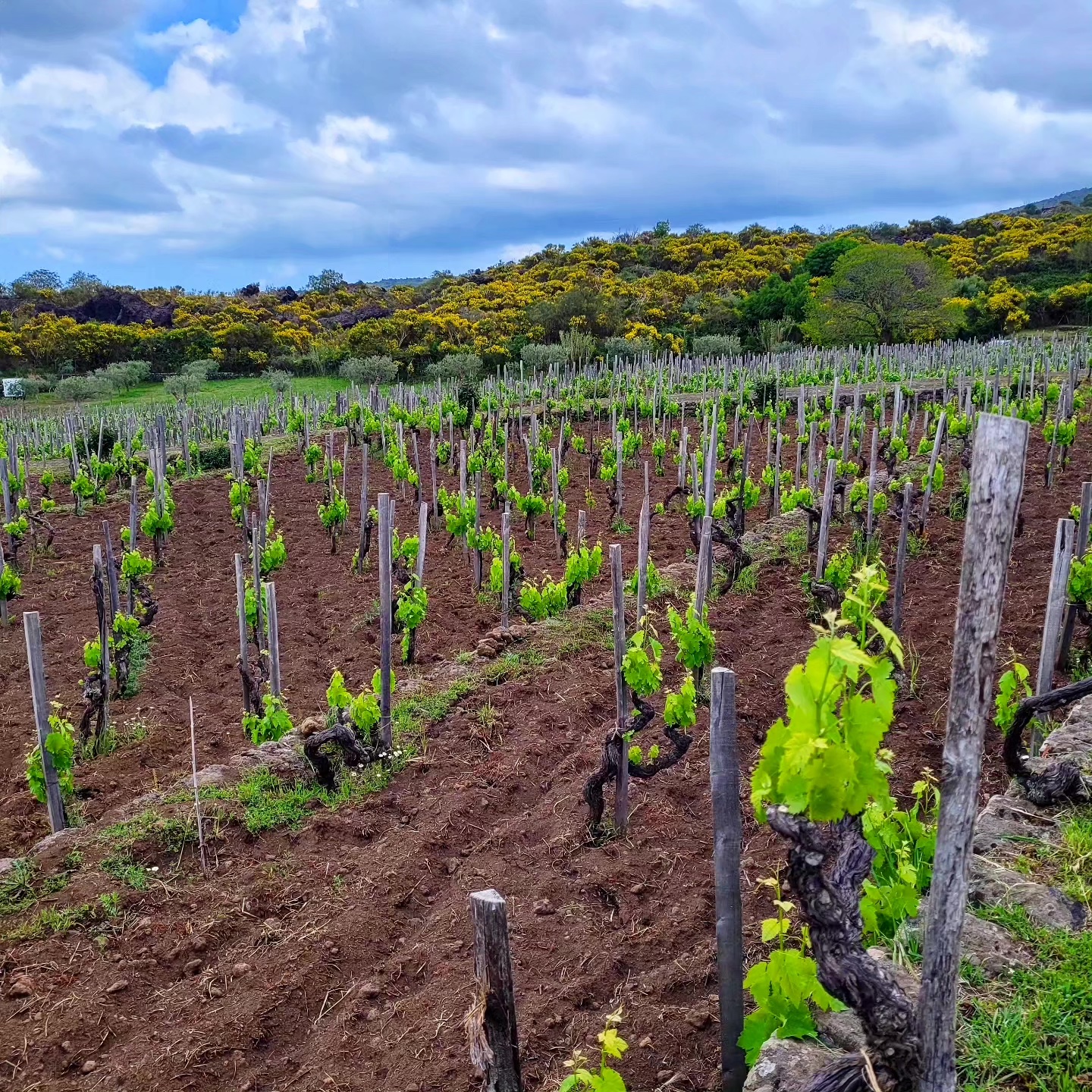
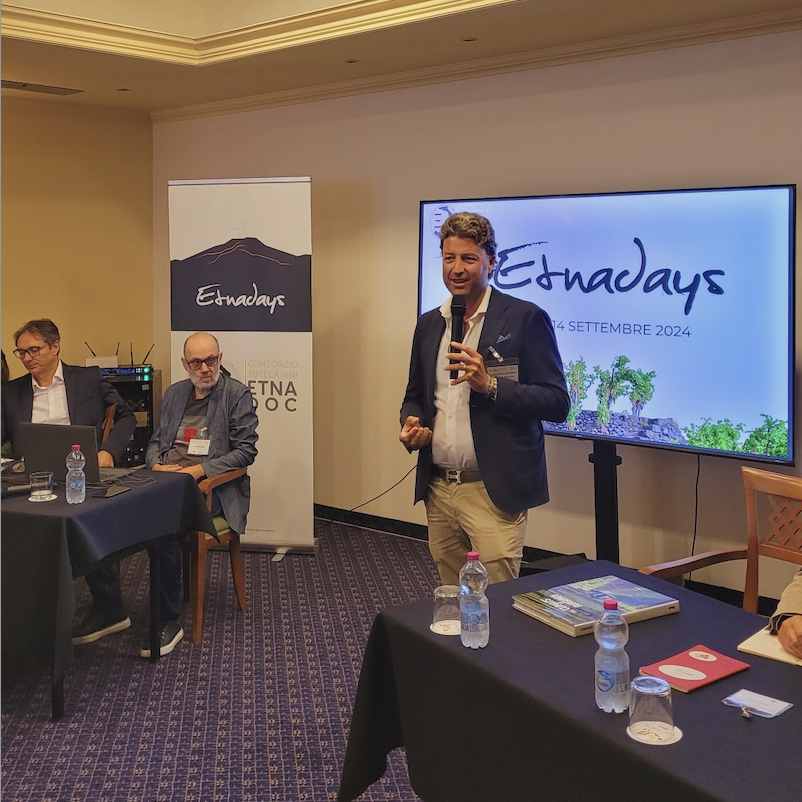
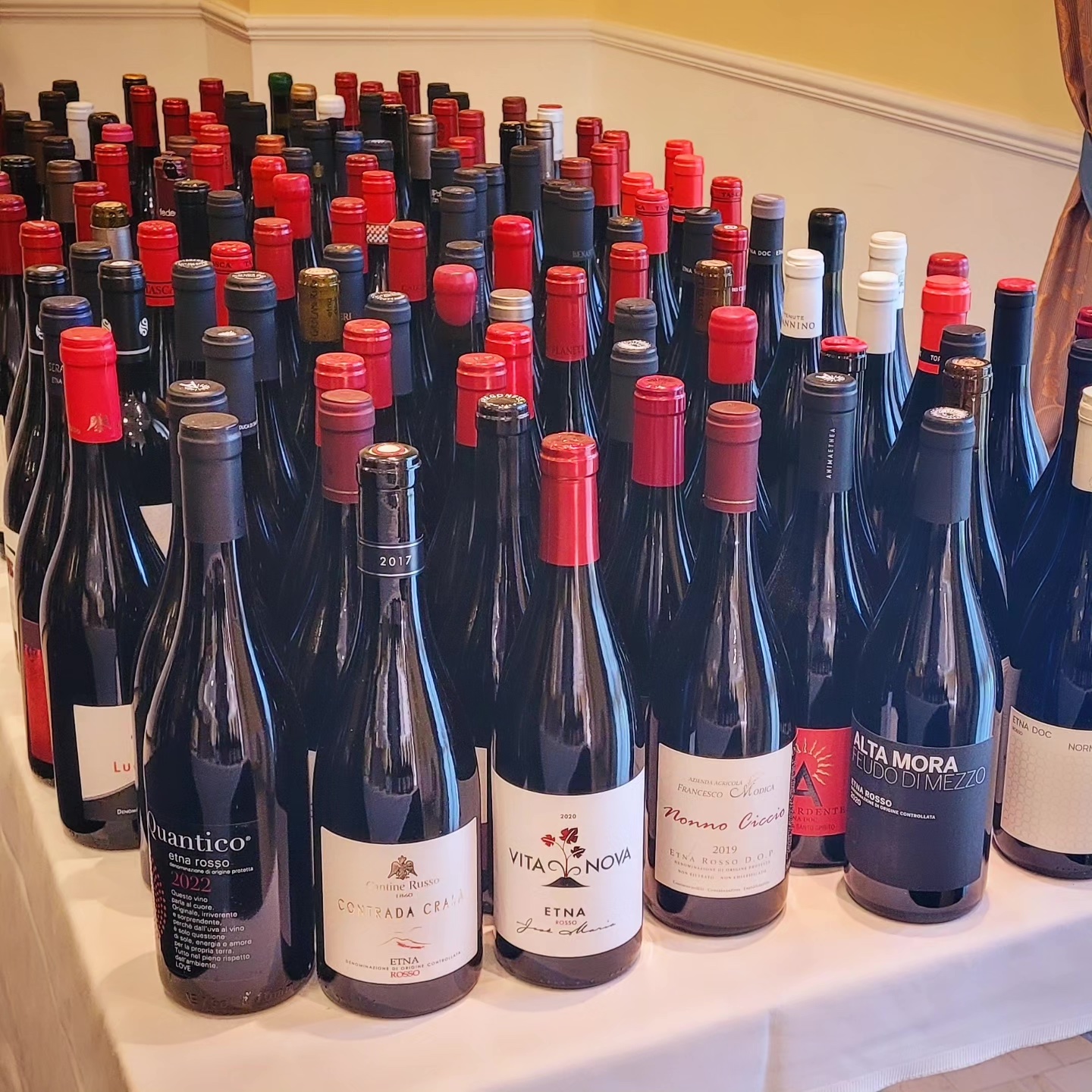
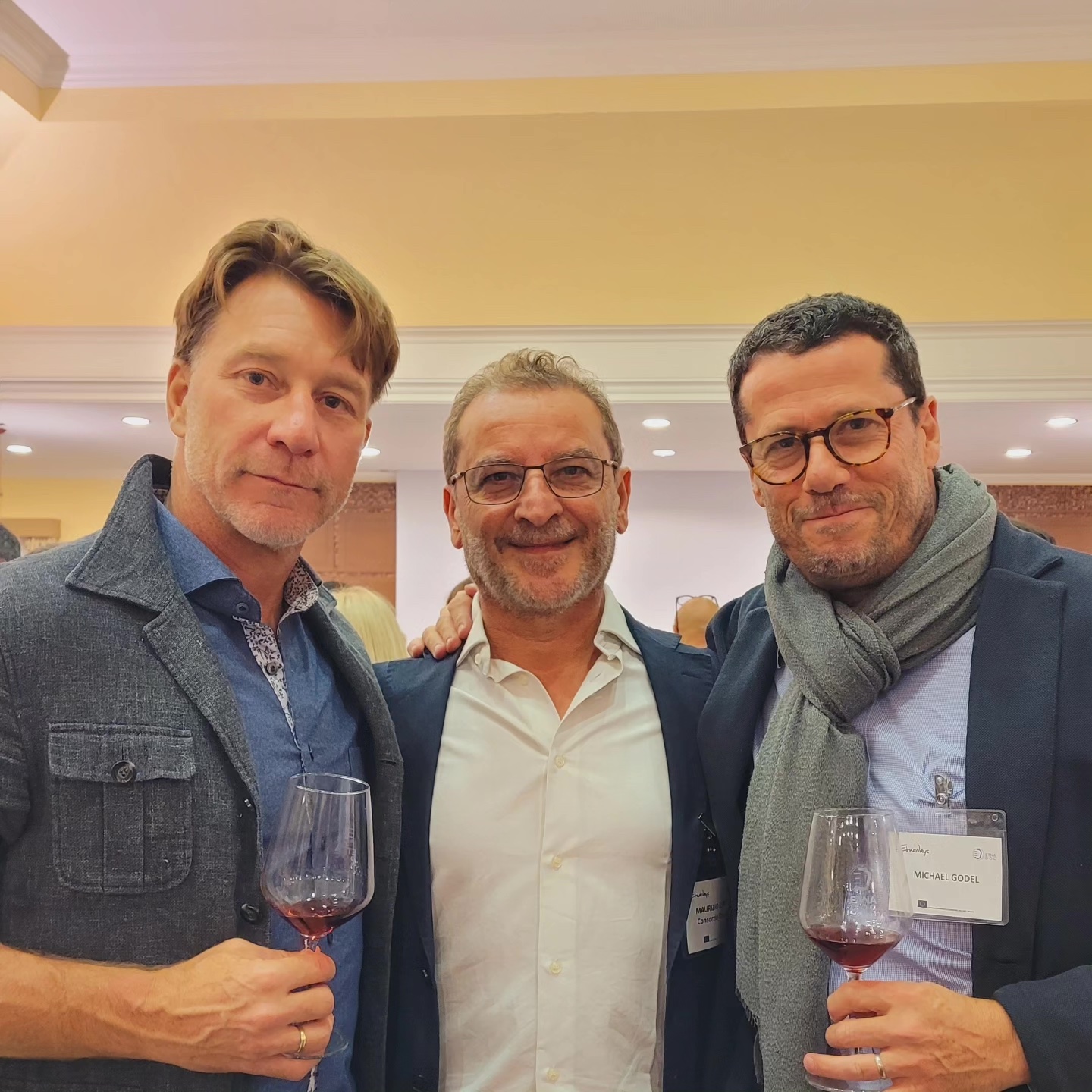
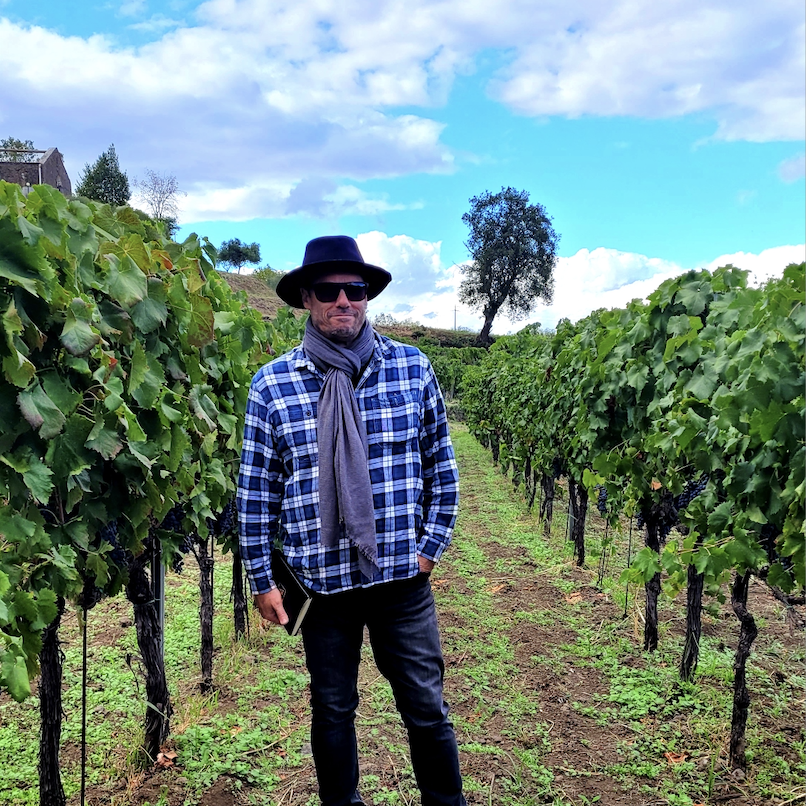

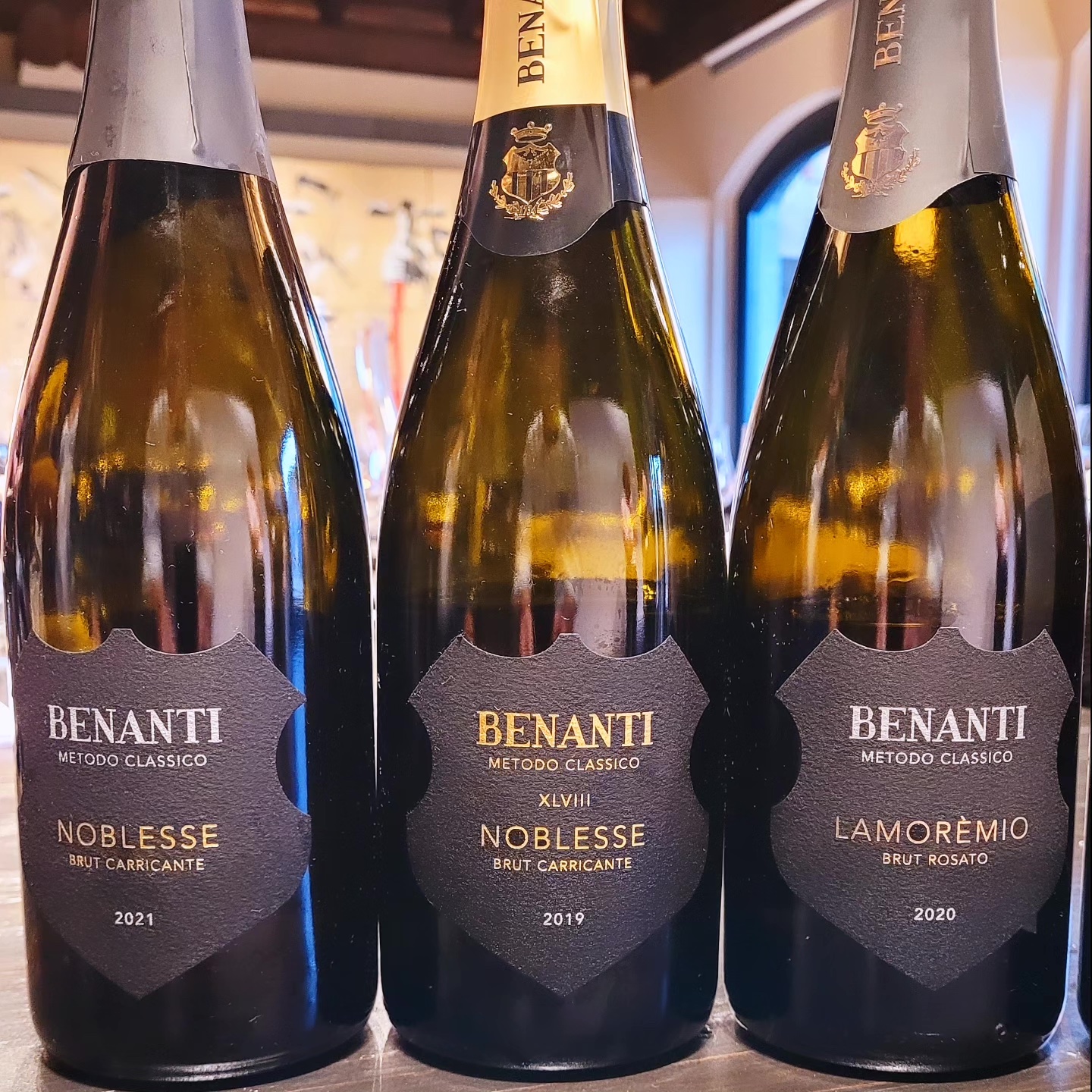
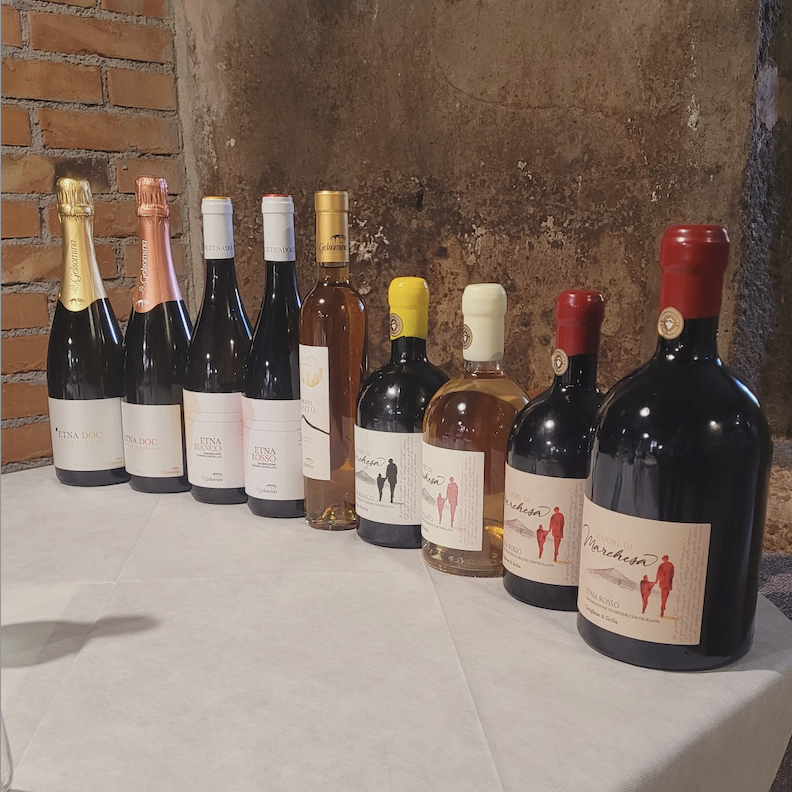
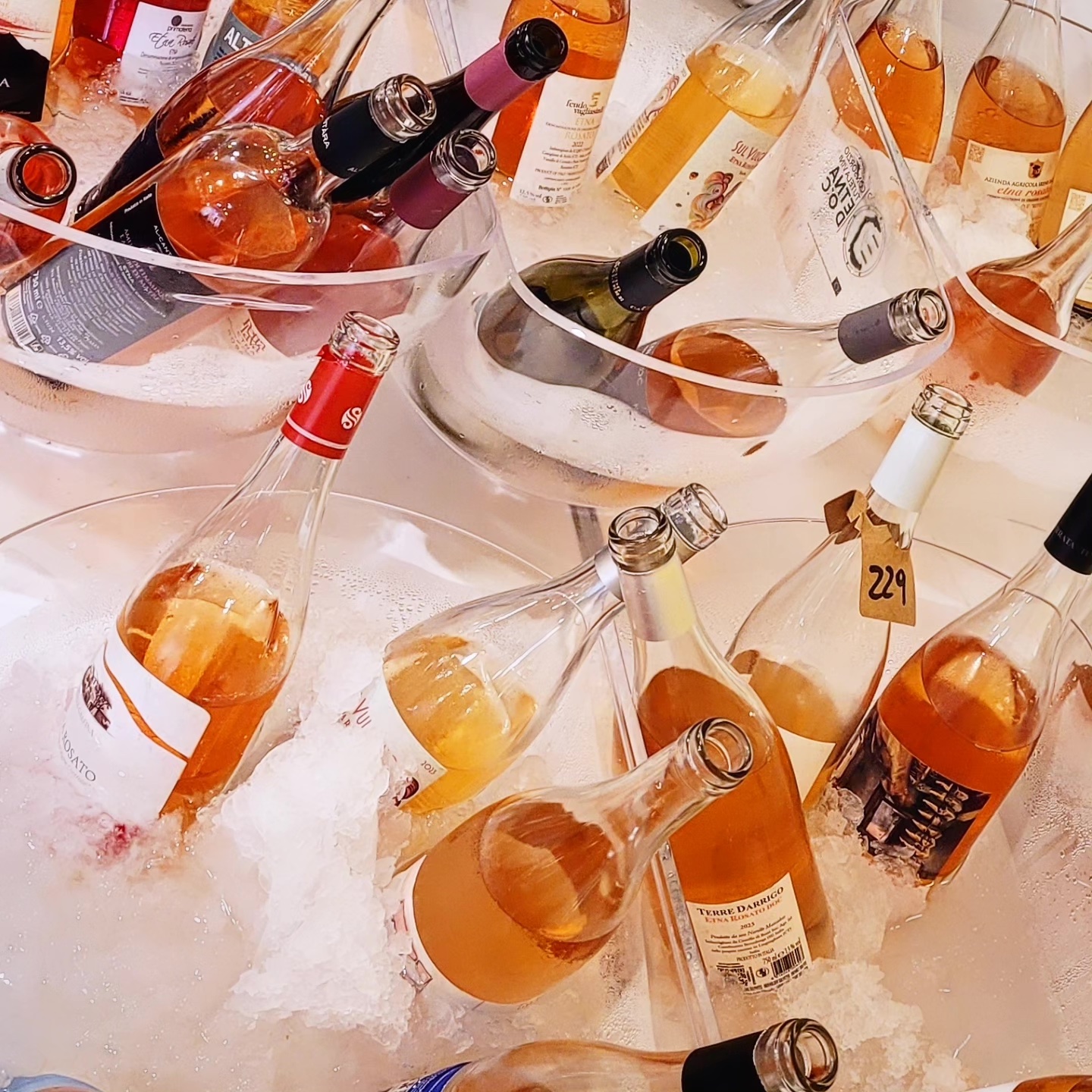
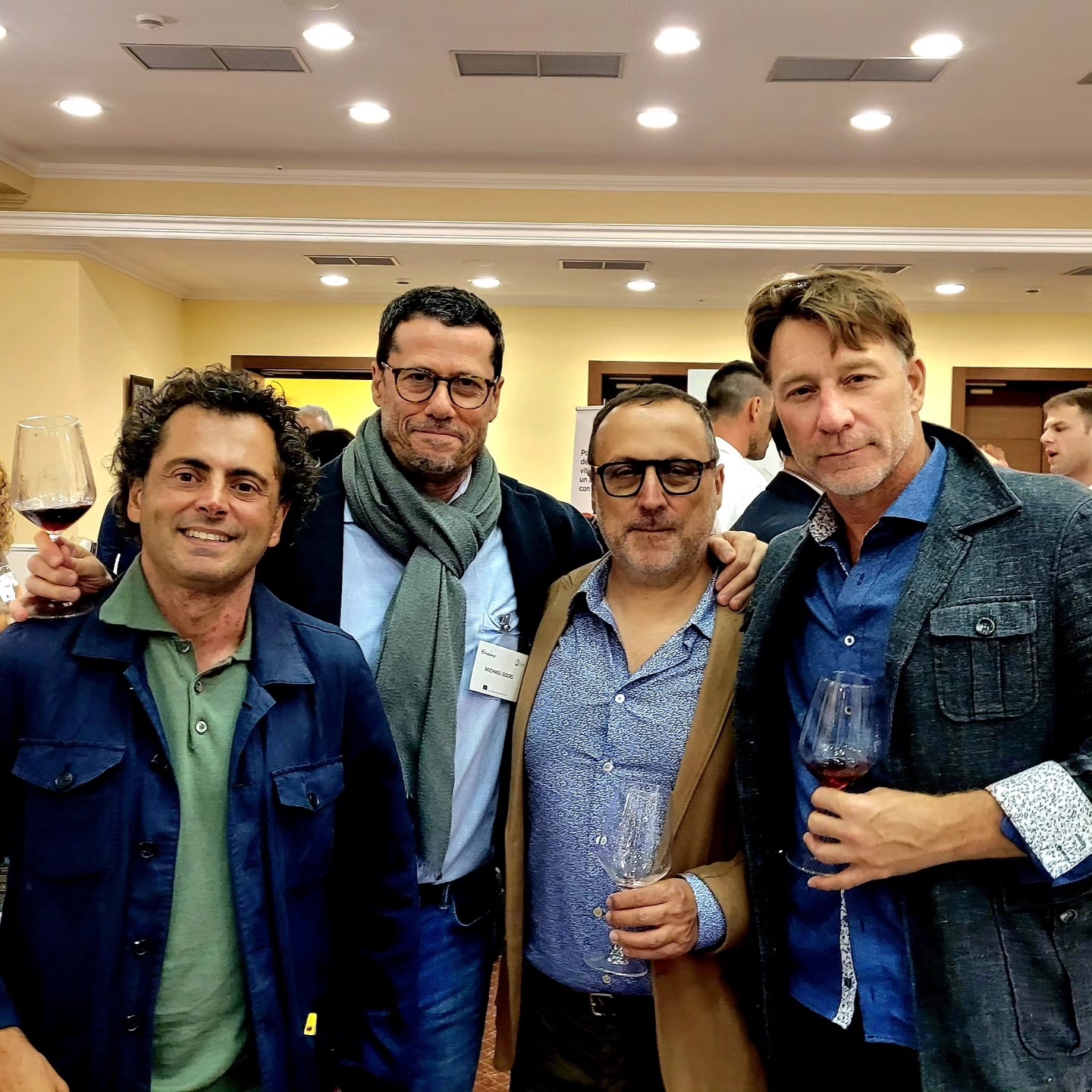

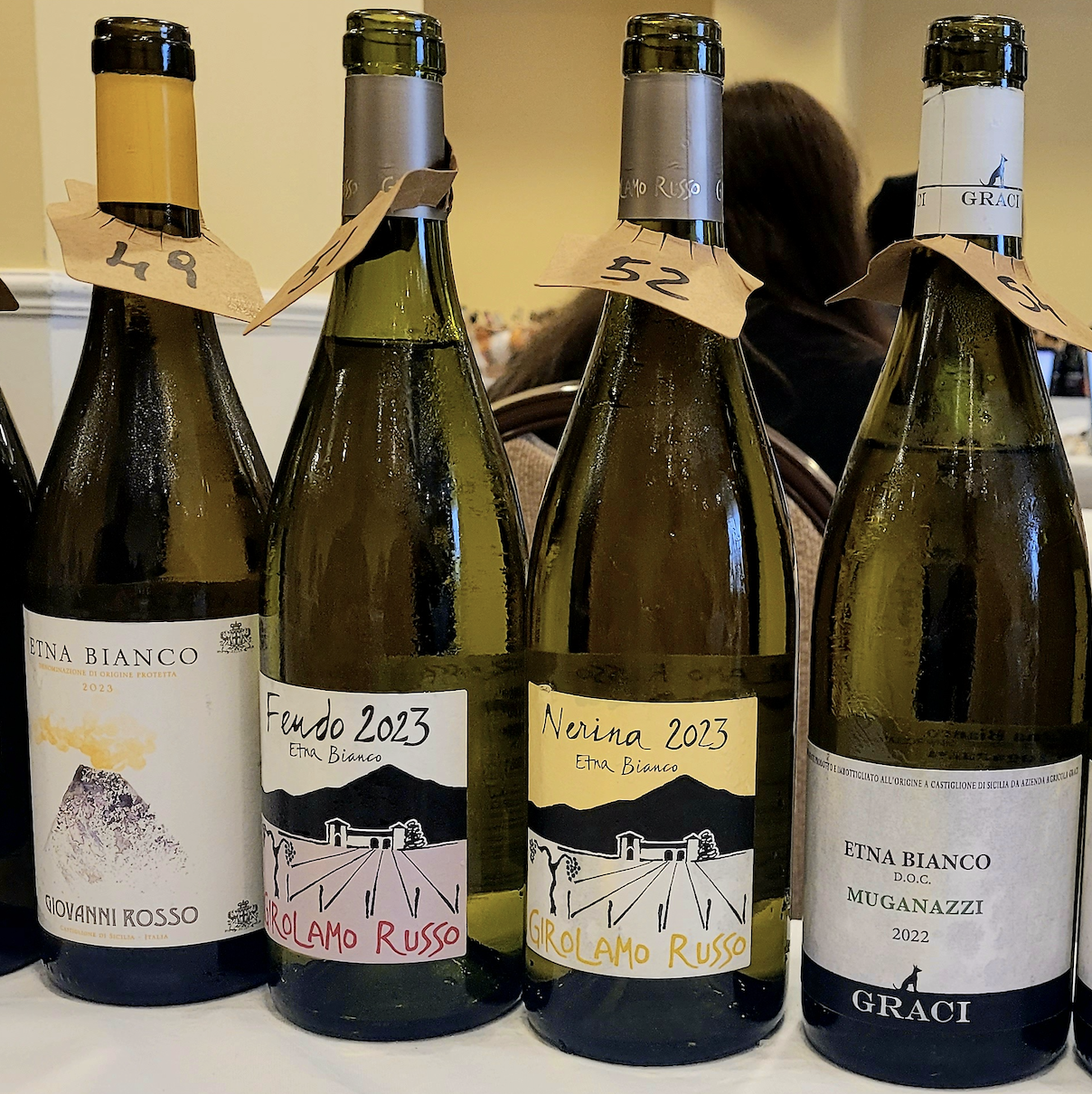
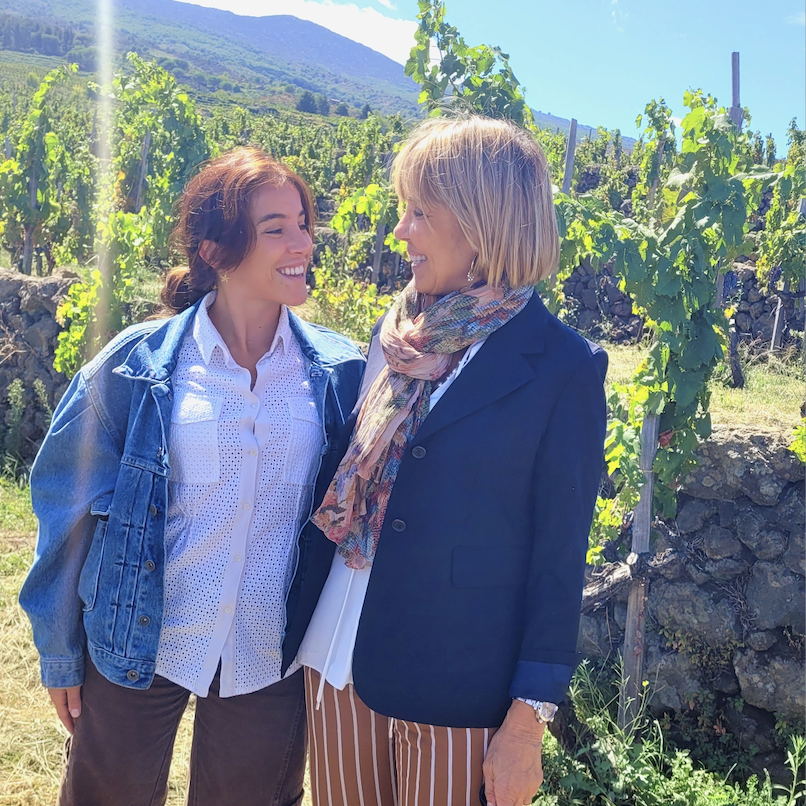
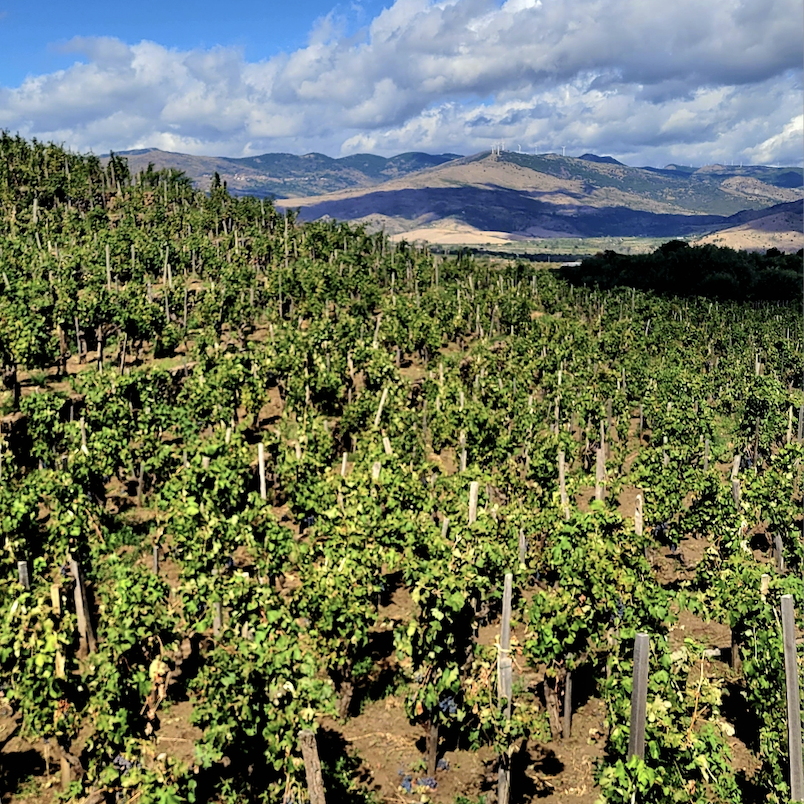
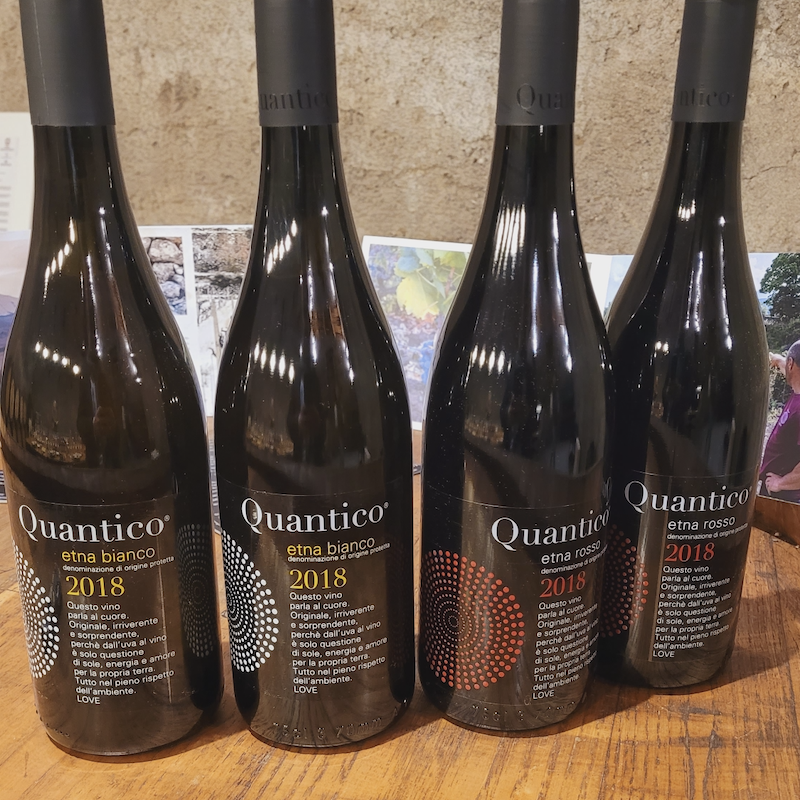
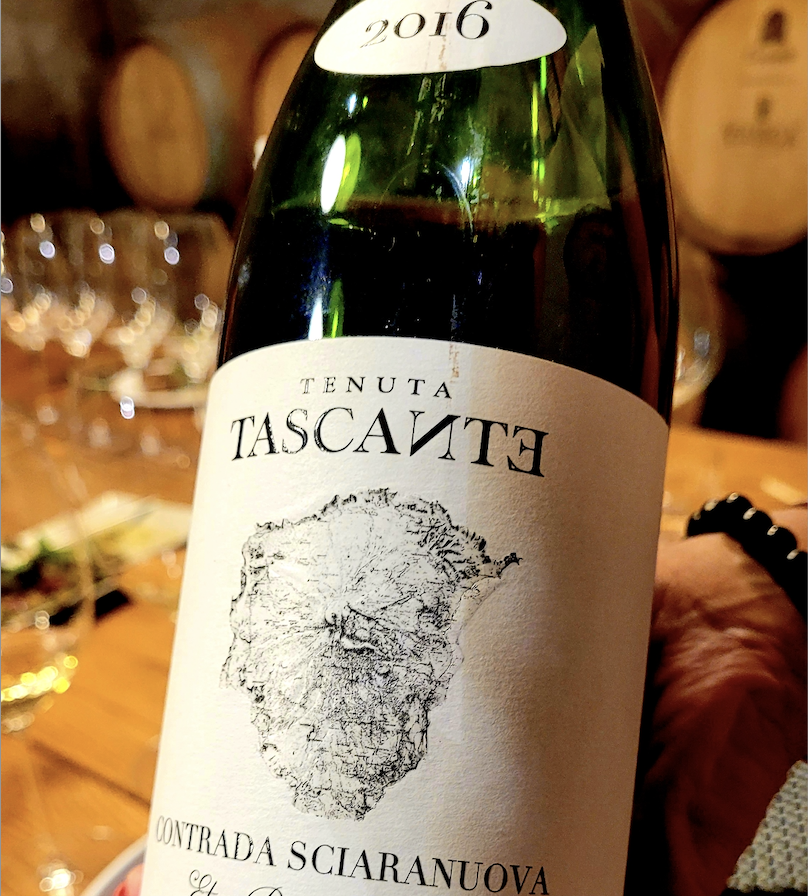
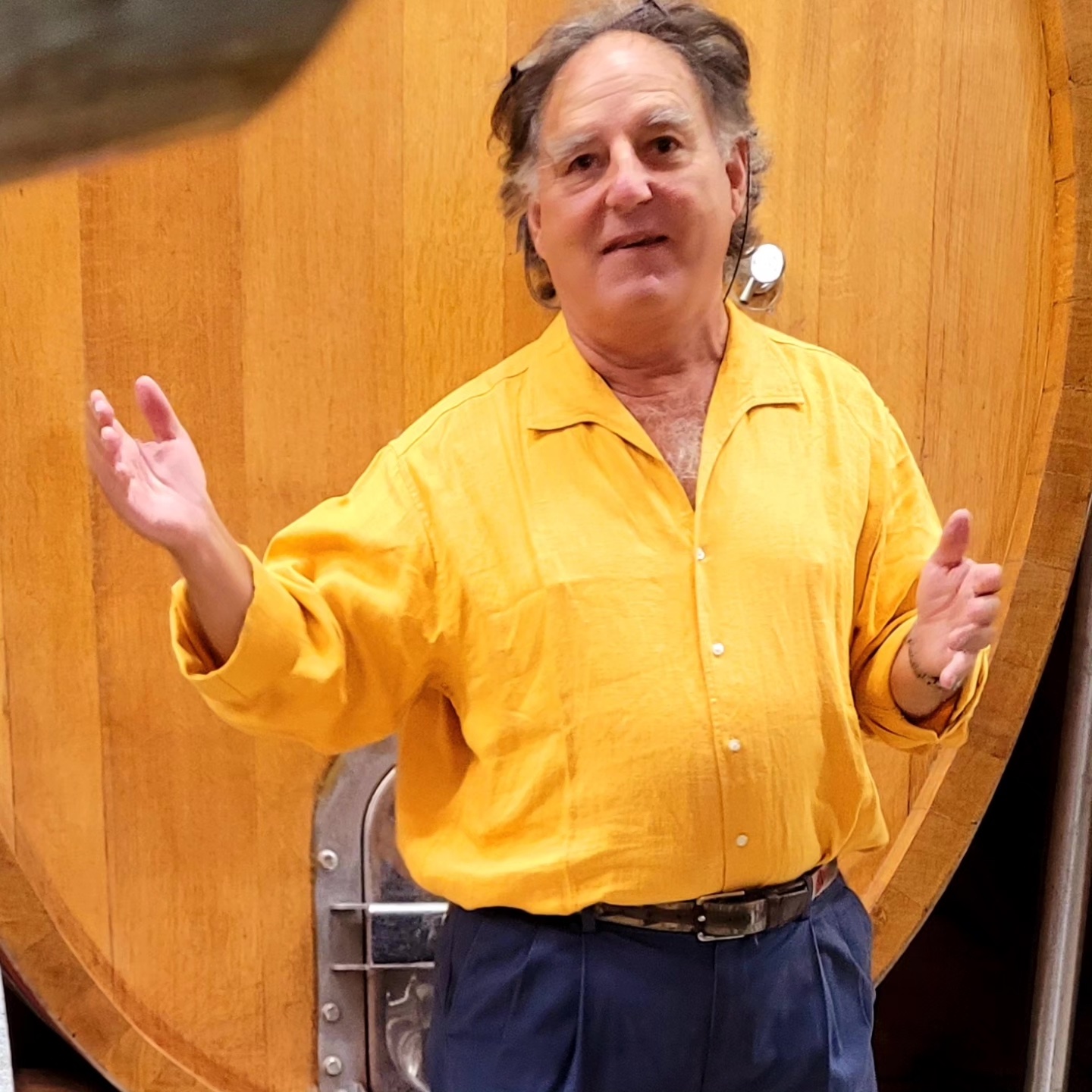
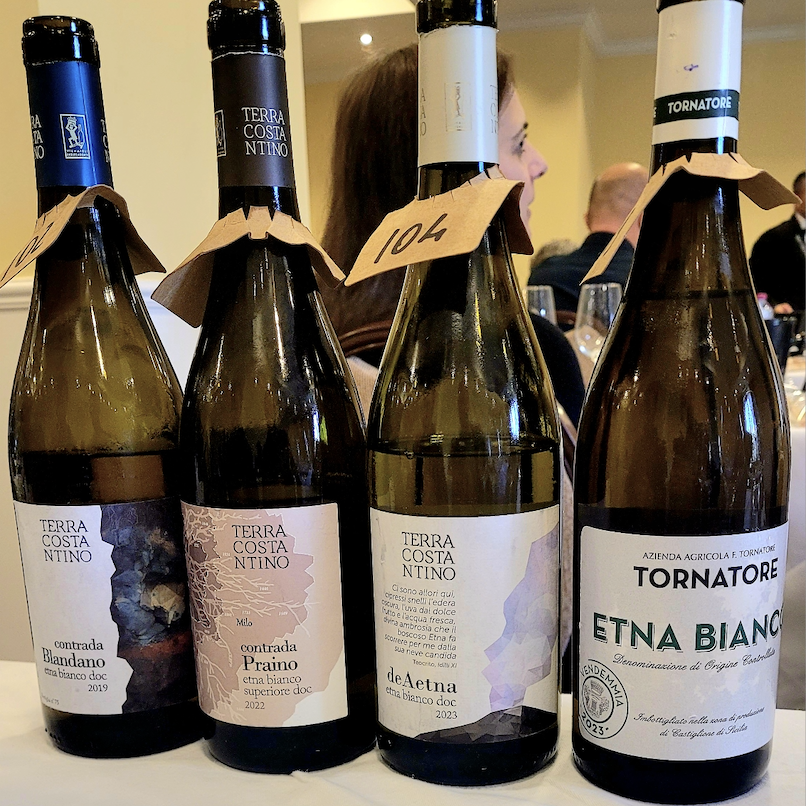
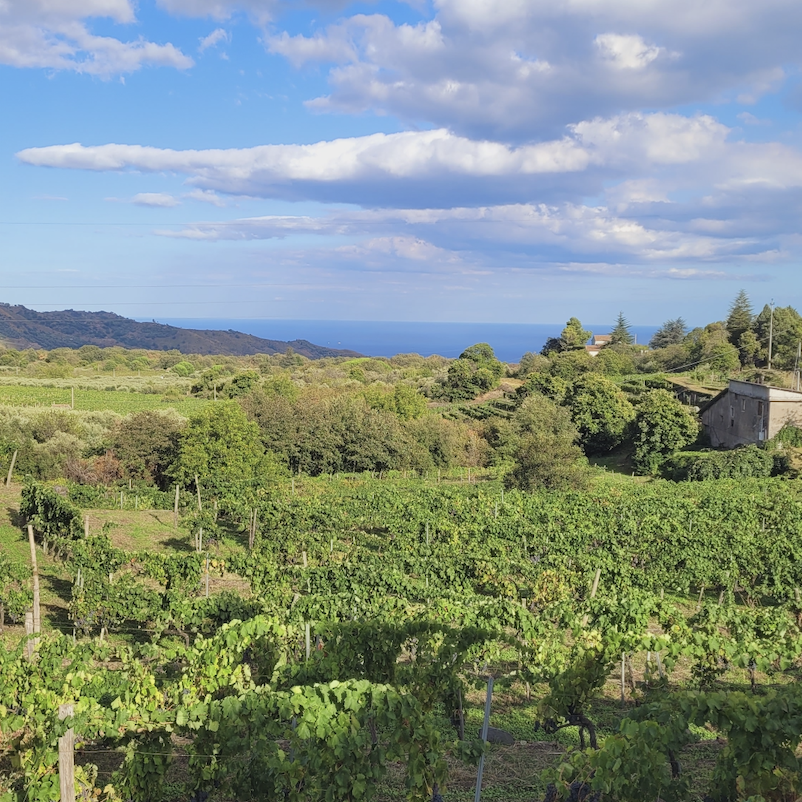
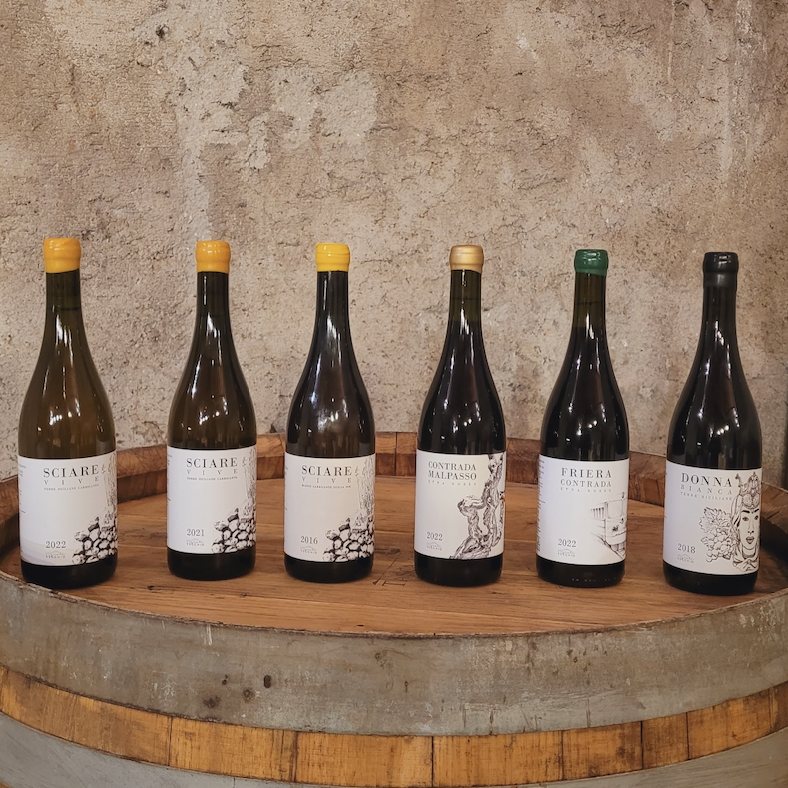
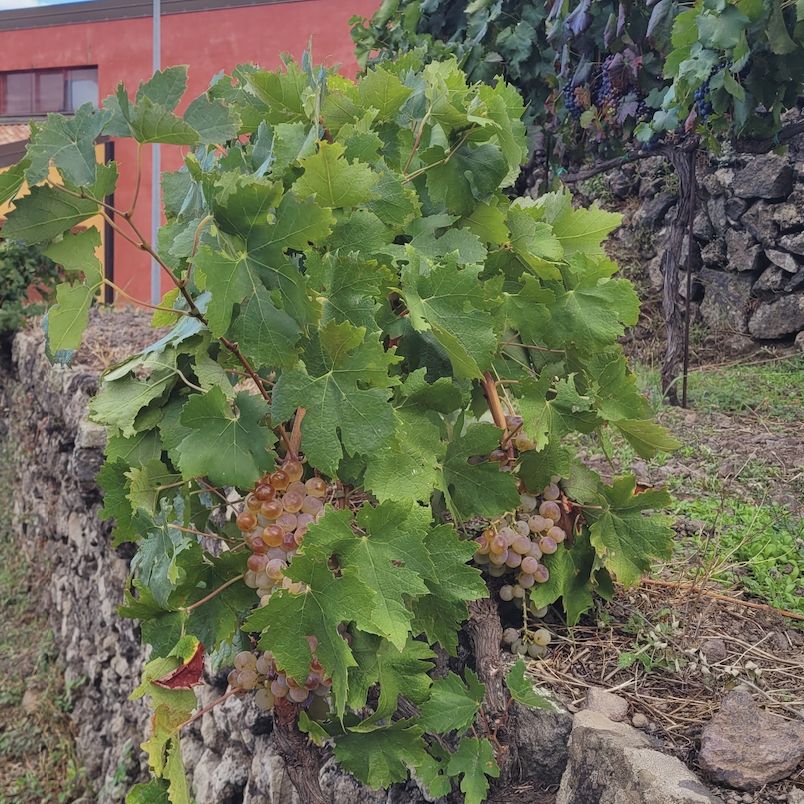

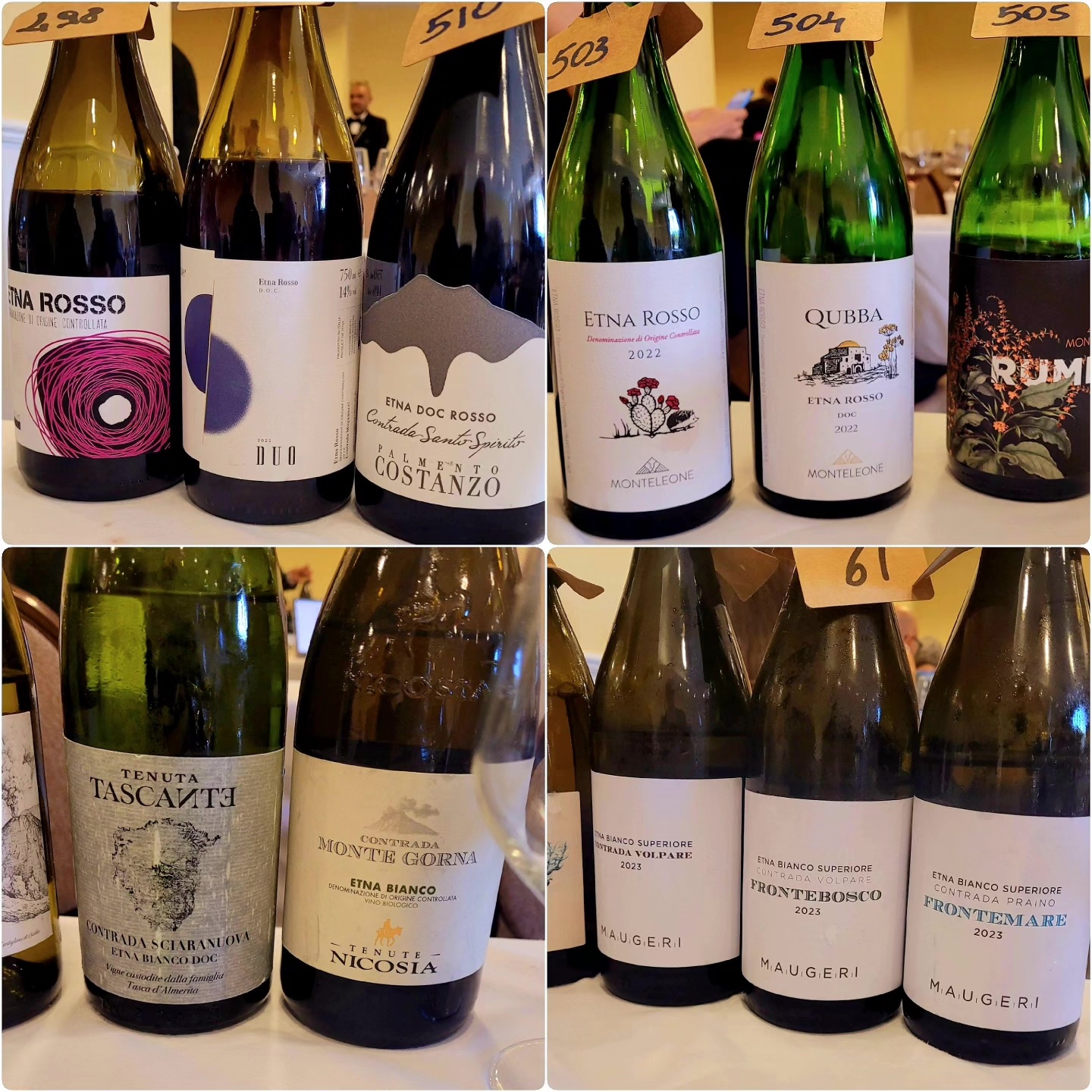
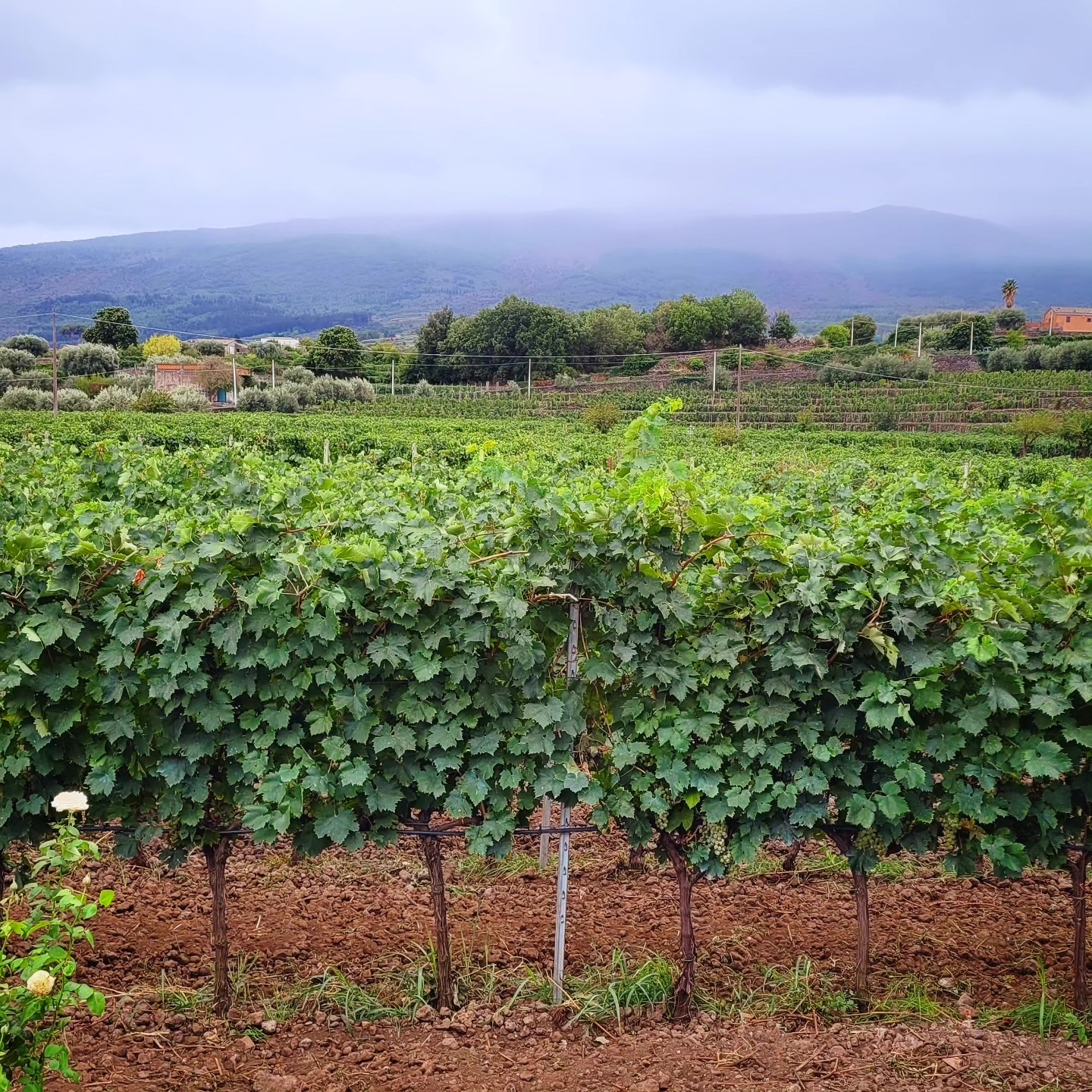
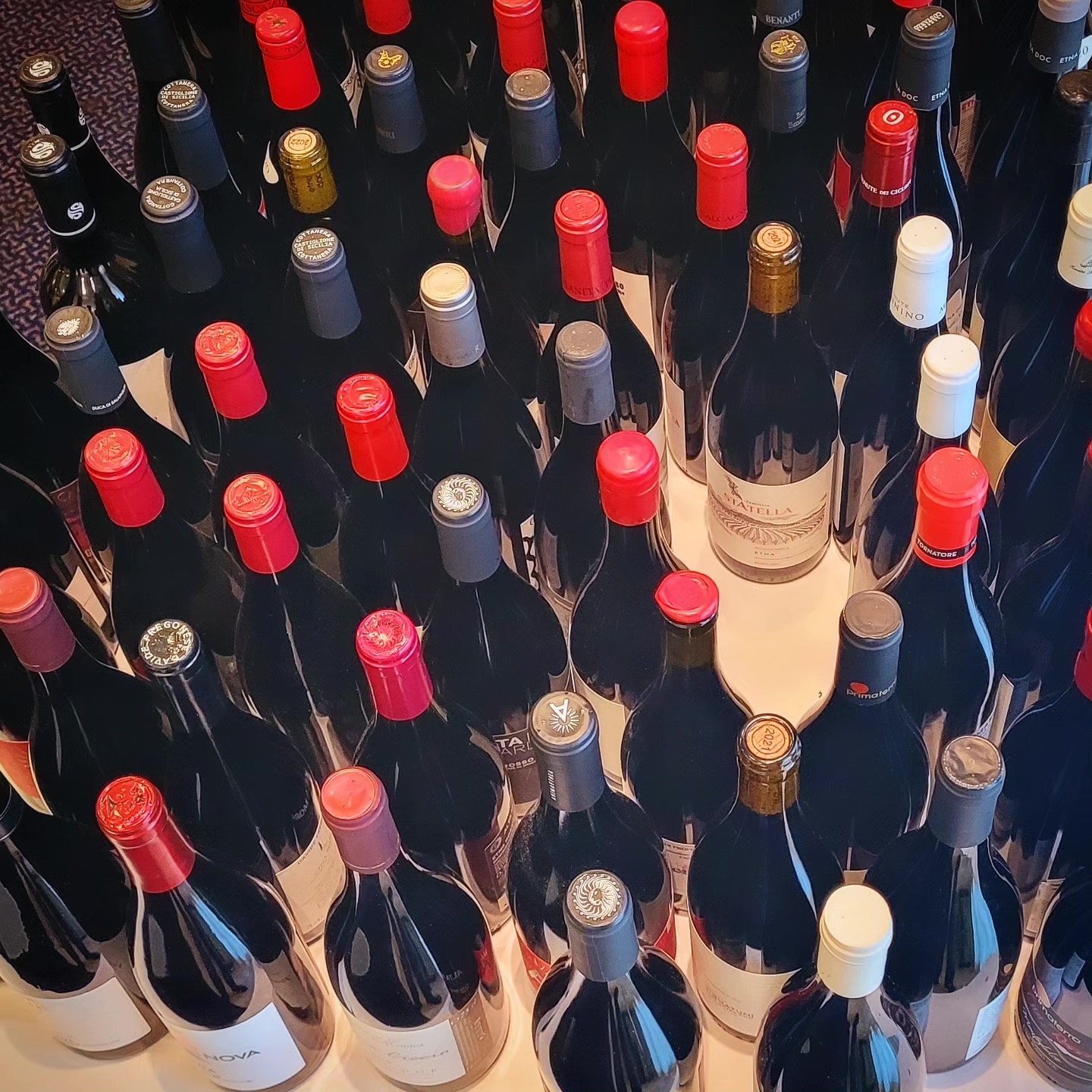
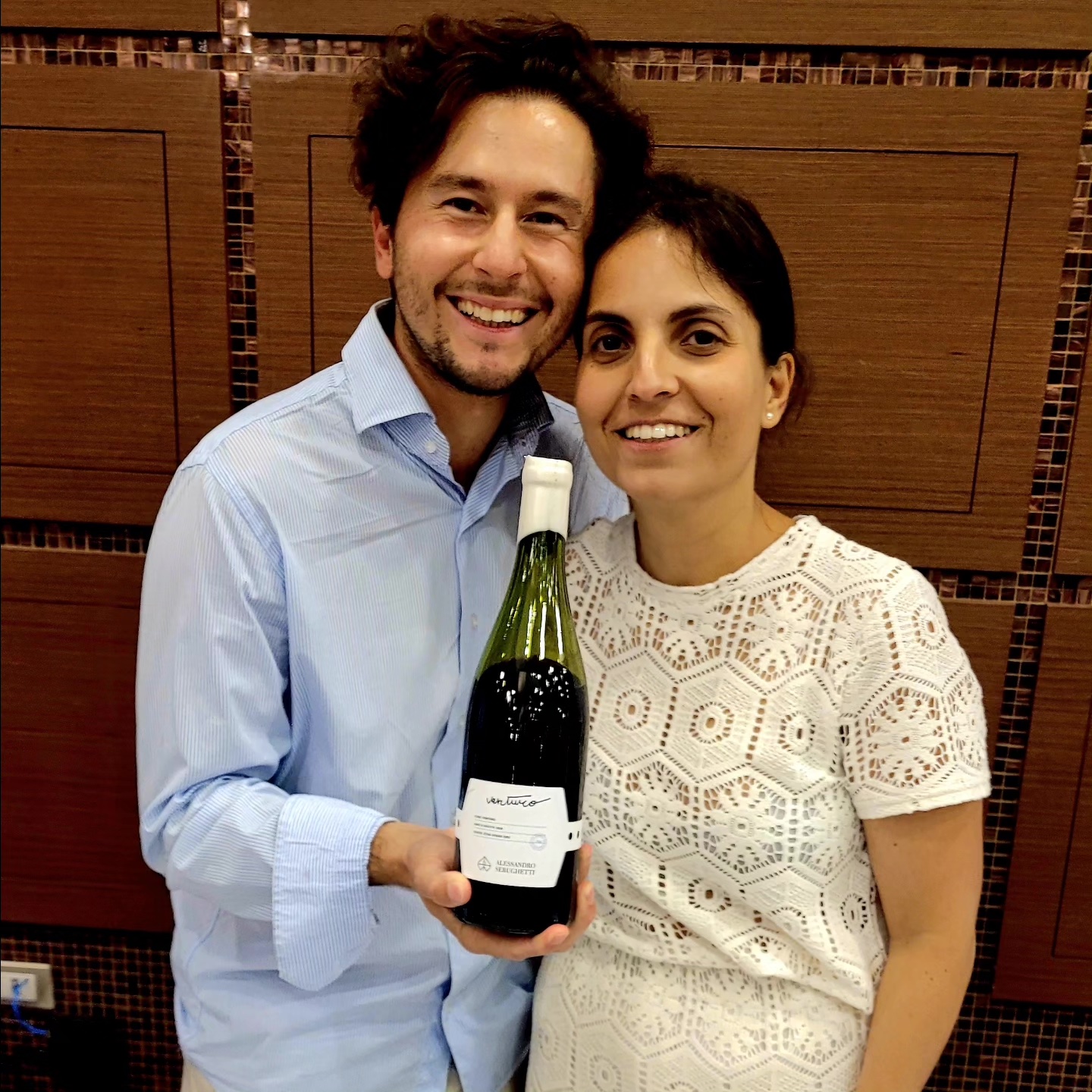


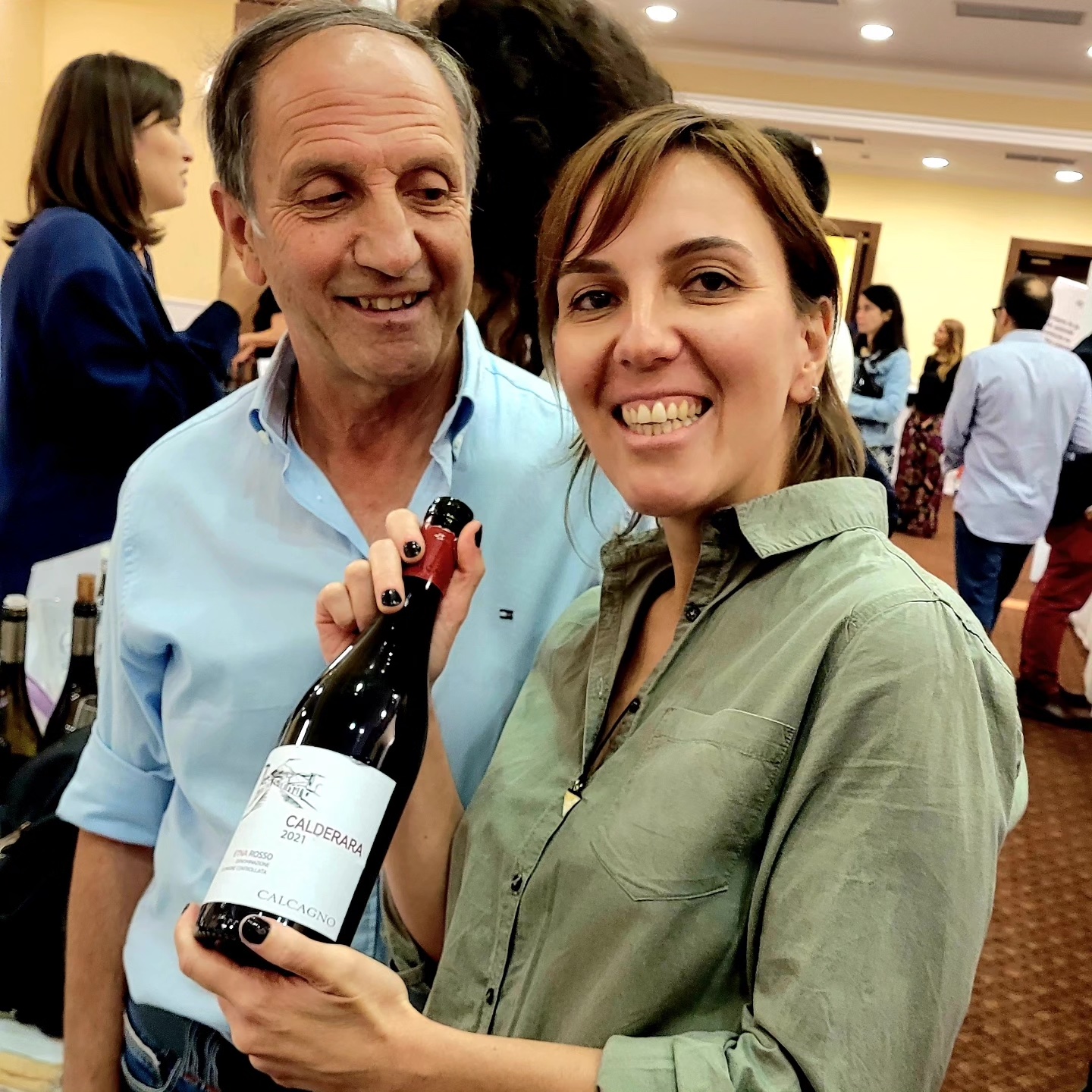
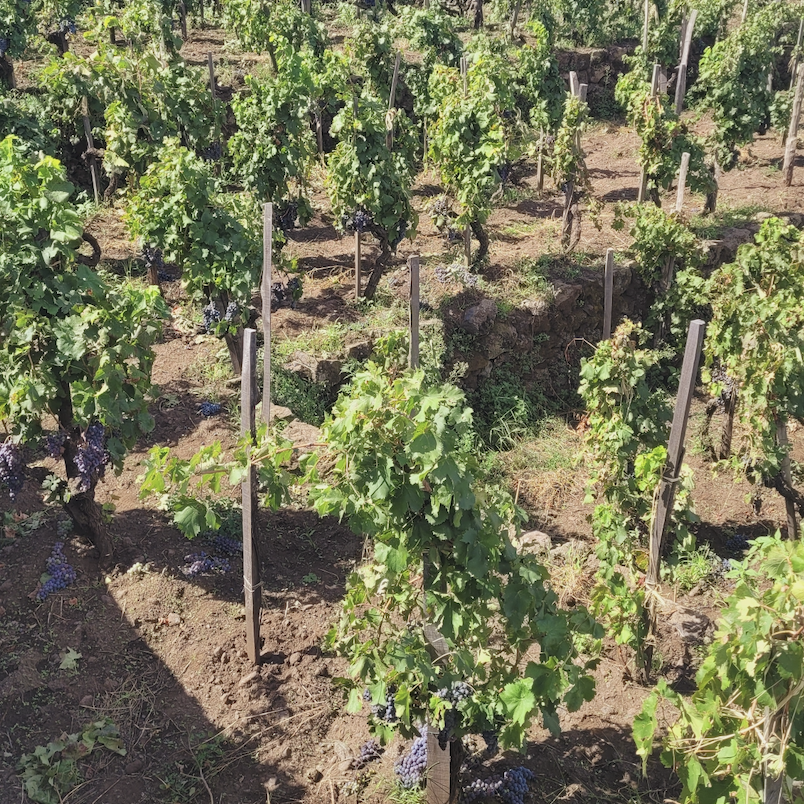
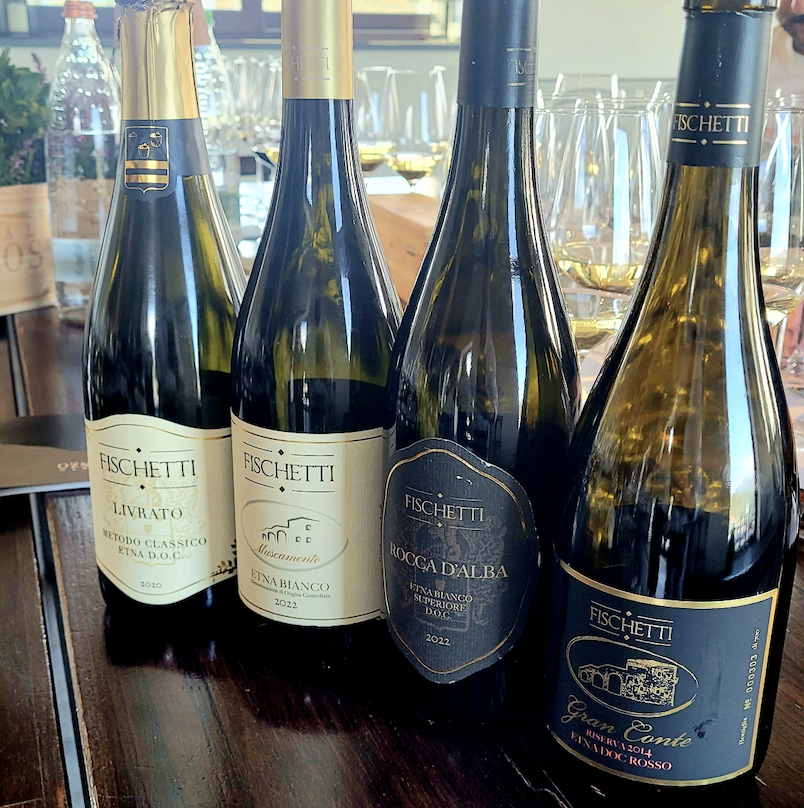
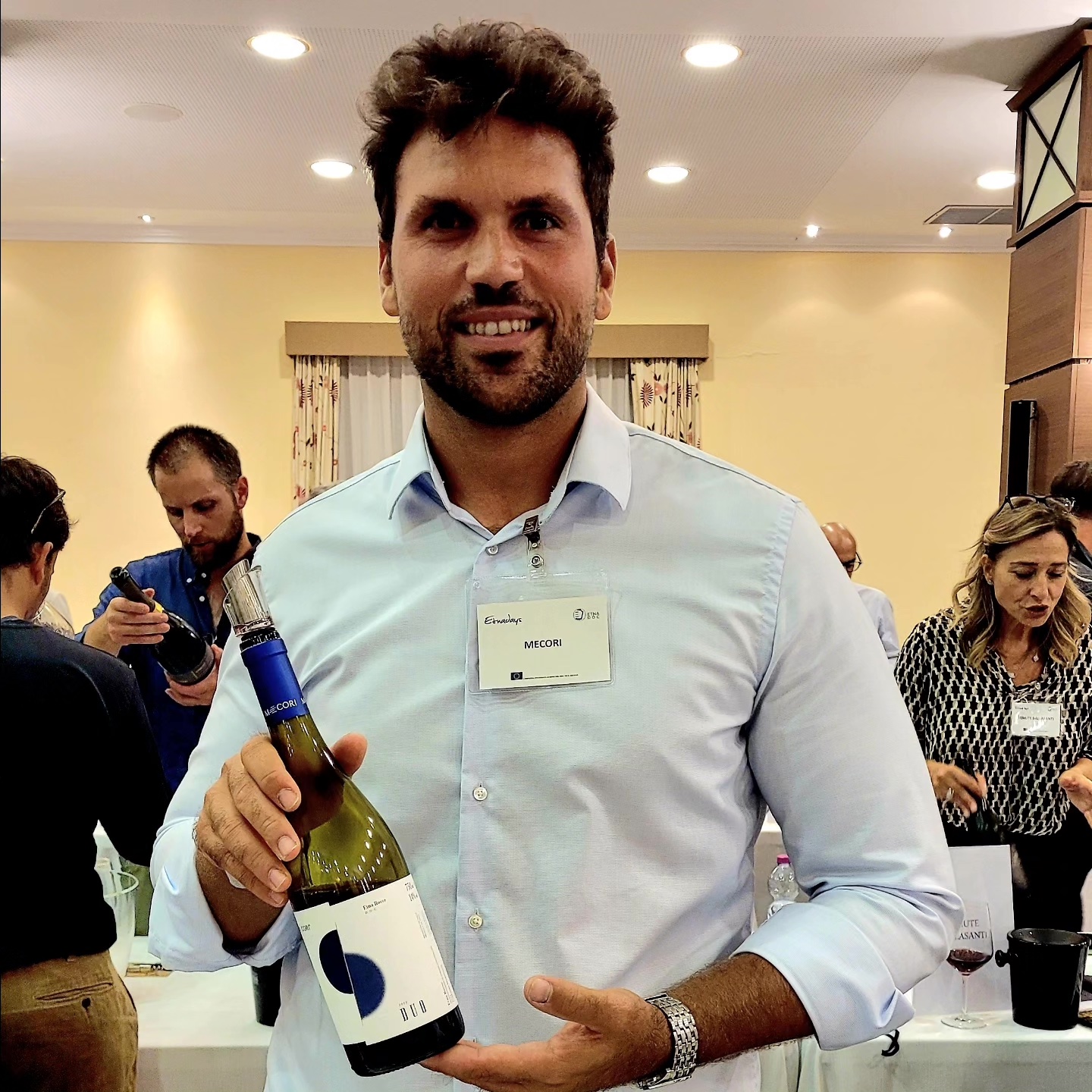
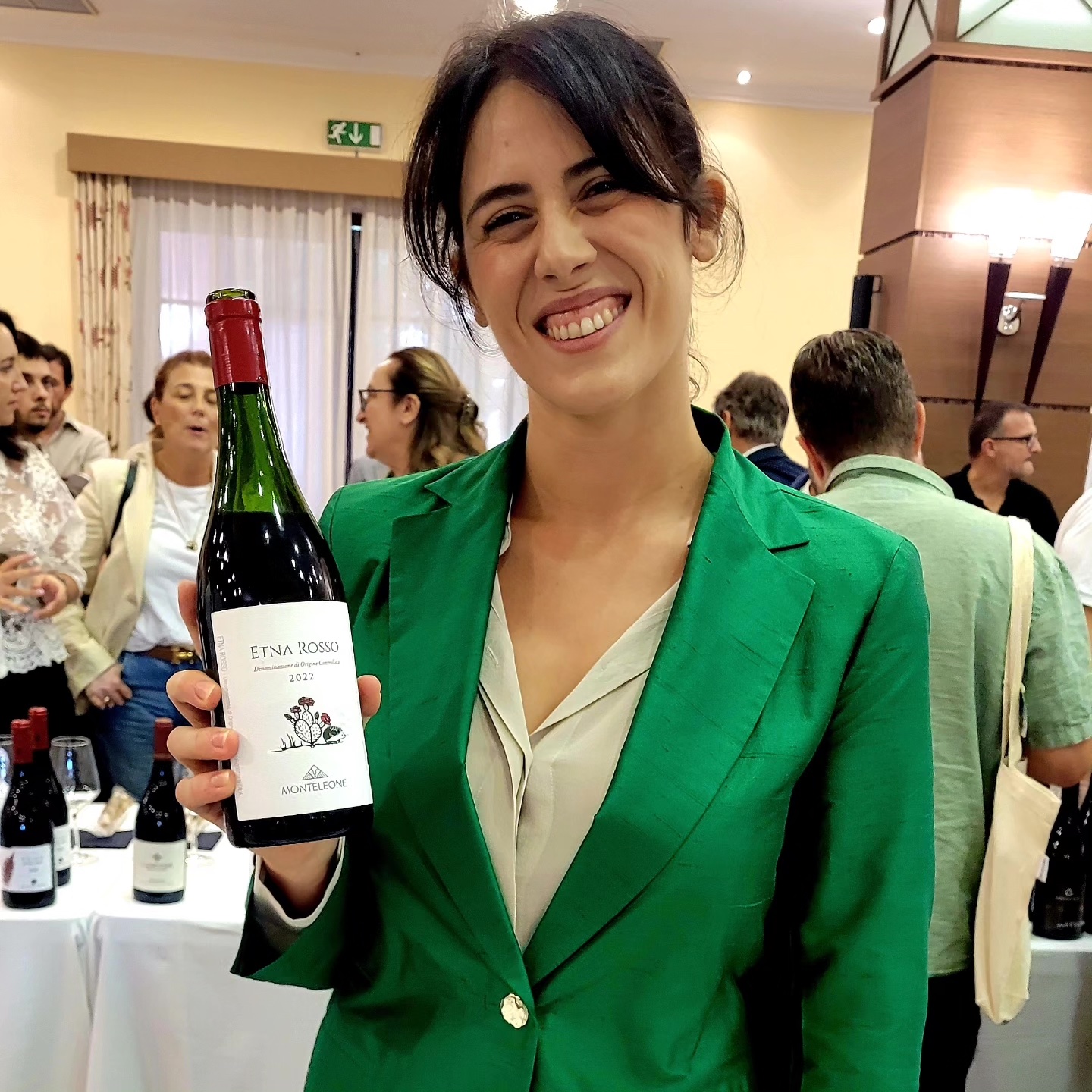

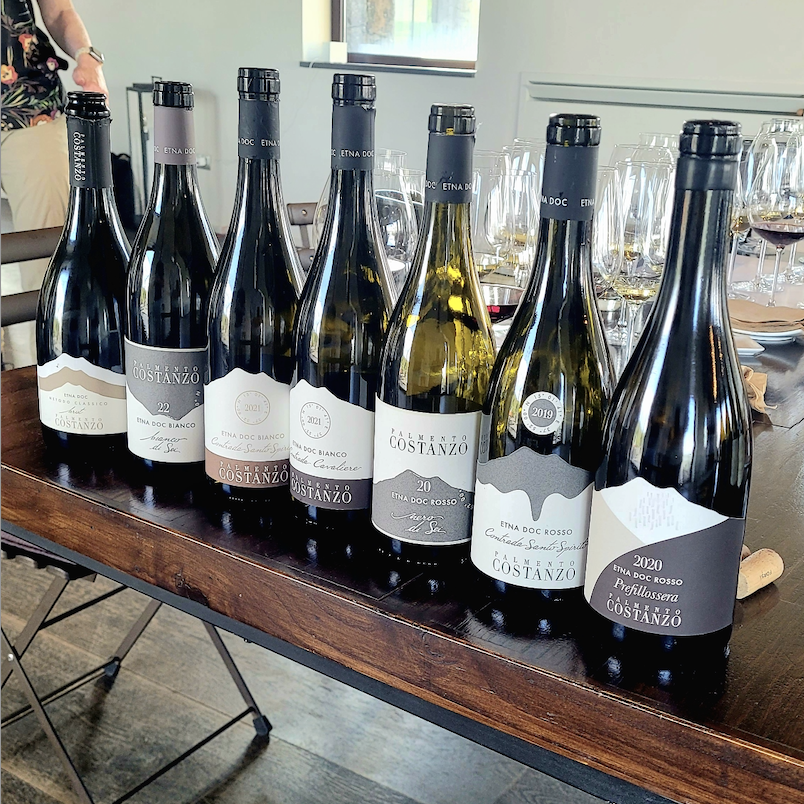

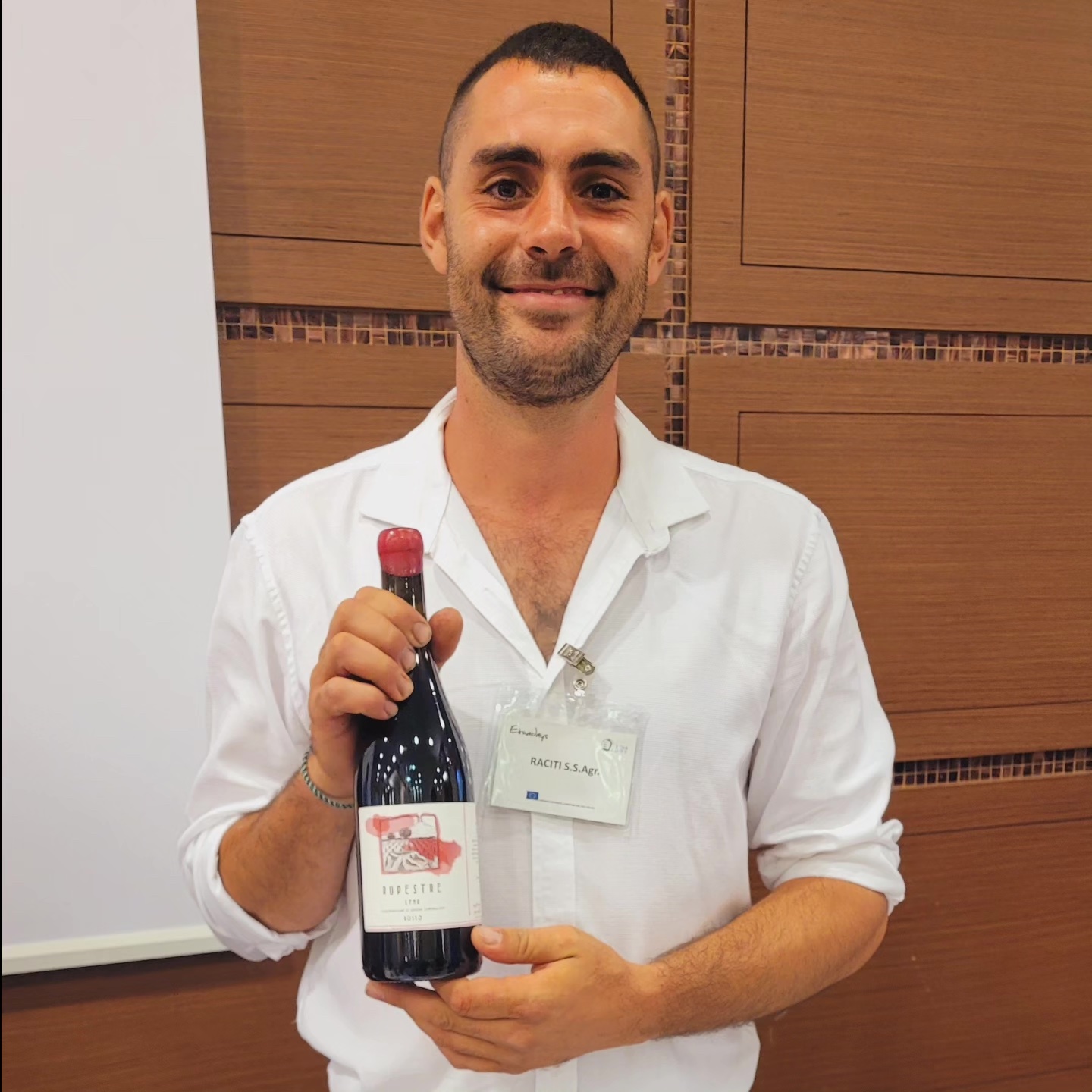
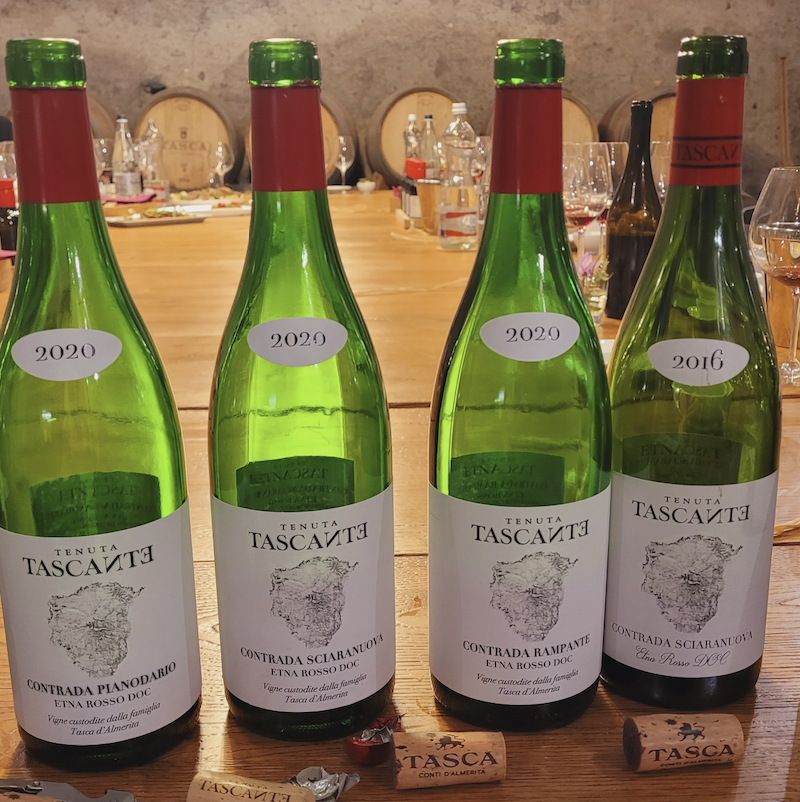
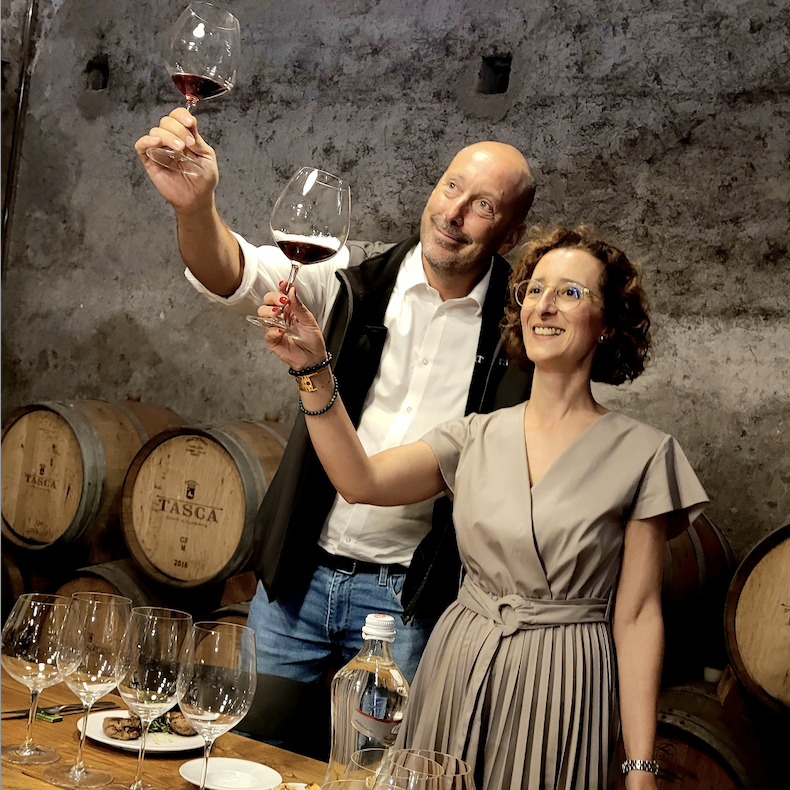
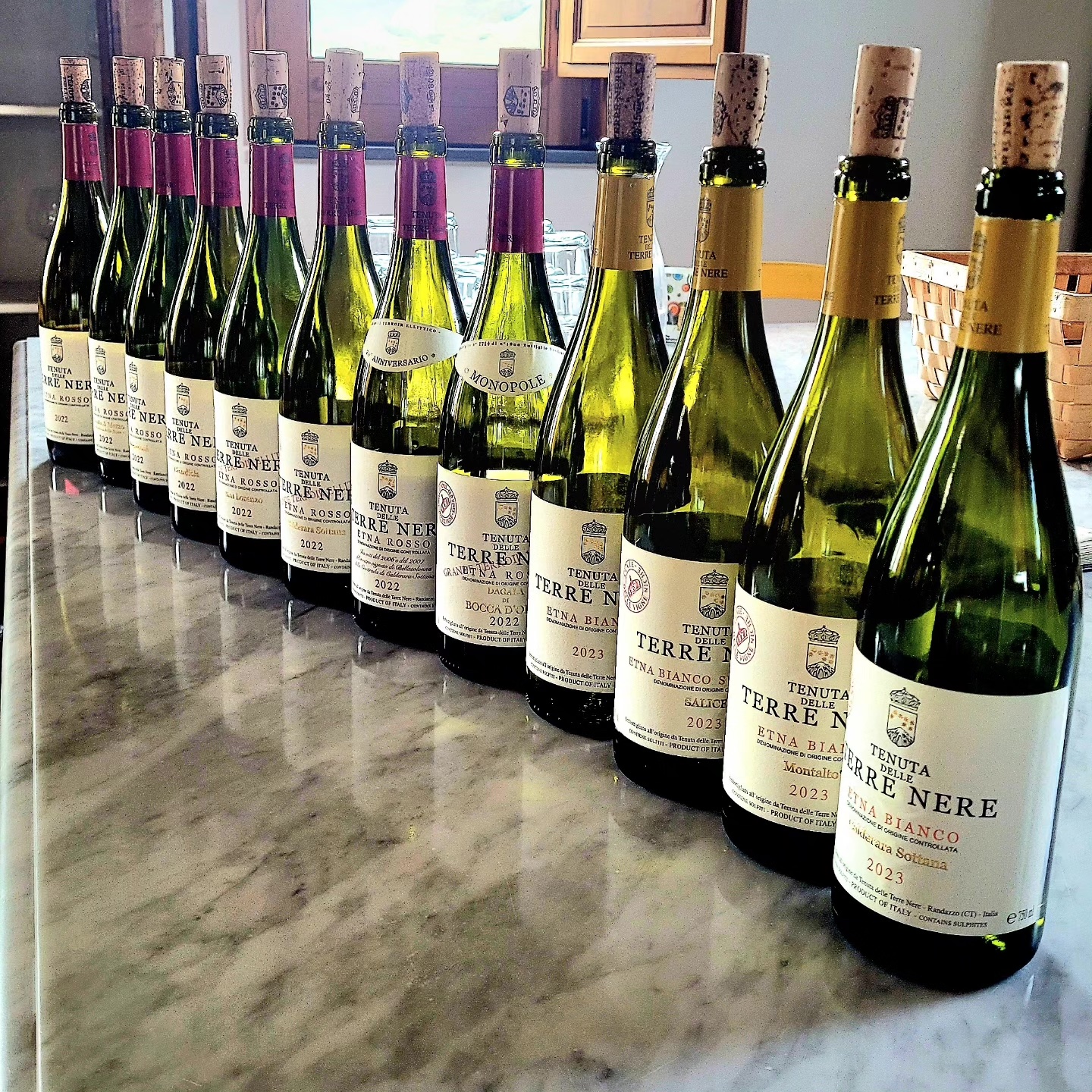
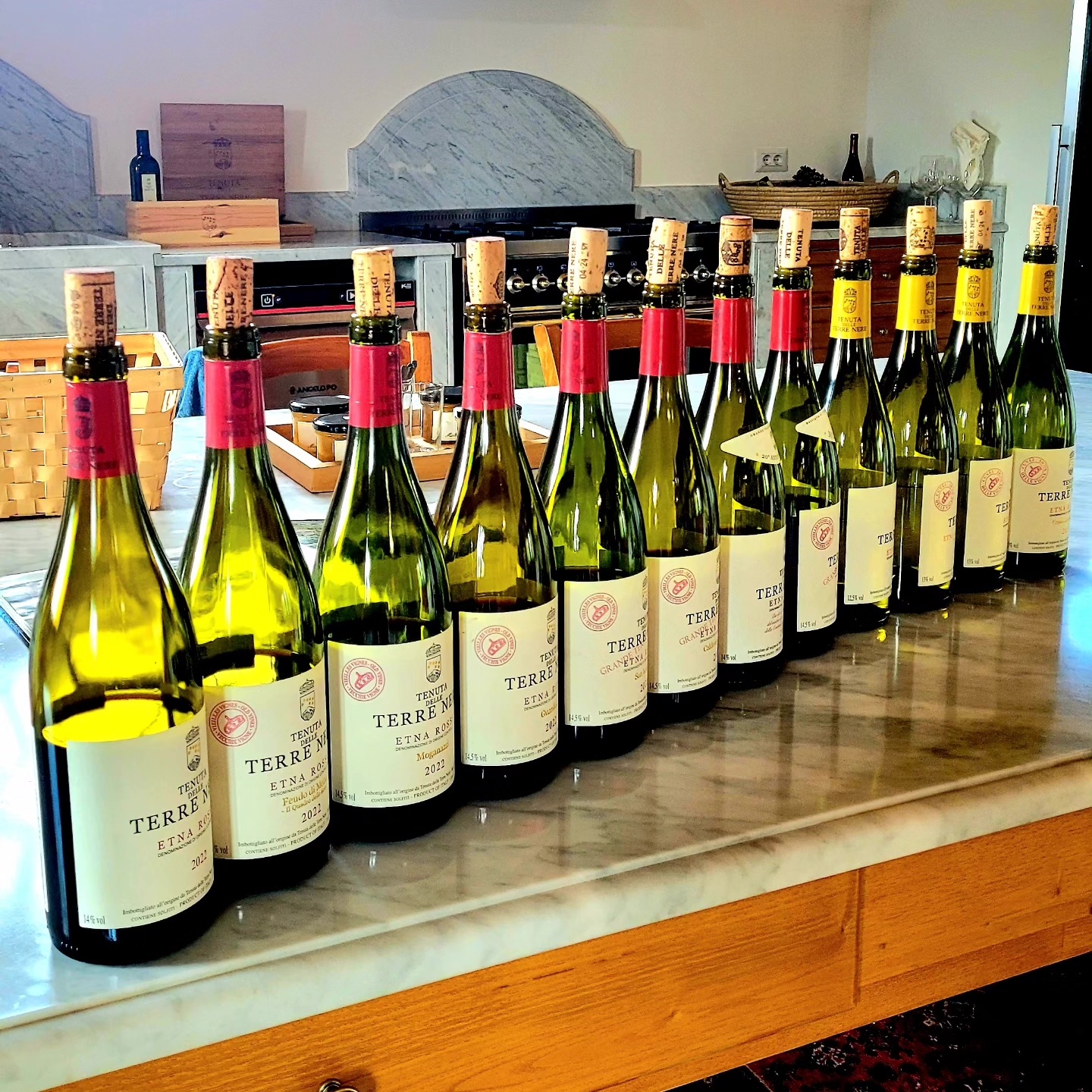
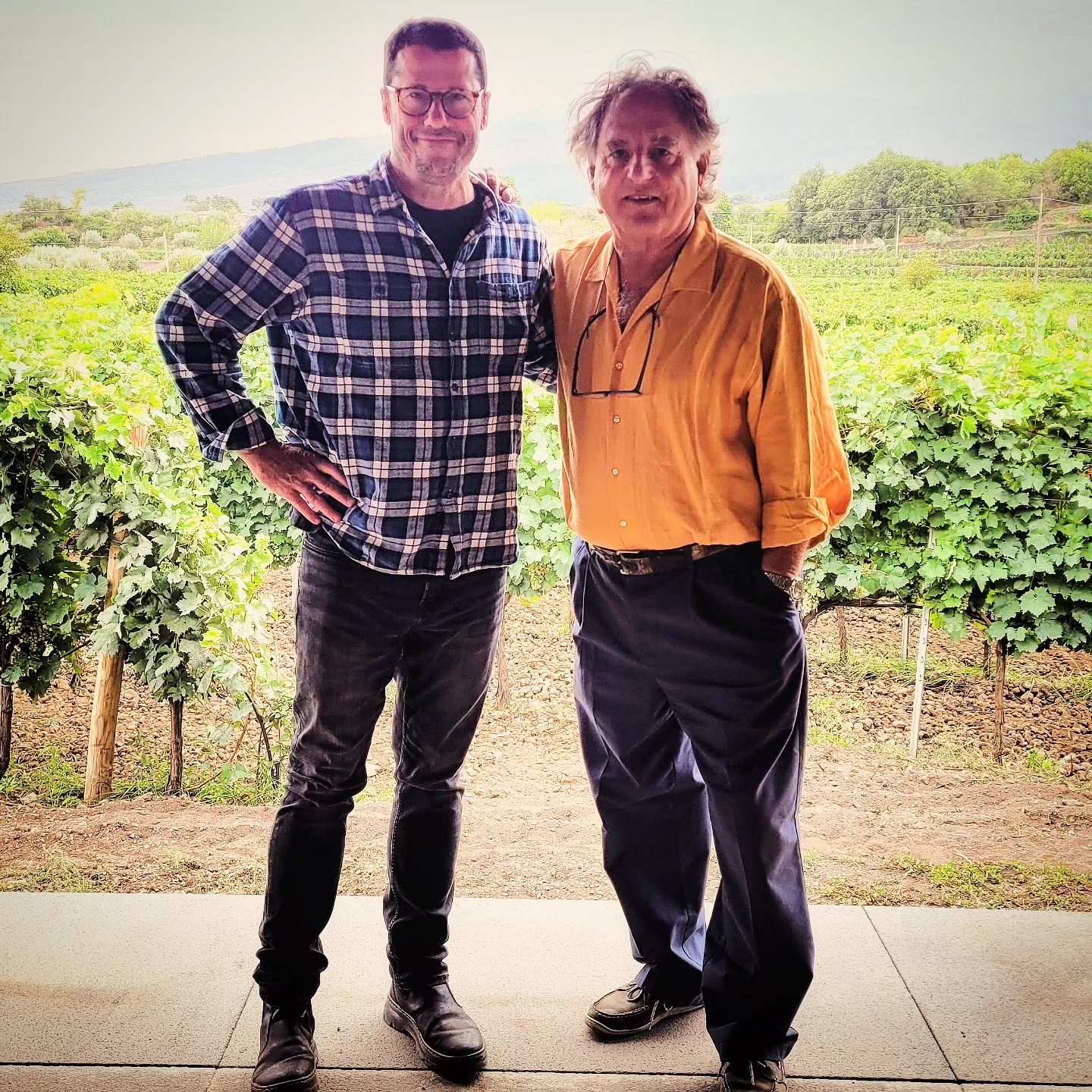
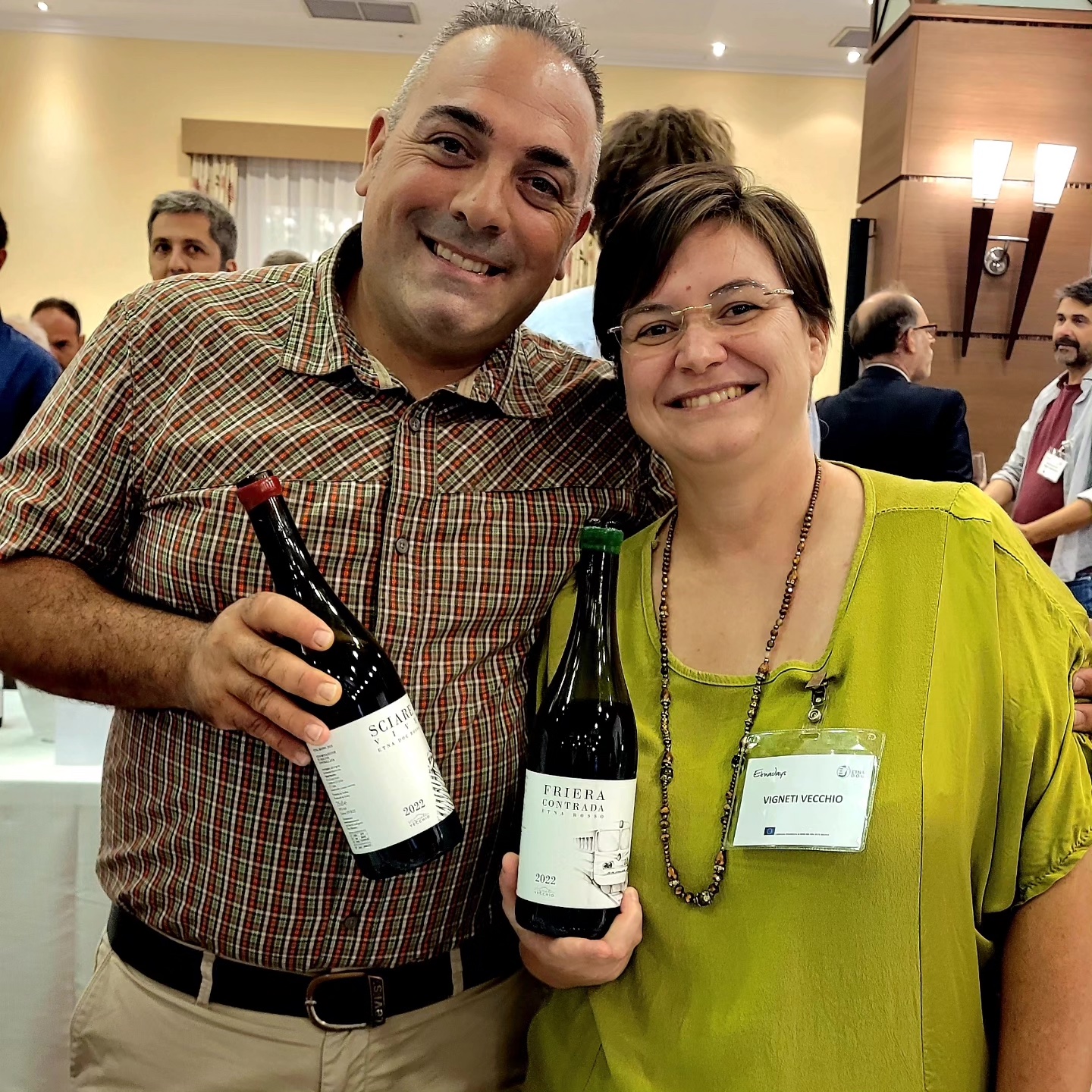
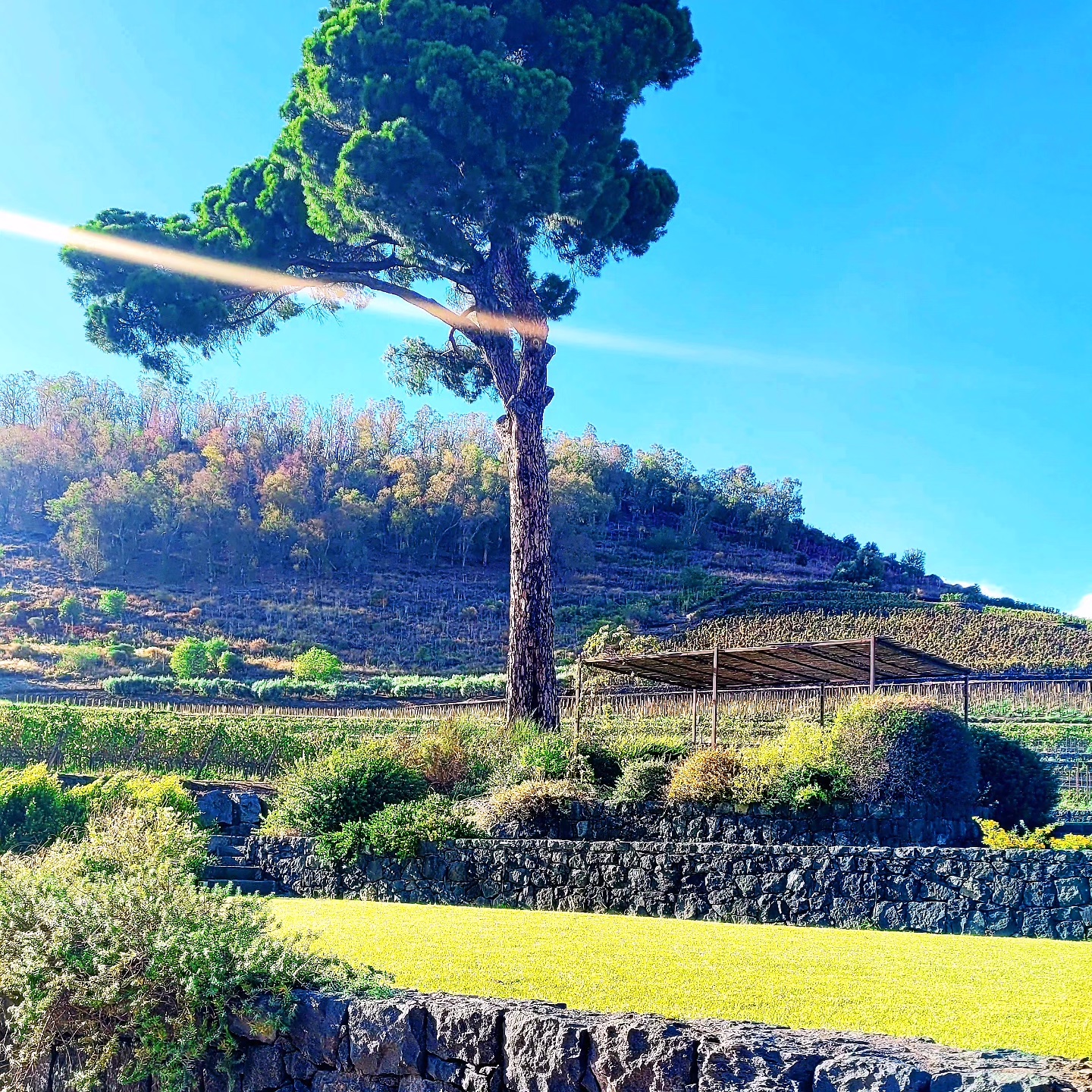
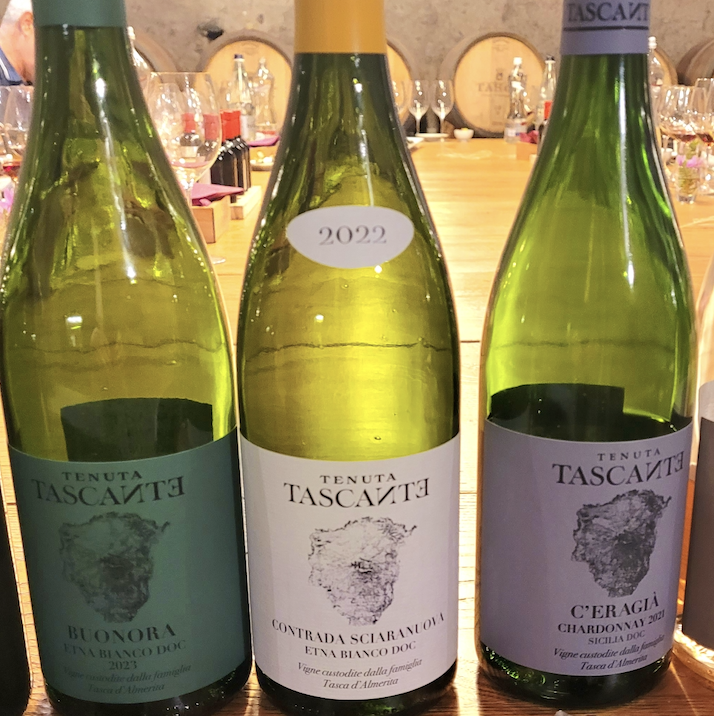










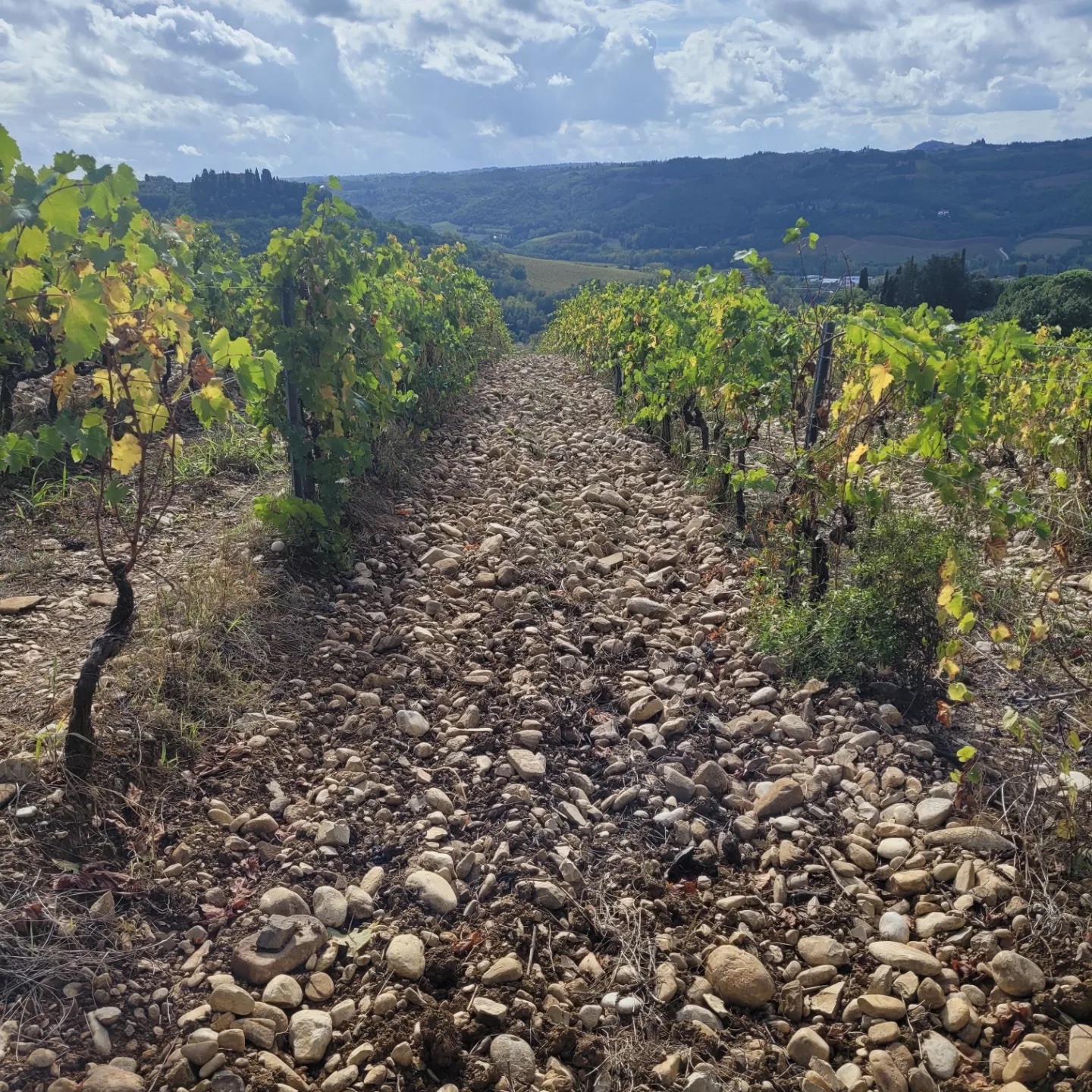





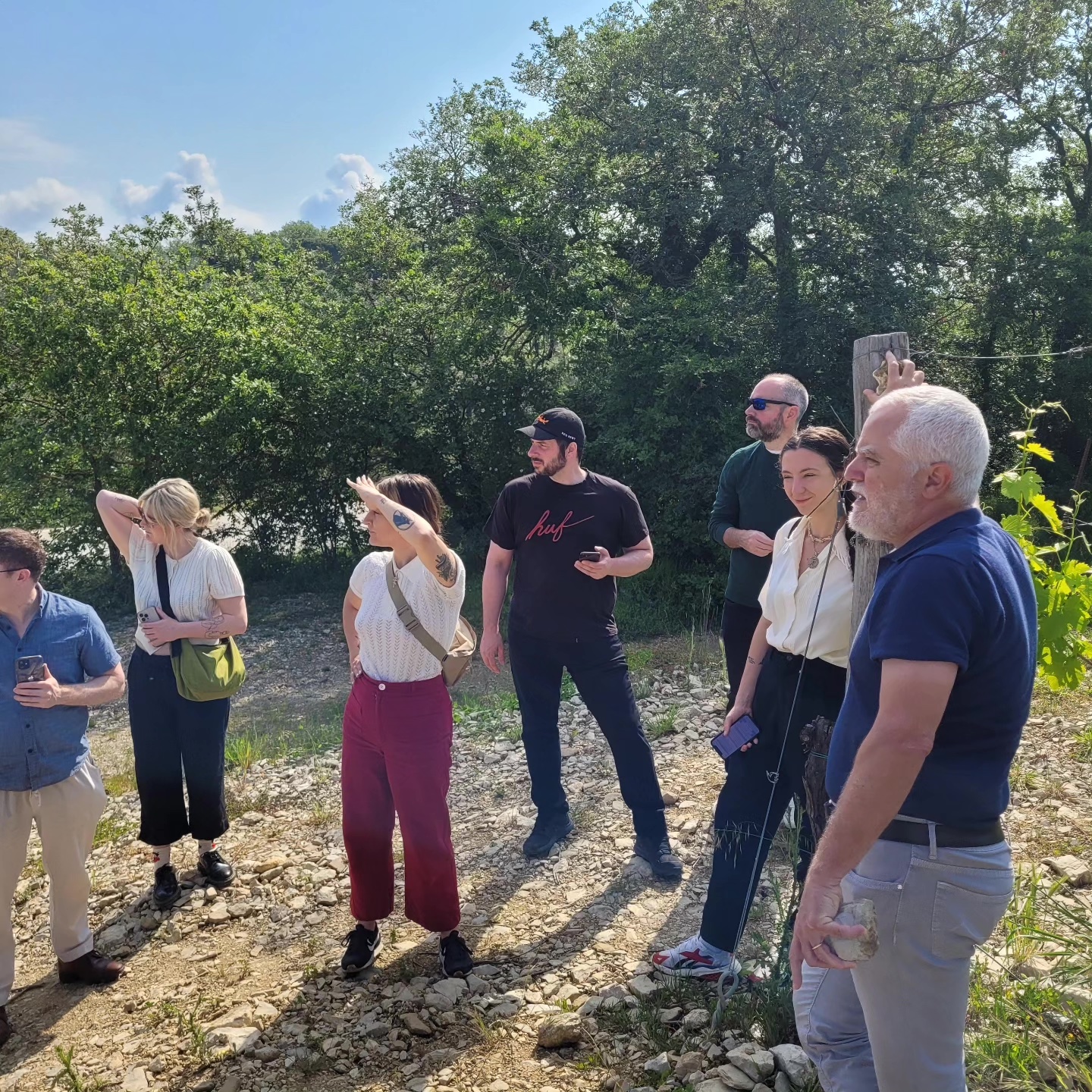





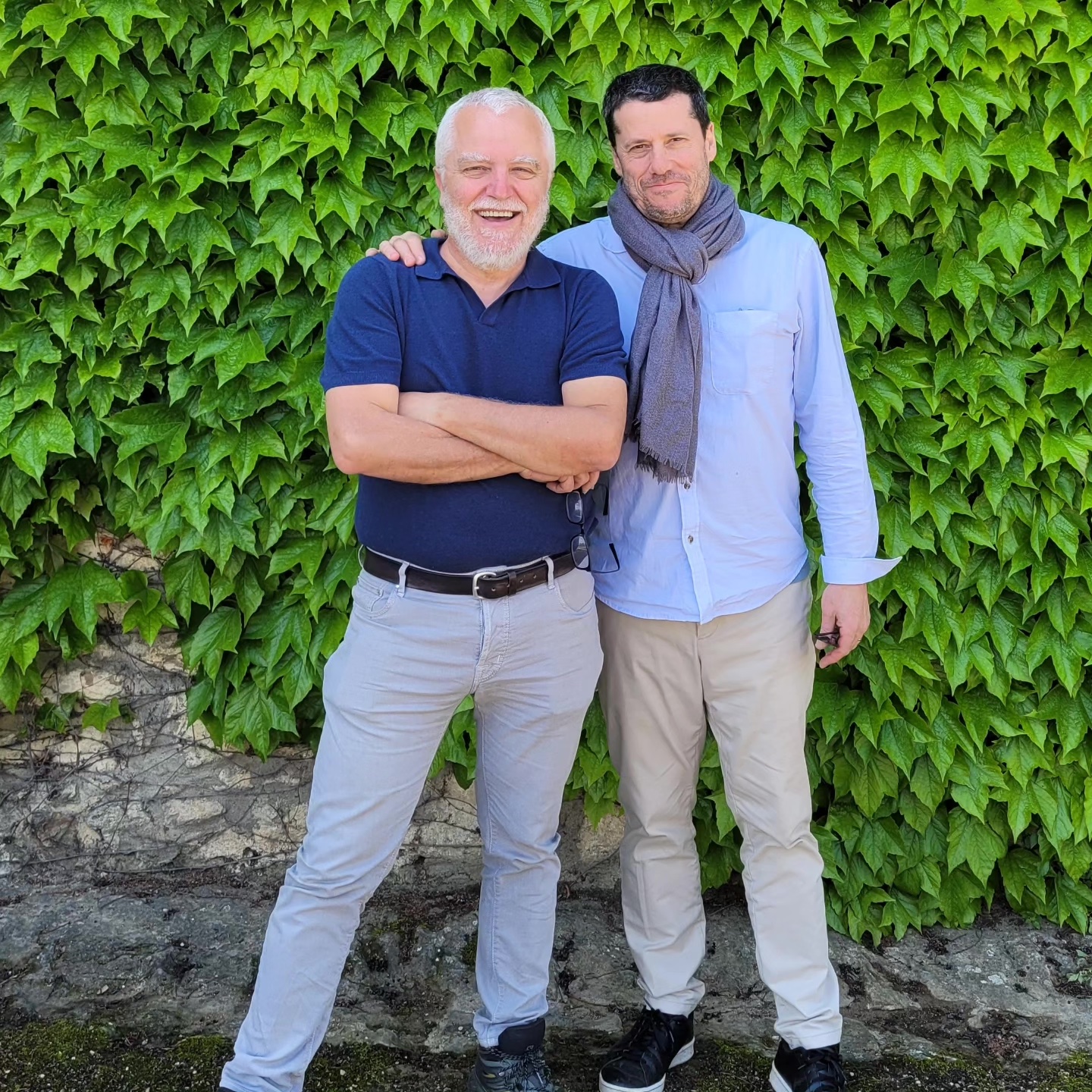









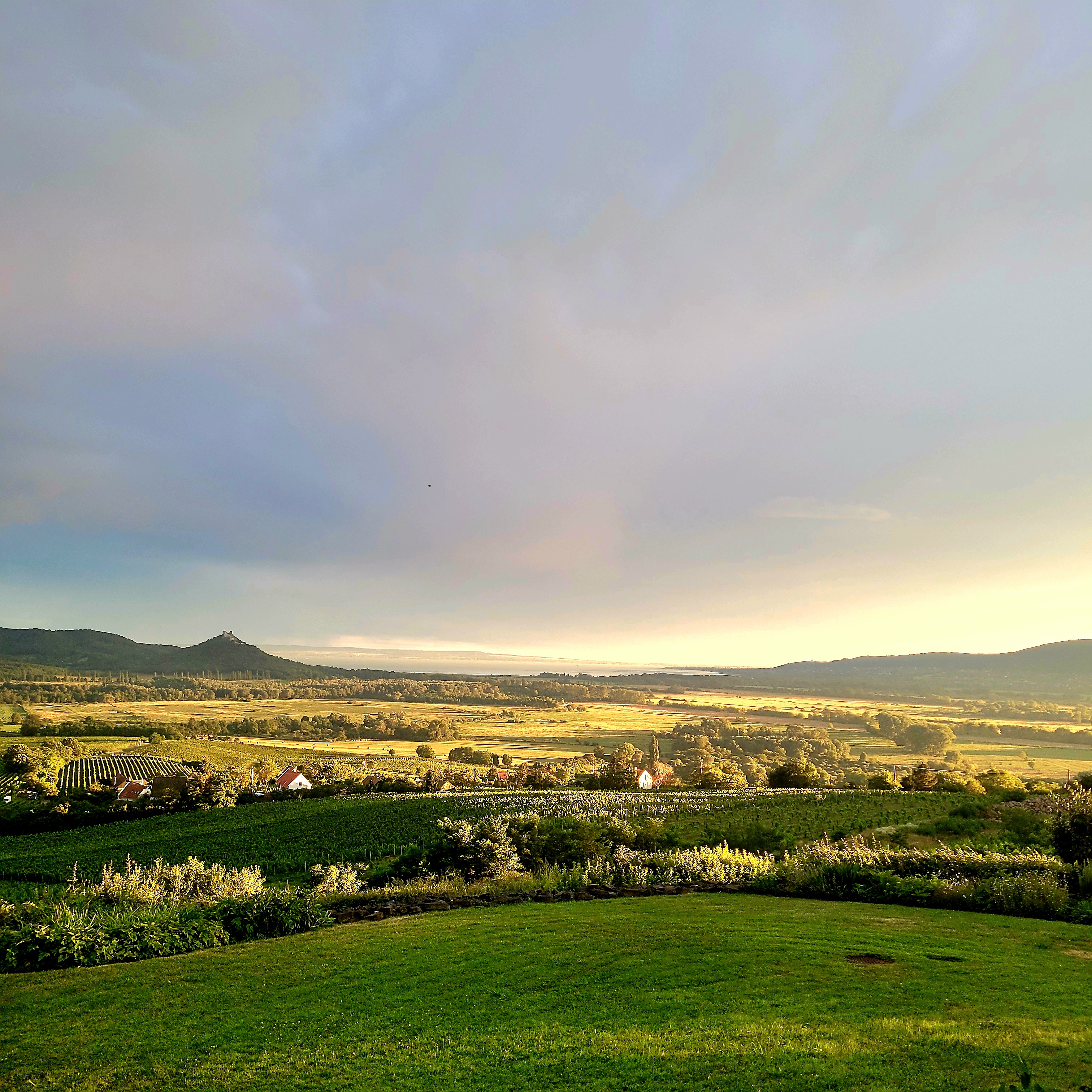


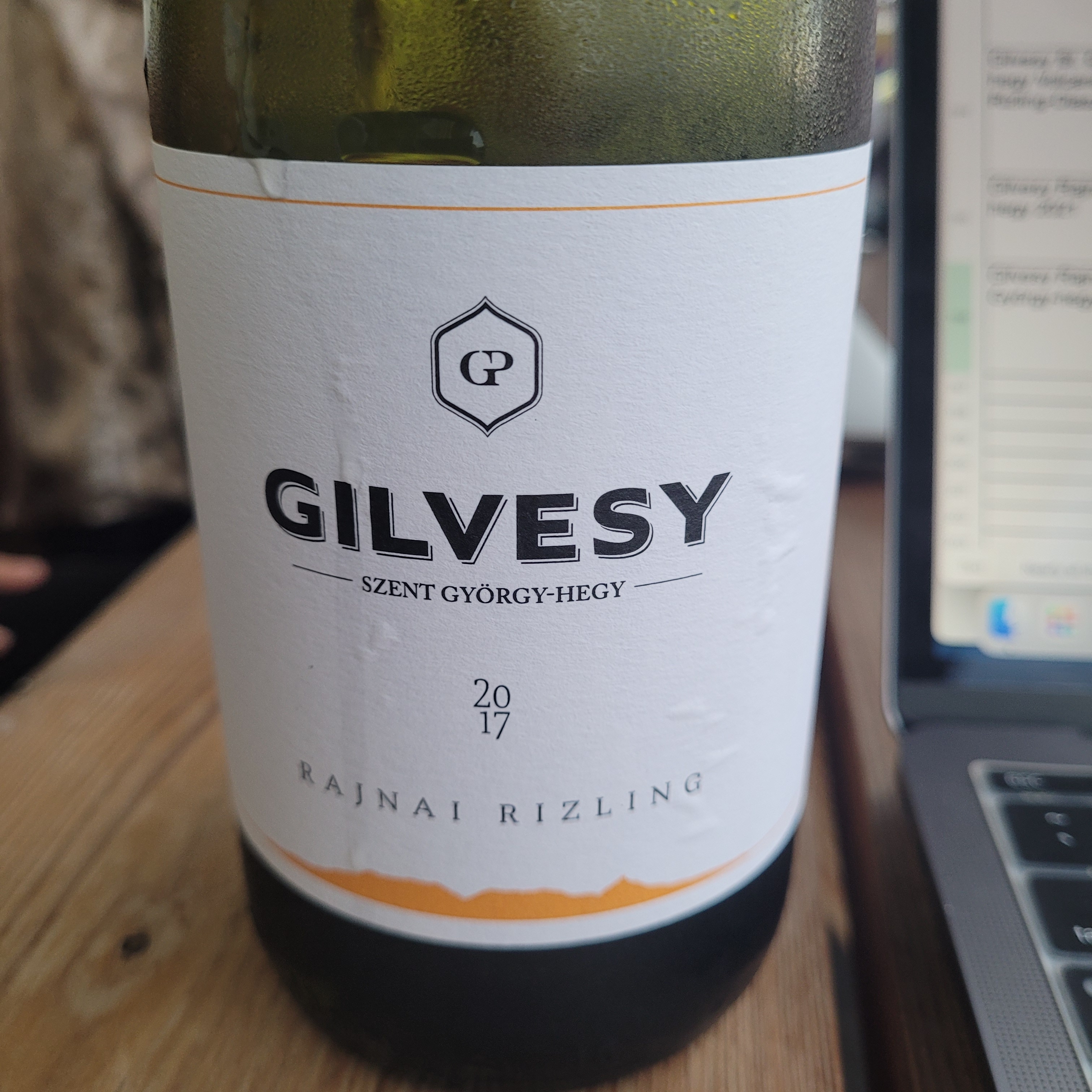













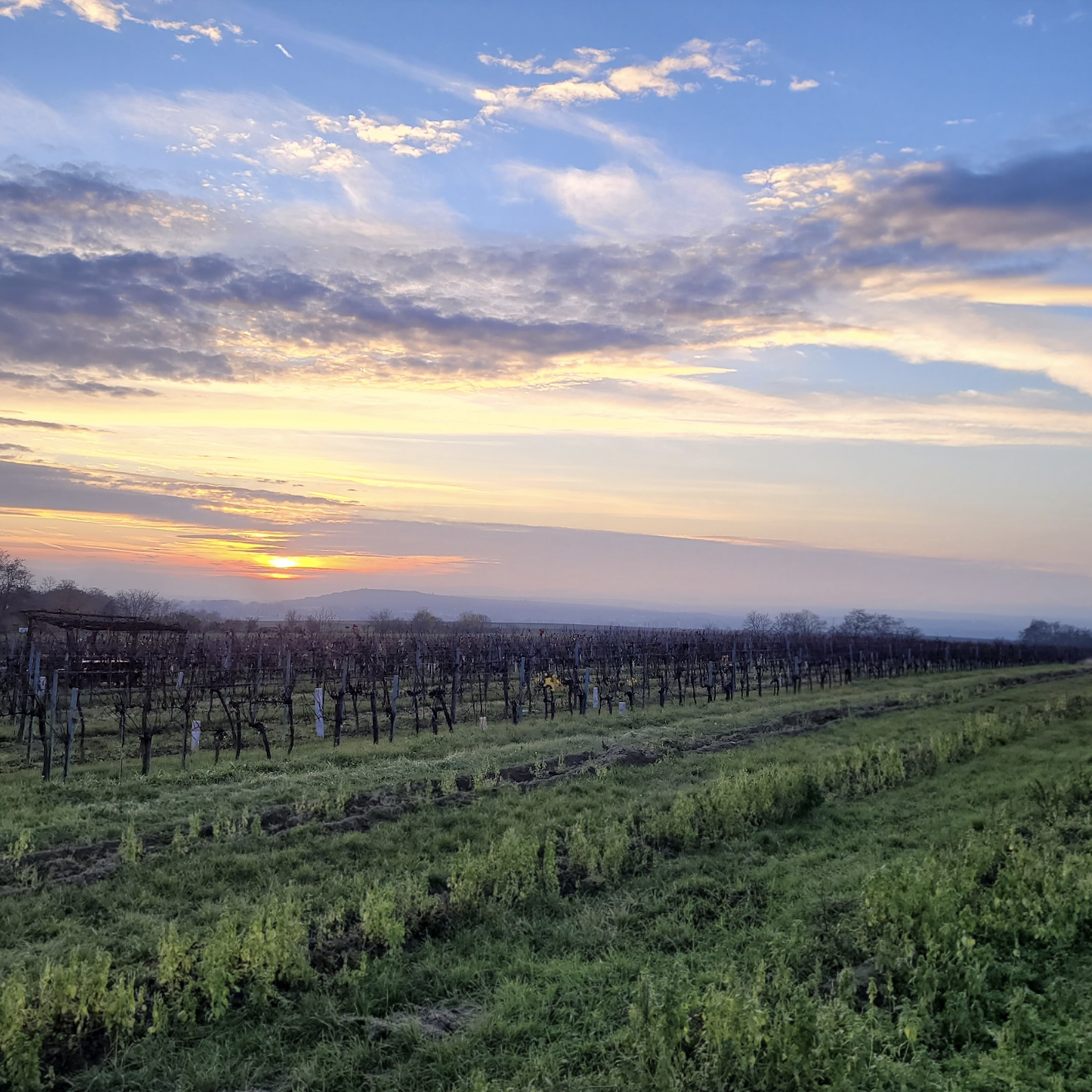
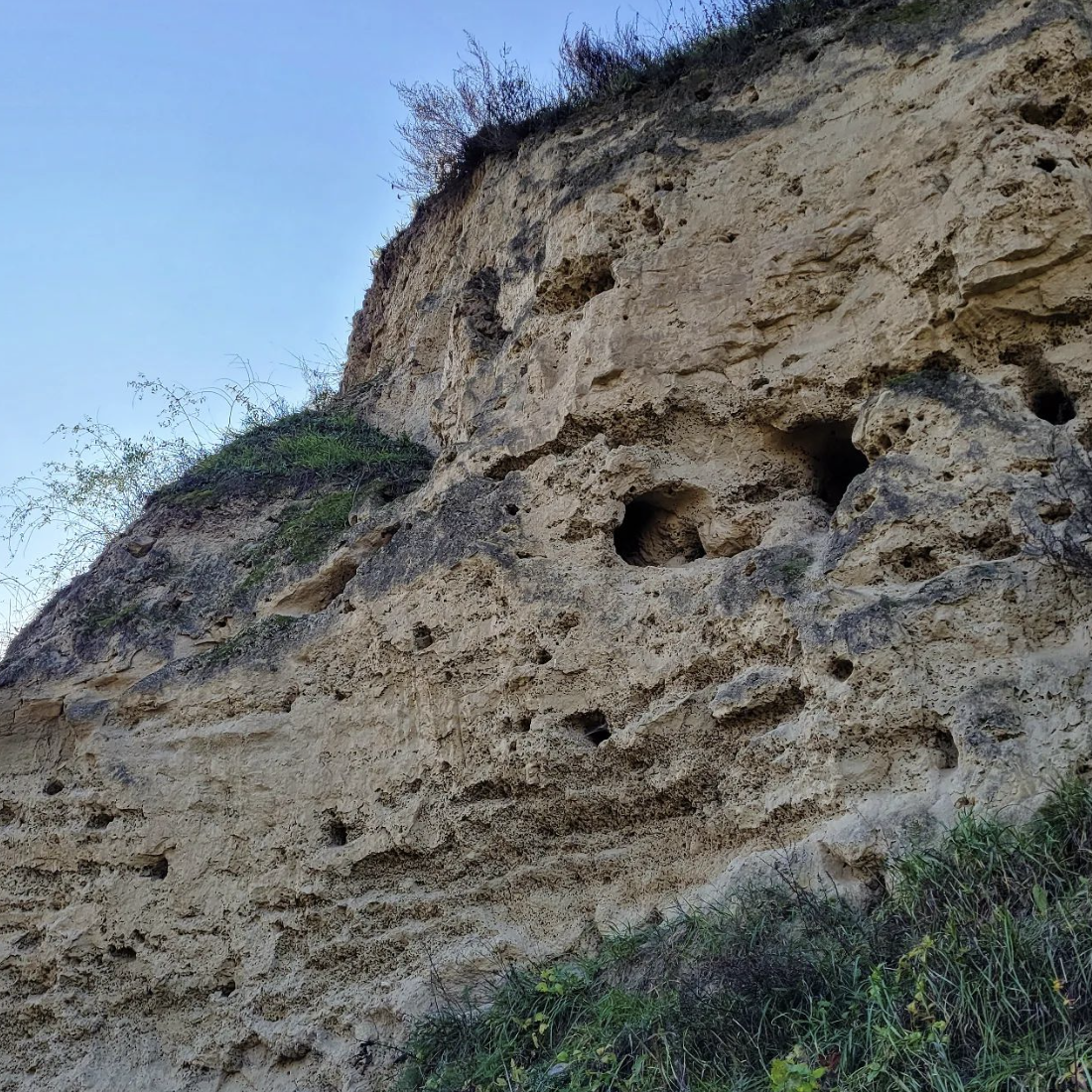
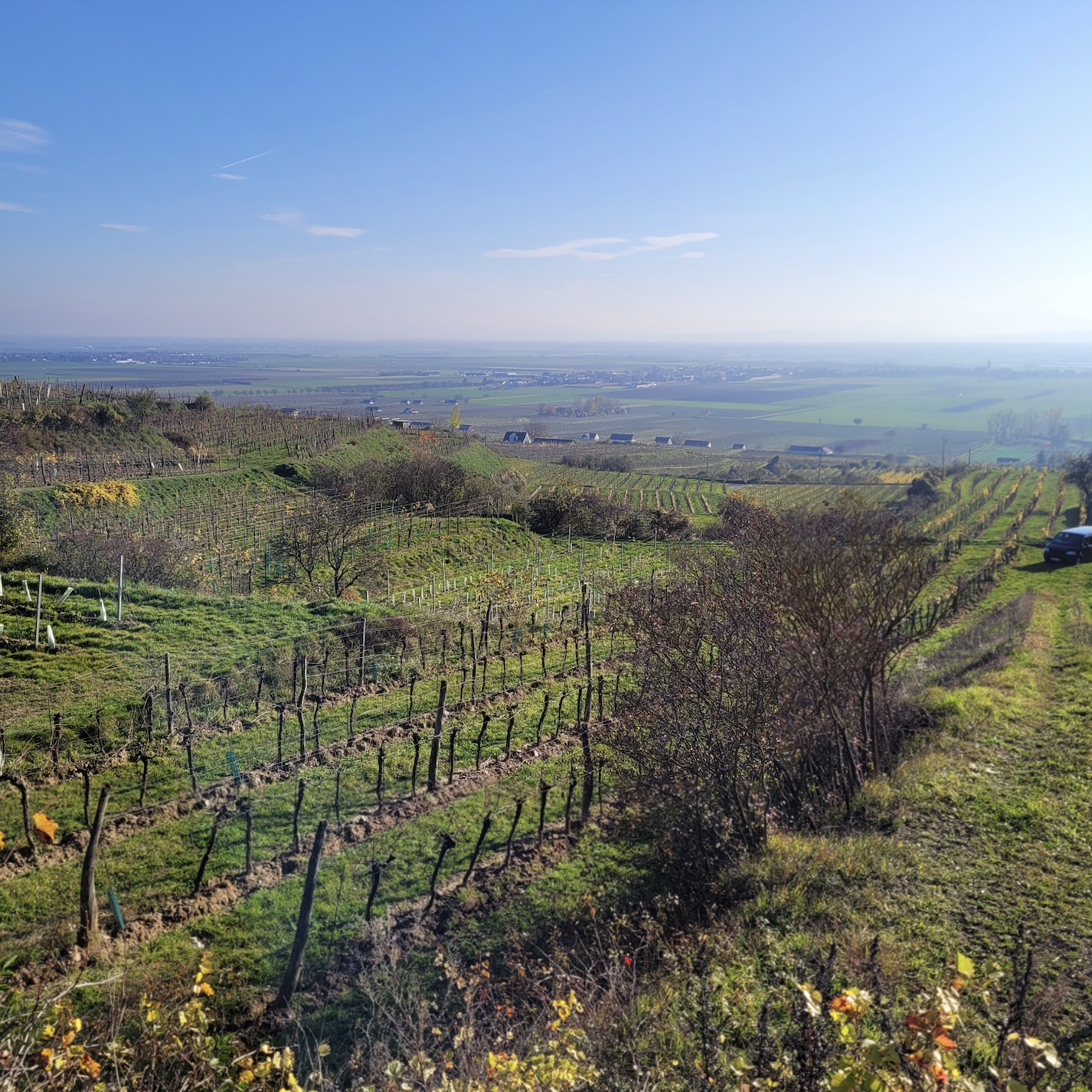


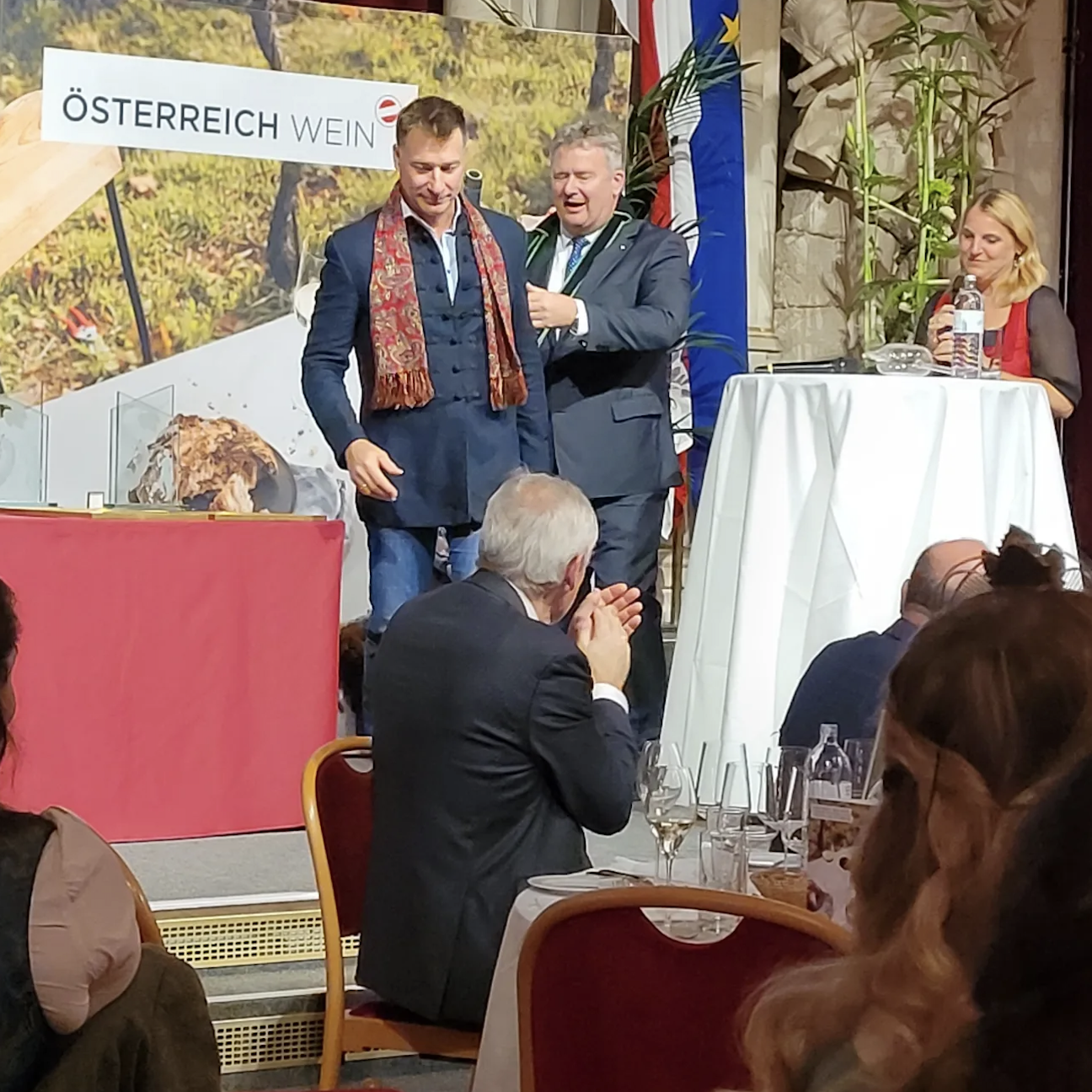







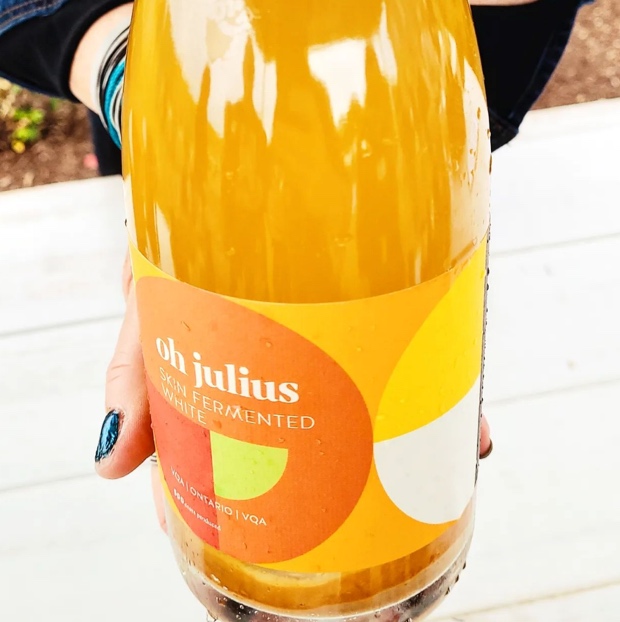










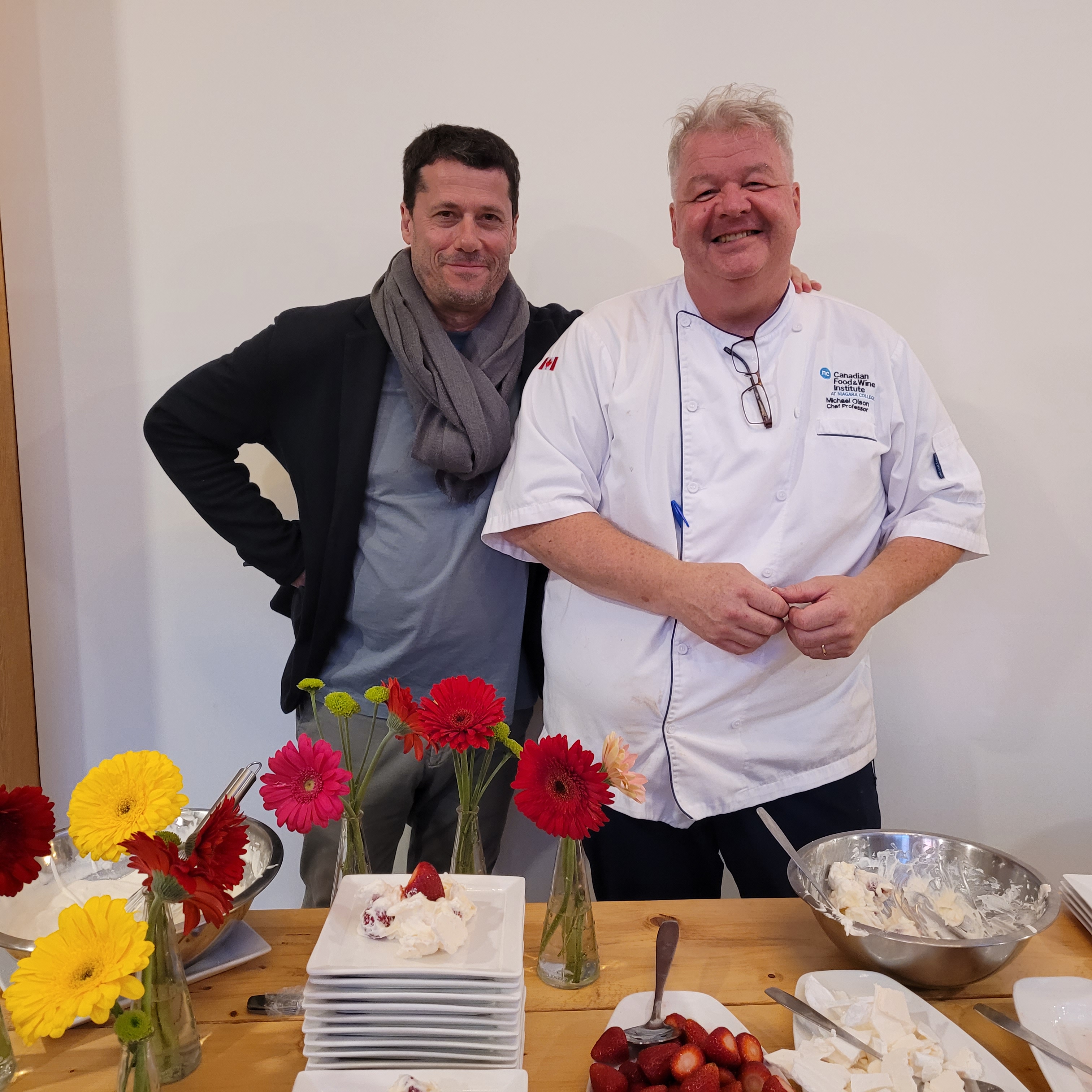


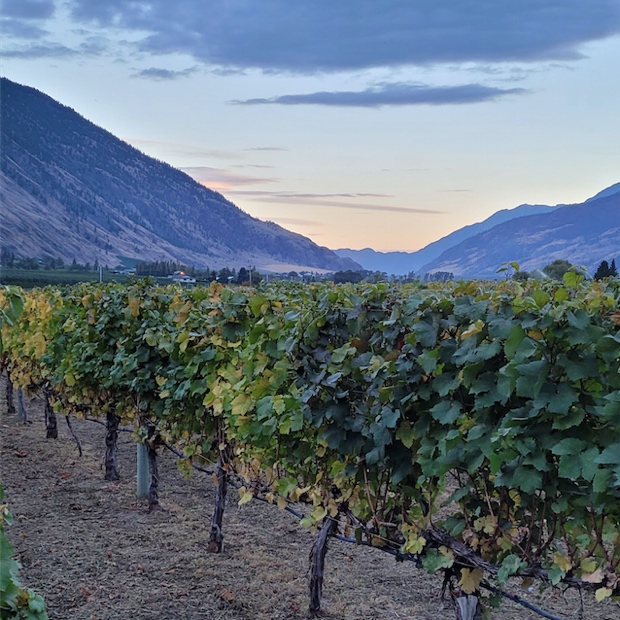




















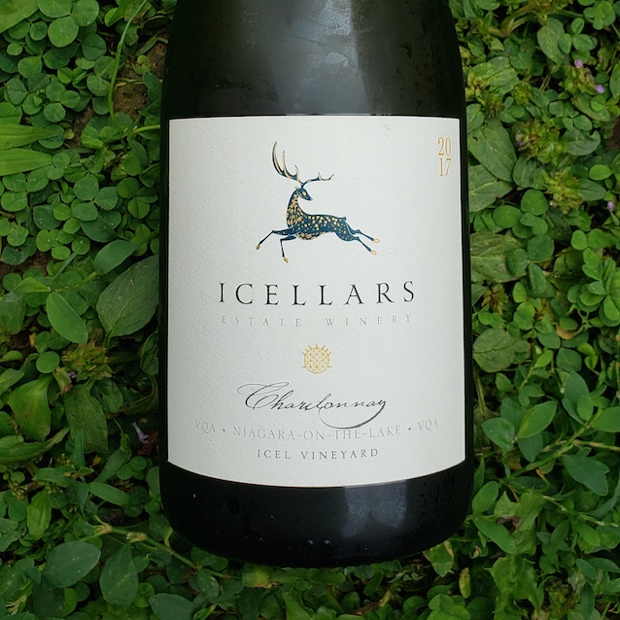
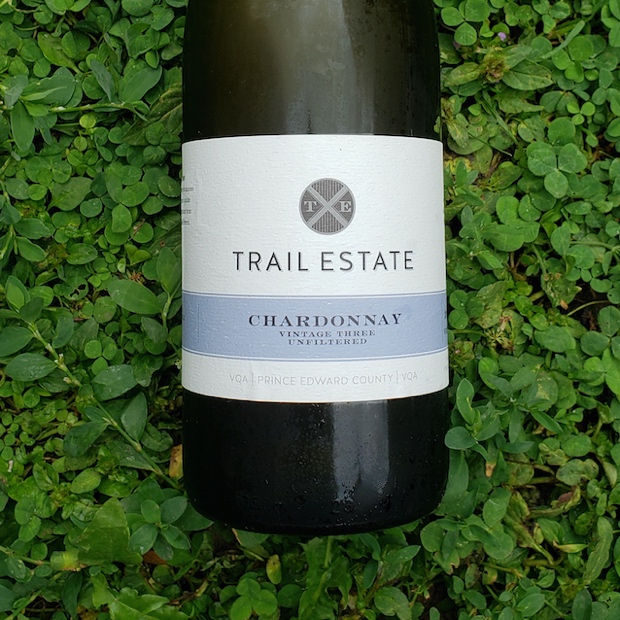
 Godello