As VINTAGES rolls out another army of bottles in proclamations of blatant multiplicity and, as I mentioned yesterday, in duplicity, it is time to settle into the recommendations encampment. Trudging through the trenches of Sparkling, White, Red and Dessert the divisions are laid, dispatches ordered and strategies finalized. Staffers go here, front liners there and commanders bring up the rear.
A little bit of everything, as always, defines the March 7th release. Tidy little sippers work the hardest and make sacrifices for the rest. In this release Kosher wines prepare to tackle Passover but that we will save for next week, or perhaps the week after. Italy is the focus, bellowing commands from the bull horn, making decrees like colosseum commentators at Hunger Games. “We have wines that are just too goddamn vivid!” “We have wines with language that is fairly formal and sometimes flowery!” “Occasionally we stop to smell the adjectives!”
Tuscan wines always seem to possess what has heretofore been referred to as collectively having “a firm jaw and an air of tragic nobility.” As a group they are confident, steeped in tradition and now, as much as any wine-producing region, captured within the heart of the state of the art. The sea is murky because the obvious separations between varietal and blend are hard to discern but one aspect is not under dispute. Overall quality has never been higher. Tuscan wines are just plain fun to drink.
The seven blazon party from March 7th attacks with Chardonnay, Yellow Muscat, Cabernet Franc, Sauvignon Blanc, Zinfandel and two rounds of Sangiovese. The notes, here, now.
From left to right: Fielding Unoaked Chardonnay 2013, Puklus Pincészet Tokaji Yellow Muscat 2013, The Good Earth Cabernet Franc 2012, Castelli del Grevepesa Panzano Chianti Classico 2008, Rocca Di Castagnoli Poggio A’frati Riserva Chianti Classico 2010, Château De Cruzeau Blanc 2009, Chateau Montelena Estate Zinafandel 2012
One of the best deals going in oak-less Chardonnay, a glug, glug, line up at the jug kind of guiltless white. Pure, cool-climate variegate, with the cool of the Peninsula overridden by the vacuous warmth in the saddle abutting the Escarpment. Very pear, all in slate, exit to daylight acidity for a Chardonnay that hit the switch. Spot on in 2013 with an even keel of personality, warm but never far from cool. Tasted March 2015 @FieldingWinery@RichieWine
From Tokaj Hegyalja in Bodrogkeresztúr found tucked into the northeastern corner of Hungary. One could imagine the air thick as sweet cool soup in summer, perfumed by basil and lemon verbena. Designated “semi-sweet” the varietal is so much more than pedestrian when handled with this kind of poise and concern. Highly aromatic, viscous and wildflower floral. Honey and honeysuckle, fresh lemon, beeswax and citrus pith. Sweetness begins, abides, subsides and melts in the mouth. Buckley‘s medicinal to a fundamental degree but not to a fault. Delicate and delightful. Muscat of a grace that makes you feel and wish, “my kingdom for a kiss upon her shoulder.” Tasted March 2015 @WineofHungary
The Good Earth Cabernet Franc 2012, VQA Lincoln Lakeshore, Niagara Peninsula, Ontario (164491, $20.95, WineAlign)
While wood plays a prominent role it does not saturate to distraction. The barrel extract adds warmth and spice in contribution to balance. A high-toned syrup on the nose gives way to an evenly weighted palate. A scraped bean flavoured creamy toddy texture is topped with chocolate shavings, a dry of bell pepper and tobacco smoulder from out of the chamber. Nicely judged fruit, acidity and texture with admirable length. A necessary example of $20 Lincoln Lakeshore Cabernet Franc offering up every reason to drink it and demand that more me made. Tasted March 2015 @goodearthtweets@EpicW_S
A very honest take on Sangiovese and Chianti Classico. When it appeared from the 2006 vintage it had been a while since this Panzano came to market, having been a stalwart presence in late 1990’s vintages. Modern now, very much a child of 21st century winemaking but in retention of loyalties to red, sour cherry and dusty 90’s Sangiovese. Remains slightly austere, angular and tension-filled, as if a scraping noise could be heard as the fruit, acidity and tannins fight for purchase on the floor. Chalky lactic and really juicy. Drink now and for three to five further on. Tasted March 2015 @chianticlassico@ProfileWineGrpCastelli del Grevepesa
Very expressive aromatics in dried flowers, earthy red perfumed fruits, orange peel, clove and a full crumble of cinnamon fill the air. Rampant but not relegating (at this early, five-year juncture) acidity drives the engine, running on vineyard funk, a hint of game and fruit ripened to optimum clarity. This is faultless Sangiovese of guts and guile, really well-made, classic yet modern CCR. Dances like Sangiovese should, “well, you wiggle to the left, you wiggle to the right, you do the ooby dooby with all your might.” No factory made CCR here, nor from out of the cosmos. Just simply down to earth. Were $30 all that I had to spend and a Chianti Classico Riserva the only choice, this would have to make the shortlist. Tasted March 2015 @chianticlassico@ProfileWineGrp
Château De Cruzeau Blanc 2009, Ac Pessac Léognan, Bordeaux, France (966010, $31.95, WineAlign)
That VINTAGES was able to secure another sku of this Bordeaux Blanc is both fortuitous and a gift. For the cost of an I-Tunes song you can have a peak into the generosity of the 2009 Bordeaux vintage through the senses of a top-value producer. From Les Vignobles André Lurton comes this white beauty. Though slightly musty upon entry this shows immediate yet perfectly evolved poise. Ready to strike with much persistent verve and density in 100 per cent Sauvignon Blanc singularity. Wood is very involved (10 months in 35 per cent new oak barrels on full lees with bâtonnage) by adding precious layers of necessity. Very layered indeed, honeyed, anti-hackneyed, buttressed, really fine and generous. Most excellent work by oenologists Denis Dubourdieu and Valérie Lavigne. Tasted March 2015 @AndreLurton@KirkwoodDiamond
Château Montelena Estate Zinfandel 2012, Calistoga, Napa Valley, California (69633, $49.95, WineAlign)
A rare, in the neighbourhood of elegant and exquisitely refined Zinfandel gives all red fruit with just a faint raise of raisining. Quite pure, with heaps of liquorice, smouldering cedar bough, brushed and bushy, big but shy of the peak. The English punk of Zinfandel but with melody and charm. Says to the world we have “our own raison d’etre we can’t see?” The quality is in, raising the Zin bar to a level not oft seen, with restraint and complexity. Never mind the bullocks, Montelena offers a buzzcock of a Zinfandel. Here lies a Zinaison d’être. Tasted March 2015 @ChMontelena@rogcowines
Bouteilles de la collection Méquillet de Kientzheim, Confrérie Saint-Etienne
In January it began with A resolution to drink honest wine, “juice that conveys the salient facts of a grape’s life.” It continued with New year. Try new wines, where the goal was “the resolve to drink outside the comfort zone.” If the issue was Feeling under the weather? Drink wine, success was had. “Wine is your friend. When approached, integrated and embraced in the right way it can help to promote a healthy lifestyle. The defence rests.”
A 5500 km trek to the tip of Cape Breton and back yielding poetic and prophetic expression in The tides that bind: East Coast swing. “The tractive is a thing to and of itself. The pauses to gather at points along the process remember lobsters roasting over an open fire, a cottage visit with new-found friends, a hike into the cavern of a waterfall and a swim in a tidal river. Memories are made in rites of passage, though in the end, like the photographs, they too will be demurred by time. Indelible stamps they are, cemented in commitment to reaching and by necessity, descending summits. A road trip to the eastern part of Canada realizes the bigger plan. The key is making it safely home, before the tide rolls in.”
Local wines, notably Niagara delivers everbearing quality in November releases and in direct contrast, I went Off the beaten Italian path to discover endemic varietals. The Bloody vivid 2011 Vintage Ports had me reeling. “The 2011 Vintage Ports have balance, well, the best do, but they are, and I speak in very general terms, collectively over the top. Though it may seem an oxymoron to put Vintage Port and elegance in the same sentence, what is a great wine without a sense of humility and restraint?”
Godello and Christophe Ehrhart, Domaine Josmeyer, Kientzenheim
This is the third in the trilogy of best of reports for 2014. The first, 14 Canadian wines that rocked in 2014 was about “wines that are extensions of their maker’s personality, philosophy and temperament. Wines that are indicative of their terroir.” The second, Top 15 under-$25 wines of 2014 was meant to to “create the sociological, world of wine equivalent of splitting the atom. To celebrate the triumph of laic heterodoxy and the arrogance of modernity. To seek purity from beneath the massacre caused by an avalanche of contrived wines.” The third instalment is meant purely to celebrate and to thank those who shared their bottles with me. Here are 16 wines tasted in 2014 that simply blew me away.
Tasting with Philippe Blanck, Domaine Paul Blanck
Domaine Paul Blanck et Fils Muscat d’Alsace Réserve Spéciale 1983, Alsace, France (From A Blanck slate in Alsace, December 1, 2014)
From Altenbourg, a lieu-dit located at the base of the Furstentum vineyard. Here is Blanck’s “fairy tale,” a wine you would have always heard about but never had a chance to taste or likely ever seen. The terroir is limestone mixed with clay and you will have to excuse my Alsatian, but a single sniff and taste releases the expression, “are you fucking kidding me?” This 31-year old Muscat is an impossibility, a first time feeling, a never before nosed perfume. Speaks in a limestone vernacular, of grapes given every chance to survive long after their innocence had been lost. A forest herb, tree sap, evergreen resin, lemongrass and bitter orange coagulation rises from its viscous mist. The acidity has lost nothing on the fruit, acts in perfect foil and leaves you with a sense of loneliness that is just beautiful. Tasted June 2014 @DomaineBlanck
In July 2013 Francois Morissette made this statement. “If we can’t make Gamay in a Cru Beaujolais Style, I’m not interested.” In May 2014 his ’13 Gamay causes Bill Zacharkiw to comment with blatant honesty, “just line up at the tank. Forget the bottle.” From 100 per cent whole clusters sent to cement fermenters. Once again the hue is just impossible. Sulphur-free, this walks a fine and perfect line of Cru banana Gamay. Pushes the Gamay envelope in that it’s gulpable but with a duress to remind you not to overdo it. A Gamay with a chamber of 32 doors. In it “I’d rather trust a man who doesn’t shout what he’s found.” François Morissette. Tasted May 2014 @PearlMorissette@3050imports
Here blends one-third each Viognier, Rousanne and Marsanne, a veritable Rhône orgy in wild fermentation, aged on the skins in terra-cotta and amphorae. While I would not go so far as to call it an “orange wine,” I will use the “N” word to describe its agrarian ways. As natural as anything you are likely to taste out of B.C., this is a most untamed experiment and should not be missed. It verges on oxidation but refuses to climb over the edge. It’s floral, spicy and crowded. The texture is chalky and so full of rusty, clay rubbed streaks. Everything about this is unkempt and exotic, including the never cease and desist fermenting lychee and longan feel. Hard not to be wowed by this blend’s presence. Tasted August 2014 @lfngwine@liffordretail
Only Charles can follow Charles, as only Jimi could follow Jimi. Just ask Peter Townshend. The combined forces of vintage, off-dry level of residual sugar (23.9 g/L) and age have ushered this Picone into a realm of adipose, butyraceous, chewy texture. The ’06 is emblematic of its time, stunning, psychedelic, experienced. It speaks clearly and with conceit. Tasting it eight years on you can hear Baker’s 2006 voice saying “if you can just get your mind together uh-then come on across to me.” We have and continue to follow Charles, and we are paying close attention to every vintage along the ride.Tasted March 2014 @cbriesling@StratusWines
A lifelong search for great Sémillon is fraught with peaks and valleys. Finding greatness is so rare it’s blue. The Hunter Valley in New South Wales beckons for a rush to strike gold. Many roads lead nowhere and others, like the dusty lane up to Brokenwood’s Maxwell Vineyard, lead to OZ. This young one has barely broken bread, or even a sweat. Sémillon of primary concern, like a tank sample. Varietal beauty as a cryogenically frozen specimen inundated by the table, the whole periodic table and nothing but the table. Guided by a laser beam of focus, great intent and expectations. Bob’s your uncle this David to the world’s white wine Goliaths. Son of racing studs and mares. Wow Sémillon. Not a faint moment about or in it. Tasted May 2014 @Brokenwood
The Hess Collection Cabernet Sauvignon 1990, Mount Veeder, Napa Valley, California, USA (662015, $59.00, WineAlign) From The death of wine scores?, March 26, 2014
A seminal bottling from a game-changing year, for two all important reasons. One, it was a great vintage for Napa reds and two, the Mount Veeder sub-appellation was established. While only 24 years ago, a mere five wineries existed there at the time, including Mayacamas, Mt. Veeder and Hess. No hyperbole to say this is tasting a piece of history. Despite my “shouting all about love,” this splendidly aged Cabernet is not so much about resilience as it is persistence and infinite wisdom. All those years ago there were Napa reds made at a mere 12.5 per cent alcohol, with finesse and a sense of George-like calm. With little aeration there is fig, prune and toffee gently weeping but with air the aged fruit is swept away by a wave of gob stopping Cassis before its time. Preconceived notions of banausic, early days Cabernet are smothered by the magic dust of this Hess religion, a Dharma of licorice, ash and enlightenment. A wine to make you forget where you are. Depth, length and up to a half decade yet of reserved life lay ahead. Tasted March 2014 @HessCollection @liffordretail
The Fèvre take on Les Clos is the cradle of all the domain’s wines, in every respect. Intensely concentrated, this is Chardonnay expressive in every facet of its surroundings. The impart from compressed white limestone, ancient fossils and Jurassic minerals in distillate may seem abstract in description but how else can the feeling of a mouth full of rocks be conveyed? The remarkably complex Les Clos and its structured palate that goes on forever has come out of its Chablis vineyard cradle and will live on as one of the best ever. “It’s not a place, it’s a yearning. It’s not a race, it’s a journey.” There is no rush to drink it up. It will offer immense pleasure for 20-25 years. @WoodmanWS@BourgogneWines
From a golden vintage, this ’97 is crazy good. A fixed, double-edged blade fighting knife dipped into a warm pool of developed liqueur-like sweetness. Seventeen years of languorous modulation and wood-fruit integration had resulted in a gracious Brunello, intrinsically delicious and living large in senescence. Life for the Col D’orcia ’97 is a bowl of cherries. Open one now and for the next three to five years and you’ll know exactly what you’re going to get. Me, “I’ll stick with you baby for a thousand years. Nothing’s gonna touch you in these golden years.” Tasted April 2014 @Coldorcia@ConsBrunello
The blend of the 2001 Rosso Superiore is Cabernet Sauvignon (65 per cent), Merlot (30) and Cabernet Franc (5). Though strange to say and admittedly a retrospective comment, the minute quantity of Cabernet Franc and not yet inclusion of Petit Verdot result in a more straightforward and not as heavily layered Ornellaia. The structure is more linear and understandable, the fruit not as variegated. Complexity and Tuscan spiritualism are not compromised by the Cabernet Sauvignon and Merlot dominant line, in fact, assessing the evolution at 13 years on reveals the Bolgheri terroir in ways the magnanimous and opulent more recent vintages just don’t reach. There is a refreshing acidity in this young and developing ’01 in a streak that again, the baby Superiore do not seem to possess. This is a striking Ornellaia, a wine that would work with exceptional cuisine of varied cultures. It can be enjoyed now and will respond with grace and thanks for 30 plus years more. Tasted June 2014 @Ornellaia@AuthenticWineON@sherry_naylor
Château Léoville Las Cases 1995, Ac St Julien, Bordeaux, Left Bank, France (402529, $599.00, WineAlign) From A Bordeaux family of wines, September 29, 2014
This 2nd Growth, Grand Vin is a product of nurturing and environment, a study in 12 superb soil subsets, from sand to clay to stone. From mature, edified vines split between Cabernet Sauvignon (70 per cent), Cabernet Franc (16) and Merlot (14). The LLC ’95 is grounded and centered on its highly confident axis while swirling within a centrifuge of inwardly concentrated, ripe but not ripest fruit. Merlot here is the anchor, Cabernet Sauvignon the mast. This is a relationship of pure linear fruit meets acidity. The full and fresh attack is refined with soft-pedaled tannins. It’s neither St. Julien nor Paulliac. It is Las Cases. No other Bordeaux is such an island, a distinctly personal expression, an event of its own. This is a window to the greatest vintages, a portal to extend to the benchmarks of 1996, 2000, 2005 and 2009, but also to step into the history of physiological cortex, to gain insight into previous legendary vintages, like 90, 89 and 82. The ’95 is silky, caressing, rapturous enveloping in a reverse osmosis of fruit and acidity, acidity and tannin. Another sip notices the layering, the grain left in tannin, the lingering richness of the fruit. The absolute sweet caress. Tasted September 2014 @Noble_Estates
Tenuta San Guido Sassicaia 1977 at Splendido Restaurant, September 2014
Tenuta San Guido Sassicaia 1977, Doc Bolgheri, Tuscany, Italy
Though the vintage was reported to be less than exceptional, the chance to taste this 37 years in/on and the longevity it displays combines for full, blow me away effect. The first vintage of Sassicaia was 1968 and this 10th try hits the mark of experience. A blend of Cabernet Sauvignon (85 per cent) and (15) Cabernet Franc, the fruit came from vines over top soils of clay and limestone. The wine spent 20 months in Yugoslavian oak barrels (half of it being new, and half used once or twice before), while for the remaining 60 per cent, French oak was used (2/3 new and 1/3 used once or twice before. Tasted blind, the swirling and searching thoughts of Genesis retrospection assimilate aromas of truffle and mushroom, but at first there is no reply at all. Landing on a plot of excellence somewhere between Bordeaux and Piedmont, Tuscany rises from its hills. A silent conversation ask the Sassicaia “I get the feelin’ you’re tryin’ to tell me;
Is there somethin’ that I should know?” Its condition is near perfect, its body full, its nature pristine and finally, so obviously in balance. After 30 minutes it begins to slide, to no surprise, but you can’t believe the expression it gives and the impression it leaves. And so, it is confirmed. 1977 was a fine vintage for Sassicaia. Tasted September 2014 @Smarent@Splendido_TO
Bodega Viñedos del Contino Rioja Reserva 1974 at XocoCava, with Chef Chris McDonald and Rob Groh of the Vine Agency, October 2014
Bodega Viñedos del Contino Rioja Reserva 1974, Rioja, Spain (Agent)
An impossibly youthful 40 year-old Tempranillo, even surpassing the more evolved ’80 in that regard, with aniseed, coconut and beeswax in its current aromatic state. Less gamy and animal funky, yet persistent in earthy beats. The vegetal scents act as conduit to the light bulb shining brightly of circuitous flavours and resolved textures. Lingers in mouth feel, its layers of time slowly peeling back, revealing in length, a slide show of the wine’s life. With many year’s still ahead, this is a Tempranillo revelation and from one going back this far that gained no support from Graciano (because it was planted in 1979). Its apostle following instead comes by way of the white Viura. Pair with Chef Chris McDonald’s Foie Gras and Partridge Croquetas. Tasted September 2014 @TheVine_RobGroh@Cvne
Decanted Château Margaux 1989, The National Club, Toronto, May 1, 2014 PHOTO: Michael Godel
The 1989 Château Margaux wears the response to a mondo Bordeaux axiom on its sleeve. Are First Growth wines made for people who want darts of instant pleasure?” Twenty years earlier and now like the 2009, here is a quintessential and exemplary vintage, from day one of bud break to the last day of harvest. Its appraisal as anything but incredible is to assassinate it as if it were the Franz Ferdinand of Bordeaux. The examination 25 years later sees a mellow funk meet a peerless and sublime perfume. A wine cast in utmost density, complexity and length. It noses strength, warmth verging on heat but only for a fleeting moment, to gain attention. The iconic wine has reached the first major peak, up a ways from base camp. In this second phase of young adulthood it looks with conceit to the top of the mountain, seeing 25 to 50 more years on the climb. Mr. Pontallier regrets he won’t be around to taste this wine at full maturity. Moi aussi. The fruit lingers in its full, original state, from the moment it passes lips and for minutes onward. Violets trump roses. Château Margaux 1989 is from a vintage that offers the blessing of ethereal balance. Hear her sing, “Ich heisse Superfantastisch!” Tasted April 2014 @Noble_Estates
A south-facing, very steep slope of grey marls and gypsum. A vineyard that yielded a miniscule 10 hl/H. A stratospheric residual sugar quotient (in the realm of 500 g/L) and incredulous acidity to prevent the development of the yeasts. A fermentation that finally finished in the late winter of 2012. A wine aged in demi-guid. Selection of grapes of a botrytis so pure and dry. These are the specs of a wine I may never taste again. Olivier concedes he “really tries not to obtain the highest sugar concentration possible” but this 2009 is a “monster of a wine.” It will take forever to assimilate and digest the sugar. Unctuous, lush, rich and gorgeous does not do it justice. Pure distillation of fruit and stone, accented by spice, wild herbs and flowers. Like an injection of pure, Pinot Gris adrenaline. All this from dry extract, slowly rehydrated with magic pixie dust and the wonders of the natural world. Will live for a century and then some. Tasted June 2014 @olivier_dzh@TrialtoON
Domaines Schlumberger Riesling Grand Cru Kitterlé 1945
From an area of sandstone soil that predates the appellation. “This is an old story,” says Sommelière Caroline Furstoss by way of introduction at a Millésime master class. “This is a wine of God,” in allusion to the success of a vintage immediately following the end of World War Two. So emotional to taste, of a Riesling with 20-25 g/L of residual sugar and a recondite, balancing level of acidity. Complete and clean, persistent in its power and vitality. There is orange peel and spice, cinnamon and spike. Must have been a warm yet somehow perfect vintage. Sixty-nine years on there is the slightest hint of toffee and nougat with a whispered promise to age for at least 30 more effortless and graceful years. The length lasts for minutes. The heart and the hearth. Just the thought of producing this wine at that time is unfathomable and mystifying. There are no superlatives to do it justice. Tasted June 2014 @VinexxWine
Taylor Fladgate Single Harvest Porto 1863
Taylor Fladgate Single Harvest Porto 1863, Douro, Portugal (Agent, $3,995.00, WineAlign) From Taylor made Port, September 2, 2014
The two casks of 1863 reached the Taylor family in pristine condition, from one of the last great pre-Phylloxera vintages of the 20th century. This wine came from the cool and damp Port lodges of Oporto, “the cathedrals of wine.” This was a once in a lifetime chance to taste a piece of history, a most natural and organic fluid encased for 151 years in its integument of time. The year 1863 was significant in many respects, including being the birth year of Henry Ford and Franz Ferdinand. This is Port that creates the future and yet dwells on the past. The hue is both progressive and fathomless in subterranean fantasy. Its many shades of warm, advancing colours resemble the faux brown rings of Mars. The aromas are built around toffee and with accents of many mints; spearmint, chocolate and pepper. You can smell the 1863 from rooms and world’s away. It conjures up many songs. “When you’re half way from a dream, is it hard to work out what is real?” That is its love illumination. It has the strange advance “of killing time and dreams.” The flavours are extreme and exotic, with South-Asian spices highlighting its deep, late night humidity. The finish is endless. Is this brilliance or a stroke of incredible luck? It is certainly pristine and wondrous. It has to be considered a perfect wine, for its niche and genre, by its makers, David Guimaraens and Adrian Bridge. Having let the days of 151 years go by, this is not a wine to compare with others, it is not the same as it ever was. In the end, “you may ask yourself, well…how did I get here?” Thanks to Stephen Marentette of Sylvestre Wines and Spirits. Tasted August 2014 @TaylorsPortWine@Smarent
Today I tasted through the VINTAGES January 10, 2015 release. Thinking about that for a moment I find it hard to believe that yet another year has passed, with thousands of wines having passed my lips and into many levels of my consciousness. What a year it has been. More on that to come.
For now the task at hand is to find some wine to get us through the weeks leading to Christmas and into the new year. Bargains and values come in many colours, shapes and sizes. Earlier this week I gave up a dozen Sparkling wines to look for. Today it’s all about the red and white table wines, from cocktail sippers to serious main course friends. Here are the last 14 recommended values coming to VINTAGES December 6th, which happens to be tomorrow.
From left to right: Domaine Les Yeuses Les Épice Syrah 2012, Tselepos Classic Moschofilero 2013, Kew Vineyards Old Vine Riesling 2012, Vineland Estates Elevation St. Urban Vineyard Riesling 2012, Henri Ehrhart Gewürztraminer 2012, Mountadam Estate Chardonnay 2009, Red Hill Estate Pinot Noir 2013
Domaine Les Yeuses Les Épices Syrah 2012, Midi, France (177584, $15.95, WineAlign)
That, at $16, a Midi Syrah can throw this much smoked meat, bacon and genuine roasted porcine goodness into a bottle, kudos must be thrown straight back. The braise is accented by allspice, winter savoury, black olives and licorice root. It’s a veritable pot au feu, filled to brimming with meat, mire poix and herbs de provence. Wow. All, in. Tasted November 2014 @VinsPaysdOcIGP
A textured, minutely oxidative and bronzing Moschofilero with a confident sense of itself. The orchard has ripened and spilled into this bottle with peaches, apricots and citrus Portokalia Lakonias. Great metal tang, world turning acidity and length as long as the Nestani’s walk to Demeter’s Temple. Tasted November 2014 @Tseleposwines
Classic and I mean classic Bench Riesling entry. The richness of Bench soil, the elevation enriching the texture, the off-dry aromas impossible to avoid. There is a creamy, medicinal, tannic feel, so apropos and a scant, succulent scent of roses. The acidity at present is not quite in the groove and will be needed to travel the long, bright road ahead. If this ’12 is not the one, future vintages will surely one day realize the dream. Nevertheless this Kew is typical to ’12 and to the Bench and has begun a new chapter for the genre. Tasted November 2014 @kewvineyards
Who has not waited for Elevation to hit out of the 2012 vintage? Straight up it must be noted that this will rank over and above the best from the St. Urban Vineyard. The ’12 Elevation will not only find long-term success among the great values in Bench Riesling, it will go down as one of the best ever, at any price. The vintage impart is a natural for this wine. At the moment it is the most primary of all because of the layers that texture bring. The Elevation will go thirty years and climb higher and higher into the stratosphere, gaining flesh and personality. The already seamless gathering of fruit and mineral is palpable. And still a reminder, the price is $20. This is a Schmidt gift to Ontario, for anyone and everyone to be one of the lucky ones. To purchase in increments any less than a case may be considered a crime against Riesling. Tasted November 2014 @VinelandEstates@benchwineguy
Henri Ehrhart Gewürztraminer 2012, Alsace, France (392118, $19.95, WineAlign)
A step up in the Alsace Gewurz take. Some reserve in the nose, holding back the far east florals and the sugar. There’s an aerified feel to this, an ethereal complement, a savoury edge. Really interesting and surely more than versatile aromatic white. Good texture with creamy mangosteen and vanilla pod and then tight, even spicy, bracing acidity. Great deal here. Will live for a decade. Tasted November 2014 @drinkAlsace
Mountadam Estate Chardonnay 2009, South Australia, Australia (333211, $21.95, WineAlign)
There’s a sugary high to this Chardonnay and some sulphur though it blows away with ease. The texture is brilliant, flavours round and glazing. So much citrus to go around, with so little time to appreciate the varieties, levels and nuances. Oak, while anything but an after thought toasts in nuts and bolts. This will do no harm and ingratiate itself to all sorts of white palates for five years or more. Tasted November 2014
Red Hill Estate Pinot Noir 2013, Mornington Peninsula, Victoria, Australia (58073, $21.95, WineAlign)
The Mornington perfume, distinct, ethereal, lifted, elevated, fresh with a bit sauvage, not of musk, but of a wild road less trodden. A step beyond fresh, into learned territory and also above crisp, into crunchy. Very interesting and complex Pinot Noir, so obvious as anything but, yet unique, tart, striking and long. This should have many consumer fans and expand horizons for broad appeal, but also be a friend to the discerning taster. Most impressive. Tasted November 2014 @RedHillEstate@Noble_Estates
From left to right: Clos De Los Siete 2011, Il Molino Di Grace Chianti Classico Riserva 2006, Château Cambon Le Pelouse 2010, 13th Street Sandstone Old Vines Gamay Noir 2011, Paitin Sori’ Paitin Barbaresco 2010, Corte Pavone Brunello Di Montalcino 2008, Heitz Cellar Trailside Vineyard Cabernet Sauvignon 2006
Clos De Los Siete 2011, Mendoza, Argentina (622571, $23.95, WineAlign)
If the triumvirate of extraction, Argentine beefiness and intermingled layers of wood and cake are the thing you crave, come to Mendoza for all that and more. If that ternion comes in a package of $22 and is drawn from seven altitudinous agricultural entities, Clos de los Siete the perennial success story is a go to for the genre. From out of the Uco Valley, at the district of Vista Flores, Tunuyán. The ’11 misses no beats, brings chocolate, licorice and macerated plums to the barbecue. This Malbec blend (with Merlot, Syrah and Cabernet Sauvignon) intimates, attracts and culls a hunk of steak from off the coals and settles in for a long, healthy, belly fulling pairing. Tasted November 2014 @closdelossiete@closdelos7@Dandurandwines
Il Molino Di Grace Chianti Classico Riserva 2006, Docg, Tuscany, Italy (382945, $23.95, WineAlign)
An ’06 Chianti Classico Riserva you say, pre-aged, delivered to the Ontario market and presented here in 2014, all in for $24? You can’t fool us. We’ve been duped too many times before. This must fall into the “too good to be true” category. The answer depends on which style of Chianti you prefer. This walks all the halls, plies the trades and hits the marks of the CCR ancients. Comes from a remarkable vintage, holding on but in true advanced, oxidizing and fruit diminishing character. Mushrooms and truffles abound, as does game in the early roasting stage. A note of Brett is here too, not over the top but its presence can’t be denied. Acidity speaks, as does bitter chocolate. This is not for all but all should have a go. Tasted November 2014 @Ilmolinodigrace@chianticlassico
Château Cambon Le Pelouse 2010, Haut-Médoc, Bordeaux, France (256016, $29.95, WineAlign)
Always a solid, full-bodied for little compensation Bordeaux, this time in full cake and grain throttle. Though it lacks the fullness up the middle of more accomplished ’10 houses, the fruit is grounded, the acidity on top and the tannins daring, yet working to towards future gains. Tasted November 2014 @CambonLaPelouse
13th Street Sandstone Old Vines Gamay Noir 2011, VQA Niagara Peninsula, Ontario (130195, $29.95, WineAlign)
A return to the Sandstone 2011 sees the high-toned aromatics and blessedly funky earth coming together, if in ever so timorous tone, to form some kind of Gamay union. There is something lurking now, coming out, intimating roses and tea, eastern spices and potpourri. Something Nebbiolo like, or possibly, more specifically Pelaverga. This is Sandstone. Nothing else in Ontario smells like Gamay from this place. Nothing. The complexity of its aromatic life is now beginning, though due to the burdensome barrel the palate lags behind. Give it two more years to take a turn at expression. Tasted November 2014 @13thStreetWines@Noble_Estates
Classic, quintessential, “entry-level” Barbaresco, so much more than utilitarian Nebbiolo from as quality and consistent a producer as can be found. The 2010 has all the right attributes and hits all the correct marks. Regal, matronly, sharp, focused and so attached. Gorgeous perfume, marked by candied flowers, with noble, astringent tannins but there is more than good and plentiful fruit. This will age for 20 years, as long as any Paitin from recent times. Tasted November 2014 @GroupeSoleilTO
Rustic, stark, intense and tense from a vintage that separates the bold from those that can’t handle the climatic truth. Corte Pavone spoons it in stride, chews it up, spits it out. True blue Brunello feel here; bracing, aromatically buffed and bouffant, of sweet plum flavours, tobacco, smoky and make-up smeared all over its face. A wild herb and gritty tannic finish. This is trouble come running, magical, wild, exceptionally out there and with 5-10 years it should reel in the reigns, slow down, relax and smile with “clean, clean thoughts.” Tasted November 2014 @ConsBrunello
Heitz Cellar Trailside Vineyard Cabernet Sauvignon 2006, Napa Valley, California (992438, $119.95, WineAlign)
Showing a smidgen of age at this eight year mark. The warm touch of caramel on plum flavours are wrapped up in an aromatic potpurri in many flowers, dried and also blooming. Violets for sure, but also a rose and citrus blossom. Trailside is in a relaxed state of wine. Has moments of dark, dusty chocolate and a tonic to tie the flavours together. It’s expensive but it’s a classic Napa drop and worth every dollar. Tasted November 2014 @liffordretail
Wine review at VINTAGES of Norman Hardie Chardonnay County Unfiltered 2012 by Godello
If the premature lashing of cold, snow and ice weren’t enough to get you thinking about holiday shopping, get thee to a Liquor Control Board Ontario store on the weekend. Same time, every year. The LCBO stocks the shelves, isles and pyramid displays with more booze than anyone should ever be faced with in one visitation.
The bi-weekly VINTAGES release calendar whirs, undulates and clutters in rataplan overload at just this very juncture in preparation of the Christmas rush. Shoppers will tear down the walls of wine, beer and spirits, only to hear the burloque fall silent when the clock strikes closing time on the evening of December 24th.
There are exactly 35 days left in 2014 to do the right wine thing for that father, cousin, colleague, mentor or loyal, long-time suffering employee. Please heed the warnings and do not buy crap for the one you love or think you should. No matter who you are picking up a bottle for, treat them well and with fermented grape respect.
There are three category of wines to look for, at least within the context of this buying guide. First there are the values under $20, wines made so properly they should cost double or triple what they do. Second are the expensive but honest wines. These are the true gems that make most $100 bottles look bad. Last are the $100 examples that are truly iconic, despite their cost. Though priced beyond the means of most, they are not a mistake to take a flyer and give as a gift. After the hand off is complete, the all-knowing, unspoken nod will follow.
From left to right: Cavino Grande Reserve Nemea 2008, Frescobaldi Castello Di Pomino Pomino Bianco 2013, Moris Morellino Di Scansano 2012, Louis Bouillot Perle D’aurore Brut Rosé Crémant De Bourgogne, McWilliam’s Mount Pleasant Elizabeth Sémillon 2007, Josef Chromy Pepik Pinot Noir 2012
Nemea strikes again. Dark rust, earth juiced on and of the rocks. Like Sangiovese with attitude, made by Romans, like Syrah the way it was made in mythological times, by Greeks. A classical garden. This is actually quite modern and expressive for Agiorgitiko. Acts as if it were a touch clay (or amphora) baked but it’s really just a Peloponnese take on oak aging (18 months) and further bottle rest (12 months). This is right in its window and will be friendly for three to five years more. What a steal. Tasted November 2014 @DrinkGreekWine
With thanks to Chardonnay, the Castello di Pomino 2013 elevates Pinot Blanc to a level not really found anywhere, save perhaps for one or two examples out of B.C. This one really leaves a tannic impression, not unlike some impossibly off-dry Pinot Gris from Alsace. There is a really sophisticated level of ambiance and a semblance of a distinctly rocky intent. Like high quality Sancerre or Chenin from Silex soils, the grain and veins running through the palate and the texture are coarse and cursive. This one writes a new script for Frescobaldi’s Florentine, Apennine mountain estate. Fresh, ventilated and airy as if breathing from blue skies at high altitudes. I can’t recall tasting this level of excellence before and would look forward to no less than five years of enjoying what it brings to the Tuscan table. Tasted November 2014 @FrescobaldiVini@liffordretail
A primarily (90 per cent) Sangiovese with smatterings, though not inconsequential, of Merlot and Syrah. From (non-estate) vineyards in Poggio La Mozza (Grosseto). Morellino Di Scansano, to a wine and exemplified here, sports a firm jaw and an air of tragic nobility. The question is why should it only find occasional psychic prominence as a Sangiovese go to. Moris Farms makes the lesser-known accessible, with a (sees no oak) modern accent of dark fruit and spice atop simple, pleasurable Sangiovese. Pleasantries exchanged, the 2012 MdS will work dinner, inside a Tuscan vernacular and out. Tasted October 2014 @Morisfarms@oenophilia1
Louis Bouillot Perle D’aurore Brut Rosé Crémant De Bourgogne, Ac Burgundy, France (48793, $19.95, WineAlign)
The Bouillot Rosé, for my $20 is the most impressive of their line-up, always tender and ripe as if just picked fruit, namely strawberry and raspberry. The Perle D’aurore is a faintly hued and lighthearted take but not light on effort. Elegance defined in Bourgogne bubbles with a savoury edge to give it strength. Tasted November 2014 @JCB_Wines@ChartonHobbs
McWilliam’s Mount Pleasant Elizabeth Sémillon 2007, Hunter Valley, New South Wales, Australia (724492, $19.95, WineAlign)
The 2007 is another fascinating study in Hunter Valley Sémillon. Like the ’06, egressing secondary notes have emerged, in equatorial garrigue and fruit having already met its aurulent stenosis. A honey note persists though less so in ’07, as does the level of tempering acidity. This vintage brings out the calm and the clam, though the petrol and the mineral are omnipresent, perhaps elevated. Must keep in mind it’s only $20 but it does fall a bit short in texture and acidity. There is lemon drop and the essential atomic Sémillon stoicism from the Hunter Valley, but it’s a bit thin and hollow up the middle. All that acknowledged, not having a look or two would be a shame. Tasted November 2014 @MtPleasantWines@PRAXISpr
Josef Chromy Pepik Pinot Noir 2012, Tasmania, Australia (162990, $22.95, WineAlign)
Pepik has elevated aromatic tones and though it appears lithe it reads like a weighty tome. Unique and of its Tasmanian self. Plums come to mind, as does red earth. The phenolic ripeness and varietal indications are ushered in with managed exceptions and are simply spot on. This does not strike as a Pinot Noir that will be long-lived because its black cherry and spice are riper than many contemporary editions in a similar price range, but it will offer great pleasure for two to three years. Tasted November 2014 @JosefChromy@bwwines
From left to right: Klumpp Pinot Gris 2013, Creekside Estates The Trad Reserve 2011, Meerlust Rubicon 2008, Tenuta Sette Ponti Crognolo 2011, Faustino I Gran Reserva 2001, Cvne Gran Reserva 2008
Thoroughly interesting study in German Pinot Gris despite the timid and reserved tonal nature. Aridity in as much as the variety can muster and in the largest, atmospheric sense. Though the palate has some fine-grained texture and feigned sweetness, it’s as if Baden can only do Pinots this way, in Gris and in Noir. Acidity is tempered and a willing accomplice to the diminished components of sugar and pH. A well designed Pinot Gris. Tasted November 2014 @TheLivingVine@WinesofGermany
Creekside Estates The Trad Reserve 2011, VQA St. David’s Bench, Niagara Peninsula, Ontario (390336, $28.95, WineAlign)
The Trad ’11 has a classic toast and yeast aromatic waft and so it goes that everything that follows is embraced with curiosity and an open mind. Ginger, citrus, bronze and the sweet scents of the inside of a candy machine, its candy long gone. Creekside’s winemaker Rob Power will never be accused of dialing this sparkler in. Tasting trials help determine the necessary, final blend. The single, Queenston Road Vineyard puts 56 per cent Pinot Noir and (44) Chardonnay, aged 2 years in bottle, together for a highly effective, expansive but not explosive fizz. At 8.7 g/L of residual its dry but not quite falling off the bone. The sweetness is tempered by elevated (9.98 g/L) acidity and tension. Spent 24 months on the lees and was bottled back in February. There is balance and pleasure and a good, stretchy finish. No band-aid. Clean, precise, fizz of the day. Tasted October 2014 @CreeksideWine
Meerlust Rubicon 2008, Wo Stellenbosch, South Africa (64329, $34.95, WineAlign)
Rubber dust, road macadam and strawberry jam. Fierce Bordeaux Blend home from a hot climate. This has gritty obduracy and doggedness. Like a red blend with a gun, walking the mean streets. Acidity shot through the roof. Bordeaux meets South Africa in every shared, resplendent and promising way. Rasping tannins contain bursting dark fruit, the grain running in multiple directions. Respect. Wait two more years on this and drink comfortably to 2020. Tasted November 2014 @TrialtoON@WOSACanada
This is not the modern Crognolo as witnessed in the previous five vintages. In 2011 we have been granted the complex Crognolo. This has must and earth. It has grit and girth. Best Crognolo I have tasted. Tangy Sangiovese, with some chalk in tannin. Will live longer and offer unrequited love seven to 10 years down the road, to the patient and the faithful. Tasted November 2014 @TenSettePonti@TrialtoON
Faustino I Gran Reserva 2001, Doca Rioja, Spain (976662, $35.95, WineAlign)
It amazes me how kept wines from Rioja keep appearing as if they were just bottled yesterday but not this famous Gran Reserva. Syrupy and caramelized, bright and earthy. Mulled plum and clove with citrus accents. Bretty like a barn’s floor. Cedar and leather, big oak doors. Real mutton Rioja, still tannic, energetic and searing. Kicking it old school but wild and alive. From my earlier, April 2014 note: “Were a full-term lecture taught on the pros and cons of the Brettanomyces brannigan, this Rioja might be exhibit A. Absolutely manifest fruit meets earth, meets game perfume compendium. Call it funky yeast if you must but here is a wine that can be approached by nose only and if the relationship were to end there, novels might be written. Lives on a fermented, catalytic and plucky edge but never submits to the bacterial spindrift. Leaden fruit, red and black, smooth and layered with a tension in tang that is paralyzing to the mouth. Thirteen years old and just hitting a secondary stride, with the oak slowly dissolving and not a hint of coffee or chocolate to be found. Sexy and down to earth at the same time.” Last tasted November 2014 @bodegasfaustino@Select_Wines
Cune Gran Reserva 2008, Doca Rioja, Spain (393553, $38.95, WineAlign)
Old school. Smells like Rioja. Smells like Spanish spirit and weeds, sinew, gristle and braising pig, all parts in. Smells like cedar, like American oak and a soak in a tub of spa earth and mineral salts. Like “Spanish boots of Spanish leather.” This has already done the evolutionary dance so if you are looking for something to float your natural, honest boat, go here now. In a Rioja world where the times they are a changin‘, it will sail you back in time and away into a Mediterranean sunset. Tasted November 2014 @Cvne@vonterrabev
From left to right: Fattoria Dei Barbi Brunello Di Montalcino 2008, Dutton Goldfield Dutton Ranch Chardonnay 2012, Vincent Sauvestre Clos De La Platière Pommard 2012, Versado Malbec Reserva 2010, Laurent Perrier Millésimé Vintage Brut Champagne 2004
Fattoria Dei Barbi Brunello Di Montalcino 2008, Tuscany, Italy (928028, $49.95, WineAlign)
Firm and in a rustic vein, as per the Barbi dole, this one a bit funkier at the outset than many. Welcome to the classic firmness of 2008, antithesis of the flamboyant ’07’s but plan for 20 plus years of slow food elegance emission. Classic rose petal, tea leaves, dates and earth caked metal in this guy. From my earlier, March 2014 note: “As expected, this is a gritty effort from Barbi, in part the impart of a testosterone-laden vintage, along with the dryer and cooler climate from Barbi’s southeastern Montalcino vineyards. A low and slow ripening will surely translate to extended longevity, but the rusticity and leather/cherry continuum will never disappear. No doubt a classic example and very well-priced for such authenticity, still it can’t be helped to see Barbi’s ’08 as entrenched in an earlier period of time. The wine will need 10 years to soften its edges and reveal the refinement and elegance of a well-documented Brunello.” Last tasted November 2014 @FATTORIABARBI@Noble_Estates
Dutton Goldfield Dutton Ranch Chardonnay 2012, Russian River Valley, Sonoma County, California (287854, $58.95, WineAlign)
A study in precision, exceptional quality and poise. Golden rays mixed with misty wisps, cool nights tempering warm days. Just a touch of wood spice pricks the finish. So much flavour. Tasted November 2014 @DuttonGoldfield@TheVine_RobGroh
Vincent Sauvestre Clos De La Platière Pommard 2012, Burgundy, France (390534, $59.95, WineAlign)
This Pinot Noir speaks for the two sides of every Burgundy argument, especially considering it comes from the gritty nook of Pommard. First impressions are floral and pretty, with spice and some sort of tropical flora whispering in cooing scents. The hill offers a buoyancy, a lifted spirit and a view of its own sweet regard. Travels through a mid-village weightless hover, then returns to terroir in prime time acidity and tannin to keep time. There is a sweet tart medicinal aspect ratio on the finish and overall this does things correctly. Does not finish with the same suave seduction that it teased at the start but it does continue to impress. Tasted November 2014 @Select_Wines@BourgogneWines
Versado Malbec Reserva 2010, Luján De Cuyo, Mendoza, Argentina (316984, $60.95, WineAlign)
Aromatics are racing and rising from the glass. A red rain pouring in and out. Has yet to change course. From my earlier, September 2014 note: “The floral emergence is a lodestar as periscope just now peering up from the seamless cake layering in Versado’s most liberally applied oak-imbued Malbec. The 2010 adheres in sticky savour though it remains two to three years away from finding its true gliding form. From my earlier notes through tastings on Oct. 25 and Nov. 14, 2013. “This ultra-premium Mendozan from the Canadian winemaking team of Peter Gamble and Ann Sperling boasts fruit from “the finest barrels from the finest blocks.” While certainly riding a splintered and jammy horse (what fully extracted Mendozan does not), this reserve Malbec has so much else happening, I owe it my time and focus. Dances to a triple jump height in oozing berry, compacted, brick wall infrastructure and overlapping delineation. Really like the consistency here, with no hollow middle, no umlaut, no pregnant pause. Very well made.” Last tasted November 2014 @VersadoWine
The reappraised vintage that was once considered good, now revealing itself as better than good uses examples like the Laurent Perrier Millésimé to drive the point. This is a classically symmetrical blend of Chardonnay and Pinot Noir possessive of much chaste class, incredible balance and held lotus posture. Through its waves of idiosyncratic brioche and linear citrus lines drawn in tactile angles this Champagne is unbent and unbroken. Its seamless transitions glide from delicate aromas, through a textured palate and groove forward in elastic length. Additionally graceful with an ever so slightly advanced and mature style from a mature world in vintage-dated Champagne. Tasted November 2014 @ChampagneLPUSA@Noble_Estates
From left to right: Mollydooker Carnival Of Love Shiraz 2010, Silver Oak Napa Valley Cabernet Sauvignon 2009, Château Malescot St. Exupéry 2010, Spottswoode Estate Cabernet Sauvignon 2011, Sassicaia 2011
Mollydooker Carnival Of Love Shiraz 2010, Mclaren Vale, Australia (242732, $114.95, WineAlign)
While the price is just about as absurd as a “yoga class for cats” or Raine Maida’s voice, it seems logical to wonder aloud how one could question this Carnival as not being one of the biggest and baddest Shiraz you will ever encounter. It’s a veritable run on sentence of Shiraz adjectives, adverbs and hyperbole. If your hankering remains entrenched in elevated alcohol, enormity of fruit, condensed and compressed mineral, lest to be forgetting the viscous ooze of Mclaren Vale syrup, well, then this jester should fill your stocking along with those of the rest of your circle of fortifying friends. From the maw of the beast here – blood gore and fruit guts. Holy crap is this extracted, tannic, mired in impropriety, full conceit and in zero jealousy of other Shiraz. It doth joust. Certainly no lady of peace. Wow. Tasted November 2014 @MollydookerWine@bwwines
Silver Oak Napa Valley Cabernet Sauvignon 2009, Napa Valley, California (936039, $139.95, WineAlign)
Magnificent and munificent wine. Really special, magnanimous in every way, ultra-luxurious but not over the top. Alcohol, oak and extraction judged and held in check, equity and in balance. The fruit is pure and delicate, marked by plum, blackberry and hovering licorice, anise and spices. Long in chain and really sweet tannins. Like gazing into a pool of real nineties Napa and across the pond to an older school of reasoning. Tasted November 2014 @SilverOak@HalpernWine
Château Malescot St. Exupéry 2010, Ac Margaux, 3e Cru, Bordeaux, France (261552, $167.95, WineAlign)
A heightened sense of Margaux reality in 2010 comes from the château with the hybrid name; first from Simon Malescot, King’s Counsel to Louis XIV at the Parliament of Bordeaux. Second, from the post French Revolution château purchaser, Count Jean Baptiste St Exupéry, grandfather of the aviator and writer Antoine de St Exupéry. This has to be the most hedonism ever bottled in a Malescot, within reason of course. The house does not know from over the top, save perhaps for the cost of this 2010. Cassis is certainly here, as is a medicinal tension, firm acidity and the most formidable tannins known to Margaux. The grain, chalk and tincture combine for full effect. This will need 10 years to chill, then go 10 plus 10 more to much applause and the request for a final curtain call. Tasted November 2014 @VinsdeBordeaux
Spottswoode Estate Cabernet Sauvignon 2011, Napa Valley, California (399592, $167.95, WineAlign)
Wow. Aromatics are off the charts. Pine forest, leather, chestnut and cedar, savoury in every wild and sauvage way, but also pure. Berries, tobacco leaf, classical logic, structures and axioms lead me to imagine mid-nineties Paulliac. Seamless texture, ripe but not overripe, rich but never overly grainy. This is super fine and dialed back (with exotic spices and wood spice filling in the holes) in the cooler 2011 vintage. A Cabernet Sauvignon of the most savour and the most class. A ten to twenty year Spottswoode. Tasted November 2014 @Spottswoode@Smallwinemakers
Certainly a Sassicaia borne of the earth and the vintage. Cooler, with increased sapidity and elevated aromatics. While not volatile there is certainly an intimation at acetic behaviour. Though supportive in only 15 per cent of the two Cabs blend, Cabernet Franc stands firm in its concentration of tobacco, peppercorns a-popping in the pan and a smoldering of currants over an open fire. This will age for decades and return to its beautiful natural state with time-weathered, rugged facial lines. A leathery Sassicaia this, with tight, drying tannins and in need of two decades to show off its birthright. The 2011 Sassicaia is a loyal, aristocratic example to the Marchese Mario Incisa della Rocchetta’s dream of creating a ‘thoroughbred’ wine where the ideal was Bordeaux. Tasted November 2014 @Smarent
From the Middle English octobre and the Latin October, meaning “eight,” just how the month of October became the Julian and Gregorian 10th is a matter of bad juju. The corporate bumbling by way of the insertion of January and February into the Roman calendar screwed up all available etymological kismet. Perhaps in abbreviation or acronym, October, shortened to OCT, means “On Company Time.” That might explain its delay and parlay to 10th month status.
October has made its sad and beautiful way into song, rarely in joy or rebirth, almost always in tragedy and death. What’s up with that? With leaves turning to every shade of a Tom Thomson watercolour amid Ontario’s landscape that is all pan and even more orama, why the long faces? James Mercer writes, “to hell again and back,” and Amy Winehouse “today my bird flew away.” The lyrics in these songs are anything but uplifting but the tunes themselves are scrappy.
Then there is the October as envisioned by U2, well, there’s an entire album of oppression, repression and depression. “And the trees are stripped bare, of all they wear, What do I care.”
The good news, through tough times and innocence lost, is the availability of wine. VINTAGES is our facilitator and we are the benefactors, to concentrate on seeking solace in the living, breathing and most complex organism that genies into great bottles of grape ferment. This coming weekend one of my favourite releases on the perennial calender rolls out more value and less plonk than usual. On the heels of anything will sell for Thanksgiving and predating the shelves emptying free for all that is Christmas, October 25th is ideal and satiating. Here are 16 new releases, guaranteed to restore faith in this most troubled month.
From left to right: Andreza Reserva 2011, Flat Rock Unplugged Chardonnay 2013, Morandé Gran Reserva Cabernet Sauvignon 2011, Château Rigaud 2012, Loimer Grüner Veltliner 2013
Andreza Reserva 2011, Do Douro, Portugal (385849, $16.95, WineAlign)
This blend of Touriga Nacional, Touriga Franca and Tinta Roriz (Aragonez) from Lua Cheia em Vinhas Velhas is certainly funky and vineyard driven so that’s a bit of all right, isn’t it? Its phrasing is indelicate and slightly hot but its message is quite clear. Former winemaker for Offley Port and Technical Director for all the Sogrape Vineyards in Portugal João Silva e Sousa and consultant winemaker Francisco Baptista bring forth honest Douro red fruit, along with some mineral and righteous wood spice. Dark, deep and with a wonderful level of anxiety and tension. Gives purpose to modernity. Tasted October 2014 @FreeHouseWine@wines_portugal
A stoic and fruit aplenty Unplugged, less aromatic than some, equally magnanimous as others. Juicy, orchard fruit that is ripe and then elongated, with just enough acidity to keep it honest through the middle acts of savoury balm. Late tonic pungency lines the output. A very good, if not the finest ever unoaked Chardonnay at the hands of Jay Johnston and Ed Madronich. Then again, the ’07 tasted in February 2014 was a revelation. Who knows what the future may hold for this aloof ’13. Tasted October 2014 @brightlighter1@Winemakersboots
Morandé Gran Reserva Cabernet Sauvignon 2011, Maipo Valley, Chile (389254, $17.00, WineAlign)
Despite the 14.5 per cent alcohol this is beautifully bright, fresh, red cherry fruity and with nary a sign of abstruse chocolate or coffee. The southern hemisphere pulsates in here like a chromosphere of massive, meaty fruit. There is a funk per se but in earth, not wood. Good grain, honest grain, de facto grain. Spice from wood but just as an accent. A romantic one. Admittedly more Maipo than Cabernet but well thought on with the texture of haptic contours. Will satisfy a hunt for October reds to drink right now. Tasted October 2014 @MajesticWineInc
Château Rigaud 2012, Ap Faugères, Languedoc-Roussillon, France (393561, $17.95, WineAlign)
A bold and beautiful southern French rapport of 55 per cent Syrah, 26 Mourvèdre and 19 Grenache, so very modern and explicitly floral. A veritable Midi garden salad lives in the glass; chicory, acacia, iris, black cherry and lemon. Brassy blend from Languedoc-Roussillon, tangy and of the earth in cohorts for simple, if semi-hedonistic pleasure. Nothing about this screams oak and if the shed was open for a lay down it kept its splintered mits buried within the pockets of its staves. The ’12 Rigaud is meant for near-term luxury, alone or with sundry kinds of protein. Tasted October 2014 @oenophilia1@VinsAOPFaugeres
Loimer Grüner Veltliner 2013, Dac Kamptal, Austria (142240, $19.95, WineAlign)
Can any entry level (used with latitude) Grüner speak more clearly of varietal truth than Fred Loimer’s Kamptal? Saline, herbal, juicy and mineral all roll off the golden carpeted tongue. A ripe merging to oxidative line is straddled but acidity keeps reeling in the fruit so no harm, no foul. Flavours of citrus and white peach. Heads medicinally sweet on the finish and lasts longer than could ever be expected. From my earlier April 2014 note: “Increased hang time has put this Kamptal in a deeper state of focus and understanding concerning the intricacies of Langenlois Grüner Veltliner. Continues the pure, clean and crisp axiom of the basic Lois but here the aromatics are spoken in acroamatic terms, obvious to disciples and yet available for all to comprehend. Though five per cent big wood barrel aging does not seem significant, that practice along with four months of aging on the fine lees has had a textural impact. The added weight is a questionable thing, though arguably just splitting hairs. Will help carry this vintage through five to seven years of graceful settling. Last tasted October 2014 @FredLoimer@LeSommelierWine
From left to right: Bordón Gran Reserva 2005, Dog Point Vineyard Sauvignon Blanc 2013, Domaine Hamelin Beauroy Chablis 1er Cru 2011, Giacosa Fratelli Bussia Barolo 2009, Giacosa Fratelli Bussia Barolo 2009, Le Clos Jordanne Claystone Terrace Chardonnay 2011, Le Clos Jordanne Claystone Terrace Pinot Noir 2011
Bordón Gran Reserva 2005, Doca Rioja, Spain (114454, $22.95, WineAlign)
If it were so because of cryogenic preserved must or an accidental tipping and topping up into an unused barrel by recent vintage juice I would not be left hanging with mouth fully agape. Considering the amount of time this flat out delicious Gran Reserva saw in barrel, the mystery must somehow be explained, how it came to be so surprisingly modern and bright (for its age), especially at $23. But it has been seen many times before, with no greater example than the Montecillo 1991 GR that drank fortuitously well into the last years of the previous decade. This is the magic of Rioja. That said, there is some sinew and some raw character here as well – that’s the old school treatment and style talking. Red cherry fruit. Ripe fruit roasted, rested and now sliced, showing its perfectly cooked rare cut. Juicy and with sanguine notes still running through its grain. Wonderful old school yet bright Rioja. Riotous red wine with a calming aura of quietude. Tasted October 2014 @RiojaBordon @Eurovintage@RiojaWine
Dog Point Vineyard Sauvignon Blanc 2013, Marlborough, South Island, New Zealand (677450, $24.95, WineAlign)
Dog Point’s principals Ivan Sutherland and James Healy know the innuendo of that ever present Marlborough SB subtlety by allowing the vineyard to show up in the glass. That sussuration is the hallmark of this most righteous bottle. The VINTAGES October 25th release indicates a 2014 debut when in fact it is the ’13 that was presented for tasting and likely that vintage will show up on shelves. This ’13 bring elegance, less weight and more fruit. Round and rippling, spiced but in spicy check. Not the finest but persistent in class and crowing achievement for the stomping ground. Tasted October 2014 @DogPointWines@TrialtoON
Thierry Hamelin and his son Charles (no, not the Olympic Speed Skating gold medalist) are eighth generation family winemakers and their 2011 Beauroy, one of the most underrated vineyards in Chablis, or anywhere Chardonnay is made, is both an ode to tradition and an immaculately clean look at the future. Prototypical steely Chablis in every nook of its lithified being and befitting of a 1er Cru designation. Fruit comes by way of some pretty wizened vines (30-plus years) and steep, south-facing slopes. The exposition is both fresh and flinty, the logic sound and spotless. If a creamy, leesy note is felt it’s just a case of genes. In every other respect this is Chablis as both a child of the present and the future. Quality vineyard, vines and fruit given the gift of no mask. This will drink well for five plus years. Tasted October 2014 @BIVBChablis
From the hills of Monforte d’Alba in Piemonte, Bussia is laid out like an amphitheater, the soil is all clay and the Nebbiolo is rich and often austere. Now, here is what temperance and a reliability in attention to classicism is all about. Cherries and ferric earth. Roses and funky beet beats. Tannins stuck on 10, winding and unwinding, but mostly winding. Wild herbs, sweet candied flowers, tight angles, tough and beautiful. Needs many years to wind down. Exceptional value for the real deal in Nebbiolo. Tasted October 2014 @stradadelbarolo
The Claystone 2005 made by Thomas Bachelder was the single-vineyard ringer that shocked the Chardonnay world when it trumped international competitors in a Montreal grand tasting. The 2011 made by Sébastien Jacquey recently won a Silver Medal at the Decanter World Wine Awards. This Jordan, Ontario vineyard is a key clay-limestone foundation for both the Claystone and Village Reserve botttlings. Yet another exemplary ’11 Chardonnay with the omnipresent Jacquey handling for aromatic freshness and layering; candied flower, fresh morning glade and lemon drop, amplified to 11 in ’11. Moreover there is a level of honey not previously witnessed. It smells like natural sugars and like a bloom of sunflower lollipops. Very little (15 per cent new) oak was used so the texture is fluid and palpable, with just a touch of stone/toast/wood spice, but ultimately it’s the top quality fruit allowed to speak its own language. Tasted October 2014 @LeClosJordanne@20ValleyWine
Oh so pretty Claystone. Like a butterfly, delicate and gossamer. How can you not mark the change in direction to a most inviting and positive way for the Pinot program with Sébastien at the helm? The paint fumes are dissipating with each passing vintage. These vines belong in Jacquey’s hands – they were made for his touch. He understands them and they are now speaking so clearly, sweetly, with texture that underscores their elegance. When fruit is this subtle, acidity magnified and tannins feigning dry in the early stages of development, a wine can confound and sometimes even seem to be failing. In my view, it is the obtuse that are perhaps guilty of being under appreciative of the Pinot Noir paradox. Like the rest of the ’11’s in the LCJ stable, this is a terrific Claystone with 10 years ahead in sublimity. Tasted October 2014
From left to right: Ramey Chardonnay Sonoma Coast 2012, Besserat De Bellefon Cuvée Des Moines Brut Champagne, Jean Gagnerot Meursault 2011, Château Cantenac Brown 2010, Ornellaia 2011
Ramey Chardonnay Sonoma Coast 2012, Sonoma County, California (288035, $45.95, WineAlign)
Buttered toast and lemon meringue are clear and concise in this inner-coastal, altitudinous Chardonnay. You just know there is a pent up, wound intensity lurking. Somewhat slow to start, it not being a jump to the front of the pack, first furlong leader. Then it gathers horsepower from texture and power from acidity. While the fruit remains unreleased beneath the moving parts, it’s the spice, lime tang and bitters that propel this Sonoman from sheer wildness in complexity. Impeccable equine balance. Likes the longer track to make the most out of its endurance. Will show its best down the stretch, at the end of the decade. Tasted twice, October 2014 @RameyWineCellar@BarrelSelect
Besserat De Bellefon Cuvée Des Moines Brut Champagne, France (724955, $54.95, WineAlign)
This Cuvée Des Moines Brut is fashioned in a decidedly aerified yet grappling crémant style, of firm jaw and air of tragic nobility. Low pressure and dosage in this Chardonnay (35 per cent) , Pinot Noir (20) and Pinot Meunier (45) mix make cause for a new Champagne slang. More than a pinch of ginger burrows into the waft of baking apple scones, marked by sody saleratus and more (two and a half years) leesy tang than you can dip a canoe paddle into. The flavours continue with something akin to pickled apples and sweet pork, if there were such a souse. Really tangy and overtly complex, with a long, long finish, if just a shade on the oxidative side of town. Tasted October 2014 @BesseratB@DionysusWines
Jean Gagnerot Meursault 2011, Burgundy, France (390369, $57.95, WineAlign)
Gorgeous and subtle yet clearly spoken aromatics; just a hint of tonic piques some ripe orchard fruit, along with a crisp spike of very little citrus. Round, moving, enveloping and circling, parts unified and oscillating. Great round acidity as a membrane to a full, fleshy Chardonnay that returns again and again, to strength and from strength. The length goes on and snaps back to the beginning. Most excellent Meursault. Tasted October 2014 @grapewines@BourgogneWines
Château Cantenac Brown 2010, Ac Margaux, 3e Cru, Bordeaux, France (259424, $89.00, WineAlign)
Whether or not you have left the modern Bordeaux market, attention needs to be paid when an incredible wine at a fair price is made available. Not to be found for any less cash south of the border or across seas, the 2010, 3rd Growth, Margaux Cantenac Brown is the best $50-100 Bordeaux buy of the vintage. Composed of 66 per cent Cabernet Sauvignon and 34 per cent Merlot, the wine saw its fair share soak in 60 percent new oak. This classic beauty is the epitome of lush and welcoming Bordeaux from a vintage with more sun than 2005. It will make you stop to smell the adjectives. Rich red and black fruit, so very floral and void of any harsh moments about it. I don’t imagine this is to be the longest lived because of its inviting immediacy but it is no shrinking violet. The fruit is in charge and will give it five to 10 years of that parsimonious pleasure. Great late spice and line dancing energy. Tasted October 2014 @Cantenac_Brown
Hasn’t lost a moment of time through six months in bottle. This should give an indication as to its near-unprecedented longevity. Six years will cast a moment’s advancement, sixteen a fortnight. Not saying it can go 60 but half of that is in the realm of the serious and for certain. Candied yet tempered violets, rocks crushed and sprinkled on cryogenic frozen and restored heirloom berries of yesteryear. Huge tannins. From my earlier, June 2014 note: “The blend of the 2011 Rosso Superiore is Cabernet Sauvignon (51 per cent), Merlot (32), Cabernet Franc (11) and Petit Verdot (6). From a near-sweltering vintage, tempered by a cooling spell in June and July. The late August heat spike brought on early ripening which explains the intense aromatic waft that fills the AGO’s tasting room air. Though following the same (post 12-month) assemblage and return to barriques for a further six months, the richesse in fruit quality and 70 per cent new oak envelopes this ’11 with so many structured layers there remains many years to see where it will go. The rose petal meets violet florality can elicit no parochial parallel, the anxiety in hematological ooze neither. A consideration of the phenolic exceptionality follows suit. Chalky tannins follow chains in a world spinning ’round in lush circles. This is the reference point for such assemblage in Bolgheri. The breakdown will not begin for a minimum 10 years and evolution will continue comfortably, gently and effortlessly for 15-30 after that.” Last tasted October 2014 @Ornellaia@sherry_naylor
Finding recherché in the classicism of a family run wine business is obscured by today’s speculative boardroom market of classified growths, futures and the wheeling of the négociant. When Bordeaux comes to town the connection is by and large a sterile one. How refreshing it is when the introduction is made in terms of kith, kin and tradition. The Delon family has been in the Bordeaux game since the middle ages. The estate of Château Potensac has been in Jean-Hubert Delon’s bloodline “since time immemorial.” The Delon holdings include Château Nenin (Pomerol), Potensac (Médoc) and Château Léoville-Las Cases (Saint-Julien).
Château Léoville-Las Cases 1995
Léoville-Las Cases or “LLC,” as it is affectionately known, is one of the oldest Médoc properties and though it has always played 2nd Growth fiddle to its elite Classified Growth neighbours, Las Cases is anything but second class. The terroir, micro-climate, vines, ripening potential, history, track record and wine acumen of Léoville-Las Cases is equal to those of Lafite Rothschild, Latour, Margaux, Haut-Brion and Mouton. It might be considered the fifth major (or, in wine, the sixth), like the PGA’s Player’s Championship. Of the players, for the players. In fact, the estate is like an island green of itself, unique, accessible, of the people and for the people. LLC attracts an elite field but its success is shared and enjoyed by a level of consumer who may never afford or even come to taste a bottle of First Growth wine.
Pierre Graffeuille, Commercial Export Director, Domaines Delon
Pierre Graffeuille (Commercial Export Director) came to Toronto’s National Club on Wednesday, September 24, 2014 to present and to pour a cross-section of the Delon group of wines. Mr. Graffeuille was quick to point out “we do not want to make blockbusters.” The wines of Potensac, Clos de Marquis, Nenin and Léoville-Las Cases are meant for “lunches and dinners, not for tastings. We focus on elegance, not concentration.”
The Delon philosophy is based on “a continual and incontestable search for excellence.” The ontology is shared and spread throughout the 550 acres of production between the three properties. VINTAGES is sharing the Delon belief with an extensive offering from the properties, including a long vertical of LLC.
Château Potensac is situated in the north Médoc, close to Saint-Estèphe and is possessed of a similar terroir. Set on 200 acres, the vines average at 40 years-old, with some plots exceeding 80. The plantings are Merlot (50 per cent),Cabernet Sauvignon (35) and Cabernet Franc (15). Soils are clay limestone/small gravel and the density of 8000 vines/ha is congruent with classified growths. Traditional Médoc élevage is 1/3 new French oak for 12-14 months.
Château Nenin is 0ne of the largest estates in the appellation of Pomerol. It comprises 80 acres on the Pomerol plateau, land of clay with gravel and more clay underneath in sub-soil. Nenin’s neighbours include Château Trotanoy and Le Pin. The vines are now at 25 years in average, young by Pomerol standards but with huge potential. The acreage was originally planted to Merlot (78 per cent) and Cabernet Franc (22), though little by little the Franc is increasing with each passing vintage. “For freshness,” notes Pierre. The Nenin élevage is generally 30 per cent new French oak for 14-18 months.
Château Léoville-Las Cases has been in the Delon family since the 19th century and represents the heart and more than 60 per cent of the former (17th century) estate. The famous walled enclosure houses the most prestigious plot just below the (Gironde) river that separates it from Château Latour in Paulliac. This geographical allusion is key to understanding the LLC oeuvre. The wines are the amalgamated embodiment of and yet are neither Saint Julien nor Paulliac. The vines grow within a plot that brings the Venn diagram circles of both appellations into play. Once again, Las Cases is the island of Bordeaux, in fact, it is the archipelago of wine estates. It draws detail, deed and qualification from without, then internalizes all within. Even the Clos de Marquis, from vines grown on soils of more sand and less clay gathers and concentrates its holdings. The Clos combines “2nd wine” conceptualization with affordability in unparalleled ways. It is a benchmark for the intellection in Bordeaux.
Domaines Delon: Château Nenin 1999, Château Potensac 2003, Château Léoville Las Cases 1995, Clos Du Marquis 2004
Château Potensac 2003, Ac Médoc, Bordeaux, Left Bank, France (394866, $61.00, WineAlign)
What with its congruence to Saint-Estèphe terroir amplified by the humidity of the 2003 vintage, Potensac mines the gene pool for pure, unadulterated Médoc. The breakdown in ’03 is equal parts 41 per cent Cabernet Sauvignon and Merlot with Cabernet Franc rounding out the holy Bordeaux trinity. Certainly atypically warm in vintage, it has marinated and maintained its push vs. pull of freshness and warmth. Smells of black fruit, licorice, scrub brush and is no doubt really ripe with the heat still in control. Chalk, grain and mineral layers dominate the piquant palate. Finishes with capers and olives on top of small stones. The limestone is really prominent. Has hit its cruising speed and will stay there for a projection of three more years.
Clos Du Marquis 2004, Ac St Julien, 2nd Wine Of Château Léoville Las Cases, Bordeaux, Left Bank, France (402487, $115.00, WineAlign)
Ten years have got behind this baby Château Léoville Las Cases from the estate’s vineyard silted of more sand and less clay than that of the 2nd Growth’s esteemed enclosure. Composed of Cabernet Sauvignon (57 per cent), Merlot (38) and small rounding out amounts of Cabernet Franc and Petit Verdot, the Marquis enters with quite a bass note and plucky twang. It lives on the dark side of the fruit spectrum, with notable Cassis, black currants and a funk progression in the tonic minor. A savoury spike which has Mediterranean pique, richness and wood spice ticks in rhythmic metronome and lingering cool notes. Prickly in woody funk. Cool, herbal funk. There is a late great push to stretched length. Clos de Marquis “you are young and life is long and there is time to kill today.” Drinking well at 10 and will live for 10 more.
Château Nenin 1999, Ac Pomerol, Bordeaux, Right Bank, France (402495, $177.00, WineAlign)
From one of the largest estates in the appellation, the Nenin’s terroir is clay with gravel and more clay underneath in the sub-soil. The layered richness is apparent as far back as this ’99, an early vintage fashioned from Merlot (88 per cent) and Cabernet Franc (12). These are numbers that would gradually invert in future vintages. As per the LLC practicum, this spent 14-18 months in 30 per cent new French oak. This 15 year-old Nenin is earlier generation softer in style, lush and mellow. There are plums mixed with a Right Bank truffle, which, with time and shelled terroir, has come out to play. Now that the wine is a teenager, it wears the vineyard funk as its make up. A shadow of soft red fruit and a shave of fungi are accented by some wood relish. Age is this Merlot’s best friend. The fruit has dissipated but certainly remains in the audience, just not quite at centre stage.
Château Léoville Las Cases 1995, Ac St Julien, Bordeaux, Left Bank, France (402529, $599.00, WineAlign)
This 2nd Growth, Grand Vin is a product of nurturing and environment, a study in 12 superb soil subsets, from sand to clay to stone. From mature, edified vines split between Cabernet Sauvignon (70 per cent), Cabernet Franc (16) and Merlot (14). The LLC ’95 is grounded and centered on its highly confident axis while swirling within a centrifuge of inwardly concentrated, ripe but not ripest fruit. Merlot here is the anchor, Cabernet Sauvignon the mast. This is a relationship of pure linear fruit meets acidity. The full and fresh attack is refined with soft-pedaled tannins. It’s neither St. Julien nor Paulliac. It is Las Cases. No other Bordeaux is such an island, a distinctly personal expression, an event of its own. This is a window to the greatest vintages, a portal to extend to the benchmarks of 1996, 2000, 2005 and 2009, but also to step into the history of physiological cortex, to gain insight into previous legendary vintages, like 90, 89 and 82. The ’95 is silky, caressing, rapturous enveloping in a reverse osmosis of fruit and acidity, acidity and tannin. Another sip notices the layering, the grain left in tannin, the lingering richness of the fruit. The absolute sweet caress.
This coming weekend’s VINTAGES release will parlay values from around the globe into the meeting place of Ontario stores. Many of the bargains tie directly into a PB and J campaign, a parochial bandwagon advertising juggernaut. The LCBO and Wine Country Ontario‘s #Tastelocal, #Lovelocal and #LCBOGolocal slogans are currently omnipresent, fast forwardly gaining both steam and traction with restos, critics and consumers.
The late, great VINTAGES wine facilitator David Churchill once told me that putting together Taste Ontario was one of the LCBO’s great endeavors. David said the work and time that VINTAGES allotted the event was extraordinary and great care was always afforded the exercise. Next week the chance to taste the most current, largest and impressive cross-section of Ontario wines in one setting will happen with the annual Taste Ontario gala event. When Wine Country Ontario comes to town and joins forces with VINTAGES, it is the writers, sommeliers and restaurant wine junkies who collectively jump trains, catch flames and do what they do. This in the name of getting to know Ontario wines.
On September 27th VINTAGES will release the following 17 wines, though most will already be on shelves before you skim through this tasting note report with all the brevity you can afford. This week’s recommendations come by way of one Sparkling, four Chardonnay, two Riesling, three Pinot Noir, a Sangiovese, a Malbec, a Veneto, a Zinfandel, one Rhône and two Bordeaux blends.
From left to right: Delmas Cuvée Tradition Brut Blanquette De Limoux, Château Des Charmes Paul Bosc Estate Chardonnay 2012, Kistler Chardonnay Les Noisetiers 2012, Burrowing Owl Chardonnay 2012, Errázuriz Wild Ferment Chardonnay 2012, Henry Of Pelham Estate Riesling 2012
Delmas Cuvée Tradition Brut Blanquette De Limoux, Ac, Languedoc-Roussillon, France (179978, $19.95, WineAlign)
Organic and Biodynamic sparkler with a personality all its own. Made primarily from the local grape variety Mauzac (with some Chardonnay and Chenin Blanc), Blanquette is the dry and sylvan style of Limoux. The “little white one” is a lovely little lemon curd Blanquette pulsating in spatially atomic subtlety. Aerified notes hint at sulfur but the breeze is so minor so as not to obstruct the citrus and crucible of candied ginger. Green apple flavour delights with really good gin and tonic (juniper), lime bitters and a muddle of basil. Pertinent and invigorating example. Tasted September 2014 @AOCLIMOUX@RareEarth_Wines
Château Des Charmes Paul Bosc Estate Chardonnay 2012, VQA Niagara On The Lake, Ontario (179978, $21.95, WineAlign)
Much oak and buttery crustaceans in this need to relax and settle into a self-induced state of Chardonnay. Quite lactic but that’s not a detractor; it’s a textural overlay that with time will turn lacy, organza even. I would imagine the wrong kind of attitude will not see the acidity for the forest and instead feel that malic is short for malicious behaviour. On the contrary. This is a very good vineyard giving fruit of the right St. David’s kind. With five years it will prove its merit and play matronly with that fresh catch on your plate. Too big and clunky you say? Put it down. Let it breathe. Take a good inhale/exhale yourself. From my earlier, August 2014 note: “It would be a shame to have missed the found ardor in this tractile, careening Chardonnay. Chances have been taken in 2012, from a vineyard near and dear to a proprietor’s heart and perhaps even his soul. Picked bright and early, vinified bone dry and sent to a Burgundian school, the Paul Bosc Vineyard Chardonnay suffers from ESS (early stricture syndrome) because it (and particularly its shaken lees) have yet to settle. The barrel is confusingly, hardly noticeable and so the ’12’s awkwardness must then be attributed to a milky, marmalade and blues-influenced free-form run. It’s as if the crowd is waiting for one (Garcia-Saunders) song to end and another to begin. The new “anyway you do” slang take on an old blues riff may be misconstrued but, when all is said and done, that’s alright mama, there’s jam and space for your kind too.” Last tasted September 2014 @Mbosc
Kistler Chardonnay Les Noisetiers 2012, Sonoma Coast, California (251223, $75.95, WineAlign)
Expansive, all over the coast display of Kistler ambition and conceit. Fully ripe and not shy to swim with splinters. Lemon meringue pie, baked Alaska and tarte au citron on one gorging dessert plate. Then the flavours kick in. A lemon Negroni (is there such an animal?) and lemon Hollandaise atop white aspagarus. Decadent, even for Kistler, without the poise and subtlety of the single-vineyard bottlings. A full on glass of California sunshine. From my earlier, (tasted three times), July 2014 note: “Long distance runner built for endurance, a cool customer able to withstand the heat from a season’s relentless, though moderate, gentle sun, from start to finish. No shortage of ripe fruit and certainly not wanting for the micro-oxygenated slow release of a prized barrel. This might be the two-bit Kistler bottling but it offers up exemplary Sonoma fruit with the temperament and conceit of high caste Burgundy. The style is culled from two poles and pulls in two directions. At once sharp and piquant, then golden and in mirth. All in all it’s exactly what should be wanted for the buyer who wants what it has to give.” Last tasted September 2014
Burrowing Owl Chardonnay 2012, BC VQA Okanagan Valley (208694, $33.95, WineAlign)
Intimates warm sunshine but can’t hide from its cool nights. An element of periodic surprise wafts straight up and grabs the little nose hairs by the tips, tugs and then let’s go. Hatchoo. Wisps green apple skin, daikon radish and a metal tang. Full on fruit-mineral-earthy expression. Big Chardonnay as ripe as its gets for the Okanagan but carries a hefty (though you might ponder an inordinate exorbitance of 14.5 per cent abv) with relative ease. Goes on at length, about what, I do not yet know, but I’m willing to hang in there for 5-7 years to find out. Tasted September 2014 @BurrowingOwlBC
The wild ferment Francisco Baettig oeuvre brings into focus a nicely balanced and intimately-integrated-aligned Chardonnay. There is wildness in the form of a toasted bread, rich enzymatic energy and a leather strapping, bullied brawn. The countrified personality is tempered by a roundness, thus limiting its ability to display like an alpha male. Though not delicate or elegant by any stretch, this is Chilean power unleashed and reigned in. It represents really good value. Tasted September 2014 @errazurizwines@Dandurandwines
Henry Of Pelham Estate Riesling 2012, VQA Short Hills Bench, Niagara Peninsula, Ontario (557165, $17.95, WineAlign)
Classic Short Hills Bench Riesling, magnified by and exemplified in the vintage. Soda enriched fresh juice, bursting berry nose, off-dry palate. Meets all expectations for the realms of juicy and savoury. One of the best yet from H of P at this price. Great value. Tasted September 2014 @HenryofPelham
From left to right: Wegeler Rüdesheimer Berg Schlossberg Riesling Kabinett 2012, Kim Crawford Small Parcels Rise & Shine Pinot Noir 2012, Hamilton Russell Pinot Noir 2012, omaine Marchand Grillot Morey Saint Denis 2012, Viticcio Chianti Classico 2011
From the steepest Rheingau vineyard named after the nearby castle (Schloss) ruin “Ehrenfels” which was built in 1211. The stony terroir for this definitive Riesling is quarzite from the Taunus region with layers of slate. Oh, this has the sultry charm of most excellent Kabinett. Aerified to the stratosphere, dry, toasty and buoyant. The soda blows away into the sky with just a vigorous swirl and the aromas turn to fruit and to stone. Rocking great intensity of many fruits, of trees and of natural grape sugar (in the 80-90 g/L residual range) that is everywhere and nowhere. Acidity is linear and impossibly round at the same time. Typically low in alcohol (around 8 per cent by volume), this rude boy is a crazy Kabinett. It’s like a Barbadian songstress rated “R.” You may ask it “is you big enough?” It will answer, I’m as good as it gets. Tasted September 2014
Kim Crawford Small Parcels Rise & Shine Pinot Noir 2012, Central Otago, New Zealand (35337, $29.95, WineAlign)
Rich, ripe black cherry and just a hint of earth. Some cola but of the cherry kind. Tart yet sweet, hot and roomy. Built of a scrupulous structure where tannin and astringency bend in many ways. Does its yoga poses with reluctance then hits the gym. Confounding for Central Otago with what may perhaps be a great future ahead but for now, really wonky. Where is this going? To the dark side, to return in five years and to offer good value in aged CO Pinot Noir. Tasted September 2014 @kimcrawfordwine@CBrandsCareers
Hamilton Russell Pinot Noir 2012, Wo Hemel En Aarde Valley, Walker Bay, South Africa (999516, $44.95, WineAlign)
he right and fantastic Pinot Noir stuff from the winemaker with the King Midas (or in this case the Queen Modjadji) touch. The Walker Bay Burgundian specialist fashions some most elegant Chardonnay and Pinot Noir. It seems that every vintage is turned to gold, or brings rain when there is drought. The 2012 is marked by bright cherries and really pungent, compressed earth. Fantastically ripe but just before the fall. Pleasure of the incarnate kind. The coat of South African red wine arms is animatedly there but it’s contained, restrained, elegant and yet still powerful. Long, fashionable flow with no visible finish line. This will age for a minimum 10 years and get that smoky glaze and glare. Tasted September 2014 @TrialtoON
Domaine Marchand Grillot Morey Saint Denis 2012, Ac, Burgundy, France (210906, $54.95, WineAlign)
Here the entry is musty, blows off considerably and leaves the leaf and sweet fruit from strawberry and raspberry. For the spell it’s clean, crisp, pure and inviting. Roses and red fruit, violets and violent rocks careening with a rushing spring river. Those musty notes do persist again, blanketing the dolce, disguising that red fruit. Sharpness stings like Kiwi. Packs a punch of tannin, a bitter, mineral rangy streak that elevates the middle hallows and sends this MSD into really lengthy elasticity. Creamy vanilla comes to the palate with herbal undertones, like Lavender ice cream. This is old school with a modern twist. A really fine example. Tasted twice, September 2014, including blind at the WWAC14 @AmethystWineInc
Big, bad and brooding. Black fruits are intense but surprisingly not overbearing or huge in demanded extract. Chalky, tannic, acidic, long. This is neither average nor to be ignored. It’s in the 13.5 per cent proper Chianti wheelhouse and marches in hipster stride without ever acting obnoxious. Some sanguine activity, along with iron and tension. The real deal. Not the brightest Chianti in the hills but one of a raw, unleashed power. Tasted September 2014 @chianticlassico@MajesticWineInc
From left to right: Versado Malbec 2013, Luigi Righetti Campolieti Ripasso Valpolicella Classico Superiore 2012, Seghesio Zinfandel 2012, Domaine Brusset Tradition Le Grand Montmirail Gigondas 2012, Creekside Laura’s Red 2011, Château Léoville Las Cases 2006
Versado Malbec 2013, Luján De Cuyo, Mendoza, Argentina (317008, $25.95, WineAlign)
The rocks beneath the earth precede the rich, dark fruit. After the berries and the candy beets and the spices subside the flowers grow and take over the room. The vintage brings more layers than before. Malbec of character and belief, even a touch of good VA, a coat that only the Southern Hemisphere can provide. It is not usually present in Mendozan Malbec so it’s really a breath of fresh paint here in the Versado. Great purity. Protracted length. Most expansive and intriguing vintage to date. The Reserva will be killer. Tasted September 2014 @VersadoWine
Classic really. Juicy must, musty juiciness. Earth and fruit. Fruity earth. Simple but so effective. Never gets beyond itself or out of its mind. Just the right amount of funk. Maybe the best yet. Great value. Tasted September 2014 @Smallwinemakers
Seghesio Zinfandel 2012, Sonoma County, California, USA (942151, $29.95, WineAlign)
Rich plum and spicy Zinfandel. Young and tightly wound on a spindle. Needs time to unravel and reveal its charms. In a varietal sense this vintage of the Seghesio has got everything Zin needs and more. More specifically, the definition is out of a cooler vintage, with clear, well-delineated fruit and acidity. Sharp,spicy, focused and full, without ever acting hot, or bothered. Tasted September 2014 @seghesio
Domaine Brusset Tradition Le Grand Montmirail Gigondas 2012, Ac, Rhône, France (960104, $29.95, WineAlign)
A thick, baking cake of a Gigondas, full of expected dark red Rhône fruitiness, but all in balance. Soapy sandalwood and chalky tannins. Quite grainy. Big, brawny and teeth staining, its “teeth ready, sharpened to bite.” It’s warm but not too hot. Cool centres, some spice and garrigue. Nothing to run away from. Though firm and loyal in the tradition of place, this has rolling stones in its blood so it will age gracefully in a well respected, cool, calm and collected manner. Will grow and grow on you as you work with it. This will age forever as there is just so much fruit. Hedging my bets on 25 years, safe to say. Tasted September 2014 @rogcowines
The most dead red Laura to date, juicy and earthy, like a licorice, plum and pomegranate demi-glace. Really expressive of earth and fruit. Traditional house blend of Cabernet Sauvignon, Merlot, Syrah, Malbec and Petit Verdot. A no coat unfastened Niagara, consumer-friendly but also swelling with stuffing. “The light is red. The camera’s on,” the strokes are rich in energy though the tannins dry out a touch. Drink now and for two more years. Tasted September 2014 @CreeksideWine
Château Léoville Las Cases 2006, Ac St Julien, 2e Cru, Bordeaux, France (566661, $299.00, WineAlign)
The LLC Grand Vin vineyard is very close to the Gironde river, creating a micro-climate that tempers the vines in climate control and matronly comfort. Cabernet Sauvignon and Franc develop here as well as anywhere in the world. Here is an interesting retrospective look at this formidable St. Julien, now having reached the tender and yet developed age of eight. Earthbound distance fruit by way of a chocolate (real dark) truffle and layers of soul stew. Still chalky and tannic, there is enough fruit to keep this going for a decade and a half, or more. Licorice, Cassis and graphite. Wow. Very broad across the late palate, indicating an integration that has begun to realize the potential of this wine. A very good vintage looking back, not one for the ages, but certainly expressive and rich. Tasted September 2014 @Noble_Estates
These are the wines of summer. Dry, saline Rosé made from classic varieties; Grenache, Syrah and Cinsault. Crisp, flinty Riesling, turned to stone. All things Pinot. B.C. Cured Pinot Blanc struck by both juicy fruit and mouth-watering acidity. Pinot Gris from Alsace, impossibly dry. The same grape but from across the Rhine and under another name: Grauburgunder. Pinot Noir from Prince Edward County. Nothing else in the world smells like it. Smells like, teen spirit.
White wine that feigns bubbles and brings the wonder of Nova Scotia to the world. Chardonnay by a young winemaker in Ontario just coming into his own, ready to become a star. Classic varieties for summer grilling; Cabernet Sauvignon for a green day, Sangiovese to make your day, Merlot, Cabernet Franc and that melting pot of red wines, Châteauneuf Du Pape. All VINTAGES Ontario releases for July 19th. These are some of my summer wines. All 13 of them.
From left to right: Gassier Sables D’azur Rosé 2013, Rockway Small Lot Block 12 150 Riesling 2012, San Pedro 1865 Single Vineyard Cabernet Sauvignon 2011, Gray Monk Pinot Blanc 2012, Hedesheimer Hof Weingut Beck Grauer Burgunder Kabinett Trocken 2012, Trimbach Réserve Pinot Gris 2011, Keint He Portage Pinot Noir 2012
Gassier Sables D’azur Rosé 2013, Ac Côtes De Provence, France (33621, $14.95, WineAlign)
Always dry, dusty and salt lick oriented. A mineral bath of verdigris and rusty rainwater. Light but all about minerals, salinity, beach and sun. What more should be requested and ascertained from value given Côtes De Provence Rosé? Tasted June 2014 @MichelGassier
Rockway Small Lot Block 12 150 Riesling 2012, VQA Twenty Mile Bench, Niagara Peninsula, Ontario, Canada (372441, $18.95, WineAlign)
Noticeably dry but also earthy/funky. Struck match and plowed earth. As it settles into its skin and your consciousness it develops body, depth and acidity. Grows and expands, reaches heights you thought it would not. The vintage works wonders for the Twenty Mile Bench and this block has expansive stuffing to take it long, not to mention the earthy complexity to see it change and evolve. It may go through a disturbing, unusual phase but be patient and set one aside for 15 years from now. You will be amazed what honey and deep geology it discovers and uncovers. Tasted June 2014 @RockwayVineyard
San Pedro 1865 Single Vineyard Cabernet Sauvignon 2011, Maipo Valley, Chile (37911, $19.95, WineAlign)
When it comes to Cabernet Sauvignon, “well, I heard it all before.” This Maipo beauty begs to be different. Here is a $20 Cab with a $50 reductive funk. A heady, heavy red that needs more than just a swirl. The average Joe may smell a green day and not get it straight away. My advice would be to hang in there because with 10 minutes aeration the fresh currant, mint and rain-soaked flower aromatics will come around. And come around they do. Mocha and semi-chocolate driven, tannic like crazy and banging out a beat of crazy acidity. A ton of wine for $20. Tasted June 2014 @Dandurandwines
Gray Monk Pinot Blanc 2012, BC VQA Okanagan Valley, British Columbia (321612, $19.95, WineAlign)
Ah, terrific cool climate Pinot Blanc, with juicy acidity from a bite into a nectarine just falling from the tree. On a night like this “it goes deep, it goes deeper still,” in neo-tropical fruit (from seemingly slightly elevated alcohol). A most cured white wine, with a tannic quality that gives it texture and structure. Strike another Lloyd Braun mark on the British Columbia-Pinot Blanc free competition continuum to develop this variety with prejudice. Seamless, with excellent length. Tasted June 2014 @GrayMonkWinery
This rare Pinot Gris VINTAGES sighting is a jet-gassy funky, disparate complex mess of penciled, earthy, grassy and off-dry stone fruit aromas. It’s also viscous, distracting, and propelled by thriving acidity. While the Grauburgunder hails from the other side of the Rhine, it shares a tannic, saline and mineral affinity with the Vosges PG’s of Alsace. Lives up to its Trocken designation through a rocky impart yet seems just slightly sweet in a very Kabinett way. Herbal and long. Contemporary Prädikatswein worth a look and a more than temporary place in the cellar. Tasted June 2014 @TandemSelection
Trimbach Réserve Pinot Gris 2011, Ac Alsace, France (971762, $23.95, WineAlign)
For Trimbach this is a top quality vintage to make an example for one of the domain’s signature value wines. This firm and straight shooting Pinot Gris comes from limestone-dominant parcels not so different from the PG taken out of the winery’s Osterberg Grand Cru, just above Ribeauvillé. That a Pinot Gris can bring a nearly (8 g/L) elevated level of residual sugar to the table and come across bone dry, like a walkabout in the outback, remains one of life’s great mysteries. Picked prudently early, or as Alsatians like to say, “right on time,” this Trimbach is eloquent, reeks of wet, cold stone and lies over an ocean tasting of salty minerals. Pour it with the freshest, uncooked fish and a light vegetable pickle. Tasted June 2014 @trimbach
Keint He Portage Pinot Noir 2012, Prince Edward County, Ontario (373415, $25.00, WineAlign)
The most juicy, fruit forward and gregarious of the estate’s Pinots. Only Keint He Pinot smells like this, in Ontario, or elsewhere for that matter. Smells like teen spirit. It really is that unique but at the same time, undeniably Pinot. Just picked and torn cherry blossom petals and bitter chocolate dust strewn overtop fresh macerated cherries. Further coated with iron fillings. “And I forget just why I taste, oh yeah, I guess it makes me smile.” Prince Edward County Pinot Noir on the road to nirvana. Tasted June 2014 @KeintheWinery
Benjamin Bridge Nova 7 2013, Gaspereau Valley, Nova Scotia (256289, $25.95, WineAlign)
From a bumper crop, there came to market 11,000 cases of this Nova Scotian feel good, faux-sparkling story. Winemaker Jean-Benoit Deslauriers’ Nova 7 dissimulation in bubbles is a true trick of the trade and though this white wine strikes as if it were a child of a warm vintage, there is a classic lightness of Rosé fizz being in its ever so slight effervescence. A singular wine in many hybrid incarnations, in Muscat ways, of pink Perle de Csaba, segmented and pressed for a sweet burst of grapefruit. It’s low (7 per cent) in alcohol, excellent in acidity, sweet and sour, citrus zesty, juicy and dry at the same time. Batch delineated and loyal to continence, though if the quantity creeps much higher that may come in to question. Grown up pink lemonade and so easy to consume. Tasted June and July 2014 @Benjamin_Bridge@jbdeslauriers
From left to right: Benjamin Bridge Nova 7 2013, Dei Vino Nobile Di Montepulciano 2010, Cave Spring Riesling Csv 2011, Le Clos Jordanne Village Reserve Chardonnay 2011, Château Les Gravières 2010, Paul Autard Châteauneuf Du Pape 2010
Dei Vino Nobile Di Montepulciano 2010, Docg, Tuscany, Italy (285510, $27.95, WineAlign)
The entry of Dei’s balanced Vino Nobile was very juicy but at the same time serious and brooding. At first rhythmic, tight and anxious, you couldn’t but help but feel the strong mocker of this Sangiovese. Iron, hard rocks, knocks and a day in medieval life. If it should be opened any time in the next five years it will require a rare fleshy partner and plenty of air time. Though there was nothing faint about it, with time it found a path to a crescendo and then changed chords. It sang like a bird for a verse or two, softened enough to open a window to its future and when it spoke “I went into a dream.” Finished with a piano bass note that droned on for nearly a minute. Tasted June 2014 @LeSommelierWine
The 2011 issue is the driest, slate-driven, flinty Cave Spring Csv as it can ever be. Don’t be looking at its heart for richness and body but there is a wall of texture forged in stone. The Csv speaks “of everything that is alive in my blue world.” One taste and all goes electric, lights up and the orchestra begins to play. Turn the stone of this statuesque Riesling to drink in the long and true loyalty to ever fibre and fissure of its rocky being. Excellent. What more could you expect, or want? Tasted June 2014 @CaveSpring
Le Clos Jordanne Village Reserve Chardonnay 2011, VQA Niagara Peninsula, Ontario (33936, $30.00, WineAlign)
Winemaker Sébastien Jacquey’s “entry-level” Chardonnay currently resides in a bitten and certainly not shy mode. The 2011 is a Villages Reserve that is in a bit of a purgatorial place at the moment, closed down since its grand opening last summer. The rocks are speaking, as is the hubris of wood, but the fruit is up there, wafting in the proverbial wind. Let it blow and gather atmosphere, to return two or three years on, to reintegrate with the earthly elements and reform a convivial bond. Tasted June 2014 @LeClosJordanne
Château Les Gravières 2010, Ac Saint-Émilion, Right Bank, Bordeau, France (257733, $36.85, WineAlign)
Highly concentrated, big berry crushed Saint-Émilion. Floral too and the fruits are exquisitely ripe and red. There is great tension and acidity. Crazy tannins. Exceptional wine but will need 15 years time to settle, integrate and play nice. Qualifies as the finest 14 per cent Bordeaux I’ve tasted in quite some time. A wild sense of mineral and animale climb on top. Highly ferric. Really fine. Tasted June 2014
Paul Autard Châteauneuf Du Pape 2010, Ac, Rhône, France (380667, $49.95, WineAlign)
A refreshingly lithe and graceful 14.5 percent Châteauneuf Du Pape with every bit of richness necessary to fulfill its contract to typicity. Just a hint of both earth and animal musk, demanding tannin and more than its share of rocks and mineral give. A real winner for the vintage and in fresh air contrast to the gaining ridiculousness of extract and over-bearing alcohol-driven Rhônes. This might just be the bottle to reaffirm my waning faith in the region. Tasted June 2014
Decanted Château Margaux 1989, The National Club, Toronto, May 1, 2014 PHOTO: Michael Godel
The wines of Château Margaux need no introduction. First Growth Bordeaux. One of the most famous brands in the world. Iconic and beyond mortal means, especially in the greatest vintages; 1953, 1961, 1982, 1989, 1996, 2000, 2009. So why is Paul Pontallier on the road to promotion? Do the wines not automatically sell themselves?
The answer is both yes, and no. Château Margaux annually produces 130,00o bottles of its Grand Vin. The 2009 is listed at nearly $1,800 in Ontario. They will sell through, if not this year, certainly eventually and inclusive of the calculated, incremental cost of inflation. The more pressing incendiary matter is a concern of distributive demand. Chinese and other south Asian markets have spent the better part of the last decade scooping up First Growths by the palette load. Mr. Pontallier clearly understands if you can’t see the forest for the trees, you risk losing touch with how you arrived here in the first place. Château Margaux needs to reconnect with North America.
Paul Pontallier is the Managing Director of Château Margaux. He joined the team of Corinne Mentzelopoulos in 1983. Along with Aurélien Valance, Senior VP Commercial Director, the most distinguished of Margaux houses came to Toronto’s The National Club at the facilitating invitation of wine agent Noble Estates on Thursday May 1, 2014. A 10:00 am start. Château Margaux for breakfast. “Probably the best time to taste wine,” quips Pontallier.
Chateau Margaux Tasting
At the estate’s crux is the significance of territory. The wines are “not just a marketing ploy,” asseverates Pontallier, “they are based on the insistence of the terroir.” There exists a significant heterogeneity between the plots. “We try to protect them as much as possible. We can’t expand.” There is a sense of frustration in the director’s voice. “Château Margaux hasn’t changed since the late 17th century.”
Then there is savoir-faire. “Even three or 400 years isn’t a lot of experience. There is only one possibility, one harvest each year, for experimentation. But, the asset, the depth of experience is as important as the terroir.” Does the excellence of top Bordeaux require genius? No, contends Pontallier. He speaks of hard work, respect for history and the constant need to change, not just for its own sake, but to doubt what’s come before and to improve every gesture. Organic, though it won’t ever be noted on the label, is the end result of many years of research and development. “Our tradition in not a closed one. We are open to what science can bring us.”
On change? “How can we pretend that our tastes do not change. Language, accents, words, everything changes.” Though the accusation is of a response to market demand, the Margaux position is one that insists that it is about a natural evolution, not a response to consumer demand. Change is inevitable. “It would risk not reaching excellence. It would write off the wonderful experience we have inherited. We can adapt, we can play, within reason.”
On the 2013 (challenging) vintage from which weather during flowering affected the quantity. A wonderfully dry, hot summer gave way to damp and wet weather at the end of September. Perfect conditions were set up for rot (botrytis) to develop. Margaux rushed to pick five to six days earlier than usual. “In these conditions, the exceptionality of terroir was so important.” The conclusion? “Less complexity, less depth, less quality. In Bordeaux as a whole, the lesser terroirs were affected by the situation.” According to Pontallier the result of the mediocre conditions did not result in mediocre wines because of the technical progress achieved over the last 25-30 years.
Pontallier is a pragmatist, a funny thing to say considering the domain he oversees. “It’s not always the most impressive wines that are the most pleasurable to drink,” he admits. “Burgundy has a wonderful balance.” His thoughts on the primeur system? “It has always been efficient for some, or just a few wines. If you can find wines a few years later on the market at the same price, it doesn’t make sense.” Here are notes on the fives wines poured.
From left: Pavillon Blanc Du Château Margaux 2011, Pavillon Rouge 2004, Pavillon Rouge 2009, Château Margaux 1999, Château Margaux 1989
Pavillon Blanc Du Château Margaux 2011, Ac Bordeaux, France (374579, $142.40, WineAlign)
Extreme temperatures in June sent signals to convince the grapes to begin ripening in mid July. Though harvest would be the earliest since 1893, vintage imbalance was averted by cooler summer temperatures. A limited production, 100 per cent Sauvignon Blanc with 300 years of experience in its blood. Once known as Vin Blanc de Sauvignon, the Pavillon earned its modern era moniker in 1920. From a single block that was abandoned near the turn of the century because it was sensitive to frost. Re-discovered and re-planted in the 1970’s and 80’s, the plot is a haven for aromatic protection and preservation. Today’s Pavillon is made from only one-third of the estate’s Sauvignon Blanc production, the rest secretly sold off in bulk. The ’11 saw eight months in barrel, 25 per cent new oak. Sparks with intense minerality and creamy corpulence contained within an acidity enclosure. Feigns early advancement though not near ready to burst and bust open, with the sense that terroir will trump variety. A slow release of ripe fruit will be measured in decades. Tremendous concentration, density and depth. Has Sauvignon Blanc ever ingratiated itself with such poise? Will begin to open in two to three years and ripple in waves for 20-25 more.
Pavillon Rouge 2009, Ac Margaux, 2nd Wine Of Château Margaux, Bordeaux, France ($132.45, WineAlign)
From a wine that “used to be a tool,” comments Paul Pontallier to a “second wine” out of an incredible vintage “at least as good, or better than the four previous vintages of the first wine.” Them are fighting words and no sooner are they more truthfully spoken then over a swirling glass of the wine that has improved the most at Château Margaux. The Pavillon Rouge ’09 is indeed the best in modern times, in part due to immaculate selection and because it makes up just one-third of the total red grape production at Margaux. In the 1980’s it was the opposite but with a third wine now pushed to the European and Japanese restaurant market beginning in this vintage, Pavillon is now a grand brand, in a connected and assiduous way as never before. There are 100 lesser ’09 Bordeaux that fail to assimilate the wood and the crush of density, not to mention the tannin and Expressionist brushstroke. Pavillon manages a suppression of the admiral elements, including the scientific ones. The fruit is deeper, riper, with more brooding levels of pectin and anthocyanin. An earthy funk makes a late appearance on a finish of extended length to indicate where this Pavillon will range, forward 25-30 years and back to a 1989 type of history.
Pavillon Rouge 2004, Ac Margaux, 2nd Wine Of Château Margaux, Bordeaux, France ($119.50, WineAlign)
The Pavillon 2004 was and remains a “second wine,” insomuch that it predates the greatness of the modern Pavillon and because it finds itself sandwiched between two magnanimous harvests, 2003 and 2005. “We accept the fatalism of lesser vintages,” admits Mr. Pontallier, “selection is key to success.” The goal is to always make a good wine so it was necessary the Pavillon ’04 set out to benefit from “extreme” berry selection. Spent 18 months in 50 per cent new oak. Persistently young and overwhelmingly perfumed, in violet, tobacco and strawberry so ripe yet still must fight for aromatic airspace with dewy earth. Soft, velvety tannins envelop the Margaux notion of restraint and elegance. The ’04 has found success, despite the conditions, something that could not be said of the Château’s wines made 25-30 years ago. Drinking well now and will continue to do so for five to 10 more years.
Château Margaux 1999
Château Margaux 1999, Ac Margaux, Bordeaux, France (BCLDB 187799 $1,000.00, WineAlign)
The 1999 Château Margaux is a timeless wine. Tasted alongside the notorious 1989, its inhibitions are forced on display. Though repressed by the diluting effects of late September heavy rain, the 1999 may be subtle and modest, lack any discernible funk, but by no means is it soft. Wondrous aromatically like a hanging garden, with roses everywhere. “This is the perfume of Château Margaux,” notes Paul Pontallier. A difficult wine to describe. Its complexity, warmth and perfumed character define Margaux. Not as dense as the ’89, from grapes that benefitted from maturation conditions, from perfectly ripe if slightly diluted fruit. The proportions and shape (12.5 per cent alcohol by volume) are perfect and exacting but on a smaller scale. Smooth and resolved at a young 15 year-old, teenage age. The tenuous tranquility can be a point of deception. Beneath the lace there is body and hidden depth to give it 15 to 25 more years of growth. “Fall fall fall fall, into the walls. Jump jump out of time.” Though not the beast that is the ’89, this ’99 is a suffused bottle of remarkable concentration, of luxe, calmeet volupté. A wine to help cure what ails.
Château Margaux 1989
Château Margaux 1989, Ac Bordeaux, France (176057, $1,645.00, WineAlign)
The 1989 Château Margaux wears the response to a mondo Bordeaux axiom on its sleeve. Are First Growth wines made for people who want darts of instant pleasure?” Twenty years earlier and now like the 2009, here is a quintessential and exemplary vintage, from day one of bud break to the last day of harvest. Its appraisal as anything but incredible is to assassinate it as if it were the Franz Ferdinand of Bordeaux. The examination 25 years later sees a mellow funk meet a peerless and sublime perfume. A wine cast in utmost density, complexity and length. It noses strength, warmth verging on heat but only for a fleeting moment, to gain attention. The iconic wine has reached the first major peak, up a ways from base camp. In this second phase of young adulthood it looks with conceit to the top of the mountain, seeing 25 to 50 more years on the climb. Mr. Pontallier regrets he won’t be around to taste this wine at full maturity. Moi aussi. The fruit lingers in its full, original state, from the moment it passes lips and for minutes onward. Violets trump roses. Château Margaux 1989 is from a vintage that offers the blessing of ethereal balance. Hear her sing, “Ich heisse Superfantastisch!”
David Pearson has been the CEO of Opus One since February of 2004. His job is both simple at heart and complex of mind. Two legendary wine men, California’s Robert Mondavi and Bordeaux’s Baron Philippe de Rothschild combined (in 1978) to create one of Napa Valley’s most iconic wines. “At its core, Opus One is an idea,” relates Mr. Pearson. The wine is a blend of Mondavi and Mouton, a reflection of the character of two families.
Pearson is responsible for all production, marketing, sales and administrative activities at Opus One. He is the caretaker of a single bottle of wine. Can there be another brand, anywhere in the world (not called a First Growth) that carries such weight or specificity of concentration? The job requires serious moxie and intuition. The soft-spoken David Pearson is Opus One. That much is clear. Thirty-five years later “we’re just at the beginning of the process,” explains Pearson, “In evolution, of developing this great marriage.” For the uninitiated, Opus One is a Bordeaux table blend of the traditional five varieties, Cabernet Sauvignon, Cabernet Franc, Merlot, Petit Verdot and Malbec, made in a “California style.”
It started as a pure concept, with no actual vineyard, in the Baron’s bedroom back in the 1970’s. “The wine is a child that resembles its parents,” notes Pearson. He sees its growth has now reached a maturity stage for individual vintages to be judged as either that child or as an adult. Pearson, Craig de Blois and Mark Coster of Noble Estates brought four vintages of Opus One to Luma Restaurant on March 27th. Pearson asked that the group of sommeliers and wine scribes decide which of these wines have left their parent’s home. The exercise seemed simple enough, especially with a level of clarity made readily available by the fact that all four vintages poured were fostered and nurtured by current winemaker Michael Silacci. Silacci joined Opus One in March 2001 as director of viticulture and enology and became winemaker in January of 2004. After tasting a stunning set from 2010, 2009, 2006 and 2001, the solicited clarity was revealed.
All natural acidity, an ever-earlier picking stratagem and less frequent racking define the Opus direction. The Opus team considers their winemaking “minimalist” and though in wine-speak that is certainly a relative term, as a group the wines do present with a meritorious level of fruit purity. That can’t be said for many Napa Valley brands that seek more hedonism than is often necessary. Saying that the price of a bottle is inflated by a historical elevage of personality and fashion branding neither does Opus One an injustice nor does it relegate the commenter as a castaway to a deserted island. Opus One is a brilliant and gorgeous red. It’s also very expensive.
Opus One Tasting at Luma Restaurant Photo: Eric Vellend
In September of 2012 I had the pleasure of tasting the Opus One 1989. My tasting note:
Opus One 1989 Unbelievable. A lesson in Napa iconoclasm. What every great 22-year old New World wine should strive to become. In harmony with every part of itself; fruit, tannin, acidity. Beauty within and without. Dark, sultry, full of all things berry and oak. The full gamut of red and black fruit, vanilla, mocha and chocolate. Like walking into your childhood and being handed the keys to Charlie’s factory. Another M gem.
Notes from the March 2014 tasting: Opus One, Napa Valley (26310, $399.95 – 2009 vintage)
2010 (WineAlign) The blend is Cabernet Sauvignon (84 per cent), Cabernet Franc (5.5), Merlot (5.5), Petit Verdot (4) and Malbec (1). Fiercely approachable, a rope of gemstones falling effortlessly into the palm of a velvet glove. Imminently modern, reeking of toothsome Napa and working without Old World parental support. Dense texture, high acidity and exceptional length. Layers upon layers of fruit powered by audacity and prowess. Even this formidable ’10 will struggle to find immunity from the weird vintage. It’s ripe, anything but green and manages an admirable level of elegance. Lives for today. Will it age like its older siblings? Yes, but not as long.
2009 (WineAlign) The blend is Cabernet Sauvignon (81 per cent), Cabernet Franc (9), Petit Verdot (6), Merlot (3) and Malbec (1). The immediate and obvious cerebration is all about its incredible sense of balance. A garden of perfume, the most Bordeaux-bent of the tasting and a mineral reverberation carried on through a seemingly never-ending finish. Blessed by a long and sweet chain of tannin. This ’09 has that Mediterranean brush stroke of garrigue and black olive smothered by a smear of sun-drenched California fruit. Another challenging vintage where picking time was so crucial. That September 21st to October 20th window must have been the right one.
2006 (WineAlign) The blend is Cabernet Sauvignon (77 per cent), Merlot (12), Cabernet Franc (5), Petit Verdot (3) and Malbec (3). A kinaesthesia with age is sent forward by the tertiary complexity of its make-up. Dusty, still marked by acidity, along with a note of toffee and a raisining of the fruit. Savoury too, in gentle middle-age, it gives away strange sensations and aromas that suggest a potpourri of powders; rose, bacon, espresso and Filé. Full of grace and contentment. A cool year that saw no end-of-year heat spike, this is a most unique Opus one.
2001 (WineAlign) The blend is Cabernet Sauvignon (87 per cent), Merlot (6), Malbec (3), Cabernet Franc (2) and Petit Verdot (2). The ’01 conjures up instant funk and “the beat is really soothing.” The Bretty streak stretches, dissipates and is cleansed as the wine aerates, but the groove lingers on. An Opus that clearly states “I got my mind made up.” Of the vineyard and for the vineyard, with a note of wet forest. The Bar Mitzvah boy is acting as one would expect, as an agent to a coming of age law, like a leather satchel filled with dehydrating, concentrated fruit. Swirl some more and that jerky is then drizzled by a Mickey of berry liqueur and dusted by 13 year-old dirt. A vintage defined by 14 per cent alcohol, still vital, powerful and neo-gritty. Forty-five minutes in, the lingering funk is fading but the thought, the chalk and the grain sends this Opus One back across the Atlantic, to the world of Mouton.
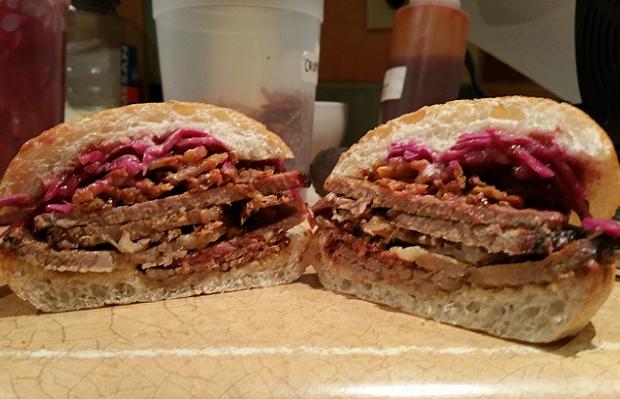


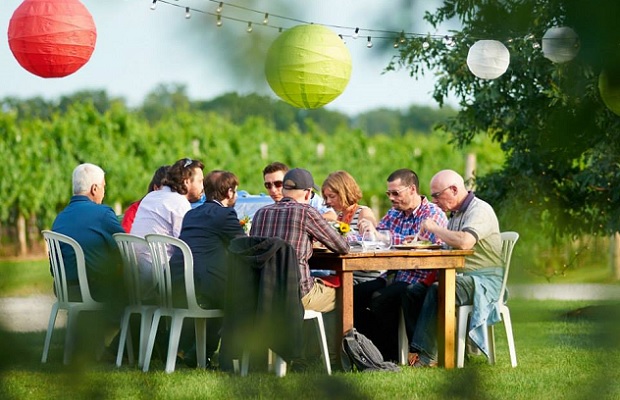
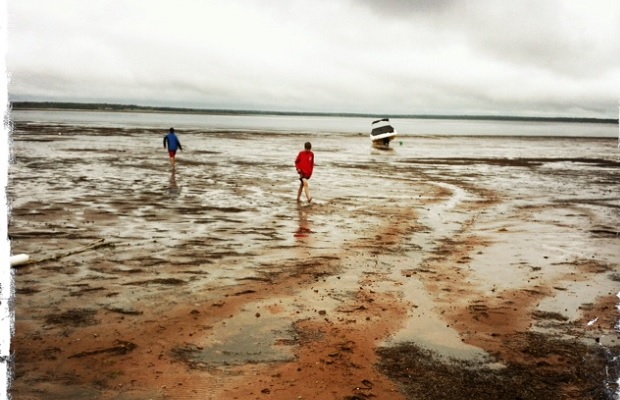

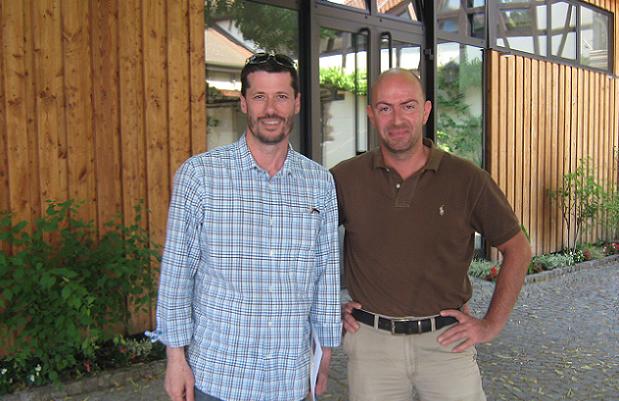
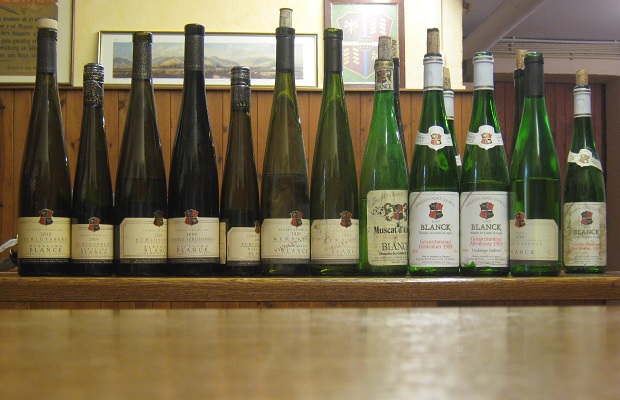
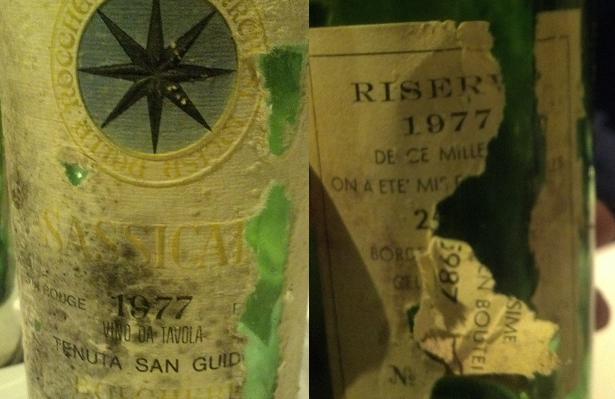
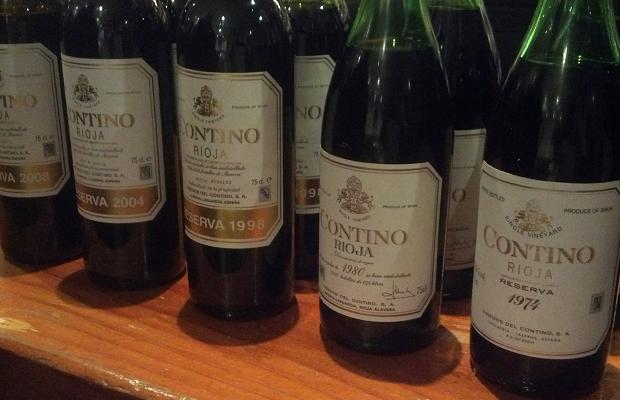
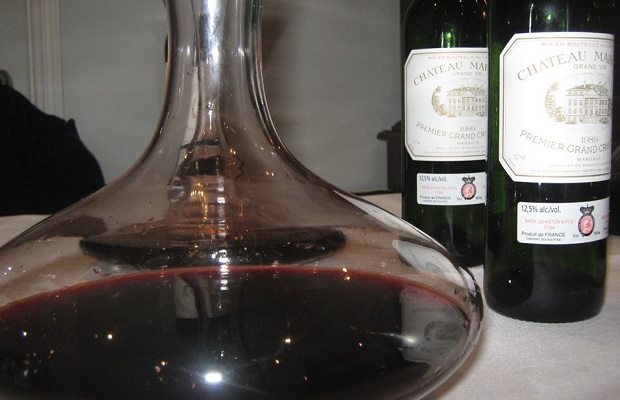
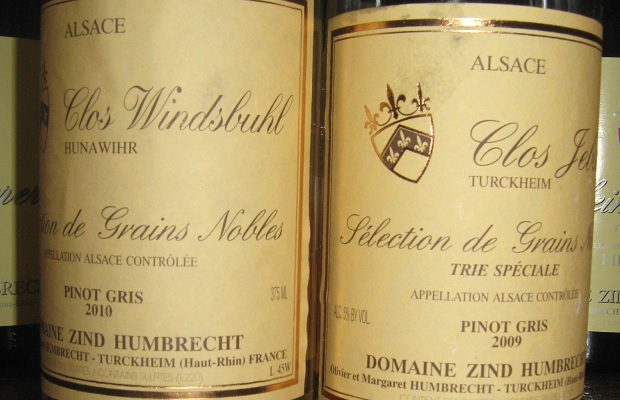

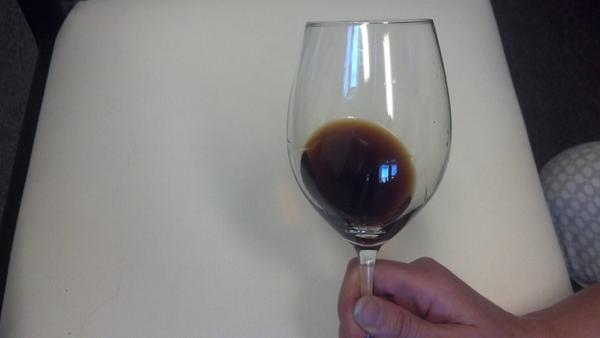
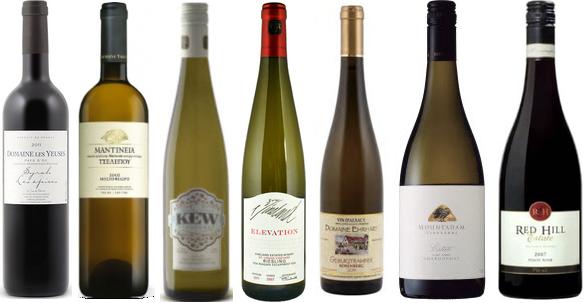
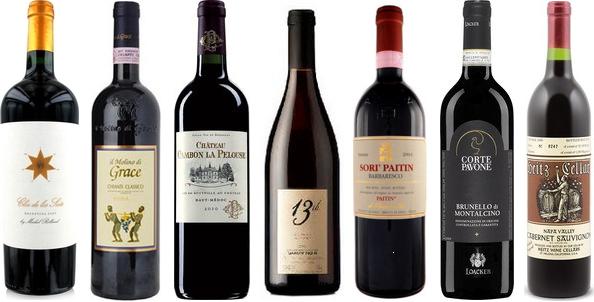
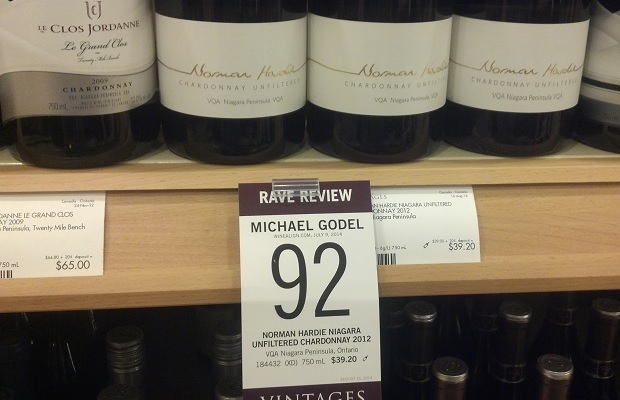

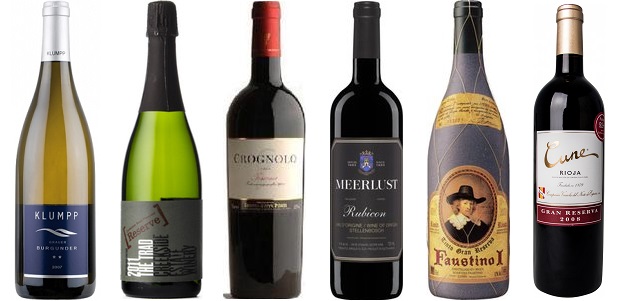
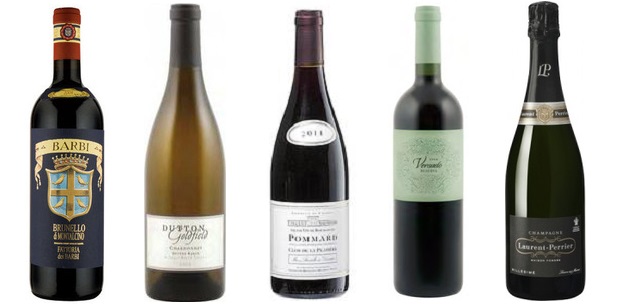
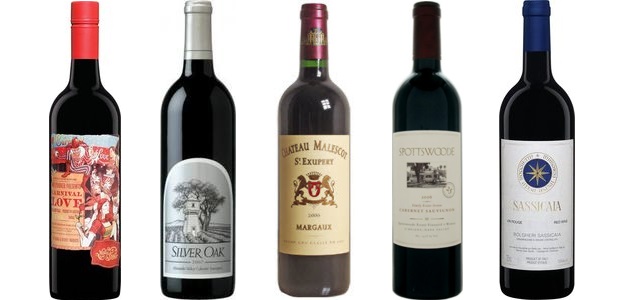

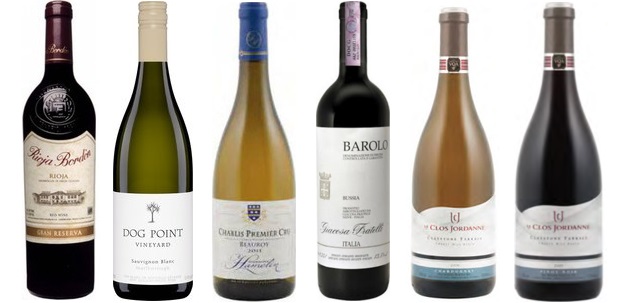
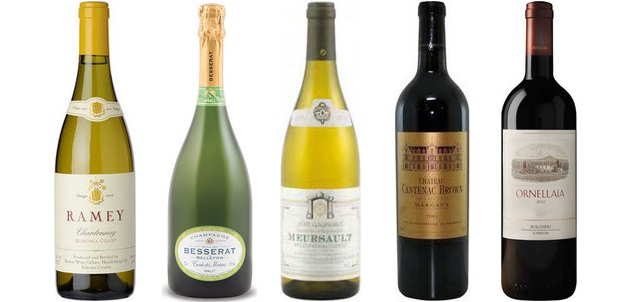
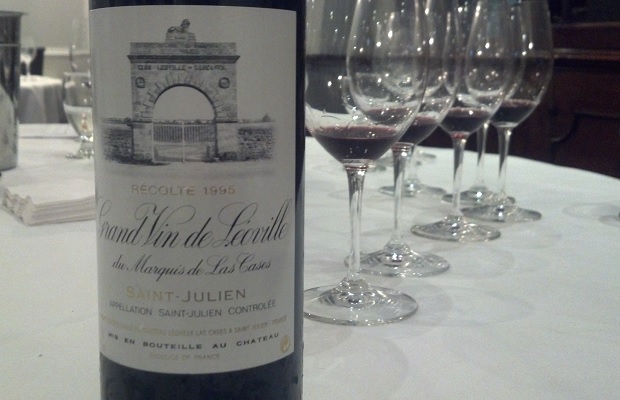
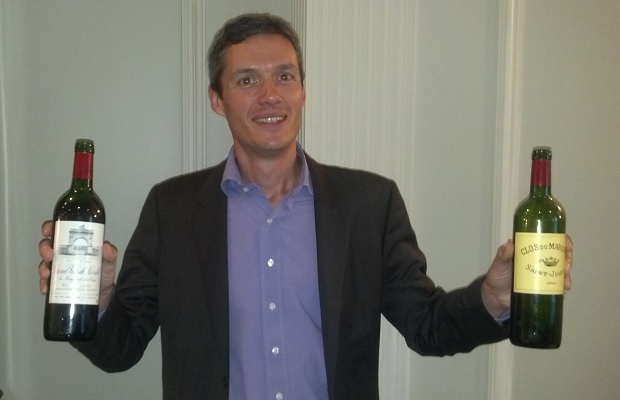
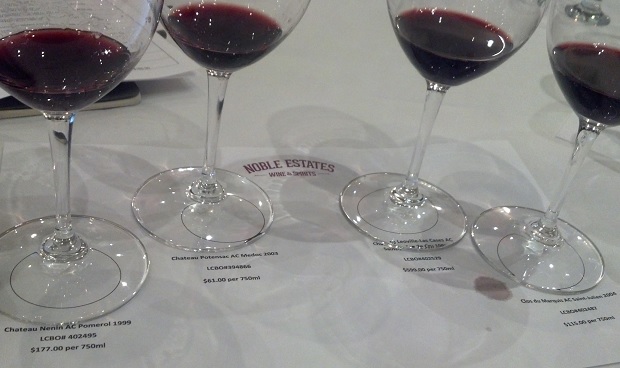
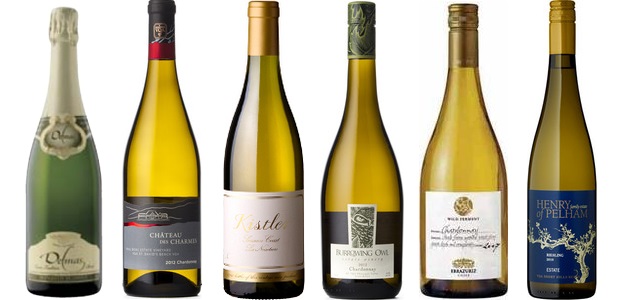
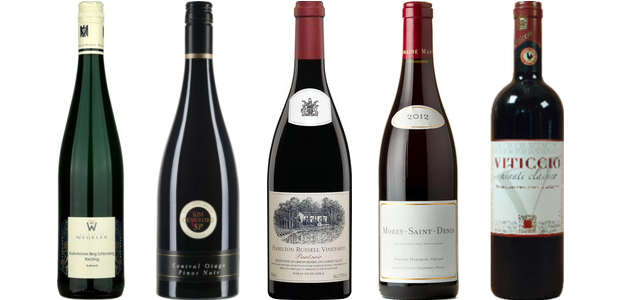
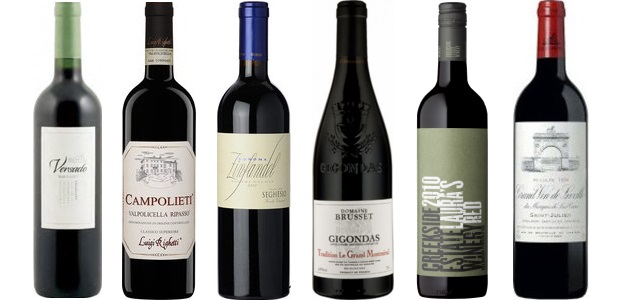
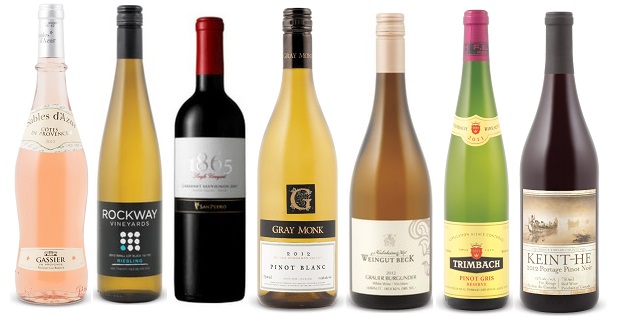
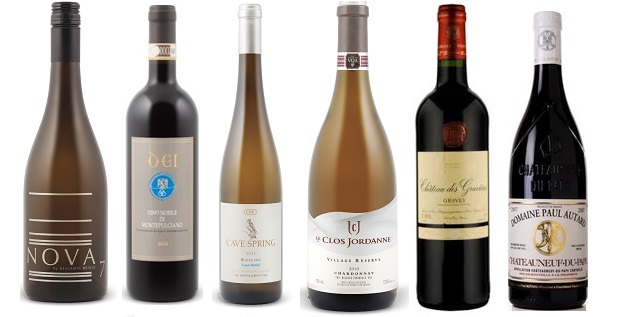
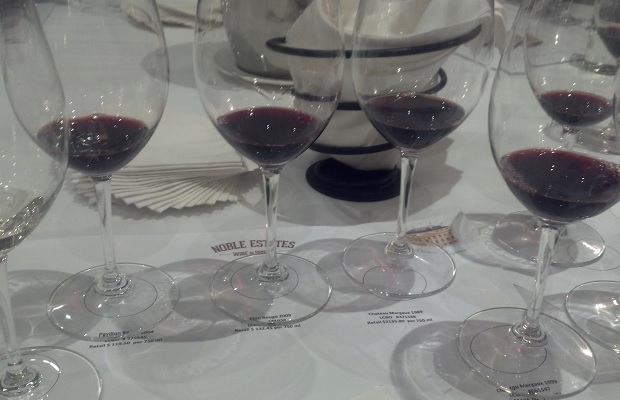


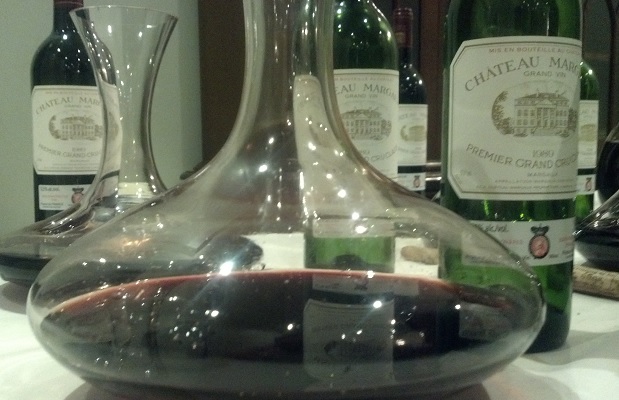

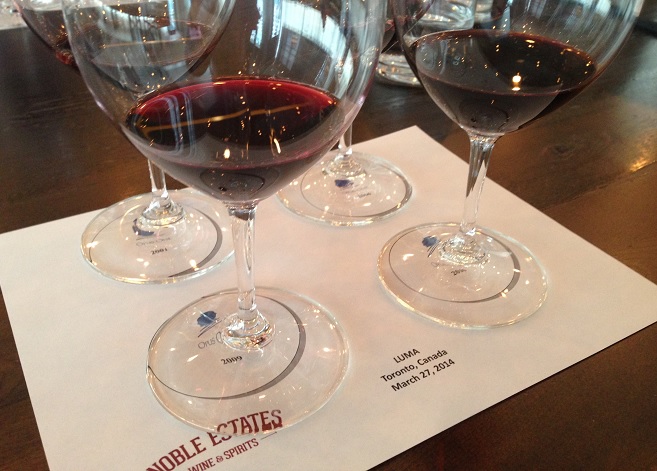

 Godello