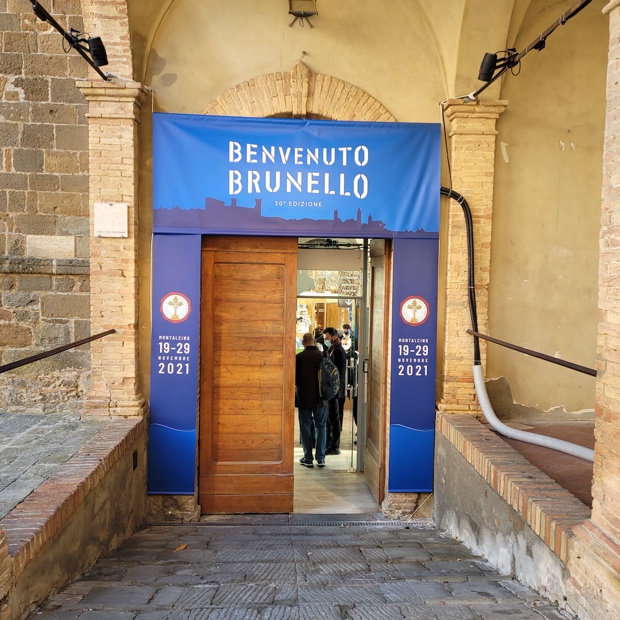
The year was 2020. We said arrivederci e ci vediamo to Montalcino on a mild and still February afternoon. Little did we or anyone know that a return engagement would not be possible until the fall of 2021. During that 20 month hiatus I hosted and moderated six webinars in Canada with more than 25 Montalcino producers, Each session was accompanied by a thematic article published to godello.ca inclusive of an account for each producer. With thanks to the recent forward thinking and openness of the Conzorzio del Vino Brunello di Montalcino, along with compatriot, friend and travelling companion Michaela Morris, we chalked out our homecoming and dove headfirst into more than 200 current releases. Two immersive eight hour sommelier assisted assessment sessions of Montalcino’s sangiovese, 12 estate visits and meetings, all over the course of five days. Benvenuto Brunello 2021, Drogheria Franci, Caffè Fiaschetteria Italiana 1888, Il Giglio and Trattoria Il Pozzo. Cortonesi and Tenuta Buon Tempo. San Polo, Le Potazzine, Tenuta Fanti, Poggio di Sotto and Fattoria dei Barbi. Biondi-Santi, Conti Costanti, Castello di Romitorio and Le Ragnaie. All because of and in the name of sangiovese, tissue of Rosso, bones of Brunello, grape of the future.
Related – Boomers, Gen Xers and Millennials: 40 years of Brunello di Montalcino DOCG
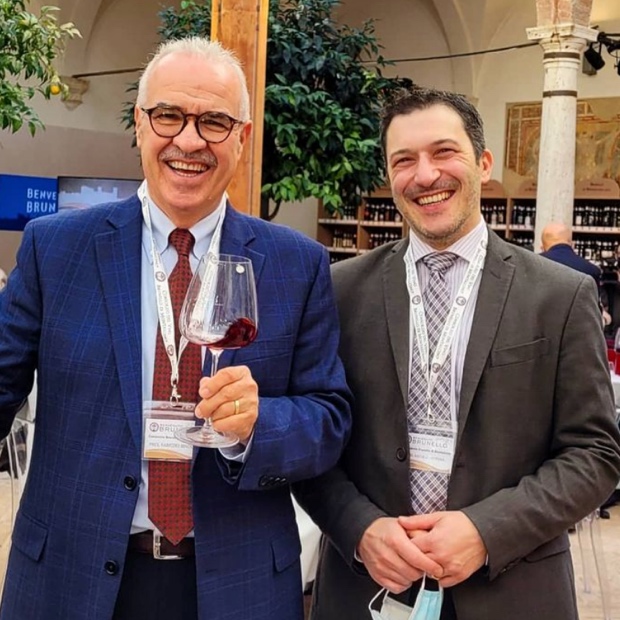
Consorzio President Fabrizio Bindocci and Direttore Michele Fontana
Summing up that last Benvenuto Brunello in 2020 I noted that “Anteprime di Toscana’s culminating 2020 presentation of 2018 Rosso DOC and 2015 Brunello DOCG raised the bar for Montalcino’s venerable sangiovese.” Later I would write, “no one of sound mind passes up the opportunity to taste Brunello from Montalcino. When I think of Brunello di Montalcino there are two things that come to mind: Sangiovese and time. Longevità e tempo. Contrasts and comparisons are unnecessary, neither to other grape varieties nor to wine regions that also fashion structured red wines. The sangiovese of Montalcino are like the eponymous medieval hilltop village, an island in a sea of vast varietal openness. They share the impossibility of undergoing the slightest shift in meaning or change, that is, without the assistance of time. They are incomparable, generous and durable but also part of a great community, finding permanence and always seeking to endure. As do their makers and protectors.”
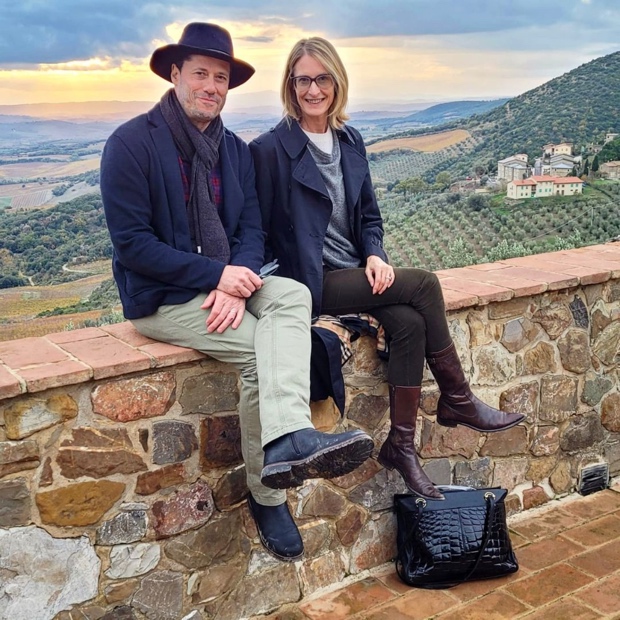
This most recent trip in Montalcino with @michaelawine has taken my lifelong plan to another level. Grazie Miha for teaching me so much about Sangiovese, staying calm, focused and balanced over long days and just plain having a grand old time.
The 2021 vintage
On April 8, 2021 mail from Tommaso Cortonesi brought news of the early April frosts. “Here in Montalcino the Covid situation is under control but in the last couple of days we had to fight a dangerous enemy. Temperatures lower than 0’C. Last night several producers in Montosoli including me, Capanna, Baricci, Val di Suga, decided to burn hay bales to try to protect the vines with the smoke. Fortunately the vegetative state of the vines is still quite early so we hope this action has limited the possible damages. I send you attached some pictures from last night.”
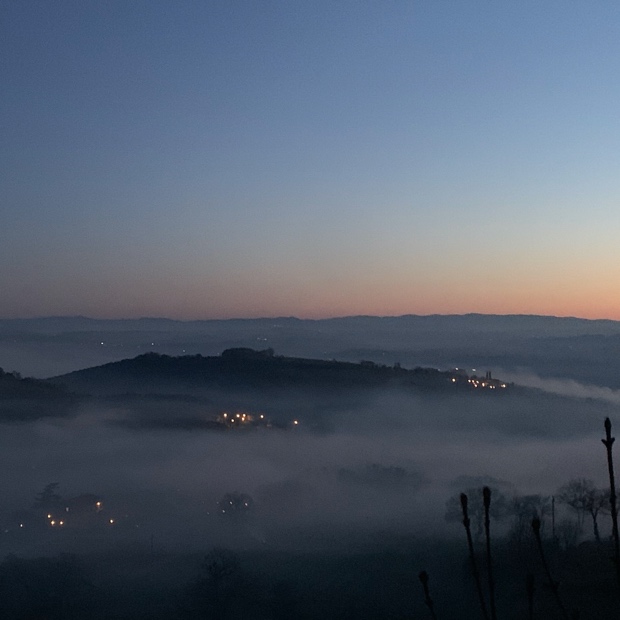
Burning fires at Montosoli, Montalcino April 2021
Despite a significant reduction for yields in many parts of Montalcino, the reasons for optimism are manyfold. Higher elevations above the frost danger zones, say 400-450m and up, especially to the northwest, for the most part remained unscathed. The vines had yet to fully awaken at estates like Corte Pavone, Le Potazzine, Castello di Romotorio and Le Ragnaie. By September things were looking up in many sectors of Montalcino. Though production will be down, significantly so for many estates, the promise for outstanding Rosso and Brunello is surely in the air.
Related – Backstage pass to Brunello di Montalcino
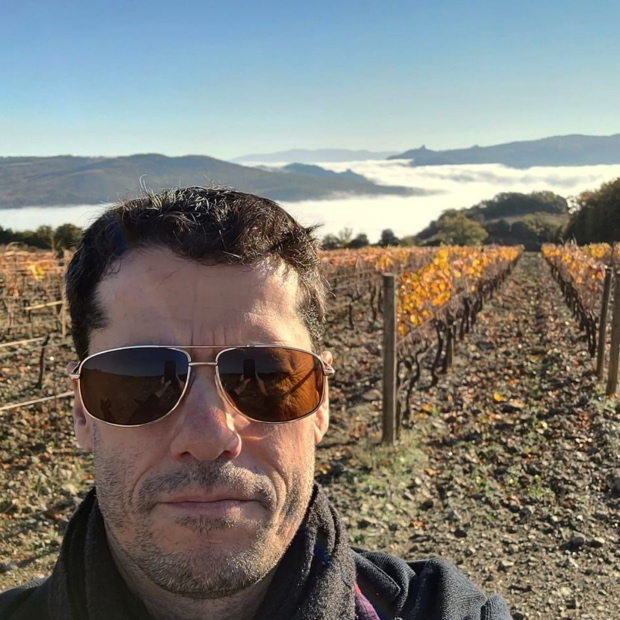
Godello at 450m, San Polo, Montalcino
At the end of the harvest prospects looked very promising, not for a bountiful vintage but surely one of high quality. A week to ten days into September the temperatures fluctuated 15-20 degrees. On the 7th the high was 29 and the low was 11. Made for excellent acidity retention aboard the march to phenolic ripeness. Younger and lower elevation vineyards began picking around the third week of September while higher points at the beginning of October. The challenge was to find a way to keep the link with the sangiovese of Montalcino and in a warm vintage not to go too far, neither in extraction nor maceration and to deliver a respectful wine. Usually 25-30 days but more like 18-20 in 2017. Also a 26-30 degree fermentation when some vintages it can be as high as 34, if only for a few days. In many cases the fermentations were some of the slowest on recent record. In fact as of November 18th one of Cortonesi’s vats was still at 4-5 g/L of residual sugar and would only likely finish in the first week of December. What Tommaso called “sluggish because of the lowest level of yeasts.”
Related – Ready for a long-term relationship? Brunello di Montalcino Vigna and Riserva
The 2017 vintage
The elephant in the room is obvious and most producers answer before the question is even posed. From a winemaker, oenologist and proprietor you will be hit with this recurring refrain. “You will be surprised by the freshness and acidity of the 2017, despite the warm vintage.” It was hot and dry and “that’s what you need in high elevation vineyards surrounded by forests,” is how Filippo Chia of Castello di Romitorio assesses the situation. When asked what to do with 2017 the pragmatic Andrea Costanti suggests it is a vintage “to introduce new people to Brunello di Montacino” and by extension a good Brunello for restaurants, sommeliers and licensees to take notice.
Related – Stamina and staying power: Brunello di Montalcino
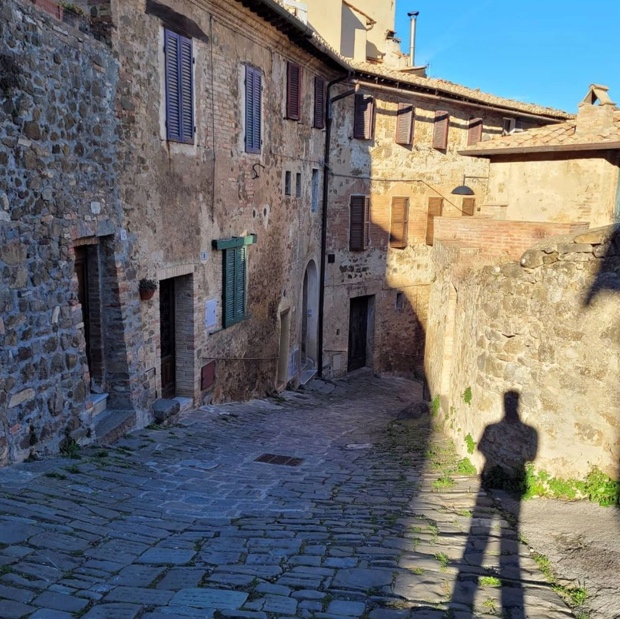
Francesco Ripaccioli of Canalicchio di Sopra remembers 2017 with almost wistful affection. He explains that following a summer during which there were 20 days above 35 degrees it was September that brought about the big surprise. After 40mm of rain on August 31st, through the course of the next month the phenolic maturation happened very slowly and finished late. Veraison at CdS did not begin until September and took nearly 30 days. “Even if you had a dry season (like 2017), you had this temperature fluctuation of on average 25 degrees by day and nine by night. That allowed you to harvest late, with preserved acidity and alcohol not so high. The plants were working very slowly with their reserve of water. (The vintages) of ’17 and ’12 for me are very similar, as seasons, where grapes and their skins wanted to oxidize but September changed everything. We went to school from 2012.”
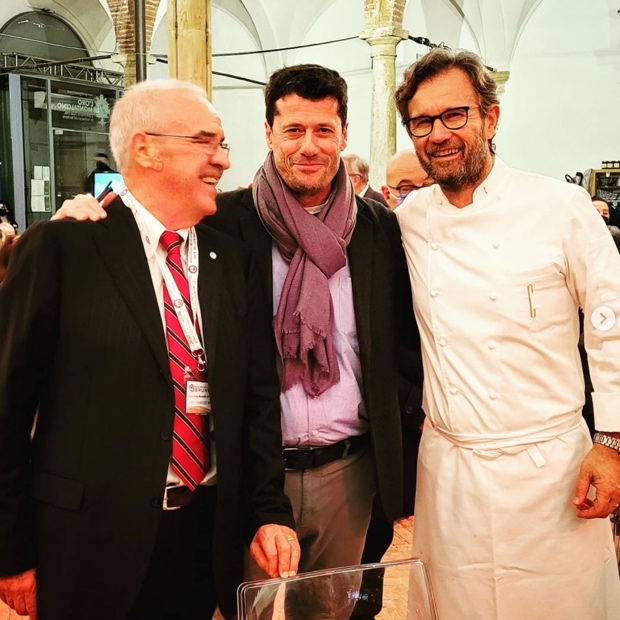
With Consorzio President Fabrizio Bindocci and Chef Carlo Cracco
Low does not due justice to how small a vintage was 2017. “We tried to extract less and keep it on the lighter side,” tells Alberto Machetti of Tenuta Buon Tempo. For Riccardo Campinoti of Le Ragnaie yields and production were down 10-15 per cent, at least as compared with the previous two vintages. For Campinoti 2017 is a vintage of “unfinished tannins.” Not quite fully ripe and yet acidity never fell away. Another example of how Brunello can be sold now and for the next five years, especially to restaurants and shops for immediate or near-term consumption.
Related – Sangiovese is the future: Montalcino’s Rosso and Brunello
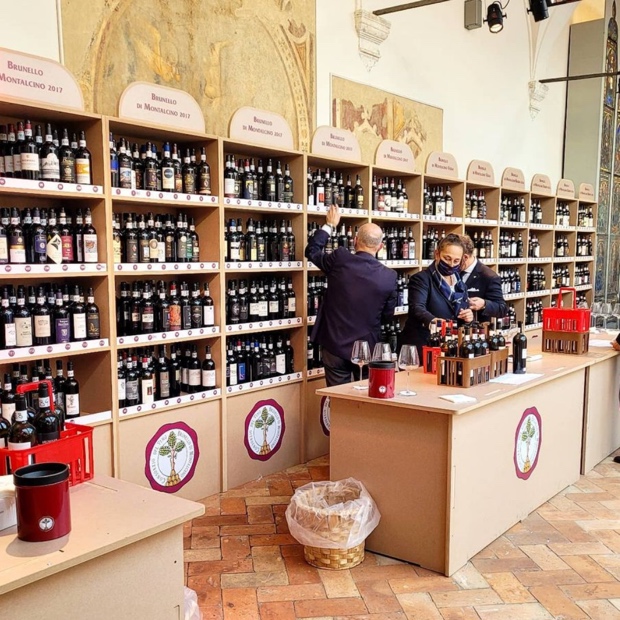
Riserva 2016
“In the beginning ’16 was…not enough,” begins the soliloquy by Fattoria dei Barbi’s Stefano Cinelli Colombini. “But after a year it changed.” Reading deeper one understands that time is the answer, for sangiovese, Brunello and 2016. “This is why Riserva should be sold after eight or 10 years,” continues Cinelli Colombini. “The problem with tradition is we make a mistake that if it exists, there must be a meaning inherent, otherwise it would not have taken so long. The mistake we make is between what is actually a tradition and the sense of tradition. You only need to taste to know that wine is the most democratic thing in the world.” This so beautifully sums up Riserva and 2016. As a vintage no other in the last seven-plus years is so intrinsically bonded with the grape and how it raises from the territory. Sangiovese and time is the connection and though ’16 is not one of those touted in barrel as of the decade, century or of the ages, it is in fact one of those, if not all.
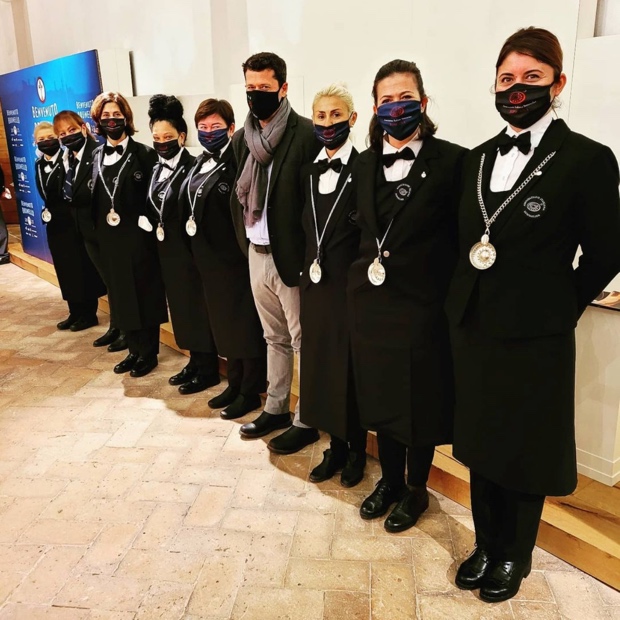
Montalcino sommeliers
Molte sane, repeats Andrea Costanti as if by mantra through the course of the 45 minutes while we taste, consider and assess his Riserva 2016. Not just Costanti’s but dozens upon dozens of ’16 Riserva. The healthiest sangiovese of great, sheer and utter clarity. Wines that may be described as possessive of a fineness running with liquid chalkiness, fluido or scorrevole. The 2015s may have shown heady structure, power and also generosity but the 16s are the complete package because they are also filled with delicasse, elegance and grace.
Related – Benvenuto Brunello 2020: Montalcino surges ahead
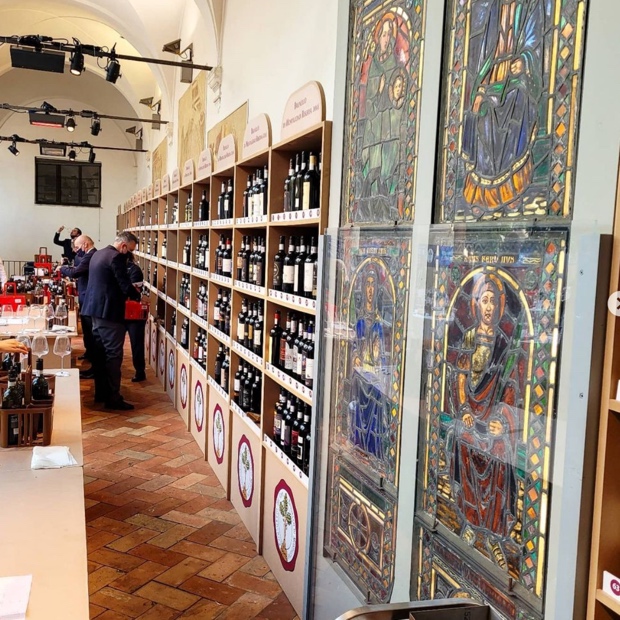
Changes in agriculture and fermentation
Federico Radi is the incumbent oenologist at Biondi Santi, having worked previously at Isole e Olena and Mazzei Bolgheri, Radi is looking at regenerative agriculture, making compost integrating manure (which must be like black butter, aged several months before mixing into the soils), beginning now with cover crops and little disturbance to the soils. “We really want within the next five years to reach two point five per cent of organic matter in the soils.” A real fan of Chomsky, Federico feels the need to keep the carbon in the soils, to help reduce that 25 per cent that agriculture contributes to the release into the soils. “I’m sad when I see the grey and dusty soils. It shows they are dead. This needs to be improved. We have seen in two years that we have different soils so we have to tailor the cover crops to reach section. Not just regenerative but also preventative agriculture.” The plan is to keep alcohol levels from rising even further. “We want Biondi-Santi to stay under 14 per cent.” And so a nursery was started, “since the beginning.” Like when Bob Marley was asked “how long have you been a Rasta?” “Since creation.” Radi insists that it would be dangerous to live with only one clone of sangiovese, so 50 varieties are propagated.
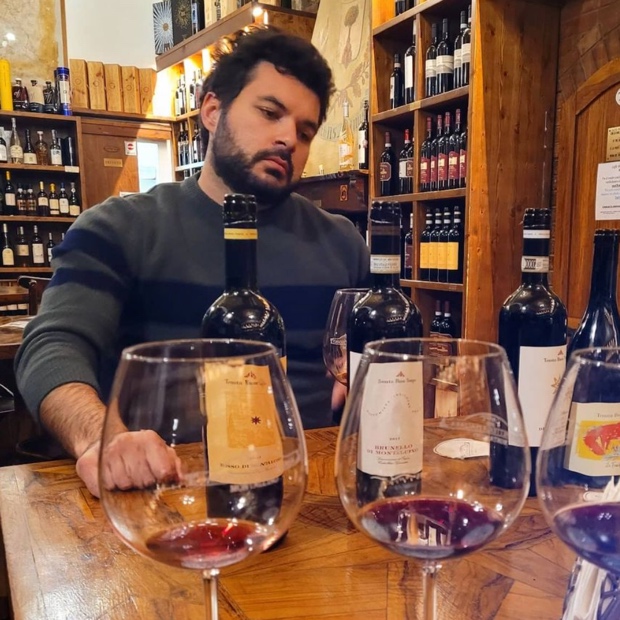
A pensive Alberto Maccheti of Tenuta Buon Tempo. Must have been thinking about the 2017 vintage.
Filippo Chia of Castello di Romitorio is getting even more specific. He talks about one of the major introductions being smaller berries, spargolo berries. Moving away from traditional cask aging may also be a step towards a future in which producers combat climate change with fresh ideas. For instance at Tenuta Buon Tempo Alberto Maccheti has been installing new concrete tanks to replace the more than 20 year old 64 hL Garbelotto casks. Whatever it takes seems to be the prevailing attitude for a region that has to, must do something.
Related – Gambero Rosso’s red wine of the year leads a vertical tasting of Argiano’s Vigna del Suolo
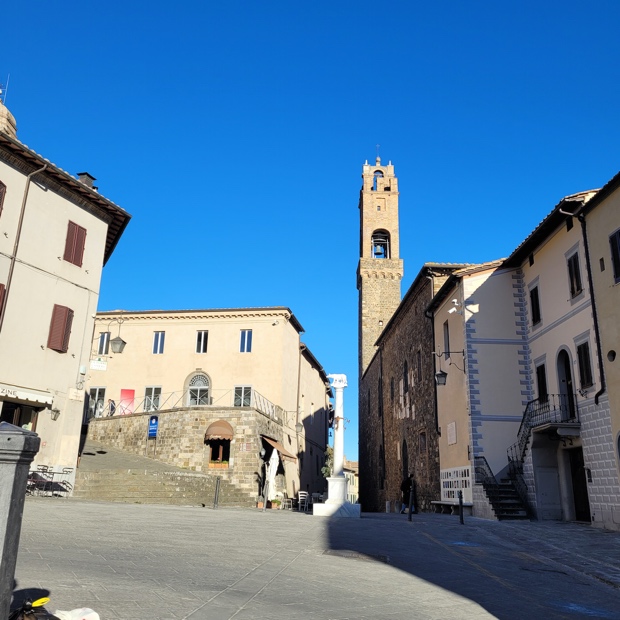
Morning in Montalcino
Much ado and what to do about Rosso di Montalcino
In 2020 I wrote that “culturally speaking Rosso di Montalcino is the most important wine. It’s what the Montalcinese drink daily. It’s a Monday night, a winemaker’s night off. There is work to be done in the morning so it wouldn’t be prudent to drink anything heavy or expensive. What to open? The answer is obvious and easy. Rosso di Montalcino. More than one Montalcino winemaker has used the phrase “it’s what we like to drink” and just as many will tell you that Rosso must reflect sangiovese’s character more than any other wine. What we know is that the Rosso are the protagonists of the new market.”
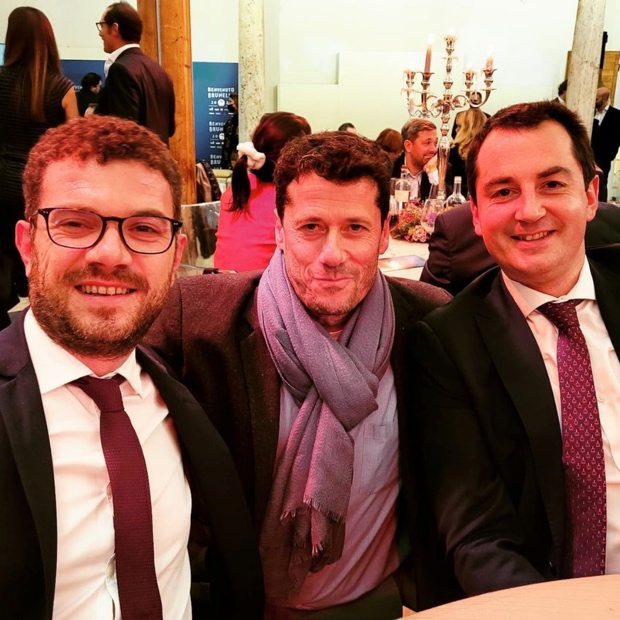
With Francesco Rippacioli and Tommaso Cortonesi
“The most fascinating thing about Rosso di Montalcino is that every producer has a unique philosophy and a personal relationship with the appellative wine. To some it persists in the old-school way, that is to think of it as a “baby Brunello,” or second wine, if you will. The days of Rosso being considered only in this way are long past. The baby Brunello concept now acquiesces to the notion of Rosso strictly made for Rosso, with great purpose and also meaning. There are some Rosso that really need to be considered and assessed just as you would Brunello and it is only where such structured sangiovese fit relative to the estate’s other Brunello that need qualify it as Rosso. In today’s Montalcino one’s Rosso is another’s Brunello. It’s now more than ever a matter of location, soil and altitude.”
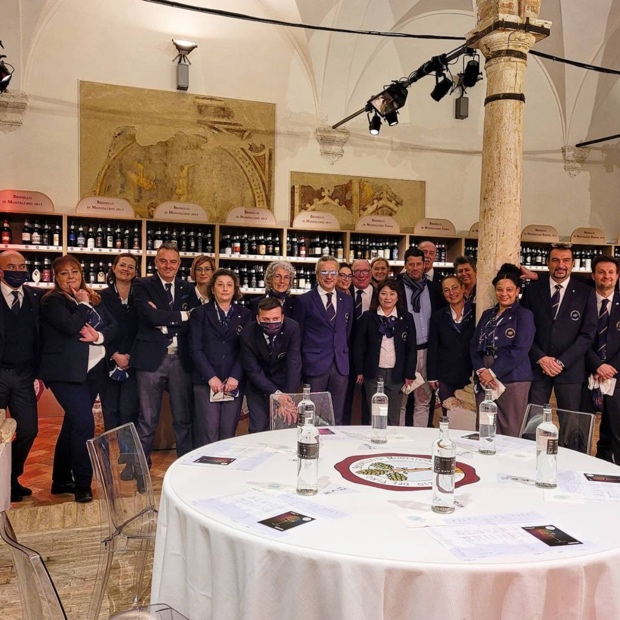
Annual pic with the hardest working sommeliers in the business
“Rosso can refer to the sangiovese berries themselves, meaning the winemaker will pick the largest for Rosso, the medium berries for Brunello and the smallest ones for Riserva. Others will designate vineyards to the Rosso, or plant new ones and use the youngest fruit. Still there will be some who pass through all their vines and designate specific blocks, referring to it and even labelling it as a cru. Finally there are some who wait and craft Rosso in the cellar, after the fruit has come in and been pressed. There are many ways to skin a Rosso but these days it is always a wine treated with respect. In terms of elévage, Rosso will more likely than not be raised in big barrels but not the Grandi Botti often used for the Brunello. As for vine age it seems the sweet spot is between 15 and 20 years.”
Related – What the winemakers drink: Rosso di Montalcino
Rosso di Montalcino could and should be elevated to DOCG status. To do so requires investment and also a mandatory minimum aging period in wood. The 2019 vintage is proof of why Rosso needs to once again be revisited, to be considered in its own light and of its own accord. This is because as a vintage much less Rosso was made, simply by the reason of across the board quality, raising the prospect of making more Brunello. A matter of available quantities and as an extension, economics. Which means that many vineyards capable of being purposed either way went in Brunello’s direction out of 2019. Which also means that more vineyards need to be designated as Rosso and were a DOCG awarded the rules would need to be altered to make sure the wines are pre-declared as such. There is enough Brunello to go around and the world needs more Rosso di Montalcino.
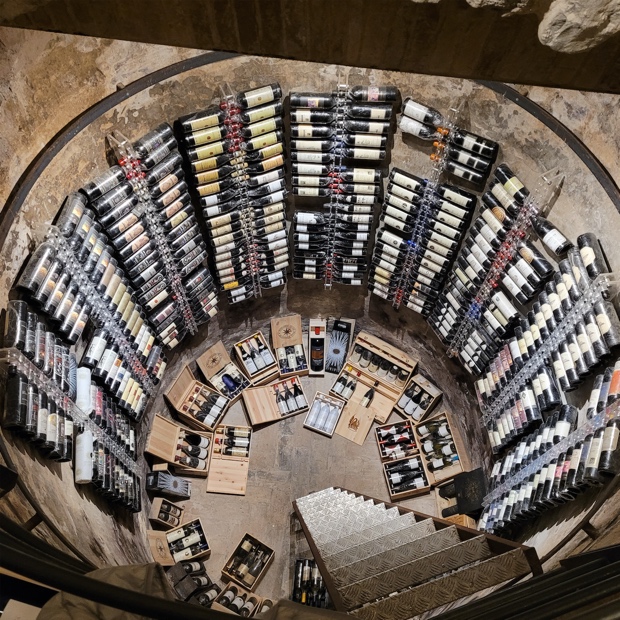
Drogheria Franci Restaurant Montalcino
Further to that the Consorzio’s decision to hold an anteprima in November causes producers to make choices they would not have had to think about before. The 2019 Rosso would have been shown in February and so November is both too late for producers who have already sold out or at least allocated their’s, but also too early for the 2020s to be presented. I purposely tasted only seven examples and each one was intensely youthful, tighter and more inaccessible than the next. The ’19s on the other hand were glorious, open and generous, as they would have already been just a few months earlier. Late April or early May would be an ideal time to show off the latest Rosso di Montalcino vintage, early enough for the early releasers and late enough for those who need 18 months before putting their Rosso to bed. Keep the Brunello anteprima in November if that works for the majority because the extra nine months (from the usual February event) works wonders for all three levels; Annata and Vigna plus the previous year’s Riserva. I can think of at least one more noble sangiovese producing appellation that would benefit from doing the same.
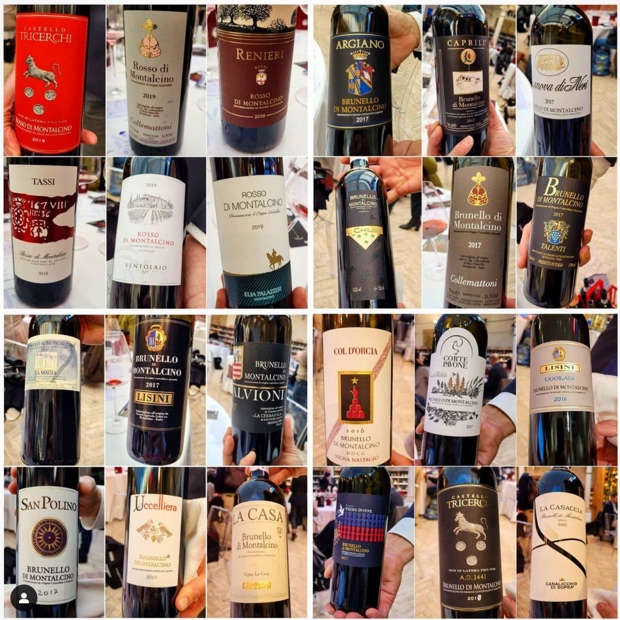
Here are 222 reviews, mostly from the November anteprima and estate visits but also some drawn from attending the October 2021 Gambero Rosso Awards tasting in Rome. There are 35 Rosso notes, 23 of them for the 2019 vintage. One hundred and seventy-one Brunello reviews, including seven from 2018 and for 2017 there are 103, 69 for Annata and 34 to Vigna. For 2016 there are 61 tasting notes, 45 on Riserva, the rest Annata and Vigna. Also 16 older vintages and IGTs.
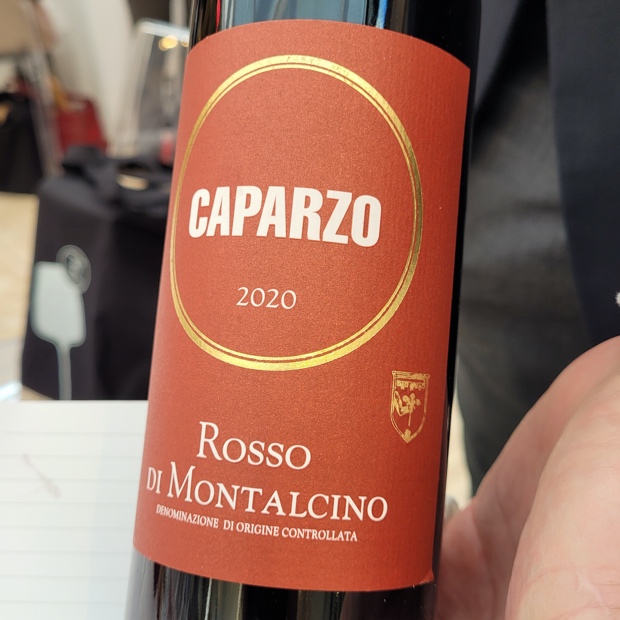
Rosso di Montalcino 2020
Caparzo Rosso Di Montalcino DOC 2020
While so many 2020 Rosso are going to be intensely youthful, this from Caparzo is really quite approachable. Classic estate red, like a liquor dosage of itself running and integrating through itself. Tart and expertly crafted with express intention to please. Of this there can be no doubt. Drink 2021-2024. Tasted November 2021
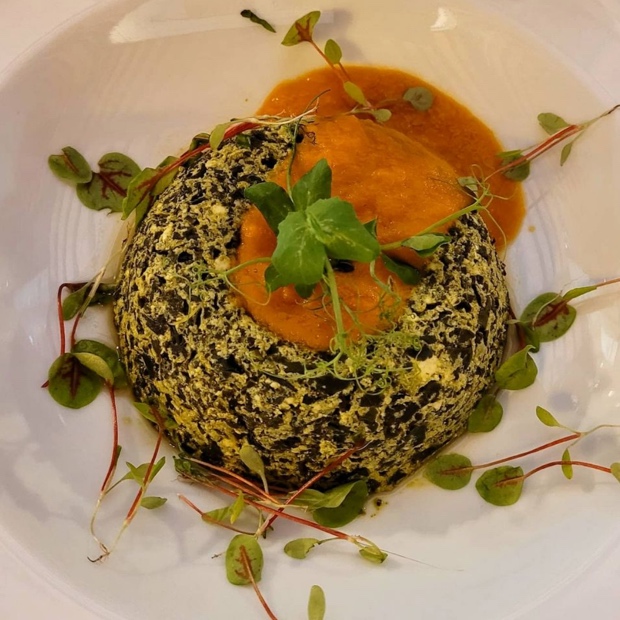
Taverna dei Barbi
Fattoria Dei Barbi Rosso Di Montalcino DOC 2020
A vintage of viscosity and deepest of red cherry fruit, off of vines five to fifteen years old. While really young there is access here for drinking a 2020 ahead of many others. Classically dark Barbi fruit and a Galestro feeling. Bottled just less than one month ago and settled into a calm state by now. Will remain stable for a few years, not necessarily gaining in complexity but surely keeping on. Drink 2022-2025. Tasted November 2021
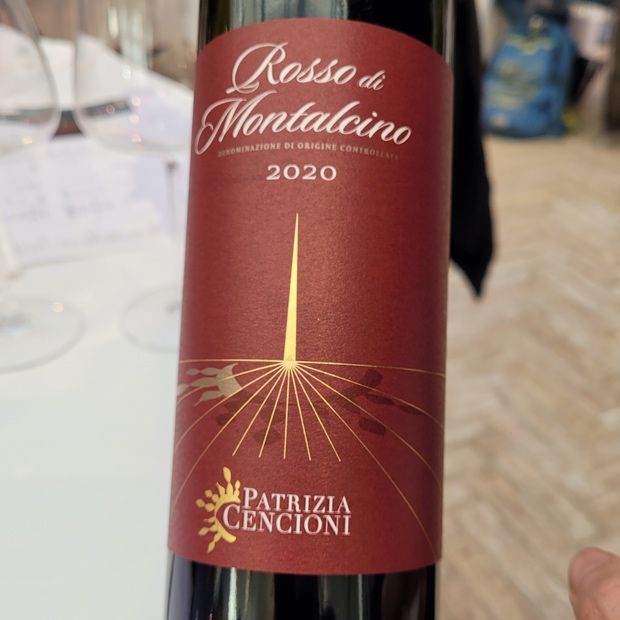
Patrizia Cencioni Rosso Di Montalcino DOC 2020
Extremely youthful, full deep fruit and whilst the carbonic feeling persists you can’t help but intuit a depth in this Rosso. Mix in an early high tonality and expectation then dictates this will offer up the fullest of mouthfeel. Charged and rich, a luxe Rosso with chalky underlay, a fine rage of acidity and a wine very much working in progress. Drink 2022-2025. Tasted November 2021
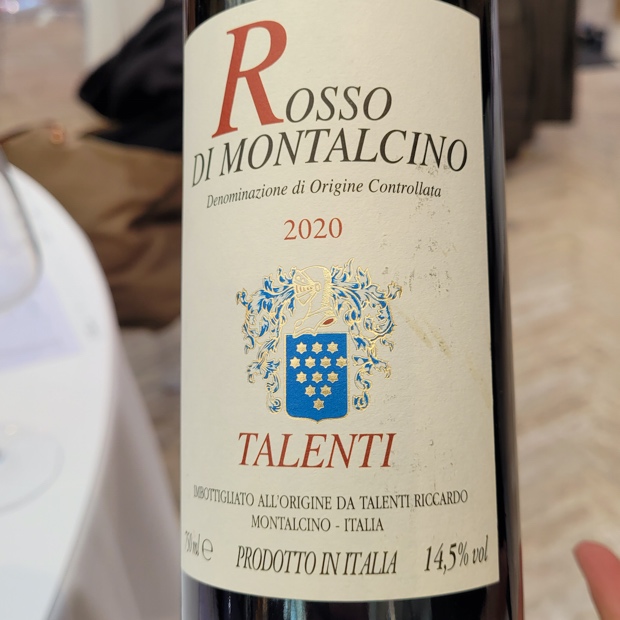
Talenti Rosso Di Montalcino DOC 2020
Tight, young and early bracing Rosso from Talenti, showing off the darker fruit of the vintage and surely offering a glimpse into what the Brunello will bring three further years down the road. A vintage of well developed fruit and sharp acidity, vividly captured in a sangiovese just like this. Drink 2022-2026. Tasted November 2021
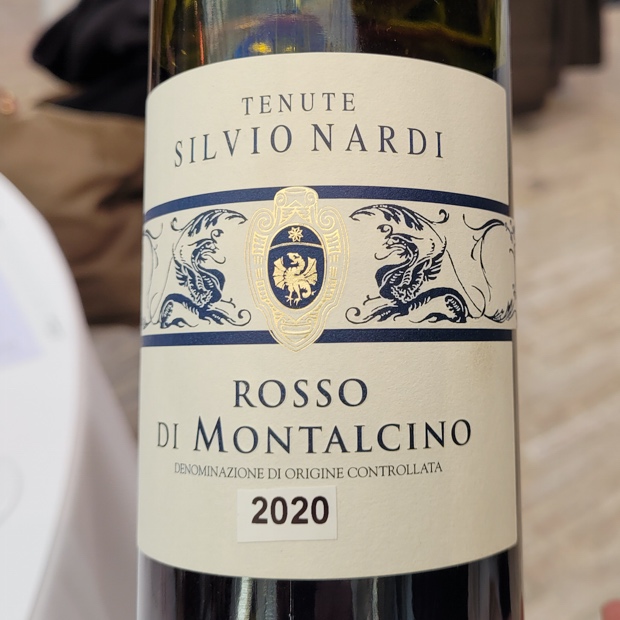
Tenute Silvio Nardi Rosso Di Montalcino DOC 2020
Very much a work just beginning its progress, both carbonic notions and sulphur completely unresolved. Needs a revisit to see where the darkening fruit will go. Drink 2022-2024. Tasted November 2021
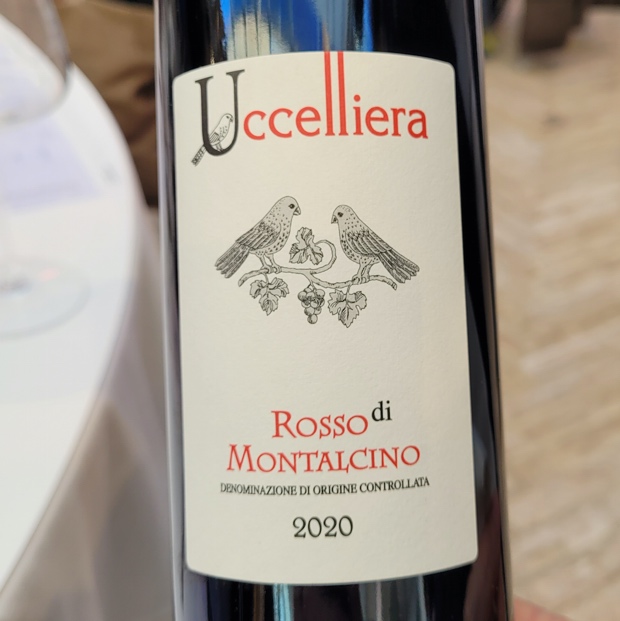
Ucceliera Rosso Di Montalcino DOC 2020
A Rosso further along than many, at least in terms of fermentative culmination and post-shock living. Shows off the hue and depth of vintage fruit with more redness, cherry ingress and tannic redress. You can feel the grip and the controlled power in this sangiovese. Will be a very good one because it already is. Drink 2022-2026. Tasted November 2021
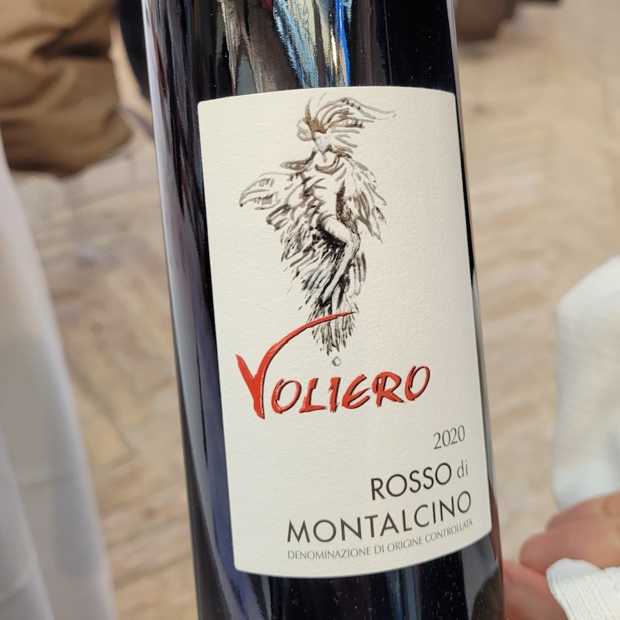
Tight, taut, wound around itself like a wire around a spool and yet having found its way out of fermentation and through bottling. Less fruit than brother Ucceliera and also lower toned, earthbound, grounded and yet the acids are right on point. Drink 2022-2024. Tasted November 2021
Rosso di Montalcino 2019
Armilla Rosso Di Montalcino DOC 2019
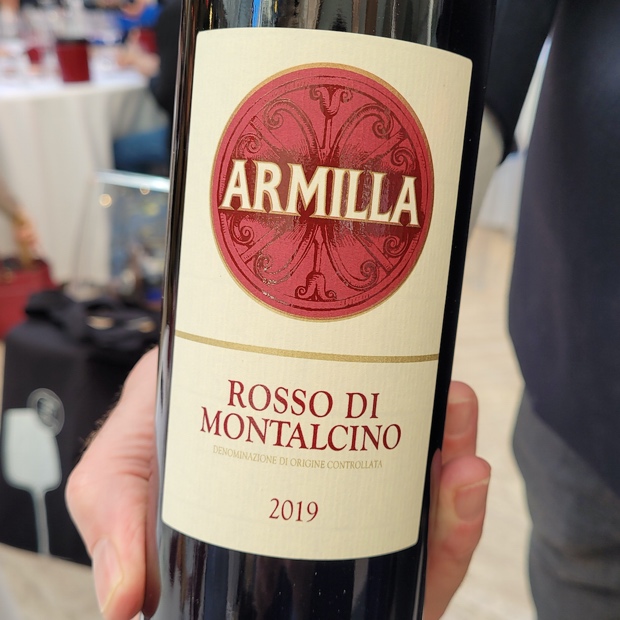
Lovely red, red fruit, supple and stylish. As if cherries grew on rose bushes and this light, dusty feeling improvised by a Rosso with a tender modicum of fortifying structure. The right pressing, pushed and from a location ideal for Rosso out of 2019. Drink 2022-2025. Tasted November 2021
Castello Tricerchi Rosso Di Montalcino DOC 2019
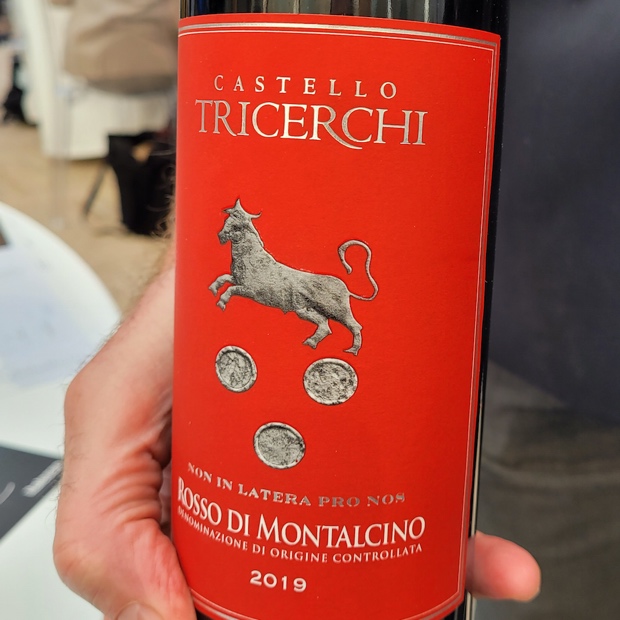
Pushes the boundaries of red fruit into something deeper though the clarity and transparency are evident and true. Lithe yet subtle if also sneaky structured Rosso, one that will please those needing immediate gratification yet with an ability to travel further, while treading lightly into a whole other realm. Great curiosity and possibility here. Drink 2021-2025. Tasted November 2021
Castiglion Del Bosco Rosso Di Montalcino DOC 2019
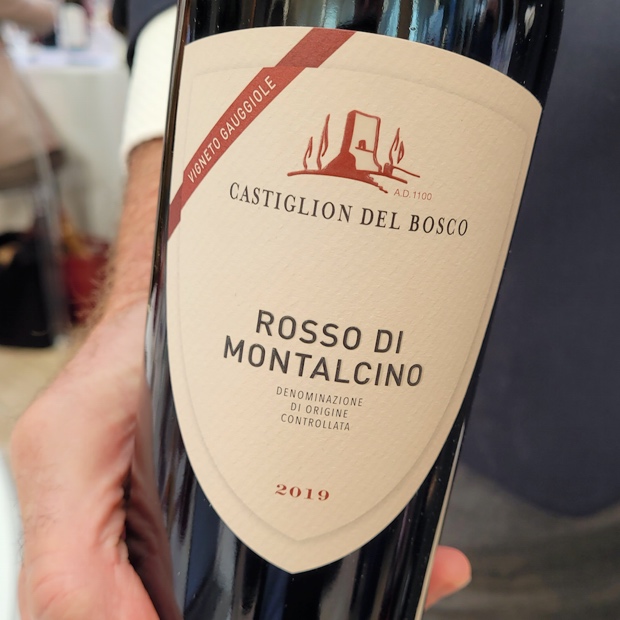
Well-pressed, expressed and all tenets captured Rosso having taken full advantage of a vintage willing to give it all. Feel the ripeness pushed and the effects of so much greenery, a forest of hope and dreams also pressed into this fulsome Rosso. All the immediacy one could want is here for the taking. Drink this young and impressionable. Drink 2021-2022. Tasted November 2021
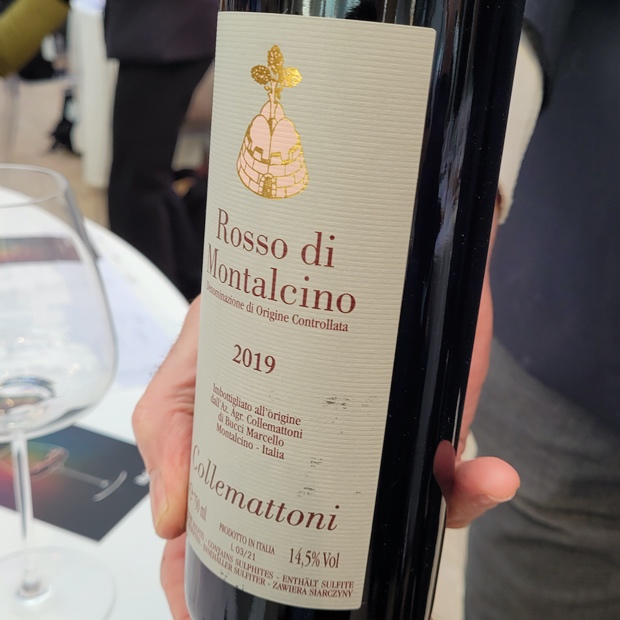
Collemattoni Rosso Di Montalcino DOC 2019
Classic Collemattoni liqueur, a glycerin texture that fills every pore, pouring through and through. Just the sangiovese goods in purest form and a Rosso that speaks in clear, ernest and knowable 2019 terms. What’s really special is the way the wine lingers and stays with you without any astringencies nor finishing nut, pith or bitters. A top Rosso for the vintage. Drink 2021-2024. Tasted November 2021
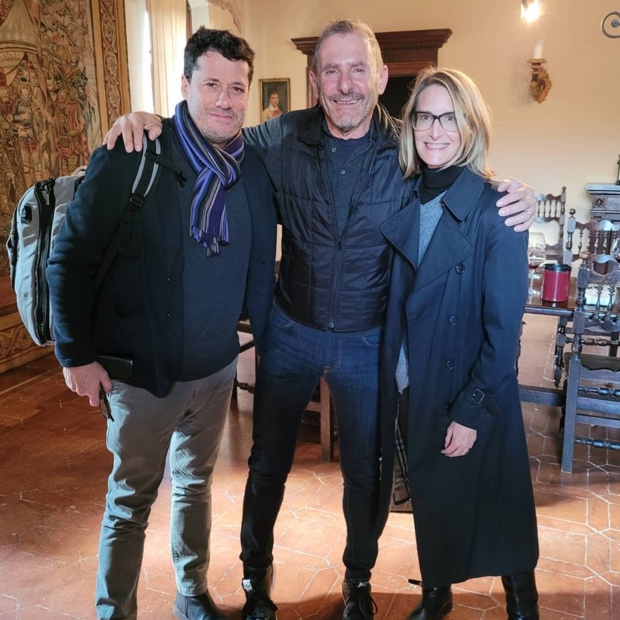
With Andrea Costanti and Michaela Morris
Conti Costanti Rosso Di Montalcino DOC Vermiglio 2019
The level of purity multiplied by concentration from 2019 is off the proverbial sangiovese cross referenced by Montalcino charts. This from a vintage when much less Rosso was made because the quality of the Brunello was so important. The fruit is of course deep cherry but branching off into a spectral expanse of darkening reds. The well runs deep, pooling with cool, ethereal and mineral licked waters, the textural breadth reaching into three-dimensional fabric. Also a tomato reduction, sweat of San Marzano, viscous and flessibile or perhaps flessuoso. Nothing remains out of reach or control, instead all is in focus and structured. Most would kill to reach such potential, have, show and sell this as Brunello. In a way this ’19 Costanti is a first of its kind, impressive for Rosso with a set of finest tannins. Long on the chain, capable of the most age-worthy extension. With 20 minutes of air a swarthiness emerges, putting this Rosso commensurate with some historical vintages, say 1985, 1988, 1990 and 1997. Drink 2023-2033. Tasted November 2021
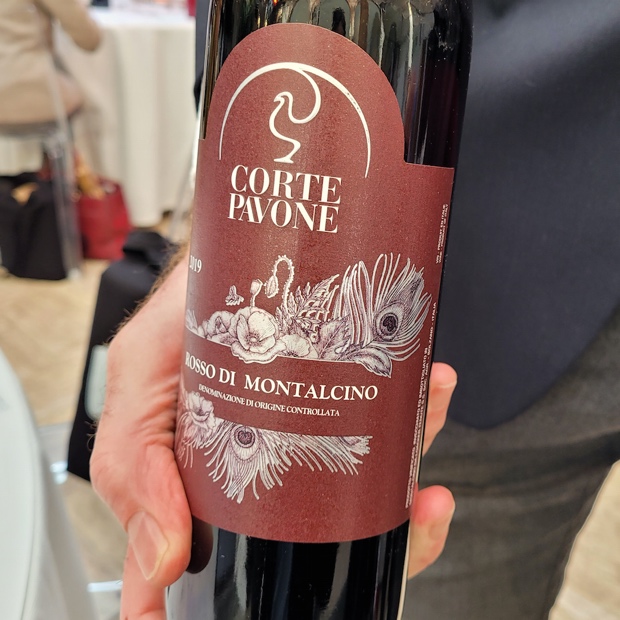
Corte Pavone Rosso Di Montalcino DOC 2019
Relatively lithe, dusty and crafty Rosso, giving away the impression of a really purposed example, a sangiovese of credibility and composure. That said there is some grip and intention as well so perhaps wait a year and better still two before seeing where this will travel. Drink 2022-2025. Tasted November 2021
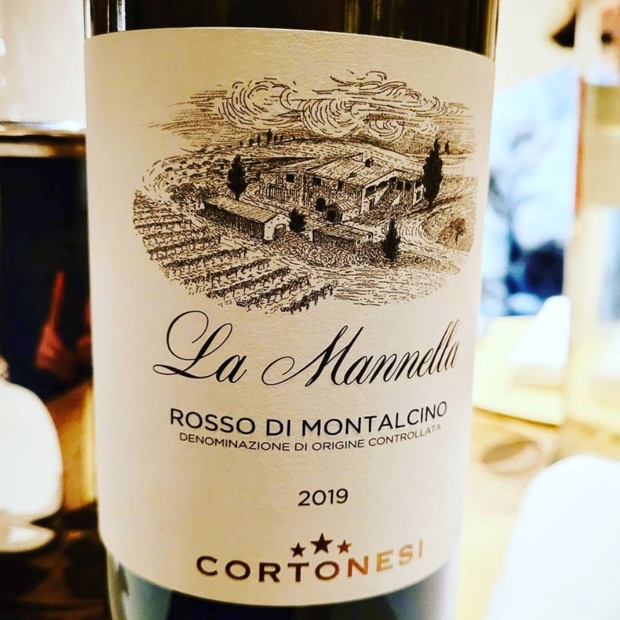
Cortonesi La Mannella Rosso Di Montalcino DOC 2019
The 2011 planted vineyard is the youngest at La Mannella and is used exclusively for Tommaso Cortonesi’s Rosso. “In recent years, for my generation we are trying to approach Rosso di Montalcino is a more personal way,” tells Cortonesi. “A fresh wind, brought to the production and (especially) the communication. Finding a real identity, not as a baby Brunello.” The clay soil does not necessarily give big concentration but more so ease, elegance and classic sangiovese. Seemingly dark in hue but bright and tart in such an accentuated way. Can’t really shake the idea of the quality inherent in this specific scope of concentration. A liqueur of sangiovese, moving towards the finish swiftly and courteously across the palate. Drink 2022-2026. Tasted November 2021

With Violante Gardini, Donatella Cinelli Colombini
Donatella Cinelli Colombini Rosso Di Montalcino DOC Casato Prime Donne 2019
Having a moment with the outward exhale of this perfume because it’s unlike most other Rosso and so the time taken to breathe it in will do all parties well. Clarity of roses and spring flowers, an exotique nearly equal and surely apposite to the ulterior presence of a gamey note that’s so intriguing. This is what Casato Prime Donne brings to the table. Drink 2021-2024. Tasted November 2021
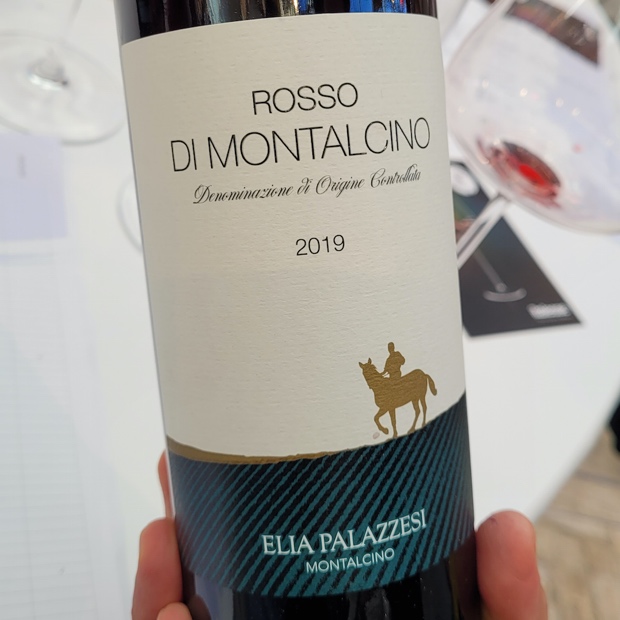
Elia Palazzesi Rosso Di Montalcino DOC 2019 Collelceto
Crisp and pure Rosso for Rosso’s sake, as automatically and knowable as sangiovese as a Rosso from Montalcino can really be. Tugs straight at the heartstrings by offering a cherry red, tightly focused and lightly grippy wine. Perfectly representative for a now to three years Rosso for all who query and consider, each and every day of the week. Drink 2021-2023. Tasted November 2021
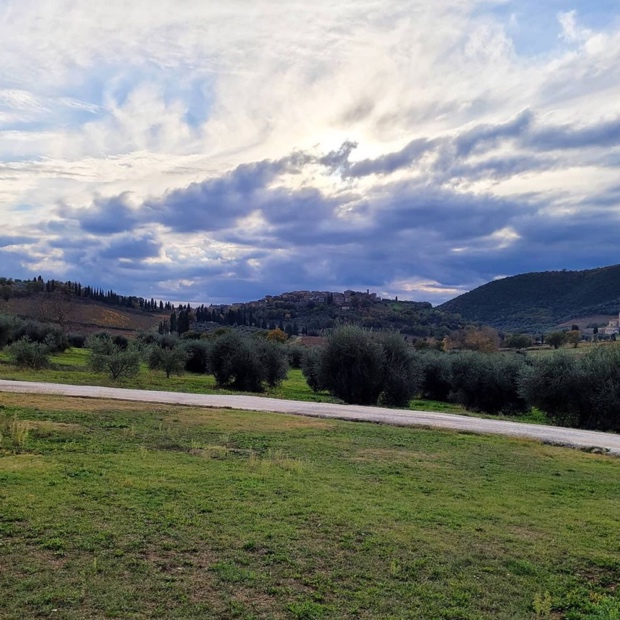
Tenuta Fanti
Fanti Rosso Di Montalcino DOC 2019
From 15 hectares of Rosso vineyards with the potential to produce upwards of 50,000 bottles, though in truth much less is actually made. The rest of the unselected juice is sold off or portioned over to the IGT Torto Rosso. So yes a selection, aged for a year and a half in larger (30 hL) casks and some barriques. Not just another high quality and ready, rock-steady Rosso but here in 2019 a bolder and more substantial version of its always loveable and solid self. Gotta love it, any which way, all the time. Drink 2021-2025. Tasted November 2021
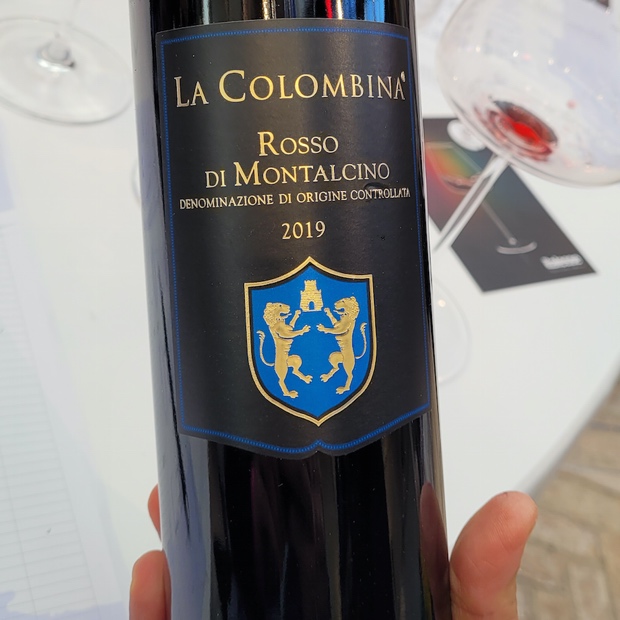
La Colombina Rosso Di Montalcino DOC 2019
Somewhat older-schooled, firm and grippy sangiovese in Rosso, a squeezed and captured liqueur that takes hold without letting go. Plenty of portents and intendments in a wine that will need time to ease, settle and deliver. There will be more earth than fruit when that time comes. Drink 2022-2024. Tasted November 2021
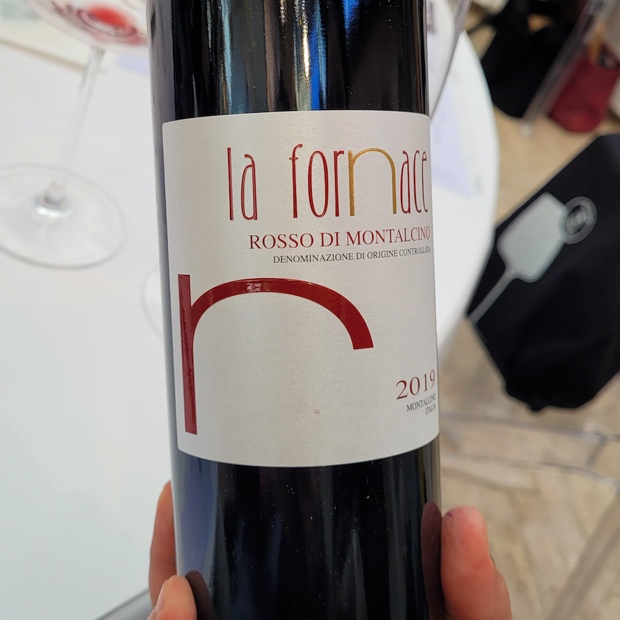
Beautiful gelid liqueur of sangiovese emits with fineness from La Fornace 2019 Rosso, making the vintage happen as it should from this part of town. Really fine tart red fruit capture and equal tannic ability but what’s really special here are the acids merging and making for great freshness. Parts are bigger than some and so well integrated. Drink 2022-2026. Tasted November 2021
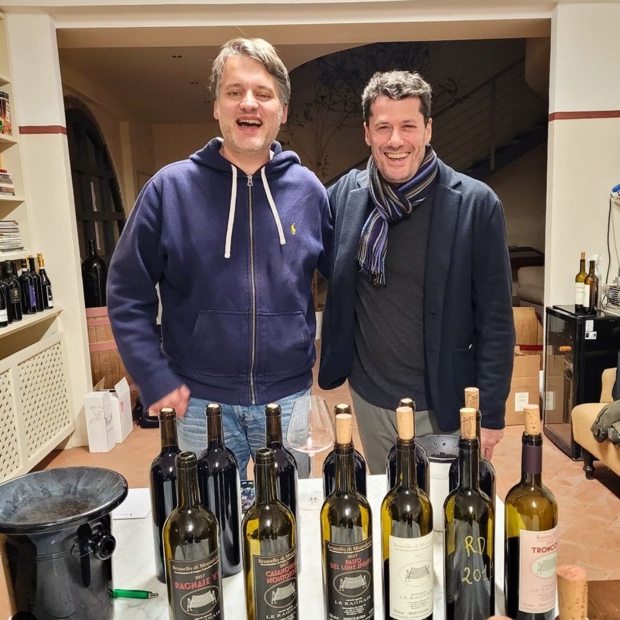
With Riccardo Campinoti, Le Ragnaie
Le Ragnaie Rosso Di Montalcino DOC 2019
Still a barrel sample because Riccardo Campinoti leaves his Rosso for two years, even though there are hundreds of the appellative wines already having been long ago released on the market. Still this is the final version, of 30,000 bottles produced, more or less. The barrels for the blend were chosen in October and bottling is imminent. Did not make it into this November’s anteprima because there was not enough notice given, also considering when Le Ragnaie puts Rosso to bottle. In 2019 there is 30 per cent Montosoli mixed in with Castelnuovo dell’Abate and even some estate vineyard fruit. A firm and chewy Rosso, not yet settled and ready to play as it will. Substantial everything, beyond fruit, especially texture and real tannins for a Rosso. A harbinger for the Brunello to come, especially with all three (zonal) fruit sources layering their involvement. This will age really well. Drink 2023-2028. Tasted November 2021
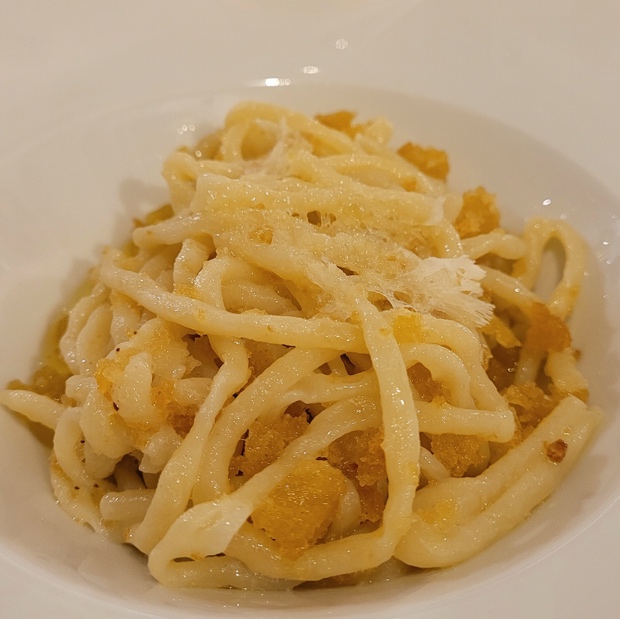
Cacio e Pepe, Il Giglio
A Rosso of interest because of the ulterior aromas and motives, of a pomegranate to blood orange citrus tartness and a wish for immediate gratification. This is contrary to many Rosso of more grip and structure. This changes and then the wine shows its teeth. More interest than many and still in a Brunello vein. In a sense this Rosso does it all. Drink 2021-2025. Tasted November 2021
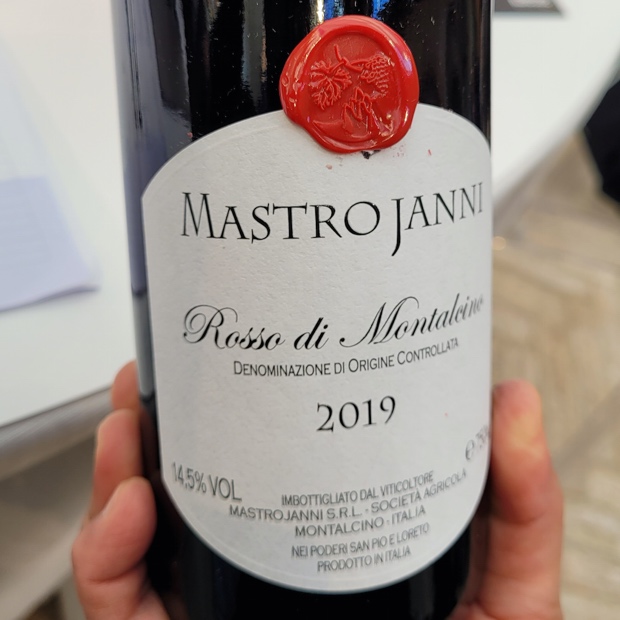
Mastrojanni Rosso Di Montalcino DOC 2019
Firm yet a Rosso with more than ample charm and grace, full red fruit and tannin interposed, layered and sharing the sangiovese stage. Takes some time but the fulsome and dusty work here really gains and makes haste of your senses. Takes hold and really does not let go. Drink 2021-2024. Tasted November 2021
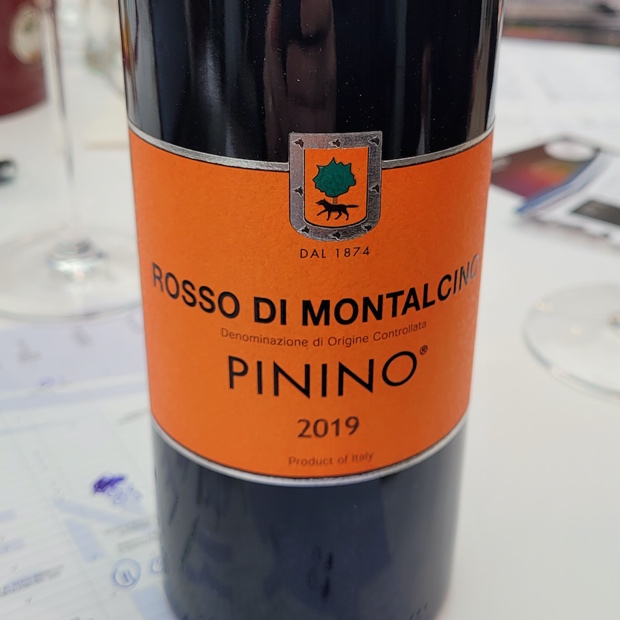
Pinino Rosso Di Montalcino DOC 2019
Intensity of Rosso aromas, rich and invigorating while showing more wood than many. Perhaps some barriques or possible new wood quite seasoned and throwing much in the way of dark chocolate into the wine. Espresso too in a Rosso of such ilk. Drink 2022-2024. Tasted November 2021
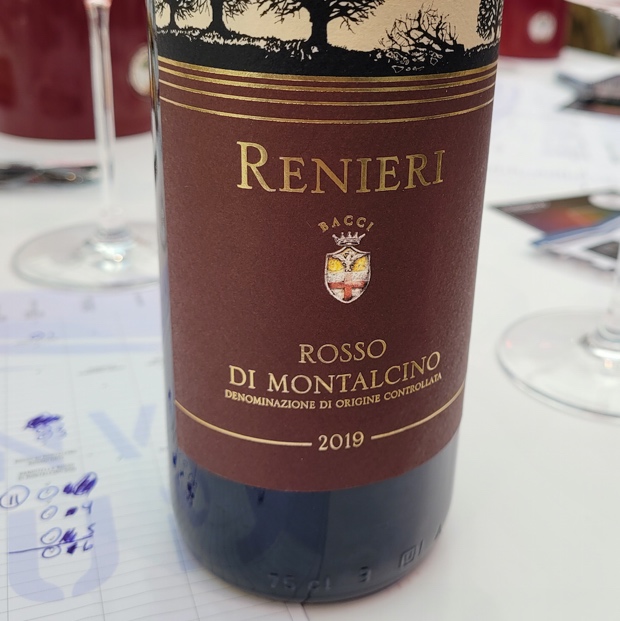
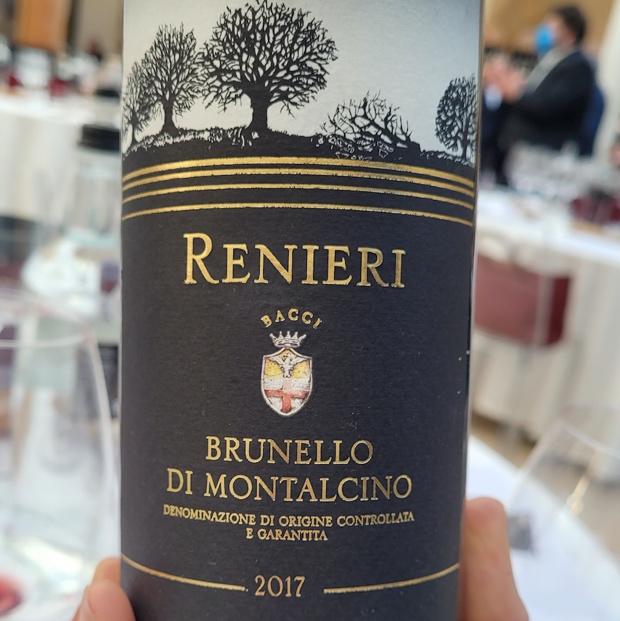
Renieri Srl Rosso Di Montalcino DOC 2019
From the word go the Renieri feels like a true and purposed Rosso, with no aspirations but to be Rosso and to take the appellation to a most important next level. This is the thing about Rosso today and in how the last five years have seen to arriving at moments like these. Chewy with red fruit in a liquorice way, lithely tart and a blood orange moment but incremental, a sangiovese climbing up as if on steps, not so much rising as getting to upwards levels. Length is outstanding. Drink 2022-2026. Tasted November 2021
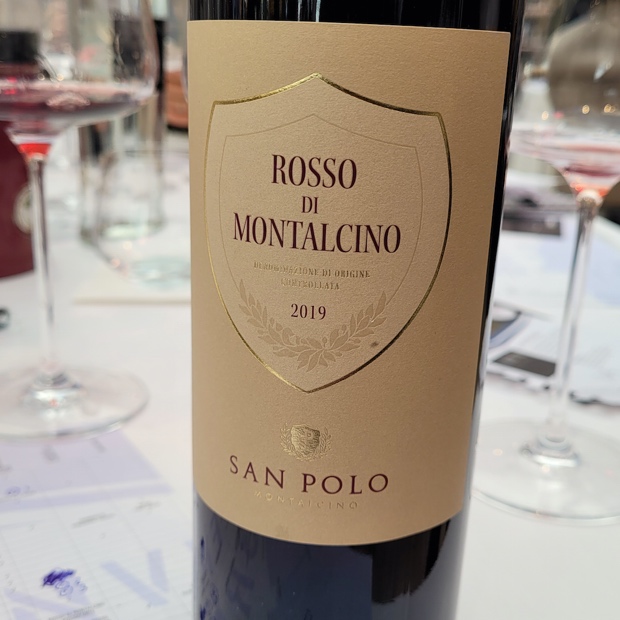
San Polo Rosso Di Montalcino DOC 2019
Released in September of 2021, at the time when 2020 Rosso are allowed to be released by the Consorzio. Aged in 40 hL casks, from fruit selected each season out of the eight parcels at San Polo. Oh my what an inviting and reeling Rosso, purity of exacting 2019 red fruit and really quite a deft touch to tie all parts together. Fresh and spirited, a chewy interior but always smart, energetic and gracefully powerful throughout the outer layers. Surely a Rosso of crunch but also a salinity with thanks to all the rocks in these “mountain” Montalcino vineyards. Just feels like a Rosso for Rosso sake. Quite ideal. Drink 2021-2026. Tasted November 2021
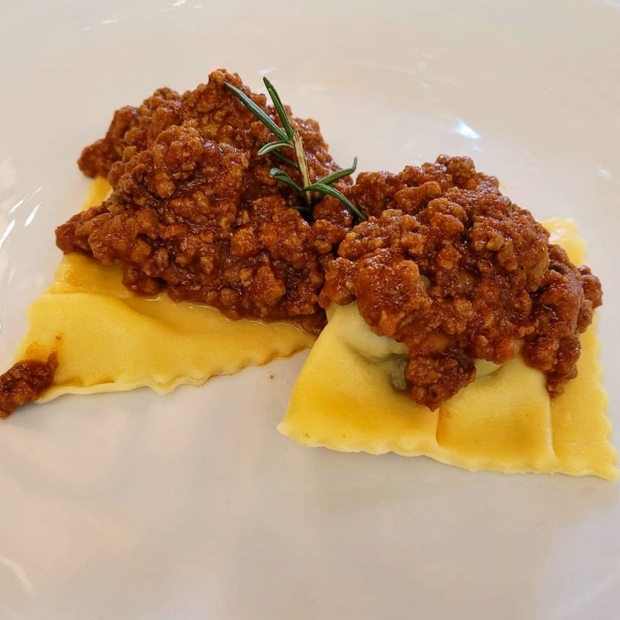
Trattoria Il Pozzo, Sant Angelo in Colle
Sasso Di Sole Rosso Di Montalcino DOC 2019
Sasso Di Sole’s is a northeasterly Montalcino location in the neighbourhood of Torrenieri, a cooler sub-zone of the territory. Doesn’t necessarily apply when a vintage like 2019 is in bottle because beautiful weather and near perfect growing conditions will put just as beautiful Rosso into the bottle. Still you have to appreciate and focus on the added freshness, perhaps as compared to some jammier and lush examples made in the southern reaches of the region. This is quite a salty and structured little Rosso number, tart and sassy, full of sun yes but also dried herbal, brushy and dusty substance. It’s all in here, a touch idiosyncratic and then with tannins that really turn arid, as felt in the mouth long after the wine is gone. Strong for the DOC, dark of fruit and mildly astringent at the end. Drink 2021-2023. Tasted May and November 2021
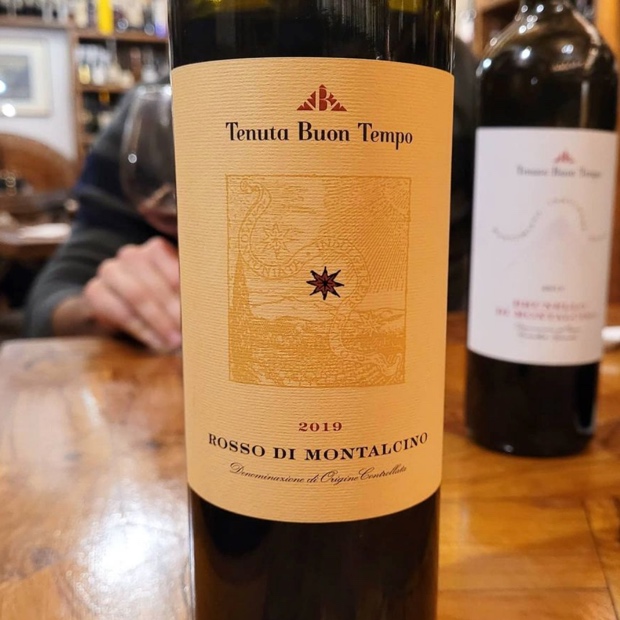
Tenuta Buon Tempo Rosso Di Montalcino DOC 2019
For Alberto Machetti a similar and equally “cool” vintage with grapes in Castelnuovo facing Monte Amiata. Picking started on the 16th of September in a vintage with great freshness and in this case an intense level of savour. From the seven lowest hectares on alluvial clay soil only 50 metres from the Orcia River. Of double density and yields which work best for Rosso. Fine but relative ease and linear concentration for an easy but more than notable substantial essay of Rosso. Purple fruit and proper acids. Drink 2021-2024. Tasted November 2021
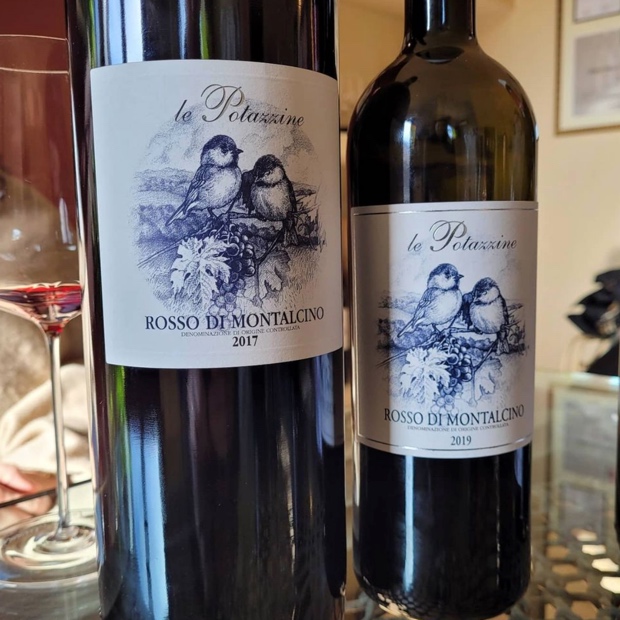
Tenuta La Potazzine Rosso Di Montalcino DOC 2019
Bottled in June 2021 and a Rosso of real identity, on its own, connected to Brunello but so much a wine of its own accord. Truly Rosso for the sake of aromas, subtlety and for a starting point for drinking three to four years forward. The 2017 must be at perfect peak now with five years easy left at that level. Indicates what will happen with this 2019, a Rosso delicate and in charge, with power, of itself and also us. Complex and yet easy. The opposite of so many of us. Wait another year or so for the wine to soften and arrive at the right place. Drink 2023-2026. Tasted November 2021
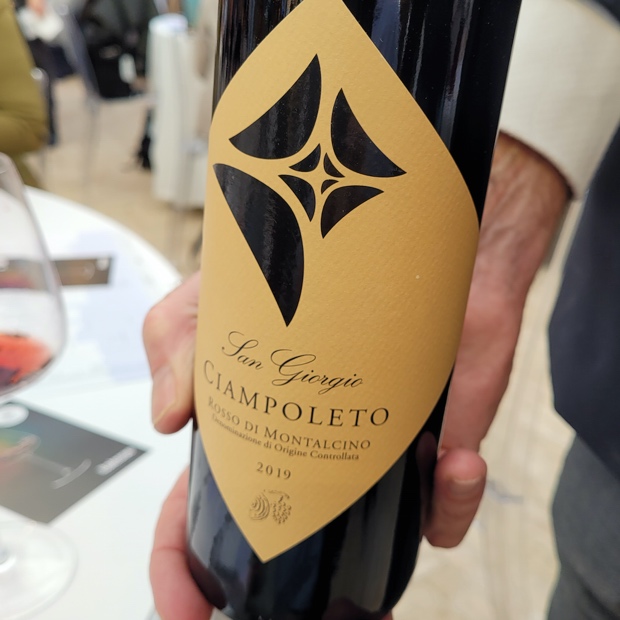
Tenuta San Giorgio Rosso Di Montalcino DOC Ciampoleto 2019
An old-fashioned Italian term meaning single-vineyard, from “Ciampolo.” Stainless steel and 15 months in Slavonian oak, from a vintage of excellent interchange and alternating between sunlight and rainfall. Also a vintage from which Monte Amiata really aided with airflow for freshness and kept acidity. Vineyards face southeast (next to Podere Le Ripi) and their age is up to 20 years of age. Youthful and charming Rosso, a snapshot of young vines and a luxe vintage getting together on the same page for sangiovese surety. Richness to be sure in that regard and a chocolate rendering, part milk and part dark, swirled through the texture of the wine. Fine grain of tannin runs through as well, taking over and finishing at macchianto. A savoury freshness and if you’ve tasted enough vintages of Ciampoleto you will know this is tops, exceptional, potent and seductive. Sweet fennel at the finish. Drink 2022-2025. Tasted November 2021
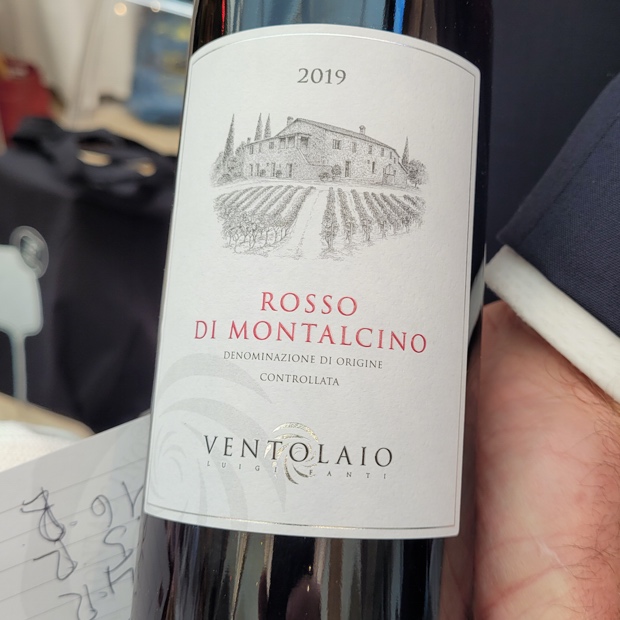
High spirit and tonality, a Ventolaio speciality and what is expected from their Rosso. This especially when considering a vintage that could entice a maker to go further and deeper. The commitment to restraint and even more importantly consistency makes this a special wine. Crisp enough to call freshness the lead and with a fullness of texture to feel the barrel and lead this down a four to six year road. Exemplary, dictionary entry. Drink 2022-2026. Tasted November 2021
Rosso di Montalcino 2018 and 2017
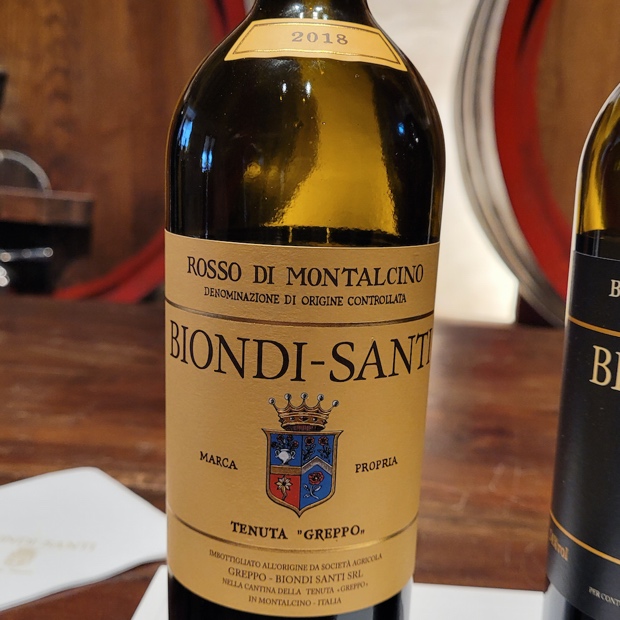
Biondi Santi Rosso Di Montalcino DOC Tenuta “Greppo” 2018
The harvest started on September 16th, from a season where 800 grams of bunches per plant was almost double the norm so intensive selection was necessary. A tramontana wind came in and so the harvest was quickly concluded on the 26th. There was some fear of botrytis. Though there had been a great variability of ripeness 10 days earlier, the point was reached by the end of the season. Just a two week maceration, noted in the old-school colour, fragrant, never pushed, also perfume in the tannins, replicating the fruit. More to the point is the mimic of acidity so that all three are on the same page. Bottled just about one year ago so really coming into a drinking window. Labeled 13 per cent but in reality clocks in at exactly 12.8, which is nothing less than incredible. “There is something in this estate that is magic” tells Federico Radi. “This is Il Greppo, from the beginning there is balance and you can feel this in the first steps of alcoholic fermentation.” Could there be an easier place to work, in a sense, “because the quality of tannins are so fine.” So very true and as a Rosso an exact mirror into the vintage, lithe and elastic, pliable of structure and ready to drink quite soon. Textured of it’s own accord, disposition and way. Drink 2022-2030. Tasted November 2021
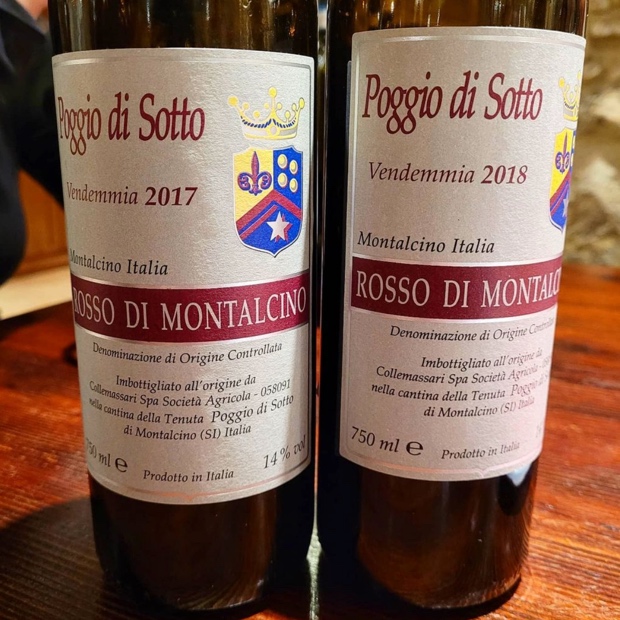
Poggio Di Sotto Rosso Di Montalcino DOC 2018
Rainy season early, cool enough with some sun but problematic at the outset by a daily pebbling of the two, followed by a terrific climatic summer. Definite herbal, Mediterranean aromatics, almost like walking and brushing past the hedges on the terrace overlooking the valley. Notably linear and demanding for Rosso, a Brunello (from barrel declassified) after three years. Hyper real, serious and gripped with no less mattering intendment. Remember that this too comes from a selection in the vineyard and so the backbone and probability begins from the day the grapes leave the vine. Teenage angst, rebellious, a bit angry and it will grown up. Proper role modelling and upbringing guarantees this Rosso 2018 will be fine and be great. Peppery piques at the finish and then all goes quiet. Elegance emerged. Drink 2021-2026. Tasted November 2021
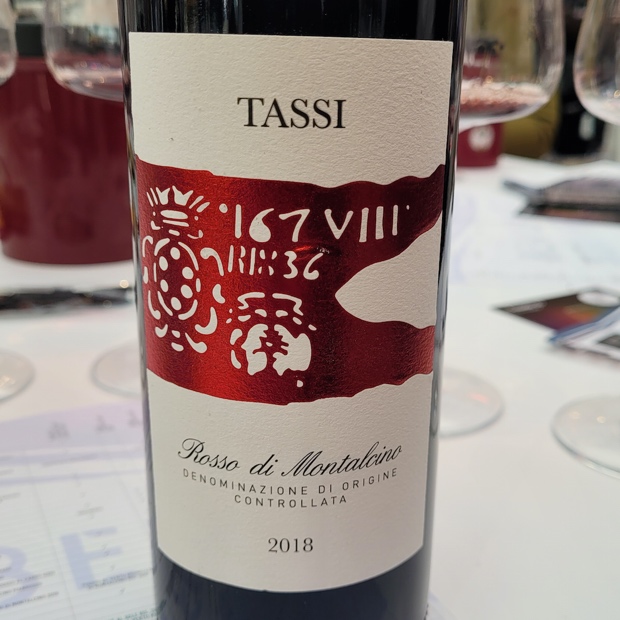
Tassi Di Franci Franca Rosso Di Montalcino DOC 2018
Lean and transparent Rosso of purity and clarity, fruit far from full extraction and the wood very much a part of the easterly mix. Spice and chocolate shavings, intensity overall and while the barrel makes this immediate statement it falls away and the wine finishes with smooth, morbido and really pleasant consistency. Drink 2021-2024. Tasted November 2021
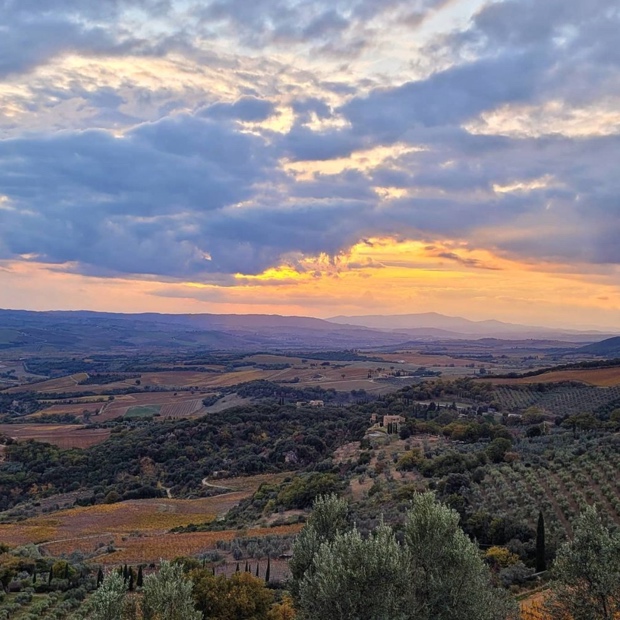
Poggio di Sotto
Poggio Di Sotto Rosso Di Montalcino DOC 2017
The work of Luca Marone (oenologist) and Federico Staderini (winemaking) surely had their cards laid out on the table from which they’ve managed to pick, sort and arrange in the creation of shared common ground sets of elegance and finesse. Not as other vintages per se but there are signs all over this wine to say it will pour like Brunello for years to come. The tannins are chalky overtop maximum sapid occupancy and mineral cuts in angles all across the body politic of this wine. Wait another year. You will be thankful for it. The volume was split between Rosso and Brunello, considering there was no Riserva produced. Drink 2022-2026. Tasted November 2021
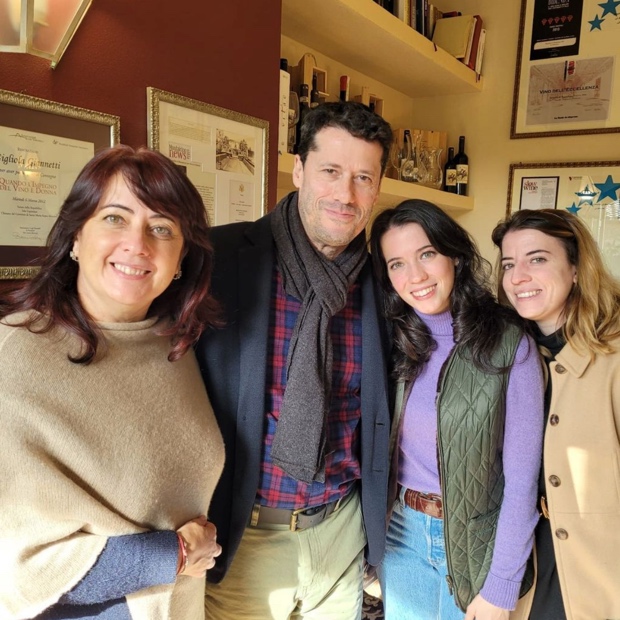
With Gigliola, Sofia and Viola, Le Potazzine
Tenuta La Potazzine Rosso Di Montalcino DOC 2017
Poured from magnum, as Gigliola wishes all sangiovese were but knows it’s not really possible. Put thoughts of a hard vintage aside and just focus, use imagination and pay close attention to realities that tell the ’17 tale of this place. From vineyards upwards and exceeding 500m, a natural ferment, unfiltered and as fresh as any in Montalcino. If Montalcino were a perfume this might be it, inviting but with secrets, open and subtly so. Few sangiovese are as elegant and in such control, youthful but showing the cards to tell us what we should expect. Eventually. Slowly. Last tasted November 2021
Very pretty pulchritude in the Potazzine Rosso ’17 with spice, charm and a great pulse of energy. This is so very Rosso and so very what Rosso wants, needs and can be. All pulse and vitality, with striking acids and sneaky formidable tannin. Delicious Rosso di Montalcino and a great harbinger for the vintage. Drink 2020-2026. Tasted February 2019
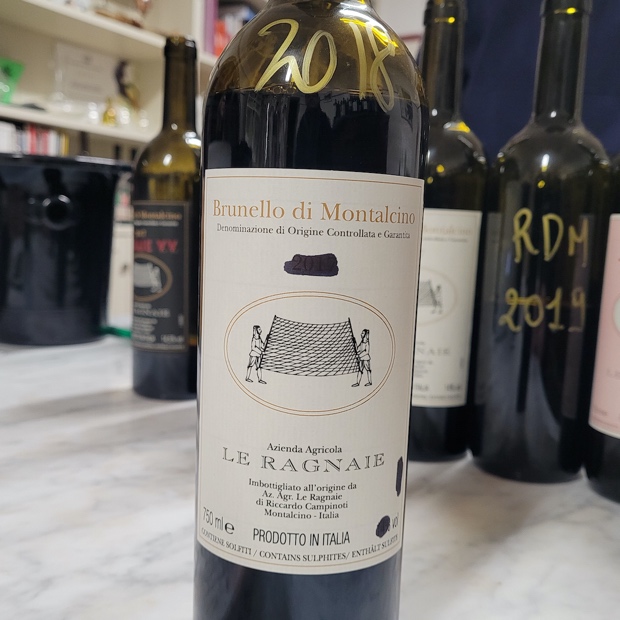
Brunello di Montalcino 2018
Ahh freshness, the first 2018 in my glass and no offence to 2017 but after tasting 150 ‘17s over four days this is surely a breath of new air. Bright and almost a marine wind blowing through while at the same time showing some substance and bones. Fleshy but elastically so and these tannins are not sharp, nor austere, but forgiving and even generous. Left the barrel after the minimum amount of regulatory time to keep the wine from being tired by the wood. Drink 2023-2028. Tasted November 2021

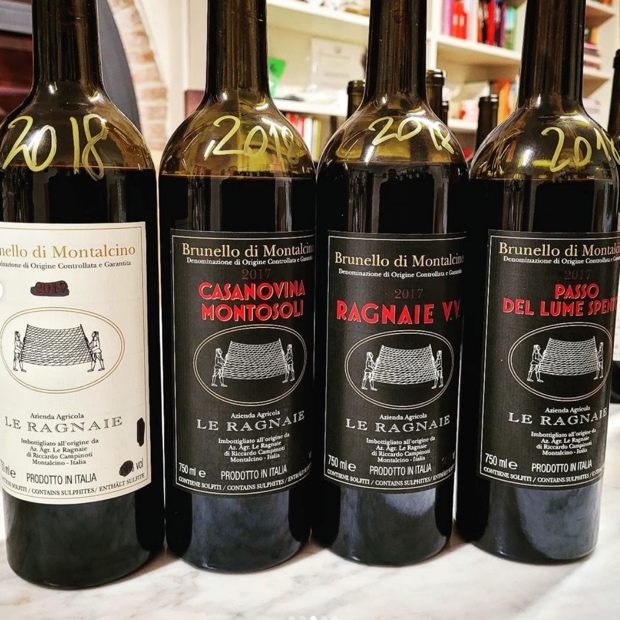
Le Ragnaie Brunello Di Montalcino DOCG Casanovina Montosoli 2018
As for Casanovina from Montosoli there is everything one could hope for in fresh, sapid, saline, mineral expressiveness giving in to amenability as it pertains to enjoying, or projecting the enjoyment of Brunello Vigna looking a few years ahead. There is more depth and reserve in 2018 from Montosoli and if the previous vintage did not tell us just how special this northern fruit can be then better attention need be paid. Here we experience the prescience and extension to continued futures of Montalcino. A fruit to acid continuum of fresh sweetness and singular expressiveness. Also a backbone but not one rigid and compact, rather linear and stretching northward. Crisp and with terrific crunch, upward movement and great potential. Drink 2025-2035. Tasted November 2021

Ragnaie Vineyard
Le Ragnaie Brunello Di Montalcino DOCG Passo Del Lume Spento 2018
As with the Brunello Annata and in fact all of his ‘18s, Riccardo Campinoti decided to take this out of wood at the discipline number of months to stave off any chance of tiring and oxidation. As with the Annata there is of course great freshness but here magnified with even greater clarity, blue sky brightness and what a palate cleanser it is. Thanks to the 621m of altitude the wine maintains a level of acidity at the top of the tops but it is neither spicy nor piqued, no sign of peppery grinds nor sharpness neither. Cool, gelid, sandstone salt licked and a sangiovese that will never blind a traveller nor turn out the lights. Drink 2023-2029. Tasted November 2021
Le Ragnaie Brunello Di Montalcino DOCG Vigna Vecchia 2018
Vigna Vecchia as it always does makes sure to remind how this vineyard delivers the most compact tannins in the Brunello portfolio of Le Ragnaie. Mix this omnipresent austerity with the fresh breath of 2018 vintage air and the combination could only be a most excellent and rewarding one. In fact there is less early aggression, either because of the freshness or simply because the vineyard speaks this way in this year, but also because the wine spent less time in wood than other vintages. Sweet meanderings of acidity zig, swirl, zag and twirl to lift and elevate all the parts. Not exactly integrated fully but also not that far away. So much pleasure will come from this wine when that happens. Magnifico. Drink 2025-2033. Tasted November 2021
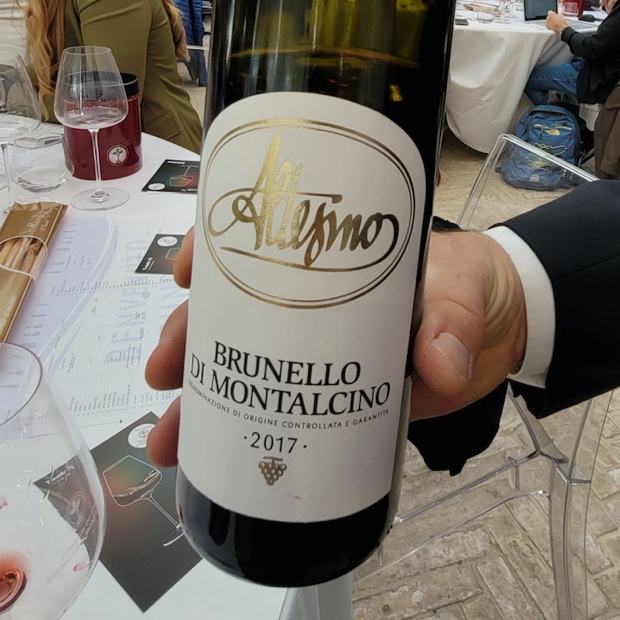
Brunello di Montalcino 2017
Altesino Brunello Di Montalcino DOCG 2017
A fully macerated, extracted and vintage captured Brunello with a charming run through of transparency. More than a shake of wood spice and earthy grip, a sangiovese of immediacy but also intensity. You can feel the fruit of suffering and the resiliency. Drink 2021-2024. Tasted November 2021
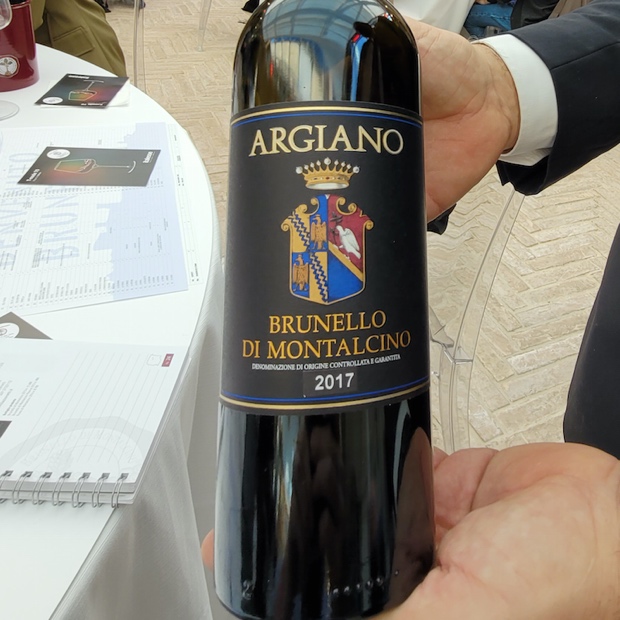
As one would expect the Argiano comes streaming with magnificent fruit on the heels of a string of recent vintages inclusive and in many ways culminating at their near perfect 2016s. What has been learned and essential changes that have been made have led to making this effortless ’17, relatively speaking but heat being little matter when acumen runs this high. Bernardino Sani has found the sweet spot, a place where optimum fruit ripeness can linger and develop all the necessary accoutrements to acquiesce at a positively proper meeting point. The length on this classic ’17 is outstanding with thanks to the work put in. Drink 2021-2027. Tasted November 2021
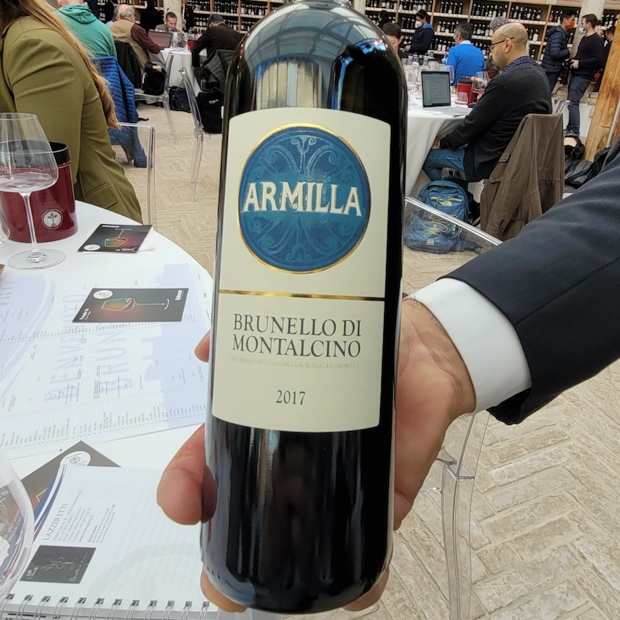
Armilla Brunello Di Montalcino DOCG 2017
Armilla’s is truly honest and forthright, ripe cherry captured with zing and more than ample tannin making for a strengthening of multi-tiered structure. Admittedly closed at first, reluctant and reticent with so much lurking below, behind and underneath. There’s a richness that belies the closed nature of this sangiovese which purports to explain and make one expect more. Time is the necessary feature to make this happen. Be patient and allow Armilla to come through. Drink 2023-2028. Tasted November 2021
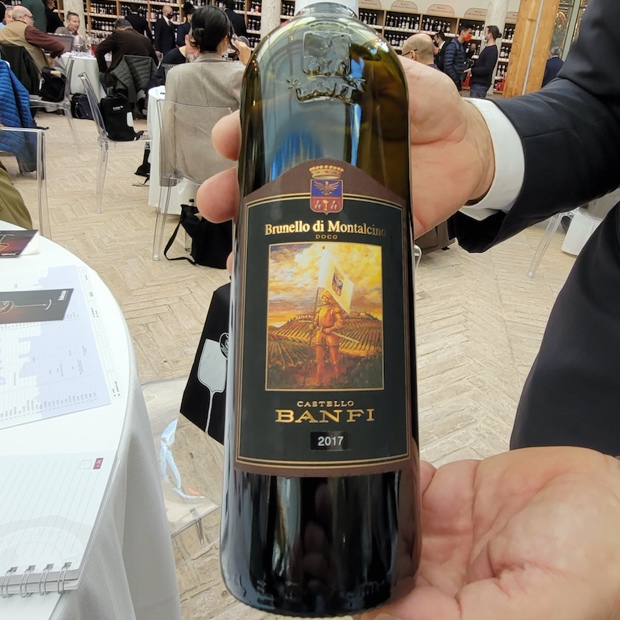
Banfi Brunello Di Montalcino DOCG 2017
Banfi’s presents a bit of a conundrum because the fruit is luxe and ripe yet the tannic structure is both tight and demanding. There are two parts to this ’17, the warmth and full character up front and the wall of expectation out back. Many will purchase and consume this early as per the awareness of the name but more than the lion’s share of bottles should better be doted upon, kept sealed and opened a minimum six years after vintage. Drink 2023-2027. Tasted November 2021
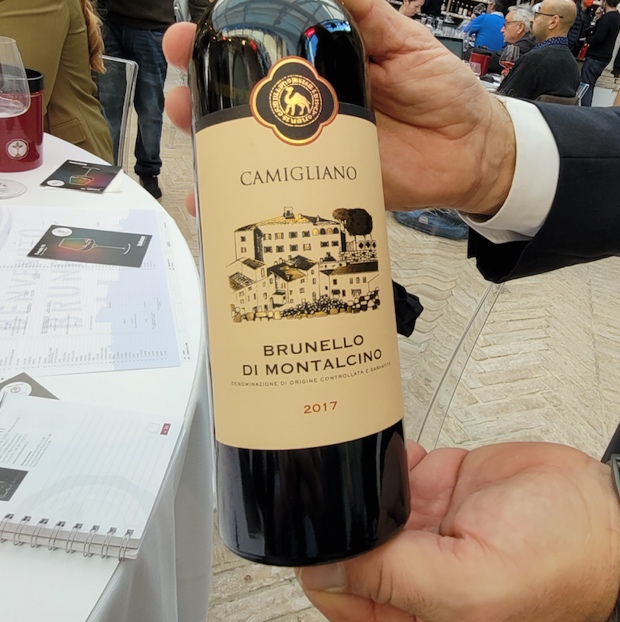
Quite the rich and fulsome Brunello 2017, all parts deep and intense, acidity running really high, all else running to keep up. A sangiovese of heat yet one that streaks through its world. The kind of Brunello that makes you feel like you must hurry to taste and figure things out when really what is required is tempo, for qualità and also longevita. Drink 2022-2026. Tasted November 2021
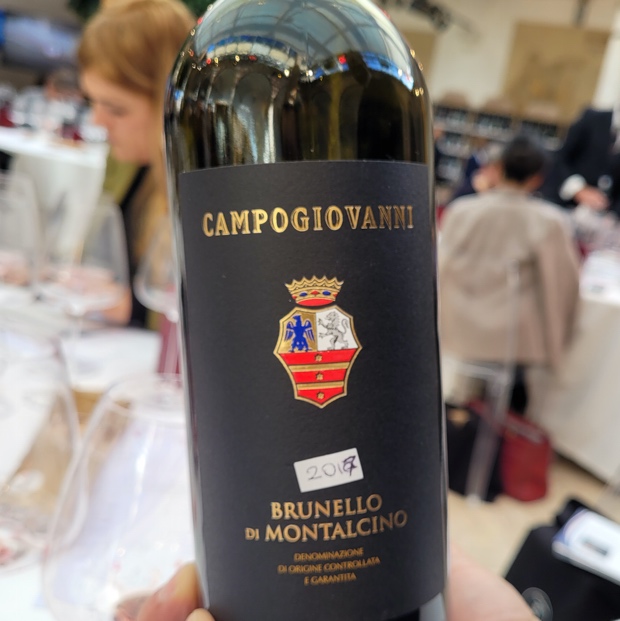
Campogiovanni Brunello Di Montalcino DOCG 2017
Classic Campogiovanni and Leonardo Bellaccini, full fruit and barrel intertwine, each supportive and enraptured in each other. Hard to imagine and believe that a Brunello di Montalcino could be traced and placed to such a specific locale, estate and winemaker but if there is only one this would be it. Chewy and textured sangiovese, spiced and seasoned, the kind that will impact many lives and offer a very specific kind of pleasure. At full ripeness, wood-aging and frosting of ganache. Drink 2022-2028. Tasted November 2021
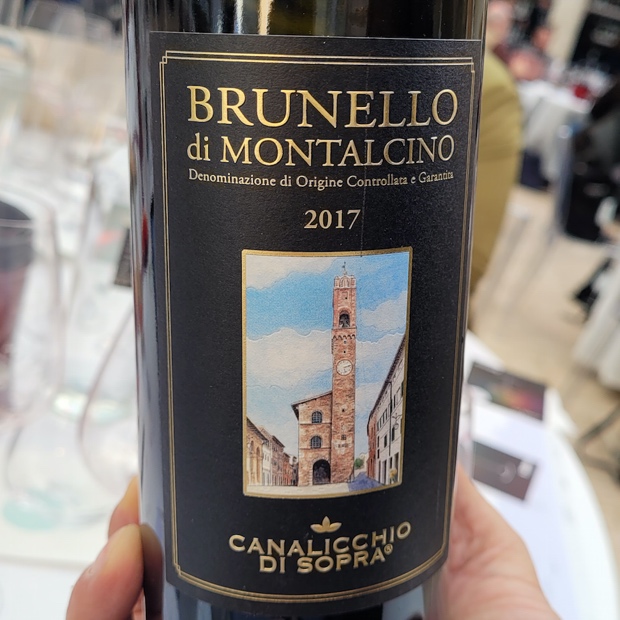
Canalicchio Di Sopra Brunello Di Montalcino DOCG “Canalicchio Di Sopra” 2017
Considering the location of Canalicchio di Sopra’s vineyards to the east and north of Montalcino there should be every reason to think that 2017 would not pose a problem to making a top Annata. Francesco Ripaccioli would likely smile that wry smile when he knows that the year was in fact a magnanimous challenge but he would also follow up with that confident smile of his. Ripaccioli has the fortune and the instincts, to mix and match, to layer and compliment, to figure with mathematical precision and this wine expresses all that and more. There is cut and linearity, a finest architectural line and a freshness that belies what heat might want to take control. A fine classico for Montalcino that speaks to the best of all worlds within. Drink 2023-2030. Tasted November 2021
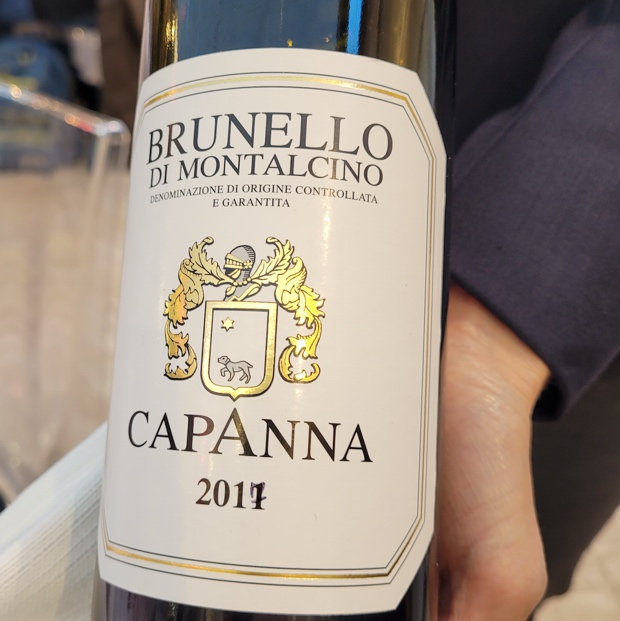
Capanna Di Cencioni Brunello Di Montalcino DOCG 2017
Capanna has found the righteous path in 2017, a road paved with credible is softened tannins ushering fruit picked late and having reached great vintage maturity. This was no easy task and their’s is a wine from which higher alcohol is so well mitigated and controlled by the substantial quotient achieved. It helps more than a lot that their location is north of the hill which allowed the longer hang time without the amount of desiccation unavoidable in so many parts of the territory. Capanna’s is flat out a lovely ’17 that drinks like Brunello in the most unassuming and proper way. Drink 2023-2026. Tasted November 2021
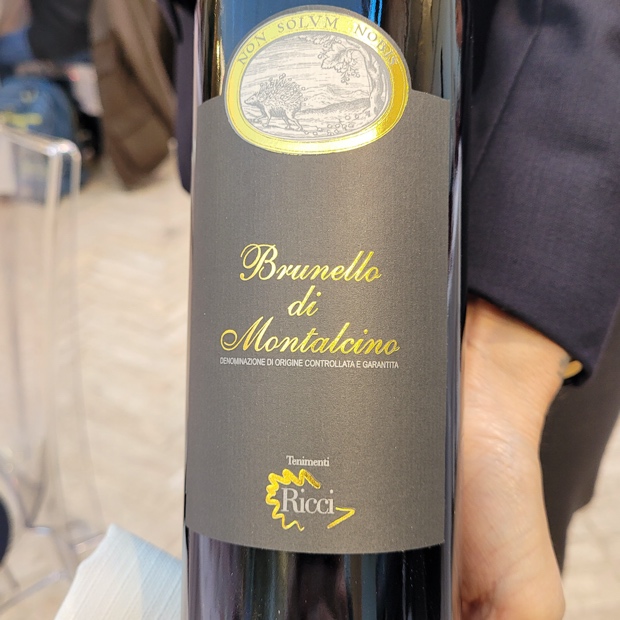
Capanne Ricci Brunello Di Montalcino DOCG 2017
A spike and pique like many 2017s though fruit hangs in there for some extra time and effort. High acid and drying tannins complete the trilogy yet all the sections are set apart. Can’t really see this ever fully coming together as one. Drink 2021-2024. Tasted November 2021
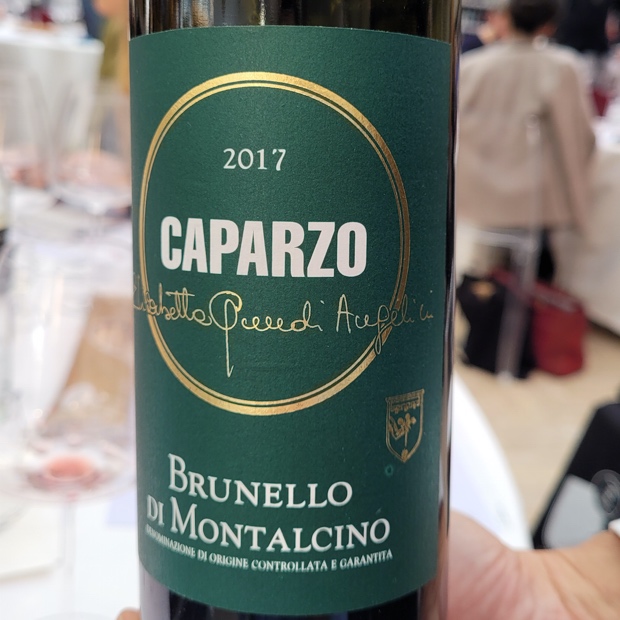
Caparzo Brunello Di Montalcino DOCG 2017
Notable depth and intensity lead the way in Elisabetta Gnudi’s 2017 Annata, a sangiovese for sangiovese’s sake and a wine to consider earlier than some. Quite rich and welling with fulsome varietal liqueur, lightly tart, power in restraint and clearly designed for sooner rather than later enjoyment. Give this an hour or so aeration and get at the fine juice contained within. Drink 2021-2024. Tasted November 2021
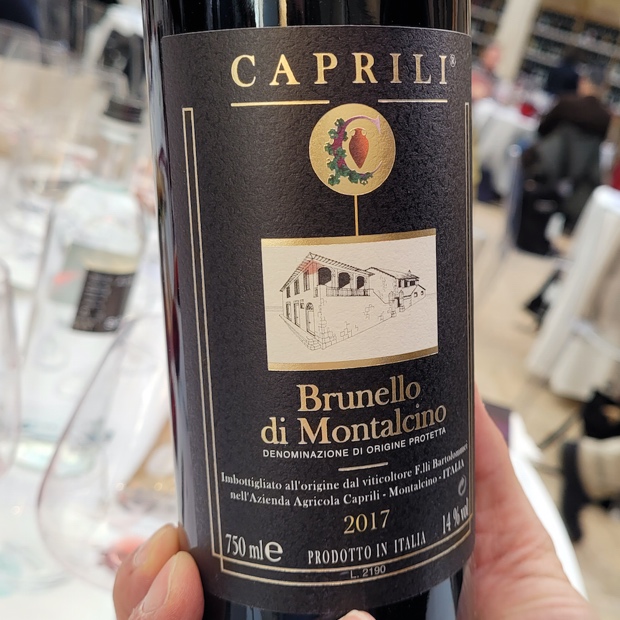
Caprili Brunello Di Montalcino DOCG 2017
Caprili’s is a 2017 Brunello of great bones, back rhythm and structure. A sangiovese from 2017 calculated and so very far from over-pressed, in feeling of vintage warmth plus seasoning but needing years to flesh away. The palate is full of meaty tones currently residing in swarthy pools while finest tannins work their way through the comports of this wine. There can be little immediate gratification here and considering the style and also the build, there really shouldn’t be. Wait three years on Giacomo Bartolomei’s strong and sure Annata. Drink 2024-2031. Tasted November 2021
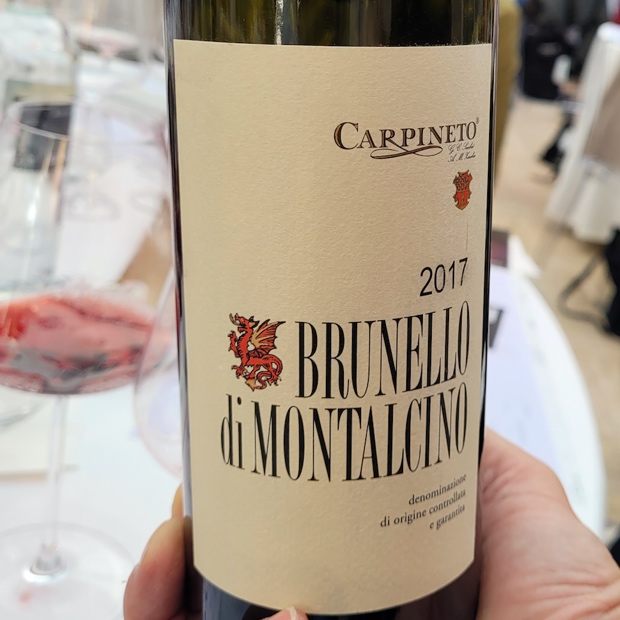
Carpineto Brunello Di Montalcino DOCG 2017
A tightly knit, forcefully wound and really serious 2017 here from Carpineto, full of all the seasoning and spice that can be coerced into crowding an Annata. Crisp, crafty and formidable. Big, big mouthful of Brunello, savoury and brushy to the end. Drink 2023-2026. Tasted November 2021
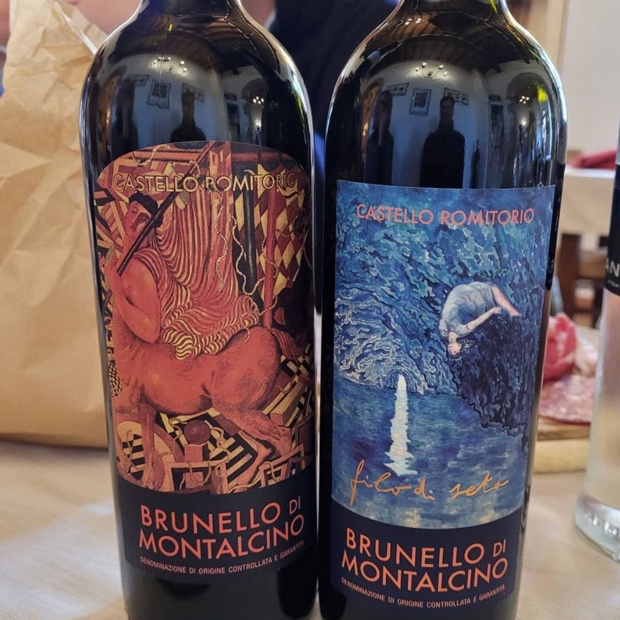
Castello Romitorio Brunello Di Montalcino DOCG 2017
It was hot and dry and “that’s what you need in high elevation vineyards surrounded by forests,” is how Filippo Chia sees the situation. Romitorio as a place of lower sun exposure received the hot and dry vintage for what Chia calls “the best vintage ever at Romitorio.” More woodwind instruments and less drums. Vinified and malolactic in cement, aged in 5000L barrels with some 3,600, 2,000L and a few per cent tonneaux. Only 10-12 days of maceration, much less than other years and this is consistent with others who know and do the same. Sourcing from 10 hectares of old and seven that are newer. In a vintage without water a plant like sangiovese saps up the minerals and in this place it’s a red earth, ferrous grab that can’t help but be expressed in the wine. Both pH and acidity really change and there is no rise of the former, or lowering of the latter after malolactic fermentation. A countercurrent Brunello, lithe, effusive and showing the nakedness of the land. Yield was down 40 per cent, concentration is up but not to look at, nor to feel in terms of polish. Healthy vines adapted and survived where others may not have been so fortunate. Big props to the older vineyards, ones that date back to 1985. Drink 2021-2033. Tasted November 2021
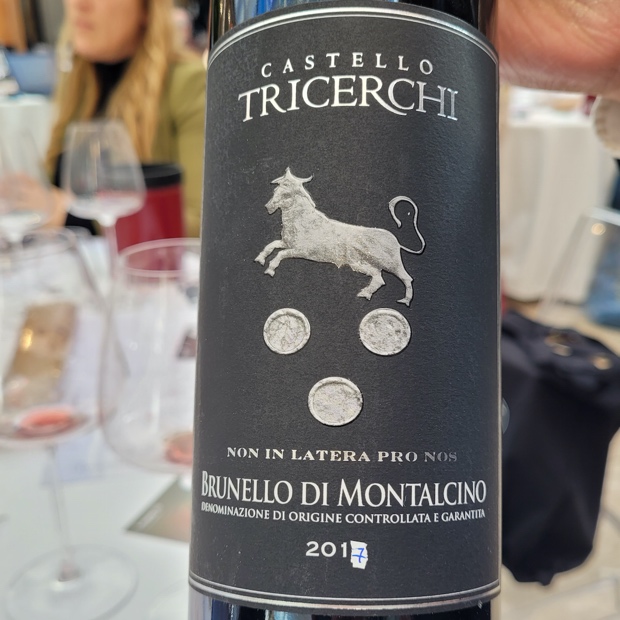
Castello Tricerchi Brunello Di Montalcino DOCG 2017
As with their 2019 Rosso tasted just an hour earlier there is great poise, grace and also functionality in Tricerchi’s 2017 annata. A sangiovese that captures the grape’s essence and Montalcino presence while tempering and filtering the vintage demand. A wine crafted with strong hands holding an infant with delicate and appropriate ease. Also a wine that captures imagination which is so very much the point more than most of the time. When a producer steps up in a vintage like this you know they have moved on to new a greater heights. Do not miss out on this or any of these wines starting now. Drink 2022-2028. Tasted November 2021
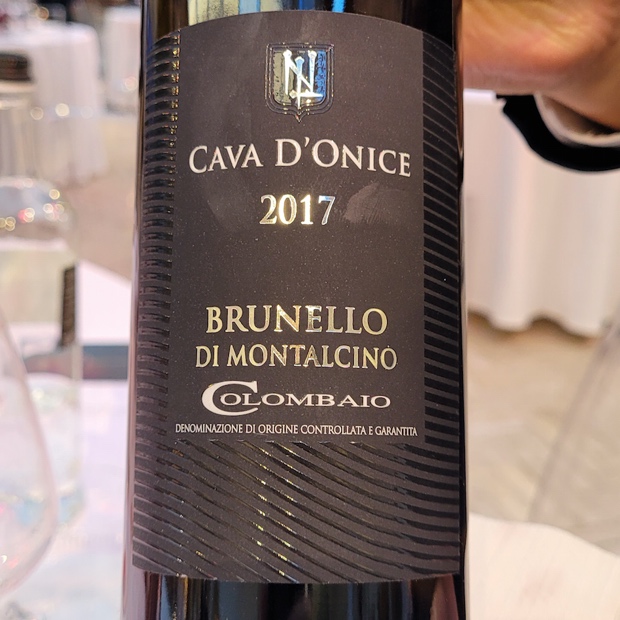
Cava d’Onice Brunello Di Montalcino 2017
Top grape and emotive spirit emit from Cava d’Onice’s 2017, high-toned in slow-ripened and well-preserved acidity for the vintage. A sangiovese of fine lines, good bones and linear rising attitude. The alcoholic warmth is felt somewhat but the peppery pique is only a fleeting moment in what is otherwise a really good tempered wine. Drink 2022-2025. Tasted November 2021
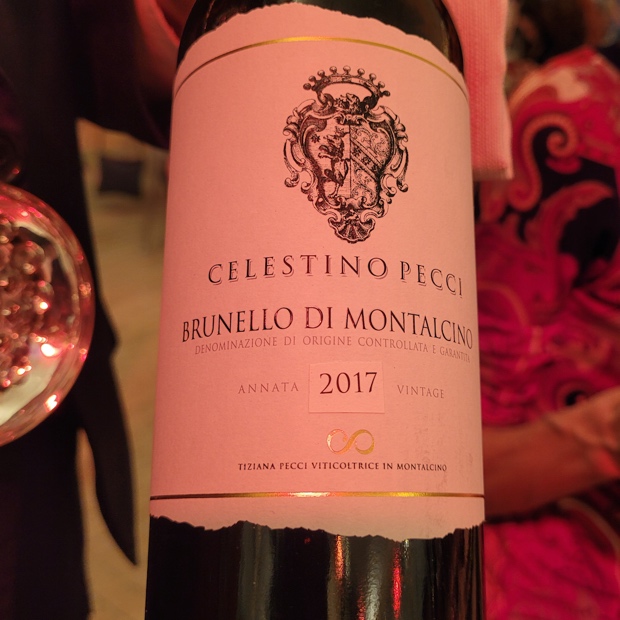
Celestino Pecci Brunello Di Montalcino DOCG 2017
From a location northeast and just downslope from the Montalcino hill and a Brunello of notable depth but most of all a linear, saline, elemental and purposed Annata. Benefitted from position and timing, feeling late picked enough and still maintaining red fruit freshness while also accessing full phenolic ripeness. Solid ’17, a success in the end result. Drink 2022-2025. Tasted November 2021
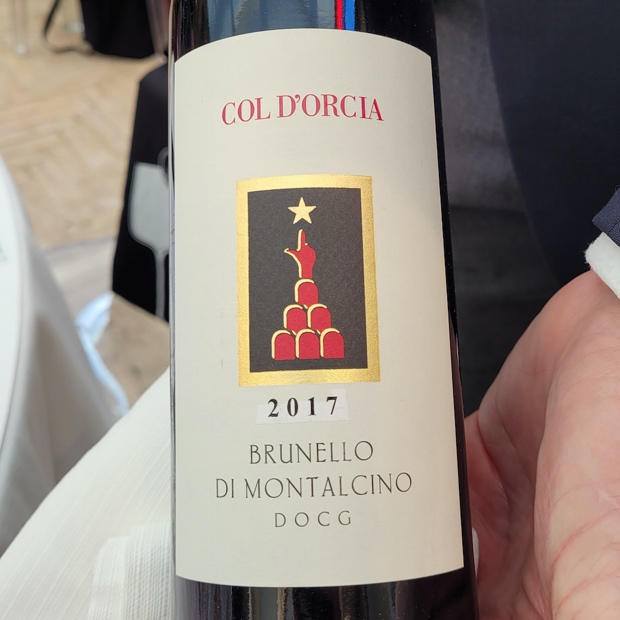
Col d’Orcia Brunello Di Montalcino DOCG 2017
If the wine’s perfume scents like Col d’Orcia then it must be Col d’Orcia. If one estate could be counted on to keep the faith and consistency of classico Brunello alive then once again, think Col d’Orcia. Here the warmth of the vintage is noted but the mineral and elemental saltiness that cuts through makes sure to keep freshness always at the fore. Will this live in infamy like decades of Brunello that have come before, per haps not but as always, many opened bottles will deliver the experience of being pleasantly surprised. Drink 2021-2028. Tasted November 2021
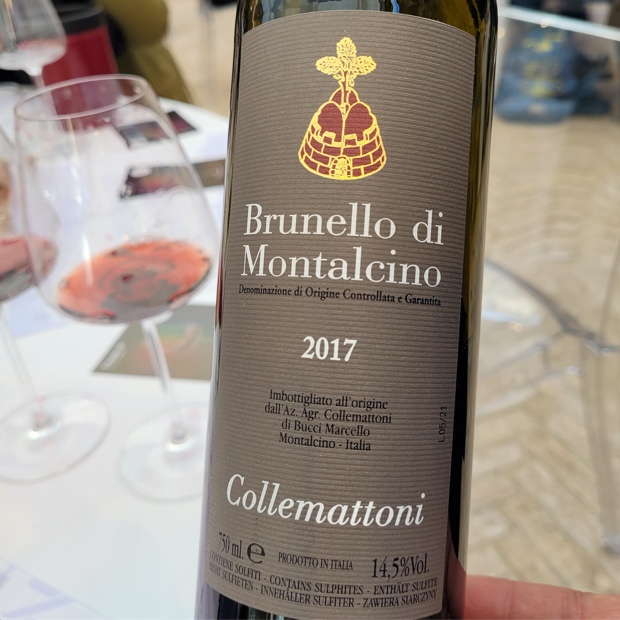
Lovely and balanced capture of what 2017 has to offer, luxe and seasoned sangiovese but also that which speaks in spirited spikes of freshness. There needs to be more of this style available because it’s pleasing and Brunello di Montalcino will always be inherently taut and structured. Collemattoni’s wines are both consistent and like the chameleon, able to adjust as necessary for and from what happens in every changing vintage. Drink 2022-2028. Tasted November 2021
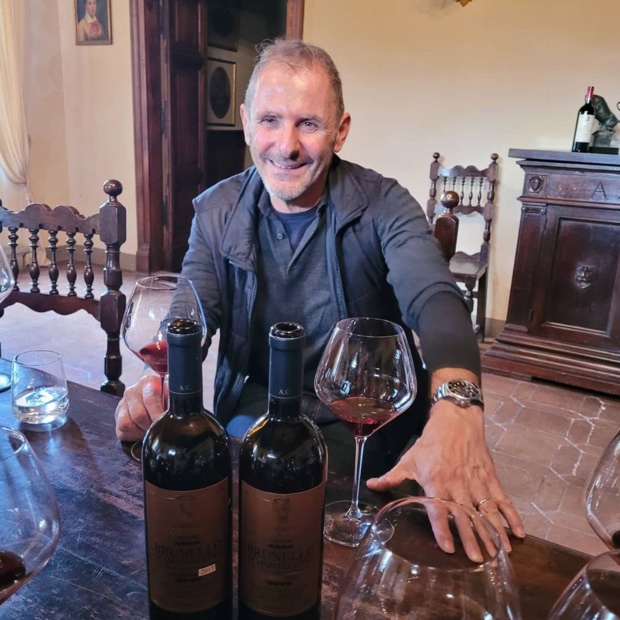
Andrea Costanti
Conti Costanti Brunello Di Montalcino DOCG Colle Al Matrichese 2017
Though beauty may be an elusive animal there must be sound reason for Andrea Costanti to follow through with making a Brunello in the 2017 vintage. After all he made the choice to not do so in 2014 and put the best fruit into Vermiglio Rosso. But Costanti clearly saw the forest for the trees and the difference; beyond simply one being cold and wet, the other hot and dry. Substantial fruit and ample tannin are clearly present, the former cherry with a minor key of pith and the latter liquid chalky. A cherrystone Annata, subtle in savour, sweetly stinging in sapidity. Fine and precise, a mimic of the maker, as it is written. Brunello 2017 is a wine needing to be mulled, chewed and considered, things that speak to how it was built and where it will go. Only 14 per cent alcohol adds to the mystique and curiosity for a sangiovese of temperance, divine skill and site. Drink 2023-2032. Tasted November 2021
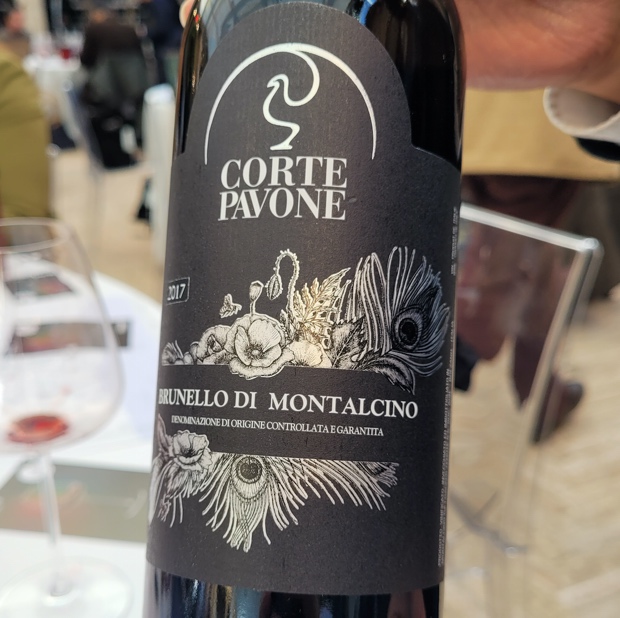
Corte Pavone Brunello Di Montalcino DOCG 2017
Off the top one of the deeper 2017 Annata and of a density that speaks not to excess but to the northwestern red soils of Corte Pavone’s Montalcino sector. There is nothing about this Loacker Brunello that does not talk their localized talk nor walk with style the way a Corte Pavone wine is want to do. Fulsome and highly expressive, a sangiovese of many layers and commentary. Drink 2022-2027. Tasted November 2021
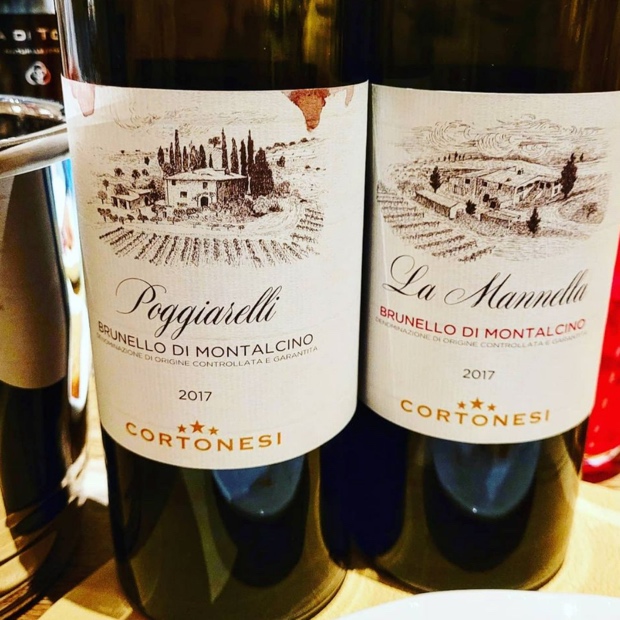
Cortonesi La Mannella Brunello Di Montalcino DOCG 2017
The elephant in the room is obvious and Tommaso Cortonesi answers before the question is even posed. “You will be surprised by the freshness and acidity of the 2017, despite the warm vintage.” So how exactly can that be? Picked as usual, for one thing, at the end of September. “Montalcino can approach each kind of season and situation during the production process,” explains Cortonesi, meaning climate events, extremes and change be anathematized the vines have been nurtured and equipped to handle stress, especially drought, to sleep if necessary, call upon reserves and take full advantage of late season miracles. The ’17 is smartly piquant, wisely wily, youthful above reproach, even if technically requiring some correction. Levels of acidity and even volatility are high, as per the vintage but in reality drying fruit and tannin are not. Take your time with La Mannella, don’t rush or make any immediate demands of its emotions or time. Drink 2023-2029. Tasted November 2021
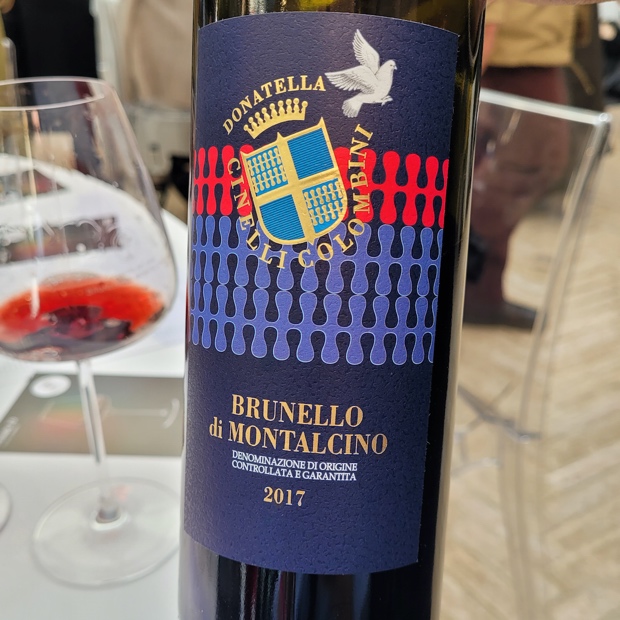
Donatella Cinelli Colombini Brunello Di Montalcino DOCG Casato Prime Donne 2017
Straight away the multi-layered and generational floral perfume mixed with earth, grace and musk that only a Casato Prime Donne will do. There is just something about the layers and treasures in a Donatella Brunello, gelid fruit first, textural movements second and finally the kind of qualities that make for futuristic classicism. Always a matter of how things must be. Drink 2023-2029. Tasted November 2021
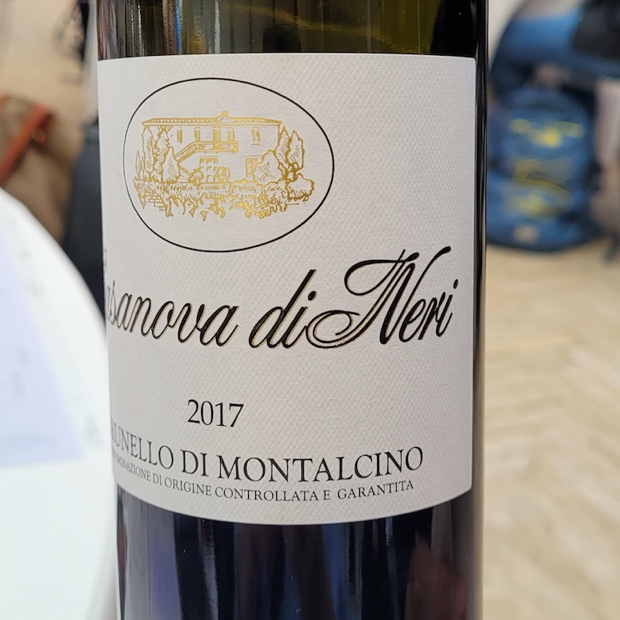
Casanova Di Neri Brunello Di Montalcino DOCG 2017
Casanova di Neri is one of those Montalcino estates with the fortuitous ability to combine wines from a few terroirs to forge a most consistent and impressively layered Annata. Seeking, finding and capturing the best of the vintage is not just a specialty but a rite of passage. Our palates and senses are put on high alert in accessing the levels of variegated fruit, fine to striking acids and several ways in which structure envelopes it all. Just seems like this 2017 Brunello resides at the epicentre of what is right, correct and also knowable for the vintage. Drink 2022-2027. Tasted November 2021
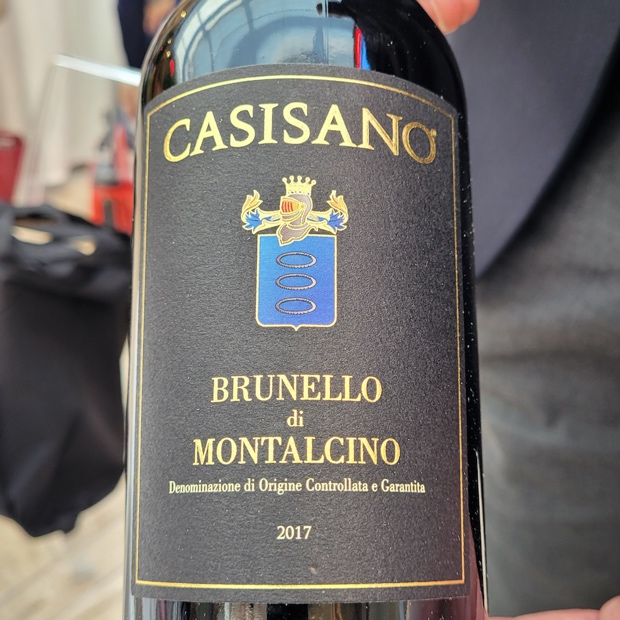
Lovely capture of fruit from the warm 2017 vintage that while over-stressed it is important to note each and every producer that found the way. To capture freshness and that honesty of sangiovese spirit, here from Montalcino’s south and with fortuitous elevation to keep the acids and the energy alive. Well done Tommasi, what else to say. Bravo. Drink 2022-2026. Tasted November 2021
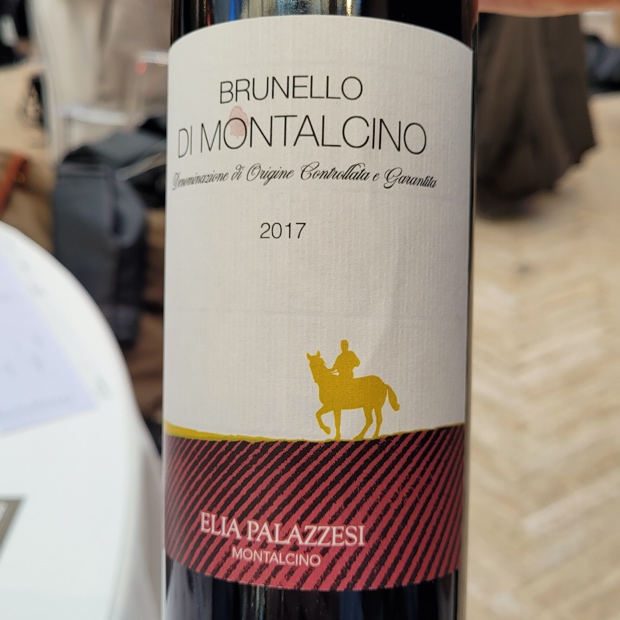
The Annata 2017 from Elia Palazzesi Collelceto is one meant for everyone, meaning the combination of fruit substance and constructive optimism makes this so well rounded, formed and adjusted. No longer a child or even an adolescent but a responsbile adult with a sense of fun and adventure. Here sangiovese is beautiful, handsome, fresh and fleshy. Works every rounded corner of the glass, palate and room. Drink 2022-2026. Tasted November 2021
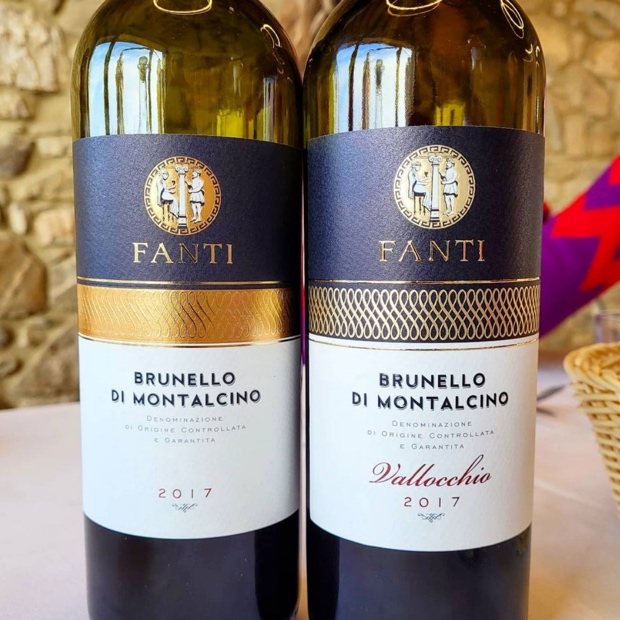
Fanti Brunello Di Montalcino DOCG 2017
Fanti’s 2017 is just about as transparent a response as is possible for a Brunello to show where it comes from, a brushy, herbal and very micro-climatic territorial wine. Some thankfully refreshing rain at the end of August allowed for an extra two to three weeks of hang time so that this Annata could reach phenolic ripeness. Much of the fruit comes from 450m of elevation in nine hectares near San Polo’s Podernovi, a fruit source so essential for making a ’17 Brunello of energy and freshness. Very much a Brunello with ample concentration and yet that transparency tells you this is a Fanti. Will make itself available as early as any. Drink 2022-2026. Tasted November 2021
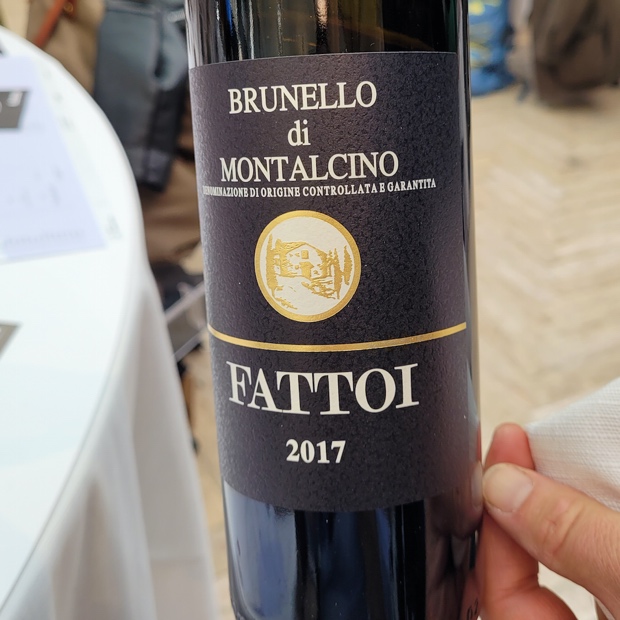
Fattoi Brunello Di Montalcino DOCG 2017
Wildly and exotically perfumed, here in Brunello finding the floral expressiveness not always so easy to access in this particular vintage. Follows the aromatique with a well-rounded if full to fleshy palate and then the sangiovese really digs in. Not in a particularly overt tannic way yet surely with some extensive and extending control. Really fine work in 2017 to be sure and a sleeper with all parts working as one. Drink 2023-2028. Tasted November 2021
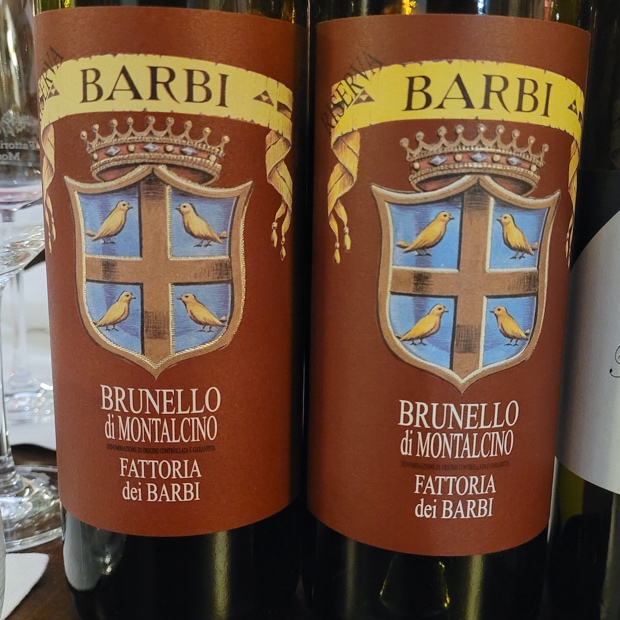
Fattoria Dei Barbi Brunello Di Montalcino DOCG 2017
An aromatic Annata for Brunello and without a doubt a Barbi, belonging to no one else. There is bosco and brusco, or the decades forward extension thereof, with an average production of 180,000-200,000 bottles, though it could be much larger, selection notwithstanding. Fruit stylistic, cool, sweetly savoury, of clay, sand and Galestro infiltration. The estate style is the most important which means the cellar-master (Maurizio Cecchini) is more important than the oenologist(s). That is the truth. Not a rich wine or vintage obvious but so perfectly correct for style and place. That said there is a Mediterranean feel here, especially in 2017, of black olive, autumn floor and finally sweet wood. Worked as it should be and careful to carry the crest and the flag. Drink 2022-2027. Tasted November 2021
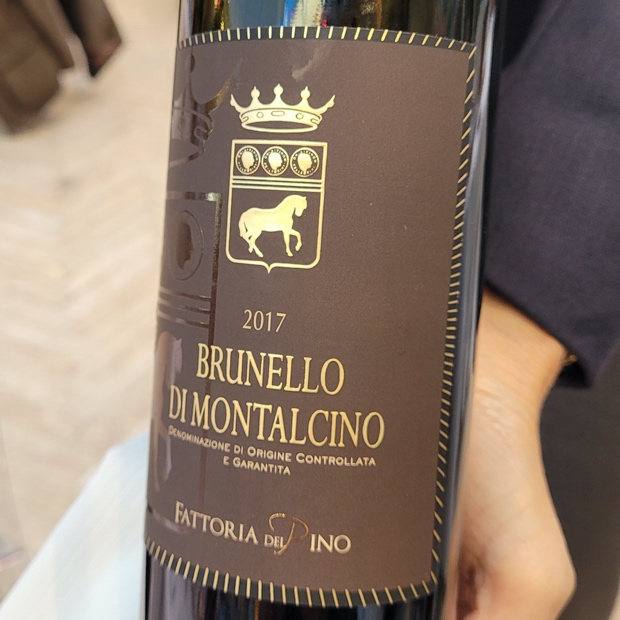
Fattoria Del Pino Brunello Di Montalcino DOCG Il Pino 2017
Major jam as confiture or at least a basin filled with cherry liqueur is the order of del Pino’s 2017, a sangiovese that speaks straight from the varietal heart. Truly of itself yet missing something after that, meaning middle palate substance and length despite the crust of finalizing tannin. Just missing that spark. Blame the vintage and del Pino’s kinship in time and place. Drink 2022-2025. Tasted November 2021
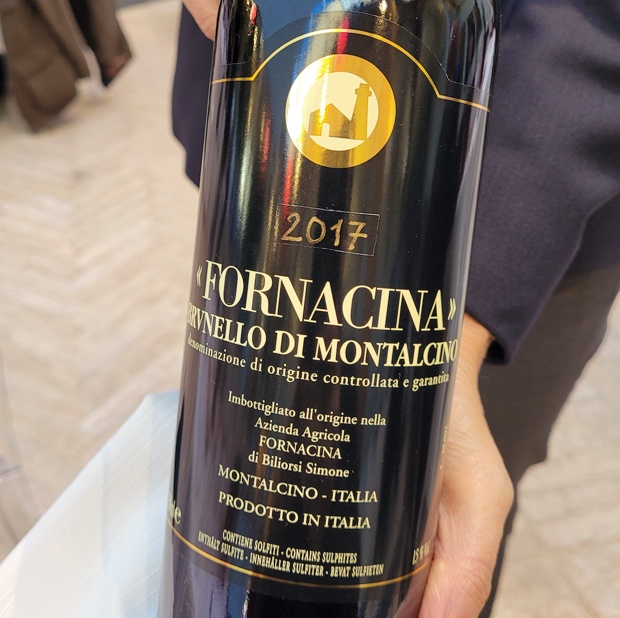
Fornacina Brunello Di Montalcino DOCG 2017
Lovely lift, red current to berry fruit and real stage presence put this 2017 in a fine and bright vintage light. The timely picking has allowed for good ripeness and phenolic lift, not to mention a level of beauty too many have failed to find. A sangiovese of resilience that will drink with pleasure for more than a few years time. Drink 2022-2027. Tasted November 2021
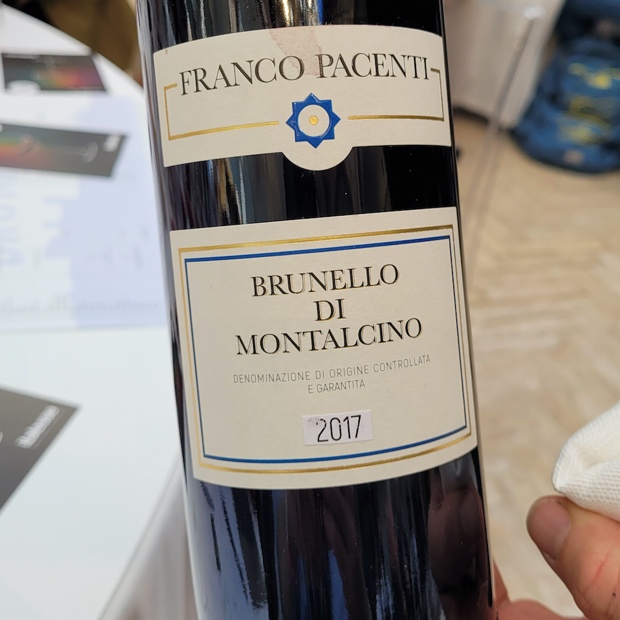
Franco Pacenti Brunello Di Montalcinio DOCG 2017
A bigger wine in total control from Franco Pacenti in 2017, following the cues of vintage and hallmarks of location to make a wine of necessity and also promise. Quite an effusive aromatic spray moving and grooving into a most gregarious set of palate parameters. Chewy wine that maintains freshness in the face of warmth and great spice. Needs time and will live long. Drink 2023-2028. Tasted November 2021
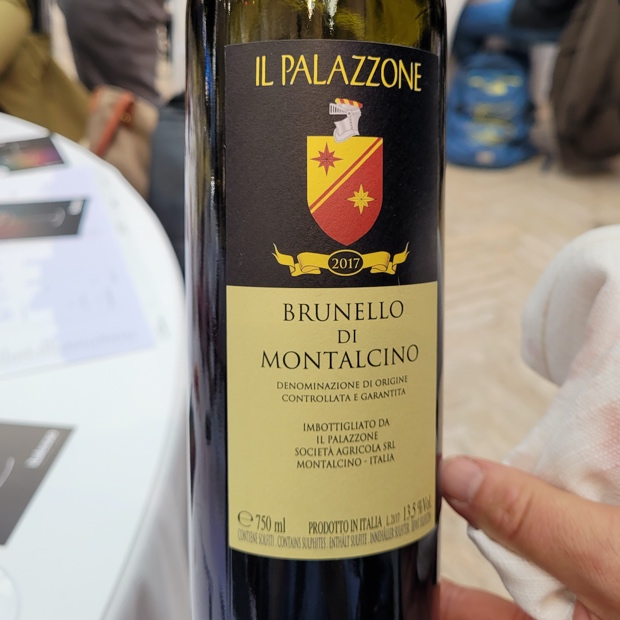
Il Palazzone Brunello Di Montalcino DOCG 2017
A crescent moon of a Brunello Annata, partially formed with curves and angles, showing an asymmetrical symmetry as only a poetic sangiovese of this ilk may do. There’s an herbal quality and ulterior style that captures imagination while also doling out the fruits of bosco, noce and earth. A veritable spice, dried fruit and nuts market in a glass of sangiovese. Drink 2022-2027. Tasted November 2021
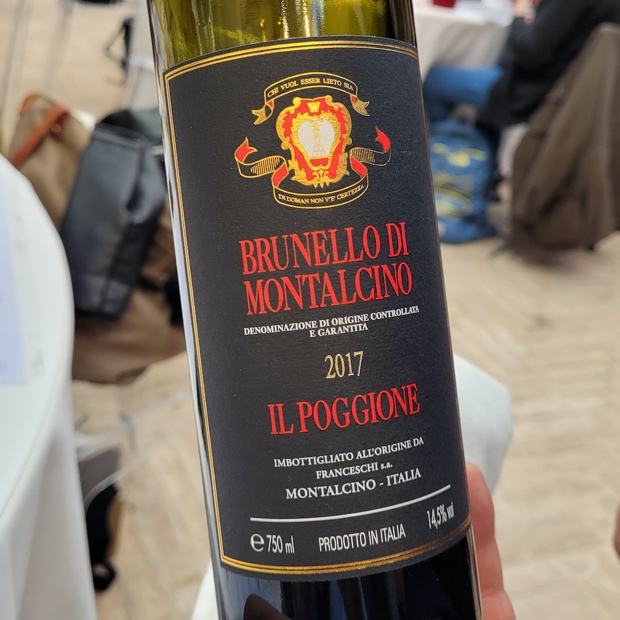
Il Poggione Brunello Di Montalcino DOCG 2017
More than expectation and in fact understanding directs the immediacy of Il Poggione’s fine and fulsome Annata. The guarantee of quality fruit makes the high spirit, vitality and energy of this 2017 all that much more exciting and especially palatable. Oh how knowledge and experience can work in an estate’s favour to bring charm, freshness and elegance into a Brunello that rises to meet a challenge. Ottimo per duemiladiciassette. Drink 2022-2028. Tasted November 2021
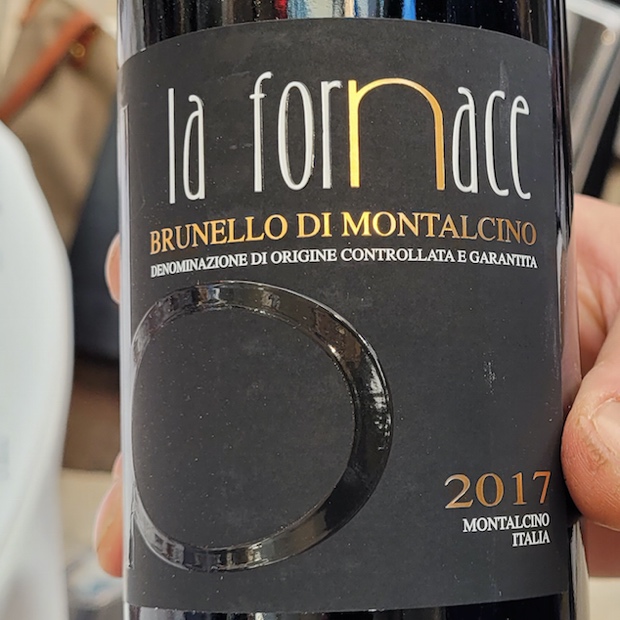
La Fornace Brunello Di Montalcino DOCG 2017
Quite a strike of limestone red lightning from La Fornace in 2017 and yet another way for the name and the place to maintain a sense of itself. Tart and just a bit underripe or underwhelming which means an early pick (likely), following by a gentle pressing. No astringency but also no gregarious flavours coming through. Drink 2021-2023. Tasted November 2021
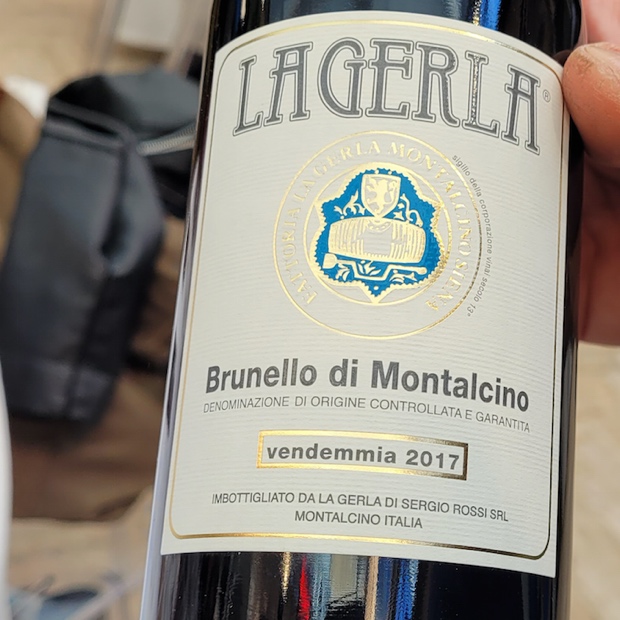
La Gerla Brunello Di Montalcino DOCG 2017
Big and juicy Brunello, fully extracted and from fruit hung longer than some who chose that early exit route. As such there is plenty of character and flavour in La Gerla, but also some tannic demand and sour edging. Gets most qualities right and finishes a bit brittle. Drink 2023-2025. Tasted November 2021
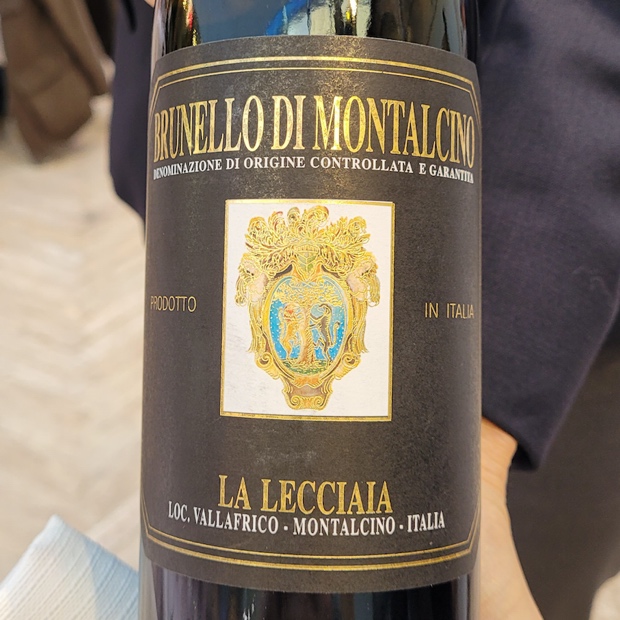
La Lecciaia Brunello Di Montalcino DOCG 2017
La Lecciaia’s Annata emits a vivid and dramatic set of aromatics, namely brushy herbs in a rosemary to tarragon vein. Quite a tannic sangiovese for 2017, rich and fortifying, strong mocker, not shy and likely to outlive many of its peers. Not finding some of the charm and grace most La Lecciaia winds are want to express but this does choose the firm and grippy ’17 side so at least it has made a choice. Drink 2023-2027. Tasted November 2021
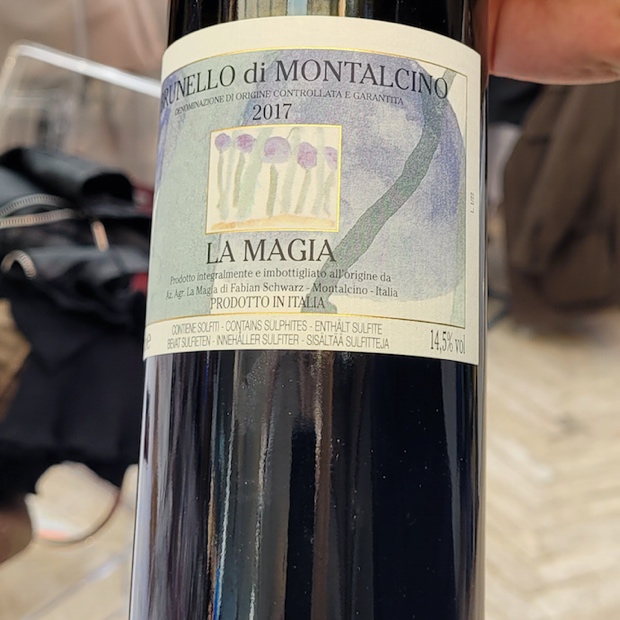
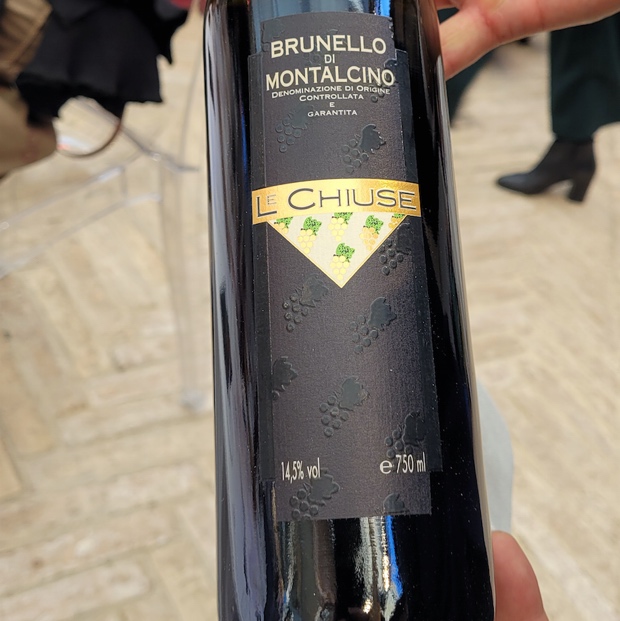
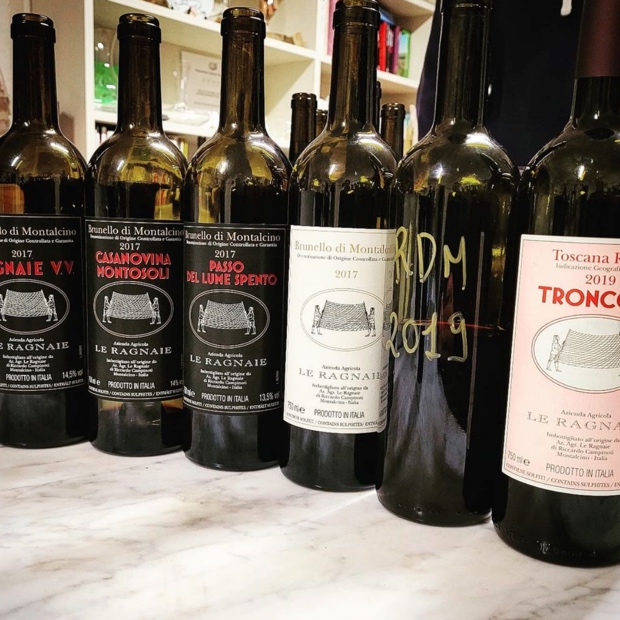
Le Ragnaie Brunello Di Montalcino DOCG 2017
Excellent quality fruit was had from Le Ragnaie at 600m of elevation, also from northerly Montosoli and yet Riccardo Campinoti’s decision was to use southerly Castelnuovo dell-Abate (including that of Le Fornace) for the Rosso di Montalcino. Generally and frankly speaking the fruit at the estate was picked a minimum two weeks ahead of “normal” schedule, usually hanging well in October, but what is normal anymore? Some Petroso fruit was used in here as well. Yields and production were down 10-15 per cent, at least as compared with the previous two vintages. Remained on skins for 40 days, although Campinoti often does 60 or more and has even gone for 90 in the past. He also aims for the lightest extraction when considering skin-contact time and for him 2017 is a vintage of “unfinished tannins.” Not quite fully ripe and yet acidity never fell away. Another example of how Brunello can be sold now and for the next five years, especially to restaurants and shops for immediate consumption. Bottled at the end of August, good glycerin texture, finely sweetened bitters and all that said, one of the Annata’s better set of mostly resolved tannins. Drink 2022-2027. Tasted November 2021
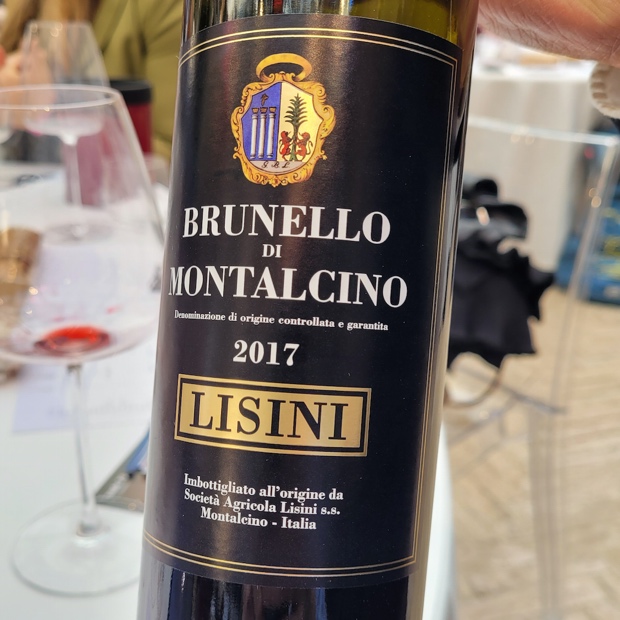
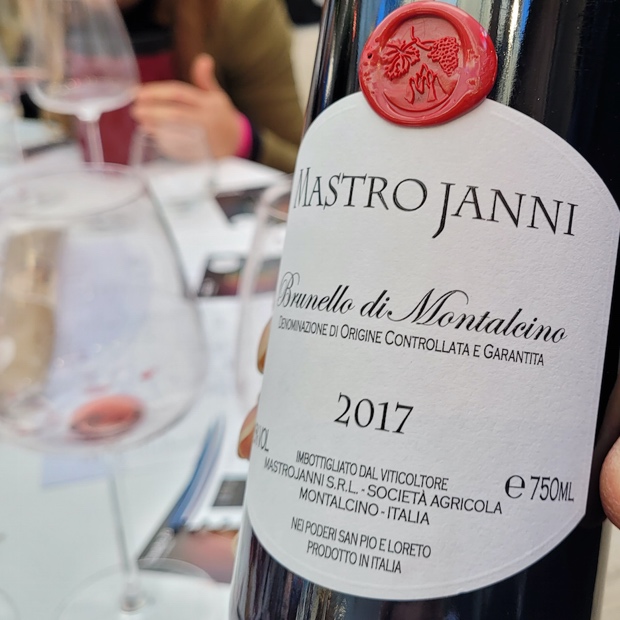
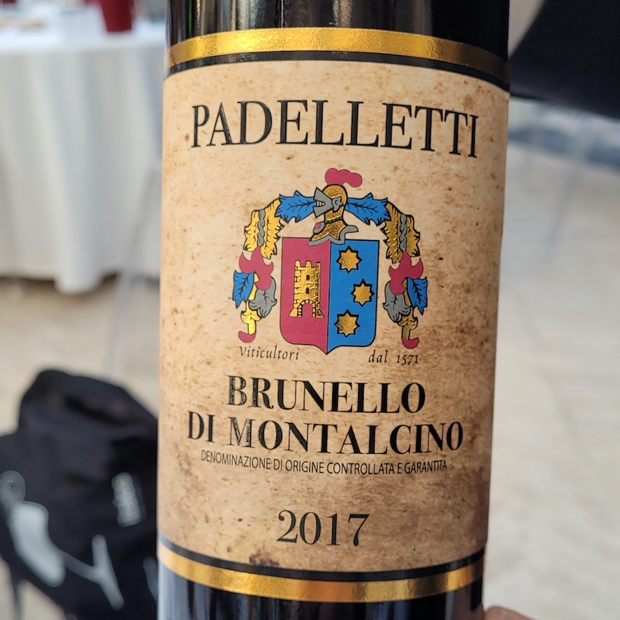
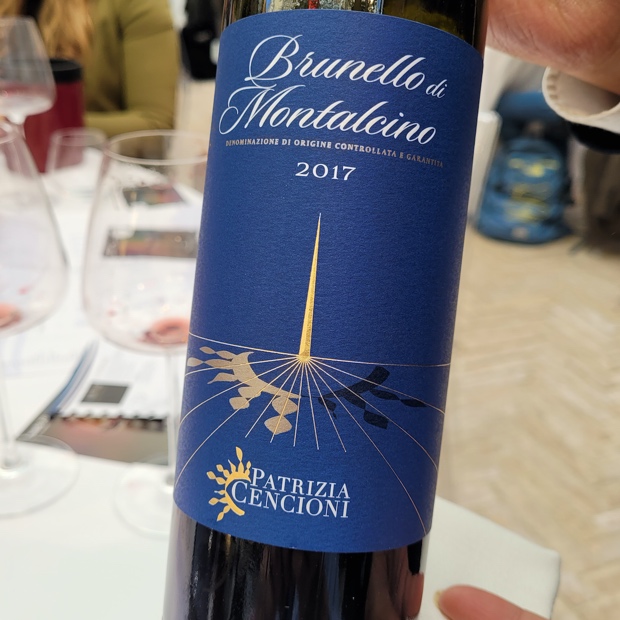
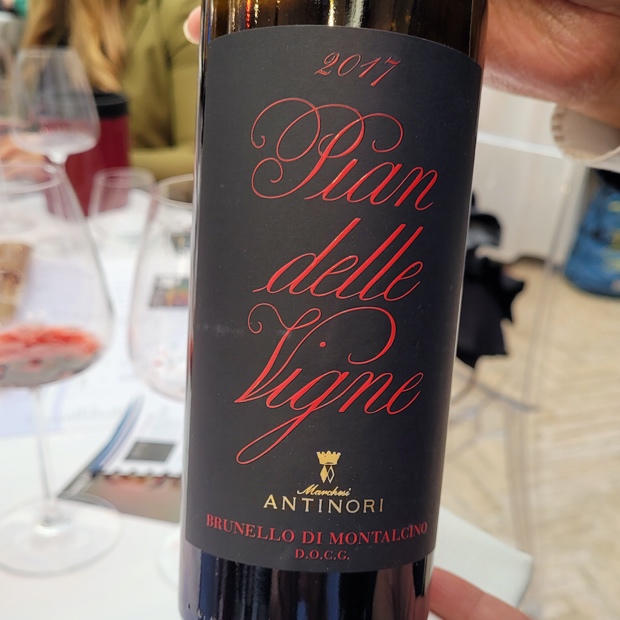
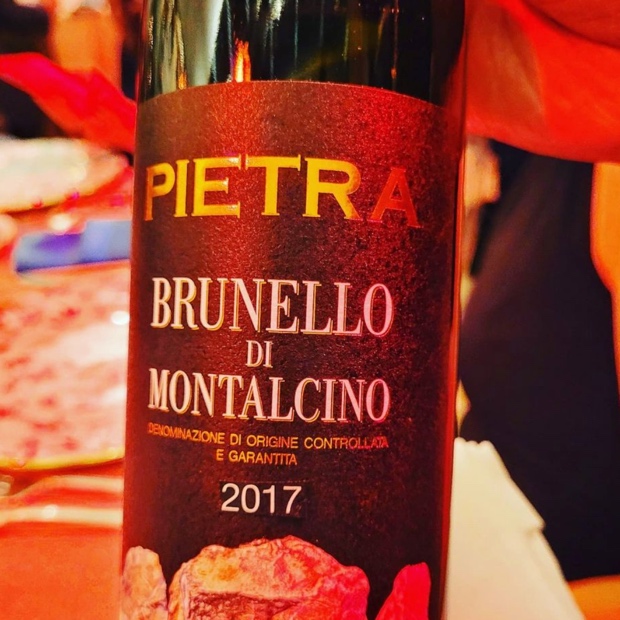
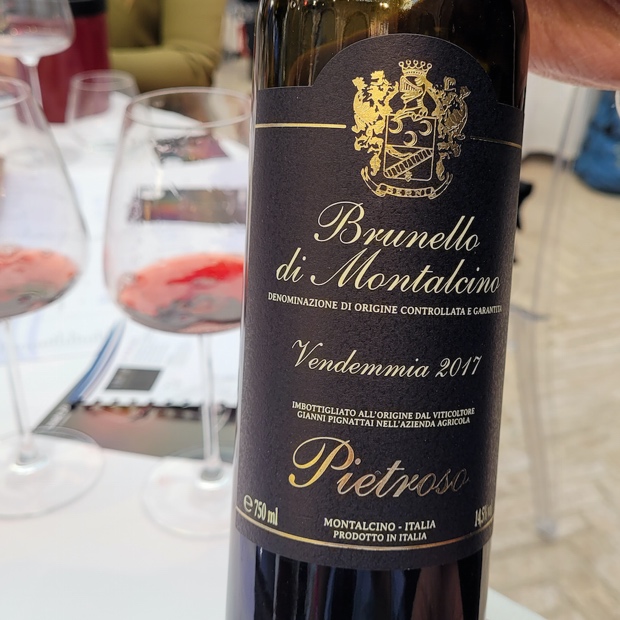
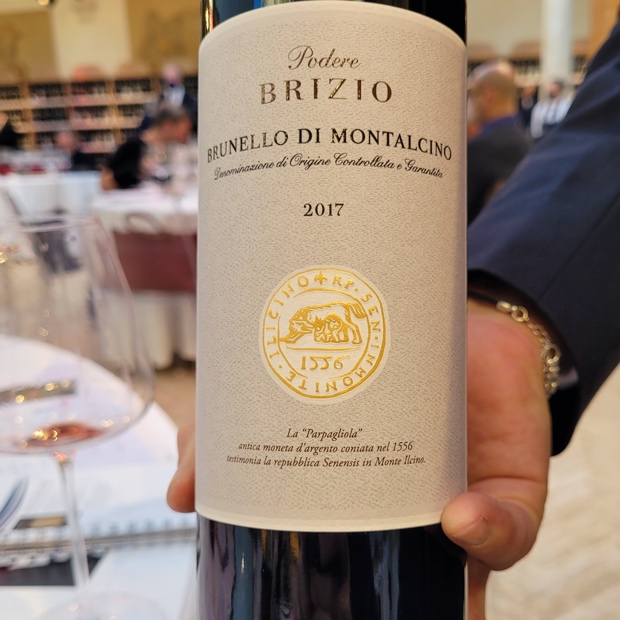
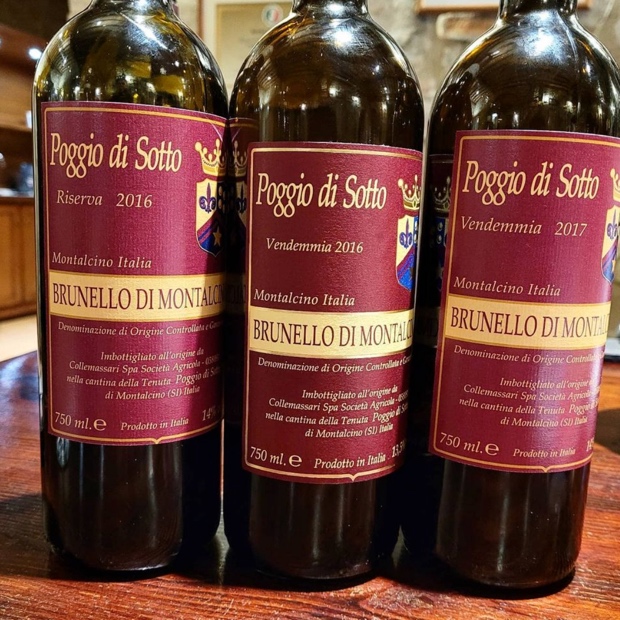
Poggio Di Sotto Brunello Di Montalcino DOCG 2017
There will be very few Brunello di Montalcino that act and taste like Poggio di Sotto from 2017. To gain some sort of understanding you would have to go back to the transition of 1989 when the purchase of the property initiated a vision to see how wines and palates would surely converge looking forward 25-30 years. This 2017 does not offer creativity, concentration and construct without that foreshadowing foresight and here it is in the glass. Glycerin, textural seamlessness, torch taken in hand from 2015 and 2016 despite the track being cracked, broken and blistered by the vintage sun. No matter to winemaker Federico Staderini and oenologist Luca Marone who knew and know how to handle such truth because we clearly see that Brunello’s time in wood has brought it to the window. Rosso is no further yet near equally further along. The vintage messes with the relationship but as we pay attention we see the matters of extract and finesse for how they react when poured into glass. This is actually quite ready to drink. Drink 2022-2027. Tasted November 2021
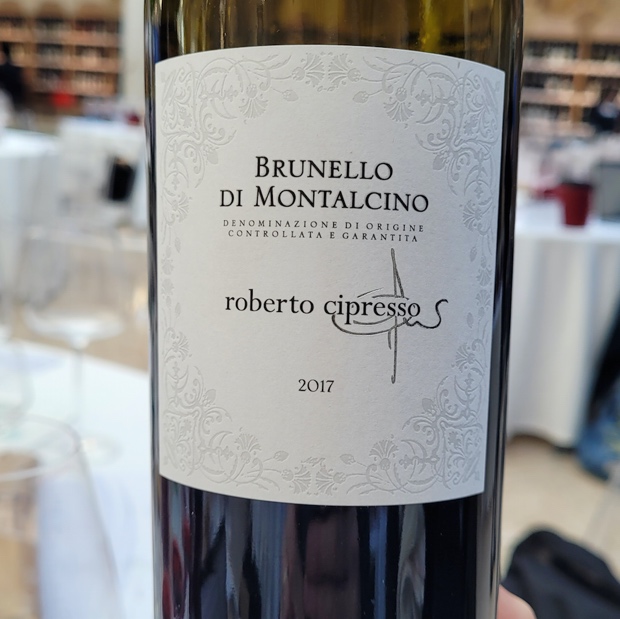
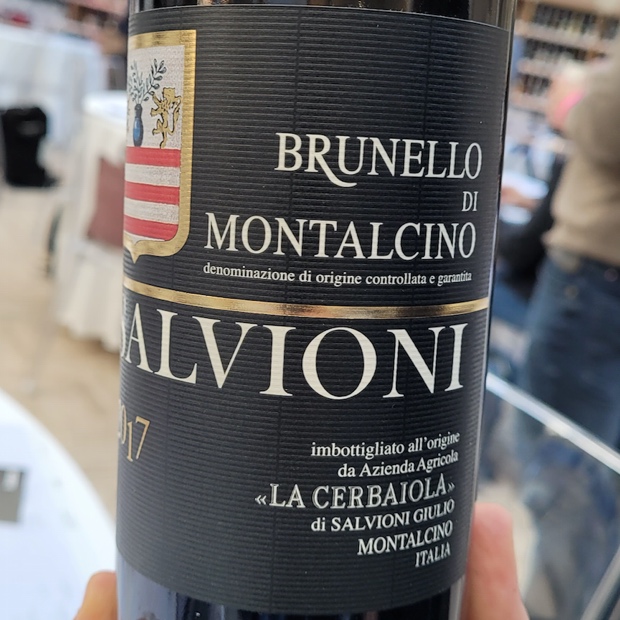
San Lorenzo Brunello Di Montalcino DOCG 2017
Lithe, medium-bodied and a notably dry, herbal and dusty Annata profile. Older schooled, say late 80s/early 90s feel. Fine stream of fruit and good length albeit drying at the finish. Drink 2021-2023. Tasted November 2021
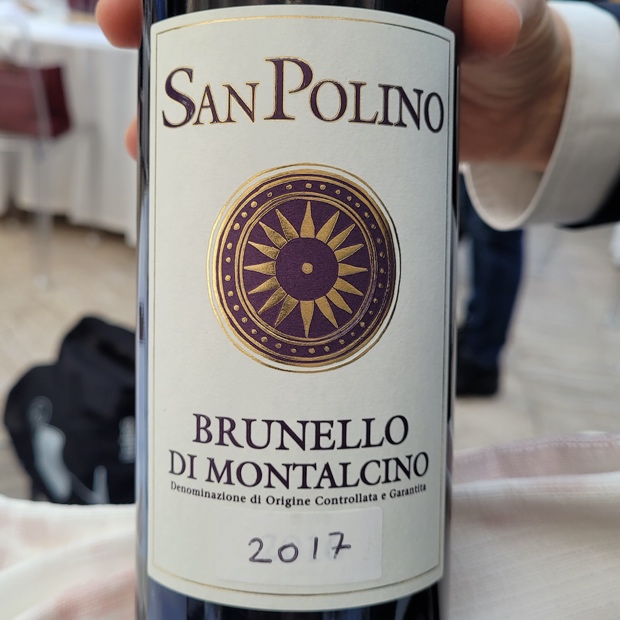
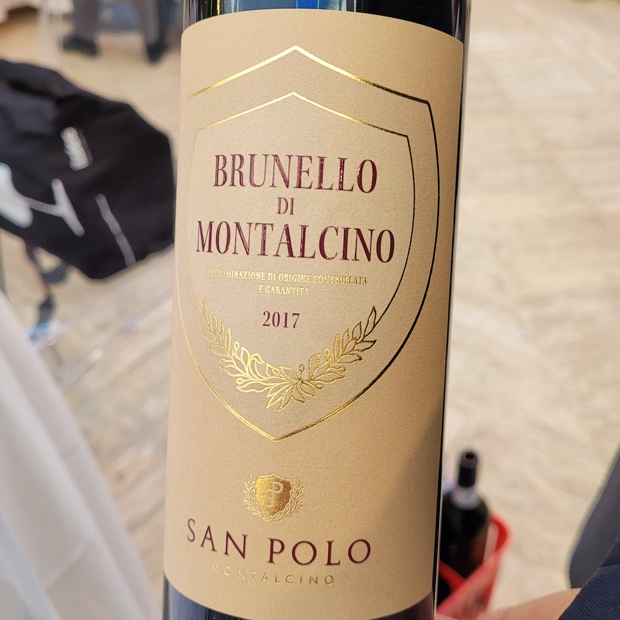
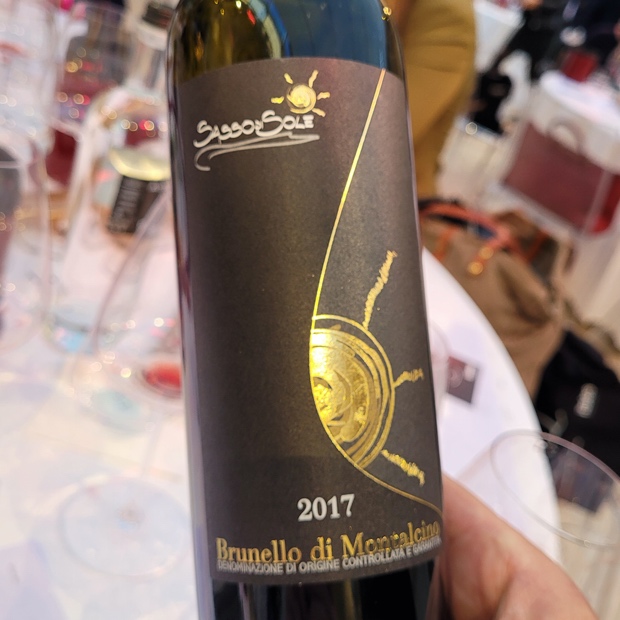
Sasso Di Sole Brunello Di Montalcino DOCG 2017
Warm, glycerin and luxurious Brunello, a liqueur of sangiovese in the most sweetly aromatic, jammy fruited and silken way. Almost feels as if there could be some residual sugar left in, that’s how sultry and seductive this acts. Curious for the vintage and beautiful in it very own way. A wine with no major structure that needs revisiting to see how it will react with age. Drink 2021-2024. Tasted November 2021
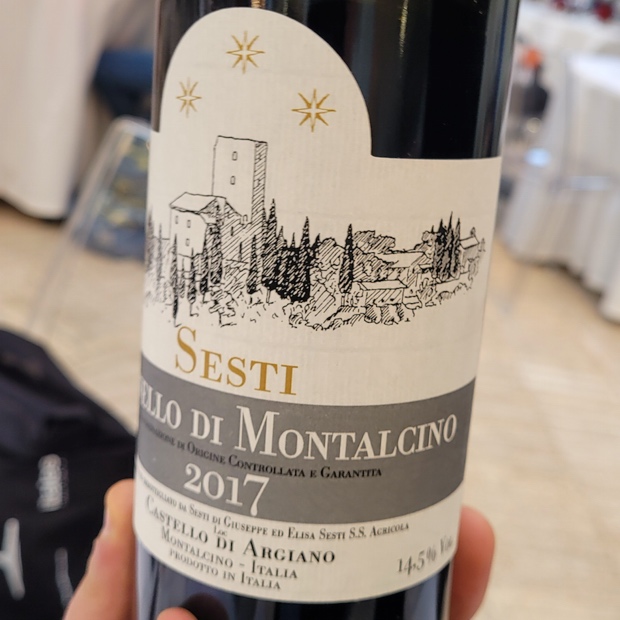
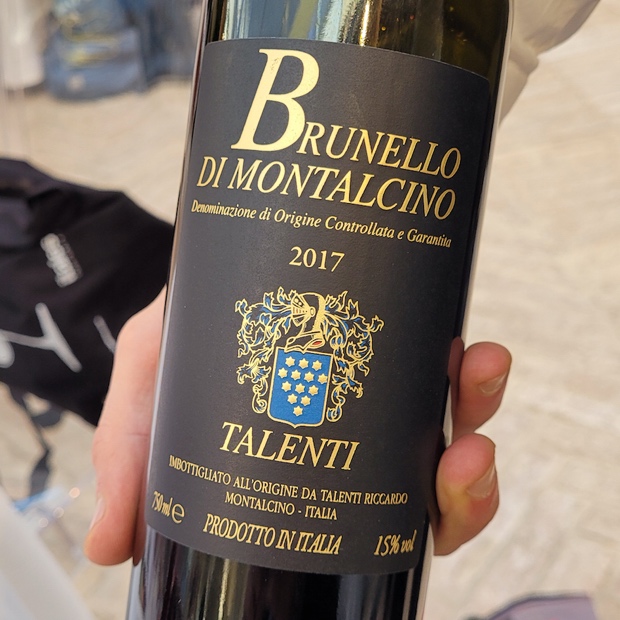
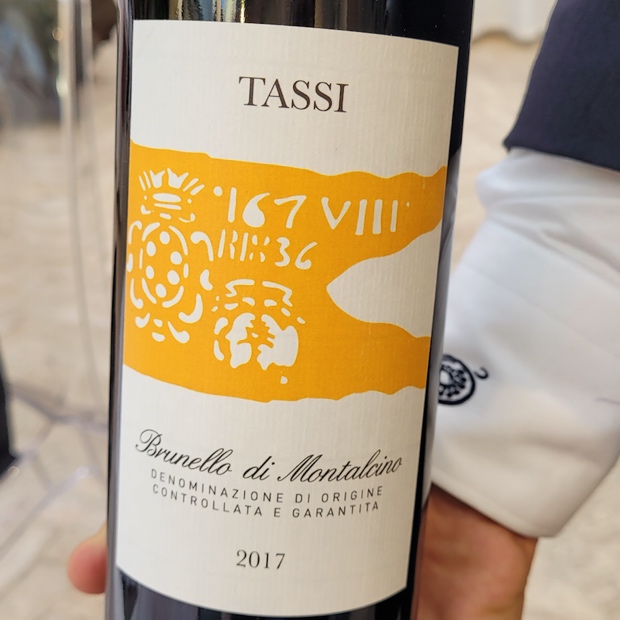
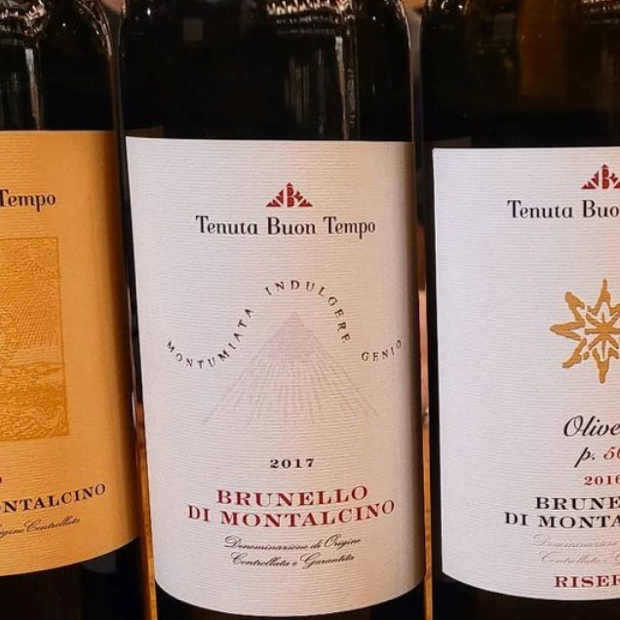
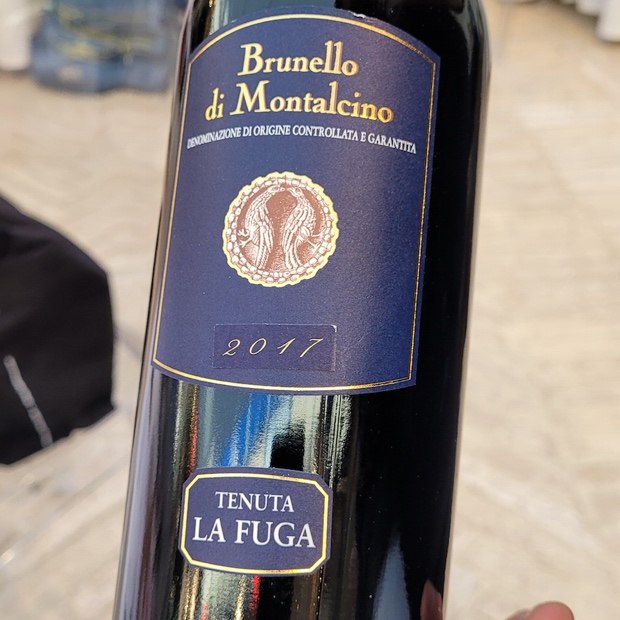
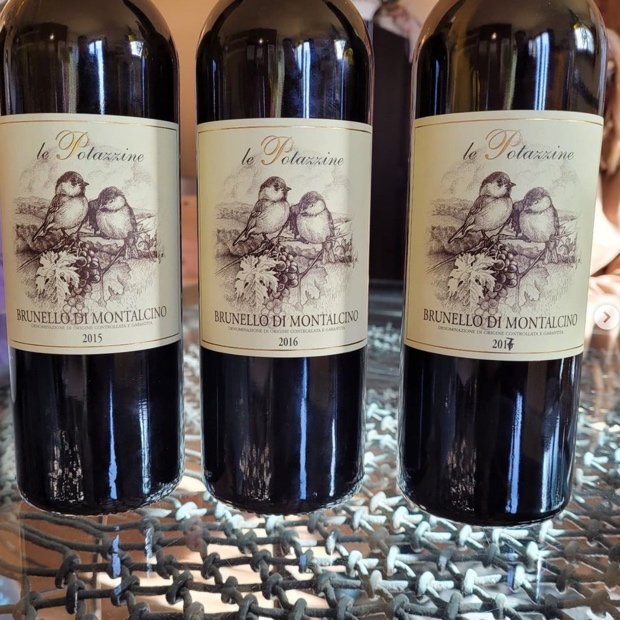
Tenuta Le Potazzine Brunello Di Montalcino DOCG 2017
From the moment the Potazzine perfume comes from the glass it is known that few if any Montalcinese 2017 Brunelli will be like this. The advantages are manyfold, a northwest location, high elevation above 500m, later picking times, natural and longer fermentation, no filtration. Even in a vintage like this the women of Le Potazzine, Gigliola, Viola and Sofia can look to take risks for eventuation at reward. More herbal and savoury than ’16 and less concentrated than ’15 but still exhibits characteristics consistent with those bigger and easier vintages. As cool, fresh and salty as it can get but always with that perfume. Le Potazzine style, unassuming and bellissima. Drink 2023-2031. Tasted November 2021
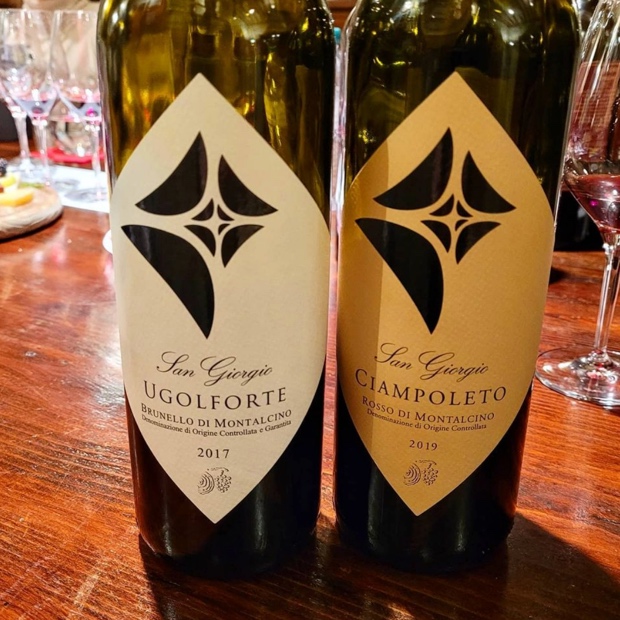
Tenuta San Giorgio Brunello Di Montalcino DOCG Ugolforte 2017
From vineyards facing southeast aged up to 25 years and really now coming into their own. Definite alcohol elevation balanced by fruit hung well into September, also with kept acidity. Perfectly reasoned seasoned ’17 here from Poggio di Sotto’s sister and second property. Fruit spirit and juiciness run up the middle of vintage possibility and as a result there is nary a bitter, overtly herbaceous or astringent moment. This with thanks to plot position, aid and abetting by Mount Amiata. Tannic as a ’17, drying and yet precocious as compared to Poggio di Sotto, concentration a matter of younger vineyards. Unfair perhaps but they are a family and the simplicity here is well-loved, needed and accepted. Different planet, same philosophy, embracing the land and the people who make it happen, without pretension. Brunello simplicity is the captured moment in time when vintage and stylistic merge as they do in San Giorgio’s ’17. No harm, no foul. Drink 2022-2026. Tasted November 2021
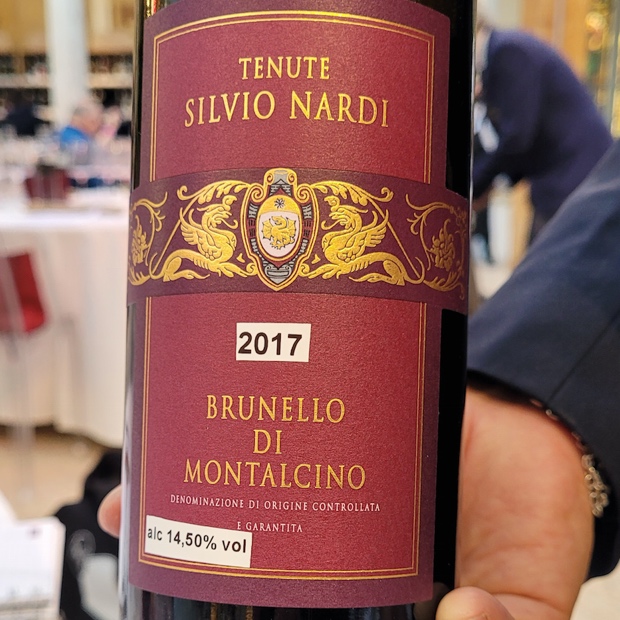
Tenute Silvio Nardi Brunello Di Montalcino DOCG 2017
Quite a fortuitously heady Annata for Tenute Silvio Nardi out of the vintage ranging through many derivations or this one way. There are early picked, light and simple wines and their are later picked Brunelli with a full head of fruit and steam. This falls unto the latter with no lack of barrel seasoning and weight behind the thickening fruit. Needs time to settle and allow both wood and density to integrate and get on down. Drink 2023-2027. Tasted November 2021
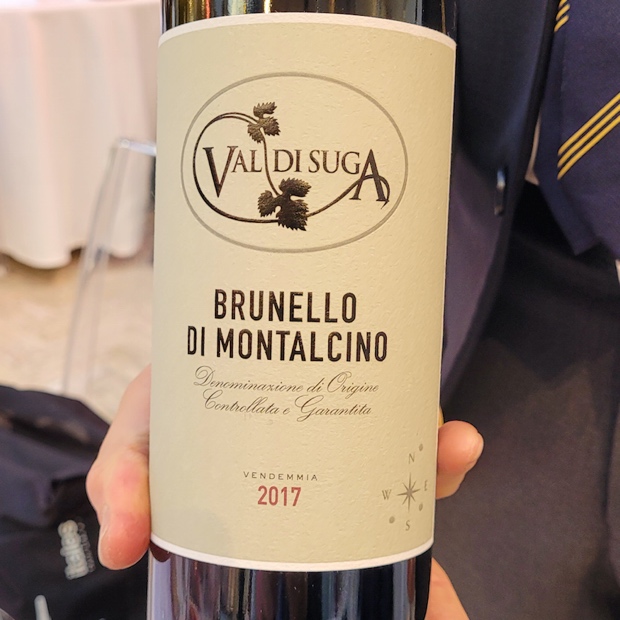
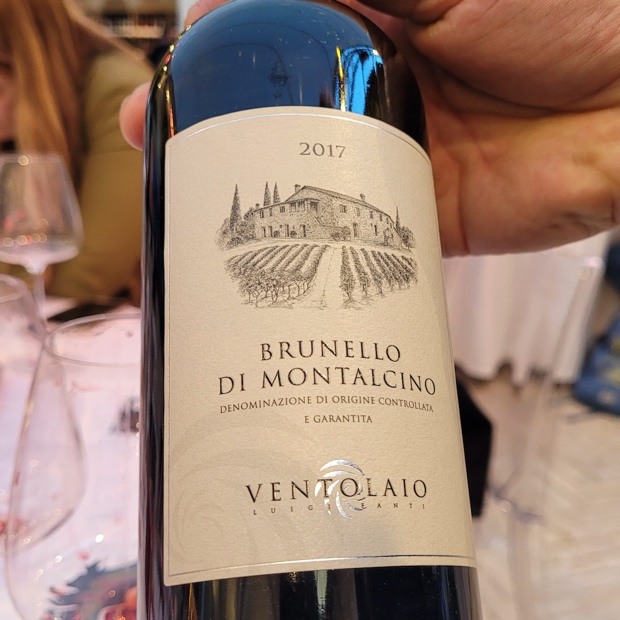
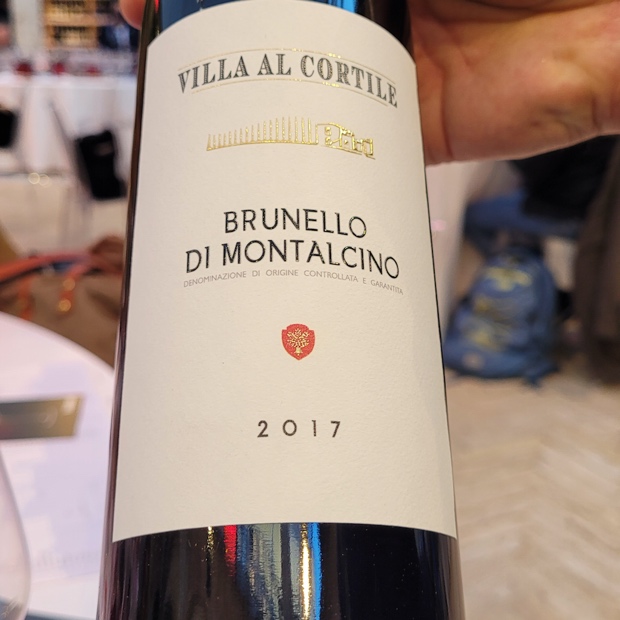
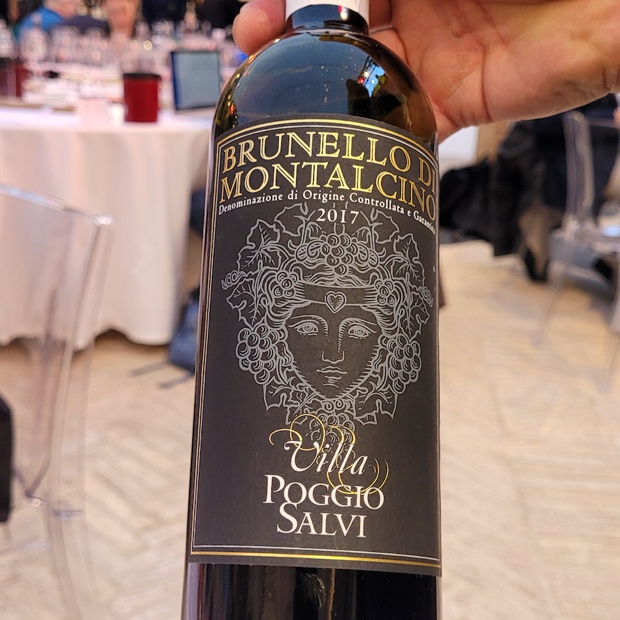
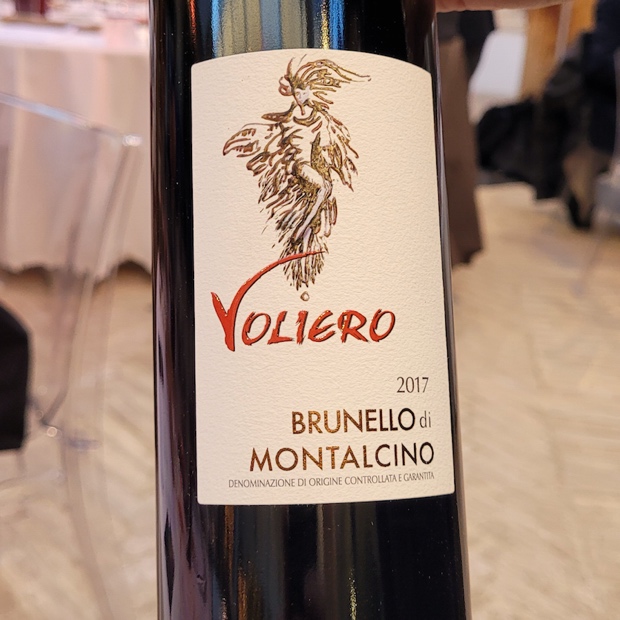
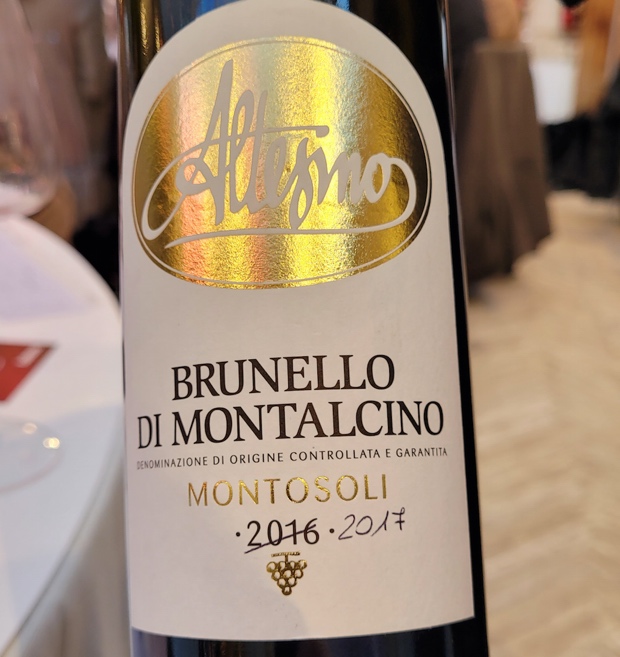
Brunello di Montalcino DOCG 2017 Vigna
Altesino Brunello di Montalcino DOCG Montosoli 2017
The northern aspect of Montosoli is perhaps no further benefitted from than in this vintage, a cooler location befitting the warmest and driest of vintages. That said a Spring frost meant lower production but never the mind as the famous and important hill gifts Altesino with a fine Vigna sangiovese. Graces the charms and substance of 2017 with equal rights and finds the sweet spot for what is truly a full throttle and seasoned Altesino. Will be ready earlier than most might think. Drink 2022-2026. Tasted November 2021
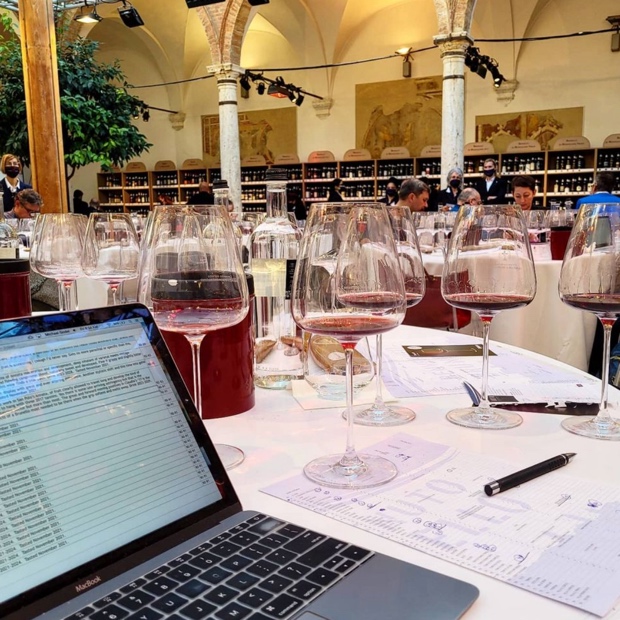
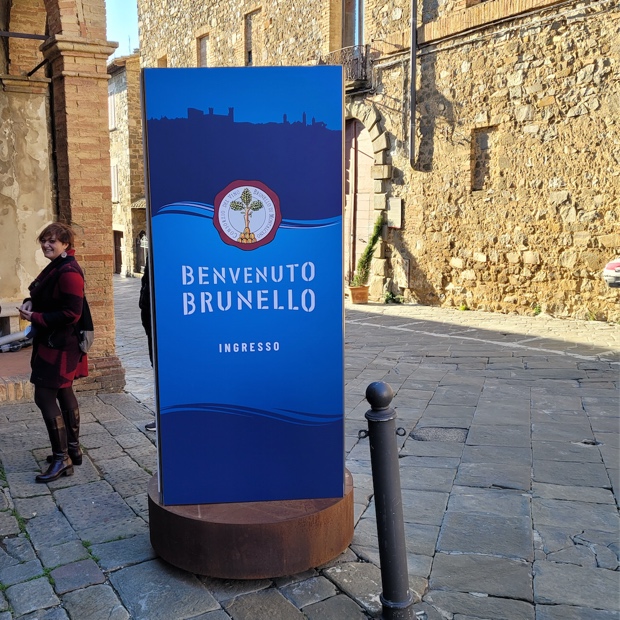
Benvenuto Brunello 2021
Banfi Brunello Di Montalcino DOCG Poggio Alle Mura Vigna Marrucheto 2017
Strength in fruit is Vigna Marrucheto’s calling card for a 2017 of true black cherry depth. Travels well beyond fruit to a place where all the necessary parts collect, integrate and repeat. Shocking good acids lift spirits and even more shocking sweet tannins tie the entire work together. Banfi’s team surely had an edge in this challenging vintage and while many Vigna canibalized their Annata it is clear that Banfi had plenty of riches to go around. Drink 2023-2028. Tasted November 2021
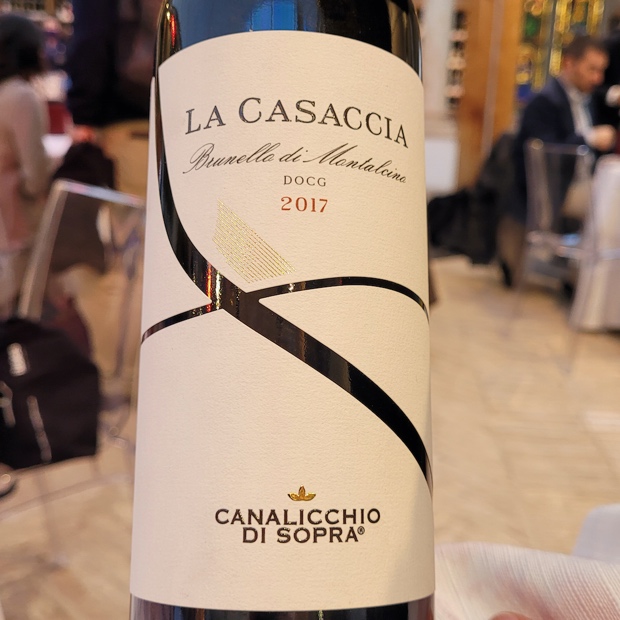
Canalicchio Di Sopra Brunello Di Montalcino DOCG La Casaccia 2017
This is where all the recent hard work put in by Francesco Ripaccioli and team really comes to light and fruition. La Casaccia is northerly-ish but certainly not Montosoli and yet the aromatic profile of this Vigna-designate Brunello is laced with cool nuance and found to be full of fine finesse. As per the Canalicchio di Sopra idiom there is plenty of wood casking through the bones of the wine and yet one can feel the highest quality of those large vessels gifting a select strength leading to chic style, surely to be followed by one and a half decades of aging. All what needs, what is and must be for La Casaccia. Drink 2023-2030. Tasted November 2021
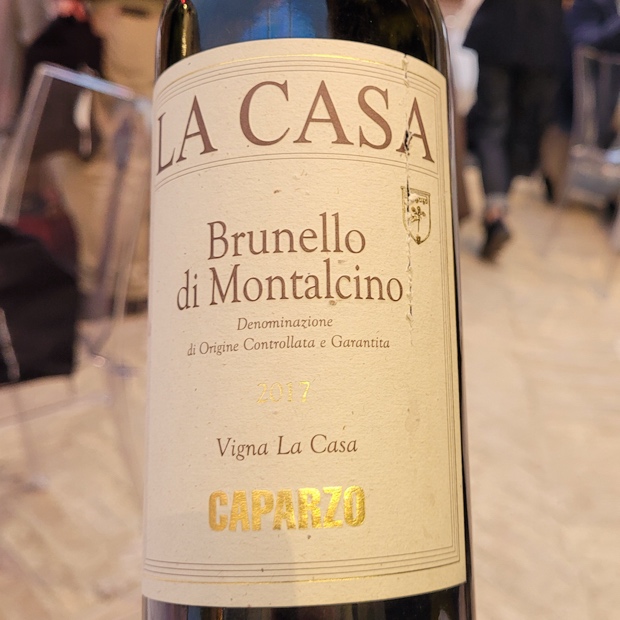
Caparzo Brunello Di Montalcino DOCG La Casa 2017
Grandiose La Casa from 2017, full of depth. breadth and shadowy nuance. Just a terrific and most important northern Montalcino vineyard with Altesino’s Montosoli side by each, both upon the hill of hopes and dreams. The Corton of Montalcino if you will and here an example of a Vigna wine showing high glycerol content mixed with the mineral white, blue and grey Galestro of the vineyard. Makes for a potent and beautiful mix. Drink 2022-2028. Tasted November 2021
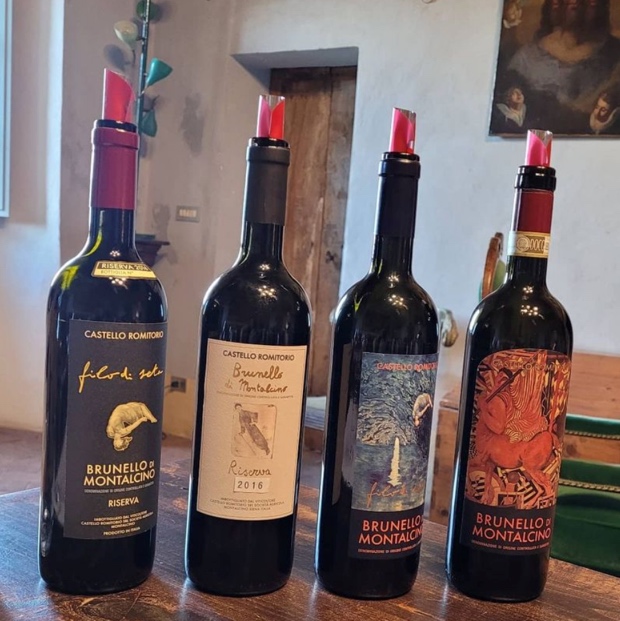
Castello Romitorio Brunello Di Montalcino DOCG Filo Di Seta 2017
Filo di Seta, done up only in concrete eggs, the first vintage being 2010. A clay and Galestro vineyard, ancient soils at 180m just above Montosoli. Aging in 500L barrels of first, second and third usage. Looking for crunch, chew and roll. Two picks, two or three weeks apart and “you feel the down valley character,” says Filippo Chia. The opposite of high altitude Brunello, “we call it the campone,” a vineyard that existed going back to the 1700s. A place “where there are monks there is wine.” Potent by glycerin as viscosity and an intimate connection to sangiovese’s chiaroscuro. Drink 2024-2034. Tasted November 2021
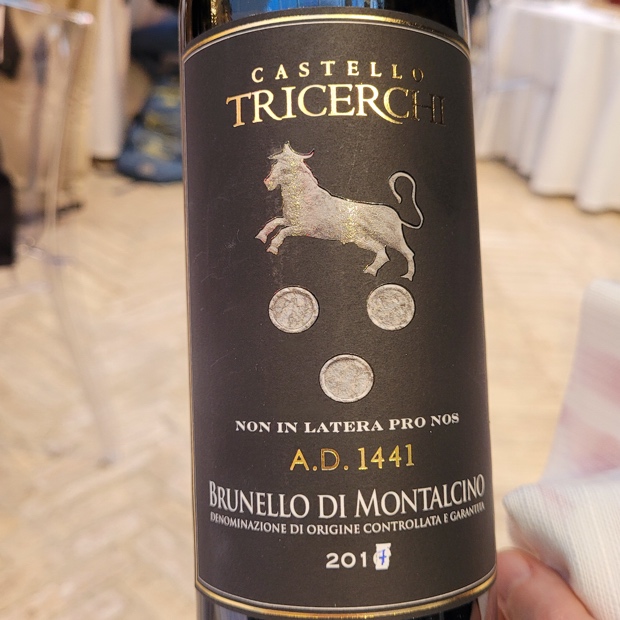
Castello Tricerchi Brunello Di Montalcino DOCG A.D. 1441 2017
High-toned, fruit cumulate, juicy appropriated and just fine textural example of Vigna. In just a few vintages Tricerchi has climbed from there to here with a refreshed and nuanced understanding of how to turn their vineyards into the freshest andsmartest of Montalcino wines. There is a fine complement of wood on A.D. 1441 but not without reason and merit. The fruit is up to the task, especially because there is a naturally curated swarthiness to its character. This Vigna will show best in two to three years. Drink 2024-2029. Tasted November 2021
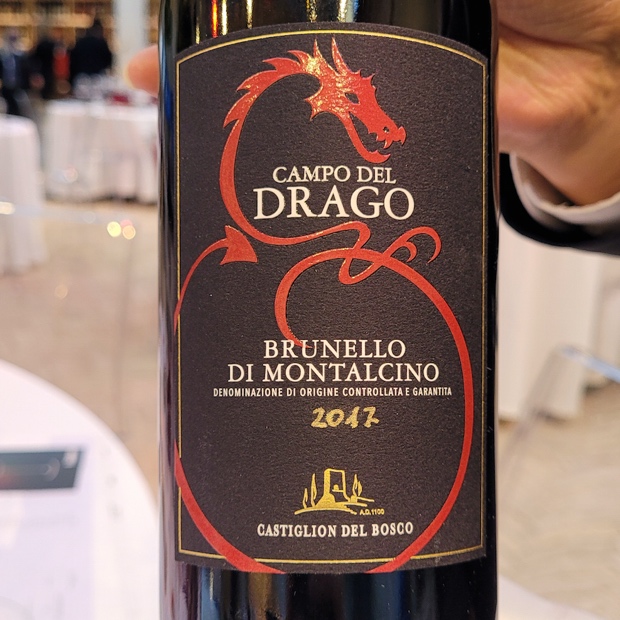
Castiglion Del Bosco Brunello Di Montalcino DOCG Campo Del Drago 2017
Here Vigna in a prime example of a wine showing brilliantly if less concentrated than certainly the previous two vintages. That said having tasted both the ’16 and ’17 Annatas it seems apparent that some ’17 fruit normally destined there has remained in this Campo del Drago ’17. A gain to a loss and such is life though hard to think another avenue might have been taken. Nevertheless this fortunate one drinks with substantial weight, stone, fruit filling and desire. Spicy piques at every turn and a long, creative if turbulent finish. Drink 2023-2027. Tasted November 2021
Cava d’Onice Brunello Di Montalcino DOCG Colombaio 2017
Colombaio steals the 2017 Cava D’Onice show, perhaps to the detriment of the classico but as with past adversarial vintages such is life and the show must go on. Here the fruit is plenty good and substantial, pooling with macerations of cherry accented by hints of rosemary and fennel. A fine, stylish and even chic Brunello that shines and will live well into the future. One of longer probabilities it would surely seem. Drink 2023-2030. Tasted November 2021
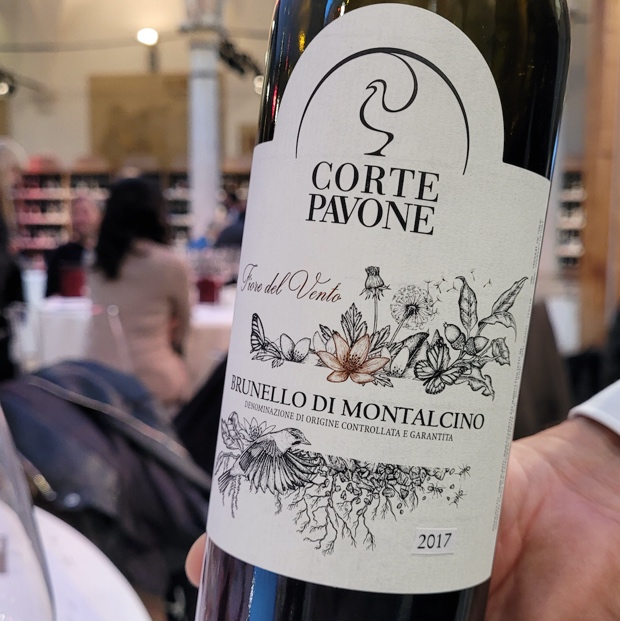
Corte Pavone Brunello Di Montalcino DOCG Fiore Del Vento 2017
The first of three Hayo Loacker investigations into the specificities of his Corte Pavone terroir is this Fiore del Vento, literally “flowers of the wind,” an expression that does well to describe this windswept section to the west of Montalcino. A lovely and fruit pectic thickened Vigna in 2017, concentrated yet expertly so, pretty and almost soft but with some shadowy power beneath. Smooth, silky and yet red chalky, almost an iron sensation though the wine that never feels elemental or metallic. Fine bone structure and far from grippy. Lovely, as mentioned at the top. Drink 2022-2028. Tasted November 2021
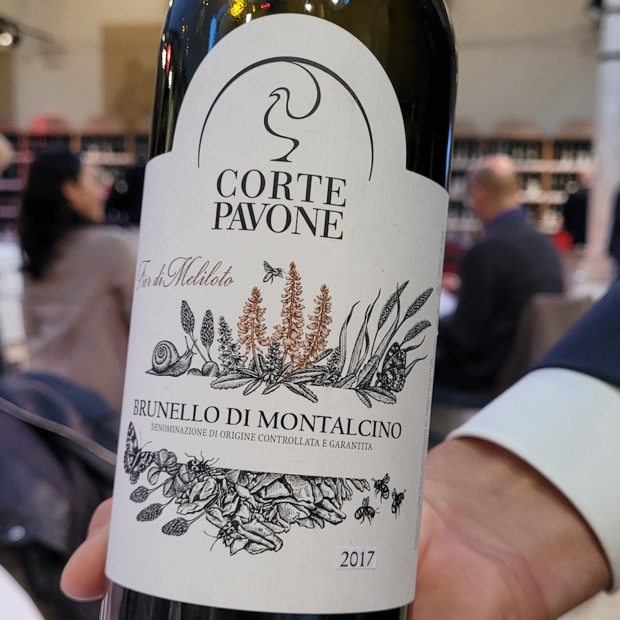
Corte Pavone Brunello Di Montalcino DOCG Fiore Di Meliloto 2017
These flowers in Hayo Loacker’s second of three Vigna Brunelli are the delicacy in an otherwise firmer and more distinctly gripper one, again with florals also poking in tines and ferric under tones. This time there is an ionic, mineral and powerful feeling, with stronger tannic chalk and stony address. Still resides in the realm of fine and precise, a bit more chiseled but not expressly demanding. Will take longer to develop and with fruit in good shape this should drink well into the next decade. Drink 2023-2031. Tasted November 2021
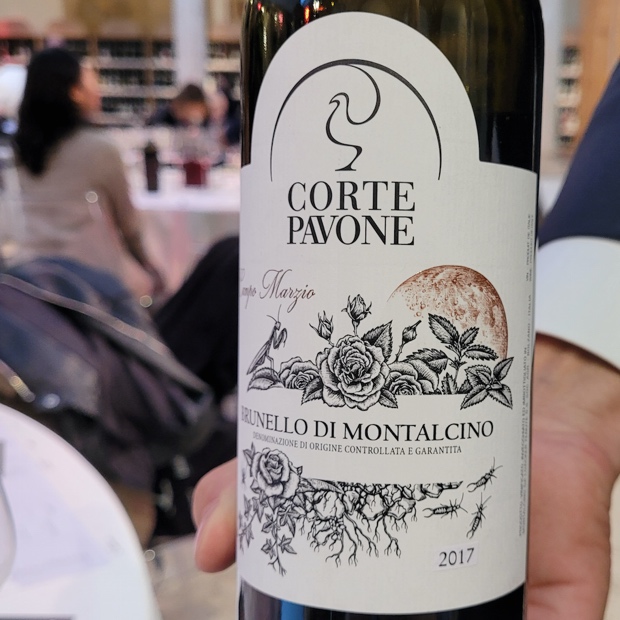
Corte Pavone Brunello Di Montalcino DOCG Campo di Marzo 2017
Clearly the most concentrated and also powerful of the three Vigna Brunelli produced by Corte Pavone and then one to wait, wait some more and finally wait again before seeing this fruit and that structure work together as one. Great and important concentration with vineyard intendment makes Campo di Marzo (field of March) a sangiovese to reckon with and one you will have to show great patience for best results. Drink 2025-2036. Tasted November 2021
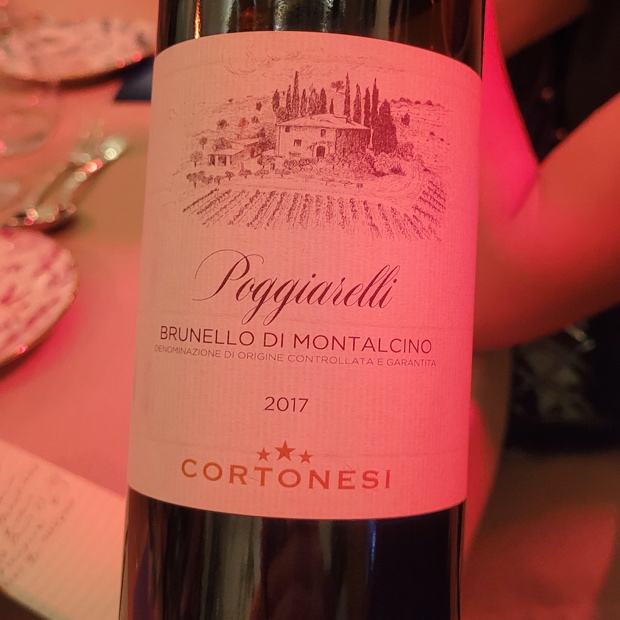
Cortonesi La Mannella Brunello Di Montalcino DOCG I Poggiarelli 2017
I Poggiarelli is picked a week to 10 days later than La Mannella and so necessary to allow the acid-tannin structure to develop, lengthen and replicate. A Brunello very much set up in a community and chain of command, fruit imagined as the lead bird behind which all other parts draught, for ease and decreased resistance. In I Poggiarelli’s case the length of time requires acids, texture and tannin to all take turns, in formation, in antecede and relegation. Depending on when this is tasted in the first seven or eight years from vintage there is no telling which will stand out and above the rest. Equally or rather proportionally perfumed and fragrant like La Mannella but from the start you sense the higher levels of backbone and structure. “But our idea is to play with the balance, to keep the link with the sangiovese of Montalcino and in a warm vintage not to go too far,” tells Tommaso Cortonesi. Neither in extraction nor maceration and to deliver a respectful wine. Usually 25-30 days but more like 18-20 in 2017. Also a 26-30 degree fermentation when some vintages it can be as high as 34, if only for a few days. Definitely a vertical Brunello and time matters. Always with sangiovese and especially with I Poggiarelli. Drink 2024-2032. Tasted November 2021
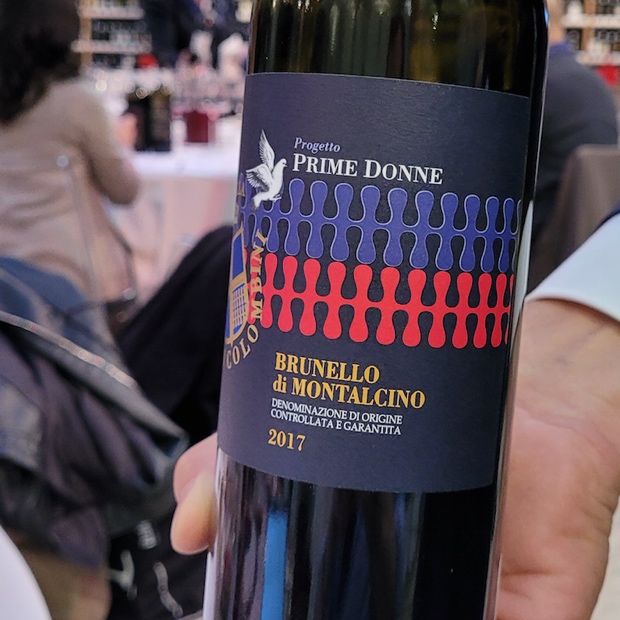
Donatella Cinelli Colombini Brunello Di Montalcino DOCG Progetto Prime Donne 2017
Most excellent exhaling of sangiovese blood, sweat, tears and love emits from Donatella Cinelli Colombini’s 2017 Vigna of great northern Montalcino importance. A project that Donatella, her daughter and team of women have come to create, foster, nurture and gift. For all of us today and set up to keep giving throughout future generations. Few wines find the precise nature of their vineyard and in how they are able to interact so gracefully with human emotion and flavour. The earth and deep-rooted fruitiness in Prime Donne acts swarthy and wild in youth but this wine has not yet begun to become the fine Vigna example it will eventually accede. Top ’17 for sure. Drink 2025-2036. Tasted November 2021
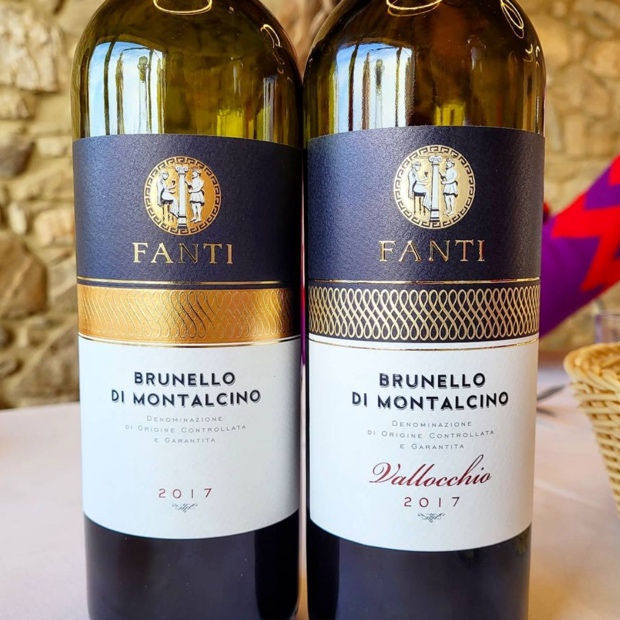
Fanti Brunello Di Montalcino DOCG Vallocchio 2017
Vallocchio at 320-350m and its old 35-40 year-old vines has done well to find resiliency in 2017 with thanks to its very deep and experienced roots. Faces south by southwest and though the lack of water and 35-plus degree temperatures were a clear and present danger this vineyard knew what to do to survive. A selection more direct than other vintages because no Riserva was made and so Vallocchio is both and neither at the same time, with the maceration kept shorter (25-30 days) to minimize bitter aromas and possible astringencies. Certainly a warm Vallocchio for Fanti steeped like a viscous cherry tisane and seasoned with extra spice but always maintains its pedigree and then length. Drink 2024-2029. Tasted November 2021
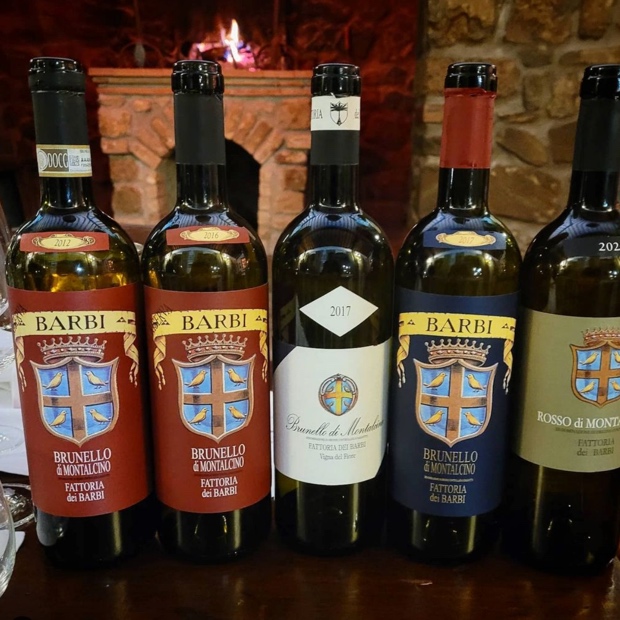
Fattoria Dei Barbi Brunello Di Montalcino DOCG Vigna Del Fiore 2017
More specific of course, focused and looking at a vineyard that has been studied for decades. A vineyard of more than five hectares with the resilience to handle the stressors of the 2017 vintage, thanks to many stones and the surrounding woods. “We have been paying taxes on this vineyard for 400 years, so that’s how old it is,” tells Stefano Cinelli Colombini. The current vineyard was planted in 1982 but some parts have been redone. Finding fineness is no easy seek and task at all times but most of all when water and cooling temperatures are absent for many months at a time. This is Vigna of polished fruit, consistency in hyperbole and while less austere than many vintages there is that elusive and often hiding combination of elegance and finesse. The wine achieves what it sets out to do, if no other way, in attitude. Drink 2023-2030. Tasted November 2021
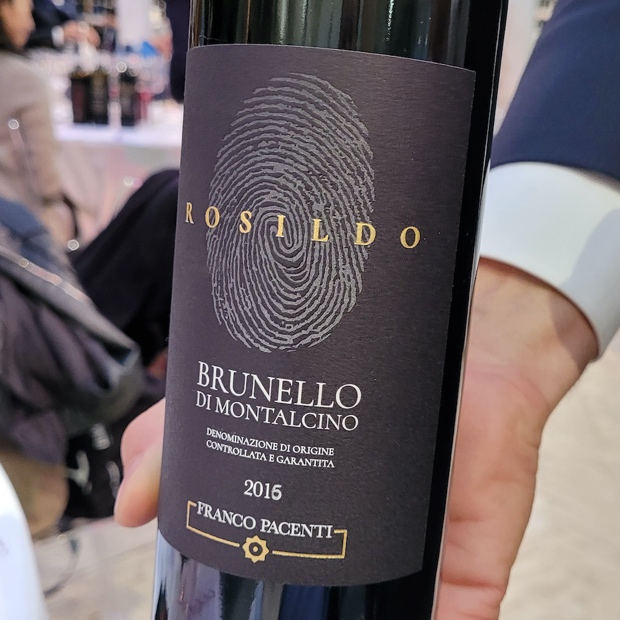
Franco Pacenti Brunello Di Montalcinio DOCG Rosildo 2017
A fine and finessed Rosildo, concentrated though at the precipice without asking too much of 2017. Rich and inviting, picked late enough to gather the optimum quality available through vintage adversity multiplied by possibility. The length and linger here is outstanding, a quality response to how fruit sumptuousness and fine-grained tannins interact. Quite symbiotic in relationship it needs saying. A requiem for specialized success. Drink 2024-2032. Tasted November 2021
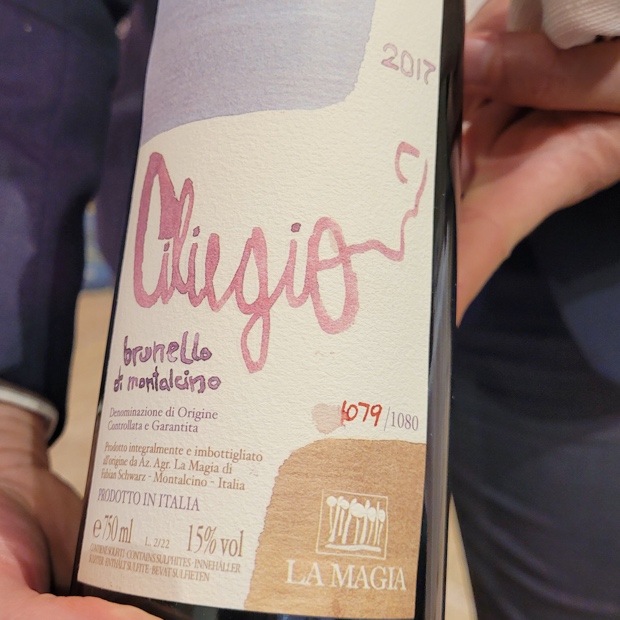
Fattoria La Màgia Brunello Di Montalcino DOCG Ciliegio 2017
A Massive attack of fruit and power comes at you fast and furious in Ciliegio from La Màgia. Not just a wine of concentration and substance but some of 2017’s grippiest set of surrounding parameters. Big bones, barrel impart and really impressive facial structure. Chiseled and upright, linear and near formidable. A bruiser now that will bring so much umami later. Imagine the porcini possibilities. Drink 2024-2031. Tasted November 2021
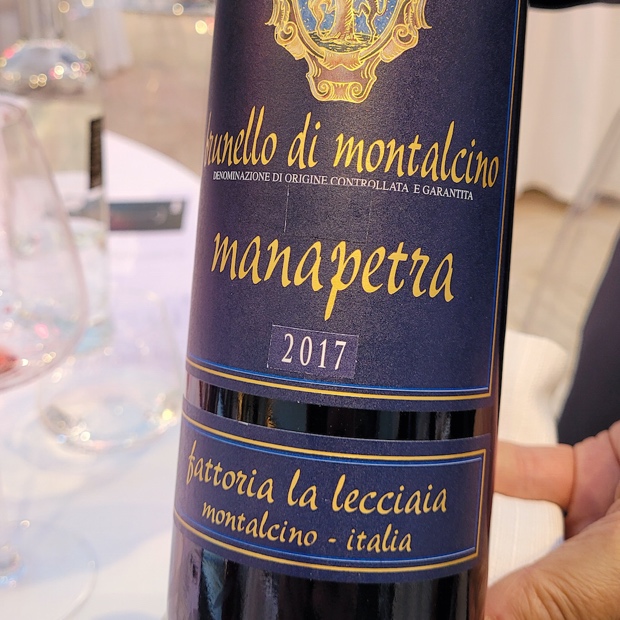
Fattoria La Lecciaia Brunello Di Montalcino DOCG Vigna Manapetra 2017
Manapetra exhibits no shortage or lack of fruit flesh and development and it must be wondered what filled this glass that the Annata did not receive. A top vineyard is needed in times of trouble and so mother Mary fruit was surely reserved in full for this Vigna sangiovese from La Lecciaia. This packs a wallop and a punch though the acidity remains shy and remote. No remorse though as a big glass of Brunello with Vigna credentials is available by the factor this Manapetra emits out of 2017. Perhaps a but atypical for the estate if a credible response to vintage variation. Drink 2022-2025. Tasted November 2021
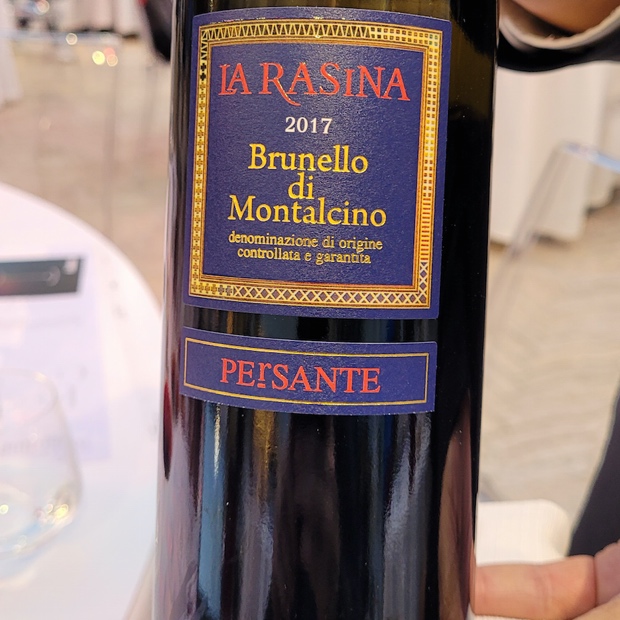
La Rasina Brunello Di Montalcino DOCG Persante 2017
Sweet and substantially rendered fruit forms a great and needful response to a vintage of hoops and hurdles, frost, aridity and grapes so desperately wanting to shut themselves down. The rose to violet florals and high toned peppery piques are quite unrelenting and there is some real structure here. A bit on the acetic side and something that can’t be ignored but the wine maintains its composure and seeks out its main objective. Real Brunello in 2017. Drink 2023-2027. Tasted November 2021
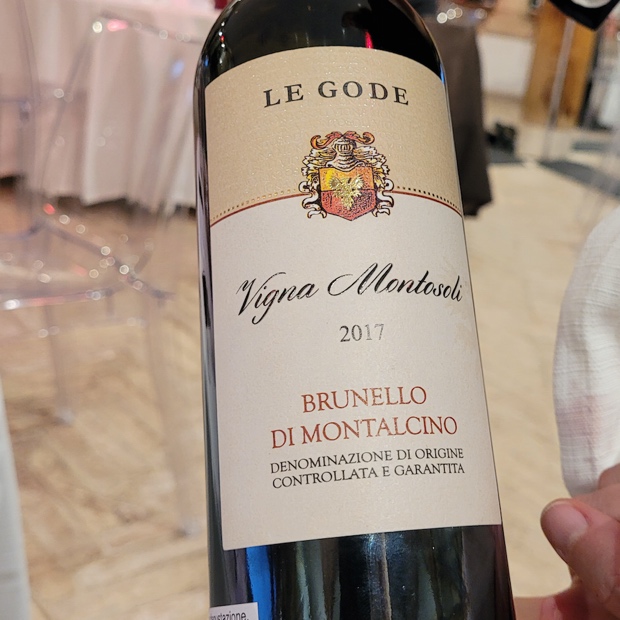
Such an earthy, swarthy and ferric wine from this northwestern section of the northerly Montosoli Hill and a wine that’s really hard to get to know. So much wild behaviour, microbial manifestations and conjecture. Where to begin and when will it end? Needs time and the question is will it go sideways, will the fruit outlast or will the feral-ness get stronger and stronger? Drink 2023-2026. Tasted November 2021
Le Ragnaie Brunello Di Montalcino DOCG Casanovina Montosoli 2017
From the northern hill at approximately 300m facing east, just past the cellar on the right. Another 2017 that stands apart because of the location though not as glaring as the Passo del Lume Spento at 620m. A sweetly sound and calming liqueur of red fruit and fresh herbs, well scented, floral and as a Brunello, notes darker of fruit and even a bit of tar. More complexity than many, severing and forking into the dimensional and though comparison can be pedantic there is a tightly wound tannic feeling that reminds of nebbiolo. Surely not one to last ages and live in infamy but it should be considered a 10-12 year wine. From a bottle opened two days so that really tells us something. Drink 2023-2030. Tasted November 2021
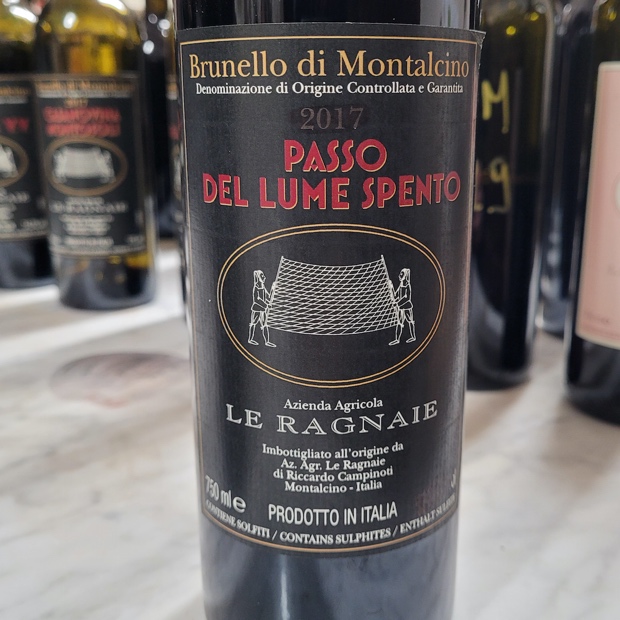
Le Ragnaie Brunello Di Montalcino DOCG Passo Del Lume Spento 2017
A most dramatic way to describe a place that essentially means “a pass so windy it could blind travellers, or literally put out the lights.” Actually the pass across the highest point in Montalcino before heading down towards the southern valley below. The most ironic and interesting single-vineyard wine in Montalcino, formerly an IGT and here from the warm and dry vintage. The elevation is 621 meters above sea level and unequivocally the most singular aromatic profile of any in Montalcino. Approximately 60 per cent is used for this Vigna of sandstone on a plateau, flat and even keeled across its perch. Smells of the freshest herbal field but on a dry and crisp day, or crispy perhaps. That cured salumi aroma is so special for sangiovese and especially Brunello and then the palate really elevates the freshness, with just terrific acidity and the precociousness of young vines (planted in 2012), excited plants that could afford to be a little bit more aggressive in a hot vintage. Oh if more ‘17s could be like this and if more vineyards in Montalcino were above 600m. But I digress. Drink 2022-2026. Tasted November 2021
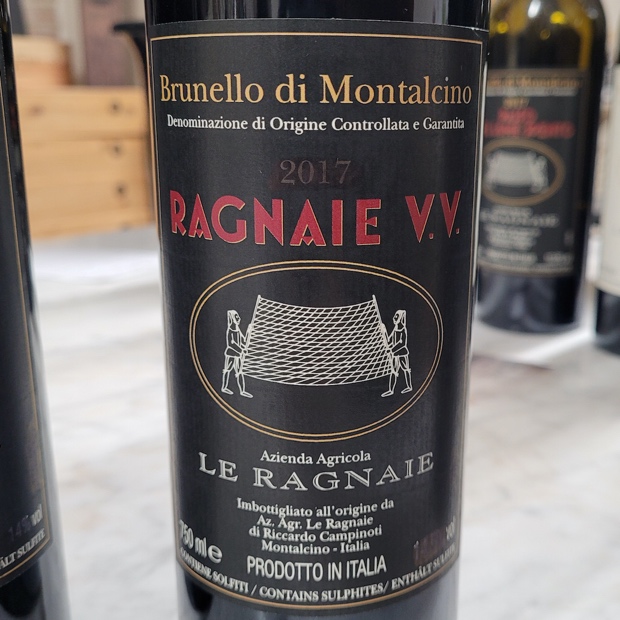
Le Ragnaie Brunello Di Montalcino DOCG Vigna Vecchia 2017
V.V. as in Vigna Vecchia, a place of old vines, planted in 1968 at 600m. With the concentration of ingress by the vines this is a very structured wine of depth as compared to the new vineyard and also Montosoli. Faces southwest so plenty of sun, especially in 2017. Also the most texture of the 17s in terms of glycerol from Le Ragnaie but also the most backbone and early austerity when it comes to the tannins. Yet there is an orange component, not the skin but a gelid or granita of orange. Time is the vanishing point essential perspective and plenty of it, as V.V. always needs, with 2017 being no exception. As much Vigna Vecchia as it is anything else. Drink 2024-2032. Tasted November 2021
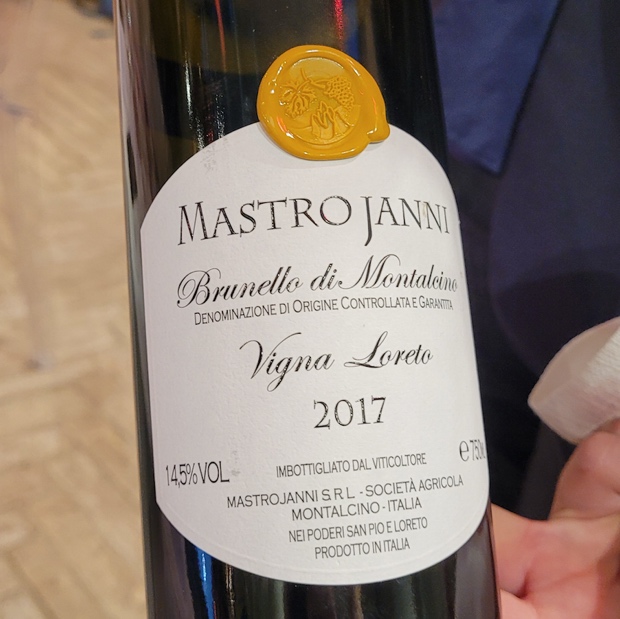
Just a classic 2017, fruit ripe, juicy and red cherry inflated, a specific vintage concentration and made all the more pinpointed in Vigna form. Loreto does what needs and wants for a consumer looking for vintage answers and reply. Likely an earlier drinking Vigna for ’17 and one that will gift plenty of mid-decade pleasure. Drink 2022-2027. Tasted November 2021
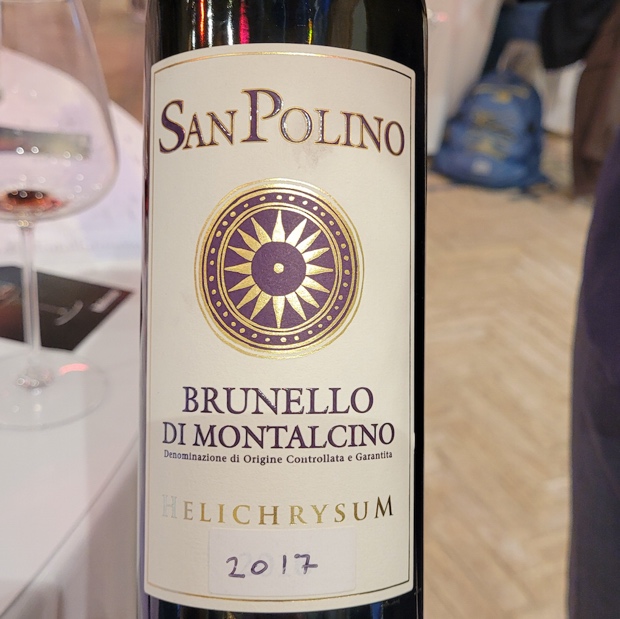
San Polino Brunello Di Montalcino DOCG Helichrysum 2017
My if Helichrysum does not double down on San Polino’s classico, here in a Vigna with quite a push in terms of tannin. Rides to the end of the fruit’s property and build a fence so high there can be no escape until the barriers begin to fall away. In this case that could be ten years but worth beginning to taste and check in three or four. Chalky in swirling liquid form, forceful, youthful, exuberant and maybe even rebellious. Will see where this travels. Drink 2025-2033. Tasted November 2021
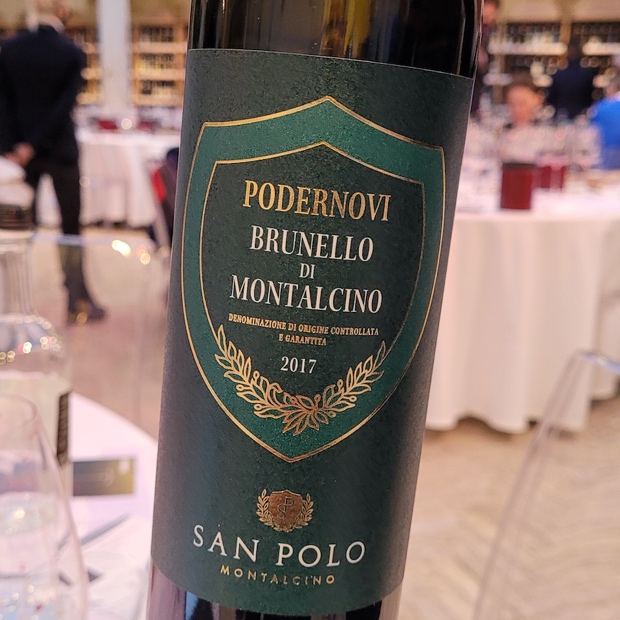
San Polo Brunello Di Montalcino DOCG Podernovi 2017
The 1991 planted vineyard of three hectares faces southeast across the Orcia where on a clear morning in November the fog layer settles in the Valley. Aged in tonneaux of 40 and 50 hL for approximately 30 months. Cool and reticent aromatics whilst sweetly floral and easily leading towards the succulence accessed upon the palate. Very gardenia in fact, like a vertical herb garden leading the senses up to clay and stones that compact and make for a concentrated restraint. Podernovi’s softer complexion reflects a more delicate and perhaps also finessed Vigna as compared to sister block-designate Brunello Vignavecchia. The names alone should tells us this in a new versus old vein and so fineness and delicate structuring is the order of this very pretty wine. While the disposition may be understated the white peppery acids and scintillant of piques are surely not. Delicate perhaps but Podernovi still opens one’s eyes and palate to the possibilities of 2017. Awake now because of the freshness and croccante character of this wine. Drink 2022-2027. Tasted November 2021
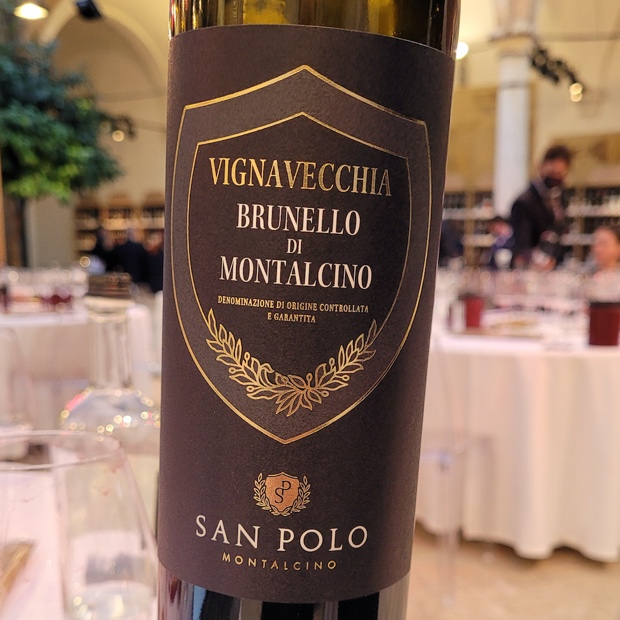
San Polo Brunello Di Montalcino DOCG Vignvecchia 2017
The 1989 planted vineyard of two hectares faces southwest on a steep slope aged in tonneaux (lightly toasted) of 60 hL for approximately 30 months. Smallest of the estate’s berries, ratio of flesh to skin minimized and without equivocation the most concentrated wine at San Polo. Like Podernovi also a cool and reticent nose but you can feel the power behind the veil. Hard to hide the ability, musculature and grip of the tight juice extracted from the small and profound tract of localita San Polo land. Clearly the stronger, deeper concentrated and more structured of the San Polo’s Vigne Brunelli and such a contrast in hue, texture and grip when tasted side by side with Podernovi. There is a thickness and swath of Rothko brushstroke in Vignavecchia, its sale captioned and finalized by a firm grip in handshake. Such a chewy wine, of tree fruit in pods and liquorice. Needs time to settle, integrate the notable amount of wood and elasticize towards a brighter future, more so than Podernovi, perhaps to outlive and outlast. Drink 2024-2029. Tasted November 2021
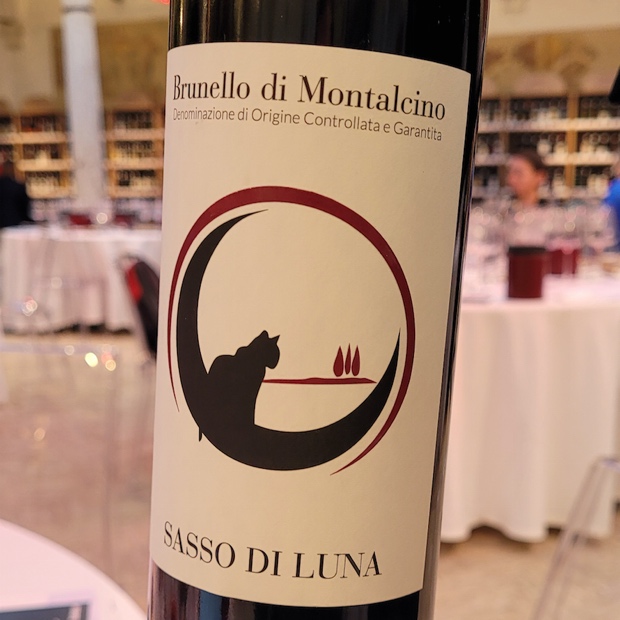
Sasso di Sole Brunello Di Montalcino DOCG Sasso Di Luna 2017
Cherry sangiovese liqueur in all its pooling and welling red fruit incarnations with fine acidity and not easy but also not formidable structure. A Vigna that surely does not try too hard and if it’s not the most substantial version of “Brunello” it surely takes off straight from where the Annata left off. All about love and happiness. Drink 2022-2025. Tasted November 2021
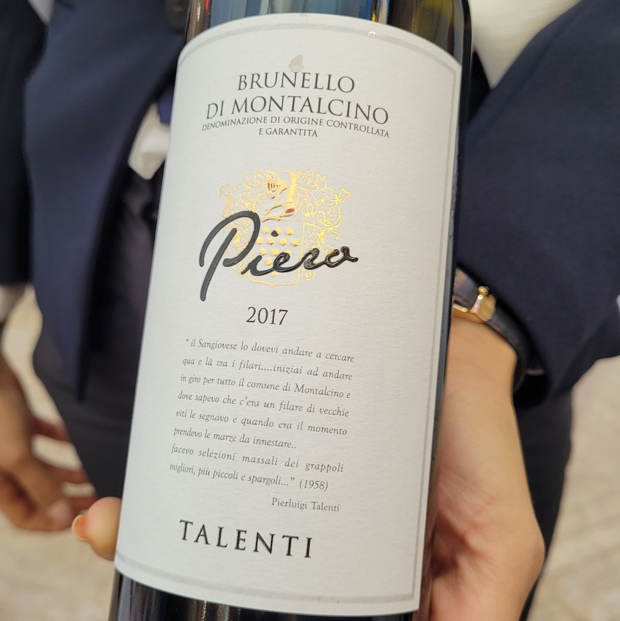
Talenti Brunello Di Montalcino DOCG Piero 2017
Riccardo Talenti’s Brunelli spend over two years ageing in fine Allier and Slavonian oak. Pian del Conte is a Riserva from the oldest vineyards, near the centre of the estate (400m above sea level) and only made in exceptional years. This selezione Piero comes from two of the 20 estate hectares in Castelnuovo dell’Abate dedicated to the vineyard Paretaio, planted to a sangiovese clone selected by Pierluigi Talenti. Fruit gets no more developed and carried along to this level of ripeness and while Talenti’s Piero is showing evolution so early in its tenure the purity, honesty and admonition here must be noted. Not just a remark but an opening for props, kudos and general lauding. No pretence and absolute Talenti heart worn on a Vigna sleeve to say this is the vintage, deal with it, work with it and run with it. No forevers but drinking windows open and ready as soon as anyone feels the necessity for ready. Drink 2022-2027. Tasted November 2021
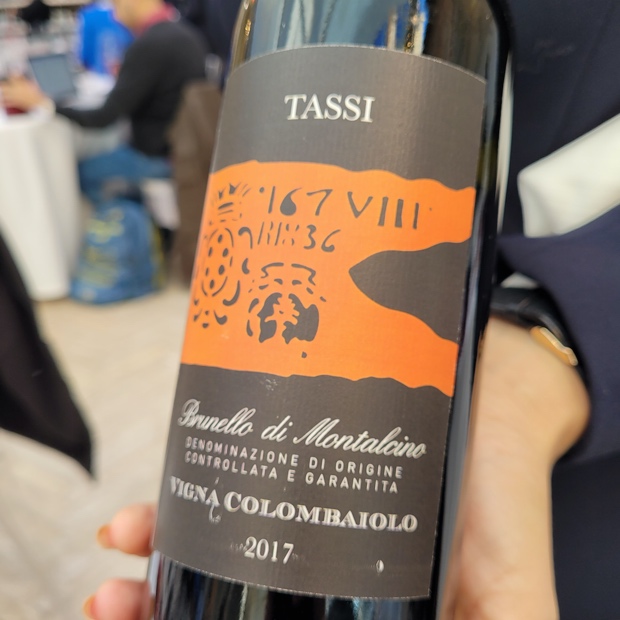
Tassi Di Franci Franca Brunello Di Montalcino Vigna Colombaio DOCG 2017
Quite the open and blessedly pretty Vigna from Tassi di Franci Franca, on the lighter if lightning red fruit side of Vigna 2017 things, sappy tang, cherry liqueur and fine circulating acids. Simply stated, put and offered. No pretence neither, either way you look at it. Drink 2022-2025. Tasted November 2021
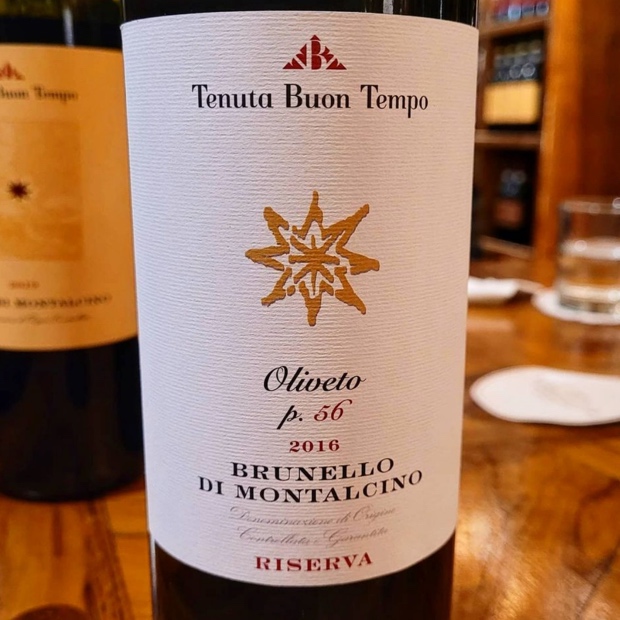
Tenuta Buon Tempo Brunello Di Montalcino DOCG Oliveto P. 56 2017
Oliveto is the original name of the farm and the winery before the change in ownership in 2012. From the iron-rich red clay soils and the finest blocks of the vineyard. The location is a hot one but in 2016 there was not too much adversity to find and marry both sugar and phenolic ripeness. Also thanks to a vintage of higher acidity, picked between the 16th and 18th of September. There is a balance between some of Tenuta Buon Tempo’s best ever quality of fruit and a level of acid meets fine tannin structure that also reaches an historical peak. Two weeks of fermentation followed by four days of cappello sommerso and here some new Slavonian oak. A beautifuL Riserva, crisp, sweetly savoury and in perfect harmony. Says Alberto Machetti, “I think it’s the best wine we’ve made at Tenuta Buon Tempo. By a wide margin.” Who are we to argue and so the recommendation is tend to agree. Drink 2023-2033. Tasted November 2021. Drink 2023-2026
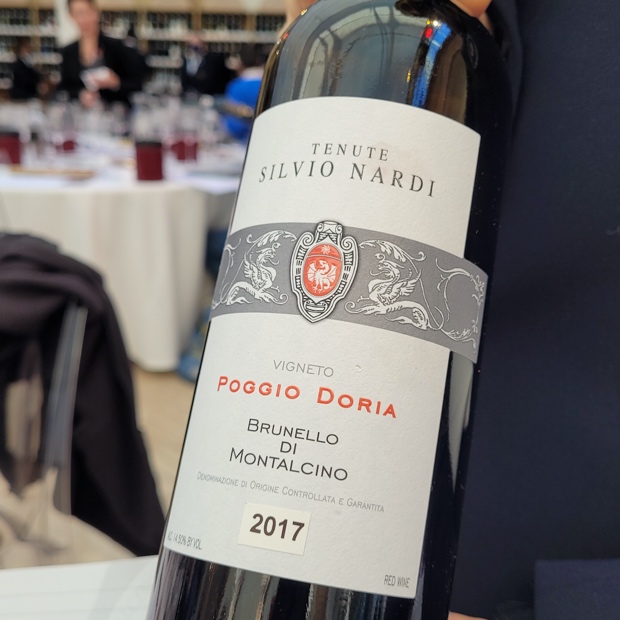
Tenute Silvio Nardi Brunello Di Montalcino DOCG Poggio Doria 2017
Casale del Bosco dates back to XVII century, but the origins of this site are Etruscan. It was bought by Silvio Nardi in 1950 and is the source for the cru Brunello Poggio Doria. Uniquely singular Vigna-designate 2017 Brunello, deeply welling like an aperitif with fine bitters and natural sweetness, black cherry type fruit and well developed texture. Turns fiercely tannic and so the ultimate takeaway is big pressing, full extraction and every little grain that might come through from those stressed 2017 skins. This wine needs plenty of time. Drink 2024-2028. Tasted November 2021
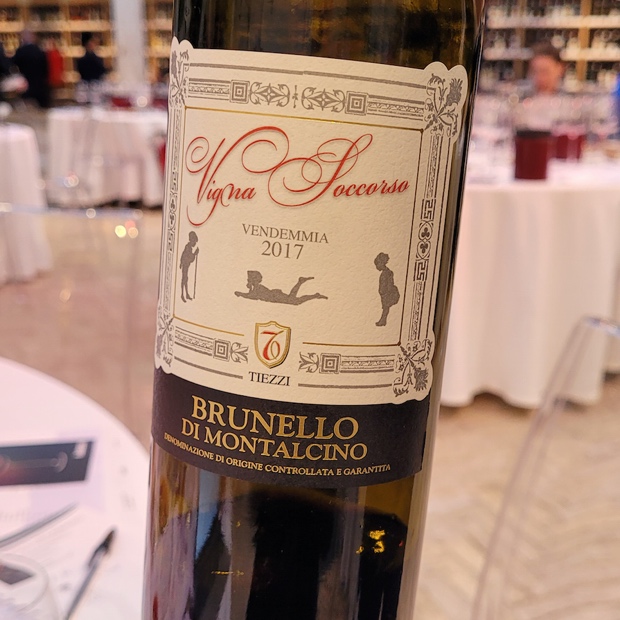
Tiezzi Brunello Di Montalcino DOCG Vigna Soccorso 2017
Quite the developed and verging towards oxidative Vigna Brunello from 2017 with sharp acids and tight if also brittle tannins. Continues along the road to acetic and stays the course. Drink 2021-2023. Tasted November 2021
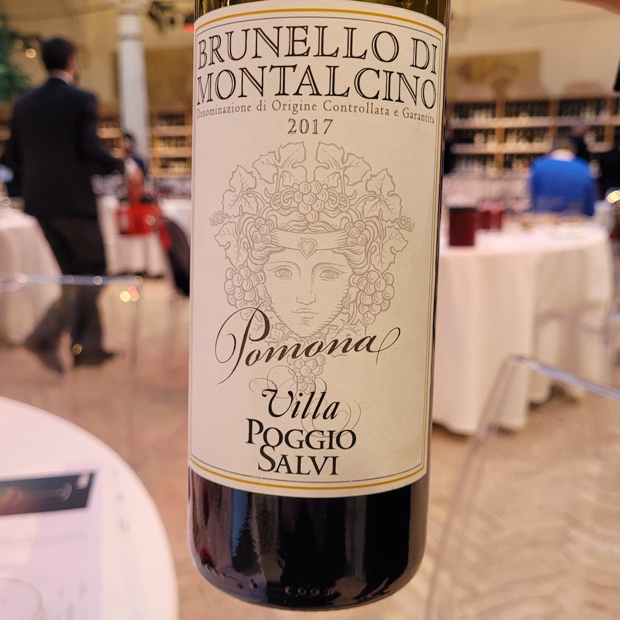
Villa Poggio Salvi Brunello Di Montalcino DOCG Pomona 2017
Pomona in 2017 is a fine and bright Vigna Brunello of sharp red fruit, tart angles, piques, valleys and blessed pinpoint control. Tart and direct with enough finesse to keep a straight and fine line. Finds the best it can be from a less than generous vintage. Drink 2022-2026. Tasted November 2021
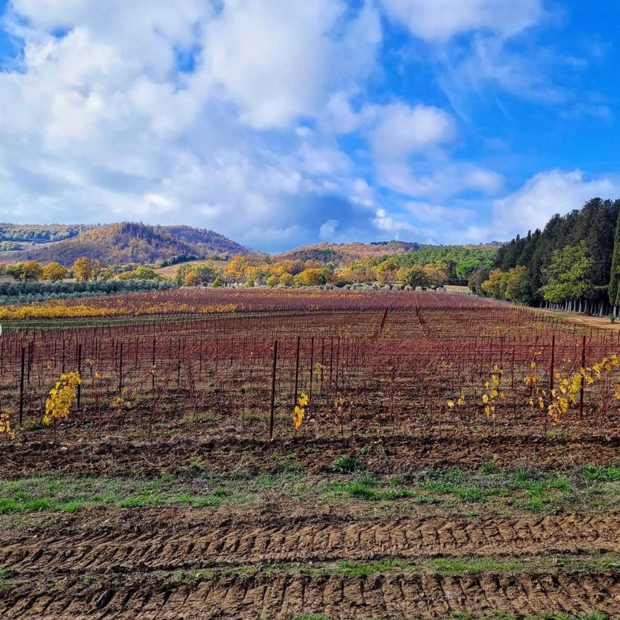
Tenuta Il Greppo
Brunello di Montalcino and Vigna DOCG 2016
Biondi Santi Brunello Di Montalcino DOCG Tenuta “Greppo” 2016
As with Rosso 2018 there is magic in 2016 and for Federico Radi it was just a matter of blending, having inherited the wines already waiting in cask. Magic because a tempered in control level of alcohol and purity of satin-glycerol consistency is purely and expressly Biondi-Santi. Bottled seven months ago and will be released in March of 2022. The notion of optimum balance will likely set in two or three months from now with a lingering peppery pique and kick still in tow. Also a freshness of summer making for a minor balsamico but one that is far from concentrated in dark syrup. The alcohol is at 14 which for the vintage and current day Montalcino is relatively low, or at least modest. And yet the wine captures your immediate attention, partly because the fruit is fortified but more so by dramatic acidity and a lingering austerity. Also the reddest of citrus notes, almost pomegranate. The acidity number is actually 0.5 per cent higher than (Riserva) ’15, with notes of orange skin, violet and subtle underbrush. More Paco de Lucia than Slash. The latter will fall away in two, better still three years. The Brunello will likely remain in that next state for 10 years and then begin to evolve, slowly, incrementally towards and through a few to several decades life. Drink 2024-2041. Tasted November 2021
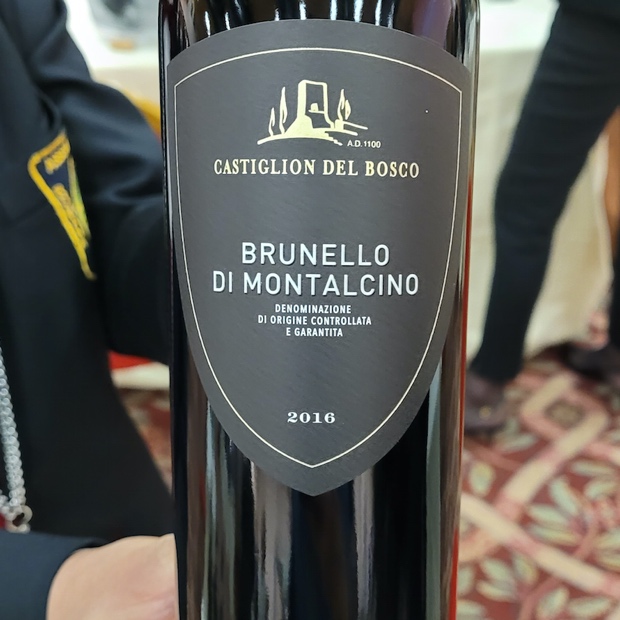
Castiglion Del Bosco Brunello Di Montalcino DOCG 2016
Here a perfectly tidy and veramente example of the possibility for existential beauty out of the 2016 vintage. Ripe fruit beyond harmonious compare, weighted in concentration, mildly structured and right there for the taking. Just another year will allow this Brunello to drink at peak. Drink 2022-2025. Tasted October 2021
Filippo and Elisa Fanti
Fanti Brunello Di Montalcino DOCG 2016
The clarity and translatable Fanti terroir in 2016 from the “normale” shines like the bluest of Montalcino days. It’s that simple in terms of growing, picking, fermenting and aging sangiovese from a grounded, persistently consistent and harmonizing vintage. Not a hot one but one hitched upon a long and linear even keel for the Brunello to reach that coveted arena of the elegant. Just what those who get it now want and quite frankly need from Brunello di Montalcino. Drink 2022-2028. Tasted November 2021
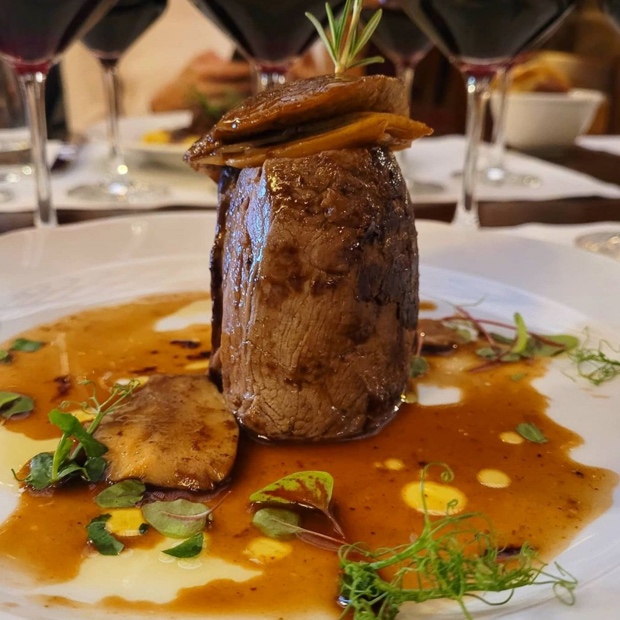
Taverna dei Barbi
Fattoria Dei Barbi Brunello Di Montalcino DOCG 2016
“In the beginning ’16 was…not enough,” begins the soliloquy by Fattoria dei Barbi’s Stefano Cinelli Colombini. “But after a year it changed.” Reading deeper one understands that time is the answer, for sangiovese, Brunello and 2016. “This is why Riserva should be sold after eight or 10 years,” continues Cinelli Colombini. “The problem with tradition is we make a mistake that if it exists, there must be a meaning inherent, otherwise it would not have taken so long. The mistake we make is between what is actually a tradition and the sense of tradition. You only need to taste to know that wine is the most democratic thing in the world.” Yes this Barbi is showing as it should or as it should be beginning to, but tradition is what holds it back, for now. In time it will speak on behalf of what it must be. That is as a sangiovese with a true sense of itself and the tradition it not only represents but one it intrinsically and existentially is. Here from 2016 is one of the great Barbi Annata Brunello. Drink 2023-2032. Tasted October 2021
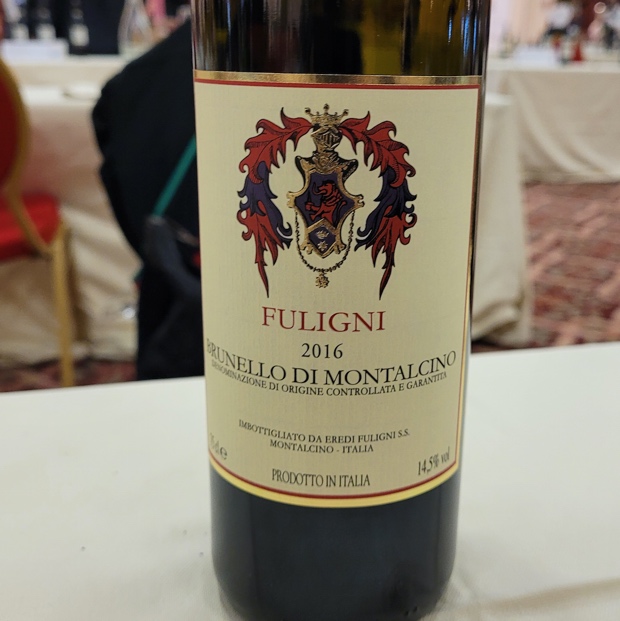
Fuligni Brunello Di Montalcino DOCG 2016
Fuligni’s is well, Fuligni. A classic Brunello with new bones and old school heart. Spice above freshness, seasoning over warmth. The most properly developed layers of southern Montalcino red fruit in a vintage aching to speak in a vernacular passed on through generations. Well seasoned casks impart their wisdom, structural slats and flavours, piqued right across the palate. Feels like white sand with calcareous veins and grey to ochre argiloso, a.k.a. the pangs of tradition and soil tang that historically run through Montalcinese sangiovese. Drink 2022-2028. Tasted October 2021
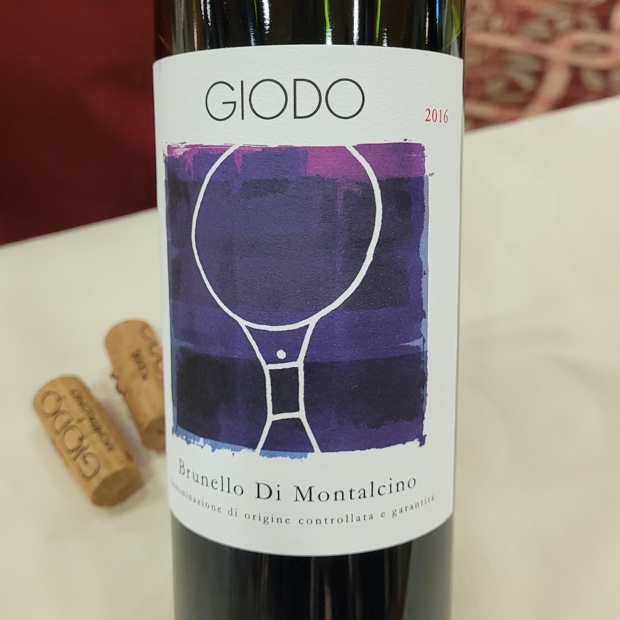
Giodo Brunello Di Montalcino DOCG 2016
A different sort of 2016 feeling here from Giodo’s Località Casanova, Sant’Angelo in Colle Brunello. Mixed sensations, savoury and hillside brushy, of rosemary, fennel and lavender, but also mustard, arugula and cress. A masala of Montalcino earthy spice, seasoned purple fruit, tart and full of high-toned energy. Quite wood spiced and very long. Needs time to settle and find the grace. Drink 2023-2027. Tasted October 2021
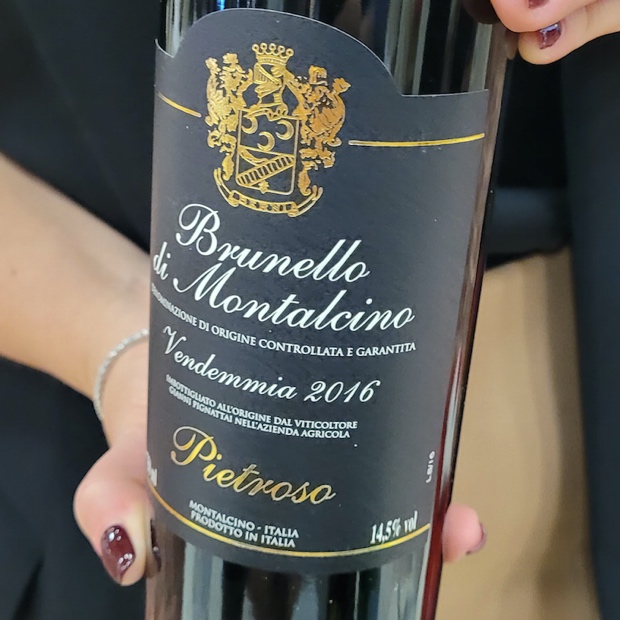
Pietroso Brunello Di Montalcino DOCG 2016
Same 35,000 bottle production and like the 2015 a Brunello of great freshness and acidity yet here deeper and less immediately motivated interaction. A sangiovese of richness, layers and yet to be discovered nuance, fleshy to the point of distraction and seeing the structure for the trees. Once again Andrea Pignattai shows the sensibility, humility and grace in his very personal Brunello, capturing the northwest of Montalcino with sincere and respectful exigency. His ’16 is built to age very well. Drink 2023-2030. Tasted October 2021
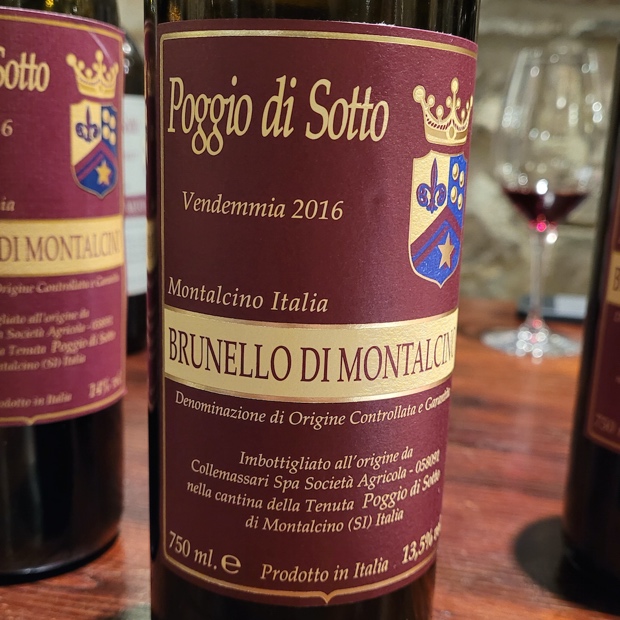
Poggio Di Sotto Brunello Di Montalcino DOCG 2016
Tasted side by side with Riserva 2016 so its would not be stretch to expect great similarities. First things first. The difference between a Poggio di Sotto Annata and Riserva will always be on blatant display. Moments of clarity each of their own and this ’16 shows something specific, neither lesser nor better but a faithful and loyal expression of the upper vineyards. Great intensity, optimum concentration but not as if or needing to be compared to Riserva’s. Here sapidity swaths over the palate, pesto of herbs and brushstrokes of red velvet ganache. Sweetness of all parts, fruit to tannin, amongst the top for the vintage. Drink 2023-2033. Tasted November 2021
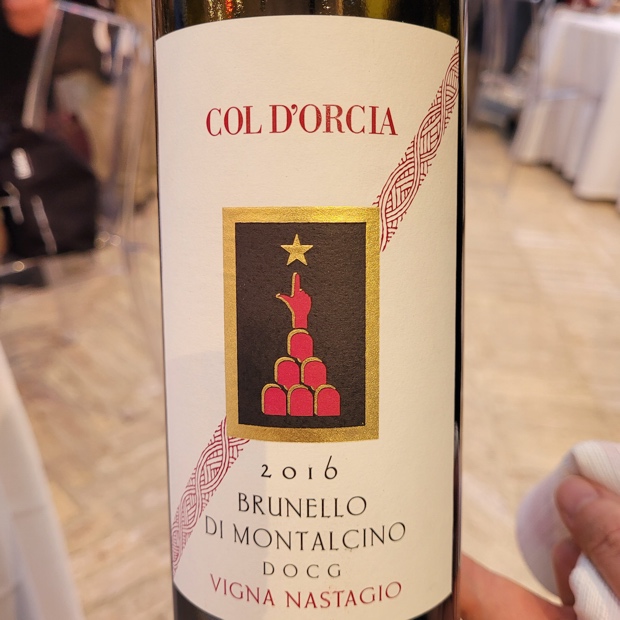
Col d’Orcia Brunello Di Montalcino DOCG Vigna Nastagio 2016
Lovely Col d’Orcia liqueur from a newer Vigna-designate wine for the estate and here with as good a vintage as might be to come flying from the gate. It may be unfair because this is being tasted in the middle of dozens of 2017s but my how finesse, focus, depth and concentration all come together in this fine Vigna wine. Cool, ethereal, salt-licked and well, special. Can imagine drinking this for two plus decades. Drink 2024-2034. Tasted November 2021
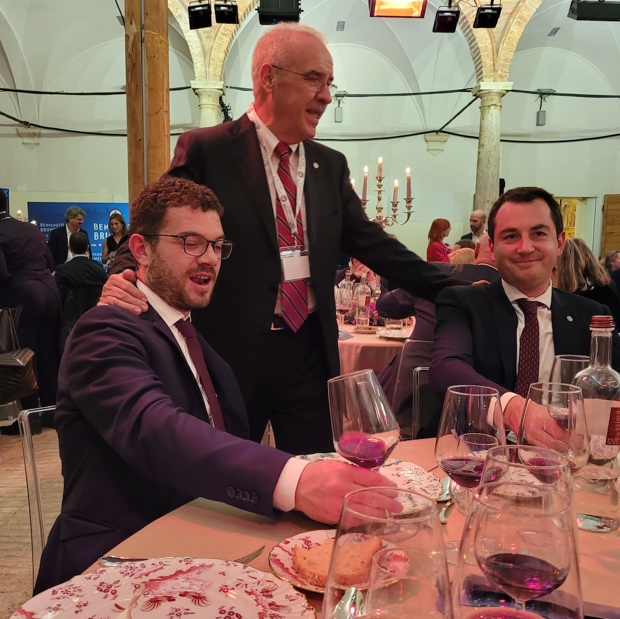
Francesco Ripaccioli, Fabrizio Bindocci and Tommaso Cortonesi
Cortonesi La Mannella Brunello Di Montalcino DOCG I Poggiarelli 2016
It seems that I Poggiarelli will always be subjected to comparison because of the contrasting style to Cortonesi’s homefront La Mannella. Here the single-vineyard sangiovese rewrites itself in every vintage from the auspices of a warmer, southeasterly Montalcino location at 420m of elevation. Galestro sandy-grey is the ante-soil structure building block whereas La Mannella’s clay gifts earlier charm and elegance. Furthered élevage is a necessity, to instigate depth and structure but not to encourage too much power. Lastly I Poggiarelli is almost always picked a minimum seven days after La Mannella. In 2016 this all adds up to one important, profound and vintage defining word. Fluidity. That’s the ideal to emulate, replicate, relipucate and remunerate. Tommaso’s ’16 Vigna is a fluid mosaic of sangiovese, as if its components were composed of phospholipids, cholesterol, proteins and carbohydrates. Even if they are seen simply as fruit, acid, texture and tannin they all move seamlessly as one, within one membrane, a perfect biological model, effortlessly layered elastic and fluid. Poetic structure. La liquidità di Montalcino. Drink 2024-2036. Tasted November 2021
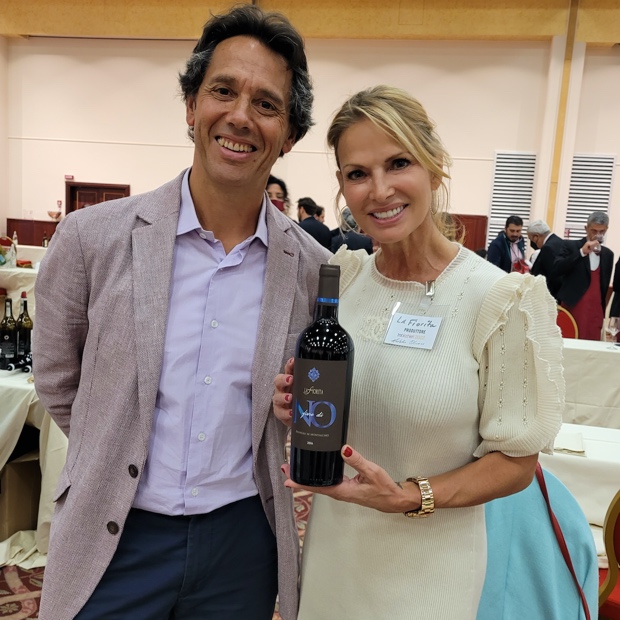
Luigi Peroni and Natalie Oliveiros, La Fiorita
La Fiorita Brunello Di Montalcino DOCG Fiore Di NO 2016
First vintage was 1993 and Natalie Oliveros came on board in 2011. Fiore Di NO is a special wine for her, a combination of three vineyards and only made in abundant years so as not to cannibalize the Annata. NO, as in the owner’s initials but also “no compromise,” no chemicals, barriques or tonneaux. NO is a wine of grace and power, one that exhales instead of holding in thoughts, emotions and feelings. It expresses itself with confidence and control, deserves all of our respect. Drink it now and for the next five years. Drink 2022-2026. Tasted October 2021
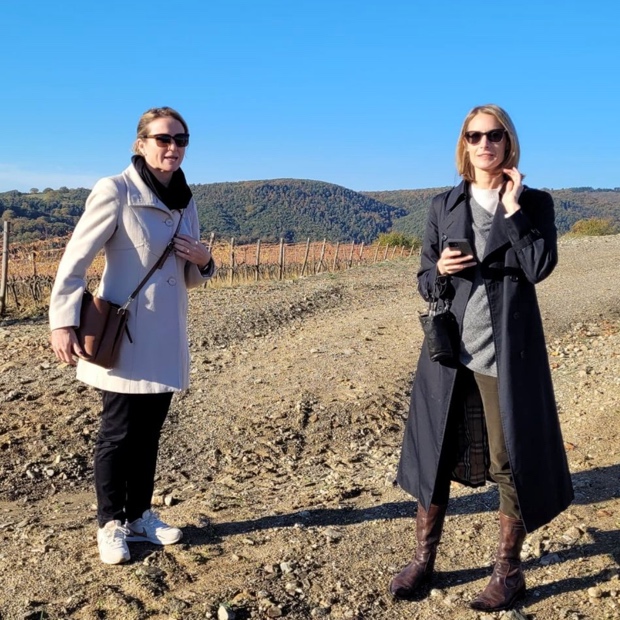
Claudia Callegari, San Polo and Michaela Morris
San Polo Brunello Di Montalcino DOCG 2016
One of the few estates that made the decision for 2016 (by winemaker Riccardo Fratton) to not produce any Riserva. Simply because it was too fresh a vintage and the thinking was that an extra year in wood would compromise that ideal. Still a combination of Vignavecchia and Podernovi which means that all the best fruit outside of the single vineyards are in this freshest of fresh Annata. If you are at elevation and want to maintain the integrity of your vineyards then this is what you do. A wine of ethics, unification, probity, trenchant purpose and if simply idealized there is much complexity to assimilate. Grande. Drink 2022-2030. Tasted November 2021
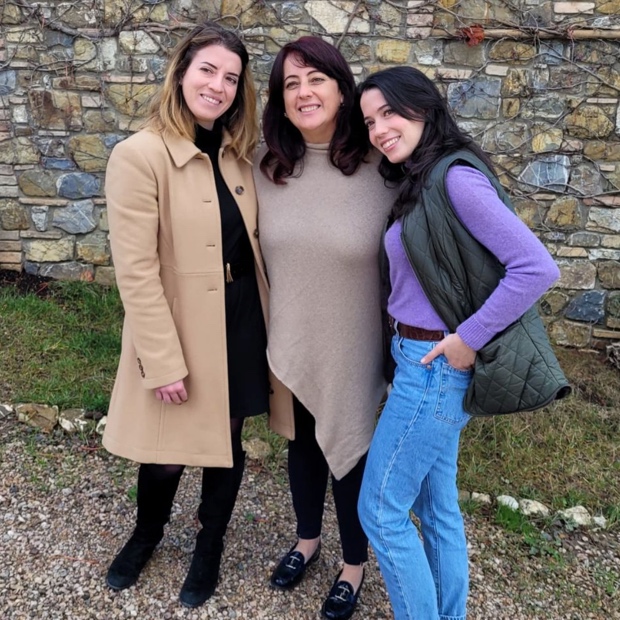
Viola, Gigliola and Sofia, Le Potazzine
Tenuta Le Potazzine Brunello Di Montalcino DOCG 2016
This and this only, at least for today is the vintage of “I parfumi di Potazzine,” a set of aromas that define and depict this very particular place. A volumetric aroma set of land and space, woods and air, the transfer by “le donne” through a capture of their home. An “eleganza” and “ricercatezza” unparalleled, a wine of charm and obvious grace, controlled passion and incremental steps taken towards the most natural world of parochial perfection. Wild ferment, no filtration, 42 day maceration, long and slow, a risk taken and now such important reward. You had to do it it is said to Gigliola. “I didn’t know exactly,” she says. I don’t believe her. Such a special Annata and one we can trust with every part of our palates and hearts. Drink 2022-2036. Tasted November 2021
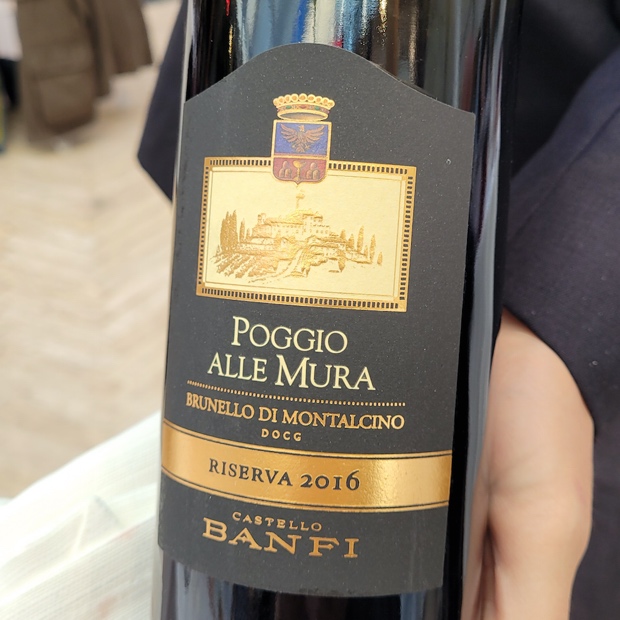
Banfi Brunello Di Montalcino Poggio Alle Mura DOCG 2016
How can there be any surprise to behold this massive capture of fruit and structure in Banfi’s much heralded yet somehow under-valued Poggio alle Mura? A wine clearly Riserva over Vigna, not just stylistically but all ways counted and speaking. Feel the barrel spice, notes of iodine, soy and scorched earth, the depth and the welling deep into the ground. Baritone sangiovese, a bit of an ode to the past, set in standard bearing and harmony. Drink 2023-2027. Tasted November 2021
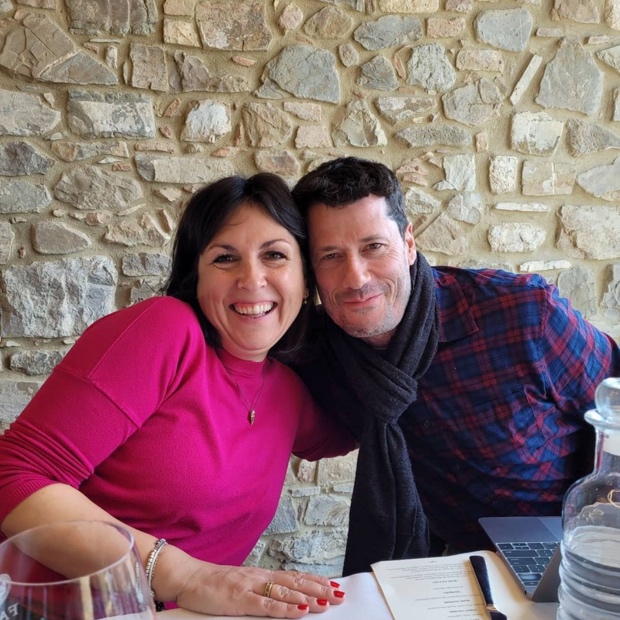
With Elisa Fanti
Fanti Brunello Di Montalcino DOCG Vallocchio 2016
The emotional calculation for Fanti’s Vigna wine in 2016 is a special vineyard multiplied by an exceptionally understated vintage to equal a Vallocchio for the ages. The old vines block upwards of 350m could only love the cool, mostly cloudy and elongated season. Every year the best sangiovese comes from this plot on the hill looking up and to the right (north) of the winery. Vallocchio’s Galestro soil is poor and filled with grey to charcoal stones and was identified back in 2006 as the best block for sangiovese. More depth here than Annata to be sure but also an extenuating and extended level of calm, comfort and satisfaction. Just a wonderful and singular estate expression. Drink 2022-2032. Tasted November 2021
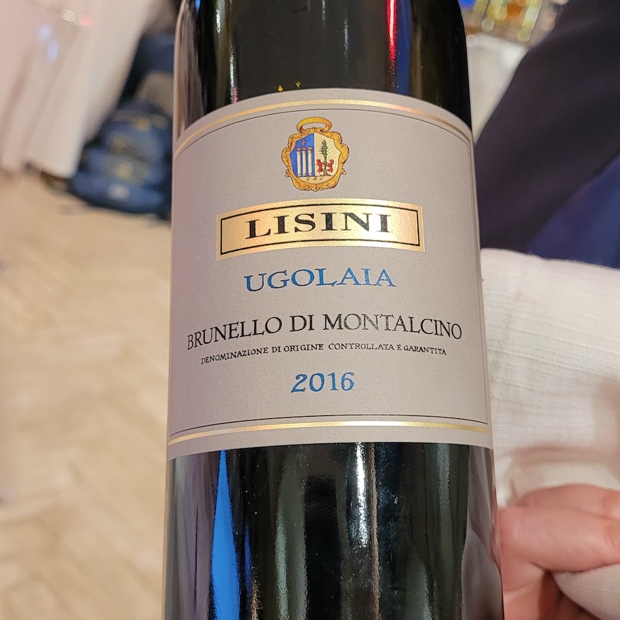
Bright red and juicy concentrated fruit defines and designs this ropey, rosy and ripe liquorice Vigna from Lisini. Tightly wound but with ample to exemplary 2016 fruit of a very specific kind. A Selezione that exhibits all that 2016 truly is, can and wants to be. A vintage of fruit that benefited from hang time so that acids, texture and structure could all catch up to sugar and alcohol. The balance is here. Drink 2023-2030. Tasted November 2021
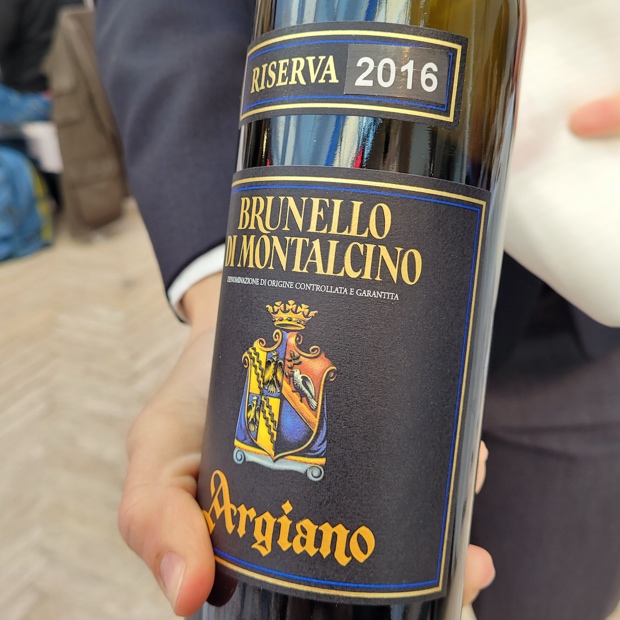
Brunello di Montalcino Riserva DOCG 2016
Argiano Brunello Di Montalcino Riserva DOCG 2016
Classica, an Argiano perfume that fills the glass and then the air, florals and wispy earth, a spray of rose, violet and finely decomposed argilo. There is a restraint, closed constraint and almost no tempt of fate in such a Riserva, sangiovese of maximum occupation if no real hurry to go anywhere and certainly not too fast. It can be imagined that this 2016 will remain almost frozen in this meditative state for up to 10 years. Having tasted through older vintages recently and knowing the current winemaking oeuvre, this grand notion is a given. Drink 2024-2036. Tasted November 2021
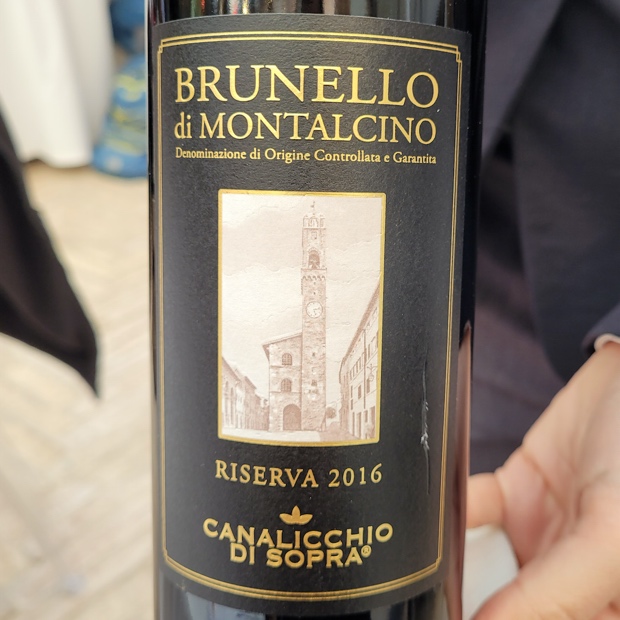
Canalicchio Di Sopra Brunello Di Montalcino Riserva DOCG 2016
Some 2016s come out at and with great force, or speak so vividly. Riserva by Cannalicchio di Sopra is not so much quiet as it is confident, linear, upright and perfectly sturdy. A wine of great force but only willing to use that power incrementally, one essential step at a time. This is 2016 in a perfectly captured and preserved photograph, a mix of eastern and northern vineyards that gather with near perfect equanimity. Nothing left behind, all there and yet not quite ready, a preserve of Montalcino 2016 that will always persevere. Bank and bet on such a wine to pour with strength and elegance for decades. Last tasted November 2021
Barrel Sample. A deeper well filled with that cherry liqueur and clearly more extract and concentration. The tannins are still fierce, intensely chalky and fine bitters are very much a part of the mix. A furthered texture Brunello with no less strength than most 16s will surely exhibit but the power is tempered by this feel and polish. Quite a potential here for 20 plus years of longevity. Drink 2024-2035. Tasted February 2020
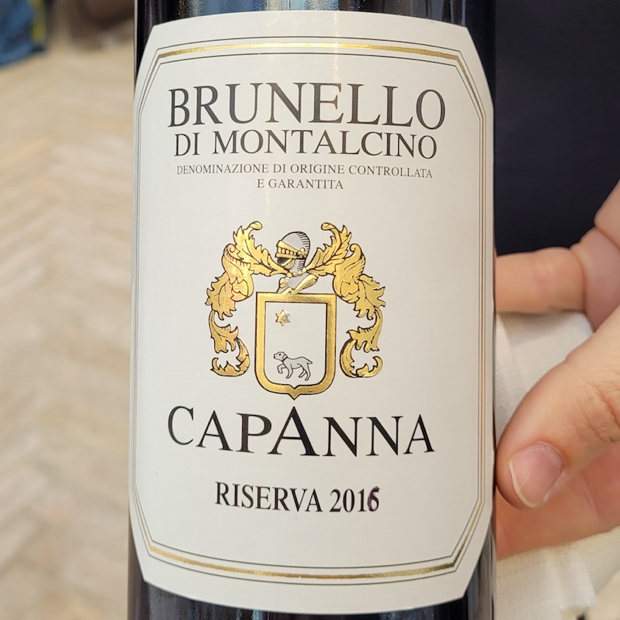
Capanna Di Cencioni Brunello Di Montalcino Riserva DOCG 2016
Lithe and graceful for 2016, full yet reserved, a Riserva of purity and tight wind, also linear and sure. The fruit works a rich citrus edge, from pomegranate through blood orange, feeling healthy and spirited, at times coming down to a dry forest floor but always climbing back up. Quality grains of tannin run in chains, not just at the back but regressing in return through the channels of this most complex and grippy wine. Can’t turn away. Drink 2024-2030. Tasted November 2021
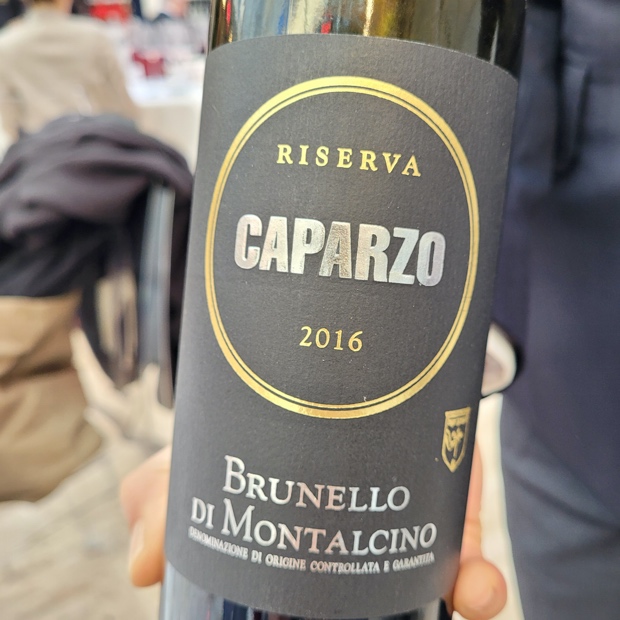
Deep and fulsome Brunello Riserva for Caparzo out of a vintage that offers as much as any winemaker wished to make use of. The richness of fruit is so northerly Brunello from an ideal vintage cut with argilo-limestone-Galestro mineral wealth. There is truly nothing lacking in the grape-acid-tannin structure in this all in sangiovese and the only question might be is this too much of a good thing? Is there such a thing? Ultimately time will provide the answer. Drink 2023-2028. Tasted November 2021
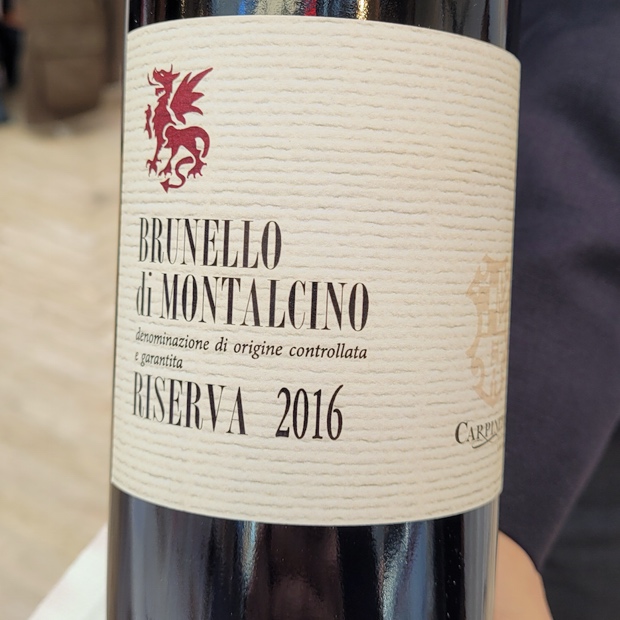
Carpineto Brunello Di Montalcino Riserva DOCG 2016
Gone for broke, full vintage capture and all in sentiment here from Caprineto’s warm and developed ’16. Will need a few years to render, melt and come together but there will always be the classic dustiness of a Carpineto sangiovese, seemingly no matter the Tuscan area from where it comes. Can there be a more consistent and recognizable house style? Drink 2024-2028. Tasted November 2021
Drogheria Franci, Montalcino
Casanuova Delle Cerbaie Brunello Di Montalcino Riserva DOCG Vigna Montosoli 2016
Full-fruit in darkening cherry tone and the one Riserva 2016 to show some blueberry, unusual maybe but there it is. Good combinative crunch, some definite lift, salumi and while some may find this a touch acetic it should be suggested that the line is perfectly acceded and never crossed. There is a full compliment of Botti adding spiced and textured commission, also needing time to work within the parametric style. This will settle and when that happens all the parts will come together, swim in a pool of sangiovese liqueur and make for a truly promising future for the wine. Drink 2024-2029. Tasted November 2021
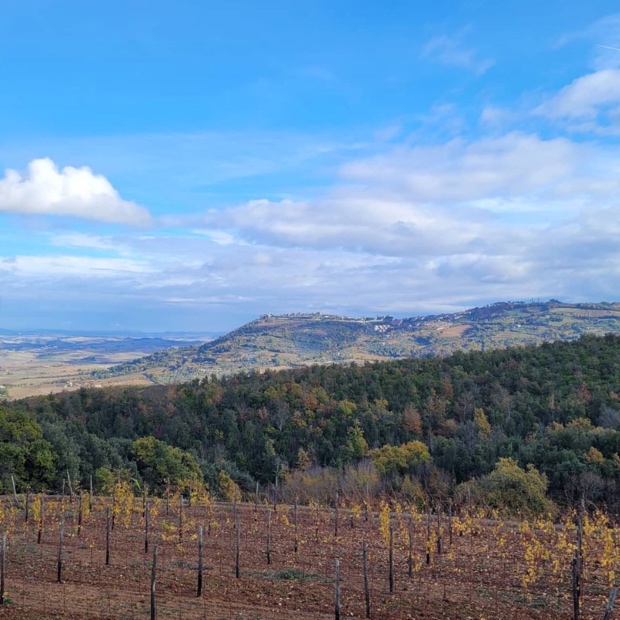
Looking east towards Montalcino from Castello di Romitorio
Filo di Seta is Filippo Chia’s intuitive “transavanguardia” sangiovese of place, over the ancient beach where he and his father Sandro once painted the Montalcino sea. Mostly early picked fruit, all in tonneaux, at first thinking croccante but that’s too simple a way to describe what texture and sensation is combed in this reserve wine. Bottled on the 29th of June so just arriving at the ready, to look at if not to consume. Here there is a fineness of liquid chalkiness, a fluido or scorrevole to drive the way this sangiovese plays and also sings, a Riserva to move with the wind and musical sway. Somewhat unknown, finely tannic and clearly what could and should be described as “mountain” Brunello. Coming in late is the spice, almost cinnamon and such. Hate to refer to any wine as the best from an estate but too bad. That this is, beyond the avant-garde such as it is. Drink 2025-2038. Tasted November 2021
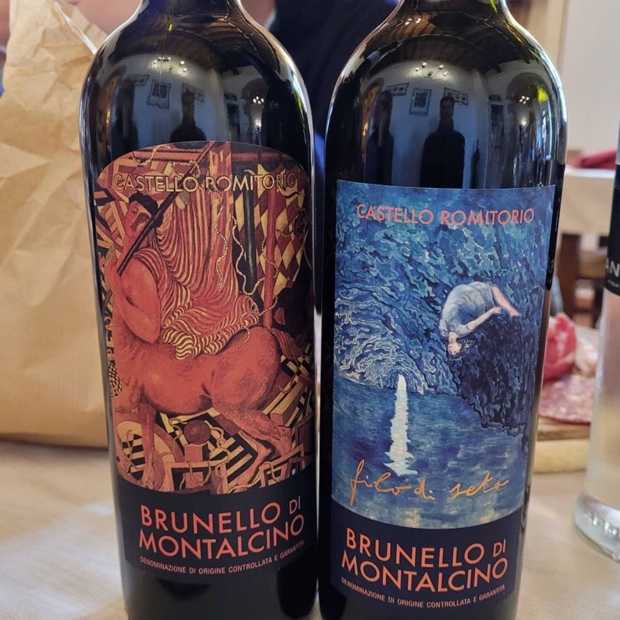
Castello Romitorio Brunello Di Montalcino Riserva DOCG 2016
Only the old vineyards participate in the ’16 Riserva composition, in which beautiful means small in that air can pass through. A Riserva of sparsity, spargolo chicchi d’uva (grapes), from eight vineyards selected into one tank. Only the 10th Riserva in Romitorio’s history, harvested at 7.5 acidity and lower alcohol. There is muscle, ancient DNA, clonal diversity, forest floor, air and flora and then, time sliding into light strings and dappling all around. Not a flicker but a hum, almost imperceptible of electricity, kinetic, disciplined and smooth. No rattle, out of synch vibration, nor waste of notes to movement neither. A finished composition, Live at the Fillmore, effusive and light, of comfort and potential. Drink 2025-2037. Tasted November 2021
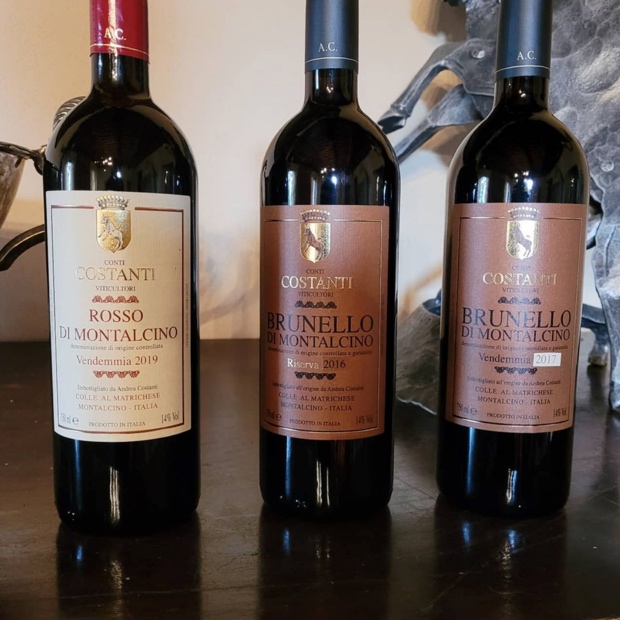
Conti Costanti Brunello Di Montalcino Riserva DOCG Colle Al Matrichese 2016
Molte sane, repeats Andrea Costanti as if by mantra through the course of the 45 minutes while we taste, consider and assess his Riserva 2016. Many healthy grapes, calories, syllables, words and then adjectives are needed to describe this important if never lithe or shadowy sangiovese. No, it is instead immediately upright, enduring as a vinous edifice and demanding of attention. Aromatically magnetic, floral and prepossessing of magnitude, drawing in close yet tantalizingly teasing at a safe distance. Intimates a feeling, as if standing in a deserted public space rendered in simple geometric forms. Animated de Chirico, mystery and melancholy, vanishing points and parallel lines. Crosses over the palate in mathematically fine lines, everything in order, at peace, perfectly groomed. A strict and generous Riserva, fruit moving two by two, contrapositions of history, tradition and life. In a Brunello for the sake of a Costanti Brunello there is so much to feel and say. Such a wine makes it hard to stop thinking but you must and you will, content with looking forward 12-15 years. Everything is in its right place but should not be disengaged. Not yet, or for a while. Steadily, fermamente, healthily, costantemente, constantly. Drink 2025-2041. Tasted November 2021
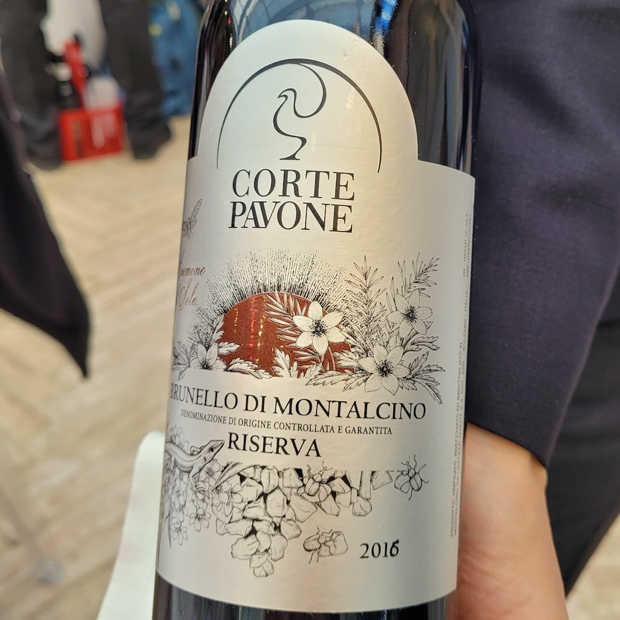
Corte Pavone Brunello Di Montalcino Riserva DOCG Anemone Al Sole 2016
This first of two Loacker Estates Riserva for their western Montalcino property is the “anemone in the sun,” surely a reference to sea fossils found in the vineyard, so very typical of this part of the territory. Also remarkable considering the elevation and the aspect where sangiovese does in fact bask in the radiation of the sun while also enjoying some of the area’s greatest temperature fluctuations. Deeply cherry, almost blackening but maintaining brightness with top quality acids. Not the most demanding tannins but they are there and will help see this wine move effortlessly through ten years easy. Drink 2023-2031. Tasted November 2021
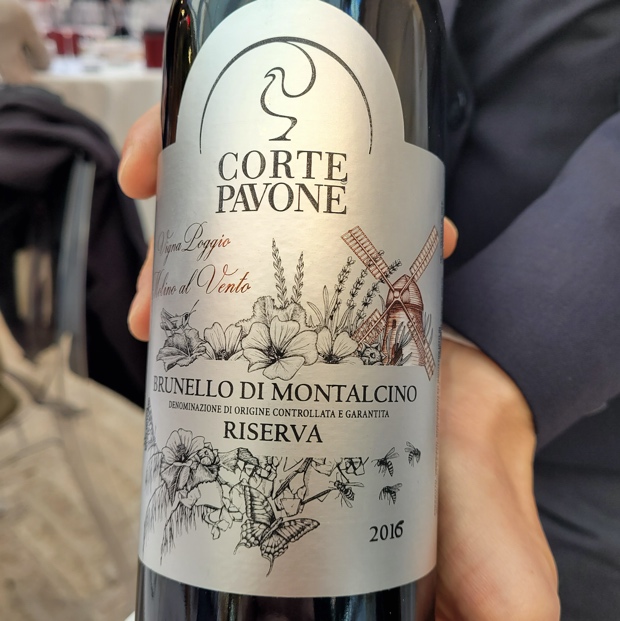
Corte Pavone Brunello Di Montalcino Riserva DOCG Poggio Molino Al Vento 2016
The second of two for Corte Pavone in Riserva terms is from “the hill of the windmill” and speaks to the windswept crest where the vineyard is perched. As such there should be and clearly is more air and breath in this Riserva as compared to the saline cut that runs through Anemone al Sole. Crisp and crunchy sangiovese here, fruit just a shade less dark than the sister vineyard, tannins finer and also grainier with less openness and more waiting time required. One and then the other. Isn’t that always the case? Drink 2024-2032. Tasted November 2021
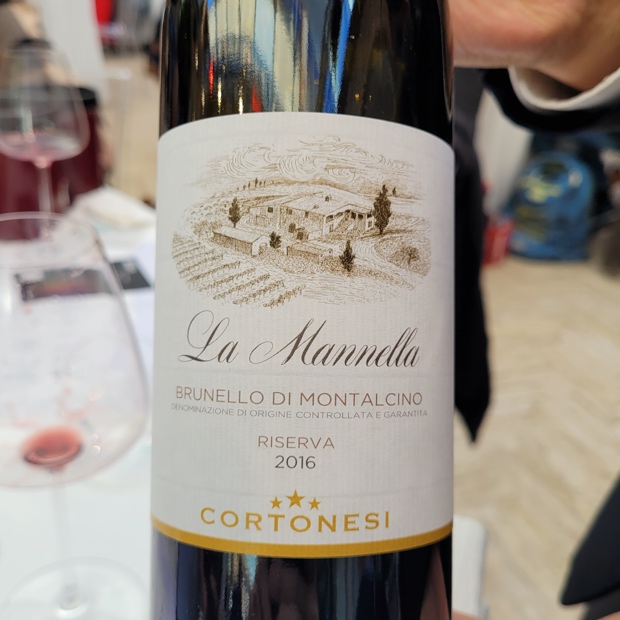
Cortonesi La Mannella Brunello Di Montalcino Riserva DOCG 2016
Having an understanding that Tommaso Cortonesi knows how to make his wines and though Riserva is only made in what are deemed “suitable” vintages then 2016 is not an unexpected happenstance. Just so happens to emerge from that stellar growing season and if memory serves correct comes replete with a La Mannella upbringing poised and paused into the very fabric of this wine. A sangiovese of veritable home-front DNA, a torch passing from father and son with oenological consultancy aid and abetting by Paolo Caciorgna. Cortonesi’s Riserva is a linear one, firm of backbone built by later picked fruit and kept acidity. Neither dust nor agitated affectation presides as tannin over juice and in fact this is a very expressive Riserva. One of depth but also one that rises with constant upward movement. Onwards as well with 2016 a high point in the pantheon of the last 15 vintages. Tombola! Drink 2024-2032. Tasted November 2021
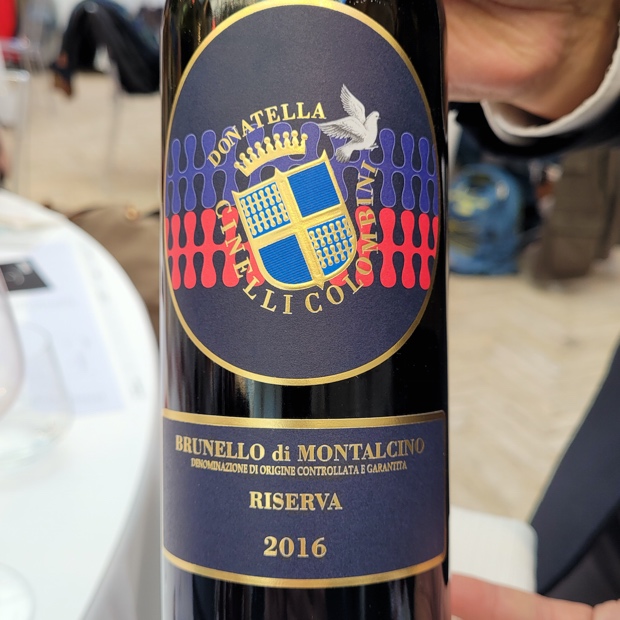
Donatella Cinelli Colombini Brunello Di Montalcino Riserva DOCG 2016
The purest sangiovese of greatest clarity for the Donatella classics is this Riserva, not just because it comes from 2016 but for the very fact that time has had a great effect in resolving the special needs of such a wine. What’s so very special about a Casato Prime Donne Brunello di Montalcino is the complex weave of northerly fruit, swarthy sumptuousness and textural crema. Never more on display then in this Riserva and from this vintage, bright and you can almost sense the smile on the face of this expressive and inviting wine. Also structured with great sneak and sly movement, sure, unlike the others, so beautifully crafted, painted as opposed to sculpted. Timeless. Drink 2024-2033. Tasted November 2021
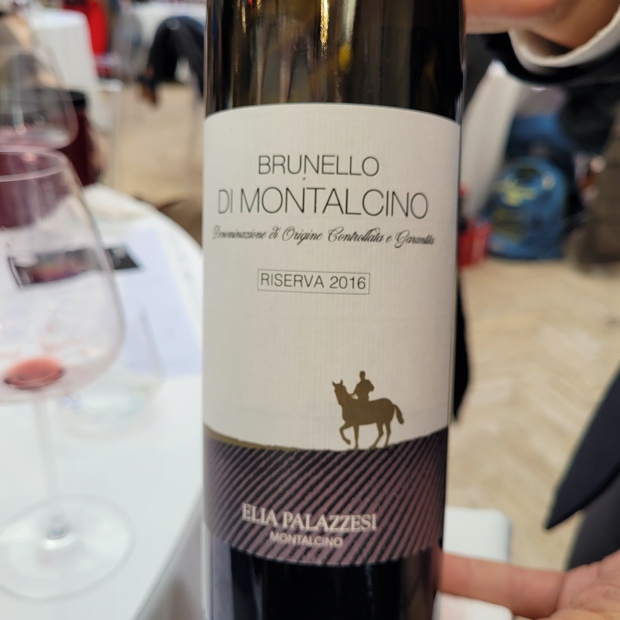
Elia Palazzesi Collelceto Brunello Di Montalcino Riserva DOCG 2016
On the lithe and even jammy side for Riserva out of 2016, pretty enough and fruit red, fine, sweet even though there is a difficulty in shaking the feeling of cherry to raspberry confiture. Chewy and ropey, red liquorice and salty tannins. Intriguing Riserva, more like a really fine Annata but lacking depth and complexity. Drink 2022-2025. Tasted November 2021
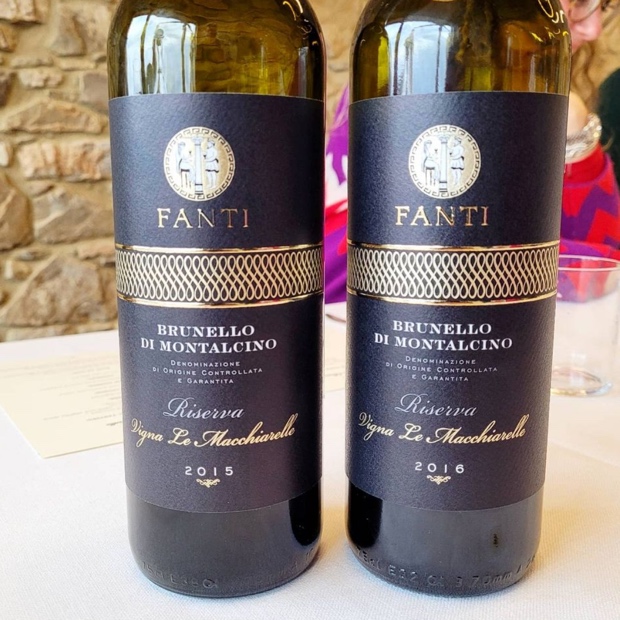
Fanti Brunello Di Montalcino Riserva DOCG Le Macchiarelle 2016
As for Le Macchierelle ’16 the contrast to 2015 is not so much night and day but 2015 (and its extra year in bottle) is showing more caress and Riserva delicacy as compared to this really grippy and tannic 2016. More concentration of tannin and not necessarily conversion of fruit. But to split fruit hairs is silly and there is no doubt the grape substance will easily pace and run with the structure to make Le Macchierelle live a very long, fruitful and slowly developing life. Where this diverges into the realm of special and profound is in the architecture that starts from the ground up. Iron-rich, calcareously cemented, skilled and seasoned. Drink 2024-2034. Tasted November 2021
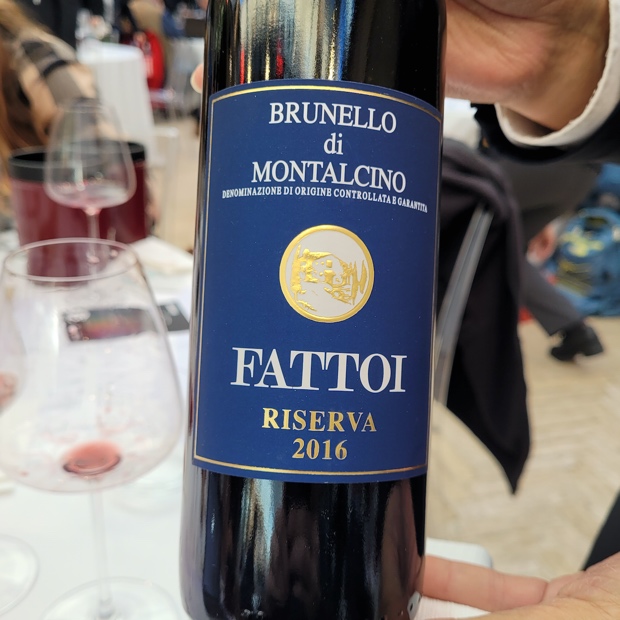
Fattoi Brunello Di Montalcino Riserva DOCG 2016
Fattoi presents what can best be described as a Riserva for their place and time, a bright and effusive sangiovese of honesty, purity and estate vineyards’ transparency. Who could not be wooed, swayed and allayed by the freshness of such a pretty in pulchritude Riserva, cool and composed, with some of the finest acids and sweet grains of tannins imaginable. Top quality for the ilk and style. Drink 2023-2027. Tasted November 2021
Taverna dei Barbi
Fattoria Dei Barbi Brunello Di Montalcino Riserva DOCG 2016
The question is increasingly asked whether 2015 or 2016 is the true Riserva vintage, of the two. Assessing Barbi’s at this early stage does not answer the question straight away but there are some clues. The mineral swath that owes to iron, volcanic and sedimentary Galestro presence really does dominate the aromatics on what is again a could be nothing but a Fattoria dei Barbi sangiovese. Dark cherries that swim, bob perhaps but never over-macerate in their own sweet juices is the hallmark notation of this vineyard’s aromatic pool. Fine tannins are tight but not overtly demanding, acids stream freely and easy, supportive but not in authoritative control. A bit closed (or let’s say contained) to be honest and the warming finish indicates the need for a few years more time. As opposed to 2015 which was necessary and now here a ’16 that might remind of Brunello from the 1970s. Drink 2025-2033. Tasted November 2021
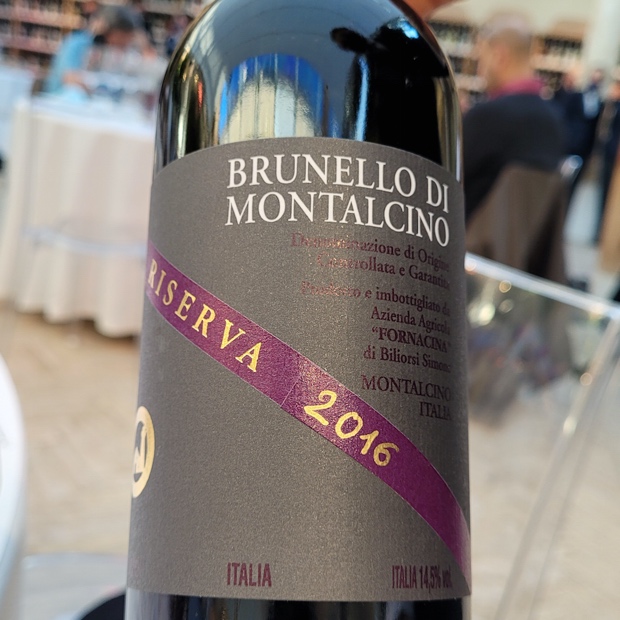
Fornacina Brunello Di Montalcino Riserva DOCG 2016
Slide nearly due east down from the Montalcino hill and you will come to Fornacina, an estate set in this idyllic quadrant of the area where cypress and grey to white sandy clay mineral soils predominate. Expect classic deep dusty plum fruit from a Riserva and a vintage as co-conspirators of calm, breadth and ease of collective breath. These and this are so true to form if not a serious Brunello, then one so knowable, unshakeable and just bloody proper. This ’16 gets it very right. Drink 2022-2028. Tasted November 2021
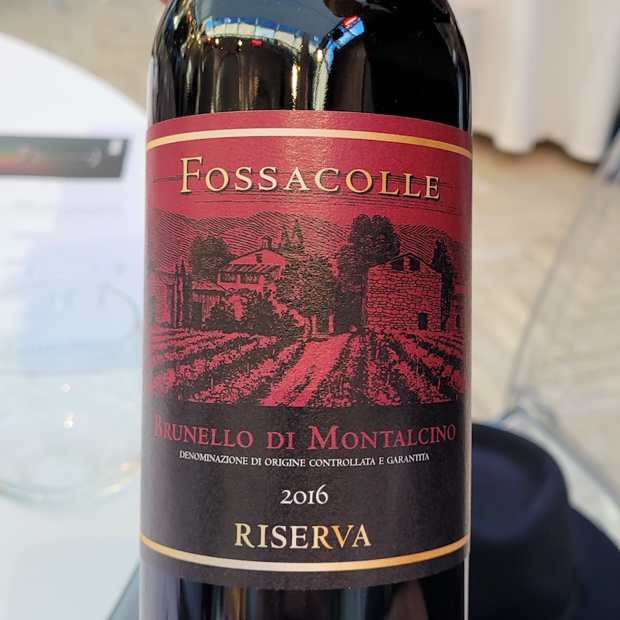
Fossacolle Brunello Di Montalcino Riserva DOCG 2016
Quite a deep and developed Brunello Riserva ’16, moving well along its way to arrive at the near your and its destination. Slip sliding away, slowly yet surely, feeling no adversity, pouring soft and simple. Make use of this now while so many firm and tannic kin take their time to find a way. Drink 2021-2023. Tasted November 2021
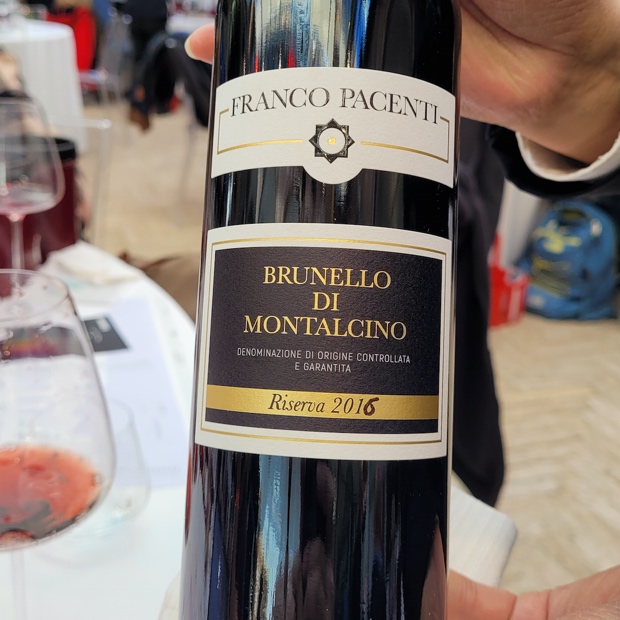
Franco Pacenti Brunello Di Montalcino Riserva DOCG 2016
Pacenti’s Riserva straddles two worlds and works both rooms with remarkable distinction. The fruit is open knit, effusive and perfectly consistent with the vineyard’s gifting but there is also a depth to this sangiovese that makes for a two-part wine. By depth this means a down to earth, low tonality and an herbal, fully formed and dense foundation. This is really solid, grounded and architecturally sound Brunello di Montalcino. More so than many and definitive of style. Drink 2023-2029. Tasted November 2021
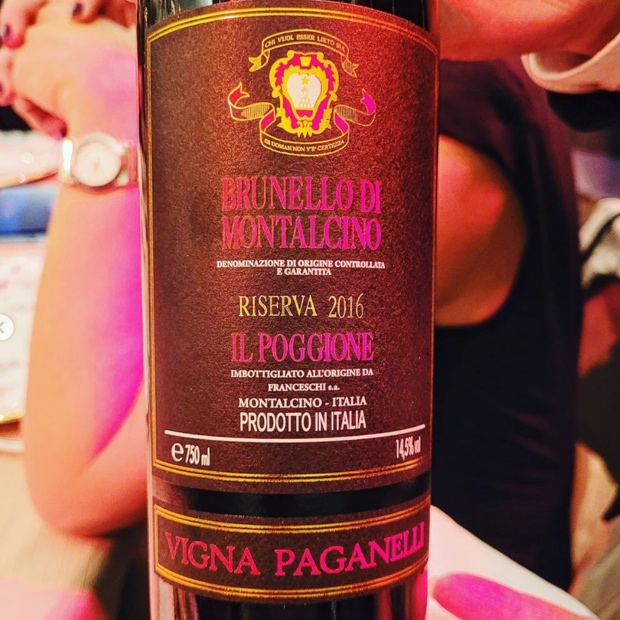
Il Poggione Brunello Di Motalcino Riserva DOCG Vigna Paganelli 2016
Hard to find a more amenable and also soundly structured Riserva than this by Il Poggione, a Riserva that doubles as a Vigna (single-vineyard) Brunello di Montalcino. This is sangiovese for sangiovese’s sake, from a defined sense of place and made in a style that depicts meaning for a storied estate. Bright with depth, light tripping acids and grounding. Solid construction while always able to dance upon its feet. One of the best ever for the crew. Drink 2024-2028. Tasted November 2021
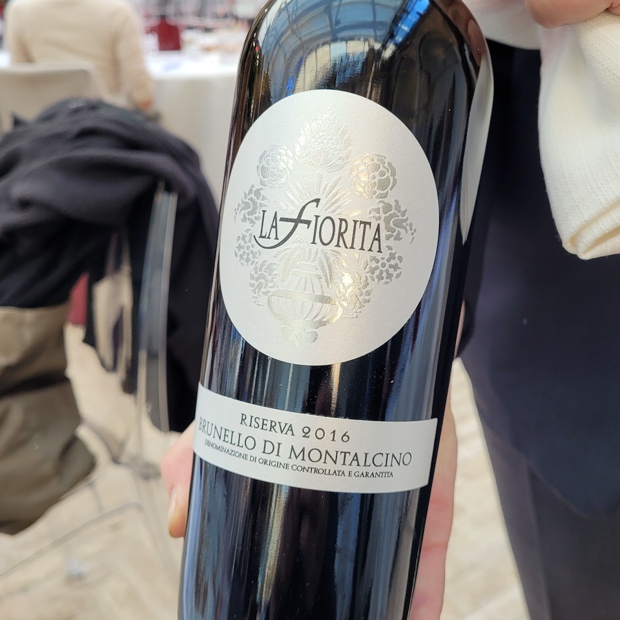
La Fiorita Brunello Di Montalcino Riserva DOCG 2016
Hard to imagine a Riserva from 2016 with more openness and inviting behaviour than this from La Fiorita but what’s clearly at play is the attention to detail, starting with dedicated and regenerative agriculture. A warm location is a challenge and yet fruit here is so well preserved and lifted at the very same time. The mix of textures, at once chewy and then crunchy, the blessings of commitment, passionate and respect, finally the way this wine seamlessly moves with delicasse and power. These are all stages and layers that knit a really fine Riserva. Brava. Veramente brava. Drink 2024-2032. Tasted November 2021
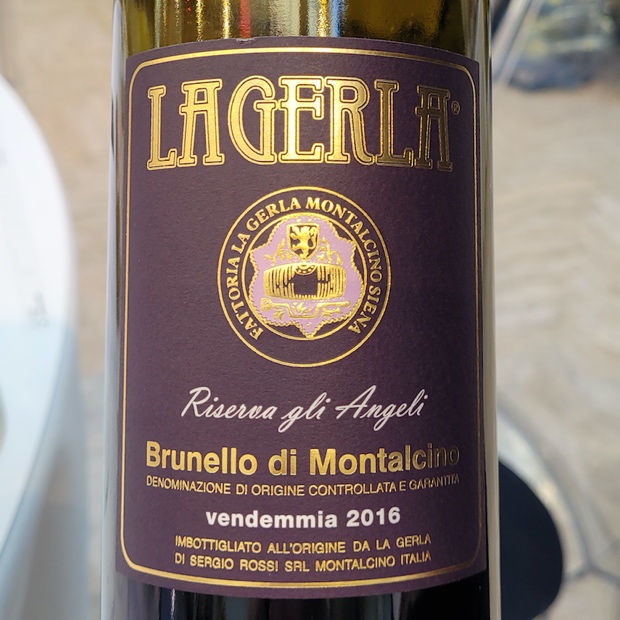
La Gerla Brunello Di Montalcino Riserva DOCG 2016
Gli Angeli is true Riserva, of a density in the depths of earth and fruit while conversely rising with lifted guide. Bone density too, then highlights before returning back from whence it rose. Loads of charred herbs, dusty tannins and a late drying sensation. Needs aeration and time. Drink 2023-2027. Tasted November 2021
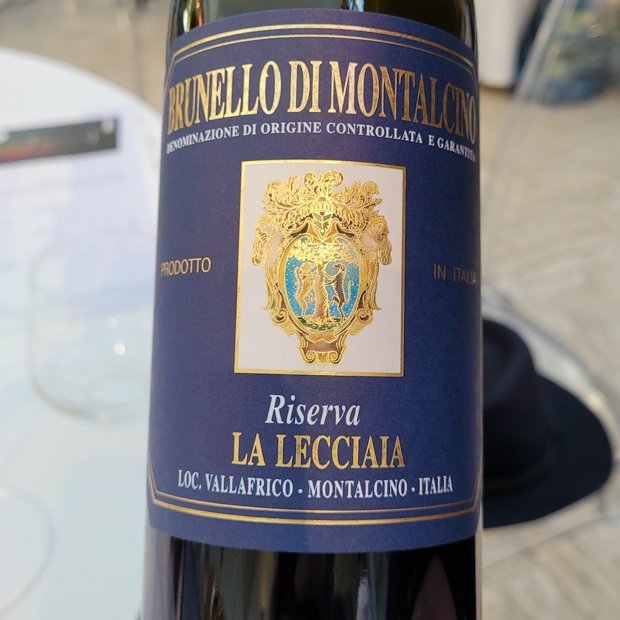
La Lecciaia Brunello Di Montalcino Riserva DOCG 2016
A Riserva from Vallafrico southeast of the Montalcino village set in some of the territories’ most beautiful hills. While the rise and the piques alert the brows and put the buds on alert there too is sensory territorial understanding that gives this wine a grounded and calming sense of place. Leccaia’s fruit wells dark, climbs airy to ethereal and fulfills every point along the tasting journey. A complete wine in every respect, just, stylish and very fine. Drink 2023-2029. Tasted November 2021
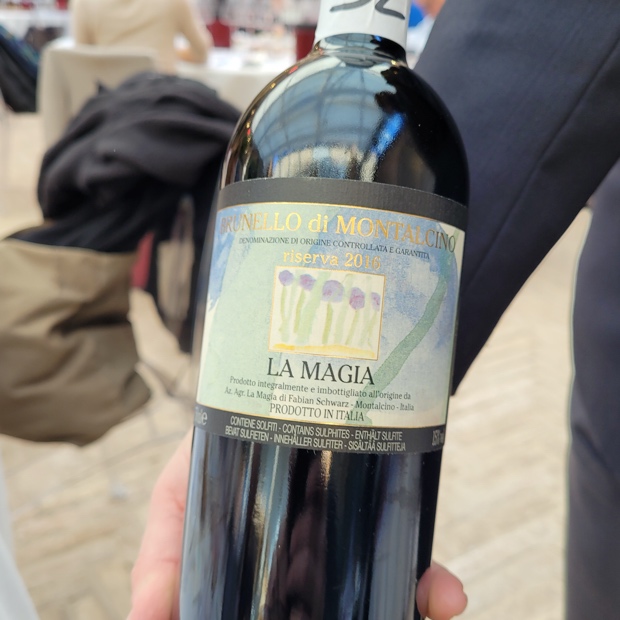
La Màgia Brunello Di Montalcino Riserva DOCG 2016
Rich and wholesome Riserva of great depth and breadth, though easy on the tannic power. They are there and highly involved but already developed, fine and near to relenting. A vanquished Riserva is a particular style, ready and willing but far from airy and light. Not so much a big 2016 but rather one of density in and amongst the many layers. Drink 2022-2025. Tasted November 2021
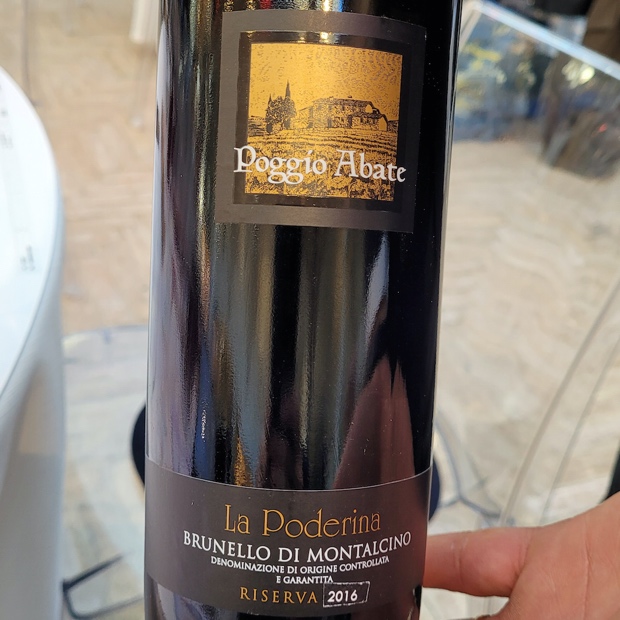
La Poderina Brunello Di Montalcino Riserva DOCG Poggio Abate 2016
From a hill above the abbey of Castelnuovo dell’Abate and a warmth running through this Riserva as much as any in the collection. Running tart and a bit brittle, hard tannins and sharp acids taking full control. A year should help settle the anger and the score. Drink 2023-2026. Tasted November 2021
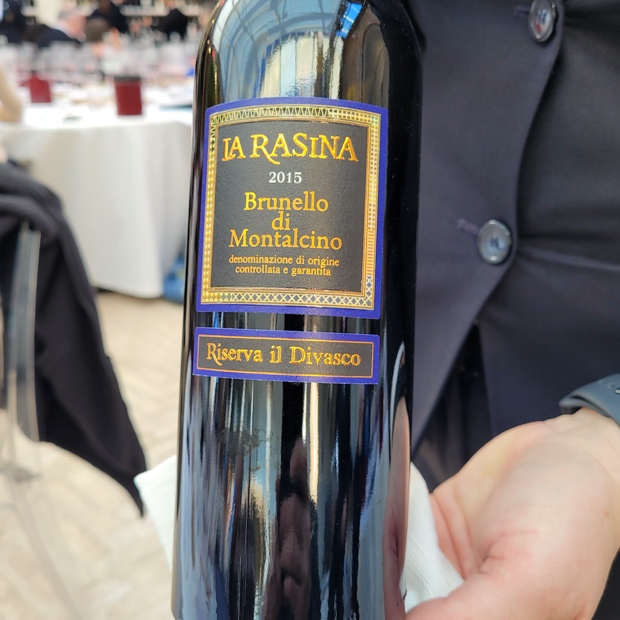
La Rasina Brunello Di Montalcino Riserva DOCG Il Divasco 2016
At the height of what could be considered a lifted Riserva, especially for 2016, tones set to 11 in a sangiovese of great pulse and fiery style. After comes the wood, fulsome and chalky, grains of spice and chocolate through all its iterations. A bit old school and lovely for the sentiment. Drink 2022-2025. Tasted November 2021
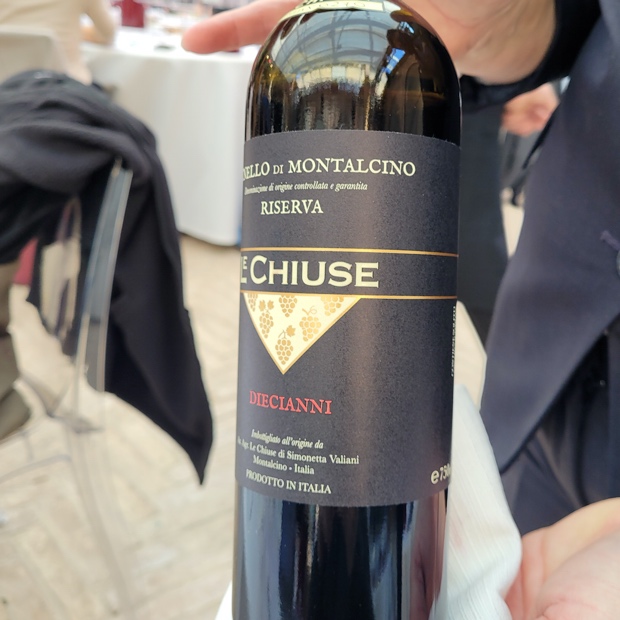
Le Chiuse Brunello Di Montalcino Riserva DOCG Diecianni 2016
Never overstate the Lorenzo Magnelli way of crafting Riserva, that is by aging in cask longer than not just the average, but indeed all others. His Le Chiuse Diecianni carries, drifts and gifts the most succulence whilst exhibiting a spice force to ignite the most sensation and emotion. A veritable melting pot of a sangiovese, complexities bound and wound, circulating throughout the wine’s coefficient of existential and elementary positions. These are the smallest of berries picked to forge what only Riserva can, to be cool, mineral licked, ethereal. Already exhibiting fruit purity and also density for a look at what two decades forward will come from this finest of Brunello wines. Drink 2024-2037. Tasted November 2021
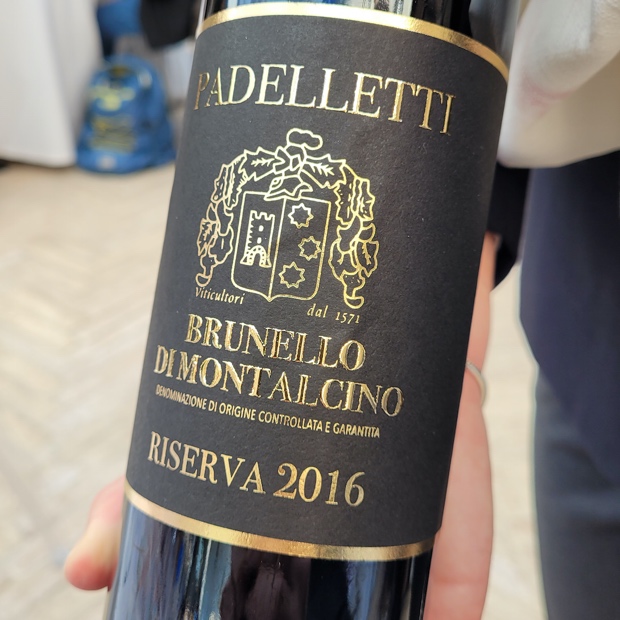
Padelletti Brunello Di Montalcino Riserva DOCG 2016
Finely composed and structured Brunello Riserva here from Padelletti out of the full and complete 2016 vintage. A sangiovese of cherries darkening to blue and black, of fruit oscillations that rise and fade, return and submit to the acids of this wine. Mighty acids they are, lifted and full of vim, vigour and relish. Not quite a vivid Riserva but surely one of what feels like a northerly ilk, cool, savoury and in its own world, blessed of a particular kind of wine. Drink 2023-2028. Tasted November 2021
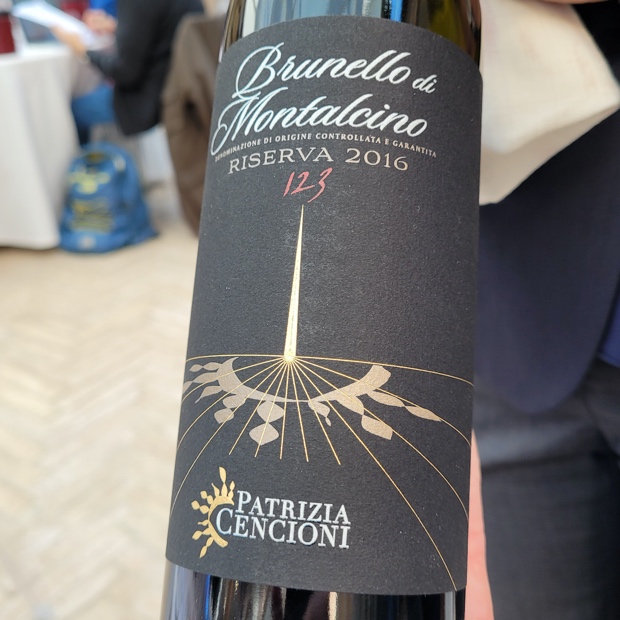
Solaria Patrizia Cencioni Brunello Di Montalcino Riserva DOCG 2016
Brightness of tight lightning, red fruit sparked and ready to take on the world. Sharp tang, crisp and crunchy, shifting now, heading into an area occupied by the wood in the wine. Of a school where big cask and time conspire for older fashioning yet here of a clarity that speaks with clean admonition. In the end capitulates and commits to being a fine wine, nice and amenable. Drink 2022-2026. Tasted November 2021
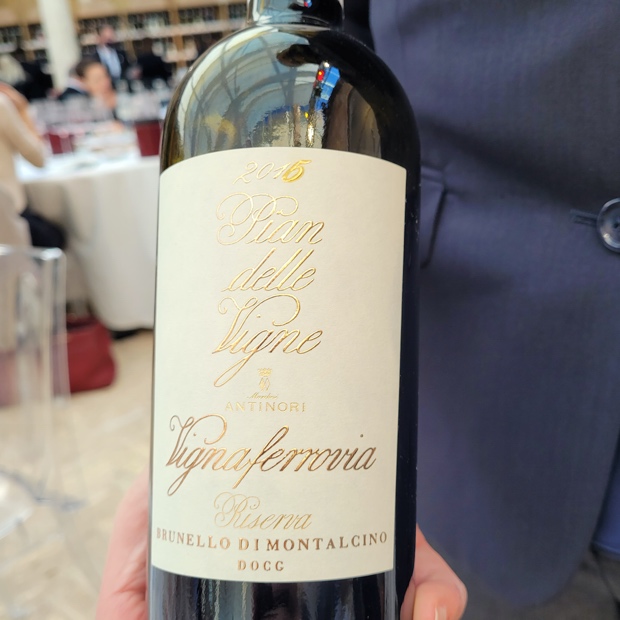
Antinori Pian Delle Vigne Brunello Di Montalcino Riserva DOCG Vigna Ferrovia 2016
Hard to imagine more warmth and deeply rooted red fruit development accessed and gathered in a Riserva from 2016. Pian delle Vigne’s doubles down on the vintage ideal, acting as both a Riserva and a Vigna wine, luxe and direct, full throttle and yet finely finessed. The lover of Brunello for Brunello’s just further back than most recent history will fall in love with this style of Montalcino Riserva. The credibility of the work can never be called into question. Drink 2023-2027. Tasted November 2021
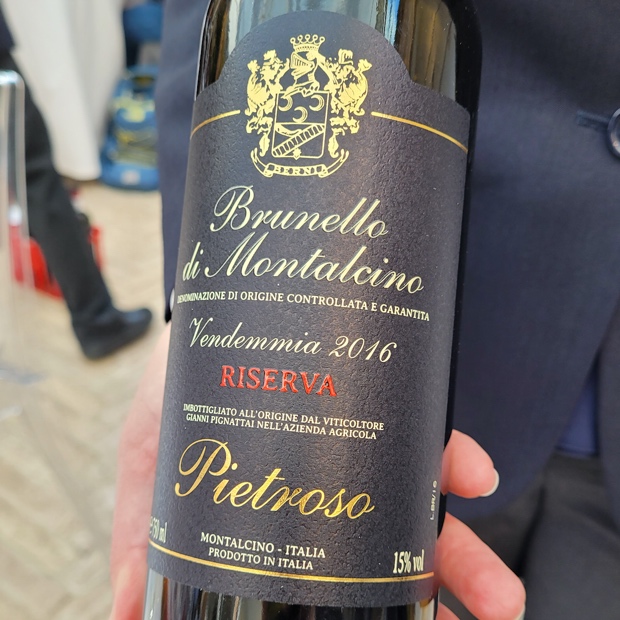
Pietroso Brunello Di Montalcino Riserva DOCG 2016
Pietroso’s Riserva from 2016 is a lifted affair and also incredibly youthful, precocious and yet to be understood. Of all the Riserva from 2016 tasted in this session it seems to be one that needs air, contemplation and time. The fruit seems to mimic and intimate so many ilk, freshness mostly but also some moments feeling leathery and dry. Like cacchi (persimmon) for instance, also pods from certain trees and liquorice. A unique Riserva, solo artist from winemaker Andrea Pignattai, so worthy of distinction and as mentioned off the top, must be given plenty of time. In assessment and much further aging. Drink 2024-2030. Tasted November 2021
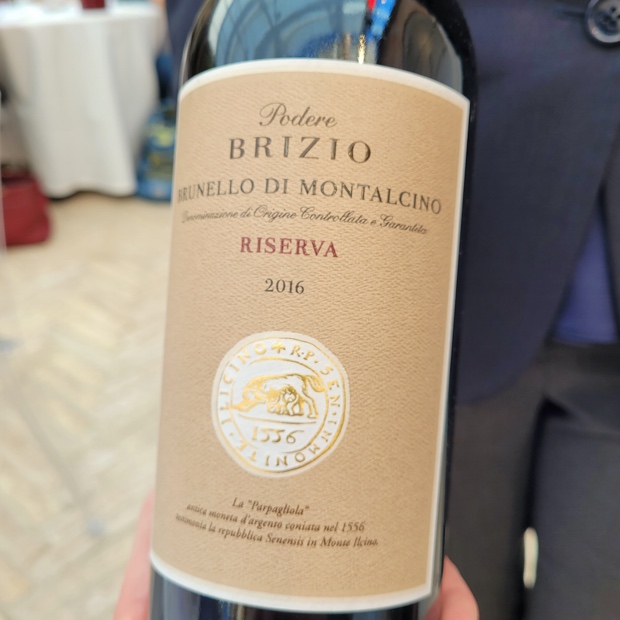
Podere Brizio Brunello Di Montalcino Riserva DOCG 2016
Brizio’s gives away so many aromas in Riserva, from herbs and brushy hillsides to all the spices in the world. A wine of forest proximate scents mixed with barrel affectation like few others and finishing where all the chocolate lays. The finish is quite soft and the tannins relenting, already at this time. Drink this earlier than many. Drink 2022-2025. Tasted November 2021
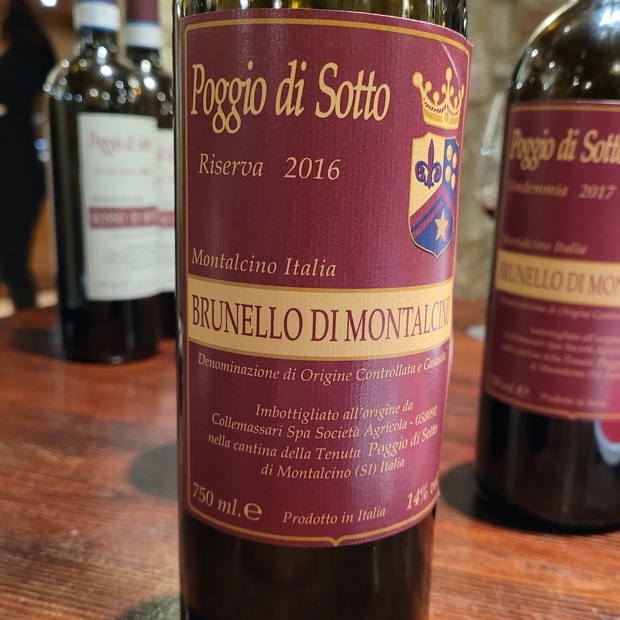
Poggio Di Sotto Brunello Di Montalcino Riserva DOCG 2016
Wanting to head straight away into superlatives it must be cautioned not to do so because thinking about how 2016 Riserva relates to what Poggio di Sotto really is must be the first and last consideration. La nota di magnete, a metallic note, florals, red to black fruit and the sapidity of località is more than anything else a classic way to imagine and convince the world that this is exactly what Poggio di Sotto has been, is now and always will be. The same team that has been here and will be here has made this wine, humble professionals that support the Poggio di Sotto expression. Penetrating, intense, opening slowly, acids doing everything they can to elevate the sweetness and persistence of fruit. Keep in mind there is no single vineyard 2016 to cannibalize the top selection for this wine. The idea for this Riserva was known going in and the wine achieves every aspect of the goal. Meraviglioso. Drink 2024-2036. Tasted November 2021
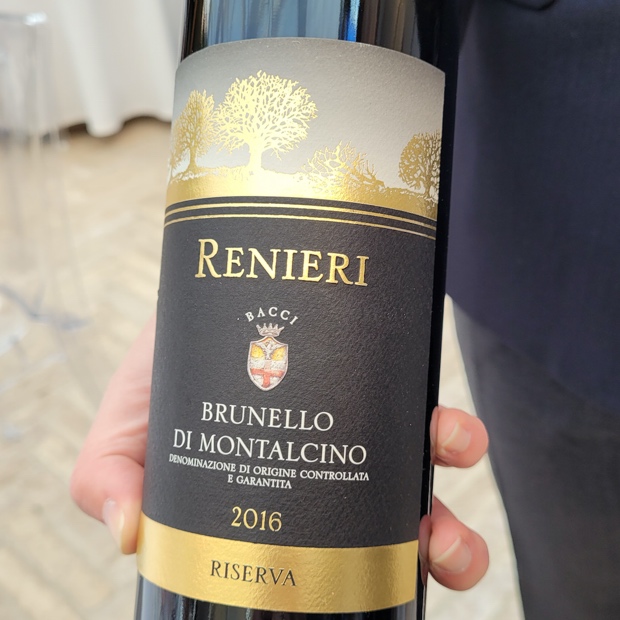
Renieri Brunello Di Montalcino Riserva DOCG 2016
Straight away on notice for lovely work in Riserva by Renieri with more upfront, right, pure and proper fruit than many. Hard to combine and manage freshness with textural chew and that is the fine accomplishment in this 2016. That and a fineness of acids and tannins also working as one for structural gains. A harmonized, nearly settled Riserva in upright position that will round out when the time is right. Drink 2023-2027. Tasted November 2021
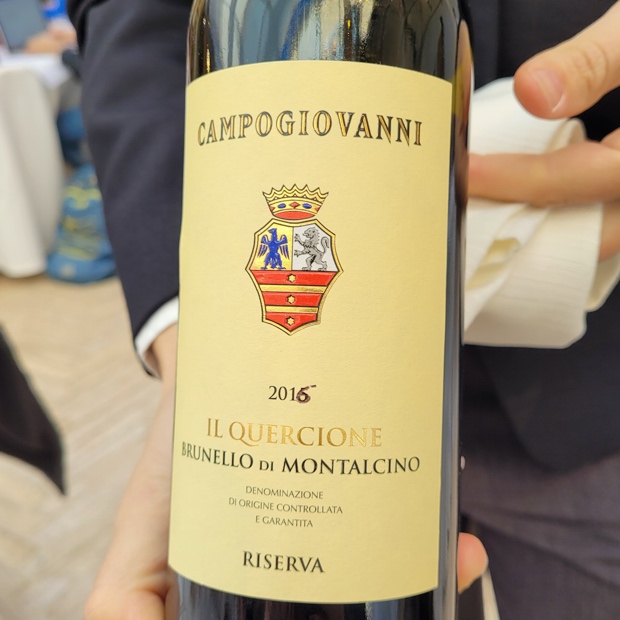
San Felice Campogiovanni Brunello Di Montalcino Riserva DOCG Il Quercione 2016
Classical Campogiovanni, clearly Quercione and indisputably a wine factored, figured and crafted by Leonardo Bellaccini. Exceptional fruit quality meets barrel excellence, engages with one on one commitment and emerges married until death do they part. Richness and textural luxuries abiding and forever. Likely one of the biggest Riserva to discover out of the idealism of the vintage. Drink 2024-2028. Tasted November 2021
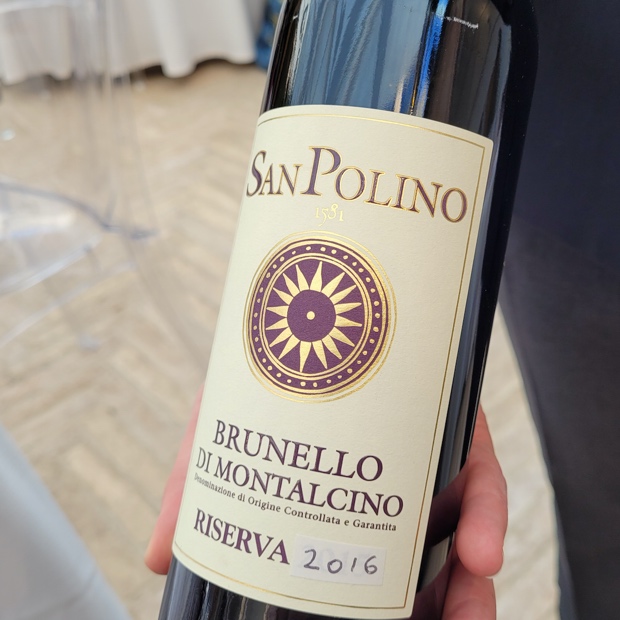
San Polino Brunello Di Montalcino Riserva DOCG 2016
The 2016 Riserva from San Polino continues a string of most excellent wines tasted by this esteemed producer, including high quality Annata and Vigna 2017s. The depth and commitment to finesse in the face of power lays somewhere between exemplary and extraordinary with a Riserva unrelenting in its nature of calm, poised and collected spirit. Plenty of backbone and drying grains of fine to wispy tannin helps to drive forth the definitive point. Drink 2024-2029. Tasted November 2021
Sesti Brunello Di Montalcino Riserva DOCG Phenomena 2016
Exemplary and necessary Sesti vineyards put in the work here for a Riserva 2016 of real gastronomic presence. Feels like a complex preparation, locally sourced and raised, as if by nightshades and also beefy, slow cooked and lean, seared to act as a perfect compliment with a glycerin salsa rossa tying it all together. Chewy and ropey as a savoury confiture to sidle up to cured salumi in yet another gustatory way of looking at Montalcinese sangiovese. All in all a fine and delicate wine. An execution, style and finished plate of own purpose, tradition and accord. Drink 2024-2030. Tasted November 2021
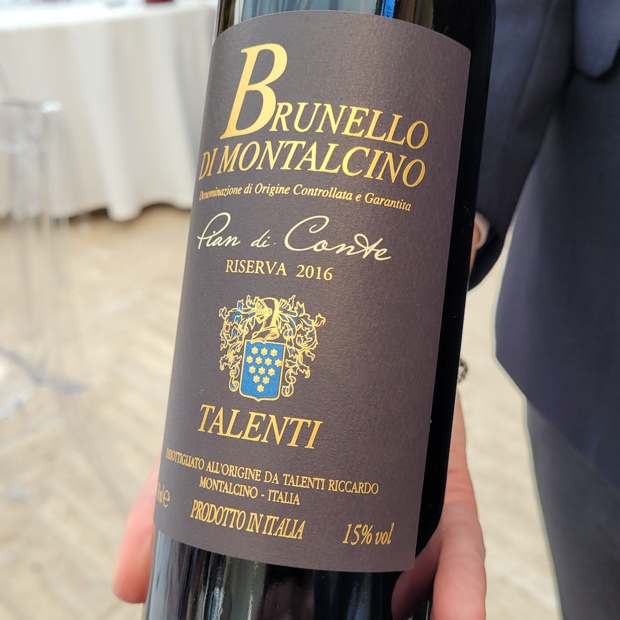
Talenti Brunello Di Montalcino Riserva DOCG Pian Di Conte 2016
Pian de Conte is without equivocation a very special wine. The best of Talenti’s vineyard blocks and selections make for a 2016 Riserva as finessed and fine as any. Perhaps the most important aspect and what matters to know about this Riserva is the restraint, the way the wine has gently travelled through its universe of maceration, fermentation and elévage. Pian de Conte is poised, perched and prescient within, upon and without all the points in between picking and pouring, always with an eye on the ultimate prize. That would be aging well into the next decade with one incremental structural step taken at wide, lengthy and unhurried intervals. Such a wine only comes around once in a while. Drink 2024-2038. Tasted November 2021
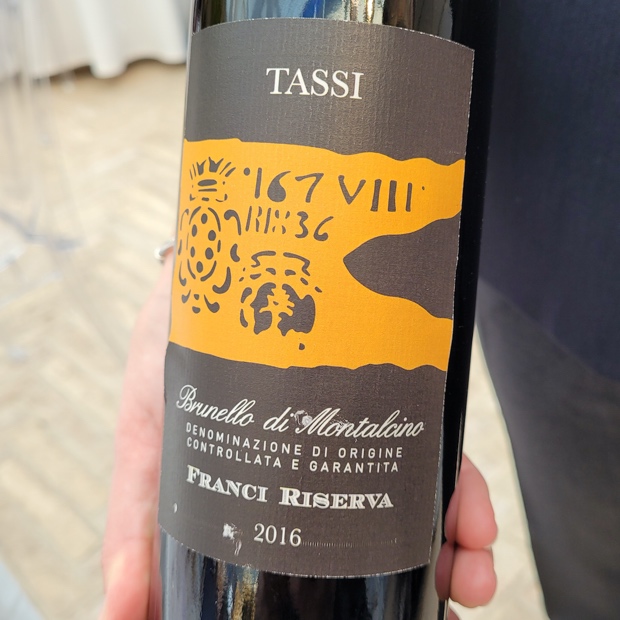
Azienda Di Franci Franca Brunello Di Montalcino DOCG Tassi Di Franci Franca Selezione Franci 2016
Franci Riserva is a gift of fruit, actually a gift wrapped package with red fruit at its core and a surround sound of sweet acidity tabled by even sweeter tannin. The lack of grip, pomp, astringency and circumstance is almost remarkable in a Riserva for 2016 that well, hits the sweet spot. Gainful, respectful of place and just a really lovely drop to enjoy nearer and dearer to time and heart. Drink 2022-2026. Tasted November 2021
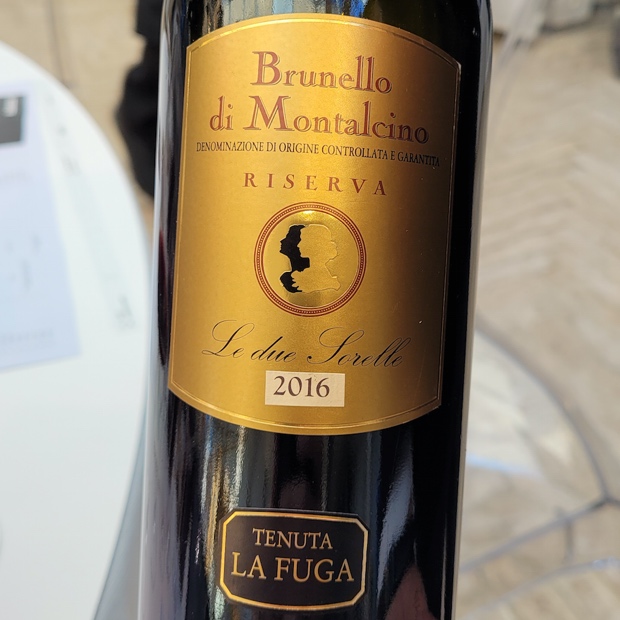
Tenuta La Fuga Brunello Di Montalcino Riserva DOCG 2016
Unusually reductive, especially for sangiovese and for Brunello. Don’t even get started on this but…20 minutes later it has blown off. Make sure to aerate your ’16 Riserva to give them the full respect they so deserve. Behind the curtain is a Riserva of full riches, richesse and real magnanimous behaviour noted by how it swirls in the mouth with so much flavour. Truly a cup runneth over Riserva that will stand a good and credible test of time. Drink 2023-2028. Tasted November 2021
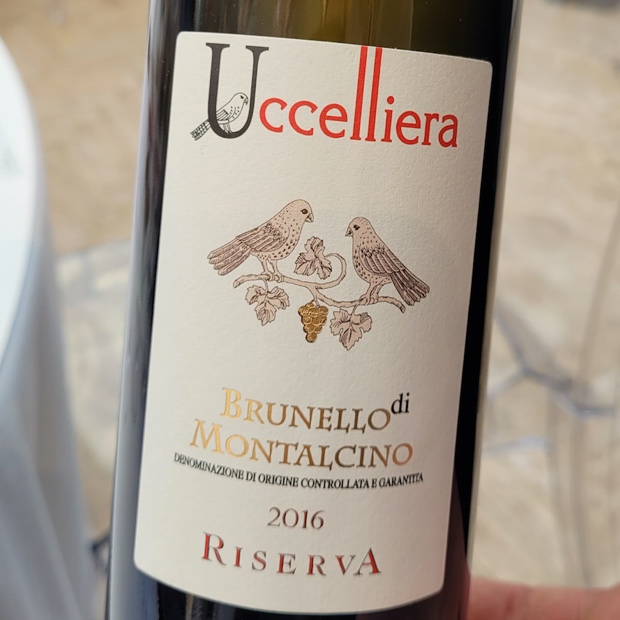
Ucceliera Brunello Di Montalcino Riserva DOCG 2016
Have of late come to know and understand what a Brunello by Ucceliera smells like and this is it. In Riserva form but one of those sangiovese that feels like it has aged to an optimum point yet will almost surely remain right at this state of extant etiquette for many years to come. A Riserva that speaks to fruit edging into a cured, oxidative and dried spectrum though clearly suspended in fresh stopover animation. Brunello of salumi and the earth, of berries, plums and fragola, of bosco and nocie, umami and the future. If more were going in this 2016 there would not be enough bandwidth to take it all in. There is fortunately enough and at just the right amount. Drink 2023-2033. Tasted November 2021
Val Di Suga Brunello Di Montalcino DOCG Vigna Spuntali 2016
A combination of variegated fruit, red, also some orange and then this deep rooted earthiness. Hematic and a brush with forest floor success. Up level acids foil the earthbound nature and emotions run high in a Vigna Brunello of great parochial curiosity and much moving, stirring and complex behaviour. Drink 2023-2027. Tasted October 2021
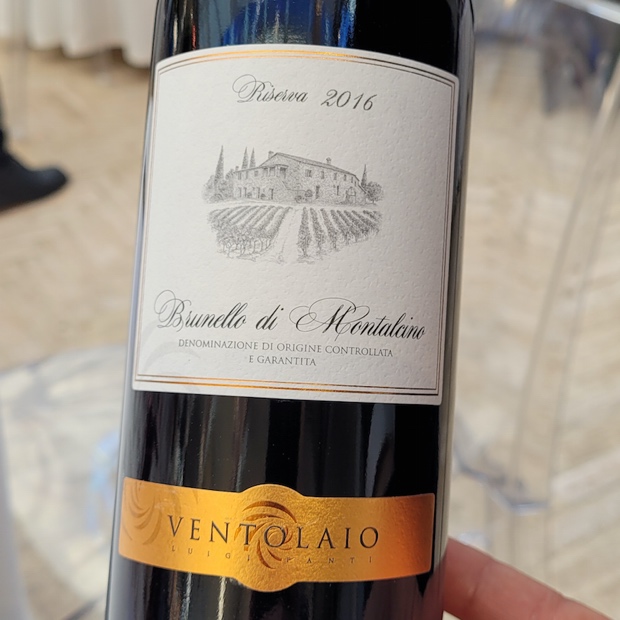
Ventolaio Brunello Di Montalcino Riserva DOCG 2016
Ventolaio’s Riserva is one of the very few that is simply not a really noticeable departure from the Annata. A sangiovese of incredible clarity and also transparency. If ever a Brunello would speak in exacting, this is what, who and why terms then Ventolaio’s might just be the spokesperson at the head. These are their wines, highly specific, notable, bright and fine. Drink 2022-2025. Tasted November 2021
Verbena Brunello Di Montalcino Riserva DOCG 2016
A recognizable style of Riserva here, part darker fruit and part high tonality, lifted skywards. Down to earth in terms of substance yet very much submissive to acidity, some tannin but much more of the former. A tart, edgy and drying sangiovese, likely best before too long and not too deep into the years following. Drink 2022-2025. Tasted November 2021
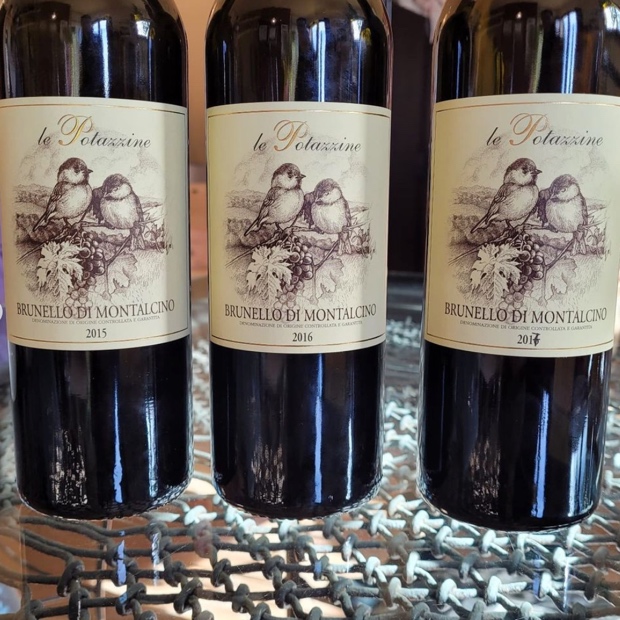
Older vintages
Tenuta Le Potazzine Brunello Di Montalcino DOCG 2015
Bigger and more concentrated vintage, even for high elevation, cool and freshest of them all Le Potazzine. Clarity combined with finesse meet at the point where that clarity becomes vivid reality. More tannin and a sense of the Grandi Botti are in this vintage which means more time is still warranted to bring this to fruition. Will live as long as any in Montalcino. This is the reason 2015 is a Riserva vintage for Potazzine, more than most. It can handle and wants the extra year in wood. Drink 2024-2035. Tasted November 2021
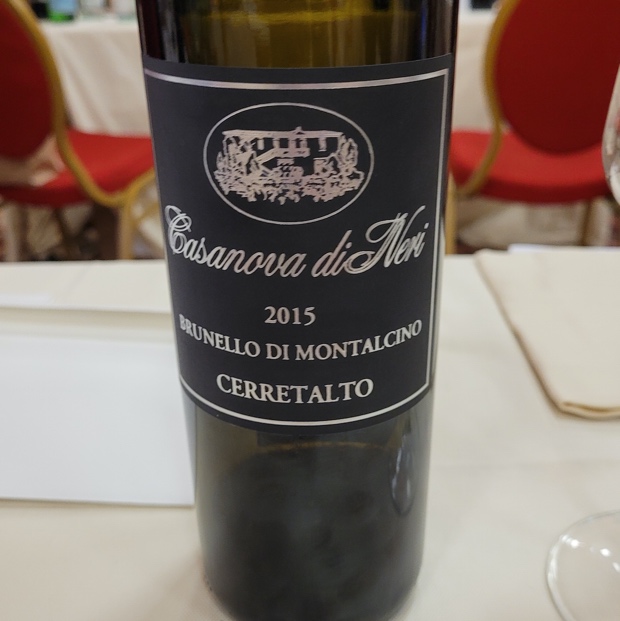
Casanova Di Neri Brunello Di Montalcino DOCG Cerretalto 2015
Explicit, outward, gregarious and highly expressive sangiovese, expansive in every way, by depth, width and breadth. Stretches elastically and widens fleshy with each inhale and exhale, sniff and sip. Wood is a major compliment with fruit the willing acceptor. Able to move freely, stitching parts seamlessly together and the length on this Brunello goes on seemingly forever. Prototypical Cerretalto from paradigmatic Neri, both of which always seem to calibrate shifts in Montalcino connotation. Drink 2023-2031. Tasted October 2021
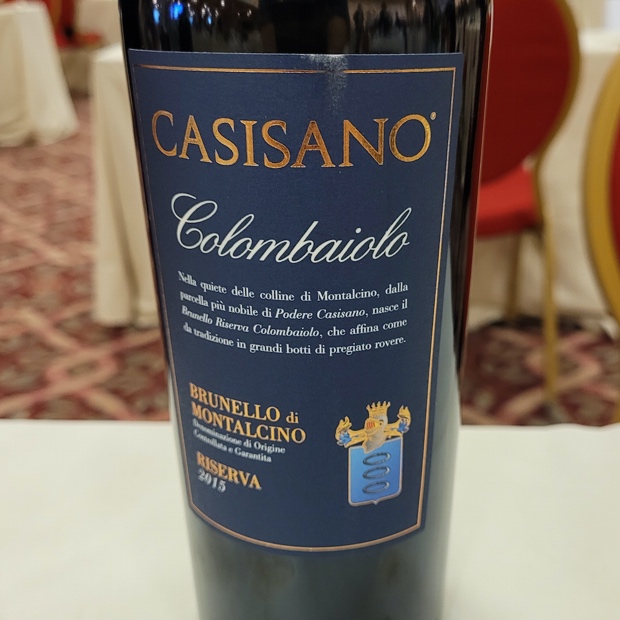
Tommasi Casisano Brunello Di Montalcino Riserva DOCG Colombaiolo 2015
Starts slowly out of the gate, a wine of understatement setting an even pace and in no rush to take the early lead. Charming no doubt, builds power, releases energy, based on high quality vintage fruit substance. Continues on a forward trajectory through sangiovese’s ability to self-assimilate reliable and relatable acidity throughout the taster’s experience. The wine takes over and you realize the freshness of volatility speaks to youthfulness and potential. Needs three more years easy. Drink 2024-2028. Tasted October 2021
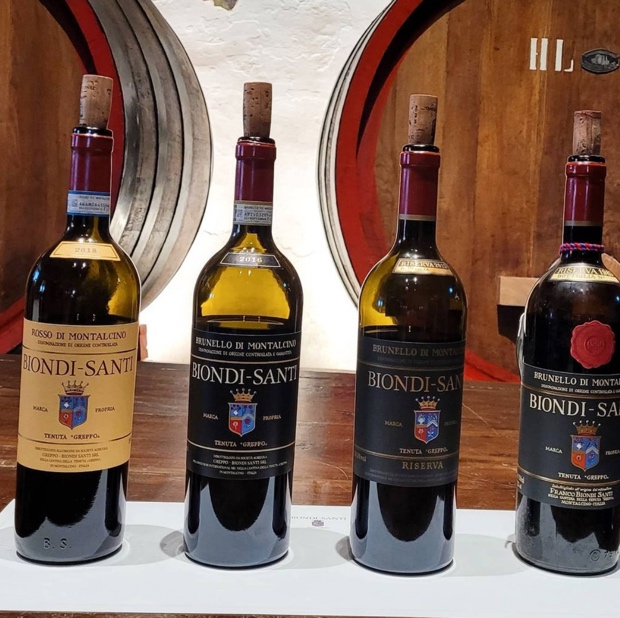
Biondi Santi Brunello Di Montalcino Riserva DOCG 2015
“2015 in my opinion, you will find more structure, the power and the generosity of this wine,” says Federico Radi. Submits to the idea that you won’t feel the power of 14.5 per cent alcohol and the power in your mouth. A gastronomic Riserva, gregarious, more grip than many Biondi-Santi Riserva while maintaining the DNA of pace in place. The vintage is felt, like a warm blanket and only 1997 reached this level of generosity and alcohol, with decisions made by Iacopo Biondi-Santi and a later harvest around the 21st of September. This is when poly-phenolic ripeness was finished but the alcohol rose over those past two weeks. A big wine for the estate, such a bambino now, full of ripe fruit at the apex of possibility, not austerity but near fierce tannins. They surround the grandiosity of fruit so that everything exists at a higher level. Needs more time and though will age for decades it should be suggested to drink these well before 2040. Drink 2025-2039. Tasted November 2021
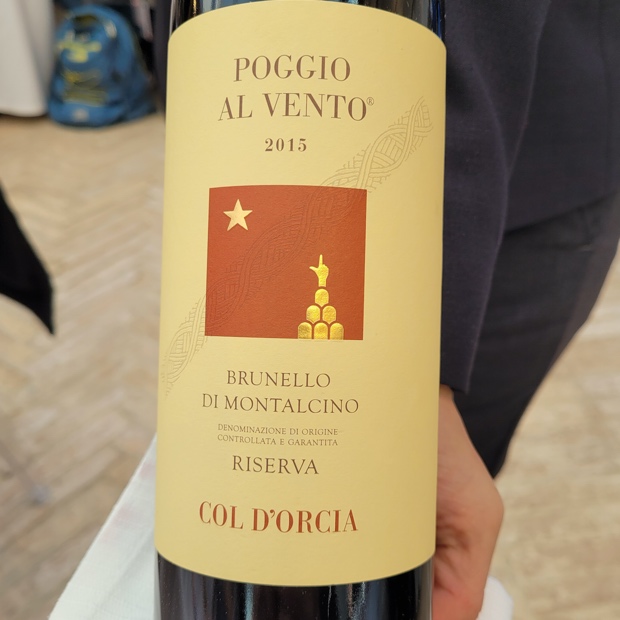
Col d’Orcia Brunello Di Montalcino Riserva DOCG Poggio Al Vento 2015
Since the 1980s it has been Count Francesco Marone Cinzano who continued plantings to the current number at 140 hectares, 108 of which are dedicated to Brunello production. Since August 27, 2010 the whole estate including vineyards, olive groves, other fields and even the gardens are farmed exclusively following organic agricultural practices. The vineyards are located on the southern slope of the Montalcino territory, on hilly lands and extend over 540 hectares, from the Orcia River to the village of Sant’Angelo in Colle, at about 450 metres over sea level. Tasting Poggio al Vento in the midst of dozens of 2016s is more than curious indeed and in fact this island in that deepening stream is a red faced beauty. Shows the great contrast in vintages with higher tonality and fruit of a very different ripeness. Makes for a style not quite apposite but of a clarity that shows place with more transparency. Also a liquid chalkiness to reflect on the more baritone notes played by many ‘16s. Hard not to compare and contrast at this time while in Col d’Orcia terms the PaV resides in that pantheon with great distinction. Will grace tastings through the ages as well as any that have come before. Drink 2023-2034. Tasted November 2021
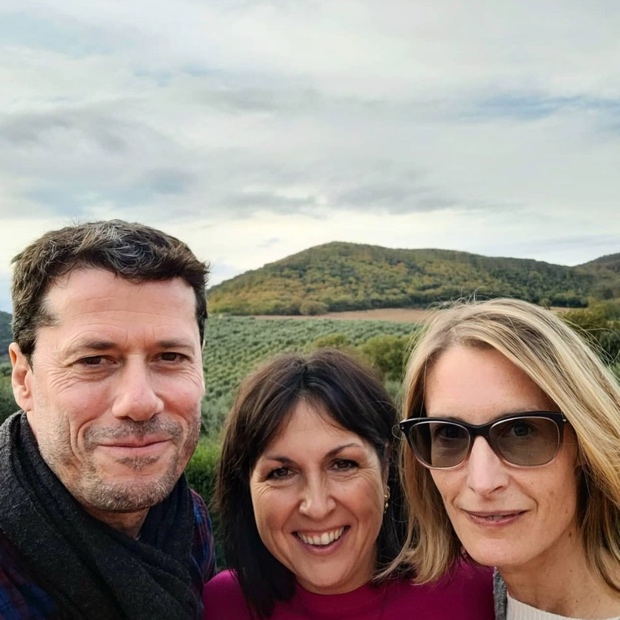
With Elisa Fanti and Michaela Morris
Fanti Brunello Di Montalcino Riserva DOCG Le Macchiarelle 2015
Le Macchierelle is a bit lower down on the slope below and to the south of Vallocchio, same Galestro stone-strewn type vineyard but less grey and now some rosso, iron-rich soil. And so there is less calm and more power here but really only in a slight if relative quantity. Such a rich expression of Vigna Brunello, also concentrated by even older plants, three and a half hectares of 40-plus year old vines. Remarkable for the vintage, full and satisfying, not the meditative wine that is Vallocchio. Also remember that this is Riserva so accordingly acts and disseminates as one. As it should. Just about ready to go. Drink 2022-2029. Tasted November 2021
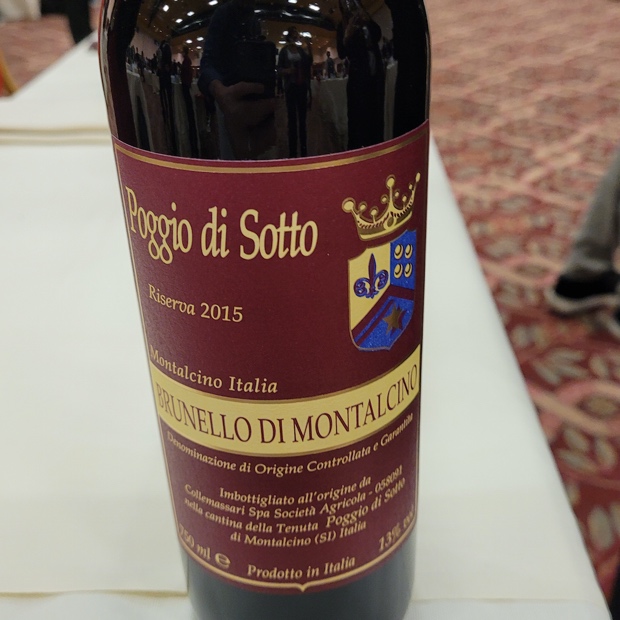
Poggio Di Sotto Brunello Di Montalcino Riserva DOCG 2015
Still at this time a closed, iron-gated fortress, yet to reveal the expectation of aromatics but one taste and the full phenolic thrush circles right back to begin the begin again. Says so much about structure and time needed for this house and their truth with respect to Riserva in the vintage. A wealth of fleshy red sangiovese willingness is the dream to hang onto while knowing that three further years minimum are needed before the movement and evolution of the interested parties involved will initiate a secondary response. Only then can the entry be accessed with ease for a seamless and transitional parlay through Poggio di Sotto’s Riserva ’15. Drink 2024-2035. Tasted October 2021
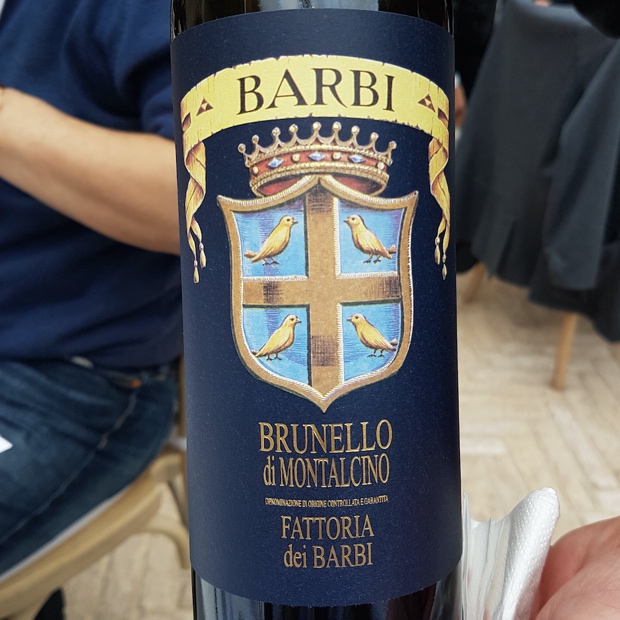
Fattoria Dei Barbi Brunello Di Montalcino Riserva DOCG 2012
Really quite perfect to taste this side by side with 2016 because it was also one of those vintages that would have also been a bit contained or constrained until a year or two ago. Now expressive in a gregarious and generous way, a Riserva excavating and expediting historical attitude and execution to the present day surface. Riserva 2012 is in a wonderful place, wide open and giving, Barbi cherry fruit mixed with Galestro mineral mining and this cool smoulder that graces every part of your insides. Timing for the lover of timeless wines. Drink 2021-2028. Tasted November 2021
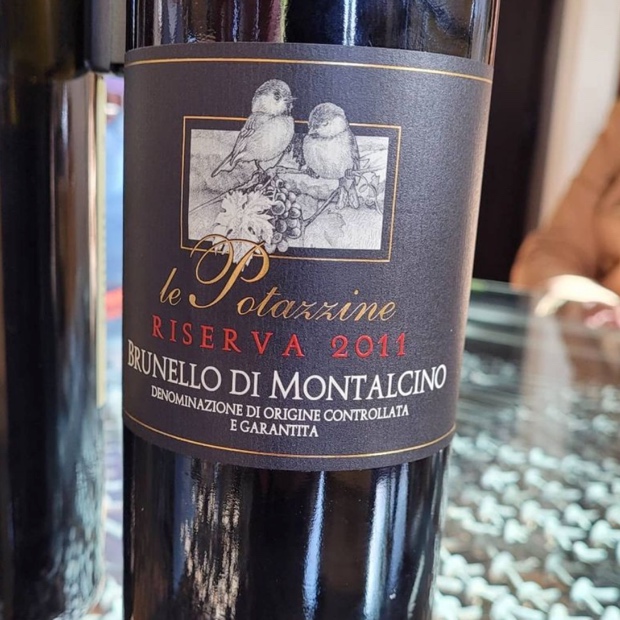
Tenuta Le Potazzine Brunello Di Montalcino Riserva DOCG 2011
At nearly ten years there is clear development in this 2011 and also a most obvious stylistic that has since changed over the years. A little over 3,000 bottles were made and while wines have changed and are made differently these last five years or so this represents what Riserva is and must be with distinction. Persistent Botti spice and texture plus secondary notes in a tartufo, porcini and herbal Amaro vein. All parts have rendered and there is a ganache painting the berries long since melted through this wine. Drink 2021-2025. Tasted November 2021
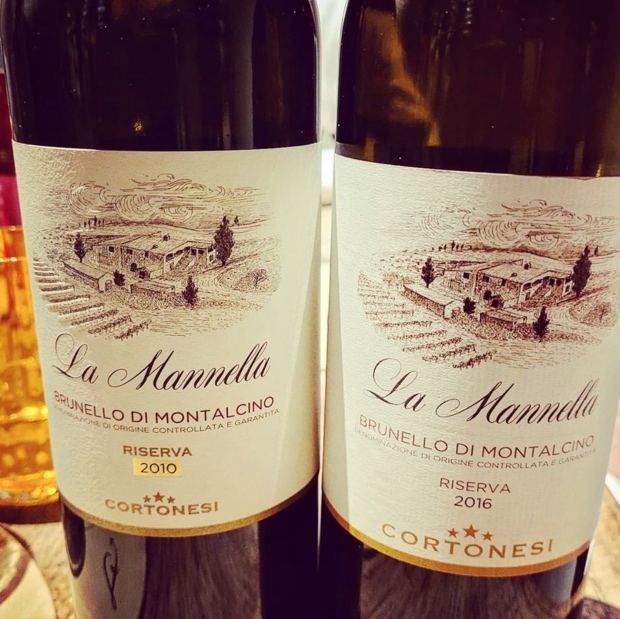
Cortonesi La Mannella Brunello Di Montalcino Riserva DOCG 2010
The 2010 was the second Riserva made in a string of six vintages between 2004 and 2019, the others being ’12, 15 and ’16. A bottle showing so well tonight because of its ideal structure (and a really good cork). Still some unresolved tannin, quite fresh, some layers, tiers and parts still needing to break down. Tart and demanding, fruit very much intact and surprising how little it has moved forward. After 30 minutes the umami, frutta di bosco, scorched earth and tartufo emerge. Which is just perfect. Last tasted November 2021.
Now talking post-aggressive behaviour in Riserva not yet advanced ahead of time. There are secondary aromatic hints but the tannins remain in tact, charged and controlling. There’s a circular motion happening hear as fruit and acidity whirl around, outrunning the tannins or at least attempting to. All the sweet things that grow wild and are picked to accent your braises are swirled into the aromatic potpourri of this fine sangiovese of whispers, shadows and silhouettes. It’s a chiaroscuro of a Brunello, all in and we are in turn fully engaged. Tasted October 2019
There are few Brunello vintages afforded more attention in the last 10-plus, certainly ’04 and ’06, increasingly better even from ’08 and looking forward towards what greatness will come in 2015. Yes but not solely magnified through the lens of patience and bottle time, from 2010 La Mannella has coupled upon and layered over itself like compressed fruit and puff pastry. Though it begs for drink now attention, another seven years will be needed before it can safely be labeled as uncoiled and to reveal all that is wrapped so tight. Rich is not the operative but unmistakeable as Cortonesi it is; that natural clay soil funk of resolution and fully hydrated chalk. This is to sangiovese as Les Preuses Grand Cru Chablis or Rangen Grand Cru Alsace are to Riesling. It carries in its pocket the absolute meaning and genetic responsibility of where it comes from, with a curative and restorative ability to get you lost. Drink 2019-2031. Tasted February 2017
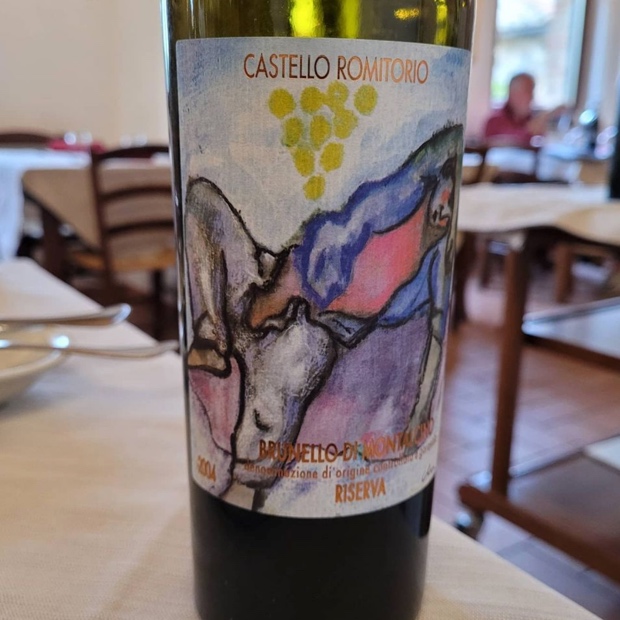
Castello Romitorio Brunello Di Montalcino Riserva DOCG 2004
Old leather, cigar box, aging yet raspy singing florals. Whether or not the consensus is top vintage matters little because this ’04 has travelled to reside in a slice of Montalcino heaven. Like a dream and a trip back to the club, as if in the 1980s or 90s, the band playing your favourite song, playing it all night long. As the wine airs the dream continues, spice, tar and brewed notes emerge, all tied back to beginnings, naïveté, early passions and plans for the future. Drink 2021-2024. Tasted November 2021
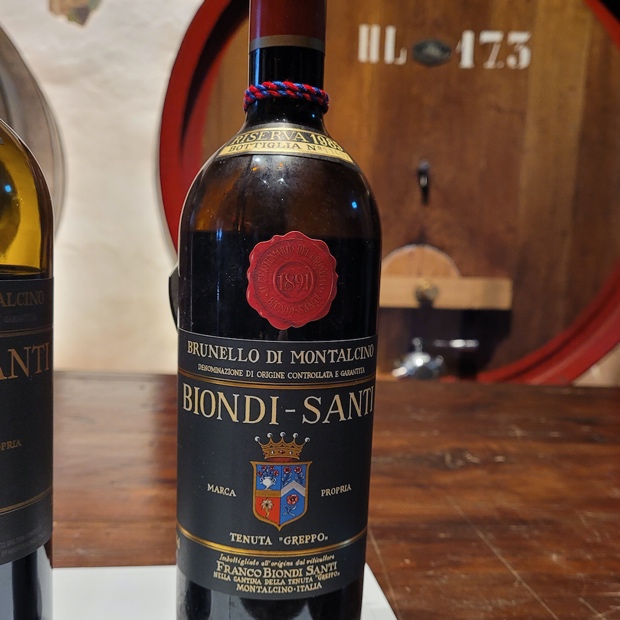
Biondi Santi Brunello Di Montalcino Riserva DOCG Tenuta Greppo 1985
The longevity of this vintage is almost not to be believed. Has been in bottle for as many years as it would have matured in casks. The next year (2022) will se the re-release of this vintage (in 2021 that vintage was 1983) and the year 1985 is the one I entered university. A Biondi-Santi of resolved tannin but remarkably youthful. A wine that saw Grandi Botti more than before, seen in the gentlest of spice notes and the back to the future return of balsamic and pomegranate. Followed a winter of major snowfall, long and cold winter, a regular spring and uneventful summer. The acidity is just incredible, also youthful and so sweet, those lengthened tannins in liquid powdery-chalky form. The connection with 2016 may seem to be an uncanny one but so help me if the chain is not there. The bottle was opened one hour and forty five minutes earlier so grazie to Federico Radi and Biondi-Sandi for perfecting the timing. We can all learn so much from this wine, to be patient, calm, well-adjusted, confident and gracious. Style and temperament to live by. Should continue this way for at least 10 more years. Drink 2021-2033. Tasted November 2021
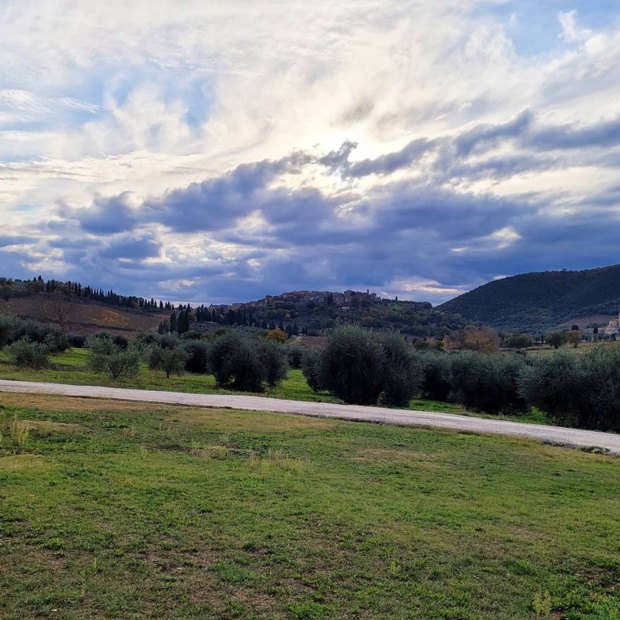
Tenuta Fanti
A few IGTs
Tenuta Fanti Rosato 2020, IGT Toscana
Solo sangioivese from a very late green harvest in the first week of September. If you like soft-pressed, fresh from stainless, salty, little bit of lees cheesed Rosato then stop right here. Only 5,000 bottles are made of this thirst-quenching, satisfying and delicious stuff. Drink 2021-2022. Tasted November 2021
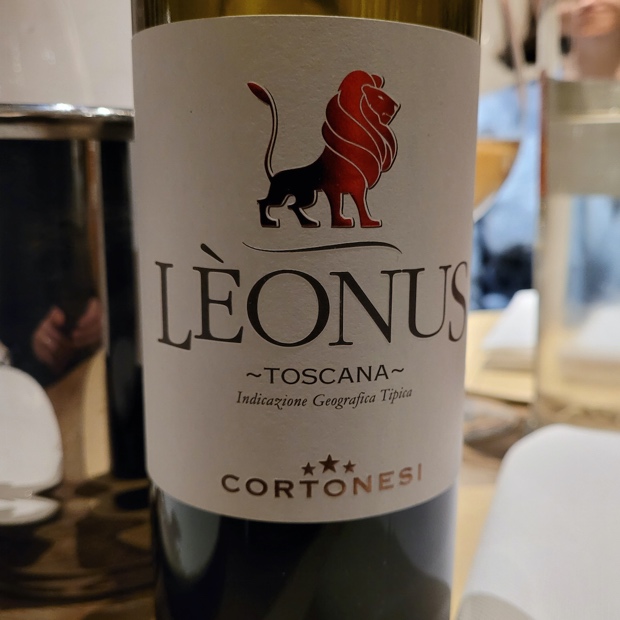
Cortonesi Lèonus Rosso 2020, IGT Toscana
Sangiovese, as always, like Rosso and Brunello but in Lèonus a quicker skin maceration on earlier harvested grapes. A performative style with low level extraction, especially of tannins and any possible green or astringent distractions. Looking for and finding immediate amenability with the same sangiovese from Montalcino indicator lights that signal place and time. Also higher acidity, better for matching food right now, easy to drink and the bottle will disappear before knowing it has happened. Fresh, clean, crisp and simple. So smart. Drink 2021-2023. Tasted November 2021
Le Ragnaie Troncone 2019, IGT Toscana Rosso
Bottled in August, of lovely sour orange, currant and pomegranate, just tart enough to call this spirited and full enough to keep you satisfied. Easy and functional with an extra layer of depth, fun and by the glass quality. In 2019 there were 40,000 bottles produced of this sangiovese from vineyards inside and outside of the Montalcino zone. Drink 2021-2023. Tasted November 2021
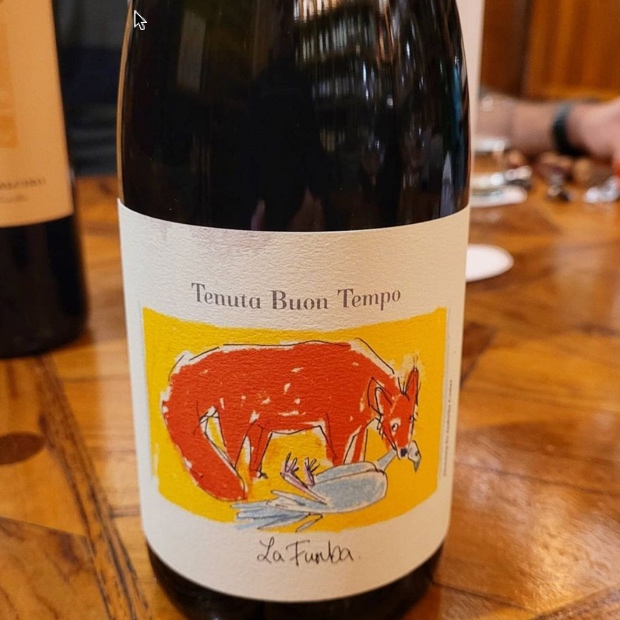
Tenuta Buon Tempo La Funba Toscana Sangiovese 2019, IGT Toscana
The label is drawn by a French painter (a friend of Camilla’s) that depicts “the first Thanksgiving.” Amphora raised sangiovese for six months, just for fun, pure sangiovese, woolly and youthful, a terroir wine doubled down by the whole bunches and the clay. It’s delicious sangiovese, a new texture and only Gaiole in Chianti’s Riecine IGT sangiovese compares, or perhaps that of San Donato in Poggio’s Le Masse. Changes in the glass so concertedly and becomes a beautiful wine. Just beautiful. Drink 2023-2026. Tasted November 2021
Good to go!
godello
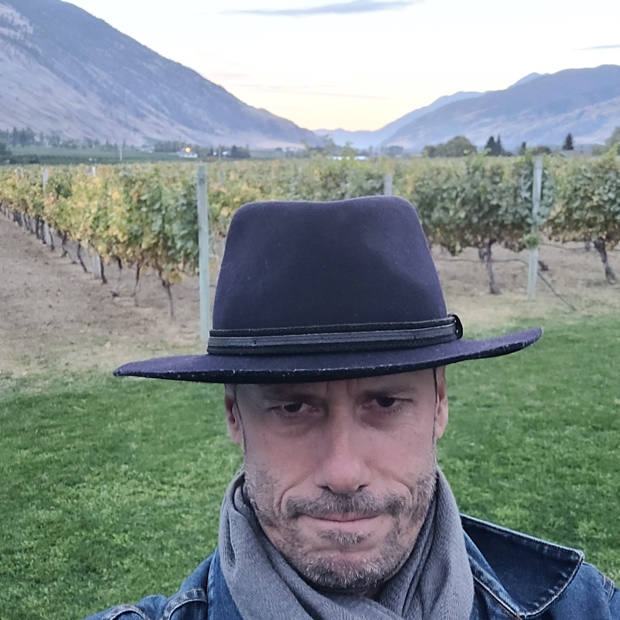
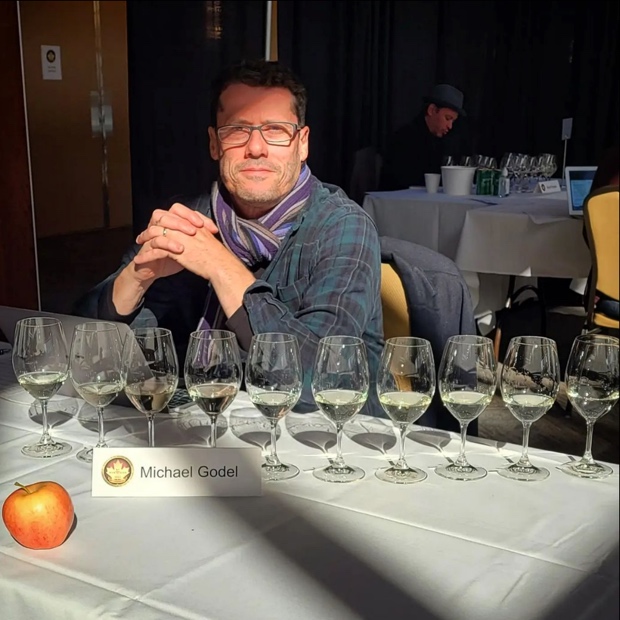








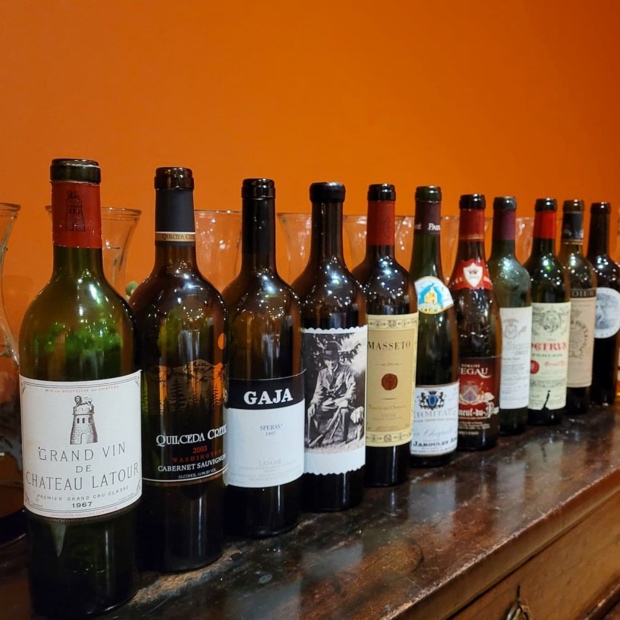

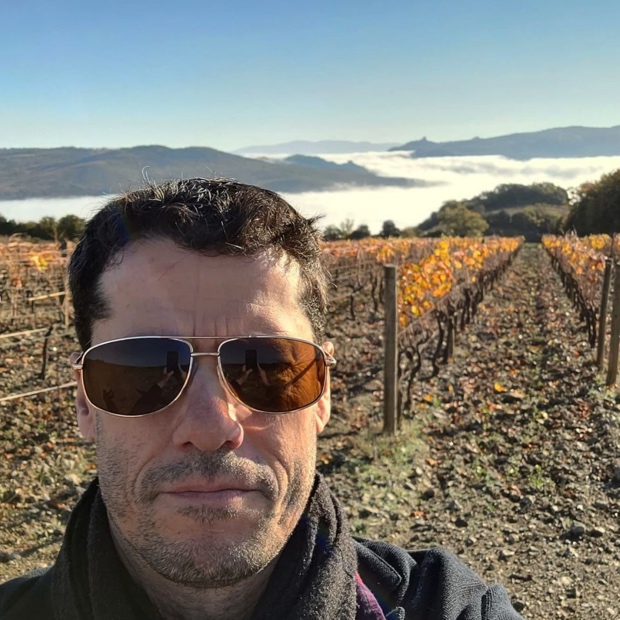
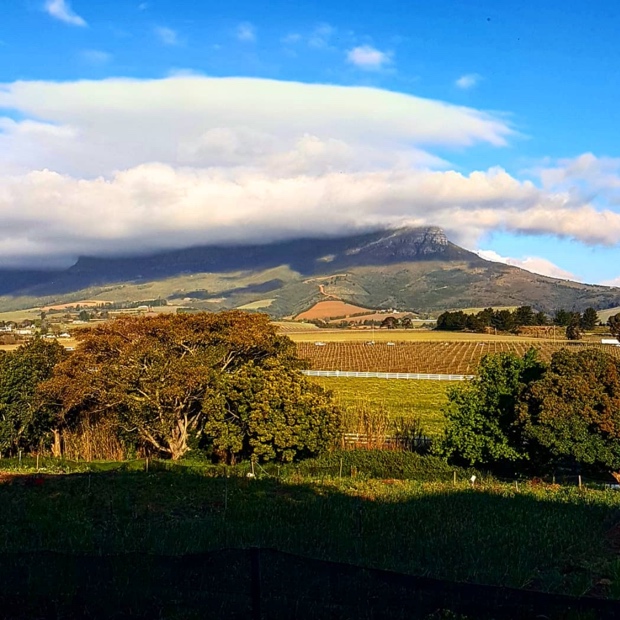
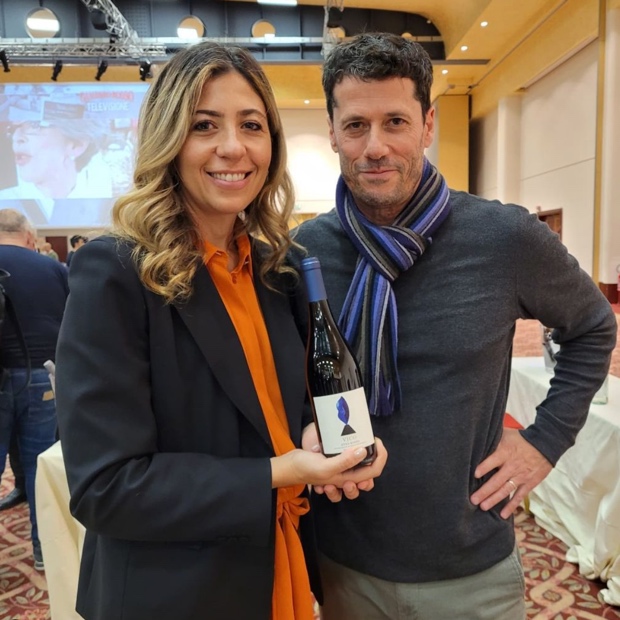
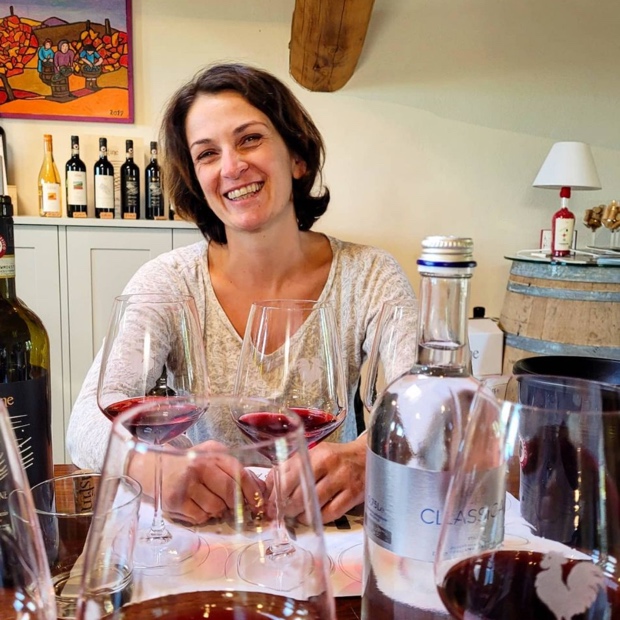
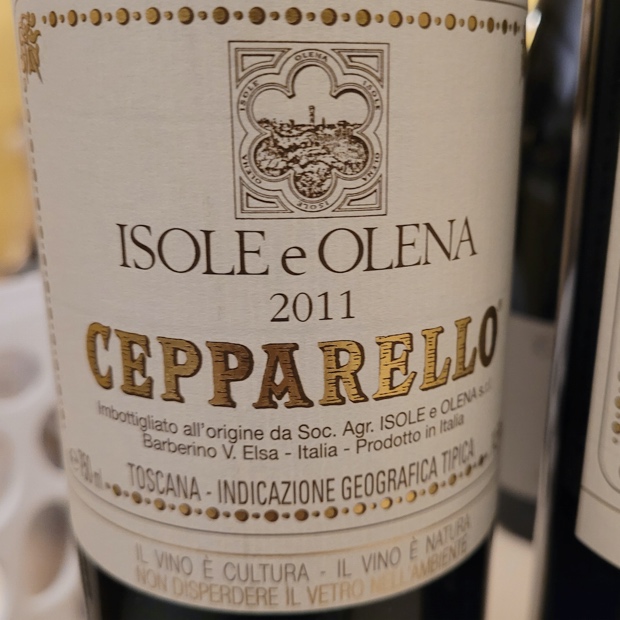
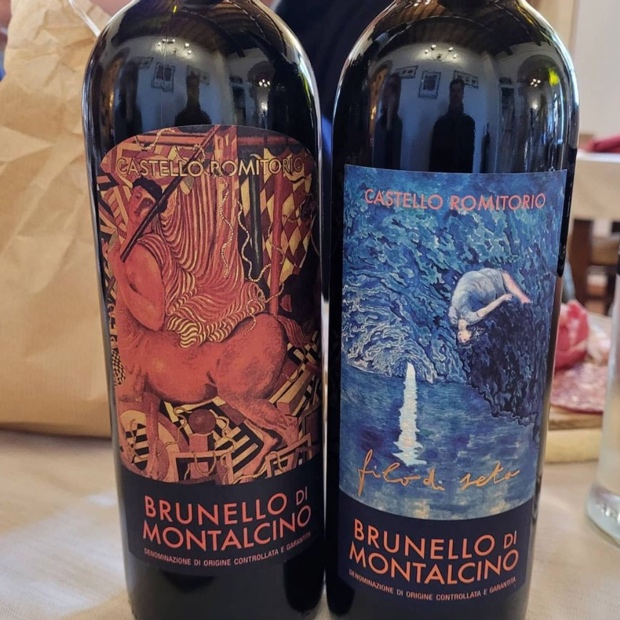
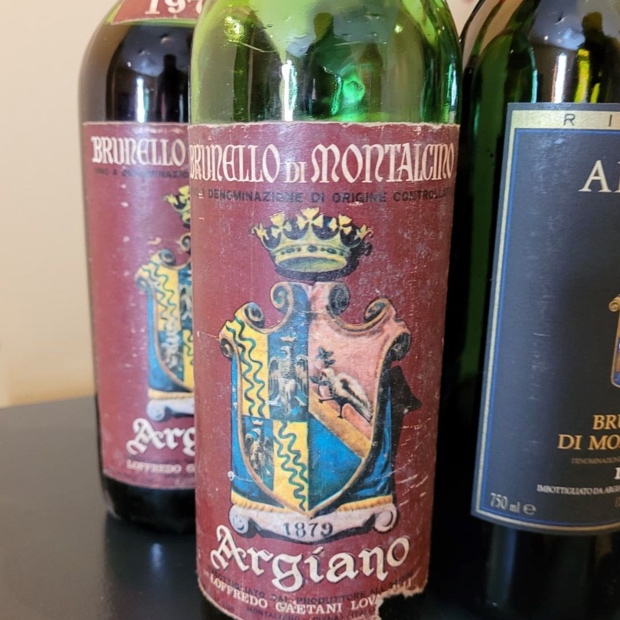
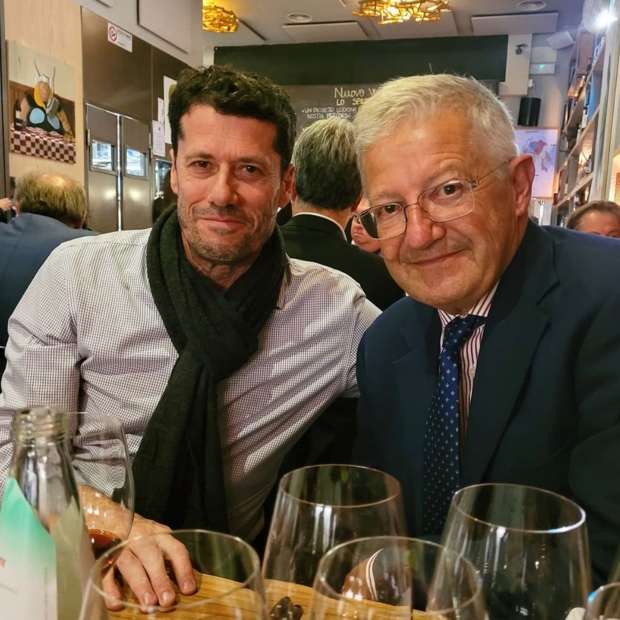
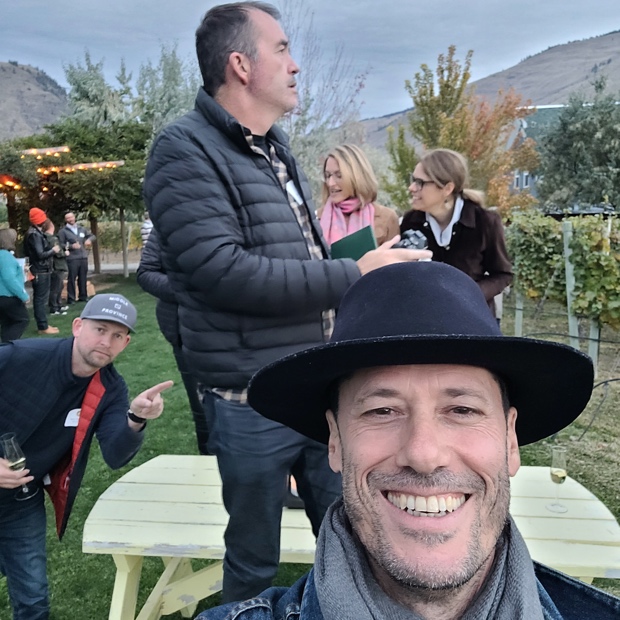

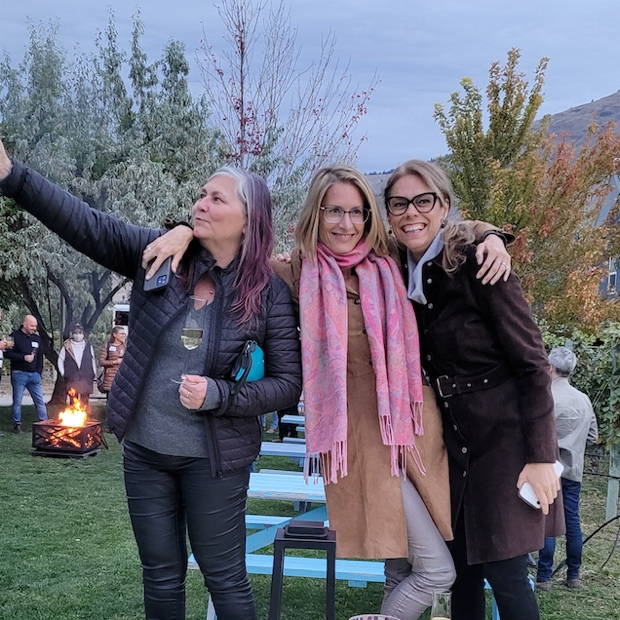
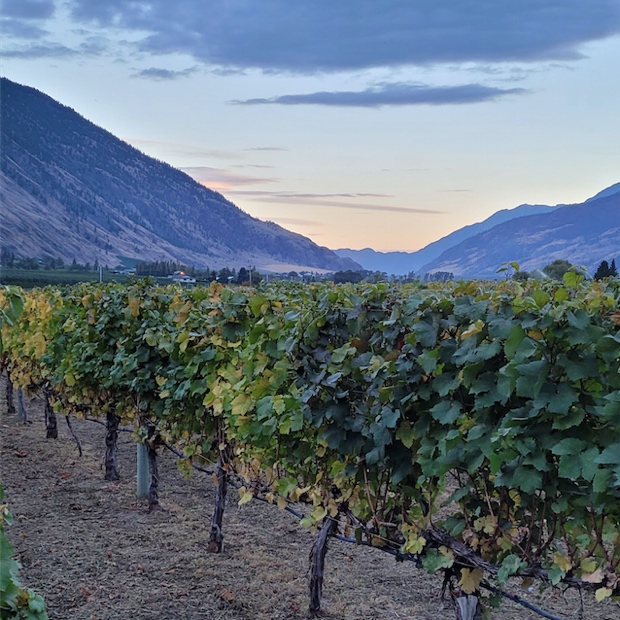




















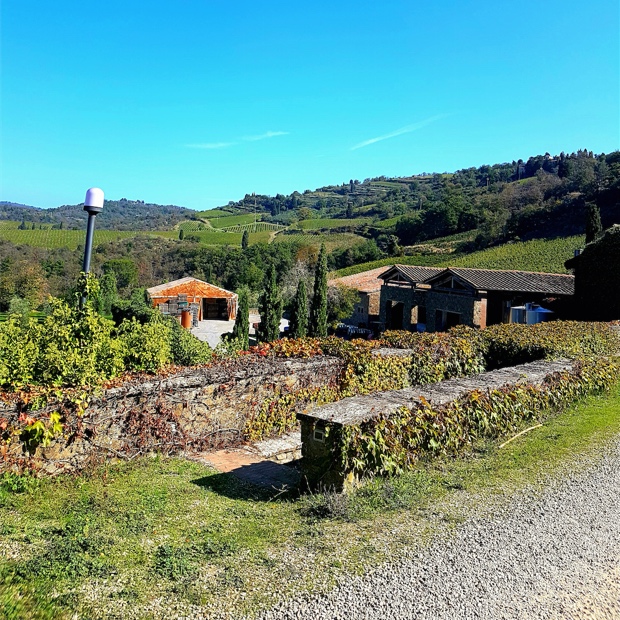
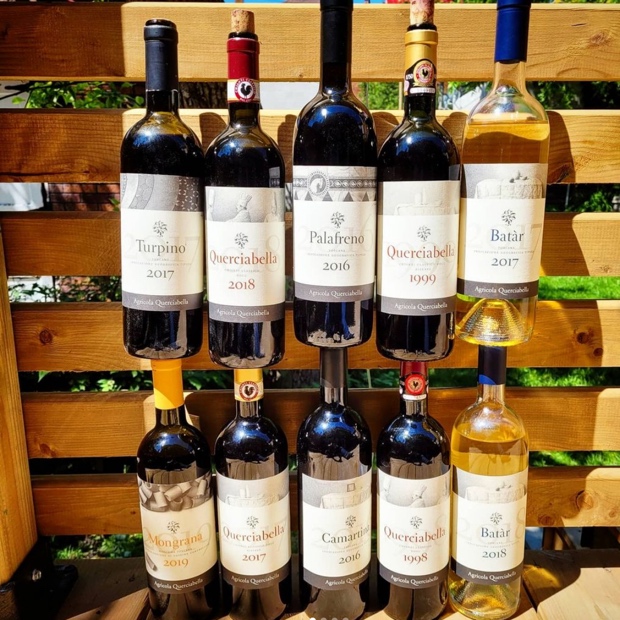

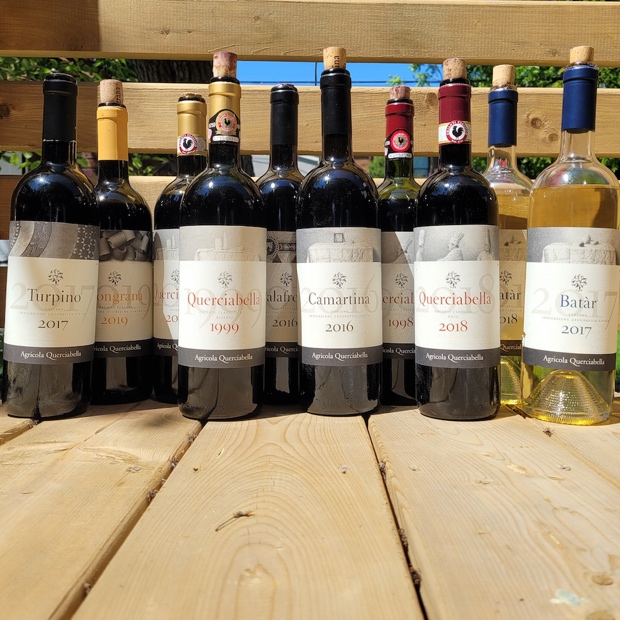

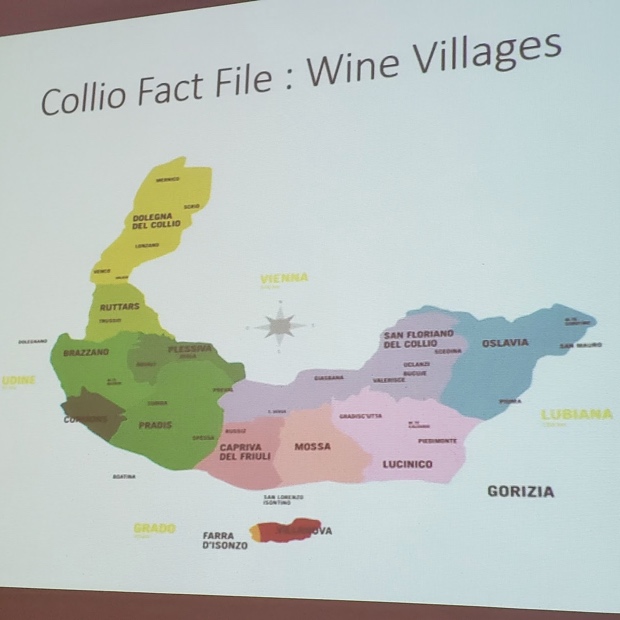

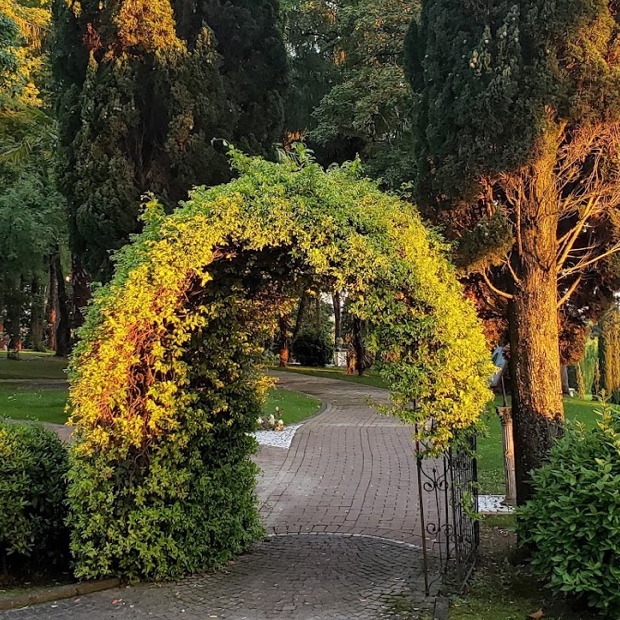
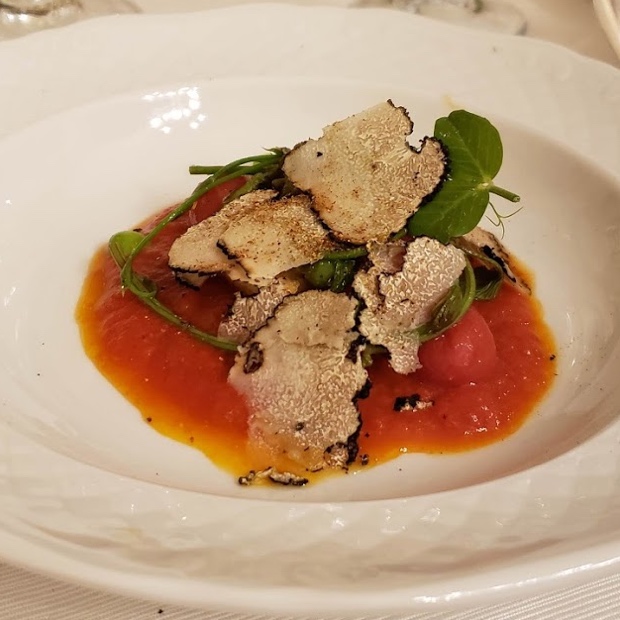
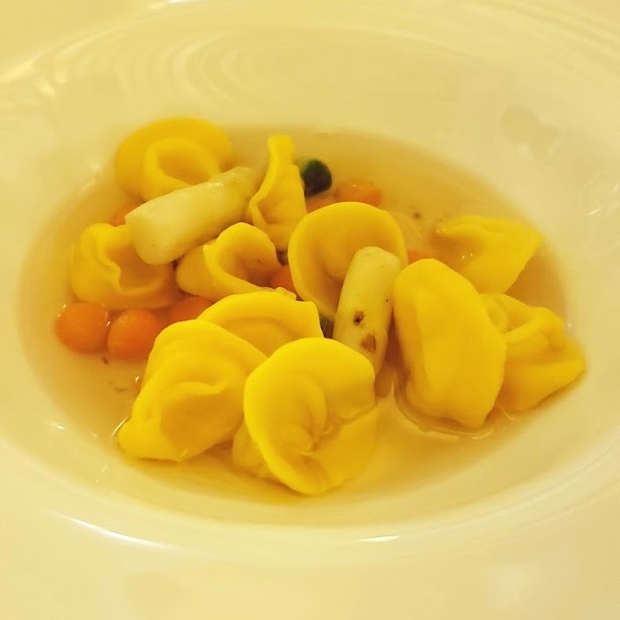
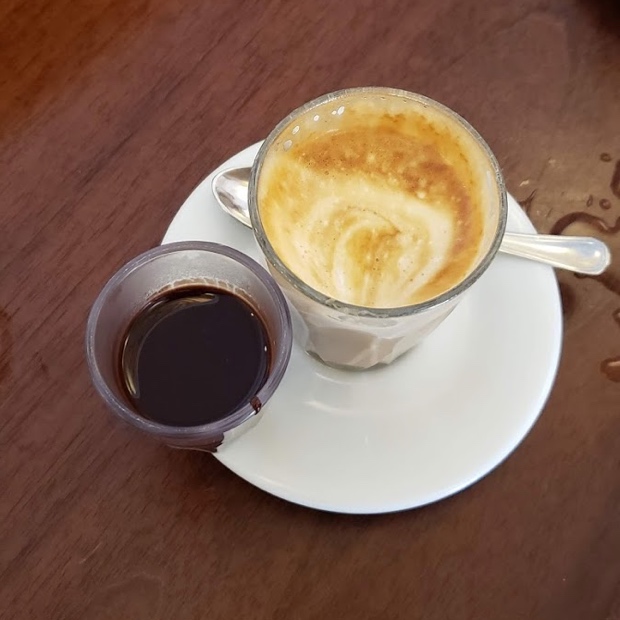



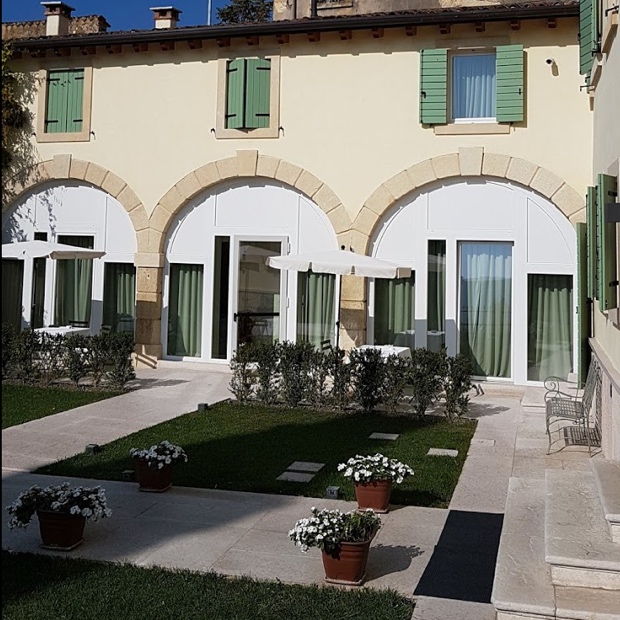
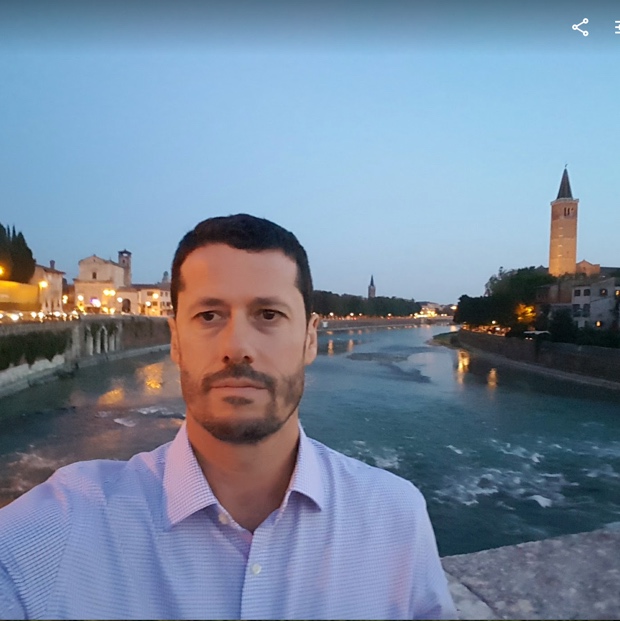
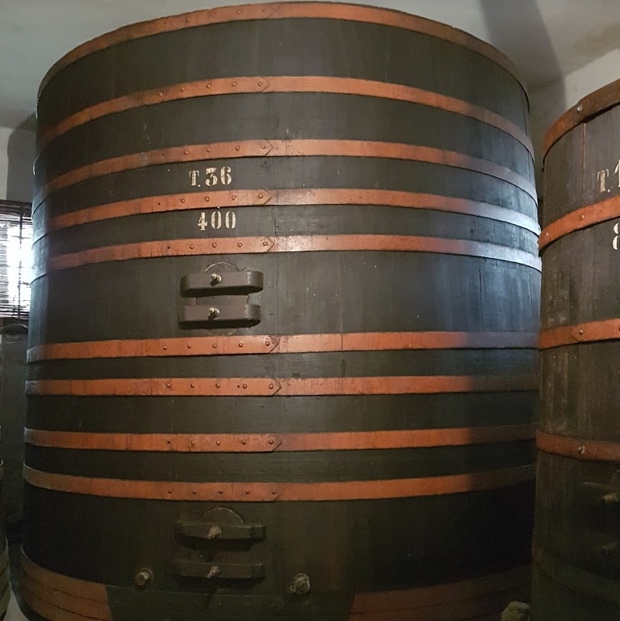
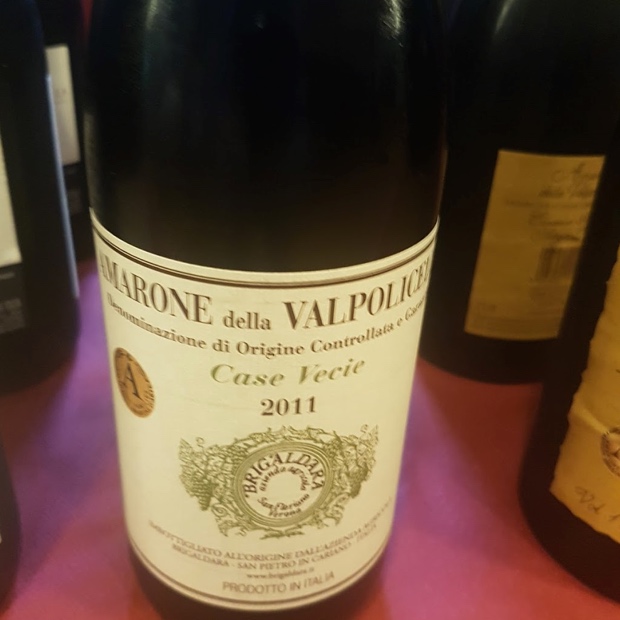
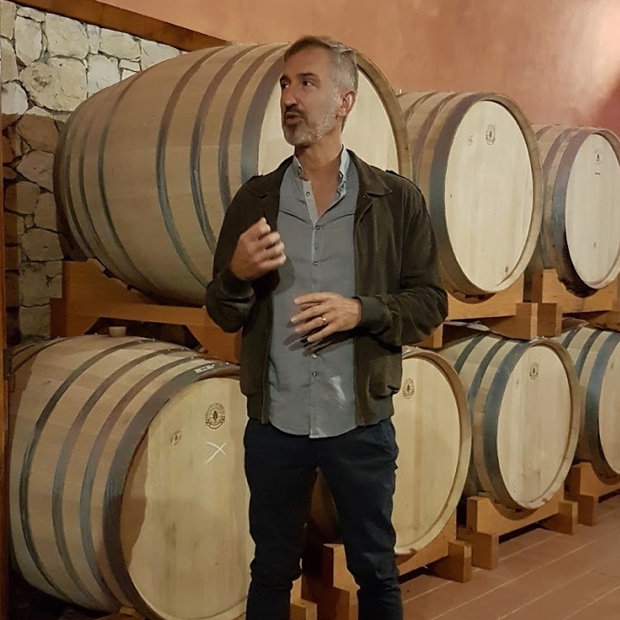
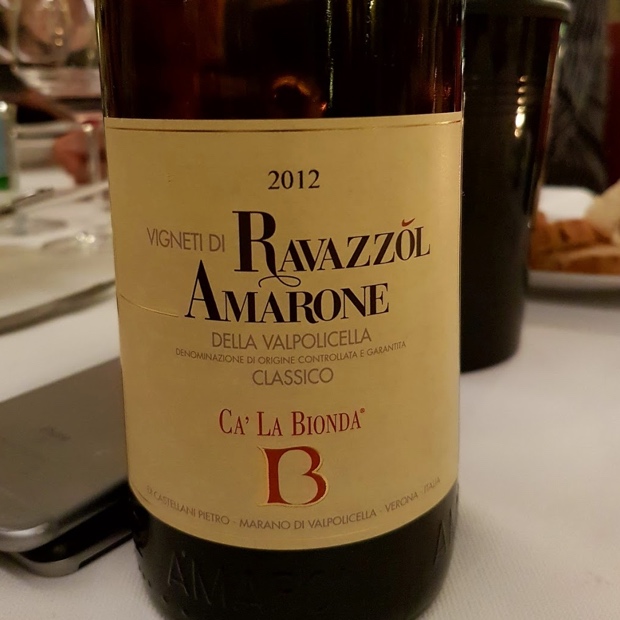
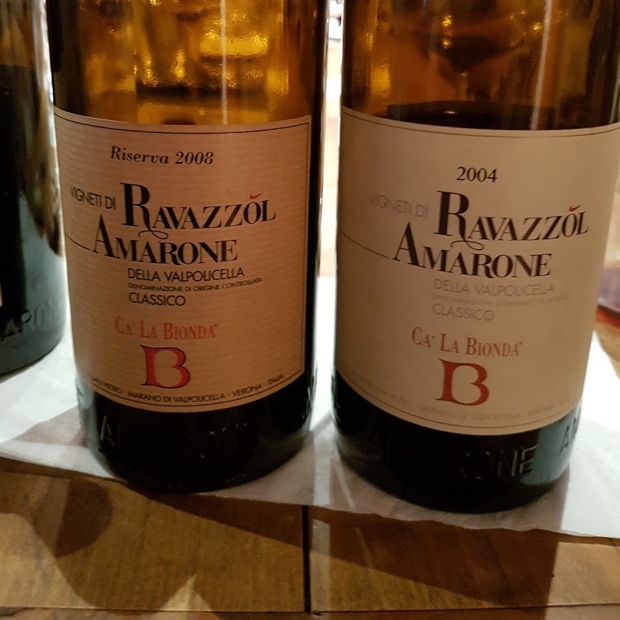
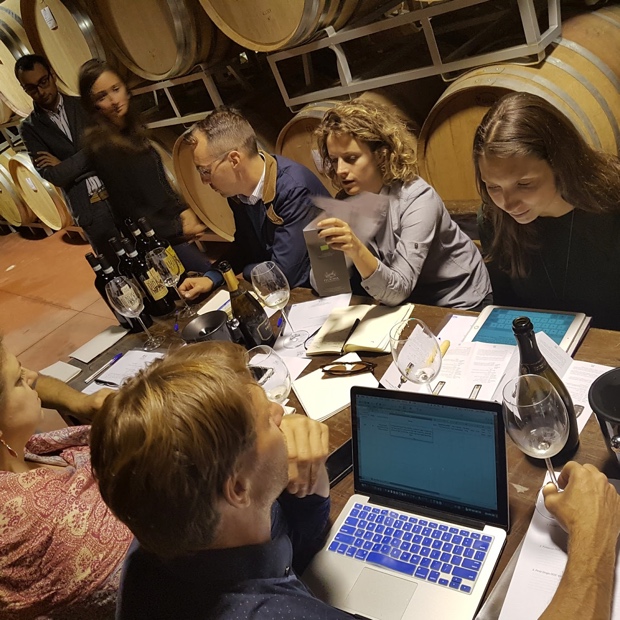







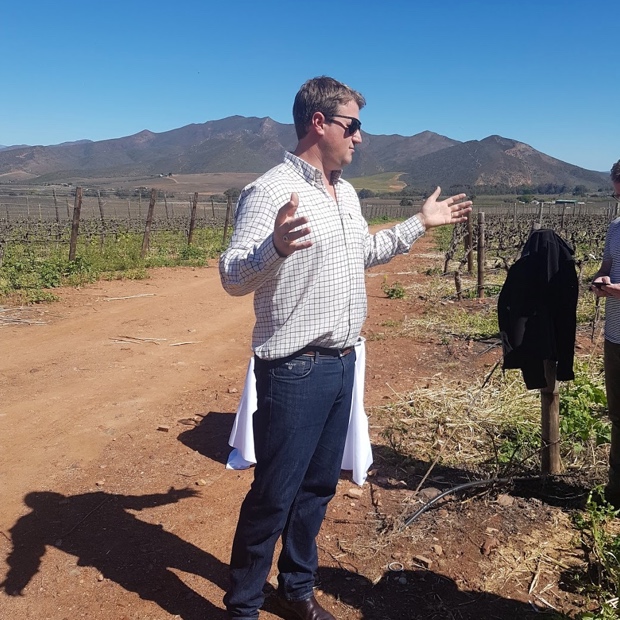























 Godello