Eleven Chardonnays to the coolest show on earth

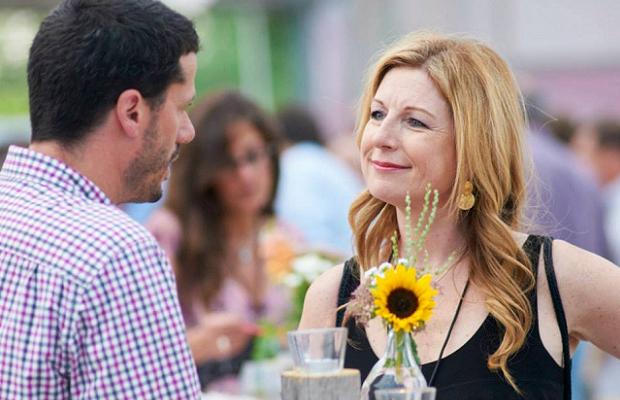
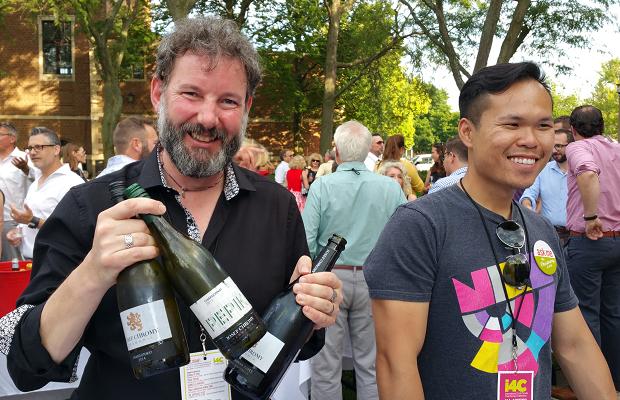
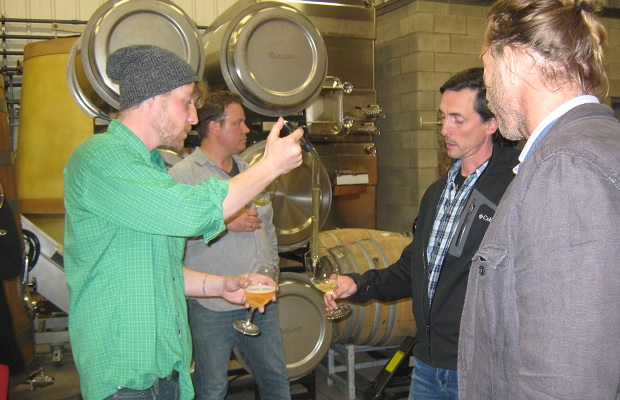
Godello with Zoltan Szabo, Tony Aspler, Mike Di Caro, Ben Macphee-Sigurdson and Nicholas Pearce,  Photo (c) Steven Elphick & Associates

Godello with Zoltan Szabo, Tony Aspler, Mike Di Caro, Ben Macphee-Sigurdson and Nicholas Pearce,
Photo (c) Steven Elphick & Associates

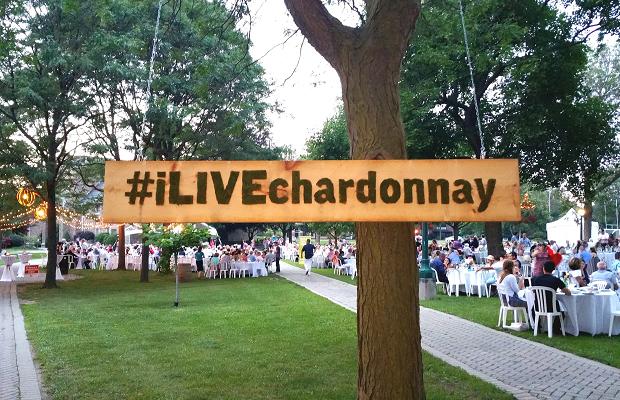
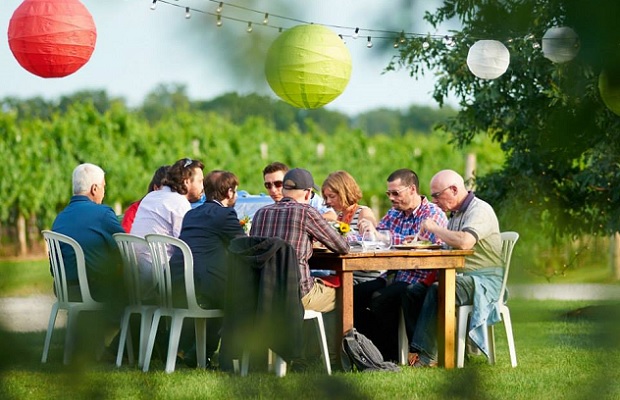
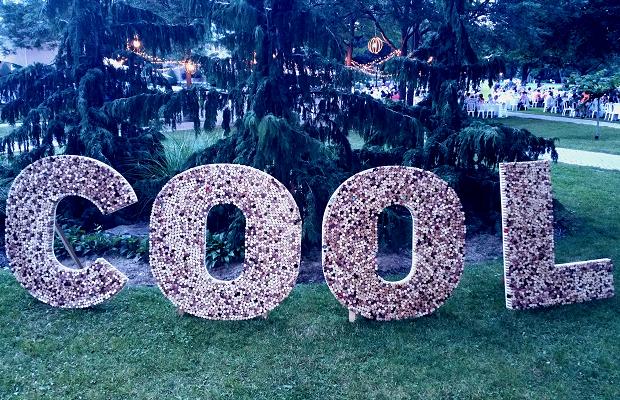
In eleven days, as the Chardonnay grows, the coolest wine conference will return to the Niagara region on Friday, July 17th. The School of Cool will call to assembly with the annual intendment to recalibrate a global palate at Brock University’s Cool Climate Oenology and Viticulture Institute (CCOVI).

Related – The meaning of Chardonnay: You’ve gotta be cool to be kind

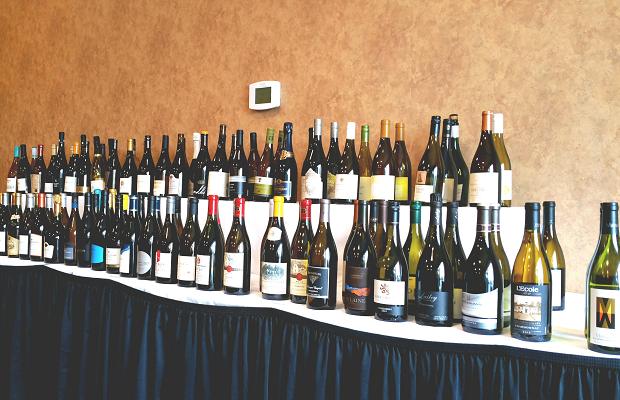
In anticipation of my third consecutive trip to taste and report on upwards of 100 variants in the name of ichneutic varietal centralism, 11 tasting notes are here laid out in preparation of the hunt. Too much Chardonnay you say? Bah. Allow me to paraphrase the lads from London.

“Wanna tell you about the Chardonnay I love, my she looks so fine. She’s the only Chardonnay that I been dreamin’ of, maybe someday she will be all mine.” Yes I do love Chardonnay, especially cool climate Chardonnay. Chardonnay with acidity, backbone, texture and aromatics. Chardonnay made by monks who know.

Related – ‘I4C’ a future filled with Chardonnay

Here is a list of events happening at and links to buying tickets for the Cool Chardonnay Conference:

July 17: The School of Cool https://kiosk.eztix.co/kiosk-optimised-event/46859/49090

July 17: Barrels & Bonfires https://kiosk.eztix.co/kiosk-optimised-event/46859/49091

July 18: Cool Chardonnay World Tour Tasting & Dinner https://kiosk.eztix.co/kiosk-optimised-event/46859/49092 

July 19: The Moveable Feast: Brunch on the Bench https://kiosk.eztix.co/kiosk-optimised-event/46859/49093

Photo © Stephen Elphick and Associates Cool to be Cool. Godello, Nicholas Pearce, Ben Macphee-Sigurdson, Zoltan Szabo and Tony Aspler at Barrels & Bonfires, 13th Street Winery, Cool Chardonnay 2014. From #VINTAGES Magazine

Cool to be Cool. Godello and friends at Barrels & Bonfires, 13th Street Winery, Cool Chardonnay 2014 From #VINTAGES Magazine Photo © Stephen Elphick and Associates

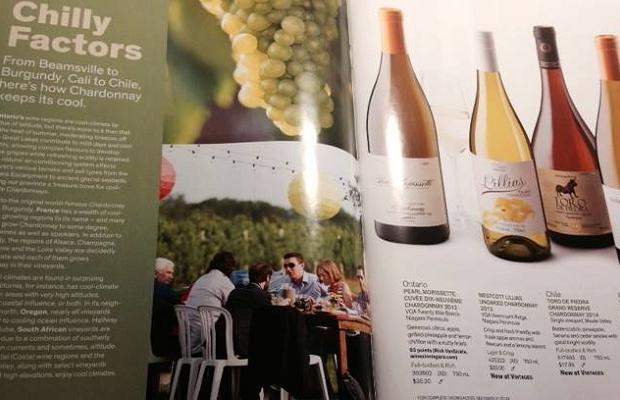
The Cool Chardonnay concierge notes that “It’s Cool to the Cool – it says so in the LCBO ‪#‎VINTAGES‬ circular for July 11. Six pages of Cool Chardonnay and i4C info, including a one-on-one with keynote speaker Matt Kramer, 10 great i4C Chardonnays” and a photo of Godello and friends at last year’s Barrels and Bonfres event at 13th Street winery.

Related – 50 cool Chardonnay in 5,000 words or more

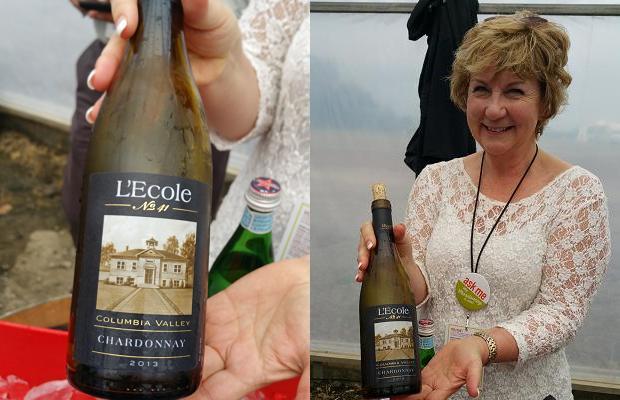
These picks are from the VINTAGES July 11th release, as well as some Cool Chardonnay samples that arrived floating on a cool climate carpet into the WineAlign office. These combined 11 whites are cumulatively capable of Chardonnay foreplay. On the weekend of July 17-19 hundreds, perhaps even thousands will descend in a beeline down to the Peninsula at the valley foot and foothills of the Escarpment to gather, to do nothing but celebrate the intricacies and the base pleasure of the most planted white grape variety. For a full schedule of and essential sundry information on i4C15, click here. See you in Niagara.

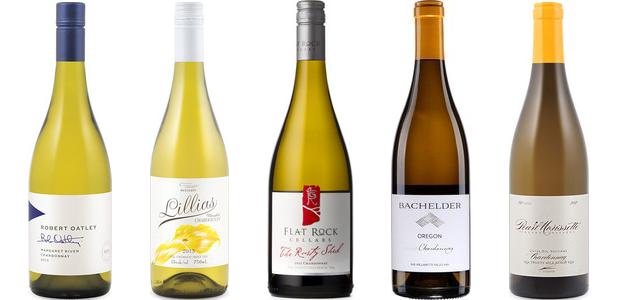
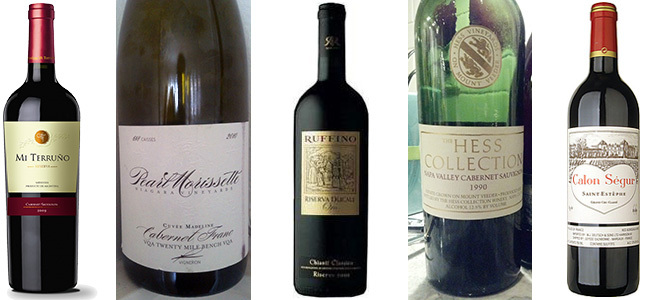
From left to right: Robert Oatley Signature Series Chardonnay 2013, Westcott Vineyards Lillias Unoaked Chardonnay 2013, Flat Rock The Rusty Shed Chardonnay 2012, Bachelder Oregon Chardonnay 2012 and Pearl Morissette Cuvée Dix Neuvieme Chardonnay 2012

From left to right: Robert Oatley Signature Series Chardonnay 2013, Westcott Vineyards Lillias Unoaked Chardonnay 2013, Flat Rock The Rusty Shed Chardonnay 2012, Bachelder Oregon Chardonnay 2012 and Pearl Morissette Cuvée Dix Neuvieme Chardonnay 2012

From the VINTAGES July 11th Release

Robert Oatley Signature Series Chardonnay 2013, Margaret River, New South Wales, Western Australia (350900, $18.95, WineAlign)

Flinty and cool, gathering up Margaret River righteous Chardonnay fruit and weathering an encouraging, blanketing and receptive barrel storm. Comes out a child of good climate, with green apple and gemstone crispness and simple, matching acidity. Not overly constructed to kneel down in the name of holy complexity but effective like a hand knit shawl in lieu of prayer. At $19 the River might have given a “girl with the parking lot eyes,” a Chardonnay in which “Margaret is the fragment of a name.” At $19 this over-achieves and makes a strong case for all that is produced from this cool regional place. Signature signed emphatically and with cool, downcast beauty, like Neko, if she were Chardonnay. Drink 2015-2020.  Tasted June 2015  @RobertOatleyAUS  @EpicW_S  @WestAustralia  @MargaretRiverWi

Westcott Vineyards Lillias Unoaked Chardonnay 2013, VQA Vinemount Ridge, Ontario (Winery, $20.00, WineAlign)

Winemaker Arthur Harder makes no bones, excuses or sets the goals too lofty in this second Lillia’s unplugged. “What you get is what you get,” from seven year-old estate, pristine fruit in 2013. Infrequent but texture stirring lees has mottled the nose with glycerin and avoirdupois while bottling early in the spring in advance of warm days has locked in freshness. Expression arrives by way of herbiage and lime. Continues where ’12 left off, further akin of Chablis. Drink 2015-2017.  Tasted June 2015  @WestcottWines

Flat Rock The Rusty Shed Chardonnay 2012, VQA Twenty Mile Bench, Niagara Peninsula, Ontario (1552, $24.95, WineAlign)

Accumulated cognizance exudes from the laid back Shed, here as relaxed and user-friendly as it has ever been. If the texture is not vintage induced and made of low yield than I’ll sell my LP’s and switch outright to Songza and Neil’s PonoMusic. The herbs are basil and chervil sweet, the verbena and lemon balm redolent, the flavours beaming, bolstered by preserved lemon and candied ginger. The stuffing must be questioned, but not the elegance. This Chardonnay is porous, blessed, void of rust and of an interior with plenty of space in the shed. Let it fill.

From my earlier note of February 2014:

There will be 660 cases of this barrel cherry-picked, now iconic Bench Chardonnay. The warm vintage called for a combo-malo approach, part batch all in, part arrested development. Gravity influenced top down blending also work to seek a svelte elegance and this ’12 really straddles the humid line. Thinks to be ribald but remains chaste, only allowing a kiss from the barrel and a caress from the rocks beneath the soil. Accept immediate but know that deferred gratification is the hallmark of this bottling.

Last tasted March 2015  @Winemakersboots  @UnfilteredEd  @brightlighter1

Bachelder Oregon Chardonnay 2012, Willamette Valley, Oregon (273334, $29.95, WineAlign)

When you taste an Oregon Chardonnay made by Thomas Bachelder you must first picture yourself somewhere. At lunch, with Lucy, on a promontory overlooking the sea, gazing up at a cloudless sky, in a dream. The warmth and kaleidoscopic layering of the 2012 might put you “in a boat on a river with tangerine trees and marmalade skies.” The sweet scents are like blossoms, with the air thick and palpably perceived in texture by way of an omnipresent Oregon salinity. This is the effect of the Bachelder diamond tannin, as pronounced and geologically-driven as any set of Chardonnays from out of the Willamette Valley. The personality of this villages is bright. The Single-Vineyard Johnson iridescent. This is a fine vintage for Oregon, more about ripe but early fruit and even more about soil. The algebraic cauldron that is the barrel simplifies the equation in ’12, to allow for a smooth climb out of a clean, pristine and rocky earth. Drink 2016-2022.  Tasted May 2014  @Bachelder_wines

Pearl Morissette Chardonnay Cuvée Dix Neuvieme 2012, VQA Twenty Mile Bench, Niagara Peninsula, Ontario (303602, $35.20, WineAlign)

The style has changed for this Chardonnay though it is now more in line with other Pearl Morissette varietal wines. The oxidative, natural bent has increased with anti-furor, succour and sublimity of a sordid sort. It remains to be seen what will happen because 10 years will be needed to fully denote the PM evolution, but what remains from the larder is true blue lemon that will turn, curdle and hold honey tight in five to six years time. Could be earlier considering the vintage. The flint and natural yeast are big on the nose while the palate is softer than most years. More like ’10, nothing like ’09 and yet full bodied to the maximum density it can be. So much flavour and yet at present the acidity plays anything but a vibrant tune. Story to unfold. Drink 2017-2022.  Tasted June 2015  @PearlMorissette

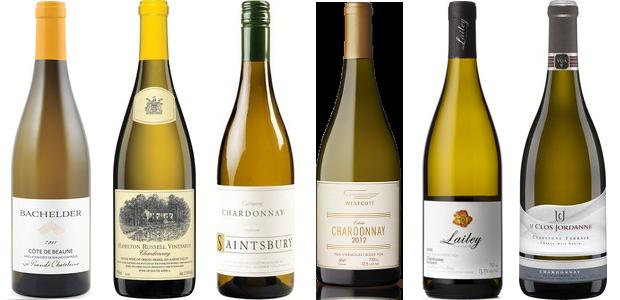
From left to right: Bachelder La Grande Châtelaine Côte De Beaune 2011, Hamilton Russell Chardonnay 2013, Saintsbury Chardonnay 2012, Westcott Vineyards Estate Chardonnay 2013, Lailey Barrel Select Chardonnay 2013 and Le Clos Jordanne Claystone Terrace Chardonnay 2012

From left to right: Bachelder La Grande Châtelaine Côte De Beaune 2011, Hamilton Russell Chardonnay 2013, Saintsbury Chardonnay 2012, Westcott Vineyards Estate Chardonnay 2013, Lailey Barrel Select Chardonnay 2013 and Le Clos Jordanne Claystone Terrace Chardonnay 2012

Bachelder La Grande Châtelaine Côte De Beaune 2011, Ac Burgundy, France (332536, $37.95, WineAlign)

The last of the Beaune mohicans to grace the Ontario market is the least understood, the quiet type, the cool underground dweller. This has weight and dug presence. Quite an underground salinity. Chisels into rock and friable earth, burrows into wood and still has not emerged. A floral sense of confection caused by gelid solids popped from Chardonnay tannin, like marigold petals frozen in dry ice, is a sniff to behold. La Grande Châtelaine is a precise and slightly bitter Beaune with life yet lived. With this level of Beaune complexity Thomas and Mary have smartly priced La GC a mere cut above the basic Bourgogne, Niagara and Oregon bottles yet coyly beneath the single-vineyard and lieu-dit offers in the Bachelder diaspora. Drink 2016-2020.  Tasted June 2015  @Bachelder_wines  @LiffordON

Hamilton Russell Chardonnay 2013, Wo Hemel En Aarde Valley, Walker Bay, South Africa (931006, $37.95, WineAlign)

Perpetuates the typically, stunningly effective flinty, deeply aggressive and layered Hamilton Russell style, here as warm and unctuous as its ever been. The candied flower and acacia aromas are early dusk intoxicating, the flavours of lime, honey and hard limestone candies reminders of life flashing before one’s eyes. The winemaking is so desperately clean, the diamond precision cut with perfect sight and the length driven by acidity and pure, essential grape tannin. Yet another chapter on the Hemel-en-Aarde Valley Grand Cru site is written, with prodigy and legacy authored work by vigneron Anthony Hamilton Russell. Drink 2017-2025.  Tasted June 2015  @OliveHR  @WOSA_ZA  @WOSACanada  @TrialtoON

Saintsbury Chardonnay 2012, Unfiltered, Carneros, California (359281, $39.95, WineAlign)

A dream from Carneros. Soft, buttery, creamy, demurred and slightly toasty, full on flavour nougat goodness of nuts and creamy tropical fruit. The pre-positioned, sequestered minimal age has come to this; texture, composition and length ready to please and willing to accompany an open-minded variety of summer fare. Take this west coast, well-structured Chardonnay to the east coast and seek out a Digby scallop, a Malpeque Bay oyster or a fleet of lobster along any maritime crag. Come to think of it, stop at all points in between and drink it alongside whatever comes to the table. Anything. Drink 2015-2020.  Tasted June 2015  @saintsbury  @TandemSelection  @CarnerosWine

Tasted at WineAlign

Westcott Vineyards Estate Chardonnay 2013, VQA Vinemount Ridge, Ontario (Winery, $26.00, WineAlign)

The barrel fermented and aged Estate Chardonnay spent 12 months in two-thirds new and one-third second fill wood. Lees stirring is slightly increased as compared to the unplugged. Again, it’s about aromatic intensity leading the way to palate density. By the sounds of Westcott’s comments “we’re pleased with its remarkable irony — dry and sturdy, yet creamy and rather curvy,” you might think the team was stirring with impunity. Not so. The Estate Chard does the dance of mild spice and butter on toast to reach a texture that would appease savages. Unavoidable and typical low yields from the Vinemount Ridge picked at the right moment and handled with caring tabula rasa are the spirit in this wine. Delightful and charming. Drink 2015-2020.  Tasted June 2015

Lailey Barrel Select Chardonnay 2013, VQA Niagara River, Ontario (Winery, $26.00, WineAlign)

Not only carved out of a careful selection of Lailey’s barrels but this ’13 is an eco-rich barrel expression. The toast mind you is mild and so both elegance and structure are avowed of glissade and glide. There is nary a heavy note here. The aromatics are compact, the flavours expansive and the finish lingering to effortless. If the vintage afforded more fruit the overall composition would champion with the best of them, but the understatements are laudable and stamped in approval. Drink 2016-2020.  Tasted July 2015  @laileywinemakr

Le Clos Jordanne Claystone Terrace Chardonnay 2012, VQA Twenty Mile Bench, Ontario (Agent, $40.00, WineAlign)

In 2012 there is a weight in the aromatics that belies any recent recollections of the Claystone style. The vintage warmth is a major player here, a cement and a glue that adheres to the adage of vintage being the driver for making wine. Winemaker Sébastien Jacquey listens to the wind, putting aromatics, texture and structure at the fore while allowing the sun to say its peace. This glides dutifully and seamlessly to the palate which is just as fleshy as the nose. The honey continues from ’11, as does the candied flower. Wood remains as unobtrusive as before, allowing a fruit to mineral continuum to find harmony. Though acidity lays lower, there is plenty of push to see this evolve for up to five or more years. Drink 2016-2021.  Tasted July 2015  @LeClosJordanne  @CBrandsCareers

Good to go!

http://www.winealign.com/profile/2058-mjg

Meeting of the wines at Treadwell Cuisine

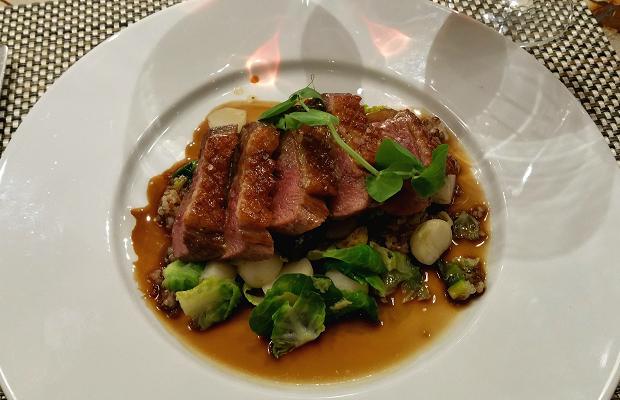
Treadwell's Wild Honey and Peppercorn Glazed Muscovy Duck Breast, quinoa salad, sea buckthorn vinaigrette

Treadwell’s Wild Honey and Peppercorn Glazed Muscovy Duck Breast, quinoa salad, sea buckthorn vinaigrette

Treadwell Restaurant is a wine bar, an Ontario extrapolation on farm-to-table cuisine and an iconic Niagara experience. It opened its doors in Port Dalhousie in 2006, has always been ingredient based and has help to usher in a niche simply called “Niagara cuisine.” Now located (since March of 2013) right in the heart of Niagara-on-the-Lake, Treadwells must be experienced at least once.

In June I had the fortune of visiting the restaurant twice. While Chef Stephen Treadwell‘s plates are the show, they are also the support and the reason for Sommelier James Treadwell‘s wine. Ontario and more specifically Niagara are explored, above all else and righteously beyond the pale. I taste more Niagara wine than the average geek. At Treadwell there is no shortage of new discovery. It’s a veritable playground for Ontario wine. The Chef de Cuisine is Matthew Payne. With chef’s eyes I watched him closely on my first visit. I wanted to climb over the counter, to contribute and execute for him, but did there was no reason to. His team was right on line.

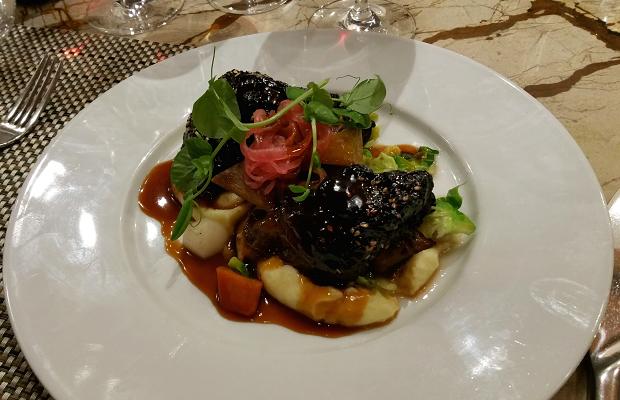
Hoison Glazed “VG’s” Beef Short Ribs, potato purée, pickled red onion, summer vegetables

Hoison Glazed “VG’s” Beef Short Ribs, potato purée, pickled red onion, summer vegetables

My visits to Treadwell were made possible by Magdalena Kaiser, Joanna Muratori and the presence of our provincial marketing treasure, Wine Country Ontario. I had the opportunity to sample more than 20 Niagara wines during the two visits. After judging day two at the WineAlign National Wine Awards of Canada (#NWAC15) the group was entertained at Treadwells and despite a power outage that put NOTL in the dark from 6:30 until nearly 10:00 pm, Stephen, James, Matthew and their incredible staff soldiered on and produced a most exceptional meal. Amazing.

WineAlign judges, a rainbow and the American Falls

WineAlign judges, a rainbow and the American Falls

Before we made our way to Niagara-on-the-Lake team Rosé donned vermillion ponchos, climbed aboard the Hornblower run by Niagara Cruises and took the most famous of all Canadian boat excursions to the base of Niagara Falls. Then off to Treadwells.

Aboard the Hornblower approaching the Horseshoe Falls

Aboard the Hornblower approaching the Horseshoe Falls

We tasted a few bubbles but they were all wines I have reviewed on previous occasions. The only note I wrote was for a bottle of Sussex fizz brought in by British wine writer Jamie Goode. Thank you Jamie for that treat and the portal into a new market to explore. The winemakers who joined us that night were Shiraz Mottiar (Malivoire), Jay Johnston (Flat Rock), Amelie Boury (Château Des Charmes), Ilya Senchuk (Leaning Post), Brent Anomyces (Associate winemaker at Pearl Morissette) and Martin Werner (Ravine). Here are notes on 14 of the wines tasted and assessed spread across the two visits.

Nyetimber Classic Cuvee 2010 and its excited purveyor Dr. Jamie Goode

Nyetimber Classic Cuvee 2010 and its excited purveyor Dr. Jamie Goode

Nyetimber Classic Cuvée 2010, Chiltington, West Sussex, England (Winery, £31.95 – BBR)

From the English house with as much accumulated wisdom and experience as any, the Classic Cuvée spent three years on the lees and it shows. Has trod a textured path laid down by the stirred solids towards an increased noblesse. Certainly lean, direct and adaptable, to equivocate a bubble of yeast, toast and a baker’s kitchen, replete with apples and honey ardent in their crust. The residual sugar plays a minor while the acidity (approximately 9 g/L) tintinnabulates in a major key. Citrus pushes all the right elements. This is not your Uncle Monty‘s English fizz. “Free to those that can afford it, very expensive to those that can’t.” Drink 2015-2020.  Tasted June 2015  @Nyetimber

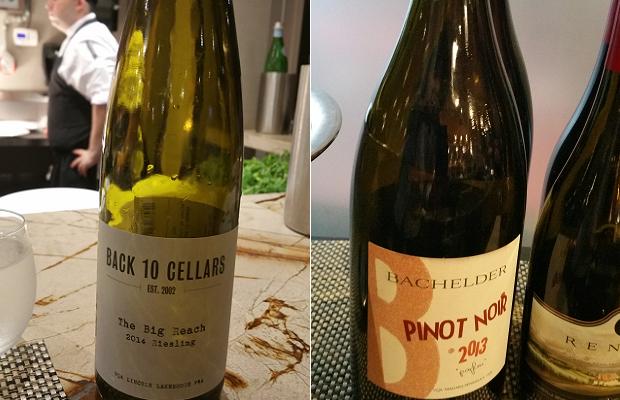
Back 10 Cellars The Big Reach Riesling 2013 and Bachelder Pinot Noir Parfum 2013

Back 10 Cellars The Big Reach Riesling 2013 and Bachelder Pinot Noir Parfum 2013

Back 10 Cellars The Big Reach Riesling 2013, VQA Lincoln Lakeshore, Ontario (Winery, $22.95, WineAlign)

Here Riesling that has reached back and risen up into a breach, beyond the average and the norm. More than a hint of residual sugar catapults and disintegrates into the stratosphere at the hands of linear, direct, pointed and piercing acidity. The citrus is pure squeezed lemon, so natural and circulating in the elemental. The Big Reach takes chances, tries to go where many fear, to extend “and bend our backs and hearts together standing in the breach.” With a few years time it will return from its fissure in the sky and settle into more comfortable closure. Drink 2018-2022. Tasted May 2015  @back10cellars

Flat Rock Gewürztraminer 2012, Twenty Mile Bench, Ontario (Winery, $23.15)

Crafted in the warm vintages, the fruit is a mix from Niagara Benchlands and Estate vineyards.  If not fundamentally necessitous this does hit all the right, bright ’12 and 20 Mile notes with clean vision gazing far and beyond to the eastern horizon. Grinds nuts into paste, to a pulpy, whizzed and pure taffeta to tussah. This solid palpation rises above and beyond the expected florals and sweetness so receptive its money. Texture is ultimately key and indispensable in the absence of unmitigated acidity. Drink 2015-2019.  Tasted June 2015  @Winemakersboots  @brightlighter1

Ravine Vineyard Gewürztraminer 2013, VQA Niagara Peninsula, Ontario (Winery, $20.00, WineAlign)

Initially muzzy, moving past the nose for a moment the residual is noted as set to high. It’s immediately interesting to taste such a sweetness, one in line with the Riesling Reserve ’13 yet also in belay of Ravine’s ’14 step back in such matters, tasted same night. The ’13 Gewürztraminer does not concern itself with striking connectivity, but instead concentrates on the corporeity of botrytis and texture. Yet another 2013 in which Martin Werner pushes buttons, envelopes and ways of the Peninsula world. Drink 2015-2019.  Tasted June 2015  @RavineVineyard  @marty_werner

Ravine Vineyard Reserve Riesling 2014, VQA St. David’s Bench, Niagara Peninsula, Ontario (Winery, $30.00, WineAlign)

Even without prior knowledge that the botrytis number was down (to 30 per cent) in this late fall, estate picked organic St. Davids Bench ’14, such a vector is indicated by the salinity on the nose. The miasma reduction, depressed pedal ere impressed metal suppresses sugar, as does the voluminous yet lightning-free (9.6 g/L) total acidity. The unconventional aspect has come back to the appellative norm, like tropical fruit picked in seasons void of rain, humidity and late afternoon storms. This strides into oversized footsteps, in and out of ages, but not to where the wild things are. Winemaker Martin Werner has reigned in the impulse to freak out with this Riesling, in part to see how the other half lives and also because brilliance is a bumpy, two steps forward, one step back road. With the right botrytis and a look at Riesling from both sides now, the ’15 should have every reason to be revolutionary, trend setting and iconic. Damn if waiting to see what will happen won’t be high on the Niagara periscope agenda. Drink 2016-2021.  Tasted June 2015

Leaning Post Riesling 2013, VQA Niagara Peninsula, Ontario (Winery, $25.00, WineAlign)

It may hail from the Foxcroft-Wismer-Twenty Mile Bench triangle of Grand Cru territory but this does not go where Rieslings have gone before. The vintage declares tyranny on typical, but it’s not exactly shocking. There is a controlled litheness to be sure, a lime road, an extraction that while not as expansive, is dense somehow. A Senchuk take on Wismer, colour upon colour, in abstraction, time after time.

From my earlier note of April 2014:

Marks a return to the variety for Senchuk, with a dynamic and resounding charge. This barely resembles what may be pigeon-holed as Niagara Peninsula Riesling as it disses the lean, citrus pierce of the dry norm. Don’t panic, it’s not that different, but it does comment on “homes, places we’ve grown, all of us are done for.” From 18 year-old (south block) Foxcroft vines, 15.8 grams of residual sugar and 11.3 grams acidity. Bottled just eight days ago, this is a wine that was “left to develop on its own,” on it lees and with no stirring. “It’s not late harvest, it’s mature, with just enough sugar to make it palatable.” Makes a cold play for warmth, extract, viscosity and natural sweetness. Reaches for complexity beyond acidity, to places old and new, to Germany and to Niagara. Gotta citrus back, endgame palate. I can’t say with certainty that in time this vintage will push the sweetness to the background and develop leathery, gamey and earthy characters. I can say that given some more experience, Senchuk will develop the acumen to make it happen. “There’s nothing here to run from ’cause here, everybody here’s got somebody to lean on.”  200 cases made.

Last tasted June 2015  @LeaningPostWine

2027 Cellars Wismer-Foxcroft Vineyard Riesling 2014, VQA Twenty Mile Bench, Ontario (Winery, $25.00, WineAlign)

Kevin Panagapka’s take on Niagara Riesling is specific enough for the need to look deeper than its broader Twenty Mile Bench roots. The plot thickens within the confines of Craig Wismer’s Vineyard, to the Foxcroft block where Chardonnay and Riesling are meant to be. Kevin is not alone is making use of this exceptional fruit. Tawse, Leaning Post and now Two Sisters all work from there, but no one puts the spirit into Foxcroft like Panagapka, as he does similarly with his Foxcroft Chardonnay. If the electric spin were toned down a touch in ’12 and ’13, here in ’14 the plug is back in, the amplification turned up to 11 and the house is simply rocking. This probes and punctures citrus fruit to burst, crackle and pop but it has no aspirations for weightlessness and atmosphere. It is so very concrete, grounded on 20 Mile terra firma, present, accounted for, looking straight into your eyes. Pale to purposed, striking in its missive for anti-tropical flavours and nearly massive in its thin delight. Dramatically truthful Riesling. Drink 2015-2022.  Tasted May 2015  @2027cellars

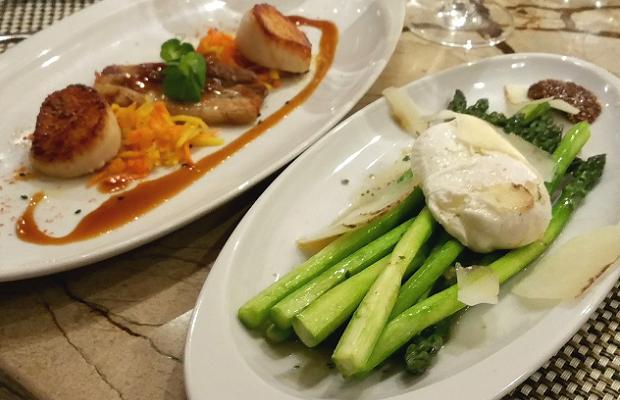
Treadwell's Pan Seared East Coast Scallops, caramelized cauliflower, guanciale, caper vinaigrette and Ontario Asparagus, poached “Bertha’s Bounty” egg , truffled burnt butter vinaigrette

Treadwell’s Pan Seared East Coast Scallops, caramelized cauliflower, guanciale, caper vinaigrette and Ontario Asparagus, poached “Bertha’s Bounty” egg , truffled burnt butter vinaigrette

Big Head Wines Chenin Blanc 2013, VQA Niagara Peninsula, Ontario (Winery, $25.00, WineAlign)

The grape that begat Big Head is so versatile that even in the technical and experimental hands of winemaker Andrzej Lipinski it retains true identity. Appassimento treatment and aging in old oak barrels may add layer and viscosity in the reds but in the whites the leesy funk remains, as does an off-dry, mineral bent. Dried earth, salinity and bitter pith join the fruit wrecking party. This is a bold expression with a big head. We’re the fruit strong enough to defend itself it would be something very special. Poured from a magnum at Treadwell restaurant. Drink 2015-2017.  Tasted May 2015  @BigHeadWine

Malivoire Melon de Bourgogne 2014, VQA Niagara Peninsula, Ontario (Winery, $19.95)

Here is a clean, almost silky Beamsville addition to the Ontario Melon de Bourgogne game, of melons picked ripe with no need for trucks and travel, just cut ’em in half and pull out a spoon. Cool climate lime juice acidulates the melon, it’s that direct and simple. Acidity need not distract from the purity but it’s there, off to the side, on a need to know basis. Glug, glug Melon, a white wine that would pour so fine from the tap. As in wine on…Drink 2015-2017.  Tasted June 2015  @MalivoireWine  @ShirazMottiar

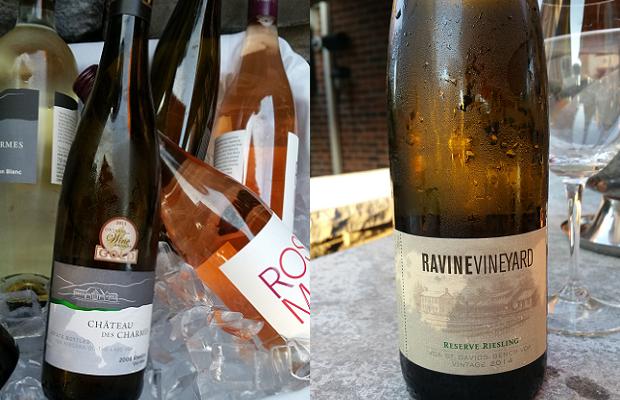
Chateau 08 and Ravine14

Château Des Charmes Old Vines Riesling 2008 Ravine Vineyard Reserve Riesling 2014

Château Des Charmes Old Vines Riesling 2008, VQA Niagara On The Lake, Ontario (277228, $16.95, WineAlign)

Perhaps the assessment seven years later creates an unfair advantage but come now, a great wine is a great wine from its humble beginnings. At $16.95, in 2008 or 2015, in Niagara-on-the-Lake, on the Peninsula, this type of emerging propensity is more than gold or platinum, it’s money. This is a Riesling to vacuum up global accolades, to open eyes wide and to enjoy drinking Riesling. The ’08 CdC does what the vintage demanded; created a union for off-dry reasoning, denaturant gleaning, acceptance of petrol, lime condensation, salinity and herbal behaviour. If it were ever once a rough sketch, it is now and will continue to be all those things, a candy’s room full of treasures. With Riesling “if you wanna be wild, you got a lot to learn, close your eyes, let them melt, let them fire, let them burn.” In time, in capable hands, it all comes together. Drink 2015-2020. Tasted June 2015  @MBosc

Château Des Charmes Equuleus 2012, Paul Bosc Estate Vineyard, VQA St. David’s Bench, Niagara Peninsula, Ontario (319525, $30.00, WineAlign)

The Cabernet Sauvignon (50 per cent), Cabernet Franc (25) and Merlot (25) Paul Bosc Estate Vineyard confluence produced in heteroclite (warm, warmer and warmest) years has learned from itself. Where at one time the scarce Niagara heat was a blessing, the ability in winemaking consistency in the present and going forward can determine adversity should the winemaker’s hands play the heavy. Subtlety is key, as in here, the moorish weight shed and the black, wood shrouded fruit left behind in the old stable. The oak may not so much have changed as much as the wisdom of the start to finish process, especially in the picking and the soak. The red fruit has been avowed of purity so 2012 affords an increase in legerity, by hand and in kind for the classic Bordeaux assembly. Drink 2018-2022.  Tasted June 2015

Bachelder Pinot Noir Parfum 2013, VQA Niagara Peninsula, Ontario (Winery, Price unknown – approx. $25-27)

The Parfum is a departure for Thomas Bachelder, a path not previously taken to pick, ferment and vinify in the name of perfume. The aromatics and legerity have delighted into a Pinot Noir for a licensee song. Don’t be fooled by the sachet of felicity. This wine is also built on extraction, intensity, volupté and richness. A slight rust is observed, one that never sleeps in a Bachelder world, one that works harder with eyes closed, thinking, mulling, fuelling the next thought. The Parfum makes and leaves an impression. It’s quite beautiful and accesible. Drink 2015-2018.  Tasted April and June 2015  @Bachelder_wines

Malivoire Melon 2014 and Pearl Morissette Gamay Cuvée Mon Unique 2014

Malivoire Melon 2014 and Pearl Morissette Gamay Cuvée Mon Unique 2014

Pearl Morissette Gamay Cuvée Mon Unique 2014, VQA Lincoln Lakeshore, Niagara Peninsula, Ontario (Winery, $29.00, WineAlign)

In December of 2014 I counted the ’13 CMU Gamay as one of my mind-blowing wines of the year. Once again we are witness to the authentic, raw and natural impossibility of the wine, from 100 per cent whole clusters sent to cement fermenters. The hue is just impossible, the wine sulphur-free. That ’13 Gamay did not last. I tasted again this winter and it failed me. It may return. This ’14 will never leave. It is natural to the 14th degree and yet its rich, smokey chocolate  centre and structure of pure physical stature will not let it slide, into a dumb phase or oblivion. This Gamay will strut. It already does. Drink 2015-2020. Tasted June 2014  @PearlMorissette

Pearl Morissette Cuvée Dix Neuvieme Chardonnay 2009, VQA Twenty Mile Bench, Niagara Peninsula, Ontario (319525, $38.00, WineAlign)

Has reached near-nirvana. The intensely focused withdrawal, the inward spiral to a fully condensed state is so very close. This is Pearl Morissette’s most shelf-talking Chardonnay, of lemon preserved, reversed, jammed into its own half shell, like a honey-tart sorbet, creamy, fleshed and inward. This is true wine of impression, a marvel in rewind.

From my earlier note of July 2013:

Tragically singular in expression, regardless and in spite of the terroir, mixes metaphors and pulls it off. “Takes arms against a sea of troubles,” by convincing ADHD fruit of an uncertain vintage to settle, play nice and “by opposing, end them.” Now entering the load out zone, this Hamlet cuvée is “the first to come and the last to leave, working for that minimum wage.” A sentimental ballad here to stay, be remembered and to set the stage for all dix-neuvième to come.

Last tasted June 2015


Good to go!
http://www.winealign.com/profile/2058-mjg

Local heroes

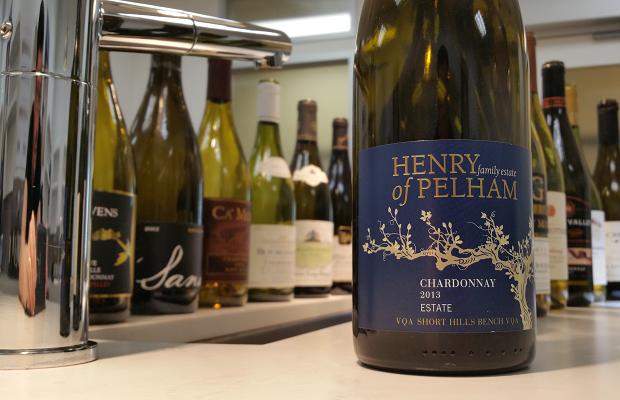
Henry of Pelham Estate 2013 amid a sea of April 4th, 2015 VINTAGES Chardonnay

Henry of Pelham Estate 2013 amid a sea of April 4th, 2015 VINTAGES Chardonnay

You can find them from coast to coast. This coming Saturday six VINTAGES Canadian releases, four from Ontario and two from British Columbia, are wines that speak on behalf of exceptional vineyards, out of important places. These are bottles made by winemakers entrenched in their territory and from grape varieties purposed to grow there.

Related – Tasting with Power

The Creekside Estates white blend known as Laura’s White has become a poster child for varietal blends on the Niagara Peninsula. Winemaker Rob Power has found a way to make a consistent expression in every vintage.

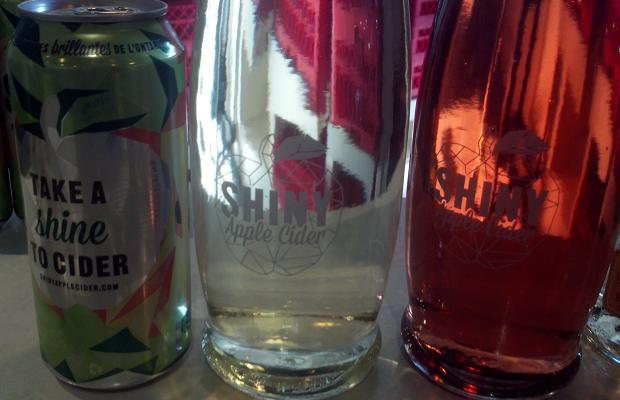
Shiny Apple Cider by Small Talk Vineyards

Shiny Apple Cider by Small Talk Vineyards

Angela Kasimos was the winemaker at Riverview Cellars and is now leading the charge at Small Talk Vineyards. The Small Talk Syrah is yet another example to speak on behalf of pushing for more plantings, especially down by the Niagara Lakeshore. But that’s not all. Kasimos is also making Cider at Small Talk. It’s called Shiny Apple Cider, made from Grey County apples and Niagara grapes. You heard me. The White Cider is augmented by 10 per cent Riesling, the Rosé with 15 per cent Pinot Noir. You should try it on tap at Barque Smokehouse.

Related – The pearls of Morissette’s wisdom

The Cuvée Black Ball Riesling by François Morissette failed on several occasions to pass through the VQA panel’s strict discretion. The atypical one has finally broken down the barrier and it’s now your turn to decide if it pleases or causes consternation.  My chance to opine is laid clear in the review below.

From B.C., Gehringer Brothers out of Oliver offers a unique, Golden Mile take on Pinot Gris. More than just coincidence to be here today as yesterday marked a new direction for British Columbia‘s wine industry. The #GoldenMileBench just became the province’s first sub-appellation.

Related – A biography of Ontario and B.C. wines

Sandra Oldfield of Tinhorn Creek called the day momentous. She wrote this on her blog. “Something as elemental as the brown given to vineyard stones by a passing universe.  In casual simplicity, I toast to you, the Golden Mile Bench, British Columbia’s first sub appellation.”

The five recognized wine regions in British Columbia are The Okanagan Valley, Similkameen Valley, Fraser Valley, Vancouver Island and the Gulf Islands. The new designation was announced by the provincial government on March 30 and will legally identify where grapes are grown. In this case, the escarpment southwest of Oliver which runs south from Fairview Road and near Highway 97.

Related – A day in WineAlign life: 15 new releases from Ontario and B.C.

So long as 95 per cent of the grapes were grown in the area, wineries will now legally be allowed to indicate the Golden Mile on their labels. The list includes CC Jentsche Cellars, Checkmate Artisanal Winery, Culmina Family Estate Winery, Fairview Cellars, Gehringer Brothers Estate Winery, Hester Creek Estate Winery, Inniskillin Okanagan Vineyards, Golden Mile Cellars, Rustico Farm and Cellars, Tinhorn Creek Vineyards, and Willow Hill Vineyards.

In Jauary I wrote about Burrowing Owl Winery. I talked about the extreme nature of their location and what is does for their wines. “That the winery is situated on the most northern outpost of the Sonoran desert, an arid and agriculturally inhospitable stretch of terroir that originates in Mexico, is not exactly so well-known. That the Owl can produce such wines of extraction spinning on a compass of intensity is one of the wonders of the Okanagan Valley.”

Related – Big and bigger: Burrowing Owl

The 2011 Syrah reviewed below drives the stake even deeper into the searing heart of the Owl.

Sara d’Amato and I have compiled a list of recommended Canadian wines in the second of two WineAlign April 4th VINTAGES release reports.

Off the Beaten Path, from East to West and a Battle of the Corkscrews

Here are notes on six new local releases coming to stores this Saturday.

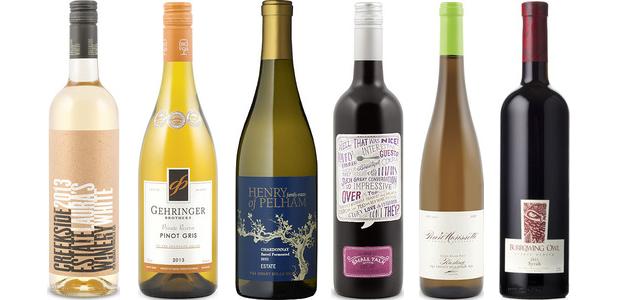
From left to right: Creekside Estates Laura's White 2013, Gehringer Brothers Private Reserve Pinot Gris 2013, Henry Of Pelham Estate Chardonnay 2013, Small Talk Vineyards Recap Syrah 2012, Pearl Morissette Cuvée Black Ball Riesling 2013 and Burrowing Owl Syrah 2011

From left to right: Creekside Estates Laura’s White 2013, Gehringer Brothers Private Reserve Pinot Gris 2013, Henry Of Pelham Estate Chardonnay 2013, Small Talk Vineyards Recap Syrah 2012, Pearl Morissette Cuvée Black Ball Riesling 2013 and Burrowing Owl Syrah 2011

Creekside Estates Laura’s White 2013, VQA Niagara Peninsula, Ontario (121764, $18.95, WineAlign)

When I tasted the 2012 Laura’s White again with winemaker Rob Power two weeks ago my last note said “this has the grab, tempered by the warmth of the vintage, so look for ’13 to nail it with a hook.” That it does, along with the most balm and herbs of the last five vintages. This blues traveller goes deeper into complexion and white varietal compilation. The fruit is very tropical in 2013, softer, easier, lighter in complexity, but it has that musical trigger, the jingle, the popper, the hook. If ’12 was the revivalist blend, then ’13 will try to be the proselytizer. “Because the hook brings you back, ain’t tellin’ you no lie. The hook brings you back, on that you can rely.” Everyone can drink this. While it may not stand up a decade or longer later, you will be able to look back on it fondly and remember it was a wine for the times. Drink 2015-2020.  Tasted March 2015  @CreeksideWine

Gehringer Brothers Private Reserve Pinot Gris 2013, BC VQA Okanagan Valley, British Columbia (347203, $18.95, WineAlign)

A concrete set of aridity rules are the modus operandi here in a reserved, stoic and aerified sort of Okanagan Pinot Gris. Paler and thus less oxidative then the last vintage to pass through these parts. Very much cut into pear, less so of white peach. The grape tannin is noticeable, even obdurate. Generous alcohol contributes to the mulish attitude though with the aridity and slight citrus push you’d be hard-pressed to really notice the call.  Tasted March 2015  @GB_Wines  @UncorktheSun

Henry Of Pelham Estate Chardonnay 2013, VQA Short Hills Bench, Ontario (268342, $19.95, WineAlign)

Sunlight is the key to this ripe Chardonnay, snatched from vines that grow on the most easterly of the Niagara Escarpment’s sub-appellation. Here Henry of Pelham calmly puts its hegemony over Short Hills Bench Chardonnay on display. The fruit layering is very impressive, compressed even, with just a spiced spirit injection from the barrel. The Estate Chardonnay is in a mid-range class of its own, this gatherer of heat days, hoarder in spring water retention, cleanser in sand and gravel drainage. The vintage just seems perfect for this niche bottling, balanced, primed to finespun texture, stretched for length and good to age at least five years.  Last tasted March 2015  @HenryofPelham  @SpeckBros

Small Talk Vineyards

Small Talk Vineyards

Small Talk Vineyards Recap Syrah 2012, VQA Niagara On The Lake, Ontario (415612, $24.95, WineAlign)

In the hands of new winemaker Angela Kasimos, Small Talk Vineyards should consider going with and increasing their plantings of Syrah. It’s clear that Kasimos has inherited good solid fruit and the Small Talk (formerly Stonechurch Wines) treatment in ’12 is a very good start towards what should become a great varietal relationship. Smokey, savoury and full of positive brine vibrations, this has body but no overripe or caramelizing denouement. Nor is it green, though it exhibits tonalities that whisper volatility and chews that say sinew. Yet it persists healthy and clean. This is Syrah of lovely curves, rounded shapes, bright peaks and gently sloping valleys. Who doesn’t like Syrah young and infectious like this?  Tasted March 2015  @SmallTalkWines  @AngelaKasimos

Pearl Morissette Cuvée Black Ball Riesling 2013, VQA Twenty Mile Bench, Ontario (416073, $32.20, WineAlign)

Let’s get something immediately out of the way. The wines of François Morissette are not meant to please curmudgeons, skeptics, contrarians or members of the wine media. This Riesling has no desire to kiss ass. This will not appeal to late harvest lovers, from Kabinett to Auslese. Is it ripe? Not quite. Is it different? Absolutely. This compares to almost nothing. Like a Champagne ginger, lime and bronze filings cocktail, the Blackball ’13 is so very developed and despite the colour, is a hyperbole in primary existentialism. That it has essentially no residual sugar and an achieved 11.5 per cent alcohol is a complication only the clinical doyenne has the answers to. Riesling in between dreams, “never knowing shocking but we’re nothing.” The Blackball has struck, is not yet stricken and will offer remore pleasure for another six months. Then it will deconstruct, dissolve and devolve into darkness and funk. Five years later it may emerge like a phoenix, jack up like a Rangen Riesling, into the ethereal. Will it happen. I couldn’t possibly tell you. We may never know. But I can say that then, and only then, will it truly tell its story. Drink 2020-2025.  Tasted March 2015  @PearlMorissette

Burrowing Owl Syrah 2011, BC VQA Okanagan Valley, British Columbia (73072, $39.95, WineAlign)

Just when it seems that Burrowing Owl could not coax beyond the perceived maximum in ripeness and richesse out of desert sage country Syrah, the envelope pushes higher in this ripping 2011. An absolute circum whirl of dark fruit, crushed peppercorns, Cassis and candied violets draw syrupy into bottle. Big, brawny and modern, styled like Syrah from peak perches overlooking the French Riviera with a small percentage of mitigating northern Rhône sensibility. Texture is pure silk. Acids are tame but very present.  Tasted March 2015  @BurrowingOwlBC  @winebcdotcom  @LeSommelierWine

Good to go!
http://www.winealign.com/profile/2058-mjg

Mind blowing wines of 2014

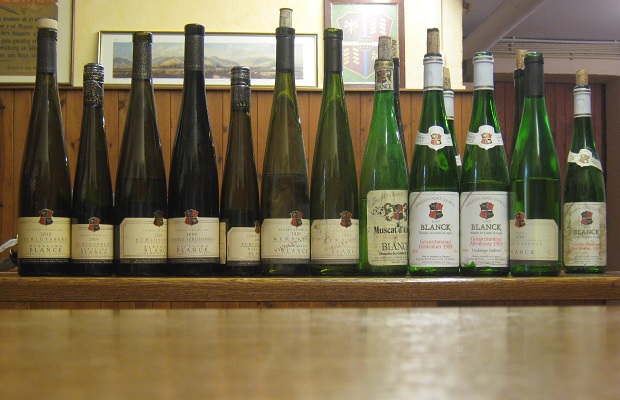
Bouteilles de la collection Méquillet de Kientzheim, Confrérie Saint-Etienne

Bouteilles de la collection Méquillet de Kientzheim, Confrérie Saint-Etienne

In January it began with A resolution to drink honest wine, “juice that conveys the salient facts of a grape’s life.” It continued with New year. Try new wines, where the goal was “the resolve to drink outside the comfort zone.” If the issue was Feeling under the weather? Drink wine, success was had. “Wine is your friend. When approached, integrated and embraced in the right way it can help to promote a healthy lifestyle. The defence rests.”

January was a busy month, complete with Deep freeze: Controversies, polar vortex and ice wine, not to mention Super Bowl XLVIII wine odds. In February the opined focus zeroed inwards, to Ontario. What’s in a wine vintage? asked to reach out and touch Ontario’s 2012 whites, the best wines made to date. Harsh words were spoken against Rosé, but only because of the obviousness of it all when said, You can kiss my sweet pink wine, Valentine. Thomas Bachelder showed us Synchronicity in three terrors and he will do so again this coming Sunday when we break wine together down on the Peninsula. Calming influences saved days, having once more expounded on the music immersion, in and with wine, from Three-chord wines, hold the rants. The month concluded with more healthy advice and the question Are you getting your daily serving of wine?

Is the rating simply a tool understood within the context of marketing? Photo: Maria Vazquez/Fotolia.com

Is the rating simply a tool understood within the context of marketing?
Photo: Maria Vazquez/Fotolia.com

In March the annual pilgrimage to Niagara produced more tasting notes and verbiage than was previously thought possible, in a three-part series. Godello’s excellent Cuvée adventureWhen experts break wine together and Wine experts Brock and roll, Brock on were also joined by a visit to Flat Rock Cellars in Bottles, barrels, tanks and a vertical. A two-year impassioned body of submissions to canada.com culminated with the final column, The death of wine scores?

Scores were subsequently dropped from godello.ca but continue to be sidled up to the notes at winealign.com. In April I found out what happens When Sangiovese comes to townBurgundy will always be royal and that it’s always Go Gamay go time. In the name of Somewhereness, The group of twelve was once again called to assembly. In May there was the omnipresent Kalon of MomPaul Pender’s Tawse and effect and a fascinating look at cooperage in Every barrel tells a story. Prince Edward County again proved its mettle in ’14 and consumers were encouraged to Take them home, County wines. VQA stood under scrutiny in The pearls of Morissette’s wisdom and another chapter was written in The Stratus-Momofuku continuum.

Godello with Zoltan Szabo, Tony Aspler, Mike Di Caro, Ben Macphee-Sigurdson and Nicholas Pearce,  Photo (c) Steven Elphick & Associates

Godello with Zoltan Szabo, Tony Aspler, Mike Di Caro, Ben Macphee-Sigurdson and Nicholas Pearce,
Photo (c) Steven Elphick & Associates

Sparkling wine bubbled over in New fizz on the Brock, was Talkin’ ’bout my Generation Riesling and a trip to Alsace in June put me In a Grand Cru state of mind. I was Down on the Ornellaia and found out first hand, on a boat trolling across Lake Erie that The South Coast is clear. I offered up The froth on Crémant d’Alsace and in July told you that Chardonnay is cool. The eponymous conference yielded in excess of 10,000 words in August with 50 cool Chardonnay in 5,000 words or more and The meaning of Chardonnay: You’ve gotta be cool to be kind. I branded Olivier Zind-Humbrecht The cru chief of Alsace and felt what it was like to be Walking an Alsace mile in their Riesling shoes.

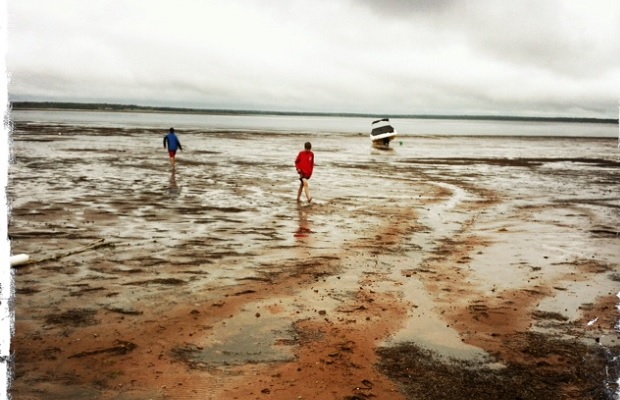
Tide's Out, Big Cove, New Brunswick

Tide’s Out, Big Cove, New Brunswick

A 5500 km trek to the tip of Cape Breton and back yielding poetic and prophetic expression in The tides that bind: East Coast swing. “The tractive is a thing to and of itself. The pauses to gather at points along the process remember lobsters roasting over an open fire, a cottage visit with new-found friends, a hike into the cavern of a waterfall and a swim in a tidal river. Memories are made in rites of passage, though in the end, like the photographs, they too will be demurred by time. Indelible stamps they are, cemented in commitment to reaching and by necessity, descending summits. A  road trip to the eastern part of Canada realizes the bigger plan. The key is making it safely home, before the tide rolls in.”

WineAlign World Wine Awards of Canada 2014

WineAlign World Wine Awards of Canada 2014

In September I tasted history with Taylor made Port and insisted on Giving Grand Cru Pinot Noir d’Alsace its due. I ignored a publishing embargo to announce how The LCBO and WineAlign go local and went Rocking out with the 2014 WineAlign World Wine Awards of Canada by judging the best of the best. A recall to Consider the Gaspereau Valley brought me back to Benjamin Bridge, a visit with Peter Gamble and the declaration that “I have seen & tasted the future of vinifera in Nova Scotia and its name is Lightfoot & Wolfville Vineyards.” Gamble’s work with partner Ann Sperling in Argentina is simply and skillfully The artfully applied science of Versado Malbec.

My report, Taste Ontario’s polarity of personality was met with lukewarm avoidance then rebounded, thanks to the tunes, From VINTAGES for Thanksgiving, in wine and with songA hip of wine from Hidden Bench gave way to Fourteen wines that should be on your restaurant list, in which I insisted “if your job title includes choosing what wine is poured at your restaurant, you should never dial it in.” I enjoyed some Wine on company time and Americans take note when Sonoma peaks from out of the fog.  For the third consecutive year I gave Yet another 10 reasons to pour a glass of wine on Halloween.

Local wines, notably Niagara delivers everbearing quality in November releases and in direct contrast, I went Off the beaten Italian path to discover endemic varietals. The Bloody vivid 2011 Vintage Ports had me reeling. “The 2011 Vintage Ports have balance, well, the best do, but they are, and I speak in very general terms, collectively over the top. Though it may seem an oxymoron to put Vintage Port and elegance in the same sentence, what is a great wine without a sense of humility and restraint?”

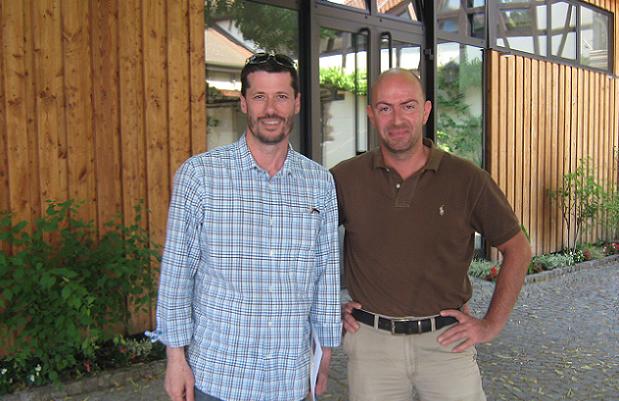
Godello and Christophe Ehrhart, Domaine Josmeyer, Kientzenheim

Godello and Christophe Ehrhart, Domaine Josmeyer, Kientzenheim

Two exposés on Alsatian wine, A Blanck slate in Alsace and It was Josmeyer’s imagination covered two distinct theories, of tabula rasa and wayfinding. On Sparkling wine I gave you Godello’s guide to holiday effervescence and Eleven 11th hour holiday bubbles. If value is your thing, I hope you read The final 14 bargains of 2014 and if great Canadian wine and cuisine float your gastronomic boat, my judging experience was captured at Gold Medal Plates Toronto 2014.

This is the third in the trilogy of best of reports for 2014. The first, 14 Canadian wines that rocked in 2014 was about “wines that are extensions of their maker’s personality, philosophy and temperament. Wines that are indicative of their terroir.” The second, Top 15 under-$25 wines of 2014 was meant to to “create the sociological, world of wine equivalent of splitting the atom. To celebrate the triumph of laic heterodoxy and the arrogance of modernity.  To seek purity from beneath the massacre caused by an avalanche of contrived wines.” The third instalment is meant purely to celebrate and to thank those who shared their bottles with me. Here are 16 wines tasted in 2014 that simply blew me away.

Tasting with Philippe Blanck, Domaine Paul Blanck

Tasting with Philippe Blanck, Domaine Paul Blanck

Domaine Paul Blanck et Fils Muscat d’Alsace Réserve Spéciale 1983, Alsace, France (From A Blanck slate in Alsace, December 1, 2014)

From Altenbourg, a lieu-dit located at the base of the Furstentum vineyard. Here is Blanck’s “fairy tale,” a wine you would have always heard about but never had a chance to taste or likely ever seen. The terroir is limestone mixed with clay and you will have to excuse my Alsatian, but a single sniff and taste releases the expression, “are you fucking kidding me?” This 31-year old Muscat is an impossibility, a first time feeling, a never before nosed perfume. Speaks in a limestone vernacular, of grapes given every chance to survive long after their innocence had been lost. A forest herb, tree sap, evergreen resin, lemongrass and bitter orange coagulation rises from its viscous mist. The acidity has lost nothing on the fruit, acts in perfect foil and leaves you with a sense of loneliness that is just beautiful.  Tasted June 2014  @DomaineBlanck

Pearl Morissette Gamay Cuvée Mon Unique 2013, VQA Twenty Mile Bench, Ontario (Winery) From The pearls of Morissette’s wisdom, May 26, 2014

In July 2013 Francois Morissette made this statement. “If we can’t make Gamay in a Cru Beaujolais Style, I’m not interested.” In May 2014 his ’13 Gamay causes Bill Zacharkiw to comment with blatant honesty, “just line up at the tank. Forget the bottle.” From 100 per cent whole clusters sent to cement fermenters. Once again the hue is just impossible. Sulphur-free, this walks a fine and perfect line of Cru banana Gamay. Pushes the Gamay envelope in that it’s gulpable but with a duress to remind you not to overdo it. A Gamay with a chamber of 32 doors. In it “I’d rather trust a man who doesn’t shout what he’s found.” François Morissette.   Tasted May 2014  @PearlMorissette  @3050imports

Laughing Stock Vineyards Amphora VRM 2013, VQA Okanagan Valley, British Columbia (agent, $30.00, WineAlign) From A day in WineAlign life: 15 new releases from Ontario and B.C., August 8, 2014

Here blends one-third each Viognier, Rousanne and Marsanne, a veritable Rhône orgy in wild fermentation, aged on the skins in terra-cotta and amphorae. While I would not go so far as to call it an “orange wine,” I will use the “N” word to describe its agrarian ways. As natural as anything you are likely to taste out of B.C., this is a most untamed experiment and should not be missed. It verges on oxidation but refuses to climb over the edge. It’s floral, spicy and crowded. The texture is chalky and so full of rusty, clay rubbed streaks. Everything about this is unkempt and exotic, including the never cease and desist fermenting lychee and longan feel. Hard not to be wowed by this blend’s presence.  Tasted August 2014  @lfngwine  @liffordretail

Charles Baker Riesling Picone Vineyard 2006, VQA Vinemount Ridge, Niagara Peninsula (241182, $35, WineAlign) From When experts break wine together, March 4, 2014

Only Charles can follow Charles, as only Jimi could follow Jimi. Just ask Peter Townshend. The combined forces of vintage, off-dry level of residual sugar (23.9 g/L) and age have ushered this Picone into a realm of adipose, butyraceous, chewy texture. The ’06 is emblematic of its time, stunning, psychedelic, experienced. It speaks clearly and with conceit. Tasting it eight years on you can hear Baker’s 2006 voice saying “if you can just get your mind together uh-then come on across to me.” We have and continue to follow Charles, and we are paying close attention to every vintage along the ride.  Tasted March 2014  @cbriesling  @StratusWines

Brokenwood Maxwell Vineyard Sémillon 2007, Hunter Valley, New South Wales, Australia (371484, $47.95, WineAlign) From Thirteen wines ‘ere Friday the 13th, June 12, 2014

A lifelong search for great Sémillon is fraught with peaks and valleys. Finding greatness is so rare it’s blue. The Hunter Valley in New South Wales beckons for a rush to strike gold. Many roads lead nowhere and others, like the dusty lane up to Brokenwood’s Maxwell Vineyard, lead to OZ. This young one has barely broken bread, or even a sweat. Sémillon of primary concern, like a tank sample. Varietal beauty as a cryogenically frozen specimen inundated by the table, the whole periodic table and nothing but the table. Guided by a laser beam of focus, great intent and expectations. Bob’s your uncle this David to the world’s white wine Goliaths. Son of racing studs and mares. Wow Sémillon. Not a faint moment about or in it.  Tasted May 2014  @Brokenwood

The Hess Collection Cabernet Sauvignon 1990, Mount Veeder, Napa Valley, California, USA (662015, $59.00, WineAlign) From The death of wine scores?, March 26, 2014

A seminal bottling from a game-changing year, for two all important reasons. One, it was a great vintage for Napa reds and two, the Mount Veeder sub-appellation was established. While only 24 years ago, a mere five wineries existed there at the time, including Mayacamas, Mt. Veeder and Hess. No hyperbole to say this is tasting a piece of history. Despite my “shouting all about love,” this splendidly aged Cabernet is not so much about resilience as it is persistence and infinite wisdom. All those years ago there were Napa reds made at a mere 12.5 per cent alcohol, with finesse and a sense of George-like calm. With little aeration there is fig, prune and toffee gently weeping but with air the aged fruit is swept away by a wave of gob stopping Cassis before its time. Preconceived notions of banausic, early days Cabernet are smothered by the magic dust of this Hess religion, a Dharma of licorice, ash and enlightenment. A wine to make you forget where you are. Depth, length and up to a half decade yet of reserved life lay ahead.  Tasted March 2014  @HessCollection   @liffordretail

Domaine William Fèvre Chablis Les Clos Grand Cru 2012, Burgundy, France ($143.00, WineAlign) From Burgundy will always be royal, April 22, 2014

The Fèvre take on Les Clos is the cradle of all the domain’s wines, in every respect. Intensely concentrated, this is Chardonnay expressive in every facet of its surroundings. The impart from compressed white limestone, ancient fossils and Jurassic minerals in distillate may seem abstract in description but how else can the feeling of a mouth full of rocks be conveyed? The remarkably complex Les Clos and its structured palate that goes on forever has come out of its Chablis vineyard cradle and will live on as one of the best ever. “It’s not a place, it’s a yearning. It’s not a race, it’s a journey.” There is no rush to drink it up. It will offer immense pleasure for 20-25 years.  @WoodmanWS  @BourgogneWines

Col D’orcia Brunello Di Montalcino 1997, Tuscany, Italy (LCBO 0961714 $145.00, WineAlign) From When Sangiovese comes to town, April 7, 2014

From a golden vintage, this ’97 is crazy good. A fixed, double-edged blade fighting knife dipped into a warm pool of developed liqueur-like sweetness. Seventeen years of languorous modulation and wood-fruit integration had resulted in a gracious Brunello, intrinsically delicious and living large in senescence. Life for the Col D’orcia ’97 is a bowl of cherries. Open one now and for the next three to five years and you’ll know exactly what you’re going to get. Me, “I’ll stick with you baby for a thousand years. Nothing’s gonna touch you in these golden years.”  Tasted April 2014  @Coldorcia  @ConsBrunello

Tenuta dell’Ornellaia Ornellaia 2001, Doc Bolgheri Superiore (Agent, $189.95, WineAlign) From Down on the Ornellaia, June 24, 2014

The blend of the 2001 Rosso Superiore is Cabernet Sauvignon (65 per cent), Merlot (30) and Cabernet Franc (5). Though strange to say and admittedly a retrospective comment, the minute quantity of Cabernet Franc and not yet inclusion of Petit Verdot result in a more straightforward and not as heavily layered Ornellaia. The structure is more linear and understandable, the fruit not as variegated. Complexity and Tuscan spiritualism are not compromised by the Cabernet Sauvignon and Merlot dominant line, in fact, assessing the evolution at 13 years on reveals the Bolgheri terroir in ways the magnanimous and opulent more recent vintages just don’t reach. There is a refreshing acidity in this young and developing ’01 in a streak that again, the baby Superiore do not seem to possess. This is a striking Ornellaia, a wine that would work with exceptional cuisine of varied cultures. It can be enjoyed now and will respond with grace and thanks for 30 plus years more.  Tasted June 2014  @Ornellaia  @AuthenticWineON  @sherry_naylor

Château Léoville Las Cases 1995, Ac St Julien, Bordeaux, Left Bank, France (402529, $599.00, WineAlign) From A Bordeaux family of wines, September 29, 2014

This 2nd Growth, Grand Vin is a product of nurturing and environment, a study in 12 superb soil subsets, from sand to clay to stone. From mature, edified vines split between Cabernet Sauvignon (70 per cent), Cabernet Franc (16) and Merlot (14). The LLC ’95 is grounded and centered on its highly confident axis while swirling within a centrifuge of inwardly concentrated, ripe but not ripest fruit. Merlot here is the anchor, Cabernet Sauvignon the mast. This is a relationship of pure linear fruit meets acidity. The full and fresh attack is refined with soft-pedaled tannins. It’s neither St. Julien nor Paulliac. It is Las Cases. No other Bordeaux is such an island, a distinctly personal expression, an event of its own. This is a window to the greatest vintages, a portal to extend to the benchmarks of 1996, 2000, 2005 and 2009, but also to step into the history of physiological cortex, to gain insight into previous legendary vintages, like 90, 89 and 82. The ’95 is silky, caressing, rapturous enveloping in a reverse osmosis of fruit and acidity, acidity and tannin. Another sip notices the layering, the grain left in tannin, the lingering richness of the fruit. The absolute sweet caress.  Tasted September 2014  @Noble_Estates

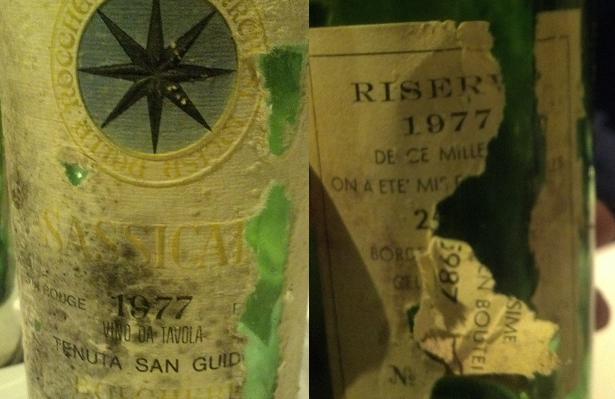
Tenuta San Guido Sassicaia 1977 at Splendido Restaurant, September 2014

Tenuta San Guido Sassicaia 1977 at Splendido Restaurant, September 2014

Tenuta San Guido Sassicaia 1977, Doc Bolgheri, Tuscany, Italy

Though the vintage was reported to be less than exceptional, the chance to taste this 37 years in/on and the longevity it displays combines for full, blow me away effect. The first vintage of Sassicaia was 1968 and this 10th try hits the mark of experience. A blend of Cabernet Sauvignon (85 per cent) and (15) Cabernet Franc, the fruit came from vines over top soils of clay and limestone. The wine spent 20 months in Yugoslavian oak barrels (half of it being new, and half used once or twice before), while for the remaining 60 per cent, French oak was used (2/3 new and 1/3 used once or twice before. Tasted blind, the swirling and searching thoughts of Genesis retrospection assimilate aromas of truffle and mushroom, but at first there is no reply at all. Landing on a plot of excellence somewhere between Bordeaux and Piedmont, Tuscany rises from its hills. A silent conversation ask the Sassicaia “I get the feelin’ you’re tryin’ to tell me;
Is there somethin’ that I should know?” Its condition is near perfect, its body full, its nature pristine and finally, so obviously in balance. After 30 minutes it begins to slide, to no surprise, but you can’t believe the expression it gives and the impression it leaves. And so, it is confirmed. 1977 was a fine vintage for Sassicaia.  Tasted September 2014  @Smarent  @Splendido_TO

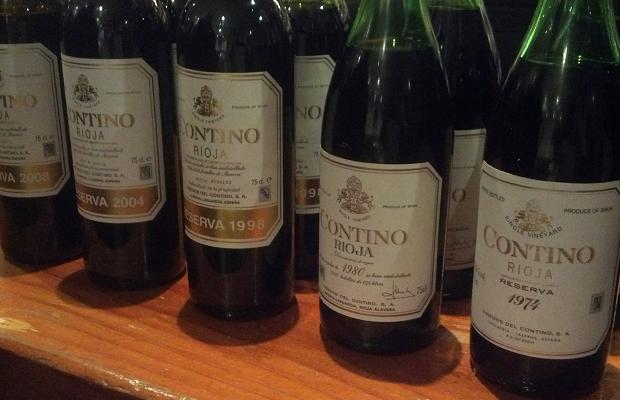
Contino

Bodega Viñedos del Contino Rioja Reserva 1974 at XocoCava, with Chef Chris McDonald and Rob Groh of the Vine Agency, October 2014

Bodega Viñedos del Contino Rioja Reserva 1974, Rioja, Spain (Agent)

An impossibly youthful 40 year-old Tempranillo, even surpassing the more evolved ’80 in that regard, with aniseed, coconut and beeswax in its current aromatic state. Less gamy and animal funky, yet persistent in earthy beats. The vegetal scents act as conduit to the light bulb shining brightly of circuitous flavours and resolved textures. Lingers in mouth feel, its layers of time slowly peeling back, revealing in length, a slide show of the wine’s life. With many year’s still ahead, this is a Tempranillo revelation and from one going back this far that gained no support from Graciano (because it was planted in 1979). Its apostle following instead comes by way of the white Viura. Pair with Chef Chris McDonald’s Foie Gras and Partridge Croquetas.  Tasted September 2014  @TheVine_RobGroh  @Cvne

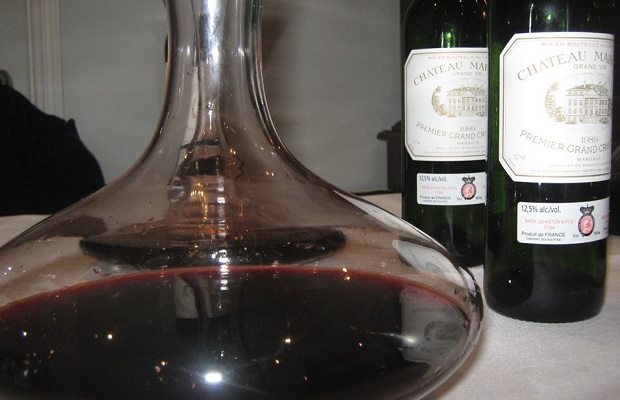
Decanted Château Margaux 1989, The National Club, Toronto, May 1, 2014 PHOTO: Michael Godel

Decanted Château Margaux 1989, The National Club, Toronto, May 1, 2014
PHOTO: Michael Godel

Château Margaux 1989, Ac Bordeaux, France (176057, $1,645.00, WineAlign) From Château Margaux hits the road, May 5, 2014

The 1989 Château Margaux wears the response to a mondo Bordeaux axiom on its sleeve. Are First Growth wines made for people who want darts of instant pleasure?” Twenty years earlier and now like the 2009, here is a quintessential and exemplary vintage, from day one of bud break to the last day of harvest. Its appraisal as anything but incredible is to assassinate it as if it were the Franz Ferdinand of Bordeaux. The examination 25 years later sees a mellow funk meet a peerless and sublime perfume. A wine cast in utmost density, complexity and length. It noses strength, warmth verging on heat but only for a fleeting moment, to gain attention. The iconic wine has reached the first major peak, up a ways from base camp. In this second phase of young adulthood it looks with conceit to the top of the mountain, seeing 25 to 50 more years on the climb. Mr. Pontallier regrets he won’t be around to taste this wine at full maturity. Moi aussi. The fruit lingers in its full, original state, from the moment it passes lips and for minutes onward. Violets trump roses. Château Margaux 1989 is from a vintage that offers the blessing of ethereal balance. Hear her sing, “Ich heisse Superfantastisch!”  Tasted April 2014  @Noble_Estates

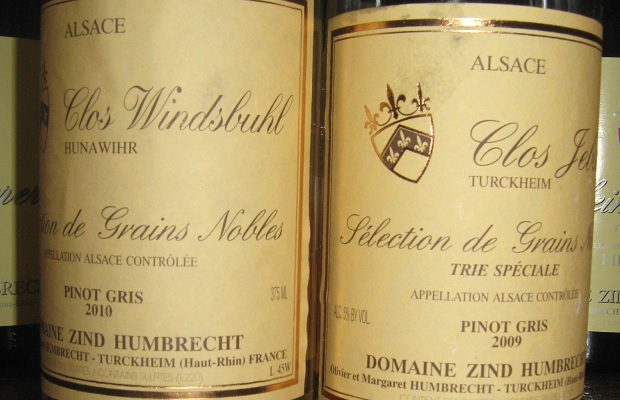
Pinot Gris Clos Jebsal Sélection de Grains Nobles Trie Spéciale 2009

Pinot Gris Clos Jebsal Sélection de Grains Nobles Trie Spéciale 2009

Domaine Zind-Humbrecht Pinot Gris Clos Jebsal Sélection de Grains Nobles Trie Spéciale 2009 (From The cru chief of Alsace: Zind Humbrecht, August 5, 2014)

A south-facing, very steep slope of grey marls and gypsum. A vineyard that yielded a miniscule 10 hl/H. A stratospheric residual sugar quotient (in the realm of 500 g/L) and incredulous acidity to prevent the development of the yeasts. A fermentation that finally finished in the late winter of 2012. A wine aged in demi-guid. Selection of grapes of a botrytis so pure and dry. These are the specs of a wine I may never taste again. Olivier concedes he “really tries not to obtain the highest sugar concentration possible” but this 2009 is a “monster of a wine.” It will take forever to assimilate and digest the sugar. Unctuous, lush, rich and gorgeous does not do it justice. Pure distillation of fruit and stone, accented by spice, wild herbs and flowers. Like an injection of pure, Pinot Gris adrenaline. All this from dry extract, slowly rehydrated with magic pixie dust and the wonders of the natural world.  Will live for a century and then some.  Tasted June 2014  @olivier_dzh  @TrialtoON

Schlumberger

Domaines Schlumberger Riesling Grand Cru Kitterlé 1945

Domaines Schlumberger Riesling Grand Cru Kitterlé 1945 (From In a Grand Cru state of mind, June 18, 2014)

From an area of sandstone soil that predates the appellation. “This is an old story,” says Sommelière Caroline Furstoss by way of introduction at a Millésime master class. “This is a wine of God,” in allusion to the success of a vintage immediately following the end of World War Two. So emotional to taste, of a Riesling with 20-25 g/L of residual sugar and a recondite, balancing level of acidity. Complete and clean, persistent in its power and vitality. There is orange peel and spice, cinnamon and spike. Must have been a warm yet somehow perfect vintage. Sixty-nine years on there is the slightest hint of toffee and nougat with a whispered promise to age for at least 30 more effortless and graceful years. The length lasts for minutes. The heart and the hearth. Just the thought of producing this wine at that time is unfathomable and mystifying. There are no superlatives to do it justice.  Tasted June 2014  @VinexxWine

Taylor Fladgate Single Harvest Porto 1863

Taylor Fladgate Single Harvest Porto 1863

Taylor Fladgate Single Harvest Porto 1863, Douro, Portugal (Agent, $3,995.00, WineAlign) From Taylor made Port, September 2, 2014

The two casks of 1863 reached the Taylor family in pristine condition, from one of the last great pre-Phylloxera vintages of the 20th century. This wine came from the cool and damp Port lodges of Oporto, “the cathedrals of wine.” This was a once in a lifetime chance to taste a piece of history, a most natural and organic fluid encased for 151 years in its integument of time. The year 1863 was significant in many respects, including being the birth year of Henry Ford and Franz Ferdinand. This is Port that creates the future and yet dwells on the past. The hue is both progressive and fathomless in subterranean fantasy. Its many shades of warm, advancing colours resemble the faux brown rings of Mars. The aromas are built around toffee and with accents of many mints; spearmint, chocolate and pepper. You can smell the 1863 from rooms and world’s away. It conjures up many songs. “When you’re half way from a dream, is it hard to work out what is real?” That is its love illumination. It has the strange advance “of killing time and dreams.” The flavours are extreme and exotic, with South-Asian spices highlighting its deep, late night humidity. The finish is endless. Is this brilliance or a stroke of incredible luck? It is certainly pristine and wondrous. It has to be considered a perfect wine, for its niche and genre, by its makers, David Guimaraens and Adrian Bridge. Having let the days of 151 years go by, this is not a wine to compare with others, it is not the same as it ever was. In the end, “you may ask yourself, well…how did I get here?” Thanks to Stephen Marentette of Sylvestre Wines and Spirits.  Tasted August 2014  @TaylorsPortWine  @Smarent

Good to go!
Top 15 under-$25 wines of 2014

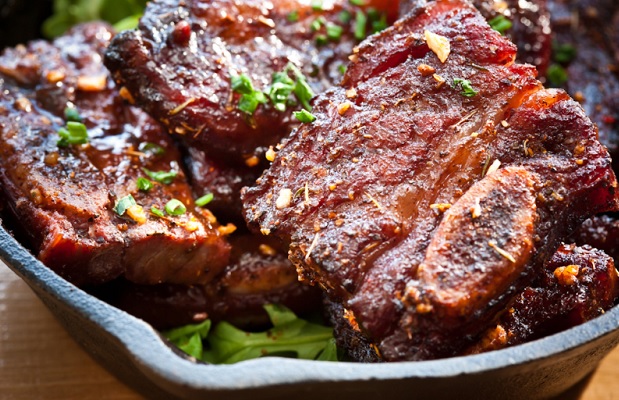
Barque Smokehouse Miami Ribs PHOTO: Kevin Hewitt and Jill Chen (http://www.freestylefarm.ca/)

Barque Smokehouse Miami Ribs
PHOTO: Kevin Hewitt and Jill Chen (http://www.freestylefarm.ca/)

The year-end list. Why? To “free the individual from the collective.” To ponder, speculate and formulate a narrative. To create the sociological, world of wine equivalent of splitting the atom. To celebrate the triumph of laic heterodoxy and the arrogance of modernity.  To seek purity from beneath the massacre caused by an avalanche of contrived wines. In anthropological terms, “to make a housecleaning of belief.”

For the great majority, $25 is the threshold rarely exceeded when shopping for a bottle of wine. If a solid, honest to good bottle can’t be had for less, grape dismissal rears its ugly head and the switch turns to beer, or worse, rail booze mixed with sugar and/or chemical bitters. Oh, the drab humanity of it all.

But a great wine can be had for less than $25 and once found should be exalted and purchased by the case. The category of reds and in less instances whites, need company. This is where Sparkling, Sherry and even Dessert wines seek the embrace of an open mind and a willing palate. Spread the wealth, into glasses filled, from methods and styles unknown.

You will note that this list is filled with such rare animals and not just from the calculations in ferment, but from places unexpected, far off, of gestalt, historical significance and of the ancients. Places like Naoussa and Santorini in Greece, Montilla Moriles from Spain and Alsace, France.

These 15 wines are (almost all) culled from VINTAGES releases. I tasted countless other terrific under-$25 examples in 2014; local, parochial, from beyond Ontario’s borders and abroad. For the purposes of what the Ontario consumer needs to know and for what serves them best, restricting the bulk of the list to what is available in LCBO stores (or in many cases, what was and will again, as a newer vintage, be released), these 15 wines are not hard to find.

So yes, this is an ode, a nod, shout out and props to our faithful and loyal provider, the LCBO and truer to the point, VINTAGES, the fine wine and spirits division of the Ontario monopoly. The supply chain for great wine is alive and well, despite the efforts required to sift through the chaff, to separate it from the proverbial wheat. The gems, though oft-times hidden, can be unearthed. The diamonds will time and again be scooped from the rough and the cream will also rise to the top. Cliché is a by-product of wine life in Ontario.

What stands out and above is the contribution made and presented by the winemakers and vintners in this province. Six out of my 15 choices are from Ontario. The attitude that Ontario wines are too expensive and do not offer good value as compared to similar wines from Chile, Argentina, Spain, Italy, France, Portugal, Germany, South Africa, Australia and New Zealand is rubbish. My decision to include six such beasts drives the point. Many excellent wines are available at the u-$25 price point.

Here are my wines of the year that came in under $25. Some are sold out, many are not. Find them before the year is out.

Toro Albalá Fino Del Lagar Electrico, Do Montilla Moriles, Spain (Agent, $14.95, 500ml, WineAlign) From Recently tasted here, there and everywhere, November 24, 2014

The winery was founded in 1844 and in 1970 Toro Albalá became the first commercial Montilla producer in the classic Solera method, from (estate-grown) Pedro Ximénez vines. This is unfortified Fino, at a naturally achieved alcohol of 15 per cent, from an average age of 10 years. It’s so dry, like a desert you could walk for astral weeks, as if it should be measured in negative residual sugar. Like pure almond extract paste, bones in the sand and the essence of pulverized, powdered nuts, void of moisture. The chalky-white Albariza soils of the Moriles Alto subzone are hardwired into its Akashic, astral Electrico plane. This Fino ventures in the slipstream, between viaducts of dreams, “where immobile steel rims crack.” Impossibly long finish.  Tasted November 2014  @toroalbala  @MontillaMoriles  @LeSommelierWine

Ken Forrester Reserve Chenin Blanc 2012, Stellenbosch, South Africa (231282, $17.95, WineAlign) From the VINTAGES June 21, 2014 Release

Always a diamond cut above its like-minded and similarly priced peers. Ken Forrester’s Chenin Blanc has the most wonderful smell of bleeding, oozing metal and the bitten into stones of many tree fruits, in bittering nobility. Not to mention the pith of citrus and the pits of tree nuts. Though currently in a sulphurous, reductive state, with age this will seek and find an earthen, honey bronzed gorgeousness, in say five to seven years and live in sweet CB infamy until 2025. For a wine that crosses oceans to arrive in your tasting glass, at $18 it represents the finest value in Chenin just about anywhere on the planet. Terrific length. Chenin meets Montrachet.  Tasted May 2014  @KFwines  @WOSACanada

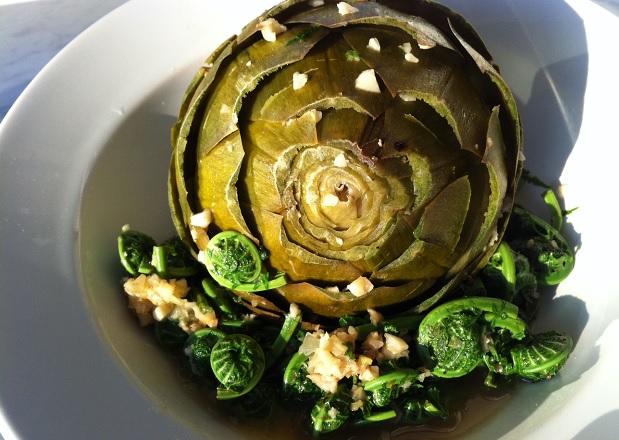
Artichoke and Fiddleheads PHOTO: Michael Godel

Artichoke and Fiddleheads
PHOTO: Michael Godel

Boeckel Brandluft Riesling 2012, Alsace, France (392928, $17.95, WineAlign) From the VINTAGES November 8, 2014 Release, Big release, bigger wines, November 7, 2014

From a northern part of Alsace, southwest of Strasbourg comes this epitome of Dry Alsace Riesling, stone cold stoic and bereft. The impossibility of this style is what Alsace does with impunity and propriety; gaseous and aerified without petrol or vitriol. But it will condense and go there after five years time. The quality is excellent for the price, from a limestone and silica lieu-dit just this side short of Grand Cru. Citrus would be the wrong descriptor but it does act like an exuding of citric acid. So stark and beautiful. Such a mineral expression in every fighting sense of the argument. Like chewing on rock salts and dehydrated limestone, the second tablet then dropped into the glass. A famous wine merchant in London sells this for $25 CAN. In Ontario, this is a must purchase by the case.  Tasted October 2014  @HHDImports_Wine  @drinkAlsace

Dirty Ramps

Dirty Ramps

Rosewood Select Sémillon 2013, VQA Beamsville Bench, Ontario (winery, $18.00,WineAlign) From Taste Ontario’s polarity of personality, October 8, 2014

After tasting Rosewood’s ’12, I urged the region’s cultivation of the great white wolf variety. Then the winter of 2014 happened. Rosewood’s vines were wiped clean off the map, erased like a child of parents who never met. The ’13 Sem is the last Mohican and its 12.5 per cent alcohol (down two from ’12) is a fitting, subdued and graceful epitaph to an amazing Beamsville run. This final cut is lean, stark, raving mad. So very savoury, tannic and built to linger for longer than most. The Rosewood honey is in hiding,”far from flying high in clear blue skies,” but like all memorable vintages of this wine, it will emerge in time. This Sémillon asks, “and if I show you my dark side, will you still hold me tonight?” Yes is the answer, and not just because she is the last one. Terrific curtain call.  Tasted October 2014  @Rosewoodwine

Rockway Small Lot Block 12 150 Riesling 2012, VQA Twenty Mile Bench, Niagara Peninsula, Ontario, Canada (372441, $18.95, WineAlign) From the VINTAGES July 19, 2014 Release, Release the summer wine, July 17, 2014

Noticeably dry but also earthy/funky. Struck match and plowed earth. As it settles into its skin and your consciousness it develops body, depth and acidity. Grows and expands, reaches heights you thought it would not. The vintage works wonders for the Twenty Mile Bench and this block has expansive stuffing to take it long, not to mention the earthy complexity to see it change and evolve. It may go through a disturbing, unusual phase but be patient and set one aside for 15 years from now. You will be amazed what honey and deep geology it discovers and uncovers.  Tasted June 2014  @RockwayVineyard

Vineland Estates Elevation St. Urban Vineyard Riesling 2012, VQA Niagara Peninsula, Ontario (38117, $19.95, WineAlign) From the VINTAGES December 6, 2014 Release, The final 14 bargains of 2014, December 5, 2014

Who has not waited for Elevation to hit out of the 2012 vintage? Straight up it must be noted that this will rank over and above the best from the St. Urban Vineyard. The ’12 Elevation will not only find long-term success among the great values in Bench Riesling, it will go down as one of the best ever, at any price. The vintage impart is a natural for this wine. At the moment it is the most primary of all because of the layers that texture bring. The Elevation will go thirty years and climb higher and higher into the stratosphere, gaining flesh and personality. The already seamless gathering of fruit and mineral is palpable. And still a reminder, the price is $20. This is a Schmidt gift to Ontario, for anyone and everyone to be one of the lucky ones. To purchase in increments any less than a case may be considered a crime against Riesling.  Tasted November 2014  @VinelandEstates  @benchwineguy

Maine Lobsters

Maine Lobsters

Nugan King Valley Frasca’s Lane Chardonnay 2012, King Valley, Victoria, Australia (288191, $19.95, WineAlign) From the VINTAGES June 7, 2014 Release, Australian rules VINTAGES, June 4, 2014

The toast in this Victorian charmer comes across in a mild-mannered, spoken word way with a simmering, buttery bass line. The fruit is high but the rhythms are delicate and even-keeled. More white flowers than your average Australian Chardonnay, brighter, with more grace and more beauty. She’s a girl with a short skirt and a long jacket eating angel cake. Still firm towards the back-end with citrus zest and mouth-watering acidity, she’s “fast and thorough and sharp as a tack.” Finishes with a long and persistent held trumpeting line. “Na,na,na,na,na,na.”  Tasted May 2014  @PMA_int

Katogi & Strofilia Averoff Xinomavro 2008, Pdo Naoussa, Greece (249615, $19.95, WineAlign) From the VINTAGES October 11, 2014 Release, From VINTAGES for Thanksgiving, in wine and with song, October 10, 2014

It’s not that every Xinomavro is infallible but every Xinomavro is worth exploring. The Averoff is classic; smoky, rich plum meets cherry intensity, tannic and textured, layered, like old school Pinot Noir. Liqueur of Naoussa terra firma, rocks and sweet beets. Balance of earth, wind and fire, fun funky and moving. Shares the spice of life so “let this groove, light up your fuse, alright. Let this groove, set in your shoes.” Parts unknown gather to subvert the uninitiated and make them move to Greece.  Tasted October 2014  @katogistrofilia

Thymiopoulos Vineyards Yn Kai Oupavós Xinomavro 2010, Unfiltered, Naoussa, Greece (360750, $19.95, WineAlign) From the VINTAGES January 20, 2014 Release, From Super Bowl XLVIII wine odds, January 30, 2014

Magnificent Macedonian, built upon the unheralded yet stalwart variety Xinomavro. Pure, sweet-smelling gardenia and the refuse of ancient rolling stones express every bit of sun and wind-swept, low bush vines goodness. Purposefully and thankfully unfiltered, so that all the delicious sweet and sour cherry and great biting but sweet tannin are left in. Purity, good sugar/alcohol heights without oak corruption. Earth possessive of mythic undercurrent, sage, wealth of  knowledge, sweet anise and hyssop. Scents of game on the grill. Amazing complexity and length. While tasting this Xinomavro it made me “feel so hypnotized, can’t describe the scene.” Get your rocks off to the Greek Tasted January 2014  @thymiopoulosvin

Huff Estates South Bay Vineyards Unoaked Chardonnay 2012, VQA Prince Edward County, Ontario (Winery, $21.95, WineAlign) From Take them home, County wines, May 20, 2014

The Huff Chardonnay bent has seen a shift as strong as South Bay’s prevailing winds, away from the weight of barrel ferment to a clean, Chablis-like style. The ’10 might just have been the turning point and though they now make two versions, this ’12 is the cementing of the attitude. What is most amazing is that the texture, aromas and feel remain those of an oak-influenced wine. Huff manages the linear consistency without the need to encumber, toast or char the purity of its glade, glycerin and citrus fruit. Only Prince Edward County’s limestone soil can effect this kind of nine inch nails drive into Chardonnay without oak and only Huff can do it with this kind of elegance. A wine “less concerned about fitting into the world.” Do not miss this singular effort. @HuffEstatesWine

Estate Argyros Assyrtiko 2011, Santorini, Greece (366450, $22.95, SAQ 11901091, $24.50, WineAlign) From the VINTAGES March 29, 2014 Release, On a wine and a prayer, March 24, 2014

A 100 per cent Assyrtiko from a 150 year-old, Cycladic Phylloxera sanctuary vineyard. Separates itself from other Santorini adelphoi by ageing 20 per cent of the inoxydable, ancient-minded grapes in French barrels. An Assyrtiko that can’t help be anything but stony, atomic driven goodness. Volcano flow and spew, with more texture than most, its elevated price a necessary reflection of a tertiary expertise. Elevated aromatics, locked in tight by the barrel and matched by extreme flavours, so primary, raw, powerful, relentless and grippy. A remarkable white wine that impresses with a sensation of mouth rope burn full of complex, seafaring knots, this Assytiko will age for 15 years in the cellar and develop into something ethereal. Will melt away in dreamy waves when it settles together. Myth will beget legend, legend will beget truth.  Tasted March 2014 @KolonakiGroup

Roast Chicken, Potatoes, Swiss Chard Photo: Michael Godel

Roast Chicken, Potatoes, Swiss Chard
Photo: Michael Godel

Bordón Gran Reserva 2005, Doca Rioja, Spain (114454, $22.95, WineAlign) From the VINTAGES October 25, 2014 Release, Wine on company time, October 23, 2014

If it were so because of cryogenic preserved must or an accidental tipping and topping up into an unused barrel by recent vintage juice I would not be left hanging with mouth fully agape. Considering the amount of time this flat out delicious Gran Reserva saw in barrel, the mystery must somehow be explained, how it came to be so surprisingly modern and bright (for its age), especially at $23. But it has been seen many times before, with no greater example than the Montecillo 1991 GR that drank fortuitously well into the last years of the previous decade. This is the magic of Rioja. That said, there is some sinew and some raw character here as well – that’s the old school treatment and style talking. Red cherry fruit. Ripe fruit roasted, rested and now sliced, showing its perfectly cooked rare cut. Juicy and with sanguine notes still running through its grain. Wonderful old school yet bright Rioja. Riotous red wine with a calming aura of quietude.  Tasted October 2014  @RiojaBordon  @Eurovintage  @RiojaWine

Il Molino Di Grace Chianti Classico Riserva 2006, Docg, Tuscany, Italy (382945, $23.95, WineAlign) From the VINTAGES December 6, 2014 Release, The final 14 bargains of 2014, December 5, 2014

An ’06 Chianti Classico Riserva you say, pre-aged, delivered to the Ontario market and presented here in 2014, all in for $24? You can’t fool us. We’ve been duped too many times before. This must fall into the “too good to be true” category. The answer depends on which style of Chianti you prefer. This walks all the halls, plies the trades and hits the marks of the CCR ancients. Comes from a remarkable vintage, holding on but in true advanced, oxidizing and fruit diminishing character. Mushrooms and truffles abound, as does game in the early roasting stage. A note of Brett is here too, not over the top but its presence can’t be denied. Acidity speaks, as does bitter chocolate. This is not for all but all should have a go.  Tasted November 2014  @Ilmolinodigrace  @chianticlassico

Riesling and The Lamb Lies Down on Broadway

Riesling and The Lamb Lies Down on Broadway

Pearl Morissette Riesling Cuvée Blackball Barrique 2012, Niagara Peninsula, Ontario ($25, WineAlign) From The pearls of Morisstte’s wisdom, May 26, 2014

When tasted in July of 2013 the ’12 Barrique had only been in bottle for three days so the musk was quite front and centre. Aged in foudres (neutral, old wood casks) it held much latitude at such a young age with notes of herbiage (mint, tarragon), nary a drop of residual sugar and a wholly unique type of dry acidity. “It will not always show this way,” commented Morissette. Tasted 10 months later I can say this. The ’12 Riesling Barrique avoids excessive malic and tartaric acid, not to mention any amount of volatile acidity. It is viable, vital and technically sound. “This is a wine that will take time,” pleads François . “I care about texture, not about varietal character.” Though perplexing and untamed, the wine has undeniable body and that noble bitterness in its unsung tang. It is the anti-Riesling hero, full of experiential conceit and needs to be revisited often, to see where it will go.  Tasted July 2013 and May 2014  @PearlMorissette

Hinterland Ancestral 2014, Prince Edward County, Ontario (Winery, $25,00, WineAlign) From Godello’s guide to holiday effervescence

Just released today, the anterior sniff and first sip procure a sense of immediacy in declaration: This is Jonas Newman’s finest Ancestral to date. Amethyst methustos bled from Prince Edward County Gamay. If a continuing study on such sparkling wine were to be conducted in the méthode ancestrale diaspora, the anthropologist would lose time in the County. Say what you must about the method and the New World place, this elevates an old game, in fact it creates a new one. Strawberry is again at the helm with the sugar number high and balanced by three necessary portents of chemistry; low alcohol, savor and acidity. The finish is conspicuously dry, conditioning the palate to activate the phenotypic sensors. Hits all the right bells, traits, whistles and behaviour. Careful, it will make you want to go out and make babies.  Tasted November 2014  @hinterlandwine  on the card at @barquebbq

Good to go!
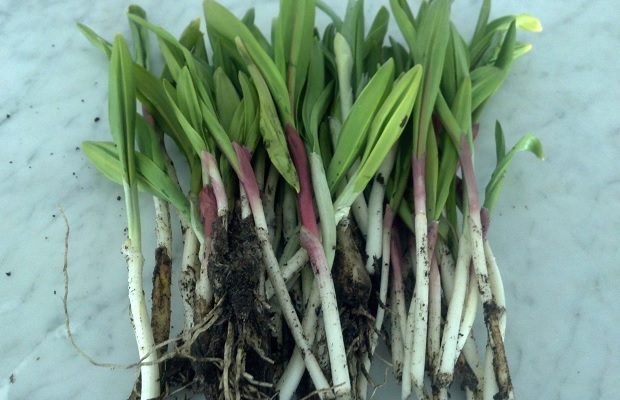
The LCBO and WineAlign go local

Grange of Prince Edward Trumpour's Mill Gamay Noir 2012, Southbrook Triomphe Cabernet Franc 2012, Norman Hardie Unfiltered Niagara Pinot Noir 2011, Stoney Ridge Estate Excellence Pinot Gris 2010

Grange of Prince Edward Trumpour’s Mill Gamay Noir 2012, Southbrook Triomphe Cabernet Franc 2012, Norman Hardie Unfiltered Niagara Pinot Noir 2011, Stoney Ridge Estate Excellence Pinot Gris 2010

If you ask  Heather MacGregor or Lisa Murray, the two responsible for leading the LCBO’s media relations and communications department, they will tell you this. “For the last 23 years LCBO has been a steadfast and proud supporter of locally produced Ontario VQA wine.”  That is certainly true.

Three things would add measurable weight to that statement. Private VQA wine stores, increased shelf space in current LCBO stores and a lifting of  the embargo for “typicity” qualifying standards of locally and exceptionally produced wine. Not to mention speaking out publicly on the necessity of developing a Canadian wine culture by allowing the importing of VQA wine into Ontario that is made in other Canadian provinces. Oh, but I seriously digress.

Sales performance and trends

In fiscal 2013-14, sales of Ontario wine at LCBO were $396 million, 4.1per cent higher than the year before. VQA sales ended the year at $123 million, growth of nearly 2.1 per cent over fiscal 2012-13. Year-to-date 2014-15, VQA wines are up an impressive 5.8 per cent and significantly outpacing imports. Give credit where it is due. With their backs to the proverbial sandbox wall, the LCBO is working feverishly to put Niagara, Prince Edward County and Lake Erie North Shore on the monopoly map. They can thank Wine Country Ontario for the support, the expertise and the professional lead.

Growing product selection

The LCBO WINES category offers 526 Ontario- produced wines, including 330 VQA wines. What makes up the other 196 might be questioned and that category could be improved were it to include, let us say, for the purposes of argumentation, a Pearl Morisstte Riesling. That said, 330 is a highly significant number. Good on you LCBO.

Our Wine Country Boutiques

Three stores in St.Catharines, Niagara Falls, and Windsor boast excellent local wine selections. The sommelier and restaurant community in Toronto has embraced Ontario wines. Their presence at events like Cool Chardonnay and the Ontario Technical Sparkling Wine Symposium are proof of the phenomenon. So are dozens of wine lists city-wide. The question is why does an Our Wine Country Boutique not exist in a flagship store such as Queen’s Quay or Bayview Village? The Toronto consumer requires chiding and the flock will submit if shown the righteous path. Bring OWCB’s to the city.

The LCBO is doing yeomans work to help small wineries in their own parochial scene and the bigger picture is taken care of through VINTAGES releases. The work has just begun. Change and progress are necessary. A good first step is an event such as was held on Thursday August 14th: Taste Local, Love Local. The match was to pie, kitschy yet effective. There were 21 wines on hand. These were the best three.

Grange of Prince Edward County Gamay Noir 2012, VQA Prince Edward County, Ontario (615062, $14.95, WineAlign)

As Gamay continues to gain traction, it is examples such as this ’12 from Grange that will help to solidify its position as a go to variety for versatile food matching and pure, simple quaffing pleasure. Though this ’12 and its warm vintage baggage render it beefy, spicy and veering to black cherry, it holds freshness and juicy acidity in retainer. The ripe tree fruit sensation never really relents so the style is heady but it shows the strength and excellent value to be found in Gamay.  Tasted August 2014  @grangewinery

Southbrook Triomphe Cabernet Franc 2012, VQA Niagara On The Lake, Ontario (275958, $21.95, WineAlign)

The 2012 Triomphe Cabernet Franc receives a meld of mellow, blending support from 12.4 per cent Merlot and the marriage is quietly non-contentious. That blending decision by winemaker Ann Sperling, along with the praiseworthy choice to forgo obtrusive oak is as good as a golpe on the Niagara Cab Franc oeuvre. The use of large format (80 hectolitre), no splinters allowed oak vats over wood spice and milkshake imparting barrels is an easy swallow for sore palates. The ’12 Triomphe is an elongated and elastic Cab Franc, with nary a foray into the tobacco, bell pepper and cloying currant currency of so many predecessors. The co-fermenting of disparate, north and south, estate blocks in those vats has done wonders on the preservation of a warm vintage’s, judiciously-picked (21.8 per cent brix at harvest) fresh fruit. Terrific decisions all in for a highly accessible, brand and varietal ambassador for Niagara.  Tasted August 2014  @SouthbrookWine

Norman Hardie Unfiltered Niagara Pinot Noir 2011, VQA Niagara Peninsula, Ontario (208702, $39.00, WineAlign)

Hardie’s 2011 Pinot Noir comes out of deep clay, 20 Mile Bench soil, an impart not lost in the rich though dusty character of the wine. The flesh is both corporeal and marbled and a chalky grain runs through, with thanks to what feels like smithereens of limestone blasted through. “It was long ago, seems like yesterday,” that Norm’s Niagara Pinot carried an unwieldy level of anxiety but here the tannins have settled, the volatility has relented and there is a curious combination now, of blood and roses. Though meaty, the ’11 Pinot’s juices are concentrated, contained, not running out. The aromas are floral, heightened and intoxicating. Once again, classic comes by way of low alcohol and minimalist intervention.  Tasted August 2014  @normhardie

Meanwhile, back at the WineAlign ranch, yet another local standout is available for tasting. This Pinot Gris was a most excellent surprise.

Stoney Ridge Estate Excellence Pinot Gris 2010, VQA Niagara Lakeshore, Ontario (Winery, $24.95, WineAlign)

From the deep soil of the Twenty Mile Bench sub-appellation, this is certainly made in a honeyed, Pinot Gris, noble bitter excellence style, conjuring up a Pierre Frick Pfaffenheim reminiscence. The golden hue and blanched nut aroma indicate a slight yet subtle advanced oxidation but the low (3.4) pH and necessary fortifying (5.8 g/L) acidity round-up and subdue the sugar (4.5 g/L) and alcohol (13.3 per cent), whose specs are nothing to cause any real concern in the first place. The intensity is only overshadowed by the natural sweetness which comes across the palate by way of texture and tannin. A mineral underlay is noted with props to a limestone and shale drip from the Bench down through soil towards the Niagara Lakeshore. This 2010 found symmetry in moving parts to reach its current peak and to propel the Excellence towards a 10 year future of graceful decline.  Tasted August 2014  @stoneyridgewine

Good to go!


The pearls of Morissette’s wisdom

Pearl Morissette Riesling samples

Pearl Morissette Riesling samples

So you make wine from Ontario-grown grapes and it fails VQA inspection. The economic impact is potentially crippling. Here’s the short story. The sale of an Ontario VQA-certified bottle of wine sends approximately 15-20 per cent of the profit to the province. Without the stamp the tax cost is upwards of 50. There is no money to be made if your wine has not been blessed by VQA. Here is the long version:

The total Landed Cost (what the winery keeps) is calculated based on this:
Basic Price (retail price)  
minus Environmental Tax fee (same for VQA and non-VQA)
minus Bottle Tax/Levy (same for VQA and non-VQA)  
minus LCBO Wine Levy (applied to non-VQA only, yet minimal – $1.15 for $26btl)
minus LCBO mark-up (which is completely different between VQA and non-VQA – $0 for VQA, $8.5039 for a non-VQA wine based on a $26)
For a $25.20 ($25 + bottle deposit) bottle of wine, this is what the winery (Total Landed Cost in VQA language) keeps:
VQA retail: $20.56
VQA licensee: $20.56
non-VQA licensee: $12.44
These numbers come from a calculator, designed by VQA and the LCBO themselves that gives you the breakdown, once you enter the retail price.

François Morissette has that crazed look in his eye. The Quebec native faces the professional fight of his young winemaking life and has no intention of backing down. There will be no compromise of the viniculture oeuvre. Morissette’s day in, day out plight has been instigated by the Vintners Quality Alliance (VQA), the regulatory board that determines whether or not a wine made in Ontario gets its stamp of approval. It has already happened four times. VQA has rejected his Rieslings.

The pearl Morissette Cuvée Blackball Riesling 2011 is a $26 (retail price including bottle deposit) non-VQA bottle of wine and so the winery’s profit (before operating and production costs) is $12.98. Do the math. Sounds like a loss leader to me.

Pearl Morissette pigs

Pearl Morissette pigs

Morissette makes the wines at Pearl Morissette out of the Twenty Mile Bench in Jordan, Ontario. He’s opinionated and sometimes just plain pissed off. There are those who surely consider him a rogue, a dissident and an SD but at the end of the day, just how is he so different from his Niagara brethren and sistren? He is a farmer and a purveyor of fermented grapes. Granted his methods are progressive and experimental but the goal is the same as any honest and passionate winemaker. François Morissette wants to make memorable wine. Last July François Morissette told me “it’s not that we don’t want to make natural wines. We want to make wines with the least amount of impact.”

In July of 2013 at the i4C Cool Chardonnay Conference in Niagara, Francois expounded on some of the more important facets of making wine in Ontario. “Climate is the number one terroir driven aspect. The clone is nothing without the rootstock. They are inextricably linked.” He is a man who believes wholeheartedly in natural acidity. “You will have riper fruit on dry matter.” These are the ideas of a “rebel,” of a winemaker willing and ready to push the envelope. “I cannot ever apply what I learned in Burgundy as a farmer to Niagara. It’s a totally different animal.” These are the words of “pot-stirrer” Francois Morissette.

Foudre at Pearl Morissette

Foudre at Pearl Morissette

Today, Monday, May 26th, François and his girl Friday Svetlana Atcheva will once again go before the powers that be at VQA.  In their meeting with Executive Director Laurie Macdonald they will argue that their four-time rejected Riesling is bio-chemically sound, that it is a wine with no technical faults. The question of penalizing innovation will be raised, albeit in the spirit of cooperation. They will assert that the level of residual sugar (which the VQA panel seems to feel is “atypically” too low) and perceived sense of dryness must not be the focus. Morissette and Atcheva will explain to the panel that their Riesling is not oxidized but that the use of wood foudres (in addition to typically employed stainless steel tanks) allows for a gentle yet natural, controlled oxygen transfer. Ms. Macdonald will be asked the question on everyone’s mind. “How can an organization that reigns over such a young wine region be so sure what is correct and what is not?” What they should really say is “who are you to play God with wine?”

The sensory evaluation panel and decision makers maintain the necessity that “VQA wine grapes meet standards such as minimum ripeness levels (degrees brix) attained through careful viticultural practices.” This statement suggests that the Pearl Morissette Riesling fails to meet the criteria laid out by the decided governance. Does the system not sound like it is seeking conformity in the name of typicity? I spoke with Atcheva last Monday at the Generation Riesling tasting and she adamantly refutes the VQA position on Pearl Morissette’s wines. Skin ripeness, not sugar levels, indigenous yeasts, minimal interventionist winemaking and most of all quality should be the determining factors to passing their Ontario wine to VQA status. François just wants to be free to sell his wines to whoever he pleases without being shackled to taxes and bureaucracy. “My preference would be for 1,000 people to buy one bottle. But that takes time.”

Atcheva spoke at length this past weekend with a senior LCBO product consultant who elaborated on the selection process for the VQA panel. Up until a few years ago panel members were chosen based on their tasting experience. Today seniority lands spots on the tribunal. Work an LCBO cash for fifteen years and you too can decide the financial future of an Ontario winery.

Conrete Egg Fermenter

Conrete Egg Fermenter

For a full account on VQA evaluation processes and the rejection of Morissette’s wines, read Rick VanSickle’s article, The ‘black-balled’ Riesling from Pearl Morissette in Niagara and the storm that’s brewing over VQA rejection: Let’s talk about it. Another response by Tim Reed Manessy brings the VQA system’s shortcomings into proper focus. Behind the ‘Black Ball’ is Manessy’s take on his blog, Somm on the Run.

Hinterland's Jonas Newman, François Morissette, Montreal Gazette and Chacun Son Vin's Bill Zacharkiw, WineAlign's John Szabo M.S. , Wine Country Ontario's Magdalena Kaiser Smit and Assistant Winemaker Ryan Corrigan tasting Cabernet Franc

Hinterland’s Jonas Newman, François Morissette, Montreal Gazette and Chacun Son Vin’s Bill Zacharkiw, WineAlign’s John Szabo M.S. , Wine Country Ontario’s Magdalena Kaiser Smit and Assistant Winemaker Ryan Corrigan tasting Cabernet Franc

Through the generosity of François Morissette, Naomi Laurie, Ryan Corrigan, Cameron MacDonald and Svetlana Atcheva I have had the opportunity to taste, consider and assess the wines of Pearl Morissette out of tank, barrel, concrete egg fermenter and bottle on several occasions in the past year. Here are my notes on many of those moments.

Riesling Cuvée Blackball 2010, Niagara Peninsula, Ontario ($26)

This introduction to the experimental oeuvre of François Morissette holds attention and water. The delve into texture shaping by way of progressive malolactic fermentation during primary fermentation is a stirring exercise in character building. The ’10 is a conjoined cuvée of two, one of which contained 20% botrytis affected grapes. It spent eight months on fine lees in stainless steel and finished so very dry, at 1.27 g/L residual sugar. Biochemically correct, reeking and bleeding of the Peninsula’s veins, Blackball was submitted for VQA approval four times and rejected because it “lacked varietal typicity.” Perhaps it was the lack of human intervention, the anti-Bonzai approach, that doomed this diffident Riesling. Perhaps the texture should take it on the cheek for its brilliant disguise, for changing the subject and forcing the taster to open their mind and act innocent for a moment in time. The Blackball has that effect. Sadly, it too will be typical one day.  Tasted July 2013

Riesling Cuvée Blackball 2011, Niagara Peninsula, Ontario ($26)

The 2011 Cuvée Blackball picks up where the ’10 left off. When tasted from a stainless steel, not yet labeled sample in bottle back in July of 2013 it showed high acidity and citrus but also a bottle-shock musky note. Nearly one year later the wine has fleshed into that sought after experimental texture, as if it were aged in foudres. It’s flexibility was encouraged by three months of aging on its fine lees. The ’11 is the jumping off point and the bridge towards understanding where the Riesling program is heading. Others will follow. “There’s no real reference for these wines,” admits Morissette and that’s the clue to understanding why haste judgments are passed. Fear of the unknown empowers tradition to stagnate and end up getting left behind.  Tasted July 2013 and May 2014

Riesling Cuvée Blackball Barrique 2011, Niagara Peninsula, Ontario ($29)

The craving for texture led François Morissette to employ small barrels to ferment a small (68 case) amount of 2011 Riesling, in this instance eight year-old neutral barriques. Close-minded, new world wine geeks might fear anarchy but ask any winemaker from Pfalz and they would say, “tell me something new.” The succor is so benign and simultaneously, subtly huge. The increased lees contact on small volumes of wine promotes corpulence and viscidity. The methodology results in more fruit presence; in pear and yellow plum, not to mention that unmistakable Niagara citrus. This ’11 has the most levels of expression. There is nothing revelatory or regulatory about it, beyond the fact that it works and that it would stand out as an excellent example in a flight of Trocken Riesling. The ’11 exemplifies the flesh versus acid continuum. The freshness of this Riesling has emerged, thanks to meticulous sorting, ne0-liberal winemaking and the use of a -1°C fridge. François Morissette does not like to race against time. His Riesling speaks volumes about that.  Tasted July 2013 and May 2014

Riesling Cuvée Blackball Barrique 2012, Niagara Peninsula, Ontario ($29, WineAlign)

When tasted in July of 2013 the ’12 Barrique had only been in bottle for three days so the musk was quite front and centre. Aged in foudres (neutral, old wood casks) it held much latitude at such a young age with notes of herbiage (mint, tarragon), nary a drop of residual sugar and a wholly unique type of dry acidity. “It will not always show this way,” commented Morissette. Tasted 10 months later I can say this. The ’12 Riesling Barrique avoids excessive malic and tartaric acid, not to mention any amount of volatile acidity. It is viable, vital and technically sound. “This is a wine that will take time,” pleads François . “I care about texture, not about varietal character.” Though perplexing and untamed, the wine has undeniable body and that noble bitterness in its unsung tang. It is the anti-Riesling hero, full of experiential conceit and needs to be revisited often, to see where it will go.  Tasted July 2013 and May 2014

Riesling and The Lamb Lies Down on Broadway

Riesling and The Lamb Lies Down on Broadway

Rosé Cuvée LPR 2012, Niagara Peninsula, Ontario (Sold out, $25)

Stylistically speaking, the bottles (and kegs) that emerged from the 225L hemorrhaging of Cabernet Franc from both oak and concrete vessels have no reference point. In fact, the advertence is one created by Francois Morissette. The flexible disposition is difficult to pinpoint and without trying to sound blowsy in assessment, this goes places yet visited by bone-dry Rosé. If it were the only wine made on premises the barn doors would always be banged upon. A most current wine, exigently red and almost indiscernible as Cabernet Franc. It suffers no stenosis and does not live a single green day. Another VQA rejected wine, the LPR walks down a boulevard of broken dreams and it sings, “I walk a lonely road, the only one that I have ever known.”  Last tasted November 2013

Pinot Noir 2011, Niagara Peninsula, Ontario (Sold out, $36)

With utmost integrity Pearl Morissette chose not to vinify Pinot Noir from the fruit of the 2008, 2009 and 2010 vintages due to unacceptable levels of sour rot. With the 2011 harvest came inspiration. It was noted that local tree fruit farmers make use of the practice of storing their harvested fruit at 1° Celsius in a large refrigerator. This pseudo-cryogenic cooling practicum worked to halt the progression of the dreaded rot. Buying time allowed the crew to clean sort without having to worry about a single berry contaminating the lot. So what? So a pure, clean Pinot Noir was the result. Tasted four months after bottling, the modest (12.7 per cent alcohol) and vinified so dry (2 g/L residual sugar) ’11 held barking fruit on a tight leash and a moonscape of dusty, grainy tannin. Nine months later (to the day) the sensory evolution became as if cherries, strawberries and the tension in seeking ripe perfection were wine.  Tasted July 2013 and April 2014

Pearl Morissette Pinot Noir 2011

Pearl Morissette Pinot Noir 2011

Cuvée Madeline Cabernet Franc 2010, VQA Twenty Mile Bench, Niagara Peninsula, Ontario  (winery, $38, WineAlign)

François Morissette’s 2010 is a pioneering example towards defining Bench appellation Cabernet Franc isomeric reactions. Relationships between grapes of a growing area and their ultimate destination in bottle. An affair of veraison, leaf drop, frost, hand harvesting, whole cluster sorting and berry oak fermenting. Indigenous yeast, punch downs and overs for phenolic skin extraction and polymerization. Neutral oak and sulfur dioxide to provide antimicrobial and antioxidant protection. An eighteen month somniac’s rest, fine lees and no filtration. The structural arrangement in cohabitation of radicals and ions leads to such a Cabernet Franc. Fully expressive of an endemic, very ripe, vegetal varietal vicissitude that is both inbred and necessary. Currants and peppered berries of power and grit. Dry (2 g/L residual sugar), plump (13.7 per cent alcohol) and scarce (618 cases made). Reflective of the warm 2010 vintage and will always act in stark contrast to the elegant 2011. Tasted July 2013 and March 2014

19th Street Cabernet Franc 2011, VQA Twenty Mile Bench, Niagara Peninsula, Ontario  (winery, $38, WineAlign)

First tasted from a barrel sample in July 2013. “From what is turning out to be a very elegant vintage, the 2011 Cabernet Franc is early proof that on the Twenty Mile Bench “we can turn a vineyard very quickly, in three years we can turn a vine.” This is significant in consideration that in Europe, vine age is always key.” Now in bottle the aromatics are hyper-pronounced and though the tannins are less rigid, less exerting and less demanding, they are not nearly ready to throw in the towel. Longevity will define ’11 and it will be the genesis of Pearl Morissette’s CF program used to compare future vintages. “The day of judgement’s come,” and you can bet that the wine’s been “resting, for this testing, digesting every word the experts say.” With the ambient transition of a hairless heart, the 2011 Cabernet Franc segues from anxiety to counting out time.  Tasted May 2014

Chardonnay ‘Dix-Neuvième’ 2009, VQA Twenty Mile Bench, Niagara Peninsula, Ontario (limited library, $40, WineAlign)

Was the ’09 DN this lush and so pretty last summer? Was it bronzing as if sun-kissed and so delicate? Tasted alongside Chef Cameron MacDonald’s White Bean Cassoulet, duck and pork neck wrapped pate it sings in a Lindley-esque falsetto. From my earlier, July 2013 note: “Tragically singular in expression, regardless and in spite of the terroir, mixes metaphors and pulls it off. “Takes arms against a sea of troubles,” by convincing ADHD fruit of an uncertain vintage to settle, play nice and “by opposing, end them.” Now entering the load out zone, this Hamlet cuvée is “the first to come and the last to leave, working for that minimum wage.” A sentimental ballad here to stay, be remembered and to set the stage for all dix-neuvième to come.”  Last tasted May 2014

Chardonnay ‘Dix-Neuvième’ 2010, VQA Twenty Mile Bench, Niagara Peninsula, Ontario (sold out, $35, WineAlign)

Having had the opportunity to taste the 2010 Cuvée Dix Neuvieme on several occasions over the past 10 months, every layer and fibre of its being has ingratiated itself to me. The tropical, solar 2010 vintage required that steps were taken to preserve freshness for when the final blend was to be assembled. A small portion of the juice was fermented separately in stainless steel tank and then injected into the 18-month, neutral barrel mass. The ’10 is full of verve, rigor and grinning elegance. It speaks of a salinity so typical for PM Chardonnay which comes from the usage of lees. This is what could be referred to as a “tannic” white. While it lacks the intensity of the bookending vintages on either side, as a middle sibling it is the glue and the rock that speaks diplomatically and most eloquently for the family.  Last tasted May 2014

Chardonnay ‘Dix-Neuvième’ 2011, VQA Twenty Mile Bench, Niagara Peninsula, Ontario (303602, $35, WineAlign)

A child of a hot and dry summer, a stress-free winter slumber and a non-invasive spring awakening.  Sets out lean, tight and mean, but the dry extract invites spicy, stone fruit and an emergence of tropical lushness. Can there be another specimen that so rightfully defines Pearl Morissette, the top of the Bench or Niagara as a whole in 2011?   Tasted July 2013

Barrel and Tank Samples tasted July 2013 and May 2014

19th Street Cabernet Franc 2012

Tasted in July 2013 from one of two barrels, it’s not so (amazingly reductive) and redolent of the most earthly currants. From a very immense year, in primary quality, barely evolved. Blessed with such ripe tannins this will have even bigger structure. Francois declares “I’m now a believer that Cabernet Franc is the most important grape to grow in Ontario (on this side of St. Catherines). Nine months later, with the wine still sitting on its primary lees and not yet racked “it’s so torqued,” notes John Szabo. “We made a monster CF without cream,” adds François . Pure, énorme, immovable yet so stable. There was a nearly volatile spike during fermentation and malo but it’s done. A death metal beast.  Tasted July 2013 and May 2014

19th Street Cabernet Franc 2013

From juice housed in concrete, wood and open top fermenters this occupies impossible Cabernet Franc colour territory. Sweaty, chalky and bloody, it’s a bit reductive in extract and intensity. Lifted florally and very savoury, this is quintessentially Cabernet Franc in character. Crunchy tannins come late in magnanimous fashion.  Tasted May 2014

Chardonnay 2013

Tighter than it looks, sitting on its lees, pushing the envelope. In a German 2,500L barrel it’s rounder and softer. In second fill Alsatian Foudre it gains tang, spirit and backbone. From the Koscis Vineyard’s heavy red clay there is less texture and mid-palate. Out of a smaller (228L) barrel the wood is felt in fluidity, structure and creamier, clearer fruit. The largest barrel adds (10 per cent) new oak and finishes the ferment the earliest. It brings textural tack and a chewy finish. “New oak doesn’t make it better. It energizes the wine,” says Morissette. Overall this will be a rich, ripe-fruit based opulent Chardonnay, high in potential (13+ per cent) alcohol with a remarkable sweetness despite little or no residual sugar.  Tasted May 2014

Chardonnay from barrel with Ryan Corrigan, Jonas Newman, Francois Morissette and John Szabo

Chardonnay from barrel with Ryan Corrigan, Jonas Newman, Francois Morissette and John Szabo

Rosé 2013

If this Cabernet Franc is flirting with an acetic danger it is not enough to scare me away. Certainly edgy and there is a chance it may be pushed to the fringe, hippest markets but that also may just be a necessity if it is once again rejected as VQA. And it should not be.  Tasted May 2014

Bill Zacharkiw making notes at Pearl Morissette

Bill Zacharkiw making notes at Pearl Morissette

Gamay 2013

In July 2013 Francois Morissette made this statement. “If we can’t make Gamay in a Cru Beaujolais Style, I’m not interested.” In May 2014 his ’13 Gamay causes Bill Zacharkiw to comment with blatant honesty, “just line up at the tank. Forget the bottle.” From 100 per cent whole clusters sent to cement fermenters. Once again the hue is just impossible. Sulphur-free, this walks a fine and perfect line of Cru banana Gamay. Pushes the Gamay envelope in that it’s gulpable but with a duress to remind you not to overdo it. A Gamay with a chamber of 32 doors. In it “I’d rather trust a man who doesn’t shout what he’s found.” François Morissette.   Tasted May 2014


Good to go!
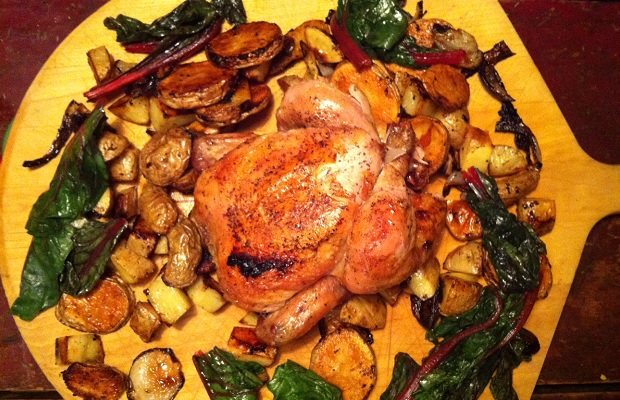
The death of wine scores?


Is the rating simply a tool understood within the context of marketing? Photo: Maria Vazquez/Fotolia.com

Is the rating simply a tool understood within the context of marketing?
Photo: Maria Vazquez/Fotolia.com

as seen on canada.com

Not so fast.

As time goes by, I am hearing less comments like, “well that one got a 95,” and “that one is better value because it got a 90.” Wine ratings may increasingly becoming maligned and less frequently employed but that does not mean they don’t have their place. Scores continue to be necessary as a way to evaluate wines that lack a certain level of honesty. Wines on the edge of being dodgily made, encumbered by heavy-handed, industry-fed, mass marketing machines. Scores separate and differentiate the wheat from the chaff when dealing with over the top residual sugar, hyper-acidification, bloated alcohol and (lack of fruit) masking. Embrocating one Malbec an 85 over another’s 84 makes a comment on the relative validities of those two sweetened confections.

Attaching a rating to a tasting note is not a question of right versus wrong. Ratings measure a bottle of wine against its peers. That is the simple answer. The problem is that the tasting experience is a subjective one and each reviewer has personal preferences, so in order to align with one (or more), the consumer must self-calibrate alongside a critic whose palate they’ve figured out. Very difficult to do, so relying on scores has always been the easiest road to travel.

Part of the problem is that tasting notes, on their own, are often fleeting and impossible to grasp. Guilty as charged. Fred Swan put this is the most eloquent terms. “Tasting notes are like photographs, portraying a subject at one brief moment in time and without a back story.” If tasting notes are just snapshots, is that not compelling testimony as to the need for an accompanying score? Or is the rating simply a tool understood within the context of marketing?

Jamie Goode’s take. “I find myself in a tricky position: I use points even though I don’t like to because readers find them useful. And I have to calibrate my scale with the major critics. This pushes me into a corner.”

Still the debate is growing and for good reason. The wine community is tiring of seeing scores, especially those tabulated using the Robert Parker Jr. anointed 100-point scale, attached to a critic’s wine tasting note. The question has always been this. Why would you need scores to sell wine?

Mr. Parker feels so strongly about the entrenched longevity of his system that he’s announced the launch of a new lifestyle magazine called “100 Points by Robert Parker.” Does this sound like a last gasp fling from a captain going down with his ship? Bill Zacharkiw seems to intimate the idea, but the Montreal Gazette wine critic is smarter than to lash out and drag anyone through the mud. Taking a high road, Zacharkiw writes, “from grapes to wine styles, there is truly a wine for everyone. I have my taste, you have yours, and Parker has his.” No, nor scores neither. Nor scores neither.

The fervor and sometimes rage in the argument reminds me of the (second) most famous of Hamlet soliloquys. “Why it appeareth nothing to me but a foul and pestilent congregation of vapours. What a piece of work is a man!” Most of the voices chiming in on this hot topic only see the ratings world in black and white. There are more shades of grey than many would freely admit. Scores have their place.

Meanwhile, Decanter is reporting that Château Pontet-Canet made a bold decision to test (more than 20 years) of uncharted waters by setting their en Primeur pricing in advance of the taste and ratings levies by the major critics. Since the nineties the likes of Parker, Decanter and Wine Spectator have all but determined Bordeaux Futures pricing. Pontet-Canet’s move is being seen as another nail in the 100-point coffin. One Bordeaux négociant commented, “If other chateaux follow this same pricing model, we might as well go home now.”

The real issue is the bottle itself. In the new world of wine, who has not thrown new stock and a vested interest into wines made naturally, in sustainable, biodynamic or organic ways? Who has not made a resolution to drink more honest wine? Producing good wine still trumps the natural theatre of viticulture and viniculture but honesty is the new order. Honest wines should go forth and be free of wine ratings.

Wine scores can be ignored if we concentrate on what matters. Like apiculate yeast, fermentative vigor, microflora, clonal selection and soil. We also need to talk more about and mention flaws, like chlorinated compounds, hydrogen sulphide and volatile acidity. These are things that are too often brushed under the rug.

I will continue to post ratings of the wines I review on WineAlign because as a community of critics we offer a round table of opinions that allow the wine buyer to make gathered, educated and informed decisions. In consideration that this forum is a singular expression of opinions, this column will no longer attach scores to tasting notes. It’s quite obvious, plain and simple. I only write about honest wines for canada.com. The prose speaks for itself.

With spring beginning this Friday, no joke, here are the last of the great big winter reds. Five wines recently tasted that thrilled by way of their fairness, their honor and their virtue. Wines that need no score.

From left: Mi Terruño Reserve Cabernet Sauvignon 2010, Pearl Morissette Cabernet Franc Cuvée Madeline 2010, Ruffino Ducale Oro Riserva Chianti Classico 2008, The Hess Collection Cabernet Sauvignon 1990, and Château Calon Ségur 2010, Ac Saint Estèphe

From left: Mi Terruño Reserve Cabernet Sauvignon 2010, Pearl Morissette Cabernet Franc Cuvée Madeline 2010, Ruffino Ducale Oro Riserva Chianti Classico 2008, The Hess Collection Cabernet Sauvignon 1990, and Château Calon Ségur 2010, Ac Saint Estèphe

Mi Terruño Reserve Cabernet Sauvignon 2010, Mendoza, Argentina (364133, $15.95, WineAlign) From the VINTAGES March 29, 2014 Release

Stands out for its honest fruit, this Mendozan from San Roque district in Maipú county. Qualified by an admirable level of restraint, low in residual sugar and alcohol, straightforward, unencumbered. Winemakers María Eugenia Baigorria and Sergio Giménez have let the fruit speak in clean, level tones, in red berries, licorice red and black, a dusting of spice, red cherry and even strawberry. This is textbook hands off winemaking with nearly exceptional length and simply solid from start to finish. Mi sueno, mi terruño.  Tasted March 2014

Pearl Morissette Cabernet Franc Cuvée Madeline 2010, VQA Twenty Mile Bench, Niagara Peninsula (winery, $38, WineAlign)

Francois Morissette’s 2010 is a pioneering example towards defining Bench appellation Cabernet Franc isomeric reactions. Relationships between grapes of a growing area and their ultimate destination in bottle. An affair of veraison, leaf drop, frost, hand harvesting, whole cluster sorting and berry oak fermenting.  Indigenous yeast, punch downs and overs for phenolic skin extraction and polymerization. Neutral oak and sulfur dioxide to provide antimicrobial and antioxidant protection. An eighteen month somniac’s rest, fine lees and no filtration. The structural arrangement in cohabitation of radicals and ions leads to such a Cabernet Franc. Fully expressive of an endemic, very ripe, vegetal varietal vicissitude that is both inbred and necessary. Currants and peppered berries of power and grit. Dry (2 g/L residual sugar), plump (13.7 per cent alcohol) and scarce (618 cases made). Reflective of the warm 2010 vintage and will always act in stark contrast to the elegant 2011.  Tasted July 2013 and March 2014  @PearlMorissette  On the card at Barque Smokehouse

Ruffino Ducale Oro Riserva Chianti Classico 2008, Tuscany, Italy (353201, $43.95, WineAlign) From the VINTAGES March 29, 2014 Release

A re-release showing an exuberance of advanced character. Now acting out the strikingly rich and golden vintage, in Lamé and gilded iron. Speaking a most Tuscan, elite vernacular, already recognizable and evolving into its own skin, with a notion towards herbaceous, dried fruit. A classic pasta and roasted meats red wine. Nonna’s Trattoria kitchen in a glass. Drying just a touch, so drink up. Earlier note: “Slight earthy funk, imparted by the vineyard floor and in part from the wood. Sappy, resinous, distinctively warm-blooded, plummy fruit. Tuscan tang though light on pucker.”  Tasted October 2013 and March 2014

The Hess Collection Cabernet Sauvignon 1990, Mount Veeder, Napa Valley, California, USA (662015, $59.00, WineAlign)

A seminal bottling from a game-changing year, for two all important reasons. One, it was a great vintage for Napa reds and two, the Mount Veeder sub-appellation was established. While only 24 years ago, a mere five wineries existed there at the time, including Mayacamas, Mt. Veeder and Hess. No hyperbole to say this is tasting a piece of history. Despite my “shouting all about love,” this splendidly aged Cabernet is not so much about resilience as it is persistence and infinite wisdom. All those years ago there were Napa reds made at a mere 12.5 per cent alcohol, with finesse and a sense of George-like calm. With little aeration there is fig, prune and toffee gently weeping but with air the aged fruit is swept away by a wave of gob stopping Cassis before its time. Preconceived notions of banausic, early days Cabernet are smothered by the magic dust of this Hess religion, a Dharma of licorice, ash and enlightenment. A wine to make you forget where you are. Depth, length and up to a half decade yet of reserved life lay ahead.  Tasted March 2014  @HessCollection 

Château Calon Ségur 2010, Ac Saint Estèphe, Bordeaux, France (259010, $149.85, WineAlign) An In-Store Discovery from the VINTAGES March 29, 2014 Release

A blend that in 2010 is extremely high in Cabernet Sauvignon (86 per cent), with support from Merlot (12) and Petit Verdot (2). Immaculate hue in blue jasmine meets red ochre, echoed by blue and red fruit aromas. A purity of freshness and an exotic perfume distracts from the absurdity of the price, if just long enough to become intoxicated by its qualifications. It really does have it all. Red velvet layer cake made of the finest chocolate, the world’s least refined and highest quality sugar, spices only found in places reached and hand-picked by agile, primate-like humans. So approachable and marked by sweet tannins that will carry this Saint Estèphe for three decades.  Tasted March 2014

Good to go!