Three vintages and producers of Brunello di Montalcino
Though it may sound absurd, it’s true. There are some who hate wine. It may seem impossible to imagine, but not everyone cares for the stuff, in fact, they say they hate it. Pretty harsh, no?
They have their reasons. Either it’s pretentious, it pales in comparison to beer, causes headaches or simply tastes like shit. The haters also hate wine drinkers and they really can’t stand people who blabber on about what they smell and taste, especially wine writers. The vile, worthless, waste of the air they breathe kind of human. The virus with shoes.
They are out there but they are not the real problem. The bigger issue is the wine geek who hates certain wines. The wine aficionado who picks on specific bottles, bullies them to the point of hatred. Slags them beyond reproach. Rants to the world about the injustice of their existence.
I will tell you why I have to say what I have to say. When I entered the LCBO tasting lab last Friday I saw three bottles sitting on the sterile counter, three Pinot Noir that made hairs all over my body stand up in horrified attention. Three Chuck Wagner Pinots. Les Belle Glos. So I tweeted this.
Three Belle Glos Pinot Noir in the lab to taste. Shoot me now.
That was a mistake and I apologize for having written that. My message is this. You may find flaws in wine. You may suss out mistakes in the way a wine is made, sniff out bacteria or mould. You may point out imbalance and general impropriety. But you should not hate.
After all, wine is made from grapes and has fermented into itself. No matter the manipulations, the heavy-handed preparations and the dismissal of varietal or territorial propriety, at the end of the day it is just a bottle of wine. It is still a card-carrying member of the heritage, the extraction and the house. The fact is that when you hate one wine, you hate all wine. Do you see, the instant that you hate a wine, then you hate the world of wine.
There is more. Every wine has a connection to the land it came from. Soft mutinies in the senescence of nature all contribute to the scarring of a wine, of an indelible truth that indicts the world it harmonizes in, like a tract of a forest long ago scorched by a fire. A vineyard shares a history, which each vine remembers, even after it has failed to survive, even after others have not survived, or have been felled or re-planted. All wine has a background, regardless of what it may have suffered during growth and fermentation.
And so, please try to be nice. Not every bottle will thrill and most will even disappoint. But do not hate. These seven examples, coming to a VINTAGES kiosk on April 4th do nothing less than restore the faith. They are all classic returns, of familiar and favourite varieties. They are wines to love.
From left to right: Muriel Reserva Vendimia Seleccionada 2008, Robert Mondavi Fumé Blanc 2013, Isole E Olena Chianti Classico 2011, Domaine Long Depaquit Chablis 1er Cru Les Vaillons 2012, Hess Allomi Vineyard Cabernet Sauvignon 2012, Fuligni Brunello Di Montalcino 2008 and Vitanza Riserva Brunello Di Montalcino 2007
Carries with it the efforts and old barrel trials of generations in its classic aromas. Cedar, dried plum, bitumen, dried anise, wood soaking in natural sugar syrup. Really seamless, flourless and austere in a running wild kind of way. Possessive of length and deserving of that oddest of wine descriptions; supple. This will age for 10-12 years with ease. A great wine for the money, right up there with the Montecillo 1991, but cleaner, juicier and with more sex appeal. A red-head, a ginger, Rita Hayworth, Julianne Moore, Emma Stone. Tasted March 2015 @bodegasmuriel@RiojaWine
Robert Mondavi Fumé Blanc 2013, Napa Valley, California (221887, $22.95, WineAlign)
The Mondavi course of intention stays on track once again in 2013 though the vintage for Sauvignon Blanc seems at its warmest and ripest in quite some time. This walks a highline of aromatics yet refrains from tragically creamy barrel notes or excessively hop toast. Fruit is the driver, “rushing by the machine revving tension.” That drupe is part fresh and part dried, whiffing citrus and potpourri. Zest is buzzing but not overbearing. Were I locked in the trunk of a car, this bottle of Fumé Blanc would keep good company. Drink 2015-2020.Tasted March 2015 @RobertMondavi@CBrandsCareers
The hue and distinguished generational character pay hommage and unconditional loyalties to the noble Sangiovese. Chianti Classico in which patience is a commendable virtue and extreme necessity. The wood and tonic inflate the near nose in screaming interface but five minutes works to soften the early edginess. Now the perfume is intoxicating, so typically IEO, from a beautiful parcel of Chanti Classico out of a very giving vintage. An alluring wine that draws you in with a flirtatious smile of depth and meaning, seamless in personality, never too rich, affected or grandiose. There is no resin and no slice of cake decadence. Though it retains some old-school properties, this CC keeps right in stride with the winemaking times. Drink 2018-2025. Tasted March 2015 @chianticlassico@HalpernWine
Domaine Long Depaquit Chablis 1er Cru Les Vaillons 2012, Burgundy, France (19364, $31.95, WineAlign)
Bring on the 2012 Chablis. Here, an early, exciting and intense look. Has a combination of spot on salinity and limestone flint from the central Vaillons Cru. Given time this eventually turns to honey, indicating great early promise. This Bichot Estate Chardonnay is ripe and extroverted. Though it won’t be the longest lived, the back-end stony merrymaking and overall exuberance is a great show. If ’12 Chablis is always this much fun, I’ll be buying front row seats. Tasted 2017-2022. Tasted March 2015 @Bichotwine@BIVBChablis@DionysusWines
Hess Allomi Vineyard Cabernet Sauvignon 2012, Napa Valley, California (906420, $39.95, WineAlign)
Here scrambles forth a high-toned yet exuberant Hess. Dark fruit, old growth bark, fresh tar in summer and natural charcoal on the BBQ. These are the perceptions on a cimmerian, Patwin-coined, single-vineyard red wine from the eastern base of Howell Mountain. This micro-climate (relative to really cold places) experieneces freezing cold winters and later bud break than most of Napa. That difference comes across in the tension of this wine, the dichotomy of hot and cold and manifests by tongue-coating tannin-crusted fruit. Tannin that may take 10 years to integrate. Good concentration of fruit, acidity and that fierce tannin menas lots of energy and stereotypically speaking, even more structure. Drink 2020-2025. Tasted March 2015 @HessCollection@liffordwine
Though the bark and bite of the vintage will try to test even the purest fruit, this Fuligni is immune, the Brunello to absorb difficulty and energe unscathed. Earth. forest, clean mushroom, plum, carob and fresh cherry band together as an admirable aromatic lot. Though the vintage worked against many Montalcino producers, those who picked, vinified and allowed the fruit to do its thing, to be its own talking head, to express itself, made good wine. Enter the house of Eredi Fuligni. This ’08 is like Heaven, talking heady, saying nothing at all. The tune is clear as a whistling from the depths of a canyon. The spice is fragrant, never biting. The oak is like an old favourite song. The Brunello “in Heaven plays my favorite song. They play it once again, they play it all night long.” Drink 2020-2030. Tasted March 2015 @ConsBrunello@HalpernWine
Here sidlles up to the counter a huge, come home and lay with me now Brunello. Displays all the flirtaious and flamboyant hallmarks of the get me vintage. Gorgeous, juicy red fruit. This wine will make you want to head straight for the bar, load up and go home with wrong woman or man. A full on seducer, asking you, are you ready for love? It’s not so much that this Grosso is bad company, it’s just that it’s so bloody dangerous. It has layered fruit, earth and lace. It has the structure to age. The issue is how could you resist it now? “I’m ready for love. Oh for your love.” Drink 2015-2025. Tasted March 2015 @TenutaV@ConsBrunello
The lake remains frozen though stepping foot upon its precarious ice flow would not be recommended. By this time next week the waves will concuss the gelid islands and slowly deliquesce them down into the frigid water. As of this Saturday spring will have officially come to southern Ontario and with it a whole new outlook on life.
If you ask my colleague Rick VanSickle, the spring of 2015 will mean the boot up to overhaul the future of wine and craft beer sales in Ontario. According to VanSickle, “there is a brave new world coming for the retailing beer and wine in Ontario. These are heady times. Behind closed doors a lot of discussion is happening, a lot of debate and planning is going on in advance of the day Wynne’s Liberal government utters those words many of us have longed to hear for so long: An end to the LCBO and Beer Store monopolies on wine and beer in Ontario.”
For Rick’s full report on his site WinesInNiagara, please click here:
I read Rick VanSickle’s work on a regular basis and I know him to be as pragmatic and as skeptical as they come. I doubt very much that Rick would get ahead of himself on an issue with so much on the line. Using his ins to gain sagacity from insiders who possess relevant information, VanSickle writes with confidence that Kathleen Wynne has given Ed Clark and his privatization panel carte blanche to effect real change. The consequences of what Rick is predicting are enormous. For consumers, for industry professionals and for writers. We would all have to reconsider and recalibrate the way we approach wine and beer in Ontario.
That is why I remain ever the conspiracy theorist. I remain unconvinced. I see the smoke and mirrors of the entire charade. Even when new licenses are granted, I imagine grocery retailers only selling the largest and most heavily marketed brands. I don’t see VQA wine stores and specialty shops tailored to the demographics of neighbourhoods. I see the LCBO and the Beer Store continuing to exercise their powers of monopoly and controlling how all the changes are implemented. I just do not see the revolution as being imminent and around the corner.
My apologies to you Rick. Your report is thorough and covers everything we need to know. Were these great advances to happen we would all be the beneficiaries but your words sound more like wishes than predictions. Ontario is not Alberta. It never has been and isn’t likely to happen any time soon. I hope I am dead wrong. I will owe you a sit down over a craft beer and a never before seen in Ontario stores bottle of wine if I am. If the revolution is upon us, I will happily count my blessings over one with you.
So, back to the business of reporting on the VINTAGES releases at the LCBO. With spring coming this Saturday so too does an entire new set of wines on shelves. Last week I talked up Riesling and iconic wines.
The rest of the March 21st release is expressed in value, in wines that offer serious compensation for what you spend. Wines in generosity of backbone, psyche and enthusiasm. Wines that are simply good, regardless of their cost. Here are notes on nine.
Marqués De Cáceres Antea 2013, Barrel Fermented, Doca Rioja, Spain (518985, $15.95, WineAlign)
Here barrel fermented Rioja brings a buffet of culinary impressions to the aromatic and gustatory table. Soft scrambled egg and cream in Tortilla Española, Serrano ham, buttery puff pastry, natillas. All would pair well with the hickory stick barrel spice and the slightly volatile tang. Accents of orange juice and rind work the angles, along with the calcified acidity. This Rioja is not shy but it represents good complexity and value for the price. Tasted March 2015 @Marques_Caceres@RiojaWine@DionysusWines
Castello Di Ama Chianti Classico Riserva 2009, Docg (375ml), Tuscany, Italy (403824, $16.95, WineAlign)
Kudos must be afforded Castello di Ama for putting CCR in half-bottles. It’s like listening to Green River on vinyl. The layers of texture, nuance, and groove are amplified. The expedited evolution and compact formula make cause for a bottled up compression, a concentration, not a reduction. More winemakers should bottle in the 375 mL container. There are so many reasons for it. Space, quality, half the cost and best of all, nothing left at the end of the night, just the empty bottle. This 2009 has seen its fair share of evolution, with notes of forest floor, truffle, mushroom and compost tea but in certain respects the aromas are old-school Brunello. The antiquity of the composition is nothing but endearing, a romantic comfort zone to give this Ama a sense of place. The wood, bite into sinew and gristle tannins add to the archaic mystique. Most modern imbibers would like more fruit but at this paltry price the complexity is more than enough reward. “Well, take me back down where cool water flow, yeh. Let me remember things I love.” Drink now. Tasted March 2015 @CastellodiAma@chianticlassico@HalpernWine
Boutari Grande Reserve Naoussa 2008, Naoussa, Greece (140111, $17.95, WineAlign)
In this Xinomavro there is beauty and bog consistence, like wild calla palustris. Imagine a wine thick as consonants, dense and defined by solid rock bubbling like stew, from out of a marsh. Wood adds intricate layers and a mothering of leather hiding and protecting dried cherries. Game, spice, liquorice, funk and things that heal flavour the wine’s liqueur. Silky smooth with a run of grain and the salinity of ancient longing. Racy acidity intrudes, puts in a charge and takes care to see six to eight years more life will be a guarantee. Easily and possibly 10 will pass before it sheds the chalky loops. Terrific vintage with impressive depth and range of flavour. Tasted February 2015 @boutari@KolonakiGroup@DrinkGreekWine@winesofnaoussa
Wolfberger Signature Pinot Gris 2013, Ac Alsace, France (398172, $18.95, WineAlign)
The resident oenologist at Wolfberger is Bertrand Praz, in charge of the cooperative located in Eguisheim, south of Colmar. As far as a ‘basic’ union Pinot Gris is concerned, this one hits the right marks and preserves proper tradition. It’s both saline and full of pith, with lemon is scrapes and ladles, yet it could very well be thought of as Riesling were it tasted blind. Good ripeness, nothing serious and quite righteous with an intent to carry an Alsace torch of dry, finely crafted Pinot Gris. What’s most important is the statement it makes for what will follow out of the 2013 vintage. Tasted March 2015 @wolfberger_fr@Smarent
Domaine J. Laurens Le Moulin Brut Blanquette De Limoux, Méthode Traditionnelle, Ac, France (180323, $18.95, WineAlign)
The pause of oxidation. The evidence concrete and stratified, the bite pure and hollow petrified, like into bone and the interval below the organic soil. Crisp cut above the normal. Mouth-filling and expansive. Perfectly bitter. Much lemon, ginger and further spice. Length too.
From my earlier note of April 2014: A southern French (Pyrenean foothills, just south of Carcassonne) blend dominated by the traditional grape variety of Limoux, Mauzac (90 per cent), with support from Chardonnay. The lees is very direct and in your face on this Limoux, the baking aromas strong and the texture quite dense. Citrus and white grapefruit crawl up the middle and aridity mixed with horseradish salt comes through on the finish. Claims territory in viridity of complexity, an acumen for dewiness and is blessed with a marked appeal to hipster fizzters. @DneJLaurens@LanguedocWines@oenophilia1
Last tasted March 2015
The Tragically Hip Fully Completely Grand Reserve Red 2012, VQA Niagara Peninsula, Ontario (411595, $24.95, WineAlign)
Twenty three years ago this October the Hip’s third record changed the course of Canadian Pop and Rock music. While this Jeff Hundertmark, Kingston-bred band and Bordeaux blend will not have a similar effect on the Ontario wine industry, it’s certainly not a tragically vinified red. It’s looking for a place to happen, has the wherewithal to age with some grace and the courage to represent Stoney Ridge with power. The wall of sound, smell and taste is achieved through forest compost, bruised berries, melted liquorice, plum flavour and glycerin texture. Hung “long out in the sun,” the pencil graphite and hard acidity is a scratch and a flaw but also a calling card to see this age in the classic Niagara red style. “Either it’ll move me or it’ll move right through me; fully, completely.” Tasted March 2015 @stoneyridgewine@WeirRidgeYnmakr@thehipdotcom@ImportWineMAFWM
The passion from the Thomas Bachelder Niagara project has shifted into Domaine Queylus. With no disrespect to Thomas’ eponymous bottling from vineyards so nearby, the quality time has now been granted the Tradition. Here lies Mountainview and Le Petite Colline earth, here crushes Niagara cherries in hand, juice running down a clay caked forearm. Fresh and bright yet streaked by chalk and enveloping brushstroke. Sour? For a flash but in neither malic nor astringent form. This is a must buy.
From my earlier June 2014 note: Reverberates with the unmistakable calling card character of the storied Neudorf family La Petite vineyard with equal and opposite amounts of attraction and new life breathed in by the Lincoln Lakeshore fruit. Ethereally sifted earth of old meets cherries of new. Enriching Pinot Noir, a bit gangling like a primitive young giraffe but near to finding its legs. Hard working red, insistent, confident and having already paid some dirty fingernail dues. Excellent length.
An intimately affordable Chardonnay from Sonoma Coast fashioned by a family in its 157th year of production is a rarity. Even more so from a cool-climate region oft-marred by the misperception that its Chardonnay are fat, buttery, over-oaked fruit bombs. From fruit grown on the Rhinefarm Estate Vineyard on southwest slopes of the Mayacamas Mountains, eight miles north of San Pablo Bay. Consider the antonymous solecism of zero per cent malolactic fermentation and you will see where this (20 per cent new) barrel fermented Chardonnay has come from and where it is going. Weekly battonage compresses and stirs up texture. Fog plays its part on the cool slopes of Huichica clay loam soils mixed in with gravel deposits. Acidity is preserved, hitting a classic number on top of healthy (14 plus per cent) alcohol. This is not a small Chardonnay. It stretches its legs and walks like a giant but not in 80’s or 90’s acid washed jeans or big hair ways. This is Chardonnay that leads in style and confidence of a most modern vernacular and fashion. It’s also a steal. Tasted October 2014 @gunbunwine@LeSommelierWine
In which camp do you take up permanent and loyal residence? Do you listen to, build your cellar around and taste exclusively of the singer-songwriter, the solo artist, the grape that goes it alone? Who are you? Varietal or blend?
Many a quarrel has landed on the subject of pitting meritage versus the single-varietal. The purist will argue that no combination of grapes can combine to make for the greatest of wines (save for Champagne). They will insist the skilled and important winemaker is one whose favourite medium is difficulty. That only the ones who are possessive of the cabalistic code can truly unlock the inner secrets of their art. That it can only done through the secret concentration and religious attention paid solely to one partner.
Pinot Noir and Chardonnay perpetuate in globally made, 100 per cent single solutions, not to mention the behemoths of Shiraz, Malbec, Tempranillo, Sauvignon Blanc and Riesling. To a lesser extent there are great vats composed of Cabernet Sauvignon, Sangiovese, Cabernet Franc, Merlot, Nebbiolo, Gamay, Chenin Blanc, Pinot Gris and Gewürztraminer.
The viticultural right of assemblage is one of the perks in modern winemaking, propped up by and standing on the shoulders of Bordeaux giants. The blending of grapes in summations to argue that the whole is the proper gross of fractions is a celebration of the 21st century avant garde.
Yet times evolve, change and tesselate. Old becomes new again. In November I travelled off the beaten Italian varietal path in an investigation of the B-sides, the ones that no one else knows about. I met the awakening of the Italian grape vernacular, engineered for companionless a cappella troubadours, from Albana to Ribolla Gialla, endemic (or indigenous, if the nomenclature suits you) and ancient varieties that have entered a time of new dawn. A similar renaissance is happening in Spain.
In October, at the invite of the downright honourable good Dr. Barry Brown of the Spanish Wine Society, I had the opportunity to taste through a wide selection of the wines of Navarra. The region lies between Pamplona in the north and the Ebro River plain to the south. Non-native varieties like Chardonnay, Cabernet Sauvignon and Merlot were introduced in the eighties, but it is the native Viura, Tempranillo and Garnacha that drive the Navarran machine.
The Rosado of Navarra were exceptional and the best examples were composed from 100 per cent Garnacha. The single-varietal compositions in Garnacha and Tempranillo by Bodegas Principe de Viana drove the companionless point. The exception to the rule was found in the wines of Bodegas Tandem. The small winery in Tierra Estella (Yerri Valley) is fashioning blends using Tempranillo with Cabernet Sauvignon and Merlot in a combination of concrete vats and French oak. The slow ripening, meticulous handling and extended aging in wines crafted by José María Fraile is nothing short of exceptional. After all, they are called grape varieties and variety is the spice of life. Why shouldn’t blends have more fun?
In November I continued my Spanish odyssey with the wines of Garnacha. It was there that the solo records, in red and white really began to play in my varietal head. Garnacha (also known as Grenache) is one of the world’s oldest and most widely planted grapes. Its ability to assimilate the double-pronged effect of a Mediterranean climate and an Atlantic suffusion make it ideal for the Iberian Peninsula.
From left to right: Bodegas Tandem Ars Nova 2011, Bodegas Principe de Viana Garnacha Vinas Viejas 2013, Viñas del Vero La Miranda de Secastilla 2012, Lafou Els Amelers 2013, Edetària Selecció Blanc 2012, Bodegas Pirineos Garnacha 2013 and Grandes Vinos y Viñedos El Anayón Selección Garnacha 2011
As the most notorious grape variety with the ability to go ying or yang, Ac or Dc, red or white, Garnacha makes for a fascinating study. Three examples expressive of Blanca’s western European white vinous supremacy opened my eyes to its capabilities. Viñas del Vero La Miranda de Secastilla 2012 (Agent, $16.00) from Somontano made use of four months in two year-old oak barrels to help develop texture in as good a value Garnacha Blanca as could hope to find. The Lafou Els Amelers 2013 (Agent, $28.95) from Terra Alta is a gorgeous wine of salinity, calcium, white flowers, fine lines and elegance. The Edetària Selecció Blanc 2012 (Agent, $39.95) also from Terra Alta is the pure distilled embodiment of Garnacha Blanca with its own unique and distinct aroma.
The Toronto Garnacha tasting ushered by Sopexa Canada brought into focus the grape’s diverse spectrum spread liberally around Spanish wine regions. When Garnacha goes it alone the results are extremely varied, from simple syrup, inexpensive drops to seriously structured compositions. As a varietal wine it is extremely accessible and offers exploratory song lines for all walks of wine consumer life.
From Somontano there is the Bodegas Pirineos Garnacha 2013 (Agent, $17.00), a prime starter’s example all about structure, with rock, chalk and lime-like citrus accents. This is a red Garnacha for the white wine drinker. Grandes Vinos y Viñedos El Anayón Selección Garnacha 2011 (Agent, $30.00) hails from Cariñena. Reeking ethereal and attenuated in American Oak, the high toast, citrus tone, vanilla and Rhône-esque garrigue is palpable. Crazy sweet tannins will carry this big fruit Garnacha to the next decade with pleasing clarity.
So with thanks to Macabeo, Prieto Picudo, Mazuelo, Graciano, Garnacha and the people who brought them to us, the individual is freed from the collective. In a twist of Descartian philosophy, of mind and mechanism, varietal wine is handled with the treatment of oxymoronic social sciences. The result is a triumph of secular materialism, the conceit of modernity and the reduction of the world to a single, simple mechanism. Varietal atom splitting is a resource to be exploited in blind interaction with the living planet.
In the end there is only one vine, one grape, concentrating, developing, existing one at a time. Here are six full tasting notes on varietal wines, each allowed to shine without intrusion and on their own line.
From left to right: Torre Oria Reserva Brut Cava, Dominio Dostares Estay Prieto Picudo 2011, Señorío De Sarría Viñedo No.8 Mazuelo Crianza 2009, Finca Los Alijares Graciano 2009, Baron De Ley Varietales Graciano 2010 and Viñas del Vero Secastilla 2009
Made from 100 per cent Macabeo, this is from a winery that is the first to produce Cava from outside of the Penedes DO. Here, from Valencia, up front there is dust, must and concrete, evidence of a lees-induced oxdative lean and wish upon a star aridity. There comes a time when dry fizz does not have to be the way to go, especially when trying to please many palates in too tight a space. So up steps this formidable Cava (with 9-10 g/L RS), in quality, with a crush of gala apple, a weight and a texture like a shag rug. Sure, it may be a bit disco but it’s also so very retro hip. Like Gorillaz and Clint Eastwood with “the essence, the basics,” and its “got sunshine, in a bag.” On the oxidative side? Yes and “the future is coming on.” Drink up. Tasted January 2015 @cavaswine@DO_Cava
Dominio Dostares Estay Prieto Picudo 2011, Vino De La Tierra De Castilla Y León, Spain (393140, $15.95, WineAlign)
A rare sighting of Prieto Picudo, one of the more idiosyncratic of grape varieties. This is the entry-level offering from Dominio Dostares (they make more precious best plot selection versions). Vines as ancient as 90 years old contribute briery cedar and leathery veins but this is quite modern, straightforward and aiming to please. Though a bit hot and heavy, the aridity (2 g/L RS) and the mineral streak keep it real. A harmonious if gangly red (from high acid soils), keeping warm and huddled within its hermetic, endemic environment. Short and simple, sweet and tart. Represents striking value in something other. Tasted January 2015 @oenophilia1@_Cast_y_Leon
Señorío De Sarría Viñedo No.8 Mazuelo Crianza 2009, Do Navarra, Spain (391656, $17.95, WineAlign)
The release of relief in the activity of opportunity to taste something other, like 100 per cent Mazuelo, is just excellent. Compounded with the breath of fresh Spanish DO brought to the table by the current wave of Navarran wines, the experience is made that much more enjoyable. The wine is neither modest nor is it a mouse. Its body travels “on a road shaped like a figure eight.” It builds more than nothing out of something. The traced aromas are filled with pots of fresh flowers and the space is occupied by plenty of stuffing. No. 8 has a seamless, put together structure from the start. Silky and so very juicy with a streak of reminiscing rusticity. Great proper acidity and very stretched length. A very pretty if grounded and ode to history made wine. Tasted January 2015 @navarrawine
Finca Los Alijares Graciano 2009, Vino De La Tierra De Castilla, DO La Mancha, Spain (392522, $17.95, WineAlign)
Not unlike Rioja, the wines of Tierra De Castilla in the heart of Spain are blessed with a Mediterranean climate augmented by an Atlantic influence. This organic winery is located beneath the Gredos Mountains in the Province of Toledo. The vineyards are protected from the northern winds by the mountain ranges. Though oft considered lower in quality, the Vino de la Tierra de Castilla designation is emerging from out of the Castilla-La Mancha shell. Tasting this 100 per cent Graciano just after a few months in oak and a bunch more in bottle before release would have shown more bright fruit and verve. Now four plus years later there is still much to admire in the high notes and brightness of the nose. Hard not to notice the strikingly and hauntingly beautiful aromatics. Also some dried fruit, like prune and turkish apricot. Akin to some Dão and some Rhône, without ever flirting with being baked or stewed flavours. Aridty juiced from rocks, acidity that follows suit and to nudge it forward in longer strides. Tasted January 2015
Such a unique and life reaffirming, giving back red Riojan. The singular, singled out Graciano comeback revolution is upon us and we are all the beneficiaries. Here there exhibits a different sort of profile. A veritable profiterole of anise, cured chorizo, dried flowers and some spices (violets and the wafting aromas of Patatas a la Riojana). Not to be left off the redolent list is a funk, one that is not merde, but rather an old school, skinned hide. At the price and best of all is that the Graciano is so very, very long, like the Camino Frances, from the Pyrenees, through Roncesvalles and to Rioja. Tasted January 2015 @RiojaWine
Viñas del Vero Secastilla 2009, DO Somontano, Spain (Agent, $32.00)
Took a sip and “the breeze blew back my hair.” Made from 100 per cent Garnacha, the elevated liqueur on the nose is invigorating and initially, somehow disturbing. The combined forces of macerated, steeping cherries, melting liquorice and bubbling tar is extraordinary. Enveloped by a tinging, pinging acidity, the wine is structured in chalk, grain and gravelly tannin. The barrel influence is ingrained and the wine is most certainly huge but the overall composition is fresh, red and viscid. What to do after being hit in the face with a wine such as this? “How can I measure up to anyone new, after such a love as this?” Who are you Secastilla? Be patient, let it ride for years, let it soften. The comeback tour will be fun. Tasted November 2014 @VinasdelVero@WoodmanWS
Boutari Naoussa 2010, Monasterio De Las Viñas Reserva 2006, Keint He Voyageur Chardonnay 2012, Quercecchio Rosso Di Montalcino 2012, Villa Mora Montefalco Rosso Riserva 2008, Vina Real Crianza 2010, Finca Del Marquesado Gran Reserva 2004, Driftwood The Collection Cabernet Merlot 2012
Is there another time of year that creeps under the skin like the coldest depths of winter? Does the craving to travel, the urge to visit distant places, the longing to slip silently and unnoticed away take over with such grip more so than when it so freakin’ cold outside? Is wanderlust tugging at your layers of sleeves? Is the fernweh calling, off in the distance, far away from home, urging you to escape from your everyday life?
Easier said then done and so turn instead to wine. Wine of a different sort of ilk. Wine that causes controversy, or at the least, differences of opinion. Wine to one disappointed taster that is seemingly, annoyingly tainted. To another it is full of wizened life. Wine that polarizes individuals, asks of others to choose sides and yet always remains content and confident within its weathered skin. Wine with age.
It strikes me as remarkable that the same wine opened to two tasters will elicit profoundly divergent opinions. Imagine if two wines popped and tasted side by side could be in dialogue with one another. Like paintings that hang adjacent or opposite one another in a gallery, if the critics had left the room, would they continue the conversation? If they did, what would they say to one another?
They might say have a go at me and transport yourself away, in the moment, to somewhere else. That longing can be satiated with wine but not just any old bottle will do. It’s going to take something that indicates ancient thoughts, bottles that intimate the expression of far away lands, wines that speak a different language. In some cases it may simply involve grapes with a wanderlust of their own, voyageurs born in one place and raised in another. Or a varietal bonding that emulates indigenous assemblage.
This coming Saturday will mark the first VINTAGES release of 2015. I tasted through the offer back in December and it was mostly the Old World that stood apart, speaking in simple vernaculars, tracing steps back to the European continent. These eight wines, all under $20, spoke loudest and with much clarity. Here are their notes.
Always the bebop beat and bomb of Greece for a song. Great earth, solid fruit, a monk’s tale in Naoussa pure adrenaline fidelity. What composure this $14 red speaks with and acts in silent, loyal, religious accord. Minerals in, acidity flies out. Excellence in simple thought and Xinomavro prayer. A Monk’s dream, with body and soul, sweet and lovely. Tasted December 2014 @boutari@KolonakiGroup@DrinkGreekWine
Monasterio De Las Viñas Reserva 2006, Do Cariñena, Spain (166579, $14.95, WineAlign)
Heavy thoughts and weight are stratified in this very affordable Reserva. Showing zero effects of eight years age so again, the DNA (as being 100 per cent forthright in vintage juice) gives pause for thought. Should the impossibility be questionable? Yes, but the elevated levels of funk and circumstance make a case for utmost integrity, not to mention the old-school thought and grit. This is beautifully funky juice, scented with purple flowers and pumped up by pomp. Tasted December 2014 @Noble_Estates@DoCarinena
Keint He hit the Niagara mark with the ’12. All the right moves are struck; ripe fruit, mild toast, full yet unobtrusive malo, texture without excessively seeking success. Really well made in finding balance. Ten months to another point. From my earlier, February 2014 note: “Grapes for this Prince Edward County bottling made the long trip (thus the moniker) and were blended from three Niagara vineyards; Queenston, Malivoire and Foxcroft. This 13 per cent abv peninsula gathering saw 12 months in oak and leans leesy Chablis in temperament. Doughy Jenekek smothered in honey butter and washed down by a sprinkle of cream of tartar in soda. Mildly tropical but not bathed in sunshine. Elegant wine, especially at the price, so in that sense it’s very good value. Last tasted December 2014 @KeintHeWinery
There is s deep perfume to this Rosso, a concentrated mess of flowers, dried citrus and a forest of evergreen. Good value. Not so tight, though the acidity has an advantage. Not so drying as some, as this has brightness and red cherry fruit. Nothing dank. Good value I say but certainly on the simple side of the Sangiovese Grosso tracks. Tasted December 2014
Villa Mora Montefalco Rosso Riserva 2008, Umbria, Italy (357079, $16.95, WineAlign)
Musty and yet so very expressive. Showing signs of wisdom in age and yet still bright and full of funky sunshine. Wood spice notes and lines stretched and moving. Definitely, maybe a touch of back beat funk. The drying tannins and dried fruit flavours might be interpreted as flaws so “they’re gonna throw it back to you,” but you have heard it all before, you much maligned Umbrian oasis blend of Sangiovese, Sagrantino, Merlot and Cabernet. “By now you should’ve somehow realized what you gotta do.” Be yourself. Embrace your modern take on ancient, wonderwall ideas. You have power and prowess. You are inexpensive as can be imagined and aged well, like a many days-in marbled steak. Well done. Tasted December 2014 @DionysusWines
Vina Real Crianza 2010, Doca Rioja, Spain (657411, $19.95, WineAlign)
Another fine value here from the Riojan stable of Cvne. At first a modern mercury rise but with classical lines and structures, sharp and so very real. A Crianza whose message is old, yeah this message is true.” Queen Tempranillo that speaks of the old life, drawing character from vine and earth. Struck with tight acidity, yet verbose, melodic and artesian. As if the wine rises under pressure from a permeable stratum overlaid by impermeable rock. Is it perhaps an acquired attraction? Does it matter when it offers so much value for so little? Tasted December 2014 @Cvne@vonterrabev
Finca Del Marquesado Gran Reserva 2004, Doca Rioja, Spain (384248, $19.95, WineAlign)
Not just funky, this is an ’04 Gran Reserva that couldn’t be anything but. Oxidized, paralysed, stupefied. Wow. Old school, highly evolved, has passed every ritualistic benchmark and here presents life in Rioja as it may have once been, albeit 100 years ago. Toffee, caramel, the old barrel, sinew, roasted game, you name it – here it is. Would venture to even say this has even evolved prematurely, quicker than it perhaps even should have. But it’s so very, archaically pretty in a myriad of dirty ways. Hanging on for dear Tempranillo life so try it now, with a great braise, a perfect pork chop, or Sichuan-style red braised beef ribs. Tasted December 2014
Driftwood The Collection Cabernet Merlot 2012, Margaret River, Western Australia, Australia (399857, $19.95, WineAlign)
Margaret River Bordeaux done with a heavy hand and lifted richesse. High toned, big-boned, going it alone. Sumptuous and jammy, savoury and savvy. Clearly Bordeaux-styled with utmost modernity. Tannic too. Need to want both Oz and Bordeaux to get into this bruiser. Will age gorgeously and provide great value appeal 10 years down the road. Tasted December 2014 @Grapexpctations@margaretrivers
Near the end of September, at the invite of two exceptionally grounded wine men, Rob Groh and Derek Kranenborg of The Vine Wine Agency, I attended a tasting at Cava Restaurant with Technical Director Jesús Madrazo of Rioja’s Bodega Viñedos del Contino. With former Cava Chef Chris McDonald providing the worthy and soulful snacks, Madrazo poured eight wines. Eight to leave lasting memories in impression. Edibles to boot, complex concentrations by Chef McDonald with his last Cava days coming near. Everything about the tasting, in both wine and food, was intense. I hope all were paying attention.
Two of chef’s hors d’oeuvre-style compositions were Foie gras and partridge Croquetas and Frogsicles with Pimento Alioli. Both unique, both instrumental in elevating the old and wise Riojas upwards atop a rightful pedestal. The wines of Contino are very classic Rioja, at times understated and at others overwhelming. Contino’s Rioja buzz with energy and verve. They are very alive. They ooze earth and soil.
Bodega Viñedos del Contino is a part of the Cvne (Compañía Vinícola del Norte de España) stable. Founded in 1879, Cvne today is three distinct wineries; Cune, Viña Real and Viñedos del Contino. Contino was born in 1974.
In 2006 Madrazo began producing the white wine experience. The challenge was in getting approval from the board of directors. After much experimentation, the first vintage came in 2010. Grown on calcium carbonate soils, the white Viura draws energy from stones, some larger than the solar collecting galets of Châteauneuf-du-Pape. The rocks are the heliacal conductors to the vines, creating a paradox, of water loss and energy giving life. This, accomplished through dry, organic farming. “That’s how we play the game,” notes Madrazo.
At the Cava tasting, the ageability of the Riojas was the concept under investigation, but it was the three others wines poured, the flotilla leaders Blanco, Graciano and Viña del Olivo that really drove the point across. Longevity is the key to the Rioja heart. The Rioja Reservas are the soul. “In Spain,” says Madrazo, “we (continue to) fix everything. We release our Rioja in the 5th year.” Here are notes on the eight wines tasted.
The line-up at Cava Restaurant: Bodega Viñedos del Contino
The third vintage of Contino’s crown jewel white is (80 per cent) Viura with Malvasia (five per cent) and Garnacha Blanca (15). The latter will bull its way into future vintage mix with incremental proportion as a result of increased plantings. “The Queen” gets right up into the face and nose, indicating success for its primary goal. To seek a capacity for aging. “Viura can age,” insists winemaker Jesús Madrazo. “Here I can see at least six years of life, maybe ten.” The Blanco has a meddling mid-palate metal and creamy sensibility. Big (90 per cent new oak) barrels housed the wine for six months to seek its second goal; fruit spiciness. This effect is magnified by the south-facing, down to the river slopes, one of the warmest areas in Rioja. The third objective is acidity but with the malic tendency well-managed, to seek equilibrium. The single block Garnacha and Malvasia elevate and balance out the estate’s omnipresent, all over the map Viura. The paradox lies in the terroir, where hot, solar conduit stones cause evaporation and yet give energy in simultaneous activity. Old vines (some as much as 70 years) draw and release, draw and release. The ebb and flow in ardor gives this Blanco verve and it is showing with style right now. It will live as Jesús said it would but it’s life will be hard and fast. Drink now and for three or four years. Tasted September 2014
From a late harvest (two to four weeks behind the norm), the ’08 is an example of the philosophy yet entrenched in the past, with a desire for pure quality, regardless of the picking time. The conditions meant no single-varietal Graciano bottling and only a small case load of the Viña del Olivo. Quality was essentially earmarked for the Reserva, scoured from 62 hectares of Estate Tempranillo. The vintage is defined by straight up red fruit with some spice and a warm-climate, tree bark/resin effect. The wine’s personality come from out of the nerve centre’s tangy inflection. Though it’s a touch warm and zealous of alcohol (14.5 per cent), it speaks in cants of the Contino chateau style. Tasted September 2014
“If it’s not broke, we fix it,” admits Jesús Madrazo of Contino. The estate’s ’04 says exactly what it should and it must. Old barrels (50-50 French and American) plus two years in bottle bring out the hard vine life heartbreak and hyperbole in fruit grown on calcium carbonate soils with stones bigger than Les Galets of Châteauneuf-du-Pape. Stones that heat up from the sun, acting as solar conductors to the vines. Acidity may have been compromised but not structure. There is Rioja Alvesa sweetness, set against a whiskey town backdrop. There are plums, prunes and Phở. Yes, this is a quixotic and exotic Contino, ripe, spicy, floral, meaty but not gamy. Roast pork, Vietnamese style. Immaculate of youth, of original energy and of garrigue. The 2004 Reserva tells the Contino story like Ryan Adams sings about a broken heart. “Some things are born too strong, have to learn how to fight.” So, the Tempranillo will say, “you’ll have to excuse me if I break my own heart.” Tasted September 2014
Bodega Viñedos del Contino Rioja Reserva 1998, Rioja, Spain (Agent)
Not unlike the book that wrote ’08, the vintage challenged with cold weather during harvest, this coming on the fits meets stops on heels and tiptoe starts that defined the overall growing season. A first flawed bottle aside, a second one opened is musty in its own ancient and charming way. With only 10 per cent Graciano in the blend, this here is essential, old-school Tempranillo. Beyond the dust is a round and smooth elixir with a ferric vein of animal funk. There is liquorice and there is chalk. The grain of this Contino is like liquified barley or bulgur, with an earthy faro aroma, a creamy texture and long on glutinous structure. Earth keeps fruit in subterranean submission, though there will always be hints of dried plums and flowers to sustain life. Tasted September 2014
Bodega Viñedos del Contino Rioja Reserva 1980, Rioja, Spain (Agent)
Here the Tempranillo has walked the sands, survived the winds of time and has arrived at the sultanate’s tent, exhausted, somewhat delirious yet basking in the accomplishment. The tapestry woven by 34 years of development has laid on a platter a veritable feast of dried fruits; prune, apricot and date, all chewy and densely concentrated. A diesel fume aroma indicates a modernity evolved and the oiled track shows the way out of Damascus (or in this case, Álava). The ’80 is a bit funkified too, with great acidity and length that lingers for a most amazing amount of mouth time. Dried flowers, namely violets define the perfumed finish. A Tempranillo possessive of exceptional survival skills. Tasted September 2014
Bodega Viñedos del Contino Rioja Reserva 1974, Rioja, Spain (Agent)
An impossibly youthful 40 year-old Tempranillo, even surpassing the more evolved ’80 in that regard, with aniseed, coconut and beeswax in its current aromatic state. Less gamy and animal funky, yet persistent in earthy beats. The vegetal scents act as conduit to the light bulb shining brightly of circuitous flavours and resolved textures. Lingers in mouth feel, its layers of time slowly peeling back, revealing in length, a slide show of the wine’s life. With many year’s still ahead, this is a Tempranillo revelation and from one going back this far that gained no support from Graciano (because it was planted in 1979). Its apostle following instead comes by way of the white Viura. Pair with Chef Chris McDonald’s Foie Gras and Partridge Croquetas. Tasted September 2014
Contino’s SV Graciano is the estate’s portent into the portal of ageability, beyond Tempranillo. Such formidable aromatics are on display, a result of low pH and high polyphenolic compounds. Has got something, but what it is, I can’t seem to place. It’s neither flora nor fauna, not rock, nor fruit. A combination of them all and a piercing streak of acidity leads to the expanse of a broad mouth texture. Sense perhaps black fruit, currants and berries. A toast, macerations, citrus even. This Graciano, the soul of Contino. Crème de cassis, eucalyptus, camphor, menthol and aniseed are all seemingly there, in colour, natural acidity, alive and dancing. Or are they? I looked at this Graciano, “from both sides now, from up and down, and still somehow,” it’s a challenge to see through the clouds. It’s so very large, exceeding the ministrations of other alterior SV examples, like that of Petit Verdot, Malbec or Cabernet Franc. In here it’s Graciano’s illusions I recall so I suppose I really don’t know Graciano at all. Imagine drinking this for 20 plus years. Tasted September 2014
Bodega Viñedos del Contino Viña del Olivo 2011, Rioja, Spain (Agent)
The flagship wine from Contino has an uncanny braised pork belly in spirited wines reduction nose, spiced with star anise. The aromas then go straight to the back of the brain, bypassing the frontal lobes and acute senses of nose and tongue. A wine that drives a stake directly into the nervous system, leaves one twitching and paralyzed. From arid, calcareous clay, the 34 year-old vines are just deadly, direct and make for some seriously demonstrative fruit. The mineral expression can’t be denied; this represents the most in the estate’s terroir driven directive. The blend is Tempranillo (80 per cent), Graciano (10) and Garnacha (10). New oak (100 per cent) is split between French (70), American (20) and various other European wood. A wine that will need a minimum five years to reach adulthood and perhaps 10 more to enlightenment. Though it is marked and baked by chalk and cake the mineral keeps it so ver real. Tasted September 2014.
Bouteilles de la collection Méquillet de Kientzheim, Confrérie Saint-Etienne
In January it began with A resolution to drink honest wine, “juice that conveys the salient facts of a grape’s life.” It continued with New year. Try new wines, where the goal was “the resolve to drink outside the comfort zone.” If the issue was Feeling under the weather? Drink wine, success was had. “Wine is your friend. When approached, integrated and embraced in the right way it can help to promote a healthy lifestyle. The defence rests.”
A 5500 km trek to the tip of Cape Breton and back yielding poetic and prophetic expression in The tides that bind: East Coast swing. “The tractive is a thing to and of itself. The pauses to gather at points along the process remember lobsters roasting over an open fire, a cottage visit with new-found friends, a hike into the cavern of a waterfall and a swim in a tidal river. Memories are made in rites of passage, though in the end, like the photographs, they too will be demurred by time. Indelible stamps they are, cemented in commitment to reaching and by necessity, descending summits. A road trip to the eastern part of Canada realizes the bigger plan. The key is making it safely home, before the tide rolls in.”
Local wines, notably Niagara delivers everbearing quality in November releases and in direct contrast, I went Off the beaten Italian path to discover endemic varietals. The Bloody vivid 2011 Vintage Ports had me reeling. “The 2011 Vintage Ports have balance, well, the best do, but they are, and I speak in very general terms, collectively over the top. Though it may seem an oxymoron to put Vintage Port and elegance in the same sentence, what is a great wine without a sense of humility and restraint?”
Godello and Christophe Ehrhart, Domaine Josmeyer, Kientzenheim
This is the third in the trilogy of best of reports for 2014. The first, 14 Canadian wines that rocked in 2014 was about “wines that are extensions of their maker’s personality, philosophy and temperament. Wines that are indicative of their terroir.” The second, Top 15 under-$25 wines of 2014 was meant to to “create the sociological, world of wine equivalent of splitting the atom. To celebrate the triumph of laic heterodoxy and the arrogance of modernity. To seek purity from beneath the massacre caused by an avalanche of contrived wines.” The third instalment is meant purely to celebrate and to thank those who shared their bottles with me. Here are 16 wines tasted in 2014 that simply blew me away.
Tasting with Philippe Blanck, Domaine Paul Blanck
Domaine Paul Blanck et Fils Muscat d’Alsace Réserve Spéciale 1983, Alsace, France (From A Blanck slate in Alsace, December 1, 2014)
From Altenbourg, a lieu-dit located at the base of the Furstentum vineyard. Here is Blanck’s “fairy tale,” a wine you would have always heard about but never had a chance to taste or likely ever seen. The terroir is limestone mixed with clay and you will have to excuse my Alsatian, but a single sniff and taste releases the expression, “are you fucking kidding me?” This 31-year old Muscat is an impossibility, a first time feeling, a never before nosed perfume. Speaks in a limestone vernacular, of grapes given every chance to survive long after their innocence had been lost. A forest herb, tree sap, evergreen resin, lemongrass and bitter orange coagulation rises from its viscous mist. The acidity has lost nothing on the fruit, acts in perfect foil and leaves you with a sense of loneliness that is just beautiful. Tasted June 2014 @DomaineBlanck
In July 2013 Francois Morissette made this statement. “If we can’t make Gamay in a Cru Beaujolais Style, I’m not interested.” In May 2014 his ’13 Gamay causes Bill Zacharkiw to comment with blatant honesty, “just line up at the tank. Forget the bottle.” From 100 per cent whole clusters sent to cement fermenters. Once again the hue is just impossible. Sulphur-free, this walks a fine and perfect line of Cru banana Gamay. Pushes the Gamay envelope in that it’s gulpable but with a duress to remind you not to overdo it. A Gamay with a chamber of 32 doors. In it “I’d rather trust a man who doesn’t shout what he’s found.” François Morissette. Tasted May 2014 @PearlMorissette@3050imports
Here blends one-third each Viognier, Rousanne and Marsanne, a veritable Rhône orgy in wild fermentation, aged on the skins in terra-cotta and amphorae. While I would not go so far as to call it an “orange wine,” I will use the “N” word to describe its agrarian ways. As natural as anything you are likely to taste out of B.C., this is a most untamed experiment and should not be missed. It verges on oxidation but refuses to climb over the edge. It’s floral, spicy and crowded. The texture is chalky and so full of rusty, clay rubbed streaks. Everything about this is unkempt and exotic, including the never cease and desist fermenting lychee and longan feel. Hard not to be wowed by this blend’s presence. Tasted August 2014 @lfngwine@liffordretail
Only Charles can follow Charles, as only Jimi could follow Jimi. Just ask Peter Townshend. The combined forces of vintage, off-dry level of residual sugar (23.9 g/L) and age have ushered this Picone into a realm of adipose, butyraceous, chewy texture. The ’06 is emblematic of its time, stunning, psychedelic, experienced. It speaks clearly and with conceit. Tasting it eight years on you can hear Baker’s 2006 voice saying “if you can just get your mind together uh-then come on across to me.” We have and continue to follow Charles, and we are paying close attention to every vintage along the ride.Tasted March 2014 @cbriesling@StratusWines
A lifelong search for great Sémillon is fraught with peaks and valleys. Finding greatness is so rare it’s blue. The Hunter Valley in New South Wales beckons for a rush to strike gold. Many roads lead nowhere and others, like the dusty lane up to Brokenwood’s Maxwell Vineyard, lead to OZ. This young one has barely broken bread, or even a sweat. Sémillon of primary concern, like a tank sample. Varietal beauty as a cryogenically frozen specimen inundated by the table, the whole periodic table and nothing but the table. Guided by a laser beam of focus, great intent and expectations. Bob’s your uncle this David to the world’s white wine Goliaths. Son of racing studs and mares. Wow Sémillon. Not a faint moment about or in it. Tasted May 2014 @Brokenwood
The Hess Collection Cabernet Sauvignon 1990, Mount Veeder, Napa Valley, California, USA (662015, $59.00, WineAlign) From The death of wine scores?, March 26, 2014
A seminal bottling from a game-changing year, for two all important reasons. One, it was a great vintage for Napa reds and two, the Mount Veeder sub-appellation was established. While only 24 years ago, a mere five wineries existed there at the time, including Mayacamas, Mt. Veeder and Hess. No hyperbole to say this is tasting a piece of history. Despite my “shouting all about love,” this splendidly aged Cabernet is not so much about resilience as it is persistence and infinite wisdom. All those years ago there were Napa reds made at a mere 12.5 per cent alcohol, with finesse and a sense of George-like calm. With little aeration there is fig, prune and toffee gently weeping but with air the aged fruit is swept away by a wave of gob stopping Cassis before its time. Preconceived notions of banausic, early days Cabernet are smothered by the magic dust of this Hess religion, a Dharma of licorice, ash and enlightenment. A wine to make you forget where you are. Depth, length and up to a half decade yet of reserved life lay ahead. Tasted March 2014 @HessCollection @liffordretail
The Fèvre take on Les Clos is the cradle of all the domain’s wines, in every respect. Intensely concentrated, this is Chardonnay expressive in every facet of its surroundings. The impart from compressed white limestone, ancient fossils and Jurassic minerals in distillate may seem abstract in description but how else can the feeling of a mouth full of rocks be conveyed? The remarkably complex Les Clos and its structured palate that goes on forever has come out of its Chablis vineyard cradle and will live on as one of the best ever. “It’s not a place, it’s a yearning. It’s not a race, it’s a journey.” There is no rush to drink it up. It will offer immense pleasure for 20-25 years. @WoodmanWS@BourgogneWines
From a golden vintage, this ’97 is crazy good. A fixed, double-edged blade fighting knife dipped into a warm pool of developed liqueur-like sweetness. Seventeen years of languorous modulation and wood-fruit integration had resulted in a gracious Brunello, intrinsically delicious and living large in senescence. Life for the Col D’orcia ’97 is a bowl of cherries. Open one now and for the next three to five years and you’ll know exactly what you’re going to get. Me, “I’ll stick with you baby for a thousand years. Nothing’s gonna touch you in these golden years.” Tasted April 2014 @Coldorcia@ConsBrunello
The blend of the 2001 Rosso Superiore is Cabernet Sauvignon (65 per cent), Merlot (30) and Cabernet Franc (5). Though strange to say and admittedly a retrospective comment, the minute quantity of Cabernet Franc and not yet inclusion of Petit Verdot result in a more straightforward and not as heavily layered Ornellaia. The structure is more linear and understandable, the fruit not as variegated. Complexity and Tuscan spiritualism are not compromised by the Cabernet Sauvignon and Merlot dominant line, in fact, assessing the evolution at 13 years on reveals the Bolgheri terroir in ways the magnanimous and opulent more recent vintages just don’t reach. There is a refreshing acidity in this young and developing ’01 in a streak that again, the baby Superiore do not seem to possess. This is a striking Ornellaia, a wine that would work with exceptional cuisine of varied cultures. It can be enjoyed now and will respond with grace and thanks for 30 plus years more. Tasted June 2014 @Ornellaia@AuthenticWineON@sherry_naylor
Château Léoville Las Cases 1995, Ac St Julien, Bordeaux, Left Bank, France (402529, $599.00, WineAlign) From A Bordeaux family of wines, September 29, 2014
This 2nd Growth, Grand Vin is a product of nurturing and environment, a study in 12 superb soil subsets, from sand to clay to stone. From mature, edified vines split between Cabernet Sauvignon (70 per cent), Cabernet Franc (16) and Merlot (14). The LLC ’95 is grounded and centered on its highly confident axis while swirling within a centrifuge of inwardly concentrated, ripe but not ripest fruit. Merlot here is the anchor, Cabernet Sauvignon the mast. This is a relationship of pure linear fruit meets acidity. The full and fresh attack is refined with soft-pedaled tannins. It’s neither St. Julien nor Paulliac. It is Las Cases. No other Bordeaux is such an island, a distinctly personal expression, an event of its own. This is a window to the greatest vintages, a portal to extend to the benchmarks of 1996, 2000, 2005 and 2009, but also to step into the history of physiological cortex, to gain insight into previous legendary vintages, like 90, 89 and 82. The ’95 is silky, caressing, rapturous enveloping in a reverse osmosis of fruit and acidity, acidity and tannin. Another sip notices the layering, the grain left in tannin, the lingering richness of the fruit. The absolute sweet caress. Tasted September 2014 @Noble_Estates
Tenuta San Guido Sassicaia 1977 at Splendido Restaurant, September 2014
Tenuta San Guido Sassicaia 1977, Doc Bolgheri, Tuscany, Italy
Though the vintage was reported to be less than exceptional, the chance to taste this 37 years in/on and the longevity it displays combines for full, blow me away effect. The first vintage of Sassicaia was 1968 and this 10th try hits the mark of experience. A blend of Cabernet Sauvignon (85 per cent) and (15) Cabernet Franc, the fruit came from vines over top soils of clay and limestone. The wine spent 20 months in Yugoslavian oak barrels (half of it being new, and half used once or twice before), while for the remaining 60 per cent, French oak was used (2/3 new and 1/3 used once or twice before. Tasted blind, the swirling and searching thoughts of Genesis retrospection assimilate aromas of truffle and mushroom, but at first there is no reply at all. Landing on a plot of excellence somewhere between Bordeaux and Piedmont, Tuscany rises from its hills. A silent conversation ask the Sassicaia “I get the feelin’ you’re tryin’ to tell me;
Is there somethin’ that I should know?” Its condition is near perfect, its body full, its nature pristine and finally, so obviously in balance. After 30 minutes it begins to slide, to no surprise, but you can’t believe the expression it gives and the impression it leaves. And so, it is confirmed. 1977 was a fine vintage for Sassicaia. Tasted September 2014 @Smarent@Splendido_TO
Bodega Viñedos del Contino Rioja Reserva 1974 at XocoCava, with Chef Chris McDonald and Rob Groh of the Vine Agency, October 2014
Bodega Viñedos del Contino Rioja Reserva 1974, Rioja, Spain (Agent)
An impossibly youthful 40 year-old Tempranillo, even surpassing the more evolved ’80 in that regard, with aniseed, coconut and beeswax in its current aromatic state. Less gamy and animal funky, yet persistent in earthy beats. The vegetal scents act as conduit to the light bulb shining brightly of circuitous flavours and resolved textures. Lingers in mouth feel, its layers of time slowly peeling back, revealing in length, a slide show of the wine’s life. With many year’s still ahead, this is a Tempranillo revelation and from one going back this far that gained no support from Graciano (because it was planted in 1979). Its apostle following instead comes by way of the white Viura. Pair with Chef Chris McDonald’s Foie Gras and Partridge Croquetas. Tasted September 2014 @TheVine_RobGroh@Cvne
Decanted Château Margaux 1989, The National Club, Toronto, May 1, 2014 PHOTO: Michael Godel
The 1989 Château Margaux wears the response to a mondo Bordeaux axiom on its sleeve. Are First Growth wines made for people who want darts of instant pleasure?” Twenty years earlier and now like the 2009, here is a quintessential and exemplary vintage, from day one of bud break to the last day of harvest. Its appraisal as anything but incredible is to assassinate it as if it were the Franz Ferdinand of Bordeaux. The examination 25 years later sees a mellow funk meet a peerless and sublime perfume. A wine cast in utmost density, complexity and length. It noses strength, warmth verging on heat but only for a fleeting moment, to gain attention. The iconic wine has reached the first major peak, up a ways from base camp. In this second phase of young adulthood it looks with conceit to the top of the mountain, seeing 25 to 50 more years on the climb. Mr. Pontallier regrets he won’t be around to taste this wine at full maturity. Moi aussi. The fruit lingers in its full, original state, from the moment it passes lips and for minutes onward. Violets trump roses. Château Margaux 1989 is from a vintage that offers the blessing of ethereal balance. Hear her sing, “Ich heisse Superfantastisch!” Tasted April 2014 @Noble_Estates
A south-facing, very steep slope of grey marls and gypsum. A vineyard that yielded a miniscule 10 hl/H. A stratospheric residual sugar quotient (in the realm of 500 g/L) and incredulous acidity to prevent the development of the yeasts. A fermentation that finally finished in the late winter of 2012. A wine aged in demi-guid. Selection of grapes of a botrytis so pure and dry. These are the specs of a wine I may never taste again. Olivier concedes he “really tries not to obtain the highest sugar concentration possible” but this 2009 is a “monster of a wine.” It will take forever to assimilate and digest the sugar. Unctuous, lush, rich and gorgeous does not do it justice. Pure distillation of fruit and stone, accented by spice, wild herbs and flowers. Like an injection of pure, Pinot Gris adrenaline. All this from dry extract, slowly rehydrated with magic pixie dust and the wonders of the natural world. Will live for a century and then some. Tasted June 2014 @olivier_dzh@TrialtoON
Domaines Schlumberger Riesling Grand Cru Kitterlé 1945
From an area of sandstone soil that predates the appellation. “This is an old story,” says Sommelière Caroline Furstoss by way of introduction at a Millésime master class. “This is a wine of God,” in allusion to the success of a vintage immediately following the end of World War Two. So emotional to taste, of a Riesling with 20-25 g/L of residual sugar and a recondite, balancing level of acidity. Complete and clean, persistent in its power and vitality. There is orange peel and spice, cinnamon and spike. Must have been a warm yet somehow perfect vintage. Sixty-nine years on there is the slightest hint of toffee and nougat with a whispered promise to age for at least 30 more effortless and graceful years. The length lasts for minutes. The heart and the hearth. Just the thought of producing this wine at that time is unfathomable and mystifying. There are no superlatives to do it justice. Tasted June 2014 @VinexxWine
Taylor Fladgate Single Harvest Porto 1863
Taylor Fladgate Single Harvest Porto 1863, Douro, Portugal (Agent, $3,995.00, WineAlign) From Taylor made Port, September 2, 2014
The two casks of 1863 reached the Taylor family in pristine condition, from one of the last great pre-Phylloxera vintages of the 20th century. This wine came from the cool and damp Port lodges of Oporto, “the cathedrals of wine.” This was a once in a lifetime chance to taste a piece of history, a most natural and organic fluid encased for 151 years in its integument of time. The year 1863 was significant in many respects, including being the birth year of Henry Ford and Franz Ferdinand. This is Port that creates the future and yet dwells on the past. The hue is both progressive and fathomless in subterranean fantasy. Its many shades of warm, advancing colours resemble the faux brown rings of Mars. The aromas are built around toffee and with accents of many mints; spearmint, chocolate and pepper. You can smell the 1863 from rooms and world’s away. It conjures up many songs. “When you’re half way from a dream, is it hard to work out what is real?” That is its love illumination. It has the strange advance “of killing time and dreams.” The flavours are extreme and exotic, with South-Asian spices highlighting its deep, late night humidity. The finish is endless. Is this brilliance or a stroke of incredible luck? It is certainly pristine and wondrous. It has to be considered a perfect wine, for its niche and genre, by its makers, David Guimaraens and Adrian Bridge. Having let the days of 151 years go by, this is not a wine to compare with others, it is not the same as it ever was. In the end, “you may ask yourself, well…how did I get here?” Thanks to Stephen Marentette of Sylvestre Wines and Spirits. Tasted August 2014 @TaylorsPortWine@Smarent
The year-end list. Why? To “free the individual from the collective.” To ponder, speculate and formulate a narrative. To create the sociological, world of wine equivalent of splitting the atom. To celebrate the triumph of laic heterodoxy and the arrogance of modernity. To seek purity from beneath the massacre caused by an avalanche of contrived wines. In anthropological terms, “to make a housecleaning of belief.”
For the great majority, $25 is the threshold rarely exceeded when shopping for a bottle of wine. If a solid, honest to good bottle can’t be had for less, grape dismissal rears its ugly head and the switch turns to beer, or worse, rail booze mixed with sugar and/or chemical bitters. Oh, the drab humanity of it all.
But a great wine can be had for less than $25 and once found should be exalted and purchased by the case. The category of reds and in less instances whites, need company. This is where Sparkling, Sherry and even Dessert wines seek the embrace of an open mind and a willing palate. Spread the wealth, into glasses filled, from methods and styles unknown.
You will note that this list is filled with such rare animals and not just from the calculations in ferment, but from places unexpected, far off, of gestalt, historical significance and of the ancients. Places like Naoussa and Santorini in Greece, Montilla Moriles from Spain and Alsace, France.
These 15 wines are (almost all) culled from VINTAGES releases. I tasted countless other terrific under-$25 examples in 2014; local, parochial, from beyond Ontario’s borders and abroad. For the purposes of what the Ontario consumer needs to know and for what serves them best, restricting the bulk of the list to what is available in LCBO stores (or in many cases, what was and will again, as a newer vintage, be released), these 15 wines are not hard to find.
So yes, this is an ode, a nod, shout out and props to our faithful and loyal provider, the LCBO and truer to the point, VINTAGES, the fine wine and spirits division of the Ontario monopoly. The supply chain for great wine is alive and well, despite the efforts required to sift through the chaff, to separate it from the proverbial wheat. The gems, though oft-times hidden, can be unearthed. The diamonds will time and again be scooped from the rough and the cream will also rise to the top. Cliché is a by-product of wine life in Ontario.
What stands out and above is the contribution made and presented by the winemakers and vintners in this province. Six out of my 15 choices are from Ontario. The attitude that Ontario wines are too expensive and do not offer good value as compared to similar wines from Chile, Argentina, Spain, Italy, France, Portugal, Germany, South Africa, Australia and New Zealand is rubbish. My decision to include six such beasts drives the point. Many excellent wines are available at the u-$25 price point.
Here are my wines of the year that came in under $25. Some are sold out, many are not. Find them before the year is out.
The winery was founded in 1844 and in 1970 Toro Albalá became the first commercial Montilla producer in the classic Solera method, from (estate-grown) Pedro Ximénez vines. This is unfortified Fino, at a naturally achieved alcohol of 15 per cent, from an average age of 10 years. It’s so dry, like a desert you could walk for astral weeks, as if it should be measured in negative residual sugar. Like pure almond extract paste, bones in the sand and the essence of pulverized, powdered nuts, void of moisture. The chalky-white Albariza soils of the Moriles Alto subzone are hardwired into its Akashic, astral Electrico plane. This Fino ventures in the slipstream, between viaducts of dreams, “where immobile steel rims crack.” Impossibly long finish. Tasted November 2014 @toroalbala@MontillaMoriles@LeSommelierWine
Ken Forrester Reserve Chenin Blanc 2012, Stellenbosch, South Africa (231282, $17.95, WineAlign) From the VINTAGES June 21, 2014 Release
Always a diamond cut above its like-minded and similarly priced peers. Ken Forrester’s Chenin Blanc has the most wonderful smell of bleeding, oozing metal and the bitten into stones of many tree fruits, in bittering nobility. Not to mention the pith of citrus and the pits of tree nuts. Though currently in a sulphurous, reductive state, with age this will seek and find an earthen, honey bronzed gorgeousness, in say five to seven years and live in sweet CB infamy until 2025. For a wine that crosses oceans to arrive in your tasting glass, at $18 it represents the finest value in Chenin just about anywhere on the planet. Terrific length. Chenin meets Montrachet. Tasted May 2014 @KFwines@WOSACanada
From a northern part of Alsace, southwest of Strasbourg comes this epitome of Dry Alsace Riesling, stone cold stoic and bereft. The impossibility of this style is what Alsace does with impunity and propriety; gaseous and aerified without petrol or vitriol. But it will condense and go there after five years time. The quality is excellent for the price, from a limestone and silica lieu-dit just this side short of Grand Cru. Citrus would be the wrong descriptor but it does act like an exuding of citric acid. So stark and beautiful. Such a mineral expression in every fighting sense of the argument. Like chewing on rock salts and dehydrated limestone, the second tablet then dropped into the glass. A famous wine merchant in London sells this for $25 CAN. In Ontario, this is a must purchase by the case. Tasted October 2014 @HHDImports_Wine@drinkAlsace
After tasting Rosewood’s ’12, I urged the region’s cultivation of the great white wolf variety. Then the winter of 2014 happened. Rosewood’s vines were wiped clean off the map, erased like a child of parents who never met. The ’13 Sem is the last Mohican and its 12.5 per cent alcohol (down two from ’12) is a fitting, subdued and graceful epitaph to an amazing Beamsville run. This final cut is lean, stark, raving mad. So very savoury, tannic and built to linger for longer than most. The Rosewood honey is in hiding,”far from flying high in clear blue skies,” but like all memorable vintages of this wine, it will emerge in time. This Sémillon asks, “and if I show you my dark side, will you still hold me tonight?” Yes is the answer, and not just because she is the last one. Terrific curtain call. Tasted October 2014 @Rosewoodwine
Rockway Small Lot Block 12 150 Riesling 2012, VQA Twenty Mile Bench, Niagara Peninsula, Ontario, Canada (372441, $18.95, WineAlign) From the VINTAGES July 19, 2014 Release, Release the summer wine, July 17, 2014
Noticeably dry but also earthy/funky. Struck match and plowed earth. As it settles into its skin and your consciousness it develops body, depth and acidity. Grows and expands, reaches heights you thought it would not. The vintage works wonders for the Twenty Mile Bench and this block has expansive stuffing to take it long, not to mention the earthy complexity to see it change and evolve. It may go through a disturbing, unusual phase but be patient and set one aside for 15 years from now. You will be amazed what honey and deep geology it discovers and uncovers. Tasted June 2014 @RockwayVineyard
Vineland Estates Elevation St. Urban Vineyard Riesling 2012, VQA Niagara Peninsula, Ontario (38117, $19.95, WineAlign) From the VINTAGES December 6, 2014 Release, The final 14 bargains of 2014, December 5, 2014
Who has not waited for Elevation to hit out of the 2012 vintage? Straight up it must be noted that this will rank over and above the best from the St. Urban Vineyard. The ’12 Elevation will not only find long-term success among the great values in Bench Riesling, it will go down as one of the best ever, at any price. The vintage impart is a natural for this wine. At the moment it is the most primary of all because of the layers that texture bring. The Elevation will go thirty years and climb higher and higher into the stratosphere, gaining flesh and personality. The already seamless gathering of fruit and mineral is palpable. And still a reminder, the price is $20. This is a Schmidt gift to Ontario, for anyone and everyone to be one of the lucky ones. To purchase in increments any less than a case may be considered a crime against Riesling. Tasted November 2014 @VinelandEstates@benchwineguy
The toast in this Victorian charmer comes across in a mild-mannered, spoken word way with a simmering, buttery bass line. The fruit is high but the rhythms are delicate and even-keeled. More white flowers than your average Australian Chardonnay, brighter, with more grace and more beauty. She’s a girl with a short skirt and a long jacket eating angel cake. Still firm towards the back-end with citrus zest and mouth-watering acidity, she’s “fast and thorough and sharp as a tack.” Finishes with a long and persistent held trumpeting line. “Na,na,na,na,na,na.” Tasted May 2014 @PMA_int
It’s not that every Xinomavro is infallible but every Xinomavro is worth exploring. The Averoff is classic; smoky, rich plum meets cherry intensity, tannic and textured, layered, like old school Pinot Noir. Liqueur of Naoussa terra firma, rocks and sweet beets. Balance of earth, wind and fire, fun funky and moving. Shares the spice of life so “let this groove, light up your fuse, alright. Let this groove, set in your shoes.” Parts unknown gather to subvert the uninitiated and make them move to Greece. Tasted October 2014 @katogistrofilia
Magnificent Macedonian, built upon the unheralded yet stalwart variety Xinomavro. Pure, sweet-smelling gardenia and the refuse of ancient rolling stones express every bit of sun and wind-swept, low bush vines goodness. Purposefully and thankfully unfiltered, so that all the delicious sweet and sour cherry and great biting but sweet tannin are left in. Purity, good sugar/alcohol heights without oak corruption. Earth possessive of mythic undercurrent, sage, wealth of knowledge, sweet anise and hyssop. Scents of game on the grill. Amazing complexity and length. While tasting this Xinomavro it made me “feel so hypnotized, can’t describe the scene.” Get your rocks offto the Greek. Tasted January 2014 @thymiopoulosvin
The Huff Chardonnay bent has seen a shift as strong as South Bay’s prevailing winds, away from the weight of barrel ferment to a clean, Chablis-like style. The ’10 might just have been the turning point and though they now make two versions, this ’12 is the cementing of the attitude. What is most amazing is that the texture, aromas and feel remain those of an oak-influenced wine. Huff manages the linear consistency without the need to encumber, toast or char the purity of its glade, glycerin and citrus fruit. Only Prince Edward County’s limestone soil can effect this kind of nine inch nails drive into Chardonnay without oak and only Huff can do it with this kind of elegance. A wine “less concerned about fitting into the world.” Do not miss this singular effort. @HuffEstatesWine
A 100 per cent Assyrtiko from a 150 year-old, Cycladic Phylloxera sanctuary vineyard. Separates itself from other Santorini adelphoi by ageing 20 per cent of the inoxydable, ancient-minded grapes in French barrels. An Assyrtiko that can’t help be anything but stony, atomic driven goodness. Volcano flow and spew, with more texture than most, its elevated price a necessary reflection of a tertiary expertise. Elevated aromatics, locked in tight by the barrel and matched by extreme flavours, so primary, raw, powerful, relentless and grippy. A remarkable white wine that impresses with a sensation of mouth rope burn full of complex, seafaring knots, this Assytiko will age for 15 years in the cellar and develop into something ethereal. Will melt away in dreamy waves when it settles together. Myth will beget legend, legend will beget truth. Tasted March 2014 @KolonakiGroup
Roast Chicken, Potatoes, Swiss Chard Photo: Michael Godel
If it were so because of cryogenic preserved must or an accidental tipping and topping up into an unused barrel by recent vintage juice I would not be left hanging with mouth fully agape. Considering the amount of time this flat out delicious Gran Reserva saw in barrel, the mystery must somehow be explained, how it came to be so surprisingly modern and bright (for its age), especially at $23. But it has been seen many times before, with no greater example than the Montecillo 1991 GR that drank fortuitously well into the last years of the previous decade. This is the magic of Rioja. That said, there is some sinew and some raw character here as well – that’s the old school treatment and style talking. Red cherry fruit. Ripe fruit roasted, rested and now sliced, showing its perfectly cooked rare cut. Juicy and with sanguine notes still running through its grain. Wonderful old school yet bright Rioja. Riotous red wine with a calming aura of quietude. Tasted October 2014 @RiojaBordon @Eurovintage@RiojaWine
An ’06 Chianti Classico Riserva you say, pre-aged, delivered to the Ontario market and presented here in 2014, all in for $24? You can’t fool us. We’ve been duped too many times before. This must fall into the “too good to be true” category. The answer depends on which style of Chianti you prefer. This walks all the halls, plies the trades and hits the marks of the CCR ancients. Comes from a remarkable vintage, holding on but in true advanced, oxidizing and fruit diminishing character. Mushrooms and truffles abound, as does game in the early roasting stage. A note of Brett is here too, not over the top but its presence can’t be denied. Acidity speaks, as does bitter chocolate. This is not for all but all should have a go. Tasted November 2014 @Ilmolinodigrace@chianticlassico
When tasted in July of 2013 the ’12 Barrique had only been in bottle for three days so the musk was quite front and centre. Aged in foudres (neutral, old wood casks) it held much latitude at such a young age with notes of herbiage (mint, tarragon), nary a drop of residual sugar and a wholly unique type of dry acidity. “It will not always show this way,” commented Morissette. Tasted 10 months later I can say this. The ’12 Riesling Barrique avoids excessive malic and tartaric acid, not to mention any amount of volatile acidity. It is viable, vital and technically sound. “This is a wine that will take time,” pleads François . “I care about texture, not about varietal character.” Though perplexing and untamed, the wine has undeniable body and that noble bitterness in its unsung tang. It is the anti-Riesling hero, full of experiential conceit and needs to be revisited often, to see where it will go. Tasted July 2013 and May 2014 @PearlMorissette
Just released today, the anterior sniff and first sip procure a sense of immediacy in declaration: This is Jonas Newman’s finest Ancestral to date. Amethyst methustos bled from Prince Edward County Gamay. If a continuing study on such sparkling wine were to be conducted in the méthode ancestrale diaspora, the anthropologist would lose time in the County. Say what you must about the method and the New World place, this elevates an old game, in fact it creates a new one. Strawberry is again at the helm with the sugar number high and balanced by three necessary portents of chemistry; low alcohol, savor and acidity. The finish is conspicuously dry, conditioning the palate to activate the phenotypic sensors. Hits all the right bells, traits, whistles and behaviour. Careful, it will make you want to go out and make babies. Tasted November 2014 @hinterlandwine on the card at @barquebbq
Álvaro Palacios presents his wines from Priorat, Rioja and Bierzo Photo (c): Eric Vellend
When I walk into the tasting lab at the LCBO this morning to taste the red wines on the December 6th release, there will be more than 100 bottles staring me down. Not just any 100 bottles. The assembled wines will be deep, dark, dense and intense, a December agglomeration meant to drink down with the holidays.
The VINTAGES releases are so protracted at this time of year the media tastings have to be split across two consecutive weeks. Champagnes and whites were put out last Friday so today’s reds will stain teeth, pile on the tannin and cause a general convocation in dehydration. A perfect Friday.
Luma’s Bocconcini and Preserved Vegetable Salad
Over the past few weeks I’ve managed to taste some of the releases at trade events, with my colleagues at WineAlign and yesterday with Álvaro Palacios. At the invite of Woodman Wines and Spirits I had the indubitable pleasure of being heralded through a paramount cross-section of the Spanish wandering winemaker’s portfolio, from Priorat, Rioja and Bierzo. Palacios poured six of his wines at Luma Restaurant in Toronto. Reviews for the Riojan La Vendimia, the Bierzo Corullón and the Priorats Camins and Les Terraces will be found on WineAlign.
Last fall I wrote about Spanish wines, insisting that Spanish winemakers “do not pussyfoot in producing superannuated yet contemporary wine.” I talked up the Iberian wine making superstars. Red and white wine heroes. Álvaro Palacios was at the top of the list. Jason Woodman felt and still feels this way. “If anyone embodies the promise and spirit of “The New Spain”, it is Álvaro Palacios.” I elaborated. “It has not been much more than 20 years since he took control of the esteemed empire built by his father, Jose Palacios Remondo, but Álvaro Palacios has already become one of Spain’s most famous and well-respected winemakers.”
One Rioja and one Bierzo by the Palacios domain are reviewed here, along with six other new releases coming to stores December 6th. Here’s a sneak peek, looking red ahead.
Palacios Line-Up at Luma Restaurant Photo (c): Eric Vellend
La Montesa epitomizes everything about the Álvaro Palacios application; professionalism, breviloquence and balance. It also brings together essentia to one common Riojan crossroads; Atlantic and Mediterranean, Tempranillo and Garnacha, French and American oak. In fact, it does the latter with such seamless ease, as neither barrel disturbs the proportion or the harmony. Fresh, pointed, serious and value-driven with ridiculous compete, the silky smooth Montesa uses calcareous soil as an organza overlay and acidity to keep it real. The alcohol is certainly real but like the wood (and the tannin), is never overdone. From now to 2018 with bells on. Tasted November 2014 @WoodmanWS@RiojaWine
The winery known as the “Beautiful Garden of God” has burnished a Nero d’Avola from the northwest corner of Sicily so perfumed you may consider dabbing some on your neck. Like the sweet-smelling roses that endow Nebbiolo with its characteristic charm, this Sicilian sports the same except that it is magnified by sunshine and salinity. A meeting of red fruits macerating in a bath of freshly squeezed plum juice does nothing but make you want to sip and sip. In the end there is tannin, but also prune juice and really daring acidity. This is a big but not over the top southern Italian red to enjoy now and for three more years. Tasted November 2014 @Dandurandwines
There is much to admire about this most righteous and humble Montepulciano d’Abruzzo. From a west-facing vineyard with coarsely textured soils in the municipality of Bolognano, province of Pescara, very close to the Adriatic Sea. The maritime influence, while not dramatic, is significant, as nosed in salinity and humidity. The Zaccagnini spent a scant and refreshing four months in Slavonian oak barrels. The impart is gentle and sincere. The freshness and calm here reminds of a certain type of Syrah from St. Joseph, low in alcohol, preserved in acidity and full of savoury flavour. This is really well-judged, honest MdA that will linger in evolution for two to three more years of pure, simple drinking pleasure. Tasted November 2014 @Zaccagninivini@hobbsandco
Lavau Rasteau 2012, Rhône, France (Agent, $19.95, WineAlign)
Equal parts Syrah and Grenache gather in this very warm Rasteau that spent (15 per cent of the cuvée) 10 months in French oak barrels. Typical of the upward trend in Rhône reds of elevated alcohol and vibrant spirit. There is no shortage of ripe fruit, concentrated flavours and modern attitude here. Beyond the up front aromas of raspberry and baked clay the Lavau continues its hearth oven stay and churns out roasted game, savoury pie and smouldering Rosemary branches. It’s a veritable Lavau luau, with both beef and pork in the pit and in need of a glass of something rich and spicy. This Rasteau will do the trick. Tasted November 2014 @WinesOfFrance@oenophilia1
From left to right: Tenuta Rapitala Alto Nero d’Avola 2012, Cantina Zaccagnini 2012, Lavau Rasteau 2012, Wakefield Jaraman Cabernet Sauvignon 2012, Caprili Brunello Di Montalcino 2009, Trinchero Mario’s Vineyard Cabernet Sauvignon 2009
Wakefield Jaraman Cabernet Sauvignon 2012, Clare Valley/Coonawarra, South Australia (142398, $24.95, WineAlign)
A most blanketed tapestry of aromas come flying like a magic carpet from this Clare Valley and Coonawarra specimen. The best of both worlds collide; blue fruits and cool mint/eucalyptus. Though slightly murky and vanilla distilled simple syrupy, the aromas make the grade and put on the show. The fine grain in tannin and chalky texture are a plus though they do cause separation anxiety for the delicate fruit. Very much like a good blue and red fruit Malbec, from Mendoza or the Clare Valley, this is not overly, varietally Cabernet Sauvignon but it is a very effective and spiced red for near-term drinking. Tasted November 2014 @Taylors_Wines
Descendientes De J. Palacios Pétalos 2012, Do Bierzo, Spain, (675207, $26.95, WineAlign)
From Ricardo Palacios, nephew to and with Álvaro, this Mencia is so indicative and representative as the “naked grape” of Bierzo. Anointed with a concentrated perfume and panegyrized by a fruit transparency that is just not present in the Palacios wines of Rioja and Priorat. With Mencia, what you see, smell and taste is what you get. It’s varietally obvious and this Palacios plays the part with thespian control. A caramel note lifts, not drags this dense, purposed red, purple in every way, condensing the happy freshness of the vintage. Lactic black fruits are milky, developing to creamy, then on to licorice and candied nasturtium. Has a Bordeaux-like dusty camino real drive to it, in perfect sunshine, the vapors rising off the arid track. The Mencia asks “and would you let me walk down your street, naked if I want to.” Yes is the answer, because it is such an honest, moby grape. In ferment it makes cause for another composed wine by Palacios. The clarity and ambition will take it safely to the next decade. Tasted November 2014
Caprili Brunello Di Montalcino 2009, Tuscany, Italy (398073, $44.95, WineAlign)
From estate grapes grown on the hillside which slopes down towards the Orcia and Ombrone rivers. The Bartolommei family needed a summons of their winemaker’s acumen to reign in advanced fruit from a vintage that saw soaring summer temperatures. This ’09 runs on full throttle, high-octane Grosso and yet is a remarkably, obiter dicta fresh flood of sanguine, berry chalky juice. All that and more actually and while it’s flat out fun to taste at such a young age, its ability to go long is not a sure thing. Plan to enjoy now and for three to five big years. @Caprili@NaturalVines
Trinchero Mario’s Vineyard Cabernet Sauvignon 2009, Napa Valley, California (399600, $64.95, WineAlign)
There is nothing chary about this single-vineyard Cabernet, named after the winery’s founder, situated in St. Helena. From soils ranging from gravelly to loamy to alluvial, the vines were only 12 years old when this dark beauty was made. Pitchy fruit is roped and tied by a whack of French oak, surrounding it with an aromatic bubble filled with lavender, charcoal, vanilla and licorice. A multi-plex of a red, darker than many, structured yet reliant on that mask of oak. Due to the mass and mess of fruit this will age nicely for 10 years but the wood will never go away. It’s just made that way. Tasted November 2014 @Dandurandwines
Wine review at VINTAGES of Norman Hardie Chardonnay County Unfiltered 2012 by Godello
If the premature lashing of cold, snow and ice weren’t enough to get you thinking about holiday shopping, get thee to a Liquor Control Board Ontario store on the weekend. Same time, every year. The LCBO stocks the shelves, isles and pyramid displays with more booze than anyone should ever be faced with in one visitation.
The bi-weekly VINTAGES release calendar whirs, undulates and clutters in rataplan overload at just this very juncture in preparation of the Christmas rush. Shoppers will tear down the walls of wine, beer and spirits, only to hear the burloque fall silent when the clock strikes closing time on the evening of December 24th.
There are exactly 35 days left in 2014 to do the right wine thing for that father, cousin, colleague, mentor or loyal, long-time suffering employee. Please heed the warnings and do not buy crap for the one you love or think you should. No matter who you are picking up a bottle for, treat them well and with fermented grape respect.
There are three category of wines to look for, at least within the context of this buying guide. First there are the values under $20, wines made so properly they should cost double or triple what they do. Second are the expensive but honest wines. These are the true gems that make most $100 bottles look bad. Last are the $100 examples that are truly iconic, despite their cost. Though priced beyond the means of most, they are not a mistake to take a flyer and give as a gift. After the hand off is complete, the all-knowing, unspoken nod will follow.
From left to right: Cavino Grande Reserve Nemea 2008, Frescobaldi Castello Di Pomino Pomino Bianco 2013, Moris Morellino Di Scansano 2012, Louis Bouillot Perle D’aurore Brut Rosé Crémant De Bourgogne, McWilliam’s Mount Pleasant Elizabeth Sémillon 2007, Josef Chromy Pepik Pinot Noir 2012
Nemea strikes again. Dark rust, earth juiced on and of the rocks. Like Sangiovese with attitude, made by Romans, like Syrah the way it was made in mythological times, by Greeks. A classical garden. This is actually quite modern and expressive for Agiorgitiko. Acts as if it were a touch clay (or amphora) baked but it’s really just a Peloponnese take on oak aging (18 months) and further bottle rest (12 months). This is right in its window and will be friendly for three to five years more. What a steal. Tasted November 2014 @DrinkGreekWine
With thanks to Chardonnay, the Castello di Pomino 2013 elevates Pinot Blanc to a level not really found anywhere, save perhaps for one or two examples out of B.C. This one really leaves a tannic impression, not unlike some impossibly off-dry Pinot Gris from Alsace. There is a really sophisticated level of ambiance and a semblance of a distinctly rocky intent. Like high quality Sancerre or Chenin from Silex soils, the grain and veins running through the palate and the texture are coarse and cursive. This one writes a new script for Frescobaldi’s Florentine, Apennine mountain estate. Fresh, ventilated and airy as if breathing from blue skies at high altitudes. I can’t recall tasting this level of excellence before and would look forward to no less than five years of enjoying what it brings to the Tuscan table. Tasted November 2014 @FrescobaldiVini@liffordretail
A primarily (90 per cent) Sangiovese with smatterings, though not inconsequential, of Merlot and Syrah. From (non-estate) vineyards in Poggio La Mozza (Grosseto). Morellino Di Scansano, to a wine and exemplified here, sports a firm jaw and an air of tragic nobility. The question is why should it only find occasional psychic prominence as a Sangiovese go to. Moris Farms makes the lesser-known accessible, with a (sees no oak) modern accent of dark fruit and spice atop simple, pleasurable Sangiovese. Pleasantries exchanged, the 2012 MdS will work dinner, inside a Tuscan vernacular and out. Tasted October 2014 @Morisfarms@oenophilia1
Louis Bouillot Perle D’aurore Brut Rosé Crémant De Bourgogne, Ac Burgundy, France (48793, $19.95, WineAlign)
The Bouillot Rosé, for my $20 is the most impressive of their line-up, always tender and ripe as if just picked fruit, namely strawberry and raspberry. The Perle D’aurore is a faintly hued and lighthearted take but not light on effort. Elegance defined in Bourgogne bubbles with a savoury edge to give it strength. Tasted November 2014 @JCB_Wines@ChartonHobbs
McWilliam’s Mount Pleasant Elizabeth Sémillon 2007, Hunter Valley, New South Wales, Australia (724492, $19.95, WineAlign)
The 2007 is another fascinating study in Hunter Valley Sémillon. Like the ’06, egressing secondary notes have emerged, in equatorial garrigue and fruit having already met its aurulent stenosis. A honey note persists though less so in ’07, as does the level of tempering acidity. This vintage brings out the calm and the clam, though the petrol and the mineral are omnipresent, perhaps elevated. Must keep in mind it’s only $20 but it does fall a bit short in texture and acidity. There is lemon drop and the essential atomic Sémillon stoicism from the Hunter Valley, but it’s a bit thin and hollow up the middle. All that acknowledged, not having a look or two would be a shame. Tasted November 2014 @MtPleasantWines@PRAXISpr
Josef Chromy Pepik Pinot Noir 2012, Tasmania, Australia (162990, $22.95, WineAlign)
Pepik has elevated aromatic tones and though it appears lithe it reads like a weighty tome. Unique and of its Tasmanian self. Plums come to mind, as does red earth. The phenolic ripeness and varietal indications are ushered in with managed exceptions and are simply spot on. This does not strike as a Pinot Noir that will be long-lived because its black cherry and spice are riper than many contemporary editions in a similar price range, but it will offer great pleasure for two to three years. Tasted November 2014 @JosefChromy@bwwines
From left to right: Klumpp Pinot Gris 2013, Creekside Estates The Trad Reserve 2011, Meerlust Rubicon 2008, Tenuta Sette Ponti Crognolo 2011, Faustino I Gran Reserva 2001, Cvne Gran Reserva 2008
Thoroughly interesting study in German Pinot Gris despite the timid and reserved tonal nature. Aridity in as much as the variety can muster and in the largest, atmospheric sense. Though the palate has some fine-grained texture and feigned sweetness, it’s as if Baden can only do Pinots this way, in Gris and in Noir. Acidity is tempered and a willing accomplice to the diminished components of sugar and pH. A well designed Pinot Gris. Tasted November 2014 @TheLivingVine@WinesofGermany
Creekside Estates The Trad Reserve 2011, VQA St. David’s Bench, Niagara Peninsula, Ontario (390336, $28.95, WineAlign)
The Trad ’11 has a classic toast and yeast aromatic waft and so it goes that everything that follows is embraced with curiosity and an open mind. Ginger, citrus, bronze and the sweet scents of the inside of a candy machine, its candy long gone. Creekside’s winemaker Rob Power will never be accused of dialing this sparkler in. Tasting trials help determine the necessary, final blend. The single, Queenston Road Vineyard puts 56 per cent Pinot Noir and (44) Chardonnay, aged 2 years in bottle, together for a highly effective, expansive but not explosive fizz. At 8.7 g/L of residual its dry but not quite falling off the bone. The sweetness is tempered by elevated (9.98 g/L) acidity and tension. Spent 24 months on the lees and was bottled back in February. There is balance and pleasure and a good, stretchy finish. No band-aid. Clean, precise, fizz of the day. Tasted October 2014 @CreeksideWine
Meerlust Rubicon 2008, Wo Stellenbosch, South Africa (64329, $34.95, WineAlign)
Rubber dust, road macadam and strawberry jam. Fierce Bordeaux Blend home from a hot climate. This has gritty obduracy and doggedness. Like a red blend with a gun, walking the mean streets. Acidity shot through the roof. Bordeaux meets South Africa in every shared, resplendent and promising way. Rasping tannins contain bursting dark fruit, the grain running in multiple directions. Respect. Wait two more years on this and drink comfortably to 2020. Tasted November 2014 @TrialtoON@WOSACanada
This is not the modern Crognolo as witnessed in the previous five vintages. In 2011 we have been granted the complex Crognolo. This has must and earth. It has grit and girth. Best Crognolo I have tasted. Tangy Sangiovese, with some chalk in tannin. Will live longer and offer unrequited love seven to 10 years down the road, to the patient and the faithful. Tasted November 2014 @TenSettePonti@TrialtoON
Faustino I Gran Reserva 2001, Doca Rioja, Spain (976662, $35.95, WineAlign)
It amazes me how kept wines from Rioja keep appearing as if they were just bottled yesterday but not this famous Gran Reserva. Syrupy and caramelized, bright and earthy. Mulled plum and clove with citrus accents. Bretty like a barn’s floor. Cedar and leather, big oak doors. Real mutton Rioja, still tannic, energetic and searing. Kicking it old school but wild and alive. From my earlier, April 2014 note: “Were a full-term lecture taught on the pros and cons of the Brettanomyces brannigan, this Rioja might be exhibit A. Absolutely manifest fruit meets earth, meets game perfume compendium. Call it funky yeast if you must but here is a wine that can be approached by nose only and if the relationship were to end there, novels might be written. Lives on a fermented, catalytic and plucky edge but never submits to the bacterial spindrift. Leaden fruit, red and black, smooth and layered with a tension in tang that is paralyzing to the mouth. Thirteen years old and just hitting a secondary stride, with the oak slowly dissolving and not a hint of coffee or chocolate to be found. Sexy and down to earth at the same time.” Last tasted November 2014 @bodegasfaustino@Select_Wines
Cune Gran Reserva 2008, Doca Rioja, Spain (393553, $38.95, WineAlign)
Old school. Smells like Rioja. Smells like Spanish spirit and weeds, sinew, gristle and braising pig, all parts in. Smells like cedar, like American oak and a soak in a tub of spa earth and mineral salts. Like “Spanish boots of Spanish leather.” This has already done the evolutionary dance so if you are looking for something to float your natural, honest boat, go here now. In a Rioja world where the times they are a changin‘, it will sail you back in time and away into a Mediterranean sunset. Tasted November 2014 @Cvne@vonterrabev
From left to right: Fattoria Dei Barbi Brunello Di Montalcino 2008, Dutton Goldfield Dutton Ranch Chardonnay 2012, Vincent Sauvestre Clos De La Platière Pommard 2012, Versado Malbec Reserva 2010, Laurent Perrier Millésimé Vintage Brut Champagne 2004
Fattoria Dei Barbi Brunello Di Montalcino 2008, Tuscany, Italy (928028, $49.95, WineAlign)
Firm and in a rustic vein, as per the Barbi dole, this one a bit funkier at the outset than many. Welcome to the classic firmness of 2008, antithesis of the flamboyant ’07’s but plan for 20 plus years of slow food elegance emission. Classic rose petal, tea leaves, dates and earth caked metal in this guy. From my earlier, March 2014 note: “As expected, this is a gritty effort from Barbi, in part the impart of a testosterone-laden vintage, along with the dryer and cooler climate from Barbi’s southeastern Montalcino vineyards. A low and slow ripening will surely translate to extended longevity, but the rusticity and leather/cherry continuum will never disappear. No doubt a classic example and very well-priced for such authenticity, still it can’t be helped to see Barbi’s ’08 as entrenched in an earlier period of time. The wine will need 10 years to soften its edges and reveal the refinement and elegance of a well-documented Brunello.” Last tasted November 2014 @FATTORIABARBI@Noble_Estates
Dutton Goldfield Dutton Ranch Chardonnay 2012, Russian River Valley, Sonoma County, California (287854, $58.95, WineAlign)
A study in precision, exceptional quality and poise. Golden rays mixed with misty wisps, cool nights tempering warm days. Just a touch of wood spice pricks the finish. So much flavour. Tasted November 2014 @DuttonGoldfield@TheVine_RobGroh
Vincent Sauvestre Clos De La Platière Pommard 2012, Burgundy, France (390534, $59.95, WineAlign)
This Pinot Noir speaks for the two sides of every Burgundy argument, especially considering it comes from the gritty nook of Pommard. First impressions are floral and pretty, with spice and some sort of tropical flora whispering in cooing scents. The hill offers a buoyancy, a lifted spirit and a view of its own sweet regard. Travels through a mid-village weightless hover, then returns to terroir in prime time acidity and tannin to keep time. There is a sweet tart medicinal aspect ratio on the finish and overall this does things correctly. Does not finish with the same suave seduction that it teased at the start but it does continue to impress. Tasted November 2014 @Select_Wines@BourgogneWines
Versado Malbec Reserva 2010, Luján De Cuyo, Mendoza, Argentina (316984, $60.95, WineAlign)
Aromatics are racing and rising from the glass. A red rain pouring in and out. Has yet to change course. From my earlier, September 2014 note: “The floral emergence is a lodestar as periscope just now peering up from the seamless cake layering in Versado’s most liberally applied oak-imbued Malbec. The 2010 adheres in sticky savour though it remains two to three years away from finding its true gliding form. From my earlier notes through tastings on Oct. 25 and Nov. 14, 2013. “This ultra-premium Mendozan from the Canadian winemaking team of Peter Gamble and Ann Sperling boasts fruit from “the finest barrels from the finest blocks.” While certainly riding a splintered and jammy horse (what fully extracted Mendozan does not), this reserve Malbec has so much else happening, I owe it my time and focus. Dances to a triple jump height in oozing berry, compacted, brick wall infrastructure and overlapping delineation. Really like the consistency here, with no hollow middle, no umlaut, no pregnant pause. Very well made.” Last tasted November 2014 @VersadoWine
The reappraised vintage that was once considered good, now revealing itself as better than good uses examples like the Laurent Perrier Millésimé to drive the point. This is a classically symmetrical blend of Chardonnay and Pinot Noir possessive of much chaste class, incredible balance and held lotus posture. Through its waves of idiosyncratic brioche and linear citrus lines drawn in tactile angles this Champagne is unbent and unbroken. Its seamless transitions glide from delicate aromas, through a textured palate and groove forward in elastic length. Additionally graceful with an ever so slightly advanced and mature style from a mature world in vintage-dated Champagne. Tasted November 2014 @ChampagneLPUSA@Noble_Estates
From left to right: Mollydooker Carnival Of Love Shiraz 2010, Silver Oak Napa Valley Cabernet Sauvignon 2009, Château Malescot St. Exupéry 2010, Spottswoode Estate Cabernet Sauvignon 2011, Sassicaia 2011
Mollydooker Carnival Of Love Shiraz 2010, Mclaren Vale, Australia (242732, $114.95, WineAlign)
While the price is just about as absurd as a “yoga class for cats” or Raine Maida’s voice, it seems logical to wonder aloud how one could question this Carnival as not being one of the biggest and baddest Shiraz you will ever encounter. It’s a veritable run on sentence of Shiraz adjectives, adverbs and hyperbole. If your hankering remains entrenched in elevated alcohol, enormity of fruit, condensed and compressed mineral, lest to be forgetting the viscous ooze of Mclaren Vale syrup, well, then this jester should fill your stocking along with those of the rest of your circle of fortifying friends. From the maw of the beast here – blood gore and fruit guts. Holy crap is this extracted, tannic, mired in impropriety, full conceit and in zero jealousy of other Shiraz. It doth joust. Certainly no lady of peace. Wow. Tasted November 2014 @MollydookerWine@bwwines
Silver Oak Napa Valley Cabernet Sauvignon 2009, Napa Valley, California (936039, $139.95, WineAlign)
Magnificent and munificent wine. Really special, magnanimous in every way, ultra-luxurious but not over the top. Alcohol, oak and extraction judged and held in check, equity and in balance. The fruit is pure and delicate, marked by plum, blackberry and hovering licorice, anise and spices. Long in chain and really sweet tannins. Like gazing into a pool of real nineties Napa and across the pond to an older school of reasoning. Tasted November 2014 @SilverOak@HalpernWine
Château Malescot St. Exupéry 2010, Ac Margaux, 3e Cru, Bordeaux, France (261552, $167.95, WineAlign)
A heightened sense of Margaux reality in 2010 comes from the château with the hybrid name; first from Simon Malescot, King’s Counsel to Louis XIV at the Parliament of Bordeaux. Second, from the post French Revolution château purchaser, Count Jean Baptiste St Exupéry, grandfather of the aviator and writer Antoine de St Exupéry. This has to be the most hedonism ever bottled in a Malescot, within reason of course. The house does not know from over the top, save perhaps for the cost of this 2010. Cassis is certainly here, as is a medicinal tension, firm acidity and the most formidable tannins known to Margaux. The grain, chalk and tincture combine for full effect. This will need 10 years to chill, then go 10 plus 10 more to much applause and the request for a final curtain call. Tasted November 2014 @VinsdeBordeaux
Spottswoode Estate Cabernet Sauvignon 2011, Napa Valley, California (399592, $167.95, WineAlign)
Wow. Aromatics are off the charts. Pine forest, leather, chestnut and cedar, savoury in every wild and sauvage way, but also pure. Berries, tobacco leaf, classical logic, structures and axioms lead me to imagine mid-nineties Paulliac. Seamless texture, ripe but not overripe, rich but never overly grainy. This is super fine and dialed back (with exotic spices and wood spice filling in the holes) in the cooler 2011 vintage. A Cabernet Sauvignon of the most savour and the most class. A ten to twenty year Spottswoode. Tasted November 2014 @Spottswoode@Smallwinemakers
Certainly a Sassicaia borne of the earth and the vintage. Cooler, with increased sapidity and elevated aromatics. While not volatile there is certainly an intimation at acetic behaviour. Though supportive in only 15 per cent of the two Cabs blend, Cabernet Franc stands firm in its concentration of tobacco, peppercorns a-popping in the pan and a smoldering of currants over an open fire. This will age for decades and return to its beautiful natural state with time-weathered, rugged facial lines. A leathery Sassicaia this, with tight, drying tannins and in need of two decades to show off its birthright. The 2011 Sassicaia is a loyal, aristocratic example to the Marchese Mario Incisa della Rocchetta’s dream of creating a ‘thoroughbred’ wine where the ideal was Bordeaux. Tasted November 2014 @Smarent
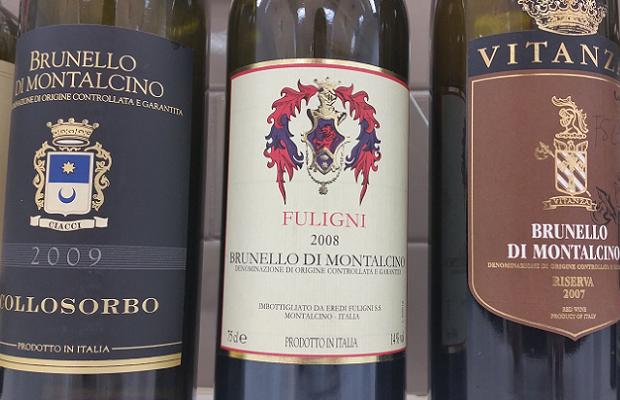
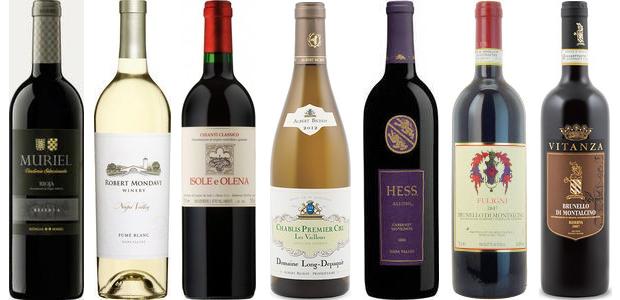
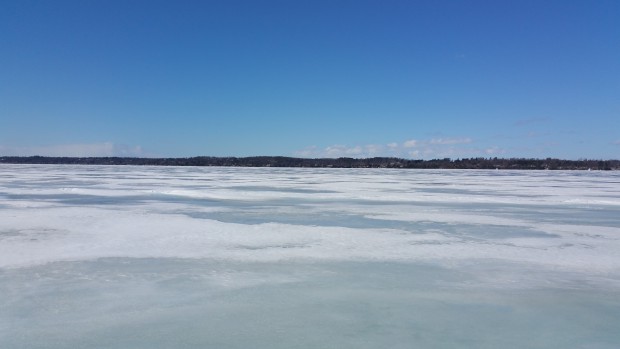
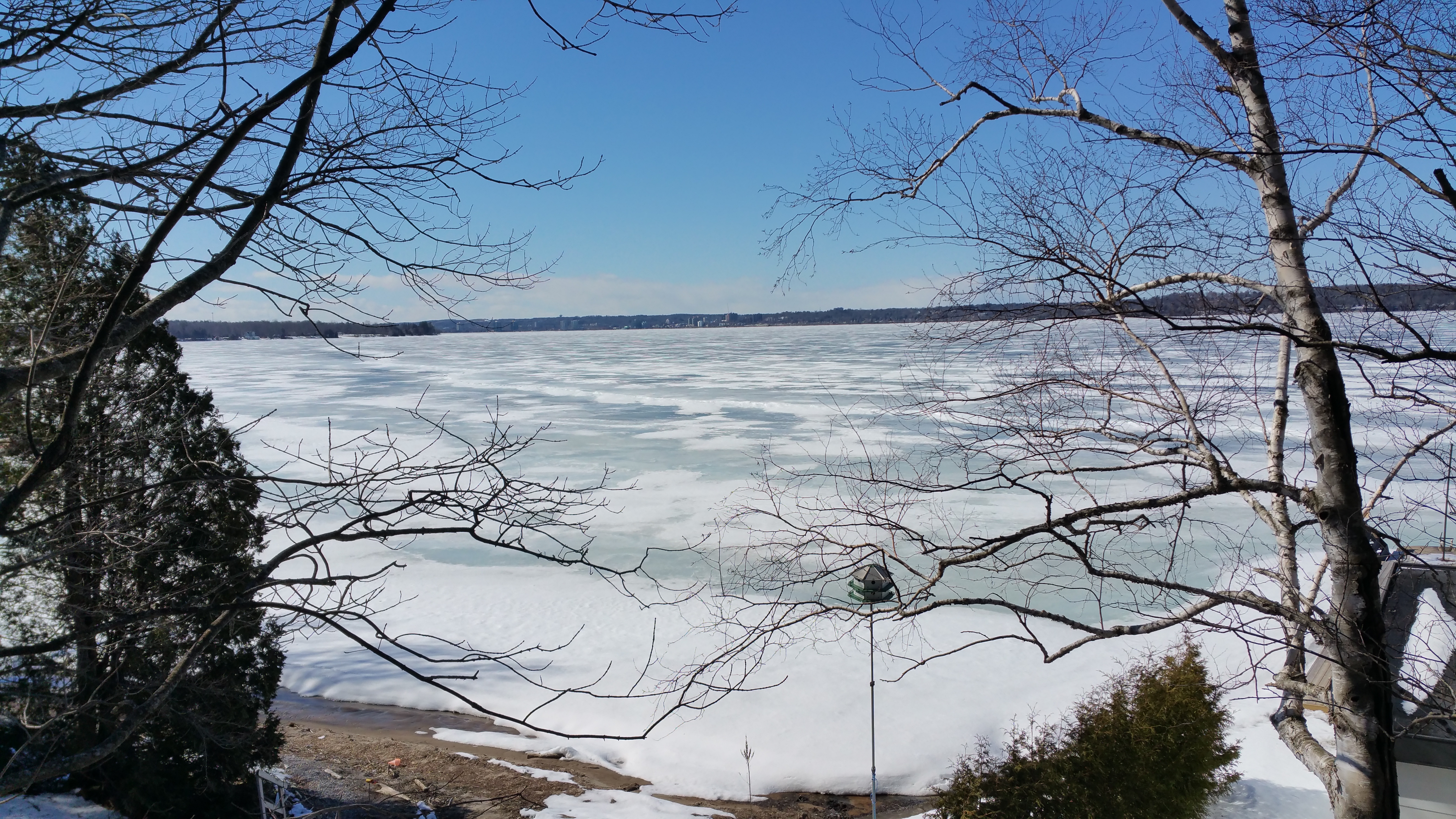
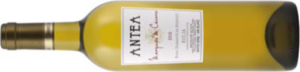
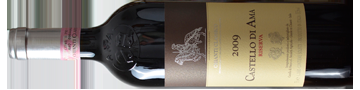
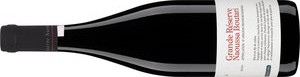
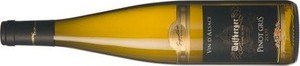
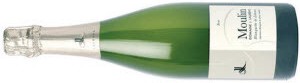
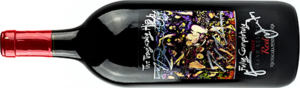

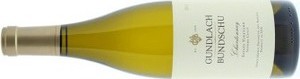
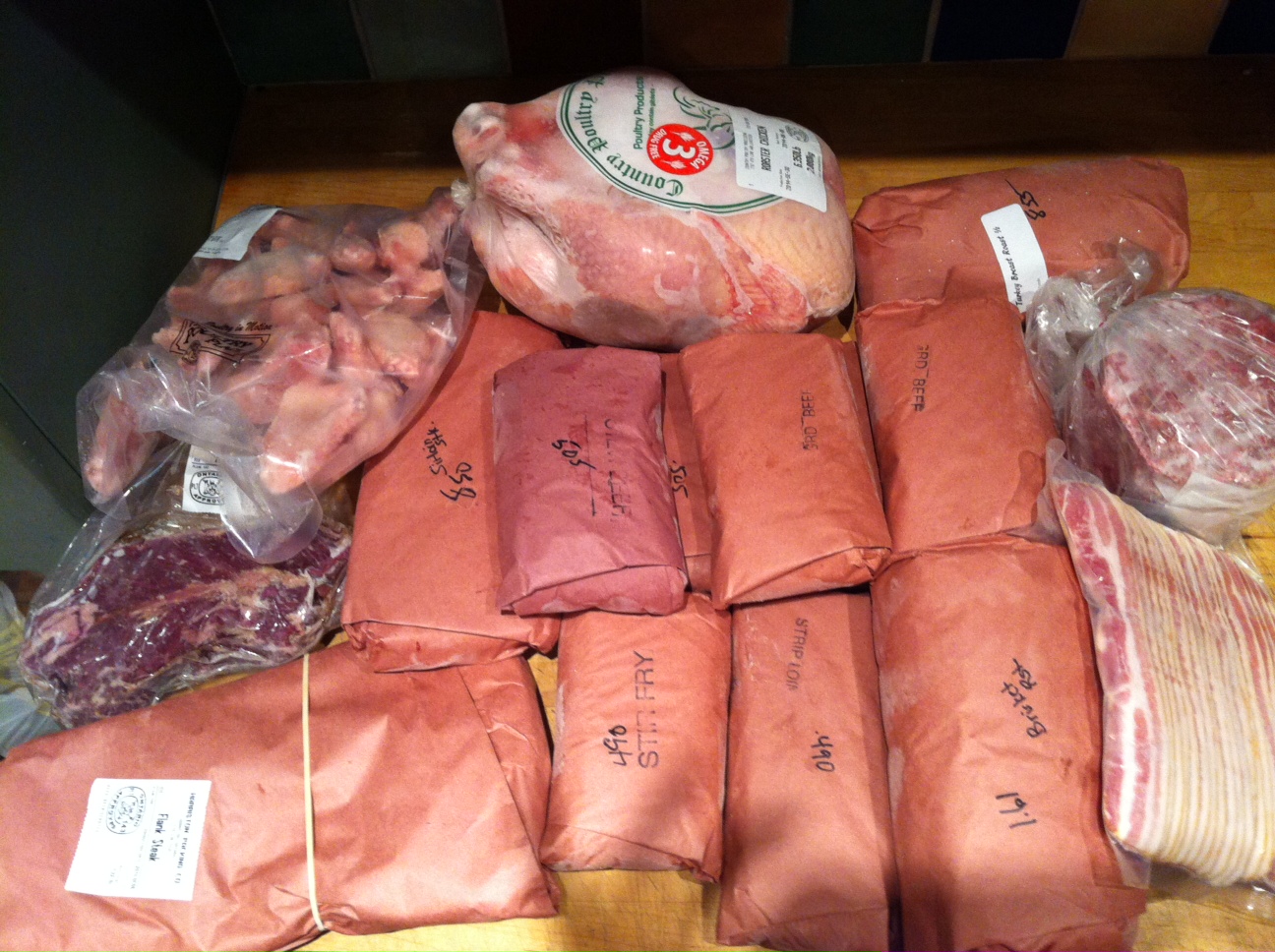


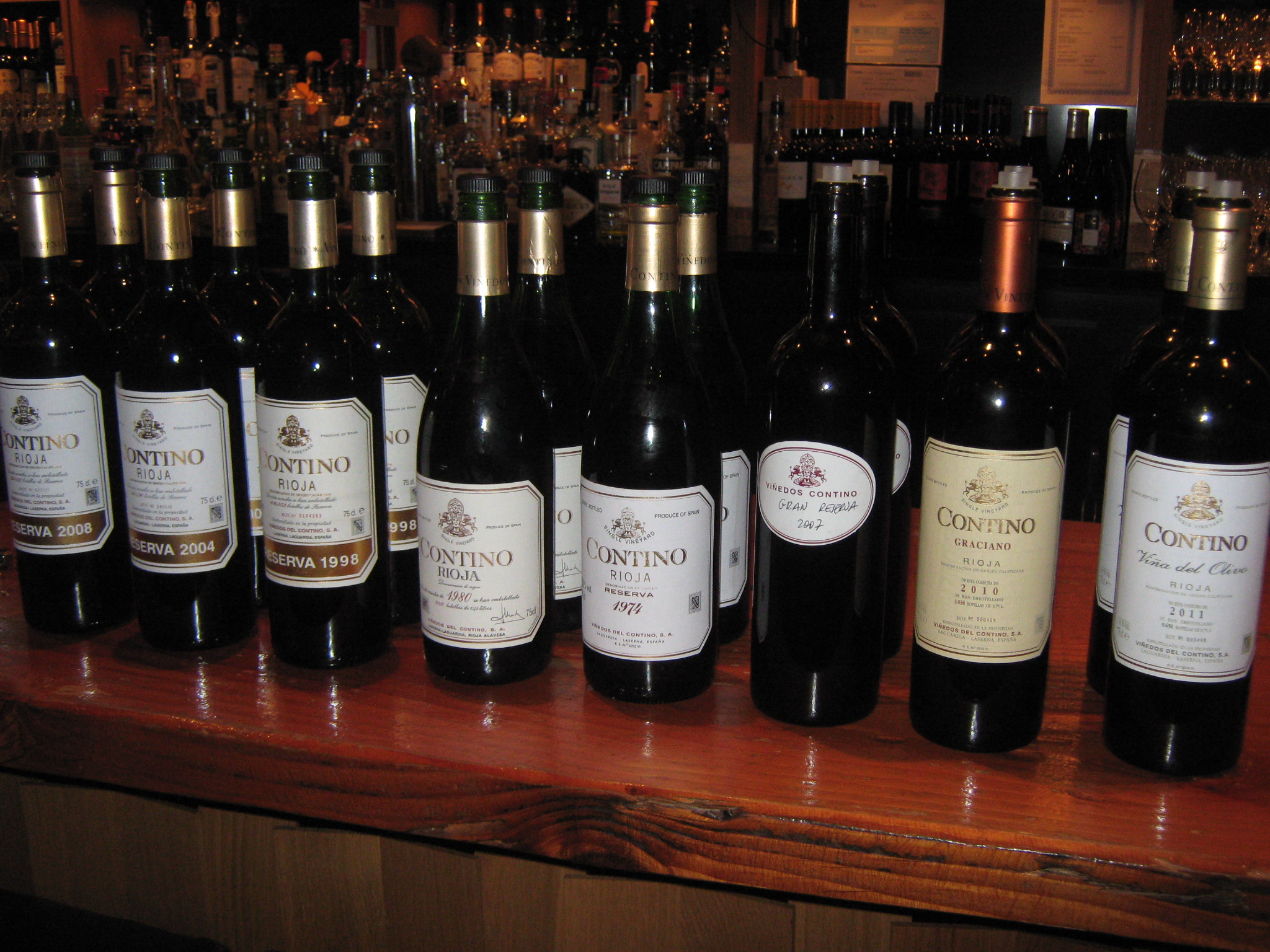


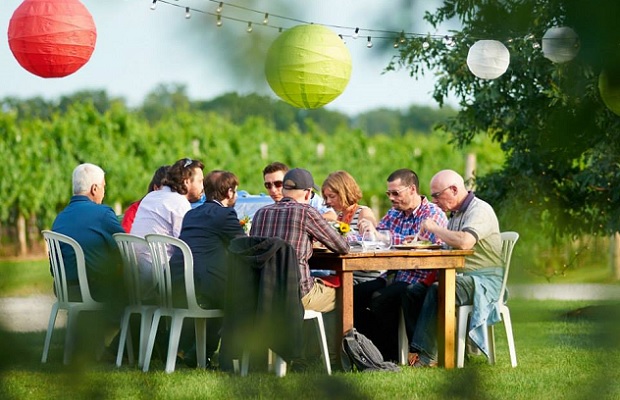
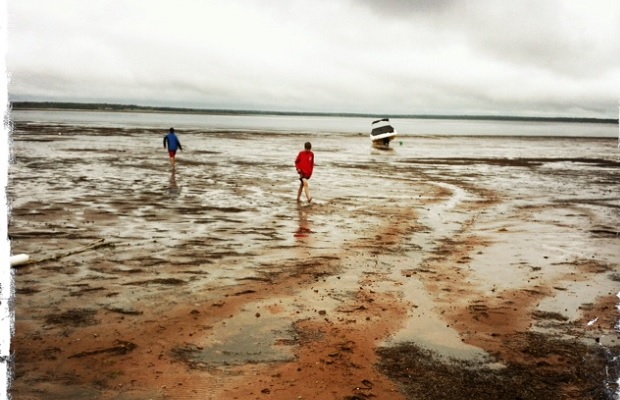

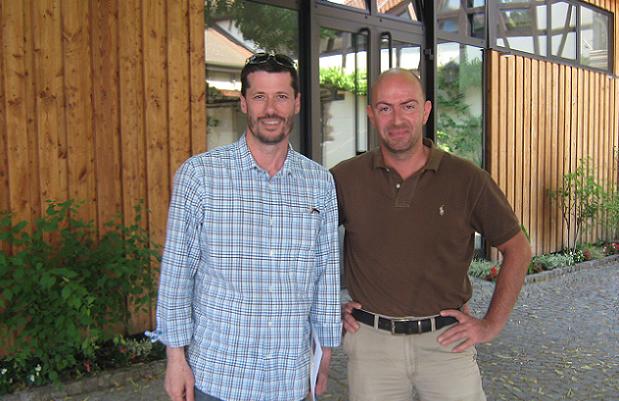
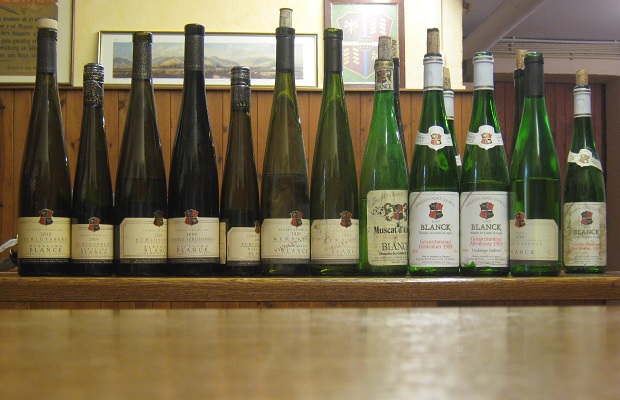
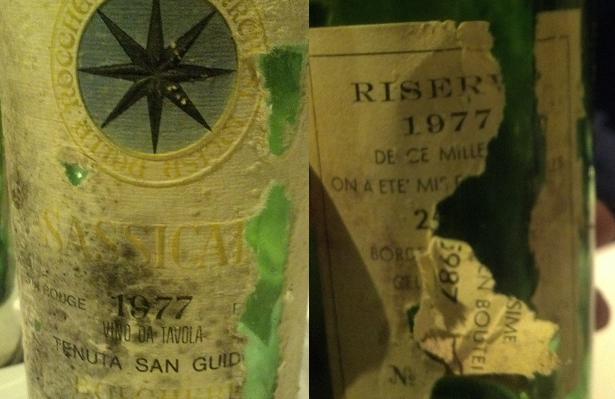
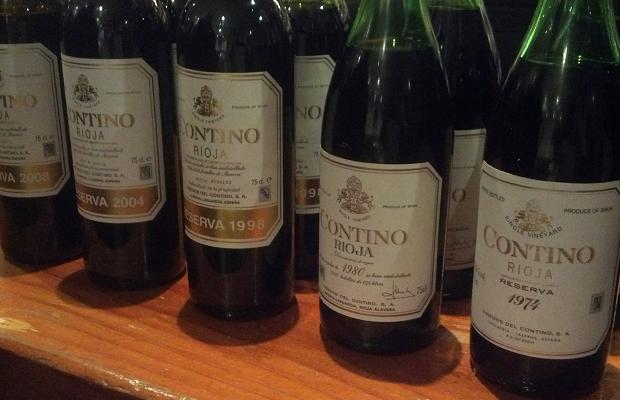
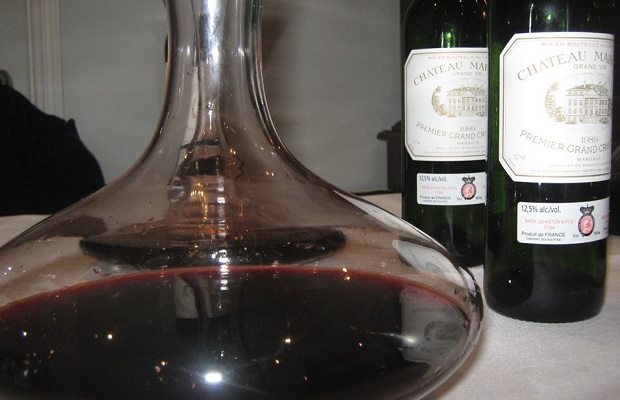
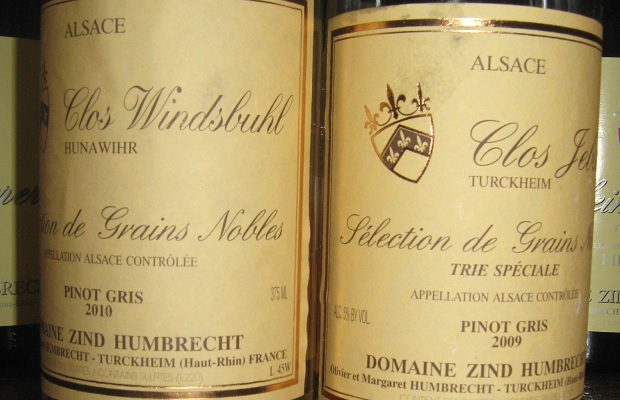

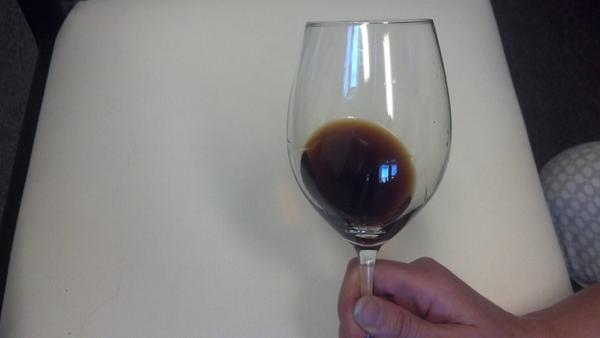
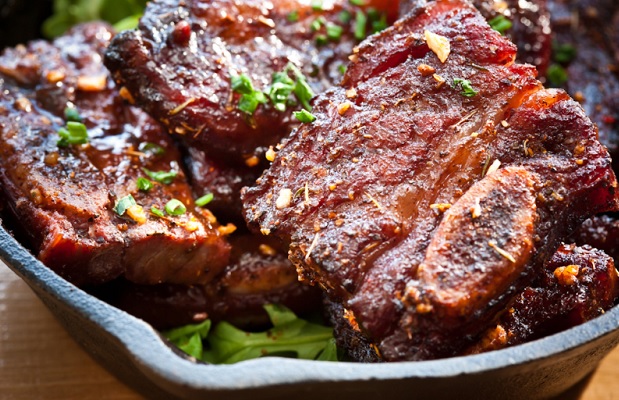
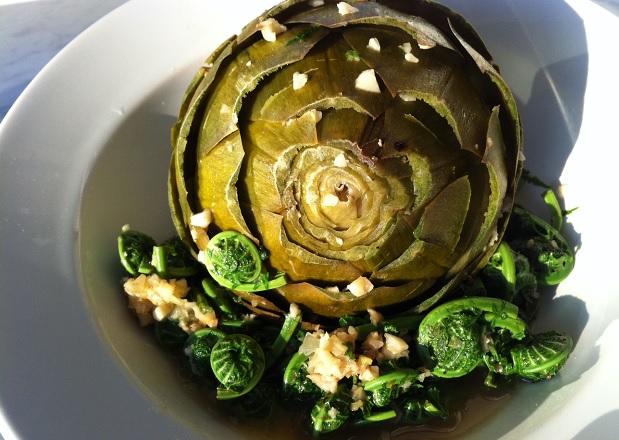
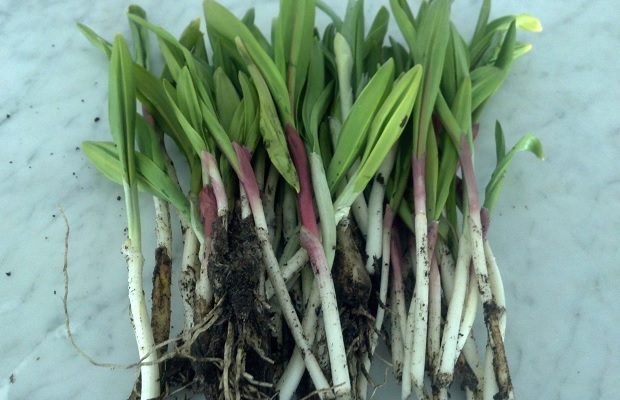

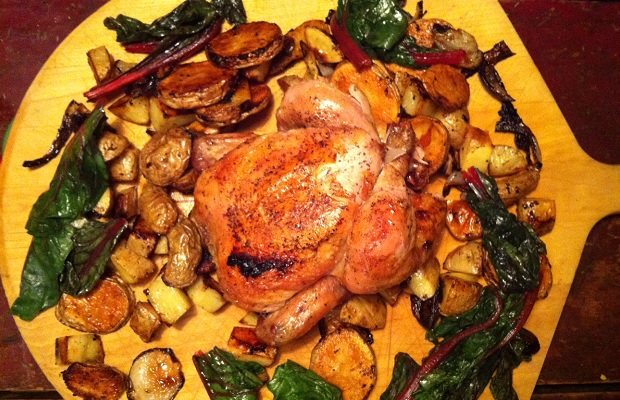


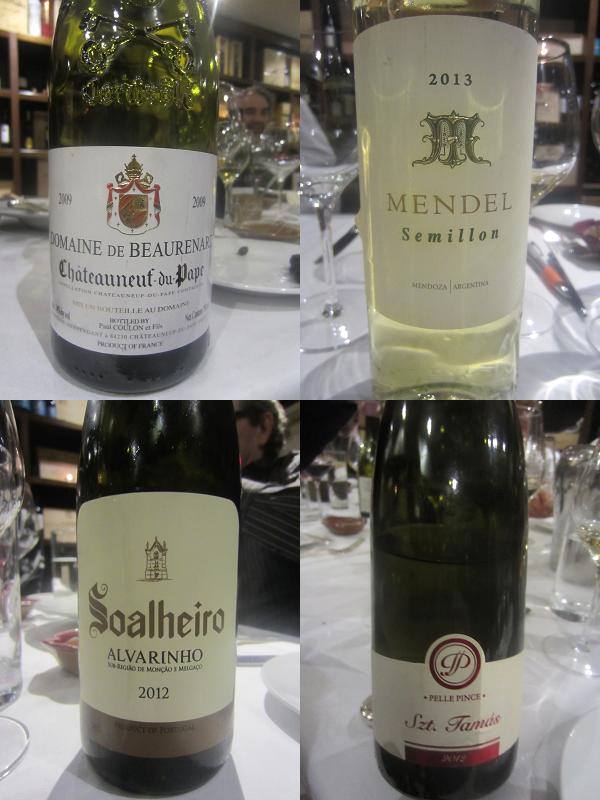
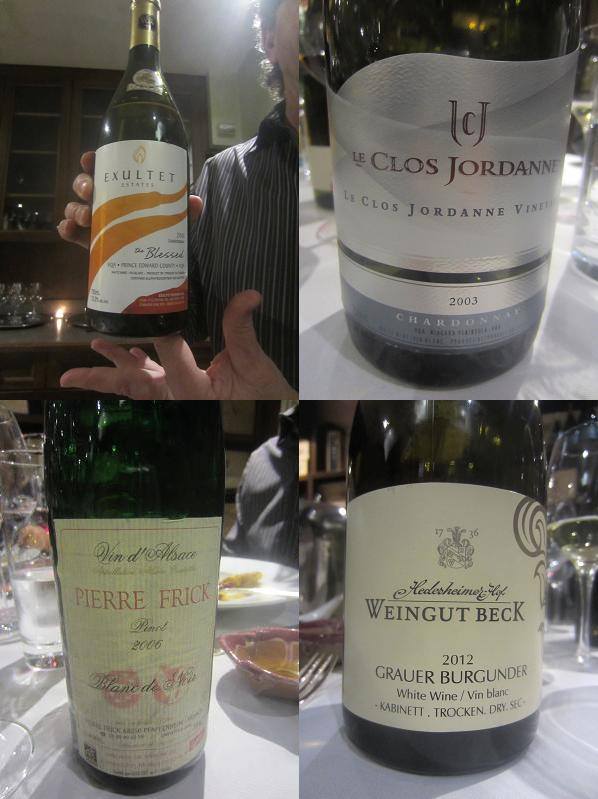
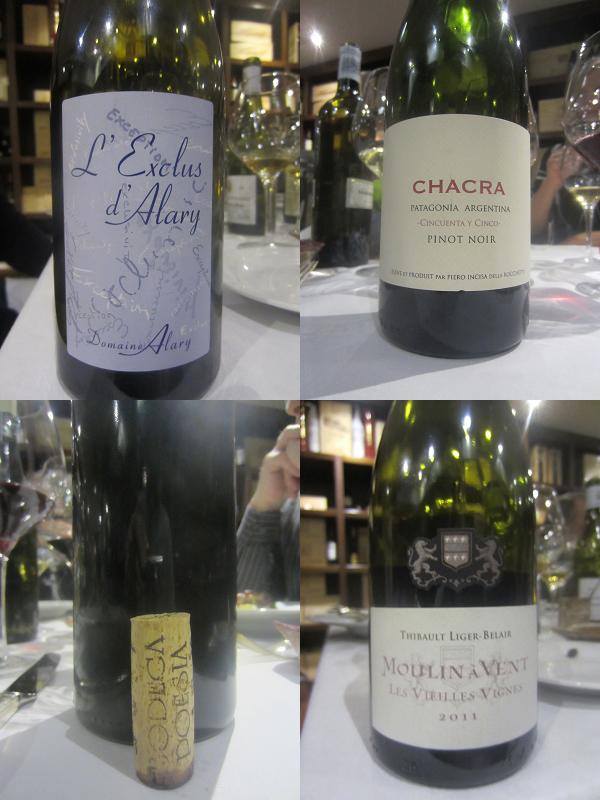

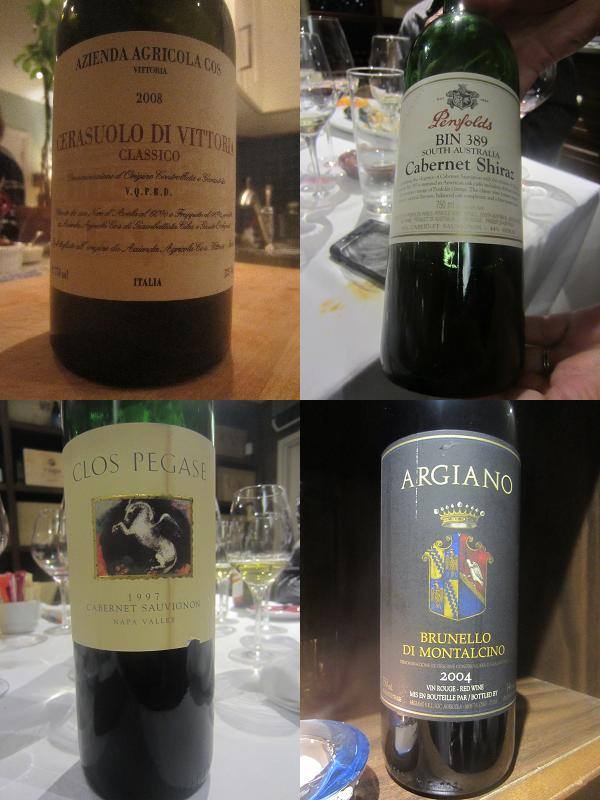
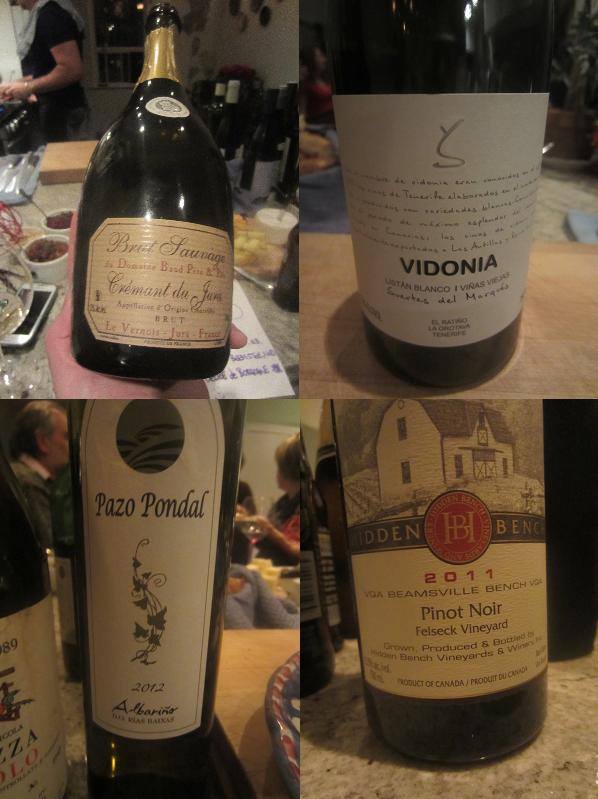

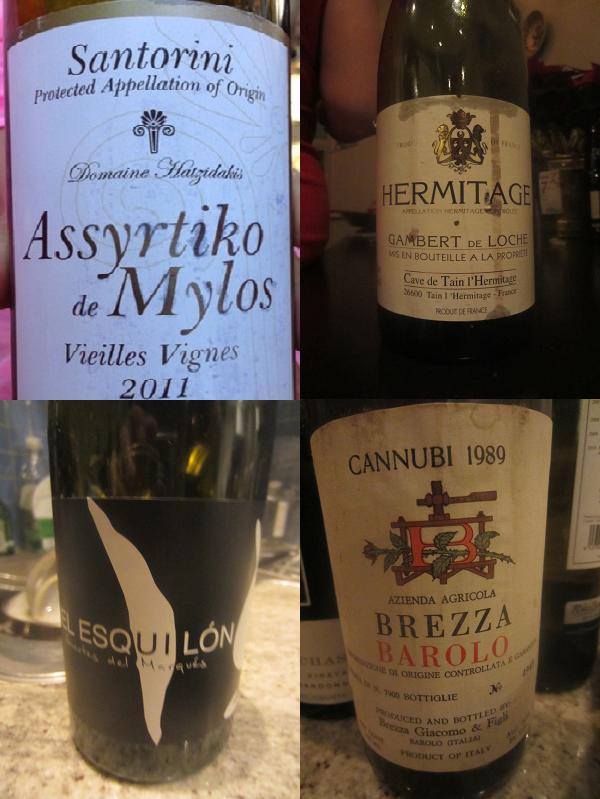

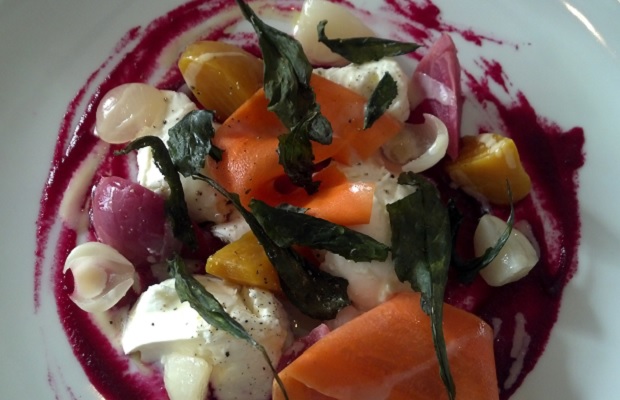
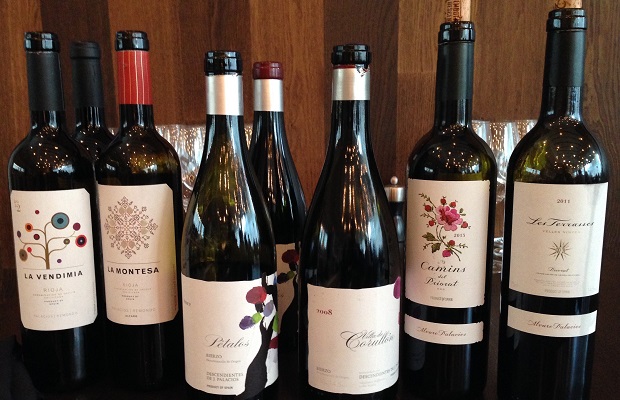
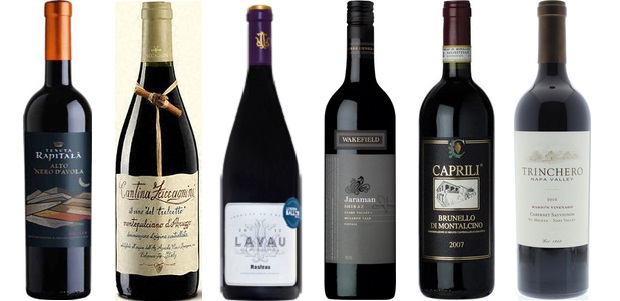
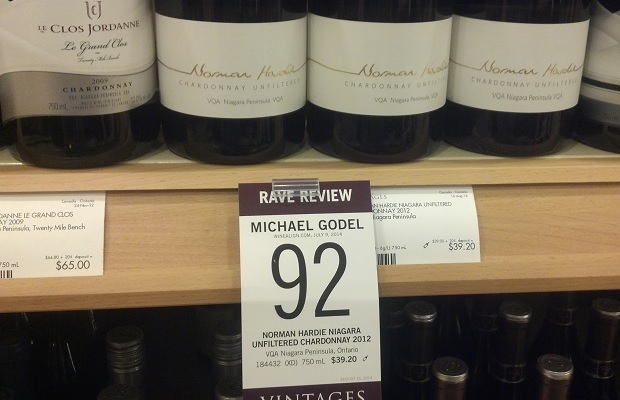

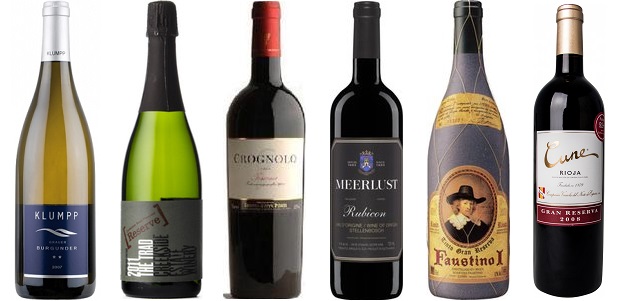
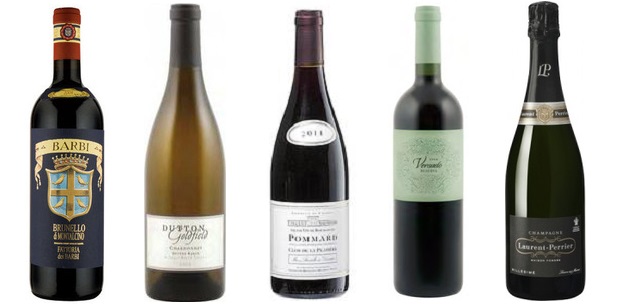
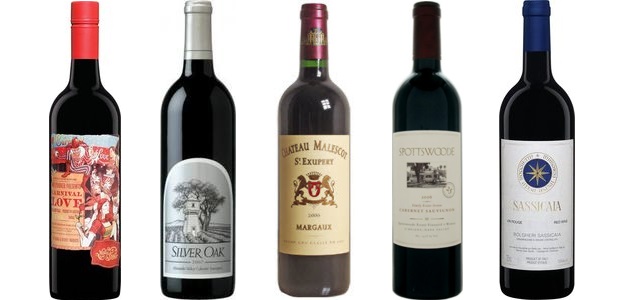
 Godello